AVIR AT JEFFERSON

1307 MARTIN LUTHER KING DR, JEFFERSON, TX 75657 (903) 665-3951
For profit - Corporation 116 Beds AVIR HEALTH GROUP Data: November 2025
Trust Grade
38/100
#633 of 1168 in TX
Last Inspection: September 2024

Within standard 12-15 month inspection cycle. Federal law requires annual inspections.

Overview

Avir at Jefferson has received a Trust Grade of F, indicating significant concerns about the care provided, which places it in the poor category. It ranks #633 out of 1168 facilities in Texas, meaning it is in the bottom half of nursing homes in the state, but it is the only option in Marion County. The facility is improving slightly, with issues decreasing from 15 in 2023 to 14 in 2024, but it still has serious deficiencies, including failing to manage pain for a resident during wound care and not ensuring proper wheelchair brakes for another resident, leading to a fall and fracture. While staffing turnover is 46%, which is below the Texas average, the overall quality measures are low with a 1/5 star rating. Additionally, fines of $16,498 are average for the state, and while RN coverage is adequate, there are concerns about food safety practices in the kitchen that could risk residents’ health.

Trust Score
F
38/100
In Texas
#633/1168
Bottom 46%
Safety Record
Moderate
Needs review
Inspections
Getting Better
15 → 14 violations
Staff Stability
⚠ Watch
46% turnover. Above average. Higher turnover means staff may not know residents' routines.
Penalties
✓ Good
$16,498 in fines. Lower than most Texas facilities. Relatively clean record.
Skilled Nurses
⚠ Watch
Each resident gets only 24 minutes of Registered Nurse (RN) attention daily — below average for Texas. Fewer RN minutes means fewer trained eyes watching for problems.
Violations
⚠ Watch
32 deficiencies on record. Higher than average. Multiple issues found across inspections.
★★☆☆☆
2.0
Overall Rating
★★★☆☆
3.0
Staff Levels
★☆☆☆☆
1.0
Care Quality
★★★☆☆
3.0
Inspection Score
Stable
2023: 15 issues
2024: 14 issues

The Good

  • Full Sprinkler Coverage · Fire safety systems throughout facility
  • No fines on record

Facility shows strength in fire safety.

The Bad

2-Star Overall Rating

Below Texas average (2.8)

Below average - review inspection findings carefully

Staff Turnover: 46%

Near Texas avg (46%)

Higher turnover may affect care consistency

Federal Fines: $16,498

Below median ($33,413)

Minor penalties assessed

Chain: AVIR HEALTH GROUP

Part of a multi-facility chain

Ask about local staffing decisions and management

The Ugly 32 deficiencies on record

2 actual harm
Sept 2024 11 deficiencies
CONCERN (D)

Potential for Harm - no one hurt, but risky conditions existed

Deficiency F0558 (Tag F0558)

Could have caused harm · This affected 1 resident

**NOTE- TERMS IN BRACKETS HAVE BEEN EDITED TO PROTECT CONFIDENTIALITY** Based on observation, interview and record review, the facility failed to ensure each resident had the right to reside and recei...

Read full inspector narrative →
**NOTE- TERMS IN BRACKETS HAVE BEEN EDITED TO PROTECT CONFIDENTIALITY** Based on observation, interview and record review, the facility failed to ensure each resident had the right to reside and receive services in the facility with reasonable accommodation of resident needs and preferences for 3 of 24 residents (Resident #7, Resident #17, and Resident #50) reviewed for reasonable accommodations. The facility failed to ensure Resident #7, Resident #17, and Resident #50's call button was within reach while in bed. These failures could place residents at risk for a delay in assistance and decreased quality of life, self-worth, and dignity. Findings include: 1. Record review of Resident #7's face sheet, dated 4/19/24 revealed a [AGE] year old female admitted on [DATE] with diagnoses that included Pneumonia (a lung infection that causes the air sacs in the lungs to fill with fluid or pus, which can make breathing difficult and painful), Dementia (a group of conditions that cause a gradual decline in cognitive abilities, such as thinking, remembering, and reasoning), and Hypertension (a chronic medical condition that occurs when the pressure in your blood vessels is consistently too high.) Record review of Resident #7's quarterly MDS assessment, dated 07/25/24, revealed Resident #7 had a BIMS of 99, which indicated she was unable to complete the BIMS test. Shows that resident #7 requires extensive assistance with ADLs. Record review of Resident #7's Comprehensive Care Plan revised 012/20/22 reflected Resident #7 was Resident had an ADL self-Care Performance Deficit regarding her disease process, immobility, and poor cognition. During an interview and observation on 9/16/24 at 9:55 a.m., it was observed that Resident #7's call button was laying on the floor. It was observed that Resident #7's bed was in the high position. Resident #7 said that her call button had been laying on the floor all night and all morning. She said that she could not reach the call light button. She said if she needed help, she would not be able to ask for help and she would have to wait until someone came into her room. 2. Record review of Resident #17's face sheet, dated 1/4/24 revealed a [AGE] year old female admitted on [DATE] with diagnoses that included Systolic Heart Failure (occurs when the left ventricle of the heart is too weak to pump enough blood to the body), Hypertensive Herat Disease (a constellation of changes in the left ventricle, left atrium, and coronary arteries as a result of chronic blood pressure elevation), Old Myocardial Infarction (a previous heart attack that's detected by an electrocardiogram (ECG) as pathologic Q waves in the heart). Record review of Resident #17's annual MDS assessment, dated 07/24/24. The MDS indicated a BIMS score of 12 indicating Resident #17's cognition was moderately impaired. The MDS indicated Resident #17 required partial assistance from staff for activities of daily living. Record review of Resident #17's Comprehensive Care Plan revised 07/29/24 reflected Resident #17 required staff to, Anticipate and meet needs. Be sure call light is within reach and respond promptly to all requests for assistance. During an interview and observation on 9/16/24 at 9:38 a.m., Resident #17's call button was observed far under her bed. She said she never pushes her call button because she can never reach it. She said that she would use it to call for help, but she would need someone to give it to her. She asked the surveyor to pick the call button off the floor for her. 3. Record review of Resident #50's face sheet, dated 2/22/23 revealed a [AGE] year-old female admitted on [DATE] with diagnoses that included Muscular Degeneration (a group of genetic diseases that cause progressive muscle weakness and breakdown), Hyperlipidemia (a condition where there are high levels of lipids, or fats, in the blood), Hypertension (a chronic medical condition that occurs when the pressure in your blood vessels is consistently too high.) Record review of Resident #50's quarterly MDS assessment, dated 08/14/24, revealed Resident #50 had a BIMS of 08, which indicated she had moderately impaired cognition. Shows that resident #50 requires extensive assistance with ADLs. Record review of Resident #50's Comprehensive Care Plan revised 03/10/23 reflected Resident #50 required staff to, Anticipate and meet needs. Be sure call light is within reach and respond promptly to all requests for assistance. During an observation on 9/16/24 at 9:50 a.m., Resident #50's call button was laying on the floor behind a dresser. Call button was several feet away from the resident and behind furniture. Surveyor had to move the dresser away from the wall in order to get to the call button. During an interview on 9/18/24 at 1:32 p.m., with CNA L she said it was the responsibility of CNAs to ensure residents have call buttons within their reach. She said if a resident could not reach their call light or have the ability to get up and get their call light then they would have no way to communicate to staff if they needed help or assistance. She said this could place residents at risk of not getting the help they needed. During an interview on 9/18/24 at 3:15 p.m., with the DON she said that all staff are responsible for ensuring that residents call buttons were within reach. She said that if a resident that was dependent for care could not reach their call button they would not be able to ask for help. During an interview on 9/18/24 at 3:30 p.m., with the ADM he said that all staff are responsible to ensure that residents have a call button within reach when they are entering and leaving residents rooms. He said residents who needed help were placed at risk if they were unable to reach their call button. Record review of the facility's policy Answering the Call light revised September 2022 reflected . The purpose of this procedure is to ensure timely responses to the resident's requests and needs Ensure that the call light is accessible to the resident when in bed, from the toilet, from the shower or bathing facility and from the floor.
CONCERN (D) 📢 Someone Reported This

A family member, employee, or ombudsman was alarmed enough to file a formal complaint

Potential for Harm - no one hurt, but risky conditions existed

Report Alleged Abuse (Tag F0609)

Could have caused harm · This affected 1 resident

**NOTE- TERMS IN BRACKETS HAVE BEEN EDITED TO PROTECT CONFIDENTIALITY** Based on interview and record review the facility failed to ensure that that all alleged violations involving a drug diversion w...

Read full inspector narrative →
**NOTE- TERMS IN BRACKETS HAVE BEEN EDITED TO PROTECT CONFIDENTIALITY** Based on interview and record review the facility failed to ensure that that all alleged violations involving a drug diversion were reported after the allegation was made to other officials (including to the State Survey Agency) in accordance with State law through established procedures for 1 resident (Resident #25) of 4 resident reviewed for drug diversion in that: The facility was made aware of a possible drug diversion on 07/12/2024. LVN M reported to the ADM receiving a bottle of hydromorphone from Hospice Nurse N that was tampered with upon receipt of the medication. This failure could result in allegations or instances of resident drug diversion not being reported or investigated by the state survey agency. Findings include: Record review of an undated face sheet indicated Resident #25 was a [AGE] year-old male admitted to the facility on [DATE] with the diagnoses of Parkinson's disease (a disorder of the central nervous system that affects movement, often including tremors), COPD (A group of lung diseases that block airflow and make it difficult to breathe), and diabetes mellitus. Record review of a quarterly MDS dated [DATE] indicated Resident # 25 had a BIMS of 06, which indicated cognitive impairment. He required extensive to dependent assistance with ADLs such as transfer, bathing, and toileting. Resident #25 had no pain, and no pain medication was administered. During an interview on 09/17/2024 at 10:00 a.m., Resident #25 was able to answer limited questions. He stated his name and date of birth . He stated he had no pain and was doing fine. During an interview on 09/17/2024 at 10:30 a.m., Resident #25's family stated he was informed of the mishandling of his father's pain medication on 08/23/2024 by a nurse that worked for the state. He stated he was not notified prior to that day of the mishandling of his father's pain medication. He stated he was not greatly concerned about the information because his father rarely complained of pain. During an interview with HHS Nurse O on 09/18/2024 at 10:20 a.m., she stated she worked a reported complaint on 08/23/2024 regarding Hospice Nurse N. She stated the complaint alleged Hospice Nurse N ordered a bottle of hydromorphone for Resident #25 on 07/06/2024 and delivered it to the facility on [DATE]. Upon receipt of the hydromorphone, LVN M noticed the medication was tampered with and reported the information to the ADM. The ADM notified the hospice company on 07/08/2024 of the incident. The hospice company sent RN P out to retrieve the medication to have it tested. HHS Nurse O stated she advised the ADM that he should have reported the incident as a drug diversion because it was the facility's resident whose medication was diverted. She stated he said he had not looked at the situation in that manner, but he would report the incident immediately. HHS Nurse O stated it had not harmed the resident because he had 3 unused sealed bottles of hydromorphone on the medication cart if he needed them for pain control. During an interview on 09/18/2024 at 11:45 a.m., Hospice Nurse P stated the medication was picked up from the facility on 07/10/2024 by herself. She stated instantly she knew the medication had been tampered with. She stated the seal was broken and the liquid was clear and thin like water. She stated hydromorphone was generally thicker in nature. She stated it was not best practice to keep narcotics overnight at their homes. She stated the nurse should have delivered the medication the same day she received it. She stated the nurse should have never reordered the medication if Resident #25 was not low on the medication. She stated all the details lead to a referral of Hospice Nurse N's license. During an interview on 09/18/2024 at 12:20 p.m., the ADM stated he was made aware of the medication tampering on 07/07/2024 by LVN M. He stated the next day when he came into work, he called the hospice company and informed them of the situation. He stated a few days later Hospice RN P came and retrieved the medication. He stated he never thought of the situation of a drug diversion that he would have needed to report because it was not his nurse that diverted the drug. He stated he thought the hospice company would call in the diversion on their end. He stated he had not investigated the situation any further because it was cut and dry to him. He stated he reported the incident to HHS and called the local police after HHS Nurse O suggested to him he needed to. He stated had he thought once the Hospice company had investigated it the situation was resolved. Record review of an undated policy entitled Reporting revealed, nursing facilities must report all allegations of drug theft (diversion) within 24 hours to the State survey and certification agency (State survey agency), and to other officials in accordance with State law.
CONCERN (D)

Potential for Harm - no one hurt, but risky conditions existed

Deficiency F0655 (Tag F0655)

Could have caused harm · This affected 1 resident

**NOTE- TERMS IN BRACKETS HAVE BEEN EDITED TO PROTECT CONFIDENTIALITY** Based on interview and record review, the facility failed to ensure the baseline care plan that included the instructions for re...

Read full inspector narrative →
**NOTE- TERMS IN BRACKETS HAVE BEEN EDITED TO PROTECT CONFIDENTIALITY** Based on interview and record review, the facility failed to ensure the baseline care plan that included the instructions for resident care needed to provide effective and person-centered care was completed and provided to the resident and/or their representative for 3 of 9 residents reviewed for new admissions (Resident #2, Resident #36, and Resident #190). The facility failed to complete a baseline care plan for Resident #36 within 48 hours of admission. The facility failed to provide Resident #2 and Resident #190's RP, a copy of the summary of the baseline care plan. These failures could place residents at risk of not receiving care and services to meet their needs. Findings included: 1. Record review of Resident #36's face sheet dated 09/16/24 indicated Resident #36 was an 85-years-old, male admitted to the facility on [DATE] and 09/04/24 with diagnoses including fracture of upper end of left femur (is a break in the uppermost part of thighbone, next to the hip joint), Extended Spectrum Beta Lactamase (ESBL) resistance (is an enzyme that is produced by bacteria to become resistant to extended-spectrum penicillin, cephalosporins, and monobactams except for cephamycins and carbapenems), vascular dementia ( changes to memory, thinking, and behavior resulting from conditions that affect the blood vessels in the brain), Type 2 diabetes (is a condition that happens because of a problem in the way the body regulates and uses sugar as a fuel), and repeated falls. Resident #36's responsible party was a family member. Record review of Resident #36's admission MDS assessment dated [DATE] indicated Resident #36's admission entry date was 09/04/24. Resident #36 was understood and understood others. Resident #36 had a BIMS score of 08 which indicated moderately cognitive impairment. Resident #36's admission performance requirement was substantial assistance for toilet hygiene, shower/bathe self, and lower body dressing, partial assistance for upper body dressing and personal hygiene, and supervision for oral hygiene. Resident #36 was occasionally incontinent of urine and always continent for bowel. Resident #36 had a multidrug-resistant organism (MDRO). Resident #36 had falls in the last month, last 2-6 months, and fracture related to a fall in the 6 months prior to admission. Resident #36 was on a mechanically altered diet. Resident #36 was at risk of developing pressure ulcers/injuries, had 2 venous and arterial ulcers, skin tear(s), and surgical wounds. Resident #36 received antibiotics, opioid, and insulin during the last 7 days. Resident #36 had intravenous access and medication. On 09/17/24 at 9:30 a.m., the DON provided a baseline care plan for Resident #36. The baseline care plan was dated 07/05/24 which was the previous admission date. The facility did not provide a baseline care plan for admission date of 09/04/24. 2. Record review of Resident #2's face sheet dated 09/16/24 indicated Resident #2 was an [AGE] year-old male admitted to the facility on [DATE] with diagnoses including sepsis (is a serious condition in which the body responds improperly to an infection) due to enterococcus (gram-positive, sphere-shaped (coccal) bacteria), megaloureter (an enlarged ureter), acquired absence of left leg above knee, obstructive (occurs when urine cannot drain through the urinary tract) and reflux (is kidney scarring caused by urine flowing backward from the bladder into a ureter and toward a kidney) uropathy, and atherosclerotic heart disease (is a common condition that develops when a sticky substance called plaque builds up inside your arteries). Resident #2 responsible party was a family member. Record review of Resident #2's admission MDS assessment dated [DATE] indicated Resident #2 was understood and usually understood others. Resident #2's BIMS score was 11 which indicated moderately cognitive impairment. Resident #2 admission performance requirement was substantial assistance for lower body dressing, partial assistance for personal hygiene, upper body dressing, shower/bathe self and toilet hygiene, and supervision for oral hygiene. Record review of Resident #2's undated baseline care plan did not reflect a signature and date of resident and representative or signature of staff completing plan, title, and date. On 09/23/24 at 11:40 a.m., a call was placed to Resident #2's responsible party, no answer and message was left. 3. Record review of Resident #190's face sheet dated 09/16/24 indicated Resident #190 was an [AGE] year-old male admitted to the facility on [DATE] with diagnoses including atherosclerotic heart disease (is a common condition that develops when a sticky substance called plaque builds up inside your arteries), aneurysm of the ascending aorta (is a bulging, weakened area in the wall of a blood vessel resulting in an abnormal widening or ballooning greater than 50% of the vessel's normal diameter (width)), without rupture, presence of heart valve replacement, chronic obstructive pulmonary disease (is a common lung disease causing restricted airflow and breathing problems), encounter for attention to tracheostomy (is a procedure to help air and oxygen reach the lungs by creating an opening into the trachea (windpipe) from outside the neck), and Type 2 diabetes (is a condition that happens because of a problem in the way the body regulates and uses sugar as a fuel). Resident #190 responsible party and care conference person was a family member. Record review of Resident #190's admission MDS assessment dated [DATE] indicated Resident #190 was understood and understood others. Resident #190's BIMS score was 15 which indicated intact cognition. Resident #190's admission performance requirement was partial assistance for lower body dressing, shower/bathe self, and toilet hygiene, supervision assistance for upper body dressing, and set-up assistance for oral hygiene. Record review of Resident #190's undated baseline care plan did not reflect a signature and date of resident and representative or signature of staff completing plan, title, and date. The undated baseline care plan indicated Resident #190 was his own representative. During an interview on 09/18/2024 at 11:30 a.m., Resident #190's responsible party and care conference person said she did not receive a copy of Resident #190's baseline care plan. She said she would have liked to have received a copy of Resident #190's care plan. She said a copy of Resident #190's baseline care plan would have helped her know what was going on with her family member. During an interview on 09/18/24 at 1:11 p.m., LVN Q said baseline care plan were supposed to done within 24-48 hours of an admission. She said if the admitting nurse did not complete the baseline care plan, the next nurse should. She said the nurse who completed the baseline care plan was responsible for getting it signed by the resident or responsible party and providing a copy. She said baseline care plans were important to know the resident's care and needs. She said the resident or responsible party should have a copy, so they were also aware of the care being provided. She said not having a baseline care plan completed placed residents at risk for not getting the needs met. During an interview of 09/18/24 at 1:44 p.m., LVN R said she was the admit nurse for Resident #36 and Resident #190. She said the MDS coordinator, ADON, DON, and ADM were responsible for baseline care plans. She said she did not know the timeframe the baseline care plan had to be completed by. She said maybe it was completed during the admission care plan meeting. She said she did know the baseline care plan was supposed to be signed by the resident or responsible party and copy given. She said baseline care plans were important to make sure resident's care, needs, and wants were documented. She said baseline care plans were also important to ensure the resident's wishes were being honored. She said not having a baseline care plan placed residents at risk for their issues not being addressed. During an interview on 09/18/24 at 3:54 p.m., the DON said the ADON, DON, and MDS coordinator were responsible for baseline care plans. She said the baseline care plan should be started on admission and completed within 48 hours. She said the MDS coordinator, ADON, and DON were responsible for providing a copy to the resident and responsible party. She said the baseline care plan was supposed to be given to the resident or responsible party at the first care plan meeting. She said the baseline care plan was important because it gave the overall plan of care, established good communication between the facility and resident. She said the baseline care plan was also important to know the resident's needs and wants. She said not having a baseline care placed residents at risk for communication not being established and discharge planning not being communicated. She said Resident #36 was previously admitted then went to an assisted living facility. She said Resident #36 fell at the assisted living facility and was admitted to the facility again. She said Resident #36's new admission baseline care plan was missed. During an interview on 09/18/24 at 4:30 p.m., the ADM said baseline care plans were supposed to be completed within 48 hours of admission. He said the interdisciplinary team was responsible for completing the baseline care plans. He said baseline care plans were important to understand what the resident needed and how to take care of them. Record review of a facility's Care Plans-Baseline policy revised on 03/2022 indicated .a baseline plan of care to meet the resident's immediate health and safety needs is developed for each resident within forty-eight hours of admission .the resident and/or representative are provided a written summary of the baseline care plan .provision of the summary to the resident and/or representative is documented in the medical record .
CONCERN (D)

Potential for Harm - no one hurt, but risky conditions existed

Comprehensive Care Plan (Tag F0656)

Could have caused harm · This affected 1 resident

**NOTE- TERMS IN BRACKETS HAVE BEEN EDITED TO PROTECT CONFIDENTIALITY** 2. Record review of Resident #43's admission Record indicated he was re-admitted on [DATE] with diagnosis of protein-calorie mal...

Read full inspector narrative →
**NOTE- TERMS IN BRACKETS HAVE BEEN EDITED TO PROTECT CONFIDENTIALITY** 2. Record review of Resident #43's admission Record indicated he was re-admitted on [DATE] with diagnosis of protein-calorie malnutrition (an imbalance between the nutrients your body needs to function and the nutrients it gets), dysphagia (a condition with difficulty in swallowing food or liquid), COPD (a chronic lung disease that makes breathing difficult and causes cough, mucus and wheezing), Parkinson's disease without dyskinesia (progressive disorder that affects the nervous system and parts of the body that controlled by the nerves), and Epilepsy (a brain disorder that causes recurring , unprovoked seizures). Record review of Resident #43's quarterly MDS dated [DATE] indicated that the resident was sometimes understood and sometimes was understood by others. Resident #43 had a BIMS score of 99 indicating he was not able to complete the interview. Record review of Resident #43's Care Plan revised on 5/9/2024, indicated Resident #43 was high risk for falls related to unaware of safety needs and diagnosis of dementia. Resident #43 had interventions initiated on 3/16/2022 for staff to anticipate and meet resident's needs, be sure the resident's call light was within reach and encourage the resident to use it for assistance as needed, PT evaluate and treat as ordered or PRN, review information on past falls and attempt to determine cause of the falls and record possible root causes and alter remove potential causes if possible, educate resident/family/caregivers/IDT as to causes. The care plan indicated intervention for resident #43 needs a safe environment with: even floors, free from spills and or clutter, adequate glare-free light and a working reachable call light, the bed in low position at night and personal items within reach. Record review of Resident #43's care plan revised on 8/11/2023 indicated Resident #43 had following falls: 8/18/2023 fall with no injury. 8/21/2023 bruise to right foot after fall. 9/10/2023 attempted to stand alone, no injury. 11/6/2023 on the floor in the dining area. 11/12/2023 sitting on fall mat by bed. 12/17/2023 in dining area, stood up unassisted, no injury. 12/26/2023 fall with no injury, was on the floor from wheelchair. 1/27/2024 fall with bruised to right hand. 1/28/2024 fall, ambulating without assistance, no injury. 4/13/2024 scooting on the floor. 5/24/2024 attempted to transfer unassisted. 5/29/2024 fall during an unassisted transfer, no injury. Record review of Resident #43's care plan for actual falls indicated on 11/11/2022 medications were reviewed and shoes were assessed, 11/16/2022 Non-slip mat placed under wheel chair cushion to prevent sliding out of wheelchair, hipsters provided, daughter refused for resident to have helmet says it will irritate him, 10/24/2022 continue fall mat, arm sleeves, therapy to screen and pick up if indicated education with resident representative and resident, 2/7/2023 continue with fall mat and place bed in lowest position, for no apparent acute injury, 10/24/2022 determine and address causative factors of the fall, 10/24/2022 neuro-checks per protocol if indicated, 3/15/2023 provide reminders to use call light for assistance, 10/24/2022 therapy consult as indicated, 5/25/2024 anticipate resident's needs and provide assistance as needed, 8/18/2023 continue with previous fall interventions, 11/12/2023 monitor for increased pain or changes in bruising to toes on left foot, notify MD as needed, 8/18/2023 place bed bolsters on bed, 2/5/2024 PT services in place, and 8/21/2023 x-ray ordered for right foot, negative for fractures. During an interview on 9/18/2024 at 1:00 PM, CNA D said she was not aware of any recent falls from Resident #43. She said she had not observed him falling. CNA D said Resident #43 was in a wheelchair and he has tried to get out of it before. She said Resident #43 requires 1 person transfer and requires cuing. CNA D said she would ask the nurse or the aide prior to her shift if any resident's had a fall on their shift. CNA D said she did not know which residents were a fall risk. CNA D said the resident would go to therapy if they had fallen. CNA D said if a resident had a fall, she would get the nurse to assess the resident for bruising, skin tears or injury. The CNA D said the aides are responsible for ensuring the care plan interventions for falls are in place and being implemented. CNA D said if a resident were having frequent falls, the resident would have a fall mat. The nurses place the fall mats for the residents. The CNA D said not having a fall mat in place or call light within reach could potentially prevent a fall or lessen the injury. The CNA D said they do not chart if the care plan was being implemented and the nurse was responsible for ensuring the interventions were implemented. During an interview on 9/18/2024 at 1:15 PM, CNA E said she had worked at the facility for approximately 10 years. She said she does care for any residents who have recently fallen. CNA E said she had been in-serviced on falls. CNA E said the facility had interventions to prevent falls included fall mats, call light within reach, signs on the resident's walls displaying call don't fall and making sure residents had proper footwear on. CNA E said the staff redirect residents while in the dining room to sit back down if they attempt to stand up. CNA E said it would be care planned if a resident was a high fall risk. She said the CNAs did have access to the care plan in the kiosk. CNA E said she would talk to the nurse and DON if she did not feel the interventions were effective. She said the DON and the ADON are responsible for ensuring the interventions are on the care plan. CNA E said a resident could call and hurt themselves if the interventions were not in place. During an interview on 9/18/2024 at 1:23 PM, LVN F said Resident # 43 had been found on the floor, but it was not necessary a fall. She said we classify everything as a fall. LVN F said Resident #43 would be observed on the floor and he was state I'm down here working. The LVN F said she thought it was care planned in Resident #43 chart. LVN F said she documents falls in the nurses note and said the nurse should complete a fall risk assessment and neurological checks if a resident was suspected of falling. LVN F said interventions for high-risk fall residents included checking on the residents more frequently, fall mat in place, and redirect a resident before they attempt to get up. LVN F said she would notify the DON if interventions were not working and would talk with family for suggestions. LVN F said Resident #43 had a bolster mattress, fall mat, frequent checks, and make sure call light was within reach. LVN F said the nurses do not document the frequent checks. LVN F said the MDS nurse was responsible for care plan and the LVN was responsible for making sure the interventions were implemented and followed. LVN F said the staff would not know what to do if the care plan was not updated. She said a resident could continue to fall or get injured. LVN F said everyone was responsible for implementing fall precautions. During an interview on 9/18/2024 at 1:41 PM, RN G said she does not know how to update the care plan and was not sure if the CNAs had access the care plan. RN G said she would assess the environment to see if a resident had a fall mat and said some residents have motion detectors that would set off the call light so a staff member would go check on them. RN G said she would talk with the DON about other interventions and the DON would update the care plan and discuss in the care plan meeting. RN G said she would complete a fall assessment after every fall along with skin assessment, pain assessment, and an incident report after every fall. RN G said the response would be noted in the incident report and she documents in the progress note. RN G said a resident could injury themselves or break something if they had a fall and said it was important to care plan because every day was different, and anything could change. During an interview on 9/18/2024 at 2:21 PM, MDS nurse H said the nurses would document resident responses to interventions in the nurse notes. MDS Nurse H said the DON would update the care plan with the actual fall and the IDT would put another intervention in place if the current interventions were not effective. MDS Nurse H said the nurse on the unit should complete a fall risk assessment after each fall and quarterly with other quarterly assessments. MDS Nurse H said the facility would not have everyone on board with the interventions if the interventions were not on the care plan and it could affect the continuity of care. During an interview on 9/18/2024 at 2:30 PM, MDS Nurse J said actual falls were documented and the facility would add interventions such as increased supervision, medication review, fall mats, low bed position and bolster mattress. MDS Nurse J said the DON was new and she adds the actual falls to the resident's care plan. During an interview on 9/18/2024 at 2:45 PM, the ADON said she had been in her role for approximately 5 months. The ADON said the care plans were discussed in the care plan meetings and they update the care plan. The ADON said the facility attempts to find the root cause and adjust the care plan at that point. She said if a resident continues to fall, the nurse will assess the residents needs and perform more frequent checks. The ADON said the facility does fall risk assessments as needed. The ADON said she would complete one after a fall. The ADON said everyone who was providing direct care was responsible for implementing care plan and the nurses providing direct care document if an intervention was effective. During an interview on 9/18/2024 at 2:53 PM, the DON said the MDS nurse, DON and charge nurses would put interventions in place for fall preventions. The DON said she was not sure if they have done an in-service since she had been there. The DON said their computer program triggers a fall risk assessment when the nurses complete an incident report. The DON said the facility should be updating the care plan but said sometimes the computer program would not allow additional falls. She said the updated the care plan on 8/1/2024 fall and updated the care plan on 8/12/2024 adding additional interventions. Previously saved care plan did not have a revision date on 8/12/2024 and the DON present a copy of revised care plan dated 8/12/2024. The DON said the nurses do follow-up on falls in the progress note. The DON pulled the last fall assessment which was dated 2/18/2024 and said the computer program was not triggering the fall assessment and said she had been back and forth with corporate on the computer system not triggering the fall assessments. The DON said in normal cases, the incident report would trigger a fall assessment. The DON said if the facility staff reads the care plan, it could prevent falls or injury. The DON said the nurses and CNAs are not going to read the care plans. During an interview on 9/18/2024 at 3:54 PM, the ADM said he expected the nurses to initiate the care plans. The ADM said the nurses are responsible for fall risk assessments to be completed and he was not sure how often the assessments should be completed. The ADM said the nurses should document the fall in the incident reporting section and the facility should be reviewing interventions and update as appropriate. The ADM said the facility had in-serviced the staff on fall prevention. The ADM said the administrative staff were responsible for ensuring the interventions were followed. The ADM said the care plans were discussed in the IDT meeting. The ADM said a resident could get injured if a fall intervention were not in place. Record review of a facility policy . Record review of a facility policy undated titled 'Comprehensive Care Planning revealed The facility will develop and implement a comprehensive person-centered care plan for each resident, consistent with the resident rights that includes measurable objectives and timeframes to meet a resident's medical, nursing, and mental and psychosocial needs that are identified in the comprehensive assessment.services that are to be furnished to attain or maintain the resident's highest practicable physical, mental, and psychosocial well-being . The facility will establish, document, and implement the care and services to be provided for each resident to assist in attaining or maintaining his or her highest practical quality of life. Resident's preferences and goals may change throughout their stay, so facilities should have ongoing discussions with resident and resident representative, if applicable, so that changes can be reflected in the comprehensive care plan. Record review of a facility policy dated March 2018 titled 'Falls and Fall Risk, Managing indicated .the staff will identify interventions related to the resident's specific risk and causes to try to prevent the resident from falling and to try to minimize complications from falling . Policy Interpretation and Implementation .Definition .According to MDS, a fall was defined as: Unintentionally coming to rest on the ground, floor or other lower level, but not as a result of an overwhelming external force (e.g. a resident pushes another resident). An episode where a resident lost his or her balance and would have fallen, if not for another person or if he or she had not caught himself or herself, was considered a fall. A fall without injury was still a fall. Unless there was evidence suggesting otherwise, when a resident was found on the floor, a fall was considered to have occurred. Resident-Centered Approaches to managing falls and fall risk . 1. The staff, with the input of the attending physician, will implement a resident-centered fall prevention plan to reduce the specific risk factors of falls for each resident at risk for with a history of falls. 2. If a systematic evaluation of a resident's fall risk identified several interventions, the staff may choice to prioritize interventions. 3. Examples of initial approaches might include exercise and balance training, a rearrangement of room furniture, improving footwear, changing lighting .4. In conjunction with the consultant pharmacist and nursing staff, the attending physician will identify and adjust medications that may be associated with an increased risk of falling .5. If falling recurs despite initial interventions, staff will implement additional or different interventions .6. If underlying causes cannot be readily identified or corrected, staff will try various interventions, based on assessment of the nature or category of falling, until falling was reduced or stopped .7. In conjunction with the attending physician, staff will identify and implement relevant interventions (e.g., hip padding or treatment of osteoporosis, as applicable) to try to minimize serious consequences of falling. 8. Position-change alarms will not be used as the primary or sole intervention to prevent falls . Monitoring Subsequent Falls and Fall Risk . 1. The staff will monitor and document each resident's response to interventions intended to reduce falling or the risk of falling. 3. If the resident continues to fall, staff will re-evaluate the situation and whether it is appropriate to continue or change current interventions .4. The staff and or physician will document the basis for conclusions that specific irreversible risk factors exist that continue to present a risk for falling or injury due to falls. Based on interviews and record review, the facility failed to develop and implement a comprehensive person-centered care plan to meet resident's medical, nursing, mental and psychosocial needs identified in the comprehensive assessment for 2 of 26 residents reviewed for care plans.(Resident #30 and Resident #43). 1. The care plan for Resident #30 failed to address his Stage IV sacral pressure ulcer. 2. The care plan for Resident #43 failed to address new interventions and updates for fall prevention. Theses failures could place residents at risk for not receiving the necessary care or having important care needs identified. Findings include: 1. Record review of an undated face sheet indicated Resident #30 was a [AGE] year-old-male admitted to the facility on [DATE] with the diagnoses of spinal stenosis (condition in which the spinal canal narrows and puts pressure on the nerve root) and dementia (a group of conditions that can cause gradual decline in cognitive abilities), and diabetes mellitus. Record review of a quarterly MDS dated [DATE] indicated Resident #30 had a BIMS of 13, which suggested a mild cognitive impairment. He required extensive assistance with ADLs, such as transfer, toileting, and bed mobility. Resident #30 had (1) stage IV pressure ulcer noted with daily pressure ulcer care. Record review of wound management notes for Resident #30 indicated his Stage IV pressure ulcer resolved in May 2024 and reopened 08/05/2024. Record review of a care plan dated 05/08/2024 indicated Resident #30 had a resolved stage IV pressure ulcer to his sacrum on 05/08/2024. No care plan was noted for current pressure ulcer. During an interview on 09/17/2024 at 1:30 p.m., the MDS Coordinator stated she was responsible for care planning everything she claimed on the MDS. She stated Resident #30's pressure ulcer should have been implemented on a new care plan when it reopened on 08/05/2024 and it was her responsibility to ensure that happened. She stated it was an oversight that she had not created a new care plan for the pressure ulcer. During an interview on 09/18/2024 at 10:00 a.m., the DON stated the MDS nurse was responsible for care planning anything claimed on the MDS, but all nurse management helped to care plan acute things like infections and falls. She stated it was her responsibility to review the care plans quarterly and ensure they accurately depicted each resident individually. She stated Resident #30 should have had a care plan created when his pressure ulcer reopened. During an interview on 09/18/2024 at 11:30 a.m., the ADM stated it was the responsibility of the MDS Coordinator to care plan anything that was claimed on the MDS, and it was all nursing management's responsibility to do baseline and acute care plans. He stated individual care plans were important to accurately reflect each resident's needs.
CONCERN (D)

Potential for Harm - no one hurt, but risky conditions existed

Pressure Ulcer Prevention (Tag F0686)

Could have caused harm · This affected 1 resident

**NOTE- TERMS IN BRACKETS HAVE BEEN EDITED TO PROTECT CONFIDENTIALITY** Based on observation, interview, and record review the facility failed to ensure residents received care, consistent with profes...

Read full inspector narrative →
**NOTE- TERMS IN BRACKETS HAVE BEEN EDITED TO PROTECT CONFIDENTIALITY** Based on observation, interview, and record review the facility failed to ensure residents received care, consistent with professional standards of practice, to prevent pressure ulcers based on the comprehensive assessment for 2 of 4 residents (Resident #36 and Resident #187) whose record were reviewed for skin integrity. The facility failed to ensure Resident #36 and Resident #187's pressure-relieving mattress (is designed to distribute the patient's body weight over a broad surface area and help prevent skin breakdown) was on the correct settings. This failure could place residents at risk for developing and/or worsening of pressure ulcers Findings included: 1. Record review of Resident #36's face sheet dated 09/16/24 indicated Resident #36 was an [AGE] year-old, male admitted to the facility on [DATE] and 09/04/24 with diagnoses including fracture of upper end of left femur (is a break in the uppermost part of thighbone, next to the hip joint), Extended Spectrum Beta Lactamase (ESBL) resistance (is an enzyme that is produced by bacteria to become resistant to extended-spectrum penicillin, cephalosporins, and monobactams except for cephamycins and carbapenems), vascular dementia ( changes to memory, thinking, and behavior resulting from conditions that affect the blood vessels in the brain), Type 2 diabetes (is a condition that happens because of a problem in the way the body regulates and uses sugar as a fuel), and repeated falls. Record review of Resident #36's consolidated physician order dated 09/18/24 indicated pressure reducing mattress to bed, every shift for prevention. Start date 07/06/24. Record review of Resident #36's admission MDS assessment dated [DATE] indicated Resident #36 was understood and understood others. Resident #36 had a BIMS score of 08 which indicated moderately cognitive impairment. Resident #36's admission performance requirement was substantial assistance for toilet hygiene, shower/bathe self, and lower body dressing, partial assistance for upper body dressing and personal hygiene, and supervision for oral hygiene. Resident #36 was occasionally incontinent of urine and always continent for bowel. Resident #36 had a multidrug-resistant organism (MDRO). Resident #36 was at risk of developing pressure ulcers/injuries, had 2 venous and arterial ulcers, skin tear(s), and surgical wounds. Resident #36 had pressure reducing device for bed for skin and ulcer/injury treatments. Resident #36 was 203 pounds. Record review of Resident #36's care plan dated 09/05/24 indicated potential for impaired skin integrity as evidence by Braden scale for predicting pressure ulcer risk, high risk for pressure ulcer. Intervention included provide skin care per facility guideline and as needed. Record review of Resident #36's care plan dated 09/11/24 indicated Resident #36 had potential/actual impairment to skin integrity r/t surgical wound. Intervention included follow facility protocols for treatment of injury. During an observation on 09/16/24 at 9:11 a.m., Resident #36 was lying in bed on a pressure-relieving mattress. Resident #36's pressure-relieving mattress settings was 350 pounds. During an observation on 09/17/24 at 8:32 a.m., Resident #36 was lying in bed on a pressure-relieving mattress. Resident #36's pressure-relieving mattress settings was 350 pounds. 2. Record review of Resident #187's face sheet dated 09/16/24 indicated Resident #187 was an [AGE] year-old female admitted to the facility on [DATE] with diagnoses including myocardial infarction (commonly known as a heart attack, is the irreversible necrosis of heart muscle secondary to prolonged ischemia), Type 2 diabetes (is a condition that happens because of a problem in the way the body regulates and uses sugar as a fuel), and pain in right knee. Record review of Resident #187's consolidated physician orders dated 09/18/24 indicated Pressure reducing mattress to bed, every shift. Start date 09/07/24. Record review of Resident #187's admission MDS assessment dated [DATE] indicated Resident #187 was understood and understood others. Resident #187 had a BIMS score of 12 which indicated moderately cognitive impairment. Resident #187's admission performance requirement was maximal assistance for lower body dressing, shower/bathe self, and toileting hygiene, moderate assistance for personal hygiene and upper body dressing, and supervision assistance for oral hygiene. Resident #187 was occasionally incontinent of urine and always continent for bowel. Resident #187 was at risk of developing pressure ulcer/injuries. Resident #187 had pressure reducing device for bed for skin and ulcer/injury treatments. Resident #187 was 230 pounds. Record review of Resident #187's care plan dated 09/10/24 indicated potential for impaired skin integrity as evidence by Braden scale for predicting pressure ulcer risk, high risk for pressure ulcer. Intervention included provide skin care per facility guideline and as needed. During an observation on 09/16/24 at 9:09 a.m., Resident #187 was lying in bed on a pressure-relieving mattress. Resident #187's pressure-relieving mattress was set on 50 pounds. During an observation on 09/17/24 at 8:19 a.m., Resident #187 was sitting in her wheelchair bedside the bed. Resident #187's pressure-relieving mattress was set on 50 pounds. During an interview on 09/18/24 at 10:41 a.m., RN G said she did not know who was ultimately responsible for the monitoring the bed settings on the pressure relieving mattresses. She said when she hired on, she was told the nurses were responsible for checking the bed settings. She said she did not know Resident #36 and Resident #187's bed settings were on the wrong weight bed settings. She said wrong bed settings placed residents at risk for bed sores, wounds, or discomfort. She said it could negatively affect the residents by needing wound treatment and experiencing pain. During an interview on 09/18/24 at 11:02 a.m., RN S, the wound care nurse, said she guessed she was responsible for the bed setting in the pressure-relieving mattresses. She said the nurse who placed the resident on the pressure-relieving mattress was also responsible for the bed setting being correct. She said she knew Resident #36 had a pressure-relieving mattress but did not know Resident #187 had one. She said Resident #36 had moisture-associated skin damage, surgical incisions, and venous wounds to his lower legs. She said resident with high Braden scores also benefited from pressure relieving mattresses. She said residents placed on the wrong bed setting could cause bed sores due to the increased pressure or not enough pressure. She said the weight bed settings for Resident #36 and Resident #187 were wrong. She said pressure relieving mattresses being on the correct weight bed settings was important to prevent pressure ulcers and prevented further skin damage if a resident had a pressure ulcer. During an interview on 09/18/24 at 1:11 p.m., LVN Q said the nurses were responsible for bed settings on the pressure-relieving mattresses. She said she did not check Resident #36 or Resident #187's bed settings yesterday (09/17/24). She said Resident #36 and Resident #187's weight bed settings of 50 pounds and 350 pounds were not correct. She said incorrect bed settings could cause bed sores and wounds. She said it could negatively affect the resident by delaying the healing process and experiencing pain. During an interview on 09/18/24 at 1:44 p.m., LVN R said she did not know who was responsible for checking resident's bed setting. She said pressure relieving mattresses were important to prevent bed sores and skin breakdown. She said if the bed settings were incorrect, residents could develop pressure ulcers and injury, and be uncomfortable. During an interview on 09/18/24 at 3:54 p.m., the DON said she started at the facility July 13, 2024. She said the nurses were responsible for ensuring the pressure-relieving mattresses were on the correct bed settings. She said nursing management should be ensuring the nurses were checking the bed settings. She said the correct bed settings on the pressure relieving mattresses helped relieve pressure for residents with skin breakdown or at risk for it. She said residents on the wrong weight bed settings could cause skin alteration. During an interview on 09/18/24 at 4:30 p.m., the ADM said residents should be on the correct bed setting. He said resident not on incorrect weight bed setting placed resident at risk for unnecessary pressure ulcers. Record review of a facility's Prevention of Pressure Injuries policy revised 04/2020 indicated .support surfaces and pressure redistribution .select appropriate support surfaces based on the resident's risk factors, in accordance with current clinical practice .
CONCERN (D)

Potential for Harm - no one hurt, but risky conditions existed

Incontinence Care (Tag F0690)

Could have caused harm · This affected 1 resident

**NOTE- TERMS IN BRACKETS HAVE BEEN EDITED TO PROTECT CONFIDENTIALITY** Based on observation, interview, and record review the facility failed to ensure a resident who was incontinent of bladder recei...

Read full inspector narrative →
**NOTE- TERMS IN BRACKETS HAVE BEEN EDITED TO PROTECT CONFIDENTIALITY** Based on observation, interview, and record review the facility failed to ensure a resident who was incontinent of bladder received appropriate treatment and services to prevent urinary tract infections for 1 of 5 residents (Resident #2) reviewed for appropriate treatment and services to prevent urinary tract infections (an infection in any part of the urinary system, the kidneys, bladder, or urethra (is a hollow tube that lets urine leave your body)). The facility failed to ensure LVN Q documented Resident #2 had red-tinged urine (a urinary tract infection (UTI) is one of the most common causes of blood in your urine) in his indwelling catheter (drains urine from your bladder into a bag outside your body). The facility failed to ensure LVN Q reported to LVN M that Resident #2 had red-tinged urine in his indwelling catheter. The facility failed to ensure LVN Q reported to MD T Resident #2's red-tinged urine after Resident #2 had reported increased confusion and elevated white blood cell count. These failures could place residents at risk for untreated urinary tract infections. Findings included: Record review of Resident #2's face sheet dated 09/16/24 indicated Resident #2 was an [AGE] year-old male admitted to the facility on [DATE] with diagnoses including sepsis (is a serious condition in which the body responds improperly to an infection) due to enterococcus (gram-positive, sphere-shaped (coccal) bacteria), megaloureter (an enlarged ureter), acquired absence of left leg above knee, and obstructive (occurs when urine cannot drain through the urinary tract) and reflux (is kidney scarring caused by urine flowing backward from the bladder into a ureter and toward a kidney) uropathy. Record review of Resident #2's admission MDS assessment dated [DATE] indicated Resident #2 was understood and usually understood others. Resident #2's BIMS score was 11 which indicated moderately cognitive impairment. Resident #2 admission performance requirement was substantial assistance for lower body dressing, partial assistance for personal hygiene, upper body dressing, shower/bathe self and toilet hygiene, and supervision for oral hygiene. Resident #2 had an indwelling catheter and occasionally bowel incontinence. Resident #2 had active diagnoses including septicemia (is bacteria in the blood (bacteremia) that often occurs with severe infections) and urinary tract infection (is an infection in any part of the urinary system. The urinary system includes the kidneys, ureters, bladder, and urethra) in the last 30 days. Record review of Resident #2 care plan dated 08/30/24 indicated Resident #2 had a foley catheter related to obstructive uropathy. Intervention included monitor/record/report to MD for signs and symptoms urinary tract infection: pain, burning, blood-tinged urine, cloudiness, no output, deepening of urine color, increased pulse, increased temp, urinary frequency, foul smelling urine, fever, chills, altered mental status, change in behavior, or change in eating patterns. Record review of Resident #2's progress note dated 09/13/24 at 9:27 p.m., by LVN M indicated .resident noted with more confusion than usual .note sent to MD T for order for urinalysis (is a set of tests that looks at the appearance of your pee (urine) and checks for blood cells, proteins and other substances in it) on Monday .lab don't do stat urinalysis . Record review of Resident #2's progress note dated 09/13/24 at 11:13 p.m., by LVN M indicated .per MD T, no urinalysis for now unless resident develop fever, flank pain, abdominal pain .call MD T if resident develop low blood pressure, fever, or tachycardia . Record review of Resident #2's progress note dated 09/16/24 at 2:51 p.m., by LVN R indicated .MD T notified of critical lab results white blood cell 15.4 (the normal white blood cell count ranges between 4,000 and 11,000 cells per microliter) . Record review of Resident #2's progress note dated 09/17/24 at 12:19 p.m., by LVN Q indicated .genitourinary (is a word that refers to the urinary and genital organs) .urine clear yellow . Record review of Resident #2's progress note dated 09/17/24 at 1:35 p.m. by LVN Q indicated .spoke with MD T regarding labs .new order to redraw complete blood count (is a blood test that measures many different parts and features of your blood, including: red blood cells, which carry oxygen from your lungs to the rest of your body. [NAME] blood cells, which fight infections and other diseases) in AM . Record review of Resident #2's progress note dated 09/17/24 at 2:46 p.m. by LVN Q did not reveal assessment of Resident #2's genitourinary system. LVN Q did not document Resident #2 had pink-tinged urine. Record review of Resident #2's progress note dated 09/17/24 at 6:24 p.m., by LVN M indicated .5:30 p.m. resident noted in his room shaking, sweaty, respirations over 40 .oxygen started via nasal cannula .blood pressure 171/55 .pulse 115 .resident was sent to emergency room for evaluation . Record review of Resident #2's emergency department records dated 09/17/24 indicated .per nursing home EMS patient [Resident #2] has been altered for the past month .they state that over the last couple days he seems to have been declining more .today nursing staff checked on patient and found diaphoretic (producing perspiration) with respiratory rate greater than 40 and oxygen saturation 60% on room air .foley in place draining cloudy urine .WBC 27.8 . Record review of Resident #2's emergency department blood culture dated 7:18 p.m., indicated .positive gram-negative rods . Record review of Resident #2's emergency department urinalysis results dated 09/17/24 at 9:04 p.m., indicated .color: yellow .appearance: slightly cloudy (Abnormal) .Blood: large (abnormal) . Record review of Resident #2's emergency department urine culture results dated 09/17/24 at 9:04 p.m., indicated .RBC: too numerous to count .WBC: Moderate 11-25 (Abnormal) .Bacteria: Many greater than 50 (Abnormal) .culture urine: gram negative rods . Record review of Resident #2's hospital records dated 09/18/24 indicated .primary hospital problem: urinary tract infection .septic shock .per family member at bedside, patient's foley was exchanged in the emergency department with hematuria (is blood in your urine) noted . During an observation and interview on 09/16/24 at 9:13 a.m., Resident #2 was standing up then sat down on his bed. Resident #2 was attempting to remove his pants. Resident #2 was slow to respond to questions and appeared confused. Resident #2's indwelling catheter bag was on his bed, and he kept lifting the bag above his bladder. During an observation and interview on 09/17/24 at 8:19 a.m., Resident #2 was standing in his room holding the catheter bag above his bladder. Resident #2's catheter tubing was coming out at the top of his pants instead of below. Resident #2 had strawberry colored urine with segmentation or thick yellow substance in the catheter tubing. Resident #2 was slow to respond to questions and appeared confused. During an observation on 09/17/24 at 11:10 a.m., Resident #2 was pushing his wheelchair with his catheter bag in the seat. Resident #2 had strawberry colored urine with segmentation or thick yellow substance in the catheter tubing and chamber. During an interview on 09/18/24 at 1:11 p.m., LVN Q said she noted Resident #2 had pink-tinged urine around shift change. She said she worked the 6am-2pm shift on 09/17/24. She said she did not notice any yellow substance in Resident #2's indwelling catheter. She said she did not document Resident #2's pink-tinged urine because it was at shift change, but she did pass it on the LVN M. She said she had spoke with MD T in the morning about the critical WBC results but had not notified him about the pink-tinged urine. She said Resident #2 had periods of confusion and did not feel like he was acting out of norm. She said she was not aware LVN M had contacted MD T last Friday (09/13/24) about increased confusion and when he wanted an urinalysis drawn. She said increased WBC count, pink-tinged urine, and confusion could indicate a resident had a urinary tract infection. During an interview on 09/18/24 at 1:44 p.m., LVN R said the doctor should be notified of significant changes in condition. She said even though MD T was aware of Resident #2's increased WBC count and confusion, the new symptom of pink-tinged urine should have been reported to him. She said Resident #2's symptoms could indicate he had a possible urinary tract infection. She said not reporting symptoms of a possible urinary tract infection placed resident at risk for sepsis. She said it could negatively affect the resident by needing antibiotics or hospitalization. On 09/18/24 at 2:22 p.m., called MD T's office and left message with office staff for a return phone call. During an interview on 09/18/24 at 2:30 p.m., LVN M said she received report from LVN Q on 09/17/24. She said LVN Q reported Resident #2 had an elevated WBC count and MD T ordered a redraw in the morning. She said LVN Q did not report Resident #2 had pink-tinged urine and was not documented in the 24-hour report. She said last Friday (09/13/24), she noticed Resident #2 had increased confusion. She said she notified MD T of Resident #2's increased confusion and possible urinary tract infection. She said Resident #2 did not have a fever and a urinalysis could not be stat. She said MD T placed the urinalysis on hold because his vital signs were stable at the time. She said she would have contacted MD T if she had been aware Resident #2 had pink-tinged urine. She said Resident #2's symptoms of confusion, critical WBC results, and pink-tinged urine indicated a possible urinary tract infection. She said an untreated urinary tract infection could lead cause the resident to become septic. She said not reporting Resident #2's new symptom of pink-tinged to the doctor delayed treatment. She said on 09/17/24, Resident #2 had increased confusion and wanted to place paper towels in his prosthetic leg. She said about 5:15 p.m. on 09/17/24, CNA U came and got her to assess Resident #2. She said when she arrived Resident #2 was sweaty and had increased respiration and work of breathing. She said she placed oxygen on Resident #2 and tried to obtain vital signs, but he was too distressed to get a reading. She said she called 911. She said she placed Resident #2 on 4 liters and finally got an oxygen saturation of 76%. During an interview on 09/18/24 at 3:00 p.m., MD T said the facility did not notify him that Resident #2 had pink-tinged urine. He said he would have expected the nursing staff to have notified him immediately. He said if Resident #2 vital signs were stable when the facility had notified him of the new symptom, he would have ordered a urinalysis. He said if Resident #2's vital signs had not been stable then he would have sent Resident #2 out. He said which was what happened. He said he was notified Resident #2 was sweaty with increased respirations. He said Resident #2's symptoms of confusion, increased WBC, and pink-tinged urine individually may not have caused extreme concern, but all three symptoms together were a cause for concern. During an interview on 09/18/24 at 3:54 p.m., the DON said LVN Q notified her Resident #2 had pink-tinged urine. She said she could not recall what time LVN Q notified her. She said LVN Q should have passed the information on to the next shift and documented it on the 24-hour report. She said Resident #2 messed with his catheter and it was not the first time he had pink-tinged urine. She said they felt like the discolored urine was from manipulation. She said Resident #2 was a sickly man and had been admitted to the facility with a history of urinary tract infection. She said she did not really feel like due to his history of urinary tract infection he should have been closely monitored for another one. She said MD T could have been notified of the pink-tinged urine, but he was aware of the symptoms of confusion and elevated WBC. She said if a resident experienced an acute change of condition, then the MD should be notified. She said the nurse who found the issue, should notify the doctor. She said not notifying the MD of changes in condition could affect the resident in a poor way. She said she did not feel like LVN Q not reporting Resident #2 pink-tinged urine delayed his treatment. During an interview on 09/18/24 at 4:30 p.m., the ADM said he expected nursing staff to notify the physician with changes of condition. He said not notifying the physician with changes could have long term effects on the resident and delay treatment of the resident's symptoms. Record review of a facility's Catheter Care, Urinary policy revised 08/2022 indicated .the purpose of this procedure is to prevent urinary catheter-associated complications, including urinary tract infections .observe the resident for complications associated with urinary catheters .report unusual findings to the physician or supervisor immediately .if urine has unusual appearance (example, color, blood, etc.) .if signs and symptoms of urinary tract infection or urinary retention occur .the following information should be recorded in the resident's medical records .character of urine such as color (straw-colored, dark, or red), clarity (cloudy, solid particles, or blood), and odor .report other information in accordance with facility policy and professional standards of practice . Record review of a facility's Acute Condition Changes policy revised 03/2018 indicated .the physician will help identify individuals with significant risk for having acute changes of condition during their stay .for example, an individual with an indwelling urinary catheter who has had recurrent symptomatic urinary tract infections .the physician and nursing staff will review the details of any recent hospitalization and will identify complications and problems that occurred during the hospital stay that may indicate instability or the risk of having additional complications .the nursing staff will contact the physician based on the urgency of the situation .the nurse and physician will discuss and evaluate the situation .the staff and physician will discuss possible causes of the condition change based on factors including resident/patient history, current symptoms, medication regimen, and diagnostic test results .
CONCERN (D)

Potential for Harm - no one hurt, but risky conditions existed

Pharmacy Services (Tag F0755)

Could have caused harm · This affected 1 resident

**NOTE- TERMS IN BRACKETS HAVE BEEN EDITED TO PROTECT CONFIDENTIALITY** Based on observation, interview, and record review the facility failed to provide pharmaceutical services to include procedures ...

Read full inspector narrative →
**NOTE- TERMS IN BRACKETS HAVE BEEN EDITED TO PROTECT CONFIDENTIALITY** Based on observation, interview, and record review the facility failed to provide pharmaceutical services to include procedures that assured the accurate dispensing and administering of all drugs to meet the needs of 1 of 7 residents reviewed for pharmaceutical services. (Resident #17) Facility staff left Resident #17's medications at the bedside. These deficient practices could affect residents and place them at risk of not receiving the therapeutic dosage and drug diversion. The findings were: Record review of Resident #17's face sheet, dated 1/4/24 revealed a [AGE] year old female admitted on [DATE] with diagnoses that included Systolic Heart Failure (occurs when the left ventricle of the heart is too weak to pump enough blood to the body), Hypertensive Herat Disease (a constellation of changes in the left ventricle, left atrium, and coronary arteries as a result of chronic blood pressure elevation), Old Myocardial Infarction (a previous heart attack that's detected by an electrocardiogram (ECG) as pathologic Q waves in the heart). Record review of Resident #17's annual MDS assessment, dated 07/24/24. The MDS indicated a BIMS score of 12 indicating Resident #17's cognition was moderately impaired. The MDS indicated Resident #73 required partial assistance from staff for activities of daily living. Record review of Resident #17's Comprehensive Care Plan revised 07/17/24 revealed that Resident #17 was not care planned to administer her own medications. Record review of Resident #17's order for Gabapentin, dated 1/4/24 showed that Resident #17 was ordered Gabapentin two times a day for pain. During an interview and observation on 9/16/24 at 9:38 a.m. it was observed that Resident #17 had 1 dose of Gabapentin (white capsule numbered 216 identified as gabapentin) in a plastic medication administration cup. Surveyor asked Resident #17 if she knew she had medication that she had not taken in the cup. Resident #17 said she did not know she missed one of her pills. Resident #17 said she would not have known unless the surveyor had mentioned it. During an interview on 9/18/24 at 1:25 p.m., CMA K said when she administered medications, she would watch the resident take the medication before she left the room. She said staff shouldn't leave residents until they've taken or refused the medication because another resident could take the medication. She said leaving medications in a room could place residents at risk of taking medications that did not belong to them. During an interview on 9/18/24 at 3:15 p.m., the DON said the medication aide is responsible to ensure that residents take their medication or refuse them before they leave. She said that leaving medications would place other residents at risk of taking medications they were not prescribed. She said that residents that if a resident refused a medication the medication would then need to be discarded. During an interview on 9/18/24 at 3:30 p.m., the ADM said that the medication aide is responsible for administering medications. He said that any medication that was refused should be discarded and not left in the resident's room. He said that residents could be placed at risk for taking medications that did not belong to them if a medication was left unattended. Record review of the facility's policy Administering Medications, dated April of 2019, stated Medications are administered in a safe and timely manner, and as prescribed. If a drug is withheld, refused, or given at a time other than the scheduled time, the individual administering the medication shall initial and circle the medication administration records space provided for that drug and dose
CONCERN (D)

Potential for Harm - no one hurt, but risky conditions existed

Medication Errors (Tag F0758)

Could have caused harm · This affected 1 resident

**NOTE- TERMS IN BRACKETS HAVE BEEN EDITED TO PROTECT CONFIDENTIALITY** Based on interview and record review, the facility failed to ensure, based on the comprehensive assessment of a resident, reside...

Read full inspector narrative →
**NOTE- TERMS IN BRACKETS HAVE BEEN EDITED TO PROTECT CONFIDENTIALITY** Based on interview and record review, the facility failed to ensure, based on the comprehensive assessment of a resident, residents who had not used psychotropic drugs were not given these drugs unless the medication was necessary to treat a specific condition as diagnosed and documented in the clinical record for 1 of 26 residents (Resident #287) reviewed for psychotropic medications. The facility failed to have an appropriate diagnosis or indication of use for Resident #287's Quetiapine (antipsychotic). These failures could put residents at risk of receiving unnecessary psychotropic medications. Findings included: Record review of a face sheet dated 9/17/2024 indicated Resident # 287 was an [AGE] year-old female who was admitted on [DATE] with diagnosis including dementia (a group of thinking and social symptoms that interferes with daily functioning), heart failure (a chronic condition in which the heart does not pump blood as well as it should) , atrial fibrillation (an irregular, often rapid heart rate that commonly causes poor blood flow), hypothyroidism (a condition in which the thyroid gland does not produce enough thyroid hormone), atherosclerotic heart disease of native coronary artery ( the buildup of fats, cholesterol and other substances in and on the walls if the heart arteries) , anxiety (mental health condition that causes repeated episodes of intense fear or dread) and depressive episodes (mental disorder that causes a persistent feeling of sadness and loss of interest) Record review of Resident #287's MAR dated 9/1/2024- 9/30/2024 indicated Resident # 287 was taking Quetiapine Fumarate 25 mg 1 tablet by mouth twice daily related to unspecified dementia, mild with psychotic disturbances. Record review of the admission MDS dated [DATE] indicated Resident #287 was usually understood and usually understood by others. The MDS indicated Resident #287 had a BIMS score of 7 indicating she was severely cognitively impaired. The MDS indicated Resident #287 required setup assistance for eating and partial assistance for transfers, bed mobility, dressing, toilet use, personal hygiene, and bathing. The MDS indicated Resident # 287 was occasionally incontinent of bladder and always incontinent of bowel. The MDS indicated Resident #287 had received an antipsychotic in the last 7 days. Record review of Resident # 287's care plan dated 7/1/2024 indicated resident required antipsychotic medication for diagnosis of psychosis and depressive disorder. During an interview on 9/18/2024 at 1:23 Pm, LVN F said the charge nurse was responsible for reconciling medications upon admission. LVN F said prior to administering an antipsychotic medication, a consent form must be signed by Physician and family. LVN F said a resident with dementia should not be prescribed an antipsychotic medication. She said depression and sleep was not an appropriate diagnosis for an antipsychotic medication. LVN F said she would clarify the diagnosis before administering an antipsychotic medication. LVN F said she would document clarification with the Physician in the nurse note but said some nurses will document calling Physician on the admission note. LVN F said a resident may get overly sedated and would place a resident at risk for falls. LVN F said she had been in-serviced on antipsychotic medications. During an interview on 9/18/2024 at 1:41 PM, RN G said a resident prescribed an antipsychotic medication should have a diagnosis of schizophrenia or bipolar disorder. RN G said she believed that dementia would be an appropriate diagnosis for an antipsychotic medication but admitted she would reach out to the physician for clarification if she suspected the diagnosis was incorrect. During an interview on 9/18/2024 at 2:21 PM, MDS nurse H said a resident cannot be on an antipsychotic medication with a diagnosis of dementia. She said an appropriate diagnosis would be schizophrenia, Huntington, bipolar or Tourette syndrome. MDS Nurse H said if a resident came to the facility on Quetiapine, we would reach out to the Physician to clarify the appropriate diagnosis. She said the facility made sure the residents have the correct diagnosis of we discontinue the medication if the Physician agrees. MDS Nurse H said the charge nurse was responsible for ensuring the diagnosis was correct on the resident chart if on the weekend. MDS Nurse H said we do have pharmacy recommendations prior to admission. MDS Nurse H said antipsychotics prescribed for sleep, depression and dementia are not an appropriate diagnosis and could negatively impact the resident. The MDS Nurse H said normally, there would be a PASSR if the resident needed an antipsychotic and could get additional benefits. During an interview on 9/18/2024 at 2:30 PM, MDS Nurse J said she does not complete the consent form for antipsychotic medications and said the nurse on the unit completed the consent, During an interview on 9/18/2024 at 2:45 PM, the ADON said it was appropriate to prescribe antipsychotic medications to a resident with dementia if the resident had behaviors. The ADON said other appropriate diagnosis would be schizophrenia. The ADON said all the nurses and administrative staff are responsible for reviewing medications. She said the MDS nurses would also review the medications to ensure the resident had the proper diagnosis. The ADON said she would clarify a medication if she suspected the diagnosis was incorrect. The ADON said the pharmacy also completes a consultation report and they review the medications. The ADON said the nurse on the unity would be documenting in the progress note if the physician was contacted for the appropriate dosages. She said if the nurse does not receive a response, we pass on the information in report. The ADON said antipsychotic medications administered could cause falls or other things if a resident was administered antipsychotic and did not have the proper diagnosis. During an interview on 9/18/2024 at 2:53 PM, the DON said it was a team effort and the charge nurse, MDS nurse, ADON were responsible for ensuring the medication review and resident had the appropriate diagnosis for medication. The DON said the Physician prescribes it. The DON said it was appropriate for the medication Quetiapine to be prescribed and ordered for a resident had unspecified dementia with psychotic disturbances. The DON said Resident # 287 was admitted with Quetiapine and it was prescribed by the hospice company, and they do not have to follow CMS guidelines and are not under Long-term care. The DON said she was not at the facility at the time of Resident #287's admission and was not aware Resident #287 was on Quetiapine. She said she would expect the charge nurse or ADON to address the diagnosis on residents with antipsychotic medication with a diagnosis of dementia to clarify. The DON said antipsychotic medications could cause side effects to the resident. The DON was not able to provide a copy of the facility policy for psychotropic medication use. During an interview on 9/18/2024 at 3:54 PM, the ADM said he was familiar with the policy on antipsychotics, and they have different types of behaviors or symptoms. The ADM said it was appropriate for a resident with a diagnosis of dementia to be on an antipsychotic. He said the nurses were responsible for clarifying the diagnosis with the physician. The ADM said he believes a nurse should document in the progress note if Physician was notified or clarification was needed. The ADM said you do not want to treat someone that is not appropriate if they have the incorrect diagnosis and said there could be side effects of the medications. Record review of Pharmacy Consultation dated 7/17/2024 indicated Resident # 287's medication was reviewed for Antipsychotic medication Quetiapine. The review indicated the diagnosis on the order was for depression and was not an approved indication per CMS. The Pharmacist consultant recommended consideration of alternative therapy. Record review of Resident #287's consent for psychotropic medication treatment, dated 7/1/2024 indicated Quetiapine was prescribed for diagnosis of major depressive disorder and dementia with psychotic disturbances. During record review of facility policy dated July 2017 titled Reconciliation of Medication on Admission indicated the purpose of this procedure was to ensure medication safety by accurately accounting for the resident's medication, routes and dosages upon admission or readmission to the facility. General guidelines .1. Medication reconciliation is the process of comparing pre-discharge medications to post-discharge medications by creating an accurate list of both prescriptions .2. Medication reconciliation reduces medication errors and enhances the resident safety by ensuring the medication the resident needs and has been taking .3. Medication reconciliation helps ensure that all medications, routes, and dosages on the list are appropriate for the resident and his/her condition .4. Medication reconciliation helps to ensure that medications, routes, and dosages have been accurately communicated to the Attending Physician and care team. Steps of Procedure .5. Review the list carefully to determine if there are discrepancies or conflicts .5. c. There is a medication listed on the discharge summary for which there is no diagnosis or condition to support the use of the medication .6. If there is a discrepancy or conflict in medication dose, route, or frequency, determine the most appropriate action to resolve . c. discuss with the resident family, d. contact the resident's primary physician in the community f. contact the community pharmacy used by the resident or g. contact the admitted and or Attending Physician. Documentation .1. Document the medication discrepancy on the medication reconciliation form .2. Document the actions were taken by the nurse to resolve the discrepancy .3. If the discrepancy was unresolved, document how the discrepancy was communicated to the charge nurse, physician, pharmacy and or next shift. 4. If the discrepancy was resolved, document how the discrepancy was resolved.
CONCERN (D)

Potential for Harm - no one hurt, but risky conditions existed

Deficiency F0760 (Tag F0760)

Could have caused harm · This affected 1 resident

**NOTE- TERMS IN BRACKETS HAVE BEEN EDITED TO PROTECT CONFIDENTIALITY** Based on interview and record review, the facility failed to ensure that residents were free of significant medication errors fo...

Read full inspector narrative →
**NOTE- TERMS IN BRACKETS HAVE BEEN EDITED TO PROTECT CONFIDENTIALITY** Based on interview and record review, the facility failed to ensure that residents were free of significant medication errors for 1 of 5 residents (Residents #36) reviewed for pharmacy services. The facility failed to ensure Resident #36 Levothyroxine (is used to treat hypothyroidism, a condition where the thyroid gland does not produce enough thyroid hormone) and Pantoprazole (is used to treat heartburn and certain other conditions caused by too much acid in the stomach) were scheduled and administered for optimal therapeutic effect (is a consequence of the medical treatment of any kind, the results of which are judged to be desirable and beneficial). This failure could place residents at risk of medical complications and not receiving the therapeutic effects of their medications. Findings included: Record review of Resident #36's face sheet dated 09/16/24 indicated Resident #36 was an 85-years-old, male admitted to the facility on [DATE] and 09/04/24 with diagnoses including hypothyroidism (a condition where the thyroid gland does not produce enough thyroid hormone) and gastro-esophageal reflux disease (is a condition in which the stomach contents leak backward from the stomach into the esophagus (food pipe)). Record review of Resident #36's admission MDS assessment dated [DATE] indicated Resident #36 admission entry date was 09/04/24. Resident #36 was understood and understood others. Resident #36 had a BIMS score of 08 which indicated moderately cognitive impairment. Resident #36's admission performance requirement was substantial assistance for toilet hygiene, shower/bathe self, and lower body dressing, partial assistance for upper body dressing and personal hygiene, and supervision for oral hygiene. On 09/17/24 at 9:30 a.m., the DON provided a baseline care plan for Resident #36. The baseline care plan was dated 07/05/24 which was the previous admission date. The facility did not provide a baseline care plan for admission date of 09/04/24. Record review of Resident #36's order summary report dated 09/18/24 indicated: *Levothyroxine Sodium Oral Tablet, give 200 mcg by mouth one time a day related to hypothyroidism. Start date 09/05/24. *Pantoprazole Sodium Oral Tablet Delayed Release 40mg, give 1 tablet by mouth one time a day related to gastro-esophageal reflux disease. Start date 07/23/24. Record review of Resident #36's medication administration record dated 09/01/24-09/30/24 indicated: *Levothyroxine Sodium Oral Tablet, give 200 mcg by mouth one time a day related to hypothyroidism. Start date 09/05/24. Scheduled at 0800. Doses received 09/05/24-09/16/24. *Pantoprazole Sodium Oral Tablet Delayed Release 40mg, give 1 tablet by mouth one time a day related to gastro-esophageal reflux disease. Start date 07/23/24. Scheduled at 0900. Doses received 09/05/24-09/16/24. During an interview on 09/18/24 at 10:41 a.m., RN G said thyroid medications were supposed to be given before breakfast or 30 mins before a meal. She said thyroid medications should not be given with other medications. She said pantoprazole should be given at least 30 minutes before meals. She said pantoprazole was not effective if given after meals. She said the admit nurse or the nurse who received the medication order for Resident #36, should have scheduled the medications at optimal times if not specified by the MD. She said giving thyroid or acid reducing medications at the wrong times could make the medication ineffective, not receive the proper benefits, and experience adverse reactions. She said anyone that noticed the medication not scheduled at the correct time should have gotten orders to fix it. During an interview on 09/18/24 at 11:18 a.m., MA V said thyroid medication was normally given before her 6am shift started. She said lately she was given thyroid medication at 8am. She said thyroid medication was supposed to be given on an empty stomach and not with other medications. She said pantoprazole was normally given before meals. She said pantoprazole helped prevent acid reflux. She said thyroid medication was not effective if given with other medication. She said giving the medication at the wrong times defeated the purpose of the medication. She said resident could feel sick and nauseated when medications were given at the wrong times. During an interview on 09/18/24 at 1:11 p.m., LVN Q said the nurse who takes the medication order timed the medication. She said thyroid medications were normally scheduled on the 10pm-6am shift. She said thyroid medications should be given without food and on an empty stomach for better absorption. She said reflux medication should be given 1 hour before meals. She said given it before meals helped stop reflux. She said when a thyroid medication was given at the wrong time, it did not treat the thyroid problem. She said when a reflux medication was given after meals, the resident could experience reflux symptoms. She said she did not know Resident #36's levothyroxine and pantoprazole were scheduled at 8am and 9am. She said the MAs normally gave those medications. During an interview on 09/18/24 at 3:54 p.m., the DON said thyroid medications were normally scheduled at 5 a.m. and 4:30 a.m. She said the thyroid medication was not effective if given with other medication and with food. She said acid reflux medications were normally scheduled 30 minutes to 1 hour before meals. She said it was important to give it before meals due to how the medication worked to reduce acid reflux. She said Resident #36's levothyroxine and pantoprazole scheduled at 8 a.m. and 9 a.m. was not therapeutic. She said the nurses scheduled the medication on the medication administration record. She said nurse management was responsible for ensuring resident's medications were scheduled as ordered and at appropriate times. She said there was not a process in place to review medication times. She said the facility would start auditing medication administration records for schedule times. During an interview on 09/18/24 at 4:30 p.m., the ADM said medications should be timed to be most effective to the resident. He said giving thyroid and acid reflux medication with food was not effective. He said the resident would not receive the benefits of the medication. Record review of a facility's Administering Medications policy revised on 04/2019 indicated .medication administration times are determined by resident need and benefit, not staff convenience .factors that are considered included: enhancing optimal therapeutic effect of the medication .prevent potential medication or food interactions . Review of Clinical Thyroidology for Patients (April 2011) by [NAME], MD, https://www.thyroid.org/patient-thyroid-information/ct-for-patients/vol-4-issue-5/vol-4-issue-5-p-7/ was accessed on 09/25/2024 indicated it is well documented that food and a number of medications can decrease the absorption of levothyroxine .consequently, many patients are instructed to take their levothyroxine on an empty stomach before breakfast and to wait up until an hour before eating . Review of National Library of Medicine: Morning and evening administration of pantoprazole (June 1997) by Müssig S, [NAME] L, Lühmann R, [NAME] A., https://pubmed.ncbi.nlm.nih.gov/9222733/ was accessed on 09/25/2024 indicated .the drug being given as either a morning or an evening dose before meals .the study supports the recommendation of once-daily morning dosage regimen of pantoprazole 40 mg in the treatment of acid-related diseases .
CONCERN (E)

Potential for Harm - no one hurt, but risky conditions existed

Respiratory Care (Tag F0695)

Could have caused harm · This affected multiple residents

**NOTE- TERMS IN BRACKETS HAVE BEEN EDITED TO PROTECT CONFIDENTIALITY** Based on observation, interview, and record review the facility failed to ensure that residents who need respiratory care are pr...

Read full inspector narrative →
**NOTE- TERMS IN BRACKETS HAVE BEEN EDITED TO PROTECT CONFIDENTIALITY** Based on observation, interview, and record review the facility failed to ensure that residents who need respiratory care are provided with such care, consistent with professional standards of practices for 3 of 22 residents (Resident #8, Resident #48, and Resident #190) reviewed for respiratory care. 1. The facility failed to change the oxygen tubing for Resident #8. 2. The facility failed to ensure Resident #48's nasal cannula humidification bottle (aids in preventing a patient's airways from becoming dry) had water in it. 3. The facility failed to ensure LVN Q performed Resident #190's tracheostomy care using aseptic technique per the facility's policy. 4. The facility failed to ensure LVN Q performed Resident #190's tracheostomy care and cleaning per the facility's policy. 5. The facility failed to ensure LVN Q used the prescribed solution to clean Resident #190's tracheostomy site. These failures could place residents at risk for of respiratory infections. Findings included: 1. Record review of Resident #8's face sheet, dated 3/16/24 revealed a [AGE] year old female admitted on [DATE] with diagnoses that included Chronic Obstructive Pulmonary Disease (a common lung disease that makes it difficult to breathe), Osteoporosis (a bone disease that causes bones to become brittle and break easily), Anxiety Disorder (A mental health disorder characterized by feelings of worry, anxiety, or fear that are strong enough to interfere with one's daily activities.) Record review of Resident #8's quarterly MDS assessment, dated 08/28/24, revealed Resident #8 had a BIMS of 99, which indicated she was unable to complete the BIMS test. Shows that resident #8 requires extensive assistance with ADLs. Record review of an order for Resident #8, dated 3/18/23, shows that staff were to, Change O2 tubing/water every week on Friday and PRN .Every night shift every Friday related to pneumonia. During an interview on 9/18/24 at 3:15 p.m., the DON said that it was the responsibility of facility nurses to ensure that residents oxygen tubing was changed per orders and labeled with the new date. She stated that residents could be placed at risk for respiratory infections if their oxygen tubing was not changed properly. During an interview on 9/18/24 at 3:30 p.m., the ADM said that it was the responsibility of nursing staff to change the oxygen tubing for oxygen concentrators as it was ordered. He said that residents could be placed at risk for respiratory infections if they were not supplied with clean oxygen tubing. 2. Record review of Resident #48's face sheet dated 09/23/24 indicated Resident #48 was an [AGE] year-old female admitted to the facility on [DATE] with diagnoses including congestive heart failure (a chronic condition in which the heart doesn't pump blood as well as it should), cardiomegaly (is when your heart is abnormally thick or overly stretched, becoming larger than usual, with difficulty pumping blood), and atrial fibrillation (is an irregular heart rhythm that begins in your heart's upper chambers (atria)). Record review of Resident #48's quarterly MDS assessment dated [DATE] indicated Resident #48 was usually understood and usually understood others. Resident #48's BIMS score was 06 which indicated severe cognitive impairment. Resident #48 required moderate assistance for toilet hygiene, shower/bathe self, dressing, and personal hygiene, and supervision for oral hygiene. Resident #48 received oxygen therapy. Record review of Resident #48's care plan dated 07/02/24 indicated Resident #48 had oxygen therapy related to congestive heart failure and ineffective gas exchange. Intervention included oxygen settings: the resident has oxygen therapy via nasal cannula at 2 liters continuously, humidified. Encourage resident to keep nasal cannula in [NAME] for improved air exchange. During an observation and interview on 09/16/24 at 9:19 a.m., Resident #48 was sitting in her wheelchair beside her bed. Resident #48 was on 3.5 liter via a nasal cannula. Resident #48's humidification bottle was dated 09/07/24 and without water. Resident #48 said she did not know how long there had been no water in the bottle. Resident #48 said she thought her nose felt okay. 3. Record review of Resident #190's face sheet dated 09/16/24 indicated Resident #190 was an [AGE] year-old male admitted to the facility on [DATE] with diagnoses including aneurysm of the ascending aorta (s a bulging, weakened area in the wall of a blood vessel resulting in an abnormal widening or ballooning greater than 50% of the vessel's normal diameter (width)), without rupture, presence of heart valve replacement, chronic obstructive pulmonary disease (is a common lung disease causing restricted airflow and breathing problems), encounter for attention to tracheostomy (is a procedure to help air and oxygen reach the lungs by creating an opening into the trachea (windpipe) from outside the neck), and Type 2 diabetes (is a condition that happens because of a problem in the way the body regulates and uses sugar as a fuel). Record review of Resident #190's order summary report dated 09/18/24 indicated cleanse around tracheostomy daily or as needed using sterile water and prepared solution that is provided in trach care, one time day. Start date 09/05/24. Record review of Resident #190's order summary report dated 09/18/24 indicated trach care every shift and as needed. Start date 09/10/24. Record review of Resident #190's admission MDS assessment dated [DATE] indicated Resident #190 was understood and understood others. Resident #190's BIMS score was 15 which indicated intact cognition. Resident #190's admission performance requirement was partial assistance for lower body dressing, shower/bathe self, and toilet hygiene, supervision assistance for upper body dressing, and set-up assistance for oral hygiene. Record review of Resident #190's undated baseline care plan indicated oxygen therapy and tracheostomy care. Resident #190's comprehensive care plan not due yet. During an observation and interview on 09/17/24 at 11:30 a.m., LVN Q performed tracheostomy care of Resident #190. Resident #190 sat in his wheelchair for the procedure. LVN Q washed her hands then placed on gloves. LVN Q opened the sterile trach kit with her gloved hands. LVN Q reached into the trach kit with a gloved hand and moved the sterile drape and pipe cleaners off to the side of the kit. LVN Q squeezed 4 saline bullets into the trach kit and moistened the gauze. LVN Q removed the gauze from under Resident #190 tracheostomy site. LVN Q removed gloves then washed her hands. LVN Q grabbed sterile gloves out of the trach kit and placed them on. LVN Q said the procedure was a clean procedure not sterile procedure in the nursing home. LVN Q grabbed the sterile drape and placed it on Resident #190's chest. The sterile drape slid down Resident #190's chest several times until LVN Q tucked the drape in Resident #190s shirt. The sterile drape was not under the trach site. LVN Q grabbed a long-tipped cotton applicator and moistened with normal saline then cleaned the inside of the tracheostomy hub (is the part that protrudes from the patient's neck) x2. Resident #190 excessively coughed both times. LVN Q then bent a pipe cleaner in half and cleaned inside the tracheostomy hub. Resident #190 excessively coughed during cleaning. LVN Q took a moistened 4x4 gauze and slide the gauze underneath the ride side of the tracheostomy flange (is the part of the tracheostomy tube that extends from the outer part of the tracheostomy tube and has holes to attach the tracheostomy tube tie) then a new 4x4 gauze underneath the left side. Resident #190 excessively coughed both times. Resident #190 then coughed out phlegm from his tracheostomy. LVN Q then bent another pipe cleaner in half and removed excess phlegm from Resident #190's tracheostomy hub. LVN Q then placed a new 4x4 split gauze around Resident #190's trach site. LVN Q then removed Resident #190's Velcro trach tube holder (is used to hold a tracheostomy tube in place. The collar connects to the tracheostomy plates, which work to stabilize the tube.) and applied a new one without another staff member. LVN Q did not remove the tracheostomy cannula and clean it with hydrogen peroxide and sterile water. LVN Q did not clean around the trach site with hydrogen peroxide and sterile water. During an interview on 09/18/24 at 1:11 p.m., LVN Q said the facility did an in-service on trach care before Resident #190 was admitted . She said trach care was a clean procedure in the nursing home setting. She said she did not know the physician order said to clean with sterile water and prepared solution in the trach kit. She said she always cleaned Resident #190's trach site with normal saline. She said she always cleaned the trach site and cannula with it in Resident #190. She said she did not know she was supposed to take the trach cannula out with trach care. She said the trach kit did have sterile gloves in it. She said the trach care kit became contaminated when she used the regular glove to move items. She said it was important to perform aseptic trach care to keep the resident infection free. She said when trach care was not performed correctly it place resident at risk for infection. She said she did not know the trach policy stated two people was required for changing the trach tube holder. She said two people were probably needed so one nurse could hold the trach in place, while the other staff member changed the holder. She said night shift was responsible for changing the respiratory equipment every 7 days. She said nasal cannulas got gross and nasty. She said when nasal cannulas were not changed every 7 days, it could cause infections. She said all nursing staff were responsible for keeping water in the humidification bottles. She said if water was not in the humidification bottle it could cause resident to have a dry nose. She said a dry nose could cause nose bleeds. She said she did not notice Resident #48's humidification bottle was dry on 09/16/24. During an interview on 09/18/24 at 1:44 p.m., LVN R said the nursing staff on 10pm-6am shift changed the oxygen tubing. She said the night shift nursing staff changed it weekly. She said it was important to change the oxygen tubing weekly for infection control. She said when nasal cannulas were not changed weekly it placed resident at risk for infection and the need for antibiotics. She said all staff should make sure water was in the humidification bottles. She said night shift nurse should place a new humidification bottle when the oxygen tubing was changed. She said using a nasal cannula without humidification could cause dry nasal passage and dry cough. She said it place residents at risk for nose bleeds and pain. During an interview on 09/18/24 at 3:54 p.m., the DON said a trach care in-service was given last year and when Resident #190 was admitted . She said all nursing staff were in-serviced with return demonstration. She said it was recommended to have 2 people when changing the trach holder but not required. She said she did not know if the facility's policy stated 2 people had to be present when changing the trach holder. She said she taught the nursing staff to clean around the trach site with sterile water or normal saline. She said sterile water should have been used for Resident #190's trach care if there was a physician order for it. She said items in trach kit should not be touched with non-sterile gloves. She said the trach kit became dirty when that happened. She said using items from a dirty trach kit placed resident at risk for infection. She said the infection was the negative outcome for staffing not performing trach care using aseptic technique (a method used to prevent contamination with microorganisms). She said nursing staff were only supposed to use the cotton-tipped applicators to clean inside the trach. She said using anything else to clean inside the trach could cause difficult breathing. She said LVNs were responsible for making sure water was in the humidification bottles. She said the CNAs should also monitor the water level and notify the LVNs. She said no humidification could cause dry mucous and nasal congestion. During an interview on 09/18/24 at 4:30 p.m., the ADM said that all staff should be ensuring residents had water in the humidification bottle. Record review of LVN Q's Trach Care and Suctioning/ Competency Checklist dated 09/23/23 indicated .demonstrates competency .able to perform trach care safely and effectively with sterile technique .understands what the various trach supplies are used for and how to properly use them .understands the procedure for replacing a trach tube . Record review of LVN Q's Trach Care and Suctioning Inservice dated 09/04/24 indicated .wash hands .assemble equipment and supplies .explain to patient what you are going to do .wearing gloves, remove and dispose of the soiled dressing .if pt has a disposable inner cannula, remove by squeezing clips on sides of inner cannula and dispose .wearing clean gloves, replace with new disposable cannula by clipping onto outer cannula .if pt has a non-disposable, remove by grasping outer cannula firmly and twisting inner cannula until it unlocks, place in a sterile basin of hydrogen peroxide to soak for 2 mins .use pipe cleaners and/or brush from trach care kit to clean inside tube .when clean, rinse in sterile basin of normal saline .wearing clean gloves, rinse again in another basin of normal saline to be sure peroxide is rinsed off .shake excess normal saline off tube but do not dry, small amount of normal saline is needed for reinsertion .replace clean non-disposable inner cannula, by holding outer cannula firmly and twisting inner cannula to locking position .using sterile cotton-tip applicators, dip in peroxide and use to clean under trach neck plate and around stoma opening .dispose of each applicator after use .continue this until foaming stops and area is clean .use sterile cotton-tip applicators, dip in normal saline bottle or sterile container and use normal saline to rinse off peroxide from under neck plate and around stoma area .dispose of each applicator after use .gauze with normal saline can also be used to clean and rinse the area .dry area with gauze, if needed .replace drain sponge underneath trach neck plate .if pt's trach holder is soiled, replace with a new one .have a 2nd person hold the trach tube securely in place while the holder is replaced .Do Not attempt to change the trach tube holder by yourself .passed trach care competency . Record review of facility policy titled Oxygen Administration revised in October of 2010 revealed that, The purpose of this procedure is to provide guidelines for safe oxygen administration Verify that there is a physician's order for this procedure. Review the physician's orders or facility protocol for oxygen administration The date and time that the procedure was performed. Record review of the facility's Tracheostomy Care revised on 08/2013 indicated .the purpose of this procedure is to guide tracheostomy care and the cleaning of reusable cannulas .equipment and supplies: gloves (clean and sterile) .tracheostomy care kit .hydrogen peroxide .sterile water or normal saline .pulse oximeter .aseptic technique must be used: during cleaning and sterilization of reusable tracheostomy tubes .during all dressing changes until the tracheostomy wound has granulated (healed) .during tracheostomy tube changes, either reusable or disposable .sterile gloves must be used during aseptic procedures .
CONCERN (F)

Potential for Harm - no one hurt, but risky conditions existed

Food Safety (Tag F0812)

Could have caused harm · This affected most or all residents

**NOTE- TERMS IN BRACKETS HAVE BEEN EDITED TO PROTECT CONFIDENTIALITY** Based on observation, interviews and record review, the facility failed to store, prepare, distribute, and serve food in accorda...

Read full inspector narrative →
**NOTE- TERMS IN BRACKETS HAVE BEEN EDITED TO PROTECT CONFIDENTIALITY** Based on observation, interviews and record review, the facility failed to store, prepare, distribute, and serve food in accordance with professional standards for food service safety for 1 of 1 kitchen reviewed for kitchen sanitation in that: 1. Dietary Manager not properly securing facial hair. 2. Particles on top of dishwasher. 3. Grease buildup on the left side of gas stove and grease [NAME]. These deficient practices could place residents who received meals from the kitchen at risk for food borne illness. The findings were: 1. During an observation on 9/16/2024 at 8:55 AM, the dietary manager was not wearing proper facial covering upon entry into the kitchen. During an observation on 9/17/2024 at 8:19 AM, the dietary manager was not wearing facial covering. During an observation and interview on 9/18/2024 at 9:50 AM, Dietary Aide A said everyone should be wearing hair covering while entering the kitchen. She said males should have their facial hair covered and no hair should be sticking out of the hair net. Dietary Aide A said the kitchen staff were to secure hair with hairnets as soon as walking in the kitchen. Dietary Aide A said a resident could negatively be impacted if they had hair in their food. During an interview on 9/18/2024 at 9:52 AM, Dietary [NAME] B said everyone should be wearing hairnets as soon as they enter the kitchen and hair should be tucked in properly. She said males should be wearing facial restraints. Dietary [NAME] B said hair could fall out on a resident's food and make them sick. Dietary [NAME] B said the Dietary Manager was responsible for ensuring everyone was wearing hair nets correctly. Dietary [NAME] B said a resident could get upset if they found hair in their food. During an interview on 9/18/2024 at 10:05 AM, the Dietary Manager said everyone should be wearing hairnets and men should be wearing facial covering. The Dietary Manager said mustache were supposed to be covered. He said the current facial coverings provided by the facility fall off his face. He said he had notified the previous Dietary Manager and the ADM that the facial restraint provided, did not properly fit him. The Dietary Manager said the previous Dietary Manager and ADM advised him to look at the supplies on his computer and find a different covering that fit properly. The Dietary Manager said no hair should be sticking out of hair restraints or at the base of the neck. The Dietary Manager said hair could contaminate the food and he was responsible for ensuring all staff were wearing their hairnets properly. During an interview on 9/18/2024 at 2:53 PM, the DON said the ADM was over the Dietary Manager. The DON said she expected the kitchen staff to wear hair nets properly. She said if a male kitchen staff had long or short beard, they should be wearing a facial covering. The DON said she was not sure if the facial covering should be on only when handling food or while cleaning the kitchen. During an interview on 9/18/2024 at 3:54 PM, the ADM said all kitchen staff should be wearing hair nets and facial covering for the male staff if they have facial hair, beards, and mustache. The ADM said the hair restraints should be secured while in the kitchen. He said the Dietary Manager was responsible for ensuring kitchen staff were properly hair nets and facial restraints. The ADM said not securing the hair could contaminate the food with loose hair. 2. During an observation and interview on 9/18/2024 at 9:50 AM, Dietary [NAME] A said the cook was responsible for the oven and [NAME] and she was not sure how often it was supposed to be cleaned. During interview, observed the top of dishwasher covered with food particles. The Dietary Aide A said she cleans the dishwasher everyday but there was not a checklist she marked completed. Dietary Aide A said the top of the dishwasher did not appear clean and she was not sure when it was last cleaned. She said the food particles on the top of dishwasher could blow on the clean dishes and could make a resident sick. During an observation and interview on 9/18/2024 at 9:52 AM, Dietary [NAME] B said the kitchen staff are supposed to clean the oven and [NAME]. Dietary [NAME] B said the Dietary Manager cleaned the [NAME]. Dietary [NAME] B said there was a checklist on a clip board in the kitchen of daily duties. Dietary [NAME] B said grease build up on the oven could spark a fire and said it would not cause any harm to resident's because they were not in the kitchen. Dietary [NAME] B said she was not sure if a foodborne illness could happen if grease or oil was not properly cleaned out. She said she thought it could make someone sick. Dietary [NAME] B said the oven and stove were only serviced when there was something wrong with it. Dietary [NAME] B provided the kitchen cleaning schedule for September titled Magnolia Place Dietary Department indicated cleaning schedule not initialed and black mark through the Dietary Aide Side, Sunday through Saturday schedule. During an interview on 9/18/2024 at 10:05 AM, the Dietary Manager said he was responsible for the cleaning of the [NAME] every Friday. He said he does not document the cleaning and does not have a checklist for the [NAME]. The Dietary Manager said the cook was responsible for cleaning the oven and the night cook was the one who should be cleaning oven. The Dietary Manager said there was a cleaning schedule hanging on the clipboard in the kitchen. He said the kitchen staff should be checking the checklist before leaving for the evening. The Dietary Manager said he does go behind the kitchen staff to ensure the cleaning was completed. The Dietary Manager said he was aware of the food particles on the dishwasher and said he was not sure how it keeps getting buildup of particles. The Dietary Manager said the food particles on top of the dishwasher and on the [NAME] could contaminate the clean dishes or food with potential to make a resident sick. During an interview on 9/18/2024 at 2:53 PM, the DON said kitchen staff are responsible for keeping the oven, [NAME] and dishwasher clean. She said she was not sure about the kitchen cleaning schedule. The DON said she would expect there to be a schedule in place and a checklist to be initialed if the cleaning was completed. The DON said she would expect the Dietary Manager to go behind the kitchen staff the cleaning was completed. The DON said she could not speak to if grease buildup on the side of the oven and [NAME] would cause a fire. During an interview on 9/18/2024 at 3:54 PM, the ADM said everyone in the kitchen was responsible for cleaning the oven, [NAME] and dishwasher. The ADM said there should be a checklist indicating what needs to be cleaned and should be completed daily. The ADM said he felt just checking a list was fine for now but said he would visit initialing the checklist and discuss with the Dietary Manager. During an interview on 9/19/2024 at 11:32 AM, the Dietician said she was just notified State was in the building. The Dietician said she would provide the cleaning schedule and facility policies for cleaning schedule and employee sanitation. During record review of facility kitchen checklist dated September titled Magnolia Place Dietary Department indicated cleaning schedule not initialed and black mark through the Dietary Aide Side, Sunday - Saturday schedule. Prep Workstation checklist indicated .clean microwave after each meal service, keep overhead shelf cleaned and polished weekly, keep counter clean from buildup and polish weekly, clean crumbs from toaster after each use, keep lower shelves clean from debris, spillage, and polish weekly, and keep drawers organized and free from dirt and grim. No observed initials or dates of completion from dietary staff or manager. During record review of the facility policy dated October 2018 titled Cleaning Schedule indicated the facility will maintain a cleaning schedule prepared by the Nutrition and Foodservice Manager and followed by employees as assigned in order to ensure the kitchen is clean and free of hazards .Procedure: 1. The Nutrition and Foodservices Manager will develop a cleaning schedule for daily, weekly and monthly cleaning .2. Cleaning task will be assigned to positions and included in the job descriptions. 3. The cleaning list will be posted weekly and initialed off and dated by each employee upon completion of the task. The Nutrition and Foodservice Manager or designed will verify that the tasks were completed as assigned. During record review of facility policy dated October 1 , 2018 titled Employee Sanitation indicated .Policy .The Nutrition and Foodservice employees of the facility will practice good sanitation practices in accordance with the state and US food Codes in order to minimize the risk of infection and food borne illness . Procedure .Do not allow employees who have communicable diseases, who are carriers of communicable diseases, who have boils, infected wounds, sores or acute respiratory infection to work in any area of the kitchen .2. If the Nutrition and Foodservice Manager suspects that an employee has contracted a communicable disease .3. Employee Cleanliness Requirements .a. All employees must wear clean outer clothing .b. Hairnets, headbands, caps, beard coverings or other effective hair restraints must be worn to keep hair from food and food-contact surfaces .
Jul 2024 1 deficiency
CONCERN (D) 📢 Someone Reported This

A family member, employee, or ombudsman was alarmed enough to file a formal complaint

Potential for Harm - no one hurt, but risky conditions existed

Accident Prevention (Tag F0689)

Could have caused harm · This affected 1 resident

**NOTE- TERMS IN BRACKETS HAVE BEEN EDITED TO PROTECT CONFIDENTIALITY** Based on observation, interview, and record review, the facility failed to ensure that the resident environment remained as free...

Read full inspector narrative →
**NOTE- TERMS IN BRACKETS HAVE BEEN EDITED TO PROTECT CONFIDENTIALITY** Based on observation, interview, and record review, the facility failed to ensure that the resident environment remained as free of accident hazards as possible and provide supervision to prevent avoidable accidents for 1 of 6 residents reviewed for accidents. (Resident #1) The facility failed to ensure Resident #1 was properly transferred in bed by facility staff. This failure could place residents at risk of injury from accident and hazards. Findings included: Record review of the face sheet dated 07/30/24 revealed Resident #1 was [AGE] years old and admitted on [DATE] with diagnoses including Alzheimer's Disease (A progressive disease that destroys memory and other important mental functions), dementia (a term used to describe a group of symptoms affecting memory, thinking and social abilities), and age-related osteoporosis (a condition that causes bone to become weak and brittle). Record review of the quarterly MDS dated [DATE] revealed Resident #1 was sometimes understood and sometimes understood others. The MDS indicated Resident #1 had a BIMS score of 99 which indicated Resident #1 was unable to complete the interview. The MDS indicated Resident #1 required partial/moderate assistance to substantial/maximal assistance with ADLs. The MDS indicated Resident #1 required partial/moderate assistance rolling left and right and to sit from a lying position. Record review of the care plan last revised on 02/05/24 indicated Resident #1 had a behavior problem and would call out You're hurting me when no one was touching her. Record review of an undated Video #1, the time stamp was blurry, revealed Resident #1 was lying in bed on her right side. A staff member reached with her left hand and pulled Resident #1 by the right wrist into a sitting position. Resident #1 said, Owww .you are hurting me. The staff member then supported Resident #1 behind her back. The staff member was facing away from the camera. Their face was not visible. Record review of Video #2 dated 04/06 at 6:14 p.m. revealed Resident #1 sitting up in bed. The resident laid back in the bed. A staff member pulled Resident #1 up in the bed by Resident #1's upper arms. The staff member was facing away from the camera. Their face was not visible. Record review of a Daily Staffing Schedule dated 04/05/24 indicated CNA A and CNA B were working on the memory care unit where Resident #1 was a resident. CNA A and CNA B were working the 6 a.m. to 2 p.m. shift. CNA A and CNA B had signed the schedule. Record review of a Daily Staffing Schedule dated 04/06/24 indicated CNA C was working on the memory care unit where Resident #1 was a resident, CNA C was working the 2 p.m. to 10 p.m. shift. CNA C had signed the schedule. Record review of a Skin Only Evaluation dated 04/10/2024 at 4:10 p.m. indicated Resident #1 had no skin issues. During an interview on 07/30/24 at 1:01 p.m., a family member of Resident #1 said they had an electronic device in Resident #1's room so they could see, talk to, and play music for Resident #1. The family member said in April 2024 they used their cellphone to record incidents in Resident #1's room. She said on 04/06/24 a staff member placed Resident #1 in bed. She said the staff member pulled Resident #1 up in the bed. She said she did not know the name of the staff member. The family member said Resident #1 was unable to remember the incident and could not answer questions. During an interview on 07/30/24 at 2:55 p.m., a family member of Resident #1 said Video #1 was filmed on 04/05/24 at 7:03 a.m. The family member said Video #2 was filmed on 04/06/24. During an observation and interview on 07/31/24 at 8:05 a.m., the Administrator, DON, ADON, and CNA Staffing Coordinator observed Video #1 and Video #2. The CNA Staffing Coordinator said the staff member in Video #1 was either CNA A or CNA B. The CNA Staffing Coordinator and the ADON said the staff member in Video #2 was CNA C. They each said they could tell by her voice. During an interview on 07/31/2024 at 8:26 a.m., CNA A said if she was at work on the date Video #1 was taken, she did provide care to Resident #1. She said it was her responsibility to get the resident up in the morning, take her to the dining room for breakfast, and to shower Resident #1. She said she had never pulled the resident up by herself. She said she had never pulled her up by her arm and only used a pad with another aide. She said the appropriate way to pull Resident #1 up in bed was by using the pad. She said if the pad was not there, a new pad was placed under Resident #1. She said she had never pulled the resident up by her wrist. She said the resident was combative and yelled every time care was provided. She said the family tried to help over the camera, but it did not work. During an observation and interview on 07/31/2024 at 9:10 a.m., CNA A viewed Video #1. At first she said the staff member in the video could be her. She then said she did work on 04/05/24 but she felt it was not her in Video #1 because the staff member in the video had on blue gloves and the facility did not have blue gloves. She said the facility had clear gloves. She said she always had the resident up out of the bed by 7:00 a.m. She said a resident should never be put into a sitting position by their wrist. She said the proper way was to put one arm behind their back and the other under the legs and assist them into a sitting position. During an interview on 07/31/2024 at 8:35 a.m., CNA C said she remembered providing care to Resident #1. She said Resident #1 kept telling her that she was going to jail. She said the only thing she said to Resident #1 was that she was not going to jail. She said the resident was combative every time she received care. She said Resident #1 was always hollering out Don't touch me, Get out. She said she did not recall ever pulling Resident #1 up in the bed by her arm. CNA C said if she did pull Resident #1 up in the bed by her arms it was because she was being combative. She said she had scratches on her arm from Resident #1. CNA C said in 04/2024 she had just had surgery and had a drainage catheter. CNA C said that may be why she pulled Resident #1 up the way she did. She said she may have pulled her up improperly. During an observation and interview on 07/31/2024 at 9:00 a.m., Resident #1 was in bed. She was clean and well groomed. There was no visible bruising. The resident did not answer questions appropriately was confused. During an interview on 07/31/2024 at 10:18 a.m., CNA B said she had helped another aide with providing care to Resident #1. She said it had been a long time ago. She said CNA A was normally the aide that provided care to Resident #1. She said there were times when Resident #1 was difficult. CNA B said she did not ever remember seeing CNA A transfer Resident #1 to a sitting position by her wrist. She said the resident was very combative the times she had assisted with care. CNA B said the proper way to sit a resident up was to support the back and under the legs and then pivot the resident up into a sitting position. During an interview on 07/31/2024 at 12:51 p.m., the CNA Staffing Coordinator said CNA A was the aide that worked Resident #1's hall. She said in Video #1 she was certain that the aide was either CNA A or CNA B. She said that she agreed that the aide in Video #1 pulled Resident #1 by the wrist while sitting her up in the bed. She said the appropriate way to sit someone up in the bed was to put the feet to the side of the bed, hold their hand and support their back sitting them up on the side of the bed. If not able to do this, they need a second person in there to help. She said a resident being pulled by the wrist could cause an injury to the wrist. She said there were boxes of blue gloves in the facility. She said in Video #2 the aide was CNA C. She said she agreed that the resident was pulled up in the bed by her arm. She said the proper way to pull a resident up in the bed would be to have a second person and use a draw sheet or pad. She said a resident being pulled up by their arm could cause a shoulder or arm injury. During an interview on 07/31/2024 at 1:14 p.m., a family member of Resident #1 said she was not aware of Resident #1 having any injuries after the incidents in 04/2024. During an interview on 07/31/2024 at 1:28 p.m., the DON said she expected aides to use proper positioning and to properly transfer residents when sitting them up on the side of the bed. She said, We don't grab by wrist, and we don't grab under the arms. She said when sitting up a resident you should elevate the head of the bed and support the resident as they sit up in a sitting position and not pull them. She said a resident being pulled by the wrist could cause skin issues, bruising, skin tears, or fractures. She said she expected when a resident was pulled up in the bed a sheet draw sheet or pad to be used by two staff members. She said if the resident was having combative behaviors there should always be two staff members. She said a resident being pulled up by their arm could cause skin injury or fractures. During an interview on 07/31/2024 at 1:44 p.m., the Administrator said the staff members in Video #1 was either CNA A or CNA B. He said he would expect aides to use a safe method of positioning. He said he would not expect any aide to pull a resident by their wrist. He said a resident being pulled by the wrist could create a dangerous situation such as an injury. He said CNA C was the aide in Video #2. He said he can tell by the voice. He said expected staff members to use proper procedure in repositioning a resident. A resident being pulled up in the bed by their arm could create an injury. Record review of a Repositioning facility policy revised in May 2013 indicated, .Encourage the resident to participate if able .Use two people and a draw sheet to avoid shearing while turning or moving the resident up in bed. Encourage resident to place fee flat on bed and assist with pushing up .
Apr 2024 2 deficiencies 1 Harm
SERIOUS (G) 📢 Someone Reported This

A family member, employee, or ombudsman was alarmed enough to file a formal complaint

Actual Harm - a resident was hurt due to facility failures

Deficiency F0697 (Tag F0697)

A resident was harmed · This affected 1 resident

**NOTE- TERMS IN BRACKETS HAVE BEEN EDITED TO PROTECT CONFIDENTIALITY** Based on observation, interview, and record review the facility failed to ensure pain management was provided to residents who r...

Read full inspector narrative →
**NOTE- TERMS IN BRACKETS HAVE BEEN EDITED TO PROTECT CONFIDENTIALITY** Based on observation, interview, and record review the facility failed to ensure pain management was provided to residents who require such services, consistent with professional standards of practice, pain management services for 1 of 5 residents reviewed for pain. (Resident #1) Resident #1 complained of pain in her heel prior to wound care. She complained of pain during the wound care treatment and at no time was the wound care held or pain medications offered. Review of Resident #1's physician orders indicated she did not have any PRN pain medications ordered. This failure caused the resident to experience pain during wound care. Findings included: Record review of Resident #1's face sheet dated 4/23/24 indicated she was a [AGE] year-old female admitted to the facility on [DATE]. Her diagnoses was diabetes, muscle wasting and difficulty walking. Record review of Resident #1's admission MDS dated [DATE] indicated she was cognitively intact. The MDS indicated Resident #1 did not have pressure injuries when admitted to the facility. The resident required partial to moderate assistance with sitting on the side of the bed, and from sitting to standing, and transfers. Record review of Resident #1's Baseline Care Plan (with no date) indicated she was alert and cognitively intact with some confusion at times. Resident #1 required the assistance of one person for bed mobility. She was totally dependent of staff for transfers and toileting. She used a manual wheelchair for ambulation. The care plan indicated she was at risk for pressure injuries. There was no indication of pain noted. Record review of Resident #1's Pain assessment dated [DATE] indicated the resident stated she had mild pain in the last 5 days but was unable to indicate the frequency, if it affected her sleep or any activities that contributed to the pain. Record review of Resident #1's skin assessment dated [DATE] indicated she had an area on her left heel that measured 2cm x 2 cm and was not painful. Record review of Resident #1's computerized physician order dated 4/23/24 indicated an order dated 4/19/24 to cleanse unstageable of the right posterior heel with wound cleaners, and pat dry and then apply Medi Honey, and then border gauze. There was no order for pain medication noted. During an observation and interview on 4/23/24 at 10:05 a.m., of Resident #1 was in her room in bed. The treatment nurse said she had a wound on her right heal that she was going to treat. The Treatment nurse took off Resident #1's socks. The sock from the right foot had drainage from the wound or medication that had soiled the sock. Prior to the nurse starting the treatment Resident #1 said her heel hurt, the treatment nurse did not ask her if she wanted anything for pain. She removed the socks and the bandage on her heel and throughout the procedure. The resident said ouch, ouch, ouch several times with a facial grimace. The nurse took the bandage off. The Treatment Nurse used Q-tips to put medication on the wound and bandaged it and during the whole procedure the resident was saying ouch, ouch, ouch The nurse said that she covered the wound with Med-honey and gauze. Resident #1 was still saying ouch that hurts when the Treatment Nurse finished the procedure. Resident #1 said that her foot was still hurting and it had been hurting since they started doing treatments. Resident #1 said she would have liked something for pain prior to getting wound treatment. Resident #1 said she had something last night, but it was too long ago to make a difference this morning. During an interview on 4/23/24 at 10:17 a.m., the Treatment Nurse said she did hear Resident #1 say she was in pain and her continued indications that she was in pain. She said Resident #1 had complained of pain the day before when she had completed wound care. She said she did not think to ask her if she wanted anything for pain. She reviewed her orders to see if she had recently gotten something for pain and said she did not have anything ordered. She said she would check with nursing staff to see if they could get her something ordered. During an observation and interview on 4/23/24 at 3:30 p.m., Resident #1 was seen propelling her wheelchair around with her feet. She had on socks and one resident asked why she was grimacing when she moved. She told her that her heel was tender and hurt sometimes. She said earlier today when she was receiving wound care her pain was likely a 4 on a scale of 1-10. ( with 10 being the worsest) During an interview on 4/23/24 at 4:40 p.m. the DON said the first time she heard Resident #1 was having pain was today. They had contacted the physician and gotten an order for PRN Tylenol for pain. Review of the facility Pain Assessment and Management Policy revised October 2022 indicated pain management is defined as the process of alleviating the resident's pain based on his or her clinical assessing and potential for pain, recognizing the presence of pain, identifying the characteristics of pain, and addressing the underlying causes of pain. Assess a resident whenever there is a suspicion of new pain or worsening of existing pain. Review the resident's clinical record for conditions or situations that may predispose the resident to pain, including wound conditions such as pressure, venous or arterial ulcers. Strategies consist of establishing a treatment regimen that is specific to the resident based on current medication regimen, nature and severity and causes of pain.
CONCERN (E) 📢 Someone Reported This

A family member, employee, or ombudsman was alarmed enough to file a formal complaint

Potential for Harm - no one hurt, but risky conditions existed

Infection Control (Tag F0880)

Could have caused harm · This affected multiple residents

**NOTE- TERMS IN BRACKETS HAVE BEEN EDITED TO PROTECT CONFIDENTIALITY** Based on observation, interview, and record review the facility failed to maintain an infection prevention program designed to p...

Read full inspector narrative →
**NOTE- TERMS IN BRACKETS HAVE BEEN EDITED TO PROTECT CONFIDENTIALITY** Based on observation, interview, and record review the facility failed to maintain an infection prevention program designed to provide a safe sanitary and comfortable environment and to prevent the development of infections for 4 of 5 residents reviewed for infections. (Residents #1, #3, #4, and #5) The Treatment Nurse did not wash her hands while providing wound treatments for Residents #1, #3, #4, and #5. The treatment nurse did not change her gloves between dirty and clean wounds for Resident #1. The Treatment Nurse did not change gloves from one wound to the next wound during Resident #5's wound treatments. This negative finding had the potential to cause infections. Finding included: Record review of Resident #1's face sheet dated 4/23/24 indicated she was a [AGE] year-old female admitted to the facility on [DATE]. Her diagnoses included diabetes, muscle wasting and difficulty walking. Record review of Resident #1's computerized physician order dated 4/23/24 indicated an order dated 4/19/24 to cleanse unstageable of the right posterior heel with wound cleaners, and pat dry and then apply Medi Honey, and then border gauze. During an observation and interview on 4/23/24 at 10:05 a.m. of Resident #1 was in her room in bed. The Treatment Nurse said Resident #1 had a wound on her right heal she was going to treat. The Treatment Nurse did not wash her hands prior to beginning the treatment. She sanitized her hands with sanitizer from her cart outside the room and put her gloves on. The Treatment nurse took off Resident #1's socks. The sock from the right foot had drainage from the wound or medication that had soiled the sock. She removed the socks and the bandage on her heel. The nurse took the bandage off and did not wash her hands or change gloves. She cleansed the wound with normal saline and wiped it with gauze. The Treatment Nurse used Q-tips to put medication on the wound and bandaged it. The nurse said that she covered the wound with Med-honey and gauze. The Treatment Nurse took the gloves off and sanitized her hand at the end of the treatment. Observation of the trash bag only had one pair of gloves in the bag. The Treatment nurse said she missed a step. She said she forgot to change her dirty gloves prior to putting medication and a bandage on the cleaned wound area. The Treatment nurse left the room and did not wash her hands. Record review of Resident #3's face sheet dated 04/23/24 indicated she was [AGE] years old and admitted to the facility on [DATE]. Her diagnoses included Parkinson's disease and anxiety. Record review of Resident #3's wound care orders dated 04/20/24 included to apply skin prep to right and left heel daily. During an observation and interview on 4/23/24 at 10:25 a.m., Resident #3 was laying in the bed. The Treatment Nurse did not wash her hands before contact with Resident #3. The treatment nurse said she was just to apply skin prep to Resident #3's heels for preventive measures. Resident #3 did not respond when spoken to and appeared to be asleep for the whole treatment. The Treatment Nurse removed the covers from Resident #3's feet, and her heels were observed. The Treatment Nurse sanitized her hands and put gloves outside the room but did not wash your hands. She put the wound prep on the residents heels and again she sanitized her hands she did not wash her hands prior to leaving the room. Record review of Resident #4's face sheet dated 04/23/24 indicated she was [AGE] years old and admitted to the facility on [DATE]. Her diagnoses included heart failure and pressure injury to the left buttock. Record review of Resident #4's orders dated 04/20/24 included to apply barrier creat to area on left buttock daily and clean areas to right lower leg with wound cleaner, apply Xeroform, cover with dressing and Kerlix daily. During an observation and interview on 04/23/24 at 11:12 a.m., the Treatment Nurse cleanses an area to left buttock with wound cleanser and then applied barrier cream to Resident #4. The resident said at one time she had a blister in that spot and the blister had burst. The Treatment Nurse used hand sanitizer prior to the procedure. During the procedure, the Treatment Nurse changed her gloves appropriately and sanitized her hands between glove changes. At no time did the Treatment Nurse wash her hands. Record review of Resident #5's face sheet dated 04/23/24 indicated she was [AGE] years old and admitted to the facility on [DATE]. Her diagnoses included dementia and difficulty in walking. Record review of Resident #5's wound care orders dated 04/22/24 included to apply Duoderm to area on upper right thigh every Monday, Wednesday, and Friday and clean area to left buttock with wound cleaner, apply Duoderm every Monday, Wednesday, and Friday. During an observation on 04/23/24 at 11:23 a.m., the Treatment Nurse provide wound care to Resident # 5. There were two open areas to the posterior right thigh. The Treatment Nurse did use hand sanitizer prior to the procedure and during each glove change. The Treatment Nurse did not wash her hands at any time during the procedure. The Treatment Nurse cleaned each wound with wound cleanser and applied a duoderm to each area. The Treatment Nurse did not change her gloves between care to the wound on the resident's sacrum and providing care to the area on her right thigh. During an interview on 4/23/24 at 12:50 p.m., the DON and the ADON said the Treatment nurse was new and she had only been doing wound care since last week. She had not received a full week of training as planned. They said the Treatment Nurse was in school to receive her RN license now, and once she completed that they would be sending her to the Wound Care Classes. They said she had informed them on the failure to change gloves during wound care with Resident #1. The ADON said the CDC said that hand sanitizer was just as good as using soap and water. She was reminded that was not what their policy said. Record review of the facility Wound Care Policy dated October 2010 indicated: the steps in the procedure after arranging supplies for wound care supplies wash and dry hands and put on gloves. After removing the dressing discard gloves and wash and dry hand thoroughly. Then put on gloves. Complete the cleaning and dressing the wound. Remove gloves, wash hands thoroughly. Make the resident comfortable remove soil supplies, dispose them, and then wash and dry hands thoroughly.
Sept 2023 2 deficiencies 1 Harm
SERIOUS (G) 📢 Someone Reported This

A family member, employee, or ombudsman was alarmed enough to file a formal complaint

Actual Harm - a resident was hurt due to facility failures

Accident Prevention (Tag F0689)

A resident was harmed · This affected 1 resident

**NOTE- TERMS IN BRACKETS HAVE BEEN EDITED TO PROTECT CONFIDENTIALITY** Based on observation, interview and record review the facility has failed to ensure the resident environment remained as free of...

Read full inspector narrative →
**NOTE- TERMS IN BRACKETS HAVE BEEN EDITED TO PROTECT CONFIDENTIALITY** Based on observation, interview and record review the facility has failed to ensure the resident environment remained as free of accident hazards as possible and the facility failed to ensure each resident received adequate supervision and assistance devices to prevent accidents for 1 of 2 residents (Residents #1) reviewed for accidents and supervision. The facility failed to ensure Resident #1's wheelchair brakes were functioning correctly to prevent a fall in her bathroom which resulted in a fracture. This failure could place residents at risk of injury from accidents and hazards. Findings include: Record review of Resident #1's face sheet, dated 09/19/23, indicated a [AGE] year-old female who was admitted to the facility on [DATE], with a readmission on [DATE]. Resident #1 had diagnoses which included generalized muscle weakness, history of falling, age-related cognitive decline (experience of worsening or more frequent confusion or memory loss), age related osteoporosis (is a bone disease that develops when bone mineral density and bone mass decreases, or when the quality or structure of bone changes) without current pathological fracture (a complete or partial break in a bone), muscle wasting and atrophy (shortening), and difficulty in walking. Record review of Resident #1's quarterly MDS assessment, dated 08/02/23, indicated Resident #1 was usually understood and usually understood others. Resident #1 had clear speech, minimal difficulty hearing, and adequate vision with corrective lenses. Resident #1 had a BIMS of 11, which indicated moderate cognitive impairment. Resident #1 required limited assistance for transfer and toilet use. Resident #1 had was not steady, but able to stabilize without staff assistance for moving from seated to standing position, moving on and off toilet, surface-to-surface transfer (transfer between bed and chair or wheelchair). Resident #1 used a wheelchair. Resident #1 had occasional urinary and bowel incontinence. Resident #1 had not experienced falls since admission/entry or reentry or prior assessment. Record review of Resident #1's care plan, dated 02/11/23, with revision on 06/22/23, indicated Resident #1 had an actual fall with a bruise to buttocks due to unsteady gait. Interventions included continue interventions on the at-risk plan. Place call don't fall sign in room for resident reminder to call. Record review of facility incident report dated 09/19/23 at 10:25 a.m., completed by LVN A, indicated Resident #1 had pulled emergency light in bathroom .Resident #1 was noted to be on the bathroom floor, sitting facing the toilet with her body under the sink .Resident #1 was attempting to transfer from wheelchair to toilet .redness to left elbow, left lower back, left 2nd and 3rd knuckles, left shoulder, and red marks to front of neck .orders were received to set up an orthopedic (is the medical specialty that focuses on injuries and diseases of your body's musculoskeletal system (includes bones, muscles, tendons, ligaments and soft tissues)) consult .MRI (scan uses a strong magnetic field and radio waves to create detailed images of the organs and tissues within the body) to determine if this is new fracture, and pain medications was adjusted .physical therapy made aware and would like MRI results to decide treatment . Record review of Resident #1's x-ray report, dated 09/19/23, indicated compression fracture of the L2 (is the second lumbar spinal vertebra in the human body) vertebral body (is a type of break in the bones in your back that stack up to form your spine) is of indetermined age. During an interview and observation on 09/19/23 at 11:30 a.m. revealed Resident #1 was sitting in her recliner with her legs elevated by the footrest. Resident #1 had a grimace of face and slight bouncing of her legs. Resident #1 had a moderate area of redness noted to the chest underneath her chin. Resident #1 said she was in pain. Encouraged Resident #1 to call for assistance. Resident #1 pushed the call light and LVN A arrived. LVN A said she had just given her some pain medication and then told Resident #1 to give it some time to work. Resident #1 said my arms, shoulders, back, and pelvis hurts. I fell in the bathroom. LVN A said Resident #1 fell in the bathroom not too long ago and said the doctor ordered an x-ray. Resident #1 said my left wheelchair brake is loose and when I was trying to get my feet set to transfer, it moved. Resident #1 said she had told someone recently about her brakes being loose and no one had done anything about it. Resident #1 said she did not remember who, but she thought it was a male. LVN A and the State Surveyor set both brakes on the wheelchair and the wheelchair was able to be pushed back. During an interview and observation on 09/19/23 at 2:15 p.m., the Maintenance Supervisor said he was responsible for the maintenance of resident's wheelchairs. He said he did not have a process or schedule of checking resident's wheelchairs. The MS said he only knew if a wheelchair had issues if therapy or the resident told him. He said he had tightened Resident #1's wheelchair brake about 3 months ago. The MS said he had not recently received a maintenance order about Resident #1's wheelchair but he had worked on it because Resident #1 was particular about things. He said after the incident today (09/19/23) with Resident #1, he went to tighten the left brake but did not feel like it was loose beforehand. The MS went to Resident #1 room and moved the hardware on Resident #1's wheelchair that held the left brake lever to its former position, locked both brakes, and the wheelchair moved. He said, I guess the brake was a little loose. He said he had been the only maintenance work for a while, and it was hard to keep up with everything. The MS said it was important to provide maintenance to resident's wheelchair to prevent accidents. During an interview on 09/19/23 at 2:20 p.m., CNA B said she was Resident #1's aide today from 6am-2pm. She said she was in another room when Resident #1 fell in the bathroom. CNA B said LVN A came and got her to help her get Resident #1 off the floor. She said Resident #1 told her she fell because her wheelchair moved when she tried to stand up. CNA B said she had not touched Resident #1's wheelchair this morning so she did not know the brakes were loose. CNA B said after the incident before the MS tightened the brake, she pushed both brakes on Resident #1's wheelchair and it still moved. During an interview on 09/19/23 at 3:05 p.m., LVN A said she went to Resident #1's room because her emergency call light came on. She said when she arrived Resident #1's wheelchair was in the doorway, and she was on her left side on the floor between the sink and toilet. LVN A said Resident #1 scratched her chest on the raised seat handle. She said Resident #1 told her she slid trying to get her feet underneath her, but the wheelchair moved. LVN A said she had not noticed Resident #1's left brake being loose, and Resident #1 had not reported it to her. She said Resident #1's wheelchair did move even though the brakes were locked early when her and I [State Surveyor] tested it. LVN A said maintenance took care of resident's wheelchairs. She said the facility used a special computer system to report maintenance issues, but it was currently not working. LVN A said they also directly told the MS about maintenance issues too. LVN A said it was important to report maintenance issues and for wheelchair brakes to work properly to prevent falls and accidents. During an interview on 09/20/23 at 1:20 p.m., the DON said the MS was responsible for the upkeep and maintenance of resident's wheelchairs. She said the facility had just hired a maintenance assistant. The DON said when as issue was reported the MS, he immediately fixed it. The DON said staff reported maintenance issues by a computer program or verbally. She said she did not know his schedule for equipment maintenance. The DON said Resident #1 was able to safely transfer herself. She said when wheelchair brakes did not function correctly, it could lead to incidents. During an interview on 09/20/23 at 2:25 p.m., the ADM said the MS was responsible for resident's wheelchairs. He said it would be impossible to have a maintenance schedule for resident's wheelchairs. The ADM said therapy, staff or the resident had to inform them if their wheelchair had issues. He said he just had an in-service today over reporting maintenance issues timely. The ADM said a loose brake on a wheelchair could cause the resident to have an accident. Record review of a Fall and Fall Risk, Managing policy, dated 03/18, indicated .environmental factors that contribute to the risk of falls included .improperly fitted or maintained wheelchairs Record review of a facility Maintenance Service policy, dated 12/09, indicated .maintenance service shall be provided to .an equipment .the maintenance department is responsible for .and equipment in a safe and operable manner .the maintenance director is responsible for developing and maintaining a schedule of maintenance service to assure that the buildings, grounds, and equipment are maintained in a safe and operable condition Record review of a Safety and Supervision of Residents policy, dated 07/17, indicated .our facility strives to make the environment as free from accident hazard as possible .resident safety and supervision and assistance to prevent accidents are facility-wide priorities
CONCERN (D) 📢 Someone Reported This

A family member, employee, or ombudsman was alarmed enough to file a formal complaint

Potential for Harm - no one hurt, but risky conditions existed

Room Equipment (Tag F0908)

Could have caused harm · This affected 1 resident

**NOTE- TERMS IN BRACKETS HAVE BEEN EDITED TO PROTECT CONFIDENTIALITY** Based on observations, interviews, and record review, the facility failed to ensure all patient care equipment was in safe opera...

Read full inspector narrative →
**NOTE- TERMS IN BRACKETS HAVE BEEN EDITED TO PROTECT CONFIDENTIALITY** Based on observations, interviews, and record review, the facility failed to ensure all patient care equipment was in safe operating condition for 1 of 2 resident (Resident#1) reviewed safe, functional equipment. The facility failed to ensure Resident #1's wheelchair brakes were functioning correctly. This failure could place residents at risk of injuries and falls. Findings included: Record review of Resident #1's face sheet, dated 09/19/23, indicated a [AGE] year-old female who was admitted to the facility on [DATE], with a readmission on [DATE]. Resident #1 had diagnoses which included generalized muscle weakness, history of falling, age-related cognitive decline (experience of worsening or more frequent confusion or memory loss), age related osteoporosis (is a bone disease that develops when bone mineral density and bone mass decreases, or when the quality or structure of bone changes) without current pathological fracture (a complete or partial break in a bone), muscle wasting and atrophy (shortening), and difficulty in walking. Record review of Resident #1's quarterly MDS assessment, dated 08/02/23, indicated Resident #1 was usually understood and usually understood others. Resident #1 had clear speech, minimal difficulty hearing, and adequate vision with corrective lenses. Resident #1 had a BIMS of 11, which indicated moderate cognitive impairment. Resident #1 required limited assistance for transfer and toilet use. Resident #1 had was not steady, but able to stabilize without staff assistance for moving from seated to standing position, moving on and off toilet, surface-to-surface transfer (transfer between bed and chair or wheelchair). Resident #1 used a wheelchair. Resident #1 had occasional urinary and bowel incontinence. Resident #1 had not experienced falls since admission/entry or reentry or prior assessment. Record review of Resident #1's care plan, dated 02/11/23, with revision on 06/22/23, indicated Resident #1 had an actual fall with a bruise to buttocks due to unsteady gait. Interventions included continue interventions on the at-risk plan. Place call don't fall sign in room for resident reminder to call. Record review of the facility incident report, dated 09/19/23 at 10:25 a.m., completed by LVN A, indicated [Resident #1] had pulled emergency light in bathroom .[Resident #1] was noted to be on the bathroom floor, sitting facing the toilet with her body under the sink .[Resident #1] was attempting to transfer from wheelchair to toilet .redness to left elbow, left lower back, left 2nd and 3rd knuckles, left shoulder, and red marks to front of neck During an interview and observation on 09/19/23 at 11:30 a.m., Resident #1 said my arms, shoulders, back, and pelvis hurts. I fell in the bathroom. LVN A said Resident #1 fell in the bathroom not too long ago and said the doctor ordered an x-ray. Resident #1 said my left wheelchair brake is loose and when I was trying to get my feet set to transfer, it moved. Resident #1 said she had told someone recently about her brakes being loose and no one had done anything about it. Resident #1 said she did not remember who, but she thought it was a male. LVN A and the State Surveyor set both brakes on the wheelchair and the wheelchair was able to be pushed back. During an interview and observation on 09/19/23 at 2:15 p.m., the Maintenance Supervisor said he was responsible for the maintenance of resident's wheelchairs. He said he did not have a process or schedule of checking resident's wheelchairs. The MS said he only knew if a wheelchair had issues if therapy or the resident told him. He said he had tightened Resident #1's wheelchair brake about 3 months ago. The MS said he had not recently received a maintenance order about Resident #1's wheelchair but he had worked on it because Resident #1 was particular about things. He said after the incident today (09/19/23) with Resident #1, he went to tighten the left brake but did not feel like it was loose beforehand. The MS went to Resident #1 room and moved the hardware on Resident #1's wheelchair that held the left brake lever to its former position, locked both brakes, and the wheelchair moved. He said, I guess the brake was a little loose. He said he had been the only maintenance work for a while, and it was hard to keep up with everything. The MS said it was important to provide maintenance to resident's wheelchair to prevent accidents. During an interview on 09/19/23 at 2:20 p.m., CNA B said she was Resident #1's aide today from 6am-2pm. She said she was in another room when Resident #1 fell in the bathroom. CNA B said LVN A came and got her to help her get Resident #1 off the floor. She said Resident #1 told her she fell because her wheelchair moved when she tried to stand up. CNA B said she had not touched Resident #1's wheelchair this morning so she did not know the brakes were loose. CNA B said after the incident before the MS tightened the brake, she pushed both brakes on Resident #1's wheelchair and it still moved. During an interview on 09/19/23 at 3:05 p.m., LVN A said she went to Resident #1's room because her emergency call light came on. She said when she arrived Resident #1's wheelchair was in the doorway, and she was on her left side on the floor between the sink and toilet. LVN A said Resident #1 scratched her chest on the raised seat handle. She said Resident #1 told her she slid trying to get her feet underneath her, but the wheelchair moved. LVN A said she had not noticed Resident #1's left brake being loose, and Resident #1 had not reported it to her. She said Resident #1's wheelchair did move even though the brakes were locked early when her and I [State Surveyor] tested it. LVN A said maintenance took care of resident's wheelchairs. She said the facility used a special computer system to report maintenance issues, but it was currently not working. LVN A said they also directly told the MS about maintenance issues too. LVN A said it was important to report maintenance issues and for wheelchair brakes to work properly to prevent falls and accidents. During an interview on 09/20/23 at 1:20 p.m., the DON said the MS was responsible for the upkeep and maintenance of resident's wheelchairs. She said the facility had just hired a maintenance assistant. The DON said when as issue was reported the MS, he immediately fixed it. The DON said staff reported maintenance issues by a computer program or verbally. She said she did not know his schedule for equipment maintenance. The DON said Resident #1 was able to safely transfer herself. She said when wheelchair brakes did not function correctly, it could lead to incidents. During an interview on 09/20/23 at 2:25 p.m., the ADM said the MS was responsible for resident's wheelchairs. He said it would be impossible to have a maintenance schedule for resident's wheelchairs. The ADM said therapy, staff or the resident had to inform them if their wheelchair had issues. He said he just had an in-service today over reporting maintenance issues timely. The ADM said a loose brake on a wheelchair could cause the resident to have an accident. Record review of a Fall and Fall Risk, Managing policy, dated 03/18, indicated .environmental factors that contribute to the risk of falls included .improperly fitted or maintained wheelchairs Record review of a facility Maintenance Service policy, dated 12/09, indicated .maintenance service shall be provided to .an equipment .the maintenance department is responsible for .and equipment in a safe and operable manner .the maintenance director is responsible for developing and maintaining a schedule of maintenance service to assure that the buildings, grounds, and equipment are maintained in a safe and operable condition Record review of a Safety and Supervision of Residents policy, dated 07/17, indicated .our facility strives to make the environment as free from accident hazard as possible .resident safety and supervision and assistance to prevent accidents are facility-wide priorities
Aug 2023 12 deficiencies
CONCERN (D) 📢 Someone Reported This

A family member, employee, or ombudsman was alarmed enough to file a formal complaint

Potential for Harm - no one hurt, but risky conditions existed

Resident Rights (Tag F0550)

Could have caused harm · This affected 1 resident

**NOTE- TERMS IN BRACKETS HAVE BEEN EDITED TO PROTECT CONFIDENTIALITY** Based on observations, interviews, and record reviews the facility failed to treat residents with respect and dignity and care f...

Read full inspector narrative →
**NOTE- TERMS IN BRACKETS HAVE BEEN EDITED TO PROTECT CONFIDENTIALITY** Based on observations, interviews, and record reviews the facility failed to treat residents with respect and dignity and care for them in a manner and in an environment that promoted maintenance or enhancement of their quality of life for 1 of 24 residents reviewed for resident rights in the memory care unit. (Resident #60) The facility failed to treat Residents #60 with respect and dignity when she had to wait 15 minutes to receive her lunch tray after the other resident at her table had already been served their meal and been eating in front of her. This failure could place residents at risk for decreased quality of life, decreased self-esteem and increase anxiety. Findings included: Record review of Resident #60's face sheet dated 8/15/23 revealed she was an [AGE] year-old female, who admitted to the facility on [DATE]. Resident #60 had diagnoses of dementia (forgetfulness), diabetes (elevated blood sugar), and heart failure. Record review of Resident #60's quarterly MDS dated [DATE] revealed she had a BIMS of 3, which indicated she was severely cognitively impaired. Resident #60 was sometimes understood and sometimes understood others. Resident #60 required supervision with one-person physical assistance while eating. Resident #60 required a mechanically altered diet. During an observation on 8/14/23 beginning at 12:22 PM the 600-hall meal cart arrived in the memory care unit. Residents from 500 & 600 halls dine together in the common/dining area. There were 24 of 27 residents that resided in the memory care unit in the common/dining room. Resident #60 and one other resident were sitting at a round table. The other resident sitting at Resident #60's table was served the first meal tray off the 600-hall meal cart at 12:23 PM. Staff continued to serve meal trays to other residents in the common/dining area from the 600-hall meal cart. The 500-hall meal cart arrived in the memory unit at 12:29 PM and staff started serving meal trays from both meal carts to residents in the common/dining area. Resident #60 was served the last tray off the 500-hall meal cart at 12:38 PM. During the 15 minutes staff were passing the other residents' meal trays, surveyor observed Resident #60 watching the staff as they delivered each tray to the other residents, and Resident #60 immediately began eating when her meal tray was delivered. During an interview on 8/16/23 at 9:18 AM, LVN A said she worked doubles on the weekends in the memory unit. LVN A said residents at the same table should be served their meals together. LVN A said there was a long table in the memory unit and several round tables. LVN A said she tried to serve everyone on one side of the long table and then the other side of the long table and then everyone at each table. LVN A said she tried to ensure each section was served together, so no one was eating before others at the table. LVN A said residents could get upset if not served their meals together, because they were hungry too and it was rude to let other people eat in front of the others with no food. LVN A said the residents in the memory care unit don't understand and could get upset and try to grab food off another resident's plate. During an interview on 8/16/23 at 10:31 AM, LVN B said the 500 & 600 meal carts usually would come to the memory unit at the same time, but occasionally they would come separately. LVN B said if the meal carts do not come to the memory unit at the same time, she would call the kitchen and check on how long it would be before the other meal cart would arrive, because they have 500 & 600 hall residents dining at the same time in the same room. LVN B said she would wait for both carts to arrive before she would tell the staff if was okay to start passing the trays. LVN B said residents at the same table should be served at the same time, because the residents see everyone else get their food and residents could become angry. LVN B said it would not be acceptable to serve a resident at a table and wait 15 minutes before serving the other resident located at the same table. LVN B said it would be a dignity issue having to watch other residents eat in front of them at the same table, and the resident could be thinking they were not going to be fed. During an interview on 8/16/23 at 10:58 AM, CNA C said she had worked at the facility for 3 years and usually worked the 2PM to 10PM shift in the memory unit, but she would fill in when needed. CNA C said they tried to have all the residents from 500-hall and 600-hall in the common/dining area for mealtimes, but there about three residents that preferred to eat in their rooms. CNA C said the 500 & 600 meal carts usually came to the memory unit together. CNA C said she passed meal trays to all residents at one table at a time. CNA C said it was important to serve all the residents at a table, so all of them can eat together. CNA C said it was a big issue if a resident at a table had to wait when everyone else at the table had their food. During an interview on 8/16/23 at 11:15 AM, the ADON said she had worked at the facility for 4 years. The ADON said staff should serve meal trays to one table at a time, so all residents at the table would eat together. The ADON said it would be a dignity issue and the resident could feel left out or forgotten and it was not fair to have some residents eating in front of others at the same table without food. During an interview on 8/16/23 at 11:46 AM, Activity Assistant E said she had worked at the facility for 7 years and worked Monday through Friday in the memory care unit. Activity Assistant E said she provided the residents with activities and usually helped pass the meal trays. Activity Assistant E said the 500-hall and 600-hall meal carts usually came to the memory unit together or just shortly after. Activity Assistant E said staff should serve one table at a time, so everyone at the table could eat at the same time and not have to watch someone eat in front of them at the same table. Activity Assistant E said residents could have felt forgotten if everyone at the same table was not served at the same time. Activity Assistant E said she remembered Resident #60 sitting at a table with a resident from the 600-hall on 8/14/23. Activity Assistant E said she did not remember serving the other resident at Resident #60's table 1st and not serving Resident #60 15 minutes later. During an interview on 8/16/23 at 1:30 PM, CNA D said she had worked at the facility for two years and usually worked Monday, Wednesday, and Fridays from 8AM to 3:30 PM ,CNA D said she helped pass the meal trays for lunch on 8/14/23. CNA D said the 500 & 600 hall meal carts usually came to the memory unit at the same time and the nurses checked the meal trays to make sure everything was correct for the residents and then told them they could pass the meal trays to the residents. CNA D said there was an agency nurse working in the unit 8/14/23 and the meal carts were checked by staff nurses before the meal carts were sent to the memory unit and the 600-hall meal cart came about 5-10 minutes before the 500-meal hall cart. CNA D said everyone at the same table should be served at the same time, so they can eat at the same time. CNA D said it was not fair that someone at the table was eating and others to not have their food to eat. CNA D said they started passing the meal trays off the 600-meal cart first and then started serving off the 500-meal cart kind of mingled in after the 500-meal cart arrived in the memory unit. CNA D said residents from the 600 hall and 500-hall all dine in the common area/dining area at the same time. CNA D said the other resident at Resident #60's table on 8/14/23 was a resident from the 600 hall and he was served first, and Resident #60 was a resident from the 500 hall and was served later. CNA D said she did not know how long Resident #60 had to wait on her food while the other resident at her table was already eating. CNA D said it probably made Resident #60 feel bad that everyone else finished their meals and she just got started. CNA D said Resident #60 may have felt like she was not going to get to eat. During an interview on 8/16/23 at 1:56 PM, the DON said staff should serve meal trays to everyone at one table at the same time. The DON said the other residents at the table could be sitting at the table and hungry and wonder why they did not have their food. The DON said Resident #60 should not have been served 15 minutes after the other resident at her table was served their meal tray. The DON said she had been made aware of the issue and they had already prepared an in-service for staff. The DON said it was a dignity issue to not serve meals to all residents at one table at the same time. During an interview on 8/16/23 at 2:37 PM, the Administrator said he would expect residents at the same table to be served at the same time. The Administrator said it could make the resident feel isolated. The Administrator said it was a dignity issue and would fall under the resident's rights. Record review of a Complete In-service Training Report dated 4/25/23 revealed . serve all residents at one table before moving on to the next . Record review of the facility's policy titled Dignity with a revised date of February 2021 revealed . each resident shall be cared for in a manner that promotes and enhances his or her sense of well-being, level of satisfaction with life, and feelings of self-worth and self-esteem . residents were treated with dignity and respect at all times . provided with a dignified dining experience . staff are expected to treat cognitively impaired residents with dignity and sensitivity . Record review of the facility's policy titled Resident Rights with a revised date of February 2021 revealed employees shall treat all residents with kindness, respect, and dignity . federal and state laws guarantee certain basic rights to all residents of the facility . rights include the resident's right to . a dignified existence . to be treated with respect, kindness, and dignity .
CONCERN (D)

Potential for Harm - no one hurt, but risky conditions existed

Deficiency F0558 (Tag F0558)

Could have caused harm · This affected 1 resident

**NOTE- TERMS IN BRACKETS HAVE BEEN EDITED TO PROTECT CONFIDENTIALITY** Based on observation, interview, and record review, the facility failed to ensure residents had the right to reside and receive ...

Read full inspector narrative →
**NOTE- TERMS IN BRACKETS HAVE BEEN EDITED TO PROTECT CONFIDENTIALITY** Based on observation, interview, and record review, the facility failed to ensure residents had the right to reside and receive services in the facility with reasonable accommodation of resident needs and preferences for 1 of 4 residents (Resident #11) reviewed for reasonable accommodations. The facility failed to ensure Resident #11 call light was within reach. The facility failed to ensure Resident #11 had an alternative means to get assistance due to her visual impairment. The facility failed to collaborate with Resident #11 and Resident #11's responsible party to ensure her environment accommodated her visual impairment. These failures could place residents at risk for unmet needs. Findings included: Record review of a face sheet dated 08/14/23 indicated Resident #11 was a [AGE] year-old female and admitted on [DATE] with diagnoses including dementia with other behavioral disturbance (is a group of thinking and social symptoms that interferes with daily functioning), Parkinson's disease (is a brain disorder that causes unintended or uncontrollable movements, such as shaking, stiffness, and difficulty with balance and coordination), and legal blindness (is when the central vision is 20/200 in your best-seeing eye even when corrected with glass or contact lenses). Record review of a quarterly MDS assessment dated [DATE] indicated Resident #11 was usually understood and usually understood others. The MDS indicated Resident #11 had adequate hearing, clear speech, and highly impaired vision with no corrective lenses. The MDS indicated Resident #11 had BIMS of 13 which indicated intact cognition. The MDS indicated Resident #11 required limited assistance for transfer, walk in room and corridor, and locomotion on and off unit, extensive assistance for bed mobility, dressing, eating, toilet use, personal hygiene, and extensive assistance for bathing. The MDS indicated Resident #11 was not steady, only able to stabilize with staff assistance for moving from seated to standing position, walking, turning around, moving on and off toilet, and surface-to-surface transfer. Record review of a care plan dated 03/06/23 indicated Resident #11 had impaired visual function related to blindness retinal degeneration bilateral, and dry eye syndrome. Goal was Resident #11 would maintain optimal quality of life within limitation imposed by visual function. Interventions included Resident #11 was able to distinguish between light and dark- can see some shapes and prefers to have room and things arranged consistently in order to promote independence. Record review of a care plan dated 03/08/23 indicated Resident #11 had a potential communication problem related to poor vision and dementia. Goal was Resident #11 would be able to make basic needs known by verbalizing needs/wants on a daily basis. Interventions included anticipate and meet needs, ensure/provide a safe environment: call light in reach, and provide information to resident/family if desired about community resources: associations for the blind for further adaptive devices. Record review of a care plan dated 03/08/23 indicated Resident #11 had an ADL self-care performance deficit related to dementia and visual loss. Goal was Resident #11 would maintain current level of function in bed mobility, transfers, eating, dressing, toilet use and personal hygiene. Interventions included encourage resident to use bell to call for assistance, is able to transfer self from bed to chair and back, needs supervision and assistance with other transfers, need guidance to and from toilet. During an observation and interview on 08/14/23 at 11:58 a.m., Resident #11 was in a recliner near the room door. Resident #11 invited me into the room but did not turn her head to look who was entering the room. Resident #11 said she was considered legally blind and only saw shadows. Resident #11's touch pad call light was behind her recliner not within reach. In Resident #11's room, which she shared with her spouse, was two beds, two recliner, two rollators, armoire with television, nightstand with refrigerator on top, bedside tray near armoire, two oxygen concentrators, power strip, clothes hamper, small fan on the floor near Resident #11's bed and television trays. Resident #11 said this past weekend, her spouse had a fall, and she could not see where the call light was to get assistance. Resident #11 said she had to call out for assistance which took a while. During an interview on 08/15/23 at 5:23 p.m., a family member of Resident #11 said on admission, the facility did not discuss how they planned to accommodate Resident #11 blindness. The family member said the facility recently moved Resident #11 to a larger room. The family member said he did not set up Resident #11's room and the facility had not discussed ways to arrange the room to facilitate Resident #11's independence with her blindness. The family member said if Resident #11's spouse was not also living in the room with her, she would not be able to get around. The family member said the facility gave her a touch pad call light but Resident #11 could not see it. The family member said Resident #11 had to holler for help. The family member of Resident #11 said earlier today he had discussed with Resident 11's hospice company his concern for Resident #11 safety without her spouse being in the room. During an interview on 08/16/23 at 9:48 a.m., CNA S said she had worked at the facility since 2003 and worked the 6a-2p, 2p-10p shifts. CNA S said Resident #11 required assistance to the restroom and feeding. She said she worked all the halls and took care of Resident #11. CNA S said Resident #11's room was cluttered and if her spouse was not there, she would not be able to navigate the room. CNA S said she had never been asked by the facility arrange Resident #11's room so she could navigate it better. She said because Resident #11's spouse was in the room with her, she did not know if Resident #11 was pushing the call light for assistance or her spouse. CNA S said she did not know what Resident #11 could and could not see due to her blindness. She said Resident #11 had never told her she could not see the call light. CNA S said she had never heard Resident #11 calling out for help instead of using the call light. She said sometimes she had arrived for her shift and Resident #11's call light was on the floor, not within reach. CNA S said it was everyone's responsibility to make sure Resident #11's call light was within reach. She said the call light should be in reach so residents can get assistance for ADLs or call for help. She said the call light not being within reach or not having the right call system for the resident could call falls or not getting help with ADLs. During an interview on 08/16/23 at 10:25 a.m., LVN P said she had worked at the facility for 9 years and worked all shifts. She said she did not know what the facility had in place to accommodate the needs of residents with visual impairments. LVN P said some residents with visual impairments who needed assistance were brought in the dining, but someone assisted Resident #11 in her room. She said she did not know what Resident #11 could and could not see due to her blindness. LVN P said because Resident #11's spouse was in the room with her, she did not know if Resident #11 was pushing the call light for assistance or her spouse. She said she had never been asked by the facility arrange Resident #11's room so she could navigate it better. LVN P said it was the facility responsibility to accommodate the needs of the residents. She said if the resident's needs are not met, they could have physical and mental issues. During an interview and observation on 08/16/23 at 11:31 a.m., Resident #11 was in her recliner. Resident #11's call light was behind her recliner tangled in the oxygen concentrator tubing. Resident #11 said she did not know where her call was. She said she would have to holler for help if something happened. Resident #11 said being blind caused her anxiety and she had never been asked if she could see the call light. She said a whistle or something she could wear around her neck would make her feel more secure. During an interview on 08/16/23 at 1:40 p.m., CNA Q said she was agency staff but had worked the facility a few times. She said it was a first day to work with Resident #11. CNA Q said at the start of her shift another CNA gives her a walkthrough and report on the residents. She said she knew Resident #11 was blind but was told by staff, she did not use her call light. CNA Q said currently Resident #11's call light was not within reach, and it should be within reach. She said call lights were important so residents could get assistance. CNA Q said it was the CNAs and LVNs responsibility to make sure call lights are within reach. She said if the call lights are not within reach, residents cannot get help. During an interview on 08/16/23 at 3:00 p.m., the DON said Resident #11 could use her call light. She said Resident #11 could see shadows and if you told her specific placement of items, she could find them. The DON said she did not know some staff believed Resident #11 did not use her call light and were not placing it within reach. She said Resident #11 had never expressed to her she could not see her call light. The DON said the facility had accommodated Resident #11's blindness by hiring a feeding assistant. She said Resident #11's family had set up the room. The DON said the facility had not spoken with Resident #11 or her responsible party about her room set up. She said staff should place call lights within reach and notify her if there were concerns. The DON said call lights should be within reach to call for assistance. She said if call lights are not within reach resident's needs may not get met. During an interview on 08/16/23 at 4:00 p.m., the ADM said he felt the facility had accommodated Resident #11's blindness by hiring a hospitality aide to feed her and moved her into a larger room. Record review of a facility Accommodation of Needs policy dated 03/21 indicated .our facility's environment and staff behaviors are directed toward assisting the resident in maintaining and/or achieving safe independence functioning, dignity and well-being .the resident's individual needs and preferences are accommodated to the extent possible .the resident's individual needs and preference, including the need for adaptive devices and modifications to the physical environment, are evaluated upon admission and reviewed on an ongoing basis .in order to accommodate individuals needs and preferences, adaptations may be made to the physical environment, including resident's bedroom and bathroom .
CONCERN (D)

Potential for Harm - no one hurt, but risky conditions existed

Safe Environment (Tag F0584)

Could have caused harm · This affected 1 resident

**NOTE- TERMS IN BRACKETS HAVE BEEN EDITED TO PROTECT CONFIDENTIALITY** Based on observation, interview, and record review, the facility failed to provide a safe, functional, sanitary, and comfortable...

Read full inspector narrative →
**NOTE- TERMS IN BRACKETS HAVE BEEN EDITED TO PROTECT CONFIDENTIALITY** Based on observation, interview, and record review, the facility failed to provide a safe, functional, sanitary, and comfortable environment 1 of 17 residents reviewed for environment. (Resident #48) The facility failed to repair the wall mounted bathroom toilet paper dispenser of Resident #48. This failure could place residents at risk of an unsafe or uncomfortable environment and a decrease in quality of life and self-worth. Findings included: Record review of the face sheet 08/14/23 indicated Resident #48 was an [AGE] year old female and was admitted on [DATE] with diagnoses including psychotic disturbance (severe mental disorders that cause abnormal thinking and perceptions), anxiety (a feeling of fear, dread, and uneasiness), major depressive disorder (A mental health disorder characterized by persistently depressed mood or loss of interest in activities, causing significant impairment in daily life), hyperlipidemia (an elevated level of lipids - like cholesterol and triglycerides - in your blood), and hypothyroidism (the thyroid gland can't make enough thyroid hormone to keep the body running normally.) Record review of the MDS assessment dated [DATE] indicated Resident #48 was usually understood and understood by others. The MDS indicated a BIMS score of 8 indicating Resident #48 had mildly impaired cognition. The MDS indicated Resident #48 required limited assistance from staff for activities of daily living. Record review of a care plan revised on 11/11/19 indicated Resident #48 had an ADL self-care performance deficit. Intervention included Resident #48 required limited staff participation to use toilet. During an interview on 08/14/23 at 10:09 a.m., Resident #48's bathroom wall mounted toilet paper dispenser was in disrepair. Half of the wall pegs were missing from the wall rendering the device non-functioning. A roll of toilet paper was observed laying on the floor below the broken dispenser. Resident #48 stated the dispenser had been broken for weeks. She stated she just laid her toilet paper on the floor when she was done using it. She stated she would lean over and pick the toilet paper off the floor. During an observation on 08/15/23 at 10:44 a.m., Resident #48's bathroom wall mounted toilet paper dispenser was in disrepair. During an observation on 08/16/23 at 8:36 a.m., Resident #48's bathroom wall mounted toilet paper dispenser was in disrepair. During an interview on 08/16/23 at 2:58 p.m., the Maintenance U stated he had no idea how long Resident #48's wall mounted toilet dispenser had been broken. He stated he was not informed that it was broken, and it was not in the maintenance log to be fixed. He stated this issue had not been reported in their new online reporting system either. He stated the online reporting system allowed staff to report maintenance issues online in a computer. He stated that residents could be placed at risk by having their toilet paper on the floor as they could fall from the toilet reaching for the paper on the floor as well as infection control concerns. During an interview on 08/16/23 at 2:58 p.m., the Director of Nursing said she did not know about the issue regarding Resident #48's bathroom. She stated that residents could be placed at risk for falls and not having a clean environment by having their toilet paper roll on the floor. She stated that the Maintenance Supervisor was responsible for repairing fixtures in the facility. During an interview on 08/16/23 at 4:24 p.m., the Administrator said maintenance was responsible for the upkeep of the facility. He said maintenance should ensure the facility's upkeep by doing rounds and use of an electronic maintenance log. He said he expected issues to be fixed in a timely manner. He said that a resident could be placed at risk for harm by having their toilet paper on the floor by either falling or infections. Record review of the Maintenance Log dated in the last 12 months revealed only scheduled maintenance services. The Maintenance Work History Report did not reveal a report of Resident #48's bathroom fixture. Review of a facility document titled, Homelike Environment facility policy revised February of 2021 indicated, Residents are provided with a safe, clean, comfortable and homelike environment and encouraged to use their personal belongings to the extent possible. The facility staff and management maximizes, to the extent possible, the characteristics of the facility that reflect a personalized, homelike setting. These characteristics include: clean, sanitary and orderly environment.
CONCERN (D)

Potential for Harm - no one hurt, but risky conditions existed

Comprehensive Care Plan (Tag F0656)

Could have caused harm · This affected 1 resident

**NOTE- TERMS IN BRACKETS HAVE BEEN EDITED TO PROTECT CONFIDENTIALITY** Based on interview, and record review, the facility failed to develop and implement a comprehensive person-centered care plan to...

Read full inspector narrative →
**NOTE- TERMS IN BRACKETS HAVE BEEN EDITED TO PROTECT CONFIDENTIALITY** Based on interview, and record review, the facility failed to develop and implement a comprehensive person-centered care plan to meet each resident's medical, nursing, mental and psychosocial needs for 3 of 17 residents reviewed for care plans. (Resident #239, Resident #11, Resident #43) 1. The facility failed to implement the comprehensive person-centered care plan for Resident #239 by not having a fall mat at the bedside. 2. The facility failed to implement Resident #11's care plan to document behavioral monitoring for antidepressant (treats clinical depression), antipsychotic (manage psychosis (disconnect from reality)), and anti-anxiety (treats chronic anxiety) medications. 3. The facility failed to develop a care plan problem for Resident #43 to address behavioral monitoring for Aripiprazole (antipsychotic). These failures could place residents at risk of not having individual needs met, a decreased quality of life, and cause residents not to receive needed services Findings include: 1. Record review of Resident #239's admission Record indicated she was a [AGE] year-old female admitted to the facility on [DATE]. Her diagnoses included cerebrovascular disease (a group of conditions that affect blood flow and the blood vessels in the brain), fracture of pelvis, protein calorie malnutrition (a nutritional status in which reduced availability of nutrients leads to changes in body composition and function), type 2 diabetes (a condition that happens because of a problem in the way the body regulates and uses sugar as a fuel), muscle wasting and atrophy (muscular atrophy is the decrease in size and wasting of muscle tissue), difficulty in walking, lack of coordination (uncoordinated movement is due to a muscle control problem that causes an inability to coordinate movements.) Record review of Resident #239's MDS dated [DATE] revealed that the resident did not have a BIMS score. The MDS also revealed, Resident #239, required limited assistance for transfers, walking in the room and on the unit. Shows that Resident #239 had 1 fall since admission with a major injury. Record review of Resident #239's Care Plan dated 08/01/2023, revealed a problem initiation on 08/01/2023 for an unwitnessed fall. Staff were to continue with fall mat at bedside. During interview and observation on 08/14/23 at 2:58 p.m., Resident #239 was lying in bed, there was no fall mat in place at her bedside. She said she does not know what a fall matt was. Resident #239 was agitated and did not want to speak to the surveyor. During an interview on 08/15/23 at 01:45 p.m., the Administrator stated an intervention was put in place for a fall that occurred on 08/01/2023 they put a fall mat in Resident #239's room. He stated that when Resident #239 was in bed the fall mat should be in place. During an interview on 08/15/23 at 01:53 p.m., the Director of Nursing stated an intervention was put in place after Resident #239 had a fall on 08/01/2023 to have a bedside fall mat in place. She stated that Resident #239 should have her fall mat on the floor while she is in bed. During an interview on 08/16/23 at 11:40 a.m., LVN K stated Resident #239 should have a fall mat in place if she is care planned for one. She stated that Resident #239 could be placed at risk for an injury if they did fall with no fall mat in place. She stated that it is everyone's responsibility to ensure that the fall mat is in place when a resident is in their bed. During an interview on 08/16/23 at 12:12 p.m., the DON stated that it is possible that the nurse or aide who removed the fall mat did not place it back in place after it was removed when transferring the resident. She stated that the resident was placed at risk for injury if she was to fall. She stated that Resident #239 had that fall mat put in place because she did have a serious injury previously. She stated that it is the nurses and CNAs job to ensure that fall mats are in place. She stated that she expects that staff follow care plans for all residents. During an interview on 08/16/23 at 02:00 p.m., The administrator stated that staff should follow residents care plans including placing a fall mat at a resident beside. He stated that Resident #239 could be placed at risk for injury if she fell without her fall mat in place. 2. Record review of a face sheet dated 08/14/23 indicated Resident #11 was a [AGE] year-old female and admitted on [DATE] with diagnoses including dementia with other behavioral disturbance (is a group of thinking and social symptoms that interferes with daily functioning), major depressive disorder (persistently depressed mood or loss of interest in activities, causing significant impairment in daily life), generalized anxiety disorder (excessive, unrealistic worry and tension with little or no reason), and delusional disorder (is characterized by one or more firmly held false beliefs that persist for at least 1 month). Record review of Resident #11's consolidated physician order dated 02/15/23 indicated Escitalopram (antidepressant; is used to treat depression and anxiety) 5MG, give 1 tablet by mouth one time a day related to major depressive disorder, severe with psychotic features. Record review of Resident #11's consolidated physician order dated 03/06/23 indicated Olanzapine (antipsychotic; It can treat mental disorders, including schizophrenia and bipolar disorder) 10 MG, give 1 tablet one time a day related to major depressive disorder with severe psychotic features, delusional disorder. Record review of Resident #11's consolidated physician order dated 03/15/23 indicated Clonazepam (anticonvulsant; It can treat seizures, panic disorder, and anxiety) 1MG, give 1 tablet by mouth one time a day related to generalized anxiety disorder. Record review of Resident #11's consolidated physician orders for August 2023 did not reveal behavior monitoring for antipsychotic, antidepressant, and antianxiety/anticonvulsant. Record review of a quarterly MDS assessment dated [DATE] indicated Resident #11 was usually understood and usually understood others. The MDS indicated Resident #11 had BIMS of 13 which indicated intact cognition. The MDS indicated Resident #11 had not experienced inattention, disorganized thinking, or altered level of consciousness during the assessment period. The MDS indicated Resident #11 had not experience hallucinations (a perception of having seen, heard, touched, tasted, or smelled something that was not actually there) or delusions (a belief or altered reality that is persistently held despite evidence or agreement to the contrary, generally in reference to a mental disorder) during this assessment period. The MDS indicated Resident #11 received an antipsychotic, antidepressant, and antianxiety for 7 days during the assessment period. Record review of a care plan dated 03/06/23 indicated Resident #11 required an antipsychotic medication -Aripiprazole for diagnosis of major depressive disorder. The goal indicated the resident will be free from discomfort or adverse reactions relate antipsychotic therapy. Intervention included monitor/record occurrence for target behavioral symptoms such as feel down, anxious, psychotic disorder, and agitation. Record review of a care plan dated 03/06/23 indicated Resident #11 used anti-anxiety medications -Clonazepam related to anxiety disorder. Intervention included monitor/record occurrence of target behavior symptoms such as anxious, agitation, and document per facility protocol. Record review of care plan dated 03/06/23 indicated Resident #11 required antidepressant medication -Escitalopram for diagnosis of depression. Intervention included monitor/document/report to MD prn ongoing signs and symptoms of depression unaltered by antidepressant meds. 3. Record review of a face sheet dated 08/16/23 indicated Resident #43 was a [AGE] year-old female and admitted on [DATE] with diagnoses including paranoid schizophrenia (is characterized by predominantly positive symptoms of schizophrenia, including delusions and hallucinations), major depressive disorder (persistently depressed mood or loss of interest in activities, causing significant impairment in daily life), recurrent, severe with psychotic symptoms (refers to symptoms that happen when a person is disconnected from reality), and generalized anxiety disorder (severe, ongoing anxiety that interferes with daily activities). Record review of Resident #43's consolidated physician order dated 10/06/22 indicated Aripiprazole 2.5 MG by mouth one time a day related to paranoid schizophrenia. Record review of Resident #43's consolidated physician order dated 09/07/22 indicated .behavior monitoring for: changed of mood, Medication: Duloxetine (Cymbalta), Document # of times resident has exhibited the above behavior during the shift .every shift related to paranoid schizophrenia . Record review of a quarterly MDS assessment dated [DATE] indicated Resident #43 was usually understood and usually understood others. The MDS indicated Resident #43 had BIMS of 12 which indicated moderately impaired cognition, no behaviors of inattention, disorganized thinking, or altered level of consciousness. The MDS indicate Resident#43 did not exhibit hallucination and delusions. The MDS did not indicate Resident #43 usage of an antipsychotic medication. Record review of a care plan dated 09/22/22 indicated Resident #43 required an antipsychotic medication Aripiprazole for diagnosis of Schizophrenia. Goal included Resident #43 would show decreases episodes and signs and symptoms of psychotic behaviors. Intervention included give antipsychotic medications ordered by physician, monitor/document side effects and effectiveness. During an interview on 08/16/23 at 10:25 a.m., LVN P said behavior monitoring was done on the electronic MAR or document in a progress note the resident's behavior, intervention, and effectiveness. LVN P said the behavior monitoring should include the medications be monitored. She said all the medication should be listed because they can affect the resident differently. LVN P said the nursing staff who received the order for the medication was responsible for initiating the behavior monitoring and at least every shift it should be documented. She said she thought the ADON was responsible for making sure nursing staff started and documented behavior monitoring. During an interview on 08/16/23 at 2:07 p.m., the ADON said the behavior monitoring should include all medications the resident received which required monitoring. The ADON said nursing staff should chart behavior monitoring at least once a shift and document in a progress note behavioral concerns and interventions used. The ADON said because some medications had been started a while ago, dosages changed, and new medications started, the behavior monitoring could be missed. She said nursing staff should ensure psychotic medications had behavior monitoring. Record review of a facility policy revised on March of 2022 entitled Care Plans, Comprehensive Person-Centered revealed, A comprehensive, person-centered care plan that includes measurable objectives and timetables to meet the resident's physical psychosocial and functional needs is developed and implemented for each resident.
CONCERN (D) 📢 Someone Reported This

A family member, employee, or ombudsman was alarmed enough to file a formal complaint

Potential for Harm - no one hurt, but risky conditions existed

Accident Prevention (Tag F0689)

Could have caused harm · This affected 1 resident

**NOTE- TERMS IN BRACKETS HAVE BEEN EDITED TO PROTECT CONFIDENTIALITY** Based on observation, interview, and record review the facility failed to ensure each resident received adequate supervision and...

Read full inspector narrative →
**NOTE- TERMS IN BRACKETS HAVE BEEN EDITED TO PROTECT CONFIDENTIALITY** Based on observation, interview, and record review the facility failed to ensure each resident received adequate supervision and assistance devices to prevent accidents for 3 of 34 residents (Resident #239, Resident #25, Resident #11) reviewed for adequate supervision. 1.The facility failed to place Resident #239's fall mat next to her bed. 2. The facility failed to ensure Resident #11, and Resident #25 did not have fall hazards in their room. These failures could place residents at risk for injury, harm, and impairment or death. Findings included: 1. Record review of Resident #239's admission Record indicated she was a [AGE] year-old female admitted to the facility on [DATE]. Her diagnoses included cerebrovascular disease (a group of conditions that affect blood flow and the blood vessels in the brain), fracture of pelvis, protein calorie malnutrition (a nutritional status in which reduced availability of nutrients leads to changes in body composition and function), type 2 diabetes (a condition that happens because of a problem in the way the body regulates and uses sugar as a fuel), muscle wasting and atrophy (muscular atrophy is the decrease in size and wasting of muscle tissue), difficulty in walking, lack of coordination (uncoordinated movement is due to a muscle control problem that causes an inability to coordinate movements.) Record review of Resident #239's MDS dated [DATE] revealed that the resident did not have a BIMS score. The MDS also revealed, Resident #239, required limited assistance for transfers, walking in the room and on the unit. Shows that Resident #239 had 1 fall since admission with a major injury. Record review of Resident #239's Care Plan dated 08/01/23, revealed a problem initiation on 08/01/2023 for an unwitnessed fall. Staff were to continue with fall mat at bedside. During interview and observation on 08/14/23 at 2:58 p.m., Resident #239 had no fall matt in place at her bedside. She said she doesn't know what a fall matt is. Resident #239 was lying in bed while being interviewed. Resident #239 was agitated and did not want to speak to the surveyor. During an interview on 08/15/23 at 01:45 p.m., The Administrator stated that as an intervention put in place for a fall that occurred on 08/01/2023 they put a fall mat in Resident #239's room. He stated that when Resident #239 is in bed the fall mat should be in place. During an interview on 08/15/23 at 01:53 p.m., the Director of Nursing stated that an intervention was put in place after Resident #239 had a fall on 08/01/2023 to have a bedside fall mat in place. She stated that Resident #239 should have her fall matt on the floor while she is in bed. During an interview on 8/16/23 at 11:40 a.m., LVN K Stated that Resident #239 should have a fall mat in place if she is care planned for one. She stated that Resident #239 could be placed at risk for an injury if they did fall with no fall mat in place. She stated that it is everyone's responsibility to ensure that the fall mat is in place when a resident is in their bed. During an interview on 08/16/23 at 12:12 p.m., The Director of Nursing stated that it is possible that the nurse or aide who removed the fall mat didn't place it back in place after it was removed when transferring the resident. She stated that the resident was placed at risk for injury if she was to fall. She stated that Resident #239 had that fall mat put in place because she did have a serious injury previously. She stated that it is the nurses and CNAs job to ensure that fall mats are in place. She stated that she expects that staff follow care plans for all residents. During an interview on 08/16/23 at 02:00 p.m., The Administrator stated that staff should follow residents care plans including placing a fall mat at a resident's beside. He stated that Resident #239 could be placed at risk for injury if she fell without her fall mat in place. 2. Record review of a face sheet dated 08/14/23 indicated Resident #11 was a [AGE] year-old female and admitted on [DATE] with diagnoses including dementia with other behavioral disturbance (is a group of thinking and social symptoms that interferes with daily functioning), Parkinson's disease (is a brain disorder that causes unintended or uncontrollable movements, such as shaking, stiffness, and difficulty with balance and coordination), and legal blindness (is when the central vision is 20/200 in your best-seeing eye even when corrected with glass or contact lenses). Record review of a quarterly MDS assessment dated [DATE] indicated Resident #11 was usually understood and usually understood others. The MDS indicated Resident #11 had adequate hearing, clear speech, and highly impaired vision with no corrective lenses. The MDS indicated Resident #11 had BIMS of 13 which indicated intact cognition. The MDS Resident #11 required limited assistance for transfer, walk in room and corridor, and locomotion on and off unit, extensive assistance for bed mobility, dressing, eating, toilet use, personal hygiene, and extensive assistance for bathing. The MDS indicated Resident #11 was not steady, only able to stabilize with staff assistance for moving from seated to standing position, walking, turning around, moving on and off toilet, and surface-to-surface transfer. Record review of a care plan dated 03/06/23 indicated Resident #11 was high risk for falls related to gait/balance and vision problems. Interventions included anticipate and meet the resident's needs, be sure call is within reach and encourage to use it and educate the resident/family/caregivers about safety reminders and what to do if a fall occurs. Actual falls with no injuries on 03/02/23, 03/06/23, 04/24/23, 5/30/23. Record review of a care plan dated 03/06/23 indicated Resident #11 had impaired visual function related to blindness retinal degeneration bilateral, and dry eye syndrome. Goal was Resident #11 would maintain optimal quality of life within limitation imposed by visual function. Interventions included Resident #11 was able to distinguish between light and dark- can see some shapes and prefers to have room and things arranged consistently in order to promote independence. Record review of a care plan dated 03/08/23 indicated Resident #11 had a potential communication problem related to poor vision and dementia. Goal was Resident #11 would be able to make basic needs known by verbalizing needs/wants on a daily basis. Interventions included anticipate and meet needs, ensure/provide a safe environment: call light in reach, and provide information to resident/family if desired about community resources: associations for the blind for further adaptive devices. Record review of a care plan dated 03/08/23 indicated Resident #11 had an ADL self-care performance deficit related to dementia and visual loss. Goal was Resident #11 would maintain current level of function in bed mobility, transfers, eating, dressing, toilet use and personal hygiene. Interventions included encourage resident to use bell to call for assistance, is able to transfer self from bed to chair and back, needs supervision and assistance with other transfers, need guidance to and from toilet. Record review of a fall scale indicate Resident #11 was a high risk for falling due to history of falling, more than one diagnosis on the chart, ambulatory aid of wheelchair/nurse assist, impaired gait, and overestimates or forgets limits. During an interview on 08/15/23 at 5:23 p.m., a family member of Resident #11 said on admission, the facility did not discuss how they planned to accommodate Resident #11 blindness. The family member said the facility recently moved Resident #11 to a larger room. The family member said he did not set up Resident #11's room and the facility had not discussed ways to arrange the room to facilitate Resident #11' independence and safety due to her blindness. He said he did not provide the fan and did not know how it got on the floor. 3. Record review of a face sheet dated 08/14/23 indicated Resident #25 was [AGE] year-old male and admitted on [DATE] with diagnosis including Parkinson's (is a brain disorder that causes unintended or uncontrollable movements, such as shaking, stiffness, and difficulty with balance and coordination). Record review of a quarterly MDS assessment dated [DATE] indicated Resident #25 was usually understood and usually understood others. The MDS indicated Resident #25 had minimal difficulty hearing with no hearing aids, clear speech, and adequate vision with corrective lenses. The MDS indicated Resident #25 had a BIMS of 11 which indicated moderately impaired cognition and required supervision for transfer, walk in room, dressing, toilet use, personal hygiene, limited assistance for bed mobility, and extensive assistance with bathing. The MDS indicated Resident #25 was not steady, but able to stabilize without staff assistance for moving from seated to standing, walking, moving on and off toilet, and surface-to-surface transfer, and not steady, only able to stabilize with staff assistance for turning around. The MDS indicated Resident #25 had falls since admission/entry or the prior assessment. The MDS indicated Resident #25 had two or more falls with minor injury since admission/entry or the prior assessment. Record review of a care plan dated 03/08/23 indicated Resident #25 was a moderate risk for falls related to gait/balance problems. Interventions included anticipate and meet the resident's needs, be sure call is within reach and encourage to use it and educate the resident/family/caregivers about safety reminders and what to do if a fall occurs. Actual fall with injuries 04/16/23 and no injuries 04/22/23. Record review of a care plan dated 03/08/23 indicated Resident #25 had a communication problem related to minimal hearing loss, usually understood and usually understands. Interventions included anticipate and meet needs and ensure/provide a safe environment. Record review of a fall scale dated 05/15/23 indicated Resident #25 was a high risk for falling due to history of falling, more than one diagnosis on the chart, use crutches, can, or walker as an ambulatory aid, impaired gait, and overestimates or forgets limits. Record review of an incident report for Resident #25 dated 08/13/23 at 12:04 p.m., completed by LVN O indicated .was called to the room by a CNA .Resident #25 was sitting on the floor behind the recliners in the room .Resident #25 description: I was turning the fan off and fell .Resident #25 noted to have a 3cm by 1cm hematoma to his left elbow .swelling to left forearm .mental status: oriented to place, person, and situation, lack of safety awareness .Resident #25 had diagnosis of Parkinson's . Resident #25 and Resident #11 reside in the room together . Resident #25 went behind the recliners to turn off the fan .Resident #25 stated he fell, hitting his arm on the surge protector .no predisposing environmental factors .weakness/fainted and gait imbalance predisposing physiological factors (things related to your physical body that affect your thinking) .Resident #25 had history of getting dizzy when he bends over . During an observation and interview on 08/14/23 at 11:58 a.m., Resident #11 and Resident #25 were in a recliner. Resident #25 had a nasal cannula on his face with extended tubing on the floor connected to an oxygen concentrator behind his recliner. Resident #11 invited me into the room but did not turn her head to look who was entering the room. Resident #11 said she was considered legally blind and only saw shadows. Resident #11's touch pad call light was behind her recliner not within reach. In Resident #11 and Resident #25' room were two beds, two recliner, two rollators, armoire with television, nightstand with refrigerator on top, bedside tray near armoire, two oxygen concentrators, power strip, clothes hamper, small fan on the floor near Resident #11's bed and television trays. Resident #25 had quarter sized abrasion to his forehead and large, purple bruise to left forearm with a moderate hematoma (an area of blood that collects outside of the larger blood vessels). Resident #25 said over the weekend, he went to turn the fan off that was on the floor behind the recliner, and got lightheaded then fell on his side, landing on his left arm. Resident #25 said his left forearm landed on the surge protector. He said he could not remember where he hit his head. Resident #11 said when Resident #25 fell, she could not see where the call light was to get assistance. Resident #11 said she had to call out for assistance which took a while. During an interview on 08/15/23 at 5:00 p.m., LVN O said Resident #25 was found behind Resident #11's recliner on the floor. She said Resident #25 told her, he bent over to turn the fan off and fell. LVN O said she felt Resident #25's extended oxygen tubing was more of a fall hazard than the fan being on the floor. She said after the incident on 08/14/23, there was a discussion amongst the staff about how to make Resident #11 and Resident #25's room safer. LVN O said she did not know if the residents were particular about the placement of the furniture in the room because she had never asked about rearranging it. She said after Resident #25's fall, she left the fan on the floor. During an interview on 08/16/23 at 9:48 a.m., CNA S said Resident #11 and Resident #25's room was cluttered. She said Resident #25's extended oxygen tubing and multiples plugs behind the recliners were a trip hazard. CNA S said she did not know when or how the fan got on the floor. She said she had seen the fan on the floor near the bathroom and behind Resident #11's recliner. CNA S said the fan being on the floor was not safe for either resident or staff members. She said the residents could trip over it and fall, causing injuries. During an interview on 08/16/23 at 10:25 a.m., LVN P said she felt Resident #25's extended oxygen tubing and fan on the floor were fall hazards. She said Resident #25 used the call light for assistance but could be inpatient and do things himself. LVN P said Resident #11 had delusions (is a belief that is clearly false and that indicates an abnormality in the affected person's content of thought) and could attempt to get out of her chair or bed without call for assistance. She said it was everyone's responsibility to provide the resident a safe environment. LVN P said an unsafe environment could cause accidents result in injuries. During an interview on 08/16/23 at 11:31 a.m., Resident #25 said no one at the facility had asked him to move the fan off the floor and would not have been opposed to it being moved higher to prevent accidents. During an interview on 08/16/23 at 1:40 p.m., CNA Q said she was an agency CNA, and it was her first-time taking care of Resident #11 and Resident #25. She said the fan on the floor and Resident #25's oxygen tubing was fall hazards. During an interview on 08/16/23 at 3:00 p.m., the DON said she did not know when Resident #25's fan was placed on the floor. She said she recalled the fan being on a bedside tray and last week some time it was not there. The DON said she did not feel like the fan being on the floor behind Resident #11's recliner was a fall hazard. She said on 08/15/23, she spoke with Resident #25 about the placement of the fan, and he wanted it on the floor. The DON said the facility planned to order a remote control for the fan so Resident #25 would not have to bend over to turn it on and off. She said the facility wanted to honor Resident #25's rights as much as possible. During an interview on 08/16/23 at 4:00 p.m., the ADM said Resident #25 and Resident #11 had the right to have a fan on the floor but the facility should assess the need for an arm so the fan would not lower to the ground. Record review of a facility policy revised on July of 2017 entitled Accidents and Incidents - Investigating and Reporting revealed, All accidents or incidents involving residents, employees, visitors, vendors, etc., occurring on our premises shall be investigated and reported to the Administrator. This facility is in compliance with current rules and regulations governing accidents and/or incidents involving a medical device. Record review of a facility Falls and Fall Risk, Managing policy dated 03/18 indicated .the staff will identify interventions related to the resident's specific risks and causes to try to prevent the resident from falling and try to minimize complications from falling .environmental factors that contribute to the risk of falls included: obstacles in the footpath .resident conditions that may contribute to the risk of falls include: delirium and other cognitive impairment .lower extremity weakness .orthostatic hypotension .functional impairments .visual deficits .will implement a resident-centered fall prevention plan to reduce the specific risk factors of falls for each resident at risk or with a history of falls .examples of initial approaches might include .a rearrangement of room furniture .
CONCERN (D)

Potential for Harm - no one hurt, but risky conditions existed

Respiratory Care (Tag F0695)

Could have caused harm · This affected 1 resident

**NOTE- TERMS IN BRACKETS HAVE BEEN EDITED TO PROTECT CONFIDENTIALITY** Based on observation, interview, and record review the facility failed to ensure a resident who needed respiratory care was prov...

Read full inspector narrative →
**NOTE- TERMS IN BRACKETS HAVE BEEN EDITED TO PROTECT CONFIDENTIALITY** Based on observation, interview, and record review the facility failed to ensure a resident who needed respiratory care was provided such care, consistent with professional standards of practice, the comprehensive person-centered care plan, the residents' goals, and preferences for 3 of 3 residents (Resident #388, #82, and #63) reviewed for respiratory care and services. The facility failed to properly store Resident #388's respiratory equipment when not in use. The facility failed to date Resident #388's oxygen tubing and humidifier water bottle. The facility failed to change oxygen tubing every Friday, as ordered by the physician for Resident #82. The facility failed to label/date and properly store Resident #63's nasal cannula/humidifier and nebulizer mask. These failures could place residents at risk for developing respiratory complications. Findings included: 1. Record review of Resident #388's face sheet dated 8/14/23 revealed she was an [AGE] year-old female, who admitted to the facility on [DATE]. Resident #388 had diagnoses of dementia (forgetfulness), chronic obstructive pulmonary disease (constriction of the airways and difficulty or discomfort in breathing), acute and chronic respiratory failure, and depression (persistent sadness). Record review of Resident #388's partially completed admission MDS dated [DATE] revealed she had a BIMS of 3, which indicated she was severely cognitive impaired. Resident #388 usually was understood and usually understood others. Resident #388 required supervision of one person for most ADLs, except she required physical assistance during parts of bathing. Resident #388 required oxygen therapy. Record review of Resident #388's undated Orders revealed an order to change water bottle and clean filter every 7 days on Fridays on the night shift. The orders did not address oxygen tubing. Record review of Resident #388s Nursing MAR dated 8/01/23-8/31/23 revealed an order to change bottled water and clean filter every night shift on Fridays on the night shift. There was no documentation related to when to change the oxygen tubing. During an observation and interview on 8/14/23 at 10:08 AM Resident #388 was sitting up in here recliner with oxygen on at 2 LPM per a nasal cannula. The oxygen tubing/cannula and the humidifier water bottle was not dated. The humidifier was approximately half full. There was no bag to store tubing/cannula when not in use. Resident #388 said she just wears her oxygen when in her room. Resident #388 said she just laid the oxygen tubing/cannula over the top of the oxygen machine when she takes her oxygen off and she did not have a bag to put it in. During an observation on 8/14/23 at 12:48 PM revealed Resident #388's oxygen tubing/cannula was laid over the top of her oxygen concentrator machine while she was gone to dining area, not in a bag, and no bag available. The tubing/cannula and humidifier bottle continued to not be dated. During an observation on 8/15/23 at 8:37 AM revealed Resident #388's oxygen tubing/cannula was dated 8/14/23, but there continued to be no plastic bag available when not in use. During an observation on 8/15/23 at 12:40 PM revealed Resident #388's oxygen tubing/cannula was laid over the top of her oxygen concentrator machine while she was gone to dining area, not in a bag, and no bag available. 2. Record review of Resident #82's facesheet, dated 08/15/23, indicated Resident #82 was a [AGE] year-old male, admitted to the facility on [DATE]. His diagnoses included acute and chronic respiratory failure (a condition that occurs when the lungs cannot get enough oxygen into the blood or eliminate enough carbon dioxide from the body), chronic obstructive pulmonary disease (a group of diseases that cause airflow blockage and breathing-related problems), pleural effusion (sometimes referred to as water on the lungs, is the build-up of excess fluid between the layers of the tissue outside the lungs), and congestive heart failure (a serious condition in which the heart doesn't pump blood as efficiently as it should). Record review of Resident #82's quarterly MDS assessment, dated 08/02/23, indicated Resident #82 was usually able to make himself understood and was usually able to understand others. He had a BIMS score of 9, which indicated moderately impaired cognition. The assessment indicated he did not exhibit behaviors of rejection of care or wandering. He was independent in bed mobility, transfers, walking in room and in the corridor, and toileting. He required supervision assistance with locomotion on and off unit, eating, and personal hygiene. He required limited assistance with dressing. Record review of Resident #82's care plan for altered respiratory status/difficulty breathing, initiated 5/13/23, indicated an intervention for provide oxygen as ordered. Record review of Resident #82's care plan for oxygen therapy, initiated 08/14/23, indicated an intervention for give medications as ordered by physician, monitor/document side effects and effectiveness. Record review of Resident #82's physician's orders, dated 08/15/23, indicated he was ordered: *Change O2 tubing/water every week on FRIDAY and PRN every night shift every Friday. Start date 06/16/23. Record review of Resident #82's MAR for the month of August 2023 indicated an order for Change O2 tubing/water every week on Friday and PRN every night shift every Friday. The start date was 06/16/23. It was marked as completed on the 10P-6A shift on 08/04/23 and 08/11/23. During an observation and interview on 08/14/23 at 10:41 AM, Resident #82 was in his room sitting on the side of his bed with oxygen in place. The tubing was labelled 8/6. He said he wears oxygen all the time. He did not remember the last time the tubing was changed. During an observation on 08/14/23 at 02:29 PM, Resident #82's oxygen tubing was still dated 8/6. During an interview on 08/16/23 at 08:40 AM, LVN T said she took care of Resident #82 on 08/14/23. She said she did not check the tubing on 08/14/23. She said she tried to check the tubing each shift. She said if the tubing was not changed timely, it could become hard, it could back up into the nostrils, be ineffective, cause bacterial growth, or cause the resident to contract pneumonia. She said the nurses were responsible for checking the oxygen each shift. She said the ADON, and DON were responsible for ensuring the nurses were checking the tubing. She said the oxygen tubing was typically changed on the 10-6 shift. 3. Record review of a face sheet dated 08/14/23 indicated Resident #63 was [AGE] year-old male and admitted on [DATE] with diagnoses including chronic pulmonary embolism (is a sudden blockage in your pulmonary arteries, the blood vessels that send blood to your lungs), bronchitis (is a condition that develops when the airways in the lungs, called bronchial tubes, become inflamed and cause coughing, often with mucus production), and atrial fibrillation (an irregular, often rapid heart rate that commonly causes poor blood flow). Record review of Resident #63's consolidated physician order dated 05/01/23 indicated Albuterol Sulfate 2.5MG/3ML, 1 application inhale orally via nebulizer every 6 hours as needed for shortness of breath/wheezing. Record review of Resident #63's consolidated physician order dated 05/07/23 indicated may use oxygen at 2liters per min nasal canula as needed for shortness of breath/difficulty breathing or as need for resident comfort. Record review of Resident #63's consolidated physician order dated 08/12/23 indicated Albuterol Sulfate 0.63 MG/3ML, 1 vial inhale orally every 4 hours as needed for shortness of breath. Record review of a quarterly MDS assessment dated [DATE] indicated Resident #63 was usually understood and usually understands others. The MDS indicated Resident #63 had a BIMS of 14 which indicated intact cognition and required limited assistance for transfer, extensive assistance for bed mobility, dressing, toilet use, personal hygiene, and total dependence for bathing. The MDS did not indicated oxygen therapy during the last 14 days of the assessment period. Record review of a care plan dated 05/03/22 indicated Resident #63 had altered cardiovascular status related to diagnoses of atrial fibrillation and pulmonary embolism. Intervention included give oxygen as ordered by the physician. During an interview and observation on 08/14/23 at 3:03 p.m., Resident #63 was in his bed with a nasal cannula on his face on 2 liters per minute. Resident #63's nasal cannula nor humidifier was dated or labeled. On Resident #63's nightstand was a nebulizer mask not labeled/dated or stored in bag. Resident #63 said he had pneumonia (Infection that inflames air sacs in one or both lungs, which may fill with fluid) and was started on oxygen this past Saturday (08/12/23) or Sunday (08/13/23). During an interview on 8/16/23 at 9:18 AM, LVN A said she worked doubles on the weekends in the memory unit. LVN A said the night shift nurses were responsible for changing the oxygen tubing and humidifier water weekly. LVN A said the nurses were responsible for checking the oxygen every shift, and if there was a problem, they could change it as needed. LVN A said the oxygen tubing/cannula and the humidifier water bottle should be changed weekly and dated. LVN A said the oxygen tubing/cannula should be stored in a plastic bag when not in use. LVN A said residents could get an infection if the oxygen tubing/cannula was not changed or it if it became contaminated. LVN A said if the oxygen tubing/cannula and humidifier water bottle was not dated, no one could tell when it was changed. During an interview on 8/16/23 at 10:31 AM, LVN B said she had worked at the facility for a little over a year and usually worked Monday through Friday on the 6AM to 2PM shift in the memory unit. LVN B said the oxygen tubing/cannula and humidifier water bottles should be changed weekly on Sunday nights. LVN B said the oxygen tubing/cannula and humidifier water bottles should be dated to show when they were changed. LVN B said the oxygen tubing/cannula should be stored in a plastic bag when not in use. LVN B said the oxygen tubing/cannula could get bacteria on it if not stored properly and could cause an infection in the resident. LVN B said the nurses were responsible for checking oxygen and if she noticed a resident's oxygen tubing had been contaminated by not being stored properly when not in use, she would discard the oxygen tubing/cannula and get the resident new tubing/cannula to prevent possible infections. During an interview on 08/16/23 at 10:59 AM, the ADON said the oxygen tubing should have been changed on the 10-6 shift on 08/11/23. She said the 10-6 shift charge nurses were responsible for changing the tubing on Fridays. She said typically the weekend supervisor, ADON, and DON were responsible for ensuring the nurses were changing the tubing timely. She said the nurses were responsible for checking the tubing each shift. She said if the tubing was not changed timely the resident could suffer microbial buildup, which could cause a respiratory infection. During an interview on 08/16/23 at 11:15 AM, the DON said she expected the nurses to change the oxygen weekly. She said it was typically changed on the weekend. She said she expected all the nurses to check the oxygen tubing each shift. She said she spot checks once a month that the oxygen tubing had been changed timely. She said when the oxygen tubing was not changed timely the resident could suffer respiratory infections. During an interview on 08/16/23 at 11:29 AM, the Administrator said he expected the nurses to change the tubing per the physician's orders once a week. He said the DON was responsible for ensuring the nurses were changing the tubing timely. He said the resident could suffer sickness as a result of using old oxygen tubing. During an interview on 8/16/23 at 1:56 PM, the DON said the oxygen tubing/cannulas and humidifier water bottles were changed weekly on night shift and the tubing and the water bottle should be dated when changed. The DON said oxygen tubing/cannula should be stored in a plastic bag when not in use to prevent contamination and infections. During an interview on 8/16/23 at 2:37 PM, the Administrator said he would expect staff to follow the facility's policies. The Administrator said the oxygen tubing and humidifier water bottle should be dated and there should be a plastic bag available to store the resident's oxygen tubing/cannula in when not in use to prevent infections. Record review of a Complete In-service Training Report dated 4/25/23 revealed . respiratory tubing must be dated and initials on tubing and water . place oxygen and nebulizer supplies in bags when not in use .oxygen concentrator filters must be clean . night shift nurses should be checking this at least weekly when changing out tubing/water . Record review of the facility's policy titled Respiratory Therapy-Prevention of Infection with a revised date of November 2011 revealed . the purpose of the procedure was to guide prevention of infection associated with respiratory therapy tasks and equipment . mark bottle with date and initials upon opening . change the oxygen cannulae and tubing every 7 days or as needed . keep oxygen cannulae and tubing used PRN in a plastic bag when not in use .
CONCERN (D)

Potential for Harm - no one hurt, but risky conditions existed

Deficiency F0698 (Tag F0698)

Could have caused harm · This affected 1 resident

**NOTE- TERMS IN BRACKETS HAVE BEEN EDITED TO PROTECT CONFIDENTIALITY** Based on interview and record review, the facility failed to ensure dialysis service were provided consistently with professiona...

Read full inspector narrative →
**NOTE- TERMS IN BRACKETS HAVE BEEN EDITED TO PROTECT CONFIDENTIALITY** Based on interview and record review, the facility failed to ensure dialysis service were provided consistently with professional standards of practice for 1 of 1 resident reviewed for dialysis services. (Resident #240) The facility failed to develop a process to communicate, with the dialysis facility, Resident #240 received care and services. This failure could place residents who received dialysis at risk for complications and not receiving proper care and treatment to meet their needs. Findings included: Record review of a face sheet dated 07/27/23 indicated Resident #240 was [AGE] year-old male and admitted on [DATE] with diagnoses including hypertensive heart and chronic kidney disease with heart failure and with stage 5 chronic kidney disease (is high blood pressure caused by damage to the kidneys), or end stage renal disease (a condition in which the kidneys lose the ability to remove waste and balance fluids). Record review of the MDS revealed Resident #240 was admitted to the facility less than 21 days ago. No MDS for Resident #240 was completed prior to exit. Record review of a care plan dated 08/13/23 indicated Resident #240 needed dialysis related to renal failure. Intervention included check and change dressing daily at access site and document. Record review of the facility's dialysis communication binder did not reveal any communication forms for Resident #240's dialysis visits. During an interview on 08/16/23 at 7:15 a.m., the Clinical Hemodialysis Technician(CHT) said Resident #240 had been a patient at the dialysis center for a while. She said Resident #240's scheduled days were Mondays, Wednesdays, and Fridays. The CHT said Resident #240 had received a treatment this past Saturday (08/13/23) because he was fluid overload from missing treatments last week due to the passing and burial of his wife. She said since the resident had been admitted at the facility, Resident #240 had been transported for appointments by public transportation or a family member. The CHT said Resident #240 did not arrive with a communication form with basic information such as temperature, blood pressure, weight, or what medication were taken or not. She said the dialysis center did not send any documentation of Resident #240's treatment back to the facility. The CHT said the dialysis center did not have communication forms, they only filled out whatever communication form the facility sent with the resident. She said the communication form was important to have information for medical records and accountability between sites. The CHT said the dialysis center sent the requested treatment notes to the facility this morning. During an interview on 08/16/23 at 10:25 a.m., LVN P said nursing responsibilities for dialysis resident were to ensure they attend treatment, eat breakfast, and monitor blood pressure. She said the facility had not been requiring the nurses who sent or received Resident #240 from dialysis to fill out a communication form. LVN P said the facility and dialysis center communicated issues by phone. She said a communication form filled out by the facility and dialysis center relayed important information. LVN P said she it was the LVNs responsibility to complete the forms. She said since Resident #240 had been a resident, he had only missed 2 treatments. During an interview on 08/16/23 at 2:07 p.m., the ADON said nursing staff should check the resident's vital signs and perform an assessment before and after sending them to dialysis. She said the facility would implement a communication form to send with dialysis residents, but the facility's policy said they only needed dialysis information from the treatment. The ADON said the communication form was important to make sure the resident was stable before, during, and after treatment. She said the LVN who sent and received the dialysis resident would be responsible for completing the form. The ADON said ideally the treatment information would come back with Resident #240, but he used public transportation to and from appointments. During an interview on 08/16/23 at 3:00 p.m., the DON said she did not know a communication form was required for dialysis resident. She said the facility's end stage renal policy and contract did not specify a communication form. The DON said the communication form did not seem necessary. Record review of a facility Nursing Home Dialysis Transfer Agreement dated 2018 indicated .facility shall ensure that all appropriate medical, social, administrative, and other information accompany all designated residents at the time of transfer to Center .this information, shall include, but is not limited to .treatment presently being provided to the designated resident, including medications and any changes in a patient's condition, change of medication, diet or fluid intake .any other information that will facilitate the adequate coordination of care . Record review of a facility End-Stage Renal Disease, Care of a Resident with policy dated 09/10 indicated .residents with end-stage renal disease (ESRD) will be cared for according to currently recognized standards of care .education and training of staff includes, specifically .the type of assessment data that is to be gathered about the resident's condition on a daily or per shift basis .agreements between this facility and the contracted ESRD facility include all aspects of how the resident's care will be managed, including .how information will be exchanged between the facilities .
CONCERN (D) 📢 Someone Reported This

A family member, employee, or ombudsman was alarmed enough to file a formal complaint

Potential for Harm - no one hurt, but risky conditions existed

Pharmacy Services (Tag F0755)

Could have caused harm · This affected 1 resident

**NOTE- TERMS IN BRACKETS HAVE BEEN EDITED TO PROTECT CONFIDENTIALITY** Based on interview, and record review, the facility failed to provide pharmaceutical services including procedures that assure t...

Read full inspector narrative →
**NOTE- TERMS IN BRACKETS HAVE BEEN EDITED TO PROTECT CONFIDENTIALITY** Based on interview, and record review, the facility failed to provide pharmaceutical services including procedures that assure the accurate administering of all drugs and biologicals, to meet the needs of 2 of 4 residents reviewed for pharmacy services. (Residents #43 and Resident #240) The facility failed to keep in stock medications for Resident #43 and Resident #240. This failure could place residents at risk for inaccurate drug administration. Findings included: 1. Record review of a face sheet dated 08/16/23 indicated Resident #43 was a [AGE] year-old female and admitted on [DATE] with diagnoses including paranoid schizophrenia (is characterized by predominantly positive symptoms of schizophrenia, including delusions and hallucinations), major depressive disorder (persistently depressed mood or loss of interest in activities, causing significant impairment in daily life), recurrent, severe with psychotic symptoms (refers to symptoms that happen when a person is disconnected from reality), generalized anxiety disorder (severe, ongoing anxiety that interferes with daily activities), Parkinson's (is a brain disorder that causes unintended or uncontrollable movements, such as shaking, stiffness, and difficulty with balance and coordination). Record review of a quarterly MDS assessment dated [DATE] indicated Resident #43 was usually understood and usually understood others. The MDS indicated Resident #43 had BIMS of 12 which indicated moderately impaired cognition, no behaviors of inattention, disorganized thinking, or altered level of consciousness. The MDS indicated Resident #43 required supervision for bed mobility, dressing, eating and limited assistance for transfer, toilet use, and extensive assistance for bathing. Record review of a care plan dated 12/21/22 indicated Resident #43 had potential fluid deficit related to diuretic use Lasix. Intervention included administer medications as ordered. Record review of a care plan dated 09/22/22 indicated Resident #43 took a medication for diagnosis of depression and nerve pain. Intervention included give antidepressant ordered by physician. Record review of Resident #43's consolidated physician order dated 05/01/23 indicated FerrousSul Tablet (Ferrous Sulfate is an iron supplement used to treat or prevent low blood levels of iron) 325MG by mouth one time a day related to Parkinson's disease, started 09/07/22. Record review of Resident #43's consolidated physician order dated 06/01/23 indicated Nortriptyline (is used to treat mental/mood problems such as depression) 10MG, give 1 capsule by mouth one time a day related to major depressive disorder, recurrent, severe with psychotic symptoms, started 03/14/23. Record review of Resident #43's consolidated physician order dated 07/01/23 indicated the following orders: * Furosemide (Lasix is used to reduce extra fluid in the body (edema) caused by conditions such as heart failure, liver disease, and kidney disease) 40MG by mouth two times a day for edema, started 12/21/22. *Montelukast Sodium (is used to control and prevent symptoms caused by asthma (such as wheezing and shortness of breath)) 10MG, give 1 tablet by mouth one time a day for COVID protocol for 30 days, started 07/07/23. Record review of Resident #43's MAR dated 05/01/23-05/31/23 indicated FerrousSul Tablet (Ferrous Sulfate) 325MG by mouth one time a day. The MAR indicated on 05/22/23 and 05/23/23 other/see nurse notes for 8:00 a.m. per MA R Record review of Resident #43's MAR dated 06/01/23-06/30/23 indicated Nortriptyline 10MG, give 1 capsule by mouth one time a day. The MAR indicated on 06/04/23 other/see nurse notes for 7:00 p.m. per Temp Nurse Record review of Resident #43's MAR dated 07/01/23-07/31/23 indicated the following orders: * Montelukast Sodium 10MG, give 1 tablet by mouth one time a day. The MAR indicated no documentation for 07/07/23-07/10/23 for 9:00 a.m. * Nortriptyline 10MG, give 1 capsule by mouth one time a day. The MAR indicated on 07/24/23, 07/29/23 and 07/30/23 other/see nurse notes for 7:00 p.m. per Temp Nurse. * Furosemide 40MG by mouth two times a day. The MAR indicated on 07/24/23 other/see nurse notes for 7:00 p.m. per Temp MA Record review of Resident #43's administration note dated 05/22/23 and 05/23/23 indicated Ferrous Sulfate 325MG by mouth one time a day unavailable per MA R Record review of Resident #43's administration note dated 06/04/23 indicated Nortriptyline 10MG, give 1 capsule by mouth one time a day waiting on pharmacy per Temp Nurse. Record review of Resident #43's administration note dated 07/21/23 indicated Nortriptyline 10MG, give 1 capsule by mouth one time a day waiting on pharmacy per Temp MA. Record review of Resident #43's administration note dated 07/24/23 indicated Furosemide 40MG by mouth two times a day waiting on pharmacy per Temp MA. Record review of Resident #43's administration notes dated 07/29/23 and 07/30/23 indicated Nortriptyline 10MG, give 1 capsule by mouth one time a day unavailable per MA R. 2. Record review of a face sheet dated 07/27/23 indicated Resident #240 was [AGE] year-old male and admitted on [DATE] with diagnoses including chronic pain syndrome (is pain that carries on for longer than 12 weeks despite medication or treatment), lesion of sciatic nerve, lower limb (decreased reflex reaction, loss of feeling, loss of mobility (including difficulty bending the knee or foot), pain (specifically down the back of the leg or foot), and weakness) and unilateral primary osteoarthritis (a type of arthritis that occurs when flexible tissue at the ends of bones wears down), left knee. Record review of the MDS revealed Resident #240 was admitted to the facility less than 21 days ago. No MDS for Resident #240 was completed prior to exit. Record review of a care plan date 08/13/23 indicated Resident #240 required pain management due to acute/chronic pain and arthritis disease process. Intervention included administer analgesia as per ordered. Record review of Resident #240's consolidated physician order dated 07/01/23 indicated Lidoderm External Patch (is a local anesthetic that works by causing temporary numbness/loss of feeling in the skin and mucous membranes), apply to lower back topically one time a day for on 12 hours/ off 12 hours related to chronic pain syndrome, started 07/28/23. Record review of Resident #240's MAR dated 07/01/23-07/31/23 indicated Lidoderm External Patch, apply to lower back topically one time a day for on 12 hours/ off 12 hours. The MAR indicated on 07/29/23-07/31/23 hold/see nurse note per Temp Nurse. Record review of Resident #240's administration notes dated 07/29/23-08/01/23 indicated Lidoderm External Patch, apply to lower back topically one time a day for on 12 hours/ off 12 hours awaiting medication per Temp Nurse. During an interview on 08/16/23 at 10:25 a.m., LVN P said MAs passed most medications unless it was considered a medication only a nurse could give. She said if a medication was not available on the medication cart, the MA should notify the nurse. LVN P said extra doses of certain medication were stored in the emergency pyxis machine. She said if a medication dose was missed due to it being unavailable, the MD should be notified, and medication ordered. LVN P said Lasix controlled a resident's water balance and should not be missed. She said a resident with depression should not miss several doses of an anti-depressant. LVN P said it was the nurse's responsibility to ensure residents medications were administered and reordered timely. She said the ADON, and DON should be overseeing this process. During an interview on 08/16/23 at 2:00 p.m., MA R said when she passed out medications and a medication was not available, see notified the nurse to see if it was available in the pyxis machine. She said she tried not let the blister pack (is a form of tamper-evident packaging where an individual pushes individually sealed tablets through the foil in order to take the medication) get too low before she reordered the medication or asked a nurse to reorder it. MA R said the facility had some issues with the pharmacy delivering medications when they said they would. She said most medications were delivered at 10 p.m. by the pharmacy. MA R said the nurses were supposed to ensure MAs were administering medication and reordering medication timely. She said residents should not miss medication doses because there was a reason, they needed the medication. During an interview on 08/16/23 at 2:07 p.m., the ADON said nursing staff should reorder medication when the blister pack indicated to order. She said some blister packs recommended reordering 5 days or 14 days before the last pill would be given. She said reordering medication was an easy process and could be done on the computer by pushing a reorder button on the order. The ADON said the facility had an emergency supply of certain medication that could be used until delivery. She said nursing staff should always check with the ADON and DON before they charted a medication was unavailable. The ADON said the facility had some off and on issues with their current pharmacy company due delays for cost approvals, medications been out of stock, or ordering certain medication too soon. She said she could not be sure some delay in medications were not due to staff ordering or reordering too late. She said the pharmacy usually delivered medications the next day. The ADON said resident should receive their medication as ordered with minimal interruption in treatment. She said it was important to treat or manage what the medication was prescribed for. During an interview on 08/16/23 at 3:00 p.m., the DON said their current pharmacy company delivered medication once a day. She said she was currently working with corporation to find a pharmacy who delivered twice a day. The DON said staff should not mark a medication unavailable without consulting with the ADON and DON. She said the facility had an emergency pyxis with certain medication to use. The DON said some of the missed medications were by agency staff would did not ask for assistance when a medication was unavailable. Record review of a facility Documentation of Medication Administration policy dated 11/22 indicated .a medication administration record is used to document all medications administered .documentation of medication administration includes, as a minimum .reason(s) why a medication was withheld, not administered, or refused . Record review of a facility Pharmacy Services Overview policy dated 05/19 indicated .the facility shall accurately and safely provide or obtain pharmaceutical services, including the provision of routine .the facility shall contract with a licensed consultant pharmacist to help it obtain and maintain timely and appropriate pharmacy services that support resident's needs .pharmacy services are available to resident 24 hours a day, seven days a week .residents have sufficient supply of their prescribed medications and receive medications (routine, emergency or as needed) in a timely manner .
CONCERN (D)

Potential for Harm - no one hurt, but risky conditions existed

Deficiency F0806 (Tag F0806)

Could have caused harm · This affected 1 resident

**NOTE- TERMS IN BRACKETS HAVE BEEN EDITED TO PROTECT CONFIDENTIALITY** Based on observations, interviews, and record reviews the facility failed to accommodate residents' food preferences for 1 of 2 ...

Read full inspector narrative →
**NOTE- TERMS IN BRACKETS HAVE BEEN EDITED TO PROTECT CONFIDENTIALITY** Based on observations, interviews, and record reviews the facility failed to accommodate residents' food preferences for 1 of 2 residents (Resident #52) reviewed for preference. The facility failed to honor Resident #52's food dislikes. This failure could result in a decrease in resident choices, diminished interest in meals, and weight loss. Findings included: Record review of a face sheet dated 08/17/23 indicated Resident #52 was [AGE] year-old male and admitted on [DATE] with diagnosis including protein-calorie malnutrition (a nutritional status in which reduced availability of nutrients leads to changes in body composition and function). Record review of a quarterly MDS dated [DATE] indicated Resident #52 was usually understood and usually understood others. The MDS indicated Resident #52 had minimal difficulty hearing, clear speech, and adequate vision with corrective lenses. The MDS indicated Resident #52 had a BIMS of 13 which indicated intact cognition and required supervision for eating. Record review of a care plan dated 03/28/23 indicated Resident #52 had mechanically altered diet. Intervention included dietary manager to assess like and dislikes routinely and as needed . Record review of Resident #52's preference/likes, and dislikes list dated 08/15/23 by the DM indicated .regular diet type with mechanical soft ground .add sauce or gravy .dislikes: any kind of casserole, green vegetables, pizza .likes: anything fried, biscuit and gravy (open face) for breakfast with sausage, baked potatoes . During an interview on 08/14/23 at 10:45 a.m., Resident #52 said he only liked American food and did not like other types of food like Italian and Mexican. He said the facility offered him something else, but he did not know why they brought him stuff he did not like in the first place. During an interview on 08/15/23 at 2:30 p.m., a family member of Resident #52 said he was concerned about the meals his family member received. He said he had spoken with the ADM and staff in care plan meetings about what his family liked and disliked. The family member of Resident #52 said his family member was old fashioned and did not like pasta, enchiladas, pizza and other food items like that. The family member of Resident #52 said the facility offered alternatives but sometimes staff would drop off his family member plate before he could look to see if he would eat it and not have time to ask for something else. The family of Resident #52 said he family member ended up eating snacks which was not okay for a meal, and he needed more substance for weight gain and wound healing. The family member of Resident #52 said several times he had to leave the facility from a visit and go buy his family member something to eat. The family member of Resident #52 said he was served a hoagie today which the bread was too thick for him to eat. The family member of Resident #52 said the dietary manager had not spoken with him after the last care plan meeting to get a list of Resident #52's dislikes or preferences. Resident #52 said the dietary manger had not spoken to him recently about what he liked to eat, and no one came to ask him what he wanted for meals either. During an interview and observation on 08/16/23 at 1:30 p.m., the MDS coordinator said the last care plan meeting with Resident #52's family member was 06/23/23. She said the ADON, and SW also attended. The MDS coordinator said Resident #52's family member told them Resident #52 was a picky eater. She said the social worker discussed with team members what was discussed in the meeting, or she sent emails out. The MDS coordinator showed an email from the social worker dated 06/14/23, addressed team members which included the DM. The mail indicated .very picky eater .need DM or RD to visit with him . During an interview and observation on 08/15/23 at 3:00 p.m., the DM provided a handwritten preferences/likes and dislike sheet for Resident #52. She said she had to gather this information today and did not know after the last care plan meeting, she was supposed to meet with Resident #52. During an interview on 08/15/23 at 4:10 p.m., the ADON said the MDS coordinator relayed information discussed in the care plan meetings to the appropriate departments. She said the facility also had dietary communication forms to notify the kitchen of dietary changes or wants. The ADON said the facility also had the activity director assistant visit certain resident who were picky eaters to get their meals requests. The ADON said she did not know if the activity director assistant had visited Resident #52. She said the DM reported to the ADM. During an interview on 08/16/23 at 9:48 a.m., CNA S said Resident #52 liked breakfast especially biscuit and gravy. She said she did not know he did not like certain types of food. CNA S said the DM normal talked to residents and placed their dislikes/likes on the meal ticket. She said there were residents who did not get what was on the menu but specifically what they wanted. During an interview on 08/16/23 at 10:25 a.m., LVN P said Resident #52 liked fast food, crackers, hot dogs, hamburgers, and finger foods. She said dislikes were placed on a communication form and given to the DM. LVN P said the information was then placed on the meal ticket. She said she did not know he did not like certain types of culturally food. LVN P said it was important to provide food the resident would eat to prevent weight loss and they could be healthy. She said everyone was responsible for ensuring resident food preference were honored. During an observation on 08/16/23 at 2:05 p.m., Resident #52 eating fried chicken with a smile on his face. During an interview on 08/16/23 at 4:00 p.m., the ADM said information about residents was discussed during morning meetings. He said the facility was also small enough it was easy to know what residents liked or disliked. The ADM said the DM should meet with resident to get their likes and dislikes. He said he did not know if the DM had meet with Resident #52, but he assumed she did. He said the facility also offered alternate choices if a resident did not like something served. The ADM said the facility tried to honor resident's preferences. Record review of a facility Resident Food Preference policy dated 07/17 indicated .individual food preference will be assessed upon admission and communicated to the interdisciplinary team .upon the resident's admission .the dietitian or nursing staff will identify a resident's food preferences .when possible, staff will interview the resident directly to determine current food preferences based on history and life patterns .nursing staff will document the resident's food and eating preference in the care plan .the Food service department will offer a variety of foods at each scheduled meal .
CONCERN (D) 📢 Someone Reported This

A family member, employee, or ombudsman was alarmed enough to file a formal complaint

Potential for Harm - no one hurt, but risky conditions existed

Infection Control (Tag F0880)

Could have caused harm · This affected 1 resident

**NOTE- TERMS IN BRACKETS HAVE BEEN EDITED TO PROTECT CONFIDENTIALITY** Based on observation, interview, and record review, the facility failed to maintain an infection prevention and control program ...

Read full inspector narrative →
**NOTE- TERMS IN BRACKETS HAVE BEEN EDITED TO PROTECT CONFIDENTIALITY** Based on observation, interview, and record review, the facility failed to maintain an infection prevention and control program designed to provide a safe, sanitary, and comfortable environment and to help prevent the development and transmission of communicable diseases and infections for 2 of 22 residents reviewed for infection control. (Resident #45, Resident #68) The facility failed ensure blood was cleaned from the wall near the bed of Resident #45. The facility failed to ensure that personal protective equipment used in Resident #68's room was thrown away properly and that bloody soiled toilet paper was thrown away. Findings include: 1. Record review of the face sheet dated 08/14/23 indicated Resident #45 was [AGE] years old and admitted on [DATE] with diagnoses including Alzheimer's Disease (a progressive disease that destroys memory and other important mental functions), anxiety, and high blood pressure. Record review of the MDS dated [DATE] indicated Resident #45 was usually understood and usually understood others. The MDS indicated a BIMS score of 5 which indicated Resident #45 was severely cognitively impaired. The MDS indicated Resident #45 required limited to extensive assistance from staff for activities of daily living. Record review of a care plan revised on 07/03/23 indicated Resident #45 had a mood problem secondary to his diagnosis of depression. During an observation and interview on 08/14/23 at 10:29 a.m., Resident #45 was sitting on the edge of his bed. There were 7 small brown spots on the wall beside bed. The resident's bed was positioned against this wall and the spots were just above the top of the mattress. Each spot was approximately 1 centimeter to 1.5 centimeters in length and approximately 0.5 centimeters in length. Resident #45 said he got angry and hit the wall with his right hand about a week prior and the spots were blood. He said he had a skinned place on his right hand. There was a healing, scabbed wound approximately 1 centimeter in length noted to the knuckle of the fifth digit right hand. He said that was the wound that had been bleeding. During an observation on 08/14/23 at 3:04 p.m., the 7 brown spots were on the wall just above the side of Resident #45's bed. During an observation on 08/15/23 at 7:49 a.m., the 7 brown spots were on the wall just above the side of Resident #45's bed. During an observation on 08/15/23 at 3:10 p.m., Resident #45 was not in his room. The bed was made. The 7 brown spots were present on the wall just above where the mattress touches the wall. Resident #45's room was on the 300 Hall. During an observation on 08/16/23 at 8:47 a.m., there were 7 brown stains on wall just above where the mattress touches the wall. Resident #45 asleep in bed, facing wall. Resident #45's face was less than one foot from the spots. During an interview on 08/16/23 at 9:48 a.m., Housekeeper H said she was the housekeeper for the 300 Hall. She said housekeepers clean the rooms and this included checking the walls for dirty areas. She said she was not aware of the spots on Resident #45's wall. She said she had worked the 300 Hall over the last week and had cleaned Resident #45's room during that time. During an interview on 08/16/23 at 9:50 a.m., CNA J said she was the aide for the 300 Hall. She said she had provided care to Resident #45. She said she had not noticed the spots on the wall of Resident #45's room. She said whoever found the spots should clean them. She said she felt the aides were responsible for cleaning blood off walls and then housekeeping should come behind them. She said the aides make the beds for the residences. She said the aides were supposed to watch for things like dirty walls. She said the blood not being cleaned off the wall could cause the resident to be depressed from seeing it every day or since it was blood it could cause an infection. During an interview on 08/16/23 at 11:17 a.m., LVN K said she had not noticed the brown spots on the wall by the bed of Resident #45. She said she would have expected the spots to have been cleaned when housekeeping cleaned the room. She said each hall has an assigned housekeeper and each resident's room should be cleaned daily. She said the blood being left on the wall could remind him of being angry and could make him angry again. She said the blood being left on the wall was not clean and sanitary. During an interview on 08/16/23 at 11:40 a.m., the DON said nursing staff and housekeeping should have seen the blood on the wall and it should have been cleaned up. She said resident should have a clean environment to live in. That is not sanitary. During an interview on 08/16/23 at 2:01 p.m., the Administrator said he would have expected staff to have been observant and to clean what needed to be cleaned. He said the wall not being cleaned could make the Resident #45 not feel great because staff were not taking care of his home and it could also be an infection control issue. 2. Record review of a face sheet dated 08/14/23 revealed Resident #68 was a [AGE] year-old female admitted on [DATE] with diagnoses including schizoaffective disorder bipolar type (People with the condition experience psychotic symptoms, such as hallucinations or delusions, as well as symptoms of a mood disorder - either bipolar type), major depressive disorder (A mental health disorder characterized by persistently depressed mood or loss of interest in activities, causing significant impairment in daily life), chronic obstructive pulmonary disease (group of diseases that cause airflow blockage and breathing-related problems), essential hypertensive disorder (high blood pressure that is not due to another medical condition), anxiety disorder (persistent and excessive worry that interferes with daily activities), muscle wasting and atrophy (Muscular atrophy is the decrease in size and wasting of muscle tissue), difficulty in walking, and lack of coordination. Record review of an admission MDS dated [DATE] revealed Resident #68 was sometimes understood and sometimes understood others. The MDS revealed Resident #68 had a BIMS (cognitive/mental status) of 03 which indicated moderately to severe cognitive impact and required extensive assistance for bed mobility, transfer, dressing, and toilet use. Record review of a care plan dated 05/25/23 revealed Resident #68 The resident has an ADL Self Care Performance Deficit related to diagnosis of Bipolar Disorder, Schizophrenia, Chronic Obstructive Pulmonary Disease. During an observation and interview on 08/14/23 at 2:30 a.m., Resident #68's room had a soiled glove laying on the floor next to a trashcan with a red lined bag. Laying on the floor at the entrance of the bathroom was a blood-stained piece of toilet paper. Resident #68 stated she did not know where the glove or the toilet paper came from. She stated she did not put the toilet paper on the floor. During an interview on 08/15/23 at 3:25 p.m., CNA C stated Resident #68 does not walk but she ambulates in her wheelchair. She stated Resident #68 can stand because she goes to the bathroom herself. She stated that if she found a bloody tissue in a resident's room she would put on gloves, put the soiled tissue in the trash, and then go tell a nurse what she found. She stated she would dispose the soiled gloves by placing them in the trash with the red liner and then wash her hands. She stated she would also wear gloves when handling soiled gloves or any personal protective equipment. She stated it was not ok to leave a soiled glove on the floor. She stated it was not ok to leave a bloody tissue on the floor. She stated that residents could be place at risk for infection if they came into contact with bloody tissues or soiled gloves. During an interview on 08/16/23 at 12:12 p.m., the DON said she expected all staff follow their infection control policies. She stated she would expect that staff will place soiled gloves in the trashcan and not leave them on the floor. She stated she also expected staff to place soiled toilet paper into the trashcan as well. She stated residents could be placed at risk of infection and disease if they came into contact with a soiled glove or toilet paper with blood on it. During an interview on 08/16/23 at 2:00 p.m., the Administrator said he expected staff to follow their facilities policies regarding infection control. He stated it would be improper for a staff to leave soiled gloves or soiled toilet paper on the floor. He stated that residents could be placed at risk for an infection in the came into contact with soiled gloves or toilet paper with blood on it. Review of a Cleaning Spills or Splashes of Blood or Body Fluids facility policy dated January 2021 indicated, .Spills or splashes of blood or body fluids must be cleaned and the spill or splash area decontaminated as soon as practical .Whoever spills or splashes blood or body fluid, or witnesses splattered or spilled blood anywhere in the facility, shall notify environmental services that a splash or spill of blood or body fluid has occurred and shall provide pertinent information, including the amount and area in which the incident occurred . An appropriately trained and authorized individual shall clean and disinfect any surfaces or equipment contaminated with spills or splashes of blood or body fluids as soon as practical to prevent exposure. Review of a Policies and Practices - Infection Control facility policy dated October 2018 indicated, .This facility's infection control policies are intended to facilitate maintaining a safe, sanitary, and comfortable environment to help prevent and manage transmission of diseases and infections .The objectives of our infection control policies and practices are to .Maintain a safe, sanitary, and comfortable environment for personnel, residents, visitors, and the general public .
CONCERN (E)

Potential for Harm - no one hurt, but risky conditions existed

Deficiency F0655 (Tag F0655)

Could have caused harm · This affected multiple residents

**NOTE- TERMS IN BRACKETS HAVE BEEN EDITED TO PROTECT CONFIDENTIALITY** Based on interviews and record review, the facility failed to develop and implement a baseline care plan for each resident that ...

Read full inspector narrative →
**NOTE- TERMS IN BRACKETS HAVE BEEN EDITED TO PROTECT CONFIDENTIALITY** Based on interviews and record review, the facility failed to develop and implement a baseline care plan for each resident that included the instructions needed to provide effective and person-centered care and provide the resident and their representative with a summary of the baseline care plan that included goals of the resident, summary of medications and dietary instructions, and services and treatments for 5 of 10 residents reviewed for baseline care plans. (Resident #238, Resident #240, Resident #339, Resident #388, and Resident #389) 1.The facility failed to develop a baseline care plan with initial goals and the minimum healthcare information necessary to provide person-centered care for Resident #238, Resident #240, Resident #339, Resident #388, and Resident #389. 2.The facility failed to provide a copy of the summary of the baseline care plan to the resident and his representative. These failures could place residents at risk of not receiving care and services to meet their needs. Findings included: 1. Record review of Resident #238's face sheet, dated [DATE], indicated Resident #238 was a [AGE] year-old female, admitted on [DATE]. Her diagnoses included displaced bicondylar fracture of left tibia (a fracture in the plateau area of the tibia bone), Alzheimer's disease (progressive disease beginning with mild memory loss and possibly leading to loss of the ability to carry on a conversation and respond to the environment), atrial fibrillation (an abnormal heartbeat that the upper chambers of the heart beat extremely fast and irregularly), depression (a mood disorder that causes a persistent feeling of sadness and loss of interest), and dementia (impaired ability to remember, think, or make decisions that interferes with doing everyday activities). Record review of Resident #238's admission MDS, dated [DATE], indicated Resident #238 had a BIMS score of 03, which indicated she had severely impaired cognition. The MDS indicated she did not exhibit behaviors. Resident #238 required total assistance with dressing. She required extensive assistance with bed mobility, toileting, and personal hygiene. Record review of Resident #238's care profile report, dated [DATE], indicated the form did not include interventions, physician's orders, or goals. There was one goal which was to return home with assist, however there was not an end date. During an interview on [DATE] at 09:34 AM, LVN K said the nurse that admitted a resident was responsible for completing the baseline care plan. During an interview on [DATE] at 10:07AM, LVN G said the admit nurse was responsible for completing the baseline care plan. She said they used the care profile as the resident's baseline care plan. The care profile showed what the needs of the resident are, like assistance status, ambulatory status, and any precautions such as fall risk. She said the care profile did not address interventions or goals related to the resident's care. She said the care profile could be better because it did not contain enough information. She said the DON ensured the nurses completed the care profile. During an interview on [DATE] at 10:59 AM, the ADON said they used the care profile for a baseline care plan. She said the care profile included information such as devices the resident used, personal items, oxygen use, and catheter use. She said it also included any special cares the resident required, discharge plan, and risk alerts such as fall risk. She said the care profile was the form that corporate told them to use for the 48-hour care plan. She said she felt the form provided the minimum information necessary to care for a resident. She said it did not have any specific goals for the resident other than discharge. She said it did not have specific interventions for each care area. She said a nurse should know what to do if given this sheet and should have enough information to take care of a resident. She said the admission nurse was responsible for completing the baseline care plan, and the DON was responsible for reviewing it. She said the nurse had to check orders to get specific interventions. During an interview on [DATE] at 11:15 AM, the DON said they used the care profile for the baseline care plan. She said the care profile contained information such as devices the resident required, such as glasses, contacts, and hearing aids. She said it also contained if the resident required assistance with ADLs, dialysis, catheters, therapy, and risk alerts such as falls. She said it also documents the discharge plan. She said the care profile did not include specific goals or interventions for the items chosen on the form. She said there was not an option to pick any goals or interventions on the form. She said corporate wanted them to use the care profile as the baseline care plan. She said she felt like the form had the minimum health care info necessary to care for a resident. She said if a nurse noticed that the form was marked for anticoagulants a nurse should know to watch for bleeding. She said there were no physician orders on the baseline care plan. She said the specific orders and interventions could be found on the physician's orders. She said the DON was responsible for completing the baseline care plan. She said sometimes the nurses reviewed it and could bring any problems to the DON's attention. She said the corporate nurse also reviewed the forms weekly. During an interview on [DATE] at 11:29 AM, the Administrator said he expected the baseline care plan to follow regulations. He said he expected the baseline care plan to contain physician orders, and interventions and goals. He said he thought the care profile had the minimum healthcare information to properly care for a resident. He said the DON was responsible for ensuring the baseline care plan was completed. 2. Record review of a face sheet dated [DATE] indicated Resident #240 was a [AGE] year-old male and admitted on [DATE] with diagnoses including hypertensive heart and chronic kidney disease with heart failure and with stage 5 chronic kidney disease (is high blood pressure caused by damage to the kidneys), or end stage renal disease (a condition in which the kidneys lose the ability to remove waste and balance fluids), diabetes mellitus (is a condition that happens when your blood sugar (glucose) is too high), and difficulty in walking. Record review of the MDS indicated Resident #240 was admitted to the facility less than 21 days ago. There was no MDS for Resident #240 completed prior to exit. Record review of a baseline care dated [DATE] indicated Resident #240 had glasses, upper and lower partial dental appliances, and manual wheelchair. The baseline care plan indicated Resident #240 received hemodialysis (is a treatment to filter wastes and water from your blood, as your kidneys did when they were healthy), had a pacemaker and dialysis shunt (graft catheter aids the connection from a hemodialysis access point to a major artery). The baseline care plan indicated Resident #240's goal was to return home alone. The baseline care plan indicated physical and occupational therapy. The baseline care plan indicated Resident #240 had risk alerts of anticoagulants (medicines that help prevent blood clots), falls, infections, nutrition, and physical functions. The baseline care plan indicated Resident #240 used verbal communication. The baseline care plan did not indicate initial goals based on admission orders or signature of resident or representative. During an interview on [DATE] at 9:05 a.m., the DON said Resident #240's representative had not reviewed or signed the baseline care plan. She said she had Resident #240's baseline care plan out to be signed but the representative never showed up. The DON said she had to reprint the baseline care plan because she had missed place the original copy. During an interview on [DATE] at 12:05 p.m., Resident #240's representative said he was admitted for therapy and wound care. He said he did not meet with anyone to discuss or go over a baseline care plan. Resident #240's representative said he would have liked a meeting to discuss his family member's plan of care and summary of the baseline care plan. 3. Record review of Resident #339's face sheet dated [DATE] revealed she was an [AGE] year-old female, who admitted to the facility on [DATE]. Resident #339 had diagnoses of dementia (forgetfulness), anxiety (feeling of worry, nervousness, or unease), schizophrenia (disorder that affects a person's ability to think, feel, and behave clearly), insomnia (unable to sleep), difficulty walking, constipation (difficulty having a bowel movement), and major depression (persistent sadness). Resident #339 had a full code status (perform lifesaving CPR if needed). Record review of Resident #339's partially completed admission MDS dated [DATE] revealed she had a BIMS of 3, which indicated she was severely cognitively impaired. Resident #339 was sometimes understood and sometimes understood others. Resident #339 had inattention. Resident #339 required supervision to limited assistance of one person for most ADLs, except she required extensive physical assistance with dressing, personal hygiene, and required total assistance bathing. Record review of Resident #339's Care Profile Report with a printed date [DATE], indicated there were checks in the check boxes beside: glasses, dental appliance partial and teeth, jewelry, dementia, may attempt exit, depression, medications/polypharmacy, pain, stitches to right facial cheek from cancer lesion, physical therapy, occupational therapy, cognitive impairment, cataract surgery eyes, and verbal. The form did not include person-centered care interventions, physician's orders, or goals. There was not a date of completion on the form, therefore, unable to determine if it was completed within the 48-hour timeframe. 4. Record review of Resident #388's face sheet dated [DATE] revealed she was an [AGE] year-old female, who admitted to the facility on [DATE]. Resident #388 had diagnoses of dementia (forgetfulness), chronic obstructive pulmonary disease (constriction of the airways and difficulty or discomfort in breathing), acute and chronic respiratory failure, vertebra-basilar artery syndrome (inadequate blood flow through the arteries in the back of the brain), tremors (involuntary shaking or movements), migraine (headache of varying intensity, often accompanied by nausea and sensitivity to light and sound), benign neoplasm of meninges (non-cancerous tumor that develops from the membrane that covers the brain and spinal cord), and depression (persistent sadness). Resident #388 had a full code status. Record review of Resident #388's partially completed admission MDS dated [DATE] revealed she had a BIMS of 3, which indicated she was severely cognitive impaired. Resident #388 usually was understood and usually understood others. Resident #388 had disorganized thinking, delusions (false belief or judgement about reality) and wandered. Resident #388 required supervision of one person for most ADLs, except she required physical assistance during parts of bathing. Resident #388 required a walker for mobility. Resident #388 was occasionally incontinent of urine and was not incontinent of bowel. Resident #388 was at risk for pressure ulcers. Resident #388 took an antidepressant medication 7 days a week. Resident #388 required oxygen therapy and was short of breath with exertion. Record review of Resident #388's Care Profile Report with a printed date [DATE], indicated there were checks in the check boxes beside: hearing aid, glasses, dental appliance full uppers & lower, Inogen O2 concentrator, walker, 02 at 2 LPM by nasal cannula, easily agitated, dementia, may attempt exit, depression, non-compliance, physical function, physical therapy, occupational therapy, cognitive impairment, and verbal. The form did not include person-centered care interventions, physician's orders, or goals. There was not a date of completion on the form, therefore, unable to determine if it was completed within the 48-hour timeframe. 5. Record review of Resident #389's face sheet dated [DATE] revealed she was an [AGE] year-old female, who admitted to the facility on [DATE]. Resident #389 had diagnoses of dementia (forgetfulness), osteoarthritis (wearing down of the protective tissue at the ends of bones and causes joint pain), vitamin D deficiency (low blood level of vitamin D), and osteoporosis (bones become weak and brittle). Resident #389 had a DNR code status (do not perform lifesaving CPR if needed). Record review of Resident #389's admission MDS dated [DATE] revealed she had a BIMS of 3, which indicated she was severely cognitively impaired. Resident #389 usually was understood and usually understood others. Resident #389 had inattention and disorganized thinking. Resident #389 rejected care at times and wandered often but not daily. Resident #389 required supervision of one person for most ADLs, except she required limited assistance with physical assistance with dressing and during parts of bathing. Resident #389 was occasionally incontinent of urine and was not incontinent of bowel. Resident #389 was at risk for developing pressure ulcers. Record review of Resident #389's Care Profile Report with a printed date of [DATE], indicated there were checks in the check boxes beside: dementia, may attempt exit, depression, cognitive impairment, and verbal. The form did not include person-centered care interventions, physician's orders, or goals. There was not a date of completion on the form, therefore, unable to determine if it was completed within the 48-hour timeframe. During an interview on [DATE] at 10:31 AM, LVN B said she had worked at the facility for a little over a year and usually worked Monday through Friday on the 6AM to 2PM shift in the memory unit. LVN B said the Baseline care plan was completed by the admission nurse with 48 hours of admission, then it was printed out and the resident or their representative signed it, then it was turned into the DON. LVN B said the Baseline care plan should show what the resident's needs were and what care was to be provided. LVN B showed the Care Profile Report form to surveyor and stated it was what she filled out for the Baseline Care Plan. LVN B said it did not include interventions or goals, but she said as a nurse she could look at the checked boxes and know what care the resident needed or she would refer to the physician orders. During an interview on [DATE] at 1:56 PM, the DON said they use the Care Profile Report for the Baseline Care Plan. The DON said the Care Profile Report was a check box form and it did not let them add interventions or goals. The DON said the Care Profile Report was completed by the admitting nurse within 48 hours of admission, then it was printed off and the resident and/or the representative signed it. The DON said she felt the Care Profile Report provided the needed information to care for the resident. During an interview on [DATE] at 2:37 PM, the Administrator said he felt the form they used for the Baseline care plan was adequate to establish the needs of the resident, and it gave the nurses the opportunity to know the resident's needs and what they needed to watch for. The Administrator said the Baseline care plan should include instructions to give the best care possible to the resident. Review of the facility's policy titled Care Plans-Baseline with a revised date of [DATE] stated . a baseline plan of care to meet the resident's immediate health and safety needs was developed for each resident within 48 hours of admission . baseline care plan includes instructions needed to provide effective, person-centered care of the resident that meet professional standards of quality of care and must include the minimum healthcare information necessary to properly care for the resident including, but not limited to the following: initial goals based on admission orders and discussion with the resident/representative, physician orders, dietary orders, therapy services, social services . the baseline care plan was used until staff could conduct the comprehensive assessment and develop an interdisciplinary person-centered comprehensive care plan . baseline care plan was updated as needed to meet the resident's needs until comprehensive care plan was developed . resident and/or representative were provided a written summary of the baseline care plan (in a language that the resident/representative could understand) that included, but was not limited to the following: stated goals and objectives of the resident . summary of the resident's medications and dietary instructions . and services and treatments to be administered by the facility and personnel acting on behalf of the facility . provision of the summary to the resident and/or representative was documented in the medical record .
CONCERN (F)

Potential for Harm - no one hurt, but risky conditions existed

Food Safety (Tag F0812)

Could have caused harm · This affected most or all residents

Based on observation, interview, and record review, the facility failed to store, prepare, and serve food in accordance with professional standards for food service safety in the facility's only kitch...

Read full inspector narrative →
Based on observation, interview, and record review, the facility failed to store, prepare, and serve food in accordance with professional standards for food service safety in the facility's only kitchen, reviewed for kitchen sanitation. The facility failed to ensure refrigerated foods were properly labeled and dated. This failure could place residents at risk for food-borne illness. Findings included: During an observation of the kitchen refrigerators on 08/14/23 at 09:05AM these items were found: *1 container of black-eyed peas marked with a date of 8-9 *1 container of brown gravy marked with a date of 8-9 *1 container of sausage marked with a date of 8-6 *1 container of bacon, not labelled with a name or date *1 container of celery marked with a date of 8-9 *1 container of mandarin oranges marked with a date of 8-9 During an interview on 08/14/23 at 9:10AM, the Dietary Manager said the dates on the food items in the fridge were the date they were prepared and placed in the refrigerator. She said most items were good for 3 days and then they throw them out. During an interview on 08/15/23 at 11:05 AM, Dietary Aide L said that she labeled food in the refrigerators with the name of the item and then the date it was opened. She said the items in the fridge were good for 3-5 days after the date it was opened. She said she helped go through the refrigerators checking dates, and that was done about every other day. During an interview on 08/15/23 at 11:08 AM, Dietary Aide M said that she labeled the food she placed in the refrigerators with the name of the item and then put the date it was opened. She said the items were good for 3 days after that date. She said she helped check dates in the refrigerators and that was done daily. During an interview on 08/15/23 at 11:11 AM, [NAME] N said she labeled the food when she puts it in the refrigerator with the name of the item and the date it was opened. She said the items were good for 3 days after they have been opened. She said she goes through the refrigerator every other day to check dates. During an interview on 08/16/23 at 08:56 AM, the Dietary Manager said she expected the staff in the kitchen to label the items in the refrigerator with the name of the item and the date it was placed in the refrigerator. She said in her experience regular left-over foods are good for 3-5 days and lunch meat could be good up to 7 days. She said she told her staff to keep the foods for 3 days in the refrigerator and then throw it out. She said she expected her staff to check the refrigerators for out-of-date food daily. She said the items this surveyor found in the refrigerator should have been thrown out and should not have been readily available for resident consumption. She said she checked the dietary policy on storage and labelling of foods in the refrigerators and said the policy stated they were supposed to label the use-by date on foods placed in the refrigerator. She said from now on she will direct her staff to use the use-by date when labeling the food. She said this will avoid the ambiguity of how long food was good for and protect the residents. She said if a resident was served expired food, it could cause food-borne illness. During an interview on 08/16/23 at 10:59 AM, the ADON said she expected the kitchen to follow the facility policy on labeling and dating food items. She said she was not aware of any residents that were sick with food borne illness. She said if a resident was served expired food, they could get sick or suffer nausea, vomiting, and diarrhea. She said the DM was responsible for ensuring the kitchen staff were following facility policy. During an interview on 08/16/23 at 11:15 AM, the DON said she expected the kitchen to follow the facility's policies. She said if a resident was served expired food they could suffer weight loss, unpleasant food taste, or food borne illness. During an interview on 08/16/23 at 11:29 AM, the Administrator said he expected the kitchen staff to follow the facility policy on storage of food. He said the residents could get sick if they were served expired food. He said the Dietary Manager is responsible for ensuring kitchen staff were following facility policy. Record review of the facility's policy food receiving and storage, revised November 2022, stated: .Foods shall be received and stored in a manner that complies with safe food handling practices .Refrigerated/Frozen Storage .1. All food stored in the refrigerator or freezer are covered, labeled and dated (use by date) .
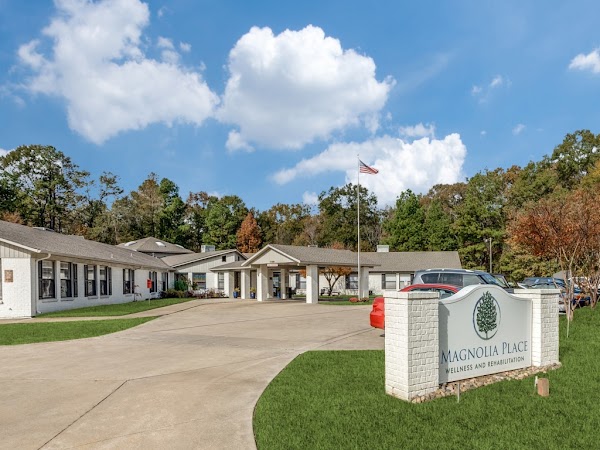
Jun 2023 1 deficiency
CONCERN (D) 📢 Someone Reported This

A family member, employee, or ombudsman was alarmed enough to file a formal complaint

Potential for Harm - no one hurt, but risky conditions existed

Accident Prevention (Tag F0689)

Could have caused harm · This affected 1 resident

**NOTE- TERMS IN BRACKETS HAVE BEEN EDITED TO PROTECT CONFIDENTIALITY** Based on observation, interview, and record review, the facility failed to ensure that the resident environment remains as free ...

Read full inspector narrative →
**NOTE- TERMS IN BRACKETS HAVE BEEN EDITED TO PROTECT CONFIDENTIALITY** Based on observation, interview, and record review, the facility failed to ensure that the resident environment remains as free of accident hazards as possible and provide supervision to prevent avoidable accidents for 1 of 5 residents reviewed for accidents. (Residents #1) The facility failed to ensure CNA A and CNA B performed a safe mechanical lift transfer for Resident #1. This failure could place residents at risk of injury from accident and hazards. Findings included: Record review of the face sheet dated 06/05/23 revealed Resident #1 was [AGE] years old and admitted on [DATE] with diagnoses including heart disease, difficulty walking, and muscle wasting. Record review of the quarterly MDS dated [DATE] revealed Resident #1 was usually understood and usually understood others. The MDS revealed Resident #1 had a BIMS of 4 which indicated severe cognitive impairment. The MDS indicated Resident #1 required extensive to total assistance with ADLs. Record review of the care plan last revised on 04/20/23 revealed Resident #1 was at moderate risk for falls due to confusion, gait/balance problems, incontinence, psychoactive drug use, and awareness of safety needs. There was an intervention for the use of 2 staff members and a mechanical lift for safe transfers. Record review of a Complete In-Service Training Report with Personnel Attending dated 05/24/23 and titled Hoyer Lift Transfers indicated, .2 staff in room at all times .Ensure lift & pad are in good working order . The in-service was for all staff. The in-service was not signed by CNA A or CNA B. During an observation on 06/05/23 at 1:45 p.m., CNA A used a mechanical lift to transfer Resident #1 from the wheelchair to the resident's bed. CNA B assisted with the transfer. After lifting Resident #1 from the wheelchair, CNA A moved the legs of the base of the lift from a wide position to a narrow position. CNA A then moved the lift across the room approximately 4-5 feet to the bed with the legs in the narrow position. The resident was then lowered into the bed with the legs in the narrow position. During an interview on 06/05/23 at 2:04 p.m., . Resident #1 said there were times when only one staff member had transferred him using the mechanical lift. During an interview on 06/05/23 at 2:59 p.m., CNA A said during the mechanical lift transfer of Resident #1, she did close the base of the legs after lifting the resident from the wheelchair. She said she did not open the legs back up during the transfer. She said the mechanical lift was secure and all the way under the bed. She said she did not know the legs were to be kept in the wide position during transfers. She said there were always two staff members present during mechanical lifts. During an interview on 06/05/2023 at 3:23 p.m., the DON said when a resident was transferred from a wheelchair with a mechanical lift it should have been open around the wheelchair. She said you have to close the legs of the lift so that it will fit under the beds in the facility. She said she always left the base open, but she could see it either way as long as it was stable. She said she had never seen any lifts being done with just one person. She said they have even come to get her to be the second person. She said she would expect there to be two or more staff members during a mechanical lift transfer. During an interview on 06/05/203 at 3:42 p.m., CNA B said she did assist with the mechanical lift transfer of Resident #1. She said she knew the legs on the base of the mechanical lift should not be closed during a transfer. She said they should always be left open to keep the lift stable. She said they were closed on 06/05/23 because CNA A was the one controlling the lift. During an interview on 06/05/23 at 4:04 p.m., the Administrator said he would expect staff to transfer residents safely and the follow the facility's policy. He said he disagreed that the transfer of Resident #1 was an unsafe transfer because the facility policy did not require that the base be open in the wide position . He said the FDA (Food and Drug Administration) was only making a recommendation. He said Resident #1 had a low BIMS and might not be able to give factual information. He said he did expect two staff members to be present during a mechanical lift transfer and everyone knew that was their policy. Review of a Lifting Machine, Using a Mechanical facility policy dated July 2017 indicated, The purpose of this procedure is to establish the general principles of safe lifting using a mechanical lift. It is not a substitute for manufacturer's training or instructions . The policy did not indicate how the base of the lift should be positioned during transfers. Review of Best Practices for Using Patient Lifts by the U.S. Food and Drug Administration, www.fda.gov was accessed on 06/05/23 indicated on slide 7, .keep the base (legs) of the patient lift at maximum open position . Review of How to Properly Operate a Hoyer Lift dated 4/10/2019 at https://medical-stretchers.com/articles/how-to-properly-use-a-wheelchair-n104 and was accessed on 06/05/23 indicated, A Hoyer Lift is a device that is designed to easily transfer or lift a person with minimal physical effort. There are many safety tips and precautions one needs to follow while operating a Hoyer lift .When using the lift you should always ensure that the base is open to ensure that the equipment remains stable during the lift .
Jun 2022 3 deficiencies
CONCERN (D)

Potential for Harm - no one hurt, but risky conditions existed

ADL Care (Tag F0677)

Could have caused harm · This affected 1 resident

**NOTE- TERMS IN BRACKETS HAVE BEEN EDITED TO PROTECT CONFIDENTIALITY** Based on observation, interview, and record review, the facility failed to ensure a resident who was unable to carry out activit...

Read full inspector narrative →
**NOTE- TERMS IN BRACKETS HAVE BEEN EDITED TO PROTECT CONFIDENTIALITY** Based on observation, interview, and record review, the facility failed to ensure a resident who was unable to carry out activities of daily living was provided the necessary services to maintain grooming and personal hygiene for 1 of 18 residents reviewed for ADLs. (Resident # 3) The facility did not ensure Resident #3 received her showers as scheduled. This failure could place residents who were dependent of staff to perform personal hygiene at risk for embarrassment, discomfort, decreased self-esteem, or decreased quality of life. Findings included: Record review of a face sheet dated 06/22/2022 indicated Resident #3 was an [AGE] year-old female admitted to the facility on [DATE] with the diagnoses of muscle weakness, lack of coordination, difficulty walking, and history of falls. Record review of an Annual MDS dated [DATE] indicated Resident #3 understood others and was able to make herself understood. Resident #3's BIMS was a 12 indicating moderate cognitive impairment. The MDS indicated Resident #3 required extensive assistance of one staff for transfers and extensive assistance of one staff with bed mobility, toileting, and hygiene. The MDS further indicated Resident #3 required total assistance of one staff to bathe. Record review of a comprehensive care plan dated 02/17/2022 indicated Resident #3 had an ADL self-care performance deficit with an intervention for 1 staff participation with bathing. The goal was for the resident to maintain current level of function in ADLs. Interventions included: Encourage resident to participate to the fullest extent possible with each interaction. Record review of the undated shower schedule indicated Resident #3 was scheduled for a shower on Tuesday's, Thursday's, and Saturday's on the 6:00 AM to 2:00 PM shift. During an interview on 06/20/2022 at 2:45 PM Resident #3 said that she had not had a shower in a while. She said her shower dates were listed above her bed, Tuesday, Thursday, Saturday on 6 AM - 2 PM shift, and that it had been a week and a half since she last had a shower. Resident #3 said she had a rod and pin in her right leg, and her right knee is out of whack. Resident #3 said she could not take care of herself anymore like she used to. She said she just wanted the help she needed. During an observation and interview on 06/21/2022 at 8:27 AM revealed Resident #3 was in the dining room. Resident #3's hair was oily. Resident #3 said she had not shower in a week and a half. During an observation and interview on 06/21/2022 at 10:00 AM revealed Resident #3 had attended the resident council meeting and complained about not getting a shower to another resident. Resident #3's hair still had an oily appearance and resident said she had not had a shower yet. During an observation and interview on 06/21/2022 at 2:30 PM revealed Resident #3 was in the dining room for activities and had on the same clothes she had during previous observations on 06/21/2022 and her hair was still oily. Resident #3 said she had not had a shower that day. During an interview on 06/21/2022 at 3:00 PM LVN F said the CNAs gave showers, then completed bath sheets, and then turned the sheets in at the end of their shift for the charge nurse to sign and note any skin issues. During an interview on 06/21/2022 at 3:10 PM with the ADON she said shower sheets were completed after showers and were turned in by the CNAs at the end of the shift. The ADON said the nurse reviewed them, signed off and put them in her box. The ADON provided sheets she had but none of the bath sheets belonged to Resident #3. The only sheets she had provided were for the date of 06/21/2022 because once reviewed, they were thrown away. Record review on 06/21/2022 3:15 PM of the bath sheets turned in for Tuesday, 06/21/2022, indicated there was no bath sheet turned in. During an observation and interview on 06/22/2022 8:30 AM revealed Resident #3 was in the dining room eating breakfast. She said she had not had a shower yet. Resident #3's hair was still oily. During an interview on 06/22/2022 at 9:53 AM CNA G said she bathed Resident #3 on the 6AM-2PM shift on 06/21/2022 but forgot to fill out the shower sheet and turn it in. During an observation and interview on 06/22/2022 2:10 PM revealed Resident #3 was in her room sitting in her wheelchair. Resident #3 was informed that the ADON had been notified of the need for her to have a shower and have her hair washed. Resident #3 got excited and wanted to know what she needed to gather to get ready and if she needed to go somewhere. During an interview on 06/22/22 at 2:55 PM the said he expected showers to be done for all residents on the scheduled days and nursing was responsible for ensuring they are being done. The Administrator said staff should not lie about whether showers are done or not. During a phone interview on 06/22/2022 at 3:01 PM LVN E said she worked 06/21/2022 and did not recall Resident #3 getting a shower on 6/21/2022. She said she usually can tell when residents get their shower, and she does not think Resident #3 had a shower. LVN E said she did not get sheets from the CNAs showing a shower was given for Resident #3. Record review of the facility's Activities of Daily Living (ADLs), supporting, policy revised March of 2018 indicated: Policy Statement Residents will be provided with care, treatment and services as appropriate to maintain or improve their ability to carry out activities of daily living (ADLs). Residents who are unable to carry out activities of daily living will receive the services necessary to maintain good nutrition, grooming and personal and oral hygiene. Policy Interpretation and Implementation 1. Residents will be provided with care, treatment and services .2. Appropriate care and services will be provided for residents who are unable to carry out ADLs independently, with the consent of the resident and in accordance with the plan of care, including appropriate support and assistance with a. Hygiene (bathing, dressing, grooming, and oral care Record review of the facility's Bath, Shower/Tub policy, revised February 2018 indicated: Purpose The purpose of this procedure are to promote cleanliness, provide comfort to the resident and to observe the condition of the resident's skin.
CONCERN (E)

Potential for Harm - no one hurt, but risky conditions existed

Infection Control (Tag F0880)

Could have caused harm · This affected multiple residents

**NOTE- TERMS IN BRACKETS HAVE BEEN EDITED TO PROTECT CONFIDENTIALITY** Based on observation, interview, and record review the facility failed to ensure an infection prevention and control program des...

Read full inspector narrative →
**NOTE- TERMS IN BRACKETS HAVE BEEN EDITED TO PROTECT CONFIDENTIALITY** Based on observation, interview, and record review the facility failed to ensure an infection prevention and control program designed to provide a safe and sanitary environment and to help prevent the development and transmission of communicable diseases and infections for 3 of 5 staff (ADON D, CNA G , and Housekeeping Aide J ) and 3 of 18 residents (Resident #42, Resident #4, and Resident #217) reviewed for infection control. ADON D failed to maintain aseptic technique (a medical practice and procedure to prevent contamination) during a PICC line (a type of long catheter that is inserted into a peripheral vein, usually an arm, into a larger vein in the body) dressing change for Resident #42. CNA G failed to performed hand hygiene or changed gloves when going from dirty to clean during incontinent care for Resident #4. The Housekeeping Aide J did not ensure she wore proper personal protective equipment into the room of Resident #217, which was an isolated/quarantine room. These failures could place residents at risk for being exposed to health complications and infectious diseases. Findings included: 1. Record review of a face sheet and consolidated physician orders dated 6/22/2022 indicated Resident #42 was an [AGE] year-old female admitted to the facility on [DATE] with diagnoses including diabetes, dementia, and high blood pressure. There was an order to change dressing to PICC (peripherally inserted central catheter , an intravenous access that can be used for a prolonged period of time) site every evening shift every Monday for IV antibiotics. Change weekly. This was an open order. Record review of a care plan dated 4/18/2022 indicated Resident #42 had a PICC (peripherally inserted central catheter) to her left arm with interventions of PICC line or midline dressing changes per MD (doctor) orders and staff will monitor for any signs and symptoms of infection. Record review of the MDS dated [DATE] indicated Resident #42 was understood and understood others. A BIMS (Brief Interview for Mental Status) score of 15 indicated Resident #42 was cognitively intact. The MDS indicated Resident #42 required IV (intravenous) medications. An observation on 6/20/22 at 3:19 PM revealed ADON D performed a dressing change on the PICC line in the left arm of Resident #42. ADON D wore surgical gloves to remove the old dressing and left the old Biopatch disk in place. (A Biopatch disk is used at the insertion site of a central line to reduce catheter-related blood stream infections). ADON D then washed her hands and donned sterile gloves. ADON D then removed the old Biopatch with her sterile left hand. ADON D continued with the dressing change using her non-sterile left hand during the process. She used her now unsterile left hand to remove the new sterile Biopatch from the sterile packaging and to place the new sterile Biopatch to the central line insertion site using her unsterile left hand and her sterile right hand. She also used her left hand and right hand to finish the dressing change. During an interview on 6/20/22 at 3:26 PM, ADON D revealed she did remove the old Biopatch with her sterile left hand. ADON D said, I should have had all of that removed before putting on sterile gloves. She said that could definitely affect a resident by causing them to get an infection. She said she thought about the Biopatch being dirty only after she grabbed it and she should have stopped the dressing change once she broke the sterile process. During an interview on 6/22/22 at 1:48 PM, the DON said the procedure for changing dressings on a PICC line was for the nurse to make sure there was a doctor's order and gather supplies. She said the nurse needed to always maintain a sterile field during the procedure. She said the nursing staff was responsible for dressing changes and she would expect the facility's policy to be followed. She said not maintaining a sterile field during the procedure could negatively affect a resident by causing an infection . During an interview on 6/22/22 at 2:35 pm, the Administrator said he expected nursing staff to do PICC line dressing changes correctly and to keep infection control in mind. He said he would expect the facility's policy to be followed. Review of a facility Central Venous Catheter Dressing Changes policy, dated April 2016, indicated The purpose of this procedure is to prevent catheter-related infections that are associated with contaminated, loosened, soiled, or wet dressings .apply and maintain sterile dressing on intravenous access devices .open sterile dressing kit .apply sterile gloves. Once the gloves are on, only the contents of the kit can be touched . 2. Record review of Resident #4's face sheet dated 06/22/2022 indicated the resident was a [AGE] year-old female that re-admitted to the facility on [DATE] with the diagnosis of respiratory failure, lung disease, type II diabetes, and high blood pressure. Record Review of Resident #4's MDS dated [DATE] indicated the resident had a BIMS score of 9 which indicated she had moderately impaired cognition. The MDS also indicated that Resident #4 required extensive assistance of 1 person for toileting. Record Review of Resident #4's Care Plan last revised on 05/04/2021 indicated Resident #4 had an ADL self- care performance deficit and required total assistance of 1 person for all incontinence needs. During an observation on 06/20/22 at 10:36 AM revealed CNA G arrived in Resident #4's room to provide incontinent care. CNA G knocked on Resident #4's door and introduced herself as well as told Resident #4 what she was about to do. CNA G had already donned gloves when she entered the room. CNA G closed Resident #4's door and the privacy curtain was then pulled. CNA G brought in a draw sheet, a brief, and a hand full of wipes (already pulled from a box) ready to use. CNA G placed clean items on the resident's bed. Resident #4 requested the CNA to work from the right side of the bed and CNA G went to the right side of resident's bed to perform care. CNA G started incontinent care and cleaned the resident's peri-area with correct technique, using 1 wipe 1 stroke to left, then right and then down the middle from front to back. CNA G discarded each dirty wipe into the dirty brief. CNA G then asked Resident #4 to roll onto her left side and she rolled. CNA G then grabbed a clean wipe to clean Resident #4's buttocks. When CNA wiped the middle of resident's buttocks, she had bowel movement. CNA G said I should have grabbed more wipes but continued with incontinent care. CNA G then continued to wipe Resident #4's buttocks with the same wipe until saturated with feces. CNA G discarded the saturated wipe into the dirty brief and grabbed a dirty wipe from the dirty brief under the resident and used it to continue cleaning the feces. CNA G also grabbed one additional, dirty wipe from the brief to clean of the feces. While Resident #4 continued to be rolled over to her left side, CNA G rolled the dirty brief and dirty draw sheet under the resident. She then asked Resident #4 to roll back to her right side and removed all dirty items. She then placed the items on the floor at the end of the bed. Resident #4 was laid on her back flat. CNA G did not change her gloves or perform hand hygiene and grabbed the clean draw sheet. CNA G then removed her dirty gloves. CNA G did not have any more gloves to don, but she continued care without washing her hands or donning clean gloves. She asked Resident #4 to roll to her left side and placed a clean draw sheet and brief under the resident. CNA G then had her roll back to her right side and straightened her brief and the draw sheet. Resident #4 was laid back flat and the CNA fastened her brief and covered the resident. CNA G picked up the dirty linen and brief from the floor with her bare hands and pushed the curtain back, opened the door, and placed the items into barrels in the hallway. CNA G did not use sanitizer nor wash hands during the entire procedure. During an interview on 06/22/2022 at 9:53 AM with CNA G, she said that she knew that she had not performed peri-care on Resident #4 correctly at some points in care. She said that day she did not have enough wipes because the supervisors did not want the CNAs taking the entire package into the room. She said she grabbed what she thought she needed. CNA G said she should have brought in extra gloves to change between clean and dirty as well as hand sanitizer to use but she was not thinking about it. CNA G said the CNA staff did not have the small bags to use and that was why she sat dirty linen on the floor of the Resident #4's room. CNA G said she knew how to correctly do the perineal care on residents and that they werechecked off for peri-care when the management team thought it was time for the state agency to come in each year. She said the last time she was checked off was last year. CNA G said she knew not having gloves to change in between care could cause cross-contamination and could cause the resident skin breakdown or possibly infection. During an interview on 06/22/2022 at 10:46 AM with the DON, she said the nursing department as a whole were responsible for ensuring that CNAs were checked off on peri care. The DON said the nursing department included the DON, ADON, and the weekend nurse supervisor. The DON said they usually checked CNAs for incontinent care skills upon hire and if tracking and trending urinary tract infections, otherwise yearly. The DON said bags and wipes were provided for CNA's when needed and there was not a shortage. The DON said all CNAs were expected to perform peri-care correctly. The DON said if a CNA was found to not be performing care correctly education would be provided to the CNA. The DON said when CNAs were not providing peri care correctly her main concern was infections, UTI's. During an interview on 06/22/2022 at 11:06 AM the Administrator said all CNAs were checked to ensure they knew the correct way to perform incontinent care upon hire and every year and if an issue occurred. The Administrator said it was not acceptable for CNAs to perform improper incontinent care. He said the DON and ADON were responsible for ensuring that CNAs were checked off for performing incontinent care. The Administrator said that improper incontinent care could cause skin breakdown, infection, and UTI's. Record review of CNA G personnel file revealed CNA G passed a check off on incontinent care that included hand washing and glove changes on 05/12/2022. Review of a facility Policy for Perineal Care, revised February 2018 indicated, .The purpose of this procedure are to provide cleanliness, to prevent infections and skin irritation .wash and dry hands thoroughly .put on gloves .remove glove .wash and dry hands thoroughly .reposition the bed covers .wash hand thoroughly. 3. Record review of Resident #217's face sheet dated 6/22/22 revealed the resident was [AGE] years old and was admitted to the facility on [DATE] with diagnoses which included fracture of left femur (fracture of the thigh bone), acute respiratory failure (lungs can't release oxygen into your blood. In turn, your organs can't get enough oxygen-rich blood to function) and hypertension (high blood pressure). Record review of Resident #217's admission MDS revealed it was in progress and was not due related to admit on 6/15/22. Record review of Resident #217's comprehensive care plan dated 6/21/22 did not indicate isolation/quarantine. Record review of physician orders dated 6/15/22 did not indicate isolation/quarantine orders . During an observation on 06/20/22 at 10:19 AM revealed when entering hallway 100 observed a sign reflecting the hall was the warm hall and the following must be worn in each room: N95 mask, gown and gloves and a picture of how to put on and take off PPE. During an interview on 6/20/22 at 10:26 AM, LVN K said hall 100 was the quarantine hall (for COVID-19) for new admits. LVN K said staff were to wear an N95 mask, gown, and gloves when entering each room and take off all PPE before exiting the room. During an interview on 6/20/22 at 11:00 AM, Resident #217 said staff sometimes wore the blue surgical mask and not the N95 mask when in her room. Resident # 217 said sometimes staff did not take off the blue gown before leaving her room . During an interview on 06/21/22 at 09:29 AM, LVN E said hall 100 was the isolated/quarantined hall for new admits. LVN E said staff should wear a N95 mask, gown, gloves, and goggles in each room. LVN E said staff had been in-serviced on COVID-19 on several occasions and were aware of precautions. During an observation on 06/21/22 at 2:48 PM revealed Housekeeper Aide J in Resident #217's room with no PPE on except a surgical mask. Observed a sign on the room door indicating the room was an isolation/quarantine room and a cart outside room. During an observation and interview on 6/21/22 at 2:50 PM, the Housekeeping Supervisor observed Housekeeper Aide J in Resident #217's with only a surgical mask on while in room. Housekeeping Supervisor immediately called housekeeper aide J out of room and questioned her on her PPE. Housekeeper Aide J said she thought they were another resident that was coming off isolation today. Housekeeper Aide J said she had been in- serviced on proper PPE to wear in the isolated rooms such as a gown, gloves and an N95 mask. The Housekeeping supervisor said she sent housekeeper aide J home because she did not follow protocol; housekeeper aide J would have a one-on-one in-service and COVID-19 test 6/22/22 before shift. During an observation on 6/21/22 at 3:30 PM revealed a sign posted on hall 100 reflecting, This is a warm zone hall and anyone entering quarantine rooms must have on appropriate PPE. There were pictures posted of a gown, gloves and N95 mask. During an interview on 6/22/22 at 9:43 AM, the housekeeper aide J said she did see the sign and cart outside of Resident #217's room and knew that meant the resident was in isolation/quarantine. Housekeeper aide J said failure to wear proper PPE could lead to cross contamination (physical movement or transfer of harmful bacteria from one person, object, or place to another) with resident's or staff . During an interview on 6/22/22 at 3:23 PM, the housekeeping supervisor said because housekeeper aide J failed to wear proper PPE in a potential COVID-19 room, housekeeper aide J could have spread COVID-19 throughout the facility. During an interview on 6/22/22 at 3:01 PM, the DON said the housekeeper aide should have on proper PPE before entering any isolation/quarantine room. The DON said failure to wear proper PPE could cause transmission of germs to spread from resident to resident or staff to staff. During an interview on 6/22/22 at 3:14 PM, the Administrator said that everyone wasresponsible to make sure that staff is following protocol. The ADM said failure to follow protocol could lead to an outbreak of Covid. Record review of the facility's infection control policy titled Infection Prevention and Control Program dated October 2018 revealed, . An infection prevention and control program is established and maintained to provide a safe, sanitary and comfortable environment and to help prevent the development and transmission of communicable diseases and infections . the infection prevention and control program is a facility wide effort involving all disciplines and individuals . policies and procedures are utilized as the standards of the infection prevention and control program . policies and procedures reflect the current infection prevention and control standards or practice . important facets of infection prevention include educating staff and ensuring that they adhere to proper techniques and procedures and following established general and disease specific guidelines such as those of the Centers of Disease Control .
CONCERN (F)

Potential for Harm - no one hurt, but risky conditions existed

Food Safety (Tag F0812)

Could have caused harm · This affected most or all residents

Based on observation, interview, and record review, the facility failed to store, prepare, distribute, and serve food in accordance with professional standards for food service safety for 1 of 1 kitch...

Read full inspector narrative →
Based on observation, interview, and record review, the facility failed to store, prepare, distribute, and serve food in accordance with professional standards for food service safety for 1 of 1 kitchen. The facility failed to ensure the food production staff practiced good sanitation practices in the kitchen and during food production by not wearing masks properly and not washing hands after handling their masks and personal items in their pockets (personal phone, pens, and glasses) during food preparation. These failures could place residents at risk for being exposed to health complications and infectious diseases. Findings included: During an observation on 6/20/22 at 9:17 AM revealed the Dietary Manager in the kitchen with her mask pulled down below her nose while in the food preparation area with two other staff members in the kitchen, during the clean up after breakfast. During an observation on 6/20/22 at 10:15 AM revealed [NAME] C preparing food in the kitchen with her mask pulled down below her chin (nose and mouth exposed) and the Dietary Manager was observed pulling her mask down below her mouth when conversing with her staff. During an observation on 6/21/22 at 9:00 AM revealed the Dietary Manager with her mask pulled down below her nose while in the food preparation area with two other staff members also in the kitchen, during clean up after breakfast. During observations on 6/21/22 at 10:47 AM revealed [NAME] B with her mask pulled down below her chin (nose and mouth exposed) upon Surveyor entrance into the kitchen while cooking food on the stove. At 11:03 AM [NAME] B was observed reaching into her shirt pockets and pulling out everything in her pockets (personal cell phone, pens, eyeglasses) multiple times while preparing and plating food and she did not wash her hands or sanitize her hands prior to returning to handling cooking utensils, countertops, or residents' plates. At 11:12 AM [NAME] B was walking to the dishwashing area to clean the puree blender, then she returned to the cooking area and pulled her mask down below her chin (mouth and nose exposed) with her right hand and proceeded to mix the puree food in the blender while standing at the counter, she stretched up on her toes to look over the top of the blender, then she opened the puree blender lid to check the consistency with her mouth and nose exposed within a few inches from the top of the opened blender. At 11:35 AM [NAME] B was observed taking a plastic pan liner and used her bare non-gloved hand to push the liner to the bottom of the pan after she had pulled her mask down below her chin and handled her personal items in her pockets and she failed to wash her hands or sanitize her hands prior. At 11:50 AM [NAME] B was observed standing at the fryer pouring squash from a bag into the baskets with her mask below her chin (nose and mouth exposed). At 12:20 PM [NAME] B was observed plating the residents' food with her mask below her chin (nose and mouth exposed). During an observation on 6/21/22 at 12:10-12:55 PM revealed multiple observations of the Dietary Manager pulling her mask down below her nose and/or mouth while assisting in the food preparation area during lunch meal preparation. She failed to wash or sanitize her hands after handling her mask. On 6/21/22 at 4:05 PM, the Regional Nurse informed survey team that one of their staff (not kitchen staff) had started feeling bad and they tested the staff member for Covid, and it was positive. She said the staff member was sent home and they were in the process of their investigation and she asked that the survey team wear a N95 mask while in the facility. During an interview on 6/22/22 at 1:50 PM with Dietary Aide A, she said she had been employed with the facility for nine years. She said her job duties included making sure the correct drinks, food, and condiments were on the residents' trays at mealtimes, checking the temperatures of all the freezers, refrigerators, dishwasher, and helping plate the food when needed. She said everyone should wash their hands anytime they touched anything not related to food or anytime there could be cross-contamination. She said staff would need to wash or sanitize their hands after touching their mask and/or handling any personal items. She said residents could get sick if good infection control practices were not followed and it would not be good for these elderly residents, they can go down real quick. During an interview on 6/22/22 at 2:00 PM with [NAME] B, she said she had worked at the facility for fourteen years. She said she was responsible for all aspects of cooking in the kitchen, cleaning, and sanitizing the equipment/countertops. She said she knew she had messed up yesterday (6/21/22) by not having her mask on properly, handling her mask, and cross-contaminated when she had reached in her pockets looking for her glasses and pen, handled her cell phone and she did not wash her hands or sanitize her hands prior to continuing to prepare food in the kitchen. She said it was important to have good infection control in the kitchen, so the residents did not get sick if staff were sick. During an interview on 6/22/22 at 2:10 PM with the Dietary Manager, she said she was responsible for everything and everyone in the kitchen. She said she was responsible for ensuring her staff are practicing good infection control and sanitation. She said staff should always wash or sanitize their hands after touching contaminated surfaces and said touching masks or personal cell phone would require staff to wash or sanitize their hands. She said she had probably been guilty of handling her mask while in the kitchen and may have not washed or sanitized her hands, because it was very hot in the kitchen, especially with the renovations that are in progress. She said she often pulled her mask down below her nose and/or mask due to her glasses fogged up and it has been hot in the kitchen. She said not practicing good infection control or sanitation in the kitchen could possibly make residents sick. During an interview on 6/22/22 at 2:42 PM with the Administrator, he said he was responsible for overseeing the facility and staff. He said he was not aware of staff not wearing their masks properly in the kitchen and he would expect all staff to wear their masks properly to prevent transmission of illnesses. He said he would expect the facility's policies to be followed. On 6/22/22 at 2:10 PM, surveyor requested policies from the Dietary Manager, related to kitchen sanitation and infection control and was provided with a policy titled Sanitation. Record review of a facility sanitation policy titled Sanitation dated October 2008 revealed, . Food service staff will be trained to maintain cleanliness throughout their work areas during all tasks . Record review of the facility's infection control policy titled Infection Prevention and Control Program dated October 2018 revealed, . An infection prevention and control program is established and maintained to provide a safe, sanitary and comfortable environment and to help prevent the development and transmission of communicable diseases and infections . the infection prevention and control program is a facility wide effort involving all disciplines and individuals . policies and procedures are utilized as the standards of the infection prevention and control program . policies and procedures reflect the current infection prevention and control standards or practice . important facets of infection prevention include educating staff and ensuring that they adhere to proper techniques and procedures and following established general and disease specific guidelines such as those of the Centers of Disease Control .
Understanding Severity Codes (click to expand)
Life-Threatening (Immediate Jeopardy)
J - Isolated K - Pattern L - Widespread
Actual Harm
G - Isolated H - Pattern I - Widespread
Potential for Harm
D - Isolated E - Pattern F - Widespread
No Harm (Minor)
A - Isolated B - Pattern C - Widespread

Questions to Ask on Your Visit

  • "Can I speak with families of current residents?"
  • "What's your RN coverage like on weekends and overnight?"

Our Honest Assessment

Strengths
  • • Licensed and certified facility. Meets minimum state requirements.
Concerns
  • • 32 deficiencies on record, including 2 serious (caused harm) violations. Ask about corrective actions taken.
  • • $16,498 in fines. Above average for Texas. Some compliance problems on record.
  • • Grade F (38/100). Below average facility with significant concerns.
Bottom line: Trust Score of 38/100 indicates significant concerns. Thoroughly evaluate alternatives.

About This Facility

What is Avir At Jefferson's CMS Rating?

CMS assigns AVIR AT JEFFERSON an overall rating of 2 out of 5 stars, which is considered below average nationally. Within Texas, this rating places the facility higher than 0% of the state's 100 nursing homes. A rating at this level reflects concerns identified through health inspections, staffing assessments, or quality measures that families should carefully consider.

How is Avir At Jefferson Staffed?

CMS rates AVIR AT JEFFERSON's staffing level at 3 out of 5 stars, which is average compared to other nursing homes. Staff turnover is 46%, compared to the Texas average of 46%. This relatively stable workforce can support continuity of care. RN turnover specifically is 57%, which is notably high. RNs provide skilled clinical oversight, so turnover in this role can affect medical care quality.

What Have Inspectors Found at Avir At Jefferson?

State health inspectors documented 32 deficiencies at AVIR AT JEFFERSON during 2022 to 2024. These included: 2 that caused actual resident harm and 30 with potential for harm. Deficiencies causing actual harm indicate documented cases where residents experienced negative health consequences.

Who Owns and Operates Avir At Jefferson?

AVIR AT JEFFERSON is owned by a for-profit company. For-profit facilities operate as businesses with obligations to shareholders or private owners. The facility is operated by AVIR HEALTH GROUP, a chain that manages multiple nursing homes. With 116 certified beds and approximately 87 residents (about 75% occupancy), it is a mid-sized facility located in JEFFERSON, Texas.

How Does Avir At Jefferson Compare to Other Texas Nursing Homes?

Compared to the 100 nursing homes in Texas, AVIR AT JEFFERSON's overall rating (2 stars) is below the state average of 2.8, staff turnover (46%) is near the state average of 46%, and health inspection rating (3 stars) is at the national benchmark.

What Should Families Ask When Visiting Avir At Jefferson?

Based on this facility's data, families visiting should ask: "Can I visit during a mealtime to observe dining assistance and food quality?" "How do you handle medical emergencies, and what is your hospital transfer rate?" "Can I speak with family members of current residents about their experience?"

Is Avir At Jefferson Safe?

Based on CMS inspection data, AVIR AT JEFFERSON has a clean safety record: no substantiated abuse findings (meaning no confirmed cases of resident harm), no Immediate Jeopardy citations (the most serious violation level indicating risk of serious injury or death), and is not on the Special Focus Facility watch list (a federal program monitoring the lowest-performing 1% of nursing homes). The facility has a 2-star overall rating and ranks #100 of 100 nursing homes in Texas. While no facility is perfect, families should still ask about staff-to-resident ratios and recent inspection results during their visit.

Do Nurses at Avir At Jefferson Stick Around?

AVIR AT JEFFERSON has a staff turnover rate of 46%, which is about average for Texas nursing homes (state average: 46%). Moderate turnover is common in nursing homes, but families should still ask about staff tenure and how the facility maintains care continuity when employees leave.

Was Avir At Jefferson Ever Fined?

AVIR AT JEFFERSON has been fined $16,498 across 2 penalty actions. This is below the Texas average of $33,244. While any fine indicates a compliance issue, fines under $50,000 are relatively common and typically reflect isolated problems that were subsequently corrected. Families should ask what specific issues led to these fines and confirm they've been resolved.

Is Avir At Jefferson on Any Federal Watch List?

AVIR AT JEFFERSON is not on any federal watch list. The most significant is the Special Focus Facility (SFF) program, which identifies the bottom 1% of nursing homes nationally based on persistent, serious quality problems. Not being on this list means the facility has avoided the pattern of deficiencies that triggers enhanced federal oversight. This is a positive indicator, though families should still review the facility's inspection history directly.