FALCON POINT POST ACUTE
23553 WEST FERNHURST DRIVE, KATY, TX 77494 (281) 394-3900
For profit - Limited Liability company 130 Beds CROSS HEALTHCARE MANAGEMENT Data: November 2025
Trust Grade
63/100
#230 of 1168 in TX
Last Inspection: January 2025

Within standard 12-15 month inspection cycle. Federal law requires annual inspections.

Overview

Falcon Point Post Acute in Katy, Texas has a Trust Grade of C+, which means it is slightly above average but still has areas needing improvement. It ranks #230 out of 1,168 facilities in Texas, placing it in the top half, and #22 out of 95 in Harris County, indicating that only 21 local options are better. However, the facility is getting worse, as the number of reported issues increased from 3 in 2024 to 7 in 2025. Staffing is a concern, with a rating of 2 out of 5 stars and a turnover rate of 69%, significantly higher than the Texas average of 50%. Although the facility has $19,684 in fines, which is average compared to others, there were serious shortcomings in infection control, such as staff not following proper hand hygiene and failing to ensure a clean environment for residents. Additionally, there were issues with staff screening procedures that could potentially expose residents to neglect or abuse. Overall, while Falcon Point Post Acute has some positive aspects, families should weigh the significant concerns regarding hygiene, staffing, and safety practices when considering this facility for their loved ones.

Trust Score
C+
63/100
In Texas
#230/1168
Top 19%
Safety Record
Low Risk
No red flags
Inspections
Getting Worse
3 → 7 violations
Staff Stability
⚠ Watch
69% turnover. Above average. Higher turnover means staff may not know residents' routines.
Penalties
⚠ Watch
$19,684 in fines. Higher than 76% of Texas facilities, suggesting repeated compliance issues.
Skilled Nurses
⚠ Watch
Each resident gets only 24 minutes of Registered Nurse (RN) attention daily — below average for Texas. Fewer RN minutes means fewer trained eyes watching for problems.
Violations
⚠ Watch
22 deficiencies on record. Higher than average. Multiple issues found across inspections.
★★★★☆
4.0
Overall Rating
★★☆☆☆
2.0
Staff Levels
★★★★☆
4.0
Care Quality
★★★★☆
4.0
Inspection Score
Stable
2024: 3 issues
2025: 7 issues

The Good

  • 4-Star Quality Measures · Strong clinical quality outcomes
  • Full Sprinkler Coverage · Fire safety systems throughout facility
  • No fines on record

Facility shows strength in quality measures, fire safety.

The Bad

Staff Turnover: 69%

23pts above Texas avg (46%)

Frequent staff changes - ask about care continuity

Federal Fines: $19,684

Below median ($33,413)

Minor penalties assessed

Chain: CROSS HEALTHCARE MANAGEMENT

Part of a multi-facility chain

Ask about local staffing decisions and management

Staff turnover is elevated (69%)

21 points above Texas average of 48%

The Ugly 22 deficiencies on record

Jan 2025 7 deficiencies
CONCERN (D)

Potential for Harm - no one hurt, but risky conditions existed

Deficiency F0558 (Tag F0558)

Could have caused harm · This affected 1 resident

**NOTE- TERMS IN BRACKETS HAVE BEEN EDITED TO PROTECT CONFIDENTIALITY** Based on observation, interview, and record review the facility failed to ensure residents received services in the facility wit...

Read full inspector narrative →
**NOTE- TERMS IN BRACKETS HAVE BEEN EDITED TO PROTECT CONFIDENTIALITY** Based on observation, interview, and record review the facility failed to ensure residents received services in the facility with reasonable accommodation of resident needs for 1 of 9 Residents (Resident #296) who was observed for call light placement. The facility staff failed to ensure the call light was within reach for Resident #296. This deficient practice could affect any resident and keep them from calling for help as needed. The findings included: Record review of Resident #296's face sheet dated 01/09/2025 indicated he was an [AGE] year-old male who admitted to the facility on [DATE]. Resident's diagnoses included dementia, (altered mental status) unspecified severity, without behavioral disturbance, psychotic disturbance (mental health condition that causes a person to lose touch with reality), mood disturbance (a change in a person's emotional state that can involve feelings of distress or sadness, or symptoms of depression and anxiety), and anxiety, type 2 diabetes mellitus with unspecified complications (body's complication with insulin use causing high blood sugar levels), and hyperlipidemia (high levels of fat in the blood). Record review of Resident #296's annual (Minimum Data Set) MDS assessment dated [DATE] indicated he had no Brief Interview for Mental Status (BIMS) score indicating resident was unable to complete the interview. Record review of Resident #296's Care Plan undated indicated Focus: Resident dependent on staff for meeting emotional, intellectual, physical, and social needs. Cognitive deficits, Physical Limitations Date Initiated: 01/03/2025 Revision on: 01/03/2025. Goals: Resident will maintain involvement in cognitive stimulation, social activities as desired through review date. Date Initiated: 01/03/2025 Revision on: 01/03/2025 Target Date: 03/31/2025. Observation/Interview on 01/07/2025, at 01:12 p.m., revealed Resident #296 was sitting in his bed. The bed was raised at approximately a 45-degree angle. Headboard to resident's bed was secured to the wall leaving a space between the back of the raised bed and the headboard. The call bell cord was hung on the corner of the headboard. When resident was asked where his call bell was located, he looked around and made hand gestures like he did not know. He kept looking around and speaking in unclear speech. Resident then held up his television controller that was placed on the bedside table and began tapping it and his hand on the table. This surveyor pushed the call bell button while hanging from the corner of the headboard. Observation/Interview on 01/07/2025, at 01:18 p.m. revealed that Certified Nursing Assistant (CNA) A entered the room and turned off the call light system after this surveyor pushed the call bell. When CNA A was told that the call light was not in reach, she stated that she normally worked on another hall, she was only on this hall collecting lunch trays and was not aware of how the call light became out of reach. She grabbed the call bell cord and placed it on Resident #296's chest and stated, Here you go, and she exited the room. In an interview on 01/07/2025 at 01:22 p.m., Licensed Vocational Nurse (LVN) A stated she was made aware of Resident #296's call bell hanging on his headboard. She stated she would check with the CNAs who worked the hall and see why it was left out of reach. She stated that there was no good excuse for the call bells position, but stated maybe the CNA who changed the resident last forgot to place the call bell back into position. She stated the importance of the call bell being within reach of resident was to ensure in the event they needed assistance they were able to notify staff. In an interview on 01/07/2025 at 03:09 p.m., the Executive Director (ED) stated he was made aware of Resident #296's call bell hanging on his headboard and out of reach by LVN A. He stated that call lights need to be in reach of residents at all times to ensure they have access to reach staff when they need something. He stated he expected his staff to make sure that call lights were in position when they checked on residents every 2-hours and whenever the staff go into a resident's room. He stated that adverse effects of call lights not being within reach of resident could result in resident's needs not being met. In an interview on 01/08/2025 at 11:58 a.m., CNA C stated she had worked for the facility for 1.5 years. She stated she was not aware of how Resident #296's call bell had gotten out of reach. She stated the importance of call lights being within reach was to ensure that residents could call for assistance when they needed help. In an interview on 01/08/2025 at 03:06 p.m., the DON stated he was made aware of Resident #296's call light being out of reach. He stated that staff are to ensure before exiting a resident's room for any reason that call lights were within reach. He stated that the importance of the call light being within reach was for residents to be able to reach staff when they needed assistance. He stated without access to the call light, residents would go without the ability to call out for help or assistance. He stated that call lights need to be always within reach of residents. In an interview on 01/09/2025 at 12:21 p.m., CNA B stated she had worked for the facility since August 2024, on the 7a.m. - 7p.m shift. She stated she was not aware of how Resident #296's call light became out of reach of resident. She stated residents need their call light to be within reach to be able to call for assistance when they needed something. Record review of policy titled Answering the Call Light revised dated September 2022 revealed: Purpose The purpose of this procedure is to ensure timely responses to the resident's requests and needs. General Guidelines . 4. Be sure that the call light is plugged in and functioning at all times. 5. Ensure that the call light is accessible to the resident when in bed.
CONCERN (D)

Potential for Harm - no one hurt, but risky conditions existed

Incontinence Care (Tag F0690)

Could have caused harm · This affected 1 resident

**NOTE- TERMS IN BRACKETS HAVE BEEN EDITED TO PROTECT CONFIDENTIALITY** Based on observation, interview and record review the facility failed to ensure resident who was incontinent of bladder received...

Read full inspector narrative →
**NOTE- TERMS IN BRACKETS HAVE BEEN EDITED TO PROTECT CONFIDENTIALITY** Based on observation, interview and record review the facility failed to ensure resident who was incontinent of bladder received appropriate treatment and services to prevent urinary tract infections and restore continence to the extent possible for 1 of 6 residents (Resident #68) reviewed for incontinent care. 1. CNA I failed to provide incontinent care for Resident #68 at least every 2 hours. 2. CNA I failed to thoroughly clean Resident #68 when providing incontinent care These failures could place residents at risk for urinary tract infections, hospitalization and decrease in quality of life. Findings include: Record review of Resident #68's face sheet, dated 01/09/25, revealed a [AGE] year-old female who was admitted to the NF on 08/02/23. The resident had diagnoses which included: heart disease, depression, prediabetes, acute cystitis (bladder infection that develops suddenly), hemiplegia (complete paralysis on one side of the body) and hemiparesis (partial weakness paralysis on one side of the body) following cerebral infarction (stroke) affecting right dominant side and, aphasia (language disorder that affects a person's ability to communicate). Record review of Resident #68's Annual MDS, dated [DATE], revealed a BIMS coded as 99, which meant unable to complete the interview. Section GG (functional abilities) reflected the resident was dependent with toileting hygiene. Section H (bladder and bowel) reflected the resident was always incontinent of urine and bowel. Record review of Resident #68's care plan revealed the resident was care planned for urinary tract infection 10/21/24-10/28/24 with intervention to check the resident at least every 2 hours for incontinence, was h, rinse, and dry soiled areas . good hygiene practices clean peri area well after bowel movements in order to help prevent bacteria in the urinary tract. Observation on 01/09/25 at 2:10 PM of incontinent care for Resident #68 by CNA I and CNA J revealed the resident's brief was heavily soiled with urine so much, the urine extended to the resident's lower back and the draw sheet was soiled. Resident #68's was also soiled with feces. Further observation of Resident #68's incontinence care performed by CNA I, CNA I used disposable wipes and did not thoroughly clean the resident's vaginal region area, leaving the residual of feces . Interview on 01/09/25 at 2:23 PM, CNA I said the last time she provided incontinent care for Resident #68 was around 11:15 AM or 11:30 AM. CNA I said incontinent care was supposed to be provided to the residents at least every 2 hours to prevent skin breakdown and infections such as urinary tract infections . Interview on 01/09/25 at 2:30 PM, RN K said he was Resident #68's nurse. Resident #68 said he normally checked on the residents every 2 hours to ensure the residents were being provided incontinent care in a timely manner. RN K said the last time he had checked on Resident #68 was at 11:00 AM and she did not require incontinent care . Interview and record review on 01/09/25 at 4:15 PM, the DON said the nursing staff should be providing incontinent care to the residents every 2 hours. The DON was asked for the NF policy on female incontinence. The NF provided an in-service done with CNA I on Competency Assessment for Perineal Care of the female, dated 01/09/25 and reflected in part: .The purpose is to clean the female perineum (area of the skin between the anus {rectum) and the genitalia) without contaminating the urethral (tube that carries urine from the bladder to outside of the body) area with germs Record review of the facility's policy on Incontinent Care for Females, last revised February 2018, reflected in part, For a female resident, wet washcloth and apply soap for skin cleansing agent and wash perineal area, wiping front to back .wash the rectal area thoroughly, wiping from the base of the labia towards and extending over the buttocks .
CONCERN (D)

Potential for Harm - no one hurt, but risky conditions existed

Respiratory Care (Tag F0695)

Could have caused harm · This affected 1 resident

**NOTE- TERMS IN BRACKETS HAVE BEEN EDITED TO PROTECT CONFIDENTIALITY** Based on observation. interview and record review, the facility failed to ensure that a resident who needs respiratory care is p...

Read full inspector narrative →
**NOTE- TERMS IN BRACKETS HAVE BEEN EDITED TO PROTECT CONFIDENTIALITY** Based on observation. interview and record review, the facility failed to ensure that a resident who needs respiratory care is provided such care, consistent with professional standards of practice for 1 of 3 residents (Resident #63) reviewed for oxygen. - The facility failed to place Resident #63's oxygen tubing inside of bag when not in use. - The facility failed to change Resident #63's oxygen tubing after the tubing was observed on floor on 01/07/25. - The RN F failed to dispose of Resident #63's oxygen tubing to prevent infections on 01/08/25. This failure could put residents at risk of not receiving consistent respiratory care and lead to a decline in health. Findings included: Record review of Resident #63 face sheet, dated 01/09/25, revealed an [AGE] year-old female who was admitted to the NF on 09/13/21. Resident #63 had diagnoses which included: aphakia bilateral (condition where both eyes lack natural lens due to surgically removal), respiratory failure with hypoxia (absence of oxygen), pacemaker and heart disease. Record review of Resident #63's Care Plan, dated 03/21/22 and revised 10/08/24 reflected the resident was care planned for O2. The interventions included oxygen per nasal cannula as needed. Record review of Resident #63's Comprehensive MDS, dated [DATE] , revealed the resident had a BIMS score of 15, which indicated the resident's cognition was intact. Section O (special treatments, procedures, and programs) resident was coded for receiving respiratory treatment. Record review of Resident #63's Physician Order Summary Report for the month of January reflected the following order: -Dated 10/22/21 O2 at 2L via nasal cannula q HS at bedtime for possible sleep apnea. Observation on 01/07/25 at 10:40 AM of Resident #63's room revealed the oxygen machine on the right side of the bed with tubing connected to the oxygen machine. The oxygen tubing was dated 01/06/25 and laid on the floor not inside of bag. Observation on 01/09/25 at 9:08 AM, revealed Resident #63 was not wearing her oxygen tubing. The resident's oxygen tubing was draped across the oxygen machine not inside of a bag. The date on the oxygen tubing read 01/06/25. Observation on 01/09/25 at 9:12 AM revealed RN F removed Resident #63's tubing from the room without donning clean gloves. RN F did not place the tubing inside of a bag and proceeded to take the tubing out of the resident room and walked down the hallway. Interview on 01/09/25 at 9:10AM with RN F said she was the nurse for Resident #63. When asked about resident oxygen tubing, RN F went to resident room to remove the oxygen tubing that read 01/06/25 draped over the oxygen tubing. Interview on 01/09/25 at 9:22 AM, RN F said the oxygen tubing should be placed inside of a plastic bag when not in use. RN F said she should have placed gloves on prior to touching the tubing and placed it in a bag before leaving the room to dispose of the tubing for infection control. RN F said she was not aware Resident #63 was on oxygen and apologized for the failure of infection control while not placing gloves on prior to touching the tubing. Interview on 01/09/25 at 11:20 AM, the NF Infection Control said she started working at the NF on 12/15/24. The NF Infection Control Nurse also said whenever a resident's oxygen was not in use, the oxygen tubing should be placed inside of bag to prevent infections. The Infection Control Nurse said when removing oxygen tubing from the room, the staff should don gloves and place the tubing inside of a bag and tie the bag, take the gloves off and wash their hands and dispose of the used tubing for infection control and preventing cross-contamination. Record review of the facility's policy for Infection Control, revised October 2018, revealed in part: .This facility infection control policy and practices are intended to facilitate maintaining a safe sanitary and comfortable environment and to help prevent an manage transmission of diseases and infections Record review of the facility's policy for Administering Medications revised , revealed in part: Staff follows established facility infection control procedures (e.g., handwashing, antiseptic technique, gloves, isolation precautions, etc.) for the administration of medications, as applicable .
CONCERN (E)

Potential for Harm - no one hurt, but risky conditions existed

Safe Environment (Tag F0584)

Could have caused harm · This affected multiple residents

**NOTE- TERMS IN BRACKETS HAVE BEEN EDITED TO PROTECT CONFIDENTIALITY** Based on observations, interviews, and record review the facility failed to provide a safe, clean, comfortable, and homelike env...

Read full inspector narrative →
**NOTE- TERMS IN BRACKETS HAVE BEEN EDITED TO PROTECT CONFIDENTIALITY** Based on observations, interviews, and record review the facility failed to provide a safe, clean, comfortable, and homelike environment including but not limited to receiving treatment and supports for daily living safely in regards to clean bed and bath linens that are in good condition for 3 of 6 residents (Residents #1, Residents #30 and Residents #59) and 2 of 4 rooms (room [ROOM NUMBER]-B, 605-A, 605-B, 805-A, and 808) reviewed for environment. - The facility failed to address an unsecure wall socket in room [ROOM NUMBER]-B. - The facility failed to address discoloration on walls near resident (rooms 605-A, 605-B, and 805-A) headboards. - The facility failed to address discoloration on wall behind door in room [ROOM NUMBER]. - The facility failed to clean vacuum, and dust Resident #59's room. - The facility failed to ensure towels and/or bed linen were available for residents (Residents #1, Residents #30 and Residents #59). These deficient practices could place residents at risk of living in an unsafe, unclean, and unsanitary environment which could lead to a decreased quality of life. The findings include: Review of Resident #1's Face Sheet, dated 01/09/2025, reflected the resident was a [AGE] year-old female admitted on [DATE]. The resident was diagnosed with dementia (altered mental status), unspecified severity, without behavioral disturbance, psychotic disturbance, mood disturbance, and anxiety, bipolar disorder (excessive mood swings), and cognitive communication deficit (difficulty communicating effecting speech, hearing, writing, reading and social interacting). Review of Resident #1's Quarterly MDS Assessment, dated 12/14/2024, reflected the resident had a BIMS score of 15 out of 15 which indicated she was cognitively intact. Review of Resident #1's Comprehensive Care Plan, undated reflected resident required assistance from staff with activities of daily living (ADLs) due to decreased muscle strength, decreased balance and decreased physical and functional mobility and personal history of falls. Date Initiated: 09/22/2021 Revision on: 09/22/2021. Goals: Resident will be clean, well groomed, dressed appropriately, and ADL needs met by staff daily through next review: Date Initiated: 09/22/2021 Revision on: 11/25/2024 Target Date: 03/14/2025. Interventions: Allow personal choices while providing care. Respect resident's rights and honor personal preferences. Date Initiated: 09/22/2021 Revision on: 09/22/2021. Assist resident with dressing, grooming encourage participation as tolerated. Date Initiated: 09/22/2021 Revision on: 09/22/2021. Provide assistance with oral care in AM and PM routine care and as needed. Date Initiated: 09/22/2021 Revision on: 09/22/2021. Provide resident assistance with bath / showers and shampoo according to schedule and as needed. Date Initiated: 09/22/2021 Revision on: 09/22/2021 Review of Resident #30's Face Sheet dated 01/09/2025 reflected, the resident was an [AGE] year-old female who admitted to the facility on [DATE] and readmitted on [DATE]. The resident was diagnosed with vitamin d deficiency (lacking vitamin that supports bone and muscles strength), insomnia (trouble sleeping), orthostatic hypotension (quick drop of blood pressure upon standing after laying or sitting down), gastro-esophageal reflux disease without esophagitis (digestive disorder that causing stomach acid back flow), noninfective gastroenteritis and colitis (inflammation of the digestive tract), other irritable bowel syndrome (discomfort caused by altered bowel movement), hypothyroidism (deficient hormone production causing tiredness and weight gain), hyperlipidemia (high cholesterol or to much fat in the blood), major depressive disorder (serious mood disorder) in, recurrent, unspecified, venous insufficiency (veins fail to return blood to heart causing a blood pool to gather in legs) (chronic) (peripheral), bipolar disorder (excessive mood swings), mild cognitive impairment of uncertain or unknown etiology, unsteadiness on feet and urinary tract infection (bacteria in the urinary tract). Review of Resident #30's Quarterly MDS Assessment, dated 12/26/2024 reflected the resident had a BIMS score of 06 out of 15 which reflected she had severe impaired cogitation. ManRecord review of Resident #59's face sheet dated 01/09/2023 indicated she was a [AGE] year-old female who admitted to the facility on [DATE] and readmitted on [DATE]. Resident's diagnoses included urinary tract infection (UTI, bacterial infection that causes inflammation in the urinary tract), osteoarthritis (a chronic disease that breaks down joint cartilage and bone), acute kidney failure (kidneys inability to flush waste from blood) hypertension (force of blood in arteries being too high) major depressive disorder, muscle weakness, need for assistance with personal care, combined forms of age-related cataract (cloudy vision), bilateral, other abnormalities of gait and mobility, other lack of coordination, cognitive communication deficit, lack of coordination, symptoms and signs involving the nervous system, weakness, other symbolic dysfunctions (disorders that affect a person's ability to perceive or perform certain activities), and other reduced mobility. Review of Resident #59's Quarterly MDS Assessment, dated 11/20/2024, reflected the resident had a BIMS score of 15 out of 15 which indicated she was cognitively intact. Record review of Resident #59's Care Plan Focus: Resident showing of Seasonal Allergies 12/6/2021. She is showing signs and symptoms of UTI and has been started on antibiotics - resolved 07/14/2023. Resident is on antibiotics for sinusitis - resolved. Date Initiated on 07/30/2021. Revised on 11/10/2023. Goals: The resident will maintain normal breathing patterns as evidenced by normal respirations, normal skin color, and regular respiratory rate/pattern through the review date 07/14/2023 Monitor for possible side effects. Date Initiated: 07/30/2021 Revision on: 07/11/2024 Target Date: 01/11/2025. Interventions: ABT as order for next 7-days. Date Initiated on 07/14/2023. Administer medication as ordered. Monitor for effectiveness and side effects. 12/6/21. Mucinex as ordered Date Initiated: 07/30/2021. Maintain a clear airway by encouraging resident to clear own secretions with effective coughing. If secretions cannot be cleared, suction as ordered/required to clear secretions. Date Initiated: 07/30/2021 Revision on: 12/07/2021. Staff will encourage her to be up in w/c and sit upright when she is ben encourage her to keep head of bed at least at 30-degree angle to promote adequate breathing Date Initiated: 07/30/2021 Revision on: 07/30/2021. Staff will be encouraged and assist with positioning resident with proper body alignment for optimal breathing pattern. Revision on: 07/30/2021 07/30/2021. In an observation on 01/07/2024 at 10:00 a.m., revealed the following: - room [ROOM NUMBER]-B, wall socket not secure. - room [ROOM NUMBER], wall behind door missing paint exposing sheetrock. In an observation on 01/07/2024 at 01:09 p.m., revealed the following: - room [ROOM NUMBER]-A, wall near headboard missing paint exposing sheetrock. - room [ROOM NUMBER]-B, wall near headboard missing paint exposing sheetrock. In an observation on 01/07/2024 at 01:23 p.m., revealed the following: - room [ROOM NUMBER]-A, wall near headboard missing paint exposing sheetrock. - room [ROOM NUMBER]-A, wall near headboard missing paint exposing sheetrock. - room [ROOM NUMBER]-A, the floor covered with particles of debris around the bed and along the wall and in front of the window on the carpeted floor. - room [ROOM NUMBER]-A dresser was dusty. In an observation on 01/07/2025 at 01:52 p.m., Resident #1 had no pillowcase on her pillow. In an observation on 01/08/2025 at 01:32 p.m., Resident #1 had no pillowcase on her pillow. In an observation on 01/08/2025 at 03:26 p.m., in the facility's laundry room revealed no clean or dirty towels. In an observation on 01/09/2024 at 10:00 a.m., revealed the following: - room [ROOM NUMBER]-A, wall near headboard missing paint exposing sheetrock. - Resident #59's wall near headboard missing paint exposing sheetrock. In an observation on 01/09/2025 at 09:28 a.m., in the facility's laundry room revealed no clean or dirty towels. In an observation on 01/09/2025 at 09:31 a.m., revealed in the supply closet on the 500-hall had 5-hand towels. In an observation on 01/09/2025 at 09:35 a.m., revealed in the supply closet on the 200-Hall had 2-bath towels and 13-hand towels. In an observation on 01/09/2025 at 09:39 a.m., revealed the supply closet on the 100-Hall had no towels. In an observation on 01/09/2025 at 09:44 a.m., revealed that the facility's shower room and shower lockers stored no towels. In an observation on 01/09/2025 at 10:00 a.m., revealed small colored particles of debris and tissue paper on the floor around Resident #59's bed and window. The wall near Resident #59's headboard had been damaged with exposed sheetrock. In an observation on 01/09/2025 at 10:20 a.m., revealed that Resident #1 had no pillowcase on her pillow. Small hole at the bottom left corner of the fitted sheet. In an observation on 01/09/2025 at 02:40 p.m., revealed in the linen closet on the 500-hall no bed linen, and 3-bath towels. In an interview on 01/07/2025 at 01:23 p.m., Resident #59 stated that the facility had no towels available for daily showers and was an everyday occurrence. She stated she had got tired of not having a towel for showers, and ordered her own to ensure she could get her showers. She stated she complained to management on several unknown dates and times, but nothing had changed. In an interview on 01/07/2025 at 01:52 p.m., Resident #1 stated that staff had never changed her bed linen because they had not had enough sheets to change everyone's bed daily. She stated that staff finally changed the linen today probably because State was in the building. She stated that they had not given her a pillowcase, because she was told they had none. In an interview on 01/08/2025 at 11:34 p.m., the Facility Maintenance Director (FMD) stated he had worked for the facility for nearly 3-years. He stated that nursing staff usual notify him of maintenance needs verbally. He stated that normally when information was received, he and his assistant jump on and resolved immediately. He stated he was not aware of the damages wall socket in room [ROOM NUMBER], wall damages in room [ROOM NUMBER], 805 and 808, but he would address immediately, and report back once completed. He stated it would be important for the walls to be in good shape because the facility was the resident's home, and it would need to look presentable. He stated he was not aware of any outstanding repairs or maintenance request. He stated he was pretty caught up after receiving an assistant maintenance staff about 2-weeks ago. In an interview on 01/08/2025 at 11:58 a.m., CNA C stated that she had been working at the facility for 1.5 years and works 12-hours shifts, 7 a.m. to 7 p.m. She stated she just recently changed from the nightshift to the dayshift. She stated that she changed Resident #1's bed sheets 01/07/2025 and 01/08/2025. She stated she was not aware that Resident #1 had not had a pillowcase on her pillow. She stated she recalled placing a pillowcase on the pillow, both days and stated she does not know why there would not have been a pillowcase on the pillow. She stated that sometimes on the evening shift, laundry would not have enough linen to change sheets at night. She stated that there was a laundry shift in the evenings. She stated that Resident #59 took her baths at night, so she no longer provided her with showers. In an interview on 01/08/2025 at 01:23 p.m., Resident #59 stated that housekeeping had not been vacuuming her side of the room, only by the door and bathroom. She stated that housekeeping had been sweeping the carpet, but all it had done was kicked up dust causing her allergies to flare. She stated she felt the carpet sweeping still left the floor dirty. She stated that she informed the FMD, but the staff who she was only able to identify as female Hispanic had lied and said she had vacuumed the whole room. She stated therefore the carpet remained dirty. Resident stated, Just look at the floor and how dirty it is. She stated that housekeeping also had not dusted her room and pointed to her dresser. She stated she could not see the missing paint on the wall behind her headboard due the positioning in her bed but was not surprised. She stated that no one had ever mentioned making any repairs to her or her roommate's side of the room. In an interview on 01/08/2025 at 02:53 p.m., FMD stated that he completed the repairs to the walls in resident rooms 604, 605, 805 and 808. In an interview on 01/09/2025 at 09:28 a.m., Resident #30's family member stated that Resident #30 had been at the facility for 6-years. She stated that the laundry department needed attention. She stated laundry would run out of sheet pads, all the time, and that sheets were stained, dingy, thin and/or had holes in them. She stated showers were not provided to Resident #30 3-times a week. She stated if Resident #30 was lucky she would receive a shower 1-time a week. She stated she would ask staff why Resident #30 was not given a shower and was told because they did not have any clean towels. She stated even when towels were available, staff rushed to give Resident #30 a shower making resident fearful of the shower. She stated Resident #30 felt like when staff rushed through her showers, she would fall or slip out of the shower chair from being moved too fast. She stated that the resident was fine with a shower once a week, but if the showers were rushed, the resident would be discouraged because it would be too scary for the resident. Family Member stated that if the resident was not going to be given a shower 3-times a week, at least the shower could take their time and give the resident a long and thorough shower 1-time a week. She stated that would be satisfactory for her and the resident. In an interview on 01/09/2025 at 09:28 a.m., the Laundry Manager/Aide stated that she had worked at the facility for 1-year on the 1st shift. She stated she had put 12-towels in each of the hall's linen closets (100, 200, and 500 halls). She stated that it had been procedure to place towels in the closet every shift. She stated before the end of her shift in the evenings, she restocked the hall closets. She stated however, the nightshift staff would not need towels put out since they would not give showers at night. She stated she had not heard any resident who had complained about not having enough towels. In an interview on 01/09/2025 at 09:31 a.m., the FMD stated that the facility had plenty of towels. After a tour of the facility's supply closets, stated that the nursing staff took what they needed from the closets for use and that why the stock was low. He stated he had asked a CNA (name unknown) 01/09/2025 where the towels were, and that CNA stated that towels were in the shower room as a nurse (name unknown) had taken a stack of towels to the shower room. He stated he does not know why the towels were not then in the shower room. He stated that there were brand new towels in the central supply closet and showed a new box of towels (count unknown). He stated that they had an overflow of towels in the laundry supply closet. In an interview on 01/09/2025 at 10:00 a.m., Resident #59 stated that she had only one bed bath since she had gotten sick with a sinus infection on or about 01/01/2025 because there were no available towels. She stated staff (names of staff and dates unknown) would tell her that it would be too tiring, or it would be too cold to take a shower. She stated that housekeeping still had not vacuumed her floor and stated that the debris was still on the floor. In an interview on 01/09/2025 at 10:20 a.m., Resident #1 stated that she had not had a pillowcase in some time. She stated that her sheets were changed today, but that they had holes throughout the bottom fitted sheet. In an interview on 01/09/2025 at 12:21 p.m., CNA B stated that she had been working with the facility since August of 2024 on the first shift of 7 a.m. to 7 p.m. She stated that sheets and towels were not always available to change resident beds and provide the showers, but she was not sure why. She stated that housekeeping often would not have enough trash bags for the trash. In an interview on 01/09/2025 at 01:30 p.m. Housekeeper A stated she had worked at the facility for 4-months from 6 a.m. to 1:30 p.m. cleaning halls 600, 700, and 800. She stated she only worked 01/05/2025, 01/06/2025, and 01/09/2025. She stated Housekeeper B worked 01/07/2025 and 01/08/2025. She stated that she had cleaned the rooms on the 800-hall around 11 a.m. and cleaned Resident #59's bathroom and changed out the trash bags. She stated she was going to vacuum Resident #59's floor, but the resident asked her to come back after lunch so she would return later. In an interview on 01/09/2025 at 01:57 p.m., the ED stated that about a month or so ago, it was discovered through resident complaints that staff were not providing resident showers and/or changing resident bed sheets. He stated staff were using the excuse that towels were unavailable so that they would not have to give resident's baths. He stated that the FMD and the DON had made periodic sweeps through the entire building locating towels that had been hidden away by staff. He stated that staff had been in-serviced and those staff that were identified as hiding towels were disciplined. He stated it was more convenient for staff to tell resident that towels, and bed linin were unavailable then to give resident's baths and change bed sheets. He stated he was not aware that resident #1 had not had a pillowcase on her bed on 01/07/2025, 01/08/2025 or 01/09/2025, but would ensure she received one. He stated that it was important that residents receive bath and to have clean bed linen to promote quality of care, avoid skin breakdowns, and that it would be would they all deserved to feel clean. In an interview on 01/09/2025 at 01:57 p.m., LVN B stated she checked the closet on the 500-hall and found there were no towels. She stated she would contact laundry and have towels brought out to her. She stated when they ran out of linen it had been standard for her to contact laundry. In an interview on 01/09/2025 at 02:01 p.m., with the ED and the DON, the ED stated that the FMD made daily sweeps of the facility to ensure that the rooms and common areas are cleaned, disinfected, kept in order, and looked and smelled nice. The DON stated it was his expectations that housekeeping, and maintenance kept the facility looking nice, for the residents, staff, visitors, and family members, as well as future guests. In an interview attempt on 01/09/2025 at 02:10 p.m., Housekeeper B was unreachable. In an interview on 01/09/2025 at 02:19 p.m., with the DON, who stated that they had issues with the night shift not having enough towels and bed linen for residents. He stated that there were linen closets on each of the resident halls. He stated that the closets were not locked, should be stock as much as possible, and accessible to all staff. He stated he learned from the FMD that staff were complaining that there were not enough towels and sheets. He stated that the FMD performed a recent sweep of the facility and located towels hidden in some of the resident rooms. He stated at that time, the ADON came up with a system to distribute a bag of towels to the nurse on duty for each hall, each shift. He stated that nurse would then distribute the towels to the CNAs for showers. He stated he felt like the issue with missing towels was resolved. In an interview on 01/09/2025 at 02:24 p.m., with the ADON, who stated that about 4-months ago they began having issues with missing towels. She stated at that time at the beginning of each shift one nurse had access to towels, and distributed a bag of towels for each hall so there would not be any more discrepancies regarding linen and towels. She stated at that time the FMD performed a sweep throughout the facility and located several towels in individual resident rooms. Record review of Resident Council Meeting Minutes dated 09/05/2024, revealed that housekeeping had not been cleaning messes in resident rooms and dining room timely. Record review of Resident Council Meeting Minutes dated 11/07/2024, revealed housekeeping had not been vacuuming rooms with carpet. Record review of Resident Council Meeting Minutes dated 12/05/2024, revealed that rooms with carpets were not being vacuumed. Resident were asking about towels and staff responded having had none. Record review of revised date December 2009 policy titled: Quality Control, Environmental Services revealed: Policy Statement A. quality control program shall be maintained by the housekeeping and laundry departments. Policy Interpretation and Implementation 1. To assist in maintaining a standard of excellence, our housekeeping and laundry departments have developed a quality control program that: identifies specific deficiencies; measures the level of the quality of services provided by our departments; and continually furnishes information to the quality assurance and performance improvement (QAPI) committee that will aid in taking corrective action to assure that compliance with regulations can be maintained. 2. Quality control records are maintained by the department directors and a copy of each record is provided to the facility quality assurance and performance improvement (QAPI) committee on a monthly basis. References OBRA Regulatory Reference Numbers §483.75(a) Quality assurance and performance improvement (QAPI) program.; §483.90(i) Other Environmental Survey Tag Numbers F865; F921 Other References Related Documents Version 1.2 Record review of revised date April 2010 policy titled: Work Orders, Maintenance Policy Statement. Maintenance work orders shall be completed in order to establish a priority of maintenance service. Policy Interpretation and Implementation1. In order to establish a priority of maintenance service, work orders must be filled out and forwarded to the Maintenance Director. 2. It shall be the responsibility of the department directors to fill out and forward such work orders to the Maintenance Director. 3. A supply of work orders is maintained at each nurses' station. 4. Work order requests should be placed in the appropriate file basket at the nurses' station. Work orders are picked up daily. 5. Emergency requests will be given priority in making necessary repairs. The facility did not have a specific policy that addressed linen and towels.
CONCERN (E)

Potential for Harm - no one hurt, but risky conditions existed

Abuse Prevention Policies (Tag F0607)

Could have caused harm · This affected multiple residents

Based on record review and interview, the facility failed to develop and implement written policies and procedures that prohibit and prevent abuse, neglect, and exploitation of residents, including sc...

Read full inspector narrative →
Based on record review and interview, the facility failed to develop and implement written policies and procedures that prohibit and prevent abuse, neglect, and exploitation of residents, including screening for 1 of 25 staff reviewed for abuse. -The DON did not have an annual EMR (Employee Misconduct Registry) check conducted between 07/28/2023 and 01/09/2025. This can put residents at risk of abuse, neglect and exploitation by receiving care from staff members who were unemployable. Findings included: Record review of the facility's Abuse, Neglect, Exploitation and Misappropriation Prevention Program policy statement last revised revealed that the facility's abuse, neglect, and exploitation prevention program consisted of developing and implementing policies and protocols to prevent and identify abuse or mistreatment and conducting employee background checks and not unknowingly employ or otherwise engage any individual who has been found guilty of abuse, neglect or had a finding entered into the state nurse aide registry concerning abuse, neglect, exploitation or mistreatment of residents or had a disciplinary action in effect against his or her professional license by a state licensure body as a result of a finding of abuse, neglect, exploitation, or mistreatment of residents or resident property . Record review of the DON's personnel file, he was hired on 06/20/2023 and his annual EMR check in his file was 07/28/2023 which showed he was employable. His next check was 01/09/2025 which was completed after it was brought to the facility's attention, and it showed the DON was employable. Interview with the HR Coordinator on 1/9/2025 at 2:50pm, she said that the DON's last background check was completed at 7/28/2023. She said she conducted a background check on 01/09/2025 because this was brought to her attention and the Administrator told her to go ahead and do the check. She said background checks are to be done annually and that she is responsible for completing them. The HR Coordinator said the facility did annual checks to make sure there was nothing on a person's record and to avoid accidentally hiring a criminal. She also said that her missing it must have been an oversight. Interview with the ED (Executive Director) on 1/10/2025 at 1:33pm, he said he was not sure if employee background checks needed to be completed on an annual basis. But if that was a requirement by the State, then anyone who had been barred from employment would continue to be able to work and that would put the facility out of compliance.
CONCERN (E)

Potential for Harm - no one hurt, but risky conditions existed

Pharmacy Services (Tag F0755)

Could have caused harm · This affected multiple residents

Based on observation, interview and record review the facility failed to provide pharmaceutical services, including procedures that assure the accurate acquiring, receiving, dispensing and administeri...

Read full inspector narrative →
Based on observation, interview and record review the facility failed to provide pharmaceutical services, including procedures that assure the accurate acquiring, receiving, dispensing and administering of all drugs and biologicals to meet the needs of each resident for 1 of 2 medication storage rooms reviewed for pharmaceutical services. The facility failed to ensure there was not 5 expired heparin flushes (6 ml), dated 07/2024, in their medication room on the long-term care hall. This failure could place residents at risk for medication not being therapeutic, effective, or unwanted adverse reaction decreasing the quality of life. Findings include: Observation on 01/08/25 at 10:35AM in the medication room on the long-term care hall had 5 syringes of heparin flush (6ml) had an expiration date of 07/2024 with no additional external labels. Interview on 01/08/25 at 10:43 AM, RN E said she was not sure who was responsible for checking the medication room on the long-term care hall for expired medications. RN E said no one at the facility had a PICC or midline and the last person to have a PICC/midline was a few months ago. RN E said the resident no longer resided at the facility. RN E said an expired heparin flush would not be therapeutic if administered after its expiration date. RN E said it was important to check the medication room for any expired medications to avoid a medication error. Interview on 01/08/25 at 11:47AM, the DON said the night nurse was responsible for checking the medication room for expired medications. The DON said the ADON also checked the medication room for expired medications. The DON said an expired heparin flush would no longer be viable to administer. Interview on 01/08/25 at 1:00 PM, the ADON said she checked the medication rooms 2-3 times a week for expired medications on Monday, Wednesday, and Friday. The ADON said all expired medications should be place inside of the biohazard bind for pharmacy drug destruction. The ADON said the pharmacy came to the NF once a month and more often if needed. The ADON said if a resident was administered an expired medication, the resident was placed at risk for an adverse reaction and the drug not being effective for its intended use. Attempted interview on 01/08/25 at 1:08 PM with the night nurse for the long-term care hall was unsuccessful and a voicemail was left with a call back number . The night nurse did not return the call. Record review of the facility's policy on Discarding & Destroying medications, revised November 2022, revealed in part: .Medications that cannot be returned to the dispensing pharmacy are disposed of in accordance with federal, state, and local regulations governing management of non-hazardous pharmaceutical, hazardous waste and controlled substance
CONCERN (E)

Potential for Harm - no one hurt, but risky conditions existed

Infection Control (Tag F0880)

Could have caused harm · This affected multiple residents

**NOTE- TERMS IN BRACKETS HAVE BEEN EDITED TO PROTECT CONFIDENTIALITY** Based on observation, interview and record review the facility failed to establish and maintain an infection prevention and cont...

Read full inspector narrative →
**NOTE- TERMS IN BRACKETS HAVE BEEN EDITED TO PROTECT CONFIDENTIALITY** Based on observation, interview and record review the facility failed to establish and maintain an infection prevention and control program designed to provide a safe, sanitary and comfortable environment and to help prevent the development and transmission of communicable diseases and infections for 3 of 8 residents (Residents #63, #68 and #195) reviewed for infection control . 1. The facility failed to place infection control signage on Resident # 195's door until 01/08/25, 2 days after the resident was admitted to the NF on 01/06/25 with an indwelling Foley catheter and lesions on her body. 2 The facility failed to place Resident #63's oxygen tubing inside of bag when not in use. 3. The facility failed to change Resident #63's oxygen tubing after the tubing was observed on floor on 01/07/25. 4. RN F failed to dispose of Resident #63's oxygen tubing to prevent infections on 01/08/25. 5. CNA I and CNA J failed to don in full PPE on 01/09/25 while providing incontinent care for Resident #68, who had a gastrostomy tube. These failures could place residents at risk for cross contamination, infections, and a decrease in quality of life. Findings include: 1. Record review of Resident #195's face sheet, dated 01/09/25, revealed an [AGE] year-old female who was admitted to the NF on 01/06/25. Resident #195 had diagnoses which included cognitive communication deficit and need assistance with personal care. Record review of Resident #195's hospital records, dated 01/04/25, reflected the following diagnoses: hypertension (high blood pressure), diabetes mellitus (too much sugar in the blood), cellulitis (bacterial skin infection), multiple superficial (on the surface) skin wounds and excoriations (skin lesions caused by repetitive picking, scratching, or rubbing of the skin) and urinary tract infection (infection of any part of the system of organs that makes urine). Record review of Resident 195's MDS, the resident was recently admitted and the MDS was not completed. Record review of Resident #195's Baseline Care Plan, dated 01/06/25, reflected antibiotic therapy, indwelling Foley catheter and skin integrity . The baseline care plan did not contain additional information such as interventions. Record review of Resident #195's Physician Order Summary Report for January 2025 reflected the following orders: -Dated 01/07/25 Bactrim DS (double strength) tablet 800-160mg give one tablet by mouth two times a day for urinary tract infection for 5 days -Dated 01/07/25 Foley catheter -Dated 01/07/25 Clobetasol Propionate external cream (reduces swelling, redness, itching, or rashes cause by a skin condition) 0.05% apply to all affected areas topically one time a day for bullous pemphigoid (rare skin condition causing large, fluid-filled blisters) due to autoimmune disease (disease in which the body 's immune system attacks healthy cells). Record review of Resident #195's Wound Progress Note, dated 1/7/25, reflected the following: -Chief Complaint: Patient with wounds on her left arm, right leg -Skin Exam: Wound to left lower extremity, left upper extremity, right upper extremity, right lower extremity -Etiology (cause): Autoimmune disease Observation on 01/07/24 at 9:34 AM of Resident #195's door revealed no infection control signage on the door or any PPE outside the doorway entrance. Further observation of resident revealed lesions on her neck and arms. The resident had an indwelling Foley catheter draining clear yellow urine in the tubing. Observation on 01/08/25 at 8:30 AM of Resident #195's door revealed no infection control signage on the door and no PPE outside of door. Observation on 01/09/25 at 8:00 AM of Resident #195's door revealed no infection control signage on her door with PPE inside of a plastic bend outside of her doorway entrance . Interview on 01/08/25 at 9:34 AM, Resident #195 said she arrived at the NF on 01/07/25 at night from the hospital. The resident said she had sores all over her body. Resident #195 said she had the lesions for a while, and they sometimes had drainage . Interview on 01/09/25 at 8:57AM, RN F said she was the nurse for Resident #195. RN F said it was the Infection Control Nurse who was responsible for placing the infection control signage on resident doors who required it. RN F said she suspected the signage was on the resident's door due to the resident being admitted with a urinary tract infection. Interview on 01/09/25 at 11:20 AM, the Infection Control Nurse said she started working at the NF on 12/15/24. The Infection control Nurse said she was responsible for placing the infection control signage on the resident doors. The Infection Control Nurse said she placed the infection control sign on Resident #195 door on the night of 01/08/25 due to the resident having lesions with some drainage. The Infection Control Nurse said infection control signage was placed on resident doors who had wounds, IV's , gastrostomy tubes, Foley catheters, urinary tract infections, etc . The Infection Control Nurse said this was done to decrease the risk of cross contamination for the residents as well as the staff. The Infection Control Nurse said the staff should be wearing PPE when providing care for the resident's which consisted of disposable gown, gloves, etc . 2. Record review of Resident #63 face sheet, dated 01/09/25, revealed an [AGE] year-old female who was admitted to the NF on 09/13/21. Resident #63 had diagnoses which included: aphakia bilateral (condition where both eyes lack natural lens due to surgically removal), respiratory failure with hypoxia (absence of oxygen), pacemaker and heart disease. Record review of Resident #63's Care Plan, dated 03/21/22 and revised 10/08/24 reflected the resident was care planned for O2. The interventions included oxygen per nasal cannula as needed. Record review of Resident #63's Comprehensive MDS, dated [DATE] , revealed the resident had a BIMS score of 15, which indicated the resident's cognition was intact. Section O (special treatments, procedures, and programs) resident was coded for receiving respiratory treatment. Record review of Resident #63's Physician Order Summary Report for the month of January reflected the following order: -Dated 10/22/21 O2 at 2L via nasal cannula q HS at bedtime for possible sleep apnea. Observation on 01/07/25 at 10:40 AM of Resident #63's room revealed the oxygen machine on the right side of the bed with tubing connected to the oxygen machine. The oxygen tubing was dated 01/06/25 and laid on the floor not inside of bag. Observation on 01/09/25 at 9:08 AM, revealed Resident #63 was not wearing her oxygen tubing. The resident's oxygen tubing was draped across the oxygen machine not inside of a bag. The date on the oxygen tubing read 01/06/25. Observation on 01/09/25 at 9:12 AM revealed RN F removed Resident #63's tubing from the room without donning clean gloves. RN F did not place the tubing inside of a bag and proceeded to take the tubing out of the resident room and walked down the hallway. Interview on 01/09/25 at 9:10AM with RN F said she was the nurse for Resident #63. When asked about resident oxygen tubing, RN F went to resident room to remove the oxygen tubing that read 01/06/25 draped over the oxygen tubing. Interview on 01/09/25 at 9:22 AM, RN F said the oxygen tubing should be placed inside of a plastic bag when not in use. RN F said she should have placed gloves on prior to touching the tubing and placed it in a bag before leaving the room to dispose of the tubing for infection control. RN F said she was not aware Resident #63 was on oxygen and apologized for the failure of infection control while not placing gloves on prior to touching the tubing. 3. Record review of Resident #68's face sheet, dated 01/09/25, revealed a [AGE] year-old female who was admitted to the facility on [DATE]. Resident #68 had diagnoses which included: heart disease, depression (condition where a person has prolonged low mood and loss of interest in activities), prediabetes (blood sugar levels are higher than normal but does not have diabetes, which is when blood sugar is not properly processed by the body), acute cystitis (bladder infection that develops suddenly), hemiplegia (complete paralysis on one side of the body) and hemiparesis (partial weakness paralysis on one side of the body) following cerebral infarction (stroke) affecting right dominant side, gastrostomy (feeding tube that is surgically inserted into the stomach through the abdomen), and aphasia (language disorder that affects a person's ability to communicate). Record review of Resident #68's care plan, dated 04/24/24 , reflected the resident was being care planned for gastrostomy tube. Intervention included possibly infected with an MDRO due to constant placement of indwelling medical device (G-tube) intervention: Team member will wear PPE (gown and gloves) while providing high contact care activities such as bathing/showering, transferring, providing hygiene, changing linens, changing briefs or assisting with toileting. Record review of Resident #68's Annual MDS, dated [DATE] , revealed a BIMS coded at 99, which meant the resident was unable to complete the interview. Section GG (functional abilities) reflected the resident was dependent with toileting hygiene. Section H (bladder and bowel) reflected the resident was always incontinent of urine and bowel. Observation on 01/09/25 at 2:05 PM revealed Resident #68 had infection control signage on the door entrance. Observation on 01/09/25 at 2:10 PM of incontinent care for Resident #68 by CNA I and CNA J entered resident room to provide care. Both CNA's washed hands and placed on clean gloves but not a gown and proceeded to care for resident. Resident had a gastrostomy tube. Resident brief was heavily soiled with urine so much, that the urine extended to resident lower back torso with the draw sheet being soiled as well. Resident was also incontinent of feces. Interview on 01/09/25 at 11:20 AM, the NF Infection Control said she started working at the NF on 12/15/24. The Infection Control Nurse said infection control signage was placed on resident doors that had wounds, IV's, gastrostomy tubes, Foley catheters, urinary tract infections, etc. The Infection Control Nurse said this was done to decrease the risk of infections and cross contamination from resident to resident and the staff. The Infection Control Nurse said the staff should be wearing PPE when providing care for the residents that consisted of disposable gown, gloves, etc. The NF Infection Control Nurse also said whenever a resident's oxygen was not in use, the oxygen tubing should be placed inside of bag to prevent infections. The Infection Control Nurse said when removing oxygen tubing from the room, the staff should don gloves and place the tubing inside of a bag and tie the bag, take the gloves off and wash their hands and dispose of the used tubing for infection control and preventing cross-contamination. Interview on 01/09/25 at 3:36 PM, CNA I said she forgot to don in full PPE for infection control when providing care for Resident #68 . Interview on 01/09/25 at 3:45 PM, CNA J said she forgot to don in full PPE for infection control when she assisted CNA with providing incontinent care for Resident #68. Record review of the facility's policy for Infection Control, revised October 2018, revealed in part: This facility infection control policy and practices are intended to facilitate maintaining a safe sanitary and comfortable environment and to help prevent an manage transmission of diseases and infections .
Nov 2024 2 deficiencies
CONCERN (E) 📢 Someone Reported This

A family member, employee, or ombudsman was alarmed enough to file a formal complaint

Potential for Harm - no one hurt, but risky conditions existed

Deficiency F0583 (Tag F0583)

Could have caused harm · This affected multiple residents

**NOTE- TERMS IN BRACKETS HAVE BEEN EDITED TO PROTECT CONFIDENTIALITY** Based on observation, interview and record review, the facility failed to ensure the residents' right to privacy during personal...

Read full inspector narrative →
**NOTE- TERMS IN BRACKETS HAVE BEEN EDITED TO PROTECT CONFIDENTIALITY** Based on observation, interview and record review, the facility failed to ensure the residents' right to privacy during personal care for 2 of 5 residents (Resident #1 and Resident #2) reviewed for privacy in that: -The facility failed to ensure CNA J provided privacy during incontinent care for Resident #1. -The facility failed to ensure CNA D provided privacy during incontinent care for Resident #2. This failure could place residents at risk of having their bodies exposed to the public, resulting in low self-esteem and a diminished quality of life. Findings included: Resident #1 Record review of Resident #1's face sheet dated 11/04/24 revealed she was a [AGE] year-old female was admitted to the facility on [DATE]. Resident #1 had diagnoses which included: diabetes mellitus (body do not produce enough insulin or cannot use it properly), atherosclerotic heart disease (inflammatory disease of the arteries), and heart disease (conditions that affect the heart). Record review of Resident #1's admission MDS assessment dated [DATE] revealed a BIMS score of 11 of 15 indicated moderate impaired cognition. Further review revealed the resident needed extensive assistance with ADL and was incontinent of bowel and bladder. Record review of Resident #1's baseline care plan dated 10/07/24 revealed resident had ADL self-care deficits and frequently incontinent of bowel and bladder. During an observation on 10/09/24 at 1:48 p.m., during incontinent care for Resident #1, CNA J did not close the blind or pull the privacy curtain around the bed. Resident # 1 was in a private room, but if anybody opened the door or walked by the window, they could see Resident #1 exposed body. During an interview on 10/09/24 at 5:50 p.m., CNA J said she did not close the curtain because Resident #1 was in the room by herself, and she forgot to close the blind, and anybody passing by the window could see Resident #1. CNA J said if somebody opened the door while she provided care, then the person could see Resident #1, and Resident #1 did not have privacy, which was a dignity issue. CNA J said she had a skill - check off on dignity, and the nurse monitored aides when the nurse made random rounds. During an interview on 11/04/24 at 7:38 a.m., the DON said when CNA J was providing care for Resident # 1, to maintain privacy, the door, the curtain, and the blind should be closed to prevent anybody from seeing Resident #1 during care because it was a dignity issue. The DON said the nurse monitored the aides, and the nursing managers monitored the nurses during random rounds. During an interview on 11/04/24 at 12:36 p.m., the Administrator said CNA J should have pulled the window blind and the privacy curtain during care to prevent the resident from being exposed if anybody walked into the room or by the window. Resident #2 Record review of Resident #2's face sheet dated 10/10/24 revealed she was a [AGE] year-old female was initially admitted to the facility on [DATE] and readmitted on [DATE]. Resident #2 had diagnoses which included: dementia (loss of cognitive functioning), hypertension (blood pushing against the walls of the arteries is consistently high), and cerebral infraction (lack of adequate blood supply to the brain which can cause parts of the brain to die off). Record review of Resident #2's quarterly MDS assessment dated [DATE] revealed a BIMS score of 03 of 15 indicated severely impaired cognition. Further review revealed the resident needed extensive assistance to dependent on staff with ADL and was incontinent of bowel and bladder. Record review of Resident #2's undated care plan revealed resident had ADL self-care performance deficit related to impaired mobility. Interventions: toilet use. The resident required extensive assistance by one staff. During an observation on 10/09/24 at 2:35 p.m., when incontinent care was provided for Resident #2 by CNA D. CNA D did not pull the curtain around the bed to provide complete privacy during incontinent care, the foot of the bed was open. Resident #2's bed was by the door, and she had a roommate. During an interview on 10/09/24 at 4:28 p.m., CNA D said she had already started incontinent care for Resident #2 when she realized she had not pulled the curtain around the bed. CNA D stated because she did not pull the curtain around the bed, anybody who walked into the room could see Resident #2 naked, and it was a dignity issue. CNA D said she had a skill - check off on dignity, and the nurse monitored aides when the nurse made random rounds. During an interview on 10/09/24 at 6:39 p.m., RN A said CNA D should have closed the curtain, blind, and door; this action were taken to provide privacy for Resident #2. RN A said if the blind was not closed, then anybody could see Resident#2, and it was not right. RN A said CNA D should have pulled the privacy curtain around the bed to prevent anybody who walked into the room from seeing Resident #2, even if the resident was in a private room and it was a dignity issue. RN A said she had a skill - check off on privacy, and the nurse monitored the aides while the DON monitored the nurse during Random rounding. Record review of the facility policy on dignity dated 2001 (Revised February 2021) read in part . each resident shall be cared for in a manner that promote and enhance his or her sense of well - being . policy interpretation and implementation . # 11. Staff promote, maintain and protect resident privacy, including bodily privacy during assistance with personal care and during treatment procedures .
CONCERN (E) 📢 Someone Reported This

A family member, employee, or ombudsman was alarmed enough to file a formal complaint

Potential for Harm - no one hurt, but risky conditions existed

ADL Care (Tag F0677)

Could have caused harm · This affected multiple residents

**NOTE- TERMS IN BRACKETS HAVE BEEN EDITED TO PROTECT CONFIDENTIALITY** Based on observation, interview, and record review the facility failed to ensure a resident who was unable to carry out activiti...

Read full inspector narrative →
**NOTE- TERMS IN BRACKETS HAVE BEEN EDITED TO PROTECT CONFIDENTIALITY** Based on observation, interview, and record review the facility failed to ensure a resident who was unable to carry out activities of daily living (ADLs) received the necessary services to maintain nutrition, grooming and personal and oral hygiene for 3 of 5 residents (Resident #1, Resident #2, and Resident # 3) reviewed for ADLs. The facility failed to ensure Resident #1, Resident #2 and Resident #3 were provided with timely incontinent care by facility staff. This failure could place residents at risk for discomfort, skin breakdown, and urinary tract infections. Findings included: Resident #1 Record review of Resident #1's face sheet dated 11/04/24 revealed she was a [AGE] year-old female was admitted to the facility on [DATE]. Resident #1 had diagnoses which included: diabetes mellitus (body do not produce enough insulin or cannot use it properly),atherosclerotic heart disease (inflammatory disease of the arteries), and heart disease (conditions that affects the heart), Record review of Resident #1's admission MDS assessment dated [DATE] revealed a BIMS score of 11 of 15 indicated moderate impaired cognition. Further review revealed the resident needed extensive assistance with ADL and was incontinent of bowel and bladder. Record review of Resident #1's baseline care plan dated 10/07/24 revealed resident had ADL self-care deficits and frequently incontinent of bowel and bladder. During an interview on 10/09/24 at 1:27 p.m., Resident #1 said she was wet and needed to be changed. Resident #1 said the staff did not come to check on her often because she was changed by CNA J either before breakfast or after breakfast. Resident #1 said the nurse treated her surgical site after CNA J provided incontinent care. During an observation on 10/09/24 at 1:49 p.m., the incontinent care provided by CNA J for Resident #1 revealed that the incontinent brief was saturated with urine from front to back. The incontinent brief stuffing was broken apart, and the wet line indicator was smeared and faded. During an interview on 10/09/24 at 5:54 p.m., CNA J said she was Resident #1's aide and came to work at 7:00 a.m. CNA J said she checked Resident #1 when the wound care nurse changed Resident #1's dressing, and Resident #1 was not wet. CNA J said it had been more than four hours since she checked on Resident #1 because she was busy with other residents. CNA J said Resident #1 incontinent brief was soaked with urine, the wet indicator line on the incontinent brief was dark blue, and some parts of the line was faded. CNA J said Resident #1 could have a skin breakdown if she were left with the wet incontinent brief. CNA J said the nurse monitored the aides during rounding. CNA J said she had in service on incontinent care. During an interview on 11/04/24 at 7:20 a.m., the DON said the aides should make rounds every two hours and when a resident called for help. The DON said if Resident #1 was left in a wet, incontinent brief for an extended period, Resident #1 could have skin breakdown and possibly infection. The DON said CNA J should have a skills - check off during orientation and in service on incontinent care occasionally. The DON said the nurse monitored the aides during rounds, and the unit manager and the DON monitored the nurses when they made random rounds. During an interview on 11/04/24 at 12:29 p.m., the Administrator said the aides should make rounds for incontinent care every two hours. The Administrator said Resident #1 could have skin breakdown, general discomfort, and rash if she was left sitting or lying in a wet incontinent berif. Resident #2 Record review of Resident #2's face sheet dated 10/10/24 revealed she was a [AGE] year-old female was initially admitted to the facility on [DATE] and readmitted on [DATE]. Resident #2 had diagnoses which included: dementia (loss of cognitive functioning), hypertension (blood pushing against the walls of the arteries is consistently high), and cerebral infraction (lack of adequate blood supply to the brain which can cause parts of the brain to die off), Record review of Resident #2's quarterly MDS assessment dated [DATE] revealed a BIMS score of 03 of 15 indicated severely impaired cognition. Further review revealed the resident needed extensive assistance to dependent on staff with ADL and was incontinent of bowel and bladder. Record review of Resident #2's undated care plan revealed resident had ADL self-care performance deficit related to impaired mobility. Interventions: toilet use. The resident required extensive assistance from one staff. During an interview on 10/09/24 at 2:12 p.m., Resident #2's FM said she had been with Resident #2 since after breakfast, and the night shift usually gets her up, and the staff does not put her back in bed until after lunch. Resident #2's FM said none of the aides had come to check on Resident #2 to see if she was wet and needed to be changed. During an interview on 10/09/14 at 2:21 p.m., RN A said she was Resident#2's nurse, and the night shift got her up. RN A said she had been busy and had not checked on Resident #2 after making the initial rounding, and the aide did not say she refused care. RN A said the aide for Resident #2 was CNA S, and he came to work around 11:00 a.m. RN A said CNA J cared for Resident #2 before CNA S came to work. During an interview on 10/09/24 at 2:30 p.m., CNA J said Resident #2 was not assigned to her. CNA J said she did not get Resident #2 up this morning because she was on a night shift get-up. CNA J said she had not changed or checked on Resident #2 today. CNA J said if Resident #2 was left on a wet, incontinent brief, Resident#2 could get rashes, skin breakdown, and infection. During an observation on 10/09/24 at 2:35 p.m., incontinent care was provided for Resident #2 by CNA D. When CNA D removed Resident #2's pants, it revealed that Resident #2 incontinent brief was saturated with urine and the wet indicator line was dark blue, mashed and was faded out in the front of the brief and the resident pant was wet from front to the buttocks. During an interview on 10/09/24 at 4:28 p.m., CNA D said Resident #2 pants were wet from urine from between her legs to her buttocks. CNA D said she did not have Resident #2, but she was asked to go and change Resident #2. CNA D said the incontinent brief was saturated urine, and it looked like Resident #2 had not been changed in hours. CNA D said Resident #2 could have a pressure ulcer and infection if Resident #2 was left in a wet urine incontinent brief. CNA D said the nurses were responsible for monitoring the aides and making sure they provided appropriate care for the residents. CNA D said she had skills - check off on rounding and incontinent care, and aides should make rounds for incontinent every two hours. During an interview on 10/09/24 at 5:35 p.m., CNA S said he had not changed Resident #2 since he came in to work today at 11:00 a.m., and Resident #2 was already in her wheelchair when he came to work, and he had not seen or changed her incontinent brief. CNA S said he was supposed to make rounds every two hours for incontinent care. He said Resident #2's buttocks could turn red and eventually become a bed sore if she was left to sit on a wet urine brief for an extended period. CNA S said he had skill check off on incontinent care and rounding. CNA S said the nurse monitors the aides when the nurse made random round. During an Interview on 10/09/24 at 6:31 p.m., RN A said the aides should make rounds every two hours and as needed. RN A said CNA J was Resident #2 before CNA S came, took work, and took over from CNA J. RN A said both (CNA J and CNA S) did not check on Resident #2 if she needed changing. RN A said Resident #2 would start to develop redness, and from that, it could become a pressure ulcer. RN A said the nurses monitored the aides during rounds, and she did not ask CNA J and CNA S if Resident #2 was changed because she was busy with medication passes. She said she had in service on incontinent care and rounding. Resident #3 Record review of Resident #3's face sheet dated 10/10/24 revealed she was an [AGE] year-old female was initially admitted to the facility on [DATE] and readmitted on [DATE]. Resident #3 had diagnoses which included: dementia (loss of cognitive functioning), cerebrovascular disease (conditions which affect the blood vessels in the brain and spinal cord), and heart failure (conditions that occurs when the heart cannot pump enough oxygen rich blood to the body). Record review of Resident #3's quarterly MDS assessment dated [DATE] revealed a BIMS score of 12 of 15 indicated moderate impaired cognition. Further review revealed the resident needed moderate assistance with ADL and was incontinent of bowel and bladder. Record review of Resident #3's care plan revision dated 08/21/24 revealed Resident #3 has frequent episodes of bowel and bladder incontinence due to impaired physical and functional mobility. Interventions: observe during rounding on all shifts for incontinent episodes, and assist. Provided incontinent care every shift and as needed using appropriate technique. During an observation and interview on 10/09/24 at 3:00 p.m., it revealed Resident #3 was sitting in her wheelchair in front of her room door, and her pants between her legs were wet and had an ammonia odor(urine). Resident #3 said she was changed in the morning before breakfast and sitting here waiting for the aide to come and change her. During an observation on 10/09/24 at 3:03 p.m., CNA U asked Resident #3 if she needed help and Resident #3 pointed to her pants. CNA U said Resident #3 paint was wet with urine. During an interview on 10/09/24 at 6:24 p.m., CNA U said Resident #3 had a wet incontinent brief, which caused Resident # 3's pants to be soaked with urine. CNA U said Resident #3 was not changed for about four hours or more, which could cause the urine to leak onto Resident #3 pants. CNA U said Resident #3 would have a skin breakdown if she continued to sit on a wet, incontinent brief. CNA U said the nurses monitored the aides when they made rounds. CNA U said she had skills check-off and in-service on incontinent care and rounding. CNA U said she was not the aide for Resident #3. CNA U said aides made rounds every 2 hours and as needed for incontinent care. During an interview on 10/09/24 at 6:50 p.m., LVN O said aides should make rounds every two hours for incontinent care. LVN O said if Resident #3 was wet on the buttock and between the legs, Resident #3 had not been changed for more than two hours. LVN O said if Resident #3 sat on a wet brief, it could cause skin breakdown. LVN O said the charge nurse monitors the aides during rounding. LVN O said the aide did not tell him Resident #3 refused to be changed. LVN O said he did not check on the resident because it was a busy day. LVN O did not respond when he was asked what was different from today and other days. LVN O said he had in-service on rounding and incontinent care. Record review of the facility skill check off on perineal/ incontinent care dated 10/22/24 signed By Sunday CNA S revealed he had training on incontinent care. Record review of the facility skill check off on perineal/ incontinent care dated 10/14/24 signed By Sunday CNA U revealed she had training on incontinent care. Record review of the facility skill check off on perineal/ incontinent care dated 10/14/24 signed By Sunday CNA D revealed she had training on incontinent care. Record review of the facility policy on ADL dated 2001 (Revised March 2018) read in part . residents will receive services to maintain . grooming .
May 2024 1 deficiency
MINOR (C) 📢 Someone Reported This

A family member, employee, or ombudsman was alarmed enough to file a formal complaint

Minor Issue - procedural, no safety impact

Deficiency F0839 (Tag F0839)

Minor procedural issue · This affected most or all residents

**NOTE- TERMS IN BRACKETS HAVE BEEN EDITED TO PROTECT CONFIDENTIALITY** Based on interview and record review the facility failed to designate a registered nurse to serve as the director of nursing (DO...

Read full inspector narrative →
**NOTE- TERMS IN BRACKETS HAVE BEEN EDITED TO PROTECT CONFIDENTIALITY** Based on interview and record review the facility failed to designate a registered nurse to serve as the director of nursing (DON) on a full-time basis for 1 of 4 staff reviewed. The facility's DON had an RN license which expired [DATE]. This deficiency placed residents at risk of not having a licensed DON regularly provide oversight, guidance, and direction for nursing staff. Findings included: Record review of the DON's personnel file revealed a hire date of [DATE]. Record review of the DON's EMR (a database where facilities and agencies can check an individual's past reported misconduct) conducted on [DATE] revealed they were employable. Record review of the DON's facility-initiated license verification report dated [DATE] at 12:20pm revealed that the DON's RN state license was originally issued on [DATE] and expired [DATE]. Interview with the DON on [DATE] at 1:10pm, he said that he should have been notified by the Business Office Manager regarding his expired license. The DON said there was not really a risk to the residents if the DON does not have a current license as the facility still has the regional nurse and licensed assistants who are RNs to help cover in case of DON absence. He stated that regional staff are aware of this issue and are working to resolve it. Record review of the DON's job description dated [DATE] revealed that the Director of Nursing is responsible for the administration and management of the nursing department to residents in accordance with orders of the physicians and total needs of the residents. Responsible for 24-hour supervision of the nursing department and direction to the nursing department to maintain quality standards of care in accordance with current Federal, State and Company standards, guidelines, and regulations. In absence of the Administrator, assumes the responsibility for the facility. The position conducts the nursing process - assessment, planning, implementation and evaluation - under the scope of the State's Nurse Practice Act of Registered Nurse licensure. It also states that the DON must possess a current, valid Texas State Nursing License as a registered professional nurse, in good standing.
Nov 2023 4 deficiencies
CONCERN (D)

Potential for Harm - no one hurt, but risky conditions existed

Respiratory Care (Tag F0695)

Could have caused harm · This affected 1 resident

**NOTE- TERMS IN BRACKETS HAVE BEEN EDITED TO PROTECT CONFIDENTIALITY** Resident #10 Respiratory Care 11/16/23 12:29 PM Resident's oxygen was at 4.5L. Records show resident is receiving 4L. Asked Nur...

Read full inspector narrative →
**NOTE- TERMS IN BRACKETS HAVE BEEN EDITED TO PROTECT CONFIDENTIALITY** Resident #10 Respiratory Care 11/16/23 12:29 PM Resident's oxygen was at 4.5L. Records show resident is receiving 4L. Asked Nurse [NAME] about oxygen, he confirmed it was at 4L. He checked the room and saw it was at 4.5L. Surveyor asked what can happen if resident receives incorrect oxygen. He asked if surveyor means too much or two little. I said both. He said it can cause oxygen toxicity but most residents don't really need it except Resident Bell with the trach. Every other resident will have oxygen for comfort mostly. Based on observation, interview, and record review the facility failed to ensure that a resident who needed respiratory care and services, including oxygen administration was provided such care, consistent with professional standards of practice for 2 of 6 residents (Resident #55 and #10) reviewed for respiratory therapy in that: The facility failed to follow the physician orders for Resident #55' s oxygen administration and concentrator filter was covered with substantial amount of white substance. The facility failed to follow the physician orders for Resident #10's oxygen administration. These failures placed residents who received oxygen therapy at risk of respiratory complications. Findings included: Record review of Resident #55's face sheet dated 11/17/23 revealed a [AGE] year-old female admitted to the facility on [DATE] and readmitted om 10/12/23. Resident #55 had diagnoses which included cerebral infraction (disrupted blood flow to the brain due to problem with blood vessels that supply), hypertension (a condition in which the blood vessels have persistently raised pressure), heart failure(heart that cannot keep up with its workload) and acute and chronic respiratory failure with hypoxia (a condition where you do not have enough oxygen in the tissues in the body). Record review of Resident #55's quarterly MDS assessment, dated 10/28/2023, revealed a BIMS score of 11 out of 15, which indicated the resident's cognition was moderately impaired. Further review revealed Resident #55 did not indicate she was on oxygen. Record review of Resident #55's care plan undated revealed: did not reveal Resident #55 was on oxygen. Record review of Resident #55's order summary report dated November 2023 read 2L(liter) of 02(oxygen) to keep 02 SAT (saturation) greater than 92%(percent) order dated 10/07/23. During an observation on 11/15/23 at 11:24 a.m., revealed Resident #55 's concentrator was set on 3L, and the filter on the back of the concentrator was covered with a substantial white substance. During an interview on 11/15/23 at 11:25 a.m., Resident #55 said she did not know how many liters of 02 the concentrator should be set on or how often the filter was cleaned or changed. Resident # 55 said she was not in any distress. During an observation and interview on 11/15/23 at 11:28 a.m., LVN O looked up Resident #55 order on the computer on the medication cart and said the resident's oxygen should be set on 2L. LVN O entered Resident #55's room, observed the concentrator, and said the oxygen was set at 3L. LVN O also said the filter on the back of the concentrator was covered with dust. Then LVN O said she was not the nurse of Resident #55 and that she would call the resident nurse. During an interview on 11/15/23 at 11:55 a.m., LVN J) said Resident #55 oxygen order should be between 2 to 3L. LVN J said the staff should change the filter on the back of the concentrator weekly and PRN (as needed). LVN J said he was Resident #55 nurse for today and had not checked on the oxygen setting or the filter for this shift. LVN J said he should have checked the oxygen setting during his initial rounds and throughout his shift. LVN J said oxygen should not be increased without a doctor's order, but oxygen could be increased during a crisis, and then the nurse would notify the doctor. LVN J said he did not get any report that Resident # 55 was in crisis from the last shift. LVN J said if the staff did not keep the filter clean, Resident #55 could inhale dust and particles, which should be filtered out, and it could cause Resident #55 to have SOB (shortness of breath) or even cardiac arrest. LVN J said he had a skills check-off on how to work with a resident on O2. LVN J said the DON and ADON monitor the nurses by making random rounds. During an interview on 11/16/25 at 3:58 p.m., the DON said Resident # 55 oxygen should be set to 2 L, and LVN J should have followed the doctor's order like other medications. The DON then said if Resident #55 had a crisis, the nurses could increase the oxygen litter, but the nurse would notify the doctor after the problem, and the nurse would also notify him, and the nurse would document a change in condition. The DON said he was unaware that Resident #55 had a crisis and that the nurses must follow the doctor's order. The DON said if LVN J administered more oxygen than ordered to Resident #55, it could lead to oxygen toxicity. The DON said the nurses should change the concentrator filter once a week and as needed to prevent dust or any particles from being breathed in. The DON said the ADON and himself monitored the nurses by making random rounds, and he said he had not checked Resident #55 oxygen setting. The DON said the nurses should check on oxygen during rounds. Record review of Resident #10's admission face sheet revealed a [AGE] year-old male who was admitted to the facility on [DATE]. His diagnoses included acute pulmonary edema, pneumonia, pleural effusion not elsewhere classified, acute on chronic diastolic (congestive) heart failure, acute and chronic respiratory failure with hypoxia, morbid obesity due to excess calories, muscle weakness, unspecified lack of coordination, need for assistance with personal care, other sequelae of other cerebrovascular disease, chronic respiratory failure (unspecified whether with hypoxia or hypercapnia), encephalopathy (unspecified), gastroparesis, acute diastolic (congestive) heart failure, other lack of coordination, cognitive communication deficit, unspecified cirrhosis of liver, pseudomonas (aeruginosa, mallei, pseudomallei) as the cause of diseases classified elsewhere, urinary tract infection, age-related cognitive decline, dysphagia, weakness, gastro-esophageal reflux disease without esophagitis, combined forms of age-related cataract bilateral, nausea with vomiting, Vitamin D deficiency, metabolic encephalopathy, hyperkalemia, essential hypertension, epilepsy (unspecified, not intractable, with status epilepticus), sleep apnea, polyneuropathy, hypothyroidism, Type 2 Diabetes Mellitus without complications, hyperlipidemia, major depressive disorder (recurrent, severe with psychotic symptoms), anxiety disorder, other disorders of peripheral nervous system, other constipation, normal pressure hydrocephalus, and insomnia. Record review of Resident #10's quarterly MDS assessment, dated 09/06/2023, revealed the BIMS score was 14, which indicated intact cognition. Further review of the MDS indicated the resident was on oxygen. Record review of Resident #10's undated care plan revealed Resident #10 required oxygen therapy to impaired gas exchange as evidenced by diagnosis of chronic obstructive pulmonary disease, chronic congestive heart failure, history of acute and chronic respiratory failure, pneumonia, and pulmonary edema. Record review of Resident #10's order summary report and medication review report for November 2023 read continuous oxygen at 4 liters per minute via N/C every shift for oxygen initiated 07/01/2021. Observation and interview on 11/16/23 beginning at 11:17 a.m., revealed Resident #10's oxygen was set to 4.5L, and Resident #10 said their oxygen should be set on 4L. When asked how he is feeling regarding oxygen, he says he feels fine. Interview on 11/16/23 at 2:00 p.m., LVN J said oxygen was checked every morning. When asked how much oxygen Resident #10 was supposed to receive, LVN J checked the MAR and said it was 4L. When surveyor asked LVN J to check the resident's oxygen concentrator LVN J said it was set on 4.5 L. LVN J said if oxygen was over the prescribed amount it can lead to oxygen toxicity and if under, resident would be uncomfortable. During interview on 11/17/2023 at 8:36am, Resident #10 said LVN J should be checking the oxygen concentrator setting daily but it does not happen daily. Resident 10 said he did not have any difficulty breathing. Record review of the facility policy on oxygen administration dated 2001 MED - PASS, Inc. Revised October 2010 read in part . the purpose of this procedure is to provide guideline for safe oxygen administration . preparation . 1. Verify that there is a physician's order for the procedure .
CONCERN (D)

Potential for Harm - no one hurt, but risky conditions existed

Deficiency F0761 (Tag F0761)

Could have caused harm · This affected 1 resident

Based on observation, interview and record review, the facility failed to ensure drugs and biologicals used in the facility were secured and stored properly for 1 of 4 nurses medication carts (memory ...

Read full inspector narrative →
Based on observation, interview and record review, the facility failed to ensure drugs and biologicals used in the facility were secured and stored properly for 1 of 4 nurses medication carts (memory care Medication Cart) medication storage. RN D failed to ensure the Memory Care Nurse medication cart was locked when it was left unattended on 11/16/23. This failure could place residents at risk for possible drug diversions or accidental ingestion. Findings included: During an observation on 11/16/23 at 9:30 a.m., RN D packed the medication cart for the memory care halls in front of the nursing station close to the dining area, which was not locked. Six residents walked up and down, passing the medication cart. During an interview on 11/6/23 at 9:34 a.m., RN D said the medication cart should always stayed locked when the cart was not in use. RN D said the residents in the memory care hall could get into the cart and take medication, which could cause harm to their health. RN D said the medication care contained all the medicines for all the residents in the memory care halls. RN said she went to a resident's room to administer medication and forgot to lock the cart. RN D said she had skills check off on how to administer medication, and it included locking the medication cart when not in use. RN D said the ADON monitored the nurse when she made random rounds. During an interview on 11/16/23 at 3:55 p.m., the DON said if RN D parked the medication cart in the hall, she should lock the cart to prevent residents from getting into the medication cart for safety reasons to avoid the resident from taking medication, which could cause harm to the resident. The DON said ADON made random rounds, and she also checked and made sure the nurses locked the medication cart. During an interview on 11/17/23 at 1:40 p.m., ADON said RN D had been told when you took your eyes off the medication cart, she should lock the cart. ADON said RN D should have locked the cart because there were medications in the cart, and any resident could have gone into the cart and taken the drug, which could harm the resident. ADON said she monitored the nurses when she made random rounds and checked and ensured the medication carts were locked. Record review of the facility policy on security of medication cart dated 2001MED - PASS, Inc. Revised April 2007 read in part . the medication cart shall be secured during medication passes . policy interpretation and implementation .#4 . medication carts must be securely locked at all times when out of the nurse's view . 5. When the medication cart is not being used, it must be locked and parked at the nurses' station or inside the medication room .
CONCERN (D)

Potential for Harm - no one hurt, but risky conditions existed

Garbage Disposal (Tag F0814)

Could have caused harm · This affected 1 resident

Based on observation, interview and record review, the facility must dispose of garbage and refuse properly for 1 of 1 dumpster reviewed for garbage disposal. -The facility failed to ensure waste was ...

Read full inspector narrative →
Based on observation, interview and record review, the facility must dispose of garbage and refuse properly for 1 of 1 dumpster reviewed for garbage disposal. -The facility failed to ensure waste was properly contained in a dumpster when on 11/15/2023 the dumpster top lid and side door were not secured. This failure could place residents at risk of infection from improperly disposed garbage. Findings included: Observation on 11-15-23 at 9:00 am, revealed the facility's dumpster area, which was in the lot behind the dietary department had a commercial -size dumpster ¾ full of garbage and the top lid was wide open. Interview on 11-15-23 at 9:05 am, the Food Service Manager, stated that the dumpster lids must always be closed to keep vermin, pests, and insects out of the dumpster and from entering the facility. Record review of facility's, revised November 2022 Sanitation Policy Statement : The food service area is maintained in a clean and sanitary manner. 1. All kitchen areas and dining areas are kept clean , free from garbage and debris, and protected from rodents and insects. 14. Garbage and refuse containers are in good condition without leaks, and waste is properly contained in dumpsters/compactors with lids or otherwise covered. 15. Areas used for garbage disposal are free from odors and waste fats, and maintained to prevent pests.
CONCERN (F)

Potential for Harm - no one hurt, but risky conditions existed

Infection Control (Tag F0880)

Could have caused harm · This affected most or all residents

**NOTE- TERMS IN BRACKETS HAVE BEEN EDITED TO PROTECT CONFIDENTIALITY** Based on observation, interview, and record review, the facility did not maintain an infection prevention program designed to pr...

Read full inspector narrative →
**NOTE- TERMS IN BRACKETS HAVE BEEN EDITED TO PROTECT CONFIDENTIALITY** Based on observation, interview, and record review, the facility did not maintain an infection prevention program designed to provide a safe, sanitary, and comfortable environment to help prevent the development and transmission of communicable diseases and infections for 11 of 11 Staff (CNA W, CNA L, CNA M, Dietary aide H, Housekeeper E, CNA T, Wound care Nurse, CNA P, ADON, Administrator and Maintenance director) reviewed for infection control. - The facility failed to ensure CNA W followed proper hand hygiene and infection control procedures while passing hydration on hall 500. - The facility failed to ensure CNA L and CNA M did not wear gloves on the hallway. - The facility failed to ensure Dietary aide H and Housekeeper E did not wear gloves on the hallway. - The facility failed to ensure CNA T followed proper infection control while she provided care for Resident #100 - The facility failed to ensure Wound care nurse followed proper infection control and PPE procedures during wound care treatment for Resident #100. - The facility failed to ensure CNA P followed proper infection control and PPE procedures during incontinent care for Resident #100. - The facility failed to ensure the Administrator, ADON and the Maintenance Director had measures in place to prevent opportunistic water pathogens. These deficient practices could affect residents and place them at risk for infection, and reinfection. Findings included: During an observation on 11/15/23 beginning at 10:57 a.m., CNA W was passing ice in 500 hall. CNA W went into room [ROOM NUMBER], brought out the water pitcher, filled it with ice, and returned it to the room. When CNA W came out of the room, she did not sanitize or wash her hands. then, CNA W went into room [ROOM NUMBER], brought two water pitchers, and filled them with ice. Two ice cubes fell on the floor on either side of the ice cart. CNA W placed the pitchers on the cart, picked up the ice from the floor, and trashed it. CNA W returned to the ice cart and took the pitchers back into the resident's room without washing or sanitizing her hands after she picked up ice from the floor. Then she went into room [ROOM NUMBER] and still had not washed her hands. CNA W came out of the room with a water pitcher, filled it with ice, and returned it to the room. During an interview on 11/15/23 at 11:15 a.m., CNA W said she forgot to wash or sanitize her hands. CNA W said she had in service on hand washing and infection control. CNA W said she could have contaminated the residents' water pitchers. CNA W said the ADON monitored the aides when she made random rounds. During an interview on 11/16/23 at 3:20 p.m., DON said CNA W should have sanitized her hand between resident rooms and after she picked the ice from the floor. DON said hand sanitizing was to prevent the spread of infection. DON said the charge nurses monitored the aides during hydration. During an interview on 11/17/23 at 1:30 p.m., The ADON said CNA W should have washed her hands after she passed ice from one resident before going to another. ADON said it was cross-contamination when she did not wash or sanitize her hands between each resident pitcher and when she picked ice from the floor. ADON said she could have transferred germs to residents, who could have become sick. ADON said the nurse monitored the aides when they passed water and ice and made random rounds. During an observation and interview on 11/16/23 beginning at 6:45 a.m., CNA L walked from the 800 hall to the 500 hall wearing gloves on her hands. CNA L said she just finished providing incontinent care for a resident in 800 Hall and was going to take care of another resident in 500 Hall. CNA L said she forgot to take off her gloves before she left the resident room, and it was an infection control issue. CNA L said she had in service on hand washing and PPE . During an observation and interview on 11/16/23 beginning at 6:50 a.m., CNA M was observed walking in 500 hall with gloved hands. CNA M said she just finished caring for a resident and was going to another resident, but she forgot to take her gloves off. CNA M said she should have taken the gloves off and washed or sanitized her hands before she left the resident room to prevent the spread of germs. CNA M said the charge nurse monitored the aides when she made random rounds. CNA M said she had in service on PPE and hand washing. During an interview on 11/16/23 at 6:52 a.m., RN G said she was the charge nurse for CNA L and CNA M, and she did not see them wearing gloves in the hallway. RN G said CNA L and CNA M should have removed their gloves and washed their hands after they had provided care for the residents to prevent the spread of germs. She said he monitored the aides when she made random rounds. During an interview on 11/16/23 at 3:334 p.m., DON said CNA L and CNA M should have taken their gloves off before leaving the residents' room, and they should have washed their hands, too. DON said CNA L and CNA M should not have worn gloves when they left the resident's rooms to prevent the spread of germs. During an interview on 11/17/23 at 1:29 p.m., ADON said CNA L and CNA M knew they were not supposed to wear gloves from one room to another or in the hallway because it was cross-contamination. ADON said she monitored the staff when she made random rounds, and they had in-service on infection control, including hand washing and PPE. During observation and interview on 11/16/23 beginning at 7:00 a.m., observed Dietary aide H wore gloves on his hands while he walked from the kitchen to 800 halls, and he went into the memory care unit and came out of the unit still wearing the same gloves and was walking back to the kitchen. Dietary aide H said he did not know he was not supposed to have worn gloves in the hall and why he should not have worn the gloves in the hallway. Dietary aide H said he was unsure if he had in service on PPE and handwashing for when he was not washing dishes. During an interview on 11/16/23 at 4:26 p.m., the Dietary Manager said Dietary Aide H should not have worn gloves from the kitchen to the memory care hall because of infection control. The Dietary Manager said Dietary Aide H had in-service on how to do dishes, which should have included hand washing, infection control, and PPE. During an observation on 11/16/23 at 7:31 a.m., Housekeeper E wore gloves while pushing the housekeeping cart in the hallway. Housekeeper E said she had just finished cleaning the front area and forgot to remove her gloves. Housekeeper E said gloves were not worn when she was not cleaning to prevent the spread of germs. Housekeeper E said she had in service on PPE and hand washing. During an interview on 11/16/23 at 4:10 p.m., the Housekeeping Supervisor said Housekeeper E knew not to wear gloves in the hallway except when she was cleaning. The housekeeping supervisor said gloves are not worn in the hallway to prevent the spread of germs, and Housekeeper E was in service on infection control, which included hand washing and PPE. Record review of Resident #100's face sheet dated 11/17/23 revealed a [AGE] year-old female admitted to the facility on [DATE]. Resident #100 had diagnoses which included cerebral infraction (disrupted blood flow to the brain due to problem with blood vessels that supply), hypertension (a condition in which the blood vessels have persistently raised pressure), heart failure (heart that cannot keep up with its workload) and acute and encephalopathy (brain disease). Record review of Resident #100's did not have a complete MDS assessment, because she was a new admit on 11/17/2023. Record review of Resident #100's care plan initiated 11/09/23 revealed Resident #100 was dependent on staff for all ADL care related to pain and right-side weakness and inability to care for self. It also revealed Resident#100 had pressure ulcer stage 4 related to immobility. During an observation on 11/16/23 at 10:32 a.m., CNA T took gloves from her uniform pocket, donned them, and took linen from the stack of linen in Resident #100's room. When CNA T spread the linen, it touched the floor, and she proceeded to cover Resident #100 with the linen. During an interview on 11/16/23 at 10:34 a.m., CNA T said she should not have taken gloves from her uniform pocket and used them to care for Resident #100 because she could transfer her germs to Resident #100, which was cross-contamination. CNA T said she had been in service on infection control, and it included PPE and hand washing. CNA T said the charge nurse made random rounds and sometimes observed the aides while they provided care for the residents. During an interview on 11/16/23 at 3:36 p.m., the DON said CNA T should not have provided care for Resident #100 with the gloves she took from her uniform pocket because of cross-contamination. The DON said CNA T should have gotten a clean linen since the linen touched the floor because the linen became contaminated once it touched the floor. During an interview on 11/17/23 at 1:24 p.m., the ADON said CNA T should not carry gloves in her uniform pocket or use the gloves on Resident #100. The ADON said it was cross-contamination because the gloves were contaminated with everything in CNA T's uniform pocket and could be transferred to Resident#100. The ADON said CNA T should not have used the linen that touched the floor and covered Resident #100 because the floor had contaminated the linen, and CNA T could have transferred the germs to Resident #100. During an observation of wound care for Resident #100 provided by the Wound care nurse on 11/16/23 at 10:46 a.m., the Wound care nurse used the same wet gauze three times and repeated the same procedure three times. The wound care nurse did not change her gloves after she cleaned the wound, and she used the same gloves to pat the wound dry, which was an infection control issue. During an interview on 11/16/2 at 11:33 a.m., the Wound care nurse said she should have used one gauze once when she cleaned the wound to prevent the spread of bacteria around in the wound bed when she used one gauze multiple times. The Wound care nurse said she should have changed her gloves when she finished cleaning the wound because her glove was contaminated with the organism she cleaned off from the wound. The wound care nurse said she was unsure if she had been in service on infection control. During an interview on 11/06/23 at 3:49 p.m., the DON said the Wound care nurse should have used one gauze to clean the wound once and discarded it. The DON said using one gauze once was to prevent the reintroduction of bacteria back to the cleaned wound. The DON said the Wound care nurse should have changed her gloves after she had cleaned the wound and donned a clean glove before she padded the wound dry because the gloves she wore when she cleaned the wound reintroduced the bacteria back to the wound. The DON said he was not sure the wound care nurse had any in-service on infection control because she had started working less than a month ago. During an interview on 11/17/23 at 1:34 a.m., the ADON said the Wound care Nurse should have changed her gloves when she finished cleaning the wound and donned a clean glove before she patted the wound dry. The ADON said the Wound care Nurse contaminated the wound when she did not change her gloves. The ADON also said the wound care nurse spread the germs around the wound bed when the Wound care nurse used the wet gauze more than once. The ADON said she monitored the Wound care nurse when she made random rounds. During an observation of incontinent care provided to Resident #100 by CNA P on 11/16/23 at 11:04 a.m., CNA P used the same gloves she cleaned Resident #100 bowel movement and applied barrier cream on Resident #100 peri area. During an interview on 11/27/23 at 11:11 a.m., CNA P said she forgot to change her gloves after she cleaned Resident #100 bowel movement before she used the same gloves and applied barrier cream on Resident #100. CNA P said it was cross contamination because the gloves could have bowel movement. CNA P said she had a skills check-off, and it included incontinence care and infection control. CNA P said the charge nurse monitored aides when she made random rounds. During an interview on 11/16/23 at 3:41 p.m., the DON said CNA P should have changed her gloves before she applied the barrier cream on Resident #100 because the glove was dirty after she used it and wiped her bowel movement. The DON said CNA P should have changed her gloves when going from dirty to clean. The DON said not changing the gloves was cross-contamination. During an interview on 11/17/23 at 1:17 p.m., the ADON said the charge nurses monitored the aides and ensured they provided care for residents. The ADON said the DON and the ADON made random rounds for care. The ADON said CNA P should have changed her gloves after she had cleaned Resident #100 and used clean gloves when she applied the barrier cream to prevent cross-contamination and infection to Resident #100. During an interview on 11/17/23 at 3:24 p.m., the IP, also the ADON, said she did not know much about water testing for waterborne infection. The IP said the question should be directed to the Administrator, who would know about the testing. During an interview on 11/17/23 at 3:26 p.m., the Administrator said the facility does not have any policy on water testing, and they had not tested the water in the facility for any opportunistic waterborne pathogens (an organism causing disease to its host) During an interview on 11/17/23 at 3:28 p.m., the maintenance director said he had not done any water testing inside the building for any opportunistic waterborne can grow or spread in the facility. Record review of the facility in service on handwashing for all staff dated 10/17/23 read in part handwashing is the number 1 way to prevent the spread of germ and infection . Record review of the facility hand hygiene competency checklist revealed CNA P signed off on it on 09/22/22. Record review of the facility hand hygiene competency checklist revealed CNA T signed off on it on 01/27/23. Record review of the facility hand hygiene competency checklist revealed CNA M signed off on it on 10/24/23. Record review of the facility hand hygiene competency checklist revealed CNA L signed off on it on 10/24/23. Record review of the facility hand hygiene competency checklist revealed CNA W signed off on it on 11/16/23. Record review of the facility policy on standard precaution dated 2001 MED - PASS, Inc. Revised October 2018 read in part . standard precautions are used in the care for all residents . hand hygiene #1 b. before and after contact with resident . gloves#2c . Gloves are changed as necessary, during the care of a resident to prevent cross-contamination from one body site to another (when moving from a dirty site to a clean one) .
Sept 2022 8 deficiencies
CONCERN (D)

Potential for Harm - no one hurt, but risky conditions existed

Deficiency F0697 (Tag F0697)

Could have caused harm · This affected 1 resident

**NOTE- TERMS IN BRACKETS HAVE BEEN EDITED TO PROTECT CONFIDENTIALITY** Based on observation, interview, and record review, the facility failed to provide pain management consistent with professional ...

Read full inspector narrative →
**NOTE- TERMS IN BRACKETS HAVE BEEN EDITED TO PROTECT CONFIDENTIALITY** Based on observation, interview, and record review, the facility failed to provide pain management consistent with professional standards of practice, the comprehensive person-centered care plan, and the residents' goals and preferences for 1 (Resident #48) of 3 residents reviewed for pain management. -The facility staff failed stop a wound care treatment and provide Resident #48 with pain reduction care when the resident cried and yelled out from the pain, she experienced during the wound care treatment. This failure placed all residents who received pain medications at risk for unmanaged pain during treatments. Findings included: Resident #48 Record review of the admission sheet for Resident #48 revealed she was [AGE] year-old female admitted on [DATE] and re-admitted on [DATE]. Her diagnoses included: heart failure (occurs when the heart muscle doesn't pump blood as well as it should), type 2 diabetes mellitus without complications (an impairment in the way the body regulates and uses sugar (glucose) as a fuel), pain in right shoulder (physical suffering or discomfort caused by illness or injury) and aphasia (a disorder that affects how you communicate). Record Review of Resident #48's Quarterly MDS assessment dated [DATE] revealed a BIMS of 09 of 15 indicating moderately impaired cognitively. She required extensive assistance from staff for dressing, toilet use, personal hygiene, and was always incontinent of bowel and bladder. Section M0150 revealed: is this resident at risk of developing pressure ulcers/injuries? Coded yes. Does this resident have one or more unhealed pressure ulcers/injuries? Coded No. Further review of Section J0100 revealed Resident Received scheduled pain medication regimen? Coded Yes. B. Received PRN pain medications or was offered and declined? Coded yes. C. Received non-medication intervention for pain? Coded yes. J0200. Should pain Assessment interview be conducted: yes. J0300. Pain Presence-Ask resident: Have you had pain or hurting at any time in the last 5 days? Yes Record review of Resident #48's care plan initiated 9/29/21 and revised on 9/13/22 read in part: .Focus: Resident#48 has had a cerebral vascular accident (CVA/Stroke) affecting her right side, increasing risk for pain or discomfort. She has bilateral half rails on her bed for positioning. Goal: She will show improvement to maximum potential to perform ADL's by review date. Interventions/Tasks: Give medications as ordered by the physician. Monitor/document side effects and effectiveness . Record review of Resident #48's Physician's Order dated 12/25/2021 revealed an order for Tylenol extra strength tablet 500mg (Acetaminophen) give 1 tablet by mouth every 8 hours as needed for chronic pain. Record review of Resident #48's Physician's Order dated 07/01/2022 revealed an order to monitor pain q shift. Record review of Resident #48's MAR for September 13,2022 revealed the pain level was documented 0 for the day shift by LVN CC. Record review of Resident #48's Physician's Order dated 2/22/22 revealed an order for tramadol HCl Tablet 50 MG Give 1 tablet by mouth at bedtime for chronic pain at 9:00pm. Record review of Resident #48's Physician's Order dated 2/22/22 revealed an order for Tramadol HCL Tablet 50mg give 1 tablet by mouth every 24 hours as needed for chronic pain. Record review of Resident #48's Pain interview re-admission assessment dated [DATE] at 4:06pm read in part: .INSTRUCTIONS: Should Pain Assessment Interview be Conducted? Yes. FREQUENCY OF INDICATOR OF PAIN OR POSSIBLE PAIN: Not assessed. PAIN MANAGEMENT: Received scheduled pain medication regimen? Was marked checked . Record review of Resident #48's Physician's Order dated 9/14/2022 revealed an order to cleanse sacral wound with ns, pat dry, apply santyl and calcium alginate and dry dressing daily, protect with foam DRESSING everyday shift. Record review of Resident #48's Physician's Order dated 9/14/2022 revealed an order to apply calmoseptine to MASD peri wound daily Record review of Resident #48's MAR for the month of September 1, 2022 to September 13, 2022 revealed the resident did not receive PRN Tylenol extra strength tablet 500mg or the PRN Tramadol HCL Tablet 50mg. Record review of Resident #48's Nurses Notes for the month of September 2022 revealed there was no documentation that the resident was receiving medication or non-pharmacological intervention for pain prior to wound care daily or that the physician was contacted to address pain management for the resident. Record review of Resident #48's Physician's order dated 9/15/2022 written by the DON revealed an order for traMADol HCl Tablet 100 MG Give 2 tablet by mouth every 24 hours as needed give one time per day at least 30 mins prior to treatment. Record review of Resident #48's nurses notes dated 9/15/2022 at 1:59pm written by the DON read in part: .resident pain level for treatment discussed with treatment nurse and assessed. writer spoke with resident regarding treatment. resident states area is tender but says sometimes it hurts and she will get pain medication. writer spoke with np, new order for tramadol 100mg po prn at least 30mins prior to wound treatment. notified rp via telephone. voices agreement, no concerns noted . Record review of Resident #48's nurses notes dated 9/15/2022 at 2:06pm written by the DON read in part: .spoke to the resident, notified the son, called NP, added a new order and updated to wound care order so the nurses were to give prn tramadol 30 minutes prior to treatment and in serviced the treatment nurse . Observation on 9/13/22 at 3:10p.m., revealed the Treatment Nurse performing wound care on Resident #48 assisted by CNA D. Prior to start of the treatment, Resident #48 denied having pain. Resident #48 was assisted onto her right side. Observation revealed an unstageable pressure ulcer to the sacral area approximately 3 cm in diameter, without a dressing. The Treatment nurse did not clean the sacral wound from the inside to out. The Treatment nurse cleaned the resident wound back and forward and the resident cried out in pain oh that's tender, sore. The Treatment nurse did not ask the resident if she was in pain and continued with the treatment. When the Treatment nurse dried the area with a dry 4 x 4-inch gauze, the resident cried out in pain. The nurse said, I am almost done one minute. The Treatment nurse then removed her soiled gloves, without sanitizing/washing her hands, donned (put) new gloves. The Treatment nurse said the resident had received her PRN Tramadol for pain. The Treatment nurse continued the wound care treatment. The resident was seen flinching when the Treatment nurse applied the calmoseptine applied around the wound. The Treatment nurse then removed her soiled gloves, without sanitizing/washing her hands, donned new gloves. The resident yelled out in pain when Santyl, Calcium Alginate, foam and the dry dressing was applied. This surveyor asked the resident if she was in pain and the resident said, yes, I had tramadol still feel sore. In an interview on 9/13/22 at 3:32p.m., with the Treatment Nurse, she said she started full time as a Treatment nurse three months ago. She said Resident #48 was given PRN tramadol pain medication by the floor nurse prior to starting the wound care. The Treatment Nurse said when the resident yelled during the wound care procedure, she was verbalizing that she was sore.She said she was in serviced couple of months ago, could not remember the exact date that she needed to stop the treatment and assess for pain if the resident complained of pain during the treatment. She said Resident#48 was sensitive and acted this way during wound care. This was resident's normal behavior that is why she did not stop the treatment. Resident already had her pain medication. I saw RN C crush medication and she said she was going to give Resident #48 her medication. In an interview on 9/14/22 at 2:57p.m., with RN B, she said the process for assessing pain was the nurse needed to do the pain assessment. After giving pain meds, make a nurses note that the resident complaint of pain and document the pain level. Assess effectiveness of pain medication in 15 to 30 minutes and document the pain level. She said if the resident continued to complain of pain, then check to see if there was another PRN pain med that could be administer, take vitals, and notify the NP. In a telephone interview on 9/15/22 at 10:24 a.m., with LVN CC, she said Resident #48 was able to verbalize pain. She said the resident had orders for both routine and PRN Tylenol and tramadol to manage pain. She said she gave Resident #48 her PRN tramadol around 2:30pm on 9/13/22 when the Treatment nurse asked her too. She said her computer was freezing up and the computer mouse was not working so she used her phone to document. She said she was not sure why the medication administration did not show up in PCC. She said she did not recall resident's pain level when the pain med was administered. She said she did not assess for effectiveness of pain medication after. She said the Treatment Nurse did not tell that the pain medication was not effective. In an interview on 9/15/22 at 1:06p.m., with the DON, this surveyor shared the wound care observation from earlier. The DON said Resident #48 was able to verbalize pain. She said the Treatment Nurse should have stopped, medicated, or repositioned the resident, covered the wound with a dressing, and continued the treatment when the pain was managed. She said DON and the ADON were responsible for training staff on pain. In an interview on 9/15/22 at 2:31 p.m., with the DON she said she entered the order for tramadol HCl Tablet 100 MG to give 2 tablets by mouth every 24 hours as needed. Give one time per day at least 30 minutes prior to treatment. She said she in serviced the Treatment nurse on pain assessment today (9/15/22) that while doing a treatment if the resident expresses discomfort/pain to stop care immediately and assess pain level. Record review of the facility's in service dated 7/13/22 read in part: .In serviced by: RN/DON, Who: Nursing Staff, Subject: Pain Assessment. Pain is whatever the resident says it is. When residents complain of pain the nurse will assess. For example: if a resident is on routine pain medication and has a complaint of pain after administration and time allowed for the medication to take effect, the staff will assess and administer PRN medication and monitor for pain medication effect. If interventions: repositioning, redirection, pain meds don't work the nurse will need to notify the NP/MD as applicable. Pain is the 5th vital sign and must be addressed with priority. Failure to respond to resident pain and needs will lead to disciplinary action up to termination. Documentation of assessment, to include but not limited to the location, the level of pain, the intervention and the resident response . The in service was signed by the Treatment Nurse. Record review of the facility's in service dated 9/15/22 read in part: .In serviced by: RN/DON, Who: Nursing Staff, Subject: Pain Assessment. Pain is whatever the resident says it is. When residents complain of pain the nurse will assess. For example: if a resident is on routine pain medication and has a complaint of pain after administration and time allowed for the medication to take effect, the staff will assess and administer PRN medication and monitor for pain medication effect. If interventions: repositioning, redirection, pain meds don't work the nurse will need to notify the NP/MD as applicable. Pain is the 5th vital sign and must be addressed with priority. Failure to respond to resident pain and needs will lead to disciplinary action up to termination. Documentation of assessment, to include but not limited to the location, the level of pain, the intervention and the resident response . The in service was signed by the Treatment Nurse. Record review of facility's Administering Pain Medications (Revised March 2020) read in part: .The purpose of this procedure is to provide guidelines for assessing the resident's level of pain prior to administering analgesic pain medication. Preparation: 1. Review the resident's care plan to assess for any special needs of the resident. General Guidelines: 1. The pain management program is based on a facility-wide commitment to appropriate assessment and treatment of pain, based on professional standards of practice, the comprehensive care plan, and the resident's choice related to pain management. 2. Pain management is defined as the process of alleviating the resident's pain based on his or her clinical condition and established treatment goals. 3. Pain management is a multidisciplinary care process that includes the following: a. Assessing the potential of pain; b. Recognizing the presence of pain; c. Identifying the characteristics of pain; d. Addressing the underlying causes of pain; e. Developing and implementing approaches to pain management; f. Identifying and using specific strategies for different levels and sources of pain; g. Monitoring for the effectiveness of interventions; and h. Modifying approaches as necessary. Steps in the Procedure: 5. Evaluate and document the effectiveness of non-pharmacologic interventions (e.g., repositioning, warm or cold compresses, etc.). 6. Administer pain medications as ordered. 9. Re-evaluate the resident's level of pain 30-60 minutes after administering. Documentation: document the following in the resident's medical record: 1. Results of the pain assessment; 2. Medication; 3. Dose; 4. Route of administration; and 5. Result of the medication (adverse or desired) .
CONCERN (D)

Potential for Harm - no one hurt, but risky conditions existed

Pharmacy Services (Tag F0755)

Could have caused harm · This affected 1 resident

**NOTE- TERMS IN BRACKETS HAVE BEEN EDITED TO PROTECT CONFIDENTIALITY** Based on observation, interview and record review, the facility failed to ensure pharmaceutical services including procedures th...

Read full inspector narrative →
**NOTE- TERMS IN BRACKETS HAVE BEEN EDITED TO PROTECT CONFIDENTIALITY** Based on observation, interview and record review, the facility failed to ensure pharmaceutical services including procedures that ensure the accurate acquiring, receiving, dispensing, and administering of all biologicals met the needs of each resident for 2 of 5 residents reviewed for pharmacy services. (Resident #66 and #41) The facility failed to ensure Resident # 66's medication (Insulin) was available as ordered by the physician. LVN A administered Resident #41's fluticasone propionate/salmeterol aerosol powder 100 mcg/50mcg 1 puffs (used for breathing disorders, asthma) by mouth and did not follow the pharmacy recommendation to rinse your mouth with water after breathing in the medicine. This failure could place residents who receive medications at risk of not receiving the intended benefit of the medications and placed resident at risk of going through withdrawal. Findings included: Resident #66 Record review of Resident #66's face sheet revealed a 59- year-old male admitted to the facility on [DATE]. His diagnoses included respiratory failure, with hypoxia or hypercapnia, (low oxygen) cerebral infarction (stroke), hemiplegia affecting right dominant side (weakness), aphasia following cerebral infarction (difficulty speaking due to stroke), diabetes mellitus due to underlying condition with hyperglycemia (high glucose level) and anxiety disorder. Record review of Resident #66's physician order dated 08/23/2022 revealed an order for Lantus Solostar Solution Pen -injector 100 unit/ml (Insulin Glargine) inject 13 unit Subcutaneously(injection given under the skin) every 12 hours. Record review of the MDS dated [DATE] indicated Resident #66 had moderately impaired cognition and required extensive assistance with ADLs. Record review of Physician orders dated 8/23/2022 indicated Resident # 66 received Lantus Solostar Solution Pen -injector 100 unit/ml (Insulin Glargine) inject 13 unit Subcutaneously (SQ) every 12 hours for type 2 diabetes mellitus. During an observation of morning medication pass on 09/13/22 at 9:40 AM, RN A picked up a vial of Lantus insulin from100 hall medication cart that belong to Resident #72, drew 13 unit of insulin into (insulin syringe) without mixing or rolling the suspension, which created bubbles in the syringe. The surveyor had to bring it to RN A's attention about the bubbles drawn in the insulin syringe, she then discard the insulin and redrew with another insulin syringe and administered SQ to Resident #66's left arm. In an interview with RN A on 9/13/2022 at 9:42 AM she was asked why she was using Resident #72's insulin for Resident #66, RN A stated they were both getting the same insulin. RN A said she had checked the medication emergency box earlier and did not find Resident #66 Lantus insulin. Further interview with RN A on 9/15/22 at 9: 59 AM regarding using Resident #72's Lantus insulin for Resident #66, RN A said she should not have shared insulin and she did not want Resident #66 to go into coma, that was why she gave him Resident #72's insulin. RN A was asked if the pharmacy was notified, when Resident #66's insulin was running out. She said normally before any medication runs out it should be refill 7 days before the medication was out. RN A said she was nervous while administering Lantus insulin and she forgot to mix or roll the suspension before withdrawing Insulin from the vial to avoid air bubbles. RN A said she had medication training with the ADON when she started working and had another medication training two weeks ago. Resident # 41 Record review of Resident #41's face sheet revealed a 78- year-old male admitted to the facility on [DATE]. His diagnoses included respiratory failure, with hypoxia or hypercapnia (low oxygen), Atrial-Fibrillation (fast heart rate) and peptic ulcer (stomach ulcer). Record review of the MDS dated [DATE] indicated Resident #41 (BIMS Score was 10) had moderately impaired cognition and required extensive assistance with ADLs. Record review of Physician orders dated 8/3/2022 indicated Resident # 41 received fluticasone propionate/salmeterol aerosol powder 100 mcg/50mcg 1 puff (used for asthma) by mouth two times a day. During an observation of morning medication pass on 09/13/22 at 10:00 AM, RN A administered Resident #41 his morning medications, which included fluticasone propionate/salmeterol aerosol powder 100 mcg/50mcg 1 puff and did not rinse his mouth. In an interview on 9/15/22 at 9:42 AM with RN A regarding administration of included fluticasone propionate/salmeterol aerosol powder 100 mcg/50mcg 1 puff to Resident #41if error was committed. Se said I did not do anything wrong. The surveyor asked RN A if she knew what she was supposed to do after administering fluticasone propionate/salmeterol aerosol powder 100 mcg/50mcg 1 puff by mouth. RN A left to check Resident #41's pamphlet at 9:50 AM for fluticasone propionate/salmeterol aerosol powder 100 mcg/50mcg 1 puff and after checking the pamphlet she said, I did not rinse his mouth. She said not rinsing Resident #41's mouth can cause thrush (caused by an overgrowth of yeast known as Candida albicans resulting in creamy white lesions on your tongue, inner cheeks, and sometimes on the roof of your mouth, gums and tonsils). During an interview on 9/15/22 at 11:50 AM, the DON said her expectation was nurses not to share resident medication. The nurses were to send medications that needs refill to the pharmacy 7 days before it ran out. She stated the nurses were to follow physicians' orders and the nurses had been trained to follow physician orders and pharmacy recommendation. She said all nurses had been checked off when hired and would provide the check off for RN A. During an interview on 9/15/22 at 12:55 PM, the ADON said nurses should follow the physician's orders when giving medications and we are responsible. ADON said she had monitored the nurses randomly with medication. Record review of RN A's medication training revealed she was certified on 9/2/22 for Respiratory essentials for nebulizer. Record review of fluticasone propionate/salmeterol aerosol powder inhaler: Read the patient information that comes with fluticasone propionate and salmeterol inhalation powder inhaler before you start using it and each time you got a refill. There may be new information . Step 5. Rinse your mouth with water after breathing in the medicine. Spit out the water. Do not swallow it.
CONCERN (D)

Potential for Harm - no one hurt, but risky conditions existed

Deficiency F0761 (Tag F0761)

Could have caused harm · This affected 1 resident

**NOTE- TERMS IN BRACKETS HAVE BEEN EDITED TO PROTECT CONFIDENTIALITY** Based on observation, interview and record review the facility failed to label drugs and biologicals used in the facility in acc...

Read full inspector narrative →
**NOTE- TERMS IN BRACKETS HAVE BEEN EDITED TO PROTECT CONFIDENTIALITY** Based on observation, interview and record review the facility failed to label drugs and biologicals used in the facility in accordance with currently accepted professional principles, and include the appropriate accessory and cautionary instructions, and the expiration date when applicable for one of three medication carts reviewed for drug for drug labeling and storage, in that: (700 & 900 cart) in the locked unit. Two lotions expired 10/2020 and 1 multidose used (Sterile water) had no open date. These failures could place residents at risk of not receiving the therapeutic benefit of medications or adverse reactions to medications. Findings included: In an observation and interview on [DATE] at 2:00 PM, inventory of the 700 & 900 Hall Nurse Cart with LVN A revealed: - An opened multidose tube of OTC Dermasil dry skin treatment, lotion(10FL/OZ) with no resident identifier, no open date and the expiration date of 10/2020. - An opened multidose bottle of OTC Cortisone 10% (wt. 2 OZ 56 Gram) with the expiration date of 10/2020 with no resident identifier. - An opened multidose bottle Sterile Water 100 ml (3.4 FLOZ) with no open date. Interview on [DATE] at 2:45 PM with LVN A said all open tubers should be dated when opened and she was off duty and she just came back to work and she thought someone should have checked the medication cart since the state surveyor was in the facility. She said not labeling the tuber will lead to the staff to know if the medication was effective. She said all expired or inadequately labeled medications must be discarded in the drug disposal bin located in the medication storage room. In an interview on [DATE] at 01:30 PM, the DON said her expectation was for all multidose containers to be labeled with the date opened in order to track the expiration date. The DON said after expiration it can becomes ineffective or contaminated, so if an expiration date cannot be determined due to inadequate labeling it has to be discarded. Record review of facility's policy titled Storage of Medications (Revised [DATE]) revealed in part .Policy statement: The facility shall store all drugs and biologicals in a safe, secure and orderly manner. Policy interpretation and implementation . 4. Drug containers that have missing, incomplete, improper, or incorrect labels are returned to the pharmacy for proper labeling before storing. Discontinued, outdated, or deteriorated drugs or biologicals are returned to the dispensing pharmacy or destroyed.
CONCERN (D)

Potential for Harm - no one hurt, but risky conditions existed

Medical Records (Tag F0842)

Could have caused harm · This affected 1 resident

**NOTE- TERMS IN BRACKETS HAVE BEEN EDITED TO PROTECT CONFIDENTIALITY** Based on observation, interview, and record review, the facility failed to maintain clinical records in accordance with accepted...

Read full inspector narrative →
**NOTE- TERMS IN BRACKETS HAVE BEEN EDITED TO PROTECT CONFIDENTIALITY** Based on observation, interview, and record review, the facility failed to maintain clinical records in accordance with accepted professional standards and practices that are complete and accurately documented for 1 of 5 residents (Resident #48) reviewed for clinical records. -The facility failed to ensure staff documented wound care treatments on Resident #48's MAR/TAR. This failure could affect residents that received wound care and place them at risk of inaccurate or incomplete clinical records. Findings include: Record review of the admission sheet for Resident #48 revealed she was [AGE] year-old female admitted on [DATE] and re-admitted on [DATE]. Her diagnoses included: heart failure (occurs when the heart muscle doesn't pump blood as well as it should), type 2 diabetes mellitus without complications (an impairment in the way the body regulates and uses sugar (glucose) as a fuel), pain in right shoulder (physical suffering or discomfort caused by illness or injury) and aphasia (a disorder that affects how you communicate). Record Review of Resident #48's Quarterly MDS assessment dated [DATE] revealed a BIMS of 09 of 15 indicating moderately impaired cognitively. She required extensive assistance from staff for dressing, toilet use, personal hygiene, and was always incontinent of bowel and bladder. Section M0150 revealed is this resident at risk of developing pressure ulcers/injuries? Coded yes. Does this resident have one or more unhealed pressure ulcers/injuries? Coded No. Record Review of Resident #48's Care plan initiated 12/17/2021 and revised on 8/30/22 revealed the following care plan: Focus: Resident has Pressure ulcer to sacral area. Goal: She will maintain or develop clean and intact skin by the review date. Interventions/Tasks: Monitor/document location, size and treatment of skin injury. Report abnormalities, failure to heal, s/sx of infection, maceration etc. to MD Record review of Resident #48's Physician's Order dated 9/2/2022 revealed an order to apply calmoseptine to MASD peri wound daily. Record review of Resident #48's MAR/TAR for the month of September 2022 for calmoseptine to MASD peri wound daily had blanks on the TAR indicating the treatment did not occur on 9/5/22 and 9/8/22. Record review of Resident #48's Physician's Order dated 8/13/2022 revealed an order to cleanse sacral wound with ns, pat dry, apply santyl and calcium alginate and dry dressing daily, protect with foam DRESSING every day shift. Record review of Resident #48's MAR/TAR for the month of September 2022 for sacral wound care had blanks on the TAR indicating the treatment did not occur on 9/5/22 and 9/8/22. Record review of Resident #48's nurses note for the month of September 2022 revealed there was no documentation of Resident #48's treatments not being done, notification to the MD or a Nurse Practitioner of treatment not being done, or of Resident #48's refusing treatment. There was no documentation indicating why the scheduled treatment was withheld or not administered as ordered. In an interview and record review on 9/15/22 at 1:06p.m., with the DON, Surveyor A reviewed Resident #48's TAR/MAR. The DON confirmed the Treatment nurse did not document on the TAR/MAR after performing the treatments in September 2022. She said the Treatment nurse preformed wound care Monday thru Friday. She said there should not be any open/blank spaces in the MAR/TAR and that if it is not documented it means it was not completed. The DON said she and the ADON went over MAR/TAR usually daily to ensure maybe nurses forget to document, or not have done it, and to make up with care and follow doctors' orders. Record review of facility's Charting and Documentation policy (Revised July 2017) read in part: .Policy Statement: All services provided to the resident, progress toward the care plan goals, or any changes in the resident's medical, physical, functional or psychosocial condition, shall be documented in the resident's medical record. The medical record should facilitate communications between the interdisciplinary team regarding the resident's condition and response to care. Policy Interpretation and Implementation: 2. The following information is to be documented in the resident medical record: c. Treatments or services performed; 7. Documentation of procedures and treatments will include care-specific details, including: a. The date and time the procedure/treatment was provided, d. How the resident tolerated the procedure/treatment .
CONCERN (D)

Potential for Harm - no one hurt, but risky conditions existed

Infection Control (Tag F0880)

Could have caused harm · This affected 1 resident

**NOTE- TERMS IN BRACKETS HAVE BEEN EDITED TO PROTECT CONFIDENTIALITY** Based on observation, interview and record review the facility failed to maintain an infection prevention and control program de...

Read full inspector narrative →
**NOTE- TERMS IN BRACKETS HAVE BEEN EDITED TO PROTECT CONFIDENTIALITY** Based on observation, interview and record review the facility failed to maintain an infection prevention and control program designed to provide a safe, sanitary and comfortable environment and to help prevent the development and transmission of communicable diseases and infections for 1 of 4 resident (Resident #48) reviewed for infection control. - Treatment Nurse failed to perform hand hygiene when moving from a dirty to clean site while performing Resident #48's wound care. This failure could place residents at risk for infection. Findings included: Resident #48 Record review of the admission sheet for Resident #48 revealed she was [AGE] year-old female admitted on [DATE] and re-admitted on [DATE]. Her diagnoses included: heart failure (occurs when the heart muscle doesn't pump blood as well as it should), type 2 diabetes mellitus without complications (an impairment in the way the body regulates and uses sugar (glucose) as a fuel), pain in right shoulder (physical suffering or discomfort caused by illness or injury) and aphasia (a disorder that affects how you communicate). Record Review of Resident #48's Quarterly MDS assessment dated [DATE] revealed a BIMS of 09 of 15 indicating moderately impaired cognitively. She required extensive assistance from staff for dressing, toilet use, personal hygiene, and was always incontinent of bowel and bladder. Section M0150 revealed: is this resident at risk of developing pressure ulcers/injuries? Coded yes. Does this resident have one or more unhealed pressure ulcers/injuries? Coded No Further review of Section J0100 revealed Resident Received scheduled pain medication regimen? Coded Yes. B. Received PRN pain medications or was offered and declined? Coded yes. C. Received non-medication intervention for pain? Coded yes. J0200. Should pain Assessment interview be conducted: yes. J0300. Pain Presence-Ask resident: Have you had pain or hurting at any time in the last 5 days? Yes Record review of Resident #48's care plan initiated 9/29/21 and revised on 9/13/22 read in part: .Focus: Resident#48 has had a cerebral vascular accident (CVA/Stroke) affecting her right side, increasing risk for pain or discomfort. She has bilateral half rails on her bed for positioning. Goal: She will show improvement to maximum potential to perform ADL's by review date. Interventions/Tasks: Give medications as ordered by the physician. Monitor/document side effects and effectiveness . Observation on 9/13/22 at 3:10p.m., revealed the Treatment Nurse performing wound care on Resident #48 assisted by CNA D. Prior to start of the treatment, Resident #48 denied having pain. Resident #48 was assisted onto her right side. Observation revealed an unstageable pressure ulcer to the sacral area approximately 3 cm in diameter, without a dressing. The Treatment nurse did not clean the sacral wound from the inside to out. The Treatment nurse cleaned the resident wound back and forward and the resident cried out in pain oh that's tender, sore. The Treatment nurse did not ask the resident if she was in pain and continued with the treatment. When the Treatment nurse dried the area with a dry 4 x 4-inch gauze, the resident cried out in pain. The nurse said, I am almost done one minute. The Treatment nurse then removed her soiled gloves, without sanitizing/washing her hands, donned new gloves. The Treatment nurse said the resident had received her PRN Tramadol for pain. The Treatment nurse continued the wound care treatment. The resident was seen flinching when the Treatment nurse applied the calmoseptine applied around the wound. The Treatment nurse then removed her soiled gloves, without sanitizing/washing her hands, donned new gloves. The resident yelled out in pain when Santyl, Calcium Alginate, foam and the dry dressing was applied. In an interview on 9/13/22 at 3:32p.m., with the Treatment nurse, she said she should have performed hand hygiene before donning (putting) clean gloves as it placed the risk for cross contamination and infections to the wound. She said she had watched educational video on infection control 2 months ago. She said staff were required to watch that video as facility's protocol. She said she could not recall the exact date of when she watched the video. She said the ADON spot checked her weekly. In an interview on 9/15/22 at 1:06p.m., with the DON, she said she expected staff to follow standard infection control techniques during the provision of wound care treatments. To perform handwashing before the treatment, if hands become soiled and after as it placed risk for infections. She said staff were provided training on infection control and hand hygiene monthly. She said staff were monitored to ensure they are following infection control precautions by DON/ADON spot checking during care. She said the potential risk to resident due to this failure was cross contamination. Record review of facility's Handwashing/Hand Hygiene policy (Revised August 2019) read in part: .Policy Statement: this facility considers hand hygiene the primary means to prevent the spread of infections. Policy Interpretation and Implementation: 2. All personnel shall follow the handwashing/hand hygiene procedures to help prevent the spread of infections to other personnel, residents, and visitors. 7. Use an alcohol-based hand rub containing at least 62% alcohol; or, alternatively, soap (antimicrobial or non-antimicrobial) and water for the following situations: g. Before handling clean or soiled dressing, gauge pads, etc.; h. Before moving from a contaminated body site to a clean body site during resident care; 9. The use of gloves does not replace hand washing/hand hygiene. Integration of glove use along with routine hand hygiene is recognized as the best practice for preventing healthcare-associated infections . Policy on infection control was not provided on exit.
CONCERN (E)

Potential for Harm - no one hurt, but risky conditions existed

Unnecessary Medications (Tag F0759)

Could have caused harm · This affected multiple residents

**NOTE- TERMS IN BRACKETS HAVE BEEN EDITED TO PROTECT CONFIDENTIALITY** Based on observation, interview, and record review the facility failed to ensure a medication error rate of less than 5%. The me...

Read full inspector narrative →
**NOTE- TERMS IN BRACKETS HAVE BEEN EDITED TO PROTECT CONFIDENTIALITY** Based on observation, interview, and record review the facility failed to ensure a medication error rate of less than 5%. The medication error rate was 8% with 3 errors in 35 opportunities involving 2 staff (RN A and RN B) and 2 residents (Resident #66 and # 80) reviewed for medication pass. The facility failed to ensure Resident # 66's medication (Insulin) suspension was mixed or rolled without creating bubbles and was available as ordered by the physician. LVN B did not administer Resident #80 Lactulose10GM/15ML (used for Chronic Constipation) as ordered by the physician. LVN B did not administer Resident #80 Prevagen Capsule (used for Parkinson's Disease) as ordered by physician. These failures could place residents at risk of medication side effects from not receiving their medications as prescribed according to physician's orders and manufacturers recommendations. Findings included: Resident #66 Record review of Resident #66's face sheet revealed a [AGE] year-old male admitted to the facility on [DATE]. His diagnoses included respiratory failure, with hypoxia or hypercapnia, (low oxygen) cerebral infarction (stroke), hemiplegia affecting right dominant side (weakness), aphasia following cerebral infarction (difficulty speaking due to stroke), diabetes mellitus due to underlying condition with hyperglycemia (high glucose level) and anxiety disorder. Record review of Resident #66's physician order dated 08/23/2022 revealed an order for Lantus Solostar Solution Pen -injector 100 unit/ml (Insulin Glargine) inject 13 unit Subcutaneously every 12 hours. Record review of the MDS dated [DATE] indicated Resident #66 had moderately impaired cognition and required extensive assistance with ADLs. Record review of Physician orders dated 8/23 2022 indicated Resident # 66 received Lantus Solostar Solution Pen -injector 100 unit/ml (Insulin Glargine) inject 13 unit Subcutaneously (SQ) every 12 hours for type 2 diabetes mellitus During an observation of morning medication pass on 09/13/22 at 9:40 AM, RN A picked up a vial of Lantus insulin from100 hall medication cart that belong to Resident #72 drew 13 unit of insulin into ( insulin syringe ) without mixing or rolling the suspension, which created bubbles in the syringe, the surveyor had to bring it to RN A's attention, she then wasted insulin and redrew with another insulin syringe and administered SQ to Resident #66's left arm. In an interview with RN A on 9/13/2022 at 9:42 AM she was asked why she was using Resident #72's insulin for Resident #66 RN A stated they were both getting the same insulin. RN A said she had checked the medication emergency box earlier and did not find Resident #66 Lantus insulin. Further interview with RN A on 9/15/22 at 9: 59 AM regarding using Resident #72's Lantus insulin for Resident #66, RN A said she should not have shared insulin and she did not want Resident #66 to go into coma, that was why she gave him Resident #72's insulin. RN A was asked if the pharmacy was notified, when rResident #66's insulin was running out. She said normally before any medication runs out it should be refill 7 days before the medication was out. RN A said she was nervous while administering Lantus insulin and she forgot to mix or roll the suspension before withdrawing Insulin from the vial to avoid air bubbles. Resident #80 Record review of Resident #80's admission record dated 09/15/2022 indicated he was admitted to the facility on [DATE] with diagnoses Parkinson's disease (uncontrollable movements), chronic kidney disease, stage 3, bipolar disorder (mood swing). He was [AGE] years of age. Record review of the quarterly MDS dated [DATE] indicated Resident #80 BIMS score was 12 indicating moderately impaired cognition and required extensive assistance with ADLs Record review of Physician orders dated 7/11/2022 indicated Resident #80 received Lactulose solution 10GM/15ML, Give 30 ml by mouth one time a day for constipation and on 9/03/22 Prevagen Capsule (Apoaequorin), Give 1 capsule by mouth one time a day for memory health supplement Record review of Resident #80's order summary report dated 09/01/22 to 09/30/22 indicated in part: Lactulose solution 10GM/15ML, Give 30 ml by mouth one time a day for constipation and Prevagen Capsule (Apoaequorin), Give 1 capsule by mouth one time a day for memory health supplement. Record review of the facility medication pass times for one time a day was at 9:00 AM. During an observation on 09/14/22 at 08:33 AM, LVN B administered Resident #80's medications to include pouring Lactulose solution 10GM/15ML, 15 ml in medication cup and administered it by mouth and did not administer Prevagen 1 Capsule by mouth. During medication reconciliation on 09/15/22 at 9:45 AM of Resident #80's MAR for 09/01/22 to 09/30/22, LVN B initialed as given at 9:00AM on 09/14/22 for Lactulose solution 10GM/15ML, give 30 ml by mouth and Prevagen Capsule (Apoaequorin), Give 1 capsule by mouth During a telephone interview on 09/15/22 at 11:19 AM, LVN B said she was nervous while the surveyor was watching her during medication pass, and she had training for 2 weeks and the ADON watched her passed medication. She said not giving Resident #80's medication as ordered by the physician was a medication error and the resident would not get the therapeutic effects of the medications. During an interview on 9/15/22 at 11:50 AM, the DON said her expectation was nurses not to share resident medication, the nurses were to send medications that needs refill to the pharmacy 7 days before it runs out,. The DON said the nurses were to follow physicians' orders and the nurses had been trained to follow physician orders and pharmacy recommendation. She said all nurses had been checked off on medication administration,when hired and would provide the check off for RN A. During an interview on 9/15/22 at 12:55 PM, the ADON said nurses should follow the physician's orders when giving medications and the staffs are responsible for checking physician's order before administration. When asked for a policy on medication administration, 09/15/22 at 1:00 PM, the DON provided a document titled: Which did not address following physician's order. Documentation of Medication Administration, revised dated 04/2007. Record review of the document indicated the following in part . 3. Documentation must include, as a minimum: a. Name and strength of the drug.
CONCERN (E)

Potential for Harm - no one hurt, but risky conditions existed

Food Safety (Tag F0812)

Could have caused harm · This affected multiple residents

Based on observation, interview and record review, the facility failed to store, food in accordance with professional standards for food service safety in that - The facility stored unlabeled food in ...

Read full inspector narrative →
Based on observation, interview and record review, the facility failed to store, food in accordance with professional standards for food service safety in that - The facility stored unlabeled food in the refrigerator. These failures could place 70 residents that eat from the kitchen at risk of risk serious complications from foodborne illness as a result of their compromised health status Findings include: Observation and interview on 09/13/22 starting at 9:07 a.m. revealed 09/13/22 09:35 AM- During the walk-through of the kitchen inside the refrigerator there were 13 blocks of margarine, 2 packages of sliced turkey breasts, 1 bag of frozen fried zucchini that were unlabeled and 1 bag of frozen fried zucchini was labeled, but illegible. The Dietary Manager stated that they should be labeled. Interview with the Director of Food Services Supervisor on 09/15/2022 at 10:25 a.m. they stated that the policy for storing and labeling food is he has them throw food away within 7 days, he's better and has them throw it 3. When comes from the truck it's labeled, and things like the ground meat, it's box. It is important to have food labeled so they know the date, and quality, first in first out. Checking exp dates. It affects the residents so that no one is sick. People eat with their eyes. Interview with the Dietary Manager on 09/15/2022 at 1:48 p.m. Dietary Manager brought a copy of the last training for Food Storage and labeling. I asked about the policy for it and he stated that we don't have one. The DON provided a copy of the Food Receiving and Storage policy which stated that All foods stored in the refrigerator or freezer will be covered, labeled, and dated (use by date). Record Review on 09/15/2022 at 1:51 p.m. of the In-service Training Report dated 07/01/2022 revealed the training was on Inspection ready- cook's sink, date and label, and gloves.
CONCERN (E)

Potential for Harm - no one hurt, but risky conditions existed

Safe Environment (Tag F0921)

Could have caused harm · This affected multiple residents

**NOTE- TERMS IN BRACKETS HAVE BEEN EDITED TO PROTECT CONFIDENTIALITY** Based on observation, interview, and record review the facility failed to maintain a clean, sanitary, comfortable, and homelike ...

Read full inspector narrative →
**NOTE- TERMS IN BRACKETS HAVE BEEN EDITED TO PROTECT CONFIDENTIALITY** Based on observation, interview, and record review the facility failed to maintain a clean, sanitary, comfortable, and homelike environment for residents, staff and the public as evidenced by one of one laundry room and one of four refrigerators: A. Three dirty lint traps in the laundry room B. Refrigerator in resident's room had no temperature log These failures could place all residents at risk for a diminished quality of life, clean and homelike environment. Findings include: Record review of the admission sheet for Resident #1 revealed she was [AGE] year-old female admitted on [DATE]. Her diagnoses included: pressure ulcer of right hip, unspecified dementia, unspecified severity, without behavioral disturbance, psychotic disturbance, mood disturbance and anxiety. Record Review of Resident #1's Quarterly MDS assessment dated [DATE] revealed a BIMS of 09 of 15 indicating moderately impaired cognitively. She required extensive assistance from staff for dressing, toilet use, personal hygiene. Record Review of Resident #1's Care plan initiated 9/8/21 and revised on 9/16/2021: Focus-Resident#1 has impaired thought processes r/t Dementia Goal- Resident#1 will maintain current level of cognitive function through the review date. Interventions/ Tasks- Ask yes/no questions in order to determine the resident's needs. Present just one thought, idea, question or command at a time. Observation on 9/13/22 at 9:40 a.m., during initial tour revealed the refrigerator in Resident #1's room had no temperature log. The following food was in the refrigerator: 2 bottles of coke, 4 bottles of ready to drink shakes, 1 sandwich, 1 pudding and 1 clear container with food. Observation and interview on 9/15/22 at 11:01a.m., with LVN BB, she said she was unable to find the temperature log for Resident#1's fridge. She said usually the temp log was sitting near the top or taped on the fridge. The following food was in the refrigerator:2 bottles of coke, 4 bottles of ready to drink shakes, 1 sandwich, 1 pudding and 1 clear container with food. She said it was important to keep the temp log to make sure that the refrigerator was on the right temperature to keep the food good and not get spoiled. She said Resident#1's family also brought food that the resident should not be eating. She said the night shift nurses were responsible for checking the temps and cleaning out the fridge. She said the temperature should be checked daily. Observation on 9/14/22 at 11:40a.m., in the laundry room revealed all three lint traps from the dryers were full of lint. Observation and interview on 9/14/22 at 11:43a.m., with Laundry Aide A, she said she worked from 11am to 7pm. She said morning shift Laundry aide B was responsible for cleaning the lint trap. She said lint traps were supposed to be emptied every two hours if there was less linens and every hour if there were more linens. She said she was responsible to fill out the September lint trap cleaning log to keep a record, but she had not filled one out for the month of September 2022 because she forgot. Laundry aide A filled the log in front of the Surveyor. She started completing the log starting from September 1, 2022 to September 14, 2022. This Surveyor asked since she completed for days/times prior to today (9/14/22), how did she know what to document. Laundry Aide B did not answer. Observation and interview on 9/14/22 at 11:43a.m., with Laundry Aide A and B, Laundry Aide B said she started work at 7am this morning. She said she did not clean the lint trap today because she forgot. Laundry Aide A said the potential harm for not cleaning the lint trap as required was fire. When asked what training had she had on completing this task. Laundry Aide A and B did not respond. Observation and interview with Housekeeping Director on 9/14/22 at 11:46a.m., he said the machines were running from 4am this morning. It should be cleaned out by 11am or 12pm. He said, normally lint traps were emptied every 2 hours to prevent fire. He said he started working one month ago at this facility. He said he looked through the paperwork there was no lint trap cleaning log for September 2022, but they should have one. Housekeeping Director asked laundry aid A and B why the lint traps were not emptied today. The laundry aids did not answer. Housekeeping Director said he would in service the staff. He said he made his rounds to monitor the laundry to ensure task are being completed as required. He said he was responsible for training the laundry staff on task of cleaning the lint trap/assigned duties. No record review of these training were provided at this time. He said this failure placed the residents/facility at risk for fire. In an interview on 9/15/22 at 1:06p.m., with the DON, when asked who was responsible for checking the resident's refrigerator temperatures, the DON said, working on it to figure out who to put to work so they could log temps twice a week. Most likely it will be housekeeping. She said it was important to check temps to make sure food was not expired. Record review of the facility's in service dated 9/15/22 read in part: .Who: laundry staff, Subject: Lint on Dryers. In serviced by Housekeeping Director. The lint should be cleaned every two hours to ensure that lint trap is free from lint and debris, this will be documented on designated monitoring form. Staff will check lint trap after each load and initial accordingly finding/ concerns. Department Supervisor will round daily to ensure compliance . Record review of facility's Fire Safety and Prevention policy (Revised May 2011) read in part: .Overheating: b. Keep filters on heating systems, dryers, etc., free of lint . Record review of facility's Refrigerators and Freezers policy (Revised December 2014) read in part: .Policy statement: this facility will ensure safe refrigerator and freezer maintenance, temperatures, and sanitation, and will observe food expiration guidelines. Policy Interpretation and Implementation: 1. Acceptable temperature ranges are 35 F to 40 F for refrigerators and less than 0 F for freezer. 2. Monthly tracking sheets for all refrigerators and freezers will be posted to record temperatures. 3. Monthly tracking sheets will include time, temperature, initials, and action taken. The last column will be completed only if temperatures are not acceptable .
Understanding Severity Codes (click to expand)
Life-Threatening (Immediate Jeopardy)
J - Isolated K - Pattern L - Widespread
Actual Harm
G - Isolated H - Pattern I - Widespread
Potential for Harm
D - Isolated E - Pattern F - Widespread
No Harm (Minor)
A - Isolated B - Pattern C - Widespread

Questions to Ask on Your Visit

  • "Why is there high staff turnover? How do you retain staff?"
  • "Can I speak with families of current residents?"
  • "What's your RN coverage like on weekends and overnight?"

Our Honest Assessment

Strengths
  • • No major safety red flags. No abuse findings, life-threatening violations, or SFF status.
Concerns
  • • 22 deficiencies on record. Higher than average. Multiple issues found across inspections.
  • • $19,684 in fines. Above average for Texas. Some compliance problems on record.
  • • 69% turnover. Above average. Higher turnover means staff may not know residents' routines.
Bottom line: Mixed indicators with Trust Score of 63/100. Visit in person and ask pointed questions.

About This Facility

What is Falcon Point Post Acute's CMS Rating?

CMS assigns FALCON POINT POST ACUTE an overall rating of 4 out of 5 stars, which is considered above average nationally. Within Texas, this rating places the facility higher than 99% of the state's 100 nursing homes. This rating reflects solid performance across the metrics CMS uses to evaluate nursing home quality.
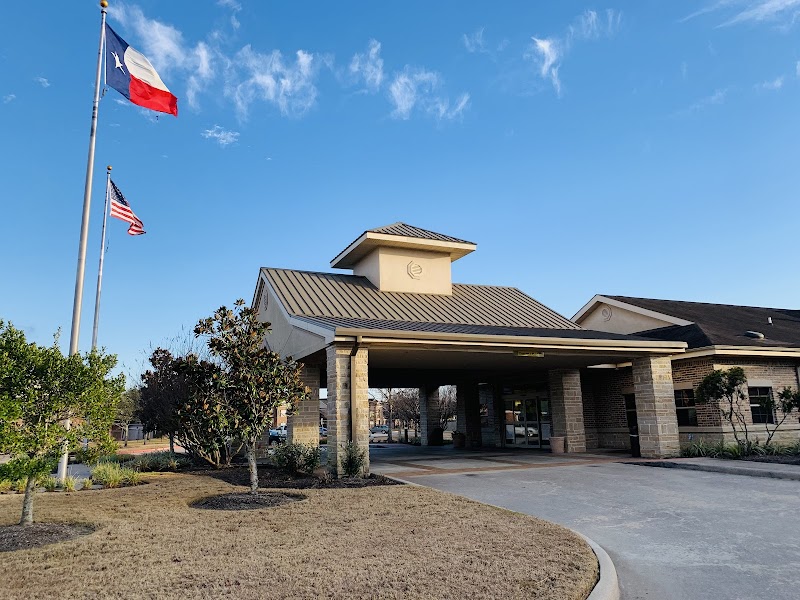
How is Falcon Point Post Acute Staffed?

CMS rates FALCON POINT POST ACUTE's staffing level at 2 out of 5 stars, which is below average compared to other nursing homes. Staff turnover is 69%, which is 23 percentage points above the Texas average of 46%. High turnover can affect care consistency as new staff learn residents' individual needs. RN turnover specifically is 79%, which is notably high. RNs provide skilled clinical oversight, so turnover in this role can affect medical care quality.

What Have Inspectors Found at Falcon Point Post Acute?

State health inspectors documented 22 deficiencies at FALCON POINT POST ACUTE during 2022 to 2025. These included: 21 with potential for harm and 1 minor or isolated issues.
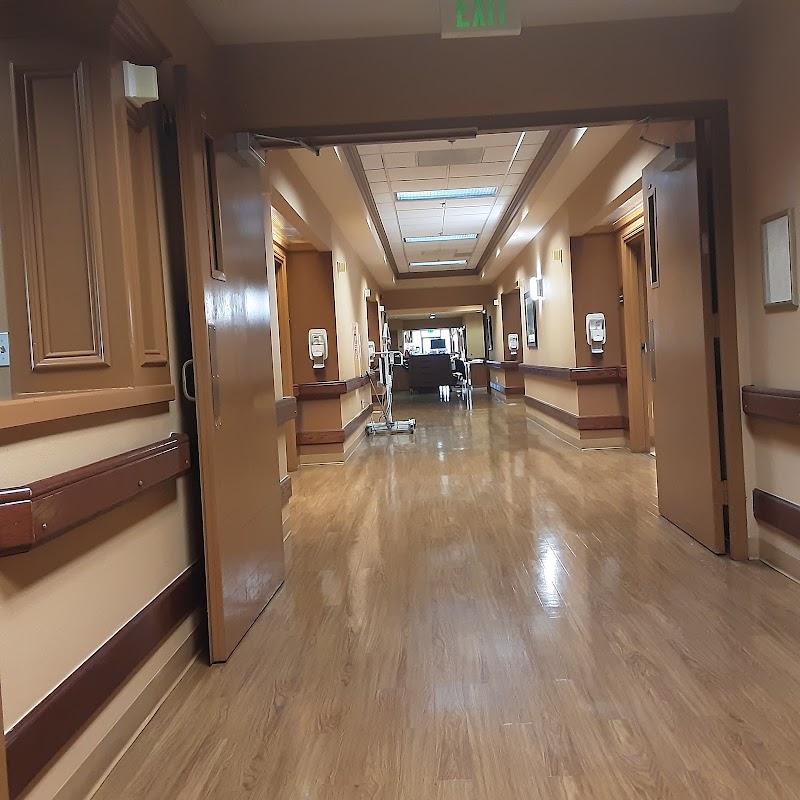
Who Owns and Operates Falcon Point Post Acute?

FALCON POINT POST ACUTE is owned by a for-profit company. For-profit facilities operate as businesses with obligations to shareholders or private owners. The facility is operated by CROSS HEALTHCARE MANAGEMENT, a chain that manages multiple nursing homes. With 130 certified beds and approximately 96 residents (about 74% occupancy), it is a mid-sized facility located in KATY, Texas.
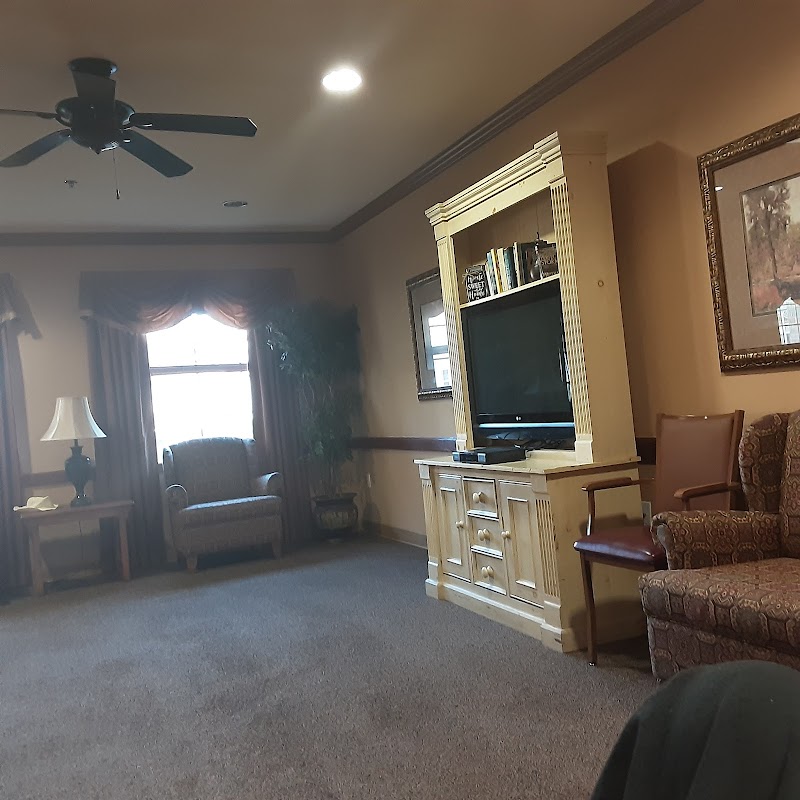
How Does Falcon Point Post Acute Compare to Other Texas Nursing Homes?

Compared to the 100 nursing homes in Texas, FALCON POINT POST ACUTE's overall rating (4 stars) is above the state average of 2.8, staff turnover (69%) is significantly higher than the state average of 46%, and health inspection rating (4 stars) is above the national benchmark.

What Should Families Ask When Visiting Falcon Point Post Acute?

Based on this facility's data, families visiting should ask: "How do you ensure continuity of care given staff turnover, and what is your staff retention strategy?" "Can you walk me through typical staffing levels on day, evening, and night shifts?" "Can I visit during a mealtime to observe dining assistance and food quality?" "How do you handle medical emergencies, and what is your hospital transfer rate?" These questions are particularly relevant given the facility's high staff turnover rate and the below-average staffing rating.

Is Falcon Point Post Acute Safe?

Based on CMS inspection data, FALCON POINT POST ACUTE has a clean safety record: no substantiated abuse findings (meaning no confirmed cases of resident harm), no Immediate Jeopardy citations (the most serious violation level indicating risk of serious injury or death), and is not on the Special Focus Facility watch list (a federal program monitoring the lowest-performing 1% of nursing homes). The facility has a 4-star overall rating and ranks #1 of 100 nursing homes in Texas. While no facility is perfect, families should still ask about staff-to-resident ratios and recent inspection results during their visit.

Do Nurses at Falcon Point Post Acute Stick Around?

Staff turnover at FALCON POINT POST ACUTE is high. At 69%, the facility is 23 percentage points above the Texas average of 46%. Registered Nurse turnover is particularly concerning at 79%. RNs handle complex medical decisions and coordinate care — frequent RN changes can directly impact care quality. High turnover means new staff may not know residents' individual needs, medications, or preferences. It can also be disorienting for residents, especially those with dementia who rely on familiar faces. Families should ask: What is causing the turnover? What retention programs are in place? How do you ensure care continuity during staff transitions?

Was Falcon Point Post Acute Ever Fined?

FALCON POINT POST ACUTE has been fined $19,684 across 1 penalty action. This is below the Texas average of $33,276. While any fine indicates a compliance issue, fines under $50,000 are relatively common and typically reflect isolated problems that were subsequently corrected. Families should ask what specific issues led to these fines and confirm they've been resolved.

Is Falcon Point Post Acute on Any Federal Watch List?

FALCON POINT POST ACUTE is not on any federal watch list. The most significant is the Special Focus Facility (SFF) program, which identifies the bottom 1% of nursing homes nationally based on persistent, serious quality problems. Not being on this list means the facility has avoided the pattern of deficiencies that triggers enhanced federal oversight. This is a positive indicator, though families should still review the facility's inspection history directly.