HERITAGE PARK OF KATY NURSING AND REHABILITATION


6001 GEORGE BUSH DR, KATY, TX 77493 (281) 395-1124
Government - Hospital district 118 Beds OAKBEND MEDICAL CENTER Data: November 2025 2 Immediate Jeopardy citations
Trust Grade
31/100
#489 of 1168 in TX
Last Inspection: November 2024

Within standard 12-15 month inspection cycle. Federal law requires annual inspections.

Overview

Heritage Park of Katy Nursing and Rehabilitation currently has a Trust Grade of F, indicating poor performance with significant concerns. It ranks #489 out of 1,168 facilities in Texas, placing it in the top half, but still suggests there are many better options available. The facility is improving, as it has reduced its issues from 9 in 2023 to 7 in 2024, but still faces serious challenges. Staffing is a concern with a 2/5 star rating and a turnover rate of 58%, which is around the state average, meaning consistency in care may be an issue. Notably, there were critical incidents where a resident, who had a history of falls, was not provided with adequate supervision or assistive devices, leading to serious injuries. Additionally, there were concerns about food safety standards, as dented cans and improperly stored food items were found in the kitchen, which could pose health risks to residents.

Trust Score
F
31/100
In Texas
#489/1168
Top 41%
Safety Record
High Risk
Review needed
Inspections
Getting Better
9 → 7 violations
Staff Stability
⚠ Watch
58% turnover. Above average. Higher turnover means staff may not know residents' routines.
Penalties
⚠ Watch
$25,508 in fines. Higher than 77% of Texas facilities, suggesting repeated compliance issues.
Skilled Nurses
⚠ Watch
Each resident gets only 21 minutes of Registered Nurse (RN) attention daily — below average for Texas. Fewer RN minutes means fewer trained eyes watching for problems.
Violations
⚠ Watch
19 deficiencies on record. Higher than average. Multiple issues found across inspections.
★★★☆☆
3.0
Overall Rating
★★☆☆☆
2.0
Staff Levels
★★★★☆
4.0
Care Quality
★★★☆☆
3.0
Inspection Score
Stable
2023: 9 issues
2024: 7 issues

The Good

  • 4-Star Quality Measures · Strong clinical quality outcomes
  • Full Sprinkler Coverage · Fire safety systems throughout facility
  • No fines on record

Facility shows strength in quality measures, fire safety.

The Bad

3-Star Overall Rating

Near Texas average (2.8)

Meets federal standards, typical of most facilities

Staff Turnover: 58%

12pts above Texas avg (46%)

Frequent staff changes - ask about care continuity

Federal Fines: $25,508

Below median ($33,413)

Moderate penalties - review what triggered them

Chain: OAKBEND MEDICAL CENTER

Part of a multi-facility chain

Ask about local staffing decisions and management

Staff turnover is elevated (58%)

10 points above Texas average of 48%

The Ugly 19 deficiencies on record

2 life-threatening
Nov 2024 4 deficiencies
CONCERN (D) 📢 Someone Reported This

A family member, employee, or ombudsman was alarmed enough to file a formal complaint

Potential for Harm - no one hurt, but risky conditions existed

Deficiency F0645 (Tag F0645)

Could have caused harm · This affected 1 resident

**NOTE- TERMS IN BRACKETS HAVE BEEN EDITED TO PROTECT CONFIDENTIALITY** Based on interview and record review, the facility failed to ensure that Pre-admission Screening and Resident Review (PASRR) Lev...

Read full inspector narrative →
**NOTE- TERMS IN BRACKETS HAVE BEEN EDITED TO PROTECT CONFIDENTIALITY** Based on interview and record review, the facility failed to ensure that Pre-admission Screening and Resident Review (PASRR) Level 1 Residents with a positive trigger for mental illness were provided with a PASRR Level II assessment for 1 (Resident #79) of 5 residents reviewed for mental illness. The facility did not correctly identify Resident #79 as having mental illness in her PASRR Level 1 Screening. This failure could place five residents with psychiatric diagnoses to trigger a positive PASRR Level I evaluation at risk for not receiving a PASRR Level II screening and receiving needed care and services to meet their needs. Findings included: Record review of Resident #79's face sheet dated 11/5/24, revealed a [AGE] year-old female admitted to the facility on [DATE] and readmitted on [DATE] with diagnoses of rhabdomyolysis (a breakdown of muscle tissue that releases a damaging protein into the blood), unspecified psychosis, major depressive disorder (a mental health disorder characterized by persistently depressed mood or loss of interest in activities), and unspecified mood disorder. Record review of the physician orders dated 10/4/24 revealed Resident #79 was prescribed Remeron 15 mg once daily for depression. Record review of quarterly MDS dated [DATE] indicated Resident #79 had a BIMS of 3, active diagnoses of depression and psychotic disorder and was taking an antidepressant. Record review of Resident #79's care plan dated 11/5/24 indicated Resident #79 had potential psychosocial well-being problems related to loss of independence, loss of home, depression, and little interest in doing favorite activities. Interventions included: assist, encourage, and support the resident to set realistic goals and encourage participation from resident who depends on others to make own decisions. Further review of care plan indicated Resident #79 was presented with sadness and feelings of grief related to losing her sister. Interventions included: assisting resident, family, and caregivers to identify strengths and positive coping skills; monitor, document, and report to MD PRN acute episode or feelings of sadness, signs and symptoms of depression, anxiety, and sad mood as per facility behavior monitoring protocols. Record review of the PASRR level 1 screening dated 11/1/22 indicated Resident #79 was negative for mental illness, intellectual disability, and developmental disability. Interview with the MDS Coordinator on 11/7/24 at 12:38 pm, he said he had worked at the facility for 2 and half years. The MDS Coordinator said he was responsible for conducting the PASRR screenings. He said Resident #79's PASRR was missed because the hospital she came from had marked no under the mental illness section. The MDS Coordinator said he did not think there was a risk to the resident because he never had a patient accept the mental illness services. He said residents would have to leave facility, and it would cost them to get a psych evaluation because that department does not offer transportation. The MDS Coordinator said the facility offered psych services there. Record review of the Resident Assessment-Coordination with PASRR Program policy dated 3/1/24 read in part . all applicants to this facility will be screened for serious mental disorders or intellectual disabilities and related conditions in accordance with the state's Medicaid rules for screening .
CONCERN (D) 📢 Someone Reported This

A family member, employee, or ombudsman was alarmed enough to file a formal complaint

Potential for Harm - no one hurt, but risky conditions existed

Deficiency F0655 (Tag F0655)

Could have caused harm · This affected 1 resident

**NOTE- TERMS IN BRACKETS HAVE BEEN EDITED TO PROTECT CONFIDENTIALITY** Based on interviews and records reviews, the facility failed to develop and implement a baseline care plan within 48 hours for e...

Read full inspector narrative →
**NOTE- TERMS IN BRACKETS HAVE BEEN EDITED TO PROTECT CONFIDENTIALITY** Based on interviews and records reviews, the facility failed to develop and implement a baseline care plan within 48 hours for each resident that included the instructions needed to provide effective and person-centered care of the resident that meet professional standards of quality of care for 1 (Resident #26) of 31 residents reviewed for base-line care plans. The facility failed to ensure (Resident #26) had a baseline care plan developed within 48-hours after admission with goals based on admission orders and interventions, PASRR recommendations, Physician's orders, therapy services, dietary orders, and social services. This failure could place newly admitted residents at risks of not receiving the proper care and continuity of services. Findings included: Record review of Resident #26's Face Sheet (undated) revealed, an [AGE] year-old female who admitted to the facility on [DATE] and with diagnoses which included: unspecified dementia, unspecified severity, with other behavioral, Alzheimer's disease (a brain disorder that gradually worsens over time, causing memory loss, confusion, and behavior changes), unspecified, chronic kidney disease, stage 2 (mild), and generalized anxiety disorder. Record review of Resident #26's MDS assessment dated [DATE] revealed a BIMS score of 2 indicating she was significantly cognitively impaired. She exhibited wandering behavior 4-6 days per week, required substantial/maximal assistance with shower/bathe self, Lower body dressing, and putting on/taking off footwear. She required Partial/moderate assistance with bed to chair, toilet, tub/shower transfers. Record review of Resident #26's chart did not find a document titled Base Line Care Plan. The document the facility substituted for the Baseline Care Plan dated 10/23/2024 was incomplete. Record review of Resident #26's Initial Nursing Evaluation dated 09/29/2024 read in part .2. Sit to lying: The ability to move from sitting on side of bed to lying flat on the bed. - admission Performance- 03. Partial/moderate assistance. 3. Lying to sitting on side of bed: The ability to move from lying on the back to sitting on the side of the bed with feet flat on the floor, and with no back support. - admission Performance- 04. Supervision or touching assistance. 4. Sit to stand: The ability to come to a standing position from sitting in a chair, wheelchair, or on the side of the bed. - admission Performance- 06. Independent. 5. Chair/bed-to-chair transfer: The ability to transfer to and from a bed to a chair (or wheelchair). - admission Performance- 04. Supervision or touching assistance. 6. Toilet transfer: The ability to get on and off a toilet or commode. - admission Performance- 03. Partial/moderate assistance . The Initial Nursing Evaluation did not contain PASRR recommendations, Dietary orders, Physician's orders, or notate whether the resident had therapy services. Interview on 11/06/2024 at 3:24PM with the MDS Coordinator said the facility did not do a Baseline Care Plan, they wrote a Comprehensive Care Plan. He said the Comprehensive Care Plan was done within 72 hours of the resident's admission. Interview on 11/07/2024 at 12:19 PM with the MDS Coordinator said the Baseline Care was done within 48 hours and the Comprehensive Care plan within 21 days. He said there were no exceptions for the time to get them completed. He said yesterday he made a mistake saying 72 hours for the Base Line Care plan. When reviewing Resident #26's Comprehensive Care Plan he said 10/09/2024 was the date listed on the Focus part of the Care Plan. He said 10/09/2024 was not within 48 hours of the resident's admission. He said the Comprehensive Care Plan could not be used as the resident's Base Line Care Plan. He said he had worked at the facility a total of 2.5 years. He was the MDS Coordinator, and he worked Monday through Friday 8 AM- 5 PM. He was familiar with Resident #26. He said he routinely worked on the MDS assessments and assisted the DON with unit managers. He said Base Line Care Plans were supposed to be completed within 48 hours. He said the purpose of the Base Line Care Plan was to communicate the resident's needs to the staff working with that resident. He reviewed the Comprehensive Care Plan and saw Resident #26's ADLS and saw they were dated 10/09/2024. He observed her admission date of 09/29/2024. He said those dates were not within 48 hours of each other. He said the Base Line Care plan may be located somewhere else in the system. After looking in the system he said it did not look like she had her Base Line Care Plan. He continued looking through the resident's online chart and said he found the Base Line Care plan in the Initial Nursing Evaluation- V3 dated 09/29/2024. He said they use the Initial Nursing Evaluation so there were not so many assessments. He said the Initial Nursing Evaluation incorporated all the necessary assessments. Interview on 11/07/2024 at 1:16PM with the MDS Coordinator said the required information on the Initial Nursing Evaluation had information for the care for the resident, how to do the ADLS, their code status, and incontinent status. He said the physician orders were not in the Initial Nursing Evaluation. He showed that the Dietary order was on the Eval. He said if a resident were on therapy, it would be on a Skilled Nursing Note. He said Resident #26 was not in therapy the first couple of days while at the facility. He said therapy services was not on the Initial Nursing Evaluation. He said the social worker did their own evaluation on the resident and was not a part of the Initial Nursing Evaluation. He said if the resident were PASRR positive, they would not know within 48 hours. He said the resident's goals and interventions were not listed on the Initial Nursing Evaluation. When asked what happened today with their version of the Base Line Care Plan missing information, he said he said he would have to talk with the person that helped set up the assessments to determine why the Physician's orders and therapy were not listed on the Initial Nursing Evaluation. He said a month and a half ago he had training on Base line care plans. He said he and the nursing team were responsible for ensuring all information was on the Base Line Care Plan. He said he could not answer the question of risk to residents if information was missing from the Base Line Care Plan or if staff did not follow procedure/policy regarding information on the Base Line Care Plan. When asked if there was missing information from the Base Line Care plan how would staff care for the resident, he responded with staff would not care for them in those areas. He did not answer what could happen to a resident if staff did not follow policy/protocol regarding completing the Base Line Care Plan. He said the nursing team, ADON, DON, Administrator were involved regarding meeting with the family and discussing the plan for the resident. Interview on 11/07/2024 at 1:30 PM with the ADON, she said the Base line care plan was done upon admission. She said it had to be done within 48 hours. She said the MDS nurse, DON or the admitting nurse wrote it. She said the Base Line Care Plan had the resident's code status, initial care plan which included the resident's ADLs, diagnosis, immunizations, TB skin, Braden scale (a tool used to predict the risk of pressure ulcers in patients). She said she was not sure if physician's orders were a part of the Base Line Care plan. She said therapy and dietary services should be on the Base Line Care plan. She said everything you needed to care for the resident was on the Base Line Care plan. She said every resident should have a Base line care plan. She said she had worked at the facility for 2 years and she was the ADON. She said she worked Monday through Friday 8 AM- 5 PM. She said her routine work duties were as staffing coordinator, worked on infection control and as unit manager of the 100 Hall. She said the policy or procedure for the Base Line Care plan was they needed to be complete and done within 48 hours. She said she did not know about Resident #26's Base Line Care plan. She said she did not recall when she last had in-service on Base Line Care plan. She said the ADONs, and the DON were responsible for ensuring policy/procedure was followed that the Base Line Care Plan was complete and had all necessary information. She said the risk to residents when policy/procedure for the Base Line Care Plan was not done or complete was staff potentially miss information pertinent to their care. She said it needed to be complete, so staff knew exactly know how to care for the residents. She said the worst thing that could happen to residents when proper protocols were not practiced was if there were things missing from the Base Line Care Plan then things for the resident could be missed like medications, or diagnosis that were pertinent to their care. Interview on 11/07/2024 at 1:40 PM with the DON she said the Base Line Care Plan was done upon admission and there was a time limit of 48 hours. She said the Base Line Care Plan was generated with the nursing evaluation and when the nurse did their assessment, the information was on that assessment. She said the required information on the Base Line Care Plan was what there on the Initial Nursing Evaluation V3 like the resident's ADLs, vital signs, basic information for the resident and asked if the resident had any issues with medications. She said she was the DON and had worked at the facility since the end of May 2024. She said as the DON she oversaw the education of staff, oversaw the nursing department, oversaw patient care, pharmacy, infection control, nutrition, and incidents and accidents. She said she was familiar with the resident. She said the resident should have a Base Line Care Plan. She said the Initial Nursing Evaluation was the Base Line Care Plan and had all the information it required. She said the Physician's orders were separate from the Initial Nursing Evaluation and was entered by the nurse. She said orders were entered on the patients Medication Administration Record. She said the resident's therapy services were in section B and section M of the Initial Nursing Evaluation V3. She said PASRR recommendations was not on the Initial Nursing Evaluation V3. She said the policy/procedure for Base Line Care Plan was that needed to be done within 48 hours and the assessments on the Initial Nursing Evaluation needed to be done. When asked what happened regarding missing required information, the DON said the Initial Nursing Evaluation was the form the facility used and there was nothing missing from that form. She said she was not sure when she was last trained on Base Line Care Plan. She said she could not answer a hypothetical regarding the risk to residents when staff did not follow policy/protocol and the Base Line Care Plan was incomplete or not done. She said for her, the Base Line Care Plan had all things completed and there was nothing missing. Interview on 11/07/2024 at 1:59 PM with the Administrator he said the Base Line Care Plan was done within 48 hours. He said nursing, any of the nurse managers could do the Base Line Care plan. He said information on the Base Line Care Plan had the resident's demographics, functional abilities, skin, general health, code status, and analyses which were under Initial Nursing Evaluation Sections A- O. He said he had worked at the facility since early [DATE] as Administrator, and he oversaw the operations of the facility. He said he did things like rounds, checked on patients, checked the facility's environment, checked with staff for their plans, established goals for staff, followed up on staff goals, spot checked areas of the facility, and was responsible for the financial part of the facility and ensured the bills were paid. He said he normally worked 6:30 AM- 4:30 PM to 5 PM, Monday- Friday. He said he made it a point to come in on the weekends too. He said he was familiar with the res and said she had the Initial Nursing Eval dated 09/29/2024. He said he was not sure where the PASRR recommendations was. He said he was not familiar with the Initial Nursing Evaluation and did not know where the dietary and therapy services were on there. He said the policy/procedure for Base Line Care Plan was for it to complete and done in 48 hours of the resident's admission. He said he did not complete the evaluation and did not know why there was missing information like PASRR recommendations and therapy services, dietary orders. He said he saw her dietary orders and it was on the Initial Nursing Evaluation. He said there was no risk to the resident when the Base Line Care Plan was incomplete because the information was duplicated elsewhere in the resident's chart. He said it the additional information was not necessarily obtained after the 48 hours of the resident's admission. He said he was ultimately responsible for ensuring policy/procedure was followed. Interview on 11/07/2024 at 2:28 PM- the Administrator, DON and MDS Nurse regarding risk to the residents when the Base Line Care Plan was incomplete and staff did not follow policy/protocol, the Administrator said all other information not included in the Base line Care plan could be found elsewhere. The DON said she was not saying the resident's health or safety could not be affected, she said the Initial Nursing Evaluation was complete and that was their Base Line Care Plan. The MDS Nurse said he was not necessarily saying that resident health and safety was not affected but felt like the initial evaluation had the same information as the Base Line Care Plan. Record review of the facility's Base Line Care Plan policy dated 03/01/2024 read in part . 1. The baseline care plan will: B. Include the minimum healthcare information necessary to properly care for a resident including, but not limited to: vii. Therapy services, if applicable. viii. PASRR recommendation, if applicable. 2. A supervising nurse shall verify within 48 hours that a baseline care plan has been developed. 5. The MDS nurse shall gather information from the admission physical assessment, hospital transfer information, physician orders, and discussion with the resident and resident representative, if applicable. a. Once gathered, initial goals shall be established that reflect the resident's stated goals and objectives. 11. Any identified needs for supervision, behavioral interventions, and assistance with activities of daily living .
CONCERN (D)

Potential for Harm - no one hurt, but risky conditions existed

Pharmacy Services (Tag F0755)

Could have caused harm · This affected 1 resident

**NOTE- TERMS IN BRACKETS HAVE BEEN EDITED TO PROTECT CONFIDENTIALITY** Based on observation, interviews, and record review the facility failed to ensure all drugs and biologicals were stored securely...

Read full inspector narrative →
**NOTE- TERMS IN BRACKETS HAVE BEEN EDITED TO PROTECT CONFIDENTIALITY** Based on observation, interviews, and record review the facility failed to ensure all drugs and biologicals were stored securely for one (100 Hall Nurse Medication Cart) of four medication carts reviewed for storage of medications. The Nurse Medication Cart for 100 Hall had a torn protective seal on the back of Resident #211's Tramadol HCL 50mg (a narcotic used to treat moderately severe pain) medication blister pill card (a type of medication packaging, with multiple small, sealed compartments that hold individual doses of medication) found in the locked narcotic drawer during review of medication carts. This failure could place all residents at risk of not receiving the therapeutic benefit of medications, adverse reactions to medications, infection, and drug diversion. Findings included: Record review of Resident #211's face sheet undated reflected a [AGE] year-old female first admitted to the facility on [DATE] and readmitted on [DATE]. Her diagnoses included heart failure (the heart is not pumping adequate blood throughout the body), Cellulitis (bacterial infection of the skin), fractured leg, and pain. Record review of Resident #211's care plan dated 07/08/2023 reflected: Focus: Resident #211 had acute and chronic pain related to previous injuries and fractures. Goal: Resident #211 will not have an interruption in normal activities related to pain. Interventions: Administer analgesia (pain) medications as ordered. Record review of Resident #211's quarterly MDS dated [DATE], reflected her BIMS score was 09 which indicated moderated cognitive impairment. Resident #211 required supervision and touch assistance from staff for transfers and showers. She received scheduled pain medication in the last 5 days. Resident #211 was identified as having medically complete conditions. Record review of Resident #211's active physician orders as of 11/01/2024 reflected an order for Tramadol HCL 50mg, two tablet by mouth every 12 hours as needed for chronic pain, start date 05/20/2024. Record review of Resident #211's MAR for 11/01/2024-11/30/2024 reflected Tramadol HCL 50mg Give two tablets every 12 hours as needed for chronic pain. Review with the MAR revealed no administration of Tramadol HCL 50mg. Observation and interview on 11/07/2024 at 1:53 PM during a random cart check revealed the narcotic storage of Resident #211's Tramadol HCL 50mg tablet #40 out of 60 tablets in the blister pill card, had a torn protective seal. The nurse assigned to the nurse cart for 100 Hall was LVN Q. LVN Q stated once a blister pack back was torn it was to be given to the DON. The DON would follow up with the pharmacy. The pharmacy would pick up the medication. LVN Q stated the risk of the torn back was possible contamination of the pill. The pill could have been taken out. LVN Q stated she did not know how this could have happened. LVN Q stated the backs were to be checked when the medications were counted. LVN Q stated this did not always happen. In an interview on 11/07/2024 at 2:05 PM the DON stated the staff were informed to check the carts to ensure the carts were clean. The DON stated the staff was to check for damage to the bubble packs. The DON continued and stated the staff was to check for expired medications. The DON stated the ADONs check the medication carts twice a week. The DON stated the risk was the pill could fall out and lead to a drug diversion. The DON stated to help prevent this from occurring in the futured no one could have long nails or [NAME] items near the medications due to the risk of puncture. In a phone interview on 11/07/2024 at 2:10 PM with the facility pharmacist, she stated the bubble packs were not to have torn backs. The backs were to be secured. The pharmacist stated the medication was to be wasted. The pharmacist stated there was risk of contamination and drug diversion. The pharmacist stated it was important the medication was kept secured. In an interview on 11/07/2024 at 3:11 PM with the administrator, he stated the backs should not be torn because the pull could be tampered with. The administrator stated the medications were to be checked during the shift changes. The administrator stated to prevent this again we will educate staff on what to do if the backs were torn. Record review of the facility policy titled Storage of Medications, revision dated 07/2015, read in part: Purpose: The purpose of this procedure is to make sure that medications are stored in a safe, secure, and orderly manner .
CONCERN (E) 📢 Someone Reported This

A family member, employee, or ombudsman was alarmed enough to file a formal complaint

Potential for Harm - no one hurt, but risky conditions existed

Food Safety (Tag F0812)

Could have caused harm · This affected multiple residents

Based on observations, interviews, and record review, the facility failed to store, prepare, distribute, and serve food in accordance with professional standards for food service safety for 1 of 1 kit...

Read full inspector narrative →
Based on observations, interviews, and record review, the facility failed to store, prepare, distribute, and serve food in accordance with professional standards for food service safety for 1 of 1 kitchen in that: -Five dented cans were stored with other cans used for resident meals in the dry storage room. -Food items were not sealed and not dated in the dry storage room. These failures could place residents who received meals from the kitchen at risk for food borne illness. Findings included: Observation on 11/5/24 at 9:00 am of the dry storage room revealed the following: -One 111 oz can of tomato paste with a large dent in the middle of the can -One 106 oz can of spaghetti sauce with a large dent at the top of the seam -One 112 oz can of banana pudding with a small dent at the bottom of the seam -One 112 oz can of vanilla pudding with a small dent at the bottom of the seam -One 108 oz can of sweet potatoes in syrup with a large dent in the middle of the can -One 25 lb bag of light brown sugar not sealed and not dated -One 5 lb bag of grits not sealed and not dated Interview with the Dietary Manager on 11/6/24 at 1:30 pm, she said she had worked at the facility since 7/1/24. The Dietary Manger said the dented cans were supposed to be kept in her office. She said all kitchen staff were responsible for dating and sealing food items and were supposed to check for dented cans. The Dietary Manager did not know why these items were missed. She said when food items that were not sealed could cause cross-contamination. She said the dented cans could have particles that could get loose and contaminate the food. The Dietary Manager said the risk to the resident was they could get sick from the cross contamination. Interview with [NAME] A on 11/6/24 at 1:38 pm, she said she had worked at the facility for 5 years. [NAME] A said the morning cooks were supposed to check if food items were sealed and dated. [NAME] A said the night shift were supposed to check for dented cans and put them in the Dietary Manager's office. She said if food items were not sealed the food could get contaminated and make the residents sick. [NAME] A did not know the risk of keeping dented cans in the dry storage room. Interview with [NAME] B on 11/6/24 at 1:45 pm, he said he had worked at the facility for 6 months and he worked the night shift. He said everyone in the kitchen helped with dating and sealing food items and checked for dented cans. He said if food items were not sealed it could cause cross-contamination and residents could get sick. [NAME] B did not know the risk of keeping dented cans in the dry storage room. Record review of the Dry Food Storage Policy, not dated, read in part . store opened and bulk items in tightly covered containers, all containers must be labeled and dated. When packages of cans are opened staff are to inspect for dents, or abnormalities, if any are found the cans are to be removed immediately and stored in the designated area .
Mar 2024 3 deficiencies
CONCERN (D) 📢 Someone Reported This

A family member, employee, or ombudsman was alarmed enough to file a formal complaint

Potential for Harm - no one hurt, but risky conditions existed

Deficiency F0558 (Tag F0558)

Could have caused harm · This affected 1 resident

**NOTE- TERMS IN BRACKETS HAVE BEEN EDITED TO PROTECT CONFIDENTIALITY** Based on observations, interviews and record review, the facility failed to ensure residents receive services in the facility wi...

Read full inspector narrative →
**NOTE- TERMS IN BRACKETS HAVE BEEN EDITED TO PROTECT CONFIDENTIALITY** Based on observations, interviews and record review, the facility failed to ensure residents receive services in the facility with reasonable accommodation of resident needs for 2of 5 residents (Resident #2, and Resident #3) reviewed for call lights. The facility failed to have call light was within reach for Resident #2 and Resident #3 while the residents was in bed. This failure could place residents at risk for a delay in care and services, increased falls, and a decreased quality of life. Findings included: Record review of resident #2's Face sheet revealed a [AGE] year-old female was in admitted to the facility on [DATE]. Resident #2 had diagnoses which included: Alzheimer's disease (a brain disorder that slowly destroys memory and thinking skills), diabetes mellitus (high blood sugar), and Hypertension (high blood pressure). Record review of resident #2's quarterly MDS dated [DATE] revealed a BIMS of 09 indicating moderate impaired cognition. Further review revealed Resident #2 needed total care assist with ADL care with one to two staff assistance and resident was incontinent of bowel and bladder. Resident #2's functional status revealed she required supervision with bed mobility, transfer, and toilet use. Further review revealed Resident #2 no fall. Record review of Resident #2's care plan edited 06/12/23 revealed resident at risk for falls related to weakness, and impaired balance: Intervention: be sure Resident#2's call light is within reach and encourage to use it for assistance as needed. During an observation and interview on 03/05/24 at 12:42 p.m., Resident #2's call light was tied to the head of the bed, and the remaining call light string fell on the floor behind the head of the bed. Resident # 2 was lying in bed, and when Surveyor N asked her to reach for her call light, Resident #2 tried, but she could not. Resident #2 said that sometimes she would use her cell phone to call the nurse when she could not reach her call light. During an observation and interview on 03/5/24 at 12:57 p.m., LVN F said Resident #2's call light was tied to the head of the bed, and the rest of the string was on the floor behind the head of the bed. LVN F said Resident #2's call light must be within reach when a resident was in the room, whether sitting in a chair or in bed. During an observation and interview on 03/05/24 at 1:05 p.m., CNA K said Resident #2's call light was tied at the head of the bed and fell to the floor behind the head of the bed. CNA K said she was not the resident aide. CNA K said Resident #'s2 call light should be within reach when the resident was in the room or bed for Resident #2 to call for assistance, and Resident #2 could fall if she tried to reach for the call light and lost her balance. CNA K said she had a skills check-off, which included call light positioning. During an interview on 03/05/24 at 1:17 p.m., CNA T said she did not notice the call light for Resident #2 was on the floor behind the head of the bed. CNA T said Resident #2's call light should be within reach. If Resident #2 falls, she could call for assistance or ask if Resident #2 needed help for any other care. CNA T said she had in-service on-call light placement. CNA T said the nurses are responsible for monitoring the aides to ensure they are providing care for the residents. During an interview on 03/05/24 at 4:10 p.m., the DON said Resident #2 call light should be within reach of Resident #2 so she could use the call light to call for assistance. The DON said the resident may only get assistance promptly if the call light was within reach of Resident #2. The DON did not respond when Surveyor N asked what could happen to Resident #2 if care was not provided to the resident on time because the call light was not within reach and Resident #2 could not call for help. Record review of Resident #3's face sheet dated 03/05/24 revealed a [AGE] year-old female admitted to the facility on [DATE] and readmitted [DATE]. Resident #3 had diagnoses which included: cerebral infraction (disrupted blood flow to the brain), diabetes mellitus (elevated levels of blood glucose), and hypertension (a condition which the blood vessels have persistently raised pressure) Record review of Resident #3's quarterly MDS assessment, dated 01/05/24 revealed: Resident #3 revealed BIMS of 03 indicated severely impaired cognation Resident #3's functional status revealed he required limited to extensive assistance with bed mobility, transfer, and toilet use. Further review revealed Resident #3 had one fall. Record review of Resident 3's care plan initiated 04/04/23 revealed the resident was at risk of fall related to impaired mobility, poor cognition. Intervention: be sure Resident#3's call light was within reach and encourage Resident #3 to use it for assistance as needed. During an observation and interview on 03/05/24 at 12:45 a.m., it was revealed that Resident #3's call light was tied to the head of the bed, out of reach for the resident. When Surveyor N asked Resident #3 if she could reach the call light, Resident #3 did not respond. During an interview on 03/05/24 at 1:07 p.m., CNA K said Resident #3's call light was hanging on the head of the bed. The call light was not within reach, and Resident #3 could not reach it. CNA K said the call light should always be within reach. During an interview on 03/05/24 at 1:19 p.m., CNA T said she was the CNA for Resident #3 and she had made rounds since she came to work today, and was not the aide who tied the call light on the head of the bed for Resident #3. During an observation and interview on 03/05/24 at 2:28 p.m., LVN F said Resident #3's call light was attached to the head of the bed, and Resident #3 could not use the call light. LVN F said Resident #3 call light should be within so she could call for assistance. LVN F said Resident #3 could fall if Resident #3 tried to reach for the call light. LVN F also said Resident #3 could not get assistance on time when Resident #3 could not reach the call light, and it could delay care, which could have a critical outcome for Resident #3. LVN F said he did not remember any training about call lights, but he had general training. LVN F said he would be the person to monitor the aides, and the nurse managers monitor him when they make random rounds. During an interview on 01/07/24 at 4:36 p.m., the administrator said the call light should be within reach for all residents, and sometimes the resident throws the call light on the floor. When the administrator was asked what could happen if a resident needed assistance and could not reach the call light, The administrator did not respond but said the staff would place the call light within reach of the resident when the staff saw it was not within reach. Record review of undated facility policy on call light accessibility and timely response read in part . policy explanation and compliance guidelines #5 . staff will ensure the call light is within reach of the resident, and secured as needed .
CONCERN (D) 📢 Someone Reported This

A family member, employee, or ombudsman was alarmed enough to file a formal complaint

Potential for Harm - no one hurt, but risky conditions existed

ADL Care (Tag F0677)

Could have caused harm · This affected 1 resident

**NOTE- TERMS IN BRACKETS HAVE BEEN EDITED TO PROTECT CONFIDENTIALITY** Based on observation, interview, and record review the facility failed to ensure a resident who was unable to carry out activiti...

Read full inspector narrative →
**NOTE- TERMS IN BRACKETS HAVE BEEN EDITED TO PROTECT CONFIDENTIALITY** Based on observation, interview, and record review the facility failed to ensure a resident who was unable to carry out activities of daily living (ADLs) received the necessary services to maintain nutrition, grooming and personal and oral hygiene for 1of 5 residents (Resident #4) reviewed for ADLs. 1. The facility failed to ensure Resident #4 was provided personal grooming (fingernail care) by facility staff. This failure could place residents at risk for discomfort, and dignity issues. Findings included: 1. Record review of Resident #4's face sheet dated 03/05/24 revealed a [AGE] year-old female admitted to the facility on 1. 01/01/24. Resident #4 had diagnoses which included: dementia (loss of thinking, remembering, and reasoning, which may interferes with a person's daily life and activities), major depressive disorder (a mood disorder that causes a persistent feeling of sadness), and hypertension (a condition which the blood vessels have persistently raised pressure) Record review of Resident #4's MDS assessment, dated 03/01/24 revealed: Resident #4's MDS was not done because Resident #4 was a new admit and she was admitted on [DATE]. Record review of Resident 4's care plan initiated 03/05/24 revealed the resident had an ADL self - care performance related to limited mobility and weakness. Intervention: The resident requires minimal to moderate assistance by 1-2 staff with personal hygiene. Further review revealed Resident #4 refuses fingernails to be clipped. During an observation and interview on 03/05/24 at 1:47 p.m., Resident #4's fingernails were two inches long on both hands. Resident #4 said CNA K showered her today, but she did not cut her fingernails, and she wanted her fingernails cut. Resident #4 said she had not refused the aides from cutting her fingernails. During an observation and interview on 03/05/24 at 1:49 p.m., CNA K said she was Resident #4's aide today and gave Resident #4 a shower. CNA K said she saw Resident #4's long fingernails on both hands very long but did not ask Resident #4 if she wanted her fingernails cut. CNA K SAID Resident #4 had not refused to cut her fingernails or refused to shower. CNA K said Resident #4 could scratch herself, and dirt could collect under Resident #4's fingernails. CNA K said she had a skills check-off, which included nail care. CNA K said residents' nails are cut on shower days and as needed. CNA K did not respond when asked why she did not offer to cut Resident #4's fingernails. CNA K said the charge nurse monitored the aides when they made rounds. During an interview on 03/05/24 at 4:13 p.m., the DON said CNA K should offer to cut Resident #4 fingernails during the shower and as needed. The DON said Resident #4 could scratch herself, and dirt could accumulate under the nails. The DON said he just texted the wound care nurse to go and cut Resident #4's fingernails, and she refused. The DON said he would care plan Resident #4's refusal to cut her fingernail. The DON said the nurse monitors the aides when she makes rounds and makes sure the aides are providing care for the residents. Surveyor N asked the DON if there was any documentation of Resident #4 refusing fingernail care before today (03/05/24), and he did not respond. During an interview on 03/07/24 at 4:42 p.m., the Administrator said the DON said Resident #4 refused to cut her fingernails, which was care planned. Then the Administrator said wait, and I would go and get the shower sheets. During an interview on 01/07/24 at 4:45 p.m., the Administrator returned and said the DON said there would be no need to look at Resident #4's shower sheets because he had care planned; Resident #4 refused care. Record review of the facility policy on nail care dated Copyright 2023 The Compliance Store, LLC. All rights reserved read in part . The purpose of this procedure is to provide guidelines for the provision of care to a resident's nails for good grooming and health .
CONCERN (E) 📢 Someone Reported This

A family member, employee, or ombudsman was alarmed enough to file a formal complaint

Potential for Harm - no one hurt, but risky conditions existed

Incontinence Care (Tag F0690)

Could have caused harm · This affected multiple residents

**NOTE- TERMS IN BRACKETS HAVE BEEN EDITED TO PROTECT CONFIDENTIALITY** Based on observation, interview, and record review, the facility failed to ensure residents who were incontinent of bladder rece...

Read full inspector narrative →
**NOTE- TERMS IN BRACKETS HAVE BEEN EDITED TO PROTECT CONFIDENTIALITY** Based on observation, interview, and record review, the facility failed to ensure residents who were incontinent of bladder received appropriate treatment and services to prevent urinary tract infections and to restore continence to the extent possible for 2 of 4 residents (Resident #1, and Resident #3) reviewed for incontinent care. - 1. The facility failed to ensure Resident #1's foley tubing was not touching the floor while Resident #1 was propelling himself between the nursing station and medication room. - 2. The facility failed to ensure Resident # 3's foley bag and tubing were not touching the floor while Resident #2 was laid in bed. This failure could place residents at risk for pain, infection, injury, and hospitalization. Findings included: 1. Record review of Resident #1's face sheet dated 03/05/24 revealed a [AGE] year-old male admitted to the facility on [DATE] and readmitted [DATE]. Resident #1 had diagnoses which included: dementia (loss of thinking, remembering, and reasoning, which may interfere with a person's daily life and activities), benign prostatic hyperplasia (condition that occurs when the prostate gland enlarges, potentially slowing or blocking the urine stream), and hypertension (a condition which the blood vessels have persistently raised pressure). Record review of Resident #1's quarterly MDS assessment, dated 02/08/24 revealed: Resident #1 revealed BIMS of 03 indicated severely impaired cognation Resident #1's functional status revealed he required limited to extensive assistance with bed mobility, transfer, and toilet use. Further review revealed Resident#1 had an indwelling catheter. Record review of Resident 1's care plan initiated 10/12/23 read in . the resident had indwelling catheter related difficulty in passing urine. Intervention: Catheter care every shift and PRN (as needed) and check tubing for kinks during each shift. Record review of Resident #1's March 2024 order summary report read in part .foley 6 - FR - 10 cc bulb every month or as needed for neuromuscular dysfunction of bladder. Order date: 02/15/24 . During an observation on 03/05/24 at 11:00 a.m., Resident #1 was seated in his wheelchair by the nursing station close to the medication room. As Resident #1 propelled himself, the foley tubing dragged on the floor. During an observation and interview on 03/05/24 at 11:02 a.m., LVN B said Resident #1's foley tubing was touching the floor as Resident #1 moved his wheelchair. During an interview on 03/05/24 at 11:38 a.m., Resident #1 could not say if he saw his Foley tubing touching the floor or if he had transferred himself from the bed to the wheelchair. During an interview on 03/05/24 at 11:40 a.m., CNA A said she did not remember seeing Resident #1's foley tubing touching the floor, and the tubing should not be touching the floor to prevent infection. CNA A said she did not get Resident #1 up in the morning because the night shift got him up, but she had seen Resident #1 a couple of times this morning but did not notice the foley tubing dragged on the floor as he propelled his wheelchair. CNA A said she had in-service training on working with residents who had Foley, and the charge nurse monitors the aides to ensure they provide care the correct way for the residents. During an interview on 03/05/24 at 3:07 p.m., LVN B said Resident #1's foley tubing was touching the floor as he propelled himself. LVN B said the foley tubing should not touch the floor because of infection. LVN B said the foley could leak urine on the floor, and other residents could get contaminated with any organism in Resident #1's urine. LVN B said Resident #1 could get UTI (urinary tract infection) from any microorganisms from the tube, which was picked up when Resident#1 was dragged the tubing on the floor if the germ traveled to the resident's bladder. LVN B said she had skills - check off on working with a resident with foley. LVN B said the nurse was responsible for ensuring Resident#1's foley tubing was not touching the floor. During an interview on 03/05/24 at 4:03 p.m., the DON said Resident #1's foley tubing should not be touching the floor because of infection control, which meant the urine could spill on the floor because it was a biological substance. The DON said it had to be cleaned and disinfected. The DON said the ADON, and the nurse managers monitor nurses when they make random rounds to ensure the residents receive appropriate care. The DON said he was unaware that Resident #1's foley tubing was touching the floor. 2. Record review of Resident #3's face sheet dated 03/05/24 revealed a [AGE] year-old female admitted to the facility on [DATE] and readmitted [DATE]. Resident #3 had diagnoses which included: cerebral infraction (disrupted blood flow to the brain), diabetes mellitus (elevated levels of blood glucose), and hypertension (a condition which the blood vessels have persistently raised pressure) Record review of Resident #3's quarterly MDS assessment, dated 01/05/24 revealed: Resident #3 had a BIMS of 03 indicated severely impaired cognation. Resident #3's functional status revealed he required limited to extensive assistance with bed mobility, transfer, and toilet use. Further review revealed Resident #3 had a foley. Record review of Resident 3's care plan initiated 04/04/23 revealed the resident had indwelling catheter related to pressure ulcer to sacral area. Intervention: change foley catheter PRN (as needed) patency for sacral wound please document 16 FR/BULB 10 cc and check tubing for kinks during each shift. Record review of Resident #3's March 2024 order summary report read change foley catheter for patency as needed for sacral wound. Observation on 03/05/24 at 12:47 a.m. revealed Resident#3's foley bag and tubing were lying on the floor towards the foot of the bed. During an interview on 03/05/24 at 12:51 p.m., LVN F said Resident #3's foley bag and tubing were touching the floor by the foot of the bed. LVN F said the Foley bag and tubing were not supposed to touch the floor because it could stop the urine from draining, and it could be an infection control issue because Resident #3 could get UTI if the germs traveled to Resident #3 urethra. LVN F said he came to work at 6:00 a.m. and did not notice Resident #3 Foley's bag touching the floor when he made rounds, and his last round was at 11:45 a.m. LVN F said he would be the person who monitors the aides to make sure they provide appropriate care for residents with Foley, and the nurse managers monitor the nurses when they make rounds. LVN F said he had no training or skills check on Foley care. During an interview on 03/05/24 at 1:21 p.m., CNA T said Resident #3's foley bag and tubing should not touch the floor because it was cross-contamination, and Resident #3 could get infected. CNA T said she did not notice Resident #3's Foley bag and tubing were touching the floor when she came in at 6:09 a.m. and when she made rounds. CNA T said the foley bag and tubing were touching the floor because Resident #3's bed was in a low position, but if she had raised the bed a little, it could have prevented the foley from touching the floor. She said she had skills check-off and in-service training on how to work with a resident who had a Foley. CNA T said the charge nurse monitors the aide when she makes rounds to ensure the aides are providing care for the residents. During an interview on 03/05/24 at 4:06 p.m., the DON said the foley bag and tubing should not be touching the floor because of infection control. Record review of the facility registered and licensed nurse competency which included urinary catheterization and it revealed LVN B signed off on it on 03/01/24. Record review of the facility registered and licensed nurse competency which included urinary catheterization and it revealed LVN F signed off on it on 03/01/24. Record review of the facility nurse aide competency revealed, which included drain/tube management and it revealed CNA T signed off on 03/01/24. Record review of the facility policy on catheterization dated Copyright 2023 The Compliance Store, LLC. All rights reserved read in part . urinary catheterization .standards of practice to minimize risk for bacterial contamination .
Sept 2023 9 deficiencies 2 IJ
CRITICAL (J) 📢 Someone Reported This

A family member, employee, or ombudsman was alarmed enough to file a formal complaint

Immediate Jeopardy (IJ) - the most serious Medicare violation

Comprehensive Care Plan (Tag F0656)

Someone could have died · This affected 1 resident

**NOTE- TERMS IN BRACKETS HAVE BEEN EDITED TO PROTECT CONFIDENTIALITY** Based on interview and record review, the facility failed to develop and implement a comprehensive person-centered care plan to ...

Read full inspector narrative →
**NOTE- TERMS IN BRACKETS HAVE BEEN EDITED TO PROTECT CONFIDENTIALITY** Based on interview and record review, the facility failed to develop and implement a comprehensive person-centered care plan to meet each resident's medical, nursing, mental and psychosocial needs for 1 of 4 residents reviewed for care plans (Resident #50) - The facility failed to care plan Resident #50's risk and history of falls and to put interventions in place to prevent further falls. The care plan was not updated or revised after each fall. An Immediate Jeopardy (IJ) was identified on 09/24/23 at 2:00 PM. While the IJ was removed on 09/26/23 at 4:32 AM, the facility remained out of compliance at a scope of isolated and severity of actual harm with potential for more than minimal harm that is not immediate jeopardy. This failure could place residents at risk of not having individual needs met and decreased the quality of life to prevent further falls. Findings included: Review of Resident #50's face sheet revealed Resident #50 was a [AGE] year-old male who was admitted to the facility on [DATE], re-admission on [DATE] with a diagnoses of mild intellectual disabilities ( when there are limits to a person's ability to learn at an expected level and function in daily life), hyperlipidemia (high lipid fat blood level in the blood), personal history of traumatic brain injury, epilepsy, obstructive, reflux uropathy, developmental disorder of scholastic skills, epilepsy (abnormal electrical activity in the brain), not intractable, without status epilepticus, , unspecified fall. Resident #50 quarterly MDS dated [DATE] was also coded that he required extensive assistance of at least 1 person assist for transfers from bed, chair, wheelchair, and standing position. According to the quarterly MDS he had unsteady balance and was not able to stabilize with staff assistance and used a wheelchair and rolling walker as his mobility. Record review of Resident #50's care plan dated 11/24/22 revealed the care plan did not contain a focus area for falls. Record review of Resident #50's EMR revealed the resident experienced falls on the following dates 10/30/22, 12/2/22, 12/7/22, 1/5/2023, 3/18/23, 3/25/2023, 6/9/2023, 6/30/2023, 7/25/2023, 7/26/2023, 8/8/2023, 8/15/2023, 8/20/2023, 9/2/2023, and 9/3/2023. These falls were updated on 9/8/2023 by the MDS RN. Record review of Resident #50's progress notes revealed the resident experienced an unwitnessed fall on 7/25/23. The resident was sent to the hospital and returned 12:30 AM on 7/26/2023. On 7/26/2023 at 9:00 AM, Resident #50 experienced another fall that resulted in a major injury (large hematoma on left top head) and was transported back to hospital. On 9/28/23 Resident #50 the surveyor observed with right upper eyebrow large bruise and strips to the forehead . Interview with the DON on 9/8/23 at 4:29PM regarding Resident # 50's falls revealed she was responsible for looking to see if the care plans were revised and to see if it the interventions used were working. She said she could not remember when the care plan was modified for Resident #50. She said the root course for Resident #50's fall was for seizures. She said the floor mat was moved away because it does not prevent falls, it helps to prevent injuries. DON said Resident #50 was not on a low bed because it was inappropriate for him . She said MDS RN did the care plan for all Resident #50 falls , and he was in the facility. DON said she forget to document why the floor mat and low bed was not used on the care plan. Interview with the MDS-RN on 09/08/2023 at 4:46 PM revealed he had just added each fall from 10/30/22, 12/2/22, 12/7/22, 1/5/2023, 3/18/23, 3/25/2023, 6/9/2023, 6/30/2023, 7/25/2023, 7/26/2023, 8/8/2023, 8/15/2023, 8/20/2023, 9/2/2023, and 9/3/2023. to the care plan on 09/08/2023 . Interview on 09/08/2023 at 07:40 p.m. with the Director of Rehab, revealed Resident #50 may have used a rolling walker during therapy. He said there was a progress note he completed on 7/27/2023 regarding bed mobility, supervision, the use of bed rails. Low bed, floor mat, transfer standby assist, and for the nurses implement those devices Interview on 09/08/23 at 08: 20 PM with the Administrator, revealed all the staffs were responsible for addressing and ensuring the wellbeing of the residents. He said when a fall occurs an incident report should be completed by the floor nurse and the DON is alerted. He said a fall that results in a change of condition will be addressed in the morning meetings by the IDT the following day. He said his interventions was to ensure appropriate care plan to addressed individual needs immediately. He said fall interventions should have been addressed and updated to Resident #50's care plan at each fall or change of condition and they were not. The Administrator said it was the DON, MDS RN, and Therapy's responsibility to ensure those updates of the care plan. He said he signs off on all the incident reports and he was not aware of each of Resident #50's falls. He said Resident #50's falls would be discussed in the following morning meeting. This was determined to be an Immediate Jeopardy (IJ) on 09/24/23 at 2:00 PM. The DON, was notified. The DON was provided the Immediate Jeopardy template on 09/24/23 via email at 2:00 PM. The following Plan of Removal was submitted and accepted on 09/26/23 at 4:32 AM. Plan of Removal Immediate action: FOR REMOVAL OF IMMEDIATE Jeopardy On September 5th, 2023, an annual survey was initiated. On September 24th, 2023, at approximately 1:00 pm, the facility was notified by the surveyor that an immediate jeopardy had been called and needed to submit a letter of credible allegation. The Facility respectfully submits this Letter of Credible Allegation pursuant to Federal and State regulatory requirements. Issue: F-Tag 656: Facility failed to develop and implement a comprehensive person-centered care plan that includes measurable objectives and time frames to meet Resident # 50's needs due to frequent falls and with major injury on 07/26/2023. The facility failed to care plan Resident # 50's risk/history of falls and to put interventions in place to prevent further falls leading to a fall with major injury on 07/26/2023. Done for those affected: On 09/24/2023 a new fall risk assessment was performed on resident #50 by DON, MDS Nurse and Rehabilitation Director. Completed on 09/24/2023. On 09/24/2023 the care plan was updated to include current interventions to minimize injuries from further falls. Completed on 09/24/2023. On 09/24/2023 PCP and medical director were notified of current interventions in place to minimize injuries and agreed with interventions. Completed on 09/24/2023. On 09/24/2023 RP was notified of current interventions in place to minimize injuries and agreed with interventions. Completed on 09/24/2023. On 09/24/2023 Head to toe assessment completed Resident # 50 by the Licensed Nurse with no negative outcome. The Medical Director and the attending physician were notified on 09/24/2023. On 09/24/2023 DON and nurse managers audited residents who are at fall risk and started updating care plans as appropriate for those residents ensuring current interventions as appropriate. Care plans for residents with fall risk updated and completed on 9/25/23. Identify residents who could be affected: On 09/24/2023 Administrator and/ or designee reviewed the last 30 days of incident reports to evaluate if anyone else could have been affected. No other residents were identified to be affected by the same deficient practice. Completed on 09/24/2023. Action Taken: On 09/24/2023 the care plan for resident # 50 was updated to reflect current interventions and assistive devices. Completed on 09/24/2023. Effective immediately (after care plan updated) on 09/24/2023, the Administrator / DON and/or designee began re-education to all staff on the facility fall risk assessment, care planning, implementing interventions, and on the use of assistive devices for resident # 50. Staff present in the facility on 09/24/2023 were in-serviced on 09/24/2023. Staff not present in the facility on 09/24/2023 will not be allowed to provide direct care until training has been completed. On 09/24/2023 All nurse managers were educated on ensuring resident care plans are updated after falls to include appropriate interventions and assistive devices, where applicable, either in person or by phone. Staff does not present in the facility on 09/24/2023 will not be allowed to provide direct care until training has been completed for that individual. On 09/24/2023 all residents with falls in the last 30 days were reviewed for any injuries that could be considered a major injury and care plans were reviewed. Completed on 9/24/23. Those that are not scheduled to work on 09/24/2023 will have the re-education completed prior to the start of their next scheduled shift. Phone calls made to nurses not currently working. On 09/24/2023, the Administrator, DON and Director of Rehabilitation Services provided one to one reeducation to all LVNs, RNs and nurse managers on adequate supervision, assistive devices, fall precautions, person-centered care planning with measurable objectives and timeframe, and adequate interventions. Education was completed on 09/25/2023. On 09/24/2023 the Care plan policy was reviewed by Administrator, VP of Operations, DON, MDS-RN, and nursing management. In-service provided by VP of Operations to above-listed individuals regarding the importance of comprehensive care plans and the update of care plans after a significant change, to include measurable outcomes. Completed on 09/24/2023. On 09/24/2023 administrator and DON in-serviced nurse managers on reporting and recognizing major injuries. Completed on 09/24/2023. On 09/24/2023 DON, MDS nurse and rehabilitation director assessed resident # 50 for interventions to minimize the risk of falls and injuries. Completed on 9/24/23. Surveyor Monitored the plan of removal and interview as follows: Observations were started on 09/24/23 at different times revealed the staffs knew how to minimize falls and injuries, by the use of floor mat, bed in lower position, call light within reached, rooms not cluttered. 3:00 PM, 4:00PM, 09/25/23, 8:40 AM, 10:30 AM, 11:40 AM, 1:30 PM, 3:45 PM, 5:00 PM, 09/26/23, 9:40 AM, 10:30 AM, 11:40 AM, 1:30 PM, 3:45 PM, 5:00 PM, 09/27/23 10:30 AM, 11:40 AM, 1:30 PM, 3:45 PM, 6:00 PM, 7:30 PM, 09/28/23, 9:40 AM, 10:30 AM, 11:40 AM, 1:30 PM, 3:45 PM, 6:00 PM, 09/29/23, 12:40 PM, 1:30 PM, 3:45 PM, 5:00 PM and continued through 09/30/23, 10:30 AM, 11:30 AM, and 12:30 PM, 1:30PM. Observations were started on 09/24/23 and continued through 09/30/23. Observation of Residents #19, #50, #62, #84 revealed adaptive devices of floor mat, low bed, bedrooms were free of clutter and were available for residents at risk for falls. Interviews were conducted on 09/24/23, 09/25/23, 09/26/23, 09/27/23, 09/28/23, 09/29/23 , 09/30/23 with over 20 staffs across all 6:00 AM to 6:00PM and 6:00PM to 6:00 AM shifts, including weekdays, weekends, and multiple departments. The staff interviewed regarding the plan of removal: Administrator, DON, ADON, MDS RN, CNA A, CNA B, CNA C, C.NA D LVN A, LVN B, LVN C, LVN D, LVN E, MA A, CNA H, CNA E, CNA F, CNA G, PT, OTA and RN A. All staff interviewed verbalized adequate understanding of plan of remove training received including Universal Fall Precautions policy/procedures, star program (residents that were high risk for fall, stars were placed on the entrance door), [NAME] system, and Fall Prevention Procedures. Record review of the facility POR Binder revealed: Over 25 Staffs were in-serviced on 09/26/23, 09/27/23 and 09/28/23 regarding Fall Interventions and Intervention for high - Risk Fall. Universal Fall Precautions policy/procedure. Timely interventions Post Falls care plan. Reporting, incidents, [NAME] system and Fall Prevention Procedures. Immediately notify DON and /or Administrator. Reporting Abuse and neglect, Neglect and Resident's Rights. During an interview on 09/26/2023 at 1:59p.m. with DON, RN said, she believed the facility currently had an IJ because of the resident' s history of falls. She said the resident#50 did not need a 1 on 1 supervision, but because he had so many falls, it was a concern. She said there was no high risk falls care plan and she did not have a system in place to identify high risk for falls residents ( the Star program) to have nursing staffs monitored residents closely and document each falls. During an interview on 09/26/2023 at 2:32p.m. the Administrator said he believed the facility is currently has an IJ because there was Resident #50 that fell and sustained a major injury. He said he made sure that everybody understands how important about supervising residents. He said a big part of the morning meetings and meeting with quality assurance, is to make sure high-risk residents for fall were monitored. He said if there is a change in the environment, staff should know those changes and adapt to those changes. He said it is hard to do your job if you do not understand how to do certain things. He said he knows how staff is interacting with the residents by monitoring, walking around and observing what is happening on the floor and educating them with in-service trainings and the use of assistive device to prevent fall and minimized injury. During an interview on 09/26/2023 at 1:33p.m. the ADON, LVN said, she doesn't know why the facility has an IJ. She said she knew the incident that happened with the resident and that he had a fall. She said she was not working the day the resident had the fall. She said she could improve her work by being thorough with her documentation. She said all staff need to always monitor the residents at the facility. She said the high fall risk residents she be around the nurse's station so that someone can keep a close eye on the residents. She said things would have gone differently if she was present at work during the incident with the resident. She said would have put interventions in place and care planned the falls based on how the falls happened. She said some of the trainings for staff are ongoing. She said she had a broad view on how to care for the residents. She said the purpose of having in-service training is so that staff understands how to take care of the residents and document care plan. She said things change and staff must continue to receive training to adapt to those changes and star fall program. During an interview on 09/28/2023 at 1:42 p.m. with MDS RN, RN said the facility has an IJ because there was a resident with frequent falls, and they did not put assistive device to prevent him for falling and it resulted in a major injury. He said they went back and reviewed what was going on with the resident. He said for now on he is going to pay closer attention to the residents that are high risk for falls care plan He said the care plans will be closely directed to the resident. He said he will work closer with the nursing staffs and document to show that the residents are being monitored. He said the care plans was not being done correctly since he has been at the facility. He said the care plans needs to be individualized on falls. The Administrator was informed the Immediate Jeopardy was removed on 09/28/23 at 9:46 AM. The facility remained out of compliance at a scope of isolated and severity of no actual harm with potential for more than minimal harm that is not immediate jeopardy, due to the facility's need to evaluate the effectiveness of the corrective systems.
CRITICAL (J) 📢 Someone Reported This

A family member, employee, or ombudsman was alarmed enough to file a formal complaint

Immediate Jeopardy (IJ) - the most serious Medicare violation

Accident Prevention (Tag F0689)

Someone could have died · This affected 1 resident

**NOTE- TERMS IN BRACKETS HAVE BEEN EDITED TO PROTECT CONFIDENTIALITY** Based on interview and record review, the facility failed to ensure each resident received adequate supervision and assistance d...

Read full inspector narrative →
**NOTE- TERMS IN BRACKETS HAVE BEEN EDITED TO PROTECT CONFIDENTIALITY** Based on interview and record review, the facility failed to ensure each resident received adequate supervision and assistance devices to prevent accidents for 1 of 4 residents (Resident #50) reviewed for free of accidents, hazards, supervision, and devices., in that: 1. The facility failed to provide and utilize assistive devices for Resident #50 who had experienced multiple falls and unwitnessed fall on 7/25/23. Interventions including assistive devices were not put in place after a fall on 07/25/23 resulting in hospitalization and resident fell again on 07/26/23 resulting in a major head injury and another hospitalization 2. The facility failed to implement interventions after each fall incident for Resident #50 on 10/30/22, 12/2/22, 12/7/22, 1/5/2023, 3/18/23, 3/25/2023, 6/9/2023, 6/30/2023, 7/25/2023, 7/26/2023, 8/8/2023, 8/15/2023, 8/20/2023, 9/2/2023 and 9/3/2023. No revisions were made to the care plan after all of the falls listed until surveyor intervention on 09/08/23. 3. The facility failed to follow their Fall Prevention Policy to include providing additional interventions when Resident #50 had multiple falls An Immediate Jeopardy (IJ) was identified on 09/24/23 at 2:00 PM. While the IJ was removed on 09/26/23 at 4:32 AM, the facility remained out of compliance at a scope of isolated and severity of actual harm with potential for more than minimal harm that is not immediate jeopardy. This failure could affect residents who were fall risk and place them at risk for physical harm, pain, mental anguish, or emotional distress. Findings include: Review of Resident #50's face sheet revealed Resident #50 was a [AGE] year-old male who was admitted to the facility on [DATE], re-admission on [DATE] with a diagnoses of mild intellectual disabilities ( when there, are limits to a person's ability to learn at an expected level and function in daily life), hyperlipidemia (high lipid fat blood level in the blood), personal history of traumatic brain injury, epilepsy, obstructive, reflux uropathy, developmental disorder of scholastic skills, epilepsy (abnormal electrical activity in the brain), not intractable, without status epilepticus, , unspecified fall. Resident #50 quarterly MDS dated [DATE] was also coded that he required extensive assistance of at least 1 person assist for transfers from bed, chair, wheelchair, and standing position. According to the quarterly MDS he had unsteady balance and was not able to stabilize with staff assistance and used a wheelchair and rolling walker as his mobility. Record review of Resident #50's EMR revealed the resident experienced falls 10/30/22, 12/2/22, 12/7/22, 1/5/2023, 3/18/23, 3/25/2023, 6/9/2023, 6/30/2023, 7/25/2023, 7/26/2023, 8/8/2023, 8/15/2023, 8/20/2023, 9/2/2023, and 9/3/2023. These falls were listed on 9/8/2023 by MDS RN. Record review of Resident #50's progress notes revealed resident experienced an unwitnessed fall on 7/25/23. The resident was sent to hospital and returned 12:30 AM on 7/26/2023. On 7/26/2023 at 9:00 AM, Resident #50 experienced another fall that resulted in a major injury (large hematoma on left top head) and was transported back to hospital. On 9/8/23 Resident #50 was observed with right upper eyebrow large bruise and strips to the forehead. Observation on 9/5/23 at 10:00 AM, 11:00 AM, 2:00 PM, 4:00 PM revealed Resident #50 was not on a low bed and had no floor mat . He was talking to himself and occasionally yelling out help. Observation indicated he would answer to his name when called out loudly. Observation on 9/6/23 at 9:00 AM, 11:00 AM, 1:00 PM, 3:00 PM revealed Resident #50 was not on a low bed and had no floor mat . Observation on 9/7/23 at 10:00 AM, 12:00 PM, 3:00 PM, 4:00 PM revealed Resident #50 was not on a low bed and had no floor mat . Observation on 9/8/23 at 11:00 AM, 1:00 PM, 2:00 PM, 4:00 PM revealed Resident #50 was not on a low bed and had no floor mat. Observation on 9/5/23 at 10:00 AM, 11:00 AM, 2:00 PM, 4:00 PM revealed Resident #50 was not on a low bed and had no floor mat. During an interview with CNA A on 09/08/2023 at 2:54 PM, regarding falls/seizures , she said she would ensure residents were safe by moving any objects that could cause harm to resident and would call the nurse if resident was on the floor to assess resident. CNA A said Resident #50 was not on a low bed with floor mat and was on regular bed. During an interview with CNA B on 09/08/2023 at 2:57 p.m., regarding falls/seizures, she said she ensured resident were safe by moving things that could hurt the away. She would call the nurse assess the resident. CNA B said Resident #50 was not on a low bed with floor mat. Interview with the DON on 9/8/23 at 4:29PM said, regarding Resident # 50's falls, she said she was responsible for looking to see if the care plan was revised and to see if the interventions used were working. She said she cannot remember when the care plan was modified for Resident #50. She said the root course for Resident #50's fall was seizures. She said the floor mat was moved away because it does not prevent falls, it helps to prevent injuries. DON said Resident #50 was not on a low bed because it was not appropriate for him. Interview with ADON, LVN, on 9/8/23 at 3:00 p.m., she said Resident #50 was moved from 400 hall to 100 hall due to frequent falls and he was being monitored closely every 1hour he was not on a low bed with floor mat. Interview on 09/08/2023 at 07:40 PM with the Director of Rehab, said Resident #50 may have used a rolling walker during therapy. He said there was a progress note he completed on 7/27/2023 regarding bed mobility, supervision, the use of bed rails. Low bed, floor mat, and transfer standby assist and the nurses implement those devices. Interview on 09/08/23 at 08: 20 PM with the Administrator, said all the staff are responsible for addressing and ensuring the wellbeing of the residents. He said when a fall occurs an incident report should be completed by the floor nurse and the DON is alerted. He said a fall that results in a change of condition will be addressed in the morning meetings by the IDT the following day. He said interventions if not appropriate, will be to update the care plan immediately when discovered. He said fall interventions should have been addressed and updated to Resident #50's care plan at each fall/change of condition and they were not. The Administrator said it was the DON, MDS, and Therapy's responsibility to ensure those updates on the care planW. He said he signs off on all the incident reports and he was not aware of each of Resident #50's falls. He said Resident #50's fall would be discussed in the following morning meeting. Record review of the facility's policy dated (October 2022 Review). F689-Free of Accident Hazards Supervision Devices 42 C.F.R. 483.25(d)(1)(2): Fall Prevention Program. Policy: Each resident will be assessed for fall risk and will receive care and services in accordance with their individualized level of risk to minimize the likelihood of falls . Definitions: A fall is an event in which an individual unintentionally comes to rest on the ground, floor, or other level, but not as a result of an overwhelming external force (e.g., resident pushes another resident). The event may be witnessed, reported, or presumed when a resident is found on the floor or ground, and can occur anywhere . 5. High Risk Protocols: a. The resident will be placed on the facility's Fall Prevention Program. i. Indicate fall risk on care plan. ii. Place Fall Prevention Indicator ( star program) on the name plate to resident's room door. iii. Place Fall Prevention Indicator on resident's wheelchair. b. Implement interventions from low /moderate risk protocols. c. Provide interventions that address unique risk factors measured by the risk assessment tool: medications, psychological, cognitive status, or recent change in functional status. d. Provide additional interventions as directed by the resident's assessment, including but not limited to: I. Assistive devices ii. Increased frequency of round iii. Sitter if indicated. iv. Medication regimen review v. Low bed vi. Alternate call system vii. Scheduled ambulation or toileting assistance. viii. Family/caregiver or resident education ix. Therapy services referral This was determined to be an Immediate Jeopardy (IJ) on 09/24/23 at 2:00 PM. The DON, was notified. The DON was provided the Immediate Jeopardy template on 09/24/23 via email at 2:00 PM. The following Plan of Removal was submitted and accepted on 09/26/23 at 4:32 AM. Plan of Removal Immediate action: On 9/26/23 an audit of Fall Risk Assessment was completed. Any resident who was identify as being at high risk for falls was falls was assessed and their care plan reviewed to ensure current interventions were appropriate. There were 19 total residents identified, no other residents were affected. Facilities Plan to Ensure Compliance: What does the facility need to change immediately to keep residents safe and ensure it does not happen again? What corrective actions have been implemented for the identified residents? The following action items were implemented immediately on 9/26/23. An in-service was initiated with licensed nurses on 09/26/23, by the Director of Nurse FOR REMOVAL OF IMMEDIATE JEOPARDY On September 5th, 2023, an annual survey was initiated at. On September 24th, 2023, at approximately 1:00 pm, the facility was notified by the surveyor that an immediate jeopardy had been called and needed to submit a letter of credible allegation. The Facility respectfully submits this Letter of Credible Allegation pursuant to Federal and State regulatory requirements. Issue: F-Tag 689: Facility failed to ensure resident #50 had adequate supervision and assistive devices to prevent an accident on 07/25/23. The facility failed to accurately assess Resident # 50 risk for falls and assistive devices. The facility failed to update fall precaution interventions after severe falls. Done for those affected: On 09/24/2023 a new fall risk assessment was performed on resident #50 by DON, MDS Nurse and Rehabilitation Director. Completed on 9/24/23 and was reviewed surveyor. On 09/24/2023 PCP and medical director were notified of current interventions in place to minimize injuries and agreed with interventions. Completed on 9/24/23 On 09/24/2023 RP was notified of current interventions in place to minimize injuries and agreed with interventions. Completed on 9/24/23 On 09/24/2023 Head to toe assessment completed Resident # 50 by the Licensed Nurse with no negative outcome. The Medical Director and the attending physician were notified on 09/24/2023. On 09/24/2023, other residents identified with frequent falls were reviewed for appropriate assistive devices, interventions, and fall risk . Completed on 09/24/2023. These was review by the surveyors. On 09/24/2023 all other residents care plans were reviewed for appropriate assistive devices and fall risk. Completed on 9/24/23 On 09/24/2023 all nurses and nursing staff present in the facility were in-serviced on facility fall risk assessment, care planning, implementing interventions, and on the use of assistive devices. Staff not present in the facility on 09/24/2023 will not be allowed to provide direct care until training has been completed for that individual. On 09/24/2023 all staff at the facility were in-serviced on current interventions and assistive devices for resident #50 either in person or by phone. Staff not present in the facility on 09/24/2023 will not be allowed to provide direct care until training has been completed for that individual. Identify residents who could be affected: On 09/24/2023 Administrator and/or designee reviewed the last 30 days of incident reports to evaluate if anyone else could have been affected. No other residents were identified to be affected by the same deficient practice. Completed on 9/24/23. Action Taken: On 09/24/2023 resident # 50 was assessed for appropriate assistive devices and adequate type of supervision to minimize the risk for falls and injuries. Care plan immediately updated to reflect new assessment including appropriate use of assistive devices and interventions. On 09/24/2023 All nurse managers were educated on ensuring resident care plans are updated after falls to include appropriate interventions and assistive devices, where applicable, either in person or by phone. Effective immediately (after care plan updated) on 09/24/2023, the Administrator / DON and/or designee began re-education to all staff on the facility fall risk assessment, care planning, implementing interventions, and on the use of assistive devices for resident # 50. Staff present in the facility on 09/24/2023 were in-serviced on 09/24/2023. Staff not present in the facility on 09/24/2023 will not be allowed to provide direct care until training has been completed. Those that are not scheduled to work on 09/24/2023 will have the re-education completed prior to the start of their next scheduled shift. Phone calls conducted for those not currently working. On 09/24/2023, the Administrator, DON and Director of Rehabilitation Services provided one to one re-education to all LVNs, RNs and nurse managers on adequate supervision, assistive devices, fall precautions, person-centered care planning with measurable objectives and timeframe, and adequate interventions. Education was completed on 09/25/2023. Surveyor Monitored the plan of removal and interview as follows: The Administrator, DON, ADON and Rehab Director will conduct random weekly checks, on all shifts, on the high risk fall residents or any new admits implementing timely interventions post fall, physician notification, neglect and implementing timely fall interventions post fall, and updating the care plan timely with interventions to prevent falls by 9/26/23. Any direct care staff member not in-serviced by 9/27/23 will not be allowed to work until the in-servicing is completed. For the next 30 days the DON and ADON will monitor the nursing staff per week o given to determine retention of knowledge the universal fall precaution protocol. The results of these audits will be reviewed in the Quality Assurance and Performance Improvement meeting monthly for 6 months or until 100% compliance is achieved x3 consecutive months. The QAPI Committee will continue to monitor monthly to identify any trends or patterns and make recommendations to revise the plan of correction as indicated. Observations were started on 09/24/23 at different times, 3:00 PM, 4:00PM, 09/25/23, 8:40 AM, 10:30 AM, 11:40 AM, 1:30 PM, 3:45 PM, 5:00 PM, 09/26/23, 9:40 AM, 10:30 AM, 11:40 AM, 1:30 PM, 3:45 PM, 5:00 PM, 09/27/23 10:30 AM, 11:40 AM, 1:30 PM, 3:45 PM, 6:00 PM, 7:30 PM, 09/28/23, 9:40 AM, 10:30 AM, 11:40 AM, 1:30 PM, 3:45 PM, 6:00 PM, 09/29/23, 12:40 PM, 1:30 PM, 3:45 PM, 5:00 PM and continued through 09/30/23, 10:30 AM, 11:30 AM, and 12:30 PM, 1:30PM. Observations were started on 09/24/23 and continued through 09/30/23. Observation of Resident ( #19, #50, #62, #84 ) revealed bedrooms were free of clutter and adaptive devices were available for residents at risk for falls. Interviews were conducted on 09/24/23, 09/25/23, 09/26/23, 09/27/23, 09/28/23, 09/29/23 , 09/30/23 with over 20 staffs across all 6:00 AM to 6:00PM and 6:00PM to 6:00 AM shifts, including weekdays, weekends, and multiple departments. The staff interviewed regarding the plan of removal: Administrator, DON, ADON, MDS RN, CNA A, CNA B, CNA C, C.NA D LVN A, LVN B, LVN C, LVNC, LVN D, MA A, CNA D, CNA E, CNA F, CNA G, PT, OTA and RN A. All staff interviewed verbalized adequate understanding of plan of remove training received including Universal Fall Precautions policy/procedures, star program , [NAME] system, and Fall Prevention Procedures. Record review of the facility POR Binder revealed: Over 25 staffs were in-serviced on 09/26/23, 09/27/23 and 09/28/23 regarding Fall Interventions and Intervention for high - Risk Fall. Universal Fall Precautions policy/procedure. Timely interventions Post Falls. Reporting, incidents, [NAME] system and Fall Prevention Procedures. Immediately notify DON and /or Administrator. Reporting Abuse and neglect, Neglect and Resident's Rights. During an interview on 09/26/2023 at 1:59p.m. with DON,RN said, she believed the facility currently has an IJ because of the resident's history of falls. She said the resident did not need a 1 on1 supervision, but because he had so many falls, it was a concern. She said there were no high risk falls care plan and she now have a system in place to identify high risk for falls residents ( the Star program) to have nursing staffs monitored residents closely and document each falls. During interview with the Administrator on 9/26/23 at 2:30 PM He stated that he had been an administrator for 20 some years. He Understood that the facility has an IJ because the facility did not report the incident to the State thus the facility did not investigate the incident. In investigating the incident, the facility will be able to ensure that abuse did not occur, and fall will not occur with injuries, having plan/ process in place by identifying the root cause of the fall. During an interview on 09/26/2023 at 2:32p.m. the Administrator said, he believes the facility is currently has an IJ because there was a resident that fell and sustained a major injury. He said he has made sure that everybody understands how important it is to supervise residents. He said a big part of the morning meetings and meeting with quality assurance, is to make sure high-risk residents are always monitored. He said if there is a change in the environment, staff should know those changes and adapt to those changes. He said it is hard to do your job if you do not understand how to do certain things. He said he knows how staff is interacting with the residents by monitoring, walking around and observing what is happening on the floor and educating them with in-service trainings and the use of assistive device to prevent fall and minimized injury. During an interview on 09/26/2023 at 1:33p.m. the ADON, LVN said, she doesn't know why the facility has an IJ. She said she knew the incident that happened with the resident and that he had a fall. She said she was not working the day the resident had the fall. She said she could improve her work by being thorough with her documentation. She said all staff need to always monitor the residents at the facility. She said the high fall risk residents she be around the nurse's station so that someone can keep a close eye on the residents. She said things would have gone differently if she was present at work during the incident with the resident. She said would have put interventions in place and care planned the falls based on how the falls happened. She said some of the trainings for staff are ongoing. She said she had a broad view on how to care for the residents. She said the purpose of having in-service training is so that staff understands how to take care of the residents. She said things change and staff must continue to receive training to adapt to those changes and star fall program. During an interview on 09/28/2023 at 1:42 p.m. with MDS RN, RN said the facility has an IJ because there was a resident with frequent falls, and they did not put assistive device to prevent him for falling and it resulted in a major injury. He said they went back and reviewed what was going on with the resident. He said for now on he is going to pay closer attention to the residents that are high risk for falls. He said the care plans will be closely directed to the resident. He said he will work closer with the nursing staffs and document to show that the residents are being monitored. He said the care plans was not being done correctly since he has been at the facility. He said the care plans needs to be individualized on falls. The Administrator was informed the Immediate Jeopardy was removed on 09/28/23 at 9:46 AM. The facility remained out of compliance at a scope of isolated and severity of no actual harm with potential for more than minimal harm that is not immediate jeopardy, due to the facility's need to evaluate the effectiveness of the corrective systems.
CONCERN (D) 📢 Someone Reported This

A family member, employee, or ombudsman was alarmed enough to file a formal complaint

Potential for Harm - no one hurt, but risky conditions existed

Comprehensive Assessments (Tag F0636)

Could have caused harm · This affected 1 resident

Deficiency Text Not Available

Read full inspector narrative →
Deficiency Text Not Available
CONCERN (D) 📢 Someone Reported This

A family member, employee, or ombudsman was alarmed enough to file a formal complaint

Potential for Harm - no one hurt, but risky conditions existed

Deficiency F0698 (Tag F0698)

Could have caused harm · This affected 1 resident

**NOTE- TERMS IN BRACKETS HAVE BEEN EDITED TO PROTECT CONFIDENTIALITY** Based on interview and record review, the facility failed to ensure dialysis service was provided consistently with professional...

Read full inspector narrative →
**NOTE- TERMS IN BRACKETS HAVE BEEN EDITED TO PROTECT CONFIDENTIALITY** Based on interview and record review, the facility failed to ensure dialysis service was provided consistently with professional standards of practice for 1 of 3 residents (Residents #72) reviewed for dialysis services. The facility failed to keep ongoing communication with the dialysis facility for Resident #72. This failure could place residents who received dialysis at risk for complications and not receiving proper care and treatment to meet their needs. Findings included: Record review of Resident #72's face sheet revealed a [AGE] year-old male admitted to the facility on [DATE] was readmitted on [DATE] . Her diagnoses included fluid overload, retention of urine, dependence on dialysis, muscle wasting and atrophy and abnormalities of gait and mobility. Record review of Resident #72's admission MDS dated [DATE] revealed a BIMS score of 15 indicating intact cognition. Record review of Resident #72's care plan undated revealed the resident has diagnosis of renal failure and received dialysis. Goal and innervations were outlined. Intervention did not address maintaining an on-going communication with the dialysis facility for Resident #72. Record review of Resident #72's progress notes dated 08/28/2023 revealed the resident had end stage renal disease, required dialysis Monday, Wednesday, and Friday. Interview on 09/05/2022 at 9:48am revealed Resident #72 was in his bed in his room. He was alert, oriented X3 and was able to make needs known. Resident stated he had been going to dialysis since 07/03/2023. Resident stated his dialysis days were Monday, Wednesday, and Friday. When asked if facility staff gave him a communication paper or form for his dialysis, resident said no. When asked if his dialysis facility provided a form of communication form/paper that contained summary of how his daily dialysis went, the resident said, he had never received anything like that from both facilities. Interview on 09/08/2022 about 03:32 p.m., the DON said was asked how the facility. DON said she did not think the facility has maintained ongoing communication with the dialysis facility for Resident #72. The DON stated staff should have been providing a form of communication to resident to take to his dialysis facility and should return with one. Interview on 09/08/2022 at 05:58 p.m., the DON said she looked further into the dialysis communication form requested. She was told facility staff gave the resident a communication form when leaving for dialysis, but the resident did not return with them. When asked if the facility reached out to the dialysis facility and inquired why the communication forms were not given to the resident at the end of his dialysis, DON said she wasn't sure facility had not done that. Record review of nursing home transfer agreement provided by the facility dated November 2014 revealed in providing dialysis treatments to designated residents, center shall adhere to the requirement of applicable state and federal law and regulations and shall maintain policies and procedure that provide for quality patient care, infection control, emergency care, proper waste handling, maintaining of equipment, water treatment, patient record keeping and patient safety. Record review of facility's dialysis resident policy revised 01/2022 did not address communication strategies between dialysis center and the facility.
CONCERN (D) 📢 Someone Reported This

A family member, employee, or ombudsman was alarmed enough to file a formal complaint

Potential for Harm - no one hurt, but risky conditions existed

Pharmacy Services (Tag F0755)

Could have caused harm · This affected 1 resident

**NOTE- TERMS IN BRACKETS HAVE BEEN EDITED TO PROTECT CONFIDENTIALITY** Based on observation, interview, and record review, the facility failed to provide pharmaceutical services (including procedures...

Read full inspector narrative →
**NOTE- TERMS IN BRACKETS HAVE BEEN EDITED TO PROTECT CONFIDENTIALITY** Based on observation, interview, and record review, the facility failed to provide pharmaceutical services (including procedures that assure the accurate acquiring, receiving, dispensing, and administering of all drugs and biologicals) to meet the needs of each resident for 1 of 8 (Resident #32) reviewed for medication administration. The facility failed to ensure that LVN A did not administered Resident #4's Prednisolone Acetate Ophthalmic (eye drop medication used to treat inflammation of the eyes) to Resident #32. This failure could place residents who receive medications at risk of not receiving the intended therapeutic benefit of the medications. Findings included: Resident #32 Record Review of Resident #32 electronic face sheet dated 09/08/23 revealed a [AGE] year-old female who initially admitted to the facility on [DATE]. Resident #32 had the diagnosis of inflammation of the eyes. Record Review of Resident #32 Quarterly MDS assessment dated [DATE] revealed she had a BIMS score of 10, which indicated Resident #32's cognition was moderately impaired. The MDS reflected Resident #32 required a scheduled eye medication regimen. Record review of Resident #32's physician orders revealed an order dated 09/03/2020 at 09:00a.m., Prednisolone Acetate ophthalmic 1% 1 drop in right eye one time a day for 7 days then stop 09/10/23. Record Review of Resident #32's MAR, dated September 2023, revealed she was scheduled to receive the following: Prednisolone Acetate ophthalmic 1% 1 drop in right eye one time a day for 7 days then stop 09/10/23 at 09:00 am. Further review of the MAR revealed there were check marks or initials by these medications, which indicated they had been administered. Observation and interview on 9/6/23 at 8:11 AM during medication administration, LVN B used Resident #4's Prednisone Acetate 1% 1 drop to Resident #32's eye right. LVN B was shown the name on the medication bottle and room number, LVN B said the eye bottle was placed in Resident #32's box, she did know it was another resident medication. In an interview on 09/06/23 at 9:58 AM, LVN B stated she will be more careful by checking the medications multiple times before administration. LVN B said not checking the medications could result in errors. An interview with the DON on 9/8/23 at 03:15 PM revealed it was important to administer right medications to the right resident,. The DON stated the medications could lose their potency or cause an unexpected reaction and she was going to do in-services. Review of the facility's Policy's titled Administrating Medications, revised April 2019 read in part: Policy statement: Medications are administered in a safe and timely manner, and as prescribed 4. Medications are administered in accordance with prescriber order, including any required time frame 10. The individual administering the medication checks the label THREE(3) times to verify the right resident, right medication, right dosage, right time .before giving the medication .
CONCERN (D) 📢 Someone Reported This

A family member, employee, or ombudsman was alarmed enough to file a formal complaint

Potential for Harm - no one hurt, but risky conditions existed

Deficiency F0761 (Tag F0761)

Could have caused harm · This affected 1 resident

Based on observation, interview and record review the facility failed to ensure drugs and biological's used in the facility were labeled in accordance with currently accepted professional principles, ...

Read full inspector narrative →
Based on observation, interview and record review the facility failed to ensure drugs and biological's used in the facility were labeled in accordance with currently accepted professional principles, and included the appropriate accessory and cautionary instructions, and the expiration date when applicable when applicable for 2 of 4 medication Carts reviewed for medication storage. The facility failed to ensure the medication (med) chart 100-hall did not have the expired medications Packets of Arginaid ( Arginne powder) ( used to help support the unique nutritional needs of individuals with wounds). The facility failed to ensure the Nurses medication carts 300-hall did not have the opened and undated medications: *Alphagan Brimonidine tartrate ophthalmic solution 0.1% ( used for an alpha adrenergic receptor agonist of indicated for the reduction of elevated intraocular pressure (IOP) in patients with open-angle glaucoma or ocular hypertension). *Prednisolone Acetate ophthalmic suspension 1 vial for ( drug used to treat inflammation of the eyes caused by certain condition), and *Fluticasone Propionate Nasal spray 50 mcg for 1 spray in each Nostril daily ( used to treat sneezing, itchy or runny nose or other symptoms caused by hay fever and chronic rhinosinusitis). These failures could place residents at risk of not receiving the therapeutic benefit of medications or adverse reactions to medications. Findings include: 300 Hall Nursing Cart Observation of 300 hall nurses' medication cart with LVN ADON on 9/7/23 at 2:22 PM revealed the following medications were opened and undated 1.Alphagan Brimonidine tartrate ophthalmic solution 0.1% 1 bottle. 2. Prednisolone Acetate ophthalmic suspension 1 bottle. 3. Fluticasone Propionate Nasal spray 50 mcg for 1 spray in each Nostril daily Interview with ADON on 9/7/23 at 2:22 PM she said those medications should be dated when opened. 100 Hall MA Cart Observation of 100 hall medication cart with MA A on 9/7/23 at 3:09 PM , Revealed there were 11 packets of Arginaid in the original container, had expired 20 August 2023. In an interview with MA A on 9/7/23 at 3:30 PM she stated she checked her medication cart for expired medication on a daily basis and said Arginaid box was just open last week. Interview with the ADON on 09/07/23 at 4:00 PM, the ADON said she, the MA's and the charge nurses were supposed to check the medication cart for expired medications every daily and any open eye drops bottle and suspended medications should have open date. The ADON said her expectation was to not have any expired medications in the med cart and expired medications would not produce desire result. In an interview with the DON on 9/8/23 at 11:03 AM revealed her expectation was for the nurses to return . She would have the ADON audit the medication cart more frequently instead of monthly. The DON stated giving residents expired medications could change chemical composition of the drugs over time which and could be rendered unsafe or ineffective. An interview with the DON on 9/8/23 at 03:15 PM revealed it was important not to administer expired medications because the expiration dates were there for a reason. The DON stated the medications could lose their potency or cause an unexpected reaction because their chemical makeup could be altered after the expiration dates. According to the FDA website accessed on (date) at (website) revealed , drug expiration dates reflect the time period during which the product is known to remain stable, which means it retains its strength, quality, and purity when it is stored according to its labeled storage conditions. If a drug has degraded, it might not provide the patient with the intended benefit because it has a lower strength than intended. In addition, when a drug degrades it may yield toxic compounds that could cause consumers to experience unintended side effects.
CONCERN (D) 📢 Someone Reported This

A family member, employee, or ombudsman was alarmed enough to file a formal complaint

Potential for Harm - no one hurt, but risky conditions existed

Deficiency F0920 (Tag F0920)

Could have caused harm · This affected 1 resident

**NOTE- TERMS IN BRACKETS HAVE BEEN EDITED TO PROTECT CONFIDENTIALITY** Based on observation, interview, and record review the facility failed to ensure an adequately furnished space for dining and ac...

Read full inspector narrative →
**NOTE- TERMS IN BRACKETS HAVE BEEN EDITED TO PROTECT CONFIDENTIALITY** Based on observation, interview, and record review the facility failed to ensure an adequately furnished space for dining and activities for 1 of 1 dining room and 1 of 1 activity room reviewed for dining and activity rooms. The facility did not provide an adequately furnished dining room or activity room for dining and resident activities. This failure could place the residents at risk for psychosocial harm and decreased quality of life. Findings included: Record review of the face sheet indicated Resident #55 was a [AGE] year-old male and was admitted on [DATE] with diagnoses including dementia, behavior disturbance, psychotic disturbance, mood disturbance anxiety and muscle wasting and atrophy (thinning or loss of muscle tissue). Record review of the MDS dated [DATE] indicated Resident #55 had a BIMS (Brief Interview for Mental Status) score of 12 which indicated he was moderately cognitively impaired. The MDS indicated Resident #12 needed supervision and 1-person physical assist for all activities of daily living. Observation and interview with Resident #55 on 9/7/2023 at 11:54a.m., revealed him coming out of the restroom inside of his room. He said the facility needs chairs in the dining room. He said those who are wheelchair accessible use their wheelchair as a chair. He said residents without wheelchairs need a chair. He said he must bring chairs from one place to another. He said this is unheard of. He said he has told staff and the Administrator multiple times about the lack of chairs in the dining room. Observation on 9/7/2023 at 11:57a.m., revealed two chairs to a table in the dining room area. There are three tables without chairs. Majority of the residents in the dining room area, are at the table sitting in their wheelchairs. There weren't many chairs available. Observation and interview on 9/7/2023 at 12:03p.m., revealed Resident #55 sitting at a dining room table with two female residents. Both women at the table were using their walker as a chair. Resident #8 said he grabbed his chair from the activity room. Observation on 9/7/2023 at 12:04p.m., revealed a male resident carrying a chair to a table in the dining room area. During Resident Council on 09/06/2023 at 10:59a.m., Resident #55 said there was not enough chairs for seating in the dining room area when the meals are being served. He said he has to carry a chair in from the activity's room or other areas of the facility. He said he has to get in the dining hall early, to ensure he gets a place at the table. He said they were supposed to be ordering more chairs, but it has been a while and he has yet to see new chairs. He said the facility had brought some tables, but no chairs. Resident #55 was observed a chair from the activity's room out to the dining area. He did not want help carrying the chair, he said it helps keep him strong. During an interview on 9/6/2023 at 5:38p.m. at the end day conference with Administrator, said they ordered new tables and chairs. He said the chairs were custom made chairs. He said the tables have already arrived and been put together. He said the chairs are taking longer because they are custom made and it is difficult to ship. He said he does not know how much longer it will be before the chairs arrive. He said residents have enough places to sit. He said sometimes staff bring chairs from other areas. He said residents should not have to bring their own chairs, staff will bring in the chair from other areas if they need to, and help residents carry the chairs. Record Review of the facility's policy on dining was not provided by the facility.
CONCERN (E) 📢 Someone Reported This

A family member, employee, or ombudsman was alarmed enough to file a formal complaint

Potential for Harm - no one hurt, but risky conditions existed

Report Alleged Abuse (Tag F0609)

Could have caused harm · This affected multiple residents

**NOTE- TERMS IN BRACKETS HAVE BEEN EDITED TO PROTECT CONFIDENTIALITY** Based on observation , interview, and record review, the facility failed to ensure allegations of abuse and neglect are thorough...

Read full inspector narrative →
**NOTE- TERMS IN BRACKETS HAVE BEEN EDITED TO PROTECT CONFIDENTIALITY** Based on observation , interview, and record review, the facility failed to ensure allegations of abuse and neglect are thoroughly investigated and report results of the investigation to the stage agency within 5 working days of the incident for 2 of 9 residents (Resident #50 and #84) reviewed for allegations of neglect as evidence by: 1. The facility failed to report an unwitnessed fall to the state agency when Resident #84 was found on the floor had a large hematoma to the top of her head and was transferred to the hospital . Resident #84 could not state how she fell. 2. The facility failed to report an unwitnessed fall to the state agency when Resident #50 was found on the floor. Resident #50 was sent to hospital on 7/25/23 and returned 12:30 AM on 7/26/2023. On 7/26/2023 at 9:00 AM, Resident #50 experienced another fall that resulted in a major injury (large hematoma on left top head) and was transported back to hospital. These failures could place residents at the facility not having their complaints and concerns reported and investigated for potential mental, physical, or emotional abuse . The findings included: Resident #84 Resident #84 was 78 years admitted to the facility on [DATE] with diagnoses of age-related physical debility, pressure ulcer of sacral region, stage 4 (largest and deepest of all bedsore stages) lack of coordination, cachexia (excessive loss of weight), and cerebral infarction (Stroke). Resident #84 quarterly MDS dated [DATE] was revealed that she required total assistance of at least 2 persons assist with transfers from bed, wheelchair. According to the annual MDS she had unsteady balance and was not able to stabilize with staff assistance and used a rolling wheelchair for mobility. Her BIMS score was 03 (severe cognitive impairment). Record review of Resident #84's care plan, created dated 04/05/23 indicated she had impaired cognitive function and impaired thought processes related to dementia limited physical mobility related to weakness, increased risk for infection, falls, impaired verbal communication, loss of ability to do ADLs. Communication problem related to intrinsic and extrinsic factors such as: slurred/mumbled speech says few words difficult to understand. Interventions included communication, ask yes/no questions in order to determine the resident's needs. Ambulation: The resident requires (supervision assistance) by staff to walk and anticipate and meet needs. Review of the facility Incident report revealed nursing staff (agency nurse) completed a report for Resident #84's fall. On 9/17/23 at 8.40 PM: Incident Note: This writer was notified by resident's roommate, that resident is laying on the floor . Writer went into resident's room to check on resident. Resident found lying face down on the floor by the bedside. Resident assisted to lay on her back by this writer and other staff members. Total head to toe assessment done. Large sized hematoma noted to the left side of the forehead above the left eye area. Description: Resident was unable to give description Interview with the DON on 9/24/23 at 2:35 PM revealed Resident #84 fell in her room on 9/17/23 at about 8:40 PM, and had a bump to her head, was sent to the hospital, X-ray was done in the hospital. DON was asked why incident was not investigated and report to the state agency was not notified. DON said we are not supposed to report incident if resident were able to state how she fell. During interviews on 9/24/23 between 8:25 a.m. and 6:41 PM facility staffs said Resident #84 was very confused to self and would not be able to identify how she fell. Interview on 9/29/23 at 4:00 PM with RN B, who worked the weekend r Resident revealed #84 fell. She was taking care of another hall when Resident #84' roommate called her. She went to Resident room and found Resident #84 on the floor. Roommate curtain was closed, and she did not know what happened. Resident #84 was not able to verbalize how she fell , RN A said Resident #84 was very confused and her roommate. Resident #50 Review of Resident #50's face sheet revealed Resident #50 was a [AGE] year-old male who was admitted to the facility on [DATE], re-admission on [DATE] with a diagnoses of mild intellectual disabilities ( when there, are limits to a person's ability to learn at an expected level and function in daily life), hyperlipidemia (high lipid fat blood level in the blood), personal history of traumatic brain injury, epilepsy, obstructive, reflux uropathy, developmental disorder of scholastic skills , epilepsy (abnormal electrical activity in the brain), not intractable, without status epilepticus, unspecified fall. Review of Resident #50's quarterly MDS dated [DATE] was revealed that he required extensive assistance of at least 1 person assist for transfers from bed, chair, wheelchair, and standing position. According to the quarterly MDS he had unsteady balance and was not able to stabilize with staff assistance and used a wheelchair and rolling walker as his mobility . Record review of Resident #50's health notes dated 7/26/23 revealed he was sent to hospital and returned 12:30 AM on 7/26/2023. On 7/26/2023 at 9:00 AM, Resident #50 experienced another fall that resulted in a major injury (large hematoma on left top head) and was transported back to hospital. Interview with C.NA A on 9/8/23 at 2:54 PM, revealed she said she worked with Resident #50 since April 2023. He was a 1 person assist and was sometimes able to verbalize his needs but was very confused. Interview with C.NA B on 9/8/23 at 2:57 PM, revealed she worked with Resident #50 since April 2023. He was 1 person assist and was sometimes able to verbalize his needs but was very confused not able to explain himself when he fell. Interview with LVN, MDS on 9/8/23 at 3:53 PM, via telephone revealed she completed Medicare MDS only and RN MDS completed Medicaid MDS assessment, and Resident #50 was not her resident. She said Resident #50 was very confused and each fall should be care plan and fall updated. Interview with the DON on 9/24/23 at 2:35PM, she said Resident #84 fell in his room on 9/17/23 at about 9:40 AM. She stated he had a bump to his head, was sent to the hospital, and CT scan was done in the hospital. The DON was asked why the incident was not investigated and reported to the state agency. DON said, we are not supposed to report incident if resident were able to state how he fell. During interviews on 9/24/23 between 8:25 a.m. and 6:41 PM facility staffs said Resident #50's was very confused to self and would not be able to identify how he fell. Interviews the DON and Administrator on 9/26/23 at 2:30 PM regarding thoroughly investigating and reporting incidents and accidents to the state agency revealed that following a fall with injury, they only reported falls with injury if residents was not able to tell the nursing staff how they fell and were following the state guidelines of reporting incident / accident. She said the falls were not suspicious of abuse and that was why it was not investigated. Record review of the Abuse, Neglect, Exploitation or Misappropriation-Reporting and Investigating policy, dated July 10,2019, (Long -Term Care Regulatory Provider Letter) indicated:2.0 Policy details and provider responsibilities. 2.1. Incidents that a NF Must report to HHSC and the time frames for reporting . Abuse, Neglect Exploitation Death due to unusual circumstances A missing resident Misappropriation Drug Theft Suspicious injuries of unknown source Fire Emergency situations that pose a threat to resident health and Safety Record Review of the facility's policy titled Abuse Investigations, (revised April 2017) read in part . All reports of resident abuse, neglect, and injuries of unknown source shall be promptly and thoroughly investigated by facility management. Should an incident or suspected incident of resident abuse, mistreatment, neglect, or injury of unknown source be reported, the Administrator, or his/her designee, will appoint a member of management to investigate the alleged incident. The Administrator will provide any supporting documents relative to the alleged incident to the person in charge of the investigation. The Administrator will provide a written report of the results of all abuse investigations and appropriate action taken to the state survey and certification agency, the local police department, the ombudsman, and others as may be required state or local laws, within (5) working days of the reported incident.
CONCERN (E) 📢 Someone Reported This

A family member, employee, or ombudsman was alarmed enough to file a formal complaint

Potential for Harm - no one hurt, but risky conditions existed

Investigate Abuse (Tag F0610)

Could have caused harm · This affected multiple residents

Deficiency Text Not Available

Read full inspector narrative →
Deficiency Text Not Available
Jul 2022 3 deficiencies
CONCERN (D)

Potential for Harm - no one hurt, but risky conditions existed

Pressure Ulcer Prevention (Tag F0686)

Could have caused harm · This affected 1 resident

**NOTE- TERMS IN BRACKETS HAVE BEEN EDITED TO PROTECT CONFIDENTIALITY** Based on observation, interview, and record review, the facility failed to ensure that the resident with pressure ulcers receive...

Read full inspector narrative →
**NOTE- TERMS IN BRACKETS HAVE BEEN EDITED TO PROTECT CONFIDENTIALITY** Based on observation, interview, and record review, the facility failed to ensure that the resident with pressure ulcers receives appropriate treatment/services received care and treatment consistent with professional standards of practice to promote healing and prevent further development of skin breakdown or pressure ulcers, for 1 Resident (Resident #20) of 18 residents reviewed for pressure ulcers. The facility failed to complete daily wound care on Resident #20's pressure ulcers as ordered by the physician. The facility failed to complete weekly skin evaluations every Tuesday as ordered by the physician. The facility failed to document wound care for Resident #20 on Treatment Administration Record per care plan. The facility failed to document the date on Resident #20's wound dressing per care plan. This failure could place residents at risk of complications including worsening of existing wounds and infection and at risk of unidentified deterioration in existing pressure ulcers/injuries. Findings included: Record review of Resident #20's face sheet revealed he was a [AGE] year-old male that was admitted to the facility on [DATE], with an original admission date of 03/24/22. Resident #20 had a diagnoses of hemiplegia and hemiparesis, retention of urine, major depressive disorder, hypertension, atherosclerotic heart disease, osteoarthritis, gastronomy, and colostomy. Record review of Resident #20's MDS revealed the MDS was still in progress. Record review of Resident #20's care plan dated 05/13/22 revealed Resident #20 had multiple pressure ulcers related to immobility. Staff are supposed to administer treatments as ordered and monitor for effectiveness, assess/record/monitor wound healing, measure length, width, and depth where possible. Assess and document status of wound perimeter, wound bed, and healing progress. Record review of the Resident #20's progress note dated 7/8/2022 02:05 revealed admission Summary Note Text: Resident was brought by 2 EMT ambulance staff on stretcher from [hospital name] hospital and re-admitted to facility to the services or Dr. [physician name] he was treated in hospital for Sepsis and discharged to facility to start oral Doxycycline 100mg 2 times a day x30days for sepsis. he has a history of other medical conditions including multiple wounds to sacrum and bilateral lower extremities, HTN, CVA with Hemiplegia, Colostomy status, urinary retention, Foley Catheter in place, draining clear yellow urine and other medical conditions. head to toe assessment completed with V/S. medication verification with NP completed. order entry completed. DON notified. treatments initiated. re-oriented to staff, room, bed controls and routine. he denied pains and discomfort at this time and no s/s of distress. will continue to monitor. Written by: LVN G Record review of the Resident #20's progress note dated 7/8/2022 15:32 revealed Skin/Wound Note Text: Resident assessed and noted with multiple wounds. Left heel DTI, left lateral ankle stage 4 approximately 2.0 x 2.8 x 0.5, left lateral lower leg unstageable wound approximately 5.0 x 1.5, left scapula unstageable wound approximately 5.5 x 2.4, right thigh open blister approximately 4.0 x5.4 x 0.1, right proximal and distal lower leg unstageable wounds, right heel stage 2 approximately 4.0 x 1.8 x 0.1, right ischial stage 4 approximately 6.4 x 4.4 x 2.4, sacra stage 4 approximately 9.5 x 7.5 x 2.3. Dr. [physician name] wound care MD was notified and orders given. All wounds were cleanse and dressing applied. Resident reposition for comfort and no c/o at this time. Will continue to monitor. Written by: LVN B. Record review of Resident #20's Physician Orders dated 07/2022 revealed Cleanse heel with NS/WC, pat dry, apply skin prep and leave OTA daily. Every day shift for wound care. Start date 7/9/22. Cleanse left lateral lower leg and right proximal, distal lower leg with NS/WC, pat dry, apply santyl and calcium alginate and cover with dry dressing daily. Every day shift for wound care. Start date 7/09/22. Cleanse right heel and thigh with NS/WC, pat dry, apply collagen and cover with dry dressing daily. Every day shift for Wound care. Start date 7/09/22. Cleanse sacral, right ischial and left lateral ankle with NS/WS, pat dry, apply silver alginate and cover with dry dressing daily. Every day shift for Wound care. Start date 7/09/22. Record review of Resident #20's MAR/TAR dated 07/2022 revealed no wound care documented on 07/16/22, 07/17/22, and 07/20/22 for: 1. Cleanse heel with NS/WC, pat dry, apply skin prep and leave OTA daily. Every day shift for wound care. 2. Cleanse left lateral lower leg and right proximal, distal lower leg with NS/WC, pat dry, apply santyl and calcium alginate and cover with dry dressing daily. 3. Cleanse right heel and thigh with NS/WC, pat dry, apply collagen and cover with dry dressing daily. Every day shift for Wound care. 4. Cleanse sacral, right ischial and left lateral ankle with NS/WS, pat dry, apply silver alginate and cover with dry dressing daily. Every day shift for Wound care. Record review of Resident #20's Physician orders dated 07/2022 revealed: Skin Assessment, Complete skin and wound assessment every day shift every Tuesday. Order date 7/12/22, start date 7/19/22. Record review of Resident #20's Skin and Wound Evaluation documents revealed his last skin/wound evaluation was completed on 07/11/22. Observation and interview on 07/21/22 at 10:31 AM revealed Resident #20 was lying in bed with pillow under his left side. Resident was in a low bed. Resident #20 stated he did not get wound care yesterday (07/20/22). He said he was given a shower and the staff did not make sure he got his wound care. Observation of wound care of Resident #20's by LVN B revealed: 1-Observation on 07/21/22 at 11:16 AM revealed left ankle wound dressing removed. Dressing was dated 7/19/22. Wound cleaned with wound cleanser, dried silver alginate applied and redressed. 2-Observation on 07/21/22 11:21 AM revealed left calf dressing removed. Dressing was dated 7/19/22. Small healing wound almost completely closed. Collagen applied redressed. 3-Observation on 07/21/22 11:25 AM revealed left heel area open to the air, skin prep applied. 4-Observation on 07/21/22 11:29 AM revealed Right heel dressing removed dated 7/19/22. Small healing wound collagen applied and Redressed. 5-Observation on 7/21/22 11:33 AM revealed Left shoulder blade wound dressing removed. Dressing was dated 7/19/22. Wound cleaned with santyl and Ca++ alginate applied redressed. 6-Observation on 7/21/22 11:44 AM revealed large open sacral wound with foul smelling Serosanguinous drainage. The dressing was saturated and undated. Wound cleaned with wound cleanser, santyl and Ca++ applied lightly packed with dry gauze. Dry dressing applied. 7-Observation on 07/21/22 11:54 AM revealed open right Ischial wound dressing saturated and undated. Wound cleaned with wound cleanser, santly and Ca++ applied lightly packed with gauze and Redressed. 8-Observation on 7/21/22 12:03PM revealed open blister to right thigh dressing removed dated 7/19/22. Area cleaned with skin cleanser, collagen applied and redressed. 9-Observation on 7/21/22 12:10 PM revealed right calf wound dressing was undated. Wound cleaned with wound cleanser, Santyl and Ca++ applied dry dressing. In an interview on 07/21/22 at 10:34 AM, LVN A stated she did not do Resident #20's wound care the previous day (07/20/22). Resident #20 was getting a shower and she was about to leave the facility, she got off at 6pm. The 6pm nurse (LVN E) was supposed to complete the wound care. She told the 6pm nurse to do wound care. Surveyor attempted to contact LVN E on 07/21/22 at 11:58 AM, left voicemail message. No call returned. In an interview on 07/21/22 at 12:35 PM, LVN A stated all wound care for Resident #20 was supposed to be completed daily. The dressing was supposed to be dated for all wounds. She thought LVN B who used to be the wound care nurse was supposed to do the wound care. LVN B worked the floor yesterday. She said she was not aware LVN B was not doing wound care. The DON was responsible for setting the schedule and making sure assignments were communicated. On the MAR/TAR they have sections for the nurse and the med aide to complete. Wound care had its own tab that the wound care nurse would complete. The wound care nurse would go under that tab and document the completion of wound care. It was important to perform wound care daily so the resident's wound will not get infected, it was important to date the dressing so the nursing staff will know the wound care had been completed. Resident #20 was on antibiotics for infection. In an interview on 07/21/22 at 1:44 PM, LVN B stated she was not the wound care nurse, the nurses on the floor were supposed to complete their own wound care. She said she was not sure why Resident #20 did not have his wound care yesterday. The nurses on the floor were supposed to complete their own skin assessments and wound evaluations. It was important to complete the skin assessments and document the date on the dressing, so the nursing staff know that the dressing had been changed. The wound care should be completed daily, and staff are supposed to follow the physician orders. The tab on the TAR notified the nurses they are supposed to complete wound care. In an interview on 07/21/22 at 2:34 PM, LVN D stated she completed the wound care on the weekend. She said she forgot to document on 07/16/22 and 07/17/22. She said that the rule was if it was not documented it was not done. Some time she had another nurse complete the documentation. Wound care orders are supposed to be completed daily or as ordered. The dressing should be dated after wound care. It was important to complete wound care as ordered to prevent infection and promote wound healing. It was important to document the date on the dressing, so staff know that the wound care was completed. In an interview on 07/21/22 at 11:27 AM, the DON stated there was a lack of communication between her and the previous wound care nurse, LVN B. The previous wound care nurse completed the wound evaluations on Mondays, but she thought they were done on Thursday or Friday after wound doctor completed his assessment. As of last Friday, the facility switched over to the ADON because the wound care nurse did not want to do the wounds anymore. The ADON will oversee wound care and the floor nurses will do wound care. The ADON was out due to a personal matter. The ADON was supposed to be monitoring the wound evaluations per the Performance Improvement Action Plan. Record review of the facility Performance Improvement Action Plan dated 05/01/2022 revealed .Topic/Opportunity/Problem: Identified skin assessment has not completed on time. Current Measurement/Target: Will make sure all skin assessments will be completed weekly. Wound nurse will complete all assessments on weekly bases. Action/Interventions: The treatment nurse will evaluate and treat the wounds . Treatment nurse will do weekly assessments on every resident in building. Treatment nurse will document weekly on each resident .Target dates 09/30/21. Responsible: Treatment Nurse, LVN's, ADON's. In an interview on 07/21/22 at 1:33 PM, the DON stated she did not have a policy on pressure ulcer treatment. In an interview on 07/21/22 at 2:20 PM, the DON stated this week the floor nurses start doing their own wound care. The facility was in the process of training nurses on how to do the wound care before the survey started. The nurses are supposed to follow the physician orders to complete the wound care. The DON said Resident #20 had a really low BIMS score and was confused. She was the one checking everyone's wound care yesterday. The DON completed his wound care yesterday. She did not document on the TAR, that was her fault. She may not have got to all his wounds, she only looked at his butt. She did not perform treatment on his legs, heal or ankles. It was her mistake. She needed to look at his orders. She did not know he had those other wounds. It was important to make sure the wound care was completed daily because the wound could deteriorate. The wound care could be monitored for effectiveness for any needed changes. The nurses on the floor are aware they are supposed to be completing their own wound care. It was important for them to complete the weekly wound assessment to make sure the wounds are not deteriorating. The weekend supervisor LVN D completed the wound care on the weekend nurse. The wound treatment nurse was completing the wound care, so she was not sure if they had any previous training with the floor nurses on wound care. Record review of the facility training revealed the facility last trained nurses on Weekly Skin Assessment on 4/6/22. Record review of the facility's policy for Clean Dressing Change, not dated, revealed Policy: It is the policy of this facility to provide wound care in a manner to decrease potential for infection and/or cross-contamination. Physician's orders will specify type of dressing and frequency of changes. Policy Explanation and Compliance Guidelines .3. Each wound will be treated individually 13. Measure wound using disposable measuring guide 16. Secure dressing. [NAME] with initials and date. Record review of the facility's policy for Pressure Injury Surveillance, not dated, revealed Policy: A system of surveillance is utilized for preventing, identifying, reporting, and investigating any new or worsening pressure injuries in the facility. Policy Explanation and Compliance Guidelines: 1. The treatment nurse or ADON serves as the leader in surveillance activities, maintains documentation of incidents, findings, and any corrective actions made by the facility and reports surveillance findings to the facility's Quality Assessment and Assurance Committee. 2. RN's and LPN's participate in surveillance through assessment of residents and reporting changes in condition to the resident's physician's and management staff, per protocol for notification of changes and in-house reporting of new or worsened pressure injuries. 3. The facility assessment will be used to prioritize surveillance efforts. In turn, surveillance data will provide information for subsequent monitoring
CONCERN (D)

Potential for Harm - no one hurt, but risky conditions existed

Infection Control (Tag F0880)

Could have caused harm · This affected 1 resident

Based on observation, interview, and record review, the facility failed to maintain an infection prevention and control program designed to provide a safe, sanitary, and comfortable environment and to...

Read full inspector narrative →
Based on observation, interview, and record review, the facility failed to maintain an infection prevention and control program designed to provide a safe, sanitary, and comfortable environment and to help prevent the development and transmission of communicable diseases and infections for 2 of 5 staff members (CNA I and Business Office Staff H) reviewed for infection control - CNA I and Business Office Staff H failed to wear appropriate PPE while on the floor. These failures could place residents at risk for the transmission of COVID-19. Findings included: An observation on 07/21/22 at 7:45 AM revealed, Business Office Staff H standing at the end of the 100 hall in front of the nursing station yelling down to LVN B who was more than 15 feet away as she prepared medication for administration to a resident. He pulled his mask below his chin as he called out to LVN B. An observation and interview on 07/21/22 at 8:14 AM revealed, CNA I standing in the 100 hall with her mask down below her chin talking to another staff member who was preparing medication for administration to a resident. CNA I said masks should be worn covering both the mouth and nose at all times while on the floor and it was not appropriate for her to pull down her mask when talking. She said that facility staff were required to wear masks to prevent the spread of COVID-19 and inappropriate mask wearing placed residents at risk of contracting COVID. In an interview on 07/21/22 at 11:45 AM, the Business Office Staff H said he removed his mask to talk to LVN B because he thought he would not have to yell as loud. He said that masks should be worn to cover both the mouth and nose at all times while on the floor and there was no exception. The Business Office Staff H said he should not have removed his mask because staff were required to wear masks to prevent the spread of COVID. He said that incorrectly worn masks places residents at risk of contracting COVID. In an interview on 07/21/22 at 12:27 PM, the DON said there was no specific facility policy/procedure on the proper way to wear PPE, but the facility used a CDC guidance document. She said that masks should be worn to cover both the mouth and nose at all times when staff were on the floor and there were no exceptions. The DON said that masks were worn in the facility to prevent the spread of COVID and by not wearing a mask correctly or at all residents are placed at risk for contracting COVID. Record review of the facility provided CDC document titled Use Personal Protective Equipment (PPE) When Caring for Patients with Confirmed or Suspected COVID-19) revised 06/03/20 revealed, REMEMBER: PPE must remain in place and be worn correctly for duration of work in potentially contaminated areas. PPE should not be adjusted (e.g., retying gown, adjusting respirator/facemask) during patient care.
CONCERN (E)

Potential for Harm - no one hurt, but risky conditions existed

Deficiency F0761 (Tag F0761)

Could have caused harm · This affected multiple residents

**NOTE- TERMS IN BRACKETS HAVE BEEN EDITED TO PROTECT CONFIDENTIALITY** Based on observation, interview, and record review the facility failed to ensure that drugs and biologicals used in the facility...

Read full inspector narrative →
**NOTE- TERMS IN BRACKETS HAVE BEEN EDITED TO PROTECT CONFIDENTIALITY** Based on observation, interview, and record review the facility failed to ensure that drugs and biologicals used in the facility were secured in locked compartments, labeled in accordance with currently accepted professional principles, and included the appropriate accessory and cautionary instructions, and the expiration date when applicable for 3 of 3 medication carts ( 100 Hall Nursing Cart, 300 Hall Nursing Cart, and 400 Hall Nursing Cart) reviewed for drug labeling and storage. - The facility failed to ensure the 100 Hall Nursing Cart, 300 Hall Nursing Cart and the 400 Hall Nursing Cart did not contain multidose containers with no open dates. - LVN C failed to ensure the 300 Hall Nursing cart was secured/locked when not in use and unattended. These failures could place residents at risk of adverse medication reactions and drug diversions. Findings Included: 100 Hall Nursing Cart In an observation and interview on [DATE] at 9:55 AM, inventory of the 100 Hall Nursing Cart with LVN B revealed: - 1 10 mL open and in-use vial of Novolin R insulin at room temperature with no open date - 1 10 mL sealed vial of Lantus insulin at room temperature with no open date. LVN B said that when insulin vials or pens were removed from the refrigerator or punctured, nursing staff must label the container with the date it was opened. She said the open date was used to track the expiration date and since the insulin vials did not have an open date their expiration dates could not be establish so they could no longer be used because after the beyond use date insulin loses its efficacy and can become contaminated. LVN B said nursing staff were expected to check their medication carts as used for expired and inappropriately labeled medications such as insulin and once identified they must be discarded in the drug disposal bin located in the medication storage room. She said the use of expired insulin could place residents at risk of ineffective therapy and infection. 300 Hall Nursing Cart Observation on [DATE] at 12:06 PM revealed, Nurse Medication Cart in 300 Hall was observed unlocked in the hall in front of room [ROOM NUMBER].No staff was present at the 300 Hall Nurse Medication cart. There were no residents, staff, or visitors in the hall at this time. Observation and interview on [DATE] at 12:07PM revealed, LVN C walked out of room [ROOM NUMBER] and returned to the Nurse Medication Cart on 300 hall. She stated she left it quickly because she heard a resident calling out for assistance. LVN C stated the cart was to be locked any time you leave it because it was a safety risk. LVN C stated anyone could get into the medication cart and take something out. LVN stated she has been in serviced on the importance of securing the medication cart. Inventory of the Nurse Medication Cart on 300 Hall on [DATE] at 12:07PM revealed: - First drawer contained insulins, glucose monitoring supplies, syringes. - Second drawer contained tums, antiacid, vitamins, lidocaine 5% topical patch, individual resident medications. - Third drawer contained creams and ointments - Fourth drawer contained medication supplies In an interview on [DATE] at 8:34 AM, the DON stated all medication carts were to be locked when left unattended. There was no exception to the rule because there was a risk to anyone getting into the medication cart and taking something out, they should not have. The DON stated she looks at the carts when she walks around, and she had not seen any medication carts unlocked. The DON stated in the three months since she has been here, she has not done any in-services. The DON stated to prevent this from occurring again she will have a one-on-one in-service with the nurse involved on the importance of securing the medication carts and then she will in-service the rest of the facility staff to lock the medication carts when leaving them. In an interview on [DATE] at 01:32 PM with the Administrator, he stated it was absolutely very important for the medication carts to be locked when left unattended. He said it was a safety risk because any resident could get into the cart and take something. In an observation and interview on [DATE] at 9:40 AM, inventory of the 300 Hall Nursing Cart with LVN J revealed: - 1 open and in-use Lantus insulin pen room at temperature with no open date - 1 open and in use Levemir insulin pen at room temperature with no open date. - 2 open and in-use Trulicity pens, an injectable medication used to treat diabetes, at room temperature with no open date. LVN J said that nursing staff were expected to check their carts as used for inappropriately labeled medications. She said once a multi-dose insulin container was opened or taken from the refrigerator it should be labeled with the date in order to track the expiration date. LVN J said since the insulin containers did not have an open date, she could not determine their expiration date so they must be discarded in the drug disposal bin located in the medication storage room. She said once expired insulin loses its efficacy and can become contaminated and use of expired insulin would place residents at risk for insufficient therapy and infection. 400 Hall Nursing Cart In an observation and interview on [DATE] at 9:45 AM, inventory of the 400 Hall Nursing Cart with LVN A revealed: - 1 open and in use Lantus insulin pen at room temperature with no open date. - 1 open and in use Trulicity pen at room temperature with no open date. - 1 open and in-use Humalog insulin pen at room temperature with no open date. LVN A said that nursing staff were expected to check their carts daily for expired and inappropriately labeled medications and the pharmacist audits the carts weekly. She said multi-dose insulin containers should be labeled with an open date once opened or taken out of the refrigerator in order to track their expiration date. She said once insulin expires it should not be used because the efficacy changes. LVN A said since the insulin pens didn't have an open date their expiration could not be determine so they must be discarded in the drug disposal bin located in the medication storage room. She said use of expired insulin places residents at risk of insufficient therapy. In an interview on [DATE] at 11:45 AM, the DON said all multidose insulin containers should be labeled with an open date when punctured or taken out of the fridge. She said the open date was used to track the expiration date because each manufacturer has a different beyond use date and after the manufacturer specified date the insulin loses efficacy/potency and there was a risk of contamination. She said if the expiration date cannot be determined the insulin must be discarded in the drug disposal bin located in the med room because use of expired insulin places residents at risk of adverse reactions. Record review of the facility policy titled Labeling of Medications and Biologicals with no revision date revealed, 8- labels for multi-use vials must include: a- the date the vial was initially opened or accessed (needle-punctured), b- all opened or accessed vials should be discarded within 28 days unless the manufacturer specifies a different (shorter or longer) date for that open vial, c- unopened or unassessed (needle-punctured) vials should be discarded according to the manufacturer's expiration date. Record review of the facility policy titled Medication Storage with no revision date revealed, 1, a- All drugs and biologicals will be stored in locked compartments (i.e. medication carts, cabinets, drawers, refrigerators, medication rooms) under proper temperature controls . c- during medication pass, medications must be under direct observation of the person administering medications or locked in the medication storage are/cart. 8- Unused medications: the pharmacy and all medication rooms are routinely inspected by the consultant pharmacist for discontinued, outdated, defective or deteriorated medications with worn, illegible or missing labels. These medications are destroyed in accordance with out Destruction of Unused Drugs Policy. Record review of the facility policy titled Destruction of Unused Drugs with no revision date revealed, 2- unused, unwanted and non-returnable medications should be removed from their storage area and secured until destroyed .
Understanding Severity Codes (click to expand)
Life-Threatening (Immediate Jeopardy)
J - Isolated K - Pattern L - Widespread
Actual Harm
G - Isolated H - Pattern I - Widespread
Potential for Harm
D - Isolated E - Pattern F - Widespread
No Harm (Minor)
A - Isolated B - Pattern C - Widespread

Questions to Ask on Your Visit

  • "What changes have you made since the serious inspection findings?"
  • "Why is there high staff turnover? How do you retain staff?"
  • "Can I speak with families of current residents?"
  • "What's your RN coverage like on weekends and overnight?"

Our Honest Assessment

Strengths
  • • Licensed and certified facility. Meets minimum state requirements.
Concerns
  • • Multiple safety concerns identified: 2 life-threatening violation(s), $25,508 in fines. Review inspection reports carefully.
  • • 19 deficiencies on record, including 2 critical (life-threatening) violations. These warrant careful review before choosing this facility.
  • • $25,508 in fines. Higher than 94% of Texas facilities, suggesting repeated compliance issues.
  • • Grade F (31/100). Below average facility with significant concerns.
Bottom line: Trust Score of 31/100 indicates significant concerns. Thoroughly evaluate alternatives.

About This Facility

What is Heritage Park Of Katy Nursing And Rehabilitation's CMS Rating?

CMS assigns HERITAGE PARK OF KATY NURSING AND REHABILITATION an overall rating of 3 out of 5 stars, which is considered average nationally. Within Texas, this rating places the facility higher than 99% of the state's 100 nursing homes. This mid-range rating indicates the facility meets federal standards but may have areas for improvement.
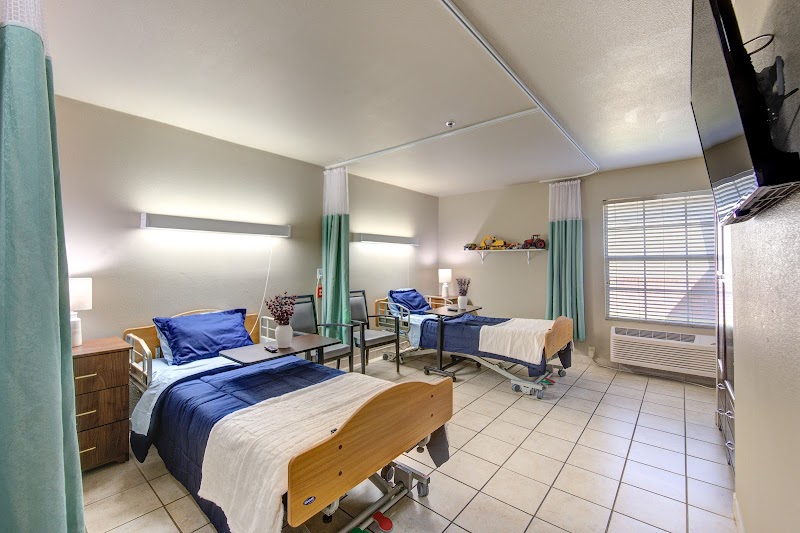
How is Heritage Park Of Katy Nursing And Rehabilitation Staffed?

CMS rates HERITAGE PARK OF KATY NURSING AND REHABILITATION's staffing level at 2 out of 5 stars, which is below average compared to other nursing homes. Staff turnover is 58%, which is 12 percentage points above the Texas average of 46%. High turnover can affect care consistency as new staff learn residents' individual needs.

What Have Inspectors Found at Heritage Park Of Katy Nursing And Rehabilitation?

State health inspectors documented 19 deficiencies at HERITAGE PARK OF KATY NURSING AND REHABILITATION during 2022 to 2024. These included: 2 Immediate Jeopardy (the most serious level, indicating potential for serious harm or death) and 17 with potential for harm. Immediate Jeopardy findings are rare and represent the most serious regulatory concerns. They require immediate corrective action.
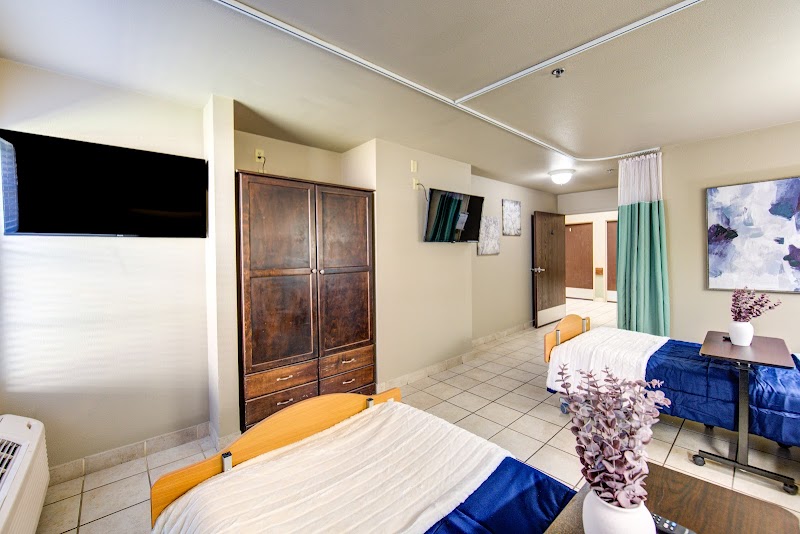
Who Owns and Operates Heritage Park Of Katy Nursing And Rehabilitation?

HERITAGE PARK OF KATY NURSING AND REHABILITATION is owned by a government entity. Government-operated facilities are typically run by state, county, or municipal agencies. The facility is operated by OAKBEND MEDICAL CENTER, a chain that manages multiple nursing homes. With 118 certified beds and approximately 109 residents (about 92% occupancy), it is a mid-sized facility located in KATY, Texas.
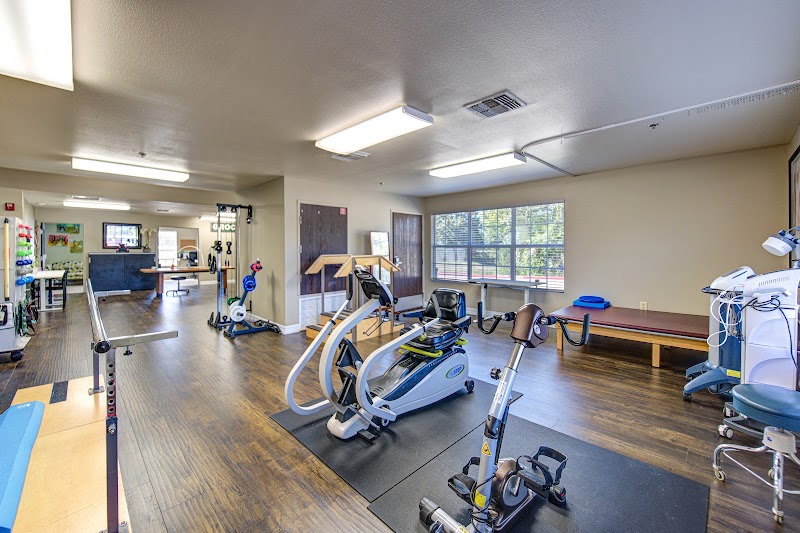
How Does Heritage Park Of Katy Nursing And Rehabilitation Compare to Other Texas Nursing Homes?

Compared to the 100 nursing homes in Texas, HERITAGE PARK OF KATY NURSING AND REHABILITATION's overall rating (3 stars) is above the state average of 2.8, staff turnover (58%) is significantly higher than the state average of 46%, and health inspection rating (3 stars) is at the national benchmark.

What Should Families Ask When Visiting Heritage Park Of Katy Nursing And Rehabilitation?

Based on this facility's data, families visiting should ask: "What changes have been made since the serious inspection findings, and how are you preventing similar issues?" "How do you ensure continuity of care given staff turnover, and what is your staff retention strategy?" "Can you walk me through typical staffing levels on day, evening, and night shifts?" "Can I visit during a mealtime to observe dining assistance and food quality?" These questions are particularly relevant given the facility's Immediate Jeopardy citations, the facility's high staff turnover rate, and the below-average staffing rating.

Is Heritage Park Of Katy Nursing And Rehabilitation Safe?

Based on CMS inspection data, HERITAGE PARK OF KATY NURSING AND REHABILITATION has documented safety concerns. Inspectors have issued 2 Immediate Jeopardy citations (the most serious violation level indicating risk of serious injury or death). The facility has a 3-star overall rating and ranks #1 of 100 nursing homes in Texas. Families considering this facility should ask detailed questions about what corrective actions have been taken since these incidents.

Do Nurses at Heritage Park Of Katy Nursing And Rehabilitation Stick Around?

Staff turnover at HERITAGE PARK OF KATY NURSING AND REHABILITATION is high. At 58%, the facility is 12 percentage points above the Texas average of 46%. High turnover means new staff may not know residents' individual needs, medications, or preferences. It can also be disorienting for residents, especially those with dementia who rely on familiar faces. Families should ask: What is causing the turnover? What retention programs are in place? How do you ensure care continuity during staff transitions?

Was Heritage Park Of Katy Nursing And Rehabilitation Ever Fined?

HERITAGE PARK OF KATY NURSING AND REHABILITATION has been fined $25,508 across 1 penalty action. This is below the Texas average of $33,334. While any fine indicates a compliance issue, fines under $50,000 are relatively common and typically reflect isolated problems that were subsequently corrected. Families should ask what specific issues led to these fines and confirm they've been resolved.

Is Heritage Park Of Katy Nursing And Rehabilitation on Any Federal Watch List?

HERITAGE PARK OF KATY NURSING AND REHABILITATION is not on any federal watch list. The most significant is the Special Focus Facility (SFF) program, which identifies the bottom 1% of nursing homes nationally based on persistent, serious quality problems. Not being on this list means the facility has avoided the pattern of deficiencies that triggers enhanced federal oversight. This is a positive indicator, though families should still review the facility's inspection history directly.