IGNITE MEDICAL RESORT KATY, LLC

1222 PARK WEST GREEN DRIVE, KATY, TX 77493 (346) 762-6300
For profit - Limited Liability company 70 Beds IGNITE MEDICAL RESORTS Data: November 2025
Trust Grade
45/100
#260 of 1168 in TX
Last Inspection: May 2025

Inspected within the last 6 months. Data reflects current conditions.

Overview

Ignite Medical Resort Katy has a Trust Grade of D, indicating below-average performance with some concerns about care quality. It ranks #260 out of 1,168 facilities in Texas, placing it in the top half, and #25 out of 95 in Harris County, meaning there are only a few local options ranked higher. The facility is improving, with issues decreasing from 11 in 2024 to 6 in 2025, but staffing remains a significant concern, rated at 1 out of 5 stars, with a high turnover rate of 72%. While RN coverage is good, exceeding 96% of Texas facilities, they have incurred $55,164 in fines, which is higher than 79% of Texas facilities, suggesting compliance problems. Specific incidents include a failure to provide necessary pain management for a resident with cancer, resulting in missed doses, and medication errors for other residents, which could increase health risks. Families should weigh these strengths and weaknesses carefully when considering this facility.

Trust Score
D
45/100
In Texas
#260/1168
Top 22%
Safety Record
High Risk
Review needed
Inspections
Getting Better
11 → 6 violations
Staff Stability
⚠ Watch
72% turnover. Very high, 24 points above average. Constant new faces learning your loved one's needs.
Penalties
⚠ Watch
$55,164 in fines. Higher than 95% of Texas facilities. Major compliance failures.
Skilled Nurses
✓ Good
Each resident gets 48 minutes of Registered Nurse (RN) attention daily — more than average for Texas. RNs are trained to catch health problems early.
Violations
⚠ Watch
20 deficiencies on record. Higher than average. Multiple issues found across inspections.
★★★★☆
4.0
Overall Rating
★☆☆☆☆
1.0
Staff Levels
★★★★★
5.0
Care Quality
★★★★☆
4.0
Inspection Score
Stable
2024: 11 issues
2025: 6 issues

The Good

  • 5-Star Quality Measures · Strong clinical quality outcomes
  • Full Sprinkler Coverage · Fire safety systems throughout facility
  • No fines on record

Facility shows strength in quality measures, fire safety.

The Bad

Staff Turnover: 72%

26pts above Texas avg (46%)

Frequent staff changes - ask about care continuity

Federal Fines: $55,164

Above median ($33,413)

Moderate penalties - review what triggered them

Chain: IGNITE MEDICAL RESORTS

Part of a multi-facility chain

Ask about local staffing decisions and management

Staff turnover is very high (72%)

24 points above Texas average of 48%

The Ugly 20 deficiencies on record

2 actual harm
May 2025 6 deficiencies
CONCERN (D) 📢 Someone Reported This

A family member, employee, or ombudsman was alarmed enough to file a formal complaint

Potential for Harm - no one hurt, but risky conditions existed

Pharmacy Services (Tag F0755)

Could have caused harm · This affected 1 resident

**NOTE- TERMS IN BRACKETS HAVE BEEN EDITED TO PROTECT CONFIDENTIALITY** Based on observation, interview, and record review, the facility failed to provide pharmaceutical services including procedures ...

Read full inspector narrative →
**NOTE- TERMS IN BRACKETS HAVE BEEN EDITED TO PROTECT CONFIDENTIALITY** Based on observation, interview, and record review, the facility failed to provide pharmaceutical services including procedures that assure the accurate dispensing and administering of all drugs and biologicals to meet the needs of each resident for 1 of 5 resident (Resident #101) reviewed for pharmaceutical services. The facility failed to ensure RN A followed the physician's orders for administering Mycophenolic Acid, which was used for preventing organ rejection, to Resident #101 on 05/07/25. This failure could put residents at risk of not receiving their medications as ordered. Findings included: Record review of Resident #101's admission MDS assessment, dated 05/4/25, revealed the resident was a [AGE] year-old male admitted to the facility on [DATE], with diagnoses that included Dementia ( the loss of cognitive functioning, thinking, remembering and reasoning that it interferes with a person's daily life and activities) without behavioral disturbance, psychotic disturbance( when a person has trouble telling the difference between what's real and what's not, mood disturbance( less energy, trouble sleeping, trouble concentrating, changes in appetite and motivation, anxiety (feeling of worry, nervousness, or unease, often about something that might happen in the future or current situation), atrial fibrillation (irregular, often rapid, heartbeat that occurs when the heart's upper chambers(atria) don't beat in sync with the lower chambers( ventricles). Hypertension (low blood pressure) , hyperlipidemia ( high lipid/fat in the blood), benign prostatic hyperplasia( a condition that occurs when the prostate gland enlarges blocking the urine stream) without lower urinary tract symptoms, type 2 diabetes mellitus with hyperglycemia ( high glucose level in the blood), immunodeficiency ( when the body's immune response is reduced or absent) due to drugs, kidney transplant, pneumonia, muscle weakness ( Generalized) , cognitive communication deficit. Review of the MDS for admission dated 4/26/25 indicated the resident had no impaired cognition with a BIMS score of 15. Record review of Resident #101's April 2025 Physician's Orders dated 4/30/2025 reflected the following: Myfortic oral tablet delay release (Mycophenolic Acid Dr) .180 mg, Give 3 tablet by mouth two times a day for prevent organ rejection. Record review of Resident #101's blister packet for Mycophenolic Acid Dr.180 mg had (Box warning that reflected: Take on an empty stomach, do not take with antacids, May cause drowsiness, may cause dizziness avoid sun light exposure). Record review of the facility for meal times, undated, revealed breakfast was 8:00 AM, lunch was at 12:30 PM and dinner was at 6:00PM. Observation on 05/07/25 at 9:38 AM, during medication administration revealed Resident#101 was sitting on w/chair in the eating breakfast in his room . RN A administered Mycophenolic Acid Dr 180 mg, Give 3 tablets from blister packet with ((Box warning that reflected: Take on an empty stomach, do not take with antacids, May cause drowsiness, may cause dizziness avoid sun light exposure) RN A administered antacid medication of Pantoprazole Sodium Dr 40 mg 1po, Sodium Bicarbonate antacid 5 g (325 mg) 2 tabs and other medications to Resident #101 by mouth Interview with RN A on 05/07/25 at 9:47 AM regarding administering Resident #101's Mycophenolic Acid Dr 180 mg with Pantoprazole Sodium Dr, Sodium Bicarbonate antacid(both antacid) and other medications to Resident #101 by mouth, revealed she said she had medication training with the DON before she started working with the facility and she started working 2 weeks ago. RN A said she was taught to check the resident name, dosage, frequency, route, time, and expiration date. RN A said she did not look at the box warning on the blister packet. She said if the medication were not as ordered, it would affect the absorption of medications and effectiveness. RN A said she would be changing the time. Interview with the DON on 05/07/25 at 10:34 AM, after showing the DON the blister packet for Resident #101 Mycophenolic Acid Dr180 mg, Give 3 tablets not given in an empty stomach and giving Pantoprazole Sodium Dr 40 mg 1po, Sodium Bicarbonate antacid 5 g (325 mg) 2 tabs (both antacid), the DON said she was going to change the time. She knew not giving Resident #101's medication as ordered by the doctor and following pharmacy recommendation would cause the medication to not to be effective. The DON stated facility had done an in-service on medication administration and the pharmacist on training dated 04/23/25 on medication administration was provided and RN A was in attendance. Interview with the Administrator and DON on 5/7/25 at 5:47PM, the Administrator said her expectation was for medications to be given as ordered by the physician and follow all warning on the blister packet to avoid drug -drug interaction. Record review of the facility trainings revealed an in-service dated 04/22/25 on medication administration and RN A was in attendance. Record review of the facility's current Pharmacy Services policy revision/Reviewed dated 05/2023 and 05/2024, reflected :- .Medications are administered in accordance with prescriber orders, including any required time frame.
CONCERN (D) 📢 Someone Reported This

A family member, employee, or ombudsman was alarmed enough to file a formal complaint

Potential for Harm - no one hurt, but risky conditions existed

Unnecessary Medications (Tag F0759)

Could have caused harm · This affected 1 resident

**NOTE- TERMS IN BRACKETS HAVE BEEN EDITED TO PROTECT CONFIDENTIALITY** Based on observation, interview, and record review, the facility failed to ensure the medication error rate was not 5 percent or...

Read full inspector narrative →
**NOTE- TERMS IN BRACKETS HAVE BEEN EDITED TO PROTECT CONFIDENTIALITY** Based on observation, interview, and record review, the facility failed to ensure the medication error rate was not 5 percent or greater. The facility had a medication error rate of 17% based on 6 errors for 34 opportunities. The errors effected2 resident (Resident #101,Resident #20) of 4 residents reviewed for medication administration. -Two medications, Ascorbic Acid tablet 250 mg (used to treat supporting tissue growth and repair, boosting immunity and acting as an antioxidant) and Doxycycline Hyclate oral tablet 100 mg (use to treat infections) for Resident #20 were not dispensed or administered. - Four medications: were not administered to Resident #101 - Jardiance oral tablet 10mg ( Empaglittozin)( medication use to treat diabetes mellitus) - Ascorbic Acid tablet 500 mg - Myfortic oral tablet delay release (mycophenolic Acid Dr).180 mg, 3 tablets a day to prevent organ rejection - Prograf oral capsule 0.5mg (Tacrolimus drug used to prevent organ rejection) The failures placed resident at risk for inadequate therapeutic outcomes and a decline in health. Findings included: Record review of Resident #20's admission Record dated 05/07/25 revealed he was [AGE] years old and was admitted to the facility on [DATE]. Diagnoses included, acute osteomyelitis ( infection of a bone), right ankle and foot, anemia ( not having enough healthy red blood to carry oxygen to the body tissues) hyperlipidemia ( high level fat in the blood), atherosclerotic heart disease of native coronary artery ( chronic disease in which fatty deposits in arteries) , acute kidney failure, acute metabolic acidosis, severe protein-calorie malnutrition, type 2 diabetes mellitus with hyperglycemia , elevated white blood cell count, peripheral vascular disease, muscle weakness (generalized), other abnormalities of gait and mobility, other lack of coordination. The MDS admission dated 4/26/25 indicated resident had moderate impaired cognition with a BIMS score of 15. Record review of the Physician Order dated 04/24/25 for Resident #20 read, in part, . Ascorbic Acid tablet 250 mg. Give 1 tablet by mouth one time a day for supplement and Doxycycline Hyclate oral tablet 100 mg- Give 1 tablet by mouth two times for infection. Observation and interview on 05/07/25 at 8:30 AM. revealed RN A at that medication cart outside of Resident #20's room. RN A looked at the May MAR and retrieved the following medications from the medication cart and dispensed them into a plastic medication cup: 1 Metoprolol Succ ER 25 mg 1 Po (use to high blood pressure) 1 Amox-Clav 875 -125mg 1 tab po ( antibiotic) 1 Aspirin 81 mg tab po ( used to treat blood clot) 1 Clopidogrel 75 mg 1 tab po ( used to treat blood clot) 1 Magnesium oxide 400 mg 1 po ( used to treat low magnesium) 1 Metformin Hcl ER 500mg 1tab ( used to treat high glucose in the blood ) 1 Heparin 5000 units/ml 10ml = 0.1ml right abdomen SQ( injection used to treat blood clot) Continued observation revealed RN A closed the medication cart and locked it. The Surveyor asked RN A to count the number of tablets/capsules/injection in the medication cup. RN A counted, then answered Seven. RN A entered the room and obtained Resident #20's blood pressure. RN A administered the 7 tablets/capsules/injection to Resident #20. RN A did not administered Ascorbic Acid tablet 250 mg and and Doxycycline Hyclate oral tablet 100 mg to Resident #20 Record review of the May 2025 MAR for Resident #20 revealed the Ascorbic Acid tablet 250 mg. Give 1 tablet by mouth one time a day for supplement and Doxycycline Hyclate oral tablet 100 mg- Give 1 tablet by mouth two times for infection was listed on the MAR as current. RN A had initialed MAR for Ascorbic Acid 250mg and Doxycycline 100mg as administered on 05/07/25 at 9:00 AM Record review of Resident #101's admission MDS assessment, dated 05/4/25, revealed the resident was a [AGE] year-old male admitted to the facility on [DATE], with diagnoses that included Dementia ( the loss of cognitive functioning, thinking, remembering and reasoning that it interferes with a person's daily life and activities) without behavioral disturbance, psychotic disturbance( when a person has trouble telling the difference between what's real and what's not, mood disturbance( less energy, trouble sleeping, trouble concentrating, changes in appetite and motivation, anxiety (feeling of worry, nervousness, or unease ,often about something that might happen in the future or current situation), atrial fibrillation (irregular, often rapid, heartbeat that occurs when the heart's upper chambers(atria) don't beat in sync with the lower chambers( ventricles). Hypertension (low blood pressure) , hyperlipidemia ( high lipid/fat in the blood), benign prostatic hyperplasia( a condition that occurs when the prostate gland enlarges blocking the urine stream) without lower urinary tract symptoms, type 2 diabetes mellitus with hyperglycemia ( high glucose level in the blood), immunodeficiency ( when the body's immune response is reduced or absent) due to drugs, kidney transplant, pneumonia, muscle weakness ( Generalized) , cognitive communication deficit. Review of the MDS admission dated 5/3/25 indicated Resident #101 had severe impaired cognition with a BIMS score of 03. Record review of the Physician's Order dated 04/24/25 for Resident #101 revealed: . Jardiance oral tablet 10mg ( Empaglittozin ) Give 1 tablet by po one time a day for DM. Ascorbic Acid tablet 500 mg Give 2 tablets by po one time a day for supplement. Myfortic oral tablet delay release (Mycophenolic Acid Dr).180 mg, Give 3 tablet by mouth two times a day for prevent organ rejection Prograf oral capsule (Tacrolimus), Give 0.5mg capsule by mouth two times a day for rejection prevention of organ. Observation and interview on 05/07/25 at 9:38 AM revealed RN A at that medication cart outside of Resident #101's room. Resident #101 was eating breakfast. RN A looked at the May MAR and retrieved the following medications from the medication cart and dispensed them into a plastic medication cup and administered to Resident #101 by mouth:. 2 Sodium Bicarbonate antacid 5 g (325 mg) 2 tabs po 1 .Stool Softener 100mg1 tab po 1 .COQ10 100mg 1 tablet po 1 Daily Vitamin 1 tablet po 1 Amlodipine Besylate 10 mg 1 tablet po 1 Clopidogrel 75 mg 1tablet po 1 Eliquis 5 mg 1 tablet po 2 Metoprolol Succ ER 50 mg 2 tablet po 3 Mycophenolic Acid Dr.180 mg 3tabs (To prevent organ rejection (Box warning Take on an empty stomach, do not take with antacids, May cause drowsiness, may cause dizziness avoid sun light exposure). 1 Prednisone 5 mg tablet 1 po 1 Pantoprazole Sodium Dr 40 mg 1po 1 Tamsulosin Hcl 0.4mg 1 tab po 1 Vitamin D3 125 mcg(5000iu) 1 tab po 1 Vitamin B1 100 mg 1 tab po (Injection) Lantus ( insulin glardin injection ) 100 unit/mg 34 unit Continued observation revealed RN A closed the medication cart and lock it. The Surveyor asked RN A to count the number of tablets/capsules/injection in the medication cup. RN A counted, then answered Nineteen RN A entered the room and obtained Resident #101's blood pressure. RN A administered the 19 tablets/capsules/injection to Resident #101. RN A did not administer the following medications to Resident #101: -Jardiance oral tablet 10mg (Empaglittozin)( medication use to treat diabetes mellitus). - Ascorbic Acid tablet 500 mg. -Myfortic oral tablet delay release (mycophenolic Acid Dr).180 mg, 3 tablets a day to prevent organ rejection (Box warning -Prograf oral capsule 0.5mg (to prevent organ rejection). Record review of Resident #101's May 2025 MAR dated 5/7/2025 reflected the following: Jardiance oral tablet 10mg ( Empaglittozin ) Give 1 tablet by po one time a day for DM Ascorbic Acid tablet 500 mg Give 2 tablets by po one time a day for supplement Prograf oral capsule (Tacrolimus), Give 0.5mg capsule by mouth two times a day RN A initialed the above medications as administered on 5/7/2025 at 9:00 AM. Interview on 5/7/25 4:48PM with RN A, regarding not giving medication but initialed as given, RN A said that she went back to ER box to get Doxycycline 100 mg and she gave at a different time. When checked initial time on the computer it was for 9:00 AM. RN A said she was overwhelmed and said if a resident did not get medication as ordered, it could cause a delay in the resident getting well. The Surveyor checked the ER box with the DON at 5:30 PM and there were no Doxycycline in the ER box and there was no sign out sheet available for Doxycycline. In an interview on 05/07/25 at 5:40 PM the DON said the process for administering medications was to identify the resident, then make sure which medications were to be administered by looking at the MAR and pharmacy recommendation. She said the negative outcomes of not getting medications could cause health issues. She said, A lot could happen. The DON said medication given every day should be administered at 9:00 AM and medication given twice a day was at 9:00 AM and 5:00PM. The DON stated the facility had done an in-service on medication administration and the pharmacist on training dated 04/23/25 on medication administration was provided and RN A was in attendance. Interview with the Administrator and DON on 5/7/25 at 5:47PM revealed the Administrator said her expectation was for medication to be given as ordered by the physician and follow pharmacist recommendations. Record review of the facility training log for medication administration revealed in-service dated 04/22/25, RN A was in attendance. Record review of medication pass times, undated, reflected QD ( every day) was at 9:00AM and BID (twice a day) was at 9:00 AM and 5:00 PM. Record review of the facility policy Medication Administration and Management (revised 04/2024) revealed, in part, .Step III: Administering the Medication Pass 3. The authorized licensed or certified/permitted medication aide or by state regulatory guidelines staff member follows the MAR prepared for the patient/resident by identifying the: The Right Patient/Resident The Right Drug. The Right Dose. The Right Time. The Right Route. The Right Charting. The Right Results. The Right Reason.
CONCERN (D) 📢 Someone Reported This

A family member, employee, or ombudsman was alarmed enough to file a formal complaint

Potential for Harm - no one hurt, but risky conditions existed

Deficiency F0761 (Tag F0761)

Could have caused harm · This affected 1 resident

Based on observation, interview and record review the facility failed to label drugs and biologicals used in the facility in accordance with currently accepted professional principles, and include the...

Read full inspector narrative →
Based on observation, interview and record review the facility failed to label drugs and biologicals used in the facility in accordance with currently accepted professional principles, and include the appropriate accessory and cautionary instructions, and the expiration date when applicable for one of three medication carts and one of two medication room reviewed for drug for drug labeling and storage, in that: The 200 medication cart reviewed contained heparin 50,000 USP unit per 10 ml 1 vial open not dated (medication used to prevent blood clots). The medication room had 8 cartons of Nurten 2.0 (calorically dense complete nutrition unflavored) that were expired. These failures placed residents at risk for receiving biologicals and medications which were ineffective and/or not safe. Findings include: An observation on 05/07/25 at 3:09 PM of the medication cart checked on the 200 hall with RN A and the DON, revealed inside the medication cart was Heparin 50,000 USP unit per 10 ml 1 vial open and not dated. Observation of the medication room on the 100 hall with the DON on 5/7/25 at 4:00 PM revealed expired Nurten 2.0 (calorically dense complete nutrition unflavored ) High Quality casein -soy protein blend 50% fat 8.45 Fl.oz (250ml) X 8 cartons with an expiration date of April 02 2025. An interview with RN A on 05/07/25 at 3:09 PM revealed she was not aware of the open date not on the Heparin vial. RN A and DON said all open vials should always be dated to know the expired date. Interview with the DON on 5/7/25 4:05 PM, she said she checked the medication room that morning and forgot to check the expiration date and the med rooms were checked weekly for expired meds and Nutren was used for a supplement. The DON threw the Nutren 2.0 away in the trash The DON said using the expired medication/Nutren could place residents at risk for receiving biologicals and medications which were ineffective and/or not safe. During an interview with the DON on 05/07/25 at 10:30 AM , the DON was asked who checked the medication room for expired medications and Nutren supplements and how did they monitor medications. The DON said the night nurses checked the medication room for expired medications. The DON said she did check the medication room periodically and she did not have any daily log for checking medication room. The Pharmacist came once a month and documented the expired meds and discarded them. Record review of the facility policy /Title 5.3 Storage and Expiration of Medications, Biologicals, syringe and needles policy and procedure, dated 12/01/07: Application: LTC Facilities Receiving Pharmacy Products and Services From Pharmacy revealed [in part] . Procedure . 4. Facility should ensure that medications and biologicals that: (1) have an expired date on the label ; (2) have been retained longer than recommended by manufacturer or supplier guidelines; or (3) have been contaminated or deteriorated, are stored separate from other medications until destroyed or returned to the pharmacy or supplier
CONCERN (D)

Potential for Harm - no one hurt, but risky conditions existed

Food Safety (Tag F0812)

Could have caused harm · This affected 1 resident

**NOTE- TERMS IN BRACKETS HAVE BEEN EDITED TO PROTECT CONFIDENTIALITY** Based on observations, interviews, and record review the facility failed to store, prepare, distribute, and serve food in accord...

Read full inspector narrative →
**NOTE- TERMS IN BRACKETS HAVE BEEN EDITED TO PROTECT CONFIDENTIALITY** Based on observations, interviews, and record review the facility failed to store, prepare, distribute, and serve food in accordance with professional standards for food service safety in 1 of 1 kitchen reviewed for food procurement. 1. The facility failed to ensure foods were dated as opened/prepared discarded after used date of 2 - 3 days per facility policy. 2. The facility failed to store personal food items outside of the kitchen area. 3. The facility failed to ensure food items were sealed and secure. These failures could place residents at risk of food borne illness and disease. Findings Included: In an observation on 05/06/2025 at 08:16 a.m., of the 1 of 1 facility walk-in refrigerators revealed the following: 2-personal fruit trays containing black grapes, not labeled, or dated. 2-Hamburger buns in a bag, used and not labeled. English muffin packaged, half used, not labeled, or dated. 1-gal zip lock bag of croissants, not labeled or dated. 1-small glass bowl with lid, labeled room [ROOM NUMBER] not dated. 1-package of soft tortilla shells not sealed and exposed to air. 1-tray full of 2-ounce dipping sauces containers of hot sauce, not covered/exposed to air, and not labeled or dated. 1-zipped lock bag of kale that appeared to be welted, not labeled, or dated. 24-oz jar of piccata sauce, half used, not dated. 1-bag of cilantro opened, not sealed/exposed to air, and not labeled, or dated. The Dietary Manager was observed removing all listed items from the refrigerator. In an observation on 05/06/2025 at 08:20 a.m., of the 1 of 1 facility walk-in freezers revealed the following: 1-large box of mixed vegetables not sealed/exposed to air. 1-square plastic measuring bowl of vanilla ice cream not covered/exposed to air, and not labeled, or dated. 2-[NAME] ice cream bars in a box not labeled or dated. 1-small blue bag of corn not labeled or dated. The Dietary Manager was observed removing all listed items from the freezer. In an interview on 05/06/2025 at 8:25 a.m., Dietary Manager (DM) stated she had worked for the facility for 3-years. She stated that the cooks were responsible for ensuring that all staff properly stored, dated, and labeled foods. She stated that the 2-personal fruit trays containing blackberries were left in the refrigerator after a Cinco de Mayo event on 05/05/2025 at the facility and should have been removed at the end of the shift. She stated that the small glass bowl with lid, labeled room [ROOM NUMBER] was her personal bowl from home. She stated she had made hot sauce for the event yesterday had planned to take the sauce home the night before and had forgotten. She stated that the zipped lock bag of kale was used to garnish serving trays on 05/05/2025 and had been surprised to see that it had welted in such a short time, but should have been labeled, or dated. She stated that the tray full of 2-ounce dipping sauces containers of hot sauce were from the 05/04/2025 party and should have been covered and dated. She stated the 24-oz jar of piccata sauce was brought from her home and used to make the hot sauce used on 05/05/2025. She stated it had been her intentions to take the sauce home after her shift on 05/05/2025, but she had forgotten. She stated that the hamburger buns, English muffins, and croissants should have been labeled or dated. She stated that the package of soft tortilla shells and bag of cilantro that were opened should have been sealed, labeled, or dated and if found opened discharged . In an interview on 05/06/2025 at 01:19 p.m., DM stated that 2-personal fruit trays containing black grapes should have been stored in the employee breakrooms refrigerator. She stated that the facility did not have a policy on how or where to store personal food items. She stated that that they were just not supposed to keep personal food in there the kitchen. She stated that leftover foods were to be discharged after 7-days if not used before. She stated after 7-days food items were considered expired and if used, could but residents at risk of food [NAME] illness. She stated that the hamburger buns, English muffins, and croissants, were removed from the refrigerator because it had no opened on and used by date and she was not aware how long those items had been in the refrigerator. She stated she removed the soft tortilla shells because they had not been sealed and had probably lost its flavoring and had become stale and hard. She stated foods uncovered and exposed could get stale, and hard, and if consumed, could make someone ill. She stated the small glass bowl was hers she had brought from home. She stated that she had prepared the hot taco sauce for breakfast for the staff. She stated she placed the leftover in the small bowl to take home, placed it in the refrigerator because she had not wanted it to spoil on 05/05/2025, but had forgotten to take it home. She stated that staff were not allowed to store personal items in the kitchen's refrigerator. She stated that the small hot sauce dipping containers should have been thrown away after not being served on 05/05/2025 because they had not place of serving them again. She stated the mix vegetables of peas carrots and corn mixed had been closed and not used. She believed that the box was cut opened, and the sealed bag must have gotten torn in the process. She stated that facility had a 5-gallon container of ice cream and instead of removing the 5-gallan container each time staff needed ice cream, they would scoop ice cream into the square plastic bowl while in the freezer. She stated the ice cream had been covered and dated, but somehow the plastic covering peeled back. She stated that the [NAME] ice cream bars belonged to the facility Activities director and was used as bingo prizes. She stated that she checked the food items for property labeling and storage every day. She stated that she had not had a chance to check on 05/06/2025 before the initial tour of the kitchen began. She stated the provided the dietary staff with an labeling and storage in-service training on 04/22/2025. In an interview on 05/06/2025 at 03:14 p.m., Administrator (ADM), stated that it had been her expectations that the dietary staff following all the rules for proper food storing and labeling to ensure that the food was safe to consume. She stated that the risk of not properly following food process could place residents at risk for gastrointestinal issues. She stated that the dietary manager was responsible for provide the dietary staff education and training on the dietary policies. She stated that the dietary staff received an in-service on proper food storage on 04/22/2025. She stated that the kitchen staff were provided an additional in-service training on 05/02/2025. Record Review of the Nursing Facility (NF)'s in-service record dated 04/22/2025 reflected: Topic Standard Operating Procedure (mandatory). Provided by DM, Chef, signed and dated by dietary staff and the DM. Record Review of the NF's in-service training record dated 05/06/2025 reflected: Provided by: Target Population: Topic: Labeling and Dating. Lecture. Signature is acknowledgement you have been presented with the information and were given the opportunity for questions and clarification, not with agreement to new procedure - dietary staff. Presented by / Signature & Title of in-service DM, Chef. Dated 05/06/2025. Record Review of the NF's Policy titled: FOOD & NUTRITION SERVICES SANITATION & FOOD SAFETY. LABELING AND DATING FOODS and dated 2021 reflected, Policy To decrease the risk of food borne illness and to provide the highest quality, foods is labeled with the date received the date opened and the date by which the item should be discarded. Policy and Procedure Manual. 05/07/2025 at 09:35 a.m. Record Review of the NF's Policy titled: FOOD & NUTRITION SERVICES SANITATION & FOOD SAFETY. LABELING AND DATING FOODS Revised 2017 reflected, PROCEDURE: Refrigerated Food Refrigerated food prepared in the healthcare community is labeled with the date to discard or to use by. This includes leftovers. The discard/use by date will be a maximum of six days after preparation. The day of preparation is counted as Day I. For example, food prepared on June 10th will be marked to discard on or use by June 15th. Refrigerated Potentially Hazardous Food or Time/temperature Controlled for Safety foods are labeled with the date received and if not opened, are discarded by the manufacturer's expiration date. If opened, the cold food item is labeled with the date opened and the date by which to discard or use by. Record Review of the NF's Policy titled: Policy Mandatory Dietary Standard Operating Procedure, undated, reflected, Objective: These standards of procedures aim to enhance food safety, prevent contamination, maintain hygiene standards, and ensure dietary operations align with regulations. All staff involved in dietary services, including Chefs, Sous Chefs, Cooks, Dietary Aides, and designated employees, are required to adhere to these protocols daily. 4. Labeling and Dating of Food Items Dry Goods: Include received and expiration dates manually, vendor labels are not acceptable. Dented cans should be rejected, labeled appropriately, and reported for credit. Cooler Goods: Items should display prep and use-by dates. Opened items must be labeled with opened and use-by dates. Store food according to the proper order to prevent cross-contamination: A: Ready-to-eat foods. B: Seafood. C: Whole cuts of beef/pork. D: Ground meat/fish. E: Poultry. Freezer Goods: Maintain airtight containers to prevent freezer burn. Clearly label boxes with received and expiration dates. Follow First in First Out practices and appropriate food storage charts. Record Review of the NF's Policy titled: Personal Food General Dated April 2022, revised 05/2023 reflected, It is our practice to support food brought for residents from outside sources. Food provided for a resident by family and visitor will be stored separately from facility food under safe and sanitary conditions. If needed, facility employees will help the resident access food. Safe food handling procedures will be shared with family members to ensure safe and sanitary food storage, handling, and consumption. Responsible party: Guidelines: Purpose: It is our practice to support food brought for residents from outside sources. Food provided for a resident by family and visitors will be stored separately from facility food under safe and sanitary conditions. If needed, facility employees will help the resident access food. Safe food handling procedures will be shared with residents and family members to ensure safe and sanitary food storage, handling, and consumption. Responsible Party· Dietary, Clinical. Guidelines: Securing Food Personal food and safe food handling procedures will be shared with the residents upon admission and as needed.1 Food brought from outside sources by residents, friends or family will be stored in a designated location and labeled as such, separately from facility food. Labeling will include Product Name, received date, Used by date (no longer than 3-days), Resident names. Staff members will ensure food id labeled, dated, stored in proper temperature zones, and reheated according to any state or city requirements. Designated staff members will log refrigeration temperatures (2) times per day. Facility staff will be available to assist the resident with personal food access while adhering to safe food handling procedures during reheating or preparation activity in accordance with city or state requirements. Cooking and reheating temperature logs will be maintained and completed when assisting residents. Record review of the Food Code, U.S. Public Health Service, U.S. FDA, 2022, U.S. Department of H&HS, revealed 4-601.11 Equipment, Food-Contact Surfaces, Nonfood-Contact Surfaces, and Utensils. (A) EQUIPMENT FOOD-CONTACT SURFACES and UTENSILS shall be clean to sight and touch. (B) The FOOD-CONTACT SURFACES of cooking EQUIPMENT and pans shall be kept free of encrusted grease deposits and other soil accumulations. (C) Non-FOOD-CONTACT SURFACES of EQUIPMENT shall be kept free of an accumulation of dust, dirt, FOOD residue, and other debris.
CONCERN (D)

Potential for Harm - no one hurt, but risky conditions existed

Infection Control (Tag F0880)

Could have caused harm · This affected 1 resident

**NOTE- TERMS IN BRACKETS HAVE BEEN EDITED TO PROTECT CONFIDENTIALITY** Based on observation, interview, and record review, the facility failed to establish and maintain an infection prevention and co...

Read full inspector narrative →
**NOTE- TERMS IN BRACKETS HAVE BEEN EDITED TO PROTECT CONFIDENTIALITY** Based on observation, interview, and record review, the facility failed to establish and maintain an infection prevention and control program designed to provide a safe, sanitary, and comfortable environment and to help prevent the development and transmission and communicable disease and infections for 2 (Resident #35, Resident #36) of 8 residents whose care was reviewed in that: -The facility failed to label and store resident care items (toothbrush, wash basins, and body cleanser) to prevent cross contamination. They resided in the same room; Resident #35 was bed B and Resident # 36 was bed A. This failure placed residents at risk for infections and decrease in quality of life. Findings: Resident # 35 Record review of Resident #35's face sheet dated 05/08/25 revealed an [AGE] year-old-male admitted to the facility on [DATE]. Resident diagnoses included the following: malignant (cancer) neoplasm (abnormal mass of tissue that results from uncontrolled cell growth) of esophagus (tube that connects the throat to the stomach), type 2 diabetes mellitus (when the body does not produce enough insulin (a hormone that helps glucose enter the cells for energy) or does not use insulin properly, leading to high blood glucose (sugar), paraplegia (loss of movement and sensation in the lower half of the body, including the legs, hips, and buttocks), atrial fibrillation (irregular heart rate that cause poor blood flow), dysphagia (difficulty swallowing), and dementia (decline in a person thinking, learning, and understanding). Record review of Resident #35's admission MDS date 04/20/25 revealed a BIMS score of 6 which indicated the resident's cognition was severely impaired. Review of section GG-Functional Abilities revealed the resident required the use of a manual wheelchair and a walker. Further review revealed that resident was dependent for toilet hygiene, oral hygiene, shower/bathe self, and was occasionally incontinent of urine and frequently incontinent of bowel. Record review revealed that Resident # 35 Comprehensive Care Plan dated 04/14/25 reflected that resident was being care planned for Enhanced Barrier Precautions related to feeding tube and a right heel wound. Interventions involved the use of personal protective equipment, specifically gowns and gloves, during high contact resident care activities (prolonged direct care). Observation on 05/06/25 at 9:17AM of Resident #35 revealed the resident was awake resting in bed receiving enteral feedings Nutren 2.0 at 55ml/hr along with water flush 250ml every 6 hours date hung was 05/06/25 at 6:00AM. Resident #35 was not inter-viewable. Further observation was conducted in the resident's bathroom which revealed a toothbrush sitting on top of the sink behind the faucet not labeled or enclosed. There were 2 wash basins sitting on a wheelchair in the bathroom. The wash basins were not labeled or enclosed. Resident #36 Record review of Resident #36's face sheet dated 05/08/25revealed a [AGE] year-old male admitted to the facility on [DATE] and discharged on 05/05/25. Resident diagnoses included the following: pneumonia (infection of one or both lungs), subarachnoid hemorrhage (burst blood vessel in the brain), hemiplegia (loss of movement on one side of the body, hemiparesis (weakness on one side of the body) and dysphagia (difficulty swallowing) following cerebral infarction (a type of stroke where part of the brain is deprived of oxygen due to decrease in blood flow to the brain), aphasia (difficulty speaking), and heart failure. Record review of Resident #36's admission MDS dated [DATE] revealed a BIMS score of 14 which indicated the resident's cognition was intact. Section GG- Functional Abilities reflected the resident required the use of a wheelchair. Further review reflected that resident required substantial/maximal assistance with oral hygiene, dependent for toilet, shower/bathe self, and was always incontinent of urine and bowel. Record review of Resident #36's Comprehensive Care Plan dated 04/30/25 reflected that resident was being care planned for Enhanced Barrier Precautions related to pressure ulcers with interventions that included the use of personal protective equipment, specifically gowns and gloves, during prolonged direct contact. Observation on 05/06/25 at 9:17AM of Resident #36's room (same room as Resident #35) revealed the resident was not in his room. Interview on 05/07/25 at 8:50AM with CNA R said she worked at the facility from 7AM-7PM. CNA R said Resident #36 had a change in condition and had to be sent to the hospital. CNA R said all the resident's personal care items should be labeled and bagged for infection control. Interview on 05/07/25 at 10:54AM the DON said the resident's personal care items were supposed to be labeled and bagged for best practices and infection control. Interview on 05/07/25 at 11:00AM with the Administrator regarding policy on resident personal care items, the Administrator said she could not locate a policy regarding the matter. Interview on 05/07/25 at 2:48PM the ADON/Infection Control Preventionist said resident personal care items should be labeled and bagged to prevent cross contamination. Record review of the facility policy on Personal Care Equipment and Storage revised July 2024 reflected in part: .The residents personal care items will be stored in accordance with the resident's preference, and in accordance with state and federal requirements .If in a semi-private room, personal care items will be separated to prevent cross-contamination . Record review of the facility policy on Infection Control dated September 2022 reflected in part: .This facility will follow standard precautions for infection control and prevention to protect residents, staff, and visitors to ensure staff do not carry infectious pathogens on hand or via equipment during resident care .
CONCERN (E)

Potential for Harm - no one hurt, but risky conditions existed

Deficiency F0760 (Tag F0760)

Could have caused harm · This affected multiple residents

**NOTE- TERMS IN BRACKETS HAVE BEEN EDITED TO PROTECT CONFIDENTIALITY** Based on observation, interview, and record review the facility failed to ensure residents were free of significant medications ...

Read full inspector narrative →
**NOTE- TERMS IN BRACKETS HAVE BEEN EDITED TO PROTECT CONFIDENTIALITY** Based on observation, interview, and record review the facility failed to ensure residents were free of significant medications errors for 1 resident (Resident #20) of 8 resident for medication errors in that: - The facility was unable to locate a current order for Resident #20 for the medication Brilinta (blood thinner/antiplatelet {medication that prevents blood clots}) 90mg oral 1 tablet in the morning and at bedtime. Resident #20 received the medication from 05/01/25 at 9:00PM to 05/07/25 at 9:00PM. This failure placed resident at risk for increase in bleeding and unwanted hospitalization. Findings included: Resident #20: Record review of Resident #20's face sheet dated 05/08/25 revealed a [AGE] year-old male admitted to the facility on [DATE]. Resident diagnoses included the following: osteomyelitis (inflammation of the bone caused by infection) of right ankle and foot, type 2 diabetes mellitus (when the body does not produce enough insulin (a hormone that helps glucose enter the cells for energy) or does not use insulin properly, leading to high blood glucose (sugar), peripheral vascular disease (circulatory condition in which the blood vessels become narrowed reducing blood flow to an extremity) , acute kidney failure (when the kidneys suddenly cannot filter waste from the blood) , atherosclerotic heart disease (damage or disease in the heart's major blood vessels), and hyperlipidemia (high cholesterol). Record review of Resident #20's admission MDS dated [DATE] reflected a BIMS score of 15 indicating the resident's cognition was intact. Further review section O-Special Treatments, Procedures, and Programs reflected that resident was receiving anticoagulant medication. Record review of Resident #20's Comprehensive Care Plan dated 04/24/24 reflected that resident was care planned for receiving anticoagulant therapy with interventions that included the following: -Monitor/document/ report PRN adverse reactions of anticoagulant therapy: blood tinged or blood in urine, black tarry stools, blood in stools, bruising, sudden changes in mental status .or vital signs. Record review of Resident #20's Physician's Order Summary Report for the month of May 2025 reflected the following orders: -Dated 04/23/25 Aspirin 81mg give 1 tablet by mouth one time a day for blood thinner. -Dated 04-24-25 Plavix 75mg give 1 tablet by mouth in the AM for blood thinner. -Dated 04/24/25 Heparin injection (anticoagulant) 5000 units subq (fatty tissue below the skin for example outer upper arm, around the belly, upper thigs and buttocks) BID for blood thinner. -Dated 05/01/25 Brilinta 90mg 1 tablet by mouth every morning and bedtime for blood thinner. Further review revealed that RN Q transcribed this order. Record review of Resident #20's Pharmacy Note dated 05/01/25, Order Note reflected the following: Severity: Severe, Interaction: Brilinta oral tablet 90mg, Plavix oral tablet 75mg may enhanced the anticoagulant effect of heparin, and ASA blood thinner oral capsule 81mg. Record review of Resident #20's MAR/TAR for the month of May 2025 reflected the facility was following physician's orders for ASA, Plavix, and heparin and that resident was being monitored for abnormalities for receiving anticoagulants. Further review reflected the administrations of Brilinta 90mg 1 tablet orally was given in the morning and at bedtime as follows: -1st dose was initiated by the ADON-RN on 05/01/25 at 2100 (9:00PM). -the ADON administered Brilinta on 05/02/25 at 9:00AM. - On 05/02/25 RN N administered the 9:00pm dose on 05/02/25. -On 05/03/25 at 9:00AM RN O administered the medication Brilinta along with other blood thinners. -On 05/03/25, at 9:00PM nurse RN N administered the medication Brilinta. -On 05/04/25 at 9:00AM the ADON administered the morning medications along with Brilinta medication. -On 5/4/25 at 9:00PM RN N administered medications. -On 05/05/25 medications administered by the ADON at 9:00AM and at 9:00PM. -On 05/06/25 morning medications was administered by ADON. -On 05/06/25 at 9:00PM medication administered by RN O. -On 05/07/25 at 9:00AM medication was administered by RN M -On 05/07/25 RN N administered medications at 9:00PM. -On 05/08/25 the medication Brilinta was placed as pending , but did not specify who placed medication as pending. Record review of Resident #20's PT (blood test used to assess how quickly blood clots) and INR (a blood test that measures how long it takes for blood to clot, standardize way of reporting PT results and help to determine correct dosage for blood thinners) collected on 05/06/25. The lab results reflected the following: -PT 23.0 (H) reference range (9.9-11.0) -INR 2.4 (H) reference range (0.8-1.2) Record review of Resident #20's Nursing Progress notes reflected that RN P was the nurse that admitted the resident to the facility on [DATE] with no order for Brilinta 90mg oral 1 tablet in the morning and bedtime. Further review revealed there was no order for the medication Brilinta 90mg oral to be administered in the morning and at bedtime. Interview on 05/08/25 at 9:05AM with the Pharmacist via phone revealed she came to the facility once a month and was scheduled to come to the facility on [DATE]. The Pharmacist said she was not aware of how many blood thinners that Resident #20 was receiving at the facility. After the P harmacist reviewed Resident #20's medication profile while on the phone with the surveyor said the medication Plavix and Brilinta worked the same and would be considered a duplicate of each other and this would increase the resident's risk of bleeding. The Pharmacist said she would have to see who ordered the medication Brilinta. The Pharmacist said she would maybe recommend the following labs CBC (a common blood test that measures the number of different types of cells in the blood, including red blood cells, white blood cells, and platelets) and PT to be collected to see the resident's blood levels. Interview on 05/08/25 at 9:16AM the DON said she was not aware of Resident #20 being on 4 different types of blood thinners. The DON said she was responsible for reviewing the residents' orders and that Resident #20's medications were discussed in the morning meeting. The DON said she would have to look at her computer and to see what was documented and come back to speak with the surveyor. Observation on 05/08/25 at 9:20AM revealed Resident #20 awake, in bed watching TV ,alert and oriented to person, place, time, and happenings. Resident #20 said he was doing fine and had not experienced abnormal bleeding such as nose bleeding, blood in stool or urine, or bruising of the skin. Resident #20 denied any falls while residing at the facility. Resident #20 had a dressing to his right foot area that was dry and intact with no drainage observed. Interview on 05/08/25 at 9:28AM RN M said she worked at the facility on the morning shift full time 7AM-7PM. RN M said she did not administer the medication Brilinta to Resident #20 for the morning due to the medication being placed on pending but did administer Brilinta 90mg orally on 5/07/25 the morning dose along with resident's other ordered medications. Interview on 05/08/25 at 9:59AM the DON said the medication Brilinta had been placed on pending dated 05/08/25 and that she would have to check to see who placed the medication on pending. The DON began to review Resident #20's records and said it was Resident #20's Dr. at the nursing facility that ordered the medication Brilinta 90mg 1 tablet by mouth in the morning and at bedtime. The DON said when Resident #20 was admitted to the facility a morning meeting was conducted (could not say who all was a part of the meeting). The DON said in the meeting Resident #20's medication heparin was discussed regarding a stop date. The DON said the physician was called on 04/24/25 regarding stop dates on certain medications. The DON said she learned about the new medication Brilinta being added to the resident's medication profile on 05/02/25. The DON said she knew that Brilinta was a blood thinner but did not think anything about it because Resident #20 had a follow-up appointment with the surgical doctor on 05/12/25 due to CAD (coronary heart disease-blood vessel disorder affecting blood supply to the heart). The DON said when a resident was on blood thinners or anticoagulants, the nurse had to monitor for bleeding. The DON said it was RN Q that transcribed the order for Brilinta 90mg 1 tablet by mouth to be administered in the morning and at bedtime. Interview on 05/08/25 at 11:02AM with Resident #20's Primary Care Dr. at the facility said she was notified on 05/08/25 that Resident #20 was receiving the medication Brilinta 90mg 1 tablet by mouth in the morning and at bedtime. The doctor said she did not give the order to administer the medication Brilinta because it would have placed resident at risk for increase bleeding. The doctor said there were no routine lab tests required for medication Brilinta or Plavix. The doctor said she had spoken with the facility and there had not been any negative side effects reported such as abnormal bleeding or injuries. The doctor said if the resident was experiencing any bleeding, she would have stopped all resident blood thinners and continued to monitor Resident #20 for further bleeding and if so, she would have the facility to send resident to the hospital. The doctor said at this time there were no warrant for further concern and to just continue to monitor resident for signs and symptoms of bleeding. Interview on 05/08/25 at 11:16AM RN P said she worked the night shift 7PM-7AM and could not remember Resident #20. RN P said she was familiar with the medications Brilinta and Plavix. RN P said she believed the medications were administered for heart issues. Further interview with RN P revealed she would not administer the medications Plavix and Brilinta together because they were the same. Interview on 05/08/25 at 12:00PM RN Q said she had been working as a nurse since 2013. RN Q said she had been working at the facility since 04/24/25. RN Q said on 05/01/25, Resident #20 went to a doctor appointment and from the Summary Report that she review ed, she saw the medication Brilinta on the summary report from the doctor visit. RN Q said she noticed that Brilinta was not on resident medication profile and therefore added the medication Brilinta to the resident profile. RN Q did not answer if she saw an order to administer the medication Brilinta, was she familiar with the medication Brilinta, and did she call the doctor for clarification. RN Q said the protocol when a resident returned to the facility and there is a new medication or change in a resident plan of care she was supposed to call the attending physician at the facility to inform of any changes. RN Q said she did not do any of the above and did not answer why she did not take those steps. RN Q said she placed the resident records regarding Brilinta in a box at the nurses' station. Attempted interview via phone on 05/08/25 at 12:30PM with RN N, no answer, left a voicemail with a call back number. Interview on 05/08/15 at 12:58PM the ADON said she initiated the first dose of the medication Brilinta 90mg 1 tab by mouth at 9:00PM on 05/01/25. The ADON said the primary care nurse on duty was nurse RN Q. The ADON said RN Q said she needed some help, and she therefore administered the medication Brilinta to Resident #20. The ADON said she was aware the resident was receiving other blood thinners but never thought to question or clarified the order. The ADON said because she failed to do that, the resident could have bled out (significant and rapid loss of blood). Interview on 05/08/25 at 1:05PM RN M said she worked the morning shift from 7AM-7PM full time. RN M said she was familiar with blood thinner medications. RN M said she chose to administer Resident #20's medications which included Plavix, Heparin injection, Brilinta , and ASA because Resident #20 was not exhibiting any signs or symptoms of bleeding. RN M said she had received in-services on medication administration in regard to anticoagulants/blood thinners. RN M said because the conversation was being had regarding Resident #20's medications, maybe she could have read more about the added medication Brilinta . Interview on 05/08/25 at 1:40PM the [NAME] President of Clinical Operations said the facility was trying to call the doctor office on 05/08/25 regarding Resident #20's doctor visit on 05/01/25 with no reply. The VPCO said the facility had yet to locate an order or a Physician Summary Note for the medication Brilinta 90mg 1 tablet to be administered in the morning and at bedtime. The VPCO said the doctor had not responded to the facility request of medical records for the resident's doctor visits. The VPCO said the facility had in-serviced staff on medication administration regarding blood/thinners, the importance of following up with the physician after a doctor visit regarding any new order. Further interview, the VPCO said the facility had done a 100 % audit on all residents receiving blood thinners and anticoagulants and there had not been any adverse effects or concerns identified. Further interview on 05/08/25 at 2:17PM the DON said whenever a resident returned from a doctor visit the nurses were supposed to call the attending physician at the nursing facility to inform the doctor of the visit. The DON said RN Q should have called the attending physician at the facility about a new medication for Resident #20. The DON and the Administrator was asked for the facility policy on Medication Administration, Physician Orders, and Transcribing of Orders. Interview on 05/08/25 at 4:02PM via phone, RN O said if a resident was on several blood thinners or anticoagulants, she would review resident's orders and medical diagnoses and inform the physician. RN O said if a resident had a doctor appointment and returned to the facility with new orders, she was supposed to call the attending doctor at the facility to confirm before administering a new medication. Interview on 05/08/25 at 6:11PM the Director of Pharmacy Services said he was not the pharmacist that filled the order Brilinta 90mg 1 tablet orally in the morning and at bedtime for Resident #20. The Director of Pharmacy Services said normally he did not see the medications Plavix and Brilinta given together. The Director of Pharmacy Services said the pharmacy had access to Resident #20's medication profile. The Director of Pharmacy Services said he did not see any documentation of the pharmacist reaching out to the doctor to clarify the order for Brilinta. The Director of Pharmacy Services said the pharmacist that filled the order for Brilinta 90mg 1 tablet by mouth in the morning and at bedtime was not available. Record review of the facility quality assurance dated 05/08/25 revealed that the facility [NAME] President of Clinical Operations had done a 100 % audit on all residents receiving blood thinners/anticoagulants with no duplicate medications. The VPCO had in-serviced the DON and ADON on monitoring all new anticoagulant orders for proper utilization and notifying the MD for any clarification of usage and monitoring tool form. Further review revealed that in-services were conducted with licenses and registered nurses currently in the facility about the utilization of anticoagulants and notifying clinical managers and physician of any signs and symptoms of adverse reactions, order clarification with the facility continuing to Inservice. Further review revealed that the facility had assessed Resident [NAME] Ewing with no adverse reactions at the present time. Record review of staff training revealed that RN M, N, O, P, Q had completed their Nurse Competency Training that included Medication Administration/ 6 Rights of Medication Administration. Record review of the facility policy on Physician Orders revised May 2023 reflected in part: .All medications will be administered as ordered by a health care professional authorized by the state to order medications . Record review of the facility policy Administration of Medication revised April 2023 reflected in part: A physician or nurse practitioner is required for administration of all medications .check medication administration record prior to administering medication for the right medication, dose, route, patient, and time . Record review of the nursing facility policy on Pharmacy Services revised May 2024 reflected in part: .The provision of pharmaceutical services is an integral part of the care provided to nursing home residents. The management of complex medication regimens is challenging and requires diverse pharmaceutical services and formal mechanisms to safely handle and control medications, to maintain accurate and timely medication records, and to minimize medication related adverse consequences or events. The overall goal of the pharmaceutical service system within a facility is to ensure the safe effective use of medications .Responsible Party: Interdisciplinary Clinical Team .
Sept 2024 6 deficiencies 2 Harm
SERIOUS (H) 📢 Someone Reported This

A family member, employee, or ombudsman was alarmed enough to file a formal complaint

Actual Harm - a resident was hurt due to facility failures

Deficiency F0697 (Tag F0697)

A resident was harmed · This affected multiple residents

**NOTE- TERMS IN BRACKETS HAVE BEEN EDITED TO PROTECT CONFIDENTIALITY** Based on observation, interview and record review, the facility failed to ensure that pain management was provided to residents ...

Read full inspector narrative →
**NOTE- TERMS IN BRACKETS HAVE BEEN EDITED TO PROTECT CONFIDENTIALITY** Based on observation, interview and record review, the facility failed to ensure that pain management was provided to residents who require such services, consistent with professional standards of practice, the comprehensive person-centered care plan and the residents' goals and preferences for 1 of 4 (Resident #1) reviewed for pain management. -The facility failed to ensure that as a resident with cancer of the esophagus Resident #1's pain medications (Lyrica 75mg and Tramadol HCl 50mg) were available at the facility after he was admitted from a cancer treatment hospital. Resident #1 missed 6 doses of Lyrica on 09/04/2024 at 10pm, 09/05/2024 at 6am, 2pm and 10pm, and 09/06/2024 at 6am and 2pm and said he was in pain at a level 10 from 0 to 10 on 09/06/2024 - The facility failed to provide Resident #1 with prescribed pain management per Physician Orders dated 09/04/2024 -The facility failed to assess Resident #1 for pain on 09/05/2024 and 09/06/2024 per Physician Orders for every shift. -The facility failed to ensure RN B and LVN B followed the proper facility protocols when Resident #1's pain medication was not delivered and administered. This failure could cause residents on pain medications to experience unnecessary pain and serious harm. Findings included: Record review of Resident #1's facesheet dated 09/06/2024 reflected an [AGE] year-old male who was admitted to the facility on [DATE]. His medical diagnoses included: malignant neoplasm of esophagus, Type 2 Diabetes Mellitus, Major Depressive Disorder, Anxiety Disorder, Hypertension, Atherosclerotic Heart Disease, and Dysphagia. Record review of the Resident #1's care plan dated 09/04/2024 revealed Resident #1 has the potential for pain. Interventions included: anticipate the resident's need for pain relief and respond immediately to any complaint of pain, monitor/document for probable cause of each pain. Record review of Resident #1's admission MDS assessment dated [DATE] reflected a BIMS score was not completed. Record review of Resident #1's progress notes dated 9/6/20024 at 2:09 pm read in part . his BIMS score was a 13, indicating cognitive intactness . There were no documentation of Resident #1 taking any pain medication in the record. Record review of Resident #1's Physician Orders for September 2024, he was receiving the following: -Pain-Evaluate Pain every shift for Pain Evaluation with a start date 09/04/2024. -Lyrica Oral Capsule 75MG (Pregabalin) Give 1 capsule via G-Tube three times a day for Pain, May open capsule and crush, mix with water with a start date 09/04/2024. -Tramadol HCL oral Tablet 50 MG Give 1 tablet via G-Tube every 6 hours as needed for pain. Record review of Resident #1's order audit report dated 09/06/2024 at 5:56pm, LVN A created an order for Lyrica Oral Capsule 75MG (Controlled Drug) on 09/04/2024 at 5:02pm. Further review of Resident #1's order audit report dated 09/06/2024 at 5:57pm, LVN A created an order for Tramadol Hcl (Controlled Drug) on 09/04/2024 at 4:34pm. Record review of Resident #1's September 2024 MAR dated 09/06/2024 at 7:41pm, the resident did not have pain evaluations for 09/05/2024 for the evening shift and 09/06/2024 for the day shift. Resident #1 did not have Lyrica for 09/04/2024 at 10pm, 09/05/2024 at 6am, 2pm, and 10pm, and 09/06/2024 at 6am, and was marked as administered at 2pm. Resident #1 had the following pain assessments completed: 09/04/2024 during admissions/evening shift with a pain level of 0, 09/05/2024 day shift with a pain level of 0, and on 09/06/2024 at 6:31pm with a pain level of 4 and received Tramadol HCl 50MG. Record review of Resident #1's hospital clinicals sent to the facility on [DATE] at 10:01am revealed he was taking Lyrica 75mg oral route scheduled every 12 hours and Tramadol 50mg every 6 hours as needed at the cancer treatment hospital. Interview with Resident #1 and FM W on 09/06/24 at 2:50 p.m., Resident #1 was attempted to talk but he lost his voice. FM W was in the room with Resident #1 and she said Resident #1 does lose his voice sometimes. FM W said Resident #1 had been in pain because he had not received his pain medication since being admitted to the facility. FM W said she had been asking the nurses when Resident #1 would get his pain medication. When Surveyor A was about to leave the room, Resident #1 was pointing to his throat and FM W said he was trying to say he was in pain. Observation of Resident #1's bolus feeding on 09/06/24 at 3:09 p.m., FM W asked RN A when she would administer pain medication to Resident #1 because he was in pain. RN A said she would check on the pain medication again when she finished administering the feeding. Interview with Resident #1 and FM W 09/06/24 at 4:00 p.m., Surveyor A assessed Resident #1's pain level on a scale of 1 to 10, and 1 being least and 10 being the most pain where you would rate your pain level. Resident #1 took some minutes strained with difficulty before he responded that his pain level was at 10. FM W said that the pharmacy had not delivered the medication. FM W said she had been asking the nurses and they kept telling her that they are working with the pharmacy. FM W said the nurse that worked yesterday told her most likely the medication would be sent today (09/06/24) by noon. FM W said she knew when Resident #1 was in pain because she had been with him for a long time. Interview with RN A on 09/06/24 at 4:22 p.m., RN A said Resident #1 had two pain medications. RN A said Lyrica was a scheduled medication and Tramadol was PRN and that Resident #1 had not received any of the pain medication. RN A said she called the pharmacy by 4:00 p.m. for both pain medications and the pharmacy said they did not have any order for those medications. RN A said she called the NP B at 4:08 p.m., and NP B told RN A to text the medications to her, which RN A did. RN A said she had not worked with Resident #1 since he was admitted since today was her first day and FM W had asked for Resident #1's earlier and she had not checked to see if the pain medication was in the building until now. RN A said if Resident #1 did not get his pain medication, then the physician order was not followed. Interview with the DON on 09/06/24 at 5:32 p.m., the DON said Resident #1 has two pain medications. The DON said Resident #1 was admitted on the 09/04/24 and that both medications were ordered on 09/04/24 which meant Resident #1 was admitted with the medication. The DON said when the nurse verified Resident #1's medications with the physician or NP, then the physician would call in the medication to the pharmacy and the pharmacy would give the nurse a code to get the medication form the emergency kit (e-kit). The DON said the Lyrica was a scheduled medication for every 8 hours and Tramadol was PRN every 6 hours for pain. The DON said the initial dose for Lyrica would have been given to Resident #1 at 10:00 p.m. on the day of admission. Interview with the VPCO on 09/06/24 at 5:40 p.m., the VPCO said if the medication was not available, the nurses should have called the physician and asked if there was an alternative medication and notify the physician Resident #1 medication script had not been faxed to the pharmacy. The VPCO said the nurses should have notified the DON that Resident #1 pain medication was not delivered, and the DON would have followed up with the physician and pharmacy too. Interview with the DON on 09/06/24 at 6:04 p.m., the DON said RN A did not notify her that Resident #1 had not received his pain medication from the pharmacy nor that the medication had not been administered to Resident #1. The DON said if Resident #1 did not receive his pain medication he would be in pain. The DON said the medication was given on 09/05/24 according to the MAR. Interview with the VPCO on 09/06/24 at 6:13 p.m., the VPCO said the system was broken down when the nurses did not follow the facility protocol by not notifying the physician and not asking for physician to send the script to the pharmacy and or to receive an alternate pain medication. The VPCO said Resident #1 would be in pain until the facility was able to address it (obtained Resident #1 medication and administered the medication). Interview with NP B on 09/06/24 at 7:26 p.m., NP B said she was the person who verified Resident #1's medication on admission. NP B said Resident #1 was either admitted in the evening or at night and she did not fax Resident #1's medication until the next day when she went to her office because she did not have access to her communication system in order to fax the medication after she verified the medications. NP B said the facility nurse told her Resident #1 was not in pain on admission. NP B said the nurses would have let her know that the medication was not in the building, and they would have had a three-way call to the pharmacy, and pharmacy would give the nurse a code for the pain medication which the nurses would use and get the pain medication from the e-kit. NP B said she did not remember if the nurses had called her before 09/06/24. NP B said RN A called her today (09/06/24) at 4:00 p.m. and told her that Resident #1's pain medications was not in the building, and she told her to call the pharmacy for the pain medications. NP B said RN A called her back and told NP B that the pharmacy said they have not received the pain medication prescription, that was when she said did a three way call around 4:30 p.m., and she told the pharmacy to give RN A the code to get the pain medication from the E-kit. Interview with RN A on 09/06/24 at 8:01 p.m., RN A said she made a mistake by signing off on the Lyrica. RN A said she gave the pain medication Tramadol at 6:31 p.m. after she had a three-way call with pharmacy and NP B. RN A said she did not get report from the previous nursing shift that the resident medication was not delivered. RNA said FM had been telling her Resident #1 was in pain during her shift. RN A said Resident #1 could not tell her because the resident had Aphasia (difficulty talking). RN A said she did not notify the DON because she was trying to find out how to get the pain medication. RN A said when the FM was asking for the pain medication, she thought FM was referring to other medications. Telephone interview with RN B on 09/06/24 at 8:29 p.m., RN B said the nurse she took over from told her that she called the doctor, and the doctor would call it in the pain medication to the pharmacy. RN B said when the pharmacy brought Resident #1 medication on 09/04/2024 Resident #1's pain medications were not among his medications. RN B said she called the pharmacy, and they told her they did not have the triplicate paperwork to be able to provide the pain medications. RN B said she did not call the doctor on 09/04/24. RN B said when she came back on 09/05/24, she called the pharmacy and reported to the person on-call that the facility had not received Resident #1's pain medications. The on-call person told RN B that said she would relate it to the pharmacy. RN B said she went about doing her work and she did not call the doctor or notified the DON or documented the calls she made to the pharmacy. RN B said FM was always in Resident #1's room and would ask for Resident #1's pain medication. RN B said she did not know what the facility protocol was if Resident #1's pain medications were not delivered. RN B said she told the morning nurse (RN A) on 09/06/24 that Resident #1 pain medication did not come. She said she did not know she did not document on the MAR about Resident #1 pain assessment. RN B said the DON monitors nurses during rounding. Telephone interview with LVN C on 09/07/24 at 9:33 a.m., LVN C said FM told her that Resident #1 was in pain, and she said told FM W about 4 or 5 times during her shift that the pharmacy had not brought the pain medications. LVN C said the pain medications did not come in before she left her shift and she had not returned to work since then. LVN C said she was a new staff, and she did not know the facility protocol if a resident missed medications or if the medication was not delivered. LVN C said she told the DON on 09/05/24 that Resident #1's pain medication was not delivered, and she could not remember what the DON said. Record review of the facility's Pharmacy Services policy last revised or reviewed in May 2024 reflected the facility's overall goal of the pharmaceutical services system is to ensure safe and effective use of medications by providing routine and emergency drugs and biologicals to our residents or obtain them through contractual arrangements .that ensure accurate acquiring, receiving, dispensing and administration of all drugs .to meet the needs of each resident. Record review of the facility's Pain Management policy last revised or reviewed May 2023 stated, Each and every resident has a right to the assessment and management of pain. The policy then goes on and discussed chronic pain, which included malignant, cancerous chronic pain, which may be due to tumor progression, invasive procedures infection, physical limitations, may be experienced by the resident as chronic and acute pain and that the facility should investigate immediately any new pain. It further stated that, if the resident has been identified with pain, the resident will undergo reassessment of pain at least once per shift and before and after every pain control mechanism employed by the resident's care providers.
SERIOUS (H) 📢 Someone Reported This

A family member, employee, or ombudsman was alarmed enough to file a formal complaint

Actual Harm - a resident was hurt due to facility failures

Pharmacy Services (Tag F0755)

A resident was harmed · This affected multiple residents

**NOTE- TERMS IN BRACKETS HAVE BEEN EDITED TO PROTECT CONFIDENTIALITY** Based on observation, interview and record review, the facility failed to provide pharmaceutical services (including procedures ...

Read full inspector narrative →
**NOTE- TERMS IN BRACKETS HAVE BEEN EDITED TO PROTECT CONFIDENTIALITY** Based on observation, interview and record review, the facility failed to provide pharmaceutical services (including procedures that assure the accurate acquiring, receiving, dispensing, and administering of all drugs and biologicals) to meet the needs of each resident for 1 of 4 (Resident #1) residents reviewed. -The facility failed to ensure that as a resident with cancer of the esophagus Resident #1's Lyrica and Tramadol were available for administration from 09/04/2024 at 10pm to 09/06/2024 at 2pm according to Physician Orders started on 09/04/2024 when Resident #1's nurses knew the pharmacy did not have the prescription for the pain medications but the nurses did not intervene even after Resident #1's representatives requested his pain medications This deficient practice could place residents at risk for adverse effects by not receiving the therapeutic effects of the medication. Findings included: Record review of Resident #1's face sheet dated 09/06/2024 revealed an [AGE] year-old male who was admitted to the facility on [DATE]. His medical diagnoses included: malignant neoplasm of esophagus, Type 2 Diabetes Mellitus, Major Depressive Disorder, Anxiety Disorder, Hypertension, Atherosclerotic Heart Disease, and Dysphagia. Record review of the Resident #1's care plan dated 09/04/2024 revealed Resident #1 has the potential for pain. Interventions included: anticipate the resident's need for pain relief and respond immediately to any complaint of pain, monitor/document for probable cause of each pain. Record review of Resident #1's progress notes dated 9/6/20024 at 2:09 pm read in part . his BIMS score was a 13, indicating cognitive intactness . There were no documentation of Resident #1 taking any pain medication in the record. Record review of Resident #1's Physician Orders for September 2024, he was receiving the following: -Pain-Evaluate Pain every shift for Pain Evaluation with a start date 09/04/2024 -Lyrica Oral Capsule 75MG (Pregabalin) Give 1 capsule via G-Tube three times a day for Pain, May open capsule and crush, mix with water with a start date 09/04/2024 -Tramadol Hcl oral Tablet 50 MG Give 1 tablet vi G-Tube every 6 hours as needed for pain Record review of Resident #1's order audit report dated 09/06/2024 at 5:56pm, LVN A created an order for Lyrica Oral Capsule 75MG (Controlled Drug) on 09/04/2024 at 5:02pm. Further review of Resident #1's order audit report dated 09/06/2024 at 5:57pm, LVN A created an order for Tramadol Hcl on 09/04/2024 at 4:34pm. Record review of Resident #1's MAR for September 2024 dated 09/06/2024 at 7:41pm, the resident did not have pain evaluations for 09/05/2024 for the evening shift and 09/06/2024 for the day shift. Resident #1 did not have Lyrica for 09/04/2024 at 10pm, 09/05/2024 at 6am, 2pm, and 10pm, and 09/06/2024 at 6am, and was marked as administered at 2pm. Resident #1 had the following pain assessments completed: 09/04/2024 during admissions/evening shift with a pain level of 0, 09/05/2024 day shift with a pain level of 0, and on 09/06/2024 at 6:31pm with a pain level of 4 and received Tramadol HCl 50MG. Record review of Resident #1's hospital clinicals sent to the facility on [DATE] at 10:01am reflected he was taking Lyrica 75mg oral route scheduled every 12 hours and Tramadol 50mg every 6 hours as needed at the cancer treatment hospital. Interview with Resident #1 and FM W on 09/06/24 at 2:50 p.m., Resident #1 was attempted to talk but he lost his voice. FM W was in the room with Resident #1 and she said Resident #1 does lose his voice sometimes. FM W said Resident #1 had been in pain because he had not received his pain medication since being admitted to the facility. FM W said she had been asking the nurses when Resident #1 would get his pain medication. When the surveyor was about to leave the room, Resident #1 was pointing to his throat and FM W said he was trying to say he was in pain. Observation of Resident #1's bolus feeding on 09/06/24 at 3:09 p.m., FM W asked RN A when she would administer pain medication to Resident #1 because he was in pain. RN A said she would check on the pain medication order after she finished administering the feeding. Interview with Resident #1 and FM W 09/06/24 at 4:00 p.m., Surveyor A assessed Resident #1's pain level on a scale of 1 to 10, and 1 being least and 10 being the most pain where you would rate your pain level. Resident #1 took some minutes strained with difficulty before he responded that his pain level was at 10. FM W said that the pharmacy had not delivered the medication. FM W said she had been asking the nurses and they kept telling her that they are working with the pharmacy. FM W said the nurse that worked yesterday told her must likely the medication would be sent today (09/06/24) by noon. FM W said she knew when Resident #1 was in pain because she had been with him for a long time. Interview with RN A on 09/06/24 at 4:22 p.m., RN A said Resident #1 had two pain medications. RN A said Lyrica was a scheduled medication and Tramadol was PRN and that Resident #1 had not received any of the pain medication. RN A said she called the pharmacy by 4:00 p.m. for both pain medications and the pharmacy said they did not have any order for those medications. RN A said she called the NP B at 4:08 p.m., and NP B told RN A to text the medications to her, which RN A did. RN A said she had not worked with Resident #1 since he was admitted since today was her first day and FM W had asked for Resident #1's earlier and she had not checked to see if the pain medication was in the building until now. RN A said if Resident #1 did not get his pain medication, then the physician order was not followed. Interview with the DON on 09/06/24 at 5:32 p.m., the DON said Resident #1 has two pain medications. The DON said Resident #1 was admitted on the 09/04/24 and that both medications were ordered on 09/04/24 which meant Resident #1 was admitted with the medication. The DON said when the nurse verified Resident #1's medications with the physician or NP, then the physician would call in the medication to the pharmacy and the pharmacy would give the nurse a code to get the medication form the emergency kit (e-kit). The DON said the Lyrica was a scheduled medication for every 8 hours and Tramadol was PRN every 6 hours for pain. The DON said the initial dose for Lyrica would have been given to Resident #1 at 10:00 p.m. on the day of admission. Interview with the VPCO on 09/06/24 at 5:40 p.m., the VPCO said if the medication was not available, the nurses should have called the physician and asked if there was an alternative medication and notify the physician Resident #1 medication script had not been faxed to the pharmacy. The VPCO said the nurses should have notified the DON that Resident #1 pain medication was not delivered, and the DON would have followed up with the physician and pharmacy too. Interview with the DON on 09/06/24 at 6:04 p.m., the DON said RN A did not notify her that Resident #1 had not received his pain medication from the pharmacy nor that the medication had not been administered to Resident #1. The DON said if Resident #1 did not receive his pain medication he would be in pain. The DON said the medication was given on 09/05/24 according to the MAR. Interview with the VPCO on 09/06/24 at 6:13 p.m., the VPCO said the system was broken down when the nurses did not follow the facility protocol by not notifying the physician and not asking for physician to send the script to the pharmacy and or to receive an alternate pain medication. The VPCO said Resident #1 would be in pain until the facility was able to address it (obtained Resident #1 medication and administered the medication). Interview with NP B on 09/06/24 at 7:26 p.m., NP B said she was the person who verified Resident #1's medication on admission. NP B said Resident #1 was either admitted in the evening or at night and she did not fax Resident #1's medication until the next day when she went to her office because she did not have access to her communication system in order to fax the medication after she verified the medications. NP B said the facility nurse told her Resident #1 was not in pain on admission. NP B said the nurses would have let her know that the medication was not in the building, and they would have had a three-way call to the pharmacy, and pharmacy would give the nurse a code for the pain medication which the nurses would use and get the pain medication from the e-kit. NP B said she did not remember if the nurses had called her before 09/06/24. NP B said RN A called her today (09/06/24) at 4:00 p.m. and told her that Resident #1's pain medications was not in the building, and she told her to call the pharmacy for the pain medications. NP B said RN A called her back and told NP B that the pharmacy said they have not received the pain medication prescription, that was when she said did a three way call around 4:30 p.m., and she told the pharmacy to give RN A the code to get the pain medication from the E kit. Interview with RN A on 09/06/24 at 8:01 p.m., RN A said she made a mistake by signing off on the Lyrica. RN A said she gave the pain medication Tramadol on 09/06/2024 at 6:31 p.m. after she had a three-way call with pharmacy and NP B. RN A said she did not get report from the previous nursing shift on 09/05/2024 from 7pm to 7am who would have been LVN C that the resident medication was not delivered. RNA said FM W had been telling her Resident #1 was in pain during her shift. RN A said Resident #1 could not tell her because the resident had Aphasia (difficulty talking). RN A said she did not notify the DON because she was trying to find out how to get the pain medication. RN A said when FM W was asking for the pain medication, she thought FM was referring to other medications. Telephone interview with RN B on 09/06/24 at 8:29 p.m., RN B said the nurse she took over from told her that she called the doctor, and the doctor would call in the pain medication to the pharmacy. RN B said when the pharmacy brought Resident #1 medication on 09/04/2024 Resident #1's pain medications were not among his medications. RN B said she called the pharmacy, and they told her they did not have the triplicate paperwork to be able to provide the pain medications. RN B said she did not call the doctor on 09/04/24. RN B said when she came back on 09/05/24, she called the pharmacy and reported to the person on-call that the facility had not received Resident #1's pain medications. The on-call person told RN B that said she would relate it to the pharmacy. RN B said she went about doing her work and she did not call the doctor or notified the DON or documented the calls she made to the pharmacy. RN B said FM W was always in Resident #1's room and would ask for Resident #1's pain medication. RN B said she did not know what the facility protocol was if Resident #1's pain medications were not delivered. RN B said she told the morning nurse (RN A) on 09/06/24 that Resident #1 pain medication did not come. RN B said she did not know she did not document on the MAR about Resident #1 pain assessment. RN B said the DON monitors nurses during rounding. Telephone interview with LVN C on 09/07/24 at 9:33 a.m., LVN C said FM told her that Resident #1 was in pain, and she said told FM W about 4 or 5 times during her shift that the pharmacy had not brought the pain medications. LVN C said the pain medications did not come in before she left her shift and she had not returned to work since then. LVN C said she was a new staff, and she did not know the facility protocol if a resident missed medications or if the medication was not delivered. LVN C said she told the DON on 09/05/24 that Resident #1's pain medication was not delivered, and she could not remember what the DON said. Record review of the facility's Pharmacy Services policy last revised or reviewed in May 2024 reflected the facility's overall goal of the pharmaceutical services system is to ensure safe and effective use of medications by providing routine and emergency drugs and biologicals to our residents or obtain them through contractual arrangements .that ensure accurate acquiring, receiving, dispensing and administration of all drugs .to meet the needs of each resident. Record review of the facility's Pain Management policy last revised or reviewed May 2023 stated, Each and every resident has a right to the assessment and management of pain. The policy then goes on and discussed chronic pain, which included malignant, cancerous chronic pain, which may be due to tumor progression, invasive procedures infection, physical limitations, may be experienced by the resident as chronic and acute pain and that the facility should investigate immediately any new pain. It further stated that, if the resident has been identified with pain, the resident will undergo reassessment of pain at least once per shift and before and after every pain control mechanism employed by the resident's care providers.
CONCERN (D) 📢 Someone Reported This

A family member, employee, or ombudsman was alarmed enough to file a formal complaint

Potential for Harm - no one hurt, but risky conditions existed

Resident Rights (Tag F0550)

Could have caused harm · This affected 1 resident

**NOTE- TERMS IN BRACKETS HAVE BEEN EDITED TO PROTECT CONFIDENTIALITY** Based on observation, interview, and record review, the facility failed to promote care for residents in a manner and in an envi...

Read full inspector narrative →
**NOTE- TERMS IN BRACKETS HAVE BEEN EDITED TO PROTECT CONFIDENTIALITY** Based on observation, interview, and record review, the facility failed to promote care for residents in a manner and in an environment that maintained or enhanced each resident's dignity and respect for one (Resident #1) of one resident reviewed for dignity. The facility failed to ensure Resident #1's foley bag had a privacy bag covering it on 09/06/2024 while he sat in his wheelchair in his room. This failure could place residents in the facility at risk of feeling uncomfortable and disrespected. Findings included: Record review of Resident #1's face sheet dated 09/06/2024 revealed reflected he was an [AGE] year-old male admitted to the facility on [DATE]. Resident#1 had diagnoses which included: malignant neoplasm of esophagus (cancer that forms in the esophagus), Type 2 Diabetes Mellitus (body cannot produce enough insulin or cannot use insulin properly), Hypertension (condition where the pressure in your blood vessels is always high), Atherosclerotic Heart Disease (thickening or hardening of the arteries), and Dysphagia (difficulty swallowing). Record review of Resident #1's admission MDS assessment dated [DATE] revealed reflected a BIMS (a brief interview to determine a person's cognitive intactness) score was not done. Record review of Resident #1's progress notes dated 9/6/20024 read in part . his BIMS score was a 13, indicating cognitive intactness . Record review of Resident #1's care plan initiated on 09/04/24 revealed Resident #1 has a urinary catheter. Interventions: check placement of tubing each shift. Record review of Resident #1's order summary report for September 2024 read in part . Nurse to update the size of foley catheter 16 FR/ 10 cc balloon upon admission active date 09/04/2024 . During an observation of Resident #1's care on 09/06/24 at 3:09 p.m., it revealed Resident #1's foley bag was hung under the wheelchair and had no privacy bag covering it. During an observation of Resident #1's care on 09/06/24 at 3:35 p.m., revealed RN A was observed seeing that Resident #1's foley bag did not have a privacy bag covering it. During an interview on 09/06/ 24 at 3:50 p.m., RN A said Resident #1's Foley bag should have a privacy bag to prevent others from seeing what was in the Foley bag, and it was a dignity issue. RN A said she was going to change the Foley bag to the facility Foley bag because the facility Foley bag had a privacy bag attached to it, but she had not gotten to changing the bag because she had been busy with residents. RN A said the DON monitored the nurses when she rounded. During an interview on 09/06/24 at 3:55 p.m., CNA M said Resident #1's Foley bag was not in a privacy bag, and it was a dignity issue because you did not want other people to see the Foley bag. CMA M said the nurses were responsible for changing out Resident #1's Foley bag when Resident #1 was admitted to the facility because the facility Foley had a privacy bag with it. CNA M said she had in-service on Foley care. During an interview on 09/06/24 at 6:41 p.m., the DON said Resident #1's Foley bag should be in a privacy bag because it was a dignity and privacy issue, which would prevent other people from seeing the content in the bag. The DON said the nurses should monitor the aides when the nurse rounded, and the DON monitored the nurses during rounding and also conducted in-service for the staff. Record review of the facility policy on resident rights dated April 2022, revision 05/2023 read in part . purpose . Purpose: To ensure each resident is treated with dignity and respect. This includes providing activities and interactions from staff . self-esteem, self-worth . Care and services respect individuality, while both honoring and valuing input .
CONCERN (D) 📢 Someone Reported This

A family member, employee, or ombudsman was alarmed enough to file a formal complaint

Potential for Harm - no one hurt, but risky conditions existed

Incontinence Care (Tag F0690)

Could have caused harm · This affected 1 resident

**NOTE- TERMS IN BRACKETS HAVE BEEN EDITED TO PROTECT CONFIDENTIALITY** Based on observation, interview, and record review, the facility failed to ensure residents who were incontinent of bladder rece...

Read full inspector narrative →
**NOTE- TERMS IN BRACKETS HAVE BEEN EDITED TO PROTECT CONFIDENTIALITY** Based on observation, interview, and record review, the facility failed to ensure residents who were incontinent of bladder received appropriate treatment and services to prevent urinary tract infections and to restore continence to the extent possible for 1 of 1 resident (Resident #1) reviewed for incontinent care. 1. The facility failed to ensure Resident #1 foley tubing was not touching the floor on 09/06/2024 while Resident was seated in his wheelchair. This failure could place residents at risk for pain, infection, injury, and hospitalization. Findings included: Record review of Resident #1's face sheet dated 09/06/2024 reflected he was an [AGE] year-old male admitted to the facility on [DATE]. Resident#1 had diagnoses which included: malignant neoplasm of esophagus (cancer that forms in the of the esophagus), Type 2 Diabetes Mellitus (body cannot produce enough insulin or cannot use insulin properly), Hypertension (condition where the pressure in your blood vessels is always high), Atherosclerotic Heart Disease (thickening or hardening of the arteries), and Dysphagia(swallowing). Record review of Resident #1's admission MDS assessment dated [DATE] revealed a BIMS score was not completed. Record review of Resident #1's progress notes dated 9/6/20024 read in part . his BIMS score was a 13, indicating cognitive intactness . Record review of Resident #1''s care plan initiated on 09/04/24 revealed Resident #1 has a urinary catheter. Interventions: check placement of tubing each shift. Record review of Resident #1's order summary report for September 2024 read in part . Nurse to update the size of foley catheter 16 FR/ 10 cc balloon upon admission active date 09/04/2024 . During an observation of Resident #1's care on 09/06/24 at 3:09 p.m., revealed Resident #1's foley tubing was touching the floor. During an observation of Resident #1's care on 09/06/24 at 3:35 p.m., revealed RN A observed the foley tubing was lying on the floor. During an interview on 09/06/24 at 3:47 p.m., RN A said Resident #1's foley tubing was lying on the floor. RN A said the tubing should not be touching the floor because microorganisms could enter Resident #1's urinary system and cause a urinary tract infection. RN A said she had no training or skills check-off for caring for a foley. RN A said the nurse monitored the aides during rounding, and the DON monitored the nurses when she rounded. During an interview on 09/06/24 at 3:55 p.m., CNA M said she assisted the PTA R when he transferred Resident #1 from the bed to the wheelchair around 12:00 p.m., and PTA R hung the foley bag on the wheelchair. CNA M said Resident #1's foley tubing should not touch the floor because of infection control. CNA M said Resident #1 could get an infection, but she did not know what type of infection because she was not a doctor. CNA M said she had training and in-service on infection control, and the nurse monitored the aides when she made rounds. During an interview on 09/06/24 at 6:38 p.m., The DON said Resident #1 foley tubing was not supposed to touch the floor because of infection control and resident #1 could get infection and the tubing could get kinked if Resident #1 rolled over the tubing with his wheelchair. The DON said the nurses monitored the aides, and she monitored the nurses. During an interview on 09/08/24 at 2:02 p.m., PTA R said he assisted the OT and CNA M when Resident #1 was transferred to the wheelchair on 09/06/24, and it was around lunchtime. PTA R said the foley bag should be placed on the X bar (cross bar) located under the wheelchair. PTA R said CNA M placed the bag under the wheelchair. He said he was unsure if the foley tubing was touching the floor after Resident #1 was transferred to the wheelchair. PTA R said the foley tubing should not touch the floor because the tube could become contaminated with the germs on the floor, and Resident #1 could get an infection. Record review of the facility policy on cauterization of urinary bladder dated November 2018, revision 04/2023 read in part . procedure #14 . Hang collection bag appropriately to the side of the bed, keeping it below the bladder and off the floor .
CONCERN (D) 📢 Someone Reported This

A family member, employee, or ombudsman was alarmed enough to file a formal complaint

Potential for Harm - no one hurt, but risky conditions existed

Tube Feeding (Tag F0693)

Could have caused harm · This affected 1 resident

**NOTE- TERMS IN BRACKETS HAVE BEEN EDITED TO PROTECT CONFIDENTIALITY** Based on observation, interview and record review, the facility failed to ensure that a resident fed by enteral means received t...

Read full inspector narrative →
**NOTE- TERMS IN BRACKETS HAVE BEEN EDITED TO PROTECT CONFIDENTIALITY** Based on observation, interview and record review, the facility failed to ensure that a resident fed by enteral means received the appropriate treatment and services to prevent complications of enteral feedings, for 1 (Resident #1) of 2 resident that was reviewed for feeding tubes, in that: -The facility failed to ensure RN A appropriately verified placement, RN A should have listened to the bowel sounds, then checked the residual and water flush the tube before feeding for Resident #1 during a enteral bolus tube feeding on 09/06/2024. The water for the flush should be room temperature, not cold. RN A used cold water to flush after the enteral bolus feeding. This failure could place residents at risk for adverse reactions, inadequate therapy, and a decreased quality of life. Finding included: Record review of Resident #1's face sheet dated 09/06/2024 reflected he was an [AGE] year-old male admitted to the facility on [DATE]. Resident#1 had diagnoses which included: malignant neoplasm of esophagus (cancer that forms in the of the esophagus), Type 2 Diabetes Mellitus (body cannot produce enough insulin or cannot use insulin properly), Hypertension (condition where the pressure in your blood vessels is always high), Atherosclerotic Heart Disease (thickening or hardening of the arteries), and Dysphagia(swallowing). Record review of Resident #1's admission MDS assessment dated [DATE] revealed reflected a BIMS score was not completed. Record review of Resident #1's progress notes dated 9/6/20024 read in part . his BIMS score was a 13, indicating cognitive intactness . Record review of Resident #1's care plan initiated on 09/04/24 reflected resident requires enteral nutrition. Interventions: listen to lung sounds as ordered. Record review of Resident #1's order summary report for September 2024 read in part . Nutren 1.5 give 250 ml or 1 can 4 times a day per G- tube four times a day for Supplement dated 09/04/24 . Record review of Resident #1's MAR dated July 2024 read . Enteral Feed Order every shift for Routine Care Check enteral tube placement via aspiration &auscultation immediately after insertion, before each feeding / flush, before medication administration, before performing gastric residual check &at least every 8 hours . During an observation of Resident #1's bolus enteral feeding on 09/06/24 at 3:09 p.m.,, RN A took a pair of gloves from her cart and donned the gloves, and she took 250ml of a box of feeding formula and two clear plastic cups; one had cold water, and the other was empty. RN A did not don a disposal gown. When RN A went inside Resident #1's room, she placed the box of feeding formula and the two cups on the bedside table, which had two incontinent wipes on top of it, and she did not disinfect or place a barrier on the bedside table. RN A reached into Resident #1 nightstand drawer, took out the syringe, removed it from the plastic, took out the plunger, and placed it on the plastic from which she took the syringe. RN A took the stethoscope, which was hanging around her neck, and assessed Resident #1's abdominal quadrants without disinfecting the bell of the stethoscope. RN A did not check for residual or flush the feeding tube, and she administered the bolus enteral feeding to the resident. When RN A administered the bolus enteral feeding, she covered the syringe with the plastic cup that had the formula because Resident #1 was trying to cough. RN A flushed with 30 ml of cold water after feeding. RN A wore the same gloves and opened the restroom door, turned on the water faucet, rinsed the syringe, turned off the water faucet, took the paper tower from the paper tower folder, and dried the syringe. RN A returned to Resident #1's bedside table, took the plunger, inserted it back into the syringe, and placed it back into Resident #1's nightstand, still wearing the same gloves. During an interview on 09/06/24 at 3:40 p.m., RN A said that Resident #1's bedside table should be disinfected and that a barrier be placed on the table. RN A said she was supposed to check for residual amounts of formula in the stomach before feeding Resident #1. RN A said residual was checked to ensure Resident #1 tolerated the last feeding. RN A said she went too fast and forgot to check for residual. RN A said she did not flush the tube before feeding Resident #1, which should be flushed to ensure the tube was patent. RN A said the water for the flush should be room temperature, not cold. RN A said she used cold water, which could cause discomfort for Resident #1, such as cramping and bloating. RN A said she was not trained on g-tube bolus feeding. RN A said she should have removed the dirty gloves, washed her hands, and donned (wore) a clean glove to prevent cross-contamination. RN A also said she should have donned the disposable gown because the resident was on enhanced precaution. During an interview on 09/06/24 at 6:19 p.m., The DON who said RN A should have gathered all the equipment she needed for bolus enteral feeding for Resident #1, disinfected the bedside table, put a protective barrier, and placed the equipment. She said RN A would then go and wash her hands and put on gloves. The DON said RN A should have listened to the bowel sounds, then checked the residual, and if it was higher than what it should be, then RN A should have held the feeding and called the NP. The DON said the rationale for checking the feeding was to make sure Resident #1 was not overfed and check the gastric content, and it also helped to adjust the feeding. The DON said the g tube should be flushed with 30 ml of water, depending on the quantity of water the physician ordered. The DON said RN A would flush with the amount of water prescribed. The DON said water for the flush should be at room temperature. The DON said if the water was cold, it would be a shock for Resident #1, thickening the feeding and clogging the tube. The DON said the water should agree with Resident #1's body temperature. The DON said RN A should have worn the disposable gown because Resident #1 was in an enhanced barrier precaution when she provided tube feeding for Resident. The DON said the nurse should not have used the plastic cup and covered the syringe because of infection control. The DON said if the germs from the plastic cup were introduced to the feeding, which would contaminate the feeding, then Resident #1 could get an infection. The DON said she monitored the nurses during rounding. The DON said she would look into RN A's training and send it an email. Record review of RN A's training signed and dated 08/07/2024, she was trained by the Nursing Department on infection control including PPE and hand hygiene. There was no specific training sent for bolus feeding. Record review of the facility policy on feeding tube management dated April 2022, revision April 2023 read in part . Observing the volume of fluid withdrawn from a tube at 4-hour intervals during continuous feedings or prior to each intermittent feeding may be helpful .
CONCERN (D) 📢 Someone Reported This

A family member, employee, or ombudsman was alarmed enough to file a formal complaint

Potential for Harm - no one hurt, but risky conditions existed

Infection Control (Tag F0880)

Could have caused harm · This affected 1 resident

**NOTE- TERMS IN BRACKETS HAVE BEEN EDITED TO PROTECT CONFIDENTIALITY** Based on observation, interview and record review, the facility failed to maintain an infection prevention control program that ...

Read full inspector narrative →
**NOTE- TERMS IN BRACKETS HAVE BEEN EDITED TO PROTECT CONFIDENTIALITY** Based on observation, interview and record review, the facility failed to maintain an infection prevention control program that included standard and transmission-based precautions to be followed to prevent spread of infections and hand hygiene procedures to be followed by 2 of 4 staff (CNA A and RN A) involved in direct resident contact. 1. CNA A left a waste bag on the floor outside a resident's room without disposing of it in a hygienic manner on 08/19/2024. 2. The facility failed to ensure RN A followed proper infection control and hand washing procedure during G - tube bolus feeding for Resident #1 on 09/06/2024 3. The facility failed to ensure Resident #1 Foley tubing was not touching the floor during observations on 09/06/2024 This failure could affect all residents by causing spread of disease in a facility due to not following infection control procedures. Findings included: 1. Observation on 8/19/2024 at 1:03am, there was a small, clear bag of trash outside of room [ROOM NUMBER]. Interview with LVN D on 8/19/2024 at 1:03am, who said that the bag was not there when she rounded before but that the risk to residents of having trash left on the floor would be infection control. Interview with CNA A on 08/19/2024 at 1:45am, who said that she left the bag on the floor because she had to go see another resident who pressed their call light. CNA A said the bag should not have been there due to infection control. CNA A said she had infection control in-services. Interview with the DON on 9/6/2024 at 5:01pm, she said she expected that CNAs throw trash away and not leave it on the floor. She said a risk to residents of used trash bags being on the floor would be infection control. 2. Record review of Resident #1's face sheet dated 09/06/2024 revealed he was an [AGE] year-old male admitted to the facility on [DATE]. Resident#1 had diagnoses which included: malignant neoplasm of esophagus (cancer that forms in the of the esophagus), Type 2 Diabetes Mellitus (body cannot produce enough insulin or cannot use insulin properly), Hypertension (condition where the pressure in your blood vessels is always high), Atherosclerotic Heart Disease (thickening or hardening of the arteries), and Dysphagia(swallowing). Record review of Resident #1's admission MDS assessment dated [DATE] revealed a BIMS score was not completed. Record review of Resident #1's progress notes dated 9/6/20024 read in part . his BIMS score was a 13, indicating cognitive intactness . Record review of Resident #1's care plan initiated on 09/04/24 revealed resident requires enteral nutrition. Interventions: listen to lung sounds as ordered. It further revealed the resident has a urinary catheter. Interventions: Resident on Enhanced Barrier Precautions. Record review of Resident #1's order summary report for September 2024 read in part . Nutren 1.5 give 250 ml or 1 can 4 times a day per G- tube four times a day for Supplement dated 09/04/24 . Record review of Resident #1's MAR dated July 2024 read . Enteral Feed Order every shift for Routine Care Check enteral tube placement via aspiration &auscultation immediately after insertion, before each feeding / flush, before medication administration, before performing gastric residual check &at least every 8 hours . During an observation on 09/06/24 at 3:09 p.m., during Resident #1's bolus feeding, RN A took a pair of gloves from her cart and donned the gloves, and she took a 250 ml box of feeding formula and two clear plastic cups; one had cold water, and the order was empty RN A did not Donn a disposal gown. RN A took the stethoscope, which was hanging around her neck, and assessed Resident #1's abdominal quadrants without disinfecting the bell of the stethoscope. When RN A administered the feeding, she covered the syringe with the plastic cup that had the feeding because Resident #1 was trying to cough. RN A flushed with 30 ml of cold water after feeding. RN A wore the same gloves and opened the restroom door, turned on the water faucet, rinsed the syringe, turned off the water faucet, took the paper tower from the paper tower folder, and dried the syringe. RN A returned to Resident #1's bedside table, took the plunger, inserted it back into the syringe, and placed it back into Resident #1's nightstand, still wearing the same gloves. During an interview on 09/06/24 at 3:40 p.m., RN A said Resident #1's bedside table should be disinfected, and a barrier placed Resident #1 bolus feeding and syringe on the table. RN A said she should have removed the dirty gloves, washed her hands, and donned a clean glove to prevent cross-contamination. RN A also said she should have donned the disposable gown because the resident was on enhanced precaution. During an interview on 09/06/24 at 6:19 p.m., The DON said RN A should have gathered all the equipment she needed for bolus feeding for Resident #1, disinfected the bedside table, put a protective barrier, and placed the equipment. The DON said RN A would then go and wash her hands and put on gloves. The DON said RN A should have worn the disposable gown because Resident #1 was in an enhanced barrier precaution when she provided tube feeding for Resident. The DON said the nurse should not have used the plastic cup and covered the syringe during G tube feeding because of infection control. The DON said if the germs from the plastic cup were introduced to the feeding, which would contaminate the feeding, then Resident #1 could get an infection. The DON said she monitored the nurses during rounding. 2. Record review of Resident #1's care plan initiated on 09/04/24 revealed Resident #1 has a urinary catheter. Interventions: check placement of tubing each shift. Record review of Resident #1's order summary report for September 2024 read in part . Nurse to update the size of foley catheter 16 FR/ 10 cc balloon upon admission active date 09/04/2024 . 3. During an observation of Resident #1's care on 09/06/24 at 3:09 p.m., revealed Resident #1's foley tubing was touching the floor. During an observation of Resident #1's care on 09/06/24 at 3:35 p.m. revealed RN A observed the foley tubing was lying on the floor. During an interview on 09/06/24 at 3:47 p.m., RN A said Resident #1's foley tubing was lying on the floor. RN A said the tubing should not be touching the floor because microorganisms could enter Resident #1's urinary system and cause a urinary tract infection. RN A said she had no training or skills check-off for caring for a foley. RN A said the nurse monitored the aides during rounding, and the DON monitored the nurses when she rounded. During an interview on 09/06/24 at 3:55 p.m., CNA M said she assisted the PTA R when he transferred Resident #1 from the bed to the wheelchair around 12:00 p.m., and PTA R hung the foley bag on the wheelchair. CNA M said Resident #1's foley tubing should not touch the floor because of infection control. CNA M said Resident #1 could get an infection, but she did not know what type of infection because she was not a doctor. CNA M said she had training and in-service on infection control, and the nurse monitored the aides when she made rounds. During an interview on 09/06/24 at 6:38 p.m., The DON said Resident #1 foley tubing was not supposed to touch the floor because of infection control and resident #1 could get infection and the tubing could get kinked if Resident #1 rolled over the tubing with his wheelchair. The DON said the nurses monitored the aides, and she monitored the nurses. During an interview on 09/08/24 at 2:02 p.m., PTA R said he assisted the OT and CNA M when Resident #1 was transferred to the wheelchair on 09/06/24, and it was around lunchtime. PTA R said the foley bag should be placed on the cross bar under the wheelchair. PTA R said CNA M placed the bag under the wheelchair. He said he was unsure if the foley tubing was touching the floor after Resident #1 was transferred to the wheelchair. PTA R said the foley tubing should not touch the floor because the tube could become contaminated with the germs on the floor, and Resident #1 could get an infection. Record review of the facility policy on cauterization of urinary bladder dated November 2018, revision date 04/2023 read in part . procedure #14 . Hang collection bag appropriately to the side of the bed, keeping it below the bladder and off the floor . Record review of the facility's Infection Control policy last revised or reviewed in May 2024revealed that the facility will facilitate safe care of all residents and staff with known or suspected communicable disease by establishing and maintaining and infection prevent and control program designed to provide a safe, sanitary, and comfortable environment to help prevent the development and transmission of communicable diseases and infections, including standard and transmission-based precautions and hand hygiene procedures to be followed by staff involved in direct resident contact.
Mar 2024 5 deficiencies
CONCERN (D)

Potential for Harm - no one hurt, but risky conditions existed

Safe Environment (Tag F0584)

Could have caused harm · This affected 1 resident

Based on observation, interview, and record review the facility failed to provide a comfortable and homelike environment for 2 of 8 residents (Resident #10 and Resident #16) whose environment was revi...

Read full inspector narrative →
Based on observation, interview, and record review the facility failed to provide a comfortable and homelike environment for 2 of 8 residents (Resident #10 and Resident #16) whose environment was reviewed in that: -The facility failed to properly store residents personal care item (toothbrush) to prevent cross contamination . This failure could place residents at risk for unwanted infections, and decrease in quality of life. Findings include: Observation on 03/20/2024 at 9:25 AM in Resident #10 and Resident #16's bathroom was a toothbrush sitting on the back of the commode lid with no name on the toothbrush. The toothbrush was not inside of a container. Interview on 03/20/2024 at 9:30 AM, RN S said she did not know who placed the toothbrush on the back of Resident #10 and Resident #16's commode lid. RN S said she did not know if the toothbrush belonged to Resident #10 or Resident #16. RN S said the toothbrush should be inside of a container and labeled to prevent cross contamination and infection control. Interview on 03/20/2024 at 9:50 AM, CNA V said she was the CNA for Resident #10 and Resident #16. CNA V said she was not aware of a toothbrush sitting on the back of the commode lid. CNA V said toothbrushes should be labeled and contained for infection control reasons. Attempted interview on 03/20/2204 at 9:55AM with Resident #10 and Resident #16 was unsuccessful. Interview on 03/20/2024 at 10:10 AM, the DON said when residents shared rooms all personal care items should be labeled and contained to avoid cross contamination. Record review of the facility's policy on Infection Control, revised October 2018, reflected in part: .This facility's infection control policies and practices are intended to facilitate maintaining a safe, sanitary and comfortable environment and to help prevent and manage transmission of diseases and infections .,
CONCERN (D)

Potential for Harm - no one hurt, but risky conditions existed

Comprehensive Care Plan (Tag F0656)

Could have caused harm · This affected 1 resident

**NOTE- TERMS IN BRACKETS HAVE BEEN EDITED TO PROTECT CONFIDENTIALITY** Based on observation, interview, and record review, the facility failed to develop and implement a comprehensive person-centered...

Read full inspector narrative →
**NOTE- TERMS IN BRACKETS HAVE BEEN EDITED TO PROTECT CONFIDENTIALITY** Based on observation, interview, and record review, the facility failed to develop and implement a comprehensive person-centered care plan for each resident, consistent with the resident rights, that included measurable objectives and time frames to meet a residents' medical, nursing, and mental and psychosocial needs, that were identified in the comprehensive assessment for 1 of 5 residents (Resident #26) reviewed for care plans. The facility failed to develop a care plan to address Resident #26's for having a PICC line . This failure could place residents at risk for dislodgement, infections, and unwanted hospitalization. Findings include: Record review of Resident #26 face sheet, dated 03/21/2024 revealed a 74year old female admitted to the facility on [DATE]. Resident #26 diagnoses included osteomyelitis of vertebra (spine infection), type 2 diabetes mellitus (too much sugar in the blood), bacteremia (bacteria in the blood), heart failure and end stage renal disease. Record review of Resident #26 admission MDS, dated [DATE], reflected that the resident had a BIMS score of 11, which indicated that the resident's cognition was moderately impaired. Record review of Resident #26's Physician orders reflected the following order: -Dated 02/22/2024 IV Orders-Transparent dressing changes PICC one time a day every Sunday for line maintenance. - Record review of Resident #26 care plan, dated 02/21/2024, reflected that the resident was not care planned for a PICC line. Observation on 03/21/2024 at 11:14 AM of Resident #26 revealed the resident was resting in bed with a PICC line to her upper right arm. Interview on 03/22/2024 at 10:30 AM with the DON, after reviewing Resident #26 care plan, said she would have to ask the MDS nurse why the resident was not being care planned for a PICC line . Interview on 03/22/2024 at 10:45 AM, the MDS nurse said it must have been an oversight on her part why Resident #26 was not care planned for a PICC line. The MDS nurse said the purpose for care planning Resident #26 for a PICC line was to identify any care issues, possible outcomes, monitor for signs and symptoms of complications, report to the physician if the resident PICC line was infiltrated (accumulation of excessive fluids in the tissue or cells), redness at site, or if the PICC line became dislodged. The MDS nurse said it was the DON that ultimately ensured that the care plans were being done accurately . Record review of the facility's policy on Care Plans-Comprehensive, revised October 2010, reflected in part: .The comprehensive care plan is based on thorough assessment and that includes, but is not limited to, the MDS, residents strengths and needs, personal and cultural preference, etc .Each resident's comprehensive care plan is designed to: identify problem areas and their causes, and developing interventions that are targeted and meaningful to the resident interdisciplinary processes that require careful data gathering .The Care Planning/Interdisciplinary Team is responsible for the review and updating of care plans
CONCERN (E)

Potential for Harm - no one hurt, but risky conditions existed

Deficiency F0694 (Tag F0694)

Could have caused harm · This affected multiple residents

**NOTE- TERMS IN BRACKETS HAVE BEEN EDITED TO PROTECT CONFIDENTIALITY** Based on observation, interview, and record review the facility failed to administer parenteral fluids consisitent with professi...

Read full inspector narrative →
**NOTE- TERMS IN BRACKETS HAVE BEEN EDITED TO PROTECT CONFIDENTIALITY** Based on observation, interview, and record review the facility failed to administer parenteral fluids consisitent with professional with professional standards of practice and care plans for 1 of 8 residents (Resident #26) reviewed for parenteral intravenous (IV) antibiotic care and services through a peripherally inserted catheter (PICC) therapy. -The facility failed to change Resident #26's PICC line dressing once a week . -RN T failed to maintain sterile technique when changing Resident #26's PICC line dressing change . -The facility failed to date Resident #26's IV tubing. These failures could place residents at risk for infections, unwanted hospitalization, and decrease in quality of life. Findings include: Record review of Resident #26's face sheet, dated 03/21/2024, reflected a 74year old female admitted to the facility on [DATE]. Resident #26 had diagnoses which included osteomyelitis of vertebra (spine infection), type 2 diabetes mellitus (too much sugar in the blood), bacteremia (bacteria in the blood), heart failure, and end stage renal disease. Record review of Resident #26 admission MDS, dated [DATE], reflected the resident had a BIMS score of 11, indicating resident's cognition was moderately impaired. Record review of Resident #26's Physician orders reflected the following orders: -Dated 02/22/2024 IV Orders-Transparent dressing changes PICC one time a day every Sunday for line maintenance. -Dated 02/22/2024 Ceftriaxone intravenous solution use 1 gm intravenously one time a day for osteomyelitis of lumbar spine for 30 days end date 03/23/2024. Record review of Resident #26's TAR reflected that LVN W documented on 03/10/24 and 03/17/24 that Resident #26's PICC line dressing was changed. Record review of Resident #26's MAR reflected that the facility administered the antibiotic Ceftriaxone as ordered by the physician. Record review of Resident #26's Nursing Progress Notes reflected the dressing to the residents PICC line was changed on 03/03/2024. Observation on 03/21/2024 at 11:14 AM revealed Resident #26 had a PICC line to her right upper arm. The date on the dressing was 03/03/24. Further observation revealed an empty 50 ml IV bag connected to tubing that was not dated. Observation on 03/21/2024 at 12:11 PM revealed RN T changing Resident #26 PICC line dressing with the assistance of CNA U. RN T disinfected her workspace, washed hands, opened the sterile dressing kit. The kit had 2 surgical masks inside on top that RN T retrieved from the kit to place one on her and one on the resident. RN T began to don her sterile gloves. While donning sterile gloves, RN T tore one of the sterile gloves. RN T left the room to go and get another sterile dressing kit. RN T returned to the resident room and washed her hands. RN T proceeded by taking another set of sterile gloves out of the second sterile dressing and placed them on her hands. RN T with the sterile gloves began to place a drape dressing underneath the resident's right arm and proceeded to remove the old dressing from the resident's PICC line site. The site had crusted red brown debris but was without redness, swelling or drainage. When cleaning the site, RN T cleaned the site back and forward and not away from site. When RN T was done cleaning the site, she replaced the PICC line ports which were 2 (two) of them. When done with the PICC line dressing change, she placed all materials inside of a bag, and washed her hands. Interview on 03/21/2024 at 11:35 AM, RN T said the PICC line dressing was supposed to be changed once a week to prevent the PICC line from getting infected . Interview on 03/21/2024 at 2:35 PM, the DON said the nurses were supposed to change the resident's PICC line dressing every Sunday on the night shift for maintenance of the PICC line and to prevent the line from getting infected. The DON said LVN W no longer worked at the facility. Interview on 03/21/2024 at 11:35 AM, RN T said the PICC line dressings were supposed to be changed once a week and IV tubing should be labeled for infection control reasons. RN T said IV tubing was supposed to be changed every 24-hours . Interview on 03/21/2024 at 11:57 AM, the Wound Care Nurse said it was the nurses on the unit who changed the PICC line dressings. Interview on 03/22/2024 at 10:30 AM, the DON said RN T was off work but she had spoken to RN T who told her she broke the sterile field when she was changing Resident #26's PICC line dressing on 03/21/2024. The DON said she had all the nurses take the IV-line certification class. Attempted interview on 03/22/2024 at 10:55AM via phone with RN T regarding PICC line dressing change, no answer, left message. Record review of training reflected that RN T had completed Parenteral Nutrition Training dated 08/24/2023. Record review of the facility's policy on Central Venous Catheter Dressing Changes, revised April 2016, reflected in part: .The purpose of this procedure is to prevent catheter-related infections that are associated with contaminated, loosened, soiled, or wet dressings .To remove dressing non-sterile gloves .To replace sterile dressing sterile central venous catheter dressing change kit .Open sterile dressing kit, apply mask .Apply sterile gloves. Once the gloves are on, only the contents of the kit can be touched
CONCERN (E) 📢 Someone Reported This

A family member, employee, or ombudsman was alarmed enough to file a formal complaint

Potential for Harm - no one hurt, but risky conditions existed

Food Safety (Tag F0812)

Could have caused harm · This affected multiple residents

Based on observation and interview, the facility failed to store, prepare, distribute, and serve food in accordance with professional standards for food service safety in 1 of 1 kitchen reviewed for f...

Read full inspector narrative →
Based on observation and interview, the facility failed to store, prepare, distribute, and serve food in accordance with professional standards for food service safety in 1 of 1 kitchen reviewed for food procurement. 1. The facility failed to ensure expired foods were not discarded 2. The facility failed to ensure foods were labeled and dated. These failures could place residents at risk of food borne illness and disease. who ate food from the kitchen and place them at risk of food borne illness and disease. Findings Included: Observation of the facility kitchen on 03/19/24 at 8:10 AM revealed the following leftover foods were not discarded prior to the use by date. 1. A Plastic Container of American Cheese was dated 3/07/24. 2. A Plastic Container of Cubed Cheese had no label and was not dated. 3. A Plastic Container of Cubed Cheese was dated 2/23/24 4. A Plastic Container of Sliced Deli Ham was dated 3/11/24 5. A Plastic Container of Butterscotch Pudding was dated 3/12/24 6. A Plastic Container of Banana Pudding was dated 3/14/24 7. Two Plastic Containers of Pimento Cheese had an expiry date 3/14/24 Interview with the Dietary Food Service Manager on 03/19/24 at 8:25 AM she stated the leftover food stored in the refrigerator should have been used or discarded prior to use by date. Record review of facility's policies and procedures for Handling Leftover Food dated 2020 read in part .4. Leftover foods stored in the refrigerator shall be wrapped, dated, labeled with a use by date that is no more than 72 hours, from the time of first use. 5. Refrigerated leftovers stored beyond 72 hours shall be discarded. Food Code Reference 483.60(1) (1) (812).
CONCERN (E) 📢 Someone Reported This

A family member, employee, or ombudsman was alarmed enough to file a formal complaint

Potential for Harm - no one hurt, but risky conditions existed

Garbage Disposal (Tag F0814)

Could have caused harm · This affected multiple residents

Based on observation and interview the facility failed to dispose of garbage and refuse properly for 1 of 1 dumpster reviewed for Food and Nutrition Services. -The facility failed to ensure the dump...

Read full inspector narrative →
Based on observation and interview the facility failed to dispose of garbage and refuse properly for 1 of 1 dumpster reviewed for Food and Nutrition Services. -The facility failed to ensure the dumpster lids and doors were secured. This failure could place residents at risk of infection from improperly disposed garbage. Findings included: Observation on 03-19-24 at 8:30 am, revealed the facility's dumpster area, which was in the lot behind the dietary department had a commercial -size dumpster ¾ full of garbage and the door was wide open. The dumpster was in proximity to the door from the kitchen to the area. In an interview on 03-19-24 at 8:35 am, with the Food Service Manager , she stated the dumpster doors always must be closed to keep vermin, pests, and insects out of the dumpster and from entering the facility. Record review of facility's Nutrition Policies and Procedures on waste disposal dated 2020 read in part . 8. Outdoor trash receptacles will be kept covered and the surrounding area kept free of litter.
Feb 2023 3 deficiencies
CONCERN (D)

Potential for Harm - no one hurt, but risky conditions existed

Incontinence Care (Tag F0690)

Could have caused harm · This affected 1 resident

**NOTE- TERMS IN BRACKETS HAVE BEEN EDITED TO PROTECT CONFIDENTIALITY** Based on observation, interview and record review the facility failed to ensure residents who were incontinent of bladder receiv...

Read full inspector narrative →
**NOTE- TERMS IN BRACKETS HAVE BEEN EDITED TO PROTECT CONFIDENTIALITY** Based on observation, interview and record review the facility failed to ensure residents who were incontinent of bladder received appropriate treatment and services to prevent urinary tract infections and to restore continence to the extent possible for 1 of 3 residents (Resident #234) reviewed for incontinent care. -The facility failed to ensure Resident #234's Foley catheter tubing (tubing inserted into the bladder to drain urine) was secured to her leg to prevent stress or pulling on the catheter site. -The facility failed to ensure LVN D and CNA A followed proper infection control procedure by prevented Resident # 234 Foley bag and tubing from touching the floor. These failures could place residents at risk for pain, infection, injury and hospitalization. Findings include: Record review of Resident #234's face sheet revealed an [AGE] year-old female admitted to the facility on [DATE]. Resident #234 had diagnoses which included obstructive and reflux uropathy (obstruction preventing urine to flow), dementia (impairment of brain functions such as memory loss and judgment), cerebral infarction (disrupted blood flow to the brain). Record review of Resident #234's admission MDS, dated [DATE], revealed a BIMS score of 11 out of 15, which indicated the resident's cognition was moderately impaired. Resident #234's functional status revealed she required extensive assistance with bed mobility, transfer, dressing, and personal hygiene. Resident #234's urinary continence was not rated due to indwelling catheter. Record review of Resident #234's care plan, dated 02/01/2023, revealed: Focus: Resident #234 admitted with an indwelling foley catheter due to obstructive uropathy. She was at risk for falls over tubing and infection; Goal: The resident will be and remain free from catheter-related trauma through the review date; Interventions: Check tubing for kinks and ensure that collection bag was not touching the floor upon routine rounds; Monitor and document for pain or discomfort due to the catheter. Observation on 02/01/2023 at 11:30 AM during catheter care for Resident #234 by CNA A and CNA B revealed her foley catheter tubing over her right leg not secured in place with a leg strap. Interview on 02/01/2023 at 12:04 PM, CNA A stated Resident #234 did not have a leg strap on during the catheter care. CNA A stated the resident was supposed to have a leg strap on to secure the tubing. CNA A stated the risk of the resident not having a leg strap was the catheter will move and pull on the resident. The CNA stated the nurse was the one responsible for making sure there was a leg strap on the resident. CNA A stated she will notify the nurse right now. CNA A stated she was not sure why she was not wearing one. Interview on 02/01/2023 at 12:12 PM, CNA B stated Resident #234 needed to have the leg strap on to prevent the tubing from pulling and moving. CNA B stated Resident #234 did not have the leg strap on. The CNA continued and stated the nurse was the one responsible for making sure the resident had the leg strap for the catheter. Interview on 02/01/2023 at 12:19 PM, LVN D stated the CNA just reported to her Resident #234 did not have the catheter leg strap on, but they were getting one for her now. LVN D stated she was not sure why the resident's catheter was not secured with a leg strap. LVN D stated the catheter strap was important because there was a risk of the catheter pulling, moving, and hurting the resident. Interview on 02/01/2023 at 3:06 PM, the Interim DON stated her expectations for catheters was they were to be secured with leg strap. She continued and stated the risk was the catheter could pull and cause trauma. The Interim DON stated it was the responsibility of both the CNA and the nurse to put on the leg strap. The Interim DON stated the CNAs do catheter care, if they see there was no strap they should put it on. She stated the nurse was also responsible for ensuring there was a strap.The Interim DON stated the Plan was to in-service to make sure the CNA know they can also replace the leg strap. Interview on 02/02/2023 at 8:33 AM, the Administrator stated her expectation was that the catheters were secured in place. The Administrator stated she did not know why this occurred; the staff was normally very good about making sure the catheter straps were on. She continued and stated the risk of not securing the tube was it could result in infection or trauma. Observation on 02/01/23 at 7:41 a.m. revealed that Resident #234's Foley bag and the tube were touching the floor. Observation and interview on 02/01/23 at 7:50 a.m., LVN D said Resident #234's Foley bag and the tube were on the floor. She said both of the Foley parts should not touch the floor because the floor had germs, which could travel into Resident #234's bladder and cause the resident to get an infection (UTI)which was infection control. LVN D said she had a skill check-off on foley care with her agency, and the DON talked to her about infection control on her first day at the facility. She said the charge nurse monitored the aides and made sure the residents were provided care, and she did not pay attention or did not notice the Foley bag and tube were touching the floor. Interview on 02/01/23 at 12:03 p.m., CNA A said she was Resident #234's aide and did not notice the Foley bag and tube were touching the floor when she checked on Resident #234 early this morning when she made rounds. CNA A said the Foley bag and the tubing should be off the floor to prevent contamination of the Foley because it was an infection control issue. CNA A said if the bag became contaminated because it touched the floor, the germs could get into Resident #234's bladder, and the resident could get UTI. she said she had Foley care skill check-off, and the nurse monitored the aides and made sure the aides were proving care for the residents. Interview on 02/01/23 at 2:57 p.m., the MDS coordinator said Resident #234's Foley bag and tubing should not have touched the floor because of infection control. She stated CNA A and LVN D should make rounds and ensure no part of the Foley was touching the floor. She said the Foley touching the floor could pick up germs and give Resident #234 an infection if it traveled to the bladder. The MDS coordinator said the nurse and aide had competency check-off and in-service on Foley care. Interview on 02/02/22 at 10:54 a.m., the Interim DON said Resident #234's Foley bag and the tube should not touch the floor to prevent the bag and the tube from being contaminated germs which could travel to Resident #234 bladder, and the resident would get an infection (UTI). She said the nurse monitors the aides and should ensure Resident #234's Foley bag and tube were off the floor. She stated CNA A was checked off on Foley care and LVN D was an agency nurse, and she had her skills check - off in the computer. Interview on 02/02/23 at 2:50 p.m., the Administrator said Resident #234's Foley bag and tubing should not touch the floor because of contamination, and the resident could get an infection. The administrator stated the nursing staff should ensure Resident #234's Foley should not touch the floor. Record review of the facility's policy titled Catheter Care Policy, dated 08/16/2017, revealed in part: .The purpose of this policy is to provide catheter care to all residents that have an indwelling catheter in an effort to reduce bladder ad kidney infection . .
CONCERN (E)

Potential for Harm - no one hurt, but risky conditions existed

ADL Care (Tag F0677)

Could have caused harm · This affected multiple residents

**NOTE- TERMS IN BRACKETS HAVE BEEN EDITED TO PROTECT CONFIDENTIALITY** Based on observation, interview, and record review, the facility failed to ensure residents who were unable to carry out activit...

Read full inspector narrative →
**NOTE- TERMS IN BRACKETS HAVE BEEN EDITED TO PROTECT CONFIDENTIALITY** Based on observation, interview, and record review, the facility failed to ensure residents who were unable to carry out activities of daily living received the necessary services to maintain grooming and personal hygiene were provided for 3 of 4 residents (Residents #s 1, 2, and 3) reviewed for ADLs. -The facility failed to provide showers/baths for Residents #1, #2, and #3 in accordance with resident's shower schedules. This failure could place residents at risk for infection, skin breakdown, and body odor. Findings include: Resident #1 Record review of Resident #1's face sheet revealed a [AGE] year-old male who was admitted on [DATE] with a diagnosis of Aftercare following Joint Replacement Therapy with a Presence of Right Artificial Hip Joint. Record review of Resident #1's baseline care plan dated 1/24/2023 read in part . Communicates easily with staff, is cognitively intact, and is oriented to time, place and person. Resident #1 is one-person physical assist with personal hygiene, toilet use, dressing and bathing . Record review of Resident #1's shower schedule dated 1/26-2/2/23 revealed 8's on shower sheet indicating Resident #1 did not receive showers from 1/26 to 2/2/23. Observation and interview on 1/31/23 at 9:00 am with Resident #1, he said he was comfortable but not enjoying his stay at the facility. He said he had not had a bath since he arrived 4 days ago. His hair was oily and disheveled, he was unshaven with about ¼ inch of facial hair, and his clothing was soiled with food stains and dirt. He said staff were there more for themselves than for the residents. Interview on 1/31/2023 at 9:10 am with CNA B, s he said the residents were supposed to received baths/showers twice a week. She said the nursing staff kept a shower list on the carts. She said shower days were Tuesdays and Fridays from the 3 pm to 11 pm shift. She said if residents asked for a shower, the CNAs would give residents showers. Resident #2 Record review of Resident #2's face sheet revealed an [AGE] year-old female who was admitted on [DATE]. Her diagnoses were Fracture of lower end of left ulna, Effusion Right Knee, Cerebral Infarction and Dementia, Record review of Resident #2's MDS dated [DATE] revealed Resident #1 had a BIMS score of 11 out of 15 indicating she was moderately cognitively impaired. MDS Section G indicated Resident #1 was total dependence for bathing with one-person physical assist for bathing. Record review of the care plan revised on 2/1/23 read in part . Resident #2 has a self-care performance deficit r/t left arm fractur and dementia; Bathing/Showering: Avoid scrubbing and pat dry sensitive skin. Requires total assist of one staff. Bed Mobility: Requires extensive assistance of one staff. Personal Hygiene Routine: Requires extensive assistance of one staff . Record review of Resident #2's shower schedule dated 1/26-2/2/23 revealed 8's on shower sheet indicating Resident #1 did not receive showers from 1/23 to 1/31/23. Observation and interview on 1/31/23 at 9:30 am with Resident #2, she said she asked about a shower today because she felt dirty. She said she could not remember when she had a bath. Her hair was oily and disheveled. Resident #3 Record review of Resident #3's face sheet revealed an [AGE] year-old female who was admitted on [DATE]. Her diagnoses were Chronic Obstructive pulmonary Disease, Acute Respiratory Failure, Cirrhosis of Liver, Multiple Fractures of Ribs Associated with Chest Compression and Cardiopulmonary Resuscitation. Record review of Resident #3's Care Plan revised on 1/25/23 read in part . The resident has a self-care performance deficit related to weakness from recent respiratory failure. Goal: Will Improve current level of function in transfers and completing her ADLs by the next review.; Bathing/Showering: Avoid scrubbing and pat dry sensitive skin, requires total assist of one staff; Bed Mobility: Requires extensive assist of one staff . Record review of Resident #3's shower schedule dated 1/26-2/2/23 revealed 8's on shower sheet indicating Resident #3 did not receive showers from 1/26-2/2/23. Observation and Interview on 2/1/23 at 9:55 am with Resident #3 revealed the Resident was laying on left side in bed. Her hair looked oily and disheveled. She said she had not received a bath or shower since she arrived at the facility the Friday of last week. She said she was supposed to get one yesterday, but it didn't happen. She said she had her family come to see her, and her family knew the facility had not provided a shower on her scheduled shower day. Interview on 2/1/2023 at 7:54 am with CNA B, she said the residents would be upset when they don't get showers. She said she used the shower list to provide residents with showers. She said if residents were not on the schedule, she would let them know she had a shower list and she would try to fit them in, but they would be considered as a second priority because all rooms were on a schedule. She said showers should be documented on the facility's resident clinical database. She said she could not say why Residents, 1, 2, and 3 did not get showers for weeks. In an interview on 2/1/2023 at 8:54 am with CNA A, she said showers schedules were scheduled according to rooms A or B. She said showers were provided in the morning or afternoon. She said she provided residents with showers but had not today. She said the CNAs were supposed to provide residents with showers twice a week. She said CNAs were supposed to document they provided a shower to the resident in the facility's resident's clinical database. She said she could not say why Residents, 1, 2, and 3 did not get showers for weeks. She said If someone was not showered it could lead to a decline in personal hygiene and could lead to risk of infection. Interview on 2/1/2023 at 8:25 am with the DON, she said she was not familiar with the facility's ADLs policy. She said she ensured residents received showers twice a week, morning, or afternoon, according to their shower schedules. She said if someone came from hospital, the nursing staff would not necessarily bathe them right away, but they should offer a shower or bath. She said CNAs should be shaving residents because it was a part of grooming. She said residents would sometimes refuse but, it should be documented on the facility's resident's clinical database when residents refused baths/showers. She said she could not say what the negative outcome would be to residents who don't receive showers in accordance with their shower schedule. Interview on 2/1/2023 at 4:05 pm with MDS Nurse, she said scheduled showers for residents were supposed to be twice a week depending on what room or bed (A or B). She said if residents requested more frequent showers their request would be honored. The 8's on the Documentation Survey Report mean the Care was not performed. She said if residents complained of not getting their showers, they would get placed on the shower schedule for same day, but they would be considered as second priority. She said second priority meant that residents would get showers if there was enough time to get residents that were on their routine shower days showered. She said the facility staff had certain rooms they routinely visited during the week, and they were required to initial Care Plan meeting. She said the IDT had not had complaints regarding residents not receiving showers. She said the negative outcome for residents who do not get showered or bathed was body odor, skin breakdown, infection, and cellulitis. She said, there are many outcomes for not being bathed. In a follow-up interview on 2/2/2023 at 9:00 am with the DON, she said she doesn't understand what went wrong with residents not getting showers on their scheduled shower days. She said the CNAs told her they informed the nurses when residents refused baths, but she recognized there was no documentation regarding resident showers on the facility's resident's clinical database which was the reasons why she in-serviced staff yesterday. She said she did not realize residents were complaining they had not had baths or showers. She said residents not being showered had been an issue in the past and she conducted in-services with staff. She said she it was important to provide showers especially to residents who had dementia as a diagnosis because they could not communicate when they were dirty or felt dirty. She said the DON was responsible to ensure nursing staff were bathing or showering residents twice weekly. Record review of the facility's ADL policy titled, Activities of Daily Living, not dated, read in part . A resident who is unable to carry out activities of daily living will receive the necessary services to maintain good nutrition, grooming, and personal and oral hygiene . .
CONCERN (E)

Potential for Harm - no one hurt, but risky conditions existed

Infection Control (Tag F0880)

Could have caused harm · This affected multiple residents

**NOTE- TERMS IN BRACKETS HAVE BEEN EDITED TO PROTECT CONFIDENTIALITY** Based on observation, interview, and record review, the facility did not maintain an infection prevention program designed to pr...

Read full inspector narrative →
**NOTE- TERMS IN BRACKETS HAVE BEEN EDITED TO PROTECT CONFIDENTIALITY** Based on observation, interview, and record review, the facility did not maintain an infection prevention program designed to provide a safe, sanitary, and comfortable environment to help prevent the development and transmission of communicable diseases and infections for 3 of 4 Staff (Housekeeper E, LVN D, and CNA A) reviewed for infection control. -The facility failed to ensure Housekeeper E followed proper use of PPE and infection control procedure while cleaning the nursing station, clean utility room, restroom and cubby station in 200 hall. -The facility failed to ensure LVN D followed proper infection control on disinfecting equipment before and after it was used on Resident #234. -The facility failed to ensure Resident # 234 Foley bag and tubing from touching the floor. -The facility failed to ensure LVN D followed proper hygiene after she provided care for Resident #234. These failures could place residents at risk for infection, and reinfection. Findings include: Observation on 02/01/23 at 7:20 a.m. revealed Housekeeper E cleaned the nursing station between 200 and 300 hall. When she finished cleaning, she pulled the trash from the trash can in the nursing station and walked to her cleaning cart in 200 hall, two rooms from the nursing station. Housekeeper E placed the trash in the trash can on the cleaning cart. She did not take off the used gloves before she took a towel and bottle spray from the cart and walked into the clean utility room. Housekeeping still wore the used gloves and cleaned the counter, sink, microwave and picked up the trash from the trash can and walked to the cleaning cart and placed the trash bag in the trash can on the cart. Next, she took another spray bottle and other cleaning supplies and walked into the restroom in 200 hall, still wearing the same gloves, and she cleaned the restroom, brought out trash from the restroom, and disposed of it in the trash can on the cart. Housekeeper E then took off her gloves, placed it in the trash can attached to the cart, and did not wash or sanitize her hand before she took a roll of toilet paper and placed it in the restroom. When she came out of the restroom, she picked up trash from the can in the cubby station in 200 hall, walked to the cart, and placed it in the trash can. She then took a roll of trash bags from the cart and put it in the storage room. When she returned to the cart and started pushing the clean cart toward 300 hall, the surveyor intervened. Interview on 02/01/23 at 7:31 a.m., Housekeeper E said she forgot to take off her gloves and wash her hands after cleaning one area before going over to another site to prevent spreading germs from one area to another. She said she had contaminated the areas she cleaned with the same gloves, and if any resident came in contact with the areas, they could contract the germs and the resident could become sick. Housekeeper E said she was in-serviced on infection control, PPE, and hand washing. Interview on 02/02/22 at 9:11 a.m., the Housekeeping Director said Housekeeper E should wear gloves while cleaning the common areas and take off the gloves and wash or sanitize their hands before cleaning another area. She said Housekeeper E should not have worn the same gloves to clean multiple areas because she would be transferring germs from one area to another and any resident that came in contact with the surface could contact the germs and could become sick. She said the DON in-serviced - serviced Housekeeper E with other facility staff on infection control, PPE, and hand washing. Interview on 02/02/23 at 12:41 p.m., the Administrator said, like everybody else in the facility, Housekeeper E should have washed or sanitized her hand and donned a clean glove before going over and cleaning another section. She said the housing monitored the housekeeper and ensure she followed proper infection control measures while cleaning the facility. The Administrator said washing and donning clean gloves should be done each time to prevent cross-contamination from one area to another. Resident #234 Record review of Resident #234's face sheet revealed an [AGE] year-old female admitted to the facility on [DATE]. Resident #234 had diagnoses which included obstructive and reflux uropathy (obstruction preventing urine to flow), dementia (impairment of brain functions such as memory loss and judgment), cerebral infarction (disrupted blood flow to the brain). Record review of Resident #234's admission MDS, dated [DATE], revealed a BIMS score of 11 out of 15, which indicated the resident's cognition was moderately impaired. Resident #234's functional status revealed she required extensive assistance with bed mobility, transfer, dressing, and personal hygiene. Resident #234's urinary continence was not rated due to indwelling catheter. Record review of Resident #234's care plan, dated 02/01/2023, revealed: Focus: Resident #234 admitted with an indwelling foley catheter due to obstructive uropathy. She was at risk for falls over tubing and infection. -Goal: The resident will be and remain free from catheter-related trauma through the review date. -Interventions: Check tubing for kinks and ensure that collection bag was not touching the floor upon routine rounds; Monitor and document for pain or discomfort due to the catheter. Observation on 02/01/23 at 7:41 a.m., LVN D took the blood pressure machine and pulse oximetry to Resident #234's room and checked her blood pressure and her oxygen saturation without disinfecting the equipment before and after use. She placed the blood pressure machine on top of the bedside table when she entered the room. After checking the resident's blood pressure, she placed the blood machine and oximetry on the resident's bed. When she came to the medication cart, she placed it on top of the cart without disinfecting the equipment and did not place a barrier on top of the cart to prevent contaminating the cart surface. Interview on 02/01/23 at 7:50 a.m., LVN D said she should have disinfected the blood pressure machine and pulse oximetry before and after she used it on Resident # 234 because it was shared equipment which was used on different residents. LVN D said the equipment was disinfected to prevent the transfer of any germ from one resident to another because it could put a resident at risk of becoming sick if the resident becomes contaminated with any germ from another resident. She said she was in-serviced on infection control with her agency. Interview on 02/01/23 at 3:25 p.m., the MDS coordinator said LVN D should have disinfected the blood pressure machine and the pulse oximetry before and after on Resident # 234. She said LVN D should had let the equipment dry before using it on another resident, and it would prevent cross-contamination. The MDS coordinator said if the same blood pressure cuff were shared between residents was not disinfected, it could transfer germs from one resident to another, and the resident could become sick. Interview on 02/02/23 at 11:2 a.m., the Interim DON said LVN D should have disinfected the blood pressure machine and pulse oximetry before she used it to get vital signs from Resident # 234. The Interim DON also said any shared care equipment should be cleaned before and after use, before it could be used on another resident, to prevent the spread of germs and residents getting sick from other resident germs. She said the nurse managers monitor the floor nurses and ensure they follow the facility protocol during care to prevent any harm to the residents. Interview on 02/02/23 at 12:44 p.m., the Administrator stated LVN D should have disinfected the blood pressure machine and pulse oximetry before and after using it on Resident #234. She said it was done to prevent the spread of germs. She also stated if one resident had any infection, it could spread or be transferred to other residents if the equipment was not disinfected. Observation on 02/01/23 at 7:41 a.m. revealed that Resident #234's Foley bag and the tube were touching the floor. Observation and interview on 02/01/23 at 7:50 a.m., LVN D said Resident #234's Foley bag and the tube were on the floor. She said both of the Foley parts should not touch the floor because the floor had germs, which could travel into Resident #234's bladder and cause the resident to get an infection (UTI)which was infection control. LVN D said she had a skill check-off on foley care with her agency, and the DON talked to her about infection control on her first day at the facility. She said the charge nurse monitored the aides and made sure the residents were provided care, and she did not pay attention or did not notice the Foley bag and tube were touching the floor. Interview on 02/01/23 at 12:03 p.m., CNA A said she was Resident #234's aide and did not notice the Foley bag and tube were touching the floor when she checked on Resident #234 early this morning when she made rounds. CNA A said the Foley bag and the tubing should be off the floor to prevent contamination of the Foley because it was an infection control issue. CNA A said if the bag became contaminated because it touched the floor, the germs could get into Resident #234's bladder, and the resident could get UTI. She said she had Foley care skill check-off, and the nurse monitored the aides and made sure the aides were proving care for the residents. Interview on 02/01/23 at 2:57 p.m., the MDS coordinator said Resident #234's Foley bag and tubing should not have touched the floor because of infection control. She stated CNA A and LVN D should make rounds and ensure no part of the Foley was touching the floor. She said the Foley touching the floor could pick up germs and give Resident #234 an infection if it traveled to the bladder. The MDS coordinator said the nurse and aide had competency check-off and in-service on Foley care. Interview on 02/02/22 at 10:54 a.m., the Interim DON said Resident #234's Foley bag and the tube should not touch the floor to prevent the bag and the tube from being contaminated germs which could travel Resident #234 bladder, and the resident would get an infection (UTI). She said the nurse monitored the aides and should ensure Resident #234's Foley bag and tube were off the floor. She stated CNA A was checked off on Foley care and LVN D was an agency nurse, and she had her skills check - off in the computer. Interview on 02/02/23 at 2:50 p.m., the Administrator said Resident #234's Foley bag and tubing should not touch the floor because of contamination, and the resident could get an infection. Observation on 02/01/23 at 7:44 a.m. revealed LVN D washed her hands after she administered medication to Resident # 234. LVN D turned off the water faucet with the same wet paper towel, she dried her hands. Observation on 02/01/23 at 7:755 a.m., LVN D repositioned Resident #234 Foley off the floor then she washed her and turned off the water faucet with the same wet paper towel she dried her hands. Interview on 02/01/23 at 8:00 a.m., LVN D stated she had training with her agency on hand washing, and she should have turned the water faucet off with a clean, dry paper towel to prevent germs back to her clean hands. LVN D said she contaminated her hands, and if she had come in contact with the resident, she could transfer the germs to the resident, and the resident could get sick from the germs. Interview on 02/01/22 at 3:23 p.m., the MDS coordinator said LVN D should have used a clean, dry paper towel to turn off the tap so as not to leave germs on the water faucet to prevent the spread of germs. Interview on 02/02/23 at 11:00 a.m., the Interim DON said LVN D should have turned off the water faucet with a clean, dry paper towel after LVN D had dried and washed her hands. she stated LVN D should have used a dry paper because it would prevent the germs on the water tap from contaminating her clean washed hands. Interview on 02/02/23 at 12:54 p.m., the Administrator said LVN D should have dried her hands, trashed the wet paper towel, used a dry paper towel, and turned off the tap to prevent cross-contamination. Record review of the undated facility policy on cleaning and disinfection of resident care equipment not dated read . infection control principle to prevent spread of infection through contact with resident care equipment. Reusable resident care equipment is cleaned and disinfected . staff should follow established infection control principles for cleaning and disinfecting reusable . include blood pressure cuffs . Record review of the undated facility policy on infection control, standard precautions read . procedure #2c . before leaving . cubicle remove and discard PPE into the appropriate receptacle, followed by hand hygiene . #3d . wear a disposable medical examination group gloves for cleaning the environment. #3e remove gloves after contact with the surrounding environment, use proper technique to prevent contamination . Record review of the facility policy on hand hygiene dated 06/05/19 read . staff will perform hand hygiene when indicated, using proper technique . #5 hand hygiene technique when using water and soap . #5e dry hand thoroughly with single use towel . #5f use towel to turn off the faucet . Record review of the skill check off provided for CNA A revealed there was no skill check off for Foley care. Record review of the facility in-service on hand washing and sanitizing dated 12/13/22 revealed Housekeeper E's name was listed as one of the staff that was in-serviced.
Understanding Severity Codes (click to expand)
Life-Threatening (Immediate Jeopardy)
J - Isolated K - Pattern L - Widespread
Actual Harm
G - Isolated H - Pattern I - Widespread
Potential for Harm
D - Isolated E - Pattern F - Widespread
No Harm (Minor)
A - Isolated B - Pattern C - Widespread

Questions to Ask on Your Visit

  • "Why is there high staff turnover? How do you retain staff?"
  • "Can I speak with families of current residents?"
  • "What's your RN coverage like on weekends and overnight?"

Our Honest Assessment

Strengths
  • • Licensed and certified facility. Meets minimum state requirements.
Concerns
  • • Multiple safety concerns identified: 2 harm violation(s), $55,164 in fines. Review inspection reports carefully.
  • • 20 deficiencies on record, including 2 serious (caused harm) violations. Ask about corrective actions taken.
  • • $55,164 in fines. Extremely high, among the most fined facilities in Texas. Major compliance failures.
  • • Grade D (45/100). Below average facility with significant concerns.
Bottom line: Trust Score of 45/100 indicates significant concerns. Thoroughly evaluate alternatives.

About This Facility

What is Ignite Medical Resort Katy, Llc's CMS Rating?

CMS assigns IGNITE MEDICAL RESORT KATY, LLC an overall rating of 4 out of 5 stars, which is considered above average nationally. Within Texas, this rating places the facility higher than 99% of the state's 100 nursing homes. This rating reflects solid performance across the metrics CMS uses to evaluate nursing home quality.
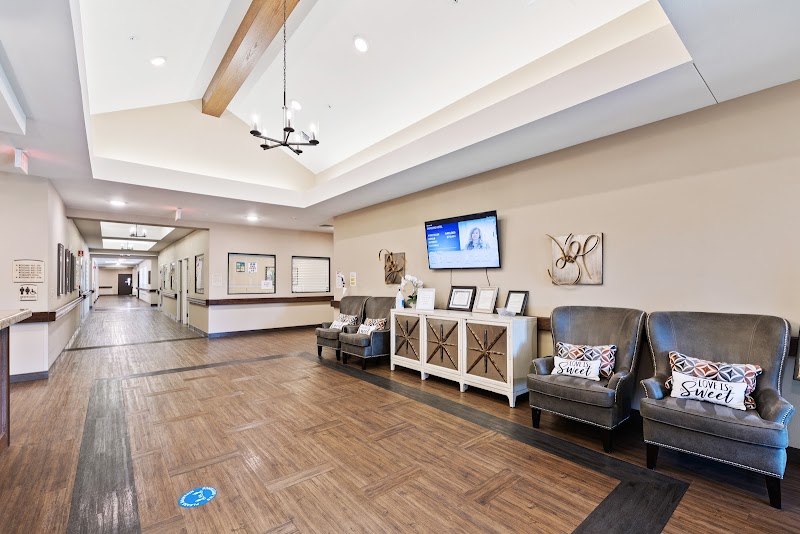
How is Ignite Medical Resort Katy, Llc Staffed?

CMS rates IGNITE MEDICAL RESORT KATY, LLC's staffing level at 1 out of 5 stars, which is much below average compared to other nursing homes. Staff turnover is 72%, which is 26 percentage points above the Texas average of 46%. High turnover can affect care consistency as new staff learn residents' individual needs. RN turnover specifically is 60%, which is notably high. RNs provide skilled clinical oversight, so turnover in this role can affect medical care quality.

What Have Inspectors Found at Ignite Medical Resort Katy, Llc?

State health inspectors documented 20 deficiencies at IGNITE MEDICAL RESORT KATY, LLC during 2023 to 2025. These included: 2 that caused actual resident harm and 18 with potential for harm. Deficiencies causing actual harm indicate documented cases where residents experienced negative health consequences.
Who Owns and Operates Ignite Medical Resort Katy, Llc?

IGNITE MEDICAL RESORT KATY, LLC is owned by a for-profit company. For-profit facilities operate as businesses with obligations to shareholders or private owners. The facility is operated by IGNITE MEDICAL RESORTS, a chain that manages multiple nursing homes. With 70 certified beds and approximately 52 residents (about 74% occupancy), it is a smaller facility located in KATY, Texas.
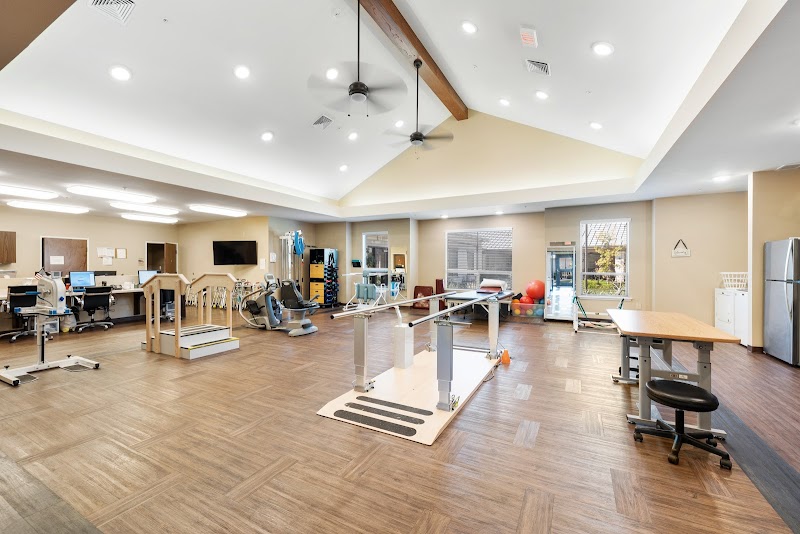
How Does Ignite Medical Resort Katy, Llc Compare to Other Texas Nursing Homes?

Compared to the 100 nursing homes in Texas, IGNITE MEDICAL RESORT KATY, LLC's overall rating (4 stars) is above the state average of 2.8, staff turnover (72%) is significantly higher than the state average of 46%, and health inspection rating (4 stars) is above the national benchmark.

What Should Families Ask When Visiting Ignite Medical Resort Katy, Llc?

Based on this facility's data, families visiting should ask: "How do you ensure continuity of care given staff turnover, and what is your staff retention strategy?" "Can you walk me through typical staffing levels on day, evening, and night shifts?" "Can I visit during a mealtime to observe dining assistance and food quality?" "How do you handle medical emergencies, and what is your hospital transfer rate?" These questions are particularly relevant given the facility's high staff turnover rate and the below-average staffing rating.

Is Ignite Medical Resort Katy, Llc Safe?

Based on CMS inspection data, IGNITE MEDICAL RESORT KATY, LLC has a clean safety record: no substantiated abuse findings (meaning no confirmed cases of resident harm), no Immediate Jeopardy citations (the most serious violation level indicating risk of serious injury or death), and is not on the Special Focus Facility watch list (a federal program monitoring the lowest-performing 1% of nursing homes). The facility has a 4-star overall rating and ranks #1 of 100 nursing homes in Texas. While no facility is perfect, families should still ask about staff-to-resident ratios and recent inspection results during their visit.

Do Nurses at Ignite Medical Resort Katy, Llc Stick Around?

Staff turnover at IGNITE MEDICAL RESORT KATY, LLC is high. At 72%, the facility is 26 percentage points above the Texas average of 46%. Registered Nurse turnover is particularly concerning at 60%. RNs handle complex medical decisions and coordinate care — frequent RN changes can directly impact care quality. High turnover means new staff may not know residents' individual needs, medications, or preferences. It can also be disorienting for residents, especially those with dementia who rely on familiar faces. Families should ask: What is causing the turnover? What retention programs are in place? How do you ensure care continuity during staff transitions?

Was Ignite Medical Resort Katy, Llc Ever Fined?

IGNITE MEDICAL RESORT KATY, LLC has been fined $55,164 across 6 penalty actions. This is above the Texas average of $33,631. Fines in this range indicate compliance issues significant enough for CMS to impose meaningful financial consequences. Common causes include delayed correction of deficiencies, repeat violations, or care failures affecting resident safety. Families should ask facility leadership what changes have been made since these penalties.

Is Ignite Medical Resort Katy, Llc on Any Federal Watch List?

IGNITE MEDICAL RESORT KATY, LLC is not on any federal watch list. The most significant is the Special Focus Facility (SFF) program, which identifies the bottom 1% of nursing homes nationally based on persistent, serious quality problems. Not being on this list means the facility has avoided the pattern of deficiencies that triggers enhanced federal oversight. This is a positive indicator, though families should still review the facility's inspection history directly.