OAKMONT HEALTHCARE AND REHABILITATION CENTER OF KA
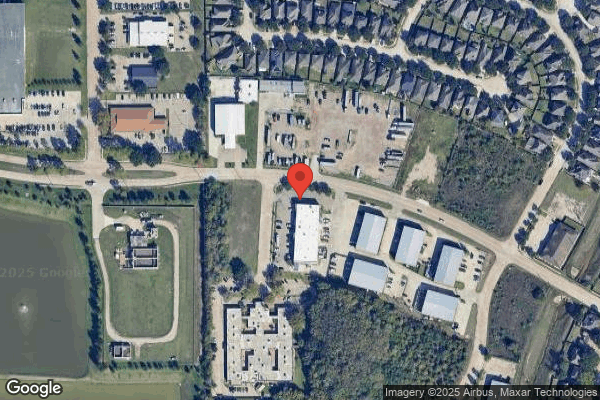
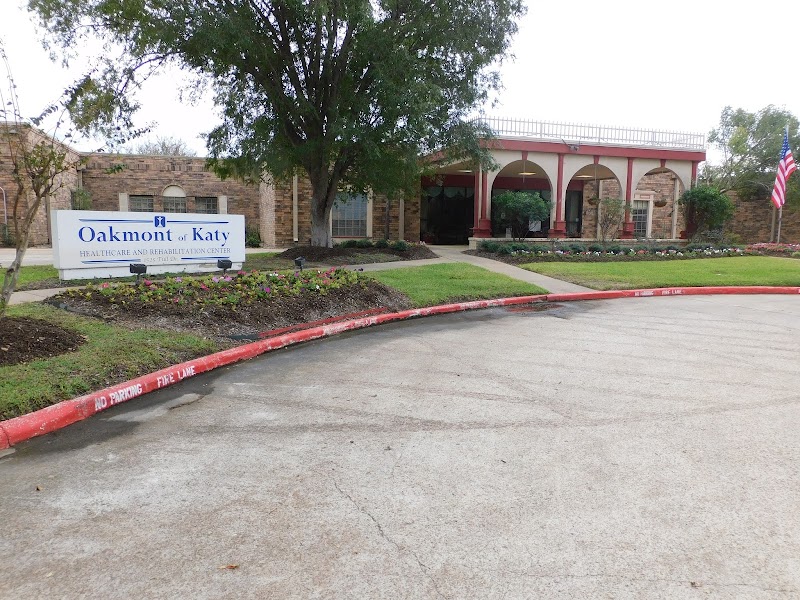
1525 TULL DR, KATY, TX 77449 (281) 578-1600
For profit - Corporation 130 Beds DIVERSICARE HEALTHCARE Data: November 2025
Trust Grade
55/100
#532 of 1168 in TX
Last Inspection: November 2024

Within standard 12-15 month inspection cycle. Federal law requires annual inspections.

Overview

Oakmont Healthcare and Rehabilitation Center of Katy has a Trust Grade of C, which means it is average, sitting in the middle of the pack compared to other facilities. It ranks #532 out of 1168 in Texas and #45 out of 95 in Harris County, indicating that it is in the top half of Texas facilities overall. Unfortunately, the facility is worsening; it went from having 2 issues in 2023 to 13 in 2024. Staffing is a concern, with a rating of 2 out of 5 stars and a 66% turnover rate, which is significantly higher than the Texas average. However, it does have good RN coverage, exceeding that of 97% of Texas facilities, which is a positive aspect as RNs can identify problems that CNAs might overlook. Among the specific incidents noted, the facility failed to properly dispose of garbage, leaving a dumpster open, which could invite pests and infection risks. Additionally, there were issues with medication management, including a resident receiving insulin over five hours late due to medication availability problems. Privacy concerns were also highlighted, with residents not being provided adequate privacy for their needs, potentially affecting their dignity and quality of life. Overall, while there are some strengths, the facility has significant areas that need improvement.

Trust Score
C
55/100
In Texas
#532/1168
Top 45%
Safety Record
Low Risk
No red flags
Inspections
Getting Worse
2 → 13 violations
Staff Stability
⚠ Watch
66% turnover. Above average. Higher turnover means staff may not know residents' routines.
Penalties
✓ Good
No fines on record. Clean compliance history, better than most Texas facilities.
Skilled Nurses
✓ Good
Each resident gets 49 minutes of Registered Nurse (RN) attention daily — more than average for Texas. RNs are trained to catch health problems early.
Violations
⚠ Watch
22 deficiencies on record. Higher than average. Multiple issues found across inspections.
★★★☆☆
3.0
Overall Rating
★★☆☆☆
2.0
Staff Levels
★★☆☆☆
2.0
Care Quality
★★★☆☆
3.0
Inspection Score
Stable
2023: 2 issues
2024: 13 issues

The Good

  • Full Sprinkler Coverage · Fire safety systems throughout facility
  • No fines on record

Facility shows strength in fire safety.

The Bad

3-Star Overall Rating

Near Texas average (2.8)

Meets federal standards, typical of most facilities

Staff Turnover: 66%

20pts above Texas avg (46%)

Frequent staff changes - ask about care continuity

Chain: DIVERSICARE HEALTHCARE

Part of a multi-facility chain

Ask about local staffing decisions and management

Staff turnover is elevated (66%)

18 points above Texas average of 48%

The Ugly 22 deficiencies on record

Nov 2024 10 deficiencies
CONCERN (D)

Potential for Harm - no one hurt, but risky conditions existed

Investigate Abuse (Tag F0610)

Could have caused harm · This affected 1 resident

**NOTE- TERMS IN BRACKETS HAVE BEEN EDITED TO PROTECT CONFIDENTIALITY** Based on interview and record review the facility failed to report the results of all investigations to the State Survey Agency,...

Read full inspector narrative →
**NOTE- TERMS IN BRACKETS HAVE BEEN EDITED TO PROTECT CONFIDENTIALITY** Based on interview and record review the facility failed to report the results of all investigations to the State Survey Agency, within 5 working days of the incident for an allegation of abuse to report for 1 of 4 residents (Resident #61) reviewed for abuse/neglect in that: -Resident #61 had an incident with an allegation of abuse on 09/3/2024. The facility did not submit the final 3613 facility investigation report to the State Agency within 5 working days. This failure could place residents at risk of having allegations of abuse, neglect, exploitation not being investigated or reported to the State agency. Findings Include: Record review of the admission record dated October 17, 2024. revealed that Resident #61 was an [AGE] year-old male who was admitted to the facility on [DATE]. His diagnoses included hemiplegia and hemiparesis after cerebral infarction (related conditions that cause weakness or paralysis on one side of the body) and need for assistance with personal care (a physical, cognitive, or behavioral limitation that makes it difficult for an individual to perform activities of daily living or instrumental activities of daily living (IADLs). ADLs The ADL's included tasks like bathing, eating, dressing, and using the toilet, while IADL'ss include tasks like cleaning, preparing meals, and taking medication. ). Record review of Resident #61's admission MDS assessment dated [DATE] reflected a BIMS (brief interview for mental status) score of 8 out of 15 indicating he had moderate cognitive impairment. He had upper and lower extremity impairment on one side. Resident #61 required substantial to maximal assistance with bathing/showering, toileting, lower body dressing, putting on and removing footwear. Record review of Resident #61's care plan revealed the following: The resident has LEFT Hemiplegia/Hemiparesis r/t STROKE.LEFT HAND CONTRACTURE Date Initiated: 07/23/2024. Revision on: 08/03/2024. The goal, the resident will remain free of complications or discomfort related to Hemiplegia. Interventions read in part . Assist with ADL's/Mobility as needed. Date Initiated: 07/23/2024 CNA . Discuss with resident/resident and family any concerns, fears, issues regarding diagnosis or treatments . Record review of the Facility Incident Intake #: 534855 reflected in part . Resident alleges CNA was rough during transfer. Actions and Notifications CNA suspended, resident assessed, MD, RP notified . Record review of the facility investigation worksheet in Tulip (the online system for submitting long term care information) revealed read in part . Intake ID 534855 .Priority Facility 45-day Priority Date: 9/30/2024 , Received Date 09/30/2024 Final Report Received: False. Record review revealed that there was no final 3613 (provider investigation report) submitted into Tulip for facility incident intake #: 534855 submitted on 9/30/2024. Record review of the facility incident/accident report revealed on 9/30/2024 an incident under the category other. An interview on 10/14/2024 at 12:28 p.m. with the Administrator, she said that the facility had the initial 3613 incident submitted but did not have the final 3616 submitted. During an interview on 10/15/2024 at 9:57 a.m., with the Administrator, she confirmed that there was no final 3613 investigation report submitted for incident #: 534855. She said the former DON said that she submitted the final 3613 thinking that she had but it was not submitted. When asked about a possible negative outcome if the final 3613 was not submitted, she said she always submitted her reports,, She said the investigation was completed but was not submitted. An interview on 11/15/2024 at 3:12 p.m. with the DON, she said that the Administrator planned to train her to submit facility investigation reports into Tulip soon, being that she was recently hired she had not had training. Record review of the facility policy and procedure entitled Reporting Events; Home Office and State read reflected in part . Guidelines for reporting incidents to DADS is contained in Provider Letter 19-17 dated 7/10/19. Record review of Long-Term Care Regulatory Provider Letter 19-17 date issued: July 10, 2019, read in part . This letter provides guidance for reporting incidents to HHSC (Health and Human Services Commission) . A NF (Nursing Facility) must report to HHSC the following types of incidents, in accordance with applicable state and federal requirements: Abuse . In addition to reporting an incident, a provider must investigate, or ensure that an investigation was completed, to determine why it occurred, what actions the provider will take in response to the incident and what changes will be made to help prevent a similar incident from occurring. 4. A provider must submit a PIR (Provider Investigation Report) to CII (Complaint and Incident Intake) using HHSC Form 3613-A (for use by an NF) . or HHSC Form 361 . The PIR must include all information from the initial incident report and any additional information the provider has obtained since making the initial report, including witness statements. The provider must submit the PIR within the applicable required time frame, as follows: Five working days for an NF or skilled NF .
CONCERN (D)

Potential for Harm - no one hurt, but risky conditions existed

Comprehensive Care Plan (Tag F0656)

Could have caused harm · This affected 1 resident

**NOTE- TERMS IN BRACKETS HAVE BEEN EDITED TO PROTECT CONFIDENTIALITY** Based on observation, interview, and record review, the facility failed to have a person-centered comprehensive care plan develo...

Read full inspector narrative →
**NOTE- TERMS IN BRACKETS HAVE BEEN EDITED TO PROTECT CONFIDENTIALITY** Based on observation, interview, and record review, the facility failed to have a person-centered comprehensive care plan developed and implemented to meet each resident's preferences and goals, and address the resident's medical, physical, mental and psychosocial needs for 1 of (Resident #42) 6 residents reviewed for care plans. - Resident #42's comprehensive centered care plan revealed that resident was not being care planned for foot care. This failure placed resident at risk for not having their individual medical needs met. Findings Included: Record review of Resident #42's face sheet dated 11/15/2024 revealed a [AGE] year-old male admitted to the NF on 10/04/2023. Resident diagnoses included Alzheimer's Disease (disease that destroys memory and other mental functions), cerebral infarction (when blood flow to the brain is blocked), hemiplegia and hemiparesis (condition that causes paralysis or weakness), and type 2 diabetes mellitus (long term condition where the body has trouble controlling blood sugar and using it for energy). Record review of Resident #42's admission MDS dated [DATE] reflected a BIMS score of 14 indicating the resident's cognition was intact. Further review of section GG (Functional Abilities) reflected the resident required moderate assistance with personal hygiene. Record review of Resident #42's Physician Order for June 2024 reflected the following: -Dated 06/10/2024 May have Podiatry (medical field that specializes in the treatment and diagnosis of foot care, ankle, and lower limb disorders) consult PRN. Record review of Resident #42's comprehensive centered care plan 09/18/2024 reflected that resident was not care planned for podiatry services/foot care. Record review of the NF residents on the list for podiatry services for the month of 10/02/2024, did not included Resident #42. Further review reflected the next time podiatry services to return to the NF was 12/04/2024. Observation on 11/12/24 at 9:40 a.m. revealed Resident #42 resting in bed awake, alert and oriented times 3. Further observation was conducted of the resident's feet being exposed. Resident #42's right foot great toenail appeared calcified (thick and dry) and long. The 3rd and 4th toenails to the right foot was thick, long and curved. Observation of the resident's left foot great toenail revealed it long. The 2nd and 4th toenails appeared thick, long and curved. Interview on 11/15/2024 at 1:47 p.m. the MDS Coordinator said she done the initial care plans and the quarterly care plans. The MDS Coordinator said it was the unit nurses, ADON or DON that done any revisions or acute care plans . Observation on 11/13/24 at 2:18 p.m. revealed Resident #42's toenails with ADON B said some of the toenails were long and thick and beginning to curve. Interview on 11/15/24 at 1:59 p.m. ADON B said she updated the resident care plan for psych medications (medications to treat mental disorders), dietary, and the Infection Control Nurse done any revisions that involved changes in the resident care. Interview on 11/15/24 at 2:05 p.m. the DON said anyone that was on the IDT (consisted of the nursing department, physical therapy, social worker, and anyone involved in the resident care) could update a resident care plan. The DON said it was ultimately the MDS Nurse Coordinator's responsibility to make sure that each resident had a comprehensive centered care plan addressing each resident needs. The DON said if the resident needs were not being address in the care plan, it placed the resident (s) at risk for lack of care. Interview on 11/15/24 at 2:20 p.m. the Social Worker said no one had informed her that Resident #42 needed podiatry services therefore it would not trigger for her to care plan. The Social Worker said now that she had been made aware that Resident #42 needed podiatry services, she would make sure that Resident #42 was added to the list and care planned as well. Record review of the NF policy on Comprehensive Centered Care Plans not dated reflected in part: .The facility will develop and implement a comprehensive person-centered care plan for each resident, consistent with the resident rights that includes measurable objectives and timeframes to meet a resident's medical, nursing, and mental and psychosocial needs .The resident's care plan will be reviewed after each admission, quarterly, annual and/or significant change MDS assessment, and revised based on changing goals, preference and needs of the residence and in response to current interventions .Interdisciplinary means that professionals disciplines, as appropriate, will work together to provide the greatest benefits to the resident .
CONCERN (D)

Potential for Harm - no one hurt, but risky conditions existed

Deficiency F0687 (Tag F0687)

Could have caused harm · This affected 1 resident

**NOTE- TERMS IN BRACKETS HAVE BEEN EDITED TO PROTECT CONFIDENTIALITY** Based on observation, interview, and record review the facility failed to ensure that residents received proper treatment and ca...

Read full inspector narrative →
**NOTE- TERMS IN BRACKETS HAVE BEEN EDITED TO PROTECT CONFIDENTIALITY** Based on observation, interview, and record review the facility failed to ensure that residents received proper treatment and care to maintain mobillity and good foot health for 1 (Resident # 42) pf 6 residents reviewed for foot care. -The facility failed to provide Resident #42 who had diabetes mellitus podiatry services. This failure placed resident at risk for injuries, infections, unwanted hospitalization, and amputation leading to a decrease in quality of life. Findings Included: Record review of Resident #42's face sheet dated 11/15/2024 revealed a [AGE] year-old male admitted to the NF on 10/04/2023. Resident diagnoses included Alzheimer's Disease (disease that destroys memory and other mental functions), cerebral infarction (when blood flow to the brain is blocked), hemiplegia and hemiparesis (condition that causes paralysis or weakness), and type 2 diabetes mellitus (long term condition where the body has trouble controlling blood sugar and using it for energy). Record review of Resident #42's admission MDS dated [DATE] reflected a BIMS score 14 indicating the resident cognition was intact. Further review section GG (Functional Abilities) reflected the resident required moderate assistance with personal hygiene. Record review of Resident #42's Physician Order for the month of June 2024 reflected the following: -Dated 06/10/2024 May have podiatry (medical field that specializes in the treatment and diagnosis of foot care, ankle, and lower limb disorders) consult PRN. Record review of the NF residents on the list for Podiatry services for the month of October 02, 2024, did not included Resident #42. Further review reflected the next time Podiatry services to return to the NF was December 04, 2024. Record review of Resident #42's shower sheet dated 11/11/2024 CNA D documented the resident was given a bed bath. Further review reflected that CNA D documented the resident's fingernails were cleaned and clipped and the resident's toenails were clean and did not need to be clipped. Observation on 11/12/24 at 9:40 a.m. of Resident #42 resting in bed awake alert and oriented times 3. Further observation was conducted of resident feet being exposed. Resident right foot great toenail appeared calcified (thick and dry) and long, 3rd and 4th toenail to right foot was thick and long and curved. Observation of resident left foot great toenail long, 2nd and 4th toenail appeared think, long and curved. Interview on 11/12/2024 at 9:40 a.m. Resident #42 said he could not remember the last time he had been seen by the podiatrist. Resident #42 said he would like for his toenails to be clipped. The resident denied any discomfort to his toenails. Observation on 11/13/24 at 2:18 p.m. of Resident #42's toenails with ADON B said some of the toenails were long and thick and beginning to curve. Interview on 11/13/2024 at 2:18 p.m. ADON B said the nurses were supposed to do a head-to-toe assessment on the residents every week. ADON B said when providing the residents a shower the CNA's should be reporting to the nurse if the resident's toenails need to be clipped. ADON B said the nurse would then contact the Social Worker to add a resident to the list to be seen by the podiatrist (a doctor who specializes in the diagnoses and treatment of foot, ankle, and lower limb disorders). ADON B said if a resident's toenails were not being groomed, the toenail would continue to grow and began to curve into the resident skin placing resident at risk for injuries. Interview on 11/13/24 at 2:38 p.m. CNA C said she was Resident #42's CNA. CNA C said Resident #42 received his showers on Tuesdays, Thursdays, and Saturdays. CNA C said she had documented on the resident shower sheet about toenails needing to be clipped but could not remember when she documented this and who she reported it to. Interview on 11/13/24 at 2:47 p.m. CNA D said she worked at the facility on the 6:00 p.m. - 6:00 a.m. but came to the facility to work an extra shift. CNA D said she did not report to the nurse that Resident #42's toenails needed to be clipped and must have forgot. CNA D said it was important to communicate with the nurse if the resident's toenails needed to be clipped because the resident could get an infection. Interview on 11/13/24 at 2:55 p.m. the Social Worker, after reviewing her list of residents to be seen by pPodiatry services, said Resident #42 was not on the list to be seen by pPodiatry services. The Social Worker said records showed that the last time podiatry services was at the facility was 10/02/2024, and before that date she believed it was 09/11/2024. The Social Worker said she thought the next time podiatry services would be back at the facility was 12/04/2024. The Social Worker said podiatry services came to the NF at least every 2-3 months. Interview on 11/13/2024 at 4:03 p.m. with LVN N said the residents' skin was assessed on a weekly basis by performing a head to the toe. LVN N said she was Resident #42's nurse. LVN N said she had not done a head-to-toe assessment on Resident #42 because the system in point click care did not trigger for her to do so. LVN N said after reviewing resident weekly skin assessment with last one done on 11/07/24 reflected no skin breakdown. LVN N said a resident who had diabetes and was not being followed by pPodiatrist services put the resident at risk for infections, sepsis(life-threateng infection that could lead to death), and could escalate from there. Interview on 11/13/2024 at 4:38 p.m. the DON said regarding podiatry services, she would have to review the NF policy. The DON said the nurses should be performing weekly skin assessments and reviewing the CNAs's shower sheets for any changes toin the resident's condition. The DON said if there was a change in a resident's condition regarding nail care, the unit nurse needed to alert the wound care nurse who would then alert social services for the resident to be added to the list for podiatry services. The DON said when residents were not being assessed in a timely manner, it placed residents who had diabetes and required podiatry services at risk for infections, hospitalization, and amputation. The DON said unfortunately, she was still learning the facility process and would be in-servicing her staff as well as implementing a plan to ensure that residents were being assessed properly and care was being provided in a timely manner. Interview on 11/14/2024 at 9:47 a.m. the Wound Care Nurse said she done the initial skin assessments on all new and readmitted residents and the unit nurses done the weekly skin assessments on the residents. The Wound Care Nurse said that it was important for a resident who had a diagnosis of diabetes be placed on podiatry services to care for the resident's toenails and fingernails to ensure that the resident's nails were being groomed properly and to avoid injuries to the resident. The Wound Care Nurse said nail care was extremely important for a resident who had diabetes because of the risk of injuries, infections, and poor blood circulation particularly in the lower extremities. The Wound Care Nurse said if the resident developed an injury or infection to the lower extremity, it could lead to hospitalization. The Wound Care Nurse said diabetes was the number cause of amputation. Record review of the NF policy on Foot Care, not dated, reflected the following: .Foot management is the daily assessment, bathing, lubrication, and protecting of the feet. It is done to promote cleanliness and peripheral (away from the center of the body, example the hands and toes) circulation of the feet. Foot care is especially important in those residents with diabetes mellitus or peripheral circulatory conditions because of the susceptibility to infection and skin breakdown. If required, trimming of the toenails is performed by a Podiatrist ( .Become familiar with medical conditions that compromise circulation in the feet and assess for need of nail trimming. Request referral to Podiatrist if nail trimming is needed .
CONCERN (D)

Potential for Harm - no one hurt, but risky conditions existed

Respiratory Care (Tag F0695)

Could have caused harm · This affected 1 resident

**NOTE- TERMS IN BRACKETS HAVE BEEN EDITED TO PROTECT CONFIDENTIALITY** Based on observation, interview, and record review the facility failed to ensure that a resident who needed respiratory care and...

Read full inspector narrative →
**NOTE- TERMS IN BRACKETS HAVE BEEN EDITED TO PROTECT CONFIDENTIALITY** Based on observation, interview, and record review the facility failed to ensure that a resident who needed respiratory care and services, including oxygen administration was provided such care, consistent with professional standards of practice for 1 of 4 residents (Resident #20) reviewed for respiratory therapy in that: 1. The facility failed to ensure Resident #20's oxygen was set according to physician's orders. This failure could place residents at risk of respiratory distress. The findings were: Record review of Resident #20's sheet dated 11/15/2024 revealed a [AGE] year-old female was initially admitted to the facility on [DATE] and readmitted on [DATE]. Resident #20 had diagnoses included: cerebral infarction (when blood flow to the brain is disrupted, causing brain tissue damage.), hypertension (when the blood pressure in the blood vessels is too high), and cerebrovascular disease (condition [NAME] affect the blood vessels and blood flow in the brain and spinal cord). Record review of Resident #20's quarterly MDS assessment dated [DATE] revealed Resident #20 had BIMS of 06 out of 15 which indicated severely impaired cognition. Durther review revealed Resident #20 was on oxygen therapy. Record review of Resident #20's care plan dated 06/03/2024 revealed the resident had shortness of breath hypoxia(when the body's tissues are not receiving enough oxygen) O2 at 1-2 L via NC continuous to maintain O2 sats >92%. Intervention: monitor /document changes in orientation, increased restlessness, anxiety, and air hunger(uncomfortable sensation of not being able to get enough air). Record review of Resident #20's order summary report dated November 2024 reflected in part . O2 at 1 to 2 liters via NC continuous to maintain O2 sats >than 92% start date 09/18/24 . Record review of Resident #20's MAR for November 2024 revealed the resident was on O2 @ 1-2 L via NC continuous to maintain O2 sats > 92%; every shift for hypoxia and was signed off but the oxygen saturation was not documented. During an observation and interview on 11/12/2024 at 10:28 a.m., revealed Resident #20's oxygen concentrator was set at 3.5L. Resident #20 had difficulty with speech but was able to say no when she was asked if she knew how many liters of oxygen she was supposed to be on. Resident #20 also said no when she was asked if she had changed the setting on the concentrator. Resident #20 did not appear to be in any distress at the time. During an interview on 11/12/2024 at 10:35 a.m., RN R said Resident #20's oxygen was set at 3.5 L. RN R said Resident #20's concentrator should be set at 2 L, but she was not sure and said she would check where the oxygen should be set at. RN R returned at 10:37 a.m., saying the oxygen setting should be between 1 and 2 L. During an interview on 11/13/2024 at 11:26 a.m., RN R said she did initial rounding when she came to work today at 7:00 a.m. during the start of her shift, and she forgot to check the oxygen setting on the concentrator. RN R said the setting on the concentrator was not what the physician ordered for Resident #20, which meant the physician's order was not followed. RN R said Resident #20 was given more oxygen than ordered. Resident #20 could become hyperventilated(breathing faster and deeper than the body needs). RN R said that could cause Resident #20 to depend on oxygen, and it would be difficult to wean Resident #20 from using oxygen. RN R said the DON monitored nurses during rounding. RN R said she had a skills check-off and in-service on oxygen administration. Record review of the facility nurse proficiency audit dated 06/03/2024 revealed RN R signed the audit, and it included oxygen administration and maintenance. During an interview on 11/13/2024 at 11:38 a.m., ADON A said the nurses monitored the oxygen setting on the concentrator during rounding. ADON A said if Resident #20's oxygen was above the physician's order, then Resident #20 was not receiving oxygen as ordered. ADON A said if Resident #20 received more oxygen than ordered, it could lead to hyperoxygenation(overbreathing), which could cause a change in the condition of Resident #20 breathing. ADON A said RN R should have done the skills- check-off, which included oxygen administration and monitoring before working with residents who were on oxygen. ADON A said the ADON monitored the nurses during random rounds. ADON A said nurses should check on the oxygen concentrator setting every two hours when they make rounds. During an interview on 11/14/2024 at 7:50 a.m., the DON said RN R should check the oxygen setting on Resident #20's concentrator every 2 hours during rounding. The DON said the oxygen concentrator for Resident #20 should be set according to the physician's order. The DON said that for a resident to be on oxygen, the resident would have a physician's order and that the nurse should follow the physician. The DON said if Resident #20 was given more oxygen than was ordered, then Resident #20 could have hyperventilated respiratory distress, and Resident #20 lungs could be affected. During an interview on 11/15/2024 at 10:26 a.m., NP Z said RN R must notify the physician's order before the nurses would increase Resident #20's oxygen. NP Z said Resident #20 could get micro changes in her eyes(vision changes ) if Resident #20 were administered more oxygen than ordered. NP Z said Resident #20 could become lethargic and feel dizzy. NP Z said he was not notified about the increase in Resident #20 oxygen setting. Record review of the facility oxygen administration nursing policy and procedure manual 2003 Rev March 21, 2023, reflected in part . the mount of oxygen by percent of concentration or L/min, and the method of administration is ordered by the physician .
CONCERN (D)

Potential for Harm - no one hurt, but risky conditions existed

Deficiency F0760 (Tag F0760)

Could have caused harm · This affected 1 resident

**NOTE- TERMS IN BRACKETS HAVE BEEN EDITED TO PROTECT CONFIDENTIALITY** Based on observation, interview and record review, the facility failed to ensure residents were free from any significant medica...

Read full inspector narrative →
**NOTE- TERMS IN BRACKETS HAVE BEEN EDITED TO PROTECT CONFIDENTIALITY** Based on observation, interview and record review, the facility failed to ensure residents were free from any significant medication errors for 1 of 7 residents (Residents #43) reviewed for significant medication errors. 1. MA Y failed to administer medications as ordered to Resident #43 by attempting to administer Carvedilol 3.125mg outside of ordered parameters. This failure could place residents at risk of decrease pulse, and potential hospitalization. The findings were: Record review of Resident #43's face sheet dated 11/14/2024 revealed an [AGE] year-old female was admitted to the facility on [DATE]. Resident #43 had diagnoses included: paroxysmal atrial fibrillation (short or sudden episodes of an irregular heart usually start and stop on their own), hypertension (when the blood pressure in the blood vessels is too high), and angina pectoris (chest pain or discomfort that occurs when a part of the heart doesn't get enough blood or oxygen). Record review of Resident #43's quarterly MDS assessment dated [DATE] revealed Resident #43 had a BIMS of 15 out of 15 which indicated intact cognition. Further review revealed Resident #43 needed limited assistance with ADLs. Record review of Resident #43's care plan dated 07/05/23 revealed the resident had congestive heart failure. Interventions: give cardiac medications as ordered. Record review of Resident #43's order summary report for November 2024 reflected in part .Coreg 3.125 md give 1 tablet by mouth two times a day for hypertension, hold for HTN for less than 110 , pulse less than 60 start date 09/18/24 . During medication observation on 11/13/2024 at 7:56 a.m., MA Y was about to administer Carvedilol 3.125mg medication to Resident #43 when the surveyor intervened because Resident #43's heart rate was 59. During an interview on 11/13/2024 at 7:58 a.m., MA Y said Carvedilol 3.125 mg was among the morning medication for Resident #43, then she looked at the computer and the medication blister packet and said she should have held the medication because Resident #43's heart rate was 59. MA Y took the Carvedilol out and administered other medications. During an interview on 11/13/22 at 5:49 p.m., MA Y and the DON were present during the interview with MA Y. MA Y said if Resident #43 heart rate was low and she gave Resident #43 carvedilol, the resident's heart could drop more than 59. MA Y said Resident #43 could have a heart issue (heart collapsed or stopped). MA Y said she had skills - check off on medication administration before she started passing medication. MA Y said the ADON monitored the MA when she made random rounds. During an Interview on 11/14/2024 at 7:42 a.m., the DON said MA Y should have training on medication administration before passing medication. The DON said MA Y should have followed the five medication rights, and if the medication had a parameter, MA Y should have followed the parameter. The DON said medication that had permitter should be followed because it could cause harm or advice reaction to Resident #43. The DON said if the MA Y had given the medication to Resident #43, she could have gone into carid arrest(heart suddenly stops). The DON said the nurse and the DON monitored the medication aides when they made random rounds. During an interview on 11/14/2024 at 8:25 a.m., ADON B said MA Y should have had skills- check off on medication administration before she passed medication. ADON B said for Resident #43 to be on medication, she should have a doctor's order. ADON A said MA Y should have followed the physician's order and the perimeter given by the physician. ADON B said MA Y was trained on the six rights of medication. ADON B said if Resident #43's heart rate was lower than 60 and MA Y had given Resident #43 the heart medication, the medication would lower the heart rate more, and Resident #43's heart could stop, and the resident would pass away. ADON B said she would be the person to monitor the medication aides. During an interview on 11/15/2024 at 10:41 a.m., NP K said resident #43 had been under her in the facility since 2023. NP K said MA Y should have held Resident #43 heart medication if the heart was less than 60. NP K said the medication would lower Resident #43's heart rate, and it could kill Resident #43 if it was given when the heart was lower than the perimeter. Record review of the facility pharmacy policy and procedure manual 2003, Revised October 25, 2017, on medication administration procedures reflected in part . #20 . the five rights of medication administration should be adhered to 1. Right drug, 1. Right dose. 3. Right resident, 4. Right time, and 5. Right route . Record review of the facility medication aide proficiency revealed #12. Observes special parameters and MA Y signed the medication aide proficiency on 04/03/21.
CONCERN (D)

Potential for Harm - no one hurt, but risky conditions existed

Infection Control (Tag F0880)

Could have caused harm · This affected 1 resident

**NOTE- TERMS IN BRACKETS HAVE BEEN EDITED TO PROTECT CONFIDENTIALITY** Based on observation, interview, and record review the facility failed to maintain an infection prevention and control program d...

Read full inspector narrative →
**NOTE- TERMS IN BRACKETS HAVE BEEN EDITED TO PROTECT CONFIDENTIALITY** Based on observation, interview, and record review the facility failed to maintain an infection prevention and control program designed to provide a safe, sanitary and comfortable environment and to help prevent the development and transmission of communicable diseases and infections for 1 (Resident #45, Resident #9 and Resident #5) of 8 residents reviewed for infection control. 1. The facility failed to have infection control signage on Resident #45's door entrance to alert staff and visitors in preventing the development and transmission of infections. 2. The facility failed to label and store Resident #9's personal care item at sink area of a semi-private room shared with Resident #5. These failures placed residents, staff and visitors at risk for cross contamination, unwanted infections, and decease in quality of life. Findings Resident #45 Record review of Resident #45's factsheet dated [DATE] revealed a [AGE] year-old male admitted to the NF on [DATE]. Resident #45 diagnoses included the following: chronic kidney disease, functional quadriplegia (to be completely unable to move due to severe disability from another medical condition), heart disease, pressure ulcers (injury to the skin resulting from prolong pressure on the skin) stage 4 to the sacral (lower back at the base of the spine ), buttock (back of the hip which a person sits), and colostomy (opening in the stomach wall to allow stool to drain into a bag or pouch). Record review of Resident #45's MDS dated [DATE] reflected that resident had a BIMS score of 10 indicating that resident's cognition was moderately impaired. Further review of section H (bladder and bowel) was coded 9 not rated (resident had a catheter for urinary incontinence). Record review of Resident #45's Physician's Orders for the month of [DATE], [DATE], and [DATE] reflected the following orders: -Dated [DATE] Change Foley catheter using a 16Fr, 10ml bulb. -Dated [DATE] Flush IV midline with 10 ml of NS. -Dated [DATE] Ceftriaxone 1 gm intravenous once daily. -Dated [DATE] Vancomycin 750mg/150ml intravenous for pressure sores with osteomyelitis (inflammation of the bone caused by infection) until [DATE] two times a day. Record review of Resident #45's Comprehensive care Plan dated [DATE] and revised on [DATE] reflected that resident was care planned for enhanced barrier precautions with the included interventions: -Posting at the resident's room entrance indicating the resident is on enhanced barrier precautions. -Gowns and gloves should be donned if any of the following activities are to occur: linen change, resident hygiene, transfer, dressing, toileting/incontinent care, or other high-contact activity. Observation on [DATE] at 9:00 a.m. revealed Resident #45's door was closed. Outside of the resident's doorway entrance was a 3-bin plastic container with PPE inside that consisted of disposable gowns and gloves. There was no signage on the resident's door. Interview on [DATE] at 9:00 a.m. Medication Aide X said Resident #45 was on precautions and that the staff needed to wear PPE before entering resident room. Observation and interview on [DATE] at 9:05 a.m. revealed CNA C coming out of Resident #45's room. CNA C said she believed the reason why Resident #45 had PPE outside of doorway was because the resident had a gastrostomy tube . CNA C was coming out of resident room caring 2 large bags of soiled material in plastic bags. Observation on [DATE] at 9:06 a.m. revealed Resident #45 resting quietly in bed to his left side with eyes closed. The resident was resting on an air mattress. The resident had an indwelling Foley catheter hanging on the right side of bed to gravity. On the right side of the resident's bed was an IV pole. Hanging on the IV pole was a 100ml bag with the medication on the label that reflected ceftriaxone 1gm intravenous. The medication was infusing to his right extremity IV via dial-a-flow. Observation on [DATE] at 8:15 a.m. revealed Resident #45's room had an infection control signage on the door. Interview on [DATE] at 10:32 a.m. CNA C said she worked at the NF 6 a.m. - 6 p.m. shift. CNA C said it was the responsibility of the nurses and ADON to ensure infection control signage were on the resident doors that had Foley catheter bags, colostomy, wounds, etc. Interview on [DATE] at 10:38 a.m. ADON B said it was the responsibility of the Infection Control Nurse as well as herself to ensure residents with indwelling Foley catheters, gastrostomy feedings. iIntravenous lines, wounds, colostomy bags, etc. had infection control signage on their doors to prevent the spread of infections. ADON B said the signage was not only for the staff but visitors as well so that all would be informed about wearing PPE to prevent spread of any infections. Interview on [DATE] at 10:30 a.m. LVN M said she was Resident #45's nurse. LVN M said all residents with wounds, a colostomy bag, Foley catheters, gastrostomy tubes, and intravenous lines, the staff was supposed to wear PPE before entering the room to provide care for the resident to prevent the spread of infections. LVN M said that was required by the state. LVN M said it was the infection control nurse that was responsible for making sure all necessary signage was on the doors of residents regarding infection control. Interview on [DATE] at 3:11 p.m. ADON A said he was also the NF Infection Control Nurse. ADON A said residents that had indwelling devices such as Foley catheters, gastrostomy tubes (surgically inserted tube in the stomach to allow liquid nutrition, fluids, and medications into the stomach), IV's, colostomy bags, dialysis ports, and wounds had to be on enhanced barrier precautions to prevent the spread of infections by wearing PPE that consisted of gloves and gowns when providing direct care for the resident. ADON A said if the infection control signage was not on the resident doors, it placed all involved in the resident's care as well as visitors encountering the resident at risk for the spread of infections. ADON A said he was responsible for ensuring that signage was on the doors of these residents. ADON A said Resident #45 had recently changed rooms. ADON A said the staff had been in-serviced on infection and how to prevent the spread of infections. Interview on [DATE] at 4:38 p.m. the DON said residents that had Foley catheters, dialysis catheters, wounds, gastrotomy tubes, tracheostomy (surgical procedure that creates an opening in the neck to provide an airway and remove secretions form the lungs), colostomy bags, etc. should have infection control signage on their doors. The DON said that was done to protect the staff and visitors from exposure to bacteria/infections and to alert the staff to wear PPE when providing direct care to the resident. Resident #9 and Resident #5: Record review of Resident #9's face sheet, dated [DATE], reflected resident was an [AGE] year-old female with an admission date of [DATE] and, a readmission date of [DATE], with diagnoses which included: schizophrenia and dementia. Record review of Resident #5's face sheet, dated [DATE], reflected an [AGE] year-old female with an admission date of [DATE] and, a readmission date of [DATE], with diagnoses which included: dementia, psychotic disturbance, mood disturbance, and anxiety. Observation on [DATE] at 09:14 a.m. reflected Resident #9 in bed-A and a second bed, bed-B with personal property. A hairbrush was observed sitting at the sink area in the room with no identifiable name or labeling. During an interview on [DATE] at 09:14 a.m., Resident #9 she stated that she had a roommate (Resident #5) who was not in the room at that time. She stated that the hairbrush at the sink was hers. She stated a staff placed the brush at the sink that morning after brushing her hair. She stated that she was not able to brush her own hair due to her physical inabilities. She stated that she was unable to provide the staff's name who brushed her hair. During an interview on [DATE] at 04:20 p.m., with the ADMN and DON, the DON stated that Resident #9's hairbrush should be in a plastic bag and labeled and not to be observed as community property. The ADMN stated that Resident #9's hairbrush should not have been sitting at the sink the semi-private room. She stated that they have been trying to remind CNAs to keep resident's personal items labeled. She stated that Resident #9's hairbrush was not a community brush and should not have been placed at the sink unlabeled. She stated that the CNAs have been educated about labeling resident's personal items. During an interview on [DATE] at 2:21 p.m., RN O stated that she was the nurse for Resident #9 and Resident #5. She stated she had just returned to the facility and worked last in October of 2024. She stated she was not aware that Resident #9's hairbrush was placed at the sink of a semi-private room. She stated that it was her expectations that all staff including CNAs who became aware of resident's personal items would place the personal item at that residents' bedside in a box with their other personal items. She stated the reason items were to be keep separate and labeled was to prevent cross contamination. Record review of the policy titled Infection Control Plan updated date of 03/2023 revealed: Overview Infection Control. The facility will establish and maintain an Infection Control Program designed to provide a safe, sanitary and comfortable environment and to help prevent the development and transmission of disease and infection. Infection Control Program. Asked and not received, a facility policy specific to resident's personal property in resident rooms.
CONCERN (E)

Potential for Harm - no one hurt, but risky conditions existed

Deficiency F0583 (Tag F0583)

Could have caused harm · This affected multiple residents

**NOTE- TERMS IN BRACKETS HAVE BEEN EDITED TO PROTECT CONFIDENTIALITY** Based on observation, interview, and record review, the facility failed to ensure residents have a right to personal privacy for...

Read full inspector narrative →
**NOTE- TERMS IN BRACKETS HAVE BEEN EDITED TO PROTECT CONFIDENTIALITY** Based on observation, interview, and record review, the facility failed to ensure residents have a right to personal privacy for 4 of 8 residents (Resident #45, Resident #175, Resident #9 and Resident #5,) reviewed for privacy, in that: 1. CNA (certified nursing aid) C failed to place Resident #45 Foley catheter bag inside of a privacy bag. 2. CNA L failed to place Resident #175 Foley catheter bag inside of privacy bag. 3. The facility failed to provide privacy curtain between Resident #9 and Resident #5's bed to identify a separation of space and privacy between the two residents. These failures placed residents at risk for embarrassment, at risk of loss of dignity and decrease in quality of life. The findings include: Resident #45: Record review of Resident #45's factsheet dated 10/15/2024 revealed a [AGE] year-old male admitted to the NF on 09/09/2024. Resident #45's diagnoses included the following: chronic kidney disease, functional quadriplegia (to be completely unable to move due to severe disability from another medical condition), heart disease, pressure ulcers (injury to the skin resulting from prolong pressure on the skin) stage 4 to the sacral (base of the spine) and buttock (back of the hip which a person sits). Record review of Resident #45's MDS dated [DATE] reflected that resident had a BIMS score of 10 indicating the resident's cognition was moderately impaired. Further review revealed section H (bladder and bowel) was coded 9, not rated (resident had a catheter for urinary incontinence). Record review of Resident #45's Physician's Orders for the month of September 2024 reflected the following order: - Dated 09/10/2024 Ensure Foley bag is in privacy bag while in bed or w/c. Record review of Resident #45's Comprehensive care Plan dated 09/23/2024 included the following intervention: - Position catheter bag and tubing below level of the bladder and in a privacy bag. Observation on 11/12/2024 at 9:06 a.m. revealed Resident #45 was resting quietly in bed to his left side with eyes closed. Further observation revealed the resident had an indwelling Foley catheter hanging on the right side of bed to gravity. The Resident Foley bag was not inside of a privacy bag. Observation on 11/13/2024 at 9:22 a.m. revealedof Resident #45 resting in bed with his eyes closed. Further observation revealed his Foley catheter bag was not inside of a privacy bag. Interview on 11/13/2024 at 4:15 p.m. CNA C said she was Resident #45's CNA on 11/12/2024 for 6 a.m. - 6 p.m. shift. CNA C said it was her responsibility regarding Foley care to empty the Foley catheter bag and place the bag inside of a privacy bag. CNA C said that was done to provide the resident with privacy as well as dignity. CNA C said she was not aware on 11/12/2024 that Resident #45's Foley catheter bag was not inside of a privacy bag. The CNA C said it was ADON A that told her to place resident Foley bag inside of a privacy bag until 11/12/2024. Resident #175: Record review of Resident #175's face sheet dated 11/15/2024 revealed a [AGE] year-old female admitted to the NF on o3/29/2024. The resident's diagnoses included malignant neoplasm (cancer) of the uterus (female organ located between the bladder and rectum), obstructive and reflux uropathy (when the flow of urine is blocked) and pressure ulcer of the sacral region (near the base of the spine). Record review of Resident #175 quarterly MDS dated [DATE] reflected the BIMS score was 15 indicating that resident cognition was intact. Further review of section H (bladder and bowel) reflected that resident was always incontinent of bladder and bowel. Record review of Resident #175 Comprehensive Care Plan dated 10/05/2024 reflected the resident was being care planned for an indwelling catheter with an intervention that included: place Foley catheter bag inside of privacy bag. Observation on 11/12/2/4 at 10:15 a.m. revealed Resident #175 was awake, resting in bed. Further observation revealed the resident having an indwelling Foley catheter hanging to gravity on the right side of. The Resident's Foley bag was not inside of a privacy bag. Observation on 11/13/24 at 8:12 a.m. revealedof Resident #175 was resting in bed to her left side. Resident Her Foley bag was inside of privacy bag. Interview on 11/13/24 at 4:28 p.m. Resident #175 said she would prefer that her Foley bag be placed inside of privacy bag because she sometimes had family visit her. Resident #175 said she would not like anyone to see her Foley bag. Interview on 11/15/2024 at 7:48 a.m. CNA L said she was Resident #175's CNA on 11/12/2024 on the 6 a.m. - 6 p.m. shift. CNA L said she was not aware that Resident #175 Foley catheter bag was not inside of a privacy bag. CNA L said the importance of concealing a resident's Foley bag inside of a privacy bag was to protect residents' privacy and that it was the resident's right. Interview on 11/13/24 at 4:33 a.m. ADON B said it was the responsibility of the CNAs's and the nurses on the units to make sure that residents who had a Foley catheter that the Foley bag be in a privacy bag to promote dignity on the resident's behalf. ADON B said it was herself as a Unit Manager and ADON to ensure that was being done. Interview on 11/13/24 at 4:38 p.m. with the DON, regarding Foley bags, said every resident that had a Foley, the Foley bag should be inside of a privacy bag. The DON said that was the resident's right and it also provided dignity for the resident. The DON said it was the nurses on the unit, CNAs', including herself to ensure that this was being done. Resident #9 and Resident #5: Record review of Resident #9's face sheet, dated 11/12/2024, reflected resident was a [AGE] year-old female with an admission date of 09/07/2013 and, a readmission date of 03/04/2024, with diagnoses which included: schizophrenia (a chronic mental disorder that affects how people think, perceive reality, and interact with others), generalized (osteo) arthritis (pain and stiffness in the joints), dementia (loss of cognitive functioning - thinking, remembering, and reasoning), severity, without behavioral disturbance, psychotic disturbance (abnormal thinking), mood disturbance, and anxiety, psychotic disorder with hallucinations due to known physiological condition, multiple sclerosis (autoimmune disease that effects the brain and spinal cord), type 2 diabetes mellitus without complications (abnormal blood sugar levels), paraplegia (a chronic condition that results in the loss of motor or sensory function), major depressive disorder, recurrent, severe with psychotic symptoms, and, other abnormalities of gait and mobility. Record review of Resident # 9's Quarterly MDS assessment, dated 09/02/2024, reflected the resident had a BIMS score of 09, indicating she was mildly cognitively impaired. Resident #9 required maximum assisted at least half of the time with ADLs, and resident was incontinent for bladder and bowel. Record review of Resident #9's care plan, dated 06/30/2023, reflected Focus: had delusions with poor judgment and insight . was verbally and physically aggressive towards staff and others, yelled and cursed at CNAs during .care, made sexual comments to staff and residents. Goal: will remain safe and her concerns will be addressed. Interventions: observe and document behavior as needed. Resident #5: Record review of Resident #5's face sheet, dated 11/15/2024, reflected an [AGE] year-old female with an admission date of 07/26/2019 and, a readmission date of 03/04/2020, with diagnoses which included: dementia (loss of cognitive functioning - thinking, remembering, and reasoning), severity, without behavioral disturbance, psychotic disturbance, mood disturbance, and anxiety, atrial fibrillation (irregular heart rate causing fatigue, dizziness and trouble breathing), major depressive disorder, recurrent, severe with psychotic symptoms, anemia in other chronic diseases classified elsewhere low back pain, hypertensive heart disease without heart failure (raise in blood pressure causing strain on the heart), and adjustment disorder. Record review of Resident #5's Quarterly MDS assessment, dated 09/11/2024, reflected that the Resident had a BIMS score of 00, indicating that the resident was unable to complete the interview. Resident #5 required maximum assisted at least more than half of the time with ADLs, oral hygiene, upper body dressing, and personal care. Record review of Resident #5's care plan, dated 10/24/2024, reflected Focus: Resident had an ADL self-care performance deficit relating to Dementia. Resident is a 2-person assist. Dressing: One person. Observation on 11/12/2024 at 09:14 a.m. reflected Resident #9 and Resident #5's room with 2-beds and personal property near both beds with no privacy curtain between the beds. During an interview on 11/12/2024 at 09:14 a.m., Resident #9 she stated that she had a roommate (Resident #5) who she had not gotten alone with because Resident # 5 complained all the time. She stated that there was never a curtain between their two beds and would like to not have to look at Resident #5 when they were both in the room. She stated when staff assisted her and her roommate dressing, they both were in the room. During an interview on 11/12/2024 at 04:20 p.m., the ADM stated and believed that Resident #9's room was a private room and was the reason why no curtain was hung. She stated that it was possible that Resident #9 moved into that room temporarily after a recent room change. She stated that there should have been a curtain hanged between two residents sharing a room to allow privacy. She stated she would assess the room and have a privacy curtain hung between Resident #9 and Resident #5. During an interview on 11/13/2024 08:06 a.m., the ADM stated that both Resident #9 and Resident #5 were moved out of their room because the room was assigned as a private room. She stated that both residents were relocated to different rooms and were no longer roommates. She stated she interviewed both residents the evening of 11/12/2024 and both residents stated that they were friends and had roomed together for 2-years. During an interview on 11/13/2024 at 11:32 a.m., Resident #5 was asked questions regarding her roommate but did not respond. Resident made eye contact smiled and confirmed that she was resident #5. During an interview on 11/14/2024 at 2:21 p.m., RN O stated that she was the nurse for Resident #9 and Resident #5. She stated she had just returned to the facility and worked last in October of 2024. She had not noticed that the resident's had not had a privacy curtain hanging between their beds. She stated the importance of a privacy curtain was for residents to feel ownership to their own space. She stated also during ADL service, the privacy curtain protects a residence privacy. She stated that it was her expectations that all staff including CNAs who became aware of the missing privacy curtain, should follow the chain of command to have the curtain placed. Record review of the facility's policy titled Resident Rights revised dated 11/18/2016. Privacy and confidentiality reflected in part: .The resident has a right to be treated with respect and dignity .The resident has a right to personal privacy . Asked and not received, a facility policy specific to privacy curtains in resident rooms.
CONCERN (E)

Potential for Harm - no one hurt, but risky conditions existed

Food Safety (Tag F0812)

Could have caused harm · This affected multiple residents

Based on observations, interviews, and record review the facility failed to store, prepare, distribute, and serve food in accordance with professional standards for food service safety in 1 of 1 kitch...

Read full inspector narrative →
Based on observations, interviews, and record review the facility failed to store, prepare, distribute, and serve food in accordance with professional standards for food service safety in 1 of 1 kitchen reviewed for food procurement. The facility failed to ensure foods were dated as opened/prepared discarded after used by date /time. These failures could place residents at risk of food borne illness and disease. Findings Included: Observation of the facility kitchen refrigerator on 11/12/24 at 8:15 AM revealed the following: 1. An open box of cream cheese dated 10/30/24 with no use date 2. Sliced deli meat in a plastic bag in the refrigerator dated 11/01/24 3. Sliced Swiss Cheese in a plastic bag in the refrigerator dated 11/01/24 4 Shredded Mozzarella cheese in a plastic bag in the refrigerator dated 10/15 5. Shredded Mozzarella cheese in a plastic bag in the refrigerator dated 11/06/24 6. Sliced deli ham in a plastic bag in the refrigerator and no label no date. 7. Canned beets in a plastic container in the refrigerator dated 11/05/24 and a use by date of 11/12/24 8. Beef stew in a plastic container in the refrigerator dated 11/4/24 and a use by date of 11/07/24 In an interview with the Dietary Food Service Manager on 11/12/24 at 8:20 AM, revealed that she was responsible to make sure dietary staff are labeling and dating food that have to be used later. Also, staff had to discard food prior to expiration date or used by date. She stated she or the designee, shall be responsible for checking the refrigerator daily for food items that were expiring, and shall be discarded prior to expiration date. Record review of facility's policies and procedures for Food Safety dated 2012 reflected in part . perishable opened food shall be used with in 7 days or less, to be in compliance to code 2 with the Texas Food Establishment rules.
CONCERN (F)

Potential for Harm - no one hurt, but risky conditions existed

Garbage Disposal (Tag F0814)

Could have caused harm · This affected most or all residents

Based on observation, interview, and record review the facility failed to dispose of garbage and refuse properly for 1 of 2 dumpster reviewed for food and nutrition services. -The facility failed to e...

Read full inspector narrative →
Based on observation, interview, and record review the facility failed to dispose of garbage and refuse properly for 1 of 2 dumpster reviewed for food and nutrition services. -The facility failed to ensure the dumpster door was closed at all times when no one was dumping garbage. This failure could place residents at risk of infection from improperly disposed garbage. Findings include: Observation on 11-12-24 at 8:45 am, revealed the facility's dumpster area, which was in the lot behind the dietary department had a commercial -size dumpster ¾ full of garbage and the dumpster door was open. In an interview on 11-12-24 at 8:45 am, with the Director of Food and Nutrition, she stated the dumpster door should not be left open when not in use to prevent bugs, flies, rodents getting in the dumpster and from entering facility. She stated housekeeping, and nursing also discarded their waste garbage in the dumpster. It was the responsibility of staff from dietary, nursing and housekeeping for ensuring the dumpster doors are kept closed when not in use. Interview with the Administrator on 11/15/24 at 2:30 PM revealed that the facility did not have a policy and procedure on disposal of garbage and refuse.
MINOR (C)

Minor Issue - procedural, no safety impact

Deficiency F0577 (Tag F0577)

Minor procedural issue · This affected most or all residents

Based on observation, interview, and record review, the facility failed to post in a place readily accessible to residents, family members, and legal representative of residents, the results of the mo...

Read full inspector narrative →
Based on observation, interview, and record review, the facility failed to post in a place readily accessible to residents, family members, and legal representative of residents, the results of the most recent survey of the facility. 1. The facility failed to ensure the posting location of the previous year's surveys, certifications, and complaint investigations with plan of correction were posted in a public location for residents, family members, and visitors to review. The failure placed residents and their family members and representatives at risk for violation of the right to review the findings from State surveys and investigations conducted in the facility without asking to review the reports. Findings included: During an observation on 11/13/2024 at 10:34 a.m. the last survey results dated 09/28/2023 were in a binder at the front desk outside of ADMN's (administrator) office. During an interview on 11/13/2024 at 10:04 a.m., during the confidential group meeting, residents stated they were unaware of the location of the previous state inspection survey reports. During an interview on 11/13/2024 at 10:54 a.m., the ADMN stated that the inspection report signage was in a frame on the table behind the front desk. Upon observation, the ADMN was unable to locate the signage, but stated she had just seen the sign that morning on the table. The ADMN stated she would have the sign reprinted, place in a frame, and hung on the wall with the report binder in a wire basket underneath. During an interview on 11/13/2024 at 03:12 p.m., the ADMN stated she was responsible for placing the results from the most recent surveys, certification, and investigations in a binder outside of her office. She stated during the morning, a resident had taken the frame from the front desk. She stated the frame was located and had been placed on the wall near the front desk outside of her office along with the past inspection binder. She stated that no negative effect occurred during the time frame the signage was not posted. Record review of undated policy titled - Mandatory Posting: Availability of TDHS Inspection Reports, Summary of Most Recent Inspection Report, Notice of Protection from Discrimination \ Retaliation as Provided by Chapter 242 of Health and Safety Code and Availability of Chapter 242 in Facility for Public Inspection.
Nov 2024 2 deficiencies
CONCERN (E) 📢 Someone Reported This

A family member, employee, or ombudsman was alarmed enough to file a formal complaint

Potential for Harm - no one hurt, but risky conditions existed

Deficiency F0658 (Tag F0658)

Could have caused harm · This affected multiple residents

**NOTE- TERMS IN BRACKETS HAVE BEEN EDITED TO PROTECT CONFIDENTIALITY** Based on observation, interview and record review, the facility failed to provide services that meet professional standards of q...

Read full inspector narrative →
**NOTE- TERMS IN BRACKETS HAVE BEEN EDITED TO PROTECT CONFIDENTIALITY** Based on observation, interview and record review, the facility failed to provide services that meet professional standards of quality as outlined by the comprehensive care plan for 1 (Resident #1) of 13 residents reviewed for services. -The facility failed to provide weekly skin assessments for Resident #1 for 2/12/2024 through 3/2/2024, 3/27/24 through 4/13/2024, and 04/27/2024 through 5/11/2024. This failure could put residents at risk of infection, skin breakdown, pain, and lead to further health complications due to not being regularly assessed, monitored, and treated in a timely manner. Findings included: Record review of Resident #1's face sheet last updated 11/04/2024 revealed an [AGE] year-old male originally admitted on [DATE] and last readmitted on [DATE]. Resident #1's medical diagnoses included: muscle weakness, need for assistance with personal care, Type 2 Diabetes Mellitus (excessive sugar in the blood), lower back pain, Major Depressive Disorder, Anxiety Disorder, and a history of stroke (an instance where blood flow to the brain is blocked which can cause paralysis and difficulty walking, speaking and understanding). Record review of Resident #1's most recent Quarterly MDS (resident assessment and care screening done routinely) dated 10/04/2024 revealed Resident #1 had a BIMS score (questions to gauge resident's mental status) of 15, indicating high cognitive intactness. The MDS also indicated Resident #1 required maximal or substantial assistance with the following tasks: showering and bathing self, toileting (ability to maintain perineal hygiene and adjusting clothes before and after voiding or having a bowel movement), upper and lower body dressing and personal hygiene. Resident #1 was also documented having MASD which included incontinence-associated dermatitis and that he required a pressure reducing device for bed and ointments or medications related to skin and ulcer or injury treatments. Record review of Resident #1's active and complete Physician Orders last updated on 11/06/2024 revealed the following orders related to skin: -Apply Zinc to the buttocks after every change with a start date of 02/10/2024. -Apply skin barrier ointment/petroleum jelly to the MASD (Moisture-Affected Skin Damage) of the Buttock and Scrotum Area to take out the Dry Zinc Oxide Paste, Clean with NS (normal saline). -Apply Lotrisone External Cream 1-9.96% (Clotrimazole with Betamethasone) to the groin and bilateral (both sides) inner thighs topically (on skin) two times a day for Rash for 30 Days (with a start date of 02/13/2024 and end date of 03/14/2024). -Nystatin External Powder 100000 UNIT/GM (Nystatin) Topical)) Apply to groin, perianal area topically three times a day for MAD (Moisture Affected Damage) for 2 Weeks, with a start date of 07/20/2024 and end date of 08/03/2024. Record review of Resident #1's care plan last reviewed 08/20/2024 revealed the following focus areas for skin: -(Initiated 02/12/2024) Resident #1 has a history of a rash in the groin and bilateral inner thighs and will have intact skin, free of redness, blisters or discoloration, with interventions including notifying nurse immediately of any new areas of skin breakdown like redness, blisters, discoloration noted during bath or daily care, following facility policies or protocols for the prevention and treatment of skin breakdown -(Initiated 11/01/2023) Resident #1 has Diabetes Mellitus and will have no complications related to diabetes through the review date, with interventions including checking all of body for breaks in skin and treat promptly as ordered by doctor. Record review of Resident #1's progress notes indicated he was hospitalized on two separate occasions from 06/02/2024 to 06/03/2024 and 09/01/2024 to 09/17/2024. Record review of Resident #1's pressure sore risk assessments revealed on 2/10/2024 Resident #1 scored a 14 out of 23 points which indicated he was at moderate risk of developing pressure sores. Record review of Resident #1's skin assessments revealed: -11/01/2023 (admission) had perineal area redness noted. -Beginning 2/12/2024 (weekly skin assessment) Resident #1 had rash noted on the groin and bilateral inner thighs and sacrum redness. -There were no skin assessments document for the weeks between 2/12/2024 through 3/2/2024, 3/27/24-4/13/2024, and 04/27/2024 to 5/11/2024. -10/25/2024 skin assessment revealed no changes in condition, Resident #1's rash is being treated. Observation of Resident #1's incontinent care on 11/05/2024 at 1:40pm, Resident #1's skin on the buttock area had a light pink rash with skin intact. Interview with Resident #1 on 11/04/2024 at 2:40pm, the resident was sitting in his wheelchair with his phone in his hands. He appeared well-groomed, his room had clothes and personal items spread around the room, with no odors. Resident #1's bed was an air-mattress with a purple pressure-relieving wedge on top. The resident said he was doing okay. When asked questions about the food and his new diet, Resident #1 became agitated and went to look for his wife. Resident #1 wheeled himself to the Laundrylaundry room outside his room and knocked loudly on the door and yelled for his wife to come out, saying that they're asking me too many questions and I don't know how to answer them. A nearby nurse was informed of the situation and Surveyor A left. Interview with ADON B on 11/06/2024 at 12:22pm, she was the unit manager for Resident #1 and has worked at the facility for 4 years. ADON B said that CNAs are responsible for reporting new skin issues to the resident's nurse, the treatment nurse or the ADON. ADON B said that the risk to not doing weekly skin assessments on residents was that staff can miss skin tears which can develop into cellulitis and infection and possibly lead to a resident having to have amputations. ADON B said that she was aware that Resident #1 did not have some weekly skin assessments documented but that she was making sure that her nurses were completing the assessments. Interview with the Compliance Nurse on 11/06/2024 at 1:45pm, she stated she started in July 2024. The Compliance Nurse said that nurses should be doing residents' skin assessments weekly at minimum and as needed and that this was the standard. If staff find new skin concerns, they should do an impromptu skin assessment, document the concern, tell the resident's RP, treatment nurse, charge nurse, the NP, MD and the DON. If skin assessments are not done weekly, the Compliance Nurse aid stated it could lead to skin breakdowns, sepsis, infection and hospitalization. She said that skin assessment documentation should be collaborative effort between treatment nurses, the ADON and DON. The Compliance Nurse said that she was not able to find the weekly skin assessments requested for the weeks between 2/12/2024 through 3/2/2024, 3/27/24-4/13/2024, and 04/27/2024 to 5/11/2024. Record review of the facility's Skin Integrity Management policy last revised 10/05/2016 revealed that care planning in response to risk prediction must be completed. It also stated to document in resident's chart the area of change, who you notified, and treatment applied. Record review of the facility's Pressure Injury: Prevention, Assessment, and Treatment last revised 08/12/2016 revealed that pressure injuries can be prevented by assessing for early signs of skin breakdown and report any abnormal findings such as redness, tenderness and swelling of the skin.
CONCERN (E) 📢 Someone Reported This

A family member, employee, or ombudsman was alarmed enough to file a formal complaint

Potential for Harm - no one hurt, but risky conditions existed

ADL Care (Tag F0677)

Could have caused harm · This affected multiple residents

**NOTE- TERMS IN BRACKETS HAVE BEEN EDITED TO PROTECT CONFIDENTIALITY** Based on observation, interview, and record review the facility failed to ensure residents who were unable to carry out activiti...

Read full inspector narrative →
**NOTE- TERMS IN BRACKETS HAVE BEEN EDITED TO PROTECT CONFIDENTIALITY** Based on observation, interview, and record review the facility failed to ensure residents who were unable to carry out activities of daily living (ADLs) received the necessary services to maintain good personal hygiene, for 1 of 19 (Resident #1) reviewed for ADLs as evidenced by: -CNA A failed to provide bowel and bladder incontinent care for Resident #1 for over 7 hours. This failure placed resident at risk for skin break down, infections, hospitalization, and decrease in quality of life. Findings included: Record review of Resident #1's face sheet dated 11/05/2024 revealed an [AGE] year-old male admitted to the NF on 11/01/2023. Resident diagnosis included the following: cerebral infarction (when blood flow to the brain is blocked), need for assistance with personal care, paralytic syndrome (weakness, muscle wasting, and loss of reflexes), depression, type 2 diabetes mellitus (when the body has trouble controlling blood sugar and using it for energy), and myopathy (disease that affects the muscles that control voluntary movements in the body. Record review of Resident #1's quarterly MDS dated [DATE] reflected a BIMS score of 11 indicating that resident cognition was moderately intact. Further review section GG (Functional Abilities and Goals) reflected that resident was dependent with toilet hygiene, shower/bathe self, and personal hygiene. Further review section H (Bladder and Bowel) reflected that resident was frequently incontinent of urine and bowel. Record review of Resident #1's Comprehensive Care Plan dated 11/01/2023 reflected resident being care planned for bladder and bowel incontinence that included the following interventions: -Incontinence care at least q2h and apply moisture barrier after each episode -Check resident every two hours and assist with toileting as needed Further review of Resident #1's Comprehensive Care Plan reflected resident being care planned for erythema (redness to the skin) of the sacrum (a large triangular bone that forms the base of the spine) and the groin (upper thigh meets the stomach on both sides) area r/t incontinent of bowel and bladder date initiated 09/20/2024 and revised 11/01/2024 included the following interventions: -Keep skin clean and dry -Apply Zinc oxide to the sacrum and groin area on each incontinent episode daily Record review of Resident #1's Physician Order Summary report reflected the following orders: -Dated 02/10/2024 Apply Zinc to the buttocks after every change -Dated 06/03/2024 Cefdinir (medication used to treat bacterial infections) capsule 300mg give 1 capsule by mouth two times a day for UTI for 5 days Record review of Resident #1's MAR for the month of June 2024 reflected that resident was administered Cefdinir 300mg 1 capsule by mouth two times a day for UTI for 5 days. Observation on 11/05/2024 at 1:25PM Resident #1 was resting in bed on his back awake on his back. Resident said he felt a little discomfort on his buttocks. Observation on 11/05/2024 at 1:40PM of incontinent care for Resident #1 by CNA A and CNA B. Resident was wearing pants. When CNA A removed resident pants, it was observed that resident was doubled brief with feces in his pants. Further observation was made when CNA A removed resident brief, resident brief was heavily soiled with urine and feces that was present in the groins, inner thighs, and buttocks. CNA B began to clean resident using disposable wipes. Observation was made of resident penis, scrotum, inner left thigh with redness. The inner left thigh also had a red rash. When the CNA's positioned resident to his right side to further provide care, it was observed that resident buttocks was heavily soiled with dried feces. CNA B asked CNA A to go and get another container of disposable wipes along with a wash basin. CNA B commented that she would need to clean resident skin with soap and water to ensure that all the feces had been removed from resident skin. CNA B said the feces on resident buttock area had begun to dry on resident. Resident #1's skin to buttock area had a light pink rash with skin intact. When CNA A and CNA B finished providing incontinent care for Resident #1, CNA B applied Zinc oxide paste to resident skin. Observation on 11/05/2024 at 3:18PM of ADON A with Resident #1's RP , the RP placed the phone call on speaker. ADON A told Resident #1's RP that the resident requested to be double-briefed and that meant he was going to wear two briefs. The RP told ADON A that Resident #1 had never told them that he wanted to wear two briefs. ADON A told the RP to talk to Resident #1 and let Resident #1's nurse know. The RP told ADON A to meet in Resident #1's room and hung up the phone. Interview on 11/05/2024 at 2:08PM with Resident #1 said the last time his brief had been changed was at 6:00AM on 11/05/2024. Further interview with resident said he never requested to wear two briefs. Resident said he just let the staff do what they felt they needed to do in caring for him. Interview on 11/05/2024 at 2:20PM with CNA A said she was Resident #1's CNA. CNA A said the last time she had provided incontinent care for Resident #1 was at 6:00AM. CNA A said she was supposed to provide incontinent care at least every 2 hours. CNA A said the reason she had not provided incontinent care for resident was due to resident being in therapy at one time but could not answer the other times why she did not checked resident for incontinent care. Further interview with CNA A said she was not supposed to double brief resident because it was not good hygiene practice and exposed resident to infections. Interview on 11/05/2024 at 2:40PM with LVN C said she was Resident #1's nurse. LVN C said the CNA's supposed to check the resident's at least every two hours for incontinent care. LVN C said this was done to prevent skin break down. LVN C said the residents should not be double brief for infection control purpose. LVN C said she made rounds on the resident's every two hours to ensure the CNAs were providing incontinent care for residents. LVN C said she had not assessed Resident #1 for incontinent care but did do a weekly skin assessment on resident the week prior due to Resident #1 complaining of some discomfort to his buttocks. LVN C said when she assessed Resident #1's skin on last week, he did not have any break in the skin but had some redness. LVN C said Zinc oxide was applied to resident skin and after each incontinent episode. Interview on 11/05/2024 at 2:45PM with the DON said 11/04/2024 was her first day working at the NF. The DON said incontinent care should be provided to the residents every two hours to prevent skin breakdown. The DON said it was okay to double brief if its care planned as the resident preference. The DON said she preferred that the resident not be double briefed because it placed the resident at risk for skin breakdown. The DON said she just care planned Resident #1 on 11/05/2024 because resident wanted to be to be double briefed. Interview on 11/05/2024 at 3:20PM with Resident #1's RP, she said she only saw Resident #1 with double briefs once during his time at the facility and that Resident #1 never told her that he wanted to be double-briefed. Interview on 11/06/2024 at 12:42PM with ADON A, he said the Interim DON told him that Resident #1 wanted to be double-briefed and to call Resident #1's RP to let them know of the resident's request. ADON A said when he went to see Resident #1 the resident said that he never requested to be double-brief and did not approve of the change. ADON A then told the Interim DON that Resident #1 refused and didn't approve of being double-briefed, but did not document any communications because ADON A was told to document that Resident #1 wanted it but since Resident #1 didn't, ADON A didn't need to document. ADON A said that the process if residents wanted to be double-briefed is that the facility would educate and re-educate on the risks of being double-briefed and call the resident's family. Then the nurse should tell the DON, NP/MD and Administrator to go from there. ADON A said risks to being double-briefed is skin breakdown, skin contact dermatitis, open wound, infection and so on. Record review of Resident #1's revised care plan dated 11/05/2024 done by the DON reflected the following: I prefer to wear double brief as tolerated .interventions as educate on peri-care provide incontinent care as needed . Interview on 11/05/2024 at 3:12PM with Resident #1's family member said she had never known for resident to asked to be double briefed. The family member said resident had gone for hours without his brief being changed. Record review of in-services dated 11/05/2024 done with staff reflected the following: -Double briefing residents -Check residents per day times 4 weeks for continent care documenting date, time, resident's name, if there was any negative response, document any negative response and corrective action -In-service every 1-hour check for dryness -1 on 1 employee (CNA A) Disciplinary Report Action regarding job duties and responsibilities with residents -Perineal care for male and female -Abuse and Neglect -Resident Rights Record review of the NF policy on Perineal Care dated 04/25/2022 reflected in part: .Purpose aims to maintain the resident dignity and self-worth and reduce embarrassment by providing cleanliness and comfort to the resident, prevent infections and skin irritation, and observing the residents skin condition .
Oct 2024 1 deficiency
CONCERN (E) 📢 Someone Reported This

A family member, employee, or ombudsman was alarmed enough to file a formal complaint

Potential for Harm - no one hurt, but risky conditions existed

Pharmacy Services (Tag F0755)

Could have caused harm · This affected multiple residents

**NOTE- TERMS IN BRACKETS HAVE BEEN EDITED TO PROTECT CONFIDENTIALITY** Based on observations, interviews, and record review the facility failed to provide pharmaceutical services to meet the needs of...

Read full inspector narrative →
**NOTE- TERMS IN BRACKETS HAVE BEEN EDITED TO PROTECT CONFIDENTIALITY** Based on observations, interviews, and record review the facility failed to provide pharmaceutical services to meet the needs of each resident for 1 of 7 residents (Resident #1) reviewed for medication administration. -The NF DON failed to transcribe physician orders received from hospice on 10/08/2024 until 10/10/2024. -LVN A failed to follow-up to see if there was an order for the medication, morphine 15mg, delivered to the NF on 10/08/24 for Resident #1. Resident #1 did not receive the morphine that was available to him at the facility on 10/8/24 until 10/10/24. This failure placed Resident #1 at risk for unwanted pain, discomfort, and decrease in quality of life. Findings: Record review of Resident #1's face sheet revealed a [AGE] year old male admitted to the NF originally on 07/25/2023 with diagnoses that included the following: dementia (loss of memory), history of falling, muscle weakness, heart disease, type 2 diabetes mellitus (body has trouble controlling blood sugar and using it for energy), hyperlipidemia (high cholesterol), and chronic kidney disease stage 3 (kidneys are moderately damaged and unable to remove waste and fluids from the blood as normal). Record review of Resident #1's MDS dated [DATE] reflected a BIMS score of 15 indicating that resident cognition was intact. Record review of Resident #1's Nursing Progress Notes dated 09/24/2024 indicated that the resident had incurred a fall and was transferred to the hospital for further evaluations. Further review revealed that the resident was transferred back to the NF on 10/01/2024 on hospice services. Record review of Resident #1's Physician Hospice orders reflected the following orders dated 10/08/2024: -Discontinue 1 mg lorazepam every 6 hours -New med order: 15mg morphine ER every 12 hours po -Continue 1mg lorazepam every 4 hours PRN agitation/anxiety -discontinue morphine concentrate 0.5ml/10mg every 6 hours -Continue 5mg/0.25ml morphine concentrate every 2 hours PRN for breakthrough pain Record review of Resident #1's Comprehensive Care plan revised 04/03/2024 reflected that the resident was being care planned for uncontrolled pain with an intervention that included to administer medications as ordered. Record review of the NF narcotic count sheet for Morphine 15mg ER revealed that Resident #1 began to receive this medication on 10/10/24. Record review of Resident #1's MAR/TAR for the month of October 2024 reflected that the facility had not transcribed orders for 10/08/2024 until 10/10/2024. Record review on 10/11/2024 at 10:06AM of an email sent to the state surveyor from the hospice nurse, of an email sent to the NF DON 10/08/2024 at 12:06PM regarding new hospice orders, dated 10/08/2024 regarding Resident #1's as reflected above (15mg morphine ER every 12 hours po, Continue 1mg lorazepam every 4 hours PRN agitation/anxiety, discontinue morphine concentrate 0.5ml/10mg every 6 hours, and continue 5mg/0.25ml morphine concentrate every 2 hours PRN for breakthrough pain) with the hospice nurse asking the NF DON to let the hospice nurse know if she had any further questions with a contact number provided. Interview on 10/10/24 at 1:12PM with the hospice nurse via phone said she came to the NF on 10/10/2024 around 10:00AM to see Resident #1. The Hospice nurse said there had been some concerns regarding the resident not receiving his comfort medications (lorazepam and Morphine extended release) as ordered, particularly morphine 15 mg ER by mouth every 12 hours. The Hospice nurse said the doctor had ordered for Resident #1 to receive lorazepam 1mg every 6 hours as well as PRN. The hospice nurse said the doctor ordered morphine 15mg extended release every 12 hours on the 8th of October 2024. The hospice nurse said she emailed the orders to the DON on the 8th of October. The hospice nurse said she had learned on 10/09/24 around 10:00PM that the resident was not receiving, particularly his comfort medication (morphine), as ordered by the doctor. The Hospice nurse said she contacted the DON the next day on 10/10/24 around 8:00AM via text to question why the resident was not receiving his morphine as ordered. The hospice nurse said the DON responded that she never received the doctor order via email on 10/08/2024 from hospice regarding Resident #1. The hospice nurse said she confirmed the email with the DON that she had and resent Resident #1's the physician orders to the DON. Observation on 10/10/24 at 3:45PM of Resident #1 being awake resting quietly in bed. Resident denied of being in pain or discomfort. In an interview on 10/10/24 at 3:49PM with the DON regarding Resident #1, she said the hospice service had been changing the resident's medications, morphine and Ativan a lot. After the DON reviewed the hospice orders dated 10/08/2024, the DON said the hospice nurse must have written the wrong date. The DON then called Resident #1's physician, in the presence of the state surveyor, asking ifthat the doctor would give her an order date of 10/10/2024 regarding resident morphine and Ativan so that the facility would be in compliance. The DON told the physician that the hospice nurse had made a mistake regarding the date of the order. An observation on 10/11/24 at 8:30AM of a medication cart with LVN A being present was made. On the medication cart was the medication morphine 15mg ER tablets every 12-hours orally filled on 10/08/24 and delivered to the facility on [DATE]. In an interview on 10/11/2024 at 8:30AM with LVN A, said she was not aware of a resident being on morphine 15mg ER every 12 hours and thought he was receiving 0.25ml orally. Observation on 10/11/24 at 8:35AM Resident #1 resting in bed awake being fed by a staff member. Resident #1 did not appear to be in pain. Interview on 10/11/2024 at 8:35AM with Resident #1 said he was not in any pain at the present time. Interview on 10/11/14 at 9:16AM with the DON regarding Resident #1's, morphine 15mg ER every 12hours orally, said if the NF excepted the medication and did not see an order, the staff should have been following up with the hospice services. The DON said it was the ADON that checked the narcotic book to ensure the narcotic sheets were being signed. The DON said it was the nurses on the units that should be checking the orders daily. The DON said whenever medication was delivered to the NF, the nurse should be checking the order for that medication. The DON said she was not aware of the order dated 10/08/24 for morphine 15mg ER every 12 hours forregarding Resident #1 until 10/10/24 when she spoke with the hospice nurse. The DON said the hospice nurse told her that she would bring a copy of the order to the facility. The DON said the hospice nurse never emailed her an order on 10/08/24 regarding Resident #1's new hospice orders . In an interview on 10/11/24 at 10:20AM with the Corporate Nurse said if the facility received medication and they could not locate the order, the staff should follow up with the doctor for clarification. The Corporate nurse said after the DON received the order via email on 10/08/24 she should have printed the order out and transcribed it on the MAR/TAR. The Corporate Nurse said the nursing staff should be checking in PCC (Point Click Care) for any new physician orders each shift. The Corporate nurse said when a resident admits to the NF the charge nurse does a medication reconciliation with the doctor. The Corporate nurse said Resident #1 admitted back to the facility on [DATE] on hospice services and normally the hospice nurse admits the resident and wroite the orders to give to the charge nurse to carry out. In an interview on 10/11/24 at 10:24AM with LVN A said she received the medication morphine 15mg ER tablet to be given every 12 hours by mouth on 10/08/24 but did not check the orders. LVN A said she just counted the medication with the pharmacy, and made sure she placed the medication on the medication cart and placed the paper count in the narcotic control binder. LVN A said the hospice nurse had told her prior to the medication (morphine 15mg ER) was delivered to the facility on [DATE] that some changes had been made to the resident's medications. LVN A said she did not enquire with the hospice nurse what changes had been made. LVN A said she did not know she was supposed to look at the orders when medications were delivered to the facility. LVN A said for resident's admitted to the NF not on hospice services, the nurse would contact the NP or physician to verify orders. LVN A said it was the nurse responsibility to check for any new orders . Record review of the NF in-services revealed that an in-service had been done by the corporate nurse one on one with LVN A on what to do when a medication [NAME] delivered to the facility and no order [NAME] noted to call hospice or the physician for clarification and to enter a progress note. Further in-services dated 10/11/2024 done by the corporate nurse with the DON regarding medication orders, control medication orders, training the nurses on transcribing orders, locating new orders, etc. Record review of the NF Policy on Control of Medication Orders Manually 2003 undated reflected in part: .When drugs are delivered, the nurse on duty checks the drugs against the pharmacy drug order sheet .New Orders: It is the responsibility of the nurse who picks up the order to enter the medication into the drug administration recording system (MAR) and sign the entry .
Sept 2023 1 deficiency
CONCERN (D)

Potential for Harm - no one hurt, but risky conditions existed

Pharmacy Services (Tag F0755)

Could have caused harm · This affected 1 resident

**NOTE- TERMS IN BRACKETS HAVE BEEN EDITED TO PROTECT CONFIDENTIALITY** Based on observation, interview, and record review the facility failed to provide pharmaceutical services (including procedures ...

Read full inspector narrative →
**NOTE- TERMS IN BRACKETS HAVE BEEN EDITED TO PROTECT CONFIDENTIALITY** Based on observation, interview, and record review the facility failed to provide pharmaceutical services (including procedures that assure the accurate acquiring, receiving, dispensing, and administering of all drugs and biologicals) to meet the needs of 1 of 8 residents (Resident #2) reviewed for pharmaceutical services. The facility failed to ensure Morphine (pain medication) Extended Release (ER) (medication was formulated so the drug was released slowly over time) tablet was administered without crushing according to pharmacy packet instruction. This failure could place residents at risk for adverse effects and not receiving the therapeutic effects of the medication or treatment. Findings include: Record review of Resident #2s dated 09/27/2023 face sheet revealed she was a [AGE] year-old female admitted on [DATE] and readmitted [DATE], with multiple sclerosis ( A disease in which the immune system eats away at the protective covering of nerves), pain, Dysphagia (difficulty swallowing), contracture (shortening and hardening of muscles, tendons, or other tissues, often leading to deformity and rigidity of joints), pressure ulcers (injury to skin and underlying tissue from the prolonged pressure on the skin), paraplegia (paralysis of the legs and lower body typically by spinal injury or disease). Record review of Resident #2's quarterly MDS dated [DATE], revealed a BIMS score of 8, which indicated Resident #2 had moderately impaired cognition. Resident #2's eating required limited assistance of one staff. The resident's functional limitation in range of motion revealed impairment on both sides to her upper and lower extremity. Resident #2's active diagnoses revealed she had a progressive neurological condition. Swallowing and nutritional status revealed Resident #2 required a mechanically altered diet. Record review of Resident #2's care plan, revised 09/12/2023, revealed: Focus: The resident had a potential for uncontrolled pain related to chronic wounds and the diagnosis of multiple sclerosis; Goal: The resident will not have an interruption in normal activities due to pain through the review date; Interventions: Administer analgesia per orders; Resident #2 was prescribed routine/scheduled pain medication for pain management. Record review of Resident #2's medication administration record (MAR) dated 09/2023 revealed Morphine Sulfate ER tablet extended release 15 Mg. One tablet by mouth two times a day revealed the medication was initial to indicate the medication was administered: PM: 09/20, 09/21, 09/22, 09/23, 09/24, 09/25 and 09/26/2023 AM: 09/21, 09/22, 09/23, 09/24, 09/25, 09/26, and 09/27/2023 Record review of Resident #2's order summary report active orders dated as of 09/27/2023 revealed Morphine sulfate ER tablet extended release 15 Mg. Give one tablet two times a day related to pain. Order dated 09/20/2023. Observation on 09/27/2023 at 7:46 AM during medication administration revealed MA A dispensed Morphine ER 15 Mg tablet in the medication cup. Continued observation at this time revealed the medication container pharmacy directions for administration read Do Not Chew or Crush- Swallow Whole. MA A crushed the medication with a pill crusher. MA A added a spoonful of pudding to the crushed medication in the medication cup. MA A administered the medication to Resident #2. Resident #2 was observed in bed with the head of her bed elevated. Resident #2 swallowed the medication. Interview on 09/27/2023 at 9:15 AM MA A stated she crushed Resident #2's Morphine ER because the resident was on a pureed diet. MA A stated she thought Resident #2 had difficulty swallowing. MA A stated the physician's order Resident #2's medications could be crushed. MA A stated she was unsure how long the medication had been crushed. MA A stated she should have notified the DON the medication had been crushed. MA A stated the DON and ADON monitor medication administration. MA A was not sure how often the medication administrations were monitored. MA A stated the risk of crushing an ER tablet was it could get into the resident's system faster. MA A stated to prevent this in the future the doctor should be notified. The medication should be changed to liquid. Interview on 09/27/2023 at 10:19 AM the DON stated MA A told her she crushed Resident #2's extended-release medication that should not have been crushed. The DON stated the NP and hospice nurse have been notified. The DON stated the order was changed to liquid. The DON stated she did not know how often it was crushed. The DON stated she and the ADON do random medication administration observations. The DON stated the pharmacy consultant also did a medication administration observation. The DON stated the risk of the crushed extended release was the medication becomes instant release. The DON stated MA A should have notified the charge nurse to have the order changed. The DON stated to prevent this from occurring again the nurses and medication aides were all being reeducated. The DON stated the resident sometimes wanted the medications crushed. Interview on 09/27/2023 at 11:03 AM Resident #2 stated she does get the medication crushed in pudding. Resident #2 stated she did not care how she received it. Interview on 09/27/2023 at 11:13 AM the Administrator stated she was notified MA A crushed a medication that should not have been crushed. The Administrator stated she understood the risk was the chemistry of the medication would be changed if crushed. The Administrator stated the crushing could change the effect of the medication. The Administrator stated the medication aides and nurses were reeducated. Phone interview on 09/28/2023 at 9:33 AM the Facility's Pharmacy Director stated extended release should not be crushed because it was meant to be slow acting and work over an extended time period. The Facility's Pharmacy Director stated when the tablet was crushed it allowed the medications action to be faster and shorter acting. As the interview continued the Pharmacy Director stated labels were on the packages to indicate not to crush or chew. The Pharmacy Director stated he will have the pharmacist do more medication administration observations. Record review of the facility's policy and procedure titled Oral Solid Medication Administration dated 2003 read in part .Some preparations are not meant to be opened or crushed: such as enteric coated, sustained release, and sublingual products. Check with the pharmacy or your drug information text if you question the appropriateness of crushing a medication .
May 2023 1 deficiency
CONCERN (E) 📢 Someone Reported This

A family member, employee, or ombudsman was alarmed enough to file a formal complaint

Potential for Harm - no one hurt, but risky conditions existed

Medical Records (Tag F0842)

Could have caused harm · This affected multiple residents

**NOTE- TERMS IN BRACKETS HAVE BEEN EDITED TO PROTECT CONFIDENTIALITY** Based on interview and record review, the facility failed to maintain clinical records in accordance with accepted professional ...

Read full inspector narrative →
**NOTE- TERMS IN BRACKETS HAVE BEEN EDITED TO PROTECT CONFIDENTIALITY** Based on interview and record review, the facility failed to maintain clinical records in accordance with accepted professional standards and practices that are complete and accurately documented for 4 of 14 residents (Resident #1, Resident #2, Resident #3, and Resident #4) reviewed for Abuse, Neglect, Quality of Care and Treatment, Quality of Life, Misappropriation of Property, Admission, Transfer, and Discharge, Physical Environment, and Resident Rights. 1. The facility did not have Resident #1's medical records attainable for record review neither upon entry nor before exit of the facility. 2. The facility did not have Resident #2's discharge summary or nursing progress notes relating to abuse allegations attainable for record review neither upon entry nor before exit of the facility. 3. The facility did not have Resident #3's medical records attainable for record review neither upon entry nor before exit of the facility. 4. The facility did not have Resident #4's medical records attainable for record review neither upon entry nor before exit of the facility. This failure could place all 64 residents who require clinical records to reflect their condition, care and services provided across all disciplines at risk of inaccurate or incomplete clinical records. Findings include: Record Review on 05-03-23 at 09:43 AM, of the facilities Electronic Client Profile (ECP) system revealed that the facility did not have Resident #1's assessments, comprehensive plan of care and services provided, the results of any preadmission screening and resident review evaluations and determinations conducted by the State, Physician's, nurse's, and other licensed professional's progress notes; and/or laboratory, radiology and other diagnostic services reports. Interview on 05/03/23 at 09:49 AM, DON stated she began employment in late December 2022 and was not familiar with Resident #1 but would check if the facility had any information on the resident. Interview on 05-03-23 at 10:28 AM, LVN B stated she has been on staff with the facility for 2 years, 2 months. She stated that she was familiar with Resident #1 who would pee on the floor next to the toilet rather than in the toilet. She stated she would be better able to describe the resident's condition if she had access to his chart. She stated that a new company took over the facility as of 02/01/23 and since then the staff do not have access to old resident records. Interview on 05/03/23 at 10:31 AM, LVN A stated she began employment with the facility on 11/04/22 and she works various shifts and days. She stated that she was the unit charge nurse over the facility's [NAME] Unit. She stated that Resident #1 was on the [NAME] unit for a week or 2 (specific dates unknown) before he was moved to the East Unit under LVN B's supervision. She stated she does not remember the resident's diagnosis. She stated the resident was of the Asian culture and spoke a little English. She stated that she recalled that the resident was ambulatory and had a lot of urination issues. She stated that the resident would pee all over the floor and go into the closet in his room and pee. She stated at some point, the resident had a roommate who was not happy with the resident's urination behavior. She stated she was unable to recall the resident's diagnosis, admission, or discharge date , and/or condition without looking at the resident's chart. She stated that LVN B was more familiar with the resident's condition. She stated the staff no longer have access to resident records who discharged or transferred since the facility transferred client profile management (CPM) companies on 02/01/23. Interview on 05/04/23 at 03:24 PM, Administrator stated that Resident #1 was impaired. She stated that Resident #1's family made the decision to move him to another facility closer to their home. She stated that the facility changed CPM systems as of 02/01/23. She stated when the previous CPM company was discontinued, they took the resident files with them. Interview on 05/04/23 at 11:05 AM, Resident #1's family stated that the facility transferred the resident to a sister facility. She stated that she was told by the Administrator that the facility transferred ownership and the previous owners took all resident records that were no longer residing in the facility. She stated that because there were no records for the resident, they were unable to provide a list of inventory personal items the resident had prior to discharge. Interview on 05/04/23 at 11:23 AM, RN stated that the owners of the building took over ownership of the facility's resident management and care on 02/01/23. She stated that when the previous owners relinquished control, they also discontinued access to resident files that were no longer residing in the facility when the change of ownership occurred. She stated that Resident #1 resided at the facility, but she does not recall his diagnosis. She stated she did recall that the resident had an urination issue where he would urinate almost anywhere in the facility. She stated that the family made a decision to transfer the resident to another facility that would be better equipped to treat his urination behaviors. Interview on 05/03/23 at 09:49 AM, DON stated she began employment in late December 2022 and was not familiar with Resident #1 but would check if the facility had any information on the resident. Interview on 05/04/23 at 03:24 PM, Administrator stated the Resident #1's family made the decision to discharge him to a facility closer to their home. She stated the facility does not have access to any resident records for resident's who discharged prior to 2/01/23 and the resident discharged prior to that date. Record Review of email dated 03/02/23 at 01:49 PM, revealed that the Administrator communicated with Ombudsman. As you know, we are now managed by another company and do not have access to any discharged records . Record Review of Nursing Policy and Procedure Manual 2003: Admission/readmission: Procedure 15. Compile a new clinical record and document pertinent admission information. Place completed nursing assessment forms, vital sings, admission weight/height and other pertinent date in the assigned area of the clinical record. 17. Complete the nursing admission assessment forms (head to toe assessment) within eight hours of resident admission and place on the clinical record. Initiate an interdisciplinary plan of care for the resident and place a copy on the clinical record. Record Review of Resident #2's admission Record dated 05/03/23 revealed that resident was a [AGE] year-old male initially admitted to the facility on [DATE] with his latest admission on [DATE] and discharged on 02/06/23. Resident's principal diagnosis were pressure ulcer of right heel, unspecified and secondary diagnosis of cellulitis of right lower limb, quadriplegia, unspecified, difficulty in walking, not elsewhere classified, seborrhea capitis, rash and other nonspecific skin eruption, sepsis, unspecified organism, chronic viral hepatitis C, major depressive disorder, recurrent, unspecified, polyneuropathy, unspecified, and legal blindness, as defined in USA. Record Review on 05/04/23 at 01:19 PM, revealed the facility's ECP system did not have nursing progress notes relating to Resident #2's 02/21/22 abuse allegation and no physician or facility discharge summary for the resident. Interview on 05-03-23 at 10:14 AM, DON stated the previous company that owned the facility discontinued their services and took the physical and electronic resident files of any resident who discharged prior to 02/01/23. She stated that the facility does not have a discharge summary on Resident #2. She stated that RN, LVN A and LVN B have been working for the facility for some time and maybe familiar with Resident #2 and any other residents who discharged prior to 02/01/23. Interview on 05-03-23 at 10:28 AM, LVN B stated that Resident #2 was transferred to another nursing facility. She stated she was familiar with the resident, but without reviewing his medical chart she could not provide any information on the resident's patient care. Interview on 05-03-23 at 10:31 AM, LVN A stated she was familiar with Resident #2. She stated he had a lot of aggression issues. She stated that the resident was a big intimidating man. She stated that he was discharged to a sister facility due to his aggression issues. She stated that this surveyor should review his progress notes to get a better understanding of the type of resident he was. Interview on 05/04/23 at 11:23 AM, RN stated that Resident #2 had aggression issues and was discharged to a facility better equipped to handle his behaviors. She stated she does not have a discharge summary for the resident. Interview on 05/04/23 at 03:24 PM, Administrator stated that Resident #2 had a lot of behavioral issues and was discharged due to his aggression towards staff. She stated that she does not have access to a lot of resident files since the new company took over. She stated that she does not have access to anything not located in the current CPM system. Record Review of Resident #2's Care Plan dated 01/17/23 revealed the reason the care plan was closed as: discharged . Record Review on 05-03-23 at 10:12 AM, of the facility's ECP system revealed that the facility did not have Resident #3's assessments, comprehensive plan of care and services provided, the results of any preadmission screening and resident review evaluations and determinations conducted by the State, Physician's, nurse's, and other licensed professional's progress notes; and/or laboratory, radiology and other diagnostic service reports. Interview on 05/03/23 at 09:49 AM, DON stated she not familiar with Resident #3, but would check to see if the facility had any patient records for him. Interview on 05/03/23 at 02:46 PM, DON stated that there was no patient information she could locate on Resident #3. Interview on 05/04/23 at 11:23 AM, RN stated that Resident #3 discharged , but she does not recall the date or reasoning. She stated his stay may have been very short. She stated that the facility did not have any chart records for Resident #3 since the new CPM company took over 02/01/23. Record review on 05-03-23 at 09:58 AM, of the facility's ECP system revealed that the facility did not have Resident #4's assessments, comprehensive plan of care and services provided, the results of any preadmission screening and resident review evaluations and determinations conducted by the State, Physician's, nurse's, and other licensed professional's progress notes; and/or laboratory, radiology and other diagnostic service reports. Interview on 05-03-23 at 10:28 AM, LVN B stated that she was not familiar with Resident #4's diagnosis or care services as her room was on the opposite side of the hall. She stated that the facility does not have access to the resident's records since the resident discharged . She stated that LVN A would be more familiar with the resident. Interview on 05-03-23 at 10:31 AM, LVN A stated that she was not familiar with Resident #4. Interview on 05/03/23 at 01:05 PM, DON stated that the facility did not have any records for Resident #4. Interview on 05/04/23 at 11:23 AM, RN stated that the facility no longer has access to Resident #4's records and is not familiar with the resident's diagnosis or care services. Record review of Grievance log dated March 2023 and April 2023 did not reflect any grievances for Resident's #1, #2, #3 or #4. Record Review Discharge Planning Process Policy last revised date 11/28/16 revealed, Discharge Summary must include: 3. The post discharge plan of care must indicate; E) The Final discharge summary will be filed in the resident's medical records. The final discharge summary will be available for release to authorized individuals and agencies, with the consent of the resident or the resident's legal representative. Record review Nursing Policy and Procedure Manual: Abuse/Neglect last revised date of 03/2918, revealed F. Investigation: 7. The facility will report and cooperate with any and all investigations concerning reports of abuse, neglect, exploitation, mistreatment of residents, misappropriation of resident property and injuries of unknown source by the company's employees as set forth in state law (including to the state survey and certification agency). Record review of Nursing Facility: Resident Rights policy dated November 2021 revealed: Information You have the right to: Receive a written statement or admission agreement describing the services provided by the facility and the related changes. Receive a copy of the statement of Resident Rights and to be informed of revisions. Record review of Fall Risk Mini Manual: Preventive Strategies to Reduce Fall Risks policy last revised date 10/05/16 revealed: Education: Orient residents to bedroom, unit, activities, and routines. Document education.
Aug 2022 7 deficiencies
CONCERN (D)

Potential for Harm - no one hurt, but risky conditions existed

Assessment Accuracy (Tag F0641)

Could have caused harm · This affected 1 resident

**NOTE- TERMS IN BRACKETS HAVE BEEN EDITED TO PROTECT CONFIDENTIALITY** Based on interview, and record review, the facility failed to accurately assess each resident's status for 1 of 3 Residents (Res...

Read full inspector narrative →
**NOTE- TERMS IN BRACKETS HAVE BEEN EDITED TO PROTECT CONFIDENTIALITY** Based on interview, and record review, the facility failed to accurately assess each resident's status for 1 of 3 Residents (Resident #25) reviewed for assessment accuracy. The MDS for Resident #25 did not accurately reflect PASRR screening. This failure could place all residents at risk of not receiving proper care, treatments, and interventions. Findings included: A record review of face sheet indicated Resident #25 was a [AGE] year-old female admitted on [DATE] and last readmitted on [DATE] and had diagnosis including schizophrenia, unspecified, major depressive disorder, mood disorder, bipolar disorder, and anxiety. A record review of Resident #25's care plan print date of 8/11/22 read in part . I have a behavior problem/ history of visual-auditory hallucinations, agitation, crying, and yelling out . I am PASRR positive but refused services . A record review of Resident #25's most recent comprehensive Significant Change MDS dated [DATE] revealed the identification information Preadmission Screening and Resident Review PASRR was coded 0. Resident #25 level 2 preadmission screening and resident review conditions PASRR was blank under section A. A record review of Resident #25's PASRR level 1 screening dated 6/14/21 identified positive for mental illness. A record review of Resident #25's PASRR Evaluation dated 7/1/21 revealed based on the assessment the resident met PASRR definition of mental illness and qualified to meet PASRR services. In an interview on 08/11/2022 at 10:54 AM, RNAC stated she worked In the MDS department, and it was the MDS staff who was responsible for completing the PASRR and ensuring it was correct. RNAC stated schizophrenia and major depressive disorder were diagnosis that would qualify for a positive level 1. She stated Resident #25 had a diagnosis of Major Depressive Disorder and Schizophrenia, she had a PASRR screening and was receiving PASRR services. RNAC stated the risk of not having a correctly coded level 1 PASRR was the resident could miss out on services. During the interview RNAC stated Resident #25's PASRR was completed on admission then redone during the facility Change of Ownership survey and when it was reentered. RN AC said the resident was positive for PASRR services, but she refused the services most of the time. it was entered incorrectly. She said to help prevent this from occurring again they would do more audits. Interview on 08/11/22 at 1:10 PM the Administrator stated the MDS staff was responsible for completing the PASRR. Major Depressive Disorders and Schizophrenia were qualifying diagnosis for a positive PASRR. The risk of an incorrectly coded PASRR would result in the resident not getting the needed services. During an interview on 08/11/2022 at 1:28 p.m., the Interim Agency DON stated she had been working at the facility for 2 days on an 8-week contract. She said the DONs were responsible for conducting PASSRs. The RN ACs also were responsible for the PASSRs. Further interview with the DON said the risk of not having a correctly coded PASRR services on the MDS could affect the services the residents are provided. In an interview with RN AC on 8/11/22 at 3:15 pm, she said that the facility did not have a policy and procedure on MDS completion or process but that they followed the CMS RAI 3.0 Manual.
CONCERN (D)

Potential for Harm - no one hurt, but risky conditions existed

Deficiency F0645 (Tag F0645)

Could have caused harm · This affected 1 resident

**NOTE- TERMS IN BRACKETS HAVE BEEN EDITED TO PROTECT CONFIDENTIALITY** Based on observation, interview, and record review, the facility failed to ensure the Pre-admission Screening and Resident Revie...

Read full inspector narrative →
**NOTE- TERMS IN BRACKETS HAVE BEEN EDITED TO PROTECT CONFIDENTIALITY** Based on observation, interview, and record review, the facility failed to ensure the Pre-admission Screening and Resident Review (PASRR) Level I assessment accurately reflected the resident's status for 2 of 18 residents (Residents #67 and Resident #69) reviewed for PASRR Level I screenings. -The facility failed to ensure Resident #67's PASRR Level 1 indicated she had a diagnosis of mental illness, although diagnosis was present upon admission. -The facility did not have a PASRR Level 2 Evaluation for Resident #69 with diagnosis of Bi-Polar disorder. This failure could place residents at risk for a diminished quality of life and not receiving necessary care and services in accordance with individually assessed needs. Findings included: Resident #67 Record review of Resident #67's face sheet revealed she was admitted to the facility on [DATE] and readmitted on [DATE] with diagnoses which included: schizophrenia, (a mental disorder characterized by disorganized speech or behavior and decreased participation in daily activities), type 2 diabetes mellitus ( high glucose level in the blood), major depressant disorder single episode ( mood disorder), quadriplegia (paralysis of all four limbs), neuromuscular dysfunction of the bladder (lack of bladder control due to brain, spinal cord or nerve problems). Record review of Resident #67's care plans dated 1/19/2022 revealed a care plan: Focus: Resident #67 was at risk for altered mood problems related to a history of depression and anxiety; Goal: Resident #67 will have no mood issues through the review date; Interventions: Behavior health consults as needed. Record review of Resident #67's Psychologist Services Supportive Care Progress Note dated 06/01/2022 read in part diagnosis schizoaffective disorder depressive type. Psychological symptoms revealed depression, delusion, and adjustment. Record review of Resident #67's PASRR level 1 screening dated 06/14/2021 Section C revealed her PASRR screening was documented no for the question was their evidence or indicator the individual had mental illness. Record review of Resident #67's admission MDS dated [DATE] revealed she had a BIMS score of 09 out 15 indicating her cognition was moderately impaired. Her Active diagnoses included Depression other than bipolar and Schizophrenia. Medication received during the last 7 days were Antipsychotic and Antidepressant. Record review of facility form titled Active Residents with PASRR Positive PASRR EVAUATION undated did not reveal Resident #67. Observation on 08/9/2022 at 9:10AM revealed Resident #67 was in bed, the head of her bed was elevated. The resident had tube feeding and water flush bags on the pump next to the bed turned off. Resident #67 was unable to be interviewed. In an interview on 08/11/2022 at 10:54 AM, RNAC stated she worked in the MDS department, and it was the MDS staff who was responsible for completing the PASRR and ensuring it was correct. RNAC stated if the PASRR Level one was not coded correctly a 1012 form ( a form to assist nursing facilities with a negative PASRR level 1 needed further evaluation) would be completed and resubmitted. RNAC stated schizophrenia and major depressive disorder were diagnosis that would qualify for a positive level 1. She stated Resident #67 had a diagnosis of Major Depressive Disorder and Schizophrenia, she should have a positive level 1. RNAC stated the risk of not having a correctly coded level 1 PASRR was the resident could miss out on services. During the interview RNAC stated Resident #67's PASRR was completed on admission than redone during the facility Change of Ownership survey and when it was reentered it was entered incorrectly. She stated it was corrected yesterday, a 1012 form was completed and submitted. RNAC stated the representative from The local center for mental health was here yesterday to see Resident #67. To help prevent this from occurring again we would do more audits. Resident #69 Record review of the Face Sheet printed 08/11/22 indicated Resident #69 was a [AGE] year-old female initially admitted on [DATE] with diagnoses including other Bi-Polar disorder. Record review of the PASRR Level 1 screening dated 02/16/17 for Resident #69 indicated the resident was marked as having a mental illness. There was no indication Resident #69 had a PASRR Level 2 Evaluation done. Record review of an admission MDS dated [DATE] for Resident #69 indicated the PASRR section was marked no for serious mental illness. The MDS indicated a diagnosis of Bi-Polar. Record review of the current MDS dated [DATE] for Resident #69 indicated the PASRR section was marked no for serious mental illness. The MDS indicated a diagnosis of Bi-Polar. During an interview and record review on 08/09/2022 at 3:12 p.m., MDS Coordinator stated the PASSR 2 on Resident #69 was not done. A new one has been resubmitted (08/09/2022) and that it was an oversight. On the screening it showed 0,0,0. The MDS Coordinator stated she completed a 1012 Form (08/09/2022). During an interview on 08/11/2022 at 1:28 p.m., the Interim Agency DON stated she's been there 2 days on an 8-week contract. She said the DONs were responsible for conducting PASSRs. The RN ACs also were responsible for the PASSRs. If a correction was needed, then it needs to be done. She said triggers for a PASSR level 2 were things like, Schizophrenia, Bi-Polar, Depressive disorder. The risk of not having a correctly coded PASSR was the resident not getting the services they needed. She said she cannot accurately state how an incorrect PASSR level 1 could be prevented because she does not know the details. During an interview on 08/11/2022 at 12:28 p.m., RN AC stated she's worked there for 19 years. If PASSAR level 1 not completed correctly then the 1012 form is completed. Diagnoses such as Schizophrenia, Bi-polar, schizo-affective would trigger a PASSR level 2. RN AC stated that last year when the company turned over, everyone's PASSR was entered incorrectly. LIDDA- the [NAME] Center was there yesterday. RN AC stated, The risk of having an incorrectly level 1 PASSR was that the residents could miss out on services from the [NAME] Center. To prevent incorrect entries the facility could perform periodic audits. RN AC stated she does not know if the facility uses a policy or the State TAC to complete PASSRs. RN AC stated, That if residents were positive on the PASSR screening then a PASRR level 2 needs to be done. In an interview on 08/11/2022 at 12:35 PM Interim DON stated the MDS nurses were responsible for completing the PASRR. If the PASRR was not correct, then they should make corrections. She continued and stated Schizophrenia and Major Depressive Disorder were diagnosis that qualify for a positive level 1 PASRR. The risk of not having a correctly coded level I PASRR was the residents would not be followed by the needed services and would not get the services they need. Interview on 08/11/22 at 1:10 PM the Administrator stated, The MDS staff was responsible for completing the PASRR. Major Depressive Disorders and Schizophrenia were qualifying diagnosis for a positive PASRR. The risk of an incorrectly coded PASRR would result in the resident not getting the needed services. The Administrator continued and stated Resident #67 had her PASRR corrected yesterday. The [NAME] Center representative was here to see the resident yesterday and the representative reported the resident's status would not change. To prevent this from occurring again we would add the PASRR to the admission check list. Interview on 08/11/22 at 3:04PM with the Director of Clinical Operation she stated, The facility does not have a policy for PASRR, they follow the Texas Administrative Code.
CONCERN (D)

Potential for Harm - no one hurt, but risky conditions existed

Tube Feeding (Tag F0693)

Could have caused harm · This affected 1 resident

**NOTE- TERMS IN BRACKETS HAVE BEEN EDITED TO PROTECT CONFIDENTIALITY** Based on observation, interview, and record review the facility failed to ensure residents who are fed by enteral means received...

Read full inspector narrative →
**NOTE- TERMS IN BRACKETS HAVE BEEN EDITED TO PROTECT CONFIDENTIALITY** Based on observation, interview, and record review the facility failed to ensure residents who are fed by enteral means received the appropriate treatment and services to prevent complications of enteral feeding for 1 of 1 residents (Resident #67) reviewed for gastrostomy tube management. - RN D failed to elevate Resident #67's head to a 45 degree angle prior to administering medication via gastrostomy tube (G-tube). - RN D failed to appropriately check the placement of Resident #67's G-tube, a tube inserted through the belly that brings nutrition directly to the stomach, by pushing by force 45 ml of water instead of air into the resident's G-tube. These failures could place residents who receive medication at risk for adverse reactions, inadequate therapy, and a decreased quality of life. Findings included: Record review of Resident #67's Face Sheet dated 08/11/22 revealed, a [AGE] year-old female admitted to the facility on [DATE] with diagnoses which included: quadriplegia, hypotension, gastrostomy status, type 2 diabetes, schizophrenia, A fib and colostomy status. Record review of Resident #67's MDS dated [DATE] revealed, moderately impaired cognition as indicated by a BIMS score of 8 out of 15, extensive assistance with most ADLs, wheelchair use, an indwelling catheter and an ostomy. Record review of Resident #67's Care Plan revised 08/07/22 revealed, focus- receiving nutrition via PEG in addition to diet r/t poor intake; intervention- check tube placement every feeding, elevate head of bead 30-45 degrees during and for 30-60 minutes after feeding, water flushes as ordered. Focus- colostomy and need staff to empty and change as needed but sometimes I refuse, intervention- change or empty colostomy bag as ordered. Record review of Resident # 67's August Order Summary Report dated 08/11/22 revealed, may crush medications and administer per G-tube; Baclofen 10 mg- 1 tablet via G-tube three times a day for muscle spasm; Bupropion 10 mg- 1 tablet via G-tube one time a day for depression; Gabapentin 250 mg/5 ml- 15 ml (600 mg) via G-tube four times a day; Midodrine 10 mg- 1 tablet via G-tube three times a day for hypotension; Multivitamin Vitamin- 1 tablet via G-tube one time a day for vitamin deficiency; Pantoprazole 40 mg- 1 packet per G-tune one time a day; Risperidone 2 mg- 1 tablet via G-tube for schizophrenia; Vitamin D- 2000 units per G-tube one time daily for vitamin deficiency. An observation on 08/11/22 at 07:40 AM revealed, RN D preparing medication for administration via G-tube for Resident #67. She prepared each of the medications (Baclofen, Bupropion, Midodrine, Multivitamin, Pantoprazole powder packet, Risperidone, Vitamin D3 and Gabapentin liquid) by placing each tablet in individual medication cups and pouring liquid medication into individual medication cups. At 08:04 RN D crushed each medication individually, returned them to their medication cups and entered into the resident's room at 08:11 AM. She retrieved warm temperature water and suspended the crushed medication in 5-10 ml of water. Resident #67 was observed lying in bed with bed slightly elevated, the angle of elevation was less than 45 degree and RN D did not raise the resident's head at a 30 to 45 degree angle. RN D prepared the resident for G-tube medication administration by disconnecting the continuous feed. As RN D disconnected the continuous feed she said the resident needed incontinent care and the surveyor observed visible soil leaking from Resident 21's colostomy site as well as a paper towel with visible soil was observed below the G-tube tubing. At 8:15 AM RN D drew up 45 ml of warm water in a syringe, pushed down the paper towel and the resident's brief, connected the syringe containing water to the resident's G-tube port and pushed the water through the G-tube while attempting to listen for bowel sounds. After attempting to listen to Resident #67's bowel sounds she checked for residual and returned the contents to the residents tube. At 08:17 PM, RN D attached the syringe and performed a 30 ml water flush via gravity, and at 08:20 AM began administrating the suspended medication with a 10 ml flush in between each medication. As RN D attempted to administer the resident's Protonix she mistakenly uncapped one of the ports not in use resulting in the Protonix that was poured into the syringe leaked out of the uncapped port and onto the resident. For all further administrations and flushes, RN D used the toggle to close the additional ports when she poured the medication into the syringe. Once medication administration was completed RN D reconnected Resident #67's continuous feed, cleaned her syringe, discarded the waste and left the resident room. She did not elevate the residents head to a 45 degree angle after medication administration was completed. In an interview on 08/11/22 at 9:15 RN D said, when she checked for Resident #67's G-tube placement she mistakenly injected water instead of air while checking for bowel sounds. When asked RN D did not know why checking for placement had to be performed with air and not water and she said that there was no difference with pushing fluid through the syringe or administering fluid via gravity. She said that as she administered Resident #67's Protonix she observed it spill out of the second port and that was why she began to toggle the port from open to close between medications. RN D said that the patient received some of the medication so she could not readminister it. In an interview at 08/11/22 at 12:40 PM, the DON said, that prior to administration of medication via G-tube nursing staff were expected to check for placement by auscultation (listening for sounds) by injecting a small amount of air into the port while listening to bowel sounds. She send auscultation should be performed using air because you cannot hear bowel sounds with water. The DON said that fluid should be administered via gravity and force should not be used because it could damage the tubing. She said if medication leaks during G-tube administration and nursing staff were not sure of the amount of medication the resident received their ordered dose their provider should be notified and orders should be followed . Record review of the facility policy titled Medication Administration through Enteral Tube revised 12/19/21 revealed, 15- facility should check the placement of the naso-gastric or gastrostomy tube in accordance with facility policy. Verify that the tube is functioning before administering medications. 16- Facility should insert medication syringe in appropriate port. Remix medication and pour into medication syringe so entire dose is administered. Do not push medications through the tube. Record review of RN D's Medication Administration Competency Audit-Enteral Tube revealed, Action- 10. Places resident in proper position. If resident is in bed, elevates head of bead to 45 degrees. 12. Verifies tube placement, a- unclamps tube and either inserts a small amount of air into the tube with syringe and listen to stomach with stethoscope for gurgling sounds or aspirates stomach contents with syringe . 16- Allows flushes and meds to flow down tube via gravity. Gives gentle boosts with plunger if the meds will not flow by gravity. Does not push meds through tube 21- leaves head of bed elevated as order. RN D met criteria for the competencies assessed.
CONCERN (D)

Potential for Harm - no one hurt, but risky conditions existed

Infection Control (Tag F0880)

Could have caused harm · This affected 1 resident

**NOTE- TERMS IN BRACKETS HAVE BEEN EDITED TO PROTECT CONFIDENTIALITY** Based on observation, interview, and record review, the facility failed to maintain an infection prevention and control program ...

Read full inspector narrative →
**NOTE- TERMS IN BRACKETS HAVE BEEN EDITED TO PROTECT CONFIDENTIALITY** Based on observation, interview, and record review, the facility failed to maintain an infection prevention and control program designed to provide a safe, sanitary, and comfortable environment and to help prevent the development and transmission of communicable diseases and infections for 1 of 1 Residents (Resident #67) reviewed for infection control. - RN D administered medication via G-tube to Resident #67 without first performing colostomy care when the resident had visible soil on her abdomen from a leaking colostomy bag . This failure could place residents at risk of acquiring infections. Findings included: An observation on 08/11/22 at 07:40 AM revealed, RN D preparing medication for administration via G-tube. After entering Resident #21's room, RN D disconnected the continuous feed from the resident's G-tube port and said the resident needed incontinent care. The surveyor observed visible soil leaking from Resident 67's colostomy site and a paper towel with visible soil placed beneath the G-tube port. RN D administered medication to the resident without first completing colostomy care and left the room without completing incontinence care. An observation on 08/11/22 at 09:25 AM revealed, Staff in Resident #67's room completing colostomy care. Record review of Resident #67's Face Sheet dated 08/11/22 revealed, a [AGE] year-old female admitted to the facility on [DATE] with diagnoses which included, quadriplegia, hypotension, gastrostomy status, type 2 diabetes, schizophrenia, Afib and colostomy status. Record review of Resident #67's MDS dated [DATE] revealed, moderately impaired cognition as indicated by a BIMS score of 8 out of 15, extensive assistance with most ADLs, wheelchair use, an indwelling catheter and an ostomy. Record review of Resident #67's Care Plan revised 08/07/22 revealed, focus- receiving nutrition via PEG in addition to diet r/t poor intake; intervention- check tube placement every feeding, elevate head of bead 30-45 degrees during and for 30-60 minutes after feeding, water flushes as ordered. Focus- colostomy and need staff to empty and change as needed but sometimes I refuse, intervention- change or empty colostomy bag as ordered. In an interview on 08/11/22 at 09:15 RN D said, Resident #67's colostomy bag had a tendency to leak, and colostomy care was a long process, so she just pushed the resident's brief down in order to complete medication administration in a timely manner. The nurse could explain the infection control risks associated with performing G-tube medication administration to a resident with a leaking colostomy bag. In an interview at 08/11/22 at 12:40 PM, the DON said , prior to completing medication administration RN D should have completed colostomy care for Resident 67's. She said by completed medication administration when the resident had a leaking colostomy bag the resident's g-tube could possibly become contaminated with fecal matter placing her at risk for GI issues and sepsis. In an interview on 08/11/22 at 4:00 PM, the Director of Clinical Operations said that the facility did not have a policy that addressed infection control during G-tube medication administration. She said completing the incontinence care is a general nursing expectation.
CONCERN (E)

Potential for Harm - no one hurt, but risky conditions existed

Unnecessary Medications (Tag F0759)

Could have caused harm · This affected multiple residents

**NOTE- TERMS IN BRACKETS HAVE BEEN EDITED TO PROTECT CONFIDENTIALITY** Based on observation, interview, and record review, the facility failed to ensure that the medication error rate was not five pe...

Read full inspector narrative →
**NOTE- TERMS IN BRACKETS HAVE BEEN EDITED TO PROTECT CONFIDENTIALITY** Based on observation, interview, and record review, the facility failed to ensure that the medication error rate was not five percent (%) or greater. The facility had a medication error rate of 57 %, based on 16 errors out of 28 opportunities, which involved 3 of 5 residents (Resident#21, Resident#67, and Resident #67); and 2 of 3 staff (RN D and MA A) reviewed for medication errors. - RN D failed to administer Resident #21's Humalog insulin as ordered because it was unavailable in the facility. - RN D failed to administer the full dose of Pantoprazole to Resident #67 during G-tube medication administration. -MA A failed to administer Resident #336's medications within 1 hour of the scheduled administration time . These failures could place all residents receiving medication at risk of inadequate therapeutic outcomes, increased negative side effects, and a decline in health. Resident #21 An observation and interview on [DATE] at 09:00 AM revealed, RN D preparing for insulin administration to Resident #21. RN D stated that the resident preferred to receive insulin after his meals, she prepped her blood sugar monitoring equipment, entered the resident's room and tested his blood sugar which resulted in a reading of 316 mg/dl. RN D returned to her nursing cart to prepare Resident #18's fast acting insulin but after checking her cart and the medication room she confirmed that there was no fast acting insulin on hand for Resident #21. She then administered his long acting insulin (Levemir 20 units) and contacted the pharmacy for a stat supply of the resident's Humalog insulin. RN D said that Resident #21 was supposed to receive 8 units of Humalog (fast acting insulin) because of his sliding scale order, and this was the first time the facility has run out of Resident #21's insulin. She said she did not know how the resident's medication became unavailable. In an observation and interview on [DATE] at 09:05 AM Resident #21 said he was a liver transplant patient and he was very upset that the facility did not have his fast acting insulin. He said this was the first time the facility didn't have his medication since he admitted to the facility and he was concerned that his untreated blood sugar could result in him getting sick. The surveyor typed sign was observed above the Resident #21's bed that said Humalog (fast acting insulin) should be administered after meal. Record review of Resident #21 face sheet dated [DATE] revealed, a [AGE] year-old male admitted to the facility on [DATE] with diagnoses revealed, seizures, GERD, constipation, chronic viral hepatitis, type 2 diabetes, liver transplant status, congestive heart failure and history of immunosuppression therapy. Record review of Resident #21 MDS dated [DATE] revealed, moderately impaired cognition as indicated by a BIMS score of 9 out of 15, supervision with most ADLs, use of a wheelchair and always continent of both bladder and bowel. Record review of Resident #21's Care Plan with revision date [DATE] revealed, focus- risk of elevated blood pressure r/t HTN, interventions- give anti-hypertensive medications as ordered. Focus- DM, with risk of hyperglycemia/hypoglycemia, interventions- diabetes medication as ordered. Focus- liver transplant that requires daily immunosuppressive medications, interventions- administer medications as directed. Record review of Resident #21's Order Summary Report dated [DATE] revealed, Humalog Solution 100 UNIT/ML (Insulin Lispro) Inject as per sliding scale: if 150 - 199 = 2; 200 - 249 = 4; 250 - 299 = 6; 300 - 349 = 8; 350 - 399 = 10; 400 - 449 = 12 >449 give 12 units and call MD, subcutaneously at three times a day r/t type 2 diabetes. Levemir FlexTouch Solution Pen injector 100 UNIT/ML (Insulin Detemir) Inject 20 unit subcutaneously one time a day for DM. Record review of Resident #21's August MAR revealed, his morning blood sugar reading was 316 but the resident did not receive his fast acting insulin (Humalog) scheduled for 8:30 AM. The resident received his first dose of Humalog at 1:57 PM. Record review of Resident #21's Progress notes dated [DATE] at 10:05 AM by RN D revealed, the resident's fast acting was not administered due to the medication not being available, the medication was re-ordered from the pharmacy and Resident #21's NP was notified. Record review of Resident #21's Progress notes dated [DATE] at 01:57 PM by RN D revealed, the resident's blood sugar was 460, he was administered 12 units of fast act insulin and when his NP was notified no new orders were received. Record review of Resident #21's Weight and Vitals Summary printed on [DATE] at 3:40 PM revealed, at [DATE] at 10:05 AM the resident's BS was 316 mg/dL and at [DATE] at 13:57 AM the resident's BS was 460 mg/dL. In an interview on [DATE] at 12:40 PM, the DON said Resident # 21's Humalog insulin was ordered by RN D from the pharmacy, and she could did not know how it ended up being unavailable for administration. The DON said failure to have insulin available as ordered places residents at risk for adverse reactions and hyperglycemia. In an interview on [DATE] at 4:00 PM the Director of Clinical Operations said, RN D immediately ordered Resident #21's insulin from the pharmacy and once it arrived he was administered the medication and his NP was notified of the unavailable medication. She said that Resident #21's last BS reading was 460 at 3:57 so he was administered 12 units of Humalog as ordered by the provider and the NP was notified. Resident #67 An observation on [DATE] at 07:40 PM revealed, RN D preparing medication for administration via G-tube for Resident #67. She prepared each of the medications (Baclofen, Bupropion, Midodrine, Multivitamin, Pantoprazole powder packet, Risperidone, Vitamin D3 and Gabapentin liquid) by placing each tablet in individual medication cups and pouring liquid medication into individual medication cups. At 08:04 RN D crushed each medication individually, returned them to their medication cups and entered into the resident's room at 08:11 AM. She retrieved warm temperature water and suspended the crushed medication in 5-10 ml of water. Resident #67 was observed lying in bed with bed slightly elevated, the angle of elevation was less than 45 degree and RN D did not raise the resident's head at a 30 to 45 degree angle. RN D prepared the resident for G-tube medication administration by disconnecting the continuous feed. As RN D disconnected the continuous feed she said the resident needed incontinent care and the surveyor observed visible soil leaking from Resident 21's colostomy site as well as a paper towel with visible soil was observed below the G-tube tubing. At 8:15 AM RN D drew up 45 ml of warm water in a syringe, pushed down the paper towel and the resident's brief, connected the syringe containing water to the resident's G-tube port and pushed the water through the G-tube while attempting to listen for bowel sounds. After attempting to listen to Resident #67's bowel sounds she checked for residual and returned the contents to the residents tube. At 08:17 PM, RN D attached the syringe and performed a 30 ml water flush via gravity, and at 08:20 AM began administrating the suspended medication with a 10 ml flush in between each medication. As RN D attempted to administer the resident's Protonix she mistakenly uncapped one of the ports not in use resulting in the Protonix that was poured into the syringe leaked out of the uncapped port and onto the resident. For all further administrations and flushes, RN D used the toggle to close the additional ports when she poured the medication into the syringe. Once medication administration was completed RN D reconnected Resident #67's continuous feed, cleaned her syringe, discarded the waste and left the resident room. She did not elevate the residents head to a 45-degree angle after medication administration was completed. Record review of Resident #67's Face Sheet dated [DATE] revealed, a [AGE] year-old female admitted to the facility on [DATE] with diagnoses which included, quadriplegia, hypotension, gastrostomy status, type 2 diabetes, schizophrenia, Afib and colostomy status. Record review of Resident #67's MDS dated [DATE] revealed, moderately impaired cognition as indicated by a BIMS score of 8 out of 15, extensive assistance with most ADLs, wheelchair use, an indwelling catheter and an ostomy. Record review of Resident #67's Care Plan revised [DATE] revealed, focus- receiving nutrition via PEG in addition to diet r/t poor intake; intervention- check tube placement every feeding, elevate head of bead 30-45 degrees during and for 30-60 minutes after feeding, water flushes as ordered. Focus- colostomy and need staff to empty and change as needed but sometimes I refuse, intervention- change or empty colostomy bag as ordered. Record review of Resident # 67's August Order Summary Report dated [DATE] revealed, may crush medications and administer per G-tube; Baclofen 10 mg- 1 tablet via G-tube three times a day for muscle spasm; Bupropion 10 mg- 1 tablet via G-tube one time a day for depression; Gabapentin 250 mg/5 ml- 15 ml (600 mg) via G-tube four times a day; Midodrine 10 mg- 1 tablet via G-tube three times a day for hypotension; Multivitamin Vitamin- 1 tablet via G-tube one time a day for vitamin deficiency; Pantoprazole 40 mg- 1 packet per G-tune one time a day; Risperidone 2 mg- 1 tablet via G-tube for schizophrenia; Vitamin D- 2000 units per G-tube one time daily for vitamin deficiency. In an interview on [DATE] at 09:15 RN D said, when she administered Resident #67's Protonix she observed it spill out of the second port and that was why she began to use the toggle the port from open to close between medications. RN D said that the patient received some of the medication so she could not readminister it. Resident # 336 An observation at [DATE] at 09:45 with MA E revealed, Resident #75's MAR as red indicating the resident had not yet received his: Lactulose (stool softener), Nystatin (antifungal), Spironolactone, Senna, Thiamin (Vitamin B-1), Furosemide, Gabapentin, Guaifenesin, Omeprazole, Folic Acid, Nifedipine, Sucralfate, Propranolol and Polyethylene Glycol 3350 (MiraLAX). MA E prepared Resident #75's medication entered into his room and administered the medication. Record review of Resident # 336's Face Sheet revealed, a [AGE] year-old male admitted to the facility on [DATE] with diagnoses which included: alcoholic cirrhosis of the liver with ascites (fluid buildup in the belly), hypertension and type 2 diabetes. Record review of Resident #336's MDS dated [DATE] revealed, intact cognition as indicated by a BIMS score of 14 out of 15, disorganized thinking, worsening of behavior, extensive assistance with most ADLs, wheelchair use, always incontinent of both bladder and bowel. Record review of Resident #336's Baseline Care Plan dated [DATE] revealed, barriers to transition- diabetic management. A care plan was requested on [DATE] at 11:27 AM, the facility did not provide the document prior to the surveyors exit. Record review of Resident #336's Order Summary Reported dated [DATE] revealed, Folic Acid 1 mg- 1 tablet by mouth one time a day for supplement; Furosemide 20 mg- 1 tablet by mouth one time a day for liver ascites; Nifedipine 30 mg ER- 1 tablet one time a day for CAD; Sennosides 8.6 mg- 2 tablets by mouth one time a day for constipation; Spironolactone 50 mg- 1 tablet by mouth one time a day for liver cirrhosis/ascites; Thiamine 100 mg- 1 tablet by mouth one time a day for supplement; Guaifenesin ER 600 mg- 1 tablet by mouth two times a day for cough; Lactulose Solution 10 gm/5ml- 15 ml by mouth two times a day for constipation; Omeprazole 20 mg- 1 capsule by mouth two times a day for GERD; MiraLAX- 17 gm by mouth two times a day for constipation; Sucralfate 1 gm- 1 tablet by mouth 2 times a day for stomach ulcer; Gabapentin 100 mg- 2 capsules by mouth three times a day for pain, Nystatin 100,000- 10 ml by mouth four times a day for infection and Propranolol 10 mg- 1 tablet by mouth three times a day for HTN. Record review of Resident #336's August MAR revealed, Folic Acid 1 mg, Furosemide 1 mg, Nifedipine 30 mg, Sennoside 8.6 mg, Spironolactone 50 mg, Thiamine 100 mg, Guaifenesin ER 600 mg, Lactulose Solution 10 gm/5ml, Omeprazole 20 mg, MiraLAX, Sucralfate 1 gm and Gabapentin 100 were scheduled for administration at 8 AM. In an interview on [DATE] at 10:35 AM, MA A said that resident medications administration windows were 1 hour before to 1 hour after the scheduled administration time. She said that the facility only had 2 medication aides in the facility and they were responsible for passing all scheduled oral medications to all the resident's. MA A said she was running late on [DATE] because she started later than usual due to issues she had with a resident. She said late administration of medication places resident's at risk of pain and not timely treatment of conditions. In an interview on [DATE] at 12:40 PM the DON said , she this was an interim position and she had just joined with the facility 2 days ago so she was not very familiar with the staffing. She said resident medications administration windows were 1 hour before to 1 hour after the scheduled administration time and she was not aware of any unusual occurrences that delayed medication administration on [DATE] and the facility has been actively trying to hire more staff. The DON said late administration of medication could place residents at risk of in delay in treatment of health conditions, seizures in the case of late seizure medications and place residents outside the therapeutic range for their medications. She said if medication leaks during G-tube administration and nursing staff were not sure of that the resident received their ordered dose their provider should be notified and orders should be followed. The DON said, Resident # 21's Humalog insulin was ordered by RN D from the pharmacy, and she could did not know how it ended up being unavailable for administration. The DON said failure to have insulin available as ordered places residents at risk for adverse reactions and hyperglycemia. Record review of RN D's Medication Administration Competency Audit-Enteral Tube revealed, Action- 14- Administer each medication separately, unless Dr. has given the approval to mix the medications. Flushes tube with 5 ml or more of water after each dose. Does not add to feeding solution . 16- Allows flushes and meds to flow down tube via gravity. Give gentle boosts with plunger if meds will not flow by gravity. Does not push meds through tube. RN D met criteria for the competencies assessed. Record review of the facility policy titled General Dose Preparation and Medication Administration revised [DATE] revealed, 5- During medication administration, facility staff should take all measures required by facility policy and applicable law, including but not limited to; . 5.4- Administer medications within timeframes specified by the facility policy or manufacturer's information . Record review of the facility policy titled Medication Administration through Enteral Tube revised [DATE] revealed, 15- facility should check the placement of the naso-gastric or gastrostomy tube in accordance with facility policy. Verify that the tube is functioning before administering medications. 16- Facility should insert medication syringe in appropriate port. Remix medication and pour into medication syringe so entire dose is administered. Do not push medications through the tube. Record review of the facility policy titled Disposal/Destruction of Expired or Discontinued Medication revised [DATE] revealed, 1- facility should destroy and dispose of medications in accordance with facility policy and applicable law, and applicable environmental regulations.
CONCERN (E)

Potential for Harm - no one hurt, but risky conditions existed

Deficiency F0761 (Tag F0761)

Could have caused harm · This affected multiple residents

**NOTE- TERMS IN BRACKETS HAVE BEEN EDITED TO PROTECT CONFIDENTIALITY** Based on observation, interview, and record review the facility failed to ensure drugs and biologicals used in the facility were...

Read full inspector narrative →
**NOTE- TERMS IN BRACKETS HAVE BEEN EDITED TO PROTECT CONFIDENTIALITY** Based on observation, interview, and record review the facility failed to ensure drugs and biologicals used in the facility were labeled in accordance with currently accepted professional principles, included the appropriate accessory and cautionary instructions, the expiration date when applicable and stored all drugs and biologicals in locked compartments and under proper temperature controls, and permitted only authorized personnel to have access to the keys for 3 out of 5 medication carts ( Unknown Medication Cart, [NAME] Back MA Medication Cart, East Nurse Medication Cart) reviewed for medication storage. - The facility failed to ensure an Unknown Medication Cart was locked when not in use resulting in Resident #37 gaining access to the content of the cart. - The facility failed to ensure the [NAME] Back MA Medication Cart did not contain protein supplement with no open date. - The facility failed to ensure the East Nurse Medication Cart did not contain expired insulin. These failures could place residents at risk of not receiving the therapeutic benefit of medications or adverse reactions to medications. Findings Included: Unknown Medication Cart Observation and interview on 8/10/22 at 3:02 p.m. revealed two staff sitting at the nurse station working on the computers. There was an unattended open med cart placed beside the nurse station; front of the med cart was facing away from the nurse station. Resident #37 was sitting in her wheelchair in front of the med cart, out of view of staff at the nurse station. The resident had the bottom drawer of the med cart open, and she had taken a box out of the cart and was trying to open it. Surveyor intervened and notified LVN F that Resident #37 was rummaging through the med cart. LVN F immediately went to the med cart, grabbed the box from Resident #37's lap, placed it back in the drawer, closed and locked the cart. The LVN moved the resident away from the med cart. Interview with LVN F said he was not aware the resident had opened the med cart and could not see the resident in front of the med cart. He said he was sitting at the nurse station next to the med cart was unlocked. He said he had left the med cart unlocked because I was close by at the nurse station. He said the policy was for the med cart to be locked when not in view and because it was not locked she was at risk of taking something or causing injury. Record review of face sheet indicated Resident #37 was an [AGE] year-old female admitted on [DATE] and last readmitted on [DATE] and had diagnoses of cognitive communication deficit, and dementia without behavioral disturbances. Record review of Resident #37's Comprehensive MDS dated [DATE] revealed a BIMS score of 2 indicating severe cognitive impairment. Record review of Resident #37's Care plan print date of 8/11/22 read in part .Resident #37 has impaired cognitive function/ dementia or impaired thought process related to dementia . Resident #37 has an ADL self-care performance deficit related to dementia . West Back MA Medication Cart In an observation and interview on 08/11/22 at 09:52 AM, inventory of the Nurse Medication Cart with MA E revealed: - an open and in use bottle of ProHeal, a protein supplement, with no open date and manufacturers instructions to discard 60 days after opening. MA E said that when a multidose bottle was opened it should be labeled with the date which was used to track the expiration date. She said that nursing staff are expected to check their carts daily as used for inappropriately labeled medication and since the protein supplement did not have an open date it could not be used. She said use of expired protein supplement can place resident's at risk for GI upset and since she didn't know when the bottle of ProHeal was opened it can not be used and must be discarded in the trash. East Nurse Medication Cart In an observation and interview on 08/11/22 at 10:12 AM, inventory of the Nurse Medication Cart with LVN D revealed: - an open, in use and expired Humalog insulin pen with an open date of 07/08/22 with a pharmacy label of expires after 28 days (08/05/22). LVN D said that Humalog insulin expires 28 days after opening/removal from the fridge and the pen was expired. She said after insulin expires it loses efficacy and can become contaminated. LVN D said nursing staff were expected to check their carts daily as used for expired medications and since the pen was expired it could not be used and must be discarded in the sharps container and reordered. She said use of expired insulin places residents at risk for inadequate blood sugar control and infection. In an interview on 08/11/22 at 12:40 PM, the DON said that nursing staff were expected to check their carts daily for expired and inappropriately labeled medications. She said all medications should be used prior to their manufacturers specified beyond use date and discarded once expired and multi dose containers should be labeled with the date opened in order to track their expiration date. She said the use of expired medications could place residents at risk of adverse reactions so all inappropriately labeled or expired medications must be removed from use and discarded. Interview on 8/11/22 at 1:24 p.m. with the interim DON said med carts were to be locked at all times when not in eyesight. She said the risk of open med carts would be a resident taking medications or adverse reaction to a medication. She said she had been working at the facility for 3 days and voiced no further concerns with staff leaving the med carts open. Record Review of facility policy LTC Facility's Pharmacy Services and Procedures Manual dated January 2022 read in part 3.3 Facility should ensure that all medications and biologicals, including treatment items, are securely stored in a locked cabinet/ cart or locked medication room that is inaccessible by residents and visitors . Record review of the facility policy titled Storage and Expiration Dating of Medications, Biologicals/ revised 07/21/22 revealed, 4- facility should ensure that medications and biologicals that: (1) have and expiration date on the labeled; (2) have been retained longer than recommended by manufacturer or supplier guidelines; or (3) have been contaminated or deteriorated, are stored separate for other medications until destroyed or returned to the pharmacy or supplier. 5- Once any medication or biological package is opened, facility should follow manufacturers/supplier guidelines with respect to expiration dates for opened medications. Facility staff should record the date opened on the primary medication container (vial, bottle, inhaler) when the medication has a shortened expiration date once opened or opened . 5.3- if a multi-dose vial of an injectable medication has been opened or access(e.g., needle-punctured), the vial should be dated and discarded within 28 days unless the manufacturer specifies a different (shorter or longer) date for that opened vial . 6- Facility should destroy and reorder medications and biologicals with soiled, illegible, worn, makeshift, incomplete, damaged or missing labels or cautionary instructions. Record review of the facility policy titled Disposal/Destruction of Expired or Discontinued Medication revised 01/01/22 revealed, 1- facility should destroy and dispose of medications in accordance with facility policy and applicable law, and applicable environmental regulations.
CONCERN (F)

Potential for Harm - no one hurt, but risky conditions existed

Pharmacy Services (Tag F0755)

Could have caused harm · This affected most or all residents

**NOTE- TERMS IN BRACKETS HAVE BEEN EDITED TO PROTECT CONFIDENTIALITY** Based on observation, interview, and record review the facility failed to provide pharmaceutical services including procedures t...

Read full inspector narrative →
**NOTE- TERMS IN BRACKETS HAVE BEEN EDITED TO PROTECT CONFIDENTIALITY** Based on observation, interview, and record review the facility failed to provide pharmaceutical services including procedures that assure the accurate acquiring, receiving, dispensing, and administering of all drugs and biologicals to meet the needs of 17 of 24 residents (Resident #3,# 7, #9, #10, #16, #18, #21, #39, #42, #51, #59, #63, #65, #74, #75, #336) and establish a system of records of receipt and disposition of all controlled drugs in sufficient detail to enable an accurate reconciliation for 1 of 4 medication carts (West Back CMA Medication Cart) reviewed for pharmacy services in that: - Resident #21's ordered Insulin was not available for administration, resulting in the resident receiving insulin over 5 hours after his meal was completed and a blood sugar of 460. - RN D failed to administer the Resident #21's medication per the providers order by assessing his BS and administering his pre-prandial (pre-meal) Insulin after meals. - The facility failed to ensure that controlled substances contained in the [NAME] Back MA Medication Cart were accurately reconciled The facility failed to provide sufficient staffing to ensure that resident's received medications timely by administering Resident #3, #7, #9, #10, #16, #18, #39, #42, #51, #59, #63, #65, #74, #75, and Resident #336's medications late. These failures could place residents at risk of not receiving medications as ordered by their physician, inadequate disease management, medication errors, hospitalization and drug diversion. Findings Included: West Back MA Medication Cart In an observation and interview on 08/11/22 at 9:52 AM, inventory of the Nurse Medication Cart with MA E revealed: - Resident #34's medication Card for FYCOMPA, a schedule III controlled substance used for the treatment of epilepsy, with a physical count of 5 pills. -Individual Control Drug Record for Resident #34's FYCOMPA with a recorded count of 6 pills and the last dose administered on 08/09/22 at 9 PM. Once the missing pill was identified, MA E checked Resident #34's MAR and confirmed that Resident #34 was administered a dose of FYCOMPA on 08/10/22 at 9 PM by MA F but no corresponding documentation occurred on the 10th. MA E said even though the medication administration was not documented on 08/10/22 the medication was accounted for after reviewing the residents MAR so she would inform her DON of the discrepancy in the residents control drug record. She said nursing staff were expected to reconcile their control substances at each change of shift but she could not explain the discrepancy. In an interview on 08/11/22 at 12:40 PM, the DON said, Resident # 21's Humalog orders as written had a sliding scale based on his blood sugar prior to meals and the dose to be administered was calculated to adjust his blood sugar in anticipation of a meal. She said that the resident's order and care plan did not specify that his blood sugar assessment and insulin administration were ordered after meals. The DON said by checking his blood sugar after his meals staff were not getting a true reflection of the resident's blood sugar and the dose administered would not lower his blood sugar as expected by the providers order. She said Resident # 21's Humalog insulin was ordered by RN D from the pharmacy, and she did not know how it ended up being unavailable for administration. The DON said failure to have insulin available as ordered places residents at risk for adverse reactions and hyperglycemia that can lead to hospitalization. She said investigation revealed that the unaccounted FYCOMPA pill was because MA F failed to document the dose administered on 08/10/22 at 9 PM on the controlled drug log even though she signed the electronic record and MA F returned to the facility to document the missing dose. She said that at the end of each shift nursing staff were expected to reconcile their controlled substances at a change of shift and failure to properly document controlled substances could result in drug diversion placing residents at risk of inadequate pain control. In an interview on 08/11/22 at 3:40 PM, the NP said Resident #21's insulin administration was complicated by the resident's refusal of care and mood swings so his diabetes was managed by the endocrinologist. She said the insulin orders as written were for before meals but due to the resident's difficulty they try to work with him and go with his mood swing. The NP said that she was informed in the morning (08/11/22) that the facility did not have the resident's Humalog available and at around 1:00 PM that the residents BS was 460 mg/dl. She said once notified of the BS reading of 460 mg/dl she ordered that he receive a onetime dose of 14 units and her goal was to keep his BS above 300 because she didn't want him to have hypoglycemia. In an interview on 08/11/22 at 4:00 PM, the Director of Clinical Operations said, RN D immediately ordered Resident #21's insulin from the pharmacy, once it arrived he was administered the medication and his NP was notified of the unavailable medication. She said that Resident #21's last BS reading was 460 at 3:57 so he was administered 12 units of Humalog as ordered by the provider and the NP was notified. Record review of the Package Insert for Humalog revealed, Dosage and Administration- Subcutaneous injection: Administer HUMALOG U-100 or U-200 by subcutaneous injection into the abdominal wall, upper arm or buttocks within 15 minutes before a meal or immediately after a meal. Record review of the facility policy titled Controlled Substances Accountability Guideline with no revision date revealed, Chapter 4 Change of Shift Reconciliation: two licensed nurses (or one licensed nurse and one certified medication technician or two certified medication technicians- where allowed by law) typically the nurse/medication tech arriving on duty and the nurse/medication tech departing from duty; are required to conduct the reconciliation (i.e. Change of Shift Count) of patient specific controlled substances and sign a signature log attesting to the completion and accuracy of the count. Verification of controlled substance count must occur whenever medication keys change hands . The reconciliation process shall include A count comparing the number of medication packages (i.e. cards, boxes, bottles, vials, etc.) versus the number of controlled substances count sheets; the number of medications should be equal; for each package, there should be a corresponding count sheet . Both team members authorized to perform the reconciliation shall visualize the medications being counted and the count sheet . If inaccuracies are noted, the DON or designee should be notified immediately. Chapter 5 Controlled Substances Count Sheets- Records of usage shall be maintained in sufficient detail to allow reconciliation. This is typically accomplished utilizing controlled substance count sheets/ perpetual inventory sheets (I.e. proof of use sheets.). Resident #3 An observation at 08/11/22 at 10:50 with MA A revealed, Resident #3's MAR as red (late) indicating the resident had not yet received his: Amiodarone 200 mg (a medication for irregular heartbeat), Apixaban (blood thinner), Finasteride (treatment of an enlarged prostate), Baclofen (muscle relaxer), Pantoprazole (acid reducer), diltiazem (blood pressure medication) and Tylenol (pain medication). All the medications listed were scheduled for administration at 8 AM. Record review of Resident #3's face sheet dated 08/11/22 revealed, a [AGE] year-old male admitted to the facility on [DATE] with diagnoses of type 2 diabetes without complication, hypertension, GERD, colostomy status, protein-calorie malnutrition. Record review of Resident #3's MDS dated [DATE] revealed, moderately impaired cognition as indicated by a BIMS score of 8 out of 15, extensive assistance with most ADLs, use of a wheelchair, frequently incontinent of bladder and an ostomy. Record review of Resident #3's care plan with last revision on 03/08/22 revealed, focus- DM, goal- no complications to r/t diabetes, interventions- diabetes medication as ordered by doctor. Focus- currently on antidepressant, interventions- administer antidepressant medications as ordered by physician. Record review of Resident #3's Order Summary Report dated 08/11/22 revealed, Amiodarone 200 mg Tablet- 1 tablet one time a day for Afib (irregular heartbeat); Apixaban 5 mg Tablet- 5 mg two times a day for Afib; Baclofen 10 mg Tablet- 1 tablet one time a day related to muscle wasting and atrophy (breakdown); Diltiazem 360mg ER Capsule- 1 tablet once a day for HTN; Finasteride 5 mg Tablet- 1 tablet once a day related to BPH; Pantoprazole 40 mg- 1 tablet one time a day for ulcer r/t GERD; and Tylenol Extra Strength 500 mg- 2 tablets two times a day for pain management. Record review of Resident #3's August MAR revealed, the medications Amiodarone 200 mg, Apixaban 5 mg, Finasteride 5 mg, Baclofen 10 mg, Pantoprazole 40 mg, Diltiazem 360 mg and Tylenol 500 mg were scheduled for administration at 8 AM. Resident #7 An observation at 08/11/22 at 11:00 with MA A revealed, Resident #7's MAR as red indicating the resident had not yet received his: Aspirin, Sennoside (stool softener), Tramadol (pain medication) and Tylenol which were all scheduled for 8 AM. The resident had the Ocular Vitamins which were scheduled for 9 AM. Record review of Resident #7's face sheet dated 08/11/22 revealed, a [AGE] year-old male admitted to the facility on [DATE] with diagnoses which included: dementia, hypertension, pain, muscle weakness, constipation, dry eye syndrome and cognitive communication deficit. Record review of Resident #7's MDS dated [DATE] revealed, severely impaired cognition as indicated by a BIMS Score of 3 out of 15, supervision for all ADLs and occasionally incontinent of both bladder and bowel. Record review of Resident #7's care plan revised 07/15/22 revealed, focus- increased risk for pain r/t history of prostate cancer, hip and leg pain; intervention- medicate for pain as directed. Focus- uses anti-anxiety medications r/t anxiety disorder, inability to sleep through the night at times; interventions- administer anti-anxiety medications as ordered by physicians. Record review of Resident #7's Order Summary Report dated 08/11/22 revealed, Ocular Vitamins Tablet- 2 tablets by mouth two times a day for macular degeneration; Aspirin 81 mg- 1 tablet by mouth one time a day; Sennosides 2 tablets by mouth two times a day, Tramadol 50 mg- 1 tablet by mouth three times a day; Tylenol 325 mg- 2 Tablet by mouth 2 times a day. Record review of Resident #7's MAR August revealed, Aspirin 81 mg, Sennosides, Tylenol 325 mg, Tramadol 50 mg were all scheduled for administration at 8 AM. Ocular Vitamins were scheduled for administration at 9 AM. Resident #9 An observation at 08/11/22 at 11:00 with MA A revealed, Resident #9's MAR as red indicating the resident had not yet received his: Amlodipine (blood pressure medication), Aspirin, Clopidogrel (heart attack/stroke prevention), Folic Acid (dietary supplement), Levocetirizine (allergy medication), Lisinopril (blood pressure medication), Pantoprazole, Tamsulosin (treatment of BPH), Thiamine (dietary supplement), Zinc (dietary supplement), Duloxetine (mental health), Hydralazine (blood pressure medication), Metoprolol (blood pressure medication) and Med Plus (nutritional supplement). Record review of Resident #9's face sheet dated 08/11/22 revealed, a [AGE] year-old male admitted to the facility on [DATE] with diagnoses which included: dementia, muscle wasting and atrophy, high cholesterol, high blood pressure, coronary artery disease, COPD, BPH (enlarged prostate). Record review of Resident #9's MDS dated [DATE] revealed, moderately impaired cognition as indicated by a BIMS score of 10 out of 15, worsening of behavior, supervision on most ADLs, frequently incontinent of bladder and always incontinent of bowel. Record review of Resident #9's care plan revised on 05/24/22 revealed, focus- communication problem r/t dementia; Focus- use of antidepressant medication r/t depression, interventions- administer antidepressant medications as ordered by physician. Record review of Resident #9's Order Summary Report dated 08/11/22 revealed Amlodipine 10 mg- 1 tablet by mouth one time a day for hypertension; Aspirin 81 mg- 1 tablet by day r/t hypertension; Clopidogrel 75 mg- 1 tab by mouth one time a day for coronary artery disease; Duloxetine 60 mg- 1 capsule by mouth two times a day; Folic Acid- 1 tablet one time a day; Hydralazine 50 mg- 1 tablet two times a day for hypertension; Levocetirizine 2.5 mg- 1 Tablet by mouth one time a day for fever/hives; Lisinopril 40 mg- 1 tablet by mouth in the morning for hypertension; Metoprolol 25 mg- 1 tablet by mouth two times a day for hypertension; Pantoprazole 40 mg- 1 tablet by mouth one time a day for heartburn; Tamsulosin 0.4 mg- 1 capsule by mouth in the morning for BPH, Thiamine 250 mg- 1 tablet by mouth one time a day for supplement and Zinc 50 mg- 1 tablet one time a day for immune support. Record review of Resident #9's August MAR revealed, Amlodipine 10mg, Aspirin 81 mg, Clopidogrel 75 mg, Folic Acid 1 mg, Levocetirizine 2.5 mg, Pantoprazole 40 mg, Thiamine 250 mg, Zinc 50mg, Duloxetine 60 mg, Hydralazine 50 mg, Metoprolol 25 mg, Med Plus were scheduled for administration at 8 AM. Lisinopril 40 mg, Tamsulosin 0.4 mg, were both scheduled for administration at 9 AM. Resident #10 An observation at 08/11/22 at 11:00 with MA A revealed, Resident #10's MAR as red indicating the resident had not yet received her: Amlodipine, Lisinopril, Med Plus, Risperidone, Metoprolol, MiraLAX, D-Mannose (dietary supplement) , Senna, Baclofen and Tylenol. Record review of Resident #10's face sheet dated 08/11/22 revealed, an [AGE] year-old female admitted to the facility on [DATE] with diagnoses which included: multiple sclerosis, schizophrenia, paraplegia, heart failure, cramp and spasm, type 2 diabetes, hypertension and low potassium. Record review of Resident #10's MDS dated [DATE] revealed, moderately impaired cognition as indicated by a BIMS score of 8 out of 15, extensive assistance with most ADLs, use of a wheelchair, always incontinent of bladder and bowel. Record review of Resident #10's care plan revised 06/10/22 revealed, focus- risk of pain or discomfort related to MS, interventions- administer pain medication as directed. Focus- use of anti-psychotic medication r/t do dx of schizophrenia, intervention- administer medication as directed. Focus- risk of elevated blood pressure r/t to HTN, intervention- give anti-hypertensive medications as ordered. Record review of Resident #10's Order Summary Report dated 08/11/22 revealed, Med Plus- 120 ml one time a day; Amlodipine 2.5 mg- 1 tablet by mouth one time a day for hypertension; Baclofen 10 mg- 1 tablet by mouth three times a day r/t MS; D-Mannose 500 mg- 1 capsule by mouth two times a day for cystitis prevention; Lisinopril 20 mg- 1 tablet by mouth one time a day for hypertension; Metoprolol 25 mg- 1 tablet by mouth two times a day for hypertension; MiraLAX- 17 gm by mouth two times a day for constipation; Risperidone 0.5 mg- 1 tablet by mouth one time a day for schizophrenia; Senna 8.6 mg- 1 tablet by mouth tw0 times a day for constipation; Tylenol 325 mg- 2 tablet by mouth every 8 hours for pain related to cramps and spasm. Record review of Resident #9's August MAR revealed, Amlodipine 2.5 mg, Lisinopril 10 mg, Risperidone 0.5 mg, D-Mannose 500 mg, Metoprolol 25 mg, MiraLAX 17 gm, Senna 8.6 mg, Baclofen 10 mg, Tylenol 325 mg and Med Plus were scheduled for administration at 8 AM. Resident #16 An observation at 08/11/22 at 11:00 with MA A revealed, Resident #16's MAR as red indicating the resident had not yet received his: Amlodipine, Acetaminophen, Namenda (memory), Pantoprazole and Ropinirole. Record review of Resident #16 face sheet dated 08/11/22 revealed, a [AGE] year-old male who admitted to the facility on [DATE] with diagnoses which included: early onset Alzheimer's, protein-calorie malnutrition, Afib, muscle wasting, cognitive deficit, pain in left hip, presence of a cardiac pacemaker, schizoaffective disorder, panic disorder, anxiety, Parkinson's and GERD. Record review of Resident #16's MDS dated [DATE] revealed, severely impaired cognition as indicated by a BUMS score of 5 out of 15, limited assistance with most ADLs, wheelchair use and occasionally incontinent of both bladder and bowel. Record review of Resident #16's care plan revised 7/21/22 revealed, focus- risk for pain r/t history of chronic back pain, intervention- medicate for pain as directed. Focus- gastrointestinal distress due to peptic ulcer disease, intervention- administer medications as ordered. Focus- altered skin integrity non pressure r/t rash, intervention- medication as ordered. Focus- anticoagulant therapy r/t Afib, intervention- administer anti-coagulant as directed. Focus- risk of altered mood problem r/t schizophrenia, intervention- administer medications as ordered. Record review of Resident #16's Order Summary Report dated 08/11/22 revealed, Med Plus- 90 ml twice daily; Acetaminophen 325 mg- 2 tablets by mouth two times daily; Amlodipine 10 mg- 1 tablet by mouth one time a day for hypertension; Namenda 10 mg- 1 tablet by mouth two times a day for dementia; Pantoprazole 40 mg- 1 tablet by mouth two times a day for acid reflux r/t GERD and Ropinirole 1 mg- 1 tablet by mouth three times a day for Parkinson's disease. Record review of Resident #16's August MAR revealed, Amlodipine 10 mg, Acetaminophen 325 mg, Med Plus, Namenda 10 mg, Pantoprazole 40 mg and Ropinirole 1 mg were scheduled for administration at 8 AM. Resident #18 An observation at 08/11/22 at 11:00 with MA A revealed, Resident #18's MAR as red indicating the resident had not yet received his: Clopidogrel, Aspirin and MiraLAX. Record review of Resident #18's face sheet dated 08/11/22 revealed, a [AGE] year-old male who admitted to the facility on [DATE] with diagnoses which included: dementia with behavioral disturbances, cognitive communication deficit, cerebral infarction and constipation. Record review of Resident #18's MDS dated [DATE] revealed , moderately impaired cognition as indicated by a BIMS score of 8 out of 15, extensive assistance with most ADLs, use of a wheelchair, and always incontinent of both bladder and bowel. Record review of Resident #18's Care Plan revised 03/08/22 revealed, focus- impaired cardiovascular status r/t to hypertension and hyperlipidemia, intervention- medications as ordered by physician. Focus- risk for altered mood r/t feelings of depression and anxiety, intervention- administer medications as ordered Record review of Resident #18's Order Summary Reported dated 08/11/22 revealed, Clopidogrel 75 mg- 1 tablet by mouth one time a day for anticoagulation; Aspirin 81 mg- 1 Tablet by mouth one time a day for anticoagulation, MiraLAX- 17 mg by mouth one time a day for constipation. Record review of Resident #18's August MAR revealed, Clopidogrel 75 mg and Aspirin 81 were scheduled for administration at 8 AM while MiraLAX was scheduled for administration at 9 am. Resident #21 An observation and interview on 08/11/22 at 9:00 AM revealed, RN D preparing for insulin administration to Resident #21. RN D stated that the resident preferred to receive insulin after his meals. She prepped her blood sugar monitoring equipment, entered the resident's room and tested his blood sugar which resulted in a reading of 316 mg/dl. RN D returned to her nursing cart to prepare Resident #18's fast acting insulin but after checking her cart and the medication room she confirmed that there was no fast-acting insulin on hand for Resident #21 . She then administered his long-acting insulin (Levemir 20 units) and contacted the pharmacy for a stat supply of the resident's Humalog insulin. RN D said that Resident #21 was supposed to receive 8 units of Humalog (fast acting insulin) because of his sliding scale order, and this was the first time the facility has run out of Resident #21's insulin. She said she did not know how the resident's medication became unavailable. In an observation and interview on 08/11/22 at 9:05 AM, Resident #21 said he was a liver transplant patient and he was very upset that the facility did not have his fast acting insulin. He said this was the first time the facility didn't have his medication since he was admitted to the facility and he was concerned that his untreated blood sugar could result in him getting sick. The surveyor typed sign was observed above the Resident #21's bed that said Humalog (fast acting insulin) should be administered after meal. Record review of Resident #21 face sheet dated 08/11/22 revealed, a [AGE] year-old male admitted to the facility on [DATE] with diagnoses: seizures, GERD, constipation, chronic viral hepatitis, type 2 diabetes, liver transplant status, congestive heart failure and history of immunosuppression therapy. Record review of Resident #21 MDS dated [DATE] revealed, moderately impaired cognition as indicated by a BIMS score of 9 out of 15, supervision with most ADLs, use of a wheelchair and always continent of both bladder and bowel. Record review of Resident #21's Care Plan with revision date 04/01/22 revealed, focus- risk of elevated blood pressure r/t HTN, interventions- give anti-hypertensive medications as ordered. Focus- DM, with risk of hyperglycemia/hypoglycemia, interventions- diabetes medication as ordered. Focus- liver transplant that requires daily immunosuppressive medications, interventions- administer medications as directed. Record review of Resident #21's Order Summary Report dated 04/11/22 revealed, Humalog Solution 100 UNIT/ML (Insulin Lispro) Inject as per sliding scale: if 150 - 199 = 2; 200 - 249 = 4; 250 - 299 = 6; 300 - 349 = 8; 350 - 399 = 10; 400 - 449 = 12 >449 give 12 units and call MD, subcutaneously at three times a day r/t type 2 diabetes. Levemir FlexTouch Solution Pen injector 100 UNIT/ML (Insulin Detemir) Inject 20 unit subcutaneously one time a day for DM. Record review of Resident #21's August MAR revealed, his morning blood sugar reading was 316 but the resident did not receive his fast acting insulin (Humalog) scheduled for 8:30 AM. The resident received his first dose of insulin at 1:57 PM. Record review of Resident #21's Progress notes dated 08/11/22 at 10:05 AM by RN D revealed, the resident's fast acting was not administered due to the medication not being available, the medication was re-ordered from the pharmacy and Resident #21's NP was notified. Record review of Resident #21's Progress notes dated 08/11/22 at 01:57 PM by RN D revealed, the resident's blood sugar was 460, he was administered 12 units of fast act insulin and when his NP was notified no new orders were received. Record review of Resident #21's Weight and Vitals Summary printed on 08/11/22 at 3:40 PM revealed, at 08/11/22 at 10:05 AM the resident's BS was 316 mg/dL and at 08/11/22 at 13:57 AM the resident's BS was 460 mg/dL. Resident #39 An observation at 08/11/22 at 11:00 with MA A revealed, Resident #39's MAR as red, the resident had not yet received her: Aspirin, Furosemide (diuretic), Cholecalciferol (Vitamin D3), Omeprazole, Clopidogrel, Oxcarbazepine, docusate, potassium chloride and sennosides. Record review of Resident #39's face sheet dated 08/11/22 revealed, an [AGE] year-old female admitted to the facility on [DATE] with diagnoses which included: heart failure, pain, edema (excessive fluid), anxiety disorder, depression, hypertension, Parkinson's disease and Constipation. Record review of Resident #39's MDS dated [DATE] revealed, moderately impaired cognition as indicated by a BIMS score of 9 out of 15, supervision for all ADLs, use of a wheelchair and occasionally incontinent of both bladder and bowel. Record review of Resident #39's Care Plan revised 08/08/22 revealed, focus- use of antidepressant medication r/t depression and insomnia, intervention- administer antidepressant medications as ordered. Record review of Resident #39's Order Summary Reported dated 08/11/22 revealed, Aspirin 81 mg- 1 tablet by mouth one time a day for heart health; Cholecalciferol 25 mcg- 2 tablets by mouth one time a day for vitamin D deficiency; Docusate 100 mg- 1 tablet by mouth one time a day for constipation; Furosemide 40 mg- 1 time by mouth a day for edema; Omeprazole 20 mg- 2 tablets by mouth one time a day for GERD; Oxcarbazepine 300 mg- 1 tablet by mouth one time a day for Parkinson's disease; Clopidogrel 75 mg- 1 tablet by mouth one time a day for CAD, Potassium Chloride ER 20 mEq- t tablet by mouth one time a day for hypokalemia; Senna 8.6 mg- 1 tablet by mouth two times a day for constipation. Record review of Resident #39's August MAR revealed, Aspirin 81 mg, Cholecalciferol 25 mcg (Vitamin D3), Docusate 100 mg, Furosemide 40 mg, Omeprazole 20 mg, Oxcarbazepine 300 mg, Clopidogrel 75 mg, Potassium Chloride 20 mEq, and Senna 8.6 mg were scheduled for administration at 8 AM. Resident # 42 An observation at 08/11/22 at 11:00 with MA A revealed, Resident #42's MAR as red indicating the resident had not yet received her: Depakote (medication for bipolar disorder), Apixaban, Spironolactone (diuretic for HTN), Gabapentin (medication for nerve pain) and Nuedexta (medication for PBA). Record review of Resident #42's Face Sheet dated 08/11/22 revealed, a [AGE] year-old female admitted to the facility on [DATE] with diagnoses which included; chronic embolism and thrombosis of unspecified deep veins of right lower extremity, bipolar disorder, pseudobulbar effect ( inappropriate laughing and crying), major depressive disorder and hypertension. Record review of Resident #42's MDS dated [DATE] revealed, moderately impaired cognition as indicated by a BIMS score of 9 out of 15, extensive assistance for most ADLs, wheelchair use and always incontinent of both bladder and bowel. Record review of Resident #42's Care Plan revised 06/13/22 revealed, focus- use of antidepressant medications r/t depression, intervention- administer antidepressant medications as ordered. I am on anticoagulant therapy r/t history of CVA, intervention- administer anticoagulant medications as ordered by physician. Focus- risk for altered mood problem r/t to bipolar/depression, intervention- administer medications as ordered. Focus- seizure disorder r/t stroke, intervention- give seizure medication as ordered. Record review of Resident #42's Order Summary Reported dated 08/11/22 revealed, Apixaban 5 mg- 1 tablet by mouth two times a day for Afib r/t chronic embolism and thrombosis (blood clots); Depakote DR 500 mg- 1 tablet two times a day for mood disorder related to bipolar disorder, current episode depressed with psychotic features; Gabapentin 600 mg- 1 tablet by mouth two times a day for pain r/t pain in right let; Nuedexta 20-10 mg- 1 capsule by mouth 2 times a day for antipsychotic therapy and Spironolactone 25 mg- 1 tablet by mouth one time a day for CHF. Record review of Resident #42's August MAR revealed, Depakote DR 500 mg, Apixaban 5mg , Spironolactone 25 mg, Gabapentin 600 mg and Nuedexta 20-10 mg were scheduled for administration at 8 AM. Resident #51 An observation at 08/11/22 at 11:00 with MA A revealed, Resident #51's MAR as red indicating the resident had not yet received her: Lisinopril, Docusate, Senna and Acetaminophen. Record review of Resident #51's Face Sheet dated 08/11/22 revealed, an [AGE] year-old female admitted to the facility on [DATE] with diagnoses which included: dementia, right + left knee pain, constipation and hypertension. Record review of Resident #51'S MDS dated [DATE] revealed, severely impaired cognition as indicated by a BIMS score of 3 out of 15, extensive assistance with most ADLs, wheelchair use and always incontinent of both bladder and bowel. Record review of Resident #51's Care Plan last revised 04/02/21 revealed, focus- risk for pain, intervention- medicate for pain as directed. Record review of Resident #51's Order Summary Reported dated 08/11/22 revealed, Docusate 10 mg- 1 capsule by mouth two times a day for constipation; Lisinopril 20 mg- 1 tablet by mouth one time a day for HTN, Senna 8.6 mg- 2 tablets by mouth two times a day for constipation and Acetaminophen 500 mg- 1 tablet by mouth two times a day for chronic pain. Record review of Resident #51's August MAR revealed, Senna 8.6 mg, Acetaminophen 500 mg were scheduled for administration at 8 AM while Lisinopril 20 mg, Docusate were scheduled for administration at 9 AM. Resident #59 An observation at 08/11/22 at 11:00 with MA A revealed, Resident #59's MAR as red indicating the resident had not yet received his: Ascorbic Acid, Aspirin, Iron, Multivitamin, Carvedilol, Tamoxifen and clopidogrel. Record review of Resident #59's Face Sheet dated 08/17/22 revealed, a [AGE] year-old female admitted to the facility on [DATE] with diagnoses which included: iron deficiency anemia, hypertension and personal history of malignant neoplasm of the breast (breast cancer). Record review of Resident # 59's MDS dated [DATE] revealed, severely impaired cognition as indicated by a BIMS score of 5 out of 15, worsening of behavior, extensive assistance on most ADLs and always incontinent of both bladder and bowel. Record review of Resident #59's Care Plan revised 07/10/22 revealed, focus- risk of pain r/t wounds and decreased mobility, intervention- administer pain medication as ordered. Focus- alteration in respiratory status due to COPD and CHF, intervention- administer medications as ordered. Record review of Resident #59's August Order Summary Report revealed, Ascorbic Acid 500 mg- 1 tablet by mouth in the morning for supplement; Aspirin 81 mg- 1 tablet by mouth in the morning for clot prevention; Carvedilol 25 mg - 1 tablet by mouth two times a day for HTN; Ferrous Sulfate 325 mg (Iron)- 1 tablet by mouth 3 times a day for anemia; Multivitamin with Minerals- 1 tablet by mouth in the morning for supplement; Plavix (Clopidogrel) 75 mg- 1 tablet by mouth in the morning of CAD and Tamoxifen 20 mg - 1 tablet by mouth in the morning for malignant neoplasm of the breast. Record review of Resident #59's August MAR revealed, Ascorbic Acid 500 mg, Aspirin 81 mg ,Carvedilol, Ferrous Sulfate 325 mg, Multivitamin with Minerals, Plavix (Clopidogrel) 75 mg, and Tamoxifen 20 mg were scheduled for administration at 8 AM. Resident # 63 An observation at 08/11/22 at 11:00 with MA A revealed, Resident #63's MAR as red indicating the resident had not yet received her: Claritin(allergy medication), Senna Plus, Escitalopram (mental health medication), Vitamin D, Keppra(seizure medication) and MiraLAX. Record review of Resident #63's Face Sheet dated 08/11/22 revealed, a [AGE] year-old female admitted to the facility on [DATE] with diagnoses which included: seizures, depression, anxiety and hypertension. Record review of Resident #63'S MDS dated [DATE] revealed, moderately impaired cognition as indicated by a BIMS score of 12 out of 15, extensive assistance with most ADLs, wheelchair use, and frequently incontinent of both bladder and bowel. Record review of Resident #63's Care Plan revised 06/28/22 revealed, focus- risk for seizures, intervention- medication as ordered by physician. Focus- chronic pain related to spinal stenosis, intervention- administer medication as ordered. Record review of Resident #63's Order Summary Reported dated 08/11/22 revealed, Claritin 10 mg- 1 tablet by mouth one time a day for allergies; Escitalopram 10 mg- 1 tablet by mouth one time a day for depression; Keppra 250 mg- 1 tablet by mouth two times a day for seizure; MiraLAX- 1 packet by mouth two times a day for constipation; Senna Plus- 8.6/50 mg- 2 tablets by mouth one time a day for constipation; Vitamin D3- 2 tablets by mouth one time a day for Vitamin D3 deficiency. Record review of Resident #63's August MAR revealed, Claritin 10 mg, Escitalop[TRUNCATED]
Understanding Severity Codes (click to expand)
Life-Threatening (Immediate Jeopardy)
J - Isolated K - Pattern L - Widespread
Actual Harm
G - Isolated H - Pattern I - Widespread
Potential for Harm
D - Isolated E - Pattern F - Widespread
No Harm (Minor)
A - Isolated B - Pattern C - Widespread

Questions to Ask on Your Visit

  • "Why is there high staff turnover? How do you retain staff?"
  • "Can I speak with families of current residents?"
  • "What's your RN coverage like on weekends and overnight?"

Our Honest Assessment

Strengths
  • • No major safety red flags. No abuse findings, life-threatening violations, or SFF status.
  • • No fines on record. Clean compliance history, better than most Texas facilities.
Concerns
  • • 22 deficiencies on record. Higher than average. Multiple issues found across inspections.
  • • Grade C (55/100). Below average facility with significant concerns.
  • • 66% turnover. Above average. Higher turnover means staff may not know residents' routines.
Bottom line: Mixed indicators with Trust Score of 55/100. Visit in person and ask pointed questions.

About This Facility

What is Oakmont Healthcare And Rehabilitation Center Of Ka's CMS Rating?

CMS assigns OAKMONT HEALTHCARE AND REHABILITATION CENTER OF KA an overall rating of 3 out of 5 stars, which is considered average nationally. Within Texas, this rating places the facility higher than 99% of the state's 100 nursing homes. This mid-range rating indicates the facility meets federal standards but may have areas for improvement.
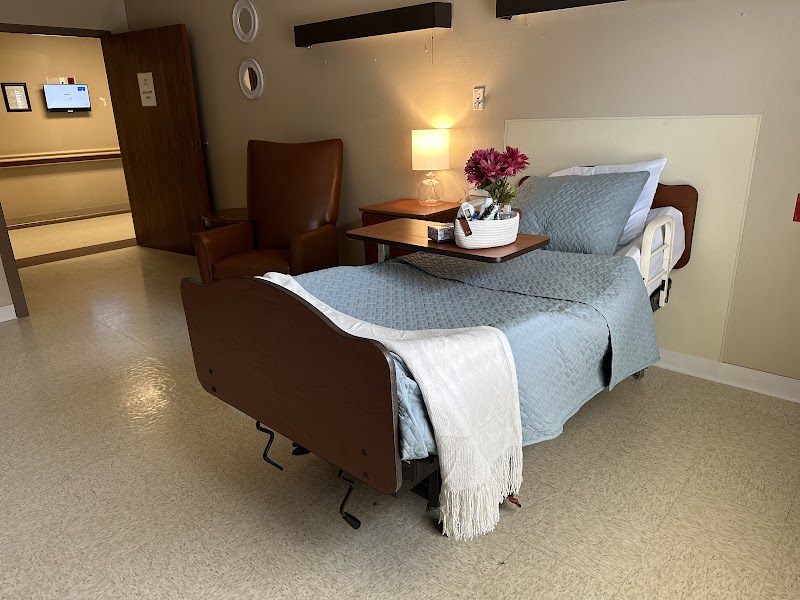
How is Oakmont Healthcare And Rehabilitation Center Of Ka Staffed?

CMS rates OAKMONT HEALTHCARE AND REHABILITATION CENTER OF KA's staffing level at 2 out of 5 stars, which is below average compared to other nursing homes. Staff turnover is 66%, which is 20 percentage points above the Texas average of 46%. High turnover can affect care consistency as new staff learn residents' individual needs. RN turnover specifically is 80%, which is notably high. RNs provide skilled clinical oversight, so turnover in this role can affect medical care quality.

What Have Inspectors Found at Oakmont Healthcare And Rehabilitation Center Of Ka?

State health inspectors documented 22 deficiencies at OAKMONT HEALTHCARE AND REHABILITATION CENTER OF KA during 2022 to 2024. These included: 21 with potential for harm and 1 minor or isolated issues.

Who Owns and Operates Oakmont Healthcare And Rehabilitation Center Of Ka?

OAKMONT HEALTHCARE AND REHABILITATION CENTER OF KA is owned by a for-profit company. For-profit facilities operate as businesses with obligations to shareholders or private owners. The facility is operated by DIVERSICARE HEALTHCARE, a chain that manages multiple nursing homes. With 130 certified beds and approximately 70 residents (about 54% occupancy), it is a mid-sized facility located in KATY, Texas.

How Does Oakmont Healthcare And Rehabilitation Center Of Ka Compare to Other Texas Nursing Homes?

Compared to the 100 nursing homes in Texas, OAKMONT HEALTHCARE AND REHABILITATION CENTER OF KA's overall rating (3 stars) is above the state average of 2.8, staff turnover (66%) is significantly higher than the state average of 46%, and health inspection rating (3 stars) is at the national benchmark.

What Should Families Ask When Visiting Oakmont Healthcare And Rehabilitation Center Of Ka?

Based on this facility's data, families visiting should ask: "How do you ensure continuity of care given staff turnover, and what is your staff retention strategy?" "Can you walk me through typical staffing levels on day, evening, and night shifts?" "Can I visit during a mealtime to observe dining assistance and food quality?" "How do you handle medical emergencies, and what is your hospital transfer rate?" These questions are particularly relevant given the facility's high staff turnover rate and the below-average staffing rating.

Is Oakmont Healthcare And Rehabilitation Center Of Ka Safe?

Based on CMS inspection data, OAKMONT HEALTHCARE AND REHABILITATION CENTER OF KA has a clean safety record: no substantiated abuse findings (meaning no confirmed cases of resident harm), no Immediate Jeopardy citations (the most serious violation level indicating risk of serious injury or death), and is not on the Special Focus Facility watch list (a federal program monitoring the lowest-performing 1% of nursing homes). The facility has a 3-star overall rating and ranks #1 of 100 nursing homes in Texas. While no facility is perfect, families should still ask about staff-to-resident ratios and recent inspection results during their visit.

Do Nurses at Oakmont Healthcare And Rehabilitation Center Of Ka Stick Around?

Staff turnover at OAKMONT HEALTHCARE AND REHABILITATION CENTER OF KA is high. At 66%, the facility is 20 percentage points above the Texas average of 46%. Registered Nurse turnover is particularly concerning at 80%. RNs handle complex medical decisions and coordinate care — frequent RN changes can directly impact care quality. High turnover means new staff may not know residents' individual needs, medications, or preferences. It can also be disorienting for residents, especially those with dementia who rely on familiar faces. Families should ask: What is causing the turnover? What retention programs are in place? How do you ensure care continuity during staff transitions?

Was Oakmont Healthcare And Rehabilitation Center Of Ka Ever Fined?

OAKMONT HEALTHCARE AND REHABILITATION CENTER OF KA has no federal fines on record. CMS issues fines when nursing homes fail to meet care standards or don't correct problems found during inspections. The absence of fines suggests the facility has either maintained compliance or corrected any issues before penalties were assessed. This is a positive indicator, though families should still review recent inspection reports for the full picture.

Is Oakmont Healthcare And Rehabilitation Center Of Ka on Any Federal Watch List?

OAKMONT HEALTHCARE AND REHABILITATION CENTER OF KA is not on any federal watch list. The most significant is the Special Focus Facility (SFF) program, which identifies the bottom 1% of nursing homes nationally based on persistent, serious quality problems. Not being on this list means the facility has avoided the pattern of deficiencies that triggers enhanced federal oversight. This is a positive indicator, though families should still review the facility's inspection history directly.