STERLING OAKS REHABILITATION


25150 LAKECREST MANOR DR, KATY, TX 77493 (281) 347-8200
For profit - Limited Liability company 126 Beds FUNDAMENTAL HEALTHCARE Data: November 2025
Trust Grade
88/100
#137 of 1168 in TX
Last Inspection: February 2025

Within standard 12-15 month inspection cycle. Federal law requires annual inspections.

Overview

Sterling Oaks Rehabilitation has a Trust Grade of B+, indicating it is above average and recommended for care. It ranks #137 out of 1,168 facilities in Texas, placing it in the top half, and #13 out of 95 in Harris County, meaning only twelve local homes are rated higher. However, the facility's trend is concerning as the number of issues found has increased from 3 in 2024 to 6 in 2025. Staffing is a relative strength with a turnover rate of 26%, which is significantly lower than the Texas average of 50%. Notably, there have been no fines, suggesting a good compliance history, but there have been serious concerns regarding medication management; for example, some medications were not properly labeled, and there were instances of residents not receiving their medications as prescribed. Overall, while there are strengths in staffing and compliance, families should be aware of the recent increase in issues related to care and medication practices.

Trust Score
B+
88/100
In Texas
#137/1168
Top 11%
Safety Record
Low Risk
No red flags
Inspections
Getting Worse
3 → 6 violations
Staff Stability
✓ Good
26% annual turnover. Excellent stability, 22 points below Texas's 48% average. Staff who stay learn residents' needs.
Penalties
✓ Good
No fines on record. Clean compliance history, better than most Texas facilities.
Skilled Nurses
⚠ Watch
Each resident gets only 26 minutes of Registered Nurse (RN) attention daily — below average for Texas. Fewer RN minutes means fewer trained eyes watching for problems.
Violations
⚠ Watch
16 deficiencies on record. Higher than average. Multiple issues found across inspections.
★★★★★
5.0
Overall Rating
★★★☆☆
3.0
Staff Levels
★★★★★
5.0
Care Quality
★★★★☆
4.0
Inspection Score
Stable
2024: 3 issues
2025: 6 issues

The Good

  • 5-Star Quality Measures · Strong clinical quality outcomes
  • Low Staff Turnover (26%) · Staff stability means consistent care
  • Full Sprinkler Coverage · Fire safety systems throughout facility
  • No fines on record
  • Staff turnover is low (26%)

    22 points below Texas average of 48%

Facility shows strength in quality measures, staff retention, fire safety.

The Bad

Chain: FUNDAMENTAL HEALTHCARE

Part of a multi-facility chain

Ask about local staffing decisions and management

The Ugly 16 deficiencies on record

Sept 2025 2 deficiencies
CONCERN (D) 📢 Someone Reported This

A family member, employee, or ombudsman was alarmed enough to file a formal complaint

Potential for Harm - no one hurt, but risky conditions existed

Pharmacy Services (Tag F0755)

Could have caused harm · This affected 1 resident

**NOTE- TERMS IN BRACKETS HAVE BEEN EDITED TO PROTECT CONFIDENTIALITY** Based on observation, record review and interview the facility failed to ensure that residents are free of medications errors fo...

Read full inspector narrative →
**NOTE- TERMS IN BRACKETS HAVE BEEN EDITED TO PROTECT CONFIDENTIALITY** Based on observation, record review and interview the facility failed to ensure that residents are free of medications errors for 1 of (Resident #2) 5 residents reviewed for medications errors. The facility failed to ensure that Resident #2's, medication Metoprolol for high blood pressure was held as ordered by the physician when it was 118/62 and 110/64. This failure placed all residents who received medications at risk of not getting their medications as ordered, which could result in residents not receiving the therapeutic benefits of the medication including decreased in blood pressure and decreased quality of life. Record review of Resident #2's admission face sheet dated 9/29/2025 revealed Resident # 2 was a [AGE] year-old female who was admitted on [DATE]. Resident #2's diagnoses included hypertension (high blood pressure). Record review of Resident #2's MDS dated [DATE] revealed a BIMS score of 15, indicating Resident #2's cognitive skills for decision making were intact. Record review of Resident #2's physician's order summary report revealed an order for Metoprolol 25 mg once a day for hypertension. Hold for SBP was <120. Record review of Resident #2's September 2025 MARs dated 09/26/2025 revealed Resident #2's Metoprolol 25 mg one a day for high blood pressure was administered between 7:00am -11:00am on 09/24/2025 when the SBP was 118/62, and on 09/25/2025 when the SBP was 110/64. the medication was not documented as held as ordered by the physician.Record review of the nurses notes for 9/24/2025 and 9/25/2025 revealed no documentation as to why the medication was not held. Observation on 09/26/2025 at 10:45 am revealed Resident #2 was lying in bed resting. Resident #2 was alert and oriented and could make their needs known. She was clean and well-groomed with no offensive odor. The call light was observed to be within reached. In an interview on 09/26/2025 at 10:45am with Resident #2 revealed sometimes, she did not get her blood pressure medication because her blood pressure was low. She said she was not getting the medication for blood pressure; the medication was to treat her heart. In an interview on 09/26/2025 at 3:00pm with MA B she said she was not the one who gave Resident #2 her medication. She said, if the medication was within the parameter that it should be held, then it should be held. She said the medication should be documented as held by using parentheses or asterisk to indicate it was held. She said if there was no documentation the medication was held then one must conclude it was given. She said, if the blood pressure medication was given when it was ordered to be held, it could cause the blood pressure to drop lower and it could cause the resident to get dizzy, and the resident could fall. In an interview on 09/29/2025 at 11:20am with MA A she said she was the one who gave medications to Resident#2. She said if the blood pressure was low, she should hold the medication. She said she documented in error. She said she was sure the medication was held, and she had forgotten to document it correctly. She said if there was no indication on the MARs then it would be difficult to say it was held. She said if the medication was given to the resident and the blood pressure was low it would make the blood pressure drop lower and the resident would get dizzy and the resident could fall. She said she was aware Resident #2's blood pressure was always low, and she had to hold the medication on several occasions. She said she must pay more attention and always document when medications were given or not given. In an interview on 09/29/2025 at 11:37am, the ADON said blood pressure medication should not be given when the blood pressure was within the parameter the doctor said should be held. She said if medications were held it should be documented and the reason why it was held. She said if the medication was given, when it was supposed to be held the blood pressure could drop lower, and the residents could get dizzy and fall. She said her expectations of the staff were to ensure the physician's orders were followed and documented in the clinical records. She said the plan going forward was to in-service the staff, ensuring blood pressures were checked and supervise the blood pressure medication administration. She said the staff will be in-serviced on documentation in resident's clinical records. Record review of the facility policy titled Physician's Order dated May 5, 2023, Read in Part . Policy: The qualified licensed nurse will obtain and transcribe orders according to the facility's practice guidelines.ProceduresAdmissionThe qualified licensed nurse completes an admission medication regimen review from the transfer record from an acute care hospital, home or other entity.a. A call is placed to the physician to confirm the orders and request any additional orders as needed. Medication/Treatment1. The facility should not administer medications or biologicals except upon the order of a physician/prescriber lawfully authorized to prescribe them.2. Elements of medication include:- Parameters for holding medication if indicated.
CONCERN (E) 📢 Someone Reported This

A family member, employee, or ombudsman was alarmed enough to file a formal complaint

Potential for Harm - no one hurt, but risky conditions existed

Medical Records (Tag F0842)

Could have caused harm · This affected multiple residents

**NOTE- TERMS IN BRACKETS HAVE BEEN EDITED TO PROTECT CONFIDENTIALITY** Based on interview and record review, the facility failed to maintain medical records in accordance with accepted professional s...

Read full inspector narrative →
**NOTE- TERMS IN BRACKETS HAVE BEEN EDITED TO PROTECT CONFIDENTIALITY** Based on interview and record review, the facility failed to maintain medical records in accordance with accepted professional standards and practices that were complete and accurately documented for 2 of 5 Residents (Resident #1 and Resident #2) reviewed for medical records accuracy, in that: Resident #1's September 2025 MARs did not reflect documentation that heart rate and blood pressure was done. Resident #2's September 2025 nurse's notes did not document reasons why blood pressure medication was given when it was supposed to be held. This deficient practice could affect residents whose records were maintained by the facility, by placing them at risk for errors in care, and treatment. Record review of Resident #1's admission face sheet dated 09/26/2025 revealed he was a [AGE] year-old male who was admitted to the facility on [DATE]. His diagnoses included atrial flutter (a condition where the upper chambers of the heart beat too quickly) and Essential hypertension (high blood pressure). Review of Resident #1's initial MDS dated [DATE] revealed a BIMS score of 15, indicating Resident #1's cognitive skills for decision making were intact. Record review of Resident #1's physician's order for September 2025 revealed:Metoprolol Succinate tablet extended release 24 hr:25 mg: Amount to administer 12.5mg oral, once a day. Hold for SBP <110 and heart rate <60 for hypertension.Digoxin tablet 125 mcg (0.125) amount to administer 1 tablet once a day for typical atrial flutter. Hold if pulse was below 60. Record review of Resident #1's Medication Administration Record for September 2025 revealed: Metoprolol 12.5mg was documented as not given on 9/26/2025. The medication order stated to hold if SBP was 110 and heart rate was < 60. There was no blood pressure or heart rate documented as done on the MARs on 9/26/2025. There were blanks on the MARS for the blood pressure and heart rate. Digoxin 125 mcg (0.125mg) mg one tablet was documented as not given on 9/24/2025, however the section on the MARs for the pulse was blank on 9/24/2025. In an interview on 09/26/2025 at 3:00pm with MA B she said she was not the one who gave Resident #1 his medication. She said there should be no blanks on the MARS. She said if there were blanks on the MARs it would be difficult to determine if the medications were given or not given. In an interview on 09/29/2025 at 11:20am with MA A she said she was the one who gave Resident #1 his medications. She said she held the medications and should have documented on the MARs. She said she must pay more attention and always document when medications were given and or not given. Blanks on the MARs could indicate that the medication was given or not given. She said there should be no blanks on the MARs. Record review of Resident #2's admission face sheet dated 9/29/2025 revealed Resident # 2 was a [AGE] year-old female who was admitted on [DATE]. Resident #2's diagnoses included hypertension (high blood pressure). Review of Resident #2's initial MDS dated [DATE] revealed a BIMS score of 15, indicating Resident #2's cognitive skills for decision making were intact. Record review of Resident #2's physician's order summary report revealed an order for Metoprolol 25 mg once a day for hypertension. Hold for SBP <120. Record review of Resident #2's MAR for September 2025 revealed the medication was administered between 7:00am -11:00am on 09/24/2025 when the SBP was 118/62 and 09/25/2025 between 7:00am and 11:00am when the SBP was 110/64. Further record review of the MAR revealed the medication was documented as given on those dates when the blood pressure was within the parameter it should be held. Record review of the nurse's progress notes for 9/24/2025 and 9/25/2025 revealed no documentation as to why the medication was not held. Observation on 09/26/2025 at 10:45 am revealed Resident #2 was lying in bed resting. Resident #2 was alert and oriented and could make their needs known. She was clean and well-groomed with no offensive odor. The call light was observed to be within reached. In an interview on 09/26/2025 at 10:45am Resident#2 said sometimes she did not get her blood pressure medication because her blood pressure was low. She said she was not getting the medication for blood pressure; she was getting it to treat her heart. In an interview on 09/29/2025 at 11:20am with MA A she said she was the one who gave medications to Resident#2. She said if the blood pressure was low, she would have held the medication. She said the documentation was an error. She said she was sure the medication was held and had forgotten to document it correctly. She said she was aware Resident #2's blood pressure was always low, and she had to hold it on several occasions. She said she must pay more attention and always document when medications were given and if not given to document it, and the reason it was given or not given. She said there should be no blanks on the MARS. Blanks on the MARs could indicate that the medication was not given. She said she must pay more attention and always document after completing a task. In an interview on 09/29/2025 at 11:37 AM, ADON said there should be no blanks on the MARs. She said if medications were given or not given it should be documented on the MARs. She said if there were no documentations it's hard to determine it the medications were given or not given. She said the expectations of the staff were to ensure the physician's orders were followed and documented in the resident's clinical records. She said the plan going forward was to in-service the staff, ensuring blood pressures were checked and documented. She said the staff will be in-serviced on documentation in resident's clinical records. Record review of the facility's policy and procedures on Documentation dated May 5th 2023 read in part .Subject: Documentation GuidelinesPolicy:Documentation guidelines pertinent to good clinical record practice will be followed by all individuals who document the medical record. Guidelines:1. Print or write neatly and legibly5. Make all entries in chronological order and do not leave blank spaces between entries.6. Date and sign all entries, including the first initial last name and title of the writer.7. All entries should be based on the writer's first hand knowledge
Feb 2025 4 deficiencies
CONCERN (D) 📢 Someone Reported This

A family member, employee, or ombudsman was alarmed enough to file a formal complaint

Potential for Harm - no one hurt, but risky conditions existed

Comprehensive Care Plan (Tag F0656)

Could have caused harm · This affected 1 resident

**NOTE- TERMS IN BRACKETS HAVE BEEN EDITED TO PROTECT CONFIDENTIALITY** Based on interview and record review, the facility failed to develop and implement a comprehensive person-centered care plan for...

Read full inspector narrative →
**NOTE- TERMS IN BRACKETS HAVE BEEN EDITED TO PROTECT CONFIDENTIALITY** Based on interview and record review, the facility failed to develop and implement a comprehensive person-centered care plan for each resident, consistent with resident rights, that include measurable objectives and time frames to meet a resident mental, nursing, and mental and psychosocial needs that were identified in the comprehensive assessment and to ensure the services that were to be furnished to attain or maintain the resident's highest practicable physical, mental, and psychosocial well-being for 2 of 8 residents (Resident #6 and #30) reviewed for care plans. 1. The facility failed to ensure Resident #6's diagnoses were addressed in her comprehensive care plan. 2. The facility failed to ensure Resident #30's diagnoses and medications were addressed in her comprehensive care plan. This failure could place residents at risk of not receiving appropriate care. The findings included: 1. Record review of Resident #6's face sheet, dated 02/27/2025, revealed a [AGE] year-old female who was admitted to the facility on [DATE] and re-admitted [DATE]. Resident #6 had diagnoses which included: Dementia (a general term for loss of memory, language, and other cognitive abilities); Generalized Anxiety Disorder (mental health disorder characterized by feelings of worry, fear and anxiety strong enough to interfere with daily life) and Depression (a mood disorder that causes a persistent feeling of sadness and loss of interest), Parkinson's disease ( Progressive movement disorder of the nervous system), Cortical age-related cataract right eye, Shortness of breath, Repeated falls, Cortical age-related cataract (begins as white, wedge-shaped spots or streaks on the outer edge of the outer edge of the lens cortex).on the left eye (History of), Cognitive communication deficit, Hemiplegia and hemiparesis following cerebral infarction affecting right dominant side ( a condition that causes partial or total paralysis of one side of the body), Visual hallucinations ( when someone sees images or things that aren't actually there) and type 2 diabetic mellitus ( high glucose in the blood). Record review of Resident #6's quarter MDS assessment, dated 12/14/2024, revealed a BIMS score of 02, iwhich indicated severely impaired cognition. Resident #6 was assessed as feeling down, depressed and had diagnoses which included Dementia, Anxiety Disorder and Depression. Record review of Resident #6's Order Summary, dated 02/26/2025, revealed physician orders which included the following: - Clorazepate dipotassium - Schedule 1V 7.5 mg (Miligram) Give 2 tablets to equal 15 mg by mouth every 12 hours ( 9:00 AM and 9:00 PM) for anxiety disorder with a start date of 08/13/2024.; - Mirtazapine Oral Tablet 15 mg Give 1 tablet by mouth one time a day (9:00 PM) for Major Depressive disorder with an order date of 11/06/2024. -Mirtazapine Oral Tablet 7.5 mg Give 1 tablet by mouth one time a day (7:00 AM) for Major Depressive disorder with an order date of 11/06/2024. -Benadryl Allergy (diphenhydramine HCL) tablet, 25mg oral twice a day 7:00 AM and 6:00PM with an order date of 1/31/2024. -Sinemet (Carbidopa-Levodopa) tablet 25-100 mg, Give 2 tablets by mouth 3 times daily for Parkinsonism at 9:00AM, 1:00PM and 5:00 PM with an order date of 12/04/2024. - -Glipizide tablet 5mg oral once a day for 7:00 AM with an order date of 2/27/2024 Record review of Resident #6's Comprehensive Care Plan initiated 12/20/2024 revealed there were no focus areas addressing the resident's diagnoses of Generalized Anxiety Disorder, Depression or Dementia, and no focus areas which indicated the resident's active orders for anti-anxiety, anti-depressants, and anti-Parkinson's disease medications. 2. Record review of Resident #30's face sheet, dated 03/24/2025, revealed an [AGE] year-old female who was admitted to the facility on [DATE]. Resident #30 had a diagnosis which included: Generalized Anxiety Disorder (mental health disorder characterized by feelings of worry, fear and anxiety strong enough to interfere with daily life). Record review of Resident #30's quarter MDS assessment, dated 1/13/2025, revealed a BIMS score of 99, which indicated severely impaired cognition. Record review of Resident #6's Order Summary, dated 02/26/2025, revealed physician orders which included: - Lorazepam 0.5 mg by mouth every hours of sleep (between 8:00 PM to 10:00 PM) for anxiety disorder with a start date of 11/5/2024. Interview with LVN-MDS A on 2/27/25 at 2:47 PM, LVN-MDS A said she had been working as the MDS person for 3 years, she completed care plans, with the Activities Director and Social Services. Resident #6 and Resident #30's Comprehensive Care Plan did not address their diagnoses of Anxiety, Parkinson's Depression or Dementia, and did not address their active orders for anti-anxiety and anti-psychotic medications, but it should have. MDS-A stated these diagnoses and medications were ordered/documented prior to her Care Plan being completed, so should have been included on her Comprehensive Care Plan. LVN MDS-A stated these diagnoses and medications should automatically trigger a Care Area Assessment (CAA) area and she did not know why they were not triggered or why they were missed. LVN MDS-A stated she was responsible for the quarterly and annual assessments of the Comprehensive Care Plan. LVN MDS-A further stated it was important for these diagnoses and medications to be addressed in the Care Plan so staff had the information needed to meet the resident's specific care needs. Interview with the DON, on 02/27/2025 at 4:05 p.m. revealed the Comprehensive Care Plans needed to address and include all of the residents' nursing, mental and psychosocial needs, and contain the interventions and services the resident would need to meet these needs. The DON said she would be assessing and in-servicing staff to ensure the resident needs were being met to include completion of assessments and Care Plans. Record review of the facility's, undated, policy titled Comprehensive Care Planning, revealed Each resident will have a person-centered comprehensive care plan developed and implemented to meet his other preferences and goals, and address the resident's medical, physical, mental and psychosocial needs.
CONCERN (D)

Potential for Harm - no one hurt, but risky conditions existed

Respiratory Care (Tag F0695)

Could have caused harm · This affected 1 resident

**NOTE- TERMS IN BRACKETS HAVE BEEN EDITED TO PROTECT CONFIDENTIALITY** Based on observation, interview, and record review the facility failed to ensure that a resident who needed respiratory care, in...

Read full inspector narrative →
**NOTE- TERMS IN BRACKETS HAVE BEEN EDITED TO PROTECT CONFIDENTIALITY** Based on observation, interview, and record review the facility failed to ensure that a resident who needed respiratory care, including tracheostomy care and tracheal suctioning, was provided such care, consistent with professional standards of practice, the comprehensive person-centered care plan and the residents' goals and preferences for 1 of 8 residents (Resident #14) reviewed for respiratory care. The facility failed to change Resident #14's oxygen tubing and humidifier bottle every 7 days. This failure could place residents at risk for respiratory infections, unwanted hospitalization and decrease in quality of life. Findings include: Record review of Resident #14's, undated, face sheet revealed a [AGE] year-old female who was admitted to the facility originally on 01/12/22 and again on 02/13/25. Resident #14's had diagnoses which included cerebral infarction (when blood flow to the brain is blocked), spinal stenosis (spaces inside the bones of the spine get too small putting pressure on the spinal cord and the nerves that travel through the spine) , cough, obstructive sleep apnea (intermittent airflow blockage during sleep), Meniere's disease (disease of the inner ear) , hemiplegia (paralysis or weakness on one side of the body) and hemiparesis (muscle weakness or partial paralysis on one side of the body that can affect the arms, legs, and facial muscles), and shortness of breath. Record review of Resident #14's annual MDS, dated [DATE], revealed a BIMS score of 15, which indicated the resident cognition was intact. Section O-Special Treatments, Procedures, and Programs reflected the resident was receiving oxygen therapy which consisted of oxygen and BIPAP (non-invasive ventilation technique that provides air to help a person with breathing difficulties). Record review of Resident #14's Comprehensive Care Plan, dated 09/08/2021 and revised on 12/18/2024, reflected the resident was being care planned for diagnoses which included obstructive sleep apnea, history of shortness of breath, and used a BIPAP may use oxygen via NC as ordered by physician; at risk for SOB. The intervention included changing tubing per facility protocol. Record review of Resident #14's Physician Order Summary Report for the month of February 2025 reflected the following orders: -Dated 09/09/21 BIPAP at HS, assure good seal on mask and O2 1L connected to tubing; refill distilled water in BIPAP as needed (DX: obstructive sleep apnea) at bedtime; 8:00PM. -Dated 02/28/23 Oxygen 2 liters PRN via nasal cannula for O2 sat < 92% every shift PRN. -Dated 11/03/23 Equipment Oxygen: Change O2 tubing/nasal cannula/mask/humidification system weekly frequence (once on Sunday). Record review of Resident #14's TAR for the month of February 2025 reflected the resident was receiving BIPAP and oxygen as ordered by the physician. The TAR reflected documentation of oxygen equipment was changed on 02/23/25. The initials on the TAR read. Observation on 02/25/25 at 10:12AM revealed Resident #14 was awake in bed. Further observation was made of an oxygen machine in the room with a humidifier bottle attached to the machine. The date on the humidifier bottle read 02/16/25. The oxygen tubing was dated 2/16/25. Observation on 02/26/25 at 2:04 PM revealed Resident #14 was not the in room. The date on the resident's oxygen tubing read 02/23/25. Further observation of the humidifier bottle revealed it was dated 02/16/25. Observation on 02/27/25 at 9:16 AM revealed Resident #14's oxygen humidifier bottle was dated 02/16/25. Interview on 02/25/25 at 9:16 AM Resident #14 said she used her oxygen at nighttime. Interview on 09/27/25 at 9:16 AM, Resident #14 said she was still being placed on her BIPAP machine with oxygen at night. Interview on 09/27/25 at 9:20 AM, ADON E said she worked at the facility Monday-Friday and was assigned to Halls 300 & 400. ADON E said respiratory equipment should be changed once a week on a Sunday on the night shift. ADON E said this was for infection control. ADON E said when respiratory equipment was not changed as ordered, it placed the resident at risk for upper respiratory infections. ADON E said once the nurse changed out the equipment, it was documented on the TAR that the task was completed. ADON E said it was the responsibility of the ADON's to ensure this was being done. ADON E said when she reported to work, she looked at the oxygen equipment to ensure it was being done. ADON E said each resident had a guardian angel who did room checks as well-made as rounds on each room assigned. ADON E said the guardian angels assigned to Hall 300 were the Maintenance Director and the Medical Records Director. ADON E said LVN K was the nurse who worked the night shift. Interview on 02/27/25 at 9:30 AM, the Medical Records Director said she was not assigned to Resident #14's room but the Maintenance Director was. The Medical Records Director said when she made rounds on resident rooms, she checked for the room being clean and tidy, resident's had fresh water to drink, check the bathroom, make sure resident's were groomed and comfortable, and she also check respiratory equipment making sure that nothing was out dated. The Medical Records Director said if the equipment was outdated, she reported this to the nurse. The Medical Records Director said she utilized a check list of things to observe in the resident rooms. Interview on 02/27/25 at 10:00 AM, the DON said respiratory equipment such as oxygen tubing and oxygen humidifier bottles were changed every week on a Sunday by the night shift nurse to prevent infections. The DON said she would have to investigate what staff dated Resident #14's oxygen tubing for 02/23/25. The DON said the Maintenance Director was on leave on 02/23/25 (Monday) and did not return to work until 02/27/25. The DON said LVN K worked on 02/23/25 (Sunday) and did not return to work until 02/26/25 (Wednesday). Interview on 02/27/25 at 10:18 AM, the Infection Control Nurse said when staff did not change respiratory equipment per facility protocol (every 7 days), bacteria could form inside the tubing placing the resident at risk for upper respiratory infections. Attempted interview on 02/27/25 at 11:45 AM with LVN K, via phone was unsuccessful, a voicemail was left with a call back number. Interview on 02/27/25 at 5:55 PM, the DON said she spoke with LVN K who said he intended to change Resident # 14's respiratory equipment but got distracted. The DON said she would continue to investigate the matter. Record review of the facility's policy on Respiratory Equipment Change Schedule addressed nasal cannula, revision date February 02, 24 reflected in part: Nasal cannula change weekly, when soiled on an as needed basis or per state regulations
CONCERN (D)

Potential for Harm - no one hurt, but risky conditions existed

Infection Control (Tag F0880)

Could have caused harm · This affected 1 resident

Based on observation, interview and record review the facility failed to establish and maintain an infection prevention and control program designed to provide a safe, sanitary and comfortable environ...

Read full inspector narrative →
Based on observation, interview and record review the facility failed to establish and maintain an infection prevention and control program designed to provide a safe, sanitary and comfortable environment and to help prevent the development and transmission of communicable diseases and infections for 2 of 4 halls reviewed for infection control. 1. The facility failed to dispose soiled linen inside of a waste barrel in the soiled utility room on Hall 200. 2. The facility failed to place a trash bag in the trash barrel instead of on the floor in the utility room on Hall 300. These failures could place residents at risk for cross contamination, infections, and a decrease in quality of life. Findings include: Observation on 02/25/25 at 8:20 AM in the soiled linen room on hall 200 revealed two waste barrels. Sitting on top of one of the barrels was a large plastic bag with soiled linen. Further observation revealed a large towel laying on the floor. Observation on 02/25/25 at 10:26 AM on Hall 300 utility room revealed a trash bag tied up laying on the floor. There were no barrels in the soiled utility room. Interview on 02/25/25 at 8:25AM, Laundry Aide B said all soiled materials should be placed inside of the barrel and not on the floor to avoid cross contamination. Interview on 02/25/25 at 10:26 AM, the Manager of Housekeeping said she was the Manager of housekeeping, laundry, and floor tech. The Manager of Housekeeping said staff should not be placing trash on the floor but inside of the trash barrel receptacles and the same went for soiled linen barrels to avoid cross contamination. The Manager said it was the responsibility of the nursing staff to bring full barrel receptacles for trash and linen to the main soiled utility room and leave by her door to empty. The nursing staff then took an empty receptacle back to the soiled utility room on the halls. The Manager said normally at the end of each shift, the CNA's brought the yellow linen barrels to the main soiled utility room and got an empty barrel for trash and linen to be taken to the soiled utility rooms on each hall. Interview on 02/26/25 at 1:40 PM, LVN A said she was the nurse for Hall 200. LVN A said all soiled material was supposed to be stored inside of the soiled utility rooms inside of designated barrels and not on top of the barrels or on the floor to avoid contamination. Record review of the facility's policy on Infection Control, revised May 15, 2023, reflected in part: Purpose: To establish a facility wide program that incorporates a system for preventing, identifying, reporting, investigating, and controlling infections and communicable diseases .proper handling of linen, wastes, equipment and supplies
CONCERN (E) 📢 Someone Reported This

A family member, employee, or ombudsman was alarmed enough to file a formal complaint

Potential for Harm - no one hurt, but risky conditions existed

Deficiency F0761 (Tag F0761)

Could have caused harm · This affected multiple residents

**NOTE- TERMS IN BRACKETS HAVE BEEN EDITED TO PROTECT CONFIDENTIALITY** Based on observation, interview and record review the facility failed to ensure drugs and biologicals used in the facility were ...

Read full inspector narrative →
**NOTE- TERMS IN BRACKETS HAVE BEEN EDITED TO PROTECT CONFIDENTIALITY** Based on observation, interview and record review the facility failed to ensure drugs and biologicals used in the facility were labeled with currently accepted professional principles, and included the appropriate accessory and cautionary instructions, and the expiration date when applicable for and 2 of 5 medication carts (medication cart Hall 100 and 200) reviewed for medication storage. - The facility failed to ensure the back of 100 and 200 hall medication carts did not contain eyedrops, ointment, cream and nasal spray that were opened and not labeled with the resident's name and date. This failure could place residents at risk of adverse medication reactions and infections. Findings Include: Observation on [DATE] at 2:11 PM revealed the medication cart for 100 hall with MA A. The 100 hall medication cart had the following medications with no open date documented: 1. Latanoprost Ophthalmic solution was open and not dated 2.Timolol Maleate ophthalmic solution was open and not dated 3. Olopatadine hydrochloride solution was open and not dated 4.Lumigan Ophthalmic solution was open and not dated 5.Refresh Celluvisc lubricant eye Gel 30 single use container was open and not dated 6. Lubricant eye was open and not dated 7. Onasl Beclomethasone dipropionate nasal was open and not dated 8. Aerosol 80 mcg per spray was open and not dated 9. Saline Nasal Spray was open and not dated 10 Fluticasone Propionate nasal spray was open and not dated 11. Artificial tears lubricant eye drop was open and not dated 12. Artificial tears lubricant eye drop was open and not dated 13. Artificial tears lubricant eyedrop was open and not dated 14. Artificial tears lubricant eyedrop was open and not dated 15. Artificial tears lubricant eyedrop was open and not dated 16. Artificial tears lubricant eyedrop was open and not dated 17. Artificial tears lubricant eyedrop was open and not dated 18. Lumigan Ophthalmic solution was open and not dated In an interview with MA A on [DATE] at 2:40 PM, MA A said she was off for 2 days and she just came back, regarding medication opened and not dated, MA A said those medications should have an open date on them and it was good for 30 days after it was opened, she said she was in-serviced on drug labeling and storage. Observation of 200 hall nurses cart with LVN K on [DATE] at 2:42 PM revealed the 200 medication cart had the following ointment, cream and jelly with no open date documented: 1. Vaseline pure ultra white petroleum jelly 2. Treat Antifungal ointment moisturizer body lotion 3. Clotrimazole cream USP1% 4. Vaseline pure ultra white petroleum jelly In an interview with LVN F on [DATE] at 2:46 PM, she said when ointment, cream and jelly was open it should be dated because it was good for 30 days for it to be effective. Interview with the DON on [DATE] at 4:08 PM, she said eye drops, ointment and nasal spray when opened should be dated. The DON said she in-serviced staff about 4 weeks ago on dating medication when opened and storage for effectiveness. She said she would had to in-service again. A copy of the policy was requested . DON said the nurses were responsible for dating the medication when opened. Interview with the ADM on [DATE] at 4:15PM, he said the nurses should always date the drug when opened that was his expectations. Record review of the Medication Storage Information.pdf: Eye Drops Room Temp. (Unopened) Room Temp. (Opened) Manf. Exp. on Package Refer to facility P&P Miacalcin Nasal Spray Calcitonin Nasal Spray Refrigerator (Unopened) Room Temp (Opened **STORE UPRIGHT** Manufacture. Expired. On Vial 30 Day
May 2024 1 deficiency
CONCERN (E) 📢 Someone Reported This

A family member, employee, or ombudsman was alarmed enough to file a formal complaint

Potential for Harm - no one hurt, but risky conditions existed

Pharmacy Services (Tag F0755)

Could have caused harm · This affected multiple residents

**NOTE- TERMS IN BRACKETS HAVE BEEN EDITED TO PROTECT CONFIDENTIALITY** Based on interviews and record review the facility failed to provide pharmaceutical services (including procedures that assure t...

Read full inspector narrative →
**NOTE- TERMS IN BRACKETS HAVE BEEN EDITED TO PROTECT CONFIDENTIALITY** Based on interviews and record review the facility failed to provide pharmaceutical services (including procedures that assure the accurate acquiring, receiving, dispensing, and administering of all drugs and biologicals) to meet the needs of each resident for 3 of 5 Residents (Resident #1, #2, #3). The facility failed to administer Resident #1's medication according to her physician order at the prescribed time. The facility failed to administer Resident #2's medication according to her physician order at the prescribed time. The facility failed to administer Resident #3's medication according to her physician order at the prescribed time. The facility failed to administer Resident #3's medication because they did not have the correct dosage. These failures could affect all residents and place them at risk of injury, pain, decline in health, or diminished quality of life. Findings Included: Record review of Resident #1's face sheet revealed she was a [AGE] year-old female that was admitted to the facility on [DATE] with diagnoses of multiple sclerosis, cellulitis of right toe, lack of coordination, muscle weakness, dysphagia, cough, muscle wasting atrophy, pain, hypotension (low blood pressure), altered mental status, overactive bladder, and trigeminal neuralgia (A chronic pain condition affecting the trigeminal nerve in the face). Record review of Resident #1's Quarterly MDS dated [DATE] revealed she had a BIMS score of 12 which meant minimum cognitive impairment. Resident #1's pain frequency was rarely or not at all. Record review of Resident #1's physician orders dated 05/2024 revealed carbamazepine tablet; 200 mg; amt : 2 tablets; oral [DX: Trigeminal neuralgia] Every 12 Hours; 07:00 AM, 07:00 PM Observation on 05/30/24 at 10:34 AM during medication pass revealed Resident #1 was administered two carbamazepine 200 mg tablets 3 hours and 34 minutes past the prescribed time. Record review of Resident #2's face sheet revealed she was a [AGE] year-old female that was admitted to the facility on [DATE] and readmitted on [DATE] with diagnoses of cognitive communication deficit, unsteadiness of feet, hemorrhoids, dysphagia, muscle weakness, insomnia, major depressive disorder, constipation, and aphasia. Record review of Resident #2's Quarterly MDS dated [DATE] revealed she had a BIMS score of 99 due to the resident being unable to complete the interview. Record review of Resident #2's physician orders dated 05/2024 revealed .acetaminophen [OTC] tablet; 500 mg; amt: 2; oral Special Instructions: Give two 500mg to equal 1000mg Every 8 Hours; 06:00 AM, 02:00 PM, 10:00 PM Observation on 05/30/24 at 10:39 AM during medication pass revealed Resident #2 was administered two acetaminophen 500 mg, 4 hours, and 39 minutes past the prescribed time. Record review of Resident #3's face sheet revealed she was a [AGE] year-old female that was admitted to the facility on [DATE] with diagnoses of pain in the right hip, atherosclerotic heart disease, urinary tract infection, pain in shoulder, dysphagia, lack of coordination, muscle wasting atrophy, diarrhea, hypothyroidism, anxiety, mood disturbance, hypertension (high blood pressure), and dementia. Record review of Resident #2's Quarterly MDS dated [DATE] revealed she a BIMS score of 15 which meant she had limited cognitive impairment. Resident #3 was diagnosed with hypertension (high blood pressure). Record review of Resident #3's physician orders dated 05/2024 revealed AZO Cranberry (otc) tablet; 500mg; amt: 2; oral Special Instructions: Take 2 (two) soft gels daily with water. [DX: Urinary tract infection, site not specified] Once A Day; AM Cartia XT (diltiazem hcl ) capsule, extended release 24hr; 120 mg; amt: 120mg; oral [DX: Essential (primary) hypertension] Every 12 Hours; 07:00 AM, 07:00 PM Observation on 05/30/24 at 10:48 AM during medication pass revealed Resident #3 was administered one tablet of diltiazem hcl 120 mg, 3 hours, and 48 minutes past the prescribed time. Resident #3 was not administered cranberry AZO 500 mg, the bottle on the medication cart was cranberry AZO 450 mg. In an interview on 05/30/24 at 10:50 AM Resident #3 stated she usually received her medications but sometimes they came late . In an interview on 05/30/24 at 10:52 AM Med Aide A stated the facility did not have the 500 mg of Cranberry Azo. She stated she had the 450 mg tablets on her medication cart. She will speak with the nurse to have the order changed to 450 mg or the nurse will order 500 mg Cranberry. In an interview on 05/30/24 at 1:51 PM Med Aide A stated she was running behind, the facility had a lot of patients. She had to assist the nurse aides with some duties, so she was running behind on the medication pass. She stated staff can give medications 1 hour before or 1 hour after prescribed times. She should have let nurse know she was running late. Depending on the drug the physician wants to make sure the medications were on time and the resident doesn't have any reactions. In an interview on 05/30/24 at 2:06 PM the DON stated when the med aide was running behind or helping staff the ADON or Nurse would help with med pass. The medication aide was not usually running late, and this does not happen often. The DON said she will call the physician to follow up on the residents. The staff can give the medications an hour before or an hour after the prescribed time . In an interview on 5/31/24 at 2:17 PM the Central Supply staff said she was responsible for reordering the OTC meds. If the brand or strength was not correct, she should let the nurse know, should have tried to get a medication from somewhere else, or have the order changed. She was not aware of the cranberry Azo medication. If she was made aware she could have had it taken care of . In an interview on 05/31/24 at 3:04 PM Med Aide B stated when or if she was running late, the staff report that to the nurse, and the nurse will help with the medication pass. The med aide should report to the nurse if a medication was out. She lets the nurse or the staff that orders the medications know . In an interview on 05/31/24 at 3:12 PM Med Aide C stated if the medication was running low staff were supposed to inform the nurse to let them know. If the Med Aide was running late, they let the nurse know, so the, the nurse would step in, and help. In an interview on 05/31/24 at 3:50 PM LVN D stated if the Med Aides were running late, the nurse would assist with the meds. OTC go through Central Supply, the staff were supposed to notify her. The medication would be ordered, the physician notified, and family notified. Labs could be run to determine if the resident still required the medication. In an interview on 05/31/24 at 3:37 PM the DON said when Med Aides were running late, they would let the nurse know and the nurse would assist. The staff would let the physician or NP know the meds were late and see trends to determine if meds can be moved. Med Aide A said she was assisting with cleaning up a resident which caused her to run behind. She explained to the Med Aide A to communicate the situation. The nurse would have made sure the 7AM meds were given. The Med Aides were good and will assist with care. Typically, they don't give out meds in that area, they know to provide privacy, it cuts down on errors. It was important to give the residents meds on time so it will not contradict any other medications and the residents get the full effect of the medication. Record review of the facility policy Medication Management Program dated 5/5/23 revealed .Policy: The Facility implements a Medication Management Program to meet the pharmaceutical needs of patients and residents, according to established standards of practice and regulatory requirements .Administering the Medication Pass 2. Licensed or certified/permitted medication aide follows the MAR by identifying the eight rights .
Jan 2024 2 deficiencies
CONCERN (D)

Potential for Harm - no one hurt, but risky conditions existed

Deficiency F0761 (Tag F0761)

Could have caused harm · This affected 1 resident

**NOTE- TERMS IN BRACKETS HAVE BEEN EDITED TO PROTECT CONFIDENTIALITY** Based on observation, interview, and record review the facility failed to ensure that drugs and biologicals used in the facility...

Read full inspector narrative →
**NOTE- TERMS IN BRACKETS HAVE BEEN EDITED TO PROTECT CONFIDENTIALITY** Based on observation, interview, and record review the facility failed to ensure that drugs and biologicals used in the facility were stored and labeled in accordance with currently accepted professional principles for 1 of 5 Residents (Resident #38) and 1 of 8 medication carts (100 Hall Medication Aide Cart) reviewed for medication storage. The facility failed to ensure LVN B secured insulin from Resident #38's bedside when left unattended. The facility failed to ensure MA A locked 100 Hall Medication Cart before leaving it unattended. These failures could place residents at risk for possible drug diversions or accidental ingestion. Findings included: Resident #38 Record review of Resident #38's face sheet dated 01/04/2024 revealed the resident was admitted on [DATE]. Resident #38 was a [AGE] year-old male. The resident's admitting diagnosis included Type 2 diabetes mellitus (elevated blood sugar). Record review of Resident #38's care plan problem onset dated 06/08/2023 revealed: Problem: Resident #38 was a diabetic attempted to control by insulin; Goal: Diabetic status would remain stable as evidenced by Resident #38's blood sugar would remain within the resident's normal range; Approach: Administer medications as ordered. Record review of Resident #38's quarterly Minimum Data Set (MDS) dated [DATE] revealed Cognitive Patterns Brief Interview for Mental Status (BIMS) Summary Score of 15 out of 15 indicating resident's cognition was intact. Record review of Resident #38's Physician Order report dated 12/04/2023-01/04/2024 revealed Lantus U100 Insulin. Administer 23 units once a day in the morning. Record review of Resident #38's Diabetic Administration History dated 01/01/2024-1/04/2024 revealed LVN B administered insulin to Resident #38 on 01/04/2024. During an observation on 01/04/2024 at 8:08 AM revealed LVN B removed Resident #38's Lantus insulin Flex Pen (disposable insulin pen with dial up dosage and push button extension to dispense insulin) from the medication cart. During this observation LVN B dialed the flex pen to administer 23 units of insulin. LVN B placed the inulin flex pen on a small tray. As the observation continued at 8:12 AM LVN B carried the tray with insulin to Resident #38's bedside. Resident #38 was sitting up in bed with his tray table across in front of him. Resident #38 was observed eating breakfast independently using his right hand. LVN B placed the tray with insulin on the tray table next to Resident #38's breakfast tray. The tray with the insulin flex pen was within reach of Resident #38's right hand. LVN B pulled the resident's privacy curtain around the resident. The resident's bedside was not in view from the doorway. LVN B walked away from Resident #38's bedside to go to the medication cart parked in the hall at the doorway of the room. The resident's insulin was left unattended at the resident's bedside. LVN B returned to Resident #38's bedside at 8:13AM. During an interview on 01/04/2024 at 10:30 AM Resident #38 stated he saw the insulin left on his tray table. Resident #38 stated he had not seen anyone leave it there in the past. During an interview on 01/04/2024 at 1:25 PM LVN B stated medications should never be left at the bedside. LVN B stated she should have taken the medication with her. LVN B stated she thought she did take it with her. LVN B stated the risk was the resident could have taken it. LVN B stated it could cause harm to the resident. LVN B stated it was unlawful to leave medications unattended in the resident's reach. 100 Hall Medication Aide Medication Cart During an observation on 01/04/2024 at 8:25 AM revealed MA A was at Hall 100 Medication Aide Medication Cart in front of room [ROOM NUMBER]. MA A dispensed medications for the resident in room [ROOM NUMBER]. During the observation MA A left the medication cart unlocked parked in the hall in front of room [ROOM NUMBER]. MA A carried the medications into room [ROOM NUMBER]and closed the resident's privacy curtain. At 8:27 AM MA A returned to the medication cart. During an observation on 01/04/2024 at 10:18 AM an inventory of 100 Hall Medication Aid Medication cart accompanied with MA A revealed the following: Right Side: Drawer #1: Vitamins C, B, D, A; stool softeners; Calcium; Melatonin; Sodium tablets; Fiber tablets; Acidophilus (good probiotic for normal bacterial found in the intestine). Drawers #2, # 3, #4: Resident individual medication containers for 41 residents LEFT SIDE: Drawer #1: Artificial tear eye drops, nasal spray; Drawer #2: locked narcotic box for 11 residents; Drawer #3: liquid medications, antacid, laxatives, lactulose; Drawer #4: Medication supplies During an interview on 01/04/2024 at 3:26 PM MA A stated all medication carts were to be locked when left unattended. MA A stated the risk of the medication cart not being locked was that someone could get into it and take something they should not have. MA A stated she believed she left the cart unlocked because was nervous and forgot to lock it. MA A stated she normally locked the cart when she left it. MA A state next time she would think about what she was doing to make sure it was locked before she left it. In an interview on 01/04/2024 at 3:35 PM the DON stated Resident #38 could have done something with the insulin syringe, while it was left with him. She stated her expectations are that medication carts were locked when not attended. The DON stated it was important to ensure no one had access to any medications they should not have. The DON stated other resident could have taken something out of the unlocked medication cart. The DON stated the staff were trained quarterly and annually on medication storage. The DON stated the staff working on the medication cart was responsible for locking the cart before leaving it. The DON stated nurses, charge nurses, administration all were responsible to monitoring daily as they round the halls. The DON stated they would make more frequent rounds to do spot checks of medication carts and reeducate the staff. In an interview on 01/04/2024 at 3:46 PM the administrator stated leaving insulin at the bedside and medication carts unlocked when out of site was not best practice. The administrator stated medication carts should be locked when not in sight. Record review of the facility policy titled Pharmacy Services Policies and Procedures revision dated 04/01/2022 read in part . SECTION 8-MEDICATION STORAGE SUBJECT: 8.2 GENERAL GUIDELINES FOR STORAGE OF MEDICATION AND BIOLOGICALS POLICY: 1. Medications and biologicals are stored safely, securely and properly following manufacture's recommendations or those of the supplier. In accordance with State and Federal laws, the facility will store all drugs and biologicals in locked compartment under proper temperatures and other appropriate environmental controls to preserve integrity .
CONCERN (E)

Potential for Harm - no one hurt, but risky conditions existed

Safe Environment (Tag F0584)

Could have caused harm · This affected multiple residents

**NOTE- TERMS IN BRACKETS HAVE BEEN EDITED TO PROTECT CONFIDENTIALITY** Based on interview and record review, the facility failed to provide a safe, functional, sanitary, comfortable, and homelike env...

Read full inspector narrative →
**NOTE- TERMS IN BRACKETS HAVE BEEN EDITED TO PROTECT CONFIDENTIALITY** Based on interview and record review, the facility failed to provide a safe, functional, sanitary, comfortable, and homelike environment for five of five residents (five residents interviewed during a confidential group interview) who utilized laundry services at the facility. -The facility failed to ensure residents who utilized laundry services clothing was returned to them in a timely manner. These failures could place the residents at risk of decreased quality of like due to the lack clothing. Findings include: A confidential group interview was conducted with five residents on [DATE] at 1:57 PM. There were five residents present during the interview. All five residents reported lost items from the laundry services. The residents said laundry would go missing for an extended period of time and then would be found and returned, or the facility would replace it. One resident said she was missing all but two pairs of her pants. The same resident said the previous year she had to wear a nightgown and had spoken to the facility's administrator while wearing the nightgown because she had no other clothing. The resident said that day three loads of her clothing were returned to her. The residents all said the laundry services take a long time to return their clothing. They stated the clothing goes missing, was misplaced in other resident's rooms, or was delayed in return. Interview on [DATE] at 1:05 PM with The HKM, she said she had been employed for three days. The HKM said all laundry was to be labeled completely with the resident's name and room number. The HKM said in other facilities when there was unclaimed or unlabeled laundry, the CNA's will review it see if they can identify which residents clothing it was. The HKM said as she just started, the facility had not begun that process yet. The HKM said personal clothing was washed separate and there was no bleach put in the resident's clothing. The HKM said she had not seen a green laundry bag with a drawstring Interview on [DATE] at 9:58 AM with the HKM, she said she had been employed for four days. The HKM said her duties included scheduling, ordering supplies, ensuring staff coverage on all halls, ensuring housekeeping duties were completed timely, ensuring the cleaning chemicals were at appropriate levels, overseeing all housekeeping services including all laundry services, and reviewing grievances. The HKM said she had been made aware of resident complaints of missing laundry items. The HKM said she had begun to hang-up all the laundry which did not have a name on it. The HKM said she would set a date with the activities director to bring all of that laundry to a centralized location for the residents and staff to claim. The HKM said she would be present and would ensure each unlabeled piece of clothing was then labeled and returned to the resident. The HKM said in order to prevent that from occurring in the future she had spoken to the intake director and asked that she be informed when a new resident admitted , and she would personally label all clothing for that resident. The HKM also asked that staff inform her if residents received new clothing and she would label that personally as well. Interview on [DATE] at 10:58 AM with The Administrator, he said he had been employed by the facility for two years, and with the company for almost three. The Administrator said his primary duties included protection of all the residents, financial oversight of the facility, customer service, and any other duties needed. The Administrator said his expectations for the third-party laundry services provider were that the laundry would be completed and completed properly. The Administrator said he expected the onsite third-party laundry personnel to fix mistakes and elevate issues which needed further review from the facility. The Administrator said he expected unclaimed laundry to be brought to a central location for claiming once monthly. The Administrator said the amount of unclaimed laundry in the laundry facility could have occurred in one month, but he was unsure if it had. The Administrator said some of the unclaimed laundry may have been from residents who had expired. The Administrator said he was aware that the facility had received nine separate grievances related to laundry in the previous six months. The Administrator said the facility's resident's complaints related to missing laundry were an ongoing concern. The Administrator said he had spoken to the third-party vendor's management about his concerns with the laundry services provided, and he had also spoken to his corporate leadership about the missing and late laundry concerns. The Administrator said the laundry's timeliness and missing laundry continued to be a concern for the facility. The Administrator said the third-party laundry services provided to the residents was not meeting his expectations. Record review of the facility's grievance log from [DATE] through [DATE] revealed nine resolved concerns related to laundry and no unresolved concerns. Record review of the facility's contract with the third-party vendor revealed the contract was initiated on [DATE]. The contract documented the third-party vendor would provide management, consulting services, and perform housekeeping services on the facility premises. Record review of the facility's Maintenance/Housekeeping Policies and Procedures: Laundry policy dated 3/2006 revealed a policy statement which read Laundry services will comply with appropriate guidelines to assure that measures are implemented to provide pro effective laundry service. The policy documents the personnel would be trained appropriately in healthcare laundry, participate in education, and were properly dressed for the services at all times. Per the policy, the facility was required to have sufficient clean linens to meet the demands of the facility and access to clean linens was maintained during all shifts.
Oct 2022 7 deficiencies
CONCERN (D)

Potential for Harm - no one hurt, but risky conditions existed

Deficiency F0645 (Tag F0645)

Could have caused harm · This affected 1 resident

**NOTE- TERMS IN BRACKETS HAVE BEEN EDITED TO PROTECT CONFIDENTIALITY** Based on interview and record review, the facility failed to ensure individuals with mental health disorders were provided an ac...

Read full inspector narrative →
**NOTE- TERMS IN BRACKETS HAVE BEEN EDITED TO PROTECT CONFIDENTIALITY** Based on interview and record review, the facility failed to ensure individuals with mental health disorders were provided an accurate PASARR for 1 of 4 residents (Residents # 44) reviewed for PASARR Level 1 screenings. The facility failed to correctly code Resident #44's PASARR Level I assessment for mental illness, which resulted in the resident not receiving a PASARR Level II evaluation. This failure could affect residents with mental illness placing them at risk for a diminished quality of life and not receiving necessary care and services in accordance with individually assessed needs. Findings include: Record review of Resident #44's admission record revealed the resident was a [AGE] year-old male admitted to the facility on [DATE] and readmitted on [DATE]. His diagnoses included: schizoaffective disorder, bipolar type (feelings of euphoria, racing thoughts), Major depressive disorder, recurrent, severe with psychotic symptoms (mental health condition of persistently depressed moods), delusional disorder (a belief of altered reality), paraplegia, unspecified (inability to move lower body) and PTSD (anxiety and flashbacks). Record review of Resident #44's PASARR level 1 screening dated 06/02/21 revealed Resident #44 was negative for mental illness, intellectual disability, and developmental disability. Record review of Resident #44's admission MDS dated [DATE] revealed he had a BIMS score of 12 out of 15 which indicated his cognition was moderately impaired. Resident #44 required extensive assistance of one to two staff assist with bed mobility and required extensive assistance of one to two staff assist for transfers, dressing and toilet use. Resident # 44 was incontinent of bladder and bowel. His active diagnoses included psychotic disorder, schizoaffective disorder, depressive type, and schizophrenia. Record review of Resident #44's physician order dated 09/13/2022-10/13/2022 revealed an order for Seroquel dated 09/01/20-open ended, tablet: 25 mg: amt 25mg: oral [DX: Delusional disorders] at bedtime: 08:00 PM and Zoloft (sertraline) dated 04/29/22-open ended, tablet: 50 mg: amt: 1 tab: oral [DX Major depressive disorder, recurrent, severe with psychotic symptoms] Once a day: 08:00 AM. Observation and interview with Resident #44 on 10/11/22 at 9:37 AM, revealed he was in bed with the head of his bed partially raised and starring at the wall. Resident # 44 stated with a blank expression on his face I'm okay. During an interview on 10/13/22 at 02:16 PM the DON confirmed psychotic disorder, schizophrenia, anxiety disorder, depression, bipolar disorder, and PTSD qualified as mental illness diagnosis for PASARR and there should have been a PASARR Level II conducted. The DON stated the MDS nurse should have followed through with the PASARR screening because the risk of not doing so would be the resident would not get the needed services they qualified for. Interview on 10/13/22 at 02:32 PM, MDS LVN A stated Resident #44's PASARR was not correct because of his schizoaffective disorder, Major depressive disorder with psychotic symptoms, and PTSD diagnosis. She stated the MDS nurse was responsible for following up on PASARR triggers. The MDS LVN A stated the risk of not following up on PASARR triggers is the residents would not get the services they need. Record review of the NF policy on PASARR Documentation Policy revised November 01, 2017, read in part: This policy is intended as a general guide for the PASARR process. 1. PASARR requires that: A. All applicants to a Medicaid -certified nursing facility are evaluated for mental illness and or intellectual disability, prior to admission and; B. Offered the most appropriate setting for their needs which may be in the community, a nursing facility, or an acute care setting, and: C. Receive necessary services in those settings to address any specific need related to the diagnosis of mental illness or intellectual disability.
CONCERN (D)

Potential for Harm - no one hurt, but risky conditions existed

Garbage Disposal (Tag F0814)

Could have caused harm · This affected 1 resident

Based on observation, interview, and record review, the facility failed to dispose of garbage and refuse properly for 1 of 1 dumpster reviewed for dietary services. -The facility failed to ensure the ...

Read full inspector narrative →
Based on observation, interview, and record review, the facility failed to dispose of garbage and refuse properly for 1 of 1 dumpster reviewed for dietary services. -The facility failed to ensure the dumpster doors were secured. This failure could place residents at risk of the infestation of vermin and pests as a result of the unsecured dumpster door. Findings include: An observation on 10-11-22 at 8:45 am revealed the facility's dumpster area, which was in the lot behind the dietary department, had a commercial-size dumpster 1/2 full of garbage, and the door was open. During an interview on 10-11-22 at 9:00 am with the Dietary Food Service Manager, she stated that the dumpster lids always must be closed to keep vermin, pests and insects out of the dumpster and from entering the facility. Record review of facility's Nutrition Services policies and procedure - Subject Waste Disposal dated August 2020 revealed: Waste will be disposed of in a manner to prevent transmission of disease, nuisance or breeding place for insects and feeding places for rodents and other animals. Procedures: . 5. Cover waste containers and close dumpster always.
CONCERN (D)

Potential for Harm - no one hurt, but risky conditions existed

Infection Control (Tag F0880)

Could have caused harm · This affected 1 resident

**NOTE- TERMS IN BRACKETS HAVE BEEN EDITED TO PROTECT CONFIDENTIALITY** Based on observation, interview, and record review, the facility failed to maintain an infection prevention and control program ...

Read full inspector narrative →
**NOTE- TERMS IN BRACKETS HAVE BEEN EDITED TO PROTECT CONFIDENTIALITY** Based on observation, interview, and record review, the facility failed to maintain an infection prevention and control program designed to provide a safe, sanitary and comfortable environment and to help prevent the development and transmission of communicable diseases and infections for 1 of 5 residents (Resident #71) reviewed for infection control, in that: The facility failed to ensure the Wound Care Nurse performed hand hygiene when moving from a dirty to clean site, while performing Resident #52's wound care. This failure could place residents at risk for or infections. Findings included: Record review of the admission sheet for Resident #52 revealed she was [AGE] year-old female admitted on [DATE] and re-admitted on [DATE]. Her diagnoses included pressure ulcer of sacral region, bacterial intestinal infection, and acute kidney failure. Record review of Resident#52's quarterly MDS assessment, dated 8/15/2022, revealed a BIMS score of 15 out of 15 indicating intact cognition. Further review revealed Resident #52 was at risk of developing pressure ulcer or injuries. Record review of Resident#52's care plan, initiated 4/28/22 and revised on 10/12/22, revealed the following read in part: . Problem: Actual Pressure Ulcer(s) _Stage IV pressure ulcer to sacrum. Cleanse with normal saline ,pat dry and apply calcium alginate daily until resolved. Air mattress offloading. Goal: The resident's wound(s) will decrease in size to_____ (specify), there will be no new pressure ulcer development, and comfort will be maintained. Approach: Wound team to evaluate wound(s), treatments and healing weekly. Wound care as ordered. See treatment record . Record review of Resident#52's physician order, dated 4/28/22, revealed an order to Cleanse wound to sacrum with normal saline, apply Aliginate , cover wound with dry dressing daily. Every Shift Observation on 10/12/22 at 9:55 a.m., revealed the Wound Care Nurse performing wound care on Resident #52. Observation of the wound care revealed a dressing, dated 10/11/22, on a wound to sacral area approximately 1 cm in diameter. The Wound Care Nurse did not clean the sacral wound from the inside to out. The Wound Care nurse then removed her soiled gloves, without sanitizing/washing her hands, donned new gloves and continued the wound care treatment. The Wound Care Nurse applied calcium alginate and covered with a dry dressing. In an interview on 10/12/22 at 9:57 a.m. with the Wound Care Nurse, she said she was not a certified wound care nurse. She said she had her competency check sometime in June 2022 with the previous DON. She said she did not perform hand hygiene between the gloves change because there was no drainage. She said, if there was drainage, I would have sanitized my hands between gloves change as it placed risk for infections. She said the facility provided in-servicing on infection control or hand hygiene every month or every other month; she could not recall the exact date. In an interview on 10/12/22 at 2:36p.m., with the DON, she said she expected staff to follow standard infection control techniques; to perform handwashing before the treatment, between gloves change and after as it placed risk for infections. She said staff were provided training on infection control and hand hygiene monthly and competency check off were done quarterly to include hand hygiene, pericare and wound care. She said she spot checked staff once a month. She said the potential risk to the resident, due to this failure, was cross contamination. The DON said the facility did not have a policy on hand washing. The facility used competency check offs for hand washing as their policy. Record review of facility's competency: Hand Washing included procedure and steps on how to perform hand washing. The competency did not state washing or sanitizing hands between glove changes. Record review of the in-service, conducted on 10/12/22 by the DON to the Wound Care Nurse read in part: .Title hand hygiene in wound management. Objectives of the in-services: wash hands before & after removing gloves. Hand hygiene is considered a primary measure for reducing the risk of transmitting infections among patients & health care personnel. Hand Hygiene procedures include: hand washing w/soap & water. Alcohol-based hand rubs (containing 60%-95%) alcohol . Record review of Wound Care Nurse Competency titled: Dressing, simple: Application Of dated 10/12/22 read in part: .10. Removes old dressing. 11. Inspects wound, notes any odors, 12. Discards of dressing and gloves appropriately. 13. Washes hands . Record review of Wound Care Nurse Competency tilted: Dressing-Dry: Application Of dated 10/12/22 read in part: .8. Removes old dressing. 9. Inspects wound, notes any odors, measures as needed.10. Discards of dressing and gloves appropriately. 11. Washes hands .
CONCERN (E)

Potential for Harm - no one hurt, but risky conditions existed

Comprehensive Care Plan (Tag F0656)

Could have caused harm · This affected multiple residents

**NOTE- TERMS IN BRACKETS HAVE BEEN EDITED TO PROTECT CONFIDENTIALITY** Based on interviews and record review, the facility failed to develop and implement a comprehensive person-centered care plan fo...

Read full inspector narrative →
**NOTE- TERMS IN BRACKETS HAVE BEEN EDITED TO PROTECT CONFIDENTIALITY** Based on interviews and record review, the facility failed to develop and implement a comprehensive person-centered care plan for each resident which included measurable objectives and timeframes to meet a resident's medical, nursing, and mental and psychosocial needs that were identified in the comprehensive assessment for 2 of 7 residents (Residents #105 and #77) reviewed for comprehensive assessments. -The facility failed to ensure Resident #105's comprehensive care plan reflected the use of antidepressant and anticoagulant medications. -The facility failed to ensure Resident #77's comprehensive care plan reflected the resident was receiving physical therapy services. These failures could place residents at risk of not receiving the care and treatment listed in the care plan and could lead to a diminished quality of care. Findings include: Record review of the admission sheet for Resident #105 revealed a [AGE] year-old female admitted to the facility on [DATE] with diagnoses which included shortness of breath, depression, and peripheral vascular disease. Record review of Resident #105's comprehensive MDS assessment, dated 09/23/2022, revealed the BIMS score was 14 out of 15, which indicated intact cognitive mental status. Further view of section N0410 revealed Resident #105 was coded for receiving antidepressant and anticoagulant medications. Record review of Resident #105's physician orders, dated 09/21/22, revealed an order for duloxetine capsule, delayed release(DR/EC); 30 mg; amt: 1 tab; oral Twice A Day 09:00 AM, 05:00 PM. Record review of Resident #105's physician orders, dated 09/21/22, revealed an order for Xarelto (rivaroxaban) tablet; 20 mg; amt: 1 tab; oral Once A Day 07:00 AM - 12:00 PM. Further review, revealed an order, dated 09/21/22, for clopidogrel tablet; 75 mg; amt: 1 tab; oral Once A Day 07:00 AM - 12:00 PM Record review of Resident # 105's care plan, initiated 09/22/22, revealed the resident was not care planned for receiving antidepressant or anticoagulant medications. Record review of Resident # 105's care plan, after surveyor's intervention revealed a care plan initiated 9/22/22 and revised on 10/12/22 read in part: .Problem: High risk for increase bleeding R/T BLOOD THINNING AGENT Resident currently takes: [ ] Coumadin [ ] Lovenox [ ] Heparin [ x] ASA [x] Other Xarelto, plavix, alteplase Goal: [Resident #105] will have no side effects from medication.Approach: Monitor for side effects. Notify MD if bleeding is not stopped with pressure. Soft bristle tooth brush for brushing teeth Problem: Resident #105 is at risk for adverse consequences R/T receiving antidepressant medication (Duloxetine) for treatment of Depression.Goal: Resident #105 will not exhibit signs of drug related side effects or adverse drug reaction. Approach: Assess/record effectiveness of drug treatment. Monitor and report signs of sedation, hypotension, or anticholinergic symptoms. Monitor Resident #105's mood and response to medication . Resident #77 Record review of the admission sheet for Resident #77 revealed a [AGE] year-old female admitted to the facility on [DATE] with diagnoses which included diffuse traumatic injury without loss of consciousness, unspecified intracranial injury with loss of consciousness of unspecified duration, and cognitive communication deficit. Record review of Resident #77's comprehensive MDS assessment, dated 09/13/22, revealed the BIMS score was 12 out of 15, which indicated moderately impaired cognitive mental status. Record review of Resident #77's Comprehensive Care Plan, dated 9/13/22, revealed therapy was not care planned. In an interviewed with Physical Therapist on 10/13/22 at 1:13p.m., she said Resident #77 started receiving PT, OT and speech therapy on 7/12/22 and was D/C on 8/12/22 due to change of payor source. Resident #77 resumed therapy on 09/09/22 to end on 11/07/2022. In an interview on 10/12/22 at 2:13p.m., with MDS Nurse A and MDS Nurse B, MDS Nurse A said foley, g-tube, falls, dialysis, meds, PT services had to be care planned. She said, pretty much it's a group effort. Initial baseline care plan was initiated by the floor nurse, since they were the first contact with the resident. The MDS nurses updated the care plan quarterly and on change of condition to add behaviors and follow up on falls. She said ADONs were responsible for care plan on antidepressants, foley and [NAME]. MDS Nurse B said she was responsible/assigned for completing Resident#105's MDS and update the comprehensive care plan quarterly. In an interview on 10/12/22 at 2:21p.m., with ADON A, she said the floor nurses completed the baseline care plan and ADON looked over it. She said, all the department heads could add on the comprehensive care plan. In an interview on 10/12/22 at 2:36p.m., with the DON, she said the care areas that were triggered on CAAs were care planned. She said antidepressant meds were care planned as it gave the indication of having depression or risk of depression, anticoagulants for bleeding and services required. She said nursing was responsible for updating and completing the comprehensive care plan. She said it was important to update the care plan because nurses followed the care plan. No policy on care plan was provided on exit.
CONCERN (E)

Potential for Harm - no one hurt, but risky conditions existed

Respiratory Care (Tag F0695)

Could have caused harm · This affected multiple residents

**NOTE- TERMS IN BRACKETS HAVE BEEN EDITED TO PROTECT CONFIDENTIALITY** Based on observation, interview, and record review, the facility failed to ensure residents who needed respiratory care were pro...

Read full inspector narrative →
**NOTE- TERMS IN BRACKETS HAVE BEEN EDITED TO PROTECT CONFIDENTIALITY** Based on observation, interview, and record review, the facility failed to ensure residents who needed respiratory care were provided such care, consistent with professional standards of practice for 2 of 4 residents (Resident #34 and #105) reviewed for respiratory care in that: -The facility failed to ensure Residents #34's and #105's physician orders for oxygen use were followed. This deficient practice could affect residents, who received oxygen therapy, and could result in residents receiving incorrect or inadequate oxygen support and could result in a decline in health. Finding included: Record review of the admission sheet for Resident #34 revealed a [AGE] year-old male admitted to the facility on [DATE] and re-admitted on [DATE] with diagnoses which included depression, congestive heart failure and hypertension. Record review of Resident #34's Comprehensive MDS, dated [DATE], revealed the BIMS score was 99 out of 15, revealed her staff assessment for mental status was conducted due to the resident was unable to complete the brief interview for mental status questions. She was assessed as having short term memory problems, long term memory problems, and cognitive skills for daily decision making was severely impaired never/rarely made decision. Further review of Section O0100: Resident was not coded for receiving oxygen therapy. Record review of Resident # 34's Care plan initiated 12/8/21 and revised on 2/5/22 revealed resident was not care planned for receiving oxygen therapy. Record review of Resident #34's physician order dated 6/5/22 revealed an order for albuterol sulfate solution for nebulization; 0.63 mg/3 mL; amt: 3ml; inhalation twice a day 09:00 AM, 05:00 PM. Further review 22 revealed an order, dated 09/16/22, for O2 at 2 liters per minute via nasal cannula Every Shift - PRN An interview and observation on 10/11/22 at 9:16 a.m. of Resident #34 revealed he was lying in his bed. He had a nasal cannula in place and an oxygen concentrator at his bedside. The concentrator was on and set to deliver 10 LPM (liters per minute). The oxygen tubing and the nebulizer mask were not dated. During an observation and interview on 10/11/22 at 9:28 a.m., ADON A confirmed Resident #34's concentrator was on and set to deliver between 10 LPM (liters per minute). The oxygen tubing was not dated. Further observation revealed a nebulizer mask was sitting on top of the side drawer in a clear bag, not dated. ADON A said she did not know Resident's oxygen administration orders. She said the tubing was changed weekly by the floor nurse. She said there should have been a date written to show when the tubing/neb mask was last changed. She said the ADONs were responsible to ensure the tubing was changed. She said that the importance of changing the tubing it was best infection control practice. In an interview and observation on 10/12/22 at 10:10 a.m., of Resident #34 revealed he was lying in his bed. He had a nasal cannula in place and an oxygen concentrator at his bedside. The concentrator was on and set to deliver 10 LPM (liters per minute). The oxygen tubing was not dated. Observation and interview on 10/12/22 at 10:12a.m., this Surveyor reviewed Resident #48's physician orders with RN AA. RN AA said the order was for resident to receive 2 LPM every shift. She said, he was decompensating last week so we turned it up a little. I noticed he was on 10 L this morning at 10:00 am. His 02 stats were 99% so I texted and notified the physician. She said the physician told her to decrease O2 according to the order. She said if the resident had COPD, it could make it worst. She said, more is not always better it was important to follow physician's order. Resident#105 Record review of the admission sheet for Resident #105 revealed a [AGE] year-old female admitted to the facility on [DATE] with diagnoses which included shortness of breath, depression, and peripheral vascular disease. Record review of Resident #105's Comprehensive MDS, dated [DATE], revealed the BIMS score was 14 out of 15, which indicated intact cognitive mental status. Further view of section O0100: Resident was not coded for receiving oxygen therapy. Record review of Resident # 105's Care plan initiated 9/22/22 and revised on 10/12/22 revealed resident was not care planned for receiving oxygen therapy. Record review of Resident #105's physician orders, dated 9/21/22, revealed an order for O2 at 2 liters per minute via nasal cannula Every Shift - PRN Record review of Resident #105's physician orders, dated 9/22/22 revealed an order for EQUIPMENT Oxygen: Change O2 tubing/nasal cannula/mask/humidification system weekly Once A Day on Sun 06:00 PM - 06:00 AM. An interview and observation on 10/11/22 at 9:43 a.m. of Resident #105 revealed she was lying in her bed. She had a nasal cannula in place and an oxygen concentrator at her bedside. The concentrator was on and set to deliver 2 LPM (liters per minute). The oxygen tubing was not dated. During an observation and interview on 10/11/22 at 9:46a.m., ADON A confirmed Resident #105's concentrator was on and set to deliver between 2 LPM (liters per minute). The oxygen tubing was not dated. In an interview on 10/12/22 at 2:36p.m., with the DON, she said the oxygen tubing was changed weekly on Sundays by the night shift nurses and the ADON checked weekly to ensure, as it placed risk for infections. She said it was important to adhere to the physician's order for respiratory and COPD. She said Resident#34 changed the setting and it was later adjusted as ordered. She said the nurses should be checking the oxygen setting daily to follow physician order. At the time policy on following physician order was requested. Record review of facility's Respiratory Policies and Procedures, revised 04/01/22, read in part: .Subject: Equipment Change schedule. Policy: The facility shall have a schedule for changing disposable equipment at regular intervals as determined by manufacturer recommendations and local community policies. Procedures: Equipment will be changed as follows: Equipment: Nasal Cannula-change on and as needed basis or per state regulations . No policy on following physician's orders was provided on exit.
CONCERN (E)

Potential for Harm - no one hurt, but risky conditions existed

Deficiency F0757 (Tag F0757)

Could have caused harm · This affected multiple residents

**NOTE- TERMS IN BRACKETS HAVE BEEN EDITED TO PROTECT CONFIDENTIALITY** Based on interview and record review, the facility failed to ensure each resident's drug regimen was free from unnecessary drugs...

Read full inspector narrative →
**NOTE- TERMS IN BRACKETS HAVE BEEN EDITED TO PROTECT CONFIDENTIALITY** Based on interview and record review, the facility failed to ensure each resident's drug regimen was free from unnecessary drugs, to include adequate monitoring for 2 of 5 residents (Resident #34 and #105) reviewed for unnecessary medications. -The facility failed to monitor the side effects for Resident #34 and #105's antidepressant and anticoagulant medications. This deficient practice could place residents at risk of increased behaviors, negative outcomes, and a decline in health. Findings include: Resident#34 Record review of the admission sheet for Resident #34 revealed a [AGE] year-old male admitted to the facility on [DATE] and re-admitted on [DATE] with diagnoses which included depression, congestive heart failure, and hypertension. Record review of Resident #34's comprehensive MDS assessment, dated 09/14/22, revealed the BIMS score was 99 out of 15, revealed her staff assessment for mental status was not conducted due to the resident being unable to complete the brief interview for mental status questions. She was assessed as having short term memory problems, long term memory problems, and cognitive skills for daily decision making was severely impaired, and the resident never or rarely made decisions. Further review of Section N0410 revealed Resident #34 was coded for receiving antidepressant and anticoagulant medications. Record review of Resident # 34's care plan, initiated 12/8/21 and revised on 2/5/22, revealed the following: Problem: Resident # 34 has a DX of Depression and receives Anti-Depressants daily. Goal: Resident # 34 will have no unaddressed complications through the next review date. Approach: Monitor for side effects of antidepressant: dry mouth, blurred vision, constipation, urinary retention, appetite changes, headache, insomnia, dyspepsia, weigh changes; notify MD if side effects are observed Record review of Resident #34's physician orders, dated 10/8/22 revealed an order for duloxetine capsule, delayed release(DR/EC); 60 mg; amt: 1 cap; oral Special Instructions: Give after breakfast Once A Day 07:00 AM - 12:00 PM. Further review revealed an order, dated 06/02/22, for Eliquis (apixaban) tablet; 2.5 mg; amt: 1 tab; oral Twice A Day 09:00 AM, 05:00 PM . Record review of Resident #34's MAR and TAR, for October 2022, revealed no documentation of nursing staff monitoring Resident #34 for possible side effects of antidepressant and anticoagulant medications. Resident #105 Record review of the admission sheet for Resident #105 revealed a [AGE] year-old female admitted to the facility on [DATE] with diagnoses which included shortness of breath, depression and peripheral vascular disease. Record review of Resident #105's comprehensive MDS assessment, dated 9/23/22, revealed the BIMS score was 14 out of 15, which indicated intact cognitive mental status. Further view of section N0410 revealed Resident #105 was coded for receiving antidepressant and anticoagulant medications. Record review of Resident # 105's care plan, initiated 9/22/22 and revised on 10/12/22 read in part: . Problem: High risk for increase bleeding R/T BLOOD THINNING AGENT Resident currently takes: [ ] Coumadin [ ] Lovenox [ ] Heparin [ x] ASA [x] Other Xarelto, plavix, alteplase Goal: [Resident #105] will have no side effects from medication. Approach: Monitor for side effects. Notify MD if bleeding is not stopped with pressure. Soft bristle tooth brush for brushing teeth Problem: Resident #105 is at risk for adverse consequences R/T receiving antidepressant medication (Duloxetine) for treatment of Depression. Goal: Resident #105 will not exhibit signs of drug related side effects or adverse drug reaction. Approach: Assess/record effectiveness of drug treatment. Monitor and report signs of sedation, hypotension, or anticholinergic symptoms. Monitor Ms. Narinesingh's mood and response to medication . Record review of Resident #105's physician orders, dated 9/21/22, revealed an order for duloxetine capsule, delayed release(DR/EC); 30 mg; amt: 1 tab; oral Twice A Day 09:00 AM, 05:00 PM Record review of Resident #105's physician orders, dated 9/21/22, revealed an order for Xarelto (rivaroxaban) tablet; 20 mg; amt: 1 tab; oral Once A Day 07:00 AM - 12:00 PM. Further review revealed an order, dated 09/21/22, for clopidogrel tablet; 75 mg; amt: 1 tab; oral Once A Day 07:00 AM - 12:00 PM Record review of Resident #105's MAR and TAR, for October 2022, revealed no documentation of nursing staff monitoring Resident #105 for possible side effects of antidepressant and anticoagulant medications. In an interview on 10/12/22 at 10:12a.m., RN AA said nurses monitored for possible side effects of antidepressant and anticoagulant medications. She said nurses documented presence or absence of side effects on the TAR every shift for complications and monitoring. She said the nurse who entered the order into the system, should have added the order to monitor for the drug side effects. She said the ADON went through the new orders the following day. She said it was important to monitor s/sx for anticoagulant for excessive bruising, bloody stool. Antidepressants were monitored for behaviors to be put on or taken off. If it's the right dose, effective, or appropriate treatment for the resident. Record review and interview on 10/12/22 at 11:02a.m. with ADON A revealed the Surveyor reviewed Resident # 34 and #105's physician orders. The ADON A said the admission nurse entered the orders upon admission, including the antidepressant/anticoagulant monitoring. The next day, ADON A followed up that the orders were entered. She said Resident #34 was moved from long term hall 200 to skilled hall 400. Therefore, she did not reconcile/check his orders. She said she overlooked Resident #105's orders. She said, it was missed. In an interview on 10/12/22 at 2:36p.m., with the DON, she said any nurse could enter the order to monitor for the drug side effects and the ADON checked. She said the ADON was responsible for ensuring orders were transcribed, reconciled and entered. She said the facility monitored for side effects and behaviors with any antidepressant medications and excessive bleeding for anticoagulant medications. She said nursing staff documented antidepressant/anticoagulant side effect monitoring in the TAR for complications and monitoring. Record review of facility's Anticoagulation Monitoring Program (revision 12/10/2018) read in part: .Policy: Administration of anticoagulants to patients/residents is based on a defined management program to individualize the care provided to each patient/residents. The management of the program with individualized care will reduce the likelihood of harm to patient/residents associated with the use of anticoagulation therapy. Procedures: 17. Adverse effects of medication must be reported to the nursing supervisor and should be documented in the patient's/resident's chart per facility policy. A. Adverse effects may include, but are not limited to: 1) red or tarry stools, spitting or coughing up blood, heavy bleeding during menstruation, pin red, or dark brown urine, coughing or vomiting coffee ground substance, any unusual bleeding or bruising . Record review of facility's Psychotropic Drugs policy (revision 7/1/2016) read in part: .Procedures: A. Antidepressants: Residents/patients should be monitored closely for worsening of depression and/or suicidal behavior or thinking, especially during initiation of therapy and during any change in dosage. Targeted behaviors, number of behavior episodes, intervention, outcome and side effects will be monitored by qualified staff each shift and total number of behaviors will be totaled for each shift at the end of the month .
CONCERN (E)

Potential for Harm - no one hurt, but risky conditions existed

Deficiency F0761 (Tag F0761)

Could have caused harm · This affected multiple residents

Based on observation, interview and record review, the facility failed to ensure that drugs and biologicals used in the facility were stored properly in accordance with professional standards of pract...

Read full inspector narrative →
Based on observation, interview and record review, the facility failed to ensure that drugs and biologicals used in the facility were stored properly in accordance with professional standards of practice in one of two facility units (Unit #100), reviewed for labeling and storage of drugs and biologicals, in that: The facility failed to ensure there were no expired medications in the medication room on Unit #100. These failures placed residents, in Unit #100, at risk of receiving expired medications or having adverse reactions. Findings Include: An observation on 10/12/22 at 8:25 a.m. on Unit #100, inside of the medication room, revealed the following expired medications: Fluticasone Propionate Nasal Spray, USP, 50 mcg per Spray with an expiration date of 08/2021, Geri-Lanta Regular strength antacid and antigas with an expiration date of 06/22, Acetaminophen SUP 650 MG with an expiration date of 08/18/21, Lidocaine HCL 1% injection, USP 200/20ml (10mg/ml) with an expiration date of 09/01/21, UltraTuss Guaifenesin expectorant, with an expiration date of 07/22, Lactulose Soln 10GM/15ML with an expiration date of 02/08/21, and Budesonide Inhalation Suspension, 0.5mg/2 ml with an expiration date of 07/18/20. During an interview on 10/12/22 at 8:35 a.m., the DON stated she was not aware of the expired medications in the medication room. She stated the nurses on each unit were responsible for ensuring there were no expired medications in the medication rooms. The DON stated the risk of having expired medications in the medication storage room is that it could have been given to a resident and could cause unwanted side effects. During an interview on 10/12/22 at 01:32 p.m., LPN C stated all the nurses was responsible for checking to ensure there were no expired medications in the medication storage rooms. LPN C stated expired medications given to the residents will not have the correct potency and could cause unwanted side effects. Record review of the NF policy on Medication Storage revised April 01, 2022, read in part: .Medications and biologicals are stored safely, securely and properly following manufactures' s recommendations or those of the supplier. 12.Outdated, contaminated, or deteriorated medications and those in containers that are cracked, soiled, or without secure closures are immediately removed from stock .
Understanding Severity Codes (click to expand)
Life-Threatening (Immediate Jeopardy)
J - Isolated K - Pattern L - Widespread
Actual Harm
G - Isolated H - Pattern I - Widespread
Potential for Harm
D - Isolated E - Pattern F - Widespread
No Harm (Minor)
A - Isolated B - Pattern C - Widespread

Questions to Ask on Your Visit

  • "Can I speak with families of current residents?"
  • "What's your RN coverage like on weekends and overnight?"

Our Honest Assessment

Strengths
  • • Grade B+ (88/100). Above average facility, better than most options in Texas.
  • • No major safety red flags. No abuse findings, life-threatening violations, or SFF status.
  • • No fines on record. Clean compliance history, better than most Texas facilities.
  • • 26% annual turnover. Excellent stability, 22 points below Texas's 48% average. Staff who stay learn residents' needs.
Concerns
  • • 16 deficiencies on record. Higher than average. Multiple issues found across inspections.
Bottom line: Generally positive indicators. Standard due diligence and a personal visit recommended.

About This Facility

What is Sterling Oaks Rehabilitation's CMS Rating?

CMS assigns STERLING OAKS REHABILITATION an overall rating of 5 out of 5 stars, which is considered much above average nationally. Within Texas, this rating places the facility higher than 99% of the state's 100 nursing homes. This rating reflects solid performance across the metrics CMS uses to evaluate nursing home quality.
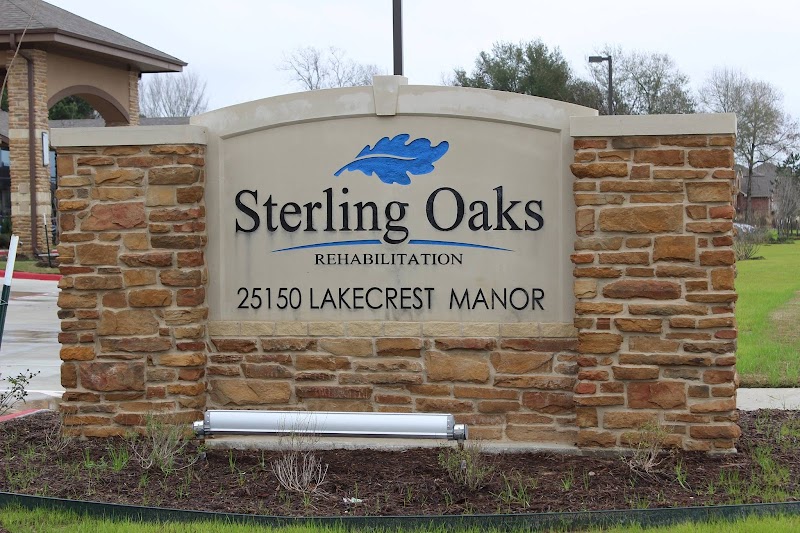
How is Sterling Oaks Rehabilitation Staffed?

CMS rates STERLING OAKS REHABILITATION's staffing level at 3 out of 5 stars, which is average compared to other nursing homes. Staff turnover is 26%, compared to the Texas average of 46%. This relatively stable workforce can support continuity of care.

What Have Inspectors Found at Sterling Oaks Rehabilitation?

State health inspectors documented 16 deficiencies at STERLING OAKS REHABILITATION during 2022 to 2025. These included: 16 with potential for harm.
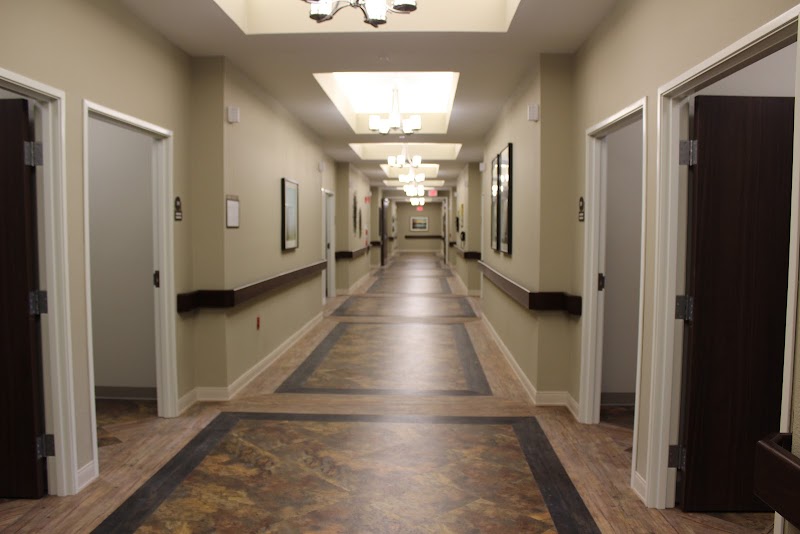
Who Owns and Operates Sterling Oaks Rehabilitation?

STERLING OAKS REHABILITATION is owned by a for-profit company. For-profit facilities operate as businesses with obligations to shareholders or private owners. The facility is operated by FUNDAMENTAL HEALTHCARE, a chain that manages multiple nursing homes. With 126 certified beds and approximately 114 residents (about 90% occupancy), it is a mid-sized facility located in KATY, Texas.
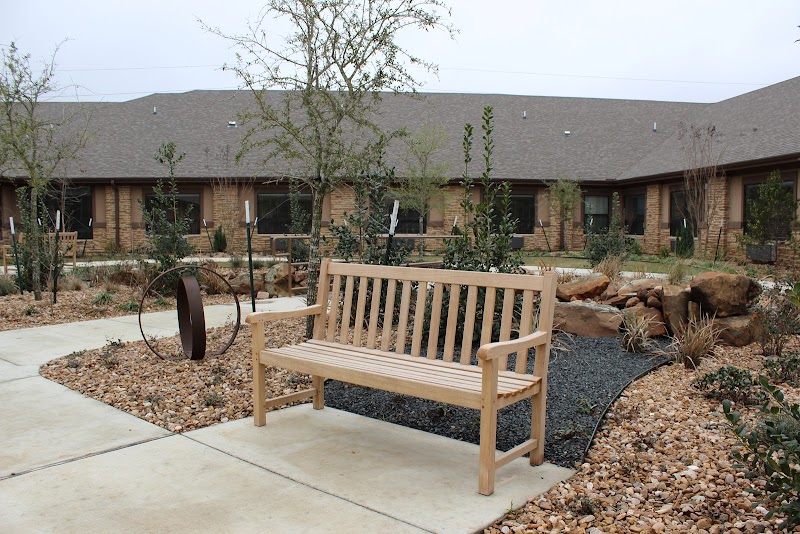
How Does Sterling Oaks Rehabilitation Compare to Other Texas Nursing Homes?

Compared to the 100 nursing homes in Texas, STERLING OAKS REHABILITATION's overall rating (5 stars) is above the state average of 2.8, staff turnover (26%) is significantly lower than the state average of 46%, and health inspection rating (4 stars) is above the national benchmark.

What Should Families Ask When Visiting Sterling Oaks Rehabilitation?

Based on this facility's data, families visiting should ask: "Can I visit during a mealtime to observe dining assistance and food quality?" "How do you handle medical emergencies, and what is your hospital transfer rate?" "Can I speak with family members of current residents about their experience?"

Is Sterling Oaks Rehabilitation Safe?

Based on CMS inspection data, STERLING OAKS REHABILITATION has a clean safety record: no substantiated abuse findings (meaning no confirmed cases of resident harm), no Immediate Jeopardy citations (the most serious violation level indicating risk of serious injury or death), and is not on the Special Focus Facility watch list (a federal program monitoring the lowest-performing 1% of nursing homes). The facility has a 5-star overall rating and ranks #1 of 100 nursing homes in Texas. While no facility is perfect, families should still ask about staff-to-resident ratios and recent inspection results during their visit.

Do Nurses at Sterling Oaks Rehabilitation Stick Around?

Staff at STERLING OAKS REHABILITATION tend to stick around. With a turnover rate of 26%, the facility is 19 percentage points below the Texas average of 46%. Low turnover is a positive sign. It means caregivers have time to learn each resident's needs, medications, and personal preferences. Consistent staff also notice subtle changes in a resident's condition more quickly. Registered Nurse turnover is also low at 25%, meaning experienced RNs are available to handle complex medical needs.

Was Sterling Oaks Rehabilitation Ever Fined?

STERLING OAKS REHABILITATION has no federal fines on record. CMS issues fines when nursing homes fail to meet care standards or don't correct problems found during inspections. The absence of fines suggests the facility has either maintained compliance or corrected any issues before penalties were assessed. This is a positive indicator, though families should still review recent inspection reports for the full picture.

Is Sterling Oaks Rehabilitation on Any Federal Watch List?

STERLING OAKS REHABILITATION is not on any federal watch list. The most significant is the Special Focus Facility (SFF) program, which identifies the bottom 1% of nursing homes nationally based on persistent, serious quality problems. Not being on this list means the facility has avoided the pattern of deficiencies that triggers enhanced federal oversight. This is a positive indicator, though families should still review the facility's inspection history directly.