HILLTOP VILLAGE NURSING AND REHABILITATION
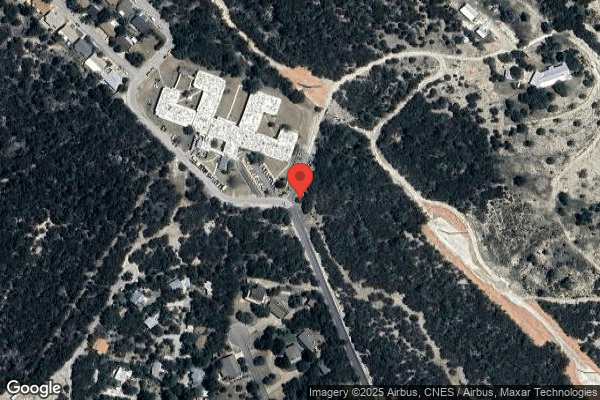

1400 HILLTOP RD, KERRVILLE, TX 78028 (830) 895-3200
For profit - Limited Liability company 150 Beds CROSS HEALTHCARE MANAGEMENT Data: November 2025 1 Immediate Jeopardy citation
Trust Grade
8/100
#1007 of 1168 in TX
Last Inspection: August 2025

Inspected within the last 6 months. Data reflects current conditions.

Overview

Hilltop Village Nursing and Rehabilitation has received a Trust Grade of F, indicating significant concerns about the facility's overall quality and care. Ranking #1007 out of 1168 in Texas places them in the bottom half of nursing homes in the state, and #3 out of 4 in Kerr County suggests that only one local option is rated higher. Unfortunately, the facility is worsening, with issues increasing from 13 in 2024 to 20 in 2025. Staffing is concerning, rated at just 1 out of 5 stars with a high turnover rate of 67%, which is above the state average. Though there are no fines recorded, there have been critical incidents, including failure to follow a resident's do-not-resuscitate order and medication discrepancies leading to potential overdoses, raising serious safety concerns.

Trust Score
F
8/100
In Texas
#1007/1168
Bottom 14%
Safety Record
High Risk
Review needed
Inspections
Getting Worse
13 → 20 violations
Staff Stability
⚠ Watch
67% turnover. Above average. Higher turnover means staff may not know residents' routines.
Penalties
✓ Good
No fines on record. Clean compliance history, better than most Texas facilities.
Skilled Nurses
⚠ Watch
Each resident gets only 9 minutes of Registered Nurse (RN) attention daily — below average for Texas. Fewer RN minutes means fewer trained eyes watching for problems.
Violations
⚠ Watch
53 deficiencies on record. Higher than average. Multiple issues found across inspections.
★☆☆☆☆
1.0
Overall Rating
★☆☆☆☆
1.0
Staff Levels
★★★★☆
4.0
Care Quality
★★☆☆☆
2.0
Inspection Score
Stable
2024: 13 issues
2025: 20 issues

The Good

  • 4-Star Quality Measures · Strong clinical quality outcomes
  • Full Sprinkler Coverage · Fire safety systems throughout facility
  • No fines on record

Facility shows strength in quality measures, fire safety.

The Bad

1-Star Overall Rating

Below Texas average (2.8)

Significant quality concerns identified by CMS

Staff Turnover: 67%

21pts above Texas avg (46%)

Frequent staff changes - ask about care continuity

Chain: CROSS HEALTHCARE MANAGEMENT

Part of a multi-facility chain

Ask about local staffing decisions and management

Staff turnover is elevated (67%)

19 points above Texas average of 48%

The Ugly 53 deficiencies on record

1 life-threatening
Aug 2025 10 deficiencies
CONCERN (D)

Potential for Harm - no one hurt, but risky conditions existed

Resident Rights (Tag F0550)

Could have caused harm · This affected 1 resident

**NOTE- TERMS IN BRACKETS HAVE BEEN EDITED TO PROTECT CONFIDENTIALITY** Based on observation, interviews, and record reviews the facility failed to ensure each resident was treated with respect, digni...

Read full inspector narrative →
**NOTE- TERMS IN BRACKETS HAVE BEEN EDITED TO PROTECT CONFIDENTIALITY** Based on observation, interviews, and record reviews the facility failed to ensure each resident was treated with respect, dignity, and care for 1 of 8 residents (Resident #61) observed for resident rights. The facility failed to ensure Resident #61 was allowed to eat her dinner meal on her food tray when she requested because she wanted to reduce mess in her area on the dining table. These failures could place residents at risk of not being treated with dignity and respect. Findings included:Record review of Resident #61's admission record, dated 08/27/25, reflected Resident #61 was a [AGE] year-old female initially admitted on [DATE] with diagnoses to include dementia (the loss of cognitive functioning), cognitive communication deficit, need for assistance with personal care, and lack of coordination. Record review of Resident #61's quarterly MDS assessment, dated 07/28/25, reflected Resident #61 had a BIMS score of 10 out of 15, indicating moderate cognitive impairment. It further reflected Resident #61 needed setup or clean-up assistance for eating ADL. Record review of Resident #61's care plan, last reviewed 08/17/25, reflected a focus of The resident has an ADL self-care performance deficit r/t impaired balance, initiated on 02/25/25, with interventions to include EATING: The resident is able to: feed herself with set up assist by 1 person, dated 02/25/25. Observation on 08/26/2025 at 5:35 PM revealed Resident #61 said multiple times that she wanted her dinner to remain on her dinner tray so that there would not be a mess on the table while she ate her dinner. LVN C and CNA E told Resident #61 that they would clean up after her and not to worry. Resident #61 still requested to have her dinner left on her meal tray. Interview on 08/26/2025 at 5:40 PM revealed Resident #61 wanted to leave her dinner meal on her tray because she did not want to make a mess in her area, on the dining table. Resident #45 and Resident #62 were sitting at the same table with Resident #61 and revealed they were okay that Resident #61 had her dinner meal on her tray while she ate, and that Resident #61 preferred her dinner meal stay on her tray while she ate. Interview on 08/26/25 at 05:45 PM, LVN C revealed Resident #61 wanted her dinner on her meal tray and should be able to have her food on the tray if she wanted to because it was her right. LVN C revealed Resident #61 wanted her dinner meal on her meal tray so she did not make a mess, however, they told Resident #61 they would clean up after her. Interview on 08/27/2025 01:05 PM, CNA E revealed she did take Resident #61's 08/26/25 dinner meal off her meal tray because Resident #61 said it was okay. CNA E revealed if Resident #61 wanted her dinner meal left on her meal tray to eat for dinner, she would have left it on her tray. CNA E said they will follow what residents want because it's their right to get what they request. Record review of facility's policy Resident Rights, undated, reflected 1. The resident has the right to exercise his/her rights as a resident of the facility.
CONCERN (D)

Potential for Harm - no one hurt, but risky conditions existed

Deficiency F0552 (Tag F0552)

Could have caused harm · This affected 1 resident

**NOTE- TERMS IN BRACKETS HAVE BEEN EDITED TO PROTECT CONFIDENTIALITY** Based on interviews and record reviews the facility failed to ensure residents had the right to be informed of, and participate ...

Read full inspector narrative →
**NOTE- TERMS IN BRACKETS HAVE BEEN EDITED TO PROTECT CONFIDENTIALITY** Based on interviews and record reviews the facility failed to ensure residents had the right to be informed of, and participate in, their treatments, for 1 of 8 residents (Resident #107) reviewed for antipsychotic medication administration. Resident #107 was prescribed and received the antipsychotic medication Perphenazine for schizophrenia without evidence in her medical record of the state consent form 3713. The medication dose and frequency were not included in the consent form. The deficient practices could place residents at risk for side effects for which they did not consent. The findings included:Record review of Resident #107's admission record, dated 08/27/25, reflected Resident #107 was a [AGE] year-old female initially admitted on [DATE] and re-admitted [DATE] with diagnoses to include schizophrenia (mental health condition that affects how people think, feel, and behave). Record review of Resident #107's quarterly MDS assessment, dated 08/20/25, reflected Resident #107 had a BIMS score of 15 out of 15, indicating intact cognition. It further reflected Resident #107 sometimes felt lonely or isolated around others. Record review of Resident #107's Order Summary Report, dated 08/26/25, reflected Perphenazine Oral Tablet 4 MG Give 1 tablet by mouth one time a day for schizophrenia and Perphenazine Oral Tablet 4 MG Give 3 tablet by mouth at bedtime for schizophrenia Record review of Resident #107's Psychoactive Medication Consent (not the 3613 state consent form), dated 06/16/25, reflected Resident #107 consented to take Perphenazine (no dosage or frequency noted) on 06/16/25. Record review of Resident #107's care plan reflected a problem The resident is at risk for adverse reaction r/t POLYPHARMACY (simultaneous use of multiple medications), dated 08/06/25, with interventions Discuss with resident and family the number and type of medications resident is taking and the potential for drug interactions and side effects from over medication, initiated 08/05/25. Interview on 08/27/25 at 12:54 PM, ADON B revealed Psychoactive Medication Consent should be filled out prior to a resident taking a psychoactive medication and when a psychoactive medication was changed. She revealed when she started working in this facility in July was when she started auditing residents' electronic medical record to include ensuring Psychoactive Medication Consents were done and uploaded for residents. Interview on 08/27/25 at 02:20PM, the DON revealed Resident #107 started taking Perphenazine at the end of May. She revealed she was going to look for the 3613 for Perphenazine that was signed before she started taking it. Interview on 08/27/25 at 02:28 PM, DON and ADON B revealed they should have had Perphenazine 3613 signed before resident started taking this medication. The DON revealed it was important to have this form signed because sometimes residents did not want to take medications. ADON B revealed at this time, she oversaw ensuring 3613 forms were signed. Interview on 08/27/25 at 02:56 PM, Resident #107 revealed she was okay with every medication she took. She further revealed she had given consent for every medication she took and there have been no concerns about her medications. Record review of facility's policy Resident Rights, undated, reflected 26. The resident has the right to be fully informed, in advance, about the care and treatment and of any changes in the care or treatment that may affect the resident's well-being.
CONCERN (D)

Potential for Harm - no one hurt, but risky conditions existed

Accident Prevention (Tag F0689)

Could have caused harm · This affected 1 resident

**NOTE- TERMS IN BRACKETS HAVE BEEN EDITED TO PROTECT CONFIDENTIALITY** Based on observations, interviews, and records reviewed, the facility failed to ensure the resident environment was free of acci...

Read full inspector narrative →
**NOTE- TERMS IN BRACKETS HAVE BEEN EDITED TO PROTECT CONFIDENTIALITY** Based on observations, interviews, and records reviewed, the facility failed to ensure the resident environment was free of accident hazards as is possible; and each resident receives adequate supervision and assistance devices to prevent accidents for 1 of 8 residents (#51) whose care was reviewed for smoking. The facility failed to provide effective monitoring and interventions to prevent Resident #51's unsupervised smoking. This deficient practice could affect resident's safety by smoking unsupervised and residents storing their smoking materials in their rooms and on their person instead of a central lock box which could lead to an unsafe smoking environment.The findings included: Review of Resident #51's face sheet dated 8/26/2025 revealed he was admitted into the facility on 1/04/2023 with diagnoses including cerebral infarction (brain stroke), ataxic gait (abnormal walking pattern), and transient cerebral ischemic attack (mini-stroke) .Review of Resident #51's quarterly MDS dated [DATE], revealed a BIMS score of 10, which indicated moderate cognitive impairment. Review of Resident #51's care plan dated 08/05/2025 revealed Resident #51 revealed resident is, a smoker with supervision and that resident is at risk for smoking related injury related to resident is a smoker he keeps buying and hiding cigarettes and lighters and will not comply with supervised smoking times.Observation on 8/25/2025 at 11:53 a.m., Resident #51 was observed smoking in the smoking area alone. Observation on 8/26/2025 at 9:47 a.m., Resident #51 was observed smoking in the smoking area alone. Interview on 8/26/2025 at 9:49 a.m., with Resident #51, resident stated he smokes when wanted due to keeping smoking paraphernalia on his person. Interview on 8/26/2025 at 1:36 pm. with LVN D regarding residents who smoke, he stated that all residents who smoke are supposed to be supervised when smoking. He stated that smoking assessments are completed by nursing either quarterly or when it is system generated. Interview on 8/26/2025 at 2:03 pm, with DON, she stated residents who smoke are supposed to be supervised. She stated smoking paraphernalia are locked and kept at the nurse's station. She stated smoking assessments are completed quarterly or when system generated, and they are completed by nursing. Interview on 8/27/2025 at 11:15 am, with Administrator, she stated all residents who smoke are supposed to be supervised. She stated that assessments are completed by nursing. She stated residents are not supposed to have any smoking paraphernalia on their person, it is supposed to be kept locked.Interview on 8/27/2025 at 5:13 pm, with CNA R, she stated smoking paraphernalia are locked and residents who smoke are supposed to be supervised. She stated there is no assigned staff member for smoke times. Interview on 8/27/2025 at 5:20 pm, with Med Aide L, she stated that smoke times are posted at the nurse's station and that residents who smoke are supposed to be supervised. She also stated that there is no assigned staff member at smoke times. Review of [NAME] Healthcare, titled Policy: Smoking - Permitted with Limitations, revealed The facility has a responsibility to oversee their use and provide supervision to maintain an accident-free environment. Furthermore, the policy stated, Matches, lighters, e-pens, etc. will not be accessible to residents that need supervision and/or assistance with smoking.
CONCERN (D)

Potential for Harm - no one hurt, but risky conditions existed

Pharmacy Services (Tag F0755)

Could have caused harm · This affected 1 resident

**NOTE- TERMS IN BRACKETS HAVE BEEN EDITED TO PROTECT CONFIDENTIALITY** Based on interview and record review, the facility failed to provide pharmaceutical services (including procedures that assure t...

Read full inspector narrative →
**NOTE- TERMS IN BRACKETS HAVE BEEN EDITED TO PROTECT CONFIDENTIALITY** Based on interview and record review, the facility failed to provide pharmaceutical services (including procedures that assure the accurate acquiring, receiving, dispensing, and administering of all drugs and biologicals) to meet the needs of each resident for 1 of 8 residents (Resident #88) reviewed for pharmacy services. Nurse A failed to administer Resident #88's medications in a timely manner from 08/22/25 to 08/24/25 (medications to include Duloxetine HCl capsule delayed release particles 30 MG, dexamethasone Oral Tablet 4 MG, Methadone HCl Oral Tablet 10 MG, Lorazepam Oral tablet 0.5 MG, PHENobarbital Oral Tablet 15 MG). This failure could place residents at risk of inaccurate drug administration and not having appropriate therapeutic effects. Findings included:Record review of Resident #88's admission record, dated 08/26/25, reflected Resident #88 was an [AGE] year-old female admitted on [DATE] with diagnoses to include major depressive disorder. Record review of Resident #88's admission MDS assessment, dated 08/18/25, reflected Resident #88 had a BIMS score of 15 out of 15, indicating intact cognition. Record review of Resident #88's Order Summary Report, dated 08/25/25 and administered by Nurse A, reflected DULoxetine HCl capsule delayed release particles 30 MG Give 1 capsule by mouth in the morning for depression, dexamethasone Oral Tablet 4 MG give 1 tablet by mouth one time a day, Methadone HCl Oral Tablet 10 MG Give 3 tablet by mouth three times a day for pain, Lorazepam Oral tablet 0.5 MG Give 1 tablet by mouth three times a day for Anxiety, PHENobarbital Oral Tablet 15 MG Give 15 mg by mouth three times a day for Pain 1 tab TID Record review of Resident #88's Medication Admin Audit Report for 08/22/25, dated 08/26/25 and administered by Nurse A, reflected DULoxetine HCl capsule delayed release particles 30 MG Give 1 capsule by mouth in the morning for depression, dexamethasone Oral Tablet 4 MG give 1 tablet by mouth one time a day and was administered on 08/22/25 at 10:19 AM when the scheduled time was 08/22/25 at 08:00 AM. Lorazepam Oral tablet 0.5 MG Give 1 tablet by mouth three times a day for Anxiety and Methadone HCl Oral Tablet 10 MG Give 3 tablet by mouth three times a day for pain was administered on 08/22/25 at 10:18 AM when the scheduled time was 08/22/25 at 08:00 AM. PHENobarbital Oral Tablet 15 MG Give 15 mg by mouth three times a day for Pain 1 tab TID was administered on 08/22/25 at 10:17 AM when the scheduled time was 08/22/25 at 08:00 AM. Record review of Resident #88's Medication Admin Audit Report for 08/23/25, dated 08/26/25 and administered by Nurse A, reflected Lorazepam Oral tablet 0.5 MG Give 1 tablet by mouth three times a day for Anxiety, PHENobarbital Oral Tablet 15 MG Give 15 mg by mouth three times a day for Pain 1 tab TID and dexamethasone Oral Tablet 4 MG give 1 tablet by mouth one time a day and Methadone HCl Oral Tablet 10 MG Give 3 tablet by mouth three times a day for pain DULoxetine HCl capsule delayed release particles 30 MG Give 1 capsule by mouth in the morning for depression, was administered 08/23/25 at 01:32 PM when the scheduled time was 08:00 AM, Record review of Resident #88's Medication Admin Audit Report for 08/24/25, dated 08/26/25 and administered by Nurse A, reflected Lorazepam Oral tablet 0.5 MG Give 1 tablet by mouth three times a day for Anxiety, PHENobarbital Oral Tablet 15 MG Give 15 mg by mouth three times a day for Pain 1 tab TID and Methadone HCl Oral Tablet 10 MG Give 3 tablet by mouth three times a day for pain was administered on 08/24/25 at 09:48 AM when the scheduled time was 08:00 AM dexamethasone Oral Tablet 4 MG give 1 tablet by mouth one time a day was administered on 08/24/25 at 09:51 AM when the scheduled time was 08:00 AM and DULoxetine HCl capsule delayed release particles 30 MG Give 1 capsule by mouth in the morning for depression, was administered on 08/24/25 at 09:50 AM when the scheduled time was 08:00 AM Interview and observation on 08/26/25 at 8:41 AM, Resident #88 was crying and revealed she had not received her medications on time, and it affected her mental health. Interview on 08/27/25 at 02:13 PM, Nurse A revealed she thought she did work 08/22 to 08/24 and was late giving out medications but gave no reason why she administered medications late. She revealed it was important to administer on time because it is the way the doctor prescribed it and to manage pain and their health managed. Interview on 08/27/25 at 03:14 PM, the DON revealed it was important to administer medications on a timely basis because it took time for medications take effect, like pain and psychiatric medications for Resident #88. Record review of facility's policy Pharmacy Services, undated, reflected Strive to assure that medications are requested, received, and administered in a timely manner as ordered by the authorized prescriber.
CONCERN (D)

Potential for Harm - no one hurt, but risky conditions existed

Menu Adequacy (Tag F0803)

Could have caused harm · This affected 1 resident

**NOTE- TERMS IN BRACKETS HAVE BEEN EDITED TO PROTECT CONFIDENTIALITY** Number of residents sampled: Number of residents cited: Based on observations, interviews, and record review, the facility faile...

Read full inspector narrative →
**NOTE- TERMS IN BRACKETS HAVE BEEN EDITED TO PROTECT CONFIDENTIALITY** Number of residents sampled: Number of residents cited: Based on observations, interviews, and record review, the facility failed to follow menus for 2 of 3 resident (Residents #24 and #76) meals reviewed for menus in that: The facility failed to follow the menu for Residents #24 and #76 for 08/25/25 lunch meal service. This failure could place residents who consume food prepared by the facility kitchen at risk of not having their nutritional needs met and/or weight loss. The findings were: Record review of Resident #24's admission record, dated 08/27/25, reflected Resident #24 was an [AGE] year-old male initially admitted on [DATE] with diagnoses to include dementia (the loss of cognitive functioning), muscle wasting and atrophy, vitamin B12 deficiency, and vitamin D deficiency. Record review of Resident #24's quarterly MDS assessment, dated 08/17/25, reflected Resident #24 had a BIMS score of 06 out of 15, indicating severe cognitive impairment. Record review of Resident #24's Order Summary Report, dated 08/27/2025, reflected a diet order of Regular diet Mechanical Soft texture, Thin consistency, with a start date of 05/20/2024. Record review of Resident #24's care plan, last reviewed 08/16/25, reflected a problem of My dietary instructions are: regular diet, mechanical soft texture, thin consistency, initiated on 04/23/24, with interventions to include Dietary to provide diet as ordered per physician Record review of Resident #24's electronic medical record reflected resident had no significant weight loss in the last 6 months. Record review of Resident #76's admission record, dated 08/27/25, reflected Resident #76 was an [AGE] year-old female initially admitted on [DATE] with diagnoses to include cognitive communication deficit, dysphagia (difficulty swallowing), and anxiety disorder. Record review of Resident #76's quarterly MDS assessment, dated 08/07/25, reflected Resident #76 had a BIMS score of 04 out of 15, indicating severe cognitive impairment. Record review of Resident #76's Order Summary Report, dated 08/27/2025, reflected a diet order of Regular diet Regular texture, Thin consistency ., with a start date of 05/16/2024. Record review of Resident #76's care plan, last reviewed 08/16/25, reflected a problem of My dietary instructions are: NAS Regular diet, regular texture, thin consistency, revised 05/29/25, with interventions to include Controlled Carbohydrate (CCHO) diet, REGULAR, THIN consistency Record review of Resident #76's electronic medical record reflected resident had no significant weight loss in the last 6 months. Record review of Week 1 menu, undated, reflected Frosted carrot cake was offered to diabetic residents and residents on a mechanical soft diet. Interview and observation on 08/25/2025 at 12:28 PM, Resident #24 awas not served carrot cake like other residents surrounding them. They revealed they wanted carrot cake and did not know why they were not served carrot cake. Resident #76 added that she also did not receive carrot cake and would like to receive carrot cake. Interview and observation on 08/25/2025 at 12:30 PM, the CDM happened to walk by and asked what was going on. She mentioned the Resident #24 could not get carrot cake because they were served a mechanical soft diet. The CDM further revealed Resident #76 could not be served carrot cake because she was on a diabetic diet. After this occurred, the CDM walked around the dining room to ensure the other residents' lunch meal included carrot cake. Interview on 08/26/25 at 6:32 PM, the CDM revealed the carrot cake was the same carrot cake that was on the menus and menus should be followed. She revealed the kitchen did not have bread pudding, which was the original dessert for today, so they had to substitute for carrot cake. She revealed substitution log was filled out and approved. The CDM revealed she originally thought these diets did not include carrot cake but realized they did include carrot cake so after meal service in the dining room, she ensured all other residents in the facility received carrot cake per their diet. Record review of facility's policy Menus, undated, reflected Menus must- be followed.
CONCERN (D)

Potential for Harm - no one hurt, but risky conditions existed

Smoking Policies (Tag F0926)

Could have caused harm · This affected 1 resident

**NOTE- TERMS IN BRACKETS HAVE BEEN EDITED TO PROTECT CONFIDENTIALITY** Based on observations, record reviews and interviews the facility failed to follow their own established smoking policy for 1 of...

Read full inspector narrative →
**NOTE- TERMS IN BRACKETS HAVE BEEN EDITED TO PROTECT CONFIDENTIALITY** Based on observations, record reviews and interviews the facility failed to follow their own established smoking policy for 1 of 8 residents (Resident #51) reviewed for smoking in that:Resident #51 was observed smoking unsupervised in the smoking area and stating he keeps the smoking paraphernalia on his person. This deficient practice could place smoking residents at risk for injury while smoking unsupervised.The findings were: Review of Resident #51's face sheet dated 8/26/2025 revealed he was admitted into the facility on 1/04/2023 with diagnoses including cerebral infarction (brain stroke), ataxic gait (abnormal walking pattern), and transient cerebral ischemic attack (mini-stroke) .Review of Resident #51's quarterly MDS dated [DATE], revealed a BIMS score of 10, which indicated moderate cognitive impairment. Review of Resident #51's care plan dated 08/05/2025 revealed Resident #51 revealed resident is, a smoker with supervision and resident will adhere to the tobacco/smoking policies of the facility.Observation on 8/25/2025 at 11:53 a.m., Resident #51 was observed smoking in the smoking area unsupervised. Observation on 8/26/2025 at 9:47 a.m., Resident #51 was observed smoking in the smoking area unsupervised. Interview on 8/26/2025 at 9:49 a.m., with Resident #51, resident stated he smokes when he wanted due to keeping smoking paraphernalia on his person or in his room. Interview on 8/26/2025 at 1:36 pm. with LVN D regarding residents who smoke, he stated that all residents who smoke are supposed to be supervised when smoking. Interview on 8/26/2025 at 2:03 pm, with DON, she stated resident who smoke are supposed to be supervised. She stated smoking paraphernalia are locked and kept at the nurse's station. Interview on 8/27/2025 at 11:15 am, with Administrator, she stated all residents who smoke are supposed to be supervised. She stated residents are not supposed to have any smoking paraphernalia on their person, it is supposed to be kept locked.Interview on 8/27/2025 at 5:13 pm, with CNA R, she stated smoking paraphernalia are locked and residents who smoke are supposed to be supervised. She stated there is no assigned staff member for smoke times. Interview on 8/27/2025 at 5:20 pm, with Med Aide L, she stated that smoke times are posted at the nurse's station and that residents who smoke are supposed to be supervised. She also stated that there is no assigned staff member at smoke times. Review of [NAME] Healthcare, titled Policy: Smoking - Permitted with Limitations, revealed The facility has a responsibility to oversee their use and provide supervision to maintain an accident-free environment. Furthermore, the policy stated, Matches, lighters, e-pens, etc. will not be accessible to residents that need supervision and/or assistance with smoking.
CONCERN (E)

Potential for Harm - no one hurt, but risky conditions existed

Drug Regimen Review (Tag F0756)

Could have caused harm · This affected multiple residents

**NOTE- TERMS IN BRACKETS HAVE BEEN EDITED TO PROTECT CONFIDENTIALITY** Based on observation, interview, and record review, the facility failed to ensure medication irregularities reported from the ph...

Read full inspector narrative →
**NOTE- TERMS IN BRACKETS HAVE BEEN EDITED TO PROTECT CONFIDENTIALITY** Based on observation, interview, and record review, the facility failed to ensure medication irregularities reported from the pharmacist were reported to the attending physician and the facility's medical director and director of nursing, and these reports were acted upon for 1 of 4 residents (Resident #4) reviewed for medications. The facility failed to ensure an order discrepancy for Resident #4's medication Pramipexole (a medication for a progressive neurological disorder known as Parkinson's Disease) identified by a report from the pharmacist to the facility on 6/23/2025 was resolved causing Resident #4 to receive dosing of the medication greater than intended for June, July, and August of 2025. This failure could lead to toxic ingestion or unintended side effects of residents' medications. Findings included: Record review of Resident #4's face sheet dated 8/26/2025 reflected an [AGE] year-old female admitted to the facility on [DATE]. Relevant diagnoses included Parkinson's disease (a progressive neurological disorder that affects movement, balance, and coordination), anxiety disorder, and Alzheimer's Disease (a progressive neurological disorder affecting thinking and reasoning). Record review of Resident #4's quarterly MDS, submitted 8/13/2025, revealed a BIMS score of 14, indicating intact cognition. Section I of the MDS reflected the same diagnoses previously listed. Record review of a progress note dated 8/5/2025 written by the psychiatric NP reflected Resident #4's treatment plan included a total dose of Pramipexole 1.25mg three times a day. Record review of Resident #4's active physician orders revealed the following:Pramipexole 0.25mg tablet, give 1 tablet by mouth 3 times a day. Give with 1mg to equal 1.25mg for Parkinson's (ordered 4/10/2025)Pramipexole 1.5mg tablet, give 1 tablet by mouth 3 times a day for Parkinson's (ordered 5/22/2025)Record review of Resident #4's MAR reflected Resident #4 received both tablets of Pramipexole, totaling 1.75mg, three times a day in June, July, and August of 2025. Record review of Resident #4's medication regimen review from the consulting pharmacist reflected a recommendation dated 6/23/2025 that read as follows:Pramipexole dose - is total dose 1.75mg TID? Please review 0.25mg dose order in PCC (reads to equal 1.25mg). The document included a column titled follow-through that did not contain any additional notation next to the recommendation for Resident #4. In an interview with Resident #4 on 8/25/2025 at 1:55 PM, she reported no concerns with her medication regimen or the care provided to her by the facility. In an observation and interview on 8/26/2025 at 3:13 PM, two blister packs of medication for Resident #4 were noted to contain Pramipexole 1.5mg tabs and Pramipexole 0.25mg tabs. The instructions on the 0.25mg package reflected give with 1mg to equal 1.25mg. MA H stated Resident #4 had been receiving a total dose of 1.75mg of Pramipexole, and she could not remember if or when the dosage had been changed. She was unaware of the instructions on the order and the blister pack to give a total dose of 1.25mg. LVN I stated the order for the Pramipexole had been unchanged since April of 2025, and she was also unaware of the additional instructions to give a total dose of 1.25mg. In an interview with the DON on 8/26/2026 at 3:20 PM, she stated the order for Resident #4's Pramipexole should have reflected a total dosage of 1.75mg, and she was going to change the order. When shown the progress note from the psychiatric NP reflecting an intended dosage of 1.25mg of Pramipexole, the DON stated she would contact Resident #4's MD to clarify the order prior to changing it. She was unsure why she had not responded to the communication note dated 6/23/2025 from the pharmacist. She said she typically reviews them every month and communicates with the providers in order to correct them timely. In a subsequent interview with the DON and the MD on 8/26/2025 at 3:50 PM, they reported Resident #4's intended dosage of Pramipexole was 1.5mg total. The MD stated the medication was being managed by Resident #4's neurologist, and he had failed to discontinue the Pramipexole order for 0.25mg in May of 2025. He stated the DON and nursing staff were not at fault because they were not aware of the change in dosage that was communicated to him by the neurologist. He stated he had no clinical concerns regarding the incorrect dosage received by Resident #4 since May. The DON stated she was unsure why the recommendation from the pharmacist had not been answered when the document was received on 6/23/2025, as she reviews the recommendations monthly with the MD to ensure all recommendations are addressed. She stated the order for Resident #4's had been corrected to reflect 1.5mg three times a day. In an interview with the pharmacist on 8/27/2025 at 2:40 PM, she stated she had sent the facility documentation requesting clarification of Resident #4's dosage of Pramipexole on 6/23/2025 but had not received a response. She reported no clinical concerns from Resident #4 receiving a total dosage of 1.75mg three times a day. She stated her concern was the accuracy of the dosage. Record review of the facility policy titled Administering Medications (revised April 2019) reflected the following: 10. The individual administering the medication checks the label THREE (3) times to verify the right resident, right medication, right dosage, right time and right method (route) of administration before giving the medication. Record review of the facility policy titled Pharmacy Services (undated) reflected the following:Facility procedures should address how and when the need for a consultation will be communicated, how the medication review will be handled if the pharmacist is off-site, how the results or report of their findings will be communicated to the physician, expectations for the physician's response and follow up, and how and where this information will be documented.
CONCERN (E)

Potential for Harm - no one hurt, but risky conditions existed

Deficiency F0757 (Tag F0757)

Could have caused harm · This affected multiple residents

**NOTE- TERMS IN BRACKETS HAVE BEEN EDITED TO PROTECT CONFIDENTIALITY** Based on observation, interview, and record review, the facility failed to ensure residents are free from unnecessary drugs for ...

Read full inspector narrative →
**NOTE- TERMS IN BRACKETS HAVE BEEN EDITED TO PROTECT CONFIDENTIALITY** Based on observation, interview, and record review, the facility failed to ensure residents are free from unnecessary drugs for 1 of 4 (Resident #4) residents reviewed for unnecessary medications. The facility failed to ensure Resident #4 received the correct dosage of Pramipexole (a medication used to treat the neurological degenerative disorder known as Parkinson's Disease) in June, July, and August of 2025. This failure could result in accidental overdose or unintended effects of a resident's medication. Findings included: Record review of Resident #4's face sheet dated 8/26/2025 reflected an [AGE] year-old female admitted to the facility on [DATE]. Relevant diagnoses included Parkinson's disease, anxiety disorder, and Alzheimer's Disease (a progressive neurological disorder affecting thinking and reasoning). Record review of Resident #4's quarterly MDS, submitted 8/13/2025, revealed a BIMS score of 14, indicating intact cognition. Section I of the MDS reflected the same diagnoses previously listed. Record review of Resident #4's active physician orders revealed the following:Pramipexole 0.25mg tablet, give 1 tablet by mouth 3 times a day. Give with 1mg to equal 1.25mg for Parkinson's (ordered 4/10/2025)Pramipexole 1.5mg tablet, give 1 tablet by mouth 3 times a day for Parkinson's (ordered 5/22/2025)Record review of Resident #4's MAR reflected Resident #4 received both doses of Pramipexole, totaling 1.75mg, three times a day in June, July, and August of 2025. Record review of Resident #4's medication regimen review from the consulting pharmacist reflected a recommendation dated 6/23/2025 that read as follows:Pramipexole dose - is total dose 1.75mg TID? Please review 0.25mg dose order in PCC (reads to equal 1.25mg). The document included a column titled follow-through that did not contain any additional notation next to the recommendation for Resident #4. Record review of a progress note dated 8/5/2025 written by the psychiatric NP reflected Resident #4's treatment plan included a total dose of Pramipexole 1.25mg three times a day. In an interview with Resident #4 on 8/25/2025 at 1:55 PM, she reported no concerns with her medication regimen or the care provided to her by the facility. In an observation and interview on 8/26/2025 at 3:13 PM, two blister packs of medication for Resident #4 were noted to contain Pramipexole 1.5mg tabs and Pramipexole 0.25mg tabs. The instructions on the 0.25mg package reflected give with 1mg to equal 1.25mg. MA H stated Resident #4 had been receiving a total dose of 1.75mg of Pramipexole, and she could not remember if or when the dosage had been changed. She was unaware of the instructions on the order and the blister pack to give a total dose of 1.25mg. LVN I stated the order for the Pramipexole had been unchanged since April of 2025, and she was also unaware of the additional instructions to give a total dose of 1.25mg. In an interview with the DON on 8/26/2026 at 3:20 PM, she stated the order for Resident #4's Pramipexole should have reflected a total dosage of 1.75mg, and she was going to change the order. When shown the progress note from the psychiatric NP reflecting an intended dosage of 1.25mg of Pramipexole, the DON stated she would contact Resident #4's MD to clarify the order prior to changing it. In a subsequent interview with the DON and the MD on 8/26/2025 at 3:50 PM, they reported Resident #4's intended dosage of Pramipexole was 1.5mg total. The MD stated the medication was being managed by Resident #4's neurologist, and he had failed to discontinue the Pramipexole order for 0.25mg in May of 2025. He stated the DON and nursing staff were not at fault because they were not aware of the change in dosage that was communicated to him by the neurologist. He stated he had no clinical concerns regarding the incorrect dosage received by Resident #4 since May. The DON stated she was unsure why the recommendation from the pharmacist had not been answered when the document was received on 6/23/2025, as she reviews the recommendations monthly with the MD to ensure all recommendations are addressed. She stated the order for Resident #4's had been corrected to reflect 1.5mg three times a day. In an interview with the pharmacist on 8/27/2025 at 2:40 PM, she stated she had sent the facility documentation requesting clarification of Resident #4's dosage of Pramipexole on 6/23/2025 but had not received a response. She reported no clinical concerns from Resident #4 receiving a total dosage of 1.75mg three times a day. She stated her concern was the accuracy of the dosage. Record review of the facility policy titled Administering Medications (revised April 2019) reflected the following: 10. The individual administering the medication checks the label THREE (3) times to verify the right resident, right medication, right dosage, right time and right method (route) of administration before giving the medication. Record review of the facility policy titled Pharmacy Services (undated) reflected the following:Facility procedures should address how and when the need for a consultation will be communicated, how the medication review will be handled if the pharmacist is off-site, how the results or report of their findings will be communicated to the physician, expectations for the physician's response and follow up, and how and where this information will be documented.
CONCERN (E)

Potential for Harm - no one hurt, but risky conditions existed

Food Safety (Tag F0812)

Could have caused harm · This affected multiple residents

Number of residents sampled: Number of residents cited: Based on observation, interview, and record review, the facility failed to store, prepare, distribute, and serve food for 1 of 1 kitchen in acco...

Read full inspector narrative →
Number of residents sampled: Number of residents cited: Based on observation, interview, and record review, the facility failed to store, prepare, distribute, and serve food for 1 of 1 kitchen in accordance with professional standards for food service safety. 1. The facility failed to ensure 08/27/25 fruit and tossed salad had a temperature of less than 41 degrees prior to service. 2. The facility failed to ensure [NAME] G put parsley on 08/27/25 lunch with food tongs instead of using unsanitary gloves. These failures could place residents at risk for food borne illness. The findings included: Interview and observation on 08/27/25 at 11:47 AM, [NAME] F took the temperature of the tossed salad, and it was 47 degrees F. She took the temperature of the fruit, and it was 44 degrees F. [NAME] F and the kitchen staff were about to use these foods and plate the lunch trays. Interview on 08/27/25 at 11:55 AM, the CDM revealed this tossed salad and fruit were not at the proper temperatures and the kitchen staff needed to cool these foods down before meal service. She revealed these food items needed to be below 41 degrees Fahrenheit. Interview and observation on 08/27/25 at 12:06 PM revealed [NAME] G was putting parsley on residents' lunch meals with his gloved hands that he was also using to touch residents' plates and utensils on the meal tray. The CDM revealed that [NAME] G should be using tongs to put the parsley on top of residents' food Interview on 08/27/25 at 02:58 PM, the CDM revealed [NAME] G knew it was important to use tongs for parsley due to cross contamination. She revealed temperatures were very important to ensure were in recommended ranges (did not mention any other reason why). She revealed she had trained kitchen staff on proper temperatures of foods and how to properly serve food. She revealed she oversaw this, and kitchen staff knew this information already. Interview on 08/27/25 on 03:04 PM, [NAME] F (Cook G was unavailable) revealed if foods were not to temperature they would have to check the food temperature again, and then have a plan of action if they were not at the proper temperature. She revealed this was important, so they were safe to eat for the residents. She revealed they should have used tongs to touch the parsley because [NAME] G was touching everything with the same hands that he was touching the parsley. She further revealed this would help avoid cross contamination. Record Review of facility's policy Food safety, undated, reflected Hands must be washed before putting on gloves and after removing gloves as well as between tasks, between handling raw meats and ready to eat foods and between handling soiled and clean dishes, etc. Record Review of facility's policy Food temperatures, undated, reflected 2. Cold foods should be maintained at a maximum of 41 degrees F.
MINOR (B)

Minor Issue - procedural, no safety impact

Deficiency F0912 (Tag F0912)

Minor procedural issue · This affected multiple residents

**NOTE- TERMS IN BRACKETS HAVE BEEN EDITED TO PROTECT CONFIDENTIALITY** Based on interview and record review the facility failed to have bedrooms that measured 80 square feet per resident in multiple ...

Read full inspector narrative →
**NOTE- TERMS IN BRACKETS HAVE BEEN EDITED TO PROTECT CONFIDENTIALITY** Based on interview and record review the facility failed to have bedrooms that measured 80 square feet per resident in multiple bedrooms for 15 of 99 rooms (Rooms #1-5, 7-9, 12-14, 21, 27, 28, and 46) resident rooms reviewed for square footage. Based on List of measured rooms, Rooms #1-5, 7-9, 12-14, 21, 27-28 and 46 were between 72.4 and 76.4 square feet per resident per bedroom. This failure could negatively affect the quality of life for the residents living in these rooms by restricting the amount of resident care equipment and resident's personal effects that could be accommodated in these resident rooms, limiting the resident's ability to move about the room, and decreasing resident's quality of life. The findings were: During the entrance conference with the ADM on 08/25/25 at 09:18 AM, the ADM revealed they had some rooms that did not meet the required square footage. A review of Form 3762 (Room Size Waiver) signed by the Administrator on 08/26/25 revealed resident rooms 1-5, 7-9, 12-14, 21, 27, 28, and 46 were all certified rooms for two beds each and did not meet the justification criteria. Review of the undated List of Rooms meeting any one of the following: Less than the required square footage revealed rooms 1-5, 7-9, 12-14, 21, 27, 28 and 46 were listed. The measurements were as follows: room [ROOM NUMBER]: 152.8 square feet (approximately 76.4 square feet for each resident);room [ROOM NUMBER]: 149.8 square feet (approximately 74.9 square feet for each resident);room [ROOM NUMBER]: 149.2 square feet (approximately 74.6 square feet for each resident);room [ROOM NUMBER]: 148.2 square feet (approximately 74.1 square feet for each resident);room [ROOM NUMBER]: 148.2 square feet (approximately 74.1 square feet for each resident);room [ROOM NUMBER]: 148.5 square feet (approximately 74.25 square feet for each resident);room [ROOM NUMBER]: 147.9 square feet (approximately 73.95 square feet for each resident);room [ROOM NUMBER]: 148.4 square feet (approximately 74.2 square feet for each resident);room [ROOM NUMBER]: 149.2 square feet (approximately 74.6 square feet for each resident);room [ROOM NUMBER]: 149.4 square feet (approximately 74.7 square feet for each resident);room [ROOM NUMBER]: 147.1 square feet (approximately 73.55 square feet for each resident);room [ROOM NUMBER]: 144.8 square feet (approximately 72.4 square feet for each resident);room [ROOM NUMBER]: 150.2 square feet (approximately 75.1 square feet for each resident);room [ROOM NUMBER]: 145.3 square feet (approximately 72.65 square feet for each resident); androom [ROOM NUMBER]: 149.6 square feet (approximately 74.8 square feet for each resident).
Jun 2025 4 deficiencies
CONCERN (D) 📢 Someone Reported This

A family member, employee, or ombudsman was alarmed enough to file a formal complaint

Potential for Harm - no one hurt, but risky conditions existed

Resident Rights (Tag F0550)

Could have caused harm · This affected 1 resident

**NOTE- TERMS IN BRACKETS HAVE BEEN EDITED TO PROTECT CONFIDENTIALITY** Based on interview and record review, the facility failed to treat each resident with respect and dignity and care for each resi...

Read full inspector narrative →
**NOTE- TERMS IN BRACKETS HAVE BEEN EDITED TO PROTECT CONFIDENTIALITY** Based on interview and record review, the facility failed to treat each resident with respect and dignity and care for each resident in a manner and in an environment that promoted maintenance or enhancement of quality of life, recognizing each resident's individuality for 1 (Resident #1) of 7 reviewed for dignity. The facility failed to ensure CNA A treated Resident #1' room, supplies and personal space with respect. This failure could place the residents at risk of feeling uncomfortable, disrespected and could decrease residents' self-esteem and/or diminished quality of life. The findings included: Record review of Resident #1's face sheet, dated 5/29/2025 revealed a [AGE] year-old female admitted on [DATE] with diagnoses which included: chronic obstructive pulmonary disease, major depressive disorder recurrent, and generalized anxiety disorder. Record review of Resident #1's quarterly MDS assessment dated [DATE] revealed a BIMs score of 15 which indicated the resident was cognitively intact with no behaviors documented. The assessment revealed Resident #1 required supervision for showering and set up assistance for dressing. Record review of Resident #1's Care Plan for ADL self-care last updated 1/31/2024 revealed the resident required supervision and set up by one staff member for showering and supervision and sept up by one staff member to dress. Record review of Resident #1's Care Plan for behavior problem last updated 5/01/2025 revealed Resident refuses to wait for assistance to shower. She has been noted to hoard towels and bed linens with interventions which included: caregivers to provide opportunity for positive interaction, attention. Stop and talk with him/her as passing by, If reasonable, discuss the resident's behavior. Explain/reinforce why behavior is inappropriate and/or unacceptable to the resident. Intervene as necessary to protect the rights and safety of others. Approach/speak in a calm manner, divert attention .Monitor behavior episodes and attempt to determine underlying cause. Record review of a Form 3613-A Provider Investigation Report dated 5/21/2025 revealed Resident #1 stated in the hallway to CNA A you hit me. Resident #1 indicated she was upset the CNA (CNA A) removed a stack of towels from her room. CNA A was suspended pending investigation, a head-to-toe assessment was completed with no findings and an investigation was completed. The results of the investigation were inconclusive. During the investigation, the report indicated Resident #1 did not want CNA A fired, she just wanted her taken off the hallway. Record review of a typed statement signed by the DON and ADON, dated 5/21/2025 revealed she interviewed Resident #1 about her allegation that CNA A hit her. The document stated the resident was unable to give details regarding the incident and stated she was upset the CNA took multiple towels out of her room as resident will shower self. Resident also stated she just wants this CNA on a different hall. The resident was notified the incident was reported to the administrator and state to which she replied I don't care. I just want my towels back. Record review of a written statement documented by CNA A, dated 5/21/2025, CNA wrote she was walking down the hallway when Resident #1 stuck her arm out and bumped into her arm. She stated as she was walking away Resident #1 stated don't hit me. CNA A wrote on 5/20/2025 she took some towels out of Resident #1's room, then at smoke break the resident told CNA to go to hell. During an interview on 5/29/2025 at 2:45 p.m., CNA A stated on a Tuesday (5/20/2025) she took towels out of Resident #1's room because they were short on towels. She stated when they were short on towels, they would do a room sweep. She stated she removed a 1/2 barrel of towels or approximately 10 towels from Resident #1's room. She stated later the same day, Resident #1 looked at her and said, Go to hell. CNA A stated she did not do anything, did not respond, and just ignored it. CNA A stated on Wednesday (5/21/2025) she was just walking normal down the hall. She stated Resident #1 was passing by her. CNA A stated her hands were by her side and she was walking normal. She stated Resident #1 stuck out her arm and yelled stop hitting me. CNA A stated she felt like Resident #1 purposely bumped into her in her wheelchair. CNA A stated she told her nurse, LVN D that Resident #1 was going around telling people that she hit her. CNA A stated the DON came and got her immediately, asked her to write and statement and sent her home while they investigated. CNA A stated she did not tell the resident prior to taking the towels out of her room and did not ask for permission. She stated she knew Resident #1 was outside on a smoke break. CNA A stated she did not ask the resident because Resident #1 will go to other hallways and ask staff for towels. She stated the staff will give the towels to the resident and she just keeps stacking them up. CNA A stated she removed all of the facility towels and did not leave any of them. She stated she did leave the resident's personal towel. CNA A stated she did not want to leave any towels for Resident #1 because they do not know when the resident showers and she will go in the shower alone in her room even though they have asked her to wait for supervision. CNA A stated this was not the first time she had removed towels and felt like the resident was mostly okay with it, but something triggered her this time. CNA A stated she had been trained to know and ask if it was alright to enter and to take something. During an interview on 5/29/2025 at 3:47 p.m., Resident #1 stated she did not remember making an allegation that CNA A hit her. She stated she did not remember CNA A hitting her or making any allegation of hitting. She stated she did not like CNA A because she walked around like a buffalo. She stated CNA A was only ugly to her and only she could see it because CNA A was not like that to anyone else. Resident #1 stated she was upset with CNA A because she took her briefs, and she took towels out of her room which upset her. She stated CNA A did not ask her before she took the items. Resident #1 stated it made her feel upset because she did not know why CNA A was in her room or why she was taking her things. She stated CNA just did it and she did not know why. Resident #1 stated she never wanted to see CNA A again. She stated she had not talked to anyone at the facility about her frustration. During an interview on 5/29/2025 at 3:56 p.m., CNA A stated three days prior to taking the towels she had taken three stacks of briefs out of Resident #1s room. She stated she left one stack for Resident #1 to use. She stated she told the resident she was taking them because she needed the briefs, and she thought Resident #1 was okay with it. CNA A stated the next day Resident #1 went and asked for more which frustrated CNA A because staff gave them to her. CNA A stated Resident #1 had hoarding tendencies. She stated it was nothing new. She stated she would not let staff take anything out of her room. She stated she took the briefs and took the towels because the facility needed them. CNA A stated she had not received direction by anyone to take the items. She stated she did not tell anyone of her intention to take them. CNA A stated she had been trained in resident rights. She stated the facility was the resident's home and they had rights and that it was their belongings. CNA A stated she thought it was excessive that Resident #1 used 5-6 towels, 4 washcloths and 2 shower blankets per shower. She stated that was what Resident #1 always asked for, that was her routine but there was no reason the resident needed that many towels. CNA A stated she was not sure what the facility policy indicated she should do if the resident was not in her room. She stated Resident #1 always kept her room door shut. CNA A stated he knocked before entering but knew Resident #1 was on a smoke break and not in her room when she took the items. During an interview on 5/29/2025 at 5:26 p.m., LVN D stated on 5/21/2025 towards the end of shift at an unknown time, CNA A told her Resident #1 stated she had hit her. LVN D stated she interviewed Resident #1 said CNA A hit her three times on the arm and demonstrated with three pats to her upper arm/shoulder. LVN D stated she observed the skin and did not see any redness or marks and Resident #1 denied any pain. LVN D stated Resident #1 was not able to provide any details, including date or time the incident occurred. LVN D stated Resident #1 told the DON the same thing and again was not able to provide the date or details. LVN D stated Resident #1 does have a history of getting upset at little things. LVN D stated this was not the first time CNA A has removed towels from Resident #1's room. She stated she has also had a discussion with CNA A about the towels and showers. LVN D stated she told CNA A and other staff they cannot take the towels away, that all they could do was document when she took showers and try to educate the resident. LVN D stated she did not instruct CNA A to take briefs or towels out of Resident #1's room. She stated they cannot reuse the briefs and they have to be discarded. She stated briefs should not be taken out of a resident room. LVN D stated there was no nursing direction to the CNAs to take towels out of any rooms on that day. She stated she thinks CNA A removed the towels so Resident #1 could not shower. LVN D stated the facility has plenty of briefs and towels. She stated Resident #1 does have hoarding tendencies. She stated like she has told CNA A before, she cannot just take things out of a resident room without permission. She stated she told her staff, this was not jail, everyone has rights, residents have a right to utilize facility stuff and they are paying for services. During an interview on 5/29/2025 at 6:12 p.m., the DON stated LVN D reported to her and the Administrator that Resident #1 was accusing CNA A of hitting her. She stated she completed a head-to-toe skin assessment and there were no alterations in skin. The DON stated she asked Resident #1 what happened, and she was not able to provide any details. She stated Resident #1 did not appear to be in any distress and went at normal time to her smoke break. The DON stated after investigating the incident she believes Resident #1 was upset that CNA A took towels out of her room. She stated Resident #1 showers alone when she was not supposed to, so CNA A took the towels out of her room. The DON stated even if the resident was hoarding, staff still had to ask permission and they try would try to remove some of the items, but they still had to ask. She stated it was important because it was a resident right. She stated the staff should not remove briefs from the room because briefs cannot be used after they have been in a resident room. The DON stated the facility did not have supply issues. She stated she does not know why CNA A would remove the briefs. The DON stated staff should try to find the cause of the hoarding issues but still need to ask staff before moving the items. Record review of a facility policy titled Resident Rights, last revised December 2016 revealed; Employees shall treat all residents with kindness, respect, and dignity. 1. Federal and state laws guarantee certain basic rights to all residents of this facility. These rights included the resident's right to a. a dignified existence b. be treated with respect, kindness and dignity. e. self-determination.
CONCERN (D) 📢 Someone Reported This

A family member, employee, or ombudsman was alarmed enough to file a formal complaint

Potential for Harm - no one hurt, but risky conditions existed

Report Alleged Abuse (Tag F0609)

Could have caused harm · This affected 1 resident

**NOTE- TERMS IN BRACKETS HAVE BEEN EDITED TO PROTECT CONFIDENTIALITY** Based on interview and record review, the facility failed to report all allegations of abuse, neglect exploitation or mistreatme...

Read full inspector narrative →
**NOTE- TERMS IN BRACKETS HAVE BEEN EDITED TO PROTECT CONFIDENTIALITY** Based on interview and record review, the facility failed to report all allegations of abuse, neglect exploitation or mistreatment, including injuries of unknown source and misappropriation of resident property, are reported immediately but not later than 2 hours after the allegation is made to the administrator of the facility and to other officials in accordance with State law through established procedures for 1 (Resident #7) of 7 residents reviewed for reporting requirements. The DON failed to report to the Administrator and the state survey agency when Resident #7's family reported rough care and treatment. This failure could put the residents at risk of abuse and harm. The findings included: Record review of Resident #7's face sheet dated 5/29/2025 revealed a [AGE] year-old female, admitted on [DATE] and readmitted [DATE] with diagnoses which included: noninfective gastroenteritis and colitis (inflammation of the stomach and colon), generalized muscle weakness and urge incontinence. Record review of Resident #7's modification of 5-day admission MDS assessment dated [DATE] revealed a BIMs score of 15 which indicated the resident was cognitively intact. The assessment indicated Resident #7 required maximum assistance with transfers. Record review of Resident #7's Care Plan for ADL self-care last revised on 5/28/2025 revealed the resident required the assistance of one staff member for toileting and transfers. Record review of TULIP on 5/28/2025 revealed there were no facility self-reported incidents for Resident #7. During an interview on 5/29/2025 at 1:25 p.m. with Resident #7 and family, Resident #7 appeared confused to short term memory recall. She was unable to accurately recall what she had for lunch that day. She stated staff checked on her several times during the day and at night and she felt safe in the building with no current concerns. Resident #7's family members #1 and #2 stated they had concerns about CNA B (an agency staff member). Family member #2 stated CNA B sometime last week on an unknown date during the daytime shift assisted Resident #7 to the bathroom. Family member #2 stated the family stepped out into the hallway to give Resident #7 some privacy while the staff took the resident to the toilet. She stated when she was finished toileting Resident #7's face was beat red, she was upset and stated CNA B pushed her down onto the toilet. Family member #2 stated they could tell and felt like something had occurred because Resident #7 was upset. She stated Resident #7 was unable to say exactly what had occurred. Family member #2 stated she went and found a staff member (CNA E). Family member #2 stated CNA E came into the room, got down on Resident #7's level and asked what happened. Family member #2 stated Resident #7 told CNA E exactly she had received rough care. Family member #2 stated the next day they came back to the facility and were surprised to see CNA B at work. She stated this time she went straight to the DON who was in her office and told her what occurred. Family member #2 stated she told them the same thing she had reported today. The family member stated since that date last week, they had not seen CNA B in the facility. During an interview on 5/29/2025 at 2:25 p.m., CNA E who identified herself as the facility scheduler, stated on an unknown date, last week on day shift, Resident #7's family had approached her and stated agency CNA B had taken Resident #7 to the bathroom. They stated there was a gait belt in the room but CNA B stated she did not use one and they stepped out. CNA E stated the family said when they went back in the resident had stated CNA B was very rough with her. CNA E stated she asked Resident #7 what had happened. She stated she was rough with her when she wiped her. CNA E stated she did not say anything else just that she was rough when she wiped. CNA E stated the family reported CNA B told them if they were in the room, they should be helping the resident instead of her. CNA E stated she immediately informed the DON who send CNA B home. CNA E stated they had not had CNA B back at the facility since she was sent home. CNA E stated she had completed abuse training. She stated she knew she had to report abuse to the Administrator immediately. She stated abuse was any harm to the resident. She stated she considered rough care as abuse. CNA B stated she did not tell the Administrator directly. She stated she did not tell the Administrator because the DON told the Administrator. CNA B stated she was instructed by the DON, as the scheduler, she was not to allow CNA back in the building again, so she removed her from the schedule. CNA E stated she did not see any injuries on the resident, but it was the nurses responsibility to do an assessment. She stated Resident #7 was not crying, but she was upset. During an interview on 5/29/2025 at 3:09 p.m., CNA E stated she wanted to correct a mistake on the previous interview. She stated CNA B was not sent home that day. She was allowed to continue to work but she was told to stay away from Resident #7 and she could not go back in the resident rooms. CNA E stated it was the following day, when the family saw CNA E in the building that the DON told her not to allow CNA B back in the building. During an interview on 5/29/2025 at 6:23 p.m., the DON stated Resident #7's family was upset CNA B refused to use a gait belt and was rude. The DON stated rude meant she said no to the gait belt. The DON stated she told CNA E that CNA B could not be assigned to Resident #7. The DON stated the next day, date unknown, the family approached her and asked why CNA B was back in the building and they were very upset. The DON stated she told the family she would take care of it and that CNA B was not assigned to Resident #7. The DON stated she told CNA E to send CNA B home and the facility had not utilized her again because Resident #7 was very upset. The DON stated there were no reports of abuse. She stated it was only reported to her that the family was upset that she did not use a gait belt. She stated she did not talk to the resident directly and did not report to the Administrator because there was no abuse. The DON stated she needed to review her notes and left the interview. During an interview on 5/29/2025 at 7:28 p.m., the DON stated CNA E reported to her that Resident #7 was not in any distress. The DON stated it was only reported to her that CNA B was rude and there were no indications of abuse. The DON stated Resident #7 was calm and asleep and she did not speak to her because CNA E had spoken to the resident. The DON stated CNA B did not give her any more specifics. The DON stated she sent CNA B home the next day, because the family was upset and because of her work ethic of not using a gait belt. The DON stated she did not need to report abuse because the family had reported rudeness. She stated she also did not report to the Administrator because again, the family had only reported rudeness and an issue with a gait belt. She stated there were no specifics like yelling, talking back or anything that indicated abuse. During an interview on 5/30/2025 at 8:02 a.m. agency CNA B stated on 5/23/2025 was the date the bathroom situation occurred and 5/24/2025 was the day she was sent home. CNA B stated on 5/23/2025 Resident #7 call light was going off and two people in the room (family) told her the resident needed to go to the bathroom. CNA B stated after the resident finished on the toilet, she was helping the resident transfer from the commode to the wheelchair and the resident's foot got stuck and her knee locked. CNA B stated she told Resident #7 to hold onto the rail. She stated she grabbed Resident #7 by the pants, pulled her up by her pants and helped her to pivot to the wheelchair. CNA B stated Resident #1 got upset and asked why she had stretched her pants. CNA B stated the family complained that she was too rough. She denied abusing the resident or being rough with care. During an interview on 6/02/2025 at 9:22 a.m., the Administrator stated after surveyor intervention on 5/29/2025 she called the Resident #7's family about their concerns. She stated Resident #7's family expressed concerns about CNA B. She stated they said CNA B did not seem self-assured with the use of the gait belt. The Administrator stated after the family went back into the room after the toileting, they reported that CNA B told them the next time the resident needed help, they could help her. The Administrator also reported the agency staff wiped the resident hard per Resident #7. She stated 5/29/2025 was the first time she had heard of the incident when surveyor started asking questions. She stated no one had reported it to her prior to this date. The Administrator stated the DON had responded by removing CNA B from caring for the resident. The Administrator stated CNA E got involved because she was the scheduler and the family originally told CNA E. She stated CNA E then told the DON and the DON responded by removing her from the care of the resident. The Administrator stated since learning of the incident on 5/29/2025 she knows CNA E did not report the incident to her, she reported to the DON. She stated the DON indicated CNA E told her CNA B was very rude, mentioned the gait belt and said she was wiped hard. The Administrator stated the DON strictly recalled the RP saying CNA B was rude but does not recall anything else except being upset about the gait belt. The Administrator stated she did not know what she expected the DON to do. She stated that would have depended on what the DON was told. The Administrator stated she thought the DON handled it appropriately and would not have expected it to be reported based on what she was told. The Administrator stated rudeness was a common complaint made of agency staff. She stated to distinguish rudeness from abuse was based on mental anguish. She stated when they hired agency, they did not know their work ethic. She stated agency staff come with an attitude, but it does not mean it crossed the line into abusiveness. The Administrator stated they did have an abuse policy in place which does require reporting. She stated the staff received abuse training upon hire and annually. She stated they do abuse in-services as issues arise that are specific to the issue at hand. She stated there are keywords such as hard, rough, pain that should be investigated and reported. She stated rough care should be looked at but she could not say if it was or was not abuse. She stated agency staff, such as CNA B did receive abuse training before she was allowed to work on the floor. Record review of a facility policy, titled Abuse, Neglect, Exploitation, or Misappropriation-Reporting and Investigating last revised September 2022 revealed: All reports of abuse (including injuries of unknown origin), neglect, exploitation, or theft/misappropriation of resident property are reported to local, state, and federal agencies (as required by current regulations) and thoroughly investigated by facility management. Finding of all investigations are documented and reported. and If resident abuse, neglect, exploitation, misappropriation of resident property, or injury of unknown origin is suspected, the suspiciaion must be reported immediately to administrator and other officials in accordance with State law.
CONCERN (D) 📢 Someone Reported This

A family member, employee, or ombudsman was alarmed enough to file a formal complaint

Potential for Harm - no one hurt, but risky conditions existed

Investigate Abuse (Tag F0610)

Could have caused harm · This affected 1 resident

**NOTE- TERMS IN BRACKETS HAVE BEEN EDITED TO PROTECT CONFIDENTIALITY** Based on interviews, and record reviews the facility failed to have evidence all allegations of abuse, neglect or mistreatment w...

Read full inspector narrative →
**NOTE- TERMS IN BRACKETS HAVE BEEN EDITED TO PROTECT CONFIDENTIALITY** Based on interviews, and record reviews the facility failed to have evidence all allegations of abuse, neglect or mistreatment were thoroughly investigated and documented for 1 of 9 residents (Resident #7) reviewed for abuse. The facility failed to ensure an allegation of rough care and treatment was investigated and the DON's notes/documentation were retained regarding Resident #7 family complaints of rough care and treatment. These failures could place residents as risk for abuse and neglect by not investigating allegations of abuse, neglect, exploitation, or mistreatment. The findings included: Record review of Resident #7's face sheet dated 5/29/2025 revealed a [AGE] year-old female, admitted on [DATE] and readmitted [DATE] with diagnoses which included: noninfective gastroenteritis and colitis (inflammation of the stomach and colon), generalized muscle weakness and urge incontinence. Record review of Resident #7's modification of 5-day admission MDS assessment dated [DATE] revealed a BIMs score of 15 which indicated the resident was cognitively intact. The assessment indicated Resident #7 required maximum assistance with transfers. Record review of Resident #7's Care Plan for ADL self-care last revised on 5/28/2025 revealed the resident required the assistance of one staff member for toileting and transfers. Record review of facility grievances for May 2025 revealed no grievances were documented regarding Resident #7. During an interview on 5/29/2025 at 1:25 p.m. with Resident #7 and her family members, Resident #7 appeared confused to short term memory recall. She was unable to accurately recall what she had for lunch that day. She stated staff checked on her several times during the day and at night and she felt safe in the building with no current concerns. Resident #7's family members #1 and #2 stated they had concerns about an CNA B (an agency staff member). Family member #2 stated CNA B sometime last week on an unknown date during the daytime shift assisted Resident #7 to the bathroom. Family member #2 stated the family stepped out into the hallway to give Resident #7 some privacy while the staff took the resident to the toilet. She stated when she was finished toileting Resident #7's face was beat red, she was upset and stated CNA B pushed her down onto the toilet. Family member #2 stated they could tell and felt like something had occurred because Resident #7 was upset. She stated Resident #7 was unable to say exactly what had occurred. Family member #2 stated she went and found a staff member (CNA E). Family member #2 stated CNA E came into the room, got down on Resident #7's level and asked what happened. The family member stated the Resident told CNA E she had received rough care. Family member #2 stated the next day they came back to the facility and were surprised to see CNA B at work. She stated this time she went straight to the DON who was in her office and told her what occurred. Family member #2 stated she told them the same thing she had reported today. Family member #2 stated since that date last week, they had not seen CNA B in the facility. During an interview on 5/29/2025 at 2:25 p.m., CNA E who identified herself as the facility scheduler, stated on an unknown date, last week on day shift, Resident #7's family had approached her and stated agency CNA B had taken Resident #7 to the bathroom. They stated there was a gait belt in the room but CNA B stated she did not use one and they stepped out. CNA E stated the family said when they went back in the resident had stated CNA B was very rough with her. CNA E stated she asked Resident #7 what had happened. She stated she was rough with her when she wiped her. CNA E stated she did not say anything else just that she was rough when she wiped. CNA E stated the family reported CNA B told them if they were in the room, they should be helping the resident instead of her. CNA E stated she immediately informed the DON who send CNA B home. CNA E stated they had not had CNA B back at the facility since she was sent home. CNA E stated she had completed abuse training. She stated she knew she had to report abuse to the Administrator immediately. She stated abuse was any harm to the resident. She stated she considered rough care as abuse. CNA B stated she did not tell the Administrator directly. She stated she did not tell the Administrator because the DON told the Administrator. CNA B stated she was instructed by the DON, as the scheduler, she was not to allow CNA back in the building again, so she removed her from the schedule. CNA E stated she did not see any injuries on the resident, but it was the nurses responsibility to do an assessment. She stated Resident #7 was not crying, but she was upset. During an interview on 5/29/2025 at 3:09 p.m., CNA E stated she wanted to correct a mistake on the previous interview. She stated CNA B was not sent home that day. She was allowed to continue to work but she was told to stay away from Resident #7 and she could not go back in the resident rooms. CNA E stated it was the following day, when the family saw CNA E in the building that the DON told her not to allow CNA B back in the building. During an interview on 5/29/2025 at 6:23 p.m., the DON stated Resident #7's family was upset CNA B refused to use a gait belt and was rude. The DON stated rude meant she said no to the gait belt. The DON stated there were no reports of abuse. She stated it was only reported to her that the family was upset that she did not use a gait belt. The DON stated she thought they had done a skin assessment on the resident by a charge nurse but was unable to find it. She stated she was unable to find her notes from the incident after looking through her notes and binders. The DON stated she already shredded the documents. She stated she did not talk to the resident directly and did not report to the Administrator because there was no abuse. The DON stated she needed to review her notes and left the interview. During an interview on 5/29/2025 at 7:28 p.m., the DON stated CNA E reported to her that Resident #7 was not in any distress. The DON stated it was only reported to her that CNA B was rude and there were no indications of abuse. The DON stated Resident #7 was calm and asleep and she did not speak to her because CNA E had spoken to the resident. The DON stated CNA B did not give her any more specifics. The DON stated she sent CNA B home the next day, because the family was upset and because of her work ethic of not using a gait belt. The DON stated she did not investigate the incident because CNA E was the person dealing with the family and CNA B. She stated there was no indication of abuse. She stated she did not interview CNA B or the resident. During an interview on 5/30/2025 at 8:02 a.m. agency CNA B stated on 5/23/2025 was the date the bathroom situation occurred and 5/24/2025 was the day she was sent home. CNA B stated on 5/23/2025 Resident #7 call light was going off and two people in the room (family) told her the resident needed to go to the bathroom. CNA B stated after the resident finished on the toilet, she was helping the resident transfer from the commode to the wheelchair and the resident's foot got stuck and her knee locked. CNA B stated she told Resident #7 to hold onto the rail. She stated she grabbed Resident #7 by the pants, pulled her up by her pants and helped her to pivot to the wheelchair. CNA B stated Resident #1 got upset and asked why she had stretched her pants. CNA B stated the family complained that she was too rough. She denied abusing the resident or being rough with care. During an interview on 6/02/2025 at 9:22 a.m., the Administrator on 5/29/2025 was the first time she had heard of the incident when surveyor started asking questions. She stated no one had reported it to her prior to this date and an investigation was started on 5/29/2025 after surveyor intervention. She stated after surveyor intervention on 5/29/2025 she called the Resident #7's family about their concerns. She stated Resident #7's family expressed concerns about CNA B. She stated they said CNA B did not seem self-assured with the use of the gait belt. The Administrator stated after the family went back into the room after the toileting, they reported that CNA B told them the next time the resident needed help, they could help her. The Administrator also reported the agency staff wiped the resident hard per Resident #7. The Administrator stated the DON had responded by removing CNA B from caring for the resident. The Administrator stated CNA E got involved because she was the scheduler and the family originally told CNA E. She stated CNA E then told the DON and the DON responded by removing her from the care of the resident. The Administrator stated since learning of the incident on 5/29/2025 she knows CNA E did not report the incident to her, she reported to the DON. She stated the DON indicated CNA E told her CNA B was very rude, mentioned the gait belt and said she was wiped hard. The Administrator stated the DON strictly recalled the RP saying CNA B was rude but does not recall anything else except being upset about the gait belt. The Administrator stated she did not know what she expected the DON to do. She stated that would have depended on what the DON was told. The Administrator stated she thought the DON handled it appropriately and would not have expected it to be reported based on what she was told. The Administrator stated rudeness was a common complaint made of agency staff. She stated to distinguish rudeness from abuse was based on mental anguish. She stated when they hired agency, they did not know their work ethic. She stated agency staff come with an attitude, but it does not mean it crossed the line into abusiveness. The Administrator stated they did have an abuse policy in place which does require a thorough investigation. She stated the staff received abuse training upon hire and annually. She stated they do abuse in-services as issues arise that are specific to the issue at hand. She stated there are keywords such as hard, rough, pain that should be investigated and reported. She stated rough care should be looked at, but she could not say if it was or was not abuse. She stated agency staff, such as CNA B did receive abuse training before she was allowed to work on the floor. Record review of a facility policy, titled Abuse, Neglect, Exploitation, or Misappropriation-Reporting and Investigating last revised September 2022 revealed: All reports of abuse (including injuries of unknown origin), neglect, exploitation, or theft/misappropriation of resident property are reported to local, state, and federal agencies (as required by current regulations) and thoroughly investigated by facility management. Finding of all investigations are documented and reported.
CONCERN (D) 📢 Someone Reported This

A family member, employee, or ombudsman was alarmed enough to file a formal complaint

Potential for Harm - no one hurt, but risky conditions existed

Accident Prevention (Tag F0689)

Could have caused harm · This affected 1 resident

**NOTE- TERMS IN BRACKETS HAVE BEEN EDITED TO PROTECT CONFIDENTIALITY** Based on interview and record review the facility failed to ensure that each resident received adequate supervision and assistan...

Read full inspector narrative →
**NOTE- TERMS IN BRACKETS HAVE BEEN EDITED TO PROTECT CONFIDENTIALITY** Based on interview and record review the facility failed to ensure that each resident received adequate supervision and assistance devices to prevent accidents for 1 of 7 resident (Resident # 7) reviewed for activities of daily living. The facility failed to ensure CNA B utilized a gait belt to transfer Resident #7 while toileting. This failure could place residents at risk for falls, injury and a diminished quality of life. The findings include: Record review of Resident #7's face sheet dated 5/29/2025 revealed a [AGE] year-old female, admitted on [DATE] and readmitted [DATE] with diagnoses which included: noninfective gastroenteritis and colitis (inflammation of the stomach and colon), generalized muscle weakness and urge incontinence. Record review of Resident #7's modification of 5-day admission MDS assessment dated [DATE] revealed a BIMs score of 15 which indicated the resident was cognitively intact. The assessment indicated Resident #7 required maximum assistance with transfers. Record review of Resident #7's Care Plan for ADL self-care last revised on 5/28/2025 revealed the resident required the assistance of one staff member for toileting and transfers. Prior to the revision, her care plan said the same. During an interview on 5/29/2025 at 1:25 p.m. with Resident #7 and her family members, Resident #7 appeared confused to short term memory recall. She was unable to accurately recall what she had for lunch that day. She stated staff checked on her several times during the day and at night and she felt safe in the building with no current concerns. Resident #7's family members #1 and #2 stated they had concerns about CNA B (an agency staff member) who refused to use a gait belt for a transfer. Family member #2 stated agency CNA B sometime last week on an unknown date during the daytime shift assisted Resident #7 to the bathroom. Family member #2 stated the family stepped out into the hallway to give Resident #7 some privacy while the staff took the resident to the toilet. She stated when she was finished toileting Resident #7's face was beet red, she was upset and stated CNA B pushed her down onto the toilet. Family member #2 stated they could tell and felt like something had occurred because Resident #7 was upset. She stated Resident #7 was unable to say exactly what had occurred. During an interview on 5/29/2025 at 2:25 p.m., CNA E who identified herself as the facility scheduler, stated on an unknown date, last week on day shift, Resident #7's family had approached her and stated agency CNA B had taken Resident #7 to the bathroom. They stated there was a gait belt in the room, but CNA B stated she did not use one and they stepped out. CNA E stated the family said when they went back in the resident had stated CNA B was very rough with her. CNA E stated she asked Resident #7 what had happened. She stated she was rough with her when she wiped her. CNA E stated she did not say anything else just that she was rough when she wiped. CNA E stated the family reported CNA B told them if they were in the room, they should be helping the resident instead of her. During an interview on 5/29/2025 at 6:23 p.m., the DON stated CNA E reported to her the family was upset because CNA B refused a gait belt and was rude. She stated she informed CNA B the family was upset that she did not use a gait belt and was rude. The DON stated CNA B responded by saying it was not necessary to use a gait belt for a one person assist who was able to stand for the commode. The DON stated she told CNA B she should have used a gait belt. During an interview on 5/29/2025 at 7:28 p.m., the DON stated Resident #7 did not have any injuries as a result. The DON stated she told CNA E not to utilize CNA B on the schedule any longer. She stated since the family made a complaint about her refusing to use a gait belt, they just decided not to use her as agency. The DON stated the did not know the agency staff work ethic until they were in the building. She stated some are good and some are bad, and they try to weed out the bad ones. She stated she did not do any training because they just were not going to use any agency person without a good work ethic. The DON stated a gait belt should be utilized for transfers for safety. During an interview on 5/30/2025 at 8:02 a.m. CNA B (agency staff) stated 5/23/2025 was the date the bathroom situation occurred and 5/24/2025 was the day she was sent home. CNA B stated on 5/23/2025 Resident #7 call light was going off and two people in the room (family) told her the resident needed to go to the bathroom. CNA B stated after the resident finished on the toilet, she was helping the resident transfer from the commode to the wheelchair and the resident's foot got stuck and her knee locked. CNA B stated she told Resident #7 to hold onto the rail. She stated she grabbed Resident #7 by the pants, pulled her up by her pants and helped her to pivot to the wheelchair. CNA B stated Resident #1 got upset and asked why she had stretched her pants. CNA B stated the family complained that she was too rough. CNA B stated she was not going to let the lady fall. She stated it was tight quarters and she pulled the pants with the belt loop to get her up and to pivot. She stated she never saw a gait belt in the facility when she worked there and she never asked for one. She denied that the family asked her to use one. She stated they just asked her to assist her to the toilet. CNA B stated Resident #7 leaned forward in her chair and assisted with the transfer. She stated for the transfer from the recliner to the bathroom she put her hand under Resident #7's arm and assisted her to a standing position while the resident did most of the work. She stated it was from the commode to the wheelchair where she got in trouble. She stated she was trained to use a gait belt to do one person transfers. During an interview on 6/02/2025 at 1:41 pm the DON stated they did not have a policy for one person transfers or gait belt transfers.
May 2025 6 deficiencies
CONCERN (D) 📢 Someone Reported This

A family member, employee, or ombudsman was alarmed enough to file a formal complaint

Potential for Harm - no one hurt, but risky conditions existed

Free from Abuse/Neglect (Tag F0600)

Could have caused harm · This affected 1 resident

**NOTE- TERMS IN BRACKETS HAVE BEEN EDITED TO PROTECT CONFIDENTIALITY** Based on interview and record review, the facility failed to ensure that residents were free from abuse for 1 (Resident #1) of 7...

Read full inspector narrative →
**NOTE- TERMS IN BRACKETS HAVE BEEN EDITED TO PROTECT CONFIDENTIALITY** Based on interview and record review, the facility failed to ensure that residents were free from abuse for 1 (Resident #1) of 7 residents reviewed for abuse, neglect, and exploitation. The facility failed to ensure Resident #1 was free from abuse of unwanted sexual exposure from Resident #6 when he masturbated in front of her. This failure puts residents at risk for abuse and diminished quality of life. Findings included: Record review of Resident #1's facesheet reflected an [AGE] year-old female with admission date of 8/21/2024. Relevant diagnoses included anxiety disorder, depression, and aftercare following joint replacement surgery. Review of Resident #1's quarterly MDS submitted on 4/3/2025 noted that BIMS score was not assessed. The prior quarterly MDS, submitted on 11/21/2024, reflected a BIMS score of 15, indicating intact cognition. Record review of Resident #1's progress notes revealed an entry authored by LVN G on 2/2/2025 at 10:59 PM that stated: Res. Told CNA on Saturday 2-1-25 and Sunday 2-2-25 that her Neighbor has appeared at her door the last two night exposing himself and masturbating at her door [sic]. Further review of Resident #1's progress notes revealed an entry on 2/14/2025 at 5:51 PM, authored by LSW B. In these notes, LSW B documented her interview with Resident #1 about the incident and education to staff regarding the need for staff to notify nurse managers and/or social workers when any incidents related to [resident to resident] occurred. LSW B documented a follow-up progress note on 2/18/2025 at 8:57 AM indicating that the resident's psychologist was notified of the incident and would speak to the resident for evaluation. Record review of the facility's incident report for February 2025 did not reflect an entry for Resident #1, however, in subsequent staff interviews, it was revealed that an investigation had been performed by the facility. Record review of Resident #6's facesheet reflected a [AGE] year-old male with admission date of 10/23/2024 and discharge date of 2/15/2025. Relevant diagnoses included unspecified dementia [a progressive disorder that impairs thought processes, such as memory, thinking, reasoning, and decision-making], unspecified severity, without behavioral disturbance, psychotic disturbance, mood disturbance, and anxiety; cognitive communication deficit; and muscle weakness (generalized). Resident #6's quarterly MDS submitted on 1/30/2025, reflected a BIMS score of 5, indicating severely impaired cognition. In Section E, this MDS also indicated that Resident #6 did not have indicators of psychosis (question E0100), did not have behavioral symptoms exhibited towards others (question E0200), or have history of wandering (E0900). Record review of Resident #6's progress notes revealed an entry on 12/12/2024 noting Resident #6 continu[ed] to roam building. An additional progress note entered on 1/23/2025 noted behaviors: wandering, chronic. On 2/11/2025, an entry by LSW B stated resident found in lobby [with] hands in pants rubbing himself. In an interview with Resident #1 on 4/16/2025 at 8:55 AM, Resident #1 stated she was laying in bed and an unknown man entered her room by wheelchair and began masturbating. She reported that she notified 2 to 3 staff members of the incident, and she was told that the resident had been running around the whole building doing that. She was also told that the man was no longer a resident at the facility. She stated the sexual abuse only happened one time and reported feeling safe at the facility. CNA H was interviewed on 4/29/2025 at 11:34 AM. CNA H stated Resident #1 told her on at least 2 separate occasions that she had been sexually abused by Resident #6. CNA H reported Resident #1 seemed upset and scared when she reported the sexual abuse. CNA H stated she did not witness sexual abuse of Resident #1, nor did she see Resident #6 entering or exiting Resident #1's room. CNA H stated she had observed Resident #6 frequently wandering the resident halls in his wheelchair. CNA H stated that she reported the abuse allegations to LVN G on at least 2 separate occasions. CNA H was unsure of the exact dates that these events occurred but felt certain that 2 of the instances were at least a week apart, as she worked weekend shifts exclusively at the time. CNA H recalled that LVN G's response was dismissive in nature and LVN G attributed Resident #1's allegations to the resident being confused. LVN G also responded that she would speak to the resident. CNA H did not consider Resident #1 to be confused or have altered cognition at the time of the incident. CNA H confirmed during the interview she had participated in training about abuse/neglect and reporting abuse/neglect. At the time of the incident, she was unaware that she should report abuse to the Admin/Abuse Coordinator but received an in-service regarding reporting abuse to the Admin when she made her statement about the incident to the facility. An interview was conducted with LVN G on 4/29/2025 at 12:42 PM. LVN G confirmed she had been the nurse caring Resident #1 on or about 2/2/2025 but denied being told allegations of sexual abuse to Resident #1 by any staff member or the resident. LVN G was unsure if the allegations were factual and felt the allegations were a rumor. She did not witness Resident #6 entering or exiting Resident's #1 room. LVN G did not observe any mood or behavioral changes at the time of the incident. LVN G said she had only heard about the sexual abuse allegations through hearsay or possibly in shift report. LVN G said she did not speak to Resident #1 about the sexual abuse allegations while serving as her primary nurse because she had [her] own problems to deal with. She did not report the abuse to the facility because it was her understanding that the allegations were already known by the facility. She denied knowing which staff member had reported the allegations to the facility. LVN G confirmed she had received training about abuse/neglect and reporting abuse/neglect from the facility. She stated reports of abuse/neglect were to be reported to the Admin. In an interview with LSW B on 4/16/2025 at 9:51 AM, LSW B reported that she was notified on 2/14/2025 of the sexual abuse by a third party professional affiliated with the facility; not by facility staff. After being notified, LSW B stated she immediately met with the resident to assess her for any psychosocial distress and trauma related concerns and had no concerning findings. LSW B stated she reported the incident to the facility abuse coordinator/administrator for further investigation, and she also referred the resident to the psychologist for further evaluation. In a subsequent interview with LSW B on 4/29/2025 at 9:30 AM, LSW B confirmed Resident #6 had been identified during the facility investigation as the alleged perpetrator of the sexual abuse of Resident #1 based on physical description and behaviors. LSW B stated Resident #6 was known to roam the facility, but she was not aware of any instances of him entering any residents' rooms. LSW B confirmed the 2/11/2025 incident documented in Resident #6's progress notes. She stated Resident #6 was observed in the communal lobby area with his hands in his pants and touching his genital area. Another resident observed the behavior and notified her, and LSW B responded by relocating Resident #6 to his room. She then notified the nurse and the Admin of the incident. LSW B reported Resident #6 was not receiving psychiatric services due to the extent of his dementia. In an interview on 4/17/2025 at 9:13 AM, the DON reported the facility's expectation of staff notifying leadership of allegations of abuse/neglect/exploitation is immediate notification. The DON was unsure why LVN G did not notify anyone about Resident #1's abuse allegation. She confirmed that an investigation had been initiated and completed by the facility after becoming aware of the allegations. The DON was unsure if the sexual abuse allegations were reported to the SSA. As a result of the investigation, the DON said she performed staff in-services regarding abuse reporting. The DON was interviewed again on 4/29/2025 at 2:00 PM and reported awareness of Resident #6's wandering behaviors and denied knowledge of sexually inappropriate behaviors other than the incident on 2/11/2025 and the allegations made by Resident #1. She said the wandering behaviors were managed by increased supervision. The DON did not feel like other behavioral interventions were necessary after the 2/11/2025 incident as the resident was pending discharge, on 2/15/25, and the increased supervision was sufficient management. An interview was conducted with the Admin/Abuse Coordinator on 4/17/2025 at 10:23 AM. The Admin confirmed that she was aware of this incident, and stated she had not been notified by facility staff of the incident. She reported a third party performing chart reviews discovered the documentation made by LVN G. The third party notified LSW B, who then notified the Admin and the DON. The Admin reported an investigation of the allegations beginning 2/14/2025 with completion date of 2/18/2025. The Admin reported no additional concerns of abuse from any residents. The Admin said that due to the length of time that elapsed between the incident and the facility becoming aware of it; the pending discharge of the alleged perpetrator; and safe surveys conducted on other residents that did not reveal any concerns of safety from other residents, she did not feel that this warranted reporting to the SSA. The Admin stated if she had been notified immediately by staff of the allegations, she would have reported the incident to the SSA if she felt that the resident was in danger, but she didn't feel like she was. She continued to explain that because the resident did not have any adverse reaction to the sexual abuse and it was a one-time occurrence, she did not feel it was necessary. The admin stated negative outcomes did not determine the threshold of reporting incidents at the facility. The facility provided the internal investigation file related to Resident #1 and the allegations of sexual abuse. Record review of the file revealed: a) transcript of an interview with CNA H dated 2/14/2025 4:19 PM b) 5 Resident Safe Surveys all dated 2/14/2025 c) Record of staff in-service dated 2/18/2025 with DON listed as the instructor. The contents section read any inappropriate behavior between resident to resident must be reported immediately to DON. The in-service included signature pages, signed by 41 staff members. No additional educational materials or handouts were included in the stapled packet. d) Record of staff in-service dated 2/18/2025, titled Abuse and neglect policy with DON listed as the instructor. The signature pages contained 37 staff signatures. A printed copy of the policy titled Abuse, Neglect, Exploitation and Misappropriation Prevention Program (revised April 2021) was included in the stapled packet. e) Printouts of Resident #1's physician orders, dated 2/18/2025 f) Printouts of Resident #1's progress notes, dated 2/18/2025 In a subsequent interview on 4/29/2025 at 9:15 AM, the Admin stated LVN G's employment was terminated on 2/11/2025 for unrelated performance and behavioral issues. Interview with 10 residents(#2, 16, 17, 18, 19, 20, 21, 22, 23 and 24) on 05/01/2025 between 2:30PM and 3:45PM, for follow up safe survey were asked if any other residents had ever made them feel unsafe or behaved inappropriately towards them, all 10 responded no. A record review of the facility policy titled Accidents and Incidents- Investigating and Reporting revised 2017, indicated in item #1: the nurse supervisor/charge nurse and/or the department director or supervisor shall promptly initiate and document investigation of the accident or incident. The policy did not include information regarding submission of the investigation to the SSA. A record review of the facility policy titled Abuse, Neglect, and Exploitation and Misappropriation Prevention Program revised April 2021, reflected in item #9 investigate and report any allegations within timeframes required by federal guidelines.
CONCERN (D) 📢 Someone Reported This

A family member, employee, or ombudsman was alarmed enough to file a formal complaint

Potential for Harm - no one hurt, but risky conditions existed

Report Alleged Abuse (Tag F0609)

Could have caused harm · This affected 1 resident

**NOTE- TERMS IN BRACKETS HAVE BEEN EDITED TO PROTECT CONFIDENTIALITY** Based on interview and record review, the facility failed to ensure that all alleged violations involving abuse are reported not...

Read full inspector narrative →
**NOTE- TERMS IN BRACKETS HAVE BEEN EDITED TO PROTECT CONFIDENTIALITY** Based on interview and record review, the facility failed to ensure that all alleged violations involving abuse are reported not later than 2 hours after the allegation is made, if the events that cause the allegation involve abuse, to the administrator of the facility and to other officials (including to the State Survey Agency) in accordance with state law established procedures for 1 (Resident #1) of 7 residents reviewed for abuse, neglect, and exploitation. The facility failed to report unwanted sexual exposure/sexual abuse to the Administrator and SSA from a resident to Resident #1. This failure puts residents at risk for abuse and diminished quality of life. Findings included: Record review of Resident #1's facesheet reflected an [AGE] year-old female with admission date of 8/21/2024. Relevant diagnoses included anxiety disorder, depression, and aftercare following joint replacement surgery. Review of Resident #1's quarterly MDS submitted on 4/3/2025 noted that BIMS score was not assessed. The prior quarterly MDS, submitted on 11/21/2024, reflected a BIMS score of 15, indicating intact cognition. Record review of Resident #1's progress notes revealed an entry authored by LVN G on 2/2/2025 at 10:59 PM that stated: Res. Told CNA on Saturday 2-1-25 and Sunday 2-2-25 that her Neighbor has appeared at her door the last two night exposing himself and masturbating at her door [sic]. Further review of Resident #1's progress notes revealed an entry on 2/14/2025 at 5:51 PM, authored by LSW B. In these notes, LSW B documented her interview with Resident #1 about the incident and education to staff regarding the need for staff to notify nurse managers and/or social workers when any incidents related to [resident to resident] occurred. LSW B documented a follow-up progress note on 2/18/2025 at 8:57 AM indicating that the resident's psychologist was notified of the incident and would speak to the resident for evaluation. Record review of the facility's incident report for February 2025 did not reflect an entry for Resident #1, however, in subsequent staff interviews, it was revealed that an investigation had been performed by the facility. Record review of Resident #6's facesheet reflected a [AGE] year-old male with admission date of 10/23/2024 and discharge date of 2/15/2025. Relevant diagnoses included unspecified dementia [a progressive disorder that impairs thought processes, such as memory, thinking, reasoning, and decision-making], unspecified severity, without behavioral disturbance, psychotic disturbance, mood disturbance, and anxiety; cognitive communication deficit; and muscle weakness (generalized). Resident #6's quarterly MDS submitted on 1/30/2025, reflected a BIMS score of 5, indicating severely impaired cognition. In Section E, this MDS also indicated that Resident #6 did not have indicators of psychosis (question E0100), did not have behavioral symptoms exhibited towards others (question E0200), or have history of wandering (E0900). Record review of Resident #6's progress notes revealed an entry on 12/12/2024 noting Resident #6 continu[ed] to roam building. An additional progress note entered on 1/23/2025 noted behaviors: wandering, chronic. On 2/11/2025, an entry by LSW B stated resident found in lobby [with] hands in pants rubbing himself. In an interview with Resident #1 on 4/16/2025 at 8:55 AM, Resident #1 stated she was laying in bed and an unknown man entered her room by wheelchair and began masturbating. She reported that she notified 2 to 3 staff members of the incident, and she was told that the resident had been running around the whole building doing that. She was also told that the man was no longer a resident at the facility. She stated the sexual abuse only happened one time and reported feeling safe at the facility. CNA H was interviewed on 4/29/2025 at 11:34 AM. CNA H stated Resident #1 told her on at least 2 separate occasions that she had been sexually abused by Resident #6. CNA H reported Resident #1 seemed upset and scared when she reported the sexual abuse. CNA stated she did not witness sexual abuse of Resident #1, nor did she see Resident #6 entering or exiting Resident #1's room. CNA H stated she had observed Resident #6 frequently wandering the resident halls in his wheelchair. CNA H stated that she reported the abuse allegations to LVN G on at least 2 separate occasions. CNA H was unsure of the exact dates that these events occurred but felt certain that 2 of the instances were at least a week apart, as she worked weekend shifts exclusively at the time. CNA H recalled that LVN G's response was dismissive in nature and LVN G attributed Resident #1's allegations to the resident being confused. LVN G also responded that she would speak to the resident. CNA H did not consider Resident #1 to be confused or have altered cognition at the time of the incident. CNA H confirmed during the interview she had participated in training about abuse/neglect and reporting abuse/neglect. At the time of the incident, she was unaware that she should report abuse to the Admin/Abuse Coordinator but received an in-service regarding reporting abuse to the Admin when she made her statement about the incident to the facility. An interview was conducted with LVN G on 4/29/2025 at 12:42 PM. LVN G confirmed she had been the nurse caring Resident #1 on or about 2/2/2025 but denied being told by allegations of sexual abuse to Resident #1 by any staff member or the resident. LVN G was unsure if the allegations were factual and felt the allegations were a rumor. She did not witness Resident #6 entering or exiting Resident's #1 room. LVN G did not observe any mood or behavioral changes at the time of the incident. LVN G said she had only heard about the sexual abuse allegations through hearsay or possibly in shift report. LVN G said she did not speak to Resident #1 about the sexual abuse allegations while serving as her primary nurse because she had [her] own problems to deal with. She did not report the abuse to the facility because it was her understanding that the allegations were already known by the facility. She denied knowing which staff member had reported the allegations to the facility. LVN G confirmed she had received training about abuse/neglect and reporting abuse/neglect from the facility. She stated reports of abuse/neglect were to be reported to the Admin. In an interview with LSW B on 4/16/2025 at 9:51 AM, LSW B reported that she was notified on 2/14/2025 of the sexual abuse by a third party professional affiliated with the facility; not by facility staff. After being notified, LSW B stated she immediately met with the resident to assess her for any psychosocial distress and trauma related concerns and had no concerning findings. LSW B stated she reported the incident to the facility abuse coordinator/administrator for further investigation, and she also referred the resident to the psychologist for further evaluation. In a subsequent interview with LSW B on 4/29/2025 at 9:30 AM, LSW B confirmed Resident #6 had been identified during the facility investigation as the alleged perpetrator of the sexual abuse of Resident #1 based on physical description and behaviors. LSW B stated Resident #6 was known to roam the facility, but she was not aware of any instances of him entering any residents' rooms. LSW B confirmed the 2/11/2025 incident documented in Resident #6's progress notes. She stated Resident #6 was observed in the communal lobby area with his hands in his pants and touching his genital area. Another resident observed the behavior and notified her, and LSW B responded by relocating Resident #6 to his room. She then notified the nurse and the Admin of the incident. LSW B reported Resident #6 was not receiving psychiatric services due to the extent of his dementia. In an interview on 4/17/2025 at 9:13 AM, the DON reported the facility's expectation of staff notifying leadership of allegations of abuse/neglect/exploitation is immediate notification. The DON was unsure why LVN G did not notify anyone about Resident #1's abuse allegation. She confirmed that an investigation had been initiated and completed by the facility after becoming aware of the allegations. The DON was unsure if the sexual abuse allegations were reported to the SSA. As a result of the investigation, the DON said she performed staff in-services regarding abuse reporting. The DON was interviewed again on 4/29/2025 at 2:00 PM and reported awareness of Resident #6's wandering behaviors and denied knowledge of sexually inappropriate behaviors other than the incident on 2/11/2025 and the allegations made by Resident #1. She said the wandering behaviors were managed by increased supervision. The DON did not feel like other behavioral interventions were necessary after the 2/11/2025 incident as the resident was pending discharge and the increased supervision was sufficient management. An interview was conducted with the Admin/Abuse Coordinator on 4/17/2025 at 10:23 AM. The Admin confirmed that she was aware of this incident, and stated she had not been notified by facility staff of the incident. She reported an investigation of the allegations beginning 2/14/2025 with completion date of 2/18/2025. The Admin reported no additional concerns of abuse from any residents. The Admin said that due to the length of time that elapsed between the incident and the facility becoming aware of it; the pending discharge of the alleged perpetrator; and safe surveys conducted on other residents that did not reveal any concerns of safety from other residents, she did not feel that this warranted reporting to the SSA. The Admin stated if she had been notified immediately by staff of the allegations, she would have reported the incident to the SSA if she felt that the resident was in danger, but she didn't feel like she was. She continued to explain that because the resident did not have any adverse reaction to the sexual abuse and it was a one-time occurrence, she did not feel it was necessary. The admin stated negative outcomes did not determine the threshold of reporting incidents at the facility. The facility provided the internal investigation file related to Resident #1 and the allegations of sexual abuse. Record review of the file revealed: a) transcript of an interview with CNA H dated 2/14/2025 4:19 PM b) 5 Resident Safe Surveys all dated 2/14/2025 c) Record of staff in-service dated 2/18/2025 with DON listed as the instructor. The contents section read any inappropriate behavior between resident to resident must be reported immediately to DON. The in-service included signature pages, signed by 41 staff members. No additional educational materials or handouts were included in the stapled packet. d) Record of staff in-service dated 2/18/2025, titled Abuse and neglect policy with DON listed as the instructor. The signature pages contained 37 staff signatures. A printed copy of the policy titled Abuse, Neglect, Exploitation and Misappropriation Prevention Program (revised April 2021) was included in the stapled packet. e) Printouts of Resident #1's physician orders, dated 2/18/2025 f) Printouts of Resident #1's progress notes, dated 2/18/2025 In a subsequent interview on 4/29/2025 at 9:15 AM, the Admin stated LVN G's employment was terminated on 2/11/2025 for unrelated performance and behavioral issues. A record review of the facility policy titled Accidents and Incidents- Investigating and Reporting revised 2017, indicated in item #1: the nurse supervisor/charge nurse and/or the department director or supervisor shall promptly initiate and document investigation of the accident or incident. The policy did not include information regarding submission of the investigation to the SSA. A record review of the facility policy titled Abuse, Neglect, and Exploitation and Misappropriation Prevention Program revised April 2021, reflected in item #9 investigate and report any allegations within timeframes required by federal guidelines.
CONCERN (D) 📢 Someone Reported This

A family member, employee, or ombudsman was alarmed enough to file a formal complaint

Potential for Harm - no one hurt, but risky conditions existed

Accident Prevention (Tag F0689)

Could have caused harm · This affected 1 resident

**NOTE- TERMS IN BRACKETS HAVE BEEN EDITED TO PROTECT CONFIDENTIALITY** Based on interviews and record reviews, the facility failed to ensure each resident receives adequate supervision to prevent acc...

Read full inspector narrative →
**NOTE- TERMS IN BRACKETS HAVE BEEN EDITED TO PROTECT CONFIDENTIALITY** Based on interviews and record reviews, the facility failed to ensure each resident receives adequate supervision to prevent accidents for 1 of 3 residents (Resident #2) reviewed for quality of care. The facility to provide supervision of Resident #2 while he was showering causing the resident to exit the bathroom independently. These failures could lead to injury or decreased quality of life. Findings included: 1. Record review of Resident #2's face sheet dated 4/15/2025 reflected an [AGE] year-old man with an initial admission date of 7/3/2024. Relevant diagnoses included other asthma (a respiratory disorder that can cause restriction of the lung tissue and difficulty breathing), chronic obstruction pulmonary disease (an ongoing respiratory disease that causes decreased oxygenation and difficulty breathing), other lack of coordination, muscle weakness (generalized), and unsteadiness on feet. Record review of Resident #2's quarterly MDS submitted on 4/1/2025 reflected a BIMS score of 13, indicating intact cognition. Question GG0130 of the MDS noted that Resident #2 required partial/moderate assistance for showering and bathing. Resident #2's comprehensive care plan, date printed 4/15/2025, also noted that the resident required partial assistance by 1 staff when showering. In an interview with Resident #2 on 4/16/2025 at 10:01 AM, the resident reported being left unsupervised in the shower located within his private restroom during a routine shower earlier that morning. The resident stated CNA E assisted him into the shower, then left the area. The resident used the call light to request assistance with exiting the bathroom because he feared that he would fall on the wet tile. The resident reported that the call light was not answered, so he hit the bathroom wall with his hands and yelled for help. The resident stated he felt difficulty breathing during this time due to the heat and humidity as well as fear. The resident then felt he could not wait any longer for assistance, so he ambulated to his wheelchair and exited the restroom without assistance. The resident reported waiting approximately 20 minutes for help prior to ambulating. After dressing himself, the resident stated LVN A entered the room, followed by CNA E. The resident explained to LVN A that he was left alone in the shower, and LVN A reportedly told CNA E that this can't happen and you can't leave him alone in the shower. LVN A was interviewed on 4/16/2025 at 10:07 AM, and she confirmed that she responded to Resident #2's call light. She also confirmed that he reported to her that he had been left unsupervised in the shower and had independently exited the restroom. LVN A stated residents should never be left alone while bathing, and she reported providing re-education to CNA E after Resident #2 notified her of the incident. CNA E was interviewed on 4/16/2025 at 10:34 AM. CNA E was asked if she ever leaves residents unsupervised while they are showering. CNA E responded yes, they don't like us being in there, like [Resident #2]. CNA E elaborated her answer by explaining that after she helps residents into the shower, she will leave the resident's room to assist a different resident or to obtain supplies. She reported that she ensures their safety by try[ing] not to go far and checking on the residents. CNA E was then asked if it was the facility policy to leave residents unattended or unsupervised while they were showering, and she responded no. CNA E responded that residents could slip on soap if they try to stand up when asked what potential harm could result from residents showering without supervision. The DON was interviewed on 4/17/2025 at 09:13 AM. She reported that residents should not be left unsupervised in the shower by staff. The DON was aware of the incident with CNA E leaving Resident #2 and reported re-education of CNA E regarding resident safety during showers. Documentation of this re-education was provided to survey team on 4/17/2025 at 12:05 PM, in the form of an in-service signed by CNA E titled showers and listed contents all residents must be supervised during showers/ abuse and neglect.
CONCERN (D) 📢 Someone Reported This

A family member, employee, or ombudsman was alarmed enough to file a formal complaint

Potential for Harm - no one hurt, but risky conditions existed

Respiratory Care (Tag F0695)

Could have caused harm · This affected 1 resident

**NOTE- TERMS IN BRACKETS HAVE BEEN EDITED TO PROTECT CONFIDENTIALITY** Based on observation, interviews, and record reviews, the facility failed to ensure that a resident who needs respiratory care i...

Read full inspector narrative →
**NOTE- TERMS IN BRACKETS HAVE BEEN EDITED TO PROTECT CONFIDENTIALITY** Based on observation, interviews, and record reviews, the facility failed to ensure that a resident who needs respiratory care is provided such care, consistent with professional standards of practice and the comprehensive care plan for 1 of 3 residents (Resident #2) reviewed for quality of care. The facility failed to ensure Resident #2 had signed physician's orders and care planning for nightly use of continuous positive airway pressure (CPAP) therapy. This failure could place residents at risk for inadequate oxygenation and respiratory complications. Findings included: Record review of Resident #2's face sheet dated 4/15/2025 reflected an [AGE] year-old man with an initial admission date of 7/3/2024. Relevant diagnoses included other asthma (a respiratory disorder that can cause restriction of the lung tissue and difficulty breathing), chronic obstruction pulmonary disease (an ongoing respiratory disease that causes decreased oxygenation and difficulty breathing), and obstructive sleep apnea (a blockage of the airway when sleeping that causes decreased oxygenation). Record review of Resident #2's quarterly MDS submitted on 4/1/2025 reflected a BIMS score of 13, indicating intact cognition. Resident #2 was observed and interviewed on 4/15/2025 at 1:48 PM. The resident was observed to have an oxygen concentrator present in his room. A CPAP therapy device was noted on the nightstand next to the bed. The resident confirmed that he utilized the oxygen concentrator to delivery oxygen by means of nasal cannula when he needed it, and he confirmed that he uses the CPAP therapy every night. The resident stated that he applied both devices (the nasal cannula and the CPAP mask) to his face independently. A record review of Resident #2's current, active orders as of 4/15/2025 revealed one order for oxygen use, dated 11/27/2024. The order read may use portable O2 when out on appt 2-4L to maintain O2 sats >90% as needed for s/sx of hypoxia [sic]. No active orders for oxygen use while at facility or CPAP therapy were located within the medical record. A review of Resident #2's documented vital signs was performed to confirm that resident utilized PRN oxygen. Records indicated that in the 30 days prior to survey, oxygen was in use via nasal cannula on 3/31/2025 at 01:06 AM. The quarterly MDS submitted on 4/1/2025 indicated no in Section O for the question regarding the resident's use of oxygen therapy and the question regarding the resident's use of non-invasive mechanical ventilation (which includes CPAP therapy). Resident #2's comprehensive care plan, printed 4/15/2025, was reviewed and contained a focus area related to supplemental oxygen use, with a listed intervention of PRN oxygen at a rate of 2-4 liters/minute to maintain oxygen saturation rate >90% (date initiated 7/12/2024). Further review of the care plan did not reveal any mention of CPAP therapy or maintenance of the therapy device. An interview was conducted on 4/17/2025 at 08:36 AM with LVN A. LVN A reported that Resident #2 typically used 2 liters/minute of oxygen to nasal cannula when he was at physical therapy or when he's standing for a long period of time. She elaborated that this usage occurs almost daily, and she confirmed that it is her understanding that he used CPAP every night, although she did not work night shift and had not observed him using it directly. LVN A reported that the amount of oxygen Resident #2 used was included in an order, and when notified that the surveyor could not locate an order for PRN oxygen use in the facility or for CPAP therapy, LVN A reviewed the medical record and confirmed that these orders were not present but that they should be. LVN A reported that not having these orders in place could cause inadequate oxygenation of a resident if they did not receive the amount of oxygen they needed. In an interview on 4/17/2025 at 09:13, the DON confirmed that Resident #2 should have signed physician's orders in place and care planning for CPAP therapy. The DON also stated if a resident was self-applying oxygenation devices, the nursing staff should be ensuring that it has been done correctly by assessing the application and checking vital signs, if needed. Record review of facility policy Oxygen Administration (revised October 2010) revealed under subheading preparation: 1. Verify that there is a physician's order for this procedure. Review the physician's orders or facility protocol for oxygen administration. 2. Review the resident's care plan to assess for any special needs of the resident.
CONCERN (E) 📢 Someone Reported This

A family member, employee, or ombudsman was alarmed enough to file a formal complaint

Potential for Harm - no one hurt, but risky conditions existed

Deficiency F0554 (Tag F0554)

Could have caused harm · This affected multiple residents

**NOTE- TERMS IN BRACKETS HAVE BEEN EDITED TO PROTECT CONFIDENTIALITY** Based on observations, interviews, and record reviews, the facility failed to ensure residents' right to self-administer medicat...

Read full inspector narrative →
**NOTE- TERMS IN BRACKETS HAVE BEEN EDITED TO PROTECT CONFIDENTIALITY** Based on observations, interviews, and record reviews, the facility failed to ensure residents' right to self-administer medications if the interdisciplinary team has determined that this practice is clinically appropriate for 4 of 4 residents (Residents #2-5) reviewed for medication self-administration. 1. The facility failed to assess Residents #2-5 for medication self-administration and ensure the medications were being administered per the physician's order. 2. The facility failed to implement care planning for Residents #2-5 for medication self-administration. These failures put residents at risk for incorrect medication administration, which could lead to unintended medication side effects, ineffective therapeutic effects of medications, or illness. In an interview with the DON on 4/17/2025 at 09:13 AM, the DON reported that 4 total residents at the facility have physician orders to self-administer medications. The DON provided the names of the four residents (Residents #2-5). Record review of the residents' electronic medical records revealed the following: Resident #2's face sheet dated 4/15/2025 reflected an [AGE] year-old male with an initial admission date of 7/3/2024. Relevant diagnoses included occipital neuralgia (severe pain in the back of the head and neck) and idiopathic peripheral autonomic neuropathy (chronic nerve pain and/or numbness). Resident #2's quarterly MDS submitted on 4/1/2025 reflected a BIMS score of 13, indicating intact cognition. Active physician orders for the resident included: a. Fluticasone propionate nasal suspension 50mcg/act, 1 spray in both nostrils in the morning for allergies unsupervised self-administration (order dated 12/13/2024) b. Lidocaine HCl external cream 4%, apply to ble topically at bedtime for neuropathy pain unsupervised self-administration (order dated 12/13/2024) c. Systane complete ophthalmic solution, instill 1 drop in both eyes every 4 hours as needed for dry eyes unsupervised self-administration (order dated 12/13/2024) d. Diclofenac sodium external gel 1%, apply to knees, ankles, feet topically every 6 hours for pain- mild; pain [sic] unsupervised self-administration apply 4 grams (order dated 12/7/2024) Resident #2's comprehensive care plan, printed 4/15/2025, did not include any focus areas or interventions related to self-administration of medication. Documentation of care plan meetings hosted on 2/25/2025, 11/26/2024, and 8/27/2024 did not contain documentation of self-administration of medication being discussed by the interdisciplinary team. An assessment in the electronic medical record titled Self Administration of Medication was documented on 4/17/2025. The documented assessment indicated that the resident was approved for self-administration of medications and may keep meds at bedside. No additional assessments addressing self-administration of medication were located within the record. On 4/15/2025 at 1:48 PM, Resident #2 was observed storing 5 medications in a dresser drawer without a lock in his room. The medications contained within the drawer were observed, and it was noted that the resident had possession of 2 medications that did not have physician's orders for self-administration. These medications were Hydrophilic top cream prescription cream and lidocaine ointment 5%. The resident was interviewed during the observation, and he reported having difficulty self-administering the diclofenac sodium external gel 1% to his upper back. It was noted during record review that the physician's order for this medication indicated that the gel be applied to the resident's knees, ankles, and feet; not his back. Resident #3's facesheet dated 4/17/2025 reflected a [AGE] year-old-male with readmission date of 12/11/2024. Relevant diagnoses included repeated falls, other abnormalities of gait and mobility, and unspecified asthma (a breathing disorder that causes constriction of the airway and inhibits breathing). Resident #2's annual MDS submitted 1/30/2025 reflected a BIMS score of 15, indicating intact cognition. Active physician orders for the resident included: a. Trelegy ellipta inhalation aerosol powder breath activated 200-62.5mcg/act, 1 puff inhale orally one time a day for asthma unsupervised self-administration. Rinse mouth after use (order dated 4/16/2025) No assessments addressing self-administration of medication were located within the electronic medical record of Resident #3. The comprehensive care plan, printed 4/17/2025, did not include any focus areas or interventions related to self-administration of medication. Documentation of an interdisciplinary care plan meeting hosted on 2/27/2025 reflected discussion between the team about self-administration of medications and indicated that resident was safe to self-administer. Resident #3 was observed on 4/17/2025 at 1:55 PM, the resident was interviewed and asked if observation could made of any medications that he self-administered. The resident removed a container of over-the-counter lubricant eye drops from the nightstand drawer that did not have a lock. The resident reported no other medications stored in his room, which was inconsistent with the physician's orders. The resident did not have an active prescription from the facility physician for the eye drops, and the Trelegy Ellipta was not observed in the drawer. The resident reported that he last used the eye drops not even every day. The resident stated he did not know what symptoms prompt the use of the eye drops. Resident #4's facesheet dated 4/17/2025 reflected an [AGE] year-old female admitted to the facility on [DATE]. Relevant diagnoses included unspecified asthma and unspecified glaucoma (damage to the nerves of the eye causing vision loss). The annual MDS submitted on 3/25/2025 reported a BIMS score of 15, indicated intact cognition. Active physician orders for the resident included: a. Fluticasone-salmeterol aerosol powder breath active 100-50mcg/dose, 1 inhalation inhale orally every 12 hours for SOB [shortness of breath] unsupervised self-administration. Rinse mouth after use (order dated 8/31/2024) b. Latanoprost solution 0.005%, instill 1 drop in both eyes at bedtime unsupervised self-administration (order dated 8/28/2024) c. Propylene glycol-glycerin ophthalmic solution 1-0.3%, instill 1 drop in both eyes one time a day for dry eyes unsupervised self-administration (order dated 8/28/2024) d. Timoptic ophthalmic solution 0.5%, instill 1 drop in both eyes two times a day for glaucoma unsupervised self-administration (order dated 8/29/2024) Resident #4's electronic medical record contained self-administration medication assessments documented on 1/8/2018 and 5/28/2018. No additional assessments were located within the record. Documentation of interdisciplinary care plan meetings on 2/27/2025, 11/26/2024, and 8/29/2024 did not contain documentation of discussion regarding self-administration of medication. Resident #4's comprehensive care plan, date printed 4/17/2025 did not contain focus areas or interventions related to self-administration of medication. Resident #4 was observed storing the 4 previously listed medications on the top surface of the nightstand on 4/17/2025 at 1:45 PM. Interview with the resident during the observation did not reveal any discrepancies between the ordered medications and resident's description of self-administration. Resident #5's facesheet dated 4/17/2025 reflected a [AGE] year-old female initially admitted to the facility on [DATE]. Relevant diagnoses included other seasonal allergic rhinitis (seasonal allergies causing runny nose), absolute glaucoma, bilateral (vision loss in both eyes from nerve damage), and reduced mobility. Active physician orders for the resident included: a. Artificial tears ophthalmic solution 0.2-0.2-1%, instill 1 drop in both eyes every 4 hours as needed for dry itchy eyes unsupervised self-administration (order dated 8/29/2023) b. Artificial tears ophthalmic solution 0.2-0.2-1%, instill 1 drop in both eyes every 2 times a day for dry itchy eyes unsupervised self-administration (order dated 8/29/2023) c. Biofreeze external gel 4% (menthol topical analgesic), apply to affected areas topically every 6 hours as needed for joint pain unsupervised self-administration (order dated 6/08/2023) d. Biofreeze Professional external gel 5% (menthol topical analgesic), apply to bilateral ankle topically every 4 hours as needed for pain can keep at bedside (order dated 8/30/2024) e. Blink tears ophthalmic gel 0.25%, instill 1 drop in both eyes two times a day for dry eyes unsupervised self-administration (order dated 8/15/2023) f. Voltaren arthritis pain external gel 1%, apply to bil [bilateral] knees and shoulders topically every 6 hours as needed for pain . unsupervised self-administration 4GMs to joints NTE [not to exceed] 32 GMs in 24 hours (order dated 6/09/2023) Resident #5's comprehensive care plan, date printed 4/17/2025 did not contain focus areas or interventions related to self-administration of medication. Documentation of interdisciplinary care plan meetings hosted on 3/11/2025, 12/12/2024, and 9/5/2024 do not contain documentation of medication self-administration discussion. Resident #5 was observed storing 2 eye drop medications on top of the bedside table next to the bed on 4/16/2025 at 8:37 AM. An interview conducted at this time did not reveal any inconsistencies with the physician's orders. During routine medication administration observation of MA H on 4/16/2025, Resident #5 was observed receiving scheduled medication at 8:37 AM. MA H was not observed verifying with Resident #5 if medications ordered for self-administered had been administered. An interview was conducted with LVN A on 4/16/2025 at 10:07 AM. LVN A explained there is nothing to document on the MAR for self-administered medications, the order will simply populate as a reminder that the medication is due. LVN A stated her responsibility is to ensure the resident has the ordered medication and to reorder as necessary, but she does not verify administration. The DON was interviewed on 4/17/2025 at 9:13 AM. She reported that determination of safety for self-administration of medications by residents is made during quarterly care plan meetings and by assessment from the primary nursing staff, and residents must show that they are able to recite the medication frequency and dosage as well as physically able to ingest the medication, such as an inhaler.The DON said that during routine medication administration, the nursing staff should be verifying at that time that the resident self-administered the ordered medications. The DON was unaware that nursing staff were not verifying the self-administered medications. The DON was also unaware that residents with orders to self-administer medications did not have correct medications stored in their rooms. The DON stated care plans should include planning for self-administration of medications. Record review of policy titled Administering Medications (revised April 2019). Self-administration of medication is addressed in item #27 and reflected residents may self-administer their own medications only if the attending physician, in conjunction with the interdisciplinary care planning team, has determined that they have the decision-making capacity to do so safely.
CONCERN (E) 📢 Someone Reported This

A family member, employee, or ombudsman was alarmed enough to file a formal complaint

Potential for Harm - no one hurt, but risky conditions existed

Deficiency F0761 (Tag F0761)

Could have caused harm · This affected multiple residents

**NOTE- TERMS IN BRACKETS HAVE BEEN EDITED TO PROTECT CONFIDENTIALITY** Based on observations, interviews, and record reviews, the facility failed to store all drugs in locked compartments for 4 of 4 ...

Read full inspector narrative →
**NOTE- TERMS IN BRACKETS HAVE BEEN EDITED TO PROTECT CONFIDENTIALITY** Based on observations, interviews, and record reviews, the facility failed to store all drugs in locked compartments for 4 of 4 residents (Resident #2, Resident #3, Resident #4, and Resident #5) reviewed for self-administration of medications. The facility failed to ensure that residents (Residents #2-5) with physician orders to self-administer medications had methods of securing medications that prevented other residents from having access. This failure could lead to unintended access and ingestion of medication causing illness. Findings included: In an interview with the DON on 4/17/2025 at 09:13 AM, the DON reported that 4 total residents at the facility have physician orders to self-administer medications. The DON provided the names of the four residents (Residents #2-5). Record review of the residents' electronic medical records revealed the following: Resident #2's face sheet dated 4/15/2025 reflected an [AGE] year-old male with an initial admission date of 7/3/2024. Relevant diagnoses included occipital neuralgia (severe pain in the back of the head and neck) and idiopathic peripheral autonomic neuropathy (chronic nerve pain and/or numbness). Resident #2's quarterly MDS submitted on 4/1/2025 reflected a BIMS score of 13, indicating intact cognition. Active physician orders for the resident included: a. Fluticasone propionate nasal suspension 50mcg/act, 1 spray in both nostrils in the morning for allergies unsupervised self-administration (order dated 12/13/2024) b. Lidocaine HCl external cream 4%, apply to ble topically at bedtime for neuropathy pain unsupervised self-administration (order dated 12/13/2024) c. Systane complete ophthalmic solution, instill 1 drop in both eyes every 4 hours as needed for dry eyes unsupervised self-administration (order dated 12/13/2024) d. Diclofenac sodium external gel 1%, apply to knees, ankles, feet topically every 6 hours for pain- mild; pain [sic] unsupervised self-administration apply 4 grams (order dated 12/7/2024) Resident #3's facesheet dated 4/17/2025 reflected a [AGE] year-old-male with readmission date of 12/11/2024. Relevant diagnoses included repeated falls, other abnormalities of gait and mobility, and unspecified asthma (a breathing disorder that causes constriction of the airway and inhibits breathing). Resident #3's annual MDS submitted 1/30/2025 reflected a BIMS score of 15, indicating intact cognition. Active physician orders for the resident included: a. Trelegy ellipta inhalation aerosol powder breath activated 200-62.5mcg/act, 1 puff inhale orally one time a day for asthma unsupervised self-administration. Rinse mouth after use (order dated 4/16/2025) Resident #4's facesheet dated 4/17/2025 reflected an [AGE] year-old female admitted to the facility on [DATE]. Relevant diagnoses included unspecified asthma and unspecified glaucoma (damage to the nerves of the eye causing vision loss). The annual MDS submitted on 3/25/2025 reported a BIMS score of 15, indicating intact cognition. Active physician orders for the resident included: a. Fluticasone-salmeterol aerosol powder breath active 100-50mcg/dose, 1 inhalation inhale orally every 12 hours for SOB unsupervised self-administration. Rinse mouth after use (order dated 8/31/2024) b. Latanoprost solution 0.005%, instill 1 drop in both eyes at bedtime unsupervised self-administration (order dated 8/28/2024) c. Propylene glycol-glycerin ophthalmic solution 1-0.3%, instill 1 drop in both eyes one time a day for dry eyes unsupervised self-administration (order dated 8/28/2024) d. Timoptic ophthalmic solution 0.5%, instill 1 drop in both eyes two times a day for glaucoma unsupervised self-administration (order dated 8/29/2024) Resident #5's facesheet dated 4/17/2025 reflected a [AGE] year-old female initially admitted to the facility on [DATE]. Relevant diagnoses included other seasonal allergic rhinitis (seasonal allergies causing runny nose), absolute glaucoma, bilateral (vision loss in both eyes from nerve damage), and reduced mobility. Active physician orders for the resident included: a. Artificial tears ophthalmic solution 0.2-0.2-1%, instill 1 drop in both eyes every 4 hours as needed for dry itchy eyes unsupervised self-administration (order dated 8/29/2023) b. Artificial tears ophthalmic solution 0.2-0.2-1%, instill 1 drop in both eyes every 2 times a day for dry itchy eyes unsupervised self-administration (order dated 8/29/2023) c. Biofreeze external gel 4% (menthol topical analgesic), apply to affected areas topically every 6 hours as needed for joint pain unsupervised self-administration (order dated 6/08/2023) d. Biofreeze Professional external gel 5% (menthol topical analgesic), apply to bilateral ankle topically every 4 hours as needed for pain can keep at bedside (order dated 8/30/2024) e. Blink tears ophthalmic gel 0.25%, instill 1 drop in both eyes two times a day for dry eyes unsupervised self-administration (order dated 8/15/2023) f. Voltaren arthritis pain external gel 1%, apply to bil knees and shoulders topically every 6 hours as needed for pain . unsupervised self-administration 4GMs to joints NTE 32 GMs in 24 hours (order dated 6/09/2023) On 4/15/2025 at 1:48 PM, Resident #2 was observed storing 5 medications in a dresser drawer without a lock in his room. Resident #3 was observed on 4/17/2025 at 1:55 PM storing 1 medication in the drawer without a lock of the nightstand next to his bed. Resident #4 was observed storing 4 medications on the top surface of the nightstand on 4/17/2025 at 1:45 PM, and Resident #5 was observed storing 2 medications on top of the bedside table next to the bed on 4/16/2025 at 8:37 AM. All four residents were interviewed at the time of the observations and all reported that the storage method observed was the usual means of storage. In an interview with the DON on 4/17/2025 at 09:13 AM, the DON said medications were safely stored in the rooms of residents who self-administer medications because staff keeps the medications high where they can't reach them. The DON said that residents were told not to keep the medications in their bedside nightstands or anywhere that is in sight. The DON was informed of the survey team's observations of storage of the self-administered meds, and the DON stated she had intentions to implement lockboxes or locking drawers for safety. Record review of a policy related to self-administration of medications reflected the policy does not address storage of medications in a resident's room.
Jul 2024 11 deficiencies
CONCERN (D)

Potential for Harm - no one hurt, but risky conditions existed

Deficiency F0558 (Tag F0558)

Could have caused harm · This affected 1 resident

**NOTE- TERMS IN BRACKETS HAVE BEEN EDITED TO PROTECT CONFIDENTIALITY** Based on observation, interview and record review revealed the facility failed to ensure residents received services in the faci...

Read full inspector narrative →
**NOTE- TERMS IN BRACKETS HAVE BEEN EDITED TO PROTECT CONFIDENTIALITY** Based on observation, interview and record review revealed the facility failed to ensure residents received services in the facility with reasonable accommodation of resident needs for 1 of 5 Residents (Resident #17) whose environment was observed for call light placement. Nursing staff failed to ensure Resident #17's call light was within reach for personal use during a lunch meal. This deficient practice could affect any resident and could result in residents' not getting their needs met. The findings were: Review of Resident #17's face sheet, dated 7/12/24, revealed she was admitted to the facility on [DATE] with diagnoses including Hemiplegia and Hemiparesis following Cerebral Infarction Affecting right dominant side and Vascular Dementia. Review of Resident #17's annual MDS assessment, dated 4/5/24 revealed her BIMS was 12 of 15 reflecting moderate cognitive impairment and she required partial to moderate assistance with personal hygiene. Review of Resident #17's Care Plan, revised 3/19/24 revealed she had a communication problem and staff was to anticipate her needs. Observation on 7/10/24 at 1:00 PM revealed Resident #17 sitting up in bed with her lunch meal on the bedside table positioned in front of her. Resident #17 was eating her lunch meal according to her menu ticket. Resident #17 asked Surveyor for iced tea. Surveyor asked how she would normally get staff's attention. Resident #17 started reaching for the call light. Observation revealed the call light was wedged between the wall and mattress. Resident #17 was unable to grab it. Observation and interview at 1:10 PM revealed CNA F came into the room. Observation revealed CNA F pulled the call light which was wedged between the mattress and wall. CNA F stated the call light was probably wedged when staff sat her up in bed. Resident #17 asked for iced tea and CNA F left, came back and served Resident #17 ice tea. Resident #17 expressed appreciation. Interview on 07/11/24 at 02:56 PM with LVN G revealed CNA's would round on Resident #17 every 2 hours and would provide ADL care. She stated the call light should be within reach at all times and further stated Resident #17 would use it to call staff for assistance. Interview on 7/12/24 at 3:00 PM with the DON revealed Resident #17 chose to stay in bed and was able to make her needs known. She would use the call light to ask for assistance. The DON stated nursing staff was responsible for ensuring the call light was within Resident #17's reach at all times. Review of facility policy, Assistive Devices and Equipment, revised January 2020 read: Our facility maintains and supervises the use of assistive devices and equipment for Residents. 1. Certain devices and equipment that assist with resident mobility, safety, independence are provided for residents.
CONCERN (D)

Potential for Harm - no one hurt, but risky conditions existed

Safe Environment (Tag F0584)

Could have caused harm · This affected 1 resident

**NOTE- TERMS IN BRACKETS HAVE BEEN EDITED TO PROTECT CONFIDENTIALITY** Based on observation, interview and record review revealed the facility failed to provide a clean and homelike environment for 1...

Read full inspector narrative →
**NOTE- TERMS IN BRACKETS HAVE BEEN EDITED TO PROTECT CONFIDENTIALITY** Based on observation, interview and record review revealed the facility failed to provide a clean and homelike environment for 1 of 5 Residents (Resident #17) whose environment was observed for cleanliness. Staff failed to clean Resident #17's wall which was stained with food residue after eating her meals. 2. The facility failed to ensure a homelike environment on 1 hallway (D-wing Hallway) when a large industrial barrel was put into place, on an unknown date, to contain a ceiling water leak. This deficient practice could affect any resident and could result in residents' dissatisfaction. The findings were: Review of Resident #17's face sheet, dated 7/12/24, revealed she was admitted to the facility on [DATE] with diagnoses including Hemiplegia and Hemiparesis following Cerebral Infarction Affecting right dominant side and Vascular Dementia. Review of Resident #17's annual MDS assessment, dated 4/5/24 revealed her BIMS was 12 of 15 reflecting moderate cognitive impairment and she required partial to moderate assistance with personal hygiene. Review of Resident #17's Care Plan, revised 3/19/24 revealed she had a communication problem and staff was to anticipate her needs. Observation on 7/10/24 at 1:00 PM revealed Resident #17 sitting up in bed with her lunch meal on the bedside table positioned in front of her. Resident #17 was eating her lunch meal. Observation revealed Resident #17's bed was placed against the wall. There was brownish residue on the wall to the right of Resident #17. Interview with CNA F revealed Resident #17 would wipe her hands on the wall. She stated usually housekeeping was responsible for cleaning the Resident's room. Observation and interview on 07/11/24 at 02:56 PM revealed Resident #17 was sitting in bed. Observation revealed the wall to the right of Resident #17 had brown residue on it. Interview with LVN G revealed Resident #17 would rub her hand on the wall and stated the wall was dirty with residue. She stated it was housekeeping's responsibility to keep Resident #17's room clean. LVN G stated she had talked to the Housekeeping Supervisor most recently and asked that staff pay more attention to detail when cleaning resident rooms. She stated she had seen a little bit of improvement. Interview with the ADM on 7/11/24 at 4:30 PM revealed she was the Housekeeper's immediate supervisor. She stated the Housekeeping Supervisor had done a really good job and was surprised to learn that Resident #17's room was not clean and the wall was dirty. 2. In an observation on 7/9/2024 at 11:20 AM, there was a large gray barrel with wheels in the D-Wing Hallway with a yellow caution wet floor sign next to it (P1), positioned directly under a dripping set of pipes above an open ceiling panel (P2) in the middle of the hallway. In an interview on 7/09/2024 at 11:16 AM, Hskpr L stated she was not sure why the barrel was placed in the middle of the hallway between room [ROOM NUMBER] and 62 on the D-Wing Hallway. In a confidential group interview on 7/12/2024 at 5:15 PM with 3 Residents who reside at the end of the D-Wing Hallway, stated the drip in the ceiling had been an ongoing issue for about the last two weeks. One resident stated at one point the drip was closer to the wall and the barrel had to be place in a manner that blocked easy access to the water dispenser. This resident stated, at least where it is now, I can get water by myself without having to ask for help. But the problem now is that the barrel is blocking the pathway, and some of the residents aren't all there [cognitively impaired] and end up blocking traffic. I feel bad giving orders to some one disabled, so when I want to get by, I try to nicely encourage her to just keep on moving. Another resident stated, it is kind of ugly to look at, but staff dump the water out before it ever starts to smell. In an interview on 7/12/2024 at 5:45 PM, the Maintenance Director stated the bucket was large and can block the pathway if a resident paused in the ambulation or moving their wheelchair. The Maintenance Director stated he will see if a smaller bucket can be placed instead to prevent traffic from stopping in the hallway. The Maintenance director stated several residents in this area were able to self-mobilize their wheelchair, but some residents might need more help to navigate if the large barrel has to be in the middle of the hallway. Review of facility policy, Homelike Environment, revised February 2021 read: Residents are provided with a safe, clean, comfortable, and homelike environment. 2. The facility staff and facility management maximizes, to the extent possible, the characteristics of the facility that reflect a personalized, homelike setting. These characteristics include: a. clean, sanitary and orderly environment.
CONCERN (D)

Potential for Harm - no one hurt, but risky conditions existed

Assessment Accuracy (Tag F0641)

Could have caused harm · This affected 1 resident

**NOTE- TERMS IN BRACKETS HAVE BEEN EDITED TO PROTECT CONFIDENTIALITY** Based on observations, interviews and record reviews, the facility failed to ensure the assessment accurately reflected the resi...

Read full inspector narrative →
**NOTE- TERMS IN BRACKETS HAVE BEEN EDITED TO PROTECT CONFIDENTIALITY** Based on observations, interviews and record reviews, the facility failed to ensure the assessment accurately reflected the resident's status for 2 of 21 residents (Residents #7 and #51) whose assessments were reviewed, in that: 1. Resident #7's quarterly MDS, dated [DATE], incorrectly documented the resident as receiving an anticoagulant medication. 2. Resident #51's quarterly MDS, dated [DATE],, reflected he did not have upper or lower range of motion limitations which was inaccurate related to the fact he had contractures on both upper and lower extremities. This failure could place residents at-risk for inadequate care and services due to an inaccurate assessments. The findings were: 1. Record review of Resident #7's face sheet, dated 07/10/2024, revealed an admission date of 04/01/2022 and, a readmission date of 07/13/2023 with diagnoses that included: Dementia (decline in cognitive abilities), Schizoaffective disorder (mental disorder characterized by abnormal thought processes and an unstable mood), Hypothyroidism (under active thyroid), Hypertension (high blood pressure) and Diabetes mellitus (high level of sugar in the blood). Record review of Resident #7's Physician orders and Medication administration record for June 2024 revealed orders for: Plavix Oral Tablet 75 MG (Clopidogrel Bisulfate) Give 1 tablet by mouth one time a day for prophylactic. Record review of Resident #7's Medication Administration Record for the month of June 2024 revealed Resident #7 received Clopidogrel Bisulfate Tablet 75 MG everyday, as per order, between 06/01/2024 and 06/07/2024. Record review of Resident #7's Quarterly MDS, dated [DATE], revealed the assessment indicated Resident #7 received an anticoagulant. During an interview with the MDS nurse on 07/11/2024 9:24 a.m., MDS nurse A verbally confirmed Resident #7's quarterly MDS was coded as the resident having received an anticoagulant when Resident #7 had received Clopidogrel (an antiplatelet) . She verbally confirmed Clopidogrel was an antiplatelet and should not have been coded as an anticoagulant. The MDS nurse stated the RAI was used as reference for the MDS and she had access electronically to the RAI on her computer. 2. Review of Resident #51's face sheet, dated 7/12/24, revealed he was admitted to the facility on [DATE] with diagnoes including Cerebral Palsy (according to Mayo Clinic it is a group of conditions that affects movement and posture) and muscle weakness. Review of Resident #51's quarterly MDS assessment, dated 6/11/24, revealed his BIMS was 15 of 15 reflecting he was cognitively intact and he did not have a range of motion limitation to his upper or lower body extremties. Review of Resident #51's Care Plan, revised on 5/3/24, revealed, Resident #51 had limited physical mobility related to contractures of all limbs. Observation on 07/09/24 at 11:05 AM revealed Resident #51 lying on the floor on his stomach. Further observation revealed his legs were contracted outward. Resident #51 stated he could not move his legs or arms very much; did not have control of his legs and had limited use of his arms. Interview on 07/12/24 at 04:04 PM with MDS Coordinator A revealed Resident #51's quarterly MDS, dated [DATE] was not accurate because he had limited range of motion of his arms and legs. She stated accuracy of the MDS was important so that Resident #51 would recieve the assistance he needed. MDS Coordinator A further stated the MDS reflected Resident #17's care areas in the Care Plan; the MDS drove the Care Plan. Record review of, Long-Term Care Facility Resident Assessment Instrument 3.0 User's Manual,Version 1.18.11, October 2023, revealed, N0415E1. Anticoagulant (e.g., warfarin, heparin, or low-molecular weight heparin): Check if an anticoagulant medication was taken by the resident at any time during the 7-day look-back period (or since admission/entry or reentry if less than 7 days). Resident #51 Activities of Daily Living 07/09/24 Review of bathing scheduled revealed last shower was provided on 6/26/24; received showers on M, W, F: due for shower 6/28/24 and on 7/1/24. Review of MDS, 6/11/24 revealed Res required substantial assistance with showers. It reflected he did not have problems with ROM on upper/lower extremities. Review of Res med dx revealed CP. 07/09/24 11:05 AM OB room [ROOM NUMBER] [NAME]-on floor; stated all was well except w/c. Custom w/c on order. The one he had broke. The one he has now foot rests cannot be adjusted to his length. Stated had a BDay trip planned for Friday with his family and was not sure what he was going to do. OB w/c in bathroom; cushion had middle section to keep in place. Calf cushions in place; foot rests. OB of Res on floor revealed both LE's contracted outward. Stated could not move legs very much. 07/12/24 04:04 PM Int with LVN Brecka revealed MDS not accurate important bc gets assistance he needs reflected in CP: MDS drives the CP. Further interview revealed CP did not include ADL care. 07/12/24 04:35 PM Int with the DON, [NAME] Dorado, stated will review the MDS and CP's/updates will review. Affects Res correct certification, nursing staff can follow plan.
CONCERN (D)

Potential for Harm - no one hurt, but risky conditions existed

PASARR Coordination (Tag F0644)

Could have caused harm · This affected 1 resident

**NOTE- TERMS IN BRACKETS HAVE BEEN EDITED TO PROTECT CONFIDENTIALITY** Based on interview and record review the facility failed to coordinate assessments with the pre-admission screening and resident...

Read full inspector narrative →
**NOTE- TERMS IN BRACKETS HAVE BEEN EDITED TO PROTECT CONFIDENTIALITY** Based on interview and record review the facility failed to coordinate assessments with the pre-admission screening and resident review (PASRR) program under Medicaid to the maximum extent practicable to avoid duplicative and effort which includes referring all level II residents and all residents with newly evident or possible serious mental disorder, intellectual disability, or a related condition for level II resident review upon significant change in status assessment for 2 of 5 residents (Resident #29 and #13) reviewed for PASRR. 1. The facility failed to ensure Resident #29 had an accurate PASRR Level 1 Screening which indicated a diagnosis of developmental disability related to Multiple sclerosis on 01/29/2022. 2. The facility failed to ensure Resident #13 had an accurate PASRR Level 1 Screening which indicated a diagnosis of developmental disability related to Multiple Sclerosis on 03/21/2024. This failure could place residents at risk of not receiving needed individualized care, and specialized services to meet their needs. Findings include: Record review of Resident #29's face sheet, dated 07/11/2024 revealed an admission date of 01/29/2022 and, a readmission date of 02/29/2024 with diagnoses which included: Multiple Sclerosis (autoimmune disease in which the ability of parts of the nervous system to transmit signals is disrupted, resulting in a range of signs and symptoms, including physical, mental, and sometimes psychiatric problems), Hyperlipidemia(Elevated level of any or all lipids(fat) in the blood) , Dependence on wheelchair, Depression (mood disorder that causes a persistent feeling of sadness and loss of interest), Anxiety disorder (A group of mental illnesses that cause constant fear and worry) and, Hypertension (High blood pressure). Record review of Resident #29's PASRR Level 1 Screening, dated 01/29/2022, reflected no evidence of mental illness, intellectual disability, or developmental disability. Record review of Resident #29's care plan reflected a problem start date of 07/04/2023 for Resident has physical functioning deficit related to: MS (multiple sclerosis) with a goal of Resident will maintain current level of physical functioning through next review. Record review of Resident #29's Diagnosis report reflected the resident was diagnosed with Multiple Sclerosis on 01/29/2022. 2. Record review of the admission Record reflected Resident #13 was an [AGE] year-old female originally admitted on [DATE] with diagnoses which included Multiple Sclerosis (MS), unspecified depression, schizoaffective disorder, bipolar type (mental disorder that involves symptoms of mania and psychosis (collection of symptoms that affect the mind, where there has been some loss of contact with reality)]. Record review of Resident #13's PASRR Level 1 Screening dated 3/21/2024, reflected no primary diagnosis of dementia, intellectual disability, nor developmental disability, but positive for mental illness. Record review of Resident #13's Care Plan reflected a problem start date of 5/31/2024, for an alteration in musculoskeletal status MS with a goal of: Resident will remain free of injuries or complications related to MS thru review date. Record review of Resident #13's Diagnosis report reflected the resident was diagnosed with MS on 3/21/2024. During an interview on 07/11/2024 at 9:30 a.m., MDS nurse A verbally confirmed Resident #29 had a diagnosis of Multiple Sclerosis and that the PASRR Level 1 Screening, dated 01/29/2022, reflected no evidence of mental illness, intellectual disability, or developmental disability. She did not know if the PASRR 1 had been updated after the resident's admission to the facility. MDS Nurse stated Resident #13 had a diagnosis of MS and a PASRR Level 1 Screening dated 3/21/2024, reflected no evidence that dementia was a primary diagnosis for this resident, did not include evidence of intellectual or developmental disability but was positive for evidence that Resident #13 had mental illness. MDS nurse A stated Resident #13 had A Mental Illness/Dementia Review, Form 1012, dated 3/21/2024 despite Resident #13 being diagnosed with a mental illness and a diagnosis of MS. During an interview on 07/11/24 at 03:10 p.m., the DON verbally confirmed the PASRR 1 for Resident #29 had been updated on 7/11/2024 to reflect the resident was positive for Development disability due to a diagnostic of Multiple Sclerosis and a referral for a Preadmission Screening and Resident Review (PASRR) Level II Evaluation was made. Review of facility policy titled Resident assessment - Coordination with PASRR program, dated 2023, revealed Any resident who exhibit a newly evident or possible [ .] intellectual disability, or a related condition will be referred promptly to the state mental health or intellectual disability authority for a level II resident review. example include [ .] a resident whose intellectual disability or related condition was not previously identified and evaluated through PASRR. Record review of CMS RAI Chapter 2 Assessments for the RAI dated October 2023 reflected Guidelines for Determining When a Significant Change Should Result in Referral for a Preadmission Screening and Resident Review (PASRR) Level II Evaluation: If an SCSA [Significant Change in Status Assessment] occurs for an individual known or suspected to have a mental illness, intellectual disability, or related condition (as defined by 42 CFR 483.102), a referral to the State Mental Health or Intellectual Disability/Developmental Disabilities Administration authority (SMH/ID/DDA) for a possible Level II PASRR evaluation must promptly occur as required by Section 1919(e)(7)(B)(iii) of the Social Security Act.
CONCERN (D) 📢 Someone Reported This

A family member, employee, or ombudsman was alarmed enough to file a formal complaint

Potential for Harm - no one hurt, but risky conditions existed

Deficiency F0806 (Tag F0806)

Could have caused harm · This affected 1 resident

**NOTE- TERMS IN BRACKETS HAVE BEEN EDITED TO PROTECT CONFIDENTIALITY** Based on observations, interviews, and record reviews the facility failed to ensure food prepared in a form designed to meet ind...

Read full inspector narrative →
**NOTE- TERMS IN BRACKETS HAVE BEEN EDITED TO PROTECT CONFIDENTIALITY** Based on observations, interviews, and record reviews the facility failed to ensure food prepared in a form designed to meet individual needs for 1 of 25 (#13) residents, in that: The facility failed to ensure Resident #13 was served a mechanical soft diet for 07/09/24 lunch, instead of a regular diet. The facility failed to ensure Resident #13 was not served gravy, as was voiced and preferred by resident. The date this was voiced was unknown. This could affect all residents with diet orders that were prescribed by a physician and could result in residents not served the correct diet texture, which could leave residents at risk for poor intake, weight loss and diminished quality of life. The Findings were: Record review of Resident #13's admission Record, dated 07/11/24, reflected Resident #13 was an [AGE] year-old female originally admitted on [DATE] with diagnoses including dementia (loss of cognitive functioning that interferes with daily life and activities) and oropharyngeal phase dysphagia (swallowing difficulties that occur in the mouth and/or throat). Record review of MDS assessment, no type coded and dated 03/27/2024, reflected Resident #13 had a BIMS score of 15 out of 15, indicating cognitively intact. It further revealed Resident #13 had a mechanically altered diet, while a resident, with a swallowing disorder (coughing or choking during meals .). Record review of quarterly MDS assessment, dated 04/30/24, reflected Resident #13 did not have a mechanically altered diet with no swallowing problems. Record review of the Care Plan, last reviewed 04/17/24, reflected Resident #13 had a Problem: The resident is on a Regular diet, Regular texture, Level 0 Thin consistency, initiated 05/31/24, with an intervention to serve diet as ordered. During an interview and observation on 07/09/24 at 12:30 PM, Resident #13 stated she hated gravy and it had always been an issue. (It was later revealed mechanical soft diet had gravy on entrees, in their recipes) Resident #13 said she voiced this to staff, and nothing had been done. Another resident sitting at Resident #13's table vouched for Resident #13 voicing her food preference. Resident #13 further stated her meal ticket should reflect no gravy because she had told the staff enough times. Resident #13 appeared and voiced they were irritated. Observation revealed Resident #13 did not touch the entrée that was covered in gravy. Resident #13 further stated this had decreased her food intake because she did not like the entrée. The CDM came by when Resident #13 voiced this and offered an alternative, but Resident #13 denied this. At this time, the CDM revealed she was unaware Resident #13 did not like gravy and there was gravy on top of the entrée because it was in the recipe for mechanical soft diet. During an interview on 07/10/24 at 02:53 PM, the CDM stated Resident #13 did request no gravy for her meals but were not able to meet these preferences because gravy was a part of the recipe for mechanical soft diets. She further revealed this would present a choking hazard for Resident #13 when gravy was not included with the meal. She stated yesterday she spoke with the speech therapist (unnamed) to try to adjust the recipes in order to create a mechanical soft entrée that did not include gravy. She stated it was important to adjust to residents' food preference to provide a home-like environment, prevent dissatisfaction of foods, and to prevent weight loss. During an interview on 07/11/24 at 07:18 PM, the DOR revealed Resident #13 should have been on a mechanical diet from 03/25/24-04/12/24 and then was hospitalized , where the hospital put her on a Regular diet. The DOR further stated when Resident #13 came back to the nursing home facility, Resident #13 should have been on the regular diet because Resident #13 was on a regular diet in the hospital. The DOR stated the nursing staff oversaw telling the kitchen about doctor's diet orders. During an interview, and observation on 07/12/24 at 12:35 PM, Resident #13 ate 100% of her main entrée and stated she did not receive gravy, finally. Resident #13 smiled. During an interview on 07/12/24 at 12:44 PM, the CDM stated Resident #13 was supposed to be on a regular diet. She did not find out about this until yesterday. She stated she was waiting for the nursing communication form to update her diet from mechanical soft to regular diet. The CDM further rstated she worked with the Speech Therapist (unnamed) to make sure Resident #13 had no gravy in her meal. At this time, Resident #13 still was being served a mechanical soft diet. During an interview on 07/12/24 at 03:50 PM, the DON stated Resident #13 was prescribed a regular diet and nursing staff should have provided a communication form to dietary department to reflect these doctor's orders. The DON further rstated it was important to follow doctor's diet orders to ensure good diet intake, proper nutrition, and to prevent weight loss. Record Review of the facility's policy Therapeutic Diets, revised October 2017, reflected Diet will be determined in accordance with the resident's informed choices, preferences, treatment goals and wishes. A therapeutic diet must be prescribed by the resident's attending physician . The resident has the right not to comply with therapeutic diets.
CONCERN (D)

Potential for Harm - no one hurt, but risky conditions existed

Deficiency F0808 (Tag F0808)

Could have caused harm · This affected 1 resident

**NOTE- TERMS IN BRACKETS HAVE BEEN EDITED TO PROTECT CONFIDENTIALITY** Based on observation, interviews and record reviews, the facility failed to ensure a therapeutic diet was prescribed by the atte...

Read full inspector narrative →
**NOTE- TERMS IN BRACKETS HAVE BEEN EDITED TO PROTECT CONFIDENTIALITY** Based on observation, interviews and record reviews, the facility failed to ensure a therapeutic diet was prescribed by the attending physician for 1 of 25 residents (Resident #13) reviewed for food and nutrition services, in that. The facility failed to ensure Resident #13 received her prescribed regular diet for 07/09/24 lunch. The resident was prescribed a regular diet and was provided a mechanical soft diet. This deficient practice could place residents who were provided a modified texture diet at risk for poor intake, weight loss, and diminished quality of life. The findings were: Record review of Resident #13's admission Record, dated 07/11/24, reflected Resident #13 was an [AGE] year-old female originally admitted on [DATE] with diagnoses including dementia (loss of cognitive functioning that interferes with daily life and activities) and oropharyngeal phase dysphagia (swallowing difficulties that occur in the mouth and/or throat). Record review of MDS assessment, no type coded and dated 03/27/2024, reflected Resident #13 had a BIMS score of 15 out of 15, indicating cognitively intact. It further revealed Resident #13 had a mechanically altered diet, while a resident, with a swallowing disorder (coughing or choking during meals .). Record review of quarterly MDS assessment, dated 04/30/24, reflected Resident #13 did not have a mechanically altered diet with no swallowing problems. Record review of the Care Plan, last reviewed 04/17/24, reflected Resident #13 had a Problem: The resident is on a Regular diet, Regular texture, Level 0 Thin consistency, initiated 05/31/24, with an intervention to serve diet as ordered. Record Review of Resident #13's doctor's order, dated 07/09/24, revealed Resident #13 had a doctor order for Regular diet, Regular texture. Record review of Resident #13's diet order on her 07/09/24 lunch meal tray ticket reflected a mechanical soft diet (not a regular diet) with no gravy not listed on preferences. During an interview and observation on 07/09/24 at 12:30 PM, Resident #13 stated she hated gravy and it had always been an issue. (It was later revealed mechanical soft diet had gravy on entrees, in their recipes) Resident #13 said she voiced this to staff and nothing had been done. Another resident sitting at Resident #13's table vouched for Resident #13 voicing her food preference. Resident #13 further revealed her meal ticket should reflect no gravy because she had told the staff enough times. Resident #13 appeared and voiced they were irritated. Observation revealed Resident #13 did not touch the entrée that was covered in gravy. Resident #13 further revealed this had decreased her food intake because she did not like the entrée. The CDM came by when Resident #13 voiced this and offered an alternative, but Resident #13 denied this. At this time, the CDM revealed she was unaware Resident #13 did not like gravy and there was gravy on top of the entrée because it was in the recipe for mechanical soft diet. During an interview on 07/11/24 at 07:18 PM, the DOR stated Resident #13 should have been on a mechanical diet from 03/25/24-04/12/24 and then was hospitalized , where the hospital put her on a Regular diet. The DOR further stated when Resident #13 came back to the nursing home facility, Resident #13 should have been on the regular diet because Resident #13 was on a regular diet in the hospital. The DOR stated the nursing staff oversaw telling the kitchen about doctor's diet orders. During an interview, and observation on 07/12/24 at 12:35 PM, Resident #13 ate 100% of her main entrée and stated she did not receive gravy, finally. Resident #13 smiled. During an interview and observation on 07/12/24 at 12:44 PM, the CDM revealed Resident #13 was supposed to be on a regular diet. She did not find out about this until yesterday. She revealed she was waiting for the nursing communication form to update her diet from mechanical soft to regular diet. The CDM further revealed she worked with the Speech Therapist (unnamed) to make sure Resident #13 had no gravy in her meal. At this time, it was observed Resident #13 still was being served a mechanical soft diet. During an interview on 07/12/24 at 03:50 PM, the DON confirmed Resident #13 was prescribed a regular diet and nursing staff should have provided a communication form to dietary department to reflect these doctor's orders. The DON further stated it was important to follow doctor's diet orders to ensure good diet intake, proper nutrition, and to prevent weight loss. Record Review of the facility's policy Therapeutic Diets, revised October 2017, reflected Diet will be determined in accordance with the resident's informed choices, preferences, treatment goals and wishes. A therapeutic diet must be prescribed by the resident's attending physician . The resident has the right not to comply with therapeutic diets.
CONCERN (D)

Potential for Harm - no one hurt, but risky conditions existed

Deficiency F0810 (Tag F0810)

Could have caused harm · This affected 1 resident

**NOTE- TERMS IN BRACKETS HAVE BEEN EDITED TO PROTECT CONFIDENTIALITY** Based on observation, interview and record review revealed the facility did not provide special eating equipment and utensils fo...

Read full inspector narrative →
**NOTE- TERMS IN BRACKETS HAVE BEEN EDITED TO PROTECT CONFIDENTIALITY** Based on observation, interview and record review revealed the facility did not provide special eating equipment and utensils for residents who need them for 2 of 7 Residents (Resident #21 and Resident #95) who were observed during meal service. Staff failed to ensure: 1. Resident #21 had a plate guard on her plate during a lunch meal to ensure she did not spill the food all over her clothes; 2. Resident #63 had a divided plate during a lunch meal so she could scoop up her food while eating the food on her plate. These deficient practices could affect residents who depended on assistive devices and infringe on the residents dignity and feeding independence. The findings were: 1. Review of Resident #21 face sheet, dated 7/12/24, revealed she was admitted to the facility on [DATE], with diagnoses to include Dysphagia (swallowing problem) and Other Abnormalities of Gait and Mobility. Review of Resident #21 annual MDS assessment, dated 4/26/24, revealed her BIMS was 0 out of 15 reflecting she was severely cognitive impaired and she received a therapeutic diet and mechanically altered diet. Review of Resident #21's Care Plan, revised on 7/12/24 , revealed The resident was on a regular diet mechanical soft texture, thin consistency diet, will have adequate nutrition and use a plate guard for feeding independence. Review of Resident #21 consolidated orders for July 2024 revealed she used a plate guard for eating independence. Review of Resident #21's meal ticket, undated, read Dbl portions, plate guard. Observation and interview on 07/10/24 at 12:42 PM revealed Resident #21 sitting in the dining room eating her lunch meal. Further observation revealed she was using her hands to eat and spilling a lot of her food onto her laps. Attempted interview with Resident #21 revealed she did not engage in conversation. Interview with CNA F revealed Resident #21 sometimes used her hands to eat and had to go back to the kitchen to get a plate guard because one was not provided. CNA F stated she had not paid attention to the fact the Resident did not have a plate guard. Interview on 07/10/24 at 01:22 PM with LVN G revealed she had dining room duty yesterday and today. Yesterday she noted Resident #21 did not have a plate guard and the DM stated they did not have any and were on back order. Today she noticed again Resident #21 did not have a plate guard. 2. Review of Resident #63's face sheet, dated 7/12/24, revealed she was admitted to the facility on [DATE] with diagnoses to include Cerebral Infarction (stroke), Alzheimer's (according to Mayo, causes the brain to shrink and brain cells to eventually die. Alzheimer's disease is the most common cause of dementia; a gradual decline in memory, thinking, behavior and social skills) and Moderate Protein-Calorie Malnutrition. Review of Resident #63's quarterly MDS assessment, dated 6/17/24, revealed her BIMS was 7 out of 15, reflecting moderate cognitive impairment, she received a therapeutic diet and mechanically altered diet. Review of Resident 63's Care Plan, revised on 5/31/24, revealed she was on a Regular diet, Mechanical Soft texture, Thin consistency and the goal was to have adequate nutrition and fluid intake. Review of Resident #63's consolidated orders for July 2024 revealed she used a divided plate but did not indicate for what reason. Review of Resident #63's menu ticket revealed double portions, mechanical soft texture on divided plate. Observation and interview on 07/10/24 at 01:05 PM revealed Resident #63 was eating her lunch meal while sitting up in bed. Further observation revealed she was trying to scoop the food with her fork and was unable to scoop it up. Attempted interview with Resident #63 revealed she did not engaged in conversation. She nodded her head Yes when Surveyor asked her if the food was good. Observation and interview on 07/10/24 at 01:08 PM with MA [NAME] revealed Resident #63 had not been eating as much as she used to. MA H stated the Resident would sometimes feed herself but lately staff would help her as needed. MA H stated Resident #95 used a divided plate and stated she did not have a divided plate. MA H stated she was was not sure why Resident #63 used a divided plate. Interview on 07/10/24 at 01:22 PM with LVN G revealed she had dining room duty yesterday and today. Yesterday she noted Resident #63 did not have a divided plate and the DM stated they did not have any and were on back order. LVN G stated Resident #63 used a divided plate to help her scoop her food up. Interview on 07/12/24 at 05:30 PM with the DM revealed she ordered divided plates 3 weeks ago. Rehab would order plate guards. She stated they had 5 divided plates but did not have enough to provide for all the residents who used them. She stated most recently she went to a sister facility to borrow some until the back order came in. The DM stated let ADM and therapy know when needed more assistive devices and both were on order. The DM stated often the plate guards would not return after meal service. Review of facility policy, Assistive Devices and Equipment, revised January 2020 read: Our facility maintains and supervises the use of assistive devices and equipment for Residents. 1. Certain devices and equipment that assist with resident mobility, safety, independence are provided for residents.
CONCERN (D)

Potential for Harm - no one hurt, but risky conditions existed

Infection Control (Tag F0880)

Could have caused harm · This affected 1 resident

**NOTE- TERMS IN BRACKETS HAVE BEEN EDITED TO PROTECT CONFIDENTIALITY** Based on observation, interview, and record review, the facility failed to maintain an infection prevention and control program ...

Read full inspector narrative →
**NOTE- TERMS IN BRACKETS HAVE BEEN EDITED TO PROTECT CONFIDENTIALITY** Based on observation, interview, and record review, the facility failed to maintain an infection prevention and control program designed to provide a safe, sanitary, and comfortable environment and to help prevent the development and transmission of communicable disease and infection for 3 of 8 residents (Residents #18, #50 and, #80) reviewed for infection control, in that: 1. Medication Aide B did not sanitize the blood pressure cuff between Residents #50 and #80. 2. While providing incontinent care for Resident #18, CNA C did not change her gloves or wash her hands after touching the bed remote and between touching soiled and clean incontinent pads These deficient practices could place residents at-risk for infection due to improper care practices. The findings include: 1. Record review of Resident #50's face sheet, dated 07/12/2024, revealed an admission date of 02/04/2019 and, a readmission date of 09/13/2021 with diagnoses which included: Parkinson's disease (progressive disorder that affects the nervous system and the parts of the body controlled by the nerves), Major depressive disorder (mental disorder characterized by at least two weeks of pervasive low mood, low self-esteem, and loss of interest or pleasure), Schizoaffective disorder(mental disorder characterized by abnormal thought processes and an unstable mood), Hypertension (High blood pressure) and, Dementia (decline in cognitive abilities). Record review of Resident #50's physician orders for July 2024 revealed an order for. Losartan Potassium Tablet 100 MG Give 1 tablet by mouth one time a day for Blood Pressure Hold if Systolic Blood Pressure less then 110; Diastolic Blood Pressure less than 60; and/or [NAME] less then 60 Record review of Resident #80's face sheet, dated 07/12/2024, revealed an admission date of 11/04/2023 with diagnoses which included: Hypothyroidism (under active thyroid), Hypertension (High blood pressure), Alzheimer's disease (brain disorder that slowly destroys memory and thinking skills) and, Hyperlipidemia (Elevated level of any or all lipids(fat) in the blood). Record review of Resident #80's physician orders for July 2024 revealed an order for, Lisinopril Oral Tablet 10 MG (Lisinopril) Give 1 tablet by mouth one time a day related to ESSENTIAL (PRIMARY) HYPERTENSION Hold for Systolic Blood Pressure less than 110, Diastolic Blood Pressure less than 60, pulse less than 60. Observation on 07/12/24 at 8:58 a.m. revealed, while administering medications, Medication Aide B took the blood pressure and pulse of Residents #50 and #80 Further observation revealed, Medication Aide B took the blood pressure and pulse of the 2 residents with the same blood pressure/pulse cuff. Medication Aide B did not sanitize the blood pressure/pulse cuff in between the residents. During an interview with Medication Aide B on 07/12/2024 at 9:05 a.m., Medication Aide B verbally confirmed she used the wrist cuff on both residents #50 and #80 to measure the blood pressure. Medication Aide B verbally confirmed she forgot to use a disinfecting wipe to disinfect the wrist cuff in between resident but should have done it to avoid risk of cross contamination. Medication Aide B verbally confirmed receiving infection control within the year. During an interview on 07/12/2024 at 12:45 p.m., the DON verbally confirmed the medication aide should have sanitized the blood pressure/pulse cuff in between resident to avoid cross contamination. The DON stated infection control training was provided to the staff multiple times a year. The DON stated the staff's skills were checked annually. The DON further stated she would do spot check of the staff for skills and infection control knowledge. Review of Facility's policy. titled Cleaning and disinfecting of resident-care items and equipment, dated 2001, revealed reusable items are cleaned and disinfected or sterilized between resident. 2. Record review of Resident #18's face sheet, dated 07/11/2024, revealed an admission date of 08/30/2023 with diagnoses which included: Dementia (decline in cognitive abilities), Depression (mood disorder that causes a persistent feeling of sadness and loss of interest) , Hypertension (High blood pressure) and Anxiety (A group of mental illnesses that cause constant fear and worry). Record review of Resident #18's MDS Quarterly assessment, dated 07/03/2024, revealed the resident was rarely or never understood, had memory problems and had severe cognitive impairment. Resident #18 required extensive assistance to total care and was always incontinent of bowel and bladder. Record review of Resident #18's care plan revealed a care plan initiated 09/12/2023 with a problem of Potential for complications related to incontinence of bowel and bladder. and a goal of will be free from complications related to incontinence as evidence by intact skin, no rash or redness to peri area, no signs and symptoms of infection daily through next 90 days review. Observation on 7/11/24 at 11:28 a.m., revealed while providing incontinent care for Resident #18, CNA C touched the bed remote with her gloved hands. She did not change her gloves or wash her hands, then, started to provide care for Resident #18. CNA C, after cleaning the resident, touched both the soiled incontinent pad and clean incontinent pad and brief with the same gloves. During an interview on 07/11/2024 at 11:35 a.m., CNA C verbally confirmed she touched the bed remote after sanitizing her hands and putting her gloves one. CNA C verbally confirmed she did not changed her gloves or sanitize her hands, after touching the soiled incontinent pad and before touching the clean incontinent pad and brief. CNA C stated she realized after the fact that she should have changed her gloves. CNA C verbally confirmed receiving infection control training within the year. During an interview on 07/12/2024 at 12:45 p.m., the DON verbally confirmed the environment around the residents was considered contaminated and the staff should have changed gloves and wash their hands after touching the bed remote prior to touching the resident. The DON verbally confirmed the CNA should have changed her gloves and sanitize her hands, after touching the soiled incontinent pad and before touching the clean incontinent pad and brief. The DON revealed infection control training was provided to the staff multiple times a year. The DON revealed the staff's skills were checked annually. The DON stated she would spot check the staff for skills and infection control knowledge. Record review of the facility's policy, titled, Hand washing/hand hygiene, dated August 2019, revealed, use an alcohol-based hand rub for all the following situations: [ .] after handling used dressing, contaminated equipment [ .] after contact with objects in the immediate vicinity of the resident
CONCERN (E)

Potential for Harm - no one hurt, but risky conditions existed

Resident Rights (Tag F0550)

Could have caused harm · This affected multiple residents

**NOTE- TERMS IN BRACKETS HAVE BEEN EDITED TO PROTECT CONFIDENTIALITY** Based on observation, interview and record review the facility failed to treat each resident with respect and dignity and care f...

Read full inspector narrative →
**NOTE- TERMS IN BRACKETS HAVE BEEN EDITED TO PROTECT CONFIDENTIALITY** Based on observation, interview and record review the facility failed to treat each resident with respect and dignity and care for each resident in a manner and in an environment that promotes maintenance or enhancement of his or her quality of life, recognizing each resident's individuality for 1 of 25 residents (Residents #94) reviewed for resident's rights, in that: On 07/09/24, Resident #94 was not served her lunch meal while other residents at her table had received their lunch meals and were eating. These deficient practices could affect residents' self-esteem and feelings of dignity. The findings were: Record review of Resident #94's admission Record, dated 07/12/24, reflected a female who was admitted to the facility on [DATE] with diagnoses to include cognitive communication deficit and need for assistance with personal care. Record review of Resident #94's quarterly MDS assessment, dated 04/27/24, reflected Resident #94 did not have a BIMS summary score coded [entries were - only]. It further reflected Resident #94 needed setup assistance for eating. Record review of Resident #5's Care Plan, undated, reflected [Resident #94] has a risk for potential nutritional problem . with an intervention Provide and served diet as ordered, initiated 02/13/24. Observation on 07/09/24 at 12:07 PM revealed residents were not served table by table, unquantified as focus was on Resident #94's concerns during 07/09/24 lunch service. During an interview and observation on 07/09/24 at 12:14 PM, Resident #94 did not have her lunch meal while the other 2 residents at her table were already eating their meal. A resident sitting with Resident #94 signaled to nursing staff to show Resident #94 did not have her lunch meal tray. Resident #94 stated this happened frequently and could not quantify the frequency of how often she was not served with the other residents at her table. She stated she felt left out when this (not served food with others) happened. During an interview on 07/12/24 at 04:10 PM with ADON E and the Administrator, The Administrator stated it was important to serve residents table by table as it was considered quality of care for residents. The Administrator and the ADON both stated this had been a problem in the past, so they had trained the nursing staff to serve residents at each table before moving on to another table. The Administrator and the ADON assumed the nursing staff were nervous because [state agency] was in the building, but the nursing staff did know what to do in serving meal trays at meal times. Record review of the facility's policy Dignity, revised February 2021, reflected Resident are treated with dignity and respect at all times.
CONCERN (E)

Potential for Harm - no one hurt, but risky conditions existed

ADL Care (Tag F0677)

Could have caused harm · This affected multiple residents

**NOTE- TERMS IN BRACKETS HAVE BEEN EDITED TO PROTECT CONFIDENTIALITY** Based on interview and record review the facility failed to ensure that a resident who was unable to carry out activities of dai...

Read full inspector narrative →
**NOTE- TERMS IN BRACKETS HAVE BEEN EDITED TO PROTECT CONFIDENTIALITY** Based on interview and record review the facility failed to ensure that a resident who was unable to carry out activities of daily living received the necessary services to maintain good personal hygiene for 5 of 32 residents (Residents #9, #36, #19, #13, and #44) whose records were reviewed for hygiene, in that. Nursing staff failed to ensure Residents #9, #36, #19, #13, and #44 received a shower on Monday 07/08/24. This deficient practice could place residents who were dependent on staff for ADL care at risk for loss of dignity, risk for problems, and/or a diminished quality of life. The findings were: Record Review of Resident #9's admission record, dated 07/11/24, reflected an [AGE] year-old male with an admission date of 08/16/23 with diagnoses to include aphasia (comprehension and communication [reading, speaking, or writing] disorder), muscle weakness, retention of urine, and lack of coordination. Record Review of Resident #9's quarterly MDS assessment, dated 05/25/24, reflected Resident #9's BIMS score was a 14 out of 15, indicating intact cognition. It further reflected Resident #9 was always incontinent with their bowels and urine. Record Review of Resident #9's care plan, undated, reflected [Resident #9] an ADL Self Care Performance Deficit . with an intervention of [Resident #9] requires extensive assist x1 by staff participation with bating three times a week and as necessary. Record Review of Resident #9's shower sheets and showers marked in PCC tasks since June 2024 revealed Resident #9 only missed 07/08/24. During an interview on 07/09/24 at 01:55 PM, Resident #9's RP revealed Resident #9 had not received a shower since Friday (today was Tuesday). She further revealed Resident #9 sometimes did not receive showers 3x per week and this was a concern of hers. She requested help with this concern. 2.Record review of the admission Record reflected Resident #36 was a [AGE] year-old female originally admitted on [DATE]. Record review of the MDS assessment dated [DATE], reflected Resident #36 had a BIMS summary score of 15, indicative of intact cognition. Active diagnoses included diabetes mellitus [disease in which too much glucose circulates in the blood stream], quadriplegia [weakness of both the arms and legs]. Record review of the previous annual MDS assessment dated [DATE], reflected Resident #36 was coded as maximal assistance for shower/bathe self. Record review of the Care Plan reflected Resident #36 had a Problem area of ADL self-care deficit; with the following associated interventions: physical assistance with showering per 1 staff. Record review of the undated D-Wing Shower Sheet schedule reflected Resident #36 was scheduled for showers on Mondays, Wednesdays, and Fridays on the 2-10 PM shift. Record review of the Task: ADL - Bathing, printed on 7/11/2024 at 7:35 PM, reflected Resident #36 did not receive a scheduled shower on 7/08/2024. Resident #36 received the previous shower on 7/05/2024, and did not receive another shower until 7/10/2024, 5 days later. Record review of the Shower Sheet binder reflected no shower sheets for Resident #36 dated 7/05/2024, 7/08/2024, or 7/10/2024. In an interview on 7/10/2024 at 11:12 AM Resident #36 stated she did not get a shower on her scheduled shower day of 7/08/2024 due to short staffing. Resident #36 stated neither she nor her roommate Resident #13 were able to get showers, because there was only one aide working that 2-10 PM shift. Resident #36 stated her hallway was frequently only staffed with one CNA and a CNA from another area was expected to float to her hallway to help provide care. Resident #36 stated that the staff that do work, typically work very hard and are very good, but when one minor thing went wrong everything would collapse. Resident #36 stated, she was unsure now who told her that several staff members had called out that day or just did not show up for work. Resident #36 stated she typically tried to be patient, but when she doesn't get the care as scheduled, such as not getting a bath or having to sit in her wheelchair awaiting a transfer to her bed, she got sad or felt uncomfortable being dirty or sore from sitting for long periods. 3.Record review of the admission Record reflected Resident #19 was a [AGE] year-old female originally admitted on [DATE]. Record review of the MDS assessment dated [DATE] reflected Resident #19 had a BIMS summary score of 13, indicative of impact cognition. Active diagnoses included primary osteoarthritis [degenerative changes to the cartilage and joint that occur without a known cause; Can result in discomfort and pain], and diabetes mellitus. Resident #19 was coded as dependent for shower/bathe self. Record review of the Care Plan reflected Resident #19 had a Problem area of ADL self-care performance deficit revised on 5/3/2024; with the following associated interventions: required assistance by 1 staff with shower 3 times a week and as necessary; female [staff] only to provide care. Resident #19's Care Plan also indicated actual skin issue related to rash under both breasts, revised on 5/03/2024. [Resident #19's Care Plan included resistive to cares .unless specific (unnamed)CNA is present, revised 4/14/2023.] Record review of the undated D-Wing Shower Sheet schedule reflected Resident #19 was scheduled for showers on Mondays, Wednesdays, and Fridays on the 2-10 PM shift. Record review of the Task: ADL - Bathing, printed on 7/11/2024 at 7:20 PM, reflected Resident #19 did not receive a scheduled shower on 7/08/2024. Resident #19 received the previous shower on 7/03/2024, refused a shower on 7/05/2024 and did not receive another shower until 7/10/2024, 5 days later. Record review of the Shower Sheet binder reflected Resident #19 had a bed bath on 7/3/2024 signed by an unknown CNA and an unknown Charge Nurse [signatures illegible]. There was no paper shower sheet indicating Resident #19 refused a shower on 7/05/2024. The paper shower sheet for 7/10/2024 was unsigned by either a CNA or a Charge Nurse. 4.Record review of the admission Record reflected Resident #13 was an [AGE] year-old female originally admitted on [DATE]. Record review of the quarterly MDS assessment dated [DATE] reflected Resident #13 did not have a BIMS summary score coded [entries were - only.] Resident #13's primary reason for admission was coded as medically complex conditions related to acute respiratory failure with hypoxia [a condition or state in which the supply of oxygen in the body tissues is insufficient for normal life functions]. Other active diagnoses included: Non-Alzheimer's Dementia [loss of memory and other intellectual functions severe enough to cause problems in one's ability to perform their usual personal, social or occupational activities], Multiple Sclerosis (MS) [potentially disabling disease of the brain and spinal cord] and oropharyngeal phase dysphagia [swallowing difficulties that occur in the mouth and/or throat]. Resident #13 was coded as maximal assistance for shower/bathe self. Record review of the Care Plan reflected Resident #13 had a Problem of pain management related to . MS, GERD . revised on 2/20/2023; with the following interventions: coordinate with patient/family RP to identify patient's favorite items/activities that could distract from pain, initiated on 1/24/2023. Further Problem of alteration in musculoskeletal status MS with a revision on 5/31/2024; with the following interventions: plan activities during optimal times when pain and stiffness is abated, initiated on 5/31/2024. Record review of the Care Plan reflected Resident #13 had a Problem area of ADL self-care performance deficit revised on 5/3/2024; with the following associated interventions: one-person physical assistance, revised 5/03/2024. Record review of the undated D-Wing Shower Sheet schedule reflected Resident #13 was scheduled for showers on Mondays, Wednesdays, and Fridays on the 2-10 PM shift. Record review of the Task: ADL - Bathing, printed on 7/12/2024 at 5:41 PM, reflected Resident #13 did not receive a scheduled shower on 7/08/2024. Resident #13 received the previous shower on 7/05/2024, and then again on 7/10/2024, and did not receive another shower until 7/10/2024, 5 days later. Record review of the Shower Sheet binder reflected no shower sheets for Resident #13 dated 7/05/2024, 7/08/2024, or 7/10/2024. In an interview on 7/10/2024 at 12:55 PM, Resident #19 stated she did not get her normally scheduled bed bath on Monday 7/08/2024. Resident #19 stated she was not offered a bed bath the next day. Resident #19 stated that two staff were required to assist her since she was not able to move in her bed very well. Resident #19 stated that she felt staff used short staffing as an excuse not to help her. Resident #19 stated that if only one staff was available, that staff does not find a helper and she had to go without services. Resident #19 stated she feels dirty when she does not get her scheduled bath. Resident #19 stated she would not refuse a bath if offered. Resident #19 stated that not getting a bath happened frequently, but she could not recall how often or specific dates she missed a bath. 5.Record review of the admission Record reflected Resident #44 was a [AGE] year-old female originally admitted on [DATE]. Record review of the quarterly MDS assessment dated [DATE] reflected Resident #44 had a BIMS summary score of 15, indicative of intact cognition. Resident #44's primary reason for admission was coded as medically complex conditions related to heart failure. Other active diagnoses included: generalized muscle weakness, lack of coordination, need for assistance with personal care. Resident #44 was coded as maximal assistance for shower/bathe self. Record review of the Care Plan reflected Resident #44 had a Problem area of ADL self-care performance deficit revised on 5/03/2024; with the following associated interventions: extensive assistance with 1 staff for bathing/showering, revised 5/03/2024. Record review of the undated D-Wing Shower Sheet schedule reflected Resident #44 was scheduled for showers on Mondays, Wednesdays, and Fridays on the 2-10 PM shift. Record review of the Task: ADL - Bathing, printed on 7/12/2024 at 5:58 PM, reflected Resident #44 did not receive a scheduled shower on 7/08/2024. Resident #44 received the previous shower on 7/03/2024, refused a shower on 7/05/2024, and then again on 7/10/2024, and did not receive another shower until 7/11/2024, 8 days later. Record review of the Shower Sheet binder reflected no shower sheets for Resident #44 dated 7/05/2024, 7/08/2024, or 7/10/2024. In an interview on 7/11/2024 at 7:50 PM, CNA I stated she was the only CNA who worked the 2-10 PM shift for D-Wing hallway on 7/08/2024. CNA I stated another CNA was scheduled to work that day, but she later found out she no call/no showed her shift. CNA I stated she informed LVN J that she would be unable to get the scheduled showers done that day. CNA I stated she did not get any showers done on the 2-10 PM shift on 7/08/2024. In an interview on 7/11/2024 at 8:00 PM, LVN J stated that she could not recall if CNA I had informed her, she was not going to be able to get baths done due to short staffing on Monday 7/08/2024. LVN J stated if she had been informed early enough into the shift, she could have arranged to assist with showering residents herself. In addition, LVN J stated if she had been informed, she could have texted other staff for assistance. LVN J stated she did not recall if she had signed any shower sheets that day. LVN J stated the expectation was for other staff to assist if they could, and if other staff could not be tasked with priority tasks, then the bathing would be delegated to the next day shift. LVN J stated showers are not normally scheduled on the over night shift; showers on the over night shift are due to unforeseen circumstances, such as a resident being significantly soiled or if a resident makes a specific request for a shower in the middle of the night. In an interview on 7/11/2025 at 8:05 PM, the Staffing Coordinator stated that on Monday 7/08/2024 the facility was short staffed with 4 unexpected unfilled shifts that day. The Staffing Coordinator stated that there just was not any one available to cover any of those openings that day with no notice. The Staffing Coordinator stated the other CNA for D-Wing no call/no showed her shift. In an interview on 7/11/2024 at 8:15 PM, the DON stated that her expectation was that showers are given as scheduled. The DON stated that on Monday 7/08/2024, the facility was in fact short staffed. The DON stated she would check the documentation in the EHR and in the Shower Sheet binder to determine if any other residents missed a shower due to short staffing received a shower on the following shift. The DON stated there was some risk if residents miss showers, such as developing a rash, or being uncomfortable. In an interview on 7/12/2024 at 9:33 AM CNA K stated she was aware there was a scheduling issue on Monday 7/08/2024 resulting in some residents not getting their scheduled showers. CNA K was unsure who those residents were. CNA K stated that on her shift on Tuesday 7/09/2024, in addition to her scheduled showers, she also provided showers to Resident #19. CNA K stated she did not have a chance to add documentation into the EHR or on a paper shower sheet that additional showers were provided. CNA K stated there were agency staff also working the day shift on 7/09/2024, who may have also provided showers to those residents who missed showers on 7/08/2024 but was unsure if they knew or had access to be able to document in the EHR or on a paper shower sheet. During an interview on 07/12/24 at 02:55 PM, the Staffing Coordinator revealed on Monday July 8, 2024 a CNA had a no call no show and did not know until about 5PM. She further revealed the CNA was supposed to work 2PM- 10PM. She revealed they got another CNA to come in about 06:30-06:45PM. She further revealed some showers may have not been given. She revealed it was important for residents to get showers so there was less breakdown, residents can smell good and have some dignity. She further revealed she had in-serviced nursing staff today to give reports every shift and to call someone right away when a staff member was not on the floor as scheduled. Record review of the facility's policy, copyright 2024 and undated, titled Resident Showers, reflected It is the practice of this facility to assist residents with bathing to maintain proper hygiene, stimulate circulation and help prevent skin issues as current standards of practice. And Residents will be provided showers as per request or as per facility schedule protocols and based upon resident safety. Record review of the policy entitled, Bath, Shower/Tub, revised February 2018, reflected, the purposes .are to promote cleanliness, provide comfort and .observe the condition of the resident's skin. In addition, documentation included: date time, name and title of the staff who assisted the resident with the shower/bath, all assessment data, how the resident tolerated the shower/bath. Reporting included notification: of the supervisor if a resident refused; to the physician any skin areas that needed treatment. Record reviews of the policy entitled, Dignity, revised February 2021, reflected, each resident shall be cared for in a manner that promotes and enhances sense of well-being, level of satisfaction with life, and feelings of self-worth and self-esteem.
MINOR (B)

Minor Issue - procedural, no safety impact

Deficiency F0912 (Tag F0912)

Minor procedural issue · This affected multiple residents

**NOTE- TERMS IN BRACKETS HAVE BEEN EDITED TO PROTECT CONFIDENTIALITY** Based on interview and record review the facility failed to have bedrooms that measured 80 square feet per resident in multiple ...

Read full inspector narrative →
**NOTE- TERMS IN BRACKETS HAVE BEEN EDITED TO PROTECT CONFIDENTIALITY** Based on interview and record review the facility failed to have bedrooms that measured 80 square feet per resident in multiple bedrooms for 15 of 99 rooms (Rooms #1-5, 7-9, 12-14, 21, 27, 28, and 46) resident rooms reviewed for square footage. Based on measured rooms on 07/20/24, Rooms #1-9, 12-14, 21, 27-28 and 46 were between 72.4 and 76.4 square feet per resident per bedroom. This failure could negatively affect the quality of life for the residents living in these rooms by restricting the amount of resident care equipment and resident's personal effects that could be accommodated in these resident rooms, limiting the resident's ability to move about the room, and decreasing resident's quality of life. The findings were: During an interview on 07/09/24 at 10:18 AM, the DON revealed SCU 1 and SCU 2 meant these were designated as small rooms because 2 residents cannot fit into these rooms. She further revealed there were only 1 resident in each of these rooms. She was unable to tell us what the acronym SCU meant. A review of Form 3740 (Bed Classifications) signed by the Administrator on 07/09/24 revealed resident rooms 1-5, 7-9, 12-14, 21, 27, 28, and 46 were all certified rooms for two beds each. Review of the undated List of Rooms meeting any one of the following: Less than the required square footage revealed rooms 1-5, 7-9, 12-14, 21, 27, 28 and 46 were listed. The measurements, taken by LSC and confirmed by the Maintenance Director on 07/20/24 at around 01:20 PM, were as follows: room [ROOM NUMBER]: 152.8 square feet (approximately 76.4 square feet for each resident); room [ROOM NUMBER]: 149.8 square feet (approximately 74.9 square feet for each resident); room [ROOM NUMBER]: 149.2 square feet (approximately 74.6 square feet for each resident); room [ROOM NUMBER]: 148.2 square feet (approximately 74.1 square feet for each resident); room [ROOM NUMBER]: 148.2 square feet (approximately 74.1 square feet for each resident); room [ROOM NUMBER]: 148.5 square feet (approximately 74.25 square feet for each resident); room [ROOM NUMBER]: 147.9 square feet (approximately 73.95 square feet for each resident); room [ROOM NUMBER]: 148.4 square feet (approximately 74.2 square feet for each resident); room [ROOM NUMBER]: 149.2 square feet (approximately 74.6 square feet for each resident); room [ROOM NUMBER]: 149.4 square feet (approximately 74.7 square feet for each resident); room [ROOM NUMBER]: 147.1 square feet (approximately 73.55 square feet for each resident); room [ROOM NUMBER]: 144.8 square feet (approximately 72.4 square feet for each resident); room [ROOM NUMBER]: 150.2 square feet (approximately 75.1 square feet for each resident); room [ROOM NUMBER]: 145.3 square feet (approximately 72.65 square feet for each resident); and room [ROOM NUMBER]: 149.6 square feet (approximately 74.8 square feet for each resident).
Jul 2024 2 deficiencies
CONCERN (D) 📢 Someone Reported This

A family member, employee, or ombudsman was alarmed enough to file a formal complaint

Potential for Harm - no one hurt, but risky conditions existed

Deficiency F0760 (Tag F0760)

Could have caused harm · This affected 1 resident

Based on interview and record review, the facility failed to ensure each resident was free of any significant medication errors for 1 of 7 residents (Resident #4) reviewed for medications. -The facil...

Read full inspector narrative →
Based on interview and record review, the facility failed to ensure each resident was free of any significant medication errors for 1 of 7 residents (Resident #4) reviewed for medications. -The facility failed to provide Resident #4 with Doxycycline (an anti-infective). This deficient practice could result in a risk to the residents' health and complications which can lead to infection. The findings included: Record review of the Facility Incident Report, dated 4/22/2023, reflected LVN C transcribed Resident #4's medication orders. The order for Doxycycline was 100 mg BID X 21 days for epididymitis (inflammation on a coiled tube behind the testes). When LVN C transcribed the order, she entered the order to read every 21 days instead of for 21 days. This resulted in Resident #3 missing 25 doses from 4/4/2023 to 4/16/2023. Record review of Resident #4's MAR showed no Doxycycline medication administration from 4/2/2023 to 4/26/2023. Record review of Resident #4's doctors Notes, dated 4/15/2024 showed Trial of doxycycline for possible epididymitis. I discussed with the patient that this combination of groin pain and leg pain is likely neurological and not related to any abnormalities as his physical exam is essentially normal. Interview on 7/1/24 at 9:47 am with DON - verified resident MAR was missing medication doses for the dates in question. She stated she was not the DON at the time of the incident as the facility recently had a change of ownership. Record review of facility policy titled, Medication Administration, dated revised January 2024, reflected Resident medications are administered in an accurate, safe, timely, and sanitary manner . administer medications as ordered by the physician. Routine medications shall be administered according to the established medication administration schedule for the community .
CONCERN (E) 📢 Someone Reported This

A family member, employee, or ombudsman was alarmed enough to file a formal complaint

Potential for Harm - no one hurt, but risky conditions existed

Free from Abuse/Neglect (Tag F0600)

Could have caused harm · This affected multiple residents

Based on interview and record review, the facility failed to ensure residents had the right to be free from verbal abuse for 3 of 7 residents (Residents #1, #2, and #3) reviewed for abuse. 1. The faci...

Read full inspector narrative →
Based on interview and record review, the facility failed to ensure residents had the right to be free from verbal abuse for 3 of 7 residents (Residents #1, #2, and #3) reviewed for abuse. 1. The facility failed to prevent RN A from verbally abusing Resident #1 and Resident #2 when RN A yelled at both residents. 2. The facility failed to protect Resident #3 when OT called resident a liar and yelled at her. These failures could place residents at risk of verbal abuse from facility staff. Findings include: 1. Record review of the Facility Incident Report, dated 3/22/2024, reflected RN A was witnessed telling Resident #1, I want to spray you with Ativan spray because you are getting on my nerves. Furthermore, it was also witnessed that RN A told Resident #2 that you can't get your ass clean or your shit because the girls are busing feeding. During an interview on 6/28/2024 at 10:18 am with CNA B, she stated that Resident #1 was just asking questions when she witnessed RN A became upset and yelled at Resident #1. CNA B also witnessed RN A tell Resident #2 that you can't get your ass clean or your shit because the girls are busing feeding. 2. Record review of Facility Incident Report, dated 12/15/2023, reflected OT yelled and called Resident #3 a liar. During an interview on 6/28/2024 at 9:04 am with PTA staff, she stated she was present and witnessed the altercation between OT and Resident #3. She stated when Resident #3 was talking about her past employment history, OT called her a liar and then proceeded to call Resident #3's employer to verify past employment. Resident #3 became upset that OT called her a liar and called her previous employer. During an interview in 6/28/2024 at 11:10 am with ADMN, she stated that abuse is not tolerated and that she was not familiar with the incidents in question as they happened prior to her employment at the facility as the facility had a recent change in ownership. Record review of Abuse and Neglect Policy dated 5/1/13 revealed The facility's leadership prohibits neglect, mental, physical and/or verbal abuse of any resident .
May 2023 18 deficiencies 1 IJ
CRITICAL (J)

Immediate Jeopardy (IJ) - the most serious Medicare violation

Deficiency F0678 (Tag F0678)

Someone could have died · This affected 1 resident

**NOTE- TERMS IN BRACKETS HAVE BEEN EDITED TO PROTECT CONFIDENTIALITY** Based on observation, interview and record review the facility failed to follow physician orders and the resident's advance dire...

Read full inspector narrative →
**NOTE- TERMS IN BRACKETS HAVE BEEN EDITED TO PROTECT CONFIDENTIALITY** Based on observation, interview and record review the facility failed to follow physician orders and the resident's advance directives for 1 of 24 Residents (Resident #76) whose records were reviewed for DNR code status. The facility failed to ensure nursing staff followed emergency protocol and failed to ensure staff did not provide Resident #76, who had a DNR in place, CPR, after the resident choked and became unresponsive, according to professional standards of practice. An Immediate Jeopardy (IJ) situation was identified on 05/26/2023. While the IJ was removed on 05/27/2023, the facility remained out of compliance at a severity level of actual harm that was not Immediate Jeopardy and a scope of isolated. These deficient practices could contribute to a resident's decline in emotional, physical and psychological health and result in serious injury and or death. Review of Resident #76's admission record, dated 5/23/23, revealed she was admitted to the facility on [DATE] with diagnoses to include Dementia (is a progressive brain condition that can cause issues with thinking, behavior, and memory) in other Diseases Classified Elsewhere, Moderate with Agitation, Parkinson's Disease (A chronic and progressive movement disorder that initially causes tremor in one hand, stiffness or slowing of movement) and Dysphagia, Oropharyngeal Phase (A small pouch that forms and collects food particles in your throat, often just above your esophagus, leads to difficulty swallowing, gurgling sounds, bad breath, and repeated throat clearing or coughing). Review of Resident #76's admission MDS assessment, dated 3/10/23, revealed her BIMS was 01 of 15 reflecting severe cognitive impairment and she required extensive assistance by 1 or 2 persons for ADL's including eating. Review of Resident #76's Care Plan, revised on 3/10/23, revealed she had a diet alteration related to Resident and family wishes. Resident and family wish for Regular diet, regular texture. The interventions included: Educate patient on nutrient restriction in relation to medical condition/Dx, Diet as ordered, Monitor lab data as available, Monitor meal consumption daily, Notify physician and family/responsible party of weight change, Obtain and update food/beverage preferences. Resident also had an advance Directive as evidenced by DNR. Interventions included: Follow facility protocol for identification of code status. Follow Living Will. Obtain Advance Directive with physician order and resident/responsible party signature. Review of Resident #76's of physician orders for May 2023 revealed she had an order for regular diet, thin regular consistency, dated 3/6/23; and an order for DNR, dated 4/13/23. Review of Resident #76's Out-of-Hospital Do-Not-Resuscitate (OOH-DNR) revealed it was signed on 4/21/21. Review of a cheat sheet with resident's code status observed in rooms 1 to 13 revealed Resident #76's code status was not included. Review of progress note, dated 5/25/23, at 18:51 (6:51) PM, read as follows: Event Type: Pt choked on chicken and rice at lunch time and then went into cardiac arrest requiring CPR to be performed. Date of Event: 5/25/2023 Time of event: 1215 Detailed description of event (how, when, where, vitals, symptoms): Pt assessed choking on food at lunch time in dining room. Pt not moving air at all and not coughing just showing signs of a blocked airway. Had CNA and LVN try to pull patient out of chair to attempt to do Heimlich maneuver and 3-4 thrusts given but pt could not stay upright so we lowered pt to ground. 911 called. LVN gave 4-5 Heimlich maneuver thrusts which did move food a little bit but pt was still choking. At this time pt became unresponsive, carotid pulse palpated with no pulse detected and pt with no respirations. Then CPR was initiated. 2-3 compressions given per [name], LVN, which caused a big inspiratory gasp and pt opened her eyes then. Pt having shallow respiration but is moving air. Placed pt on right side in the rescue position and continued to attempt to remove what was in her airway. Some chicken and rice were removed. EMS arrives and takes over code. Pt leaves building on stretcher at 1245 with EMS. Patients' description of event: Pt unable to describe event due to dementia. Full Range of Motion Assessment findings (i.e. wnl for resident, or describe abnormal findings): wnl for resident. MD Notification (Date, Time, Method of communication): 5/25/23 at 1300 (1:00 PM) Responsible Party Notification (Date, Time): [LVN B] notified at 1300 (1:00 PM) Interventions (should address any abnormal assessment findings): Pt transferred to [hospital] ER per EMS. If Fall note-injury, how patient was found, environment, footwear, last toileted, FSBS if diabetic: NA. Review of progress note, dated 5/25/23 at 18:16 PM (6:16 PM), revealed Resident #76 was admitted to the ICU at a local hospital. Observation at 05/25/23 in the dining room, on hall B at 12:22 PM, revealed multiple staff (RN A, LVN B and CNA C) with Resident #76. LVN B and CNA C were holding Resident #76 up and she was slumped forward. It looked like the Resident was going to throw up. RN A conducted multiple abdominal thrusts and then told the other staff, We are going to have to lay her down. LVN B and CNA C laid Resident #76 on the floor on her right side. LVN B opened Resident #76's mouth and stated something was stuck in the back of the Resident's throat. She turned Resident #76 on her back and completed multiple rapid abdominal thrusts. She removed some food particles, but LVN B stated the airway was still obstructed. RN A noted Resident #76 was non-responsive, was not able to find her carotid pulse, then instructed LVN B to start CPR. LVN B started performing chest compressions on Resident #76. Resident #76 took a deep breath after about 3 to 5 minutes. RN A then instructed CNA E to call 911 which he proceeded to do from the nurse's station at 12:30 PM. Further observation revealed EMS arrived about 10 to 15 minutes later. Interview on 05/25/23 at 12:32 PM with a family member revealed she saw Resident #76 choking and told CNA E about it. She stated CNA E walked up to the Resident, asked if she was choking, walked away into room [ROOM NUMBER]. The family member stated it did not have to get this far and the situation could have been prevented had CNA E told someone. Interview on 05/25/23 at 12:33 PM with CNA E revealed he denied a family member spoke with him. He stated he saw Resident #76 was red and had her hands on her chest. She put her hands down and he asked if she was ok, and she said Yes. CNA E stated he walked into room [ROOM NUMBER] and told CNA C something was going on with Resident #76. CNA C went to check on Resident #76. Interview on 05/25/23 at 12:41 PM with CNA C revealed she was walking towards the dining room and saw Resident #76 put her hands on her chest. She looked closer and saw Resident #76 was not breathing and looked like she was choking. She told RN A who was standing by the food cart that Resident #76 was not breathing. Interview on 05/25/23 at 2:15 PM with CNA E stated he was agency staff and had worked at the facility for 10 months. He stated he had been a CNA since 1996. CNA E was asked what was the first thing he should do in an emergency situation. CNA E stated he had been in this situation before and knew what to do. CNA E stated he told CNA C something was going on with Resident #76 because she was the first staff he saw. He stated CNA C looked at Resident #76 and commented Resident #76 was choking and not breathing. CNA E was asked if he reported the incident to a nurse? He changed the subject and said the nurses were passing out trays. He stated they were supposed to stay in the dining room but were not there. CNA E stated CNA C let the nurses know what was going on. He stated he called 911 after RN A told him, but he did not know how to reach the DON because he did not know how to use the phone at the nurse's desk. He stated he started walking down the hall towards the main offices and flagged the DON down when he saw her. Interview on 05/25/23 at 02:25 PM with RN A revealed her and LVN B were normally in the dining room to supervise the residents during mealtime. RN A stated Resident #76 was eating during lunch time. She stated she had her back to the Resident and was cutting another resident's meat. RN A stated CNA C commented Resident #76 was choking and not breathing. She turned around and saw Resident #76 was turning colors. She stated she responded and tried to perform abdominal thrusts while CNA C and LVN B were holding Resident #76. Resident #76 was slumped over, and flopped down. RN A stated she could not get the technique right because the Resident was slumped over so she told the other staff to lie her down. At that point LVN B tried to conduct abdominal thrusts while the Resident was in supine position. LVN B also tried to dislodge the food by doing a finger sweep. She stated LVN B got some rice and a small piece of chicken out but could not clear Resident #76's throat. RN A stated she looked over at Resident #76 and noted she was blue. She checked for the Resident's carotid pulse but could not find one. RN A stated Resident #76 had agonal breathing (labored, gasping breaths that occur because of insufficient oxygen), and she instructed CNA E to call 911. She stated she checked Resident #76 before she left and had a good bounding (heart is beating faster than normal) caranda pulse but staff and the EMT's could not get a reading on the Resident's O2 saturations. Interview on 05/25/23 at 3:05 PM with RN A revealed she should have called 911 right away or had another staff to call 911 upon responding to Resident #76's choking. She stated she did not know Resident #76's code status and did not check before or after responding to Resident #76 choking incident. She stated she found out Resident #76 was a DNR when gathering paperwork for the EMT's. She stated they should not have performed CPR with a DNR in place. However, she stated she believed they did what they had to do in responding to the emergency situation. She stated they moved from performing the Heimlich Maneuver to providing CPR because Resident #76 had no pulse. RN A identified at the point she could not find a pulse might have been the deciding factor not to pursue CPR. She stated she was not sure about it. RN A stated she would have to talk with the DON and maybe the physician for clarification. RN A stated staff had to look in PCC to get Resident #76's code status and was not sure if the resident's charts were color coded to alert staff about their code status. She stated she tried calling the DON while LVN B was performing abdominal thrusts, but the DON did not answer her phone. RN A stated once LVN B resuscitated Resident #76, she used the phone at the nurse's desk and paged the DON STAT to hall B. Interview on 05/25/2023 at 3:47 PM with the DON revealed she stated RN A and LVN B did not perform CPR after responding to Resident #76 choking. She stated they only performed the Heimlich Maneuver. Surveyor clarified, per observation, nursing staff performed CPR when RN A and LVN B were not able to clear Resident #76's airway. The DON stated if the Resident was choking, My position is for them to perform CPR, because that's a horrible death. The DON was asked if staff knew Resident #76 had a DNR should they have performed CPR. The DON stated, that would be something we have to look into because I don't agree that anyone should have to die like that. The DON stated in an emergency situation staff should assess the resident and call 911 after establishing it was an emergency. The DON stated staff carried a sheet of paper with the resident's code status and other care needs so they should know when to call 911. The DON stated the resident's DNR status was also on a report sheet at the nurse's station and in PCC. Interview on 05/25/23 at 4:51 PM with the DON revealed she interpreted the policy as I still would have done it. (DON read policy that stated, Our facility will not use cardiopulmonary resuscitation and related emergency measures to maintain life functions on a resident when there is a Do Not Resuscitate Order in effect.) The DON was informed the Heimlich was unsuccessful and RN A was unable to find a carotid pulse. The DON stated I'm aware that she coded and had no pulse. I see it, she was still choking. I see the chicken in her throat as affecting her having no pulse. I consider someone dead when they have no apical pulse. The DON further stated staff was to check for a DNR right away in the resident's electronic medical record that is my expectation. Interview on 05/25/23 at 04:52 PM with LVN B revealed she did not know Resident #76's code status when she started CPR. She stated she should not perform CPR when a DNR was in place, and she should have checked Resident 76's code status prior to performing CPR. LVN B stated she did not check. She stated she was not sure about whether or not she should have performed CPR because initially she responded to Resident #76 choking. She performed CPR when she was not able to dislodge the food from the Resident's throat and after RN A could not find a pulse. LVN B stated she thought about the fact she did not know Resident #76's code status when performing CPR. She sated everything happened so fast and she was focused on helping Resident #76. LVN B became tearful during the conversation. LVN B stated would have to look in PCC for the resident's code status. LVN B was not aware of anywhere else she could find a resident's code status during an emergency situation. Interview on 05/25/23 at 5:15 PM with CNA C revealed she was walking towards the dining room and noticed Resident #76's color was off. She stated CNA E approached her and said he did not know if Resident #76 was having a problem breathing. She stated she walked up to Resident #76, looked at her closer and it looked like she was choking and could not breath. She stated RN A was standing by the food cart and responded right away. CNA C stated LVN B walked around the corner. Then she and LVN B were holding Resident #76 up from her arms because she was not bearing weight. She stated RN A performed some abdominal thrusts, but the Resident was slumped over, so RN A asked them to lie the Resident down. CNA C stated LVN B then tried to do the abdominal thrust again and could not get the food out. LVN B then started CPR when RN A could not find Resident #76's pulse. CNA C stated she did not know Resident #76 code status and could find it in the red book at the nurses station. She stated it was their emergency book. CNA C walked to the nurses station and could not find the red book. She one of the nurse's on assignment and the nurse told CNA C she did not know anything about a red book. Interview on 5/26/23 at 12:40 PM with Resident #76's family member revealed she talked with facility staff about Resident #76's choking incident which ended up with staff performing CPR. The family member stated she was ok with staff providing CPR because she did not want Resident #76 to choke. The family member did not understand Resident #76 lost consciousness and nursing staff could not find her pulse and then staff performed CPR. The family member did not know facility policy read that nursing staff could not perform CPR once a resident lost consciousness and or could not find a pulse. In addition, the facility CPR policy provided options when addressing other emergency situations for residents who had a DNR in place. The family member stated nursing staff had not discussed any options with her. She stated Resident #76 was placed on what looked like a puree diet when she was initially admitted to the facility and remained on it for a couple of days. Then she asked the facility to put Resident #76 back on a regular diet because she was refusing to eat the puree food. The family member stated facility staff had not talked with her about the results of a completed ST evaluation. She stated it would have helped her in determining the best diet plan for Resident #76 and wondered if Resident #76 would benefit from eating chopped foods. She stated another family member questioned why staff performed CPR because Resident #76 had a DNR in place. The family member stated she was not sure how she would feel if the Resident was in a coma as a result of having CPR. She stated she would be talking to the other family member about Resident #76's DNR code status and would call the facility. Interview on 05/26/23 at 03:10 PM with Dr. T (MD who signed the DNR), stated Resident #76 had been with their care team since 05/2021 and the last note was entered by an NP, one of the team members. He stated Resident #76 had lost 10% of her body weight and was at end stage Parkinson's, and end stage Dementia. Dr. T stated the team was planning on placing her on hospice soon. He stated the incident with Resident #76 choking and then staff performing CPR was an odd situation and staff could potentially get a resident back if the food was dislodged. He stated he would not start CPR with someone with end stage disease. Dr. T commented, Me personally I wouldn't have started CPR. I can see why the facility started it because she was choking, but she did not have a good quality of life. He stated he would have stated CPR on a patient who was robust. Dr. T wondered how well staff knew Resident #76 and stated it was a tough question; whether or not to perform CPR after a choking incident. He stated almost universally all the patients and families who they talked with and had a DNR did not want CPR even if the patient was choking. Interview on 05/26/2023 at 10:00 AM with the ADM and Regional RN revealed they audited all nursing staff's CPR status and discovered that many of the staff did not have a CPR certification including RN A, LVN B and CNA C. Review of CPR certification status for RN A, LVN B and CNA C revealed they did not have a CPR certification at the time LVN B performed CPR on Resident #76. Review of facility policy, Do Not Resuscitate Order, revised March 2021), read in part; Our facility will not use cardiopulmonary resuscitation and related emergency measures to maintain life functions on a resident when there is a (Do Not Resuscitate Order in effect. 1. Do not resuscitate orders must be signed by the resident's attending physician on the physician's order sheet maintained in the resident medical record. 3. In addition to the advance directive and DNR order form, state-specific forms may be used to specify whether to administer CPR in case of a medical emergency. State-specific forms include: c. Medical Orders for Life-Sustaining Treatment. e. Clinical Orders for Life Sustaining Treatment. 5. Do Not Resuscitate (DNR) orders will remain in effect until the resident (or legal surrogate) provides the facility with a signed and dated request to end the DNR order. Review of a facility policy, Emergency Procedure-Cardiopulmonary Resuscitation, revised February 2018, read in part: Personnel have completed training on the initiation of cardiopulmonary resuscitation (CPR) and basic life support (BLS), including defibrillation, for victims of sudden cardiac arrest. 6. If an individual (resident, visitor, or staff member) is found unresponsive and not breathing normally, a licensed staff member who is certified in CPR/BLS shall initiate CPR unless: a. It is known that a Do Not Resuscitate (DNR) order that specifically prohibits CPR and/or external defibrillation exists for that individual. 7. If the resident's DNR status is unclear, CPR will be initiated until it is determined that there is a DNR or a physician's order not to administer CPR. This was determined to be an Immediate Jeopardy (IJ) on 05/26/2023 at 12:34 PM and the Administrator was notified at 12:34 PM. The Administrator was provided with the IJ template on 05/26/2023. The following Plan of Removal was accepted on 05/26/2023 at 6:48 p.m. POR LETTER OF CREDIBLE ALLEGATION FOR REMOVAL OF IMMEDIATE JEOPARDY Preparation and submission of this Plan of removal does not constitute an admission of agreement by the provider of the truth of the facts alleged or the correctness of the conclusions set forth in the statement of deficiencies. The Plan of removal is prepared and submitted solely because of requirements under state and federal laws Verification Plan of Removal: 1. Director of Nursing/designee completed immediate education with RN A, LVN B and CNA C, who were in attendance to emergency on proper response to emergency situation, when to initiate CPR on a resident and include the following steps for emergency response. 1. Staff was trained on 05/25/2023 at 2:15 p.m.; copy of in-service report and sign in sheet provided. 2. Administrator/designee verified status of Resident #76 and was determined by the hospital to be stable and returning to facility on 05/26/2023. 2. The resident's status at the hospital was verified and a fax from the hospital was provided to the survey team. The fax indicated that the resident was alert and awake and in no acute distress, and was initially on a face mask but was being titrated down. returned to the facility on [DATE]. Her diet order had changed to mechanical soft texture. She was observed by the survey staff on 05/26/2023 between 2:00 p.m. to 3:00 p.m. and also on 05/27/2023 at 3:00 p.m. sitting in her wheelchair by the nursing station. She looked well, her eyes were clear and her pallor was good. Per interview on 05/27/2023 at 3:00 p.m. with the charge nurse, when asked if she had choked on some chicken, her response was, Oh, no, that was my daughter. 3. Director of Nursing/designee validated all resident current Code status was up to date and in EHR, including care planned and on direct care [NAME] on 05/26/2023. 3. Verified; however, the survey team discovered that a total of four (4) OOH-DNR forms were invalid. This was brought to the attention of the Administrator and Regional nurse. They acknowledged the deficiency, and this deficient practice will be cited. 4. The Corporate Clinical Resource completed education with the Director of Nursing regarding requirements on Emergency Response, including following policy titled: Emergency Procedure-Cardiopulmonary Resuscitation on 5/26/2023. 4. Verified via interview on 5/27/2023 and signed in-service roster. 5. The Corporate nurse completed education with nurse management on requirements to follow resident wishes regarding Code status and CPR, regardless of situation or personal feelings. 5. Verified via interviews on 5/27/2023 and signed in-service roster. 6. Administrator/designee completed sweep of all licensed staff to verify CPR certification status is up to date on 5/26/2023. Class scheduled to update all certification needed on 06/03/2023 at facility with certified instructor. 6. Verified via list of all licensed staff and their status, and email from instructor indicating she will be at facility at 9:30 a.m. on 6/03/2023. Also received copy of invoice and proof of payment of $1037.50 for 15 students (two 4-hour sessions) and mileage 7. Identification of all others affected: The DON/designee validated that all residents had up to date code status in EHR, their code is reflected in both care plan and direct care staff [NAME] care record on 5/26/2023. 7. Verified by visually inspecting hard charts, which all had a divider indicating FULL CODE in neon green/yellow or DNR in red, and also checking EHR's. 8. The DON will complete education with all staff on proper procedures to follow in case of Emergency, including initiation of Emergency response system, validating resident code status in EHR, appropriate initiation of CPR, and designating staff in emergent situations to these tasks. Education will specify that any staff responsibility in performing CPR will be delegated to certified personnel, with additional staff to aide in support areas, such as initiating 911, validating code status, etc. Education will be initiated on 5/26/2023 to ensure that staff have a clear understanding of how they should respond during an emergency once they have established a resident's code status prior to performing life sustaining measures to avoid violating the resident's wishes. This education will be ongoing with all staff prior to working their next scheduled shift. 9. DON/designee will complete education regarding initiation of CPR/Emergency response based on resident's code status and wishes, emphasis will be placed on staff understanding of following resident code status indicated in EHR. This education will be ongoing with all staff prior to working their next scheduled shift. 8/9. Verified through record review of sign in sheets of training and also in-person interviews of the following staff members: 1. LVN V 2. HR W 3. CNA X 4. CNA Y 5. CNA Z 6. LVN AA 7. LVN BB 8. CNA CC 9. LVN, ADON DD 10. CNA EE 11. CNA FF 12. LVN GG 13. CNA student HH 14. Dietary Manager 15. LVN R 16. RN II 17. Director of Rehabilitation 18. Maintenance Assistant JJ 19. CNA KK 20. LVN LL 10. Ad hoc QAPI meeting held with IDT team and MD to review policy on Emergency Procedure -Cardiopulmonary resuscitation and Plan of removal/response to Immediate Jeopardy Citation on 5/26/2023 at 3:00 p.m. 10. Verified by record review, signed by administrator, medical director (via telephone), DON, both ADON's, and Director of Clinical Operations. A root cause analysis was conducted by the PIP to determine WHY the event occurred. On 5/27/23 the surveyor confirmed the facility implemented their plan of removal sufficiently to remove the IJ after verifying their POR had been initiated and or completed. The Administrator was informed the Immediate Jeopardy was removed on 05/27/2023 at 10:00 AM. While the IJ was removed the facility remained out of compliance at a severity level of actual harm that was not Immediate Jeopardy and a scope of isolated, due to the facility was still monitoring the effectiveness of their Plan of Removal.
CONCERN (D)

Potential for Harm - no one hurt, but risky conditions existed

Deficiency F0582 (Tag F0582)

Could have caused harm · This affected 1 resident

**NOTE- TERMS IN BRACKETS HAVE BEEN EDITED TO PROTECT CONFIDENTIALITY** Based on interview and record review the facility failed to provide notice to residents of the change as soon as was reasonably ...

Read full inspector narrative →
**NOTE- TERMS IN BRACKETS HAVE BEEN EDITED TO PROTECT CONFIDENTIALITY** Based on interview and record review the facility failed to provide notice to residents of the change as soon as was reasonably possible. where changes in coverage were made to items and services covered by Medicare for 2 of 3 Residents (Resident #87 and Resident #277) whose records were reviewed for Medicare eligibility. 1. The facility failed to provide Resident #87 with a beneficiary protection notification before skilled services were terminated. 2. The facility failed to provide Resident # 277 with a beneficiary protection notification before skilled services were terminated. These deficient practices could affect residents whose covered status changed and could result in residents not having sufficient time to consider their options. The findings were: 1. Review of Resident #87's admission record, dated 5/27/23, revealed she was admitted to the facility on [DATE] with diagnoses to include Alzheimer's Disease (causes the brain to shrink and brain cells to eventually die, CVA (ischemic stroke occurs when the blood supply to part of the brain is interrupted or reduced, preventing brain tissue from getting oxygen and nutrients) and Hemiplegia (partial paralysis. Review of Resident #87's annual MDS assessment, dated 3/18/23, revealed her BIMS was coded as severely impaired. Review of Resident #87's Notice of Medicare Non-Coverage, revealed skilled services would be terminated on 2/6/23. Further review revealed the SW left a detailed message on 2/3/23 for Resident #87's family member. Review of Resident #87's progress notes for February 2023 did not reveal any documentation reflecting the SW followed up with Resident #87's family member about termination of skilled services 2. Review of Resident #227's admission record, dated 5/27/23, revealed she was admitted to the facility on [DATE] with diagnoses to include Hypertension (high blood pressure), anxiety and depression. Review of Resident #277's discharge MDS assessment, dated 3/16/23, revealed her BIMS was 15 reflecting she was cognitively intact. Review of Resident #277's Notice of Medicare Non-Coverage, revealed skilled services would be terminated on 3/16/23. Further review revealed Resident #277 form was blank. Interview on 05/27/23 at 05:10 PM with the BOM confirmed Residents #87 and #277 were not provided with notification of termination of skilled services. She stated the SW who was responsible for providing notifications was no longer employed at the facility. She stated she had been providing the notifications and to her knowledge staff was to provide residents with at least a 2 day notice before skilled services were terminated. This would allow the residents time to decide whether or not to continue with services or to appeal for continued services. The BOM stated leaving a message for a famiy member was not sufficient notification and multiple attempts should be made to reach the family member.
CONCERN (D)

Potential for Harm - no one hurt, but risky conditions existed

Deficiency F0635 (Tag F0635)

Could have caused harm · This affected 1 resident

**NOTE- TERMS IN BRACKETS HAVE BEEN EDITED TO PROTECT CONFIDENTIALITY** Based on interview and record review the facility failed to have physician orders for the resident's immediate care at the time ...

Read full inspector narrative →
**NOTE- TERMS IN BRACKETS HAVE BEEN EDITED TO PROTECT CONFIDENTIALITY** Based on interview and record review the facility failed to have physician orders for the resident's immediate care at the time the resident was admitted for 1 of 8 (Resident #274) residents whose records was reviewed for physician orders in that; The facility failed to obtain a physician order for Resident #274's CPAP machine. This failure could place residents at-risk of inadequate monitoring of medical conditions and not receiving the correct amount of oxygen while sleeping. The findings were: Record review of Resident #274s face sheet, dated 05/27/2023, revealed an admission date of 05/12/2023 with diagnoses that included: rheumatoid arthritis (a chronic inflammatory disease that affects the joints), diabetes (a metabolic disorder in which the body has high sugar levels for prolonged periods of time), and chronic obstructive pulmonary disease (a group of lung diseases that block airflow and make it difficult to breathe) with acute exacerbation. Record review of Resident #274's admission MDS, dated [DATE], revealed the resident's BIMS score was 14, which indicated the resident's cognition to be intact. Further review in Section O, Special Treatments, Procedures, and Programs, revealed Resident #274 had received Non-Invasive Mechanical Ventilator (BiPaP/CPAP) while a resident of this facility and within the last 14 days and an additional diagnosis of respiratory failure with hypoxia (decreased level of oxygen in all or part of your body, such as your brain). Record review of Resident #274's care plan, last dated 05/26/2023, revealed no focus area for the CPAP machine. Record review of Resident #274's active orders, dated 05/27/2023, revealed no orders for a CPAP. In an observation and interview with Resident #274 on 05/23/2023 at 12:45 p.m., Resident #274 revealed the CPAP machine, on the shelf behind her, belonged to her and she had used it every night since admission. She stated she was able to put it on herself but had to have nursing assistance at times. In an interview with the DON on 05/27/2023 at 3:45 p.m., the DON revealed the CPAP machine should have been on the physician's orders so the nursing staff would know the settings that need to be closely monitored. The DON stated the nursing staff should have ensured there were orders in place for Resident # 274's CPAP and did not know why the CPAP orders had not been included.
CONCERN (D)

Potential for Harm - no one hurt, but risky conditions existed

Deficiency F0655 (Tag F0655)

Could have caused harm · This affected 1 resident

**NOTE- TERMS IN BRACKETS HAVE BEEN EDITED TO PROTECT CONFIDENTIALITY** Based on interview and record review, the facility failed to develop and implement a baseline care plan for each resident that i...

Read full inspector narrative →
**NOTE- TERMS IN BRACKETS HAVE BEEN EDITED TO PROTECT CONFIDENTIALITY** Based on interview and record review, the facility failed to develop and implement a baseline care plan for each resident that includes the instructions needed to provide effective and person-centered care of the resident that meet professional standards of quality care for 1 of 8 residents (Resident #274) reviewed for baseline care plan, in that: The facility failed to ensure Resident #274's baseline care plan included information related to resident's use of a CPAP. This failure could affect newly admitted residents and place them at risk of not receiving continuity of care and communication among nursing home staff to ensure their immediate care needs are met. The findings were: Record review of Resident #274s face sheet, dated 05/27/2023, revealed an admission date of 05/12/2023 with diagnoses that included: rheumatoid arthritis (a chronic inflammatory disease that affects the joints), diabetes (a metabolic disorder in which the body has high sugar levels for prolonged periods of time), and chronic obstructive pulmonary disease (a group of lung diseases that block airflow and make it difficult to breathe) with acute exacerbation. Record review of Resident #274's admission MDS, dated [DATE], revealed the resident's BIMS score was 14, which indicated the resident's cognition to be intact. Further review in Section O, Special Treatments, Procedures, and Programs, revealed Resident #274 had received Non-Invasive Mechanical Ventilator (BiPaP/CPAP) while a resident of this facility and within the last 14 days and an additional diagnosis of respiratory failure with hypoxia (decreased level of oxygen in all or part of your body, such as your brain). Record review of Resident #274's care plan, last dated 05/26/2023, revealed no focus area for the CPAP machine. Record review of Resident #274's active orders, dated 05/27/2023, revealed no orders for a CPAP. In an interview with Resident #274 on 05/23/2023 at 12:45 p.m., Resident #274 revealed the CPAP machine belonged to her and she had used the CPAP every night since she moved into the facility. In an interview with the DON on 05/27/2023 at 3:45 p.m., the DON revealed the CPAP machine should have been on the baseline care plan so nursing staff would know the settings that need to be closely monitored. The DON stated she did not know why the CPAP orders had not been included. In a record review and interview with MDS Coordinator G on 05/27/2023 at 4:53 p.m., MDS Coordinator G confirmed the resident's CPAP needs were not indicated on the care plan and should be for nursing staff to know how to care for Resident #274's needs. Record review of the facility's policy titled, Care Planning - Interdisciplinary Team, revised March 2022, revealed, Resident care plans are developed according to the timeframes and criteria established by 483.21. Further reference of the policy revealed the reference, 483.21(a) Baseline Care Plans.
CONCERN (D)

Potential for Harm - no one hurt, but risky conditions existed

Comprehensive Care Plan (Tag F0656)

Could have caused harm · This affected 1 resident

**NOTE- TERMS IN BRACKETS HAVE BEEN EDITED TO PROTECT CONFIDENTIALITY** Based on interview and record review, the facility failed develop and implement a comprehensive person-centered care plan for ea...

Read full inspector narrative →
**NOTE- TERMS IN BRACKETS HAVE BEEN EDITED TO PROTECT CONFIDENTIALITY** Based on interview and record review, the facility failed develop and implement a comprehensive person-centered care plan for each resident, consistent with resident rights, that included measurable objectives and time frames to meet a resident's mental, nursing, and psychosocial needs that were identified in the comprehensive assessment, for 1 of 8 Residents (Resident #116) reviewed for care plans.: The facility failed to fully develop a comprehensive person-centered care plan that was specific for Resident #116 to address the resident's communication problem. This failure could place residents at risk for not getting their medical, physical, and psychosocial needs met and not being provided with the necessary care or services and having personalized plans developed to address their specific needs. The findings were: Review of Resident #116's face sheet dated 05/23/2023 revealed the resident was admitted to the facility on [DATE] and had diagnoses that included emphysema (a lung condition that causes shortness of breath) and aphasia following cerebral infarction (a disorder that affects how you communicate, affecting speech and possibly the way you write and understand both spoken and written language; it usually happens after a stroke or head injury). Review of Resident #116's BIMS assessment conducted on 04/02/2023 by the facility's social worker revealed a score of 9, indicating the resident's cognition was moderately impaired. A note at the end of the assessment stated, Resident #116 is unable to communicate verbally, and this assessment was modified for him to communicate using his hand to repeat numbers back to this clinician. Review of Resident #116's comprehensive care plan dated 03/09/2023 revealed there was not a care plan addressing the resident's communication problem. Interview on 05/27/2023 at 4:07 p.m. with MDS Coordinator G revealed Communication deficit should have been addressed in Resident #116's care plan, stating, I didn't do a good job. MDS Coordinator G stated that if this deficit were not addressed in the resident's care plan, staff members would not be aware of it and would therefore not understand the best way to communicate with him and ensure his needs were met. MDS Coordinator G further stated there was a regional coordinator who provided training every other week. Interview on 05/27/2023 at 5:00 p.m. with the DON revealed she was aware that Resident #116 had a communication deficit and this deficit should have absolutely been addressed in the resident's comprehensive care plan. She did not know why it was omitted, and its omission could potentially have a negative effect on the resident by not identifying ways for staff members to communicate with the resident by means other than language. The DON stated she was responsible for overseeing accurate and timely completion of care plans. Review of the facility policy, Care Plans, Comprehensive Person-Centered, revised March 2021, revealed, 8. The comprehensive, person-centered care plan will: b. describes the services that are to be furnished to attain or maintain the resident's highest practicable physical, mental, and psychosocial well-being and j. Reflect the resident's expressed wishes regarding care and treatment goals.
CONCERN (D)

Potential for Harm - no one hurt, but risky conditions existed

Deficiency F0657 (Tag F0657)

Could have caused harm · This affected 1 resident

**NOTE- TERMS IN BRACKETS HAVE BEEN EDITED TO PROTECT CONFIDENTIALITY** Based on interview and record review, the facility failed to ensure that the comprehensive care plan was reviewed and revised by...

Read full inspector narrative →
**NOTE- TERMS IN BRACKETS HAVE BEEN EDITED TO PROTECT CONFIDENTIALITY** Based on interview and record review, the facility failed to ensure that the comprehensive care plan was reviewed and revised by the interdisciplinary team after each assessment for 2 of 16 residents (Residents #1 & #24) for care plan revisions, in that: 1. The facility failed to ensure Resident #1's Care Plan was revised to include his most recent hospitalization, diagnoses while in the hospital and referral for skilled services. 2. The facility failed to ensure Resident #24's care plan was revised to include oxygen therapy and nebulizer treatments. These failures could place residents at risk for not receiving care according to their needs. The findings included: 1. Review of Resident #1's admission record, dated 5/27/23, revealed he was admitted to the facility on [DATE] with diagnoses to include Neuromuscular dysfunction of bladder (disease or injury of the central nervous system or peripheral nerves involved in the control of urination) and unspecified Dementia (general name for a decline in cognitive abilities). Review of progress note, dated 4/9/23, revealed Resident #1 complained of abdominal pain. Resident #1 was transferred to the hospital where he remained until 4/14/23. Further review revealed Resident #1's diagnoses while at the hospital included osteomyelitis of pressure wound, sepsis, and UTI. Review of Resident #1's Care Plan, last revised on 4/17/23, did not reveal a focused area that Resident #1 was hospitalized and diagnosed with osteomyelitis of pressure wound, sepsis, and UTI. Interview on 05/27/23 at 04:39 PM with MDS Coordinator F confirmed she did not include Resident #1's hospitalizations and diagnoses including osteomyelitis of pressure wound, sepsis, and UTI. MDS Coordinator F stated a resident's Care Plan was a continuous reflection of their status and it was important that all care areas were included because it directed the care of the resident. MDS Coordinator F further stated Resident #1 was referred for skilled services and received OT as a result of his hospitalization. She stated this should have also been included in his Care Plan as a focused area. 2. Record review of Resident #24's face sheet dated 05/23/2023 revealed an initial admission date of 03/15/2017 with a most recent admission of 02/13/2023 and diagnoses which included: primary osteoarthritis (degenerative joint disease from breakdown of joint cartilage and underlying bone) of left hip, diabetes mellitus (a metabolic disorder in which the body has high sugar levels for prolonged periods of time), and chronic obstructive pulmonary disease (a group of lung diseases that block airflow and make it difficult to breathe). Record review of Resident #24's Quarterly MDS, dated [DATE], revealed the resident's BIMS score was 08, which indicated moderate cognitive impairment. Further review revealed the assessment indicated Resident #24 had not received oxygen therapy within the last 14 days. Record review of Resident #24's care plan, last review date 04/03/2023, revealed no focus area for oxygen therapy or nebulizer treatments. Record review of Resident #24's active orders, dated 05/26/2023, revealed an order for oxygen 2-4 liters to keep sats above 90% PRN. Every 24 hours as needed, with a start date of 03/06/2023. Further review revealed an order for Ipratropium-Albuterol Solution 0.5-2.5 (3) MG/3ML 3ml inhale orally every 4 hours as needed for SOB or Wheezing via nebulizer, with a start date of 05/04/2023. In an interview with RN H on 05/23/2023 at 12:05 p.m., RN H reviewed Resident #24's orders in the electronic medical record and confirmed Resident #24 remains on nebulizer treatments and oxygen. In a record review and interview with the DON on 05/27/2023 at 3:45 p.m., the DON confirmed neither the oxygen nor nebulizer treatments for Resident #24 were on the care plan and stated they should be so that nursing would have the instructions needed to provide care to the resident. Record review of the facility's policy titled, Care Plans, Comprehensive Person-Centered, revised March 2022, revealed, 11. Assessments of residents are on-going and care plans are revised as information about the residents and residents' condition change. 12. The interdisciplinary team reviews and updates the care plan: (a) when there has been a significant change in the resident's condition; (b) when the desired outcome is not met; (c) when the resident has been readmitted to the facility from a hospital stay; and (d) at least quarterly, in conjunction with the required quarterly MDS assessment.
CONCERN (D)

Potential for Harm - no one hurt, but risky conditions existed

Deficiency F0806 (Tag F0806)

Could have caused harm · This affected 1 resident

**NOTE- TERMS IN BRACKETS HAVE BEEN EDITED TO PROTECT CONFIDENTIALITY** Based on observation, interview and record review the facility failed to ensure each resident received and the facility provided...

Read full inspector narrative →
**NOTE- TERMS IN BRACKETS HAVE BEEN EDITED TO PROTECT CONFIDENTIALITY** Based on observation, interview and record review the facility failed to ensure each resident received and the facility provided food that accommodated resident preferences for 1 of 6 Residents (Resident #77) whose records were reviewed for food preferences. Facility staff failed to ensure Resident #77 received substitutes for foods he did not like. This deficient practice could result in residents not being satisfied with meal service when served foods they disliked. The findings were: Review of Resident #77's admission record, dated 5/27/23, revealed he was admitted to the facility on [DATE] with diagnoses to include Cerebral Palsy and Cognitive Communication Deficit. Review of Resident #77's quarterly MDS assessment, dated 4/19/23,, revealed his BIMS was 15 of 15 reflective he was cognitively intact, he required supervision by 2 staff for eating and he was on a therapeutic meal plan. Review of Resident #77's Care Plan, revised on 3/8/23 revealed he preferred to eat in his room and preferred staff set up his lunch and place it on the floor. Observation and interview on 5/23/23 at 2:26 PM revealed Resident #77 lying on his abdomen on top of a sheet on the floor. There weree multiple personal items and 2 mattresses side by side also on the floor. Resident #77 stated it was easier for him to move around and access personal items. Resident #77 stated his primary concern was he was often served eggs for breakfast which he absolutely hated, and chicken was served all the time. He stated he was so tired of eating chicken, and it was usually baked chicken. Resident #77 stated he had talked with multiple staff; CNA's and nurse's and let them know he did not want to be served either item. He stated usually someone reviewed the menu and alternative of the day and he would choose what he wanted to eat. However, staff did not do this consistently; therefore, he would often receive eggs and chicken even though he did not like them. He stated he was so frustrated about having to talk to staff about the same food concerns. Observation on 05/25/23 at 11:59 AM revealed food cart parked in the hall upon entering hall B. Observation on 05/25/23 at 12:02 PM revealed CNA's started passing out trays. Observation and interview on 05/25/23 at 12:05 PM revealed CMA T handed the DM Resident #77's lunch tray and stated Resident #77 requested the enchilada casserole. Interview with CMA T stated Resident #77 was a very picky eater and did not like all food items. She stated Resident #77 received baked chicken which he did not like to eat. CMA T stated she had told Dietary staff the Resident did not like chicken. She stated baked chicken was often served and Resident #77 returned his meal tray back to the kitchen every time. Observation on 05/25/23 at 12:08 PM revealed Resident #77 received baked chicken. He stated it happened all the time. Resident #77 stated staff did not review the menu of the day and was not provided with a choice between the main meal and the alternate. Resident #77 stated he requested the enchilada casserole which was the alternative meal of the day. Observation and interview on 05/25/23 at 12:10 PM revealed the DM handed Resident #77 the alternate tray. She reviewed Resident #77's menu ticket and the only dislike listed was gravy. Further review revealed Resident #77's preferences and other dislikes were not listed on his menu ticket. Interview on 5/27/23 at 5:20 PM with the DM revealed either she or other Dietary Staff had established the resident likes and dislikes on halls A and D but not on halls B and C. She confirmed they had not established Resident #77's (who was on hall B) likes and dislikes. She stated she did not know Resident #77 did not eggs and did not want to receive baked chicken. She stated she took over her position during January 2023 and was in the process of learning all resident's preferences. She stated it was important residents received the foods they liked and enjoyed it for their satisfaction. Review of facility policy, Resident Food Preferences, revised July 2017, read in part: Individual food preferences will be assessed upon admission and communicated to the interdisciplinary team, Modification to diet will be ordered with the resident's or representative's consent. 1. Upon the resident's admission (or within twenty-four (24) hours after his/her admission) the Dietician or nursing staff will identify a resident's food preferences. 2. When possible, staff will interview the resident directly to determine current food preferences based on history and life patterns related to food and mealtime. 3. Nursing staff will document the resident's food and eating preferences in the care plan. 10. The Food Services Department will offer a variety of foods at each scheduled meal, as well as access to nourishing snacks throughout the day and night.
CONCERN (E)

Potential for Harm - no one hurt, but risky conditions existed

Resident Rights (Tag F0550)

Could have caused harm · This affected multiple residents

**NOTE- TERMS IN BRACKETS HAVE BEEN EDITED TO PROTECT CONFIDENTIALITY** Based on observation, interview, and record review, the facility failed to ensure the residents had the right to be free of disc...

Read full inspector narrative →
**NOTE- TERMS IN BRACKETS HAVE BEEN EDITED TO PROTECT CONFIDENTIALITY** Based on observation, interview, and record review, the facility failed to ensure the residents had the right to be free of discrimination from the facility in exercising his or her rights and to be supported by the facility in the exercise of his or her rights for 1 of 7 residents (Resident #69) reviewed for resident rights, in that: Facility staff did not ensure Resident #69 had equal rights to smoking privileges as other residents. This failure could place residents at risk of feelings of poor self-esteem and loss of dignity. The findings were: Record review of Resident #69's face sheet, dated 05/27/2023, revealed the resident was admitted to the facility on [DATE], with diagnoses that included: chronic obstructive pulmonary disease (A group of lung diseases that block airflow and make it difficult to breathe), epilepsy (a neurological condition that causes unprovoked, recurrent seizures) and essential hypertension (high blood pressure). Record review of Resident #69's Quarterly MDS, dated [DATE], revealed the resident had a BIMS score of 14, which indicated the resident was cognitively intact and the resident was independent (completes the activity by him/herself with no assistance from a helper) for eating, oral hygiene, toileting, bathing, and upper and lower body dressing. Record review of Resident #69's Care Plan, last review date 03/09/2023, revealed a focus: [Resident #69] is a smoker. The care plan included a goal that resident will not suffer injury from unsafe smoking practices and interventions for education of resident and notify charge nurse if suspect resident has violated policy. Resident #69's care plan did not reveal resident to require supervision. Record review of a Smoking Evaluation for Resident #69, dated 05/10/2023, revealed no safety concerns. Observation and interview during initial tour on 05/23/2023 at 12:56 p.m., revealed Resident #41 sitting in her recliner and a package of cigarettes and a lighter on her bed. Resident #41 revealed she had already had lunch and was waiting for the next smoking break. She further revealed she was allowed to keep her cigarettes and lighter because she was a safe smoker. In a group interview on 05/25/2023 at 11:15 a.m., Resident #69 and several other residents verbalized feelings that they do not believe it was right or fair that smokers are not treated equally at the facility. Resident #69 revealed that residents who transferred from an Assisted Living were allowed to keep their cigarettes and lighters with them and smoke at times other than the posted times. Resident #69 shared that all smokers who have lived at this facility, even those identified as safe smokers must wait for smoking times and were not allowed to keep their items on themselves. During an observation of the 1:30 PM smoking break on 05/25/2023, Resident #69 and five other smokers were present on the patio. Resident #103 had brought his cigarettes out with him and was smoking, while the five others waited for the staff assigned to supervise break to arrive. Several of the residents stated frustration over policy of not being able to keep their cigarettes the same as others in the facility were allowed. Resident #69 stated she felt it was unfair because she was a safe smoker and does not require any type of assistance or supervision however was not allowed to keep her smoking items and must wait for smoking breaks and staff. While the residents continued to wait for the staff to supervise, a nurse came out to bring medications to Resident #103 and the other residents quickly insisted, can you find someone for our break? and added no one even showed up yesterday. Resident #41 arrived with her cigarettes/lighter as the nurse left and started smoking, standing away from the group. The residents were asked if they could recall a smoking evaluation/assessment to discuss if they were able to keep their paraphernalia or not. All residents present stated they were not aware of any type of assessment. Housekeeper J arrived at 1:39 p.m. for the smoking break, issued each resident 2 cigarettes and lit the cigarettes for all residents. In an observation and interview with Housekeeper J on 05/25/2023 at 1:48 p.m., Housekeeper J revealed that none of the smokers present had any special supervision needs or safety concerns. She stated if any of them did the nurses would share those with her prior to smoke break. In an interview with Resident #103 on 05/27/2023 at 1:14 p.m., Resident #103 revealed he transferred to this facility from an Assisted Living and has been allowed to keep his smoking paraphernalia with him. Resident #103 revealed he was told if he can find a staff member on break in a smoking area, he was allowed to go out and smoke with them between the regular posted times. In an interview with the Administrator on 05/27/2023 at 2:29 p.m., the Administrator revealed she knew there was a lot of frustration between the smokers due to the transition of the two facilities. She stated she had tried to make the move for those transferring as smooth as possible, but it had caused problems for those who were used to having smoke breaks more supervised. The Administrator further revealed the smoking policy had been expanded to allow residents who keep paraphernalia to only allow electronic lighters however staff continue to find regular lighters and must educate residents on policy. The Administrator stated she had not found a solution at this time but would make it a priority. Record review of the facility's policy, included in the admission Packet, titled, Smoking Policy - Residents, dated 9/2022, revealed, This facility shall establish and maintain safe resident smoking practices. 2. Smoking is only permitted in designated resident smoking areas, which are located outside of the building. 12. Residents who have independent smoking privileges are not permitted to keep cigarettes, e-cigarettes, pipes, tobacco, and other smoking articles in their possession. Record review of a second policy, provided by the Director of Clinical Operations, titled, Smoking Policy - Residents, revised July 2017, revealed, This facility shall establish and maintain safe resident smoking practices. 2. Smoking is only permitted in designated resident smoking areas, which are located outside of the building. 12. Residents who have independent smoking privileges are permitted to keep cigarettes, e-cigarettes, pipes, tobacco, and other smoking articles in their possession. Only disposable safety lighters are permitted. All other forms of lighters, including matches, are prohibited. Record review of the facility's policy titled, Resident Rights, revised February 2021, revealed, 1. Federal and state law guarantee certain basic rights to all residents of this facility. These rights include the residents right to: (e). self-determination and (i). exercise his or her rights without interference, coercion, discrimination or reprisal from the facility.
CONCERN (E)

Potential for Harm - no one hurt, but risky conditions existed

Deficiency F0565 (Tag F0565)

Could have caused harm · This affected multiple residents

Based on observation, interview and record review the facility failed to consider the views of a resident group and act promptly upon the grievances and recommendations of such groups concerning issue...

Read full inspector narrative →
Based on observation, interview and record review the facility failed to consider the views of a resident group and act promptly upon the grievances and recommendations of such groups concerning issues of resident care and life in the facility for 1 of 1 resident council group whose minutes were reviewed. The facility failed to address the groups grievances presented since February 2023. This deficient practice could affect residents in attendance and result in feelings of worthlessness. The findings were: Review of the Resident council minutes from February 2023 to May 2023 revealed the following concerns: February 2023 Dietary Concerns: Menus were not being presented to residents prior to the scheduled meal. Residents did not know their meal choices for the day and or the kitchen did not always serve food items according to the menu. Condiments were not provided for all meals and some food were served repetitively. Housekeeping Concerns: The floors on the E wing were not getting cleaned especially in the resident bathrooms. March 2023: Dietary Concerns: Daily menus were not posted; staff was not taking daily meal orders; and the quality of food had worsened. The same foods were served alot of the time and there was no variety of foods. The DM was invited to the group to address stated issues. Nursing Concerns: Residents were not receiving all scheduled medications from agency staff. The nurses were not holding CNA's accountable for completing assigned tasks. April 2023: Nursing concerns: The facility was short staffed on weekends. Dietary Concerns: The kitchen was still running out of sugar and jelly. Housekeeping Concerns: The dining room was not cleaned after meals and left dirty. Resident bathrooms were not being cleaned properly. May 2023: Dietary Concerns: Daily menus were not posted; staff was not taking daily meal orders; and the same foods were served over and over (too much chicken). There were not enough desserts made for everyone and or desserts were not posted on the menu. Residents did not know what dessert they would receive. Residents were not offered a meal of the month. Housekeeping Concerns: Housekeeping staff was still not cleaning the floors and floor technician was not moving the resident furniture to clean underneath. The trash was not picked up off the floors. Nursing Concerns: Staff was not passing out medications to the right resident. Nursing staff was not wearing their name tags. Maintenance Concerns: Resident had ongoing problems with not being able to access specific TV channels and the remotes were often lost. Observation from 05/24/23 to 05/27/23 revealed there were no grievance forms in the basket located at the designated place on the entry hallway. Interview on 05/25/23 at 11:15 AM revealed 12 Residents attended the group meeting. Residents expressed the following concerns: Dietary: The quality of the food was not good and they were served certain items like chicken and ham all the time. They were served items they did not like even after telling staff multiple times they did not like the specific food item. Daily menus were not always posted and desserts were never posted on the menu. Residents were not always served what was on the menu and they often ran out of food such as milk and condiments such as sugar and salt. On this date: 5/24/23 there was no milk, One Resident was offered syrup for his cereal and previously had been offered chocolate milk because there was no regular milk. Dietary staff always used the excuse the supplier did not provide all food items as ordered, but they did not see Dietary staff making any efforts to go to the store to buy items that were not received. Sometimes 2nd helpings were not available. Residents stated they had been patient and wanted to give staff an opportunity to make improvements because there were many new administrative staff as of January 2023. The Residents stated that staff was not addressing their concerns after council meetings. They further stated the AD would review the concerns for the previous month during each meeting and every month the same concerns would come up. Residents stated they felt staff was not listening and did not care about their concerns. Residents also mentioned there were multiple residents recently admitted to the facility after another facility closed down. The new residents were allowed to have cigarettes and lighters on them and smoke at liberty because they lived in the ALF at the previous facility. However, all smokers who had been in the facility including safe smokers had to wait to smoke at allotted smoking times and were not allowed to have cigarettes and lighters on them. Residents stated they did not believe it was right or fair. Residents stated they had the same housekeeping concerns as mentioned on the resident council minutes. Staff did not clean their bathrooms very well; did not mop the resident floors, did not pick up trash in the resident rooms or clean the dining room. Residents were not able to vote during the last major election season. The AD quit and the Activity Assistant did not follow up with it. Residents also stated they were very upset the facility decided to convert the Chapel into a rehabilitation gym without telling them or giving them an opportunity to express their position. Interview on 05/26/23 at 1:30 PM with the AD revealed the previous AD explained the process of assisting Residents to vote for local and statewide elections. She stated the previous AD left before the last major election and was not sure if she assisted the Residents to vote. The AD stated she took over after the election and was not sure whether or not the residents were able to vote. Interview on 05/27/23 at 06:24 PM with the Administrator revealed the AD would address council grievances during morning meetings. She stated she would assign concerns to Department heads. She expected staff to reach a resolution within 48 hours. The Department Manager would be responsible for talking with the Resident about the outcome. The Administrator stated the AD should write resident council concerns on a grievance form for every individual concern after council meetings. The Administrator stated the AD should have provided her with a copy of the minutes, but was not doing it. However, the Administrator stated as the person in charge of the grievance process, she should have also reminded the AD to provide her a copy. The Administrator stated she did not recognize all the concerns brought up during the resident council meetings from February 2023 to May 2023 as she reviewed the minutes. She stated she was aware not all grievances were being addressed. She stated concerns with agency staff, staff not wearing name badges and rooms not being cleaned regularly and thoroughly had been addressed. However, she would not be able to provide anything in writing to support staff's efforts. The Administrator confirmed grievance forms had not been available until after today when the basket was filled. Review of facility policy titled, Grievances/Complaints, Filing, revised 2017, read partly as follows: Residents and their representatives have the right to file grievances, either orally or in writing, to the facility staff or to the agency designated to hear grievances to hear grievances (e.g., the State Ombudsman). The Administrator and staff will make prompt efforts to resolve grievances for the satisfaction of the resident and/or representative. 1. Any resident, family members, or appointed resident representative may file a grievance or complaint concerning care, treatment, behavior of other residents, staff members, theft of property, or any other concerns regarding his or her stay at the facility. Grievances also may be voiced or filed regarding care that has not been furnished. 3. All grievances, complaints or recommendations stemming from resident or family groups, concerning issues of resident care in the facility will be considered. Actions on such issues will be responded to in writing including a rationale for the response. 7. Upon receipt of a grievance and or complaint, the grievance officer will receive and investigate the allegations and submit a written report of such findings to the Administrator within five (5) working days of receiving the grievance and/or complaint. 11. The resident or person filing the grievance and/or on behalf of the resident, will be informed (verbally and in writing) of the findings of the investigation and the actions that will be taken to correct any identified problems.
CONCERN (E)

Potential for Harm - no one hurt, but risky conditions existed

Deficiency F0578 (Tag F0578)

Could have caused harm · This affected multiple residents

**NOTE- TERMS IN BRACKETS HAVE BEEN EDITED TO PROTECT CONFIDENTIALITY** Based on interview and record review the facility failed to ensure the right to refuse and/or discontinue treatment and to formu...

Read full inspector narrative →
**NOTE- TERMS IN BRACKETS HAVE BEEN EDITED TO PROTECT CONFIDENTIALITY** Based on interview and record review the facility failed to ensure the right to refuse and/or discontinue treatment and to formulate an advance directive for 4 of 24 Residents (Resident #28, #53, #69 and #324) whose records were reviewed for DNR status. 1. The facility failed to ensure Resident #28's DNR include his date of birth making it an invalid document. 2. The facility failed to ensure Resident #53's DNR contained two witness signatures twice on the document. 3. The facility failed to ensure Resident #69's OOH-DNR was valid. 4. The facility failed to ensure Resident #324's DNR had a licensed physician signature. The DNR was signed by a nurse practitioner. These failures could place residents at-risk for having their end of life wishes dishonored. The findings were: 1. Review of Resident #28's admission sheet, dated [DATE], revealed he was admitted to the facility on [DATE] with diagnoses to include unspecified Dementia mild, with anxiety, unspecified Atrial Fibriliation and Heart Failure. Further review revealed Resident #28 had a family member named as the reponsible party Review of Resident #28's quarterly MDS assessment, datd [DATE], revealed his BIMS was 12 out of 15 reflecting some cognitive impairment. Review of Resident #28's Care Plan, initiated [DATE], revealed he had a DNR in place. The goal was to honor Resident #28's wishes and some of the interventions included follow living will and to obtain Advance Directive with physician order and resident/responsible party signature. Review of Resident #28's OOH DNR, signed [DATE] revealed the Resident's date of birth was not provided/filled in on the document. Interview on [DATE] at 9:30 AM with the ADM and Regional RN revealed they had audited all Resident's code status on [DATE] and had reviewed all DNR documentation making corrections as needed. The Regional RN stated a DNR required a resident's date of birth in order for it to be valid. The Regional RN stated they did not know Resident #28's birth date was not on his DNR. 2. Record review of Resident #53's admission records, dated [DATE], revealed an admission date of [DATE] and diagnoses that included syringomyelia (a neurological disorder in which a fluid-filled cyst (syrinx) forms within the spinal cord. The syrinx can get big enough to damage the spinal cord and compress and injure the nerve fibers that carry information to and from the brain to the body) and type 2 diabetes (a condition that happens because of a problem in the way the body regulates and uses sugar as a fuel). Further review revealed resident #53 was their own responsible party and under section titled Advanced Directive stated Do Not Resuscitate. Record review of Resident #53's quarterly MDS assessment, dated [DATE], revealed the resident had a BIMS score of 15 indicating intact cognition. Record review of Resident #53's care plan, date initiated [DATE], revealed Resident #53 choose to die with dignity and my wish is to be kept free from any artificial interventions that would prolong my life including CPR, tube feeding, and IVs. I choose a DNR code status and have a OOH-DNR on file. During an interview on [DATE] at 10:38 a.m. the administrator stated the DNR was missing the witness signatures at the bottom of the document. The administrator stated the DNR was not valid and would need to be redone. Record review of Resident #53's OOH-DNR, signed [DATE] by the resident, revealed the section for all persons who have signed above must sign below, did not contain the two witness signatures. 3. Record review of Resident #69's face sheet, dated [DATE], revealed the resident was admitted to the facility on [DATE], with diagnoses that included: chronic obstructive pulmonary disease (A group of lung diseases that block airflow and make it difficult to breathe), epilepsy (a neurological condition that causes unprovoked, recurrent seizures) and essential hypertension (high blood pressure). Further review of Resident #69's face sheet revealed under the section ADVANCE DIRECTIVE: Do Not Resuscitate - DNR. Record review of Resident #69's Quarterly MDS, dated [DATE], revealed the resident had a BIMS score of 14, which indicated the resident was cognitively intact. Record review of Resident #69's Care Plan, last review date [DATE], revealed a focus: Patient has an advance Directive as evidenced by: Do not Resuscitate. Patient's wishes will be honored. Record review of Resident #69's OOH-DNR, dated [DATE], revealed Resident #69 had not signed the OOH-DNR. Resident #69's family member had signed in Section C as nearest living relative and I am qualified to make this treatment decision under Health and Safety Code 166.088. During a record review and interview with the Administrator on [DATE] at 10:56 a.m., the Administrator confirmed the OOH-DNR would not be valid with the family member's signature since Resident #69 remained cognitively intact and could sign for herself. The Administrator stated she would have a conversation with Resident #69 to determine the resident's wishes and provide Resident #69 assistance with the completion of a new OOH-DNR if needed in order to ensure her wishes were honored. 4. Record review of Resident #324's entry MD, dated [DATE], revealed, readmission date of [DATE] and an initial admission date of [DATE]. Record review of Resident #324's OOH-DNR, singed [DATE] by Resident #324, was signed by a nurse practitioner in the section Physician's Statement and on the bottom line for attending physician's signature. During an interview on [DATE] at 10:38 a.m. the Administrator stated it looked like a nurse practitioner had signed resident #324's OOH-DNR and it was probably not correct. The Administrator stated the DNR was not valid and they would fix it immediately. Record review of the Texas Health and Human Services webpage, www.dshs.texas.gov/emstraumasystems/dnr.shtm, titled, Out of Hospital Do Not Resuscitate Program, updated [DATE], revealed, Frequently Asked Questions for DNR: Filling out the Out-of-Hospital Do-Not-Resuscitate Form. Physician's Statement: The patient's attending physician must sign and date the form, print or type his/her name and give his/her license number. Further review revealed, Can a physician's assistant or nurse practitioner sign the physician's statement? No. Only the attending physician can sign in this section. Record review of the Texas Health and Safety Code Title 2 Health, Subtitle H Public Health Provisions, Chapter 166 Advance Directives, Section 166.083 Form of Out-Of-Hospital DNR order, effective [DATE], revealed, (a) A written out-of-hospital DNR order shall be in the standard form specified by department rule as recommended by the department. (b) The standard form of an out-of-hospital DNR order specified by department rule must, at a minimum, contain the following: . (6) places for the printed names and signatures of the witnesses or the notary public's acknowledgment and for the printed name and signature of the attending physician of the person and the medical license number of the attending physician. (13) a statement at the bottom of the document, with places for the signature of each person executing the document, that the document has been properly completed. Record review of the facility's policy titled, Do Not Resuscitate Order, revised [DATE], revealed, 2. A Do Not Resuscitate (DNR) order form must be completed and signed by the attending physician and resident (or resident's legal surrogate, as permitted by state law) and placed in the front of the resident's medical record.
CONCERN (E)

Potential for Harm - no one hurt, but risky conditions existed

Assessment Accuracy (Tag F0641)

Could have caused harm · This affected multiple residents

**NOTE- TERMS IN BRACKETS HAVE BEEN EDITED TO PROTECT CONFIDENTIALITY** Based on observation, interview, and record review the facility failed to complete an accurate assessment of each resident's fun...

Read full inspector narrative →
**NOTE- TERMS IN BRACKETS HAVE BEEN EDITED TO PROTECT CONFIDENTIALITY** Based on observation, interview, and record review the facility failed to complete an accurate assessment of each resident's functional capacity for 4 of 16 residents (Residents #1, #18 and #116) whose assessments were reviewed. 1. The facility failed to accurately assess Resident #1's diagnosis of UTI after returning from the hospital. 2. The facility failed to accurately assess Resident 18's fall history on her quarterly assessment. 3. The facility failed to accurately assess Resident #116's cognition status on his admission assessment. These failures could lead to the residents' not receiving the care and services they needed based on their assessment. The findings were: 1. Review of Resident #1's admission record, dated 5/27/23, revealed he was admitted to the facility on [DATE] with diagnoses to include Neuromuscular dysfunction of bladder (disease or injury of the central nervous system or peripheral nerves involved in the control of urination) and unspecified Dementia (general name for a decline in cognitive abilities). Review of progress note, dated 4/9/23, revealed Resident #1 complained of abdominal pain. Resident #1 was transferred to the hospital where he remained until 4/14/23. Further review revealed, one of his diagnosis while at the hospital included UTI. Review of Resident 1#1's quarterly MDS assessment, dated 4/19/23, revealed his BIMS was 13 of 15 indicating minimal cognitive impairment. Further review revealed a diagnosis of UTI was not coded under Section I., Active Diagnosis. Interview on 05/27/23 at 04:39 PM with MDS Coordinator F revealed she did not capture Resident #1's UTI diagnosis on his quarterly MDS, dated [DATE]. She stated a diagnosis of UTI was included for the previous 30 days. from the completion of the assessment. MDS Coordinator F stated it was important to include the Resident's most current medical condition because staff had access to the resident's electronic record which included the resident's care needs. 2. Review of Resident #18's admission record, dated 5/24/23, revealed she was admitted to the facility on [DATE] with diagnoses to include Multiple Sclerosis (potentially disabling disease of the brain and spinal cord [central nervous system], Aphasia (disorder that results from damage to portions of the brain that are responsible for language), and Other Seizures (Sudden, uncontrolled electrical disturbance in the brain which can cause changes in behavior, movements, feelings, and consciousness). Review of the incident/accident log from [DATE] to May 2023 revealed Resident #18 had an unwitnessed fall on 3/20/23. Review of incident report, dated 3/20/23, revealed Resident #18 slid out of bed while CNA was giving her a bed bath while turning her. Slid onto floor mat. CNA guided her to floor mat. Assessment completed and no injuries noted. Review of Resident #18's quarterly MDS assessment, dated 3/21/23, revealed it did not reflect a fall history since re-entry, 9/17/21. Interview on 05/27/23 at 04:17 PM with MDS Coordinator F revealed Resident #18's fall was not coded in her assessment and it should be included. MDS Coordinator F stated it was important to include the Resident's most current medical condition because staff had access to the resident's electronic record which included the resident's care needs. She stated regional staff provided training and they used the RAI for guidance. 3. Review of Resident #116's face sheet dated 05/23/2023 revealed the resident was admitted to the facility on [DATE] and had diagnoses that included emphysema (a lung condition that causes shortness of breath) and aphasia following cerebral infarction (a disorder that affects how you communicate, affecting speech and possibly the way you write and understand both spoken and written language; it usually happens after a stroke or head injury). Review of Resident #116's admission MDS dated [DATE], Section C: Cognitive Patterns, revealed under the heading, C0100. Should Brief Interview for Mental Status (C0200-C0500) be Conducted? The code 0 was entered, indicating, No (resident is rarely/never understood) Skip to and complete C0700-C1000, Staff Assessment for Mental Status. Review of Resident #116's BIMS assessment dated [DATE] by the facility's social worker revealed a score of 9, indicating the resident's cognition was moderately impaired. A note at the end of the assessment stated, Resident #116 is unable to communicate verbally, and this assessment was modified for him to communicate using his hand to repeat numbers back to this clinician. Review of Resident #116's electronic health record revealed an initial progress note dated 03/25/2023, 10:10 a.m. stating: Alert and oriented x 2-3. Has some difficulty communicating verbally at times due to aphasia related to previous stroke but was able to make needs known most of the time. Denies pain or discomfort when asked. Review of progress note dated 05/21/2023, 9:38 a.m., revealed: Alert and oriented x 3. Transfer and toilet with assist. Feeds himself. Denies pain at this time. Tolerating therapy services well. Interview with Resident #116 on 05/23/2023 at 2:45 p.m. revealed Resident #116 could not speak clearly; however, he was able to answer the surveyor's questions by nodding his head to indicate yes or no and using hand gestures. Interview on 05/27/2023 at 4:07 p.m. with MDS Coordinator G revealed she coded Resident #116 as No is rarely/never understood on his Admission/5-day MDS dated [DATE], and this was an inaccurate assessment of the resident's cognitive status; she should have coded him as not assessed because the resident was able to communicate. MDS Coordinator G stated that at the time this assessment was due, the facility's social worker had left the position full time and she had to submit the assessment to get it in on time. The social worker would later return to work for the facility on a part-time basis, completing MDS assessments. Interview on 05/27/2023 at 5:05 p.m. with the DON revealed Resident #116 was able to communicate and should not have been coded in his assessment as though he was rarely/never understood. The DON stated she knew the resident and his family from before his admission to the facility, she communicates with him on a regular basis, and would assess his cognition as moderately intact. The DON stated she was responsible for overseeing the MDS' for accuracy. Review of facility policy Resident Assessments Revised March 2022 revealed, A comprehensive assessment of every resident's needs is made at intervals designated by OBRA and PPS requirements. 1. The resident assessment coordinator is responsible for ensuring that the interdisciplinary team conducts timely and appropriate resident assessments and reviews according to the following requirements: (1) admission Assessment (Comprehensive); (2) Quarterly; (3) Annual Assessment (Comprehensive); 4 Significant Change in Status Assessment (Comprehensive) .3. A 'comprehensive assessment' includes a. completion of the Minimum Data Set (MDS); b. completion of the care area assessment (CAA) process; and c. development of the comprehensive care plan. Surveyor: [NAME], [NAME]
CONCERN (E)

Potential for Harm - no one hurt, but risky conditions existed

Accident Prevention (Tag F0689)

Could have caused harm · This affected multiple residents

**NOTE- TERMS IN BRACKETS HAVE BEEN EDITED TO PROTECT CONFIDENTIALITY** Based on observation, interview, and record review, the facility failed to ensure that the resident environment remained as free...

Read full inspector narrative →
**NOTE- TERMS IN BRACKETS HAVE BEEN EDITED TO PROTECT CONFIDENTIALITY** Based on observation, interview, and record review, the facility failed to ensure that the resident environment remained as free of accident hazards as was possible for 1 of 1 facility and that each resident received adequate supervision to prevent accidents for 2 of 24 residents (Residents #41 and #103) reviewed for accidents/supervision, in that: 1. Resident #41 had a lighter and package of cigarettes on her bed. 2. Resident #103 was smoking unsupervised prior to assigned smoking times. 3. The metal receptacle in the smoking area for ashes, marked no trash, contained a can and cigarette package. These failures could place residents at risk for smoking-related injuries. The findings were: 1. Record review of Resident #41's face sheet, dated 05/27/2023, revealed the resident was admitted to the facility on [DATE], with diagnoses that included: dementia (group of symptoms affecting memory, thinking and social abilities severely enough to interfere with your daily life), metabolic encephalopathy (a medical term used to describe a disease that affects brain structure or function. It causes altered mental status and confusion), chronic obstructive pulmonary disease (a group of lung diseases that block airflow and make it difficult to breathe). Record review of Resident #41's Quarterly MDS, dated [DATE], revealed the resident had a BIMS score of 14, which indicated the resident was cognitively intact. Further review revealed the resident's level of assistance with ADLs of walking on and off the unit at a supervised level with no physical assistance of staff and personal care and dressing at an independent level with set up help only. Record review of Resident #41's Care Plan, last review date 05/02/2023, revealed a focus area Patient is a smoker. Interventions included, Resident continues to have cigarettes and lighter in room even after multiple interventions to let nurses lock up supplies, She is alert and oriented x4 and has never smoked in her room, determine safety of patient independently smoking (see smoking assessment). Record review of Resident #41's Smoking Evaluation dated 04/28/2023, revealed the resident had no history of smoking related incidents, did not exhibit signs of confusion, had no visual or dexterity deficits, was able to hold a cigarette safely without a device, safely extinguish a cigarette and did not require any adaptive equipment. Further review revealed staff had reviewed the smoking policy with the resident. Record review of the Smoking Policy - Residents, Rev. 210401-TX, dated 01/10/2023 and signed by Resident #41 revealed 12. Residents who have independent smoking privileges are not permitted to keep cigarettes, e-cigarettes, pipes, tobacco, and other smoking articles in their possession. 2. Record review of Resident #103's face sheet, dated 05/27/2023, revealed the resident had an initial admission date of 01/06/2023 and re-admission on [DATE], with diagnoses that included: chronic obstructive pulmonary disease (a group of lung diseases that block airflow and make it difficult to breathe) and dementia (a group of symptoms affecting memory, thinking and social abilities severely enough to interfere with your daily life Record review of Resident #103's Quarterly MDS, dated [DATE], revealed the resident had a BIMS score of 14, which indicated the resident was cognitively intact. Further review revealed the resident's level of assistance with ADLs of mobility, using an electric wheelchair on and off the unit and personal care at an independent level with no physical help from staff. Record review of Resident #103's Care Plan, initiated and revised on 05/05/2023, revealed a focus area Cognitive impairment as evidenced by memory impairments/recall issues and interventions that included, reassure resident as needed if confused and reorient resident to situation as needed. Further review revealed an additional focus area, initiated, and revised on 05/05/2023 Patient is a smoker with a goal of Patient will only smoke in designated areas daily until next review. Interventions initiated and revised 05/05/2023 included determine safety of patient independently smoking, patient educated to appropriate smoking areas, if safety becomes a concern involve IDT team and resident for reevaluation of smoking needs. Further review revealed care plan was revised on 05/27/2023 with an initiation of intervention dated 05/25/2023, following surveyor's observation of smoke break and interviews to include Resident continues to smoke outside w/o supervision. Administer has even explained smoking policy to resident and he continues. Record review of Resident #103's Smoking Evaluation dated 04/10/2023, revealed the resident had no history of smoking related incidents, did not exhibit signs of confusion, had no visual or dexterity deficits, was able to hold a cigarette safely without a device, safely extinguish a cigarette and did not require any adaptive equipment. Further review revealed staff had reviewed the smoking policy with the resident. Record review of the Smoking Policy - Residents, Rev. 210401-TX, dated 01/06/2023 and signed by Resident #103 revealed 12. Residents who have independent smoking privileges are not permitted to keep cigarettes, e-cigarettes, pipes, tobacco, and other smoking articles in their possession. Observation during initial tour on 05/23/2023 at 12:56 p.m., revealed Resident #41 sitting in her recliner and a package of cigarettes and a lighter on her bed. Resident #41 revealed she had already had lunch and was waiting for the next smoking break. She further revealed she was allowed to keep her cigarettes and lighter because she was a safe smoker. In a group interview during Resident Council, residents revealed some residents are allowed to keep their cigarettes and lighters with them and smoke at times other than the posted times. Observation of the 1:30 PM smoke break on 05/25/2023 at 1:24 p.m., six smokers were present on the patio. Resident #103 had brought his cigarettes out and began to smoke before staff assigned to supervise break arrived. Observation at 1:31 p.m., Resident #41 arrived with her cigarettes and lighter and began to smoke. Housekeeper J arrived at 1:39 p.m. to supervise the smoking break. Observation and interview with Housekeeper J on 05/25/2023 at 1:48 p.m., Housekeeper J revealed she was not aware of any of the smokers who were present had any special supervision needs or safety concerns. She stated, if so the nurses would share those concerns with her prior to smoke break. 3. Observation and interview with Housekeeper J on 05/25/2023 at 1:57 p.m., of a tall red metal receptacle on the patio of the smoking area revealed a sign, no trash. Upon attempt to open the metal receptacle the foot pedal would not lift the lid. Housekeeper J revealed the lid to the receptacle gets stuck sometimes and opened the container which revealed a soda can and cigarette pack. Housekeeper J stated, that's not supposed to be in there. In an interview with Resident #103 on 05/27/2023 at 1:14 p.m., Resident #103 revealed he transferred to this facility from an Assisted Living and has been allowed to keep his smoking paraphernalia with him. Resident #103 revealed he was told if he can find a staff member on break in a smoking area, he was allowed to go out and smoke with them between the regular posted times. In an interview with the Administrator on 05/27/2023 at 2:29 p.m., the Administrator revealed she knew there was a lot of frustration between the smokers due to the transition of the two facilities. She stated she had tried to make the move for those transferring as smooth as possible, but it had caused problems for those who were used to having smoke breaks more supervised. The Administrator further revealed the smoking policy had been expanded to allow residents who keep paraphernalia to only allow electronic lighters however staff continue to find regular lighters and must educate residents on policy. The Administrator stated she had not found a solution at this time but would make it a priority. The Administrator further confirmed the metal receptacle should not contain trash in order to keep the community and residents free of hazards. Review of a list of residents who smoke, undated, provided by the facility on 05/23/2023, revealed (13) residents in the facility smoked cigarettes. Record review of the facility's policy, included in the admission Packet, titled, Smoking Policy - Residents, dated 9/2022, revealed, This facility shall establish and maintain safe resident smoking practices. 2. Smoking is only permitted in designated resident smoking areas, which are located outside of the building. 12. Residents who have independent smoking privileges are not permitted to keep cigarettes, e-cigarettes, pipes, tobacco, and other smoking articles in their possession. Record review of a second policy, provided by the Director of Clinical Operations, titled, Smoking Policy - Residents, revised July 2017, revealed, This facility shall establish and maintain safe resident smoking practices. 2. Smoking is only permitted in designated resident smoking areas, which are located outside of the building. 12. Residents who have independent smoking privileges are permitted to keep cigarettes, e-cigarettes, pipes, tobacco, and other smoking articles in their possession. Only disposable safety lighters are permitted. All other forms of lighters, including matches, are prohibited.
CONCERN (E)

Potential for Harm - no one hurt, but risky conditions existed

Respiratory Care (Tag F0695)

Could have caused harm · This affected multiple residents

**NOTE- TERMS IN BRACKETS HAVE BEEN EDITED TO PROTECT CONFIDENTIALITY** Based on observation, interview, and record review, the facility failed to ensure that residents who needed respiratory care wer...

Read full inspector narrative →
**NOTE- TERMS IN BRACKETS HAVE BEEN EDITED TO PROTECT CONFIDENTIALITY** Based on observation, interview, and record review, the facility failed to ensure that residents who needed respiratory care were provided such care, consistent with professional standards of practice, for 4 of 16 residents (Residents #24, #37, #55 and #274) reviewed for respiratory care, in that: 1. Resident #24's nebulizer mask was unbagged and resting on top of the resident's bedside table. 2. The water reservoir attached to Resident #37's oxygen concentrator was empty and was not replaced in accordance with the facility's changing schedule. 3. Resident #55's nebulizer mask was unbagged and resting on top of the cabinet behind the resident's bed. 4. Resident #274's CPAP mask was unbagged and resting on top of the cabinet behind the resident's bed. These failures could place residents who required respiratory treatments at risk of receiving inadequate respiratory treatments and could result in a decline in health. The findings were: 1. Record review of Resident #24's face sheet, dated 05/23/2023, revealed an admission date of 02/13/2023 with diagnoses that included: chronic obstructive pulmonary disease (a group of lung diseases that block airflow and make it difficult to breathe). Record review of Resident #24's Quarterly MDS, dated [DATE], revealed the resident's BIMS score was 08, which indicated moderate cognitive impairment. Further review revealed the assessment indicated Resident #24 had not received oxygen therapy within the last 14 days. Record review of Resident #24's care plan, last review date 04/03/2023, revealed no focus area for nebulizer treatments. Record review of Resident #24's active orders, dated 05/26/2023, revealed an order for Ipratropium-Albuterol Solution 0.5-2.5 (3) MG/3ML 3ml inhale orally every 4 hours as needed for SOB or Wheezing via nebulizer, with a start date of 05/04/2023. Observation during initial tour on 05/23/2023 at 11:46 a.m., revealed Resident #24's nebulizer mask lying on the resident's bedside table unbagged. The nebulizer machine however was not insight. Resident #24 was not in the room at the time for interview however LVN I was walking in the hall and asked if the nebulizer mask belonged to Resident #24. LVN I confirmed the mask did belong to Resident #24. LVN I revealed when a mask was not in use it should be in a plastic bag and dated. LVN I revealed bags are changed out weekly and dated. LVN I further stated he did not know if Resident #24 was still taking treatments or not and exited the room with the mask. In an interview with RN H on 05/23/2023 at 12:05 p.m., RN H reviewed Resident #24's orders in the electronic medical record and confirmed Resident #24 remained on nebulizer treatments. RN A further confirmed nebulizer machines are assigned to residents until their orders are discontinued so it was unknown why the resident's machine was not with the mask. At this time RN H stated all oxygen masks should have been in a plastic bag to protect them from cross contamination. 2. Record review of Resident #37's face sheet, dated 05/23/2023, revealed an admission date of 01/06/2023 with diagnoses that included: chronic obstructive pulmonary disease (a group of lung diseases that block airflow and make it difficult to breathe), congestive heart failure (the heart muscle has become less able to contract over time or has a mechanical problem that limits its ability to fill with blood), and pneumonia (lung inflammation caused by bacterial or viral infection, in which the air sacs fill with pus and may become solid). Record review of Resident #37's Quarterly MDS, dated [DATE], revealed the resident's BIMS score was 15, which indicated intact cognition. Record review of Resident #37's care plan, last review date 04/28/2023, revealed a focus area, Potential for impaired gas exchange related to COPD. The goal was: Resident will participate in treatment regimen and have no untreated episodes of shortness of breath daily through next 90 day review. One intervention listed was: O2 per order Oxygen at _3_L/min via NC - Continuously. The focus area, goal and intervention were all dated 01/15/2023. Record review of Resident #37's active orders, dated 05/27/2023, revealed an order for Oxygen at _3_L/min via NC - Continuously. Start date: 01/06/2023. Observation on 05/23/2023 at 2:20 p.m. revealed the water reservoir attached to Resident #37's oxygen concentrator was empty. Further observation revealed the date written on the water reservoir was 05/18, indicating when it had been opened or replaced. During an interview on 05/23/2023 at 2:22 p.m. with Resident #37, the resident stated he was on oxygen all the time, and he rarely left his room. He stated he used a portable oxygen tank when in his wheelchair and the concentrator when he was in bed. Resident #37 stated he did not know how often the staff checked or changed the water reservoir. During an interview with LVN K on 05/23/2023 at 2:35 p.m., LVN K acknowledged that the water reservoir attached to Resident #37's oxygen concentrator was empty, and the date written on it was 05/18, indicating when it had been opened or replaced. LVN K stated the staff working the Monday night shift was responsible for checking the water reservoirs and replacing them as needed. During an interview on 05/27/2023 at 5:00 p.m., the DON confirmed that the oxygen concentrators were supposed to be checked by the weekly by the nursing staff working the night shift. 3. Record review of Resident #55 face sheet, dated 05/27/2023, revealed an admission date of 12/08/2022 with diagnoses that included: hyperlipidemia (abnormally elevated levels of any or all lipids or lipoproteins in the blood) and atherosclerotic heart disease (condition that causes arteries to narrow, restricting healthy blood flow). Record review of Resident #55's admission MDS, dated [DATE], revealed the resident's BIMS score was 10 which indicated moderate cognitive impairment. Further review in Section I, Active Diagnosis, revealed Pulmonary had been selected. Record review of Resident #55's care plan, last review date 03/22/2023, revealed a focus area for Alteration in Respiratory Status, and interventions that included, administer medications as ordered. Observe labs, response to medication and treatments. Record review of Resident #55's active orders, dated 05/27/2023, revealed an order for Ipratropium-Albuterol Solution 0.5-2.5 (3) MG/3ML, 3ml inhale orally every 4 hours as needed for Dyspnea (shortness of breath) via nebulizer, with a start date of 12/08/2022 and an additional order for Ipratropium-Albuterol Solution 0.5-2.5 (3) MG/3ML. 3ml inhale orally two times a day for COPD, with a start date of 12/28/2022. Observation during initial tour on 05/23/2023 at 2:13 p.m., revealed Resident #24's nebulizer mask resting on top of the cabinet behind the resident's bed was unbagged. Resident #55 was asleep and unable to be interviewed. LVN I had been observed leaving the room prior to observation but no longer in the hallway therefore RN H accompanied surveyor back to the room. RN H confirmed nebulizer mask was not in a plastic bag and stated, it was just here, as the resident awoke. RN H asked Resident #55 if he knew where the plastic bag was for his nebulizer mask and the resident responded, I don't know what you are talking about. RN H stated the nebulizer masks should have been in a plastic bag to keep it clean. 4. Record review of Resident #274's face sheet, dated 05/27/2023, revealed an admission date of 05/12/2023 with diagnoses that included: rheumatoid arthritis (a chronic inflammatory disease that affects the joints), diabetes (a metabolic disorder in which the body has high sugar levels for prolonged periods of time), and chronic obstructive pulmonary disease (a group of lung diseases that block airflow and make it difficult to breathe) with acute exacerbation. Record review of Resident #274's admission MDS, dated [DATE], revealed the resident's BIMS score was 14, which indicated the resident's cognition to be intact. Further review in Section O, Special Treatments, Procedures, and Programs, revealed Resident #274 had received Non-Invasive Mechanical Ventilator (BiPaP/CPAP) while a resident of this facility and within the last 14 days and an additional diagnosis of respiratory failure with hypoxia (decreased level of oxygen in all or part of your body, such as your brain). Record review of Resident #274's care plan, last dated 05/26/2023, revealed no focus area for the CPAP machine. Record review of Resident #274's active orders, dated 05/27/2023, revealed no orders for a CPAP. An observation and interview with Resident #274 on 05/23/2023 at 12:45 p.m., revealed Resident #274's CPAP mask was unbagged and resting on top of the cabinet behind the resident's bed. Resident #274 revealed the CPAP machine belonged to her and she had used it every night since admission. In an interview with RN H on 05/23/2023 at 1:32 p.m., RN H confirmed the CPAP mask should have been bagged and dated. In an interview with the DON on 05/27/2023 at 3:53 p.m., the DON confirmed all respiratory masks should be placed in a plastic bag and dated when not in use to prevent infections. Record review of the facility's policy titled, Departmental (Respiratory Therapy) - Prevention of Infection, revised November 2011, revealed, The purpose of this procedure is to guide prevention of infection associated with respiratory therapy tasks and equipment, including ventilators, among residents and staff. Infection control considerations related to medication nebulizers/continuous aerosol: 1. Obtain equipment (i.e., administration set-up, plastic bag, gauze sponges.2. Use distilled water for humidification per facility protocol. 3. [NAME] bottle with date and initials upon opening and discard after twenty-four (24) hours. 5. Check water level of any pre-filled reservoir every forty-eight (48) hours. 6. Change pre-filled humidifier when the water becomes low. 7. Store the circuit in plastic bag, marked with date and resident's name, between uses. 9. Discard the administration set-up every seven (7) days.
CONCERN (E)

Potential for Harm - no one hurt, but risky conditions existed

Laboratory Services (Tag F0770)

Could have caused harm · This affected multiple residents

**NOTE- TERMS IN BRACKETS HAVE BEEN EDITED TO PROTECT CONFIDENTIALITY** Based on interview and record review, the facility failed to provide or obtain laboratory services to meet the needs of its resi...

Read full inspector narrative →
**NOTE- TERMS IN BRACKETS HAVE BEEN EDITED TO PROTECT CONFIDENTIALITY** Based on interview and record review, the facility failed to provide or obtain laboratory services to meet the needs of its residents. The facility failed to ensure its own its own laboratory services met the applicable requirements for laboratories in that: The facility did not have a current CLIA certificate of waiver. This deficient practice placed residents' laboratory tests at risk of not meeting certain quality standards due to lack of oversight from CMS. The finding was: Record review of the binder provided by the facility that contained its contracts revealed there was no CLIA certificate waiver present. Interview on [DATE] at 7:30 p.m. with the Administrator revealed that she had taken over the position of Administrator in [DATE] and discovered that the facility's CLIA waiver had expired [DATE] while reviewing documents left by the previous administrator. The administrator acknowledged that this waiver must be renewed and maintained in the facility to ensure the laboratory testing performed in the facility was not subject to CMS inspection and certification. Record review of policy Lab and Diagnostic Test Results - Clinical Record revised [DATE] provided on [DATE] at 8:00 p.m. by the Regional Nurse Consultant revealed the policy did not cover testing performed in the facility and the requirement for the facility to have a CLIA waiver and no additional policy was provided prior to exit.
CONCERN (E)

Potential for Harm - no one hurt, but risky conditions existed

Social Worker (Tag F0850)

Could have caused harm · This affected multiple residents

Based on record review and interview the facility with more than 120 beds, failed to employ a qualified social worker on a full-time basis, for 1 of 1 social services staff reviewed, in that: The faci...

Read full inspector narrative →
Based on record review and interview the facility with more than 120 beds, failed to employ a qualified social worker on a full-time basis, for 1 of 1 social services staff reviewed, in that: The facility, licensed for 150 beds, did not employ a full-time social worker. This failure could place residents at risk of social service and psychosocial needs not being met. The findings were: Record review of Facility Summary Report, undated, revealed the facility had a total licensed capacity for 150 beds. Record review of the staff roster, provided by the facility, undated, revealed SW M's position was listed as Qualified Social Worker and SW N's position was listed as Social Services. In an interview with the Administrator on 05/26/2023 at 9:48 a.m., the Administrator revealed the facility does not have a full-time SW. The Administrator confirmed she was aware of the need for a full-time SW and stated she had been trying to hire one for several months, by placing ads and contacting universities to approach new graduates but still had no applications. The Administrator added that the VA had placed their contract on hold to be able to accept any new residents due to the facility not having a SW. The Administrator revealed SW M had taken another job but remained on the staff list because she planned to continue PRN. She stated SW M however has not been able to work enough shifts to assist with any SW needs. SW N worked only one day a week, however, was on leave the week of survey. The Administrator revealed that on the days SW N worked she reviewed the social service duties that have been performed by other staff and performed assessments that needed to be completed. The Administrator further revealed social service duties have been delegated out to several nursing staff members. The Administrator stated she was a SW as well and she made herself available to speak with residents and families as needed. Record review of a job description provided by the facility, Social Services Director, undated, revealed The primary purpose of the position is to ensure the highest quality of resident care available, support staff and . The Social Services Director will plan, organize, implement, evaluate, and direct the overall operation of the Social Service Department in accordance with current federal, state, and local standards, guidelines, and regulations, facility policies and procedures or as may be directed by the Administrator to assure that the medically related emotional and social needs of the resident are met and maintained on an individual basis.
CONCERN (E)

Potential for Harm - no one hurt, but risky conditions existed

Infection Control (Tag F0880)

Could have caused harm · This affected multiple residents

**NOTE- TERMS IN BRACKETS HAVE BEEN EDITED TO PROTECT CONFIDENTIALITY** Based on observation, interview, and record review, the facility failed to maintain an infection prevention and control program ...

Read full inspector narrative →
**NOTE- TERMS IN BRACKETS HAVE BEEN EDITED TO PROTECT CONFIDENTIALITY** Based on observation, interview, and record review, the facility failed to maintain an infection prevention and control program designed to provide a safe, sanitary, and comfortable environment to help prevent the development and transmission of infections for 2 of 5 staff (LVN O and CAN P) reviewed for infection control, in that: 1. LVN O did not sanitize her hands prior to setting up wound care supplies for Resident #43. LVN O did not sanitizer the scissors prior to cutting gauze while setting up wound care supplies for Resident #43. 2. CNA P did not sanitize her hands in between glove changes while providing catheter care for Resident #1. These deficient practices could place residents who receive wound care or catheter care at-risk for infections. The findings included: During an observation on 05/24/23 at 10:28 a.m. LVN O prepared wound care supplies for Resident #43's pressure ulcers. LVN O washed her hands in the resident's bathroom. LVN O touched the resident's door upon returning to her nurse cart to set up supplies. LVN touched her computer to look at wound care orders. LVN O then grabbed gauze from the cart with her bare hands and put the gauze into cups. LVN O opened several packages of gauze and placed them on wax paper on top of her nurse cart. LVN O set up more wound care supplies on her nursing cart. LVN O then took a pair of scissors out of her nursing cart, did not clean them, and cut a bandage. LVN O then touched her computer again. LVN O then opened a package of collagen powder, stuck her fingers inside the collagen powder package to open it up more, and poured the powder into a cup. LVN O set up more supplies on the cart. LVN O took out a marker from her cart and dated the bandages. LVN O then used a bottle of hand sanitizer located on the top of her nursing cart to sanitize her hands. LVN O returned the pair of scissors and marker to a drawer inside her cart. LVN O did not use any wipes to sanitize her equipment or cart. LVN O performed wound care on Resident #43 with the wound care supplies. During an interview on 05/24/23 at 11:05 a.m. LVN O stated she sanitizes her nursing cart daily and she has cleaned it earlier down the hall by her office. LVN O stated in January she went through the whole cart and when she gets supplies, she also goes through the cart. LVN O stated she sanitizes her computer a couple times a day but did not sanitize it prior to setting up the wound care supplies for Resident #43. LVN O stated she sanitized the scissors after using them with a resident prior and placed them back in the drawer. LVN O stated she did not sanitize them after using them for Resident #43 because she forgot, and they would not be clean for the next use. LVN O stated she was not sure if she touched the door after washing her hands, but she did touch her keys in her pocket to open the nursing cart. LVN O stated she did not know why she did not use the hand sanitizer on top of her cart prior to and while setting up wound care supplies. LVN O stated she had not though about if she cleaned the pen she used. LVN O stated she could have contaminated the gauze and other wound care supplies because she did not sanitize her hands after touching her keys, cart, computer, and pen. 2. During an observation on 05/26/23 at 8:56 a.m. CNA P performed catheter care on Resident #1. During catheter care CAN P changed her gloves 4 times and did not sanitize between glove changes. During an interview on 05/26/23 at 9:12 a.m. CNA P stated she should sanitize before she goes into the residents' rooms, before she starts working, when she comes out of the residents' room, and when she does peri care in between glove changes if the resident had a bowel movement. CNA P stated she had never been trained to sanitize in between any glove changes. During an interview on 05/27/23 at 1:58 p.m. the DON stated staff is expected to sanitize their hands before and after care of any kind, before entering rooms, before, during, and after peri care. The DON stated if they touch body fluids, they need to wash their hands. The DON stated staff did not need to sanitize in between each glove change unless they touch something or are wiping the resident during peri care. The DON stated she did not know what the policy stated for hand hygiene in between glove changes. The DON stated staff should sanitize equipment such as scissors before and after care. The DON stated LVN O should have sanitized her hands prior to touching the gauze used to clean Resident #43's pressure ulcers to prevent cross contamination. Record review of the facility's policy titled Handwashing/Hand Hygiene, dated 08/2015, stated Policy Statement: This facility considers hand hygiene the primary means to prevent the spread of infection. 1. All personnel shall be trained and regularly in serviced on the importance of hand hygiene in preventing the transmission of health care associated infections .7. Use of alcohol based hand rub containing at least 62% alcohol, or alternatively, soap (antimicrobial or non antimicrobial) and water for the following situations: a. Before and after coming on duty; b. before and after direct contact with residents; c. before preparing or handling medications; d. before performing any non surgical invasive procedures; e. before and after handling an invasive device (e.g., urinary catheters, IV access site); f. before donning sterile gloves; g. before handling clean or soiled dressings, gauze pads, etc.; h. Before moving from a contaminated body site to a clean body site during resident care; i. after contact with the residence intact skin; j. After contact with blood or bodily fluids; k. after handling used dressings, contaminated equipment, etc.; l. After contact with objects (e.g.; medical equipment) in the immediate vicinity of the resident; m. after removing gloves .[NAME] and Removing Gloves: 1. Perform hand hygiene before applying non sterile gloves . Record review of the facility's policy titled Cleaning and Disinfection of Resident- Care Items and Equipment, dated 08/2022, stated resident care equipment, including reusable items and durable medical equipment will be cleaned and disinfected according to the current CDC recommendations for disinfection and the OSHA bloodborne pathogens standard. Policy Interpretation and Implementation: 5. Reusable items are cleaned and disinfected or sterilized between residents(e.g., stethoscopes, durable medical equipment) .6. Reusable resident care equipment is decontaminated and or sterilized between residents according to the manufacturer's instructions.
CONCERN (F)

Potential for Harm - no one hurt, but risky conditions existed

Food Safety (Tag F0812)

Could have caused harm · This affected most or all residents

Based on observation, interview, and record review, the facility failed to store, prepare, distribute, and serve food in accordance with professional standards for food service safety for 1 of 1 kitch...

Read full inspector narrative →
Based on observation, interview, and record review, the facility failed to store, prepare, distribute, and serve food in accordance with professional standards for food service safety for 1 of 1 kitchen for review: 1. DA L had facial hair and was not wearing a facial hair restraint while engaged in food preparation. 2. There were frozen omelets, pizza crusts, pie crusts and garlic bread that were improperly stored in the reach-in freezers. 3. There was an opened carton of thickened orange juice and an opened carton of thickened sweet tea without labels indicating the dates they were opened. 4. There was a case of frozen fish fillets and a case of frozen carrots that were improperly stored in the walk-in freezer. 5. CNA S touched Resident #36's sandwiches with her bare hands while cutting them on his plate. These failures could place residents who received meals and/or snacks from the kitchen and who were assisted with their meals at risk for the spread of diseases and food borne illness. The findings included: 1. Observation on 05/23/2023 at 11:05 a.m. revealed DA L had hair along his jawline and on his chin that was approximately 1/4 long. Further observation revealed DA L was not wearing a facial hair restraint. At the time of the observation, Dietary Aide L was standing in front of the juice dispenser and pouring juice and tea in glasses for the lunch meal. Interview on 05/23/2023 at 11:30 a.m. with the DM revealed she observed DA L had facial hair and was not wearing a facial hair restraint. The DM stated all staff had been instructed on the proper use of hair restraints, and that facial hair restraints were available at the entrance to the kitchen so they could be properly worn prior to entering the kitchen. Interview on 05/23/2023 at 11:32 a.m. with DA L revealed he was not wearing a facial hair restraint and he should have worn one. DA L stated he had been trained on the proper use of facial hair restraints but he forgot to put it on. DA L further stated hair restraints prevented food contamination by preventing hair from falling into the food and beverages. 2. Observation on 05/23/2023 at 11:35 a.m. in reach-in freezer #1 revealed: a. There was a 15.75 lb. case of cheese omelets. The omelets were stored in a bag inside a cardboard box. The box was wide open, and the bag inside was also open, exposing the contents to potential contaminants. b. There was a 32 lb. 8 oz. case containing 16 pizza crusts. The crusts were stored in a bag inside a cardboard box. The box was wide open, and the bag inside was also open, exposing the contents to potential contaminants. Observation on 05/23/2023 at 11:50 a.m. in reach-in freezer #2 revealed: c. There was a bag containing pieces of garlic bread that was sealed with a knot at the top of the bag. There was no label or date indicating the date the garlic bread was stored. d. There was a bag containing four unbaked pie crusts that was sealed with a knot at the top of the bag. There was no label or date indicating the date the pie crusts were stored. Interview on 05/23/2023 at 11:38 a.m. with the DM revealed the dietary aides were responsible for storing food in the freezers, and they were trained to properly seal, label and date foods prior to storage. The DM further stated that the aides are in a rush in the morning, and if food isn't properly sealed, it could lead to ice buildup on the food and will not taste good. 3. Observation on 05/23/2023 at 11:55 a.m. in the reach-in cooler revealed there was a 46 oz. container of thickened orange juice and a 46 oz. container of thickened iced tea. Both containers had been opened. Neither container had a date indicating the date it had been opened or a use-by date. Interview 05/23/2023 at 11:56 a.m. with the DM revealed the DAs were responsible for storing opened items in the cooler, they knew they were supposed to label and date all items, and there was a sign on the outside of all coolers and freezers to remind them. The DA further stated that she'd been in the position 4 months and was in the process of establishing policies and training for the staff. 4. Observation on 05/23/2023 at 12:00 p.m. in the walk-in freezer revealed: a. There was a 15-lb. case of frozen fish fillets. The fish was stored in a bag inside a cardboard box. The box was wide open, and the bag inside was also open, exposing the contents to potential contaminants. b. There was a 30 lb. case of frozen carrots that was on the floor of the freezer. Interview on 05/23/2023 at 12:05 p.m. with the DM revealed the fish was not properly stored and exposed to potential contaminants and the case of carrots should not have been on the floor. The DM stated the fish was being served for lunch that day and the staff was likely rushing, but that was no excuse for the food to be left in that manner. The staff had been trained on the proper storage of food in the freezer. 5.Observation on 5/23/23 at 12:20 PM, in the dining room, revealed CNA S setting up Resident #36's lunch plate in front of him. Further observation revealed she placed the condiments and beverages around the plate and let Resident #36 know where they were located. CNA S then proceeded to cut his 2 sandwiches into quarters. She used her bare hands to hold the sandwiches while cutting them. Interview on 5/23/23 at 12:30 PM with CNA S revealed Resident #36 was blind and she set up his lunch plate. CNA S stated she held the sandwiches with her bare hands, on Resident #36's plate, to cut them. She stated she was nervous and not thinking about what she was doing until afterwards. CNA S stated she did not sanitize her hands before or after cutting Resident #36's sandwiches. She stated her hands were dirty and she could transfer bacteria to Resident #36's sandwiches, and he could get sick. CNA S stated she should at least sanitize or wash her hands in between assisting residents and should put gloves on before handling the resident's food. Interview on 5/23/23 at 12:45 PM with LVN B revealed staff should not touch resident's food with their bare hands and if they had to for whatever reason then they should put gloves hands on beforehand. LVN B stated she did not note CNA S cutting Resident #36's sandwiches but stated he required assistance with setting up his lunch trays. LVN B stated he was blind, and it was not unusual for staff to cut his sandwiches so he could easy grab the pieces. LVB further stated staff could transfer bacteria to the resident's food when they used their bare hands and could contaminate their food. LVN B stated most residents had a compromised immune system and would easily become sick. Review of facility policy, Preventing Forborne Illness - Employee Hygiene and Sanitary Practices, revised November 2022, revealed: Food and nutrition service employees follow appropriate hygiene and sanitary procedures to prevent the spread of foodborne illness. 15. Hair nets or caps and/or beard restraints are worn when cooking, preparing or assembling food to keep hair from contacting exposed food, clean equipment, utensils and linens. Review of facility policy, Food Receiving and Storage, revised November 2022, revealed, Refrigerated/Frozen Storage: 1. All foods stored in the refrigerator or freezer are covered, labeled and dated (use by date). 4. Refrigerators/walk-ins are not overcrowded. Foods in the walk-in are stored off the floor. 8. Wrappers of frozen foods must stay intact until thawing. Record review of the Food Code, U.S. Public Health Service, U.S. FDA, 2017, U.S. Department of H&HS, revealed 3-501.17 Ready-to-Eat/Time Temperature Control for Safety Food, Date Marking. (B) Except as specified in (E) -(G) of this section, refrigerated, ready-to-eat, time/temperature control for safety food prepared and packaged by a food processing plant shall be clearly marked, at the time the original container is opened in a food establishment and if the food is held for more than 24 hours, to indicate the date or day by which the food shall be consumed on the premises, sold, or discarded, based on the temperature and time combinations specified in (A) of this section and: (1) The day the original container is opened in the food establishment shall be counted as Day 1; and (2) The day or date marked by the food establishment may not exceed a manufacturer's use-by date if the manufacturer determined the use-by date based on food safety. Review of the Food Code, U.S. Public Health Service, U.S. FDA, 2017, U.S. Department of H&HS, revealed, 3-305.1, Food Storage, (A) Food shall be protected from contamination by storing the food: (1) in a clean, dry location; (2) Where it is not exposited to splash, dust, or other contamination. Review of the Food Code, U.S. Public Health Service, U.S. FDA, 2017, U.S. Department of H&HS, 2-402.11, revealed, (A) Except as provided in (B) of this section, Food employees shall wear hair restraints such as hats, hair coverings or nets, beard restraints, and clothing that covers body hair, that are designed and worn to effectively keep their hair from contacting exposed food; clean equipment, utensils, and linens; and unwrapped single service and single-use articles.
MINOR (C)

Minor Issue - procedural, no safety impact

Deficiency F0912 (Tag F0912)

Minor procedural issue · This affected most or all residents

**NOTE- TERMS IN BRACKETS HAVE BEEN EDITED TO PROTECT CONFIDENTIALITY** Based on interview and record review the facility failed to have bedrooms that measured 80 square feet per resident in multiple ...

Read full inspector narrative →
**NOTE- TERMS IN BRACKETS HAVE BEEN EDITED TO PROTECT CONFIDENTIALITY** Based on interview and record review the facility failed to have bedrooms that measured 80 square feet per resident in multiple bedrooms for 16 of 99 rooms (Rooms #1-9, 12-14, 21, 27-28, and 46) resident rooms reviewed for square footage. Based on measured rooms, Rooms #1-9, 12-14, 21, 27-28 and 46 were between 72.2 and 77.25 per resident. This failure could negatively affect the quality of life for the residents living in these rooms by restricting the amount of resident care equipment and resident's personal effects that could be accommodated in these resident rooms, limiting the resident's ability to move about the room, and decreasing resident's quality of life. The findings were: Interview on 05/23/2023 at 10:30 a.m. with the Administrator during the entrance conference revealed she wanted to continue with the room waivers. A review of Form 3740 (Bed Classifications) signed by the Administrator on 05/23/2023 revealed resident rooms 1-9, 12-14, 21, 27-28, and 46 were all certified rooms for two beds each. Review of the undated List of Rooms meeting any one of the following: Less than the required square footage revealed rooms 1-9, 12-14, 21, 27, 28 and 46 were listed. The measurements were as follows: room [ROOM NUMBER]: 10 feet x 15 feet = 150 (approximately 75 square feet for each resident); room [ROOM NUMBER]: 10 feet 2 inches x 15 feet = 152 (approximately 76.2 square feet for each resident); room [ROOM NUMBER]: 10 feet 2 inches x 15 feet = 152 (approximately 76.2 square feet for each resident); room [ROOM NUMBER]: 10 feet 2 inches x 15 feet = 152 (approximately 76.2 square feet for each resident); room [ROOM NUMBER]: 10 feet 2 inches x 15 feet = 152 (approximately 76.2 square feet for each resident); room [ROOM NUMBER]: 10 feet 2 inches x 15 feet = 152 (approximately 76.2 square feet for each resident); room [ROOM NUMBER]: 10 feet 2 inches x 15 feet = 152 (approximately 76.2 square feet for each resident); room [ROOM NUMBER]: 10 feet 2 inches x 15 feet = 152 (approximately 76.2 square feet for each resident); room [ROOM NUMBER]: 10 feet 2 inches x 15 feet = 152 (approximately 76.2 square feet for each resident); room [ROOM NUMBER]: 10 feet 2 inches x 15 feet = 152 (approximately 76.2 square feet for each resident); room [ROOM NUMBER]: 10 feet 3 inches x 15 feet = 153.75 (approximately 76.8 square feet for each resident); room [ROOM NUMBER]: 10 feet 1.5 inches x 15 feet = 151.87 (approximately 75.9 square feet for each resident); room [ROOM NUMBER]: 12 feet .5 inches x 12 feet = 144.48 (approximately 72.2 square feet for each resident); room [ROOM NUMBER]: 12 feet 7 inches x 11 feet 11 inches = 149.94 (approximately 74.9 square feet for each resident); room [ROOM NUMBER]: 12 feet .5 inches x 12 feet 1 inches = 154.5 (approximately 77.25 square feet for each resident); and room [ROOM NUMBER]: 10 feet 2 inches x 14 feet 10 inches = 150.8 (approximately 75.4 square feet for each resident).
Mar 2023 2 deficiencies
CONCERN (D) 📢 Someone Reported This

A family member, employee, or ombudsman was alarmed enough to file a formal complaint

Potential for Harm - no one hurt, but risky conditions existed

Report Alleged Abuse (Tag F0609)

Could have caused harm · This affected 1 resident

Based on interview and record review the facility failed to ensure that all alleged violations involving resident neglect, are reported immediately, but not later than 24 hours after the allegation is...

Read full inspector narrative →
Based on interview and record review the facility failed to ensure that all alleged violations involving resident neglect, are reported immediately, but not later than 24 hours after the allegation is made for 2 of 2 resident (Residents #1 and #2) reviewed for, reporting neglect, in that: The facility failed to report an incident to the State Survey Agency (HHSC), when Resident #1 reported that he retained a large supply of power and craft tools including pliers that the resident used and resulted in a personal injury. The facility failed to report an incident to the State Survey Agency (HHSC), when Resident #2 reported that she retained a large supply of medication in a blister pack that the resident intended to use for self-harm. This failure could place the residents at risk for unreported allegations of abuse, neglect, and injuries. The findings were: Interview on 3/23/2023 at 3:16 PM, with Resident #2, she stated that she has had severe depression for years and prior to being at this facility she was at an assisted living facility where she self-administered her medications. Resident #2 stated she received her entire month's medications in a single combined blister pack, and when she transferred to skilled nursing care after the assisted living facility closed, the nursing facility staff did not ask her to relinquish her medications. Resident #2 stated that in the past few months she had considered self-harm by way of overdosing on medications and to avert herself from the temptation, she submitted the medications to her nurse. Resident #2 stated she does not remember which nurse it was but that this nurse was not here anymore. Observation and Interview on 3/23/2023 at 3:41 PM, with Resident #1, he stated that he was previously in an assisted living facility where he was permitted to have power and craft tools such as pliers, screwdrivers, hammers, nails, and box cutters. Resident #1 stated he requested facility staff to cut his nails to no avail and in the last month (February 2023) decided to cut his own nails with a pair of pliers that he had. In doing so, Resident #1 cut his toe causing injury. Observation of the room revealed several paint cannisters and brushes but no power or craft tools within the resident room. The injury to the foot was observed to be healed. Interview on 3/23/2023 at 3:52 PM, the DON stated she was aware that Resident #1 retained his tools when he transferred to skilled nursing but did not perceive this as a hazard due to him living with assistance for many years in an assisted living facility. The DON stated she was not aware of Resident #2 ever having retained her medications after transferring to skilled nursing care. The DON stated assessments were completed for residents in transferring but the resident did not state she had medications during assessment. The DON stated Resident #2 was known to have suicidal ideations and severe depression for several years and she was being viewed by psychiatric services. The DON stated she reported Resident #1's injury to the administrator on 1/29/23. The DON stated that the administrator and herself agreed that the incident did not need to be reported due to the injury to the resident being non-substantial. The DON stated Resident #1 having medications was considered by herself and the administrator to be reported but was ultimately not due to the event not appearing to be reportable as no injury occurred and the resident could explain where the medications originated. The DON stated follow-up assessments were not completed for Resident #1 or #2 after each incident. The DON stated the Administrator was the abuse coordinator. Interview on 3/23/2023 at 4:00 PM, the Administrator stated she was notified of the injury to Resident #2 on 1/29/23 but decided the incident did not require reporting to HHSC as it did not result in substantial injury. The Administrator stated Resident #2 was being visited by psych services and was being assisted by herself as Resident #2 was her sister. The Administrator stated Resident #1 was known to have significant depression but was not aware of Resident #1 retaining her medications and did not report the relinquishment of her medications as the resident could explain where they came from and did not result in substantial injury. The Administrator stated the medication incident occurred in the middle of February 2023. The Administrator stated she is the abuse coordinator. The Administrator stated she understood the risk associated with residents having access to hazardous items such as hardware tools and personal medications as they could cause injury. Record review of facility policy on abuse and neglect dated 2021 states the facility must investigate any allegations of abuse or neglect within timeframes as required by federal requirements.
CONCERN (D) 📢 Someone Reported This

A family member, employee, or ombudsman was alarmed enough to file a formal complaint

Potential for Harm - no one hurt, but risky conditions existed

Investigate Abuse (Tag F0610)

Could have caused harm · This affected 1 resident

Based on record review and interview, the facility failed to ensure that all alleged violations involving neglect are thoroughly investigated and results reported of all investigations to the State Su...

Read full inspector narrative →
Based on record review and interview, the facility failed to ensure that all alleged violations involving neglect are thoroughly investigated and results reported of all investigations to the State Survey Agency, within 5 working days of the incident for 1 (Resident #2) of 2 resident reviewed for investigation of alleged violations. The facility failed to properly investigate Resident #2 containing a large supply of medications that they intended to retain for self-harm. This failure could place residents at risk of allegations of neglect not being investigated. The findings included: Interview on 3/23/2023 at 3:16 PM, with Resident #2, she stated that she has had severe depression for years and prior to being at this facility she was at an assisted living facility where she self-administered her medications. Resident #2 stated she received her entire month's medications in a single combined blister pack, and when she transferred to skilled nursing care after the assisted living facility closed, the nursing facility staff did not ask her to relinquish her medications. Resident #2 stated that in the past few months she had considered self-harm by way of overdosing on medications and to avert herself from the temptation, she submitted the medications to her nurse. Interview on 3/23/2023 at 3:52 PM, the DON stated she was not aware of Resident #2 ever having retained her medications after transferring to skilled nursing care. The DON stated Resident #2 having medications was considered by herself and the administrator to be reported but was ultimately not due to the event not appearing to be reportable as no injury occurred and the resident could explain where the medications originated. The DON stated she was aware of Resident #2 having severe depression and a history of suicidal ideations. The DON stated assessments were completed for residents in transferring but the resident did not state she had medications during assessment. The DON stated Resident #2 was known to have suicidal ideations and severe depression for several years and she was being viewed by psychiatric services. The DON stated she reported Resident #1's injury to the administrator on 1/29/23. The DON stated follow-up assessments were not completed for Resident #1 or #2 after each incident. The DON stated the Administrator was the abuse coordinator. Interview on 3/23/2023 at 4:00 PM, the Administrator stated Resident #2 was known to have significant depression but was not aware of Resident #2 retaining her medications. The Administrator stated she did not report the relinquishment of her medications as the resident could explain where they came from and did not result in substantial injury. The Administrator stated she understood the risk associated with residents having access to hazardous items such as personal medications as they could cause injury. The Administrator stated the medication incident occurred in the middle of February 2023. The Administrator stated she is the abuse coordinator and as such was responsibile for completing investigations of allegations. The Administrator stated an investigation was not compleed for Resident #2. Record review of the facility investigation reports reflected no completed investigation report completed related to Resident #2 in a capacity related to recovered medications or ideations of self-harm. Record review of facility policy on abuse and neglect dated 2021 states the facility must investigate any allegations of neglect within timeframes as required by federal requirements.
Understanding Severity Codes (click to expand)
Life-Threatening (Immediate Jeopardy)
J - Isolated K - Pattern L - Widespread
Actual Harm
G - Isolated H - Pattern I - Widespread
Potential for Harm
D - Isolated E - Pattern F - Widespread
No Harm (Minor)
A - Isolated B - Pattern C - Widespread

Questions to Ask on Your Visit

  • "What changes have you made since the serious inspection findings?"
  • "What safeguards are in place to prevent abuse and neglect?"
  • "Why is there high staff turnover? How do you retain staff?"
  • "Can I speak with families of current residents?"
  • "What's your RN coverage like on weekends and overnight?"

Our Honest Assessment

Strengths
  • • No fines on record. Clean compliance history, better than most Texas facilities.
Concerns
  • • Multiple safety concerns identified: Federal abuse finding, 1 life-threatening violation(s). Review inspection reports carefully.
  • • 53 deficiencies on record, including 1 critical (life-threatening) violation. These warrant careful review before choosing this facility.
  • • Grade F (8/100). Below average facility with significant concerns.
  • • 67% turnover. Above average. Higher turnover means staff may not know residents' routines.
Bottom line: This facility has a substantiated abuse finding. Extreme caution advised. Explore alternatives.

About This Facility

What is Hilltop Village Nursing And Rehabilitation's CMS Rating?

CMS assigns HILLTOP VILLAGE NURSING AND REHABILITATION an overall rating of 1 out of 5 stars, which is considered much below average nationally. Within Texas, this rating places the facility higher than 0% of the state's 100 nursing homes. A rating at this level reflects concerns identified through health inspections, staffing assessments, or quality measures that families should carefully consider.
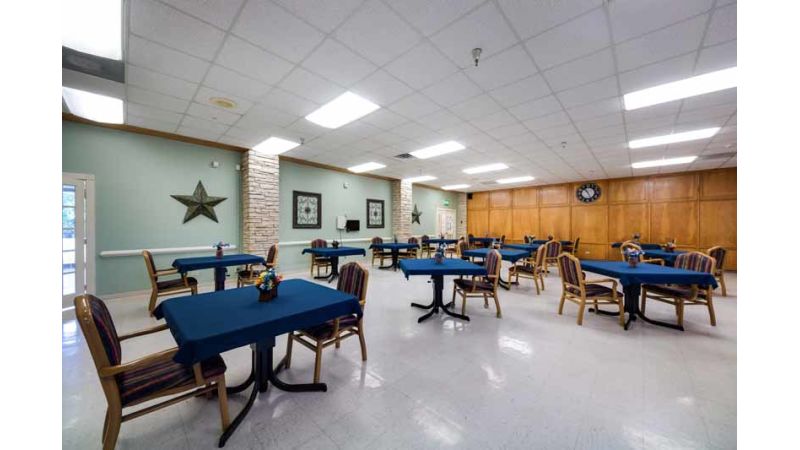
How is Hilltop Village Nursing And Rehabilitation Staffed?

CMS rates HILLTOP VILLAGE NURSING AND REHABILITATION's staffing level at 1 out of 5 stars, which is much below average compared to other nursing homes. Staff turnover is 67%, which is 21 percentage points above the Texas average of 46%. High turnover can affect care consistency as new staff learn residents' individual needs.

What Have Inspectors Found at Hilltop Village Nursing And Rehabilitation?

State health inspectors documented 53 deficiencies at HILLTOP VILLAGE NURSING AND REHABILITATION during 2023 to 2025. These included: 1 Immediate Jeopardy (the most serious level, indicating potential for serious harm or death), 49 with potential for harm, and 3 minor or isolated issues. Immediate Jeopardy findings are rare and represent the most serious regulatory concerns. They require immediate corrective action.
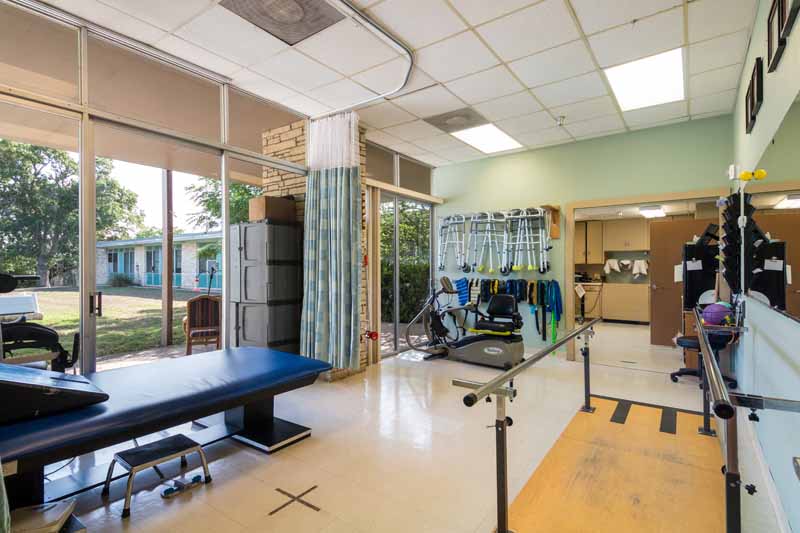
Who Owns and Operates Hilltop Village Nursing And Rehabilitation?

HILLTOP VILLAGE NURSING AND REHABILITATION is owned by a for-profit company. For-profit facilities operate as businesses with obligations to shareholders or private owners. The facility is operated by CROSS HEALTHCARE MANAGEMENT, a chain that manages multiple nursing homes. With 150 certified beds and approximately 107 residents (about 71% occupancy), it is a mid-sized facility located in KERRVILLE, Texas.

How Does Hilltop Village Nursing And Rehabilitation Compare to Other Texas Nursing Homes?

Compared to the 100 nursing homes in Texas, HILLTOP VILLAGE NURSING AND REHABILITATION's overall rating (1 stars) is below the state average of 2.8, staff turnover (67%) is significantly higher than the state average of 46%, and health inspection rating (2 stars) is below the national benchmark.

What Should Families Ask When Visiting Hilltop Village Nursing And Rehabilitation?

Based on this facility's data, families visiting should ask: "What changes have been made since the serious inspection findings, and how are you preventing similar issues?" "What safeguards and monitoring systems are in place to protect residents from abuse or neglect?" "How do you ensure continuity of care given staff turnover, and what is your staff retention strategy?" "Can you walk me through typical staffing levels on day, evening, and night shifts?" These questions are particularly relevant given the facility's Immediate Jeopardy citations, the substantiated abuse finding on record, the facility's high staff turnover rate, and the below-average staffing rating.

Is Hilltop Village Nursing And Rehabilitation Safe?

Based on CMS inspection data, HILLTOP VILLAGE NURSING AND REHABILITATION has documented safety concerns. The facility has 1 substantiated abuse finding (meaning confirmed case of resident harm by staff or other residents). Inspectors have issued 1 Immediate Jeopardy citation (the most serious violation level indicating risk of serious injury or death). The facility has a 1-star overall rating and ranks #100 of 100 nursing homes in Texas. Families considering this facility should ask detailed questions about what corrective actions have been taken since these incidents.

Do Nurses at Hilltop Village Nursing And Rehabilitation Stick Around?

Staff turnover at HILLTOP VILLAGE NURSING AND REHABILITATION is high. At 67%, the facility is 21 percentage points above the Texas average of 46%. High turnover means new staff may not know residents' individual needs, medications, or preferences. It can also be disorienting for residents, especially those with dementia who rely on familiar faces. Families should ask: What is causing the turnover? What retention programs are in place? How do you ensure care continuity during staff transitions?

Was Hilltop Village Nursing And Rehabilitation Ever Fined?

HILLTOP VILLAGE NURSING AND REHABILITATION has no federal fines on record. CMS issues fines when nursing homes fail to meet care standards or don't correct problems found during inspections. The absence of fines suggests the facility has either maintained compliance or corrected any issues before penalties were assessed. This is a positive indicator, though families should still review recent inspection reports for the full picture.

Is Hilltop Village Nursing And Rehabilitation on Any Federal Watch List?

HILLTOP VILLAGE NURSING AND REHABILITATION is not on any federal watch list. The most significant is the Special Focus Facility (SFF) program, which identifies the bottom 1% of nursing homes nationally based on persistent, serious quality problems. Not being on this list means the facility has avoided the pattern of deficiencies that triggers enhanced federal oversight. This is a positive indicator, though families should still review the facility's inspection history directly.