Killeen Nursing & Rehabilitation
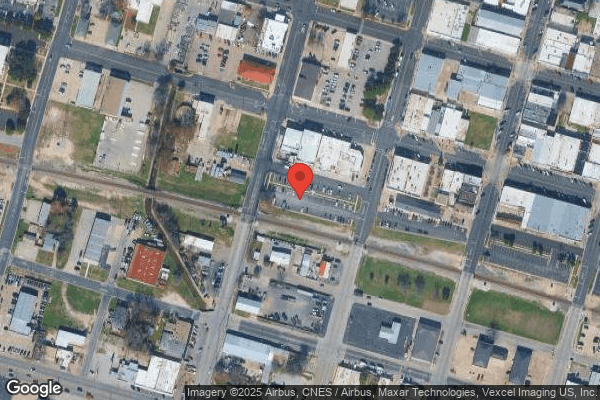
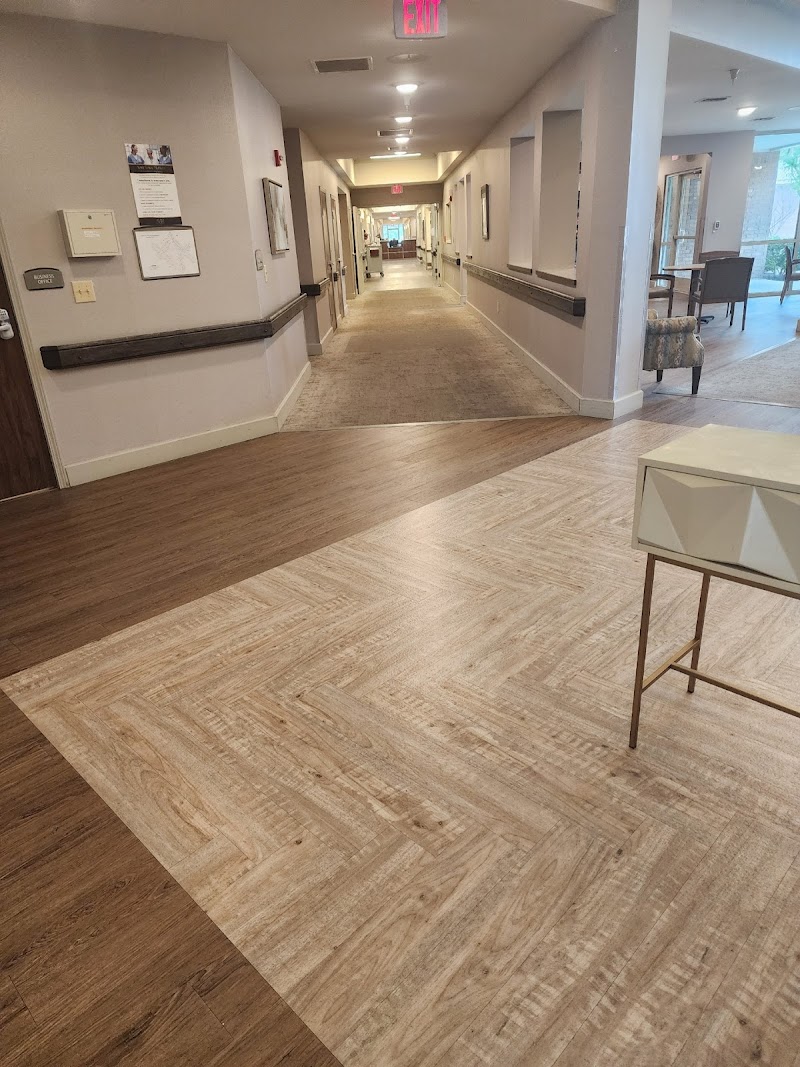
5000 Thayer Dr, Killeen, TX 76549 (254) 221-6380
For profit - Corporation 120 Beds AVIR HEALTH GROUP Data: November 2025 8 Immediate Jeopardy citations
Trust Grade
0/100
#1017 of 1168 in TX
Last Inspection: April 2025

Within standard 12-15 month inspection cycle. Federal law requires annual inspections.

Overview

Killeen Nursing & Rehabilitation has received a Trust Grade of F, indicating significant concerns and a poor overall quality of care. Ranking #1017 out of 1168 in Texas places it in the bottom half of facilities statewide, and #11 out of 16 in Bell County means there are better local options available. Although the facility is showing some improvement, reducing issues from 22 in the previous year to 9 this year, it still faces serious challenges. Staffing is a major concern with a low rating of 1 out of 5 stars and a high turnover rate of 74%, which is much higher than the state average. Additionally, the facility has incurred a troubling $346,696 in fines, suggesting ongoing compliance issues. Specific incidents include a failure to maintain safe water temperatures in resident bathrooms, putting residents at risk for scalding, and incidents of verbal abuse among residents that caused psychological harm. While there are strengths, such as decent quality measures rated at 4 out of 5, the overall picture raises significant red flags for prospective residents and their families.
Trust Score
F
0/100
In Texas
#1017/1168
Bottom 13%
Safety Record
High Risk
Review needed
Inspections
Getting Better
22 → 9 violations
Staff Stability
⚠ Watch
74% turnover. Very high, 26 points above average. Constant new faces learning your loved one's needs.
Penalties
⚠ Watch
$346,696 in fines. Higher than 93% of Texas facilities. Major compliance failures.
Skilled Nurses
⚠ Watch
Each resident gets only 15 minutes of Registered Nurse (RN) attention daily — below average for Texas. Fewer RN minutes means fewer trained eyes watching for problems.
Violations
⚠ Watch
55 deficiencies on record. Higher than average. Multiple issues found across inspections.
★☆☆☆☆
1.0
Overall Rating
★☆☆☆☆
1.0
Staff Levels
★★★★☆
4.0
Care Quality
★☆☆☆☆
1.0
Inspection Score
Stable
2024: 22 issues
2025: 9 issues

The Good

  • 4-Star Quality Measures · Strong clinical quality outcomes
  • Full Sprinkler Coverage · Fire safety systems throughout facility
  • No fines on record

Facility shows strength in quality measures, fire safety.

The Bad

1-Star Overall Rating

Below Texas average (2.8)

Significant quality concerns identified by CMS

Staff Turnover: 74%

28pts above Texas avg (46%)

Frequent staff changes - ask about care continuity

Federal Fines: $346,696

Well above median ($33,413)

Significant penalties indicating serious issues

Chain: AVIR HEALTH GROUP

Part of a multi-facility chain

Ask about local staffing decisions and management

Staff turnover is very high (74%)

26 points above Texas average of 48%

The Ugly 55 deficiencies on record

8 life-threatening 2 actual harm
Sept 2025 1 deficiency
CONCERN (D) 📢 Someone Reported This

A family member, employee, or ombudsman was alarmed enough to file a formal complaint

Potential for Harm - no one hurt, but risky conditions existed

Accident Prevention (Tag F0689)

Could have caused harm · This affected 1 resident

**NOTE- TERMS IN BRACKETS HAVE BEEN EDITED TO PROTECT CONFIDENTIALITY** Based on observations, interviews, and record review, the facility failed to follow their own established smoking policy for 2 (...

Read full inspector narrative →
**NOTE- TERMS IN BRACKETS HAVE BEEN EDITED TO PROTECT CONFIDENTIALITY** Based on observations, interviews, and record review, the facility failed to follow their own established smoking policy for 2 (Residents #63 and #65) of 2 residents reviewed for smoking. The facility failed on 9/2/2025 to ensure that Residents #63 and #65 did not smoke without supervision and did not keep their personal cigarettes and lighters in their rooms, as per facility policy. This failure could place residents at risk of an unsafe smoking environment and injury. Findings include: Observation on 9/02/2025 at 11:19 AM revealed Resident #63 was observed in the designated smoking area for the facility, with a cigarette in her hand, smoking. There was no staff supervision in the smoking area at the time Resident #63 was smoking. There were no unsafe behaviors, and she did not have injuries from smoking. There is no evidence that she has been injured while smoking unsupervised. The resident did not say that they had been burned or injured while smoking cigarettes unsupervised. In an interview on 9/02/2025 at 11:25 AM, Resident #63, who was outside in the smoking area of the facility, said that she kept her cigarette lighter and cigarettes in her purse in her room. Resident #63 said that she was an adult and could smoke whenever she wanted. Resident #63 stated that sometimes staff came out and supervised smoking, and sometimes they did not. The resident said she was not the only one who came outside and smoked cigarettes without supervision. A review of Resident #63's medical diagnosis in PCC on 9-2-2025, reflected a [AGE] year-old female who was admitted to the facility on [DATE], with the following diagnoses: acute respiratory failure (lungs can no longer effectively transfer oxygen to the blood or remove carbon dioxide from it.), unspecified, muscle wasting and atrophy (wasting, or thinning, of muscle tissue), muscle weakness, and lack of coordination. A review of Resident #63's MDS dated [DATE] reflected that Resident #63 had a BIMS score of 15, indicating she was cognitively intact. Review of Resident #63's care plan dated 6/18/2025 reflected that Resident #63 needed staff supervision/adaptations when using tobacco products. A review of Resident #65's medical diagnosis in PCC, reflected a [AGE] year-old female who was admitted to the facility on [DATE], with the following diagnoses: essential hypertension (high blood pressure), weakness (lack of physical or muscle strength), anxiety disorder (intense, excessive, and persistent feelings of fear and worry), lack of coordination (muscle control problem), and muscle weakness (muscles are not as strong as they should be). A review of Resident #65's MDS dated [DATE] reflected that Resident #65 had a BIMS score of 15, indicating she was cognitively intact. Review of Resident #65's care plan dated 6/18/2025 reflected that Resident #65 required staff supervision/adaptations when using tobacco products. In an interview on 9/02/2025, Resident #65 was in her room, and she said there were smoking times at the facility. Resident #65 stated that she kept her cigarettes and lighter with her in her room. Resident #65 said she smoked cigarettes when she wanted. Resident #65 said that the staff were not always outside when residents smoked. There was no observation of her smoking without supervision. In[ an interview on 9/2/2025 at 2:37 PM, the HRD stated that residents were not to go outside and smoke alone. The HRD stated that staff should always be with residents when they were smoking. The HDR stated that residents were not supposed to have cigarettes and lighters in their rooms. The HRD stated that residents' cigarettes and lighters were kept at the nurses' station that was closest to them. The HRD stated that if it was not the designated smoking time, residents could smoke cigarettes if a staff member went outside with them. The HRD stated that residents could get burned, hurt each other, or have a medical issue if there was no supervision while they were smoking outside. HRD was not aware if she had ever burned themselves, started a fire, or smoked around oxygen. In an interview on 9/2/2025 at 2:45 PM, the CN stated that the smoking times at the facility were 9:00 AM, 11:00 AM, 3:00 PM, 7:00 PM, and 9:00 PM. The CN stated that residents were allowed to go outside during designated smoking times. The CN stated that residents should not smoke unsupervised. The CN stated that cigarettes and lighters were to be kept in the Med room, and not in the residents' rooms. The CN Stated that if a resident was smoking unsupervised, it could be a fire hazard and a safety hazard. The CN stated that residents could get burned from the cigarettes or cause a fire. CN was not aware if she had ever burned themselves, started a fire, or smoked around oxygen. In an interview on 9/2/2025 at 2:59 PM with ADM, she stated that residents are supposed to be supervised when smoking. ADM stated that their previous smoking policy was that residents could smoke without any supervision if they were capable. ADM stated that now residents are required to have staff present when they are smoking, and they are only to smoke during smoking times. ADM said that she did not know that residents were smoking unsupervised. ADM said that she is not aware that any residents have been burned, had something catch on fire, or been injured. ADM said that if a resident is smoking unsupervised, they could get burned or injured or catch something on fire. ADM said that there will be an in-service with staff, and residents will be reminded. Review of the facility's Smoking Policy dated 10/2022 reflected: Any resident with restricted smoking or smokeless tobacco privileges requiring monitoring shall have thedirect supervision of a staff member, family member, visitor or volunteer worker at all times while smokingor using smokeless tobacco. Residents may not have or keep any smoking articles, including cigarettes, tobacco, etc., except when theyare under direct supervision.
Aug 2025 2 deficiencies
CONCERN (D) 📢 Someone Reported This

A family member, employee, or ombudsman was alarmed enough to file a formal complaint

Potential for Harm - no one hurt, but risky conditions existed

Deficiency F0558 (Tag F0558)

Could have caused harm · This affected 1 resident

**NOTE- TERMS IN BRACKETS HAVE BEEN EDITED TO PROTECT CONFIDENTIALITY** Based on observations, interviews, and record review, the facility failed to accommodate the needs and preferences for one of se...

Read full inspector narrative →
**NOTE- TERMS IN BRACKETS HAVE BEEN EDITED TO PROTECT CONFIDENTIALITY** Based on observations, interviews, and record review, the facility failed to accommodate the needs and preferences for one of seven residents (Residents #1) reviewed for accommodation of needs, in that:The facility failed to ensure that Resident #1 had his call light in reach on 8/8/2025. This deficient practice could place residents at risk of injury, for not receiving timely care and nursing interventions.Findings included: Review of Resident #1's Face sheet dated 8/8/2025 reflected a [AGE] year-old male admitted on [DATE] with diagnoses that included: Hemiplegia (paralysis of one side of the body, Chronic Kidney Disease, Heart Failure, Obstructive Uropathy (disrupted urine flow) and, Atrial Fibrillation (irregular heart rhythm). Review of admission MDS dated [DATE] for Resident #1 reflected a BIMs of 14 suggesting no cognitive impairment. Review of Resident #1's Care plan dated 8/8/2025 for Resident #1 reflected the focus I am at risk for falls [related to] impaired mobility, with the Intervention: Evaluate, interview and document my physical condition and cognitive status.Observe environment to identify any potential factors that could contribute to a fall, such as lighting, uneven/slippery/cluttered floor surfaces, improper footwear, failure to use assistive devices, etc. Remove any potential causes or hazards, if possible. Educate me of potential fall hazards. An observation of Resident #1's room on 8/8/2025 at 11:18 am revealed resident was lying in bed on his back, face up and was awake and alert. Further Observations revealed resident's call light was laying on the floor behind the head of his bed and out of his reach. During an interview on 8/8/2025 at 11:15 am, Resident #1 stated he did not know his call light was laying on the floor behind the bed as he could not see it. He stated he was partially paralyzed and needed his call light to call staff for assistance as he needed assistance for his activities of daily living. Resident #1 stated he would not be able to call for help if he needed to because he could not reach his call light. Resident #1 stated he did not know how the call light got on the floor behind his bed, but he did not put it there. During an interview on 8/8/2025 at 11:21 am, RN A noted that Resident #1's call light was on the floor the call light was not quite where he [Resident #1] could reach it without it being a risk to him. He further stated if Resident #1 attempted to reach for the call light on the floor, he could fall out of bed and get injured. During an interview on 8/8/2025 at 2:42 pm, the Regional Nurse stated the call lights should always be within reach so that residents can get staff when they really needed them. She stated her concern with the call light not being in reach would be that residents would not be able to get the assistance they needed. During an interview on 8/8/2025 at 2:46 PM, LVN C stated she had seen Resident #1 earlier that morning when making her hospice rounds. She stated, at that time, the call light was in reach. She stated she would have safety concerns for Resident #1's call light not being in reach, because he would not be able to get help if he needed it, and could possibly fall out of bed while trying to reach his call light. During an interview on 8/11/2025 at 3:30 pm, the ADM stated any staff that went in a resident's room could have made sure the call light was in reach. She stated her concern with a call light being on the floor would have been that the patient would not be able to make their needs known which could lead to a failure of care. Review of the facility's policy Call System, Residents updated January 2025, reflected the following: Residents are provided with a means to call staff for assistance through a communication system that directly callsa staff member or a centralized work station.Policy Interpretation and Implementation1. Each resident is provided with a means to call staff directly for assistance from his/her bed, fromtoileting/bathing facilities and from the floor. Review of the facility's policy Resident Rights, revised February 2021, reflected the following: Federal and state laws guarantee certain basic rights to all residents of this facility. These rights include the resident's right to:a. a dignified existence;b. be treated with respect, kindness, and dignity;
CONCERN (D) 📢 Someone Reported This

A family member, employee, or ombudsman was alarmed enough to file a formal complaint

Potential for Harm - no one hurt, but risky conditions existed

Infection Control (Tag F0880)

Could have caused harm · This affected 1 resident

**NOTE- TERMS IN BRACKETS HAVE BEEN EDITED TO PROTECT CONFIDENTIALITY** Based on observation, interview, and record review, the facility failed to establish and maintain an infection prevention and co...

Read full inspector narrative →
**NOTE- TERMS IN BRACKETS HAVE BEEN EDITED TO PROTECT CONFIDENTIALITY** Based on observation, interview, and record review, the facility failed to establish and maintain an infection prevention and control program designed to provide a safe, sanitary, and comfortable environment and to help prevent the development and transmission of communicable diseases and infections for 1 of 7 residents (Resident #1) reviewed for Infection control. The facility failed to ensure Resident #1's catheter bag was not laying on the floor on 8/8/2025. This failure could result in the spread of diseases to residents which could result in decreased quality of life, illness, and hospitalization.Findings included: Review of Face sheet dated 8/8/2025 reflected a [AGE] year-old male admitted on [DATE] with diagnoses that included: Hemiplegia (paralysis of one side of the body), Chronic Kidney Disease, Heart Failure, Obstructive Uropathy (disrupted urine flow) and Atrial Fibrillation (irregular heart rhythm). Review of admission MDS assessment dated [DATE] for Resident #1 reflected a BIMS score of 14 suggesting no cognitive impairment. Review of MDS section H - Bladder and Bowel - reflected Resident #1 had an indwelling catheter. Review of Care plan dated 8/8/2025 for Resident #1 reflected the focus The resident has an indwelling catheter for [Benign Prostate Hyperplasia] with Intervention: Monitor/record/report to MD for s/sx UTI: pain, burning, blood tinged urine, cloudiness, no output, deepening of urine color, increased pulse, increased temp, Urinary frequency, foul smelling urine, fever, chills, altered mental status, change in behavior, change in eating patterns. An observation of Resident #1's room on 8/8/2025 at 11:17 am revealed his urinary catheter bag was hanging off the side bed rail with the bottom of the bag sitting on the ground. During an interview on 8/8/2025 at 11:15 am, Resident #1 stated he did not know his catheter bag was laying on the floor because he could not see it from where he was laying. He stated he would be worried about a possible infection from the bag laying on the dirty floor. Resident #1 stated he did not know who put his bag on the floor. During an interview on 8/8/2025 at 11:21 am, RN A stated that Resident #1's catheter bag was on the floor, and the bag laying on the floor was a trip hazard as well as an infection control issue as germs could get into the catheter making Resident #1 very sick. During an interview on 8/8/2025 at 1:23 pm, NP B stated, we need to get it [catheter bag] off the floor so bacteria can't be introduced She stated the catheter bag is a controlled environment, but it still needs to be off the floor. She stated she would have concerns about infection control with the catheter bag laying on the floor. During an interview on 8/8/2025 at 1:53 pm, Branch Manger RN stated she would have concerns from an infection control standpoint for a catheter bag laying on the floor. She stated she would have concerns about bacteria getting in there - looking at potential infections - the floor is not any environment to have access to an internal entrance. She stated the catheter bag being on the floor was an infection risk and Resident #1 was more at risk because he was immunocompromised (having a weakened immune system). During an interview on 8/8/2025 at 2:46 PM, LVN C stated she had seen Resident #1 earlier that morning when making her hospice rounds. She stated, at that time, the catheter bag was hooked to the bed rail and she did not notice it on the floor. She stated her concerns with a catheter bag being on the floor would be an infection control issue. She stated she would worry about germs and infections. She stated Resident #1 was a higher risk for infection due to being immunocompromised and being on hospice. During an interview on 8/8/2025 at 3:30 pm, Regional Nurse stated a catheter bag on the floor would be an infection control issue including exposure of urine or bag to bacteria on the floor. During an interview on 8/11/2025 at 3:30 pm, the ADM stated nursing staff was responsible for making sure catheter bags are off the floor. She stated a concern would be an infection of some sort. Review of the facility's policy Catheter Care, Urinary updated July 2024, reflected the following: PurposeThe purpose of this procedure is to prevent catheter-associated urinary tract infections. Infection Control1. Use standard precautions when handling or manipulating the drainage system.2. Maintain clean technique when handling or manipulating the catheter, tubing, or drainage bag.a. Do not clean the periurethral area with antiseptics to prevent catheter-associated UTIs while the catheteris in place. Routine hygiene (e.g., cleansing of the meatal surface during daily bathing or showering) isappropriate.b. Be sure the catheter tubing and drainage bag are kept off the floor.
Jun 2025 2 deficiencies 1 IJ
CRITICAL (J) 📢 Someone Reported This

A family member, employee, or ombudsman was alarmed enough to file a formal complaint

Immediate Jeopardy (IJ) - the most serious Medicare violation

Accident Prevention (Tag F0689)

Someone could have died · This affected 1 resident

**NOTE- TERMS IN BRACKETS HAVE BEEN EDITED TO PROTECT CONFIDENTIALITY** Based on observation, interview and record review, the facility failed to ensure each resident received adequate supervision for...

Read full inspector narrative →
**NOTE- TERMS IN BRACKETS HAVE BEEN EDITED TO PROTECT CONFIDENTIALITY** Based on observation, interview and record review, the facility failed to ensure each resident received adequate supervision for 1 of 10 residents (Resident #1) reviewed for accidents and supervision.The facility failed to ensure Resident #1 did not exit the facility without staff's knowledge and ambulate approximately 100 yards down their driveway to a busy street with a speed limit of 65 MPH on 05/25/25. The facility failed to ensure staff were knowledgeable on how to properly secure the doors using the door security box located at 2 of 2 nurses' stations (both the skilled nursing and long-term care sides of the facility). Staff were identified by ADON B pressing the door release button with a key emblem instead of the round door secure button resulting in the doors not being secured. An Immediate Jeopardy (IJ) was identified on 06/25/25. The IJ Template was provided to the facility on [DATE] at 05:10 PM. While the IJ was removed on 06/26/25, the facility remained out of compliance at a scope of isolated and a severity with no actual harm with the potential for more than minimal harm due to the facility's need to evaluate the effectiveness of the corrective systems. This failure could place residents at risk of harm and/or injury due to elopement. Findings included:Review of Resident #1's face sheet dated 06/25/25 reflected a [AGE] year-old male admitted to the facility on [DATE] with diagnoses that included Parkinson's disease (neurodegenerative disease primarily of the central nervous system, affecting both motor and non-motor systems) with Dyskinesia (uncontrolled, involuntary movements), Alzheimer's disease (a type of dementia that affects memory, thinking, and behavior), mood disorder due to known physiological condition with depressive features, and neurocognitive disorder with Lewy bodies (aka Lewy body dementia, is a type of dementia caused by protein deposits in the brain cells affecting thinking, memory, movement, sleep, and behavior). The face sheet reflected Resident #1 was discharged [DATE] at 2:09 PM after a 13-day length of stay. Review of Resident #1's discharge MDS assessment return not anticipated dated 05/25/25 reflected section A discharge status which was marked as Resident #1 being discharged to a long-term care facility with a discharge date of 05/25/25. Section C cognitive patterns reflected a BIMS score of 04 indicating severe cognitive impairment. Review of Resident #1's baseline care plan dated 05/12/25 reflected safety risks- is the resident an elopement risk? was not marked yes or no. Review of Resident #1's care plan last revised 05/25/25 reflected a focus initiated on 05/25/25 the resident is an elopement risk/wanderer related to disoriented to place. History of attempts to leave facility unattended, impaired safety awareness. Resident wanders aimlessly, significantly intrudes on privacy or activities. The care plan reflected there was no focus or interventions prior to 05/25/25 the date of the elopement. Review of Resident #1's progress notes reflected the following notes related to wandering/exit seeking behavior: - Nursing note dated 05/14/25 resident on follow up day 3/3 of new admit. He seems to be adjusting to being at facility. Does continue to wonder around. Alert to self but pleasantly confused. - Nursing advanced skill evaluation dated 05/15/25 resident wanders at night. - Nursing note dated 05/15/25 resident observed making multiple attempts to exit the facility through the secure doors. When redirected resident expressed confusion stating, I don't know what I am doing here. This nurse provided reorientation and education regarding his current medical condition and reason for admission. Resident has a feeding tube, medications and nutritional feeding were administered via tube as ordered. Despite tube feeding, resident was observed attempting to consume food from other residents' tray and requesting coffee. Staff have been providing frequent redirections and reassurance. Resident was brought to nursing station for closer observation; however, he is unable to remain seated for prolong period and frequently attempts to stand and ambulate unsafely. This nurse has made several multiple interventions to promote safety including verbal redirections. - Nursing note dated 05/15/25 Resident found in room packing his clothes and personal belongings which were laid out on his bed. When asked what he is doing he states that he is going home, and his family member is coming to pick him up. Resident educated and redirected but resident remains insistent on leaving. This nurse attempted to contact family member , resident in his room alert and verbal still expressing desires to go home.- A nursing note dated 05/17/25, Resident up in his wheelchair at this time wheeling around everywhere trying to get into other residents' rooms and trying to eat and drink everyone's food and drinks. Resident has to be reminded that he cannot eat or drink anything at this time as he is strictly to not have anything by mouth and that he has a feeding tube that hives him the foods and fluids he needs. Resident stares at nurse and just wheels off. He is very confused, but it is a pleasant confused. Resident attempting to go towards the doors and staff again has to redirect him that he cannot go out of the building as he can fall and get hurt. Resident again just stared at nurse. He is currently wheeling around the nurses station. - A nursing note dated 05/18/25, Resident is up in his wheelchair at this time rolling around and will not stay in pod 1 as it has been asked of him to do that many of times so staff can keep a better eye on him- An advanced nursing skilled evaluation note dated 05/19/25, Resident is confused. Resident is awake at night. Resident wanders at night. - A nursing progress note dated 05/19/25, Resident is up in his wheelchair at this time rolling around and will not stay in pod 1 as it has been asked of him to do that many of times so staff can keep a better eye on him and he continues to go towards the doors and into other residents rooms. He is very pleasantly confused. - An advanced skilled nursing evaluation note dated 05/20/25, safety concerns- resident has been trying to exit the doors. - An advanced skilled nursing evaluation note dated 05/21/25, resident wanders at night. - A nursing progress note dated 05/22/25, Resident has been up in his wheelchair rolling around and will not stay on pod 1 as it has been asked of him to do that many of times so staff can keep a better eye on him, and he continues to go towards the doors and into other residents' rooms. He is very pleasantly confused. - An advanced skilled nursing evaluation note dated 05/23/25, Resident is confused. Resident is awake at night. Resident wanders at night. - A nursing progress note dated 05/25/25, a family member of one of our patients alerted us to Resident #1 being in the road on [main road off property] we immediately went and got the resident and brought him back in the facility. We brought him back in the facility and placed him on 1 on 1 family member is currently here now and I informed her of his elopement and also that we are trying to find placement for him at a memory care facility. We cannot meet his needs since we are not a lock down facility or have wonder guards to prevent resident from getting out the facility and getting hurt [receiving SNF] has accepted resident and will be transporting him to their facility. - An elopement evaluation progress note dated 05/25/25, Elopement evaluation: History of elopement while at home: Yes. Wandering behavior, a pattern or goal-directed: No. Wanders aimlessly or non-goal-directed: Yes. Wandering behavior likely to affect the safety or well-being of self / others: Yes. Wandering behavior likely to affect the privacy of others: Yes. Recently admitted or re-admitted (within past 30 days) and has not accepted the situation: Yes. Elopement Score: 8.0 Actioned clinical suggestions: [no actions indicated]. - A social services progress note dated 05/25/25, Resident will be transferred to [facility] today due to his need for a secured memory care unit. He will be transported there around 02:00 PM today. [Resident #1's family member ] is aware of this plan and that she can later transfer him to another facility later on if she wishes to. - A nursing progress note dated 05/25/25, d/c'd to another facility. Record review of Resident #1's Discharge summary dated [DATE] reflected:- discharge date : [DATE].- Expected return? No. - Released to other facility.- Reason for discharge: needs a secure memory care unit.- Final summary: Resident is transferring to [facility] a secured memory care unit.Review of Resident #1's discharge planning review record dated 05/25/25 reflected: Who initiated discharge? reflected was marked Facility.If facility, if this was a facility initiated discharge, was advance notice given (either 30 days or as soon as practicable on the reason of the discharge) to the resident, resident representative, and a copy to the Ombudsman; Did the notice include all the required components (reason, effective date, location, appeal rights, Ombudsman, ID, MI info as needed) and was it presented in a manner that could be understood; and if changes were made to the notice, were recipients of the notice updated? Signatures of facility staff on the document included SW and ADON A dated 05/25/25.In an interview on 06/25/25 at 11:16 AM with LVN C she stated she was the charge nurse working with Resident #1 on the day of the elopement on 05/25/25. She stated she was alerted by another nurse and other residents family members who provided a description of seeing a resident out of the facility that matched Resident #1. LVN C stated she then went out of the facility with CNA D to retrieve Resident #1. LVN C stated once they were able to locate Resident #1, he was no longer on the property, and was found down the street that leads up to the facility sitting in his wheelchair next to the main road. LVN C stated they were not sure which door Resident #1 exited from, and that he would frequently need redirecting from trying to leave through doors in other halls leading to the side of the building. LVN C stated if they saw Resident #1 trying to elope, they would attempt to redirect him, but was not aware of any other interventions in place to prevent elopement prior to the incident on 05/25/25. LVN C stated Resident #1 was a known elopement risk based on his care notes which documented each time he wandered and displayed exit seeking behavior. In an interview on 06/25/25 at 11:48 AM with CNA D, she stated she worked with Resident #1 on 05/25/25. She stated that she was alerted by LVN C that Resident #1 had eloped and went out with her to retrieve the resident. She stated they found Resident #1 away from the facility next to a busy road in his wheelchair. CNA D stated they were unsure which door Resident #1 used to leave the facility, but no alarms were heard. CNA D stated police were around, and police asked them (LVN C and CNA D) if Resident #1 was part of their facility; police then released Resident #1 back to them with no further questions. In an interview on 06/25/25 at 12:06 PM with ADON A, he stated he was at the facility on 05/25/25 and was notified of Resident #1's elopement by LVN C after the incident occurred. ADON A stated after Resident #1 was brought back to the facility he was placed on 1:1 until he was discharged later that same day. He stated he was previously aware of Resident #1's elopement risk for a while and they had been trying to get him to a secured facility the week prior but had no takers. He stated after the incident occurred that was when the ADM advised the SW to get him out of this facility and to another facility with a secured unit that day. ADON A stated Resident #1 was not appropriate for this facility and was constantly exit seeking. ADON A stated they should never have accepted him and that due to elopement risk and dementia they were not able to keep him safe. ADON A stated they presently had other residents with a diagnosis of dementia and will keep them as long as they don't try to reach for the door. ADON A stated after the incident they discharged Resident #1 to another facility within a few hours. In an observation and interview 06/25/25 at 01:04 PM with LVN E in the 200 hall (skilled nursing side); the door to the exterior was observed easily pushed open and not secured with the electromagnetic lock. The door alarm was functional and did sound as soon as the door opened. LVN E was observed closing the door and then pushing it open to test the magnetic hold on the door which was not holding allowing the door to easily swing open. LVN E was observed shouting down the hall to other staff telling them to push the button on the lock pad located at the nurse's station. This exchange occurred multiple times as they were observed to have difficulty getting the door to secure. LVN E stated staff were to check that the doors to the exterior were secured each shift. She stated a potential negative outcome of an unsecured door for residents that wander would be residents could get out and the road is right there, they can be harmed from a car or even from someone living at the apartment complex across the street; people are weird nowadays and you never know. In an observation and interview on 06/25/25 at 01:47 PM, observations were made of the exterior doors to the long-term care side of the facility with ADON B. The doors on halls 600 and 700 were observed unsecured when checked. Both doors were observed easily swinging open; no alarm was seen on the door or was heard sounding when the door opened. ADON B stated she was not sure why the doors were unlocked. ADON B was observed going to the nurses' station and pushing the button on the lock pad to secure the doors. ADON B was then observed going back to check the 600 and 700 doors appeared to be secured after pushing the button. ADON B stated she would investigate what occurred to cause the doors to not be secured. In an interview on 06/25/25 at 02:20 PM with ADON B, she stated it was identified the door was not securing because staff were pushing the incorrect button at the nurses' station and did not know the correct way to ensure the doors were locked. She stated the button to release the doors was being pressed instead of the button to secure the doors. She stated by pressing the button to release the doors, it causes all the doors on the long-term care side to be easily opened. ADON B stated she had to complete an in-service with staff to ensure they knew how to secure the doors now that this was identified and presented surveyor with in-service completed. Review of in-service record dated 06/25/25 presented by ADON B reflected topic educate on proper way to lock door. Key on button is to unlock door, round button is to lock door. Review of the facility Wandering and Elopement policy last revised March 2019 reflected: The facility will identify residents who are at risk of unsafe wandering and strive to prevent harm while maintaining the least restrictive environment for residents. - If identified as a risk of wandering, elopement, or other safety issues the resident care plan will include strategies and interventions to maintain the resident's safety. The Administrator was notified on 06/25/25 at 05:10 PM that an IJ had been identified and an IJ template was provided.The following POR was approved on 06/26/25 at 12:30 PM and reflected the following:Plan of RemovalImmediate Threat [Immediate Jeopardy] On 06/25/2025 an abbreviated survey was initiated at facility. On 06/25/2025 the surveyor provided anImmediate Threat (IT) [Immediate Jeopardy (IJ)] Template notification that the Regulatory Services has determined that thecondition at the facility constitutes an immediate threat to resident health and safety.The notification of Immediate Threat [Immediate Jeopardy] states as follows: F689 - The facility must ensure each resident receivesadequate supervision and assistance devices to prevent accidents.The facility failed to ensure Resident #1 did not exit the facility without staff's knowledge and ambulateapproximately 100 yards down their driveway to a busy street with a speed limit of 65 MPH on 05/25/25.Action: Resident was put on 1:1 service immediately with nursing staff member by facility DON and Admin until asafe placement at a secured facility could be located and resident transferred. All residents' elopement assessmentswere verified that they were up-to-date and that the elopement binders for at risk residents, at both nurse's stationsand the front reception desk, were up to date by Interdisciplinary Team (IDT) team. All exterior facility doors were audited by maintenance for functionality and changed door codes.Completion: 6/25/25On 06/25/2025 the Administrator notified the Medical Director of Immediate Jeopardy. On 06/25/2025,all exit doors throughout the facility were assessed for proper functioning.Action: Facility nursing staff have been re-educated on procedures to unlock and lock exit doors byADON. ADONs were in-serviced by Administrator. Admin was educated by Maintenance upon onorientation of start of position. (Maintenance was educated by prior company.) Any staff who are notworking will be re-educated prior to working their next shift. New staff will be educated on orientation.Any agency nursing staff will have to read and acknowledge the in-service on the staffing portal beforeshift acceptance. Comprehension will be verified by Admin/designee where staff will have to correctlyverbalize back how to properly lock and unlock the door. This will be recorded on the facility in-service log.Start Date: 6/25/25Completion Date: 6/25/25Responsible: AdministratorAction: Facility has placed directions to lock and unlock exit doors in nurse's binder at each nurse'sstationStart Date: 06/25/25Completion Date: 06/25/25Responsible: AdministratorAction: Door locks were tested and reactivated on all exit doors by maintenance on facility monitoringtool.Start Date: 06/25/25Completion Date: 06/25/25Responsible: MaintenanceAction: Facility Nursing Staff continue to check exit doors 3 times per shift to ensure the doors are secureusing facility monitoring tool and will be monitored by ADONs for completion.Start Date: 06/25/25Completion Date: 6/25/25Responsible: AdministratorAction: Maintenance checks facility doors once weekly to ensure exit doors have no maintenance issuespreventing them from securing with facility monitoring tool.Start Date: 06/25/25Completion Date: 06/25/2025Responsible: Maintenance SupervisorAction: The QA Committee will review door alarm logs weekly for 4 weeks, then monthly.Administrator/designee will conduct unannounced door security audits 2 x week for 30 days.Start Date: 06/25/25Completion date: 06/25/25Responsible person: Administrator/designeeThe POR was monitored on 06/26/25 in the following ways: Review of the documentation for door checks on Pods 2 of 2 (both skilled nursing and long term care side) reflected Doors codes have been changed for resident safety. Do not give the code to residents that should not have it. Do not give it to family members verbally in front of residents. Listen for the alarm. Alarm for front door is reset by a button at Pod 1. You are responsible for checking the doors at least 3 times per shift to make sure front door is secured as well as the doors to your pod. You must do these rounds. No exceptions. These can be done by a nurse or a CNA but must be signed off by whoever completes it. Each of the documents on Pod 1 and Pod 2 (skilled nursing and LTC side) were identified Door check log Pod 1 and Door check log Pod 2. It included a statement, you are responsible for checking all external exit doors on your Pod 3 times per shift as well as the front door 3 times per shift. It can be done by a CNA or nurse. Day shift and night shift. Record reflected it was logged with a date, time, and signature by staff multiple times a day beginning 05/25/25 and daily through 06/26/25.Review of an in-service sheet dated 06/25/25 presented by ADM/ IDT reflected to lock doors hit circle button, to unlock doors hit the key. Directions also in binder at both nurses' stations- competency: must verbally repeat back to educator. This included various staff from different positions including laundry, dietary, nursing, housekeeping, and admin staff such as MDS, marketing, activity director etc. Included both pods. 83 staff observed have either signed off physically or were marked as completed over the phone.Review completed with document dated 06/25/25 for door audits by maintenance all exit door locks were tested and reactivated with comments no issues with locks on doors signed by MTA.Record review of QAPI ad hoc dated 06/25/25 reflected: The locks for the facility door must always be engaged. To engage the locks follow these steps: - To unlock door push the button with the key emblem- To lock press the circle button - Residents with high elopement risks should not be outside of the facility without proper supervision and you can find the resident with high elopement risks in the elopement binders at both nurses station. If a resident is leaving the facility they need to sign out at the front desk.Document included attendance and signature by ADM, ADON A, medical director via phone, BOM, SW, MDS LVN, treatment nurse, admissions, human resources, and activity director. Record review of blank logs created for maintenance/designee for weekly audits of the door. check all exterior doors for any maintenance issues that would prevent them from securing. Created for ongoing audits. An observation and record review on 06/26/25 at 02:41 PM at nurses stations observed binders that contained instructions on locking the doors. Binder reflected How to lock/unlock doors- to unlock the doors press the button with the key emblem, to engage the locks press the circle button. A bright yellow document was also placed near the lock pads that reflected:Door locks- Doors should remain locked. If visitors buzz for entrance a staff member must walk to the front, open the entrance and verify they log into visitor log. - Locking access from the nurses station must be engaged. At any time if the button is pressed with key picture on it, it unlocks multiple doors. The round reset button must be pushed to relock the doors. - In other words, if you press the key button to unlock then you must hit the reset button to relock the doors. - Keeping the doors locked is not optional. In an interview and observation on 06/26/25 at 02:41 PM with LVN F she stated she arrived at 05:30 AM for her shift and was updated by the night shift nurse on the procedure to secure the door. LVN F stated she had already also received in-service via text 06/25/25 and had to verbalize understanding over how to secure the doors and elopements. She stated interventions other than redirection for residents who are exit seeking would include make sure exterior doors are closed and secured and check rooms to ensure you know where residents are at all times. She stated if residents are exit seeking they should also be moved closer to the nurses station for observation or placed on 1:1 care. She stated residents located in the elopement binders will get extra attention to ensure they are in their rooms or monitored while out of their rooms. LVN F stated a potential negative outcome in failing to supervise residents or failing to secure the doors would be this facility is near a highway and something bad could happen to them. LVN F was able to identify the abuse coordinator and also confirmed training on abuse and neglect. LVN F was observed locating the binder that contained information on securing the doors, as well as pressing the correct button to secure the doors . In an interview and observation on 06/26/25 at 02:50 PM with CNA G she stated she was an agency staff member but worked at the facility often. She stated she received in-service 06/25/25 and additional training 06/26/25. She stated the training covered ensuring the doors were secured, how to secure them, and elopements. She stated the training was provided to her by ADON B. CNA G stated she would be able to identify if the door is secured by the green light above the door near the magnetic strip. She stated if the light was green that would mean it was secured and that the door will also make noise if it was unsecured. CNA G stated anytime she was at the nurses station she has made it a habit to press the button to ensure the doors were secured. CNA G stated if a resident attempted to elope she would redirect them, provide them education, and would notify the charge nurse right away. CNA G stated she would find information on securing the doors in the binder located at the nurses station. She confirmed training on abuse and neglect and was able to identify the abuse coordinator as the ADM. CNA G was observed correctly demonstrating which button secured the doors. CNA G stated if she needed to identify who was an elopement risk she would look at the elopement binder located at the nurses station. In an interview on 06/26/25 at 03:02 PM with RN H he stated he was an RN charge nurse. He stated he received training on 06/25/25 via a text message on securing the doors/ elopements and was asked to let them know he understood the material. He stated on 06/26/25 he also observed the doors and was shown how to properly secure them. RN H stated if he witnessed exit seeking behavior he would redirect the resident that was exit seeking, keep them within view and safe distance from doors. RN H stated if anyone needed to identify someone who was an elopement risk they can do so by reviewing the elopement risk binder kept at the nurses station. RN H was able to successfully explain to surveyor the proper way to secure the door via the lock pad at the nurses station. In an interview on 06/26/25 at 03:08 PM with MA I, she stated she was both a medication aide and CNA. She stated she was in-serviced 06/26/25 by the ADONs on elopement and securing the doors (how to properly ensure they are secured). MA I stated if a resident shows exit seeking behavior she has been taught to give them distractions and redirect, provide them with activities, or give them food/snacks. MA I stated if a resident was able to get out she would notify the ADM immediately and ensure she was at the residents side at all times to ensure safety while they were redirected back. MA I confirmed she was also trained on abuse and neglect, and was able to identify the ADM as the abuse coordinator. MA I was able to successfully explain to surveyor the proper way to secure the door via the lock pad at the nurses station.In an interview on 06/26/25 at 03:16 PM with HK J he stated he received training 06/25/25 by MTA on ensuring that doors are secured at all times and not opened. HK J stated if he observed any door that was unsecured he would immediately report it to the ADM or MTA. HK J stated he has also received training on abuse and neglect and provided examples. He stated the abuse coordinator was the ADM. In an interview on 06/26/25 at 03:20 PM with MA K she stated she received training that covered elopements and the doors being secured. MA K stated she gets very involved in the care of the residents so when she received the text message with the inservice information she called and asked what happened, wanted to ensure she obtained all the information needed to prevent it from occurring again. MA K stated she was a seasoned employee and would often train others or let others know who was an elopement risk. She stated there was also an elopement binder at the nurses station if you wanted to see that information. MA K stated she was trained to always check the doors to the exterior to ensure they were secured. If a resident was exit seeking to monitor them, provide redirection, check on them more frequently, and provide activities or keep them entertained. MA K stated she was also observed by ADONs checking the door and working the keypad to demonstrate understanding. MA K was able to successfully explain to surveyor the proper way to secure the door via the lock pad at the nurses station.In an interview on 06/26/25 at 03:28 PM with CNA L, she stated she received training on elopements and door security on 06/26/25 by ADON A. She stated she would make sure the light above the door was green to ensure it was locked. She stated the doors need to be checked to ensure they are secured. CNA L was able to describe how to properly secure the door and how to redirect a resident who was an elopement risk. She stated if a resident was exit seeking, she would report it to the charge nurse immediately after redirecting and ensuring the resident was safe. In an interview on 06/26/25 at 03:32 PM with ADON A, he stated he remained at the facility late 06/25/25 in order to receive training presented by the ADM on door security. He stated after training was completed on department heads they then went back and provided training to their direct staff. He stated it was his expectation that the side doors are not to be used at all unless of an emergency. He stated he expected that staff were to check them frequently and ensure they were secured through observation of the green light above the door. ADON A stated if residents begin to show exit seeking behavior he would expect that an updated elopement assessment was completed, to document the behavior in the nursing progress notes and monitor it for 3 days and ensure they are moved to a more appropriate facility if they need to. ADON A stated it was his expectation that staff redirect residents, provide activities, or try snacks to distract them. He stated both new and agency staff will be oriented and in-service on the expectations on ensuring the doors are secured, how to secure them, and elopement procedures. In an interview on 06/26/25 at 02:41 PM with the FD , she stated she received training both 06/25/25 and 06/26/26 on elopements (what to do) and securing the doors (how to properly secure them). She stated the training was presented to her by the ADM. She stated she also had a book at the front desk that indicated which residents were an elopement risks and would have to refer to it to ensure none of them were able to get out. She stated she would also ensure that all residents were properly signed out if going on pass to ensure all residents were accounted for. FD was able to explain how to correctly secure the door and explained the importance of ensuring all visitors and residents entering and exiting from the front were logging in and documented. In an interview and observation on 06/26/25 at 03:49 PM with MTA, observations were made of all exterior doors to ensure they were secured, had a functional electromagnetic lock, and alarm. The doors that were previously unsecured were e confirmed secured. The MTA stated staff should ensure the doors remained secured through regular checks. He stated he also was to complete a weekly audit of the doors magnets to ensure they were functional and hold. The MTA stated only during a fire when the fire alarm is pulled should all the doors release. The MTA stated he had knowledge on the proper way to secure the doors and provided that information to the ADM and department heads so that they could train all staff and ensure they were pressing the correct button to secure the door. In an interview on 06/26/25 at 04:18 PM with the ADM, she stated she can confirm that all staff had received training on elopements and the proper way to secure a door/ ensuring they are secured. She stated they had staff confirm they understood the material through verbal confirmation. She stated education was provided to everyone across different areas to include nursing, housekeeping, dietary, etc. The ADM stated agency staff had a form on the portal that would provide them with education on these topics prior to working, and that her new hire staff will also have it as part of their orientation in the new hire packet. The Administrator was informed the immediacy was removed on 06/26/25 at 05:20 PM. The facility remained out of compliance at a scope of isolated at a severity level of no actual harm that was not immediate due to the facility's need to evaluate the effectiveness of the corrective systems that were put into place.
CONCERN (D) 📢 Someone Reported This

A family member, employee, or ombudsman was alarmed enough to file a formal complaint

Potential for Harm - no one hurt, but risky conditions existed

Deficiency F0628 (Tag F0628)

Could have caused harm · This affected 1 resident

**NOTE- TERMS IN BRACKETS HAVE BEEN EDITED TO PROTECT CONFIDENTIALITY** Based on interviews and record reviews, the facility failed to notify the resident and resident's representative(s) of the disch...

Read full inspector narrative →
**NOTE- TERMS IN BRACKETS HAVE BEEN EDITED TO PROTECT CONFIDENTIALITY** Based on interviews and record reviews, the facility failed to notify the resident and resident's representative(s) of the discharge, reasons for the move, and right to appeal in writing and in a language and manner they understand and send a copy of the notice to a representative of the Office of the State Long-Term Care Ombudsman for 2 (Resident #1 and Resident #2) of 10 residents reviewed for discharge planning. A) 1. The facility failed to notify Resident #1 and Resident #1's RP of Resident #1's discharge, reasons for the move, and right to appeal in writing, in a language and manner they understand, and at least 30 days before Resident #1 was discharged from the facility on 05/25/25 in a facility-initiated discharge to another skilled nursing facility.2. The facility failed to send a copy of the notice to the facility's Ombudsman before Resident #1 was discharged from the facility on 05/25/25. B) 1. The facility failed to notify Resident #2 of a reason for his discharge from the facility, an effective discharge date , a location to which he would discharge to, his right to appeal, and the facility Ombudsman's contact information in writing, in a language and manner he understood and at least 30 days or as soon as practicable before he was required to discharge from the facility. 2. The facility failed to send a copy of the Resident #2's notice of discharge to the facility's Ombudsman. This failure could place residents at risk of being discharged without alternative placement, discharge options, their rights to appeal and access to advocacy services. Findings included:A)Review of Resident #1's face sheet dated 06/25/25 reflected a [AGE] year-old male admitted to the facility on [DATE] with diagnoses that included Parkinson's disease (neurodegenerative disease primarily of the central nervous system, affecting both motor and non-motor systems) with Dyskinesia (uncontrolled, involuntary movements), Alzheimer's disease (a type of dementia that affects memory, thinking, and behavior), mood disorder due to known physiological condition with depressive features, and neurocognitive disorder with Lewy bodies (aka Lewy body dementia, is a type of dementia caused by protein deposits in the brain cells affecting thinking, memory, movement, sleep, and behavior). The face sheet reflected Resident #1 was discharged [DATE] at 2:09 PM after a 13-day length of stay. Review of Resident #1's discharge MDS assessment return not anticipated dated 05/25/25 reflected section A discharge status which was marked as Resident #1 being discharged to a long-term care facility with a discharge date of 05/25/25. Section C cognitive patterns reflected a BIMS score of 04 indicating severe cognitive impairment. Review of Resident #1's progress notes reflected the following notes:- A nursing progress note dated 05/25/25, a family member of one of our patients alerted us to Resident #1 being in the road on [main road off property] we immediately went and got the resident and brought him back in the facility. We brought him back in the facility and placed him on 1 on 1 family member is currently here now and I informed her of his elopement and also that we are trying to find placement for him at a memory care facility. We cannot meet his needs since we are not a lock down facility or have wonder guards to prevent resident from getting out the facility and getting hurt [receiving SNF] has accepted resident and will be transporting him to their facility. - A social services progress note dated 05/25/25, Resident will be transferred to [facility] today due to his need for a secured memory care unit. He will be transported there around 02:00 PM today. [Resident #1's family member] is aware of this plan and that she can later transfer him to another facility later on if she wishes to. - A nursing progress note dated 05/25/25, d/c'd to another facility. Record review of Resident #1's Discharge summary dated [DATE] reflected:- discharge date : [DATE].- Expected return? No. - Released to other facility.- Reason for discharge: needs a secure memory care unit.- Final summary: Resident is transferring to [facility] a secured memory care unit.Review of Resident #1's discharge planning review record dated 05/25/25 reflected: Who initiated discharge? Facility. If facility, if this was a facility initiated discharge, was advance notice given (either 30 days or as soon as practicable on the reason of the discharge) to the resident, resident representative, and a copy to the Ombudsman; Did the notice include all the required components (reason, effective date, location, appeal rights, Ombudsman, ID, MI info as needed) and was it presented in a manner that could be understood; and if changes were made to the notice, were recipients of the notice updated? Signatures of facility staff included SW and ADON A dated 05/25/25.In an interview on 06/25/25 at 10:10 AM with Resident #1's family, she stated ADON A approached her after she arrived to the facility at approximately 10:00 AM on 05/25/25 and told her they needed to leave and should have never been admitted due to the condition of Resident #1 and his elopement risk. Resident #1's family stated this was sudden and it was a result of an elopement Resident #1 had earlier that morning. She stated she was not allowed ample time to decide where she wanted to take Resident #1. She stated she was not provided with options and the facility picked a facility without consulting with her and discharged him the same day. She stated she did not receive advance written notice, and she was not provided with information on appealing the decision or any information related to the ombudsman. She stated it was so sudden that it resulted in worsening confusion to Resident #1 on arrival at the new facility. In an interview on 06/25/25 at 11:16 AM with LVN C she stated that on 05/25/25 after Resident #1's family arrived at the facility at approximately 10:00 AM, [Resident #1's] family member approached her (LVN C) angry and demanding Resident #1's medication. LVN C stated, she was yelling and talking loud saying they had just been kicked out. In an interview on 06/25/25 at 11:48 AM with CNA D she stated she was involved with Resident #1's care on 05/25/25 and was caring for the resident after an elopement incident when she heard ADON A and Resident #1's family talking about sending him out. She stated Resident #1's family was visibly upset and was heard shouting. She stated she heard ADON A directing Resident #1's family to another facility. In an interview on 06/25/25 at 12:06 PM with ADON A he stated that after an elopement incident that occurred the morning of 05/25/25 the ADM advised SW to discharge Resident #1 to another facility. ADON A stated they knew Resident #1 had been an elopement risk for a while and they had been trying to get Resident #1 moved to another facility the week prior but had no takers. ADON A stated once SW received approval from another facility he was discharged that same day within a few hours of the elopement incident. ADON A stated Resident #1's family was upset about the discharge and she wanted Resident #1 to go to a different facility than where they had arranged for him to go but stated they could not make that happen in that moment. ADON A stated Resident #1's family was not provided options because this was the only facility that would accept him at the time, and he stated neither Resident #1 or his family were provided advance written discharge notice. In an interview on 06/25/25 at 04:00 PM with the area LTC Ombudsman, she stated she did not receive any notification of the residents' discharge and stated facilities do not have a right to discharge a resident on the same day a decision is made by the facility without providing advance notice. She stated if there was a facility initiated discharge the facility was required to provide a 30-day written notice to the resident, their family/representative, and the ombudsman. She stated if a resident was an elopement risk they need to be placed on 1:1 supervision until they can safely move him with proper notice. She stated a negative outcome of a fast discharge with no advance notice would be the resident can end up homeless, they can end up in a position where they become distressed or there can be a mental health barrier. If the family cannot find a place it can cause a hardship. Just sending him somewhere without giving the family time to prepare was a hardship. They need to let the ombudsman know as soon as they decide they will discharge a resident so that they can help. She stated it was her expectation that she received notification as soon as a decision was made in order to begin helping the resident and ensure his rights were not violated. In an interview on 06/26/25 at 11:38 AM with the SW, he stated he was told by the ADM the morning of 05/25/25 to send a referral to send Resident #1 out of the facility that day due to being an elopement risk. The SW stated he recalled ADON A and Resident #1's family had been arguing on her arrival because she was upset with the discharge. The SW stated he has never seen the discharge policy and does not know what it says regarding discharges. He stated a potential negative outcome related to the discharge was it could be inconvenient for the family to visit him since it was a facility in another city, he stated he believe the ombudsman should have been notified in this situation. The SW stated he believed it was the ADM's responsibility to send out the discharge notifications to the ombudsman. The SW stated things they could have implemented prior to discharging the resident would be moving Resident #1's room closer to the nurses station or sit him near the nurses station for closer observation, make sure he was involved in activities to distract him and provide supervision. The SW stated he believed Resident #1 required more care and supervision but did not believe this discharge was handled appropriately. B)Review of Resident #2's admission Record, dated 06/26/25, reflected he was a [AGE] year-old male who was admitted to the facility on [DATE]. Resident #2 was also his own RP. Resident #2 had medical diagnoses including acute respiratory failure with hypoxia (a life-threatening condition where the lungs cannot adequately oxygenate the blood, resulting in low blood oxygen levels), depressive disorders, insomnia, chronic obstructive pulmonary disease (a progressive lung disease that makes it hard to breathe), stiffness on joint, muscle wasting and atrophy, generalized muscle weakness, dysphagia (difficulty swallowing), unsteadiness on feet, other abnormalities of gait and mobility, lack of coordination, and anxiety disorder. Review of Resident #2's Significant Change MDS, dated [DATE], reflected he had a 13/15 BIMS, which indicated he was cognitively intact. Review of Resident #2's Care Plan, initiated 04/01/25, reflected there were no notes related to Resident #2's discharge goals and plans. Review of Resident #2's Progress Notes, from 05/27/25 through 06/26/25, reflected:-A note by the SW created on 06/24/25 at 10:39 a.m., [SW] and admissions went to talk with [Resident #2] about him no longer being on hospice and him not meeting medical necessity to be here long-term . [Resident #2] said he 'figured that.' He is going to talk with family about who he can stay with until he gets 'back on his feet and strong enough to get his own place.' [Resident #2] aware that he needs to have a discharge plan by the end of the week, as he is going to be private pay and occurring a bill. -A note by LVN A created on 06/24/25 at 11:28 a.m., New orders from hospice: discontinue from hospice services related to no longer meeting criteria and discontinue all medications. Copy of orders sent to NP. New orders from NP: Keep all medications that are not included in hospice comfort kit and discontinue hydrocodone PRN and scheduled. [Resident #2] informed and orders given to ADON with update on NP new orders.-A note by the SW created on 06/24/25 at 12:42 p.m., [Resident #2] and family wanted his referral sent to another facility to be considered for long term care there. The facility called the social worker and denied [Resident #2] admission due to not finding medical necessity for long-term care. -A note by the SW created on 06/24/25 at 5:02 p.m., [Resident #2's] family will pick him up tomorrow after 12:00 p.m. and take him home.-A note by the SW created on 06/25/25 at 9:26 a.m., [Resident #2's] referral sent to home health for therapy services after discharge.-A note by the SW created on 06/25/25 at 6:37 p.m., [Resident #2's] family will not be taking the resident home today. There were no other notes related to Resident #2's discharge. Review of Resident #2's Discharge summary, dated [DATE] at 5:02 p.m., reflected his discharge date /time was 06/25/25 at 12:00 p.m., he was not expected to return, he was released to home, there was no one indicated for person notified and date and time of notification, and his reason for discharge was he did not meet medical necessity for long term care for Medicaid to pay for the facility. Resident #2's final discharge summary reflected, Resident admitted on skilled services and transitioned to hospice services. Resident recently graduated hospice and does not meet medical necessity for long term care with Medicaid. He is discharging with his family . Resident referred to Home Health for services upon discharge. Review of Resident #2's Discharge Planning Review, dated 06/24/25 at 5:08 p.m., reflected Resident #2 initiated the discharge, his reason for discharge was he did not meet medical necessity for Medicaid long term care and could not afford private pay, his initial discharge goals were to return to the community, and he was his own RP. The resident signature and date reflected Resident #2's electronically typed printed name and 06/25/25. The staff signature and date reflected the SW's electronically typed printed name and 06/25/25. During an interview on 06/26/25 at 2:36 p.m., Resident #2 stated on 06/25/25, the SW told him that he had until 5:00 p.m. to be gone from the facility because he completed hospice services and needed to discharge so he did not accrue any substantial fines that he could not pay at the facility. Resident #2 stated he was not given a written discharge notice at least 30 days or as soon as practicable before he was required to discharge from the facility. Resident #2 explained that he did not receive a written notice including a reason for his discharge, effective discharge date , location to which he would discharge, a statement and information of his appeal rights, and the facility Ombudsman's contact information to review, consent, and sign. In an interview on 06/26/25 at 04:18 PM with the ADM she stated it was her expectation that the LTC Ombudsman was notified of discharges. She stated it occurred on a monthly basis and a report was sent out. She stated she believed the SW was the one who would know if those discharges were sent out. She stated it was important for the ombudsman and residents to get the notice because it's part of their policy for them to receive notification. She stated she does not know what the potential negative outcome would be for failing to provide notice to the LTC Ombudsman because she was zero help. She stated in a facility-initiated discharge, they were required to provide 30 days, but the resident has the right to leave sooner if they decide. She stated the appropriate 30-day notice form will include information on the residents right to appeal and the ombudsman contact information, disabilities, and other resources.Review of the facility Transfer or Discharge, Facility-Initiated policy dated October 2022 reflected: Once admitted to the facility, residents have the right to remain in the facility. Facility-initiated transfers and discharges, when necessary, must meet specific criteria and require resident/representative notification and orientation, and documentation as specified in this policy. - Facility initiated transfer or discharge means a transfer or discharge which the resident objects to or did not originate through residents verbal or written request, and/or is not in alignment with the residents stated goals for care and preferences.- In some cases residents are admitted for short term skilled rehabilitation under Medicare, but, following completion of the rehabilitation program, they communicate that they are not ready to leave the facility. In these situations, if the facility proceeds with a discharge, it is considered a facility-initiated discharge. Notice of transfer or dischargeUnder the following circumstances the notice is given as soon as practicable but before the transfer or discharge: - The resident's health improves sufficiently to allow a more immediate transfer or discharge;- An immediate transfer or discharge is required by the residents' urgent medical needs; or - A resident has not resided in the facility for 30 days. Notice of transfer is provided to the resident and representative as soon as practicable before the transfer and to the LTC Ombudsman when practicable (e.g., in a monthly list of residents that include all notice content requirements). Notices are provided in a form or manner that the resident can understand, taking into account the residents educational level, language, communication barriers, and physical or mental impairments. Nursing notes will include documentation of appropriate orientation and preparation of the resident prior to transfer or discharge. Appealing Transfer or DischargeResidents have the right to appeal a facility-initiated transfer or discharge through state agency that handles appeals.
Apr 2025 4 deficiencies
CONCERN (D)

Potential for Harm - no one hurt, but risky conditions existed

Resident Rights (Tag F0550)

Could have caused harm · This affected 1 resident

**NOTE- TERMS IN BRACKETS HAVE BEEN EDITED TO PROTECT CONFIDENTIALITY** Based on observation, interview, and record review, the facility failed to ensure the right to a dignified existence, self-deter...

Read full inspector narrative →
**NOTE- TERMS IN BRACKETS HAVE BEEN EDITED TO PROTECT CONFIDENTIALITY** Based on observation, interview, and record review, the facility failed to ensure the right to a dignified existence, self-determination, and communication with and access to persons and services inside and outside the facility for 1 (Resident #63) of 5 residents reviewed for resident rights. The facility failed to offer language assistance services or interventions to communicate with Resident #63 who had limited English proficiency. These failures affected the residents at risk of a lack of a dignified existence, self-determination, and quality of life Review of Resident #63's face sheet reflected an [AGE] year-old male who was admitted to the facility on [DATE] and re-admitted on [DATE] with diagnoses of diabetes mellitus (a condition where the body either doesn't produce enough insulin or can't effectively use the insulin it makes) with other diabetic arthropathy (a progressive joint disorder that can occur in individuals with diabetes and peripheral neuropathy), cognitive communication deficit (difficulties with communication caused by problems with underlying cognitive process like attention, memory or reasoning, rather pan problems with language or speech production) and need for assistance with personal care. Review of Resident #63's care plan reflected a problem edited on 10/14/24 category communication, Resident #63 does not speak the dominant language of the facility, Resident #63's dominant language is Spanish, a goal dated 10/14/24 Resident #63 will establish a reliable means of communication as evidenced by visual cues and hand gestures, and interventions date 01/12/24 of encourage resident to use signs/gestures/sounds, and flash cards when expressing self, if a family member or friend is present that speak/understands language, get permission to call them when needed and post names and phone number numbers in front of chart, provide visual cueing, and interpreter to enhance communication. Review of Resident #63's most recent MDS, dated [DATE], reflected a BIMS score of 13, indicating cognition was likely intact and suggested that the person was capable of normal cognition and may have needed minimally tailored support for memory and cognitive tasks. Section A - Identification Information Language response to What is your preferred language? reflected English and response to Do you need to or want an interpreter to communicate with a doctor or health care staff? Reflected no. Observation on 04/15/25 at 11:50 am of Resident #63 revealed English speaking only surveyor and Spanish speaking Resident #63 were not able to communicate. Resident #63 was speaking in Spanish and did not understand the questions surveyor was asking him in English. No paper or communication board to facilitate translation between English or Spanish was observed next to Resident #63 or on the walls next to Resident #63's bed. Observation at 04/17/25 at 11:05, reflected when Resident #63 was shown the communication board that was given to the surveyor by the Administrator as the tool staff used to communicate with Resident #63, Resident #63 made no sign of comprehension or understanding that surveyor attempted to use the paper to help with communication. Surveyor pointed to the section of the paper that reflected a series of faces beginning with the number 10 and beside it a crying face and ending with the number 0 beside it a happy face. Surveyor pointed to a circle with a face enclosed that said in English ANXIOUS/SCARED and in Spanish ANSIOSO(A)/ASISTADP(A) and Resident #63 made no response and did not point to any other areas on the communication board. Interview on 04/17/25 with CNA A at 11:42 am revealed he did not speak Spanish and had helped Resident #63 a lot using the mechanical transferring lift and revealed he felt that Resident #63 could not do a lot for himself. CNA A said if he needed to tell Resident #63 something, he had a Spanish speaker come in and help him. Interview on 04/17/25 with SC MA at 9:52 am revealed she did not speak Spanish there were no Spanish speaking staff members at night and she did not find Resident #63's communication tool useful. SC MA she said she could understand if Resident #63 was in pain, and she would let the nurse know, but she could not communicate with him his level of pain using the communication board, she said the communication board was useless. Interview on 04/17/25 with CNA C at 9:57 am revealed he was not a Spanish Speaker and when he worked with Resident #63, he always tried get someone who spoke Spanish to help with communication when he assisted Resident #63. CNA C said he had tried using the communication board with Resident #63, but it did not appear to him that Resident #63 understood the communication board and it did not help his communication with Resident #63. He said it was a problem when you could not communicate with Resident #63 because you could not tell explain to him what you were going to do when assisting him and Resident #63 could not express his needs. Interview on 04/17/25 with CNA C at 10:05 am revealed she did not speak Spanish, and Resident #63 was not able to point to the communication board, but she did a lot of pointing and used sign language. She said that if he was hurting, he pointed and pulled at his sock and said, yea, yea, yea and she reported this to the nurse. She said she did not think the communication board was effective because he was not able to communicate his level of pain. She said the communication board was ineffective, when she tried to use it with him, he would stare at her blankly. Interview on 04/17/25 with LVN A at 10:17 am revealed she did not speak Spanish and when she gave Resident #63 medication and he looked like he was in pain, she would find a Spanish speaker to assist with communication. She said there were no Spanish speakers on the night shift. She said she saw the communication board, and it [was] just sitting there and she did not use it because she felt she was sufficiently communicating with him and did not feel the communication board would be effective. Interview on 04/17/25 with CNA D at 6:02 pm revealed she worked the evening shift and worked with Resident #63 and did not speak Spanish. She said she used sign language to communicate with Resident #63 she found it very helpful. She said she would point, and he would nod his head. She said there were no bilingual staff members on the evening shift but if she had a problem communicating with him, she would call a Spanish speaking staff member for assistance. She said she has not called a Spanish speaking staff member to help with Resident #63 because she had not needed to. She does not think he has pain, and she has not experienced how she would ask him his level of pain. She said she thought it was important to effectively communicate with residents because it could be a fall risk if you could not communicate with residents effectively. Interview on 04/17/25 with the DOR at 1:45 PM revealed she was responsible for the communication with residents with communication needs and was responsible for Resident #63's communication board, was Resident #63's occupational therapist, and was a Spanish speaker. The DOR said she communicated with Resident #63 fine, because she was a Spanish speaker. She revealed that no one working the evening shift spoke Spanish and this lack of communication concerned her because of the lack of ability to effectively communicate with Resident #63. She said she felt that his needs were being meet because his main nurses knew when he was in pain. Interview on 04/17/25 with the DON at 5:47 PM revealed it was the right of a resident to have communication access to people and services and if there was not a Spanish speaker available for Resident #63 the facility would need to provide a communication board. She said she knew there was no Spanish speaking staff member in the evening but, that they had a bilingual Spanish speaking admission coordinator who, nine times out of 10, they could call if they needed her to translate. She said the negative impact of not being able to understand what Resident #63 was asking would be that he could not communicate his needs and might get up out of bed and fall and have a bad injury. Interview on 04/17/25 with the Administrator at 6:09 PM revealed it was important for the resident to be able to communicate in the language they preferred, it was a resident right. The Administrator said evening staff did have the ability to contact by phone someone who spoke Spanish as well as having the use of the communication board to communicate with Resident #63. The Administrator said, when she was told that Resident #63 was not communicating when the surveyor used the communication board to ask questions, that Resident #63 did not want to participate, and she felt like his needs were being met. She said the negative impact of residents not being about to communicate would that the facility would not be able to meet the residents' care planned needs including communicating about residents' pain levels. Review of facility resident rights policy dated February 2021 reflected: Employees shall treat all residents with kindness, respect, and dignity. Federal and state laws guaranteed certain basic rights to all residents of this facility. These rights include the residence rights to; Communication within access to people and services both inside and outside the facility. Surveyor requested facility policy related to residents who are non-English speaking, and no policy was produced.
CONCERN (D)

Potential for Harm - no one hurt, but risky conditions existed

Deficiency F0583 (Tag F0583)

Could have caused harm · This affected 1 resident

Based on observation, and interviews, the facility failed to keep residents' information secure. This constitutes a failure to protect residents' personal and medical records and violated HIPAA regula...

Read full inspector narrative →
Based on observation, and interviews, the facility failed to keep residents' information secure. This constitutes a failure to protect residents' personal and medical records and violated HIPAA regulations for 1 of 1 laptop. Because of this the facility was in a deficient practice. facility laptop was left open and unattended on a medication cart in the hallway with residents' personal medical information visible to anyone who passed by on 05/17/2025 while the medication aid was in a resident's room. These failures could place residents at risk of having their private information changed or viewed and not kept secure. Findings included: Observation on 05/17/2025, reflected that a staff member left the medication cart laptop open and unsupervised in a resident care area. The laptop screen displayed confidential resident information, accessible to unauthorized individuals. - Interview on 4/17/2025 at 2:37 PM, MA B stated that if the laptop was left open, residents or others could access information on the resident and possibly change the information. MA B said that this would be a HIPAA violation. MA B has been in-service on resident rights and HIPAA policies. - Interview on 4/17/2025 at 2:43 PM, MA A stated that leaving a laptop open could allow someone to change a resident's information, which could harm the residents. MA A said that this was a HIPAA violation. MA A said that she has seen other staff leave laptops open. MA A said that she has been in-service on resident rights and HIPAA. - 4/17/2025 @ 2:55 PM, RN stated that staff are expected to close the laptop when not near it. RN said leaving the laptop open could result in someone walking by accessing or altering resident information. RN confirmed that this is a HIPAA violation and that he has been trained on residents' rights and HIPAA policy. - 4/17/2025 @ 5:33 PM, DON stated that no staff should leave the laptop open and unattended with residents' information on the screen. DON said that leaving the laptop open is a HIPAA violation. DON said that someone could access or change a resident's information if the laptop is left open. DON reported receiving HIPAA and resident rights in-service training. DON said that she has not seen any staff leaving the tablet open. DON said that if she sees a laptop open, she will correct staff immediately if she sees a laptop left open. - 4/17/2025 @ 5:43 PM, ADM said no staff should leave the laptop unattended with residents' information. The ADM said that if a laptop is left unattended, anyone could access it, allowing resident information to be visible to unauthorized individuals. The Administrator stated she has not personally seen staff leaving laptops open. If ADM sees a laptop open, she will shut the laptop and initiate in-service training for all staff regarding this policy.
CONCERN (D)

Potential for Harm - no one hurt, but risky conditions existed

Pharmacy Services (Tag F0755)

Could have caused harm · This affected 1 resident

**NOTE- TERMS IN BRACKETS HAVE BEEN EDITED TO PROTECT CONFIDENTIALITY** Based on observation, interview, and record review, the facility did not provide pharmaceutical services to meet the needs of ea...

Read full inspector narrative →
**NOTE- TERMS IN BRACKETS HAVE BEEN EDITED TO PROTECT CONFIDENTIALITY** Based on observation, interview, and record review, the facility did not provide pharmaceutical services to meet the needs of each resident for one (Resident #63) of four residents reviewed for pharmaceutical services, in that: The facility failed to ensure Resident #63 received his Acidophilus (bacterium found in the mouth) on 04/11/25, 04/12/25, and two times on 04/15/25. This deficient practice could place residents at risk of not receiving the intended therapeutic benefit of the medications and supplements, could result in worsening or exacerbation of medical conditions. Findings included: Review of Resident #63's face sheet reflected an [AGE] year-old male who was admitted to the facility on [DATE] and re-admitted on [DATE] with diagnoses of diabetes mellitus (a condition where the body either doesn't produce enough insulin or can't effectively use the insulin it makes) with other diabetic arthropathy (a progressive joint disorder that can occur in individuals with diabetes and peripheral neuropathy), cognitive communication deficit (difficulties with communication caused by problems with underlying cognitive process like attention, memory or reasoning, rather pan problems with language or speech production) and need for assistance with personal care. Review of Resident #63's care plan problem dated 10/14/24 reflected category pain Resident #63 is at risk for alteration in comfort and or pain related to chronic pain with a goal dated 10/14/24 of Resident #63 will be able to verbalize pain and or discomfort at an acceptable level on a daily basis and interventions dated 10/12/24 of administer medications as ordered and monitor for side effects and effectiveness, assess characteristics of pain (location, duration, quality, radiation, intensity) and document, and reposition frequently as needed to promote comfort. Review of Resident #63's most recent MDS, dated [DATE], reflected a BIMS score of 13, indicating cognition was likely intact and suggested that the person was capable of normal cognition and may have needed minimally tailored support for memory and cognitive tasks. Review of Resident #63's MAR for April 2025 Acidophilus (bacterium found in the mouth) oral capsule give 1 capsule by mouth three times a day for balance bacteria was not administered on PM on 04/11/25, 04/12/25, 04/15/25, and HS on 04/15/25. On 04/17/25 at 3:45 PM attempted to interview MA A who worked the PM 04/11/25, 04/12/25, 04/15/25, and HS on 04/15/25 for an interview regarding Resident #63's medication administration for Acidophilus by leaving voices mails, no response was received from MA A. In an interview on 04/17/25 with MA B at 5:30 PM she said she, as a medication aide, had the responsibility to document when medications were given to residents. She said that the rule was, if you did not chart in the MAR that you dispensed the medication to a resident, it was considered that the medication was not given to the resident. The negative effect of not charting that medication was administered would be that you don't know if the medication was given and if the resident was sent to the hospital and it was not documented, and the resident was administered the medication again, the resident might overdose. She stated it was the responsibility of the person who administered the medication to make sure it was documented in the MAR. In an interview on 04/17/25 with RN A at 5:55 PM he stated, after he was shown Resident #63's MAR for April 2025 it did not look like the Acidophilus (bacterium found in the mouth) oral capsule give 1 capsule by mouth three times a day for balance bacteria was administered on PM 04/11/25, 04/12/25, 04/15/25, and HS on 04/15/25. RN A said he followed the rule that if you did not chart it in the MAR, the medication was not administered. He said the negative impact of not charting medication administration was that you had nothing to show that you administered the medication to the required resident and did not give it to someone else. He said it was not good practice not to chart when you give medication, and it was the responsibility of the medication aide and the nurses to chart when medication was given to a resident. In an interview on 07/17/24 with the DON at 5:47 PM she stated, after she was shown Resident #63's MAR for April 2025, it did not look like Resident #63 received the Acidophilus (bacterium found in the mouth) oral capsule give 1 capsule by mouth three times a day for balance bacteria on PM on 04/11/25, 04/12/25, 04/15/25, and HS on 04/15/25. She said it was the ADON's responsibility to make sure that medications are charted by the staff who administer medications and a possible negative affect of not administering medication is that a medication could be given too soon, or a double dose of the medication could be administered if it was not documented that the resident received the medication. Review of facility administering medications policy dated April 2019 reflected medications are administered in a safe and timely manner as prescribed. The director of nursing services supervises and directs all personnel who administer medications and/or have related functions. Medications are administered in accordance with prescriber orders, including any required time frames. Medication errors are documented, reported and reviewed by the QAPI committee to inform process changes and/or the need for additional staff training. Medications are administered within one hour of their prescribed time, unless otherwise specified. As required or indicated for a medication, the individual administering the medication records in the resident's medical record the date and time the medication was administered, the dosage, the route of administration, and the signature and title of the person administering the drug.
CONCERN (E)

Potential for Harm - no one hurt, but risky conditions existed

Respiratory Care (Tag F0695)

Could have caused harm · This affected multiple residents

**NOTE- TERMS IN BRACKETS HAVE BEEN EDITED TO PROTECT CONFIDENTIALITY** Based on observations, interviews, and record reviews, the facility failed to ensure that a resident who needs respiratory care ...

Read full inspector narrative →
**NOTE- TERMS IN BRACKETS HAVE BEEN EDITED TO PROTECT CONFIDENTIALITY** Based on observations, interviews, and record reviews, the facility failed to ensure that a resident who needs respiratory care is provided such care, consistent with professional standards of practice, the comprehensive person-centered care plan, and the residents' goals and preferences for three (Resident's #13, 14, 17) of five residents reviewed for oxygen use and storage. The facility failed to ensure Resident's #13, 14, 17 nebulizer masks were documented when they were changed. This deficient practice could place residents receiving oxygen therapy at risk for infection. Findings include: Review of Resident #13's admission Record, dated 04/16/25, reflected a [AGE] year old female who was admitted into the facility on [DATE] with diagnosis including Diabetes Mellitus due to underlying condition with Diabetic Neuropathy (a condition that occurs when the body develops insulin resistance and no longer responds effectively to insulin), Rheumatoid Arthritis (an ongoing, called chronic, condition that causes pain, swelling and irritation, called inflammation, in the joint), Sleep Apnea (a potentially serious sleep disorder in which breathing repeatedly stops and starts). Review of Resident #13's Annual MDS, dated [DATE], reflected she had a BIMS score of 15, which indicated she was cognitively intact. Review of Resident #13's Care Plan, dated 03/13/25, reflected she had a diagnosis of SOB due to weight related to asthma, oxygen via nasal cannula in use. Problem start date 08/22/2023. Review of Resident #13's Order Summary Report, dated 04/16/25, reflected Resident #13 had the following active orders: Oxygen continuously via Nasal Cannula. May titrate between 2-5 LPM for shortness of breath or pulse oximetry < 90% every shift for SOB and to maintain pulse ox > 90% dated 4/16/2025; Change O2 tubing/water every week and PRN every night shifts every Sun for o2 dated 4/16/2025 to start 4/20/2025; [Oxygen, Nebulizer, CPAP, BPAP] tubing and delivery device (mask, nasal cannula) is to be stored in bag when not in use every shift for sob started 4/16/2025 discontinued on 4/17/2025; Change nebulizer tubing and mask every week every night shift - every night shift every Mon for o2 dated 4/21/2025 ordered 4/16/2025. Review of Resident #14's admission Record, dated 04/16/25, reflected a [AGE] year-old female who was re-admitted into the facility on [DATE] with a diagnosis including: End Stage Renal Disease (a severe condition where the kidneys have lost their ability to filter waste and excess fluid from the blood, necessitating dialysis or a kidney transplant to sustain life), Essential (Primary) Hypertension (high blood pressure where no underlying secondary cause has been identified), Acute on Chronic Systolic (Congestive) Heart Failure (situation where a previously established, chronic heart failure condition (systolic) is suddenly exacerbated by a new event, leading to a worsening of symptoms and heart function). Review of Resident #14's Annual MDS, dated [DATE], reflected she had a BIMS score of 15, which indicated she was cognitively intact. Review of Resident #14's Care Plan, dated 04/01/25, reflected she had a diagnosis of Acute on Chronic Systolic (Congestive) Heart Failure, Insomnia, Unspecified, Embolism and Thrombosis of Unspecified Parts of Aorta. Review of Resident #14's Order Summary Report, dated 04/16/25, reflected Resident #13 had the following active orders: Oxygen orders: O2 @ 2 l VIA NC PRN SOB or O2 sat <90% (88% if COPD/emphysema) do not exceed 4 L without physician approval if resident is on continuous O2, check O2 sat q shift. change O2 tubing and humidifier bottle Q WK as needed for SOB dated 4/16/2025; Change O2 tubing/water every week and PRN every night shifts every Sun for oxygen dated 4/16/2025 with a start date 4/20/2025; Oxygen tubing and delivery device (mask, nasal cannula) is to be stored in bag when not in use every shift dated 4/17/2027; Oxygen at 2-4 LPM via nasal cannula as needed for SOB and to maintain pulse ox > 90% Every shift dated 4/17/2025. Review of Resident #17's admission Record, dated 04/16/25, reflected a [AGE] year-old male who was admitted into the facility on [DATE] with a diagnosis including: Type 2 Diabetes Mellitus with Diabetic Polyneuropathy (a situation where a person has type 2 diabetes and has developed diabetic polyneuropathy, a condition characterized by damage to multiple nerves throughout the body due to long-term high blood sugar levels), Sepsis, Unspecified Organism (a diagnosis where a patient is experiencing the severe inflammatory response to infection (sepsis), but the specific infectious agent (like a particular bacteria or virus) causing the infection has not been identified), Chronic Obstructive Pulmonary Disease, Unspecified (COPD) (a lung disease that makes it difficult to breathe, causing shortness of breath, wheezing, and a persistent cough). Review of Resident #17's Annual MDS, dated [DATE], reflected he had a BIMS score of 14, which indicated he was cognitively intact. Review of Resident #17 's Care Plan, dated 04/01/25, reflected he had a diagnosis of requires oxygen therapy related to Hypoxemia. Change canula or mask and tubing as per facility protocol and prn, also administer oxygen as ordered dated 2/24/2025. Review of Resident #17's Order Summary Report, dated 04/16/25, reflected Resident #13 had the following active orders: Oxygen Orders: O2 @ 2 L Via Nc Prn Sob or O2 Sat <90% (88% If COPD/Emphysema) Do Not Exceed 4 L without Physician approval if Resident is on continuous O2, Check O2 Sat Q Shift. Change O2 Tubing and Humidifier Bottle Q WK as needed for SOB dated 4/16/2025; Check Oxygen Concentrator filter for placement and clean filter every week and PRN every night shift every Sun for O2 dated 4/16/2025; Change nebulizer tubing and mask every week every night shift every Mon for O2 dated 4/16/2025; Oxygen and Nebulizer, tubing and delivery device (mask, nasal cannula) is to be stored in bag when not in use every shift O2 dated 4/17/2025. An observation of Resident #13 on 04/16/25 at 10:33 a.m. reflected Resident #13 cannula was dirty and appeared to not have been changed. There was no date on the cannula as it is not required. Per record review of their EHR on 4/17/2025, there was no documentation that reveal the cannula had been changed. Administrative staff stated they were in the process of changing their EHR and they are still carrying over information from their previous system as of 4/17/2025. During an interview on 04/16/25 at 11:45 a.m., Resident #13 was asked when the last time was the cannula changed? Resident #13 stated it was changed it on 4/13/2025. Resident #13 roommate which was also her mother, Resident #6 stated it had been longer than 4/13/2025 since the cannula had been changed but did not have an exact date. During an interview on 04/17/25 at 4:35 p.m. with MA B /Staffing Coordinator when asked who was responsible for changing the nasal cannula and she stated the nurses were responsible. She stated she doesn't know their routine but most places they have to be changed every Sunday. She stated the negative affect could happen if their airway could be blocked and not get proper clean air. During an interview on 4/17/2025 at 4:55 PM with LVN A when asked who was responsible for changing the nasal cannula and she stated all nurses can do it. She stated it should be changed every Sunday or as needed. She stated if it was not changed the cannula can get clogged and particles can accumulate in there. The nursing staff was supposed to rinse them out when done. She stated once it is changed, it should be documented. During an interview on 4/17/2025 at 5:25 with the DON A when asked who was responsible for changing the nasal cannula and she stated it should be changed by the nursing staff. She stated it should be changed every Sunday or as needed. She stated if not changed, it could cause infection or death. She stated once it is replaced, it should be documented in the MAR. During an interview on 4/17/2025 at 5:40 p.m. with RN A when asked who was responsible for changing the nasal cannula and he stated the nursing staff. He stated all CNA's, LVN's, and RNs could change them. He stated there was a pop up now in the EHR for a task for the nurses. He stated it should be changed every Sunday. It could get dirty and cause an infection, cause skin breakdown of the skin, get clogged and dirty. If it was clogged, the Residents would not breathe clean air. He stated once they change them, they just throw them away and attach a clean nasal cannula. He stated once it popped up, they perform the duty and document. He stated it was a weekly task for the nurses. Review of the facility's Oxygen Therapy Administration policy, undated, reflected: Purpose: The purpose of this procedure is to provide guidelines for safe oxygen administration .Weekly documentation. 1. Oxygen/nebulizer tubing/masks to be changed by nursing department, weekly, and documented in the electronic health record.
Nov 2024 3 deficiencies 1 Harm
SERIOUS (H) 📢 Someone Reported This

A family member, employee, or ombudsman was alarmed enough to file a formal complaint

Actual Harm - a resident was hurt due to facility failures

Quality of Care (Tag F0684)

A resident was harmed · This affected multiple residents

**NOTE- TERMS IN BRACKETS HAVE BEEN EDITED TO PROTECT CONFIDENTIALITY** Based on observation, interview, and record review, the facility failed to ensure that residents received treatment and care in ...

Read full inspector narrative →
**NOTE- TERMS IN BRACKETS HAVE BEEN EDITED TO PROTECT CONFIDENTIALITY** Based on observation, interview, and record review, the facility failed to ensure that residents received treatment and care in accordance with professional standards of practice, the comprehensive person-centered care plan, and the residents' choices for one (Resident #1) of four residents reviewed for quality of care. The facility failed to assess and put treatment orders in place when Resident #1 developed a rash under her abdominal fold causing her excruciating pain. These failures placed residents at risk of improper wound management, the development of new skin integrity issues, deterioration in existing skin integrity, infection, and pain. Findings included: Review of Resident #1's undated face sheet reflected an [AGE] year-old female who was admitted to the facility on [DATE] with diagnoses including dermatitis (skin conditions), type II diabetes, reduced mobility, morbid obesity, and muscle wasting and atrophy (wasting away). Review of Resident #1's quarterly MDS assessment, dated 08/26/24, reflected a BIMS score of 10, indicating she was moderately cognitively impaired. Section M (Skin Conditions) reflected she was at risk of developing pressure ulcers/injuries. Review of Resident #1's quarterly care plan, dated 11/01/24, reflected she was at risk for pressure ulcers due to impaired mobility with an intervention of conducting a skin assessment and inspection every shift. Review of Resident #1's skin assessment, dated 11/19/24 and created by LVN A, reflected no new skin issues noted. Review of Resident #1's physician orders, on 11/22/24, reflected no orders for skin treatments. Review of Resident #1's physician orders, on 11/25/24, reflected an order dated 11/22/24 for Nystop (an antifungal powder) - 100,000 unit/gram - apply small amount to resident skin fold three times a day until healed for moisture accumulation. During an observation and interview on 11/22/24 at 2:15 PM, Resident #1 asked to speak with this Surveyor. She stated over a week ago, a CNA at night (did not remember her name) tore off her brief too fast and the Velcro got stuck on her skin and ripped it. She stated it bled for at least four days and a nurse had not assessed her until that day (11/22/24) when they put some kind of powder on it. She opened her brief which revealed an irritated red rash under her abdominal fold. Resident #1 grimaced and winced in pain when she picked up her abdominal fold to show the irritated area. CNA B entered the room and stated the red area to Resident #1 had been there for at least two weeks. She stated she had been telling nurses and no one had assessed her until that day (11/22/24) when she requested LVN C to look at it. She stated at that time, LVN C applied Nystatin powder to the area. She stated she believed Resident #1 needed to be assessed by the WCN. She stated that day (11/22/24) Resident #1 had been in the most pain from the area as she would have tears in her eyes when she rolled her over to provide incontinent care. Resident #1 stated it made her feel like she was not a priority. During an interview on 11/22/24 at 3:18 PM, LVN C stated today (11/22/24) was her first actual day working at the facility. She stated CNA B asked her to look at Resident #1's skin earlier in the day and stated the area should have been assessed long before that day. She stated she left a note for the WCN so it could be further assessed. She stated she applied Nystatin powder because it appeared to be a fungal rash. During a telephone interview on 11/22/24 at 3:47 PM, Resident #1's RP stated he visited her every single day. He stated the redness to her skin happened at least a week ago. He stated an aide snatched the brief off her and the Velcro scraped her skin. He stated they had not been able to get a nurse to look at it and she had been in a lot of pain. He stated the area was getting worse daily. During an interview on 11/22/24 at 4:00 PM, LVN A stated on 11/19/24 she and the ADON did a skin sweep (skin assessments) on all residents in the facility. She stated the ADON did Resident #1's actual skin assessment and she just signed off on it. She stated she did not remember if the ADON told her she had any skin integrity issues. During a telephone interview on 11/23/24 at 9:10 AM, the ADON stated she and LVN A did a lot of skin assessments together on 11/19/24. She stated she could not recall if Resident #1 had any new skin integrity issues. She stated Resident #1 did not have a history of a rash but did remember her having some redness to her abdominal folds at the beginning of October (2024). She stated she was not sure if she had treatment orders in place or if she was being seen by the WCN or WCD. During a telephone interview on 11/23/24 at 9:16 AM, the WCN stated she had not been notified about any skin issues for Resident #1. She stated her expectations were that the nurses notify her of any new skin integrity issues for all residents as that was the procedure. She stated if she had been aware, she would have assessed her and would have absolutely put treatment orders in place. During a telephone interview on 11/23/24 at 9:25 AM, the WCD stated he had not been notified of any skin issues regarding Resident #1. He stated his expectations were that all skin integrity issues were relayed to the WCN. During a telephone interview on 11/25/24 at 10:58 AM, the DON stated she was notified of redness to Resident #1's skin on 11/22/24 and a nurse assessed it. She stated their WCN assessed it over the weekend and their WCD was at the facility that day (11/25/24). She stated if no new skin issues had been marked on the skin assessment on 11/19/24 , it could mean the redness was not a new issue. She stated her expectation was that it should have been relayed to the WCN so she could assess the area and contact the WCD or NP to get orders if they chose to. She stated not providing treatment could cause worsening of skin issues. Review of the facility's Prevention of Pressure Injuries Policy, dated April 2020, reflected the following: The purpose of this procedure is to provide information regarding identification of pressure injury risk factors and interventions for specific risk factors. Preparation Review the resident's care plan and identify the risk factors as well as the interventions designed to reduce or eliminate those considered modifiable. 1. Conduct a comprehensive skin assessment upon (or soon after) admission, with each risk assessment, as indicated according to the resident's risk factors, and prior to discharge. . 3. Inspect the skin on a daily basis when performing or assisting with personal care or ADLs. a. Identify any signs of developing pressure injuries (i.e., non-blanchable erythema ). For darkly pigmented skin, inspect for changes in skin tone, temperature, and consistency; Monitoring 1. Evaluate, report and document potential changes in the skin. 2. Review the interventions and strategies for effectiveness on an ongoing basis.
CONCERN (E) 📢 Someone Reported This

A family member, employee, or ombudsman was alarmed enough to file a formal complaint

Potential for Harm - no one hurt, but risky conditions existed

ADL Care (Tag F0677)

Could have caused harm · This affected multiple residents

**NOTE- TERMS IN BRACKETS HAVE BEEN EDITED TO PROTECT CONFIDENTIALITY** Based on observation, interview, and record review, the facility failed to ensure a resident who was unable to carry out activit...

Read full inspector narrative →
**NOTE- TERMS IN BRACKETS HAVE BEEN EDITED TO PROTECT CONFIDENTIALITY** Based on observation, interview, and record review, the facility failed to ensure a resident who was unable to carry out activities of daily living received necessary services to maintain good nutrition, grooming, and personal and oral hygiene for three of five residents (Resident #3, Resident #4, and Resident #5) reviewed for ADLs. The facility failed to provide showers to Residents #3, #4, and #5 in compliance with their shower schedules. This deficient practice could place residents at risk of a decline in hygiene, at risk of skin breakdown, level of satisfaction with life, and feelings of self-worth. Findings included: Review of Resident #3's undated face sheet reflected a [AGE] year-old female who was admitted to the facility on [DATE] with diagnoses including hemiplegia (paralysis on one side of the body) and hemiparesis (one-sided muscle weakness) following cerebral infarction (stroke) affecting right dominant side, muscle weakness, and muscle wasting and atrophy (wasting away). Review of Resident #3's quarterly MDS assessment, dated 10/24/24, reflected a BIMS score of 10, indicating she was moderately cognitively impaired. Section G (Functional Status) reflected she required extensive assistance with her ADLs. Review of Resident #3's quarterly care plan, dated 10/29/24, reflected she had a self-care deficit and required assistance (total care) with ADLs with an intervention of providing/assisting with bath or shower as per scheduled and as needed. Review of Resident #3's shower records in her EMR, from 10/22/24 - 11/22/24, reflected she received seven baths/showers - 10/23/24, 10/31/24, 11/06/24, 11/09/24, 11/16/24, 11/21/24, and 11/22/24. During an observation and interview on 11/22/24 at 11:39 AM, revealed Resident #3 in the dining room waiting for lunch. Her hair was messy and greasy, face was oily, and her eyes were crusty. She stated she did not have a shower that day and she would go long periods of time without getting showers. She stated she believed she deserved to get showers and it made her feel sad. Review of Resident #4's undated face sheet reflected a [AGE] year-old male who was admitted to the facility on [DATE] with diagnoses including major depressive disorder, heart failure, lack of coordination, unsteadiness on feet, and muscle wasting and atrophy. Review of Resident #4's quarterly MDS assessment, reflected a BIMS score of 6, indicating he had a severe cognitive impairment. Section G (Functional Status) reflected he required extensive assistance with his ADLs. Review of Resident #4's quarterly care plan, dated 10/14/24, reflected he had self-care deficit and required extensive assistance x1 with ADLs with an intervention of providing/assisting with bath or shower as per schedule and as needed. Review of Resident #4's shower records in his EMR, from 10/22/24 - 11/22/24, reflected he received five baths/showers - 10/22/24, 11/01/24, 11/11/24, 11/12/24, and 11/15/24. During an observation and interview on 11/22/24 at 11:49 AM, revealed Resident #4 to have a greasy face and stubble on his cheeks. He stated he never got showers regularly and the last time he got one was the Thursday prior (11/15/24). He stated it made him feel bad and gross. Review of Resident #5's undated face sheet reflected a [AGE] year-old female who was admitted to the facility on [DATE] with diagnoses including specified depressive episodes, unspecified lack of coordination, anxiety disorder, and muscle weakness. Review of Resident #5's admission MDS assessment, dated 11/06/24, reflected a BIMS score of 12, indicating she was moderately cognitively impaired. Section G (Functional Status) reflected she required limited assistance with her ADLs. Review of Resident #5's quarterly care plan, dated 11/06/24, reflected nothing related to ADLs or need for assistance. Review of Resident #5's shower records in her EMR, from 10/30/24 - 11/22/24, reflected she received one shower/bath on 11/21/24. During an observation and interview on 11/22/24 at 12:32 PM, revealed Resident #5 coming back to her room after lunch. Her hair was greasy and matted. She stated she had recently gone 2-3 weeks without a shower. She stated the staff just never show up to give her a shower or would give her excuses that she was asleep. She stated, Why can they not wake me up? She stated she had resorted to begging for wash cloths so she could give herself a sponge bath because she felt so dirty all the time. During a telephone interview on 11/25/24 at 10:58 AM, the DON stated her expectations were that aides gave the residents a shower at least three times a week or as needed. She stated if a resident refused, that should be documented as well. She stated not receiving showers regularly could lead to infections, UTIs, odors, and bad hygiene. A policy on ADLs was requested but not received prior to exiting.
CONCERN (E) 📢 Someone Reported This

A family member, employee, or ombudsman was alarmed enough to file a formal complaint

Potential for Harm - no one hurt, but risky conditions existed

Infection Control (Tag F0880)

Could have caused harm · This affected multiple residents

**NOTE- TERMS IN BRACKETS HAVE BEEN EDITED TO PROTECT CONFIDENTIALITY** Based on observation, interview, and record review, the facility failed to maintain an infection prevention and control program ...

Read full inspector narrative →
**NOTE- TERMS IN BRACKETS HAVE BEEN EDITED TO PROTECT CONFIDENTIALITY** Based on observation, interview, and record review, the facility failed to maintain an infection prevention and control program designed to provide a safe, sanitary, and comfortable environment and to help prevent the development and transmission of communicable disease and infection for 1 of 3 residents (Resident #2) reviewed for infection prevention and control. CNA B failed to don PPE while performing incontinent care for Resident #2 who was on enhanced barrier precautions. CNA B and LVN C failed to perform hand hygiene while performing incontinent care and wound care for Resident #2. LVN C failed to have a clean field for supplies while performing wound care for Resident #2. The facility failed to have a liner in the trash can in Resident #2's room. These failures could place residents at risk for infection. Findings include: Review of Resident #2's undated face sheet reflected a [AGE] year-old female who was admitted to the facility on [DATE] with diagnoses including dermatitis (skin conditions), type II diabetes with other specified complications, Obesity, Cellulitis (a bacteria skin infection that can often affect the lower legs), unsteady to the feet, and muscle wasting and atrophy (wasting away). Review of Resident #2's quarterly MDS assessment, dated 09/24/24, reflected a BIMS score of 15, indicating she had no cognitive impairment. Section M (Skin Conditions) reflected she was at risk of developing pressure ulcers/injuries. Review of Resident #2's quarterly care plan, dated 11/21/24, reflected she had non pressure wound Location: Right posterior thigh, Treat area per physician order. She was on Transmission-Based Precautions related to wound care with approaches to Encourage me to use good clean hygiene techniques to avoid cross-contamination, especially hand washing before meals and after bowel movements, ensure appropriate PPE is worn based on my isolation status, ensure aseptic technique is performed on any wound care if ordered. Review of Resident #2's skin assessment, dated 11/21/24 reflected non pressure wound at right posterior thighs. Review of Resident #2's physician orders, on 11/14/24, reflected non pressure wound of the right, posterior thigh: Clean with NS, pat dry, apply collagen powder, alginate calcium, cover with foam border dressing daily. During an observation on 11/22/2024 at 2:15 pm, CNA B did not wear an isolation gown while performing incontinent care for Resident #2. CNA B donned clean gloves, rolled Resident #2 on her right side, removed soiled brief and put in the unlined trash can. CNA B stated to perform incontinent for Resident #2 and put the soiled wipes in the unlined trash can, wounds at the back of Resident #2's thigh were exposed. CNA B then walked to the light switch, used soiled gloved hand to turn the light brighter, touching the privacy curtains with gloved hands thereby contaminating the curtains and the light switch. CNA B was also observed wiping Resident #2 and soiled wipes were also put in the unlined trash can. CNA B repositioned Resident #2 on her back, same gloved hands, touching Resident #2's blanket to cover her, removed gloves, performed hand hygiene and walked out of the room to call the nurse. Later, CNA B returned to Resident #2's room followed by LVN C, both staff don gown and gloves, no hand hygiene. LVN C did not have a clean field for wound care set up, not bag for soiled dressings. LVN C put wound care supplies on Resident #2's bed, removed soiled dressing and put in the unlined trash care, did not change gloves or perform hand hygiene cleaned wound with normal saline, pat dry while wearing same soiled gloves. LVN C applied collagen to wound bed wearing same soiled gloves, then changed gloves after applying the medication to the wound bed, LVN C then reached in her pocket for sharpie by lifting up her isolation gown there by contaminating the gloves. It was observed Resident #2 started to have a bowel movement, LVN C then started to cleaned Resident #2's bowel movement and put the soiled wipes in the unlined trash can. LVN C then changed her gloves, no hand hygiene, applied clean dressing on Resident #2's wound while LVN C hands were touching the inner portion of the dressing. CNA B removed gloves, no hand hygiene, stepped out of Resident #2's room while wearing the isolation gown, stepped back in the room, removed isolation gown and provided trash bag to CNA B to empty the trash in it. LVN C then left the room without hand hygiene. During an interview on 11/22/2024 at 3:00 pm, CNA B stated she was trained and in-serviced on enhanced barrier precautions. She stated she should have donned PPE when providing peri care for Resident #2. She also stated Resident #2's wound dressing always came out during incontinent care. CNA B said PPE is to protect the residents and the staff from bodily fluids from infection due to opened wounds. CNA B also stated hand hygiene is performed before and after care and also with glove changes. She stated she did not think touching a light switch would warrant a glove change and hand hygiene before going back to providing care. During an interview on 11/22/2024 at 3:18 pm, LVN C stated she worked with the facility before through agencies and that was her first day as facility staff. She stated she had not yet done training at the facility. LVN C stated enhanced barrier precautions was infection control for residents with wounds, and the gloves and the gowns were to protect herself (LVN C). LVN C stated hand hygiene is done before care for a resident and that she did not perform hand hygiene because there was no sanitizer machine in the room like she was used to. LVN C stated when she started to clean Resident #1's wound she noticed there was no trash bag in the room, that is a huge infection control issue . She also stated she should have had a bag to place soiled dressing in. She said she should have had a clean field for wound care supplies and that was double infection control problems, and a risk for cross contamination. LVN C also stated she did not perform hand hygiene with glove changes because her hands were not visibly soiled. LVN C stated putting the wipes with bowel movement in the unlined trash can, and touching the inside of clean dressing were all infection control issues. LVN C stated there was no sanitizer machine in the room and that is why she did not perform hand hygiene before she left Resident #2's room. During a telephone interview on 11/25/24 at 10:58 AM, the DON stated gloves and a gown must be donned before wound care for a resident on EBP to prevent transmitting anything to the resident or vice versa. She stated there should absolutely be a trash bag in the trash can to prevent infection control issues. She stated gloves should be changed when they were soiled or before touching any clean areas. She stated hand hygiene should be done after changing gloves or when they were physically soiled. She stated a negative outcome of not following infection control precautions would be infection control concerns. Review of facility's policy titled Handwashing/Hand Hygiene dated October 2023 reflected: This facility considers hand hygiene the primary means to prevent the spread of healthcare-associated infections. 1. All personnel are trained and regularly in-serviced on the importance of hand hygiene in preventing the transmission of healthcare-associated infections. 2. All personnel are expected to adhere to hand hygiene policies and practices to help prevent the spread of infections to other personnel, residents, and visitors. Hand hygiene is indicated: --immediately before touching a resident. --before performing an aseptic task (for example, placing an indwelling device or handling an invasive medical device). --after contact with blood, body fluids, or contaminated surfaces. --after touching a resident. --after touching the resident's environment. --before moving from work on a soiled body site to a clean body site on the same resident· and --immediately after glove removal. Review of facility's policy titled Enhanced Barrier Precautions dated 2001 reflected: Enhanced barrier precautions (EBPs) are utilized to reduce the transmission of multi-drug resistant organisms (MDROs) to residents. 1. Enhanced barrier precautions (EBPs) are used as an infection prevention and control intervention to reduce the transmission of multi-drug resistant organisms (MDROs) to residents. 2. EBPs employ targeted gown and glove use in addition to standard precautions during high contact resident care activities when contact precautions do not otherwise apply. a. Gloves and gown are applied prior to performing the high contact resident care activity (as opposed to before entering the room). b. Personal protective equipment (PPE) is changed before caring for another resident. c. Face protection may be used if there is also a risk of splash or spray. 3. Examples of high-contact resident care activities requiring the use of gown and gloves for EBPs include: a. dressing. b. bathing/showering. c. transferring. d. providing hygiene. e. changing linens. f. changing briefs or assisting with toileting. g. device care or use and h. wound care (any skin opening requiring a dressing). 5. EBPs are indicated (when contact precautions do not otherwise apply) for residents with wounds and/or indwelling medical devices regardless of MDRO colonization. a. Wounds generally include chronic wounds (i.e., pressure ulcers, diabetic foot ulcers, venous stasis ulcers, and unhealed surgical wounds), not shorter-lasting wounds like skin breaks or skin tears. Review of facility's policy titled Infections-Clinical Protocol dated March 2018 reflected nothing to do with infection control issues during wound care, trash can lining .
Jun 2024 1 deficiency
CONCERN (D) 📢 Someone Reported This

A family member, employee, or ombudsman was alarmed enough to file a formal complaint

Potential for Harm - no one hurt, but risky conditions existed

Deficiency F0726 (Tag F0726)

Could have caused harm · This affected 1 resident

**NOTE- TERMS IN BRACKETS HAVE BEEN EDITED TO PROTECT CONFIDENTIALITY** Based on interviews, and record review, the facility failed to have sufficient nursing staff with the appropriate competencies a...

Read full inspector narrative →
**NOTE- TERMS IN BRACKETS HAVE BEEN EDITED TO PROTECT CONFIDENTIALITY** Based on interviews, and record review, the facility failed to have sufficient nursing staff with the appropriate competencies and skill sets to provide nursing and related services to assure resident safety and attain or maintain the highest practicable, physical, mental, and psychosocial well-being for 1 of 4 (CNA A) certified nurse assistant reviewed for competent nursing care. The facility failed to ensure CNA A followed the facility policy while providing incontinent care to Resident #1 when she did not perform proper perineal care (the process of washing the genital and anal areas of the body) during a disposable underwear change. The non-compliance was identified as Past Noncompliance. The past noncompliance began on 5/31/2024 and ended on 6/02/2024. The facility had corrected the non-compliance before the survey began through training, reviews of clinical information, revision of processes, and the QAPI process. The deficient practice placed residents who depend on nursing care at risk for infection, and physical, mental, and psychosocial injury. The finding include: Record Review of Resident # 1's face sheet reflected a [AGE] year-old female, admitted to the facility on 3/15/ 2024 with diagnoses that include CVA (cerebrovascular accident occurs when blood flow to the brain is disrupted), and Incontinence of bladder (the involuntary leakage of urine from the bladder) Record Review of Resident #1's admission MDS dated 3/ 25/ 2024 reflected a BIMS score of 15 which indicates cognitive intact. Resident requires one person assist for ADL's . Resident is incontinent of bowel and bladder. Record review of Resident #1's care plan revised 3/25/2024 reflect resident is incontinent of bowel and bladder. Attempted interview on 6/20/2024 at 12:30 revealed Resident # 1 did not wish to be interviewed. Interview by phone on 6/20/2024 at 12:45 PM with Resident # 1's RR, revealed that on 5/31/2024 and 6/1/2024 per review of camera in the room revealed CNA A had changed the resident's brief without performing peri-care per facility policy. The RR stated it was reported to the ADM and the DON and to the RR's knowledge it had been addressed . Interview with the DON on 6/20/2024 at 1:00 PM revealed that she was made aware of the concern by Resident # 1's RR on 5/31/2024, and an investigation was started. CNA A was interviewed and admitted that she only wiped a resident when changing their brief if they were soiled with fecal matter. Resident # 1 was assessed by the ADON and found to have no injuries and interview by the SW with no distress noted. During the investigation, the staff member was counseled about not following procedure and removed from resident care and re-educated on proper peri-care. After the investigation was completed the staff member was checked off by four different nurses on three different days to demonstrate competency. CNA A was assigned to a hall different to the one that Resident # 1's resides. Interview with the ADON on 6/20/2024 at 1:00 PM revealed that she assessed Resident # 1 after the reported incident, there were no injuries noted. CNA A was checked off on peri-care prior to returning to the floor. Attempted an interview with CNA A via phone on 6/20/2024 at 1:30 PM. A voice message was left with no return call. Interview with the SW 6/20/2024 at 1:45 PM revealed that she did an assessment of Resident # 1 on 6/1/2024 and noted no concerns from the resident. She had continued to check on the resident daily with no issues found. Interview with the ADM on 6/20/2024 at 2:00 PM revealed Resident # 1's RR brought to her attention on 6/1/2024 and incident with lack of peri-care. She stated she and the DON immediately pulled CNA A off the schedule and educated all staff. CNA A was counseled for not following the policy, and re-educated on peri-care with three separate skills check off for competency prior to returning to the floor. Review of CNA A's personnel file reflected a counseling on 6/1/2024 for not following policy for peri-care. Review also reflected skill check offs for peri-care that showed competence on 6/1/2024 x 2, 6/4/2024 and 6/6/2024. Review of an in-service Peri-care dated 5/31/2024 reflected staff across all shifts were educated. Review of policy Perineal Care revised October 2010 revealed nine. For a female resident: b. wash perineal area, wiping from the front to back. The facility course of action prior to surveyor entrance included: 1. Resident # 1 was assessed by the ADON and SW for any injuries. 2. CNA A was removed from the floor, counseled on not following policy and had four skilled tests on 3 different days to show competency. Assignment changed so CNA A was no longer taking care of Resident # 1. 3. All staff were educated on proper Peri-care per facility policy, audit revealed all staff members were educated.
May 2024 1 deficiency
CONCERN (D) 📢 Someone Reported This

A family member, employee, or ombudsman was alarmed enough to file a formal complaint

Potential for Harm - no one hurt, but risky conditions existed

ADL Care (Tag F0677)

Could have caused harm · This affected 1 resident

**NOTE- TERMS IN BRACKETS HAVE BEEN EDITED TO PROTECT CONFIDENTIALITY** Based on observation, interview, and record review, the facility failed to ensure residents who were unable to carry out activit...

Read full inspector narrative →
**NOTE- TERMS IN BRACKETS HAVE BEEN EDITED TO PROTECT CONFIDENTIALITY** Based on observation, interview, and record review, the facility failed to ensure residents who were unable to carry out activities of daily living received the necessary services to maintain good nutrition, grooming, and personal and oral hygiene for 1 of 11 residents (Resident #1) reviewed for activities of daily living. The facility failed to ensure Resident #1 received her showers as scheduled, received nail care, and received assistance with oral hygiene. The failure placed residents at risk of embarrassment, injury, skin breakdown, and infection. Findings included: Review of the undated face sheet for Resident #1 reflected a [AGE] year-old female admitted to the facility on [DATE]. Her diagnoses included cerebral infarction (stroke that resulted in a necrotic area of the brain), depression, stiffness of joints, muscle wasting and atrophy, and spastic hemiplegia (muscles on one side of the body in a constant state of contraction). Review of the admission MDS assessment for Resident #1 dated 03/22/24 reflected a BIMS score of 15, indicating intact cognition. It reflected she required the extensive assistance of one person for personal hygiene activities and was totally dependent during bathing activities. Review of the care plan for Resident #1 dated 04/14/24 reflected the following: Self-care deficit: requires extensive assistance with bed mobility, toileting, hygiene, resident is dependent on staff for transfers with assist of 2 staff. resident needs setup and supervision with eating. Resident will remain clean and well-groomed throughout the look back period. Provide/ assist with bath or shower as per schedule and as needed; oral care bid and prn. Review of physician orders for Resident #1 dated 03/24/24 reflected her showers were scheduled Tuesday, Thursday, and Saturday between 06:00 AM to 06:00 PM. Review of the POC logs for Resident #1 reflected documentation of showers on the following dates: 04/23/24 04/24/24 04/25/24 04/26/24 04/27/24 04/28/24 04/30/24 05/01/24 05/04/24 05/09/24 05/14/24 05/18/24 Review of shower sheets for all residents on Resident #1's hall from March 2024 to May 2024 reflected one shower sheet for Resident #1 on which the aide documented a refusal. Review of the automated electronic monitoring for Resident #1's room dated 05/19/24 at 04:09 AM revealed she was wearing a green and cream striped shirt. During observation and interview on 05/21/24 at 02:15 PM, Resident #1 was lying awake on a scoop mattress in her bed with a visitor present. She was wearing the same green and cream striped shirt she had been wearing in the video footage from 58 hours prior. She stated she had not received all of her showers since she had admitted to the facility in March 2024. She stated she was scheduled to receive showers Tuesdays, Thursdays, and Saturdays. She stated the CNAs had told her they never guaranteed the bath would happen. She stated usually she had to wait until the afternoon shift for her shower, but it was frequent that the shower or bath did not happen at all. Resident #1 stated she had only received five showers and one bed bath with only wipes in the 60 days she had been in the facility. Resident #1 stated she did receive a shower the previous Saturday 05/18/24, and it was wonderful. She stated she had been changed into the shirt she was currently wearing that day after her shower and had been wearing it since. She clarified she had been in the same shirt for three days. Resident #1 stated she loved showers and wanted to have showers as often as she could. Resident #1 stated she had not been changed into fresh clothing since that shower on Saturday. Resident #1 was wearing dentures and showed her dentures, which were very dirty with yellow/peach buildup. Her visitor pulled the dentures out of her mouth and placed them in a denture container with a cleanser to soak. Resident #1 stated the staff at the facility did not clean her dentures or help her clean her own dentures. Resident #1's fingernails were long, jagged, and the first three fingers on each hand had a black substance underneath the nail. Resident #1 stated she did not like to have her fingernails dirty and long, but she could not clean them or trim them herself. She stated she scratches herself often, but she thought the substance under her fingernails was from a cookie she ate. She stated the staff did not help her clean or trim her fingernails. Observation on 05/21/24 at 02:39 PM revealed CNA A entered Resident #1's room and notified Resident #1 she would be giving her a shower in the next couple of hours. During an interview on 05/21/24 at 02:39 PM, CNA A stated she had been called in on her day off to work the shift, and she did not usually work with Resident #1, but she always provided Resident #1 with a shower on her shower day. She stated Resident #1 never refused her shower when CNA A offered it. Observation and interview on 05/21/24 at 04:42 PM revealed Resident #1 was in fresh clothing and stated she had been showered, but her fingernails were still very dirty, long, and jagged. She stated the CNA who provided her with a shower did not clean her nails and did not offer to clean them. She stated her dentures were still soaking in the denture cleaner and had not been scrubbed or put back in her mouth. During an interview on 05/21/24 at 05:28 PM, the DON stated she had only been employed at the facility for a week and a half. The DON stated her expectation for showers was that they be given according to schedule, and if residents refused, the facility needed to find out why; was it due to time of day, a certain aide, did they need pain medication ahead of time, or something else? She stated the prompting for showers should have been an encouragement and not a brief yes or no question. The DON stated if a resident refused showers, a nurse should have gone in to find out why, and they should have attempted the shower with another aide in case there was an issue with the resident feeling uncomfortable with a certain person. She stated if the resident consistently refused showers, it should have been discussed at morning meeting with management and placed into the care plan. The DON stated there were so many simple reasons why people did not want to take a shower, and their preferences needed to be accommodated. She stated her expectations for nail care was it needed to be completed during the shower. She stated oral hygiene should have been completed twice a day by the aides assigned to the residents. The DON reviewed the POC documentation for Resident #1 and stated it was very unlikely the resident was given a shower or bathed every single day from 04/23/24 to 04/28/24, and the fact it had been documented as such told her the aides were not aware how to properly use the POC system. She stated she could see that after that week of daily documentation that showers happened, the POC only showed five showers for May 2024 when there should have been nine showers. The DON stated she was not sure what process was in place and had not had time at the facility yet to develop her own procedure to monitor for compliance with ADLs, but she did know they needed to receive assistance with ADLs according to their care plans. The DON stated potential negative outcomes for residents of failing to provide ADL care as needed were bedsores, infections, UTIs, and wounds from scratching with jagged nails. During an interview on 05/21/24 at 06:19 pm, the ADM stated their process for ensuring showers and other ADL care were completed was to review showers sheets and get reports from floor staff. She stated the shower sheets were the primary means of documentation that a shower had been given or attempted. The ADM stated there had been extensive in-servicing on showers and other ADL care, and it should have been performed according to resident care plans. The ADM stated possible negative effects of not receiving showers or personal hygiene assistance were poor hygiene, skin breakdown, and infection if there was an open sore. She stated it was also basic resident rights to be provided with ADL care. The ADM stated the facility had policy on the procedure for showers and another policy related to accommodation of needs, but she could not find policy specifically on provision of ADL care. Review of in-services from March 2024 to May 2024 reflected an in-service titled Nail Care (ADLs) on 02/23/24 and Resident Nail and Personal Hygiene on 04/02/24. Review of facility policy dated October 2010 and titled Shower/Tub Bath reflected the following: The purposes of this procedure are to promote cleanliness, provide comfort to the resident and to observe the condition of the resident skin. Documentation The following information should be recorded on the resident's ADL record and/or in the resident's medical record: 1. The date and time the shower/tub bath was performed. 2. The name and title of the individual(s) who assisted the resident with the shower/tub bath. 3. All assessment data (e.g., any areas, sores, etc. on the resident's skin) obtained during the shower/tub bath. 4. How the resident tolerated the shower/tub bath. 5. If the resident refused the shower/tub bath, the reasons why and the intervention taken. 6. The signature and title of the person recording the data. Reporting 1. Notify the supervisor if the resident refuses the shower/tub bath. 2. Notify the physician of any skin areas that may need to be treated. 3. Report other information in accordance with facility policy and professional standards of practice. Review of facility policy dated August 2009 and titled Quality of Life- Accommodation of Needs reflected the following: Our facility's environment and staff behaviors are directed toward assisting the resident and maintaining and/or achieving independent functioning, dignity, and well-being. The resident's individual needs and preferences shall be accommodated to the extent possible, except when the health and safety of the individual or other residents would be endangered.
May 2024 1 deficiency 1 IJ
CRITICAL (J) 📢 Someone Reported This

A family member, employee, or ombudsman was alarmed enough to file a formal complaint

Immediate Jeopardy (IJ) - the most serious Medicare violation

Free from Abuse/Neglect (Tag F0600)

Someone could have died · This affected 1 resident

**NOTE- TERMS IN BRACKETS HAVE BEEN EDITED TO PROTECT CONFIDENTIALITY** Based on observations, interviews and record reviews, the facility failed to ensure each resident had the right to be free from ...

Read full inspector narrative →
**NOTE- TERMS IN BRACKETS HAVE BEEN EDITED TO PROTECT CONFIDENTIALITY** Based on observations, interviews and record reviews, the facility failed to ensure each resident had the right to be free from abuse for 1 (Resident #1) of 5 residents reviewed for abuse. The facility failed to ensure Resident #1 was safe from sexual abuse. On 02/27/24, Resident #1 alleged she was sexually assaulted, facility staff transferred her to the hospital, and hospital staff took a sexual assault exam. On 04/16/24, the sexual assault exam results showed a presence of semen in Resident #1's brief and on and in her vagina. An IJ was identified on 05/10/24. The IJ template was provided to the facility on [DATE] at 6:24 p.m. While the IJ was removed on 05/13/24, the facility remained out of compliance at a scope of isolated and a severity level of potential for more than minimal harm because of the facility's need to evaluate the effectiveness of the corrective systems. This failure could place residents at risk for injury, harm, psychosocial harm, and a decreased quality of life. Findings included: Record review of Resident #1's face sheet, dated 04/18/24, revealed a 73-years old female who was admitted to the facility on [DATE], readmitted on [DATE], had an RP, and had diagnoses including unspecified dementia (A group of thinking and social symptoms that interferes with daily functioning) that was mild, without behavioral disturbance, psychotic disturbance, mood disturbance and anxiety, unspecified sequelae of cerebral infarction (occurs as a result of disrupted blood flow to the brain due to problems with the blood vessels that supply it), generalized anxiety disorder, contracture (A permanent tightening of the muscles, tendons, skin, and nearby tissues that causes the joints to shorten and become very stiff) of muscle unspecified lower leg, difficulty in walking, unspecified single episode unspecified major depressive disorder, other reduced mobility, right and left knee contracture, weakness, unspecified altered mental status, cognitive communication deficit, and generalized muscle weakness. Record review of Resident #1's quarterly MDS assessment, dated 04/08/24, revealed a BIMS score of 7, indicating she had severe cognitive impairment. Record review of Resident #1's comprehensive care plan, dated 04/16/24, revealed she was at risk for psychosocial deficits/PTSD related to trauma (sexual assault). Interventions included: female only to provide care, female staff to accompany if male nurse on shift, services from a Licensed Mental Health Provider as indicated, monitor for signs and symptoms of depression, anxiety, eating disorders, sleep disturbances, and substance abuse disorder, psych services visit routinely, staff assist with recovery and avoid traumatization by ensuring immediate safety and addressing physical injuries resulting from the assault, providing medical care, including forensic evidence collection, in a sensitive manner and prioritizing well-being and minimizing further harm, and creating a safe environment for disclosure. Record review of Resident #1's progress notes revealed a note by RN C on 02/27/24 at 8:51 p.m., Resident complained of vaginal pain. Assessed residents peri area. No skin tears, bleeding nor lacerations noted. Hyperpigmentation noted (baseline) with redness from moisture of incontinence. ADON, family aware.' A note by RNC on 02/27/24 at 8:55 p.m., Entered resident room with officer for interview. Family in process of bathing resident. Family instructed to refrain from completing bath until investigation completed related to resident allegation of sexual assault. Interview completed by the officer. EMS contacted for transport for further assessment. A note by RNC on 02/27/24 at 9:55 p.m., Resident transported by EMS. Family awaiting resident at hospital. A note by ADON on 02/27/24 at 11:43 p.m., CNA alerted [ADON] that Resident #1 expressed allegations of sexual assault. Notified ADM and RDO. Law enforcement contacted; family present at time of allegation.; resident currently at hospital for further evaluation. A note by ADON on 02/28/24 at 7:07 p.m., Received nurse to nurse report from Hospital staff at 1907 (7:07 p.m.). According to the report, Resident #1 was clear of signs of sexual assault. Family and resident stated they are comfortable and feel safe related to resident returning to facility. Per report received, Resident #1 has no current complaints of pain or distress, and will be returning to the facility before 8:00 p.m. No new orders expected for Resident #1 post hospital admission. Care plan to continue. Administrator notified; RNC notified. Record review of Resident #1's POC history, from 02/24/24 through 02/27/24, revealed all CNAs who provided ADL care to Resident #1 were female except CNA A, who was a male, provided support to Resident #1 for bed mobility and supervised Resident #1's toileting on 02/26/24 at 4:56 a.m., and observed Resident #1's level of control with bowel and bladder function on 02/26/24 at 5:02 a.m. Record review of Resident #1's vital checks, from 02/26/24 through 02/28/24, revealed all staff who checked and documented vitals taken from Resident #1 were female. Record review of Resident #1's MAR and TAR, from 02/24/24 through 02/27/24, revealed all female staff worked with Resident #1. Record review of the facility's staff schedule, from 02/24/24 through 02/28/24, revealed all female staff worked on the hallway Resident #1 resided on. Record review of the facility's sign in and out sheet, from 02/20/24 through 02/27/24, revealed Resident #1's RP visited her on 02/20/24 at 8:30 p.m., 02/21/24 at 9:53 p.m., 02/23/24 at 2:18 p.m., 02/24/24 at 8:00 p.m., and 02/27/24 at 7:00 p.m. Resident #1's family member also visited her on 02/23/24 at 2:18 p.m. and 02/27/24 at 7:00 p.m. Resident #1 had no other visitors listed. Record review of the facility's provider investigation report, undated, revealed Resident #1 alleged the abuse incident occurred on 02/27/24 at an unknown time in her room. The facility self-reported the incident on 02/27/24 at 8:49 p.m. There was no alleged perpetrator and witnesses listed. The investigation summary stated, On 02/27/24, Resident #1 told CNA B and RP that she had been raped by two men. CNA B notified the ADON and the ADON went and spoke further to Resident #1. Resident #1 at this time told the ADON that it was 2 men, 1 light skinned and 1 dark skinned, but that she did not know what time it happened at. Resident #1 was asked if she wanted to go to the hospital for further examination and Resident #1 at this time stated no. RN C did complete assessment and nothing from baseline noted. Once PD arrived, Resident #1 did give more information to officers with RN C present. When asked what occurred, Resident #1 stated that 1 guy came in and was talking dirty to her and a 2nd man came in and they were talking. Resident #1 was asked what happened next and she stated that one turned her on her side and put his penis inside her, Resident #1 also stated both had put their penis inside her but it did not hurt and they got busy but not too fast. When asked for a description of the men, Resident #1 stated 1 was a little guy, light skinned in his 20's and the other was a big guy dark skinned in his 30's. When asked if they worked here at the facility, Resident #1 stated no. When asked if they were wearing scrubs or regular clothes, Resident #1 said regular clothes. Resident #1's room was located near nursing station 2 close to the nurses station and staff on pod 2 were interviewed by the ADON and staff did not see anyone with the description that was given on the two males. After interview with Resident #1, staff assisted with placing brief and hospital gown and RP left to meet Resident #1 at the hospital. Resident #1 was transferred to the hospital for further evaluation and a SANE exam. The ADON spoke to a hospital staff member, who stated Resident #1 was clear of signs of sexual assault, RP and Resident #1 stated to the ADON that they felt safe at the facility. Resident safe surveys were completed for all female residents on 02/27/24 and revealed all residents indicated they never been inappropriately touched in the facility, never seen anyone being inappropriately touched in the facility, knew who to report abuse and neglect to, and felt safe living at the facility. Staff in-services were also initiated by the ADON on 02/27/24 and revealed staff were retrained on abuse and neglect reporting and preventing. MD and Ombudsman were also notified on 02/27/24. The investigation findings were unfounded. Staff statements attached to the report revealed ADON interviewed four CNAs on the evening of 02/27/24, who were all female, and all other staff who worked on the hallways in which Resident #1 resided on and was near, which revealed they did not witness any males matching Resident #1's description of the two alleged perpetrators. RNC and a PD officer also interviewed Resident #1 with RP present on 02/27/24 at 8:55 p.m. RP was bathing her even though they were instructed not to bathe Resident #1. RP indicated they did not bathe any of Resident #1's private areas, only her top half. Statement given by Resident #1 in response to questions by PD officer were also attached and stated the following: Can you tell me what occurred? 1 guy came into room and was talking dirty to me. A 2nd man came in and they were talking. Do you know if they work here? they said they don't work here What happened next? one turned me [Resident #1] on my side and put his penis inside me Did both men put their penis in you? yes, it didn't hurt and they got busy but not too fast Did they finish? I think so Do you think they were wearing a condom? I don't know Were they wearing scrubs or regular clothes? regular clothes When did this occur? this afternoon Was it before or after your roommate left? after Can you describe them? 1 was little guy, light skinned. 1 was big guy dark skinned Do you know what age they appeared? little guy 20's, big guy 30's How was their hair? poofy During an interview on 03/08/24 at 1:27 p.m., Resident #1 revealed a tall dark-skinned male and short light-skinned male came into her room and sexually assaulted her. Resident #1 could not recall what the alleged perpetrator(s) wore and if they were visitors or staff. Resident #1 stated there were no staff in her room and her roommate was not in her room around the time of the incident. Resident #1 also stated staff last checked on her on 02/27/24 at 3:00 p.m Resident #1 could not remember the nurse or nurse aide who checked on her on 02/27/24 at 3:00 p.m. Resident #1 stated she never been sexually assaulted at the facility in the past. Resident #1 also stated she felt safe at the facility at the time of the interview. Resident #1 stated she had no concerns or issues about how staff handled the incident. Resident #1 also stated staff checked on her often. Resident #1 also stated her RP was notified of the incident. The interview was stopped because Resident #1 began to cry and was unable to answer any additional questions. An observation of the front entrance on 04/18/24 at 9:05 a.m. revealed the front entrance doors automatically opened by motion sensors. The inside of the front entrance had a keypad. The receptionist was not at the front desk. There was a camera mounted on one of the walls in the front entrance area that was blinking a green light and angled at the front entrance doors. There was a sign in and out sheet that visitors were signing before entering further into the facility. During an interview on 04/18/24 at 9:26 a.m., the ADM revealed the hospital notified staff that they did not find any results of sexual assault on Resident #1 on 02/27/24. The ADM explained the hospital staff swabbed Resident #1 and sent the sexual exam kit to the crime lab to be examined on 02/27/24. The ADM went on to explain that due to the delay in lab results because of the state's backlog, the PD received and notified the facility of the semen found in and on Resident #1 and in Resident #1's brief on 04/16/24. The ADM stated staff initiated resident safety surveys, trauma assessment on Resident #1, employee questionnaires, and in-services on abuse again after PD's notification of the sexual assault exam results. The ADM also stated a Quality Assurance meeting was arranged to discuss interventions to implement after the PD's notification of the sexual exam results in addition to the interventions implemented after Resident #1 reported the allegation on 02/27/24. The ADM also stated staff revised Resident #1's care plan to reflect Resident #1 would receive care and services from female-only caregivers. The ADM stated Resident #1's roommate told her that she felt safe at the facility, did not see anything, and did not see anything happen to Resident #1 on 02/27/24. The ADM also stated all female staff worked with Resident #1 on the day of the incident (02/27/24). The ADM stated while there were cameras in the area near Resident #1's room, the cameras were aimed at the nursing station and did not record because they were set to stream live feed. The ADM also stated staff interviewed Resident #1 again after the PD's notification of the sexual exam results, who had a similar recollection of the incident as compared to her recollection on 02/27/24. The ADM stated Resident #1 was not at the facility because the MD recommended to send her to the hospital again for another DNA test collection after staff notified the MD of the sexual assault exam results. The ADM stated Resident #1's RP initially did not want Resident #1 to go to hospital again, did not explain why and later agreed to send Resident #1 to the hospital because they did not want staff to document that they were refusing to seek medical attention for Resident #1 on 04/17/24. Her and staff did not know if Resident #1 provided another DNA sample at the hospital on [DATE] and hospital staff did not inform them if Resident #1 agreed to provide another sample. The ADM stated the PD informed her that all male staff except three male staff members volunteered to provide a DNA sample, did not indicate who were the three male staff who refused to volunteer, and there were three male staff who were unable to provide their DNA sample until 04/19/24. The ADM stated Resident #1's RP and a male family member were in Resident #1's room on 02/27/24. The ADM explained the RNC and PD observed Resident #1's RP showering Resident #1 on 02/27/24, stopped the RP from showering Resident #1, and explained to the RP that they needed to collect a sample of Resident #1's DNA. The ADM went on to explain the RP told staff that she continued to shower Resident #1 because she wanted Resident #1 to feel clean. During an interview on 04/18/24 at 10:24 a.m., Resident #1's RP revealed Resident #1 has been at the hospital since 04/17/24. RP questioned why she was not directly notified by the State Agency of Resident #1's incident, why the State Agency did not wait for the PD's sexual exam results before unsubstantiating Resident #1's allegations during the surveyor's initial visit on 03/08/24, and alleged the facility refused to provide her with their policies and procedures and investigation of the incident. When an attempt to ask the RP questions about her and a male family member visiting Resident #1 on the day Resident #1's alleged she was sexually assaulted on 02/27/24 was made, the RP stated that she was not in the mental state to answer any questions, was dealing with a lot, stated that she might be in a better headspace around 2:00 p.m. or 3:00 p.m. and advised to call back around 2:00 p.m. or 3:00 p.m. because she had questions to ask and to answer questions. RP abruptly ended the call because she was receiving another call. During an interview on 04/18/24 at 11:41 a.m., RNC revealed Resident #1's roommate left to the hospital on [DATE] at 3:30 p.m. RNC stated she informed the ADON to inform Resident #1's RP not to bathe Resident #1 after Resident #1 reported her allegation to staff and to have a nurse assess Resident #1 on 02/27/24. RNC also stated her, and the PD walked into Resident #1's room and observed Resident #1 lying in bed, undressed and being bathed by RP. RNC stated there was a male family member also present in Resident #1's room at the time. RNC explained Resident #1's RP told her and the PD that she was informed by the ADON not to bathe Resident #1 but continued to bathe Resident #1 because she wanted Resident #1 to feel clean. RNC explained Resident #1's RP was also adamant about Resident #1 not going out to hospital before the PD arrived at the facility on 02/27/24 and Resident #1 agreed to go to the hospital after the PD directly asked her if she wanted to go. During an interview on 04/18/24 at 12:15 p.m., RNC revealed a male family member visited Resident #1 a few times. RNC did not know if the three staff members worked in the facility after PD notified them of Resident #1's sexual assault exam results and if there have been any positive matches from the DNA samples collected. During an interview on 04/18/24 at 12:22 p.m., the ADM revealed she had not received any notifications from the PD regarding any positive matches from the DNA samples collected. During an interview on 04/18/24 at 12:31 p.m., the ADON revealed she could not remember who the CNA was who notified her of Resident #1's allegation and if she were the first person the CNA notified on 02/27/24. The ADON also revealed RN C might have been the staff member who notified her of Resident #1's allegation on 02/27/24 between 8:20p.m. and 8:30 p.m. The ADON explained she entered Resident #1's room and observed Resident #1's RP and a male family member in the room before RP began to give Resident #1 a shower. The ADON stated she informed Resident #1's RP not to shower Resident #1 because a nurse needed to assess Resident #1, the PD were on their way to interview Resident #1, and Resident #1 was going to be sent to the hospital for an evaluation. The ADON stated Resident #1's RP continued to give a bed bath to Resident #1 despite being told to wait. The ADON expressed something did not sit right with her about the male family member who was in Resident #1's room because she observed him linger while Resident #1's brief was changed. The ADON explained the male family member normally stepped out the room when incontinent care took place. The ADON explained she asked the male family member if he wanted to step out the room and the male family member stayed in there, did not explain why and stated, No I'm good. The ADON further explained the male family member also never hung around Resident #1's bed until 02/27/24. During an interview on 04/18/24 at 12:35 p.m., the ADM clarified four male staff have not provided a DNA sample because they were not working on the day the initial sample was collected and were scheduled to provide a sample on 04/19/24. During an interview on 04/18/24 at 12:41 p.m., the ADM revealed no male staff worked at the nursing station near Resident #1's room because the facility did not have many male staff and after PD notified them of the sexual assault exam results. The ADM stated she was not present when Resident #1 reported the allegation on 02/27/24. The ADM expressed she thought it was odd Resident #1's RP was not upset on 02/27/24, was adamant about not wanting Resident #1 to go to the hospital on [DATE] and told her that Resident #1 would not have been sent to the hospital again if she (ADM) had been at the facility on 04/17/24. During an interview on 04/18/24 at 1:06 p.m., RNC revealed it struck her odd Resident #1's RP continued to bathe Resident #1 despite staff telling her not to because Resident #1's POC (Resident records) revealed staff showered Resident #1 earlier in the day of 02/27/24. RNC also stated it struck her odd that Resident #1's RP did not initially want Resident #1 to go to the hospital on [DATE]. During an interview on 04/18/24 at 2:27 p.m., CNA B revealed on 02/27/24 during the 2:00 p.m. through 10:00 p.m. shift, she checked on and asked Resident #1 if she was doing okay, Resident #1 told her no, she asked Resident #1 why, Resident #1 told her that she had been raped, and she asked Resident #1 who sexually assaulted her, and Resident #1 told her two Black males. CNA B also stated Resident #1's RP and the male family member were not in room at the time Resident #1 alleged she was sexually assaulted. The can explained she immediately went to the ADON and reported Resident #1's allegation before dinner time, (CNA B indicated dinner time was between 5:00 p.m. and 6:00 p.m.). CNA B went on to explain her and CNA D performed incontinent care on Resident #1 after Resident #1 finished eating dinner. CNA B stated she observed Resident #1 was not wet during incontinent care. CNA B also stated Resident #1's RP and the male family member came in Resident #1's room [ROOM NUMBER] minutes after her and CNA D finished performing incontinent care on Resident #1. CNA B stated she was in the room when Resident #1's RP asked Resident #1 how she was doing, and Resident #1 told her RP that she had been raped. CNA B stated Resident #1's RP knew Resident #1 was confused and asked Resident #1 if she really got raped. CNA B could not remember if Resident #1's RP then went to look for the ADON or asked her to bring the ADON to her. CNA B explained she was at the nursing station with RN C when the male family member came and stated nobody could have touched Resident #1 because Resident #1's legs would have been broken. CNA B stated the ADON had RN C assessed Resident #1. CNA B could not remember if Resident #1's RP proceeded to bathe Resident #1 before or after RN C assessed Resident #1. CNA B stated the PD might have not stopped Resident #1's RP from finishing Resident #1's bath. CNA B stated she observed the male family member bringing Resident #1's RP bath supplies while the RP bathed Resident #1. CNA B explained she was not in the room when Resident #1's RP bathed Resident #1. CNA B stated she had never seen the male family member prior to 02/27/24. An attempt to contact Resident #1's RP was made on 04/18/24 at 3:12 p.m. A voicemail and call back number. Resident #1's RP did not return the call prior to exit. An attempt to contact the PD was made on 04/18/24 at 4:02 p.m. A voicemail and call back number was left. During an interview on 04/18/24 at 4:09 p.m., the ADM revealed PD asked to review the facility's video cameras aimed at the nursing station. The ADM explained PD were unable to review the video cameras because the cameras streamed live feed and did not record. The ADM stated she discussed with Resident #1's RP about Resident #1's right to install a camera in her room for video monitoring if Resident #1's roommate consented, managers conducted daily rounds and asked residents if they felt safe at the facility, and all female residents were interviewed on 02/27/24 and 04/17/24. The ADM also stated the receptionist desk had a visitor sign in and out sheet that was implemented before the alleged incident on 02/27/24. An attempt to contact RN C was made on 04/18/24 at 4:24 p. m. A voicemail and call back number was left. RN C did not return the call prior to exit. An observation of the front entrance on 04/19/24 at 9:20 a.m. revealed the receptionist was not at the front desk. There was also a sign in and out sheet that visitors were signing before entering further into the facility. During an interview on 04/19/24 at 9:28 a.m., the PD revealed she had the hospital conduct the SANE exam on Resident #1 on 02/27/24. The PD stated Resident #1's recollection of her allegation on 04/17/24 was the same as what she informed PD on 02/27/24. The PD also stated Resident #1's SANE exam found Resident #1 had semen in her vagina, on her vagina, and in her brief. The PD stated Resident #1's family told them that Resident #1 did not go out on pass and never left the facility since her readmission on [DATE]. The PD also stated all male staff except three agreed to volunteer in providing and testing their DNA to rule them out as the alleged perpetrator(s). The PD explained of the three staff who denied, two staff did not explain why they did not want to volunteer and one denied due to personal and political beliefs. The PD stated there were three male staff who were going to give a sample of their DNA on 04/19/24 because they were not in the facility when the initial sample collection was taken. The PD also stated they were waiting on Resident #1's second DNA sample to be tested and determine if the semen belonged to more than one male. The PD stated the Maintenance Director informed her that there was no camera footage to review because the cameras streamed on a live feed and did not record. The PD also stated Resident #1's RP told her that she was willing to send Resident #1 to the hospital on [DATE] after she was notified of Resident #1's SANE exam results. The PD was unable to provide a copy of the SANE exam results because Resident #1's criminal investigation was ongoing. The PD informed the surveyor that they would email the surveyor a confirmation that they reviewed Resident #1's SANE exam and the results were positive. Record review of an email from the PD, dated 04/19/24 at 10:30 a.m., revealed the following, Hello, I am the Detective who's assigned the case pertaining to [Resident #1]. During our investigation, swabs from [Resident #1's] sexual assault exam were sent to the Crime Lab and came back with the presence of semen being positive in her vaginal swabs and in the crotch of her [brief]. Our investigation will remain open, and we will continue our investigation until the suspect/suspects are found. During an interview on 04/19/24 at 11:23 a.m., the ADM revealed residents and residents' family/RP had the keypad code for the front entrance. The ADM explained there were no restricted visiting hours because residents have the right to have visitors whenever they wanted. The ADM further explained the front entrance doors remained unlocked during the hours the receptionist occupied the front desk and were locked outside the receptionist's hours. During an interview on 04/19/24 at 11:28 a.m., the Receptionist revealed she worked Monday through Friday from 8:00 a.m. through 5:00 p.m. The Receptionist stated there were managers on duty who worked during the weekends at the front desk. The Receptionist also stated the front entrance door was locked outside her working hours. The Receptionist explained visitors would use the intercom system, which notified the nursing stations when there was a visitor and the nursing station had access to unlock the front door entrance. The Receptionist further explained residents and residents' family/RP also had the keypad code to unlock the front entrance door. During an interview on 04/19/24 at 11:35 a.m., CNA D revealed she never had a resident allege they were sexually abused. CNA D stated she reported to a nurse or the ADM if she received any reports related to abuse. CNA D stated she checked on residents every two hours. CNA D stated she never worked with Resident #1. CNA D also stated she never popped into a resident's room whenever residents' had family/RP in the room because she tried to give them space, but she did pop in to ensure residents were doing okay. CNA D did not know if the cameras aimed at the nursing station near Resident #1's room worked. CNA D stated the front entrance door had an intercom system that notified staff at the nursing station if there were visitors outside normal business hours. An observation of the nursing station near Resident #1's room on 04/19/24 at 11:40 a.m. revealed there were two cameras mounted and aimed at the nursing station. There were also three staff occupying the nursing station. During an interview on 04/19/24 at 11:42 a.m., CNA E revealed she never had a resident allege they were sexually abused. CNA E stated she reported to human resources if she received any reports related to abuse. CNA E stated she checked on residents every two hours. CNA E stated she worked with Resident #1 and Resident #1 never reported abuse to her. CNA E also stated she had only seen Resident #1's RP visit and in Resident #1's room. CNA E explained she has never seen a male visit Resident #1 or in Resident #1's room. CNA E stated she popped into residents' rooms whenever residents' family/RP were in the room. CNA E did not know if the cameras aimed at the nursing station near Resident #1's room worked. CNA E stated the front entrance door had an intercom system that notified staff at the nursing station if there were visitors outside normal business hours. During an interview on 04/19/24 at 11:49 a.m., CNA F revealed she worked at the facility for one month. CNA F stated she never had a resident allege they were sexually abused. CNA F also stated she reported to the ADM if she received any reports related to abuse. CNA F stated she checked on residents in their rooms every two hours. CNA F did not know if the cameras aimed at the nursing station near Resident #1's room worked. CNA F also stated the front entrance door had an intercom system that notified staff at the nursing station if there were visitors outside normal business hours. During an interview on 04/19/24 at 11:55 a.m., Resident #2 revealed she was Resident #1's roommate. Resident #2 stated she often observed Resident #1 scream all night and staff did not see or check on her or Resident #1. Resident #2 stated Resident #1 told staff someone came, pulled her clothes down and raped her. Resident #2 could not remember what day Resident #1 told staff about the incident. Resident #2 stated Resident #1 started telling her about the rape two weeks ago. Resident #2 stated Resident #1 never told her who raped her. Resident #2 also stated Resident #1's RP and a male family member visited Resident #1. Resident #2 stated she did not observe anything happen to Resident #1 because she often went out the room. Resident #2 stated she never observed any males come into her and Resident #1's shared room other than the male family member who visited Resident #1. Resident #2 also stated she never observed any male residents come into her and Resident #1's shared room. During an interview on 04/19/24 at 12:12 p.m., Charge Nurse G revealed she never had a resident allege they were sexually abused. Charge Nurse G stated she also has never seen any male caregivers work in the hallways or nursing station near Resident #1's room. Charge Nurse G also stated she reported to the ADM if she received any reports related to abuse. Charge Nurse G stated she checked on residents in their rooms every two hours. Charge Nurse G also stated she had CNAs round when they first come in and start their shifts, during their shifts, and just before the end of their shifts. Charge Nurse G stated there were no gaps in staff coverage. Charge Nurse G also stated she never observed visitors in Resident #1's room. Charge Nurse G did not know if the cameras aimed at the nursing station near Resident #1's room were in operable condition. Charge Nurse G stated the front entrance door had an intercom system that notified staff at the nursing station if there were visitors outside normal business hours and staff had access from the nursing station to unlock the front entrance door. During an interview on 04/19/24 at 12:13 p.m., Charge Nurse H revealed Resident #1 alleged on 04/17/24 that she was sexually assaulted by two white men and explained that one male fingered her, and the other male watched. Charge Nurse H stated Resident #1 had an altered mental status. Charge Nurse H also stated she had never seen any male caregivers work on the hallways or nursing station near Resident #1's room. Charge Nurse H stated she reported to the ADM if she received any reports related to abuse. Charge Nurse H stated she checked on resident in room every two hours. Charge Nurse H stated she had CNAs round when they first come in and start t[TRUNCATED]
Mar 2024 15 deficiencies 1 IJ (1 affecting multiple)
CRITICAL (K) 📢 Someone Reported This

A family member, employee, or ombudsman was alarmed enough to file a formal complaint

Immediate Jeopardy (IJ) - the most serious Medicare violation

Accident Prevention (Tag F0689)

Someone could have died · This affected multiple residents

**NOTE- TERMS IN BRACKETS HAVE BEEN EDITED TO PROTECT CONFIDENTIALITY** Based on observation, interview, and record review the facility failed to ensure that the residents' environment remained as fre...

Read full inspector narrative →
**NOTE- TERMS IN BRACKETS HAVE BEEN EDITED TO PROTECT CONFIDENTIALITY** Based on observation, interview, and record review the facility failed to ensure that the residents' environment remained as free of accident hazards as was possible in 6 (room [ROOM NUMBER], 504, 506, 701, 707, and 801) of 38 resident room sinks and 1 (600 Hall Shower) of 2 resident shower rooms reviewed for hot water in the facility's 500 - 800 hallways. The facility failed to maintain resident use hot water at safe and comfortable temperatures (between 100-110). Resident use hot water was not reliably controlled and ranged from between 117.1 F and 145.0 F in reviewed locations. These failures resulted in an Immediate Jeopardy (IJ) situation on 03/12/2024. While the IJ was removed on 03/13/2024 the facility remained out of compliance at a severity level of no actual harm at a scope of pattern due to staff needing more time to monitor the plan of removal for effectiveness. This failure could place residents at risk for sustaining scalding injuries when using resident-use / resident accessible hot water. Findings included: Review of Resident #73's Face Sheet dated 02/21/2024 reflected that she was admitted to the facility on [DATE] with the following diagnosis: NSTEMI (less severe form of a heart attack because it inflicts less damage to the heart) and Dementia (impaired ability to remember, think, or make decisions that interfere with doing everyday activities). Review of Quarterly MDS Assessment for Resident #73 dated 11/18/2023 reflected a BIMS score of 9 indicating moderate cognitive impairment. Review of Resident #68's Face sheet dated 02/22/2024 reflected that he was admitted to the facility on [DATE] with the following diagnosis: Vascular Dementia (problems with reasoning, planning, judgement, memory and other thought processes caused by brain damage from impaired blood flow to the brain), Acute Congestive Heart Failure (the heart is beating but cannot deliver enough oxygen to meet the body's needs). Review of the Annual MDS Assessment for Resident #68 dated 10/29/23 reflected a BIMS score of 15 indicating normal cognitive abilities. His physical assessment reflected he was independent in performing all his ADLs. Observation on 02/21/2024 at 7:38 AM, the hot water from the sink in room [ROOM NUMBER], which was occupied by Resident #73 was checked with a digital thermometer and found to be 130.5 F. Observation on 02/21/2024 at 8:43 AM, the hot water from the sink in room [ROOM NUMBER], which was occupied by Resident #68 was checked with a digital thermometer and found to be 145.0 F. Observation on 02/21/2024 at 9:50 AM, the hot water from the sink in room [ROOM NUMBER] was checked with a digital thermometer and found to be 137.3 F. Observation on 02/21/2024 at 9:53 AM, the hot water from the sink in room [ROOM NUMBER] was checked with a digital thermometer and found to be 117.1 F. The shower head in the room was also checked and found to be 133.5 F. Observation on 02/21/2024 at 9:55 AM, the hot water was checked in the 600-hallway shower room at the shower head with a digital thermometer and found to be 133.5 F. Interview and observation on 02/21/2024 from 10:10 AM until 10:43 AM with the facility's Maintenance Director. The Maintenance Director stated that they want to maintain a safe water temperature in the facility of between 107 F and 110 F. The Maintenance Director stated that they perform water temperature tests of three to four random rooms and try to do so daily or at least every other day. The Maintenance Director stated that if the reading does show high they do not adjust the boiler immediately because the temperatures can fluctuate but will make adjustments if it becomes a pattern and at temperatures of 115 F and above. The Maintenance Director stated that elevated water temperatures could result in skin burns to residents but was not able to state to what degree and exposure time required. The Maintenance Director stated that the facility has two boilers for resident rooms in the 500 - 800 hallways. The Maintenance Director showed Surveyor the mechanical room with the two boilers for the 500 - 800 hallways. Boiler 1 displayed a digital tank temperature of 136 F and a set point (The temperature of the thermostat in order to maintain the desired temperature) of 149 F. Boiler 2 displayed a digital tank temperature of 135 F and a set point of 150 F. The thermometer past the hot water regulator for resident rooms displayed 136 F. The Maintenance Director stated that they have had some issues with the 500 - 800 boilers, which is why their set points are high. The Maintenance Director stated that the amount of hot water that is pushed into the system is controlled by an adjustable regulator past the boilers. The Maintenance Director stated that when they do their water temperature test in the rooms they do so with a digital thermometer and leave it under the water until the temperatures stops increasing. room [ROOM NUMBER] sink hot water was tested and displayed 137.0 F, which was verified with Surveyor's thermometer that displayed 137.4. room [ROOM NUMBER] sink hot water was tested and displayed 136.0 F. room [ROOM NUMBER] sink hot water was tested and displayed 137.8 F. room [ROOM NUMBER] sink hot water was tested and displayed 130.8 F. The Maintenance Director stated that he was going immediately to adjust the regulator for the 500 - 800 hallways to lower the temperatures and would continue to monitor. In an interview on 02/21/2024 at 11:37 AM, the Administrator stated that they wanted water temperatures to be between 106 F and 109 F. The Administrator stated that elevated water temperatures could result in a resident's skin being burned. At 12:00 PM, the ADMINISTRATOR stated that to her knowledge no resident had been burned by hot water during her time in the facility but told Surveyor to speak with the ADON who has worked in the facility longer. In an interview on 02/21/2024 at 12:04 PM, the ADON stated that elevated water temperatures in resident rooms could result in skin burns. The ADON stated that she had been with the facility for over three years and that no resident during that time had sustained a skin burn due to hot water. Observation on 02/21/2024 at 4:49 PM, the hot water from the sink in room [ROOM NUMBER] was checked with a digital thermometer and found to be 123.1 F down from 137.3 at 9:50 AM. Observation on 02/21/2024 at 4:55 PM, the hot water from the sink in room [ROOM NUMBER] was checked with a digital thermometer and found to be 124.7 F down from 137.0 F at 10:32 AM. Observation on 02/22/2024 at 9:37 AM, the hot water from the sink in room [ROOM NUMBER] was checked with a digital thermometer and found to be at 108.3 F and the shower head at 107.2 F. Interview and Observation on 02/22/2024 at 9:55 AM, the Maintenance Director stated that the facility boilers were now being adjusted via the tank settings and not by way of the regulator. Hallway 500 - 800 tank 1 now displayed a temperature of 115 F and a set point of 123 F. Hallway 500 - 800 tank 2 now displayed a temperature of 119 F and a set point of 125 F. The temperature after the regulator now displayed 110 F. Observation on 02/22/2024 at 5:42 PM, the hot water was checked in the 600-hallway shower room at the shower head and displayed a temperature of 100.6 F. Observation on 02/22/2024 at 5:49 PM, the hot water from the sink in room [ROOM NUMBER] was checked with a digital thermometer and found to now be at 116.6 down from 145.0 F on 02/21/2024 at 8:43 AM. Observation on 02/22/2024 at 7:01 PM, the hot water from the sink in room [ROOM NUMBER] was checked with a digital thermometer and found to now be at 110.5 F and 94.6 F at the shower head. Review of facility water temperature log indicated the following recorded dates and room hot water temperatures in Fahrenheit. February 13, 2024, Rooms 712 at 110, 710 at 112, 708 at 113, and 604 at 112. February 16, 2024, Rooms 604 at 109, 602 at 104, and 712 -at 110, February 16, 2024, Rooms 713 at 110 Review of facility's Maintenance Manual for 2024, dated November 2023 revealed, Maintenance Checklist, Daily Tasks 4. Test water temperatures on a different resident room each day and update log. TEST WATER TEMPERATURE: Test (4) different rooms each day, Ensure patient room water temperatures are between 100 to 110 degrees Fahrenheit, Check resident rooms at the end of each wing on a rotating basis, Let the water run for a least three minutes before taking your reading. Record Results in the Water Temperature Log: Note any discrepancies, Adjust water heater settings as required, Retest as necessary. Review of the facility's Grievance log did not reveal any complaints of water temperature being too hot. Review of facility's incident and accidents did not reveal any injuries to residents due to hot water. Review of the current undated American Burn Association Scald Injury Prevention Educator's Guide provided the following information: .although scald burns can happen to anyone, .older adults and people with disabilities are the most likely to incur such injuries .High Risk groups .Older Adults .Older adults, .have thinner skin so hot liquids cause deeper burns with even brief exposure. Their ability to feel heat may be decreased due to certain medical conditions or medications so they may not realize water is too hot until injury has occurred. Because they have poor microcirculation, heat is removed from burned tissue rather slowly compared to younger adults . People With Disabilities or Special Needs .Individuals who may have physical, mental or emotional challenges or require some type of assistance from caregivers are at high risk for all types of burn injuries including scalds sensory impairments can result in decreased sensation especially to the hands .so the person may not realize if something is too hot. Changes in a person ' s perception, memory, judgment or awareness may hinder the person ' s ability to recognize a dangerous situation .or respond appropriately to remove themselves from danger . Further review of the Guide revealed that 100-degree F water was a safe temperature for bathing. Water at 120 degrees F would cause a third-degree burn (full thickness burn) in 5 minutes and 124 degrees F water would cause a third-degree burn in 3 minutes. The Guide further documented that water at 127 degrees F caused third degree burns in 1 minute, 133 degrees F in 15 seconds, and 140 degrees F in 5 seconds. The Administrator was notified of the Immediate Jeopardy on 03/12/2024 at 11:51 AM and the IJ template was provided. The Administrator expressed understanding of the Immediate Jeopardy and a Plan of Removal was requested. The Plan of Removal was approved as follows: SURVEY TYPE: Annual Survey SURVEY DATE: 3/12/2024. Plan for REMOVAL Plan to remove immediate jeopardy. The facility failed to ensure residents had safe water temperatures in their bathroom sinks and shower rooms. F689 On 3/12/2024 the Administrator and Assistant Director of Nursing notified the Medical Director of immediate jeopardy. On 3/12/2024 Maintenance Director/Designee checked all residents' bathroom sinks, shower rooms, and all resident accessible water sources in the facility to make sure water temperatures were below 110.1F. On 3/12/2024 Regional Nurse Consultant/Designee checked all residents for any skin burns and document in EHR under progress notes for each resident. No residents were identified who had any skin burns. The Medical Director was updated on the assessments. COO (Chief Operating Officer) completed 1:1 in-service with Administrator on Water Temperature policy and Regional Nurse consultant completed 1:1 in-service with Assistants Director of Nursing on Water temperature policy, reporting any concerns or complaints, including water temperatures to Administrator upon discovery, and on risk factors for scalding/burns in the elderly, signs and symptoms of burns, and changes in condition on 3/12/2024. On 3/12/2024 Administrator completed in-services with Maintenance Director and IDT (Interdisciplinary team) water temperatures in residents' rooms, showers, and all resident accessible water sources to be below 110.1 and checking water temperatures daily. On 3/12/2024 Assistant Director of Nursing/Designee in-service staff on reporting any concerns or complaints regarding water temperatures to Maintenance Director or Administrator upon discovery. Direct Care staff will be in-serviced by ADON/Designee on risk factors for scalding/burns in the elderly, signs and symptoms of burns, and changes in condition. All staff, including the Agency, newly hired staff, and PRN will receive in-service and will not be allowed to start work until completed regarding reporting complaints and concerns from residents . The administrator will ensure all staff have completed in-services and training prior to starting work. The training will be completed by 3/12/2024. Ad-Hoc QAPI meeting was held on 3/12/2024, with the Medical Director, NHA (Nursing Home Administrator), Regional Nurse Consultant, Assistant Director of Nursing, and MDS Coordinator to review the deficiency and the plan for removal of immediacy. Starting on 3/12/2024, Maintenance Director/Designee will check all residents' rooms and shower rooms in the facility water temperatures daily Monday to Friday, and Manager on Duty Saturday and Sunday x 1 month. The findings will be immediately brought up to the Administrator for further action, if necessary, as an on-going process. The Administrator/designee will monitor compliance by completing an audit of five (5) residents' rooms/shower rooms per week for four (4) weeks to make sure water temperatures stay below 110.1F. This will be initiated on 3/12/2024. Any identified concerns will be addressed immediately and if trends and patterns are identified, the facility will conduct an Ad-Hoc QAPI meeting to discuss if additional interventions are needed to ensure compliance for the next 2 months. The Administrator will be responsible for ensuring this plan is completed on 3/12/2024. The RDO will provide oversight of Administrator to ensure that the items on the plan of removal are reviewed and completed. The Plan of Removal was monitored from 03/12/2024-03/13/2024 and is as follows: In observations on 03/13/2024 Water Temperatures in Resident Rooms were as follows: 1:57 pm room [ROOM NUMBER] - 85 degrees 2:00 pm room [ROOM NUMBER] - 92 degrees 2:04 pm room [ROOM NUMBER] - 100 degrees 2:10 pm room [ROOM NUMBER] - 92 degrees 2:13 pm room [ROOM NUMBER] - 100 degrees 2:16 pm room - 601 - 102 degrees 2:20 pm room [ROOM NUMBER] - 103 degrees 2:24 pm room [ROOM NUMBER] - 102 degrees 2:28 pm The boiler temperatures for hallways 5 - 8 was 104 degrees. 2:32 pm The boiler temperatures for hallways 1 - 4 was 109 degrees. In an interview on 3-13-24 at 3:01 PM the ADM stated she was in-serviced by the COO about water temperatures. The temperature should not exceed 110.1 degrees. The risk factor if it does exceed this temperature is potential burns. This population is more at risk because elderly have thinner skin. Residents might not understand how to adjust the temperature settings, they might have a diagnosis that makes them more susceptible to getting burned. Residents might have nerve issues and they might not feel the burn and residents are slower in movement. They reviewed protocols that staff need to notify maintenance if residents have complaints that water is too hot or staff feel water is too hot. On 3-13-24 at 3:12 pm the Regional Nurse Consultant was in-serviced by COO. They reviewed the policy about the water temperatures. The water temperatures should be below 110. If staff feels temperatures were too high the resident should be assessed by a nurse and the nurse would tell the ADM and maintenance. CNAs can also tell ADM and maintenance but if CNAs are concerned about skin damage, they need to inform a nurse. She in-serviced the ADONs about water temperatures, burns and change in condition. In an interview on 03/13/24 at 11:59 am the Maintenance Manager said he went into all resident rooms and checked the water temperatures and confirmed that they were at temperatures of 110.1 and below. In an interview on 3-13-24 at 12:20 pm the SW was in-serviced on water temperatures. If the water is too high, over 110, she lets the maintenance director know. Hot water can harm elderly residents' skin because it is much more sensitive. The water can burn their hands. Their hands are more sensitive to the heat and could cause blisters. In an interview on 3-13-24 at 12:37 pm the ADON stated he was in-serviced recently by the corporate office and learned the temperatures should be between 100and not over 110 and thermostats should not be set higher than 110. If someone complains that water was hot to notify maintenance so water temperature can be checked. If a resident has redness or blistering they need to notify MD. It is important to have temperatures regulated to prevent burns. Because of residents' age group, their skin is more sensitive and need temperatures to be regulated. In an interview on 3-13-24 at 12:44 pm LVN P was in-serviced recently that discussed proper water temperatures. Water temperatures should be between 100 and 110 to prevent burns. The skin of the elderly is very fragile, and they can blister easily. In an interview on 3-13-24 at 12:49 pm Housekeeper R stated he was in-serviced about hot water and the need to report if a resident was burned. He should report to maintenance immediately if someone is burned because water temperature might be too high. Water temperatures in resident rooms should not be higher than 110. He has to be more particular about water temperature with the elderly because they have sensitive skin. In an interview on 3-13-24 at 1:01 pm CNA Q stated she was in-served about water temperature. The water should be 110 or lower. If she notices that resident has a blister or hot water burn, she should notify the nurse. If she notices that water temperature is too high, notify ADM and maintenance. Check water before residents come into contact with the water because they have sensitive skin like a baby. Sometimes residents react more slowly and that is a risk factor to being burned with hot water. In an interview on 3-13-24 at 1:05 PM CNA S stated she was in-serviced about water temperature. She said water should not be higher then 110, and should be 101 to 110 for residents. If the water was too hot they would have red spots on their body because they are more sensitive and if they see something like that, tell the nurse on duty. Residents are more susceptible to being burned because they get burned easier than younger people. In an interview on 3-13-24 at 1:29 pm LVN T stated she was in-serviced about the water temperatures in the facility. When they test the water temperature prior to resident going to shower, if it is too hot, notify management and maintenance. The temperature should not be above 110. This is important for the elderly because their skin is thinner and more fragile. In an interview on 3-13-24 at 1:13 PM CNA U stated she attended an in-service about hot water and if the resident gets burned. They discussed that the water temperature should be not over 110. If temperatures are over 110 the residents can get burns and blisters and sores. The skin of the elderly is softer and more tender so it is important that water temperature is not over 110. In an interview on 3-13-24 at 1:19 PM CNA E stated she was in-serviced about the water temperature. The water temperature should not be higher than 110 and if a resident gets scorched, report to the nurse. If she thinks the temperature is higher than 110 report to maintenance and the ADM. Residents' skin is not as tough as hers and residents' skin burns more easily. In an interview on 3-13-24 at 1:33 PM LVN W stated she was in-serviced about the temperature of water. When the resident complains about the temperature report immediately. The temperature of water should not be higher than 110. If she thinks the water is hotter tell the administrator and the maintenance person. The skin of the elderly was very thin and they can burn easily. In an interview on 3-13-24 at 1:37 pm LVN W -she was in-serviced recently. She said the water temperature should be 110 or below. If the water is too hot do not give resident a bath and notify maintenance. Because the residents are older, the hot water can burn their skin because their skin is thin. In an interview on 03/13/2024 at 3:26 pm the Resident in room [ROOM NUMBER] (where water temperature was too high), he said he did not receive any burns or injury from the water being too high. He said he knew how to adjust the water. In an interview on 3-13-24 at 3:33 pm COO stated she started the in-services and interviewed the regional nurse consultant and the AD. In the in-service she reviewed water temperature safety. They discussed that water temperatures can't be over 110. They discuss that the elderly have skin that is thinner and high water temperatures can harm the elderly. The elderly might have communication issues and not be able to communicate if the water is too hot. It is important to do skin checks if a resident is exposed to high water temperatures. They discussed how exposure to warm or hot water can affect the residents in the facility and how cognition and movement are involved when residents water temperature is too high. Reviewed the following inservices: 1. 1:1 in-service with Administrator on Water Temperature policy and Regional Nurse consultant 2. 1:1 in-service with Assistants Director of Nursing on Water temperature policy, reporting any concerns or complaints, including water temperatures to Administrator upon discovery, and on risk factors for scalding/burns in the elderly, signs and symptoms of burns, and changes in condition 3. Administrator in-services with Maintenance Director and IDT (Interdisciplinary team) water temperatures in residents' rooms, showers, and all resident accessible water sources to be below 110.1 and checking water temperatures daily 4. Assistant Director of Nursing/Designee in-services to staff on reporting any concerns or complaints regarding water temperatures to Maintenance Director or Administrator upon discovery. 5. Direct Care staff in-services by ADON/Designee on risk factors for scalding/burns in the elderly, signs and symptoms of burns, and changes in condition. 6. RNC in-service to ADONs on water temperature policy, reporting concerns or complaints including water temperatures to Administrator upon discovery, and on risk factors for scalding/burns in the elderly, signs and symptoms of burns, and changes in condition While the IJ was removed on 03/13/2024 the facility remained out of compliance at a severity level of no actual harm at a scope of pattern due to staff needing more time to monitor the plan of removal for effectiveness.
CONCERN (D)

Potential for Harm - no one hurt, but risky conditions existed

Deficiency F0558 (Tag F0558)

Could have caused harm · This affected 1 resident

**NOTE- TERMS IN BRACKETS HAVE BEEN EDITED TO PROTECT CONFIDENTIALITY** Based on observation, interview and record review the facility failed to ensure residents received services in the facility with...

Read full inspector narrative →
**NOTE- TERMS IN BRACKETS HAVE BEEN EDITED TO PROTECT CONFIDENTIALITY** Based on observation, interview and record review the facility failed to ensure residents received services in the facility with reasonable accommodation of each resident's needs for 5 of 15 residents (Residents #54, #24, #52, #81 and #69) reviewed for call lights. Residents #54, #24, #52, #81 and #69 were observed in their rooms with their call lights not in reach. This failure could affect residents who needed assistance with activities of daily living and could result in needs not being met. Findings included: Record review of Resident #54's undated Face Sheet reflected she was a [AGE] year-old female admitted to the facility on [DATE] for respite care with diagnoses of Unspecified atrial fibrillation (an irregular, often rapid heart rate that commonly causes poor blood flow), and Unspecified combined systolic and diastolic congestive heart failure (left and right ventricles of heart are not functioning properly. Blood may back up into the lungs and or the body tissues leading to shortness of breath, fatigue, swelling in the legs and abdomen, and decreased exercise tolerance). Record review of Resident # 54's MDS assessment dated [DATE] reflected she was totally dependent on staff for moving in the bed and sitting up on the side of the bed. Record review of Resident #54's Care Plan dated 02/14/2024 reflected it did not address her call light placement. Observation on 02/20/2024 at 7:13 AM in Resident #54's room revealed she was in her bed and her call light was on the floor and out of her reach. Record review of Resident #24's undated Face Sheet reflected he was a [AGE] year-old male admitted to the facility on [DATE] with diagnoses of cellulitis (bacterial skin infection that affects the deeper layers of skin) of left lower limb, muscle wasting and atrophy (loss of muscle mass and strength), Difficulty in walking, unsteadiness on feet, and acute osteomyelitis (painful bone infection caused by bacteria) left ankle and foot. Record review of Resident #24's Comprehensive MDS assessment dated [DATE] reflected he required substantial/maximal assistance for chair/bed to chair transfer. Record review of Resident #24's Care Plan dated 02/20/2024 reflected he had a wound vac (a device used to drain excess fluid, reduce bacteria in the wound and help draw together wound edges) to his left lateral foot. Observation on 02/20/2024 at 7:25 AM in Resident # 24's room revealed he was in his bed with a wound vac attached to his left foot wound. His call light was on the floor and was not in reach. Record review of Resident #52's undated Face Sheet reflected she was a [AGE] year-old female admitted to the facility on [DATE] with diagnoses of legal blindness, need for assistance with personal care, difficulty in walking and muscle weakness. Record review of Resident #52's Quarterly MDS assessment dated [DATE] reflected she was able to transfer on her own. Record review of Resident #52's Care Plan dated 09/22/2023 reflected she was at risk for falls related to hypoglycemia (low amount of sugar in the blood). Approach: Place resident in a fall prevention program. Observation and interview on 02/20/2024 at 8:35 AM revealed Resident #52 was in her bed and her call light was on the floor. She stated she did not know where her call light was located. A white cane typically used by individuals who are blind was by the exit door of her room. Record review of Resident #81's undated Face Sheet reflected he was an [AGE] year-old male admitted to the facility on [DATE] with diagnoses of pressure ulcer of sacral region (bedsore in area around the lower back and upper buttocks), and abnormalities of gait and mobility. Record review of Resident #81's Comprehensive MDS assessment dated [DATE] reflected he was dependent for indoor mobility and used a manual wheelchair. Record review of Resident #81's Care Plan dated 11/12/2023 reflected he had a history of falls related to rolling out of bed. Approach: Give resident verbal reminders not to ambulate/transfer without assistance. Place resident in a fall prevention program. Observation on 02/20/2024 at 10:00 AM revealed Resident #81 was in his bed and his call light was located under his bed and out of reach. Record review of Resident #69's undated Face Sheet reflected he was a [AGE] year-old male admitted to the facility on [DATE] with diagnoses of Abscess of bursa (localized collection of pus in bursa, a small fluid filled sac located near joints that acts as a cushion between bones, tendons, and muscles) right hip, Muscle wasting and atrophy, unsteadiness on feet, Record review of Resident #69's Quarterly MDS assessment dated [DATE] reflected he required substantial/maximal assistance for chair/bed to chair transfer. Record review of Resident #69's Care Plan dated 03/26/2023 reflected he had a history of falls related to impaired mobility and self-transfers. Approach: call bell in reach, explain/encourage use and answer promptly. Observation and interview on 02/22/2024 at 8:35 AM Resident #69 was in his wheelchair and his call light was on the floor. His left leg was amputated at the hip. MA/CNA was present in the room and stated that having call lights on the floor could create fall risks if they try to get the call light off the floor and they do not have their needs met. In an interview on 02/22/2024 at 2:29 PM the ADON stated the problem with call lights out of reach or on the floor is that the resident cannot call for help. She stated her expectation was that the call lights should be clipped to the bed and If the call lights were not in reach, the potential danger was the resident might fall or get hurt. In an interview on 02/22/2024 at 2:53 PM the Nurse Consultant stated call lights should be within the residents reach and the potential risk to the resident was they might fall. She stated the nurse or CNAs were responsible for making sure the call lights were within reach and should be checking call lights every time they enter the rooms. In an interview on 02/22/2024 at 3:13 PM the Administrator stated she had been working at the facility one week. She stated her expectation was for call lights to be within reach of the resident as the resident might not be able to yell out or get help. She further stated every staff member who walks into the room should be responsible for making sure call lights are within reach. Record review of a facility policy and procedure titled Answering the Call Light dated 2001 and revised October 2010 reflected, Purpose: The purpose of this procedure is to respond to the resident's requests and needs. General Guidelines: 5. When the resident is in bed or confined to a chair be sure the call light is in easy reach of the resident.
CONCERN (D)

Potential for Harm - no one hurt, but risky conditions existed

Comprehensive Assessments (Tag F0636)

Could have caused harm · This affected 1 resident

**NOTE- TERMS IN BRACKETS HAVE BEEN EDITED TO PROTECT CONFIDENTIALITY** Based on interview and record review, the facility failed to conduct an accurate comprehensive assessment of each resident's fun...

Read full inspector narrative →
**NOTE- TERMS IN BRACKETS HAVE BEEN EDITED TO PROTECT CONFIDENTIALITY** Based on interview and record review, the facility failed to conduct an accurate comprehensive assessment of each resident's functional capacity for one (Resident #240) of eight residents reviewed for comprehensive assessments. The facility failed to ensure Resident #240's admission assessment was completed by the 14th day of admission. These failures placed residents at risk of not receiving the proper care required to attain or maintain the highest practicable physical, mental, and psychosocial well-being. Findings included: Record review of Resident #240's Face Sheet, dated 02/22/2024, reflected a [AGE] year-old female admitted on [DATE] with diagnoses included muscle wasting and atrophy, not elsewhere classified, unspecified site (the decrease in size and wasting of muscle tissue), lack of coordination ( muscle control problem that causes an inability to coordinate movement) difficulty in walking (inability to walk properly), chronic kidney disease (damage or loss of function in the kidneys), Pneumonia (an acute illness usually with cough as the main symptom), fluid overload (your body has too much water and the extra fluid can raise your blood pressure and force you heart to work harder), metabolic encephalopathy (problem in the brain- it is caused by a chemical imbalance in the blood), essential hypertension (occurs when you have abnormally high blood pressure that's not the result of a medical condition). Record review of Resident #240's admission MDS Assessment has not been completed. On 02/22/2024 the MDS was still in progress. Resident was admitted on [DATE]. In an interview on 02/22/2024 at 9:39 AM the Nurse Consultant stated admission MDS Assessments was expected to be completed within 14 days of the admission date. She stated Resident #240's admission MDS was in progress and had not been signed by a RN. She stated Resident #240 was admitted on [DATE] and the MDS was required to be completed and submitted by 02/14/2024. She stated someone from corporate office was completing Medicaid MDS Assessments. She did not know the person's name. In an interview on 02/22/2024 at 10:41 AM the MDS Coordinator/LVN stated she only completed Medicare MDS and was not familiar with the Medicaid MDS Assessments. She stated she could not respond to any questions about the Medicaid MDS. The MDS Coordinator/ LVN stated someone from corporate was completing the Medicaid MDS Assessments but she did not know the person's name. She stated it was someone different every week. In an interview on 02/22/2024 at 11:47 AM the Administrator stated the initial MDS Assessment was expected to be completed within 14 days of the admission date. She stated if Resident #240 was admitted on [DATE], her MDS was required to be completed on 02/14/2024. The Administrator stated if the electronic medical record shows it is in progress the MDS was not completed. She stated the Resident #240 may not receive the appropriate care she needs if there were no assessments from the interdisciplinary team. Review of the Facility's policy for Resident Assessment Instrument, dated 09/2001, reflected the assessment coordinator is responsible for ensuring that the Interdisciplinary Assessment Team conduct timely resident assessments and reviews according to the following schedule: 1. Within fourteen (14) days of the resident's admission to the facility. 2. The purpose of the assessment is to describe the resident's capability to perform daily life functions and to identify significant impairments in functional capacity.
CONCERN (D)

Potential for Harm - no one hurt, but risky conditions existed

Deficiency F0657 (Tag F0657)

Could have caused harm · This affected 1 resident

**NOTE- TERMS IN BRACKETS HAVE BEEN EDITED TO PROTECT CONFIDENTIALITY** Based on interviews and record reviews, the facility failed to develop a comprehensive care plan within seven days after the com...

Read full inspector narrative →
**NOTE- TERMS IN BRACKETS HAVE BEEN EDITED TO PROTECT CONFIDENTIALITY** Based on interviews and record reviews, the facility failed to develop a comprehensive care plan within seven days after the comprehensive assessment was required to be completed for one (Resident # 240) of seven resident reviewed for comprehensive care plans. The facility failed to complete comprehensive person-centered care plan to address Resident #240's needs within seven days after the comprehensive MDS assessments was expected to be completed. This failure could place residents at risk of not having their individual care needs met in a timely manner or diminished quality of life. Findings included: Record review of Resident #240's Face Sheet, dated 02/22/2024, reflected a [AGE] year-old female admitted on [DATE] with diagnoses included muscle wasting and atrophy, not elsewhere classified, unspecified site (the decrease in size and wasting of muscle tissue), lack of coordination ( muscle control problem that causes an inability to coordinate movement) difficulty in walking (inability to walk properly), chronic kidney disease (damage or loss of function in the kidneys), Pneumonia (an acute illness usually with cough as the main symptom), fluid overload (your body has too much water and the extra fluid can raise your blood pressure and force you heart to work harder), metabolic encephalopathy (problem in the brain- it is caused by a chemical imbalance in the blood), essential hypertension (occurs when you have abnormally high blood pressure that's not the result of a medical condition). Record review of Resident #240's admission MDS Assessment has not been completed. On 02/22/2024 the MDS was still in progress. Resident was admitted on [DATE]. Record review of Resident #240's Comprehensive Care Plan reflected the care plan was not completed when reviewed on 02/24/2024. Resident #240 had one problem on the comprehensive care plan dated 02/05/2024. Resident #240 prefers activities that identify with prior lifestyle. Goal: Resident #240 will express satisfaction with daily routine and leisure activities. Interventions: Allow Resident #240 to express feelings and desires. Arrange visits by volunteers. Inform Resident #240 of upcoming activities by providing an activity calendar, verbal reminders, encouragement and escorts. Involve Resident #240 with those who have shared interests. Praise involvement. In an interview on 02/22/2024 at 9:39 AM The Nurse Consultant stated the comprehensive care plan cannot be completed until the MDS Assessment has been completed. She stated there was a potential the nursing staff would not know what type of care Resident #240 would need if there was not a completed MDS or comprehensive care plan. She stated there was a possibility a staff was not aware of the appropriate method to use when transferring a resident. The Nurse Consultant also stated if the wrong method of transfer was used there was a possibility the resident may be injured during the transfer. In an interview on 02/22/2024 at 10:41 AM MDS Coordinator/ LVN stated the comprehensive care plan was expected to be completed 21 days after the admission date. She stated if Resident #240 was admitted on [DATE] her comprehensive care plan was expected to be completed on 02/21/2024. The MDS Coordinator/ LVN stated the care plan was a guide for the nursing staff and other staff to go by when giving care to the resident. In an interview on 02/22/2024 at 11:47 AM The Administrator stated if Resident #240 did not have a comprehensive care plan the nursing staff and other staff would not have the information, they needed to give care to Resident #240. She stated the staff has a guide on the electronic medical record that shows them what type of care each resident's needs. She also stated this information is derived from the comprehensive care plan. The Administrator stated on a new admit the comprehensive care plan was expected to be completed within 21 days of admission and baseline care plan was completed within 48 hours of admission. She also stated if the nursing staff did not know what type of ADL care Resident #240 required it was a possibility the nursing staff may give the wrong care such as: transfers, bathing, and other ADL care. The facility Policy on Care Plans, Comprehensive Person-Centered, revised on December 2016, reflected the comprehensive, person-centered care plan is developed within seven days of the completion of the required comprehensive assessment (MDS).
CONCERN (D)

Potential for Harm - no one hurt, but risky conditions existed

Quality of Care (Tag F0684)

Could have caused harm · This affected 1 resident

**NOTE- TERMS IN BRACKETS HAVE BEEN EDITED TO PROTECT CONFIDENTIALITY** Based on observation, interview and record review, the facility failed to ensure that residents received treatment and care acco...

Read full inspector narrative →
**NOTE- TERMS IN BRACKETS HAVE BEEN EDITED TO PROTECT CONFIDENTIALITY** Based on observation, interview and record review, the facility failed to ensure that residents received treatment and care accordance with professional standards of practice for one (Resident #29) of four residents reviewed for quality of care. The facility failed to assess Resident #29 prior to moving resident after a fall from her bed to the floor. This failure placed residents at risk for potential delay in medical intervention, decline in health and a decreased quality of life. Finding included: Record review of Resident #29's face sheet, dated 02/22/2024, revealed Resident #29 was an [AGE] year-old female who was admitted to the facility on [DATE] with the following diagnoses which included repeated falls (older adults which falls more than once a year), dizziness and giddiness (dizziness- a general feeling of being off-balance. Giddiness- feeling that you are your surroundings are moving or spinning), muscle weakness ( when full effort does not produce a normal muscle contraction or movement), wedge compression fracture of fourth lumbar vertebra, initial encounter for closed fracture (the bone actually collapses and forms a wedge shape- may stretch the spinal cord and create injury), other sequelae of cerebral infarction ( develop a variety of medical, and psychosocial (pertaining to the influence of social factors on an individual's mind or behavior) complications, years after stroke), and Parkinson's disease ( a progressive disorder that affects the nervous system and the parts of the body controlled by nerves). Record review of Resident #29's Quarterly MDS assessment, dated 11/16/2023, reflected Resident #29 had a BIMS score of seven, which indicated the residents' cognition was severely impaired. Resident #29 required assistance with ADLs. She required supervision with transfers. Resident #29 did not have any falls prior to this assessment. Record review of Resident #29's Comprehensive Care Plan completed on 01/28/2024 reflected Resident #29 had a history of falling related to ambulating without assistance and impaired bed mobility. Intervention: Make sure resident bed is in lowest position. Occupational Therapy will place [NAME] in room to remind resident not to ambulate without assistance. Resident #29 was at risk for falling related to impaired cognition and impulsiveness. Interventions: give resident verbal reminders not to ambulate/ transfer without assistance. Encourage Resident to assume a standing position slowly. Physical Therapy and Occupational Therapy to evaluate and treat. Assure the floor is free of glare, liquids, foreign objects. Keep personal items and frequently used within reach. Nonskid socks on at all times, resident does not like to wear shoes. Remind Resident #29 not to ambulate without assistance. Record review of Resident #24's pain assessment dated [DATE] reflected Resident #24 did not have any pain. Record review of Resident #24's head to toe assessment reflected Resident #24 did not sustain any injury. Observation on 02/20/2024 at 9:39 AM heard a resident yelling for help and entered Resident #29's room and observed her sitting by her bed on the floor facing the head of the bed. Asked for assistance and within 2 minutes the Director of Therapy entered the room and less than a minute later LVN B entered Resident #24's room and immediately stated to the Director of Therapy do not move Resident #24 or do anything to Resident #24 until a pain assessment, vital signs and other assessments are completed. LVN B stated we cannot move a resident when they fall until all assessments are completed. The Director of Therapy stated to LVN B I know what I am doing I am a therapist and she is in an awkward position and I will move her. The Director of Therapy ignored LVN B's instructions of not moving Resident #24 and LVN B was unable to get to Resident #24 in time before the Director of Therapy picked Resident #24 off the floor and placed her on bed. LVN B continued to ask Director of Therapy not to touch Resident #24 until assessments was completed by nursing and needed to get Resident #24's vital signs. The Director of Therapy continued to ignore LVN B and began range of motion on Resident #24's extremities before any assessments or vital signs were completed by the nursing staff. In an interview on 02/20/2024 at 9:50 AM, LVN B stated no one was to move Resident #24 when she was sitting on the floor until pain assessments, neuro checks, head to toe assessments, and vital signs were completed. She stated the Director of Therapy did everything wrong when someone finds a resident on the floor. LVN B stated it was the facilities protocol not to move a resident until all these assessments and vital signs are completed. She stated at that time was when a nurse determined whether the resident needs an x-ray at the facility or transferred to emergency room. LVN B stated she did not know why the Director of Therapy ignored her instructions of the protocol of the facility. She stated there was a possibility if Resident #24 had an injury, the injury had a potential of becoming worse when the Director of Therapy moved Resident #24 immediately from the floor to the bed without completion of pain or skin assessments and monitoring vital signs. LVN B stated she could not speculate of what type of injuries Resident #24 may have received with the Director of Therapy not following proper facility protocol. In an interview on 02/20/2024 at 10:00 AM, the Director of Therapy stated if a resident was in an awkward position after a fall it was required for the staff to move the resident from the floor to the bed. She did not state when she learned this information. She stated completing range of motion on a resident was a requirement before any type of assessments were completed by staff. The Director of Therapy also stated if she was not in the facility the CNA was allowed to do assessments on the residents after a fall if the nurse or therapy was not available. The Director of Therapy stated, everything I just said I realize was wrong. She stated she was so accustomed to assisting residents she forgot anytime a resident fell the nurse was required to do head to toe assessment on resident and pain assessment on resident before Resident #24 was moved from the floor. The Director of Therapy stated everything she did for Resident #24 was completely wrong and she just realized she made all types of errors in the situation of Resident #24's fall. She stated she was expected to move away from Resident #24 as soon as LVN B entered the room. She stated she did not listen to LVN B directions and she did hear LVN B inform her not to touch or move Resident #24 until LVN B completed pain assessments, head to toe assessment and completed vital signs. She stated she ignored LVN B's directions. She stated she made a huge mistake and what she did with Resident #24 by moving her from floor to bed and doing range of motions immediately had a potential of hurting Resident #24 physically. She stated she accepted full responsibility of not following the facility protocol when finding a resident on the floor. The Director of Therapy also stated she had been in serviced on falls and in the in-services, it did state not to move a resident until the nurse completes assessments. In an interview on 02/21/2024 at 7:00 AM the Nurse Consultant stated the Director of Therapy was not to move Resident #24 from the floor after Resident #24 fell. She stated as soon as LVN B entered the room and requested the Director of Therapy to not move her until after she assessed resident, the Director of Therapy was expected to stop immediately and follow the nurse's directions. She stated the resident was expected to receive a pain assessment, head to toe assessment, and neuro checks prior to moving Resident #24. The Nurse Consultant also stated this was not the facilities protocol and the Director of Therapy did everything wrong when finding a resident on the floor after a fall. She stated she could not answer if Resident #24 had an injury if the range of motion from the Director of Therapy would made the injury worse than what it was prior to the range of motion. She stated it was nursing protocol to assess residents prior to moving the resident from the floor or any surface after a fall. In an interview on 02/22/2024 at 11:47 AM, the Administrator stated it was the facilities protocol if a resident was found on the floor after a fall, the resident was not to be moved until the nurse completed pain assessment, neuro checks, and completed a head-to-toe assessment. She stated if the nurse was in the room and the Director of Therapy was expected to follow the nurses' instructions. The Administrator also stated the Director of Therapy did not follow facility protocol. She stated the Director of Therapy was not to move Resident #24 until the nurse completed her assessments. The Administrator stated not completing assessments after a resident fell and moved a resident from floor to bed had a potential to injure the resident or if a resident had an injury from the fall the injury could be a lot worse by not following the proper protocol. She stated the nurses was expected to oversee what all staff were to do when a resident fell and not the Director of Therapy. In an interview on 02/20/2024 at 5:37 PM requested from the Administrator in-services on fall protocol prior to 02/20/2024. Did not receive prior to exit. In an interview on 02/20/2024 at 12:55 PM requested from the Administrator in-services on fall protocol prior to 02/20/2024 and requested Quality of Care Policy. Did not receive prior to exit. Review of the facility Policy on Falls- Clinical Protocol Assessment and Recognition revised in 2012, reflected the nurse shall assess and document the following: vital signs, neurological status, and pain.
CONCERN (D)

Potential for Harm - no one hurt, but risky conditions existed

Deficiency F0761 (Tag F0761)

Could have caused harm · This affected 1 resident

Based on observation, interview and record review, the facility failed to ensure all drugs and biologicals were labeled in accordance with currently accepted professional principles and include the ap...

Read full inspector narrative →
Based on observation, interview and record review, the facility failed to ensure all drugs and biologicals were labeled in accordance with currently accepted professional principles and include the appropriate accessory and cautionary instructions and the expiration date when applicable for 1 (Pod 2 medication storage room) of 2 medication storage rooms, 1 (Pod 2 medication cart) of 1 medication carts and 1 (Pod 2 treatment cart) of 1 nurse treatment carts. The facility failed to ensure three medications (total of 5 bottles) were not past their expiration dates in the Pod 2 medication storage room. The facility failed to ensure two medications were not expired in the Medication Aide cart on Pod 2. The facility failed to ensure one bottle of aspirin was not expired in the nurse treatment cart on Pod 2. These failures could place residents who receive medications at risk of not receiving the intended therapeutic benefit of the medications. Findings included: Observation on 02/21/2024 at 9:00 AM in the Pod 2 medication storage room revealed 2 bottles of Naproxen (pain reliever) with expiration dates of 12/2023, 2 bottles of CoQ 10 - 100 mg (supplement) with expiration dates 12/2023, and a bottle of Renavite (vitamin) with an expiration date of 12/2023. In an interview on 02/21/2024 at 9:05 AM LVN B stated she was an agency nurse and did not know what the facility policy was regarding who is supposed to check the carts or storage rooms for expired medications. She stated expired medications would not be as effective and not as potent. Observation and interview on 02/21/2024 at 9:09 AM of the nurse treatment cart on Pod 2 revealed a bottle of ASA 325 mg (aspirin - pain reliever) with an expiration date of 01/2024. LVN B stated she thought the night nurses were supposed to be auditing the carts. Observation on 02/21/2024 at 9:16 AM of the medication aide cart on Pod 2 revealed a bottle of Naproxen with an expiration date of 05/2023 and Dairy Aid with an expiration date of 09/2023. In an interview on 02/21/2024 at 9:23 AM MA H stated she had not received any formal training on keeping the carts free of expired medications, but the ADON asked her 3-4 weeks ago to go through her cart. She was unsure about any policies regarding expired medications. She stated it was everyone's responsibility to keep the carts free of expired medications. She further stated the expired medications would not have the efficacy and could have a diminished therapeutic level. In an interview on 02/22/2024 at 2:29 PM the ADON stated the nurses are responsible first and then the ADON for checking and ensuring that medications are not expired. She stated the potential risk to the resident is that the drug would potentially not be strong enough to treat the condition.
CONCERN (D) 📢 Someone Reported This

A family member, employee, or ombudsman was alarmed enough to file a formal complaint

Potential for Harm - no one hurt, but risky conditions existed

Smoking Policies (Tag F0926)

Could have caused harm · This affected 1 resident

Based on interview and record review, the facility failed to establish policies, in accordance with applicable Federal, State, and local laws and regulations, regarding smoking, smoking areas, and smo...

Read full inspector narrative →
Based on interview and record review, the facility failed to establish policies, in accordance with applicable Federal, State, and local laws and regulations, regarding smoking, smoking areas, and smoking safety that take into account nonsmoking residents for one of one facility reviewed for smoking. The facility failed to develop a policy to address residents within the facility that were smokers. The facility failed to develop a policy to address smoking materials possessed by residents who are known smokers within the facility. The facility failed to notify residents in writing during admission that it is a no smoking facility and address options for smokers. These failures could place residents at risk for injury, burns, and an unsafe smoking environment. Findings Include: Interview on 02/21/2024 at 8:00 AM, the RN Consultant was requested to provide their policy in reference to smoking. The RN Consultant advised that she did not believe they had one because they are a no smoking facility. Interview on 02/21/2024 at 8:08 AM, the ADMINISTRATOR stated that they do not have a smoking policy because they are a no smoking facility. The ADMINISTRATOR was requested to provide a policy in reference to smoking materials, such as cigarettes and lighters, and stated they do not have one. The ADMINISTRATOR stated that residents who do smoke have smoking assessments and have the capabilities to ensure their safety as well as securement of their smoking materials. Interview on 02/22/2024 at 2:19 PM, the ADMINISTRATOR was requested to provide any rules or guidelines that residents are provided upon or after admission in reference to smoking. The ADMINISTRATOR stated that she did not believe there was anything, but that the surveyor would need to check with Admissions. Interview and observation on 02/22/2024 at 2:40 PM, the ADON stated that she knew rules had been provided at one time to smoking residents and that they were securing smoking materials towards the end of 2023 but that was discontinued. The ADON stated that residents maintaining their own smoking materials could pose a fire risk, especially if used in areas with oxygen. The ADON was asked if they had any smoking materials in the area of the nurse's station, which she checked, and none were located. The ADON then checked the secured medication storage room and located an open pack of cigarettes in a sealable plastic bag that had no information on it. The ADON stated that the cigarettes were possibly taken from a resident who was not supposed to have them but could not state for sure how they came to be in the medication storage area. The ADON stated that she was not sure if they have a smoking policy but stated they should have a policy if they don't. Interview on 02/22/2024 at 4:03 PM, the Receptionist stated that she does not hold cigarettes or lighters for residents behind the front desk counter. The Receptionist stated that residents are to sign themselves out and go off property to smoke if they want to do so. Interview on 02/22/2024 at 5:30 PM, the Admissions Coordinator stated that she did speak with the Administrator in reference to smoking residents and reviewed their entire admission packet. The Admissions Coordinator stated that there is nothing in their packet that addresses smoking. The Admissions Coordinator stated that they do discuss with the residents and their families that they will have to go off property if they want to smoke. Review of resident roster provided by the Administrator on 02/20/2024 at 9:40 AM displayed a key indicating Smokers with a dot by their name. Review revealed that the facility identified 9 Residents as smokers. Review of the facility's admission AGREEMENT dated July 2023 revealed no information in reference to whether it was a smoking or non-smoking facility. The agreement further did not address any policies or guidelines for a resident who is a smoker.
CONCERN (E)

Potential for Harm - no one hurt, but risky conditions existed

Deficiency F0565 (Tag F0565)

Could have caused harm · This affected multiple residents

Based on interview and record review, the facility failed to consider the views of a resident or family group and act promptly upon the grievances and recommendations of such groups concerning issues ...

Read full inspector narrative →
Based on interview and record review, the facility failed to consider the views of a resident or family group and act promptly upon the grievances and recommendations of such groups concerning issues of resident care and life and failed to demonstrate their response and rationale for such response for one of one resident council meeting. There was no documentation of the facility's effort to resolve grievances collected at Resident Council meetings on 11/07/2023, 12/12/2023, and 01/09/2024. This failure placed residents at risk of indignity and diminished quality of life. Findings included: Review of Resident Council Minutes reflected the following with no resolutions or follow-up documented: -11/07/2023: Variety of Brief sizes, Nurses should help CNAs, missing clothing and clean under the beds. -12/12/2023: Call Lights not being answered, Not getting their briefs changed, Staff gossiping in front of residents, Medications are late, not getting showers, eggs and toast not good and second time they have complained about not cleaning under the beds -01/09/2024: CNAs does not return to residents' room after the resident's requests things or care, staff using ear buds and talking on the phone, call lights not being answered, Staff is gossiping in front of the residents. (Gossiping, Wearing ear buds, not answering call lights 2nd time to complain about these issues). During a confidential group interview on 02/21/2024 at 10:00 AM the group stated that they have been complaining about staff being on their phones when giving care and not talking to the residents. The call lights not being answered and having to wait approximately 45 minutes to an hour. The food was cold and needed a variety of food being served. The residents in the group agreed they have complained about not having enough linens especially wash cloths and towels to take a shower. The residents stated the Activity Director was present at all the meetings and documented the minutes. The residents stated the Activity Director would say she would take care of it and give it to the appropriate department head. The residents stated nothing ever happened and no one reported to the resident council group the results of the complaints or what the administration was doing to correct their concerns. The group stated the complaints voiced in Resident Council meetings in the past 3 or 4 months the group has not heard of any type of resolution or attempts to resolve any of the issues. In an interview on 02/22/2024 at 11:18 AM the Activity Director stated she did attend all Resident Council meetings with the approval of the residents. She stated the residents did voice grievances in Resident Council about the staff on their phones talking to family or friends and did not speak to the residents during care. She also stated the Resident Council group did voice concerns about call lights not being answered promptly and the food being cold. The Activity Director stated she did write grievances on the Resident Council concerns but did not follow-up with the grievances or report to the Resident Council about their grievances. She stated this was one of their resident rights to know updates on grievances they voiced during Resident Council. She stated she made a mistake when she did not report to Resident Council about grievances they voiced in prior meetings or follow-up on the grievances. In an interview on 02/22/2024 at 11:47 AM, the Administrator stated the Activity Director was expected to give grievances to the appropriate Department Head and discuss the grievances in the department head meetings. She stated the Activity Director was expected to report in the next Resident Council Meeting the results of the grievances or what the facility was doing to resolve the grievances. She stated this was the residents right to know the results of grievances. Review of the facility's Policy on Filing Grievances/ Complaints dated 01/2011, reflected our facility will help residents, their representatives (sponsors), other interested family members, or resident advocates file grievances or complaints when such requests are made. Record review of the facilities Resident Council Policy revised on 12/2006 reflected the facility supports residents' desires to be involved and have input in the operation of the facility through Resident Council. 1. The purpose of the Resident Council is to provide a forum for a. Residents to have input in the operation of the facility. b. Discussion of concerns. c. Consensus building and communication between residents and facility staff; and d. Staff to disseminate (spread) information and gather feedback from interested residents. 2. Minutes include names of the council members and any guests present; issues discussed; recommendations from the council to the Administrator; and follow-up on prior issues. Review of the facilities Policy on Resident Rights revised on 01/2011 reflected residents had a right to voice grievances and have the facility respond to those grievances.
CONCERN (E) 📢 Someone Reported This

A family member, employee, or ombudsman was alarmed enough to file a formal complaint

Potential for Harm - no one hurt, but risky conditions existed

Safe Environment (Tag F0584)

Could have caused harm · This affected multiple residents

**NOTE- TERMS IN BRACKETS HAVE BEEN EDITED TO PROTECT CONFIDENTIALITY** Based on observation, interview and record review the facility failed to maintain a clean, sanitary, comfortable, and homelike e...

Read full inspector narrative →
**NOTE- TERMS IN BRACKETS HAVE BEEN EDITED TO PROTECT CONFIDENTIALITY** Based on observation, interview and record review the facility failed to maintain a clean, sanitary, comfortable, and homelike environment in 1 of 1 resident rooms (Resident #69) and 1 of 2 medication storage rooms (Pod 1 medication storage room) as evidenced by, 1) Resident #69 had feces on his commode, feces-soaked towels on his floor, and brown stains on his bedspread and wheelchair. 2) The Pod 1 medication storage room had loose trash, a box of ostomy bags, and debris and dirt on the floor. The interior of the specimen refrigerator had brown and yellow stains and chunks of brown debris. The freezer section had a large amount of unidentified brown debris. These failures could place all residents in the facility at risk for a diminished quality of life and a diminished clean, homelike environment. Findings included: 1. Record review of Resident #69's undated Face Sheet reflected he was a [AGE] year-old male admitted to the facility on [DATE] with diagnoses of Abscess of bursa (localized collection of pus in bursa, a small fluid filled sac located near joints that acts as a cushion between bones, tendons, and muscles) right hip, Muscle wasting and atrophy, unsteadiness on feet. Record review of Resident #69's Quarterly MDS assessment dated [DATE] reflected he had a BIMS score of 11 indicating moderate cognitive impairment. Record review of Resident #69's Care Plan dated 03/26/2023 reflected a Problem start date of 08/21/2023. Resident has been observed urinating and having bowel movements in miscellaneous items such as cups and empty boxes. Long term goal: Resident will not have items with urine or BM stored in his room. Approach: Staff will monitor resident room every two hours. Observation on 02/20/2024 at 9:46 AM in Resident #69's room revealed the bedspread on his bed was dirty with brown stains, a towel on his wheelchair had brown residue, and the bathroom commode had brown stains on the seat and a piece of what appeared to be feces. There was a brown/yellow stain on the side of the commode. Observation on 02/20/2024 at 12:25 PM of Resident #69's bedspread revealed it still had the same brown stains on it. Observation and interview on 02/22/2024 at 8:35 AM in Resident #69's room, MA/CNA stated there was an infection control issue due to all the feces around the room. She stated possible stool on sheets and in his wheelchair earlier in the week would be a concern about infection and dignity. She stated bedding should not be soiled. The bathroom and the floor in the room had soiled towels with brown residue that appeared to be feces. MA/CNA confirmed the towels smelled like feces and picked up both towels. She confirmed that was a sanitation issue. In an interview on 02/22/2024 at 9:03 AM LVN E stated the feces soiled towels in Resident #69's room were an infection control issue. 2. Observation on 02/21/2024 at 9:35 AM in the Pod 1 medication storage room revealed there was loose trash, a box of ostomy bags, and debris and dirt on the floor. The interior of the specimen refrigerator had brown and yellow stains and chunks of brown debris. The small freezer section had a large amount of unidentified brown debris. In an interview on 02/21/2024 at 9:41 AM LVN G stated she was an agency nurse (temporary nurse that works for a staffing agency), and the night nurses were supposed to keep the medication storage room clean. She stated in its current state it was dirty and unsanitary and she thought everything should be 6 inches off the floor. In an interview on 02/22/2024 at 9:07 AM LVN F stated she had worked at the facility for three years. She stated the medication room floor should not be dirty and it was. She stated the specimen refrigerator was dirty. She stated the dirty refrigerator and floor was an infection control issue and that housekeeping was responsible for cleaning, but housekeeping would have to get keys from a nurse to get into the room. She further stated it was the nurse's responsibility to clean the medication storage room (everything except for the floor). In an interview on 02/22/2024 at 9:16 AM the ADON and ADMIN agreed the specimen refrigerator and medication storage room floor were dirty and confirmed that it was an infection control issue. In an interview on 02/22/2024 at 2:53 PM the Nurse Consultant stated her expectation was that the medication storage room should be cleaned, but if housekeeping is cleaning in there a nurse must be present. She further stated cleaning the medication storage room is not on the housekeeping list and it was the nurse's responsibility to ask that it be cleaned if dirty. Record review of a facility Policy and Procedure titled Infection Prevention and Control Program dated 01/01/2024 reflected Policy: This facility has established and maintains an infection prevention and control program designed to provide a safe, sanitary, and comfortable environment and to help prevent the development and transmission of communicable diseases and infections as per accepted national standards and guidelines. Standard Precautions: Environmental cleaning and disinfection shall be performed according to facility policy. All staff have responsibilities related to the cleanliness of the facility and are to report problems outside of their scope to the appropriate department.
CONCERN (E)

Potential for Harm - no one hurt, but risky conditions existed

Free from Abuse/Neglect (Tag F0600)

Could have caused harm · This affected multiple residents

**NOTE- TERMS IN BRACKETS HAVE BEEN EDITED TO PROTECT CONFIDENTIALITY** Based on interviews and record review the facility failed to ensure residents had the right to be free from abuse and neglect fo...

Read full inspector narrative →
**NOTE- TERMS IN BRACKETS HAVE BEEN EDITED TO PROTECT CONFIDENTIALITY** Based on interviews and record review the facility failed to ensure residents had the right to be free from abuse and neglect for one resident (Resident #68) out of 18 reviewed for abuse. The facility to failed to ensure a social worker at the facility did not verbally abuse a resident when they yelled at Resident #68 and called him stupid; the incident was witnessed by the ADON, who reported it immediately. The failure could place residents at risk of physical or emotional distress, and injury. Findings include: Review of the Face sheet for Resident #68 reflected he was admitted on [DATE] with diagnosis of: Vascular Dementia, Anxiety, Acute Congestive heart Failure, Major Depressive disorder, Irritable Bowel syndrome, Acute Kidney Failure and Chronic Atrial fibrillation. Review of the annual MDS assessment for Resident #68 dated 10/29/23 reflected a BIMS score of 15 indicating normal cognitive abilities. His physical assessment reflected he was independent in performing all his ADLs. He was assessed as continent of bowel and bladder. Review of the Care Plan for Resident #68 reflected interventions were in place for: Behaviors (stating residents were having sex in the next room), convulsions related to seizure disorder, and Full Code status. Review of the Progress Notes for Resident #68 from 7/01/2 to 2/22/24 reflected He had been recommended for Psychiatric follow up and Psychotropic medication management on 2/05/24. Progress notes reflected incidents of verbal aggression towards staff, and redirection was not effective at times. Record review of the Incident Report for Intake #484813 reflected the ADON reported the incident on 2/16/24 at 8:55 am. She gave a statement at approximately 8:00 pm on 2/15/24 saying the Social worker told Resident #68 you are stupid. The Social worker appeared to be very agitated because she was called back to the facility by administration to do a medical records task. The resident was immediately assessed and reassured by staff members. The Administrator interviewed Resident #68 as soon as she became aware of the incident. The Social Worker was suspended during the investigation. The Resident stated he was not worried about the social worker and felt safe in the facility. The Resident's physician was notified about the incident. The Resident appeared calm when he retired to bed and no behaviors were noted by staff. A statement from the Social Worker dated 2/16/24 reflected she stated he had really got to her last night. She stated she overheard the Resident state she was not doing her job. She stated she called him stupid, he really got to her and she apologized. Staff received inservice education on Abuse Neglect and Exploitation on 2/16/24. Review of the Policy for ANE dated December 2013 reflected Verbal Abuse is defined as any use of oral, written or gestures which are disparaging or derogatory to Residents. In an interview on 2/20/24 at 7:50 am Resident #68 stated he had no concerns about the incident with the social worker. He stated he was surprised when she got all up in his face and stated she did little to help him anyway. In an interview on 2/21/24 at 1:20 pm the Administrator stated the incident with Resident #68 and the Social Worker was not yet completed. She stated the Social Worker had been suspended during the investigation. She stated the Social worker was observed referring to Resident #68 as Stupid. She stated the incident occurred near the front entrance and was observed by Residents and staff. She stated Resident #68 and the ADON were walking towards the front. The Administrator stated Resident #68 was talking and the Social Worker came up to him and called him stupid. She stated the ADON reported the incident and the Social Worker was suspended. In an interview on 2/21/24 at 1:30 pm the ADON stated she was present when the Social Worker called Resident #68 stupid. She stated the Social Worker was called in to complete some essential paperwork for a resident discharge, and she was not happy about that. She stated Resident #68 was walking with her towards the front. She stated the Social Worker was sitting with some Residents in the Piano room. She stated the Social Worker heard something Resident #68 stated about reporting problems to the Social Worker. The ADON stated she would like to see the Social Worker removed from the facility for her behavior against Resident #68. She stated telling a Resident to shut up was not to be tolerated from anyone and was unprofessional. She stated all staff were aware residents can have behaviors but staff were not to react. Attempts to reach the social worker for interview on 2/20/24, 2/21/24 and 2/22/24 were unsuccessful at her supplied phone number.
CONCERN (E)

Potential for Harm - no one hurt, but risky conditions existed

ADL Care (Tag F0677)

Could have caused harm · This affected multiple residents

**NOTE- TERMS IN BRACKETS HAVE BEEN EDITED TO PROTECT CONFIDENTIALITY** Based on observation, interview and record review, the facility the facility failed to provide the necessary services to maintai...

Read full inspector narrative →
**NOTE- TERMS IN BRACKETS HAVE BEEN EDITED TO PROTECT CONFIDENTIALITY** Based on observation, interview and record review, the facility the facility failed to provide the necessary services to maintain grooming and personal care for 6 of 10 residents (#4, #69, #81, #74, #12, and # 240) reviewed for ADL care. The facility failed to ensure Residents #4, #69, #81, #74, #12, and # 240 were provided assistance with personal hygiene. These failures could place residents at risk of skin breakdown, infection, and loss of self-esteem. Findings included: Record review of Resident #4's undated Face Sheet reflected he was a [AGE] year-old male admitted to the facility on [DATE] with diagnoses of Chronic Obstructive Pulmonary Disease with acute exacerbation (group of disease that cause airflow blockage and breathing related problems), Cerebral Infarction (disrupted blood flow to the brain due to problems with blood vessels that supply and can cause death of brain cells), Dementia (a group of thinking and social functions that interferes with daily functioning), and difficulty in walking. Record review of Resident #4's quarterly MDS dated [DATE] reflected he required supervision or touching assistance for personal hygiene. Record review of Resident #4's Care Plan dated 01/23/20224 reflected he had a self-care deficit and required extensive assistance with ADLS. Long term goal: will be clean and free from odors with dignity. Nail care was not addressed. Observation and interview on 02/20/2024 at 8:41 AM of Resident #4's fingernails which were 1 long past his fingertips with brown debris underneath. His right great toenail was curled and 1.5 inches long past the tip of his toe. There was a foul odor noted when he removed his shoe. He had an unkempt beard and hair. He stated sometimes his toes hurt because his toenails were so long. Observation on 02/22/2024 at 8:23 AM revealed Resident #4 was in the television breakroom eating breakfast. His fingernails were still long with brown debris underneath, he had an unkempt beard and matted hair, He removed his right shoe revealing his 1.5-inch-long great toenail which was red. His foot emitted a strong, foul odor. Record review of Resident #69's undated Face Sheet reflected he was a [AGE] year-old male admitted to the facility on [DATE] with diagnoses of Abscess of bursa (localized collection of pus in bursa, a small fluid filled sac located near joints that acts as a cushion between bones, tendons, and muscles) right hip, Muscle wasting and atrophy, unsteadiness on feet, Record review of Resident #69's Quarterly MDS dated [DATE] reflected he required substantial/maximal assistance for personal hygiene. Record review of Resident #69's Care Plan dated 03/26/2023 reflected he had an amputation and will participate in self-care to his maximum potential. Approach: 08/22/2023 allow resident to complete as much of ADLS as able then staff to complete as needed. Observation on 02/20/2024 at 9:46 AM revealed Resident #69 had fingernails which were 1 long past his fingertips with brown/black debris underneath. His mustache was long and curling under into his mouth and he had a scruffy, unkempt beard and hair. His shirt had white food debris and brown stains on it. In an interview on 02/22/2024 at 08:26 AM the MA/CNA stated CNAs are the staff responsible for trimming nails unless the resident has diabetes, then the nurse would have to make arrangements for nail care. She stated the person/staff who showers a resident should be checking their nails and the problem with long nails is the resident could scratch themselves and cause an infection. She further stated It could be a dignity issue if the resident is used to being clean shaven and now is not being shaved because people would look at him differently. Observation and interview on 02/22/2024 at 8:35 AM Resident #69 was sitting in his wheelchair in his room and stated he was doing well. He stated he was unaware he had a problem with his nails but would be agreeable to having staff cut his nails. MA/CNA was present and confirmed Resident #69's clothes were dirty; his fingernails were long with brown/black debris underneath and his beard was long and had an unkempt appearance. She stated his long fingernails could be an infection issue due to all the feces around the room. In an interview on 02/22/2024 at 8:31 AM LVN E stated she had not had a chance to look at nails during her rounds today. She stated she normally looks at resident nails during her room rounds and she tells the CNA what residents showers are scheduled on the AM shift. Record review of Resident #81's undated Face Sheet reflected he was an [AGE] year-old male admitted to the facility on [DATE] with diagnoses of pressure ulcer of sacral region (bedsore in area around the lower back and upper buttocks), and abnormalities of gait and mobility. Record review of Resident #81's Comprehensive MDS dated [DATE] reflected he required partial or moderate assistance for personal hygiene. Record review of Resident #81's Care Plan dated 11/12/2023 reflected it did not address ADL care. Observation and interview on 02/22/2024 at 8:44 AM Resident #81 was observed lying in bed. He had a scruffy beard, and long, dirty fingernails. MA/CNA was present and stated his unshaven beard and unkempt appearance was a dignity concern and his long, dirty fingernails were an infection control concern because he could scratch himself. Record review of Resident #74's undated Face Sheet reflected he was a [AGE] year-old male admitted to the facility on [DATE] with diagnoses of Cerebral Infarction due to unspecified occlusion or stenosis of left vertebral artery (disrupted blood flow to the brain due to problems with blood vessels that supply and can cause death of brain cells), Pain in unspecified foot, and need for assistance with personal care. Record review of Resident #74's Quarterly MDS dated [DATE] reflected he required partial/moderate assistance with personal hygiene. Record review of Resident #74's Care Plan dated 03/27/2023 reflected he had a self-care deficit and required assistance. Long term goal target date: 05/05/2024. Will anticipate and meet needs while giving cues/directions to perform ADL at their ability. Approach: Provide/ assist with bath shower as per schedule or as needed. The Care Plan did not address nail care. Observation and interview on 02/22/2024 at 8:54 AM Resident #74 was observed in bed in a hospital gown. His skin was dry with large amounts of yellow/white flaky skin falling off onto his sheets. He complained of pain between his toes and under his foot. His feet were dirty, and his toenails were thick and long. MA/CNA was present and stated there was a dignity issue due to long toenails and an infection control issue with skin flaking onto the sheet. She further stated there appeared to be an infection on his toes/feet due to the crusty red appearance and she would notify the nurse due to the complaint of pain and appearance of his feet. When asked what training she had received regarding nail care she stated she recently had an infection control in-service training but had not received any training about what to do about long, dirty nails. Observation and interviews on 02/22/2024 at 9:03 AM Resident #74 stated his feet were hurting. LVN E observed his long toenails and fingernails and stated it was an infection control issue as he could scratch himself. She stated a podiatrist should come see him, but he had a habit of refusing services. She said she had an obligation to educate him about receiving services and stated she checked nails during her nursing rounds. Record review of Resident #12's undated Face Sheet reflected an [AGE] year-old female admitted to the facility on [DATE] with diagnoses included muscle wasting and atrophy, not elsewhere classified, unspecified site (thinning or loss of muscle tissue), age related cataract, left eye (cloudy areas formed on your eye's lens), type 2 diabetes mellitus with diabetic neuropathy, unspecified (uncontrolled blood sugar and neuropathy is pain and numbness in the legs, feet and hands), lack of coordination (clumsy movements and a wide range of conditions or circumstances, or it can happen as a stand-alone condition). Record review of Resident #12's Quarterly MDS Assessment, dated 12/18/2023, reflected Resident #12 had a BIMS score of 7 which indicated residents' cognition was severely impaired. Resident #12 did not reject care. Resident #12 did require assistance with ADLS including personal hygiene. Record review of Resident #12's Comprehensive Care Plan, dated 12/05/2023 reflected Resident #12 required assistance with ADLs. Observation on 02/20/2024 at 7:34 AM Resident #12 was lying in bed. Her nails on her right and left hand were long and jagged. Resident #12's nails was not smooth and was rough around the edges on all nails. In an interview on 02/20/2024 at 7:36 AM Resident #12 stated her nails were too long and she had scratched herself with the sharpest nail (middle fingernail on her right hand). She stated she had asked the staff to trim her nails over the past 2 weeks and no one would trim them for her. Resident #12 stated she did not recall the staff's names. Record review of Resident #240's undated Face Sheet reflected a [AGE] year-old female admitted on [DATE] with diagnoses included muscle wasting and atrophy, not elsewhere classified, unspecified site (the decrease in size and wasting of muscle tissue), lack of coordination (muscle control problem that causes an inability to coordinate movement) essential hypertension (occurs when you have abnormally high blood pressure that's not the result of a medical condition). Record review of Resident #240's admission MDS Assessment has not been completed. On 02/22/2024 the MDS was still in progress. Resident was admitted on [DATE]. Record review of Resident #240's Comprehensive Care Plan reflected the care plan was not completed when reviewed on 02/24/2024. There was only one problem on the care plan and that was the activity care plan. Observation on 02/20/2024 at 7:21 AM revealed Resident #240's nails had blackish substance underneath the middle, ring and fore fingernails on her right hand. She stated she asked someone last night to clean her nails and they did not return to my room to clean my nails. In an interview on 02/22/2024 at 8:32 AM, CNA A stated the nurses were responsible to trim and clean all resident's nails with a diagnosis of diabetes. She stated it was the CNA's responsibility to clean and trim all other residents' nails. CNA A stated the CNAs report to nurses of any diabetic resident's nails needed to be trimmed or cleaned. She stated the nurses makes rounds and check residents, with diabetes, nails. She also stated the CNAs usually did nail care when residents received a shower or as needed. CNA A stated if anyone observed a brownish and/or blackish substance underneath residents nails the nursing staff were expected to clean the resident's nails or ask the appropriate nurse to complete the nail care. She stated the blackish/ brownish substance possibility could be feces or any type of bacteria underneath the resident's nails. CNA A stated if a resident swallowed the bacteria there was a possibility a resident may become extremely ill with stomach issues such as diarrhea or vomiting. She also stated a resident may become dehydrated and may require to be transfer to hospital for further medical assessment. She also stated if resident had rough nails the resident may scratch themselves and possibly develop a skin tear or possibility may scratch someone else. She stated the nails was not expected to be sharp and uneven. In an interview on 02/22/2024 at 8:42 AM CNA C stated the CNAs were responsible for nail care unless a resident was a diabetic. She stated the CNAs usually trimmed and cleaned nails during showers. She stated the nails can be cleaned or trimmed by nurses or CNAs as needed. CNA C stated the nursing staff was expected to clean and trim residents' nails immediately if there was a blackish substance underneath the residents' nails and/ or if their nails needed to be trimmed. CNA C stated the blackish substance may be fecal matter underneath the residents' nails. She stated if a resident swallowed the blackish substance there was a possibility a resident may become ill with stomach issues or any type of intestinal issues. She stated a resident may need to be assessed at the emergency room if they became severely ill. CNA C stated if a resident had sharp nails, it could and the nails were rough around the edges the resident possibility may have skin infection from scratching themselves on their arms or legs. She stated she had been in-serviced on nail care. In an interview on 02/22/2024 at 8:54 AM RN D stated it was the nurses and the CNAs responsibility to trim, cut, and clean residents' fingernails. She stated only the nurses can trim and clean residents with diagnosis of diabetes. RN D stated if there was a blackish substance underneath a resident's nails there was a possibility the substance was feces. She stated if a resident placed their finger in their mouth the feces could transfer from their fingers to their mouth. She also stated if the resident swallowed the feces or other bacteria a resident may develop a stomach infection such as E. Coli (a bacteria that is commonly found in the lower intestine and can cause serious food poisoning) and the resident may need to be treated at the emergency room. She stated the symptoms of a stomach infection may include the following: diarrhea, vomiting and/or loss of appetite. RN D also stated the CNAs completed nail care during showers and the CNAs would notify the nurses at that time if a resident with diagnosis of diabetes needed any nail care completed. She stated if a resident's nails were not trimmed properly and was rough at the tip of the nail, the resident had a potential of getting a skin tear from scratching themselves with sharp/uneven fingernails. In an interview on 02/22/2024 at 9:07 AM LVN F stated she had worked at the facility for 3 years. She stated it was everyone's responsibility to check residents (referring to soiled towels on floor, long toenails, long fingernails, giving resident's showers) and make sure the CNAs are doing their jobs. She stated it was usually the social worker's responsibility to put residents on podiatrist list but since they did not currently have a social worker she did not know who was currently responsible for that task. Observation and interview on 02/22/2024 at 9:20 AM the ADON and ADMIN observed Resident #4 in his room. The ADON stated his long fingernails and toenails were an infection control and dignity issue. Staff was observed cutting his fingernails. In an interview on 02/22/2024 at 9:25 AM the ADON and ADMIN stated it was an infection control and dignity issue (regarding Resident #69's long fingernails with brown/black debris underneath, his unkempt beard, and soiled clothes.) They both confirmed that would be an ADL concern. Staff was present in his room cutting his fingernails. In an interview on 02/22/2024 at 2:29 PM the ADON stated nurses oversee the monitoring of nail care, but CNAs should also be checking. She stated her expectation was that men and women need to be shaved for their dignity and their nails should be cut to an appropriate length so that the residents don't scratch themselves. She stated the social worker was in charge of putting residents on the list to see the podiatrist, however they did not currently have a social worker and there was not a backup plan in place. In an interview on 02/22/2024 at 2:53 PM the Nurse Consultant stated regarding ADL care (long fingernails, toenails, unshaven beard, dirty clothes) her expectation was residents should be offered to be shaved and/or have their nails trimmed during their showers. She stated the nurse and family should be notified if the resident is refusing and that the nurses should be looking at nails daily. She stated she was going to look in their care plan to see if they were orders for nails to be trimmed on Sundays and if not, she would put it in everyone's chart. She stated staff should be trimming nails on Sundays since residents do not have showers on that day. She further stated the risk to a resident of long fingernails and toenails is that they could have pain, could scratch themselves and get an infection. She also stated it could affect their dignity. In an interview on 02/22/2024 at 3:13 PM the Administrator stated her expectation was that male and females should be kept clean shaven if they want and have their nails cut appropriately. She stated the risk of long nails could be infection control; they could get ulcers, and it was a dignity issue. She further stated nurses and CNAs should be performing nail care and a podiatrist should be used for trimming toenails if appropriate. She stated CNAs should clean nails and report concerns to nurses and nurses should be cutting the nails of diabetics to keep those residents safe. Record review of a facility policy and procedure titled Quality of Life - Accommodation of Needs dated 2001 and revised in August 2009 reflected Policy Statement. Our facility's environment and staff behaviors are directed toward assisting the resident in maintaining and/or achieving independent functioning, dignity, and well-being.
CONCERN (E)

Potential for Harm - no one hurt, but risky conditions existed

Deficiency F0679 (Tag F0679)

Could have caused harm · This affected multiple residents

**NOTE- TERMS IN BRACKETS HAVE BEEN EDITED TO PROTECT CONFIDENTIALITY** Based on observation, interview and record review the facility failed to provide, based on comprehensive assessment and care pla...

Read full inspector narrative →
**NOTE- TERMS IN BRACKETS HAVE BEEN EDITED TO PROTECT CONFIDENTIALITY** Based on observation, interview and record review the facility failed to provide, based on comprehensive assessment and care plan and the preferences of each resident, an ongoing program to support residents in their choices of activities, both facility-sponsored group and individual activities and independent activities, designed to meet the interest of and support the physical, mental, and psychosocial well-being of each resident, encouraging interaction in the community for 3 of 6 residents (Resident #6, Resident #36 and Resident #37) reviewed for activities. The facility failed to ensure one-on- one activities for Residents #6, Resident #36 and Resident #37 was provided according to the one-one activity schedule. This failure could place residents at risk for a decline in social, mental, psychosocial well-being and a diminished quality of life. Findings included: 1. Record review of Resident #6's face sheet, dated 02/22/2024, revealed Resident #6 was an [AGE] year-old female who was admitted to the facility on [DATE] with the following diagnoses legal blindness (you can see the first letter of the chart used by eye doctors to measure how clearly a person can see), unqualified vision loss (blindness or low vision in both eyes), age related physical debility (general weakness or feebleness that may be a result or an outcome of one or more medical conditions that produces symptoms such as pain, fatigue, physical disability, or deficits in attention, concentration, and memory), bilateral primary osteoarthritis of knee (occurs when the cartilage (connective tissue) in both knees wears away, causing a person's bones to rub together), reduced mobility ( any person whose mobility to use transport is reduced due to physical disability), depression (a constant feeling of sadness and loss of interest, which stops you doing your normal activities). Record review of Resident #6's Annual MDS assessment dated [DATE], reflected Resident #6 had a BIMS score of three, which indicated the residents' cognition was severely impaired. According to section F it was very important for resident to go outside to get fresh air when the weather was good. It was somewhat important for her to listen to music she likes. Resident #6 was assessed to have severely impaired vision (no vision or sees only light, colors or shapes; eyes do not appear to follow objects). Record review of Resident #6's Quarterly MDS assessment dated [DATE], reflected Resident #6 had a BIMS score of three, indicated the resident's cognition was severely impaired. Resident #6 was assessed to have severely impaired vision (no vision or sees only light, colors or shapes; eyes do not appear to follow objects). Record review of Resident #6's Comprehensive Care Plan dated 11/30/2023 reflected the following *Resident #6 did not prefer to attend activities with other residents. Resident #6 will be offered in room activities to prevent boredom and social isolation. Resident #6 was at risk for mood instability related to diagnosis of depression. *Resident #6 prefers activities that identify with prior lifestyle. Interventions: provide books, magazines, and radio. *Resident #6 prefer setting for activities was her room. Resident #6 has impaired vision related to diagnosis of being legally blind. She also was assessed to have cognitive loss or alteration in thought processes related to impaired decision-making ability, short and/or long-term memory loss. Intervention: Provide a program of activities that accommodates resident's problem. Engage in structured activities, and sensory stimulation activities. Record review of Activity One-to-One (in room activities) Manual reflected Resident #6 was listed in the manual. Record review of Resident # 6's record of One-to-One (in room activities) record reflected Resident #6 did not receive one-to-one activities (in room activities) during the month of January 2024 and February 2024. The form for Resident #6 reflected room visits 2 times per week. Encourage Resident #6 to attend music and church activities. Record review of Activity Group Participation records reflected Resident #6 did not attend group activities for the months of January 2024 and February 2024. Interview on 02/22/2024 at 11:18 AM the Activity Director stated one-to-one activities was the same as in room activities. She stated everyone received in room activities was in the one-to-one manual. She stated Resident #6 did not receive any in room activities for the months of January and February 2024. She stated she did not have an answer of why Resident #6 did not receive these visits. The Activity Director also stated if Resident #6 attended any group activities it would be documented on her group participation record. She stated this record was named individual activity program participation record. She stated if Resident #6 did not have any documentation on her participation record this indicated Resident #6 did not attend any group activities during the months of January and February 2024. She stated Resident #6 had potential of becoming more depressed and possibly have social isolation without any type of stimulation. The Activity Director stated it was her responsibility to ensure all residents received activities according to their past and/or current interest. She stated it was also important to consider each residents physical/mental abilities. The Activity Director stated she realized how important in room activities were to the residents and their quality of life. Observation on 02/22/2024 at 1:30 PM Resident #6 was in her room without any stimulation. Resident #6 eyes were opened and she was staring toward the wall in front of her. Interview on 02/22/2024 at 1:33 PM Resident #6 did not respond to questions related to her activity preferences or in room activity visits. Resident #6 was not interviewable. 2. Record review of Resident #'s 36 face sheet, dated 02/22/2024, revealed Resident #36 was an [AGE] year-old female who was admitted to the facility on [DATE] with the following diagnoses traumatic hemorrhage of right cerebrum without loss of consciousness, subsequent encounter ( caused by a blow or other traumatic injury to the head), unspecified dementia, mild, with anxiety ( multiple types of mental and physical conditions are present at once), anxiety disorder ( cause constant fear and worry), contractures of the following: right lower leg, right wrist, right hand, and right knee ( a condition of shortening and hardening of muscles, tendons, or other tissue, often leading to deformity, and rigidity of joints) -deformity (a part of someone's body which is not the normal shape because of injury or illness, or because they were born this way), and seizures ( causes temporary abnormalities in muscle tone or movements, behaviors, sensations of states of awareness). Record review of Resident #36's Annual MDS assessment dated , 09/22/2023, reflected Resident #36 had a BIMS score of 3 indicated her cognitive status was severely impaired. According to section F she was assessed listening to music was somewhat important to her. Resident #36 was also assessed going outside to get fresh air when the weather permits was very important to her Record review of Resident #36's Significant Change MDS assessment, dated 12/18/2023, reflected Resident #36 was rarely/never understood. The staff assessed her cognition. Resident #36 was assessed with short- and long-term memory problems and Resident #36's decision making ability was severely impaired. According to section F it was very important for resident to go outside to get fresh air when the weather permitted. Record review of Resident #36's Comprehensive Care Plan assessment dated [DATE] reflected Resident #36 preferred activities were related to Resident #36's prior lifestyle. She will allow in room visits. Interventions: Provide one-to-one activities with resident two times per week. Resident #36's preferred setting for activities is her room. Resident #36 was also assessed to be at risk for social isolation. Intervention: offer in room activities. Resident #36 had cognitive loss and alteration in thought processes, impaired decision-making ability and short-long-term memory loss. Intervention: Provide a program of activities that accommodates resident's problem. Engage in structure activities, and sensory stimulation activities. Record review of Resident # 36's record of One-to-One (in room activities) record reflected Resident #36 did not receive one-to-one activities (in room activities) during the month of January 2024 and February 2024. The form for Resident #36 reflected provide room visits two-three times per week. Record review of Activity Group Participation records reflected Resident #36 did not attend group activities for the months of January 2024 and February 2024. Interview on 02/22/2024 at 11:18 AM the Activity Director stated Resident #36 remained in bed majority of the time due to decline in health. She stated Resident #36 was on the list to receive one-to-one activities (in room visits). The Activity Director stated Resident #36 did not receive one-to-one (in room activities) or attend group activities during the months of January 2024 and February 2024. She stated she did not know why Resident #36 did not receive in room activities and she was not physically able to attend group activities. Activity Director stated when residents do not receive any type of activities there was a potential the resident may become depressed, increase anxiety, the resident may become bored and have a decline in their cognition. Observation/Interview on 02/22/2024 at 1:50 PM Resident #36 was in her room lying on her bed. Resident #36 opened her eyes and moved and stared toward the ceiling. She was not interviewable. There was not any stimulation in Resident #36's room. 3. Record review of Resident #'s 37's face sheet, dated 02/22/2024, revealed Resident #37 was a [AGE] year-old female who was admitted to the facility on [DATE] with the following diagnoses cognitive communication deficit (difficulty with thinking and how someone uses language), Unspecified fracture of the upper end of right humerus with routine healing ( usually caused by falls), contracture of muscle, right lower leg ( makes movement difficulty), Chronic obstructive pulmonary disease ( makes breathing difficult), and hemiplegia and hemiparesis following encephalopathy ( a mild or partial weakness or loss of strength on one side of the body). Record review of Resident #37's Annual MDS assessment dated [DATE], reflected Resident #37 had a BIMS score of two indicated Resident #37's cognition was severely impaired. Resident was assessed with some interest with listening to music and going outside to get fresh air when the weather permitted. Record review of Resident 37's Quarterly MDS assessment dated [DATE] (activities does not document on quarterly assessments), reflected Resident #37 had a BIMS score of one indicated Resident #37's cognition was severely impaired. Record review of Resident #37's Comprehensive Care Plan dated 01/27/2024 reflected Resident #37 was at risk for social isolation. She did not always prefer to leave her room. Resident #37 had cognitive loss and alteration in thought process related to impaired decision-making ability, short- and long-term memory loss. Resident #37 had a BIMS score of two. Interventions: provide a programs of activities that accommodates resident's cognitive status. Engage Resident #37 in structured activities and sensory stimulation. Resident #37 preferred activities that identify with prior lifestyle. Intervention: Encourage Resident #37 to become involved with activities. Record review of Resident # 37's record of One-to-One (in room activities) record reflected Resident #37 did not receive one-to-one activities (in room activities) during the month of January 2024 and February 2024. The form for Resident #37 reflected provide room visits two times per week and Resident #37 will attend one activity per week. Record review of Activity Group Participation records reflected Resident #37 did not attend group activities for the months of January 2024 and February 2024. Observation/Interview on 02/22/2024 at 2:10 PM Resident #36 was in her room lying in bed. She was not interviewable. Resident #37 would make eye contact less than 3 minutes and began to stare at the wall in front of her. A television was on in Resident #37's room, however, she was not watching the television during visit. Resident mostly stared at the wall in front of her. Interview on 02/22/2024 at 11:18 AM the Activity Director stated Resident #37 did not prefer to be out of room very often. She stated Resident #37 enjoyed music and there was not a radio or any type of music in her room except what was on the television. The Activity Director stated Resident #37 would benefit receiving in room activities and discuss music with her or play music during the visit. She stated she would benefit from having her favorite music playing in her room. She also stated Resident #37 had a potential of becoming socially isolated due to not receiving visits from the activity staff or from volunteers. The Activity Director stated with Resident #37 not receiving in room activities during the months of January and February of 2024, Resident #37 had a potential of becoming bored and may a possibility of a decline in cognition and increase being depressed. She stated one-on-one activities was the same as in room activities. The activity director stated she did not have any group participation records or any one-on-one activity participation records for Resident # 6, Resident #36, or Resident #37. She stated these three residents did not receive one-on-one visits or attend any group activities for the months of January or February 2024. Interview on 02/22/2024 at 11:47 AM The Administrator stated she expected the residents on the in-room program to be visited 2-3 times per week. She stated if the activity staff were required to document all activities on the facilities forms. She stated if the activity staff did not document on the required activity forms the activity did not occur with the residents. She sated the residents on the in-room activity program had a potential of a decline with emotional, mental and/or physical decline by not having stimulation from activity programming. She stated activity programs enhances the resident's quality of life. The Administrator stated she was responsible for monitoring the Activity Department. She also stated she had only been in the facility less than a week and she did not know the former Administrators process of monitoring the Activity Department. After reviewing Resident #6, Resident #36, and Resident #37's in room and group activity participation record, she stated these residents did not receive activities for the months of January and February 2024. Record review of Facility's Activity Program Policy, dated 01/2011, reflected our activity programs are designed to encourage maximum individual participation and are geared to the individual resident's needs. Activities are scheduled seven days a week. Our activity programs consist of individual and small and large group activities that are designed to meet the needs and interests of each resident.
CONCERN (E)

Potential for Harm - no one hurt, but risky conditions existed

Respiratory Care (Tag F0695)

Could have caused harm · This affected multiple residents

**NOTE- TERMS IN BRACKETS HAVE BEEN EDITED TO PROTECT CONFIDENTIALITY** Based on observation, interview, and record review, the facility failed to ensure that residents who need respiratory care were ...

Read full inspector narrative →
**NOTE- TERMS IN BRACKETS HAVE BEEN EDITED TO PROTECT CONFIDENTIALITY** Based on observation, interview, and record review, the facility failed to ensure that residents who need respiratory care were provided such care, consistent with professional standards of practice for 2 (Resident #18 and #19) of 4 Residents reviewed for respiratory care. The facility failed to ensure that Resident #18's Nebulizer tubing and mouthpiece, which includes the nebulizing chamber (unit into which liquid medicine is converted into aerosol or mist by the pressurized air pumped through the tubing), were dated, bagged, and replaced every seven (7) days. The facility failed to ensure that Resident #19's Nebulizer tubing and mask were bagged and replaced every seven (7) days. The facility failed to ensure that the oxygen tubing for Resident #19 was dated and replaced every seven (7) days. The facility failed to ensure that the air filter for Resident #19's air concentrator was cleaned and free of debris. These failures could place residents at risk for respiratory discomfort, compromise, and infection. Findings included: Resident #18 Review of Resident #18's Face Sheet dated 02/22/2024 reflected an [AGE] year-old male admitted to the facility on [DATE], with a latest return date of 01/02/2024, and the following diagnosis: Sepsis (body's extreme response to an infection that [NAME] a chain reaction throughout the body), Chronic Obstructive Pulmonary Disease (COPD) (group of diseases that cause airflow blockage and breathing-related problems), Wheezing (high-pitched sound made while breathing and often associated with difficulty breathing). Review of Resident #18's MDS Quarterly Assessment, dated 11/17/2023 revealed Resident #18 had a BIMS Score of 15, which indicated cognition is intact. Review of Resident #18's Comprehensive Care Plan last reviewed on 01/28/2024 revealed no problem area for Oxygen / Nebulizer Treatment. Review of Resident 18's undated Consolidated Physician Orders reflected the following start dates / orders: 01/18/2024 for albuterol sulfate HFA aerosol inhaler; 90 mcg/actuation; amt: 2 puffs; inhalation Every 6 Hours - PRN, 01/17/2024 for albuterol sulfate solution for nebulization; 2.5 mg / 3 mL (0.083%); amt: 3 ml; inhalation Every 6 Hours PRN. Resident #18's orders did not reflect any order in reference to care of his nebulizer. Review of Resident #18's Recent Progress Notes reflected entry on 01/18/2024 at 1:57 AM, Returned from hospital via ems on stretcher in stable condition. V/s 128/70, 71, 18, 97.4 spo2 97% ra no c/o pain voiced at this time. N.O received for Zithromax 500 mg prophylactic, albuterol 108/90 mcg inhaler prn sob. Np notified. Transferred to bed. Call light in easy reach. Fluids encouraged. Ongoing monitoring will continue. In an observation and interview on 02/20/2024 at 9:05 AM, Resident #18 was lying in his bed with a Nebulizer present on the night stand next to the bed. The Nebulizer had oxygen tubing connected to it that ran to a mouthpiece with nebulizing chamber that was on the floor under the head of Resident #18's bed. There was additional oxygen tubing present with nasal canula that was hanging off the nightstand's top drawer. None of the oxygen tubing was dated and neither the nasal cannula nor mouthpiece were bagged or dated. Resident #18 stated that he knew the mouthpiece was on the floor and had not used it recently but could not say how long it had been there. Observation on 02/21/2024 at 8:32 AM, Resident #18 was in his bed with the nebulizer present on the nightstand. The oxygen tubing with mouthpiece and nebulizing chamber were no longer present. The oxygen tubing with nasal canula was still present hanging on the nightstand drawer undated and not bagged. Observation on 02/22/2023 at 8:32 AM, Resident #18 was in his bed eating breakfast. The Nebulizer was still present on the nightstand with the undated / unbagged oxygen tubing and nasal canula. Resident #19 Review of Resident #19's Face Sheet dated 02/22/2024 reflected an [AGE] year-old female admitted to the facility on [DATE] with the following diagnosis: Acute Chronic Diastolic Heart Failure (condition in which the heart's main pumping chamber (left ventricle) becomes stiff and unable to fill properly), Acute Respiratory Failure with Hypoxia (low level of oxygen in the blood), Chronic Pulmonary Edema (condition in which too much fluid accumulates in the lungs, interfering with a person's ability to breathe normally), and Encephalopathy (damage or disease that affects the brain). Review of Resident #19's Comprehensive MDS Assessment, dated 02/03/2024 revealed Resident #19 had a BIMS Score of 11, which indicated moderate cognitive impairment. Review of Resident #19's Comprehensive Care Plan revealed a Problem edited 01/15/2024, Oxygen Therapy: [Resident #19] requires oxygen therapy related to Hypoxemia 3L o2 cont NC, Approach edited 08/01/2022, Change canula or mask and tubing as per facility protocol and prn. Review of Resident 19's undated Consolidated Physician Orders reflected the following start dates / orders: 11/09/2022 for Continues oxygen via nasal canula to keep oxygen above 92 Every Shift, Change O2 humidifier water, tubing, and mask Q week on Sunday, and Keep O2 tubing and mask bagged / covered when not in use. 11/15/2023 for albuterol sulfate HFA aerosol inhaler; 90 mcg/actuation; amt: 2 Puffs; inhalation Every 4 hours - PRN. 08/08/2023 for Change nebulizer tubing every week on Sunday Once a Day on Sun Night. Review of Resident #19's TAR from 12/03/2024 - 02/18/2024 as it related to Change O2 humidifier water, tubing, and mask Q week on Sunday. Once a Day on Sun Night 18:00 (6:00 PM) - 06:00 (6:00 AM) reflected that the task had been completed recently on 02/18/2024 at 8:40 PM by LVN I and on 02/11/2024 at 7:07 PM. In an observation and interview on 02/20/2024 at 10:40 AM, Resident #19 was seated in her motorized wheelchair receiving oxygen via nasal canula from an air concentrator plugged into the room's electrical outlet. The concentrator displayed an oxygen distribution level of 4L per minute. The air filter on the concentrator was completely covered in a grey substance that was soft to the touch. The concentrator had a humidifier bottle attached that was not dated and none of the attached tubing was dated. On a dresser beside the concentrator was a nebulizer with oxygen tubing that was not dated and connected to a mask. The mask was not in a bag and displayed a date of 2/11/24 on the side of it. Resident #19 stated that she was continuously on oxygen and does use the nebulizer. Resident #19 stated that staff attempt to change out the tubing weekly, but it is expensive. Resident #19 apologized and stated that she normally cleans the filter on her concentrator and had not done so lately. Observation on 02/22/2023 at 8:35 AM, Resident #19 was seated in her motorized wheelchair receiving oxygen via nasal canula through air concentrator. The humidifier bottle and tubing were not dated, and the nebulizer mask was not bagged and still displayed the date of 02/11/2024. Interview on 02/22/2024 at 9:47 AM with Resident #19's HOSPICE RN. HOSPICE RN stated that she would like to see Resident #19's oxygen tubing changed, dated, and air filter cleaned weekly. HOSPICE RN stated that failure to do so could result in a respiratory infection. In an observation and interview on 02/22/2023 at 10:11 AM, LVN E stated that oxygen tubing was to be changed out weekly by the Sunday night LVN. LVN E stated that nebulizer mask were supposed to be dated on the side when they are changed. LVN E stated that oxygen tubing should be dated as well because failure to do so could result in uncertainty about how long it has been there. LVN E entered the room of Resident #18 and stated that the tubing should be dated and picked it up to show that it was not connected to the nebulizer. LVN E stated that she observed the nebulizer mouthpiece with chamber on the floor of Resident #18's room and removed it on 02/21/2024. LVN E stated that failure to properly change and date oxygen tubing and nebulizer mask could result in respiratory infection. In an observation and interview on 02/22/2023 at 10:22 AM, the ADON stated that oxygen tubing and mask changes are set by order but stated they are usually completed every Sunday by the nighttime LVN. The ADON stated that air filters are to be checked when mask and tubing are changed out and should be cleaned if dirty. The ADON stated that oxygen tubing should be dated. The ADON stated that failure to properly change and date oxygen tubing and mask could result in respiratory infection. At 10:27 AM, the ADON entered the room of Resident #19 and checked her respiratory care equipment. The ADON stated that the nebulizer mask was past date and was supposed to be bagged. ADON stated that the mask should have been changed and the oxygen tubing dated. The filter for the concentrator was now clean and Resident #19 stated that she cleaned it herself. In an interview on 02/22/2023 at 11:10 AM, the Nurse Consultant stated that they do not date tubing but that they do change it out every Sunday. The Nurse Consultant stated that the concentrator's air filter should be checked and cleaned every Sunday night along with the tubing. The Nurse Consultant was asked if they date nebulizer mask and she stated they do not. The Nurse Consultant was questioned how they could be certain that the tubing and mask were being changed every Sunday if nothing was dated. The Nurse Consultant stated they log the change in their Administration Record and requested the name of the resident. The Nurse Consultant reviewed the TAR for Resident #19 and turned the screen to displayed that it was completed by LVN I on 02/18/2024. The Nurse Consultant viewed images of the dated nebulizer mask and dirty filter and stated that mask was obviously not changed on 02/18/2024 and further stated that the filter was not cleaned recently either. The Nurse Consultant stated that failure to change out oxygen tubing and mask could result in respiratory issues for residents. In an interview on 02/22/2024 at 11:34 AM, The ADON advised that LVN I was not available for an interview due to her working on the night shift. In an interview on 02/22/2024 at 12:12 PM, the Nurse Consultant stated that she did review the TAR for Resident #18's nebulizer care and stated that there were no records or documentation of tubing or mouthpiece changes. Review of the facility's Respiratory Therapy - Prevention of Infection Policy dated November 2011, reflected, Purpose - The Purpose of this procedure is to guide prevention of infection associated with respiratory therapy tasks and equipment, including ventilators, among residents and staff. Steps in the Procedure - Infection Control Considerations Related to Oxygen Administration 1. Obtain equipment (i.e , oxygen tubing, reservoir, and distilled water). 2. Use distilled water for humidification per facility protocol. 3. [NAME] bottle with date and initials upon opening and discard after twenty-four (24) hours. 7. Change the oxygen canula and tubing every seven (7) days, or as needed. 8. Keep the oxygen canula and tubing used PRN in a plastic bag when not in use. 9. Wash filters from oxygen concentrators every seven days with soap and water. Rinse and squeeze dry. Infection Control Considerations Related to Medication Nebulizers / Continuous Aerosol: 7. Store the circuit in plastic bag between uses. 9. Discard the administration set up every seven (7) days. Documentation - The following information should be recorded in the resident's medical record: 1. The date and time the respiratory therapy was performed. 2. The type of respiratory therapy performed. 3. The name and title of the individual(s) who performed the respiratory therapy.
CONCERN (F)

Potential for Harm - no one hurt, but risky conditions existed

Food Safety (Tag F0812)

Could have caused harm · This affected most or all residents

Based on observation, interview, and record review, the facility failed to store, prepare, distribute, and serve food under sanitary conditions in the facility's only kitchen reviewed for sanitation. ...

Read full inspector narrative →
Based on observation, interview, and record review, the facility failed to store, prepare, distribute, and serve food under sanitary conditions in the facility's only kitchen reviewed for sanitation. The facility failed to discard of food products that were past the use by date in the dry storage area. The facility failed to discard of a food product that was past the use by date in their double door refrigerator. The facility failed to store boxes off the floor in the walk-in-freezer. These failures could place residents at risk of cross contamination and foodborne illness. Findings included: Observation on 02/20/2024 at 6:53 AM revealed that the dry food storage area contained the following expired food products on the shelf: 19 twelve-ounce cans of evaporated milk with a displayed use by date of 1/13/24, 5 forty-eight-ounce containers of prune juice dated 5/26/23 with a displayed use by date of 12/15/23, and 1 forty-six-ounce container of prune juice dated 8/20/21 with a displayed use by date of 4/9/22. Observation on 02/20/2024 at 7:04 AM of the facility's walk-in freezer revealed two stacks of food product boxes on the floor. In an interview and observation on 02/20/2024 at 7:15 PM, the Dietary Manager stated that the 6 total containers of outdated prune juice should not have been on the shelf and should have been discarded. The Dietary Manager stated that the 19 cans of evaporated milk should not have been on the shelf and should have been discarded. The Dietary Manager stated that they use the evaporated milk and prune juice seldomly, but that dietary staff should be regularly checking dates and discarding expired food products. The Dietary Manager stated that use of expired / out of date food products could result in contamination and food borne illness. The Dietary Manager stated that the two stacks of food product boxes in the walk-in freezer were there because they were delivered 02/20/2024 at approximately 5:30 AM. The Dietary Manager stated that there is not supposed to be anything on the floor in the freezer. Observation on 02/20/2024 at 7:23 AM of the facility's double door refrigerator revealed an open forty-eight-ounce container of prune juice that was dated 5/26/23 with a displayed use by date of 12/15/2023. In an interview on 02/21/2024 at 11:08 AM, the Dietitian stated that food products in the kitchen are to be checked regularly and expired items are to be discarded. The Dietitian stated that serving food products consumed after their use by date could result in food borne illnesses. The Dietitian stated that no food products should be stored on the floor anywhere in the kitchen but may have to be for a short period of time when first received. In an interview on 02/22/2024 at 11:49 AM, [NAME] K stated that all food products should be dated and removed when they are past the facility or manufacture use by date. [NAME] K stated that they are supposed to check dates at least once a week. [NAME] K stated that failure to do so could result in food poisoning. Review of the facility's Dietary Services Policy and Procedure Manual dated December 2008 for Food Receiving and Storage reflected, Policy Statement: Foods shall be received and stored in a manner that complies with safe food handling practices. Dry Storage 4. Non-refrigerated foods, disposable dishware and napkins will be stored in a designated dry storage unit which is temperature and humidity controlled, free of insects and rodents and kept clean. Foods Kept Away From the Floor 5. Food in designated dry storage areas shall be kept off the floor (at least 18 inches) and clear of sprinkler heads, sewage/waste disposal pipes and vents. Dry Foods Stored in Bins 6. Dry foods that are stored in bins will be removed from original packaging, labeled and dated (use by date). Such foods will be rotated using a first in - first out system. Labeling Foods Stored in Refrigerator/Freezer 7. All foods stored in the refrigerator or freezer will be covered, labeled and dated (use by date). The facility's policy does not address storage of food products or boxes on refrigerator / freezer floors and does not specifically address use by dates for dry storage food products on shelves. Review of facility In-service Record dated 10/6/2023 presented by the Dietary Manager for Topic/Unit: Closing [NAME] Check, AM [NAME] Check revealed, *Closing cook must check cook's fridge and freezer as well as walk-in coolers *What you must check for: Any item out of date, label and date on all items, food that does not look fresh, all bagged items are sealed with what the contents are and date. *The closing cook is the inspector, and the morning cook is the safety net. Nothing should slip by!!! *The morning cook should check all the coolers first thing in the morning.
MINOR (B)

Minor Issue - procedural, no safety impact

Deficiency F0577 (Tag F0577)

Minor procedural issue · This affected multiple residents

Based on observation, interviews, and record review the facility failed to place most recent survey readily accessible to residents in a place most frequented by residents for 9 of 9 residents reviewe...

Read full inspector narrative →
Based on observation, interviews, and record review the facility failed to place most recent survey readily accessible to residents in a place most frequented by residents for 9 of 9 residents reviewed for resident group meeting. The facility failed to have the survey manual readily accessible for the residents to view the surveys. This failure could place residents at risk of not being able to fully exercise their rights to be informed of the facility's survey citation history. Findings included: Observation on 02/20/2024 at 4:05 PM revealed the survey book was not located in the common areas of the facility. There was no sign revealing where the survey book was located. Observation on 02/21/2024 at 8:35 AM revealed the survey book was not located in the common areas of the facility. Observation on 02/21/2024 at 8:45 AM revealed a small sign after 15 minutes of attempting to locate a sign of survey book or the survey book. The sign was located on the corner of the tall receptionist desk was an 8x10 picture frame with sign stated survey results are available for review in the front waiting area in a white binder labeled KNR Survey Results. The print was small and was difficult to read it. The frame was too high for a resident in a wheelchair to be able to read the sign in the picture frame and it was to the corner of the desk and where the frame was located. Interview with the receptionist on 02/21/2024 at 8:50 AM she stated she did not know where the survey manual was located. She stated the sign was on her desk but she did not see it. She looked through several manuals and found the state survey manual with all the surveys in it behind the receptionist desk. The receptionist stated the state survey manual was sometimes on top of the receptionist desk. She stated the residents, visitors or family would not have access to the state survey manual behind the receptionist desk. In a confidential group interview on 02/21/2024 from 10:00 AM to 10:35 AM, nine residents stated they did not know where or how to access the survey results in the facility. They did not understand or have the knowledge this manual existed in the facility. The residents in the group stated they would like to have access to this information, because the staff did not tell them anything about visits from the state. The residents in the group did not know the state sent a report to the facility of any type of visits. The residents in the group did not know where a sign was located informing the residents about the survey book. Five of the residents stated they sometimes went to the receptionist desk but never saw a sign. The five residents stated they only went to the lower part of the receptionist desk that faced the wall where the administrator office was located. The five residents stated they did not go around the receptionist desk where it was very high. They stated if the sign was on that section of the desk, they would not be able to see it or read it because the receptionist desk is high and they could not get their wheelchairs to that area. The nine residents in the group stated if they reviewed the reports in a manual, they would prefer to be able to reach it themselves and not have to ask for it. In an interview on 02/22/2024 at 11:18 AM the Activity Director stated the survey binder was not discussed in Resident Council of where it was located or the availability of the binder. She stated she did not know at this time where the survey binder was located. The Activity Director stated if the survey binder was behind the receptionist desk the residents, visitors or family would not have access to view the past surveys from state. She also stated the residents had a right to view the past surveys from the state. In an interview on 02/22/2024 at 11:47 AM the Administrator stated it was the residents' rights to have access to the past state surveys manual. She stated if the state survey manual was behind the receptionist desk the residents, visitors or families would not have access to the survey manual. The Administrator also stated where the sign was located on the receptionist desk would be difficult for residents to see or read the sign. She stated this resident right was expected to be reviewed in resident council. Record review of the Facility Policy on Resident Rights revised 01/2011 reflected resident had a right to examine survey results.
Feb 2024 1 deficiency
CONCERN (D) 📢 Someone Reported This

A family member, employee, or ombudsman was alarmed enough to file a formal complaint

Potential for Harm - no one hurt, but risky conditions existed

Pharmacy Services (Tag F0755)

Could have caused harm · This affected 1 resident

**NOTE- TERMS IN BRACKETS HAVE BEEN EDITED TO PROTECT CONFIDENTIALITY** Based on interview and record review, the facility did not provide pharmaceutical services to meet the needs of each resident fo...

Read full inspector narrative →
**NOTE- TERMS IN BRACKETS HAVE BEEN EDITED TO PROTECT CONFIDENTIALITY** Based on interview and record review, the facility did not provide pharmaceutical services to meet the needs of each resident for one (Resident #1) of four residents reviewed for pharmaceutical services, in that: The facility failed to check Resident #1's blood pressure and administer one scheduled blood pressure medication (Hydralazine) as ordered on the morning of 01/17/24. This deficient practice could place residents at risk of not receiving the intended therapeutic benefit of the medications and supplements, worsening or exacerbation of chronic medical conditions, and hospitalization. Findings included: Review of Resident #1's undated face sheet reflected a [AGE] year-old male who was admitted to the facility on [DATE] with diagnoses including type II diabetes, shortness of breath, epilepsy (seizures), and hypertension (high blood pressure). Review of Resident #1's quarterly MDS assessment, dated 11/23/23, reflected a BIMS of 10, indicating a moderate cognitive impairment . Review of Resident #1's quarterly care plan, revised 11/08/23, reflected he had a risk for functional loss with an intervention of administering medications as ordered by the MD . Review of Resident #1's physician order, dated 11/10/23, reflected Hydralazine tablet; 100 mg; three times a day for essential hypertension, 7:00 AM, 11:00 AM, and 3:00 PM. Review of Resident #1's physician order, dated 12/08/23, reflected to check blood pressure and pulse prior to administration of any cardiac/hypertensive medications, at 7:00 AM and 7:00 PM. Review of Resident #1's MAR/TAR, January of 2024, reflected his blood pressure was not checked/recorded on 01/17/24 nor was he administered his prescribed Hydralazine in the morning before requiring hospitalization . Review of Resident #1's progress notes, dated 01/17/24 at 9:45 AM and documented by LVN A, reflected the following: Upon making rounds on [Resident #1], [Resident #1] found unresponsive to sternum rub. @ 9:50 AM notified ADON and 911 initiated. [Resident #1] v/s at 9:50 AM b/p 171/76 p 96 resp 16 labored and uneven, O2 sats 88 on RA, temp 99.9, BS 105 . Review of Resident #1's documentation from the ER, dated 01/17/24 at 10:40 AM, reflected his blood pressure was 191/112 . During an interview on 02/01/24 at 12:31 PM, the DON stated her expectations were that all medications were administered within one hour before or one hour after the ordered scheduled time. She stated Resident #1 not having his blood pressure checked or receiving his blood pressure medication before he was sent to the hospital around 10:00 AM on 01/17/14 was unacceptable and did not meet her expectations. She stated she did not believe that had any contribution to his needing emergent medical care. She stated it was important to administer medications as ordered to ensure the resident does not experience any negative side effects. On 02/01/24 at 1:15 PM a voicemail was left for LVN A requesting a call back. A returned call was not received prior to exiting the facility. Review of the facility's Administering Medication Policy, revised December of 2012, reflected the following: Medications shall be administered in a safe and timely manner, and as prescribed. . 3. Medications must be administered in accordance with the orders, including any required time frame. 4. Medications must be ordered within one (1) hour of their prescribed time, unless otherwise specified (for example, before and after meal orders).
Nov 2023 2 deficiencies 2 IJ
CRITICAL (J) 📢 Someone Reported This

A family member, employee, or ombudsman was alarmed enough to file a formal complaint

Immediate Jeopardy (IJ) - the most serious Medicare violation

Free from Abuse/Neglect (Tag F0600)

Someone could have died · This affected 1 resident

**NOTE- TERMS IN BRACKETS HAVE BEEN EDITED TO PROTECT CONFIDENTIALITY** Based on observations, interviews, and record reviews, the facility failed to ensure residents had the right to be free from neg...

Read full inspector narrative →
**NOTE- TERMS IN BRACKETS HAVE BEEN EDITED TO PROTECT CONFIDENTIALITY** Based on observations, interviews, and record reviews, the facility failed to ensure residents had the right to be free from neglect for 1 (Resident #1) of 13 residents reviewed for neglect in that: The facility failed to provide goods and services to Resident #1 that are necessary to ensuring Resident #1's bed wheels were locked on 10/16/23. Resident #1, who the facility knew was legally blind, rolled out of bed and fell on the ground. Resident #1 was transported by emergency medical services to the hospital on [DATE]. Hospital x-rays revealed Resident #1 had a intertrochanteric fracture of right femur. An IJ was identified on 11/10/23. The IJ template was provided to the facility on [DATE] at 7:38 p.m. While the IJ was removed on 11/11/23, the facility remained out of compliance at a scope of isolated and a severity level of actual harm that was not immediate jeopardy because of the facility's need to evaluate the effectiveness of the corrective systems. This failure could place residents at risk of pain, injury, hospitalization, and a diminished quality of life. Findings included: Review of Resident #1's undated face sheet reflected a [AGE] year-old male who was admitted to the facility on [DATE] with diagnoses including unspecified fracture of right femur (hip), need for assistance with personal care, vascular dementia (a condition caused by a lack of blood flow and deprivation of oxygen to parts of the brain) without behavioral, psychotic, or mood disturbances, history of anxiety, age-related osteoporosis (a condition in which bones become weak and brittle), pain in unspecified hip, difficulty in walking, repeated falls, other lack of coordination, generalized muscle weakness, other abnormalities of gait and mobility, weakness, unsteadiness on feet, unspecified visual loss, and legal blindness. Review of Resident #1's quarterly MDS, revised on 09/19/23, reflected a BIMS score of 7, indicating a severely impaired cognition, he required limited assistance of one person with bed mobility and transfers, and he had no falls since admission. Review of Resident #1's quarterly care plan, revised on 09/13/23, reflected he was at risk for falls due to being legally blind. There were no interventions related to keeping the bed brakes locked or bed rails. There was an intervention of increased staff supervision with intensity based on Resident #1's need. Review of Resident #1's progress notes, dated 10/16/23 at 10:29 a.m. and documented by LVN A, reflected the following: This nurse heard some yelling while receiving report. The nurse that I was receiving report from checked on it and said everything was fine. After I finished receiving report, I heard a yelling from the same area. I checked on it and noted Resident #1 laying down beside his bed on the floor. Resident #1 had 2 pillows under his head and his knees were bent. CNA and myself assisted Resident #1 back into his bed and placed his pillows under his head again. When I asked Resident #1 what happened, he stated he rolled out of the bed due to the bed moving. I locked the bed in place. Resident #1 complained of pain in the right hip and stated, I think i bruised my pelvic bone. Vitals signs were normal. Resident #1 stated he had a 4 out of 10 for pain in the hip. There was some redness on the skin around the right hip area. This nurse notified ADON of the situation. The NP asked Resident #1 if he wanted to go to the hospital. He denied. This nurse received order for X-ray of Resident #1's right hip. Neuro initiated. 72 hour monitoring initiated. Attempted to contact RP but there is no RP on file. Review of Resident #1's progress notes, dated 10/16/23 at 10:48 a.m. and documented by Charge Nurse, reflected the following: X-ray tech in facility to x-ray Resident #1. Right hip, awaiting results. Review of Resident #1's progress notes, dated 10/16/23 at 1:17 p.m. and documented by ADON, reflected the following: Resident #1's right hip x-ray returned within normal limits. Resident #1 notified. Review of Resident #1's progress notes, from 10/17/23 through 10/18/23 and documented by LVN B, reflected there were no other fall incidents. There were also no progress notes from 10/18/23 through 10/25/23. Review of Resident #1's progress notes, dated 10/26/23 at 5:02 a.m. and documented by NP, reflected the following: Received a call from nursing that Resident #1 is complaining of left leg/hip pain. Resident #1 is own RP and is telling nursing that he demands to go to the hospital and if they will not send him, he will call transport and send himself. Resident #1 had been receiving Tylenol on a regular basis but continues to have pain. Review of Resident #1's progress notes, dated 10/26/23 at 7:16 a.m. and documented by LVN C, reflected the following: Resident #1 reported that he was in excruciating pain in left leg and was unable to extend leg. Stated that he wanted to go to hospital. NP did offer X-ray and Resident #1 declined said he wanted to go to ER. I did notify and spoke with NP who was familiar with Resident #1 and did video call. I did mention to NP that Resident #1 was given acetaminophen 650mg and was not effective. No noted swelling or redness noted to left leg when checked. EMS notified. Resident #1 did depart with transport at 5:20 a.m. Resident #1 is his own RP. Face sheet, MDS, and out of hospital DNR given to EMS. DON made aware at end of shift. Review of Resident #1's post-fall observation report, dated 10/16/23 at 4:37 p.m. and documented on 10/27/23 at 4:41 p.m. by ADON, reflected Resident #1 had an unwitnessed fall in his room. Per the nurse's report, Resident #1 stated his bed shifted and he rolled out of the bed onto the floor. Resident #1 was in bed, alert, and oriented prior to the fall. Resident #1's ambulatory status was unable to ambulate. Resident #1 wore yellow non-skid socks at time of fall. Resident #1 took nine or more medications and received antihypertensives (a class of drugs used to prevent high blood pressure complications). Resident #1 had no falls in the last 90 days. Resident #1's bed was not locked was listed as a potential factor that could have contributed to the fall. Review of Resident #1's provider investigation report documented by ADM on 10/26/23 reflected the incident date/time was unknown and the date reported to State Agency was on 10/26/23 at 12:55 p.m. Resident #1 required extensive assistance with functional ability, having a BIMS score of 7, legal blindness, weakness, pain, lack of coordination, interviewable, not independently ambulatory, and had capacity to make informed decisions. There were no witnesses to Resident #1's incident. On 10/26/23 at approximately 5:00 p.m., Resident #1 told the nurse he was in excruciating pain in his left leg, he was assessed, was unable to extend his leg, had no redness or swelling, given pain medication, was offered a mobile x-ray, declined the offer, insisted on going to the hospital, was transported to the hospital, x-rayed, and had a right hip fracture . On 10/16/23, Resident #1 rolled out of bed, at the time complained of right hip pain, mobile x-ray came out to the facility, and the results were negative. Investigation findings were inconclusive. Review of Resident #1's portable x-ray report, dated 10/16/23, there was no evidence of acute fracture to his right hip and pelvis. Review of Resident #1's hospital records, dated 10/26/23, reflected Resident #1 had comminuted intertrochanteric fracture of right femur. Resident #1 told hospital staff that he sustained the injury after a ground level fall a week ago when trying to get out of bed. Resident #1 also told hospital staff he had immediate hip pain after his fall and x-rays were taken at the facility, but no fracture was identified. Resident #1 told hospital staff that his hip continued to hurt so he was taken to the hospital on [DATE], where further x-rays were performed, and intertrochanteric fracture of right femur was discovered. Resident #1 was a household ambulator (a person who required assistance entering and exiting structures and had difficulty climbing stairs in the home) with a blind stick, but he told hospital staff he had been mostly in bed for the past six months. Review of Resident #1's active orders on 11/10/23 reflected there were no orders related to ensuring Resident #1's bed was locked and bed rails. Review of Resident #1's MAR from 10/01/23 through 10/31/23 reflected his pain level was 0/10 from 10/16/23 through 10/17/23, 3/10 on 10/18/23, and 0/10 from 10/19/23 through 10/25/23. Resident #1's pain levels were not recorded on 10/26/23 due to him going to the hospital. Resident #1 was given one methocarbamol 500 mg tablet twice a day, which was provided on 10/25/23 and 10/26/23 . Resident #1 was monitored for bruising, change in mental status/condition, pain, or other injuries related to fall every shift from 10/16/23 through 10/19/23. During an interview on 11/10/23 at 11:04 a.m., Charge Nurse stated she was trained and often in-serviced on neglect and falls by the DON and ADON. Charge Nurse also stated she was recently in-serviced on the topics at the beginning of this week and last week. Charge Nurse stated the ADM was the abuse and neglect coordinator. Charge Nurse also stated she never had to report and was comfortable reporting neglect. Charge Nurse stated she worked with Resident #1 in the past. Charge Nurse also stated Resident #1 never fell at the facility during the time she worked with him. Charge Nurse stated if a resident was on the ground, she was trained to assess the resident, check the resident's vitals, obtain help from another staff member, put the resident back in bed if safe to do so, and contact EMS if she suspected the resident sustained a fracture. Charge Nurse also stated residents were checked on every two hours by CNAs and LVNs. During an observation and interview on 11/10/23 beginning at 1:09 p.m., Resident #1 was lying on his back in his bed. Resident #1 was clean, comfortable, and had his call light next to him. Resident #1 had bed bars installed on his bed near the headboard and the bed wheels were locked. Resident #1 had a purple-colored bruise on his right forearm. Resident #1 stated he slipped, fell out of bed, and broke his hip three weeks ago. Resident #1 stated the bed was moving when he was trying to reposition himself in bed. Resident #1 stated he did not know his bed was not locked, why his bed was not locked, and when and who unlocked his bed. Resident #1 stated he was legally blind. Resident #1 stated on the day of his fall incident, he yelled for help when he was on the ground. Resident #1 stated staff x-rayed him at the facility and he had no fractures. Resident #1 stated a week and a half later, he felt more pain, was sent to hospital, x-rayed, and had a fracture. Resident #1 stated he never fell at the facility or had any other incidents between 10/16/23 and 10/26/23. Resident #1 stated he was on the floor for an hour and a half until staff came in his room to help him. Resident #1 stated he had no bed rails on his bed on the day he rolled out of bed and fell on the ground. Resident #1 stated he never fell out of bed in the past prior to the fall incident. Resident #1 stated staff did not check on him and he could only get staff to come check on him when he pressed his call light for assistance. Resident #1 stated staff took 3 hours to answer his call light. Resident #1 stated he did not file a grievance about staffing because the SW was not available and did not know what she was doing. During an interview on 11/10/23 at 2:25 p.m., DON stated she was trained on abuse, neglect, and falls. DON also stated the ADM was the abuse and neglect coordinator. DON stated she trained staff to notify a nurse, make sure the resident was safe, a nurse would assess the resident's condition if a resident was on the ground. DON also stated if the resident expressed pain, she trained staff to notify the resident's MD and request an x-ray. DON stated if staff suspected the resident sustained a fracture, she trained them to send the resident to the hospital to be x-rayed and further evaluated. DON also stated she trained staff to administer pain medication and/or treatment to the resident if they are able to do such, conduct neurological checks on the resident, and notify the resident's RP of the fall. DON stated CNAs and LVNs checked on residents every hour or more. DON also stated any staff member could check on a resident. DON stated she was notified by a nurse that Resident #1 was on the floor on 10/16/23. DON also stated Resident #1 expressed he was experiencing pain in his right hip and staff wanted to send him out, but he refused to go to the hospital. DON stated staff ordered a mobile x-ray for Resident #1, in which his x-ray results were negative for fracture on 10/16/23. DON also stated on 10/26/23, Resident #1 expressed he was experiencing pain in his left side and staff sent him out based on his telehealth visit with the NP. DON stated the hospital ordered an x-ray Resident #1, in which his x-ray results were positive for a right hip fracture . DON also stated she did not know if Resident #1 expressed experiencing pain between 10/17/23 and 10/25/23. DON stated she could not recall if Resident #1 had any other falls prior to 10/16/23. DON also stated she never received complaints about residents left on floor after a fall. During an interview on 11/10/23 at 3:45 p.m., DON stated staff unlocked residents' beds whenever they performed incontinent care or moved the bed to get something that fell underneath it. DON also stated she could not remember if Resident #1 had a mobility bar installed on his bed prior to 10/16/23. DON stated LVN A was supposed to work on 11/07/23, but he did not show up for work. DON stated she made multiple attempts to contact LVN A, but he did not return any of her calls or text messages. During an interview on 11/10/23 at 4:21 p.m., DON stated she and the ADONs verbalized to all staff about locking residents' beds following Resident #1's incident on 10/16/23. DON also stated she did not document her and the ADONs verbalizing to all staff about locking residents' beds. DON stated the CNAs, LVNs, MAs trained each other on how to lock and unlock residents' beds. DON also stated management staff did not train nursing staff how and when to unlock and lock residents' beds. DON stated there were no staff designated to oversee and ensure residents' beds were locked. DON also stated the facility did not have a policy and procedure on locking and unlocking residents' beds. DON stated she did not know why Resident #1's bed was unlocked and did not know who left his bed unlocked on 10/16/23. During an interview on 11/10/23 at 4:53 p.m., ADM stated there was no training given to staff that specifically highlighted how and when to lock and unlock residents' beds. ADM also stated Resident #1's incident was used as an example and scenario during the fall prevention and intervention, abuse, and neglect in-services given to staff. ADM stated housekeeping staff unlocked and locked residents' beds when they cleaned residents' rooms. ADM also stated CNAs and LVNs unlocked and locked residents' beds when transferring residents with a Hoyer lift. ADM stated she did not know why Resident #1's bed was unlocked and did not know who left his bed unlocked on 10/16/23. During an interview on 11/10/23 at 5:41 p.m., MS stated he was not sure if he ever had a service order to check or repair a resident's bed because it did not lock. MS also stated housekeeping staff sometimes moved residents' beds when they cleaned residents' rooms. MS stated he believed he repaired Resident #1's bed remote control that raised and lowered his bed. MS also stated he never had to replace a lock or residents' bed because it did not unlock and lock. An attempt to interview LVN A was made on 11/10/23 at 5:54 p.m., but LVN A did not return the surveyor's call prior to exit. During an interview on 11/10/23 at 6:05 p.m., Charge Nurse stated she did not know what happened on 10/16/23. Charge Nurse also stated she heard about Resident #1's unwitnessed fall after other staff responded to it on 10/16/23. Charge Nurse stated there was an LVN who checked on Resident #1 before LVN A, but she did not know who it was. Charge Nurse also stated LVNs, and CNAs unlocked and locked residents' beds when transferring a resident using a Hoyer lift . Charge Nurse stated housekeeping unlocked and locked residents' beds when they cleaned residents' rooms. During an interview on 11/10/23 at 6:37 p.m., CNA C stated she was trained and in-serviced on abuse, neglect, and falls and was recently in-serviced on the topics last week. CNA C also stated the ADM was the abuse and neglect coordinator. CNA C stated she was comfortable reporting abuse and neglect. CNA C also stated she never had to unlock and move a resident's bed. CNA C stated she knew how to unlock and lock resident's bed. CNA C also stated she was not trained by management staff on how to unlock and lock residents' beds. CNA C stated she was trained by another CNA on how to unlock and lock residents' beds. CNA C also stated she never observed housekeeping staff unlock and move residents' beds. Review of the facility's incident log from 10/1/23 through 11/10/23 reflected Resident #1 had an unwitnessed fall in his room on 10/16/23 at 6:10 a.m. Review of the facility's maintenance log from October 2023 through November 2023 reflected MS replaced Resident #1's missing bed remote on 10/31/23. There were no other service orders related to Resident #1's bed. Review of facility's in-services reflected staff were trained on one-to-one observation on, abuse, neglect, falls, redirecting agitated residents and call lights on 10/25/23 and 10/26/23 and diffusing aggressive behaviors, abuse, and neglect on 10/04/23. Review of the facility falls and fall risk managing policy and procedure revised in December 2007 reflected the following: Policy Statement: Based on previous evaluations and current data, the staff will identify interventions related to the resident's specific risks and causes to try to prevent the resident from falling and to try to minimize complications from falling. Policy Interpretation and Implementation: Prioritizing Approaches to Managing Falls and Fall Risk 1. The staff, with the input of the Attending Physician, will identify appropriate interventions to reduce the risk of falls. If a systematic evaluation of a resident's fall risk identifies several possible interventions, the staff may choose to prioritize interventions (i.e., to try one or a few at a time, rather than many at once). 2. Examples of initial approaches might include exercise and balance training or a rearrangement of room furniture. 6. In conjunction with the Attending Physician, staff will identify and implement relevant interventions (e.g., hip padding or treatment of osteoporosis, as applicable) to try to minimize serious consequences of falling. Monitoring Subsequent Falls and Fall Risk 1. The staff will monitor and document each resident's response to interventions intended to reduce falling or the risks of falling. 2. If interventions have been successful in preventing falling, staff will continue the interventions or reconsider whether these measures are still needed if a problem that required the intervention (e.g., dizziness or weakness) has resolved. 3. The staff and/or physician will document the basis for conclusions that specific irreversible risk factors exist that continue to present a risk for falling or injury due to falls. Review of the facility's analyzing occurrences of abuse, neglect, mistreatment and theft/misappropriation of resident property policy and procedure revised in November 2010 reflected the following: Policy Statement: All occurrences of abuse, neglect, mistreatment, injuries of unknown source and theft or misappropriation of resident property will be analyzed by the Quality Assessment and Assurance Committee to determine if system changes need to be made. Policy Interpretation and Implementation 1. The Quality Assessment and Assurance Committee will review all reports of abuse, neglect, mistreatment, injuries of unknown source, and theft or misappropriation of resident property during their regularly scheduled meetings. 2. Reviews of each occurrence will be made to determine if policies, procedures, or facility systems need to be modified to prevent further incidents of abuse or theft. 3. The QAA committee will determine through a coordinated effort: a. If a thorough investigation is conducted. b. Whether the resident is protected. c. Whether an analysis was conducted as to why the situation occurred. d. Risk factors that contributed to the abuse (e.g., history of aggressive behaviors, environmental factors); and e. Whether there is further need for systemic action such as: i. Insight on needed revision to the policies and procedures that prohibit and prevent abuse/neglect/misappropriation/exploitation ii. Increased training on specific components of identifying and reporting that staff may not be aware of or are confused about, iii. Efforts to educate residents and their families about how to report any alleged violations without fear of repercussions, iv. Measures to verify the implementation of corrective actions and timeframes, and v. Tracking patterns of similar occurrences. 4. The Quality Assessment and Assurance Committee will provide the Administrator with a written report of its findings and recommendations. The Administrator will review such recommendations and act accordingly. 5. Copies of any changes to our abuse prevention program policies and procedures will be provided to residents and facility staff as established by facility policy and training programs. Review of the facility's preventing resident abuse policy and procedure revised in November 2010 reflected the following: Policy Statement: Our facility will not condone any form of resident abuse and will continually monitor our facility's policies, procedures, training programs, systems, etc., to assist in preventing resident abuse. Policy Interpretation and Implementation: a. Our facility's goal is to achieve and maintain an abuse-free environment. b. Our abuse prevention/intervention program includes, but is not necessarily limited to, the following: c. Training all staff and practitioners how to resolve conflicts appropriately. f. The facility will identify, correct, and intervene in situations in which abuse, neglect and/or misappropriation of resident property is more likely to occur. h. Involving the resident/family group council in developing, monitoring, and evaluating the facility's abuse prevention program. m. Assessing, care planning, and monitoring residents with needs and behaviors that may lead to conflict or neglect. r. Identifying areas within the facility that may make abuse and/or neglect more likely to occur and monitoring these areas regularly. Review of the facility's abuse prevention program policy and procedure revised November 2010 reflected the following: Policy Statement: Our residents have the right to be free from abuse, neglect, exploitation, or mistreatment, including injuries of unknown sources, and misapprop1iation of resident property, corporal punishment, and involuntary seclusion. Policy Interpretation and Implementation: 3. Comprehensive policies and procedures have been developed to aid our facility in preventing abuse, neglect, or mistreatment of our residents. Our abuse prevention program provides policies and procedures that govern, as a minimum: a. Establishing a safe environment. b. Identifying, correcting and intervening in situations in which abuse, neglect, exploitation, and/or misappropriation of resident property is more likely to occur with the deployment of trained and qualified, registered, licensed, and certified staff on each shift in sufficient numbers to meet the needs of the residents, and assure that the staff assigned have knowledge of the individual residents' care needs and behavioral symptoms. d. The identification, ongoing assessment, care planning for appropriate interventions, and monitoring of residents with needs and behaviors which might lead to conflict or neglect. a. Addressing features of the physical environment that may make abuse, neglect, exploitation, and misappropriation of resident property more likely to occur; and b. Assigning responsibility for the supervision of staff on all shifts for identifying inappropriate staff behaviors. d. Mandated staff training/orientation programs that include such topics as abuse prevention, identification and reporting of abuse, stress management, dealing with violent behavior or catastrophic reactions, etc. j. An ongoing review and analysis of abuse incidents/Coordination with QAPI; and k. The implementation of changes to prevent future occurrences of abuse. Review of the facility's recognizing signs and symptoms of abuse/neglect policy and procedure revised in April 2012 reflected the following: Policy Statement: Our facility will not condone any form of resident abuse or neglect. To aid in abuse prevention, all personnel are to report any signs or symptoms of abuse/neglect to their supervisor or to the Director of Nursing Services immediately. Policy Interpretation and Implementation: 2. Neglect is defined as failure to provide goods and services a necessary to avoid physical harm, mental anguish, or mental illness. 3. The following are some examples of actual abuse/neglect and signs and symptoms of abuse/neglect that should be promptly reported. However, this listing is not all-inclusive. Other signs and symptoms or actual abuse/neglect may be apparent. When it doubt, report it. Signs of/Actual Physical Neglect: Inadequate provision of care. Leaving someone unattended who needs supervision. Possible signs/symptoms of psychological abuse/neglect: Anger. Review of the facility's bed safety policy and procedure revised in December 2007 reflected the following: Policy: Our facility shall strive to provide a safe sleeping environment for the resident. Policy Interpretation and Implementation: 1. The resident's sleeping environment shall be assessed by the interdisciplinary team, considering the resident's safety, medical conditions, comfort, and freedom of movement, as well as input from resident and family regarding previous sleeping habits and bed environment. 2. To try to prevent deaths/injuries from the beds and related equipment (including the frame, mattress, side rails, headboard, footboard, and bed accessories), The facility shall promote the following approaches: a. Inspection by maintenance staff of all beds and related equipment as part of our regular bed safety program to identify risks and problems including potential entrapment risks. b. Review that gaps within the bed system are within the dimensions established by the FDA (Note: The review shall consider situations that could be caused by the resident's weight, movement, or bed position.). c. Ensure that when bed system components are worn and need to be replaced, components meet manufacturer specifications. d. Ensure that bed side rails are properly installed using the manufacturer's instructions and other pertinent safety guidance to ensure proper fit (e.g., avoid bowing, ensure proper distance from the headboard, and footboard, etc.); and e. Identify additional safety measures for residents who have been identified as having a higher than usual risk for injury including entrapment (e.g., altered mental status, restlessness, etc.). 3. The maintenance department shall provide a copy of inspections to the Administrator and report results to the QA Committee for appropriate action. Copies of the inspection results and QA Committee recommendations shall be maintained by the Administrator and/or Safety Committee. 4. The facility's education and training activities will include instruction about risk factors for resident injury due to beds, and strategies for reducing risk factors for injury, including entrapment. 5. If side rails are used, there shall be an interdisciplinary assessment of the resident, consultation with the Attending Physician, and input from the resident and/or legal representative. 6. The staff shall obtain consent for the use of side rails from the resident or the resident's legal representative prior to their use. 7. After appropriate review and consent as specified above, side rails may be used at the resident's request to increase the resident's sense of security (e.g., if he/she has a fear of falling, his/her movement is compromised, or he/she is used to sleeping in a larger bed). 8. Side rails may be used if assessment and consultation with the Attending Physician has determined that they are needed to help manage a medical symptom or condition, or to help the resident reposition or move in bed and transfer, and no other reasonable alternatives can be identified. 9. Before using side rails for any reason, the staff shall inform the resident and family about the benefits and potential hazards associated with side rails. 10. When using side rails for any reason, the staff shall take measures to reduce related risks. 11. Side rails shall not be used as protective restraints. Should a protective restraint be used. our facility's protocol for the use of restraints shall be followed. 12. The use of physical restraint on individuals in bed shall be limited to situations where they are needed to treat a resident's medical symptoms, and only after being reviewed by authorized individuals. 13. The staff shall report to the Director of Nursing and Administrator any deaths, serious illnesses and/or injuries resulting from a problem associated with a bed and related equipment including the bed frame, bed side rails, and mattresses. The Administrator shall ensure that reports are made to the Food and Drug Administration or other appropriate agencies, in accordance with pe1tinent laws and regulations including the Safe Medical Devices Act. This failure resulted in the identification of an IJ on 11/10/23 at 3:51 p.m. The ADM was notified and provided with the IJ template on 11/10/23 at 7:38 p.m. The following Plan of Removal was submitted by the facility and accepted on 11/11/23 at 1:36 p.m.: Plan to remove immediate jeopardy. The facility failed to provide goods and services to a resident that are necessary to avoid physical harm, pain, mental anguish, or emotional distress. The facility failed to lock R1's bed. All residents residing in the facility can be affected by this deficiency. On 11/10/2023 the Administrator and Director of Nursing notified the Medical Director of immediate jeopardy. On 11/10/2023 Maintenance Director/Designee checked all the occupied beds in the facility to make sure they were locked. On 11/10/2023 Director of Nursing/Designee checked all residents that are currently in the facility for safety while in bed, including making sure all beds are locked. No other residents were identified who had injuries due to unlocked beds while occupying the bed. Medical Director was updated of the assessments. On 11/10/2023 Administrator/Designee completed in-services with nursing staff and housekeeping on how to lock and unlock patients' beds and abuse and neglect prevention. All staff, including Agency, new hire staff, and PRN will be in-service and will not be allowed to start work till done so. Administrator will ensure all staff completed in-services and training prior to start working. The training will be completed by 11/10/2023. Ad-Hoc QAPI meeting was held on 11/10/2023, with the Medical Director, NHA (Nursing Home Administrator), Director of Nursing, Assistant Director of Nursing, and MDS Coordinator to review the deficiency and the plan for removal of immediacy. Starting on 11/10/2023, Maintenance Direc[TRUNCATED]
CRITICAL (J) 📢 Someone Reported This

A family member, employee, or ombudsman was alarmed enough to file a formal complaint

Immediate Jeopardy (IJ) - the most serious Medicare violation

Accident Prevention (Tag F0689)

Someone could have died · This affected 1 resident

**NOTE- TERMS IN BRACKETS HAVE BEEN EDITED TO PROTECT CONFIDENTIALITY** Based on observations, interviews, and record reviews, the facility failed to ensure the resident environment remained free of a...

Read full inspector narrative →
**NOTE- TERMS IN BRACKETS HAVE BEEN EDITED TO PROTECT CONFIDENTIALITY** Based on observations, interviews, and record reviews, the facility failed to ensure the resident environment remained free of accidents and hazards and each resident received adequate supervision and assistance devices to prevent accidents for 1 (Resident #1) of 11 residents reviewed for falls in that: 1. The facility failed to ensure Resident #1's bed wheels were locked on 10/16/23. Resident #1, who was legally blind, rolled out of bed and fell on the ground. Resident #1 was transported by emergency medical services to the hospital on [DATE]. Hospital x-rays revealed Resident #1 had a intertrochanteric fracture of right femur. 2. The facility failed to investigate and determine who unlocked Resident #1's bed. 3. The facility failed to train staff on how and when to unlock and lock residents' beds. 4. The facility failed to maintain a policy and procedure for how and when to unlock and lock residents' beds. 5. The facility failed to provide oversight to ensure staff were locking residents' beds. An IJ was identified on 11/10/23. The IJ template was provided to the facility on [DATE] at 7:38 p.m. While the IJ was removed on 11/11/23, the facility remained out of compliance at a scope of isolated and a severity level of actual harm that was not immediate jeopardy because of the facility's need to evaluate the effectiveness of the corrective systems. This failure could place residents at risk of accidents, hazards, pain, injury, hospitalization, and a diminished quality of life. Findings included: Review of Resident #1's undated face sheet reflected a [AGE] year-old male who was admitted to the facility on [DATE] with diagnoses including unspecified fracture of right femur (hip), need for assistance with personal care, vascular dementia (a condition caused by a lack of blood flow and deprivation of oxygen to parts of the brain) without behavioral, psychotic, or mood disturbances, history of anxiety, age-related osteoporosis (a condition in which bones become weak and brittle), pain in unspecified hip, difficulty in walking, repeated falls, other lack of coordination, generalized muscle weakness, other abnormalities of gait and mobility, weakness, unsteadiness on feet, unspecified visual loss, and legal blindness. Review of Resident #1's quarterly MDS, revised on 09/19/23, reflected a BIMS score of 7, indicating a severely impaired cognition, he required limited assistance of one person with bed mobility and transfers, and he had no falls since admission. Review of Resident #1's quarterly care plan, revised on 09/13/23, reflected he was at risk for falls due to being legally blind. There were no interventions related to keeping the bed brakes locked or bed rails. There was an intervention of increased staff supervision with intensity based on Resident #1's need. Review of Resident #1's progress notes, dated 10/16/23 at 10:29 a.m. and documented by LVN A, reflected the following: This nurse heard some yelling while receiving report. The nurse that I was receiving report from checked on it and said everything was fine. After I finished receiving report, I heard a yelling from the same area. I checked on it and noted Resident #1 laying down beside his bed on the floor. Resident #1 had 2 pillows under his head and his knees were bent. CNA and myself assisted Resident #1 back into his bed and placed his pillows under his head again. When I asked Resident #1 what happened, he stated he rolled out of the bed due to the bed moving. I locked the bed in place. Resident #1 complained of pain in the right hip and stated, I think i bruised my pelvic bone. Vitals signs were normal. Resident #1 stated he had a 4 out of 10 for pain in the hip. There was some redness on the skin around the right hip area. This nurse notified ADON of the situation. The NP asked Resident #1 if he wanted to go to the hospital. He denied. This nurse received order for X-ray of Resident #1's right hip. Neuro initiated. 72 hour monitoring initiated. Attempted to contact RP but there is no RP on file. Review of Resident #1's progress notes, dated 10/16/23 at 10:48 a.m. and documented by Charge Nurse, reflected the following: X-ray tech in facility to x-ray Resident #1. Right hip, awaiting results. Review of Resident #1's progress notes, dated 10/16/23 at 1:17 p.m. and documented by ADON, reflected the following: Resident #1's right hip x-ray returned within normal limits. Resident #1 notified. Review of Resident #1's progress notes, from 10/17/23 through 10/18/23 and documented by LVN B, reflected there were no other fall incidents. There were also no progress notes from 10/18/23 through 10/25/23. Review of Resident #1's progress notes, dated 10/26/23 at 5:02 a.m. and documented by NP, reflected the following: Received a call from nursing that Resident #1 is complaining of left leg/hip pain. Resident #1 is own RP and is telling nursing that he demands to go to the hospital and if they will not send him, he will call transport and send himself. Resident #1 had been receiving Tylenol on a regular basis but continues to have pain. Review of Resident #1's progress notes, dated 10/26/23 at 7:16 a.m. and documented by LVN C, reflected the following: Resident #1 reported that he was in excruciating pain in left leg and was unable to extend leg. Stated that he wanted to go to hospital. NP did offer X-ray and Resident #1 declined said he wanted to go to ER. I did notify and spoke with NP who was familiar with Resident #1 and did video call. I did mention to NP that Resident #1 was given acetaminophen 650mg and was not effective. No noted swelling or redness noted to left leg when checked. EMS notified. Resident #1 did depart with transport at 5:20 a.m. Resident #1 is his own RP. Face sheet, MDS, and out of hospital DNR given to EMS. DON made aware at end of shift. Review of Resident #1's post-fall observation report, dated 10/16/23 at 4:37 p.m. and documented on 10/27/23 at 4:41 p.m. by ADON, reflected Resident #1 had an unwitnessed fall in his room. Per the nurse's report, Resident #1 stated his bed shifted and he rolled out of the bed onto the floor. Resident #1 was in bed, alert, and oriented prior to the fall. Resident #1's ambulatory status was unable to ambulate. Resident #1 wore yellow non-skid socks at time of fall. Resident #1 took nine or more medications and received antihypertensives (a class of drugs used to prevent high blood pressure complications). Resident #1 had no falls in the last 90 days. Resident #1's bed was not locked was listed as a potential factor that could have contributed to the fall. Review of Resident #1's provider investigation report documented by ADM on 10/26/23 reflected the incident date/time was unknown and the date reported to State Agency was on 10/26/23 at 12:55 p.m. Resident #1 required extensive assistance with functional ability, having a BIMS score of 7, legal blindness, weakness, pain, lack of coordination, interviewable, not independently ambulatory, and had capacity to make informed decisions. There were no witnesses to Resident #1's incident. On 10/26/23 at approximately 5:00 p.m., Resident #1 told the nurse he was in excruciating pain in his left leg, was assessed, was unable to extend his leg, had no redness or swelling, given pain medication, was offered a mobile x-ray, declined the offer, insisted on going to the hospital, was transported to the hospital, x-rayed, and had a right hip fracture . On 10/16/23, Resident #1 rolled out of bed, at the time complained of right hip pain, mobile x-ray came out to the facility, and the results were negative. Investigation findings were inconclusive. Review of Resident #1's portable x-ray report, dated 10/16/23, there was no evidence of acute fracture to his right hip and pelvis. Review of Resident #1's hospital records, dated 10/26/23, reflected Resident #1 had a intertrochanteric fracture of right femur. Resident #1 told hospital staff that he sustained the injury after a ground level fall a week ago when trying to get out of bed. Resident #1 also told hospital staff he had immediate hip pain after his fall and x-rays were taken at the facility, but no fracture was identified. Resident #1 told hospital staff that his hip continued to hurt so he was taken to the hospital on [DATE], where further x-rays were performed, and the right femur fracture was discovered. Resident #1 was a household ambulator (a person who required assistance entering and exiting structures and had difficulty climbing stairs in the home) with a blind stick, but he told hospital staff he had been mostly in bed for the past six months. Review of Resident #1's active orders on 11/10/23 reflected there were no orders related to ensuring Resident #1's bed was locked and bed rails. Review of Resident #1's MAR from 10/01/23 through 10/31/23 reflected his pain level was 0/10 from 10/16/23 through 10/17/23, 3/10 on 10/18/23, and 0/10 from 10/19/23 through 10/25/23. Resident #1's pain levels were not recorded on 10/26/23 due to him going to the hospital. Resident #1 was given one methocarbamol 500 mg tablet twice a day, which was provided on 10/25/23 and 10/26/23 . Resident #1 was monitored for bruising, change in mental status/condition, pain, or other injuries related to fall every shift from 10/16/23 through 10/19/23. During an interview on 11/10/23 at 11:04 a.m., Charge Nurse stated she was trained and often in-serviced on neglect and falls by the DON and ADON. Charge Nurse also stated she was recently in-serviced on the topics at the beginning of this week and last week. Charge Nurse stated the ADM was the abuse and neglect coordinator. Charge Nurse also stated she never had to report and was comfortable reporting neglect. Charge Nurse stated she worked with Resident #1 in the past. Charge Nurse also stated Resident #1 never fell at the facility during the time she worked with him. Charge Nurse stated if a resident was on the ground, she was trained to assess the resident, check the resident's vitals, obtain help from another staff member, put the resident back in bed if safe to do so, and contact EMS if she suspected the resident sustained a fracture. Charge Nurse also stated residents were checked on every two hours by CNAs and LVNs. During an observation and interview on 11/10/23 beginning at 1:09 p.m., Resident #1 was lying on his back in his bed. Resident #1 was clean, comfortable, and had his call light next to him. Resident #1 had bed bars installed on his bed near the headboard and the bed wheels were locked. Resident #1 had a purple-colored bruise on his right forearm. Resident #1 stated he slipped, fell out of bed, and broke his hip three weeks ago. Resident #1 stated the bed was moving when he was trying to reposition himself in bed. Resident #1 stated he did not know his bed was not locked, why his bed was not locked, and when and who unlocked his bed. Resident #1 stated he was legally blind. Resident #1 stated on the day of his fall incident, he yelled for help when he was on the ground. Resident #1 stated staff x-rayed him at the facility and he had no fractures. Resident #1 stated a week and a half later, he felt more pain, was sent to hospital, x-rayed, and had a fracture. Resident #1 stated he never fell at the facility or had any other incidents between 10/16/23 and 10/26/23. Resident #1 stated he was on the floor for an hour and a half until staff came in his room to help him. Resident #1 stated he had no bed rails on his bed on the day he rolled out of bed and fell on the ground. Resident #1 stated he never fell out of bed in the past prior to the fall incident. Resident #1 stated staff did not check on him and he could only get staff to come check on him when he pressed his call light for assistance. Resident #1 stated staff took 3 hours to answer his call light. Resident #1 stated he did not file a grievance about staffing because the SW was not available and did not know what she was doing. During an interview on 11/10/23 at 2:25 p.m., DON stated she was trained on abuse, neglect, and falls. DON also stated the ADM was the abuse and neglect coordinator. DON stated she trained staff to notify a nurse, make sure the resident was safe, a nurse would assess the resident's condition if a resident was on the ground. DON also stated if the resident expressed pain, she trained staff to notify the resident's MD and request an x-ray. DON stated if staff suspected the resident sustained a fracture, she trained them to send the resident to the hospital to be x-rayed and further evaluated. DON also stated she trained staff to administer pain medication and/or treatment to the resident if they are able to do such, conduct neurological checks on the resident, and notify the resident's RP of the fall. DON stated CNAs and LVNs checked on residents every hour or more. DON also stated any staff member could check on a resident. DON stated she was notified by a nurse that Resident #1 was on the floor on 10/16/23. DON also stated Resident #1 expressed he was experiencing pain in his right hip and staff wanted to send him out, but he refused to go to the hospital. DON stated staff ordered a mobile x-ray for Resident #1, in which his x-ray results were negative for fracture on 10/16/23. DON also stated on 10/26/23, Resident #1 expressed he was experiencing pain in his left side and staff sent him out based on his telehealth visit with the NP. DON stated the hospital ordered an x-ray Resident #1, in which his x-ray results were positive for a right hip fracture . DON also stated she did not know if Resident #1 expressed experiencing pain between 10/17/23 and 10/25/23. DON stated she could not recall if Resident #1 had any other falls prior to 10/16/23. DON also stated she never received complaints about residents left on floor after a fall. During an interview on 11/10/23 at 3:45 p.m., DON stated staff unlocked residents' beds whenever they performed incontinent care or moved the bed to get something that fell underneath it. DON also stated she could not remember if Resident #1 had a mobility bar installed on his bed prior to 10/16/23. DON stated LVN A was supposed to work on 11/07/23, but he did not show up for work. DON stated she made multiple attempts to contact LVN A, but he did not return any of her calls or text messages. During an interview on 11/10/23 at 4:21 p.m., DON stated she and the ADONs verbalized to all staff about locking residents' beds following Resident #1's incident on 10/16/23. DON also stated she did not document her and the ADONs verbalizing to all staff about locking residents' beds. DON stated the CNAs, LVNs, MAs trained each other on how to lock and unlock residents' beds. DON also stated management staff did not train nursing staff how and when to unlock and lock residents' beds. DON stated there were no staff designated to oversee and ensure residents' beds were locked. DON also stated the facility did not have a policy and procedure on locking and unlocking residents' beds. DON stated she did not know why Resident #1's bed was unlocked and did not know who left his bed unlocked on 10/16/23. During an interview on 11/10/23 at 4:53 p.m., ADM stated there was no training given to staff that specifically highlighted how and when to lock and unlock residents' beds. ADM also stated Resident #1's incident was used as an example and scenario during the fall prevention and intervention, abuse, and neglect in-services given to staff. ADM stated housekeeping staff unlocked and locked residents' beds when they cleaned residents' rooms. ADM also stated CNAs and LVNs unlocked and locked residents' beds when transferring residents with a Hoyer lift. ADM stated she did not know why Resident #1's bed was unlocked and did not know who left his bed unlocked on 10/16/23. During an interview on 11/10/23 at 5:41 p.m. , MS stated he was not sure if he ever had a service order to check or repair a resident's bed because it did not lock. MS also stated housekeeping staff sometimes moved residents' beds when they cleaned residents' rooms. MS stated he believed he repaired Resident #1's bed remote control that raised and lowered his bed. MS also stated he never had to replace a lock or residents' bed because it did not unlock and lock. An attempt to interview LVN A was made on 11/10/23 at 5:54 p.m., but LVN A did not return the surveyor's call prior to exit. During an interview on 11/10/23 at 6:05 p.m., Charge Nurse stated she did not know what happened on 10/16/23. Charge Nurse also stated she heard about Resident #1's unwitnessed fall after other staff responded to it on 10/16/23. Charge Nurse stated there was an LVN who checked on Resident #1 before LVN A, but she did not know who it was. Charge Nurse also stated LVNs and CNAs unlocked and locked residents' beds when transferring a resident using a Hoyer lift. Charge Nurse stated housekeeping unlocked and locked residents' beds when they cleaned residents' rooms . During an interview on 11/10/23 at 6:37 p.m., CNA C stated she was trained and in-serviced on abuse, neglect, and falls and was recently in-serviced on the topics last week. CNA C also stated the ADM was the abuse and neglect coordinator. CNA C stated she was comfortable reporting abuse and neglect. CNA C also stated she never had to unlock and move a resident's bed. CNA C stated she knew how to unlock and lock resident's bed. CNA C also stated she was not trained by management staff on how to unlock and lock residents' beds. CNA C stated she was trained by another CNA on how to unlock and lock residents' beds. CNA C also stated she never observed housekeeping staff unlock and move residents' beds. Review of the facility's incident log from 10/1/23 through 11/10/23 reflected Resident #1 had an unwitnessed fall in his room on 10/16/23 at 6:10 a.m. Review of the facility's maintenance log from October 2023 through November 2023 reflected MS replaced Resident #1's missing bed remote on 10/31/23. There were no other service orders related to Resident #1's bed. Review of facility's in-services reflected staff were trained on one-to-one observation, abuse, neglect, falls, redirecting agitated residents and call lights on 10/25/23 and 10/26/23 and diffusing aggressive behaviors, abuse, and neglect on 10/04/23. Review of the facility falls and fall risk managing policy and procedure revised in December 2007 reflected the following: Policy Statement: Based on previous evaluations and current data, the staff will identify interventions related to the resident's specific risks and causes to try to prevent the resident from falling and to try to minimize complications from falling. Policy Interpretation and Implementation: Prioritizing Approaches to Managing Falls and Fall Risk 1. The staff, with the input of the Attending Physician, will identify appropriate interventions to reduce the risk of falls. If a systematic evaluation of a resident's fall risk identifies several possible interventions, the staff may choose to prioritize interventions (i.e., to try one or a few at a time, rather than many at once). 2. Examples of initial approaches might include exercise and balance training or a rearrangement of room furniture. 6. In conjunction with the Attending Physician, staff will identify and implement relevant interventions (e.g., hip padding or treatment of osteoporosis, as applicable) to try to minimize serious consequences of falling. Monitoring Subsequent Falls and Fall Risk 1. The staff will monitor and document each resident's response to interventions intended to reduce falling or the risks of falling. 2. If interventions have been successful in preventing falling, staff will continue the interventions or reconsider whether these measures are still needed if a problem that required the intervention (e.g., dizziness or weakness) has resolved. 3. The staff and/or physician will document the basis for conclusions that specific irreversible risk factors exist that continue to present a risk for falling or injury due to falls. Review of the facility's accidents and incidents investigating and reporting policy and procedure revised in April 2013 reflected the following: Policy Statement: All accidents or incidents involving residents, employees, visitors, vendors, etc., occurring on our premises shall be investigated and reported to the Administrator. Policy Interpretation and Implementation: 1. The Nurse Supervisor/Charge Nurse and/or the department director or supervisor shall promptly initiate and document investigation of the accident or incident. 3. This facility is in compliance with current rules and regulations governing accidents and/or incidents involving a medical device. 5. The Nurse Supervisor/Charge Nurse and/or the department director or supervisor shall complete a Report of Incident/Accident form and submit the original to the Director of Nursing Services within 24 hours of the incident or accident. 6. The Director of Nursing shall ensure that the Administrator receives a copy of the Report of Incident/Accident form for each occurrence. Review of the facility's bed safety policy and procedure revised in December 2007 reflected the following: Policy: Our facility shall strive to provide a safe sleeping environment for the resident. Policy Interpretation and Implementation: 1. The resident's sleeping environment shall be assessed by the interdisciplinary team, considering the resident's safety, medical conditions, comfort, and freedom of movement, as well as input from resident and family regarding previous sleeping habits and bed environment. 2. To try to prevent deaths/injuries from the beds and related equipment (including the frame, mattress, side rails, headboard, footboard, and bed accessories), The facility shall promote the following approaches: a. Inspection by maintenance staff of all beds and related equipment as part of our regular bed safety program to identify risks and problems including potential entrapment risks. b. Review that gaps within the bed system are within the dimensions established by the FDA (Note: The review shall consider situations that could be caused by the resident's weight, movement, or bed position.). c. Ensure that when bed system components are worn and need to be replaced, components meet manufacturer specifications. d. Ensure that bed side rails are properly installed using the manufacturer's instructions and other pertinent safety guidance to ensure proper fit (e.g., avoid bowing, ensure proper distance from the headboard, and footboard, etc.); and e. Identify additional safety measures for residents who have been identified as having a higher than usual risk for injury including entrapment (e.g., altered mental status, restlessness, etc.). 3. The maintenance department shall provide a copy of inspections to the Administrator and report results to the QA Committee for appropriate action. Copies of the inspection results and QA Committee recommendations shall be maintained by the Administrator and/or Safety Committee. 4. The facility's education and training activities will include instruction about risk factors for resident injury due to beds, and strategies for reducing risk factors for injury, including entrapment. 5. If side rails are used, there shall be an interdisciplinary assessment of the resident, consultation with the Attending Physician, and input from the resident and/or legal representative. 6. The staff shall obtain consent for the use of side rails from the resident or the resident's legal representative prior to their use. 7. After appropriate review and consent as specified above, side rails may be used at the resident's request to increase the resident's sense of security (e.g., if he/she has a fear of falling, his/her movement is compromised, or he/she is used to sleeping in a larger bed). 8. Side rails may be used if assessment and consultation with the Attending Physician has determined that they are needed to help manage a medical symptom or condition, or to help the resident reposition or move in bed and transfer, and no other reasonable alternatives can be identified. 9. Before using side rails for any reason, the staff shall inform the resident and family about the benefits and potential hazards associated with side rails. 10. When using side rails for any reason, the staff shall take measures to reduce related risks. 11. Side rails shall not be used as protective restraints. Should a protective restraint be used. our facility's protocol for the use of restraints shall be followed. 12. The use of physical restraint on individuals in bed shall be limited to situations where they are needed to treat a resident's medical symptoms, and only after being reviewed by authorized individuals. 13. The staff shall report to the Director of Nursing and Administrator any deaths, serious illnesses and/or injuries resulting from a problem associated with a bed and related equipment including the bed frame, bed side rails, and mattresses. The Administrator shall ensure that reports are made to the Food and Drug Administration or other appropriate agencies, in accordance with pe1tinent laws and regulations including the Safe Medical Devices Act. This failure resulted in the identification of an IJ on 11/10/23 at 3:51 p.m. The ADM was notified and provided with the IJ template on 11/10/23 at 7:38 p.m. The following Plan of Removal was submitted by the facility and accepted on 11/11/23 at 1:36 p.m.: Plan to remove immediate jeopardy. The facility failed to lock Resident #l's bed. Resident #l rolled out of bed, fell on the ground, and fractured his right hip. All residents residing in the facility can be affected by this deficiency. On 11/10/2023 the Administrator and Director of Nursing notified the Medical Director of immediate jeopardy. On 11/10/2023 Maintenance Director/Designee checked all the occupied beds in the facility to make sure they were locked. On 11/10/2023 Director of Nursing/Designee checked all residents that are currently in the facility for safety while in bed, including making sure all beds are locked. No other residents were identified who had injuries due to unlocked beds while occupying the bed. Medical Director was updated of the assessments. On 11/10/2023 Administrator/Designee completed in-services with nursing staff and housekeeping on how to lock and unlock patients' beds. All staff, including Agency, new hire staff, and PRN will be in-service and will not be allowed to start work till done so. Administrator will ensure all staff completed in-services and training prior to start working. The training will be completed by 11/10/2023. Ad-Hoc QAPI meeting was held on 11/10/2023, with the Medical Director, NHA (Nursing Home Administrator), Director of Nursing, Assistant Director of Nursing, and MDS Coordinator to review the deficiency and the plan for removal of immediacy. Starting on 11/10/2023, Maintenance Director/Designee will check all beds in the facility to be locked while in use or if patient is occupying the bed daily Monday to Friday, and Manager on Duty Saturday and Sunday x 1 month. The staff assigned to the resident will check the bed throughout their shift. If a bed is found unlocked, 1:1 in-service will be completed immediately with staff who are assigned to the resident and bed will be locked immediately. The findings will be immediately brought up to the Administrator for further action, if necessary, as an on-going process. The Administrator/designee will monitor compliance by completing an audit of five (5) residents per week for four (4) weeks to make sure beds are locked while patients are in beds. This will be initiated on 11/10/2023. Any identified concerns will be addressed immediately and if trends and patterns are identified, the facility will conduct an Ad-Hoc QAPI meeting to discuss if additional interventions are needed to ensure compliance for the next 2 months. The Administrator will be responsible for ensuring this plan is completed on 11/10/2023. The RDO will provide oversight of Administrator to ensure that the items on the plan of removal are reviewed and completed. The survey team monitored the Plan of Removal on 11/11/23 as followed: Review of Resident #1's face sheet, progress notes, and care plan reflected RNC reviewed his health records to ensure staff revised and updated his records to reflect his incident on 10/16/23, follow-ups were conducted, and revisions were made. During interviews on 11/11/23 from 5:53 p.m. through 6:03 p.m., 3 LVNs, 1 Agency LVN, 1 Agency RN, and 2 CNAs all stated they were in-serviced on abuse, neglect, and unlocking/locking residents' beds before they started their shifts. During an interview on 11/11/23 at 5:56 p.m., RNC stated she in-serviced the ADM and DON on abuse, neglect, and unlocking/locking residents' beds on 11/10/23 by telephone. During an interview on 11/11/23 at 6:06 p.m., ADON stated she conducted and completed the facility's weekly DON/Designee review of 5 residents per week for 4 weeks on 11/10/23. ADON also stated the beds were locked and there was no action needed/taken for the 5 residents' beds. ADON stated she attended a QAPI meeting on 11/10/23 to discuss the plan of removal for the F689 IJ. ADON also stated she was in-serviced on abuse, neglect, and unlocking/locking residents' beds on 11/10/23 by the DON. An attempt to interview MD was made on 11/11/23 at 6:09 p.m., but MD did not return the surveyor's call prior to exit. During an interview on 11/11/23 at 6:10 p.m., DON stated she was in-serviced on abuse, neglect, and unlocking/locking residents' beds on 11/10/23 by the RNC. DON also stated she in-serviced staff on 11/10/23, 11/11/23 and in-servicing was ongoing until all staff were trained prior to starting their work shifts. DON stated she notified and updated the MD on 11/10/23. DON also stated she attended a QAPI meeting on 11/10/23. DON stated she completed the facility's daily census report on 11/10/23, checked all residents' beds, and ensured the beds were locked. DON stated the RNC reviewed Resident #1's face sheet, progress notes and care plan to ensure staff revised and updated his records to reflect his incident on 10/16/23, follow-ups were conducted, and revisions were made. During an interview on 11/11/23 at 6:16 p.m., HR stated she completed the facility's daily census report on 11/11/23, checked all residents' beds, and ensured the beds were locked. HR also stated she was in-serviced on abuse, neglect, and unlocking/locking residents' beds on 11/10/23 by the ADM and DON. HR stated she attended a QAPI meeting on 11/10/23 and attended the Report of Employee Education on 11/10/23 that was presented by the RNC regarding safety, hazards, bed locking and abuse and neglect. Review of the facility's Report of Employee Education from 11/10/23 reflected SW presented to 5 resident council members subjects regarding safety, hazards, and bed locks on 11/10/23. RNC presented to DON, TN, HR, BOM, SW, and ADM subjects regarding safety, hazards, bed locking and abuse and neglect. Review of the facility's in-services reflected staff were trained on locking and unlocking residents' beds, abuse, and neglect by DON an ADM by in person and over the phone on 11/10/23. Review of the facility's undated notification document reflected MD was notified of the F689 IJ on 11/10/23 by ADM and DON. Review of the facility's QAPI Improvement Plan reflected DON, BOM, ADON, SW, TN, HR, ADM, and MD were present and held a QAPI meeting on 11/10/23 at 8:00 p.m. Review of the facility's daily census reports from 11/10/23 through 11/11/23 reflected all residents' beds were checked to ensure they were locked on 11/10/23 by DON and on 11/11/23 by HR. Review of the facility's weekly DON/Designee review of 5 residents per week for 4 weeks reflected 5 residents' beds were checked to ensure they were locked on 11/10/23 by ADON. 1 of the 5 residents' beds checked was Resident #1. There was no action needed/taken fo[TRUNCATED]
Oct 2023 1 deficiency 1 IJ (1 affecting multiple)
CRITICAL (K) 📢 Someone Reported This

A family member, employee, or ombudsman was alarmed enough to file a formal complaint

Immediate Jeopardy (IJ) - the most serious Medicare violation

Free from Abuse/Neglect (Tag F0600)

Someone could have died · This affected multiple residents

**NOTE- TERMS IN BRACKETS HAVE BEEN EDITED TO PROTECT CONFIDENTIALITY** Based on observation, interview, and record review, the facility failed to ensure the residents were free from abuse for 2 (Resi...

Read full inspector narrative →
**NOTE- TERMS IN BRACKETS HAVE BEEN EDITED TO PROTECT CONFIDENTIALITY** Based on observation, interview, and record review, the facility failed to ensure the residents were free from abuse for 2 (Residents #1 and #2) of 7 residents reviewed for abuse. The facility failed to ensure Residents #1 and #2 were protected from verbal abuse including verbally aggressive behavior, such as cursing, insulting, and intimidation from Residents #3 and #4. Residents #1 and #2 suffered continual negative psychosocial outcomes including fear, anxiety, feelings of hopelessness, and withdrawal from former social patterns. An IJ was identified on 10/20/23. The IJ template was provided to the facility on [DATE] at 9:57 PM. While the IJ was removed on 10/21/23 at 10:48 AM, the facility remained out of compliance at a scope of pattern and a severity level of actual harm that is not immediate to resident health or safety due to the facility continuing to monitor the implementation and effectiveness of their Plan of Removal. The failure placed all residents in the facility at risk for verbal abuse, and severe negative psychosocial outcomes which could prevent them from achieving their highest practicable physical, mental, and psychosocial well-being. Findings included: Record review of Resident #1's undated face sheet revealed a [AGE] year-old male admitted to the facility on [DATE] with a diagnosis of depression (sad). Record review of Resident #1's quarterly MDS dated [DATE] revealed: Section C for Brief Interview for Mental Status score revealed a score of 15, which indicated the resident's cognition was intact. Record review of Resident #2's undated face sheet revealed that he was a [AGE] year-old female admitted to the facility on [DATE] with a diagnosis of a general anxiety disorder (produces fear, worry, and a constant feeling of being overwhelmed). Record review of Resident #2's quarterly MDS dated [DATE] revealed: Section C for Brief Interview for Mental Status score revealed no score. Record review of Resident #3's undated face sheet revealed that he was a [AGE] year-old male admitted to the facility on [DATE] with diagnoses including vascular dementia (disrupts blood flow to the brain and affects memory, thinking, and behavior), psychotic disturbance mood (episodes of depression), mood disturbance (feelings of distress, sadness, or symptoms of depression and anxiety), anxiety (increased alertness, fear, and rapid heartbeat), and major depressive disorder (sadness). Record review of Resident #3's quarterly MDS dated [DATE] revealed: Section C for Brief Interview for Mental Status score revealed a score of 15, which indicated the resident's cognition was intact. Section E Behavior Symptom - presence and frequency revealed a 0 for verbal behavioral symptoms directed toward others, and other behavioral symptoms not directed toward others; that indicated that the behaviors were not present. Record Review of Resident #3's care plan dated 09/26/23 revealed Resident #3 had a history of aggressive behavior toward another resident. Interventions included to intervene as needed to protect the rights and safety of others. Approach and speak in a calm manner; divert attention; and remove from the situation and take to another location as needed. Record review of the facility's incident report printed 10/20/2023 revealed: 08/12/23 authored by LVN E at 0:30 AM aggressive combative behavior 09/03/23 authored by LVN A at 7:30 AM aggressive behavior 09/21/23 authored by LVN B at 8:30 PM resident-to-resident altercation Record review of Resident #3's progress note printed 10/21/23 revealed: -09/03/23 at 7:30 AM Nurse Note authored by LVN A ,Resident got into a verbal altercation with another resident while receiving his morning medication. The resident was yelling at another resident because he didn't like the way he was being approached. This nurse separated the two residents by bringing one resident to the dining room. RP and ADON notified. -09/21/23 at 7:50 PM Nurse Note authored by LNV B, Resident claims that another resident ran over his leg with automatic wheelchair resident stated that he punched that resident in the right side of his jaw. No injuries noted to the resident left lower leg where he stated that the injury took place. RP made aware. Incident between residents was unwitnessed. NP notified no new orders received at this time. No c/o pain voiced at this time. -10/12/23 at 7:14 PM Nurse Note authored by LVN B, Staff witnessed resident yelling at another resident outside stating that the resident slammed his bedroom door and woke him up. This writer was at the nurse station and did not hear a door slam. Resident was outside this AM when the writer arrived to work and came in the facility 30 min later. This resident finally started to walk towards the back of the facility. -10/12/23 at 7:25 PM Nurse Note authored by LVN B, Resident approached nurse station where 2 staff members and a resident were at. Resident accused another resident of making a comment. Staff asked what he was referring to, and resident starting arguing with resident stating that she made some comment and I'm tired of it. Other resident told this resident to leave her alone, she never said anything towards him and the resident continued to argue and walk down the hallway. Resident walked in to another room to conversate. Record review of Resident #4's undated face sheet revealed that he was a [AGE] year-old male admitted to the facility on [DATE] with diagnoses including altered mental status (change in mental function), bipolar disorder (shift in mood), and major depressive disorder(sadness). Record review of Resident #4's quarterly MDS dated [DATE] revealed: Section C for Brief Interview for Mental Status score revealed a score of 09, which indicated the resident's cognition was moderately impaired. Section E Behavior Symptom - presence and frequency revealed a 2 for verbal behavioral symptoms directed towards others, and other behavioral symptoms not directed toward others; that indicated that the behaviors were present. Record review of Resident #4's care plan dated 08/16/23 revealed Resident #4 had a behavior problem related to aggressive behavior toward other staff and residents. Interventions were to intervene as needed to protect the rights and safety of others; approach and speak in a calm manner; divert attention; and remove from the situation and take to another location as needed. Record review of the facility incident report dated 09/03/23 authored by LVN A at 7:30 AM revealed an incident with Resident #4 aggressive behavior/yelling. Record review of Resident #4's progress note revealed: -10/12/23 8:32 AM Nurse Note authored by LVN B, Resident was in the dining room and threw away another resident plate of food. Other resident was walking asking dietary staff for jelly and was not seated at the table at the time. Other resident confronted this resident and this resident states you weren't sitting there and this what I do you crazy motherfucker. Staff attempted to separate residents from arguing and assisting them to walk away and this resident walks out in the dining room and states, Everyone know what I do here so quit yelling with your crazy motherfucking ass. Attempted to redirect resident to not talk to other residents in that manner and resident walks away swearing. Record review of the facility's concerns/grievances form dated 8/23/23 revealed Resident #1 made a complaint against Resident #3 and Resident #4. The form reflected Resident # 1 stated that [Residents #3 and # 4] are calling me a faggot because I am gay and make comments about my sexuality. Plan to resolve the DON and ADM offered Resident #1 to change rooms so Resident # 1 would not have to frequently see Resident #3 and Resident #4. Resident #1 refused the room change. No resolution to the name-calling behavior with Resident # 3 and Resident #4. An interview on 10/20/23 at 3:00 PM was attempted in Resident #3's room. While trying to ask questions Resident #3 was verbally aggressive and loud with the surveyor. Resident #3 was very upset and stated that the surveyor was just like the rest of them and stated, don't do anything. The surveyor exited Resident #3's room and immediately started speaking with the ADON. Resident #3 came into the hall by the nurse's station, being very loud and verbally aggressive while the surveyor was speaking with the ADON. Resident #3 followed the ADON and surveyor down the hall. The surveyor and ADON asked Resident #3 to calm down as she didn't want the other residents to get upset. When the surveyor was on the phone in the conference room communicating the events to the program manager Resident #3 entered the conference room speaking loudly with his cell phone to his ear. Resident #3 was advised by the surveyor she was taking a call and he left the conference room. An interview on 10/20/23 at 4:30 PM revealed Resident #1 and Resident #2 came to the conference room where the surveyor was seated and wanted to let the surveyor know what they observed with Resident #3. Resident #1 and Resident 2 observed the incident with the surveyor. Resident #1 and Resident #2 stated that was the behavior that Resident #3 displayed with them. Resident #1 and Resident #2 both appeared frantic and spoke very fast in a frightened tone. Resident #1 and Resident #2 stated they observed how Resident #3 was loud with the surveyor and followed the surveyor, and was very hostile. Resident #1 and Resident #2 both stated they would be retaliated against because staff saw them waiting to talk with the surveyor. Resident #1 and Resident #2 stated they were tired of the name-calling, being cursed at, and being harassed by Resident #3 and Resident #4. Resident # 1 stated he filed a grievance sometime back in August 2022, (could not recall the day) and the only thing offered was a room exchange. Resident #1 stated why would a room change fix the problem as he would still have to see Resident #3 and Resident #4. Resident #1 stated Resident #3 and Resident #4 walked the entire facility daily. Resident #1 and Resident #2 stated nothing had been done and they both had made several complaints to the ADM and DON. Resident #1 and Resident #2 both stated management was not doing anything about Resident #3 and Resident #4 and they both did not feel safe at the facility. Resident #1 and Resident #2 both stated they were fearful of Resident #3 and Resident #4 because they called out of their names and were followed behind saying vulgar things. Resident #2 stated Resident #3 and Resident #4 would walk behind her and call her a bitch and a hoe. Resident #2 stated that was very degrading to think of her as those things. Resident #2 stated the harassment of being called out of her name had made her emotionally down. Resident #2 stated when Resident # 3 and Resident #4 were saying vulgar things about her she started to think about how people really felt about her. Resident #2 stated that Resident #3 and Resident #4 walked around the facility a lot and just last night 10-19-23 were saying cuss words towards her. Resident #2 stated it was intimidating and very uncomfortable. Resident #3 and Resident #4 had been getting away with it for too long and it had to be stopped. Resident #2 did not feel the facility was protecting her and with Resident #3 and Resident #4's behaviors she was in fear. Resident #2 stated Resident #3 and Resident #4's behavior would get worse and somebody may eventually get hurt. Resident #1 stated that name-calling and harassment of his sexuality had been happening for almost a year now. The behavior with Resident #3 and Resident #4 started in December 2022 (could not recall the date). Resident #3 and Resident #4 would call him names such as fagots, sissy, gay, and horrible profanity towards him. Resident #1 stated that had affected him emotionally because that was who he was and he could not change who he was. Resident #1 did not feel comfortable as he was in a wheelchair, and Resident #3 and Resident #4 followed behind him talking trash about him and calling him names. Resident #1 was afraid of Resident #3 and Resident #4 and he felt the facility was making it worse by not doing anything about it. Resident #1 told the DON and ADM several times about Resident #3 and Resident #4's behaviors. When Resident #1 was by himself and not with Resident #2 they were even worse because they said things such as they will beat the [NAME] up. When Resident #1 was not with Resident #2 they were both in their rooms to avoid Resident #3 and Resident #4. Resident #1 and Resident #2 avoided being followed around and being imitated by Resident #3 and Resident #4. Resident #1 and Resident #2 stated that it was not safe for them at the facility because someone would eventually get hurt. Resident #1 and Resident #2 were not comfortable with it and it made them not want to be at the facility any longer, but they had no other place to go. Resident #1 stated he was involved in an incident months back on hall 800 could not recall the date) with Resident #3 where he had hit him He stated the state agency had investigated the incident and he had spoken with a surveyor. An interview on 10/20/23 at 5:00 PM the DON stated when the grievance was made back in August on the 23rd, 2023, Resident #1 had made a complaint that Resident #3 and Resident #4 had been calling him names. The DON offered a room change so he would not frequently see Resident #3 and Resident #4, and Resident #1 declined. The DON stated no residents ever came to her saying they were not safe. The DON stated Resident #1 had not made any further concerns or complaints. Resident #3 and Resident #4 were talked to and nothing else was said to her after. The DON stated Resident #1 was at the front all day and never said anything to her about safety concerns. The DON stated she did not witness the incident with Resident #2 and Resident #3 during the mock trial resident council meeting. The DON stated there were not any witnesses that Resident #3 was calling Resident #2 out of her name. An interview on 10/20/23 at 5:17 PM the ADM stated that Resident #4 and Resident #5 were care planned for behaviors and interventions to redirect, seeing psych services, and taking medications for behaviors. The ADM stated that Resident #3 and Resident #4 did not like Resident #1. The ADM stated she knew about that name-calling when Resident #1 filed a grievance back in August 2023. Resident #1 was given the option to move rooms and he declined. The ADM stated Resident #4 and Resident #5 were talked to by the DON. The DON had talked to Resident #2 on 10-19-23 about the incident in the resident council mock meeting where Resident #4 had supposedly cursed Resident #2 out. The ADM stated corporate did not tell them anything like that happened in the meeting. The ADM stated it was known that Resident #1, Resident #3, and Resident #4 did not like each other The ADM stated that Resident #1 would say things back to Resident #3 and Resident #4 as well. The ADM stated no residents had mentioned anything to her about not being safe at the facility. An interview on 10/20/23 at 6:00 PM the ADON stated around September 2023 date (unknown) Resident #2 overheard Resident #3 fussing with nursing staff and Resident #2 felt nervous about it. Resident #2 did not mention any concern about her safety. The ADON stated no report was made due to Resident #2 not mentioning she was scared. The ADON stated she knew Resident #1 made a grievance about Resident #3 and Resident #4 calling him names. The ADON stated no one had made any complaints or concerns to her since the incident. An interview on 10/20/23 at 6:05 PM LVN A stated Resident # 3 and Resident # 4 used foul language while talking. LVN A stated he had observed behaviors from resident to resident. LVN A recalled Resident #3 was in a verbal altercation with a resident while receiving his medication. Resident #3 was yelling at the other resident. LVN A redirected them by taking one resident to the dining room. LVN A stated state came in and investigated an incident with Resident #3. An interview on 10/20/23 at 7:00 PM revealed Resident #4 did call Resident # 1 names because he didn't like Resident # 1 or Resident #1's sexuality. Resident #4 stated that he had called Resident #1 even worse things as he stated he just don't like the [NAME]. Resident #4 started using vulgar profanity while talking about Resident #1. Record review of the facility's abuse policy revised August 2006 reflected, Our residents have the right to be free from abuse, neglect, misappropriation of resident property, corporal punishment, and involuntary seclusion. On 10/20/23 at 9:57 PM, the ADM and DON were informed that an Immediate Jeopardy (IJ) for abuse was identified and were provided the Immediate Jeopardy template. On 10/21/23 at 10:48 AM the following plan of removal was accepted: Plan for REMOVAL Plan to remove immediate jeopardy. The facility failed to ensure 2 residents were free from verbal abuse. Resident #1 and Resident #2 are experiencing verbal and emotional abuse by Resident #3 and Resident #4 resulting in the residents feeling unsafe at the facility. All residents residing in the facility can be affected by this deficiency. F600 On 10/20/2023 the Administrator and Director of Nursing notified the Medical Director of the immediate jeopardy. On 10/20/2023 the Director of Nursing/Designee assessed the resident (R1) and resident (R2) for any changes in condition, provided emotional support - no findings, the MD notified and responsible party. Resident (R3) and resident (R4) were placed 1: 1 for supervision till evaluated by behavioral services. Staff will be with Residents #3 and #4 at all times, within sight during their stay at the facility; staff will be trained on 1:1 supervision as assigned. The Administrator or Director of Nursing will assign staff to complete 1: 1 supervision. On 10/20/2023 the Administrator/Designee completed safe surveys on all residents in the facility - no other allegations of abuse or fear/not feeling safe in the facility due to those residents. The Medical Director was notified; the Ombudsman was notified. No changes in condition were noted. If patient is not feeling safe, staff will stay with the resident to reassure they are safe and cared for, behavioral services and/or social services will provide emotional support. The DON/Designee will be responsible to train staff on the weekends. On 10/20/2023 the [NAME] President of Clinical Operations (VPCO) completed an in-service with the Director of Nursing and Administrator on abuse and neglect prevention. Starting on 10/20/2023 the Director of Nursing/Designee will initiate in-service with staff on abuse and neglect preventions, keep residents safe, identifying signs and symptoms of fear or feeling not safe and re-direct, assure patients' safety and support. All staff, including agency, new hire staff, and PRN will be in-service and will not be allowed to start work till done so. The Administrator will ensure all staff completed in-services and training prior to start working. The training will be completed by 10/21/2023. Ad-Hoc QAPI meeting was held on 10/20/2023, with the Medical Director, NHA (Nursing Home Administrator), Director of Nursing, Assistant Director of Nursing, Regional Nurse Consultant, and MOS (sic) Coordinator to review the deficiency and the plan for removal of immediacy. Starting on 10/20/2023, IDT (Interdisciplinary team), including the Administrator, Director of Nursing, Assistant Director of Nursing, and MOS (sic) Coordinator will meet with all residents to determine of any allegations of abuse or feeling not safe while in the facility daily Monday to Friday, and Manager on Duty Saturday and Sunday x 1 month. The findings will be immediately brought up to the Administrator for further action, if necessary, as an on-going process. If action is needed, the Administrator/Designee will meet with the resident and make sure patient feels safe and provide emotional support, including involving behavioral services and/or social services, and the Medical Director and responsible party will be notified, and if allegation of abuse is identified, the Administrator will notify the appropriate authority. The Director of Nursing/designee will monitor compliance by completing an audit of five (5) residents per week for four (4) weeks for allegation of abuse or not feeling safe while in the facility. This will be initiated on 10/20/2023. Any identified concerns will be addressed immediately and if trends and patterns are identified, the facility will conduct an Ad-Hoc QAPI meeting to discuss if additional interventions are needed to ensure compliance for the next 2 months. 10/20/2023 RDO will provide physical oversight at facility weekly x 4 weeks and then monthly x 2 months. The Administrator/Designee met with the resident council on 10/20/23 and then monthly to review abuse prevention policy and patients' safety while in the facility. The Administrator will be responsible for ensuring this plan is completed on 10/21/2023. The RDO will provide oversight of Administrator to ensure that the items on the plan of removal are reviewed and completed. POR monitoring: Record review of in service on de-escalation techniques, abuse, and neglect started on 10/20/23 and completed on 10/21/23. An observation on 10/21/23 at 1:15 PM revealed Resident #3 in a 1-to-1 with CNA A outside of Resident #3's room. An observation on 10/21/23 at 1:35 PM revealed Resident #4 in a 1-to-1 with LVN F outside of the facility taking a walk. An observation on 10/21/23 at 1:40 PM revealed Resident #3 in a 1-to-1 with CNA A outside of Resident #3's room. An observation on 10/21/23 at 2:10 PM revealed Resident #3 in a 1-to-1 with CNA A walking to Resident #3's room. An observation on 10/21/23 at 2:15 PM revealed Resident #4 in a 1-to-1 with LVN F walking by the nurse station. An observation on 10/21/23 at 2:30 PM revealed Resident #3 in a 1-to-1 with CNA A walking by the nurse station. An observation on 10/21/23 at 2:35 PM revealed Resident #4 in a 1-to-1 with LVN F outside Resident #4's room. An observation on 10/21/23 at 2:45 PM revealed Resident #3 in a 1-to-1 with CNA A walking by the conference room. An observation on 10/21/23 at 2:48 PM revealed Resident #4 in a 1-to-1 with LVN F walking throughout the halls. An interview on 10/21/23 at 1:15 PM CNA A stated he was trained on abuse and neglect and de-escalation on 10/21/23. CNA A know the signs of abuse and know to report it to abuse coordinator, and make sure residents are safe. CNA A was able to identify the signs of abuse and gave examples. An interview on 10/21/23 at 1:30 PM RN A stated she was trained on abuse, neglect, and de-escalation on 10/21/23. RN A know the signs of abuse, and neglect, know to report to abuse coordinator . RN A stated she was trained on how to handle aggressiveness by calming the residents to remain safe. An interview on 10/21/23 at 1:36 PM CMA A stated she was trained on abuse, neglect, and de-escalation before the start of her 6 AM shift. CMA A stated, know the signs of abuse and neglect, know to report immediately to the abuse coordinator if witnessed, and know how to handle aggressive residents by calming them down. An interview on 10/21/23 at 2:09 PM LVN F stated she was trained on abuse and neglect on 10/21/23. LVN F stated that she knew the signs of abuse and neglect and know who to report it to immediately to the abuse coordinator. Record review of safe surveys of all residents was conducted on 10/20/23. On 10/21/23 The Administrator was informed the IJ was removed 10/21/23 at 10:48 AM However, the facility remained out of compliance at actual harm that is not immediate and a scope of a pattern due to the facility's need to monitor the evaluate the effectiveness of their plan of removal.
Aug 2023 1 deficiency 1 IJ
CRITICAL (J) 📢 Someone Reported This

A family member, employee, or ombudsman was alarmed enough to file a formal complaint

Immediate Jeopardy (IJ) - the most serious Medicare violation

Pharmacy Services (Tag F0755)

Someone could have died · This affected 1 resident

**NOTE- TERMS IN BRACKETS HAVE BEEN EDITED TO PROTECT CONFIDENTIALITY** Based on observation, interview and record review, the facility failed to provide pharmaceutical services (including procedures ...

Read full inspector narrative →
**NOTE- TERMS IN BRACKETS HAVE BEEN EDITED TO PROTECT CONFIDENTIALITY** Based on observation, interview and record review, the facility failed to provide pharmaceutical services (including procedures that assure the accurate administering of all drugs and biologicals) to meet the needs of each resident for 1 of 1 residents reviewed for medication administration. The facility failed to identify Resident #1 had been cheeking or pocketing his medication during medication pass on multiple occassions without staff kowledge and it is unknown if Resident #1 took any of the pills. An IJ was identified on 08/15/2023 . While the IJ was removed on 08/16/2023 at 7:45 PM, the facility remained out of compliance at a severity level of no actual harm that is not immediate jeopardy at a scope of isolated, due to the facility's need to evaluate the effectiveness of the corrective systems. This deficient practice placed residents at risk to from suffer serious harm, serious impairment, or death from drug, alcohol interactions, and prescription narcotic pain medication interaction. Findings included: Review of Resident #1's undated face sheet reflected a [AGE] year-old male who was admitted to the facility on [DATE] with diagnoses including Rhabdomyolysis (damaged muscle tissue releases its proteins and electrolytes into the blood. and can damage the heart and kidneys and cause permanent disability or even death, chronic alcohol usage is one of the leading causes of rhabdomyolysis due to the effects of drinking on muscular tissues), Enterocolitis due to Clostridium difficile (a disturbance of the normal bacterial flora of the colon, colonization by C difficile, and the release of toxins that cause mucosal inflammation and damage), other lack of coordination, acute kidney failure, alcoholic fatty liver, metabolic encephalopathy (a problem in the brain caused by a chemical imbalance in the blood), alcohol use, unspecified with other alcohol-induced disorder, and other seizures. Review of Resident #1's quarterly MDS assessment, dated 05/24/2023 reflected a BIMS score of 10 (suggesting moderate cognitive impairment) and was admitted to the facility after an acute hospitalization. R#1 received PRN pain medications or was offered and declined. Pain assessment interview reflected R#1 revealed that R#1 had had no pain or hurting at any time in the last 5 days. R# 1 received opioid medication 7 for the last 7 days. Review of R#1's quarterly care plan problem start date 08/29/2022 reflected Cognitive Loss/Dementia - Resident #1 had cognitive loss or alteration in thought processes as evidenced by impaired decision making, cognition worsening in the evening. Review of R#1's quarterly care plan problem start date 08/14/2022 reflected R#1 had drug and alcohol seeking behavior. R#1 had been suspected by staff of being intoxicated while in facility. Review of R#1's hospital records received from the facility dated 06/09/2022 revealed patient brought into hospital and found to be intoxicated at an alcohol level above 200 (a person may experience blackouts). R#1 was admitted to the facility on [DATE]. Interview on 08/15/2023 at 12:24 pm with the ADM revealed a charge nurse caught a resident (Resident #1) with two 1.75-liter bottles of Bacardi whiskey. ADM revealed she was nsure how R#1 obtained the alcohol because he does not have any income. The facility does not have an alcohol policy and R#1 is on pain medication; narcotics. It was revealed that the NP placed an order for R#1 to go to the emergency room for a toxicology screen (refers to various tests that determine the type and approximate amount of legal and illegal drugs a person has taken). but the emergency medics refused to take R#1 and stated it was not an emergency. NP placed R#1's narcotic pain medications on hold for 48 hours. R#1 received Tylenol for pain. Interview on 08/15/2023 at 1:17 pm with the CN revealed she found R#1 with two 1.75-liter bottles of Bacardi. One bottle was empty and the second was one 2/3 empty. CN revealed that R#1 was upset because his medication was changed, and normally he understood and was fine, but he was angry and cursing her out and had not previously exhibited this behavior. CN revealed R#1's speech was a little slurred. CN said the medication aide reported to her that R#1 said something inappropriate to her and the medication aide reported she smelled alcohol on R#1's breath. CN revealed that this was not R#1's baseline (state of behavior which is steady in form and frequency). CN revealed that when she went to his room, she found a cup full of Robaxin (a muscle relaxer that works by blocking nerve impulses (or pain sensations) that are sent to your brain) and in a suitcase, 2 bottles of Bacardi. The CN revealed she called the DON and NP. CN revealed she did not know how many Robaxin pills were in R#1's possession but she observed a 30 ml. cup full of pills. When asked CN how she knew what pills were in the cup she revealed they matched the pills with what he was already taking; the Robaxin. CN revealed she did not know how R#1 got that many Robaxin. She did not ask him. When asked about the alcohol, he said he and a friend were outside drinking, but did not tell her how he obtained the alcohol. CN revealed she told the DON about both the Robaxin and the alcohol, but no one asked her about how R#1 got the Robaxin. CN revealed she had not previously seen R#1 with stored Robaxin or any other medications and was not aware of any previous incidents involving alcohol. Interview on 08/15/2023 at 2:00 pm with R#1 revealed he just had one cup of the Bacardi and he was not drunk. He revealed he had the liquor in his room for a while but hid it in a suitcase. When asked where he obtained the Robaxin, he said from the facility. When asked how he obtained so many of the Robaxin, he said he kept the muscle relaxers in his mouth (referred to by the pharamacist at cheeking or pocketing - an attempt to not swallow prescribed medication by concealing it in the mouth for purposes of diverting, hording , and swallowed his other medications, He stored the Robaxin in a container in his room. He said when given his medication from the staff, the staff did watch him swallow his medication. When asked why he cheeked or pocketed the Robaxin, R#1 said he had no intent to harm himself and the CN made, a mountain out of a mole hill. R#1 revealed he brought the alcohol with him and had been drinking it over time, Interview on 08/15/2023 at 4:37 pm with the facility's Pharmacist revealed that both Robaxin and alcohol cause sedation and decreased stimulation of the central nervous system. She said it wasnot a good idea to mix the two substances and muscle relaxers and alcohol are on occasion, combined as a form of drug abuse. She revealed she was not sure if the combination would be lethal, but it was not a good combination. She revealed that cheeking or pocketing pills was a drug seeking behavior. Interview on 08/15/2023 at 5:22 pm with the NP revealed that R#1 told her that prior to his admission to the facility, he would drink alcohol because of pain. She revealed she knew he was in pain, but if he drank an unknown amount of alcohol, consumed an unknown number of cheeked or pocketed prescription medication on top of the prescribed pain medication given, he was putting her in a pickle. It is the facility's responsibility to keep him safe, but he could notbe kept safe if the facility did not know the number of drugs and the amount of alcohol he had consumed. NP revealed R#1 was made a conscious decision to consume alcohol and cheek or pocket medications. When asked if there was an immediate concern for R#1's wellbeing, NP said there was immediacy the second the consumption of an unknown amount of alcohol and muscle relaxers occurred. NP said, regarding the muscle relaxers, who is say if he was going to horde 50 of them. Review of progress note psychiatric evaluation dated 08/14/2023 reflected R#1 had a history of alcohol use. Staff reported he had alcohol problems and recently was intoxicated; pain medication were held for 24 hours. He denied drinking a lot of alcoholic drink. He acknowledged he had a bottle of alcohol drink in his room, but reported he did not drink it all the time. Resident #1 denied ever getting drunk or intoxicated And that reporting staff lied against him. Resident #1 reported his last drink was yesterday . He was sad because his pain medication was held. I didn't take any alcohol, the nurse came to my room and found alcohol and decided to make claim that I am drunk, but I am not. Resident #1 reported anxiety because he is in pain and did not receive his pain medicine. Reported poor sleep and I can't sleep because I am in pain, and I don't have my pain medicine. Review of physician order report dated 08/12/2023, open ended order, reflected may alter medication by crushing, opening, or administering in fluid or food unless contraindicated. Review of progress note dated 08/15/2023 revealed R#1 admitted to hiding liquor in his room and drinking while in the facility and had a friend who signed him out of the facility and took him to buy liquor. Review of order for central acting skeletal muscle relaxant 750 mg. not crushed start dated 01/13/2023 end dated 08/14/2023 three times a day. Review of order start date 06/26/2023 open ended and on hold from 08/14/2023 through 08/15/2023 for hydrocodone-acetaminophen Schedule II tablet (high potential for abuse which may lead to severe psychological or physical dependence); 5-325 mg. amount 1 tab; oral, not to exceed 3,000 mg. in 24-hour period every 4 hours. Review of facility's policy dated December 2012 reflected the director of nursing services will supervise and direct all nursing personnel who administer medications and/or have related functions, medications must be administered in accordance with the orders, including any required time frame, medications must be administered within one (1) hour of their prescribed time, unless otherwise specified. On 08/15/23 at 7:21 PM an Immediate Jeopardy (IJ) was identified. The ADM was notified and provided the IJ Template, and a Plan of Removal (POR) was requested at that time. The following Plan of Removal was submitted by the facility and was accepted on 08/16/2023 at 7:08 PM: On 08/15/2023 an abbreviated survey was initiated at the facility. On 08/15/2023 the surveyor provided an Immediate Jeopardy (IJ) Template notification that Regulatory Services determined that the condition at the facility constituted an immediate threat to resident health and safety. Plan to remove immediate jeopardy. The facility failed to have adequate supervision to prevent potential accidents. Residents with alcohol and/or drug dependency have the potential to suffer serious harm, serious impairment or death from drug interactions. F689 On 8/15/2023 at 7:21pm the IJ was called; the Administrator notified Medical Director of immediate jeopardy. On 8/15/2023 Director of Nursing/Designee assessed the resident (R1) for any changes in condition - no findings, MD notified and Responsible party. On 8/15/2023 Director of Nursing/Designee assessed all residents in the facility who have alcohol and/or drug dependency for any changes in condition, including pocketing medications. No Changes in condition noted. On 8/15/2023 RNC (Regional Nurse Consultant) will complete in-service with Director of Nursing, Assistant Director of Nursing, and Administrator on alcohol and/or drug dependency and medication administration, including monitoring resident during medication administration by asking resident to open their mouth to visualize medication were ingested and confirmation from resident that medication has been ingested, and identifying residents who pocket their medications in the mouth, MD notification, and update Care Plan, alcohol storage will only be allowed at nursing station in secure area and provided to residents as ordered by Physician. When a resident goes out of the facility and upon return staff will interview and observe resident for any alcohol products on-hand and secure at the nursing station. On 8/15/2023 DON/Designee reviewed all residents in the facility who have alcohol and/or drug dependency for pocketing medication - no other resident was identified to pocket medications. Starting 8/16/2023 IDT will review all new admissions and residents identified as alcohol and/or drug dependent for pocketing medications and update the Care Plan for pocketing medications interventions during morning meeting Monday through Friday for 1 month. Starting on 8/15/2023 the Director of Nursing/Designee will initiate in-service with nurses and Medication Aides, including new hires, PRN, and agency staff on adequate supervision of a resident with Alcohol and/or Drug dependencies during medication administration by monitoring patient for swallowing medications and verbal or visual confirmation of ingestion, MD notifications, and alcohol storage will only be allowed at nursing station in secure area. Ad-Hoc QAPI meeting was held on 8/15/2023, with the Medical Director, NHA (Nursing Home Administrator), Director of Nursing, Assistant Director of Nursing, Regional Nurse Consultant, and MDS Coordinator to review the deficiency and the plan for removal of immediacy. Starting on 8/15/2023, IDT (Interdisciplinary team), including Administrator, Director of Nursing, Assistant Director of Nursing, and MDS Coordinator will review current and admitted residents with diagnosis of alcohol and/or drug dependency for behaviors of pocketing medications and ensure updated Care Plan for medication administrations/behaviors of pocketing medications daily Monday to Friday, and Manager on Duty Saturday and Sunday x 1 month. The findings will be immediately brought up to the Administrator for further action, if necessary, as an on-going process. The Director of Nursing/designee will monitor compliance by completing an audit of five (5) residents per week for four (4) weeks who have diagnosis of alcohol and/or drug dependency for pocketing medications and presence of care plan addressing pocketing medications. This will be initiated on 8/15/2023. Any identified concerns will be addressed immediately and if trends and patterns are identified, the facility will conduct an Ad-Hoc QAPI meeting to discuss if additional interventions are needed to ensure compliance for the next 2 months. 8/15/2023 RNC will provide physical oversight at facility weekly x 4 weeks and then monthly x 2 months. Administrator/Designee will meet with resident council on 8/16/23 and then monthly after to review substance abuse policy and procedure, including alcohol storage at nursing station and process of nursing checking residents for pocketing medications. The Administrator will be responsible for ensuring this plan is completed on 8/15/2023. The RDO will provide oversight of Administrator to ensure that the items on the plan of removal are reviewed and completed. Monitoring of the Plan of Removal from 06/07/2023 - 06/12/2023 included the following: Reviewed documentation of assessment of all residents in the facility who have alcohol and/or drug dependency for changes in condition, including pocketing medications. Reviewed in-service and in-service materials and interviewed DON, ADON, and ADM who confirmed they attend the in-service on alcohol and/or drug dependency and medication administration, including monitoring resident during medication administration by asking resident to open their mouth to visualize medication were ingested and confirmation from resident that medication has been ingested, and identifying residents who pocket their medications in the mouth Interview with Medication Aides who confirmed they attended an in-service staff on adequate supervision of a resident with Alcohol and/or Drug dependencies during medication administration by monitoring patient for swallowing medications and verbal or visual confirmation of ingestion, MD notifications, and alcohol storage will only be allowed at nursing station in secure area. Interview with LVN who said she attended an in-service and discussed pocketing medications and that residents should have an order from the doctor on if they can consume alcohol. She said the in-service was helpful and made her realize that she needed to be more observant. Reviewed Ad-Hoc QAPI meeting notes that reflected on 8/15/2023 a meeting with the Medical Director, NHA (Nursing Home Administrator), Director of Nursing, Assistant Director of Nursing, Regional Nurse Consultant, and MDS Coordinator to reviewed the deficiency and the plan for removal of immediacy. Reviewed the 8/15/2023 monitoring audit of five (5) residents who had diagnosis of alcohol and/or drug dependency for pocketing medications and presence of care plan addressing pocketing medications that was to be on 8/15/2023. The ADM was informed the Immediate Jeopardy was removed on 08/16/2023 at 7:45 PM. The facility remained out of compliance at a severity level of no actual harm with potential for more than minimal harm that is not immediate jeopardy identified and a scope of isolated due to the facility's need to evaluate the effectiveness of the corrective systems that were put into place.
Aug 2023 2 deficiencies 1 Harm
SERIOUS (H) 📢 Someone Reported This

A family member, employee, or ombudsman was alarmed enough to file a formal complaint

Actual Harm - a resident was hurt due to facility failures

Deficiency F0697 (Tag F0697)

A resident was harmed · This affected multiple residents

**NOTE- TERMS IN BRACKETS HAVE BEEN EDITED TO PROTECT CONFIDENTIALITY** Based on observation, interview and record review, the facility failed to ensure that pain management was provided to a resident...

Read full inspector narrative →
**NOTE- TERMS IN BRACKETS HAVE BEEN EDITED TO PROTECT CONFIDENTIALITY** Based on observation, interview and record review, the facility failed to ensure that pain management was provided to a resident who required such services, consistent with professional standards of practice for 1 (Resident #2) of 4 residents reviewed for pain, in that: The facility failed to provide effective pain management for Resident #2 who had dental abscesses by running out of her prescription pain medicine which caused her to have pain for 3 days and limited her enjoyment of food. This failure placed residents at risk for prolonged and unnecessary pain and suffering, decreased mobility, and a decreased quality of life. Findings included: Review of Resident #2's undated face sheet reflected a [AGE] year-old female who was admitted to the facility on [DATE] with diagnoses including anxiety, depression, weakness, stroke, pain unspecified, and dysphagia (trouble swallowing). Review of Resident #2's MDS assessment, dated 07/20/23, reflected a BIMS of 9 , indicating a moderate cognitive impairment. Section J (Health Conditions) reflected she was not on a scheduled pain medication. Review of Resident #2's quarterly care plan, revised 04/12/23, and next care plan 07/11/23 reflected she was at risk for alteration in comfort related to generalized pain and that she receives pain medication Tylenol, lyrica and hydrocodone scheduled (the section of the care plan related to alteration in comfort was added to care plan 08/03/23 at 2:24 pm after investigator intervention). The interventions were administer pain medication as ordered. Review of Resident #2's orders reflected an order for 650 mg of Tylenol three times a day for pain, unspecified and started on 05/11/23 with no end date. It also reflected an order for baclofen 10 mg three times a day for other muscle spasm and started on 05/11/23 with no end date. It further reflected an order for hydrocodone 5-325 mg twice day for pain, unspecified and started 05/11/23 with no end date. In addition, pregabalin 50 mg twice a day started 07/28/22 with no end date was also ordered for neuralgia and neuritis (nerve pain and nerve inflammation). Review of Resident #2's 07/04/23 - 08/03/23 Medication Administration Record revealed the following dates and times her hydrocodone was not administered because the drug was unavailable (as documented in the Medication Administration Record): 07/31/23 7:00 pm 08/01/23 7:00 am 08/01/23 7:00 pm 08/02/23 7:00 am 08/02/23 7:00 pm It further revealed on 08/03/23 at 7:00 am her hydrocodone was administered. During an interview and observation 08/03/23 at 1:30 pm with Resident #2 she stated that she had dental abscesses that needed treatment and she was on the list to see the dentist. She also stated that she did not get her norco (hydrocodone) for the last 3 days because the nurse said it was not available and because of this her pain was an average of 7-8 out of 10 and at times went up to 10 out of 10. In addition, she stated it was difficult to eat due to the pain, which the norco helped enough for her to eat on one side of her mouth. Resident #2 was tearful and grimacing during the interview and occasionally grabbed her jaw from the pain. During an interview on 08/03/23 at 1:50 pm, the DON stated she was not aware that Resident #2's medication was not available and she would go assess the resident. DON stated medication was available in the emergency kit, so if she had known it was not available they could have pulled from the kit. Record review of Resident #2's progress notes revealed on 08/03/23 at 2:51 pm by the DON an order for an increase of norco from twice a day to three times a day scheduled for pain. During an interview on 08/04/23 at 4:00 pm, the ADM stated that there were issues with the pharmacy and it not automatically receiving orders from the EHR. She stated the corporate office was aware and were on phone calls weekly to address the issues. These calls had been occurring since early spring. Review of the facility's Pain Assessment and Management Policy, dated March of 2015, reflected the following: Purpose: . identify pain in resident, and develop interventions that are consistent with the resident's goals and needs . .assess resident's pain using consistent approach . reflect sources, type and severity of pain .administer pain medication around the clock, not PRN .implement the medication regimen as ordered, carefully documenting the results of the interventions.
CONCERN (D) 📢 Someone Reported This

A family member, employee, or ombudsman was alarmed enough to file a formal complaint

Potential for Harm - no one hurt, but risky conditions existed

Medical Records (Tag F0842)

Could have caused harm · This affected 1 resident

**NOTE- TERMS IN BRACKETS HAVE BEEN EDITED TO PROTECT CONFIDENTIALITY** Based on observation, interview and record review, the facility failed to ensure that medical records were accurately documented...

Read full inspector narrative →
**NOTE- TERMS IN BRACKETS HAVE BEEN EDITED TO PROTECT CONFIDENTIALITY** Based on observation, interview and record review, the facility failed to ensure that medical records were accurately documented for 1 (Resident #1) of 5 residents reviewed for accurate medical records, in that: The facility failed to ensure Resident #1's medical chart reflected nursing documentation of his wounds, and that his wounds were accurately reflected on the weekly facility report for the wound care physician; wounds that were present since 06/20/23 appear one week and then are absent another week, then reappear the next week and continued that patter until the time of investigation. This deficient practice could impact all residents with wounds and result in errors in care and treatment due to improper documentation. Findings included: Review of Resident #1's undated face sheet reflected a [AGE] year-old male who was admitted to the facility on [DATE] with diagnoses including chronic ulcer of the lower leg, depression, brain bleed, and partial paralysis. Review of Resident #1's quarterly MDS assessment, dated 07/20/23, reflected a BIMS of 15, indicating no cognitive impairment. It further revealed skin tears were present. Review of Resident #1's quarterly care plan, revised 08/02/23, reflected he had 2 skin tears to the left foot and a non pressure wound to his proximal (close to body) posterior (back) thigh with intervention of treat area per physician order. The first skin tear to the left lateral foot was created 05/11/23 in the care plan; the second skin tear to the left, distal, medial foot was created 06/23/23 in the care plan. The wound to the left proximal posterior thigh was created 08/03/23. Review of the facility weekly wound reports reflected the following: Date of service 06/05/23 - 06/13/23 Resident #1 was not on the list of residents with wounds Date of service 06/19/23 - 06/23/23 Resident #1 had a skin tear on the left foot that was present for over 47 days and a second on the left foot present for over 6 days Date of service 06/22/23 - 06/30/23 Resident #1 was not on the list of residents with wounds Date of service 07/09/23 - 07/13/23 Resident #1 had a skin tear on the left foot that was present for over 67 days and a second on the left foot present for over 26 days Date of service 07/16/23 - 07/21/23 Resident #1 had a skin tear on the left foot that was present for over 74 days and a second on the left foot present for over 33 days Date of service 07/21/23 - 07/28/23 Resident #1 was not on the list of residents with wounds Review of Resident #1's EHR on 08/03/23 wound tracking section revealed one skin tear on the left top of the foot that was identified on 05/11/23; no documentation was present reflecting the second skin tear on the left foot that appeared on the weekly wound report. Review of the EHR on 08/04/23 wound tracking section revealed 2 skin tears to the top left of the foot, one on the gluteal fold and one on the left buttock, with the 3 new wounds being identified on 08/04/23 even though the skin tear on the top of the foot was on the wound report for the week of 06/19/23-06/23/23. No wound on the scrotum was documented on either date. During an interview on 08/04/23 at 9:40 am with the wound care nurse revealed that all residents with any skin issues are put on the list to be seen by the wound care doctor and will be seen every week until the wound is healed. She also stated all wounds will be on the weekly wound reports until healed and would also be documented in the EHR wound tracking section. She stated it was her responsibility to put wounds on the weekly wound list, document the wound in the care plan and ensure orders from the wound care physician were entered in the resident's chart. She stated that it was the floor nurse's responsibility to document the wound in the wound section of the EHR. The accurate documentation was important to ensure proper treatment to prevent worsening of the wounds. During an Interview and Observation on 08/04/23 at 11:21 am with Resident #1 revealed 2 wounds on the scrotal sack, one wound on the gluteal fold (first identified yesterday), a wound on the inner thigh a little bigger than a pencil eraser and the wounds on the foot were not observed. During an interview on 08/04/23 at 4:00 pm with ADM she stated the wound care nurse was responsible for documenting wounds in the EHR, on the weekly wound reports, and in the care plan. Review of the facility's Wound Care Policy dated October 2010 reflected the following: Documentation: . 6. all assessment data obtained while inspecting the wound.
Jul 2023 3 deficiencies 1 IJ (1 affecting multiple)
CRITICAL (K) 📢 Someone Reported This

A family member, employee, or ombudsman was alarmed enough to file a formal complaint

Immediate Jeopardy (IJ) - the most serious Medicare violation

Quality of Care (Tag F0684)

Someone could have died · This affected multiple residents

**NOTE- TERMS IN BRACKETS HAVE BEEN EDITED TO PROTECT CONFIDENTIALITY** Based on interview and record review, the facility failed to ensure that resident received treatment and care in accordance with...

Read full inspector narrative →
**NOTE- TERMS IN BRACKETS HAVE BEEN EDITED TO PROTECT CONFIDENTIALITY** Based on interview and record review, the facility failed to ensure that resident received treatment and care in accordance with professional standards of practice, the comprehensive person-centered care plan, for one (Resident #1) of two residents reviewed for quality of care, in that: The facility failed to monitor PT/INR values to ensure anticoagulant medication daily dosage was appropriate for Resident #1. An IJ was identified on 07/19/2023. The IJ template was provided to the facility on [DATE] at 6:12 PM. While the IJ was removed on 07/21/2023, the facility remained out of compliance at a scope of isolated with no actual harm with the potential for more than minimal harm that was not immediate jeopardy, due to the facility's need to evaluate the effectiveness of the corrective systems. This failure placed resident at risk of heart attack, stroke, deep vein thrombosis (occurs when a blood clot (thrombus) forms in one or more of the deep veins in the body, usually in the legs) or pulmonary embolism (a sudden blockage in your pulmonary arteries, the blood vessels that send blood to your lungs), and death. Findings included: Review of Resident #1's undated face sheet reflected a [AGE] year-old female who was admitted to the facility on [DATE] with diagnoses including myocardial infarction (decreased or complete cessation of blood flow to a portion of the myocardium (muscular tissue of the heart). myocardial infarction may be silent, and go undetected, or can be a catastrophic event leading to hemodynamic deterioration (any cardiovascular condition that affects how well your blood flows) and sudden death), primary, epilepsy (a disorder of the brain characterized by repeated seizures), conversion disorder with seizures or convulsions, cognitive communication deficit, dementia, presence of prosthetic heart valve (mechanical valve), acquired hemophilia (bleeding disorder in which the blood does not clot properly), and hypertension (when the pressure in your blood vessels is too high). Review of Resident #1's MDS assessment revealed a BIMS score of 99 revealed Resident #1 chose not to participate, or 4 or more items in the score were coded 0 because Resident #1 chose not to answer or gave a nonsensical response. Section N of her MDS indicated that she received anticoagulants 7 days. Review of Resident #1's quarterly care plan, created 05/19/2023, reflected no care plan for Resident #1's diagnosis of epilepsy, seizure activity or anticoagulant therapy (having the effect of inhibiting the coagulation (process of blood changing to a solid or semi-solid state) of the blood). Record review of Resident #1's physician orders dated 5/21/23 revealed an order for PT/INR to be drawn daily until INR greater than 2.5 then PT/INR to be drawn every other day. Record review for Resident #1 revealed 8 different lab results for PT/INR dated 5/22/23 revealed INR of 2.5, PT/INR dated 5/23/23 revealed INR of 2.0, PT/INR dated 6/15/23 revealed INR of 1.1, PT/INR dated 6/22/23 revealed INR of 2.1, PT/INR dated 6/27/23 revealed INR of 2.2, PT/INR dated 6/30/23 revealed INR of 1.7, PT/INR dated 7/10/23 revealed INR of 2.5, PT/INR dated 7/17/23 revealed INR of 1.8. Review of Resident #1's progress notes dated 06/17/2023 reflected dining room staff called for nurse to go to the dining room. Resident #1 was found in her chair having had a seizure. Resident #1 was lowered to the floor and continued to have a seizure for a total of 5 minutes. Review of Resident #1's progress notes dated 06/25/2023 reflected Resident #1 had seizure activity when she fell out of her wheelchair, Resident #1 stated she hit her head. Review of Resident #1's progress notes dated 06/27/2023 reflected nurse called into Resident #1's room and found Resident #1 lying on the floor between her bed and the wall. Note reflected that Resident #1 told the med tech she felt like she was going to have a seizure. Note reflected that Med tech reported he turned around and he found Resident #1 on the floor. Note reflected that prior to the fall Resident #1 was sitting in her chair. When evaluated Resident #1 did not respond to her name and had her eyes closed. Note reflected that Resident #1 had a history of seizures. Review of Resident #1's progress notes dated 06/28/2023 reflected S/P seizure/fall yesterday and sent to the emergency room. Review of Resident #1's progress notes dated 07/02/2023 reflected nurse notified by staff that Resident #1 was on the floor and when at Resident #1's room she was found lying on her back between her bed and the wall. Resident #1 appeared to have had a seizure, was not responding to questions asked as usual and seemed slow to respond. Resident #1 complained of mild pain to a back, left hip area and head and was not able to perform range of motion. Resident #1 on anticoagulant therapy. Review of Resident #1's progress notes dated 07/05/2023 reflected Resident #1 had a seizure and hit her head on the table. Resident #1 was assessed and denied any pain. Note reflected staff would continue to monitor and all safety measure remain in place. Review of Resident #1's progress notes dated 07/11/2023 1:36 PM reflected Resident #1 was having lunch in dining room and began having a seizure. Seizure lasted approximately 3 minutes. Review of Resident #1's progress notes dated 07/11/2023 4:36 PM reflected Resident #1 was observed lying on floor unconscious, breathing normally. Review of Resident #1's progress notes dated 07/13/2023 reflected staff in dining room yelled for help and nurse found Resident #1 on the floor in prone position. Appeared to have had an absent seizure, Resident #1 was in and out of consciousness. Resident complained of pain to her head, no visible injury noted. Resident #1 was on Coumadin. Review of Resident #1's progress notes dated 07/17/2023 reflected Resident #1 found slumped over in a rocking chair outside. It seemed like the resident had a seizure. Review of Resident #1's progress notes dated 07/18/2023 12:56 PM reflected Resident #1 had a Grand Mal seizure (a loss of consciousness and violent muscle contractions) with episode lasting approximately 20 minutes. Review of Resident #1's progress notes dated 07/18/2023 8:00 PM reflected Resident #1 was found in room laying on floor next to air conditioning unit. Resident #1 said she had a seizure and hit her head. Resident #1 assessed with no apparent markings. In an interview on 7/19/23 at 4:35 PM, the DON stated if someone had a history of stroke and prosthetic valve replacement and coumadin is not being monitored or treated properly, they could have blood clots, stroke, and death. She said if an order for PT/INR stated to do labs daily until INR is greater than 2.5, labs should be done daily until INR reached 2.6. She said Resident #1 did not have an INR greater than 2.5 since she had lived in facility and PT/INR should have been checked daily. She said she did not know why PT/INR had only been checked 8 times in the 59 days Resident#1 had lab work ordered. She said the lab order in Resident #1's chart was not the order they were using but she could not produce an alternative order. Record review of facility Lab and Diagnostic Test Results - Clinical Protocol reflected the physician will identify and order diagnostic and lab testing based on diagnostic and monitoring needs and the staff will process test requisitions and arrange for tests. A nurse will review all lab and diagnostic test results and the individual's current condition and any recent changes in status, including vital signs and mental status, major diagnoses, pertinent current medications, other recent pertinent lab work, actions already taken to address results and treat the resident. Nurses will review how test results might relate to the individual's current status, treatments, or medications. On 07/19/23 at 6:12 PM an Immediate Jeopardy (IJ) was identified. The ADM was notified and provided the IJ Template and a Plan of Removal (POR) was requested at that time. The following Plan of Removal was submitted by the facility and was accepted on 07/21/2023 at 1:19 PM: On 07/18/2023 an abbreviated survey was initiated at the facility. On 07/19/2023 the surveyor provided an Immediate Jeopardy (IJ) Template notification that Regulatory Services determined that the condition at the facility constituted an immediate threat to resident health and safety. Plan to remove immediate jeopardy. Based on the comprehensive assessment of a resident, ensure that resident receives treatment and care in accordance with professional standards of practice. The facility failed to ensure proper PT/INR Coumadin therapy for Resident #1. Residents who are prescribed Coumadin, and not being monitored or treated properly, have potential for serious injury, serious harm, serious impairment, or death. For 1 of 1 resident, it could cause failure of prosthetic heart valve, excessive bleeding, stroke, and death. 2 residents on Coumadin therapy in the facility could be affected by this deficient practice. F684 On 7/19/2023 @ 20:00 the Administrator and Director of Nurses notified Medical Director of immediate jeopardy. On 7/19/2023 VPCS (Vice President of Clinical Services, RN) completed in-service with Director of Nursing and Assistant Directors of Nursing on Coumadin Therapy, including medications that require lab monitoring for dosage adjustments and therapeutic effectiveness, monitoring and assessing residents for changes in condition and follow MD orders for medication dose and appropriate lab draws, and communication on lab results. On 7/19/2023 Director of Nursing/Designee assessed the Resident 1 for any changes in condition, MD notified and Responsible party. Coumadin order and PT/INR lab work reviewed with MD and orders updated for Resident 1 in EHR. On 7/19/2023 Director of Nursing/Designee assessed all residents who are on Coumadin Therapy for any changes in condition, check their Coumadin order and PT/INR lab work order. No changes in condition noted. Director of Nursing/Designee assessed residents who are on medications that require lab monitoring for dosage adjustments and therapeutic effectiveness for any changes in condition - none noted. MD notified. Starting on 7/19/2023 the Director of Nursing/Designee will initiate in-service with nurses, including new hires, PRN, and agency nurses on Coumadin Therapy, physician orders and PT/INR lab draws tracking and communication, including medications that require lab monitoring for dosage adjustments and therapeutic effectiveness. Ad-Hoc QAPI meeting was held on 7/19/2023, with the Medical Director, NHA (Nursing Home Administrator), Director of Nursing, Assistant Director of Nursing, RRC (Regional Reimbursement Consultant), and VPCS (Vice President of Clinical Services) to review the deficiency and the plan for removal of immediacy. IDT will review all current and new admissions/re-admissions for Coumadin Therapy and physician orders for dosages and PT/INR lab work and medications that require lab monitoring for dosage adjustments and therapeutic effectiveness starting 7/19/2023 during Morning meeting Monday through Friday x 1 month to make sure Coumadin Therapy Protocol is followed, including Checking Coumadin order, PT/INR and medication specific Lab test order and results documentation, communication to physician results and any changes in condition, update orders in EHR and administration of medication as ordered. The findings will be immediately brought up to the Administrator for further action, if necessary. On 7/19/2023 the RNC (Regional Nurse Consultant) will start reviewing residents on Coumadin therapy and medications that require lab monitoring for dosage adjustments and therapeutic effectiveness for compliance to make sure Medication Orders, PT/INR and medication specific lab draws orders, and side effect monitoring orders are in EHR as ordered by physicians and completed, including medication administration and lab draws for four (4) weeks followed by monthly x 2 months. 7/19/2023 RNC/Designee will provide physical oversight at facility weekly x 4 weeks and then monthly x 2 months. The Director of Nursing/designee will monitor compliance by completing a random audit of 5 residents in the facility who are on Coumadin Therapy/medications that require lab monitoring for dosage adjustments and therapeutic effectiveness weekly for four (4) weeks. This will be initiated on 7/19/2023. Any identified concerns will be addressed immediately and if trends and patterns are identified, the facility will conduct an Ad-Hoc QAPI meeting to discuss if additional interventions are needed to ensure compliance for next 2 months. The Administrator will be responsible for ensuring this plan is completed on 7/19/2023. The RDO will provide oversight of Administrator to ensure that the items on the plan of removal are reviewed and completed. Monitoring of the Plan of Removal from 07/19/2023 - 07/21/2023 included the following: Reviewed the in-service, titled, PT/INR Q Monday, documentation, MARS/TARS, Orders and Abuse and Neglect dated 07/19/2023 given by [NAME] President of Clinical Services, RN that addressed Coumadin Therapy, including medications that require lab monitoring for dosage adjustments and therapeutic effectiveness, monitoring and assessing residents for changes in condition and following MD orders for medication dose and appropriate lab draws, and communication on lab results. Interview on 07/21/2023 at 4:00 PM with the DON confirmed she completed the in-service titled, Medication REeruiring Lag Monitoring, PT/INR, Coumadin/Warfarin flowsheet, Labs, Documentation, Seizure Precautions, MARS/TARS, Order, Observations, Contacting the Providers, Fire Safety, and Abuse and Neglect given by [NAME] President of Clinical Services, RN on 07/19/2023. Interview on 07/21/2023 at 4:38 PM with one of the two facility ADONs confirmed she completed the above referenced in-service given by [NAME] President of Clinical Services, RN on 07/19/2023. Interview on 07/21/2023 at 5:49 PM with the second of the two facility ADONs confirmed she completed the above reference in-service given by [NAME] President of Clinical Services, RN on 07/19/2023. Reviewed Resident #1's progress notes entered by the DON on 07/19/2023 that reflected Resident #1 was assessed for any changes in condition and if so, that the MD and Responsible party were notified. Confirmed Resident #1's Coumadin order and PT/INR lab work was reviewed with MD and orders updated for Resident #1 in EHR. Interviewed PRN LVN, ADON, facility LVN, and agency nurse who stated they participated, understood, and felt comfortable with the information given in the above referenced 07/19/2023 in-service given by the DON on Coumadin Therapy, physician orders and PT/INR lab draws tracking and communication, including medications that require lab monitoring for dosage adjustments and therapeutic effectiveness. Reviewed the Ad-Hoc QAPI meeting notes dated 07/19/2023, with the Medical Director, NHA (Nursing Home Administrator), Director of Nursing, Assistant Director of Nursing, RRC (Regional Reimbursement Consultant), and VPCS (Vice President of Clinical Services) to review the deficiency and the plan for removal of immediacy. The ADM and DON were informed the Immediate Jeopardy was removed on 07/21/2023 at 1:19 PM. The facility remained out of compliance at a severity level of no actual harm with potential for more than minimal harm that is not immediate jeopardy identified and a scope of isolated due to the facility's need to evaluate the effectiveness of the corrective systems that were put into place.
CONCERN (E) 📢 Someone Reported This

A family member, employee, or ombudsman was alarmed enough to file a formal complaint

Potential for Harm - no one hurt, but risky conditions existed

Comprehensive Care Plan (Tag F0656)

Could have caused harm · This affected multiple residents

**NOTE- TERMS IN BRACKETS HAVE BEEN EDITED TO PROTECT CONFIDENTIALITY** Based on record review and interviews, the facility failed to develop a comprehensive person-centered care plan which included s...

Read full inspector narrative →
**NOTE- TERMS IN BRACKETS HAVE BEEN EDITED TO PROTECT CONFIDENTIALITY** Based on record review and interviews, the facility failed to develop a comprehensive person-centered care plan which included services to attain and maintain the resident's highest practicable physical, mental, and psychosocial well-being for one (Resident #1) of 17 residents reviewed for care plans, in that: The facility failed to: - ensure Residents #1's was care planed for seizure or convulsions disorder. - ensure Resident #1 was care planned for anticoagulant therapy. These failures could place residents at risk for not receiving care and services to meet their needs. Findings included: Review of Resident #1's undated face sheet reflected a [AGE] year-old female who was admitted to the facility on [DATE] with diagnoses including myocardial infarction (decreased or complete cessation of blood flow to a portion of the myocardium (muscular tissue of the heart). myocardial infarction may be silent, and go undetected, or can be a catastrophic event leading to hemodynamic deterioration (any cardiovascular condition that affects how well your blood flows) and sudden death), primary, epilepsy (a disorder of the brain characterized by repeated seizures), conversion disorder (condition where a mental health issue disrupts the brain works and causes physical symptoms that a person can't control. Symptoms can include seizures, weakness or paralysis, or reduced input from one or more senses (sight, sound, etc.) with seizures or convulsions, cognitive communication deficit, dementia, presence of prosthetic heart valve (mechanical valve), acquired hemophilia (bleeding disorder in which the blood does not clot properly), and hypertension (when the pressure in your blood vessels is too high). Review of Resident #1's MDS revealed a BIMS score of 99 revealed Resident #1 chose not to participate, or 4 or more items in the score were coded 0 because Resident #1 chose not to answer or gave a nonsensical response. Review of Resident #1's quarterly care plan, created 05/19/2023, reflected no care plan for Resident #1's diagnosis of epilepsy, seizure activity or anticoagulant therapy (having the effect of inhibiting the coagulation (process of blood changing to a solid or semi-solid state) of the blood). Review of Resident #1's progress notes dated 06/17/2023 reflected dining room staff called for nurse to go to the dining room. Resident #1 was found in her chair having had a seizure. Resident #1 was lowered to the floor and continued to have a seizure for a total of 5 minutes. Review of Resident #1's progress notes dated 06/25/2023 reflected Resident #1 had seizure activity when she fell out of her wheelchair, Resident #1 stated she hit her head. Review of Resident #1's progress notes dated 06/27/2023 reflected nurse called into Resident #1's room and found Resident #1 lying on the floor between her bed and the wall. Note reflected that Resident #1 told the med tech she felt like she was going to have a seizure. Note reflected that Med tech reported he turned around and he found Resident #1 on the floor. Note reflected that prior to the fall Resident #1 was sitting in her chair. When evaluated Resident #1 did not respond to her name and had her eyes closed. Note reflected that Resident #1 had a history of seizures. Review of Resident #1's progress notes dated 06/28/2023 reflected S/P seizure/fall yesterday and sent to the emergency room. Review of Resident #1's progress notes dated 07/02/2023 reflected nurse notified by staff that Resident #1 was on the floor and when at Resident #1's room she was found lying on her back between her bed and the wall. Resident #1 appeared to have had a seizure, was not responding to questions asked as usual and seemed slow to respond. Resident #1 complained of mild pain to a back, left hip area and head and was not able to perform range of motion. Resident #1 on anticoagulant therapy. Review of Resident #1's progress notes dated 07/05/2023 reflected Resident #1 had a seizure and hit her head on the table. Resident #1 was assessed and denied any pain. Note reflected staff would continue to monitor and all safety measure remain in place. Review of Resident #1's progress notes dated 07/11/2023 1:36 PM reflected Resident #1 was having lunch in dining room and began having a seizure. Seizure lasted approximately 3 minutes. Review of Resident #1's progress notes dated 07/11/2023 4:36 PM reflected Resident #1 was observed lying on floor unconscious, breathing normally. Review of Resident #1's progress notes dated 07/13/2023 reflected staff in dining room yelled for help and nurse found Resident #1 on the floor in prone position. Appeared to have had an absent seizure, Resident #1 was in and out of consciousness. Resident complained of pain to her head, no visible injury noted. Resident #1 was on Coumadin. Review of Resident #1's progress notes dated 07/17/2023 reflected Resident #1 found slumped over in a rocking chair outside. It seemed like the resident had a seizure. Review of Resident #1's progress notes dated 07/18/2023 12:56 PM reflected Resident #1 had a Grand Mal seizure (a loss of consciousness and violent muscle contractions) with episode lasting approximately 20 minutes. Review of Resident #1's progress notes dated 07/18/2023 8:00 PM reflected Resident #1 was found in room laying on floor next to air conditioning unit. Resident #1 said she had a seizure and hit her head. Resident #1 assessed with no apparent markings. Interview on 07-20-23 at 4:52 PM with the Regional MDS Nurse revealed that the purpose of a care plan is to lay out how to care for the residents and how to keep them safe initially at the initial care plan and how to keep them safe when a resident had a change in condition. She revealed that seizures and anticoagulant therapy should be included in the care plan and if the information were not in the care plan, staff would not know about drug or other changes necessary to the residents' care. Interview on 07-20-23 at 1:31 PM with the MDS coordinator for skilled nursing revealed residents should be care planned for seizures and anticoagulant therapy. Interview on 07/18/2023 at 2:57 PM with LVN B who revealed she witnessed Resident #1 have seizures about four or five times. She said she had not seen Resident #1's care plan. Interview on 07/08/2023 at 3:58 PM with the ADM who, when shown Resident #1's care plan agreed Resident #1 was not care planned for seizures and Resident #1 had a lot of seizures. The ADM revealed it would be important for Resident #1 to be care planned for seizures because care planning is a tool that helps direct the resident care and safety. Review of facility Care Planning - Interdisciplinary Team dated September 2013 revealed the care plan is based on the resident's comprehensive assessment.
CONCERN (E) 📢 Someone Reported This

A family member, employee, or ombudsman was alarmed enough to file a formal complaint

Potential for Harm - no one hurt, but risky conditions existed

Pharmacy Services (Tag F0755)

Could have caused harm · This affected multiple residents

**NOTE- TERMS IN BRACKETS HAVE BEEN EDITED TO PROTECT CONFIDENTIALITY** Based on interview and record review, the facility failed to provide pharmaceutical services, including procedures that assure t...

Read full inspector narrative →
**NOTE- TERMS IN BRACKETS HAVE BEEN EDITED TO PROTECT CONFIDENTIALITY** Based on interview and record review, the facility failed to provide pharmaceutical services, including procedures that assure the accurate acquiring and administering of all drugs to meet the needs of the residents , for one (Resident #1) of 2 residents reviewed for anticoagulant medication use, in that: The facility failed to: - Ensure Resident #1 received daily PT/INR lab monitoring which is necessary to ensure appropriate Coumadin (a prescription medication used to prevent harmful blood clots from forming or growing larger) dosage is ordered and administered. - Ensure there were no missed doses for Resident #1 due to there were no physicians' orders in evidence to show the missed doses during 6/1/23 through 6/13/23. These failures placed resident at risk of heart attack, stroke, deep vein thrombosis (occurs when a blood clot (thrombus) forms in one or more of the deep veins in the body, usually in the legs) or pulmonary embolism (a sudden blockage in your pulmonary arteries, the blood vessels that send blood to your lungs), and death. Findings included: Review of Resident #1's undated face sheet reflected a [AGE] year-old female who was admitted to the facility on [DATE] with diagnoses including myocardial infarction (decreased or complete cessation of blood flow to a portion of the myocardium (muscular tissue of the heart). myocardial infarction may be silent, and go undetected, or can be a catastrophic event leading to hemodynamic deterioration (any cardiovascular condition that affects how well your blood flows) and sudden death), primary, epilepsy (a disorder of the brain characterized by repeated seizures), conversion disorder with seizures or convulsions, cognitive communication deficit, dementia, presence of prosthetic heart valve (mechanical valve), acquired hemophilia (bleeding disorder in which the blood does not clot properly), and hypertension (when the pressure in your blood vessels is too high). Review of Resident #1's MDS revealed a BIMS score of 99 revealed Resident #1 chose not to participate, or 4 or more items in the score were coded 0 because Resident #1 chose not to answer or gave a nonsensical response. Review of Resident #1's quarterly care plan, created 05/19/2023, reflected no care plan for Resident #1's diagnosis of epilepsy, seizure activity or anticoagulant therapy (having the effect of inhibiting the coagulation (process of blood changing to a solid or semi-solid state) of the blood). Record review revealed physician order dated 5/21/23 for PT/INR to be drawn daily until INR greater than 2.5 then PT/INR to be drawn every other day. Record review for Resident #1revealed 8 different lab results for PT/INR dated 5/22/23 revealed INR of 2.5, PT/INR dated 5/23/23 revealed INR of 2.0, PT/INR dated 6/15/23 revealed INR of 1.1, PT/INR dated 6/22/23 revealed INR of 2.1, PT/INR dated 6/27/23 revealed INR of 2.2, PT/INR dated 6/30/23 revealed INR of 1.7, PT/INR dated 7/10/23 revealed INR of 2.5, PT/INR dated 7/17/23 revealed INR of 1.8. Record review for Resident #1 revealed a physician's order with start date of 6/17/23 and end date 6/23/23 for warfarin 7.5mg at bedtime, physician's order with start date of 6/23/23 and end date 6/25/23 for warfarin 10mg at bedtime, physician's order with start date of 6/27/23 and end date 6/27/23 for warfarin 10mg at bedtime, physician's order with start date of 6/28/23 and DC date 6/29/23 for warfarin 10mg at bedtime, physician's order with start date of 6/29/23 and DC date 6/29/23 for warfarin 5mg 2.5 tabs at bedtime, physician's order with start date of 6/30/23 and DC date 7/6/23 for warfarin 5mg 2 tabs at bedtime, physician's order with start date of 7/6/23 and end date 7/6/23 for warfarin 12.5mg one time, physician's order with start date of 7/7/23 and end date 7/7/23 for warfarin 10mg one time, physician's order with start date of 7/8/23 and end date 7/8/23 for warfarin 12.5mg one time, physician's order with start date of 7/9/23 and end date 7/9/23 for warfarin 10mg one time, physician's order with start date of 7/10/23 and end date 7/10/23 for warfarin 12.5mg one time, physician's order with start date of 7/11/23 and DC date 7/19/23 for warfarin 12.5mg at bedtime Monday, Wednesday, and Friday, physician's order with start date of 7/19/23 and end date 7/19/23 for warfarin 3mg one daily, and physician's order with start date of 7/19/23 and end date 7/19/23 for warfarin 4mg one daily. Record review of Medication administration record dated May 2023 revealed no coumadin given 6/23/23. Record review of medication administration record dated June 2023 revealed no coumadin was given to Resident #1 on 6/1/23-6/13/23, 6/20/23, and 6/16/23. In an interview on 7/19/23 at 4:35 PM DON stated if someone had a history of stroke and prosthetic valve replacement and coumadin is not being monitored or treated properly they could have blood clots, stroke, and death. She said if an order for PT/INR stated to do lab daily until INR is greater than 2.5 lab should be done daily until INR reached 2.6. She said Resident #1 did not have an INR greater than 2.5 since she had lived in facility and PT/INR should have been checked daily. She said she did not know why PT/INR had only been checked 8 times in the 59 days Resident#1 had lab work ordered. She said the lab order in Resident #1's chart was not the order they were using but she could not produce an alternative order.
May 2023 1 deficiency
CONCERN (D) 📢 Someone Reported This

A family member, employee, or ombudsman was alarmed enough to file a formal complaint

Potential for Harm - no one hurt, but risky conditions existed

Deficiency F0551 (Tag F0551)

Could have caused harm · This affected 1 resident

**NOTE- TERMS IN BRACKETS HAVE BEEN EDITED TO PROTECT CONFIDENTIALITY** Based on interview and record review, the facility failed to extend to the resident representative the right to make decisions o...

Read full inspector narrative →
**NOTE- TERMS IN BRACKETS HAVE BEEN EDITED TO PROTECT CONFIDENTIALITY** Based on interview and record review, the facility failed to extend to the resident representative the right to make decisions on behalf of the resident for one (Resident #1) of four residents reviewed for resident representative rights, in that: The facility failed to obtain written consent from Resident #1's Representative (RP) before administering her Trazadone. This failure placed residents at risk of denying the resident through the resident representative their wishes and preferences. The findings included: Review of Resident #1's undated face sheet reflected a [AGE] year-old female who was admitted to the facility on [DATE] with diagnoses including Down syndrome (a genetic disorder caused by the presence of all or part of a third copy of chromosome 21), cognitive communication deficit, severe dementia with anxiety, and intellectual disabilities. It listed family members (RP A and RP B) as her RPs. Review of Resident #1's quarterly MDS assessment, dated 03/03/23, reflected a BIMS could not be performed because she was rarely/never understood. Review of Resident #1's quarterly care plan, dated 04/04/23, reflected she had ineffective coping related to Down syndrome. She had a history of sitting on the floor or yelling and screaming when overstimulated with an intervention of administering medications: Trazadone, Buspar. It further reflected she received anti-anxiety medication related to anxiety with an intervention of monitoring her mood and response to medication. Review of Resident#1's prescription order, dated 03/16/23 reflected an order for Trazadone - 50mg, three times a day for anxiety/agitation. The order was discontinued on 03/24/23. Review of Resident #1's Consent for Use of Psychotropic Medication form, dated 03/16/23, reflected a verbal (telephone) consent was given from RP A on 03/16/23 at 12:15 PM. The witnesses were documented as the DON and ADON. During a telephone interview on 05/04/23 at 10:24 AM, Resident #1's RP A stated she nor RP B were ever notified of the facility putting Resident on Trazadone. She stated a few days after they had started giving it to her, they saw a change in her. She stated she was more lethargic and had less of an appetite, so they asked if her medications had changed. She stated it was then they were notified they had put her on Trazadone because she was hollering all the time. During a telephone interview on 05/04/23 at 11:58 AM, Resident #1's RP B stated no one was notified of her being put on a new medication. She stated she and RP A found out when they finally asked the staff at the facility about her change in behavior. She stated they were not okay with not being notified or being able to advocate on behalf of Resident #1. During an interview on 05/04/23 at 1:11 PM, the ADON stated she remembered very vividly calling RP A with the DON as a witness for verbal consent for Trazadone. She stated they explained their reasoning was to help ease Resident #1's anxiety. She stated she could not remember if they ever obtained a signature from RP A. During an interview on 05/04/23 at 1:23 PM, the DON stated she remembered being the witness when the ADON called Resident #1's RP A for consent for Trazadone. She stated it was her expectation that signatures were gotten for psychotropic medication consent forms as soon as possible. She stated RP A and B visited Resident #1 often and they dropped the ball on getting them to sign the consent form. She stated ensuring signatures for psychotropic medications was important because it allowed residents' RPs to have the right to be aware of the care being provided. During an interview on 05/04/23 at 1:41 PM, the ADM stated they did not have a policy on psychotropic medications or consents, but her expectations were that all psychotropic consents had an actual signature on them as soon as possible, if they could not be gotten right away. She stated it was the DON's responsibility to ensure that was being done.
Apr 2023 1 deficiency
CONCERN (E) 📢 Someone Reported This

A family member, employee, or ombudsman was alarmed enough to file a formal complaint

Potential for Harm - no one hurt, but risky conditions existed

ADL Care (Tag F0677)

Could have caused harm · This affected multiple residents

**NOTE- TERMS IN BRACKETS HAVE BEEN EDITED TO PROTECT CONFIDENTIALITY** Based on observation, interview, and record review, the facility failed to ensure residents who were unable to carry out activit...

Read full inspector narrative →
**NOTE- TERMS IN BRACKETS HAVE BEEN EDITED TO PROTECT CONFIDENTIALITY** Based on observation, interview, and record review, the facility failed to ensure residents who were unable to carry out activities of daily living received necessary services to maintain personal hygiene for three (Resident #1, Resident #2, and Resident #3) out of five residents reviewed for showers. The facility failed to provide showers to Resident #1, Resident #2, and Resident #3 in compliance with their shower schedules. This failure placed residents at risk of a decline in hygiene, at risk of skin breakdown, level of satisfaction with life, and feelings of self-worth. Findings included: Review of Resident #1's undated face sheet reflected a [AGE] year-old male who was admitted to the facility on [DATE] and readmitted on [DATE] with diagnoses including history of stroke, major depressive disorder, epilepsy (seizures), hemiplegia (paralysis of one side of the body) affecting his left side, morbid obesity, and muscle wasting and atrophy. Review of Resident #1's quarterly MDS assessment, dated 02/24/23, reflected a BIMS of 15, indicating no cognitive impairment. Section G (Functional Status) reflected he required substantial/maximal assistance with shower/bathing and utilized a wheelchair. Review of Resident #1's quarterly care plan, revised 01/27/23, reflected he required extensive assistance with ADLs with an intervention of providing assistance with ADLs to extent necessary to complete task. Review of Resident #1's care-tracker report, from 04/01/23 - 04/27/23, reflected he went seven days without a shower, or being offered a shower, throughout two timeframes: 04/08/23 - 04/15/23 and 04/18/23 - 04/25/23. There were no shower sheets for Resident #1. During an interview on 04/27/23 at 12:05 PM, Resident #1 stated not getting showered regularly had been an issue for awhile now. He stated he was the Resident Council President, and the concern was consistently brought up in their monthly meetings. He stated the response each month was that they (management) were working on staffing issues to help fix the problem. He stated it had been quite troubling. He stated he received a shower that morning (04/27/23) without having to beg too much. Review of Resident #2's undated face sheet reflected a [AGE] year-old female who was admitted to the facility on [DATE] and readmitted on [DATE] with diagnoses including muscle wasting and atrophy, unsteadiness on feet, major depressive disorder, end stage renal disease, rheumatoid arthritis (a chronic inflammatory disorder that affects your joints), and multiple contractures (shortening of the muscle). Review of Resident #2's quarterly MDS assessment, dated 04/01/23, reflected a BIMS of 11, indicating a moderate cognitive impairment. Section G (Functional Status) reflected she required substantial/maximal assistance with shower/bathing and utilized a wheelchair. Review of Resident #2's quarterly care plan, revised 03/07/23, reflected she had an ADL self-care deficit with an intervention of providing assistance with bathing or showering as per schedule and as needed. Review of Resident #2's shower sheets, from 03/14/23 - 04/27/23, reflected she went without a shower, or being offered a shower, from 03/14/23 - 04/11/23. There were no showers sheets for Resident #2 during that timeframe. During an observation and interview on 04/27/23 at 12:11 PM, Resident #2 was getting ready to go to the dining room for lunch. Her hair was greasy and matted to the back of her head. She stated she rarely received a shower. She stated a few weeks ago she went without a shower for at least a month. She stated it made her feel dirty and gross. Review of Resident #3's undated face sheet reflected a [AGE] year-old male who was admitted to the facility on [DATE] with diagnoses including complete amputation (removal) of left lower leg, generalized muscle weakness, unspecified lack of coordination, chronic kidney disease, and hypertension (high blood pressure). Review of Resident #3's quarterly MDS assessment, dated 02/16/23, reflected a BIMS of 15, indicating no cognitive impairment. Section G (Functional Status) reflected he required partial/moderate assistance with shower/bathing and utilized a wheelchair. Review of Resident #3's quarterly care plan, revised 02/16/23, reflected he had an ADL self-care deficit requiring extensive assistance with an intervention of providing a bath or shower as per schedule and as needed. Review of Resident #3's care-tracker report, from 04/01/23 - 04/27/23, reflected he went the whole month without a shower, or being offered a shower. There were no shower sheets for Resident #3. During an observation and interview on 04/27/23 at 12:15 PM, Resident #3 was lying in his bed. His face was greasy. He stated he had not received a shower in over a week. He stated aides refused to tell him when he will get one. He stated he hated feeling dirty and felt like it was a way of getting back at him due to him now having mobility issues. During a telephone interview on 04/27/23 at 11:17 AM, the facility Ombudsman stated she last visited the facility on Saturday, 04/22/23. She stated she had a lot of complaints from residents about not getting showered regularly, especially from Resident #1 and Resident #2. She stated Resident #1 informed her he had to basically fight with staff to give him a shower. She stated Resident #2 informed her that getting a shower was very irregular. She stated she was concerned about the lack of hygiene care for the residents at the facility. During an interview on 04/27/23 at 11:45 AM, CNA A stated showers were to be given three times a week. She stated sometimes it was hard to get them done due to staffing issues. She stated she documented the showers in the care tracking program on the tablets provided. She stated she would notify the charge nurse and document it in the tablet if a resident refused a shower. During an interview on 04/27/23 at 11:48 AM, LVN B stated she looked over shower assessments after the aides completed the showers to ensure there were no new skin issues. She stated if she saw showers being missed, she would address the aide. During an interview on 04/27/23 at 11:54 AM, the ADM stated she had recently heard complaints from the residents (mostly from Resident #1) about not getting showered. She stated she was working hard at hiring more staff and using agency staff when needed. She stated it was the nurses' responsibility to ensure the showers were being done to promote good hygiene. During an interview on 04/27/23 at 2:02 PM, the DON stated her expectations were that the residents were showered at least three times a week, according to their shower schedules. She stated the aides used the care tracker and shower sheets to record when showers were given or when a resident refused. She stated it was important for residents to receive regular showers as it could affect their mental health and well-being as well as infection control issues. Review of Resident Council Minutes, dated 03/21/23, reflected the grievance of: CNA's not giving showers Review of Resident Council Minutes, dated 04/04/23, reflected the grievance of: Showers not being done Review of the facility's Shower Policy, revised October of 2010, reflected the procedure on how to properly give a resident a shower and proper documentation, but nothing regarding how often the residents should be given a shower.
Feb 2023 2 deficiencies
CONCERN (D) 📢 Someone Reported This

A family member, employee, or ombudsman was alarmed enough to file a formal complaint

Potential for Harm - no one hurt, but risky conditions existed

Deficiency F0583 (Tag F0583)

Could have caused harm · This affected 1 resident

**NOTE- TERMS IN BRACKETS HAVE BEEN EDITED TO PROTECT CONFIDENTIALITY** Based on observation, interview and record review, the facility failed to ensure the residents' right to privacy during personal...

Read full inspector narrative →
**NOTE- TERMS IN BRACKETS HAVE BEEN EDITED TO PROTECT CONFIDENTIALITY** Based on observation, interview and record review, the facility failed to ensure the residents' right to privacy during personal care for 2 of 3 residents (Residents #2 and #3) reviewed for privacy in that: The facility failed to ensure LVN A provided privacy by closing the door and privacy curtain during wound care for Residents #2 and #3. This failure could place residents at risk of having their bodies and wounds exposed to the public, resulting in low self-esteem and a diminished quality of life. The findings include: Record review of Resident #2's face sheet dated 2/15/23 reflected Resident #2 initially admitted to the facility on [DATE] and re admitted on [DATE]. He was a [AGE] year-old male diagnosed with Vascular dementia, Dysphagia (difficult to swallow), Lack of coordination, Pressure ulcer of sacral region ( the portion of your spine between your lower back and tailbone), Stiffness of unspecified joint, Retention of urine, Pain, Weakness, altered mental status, Cognitive communication deficit, Visual hallucinations, Hemiplegia (paralysis of one side of the body) and hemiparesis (weakness or the inability to move on one side of the body), Muscle weakness and Type 2 diabetes mellitus. Record review of Resident#2's care plan dated 02/03/23 revealed the resident had an unstageable pressure ulcer to the coccyx (the tailbone) and should keep it clean and dry as possible with minimum skin exposure to moisture. During an observation on 2/15/23 at 12:30 p.m. revealed Resident #2 was lying in his bed and was awake and alert. LVN A provided wound care to Resident #2's pressure ulcer on his coccyx. LVN A neither closed the door of Resident #2's room nor pulled the privacy curtain during the entire process. Resident #2's buttocks and uncovered body was exposed to the hallway. Record review of Resident #3's face sheet on 2/15/23 reflected Resident #3 initially admitted to the facility on [DATE] and re admitted on [DATE]. He was a [AGE] year-old male diagnosed with Displaced fracture of proximal phalanx ( first bone, in the fingers when counting from the hand to the tip of the finger) of left lesser toe(s), subsequent encounter for fracture with routine, Healing, Bacterial infection, Direct infection of unspecified hand in infectious and parasitic diseases, Encounter for removal of sutures-Both hands, Stiffness of unspecified joint, Muscle weakness, Rash and other nonspecific skin eruption, Unspecified lack of coordination, Unspecified open wound, Acute postprocedural pain, Unspecified hemorrhoids and Type 2 diabetes mellitus. Review of Resident#3's care plan dated 02/03/23 revealed the resident had a diabetic ulcer on his second left toe needed skin care daily. During an observation on 2/15/23 at 12:30 p.m. revealed Resident #3 was lying in his bed and was awake and alert. LVN A provided wound care to Resident #3's pressure ulcer to his second left toe. LVN A neither closed the door of Resident #3's room nor pulled the privacy curtain during the entire process. During an interview on 02/15/2023 at 2:30 p.m., LVN A stated there was no one in the hallway and in the residents' rooms at the time of the wound care . LVN A preferred not to answer the HHSC Investigator's question regarding what if someone happened to enter the room unexpectedly. When asked about the training she received on resident rights, LVN A stated she received in-service on resident's rights at least once a year. During an interview with the DON on 01/24/23 at 3:00 p.m., she stated privacy must be provided during nursing care and the doors to Resident #2 and #3's rooms should have been closed completely by LVN A. He said the staff received training on residents' rights once a year. The DON stated the facility ensured all the newly hired employees completed skill checks. She added that every nursing staff also had to complete an annual evaluation to ensure their nursing skills and knowledge including competency in privacy/confidentiality. During the review of the facility's policy titled Resident Rights Guidelines for All Nursing Procedures, dated April 2013 reflected: To provide general guidelines for resident rights while caring for resident . .For any procedure that involves direct resident care, follow steps a. Knock and gain permission before entering the resident's room b. If resident is sleeping and the procedure is not urgent or scheduled, return when the resident is awake c. Verify the identity of the resident .e. If visitors are present, ask them to wait outside unless the resident request that they remain in the room f. Close the room entrance door and provide for the resident's privacy.
CONCERN (E) 📢 Someone Reported This

A family member, employee, or ombudsman was alarmed enough to file a formal complaint

Potential for Harm - no one hurt, but risky conditions existed

Infection Control (Tag F0880)

Could have caused harm · This affected multiple residents

**NOTE- TERMS IN BRACKETS HAVE BEEN EDITED TO PROTECT CONFIDENTIALITY** Based on observation, interview and record review, the facility failed to maintain an infection and prevention control program t...

Read full inspector narrative →
**NOTE- TERMS IN BRACKETS HAVE BEEN EDITED TO PROTECT CONFIDENTIALITY** Based on observation, interview and record review, the facility failed to maintain an infection and prevention control program that included, at a minimum, a system for preventing and controlling infections for 5 of 5 residents (Residents #1, #2, #3, #4 and #5) reviewed for infection control in that: LVN A did not wash her hands before and after the wound care on Residents #1, #2 and #3. CNA A while providing incontinent care for Resident #4, contaminated the whole packet of wet wipes by pulling out wipes from the packet with unclean gloves. CNA B did not wear mask while interacting with Resident #5. These failures could place the residents at the facility at risk of transmission of diseases and infection. Findings included: 1. Record review of Resident #1's face sheet dated 2/15/23 reflected Resident #1 was admitted to the facility on [DATE]. She was a [AGE] year-old female diagnosed with Alzheimer's disease, Diabetes Mellitus, Constipation, Pain, Disorder of amino-acid metabolism, Psychotic disturbance, Mood disturbance, and Major depressive disorder. Record review of Resident#1's care plan dated 1/16/23 revealed the resident had an infection of the foot and purulent drainage (drainage of white, yellow, or brown fluid) from right dorsal (upper side) first toe and needed nursing care as per physician's order. Record review of Resident #1's t physician's order dated 02/09/23 reflected Wound of right dorsal first toe: Skin prep. once a day. Record review of Resident #2's face sheet dated 2/15/23 reflected Resident #2 initially admitted to the facility on [DATE] and re admitted on [DATE]. He was a [AGE] year-old male diagnosed with Vascular dementia, Dysphagia (difficult to swallow), Lack of coordination, Pressure ulcer of sacral region ( the portion of your spine between your lower back and tailbone), Stiffness of unspecified joint, Retention of urine, Pain, Weakness, altered mental status, Cognitive communication deficit, Visual hallucinations, Hemiplegia (paralysis of one side of the body) and hemiparesis (weakness or the inability to move on one side of the body), Muscle weakness and Type 2 diabetes mellitus. Record review of Resident#2's care plan dated 02/03/23 revealed the resident had an unstageable pressure ulcer to the coccyx (the tailbone) and should keep it clean and dry as possible with minimum skin exposure to moisture. Record review of Resident #3's face sheet on 2/15/23 reflected Resident #3 initially admitted to the facility on [DATE] and re admitted on [DATE]. He was a [AGE] year-old male diagnosed with Displaced fracture of proximal phalanx ( first bone, in the fingers when counting from the hand to the tip of the finger) of left lesser toe(s), subsequent encounter for fracture with routine, Healing, Bacterial infection, Direct infection of unspecified hand in infectious and parasitic diseases, Encounter for removal of sutures-Both hands, Stiffness of unspecified joint, Muscle weakness, Rash and other nonspecific skin eruption, Unspecified lack of coordination, Unspecified open wound, Acute postprocedural pain, Unspecified hemorrhoids and Type 2 diabetes mellitus. Review of Resident#3's care plan dated 02/03/23 revealed the resident had a diabetic ulcer on his second left toe needed skin care daily. During an observation on 02/15/23 at 12:00 p.m. revealed LVN A provided wound care to Residents #1, . LVN A started the wound care with new pair of gloves. Before donning the gloves, she applied liquid sanitizer on her hands. After the completion of wound care, she doffed the gloves and applied liquid sanitizer on her hands. LVN A did not wash her hands before and after the wound care on Residents #1. During an observation on 02/15/23 at 1:10 p.m. revealed LVN A provided wound care to Residents #2 . LVN A started the wound care with new pair of gloves. Before donning the gloves, she applied liquid sanitizer on her hands. After the completion of wound care, she doffed the gloves and applied liquid sanitizer on her hands. LVN A did not wash her hands before and after the wound care on Residents #2. During an observation on 02/15/23 at 1: 30 p.m. revealed LVN A provided wound care to Residents #3. LVN A started the wound care with new pair of gloves. Before donning the gloves, she applied liquid sanitizer on her hands. After the completion of wound care, she doffed the gloves and applied liquid sanitizer on her hands. LVN A did not wash her hands before and after the wound care on Residents #3. During an interview on 02/15/2023 at 3:30 p.m., LVN A stated she learned from the nursing school that before and after every wound care staff must either wash or sanitize their hands with sanitizer and she opted to use hand sanitizer since it was more convenient. She did not respond when the HHSC Investigator showed her the facility policy of washing hands before and after every wound care. When asked about the noncompliance of infection control protocols LVN A stated following infection control protocols was necessary to minimize spreading infectious diseases. When asked about the training and in- services that she received on wound care LVN A stated she received it at least once a year. During an interview on 02/15/23 at 4:00 p.m. the DON stated LVN A should have washed her hands before and after the wound care. The DON stated the risk of transmission of communicable diseases could be minimized through hand washing before and after the wound care. When the Investigator asked about the training program on wound care at the facility, the DON said they provided infection control training that included wound care once a year or when any compromise on infection control occurred. She added that additional training and in-services were provided to the identified staff with deficient practices. When asked how the facility identify deficient practices in wound care, the DON stated she identified them by making regular rounds on the floor and random participation in wound care. Review of the facility's policy titled Wound Care and revised October 2010 reflected: The purpose of this procedure is to provide guidelines for the care of wounds to promote healing . 2. Wash and dry your hands thoroughly .22. Take only the disposable supplies that are necessary for the trea1ment into the room. Disposable supplies cannot be returned to the cart. 23.Wash and dry your hands thoroughly. 2.Record review of the face sheet dated 2/15/23 reflected Resident #4 initially admitted to the facility on [DATE] and re admitted on [DATE]. She was a [AGE] year-old female diagnosed with Morbid (severe) obesity due to excess calories, Hypomagnesemia (low magnesium level in blood), Splenomegaly (enlarged spleen), Local infection of the skin Urinary tract infection, Allergic rhinitis, Diabetes mellitus, Diarrhea and Cough and Vomiting. Review of Resident#4's care plan dated 10/14/22 revealed the resident was incontinent of bowel and bladder and should be in a clean, dry state and prevent complications of incontinence by checking and changing resident at regular intervals. During an observation on 02/15/23 at 2:00 p.m. revealed CNA A and LVN B provided incontinent care to Resident #4. CNA A and LVN B entered Resident #4's room and donned gloves (putting on disposable gloves) after washing their hands. LVN B was holding and maneuvering the resident so that CNA A could do the incontinent care effectively. CNA A did the cleaning at the perineal area (in and around the area of perineum. perineum is the tiny patch of sensitive skin between your genitals (vaginal opening or scrotum) and anus, and it's also the bottom region of your pelvic cavity) with wipes pulled out directly from the whole packet without changing the gloves and in that process, she touched the packet with gloves soiled with urine and feces. Before leaving the room CNA A placed the packet of wipes on the table beside the resident. During an interview on 02/15/2023 at 2:30 p.m., CNA A said she thought she was doing the incontinent care correctly. When the HHSC Investigator walked through the process of incontinence care, CNA A stated she was contaminating the packet by touching and holding it while pulling out wipes with soiled gloves. When asked about the training and in- services that she had received for incontinent care and infection control process and procedures, CNA A stated the facility provided infection control related training like hand hygiene, appropriate use of PPE and sanitization of surfaces and equipment every now and then. She stated she could not remember any specific training she had received for incontinent care recently. When asked how her action could affect the resident, CNA A replied there was a danger of spreading diseases through contamination. During an interview on 02/15/2023 at 4:00 p.m. the DON said the wipe packets were contaminated if staff touched the packets with soiled gloves. When asked about the risk of staff not following proper infection control protocols during incontinent care, the DON stated there was a risk of the transmission of communicable diseases through contamination. The DON stated in-services on perineal care were conducted whenever there were deficiencies in the care. When asked about how the facility identified deficient practices by nursing staff, she stated the DON and ADON observed and/or participated in nursing care with the nurses and CNAs. Record review on 2/15/23 of the in-services revealed that there were no in-services on perineal care in the last three months. Review of facility's policy titled Personal care: Perineal care and revised October 2010 reflected: The purposes of this procedure are to provide cleanliness and comfort to the resident, to prevent infections and skin irritation, and to observe the resident's skin condition. Review the resident's care plan to assess for any special needs of the resident. Assemble the equipment and supplies as needed . . 2. Wash and dry your hands thoroughly . 6. Raise the gown or lower the pajamas. Avoid unnecessary exposure of the resident's body. 7. Put on gloves . . 11. Discard disposable items into designated containers. 12. Remove gloves and discard into designated container. Wash and dry your hands thoroughly. .15. Clean wash basin and return to designated storage area. 16. Clean the bedside stand. 17. Wash and dry your hands thoroughly According to Nurse Aide Increased Infection Control: Module 3: Personal Protective Equipment on the website https://apps.hhs.texas.gov/providers/NF/credentialing/cna/infection-control/module3/Module_3_PPE_122021_print.html dated 12/20/21 the Health and Human Service, Texas, accessed on 02/11/23, recommended the following for gloves use: Gloves are designed to protect your hands from pathogens and to prevent the spread of pathogens. Unintentionally transferring a pathogen to your bare hands is an easy way to spread a contagion through your facility DOs: Perform hand hygiene before and after resident contact, even when gloves are worn. Work from clean to dirty. Perform hand hygiene after glove removal. Change gloves as needed during resident care activities. DON'Ts: Touch yourself while wearing contaminated gloves. Handle clean materials, equipment, or surfaces while wearing contaminated gloves. Wear the same pair of gloves for the care of more than one resident. Wash disposable gloves. It is important to note that gloves can spread illnesses just like bare hands. Wearing gloves does not stop the transfer of pathogens. It is very easy for cross-contamination to occur even when wearing gloves. Be mindful of the order in which you touch things (remember clean to dirty) and when you may need to change gloves mid-procedure 3. Record review of Resident #5's face sheet dated 2/15/23 reflected Resident #5 admitted to the facility on [DATE]. He was a [AGE] year-old male diagnosed with Enterocolitis due to Clostridium difficile (a disease of the colon and presents with abdominal pain and diarrhea due to a type of bacteria by name Clostridium Difficile) , Unsteadiness on feet, Muscle wasting and atrophy, Acute respiratory disease, Cellulitis (a common bacterial skin infection that causes redness, swelling, and pain in the infected area of the skin.), Rash, and other nonspecific skin eruption and Systemic inflammatory response syndrome ( inflammation of the whole body) . During an observation on 2/15/23 9.30 a.m. revealed CNA B was dispensing medication from the med cart with his mask pulled down from his mouth and nostrils. During another observation on 2/15/23 at 3:00 p.m. revealed CNA B was engaged in a conversation with Resident#5 in his room without covering his mouth and nostrils with a mask. The distance between the resident and CNA B was approximately three feet. During an interview on 2/15/23 at 3:00 p.m. CNA B stated he removed the mask as he felt suffocated. When asked about the risk of not wearing a mask while providing nursing care, he stated wearing a mask was necessary to reduce the risk of spreading COVID 19 that was present at that time at the facility. He stated the facility provided in-services on use of PPE at the facility and it was a mistake from his side not following the facility protocol. During an interview on 2/15/23 at 4:00 p.m. the DON stated the facility followed the CDC guidelines, and all staff were supposed to wear an N95 mask all the time while at the facility. This was important since currently there were four COVID 19 residents residing at the facility. According to the CDC guideline described in the website, Infection Control: Severe acute respiratory syndrome coronavirus 2 (SARS-CoV-2) | CDC dated 09/23/2022 ,accessed on 02/18/23 revealed: Use of facemasks for staff in cold zones: i. Per CDC, Facemask use for staff working in COVID-19 negative areas (cold zones) is optional if Community Transmission levels are not high. ii. Facemask use for staff working in cold zones is required if Community Transmission levels are high, and while in areas of the healthcare facility where they could encounter residents. Per CDC, even if Community Transmission levels are not high, facemasks must be used by individuals in healthcare settings who: o Have suspected or confirmed COVID-19 infection or other respiratory infection (e.g., those with runny nose, cough, sneeze); or o Had close contact (residents and visitors) or a higher-risk exposure (staff) with someone with COVID-19 infection, for 10 days after their exposure: or o Reside or work on a unit or area of the facility experiencing a COVID-19 outbreak; universal use of source control could be discontinued as a mitigation measure once no new cases have been identified for 14 days; or o Have otherwise had source control recommended by public health authorities.
Dec 2022 1 deficiency
CONCERN (D) 📢 Someone Reported This

A family member, employee, or ombudsman was alarmed enough to file a formal complaint

Potential for Harm - no one hurt, but risky conditions existed

Quality of Care (Tag F0684)

Could have caused harm · This affected 1 resident

**NOTE- TERMS IN BRACKETS HAVE BEEN EDITED TO PROTECT CONFIDENTIALITY** Based on interview and record review, the facility failed to ensure residents received treatment and care in accordance with pro...

Read full inspector narrative →
**NOTE- TERMS IN BRACKETS HAVE BEEN EDITED TO PROTECT CONFIDENTIALITY** Based on interview and record review, the facility failed to ensure residents received treatment and care in accordance with professional standards of practice for one (Resident #1) of seven residents reviewed for quality of care. The facility staff failed to document Resident #1's decrease PO intake, percentage of intake and Resident #1's admission weight from 12/07/2022 through 12/11/2022. These failures could affect Residents who require weight and meals intake monitoring by placing them at risk of not getting intervention timely and weight loss. Findings included: Review of Resident 1#'s face sheet revealed a [AGE] year-old female with admission date of 12/07/2022. Diagnosis include Unspecified dementia, unspecified severity, without behavioral disturbance, psychotic disturbance, mood disturbance, and anxiety, Constipation, unspecified, Carpal tunnel syndrome (a narrow passageway surrounded by bones and ligaments on the palm side of the hand), bilateral upper limbs, and Hyperlipidemia (a condition that incorporates various genetic and acquired disorders that describe elevated lipid levels within the human body). Review of Resident #1's MDS assessment dated [DATE] revealed a BIMS score of 00 which indicated the resident was severely impaired with decision making. Review of Resident #1's baseline Care Plan dated 12/07/2022 reflected Resident #1 was at risk for weight loss with the intervention of being assisted by staff with feeding. Review of Resident #1's physician orders, datedd 12/08/22, reflected house shakes two times a day and thrive ice cream daily with lunch. Review of Resident #1's Progress notes dated, dated 12/11/22, reflected Resident #1 was found unresponsive on 12/11/2022 at about 8:33 p.m., cardiopulmonary resuscitation (CPR-an emergency procedure that can help save a person's life if their breathing or heart stops) was initiated, EMS was called, arrived, took over the resuscitation process and Resident #1 was later pronounced dead at about 9:15 p.m. Review of Resident #1's Progress notes from 12/07/2022 through 12/11/2022 reflected no documentation of decreased PO intake. There was also no documentation of Resident #1's admission weight. Review of Resident #1's Vitals from 12/07/2022 through 12/11/2022 reflected no documentation of Resident #1's admission weight. Review of the facility's weight log from 09/22/2022 to 12/22/2022 reflected no weight for Resident #1. During an interview on 12/21/2022 at 1:52 p.m. RN A stated she was the nurse that admitted Resident #1 to the facility on [DATE]. She also stated she did not weight Resident #1 on admission because the admission papers did not have anywhere that indicated she needed to be weighed . She also stated she has never done weights. During an interview on 12/22/2022 at 11:13 a.m. CNA A stated, she worked with Resident #1 the day she was admitted . She stated Resident #1 ate dinner on the day Resident # was admitted and rest of the days Resident #1 was in the facility, Resident #1 was not eating much, just bites and sips of fluids. CNA A stated she told LVN A on 12/11/2022 that Resident #1 was pocketing the food and not swallowing and LVN A stated she was aware. When asked if Resident #1's PO intakes were documented, CNA A stated she did not document Resident #1's PO intake because she was logged out of the facility's computer documentation system . During an interview on 12/21/2022 at 11:50 a.m. CNA B stated he worked with Resident #1 on 12/08/2022 and Resident #1 needed total assistance. CNA B stated Resident #1 did not eat much, Resident #11 ate 25-50 % of her meals. CNA B stated, Some days she did not eat, and I did not force her. I told the nurses that I worked with, it was different nurses working with her every day. She got supplements from the kitchen. We gave her the shakes when she wanted it. Some days she would drink the supplement and some days no. I could not document at some point in time because my password was locked . During an interview on 12/21/2022 at 12:14 p.m. LVN B stated she worked with Resident #1 on 12/08/2022. LVN B stated Resident #1 needed assistance with feeding, staff tried to feed Resident #1 and Resident #1 did not want to eat, Resident #1 would spit out the food or try to fight the staff. LVN B also stated Resident #1 had health shakes were ordered and Resident #1 would drink a little bit of the health shake. When ask if it was documented or the MD was notified, LVN B stated, We were so busy at the time, so I did not document it, she was not here very long. I do not record telling the doctor or the dietician, but I did tell the ADON. During an interview on 12/22/2022 at 10:11 a.m. CNA C stated she worked with Resident #1 on two separate days and Resident #1 required total assist with ADLs. CNA C stated on the two days, Resident #1 would spit out the food and not eat for breakfast and lunch. CNA C stated she told LVN A on the two days and LVN A went in the room to assist Resident #1 and Resident #1 did not eat when LVN A tried to assist. When asked if Resident #1's PO intake was documented, CNA C stated she did not document because her login for the computer documentation was not working. CNA C also stated the MDS nurse and the ADON were aware her login was not working. During an interview on 12/21/2022 at 2:44 p.m. LVN A stated she worked with Resident #1 maybe 1-2 days while Resident #1 was in the facility. LVN A stated Resident #1 needed total assistance with ADLs. LVN A stated she was told by one of the CNAs, maybe CNA C that Resident #1 was not eating breakfast and lunch. LVN A stated she assisted Resident #1 with her meals and Resident #1 ate about 50% percent of her meal. When asked if Resident #1's PO intake was documented, LVN A stated, I did not document how much she ate, usually the CNA would document how much the residents ate. The CNA was in the room when I fed her, so I expected the CNA to document. I worked 6 a.m. - 6 p.m. I did not know that she was not eating. When I fed her, she ate so I did not think to document or notify the doctor. During an interview on 12/21/2022 at 12:38 p.m. the ADON stated CNA A told her a couple of time Resident #1 was fighting and refusing to eat and LVN A assisted Resident #1 with feeding. The ADON stated she was not sure if the nursing staff documented Resident #1's PO intake but it should have been documented. The ADON also stated some CNAs had problems with their login and could not document and the nurses were supposed to document for the CNAs . The ADON stated the nurses were supposed to document if a Resident resident wass was having decreased PO intake. The ADON stated PO intakes and weights were documented under vitals, if it was not seen under vitals, that means it was not documented. The ADON stated weights were done on admission, monthly, quarterly and depending on the Resident resident daily or weekly. During an interview on 12/22/2022 at 1:29 p.m. the ADON stated, I am responsible to make sure the staff are documenting. I was working with the MDS nurses to get the login fixed . I did not didn't follow up with Resident #1's documentations because she was in the facility for days and I was not always in the facility. I was working the floor some. Documentation is important, if it is not documented, it didn't happen. I did in-service the staff on charting being completed each shift. It was important so that people know what going with the Resident. It also covers the CNAs and the nurses. During an interview on 12/21/2022 at 3:15 p.m. the DON stated there were no weights for Resident #1. During an interview on 12/22/2022 at 2:26 p.m. the DON stated she had been with the facility for four days. The DON stated new admissions were supposed to be weighted on admission and then every week x 4 weeks. She stated it was a problem if the residents were not weighedt on admission because you could not track if the residents were losing or gaining weight. The DON stated the admitting nurse was supposed to get the height and weight. The admitting nurse was to make sure the weight wasis done, whether she delegated it or not, she was responsible. The DON also stated resident's PO intakes should be documented especially if there was decreaseda decreased PO intake to be able to get on board with interventions as soon as possible. The DON stated, if the CNAs were having problems with documentation or login, the CNA should have notified the charge nurses and the MDS nurses. The MDS nurses should have called IT and one of the ADONs should have helped the CNAs, the CNAs do did not have the time to sit and wait for IT to fix it. The nurses can document, the ADON should have done follow up checks on documentations knowing there was a problem. The DON stated, if there was no documentation, the reality was no care was done on the Resident. During an interview on 12/22/2022 at 2:51 p.m. the Administrator stated her expectation was for CNAs to document meals intakes and percentages and notify the nurses if the Residents were not eating. The Administrator stated Resident #1 was admitted not eating or drinking, the staff told her he Resident #1 was not eating. The Administrator also stated Resident #1's family was aware Resident #1 was not eating because they (Administrator and Resident #1's family) discussed it. The Administrator stated the Charge Nurses were responsible to make sure the CNAs were documenting. The administrator stated, since the facility transitioned from paper charting to computer charting, they have had issues and some CNAs had problems with login. The Administrator stated IT should have been notified. The Administrator stated the ADONs were responsible for to ensureing the Ccharge nurses were documenting because the facility did not have a DON for 4 months at the time that Resident #1 was in the facility . During an interview on 12/22/2022 at 3:41 p.m. the RD stated she had 14 days to follow up with new admissions. The RD stated Resident #1 was on her list but she did not get to visit with Resident #] because Resident #1 was in the facility for a short time. The RD stated 2-3 days of being in the facility is was not enough time and would not have expected the staff to notified her of the residents decreased PO intake. The RD stated Resident #1 had supplements ordered which was an intervention for decreased PO intake, Resident #1 was not in the facility long enough to make changes or to determine if the interventions were effective or not. During an interview on 12/22/2022 at 12:41 p.m. the MD stated Resident #1 was a new admission, was not in the facility long enough to have a sit-down care plan with the family regarding GI consult or G-tube (a tube inserted through the wall of the abdomen directly into the stomach. It allows air to leave the stomach and can be used to give drugs and liquids including liquid food to the patient) placement. The MD stated he reviewed Resident #1's clinical records and there was limited information . The MD stated Resident #1 was being offered some fluids and PO intake and there is was no way the Resident would have been dehydrated within 3-4 days to cause her death. Review of facility's policy titled admission Notes revised December 2012 reflected: When a resident is admitted to the nursing unit, the admitting nurse must document the following information (as each may apply) in the nurse' notes, admission form or other appropriate place, as designated by the facility protocol: the height and weight of the resident. Review of facility's policy titled Weighing and Measuring the Resident revised April 2011 reflected: The purposes of this procedure are to determine the resident's weight and height to provide a baseline and an ongoing record of the resident's body weight as an indicator of the nutritional status and medical condition of the resident, and to provide a baseline height in order to determine the ideal weight of the resident. Weight is usually measured upon admission and monthly during the resident's stay Height is usually measure once on admission. Notify the nurse supervisor if the resident refuses the procedure. Report other information in accordance with facility policy and professional standard of practice. Review of facility's policy titled Charting and Documentation revised April 2008 reflected: All services provided to the resident, or nay change in the resident's medical or mental condition, shall be documented in the resident's medical records. All observations, medication administered, services performed etc., must be documented in the resident's clinical records. .to ensure consistency in charting and documentation of the resident's clinical records . documentation of the procedure and treatments shall include care-specific details and shall include at the minimal the assessment data and/or any usual findings obtained during the procedure/treatment, how the resident tolerated the procedure/treatment, whether the resident refused the procedure/treatment, notification to the family, physician or other staff if indicated.
Dec 2022 10 deficiencies
CONCERN (D) 📢 Someone Reported This

A family member, employee, or ombudsman was alarmed enough to file a formal complaint

Potential for Harm - no one hurt, but risky conditions existed

Resident Rights (Tag F0550)

Could have caused harm · This affected 1 resident

**NOTE- TERMS IN BRACKETS HAVE BEEN EDITED TO PROTECT CONFIDENTIALITY** Based on observation, interview, and record review, the facility failed to protect and promote the resident's right to a dignifi...

Read full inspector narrative →
**NOTE- TERMS IN BRACKETS HAVE BEEN EDITED TO PROTECT CONFIDENTIALITY** Based on observation, interview, and record review, the facility failed to protect and promote the resident's right to a dignified existence for 1 of 32 residents (Resident #31) reviewed for resident rights, in that: The facility failed to assist Resident #31 maintain personal hygiene. This failure could place residents at risk of feelings of poor self-esteem and loss of dignity. The findings were: Record review of Resident #31's face sheet, dated 12/16/2022, revealed an initial admission date of 09/03/2020, and latest return date of 10/07/2020 with diagnoses that included: contractures (permanent shortening of muscles or joints) of right and left knees, unspecified cerebral infarction (stroke), depressive disorder, muscle wasting and atrophy and dementia. Record review of Resident #31's Quarterly MDS, dated [DATE], revealed the resident had a BIMS score of 08, which indicated moderate cognitive impairment. Further review revealed Resident #31 required total dependence (full staff performance) for personal hygiene. Record review of Resident #31's Care Plan, dated 12/01/2022, revealed a Problem: Cognitive Loss/Dementia. Further review revealed an Approach: Promote dignity, converse with resident and ensure privacy while providing care. During an interview and observation on 12/15/2022 at 2:38 p.m., revealed Resident #31 lying in bed. Further observation revealed the presence of small, brown, crusty crumbs on the front of the stained hospital gown Resident #31 was wearing. Resident #31 stated she had recently eaten lunch and confirmed staff assisted her with meals. Resident #31 was asked if staff assist her to get dressed each day and Resident #31 looked at the hospital gown and around the room with a confused look on her face and then stated, yes. During an interview with CNA H, on 12/15/2022 at 2:43 p.m., CNA H confirmed there was small brown dried crusty crumbs on Resident #31's gown and stated, yes, its food, we must have overlooked it. CNA H added [Resident] doesn't like to get out of bed or even sit up sometimes to eat so we sit with her and hand her small bites at a time. CNA H then added, but whoever assisted her should have cleaned up. CNA H was asked if Resident #31 regularly got dressed in clothes or a hospital gown and CNA H stated Resident #31 was assisted with dressing each morning. During an interview with LVN C, on 12/15/2022 at 2:55 p.m., LVN C confirmed Resident #31 required assistance with meals and staff are responsible for cleaning up afterwards and assisting her with dressing each day. Record review of facility's general admission Agreement, dated April 2018, read: The Facility will provide the Resident with 24-hour nursing and personal care . Record review of the facility's policy titled, Resident Rights, dated [DATE], revealed The Resident has a right to a dignified existence .
CONCERN (D) 📢 Someone Reported This

A family member, employee, or ombudsman was alarmed enough to file a formal complaint

Potential for Harm - no one hurt, but risky conditions existed

Deficiency F0558 (Tag F0558)

Could have caused harm · This affected 1 resident

**NOTE- TERMS IN BRACKETS HAVE BEEN EDITED TO PROTECT CONFIDENTIALITY** Based on observation, interviews, and record review, the facility failed to ensure residents' right to reside and receive servic...

Read full inspector narrative →
**NOTE- TERMS IN BRACKETS HAVE BEEN EDITED TO PROTECT CONFIDENTIALITY** Based on observation, interviews, and record review, the facility failed to ensure residents' right to reside and receive services in the facility with reasonable accommodations of residents needs and preferences for 1 of 32 resident rooms reviewed (Resident #31) for accommodations of needs. The facility failed to ensure Resident #31's call light was within reach. This failure could place residents at risk of not receiving care or attention needed. The findings were: Record review of Resident #31's face sheet, dated 12/16/2022, revealed an initial admission date of 09/03/2020, and latest return date of 10/07/2020 with diagnoses that included: contractures (permanent shortening of muscles or joints) of right and left knees, unspecified cerebral infarction (stroke), depressive disorder, muscle wasting and atrophy and dementia. Record review of Resident #31's Quarterly MDS, dated [DATE], revealed the resident had a BIMS score of 08, which indicated moderate cognitive impairment. Further review revealed Resident #31 coded total dependence (full staff performance) with two-person physical assist for bed mobility and transfers. Record review of Resident #31's Care Plan, dated 12/01/2022, revealed a Problem: [Resident] is at risk for falls r/t: Total depend with all ADL's and transfers, has history of falls. Further review revealed an Approach: call bell in reach, educate and encourage use, answer promptly. An observation and interview on 12/15/2022 at 2:38 p.m., revealed Resident #31 lying in bed. Further observation revealed the call cord extended from the wall and to the head of Resident #31's bed but could not be observed beyond that point. Resident #31 was asked if she knew where her call light was and how to call for assistance. Resident #31 looked from side to side and stated, I don't know where it is. During an observation and interview with CNA H, on 12/15/2022 at 2:43 p.m., CNA H stated the call button is usually attached to Resident #31's shirt. CNA H then located the call cord and button hanging from underneath Resident #31's bed and stated the call cord had been made into the bed when someone changed her sheets this morning. When asked what harm could come from resident not having access to call light CNA H she wouldn't be able to call for help if she needed to. During an interview with LVN C, on 12/15/2022 at 2:53 p.m., LVN C confirmed Resident #31's call light should have been within arm's reach. She revealed the call light was usually clipped to the resident's shirt or blanket so she can reach it to call for help. During an interview with the Regional Nurse on 12/15/2022 at 3:12 p.m., the Regional Nurse stated she would follow-up on how a call light would be made into the sheets of the resident's bed and provide additional in-service training to staff as reminder that all call lights should be within arm's length. The Regional Nurse confirmed that the facility did not have a policy regarding call lights.
CONCERN (D) 📢 Someone Reported This

A family member, employee, or ombudsman was alarmed enough to file a formal complaint

Potential for Harm - no one hurt, but risky conditions existed

Safe Environment (Tag F0921)

Could have caused harm · This affected 1 resident

**NOTE- TERMS IN BRACKETS HAVE BEEN EDITED TO PROTECT CONFIDENTIALITY** Based on observation, interview, and record review, the facility failed to provide a safe, functional, sanitary, and comfortable...

Read full inspector narrative →
**NOTE- TERMS IN BRACKETS HAVE BEEN EDITED TO PROTECT CONFIDENTIALITY** Based on observation, interview, and record review, the facility failed to provide a safe, functional, sanitary, and comfortable environment for residents for one (Pod 2) of two nurses stations observed for environment, in that: The facility failed to ensure the door to the clean linen closet at Pod 2 Nurses Station was secured. This failure could place residents at risk of living in an unsafe environment. The findings were: Record review of Resident #26's face sheet, dated 12/16/2022, revealed an initial admission date of 07/04/2022, and latest return date of 12/12/2022 with diagnoses that included: cerebral infarction (blood flow to the brain is disrupted due to issues with the arteries that supply it), hypokalemia (low level of potassium), aphasia (inability to comprehend or formulate language), epilepsy (brain disorder that causes recuring, unprovoked seizures), and dementia. Record review of Resident #26's Quarterly MDS, dated [DATE], revealed the resident's BIMS score was 10, which indicated moderate cognitive impairment. Record review of Resident #26's care plan, dated 09/21/2022, revealed a Problem, Category: Cognitive Loss/Dementia. An observation on 12/15/2022 at 11:20 a.m. at Pod 2 Nurses Station revealed a clean linen closet with the door completely open and a sign on the inside of the door that read, This door to stay closed at all times. Further observation revealed that in addition to linens the closet contained mouthwash, razors, and disinfectant wipes. Further observation on 12/15/2022 from 11:20 a.m. to 11:32 a.m. at Pod 2 Nurses Station revealed a no staff at the nurse's station or immediate area. Resident #26 was observed wandering back and forth from Hall 500 to Hall 600, crossing in front of the open-door multiple times. In an interview with CNA J on 12/15/2022 at 11:32 a.m., CNA J stated the linen closet door should have been locked. CNA J further stated the nurses have keys and we (CNAs) have to get the key from one of the nurses when we need in the closet. Possibly someone was hurrying and didn't shut the door behind them. In an interview with ADON A on 12/15/2022 at 11:34 a.m., ADON A stated all nurses carry keys. The closet must stay locked because there are hazardous chemicals that a wandering resident could get into without knowing they are dangerous. In an interview with the Regional Nurse on 12/15/2022 at 1:40 p.m., the Regional Nurse confirmed the clean linen closet door should have been locked. The Regional Nurse further stated that the facility did not have a policy regarding the storage of hazardous materials.
CONCERN (E) 📢 Someone Reported This

A family member, employee, or ombudsman was alarmed enough to file a formal complaint

Potential for Harm - no one hurt, but risky conditions existed

Deficiency F0578 (Tag F0578)

Could have caused harm · This affected multiple residents

**NOTE- TERMS IN BRACKETS HAVE BEEN EDITED TO PROTECT CONFIDENTIALITY** Based on interview and record review, the facility failed to ensure residents' right to formulate an advance directive for 3 of ...

Read full inspector narrative →
**NOTE- TERMS IN BRACKETS HAVE BEEN EDITED TO PROTECT CONFIDENTIALITY** Based on interview and record review, the facility failed to ensure residents' right to formulate an advance directive for 3 of 10 residents (Resident #20, #48 and #50) reviewed for advanced directives, in that: 1. The facility failed to ensure Resident #20's OOH-DNR was signed by the resident twice. 2. The facility failed to ensure Resident #48's OOH-DNR was signed by the resident in the correct section and included the resident's printed name and date. 3. The facility failed to ensure Resident #50's OOH-DNR was signed by the resident or legal guardian twice and included the signee's printed name and date. These failures could place residents at-risk of having their end of life wishes dishonored, and of having CPR performed against their wishes. The findings were: 1. Record review of Resident #20's face sheet, dated [DATE], revealed an initial admission date of [DATE], and latest return date of [DATE] with diagnoses that included: end stage renal disease (final stage of chronic kidney disease), chronic obstructive pulmonary disease (a group of lung diseases that block airflow and make it difficult to breathe) with acute exacerbation, hyperlipidemia (high levels of fats in the blood) and obstructive sleep apnea (muscles in the back of the throat relax too much to allow normal breathing). Record review of Resident #20's Quarterly MDS, dated [DATE], revealed the resident's BIMS score was 11, which indicated moderate cognitive impairment. Record review of Resident #20's care plan, dated [DATE], revealed a problem which read, [Resident #20] desires the following items: out of hospital DNR. Edited: [DATE]. Further review revealed a Goal which read, [Resident #20] will have chosen advance directive/end of life decisions honored over the next quarter. Edited [DATE]. Record review of Resident #20's OOH-DNR, revealed the resident and two witnesses had signed the OOH-DNR on [DATE]. Further review of the OOH-DNR revealed there was no second signature of the resident in the area at the bottom of the document. 2. Record review of Resident #48's face sheet, dated [DATE], revealed an admission date of [DATE] with diagnoses which included: encephalopathy (brain disease or damage that causes altered mental state or delirium), basal cell carcinoma (skin cancer when one of the basal cells develop a mutation in its DNA) of skin of unspecified parts of face and muscle wasting and atrophy. Record review of Resident #48's Quarterly MDS, dated [DATE], revealed the resident's BIMS score was 13, which indicated the resident to be cognitively intact. Record review of Resident #48's care plan, dated [DATE], revealed a problem which read, [Resident #48] has requested a DNR code status. Edited: [DATE]. Further review revealed a Goal which read, [Resident #48] has a DNR code status will be honored through next review date. Edited [DATE]. Record review of Resident #48's OOH-DNR, revealed Resident #48 had not signed in Section A as Declaration of the adult person, however had signed in section B as Declaration by legal guardian, agent or proxy on behalf of the adult person who is incompetent . Further review revealed there was no date of when Resident #48 had signed the OOH-DNR document. The noted date for the physician and witnesses' signatures was 11-4-2021. 3. Record review of Resident #50's face sheet, dated [DATE], revealed an initial admission date of [DATE], and latest return date of [DATE] with diagnoses that included: gastrostomy (an artificial external opening into the stomach for nutritional support or gastric decompression), traumatic hemorrhage of right cerebrum (uncontrolled bleeding in the brain) and anxiety disorder. Record review of Resident #50's Annual MDS, dated [DATE], revealed a Staff Assessment for Mental Status was completed. Further review revealed Resident #50's cognitive skills for daily decision making were severely impaired and resident never/rarely made decision. Record review of Resident #50's care plan, dated [DATE], revealed a problem which read, [Resident #48] and family member have requested a DNR code status. Edited: [DATE]. Further review revealed a goal which read, DNR code status will be honored through next review date. Edited [DATE]. Record review of Resident #50's OOH-DNR, revealed a signature in the area at the bottom of the document on the guardian/relative signature line. Further review revealed no signature, date, or printed name in either Section A or Section B to identify who made the declaration as the choice for DNR code status. During an interview with the SW on [DATE] at 12:03 p.m., the SW reviewed the OOH-DNR forms and confirmed the documents for Residents #20, Resident #48 and Resident #50 would not be valid as completed and stated, I will need to get these corrected. The SW stated she was responsible for Advance Directive paperwork in the facility and revealed the documents were completed by the SW before I started. The SW further stated the potential harm would be if a resident coded and we did not have the correct documents, we could have major legal problems, or the residents wishes may not be honored. During an interview with the Regional Nurse on [DATE] at 1:35 p.m., the Regional Nurse stated the SW had discussed the problems regarding the OOH-DNRs with her and the SW was completing a full audit of all DNRs within the facility. Record review of the facility's policy titled, Statement of Law on Advance Directives and DNR Orders, dated [DATE], which read You have the right to make decisions about the health care you get now and in the future. An advance directive is a written statement you prepare about how you want your medial decisions to be made in the future, if you are not longer able to make them for yourself. A Do Not Resuscitate order (DNR order) is a medical treatment order that says cardiopulmonary resuscitation will not be used if your heart or breathing stops.
CONCERN (E) 📢 Someone Reported This

A family member, employee, or ombudsman was alarmed enough to file a formal complaint

Potential for Harm - no one hurt, but risky conditions existed

Deficiency F0582 (Tag F0582)

Could have caused harm · This affected multiple residents

**NOTE- TERMS IN BRACKETS HAVE BEEN EDITED TO PROTECT CONFIDENTIALITY** Based on record review and interview, the facility failed to inform each resident before, or at the time of admission, and perio...

Read full inspector narrative →
**NOTE- TERMS IN BRACKETS HAVE BEEN EDITED TO PROTECT CONFIDENTIALITY** Based on record review and interview, the facility failed to inform each resident before, or at the time of admission, and periodically during the resident's stay, of services available in the facility and of charges for those services, including any charges for services not covered under Medicare/ Medicaid or by the facility's per diem rate for 3 of 3 residents (Resident #1, Resident #39, and Resident #293), reviewed for changes made to charges or other items and services, in that: The facility failed to ensure that Resident #1, Resident #39, and Resident #293 were provided with form CMS-10055 (SNFABN) during the previous 6-month period. This failure could deny residents knowing their Medicare days of service remaining and could prevent residents or the RP appealing a discharge or requesting additional days of rehabilitative services. The findings were: Record review of Resident #1's SNF Beneficiary Protection Notification Review form revealed the resident's Medicare days started on 11/01/22 and last day of coverage was 12/07/22. Form CMS-10055 was not provided to the resident. Record review of Resident #39's SNF Beneficiary Protection Notification Review form revealed the resident's Medicare days started on 11/01/22 and last day of coverage was 12/26/22. Form CMS-10055 was not provided to the resident. Record review of Resident #293's SNF Beneficiary Protection Notification Review form revealed the resident's Medicare days started on 06/03/22 and last day of coverage was 07/23/22. Form CMS-10055 was not provided to the resident. During a joint interview on 12/14/22 at 1:05 PM, the Administrator and BOM revealed that they were not aware that Form CMS-100055 was required as part of Beneficiary Requirements; as an advanced notice of non-coverage. The BOM stated the form (CMS-10055 (SNFABN) had not been completed in the past 6 months. The Administrator added that the facility did not have a policy on Medicare Beneficiary specific to form CMS-10055 (SNFABN). Record review of facility's electronic policies ([NAME] Manuals) did not reveal a policy on form CMS -10055 (SNFABN).
CONCERN (E) 📢 Someone Reported This

A family member, employee, or ombudsman was alarmed enough to file a formal complaint

Potential for Harm - no one hurt, but risky conditions existed

ADL Care (Tag F0677)

Could have caused harm · This affected multiple residents

**NOTE- TERMS IN BRACKETS HAVE BEEN EDITED TO PROTECT CONFIDENTIALITY** Based on observation, interview, and record review, the facility failed to provide a resident who is unable to carry out activit...

Read full inspector narrative →
**NOTE- TERMS IN BRACKETS HAVE BEEN EDITED TO PROTECT CONFIDENTIALITY** Based on observation, interview, and record review, the facility failed to provide a resident who is unable to carry out activities of daily living receives the necessary services to maintain good nutrition, grooming, and personal and oral hygiene for 3 of 32 residents ( Resident #28, Resident #54 , and Resident #64), reviewed for quality of life, in that: The facility failed to prevent the following: 1. Resident #64 (female) had unwanted facial hair growth greater than a quarter inch around the lips and under the chin. 2. Resident #54 (female) had unwanted facial hair growth greater than a quarter inch around the lips and under the chin. 3. Resident # 28 (male) had unwanted facial hair growth greater than a half an inch around his entire face. These deficient practices could place residents who are dependent not receiving ADL services and risk of experiencing a diminished quality of life; and possible skin infections. The findings were: 1. Record review of Resident #64's electronic record revealed the resident was a female [AGE] years old re-admitted [DATE] with diagnoses that included: rhabdomyolysis (a breakdown of muscle tissue), acute kidney failure, and reduced mobility. The RP was a friend. Record review of Resident #64's MDS assessment, dated 11/08/22, revealed a BIMS score of 12 ( cognitive intact and able to answer questions). In the area of ADLs: personal grooming was listed as extensive requiring one staff assistance; while mobility and transfer was listed as activity did not occurred (bedbound); bed mobility was extensive assistance with one staff. In the area of range of motion the resident was listed as impairment to upper and lower extremity. Record review of Resident #64's CP, dated 06/21/21, revealed the category of ADL which included weekly skin assessments, incontinent care, and provide ADLs. Record review of Resident #64's Point of Care Report (ADL) [date range 12/01/22 to 12/13/22] revealed the task of grooming and bed bath occurred on 12/11/22. Record review of Resident #64's Bathing Skin Evaluation Form, dated 12/10/22, did not annotate any facial hair growth. [Shower sheet dated 12/15/22 did not annotate that facial hair had been removed]. During an Observation and interview on 12/13/22 at 3:15 PM, Resident #64 had facial hair growth greater than a quarter inch around the lips and under the chin. The resident revealed that she was bedbound and only received bed baths. She recalled that her last facial grooming was weeks ago. The resident said she felt bad about the facial hair growth. Resident stated that she had not complained to the CNAs (no reason given). Resident #64's days for bed baths were Monday, Wednesday, and Friday. Resident recalled that her last day of a bed bath was on 12/12/22. Resident requested to be groomed and shaven today (12/13/22 at 3:40 PM). During an interview and observation on 12/15/22 at 4:36 PM, Resident #64 was in bed cleaned and groomed; facial hair had been removed. The resident smiled and said to the surveyor, thank you. She revealed that in the future she would complain to nursing staff if ADL were not given especially in bathing and grooming. Record review of Resident #64 ADL sheet for the month of December 2022 revealed her last shower/grooming day was 12/11/22. 2. Record review of Resident #54's electronic record revealed the resident was a female [AGE] years old re-admitted [DATE] with diagnoses that included: hemiplegia and hemiparesis (paralysis one side of the body), lack of coordination, and acute kidney failure. The RP was a family member. Record review of Resident #54's MDS, dated [DATE], revealed no BIMS score because resident could not complete interview. In the area of ADLs: personal grooming was listed as extensive, requiring one staff assistance. While mobility was extensive with one staff assistance, and transfers were listed as limited assistance with one staff. In the area of range of motion the resident was listed due to impairment to upper and lower extremities. Record review of Resident #54's CP, dated 08/11/22, revealed the category of ADL which included weekly skin assessments, and help with shower as scheduled and as needed. Record review of Resident #54's Point of Care Report (ADL) [date range 12/01/22 to 12/14/22] revealed the task of grooming and bath occurred on 12/12/22. Record review of Resident #54's Bathing Skin Evaluation Form, dated 12/12/22, did not annotate any facial hair growth. [No Shower sheet dated 12/15/22 was provided to the surveyor.] During an observation and interview on 12/13/22 at 3:44 PM, Resident #54 was in her bed; alert and oriented to self and location. Observation revealed that the resident had facial hair growth measuring under her lips and under her chin measuring about a quarter of an inch. The resident revealed her bath days were Monday, Wednesday, and Friday. She received a shower on 12/13/22. But no facial hair grooming. The resident stated that the CNA (name not given) did not see the hair growth on 12/13/22. The resident estimated that the hair growth was about one week old. The resident nodded that she was not happy about the hair growth. Resident #54 requested at 12/13/22 at 3:51 PM that the facial hair growth be removed. During an interview on 12/13/22 at 4:07 PM, LVN B confirmed that Resident #54 had facial hair on to her chin and upper lip; estimate of a quarter inch. LVN B The resident (#54) should be groomed as part of ADLs .and I do not know why grooming was not fully done .and the charge nurse is responsible to check . (LVN B was a floor nurse). During an interview on 12/13/22 at 4:14 PM, ADON A confirmed the hair growth on Resident #54 and revealed it (facial hair growth) should have been shaven because she is a female and might make her feel uncomfortable . During a joint interview on 12/13/22 at 4:37 PM, the ADON A and LVN C revealed that shaving of facial hair is part of grooming. The ADON A and LVN C verified that residents (#54 and #64) had facial hair that was longer than a one day hair growth. LVN C commented that the residents sometime refuse grooming but that day, (12/13/22), she heard that the residents wanted to be groomed. LVN C added that she was responsible for checking the ADL sheets and ensuring shaving and grooming were accomplished unless the resident refused. [LVN C was the charge nurse]. During an interview on 12/15/22 at 8:30 AM, the Regional Nurse revealed that the facility's policy regarding ADL care included grooming and facial hair removal. She commented that the system breakdown involving grooming might have been that supervision by the charge nurse was not being followed. She stated, the Responsibility lied with nursing administration. During an observation and interview on 12/15/22 at 4:48 PM, Resident #54 was in bed watching TV, cleaned and groomed with no facial hair. The resident revealed she received a shower and the facial hair was removed. The resident said, thank you. The resident revealed that she would speak to nursing staff when in need of a bath and grooming other than on her scheduled day. Record review of Resident #54 ADL sheet for the month of December 2022 revealed her last shower/grooming day was 12/12/22. 3. Record review of Resident #28's electronic record revealed the resident was a male [AGE] years old re-admitted [DATE] with diagnoses that included: sepsis, unspecified at admissions, amputation at left knee level, bacterial infection, unspecified, and chronic kidney disease. The RP was the resident. Record review of Resident #28's MDS, dated [DATE], revealed a BIMS score of 15 (cognitive intact and able to answer questions). In the area of ADLs: personal grooming was listed as limited assistance one staff assistance; while mobility and transfer was listed as limited assistance one staff member. In the area of range of motion the resident was listed as impairment to and lower extremity. Record review of Resident #28's CP, dated 09/01/21, revealed the category of ADL which included weekly skin assessments, incontinent care, and help with bath or shower as per schedule and as needed Record review of Resident #28's Point of Care Report (ADL) [date range 12/01/22 to 12/16/22 revealed no sheet was provided to the surveyor. Request for ADL sheet was requested from the Administrator on 12/14/22] Record review of Resident #28's Bathing Skin Assessment revealed that resident received a bath on 12/12/22; facial hair growth was not annotated. [No requested Bathing Skin Assessments were made available to surveyor from the date range 12/13/22 to 12/16/22; request was made to the Administrator.] Observation on 12/14/22 at 2:35 PM of Resident #28 revealed: facial hair growth exceeding about half an inch; knotted hair, and a white dusty substance on his head hair. During a joint interview on 12/14/22 at 2:40 PM, LVN C and ADON A confirmed that Resident #28's hair might have dandruff or fungus and the resident needed a shave. ADON A stated that the resident just moved to the 700 hall and resident's ADL need for grooming would be addressed on 12/14/22 [Resident shower days were Tuesday, Wednesday and Friday). During an observation and interview on 12/15/22 at 4:55 PM, Resident was not groomed, bathed, or shaven. The resident stated that no one had bathed him, offered to groom him, or provided a shave. The resident stated that he did not refuse a shave or bath on 12/14/22 or 12/15/22. During an interview on 12/15/22 at 4:55 PM, LVN D stated that she was not aware that the resident (#28) had requested a shower and grooming yesterday (12/14/22). LVN D added that the ADLs would be provided to the resident today (12/15/22 [Resident #28 had been moved to the hall covered by LVN on 12/15/22 because of a COVID-19 outbreak]. During an observation and interview on 12/16/22 at 10:30 AM, Resident #28's facial hair had been shaven and hair had been shampoo. The resident revealed he was satisfied that he received a shower and shave on 12/15/22. He would complain to nursing management if he was denied grooming in the future. During an interview on 12/14/22 at 8:47 AM, the Administrator revealed that she was aware of the 11/29/22 grievance and she spoke to the aides involved with Resident #64 on the importance of grooming for the sake of hygiene. As for female residents having facial hair growth, the Administrator stated interventions would include: monitoring and a QAPI action plan. Also, the Administrator added that, the charge nurses were responsible for checking the shower sheets for residents assigned to the halls. Record review of facility's Grievance Log for the past 90 days (September, October, November 2022) revealed that on 11/29/22 a grievance was filed by a family member that Resident #64 hair was not washed or combed. Facility's action was : CNAs informed by ADON A that hair needs [ to be] groomed during bath and daily. Record review of facility's general admission Agreement, dated April 2018, read: The Facility will provide the Resident with 24-hour nursing and personal care . Record review of facility's Shower/Tub Bath policy, revised October 2010, read, .observe the condition of the resident's skin . Record review of the facility's Shaving the Resident, revised 2010, read, The purpose .promote cleanliness and .provide skin care . Record review of facility's Abuse and Neglect policy, revised April 2013, read, neglect means failure to provide goods and services necessary to avoid physical harm, mental anguish, or mental illness .
CONCERN (E) 📢 Someone Reported This

A family member, employee, or ombudsman was alarmed enough to file a formal complaint

Potential for Harm - no one hurt, but risky conditions existed

Deficiency F0679 (Tag F0679)

Could have caused harm · This affected multiple residents

**NOTE- TERMS IN BRACKETS HAVE BEEN EDITED TO PROTECT CONFIDENTIALITY** Based on observation, interview, and record review, the facility failed to provide, based on the comprehensive assessment and ca...

Read full inspector narrative →
**NOTE- TERMS IN BRACKETS HAVE BEEN EDITED TO PROTECT CONFIDENTIALITY** Based on observation, interview, and record review, the facility failed to provide, based on the comprehensive assessment and care plan and the preferences of each resident, an ongoing program to support residents in their choice of activities, both facility-sponsored group and individual activities and independent activities, designed to meet the interest of and support the physical, mental, and psychosocial well-being of each resident, encouraging independence and interaction in the community for 3 of 21 residents (Residents #88, #44, and #30) reviewed for activities 1. The facility failed to provide individual activities for Residents #88 and Resident #30. 2. The facility did not provide individual acitivities and did not complete activity assessments for Resident #44. These failures could place residents at risk for a decline in social, mental, and psychosocial well-being and a decreased quality of life. Findings include: 1. Record review of Resident # 88's face sheet, dated 12/15/2022, reflected a [AGE] year-old male who was admitted to the facility on [DATE] with diagnoses that included Osteomyelitis - (inflammation or swelling that occurs in the bone), Muscle weakness - ( when your total effort doesn't produce a normal muscle contraction or movement), and ncoordinated movement - (is due to a muscle control problem that causes an inability to coordinate movements). Record review of Resident #88's admission MDS, dated [DATE], reflected that Resident #88 had a BIMS score of 13, which indicated his cognitive status was intact. Resident #88 indicated his Activity Preferences were the following: Very Important Activities: having books, newspapers, and magazines to read, being around animals such as pets, keeping up with the news, and do favorite activities. Somewhat Important Activities: listening to music. Not important at all Activities: doing things with groups of people. Record review of Resident #88's Comprehensive Care Plan, date initiated on 10/20/2022 and reviewed on 12/15/2022, did not have any activities listed. Record review of Resident #88's Activity Interview for Daily and Activity Preferences, had not been completed. Record review of the, undated, In-Room Record List reflected Resident #88 was on the in-room activity list. Record review of the facility's Participation Record Binder reflected Resident #88 had not received any in room activities. Observation on 12/16/2022 at 10:30 AM revealed Resident #88 lights were turned off, did not see any activity items except his cell phone. In an interview on 12/16/2022 at 10:30 AM, Resident #88 stated he had been in the hospital several times before being admitted to this facility. He stated he loved newspapers but never saw any since he had been admitted to the facility. Resident #88 requested that his light be on because it was too dark in his room. Resident #88 denied being sleepy or wanting to take a nap. Observation and interview on 12/16/2022 at 1:45 PM revealed Resident #88 was in his room, and he was awake and staring at the wall in front of him. His lights were turned off, and there was very little light in his room. Resident #88 stated he was not sleepy or wanted a nap. He asked for the light to be turned on so it wouldn't be so gloomy in his room. He stated she would read the newspaper if she had one, and when her family visited, they sometimes bought him a newspaper. He stated no one at the facility ever provided him with a newspaper. He also stated he thought about someone coming in and sitting with him and talking to him, and he stated he would enjoy just talking with someone. He stated not every day but 2 or 3 times a week would be okay with him. Resident stated he felt lonely In his room without anything to do. 2. Record review of Resident #30's face sheet, dated 12/15/2022, reflected a [AGE] year-old female admitted to the facility on [DATE] with a diagnosis that included an Overactive bladder - (described as a frequent and sudden urge to urinate that may be difficult to control), Gastric Reflux - (occurs when stomach acid repeatedly flows back into the tube connecting your mouth and stomach (esophagus), and Anxiety Disorder - (involves a persistent feeling of dread, which can interfere with daily life). Record review of Resident #30's Quarterly MDS Assessment, dated 11/25/2022, reflected Resident #30 had a BIMS score of 11, which indicated her cognition was intact. Resident #30 was interviewed for activity preferences. The most essential activities for Resident #30 were being around animals and doing their favorite activities. The essential activities to her were reading books/newspapers, listening to music she liked, keeping up with the news, doing things with groups of people, going outside to get fresh air, and participating in religious services/practices. Record review of Resident #30's Comprehensive Care Plan, with a completed review date of 09/20/2022, reflected. Resident #30's preferred activities were: rummaging through belongings, making the bed, cleaning the room, visiting with family, activity pillow, snack cart and chat visits, outdoor events, parties/socials, nail shop, and bingo. Encourage Resident #30 to participate in activities of choice. Facilitate attendance as required. Record review of Resident #30's Annual Activity Interview for Daily and Activity Preferences Record, dated 06/24/2022, reflected Resident #30's activity preferences were as follows as stated by the resident during the interview: It was very important for the resident to participate in: her favorite activities and be around animals and pets. Resident #30's activities preferences were somewhat important such as reading, listening to music she liked (she did not specify her favorite music), keeping up with the news, doing things in groups of people, being outside to get fresh air, and participate in religious services and /or practices. Record review of the facility's in Room and Group Participation Binder reflected Resident # 30 did not attend group activities or receive in-room activities from October 1, 2022, through December 15, 2022. Record review of the undated, facilities in Room Resident Roster reflected Resident #30 was on the in-room activity program. Observation and interview with Resident #30 on 12/16/2022 at 10:45 AM revealed Resident #30 was in bed. Resident #30's lights were off in her room, and there was no stimulation. Her privacy curtain was pulled where she could not see out the door into the hall. The television was not on for stimulation. The resident stated she felt as if she was in jail and no one from the activites department had visited her . In an interview with the AD on 12/14/2022 at 11:30 AM, the AD confirmed she failed to notify the floor supervisor, unit staff, and activities assistant that she had left a cart with activities for residents in covid unit . She revealed that by residents not having activities, they risked not having their phycological needs met and risked boredom. 3. Record review of Resident #44's face sheet, dated 12/16/2022, reflected a [AGE] year-old female admitted to the facility on [DATE] with a diagnosis that included Metabolic encephalopathy - (a disease in which the functioning of the brain is affected by some agent or condition (such as viral infection or toxins in the blood), Insomnia - (a Common sleep disorder that can make it hard to fall asleep, hard to stay asleep, or cause you to wake up too early and not be able to get back to sleep), and Osteoporosis - (a medical condition in which the bones become brittle and fragile from tissue loss, typically because of hormonal changes, or deficiency of calcium or vitamin D). Record review of Resident #44's Quarterly MDS Assessment, dated 10/1/2022, reflected Resident #44 had a BIMS score of 3, which indicated cognition was severely impaired. Record review of Resident #44's Comprehensive Care Plan, revised on 09/14/2022, reflected Resident #44's mood would be addressed by keeping the resident engaged in activities they liked. The resident preferred activities which did not involve overly demanding cognitive tasks. Engage in simple, structured activities such as watching television, visiting, talking on phone, outdoor activities, spiritual activities, social parties and being around animals. Record review of the facilities in the Room and Group Participation Binder reflected Resident #44 did not attend group activities or receive in-room activities from September 1, 2022, through December 14, 2022. Record review of the facility's, undated Room Resident Roster reflected Resident #44 was on the in-room activity program. Record Review of Resident #44's Activites Assessment, dated 12/15/2022, revealed an assessment had not been completed for the resident since the time of Resident's admission in October 2022. In an interview with LVN E and F on 12/14/2022 at 9:45 AM, both confirmed an assesment for activites had not been completed for Resident #44 since admission in october 2022 . LVNs E and F stated that residents risked not getting possible services needed if this asessemnt was not completed. Observation and interview on 12/15/2022 at 9:30 AM revealed that Resident #44 was in her room sitting in a wheelchair. Further observation revealed the lights were off in the resident's room and there was no stimulation. The resident had a television, but it was not turned on for her to watch it. Resident #44 was non-verbal. During record review and interview with the Adminstror on 12/15/2022 at 10:15 AM, the Administrator confmitmed Resident #44's activites assessemnt had not been completed by the Activites Director. The Adminstrator stated it was her expection the assessments were completed in a timely manor to enusre the psychosocial well beeing of Resident #44 were met. In an interview with LVN E and F on 12/14/2022 at 9:45 AM, both confirmed that they had not seen anyone offering activities to Residents #88, #44, and #30. In an interview on 12/14/2022 at 1:00 PM, CNA G stated she had not witnessed anyone, including the AD, in residents' rooms in COVID Unit doing activities or offering activity items to Residents #88, #44, and #30. In an interview on 12/15/2022 at 2:00 PM, the Administrator stated the AD was responsible for monitoring activities for each resident. The Adminstrator stated it was her expectation all activities were to be documented on the in-room participation records and the group participation records. The Adminstrator stated any changes in residents' activity preferences or illness were expected to be monitored, and activities provided to residents. The Adminstrator stated activities were an essential part of a resident's quality of life and a lack of activities for a resident risked their psychosocial needs not being met. Record review of the AD's Job Description reflected, The AD will be responsible for coordinating the entire activity program within the facility.
CONCERN (E) 📢 Someone Reported This

A family member, employee, or ombudsman was alarmed enough to file a formal complaint

Potential for Harm - no one hurt, but risky conditions existed

Deficiency F0727 (Tag F0727)

Could have caused harm · This affected multiple residents

Based on interview and record review, the facility failed to use the services of a registered nurse for at least 8 consecutive hours a day, 7 days a week for 6 days reviewed for RN hours, in that: The...

Read full inspector narrative →
Based on interview and record review, the facility failed to use the services of a registered nurse for at least 8 consecutive hours a day, 7 days a week for 6 days reviewed for RN hours, in that: The facility failed to ensure, there was RN coverage 8 hours a day, for 6 different days. This failure could place residents at risk of missed resident nursing assessments, interventions, care, and treatment. The findings included: Record review of facility RN timecards from 8/18/2022 to 12/15/2022 revealed: no 8 hour coverage on the following days 08/21/2022 (6 hours), 09/17/2022 (4 hours), 10/02/2022 (4 hours), 11/24/2022 (6 hours), 11/27/2022 (6 h1ours), and 12/11/2022 (zero hours-RN tested positive for COVID-19). Record review of PJB report for the Quarter was not specific on capturing the 8 hour RN requirement. Record review of facility policies did not reveal any policy specific to the requirement of 8 hour RN coverage 7 days per week. During an interview on 12/15/2022 at 10:14 a.m., the Administrator stated the former RN (Y) left employment on 08/18/22 because it was too stressful being a DON and a NP at the same time. The Administrator and the Regional Nurse stated there was sufficient nursing staff to meet minimal standards of care and quality of care. They further stated staffing was determined by census and acuity and that staffing was changed because of the COVID outbreak. The Administrator and the Regional Nurse stated they investigated the cause of the call-ins and tried to accommodate where possible with available nurse managers. They then stated they maintained the COVID unit with staff that were symptomatic for COVID rather than those staff members staying home. The Administrator stated there was not an RN for 8 hours a day for during those months due to competition with hospitals for RNs and other nursing homes. The Administrator stated they had advertised for RNs through sign-on bonus, a shift bonus, and with agency help. During an interview on 12/15/2022 at 10:17 a.m., The Administrator and the Regional Nurse stated there was no policy on RN coverage and instead follow the regulation. During an interview on 12/16/2022 at 11:01 a.m., LVN D stated if an RN was not available on the weekend or holidays, then she would call the regional nurse of the physician for nursing guidance. She then stated some issues that required an RN's guidance included: death, resident-to -resident altercation, fall with major injury, elopement, pressure ulcer converted to stage IV, wrong medication given to resident, diabetic shock and altered mental state. LVN D stated she had not experienced an RN not being available when needed. During an interview on 12/16/2022 at 11:13 A.M., LVN C stated if there was not an RN on duty during the weekend or holidays that she would call the MD for consultation. She then stated some examples where she would have to contact the MD was if a resident had decline in health, a resident's out of range for their vital signs. LVN C stated she had experienced in the past month (December 2022) where there was not an RN to call on the weekend and she called the MD. She stated the first instance was a resident with a low blood sugar and the second instance was a resident had a fall with no injury. LVN C was unable to remember the date and time she called the MD nor was she able to remember the residents' names.
CONCERN (E) 📢 Someone Reported This

A family member, employee, or ombudsman was alarmed enough to file a formal complaint

Potential for Harm - no one hurt, but risky conditions existed

Deficiency F0944 (Tag F0944)

Could have caused harm · This affected multiple residents

Based on interview and record review, the facility failed to provide the required compliance and ethics training for 12 of 19 employees (CNA N, CNA O, CNA P, CNA Q, CNA R, HSK S, DM, AD, LVN T, LVN U,...

Read full inspector narrative →
Based on interview and record review, the facility failed to provide the required compliance and ethics training for 12 of 19 employees (CNA N, CNA O, CNA P, CNA Q, CNA R, HSK S, DM, AD, LVN T, LVN U, LVN V and LVN W) reviewed for training requirements, in that: The facility failed to ensure QAPI training was provided to CNA N, CNA O, CNA P, CNA Q, CNA R, HSK S, DM, AD, LVN T, LVN U, LVN V and LVN W. This failure could affect residents and place them at risk of poor care or victimization due to lack of staff training. Findings included: 1. Record review of Staff Roster, dated 12/13/2022, revealed CNA N was hired on 06/26/2018. Record review of CNA N's training history, dated 12/13/2022, revealed CNA N had not completed QAPI training. 2. Record review of Staff Roster, dated 12/13/2022, revealed CNA O was hired on 02/10/2021. Record review of CNA O's training history, dated 12/13/2022, revealed CNA O had not completed QAPI training. 3. Record review of Staff Roster, dated 12/13/2022, revealed CNA P was hired on 02/20/2020. Record review of CNA P's training history, dated 12/13/2022, revealed CNA P had not completed QAPI training. 4. Record review of Staff Roster, dated 12/13/2022, revealed CNA Q was hired on 11/02/2020. Record review of CNA Q's training history, dated 12/13/2022, revealed CNA Q had not completed QAPI training. 5. Record review of Staff Roster, dated 12/13/2022, revealed CNA R was hired on 11/02/2020. Record review of CNA R's training history, dated 12/13/2022, revealed CNA R had not completed QAPI training. 6. Record review of Staff Roster, dated 12/13/2022, revealed HSK S was hired on 09/20/2021. Record review of HSK S's training history, dated 12/13/2022, revealed HSK S had not completed QAPI training. 7. Record review of Staff Roster, dated 12/13/2022, revealed the DM was hired on 09/18/2017. Record review of the DM's training history, dated 12/13/2022, revealed the DM had not completed QAPI training. 8. Record review of Staff Roster, dated 12/13/2022, revealed the AD was hired on 09/25/2017. Record review of the AD's training history, dated 12/13/2022, revealed the AD had not completed QAPI training. 9. Record review of Staff Roster, dated 12/13/2022, revealed LVN T was hired on 04/13/2021. Record review of LVN T's training history, dated 12/13/2022, revealed LVN T had not completed QAPI training. 10. Record review of Staff Roster, dated 12/13/2022, revealed LVN U was hired on 10/01/2020. Record review of LVN U's training history, dated 12/13/2022, revealed LVN U had not completed QAPI training. 11. Record review of Staff Roster, dated 12/13/2022, revealed LVN V was hired on 01/30/2018. Record review of LVN V's training history, dated 12/13/2022, revealed LVN V had not completed QAPI training. 12. Record review of Staff Roster, dated 12/13/2022, revealed LVN W was hired on 06/04/2018. Record review of LVN W's training history, dated 12/13/2022, revealed LVN W had not completed QAPI training. During an interview on 12/15/2022 at 2:13 p.m., the Administrator confirmed that sample staff for training lacked training in Ethics and QAPI. She stated that QAPI and Ethics were requirements. However, the systemic failure was that the facility lacked an electronic monitoring system to encourage and monitor training. During an interview on 12/15/2022 at 2:18 p.m., the HR Manager revealed: that she was hired in the role of HR manager 9/5/2022 and was still orienting and have not fully explored the system failures on tracking required education. However, she is familiar with required training and will explore with the Administrator establishing an electric training and monitoring system; and will raise the issue at QAPI. During an interview on 12/15/2022 at 2:30 p.m., the Regional Nurse revealed: we were putting in place starting January 2023, a system (electronic) to give training and track training; tracking to be done by HR with the DON being responsible. Record review of Facility Staff Development Program Policy, revised 04/2010, which read All personnel must participate in initial orientation and regularly scheduled in-service training classes. [ .] 2. All personnel are required to attend staff development classes.
CONCERN (E) 📢 Someone Reported This

A family member, employee, or ombudsman was alarmed enough to file a formal complaint

Potential for Harm - no one hurt, but risky conditions existed

Deficiency F0946 (Tag F0946)

Could have caused harm · This affected multiple residents

Based on interview and record review, the facility failed to provide the required compliance and ethics training for 9 of 19 employees (CNA L, CMA M, CNA O, CNA P, CNA Q, CNA R, HSK S, DM, and AD) rev...

Read full inspector narrative →
Based on interview and record review, the facility failed to provide the required compliance and ethics training for 9 of 19 employees (CNA L, CMA M, CNA O, CNA P, CNA Q, CNA R, HSK S, DM, and AD) reviewed for training requirements, in that: The facility failed to ensure compliance and ethics training was provided to CNA L, CMA M, CNA O, CNA P, CNA Q, CNA R, HSK S, DM, and AD. This failure could affect residents and place them at risk of poor care or victimization due to lack of staff training. Findings included: 1. Record review of Staff Roster, dated 12/13/2022, revealed CNA L was hired on 10/18/2021. Record review of CNA L's training history, dated 12/13/2022, revealed CNA L had not completed Ethics training. 2. Record review of Staff Roster, dated 12/13/2022, revealed CMA M was hired on 04/10/2018. Record review of CMA M's training history, dated 12/13/2022, revealed CMA M had not completed Ethics training. 3. Record review of Staff Roster, dated 12/13/2022, revealed CNA O was hired on 02/10/2021. Record review of CNA O's training history, dated 12/13/2022, revealed CNA O had not completed Ethics training. 4. Record review of Staff Roster, dated 12/13/2022, revealed CNA P was hired on 02/20/2020. Record review of CNA P's training history, dated 12/13/2022, revealed CNA P had not completed Ethics training. 5. Record review of Staff Roster, dated 12/13/2022, revealed CNA Q was hired on 11/02/2020. Record review of CNA Q's training history, dated 12/13/2022, revealed CNA Q had not completed Ethics training. 6. Record review of Staff Roster, dated 12/13/2022, revealed CNA R was hired on 11/02/2020. Record review of CNA R's training history, dated 12/13/2022, revealed CNA R had not completed Ethics training. 7. Record review of Staff Roster, dated 12/13/2022, revealed HSK S was hired on 09/20/2021. Record review of HSK S's training history, dated 12/13/2022, revealed HSK S had not completed Ethics training. 8. Record review of Staff Roster, dated 12/13/2022, revealed the DM was hired on 09/18/2017. Record review of the DM's training history, dated 12/13/2022, revealed the DM had not completed Ethics training. 9. Record review of Staff Roster, dated 12/13/2022, revealed the AD was hired on 09/25/2017. Record review of the AD's training history, dated 12/13/2022, revealed the AD had not completed Ethics training. During an interview on 12/15/2022 at 2:13 p.m., the Administrator confirmed that sample staff for training lacked training in Ethics and QAPI. She stated that QAPI and Ethics were new requirements. However, the systemic failure was that the facility lacked an electronic monitoring system to encourage and monitor training. During an interview on 12/15/2022 at 2:18 p.m., the HR Manager revealed: that she was hired in the role of HR manager 9/5/2022 and was still orienting and have not fully explored the system failures on tracking required education. However, she is familiar with required training and will explore with the Administrator establishing an electric training and monitoring system; and will raise the issue at QAPI. During an interview on 12/15/2022 at 2:30 p.m., the Regional Nurse revealed: we were putting in place starting January 2023, a system (electronic) to give training and track training; tracking to be done by HR with the DON being responsible. Record review of Facility Staff Development Program Policy, revised 04/2010, which read All personnel must participate in initial orientation and regularly scheduled in-service training classes. [ .] 2. All personnel are required to attend staff development classes.
Understanding Severity Codes (click to expand)
Life-Threatening (Immediate Jeopardy)
J - Isolated K - Pattern L - Widespread
Actual Harm
G - Isolated H - Pattern I - Widespread
Potential for Harm
D - Isolated E - Pattern F - Widespread
No Harm (Minor)
A - Isolated B - Pattern C - Widespread

Questions to Ask on Your Visit

  • "What changes have you made since the serious inspection findings?"
  • "Why is there high staff turnover? How do you retain staff?"
  • "Can I speak with families of current residents?"
  • "What's your RN coverage like on weekends and overnight?"

Our Honest Assessment

Strengths
  • • Licensed and certified facility. Meets minimum state requirements.
Concerns
  • • Multiple safety concerns identified: 8 life-threatening violation(s), 2 harm violation(s), $346,696 in fines, Payment denial on record. Review inspection reports carefully.
  • • 55 deficiencies on record, including 8 critical (life-threatening) violations. These warrant careful review before choosing this facility.
  • • $346,696 in fines. Extremely high, among the most fined facilities in Texas. Major compliance failures.
  • • Grade F (0/100). Below average facility with significant concerns.
Bottom line: This facility has 8 Immediate Jeopardy findings. Serious concerns require careful evaluation.

About This Facility

What is Killeen Nursing & Rehabilitation's CMS Rating?

CMS assigns Killeen Nursing & Rehabilitation an overall rating of 1 out of 5 stars, which is considered much below average nationally. Within Texas, this rating places the facility higher than 0% of the state's 100 nursing homes. A rating at this level reflects concerns identified through health inspections, staffing assessments, or quality measures that families should carefully consider.
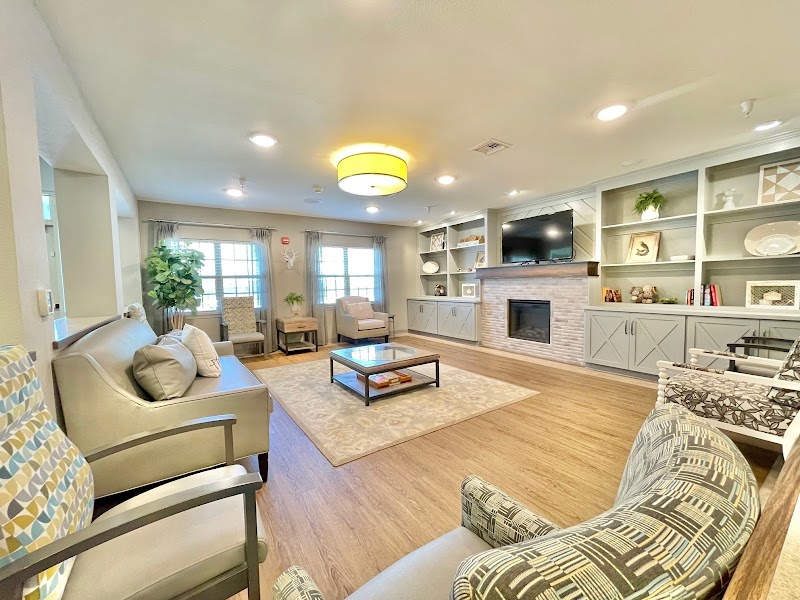
How is Killeen Nursing & Rehabilitation Staffed?
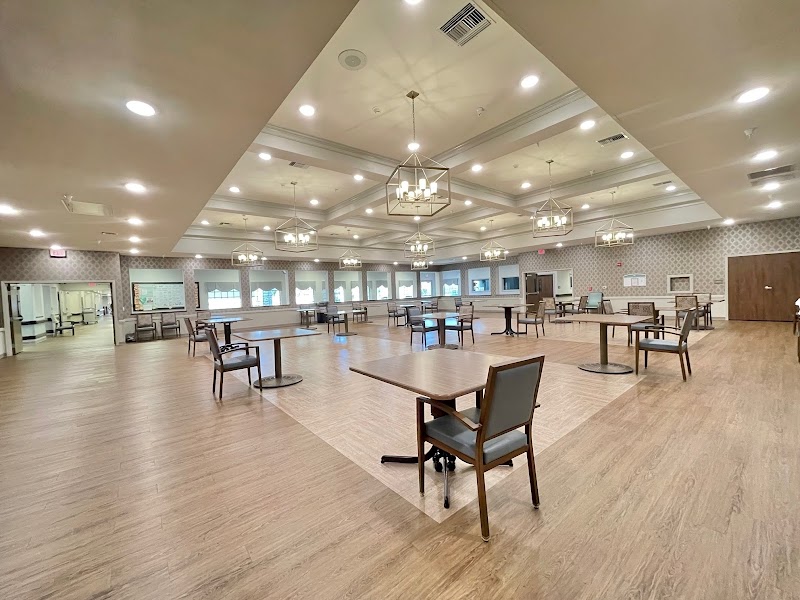
CMS rates Killeen Nursing & Rehabilitation's staffing level at 1 out of 5 stars, which is much below average compared to other nursing homes. Staff turnover is 74%, which is 28 percentage points above the Texas average of 46%. High turnover can affect care consistency as new staff learn residents' individual needs. RN turnover specifically is 90%, which is notably high. RNs provide skilled clinical oversight, so turnover in this role can affect medical care quality.

What Have Inspectors Found at Killeen Nursing & Rehabilitation?

State health inspectors documented 55 deficiencies at Killeen Nursing & Rehabilitation during 2022 to 2025. These included: 8 Immediate Jeopardy (the most serious level, indicating potential for serious harm or death), 2 that caused actual resident harm, 44 with potential for harm, and 1 minor or isolated issues. Immediate Jeopardy findings are rare and represent the most serious regulatory concerns. They require immediate corrective action.

Who Owns and Operates Killeen Nursing & Rehabilitation?

Killeen Nursing & Rehabilitation is owned by a for-profit company. For-profit facilities operate as businesses with obligations to shareholders or private owners. The facility is operated by AVIR HEALTH GROUP, a chain that manages multiple nursing homes. With 120 certified beds and approximately 87 residents (about 72% occupancy), it is a mid-sized facility located in Killeen, Texas.

How Does Killeen Nursing & Rehabilitation Compare to Other Texas Nursing Homes?

Compared to the 100 nursing homes in Texas, Killeen Nursing & Rehabilitation's overall rating (1 stars) is below the state average of 2.8, staff turnover (74%) is significantly higher than the state average of 46%, and health inspection rating (1 stars) is much below the national benchmark.

What Should Families Ask When Visiting Killeen Nursing & Rehabilitation?

Based on this facility's data, families visiting should ask: "What changes have been made since the serious inspection findings, and how are you preventing similar issues?" "How do you ensure continuity of care given staff turnover, and what is your staff retention strategy?" "Can you walk me through typical staffing levels on day, evening, and night shifts?" "Can I visit during a mealtime to observe dining assistance and food quality?" These questions are particularly relevant given the facility's Immediate Jeopardy citations, the facility's high staff turnover rate, and the below-average staffing rating.

Is Killeen Nursing & Rehabilitation Safe?

Based on CMS inspection data, Killeen Nursing & Rehabilitation has documented safety concerns. Inspectors have issued 8 Immediate Jeopardy citations (the most serious violation level indicating risk of serious injury or death). The facility has a 1-star overall rating and ranks #100 of 100 nursing homes in Texas. Families considering this facility should ask detailed questions about what corrective actions have been taken since these incidents.

Do Nurses at Killeen Nursing & Rehabilitation Stick Around?

Staff turnover at Killeen Nursing & Rehabilitation is high. At 74%, the facility is 28 percentage points above the Texas average of 46%. Registered Nurse turnover is particularly concerning at 90%. RNs handle complex medical decisions and coordinate care — frequent RN changes can directly impact care quality. High turnover means new staff may not know residents' individual needs, medications, or preferences. It can also be disorienting for residents, especially those with dementia who rely on familiar faces. Families should ask: What is causing the turnover? What retention programs are in place? How do you ensure care continuity during staff transitions?

Was Killeen Nursing & Rehabilitation Ever Fined?

Killeen Nursing & Rehabilitation has been fined $346,696 across 6 penalty actions. This is 9.5x the Texas average of $36,546. Fines at this level are uncommon and typically indicate a pattern of serious deficiencies, repeated violations, or failure to correct problems promptly. CMS reserves penalties of this magnitude for facilities that pose significant, documented risk to resident health or safety. Families should request specific documentation of what issues led to these fines and what systemic changes have been implemented.

Is Killeen Nursing & Rehabilitation on Any Federal Watch List?

Killeen Nursing & Rehabilitation is not on any federal watch list. The most significant is the Special Focus Facility (SFF) program, which identifies the bottom 1% of nursing homes nationally based on persistent, serious quality problems. Not being on this list means the facility has avoided the pattern of deficiencies that triggers enhanced federal oversight. This is a positive indicator, though families should still review the facility's inspection history directly.