THE ROSEWOOD RETIREMENT COMMUNITY

5700 E CENTRAL TEXAS EXPWY, KILLEEN, TX 76543 (254) 690-6169
For profit - Corporation 64 Beds TOUCHSTONE COMMUNITIES Data: November 2025 3 Immediate Jeopardy citations
Trust Grade
4/100
#592 of 1168 in TX
Last Inspection: July 2024

Within standard 12-15 month inspection cycle. Federal law requires annual inspections.

Overview

The Rosewood Retirement Community has received a Trust Grade of F, indicating significant concerns about the quality of care provided. Ranked #592 out of 1168 facilities in Texas, it sits in the bottom half of all nursing homes in the state, and at #6 out of 16 in Bell County, only one local facility has a better ranking. The facility is improving, having reduced issues from five in 2024 to two in 2025, but it still faces critical problems, including a failure to develop adequate care plans and supervision for residents, which has resulted in serious incidents like falls and pressure injuries. Staffing is rated average, with a turnover rate of 58% and more registered nurse coverage than 95% of Texas facilities, which is a positive aspect. However, $67,462 in fines is concerning, reflecting compliance issues that are higher than 84% of Texas facilities.

Trust Score
F
4/100
In Texas
#592/1168
Top 50%
Safety Record
High Risk
Review needed
Inspections
Getting Better
5 → 2 violations
Staff Stability
⚠ Watch
58% turnover. Above average. Higher turnover means staff may not know residents' routines.
Penalties
✓ Good
$67,462 in fines. Lower than most Texas facilities. Relatively clean record.
Skilled Nurses
✓ Good
Each resident gets 52 minutes of Registered Nurse (RN) attention daily — more than average for Texas. RNs are trained to catch health problems early.
Violations
⚠ Watch
20 deficiencies on record. Higher than average. Multiple issues found across inspections.
★★★☆☆
3.0
Overall Rating
★★★☆☆
3.0
Staff Levels
★★★★★
5.0
Care Quality
★★☆☆☆
2.0
Inspection Score
Stable
2024: 5 issues
2025: 2 issues

The Good

  • 5-Star Quality Measures · Strong clinical quality outcomes
  • Full Sprinkler Coverage · Fire safety systems throughout facility
  • No fines on record

Facility shows strength in quality measures, fire safety.

The Bad

3-Star Overall Rating

Near Texas average (2.8)

Meets federal standards, typical of most facilities

Staff Turnover: 58%

12pts above Texas avg (46%)

Frequent staff changes - ask about care continuity

Federal Fines: $67,462

Well above median ($33,413)

Moderate penalties - review what triggered them

Chain: TOUCHSTONE COMMUNITIES

Part of a multi-facility chain

Ask about local staffing decisions and management

Staff turnover is elevated (58%)

10 points above Texas average of 48%

The Ugly 20 deficiencies on record

3 life-threatening 2 actual harm
Apr 2025 2 deficiencies 2 IJ
CRITICAL (J) 📢 Someone Reported This

A family member, employee, or ombudsman was alarmed enough to file a formal complaint

Immediate Jeopardy (IJ) - the most serious Medicare violation

Deficiency F0655 (Tag F0655)

Someone could have died · This affected 1 resident

**NOTE- TERMS IN BRACKETS HAVE BEEN EDITED TO PROTECT CONFIDENTIALITY** Based on observation, interview, and record review, the facility failed to develop and implement a baseline care plan for each r...

Read full inspector narrative →
**NOTE- TERMS IN BRACKETS HAVE BEEN EDITED TO PROTECT CONFIDENTIALITY** Based on observation, interview, and record review, the facility failed to develop and implement a baseline care plan for each resident that includes the instructions needed to provide effective person-centered care of the resident that meet professional standards of quality of care within 48 hours of a resident's admission including the minimum healthcare information necessary to properly care for one (Resident #1) of five residents reviewed for baseline care plans. The facility failed to develop and implement a baseline care plan with interventions within 48 hours of admission for Resident #1 that addressed her high fall risk status. The facility failed to complete an admission assessment and baseline care planning, and ensure staff had adequate knowledge and access to care plans. The facility failed to ensure effective use of the [NAME] system as a reference tool by failing to ensure adequate staff knowledge in the updating and referencing of the [NAME]. Resident #1 fell from her wheelchair on 03/29/25 and hit her head and was admitted to the acute care hospital. There was a likelihood of a serious adverse outcome for the resident due to multiple systemic failures. An IJ was identified on 04/03/25. The IJ template was provided to the facility on [DATE] at 3:11 PM. While the IJ was removed on 04/04/25, the facility remained out of compliance at a scope of isolated and a severity level of no actual harm with potential for more than minimal harm because all staff had not been trained on the plan of removal. These failures placed residents at risk of not having their needs identified, serious physical harm, injury, and/or death. Findings included: Review of Resident #1's face sheet, printed on 04/02/25, reflected a [AGE] year-old female admitted to the facility on [DATE] and discharged on 03/29/25. Her diagnoses included weakness, cerebral edema (brain swelling), nontraumatic intracerebral hemorrhage (brain bleed), acute respiratory failure with hypoxia (not enough oxygen in the body), and unspecified abnormalities of gait and mobility. Review of Resident #1's MDS assessment list reflected her admission-, five day-, and discharge assessments were all in progress. Review of Resident #1's baseline care plan, initiated on 03/29/25 and created on 04/02/25, reflected in part - Focus: I am at risk for falls r/t Balance problems noted, chronic health problem and comorbid medical problems, debility and weakness, cognitive impairment noted, difficulty moving / propelling self in w/c. 03/29/25 - actual fall, sent to ER. Goal: I will be free from falls and / or will not experience significant injuries associated with falls through next review date. Interventions/Tasks: Provide resident with no touch call bell. Do not leave resident alone in her room when she is up in her wheelchair. Anticipate and meet needs and keep call bell within reach as indicated. Bed at appropriate height when unattended . Review of Resident #1's acute care discharge orders dated 03/24/25, reflected and order, Place patient on fall precautions. Review of Resident #1's Nursing admission assessment completed 03/25/25, Section B (Clinical/Health Conditions) reflected the resident had comorbidities that included CVA (stroke) and Hemiplegia/Hemiparesis (weakness or paralysis on one side of the body). Section C (Physical Assessment) reflected the resident required a mechanical lift and two team members for transfers. Section E (Communication) reflected the resident was incoherent, unaware of her own needs and wants. Section K (Fall Risk Review) reflected recent falls were unknown, the resident was taking two of the medications listed, the resident appeared severely affected by one or more of the psychological factors listed, and her cognitive status was impaired. The Automatic High Risk Status: Box #1 was checked, Recent change in functional status and/or medications with the potential to affect safe mobility. Box #6 was checked, Check if the resident/patient is a high risk for falls. Section O (Initial and 48 Hour Plan of Care) reflected #10 Fall risk, had no boxes checked - no focus, no goals, and no interventions. Review of Resident #1's progress note dated 03/27/25 at 10:00 AM, written by the NP, reflected in part, Patient demonstrates impulsivity and has made attempts to transfer self. She has been moved to room (number) for increased visibility by staff. Will continue to monitor cognitive status and implement safety measures. Review of Resident #1's progress note written by LVN D, reflected a late-entry note dated 03/29/25 at 11:30 AM, This nurse observed resident on floor in resident's room. Resident observed on floor face down and resident's wheelchair position on resident's upper back. Resident stated, I hit my head and face. Head to toe assessment completed and nystagmus observed and resident alert and oriented x2 and some confusion noted of situation. Check for head injuries, nystagmus noted, EMS was called no redness or bruises to resident's face or head .Resident feels pain on left side of face and head .transported to (hospital) for evaluation and treatment. Review of Resident #1's [NAME] printed on 04/04/25, reflected in part - Special Instructions: Resident must be up in dining room for meals. Do not leave alone with any food or drinks. Asperation [sic] precautions. Safety - I must be up for all meals. The [NAME] did not reflect any fall precautions. Review of Resident #1's Order Summary Report printed 04/02/25, reflected no order for fall precautions. During an interview on 04/02/25 at 1:28 PM, the MDS Nurse stated the admitting nurse was responsible for initiating the baseline care plan. She stated she then had seven or eight days to review the baseline care plan. The MDS Nurse stated she expected to see transfer status, how they ambulate, any skin issues, fall risk, nutrition, or g-tube, and whatever was pertinent to taking care of the resident on the baseline care plan. She stated in the care plan meeting they reviewed care plans and made sure everything relevant was documented. She stated the administrative nurses had a meeting every morning where they reviewed new admissions. During an interview on 04/02/25 at 1:49 PM, RN B stated she had completed the admission assessment on Resident #1. She stated she was the treatment nurse at the facility and did not routinely conduct admission assessments. She stated she believed she had marked the box indicating the resident was a high fall risk. She stated she believed that checking that box would trigger the fall risk to go to the baseline care plan and [NAME]. She stated she did not know how to open the care plan to even see what was on the care plan. She stated the fall risk would be passed on in report and the CNAs would have the information on the [NAME]. She stated she did not have all the information needed to complete the assessment and believed the management team would have reviewed and completed the admission assessment including the baseline care plan the next day. During an observation and interview on 04/02/24 at 2:15 PM, CNA A was observed as she signed into the computer and opened a [NAME] for a resident. She stated she did not see Fall Risk on the [NAME]. She opened six more records of residents who she knew had fallen and did not see where the residents were identified as a fall risk. She stated they usually got fall risk information in report every morning from the nurse. She stated, They tell us to look at the [NAME], but I don't see it. During an interview on 04/02/25 at 3:22 PM, the DON stated the admitting nurse was responsible for the admission assessment and the baseline care plan. She stated she and the other administrative nurses met daily and reviewed the admission and baseline care plans the day after admission to ensure they were completed. She stated she did not remember if they had reviewed Resident #1's baseline care plans the day after admission. She stated it was her expectation that the admission assessment, including the baseline care plan, were completed timely. The DON stated every resident who came into their building was a fall risk and every resident had a fall risk care plan with interventions in place. She stated she had in-serviced staff multiple times, and the CNAs all knew that everyone was a fall risk. The DON stated she had educated on the need to get the residents out of their rooms and engaged as most falls happened when residents were left alone. The DON stated she updated Resident #1's fall care plan earlier in the day, 04/02/25, to document the actual fall on 03/29/25. The DON stated there was no fall risk care plan in place prior to her documentation. The DON did not identify any potential adverse outcomes from not having a care plan for fall risk. She stated the CNAs attended a huddle meeting and got report and information about falls from the nurses during the meeting. She stated the CNAs got Resident #1 up in her wheelchair for lunch 0n 03/29/25. They left her alone in her room and that was when she fell. During an interview on 04/03/25 at 10:00 AM with the DON, she stated they had found that companywide, the [NAME] did not reflect the words Fall Risk but there were fall interventions listed in the safety box. She stated they had found a way to update the [NAME] to reflect Fall Risk and they were in process of updating. A policy specific to baseline care plans was requested. A specific policy was not provided but the general care plan policy was provided prior to survey exit. During an interview on 04/03/25 at 10:15 AM, the NP stated it was important to have fall interventions in place. Without the interventions, a resident could have fallen and been injured. During an interview on 04/03/25 at 10:41 AM, LVN D stated she was aware that Resident #1 was a fall risk because of the report she received from the previous shift. She stated the resident was moved to her hall, so the resident had a room closer to the nurse's station. She stated section O of the admission was completed on admit because that was the baseline care plan. She stated the [NAME] was what the CNAs reviewed to see what care the residents required and that information came from the admission assessment. Review of the Care Plans policy, revised January 2023, reflected in part - The care plan should be initiated upon admission, continued to be developed during the initial 48-72 hours, . Review of the Standards of Nursing Practice Observations and Data Collection policy, revised January 2023, reflected in part - .The delivery of nursing care in the community is based on an assessment of the resident to identify his or her care needs. Once resident needs are identified, a comprehensive care plan shall be developed to attain individualized resident goals. The care plan shall be implemented by the interdisciplinary team and is continually evaluated for effectiveness .It is the role of the nursing staff to implement physician prescribed interventions and monitor the resident for their response or any complications .A care plan shall be developed with actions designed to address nursing and collaborative problems or risk areas identified for the resident . Review of the Falls Prevention Guideline, updated 03/28/22, reflected in part, Purpose - To establish a process that identifies risk and establishes interventions to mitigate the occurrence of falls. Process - On admission - - Newly admitted or re-admitted residents are assessed for fall risk. - When a risk factor for falls is identified a corresponding intervention addressing that risk factor is developed. - When the risk is identified and intervention determined, it is documented on the care plan and on the [NAME]. - The intervention is initiated. An Immediate Jeopardy (IJ) was identified on 04/03/25. The ADM, DON, and RDCO were notified of the Immediate Jeopardy on 04/03/25 at 3:11 PM and a IJ template was provided to the ADM on 04/03/25 at 3:11 PM. A Plan of Removal was accepted on 04/04/25 3:26 PM and read as follows: Plan of Removal F655 Baseline Care Plan 4/3/2025 F655 - The facility must develop and implement a baseline care plan for each resident that includes the instructions needed to provide effective and person-centered care of the resident that meet professional standards of quality care. The baseline care plan must be developed within 48 hours of a resident's admission. Immediate Response: o The identified resident transferred to the hospital on: o All admissions/readmissions from__3/3/25__ to 4/3/2025 charts were reviewed for completion of the admission/readmission assessment to include completion of the baseline care plans and all baseline care plans were complete with no other findings. Results: Complete Date completed: 4/3/25 o Director of Nursing Services/Assistant Director of Nursing conducted an audit for all resident's who currently reside in the community care plans to validate accuracy of each residents ADL care needs and no other discrepancies noted. Date completed: 4/3/25 o The Regional Director of Clinical Operations immediately educated the Director of Nursing Services/Assistant Director of Nursing/Reimbursement Nurses on the process for validating the completion of all admission/readmissions timely. In addition, education was extended to include the completion of the baseline care plan to ensure it includes effective and person-centered care of the resident that meet professional standards of quality care. The baseline care plan must be developed within 48 hours the resident's admission. The in-service education and an acknowledgment statement of the baseline care plan was signed as an acknowledgement of comprehension, and a summary of the training material. Date of completion: 4/3/25 o The Regional Director of Clinical Operations immediately educated the Director of Nursing Services/Assistant Director of Nursing/Reimbursement Nurses on Abuse/Neglect and Residents Rights. The in-service education was signed as an acknowledgement of comprehension, and a summary of the training material. Date completed: 4/3/25 o Director of Nursing Services/Assistant Director of Nursing Services provided immediate education to all licensed nurses on the process of completion of admissions/readmissions in its entirety. In addition, education was extended to include the completion of the baseline care plan to ensure it includes effective and person-centered care of the resident that meet professional standards of quality care. The baseline care plan must be developed within 48 hours the resident's admission. Date commenced: 4/3/25 Date completed: 4/4/25 Community will ensure all licensed nurses on leave/agency/PRN staff are in serviced prior to working their shift. Community will ensure administrative nursing staff in the community to provide in-service/education prior team members working their assigned shift. The community will ensure all residents who require respiratory care are provided such care. Risk Response: All new admissions/readmissions have the potential to be affected by this deficient practice. Systemic Response: o Director of Nursing Services/Assistant Director of Nursing conducted an audit for all resident's care plans who currently reside in the community to validate accuracy of each residents ADL care needs. Date completed: 4/4/25 o Director of Nursing Services/Assistant Director of Nursing Services provided immediate education to all licensed nurses on the process of completion of admissions/readmissions in its entirety. In addition, education was extended to include the completion of the baseline care plan to ensure it includes effective and person-centered care of the resident that meet professional standards of quality care. The baseline care plan must be developed within 48 hours the resident's admission. Date commenced: 4/3/25 Date completed: 4/4/25 Monitoring Response: o The Director of nurses/Assistant Director of Nurses will conduct weekly skills validations of accuracy and completion of admissions/readmission/baseline care plans of 2-3 nurses, 1-7 days a week for 2 months. o Director of Nurses/Assistant Director of Nurses will review all admission/re-admission orders daily in the clinical meeting to validate accuracy and completion of admission/readmission/baseline care plans 1-7 days a week for 2 months. o This plan and all education and auditing tools will be placed in binder and kept with the Administrator or Director of Nursing Services. o This plan will remain in place for the next 2 months to ensure compliance or to identify any further training needs. o Findings of those observations will be reported to the QAPI committee during monthly meeting for the next 2 months. The Surveyor monitored the POR from 04/04/25 through 04/18/25 as followed: Review of the admission/readmission list for admissions from 03/03/25 to 04/03/25, reflected 26 charts were reviewed, on 04/03/25, for completion of the admission/readmission assessment and baseline care plan, with no additional findings. Review of the in-services dated 04/03/25 reflected the Regional Director of Clinical Operations educated the DON, ADON, and MDS nurse on validating completion of admission assessments, base line care plans with person-centered care being completed withing 48 hours of the resident's admission, and Abuse/Neglect and Resident Rights. Review of the in-service initiated on 04/03/25 and continuing 04/04/25, reflected the DON and ADON provided education to licensed nurses on the process of completing the admission/readmission assessment in its entirety and completion of the baseline care plan within 48 hours. Nurses from all shifts were in-serviced. During interviews on 04/04/25 from 4:17 PM to 6:22 PM, 4 LVNs and 3 RNs from both shifts stated they had been in-serviced on the [NAME], baseline care plans, and resident-centered interventions. The nurses were able to state the baseline care plans were developed within 48 hours after admission. The nurses stated the care plans included information, including fall interventions, needed to care for the residents. The nurses stated fall interventions included reminding the resident to use the call light to call for assistance, not leaving the resident alone in the room while up in a wheelchair, anticipating needs, and keeping items within reach. The nurses stated the [NAME] was like a guidebook or snapshot of care the residents needed. During an interview on 04/04/25 at 5:13 PM, the DON stated she had been in-serviced by the RDCO on baseline care plans. She stated the baseline care plans were completed within 48 hours and interventions, including fall interventions, were implemented. She stated she had been in-serviced on the process of validating the completion of admission/readmission assessments and ongoing monitoring. The information was discussed in the morning meeting to confirm the interventions were in place to meet the resident needs. The DON stated she had been in-serviced on ANE. She was able to speak to the policy. The DON stated after she was in-serviced, she and other administrative nurses in-serviced other nursing staff on the same topics. The ADM was notified on 04/04/25 at 7:15 PM that the IJ had been removed. While the IJ was removed, the facility remained at a scope of isolated an a severity level of no actual harm with potential for more than minimal harm that is not immediate jeopardy due to the facility's need to evaluate the effectiveness of the corrective systems.
CRITICAL (J) 📢 Someone Reported This

A family member, employee, or ombudsman was alarmed enough to file a formal complaint

Immediate Jeopardy (IJ) - the most serious Medicare violation

Accident Prevention (Tag F0689)

Someone could have died · This affected 1 resident

**NOTE- TERMS IN BRACKETS HAVE BEEN EDITED TO PROTECT CONFIDENTIALITY** Based on interviews and record reviews, the facility failed to ensure residents received adequate supervision to prevent acciden...

Read full inspector narrative →
**NOTE- TERMS IN BRACKETS HAVE BEEN EDITED TO PROTECT CONFIDENTIALITY** Based on interviews and record reviews, the facility failed to ensure residents received adequate supervision to prevent accidents for one (Resident #1) of five residents reviewed for accidents and supervision. The facility failed to ensure staff implemented Resident #1's hospital discharge order upon admission to be placed on fall precautions. The facility failed to develop and implement a baseline care plan with interventions within 48 hours of admission for Resident #1 that addressed her high fall risk status. The facility failed to complete an admission assessment and baseline care planning, and ensure staff had adequate knowledge and access to care plans. The facility failed to ensure effective use of the [NAME] system as a reference tool by failing to ensure adequate staff knowledge in the updating and referencing of the [NAME]. On 03/29/2025 Resident #1 was left unsupervised in her room which resulted in a fall from her wheelchair where she hit her head resulting in pain and nystagmus and was admitted to the acute care hospital. There was a likelihood of a serious adverse outcome for the resident due to multiple systemic failures. An IJ was identified on 04/03/25. The IJ template was provided to the facility on [DATE] at 3:11 PM. While the IJ was removed on 04/04/25, the facility remained out of compliance at a scope of isolated and a severity level of no actual harm with potential for more than minimal harm that is not immediate jeoopardy because all staff had not been trained on the plan of removal. This failure could place residents at risk for serious injury or harm due to lack of appropriate supervision. Findings included: Review of Resident #1's face sheet, printed on 04/02/25, reflected a [AGE] year-old female admitted to the facility on [DATE] and discharged on 03/29/25. Her diagnoses included weakness, cerebral edema (brain swelling), nontraumatic intracerebral hemorrhage (brain bleed), acute respiratory failure with hypoxia (not enough oxygen in the body), and unspecified abnormalities of gait and mobility. Review of Resident #1's MDS assessment list reflected her admission, five day, and discharge assessments were all in progress. Review of Resident #1's baseline care plan, initiated on 03/29/25 and created on 04/02/25, reflected in part - Focus: I am at risk for falls r/t Balance problems noted, chronic health problem and comorbid medical problems, debility and weakness, cognitive impairment noted, difficulty moving / propelling self in w/c. 03/29/25 - actual fall, sent to ER. Goal: I will be free from falls and / or will not experience significant injuries associated with falls through next review date. Interventions/Tasks: Provide resident with no touch call bell. Do not leave resident alone in her room when she is up in her wheelchair. Anticipate and meet needs and keep call bell within reach as indicated. Bed at appropriate height when unattended . Review of Resident #1's acute care discharge orders dated 03/24/25, reflected and order, Place patient on fall precautions. Review of Resident #1's Order Summary Report printed 04/02/25, reflected no order for fall precautions. Review of Resident #1's Nursing admission assessment completed by RN B, 03/25/25, Section B (Clinical/Health Conditions) reflected the resident had comorbidities that included CVA (stroke) and Hemiplegia/Hemiparesis (weakness or paralysis on one side of the body). Section C (Physical Assessment) reflected the resident required a mechanical lift and two team members for transfers. Section E (Communication) reflected the resident was incoherent, unaware of her own needs and wants. Section K (Fall Risk Review) reflected recent falls were unknown, the resident was taking two of the medications listed, the resident appeared severely affected by one or more of the psychological factors listed, and her cognitive status was impaired. The Automatic High Risk Status: Box #1 was checked, Recent change in functional status and/or medications with the potential to affect safe mobility. Box #6 was checked, Check if the resident/patient is a high risk for falls. Section O (Initial and 48 Hour Plan of Care) reflected #10 Fall risk had no boxes checked - no focus, no goals, and no interventions. Review of Resident #1's progress note dated 03/27/25 at 10:00 AM, written by the NP, reflected in part, Patient demonstrates impulsivity and has made attempts to transfer self. She has been moved to room (number) for increased visibility by staff. Will continue to monitor cognitive status and implement safety measures. Review of Resident #1's progress note written by LVN D, reflected a late-entry note dated 03/29/25 at 11:30 AM, This nurse observed resident on floor in resident's room. Resident observed on floor face down and resident's wheelchair position on resident's upper back. Resident stated, I hit my head and face. Head to toe assessment completed and nystagmus (rapid eye movements) observed and resident alert and oriented x2 and some confusion noted of situation. Check for head injuries, nystagmus noted, EMS was called no redness or bruises to resident's face or head .Resident feels pain on left side of face and head .transported to (hospital) for evaluation and treatment. Review of a physician progress note from the acute hospital, dated 04/01/25, reflected Resident #1 presented from another hospital ED on 03/29/25 due to persistent left side weakness, left facial deficits, and bleed ing noted. She was admitted for evaluation of new bleed vs residual findings. Case and imaging reviewed with stroke neurology and findings determined to be expected findings of the recent CVA. Review of Resident #1's [NAME] (the information used by the aides that provides key information such as safety, eating, mobility, and ADL assistance) printed on 04/04/25, reflected in part - Special Instructions: Resident must be up in dining room for meals. Do not leave alone with any food or drinks. Asperation [sic] precautions. Safety - I must be up for all meals. The [NAME] did not reflect any fall precautions. During an interview on 04/02/25 at 1:28 PM, the MDS Nurse stated the admitting nurse was responsible for initiating the baseline care plan. She stated the baseline care plan should include the fall risk and interventions. She stated the residents could fall and get injured if the information was not documented in the care plan or [NAME]. After review of Resident #1's [NAME] she stated there were no interventions listed to prevent falls. During an interview on 04/02/25 at 1:49 PM, RN B stated she had completed the admission assessment on Resident #1. She stated she was the treatment nurse at the facility and did not routinely conduct admission assessments. She stated she believed she had marked the box indicating the resident was a high fall risk. She stated she believed that checking that box would trigger the fall risk to go to the baseline care plan and [NAME]. She stated she did not know how to open the care plan to even see what was on the care plan. She stated the fall risk would be passed on in report and the CNAs would have the information on the [NAME]. She stated she did not have all the information needed to complete the assessment and believed the management team would have reviewed and completed the admission assessment including the baseline care plan the next day. During an observation and interview on 04/02/24 at 2:15 PM, CNA A was observed as she signed into the computer and opened a [NAME] for a current resident. She stated she did not see Fall Risk on the [NAME]. She opened six more records of residents who she knew had fallen and did not see where the residents were identified as a fall risk. She stated they usually got fall risk information in report every morning from the nurse. She stated she had assisted another CNA with Resident #1 before she was transferred to the new room. She stated the resident required two staff and a mechanical lift for transfers. During a telephone interview on 04/02/25 at 3:05 PM, the hospitalist (doctor) caring for Resident #1 at the acute hospital stated it was his first day working with her and he had briefly reviewed the neurology notes before calling. He stated he was not sure what caused the fall, but she had a known bleed. He stated with her diagnosis of amyloid angiopathy (a buildup of proteins in the walls of the blood vessels in the brain), she would continue to have bleeds in the future. During an interview on 04/02/25 at 3:22 PM, the DON stated, Everyone who comes in this building was a fall risk, especially for the first three days and for three days after a room change. She stated Resident #1 admitted on [DATE] and they moved her to a different room on 03/26/25. She stated the resident was moved to a room closer to the nurses' stations so she could be monitored more closely. She stated it was her expectation that fall interventions were in place for all residents. She stated the nurses would see the interventions on the care plan and the CNAs would see the interventions on the [NAME]. She stated Resident #1 did not have fall interventions on the care plan or [NAME], but they had moved her room and given her a touch call light and those were some of the interventions . She stated she had in-serviced staff multiple times, and the CNAs all knew that everyone was a fall risk. The DON stated she had educated on the need to get the residents out of their rooms and engaged as residents were at risk for falls left alone. She stated when the resident fell, the nurse noted nystagmus which was a change, so she was sent out to the hospital. During an interview on 04/03/25 at 10:15 AM, the NP stated it was important to have fall interventions in place. Without the interventions, a resident could fall and get injured. The NP stated while the resident was at the facility, her orientation waxed and waned. She stated the resident was impulsive and not always cognizant of her surroundings. She stated the resident was a fall risk because she made attempts to get up unassisted and did not follow commands. She stated she had read the notes from Resident #1's fall on 03/29/25. She stated she was not on call that day and did not assess the resident after the fall. She stated it was reported that the resident had nystagmus after the fall, and she did not have nystagmus prior to the fall. She stated the resident had a seizure in acute care, and a seizure could have caused the nystagmus. She stated a fall with a head injury could also cause nystagmus. During an interview on 04/03/25 at 10:41 AM, LVN D stated she was aware that Resident #1 was a fall risk because of the report she received from the previous shift. She stated the resident required assistance with transfers and used a mechanical lift which put her at risk for falls. She stated the resident was moved to her hall, so the resident had a room closer to the nurse's station and was more visible. She stated the resident needed frequent visual checks and supervision with meals due to aspiration precautions. She stated on 03/29/25, she heard Resident #1 call out for help and went to the room where the resident was found on the floor, face down. She stated the wheelchair was nearby and the mechanical lift sling was still in the wheelchair. She stated the resident could not say what had happened but complained that her head/face hurt and pointed to the left cheekbone . She stated CNA E and NA C worked the day of the fall. LVN D stated if a resident hit their head during a fall, it could have caused a head injury. A telephone interview was attempted on 04/03/25 at 11:52 AM. A voice message was left for CNA E, but the call was not returned prior to the survey exit. During a telephone interview on 04/03/25 at 11:56 AM, NA C stated she had worked at the facility about a month. She stated worked with Resident #1 on the day she fell. She stated she helped a CNA and a nurse get the resident up with the lift. She stated the resident was up in her wheelchair and her family member was visiting in the room. She stated she did not know when the family member left the room or how long the resident was alone in the room. She stated the nurse or other CNA told her who was a fall risk when she worked. She stated Resident #1 wore grippy sock the day of the fall but did not remember other fall interventions in place. During an interview on 04/03/25 at 1:03 PM, the DON stated she or the other administrative nurses entered the orders into their computer system for new admissions. She stated she did not remember ever seeing an order for a resident to be on fall precautions but if she had seen that order, she would have placed the resident on fall precautions. The DON stated Resident #1 fell because she had a seizure and that was why she had nystagmus . She stated there was no other head injury. She stated she had not witnessed the fall or a seizure because it happened on the weekend. During a telephone interview on 04/04/25 at 12:19 PM, the NP stated she could not answer if a fall where the resident hits their head could exacerbate or worsen the bleed the Resident #1 already had. She stated she did not see or examine Resident #1 after the fall, so she was not aware of any injuries or bruising from the fall. She stated the neurologist would have been more able to answer that question. During a telephone conversation on 04/04/25 at 12:29 PM, the receptionist at the neurology department of the acute care hospital transferred the call to the patient relations department. A voice message was left requesting a return call. During a telephone conversation on 04/04/25 at 2:31 PM, a staff member from the patient relations department at the acute care hospital returned the call. He stated he would send the request to speak with Resident #1's neurologist to the head of the neurology department. A return call from a neurologist was not received prior to the survey exit. Review of the Falls Prevention Guideline, updated 03/28/22, reflected in part, Purpose - To establish a process that identifies risk and establishes interventions to mitigate the occurrence of falls. Process - On admission - - Newly admitted or re-admitted residents are assessed for fall risk. - When a risk factor for falls is identified a corresponding intervention addressing that risk factor is developed. - When the risk is identified and intervention determined, it is documented on the care plan and on the [NAME]. - The intervention is initiated. An Immediate Jeopardy (IJ) was identified on 04/03/25. The ADM, DON, and RDCO were notified of the Immediate Jeopardy on 04/03/25 at 3:11 PM and a IJ template was provided to the ADM on 04/03/25 at 3:11 PM. Review of a physician progress note from the acute hospital, dated 04/03/25, and received after the IJ was called, reflected in part, Patient was trying to get up out of her wheelchair felt dizzy and fell hitting the right side of her head . Resolving known R temporal IPH, no new hemorrhage . A Plan of Removal was accepted on 04/04/25 at 3:26 PM and read as follows: Plan of Removal 4/3/2025 Immediate Jeopardy 4/3/2025 F689 Accidents and Supervision The facility failed to ensure each resident receives adequate supervision and assistance devices to prevent accidents. Immediate Response: o Resident #1 no longer resides in the community. o Physician notification by licensed nurse of the fall Date completed: 3/29/2025 o Responsible party notified by licensed nurse of the fall Date completed: 3/29/2025 o Resident sent to the hospital. Date completed: 3/29/2025. o Director of Nursing Services/Assistant Director of Nursing Services/Registered Nurse Assessment Coordinator conducted a 100% Audit of all residents who reside in the community to review Fall Risk Assessments. All residents identified as a fall risk care plans were reviewed to ensure person centered interventions were in place falls and no other residents/patients identified. Date completed: 4/3/2025 o Director of Nursing Services, and administrative nurses provided immediate education by way of in-service. The in-service education was signed as an acknowledgement of comprehension, and a summary of the training material for the nurse involved in completing the resident's admission and all other nurses on Abuse Neglect, Residents Rights, initiating interventions to prevent a fall and Fall Prevention Guidelines. All admissions will be reviewed during daily clinical connect meeting to ensure interventions are initiated to prevent a fall for those residents identified as a fall risk by Director of Nursing Services/Designee. Date completed: 4/3/2025 and ongoing. o The Director of Nursing Services/Administrative Nursing is responsible for ensuring compliance and oversight of monitoring and education to ensure compliance. o The Director of Nursing Services/Administrative Nurses initiated education by way of in-service. The in-service education was signed as an acknowledgement of comprehension, and a summary of the training material to all nurses on initiating interventions to prevent a fall, Fall Prevention Guidelines, Resident Rights, Abuse and Neglect. o Direct care team to include licensed nurses, certified nurse assistants, certified medication aides, and nurse aides in training educated on review of the [NAME] before providing care to all residents assigned to them to ensure proper assistance and interventions are utilized according to the resident's need and adherence to the resident's plan of care. Reporting any concerns or inaccuracies to the charge nurse/licensed nurse for additional direction prior to care provided. The expectation is for all direct care staff to include licensed nurses, certified nurse assistants/certified medication aides/nurse aides in training to review the [NAME] prior to providing care. o Licensed nurses will initiate interventions to prevent falls for those identified as a fall risk upon admission and/or as indicated. o All nursing staff will receive the in-service prior to working next shift. o All newly hired nursing staff will receive in-service training prior to assuming shift responsibility during orientation process. o All agency nursing staff will receive in-service training prior to assuming shift responsibility. o Director of Nursing Services/Administrative nurses conducted 100% skills validation all nurse aides in training and certified nurse assistants of accessing the [NAME] by Date completed: 4/3/2025 and ongoing Community will ensure all staff on leave/agency staff /PRN/new hires staff are in serviced prior to working their shift. No licensed nurse, nurse aides in training and certified nurse aide will assume an assignment of patient care until they have passed skills validation of accessing the [NAME]. Community will ensure administrative nursing staff in the community to provide in-service/education prior team members working their assigned shift. These trainings will also be conducted with new hires. To include licensed nurses, nurse aide in trainings and certified nurse aides. Risk Response: All residents who currently reside in community potentially can be affected by the deficient practice. Systemic Response: o Director of Nursing Services/administrative nurses provided immediate education to direct care team to include licensed nurses, certified nurse assistants, certified medication aides, nurse aide in training on: Fall Prevention Guidelines/Abuse Neglect/Residents Rights, [NAME] Use prior to providing care to the residents. Date completed: 4/3/2025 o Director of Nursing Services/Administrative Nurses is responsible for ensuring compliance and oversight of monitoring and education to ensure compliance of education. All Nursing Team Members including PRN/Agency/New Hires were educated on providing care to residents and were re-educated/re-trained by the Director of Nursing/administrative nurses on the following: o Review of the [NAME] before providing care to all residents assigned to them to ensure proper assistance and interventions are utilized according to the resident's need and adherence to the resident's plan of care. Reporting any concerns or inaccuracies to the charge nurse/licensed nurse for additional direction prior to care provided. o Licensed nurse will initiate interventions to prevent falls upon admission and as indicated for those that are at risk for falls. o Director of Nursing Services/Administrative nurses conducted 100% skills validation to direct care staff to include certified nurse assistants, certified medication aides, and nurse aides in training on accessing the [NAME] Date completed: 4/3/2025 and ongoing. Community will ensure all staff on leave/agency/PRN staff /new hires are in serviced prior to working their shift. No licensed nurse, certified medication aide or certified nurse aide will assume an assignment of patient care until they have passed skills validation of accessing the [NAME]. Community will ensure administrative nursing staff in the community to provide in-service/education prior team members working their assigned shift. These trainings will also be conducted with new hires Monitoring Response: o Director of Nursing Services/Administrative nurses will review Admission/readmission Assessments 5-7 days a week in the Daily Clinical Connect meeting to ensure residents/patients that are at risk for falls have interventions in place to prevent falls and documented using a monitoring tool. o The Administrator/Director of Nursing Services will conduct random audits of 3 care plans review a week for 4 weeks and 1 care plan review weekly for 8 weeks to validate fall intervention care plans are in place for residents/patients at risk for falls. o The Director of Nursing Services/Administrative Nurses/Designee will conduct random skills validations regarding [NAME] use 3-7 days a week for 2 months to ensure direct staff is compliant with the use of the [NAME]. o Policies are followed to ensure the safety and wellbeing of our residents. Additional education will take place based on needs observed during this process. All findings will be reported to the QAPI committee during monthly meeting until there is 100% compliance observed during observations. The Surveyor monitored the POR on 04/04/25 through 04/18/25 as followed: During interviews on 04/04/25 from 4:17 PM - 7:05 PM, three RNs, four LVNs, and 9 CNAs from all shifts stated they were in-serviced before their shifts on fall precautions, falls, using the [NAME], and abuse/neglect. They all stated the [NAME] was to be reviewed prior to providing care to know what type of care the resident required and any precautions identified. They stated they could also utilize the residents' care plans for that information. Staff reported fall interventions including reminding the resident to call for assistance, call light within reach, bed in low position, and non-slip socks. Staff stated performing frequent rounds, anticipating needs, and getting residents up and in common areas. The staff were able to speak to the abuse and neglect policy and name the ADM as the abuse coordinator. During an interview on 04/04/25 at 5:13 PM, the DON stated she was in-serviced by the RDCO on baseline care plans. She stated the baseline care plans were completed within 48 hours and interventions, including fall interventions, were implemented. She stated she had been in-serviced on the process of validating the completion of admission/readmission assessments and ongoing monitoring. The information was discussed in the morning meeting to confirm the interventions were in place to meet the resident needs. The DON stated she had been in-serviced on ANE. She was able to speak to the policy. The DON stated after she was in-serviced, she and other administrative nurses in-serviced other nursing staff on the same topics. The DON stated she would be reviewing all admission/readmission assessments going forward to ensure all interventions for falls were place. She stated she would also be conducting audits frequently on care plans to validate the fall interventions. During an interview on 04/04/25 at 5:47 PM, the ADON stated she was in-serviced by the RDCO on the process that validated the completion of admission/readmission assessments including head to toe assessment and baseline care plan to ensure interventions were in place. She stated she was in-serviced on abuse and neglect and was able to speak to the policy. Review of the Fall Risk Assessment audit dated 04/03/25, conducted by the administrative nursing staff, reflected the residents identified as a fall risk had interventions in place. Review of in-service education conducted by the administrative nursing staff, dated 04/03/25, reflected licensed nurses, CNAs, MAs, and nurse aides in training, were in-serviced on Fall Prevention Guidelines, Abuse and Neglect, Resident Rights, and [NAME] use. Review of the skills validation, conducted by the administrative nursing staff, dated 04/03/25, reflected nurse aides in training and CNA were able to demonstrate access to the [NAME]. Review of the undated Monitoring Tool reflected the form used for monitoring fall risk interventions in place for admissions/readmissions. During observations of residents, including newly admitted residents on 04/18/25 between 12:35PM and 1:12 PM , revealed beds in low positions, call lights within reach, anti-slip strips on the floor, and clear, uncluttered pathways in the rooms. Review of the care plans and [NAME] of residents observed on 04/18/25, reflected fall interventions in place on the documents matched the interventions observed. The ADM was notified on 04/04/25 at 7:15 PM that the IJ had been removed. While the IJ was removed, the facility remained at a scope of isolated and a severity level of no actual harm with potential for more than minimal harm that is not immediate jeopardy due to the facility's need to evaluate the effectiveness of the corrective systems.
Oct 2024 1 deficiency
CONCERN (D) 📢 Someone Reported This

A family member, employee, or ombudsman was alarmed enough to file a formal complaint

Potential for Harm - no one hurt, but risky conditions existed

Medical Records (Tag F0842)

Could have caused harm · This affected 1 resident

**NOTE- TERMS IN BRACKETS HAVE BEEN EDITED TO PROTECT CONFIDENTIALITY** Based on interview, and record review, the facility failed to maintain medical records in accordance with accepted professional ...

Read full inspector narrative →
**NOTE- TERMS IN BRACKETS HAVE BEEN EDITED TO PROTECT CONFIDENTIALITY** Based on interview, and record review, the facility failed to maintain medical records in accordance with accepted professional standards and practices, which are complete and accurately documented for 1 of 3 residents (Resident #1) reviewed for documentation. 1-Resident #1's September 2024 MAR was documented inaccurately. Staff documented the resident received 2 enteral feedings at the same time. 2- Resident #1's weight record documentation was incomplete. Staff failed to document an admission weight, failed to document a weight on Wednesday as ordered by the physician, and failed to ensure documented weights were accurate. The RD assessment was incomplete with no weight documented. 3-Resident #1's September 2024 TAR documentation was incomplete. Staff did not document or sign off on the cleaning the j-tube, monitoring surgical site for infection, and cleaning skin tear to right arm. These failures could result in inaccurate records, errors in care, decline in health and quality of life. Findings included: 1. Review of Resident #1's admission MDS assessment dated [DATE] reflected the following: *Section A (Identification Information) reflected, a [AGE] year-old female who admitted to the facility on [DATE]. *Section I (Active Diagnoses) reflected her diagnoses included malnutrition, anxiety (intense and excessive worry and fear), pneumonia (an infection in the lungs), cancer, Barrett's Esophagus (inflammation of the esophagus), and dysphagia (difficulty swallowing). *Section C (Cognitive Patterns) reflected a BIMS score of 13 indicating intact cognition. *Section K (Swallowing/Nutritional Status) reflected a height of 61 inches and a weight of 81 pounds. While a resident, she received 51% or more of her total calories through a tube feeding. Review of Resident #1's Comprehensive Care Plan , reflected a focus created on 09/12/24 reflected, I require a feeding tube r/t need to gain weight. The goal reflected, I will not experience any complications associated with my feeding tube or enteral nutrition/hydration through my next review date. The interventions included, HOB should be elevated when in bed, avoid flat while feeding is on/ pump running. NPO - Nothing by mouth - see nurse for questions. Provide local care to G-tube site as ordered and monitor for s/s of infection. RD to evaluate as indicated. Report to MD all abnormal findings as indicated. Review of Resident #1's physician Order Recap Report printed on 10/02/24 reflected the following orders: *Enteral feed order every shift Nutren 2.0 via J-tube at 40ml/hr continuously for 24 hours a day. Start date 09/16/24, end date 09/24/24. *Enteral Feed Order every shift 2 cal HN at 40ml.hr continuous via J-tube. Start date 09/12/24, end date 09/19/24. Review of Resident #1's September 2024 MAR reflected she received the enteral feeding 2cal HN at 40ml/hr on 9/16/24, 9/17/24 and 9/18/24. The MAR reflected she also received Nutren 2.0 at 40ml/hr on 9/16/24, 9/17/24 and 9/18/24. During an interview on 10/01/24 at 1:08 PM, DON A stated Resident #1's tube feeding was often paused because of nausea and vomiting. She stated the resident frequently refused the water flushes because she was not tolerating the fluids well. DON A stated the resident did not get two feedings at the same time because she did not always tolerate one feeding. During an interview on 10/02/24 at 10:27 AM, Corp RN stated Resident #1 did not receive two different enteral feedings at the same time. She stated incorrect documentation was the issue. She stated the DON was responsible for monitoring documentation and tube feedings. During an interview on 10/02/24 at 10:40 AM, DON B stated it was not possible to give two different enteral feedings at the same time. She stated the DON was responsible for reviewing all new orders daily. She stated if there were two orders for different enteral feedings, the orders should have been clarified. During an interview on 10/02/24 at 10:40 AM, LVN C stated Resident #1 did not have two enteral feedings at the same time, it was an error with the documentation. During an interview on 10/02/24 at 12:27 AM, LVN D stated she had worked at the facility for about three months and she had worked with Resident #1. LVN D stated she noticed the two different enteral feed orders when she worked on 09/19/24 and she notified DON A. She stated the resident did not have two different feedings running at the same time. During an interview on 10/02/24 at 12:52 PM, the NP stated she was not aware that the facility had documented two different enteral feeds at the same time. She stated she did not see two feedings running at the same time. She stated Resident #1 already had nausea and vomiting and did not always tolerate the feeding well. She stated she was told by two CNAs and a nurse that the documented weights were accurate. She stated she recalled the weight from the acute hospital was in the mid to upper 80's. She stated the resident was sent out for evaluation once prior to being discharged to another acute hospital on [DATE]. 2. Review of Resident #1's physician Order Recap Report reflected, admission weights x 3 weeks in the morning every Wednesday for 3 weeks. Order date 09/11/24. Review of Resident #1's weight record log reflected on Tuesday 09/17/24 at 2:14 PM the resident weighed 106.7 pounds using a lift scale. The record reflected on Thursday 09/19/24 at 11:34 AM the resident weighed 80.6 pounds using a wheelchair scale. The change in weight reflected a 26.1-pound (or 24.46%) weight loss in two days. There was no re-weight in the record. There was no admission weight documented on 9/11/24. There was no weight documented on Wednesday 09/18/24 as ordered. Review of Resident #1's RD Nutritional Assessment reflected the Most Recent Weight was blank. The Weight Changes/Weight Variance section reflected, Significant wt loss per res - states she weighed 200 at one time - res did not state time line. [sic] During a telephone interview on 10/01/24 at 12:17 PM, a FM stated Resident #1 had weighed over two hundred pounds when she first got sick in 2022 then began losing weight because she did not eat. The FM stated since November 2023, Resident #1 has weighed between 80 and 90 pounds. She stated the resident had been trying to gain weight with no success and she did not believe the 106.1-pound weight was accurate. During an interview on 10/01/24 at 1:08 PM, DON A stated the documented weights for Resident #1 were accurate. She stated the 26.1-pound weight loss in two days was because the resident had not tolerated the tube feeding and had vomited multiple times. She stated she did not reweigh the resident to verify the weight because, Well, she had been sick. She stated she would look for a policy regarding weights. During an interview on 10/01/24 at 2:00 PM, DON A had a note paper with 83.9 written on it. She stated Resident #1's admission weight was 83.9 pounds. She stated the weight came from the report they received from the acute hospital prior to admission. She stated the 106.7-pound weight was an error. She stated she did not know how or when she confirmed the error. She stated, Now the chart is closed, I can't strike through the error or add the admission weight. She stated the aides or the nurse were responsible for getting the weights. During an interview on 10/02/24 at 10:40 AM, DON B stated it was customary to do a weight on admission. She stated if a weight increased or decreased by 5 pounds or more, the resident should have been reweighed and the doctor notified. During an interview on 10/02/24 at 10:40 AM, LVN C stated if documentation, such as a weight, was documented incorrectly, it could have led to improper documentation going forward. 3. Review of Resident #1's physician Order Recap Report printed on 10/02/24, reflected the following orders: *Cleanse J-tube with NS, pat dry, apply gauze dressing and monitor for s/s infection QD, every shift. Order date 09/13/24. *Monitor surgical site for infection Q shift steri-strips in place to surgical site every shift. Order date 09/12/24. *Skin tear to right anterior forearm: Cleanse with WC, pat dry and monitor for s/s of infection q shift every shift for 10 days. Order date 09/13/24. Review of Resident #1's September 2024 TAR reflected the j-tube site treatment was not completed as ordered on 9/14/24, 9/15/24, 9/21/24, and 9/22/24. The TAR reflected the surgical site was not monitored as ordered 9/14/24, 9/15/24, 9/21/24, and 9/22/24. The TAR reflected the skin tear to the right forearm was not treated as ordered on 9/15/24, 9/21/24, and 9/22/24. During an interview on 10/02/24 at 12:27 AM, LVN D stated if a treatment was not initialed on the TAR, that meant the treatment was not done. She stated the treatment may have been done but if it was not documented, there was no way to tell. She stated if a wound was not monitored, it could worsen or develop complications. During an interview on 10/02/24 at 10:40 AM, DON B stated she expected treatments were completed and documented accurately. She stated there were codes on the MAR and TAR that the nurses should have used to document accurately. There were codes if the resident refused or if they were in the hospital and other codes. Those codes should have been used instead of leaving the space blank. During an interview on 10/02/24 at 11:00 AM, the ADM stated she expected accurate documentation. She stated DON B had just started working at the facility on Monday (09/30/24) and together they had identified opportunities for training and progressing. She stated LVN C and DON B were responsible for monitoring documentation and orders. She stated depending on the documentation error, there could be negative effects for the resident if documentation was inaccurate. Review of the policy Nutrition and Weight Measurement, revised January 2023 reflected in part, The community ensures that each resident maintain acceptable parameters of nutritional status, bodyweight, and protein levels, unless the resident's clinical condition demonstrates that doing so is not possible . The community should collect a once-a-month weight, unless otherwise specified and the weight will be reviewed to determine the need for appropriate interventions. The following suggested parameters for evaluating significance of unplanned and undesired weight loss during varying time intervals: 1 month - Greater than 5%, 3 months - Greater than 7.5%, 6 months - Greater than 10. Review of the policy Enteral Nutrition, revised January 2023 reflected in part, The community ensures that each resident maintain acceptable parameters of nutritional status, bodyweight, and protein levels, unless the resident's clinical condition demonstrates that doing so is not possible . GUIDELINES 3. The nurse checks the orders for the enteral feeding, enteral flush frequency orders for pre and post meds and free water orders for enteral nutrition/hydration . 5.the nurse administers the enteral feeding regimen according to formula, system type, and method of delivery ordered by the physician 6. Nursing and dietary routinely monitor the following factors for evaluation of the therapeutic efficacy, adverse effects, and clinical changes: a. Weight b. Hydration . 8. The skin surrounding a gastrostomy or jejunostomy should be kept clean and free from irritation and/or infection. The site should be evaluated for sighs of erythema (redness of skin), tenderness, drainage .
Sept 2024 2 deficiencies
CONCERN (D) 📢 Someone Reported This

A family member, employee, or ombudsman was alarmed enough to file a formal complaint

Potential for Harm - no one hurt, but risky conditions existed

Pharmacy Services (Tag F0755)

Could have caused harm · This affected 1 resident

**NOTE- TERMS IN BRACKETS HAVE BEEN EDITED TO PROTECT CONFIDENTIALITY** Based on interview and record review, the facility failed to ensure provide pharmaceutical services (including procedures that a...

Read full inspector narrative →
**NOTE- TERMS IN BRACKETS HAVE BEEN EDITED TO PROTECT CONFIDENTIALITY** Based on interview and record review, the facility failed to ensure provide pharmaceutical services (including procedures that assure the accurate acquiring, receiving, dispensing, and administering of all drugs and biologicals) to meet the needs of each resident for one of five residents (Resident #1) reviewed for medications. The facility failed to remove Resident #1 discontinued order Of Labetalol HCL 300 MG from the med cart. This failure could place residents at risk for irregular heartbeat, low blood pressure, rapid or slow heartbeat, and lightheadedness. Findings include: Record review of Resident #1's, undated, face sheet reflected a [AGE] year-old male who was admitted to the facility on [DATE]. Resident #1 had diagnoses which included diabetes (pancreas not producing enough insulin) and Essential Primary Hypertension (high blood pressure). Record review of Resident #1's care plan initiated 08/21/2024 and revised 09/06/2024 reflected Resident #1 had diabetes and was at risk for complications associated with diabetes. Record review of Resident #1's MDS admission initiated on 08/25/2024 reflected a BIMS score 15, which indicated cognitively intact cognition. Record review of Resident #1's medication discontinued order dated 08/30/2024 reflected Labetalol HCL Oral Tablet 300 MG Give 1 tablet by mouth three times a day for HTN HD if SBP less than 120 or HR less than 60. Record review of Resident #1's medication active order date 08/30/2024 reflected Labetalol HCL Oral Tablet 200 MG Give 2 tablet by mouth three times a day for HTN HD if SBP less than 120 or HR less than 60. In an interview on 09/06/2024 at 1:14 PM with Resident #1 was unsuccessful because he was asleep. The FM was in the room with Resident #1. In an interview on 09/06/2024 at 1:15 PM with Resident #1's FM on Wednesday 09/04/2024 revealed Med Tech A was going to administer Resident #1 the discontinued Labetalol 300 along with the current order of Labetalol 200. Resident #1's FM stated the Med Tech was going to administer 1000 MG and the dosage was over 600. Resident # 1's FM stated the current order was for 400 MG total. Resident # 1's FM stated she stopped Med Tech A from giving the wrong dose of medication because she asked for LVN B to take Resident # 1's blood pressure. Resident # 1's FM stated LVN B removed the two 300 MG tablets and apologized to the FM. In an interview on 09/06/2024 at 1:30 PM the ADM stated she did not know anything about Med Tech A almost giving Resident # 1 too much medication. The ADM stated she should have been notified by the DON in the attempt wrong dosages of medications so staff in-service could have been started. The ADM stated the expectations of passing medications Med Tech A should have verified with the MAR to prevent from having medications errors. In an interview on 09/06/2024 at 3:30 PM Med Tech A sated Resident #1's FM had pointed out to LVN B she was going to administer 2 tablets at 400 MG and 2 tablets at 600 MG of Labetalol to Resident # 1. Med Tech A stated she didn't realize she had the same medication on the medication cart with different dosages. Med Tech A stated the FM wanted the nurse to take Resident # 1's blood pressure and that's when LVN B stated to her that it was two different MG of the same medication that was being administered. Med Tech A stated she already administered Labetalol in the cup but failed to check the MAR of two different MG. Med Tech A stated she didn't pay full attention to the MAR and that was no excuse, and she must pay closer attention. Med Tech A stated she was rushing and made a mistake and was going to administer the Labetalol 600 mg over. Med Tech A stated the same medication with the different MG was what confused her. Med Tech A stated if the FM would not have caught it, Resident # 1 would have taken over 600 and possibly would become ill. In an interview on 09/07/2024 at 10:30 AM, the ADM stated an audit of the medication cart was done and it was determined that the old order for Labetalol 300 MG was still on the cart. The ADM stated the charge nurses were responsible for removing discontinued medications off the medication cart. The ADM stated the expectations were for discontinued medications to be removed from the medication cart. The ADM stated LVN B should have let the DON know immediately when this issue had occurred on 09/04/2024. In an interview on 09/07/2024 at 1:15 PM, the DON stated she did not know anything about Med Tech A administrating medication wrong to Resident # 1. The DON stated she was told yesterday,09/06/2024, by the ADM. The DON stated it was determined by the medication cart audit the discontinued and the current order for Labetalol was still on the medication cart. The DON stated LVN B discarded two individual tablets of 300 MG of Labetalol. The DON stated Med Tech A should have verified with the MAR to make sure she was giving the correct dosage to Resident #1. The DON stated it was expected for LVN B to let her know of the possible medication error, so she would report to the ADM and start staff education. In an interview on 09/07/2024 at 2:14 PM, LVN B stated on Wednesday, 09/04/2024 Resident #1's FM questioned the medications Med Tech A was going to administer to Resident # 1. LVN B came in the room to take Resident #1's blood pressure. LVN B stated it was determined the old order was still on the medication cart. LVN B stated she discarded the two 300 MG of Labetalol. LVN B stated she failed to tell the DON about the incident because the situation was fixed, and Resident # 1 did not take the wrong dosage because the FM had a medication dosage concern. In an interview on 09/07/2024 at 5:37 PM, the MD stated taking 600 MG over in Labetalol would have dropped Resident #1's blood pressure dangerous low. The MD stated Resident #1 may have gone to the hospital for interventions to monitor blood pressure, monitor vitals, and to get fluids. The MD stated interventions to keep the blood pressure from dropping would also include the Labetalol being held. The MD stated with any medication depending on the resident, the reactions may be different. Record review of the facility's policy and procedure titled Medication Administration dated 03/2019 and revised 01/2024, reflected the following: Resident medications are administered in an accurate, safe, timely, and sanitary manner.
CONCERN (D) 📢 Someone Reported This

A family member, employee, or ombudsman was alarmed enough to file a formal complaint

Potential for Harm - no one hurt, but risky conditions existed

Deficiency F0760 (Tag F0760)

Could have caused harm · This affected 1 resident

**NOTE- TERMS IN BRACKETS HAVE BEEN EDITED TO PROTECT CONFIDENTIALITY** Based on interview and record review, the facility failed to ensure residents were free of any significant medication errors for...

Read full inspector narrative →
**NOTE- TERMS IN BRACKETS HAVE BEEN EDITED TO PROTECT CONFIDENTIALITY** Based on interview and record review, the facility failed to ensure residents were free of any significant medication errors for one of five residents (Resident #1) reviewed for medications. The facility failed to remove Resident #1 discontinued order Of Labetalol HCL 300 MG from the med cart. This failure resulted in Med Tech A preparing to give and having to be stopped by LVN B from administering an additional 600 mg of Labetalol on 09/04/2024 that had been discontinued on 08/30/2024. This failure could place residents at risk for irregular heartbeat, low blood pressure, rapid or slow heartbeat, and lightheadedness. Findings include: Record review of Resident #1's, undated, face sheet reflected a [AGE] year-old male who was admitted to the facility on [DATE]. Resident #1 had diagnoses which included diabetes (pancreas not producing enough insulin) and Essential Primary Hypertension (high blood pressure). Record review of Resident #1's care plan initiated 08/21/2024 and revised 09/06/2024 reflected Resident #1 had diabetes and was at risk for complications associated with diabetes. Record review of Resident #1's MDS admission initiated on 08/25/2024 reflected a BIMS score 15, which indicated cognitively intact cognition. Record review of Resident #1's medication discontinued order dated 08/30/2024 reflected Labetalol HCL Oral Tablet 300 MG Give 1 tablet by mouth three times a day for HTN HD if SBP less than 120 or HR less than 60. Record review of Resident #1's medication active order date 08/30/2024 reflected Labetalol HCL Oral Tablet 200 MG Give 2 tablet by mouth three times a day for HTN HD if SBP less than 120 or HR less than 60. In an interview on 09/06/2024 at 1:14 PM with Resident #1 was unsuccessful because he was asleep. The FM was in the room with Resident #1. In an interview on 09/06/2024 at 1:15 PM with Resident #1's FM on Wednesday 09/04/2024 revealed Med Tech A was going to administer Resident #1 the discontinued Labetalol 300 along with the current order of Labetalol 200. Resident #1's FM stated the Med Tech was going to administer 1000 MG and the dosage was over 600. Resident # 1's FM stated the current order was for 400 MG total. Resident # 1's FM stated she stopped Med Tech A from giving the wrong dose of medication because she asked for LVN B to take Resident # 1's blood pressure. Resident # 1's FM stated LVN B removed the two 300 MG tablets and apologized to the FM. In an interview on 09/06/2024 at 1:30 PM the ADM stated she did not know anything about Med Tech A almost giving Resident # 1 too much medication. The ADM stated she should have been notified by the DON in the attempt wrong dosages of medications so staff in-service could have been started. The ADM stated the expectations of passing medications Med Tech A should have verified with the MAR to prevent from having medications errors. In an interview on 09/06/2024 at 3:30 PM Med Tech A sated Resident #1's FM had pointed out to LVN B she was going to administer 2 tablets at 400 MG and 2 tablets at 600 MG of Labetalol to Resident # 1. Med Tech A stated she didn't realize she had the same medication on the medication cart with different dosages. Med Tech A stated the FM wanted the nurse to take Resident # 1's blood pressure and that's when LVN B stated to her that it was two different MG of the same medication that was being administered. Med Tech A stated she already administered Labetalol in the cup but failed to check the MAR of two different MG. Med Tech A stated she didn't pay full attention to the MAR and that was no excuse, and she must pay closer attention. Med Tech A stated she was rushing and made a mistake and was going to administer the Labetalol 600 mg over. Med Tech A stated the same medication with the different MG was what confused her. Med Tech A stated if the FM would not have caught it, Resident # 1 would have taken over 600 and possibly would become ill. In an interview on 09/07/2024 at 10:30 AM, the ADM stated an audit of the medication cart was done and it was determined that the old order for Labetalol 300 MG was still on the cart. The ADM stated the charge nurses were responsible for removing discontinued medications off the medication cart. The ADM stated the expectations were for discontinued medications to be removed from the medication cart. The ADM stated LVN B should have let the DON know immediately when this issue had occurred on 09/04/2024. In an interview on 09/07/2024 at 1:15 PM, the DON stated she did not know anything about Med Tech A administrating medication wrong to Resident # 1. The DON stated she was told yesterday,09/06/2024, by the ADM. The DON stated it was determined by the medication cart audit the discontinued and the current order for Labetalol was still on the medication cart. The DON stated LVN B discarded two individual tablets of 300 MG of Labetalol. The DON stated Med Tech A should have verified with the MAR to make sure she was giving the correct dosage to Resident #1. The DON stated it was expected for LVN B to let her know of the possible medication error, so she would report to the ADM and start staff education. In an interview on 09/07/2024 at 2:14 PM, LVN B stated on Wednesday, 09/04/2024 Resident #1's FM questioned the medications Med Tech A was going to administer to Resident # 1. LVN B came in the room to take Resident #1's blood pressure. LVN B stated it was determined the old order was still on the medication cart. LVN B stated she discarded the two 300 MG of Labetalol. LVN B stated she failed to tell the DON about the incident because the situation was fixed, and Resident # 1 did not take the wrong dosage because the FM had a medication dosage concern. In an interview on 09/07/2024 at 5:37 PM, the MD stated taking 600 MG over in Labetalol would have dropped Resident #1's blood pressure dangerous low. The MD stated Resident #1 may have gone to the hospital for interventions to monitor blood pressure, monitor vitals, and to get fluids. The MD stated interventions to keep the blood pressure from dropping would also include the Labetalol being held. The MD stated with any medication depending on the resident, the reactions may be different. Record review of the facility's policy and procedure titled Medication Administration dated 03/2019 and revised 01/2024, reflected the following: Resident medications are administered in an accurate, safe, timely, and sanitary manner.
Jul 2024 1 deficiency 1 IJ
CRITICAL (J) 📢 Someone Reported This

A family member, employee, or ombudsman was alarmed enough to file a formal complaint

Immediate Jeopardy (IJ) - the most serious Medicare violation

Pressure Ulcer Prevention (Tag F0686)

Someone could have died · This affected 1 resident

**NOTE- TERMS IN BRACKETS HAVE BEEN EDITED TO PROTECT CONFIDENTIALITY** Based on interview and record review the facility failed to ensure residents with pressure ulcers receive necessary treatment an...

Read full inspector narrative →
**NOTE- TERMS IN BRACKETS HAVE BEEN EDITED TO PROTECT CONFIDENTIALITY** Based on interview and record review the facility failed to ensure residents with pressure ulcers receive necessary treatment and services, consistent with professional standards of practice, to promote healing, prevent infection and prevent new ulcers from developing for 1 (Resident #1) of 3 residents reviewed for treatment of pressure ulcers. The facility failed to recognize and provide treatment, and prevention measure for an open skin area on Resident #1. The area was first noted on 6/25/24 with admission, the first documentation of care being provided to the area was on 7/7/24. On 7/10/24 Resident #1 was diagnosed with a stage III pressure injury (a full thickness loss of skin extending to the subcutaneous tissue). The noncompliance was identified as PNC. The IJ began on 06/25/24 and ended on 07/26/24. The facility had corrected the noncompliance before the survey began. This failure could place residents at increased risk of a wound infection and delay the healing process. Findings included: Review of Resident #1's Face sheet, undated, revealed he was admitted to the facility on [DATE] from a local rehabilitation hospital, with diagnoses including infarction with hemiplegia (paralysis on one side) and hemiparesis (partial paralysis or weakness on one side), depression and PTSD. Record review of Resident #1's MDS dated [DATE] revealed a BIMS score of 11 indicating his cognition was moderately impaired. Section M of the MDS indicated Resident #1 has one unhealed pressure ulcer/injury. Review of Resident #1's Care Plan revealed an area of focus initiated 6/25/24 (date of admission) at risk for skin impairment with actual sites on feet and coccyx. Review of Resident #1's PCC Skin &Wound Total Body Skin Assessments, dated 6/25/24, question #6 Enter the # of New Wounds, the number entered was 0. Review of Resident #1's admission assessment, dated 6/25/24 notes an open wound to his coccyx, circular and approximately 3x3x0.3 cm with an irregular border. Review of Resident #1's Progress Notes from 6/25/24 through 7/26/24 revealed an admission note on the following dates: 6/26 NP A notes included a new admission note. The Review of Systems section includes Skin/Breast: No reported skin issues. 6/28 NP A notes an acute/follow-up visit the assessment note has the Review of System section includes Skin/Breast: No reported skin issues. The Physical Exam section includes Skin: Inspection: no rashes or ulcers. 7/2 The Facility MD noted he had conducted an initial H&P. The Review of Systems section includes Skin/Breast: No reported skin issues. 7/3 A medication administration note for pain medication notes Resident c/o pain during wound care treatment, unable to describe or rate. PRN given. 7/7 A medication administration note for WC TO COCCYX-CLEAN WITH NS OR WOUND CLEANSER-APPLY COLLAGEN, ALGINATE AND COVER WITH PROTECTIVE DRESSING. CHANGE DAILY. 7/9 NP A notes an acute/follow-up visit the assessment note has the Review of System section includes Skin/Breast: No reported skin issues. The Physical Exam section includes Skin: Inspection: no rashes or ulcers. 7/10 Nurse noted Resident was seen by the [wound care] NP for wound care consult today. 7/11 NP A notes an acute/follow-up visit, the summary includes Appears to be in moderate distress. When asked patient stated that he was in significant pain. Pain level 9/10. 7/16 NP A notes an acute/follow up visit, the summary includes Reports from nursing about intermittent noncompliance with nursing care specifically dressing changes for his pressure ulcer. This is of greatest concern as he has a worsening stage III pressure ulcer to the sacrum. 7/22 NP A notes an acute/follow up visit, the summary includes Shared with patient that results from wound culture returned positive for bacteria. Wound care NP will follow up regarding treatment. 7/23 Nurse notes Called [medical services provider] at this time for midline placement [catheter placed in vein for intravenous access] order. 7/23 Nurse notes Resident had Midline placed to his left basilic vein this afternoon and will start IV ABT in the morning. 7/25 Social services notes include SW had another careplan meeting with [RP's name]. In attendance: Administrator, DNS, Activities, Therapy, Dietary, MDS nurse, Wound Care and SW All aspects of patients care was discussed and medications reviewed. Nursing tried to explain the current state of Resident #1's wound and the lack of healing being seen. Nursing tried to explain the current state of [Resident #1's] wound and the lack of healing being seen. 7/26 nurse noted Resident #1 was transferred to the ED per PR request. Review of Resident #1's Order Summary Report, from 6/25/24 to 7/27/24 revealed the following regarding wound care: -7/6 WC to coccyx-cleanse with NS or wound cleanser, apply collagen, alginate (alginic acid) and cover with a protective dressing. Change daily, every dayshift. -7/17 Wound panel (detects pathogens found in infected wounds) lab, collected 7/17/24. -7/17 WC to coccyx-cleanse with Dakin's (sodium hypochlorite)or vashe (hydroporic acid) wound cleansers, apply Santyl (collagenase) & honey to slough (yellow tissue on wound bed), apply collagen powder to granulation(new tissues in wound), cover with alginate sheets, cover sacral foam dressing and foam dressing, apply barrier cream to peri wound (skin around wound) every day, night shift and if soiled. -7/23 Imipenem/cilastatin (antibiotic that interferes with bacterial cell walls) intravenous solution reconstituted 500mg. Use one application intravenously four times a day for infection for 10 days. -7/24 Stat x-ray (electromagnetic radiation used to generate an image) of sacrum coccygeal (relating to coccyx) 3 view to rule out osteomyelitis(bone infection). -7/24 WC to coccyx-cleanse with Dakin's or vashe wound cleansers, apply Santyl & honey, pack with alginate sheets, cover with sacral foam dressing, apply barrier cream with collagen powder to peri wound every day, night shift and if soiled. Review of Resident #1's MAR for July 2024 revealed on 7/24/24 an order was added, Imipenem-Cilastatin Intravenous Solution Reconstituted 500MG. Use one application intravenously four times a day for infection for 10 days. Review of Resident #1's TARs for June 2024 contained No order data found for TREATMENT ADMINISTRATION RECORD. There was no monitoring by nursing included for area identified to buttocks. July 2024 had entries for coccyx wound care starting on 7/7 WC TO COCCYX-CLEANSE WITH NS OR WOUND CLEANSER-APPLY COLLAGEN, ALGINATE AND COVER WITH PROTECTIVE DRESSING. On 7/13 and 7/14 there are blank areas with no initials indicating wound care had not occurred. -On 7/17 new orders were implemented: WC TO COCCYX- cleanse with Dakin's/vashe, Apply Santyl & honey to slough, apply collagen powder to granulation, cover with alginate & foam dressing, Apply barrier cream to peri wound. Every day and night shift. -On 7/24 a new order was implemented WC TO COCCYX cleanse with Dakin's/ vashe, apply Santyl & honey, pack with alginate sheets, cover sacral foam dressing. Apply barrier cream w/[with] collagen powder to peri wound. every day and night shift. Continued review revealed the same order written for as needed changes if soiled. Review of the Wound Care visit reports written by the Wound Care NP revealed the following: 7/10/24 initial visit reveals, Patient is being seen today for evaluation of a wound to his coccyx. Per nursing patient has been non-compliant with turns and has been refusing care. As a result, patient has developed a wound. The active problem lists, and the diagnoses section contain, Pressure ulcer of the sacral region. The physical exam section includes Wound #1 is a Stage 3 Pressure Injury Pressure Ulcer and has received the status of Not Healed. Initial wound encounter measurements are 4cm length x 3.5cm width x 0.2cm depth, with an area of 14 sq cm and a volume of 2.8 cubic cm. There is a moderate amount of Sero-sanguineous drainage [blood and serum] noted which has a Mild odor. Wound bed has 1-25%, granulation, 26-50% slough, 1-25% epithelialization[ the process of repairing epithelial tissue]. 7/17/24 follow-up of a wound to coccyx includes, Very strong odor noted to patient's wound this visit with increased dimensions. The NP noted that a wound panel is being collected. Wound Assessment section includes wound measurement of 7cm in length x 7.2 cm width x 0.3cm depth, with an area of 50.4 sq cm and a volume of 15.12 cubic cm. There is a Moderate amount of sero-sanguineous drainage noted which has a strong odor. Wound bed has 1-25 % ,granulation, 26-50 % slough , 1-25% epithelialization. The wound is deteriorating. 7/24/24 follow-up to a wound visit includes, Significant deterioration noted to patients wound this visit. [Resident] was started on IV Imipenem 500 mg q 6hrs x10 days yesterday based on findings from recent wound panel. An x-ray is being ordered this visit of patients sacrococcygeal region to r/o[rule out] OM[osteomyelitis]. Measurements of the wound are 8.2 cm x 7.6cm x 3.4 cm depth with an area of 62.32 sq cm and a volume of 211.888 cubic cm. There is a Moderate amount of purulent [pus/excudate fluid indicating an infection] drainage noted which has a strong odor. Wound bed has 1-25 % ,granulation, 51-75% slough , 1-25% epithelialization. The wound is deteriorating. Review of the local hospital Emergency Medicine note, dated 7/26/24, notes an ED clinical impression of a skin ulcer of sacrum with necrosis [death of body tissue] of muscle. And Patient will be statused as inpatient due to sacral ulcer and osteomyelitis. During an interview on 7/27/24 with the FM at 10:10am revealed at the time of admission the plans were to have Resident #1 in a nursing home till he became strong enough to come home with home health. The FM stated now instead of stronger he was weaker. He has developed an infected wound that goes down to the bone due to the facility not taking care of the area. The FM stated she was at the facility frequently and no one told her about the condition of this wound. When Resident #1 was admitted into the facility the area was the size of a thumbnail now it was the size of a palm. The hospital has already done surgery once and was discussing if a second surgery was needed. During an interview on 7/27/24 at 1:15 pm LVN C she stated she was an agency nurse and has been a while since she has worked at this facility. She was notified by the agency and the facility that she needed to complete in-services prior to working the floor. She already knew but the in-services stated the charge nurse was to do wound care if there was not a wound care nurse. When an assessment was done it has to be accurate and from an eye on description of the resident's skin. For any issues, the size needs to be documented. LVN C stated he nurse was to notify the NP or MD of any new changes or issues They will know, whether there is a change, by reviewing the orders and previous documentation. During an interview on 7/27/24 at 2:08pm the WC Nurse/LVN revealed although she was an agency nurse she has started recently as the wound care nurse, she works weekdays M-F. The WC/LVN stated the facility was now assigning someone to do wound care treatments on the weekend. She stated she was not providing wound care to Resident #1 until sometime at the end of or after the first week in July. She stated prior to that she was not aware that he had a wound. The WC/LVN stated when she became aware, she began treatments, the NP and Physician had been notified and she had orders for the treatment. She assessed the wound and noted the size. The WC NP was notified about the wound soon after she had been notified. The WC Nurse/LVN stated she received in-services on July 26th on what to do if the wound care nurse was not available. She stated inservices included that admissions must have a thorough assessment and they need to report any issues to the NP or MD. If no response from NP or MD they are to notify the DNS. Everything must be documented. The WC/LVN stated she will be assisting the DNS with doing second assessments on new admissions to make sure initial assessment was accurate. During an interview on 7/27/24 at 2:51pm with the WC/NP revealed he became aware of Resident #1's wound on 7/7/24. He stated he does not provide wound care on all skin issues so the wound may not have been significant enough to report to him earlier for care. In meeting Resident #1 and the nurses reports he believes part of the issue was that the resident was noncompliant with care which allowed the wound to progress. When the WC/NP saw it for the first time on 7/10/24 it was a stage III because he saw subcutaneous tissue, since then it has become progressively worse. On 7/17/24 the wound had declined and had a strong odor. He had ordered a wound panel and changed the wound care orders. On 7/24/24 it had again deteriorated, and the wound was unstageable. The WC/NP stated he ordered an x-ray to rule out osteomyelitis and an intravenous antibiotic. The x-ray did not show evidence of osteomyelitis. The WC/NP stated he did not feel Resident #1 needed to go to the hospital as they were providing treatment there at the facility. The wound may have been different if he started treating the area sooner but the first time that he assessed it there was no infection so it probably would have concluded with the same results. During an interview on 7/28/24 at 3:10pm with LVN D stated they have had all kinds of in-services since yesterday. She was an agency nurse. LVN D stated she did work with Resident #1, he was not always willing to cooperate with what they needed to do. She does recall doing dressing changes for Resident #1 stating there were orders on treatment when she worked with him. They all got notification yesterday from the agency to review in-services and that they cannot work until sign all in-services. The in-services were on assessments, doing accurate descriptions size, shape, location, and condition. On Admissions the MD and/or the NP must be notified of any skin issues and orders obtained to monitor at minimum. The RP must be notified of any issues. During an interview on 7/28/24 at 3:19pm with RN B revealed she was not an agency nurse. She stated she was the only nurse working today that was not agency. She believes that maybe part of the problem with communication in the case of Resident #1. RN B stated she believes that the bandages were being changed daily but the problem was there was no documentation indicating that was occurring. The nurse admitting Resident #1 should have notified the NP or MD about the site and documented the notification. Every nurse, including agency nurses was given in-services yesterday and every resident was assessed for skin issues whether the skin assessment was due or not. There were no other skin issues identified. The in-services were over admissions, assessments and accuracy, NP or MD notification. During an interview on 7/28/24 at 3:30pm with LVN E revealed she was an agency nurse. She stated she was notified yesterday that to work here she had to take several in-services. LVN E stated the in-services were very detailed. They included admission details and assessments must be accurate and notify the MD or NP and family of any skin issues. Document description and that the notifications were made. During an interview on 7/28/24 at 3:18 pm with the facility DNS when asked if she could provide any documentation regarding interventions and/or precautions put in place at admission to monitor skin area identified, she stated it was being done but the nurses were not documenting it. It was not included on the TAR at admission. The DNS stated the weekend supervisor notified her on 7/6/24 of the wound she found during her assessment. New orders for wound care were added to TAR on 7/7/24. Wound Care NP saw on 7/10/24. Her expectation and the in-services/training they have provided includes the admission nurse notifying the NP or MD of any skin issues at the time of admission. The initial assessment must include specific descriptions and measurements of the area of skin issues/wounds. The nurse can initiate standing orders that can be used for all residents. Once the area was resolved it can be taken from the TAR. In this case she believes the wound care was occurring but was not being documented regularly and was not on the TAR. On 7/3/24 a nurse documented Resident #1 complained of pain during a dressing change. The DNS pointed out that the wound was not infected when first identified and when first seen by the wound care NP. The weekly skin assessments ask for new wounds the existing wounds should be being monitored for any changes. She and the LNAC will be doing random audits of skin assessments and treatments to verify the assessment is correct. With each new admission an assessment will be conducted by herself, the LNAC or the wound care nurse to ensure the accuracy of the admission nurses' assessment. All new admissions were discussed in the morning meetings. She and the LNAC will review skilled nurses' notes at each of the morning meetings for appropriate documentation. During an interview on 7/28/24 at 11:36 am with the facility LNAC/LVN revealed that they were going to review every new admission in morning meeting which happens 5 days a week if a new admission comes in on the w/e they will call the nurse. We are going to make sure they MD or NP because they must verify orders and if there was any wound. Me and/or the DON will be doing an eye on skin assessment by one of us. Measurements are done if they are pressure ulcers, and they would be on our wound care sheet. Done weekly. admission nurse cannot say pressure ulcer or stage the wound, but the area should be described in detail. They will also be randomly checking 3 people a week for any new skin issues by doing a skin assessment. During an interview on 7/28/24 at 10:18am with the facility NP A revealed she did not recall if she signed off on the admission orders for Resident #1 or if it was the Doctor. She stated she did recall that the admission paperwork was scarce with the minimal amount of information. NP A stated her initial skin assessment was her assessing Resident #1 as he sat in a chair, he was not compliant with a full assessment. Her progress notes were based on her assessment and the nurses' assessment, she would ask him every time she saw him and all other residents do you allow me to do my assessment today. NP A stated she first saw the wound via a picture that the wound care nurse had taken. She does not recall the date, but it was documented in her progress notes. NP A stated she had ordered a full panel lab, but it was not able to be done because Resident #1 refused the lab draw. Nursing assessment do expect that the nurses do an eye on assessment. NP A stated she has been told that hers need to be eye on assessments too, which she was already doing unless the resident refuses. Her expectation was that if a resident has an open area it needs to be reported to her or the doctor as soon as it was noted, they could have implemented interventions sooner as opposed to addressing a declining condition. NP A stated she thinks it was a possibility that they could have prevented the wound from the current state. She was surprised about finding out about the wound initially when it was at a stage III. NP A stated she thinks that part of the problem was nursing staff were constantly agency nurses, it was a hit or miss on whether they report issues.NP A stated she was surprised by this situation but not surprised at the same time. NP A stated they had addressed the wound not being reported way before Friday the 7/26, was at the beginning of the week before or around 7/17. During an interview on 7/28/24 at 9:11am with the facility DCO/Regional Nurse stated that the nursing staff had known Resident #1's pressure ulcer was declining. A chart review occurred because Resident #1 was going to the hospital at the family's request. When they reviewed the EHR they realized that there was not a treatment order in place at the time of admission. The Charge Nurse on duty at the admission should have done a head-to-toe assessment and reported to the NP or MD and the family of the skin issue. An appropriate plan of care could have been implemented, which may have included orders to treat. The DCO stated they did address that the skin concern needs to have an accurate description including size and description, documentation of notification of the physician and weekly skin assessments. The in-service training included correct accurate documentation and the wound being included on the skilled notes. The DNS has let nursing staff know the expectation was that they do an eye on assessment. The DNS will review and then validate the correctness of the assessment by eye with a head-to-toe assessment of her own, validating notification and documentation of notifications. The DCO stated the MD was told what they were in servicing on, he attended the Ad-hop QAPI meeting on 7/26 where the issues identified in the 4-step plan was reviewed. The DNS stated she became aware of the issue on 7/7 that there was no documentation of wound care. The DCO stated she was not sure what all the DNS did after the 7th. From this point on they will be in servicing for at least the next two months each nursing staff before they work. She comes in to validate that the processes were in place and was typically there on a weekly basis. During an interview on 7/28/24 with the MD at 11:05 am revealed he became aware of the pressure ulcer Resident #1 had when the NP started providing care. The wound was a stage III when he was notified, he was shocked because that was a significant wound. The MD stated he gave orders for the WC NP to treat the wound. The MD stated he was at the facility weekly, his role was more of an Administration role but will see the residents within the first 5 days usually. He was at an Ad-Hoc QAPI meeting on 7/26 regarding this situation and the training that needed to occur. His expectation was that the appropriate care was documented and that the nurses do eye on assessments and notify him or the NP of any skin care issues/open areas. The MD stated they possibly could have prevent Resident #1's wound from worsening had they had known about it earlier. During an interview on 7/28/24 at 11:19 am the Administrator revealed she became aware of the severity of the nursing issues at the point the DNS became aware of the issues. The Administrator stated she does not know of any documentation by the DNS. She oversees the DNS and was her supervisor. The DCO supervises in respect to training and guidance. The Ad-Hoc QAPI meeting they reviewed the 4-point areas of nursing needing to be addressed. The in-services were sent out to all staff and the nursing agencies that they use. All were informed the in-services were to be completed prior to working a shift. Review of the Facility Skin and Wound Prevention and Management policy dated 3/14/19 revealed the Guideline statement includes, Each resident will receive the care and services necessary to retain or regain optimal skin integrity. The Skin Prevention Program will: Identify associated risks for alteration in skin integrity or development of pressure ulcer injuries. Identify early onset skin breakdown so that the IDT may implement appropriate interventions as clinically indicated. Implement interventions designed to stabilize, reduce, or remove underlying risk factors. Ongoing evaluation of the plan of care and modifying or changing interventions as appropriate. Guidelines include, Assessment of a resident's skin condition helps determine prevention strategies. Review of the facility's Ad-Hoc QAPI agenda, dated 7/26/24, reflected the ADM, DNS, MD, and key nursing leadership were in attendance. They discussed notification of change in condition and Skin Management. A 4 Step Plan was initiated on 7/26/24. Review of facility 4-points, 7/26/24 It is the policy of this community to provide safe and quality nursing/medication administration practices to minimize and/or prevent less than quality of care provided to the residents we serve. 1. Resident not currently in the community. 2. 100% skin assessments completed on all residents. Skin assessments updated. Outcome: No negative outcomes identified. Completed 7/26/24 3. Education provided to all licensed nurses related to the process for system management to include: Administrative nurses (DNS and Nurse Leader LNAC received re-education by the DCO (Regional Nurse) ensuring that identified new admissions treatment orders are verified with the accepting MD/NP upon admission/readmission, communicating changes in condition to the medical provider, to include newly identified and/or deteriorating wounds. Thus, ensuring appropriate documentation of the identified wound status and medical provider's wound care orders are noted within the E.H.R accordingly. Date completed 7/26/24. Administrative nurses( DNS and Nurse Leader LNAC received re-education by the DCO (regional nurse) on the importance the administrative nurses will notify the charge nurses on shift of their responsibility to administer wound care and complete assigned skin assessments for that shift in the event the wound care nurse calls off shift. DNS (Director of nursing will monitor this process to validate appropriate communication and to ensure patient care needs are met. DNS (director of nurses) educated the licensed nurses on ensuring that identified new admission treatment orders are verified with the accepting MD/NP upon admission/readmission, communicate changes in condition to the provider to include newly identified and/or deteriorating wounds. Thus, ensuring appropriate documentation of the identified wound status and medical provider's wound care orders are noted within the E.H.R accordingly. Date completed 7/26/24 and ongoing. DNS (director of nurses) educated the licensed nurses on the importance the administrative nurses will notify the charge nurses on shift of their responsibility to administer wound care and complete assigned skin assessments for that shift in the event the wound care nurse calls off shift. DNS (director of nursing will monitor this process to validate appropriate communication and ensure patient care needs are met. Date completed 7/26/24 and ongoing. DNS (director of nurses) educated the licensed nurses on clinical documentation review upon admit/readmit noting pressure injury/skin concerns identified. A full body skin assessment -intentionally assessing the resident head to toe for evidence of any pressure injury or skin concerns identified. Completed 7/26/24 and ongoing. DNS (director of nurses) educated the licensed nurses on the Braden Risk Assessment to be completed by the assigned nurse upon admission, significant change of condition and quarterly reviews in addition to routine re-assessment the Braden Risk Assessment will be completed upon identifying a new onset of pressure related skin injury. Completed 7/26/24 and ongoing. DNS (director of nurses) educated the licensed nurses on conducting weekly skin assessments/evaluations shall be completed upon admission/readmit at least every 7 days thereafter and as clinically indicated thereafter. Head to toe skin assessments -consist of conducting a head -to-toe skin assessment to identify actual skin concerns, such as a pressure injury or other skin concerns. After completing the assessment, the nurse will document accordingly. PCP and RP notification and follow through with any new orders. Plan of care will be updated. Completed 7/26/24 and ongoing. DNS (director of nurses) educated the licensed nurses on conducting weekly skin assessments should be conducted by the designated nurse and/or designated wound care nurse and follow up with new communication to PCP and others accordingly. Sign out for weekly skin assessments on the MAR and signing out the treatments as ordered and administered by licensed nurse. Completed 7/26/24 and ongoing. DNS (director of nurses) educated the licensed nurses on proper documentation of site, staging as indicated, measurement taken and noting wound bed appearance to be completed on the skin UDA within the E.H.R. Nursing obtaining wound care orders for identified wounds and implementing treatment orders as per MD/NP orders and ensuring that the RP is notified. Completed 7/26/24 and ongoing. DNS, Nurse Leader LNAC, or Wound Care nurse will conduct post admission assessment within 24-72 hours post admission/readmit to validate accuracy of documentation of skin condition noting wound type, presentation, appropriate state for pressure injuries, validation of proper treatment orders is in place and any consultations are made as clinically indicated. Completed:7/26/24 Ad hoc QAPI completed with Medical Director to review plan of action. Completed:7/26/24 Findings of audits and system management will be reported to the Administrator and the QAPI committee during the monthly meetings for the next 2 months, identifying system compliance or need for further education and clinical oversight. Completed:7/26/24 Hospital discharge paperwork to be reviewed, PCP/NP will be contacted to verify admission/readmission orders. Completed:7/26/24 If PCP/NP does not call back timely to give orders, contact DNS/Medical Director for orders. Completed: 7/26/24 Proper skilled nurse's notes documentation in electronic medical record. Completed 7/26/24 If treatment nurse is absent for any reason, licensed nurse will contact DNS/ADNS or nurse leader. DNS/ADNS, Nurse Leader LNAC reassign treatments and verify completion. Completed 7/26/24 4. During the daily clinical review meeting held (5-7 days per week) the DNS/Designee will review new admissions and changes in condition (SBARS) r/t skin/wound concerns in order to ensure accuracy and to ensure appropriate follow up interventions are in place. During the daily clinical review meeting held (5-7 days per week) the DNS/LNAC will review skilled nurse's notes 5x week x 8 weeks for proper documentation. DNS/ADNS, Nurse Leader LNAC will conduct weekly random audits 3x week x 8 weeks of resident's skin assessments and treatments to verify assessment is correct, orders are in place, and care plan is up to date. Review of Facility In-service titled Identifying and Reporting Changes in Condition/Notification of Changes/Abnormal Findings, dated 7/27/24 and 7/28/24 regarding 1.) The BON/Nurse Practice Act obligations of a nurse to identify, report and document all changes in condition. 2. Contin[TRUNCATED]
Jul 2024 1 deficiency
CONCERN (D)

Potential for Harm - no one hurt, but risky conditions existed

Comprehensive Care Plan (Tag F0656)

Could have caused harm · This affected 1 resident

**NOTE- TERMS IN BRACKETS HAVE BEEN EDITED TO PROTECT CONFIDENTIALITY** Based on observation, interview, and record review, the facility failed to implement a comprehensive care plan to meet the resid...

Read full inspector narrative →
**NOTE- TERMS IN BRACKETS HAVE BEEN EDITED TO PROTECT CONFIDENTIALITY** Based on observation, interview, and record review, the facility failed to implement a comprehensive care plan to meet the resident's highest practicable physical, mental, and psychosocial well-being of 1 (Resident #17) of 4 residents reviewed for care plans The facility failed to update the comprehensive person-centered care plan for Resident #17's transfer status for use of the Mechanical lift. This failure could place residents of risk for not receiving appropriate care and treatment, falls, and injury related to improper transfer. Findings included: Record review of Resident #17's undated face sheet reflected he was a [AGE] year-old male who was admitted on [DATE] with diagnosis of arteriosclerotic heart disease (narrowing of the arteries), unspecified abnormality of gait, weakness, depression, and hypertension (elevated blood pressure). Record review of Resident #17's admission MDS dated [DATE] reflected he had a BIMS score of 7 indicating he had severe cognitive impairment. Resident #17 required substantial assistance with activities of daily living such as dressing and grooming. He was dependent for transfers meaning to complete the activity the helper does all the effort, and the resident does none of the effort. Or the assistance of 2 (two) or more helpers is required for the resident to complete the activity. Resident #17 used a wheelchair for mobility. Record review of Resident #17's Care Plan dated 6/26/24 reflected resident #17 had a self-care deficit related to recent hospitalization with a goal to experience safe transfers through the next review date. Interventions on the same care plan reflected Resident #17 required transfer assistance of 1(one) staff member and the use of a gait belt. Record review of Resident #17's Order summary report dated 07/10/2024 reflected there were no orders related to use of mechanical lift for transfers. In an observation of Resident #17 on 07/09/24 at 02:11 PM Resident was observed in his high back wheelchair with blue mesh sling under his buttocks and behind his back. In an interview on 07/10/24 at 02:56 PM with Resident #17, he stated he was lifted with the mechanical lift for all transfers from the bed to chair and chair to bed. He stated he was up daily in his high back wheelchair. He said 2 staff transferred him with the mechanical lift. Resident #17 states he was not able to use his legs related to pain and weakness. In an interview on 07/10/24 at 03:01 PM with LVN A, she stated Resident #17 was transferred with a mechanical lift. She stated Resident #17 could get combative with staff during transfers. LVN A stated transfer assist level would be located within the task bar on the EMR. She stated there should have been a physician's order for residents transferring using a mechanical lift. She stated physical therapy would establish the amount of assistance a resident would require with an evaluation. The therapy department would then communicate the safest transfer status to the nursing staff. LVN A stated luckily for this resident he is cognitive enough he would not allow anyone to transfer him with one person, however if a new CNA were to come on shift it could lead to injury of the resident. In an interview and observation on 07/10/24 at 03:10 PM with -CNA B she stated this is her 1st day in this building she works for agency staffing. She stated she did get report from the off going CNA related to resident's needs. She was able to demonstrate [NAME] access to see what assistance Resident #17 would be. She reported Resident #17 was assist x 1 staff with transfers. CNA B stated if she was unsure of transfer status, or she felt uncomfortable she could always ask the nurse for clarification. She stated if she were to transfer the resident unsafely it could result in injury to the resident. In an interview on 07/11/24 at 11:47 am with MDS LVN, she stated she had been working at this facility almost 1(one) year. She was responsible for the MDS assessment and most of the care plans. She stated when Resident #17 was admitted , the admitting nurse had completed the baseline care plan with a transfer assistance level of 1 (one) staff with a gait belt. It was never reported that staff were using a mechanical lift to transfer Resident #17. His transfer status was never updated within the [NAME] or care plan. She stated if staff were to feel uncomfortable during a transfer, they could always use more assistance. This would include using the lift to assist with the transfer. MDS LVN stated the care plans were updated daily. For Resident #17, there was never a progress note or change in condition notification related to the increased need for assistance during his transfers. Those notifications came from the charge nurses. The DON, ADON, and MDS nurses review the notifications daily and update the care plans accordingly. She stated the negative effects for the Resident #17 being improperly transferred could have resulted in injury to employee or resident. In an interview on 7/11/24 at 12:59 PM with the DON, she stated nurses completed admission assessments and based on the resident's acuity at that time is how the care plan and [NAME] were created. The IDT updates the care plan based off clinical progress notes and changes in condition. Staff were educated to report changes in residents' conditions as soon as they are noticed. Staff were constantly educated to report all changes in condition and review the [NAME] for accuracy. Nursing staff were educated to always ask when they are unsure of a residents transfer status. She stated she was not sure why Resident #17's transfer status was not changed. She stated Resident #17 is currently receiving therapy for his weakness and unsteady gait. She stated the risk for the resident for having an improper transfer status could be injury or a fall. Record review of the facility's policy titled Safe Resident Handling/Transfers dated February 2006 reflected it is the policy of this community to ensure that patients/resident are handled and transferred safely to prevent or minimize risk for injury and provide and promote a safe, secure, and comfortable experience for the patient/resident while keeping the team members safe in accordance with current standards and guidelines. #5 Handling aids may include gait belt, transfer boards, slings, and/or slide devices per the individuals care plan. Record review of the facility's policy titled Care Plans dated February 2017 reflected the community develops a comprehensive care plan for each resident that includes measurable objectives and timetables to meet a residents medical nursing mental and psychosocial needs that are identified in the comprehensive assessment.
Oct 2023 1 deficiency
CONCERN (D) 📢 Someone Reported This

A family member, employee, or ombudsman was alarmed enough to file a formal complaint

Potential for Harm - no one hurt, but risky conditions existed

Deficiency F0657 (Tag F0657)

Could have caused harm · This affected 1 resident

**NOTE- TERMS IN BRACKETS HAVE BEEN EDITED TO PROTECT CONFIDENTIALITY** Based on interview and record review the facility failed to review and revise the person-centered care plan to reflect the curre...

Read full inspector narrative →
**NOTE- TERMS IN BRACKETS HAVE BEEN EDITED TO PROTECT CONFIDENTIALITY** Based on interview and record review the facility failed to review and revise the person-centered care plan to reflect the current condition for 1 resident (Resident #1) of 8 residents reviewed for care plan accuracy. The facility failed to ensure Resident #1's care plan was updated to reflect a diabetic foot ulcer and treatment. This failure could place residents at risk of not receiving appropriate interventions to meet their current needs. Findings include: Record review of Resident #1's undated face sheet printed 09/30/23 reflected a [AGE] year-old male who was admitted to the facility on [DATE] with diagnoses including type 2 diabetes(condition in the way the body regulates and uses sugar as a fuel), chronic kidney disease stage 3(loss of function in the kidneys), osteoarthritis(wear down of protective tissue), and hyperlipidemia(excess fat in the blood). Record review of Resident #1's undated care plan reflected that Resident #1 did not have a care plan for wound care treatment. Record review of Resident #1's MDS dated [DATE] revealed in Section M skin conditions that Resident #1's foot problem indicated a diabetic foot ulcer. Section C revealed a BIMS score of 14 which indicated cognitive intactness. Record review of Resident #1's physician order dated 08/31/23 revealed apply betadine(antiseptic for minor wounds) to diabetic wound to left dorsal first toe daily. Every day shift for wound care. Physician order dated 08/29/23 revealed apply skin prep to discoloration to left heel/planter daily. Every day shift for wound healing. Physician order dated 09/20/23 revealed clean left heel open area with NS(normal saline)pat dry. Apply collagen powder and Xeroform gauze(antibiotic dressing). Cover with dry dressing every day shift for wound care. Physician order dated 09/20/23 revealed clean right heel open blister with NS(normal saline). Pat dry apply collagen powder and Xeroform gauze(antibiotic dressing). Cover with dry dressing every day shift for wound care. In an interview with the Administrator on 09/30/23 at 3:00 PM, stated that the care plan did not reflect wound care treatment for Resident #1. The Administrator stated she could not state why the care plan was not reflected in the wound care. The administrator stated the DON would have been responsible for care plans because the MDS Coordinator had just taken on the duties and was being trained. The Administrator stated that the MDS Coordinator would have been the one to make sure the care of plan was in place, but the MDS Coordinator was being trained for the job. The Administrator could not give an explanation as to why the DON did not update the care plan. The Administrator stated the DON was no longer employed at the facility as of 09/25/23 for a no-call no-show. In an interview with the DON on 10/02/23 at 11:15 AM, stated that she no longer works at the facility as of 9/25/23. The DON stated she would have been the one responsible to update care plans. The facility was training an MDS Coordinator for the job duty, but she was on vacation when Resident # 1 was admitted to the facility. The DON stated Resident # 1 was admitted to the facility on [DATE] and she was on vacation from 8/16/23 through 8/20/23. The DON stated it was the new MDS Coordinator's responsibility since she was on vacation during the time Resident # 1 was admitted to the facility. In an interview with the MDS Coordinator on 10/02/23 at 3:44 PM, stated that she started training at the end of July and she was still getting training around the time Resident #1 was admitted . The MDS Coordinator stated during her time training it was the DON's responsibility to check the care plan and sign off on it. The MDS Coordinator stated, She wasn't going to lie she just made a mistake and failed to check the care plan and should have checked with the DON not being in the facility'. Review of the facility's job description of MDS Coordinator LVN undated revealed: The MDS Coordinator will assist the DON with ensuring that documentation in the center meets federal, state, and certification guidelines. The MDS Coordinator will coordinate with the RAI process assuring the timeliness and completeness of the MDS, CAAS, and Interdisciplinary Care Plan. Review of the facility 's comprehensive Resident Care plan policy undated revealed: A comprehensive person-centered care plan is developed for each resident using the results of the comprehensive assessment. Each resident's care plan shall include measurable objectives and timetables to meet all resident's needs identified in the comprehensive assessment. All items or services ordered to be provided or withheld shall be included in each resident's plan of care. The comprehensive care plan describes services furnished to attain or maintain the resident's highest practical physical, mental, and psychosocial well-being. Resident's right to refuse care and treatment shall also be included in the comprehensive care plan. Each resident's plan of care shall be reviewed by an interdisciplinary team after each MDS assessment is conducted and revised as necessary to reflect the resident's current care needs. Resident's care plans are reviewed at least quarterly. The resident can request a care plan meeting; and participate in setting goals and outcome of care regarding type, amount, frequency, and duration of care; receive the services in the plan of care: see the car plan: request revisions: and sign after significant changes.
Jun 2023 4 deficiencies 1 Harm
SERIOUS (G)

Actual Harm - a resident was hurt due to facility failures

Deficiency F0697 (Tag F0697)

A resident was harmed · This affected 1 resident

**NOTE- TERMS IN BRACKETS HAVE BEEN EDITED TO PROTECT CONFIDENTIALITY** Based on observation, interview and record review, the facility failed to ensure that pain management is provided to resident wh...

Read full inspector narrative →
**NOTE- TERMS IN BRACKETS HAVE BEEN EDITED TO PROTECT CONFIDENTIALITY** Based on observation, interview and record review, the facility failed to ensure that pain management is provided to resident who require such services, consistent with professional standards of practice, the comprehensive person-centered care plan, and the residents' goals and preferences for 1 of 4 residents (Resident #24) reviewed for pain management. The facility failed to administer pain medication to Resident #24 on 06/02/23, resulting in prolonged pain for the resident. This failure could result in worsening of pain and injury to residents. The findings were as follows: Review of the face sheet for Resident #24 dated 06/02/23 reflected a [AGE] year-old male admitted to the facility on [DATE] with diagnoses of Transient Cerebral Ischemic Attack (stroke), Hypertension (High blood pressure), Weakness, Pain in right shoulder, Need for assistance with personal care, Unspecified abnormalities of gait and mobility, Unspecified mononeuropathy (nerve damage that are not of brain and spinal cord) of left upper limb, Nicotine dependence, Insomnia due to medical condition, Anxiety disorder, and Major Depressive Disorder, Record Review of Resident #24's quarterly MDS assessment dated [DATE] revealed Resident #24 had a BIMS score of 13 indicating Resident #24 was cognitively intact. Resident #24's ICD code for Pain in Right Shoulder was M25.511 Review of the care plan for Resident #24 dated 09/05/22 reflected the following: I am at risk for pain related to TIA, CAD. Administer pain meds as ordered by physician. Assess for pain on admission and as needed thereafter. Notify physician of concerns or if pain persists. Review of the physician orders for Resident #24 reflected the following: Acetaminophen-Codeine #3 Tablet: 300-30 MG (Acetaminophen-Codeine). Give 1 tablet by mouth two times a day related to pain in right shoulder. (Order Date was 07/28/22 at 17:01and the Facility Time Code was 6a-10a; 6p-10p). Gabapentin Oral Capsule 300 MG (Gabapentin). Give 1 capsule by mouth two times a day for nerve pain hold for sedation. (Order Date was 05/15/23 at 13:34 and the Facility Time Code was 6a-10a; 6p-10p). tiZANidine HCl Tablet 4 MG: Give 1 tablet by mouth every 8 hours for Muscle spasms, back pain. (Order Date was 02/22/22 at 10:05 and the Facility Time Code was 0700, 1500, 2300). HYDROcodone-Acetaminophen Tablet 5-325 MG. Give 1 tablet by mouth every 8 hours as needed for chronic pain. (Order Date was 12/15/2022 at 11:45 and the Facility Time Code was PRN every 8 hours). Tylenol Tablet 325 MG (Acetaminophen). Give 2 tablet by mouth every 6 hours as needed for Pain - Mild APAP NTE. 3gm/24 hours *reassess pain level one hour after medication administration*do not exceed 3000mg (3gm) per day. (Order Date was 04/12/23 at 17:56 and the Facility Time Code was PRN every 6 hours). Observation and interview on 06/02/23 at 9:00AM revealed Resident #24 sitting at the edge of his bed. He was restless, shivering, wincing, pursing his brow, and sweating. Every now and then he grimaced and sucked air through his teeth. Resident #24 stated he was in severe pain since he woke up at 6: 00AM. Resident #24 stated his left shoulder and leg were hurting badly. He reported a staff responded to his call light in the morning and told him that the nurse who administer medications would arrive soon. When the investigator asked what time, he had talked to the staff, he stated it was a while ago. When the investigator asked about his pain level on a 0-10 scale where 10 was the highest, he said it was 8. Review on 06/02/23 at 9:30AM of the June 2023 MAR of Resident #24 (who resided in Hall 300) reflected that none of his morning medications were administered. This included scheduled pain medications, pain medications scheduled on liberalized medication pass time (a period instead of a specific time) and PRN pain medications. During an interview on 06/02/23 at 10:00AM, LVN B stated she was called in to work and towards the final stage of administering medications to the residents in Hall 300. When the investigator asked about the morning medication schedule, LVN B stated she had time to finish it until 11AM and there were only two more residents left for administering medication. Review on 06/02/23 at 1:23PM of the June 2023 MAR for Resident #24 reflected: There was no assessment of pain at the time of the administration of medication administration at 9:37AM. Review of Nursing MAR indicated the assessment of pain scheduled at 6:00 AM to 6:00PM and it was not done. Acetaminophen-Codeine #3 Tablet: 300-30 MG was scheduled on liberalized time. The morning medication was scheduled to administer between 6AM and 10AM and it was administered by LVN B to Resident #24 at 9:37AM. Gabapentin Oral Capsule 300 MG (Gabapentin) was scheduled on a liberalized time. The morning medication was scheduled to administer between 6AM and 10AM and it was administered by LVN B to Resident #24 at 9:37AM. tiZANidine HCl Tablet 4 MG was scheduled to administer at 7AM and it was administered by LVN B to Resident #24 at 9:37AM. HYDROcodone-Acetaminophen Tablet 5-325 MG was a PRN medication, to be given every 8 hours as needed and it was administered to the Resident #24 at 3:30AM as well as 11:30AM. Tylenol Tablet 325 MG (Acetaminophen) was a PRN medication, to be given every 6 hours as needed and it was not administered on 06/02/23. During an interview with the DON on 06/02/23 at 1:45PM, the DON stated liberalized medication pass time was acceptable as long as it would not affect the residents. The DON said the facility policy of liberalized medication pass time allowed nurses to administer medications within one hour before or after the scheduled time. She explained that if the liberalized medication pass time was 6AM to 10AM, the nurses could administer medications anytime between 5AM and 11AM and if the medication was scheduled specifically at 7AM, the nurses were allowed to give that medication anytime in between 6AM and 8AM. The DON added; however, pain medications must be administered as soon as possible irrespective of liberalized or regular time schedule. The DON stated she was not sure if any pain medication that could be on a liberalized medication pass time schedule. When asked about not administering Resident #24's scheduled pain medications until after 9:35AM, the DON stated leaving a resident in enormous pain and suffering for such a long time was not acceptable. During a telephone interview with the NP on 06/02/23 at 2:00PM, the NP stated liberalized medication pass time was not appropriate for all medication regimens. She stated medication like blood pressure medications, it was appropriate if administer same time every day. When asked about Acetaminophen-Codeine and Gabapentin, NP said, if they were prescribed twice a day the expectation was, giving them every 12 hours of interval. When asked about Resident# 24's pain medication Acetaminophen-Codeine was ordered on liberalized medication pass time, after checking the EHR, she stated it was done by previous physician and no one brought this issue to her attention for correction. She said Resident #24's Acetaminophen-Codeine should not be scheduled on liberalized medication pass time. The NP added, whether it was on liberalized medication pass time or not, it was not appropriate to keep a resident waiting with severe pain for receiving their pain medication. During a telephone interview with the MD on 06/02/23 at 2:45PM, when the investigator asked about liberalized medication pass time policy for pain medication, MD stated he did not want to answer to hypothetical questions. When the investigator asked specifically about the liberal time schedule for the Acetaminophen-Codeine of Resident #24, the MD stated he was new to the facility; started his job last week of April,23 and preferred not to commend about it until studying the situation well. During an interview on 06/02/23 at 3:00PM, when the investigator asked about the purpose of the liberalized medication pass time policy, the ADM stated it was for creating a home like environment where the residents had more freedom to choose the medication time and thus minimizes the feeling of institutionalization. When asked about the appropriateness of pain medications on a liberalized medication pass time schedule, the ADM stated she was not the right person to answer that question as she was not a clinical expertise and requested to discuss with MD, NP, or DON. When investigator asked about the facility expectation of pain management, ADM stated minimizing the suffering of any resident from pain was her priority. Review of the in-service since January 2023 reflected on 01/06/23 the facility conducted an in service on the topic Medication Error. Review of the facility policy titled Pain-Clinical protocol dated March,2018 reflected the following: 1. The physician and staff will identify individuals who have pain or who are at risk for having pain . . The ·staff and physician will evaluate how pain is affecting mood, activities of daily living, sleep, and the resident's quality of life, as well as how pain may be contributing to complications such as gait disturbances, social isolation, and falls . .With input from the resident to the extent possible, the physician and staff will establish goal of pain treatment; for example, freedom from pain with minimal medication side effects, le s frequent hcad,1ehcs. or improved functioning, mood, and sleep . .1. The staff will reassess the individual's pain and related consequences at regular intervals, at least each shift for acute pain or significant changes in levels of chronic pain and at least weekly in stable chronic pam. a. Review should include frequency, duration and intensity of pain, ability to perform activities of daily living (AD Ls), sleep pattern, mood, behavior, and participation in activities. Review of the facility policy titled Administering pain medication dated March,2020 reflected the following: .1. The pain management program is based on a facility-wide commitment to appropriate assessment and treatment of pain, based on professional standards of practice, the comprehensive care plan, and the resident's choices related to pam management. 2. Pain management is defined as the process of alleviating the resident's pain based on his or her clinical condition and established treatment goals . .6. Administer pain medications as ordered. If there are signs or symptoms of serious adverse consequences related to narcotic (opioid) analgesics (including somnolence, delirium, respiratory depression), notify the practitioner prior to administering Review of the facility policy titled Liberalized Medication Pass Times dated March,2017 reflected the following: It is the policy of the company to administer medications to residents in a safe manner that coincides with their daily activities and normal schedule. Residents will be administered their medications using liberalized medication pass times to promote a home like environment and meet the residents needs effectively. Each resident's medication time preference will be modified in accordance with his or her daily schedule. Administration window will be one hour prior to scheduled dose and one hour post scheduled dose. Medication Pass Guidelines: The following schedule will be followed when administering medications. ORDER TIME BEGINE SCHEDULE END SCHEDULE Morning Medication Pass 0600 1000 Mid-Morning Medication Pass 1000 1400 Mid-Day/Evening Medication Pass 1400 1800 HS Med Pass 1800 2200 *Any physician orders for specific medication times will supersede facility policy for liberalized medication pass times. *
CONCERN (D)

Potential for Harm - no one hurt, but risky conditions existed

Pharmacy Services (Tag F0755)

Could have caused harm · This affected 1 resident

**NOTE- TERMS IN BRACKETS HAVE BEEN EDITED TO PROTECT CONFIDENTIALITY** Based on interview, and record review the facility failed to provide pharmaceutical services (including procedures that assure t...

Read full inspector narrative →
**NOTE- TERMS IN BRACKETS HAVE BEEN EDITED TO PROTECT CONFIDENTIALITY** Based on interview, and record review the facility failed to provide pharmaceutical services (including procedures that assure the accurate acquiring, receiving, dispensing, and administering of all drugs and biologicals) to meet the needs of each resident for 1 of 4 residents reviewed for Pain Management. (Resident #24) The facility failed to provide Resident #24 pain medication Hydrocodone-Acetaminophen Tablet 5-325 MG and Gabapentin Oral Capsule 300 MG as ordered. This failure placed the resident at risk of increased pain, poor sleep patterns, increased anxiety and depression, and decreased sense of wellbeing. Findings included: Review of the face sheet for Resident #24 dated 07/28/23 reflected a [AGE] year-old male admitted to the facility on [DATE] with diagnoses of Transient Cerebral Ischemic Attack (stroke), Hypertension (High blood pressure), Weakness, Pain in right shoulder, Need for assistance with personal care, Unspecified abnormalities of gait and mobility, Unspecified mononeuropathy (nerve damage that are not of brain and spinal cord) of left upper limb, Nicotine dependence, Insomnia due to medical condition, Anxiety disorder, and Major Depressive Disorder, Record Review of Resident #24's quarterly MDS assessment dated [DATE] revealed Resident #24 had a BIMS score of 12 indicating Resident #24 was cognitively intact. Review of the physician orders for Resident #24 reflected the following: Hydrocodone-Acetaminophen Tablet 5-325 MG. Give 1 tablet by mouth every 4 times a day for pain. (Order Date was 06/16/2022 at 16:00). Gabapentin Oral Capsule 300 MG (Gabapentin). Give 1 capsule by mouth two times a day for nerve pain hold for sedation. (Order Date was 06/02/23 at 18:00). Record review of the July 2023 MAR for Resident #24 (who resided in Hall 300) reflected blanks (no documentation) on the following scheduled medications on 07/04/23 hydrocode-Acetaminophen oral tablet 5-325 MG scheduled at 0600 as well as no pain assessment and Gabapentin Oral Capsule 300 MG (Gabapentin) scheduled at 6a 1. Record review of the controlled drug Administration Record Tablet dated 07/28/23 indicated Resident #24 for hydrocodone-Acetaminophen oral table 5-325 MG reflected there was not documentation for 07/04/23 at 0600. Record review of Resident #24's Progress note dated 7/03/23 at 23:59 PM (11:59) written by a Nurse reflected Pt transferred back from [NAME] hospital. No new medication orders. Pt continues to grimace but denies pain. Alert and verbally responsive. Pt want to get out of bed right away. Encourage to stay in bed to get some help. During an interview on 07/28/23 at 2:20 PM, the DON stated that she called LVN C to ask if she gave the medication to the resident. The DON stated LVN C told her that resident refused the medication due to being sedated after being readmitted from the ER and that LVN C told LVN D about resident refusing the medication and thought LVN D would follow up and document that resident refused the medication. During an interview on 07/28/23 at 5:00 PM, Resident #24 stated he remembers going to the ER, but he does not remember refusing his medication when he came back to the facility. He stated he does not know why he would refuse the medication and added that he would not refuse his pain medication. Attempted to call LVN C on 07/28/23 at 5:07 PM no answer left a voicemail. During an interview on 07/28/23 at 5:14 PM, LVN B stated it is not common for Resident #24 to refuse his medications, especially pain medications. She stated they always have to document if the resident received or refused the medication. During a phone interview on 07/28/23 at 5:41 PM, LVN D stated she does not remember if LVN C told her that Resident #24 refused the medication. She stated that around 5:30 AM on 7/04/23 resident was not asleep. She stated that she remembers seeing the resident on his bed resting on his right elbow looking to the hall. She stated that Resident #24 takes all his medications and added he has never refused his medication with her. She stated they should always document if residents received or refused their medication on a progress note and, on the MAR. She stated if a resident refuses the medication, they are supposed to document this specially since it is a narcotic and let the NP know. She stated the nurses are responsible for documenting when a resident refuses the medication in the progress notes and the med aid has to let the nurse know. She stated if there is no documentation that the resident received the medication, they could give the medication again to the resident. During an interview on 07/28/23 at 6:03 PM, the DON stated she expects, regardless of the resident refusing or getting the medication, there to be some type of documentation if it was given or not. She stated if there is no documentation of medication administration the resident could potentially get another dose. She stated that LVN C told her that resident was asleep when she attempted to give the medication. The DON stated that especially because the resident was readmitted from hospital she would check more closely and keep an eye on the resident just to make sure he is ok. During an interview on 07/28/23 at 6:46 PM, ADM stated the expectation is for the nurses to document why the resident refuses the medication. She stated there could be a negative outcome; when there is no documentation of medication administration, the medication could be administered twice by someone else. Review of the in-service reflected on 07/28/23 at 1430 (2:30 pm) the facility conducted an in service on the following: If a resident is sedated, asleep or refuse. Nurse must sign out the medication and indicate the reason for why it was not given. Prior to the end of the shift nurse should double check documentation to ensure all documentation is true and correct and resident does not suffer any ill effect regarding the medication being refused or held. Notify NP if more than one dose of medication is held. CMA should communicate to nurse if any medications were held. Disciplinary action will be taken for missing documentation moving forward. Review of the facility policy titled Administering Medication revised April 2019 reflected the following: 4. Medication are administered in accordance with prescriber orders, including any required time frame. 21. if a drug is withheld, refused, or given at a time other than the scheduled time, the individual administering the mediation shall initial and circle the MAR space provided for that drug and dose. 22. The individual administering the medication initials the resident's MAR on the appropriate line after giving each medication and before administering the next ones.
CONCERN (D)

Potential for Harm - no one hurt, but risky conditions existed

Infection Control (Tag F0880)

Could have caused harm · This affected 1 resident

**NOTE- TERMS IN BRACKETS HAVE BEEN EDITED TO PROTECT CONFIDENTIALITY** Based on observation, interview, and record review, the facility failed to maintain an infection and prevention control program ...

Read full inspector narrative →
**NOTE- TERMS IN BRACKETS HAVE BEEN EDITED TO PROTECT CONFIDENTIALITY** Based on observation, interview, and record review, the facility failed to maintain an infection and prevention control program that included, at a minimum, a system for preventing and controlling infections for 2 of 6 residents reviewed for the usage of Blood Pressure Monitors (Resident #45, Resident #202). The facility failed to ensure LVN A disinfected the blood pressure monitor between Resident#45 and Resident #202. This failure could place the residents at risk for cross contamination and infection. Findings included: Review of Resident #202's face sheet dated 06/01/23reflected the resident was a [AGE] year-old female and was admitted to the facility on [DATE].The diagnoses included Abdominal pain, Nausea with vomiting, Hypokalemia ( Low potassium level in blood), Rectal abscess, Generalized Anxiety disorder, Hypertension (High Blood pressure), Parkinson's disease, Seasonal allergy, Hyperlipidemia ( High level of fat in Blood), Kidney failure, Dementia, Psychotic disturbance, Mood disturbance, Restless legs syndrome and Tobacco use. Record review of Resident #202's MDS assessment dated [DATE] revealed a BIMS score of 99 out of 15 indicating the resident was unable to complete the interview. Record review of Resident #202's MAR for May and June,2023 reflected: Lisinopril Oral Tablet 10 MG (Lisinopril), Give 1 tablet by mouth one time a day for HTN Hold if BP<110/60. Carvedilol Oral Tablet 3.125 MG (Carvedilol). Give 1 tablet by mouth two times a day for HTN Hold if BP<110/60, HR<60. Review of Resident #45's face sheet dated 06/01/23 reflected the resident was an [AGE] year-old male and was admitted to the facility on [DATE]. The diagnoses included Hypertension, Hyperlipidemia (high fat level in blood), Heart failure, Polyneuropathy (malfunction of multiple peripheral nervous), Myocardial infarction (Heart attack), Acute respiratory failure (breathing impairment) and Acute Pulmonary Edema (accumulation of fluid in lungs). Record review of Resident #45's MDS assessment dated [DATE] revealed a BIMS score of 11 out of 15 indicating the cognition of the resident was moderately impaired. Record review of Resident #45's MAR for May and June,2023 reflected: Metoprolol Tartrate Oral Tablet 25 MG (Metoprolol Tartrate): Give 0.5 tablet by mouth two times a day for HTN Hold for SBP<110 or DBP<60 or HR<60. During an observation on 06/01/23 at 10:00 AM revealed LVN A was administering medications to the residents in Hall 100. LVN A used a wrist blood pressure monitor that was kept in her scrub's pocket, to take blood pressure of Resident #202 and then administered the ordered medications. After that she moved on to Resident#45 and took blood pressure using the same blood pressure monitor. LVN A did not sanitize the blood pressure monitor before and after using it on Resident#202 and after the completion on Resident#45. During an interview on 06/01/23 at 10:30 AM, LVN A stated she forgot to sanitize the blood pressure monitor before and after she used it on residents. She said sanitizing the monitor was necessary to minimize the spread of transmittable diseases. LVN A stated putting the blood pressure cuff in her scrub's pocket was unsafe to the resident due to the possibility of cross contamination from her scrub. LVN A stated there were in-services on infection control every now and then. However, she did not remember if she received any in-service specific to sanitization of medical equipment. During an interview with the DON on 06/01/23 at 3:00 PM, the DON stated the staff followed the instructions in the facility policy. The DON stated medical equipment should be sanitized before and after and in between the residents to minimize the spread of transmittable diseases. She sated the staff who were non-compliant to the policy were identified by observation and then provide in-services. During an interview with the ADM on 06/01/23 at 3:30PM, she stated staff was required to follow facility policy. When the investigator asked how the facility ensured an effective infection control at the facility, ADM said the facility achieved that through tracking, infection control auditing and clinical meetings. She explained staff were constantly observed and monitored by DON to identify deficiencies in infection control. She stated the identified staff were trained and an in-service was conducted for all the staff members. Record review of the facility's in-services reflected, since 01/01/23, there were no in-services on disinfection of medical Equipment. Record review of the facility's policy Cleaning and Disinfection of Resident-Care Items and Equipment revised in 10/22 reflected: Resident-care equipment, including reusable items and durable medical equipment will be cleaned and disinfected according to current CDC recommendations for disinfection and the OSHA Bloodborne Pathogens Standard . 1 . c. non-critical items are those that come in contact with intact skin but not mucous membranes. (i) Non-critical resident-care items include bedpans, blood pressure cuffs, crutches and computers . .3. Durable medical equipment (DME) must be cleaned and disinfected before reuse by another resident. 4. Reusable resident care equipment will be decontaminated and/or sterilized between residents according to manufacturers' instructions .
CONCERN (E)

Potential for Harm - no one hurt, but risky conditions existed

Respiratory Care (Tag F0695)

Could have caused harm · This affected multiple residents

**NOTE- TERMS IN BRACKETS HAVE BEEN EDITED TO PROTECT CONFIDENTIALITY** Based on observation, interview, and record review, the facility failed to ensure respiratory care was provided consistent with ...

Read full inspector narrative →
**NOTE- TERMS IN BRACKETS HAVE BEEN EDITED TO PROTECT CONFIDENTIALITY** Based on observation, interview, and record review, the facility failed to ensure respiratory care was provided consistent with professional standards of practice for 4 of 4 residents (Resident #10, Resident #20, Resident #200, and Resident #202) reviewed for respiratory care. The facility failed to ensure Resident #202's 02 tubing and humidifier were dated. The facility failed to ensure Resident #10's, Resident 20's, and Resident #200's 02 tubing and humidifier were changed every 7 days on a Sunday. These failures could place all residents who use respiratory equipment at risk for respiratory infections. Findings included: Record review of Resident #10's 06/01/2023 face Sheet reflected she was a [AGE] year-old female admitted to the facility on [DATE] with diagnoses of unspecified dementia, unspecified severity with other behavioral disturbance, major depressive disorder, recurrent, unspecified, acute kidney failure, unspecified, chronic obstructive pulmonary disease, unspecified, chronic respiratory failure with hypoxia (a state in which oxygen is not available in sufficient amounts at the tissue level to maintain adequate homeostasis), unspecified atrial fibrillation, presence of cardiac pacemaker, atrioventricular block (a heart rhythm disorder that causes the heart to beat more slowly than it should) second degree, and acute respiratory failure, unspecified whether with hypoxia (a state in which oxygen is not available in sufficient amounts at the tissue level to maintain adequate homeostasis) or hypercapnia (too much carbon dioxide (CO2) in your blood). Record review of Resident #10's Quarterly MDS dated [DATE] reflected she had a BIMS score of indicating severely impaired cognition. Record review of Resident #10's physician's order dated 02/06/2022 revealed instructions for Resident #10's O2 filter to be assessed for placement and cleanliness every week on Sunday and PRN and change O2 tubing/water/every week on Sunday and PRN. Record review of Resident #20's 06/01/2023 face sheet reflected she was a [AGE] year-old female admitted to the facility on [DATE] with diagnoses of acute respiratory failure with hypoxia (a state in which oxygen is not available in sufficient amounts at the tissue level to maintain adequate homeostasis), chronic obstructive pulmonary disease, unspecified, shortness of breath, nephrotic syndrome (severe swelling (edema), particularly around your eyes and in your ankles and feet foamy urine, a result of excess protein in your urine with unspecified morphologic (the science of the form and structure of organisms) changes. Record review of Resident #20's Quarterly MDS dated [DATE] reflected she had a BIMS score of 12 indicating intact cognition. Record review of Resident #20's physician's orders dated 02/12/2023 revealed Resident #20's O2 filter to be assessed for placement and cleanliness every week on Sunday and PRN and change O2 tubing/water/every week on Sunday and PRN. Record review of Resident #200's 06/01/2023 face Sheet reflected she was a [AGE] year-old female admitted to the facility on [DATE] with diagnoses of chronic combined systolic (congestive) and diastolic (congestive) heart failure, mild cognitive impairment, and cerebral infarction. Record review of Resident #200's Quarterly MDS dated [DATE] reflected she had a BIMS score of 3 indicating severe impairment. Record review of Resident #200's physician's orders dated 05/23/2023 revealed Resident #200's O2 filter to be assessed for placement and cleanliness every week on Sunday and PRN and change O2 tubing/water/every week on Sunday and PRN. Record review of Resident #202's 06/01/2023 face Sheet reflected she was a [AGE] year-old female admitted to the facility on [DATE] with diagnoses of Abdominal pain, Nausea with vomiting, Hypokalemia ( Low potassium level in blood), Rectal abscess, Generalized Anxiety disorder, Hypertension (High Blood pressure), Parkinson's disease, Seasonal allergy, Hyperlipidemia ( High level of fat in Blood), Kidney failure, Dementia, Psychotic disturbance, Mood disturbance, Restless legs syndrome and Tobacco use . Record review of Resident #202's Quarterly MDS dated [DATE] reflected a BIMS score of 99 out of 15 indicating the resident was unable to complete the interview. Record review of Resident #202's physician's orders dated 05/22/2023 revealed Resident #200's O2 filter to be assessed for placement and cleanliness every week on Sunday and PRN and change O2 tubing/water/every week on Sunday and PRN. Observation on 05/31/2023 at 10:25 AM revealed Resident #10's 02 humidifier had the date 05/22 written on the outside of the humidifier. There were no dates on the O2 tubing. Observation on 05/31/2023 at 10:00 AM revealed Resident #20's 02 humidifier had the date 05/22 written on the outside of the humidifier. There were no dates on the O2 tubing. Observation on 05/31/2023 at 10:45 AM revealed Resident #200's 02 humidifier had the date 05/23 written on the outside of the humidifier. There were no dates on the O2 tubing. Observation on 05/31/2023 at 10:57 AM revealed no dates written on Resident #202's 02 humidifier or tubing. Interview on 05/29/2023 at 3:30 PM with the DON revealed every seven days residents' 02 nebulizer and tubing should be changed and the date of change should be written on the nebulizer and tubing. Because staff did not date the nebulizer and tubing there was no information reflecting the last time it had been changed or if it has ever been changed. If there was a date on the nebulizer that was past seven days, then the physician's order was not followed. The DON revealed that there was an order in the MAR for the nebulizer and tubing to be changed and the MAR gave staff directions when to change the nebulizer and the tubing (O2 filter to be assessed for placement and cleanliness every week on Sunday and PRN and change O2 tubing/water/every week on Sunday and PRN). DON revealed that if the nebulizer and the tubing were not changed or not changed according to the physician's order, the resident could get an infection. Review of Equipment Change Schedule dated 08/2016 reflected nasal cannula - change every seven (7) days and as needed basis or per State regulations. Humidifier - change with circuit (detects proper activity from the sensor) every seven (7) days and prn.
Mar 2022 8 deficiencies 1 Harm
SERIOUS (G)

Actual Harm - a resident was hurt due to facility failures

Deficiency F0697 (Tag F0697)

A resident was harmed · This affected 1 resident

**NOTE- TERMS IN BRACKETS HAVE BEEN EDITED TO PROTECT CONFIDENTIALITY** Based on interview and record review, the facility failed to ensure that pain management is provided to residents who require su...

Read full inspector narrative →
**NOTE- TERMS IN BRACKETS HAVE BEEN EDITED TO PROTECT CONFIDENTIALITY** Based on interview and record review, the facility failed to ensure that pain management is provided to residents who require such services, consistent with professional standards of practice, the comprehensive person-centered care plan, and the residents' goals and preferences for 1 of 8 residents (Resident #102) reviewed for pain management. The facility failed to administer PRN pain medication to Resident #102 on 3/28/2022, resulting in prolonged pain for the resident. This failure could result in worsening of pain and injury to residents. The findings were as follows: Review of face sheet for Resident #102 reflected a [AGE] year-old female admitted to the facility on [DATE] with diagnoses of sepsis due to methicillin resistant staphylococcus aureus, displaced malleolar fracture or right lower leg, bacteremia, nausea, infection and inflammatory reaction due to internal joint prosthesis, morbid obesity due to excess calories, infection and inflammatory reaction due to internal left knee prosthesis, infection and inflammatory reaction due to internal right knee prosthesis, left lower quadrant pain, opioid dependence, repeated falls, pain in left shoulder, pain in right shoulder, rotator cuff tear or rupture of right shoulder, generalized anxiety disorder, major depressive disorder, migraine, fibromyalgia, age-related osteoporosis, and low back pain. Review of MDS assessments for Resident #102 reflected that she had no initiated or completed assessments. Review of baseline care plan for Resident #102 dated 3/26/2022 reflected the following: Pain r/t hardware removal to left knee fracture right ankle. Resident will verbalize the least amount of pain and/or discomfort over the next 90 days. Administer pain meds as ordered by physician. Assess for pain on admission and as needed thereafter. Assess pain for source, duration and severity. Notify physician of concerns or if pain persists. Reposition resident for comfort. Fracture r/t fall at home 3-12-22. Resident will maintain alignment during stay. Resident will demonstrate proper body mechanics that promotes healing. Educate resident on signs and symptoms of complications to report. Maintain bed rest or limp rest as indicated. Medicate resident before activities to reduce pain. Monitor Suture site for any sign and symptoms of infection. Prevent unnecessary movement and disruption of alignment. Review of hospital records for Resident #102 with a discharge date of 3/25/2022 reflected the following: Right ankle: Posterior malleolus, medial malleolus, and fibular diaphyseal fractures. Review of physician orders for Resident #102 reflected the following: -Oxycodone 10 mg. Give one tablet by mouth at bedtime for pain. Started 3/25/2022 and discontinued 3/27/2022. -Oxycodone 5 mg. Give two tablets by mouth every six hours as needed for pain. Start date 3/25/2022 -Hydrocodone-Acetaminophen tablet. Give two tablets every four hours as needed for pain. Start date 3/25/2022 Observation on 3/28/2022 at 8:52 a.m. revealed Resident #102 laying in her bed with her right leg bandaged up to the knee and her left leg bandaged at the knee. She was wincing, pursing her brow, and sweating. As she moved around in an attempt to adjust her position, she grimaced and sucked air through her teeth. During an interview on 3/28/2022 at 8:52 a.m., Resident #102 stated she had been asking since 7:00 a.m. for a pain pill. She stated her left knee was hurting badly. She stated she had just arrived on Friday evening 3/25/2022, and she had been in pain for much of the time since she arrived from the hospital, where she had undergone surgery for a broken right ankle and recovered from sepsis in her knee and shoulder replacement hardware . She stated she did not know how often she was supposed to receive her pain medication. She stated she had lost track of when she had last received it, but it had been hurting for at least two and a half hours. She could not move her left leg due to the pain. During an interview on 3/28/2022 at 8:54 a.m. the WCN stated she was called in to work the hall that morning and had arrived only a few minutes earlier, but she did not usually work passing medications on the hall. She stated she had not dispensed any medication to Resident #102. She looked in the EMR to see when the resident had last received pain medication and stated she did not see any PRN pain medication among the resident's orders. During an interview on 3/28/2022 at 9:07 a.m., the WCN stated she had checked the orders again and Resident #102 did have PRN pain medication orders and that she would be providing pain medication to her. Review of the March 2022 MAR for Resident #102 reflected the following: Oxycodone 10 mg. Give one tablet by mouth at bedtime for pain. Started 3/25/2022 and discontinued 3/27/2022. 3/26/2022 at 9:00 p.m. Oxycodone 5 mg. Give two tablets by mouth every six hours as needed for pain. Start date 3/25/2022 3/27/2022 at 1:17 a.m.; pain scale was 5; marked Effective 3/29/2022 at 12:37 p.m.; pain scale was 7; marked Effective 3/30/2022 at 1:50 a.m.; pain scale was 6; no follow up as of 9:12 a.m. on 3/30/2022 Hydrocodone-Acetaminophen tablet. Give two tablets every four hours as needed for pain. Start date 3/25/2022 3/26/2022 at 9:06 a.m. marked Effective 3/27/2022 at 2:35 p.m.; pain scale was 6; marked Effective 3/28/2022 at 8:38 a.m.; pain scale was 6; marked Effective (marked by RN A) 3/28/2022 at 8:35 p.m.; pain scale was 9; marked Unknown 3/29/2022 at 8:45 a.m.; pain scale was 6; marked Effective Review of progress notes in the EMR reflected the following note related to administration of PRN pain medication for Resident #102: 3/27/2022 18:35 Orders- Administration Note Note Text: HYDROcodone-Acetaminophen Tablet 10-325 MG Give 1 tablet by mouth every 4 hours as needed for Pain PRN Administration was: Effective Follow-up Pain Scale was: 2 [linked] Nursing Y Y Y view 3/27/2022 14:35 Orders- Administration Note Note Text: HYDROcodone-Acetaminophen Tablet 10-325 MG Give 1 tablet by mouth every 4 hours as needed for Pain Patient complains of pain, 6/10 Nursing Y Y Y View. During an interview on 3/30/2022 at 12:25 p.m., the NP stated Resident #102 was just admitted to the facility and the NP had not seen her until today. The NP stated that she had met with Resident #102 earlier that day, and the resident had said her pain was controlled when she got her medications. The NP stated the best way to stay on top of pain was, if a patient could tolerate pain as high as five on a scale of one to ten, to take another dose when the pain got to a three instead of waiting until the pain is at a five. She stated that pain was hard to get on top of once it broke through the pain medications. She stated there was no amount of time that was acceptable for one of the residents to be in pain, and that it should not have happened. She looked in the EMR and saw that, according to the EMR, she did not receive any medication for pain. She returned after the interview and provided the narcotic log book, which had several more recorded administrations of opioid pain medication than was reflected in the EMR. She stated she had been intending to change Resident #102's medication to scheduled, but the nurse on that hall told her the resident was nearly out and would need a new prescription. She stated that if she were already out of the pain medication, then she was definitely receiving the medication. Review of the narcotic logbook for March 2022 reflected the following: Oxycodone 5 mg. Give two tablets by mouth every six hours as needed for pain. Start date 3/25/2022 3/27 1:17 a.m. 2 given 10 remaining signed by LVN K 3/27 9:00 a.m. 2 given 8 remaining signed by LVN K -Hydrocodone-Acetaminophen tablet. Give two tablets every four hours as needed for pain. Start date 3/25/2022. 3/26 9:00 a.m. 1 given 12 remaining 3/26 3:00 p.m. 1 given 11 remaining 3/27 6:00 p.m. 1 given 10 remaining signed by LVN K 3/27 2:30 a.m. 1 given 9 remaining signed by LVN K 3/27 7:30 p.m. 1 given 8 remaining signed by LVN K 3/28 2:00 a.m. 1 given 7 remaining signed by LVN K During an interview on 3/30/2022 at 3:59 p.m., LVN L stated she worked the overnight shift at the facility and had administered PRN narcotic pain medication to Resident #102 in the previous nights. She stated she had given hydrocodone earlier the night before, maybe around midnight or 1:00 a.m., and she gave oxycodone at about 3:00 a.m. that morning. She stated she gave Resident #102 pain medication at around 2:00 a.m. the night before. She stated that she did document these administrations in the EMR and was not aware of any times she gave medications that were not also documented in the EMR. She stated it was important to document medications given in the EMR and not just the narcotics log, because there is an exact time, there is clear identifying information on who gave the drugs, and there is the ability to follow up with the effectiveness of the drug. She stated that she was aware that there was not always consistent follow-up in the EMR after administering medications. She stated they have to document in three different places- the MAR, the skilled charting notes, and the narcotics logbook- and the staff did not always go to the three different places. She stated she did not know exactly why this was the case, but she felt it was because they were so busy. She stated they had been in-serviced and trained on the importance of documenting the medications in the EMR, but she did not remember exactly when. She stated that no one in the facility should have to remain in pain for longer than a few minutes. She stated she was not sure whether Resident #102 went without pain medication on other shifts. A telephone interview was attempted with LVN K on 3/30/2022 at 3:57 p.m. and again at 6:08 p.m., but there was no answer and no call back. During an interview on 3/30/2022 at 4:27 p.m., the DON stated the staff should be documenting all medications given in the MAR and on the EMR. She stated that pain should be assessed each time a facility nurse made contact with a resident and each time a PRN pain medication was administered. She stated this should have been documented in the MAR. She stated it was important to document the effectiveness of a PRN pain medication, because that was how they knew the orders were working for the resident. She stated there was no amount of time that it was acceptable for a resident to be in pain while waiting for pain medication. She stated, based on the narcotics logbook, she believed Resident #102 received pain medication early in the morning of 3/28/2022, but she did not know why LVN K did not document in the MAR and follow up. She stated she did not really have any specific plan for monitoring the process of documenting medications correctly but relies on her nursing staff to do the right thing. She stated she did conduct an in-service about documentation not that long ago, and she thought the issue was getting better, but she was wrong. She stated that there might have been an issue with documentation of medication before, but she did not state explicitly that there was. She stated it was not a QAPI topic to her knowledge. During an interview on 3/30/2022 at 5:09 p.m., the ADM stated that she had met Resident #102 and interacted with her. She stated that she was not aware that Resident #102 was alleging she had not received medication or was remaining with pain until the survey team began looking into it. She stated it was her understanding that Resident #102 had a history with opioid dependence and she was always wanting more medications . She stated that would not be a reason to deny her pain medication or worry less about her being in pain. She stated the expectation was resident pain would be treated thoroughly and the medication would be signed out on the MAR. She stated the purpose of signing out medications in the narcotics book was to keep an accurate count of the medications. She stated the purpose of signing the medications out in the EMR was for it to be posted for other staff to reference. She stated she did not believe that the issue of documenting medications in the EMR had been addressed by the QAPI committee. She stated they monitored the process through in-services on documentation and the importance of following up. Review of undated facility policy titled Pain Management reflected the following: It is the policy of this center to have effective pain recognition and management that requires an ongoing facility wide commitment to resident comfort, to identifying and addressing barriers to managing pain, and to addressing any misconceptions that residence, families, and staff may have about managing pain. Nursing home residence are at high-risk for having pain that may affect function, impaired mobility, em pair mood, or disturb sleep, and diminish quality of life. The onset of acute pain may indicate a new injury or a life-threatening or., Therefore, patients/residents are routinely assessed each shift for pain. If the patient/resident is assessed for unrelieved pain, the nurse will notify the attending physician to obtain an order for appropriate pain management.
CONCERN (D)

Potential for Harm - no one hurt, but risky conditions existed

PASARR Coordination (Tag F0644)

Could have caused harm · This affected 1 resident

**NOTE- TERMS IN BRACKETS HAVE BEEN EDITED TO PROTECT CONFIDENTIALITY** Based on interview and record review, the facility failed to refer a resident with a serious mental disorder for PASARR level II...

Read full inspector narrative →
**NOTE- TERMS IN BRACKETS HAVE BEEN EDITED TO PROTECT CONFIDENTIALITY** Based on interview and record review, the facility failed to refer a resident with a serious mental disorder for PASARR level II resident review. The facility failed to identify that a resident with a negative PASARR Level I screen had a qualifying mental diagnosis at the time of screening and therefore failed to refer Resident #1 to the Local Mental Health Authority for an in-depth evaluation. This failure could place residents at risk of decreased quality of life and diminished wellbeing. Findings include: A record review of Resident #1's face sheet reflected a [AGE] year-old female admitted on [DATE] with diagnoses of Schizoaffective Disorder (a mental disorder characterized by abnormal thought processes and an unstable mood) and Major Depressive Disorder (depression). A record review of Resident #1's care plan last revised on 11/01/2021 reflected she had social services needs due to mood/behaviors/cognition issues. A record review of Resident #1's hospital record dated 12/22/2018 reflected Resident #1 had recently moved from out of state and had been in the process of establishing care with various specialists. The record reflected a diagnosis of Chronic Mood Disorder for which Resident #1 was treated with Risperidone (an antipsychotic medication). The doctor recommended referral to psychiatry upon discharge. A record review of Resident #1's PASARR level I screening reflected the resident was assessed by a referring entity at an acute care clinic. The assessment was completed on 7/14/2021 and the screener indicated No to the following question: Is there any evidence or an indicator this is an individual that has a Mental Illness? A record review of Resident #1's significant change MDS dated [DATE] reflected a diagnosis of Schizophrenia. A record review of Resident #1's quarterly MDS dated [DATE] reflected Resident #1 was a Medicaid recipient with diagnoses of Depression and Schizophrenia. Section E indicated Resident #1 experienced delusions (misconceptions or beliefs that are firmly held, contrary to reality). An observation on 3/28/22 at 10:31 AM revealed Resident #1 was sitting in bed writing in her journal. She appeared well groomed. In an interview on 3/30/2022 at 4:08 pm, the RNC indicated she was unsure of the procedure for referring residents with qualifying diagnoses to PASARR level II. She stated the MDS coordinator just left-she was really good-she's not here-I would have to ask her. RNC stated adverse outcomes of failing to refer residents included residents not receiving the support they need and not receiving services in the community that they're supposed to get. The RNC stated, I was told that Resident #1 has a diagnosis of schizoaffective disorder and no one seems to know where it came from. In an interview on 3/30/2022 at 4:15 pm, the DON indicated she was unsure of the procedure for referring residents with qualifying diagnoses to PASARR level II. She stated, I would have to talk to RNC. The DON stated that illness she would refer for PASARR level II included Schizoaffective Disorder, Tourette's, and Huntington's. She stated systems in place such as morning meetings and QAPI meetings should have ensured those diagnoses were caught. In an interview on 3/30/2022 at 5:18 pm, the ADM stated she did not know the facility's policy on ensuring residents with qualifying medical diagnoses receive PASARR services. She stated, I know that through PASARR they're eligible for services that others are not so if residents were not identified as needing those services, they wouldn't be getting them. A record review of the facility's policy titled PASRR Referrals for Residents Making Transition to a Community-Based Setting reflected the following: The company will assure that facilities coordinate assessments and provide required specialized service as listed below. 1. Facility staff will coordinate with referring entities to ensure that any individual seeking admission to a Medicaid-certified facility receives a PASRR Level I screening for an intellectual disability (ID), developmental disability (DD) or mental illness (MI) before or upon admission. Clarification of admission types can be found by searching http://www.HHSC.state.tx.us/providers/pasrr/NursingFacilityFaq.html. If the PASRR Level I screening indicates the individual may have an ID, DD o MI, staff will coordinate with the local intellectual and developmental disabilities authority (LIDDA) and/or local mental health authority (LMHA) to ensure the individual receives a PASRR Level II evaluation. Staff will document attempts to follow up with the LIDDA or LMHA to obtain the PASRR Level II evaluation. If an individual seeking admission to a facility has a PASRR Level I screening that finds a suspected ID, DD or MI and the individual does not quality for expedited admission or exempted hospital discharge the facility will not admit the individual until the LIDDA or LMHA has completed a PASRR Level II evaluation.
CONCERN (E)

Potential for Harm - no one hurt, but risky conditions existed

Safe Environment (Tag F0584)

Could have caused harm · This affected multiple residents

**NOTE- TERMS IN BRACKETS HAVE BEEN EDITED TO PROTECT CONFIDENTIALITY** Based on observation and interview, the facility failed to provide a safe, clean, comfortable, and homelike environment for one ...

Read full inspector narrative →
**NOTE- TERMS IN BRACKETS HAVE BEEN EDITED TO PROTECT CONFIDENTIALITY** Based on observation and interview, the facility failed to provide a safe, clean, comfortable, and homelike environment for one of two outside seating areas reviewed for environment. The facility failed to ensure that cigarette butts were discarded in the outdoor smoking courtyard. This failure placed all residents at risk of discomfort and a diminished quality of life. Findings included: Observation on 3/28/2022 at 8:31 a.m. revealed that three residents and the AD were seated in an outside courtyard, accessible through a glass door on hall 100. The three residents were smoking. There was a gazebo in the middle of the courtyard, a sidewalk running around it, and landscaping plants or grass covering all ground space not occupied by the gazebo or the sidewalk. The ground in the area visible from the glass door was littered with cigarette butts. There was a metal ashtray in the middle of the gazebo and another metal ashtray with a step-pedal lid approximately 10 feet down the sidewalk to the left. Observation on 3/28/2022 at 3:00 p.m. revealed that six residents, one CNA, and the AD were seated in the outside courtyard participating in a supervised smoking break. The cigarette butts that had been observed from the doorway were still present on the ground, and many more were observed on the ground of the rest of the outdoor area. Observation on 3/29/2022 at 11:21 a.m. revealed the cigarette butts that had been seen the day prior were still present on the ground. There were also cigarette butts wedged in between the floor slats of the gazebo. During a surveyor count of the cigarette butts on the ground, 184 distinct butts were counted. During an interview on 3/29/2022 at 11:23 a.m. the AD stated that some residents who do not smoke come out to the courtyard off hall 100 just to sit. She stated Resident #42 went out in good weather. She stated Resident #50 went outside sometimes to walk. She stated that it was not unusual for residents to go out into the courtyard area for visits with their families. She stated she had noticed the cigarette butts on the ground. She stated normally, whatever staff was out there with the residents to supervise oversaw making sure the cigarette butts go into the ashtrays. She stated she did not think there was any formal log of cleaning up the cigarette butts or any formal assignment. She stated they had a problem recently (she could not recall the exact date) when the wind picked up, because the one trash for the cigarette butts that was along the walkway was not bolted to anything, and it got knocked over . She stated they had slowly been picking up the butts. She stated all the smokers also try to keep it picked up out in the courtyard, because they also like it to be clean. She stated the cigarette butts on the ground made residents less able to enjoy themselves outside, which decreases their quality of life. During an interview on 3/29/2022 at 11:29 a.m. the ADM stated that there are residents who use the smoking courtyard who are not smokers. She stated she could only remember Resident #50 and one other of the residents who liked to go outside to that courtyard. During an interview on 3/29/2022 at 11:32 a.m., Resident #50 stated that she did sometimes walk outside. She stated she had noticed the cigarette butts on the ground of the courtyard, and she did not like to criticize, but she did not like their presence. She stated the conditions have been like that since she admitted and have prevented her from wanting to go outside more than once while she has been a resident in the facility. Review of face sheet for Resident #50 reflected a [AGE] year-old female admitted to the facility on [DATE] with diagnoses of depression and difficulty in walking. Review of admission MDS for Resident #50 dated 3/2/2022 reflected that she had a BIMS score of 13 indicating a mild cognitive impairment. It also reflected that it was Very Important to her to go outside to get fresh air when the weather was good. No observations were made during the investigation of Resident #42 in the outside courtyard. During an interview on 3/29/2022 at 4:06 p.m., the ADM stated that the normal process for ensuring that the outside courtyard stayed clean from cigarette butts and other trash was they have the ashtray on the gazebo, which is bolted down, and they have the other lidded ashtray can off to the side. She stated the red one was blown over by wind and cigarette butts strewn all over the courtyard. When asked who is responsible for cleaning the area, she stated normally when staff smoke, they go under the gazebo. She stated staff have their smoke breaks in that area, as well. She stated residents also go under the gazebo. She stated she does not know if residents were throwing cigarette butts on the ground. When asked again the process for ensuring the area gets clean, she stated her maintenance man would be checking on that. She stated that normally the staff taking the residents out were responsible, and she has made that explicit to staff. She stated she did not have any written procedure, but she probably had an in-service in the in-service binder she kept in her office. She stated she did not know why the failure occurred and could only speculate as to why it happened that way. When asked what effect it could have on resident wellbeing, she stated it was not a good sight for cleanliness and for people who wanted to go out and enjoy the outside to observe. Review of in-service binder including in-service from February 2021 to March 2022 did not include any in-services related to cleaning or stewardship of the outside courtyard. Review of undated facility policy titled Environment reflected the following: The facility recognizes the individuality and autonomy of each resident. Resident self-expression, links with the past, and family and friends are encouraged. The facility provides a safe, clean, comfortable, and home like environment and provides for safety and treatment and support for daily living and an environment that maximizes resident independence.
CONCERN (E)

Potential for Harm - no one hurt, but risky conditions existed

Abuse Prevention Policies (Tag F0607)

Could have caused harm · This affected multiple residents

Based on interview and record review, the facility failed to implement their abuse and neglect policy for three of six staff (SNA H, SNA G, and DA I), reviewed for develop/implementing abuse policies,...

Read full inspector narrative →
Based on interview and record review, the facility failed to implement their abuse and neglect policy for three of six staff (SNA H, SNA G, and DA I), reviewed for develop/implementing abuse policies, in that: HR failed to screen employees prior to their hire date. This failure placed residents at risk of abuse and neglect. Findings include: A record review of the facility's undated abuse and neglect policy reflected that all employees were to be screened for criminal history and employability prior to hiring. A record review of the facility's policy titled Hiring an applicant/Background checks reflected that background checks must be ran from the Texas Department of Public Safety website for every employee and the facility will not allow anyone to be employed with our company if their background check shows any of the convictions barring employment from Chapter 250.006 of the Health and Safety Code. This policy also reflected that applicant screening is complete and applicants were hireable only after DPS, OIG, EMR, and NAR screenings have been completed. A record review of SNA H's personnel file reflected he was hired on 12/17/2021. His OIG search was conducted on 3/30/2022. His EMR, NAR, and DPS searches were missing from his file. A record review of DA I's personnel file reflected she was hired on 10/01/2021. Her OIG, EMR, NAR, and DPS searches were conducted on 3/30/2022. A record review of SNA G's personnel file reflected she was hired on 02/08/2022. Her OIG search was conducted on 3/10/2022. Her EMR, NAR, and DPS searches were conducted on 3/16/2022. In an interview on 3/30/22 at 2:54 PM, HR stated she happened to be updating employees' annual OIG, EMR, NAR and DPS searches on that day. She stated she would look for the OIG, EMR, NAR, and DPS searches conducted prior to the hire dates of employees SNA H, DA I, and SNA G. She did not present information prior to exit. In an interview on 3/30/2022 at 5:20 pm, the ADM stated the facility's policy on screening employees included conducting the screening prior to having them come on to orientation. She stated, we would do background checks when we offer them the job. She stated failing to do so could potentially put residents at risk, depending on what the background checks show. In an interview on 3/30/2022 at 5:25 pm, RNC stated regarding screening employees, we do it before they're hired. She stated failing to do so would mean we'd have to watch out for abuse-we would fire them.
CONCERN (E)

Potential for Harm - no one hurt, but risky conditions existed

Comprehensive Assessments (Tag F0636)

Could have caused harm · This affected multiple residents

**NOTE- TERMS IN BRACKETS HAVE BEEN EDITED TO PROTECT CONFIDENTIALITY** Based on interview and record review, the facility failed to conduct a comprehensive assessment of a resident within 14 calendar...

Read full inspector narrative →
**NOTE- TERMS IN BRACKETS HAVE BEEN EDITED TO PROTECT CONFIDENTIALITY** Based on interview and record review, the facility failed to conduct a comprehensive assessment of a resident within 14 calendar days after admission for 4 of 17 residents (Residents #33, 152, 154, and 156) whose records were reviewed. Resident #33 was readmitted from a hospital stay, and no comprehensive MDS was completed after her admission. Residents #152, 154, and 156 were admitted to the facility for the first time, and no comprehensive assessments had been completed for any of them. This failure could affect residents and place them at risk of receiving inappropriate care or not receiving necessary care for their condition(s). Findings Included: Review of face sheet for Resident #33 reflected a [AGE] year-old female re-admitted to the facility after a hospital stay on 3/4/2022 with diagnoses of injury of brachial plexus, type two diabetes mellitus, weakness, abnormalities of gait and mobility, need for assistance with personal care, atrophy, urinary tract infection, hypertensive chronic kidney disease stage five, and stage renal disease, depression, muscle wasting and atrophy, altered mental status, dependence on renal dialysis, long-term use of insulin, anemia, hyper lipidemia, malignant neoplasm of left breast, secondary malignant neoplasm of bone, hypothyroidism, calculus of gallbladder without cholecystitis, presence of other vascular implants and grafts. Review on 3/30/2022 of MDS assessments for Resident #33 reflected that she had an entry assessment conducted on 3/4/2022 that contained only Section A of the assessment tool completed (Identification Information). Review of face sheet for Resident #152 reflected an [AGE] year-old female admitted to the facility on [DATE] with diagnoses of cerebral infarction, type two diabetes mellitus, hemiplegia, constipation, presence of prosthetic heart valve, dysphasia, age related physical debility, vascular dementia, weakness, cardiac murmur, urinary tract infection, hypokalemia, hypomagnesemia, hypertensive heart disease, and congestive heart failure. Review on 3/30/2022 of MDS assessments for Resident #152 reflected that she had an entry assessment conducted on 3/9/2022 that contained only Section A of the assessment tool completed (Identification Information). This was her only MDS assessment. Review of face sheet for Resident #154 reflected a [AGE] year-old male admitted to the facility on [DATE] with diagnoses of gonococcal arthritis, protein calorie malnutrition, weakness, myalgia, systemic inflammatory response syndrome, neuralgia and neuritis, atrial fibrillation, acidosis, myopathy, hypo osmolality, and hyponatremia, poly myalgia rheumatica, pyogenic arthritis, and elevated white blood cell count. Review on 3/30/2022 of MDS assessments for Resident #154 reflected that he had an entry assessment conducted on 3/9/2022 that contained only Section A of the assessment tool completed (Identification Information). This was his only MDS assessment. Review of face sheet for Resident #156 reflected a [AGE] year-old male admitted to the facility on [DATE] with diagnoses of encounter for surgical aftercare following surgery on the nervous system, type two diabetes mellitus, hypertension, gastroesophageal reflux disease, allergic rhinitis, solitary pulmonary nodule, tinnitus, arthrodesis, and vertebral disc degeneration, spinal stenosis, non-Hodgkin lymphoma, and radiculopathy. Review on 3/30/2022 of MDS assessments for Resident #156 reflected that he had an entry assessment conducted on 3/2/2022 that contained only Section A of the assessment tool completed (Identification Information). This was his only MDS assessment. During an interview on 3/30/2022 at 3:55 p.m., the CMDS stated she had only just been notified she needed to help the facility with MDS assessments that week, starting on 3/28/2022, and she had not yet completed any MDS assessments for them. She stated the facility had been assigned a contract MDS nurse who failed to show up the week before. She stated she was not informed right away when the contract nurse did not arrive, so she did not know she should have been helping the facility complete MDS reports. She stated she had not worked on any MDS assessments for the facility but had, as of 3/28/2022, added them to a list of 15 or 16 facilities she was helping. During an interview on 3/30/2022 at 4:40 p.m., the DON was asked what system she had in place to ensure that MDS assessments were completed in a timely manner, and she stated they did not have an MDS nurse and she did not know very much about that issue. During an interview on 3/30/2022 at 4:42 p.m., the RNC stated the MDS assessments should have been completed on time. She stated they lost money when the MDS assessments weren't completed, and the residents did not have as much money for their goods and services. During an interview on 3/30/2022 at 5:02 p.m., the ADM stated that her process for ensuring that MDS assessments were completed on time was to discuss the assessments in morning meetings. She stated the MDS coordinator met with the other department heads and discussed who needed the assessments and in what time frame. When the MDS nurse finished the process, she would let the DON know it was time to certify and sign the document and begin working on the care plan for that resident. The ADM stated that, in the absence of an MDS nurse, the regional nurse helped them. She stated the former MDS nurse's last day was around a week and a half prior, sometime in the week of 3/16/2022, and she thought the regional MDS nurse had begun helping around the beginning of the previous week, 3/21/2022. She stated she did not know that the CMDS had not completed any assessments for the facility and had not been told to start helping them until Monday 3/28/2022. The ADM stated the MDS nurse did not communicate a transition plan for her absence and that she (the ADM) has not had any oversight or monitoring on the MDS assessments. She stated that corporate would reach out to the MDS nurse via email if they noticed late or incomplete assessments. She stated the late MDS assessments for Resident #33, 152, 154, and 156 were a surprise to her and as far as she knew, there had never been issues with MDS assessments being late. She stated their QAPI committee had not addressed it, as they were not aware of any problems until now. Review of facility policy titled Resident Assessment Policy and dated 10/2015 reflected the following: It is the policy of this facility to conduct, initially and periodically, a comprehensive, accurate assessment of each residence functional capacity utilizing the Minimum Data Set (MDS) according to the guidelines set forth in the Resident Assessment Instrument (RAI) manual. Purpose 1) To assess each resident's strengths, weaknesses, and care needs. 2) To use this assessment data to develop a comprehensive plan of care for each resident that will assist a resident in achieving and maintaining the highest practical level of mental functioning, physical functioning, and well-being as possible. 3) To enter this assessment data into a computerized format that will be transmitted to the center for Medicare/Medicaid services (CMS). Completing the MDS 1) A registered nurse will coordinate each assessment with the appropriate participation of health professionals, and shall sign to certify the completion of each assessment and item Z0500. Each resident will be scheduled for an assessment. In which data will be gathered about the resident; with the frequency and type of assessment been determined according to the guidelines in the RAI manual. Comprehensive assessment will be completed not less often than once every 12 months (366 days), within 14 calendar days after admission, or within 14 days of a significant change determination. Quarterly assessments will be conducted not less often than once every three months (92 days).
CONCERN (E)

Potential for Harm - no one hurt, but risky conditions existed

Deficiency F0761 (Tag F0761)

Could have caused harm · This affected multiple residents

**NOTE- TERMS IN BRACKETS HAVE BEEN EDITED TO PROTECT CONFIDENTIALITY** Based on observation, interviews, and record reviews, the facility failed to ensure medications were secure and inaccessible to ...

Read full inspector narrative →
**NOTE- TERMS IN BRACKETS HAVE BEEN EDITED TO PROTECT CONFIDENTIALITY** Based on observation, interviews, and record reviews, the facility failed to ensure medications were secure and inaccessible to unauthorized staff and residents for 2 of 3(200-hall nurse cart and 200-hall medication aide) carts and 1 of 1 medication room and 1 of 1 storage room reviewed for medication storage. The facility failed to ensure the medication room was closed and locked when not in use. The facility failed to ensure the medication carts were locked and secure when left unattended. The facility failed to ensure medications and supplies beyond the expiration date were removed from stock. These failures placed the residents at risk of unauthorized access to medications, drug diversion, and expired medications and supplies not working as intended. Findings included: Observation on 3/28/2022 at 8:07 AM revealed the medication room unattended and the door unlocked. Observation and interview on 3/28/2022 at 8:14 AM, revealed the nurse medication cart on the 200-hall was unlocked and unattended. RN A came out of a resident room and stated that it was her medication cart. She stated the previous nurse left the cart on the hallway and that she had not used it yet because she was just getting started with her day. She acknowledged that the cart was unlocked but did not know how long it had been unlocked. She stated the policy was to have the medication cart locked when not in use or unattended. She stated residents could get the medications if the carts were not locked and that could cause adverse effects. Observation on 3/28/2022 at 8:17 AM, revealed MA B entered into room [ROOM NUMBER] with medications and she left the medication cart unlocked and unattended. The medication aide cart had bottles of over-the-counter medications in the top drawer, cards of pills and bottles of liquid medication in the second drawer, and more cards of pills in the third drawer. During an interview on 3/28/ 2022 at 8:21 AM, with MA B, she stated she just forgot to lock the cart when she went in the room. She stated they are supposed to keep the carts locked when unattended. She stated by not locking the cart, an unauthorized person could take medications. Observation on 3/28/2022 at 8:52 AM revealed a box of 15ml unit dose vials of sterile 0.9% normal saline solution for inhalation with an expiration date of 3/20/22 and a box of Granufoam dressing (a dressing used with negative pressure wound therapy) with an expiration date of 5/31/21. Observation on 3/28/22 at 9:35 AM revealed the medication room door unlocked and unattended. There were no licensed or authorized staff within view of the medication room. Observation on 3/28/22 at 12:44 PM revealed the medication room door was unlocked and unattended. During an interview on 3/28/2022 at 12:46 PM with CDCO, she stated she saw me watching the medication room and tried the door and found it to be unlocked. She stated the policy was to keep the door locked to keep unauthorized people from gaining access to the medications. During an interview on 3/30/2022 at 4:45 PM with the DON and RNC they stated it was not acceptable to leave the medication carts and medication room door unlocked. They stated unauthorized staff or residents could gain access to the medications. Both nurses said it was not acceptable to have expired medications and supplies in stock and available for use as expired medications may not work as intended. Nurses are were responsible for checking expiration dates before administering medications. During an interview on 3/30/2022 at 5:10 PM with the ADM, she stated it was not acceptable to leave the medication carts or medication room unlocked as it may allow access to medications by unauthorized people. The ADM stated the supply person should be removing and outdated supplies from stock with DON oversite. Review of the undated Storage of Medications policy reflected in part, Medications and biological are stored safely, securely, and properly, following manufacturer's recommendations or those of the supplier. The medication supply is accessible only to licensed nursing personnel, pharmacy personnel, or staff members lawfully authorized to administer medications. The policy also reflected, 8. All expired medications will be removed from the active supply and destroyed in the facility, regardless of amount remaining. The medication will be destroyed in the usual manner.
CONCERN (E)

Potential for Harm - no one hurt, but risky conditions existed

Food Safety (Tag F0812)

Could have caused harm · This affected multiple residents

Based on observation, interview, and record review, the facility failed to store, prepare, distribute, and serve food in accordance with professional standards for food service safety for one of one k...

Read full inspector narrative →
Based on observation, interview, and record review, the facility failed to store, prepare, distribute, and serve food in accordance with professional standards for food service safety for one of one kitchens. 1. DM failed to ensure all food items in the kitchen were labeled and dated and discarded prior to the manufacturer's expiration date. 2. CK J failed to measure the temperature of steam table items, without prompting, of three items during lunch service. This failure placed residents at risk of food-borne illness. Findings include: 1. An observation on 3/28/2022 at 8:25 am revealed three plates of pureed food in the walk-in refrigerator. Two of three were labeled with a preparation date of 3/24 and one of three was not labeled or dated. An observation on 3/28/2022 at 8:27 am revealed one and a half bags of parmesan cheese in the walk-in refrigerator dated 12/16/21. The manufacturer's use-by date was 3/3/22. Five bags of fresh coleslaw were printed with a manufacturer's use-by date of 3/10/22. One bag of lettuce was printed with a manufacturer's best-by date of 3/24/22. Another bag of lettuce was dated 3/19/22 and contained wilted, browned lettuce at the bottom of the bag. In an interview on 3/28/2022 at 8:30 am CK J stated their policy on storing leftovers was three days with day one being the preparation date. She stated the plates of pureed food should have been labeled and they should have been thrown away yesterday. When she discovered the bag of lettuce with the best-by date of 3/24/22, she stated I will toss that. An observation on 3/28/2022 at 8:35 am revealed one 8 oz. bowl of canned peaches in the walk-in refrigerator with a use by date of 3/23/22. Three 8 oz. bowls of Jell-O were unlabeled and undated. One 8 oz. bowl of canned fruit mixed with cottage cheese was unlabeled and undated. In an interview on 3/28/2022 at 8:37 am with CK J, she stated the bowls of Jell-O should be dated. She also stated that everything should have a label. An observation at 3/29/2022 at 11:50 AM revealed a container of lime juice in the walk-in refrigerator with a manufacturer's best before date of 11/7/21. It had a hand-written date of 10/14 opened. Observation revealed it to have sedimentation on the bottom. An observation on 3/29/2022 at 11:53 PM revealed one 8 qt. container of graham cracker crumbs and one 8 qt. container of cornmeal in the dry storage room labeled but without any dates. An observation on 3/29/2022 at 11:54 PM revealed six 46 fl. oz. containers of thickened apple juice beverages in the dry storage room with a manufacturer's use by date of 3/12/22. In an interview on 3/29/2022 at 12:00 PM, the DM stated the bottle of lime juice had been frozen. She stated she did not know when the item was pulled from the freezer or when it was opened. She stated, I'll just throw it away. In an interview on 3/29/2022 at 12:02 PM, the DM stated the corn meal and graham cracker crumbs should have been dated. In an interview on 3/29/2022 at 4:06 PM, the ADM stated the policy on labeling and dating included labeling items after they're opened, dating food when it comes in, and discarding leftovers after seven days. She stated that failing to follow this policy could result in residents eating food that is unhealthy and could make them sick. In an interview on 3/30/2022 at 4:18 PM, RNC stated everything that comes into the kitchen has to have a label on it or be dated. She stated a consequence of not doing so included that residents could end up with foodborne illness. A record review of the kitchen's policy on food storage reflected procedures one, four, seven, nine, and ten indicated: 1. Foods will be used or discarded prior to the expiration date. 4. Food removed from its original packaging will be dated and labeled. 7. All opened containers or leftover food is to be tightly wrapped or covered in clean containers. It should be labeled, dated with the opened or use by date. 9. Do not keep leftover prepared foods in the refrigerator for more than 7 days. 10. Individual ingredients such as shredded cheese, flour, or sugar will be dated, labeled, and re-sealed in a manner to maintain freshness. 2. An observation on 3/29/2022 at 11:50 AM revealed CK J took the temperatures of all food items on the steam table except for three items on the alternate menu- hot dogs, chili, and hamburger patties. At this time, the surveyor intervened to have the temperatures taken for these items. Observed the food temperature log to have spaces for inputting temperatures of main dish items, side dish items, desserts, beverages, and a spot for other. In an interview on 3/29/2022 at 11:54 am, CK J stated if there was not a spot for it on the food temperature log, that she did not measure the temperature of that item on the steam table. In an interview on 3/29/2022 at 4:06 pm, the ADM stated the policy on taking food temperatures included measuring temperatures of food items before serving. She stated failing to follow this policy could cause residents to potentially get sick. A record review of the kitchen's policy on food temperature reflected procedure number nine indicated: Check food temperatures prior to meal service.
CONCERN (E)

Potential for Harm - no one hurt, but risky conditions existed

Infection Control (Tag F0880)

Could have caused harm · This affected multiple residents

**NOTE- TERMS IN BRACKETS HAVE BEEN EDITED TO PROTECT CONFIDENTIALITY** Based on observation, interview and record review the facility failed to establish and maintain an infection prevention and cont...

Read full inspector narrative →
**NOTE- TERMS IN BRACKETS HAVE BEEN EDITED TO PROTECT CONFIDENTIALITY** Based on observation, interview and record review the facility failed to establish and maintain an infection prevention and control program designed to provide a safe, sanitary and comfortable environment and to help prevent the development and transmission of communicable diseases and infection for three of seven employees (LVN D, LVN E, and RN A) reviewed for infection control procedures. A. The facility failed to ensure LVN D cleaned the glucometer (a device used for checking blood sugar levels) after use. B. The facility failed to ensure LVN E maintained a sterile environment during tracheostomy care. C. The facility failed to ensure RN A wore proper PPE while in a quarantine room. These failures placed residents at risk for infections including COVID-19, blood-borne pathogens and respiratory infections. The findings included: A. Review of Resident #33's undated face sheet reflected a [AGE] year-old female originally admitted [DATE] and readmitted [DATE]. He diagnoses included diabetes type 2, end stage renal disease , dependence on renal dialysis and general weakness. Review of Resident #33's MDS dated [DATE], reflected a BIMS score of 12 indicating moderate cognitive impairment. Review of care plan for Resident #33 dated 1/26/2022 reflected the following: Resident is diabetic. Resident will not suffer from complications of diabetes within the next 90 days. Administer hypoglycemic medications as ordered. Review of Resident #33's physician order dated 3/4/22, reflected Finger stick blood sugar before meals and at bedtime. Observation on 3/28/22 at 11:56 a.m. revealed LVN D in Resident #33's room. He donned gloves without performing hand hygiene then performed a blood glucose check on the resident. He set the glucometer on the table and administered insulin to the resident. He then took the glucometer out to the medication cart and disposed of the test strip. He then placed the glucometer in the top drawer of the medication cart without sanitizing the device. During an interview on 3/28/22 at 12:17 PM with LVN D, he stated, he worksed at a sister facility but came to help out. He stated he usually wipes the glucometer after each use. He stated usually they have wipes on the cart, and he would have used a wipe on the glucometer. He stated he just was busy and did not sanitize the glucometer. He looked but was unable to find any sanitizing wipes on the medication cart. During an interview on 3/30/22 at 4:45 PM with the DON, she stated the glucometer should be cleaned before and after each use to prevent the spread of infection. She stated returning the glucometer to the cart without cleaning it first is not acceptable. During an interview on 3/30/22 at 5:10 PM with the ADM, she stated equipment used on more than one resident should be cleaned after each use. Review of the undated Glucometer Testing Skill Assessment reflected in part, 6. Place barrier wax paper on top of medication cart. &. Gather all needed supplies for treatment 8. [NAME] gloves; clean glucometer with disinfectant wipe (not alcohol) 9. Wash hands and don gloves 10. Place strip in glucometer, lance finger and check glucose level 11. Remove supplies and discard appropriately 12. Remove gloves and wash hands 13. Take glucometer to medication cart, don gloves, clean with disinfectant wipes and place in cart. No policy was provided. B. Review of Resident #42's undated face sheet reflected a [AGE] year-old male initially admitted to the facility 7/26/2007 and readmitted [DATE]. His diagnoses included persistent vegetative state, tracheostomy status, gastrostomy status, and anoxic brain damage. Review of Resident #42's physician orders dated 10/25/20 reflected, Change disposable inner canula every day on day shift and Change outer trach dressing every shift and as needed. Observation on 3/30/22 at 9:34 AM revealed LVN E perform trach care on Resident #42. LVN E had already gathered supplies and opened some of the packages. She placed a piece of wax paper on the over bed table as her sterile field. She removed items from the trach cleaning kit and placed them on the wax paper, including a packet of sterile gloves. She picked up the first glove, and her hand touched the outside part of the glove. (as opposed to the folded cuff that would be the inside of the glove). While putting on the second glove, the first glove touched her arm. The fingers of the second glove touched the outside of the trach kit package. She then approached the resident and when she leaned over her goggles slid forward on her face. She used both gloved hands to push the goggles back into place. She proceeded to clean and replace the inner canula and changed the gauze dressing. During an interview on 3/30/22 at 9:40 AM, LVN E stated touching her goggles with both hands did contaminate the sterile gloves. During an interview on 3/30/22 at 2:32 PM with LVN E, she stated she had been told to use wax paper for the procedure but knew it was not sterile. When asked, she did not disclose who had given her direction to use the wax paper. She stated trach care was supposed to be a sterile procedure. She stated she had training on trach care, but it had been a while. She stated not maintaining the sterile field could spread infection. During an interview on 3/30/22 at 4:45 PM with RNC, she stated wax paper is not sterile and should not be used as a sterile field. She stated the trach kits come with a sterile drape that should be used. She stated by not maintaining the sterile field, infection could spread. Review of the Tracheostomy Care policy dated August 2013 reflected in part Clean the Removable Inner Cannula 1. Open tracheostomy cleaning kit. 2. Set up supplies on sterile field. 3. Maintaining sterile field, pour equal parts hydrogen peroxide and normal saline . 8. Put on sterile gloves . Review of a Clinical Competency Evaluation dated 9/29/21 reflected LVN E passed the competency with a score of 100%. C. Review of Resident #154's undated face sheet reflected a [AGE] year-old male admitted to the facility on [DATE]. His diagnoses included Gonococcal arthritis, severe protein-calorie malnutrition, weakness, and pyogenic arthritis (acute infection). Observation on 3/28/22 at 8:13 AM revealed RN A in resident #154's room wearing a surgical face mask. Resident #154 was in a quarantine room where a sign reflected, FULL PPE. During a conversation on 3/28/22 at 8:15 AM with RN A, she stated the resident was in a quarantine room. She stated to enter a quarantine room she was supposed to wear a N95 mask, gown, face shield, and gloves. She stated she had not donned PPE because when she walked on to the unit, the resident was yelling, and she thought it might have been an emergency, so she did not stop to put on the PPE. She stated not wearing PPE could spread infections. During an interview on 3/30/22 at 4:45 PM with the DON, she stated that staff are expected to wear full PPE in while in quarantine rooms. She stated Resident #154 was not vaccinated against COVID and he was on quarantine for 10 days. She expected staff to wear N95 mask, gown, face shield or goggles and gloves while in quarantine rooms. During an interview on 3/30/22 at 5:10 PM with the ADM, she stated it was not acceptable for staff to be in quarantine rooms without full PPE. She stated not wearing PPE could lead to infection. Review of the Coronavirus Disease (COVID-19) policy revised 3/22/21 reflected in part, Full PPE (N95/respirator, gown, gloves, eye protection) should be worn per CDC guidelines for the care of any resident with known or suspected COVID-19 or the care of residents with unknown COIVD-19 status per CDC guidance on conservation of PPE.
Understanding Severity Codes (click to expand)
Life-Threatening (Immediate Jeopardy)
J - Isolated K - Pattern L - Widespread
Actual Harm
G - Isolated H - Pattern I - Widespread
Potential for Harm
D - Isolated E - Pattern F - Widespread
No Harm (Minor)
A - Isolated B - Pattern C - Widespread

Questions to Ask on Your Visit

  • "What changes have you made since the serious inspection findings?"
  • "Why is there high staff turnover? How do you retain staff?"
  • "Can I speak with families of current residents?"
  • "What's your RN coverage like on weekends and overnight?"

Our Honest Assessment

Strengths
  • • Licensed and certified facility. Meets minimum state requirements.
Concerns
  • • Multiple safety concerns identified: 3 life-threatening violation(s), 2 harm violation(s), $67,462 in fines, Payment denial on record. Review inspection reports carefully.
  • • 20 deficiencies on record, including 3 critical (life-threatening) violations. These warrant careful review before choosing this facility.
  • • $67,462 in fines. Extremely high, among the most fined facilities in Texas. Major compliance failures.
  • • Grade F (4/100). Below average facility with significant concerns.
Bottom line: This facility has 3 Immediate Jeopardy findings. Serious concerns require careful evaluation.

About This Facility

What is The Rosewood Retirement Community's CMS Rating?

CMS assigns THE ROSEWOOD RETIREMENT COMMUNITY an overall rating of 3 out of 5 stars, which is considered average nationally. Within Texas, this rating places the facility higher than 99% of the state's 100 nursing homes. This mid-range rating indicates the facility meets federal standards but may have areas for improvement.

How is The Rosewood Retirement Community Staffed?

CMS rates THE ROSEWOOD RETIREMENT COMMUNITY's staffing level at 3 out of 5 stars, which is average compared to other nursing homes. Staff turnover is 58%, which is 12 percentage points above the Texas average of 46%. High turnover can affect care consistency as new staff learn residents' individual needs. RN turnover specifically is 58%, which is notably high. RNs provide skilled clinical oversight, so turnover in this role can affect medical care quality.

What Have Inspectors Found at The Rosewood Retirement Community?

State health inspectors documented 20 deficiencies at THE ROSEWOOD RETIREMENT COMMUNITY during 2022 to 2025. These included: 3 Immediate Jeopardy (the most serious level, indicating potential for serious harm or death), 2 that caused actual resident harm, and 15 with potential for harm. Immediate Jeopardy findings are rare and represent the most serious regulatory concerns. They require immediate corrective action.

Who Owns and Operates The Rosewood Retirement Community?

THE ROSEWOOD RETIREMENT COMMUNITY is owned by a for-profit company. For-profit facilities operate as businesses with obligations to shareholders or private owners. The facility is operated by TOUCHSTONE COMMUNITIES, a chain that manages multiple nursing homes. With 64 certified beds and approximately 55 residents (about 86% occupancy), it is a smaller facility located in KILLEEN, Texas.
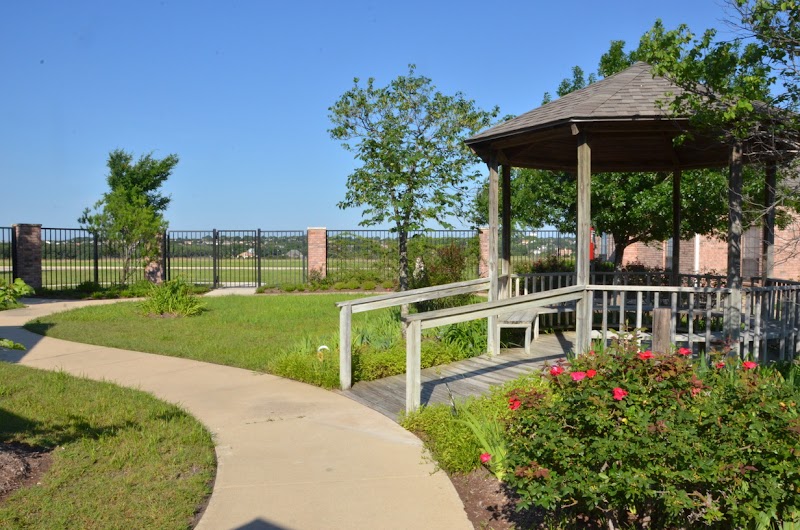
How Does The Rosewood Retirement Community Compare to Other Texas Nursing Homes?

Compared to the 100 nursing homes in Texas, THE ROSEWOOD RETIREMENT COMMUNITY's overall rating (3 stars) is above the state average of 2.8, staff turnover (58%) is significantly higher than the state average of 46%, and health inspection rating (2 stars) is below the national benchmark.

What Should Families Ask When Visiting The Rosewood Retirement Community?

Based on this facility's data, families visiting should ask: "What changes have been made since the serious inspection findings, and how are you preventing similar issues?" "How do you ensure continuity of care given staff turnover, and what is your staff retention strategy?" "Can I visit during a mealtime to observe dining assistance and food quality?" "How do you handle medical emergencies, and what is your hospital transfer rate?" These questions are particularly relevant given the facility's Immediate Jeopardy citations and the facility's high staff turnover rate.

Is The Rosewood Retirement Community Safe?

Based on CMS inspection data, THE ROSEWOOD RETIREMENT COMMUNITY has documented safety concerns. Inspectors have issued 3 Immediate Jeopardy citations (the most serious violation level indicating risk of serious injury or death). The facility has a 3-star overall rating and ranks #1 of 100 nursing homes in Texas. Families considering this facility should ask detailed questions about what corrective actions have been taken since these incidents.

Do Nurses at The Rosewood Retirement Community Stick Around?

Staff turnover at THE ROSEWOOD RETIREMENT COMMUNITY is high. At 58%, the facility is 12 percentage points above the Texas average of 46%. Registered Nurse turnover is particularly concerning at 58%. RNs handle complex medical decisions and coordinate care — frequent RN changes can directly impact care quality. High turnover means new staff may not know residents' individual needs, medications, or preferences. It can also be disorienting for residents, especially those with dementia who rely on familiar faces. Families should ask: What is causing the turnover? What retention programs are in place? How do you ensure care continuity during staff transitions?

Was The Rosewood Retirement Community Ever Fined?

THE ROSEWOOD RETIREMENT COMMUNITY has been fined $67,462 across 3 penalty actions. This is above the Texas average of $33,753. Fines in this range indicate compliance issues significant enough for CMS to impose meaningful financial consequences. Common causes include delayed correction of deficiencies, repeat violations, or care failures affecting resident safety. Families should ask facility leadership what changes have been made since these penalties.

Is The Rosewood Retirement Community on Any Federal Watch List?

THE ROSEWOOD RETIREMENT COMMUNITY is not on any federal watch list. The most significant is the Special Focus Facility (SFF) program, which identifies the bottom 1% of nursing homes nationally based on persistent, serious quality problems. Not being on this list means the facility has avoided the pattern of deficiencies that triggers enhanced federal oversight. This is a positive indicator, though families should still review the facility's inspection history directly.