Lone Star Ranch Rehabilitaion and Healthcare Cente

316 General Cavazos Blvd, Kingsville, TX 78363 (361) 592-9366
For profit - Corporation 146 Beds NEXION HEALTH Data: November 2025
Trust Grade
68/100
#283 of 1168 in TX
Last Inspection: June 2025

Inspected within the last 6 months. Data reflects current conditions.

Overview

Lone Star Ranch Rehabilitation and Healthcare Center has a Trust Grade of C+, indicating it is decent and slightly above average among nursing homes. It ranks #283 out of 1168 facilities in Texas, placing it in the top half of the state, and #1 out of 2 in Kleberg County, meaning it is the best option locally. The facility is improving, having reduced the number of issues from 5 in 2024 to 4 in 2025. Staffing is a moderate concern with a 3 out of 5 star rating and a turnover rate of 40%, which is better than the Texas average of 50%. However, the facility has faced some serious issues, including an incident where a resident at risk of falls was not assisted properly, which resulted in falls, and multiple concerns regarding food safety and sanitation practices in the kitchen. While there are strengths in its overall ratings and improvements, families should be aware of these weaknesses when considering care for their loved ones.

Trust Score
C+
68/100
In Texas
#283/1168
Top 24%
Safety Record
Moderate
Needs review
Inspections
Getting Better
5 → 4 violations
Staff Stability
○ Average
40% turnover. Near Texas's 48% average. Typical for the industry.
Penalties
✓ Good
$8,190 in fines. Lower than most Texas facilities. Relatively clean record.
Skilled Nurses
⚠ Watch
Each resident gets only 26 minutes of Registered Nurse (RN) attention daily — below average for Texas. Fewer RN minutes means fewer trained eyes watching for problems.
Violations
⚠ Watch
20 deficiencies on record. Higher than average. Multiple issues found across inspections.
★★★★☆
4.0
Overall Rating
★★★☆☆
3.0
Staff Levels
★★★★☆
4.0
Care Quality
★★★★☆
4.0
Inspection Score
Stable
2024: 5 issues
2025: 4 issues

The Good

  • 4-Star Quality Measures · Strong clinical quality outcomes
  • Full Sprinkler Coverage · Fire safety systems throughout facility
  • No fines on record
  • Staff turnover below average (40%)

    8 points below Texas average of 48%

Facility shows strength in quality measures, fire safety.

The Bad

Staff Turnover: 40%

Near Texas avg (46%)

Typical for the industry

Federal Fines: $8,190

Below median ($33,413)

Minor penalties assessed

Chain: NEXION HEALTH

Part of a multi-facility chain

Ask about local staffing decisions and management

The Ugly 20 deficiencies on record

1 actual harm
Jun 2025 3 deficiencies
CONCERN (D)

Potential for Harm - no one hurt, but risky conditions existed

Unnecessary Medications (Tag F0759)

Could have caused harm · This affected 1 resident

Based on observations, interviews, and record review the facility failed to ensure the medication error rate was not five percent or greater. The facility had a medication error rate of 7.41% based on...

Read full inspector narrative →
Based on observations, interviews, and record review the facility failed to ensure the medication error rate was not five percent or greater. The facility had a medication error rate of 7.41% based on 2 errors out of 27 opportunities, which involved 2 of 4 residents (Resident #45 and Resident #133) reviewed for medication errors. - LVN C failed to administer medication as ordered to Resident #45 by administering only one 400 mcg tablet of folic acid (Vitamin B-9, important in red blood cell formation and cell growth) instead of 800 mcg as ordered. - LVN C failed to administer medication as ordered to Resident #133 by holding one 12.5 mg tablet of hydrochlorothiazide (diuretic that lowers blood pressure as well as treat fluid retention) despite an active order to administer it. These failures could place residents receiving medication at risk of inadequate therapeutic outcomes. The findings included: 1. During an observation on 06/18/25 at 8:25 AM, LVN C prepared medications for Resident #45 during medication pass. LVN C only gathered one 400 mcg tablet of folic acid from the medication bottle. LVN C only administered one 400 mcg tablet of folic acid to Resident #45. This state surveyor asked LVN C if she was finished administering medications to Resident #45 and she stated she was finished. Record review of Resident #45's order summary revealed an active order dated 05/28/25 for Folic Acid Oral Capsule 0.8 MG (Folic Acid). Give 1 capsule via G tube one time a day for SUPPLEMENT related to ANEMIA, UNSPECIFIED. 2. During an observation on 06/18/25 at 8:34 AM, LVN C prepared medications for Resident #133 during medication pass. LVN C did not pop any hydrochlorothiazide tablets out of the blister pack to administer to Resident #133. LVN C did not administer any tablets of hydrochlorothiazide to Resident #133. This state surveyor asked LVN C if she finished administering medications to Resident #133 and she stated she was finished. Record review of Resident #133's order summary revealed an active order dated 06/10/25 for hydrochlorothiazide Oral Tablet 12.5 MG (Hydrochlorothiazide). Give 12.5 mg by mouth one time a day for hypertension [elevated blood pressure] related to ESSENTIAL (Primary) HYPERTENSION. In an interview with LVN C on 06/18/25 at 11:02 AM, LVN C stated Resident #45 had an active order for 800 mcg of folic acid 1 time per day. LVN C stated she administered 0.4 mg of folic acid to Resident #45 earlier that day. LVN C stated there were no 0.8 mg tablets in the nurse's cart. LVN C stated she made an error in only administering 1 400 mcg folic acid tablet to Resident #45. LVN C stated she chose to hold the hydrochlorothiazide for Resident #133 because her blood pressure was low. LVN C stated Resident #133 had three other blood pressure medications that were all held as well because Resident #133's blood pressure was below the threshold for administering them. LVN C stated the order for hydrochlorothiazide stated it was used to treat hypertension, so it should have had the same parameters on it as the other blood pressure medications. LVN C stated it was important for residents to receive medications as ordered so their symptoms and conditions did not worsen and harm the resident. In an interview with ADON 1 on 06/19/25 at 1:28 PM, ADON 1 stated before administering medication, nurses and med aides should compare what was written in the MAR to what was written on the blister pack to ensure there were no inconsistencies. ADON 1 stated LVN C should have given 800 mcg of folic acid to Resident #45 during medication pass. ADON 1 stated LVN C should have administered the hydrochlorothiazide to Resident #133 because the order was correct as written. ADON 1 stated the order did not have hold parameters because it was being used primarily to treat edema (excess fluid in the body tissues). ADON 1 stated the administration of incorrect doses of medications or holding medications inappropriately could lead to unnecessary changes in the treatment plans of residents leading to harm. In an interview with the CCS on 06/19/25 at 2:02 PM, the CCS stated if LVN C had questions about whether to administer the hydrochlorothiazide to Resident #133, she should have called the doctor to confirm the order. The CCS stated the order did not have hold parameters because it was being used primarily to treat edema. The CCS stated holding medications when they were supposed to be administered could harm the residents because it was not what the doctor ordered. The CCS stated errors in medication administration could lead to unnecessary changes to the treatment plan of residents. Record review revealed the facility policy titled Medication Administration last reviewed 07/08/24 stated the following: .4. Medications are administered in accordance with prescriber orders, including any required time frame . 10. The individual administering the medication checks the label THREE (3) times to verify the right resident, right medication, right dosage, right time and right method (route) of administration before giving the medication.
CONCERN (D)

Potential for Harm - no one hurt, but risky conditions existed

Deficiency F0761 (Tag F0761)

Could have caused harm · This affected 1 resident

**NOTE- TERMS IN BRACKETS HAVE BEEN EDITED TO PROTECT CONFIDENTIALITY** Based on observation, interview and record review the facility failed to ensure all drugs and biologicals used in the facility w...

Read full inspector narrative →
**NOTE- TERMS IN BRACKETS HAVE BEEN EDITED TO PROTECT CONFIDENTIALITY** Based on observation, interview and record review the facility failed to ensure all drugs and biologicals used in the facility were labeled in accordance with currently accepted professional principles, and included the appropriate accessory and cautionary instructions, and the expiration date when applicable for 1 of 4 (100-hall nurse cart) medication carts reviewed for medication storage. 1. The facility failed to write the open date on the vial of Resident #10's multidose Lantus insulin vial in the 100-hall nurse cart. 2. The facility failed to write the open date on the vial of Resident #133's multidose Lispro insulin vial in the 100-hall nurse cart. This deficient practice could place residents at risk of receiving expired insulin. The findings included: 1. Record review of Resident #10's face sheet dated [DATE] revealed a [AGE] year-old female with an admission date of [DATE]. Pertinent diagnosis included Type 2 Diabetes Mellitus (chronic condition where the body either doesn't produce enough insulin or can't effectively use the insulin it produces, leading to high blood sugar levels). Record review of Resident #10's Quarterly MDS assessment dated [DATE] revealed a BIMS score of 15 (cognition intact). Further review revealed Resident #10 had received seven insulin injections in the past seven days. Record review of Resident #10's comprehensive care plan dated [DATE] revealed the focus The resident has Diabetes Mellitus initiated on [DATE]. An intervention listed for the focus stated [DATE] Lantus insulin added and will be administered per MD orders initiated on [DATE]. Record review of Resident #10's order summary revealed an active order dated [DATE] for Insulin Glargine Solution 100 UNIT/ML. Inject 55 unit subcutaneously at bedtime for diabetes related to TYPE 2 DIABETES MELLITUS WITHOUT COMPLICATIONS. 2. Record review of Resident #133's face sheet dated [DATE] revealed a [AGE] year-old female with an admission date of [DATE]. Pertinent diagnosis included Type 2 Diabetes Mellitus. Record review of Resident #133's Comprehensive MDS assessment dated [DATE] revealed a BIMS score of 14 (cognition intact). Further review revealed Resident #133 had received seven insulin injections in the past seven days. Record review of Resident #133's comprehensive care plan had not been completed at the time of record review. Resident #133's baseline care plan indicated to administer medications as ordered by the physician. Record review of Resident #133's order summary revealed an active order dated [DATE] for Insulin Lispro Prot[[NAME]] & Lispro Subcutaneous Suspension (75-25) 100 UNIT/ML (Insulin Lispro Protamine & Lispro). Inject 150 unit subcutaneously two times a day for [diabetes mellitus] related to TYPE 2 DIABETES MELLITUS WITHOUT COMPLICATIONS. During an observation on [DATE] at 2:40 PM of the 100-hall nurse cart, this state surveyor found two opened, undated vials of insulin in the top drawer of the cart inside their original box. The label on the first vial stated it was Humalog (brand name for lispro) mix 75/25 and was for Resident #133. The label on the second vial stated it was Lantus and for Resident #10. Neither vial had an opened-on date written on the vial or box. In an interview with LVN D on [DATE] at 4:38 PM, LVN D stated she wrote the date an insulin vial was opened on the vial and its box as well. LVN D stated she was currently the nurse in charge of the 100-hall. LVN D stated she was unable to find any opened-on date on either of the two insulin vials or boxes found in the 100-hall nurse cart. LVN D stated she always checked the expiration date on an insulin vial before administering any insulin to a resident. LVN D stated it was important to write the opened-on date on insulin vials because they expire after only 28 days. LVN D stated administering expired insulin to a resident may not be as effective and lead to an elevated blood sugar level. In an interview with ADON 1 on [DATE] at 1:28 PM, ADON 1 stated nurses write the date an insulin vial was opened on the sticker attached to the insulin vial. ADON 1 stated nurses checked the expiration date on the vial before administering insulin to any resident. ADON 1 stated if expired insulin was administered to a resident, it may not be as effective leading to hyperglycemia (elevated blood sugar) or it could have an unpredictable effect. In an interview with the CCS on [DATE] at 2:02 PM, the CCS stated nurses wrote the date the insulin vial was opened on the sticker on the vial. The CCS stated nurses checked the expiration date on the insulin vial before administering it to a resident. The CCS stated if a nurse found an opened insulin vial that was not dated, they should inform the DON and then get a new vial if the insulin was determined to potentially be expired. The CCS stated expired insulin may not have the intended effect on a resident, leading to possible harm. Record review revealed the facility policy titled Medication Administration last reviewed [DATE] stated the following: .12. The expiration/beyond use date on the medication label is checked prior to administering. When opening a multi-dose container, the date opened is recorded on the container.
CONCERN (E)

Potential for Harm - no one hurt, but risky conditions existed

Food Safety (Tag F0812)

Could have caused harm · This affected multiple residents

**NOTE- TERMS IN BRACKETS HAVE BEEN EDITED TO PROTECT CONFIDENTIALITY** Based on observation, interviews and record review, the facility failed to store, prepare, distribute, and serve food in accorda...

Read full inspector narrative →
**NOTE- TERMS IN BRACKETS HAVE BEEN EDITED TO PROTECT CONFIDENTIALITY** Based on observation, interviews and record review, the facility failed to store, prepare, distribute, and serve food in accordance with professional standards for food service safety for 1 of 1 kitchen, and 2 of 2 nutrition rooms reviewed for storage, preparation, and sanitation. The facility failed to ensure the ice machine chute was clean. The facility failed to ensure the juice gun nozzle was clean. The facility failed to ensure the steam table wells were clean. The facility failed to ensure the underside of the shelf directly above the range was clean. The facility failed to ensure containers of spices were not left open to air. The facility failed to ensure items in the dry storage area were sealed properly. The facility failed to ensure items in the refrigerators were labeled and dated. The facility failed to ensure food in the walk-in freezer were sealed properly. The facility failed to ensure there were no personal items in the walk-in freezer. The facility failed to ensure the cleaning schedule was followed and monitored. The facility failed to ensure the dishwasher sanitation was correct. The facility failed to ensure all kitchen logs were recorded, maintained, and monitored. The facility failed to ensure items in the nutrition refrigerators were labeled, dated, and not expired. The facility failed to ensure there were no personal items in the nutrition rooms or refrigerators. These failures could place residents who received meals and/or snacks from the kitchen risk for food contamination and food borne illness. Findings included: During the initial tour and observation of the kitchen on 06/17/25 at 9:10 AM revealed the following: *chute inside the ice machine had a removable black-brown substance along the edge where the ice dumped out. *The juice gun inner nozzle had a thick red and a thick black substance stuck in the holes of the inner nozzle and black round spots around the threads where the outer nozzle connects with the inner nozzle. *Four of four steam table wells had a thick, yellowish substance that was flaking and floating in all four wells. The substance covered the bottoms and all sides of the wells. *The range top was covered in food particles and shiny with what appeared to be grease. *The underside of the shelf above the range, directly over cooking food, had a removable, gritty, brownish-red substance in clumps. *3 of 11, 15-ounce containers of spice were open to air. *an open and unsealed 35-ounce bag of cereal in the dry storage area. * 3, 6.4-ounce bags of powdered seasoning mix that was not sealed properly with one of the bags open inside the unsealed bag in the dry storage area. * a cut onion in the walk-in refrigerator in an unsealed, undated, and unlabeled bag. *3 undated and unlabeled trays of beverages in the walk-in refrigerator. * a beverage pitcher half full of a brown liquid that was undated and unlabeled. * an undated and unlabeled 16-ounce beverage cup from a local fast-food establishment on the shelf in the walk-in freezer. *a 9.84-pound box of frozen enchiladas that was open to air and had crystalized ice on the product in the walk-in freezer. *heavy ice build-up in the back left corner of the walk-in freezer. *an unsealed, undated, and unlabeled 1-gallon bag of an unidentifiable substance in the walk-in freezer. *The Low-Temp dishwasher chem strip read 10 ppm (parts per million) during the rinse cycle. *3 of three dumpsters had the lids open. 1 of the dumpsters' lids was broken. The open dumpsters could be seen through the windows of the main dining room. Observation of the B-wing nutrition room on 06/19/25 at 8:30 AM revealed the following: *1,16-ounce unopened bottle of water, *1,16-ounce half full bottle of water, *1 quart-size bag of green grapes, *1, 1-liter container of unknown food, *approximately 34 ice pops were unlabeled and undated, *1, 8-ounce, near empty container of sour cream and 1 large container of unknown food were labeled with a resident's name, but not the contents and not dated, and *1 opened 20-ounce container of strawberry jam had an expiration date of 04/08/25, was unlabeled and undated. Observation of the secure unit nutrition room on 06/19/25 at 8:40 AM revealed the following: *1, 16.9-ounce unopened bottle of water in the refrigerator that was unlabeled and undated. *a large purse in the nutrition room. During a return visit and observations of the kitchen on 06/19/25 at 8:50 AM revealed the following: *the chute inside the ice machine had the same removable black-brown substance along the edge where the ice dumped out and the filter had visible dust on it. *The juice gun inner nozzle had the same thick red and a thick black substance stuck in the holes of the inner nozzle. *The underside of the shelf above the range, directly over cooking food, had the same removable, gritty, brownish-red substance in clumps. *a 5-pound bag of opened brownie mix and a 10-pound package of dry pasta that were open and unsealed in the dry storage area. In an interview with DA 1 on 06/17/25 at 9:15 AM, he said the juice gun was cleaned every 4 days and they used it a lot. He detached the outer nozzle from the inner nozzle of the juice gun exposing clogged holes where the juice came through. He said he did not know what that was (clogging the holes). He said they were not dispensing any black drinks through the juice gun. He said the black substance was removable. He said the black substance might be mold. He said the drinks were getting cross-contaminated and could make residents sick. In an interview with the DW on 06/17/25 at 9:20 AM, she said the chem strip (sanitation level) for the dishwasher should be purple. She said she marked it in the log every day she worked before she started her shift-it was the first thing she did. When asked to see the log where she documented the sanitation level, she said, I didn't do it. I didn't test it (the sanitation level). She said she did not know what ppm's were or why it was important to maintain a specific level in the dishwasher rinse cycle. She demonstrated a chem strip test during the rinse cycle, the test strip color matched 10 ppm on the container of test strips. She said she was unaware of the large, printed instructions for using and reading chem strips that were on the front of the dishwasher. She said the process of washing dishes was to place dishes in a bin, run the bin through the dishwasher, let them air dry, then put them on the clean rack. She did not understand un-sanitized dishes and utensils should not be used for service. In an interview with the DS on 06/17/25 at 9:25 AM, she said the juice gun inner nozzle had mold on it. She said the juice gun was cleaned after each shift. She said the steam table wells had hard water staining them. At this time, the DS began to look for the cleaning schedules and temperature logs. She said she could not find the cleaning schedules. She said all food should be sealed, labeled, and dated. She said she did not know why the foods, spices, and beverages in the refrigerator, freezer, and dry storage room were not sealed, labeled, or dated. She said the chem strip for the dishwasher should be 100 ppm (parts per million). She said she had in-serviced staff regarding the above issues. She said personal items were never allowed in the kitchen or freezer. She would not say who the cup from a local fast-food establishment belonged to in the walk-in freezer. She said nothing when asked about the shelf over the range and the range being dirty. She said the dishwasher was the low temp kind. She said she was responsible for everything in the kitchen. Policies for dry storage, refrigerated foods, cleaning schedules, dishwasher sanitation logs, chem logs, in-services/trainings, and the RD were requested at this time. In an interview with the IADM, on 06/18/25 at 2:32 PM, she said it was important to have logs for the kitchen for infection control purposes as well as knowing if equipment was in working order and regulations required them. She said cleaning was really important for the kitchen because it was very susceptible to bacteria growth-the utensils and everything in the kitchen could harbor bacteria and make the residents sick if it was not being cleaned regularly and thoroughly. Kitchen policies, logbooks, cleaning schedules, in-services, and the RD were re-requested at this time. In an interview with ADON 1 on 06/19/25 at 8:40 AM, she said there were two nutrition rooms and they each had a designated refrigerator for the residents. She said all staff were responsible for labeling and dating everything in the nutrition refrigerators. In an interview with LVN A on 06/19/25 at 8:42 AM, he said the grapes and one of the bottles of water in the B wing nutrition refrigerator belonged to him. He said the nutrition room refrigerator was designated for the residents. He said everything in the nutrition refrigerator was supposed to be labeled with the resident's name, dated, and initialed by the person who received the item. He said the items required names and dates to make sure the food was still good. He said if staff did not know how old the food was, it could make the residents sick if consumed. He said food was good for 2 or 3 days. He said all staff were responsible for labeling and dating all food in the nutrition refrigerators to protect the residents. He said cross contamination would occur if mingling staff personal items with resident items. He said he had no excuse for not putting his personal items in the break room refrigerator where it belonged and for not labeling and dating them. In an interview with CNA B on 06/19/25 at 8:47 AM, she said the purse in the secure unit nutrition room belonged to her and she should not have left it there. She said she should have put her purse in the break room, which just outside the secure unit double doors. She said personal items inside the nutrition room could cause cross contamination to the residents and make them sick. She said she did not have an excuse as to why she had her purse in the nutrition room. She said everything in the nutrition room refrigerator should be labeled with the resident's names and dated. In an interview with DA 2, DS, and the cook on 06/19/25 at 9:35 AM, DA 2 said she did not notice the spices were open because she was not looking in that direction. She said she put the brownie mix in the dry storage area without properly sealing it and did not know why. She said she knew she should have put the brownie mix away properly, so it did not go bad. The cook said she put the cut onion in the walk-in Tuesday because she was in a rush. She said not storing foods and beverages properly could be very dangerous because food could grow mold and bacteria and could poison people. The DS and the cook said it was everyone's responsibility to keep the kitchen clean and safe. The DS said it was her ultimate responsibility to make sure the kitchen was operating as it should (meaning the logs were up to date, tasks were monitored, as well as the staff). The DS said the kitchen staff, usually herself, wiped down the ice machine inside and out every two weeks. She said the MS cleaned the filters and the inner workings every two weeks, so that was the schedule she followed for cleaning the ice machine and she did it when the MS was there, doing his thing. The DS said she could only find the daily cleaning schedules for June 2025. The DS said she did not know why the temperature logs were not consistent. She said she did not check them like she should have. She said she did not know if the temperatures got mixed up with the refrigerator or what but would have known had she been checking them. In an interview with the MS on 06/19/25 at 9:40 AM, he said he did not know when the ice machine was last cleaned but it was well over a month ago. He said he inspected the ice machine and did maintenance (cleaned the filter and inner workings around the motor) on it when the electronic reporting system popped up the task for it every 3 months. He said he defrosted the ice machine and wiped everything down. He said he ran a chemical through the system that cleaned the water pipes. He said he was the only one that cleaned the ice machine and was not sure if kitchen staff had anything to do with cleaning the ice machine. He said the discoloration on the ice chute was a build-up of dust. He said he did not know how dust could get inside the ice machine. He said the discoloration on the ice chute could be mold. He said he did not know the manufacturer's instructions or the facility policy for cleaning the ice machine. He said he did not check the logs in the kitchen. He said he was unaware of the ice build-up in the walk-in freezer. He said he was not responsible for the kitchen. During a phone interview with the Regional Lead Dietician on 06/20/25 at 3:30 pm, he said he visited the facility twice a month and once remotely. He said he had been going to the facility since November 2024. He said the DS reached out to him once a week or every other week for advice about food substitutions. He said his visits in April and May 2025 revealed some issues. He said he initiated in-services for sanitation in general including hairnets, hand washing, dry food boxes on the ground, logs were not filled out such as refrigerator, and freezer logs-there were several weeks not recorded in April or March 2025. He said he needed to hold people more accountable and had stressed to the DS that everything had to be clean all the time. He said there was an issue with kitchen employees having drinks in the kitchen. He said he told them they could not have personal drinks anywhere at any time inside the kitchen. He said, evidently there was no follow up after he left, and he needed to do more. He said there was lack of accountability. He said he also spoke to kitchen staff about having the dumpster lids closed. He said he was going to the facility next week to address the issues. He said he could not explain why the logs we not completed. Cleaning Policy requested. Record review of the facility's Daily kitchen 21-item cleaning checklists dated 06/01/25-06/14/25 revealed a total of 294 opportunities: Refrigerator, Freezer, Dry Storage, Counters, Steamtable, Mixer (crossed out-did not have one), Microwave, Toaster, Food Processor/Blender, Juice Machine, Coffee/Tea Urns, Slicer (crossed out-did not have one), Can Opener, Trash Cans, Steamer (crossed out-did not have one), Carts, Range/Grill, Oven, Pot & Pan Sink, Sinks, Dish machine, Ice Machine, Ice Scoop & Holder, and Floors. All tasks were checked as having been done. Record review of the facility's Freezer Temp Logs for 2025 revealed the following: January *the log for the month of January was missing. February *had no days recorded. March *walk-in freezer temps for morning and evening recorded for days 1-11 at 37-38 degrees F, *freezer temp log for the same time period was recorded at 32 F the morning of the 4th and 10th, all other days (from 1-11) were recorded at 35-37 F. There were no other days or evenings recorded. April *walk-in freezer temps were recorded 37F for the 1st-5th, and the 10th and 11th. No other days or evenings were recorded. * Freezer Temp Log was identical to April walk-in freezer temps. May * Freezer Temp Log was recorded for days 1-12, evenings 1-14 and the 29th and 30th. There were no temps recorded for the days of 13th-30th. 32 F or less was recorded 15 times out of 60 opportunities. The other temps recorded were 34F-37F. There was no May Walk-in Freezer Temp Log. June *Freezer Temp Log was missing the morning and evening of the 1st and 16th, and the evening of the 15th. All other temps logged were 10-13F. Record review of the facility's Refrigerator Temp Logs for 2025 revealed the following: January, March, and April *the logs were missing. February *had no days recorded. May *1st-12th days and evenings were recorded, and the evenings of the 13th, 14th, 29th, and 30th. All other days and evenings were blank. All temps were recorded as 32 F-41F. June *The log was missing the morning and evening of the 1st, 15th , and 16th. All other recordings ranged from 35 F-37 F. Record Review of the facility's Sink Temperature and Chemical logs for 2025 revealed the following: January *the log was missing. February *had no days recorded. March *days 1-11 had water temperatures ranging from 141-150F for breakfast and no sanitizer recorded. There were no temperature or sanitizer recorded for any days recorded for lunch. Days 1-15 had water temperature recorded that ranged from 147-152F. There were no days recorded for sanitizer. All other days were blank. April *days 1-5, 10, and 11 recorded at 150F for dinner only. There was no sanitizer recorded for any days or services in April. May *had temperatures recorded on days 1-13, 14 and 15, 29th and 30th. Temperature ranged from 122 F-130F for breakfast service, 125F-132F for lunch, and 120F-137F for dinner. Sanitizer was recorded as 160-180 ppm for days 1-13 for breakfast, 150-200 ppm for lunch, and 150-350 ppm for dinner service. June had no temperature or sanitizer recorded for days 1-16 breakfast and lunch services. Dinner service had temperatures recorded for 80 F-165 [NAME] days 1-13. There was no sanitizer recorded for dinner service on days 1-5. Days 6-13 had sanitizer recorded for dinner service as 100 ppm for each day. June *the 17th had water temperature recorded as 181 F and sanitizer as 100 ppm for breakfast service. Temperature for the 17th lunch service was 160F and 100 ppm sanitizer. There were no other dinner service recordings after the 15th of June. The 18th breakfast service recorded the water temperature at 125 F and sanitation at 000 ppm. Record Review of the facility's Dish Washer Temp and Chemical Log for 2025 revealed the following: January *the log was missing. February * there were no entries until days 11,12, and 13. Days 14,15, and 16 were blank. All recorded temperatures ranged between 135F and 152F. All sanitizer recordings were 100ppm for breakfast, lunch, and dinner services. March *the log was missing day 15 for all three services. All other temps ranged from 140F-160F. All sanitizer entries for all services were 100ppm. April *was missing days 7 and 8. All other temperatures were recorded ranging from 130F-172F for all services. All sanitizer entries for all services were 100ppm. May * was missing days 1, 2, 6, 28 lunch and dinner services, and the 29th had no entries. All other temperatures ranged from 140F-170F. All sanitizer entries for all services were 100ppm. June *the 17th and 18th were missing entries. The 17th had didn't use marked through the entire day. All other temps ranged from 140 F-172F. All sanitizer entries for all services were 100ppm. Record review of the facility's kitchen in-services revealed: Undated- No phones are to be out at all in kitchen during shift, Maintain professional behavior and respect co-workers, 04/15/25- Temp. Logs, Labeling, Cleaning Schedule. 05/09/25- Temp. Logs, Labeling, Cleaning Schedule. Record review of the ice machine task from the electronic reporting system revealed Instructions Ice Machines: Check filters (if present), clean coils, sanitize interior, delime as necessary. Marked done on-time by MS on June 13, 2025. Record review of the dish machine invoice dated 06/18/25 at 8:50 AM-9:50 AM revealed performed a check on dispenser to see if sanitizing solution was dispensing properly. Checked solution, shows the proper amount is being dispensed per test strip reading-solution testing between 50-100ppm. Record review of the facility policy dated 10/2022, titled, Food Receiving and Storage revealed under the policy statement: Foods shall be received and stored in a manner that complies with safe hood handling practices. 8. All foods stored in the refrigerator or freezer will be covered, labeled, and dated ( use by date). 9. Refrigerated foods must be stored below 41 F unless otherwise specified by law. 12. Functioning of the refrigerators and food temperatures will be monitored at designated intervals throughout the day by the food and nutrition services manager or designee and documented according to state-specific requirements. 14. Food items and snacks kept on the nursing units must be maintained as indicated below: a. All food items .must be placed in the refrigerator located at the nurses' station and labeled with a use by date. b. All foods belonging to residents must be labeled with the resident's name, the item, and the use by date. c. Refrigerators must have working thermometers and be monitored for temperature according to state-specific guidelines. d. Beverages must be dated when opened and discarded after twenty-four hours. e. Other opened containers must be dated and sealed or covered during storage. f. Partially eaten food may not be kept in the refrigerator. Record review of the facility policy dated 10/2022, titled, Refrigerators and Freezers revealed the policy statement: This facility will ensure safe refrigerator and freezer maintenance, temperatures, and sanitation, and will observe food expiration guidelines. 1. Acceptable temperature ranges are 35F to 40F for refrigerators and less than 0F for freezers. Record review of the facility policy revised 01/2024, titled, Sanitation revealed under policy statement: The food service area shall be maintained in a clean and sanitary manner. 1. All kitchens, kitchen areas, and dining areas shall be kept clean . 2. All utensils, counters, shelves, and equipment shall be kept clean, maintained in good repair . 8. Dishwashing machines must be operated using the following specifications: Low-Temperature Dishwasher (Chemical Sanitation) a. Wash temperature (120F); b. Final rinse with 50 ppm chlorine for at least 10 seconds. 11. b. Fixed Equipment 2. Staff members will be trained in the cleaning and maintenance of all equipment. 3. Food contact equipment will be cleaned and sanitized after every use. 11. Ice machines will be drained, cleaned, and sanitized per manufacturer's instruction and facility policy. 16. The food services manager will be responsible for scheduling staff for regular cleaning of the kitchen. Food service staff will be trained to maintain cleanliness throughout their work areas during all tasks, and to clean after each task before proceeding to the next assignment. Record review of the facility policy reviewed 01/2023, titled, Dry Storage revealed: 3. All items must be dated with the date that the food was delivered. 9. If an item is open, the food must be tightly sealed. It should be dated with the date that it was opened. If the product was removed from its original container, then the product should also have the name of the product. If the food is directly in the bag, the bag must be sealed. 10. Lids on spices should be closed. Record review of the facility policy dated 04/2017, titled, Job Description-Dietary Manager revealed: under Supervisory Responsibilities Carries out supervisory responsibilities in accordance with the organizational policies and applicable laws .Ensures that food is received, stored, prepared, held, and served under sanitary conditions to prevent the transmission of food borne illness. Completes and maintains all food and nutrition services department records .Participates in long term care survey process. Instructs staff in matters of con disclosure. Always maintains presence while surveyors are on-site and timely collection of information required by the survey team. Demonstrates identified problems and undertakes corrective action while survey is in progress.
May 2025 1 deficiency
CONCERN (D) 📢 Someone Reported This

A family member, employee, or ombudsman was alarmed enough to file a formal complaint

Potential for Harm - no one hurt, but risky conditions existed

Free from Abuse/Neglect (Tag F0600)

Could have caused harm · This affected 1 resident

**NOTE- TERMS IN BRACKETS HAVE BEEN EDITED TO PROTECT CONFIDENTIALITY** Based on observation, interviews and record reviews, the facility failed to ensure the right to be free from abuse for two (Resi...

Read full inspector narrative →
**NOTE- TERMS IN BRACKETS HAVE BEEN EDITED TO PROTECT CONFIDENTIALITY** Based on observation, interviews and record reviews, the facility failed to ensure the right to be free from abuse for two (Residents #2 and #3) of 4 residents reviewed for abuse. The facility failed to ensure Resident #2 was free from abuse. On 05/09/25, Resident #1 slapped Resident #2 in the face twice with an open hand because Resident #2 would not give Resident #1 her napkin. The facility failed to ensure Resident #3 was free from abuse. On 05/10/25, Resident #1 grabbed Resident #3 ' s arm and slapped it four times with an open hand, once with each word, while she said, I told you so. This failure could place residents at risk for abuse and psychological harm. Findings included: Record review of Resident #1's face sheet dated 06/27/22 with an original admission date of 03/18/22 revealed a [AGE] year-old female with diagnoses including Alzheimer ' s, (disease that results in loss of memory, language problem, problem-solving and other thinking abilities that are severe enough to interfere with daily life), muscle wasting, Diabetes, high blood pressure, major depression, anxiety disorder, and abnormalities of gait and balance. Record review of Resident #1's quarterly MDS Assessment, dated 03/15/25, reflected a [AGE] year-old female who admitted on [DATE]. Her BIMS score of 03 indicated the resident had severe cognitive impairment with physical behavioral symptoms such as hitting or scratching occurring 1 to 3 days. She required supervision for oral hygiene and eating, moderate assistance with upper body dressing, and maximal assistance with toileting, showering, lower body dressing, footwear, and personal hygiene. She could walk, reposition herself, and transfer with supervision. She did not utilize a wheelchair or walker. She was frequently incontinent of bladder and bowel. She was taking an antidepressant and insulin. Record review of Resident #1's Care Plan dated 07/02/22, reflected Resident #1 had potential to be physically aggressive r/t Dementia, Depression, and Poor impulse control Date Initiated: 01/10/2023 Revision on: 01/10/2023. Resident #1 had a behavior problem r/t yelling, hits, throws things and uses abusive language due to Alzheimer's with poor cognition. RP often will refuse to allow treatment or medications for the behaviors. 05/05/25 altercation with Resident #2. 05/10/25 altercation with Resident #3 Date Initiated: 01/13/23 Revision on: 05/14/25. Resident #1 was placed on 1:1, psyche services contacted, and new orders for medication were received and implemented. 05/10/25 Removed from situation, placed on 1:1, new order for Depakote 125mg twice a day for mood stabilizer. Consent was obtained from the RP when she came in to visit the resident. Date Initiated: 05/10/25. 05/05/25 Resident removed from the situation. Placed on 1:1 observation, social worker trying to get the resident to a local Psych Hospital. Date Initiated: 05/06/25. Intervene as necessary to protect the rights and safety of others. Approach/Speak in a calm manner. Divert attention. Remove from situation and take to alternate location as needed. Date Initiated: 01/13/23. Be conscious of resident position when in groups, activities, dining room to promote proper communication with others. Date Initiated: 07/10/22. The resident uses antidepressant medication (Prozac) r/t Depression Date Initiated: 07/10/22 Revision on: 10/31/22. She resided in the memory care locked unit. Record review of Resident #2's face sheet dated 04/18/25 with an original admission date of 08/31/23 revealed a [AGE] year-old female with diagnoses including dementia (disease that results in loss of memory, language problem, problem-solving and other thinking abilities that are severe enough to interfere with daily life), muscle wasting, anxiety disorder, depression, and abnormalities of gait and balance. Record Review of Resident #2's admission MDS Assessment, dated 05/01/25, reflected her BIMS score of 03 indicated the resident had severe cognitive impairment. She required supervision with eating, lower body dressing, personal and oral hygiene, toileting, transferring, and repositioning. She required moderate assistance with upper body dressing and footwear. She utilized a manual wheelchair and could propel herself. She was frequently incontinent of bladder and bowel. She took antianxiety and antidepressant medications. Resident #2's admission care plan dated 04/18/25 reflected Resident #2 was an elopement risk/wanderer r/t poor cognition and psychosis. Date Initiated: 04/18/2025 Revision on: 04/18/2025. She resided in the memory care locked unit. Record review of Resident #3's face sheet dated 06/19/23 revealed a [AGE] year-old female with diagnoses including dementia and early onset Alzheimer ' s (disease that results in loss of memory, language problem, problem-solving and other thinking abilities that are severe enough to interfere with daily life), anxiety and mood disorders, major depression, and lack of coordination. Record Review of Resident #3's quarterly MDS Assessment, dated 02/06/25, reflected her BIMS score of 05 indicated the resident had severe cognitive impairment. She required set-up with eating. She required maximal assistance with oral hygiene. She was dependent for dressing, personal hygiene, and toileting. She was independent for walking, transferring, and repositioning. She did not utilize a wheelchair. She was frequently incontinent of bladder and bowel. She took antipsychotic, antianxiety, anticonvulsant (seizure), and antidepressant medications. Resident #3's care plan dated 04/18/25 reflected Resident #3 was on palliative care with hospice services due to end stage disease process of Alzheimer's. Expected physiological signs of weight loss, skin breakdown or pressure injury, dehydration, fecal impaction and gradual /rapid loss of the ability to move about or become bedfast is expected. Date Initiated: 07/02/23 Revision on: 07/22/23. Dignity will be maintained, and the resident will be kept comfortable and pain free with in one hour of intervention over the next review period Date Initiated: 07/02/2023 Target Date: 06/11/2025. I/my family, anticipate that I will remain LTC (Long Term Care) after respite stay is completed so that all of my needs can be met on a daily basis with safety. Date Initiated: 07/02/23 Revision on: 07/02/23. The resident is physically aggressive r/t dementia, depression, poor impulse control. Date Initiated: 07/22/23 Revision on: 07/22/2023. She resided in the memory care locked unit. Observation of Resident #1 in the memory unit on 05/13/25 at 2:30 pm revealed she was in the restroom. Upon leaving the restroom, she was ambulatory with a slow gait and could walk without assistive devices. She made her way with the hospitality aide at her side to one of the sofas in the memory care activity room. She sat down without difficulty or losing her balance. The hospitality aide sat down beside her. She was talkative with the hospitality aide while sitting on the couch. She was touching herself in between the legs and smiling. She was trying to take her pants down even though she just came out of the restroom. She told the hospitality aide she needed to use the restroom again for a bowel movement. She was saying she forgot toilet paper when she was sitting on the couch. In an interview with the hospitality aide, she said she was currently 1:1 with Resident #1 because she either fell recently or hit someone else. She said she had worked at the facility for 4 weeks and said Resident #1 did not hit others very often. In an interview with LVN A on 05/13/25 at 5:54 pm, she said she worked at the facility for 3 years and was familiar with all of the residents in the memory unit, as she only worked in the memory unit. She said Resident #1 got physical faster and would usually strike first. She said Resident #1 got agitated for no obvious reason-she saw her hitting a window with a belt one time. She said she was not at the facility during the incident between Resident #1 and Resident #3, but she heard Residents #1 and #3 were arguing and one hit the other and Resident #1 was put on 1:1 and she has stayed on 1:1 status ever since. She said the doctors were also making medication changes on Resident #1. In an interview with the SW on 05/14/25 at 9:30 am, she said she had worked at the facility since June 2025. She said on 05/10/25 she called the RP to discuss Resident #1's behavior. She said the local psychiatric hospital called the daughter to tell her they could meet Resident #1's needs and the RP told them her mother did not need psychiatric care, and she demanded to speak with the doctor's there. The SW said she received a phone call from the local psychiatric hospital and was told the RP would not let the intake specialist at the local psychiatric hospital get a word in to explain the procedures and the phone call ended there. She said the local psychiatric hospital called her (the SW) and told her they had been aggressively spoken to by the RP and the local psychiatric hospital closed out the referral. The SW said a meeting was held with the RP, ADM, DON, and RD. She said the RP told her she did not want Resident #1 to be on psychotropics because they would make her too sleepy. The SW said the RP told her she was going to see if the other nursing home in town would take her. The SW said the RP was able to get a referral yesterday (05/13/25) to transfer Resident #1 to the other nursing home in town. The SW said the Ombudsman would meet with the SW, RP, ADM, and DON on Friday, 05/16/25. Interview with LVN B on 05/14/25 at 1:43 pm, she said Resident #1's RP had not wanted her to be on any medications, and the facility was just recently able to try the medications (last 5 days ago). LVN B said she explained to the RP that it would take several days or even weeks for the medications to take effect. LVN B said the RP did not want Resident #1 to go to the local psychiatric hospital for evaluation and stabilization. LVN B said the facility told the RP if she did not allow them to try psyche or meds on Resident #1, they would have to transfer her due to not being able to meet her needs. She said the RP agreed this time. LVN B said the facility called the local psychiatric hospital back and they refused Resident #1 due to the way she treated them on the phone. She said she called the doctor and had to get consent for the medication Resident #1 needed. She said she called the RP to inform her and she gave consent. LVN B said Resident #1 was only on the Depakote for 3 days before Resident #1 slapped the arm of Resident #3. She said they were standing near each other when Resident #1 picked up Resident #3 ' s arm and said, I. Told. You. So., slapping lightly with each word as if she was reprimanding a child and was placed back on 1:1. She said she informed the RP and the RP told her she was scared Resident #1 would be thrown out (of the facility). LVN B said she called the doctor again and was placed on Zoloft and Trazodone. LVN B said Resident #1 remained on 1:1 until she was cleared by psyche. LVN B said the doctor saw Resident #1 in the facility on Sunday, 05/11/25 when he changed her meds. She said the RP came 2-3 times a week at lunch. She said staff in the memory unit got special training including the virtual dementia course. She said she told the RP about the course so she could try to better understand what Resident #1 was going through. She said Resident #3 did not seem to be effected or fearful and she did not recall the altercation at all. In an interview with the SW on 05/15/25 at 8:45 am, she said she reached out to a behavioral health hospital in the valley yesterday and they requested lab results for Resident #1, and she was still waiting for a call back at this time. In an interview with the DON on 05/15/25 at 1:00 pm, she said all staff received dementia training on computer based training and Virtual Dementia training. She said the families and community were also offered the virtual opportunity. She said the last virtual training was in November and done annually and as needed. She said Resident #1's RP had not done any of the dementia training that she knew of. The DON said everyone was invited to the dementia classes and courses via flyers, social media, and through their mass messaging for families. She said Resident #1 had a history of aggression. She said from Dec. 31, 2022, physical aggression was initiated by risk management (incidents & accidents). She said the facility was protecting other residents because they had Resident #1 on 1:1, doing/saying/watching to try to find a root cause, labs with urinalysis (UA), medication changes, and was currently trying to get her into a facility like a behavioral hospital to see if they could make medication changes or be able to help her with whatever therapy modalities they had such as group therapy. She said the facility may have found a place in the valley-they were waiting for a call back today. She said Resident #1 had been on 1:1 continuously since 05/05/25. The DON said the facility had Resident #1set up to transfer to the local behavioral hospital but they declined because her RP was hostile toward them. She said the RP came to the facility and met with the ADM, DON, SW and the RP 's SIL. She said during the meeting, the RP was reluctant and unsure and not understanding so she wanted to call the local behavioral hospital again, so they did and that was when the local behavioral hospital said they did not have a bed for Resident #1. The DON said the RP was upset at the news then agreed to let Resident #1 go somewhere and the meeting finished. She said encounters/incidents with Resident #1 started 10/2023 when she was yelling at another resident. She said the next encounters/incidents involving Resident #1's aggression was 12/3/0/24, 05/05/25 at 1:54 pm with Resident #2, and 05/10/25 with Resident #3. She said Residents #2 and #3 did not seem to be effected or fearful and neither recalled the altercations at all. In an interview with the ADM on 05/15/25 at 2:00 pm, he said he started working at the facility on 12/29/24. He said he first learned of Resident #1's aggression when she slapped Resident #2 in the face earlier this month. He said the 1:1 and in-services were immediate. He said the RP blocked the transfer to the local behavioral hospital because of her hostility towards them. He said he spoke to the RP and explained why the facility needed to get the help her mother needed that could not be attained at the facility. He mentioned the RP said I don ' t have time; I have a life when the facility asked if she or someone else could sit with Resident #1. He said the physician came in on Sunday 05/11/25 and met with him. He said the physician prescribed medication for insomnia and anxiety for Resident #1. He said he spoke with the RP Tuesday 05/13/25 and informed her of the 1:1 and she was upset and demanding to know how long she was going to be on the 1:1. The RP also told the other nursing home in town Resident #1 was on a 1:1 so they did not want to accept her and told the ADM he could lift the 1:1. He explained he could not for the safety of others. He said the facility was providing 1:1's and more education specific to the aggressors to keep others safe. He said he was interviewing the staff in the memory unit to make sure they knew who the abuse coordinator was, reporting immediately, and approved paid in-services utilizing videos on the company you tube page. He said he also discusses incidents in their daily morning meetings with the department heads. In an interview with the SW on 05/15/25 at 2:25 pm, she said the valley behavioral hospital was waiting for their clinical intake person to review the lab results for Resident #1 she sent this morning. She said she had not started a NOMOC because Resident #1 was LTC and she would be considered a transfer. She said if Resident #1 was denied at the valley behavioral hospital, the next behavioral hospital was near, and she would keep trying until she found a suitable fit for Resident #1. She said the RP told the other nursing home in town Resident #1 was a 1:1 and they declined. She said the RP wanted to speak with the Ombudsman face to face, and a meeting was set for 05/16/25 at 1:15 pm. In an interview with CNA C, LVN B, CNA D, and RN E on 05/15/25 at 2:45 pm, they all stated the Abuse Coordinator was the ADM. CNA C said she worked only in the memory unit and worked at the facility for 26 years. She said staff received in-services and seminars for training. She said they got the Virtual Dementia Training Annually. She said they also had courses on the electronic education courses such as abuse, transfers, infection control and more. She said some of the symptoms they were taught to look for if a resident was starting to become aggressive were pain, agitation, pacing. LVN B said if a staff member did not have dementia training, they had to take the all-day course. CNA D said staff they had to take the dementia course and testing for it. RN E said she was the instructor for the CNA ' s and hospitality aides at the facility. She said the courses included dementia, behavior managing, communication, falls, safety risks, sensory impairment, agitation, and being hypervigilant. They all said Residents #2 and #3 did not seem to be effected or fearful and neither did not recall the altercations at all. The RP was not available for interview after 3 good faith attempts to contact her. Record review of all staff in-service/training dated Record review of in-services: dated 05/05/25 All staff Abuse resident to resident. Record review of psychiatric physician note dated 05/08/25 revealed Resident #1 was released from 1:1 status. Record review of 15-minute monitoring of Resident #1 beginning 05/09/35 at 6:00 am through 05/11/25 at 12:00 pm. Record review of PIR (provider investigation report) dated 05/09/25 revealed Resident #2 was sitting in her wheelchair holding a napkin. Resident #1 attempted to grab the napkin to no avail resulting in Resident #1 slapping Resident #2. Head to toe assessments conducted on both residents. No physical or emotional distress noted to either resident. Residents were immediately separated to make sure residents were protected including if Resident #2 felt safe, increased supervision for Resident #1 by placing her on 1:1, immediate notification to physician and RP ' s and removal of alleged perpetrator. Family conference was held with Resident #1 ' s RP. In-service for Abuse and Neglect initiated for all staff. No malicious intent was determined by Resident #1. Residents did not recall the interaction. A referral was made to the local behavioral health hospital for Resident #1. He said because of the communication between the local behavioral health hospital and RP, they failed to secure a bed. He said Resident #1 ' s RP expressed she did not want Resident #1 on medications because she would fall. The facility suggested the RP come in and sit with her mom and she said, I have a life and I don't have time to sit 1:1. The ADM said another family member was also present during the conference and expressed the same concerns. He said when the doctor was on site, he gave new orders for Resident #1's anxiety and insomnia. The ADM said the RP finally gave verbal consent for med adjustment. He said Resident #1 would stay on 1:1 supervision. The ADM said, However, another altercation occurred with Resident #3 on 05/10/25. No injuries noted to either resident. He said the SW, himself, and the DON were still working with family for further review on what to do next about Resident #1' s aggressions. Record review of progress note by LVN B dated 05/10/25 at 7:03 pm: COMMUNICATION - with Physician, Situation: Resident #1 was in the activity room and was standing next to Resident #2. Resident #1 grabbed Resident #3 by the left arm and hit her three times and said I told you so in Spanish. LVN B assessed the resident, removed her from other residents, ensured her safety and notified RP, DON, ADMN, MD. New order has been obtained for on-on-one monitoring and has been initiated. Doctor has been contacted and gave a new order for Depakote 125mg BID for mood stabilizer. UA culture was also ordered to rule out UTI. Consent was obtained from RP. Record review of the facility policy titled, In-Service Training, Nurse Aid reviewed 12/09/24 4. Annual in-services: d. address the special needs of the residents, as determined by the facility assessment. e. include training that addresses the care of residents with cognitive impairment; and f. include training in dementia management and resident abuse prevention. 9. Required training topics for all staff (including nurse aides) include: c. abuse, neglect, and exploitation of residents; g. behavioral health. Record review of the facility policy titled, Abuse, Neglect, and Exploitation dated 08/15/22 defined abuse as the willful infliction of injury or intimidation. Willful means the individual must have acted deliberately, not that the individual must have intended to inflict injury or harm.
Nov 2024 1 deficiency
CONCERN (D) 📢 Someone Reported This

A family member, employee, or ombudsman was alarmed enough to file a formal complaint

Potential for Harm - no one hurt, but risky conditions existed

Deficiency F0761 (Tag F0761)

Could have caused harm · This affected 1 resident

**NOTE- TERMS IN BRACKETS HAVE BEEN EDITED TO PROTECT CONFIDENTIALITY** Based on observation, interview and record review the facility failed to ensure that drugs and biologicals were stored in locked...

Read full inspector narrative →
**NOTE- TERMS IN BRACKETS HAVE BEEN EDITED TO PROTECT CONFIDENTIALITY** Based on observation, interview and record review the facility failed to ensure that drugs and biologicals were stored in locked compartments for 1 of 4 medication carts observed for compliance. Medication cart #1 was left outside of room [ROOM NUMBER] unlocked and unattended by RN A. This failure could place residents at risk of access and ingestion of non-narcotic medications. This failure had the potential to affect 5 residents in this hall. Findings were: During an observation on 11/7/2024, at 8:39 a.m., Medication cart #1 unlocked on hall 400 without a supervised staff in view of the cart. The cart was unlocked for 5 minutes until RN A was questioned about the unlocked cart. During an interview on 11/7/2024 at 10:45 a.m., RN A verbalized the unlocked cart was her cart. She verbalized she must have forgot to lock the cart after giving her last medication. RN A stated it was proper process to lock the cart when the cart was not in view or when not being used. She also stated a resident could have accessed the medications in the drawers that were accessible. RN A stated all narcotics were locked in a double locked drawer and were not accessible. RN A stated she should have taken the medication cart back to the nurses station with her. During an interview on 11/7/2024 at 9:12 a.m., the Director of Nursing (DON) stated medication carts should be locked when licensed personnel walk away from the cart. The DON stated a resident could have opened the cart and taken a medication that was not theirs. All carts were to be within the line of sight of the staff member utilizing the cart or locked this prevents residents from obtaining access to improper medication. During an interview on 11/12/2024 at 2:50 p.m., the Administrator stated the expectation for all staff using medication carts was that they are locked when not in use and to follow the medication administration policy. The policy was in place to ensure the residents were kept safe. The unlocked cart could have allowed a resident access to the medications in the cart other than narcotics because they were locked in a drawer. A review of the Administering Medication policy dated 07/08/2024 number 19 revealed During administration of medications, the medication cart is kept closed and locked when out of sight of the medication nurse or aide. It may be kept in the doorway of the resident ' s room, with open drawers facing inward, and all other sides closed. No medications are kept on top of the cart. The cart must be clearly visible to the personnel administering medications, and all outward sides must be inaccessible to residents or others passing by.
Apr 2024 4 deficiencies
CONCERN (D)

Potential for Harm - no one hurt, but risky conditions existed

Infection Control (Tag F0880)

Could have caused harm · This affected 1 resident

**NOTE- TERMS IN BRACKETS HAVE BEEN EDITED TO PROTECT CONFIDENTIALITY** Based on observation, record review, and interview, the facility failed to establish and maintain an infection prevention and co...

Read full inspector narrative →
**NOTE- TERMS IN BRACKETS HAVE BEEN EDITED TO PROTECT CONFIDENTIALITY** Based on observation, record review, and interview, the facility failed to establish and maintain an infection prevention and control program, designed to provide a safe, sanitary, and comfortable environment and to help prevent the development and transmission of communicable diseases and infections, for 2 (Resident #2 and Resident # 122) of 5 residents and 4 of ( CNA C, CNA D, CNA E, and HA F) staff that were reviewed for infection control in that: 1. CNA C and CNA D did not perform hand hygiene for 20 seconds or longer and did not remove contaminated gloves during peri care after changing Resident # 2's brief and prior to putting on a new brief. 2. CNA E and Hospitality Aide F did not perform hand hygiene prior to peri care and did not perform hand hygiene for 20 seconds or longer after peri care. CNA E and Hospitality Aide E did not remove contaminated gloves during peri care after changing Resident #122's brief and prior to putting on a new brief. These failures could place residents at risk for infection through cross contamination of pathogens. The findings include: 1. Record review of Resident # 2's face sheet dated 4/25/2024 reflected a [AGE] year-old female with an admission date of 1/19/2024. Diagnoses included chronic obstructive pulmonary disease (chronic obstructed airflow from the lungs), type two diabetes (insufficient production of insulin in the body), and heart failure. Record review of Resident #2's MDS dated [DATE] reflected a BIMS of 99 (Severe cognitive impairment) and was always incontinent and required total dependence. During an observation of peri care for Resident #2 on 04/23/2024 at 02:33 PM CNA C and CNA D did not change gloves after removing Resident #2's soiled brief and began to place a clean brief on using contaminated gloves. After peri care was performed, CNA C and CNA D performed hand hygiene for approximately 15 seconds. In an interview on 4/23/2024 at 02:50 PM, CNA C stated Resident #2's brief was wet but did not change her gloves after she removed the soiled brief because it was not a BM (bowel movement), and she did not see anything that was dirty on her gloves and did not think she had to change them. CNA C stated she did not count while she washed her hands and did not know how long she washed her hands for. CNA C stated hand washing should be around 30 seconds to prevent the spread of germs to residents and others. CNA C could not recall when the last in-service or training was. In an interview on 4/23/2024 at 02:52 PM CNA D stated gloves should be changed between a dirty and a clean procedure if there was feces or if gloves were visibly soiled. CNA D stated hand hygiene should be for about 20 to 30 seconds to prevent the spread of germs to residents. CNA D could not recall when the last in-service on hand washing, or infection control was. 2. Record review of Resident #122's face sheet dated 4/25/2024 reflected an [AGE] year-old-female with an original admission date of 12/22/2014. Diagnoses included cerebrovascular disease (disease that affects the blood vessels in your brain), cognitive communication deficit, and hypertension (high blood pressure). Record review of Resident #122's MDS dated [DATE] reflected a BIM score of 7 (severe cognitive impairment) and was always incontinent with partial to moderate assistance required. During an observation of peri care for Resident #122 on 04/25/24 at 02:11 PM, CNA E and Hospitality Aide F did not perform hand hygiene prior to putting on gloves and began to perform peri care. After peri care was performed and soiled brief was removed, CNA E and Hospitality Aide F did not remove contaminated gloves. Hospitality Aide F then began to open Resident #122's drawers with contaminated gloves looking for barrier cream. Hospitality Aide F then removed gloves, left Resident #122's room to get barrier cream and returned. Hospitality Aide F did not perform hand Hygiene before proceeding with care and put on new gloves. CNA E removed only one glove and did not perform hand hygiene and placed on one new glove prior to placing a clean brief on Resident #122. After peri care was performed, CNA E removed gloves and performed hand hygiene for approximately 5 seconds. In an Interview on 04/25/24 at 02:25 PM, both CNA E and Hospitality Aide F stated they were nervous and did not realize they had missed steps. CNA E stated it was important to wash hands for about 20 seconds or longer to stop the spread of germs and diseases to residents. Both CNA E and Hospitality Aide F stated they did not think they had to change their gloves after cleaning Resident #122 because her brief was not visibly soiled. Both CNA E and Hospitality Aide F stated the last infection control and hand hygiene in-service was done within the past month. In an interview on 04/25/24 at 02:32 AM, the DON stated hand washing should be 20 seconds or greater to prevent the spread of bacteria to residents and other surfaces. The DON stated all gloves should be changed between brief changes from a dirty to clean procedure to ensure effective infection control practices and stop the spread of germs to staff, residents, and other surfaces. The DON stated last hand hygiene/ infection control in-service was done within the last month and is also conducted on an as needed basis. In an interview on 04/25/24 at 02:46 PM, the ADON stated effective hand washing of 20 seconds or greater is important to prevent the spread of infection to residents, staff, and visitors. ADON stated hands should be washed prior to performing care and gloves should be changed after performing peri care to reduce the risk of cross contamination from a clean to dirty surface. ADON stated once a month in-service on infection control and hand washing is conducted with staff. Record review of Handwashing/Hand Hygiene policy dated 3/1/2020 stated: Policy Statement This facility considers hand hygiene the primary means to prevent the spread of infections. Policy Interpretation and Implementation 2. All personnel shall follow the handwashing/hand hygiene procedures to help prevent the spread of infections to other personnel, residents, and visitors. 7. Use an alcohol-based hand rub containing at least 62% alcohol; or, alternatively, soap (antimicrobial or non-antimicrobial) and water for the following situations: b. Before and after direct contact with residents; d. Before performing any non-surgical invasive procedures; i. After contact with a resident's intact skin; m. After removing gloves; 9. The use of gloves does not replace hand washing/hand hygiene. Integration of glove use along with routine. Record review of Infection Prevention and Control Program revised on 10/2022 and reviewed on 1/2023 stated: An infection prevention and control program (IPCP) is established and maintained to provide a safe, sanitary, and comfortable environment and to help prevent the development and transmission of communicable diseases and infections.
CONCERN (E)

Potential for Harm - no one hurt, but risky conditions existed

Respiratory Care (Tag F0695)

Could have caused harm · This affected multiple residents

**NOTE- TERMS IN BRACKETS HAVE BEEN EDITED TO PROTECT CONFIDENTIALITY** Based on observation, interview, and record review, the facility failed to ensure that respiratory care was provided, consistent...

Read full inspector narrative →
**NOTE- TERMS IN BRACKETS HAVE BEEN EDITED TO PROTECT CONFIDENTIALITY** Based on observation, interview, and record review, the facility failed to ensure that respiratory care was provided, consistent with professional standards of practice, for 3 Residents (Resident #21, Resident #23, and Resident #170) of 6 residents reviewed for respiratory care and services, in that: The facility failed to ensure Resident #21, Resident #23, and Resident #170's oxygen tubing was not dated according to physician's order. This deficient practice could place residents who required oxygen therapy at risk of receiving inadequate respiratory treatments and could result in decline in health. The findings included: 1.) Record review of Resident # 21 face sheet dated 4/25/2024 reflected a [AGE] year-old-female with an original admission date of 2/22/2020. Diagnosis included heart failure, type two diabetes (insufficient production of insulin in the body), and chronic obstructive pulmonary disease (chronic obstructed airflow from the lungs). Record review of Resident #21's MDS dated [DATE] reflected a BIM score of 15 (Cognitively Intact) and on continuous oxygen therapy. Record review of Resident #21's physician orders dated 1/28/2024 stated to Change, label, date O2 (oxygen) tubing and clean filter weekly. Record review of Resident #21's care plan dated 10/3/2023 reflected Resident #21 is on oxygen therapy to keep oxygen saturation levels at 90% or above. Observation on 04/24/24 at 02:44 PM of Resident # 21's oxygen tubing was in use and not dated. Observation on 04/25/24 at 11:11 AM of Resident #21's oxygen tubing was in use and not dated. In an interview on 04/25/24 at 11:11 AM, Resident #21 stated staff does change the oxygen tubing every Sunday. 2.) Record review of Resident #23's face sheet dated 4/25/2024 reflected a [AGE] year-old male with an original admission date of 3/6/2015 and a readmission date of 4/4 2022. Diagnoses included heat failure, atrial fibrillation (irregular and often very rapid heart rhythm), and cerebral infarction due to thrombosis (disrupted blood supply and restricted oxygen of the major vessels to the brain). Record review of Resident #23's MDS dated [DATE] reflected continuous oxygen therapy. No BIM score was provided. Resident #23 was not able to answer questions appropriately when questioned. Record review of #23's physician orders dated 1/28/2024 stated change, label, and date oxygen tubing and clean filter weekly. Record review of #23's care plan dated 08/5/2023 reflected Resident #23 had congestive heart failure and oxygen at 2 litters per minute continuously. Observation on 04/23/24 at 03:09 PM of Resident #23's oxygen tubing was in use and not dated. Observation on 04/25/24 at 11:25 AM of Resident #23's oxygen tubing was in use and not dated. 3.) Record review of Resident # 170's face sheet dated 4/25/2024 reflected a [AGE] year-old female with an admission date of 3/21/2024. Diagnoses included chronic obstructive pulmonary disease (chronic obstructed airflow from the lungs), type two diabetes (insufficient production of insulin in the body), and heart disease. Record review of Resident #170's MDS dated [DATE] reflected a BIMS of 14 (cognitively intact) oxygen therapy. Record review of Resident #170's physician orders dated 4/21/2024 stated change, label, date oxygen tubing weekly. Record review of Resident #170's care plan dated 4/3/2024 reflected Resident has oxygen therapy related to infective gas exchange from COPD due to smoking in the past. Observation on 04/24/24 at 02:03 PM of Resident #170's oxygen tubing was in use and not dated. Observation on 04/25/24 at 11:10 of Resident #170's oxygen tubing was in use and not dated. In an interview on 04/25/24 at 11:20 AM Resident #170 stated she believes her oxygen tubing is changed out every Sunday night. In an interview on 04/25/24 at 11:26 AM LVN B stated resident's oxygen tubing should be dated to ensure patency and cleanliness. LVN B stated oxygen tubing is changed every week on Sundays during night shift and it is the responsibility of the nurse changing out the oxygen tubing to ensure it is dated at the time of change as well as all charge nurses. In an interview on 04/25/24 at 11:29 AM, the DON stated resident's oxygen tubing should be dated to make sure that they are being changed weekly so staff would be aware of the date when the oxygen tubing was changed. The DON stated the charge nurses are responsible for making sure oxygen tubing was dated as it could lead to not knowing when the oxygen tubing needed to be replaced for being used longer than it should be. The DON stated she was could not recall when the last in-service on oxygen tubing was conducted but would conduct an in-service immediately. Record review of the Oxygen Administration policy dated 2/2023 stated: Purpose The purpose of this procedure is to provide guidelines for safe oxygen administration.' Preparation 1. Verify that there is a physician's order for this procedure. Review the physician's orders or facility protocol for oxygen administration. 2. Review resident's care plan to assess for any special needs of the resident. 3. Assemble the equipment and supplies as needed.
CONCERN (E)

Potential for Harm - no one hurt, but risky conditions existed

Deficiency F0761 (Tag F0761)

Could have caused harm · This affected multiple residents

**NOTE- TERMS IN BRACKETS HAVE BEEN EDITED TO PROTECT CONFIDENTIALITY** Based on observation, interview, and record review the facility failed to provide separately locked and permanently affixed comp...

Read full inspector narrative →
**NOTE- TERMS IN BRACKETS HAVE BEEN EDITED TO PROTECT CONFIDENTIALITY** Based on observation, interview, and record review the facility failed to provide separately locked and permanently affixed compartments for Schedule II-V medications and/or other medications subject to abuse in two (B and C wing) of two medication rooms that contained emergency use narcotics boxes. The facility failed to ensure the emergency use narcotic boxes in B and C wing medication rooms were permanently affixed. These failures could place residents at risk for misappropriation and/or diversion of medication. Findings included: Observation on [DATE] at 10:20 AM, the medication storage room on the secured memory unit C wing revealed a key locked door into the medication room. LPN A had the key and unlocked the door. Inside the medication room, there was a red metal box with a numbered keypad on the front sitting on top of the mini refrigerator. This box was picked up without difficulty and could easily have been carried out of the room. Observation on [DATE] at 11:32 AM, the medication storage room in B wing revealed a locked door into the room. The ADON had the key and unlocked the door. Inside the medication room, there was a red metal box with a numbered keypad on the front sitting on top of the mini refrigerator. This box was picked up without difficulty and could easily have been carried out of the room. In an interview on [DATE] at 11:35 AM, the ADON stated the rules for storing narcotics were that the narcotics had to be double locked, logged, and expiration dates checked. The ADON stated narcotics stored in the refrigerator had to be at the correct temperature and in a separate locked, unmovable box. The ADON stated the red boxes came from the pharmacy and if something was expired or a medication was used, the pharmacy would take the whole box and replace it with another. The ADON stated she would call the pharmacy to see what they could do about a permanently affixed box. In an interview on [DATE] at 01:08 PM, the DON stated narcotics are to be double locked and secured. The DON stated the pharmacy brought the red boxes to the facility. The DON stated the pharmacist who checked the boxes never told the facility the boxes had to be permanently affixed and just made them double lock them. The DON stated the red boxes had been that way for years and no one had said anything about it. Record review of the facility's Medication Labeling and Storage Policy dated 2001 and revised February 2023 stated in part: 7. Controlled substances (listed as Schedule II-V of the Comprehensive Drug Abuse Prevention and Control Act of 1976) and other drugs subject to abuse are separately locked in permanently affixed compartments, except when using single unit package drug distribution systems in which the quantity stored is minimal and a missing dose can be readily detected.
CONCERN (F)

Potential for Harm - no one hurt, but risky conditions existed

Food Safety (Tag F0812)

Could have caused harm · This affected most or all residents

Based on observation, interview, and record review, the facility failed to store, prepare, distribute, and serve food in accordance with professional standards for food service safety for 1 of 1 kitch...

Read full inspector narrative →
Based on observation, interview, and record review, the facility failed to store, prepare, distribute, and serve food in accordance with professional standards for food service safety for 1 of 1 kitchen reviewed for sanitation in that: 1. The facility failed to ensure dry goods were sealed 2. The facility failed to ensure dry goods were labeled and dated 3. The facility failed to ensure equipment was clean and sanitized 4. The facility failed to refrain from having personal items in the prep areas 5. The facility failed to label and date items in the walk-in refrigerator 6. The facility failed to label and date items in the walk-in freezer 7. The facility failed to maintain temperature logs for refrigerators and the freezer 8. The facility failed to maintain temperature and sanitization logs for the 3-compartment sink 9. The facility failed to maintain proper lighting in the walk-in refrigerator 10. The facility failed to maintain the door latch in walk-in freezer These failures could place residents at risk of foodborne illnesses. Findings included: Observation and initial tour of the kitchen on 04/23/24 beginning at 9:20 AM revealed 1, partially full, 5-gallon bucket of rice was open to the air with a large scoop inside. There were 8, 16-oz. containers of spices open to the air. There was a bag of 6 slices of white bread with an expiration date of 04/22/24, and a bag of 8 hamburger buns with an expiration date of 04/20/24 in the dry storage area. 5 of 5 steam table wells were heavily crusted on the sides and bottoms with a flaking, yellow-whitish substance. There were no covers on the plate warmers. The light in the walk-in refrigerator was very dim. The latch on the walk-in freezer did not lock and there was ice build-up on the wall. There was a large purse with personal items visible inside it on a prep table. There was an opened, unlabeled, and undated 16-oz. bottle of water on a beverage cart with resident's beverages. There was a set of keys on a lanyard, a personal phone, a plastic file of papers, an ink pen, and other papers on a different prep table (the beverage prep table). There was a purple personal cup of ice with no lid on the shelf in the dry storage room. The light in the walk-in refrigerator was very dim. In the walk-in refrigerator, there was an unlabeled, undated 5-pound bag of shredded cheese open to the air, 4 uncovered, unlabeled, and undated cups of desserts on a tray of 13 other desserts, all unlabeled and undated, and 40 cups of beverages unlabeled and undated. In the walk-in freezer, there was a 2-gallon bag of cinnamon rolls, a 2-gallon bag of enchiladas, a 10-pound bag of breaded fish, a 10-pound bag of tamales, and a 10-pound bag of breaded chicken breasts all open to the air, unlabeled and undated. In an interview with the FSM on 04/23/24 beginning at 9:30 AM, he stated the bucket of rice should have been covered at all times and the scoop should not have been in there. The FSM stated the spices should have been closed because particles could fall into them and that would be cross contamination. The FSM stated the bread and buns were expired and should have been thrown out. The FSM stated the steam table wells were cleaned nightly and the pans were new; they should be shiny. The FSM stated the particles floating in the steam table wells could contaminate the food and make residents sick. The FSM stated the cleaning log had been filled out as if the steam table had been cleaned daily, but the steam table wells did not look like they had been cleaned very recently, if at all. The FSM stated he did not know why there were no plate covers on the plates in the plate warmer. The FSM stated the plates would lose their heat, and the plates could get contaminated from particles in the air dropping on them, causing cross contamination and make residents sick. The FSM stated he was unaware the freezer latch had been broken and without a good seal on the door, the food inside could become damaged. The FSM stated he had not noticed the ice on the wall of the walk-in freezer. The FSM stated he was aware of the dim light in the walk-in refrigerator but did not know how to change the bulb, did not pursue how to, nor follow up. Further, the light in the walk-in refrigerator had been dim like that for weeks. The FSM stated the purse belonged to one of the dietary aids and should not have been on the prep table because of cross contamination. The FSM stated the water bottle belonged to one of the dietary aids and should not have been on the beverage cart with the resident's beverages because of cross contamination The FSM stated the set of keys on a lanyard belonged to him and they should have been on a hook on the wall because of cross contamination. The FSM stated the personal phone on the beverage prep table should not have been there because of cross contamination. The FSM stated the file of papers, an ink pen, and other papers on the beverage prep table should not have been there because of cross contamination. The FSM stated the purple personal cup of ice with no lid on the shelf in the dry storage room should not have been there because of cross contamination and it could have spilled, creating more cross contamination. The FSM stated the items in the walk-in refrigerator and freezer should all have been sealed, labeled, and always dated. The FSM stated the uncovered, undated, and unlabeled cups of desserts in the walk-in refrigerator were from yesterday. The FSM stated the items in the walk-in freezer that were open to the air were at risk for becoming freezer burned and should have been thrown out because they were no longer good and if it were used, it would taste bad and possibly make the residents sick. In an interview with DA-A on 04/23/24 at 9:35 AM, she stated the water bottle on the beverage cart was hers, and it was her personal phone on the beverage prep table, she said they should not have been there because cross contamination could occur and make the residents sick. DA-A stated she did not know why she put her personal belongings on the beverage prep table, and guessed it was ok because the other items were on the table. In an interview with DA-B, on 04/23/24 at 9:40 AM, she stated the purse and purple cup on the prep table belonged to her, and they should not have been there. DA-B stated her personal purple cup of ice was on the shelf in the dry storage room because she moved it from the prep table, and it should not have been there either because cross contamination could occur and make the residents sick. DA-B stated the cup should have always had a lid on it because it could have spilled and contaminated the prep table and/or items in the dry storage room. DA-B stated she did not sanitize the prep table after removing her personal belongings from it. DA-B stated all stored items, whether in dry storage or the refrigerator or freezer, should always be labeled, dated, and sealed. DA-B stated she was unaware of the unlabeled, undated, and open to the air items in the dry storage, the refrigerator, or the freezer. DA-B stated she was always having to clean extra water out of the milk refrigerator and did not know what was causing it, nor told anyone about it-she just did it. Record review of the cleaning log dated April 2024 documented the steam table wells had been cleaned daily from 04/01/24-04/23/24. Observation in the kitchen on 04/24/24 at 12:05 PM revealed in the walk-in refrigerator, 6 trays (20 cups per tray) of desserts and beverages all unlabeled and undated, the same items seen on day 1 (04/23/24) that were open to the air, now including 2, 2-gallon bags of salad that had a thick-like brown liquid inside the bag. The milk refrigerator had 24 1-gallon containers of milk inside. In an interview with the FSM on 04/24/24 at 12:10 PM, he stated he was responsible for checking the walk-ins and he did not do it today. The FSM stated the milk refrigerator was not holding temperature and they were having to wipe up condensation off the floor because of it. The FSM stated he was not sure why the milk refrigerator was not working properly. The FSM stated he did not know if he was responsible for the milk refrigerator and had mentioned it to the maintenance supervisor. Observation and record review in the kitchen on 04/25/24 at 11:00 AM, revealed a personal phone on a prep table next to a container of pureed yellow food. There was no temperature log for the milk refrigerator or the 3-compartment sink sanitation and temperature. In an interview with the FSM on 04/25/24 at 11:13 AM, he stated he did not have any temperature logs for the walk-ins, the milk refrigerator, or 3-compartment sink. The FSM stated he did not know he was supposed to have logbooks for temperatures and had no way of knowing if the equipment was operating within parameters. The FSM stated he had not informed the ADM about the milk refrigerator or the plate warmer covers. The FSM stated he had contacted the company to replace the milk refrigerator several times but they would not replace it and he stated he did not have a copy of the contract. The FSM stated there was a risk of slip/fall accidents due to the condensation on the floor. The FSM stated he was not aware of his responsibilities as a food service manager. The FSM stated he was not aware of the facility policies regarding the kitchen but was aware there were policies. In an interview with Cook-A on 04/25/24 at 11:15 AM, she stated it was her phone on the prep table, she needed to use the restroom, so she just set her phone down on the prep table, indicating she was using her phone in the work area of the kitchen. Cook-A stated she was sorry and could have easily dropped her phone in her pocket instead of putting it on the prep table and did not know why she did not. Cook-A stated she knew better and putting personal items on the prep tables was a source of cross contamination. Return trip to the kitchen and interview with the ADM on 04/25/24 at 1:20 PM, revealed the steam table wells now had a black substance on the bottoms along with a flaking, yellow-whitish substance. There was an 80-oz. partially full bag of instant dry milk and a 5-pound box of breading that were unlabeled, undated, and unsealed in the dry storage room. In an interview with the ADM on 04/25/24 at 1:27 PM, she stated she was unaware of the milk refrigerator malfunctioning and did not know there had been no temperature or sanitization logs. The ADM stated she was unaware of the dim light in the walk-in refrigerator or the broken walk-in freezer latch. The ADM stated the MS was out, but he could be reached via phone. In an interview with DA-B on 04/25/24 at 1:30 PM, she stated she had been a kitchen worker for years and knew there was supposed to be temperature logs for all the refrigerators, the freezer, and the 3-compartment sink. DA-B stated she told the FSM about not having logs 6 months ago, but he did not do anything about it. DA-B stated she did not notify anyone else because it was the FSM's responsibility. In a phone interview with LSC, ADM, and the MS on 04/24/24 at 3:17 PM, the MS stated the milk cooler was rented and it was the FSM's responsibility to replace. The MS stated he replaced the bulb in the walk-in refrigerator with the only bulb he could find. LSC asked the MS if he looked online or contacted the manufacturer for the bulb and the MS stated he did not. LSC asked the MS if he was aware of the broken latch on the walk-in freezer and the MS stated he noticed it a couple of weeks ago when he was working on the freezer fan. The MS stated he knocked ice off the latch but needed to go back and check the latching mechanism to see if it needed a part or if it was just coated with ice. Record review of the FSM's certification revealed a certificate of completion for an 8-hour course dated 03/13/24 titled Food Safety Management Principles. Record review of the RD's certification revealed a licensed dietician with an expiration date of 05/31/24. Record review of the facility's undated position description for dietary department director revealed the FSM was to report to the ADM and/or the RD. The job summary revealed, This position will provide management for the facility dietary department, ensuring quality food. It will report directly to the facility administrator and/or the dietician. It will direct and assist the preparation and serving of regular meals and therapeutic diets, order food and dietary supplies, maintain area and equipment in sanitary condition. This individual will assume administrative authority, responsibility, and accountability of managing the dietary department. Job Responsibilities: .directs and manages all facility dietary functions and personnel, develops job descriptions, cleaning schedules, and other dietary management tools, assures that proper storage is available, and that handling of food and supplies complies with federal guidelines. Position Qualifications: .Minimum 5 years dietary experience in long term care or hospital setting, strong organizational skills with attention to detail, ability to manage and maintain a safe and operating kitchen . Record review of In-services: 01/19/24-Care and Services-employees cannot refuse reasonable requests from residents, 03/13/24-Dress code, Fostering Mutual Respect and Professionalism. Record review of the facility's policy titled Food Preparation and Service dated 10/2022 documented under Policy Statement, Food and nutrition employees prepare and serve food in a manner that complies with safe food handling practices. Food Preparation Area 4. Appropriate measures are used to prevent cross contamination. Food Preparation, Cooking, and Holding Time/Temperatures 1. The danger zone for food temperatures is between 41 F and 135 F. This temperature range promotes the rapid growth of pathogenic microorganisms that cause foodborne illness. Record review of the facility's policy titled Refrigerators and Freezers dated 10/2022 documented under Policy Statement, This facility will ensure safe refrigerator and freezer maintenance, temperatures, and sanitation, and will observe food expiration guidelines. 1. Acceptable temperature ranges are 35 F to 40 F for refrigerators and less than 0 F for freezers. 2. Monthly tracking sheets for all refrigerators and freezers will be posted to record temperatures. 3. Monthly tracking sheets will include time, temperature, initials, and action taken. 4. Food service supervisors or designated employees will check and record refrigerator and freezer temperatures daily with first opening and at closing in the evening. 5. The supervisor will take immediate action if temperatures are out of range. Actions necessary to correct the temperatures will be recorded on the tracking sheet, including the repair personnel and/or department contacted. 6. Information regarding acceptable storage periods for perishable foods will be kept in the supervisor's office. A condensed version will be posted by each refrigerator and freezer for reference. 7. All food shall be appropriately dated to ensure proper rotation by expiration dates. ·Received dates (dates of delivery) will be marked on cases and on individual items removed from cases for storage. Use by dates will be comp let ed with expiration dates on all prepared food in refrigerators. Expiration dates on unopened food will be observed and use by dates indicated once food is opened. 8. Supervisors will be responsible for ensuring food items in pantry, refrigerators, and freezers are not expired or past perish dates. Supervisors should contact vendors or manufacturers when expiration dates are in question or to decipher codes. 9. Supervisors will inspect refrigerators and freezers monthly for gasket condition. fan condition, presence of rust, excess condensation, and any other damage or maintenance needs. Necessary repairs will be initiated immediately. Maintenance schedules per manufacturer guidelines will be scheduled and followed. Record review of the facility's police titled, Food Receiving and Storage dated 10/2022 documented under Policy Statement, Foods shall be received and stored in a manner that complies with safe food handling practices. Under policy interpretation and implementation: 7. Dry foods that are stored in bins will be removed from original packaging, labeled, and dated (use by date). 8. All foods stored in the refrigerator or freezer will be covered, labeled and dated (' use by date). 9. Refrigerated foods must be stored below 41 F unless otherwise specified by law. 11. The freezer must keep frozen foods frozen solid. Wrappers of frozen foods must stay intact until thawing. 12. Functioning of the refrigeration and food temperatures will be monitored at designated intervals throughout the day by the food and nutrition services manager or designee and documented according to state-specific requirements. 14. Food items and snacks kept . must be maintained as indicated below: a. All food items to be kept below 41 F must be placed in the refrigerator . and labeled with a use by date. e. Refrigerators must have working thermometers and be monitored for temperature according to late-specific guidelines. d. Beverages must be dated when opened and discarded after twenty-four (24 ) hours. e. Other opened containers must be dated and sealed or covered during storage. f. Partially eaten food may not be kept in the refrigerator. Record review of the facility's police titled, Sanitization revised Jan. 2024 documented under Policy Statement, The food service area shall be maintained in a clean and sanitary manner. Under Policy interpretation and implementation: 2. All utensils, counters, shelves, and equipment shall be kept clean, maintained in good repair, and shall be free from breaks, corrosions, open seams, cracks and chipped areas that may affect their use or proper cleaning. Seals, hinges and fasteners will be kept in good repair. 3. All equipment, food contact surfaces and utensils shall be washed to remove or completely loosen soils by using the manual or mechanical means necessary and sanitized using hot water and/or chemical sanitizing solutions. 9. Manual washing and sanitizing will employ a three-step process for washing, rinsing and sanitizing: a. Scrape food particles and wash using hot water and detergent b. Rinse with hot water to remove soap residue; and c. Sanitize with hot water or chemical sanitizing solution. 12. Kitchen waste that are not disposed of by mechanical means shall be kept in clean, leakproof, nonabsorbent, tightly closed containers and shall be disposed of daily. 16. The Food Services Manager will be responsible for scheduling staff' for regular cleaning of the kitchen and dining areas. Food service staff will be trained to maintain cleanliness throughout their work areas during all tasks, and to clean after each task before proceeding to the next assignment .
Sept 2023 4 deficiencies 1 Harm
SERIOUS (G) 📢 Someone Reported This

A family member, employee, or ombudsman was alarmed enough to file a formal complaint

Actual Harm - a resident was hurt due to facility failures

Accident Prevention (Tag F0689)

A resident was harmed · This affected 1 resident

**NOTE- TERMS IN BRACKETS HAVE BEEN EDITED TO PROTECT CONFIDENTIALITY** Based on interview and record review the facility failed to ensure adequate supervision and assistive devices to prevent acciden...

Read full inspector narrative →
**NOTE- TERMS IN BRACKETS HAVE BEEN EDITED TO PROTECT CONFIDENTIALITY** Based on interview and record review the facility failed to ensure adequate supervision and assistive devices to prevent accidents for 1 of 1 resident (R#2) reviewed for accidents. The facility failed to provide R #2 with adequate supervision, resulting in falls on 08/13/23 and 08/17/23. This failure could lead to the injury of residents that are at risk of falls. The findings included: Record review of R #2 's file reflected a [AGE] year-old female, with an original admission date of 08/11/23. Her diagnoses included: unspecified fracture of upper end of left humerus (upper arm bone), muscle wasting and atrophy, other lack of coordination, cognitive communication deficit (difficulties with thinking and how someone uses language), dysphagia (swallowing difficulties), cerebral infarction (stroke), anxiety disorder, and other specified depressive episodes. Record review of R #2's MDS assessment dated [DATE] reflected R#2 had a BIMS score of 12 (moderate cognitive impairment) and required extensive assistance for bed mobility, transfer, locomotion on/off unit (how resident moves between locations), dressing, eating, toilet use, and personal hygiene. MDS reflected R #2 uses a mobility device: wheelchair. Record review of R #2's Care Plan dated 08/22/23 reflected Focus: R #2 has limited physical mobility due to weakness and left humerus fracture. Date initiated: 08/22/23 Interventions included: Physical therapy and occupational therapy referrals as ordered, pro re nata (PRN) (as needed). Focus: The resident has had an actual fall with serious injury due to poor balance, psychoactive drug use, and unsteady gait. Date Initiated: 08/22/23 Interventions included: On 08/16/23: floor mattress next to bed while in bed for safety On 08/17/23: R #2 will be taken to bed after meals and shower, not left alone in wheelchair, bed in lowest position, call light within reach, fall mats beside bed, sent to emergency room for evaluation and treatment. - Continue interventions on the at-risk plan. - Monitor/document /report PRN for 72 hours to doctor for signs and symptoms: pain, bruises, change in mental status, new onset: confusion, sleepiness, inability to maintain posture, and agitation. - Pharmacy consult to evaluate medications. - Physical therapy consult for strength and mobility. Focus: The resident is high risk for falls due to confusion, gait/balance problems, incontinence, psychoactive drug use, and unaware of safety needs. Date Initiated: 08/22/23 Interventions included: - Follow facility fall protocol. - Physical therapy evaluate and treat as ordered or PRN. Record review of Hospital records dated 08/13/23 at 3:20 PM reflected right arm x-ray with no fracture noted. Record reflected a head computer tomography (CT) (medical imaging technique used to obtain detailed internal images of the body) scan was done with a right frontal scalp hematoma noted. Record reflected CT of facial bones with no fracture. Record reflected a CT of the cervical spine with no fracture. Record review of X-Ray from mobile x-ray imaging date of exam: 08/17/23 reflected left shoulder, left humerus, left elbow, left forearm, left wrist, and left-hand x-rays complete. Findings: There is an acute displaced left humeral neck fracture with angulation (normal axis of the bone has been altered). No dislocation is identified. Mild degenerative changes are present. Impression: Acute displaced left humeral neck fracture. Electronically signed on: 08/17/23 at 11:01 PM. Record review of Hospital records dated 08/17/23. Patient visit information: altered mental status and shoulder fracture (left). Shoulder fracture received on 08/18/23 at 1:14 AM. Left shoulder fracture requires immobilization with arm sling, and orthopedic referral. 95 % of the case was treated non-surgically. The patient can follow up with orthopedic referral as an outpatient. The treatment is shoulder immobilization and analgesics. Education was provided for shoulder fracture. Record review of R #2's file reflected progress notes: On 08/11/23 at 11:08 PM, written by: LVN A. Resident arrived at facility via facility transportation van, resident was transferred from another facility to this at 3:00 PM. Resident is at facility for long term care. Resident was in good spirits; resident was noted with discoloration on left hand and bruising on bilateral upper extremities. Resident denied any pain to the area. Resident is incontinent of both bowel/bladder, full code, 1-person physical assist, alert and oriented X 3. Resident has a diet of NAS (low sodium diet), Pureed texture, Nectar thickened, and needs assistance with feedings. Resident's family was present during resident's admission and had no verbal concerns. Notified NP on resident's arrival and to verify medications, there were no verbal concerns made. On 08/13/23 at 3:36 PM, written by: LVN A. Housekeeper notified nurse that resident was on the floor in the hallway. Upon assessment resident was laying on the right side, with her right arm tucked under. Resident was wearing socks, floor was dry, and clutter free. Head-To-Toe Assessment was done. Neuro checks in place. Resident was assessed for pain. Resident is alert and oriented to person, place, and time. Hematoma (bump) to the head noted on resident's right temporal, PERRLA (pupils equal, round, reactive to light and accommodation) noted. NP notified, emergency contact notified, DON notified, EMS notified for transportation, RN from Hospital was notified on resident's situation and transportation. On 08/13/23 at 5:51 PM, written by: LVN A. RN from Hospital called to give report regarding to resident. Resident has negative CT scans with a hematoma on the scalp and negative x-ray on the right upper extremity. RN stated there were no new orders and resident is going to be transferred back to facility. At 5:40 PM resident arrived at facility via stretcher, resident is in good spirits and denies any pain. PERRLA noted. Notified emergency contact about resident's arrival, no verbal concerns were made. Notified NP, no verbal concerns were made. On 08/14/23 at 10:31 AM, written by: Social Worker (SW). Care plan meeting was held, in attendance was SW, Business office manager (BOM), activities director, responsible party (RP), and RP's family member. BOM discussed insurance authorization that is going on. BOM explained how the insurance covers therapy. DON discussed the possibility of needing psych services. RP wants resident going to dining room and will need help feeding. Director of Rehab (DOR) explained the therapy services. RP stated plan is to stay long term. DON explained that resident will stay full code (intercede if a resident's heart stops beating or if the resident stops breathing) until power of attorney (POA) is filled out and do not resuscitate (DNR) order can be signed. On 08/16/23 at 11:58 AM, written by: MDS Coordinator. late entry: Resident stated that she wanted to get up from bed and go to the bathroom, let resident know that she cannot get up on her own. Resident attempted to stand up on her own and fell on her knees on the side mat that is next to her bed that is in the lowest position. The room was clutter free. Notified CNA to help assist resident back to bed. Performed head-to-toe assessment, no bruising or active bleeding was noted. Resident denied any pain. Neuros have been placed. Notified ADON, NP, and Emergency contact. On 08/17/23 at 12:39 PM, written by: LVN B. Communication with physician: Resident had a fall in the hallway in front of the shower room. Resident was sitting down on her bottom. Resident denied hitting her head. Resident stated that she had pain to her left shoulder area. No distress noted. Resident noted with bruising and skin tear to left elbow. Bruising with skin tear measuring at 3 x 1.5 centimeters. Head to toe and skin assessment done. Encouraged resident to not try and stand or walk alone. Skin tear cleansed with saline, pat dried with gauze, applied marathon (liquid skin protectant) to stop bleeding and secured with dressing. On 08/17/23 at 1:34 PM, written by: LVN B. Resident had a fall and landed on her left elbow area. Resident noted with bruising and skin tear to left elbow. Resident reported pain and was given PRN medication for pain. PCP contacted and received orders for x-ray on left shoulder, elbow, and wrist. X-ray company called for x-rays and will call back with estimated time for arrival. RP aware of situation. On 08/17/23 at 10:35 PM, written by: LVN B. X-ray company here to perform x-rays. Pending results. On 08/17/23 at 11:45 PM, written by: LVN C. NP updated with x-ray results. Order send resident to ER for evaluation/treatment. EMS transported resident to ER. RPs updated. Questions answered. DON informed. Report called to staff at ER. On 08/18/23 at 2:25 PM, written by: LVN A. Resident arrived from ER from Hospital at 2:00 PM, resident arrived via stretcher. Resident is alert and oriented X 3. Notified NP and RP. Faxed over discharged papers to NP. No verbal concerns were made. Record review of the Facility Investigation Report dated 08/13/23 reflected a fall with injury. Incident location: hallway. Person preparing report: LVN A. Nursing description: Housekeeper notified nurse that R #2 was on the floor in the hallway. Upon assessment, R #2 was lying on the right side, with her arm tucked under. R #2 was wearing socks, floor was dry, and clutter free. R #2 unable to give description. Immediate action taken: Head-to-toe assessment was done. Neuro checks in place. R #2 was assessed for pain. R #2 was alert and oriented X3. Hematoma to the head noted on R #2's right temporal. NP and RP notified. DON notified. EMS notified for transportation. RN from hospital notified on R #2's situation. R #2 was taken to the hospital. Injuries observed: hematoma to top of scalp. Level of pain: 6. Mental status: oriented to person, situation, and place. No injuries observed post incident. Predisposing situation factors: admitted within last 72 hours. Witnesses listed as Housekeeper and R #8. DON, FM, and MD notified. Notes: R #2 anxious and RP revealed R #2 was on medication for anxiety and hallucinations. NP to be in on 08/15/23 to evaluate and adjust medications as needed. R #2 to be put in bed after each meal within a timely manner. Fall mat to be placed at bedside when R #2 is in bed. Call light within reach. RP and MD aware. Full body assessment completed. Neuros in place. Incident witness: R #8. Dated 08/13/23. Statement: R #8 stated that she saw R #2 trying to get out of wheelchair and then fell on the ground. Incident witness: Housekeeper. Dated on 08/13/23. Who took statement: LVN A. Statement: Housekeeper was in hallway cleaning when she heard R #8 say someone fell, then notified nurse. Record review of Provider Investigation dated 08/28/23 reflected date and time reported to HHSC on 08/18/23 at 8:55 AM. Incident category: other, fall with injury. Incident date and time on 08/17/23 at 12:05 PM. R #2 required no special supervision, was not able to ambulate independently, was not interviewable, and did not have the capacity to make informed decisions. Provider response: Head-to-toe assessment, MD notified, RP notified, orders obtained for x-ray to left shoulder, R #2 sent to the hospital to confirm fracture. Investigation Summary: R #2 had an unwitnessed fall in the hallway in front of the shower room at approximately 12:05 PM. R #2 was found by the CNA sitting on her bottom. R #2 stated she was trying to walk. The hallway was free from clutter and of spills leading to the fall. The nurse was notified, and a head-to-toe assessment completed. R #2 was noted with bruising and a skin tear to her left elbow with complaints of pain to her left shoulder. RP notified, MD notified, and orders obtained for an x-ray. At approximately 10:35 PM, X-ray on Wheels arrived at the facility and performed x-rays to left shoulder, humerus, elbow, forearm, wrist, and hand. At approximately 1:45 AM results showed an acute displaced left humeral neck fracture. R #2 sent to ER for confirmation and returned to the facility on [DATE] at 2:25 AM with confirmation of left humeral neck fracture. Orders to follow up with ortho. Peer to peer surveys with 15 employees show no signs of neglect. Life satisfaction rounds with 9 random residents show no signs or trends of neglect. Facility concluded the resident's fall was not due to neglect or abuse and fracture was a result of the fall. Neglect/Abuse unsubstantiated. Investigation findings: Unconfirmed. Provider action taken post-investigation: In-services on fall prevention with 18 staff. R #2 pending referral from insurance for an ortho follow up. Facility to continue all previous fall interventions. Interventions: bed in lowest position, fall mats, R #2 to be placed in bed after meals and showers. Therapy to evaluate and treat. Psych evaluation for anxiety concerns. Witness statement dated 08/18/23 reflected LS was walking through the dining hall. LS saw R #2 on the floor and reported it to the cafeteria aide. She reported it to AD. LS saw a CNA and she attended to R #2. A nurse went to R #2. Signed. Record review of the in-service record dated 08/18/23 for Topics: abuse and neglect, fall prevention, and plan of care (POC). Record review of the Policy: Resident Incident and Visitor Accident Report Policy (revised 07/23/18) Resident Incidents/Accidents: -If staff witness an incident/accident, staff must: immediately summon help, do not move the resident until he/she has been assessed by a licensed nurse, and do not leave the resident unattended. -Licensed nurse must: examine the resident and obtain vital signs, if the resident hit his/her head or if the incident is unwitnessed initiate neurological checks, conduct further assessment as warranted, render appropriate treatment, notify the physician, family, legal representative, and notify the administrator/designee and/or DON/designee. In an interview with R #2 on 09/07/2023 at 11:30 AM. R #2 said her arm is in a sling because it is broken. R #2 said she cannot be walking because she loses her balance. R #2 said she has fallen several times. R #2 said when she falls, the staff always respond. R #2 said the staff help her up. R #2 said she does not remember how many times she has fallen. R #2 said it seems like a lot. R #2 said she does not remember when R #2 fell. R #2 said she does not know until when she needs to wear the sling. R #2 said she fell out of bed. R #2 said she fell out of her wheelchair. R #2 said she was in the hallway. R #2 said she fell out of bed. R #2 said she is pretty sure the nurse checked her. R #2 started mumbling random words and was speaking nonsensically. R #2 said she can eat. R #2 said somebody feeds her. R #2 said the staff feed her. R #2 said somebody stays with her to eat. R #2 said her son said she can stay here. R #2 said random words. R #2 said they wrote the sign for her. R #2 said her purse was in the restroom. R #2 was confused. R #2 said she can have things like she wants. R #2 said she does not know if she has lost weight. R #2 said she gets hungry and receives enough food here. R #2 said she did have bruising to her face. R #2 said the bruising was from a fall before she came here to this facility. R #2 said she does not remember where she fell but it was not here. R #2 said the nurses give her medications with thick water. R #2 said she needs that kind of water. R #2 said she does not know why. R #2 said she takes pain medication and other medications, but she does not know the names of the medications. R #2 started mumbling random words again. R #2 was speaking nonsensically. This investigator attempted to redirect R #2 to answer questions. R #2 continue to speak about random topics. Observation on 09/07/23 at 11:45 AM. R #2 was lying in with the bed in lowest position. R #2 had a thick mattress next to her bed. The call light was within reach and the room had a homelike environment with personal photos and decor. R #2 was observed with purplish bruising, mainly to the right side of R #2's face and arms. R #2 was observed to be wearing a sling on her left shoulder. R #2 was observed moving her right arm. The room was clean and free of odors. R #2 had good personal hygiene and was not in distress. In an interview with CNA B on 09/07/23 at 2:30 PM. CNA B said on 08/17/23, R #2 fell during CNA B's shift. CNA B said she did not see R #2 fall. CNA B said somebody said R #2 was on the ground. CNA B said she does not remember who said R #2 was on the ground. CNA B said she went to tell the nurse. CNA B said she went to tell the morning nurse, but she does not remember which nurse it was. CNA B said the nurse went to check on R #2. CNA B said she does not remember if R #2 said what happened. CNA B said R #2 was on the ground in front of the shower area. CNA B said the nurse went to assess R #2, but CNA B did not stay there. CNA B said R #2 was sitting in her wheelchair, she assumes because she was up to go to dining. CNA B said she did not put R #2 in her wheelchair that day. CNA B said she did not know who put her in the wheelchair. CNA B said R #2 did not require any special supervision. CNA B said she does not remember if R #2 was sent to the hospital. CNA B said she was informed about the fracture the next day. CNA B said R #2 had a sling on her left shoulder. CNA B said she thinks R #2 already had the bruising to her face before her fall on 08/17/23. CNA B said R #2 had fallen on her face. CNA B said she was informed that R #2 had fallen. CNA B said after those two times, R #2 never fell off the wheelchair again because they were instructed to not get her up that frequently. CNA B said they get her up into her wheelchair for meals and they cannot leave her alone in the wheelchair. CNA B said R #2 also has a mattress next to her bed now. CNA B said they try to explain to R #2 that she cannot get up, but she does not understand sometimes and will still try. In an interview with LVN A on 09/07/23 at 3:40 PM. LVN A said she worked on 08/13/23 when R #2 fell off her wheelchair. LVN A said when she was notified by the housekeeper that R #2 had fallen. LVN A said when she arrived to the tv room, R #2 was on the floor. LVN A said she saw R #2 had a hematoma (bump) to the right side of her forehead. LVN A said R #2 had fallen on R #2's right side. LVN A said she assumed this because of the bump, not because anyone told her this. LVN A said it was at around 2 PM because it was almost time for shift report. LVN A said R #2 could not tell LVN A what happened. LVN A said she notified the doctor and the doctor ordered x-rays to make sure there was nothing broken and because she had the hematoma. LVN A said she notified the family, and they had no concerns. LVN A said the ambulance arrived sometime after and transported R #2 to the hospital. LVN A said R #2 came back to the facility. LVN A said R #2 did not have any other injuries besides the hematoma. LVN A said R #2 did have bruising around the hematoma. LVN A said she had bruising on the right side of her face, but nothing else, no fractures. LVN A said the bruising was a result of this fall. LVN A said she had not seen bruising to R #2's face before this fall. LVN A said when R #2 was first admitted she was very anxious. LVN A said R #2's medications were reviewed and adjusted. LVN A said she is not sure exactly when the medications were adjusted. LVN A said R #2 is doing much better now. LVN A said R #2 also has the fall mattress next to her bed and she has not fallen off her wheelchair anymore because she cannot be left alone in the wheelchair after the fall on 08/17/23 when R #2 sustained the fracture. In an interview with Laundry Staff (LS) on 09/07/23 at 4:00 PM. LS said she clocked out to go to lunch at around 12:30 PM, and on the way to the break room, LS turned towards the nurse's station. LS said she saw R #2 on the floor in the hallway in front of the shower area. LS said she turned and called the other staff, AD, that was coming from the other hall. LS said LS walked towards R #2. LS said R #2 was not yelling or calling out for help. LS said R #2 was not saying anything. LS said LS told CNA B. LS said CNA B went to call LVN B. LS said once CNA B came back and stayed with R #2, LS went to the break room. LS said nobody else had seen R #2 on the floor before LS saw her. LS said when LS saw R #2, nobody had witnessed R #2 fall because nobody was assisting R #2 yet. LS said R #2 was not bleeding and she did not see any injuries on R #2. LS said she assumed R #2 fell. LS said she did not see R #2 fall. LS said nobody had witnessed R #2 fall. LS said she did not see any scratches or other injuries to R #2, but she did not move R #2. LS said she was not sure on which side R #2 was on. LS said she thinks R #2 was sent to the hospital to get checked. In an interview with Housekeeper on 09/07/23 at 4:20 PM. Housekeeper said she recalls working when R #2 had a fall in the tv room on 08/13/23. Housekeeper said she was talking to RN A down the hallway. Housekeeper said they heard a thump, so she and RN A went down the hallway to the tv room. Housekeeper said R #2 was on the floor. Housekeeper said R #2 fell face forward off the chair. Housekeeper said she does not know if R #2 was trying to get up to walk or how she fell as Housekeeper did not witness the fall. Housekeeper said when she saw R #2 in the tv room a little while before the fall, R #2 was just sitting there in the tv room and R #2 was fine. Housekeeper said R #2 did not say anything and did not mention what happened. Housekeeper said RN A called out for the nurse who was working on R #2's hall that day. Housekeeper said she did not recall who that other nurse was. Housekeeper said the nurses assessed and took care of R #2, so Housekeeper continued with her tasks. Housekeeper said she was not sure if R #2 was sent to the hospital or what happened after that. In an interview with DON on 09/07/23 at 5:00 PM. DON said R #2 fell on [DATE] and then on 08/17/23. DON said both times were off the wheelchair. DON said it took them some time to realize that R #2 was at risk for falls. DON said the team was told by the family that R #2 would be fine in a wheelchair and did not mention R #2 would fall off the wheelchair. DON said after the falls, the team realized R #2 was at risk for falls. DON said if they knew R #2 was at risk for falls, then they would have implemented something sooner. DON said the family told the team that if R #2 was in her wheelchair, that R #2 would not fall. DON said when she was first admitted , R #2 was very erratic and high anxiety. DON said R #2 needed the medications for her anxiety. DON said after the first fall, the bedside fall mats were put in place, and they also put R #2's bed in the lowest position, even though the first fall was not in R #2's room. DON said R #2 was referred to psych services and had R #2's medications reviewed. DON said R #2 was put back on some of the medication that the hospital had discontinued. DON said after the second fall they implemented the mattress which is what R #2 has now, which is a mattress that is at the same level as R #2's bed. DON said the second fall off the wheelchair was in the hallway. DON said R #2 moves around a lot. DON said after the second fall, R #2 wears a sling since R #2's left shoulder is fractured. DON said R #2 takes off the sling. DON said now they do not get R #2 up as often as per the family's request, to prevent falls. DON said R #2 rolls around in bed but since she has that mattress, R #2 does not fall. DON said R #2 had a bump on her head resulting from the fall on 08/13/23. DON said R #2 was admitted with bruising to her face. DON said the bruising had healed a little, but then R #2 fell on [DATE] and the bruising got worse. DON said R #2 still has some bruising, mainly on the right side. DON said R #2 had bruising on her body too. DON said R #2 had the bedside fall mats and R #2 was falling on those too. DON said they decided to put the mattress, which is still considered a fall mat, but it is higher. DON said R #2 can move around more especially when R #2 gets anxious, R #2 will be moving around a lot. In an interview with AD on 09/08/23 at 11:30 AM. AD said she recalls working when R #2 fell on [DATE]. AD said one of the laundry workers made her aware that R #2 was on the floor. AD said she did not see R #2 fall. AD said she asked R #2 what happened, and R #2 said she was trying to scoot up out of the chair and fell off the chair. AD said after the nurse arrived, AD left the area. AD said R #2 was admitted into the facility with bruising to her face and body, so R #2 already had bruising before this fall. AD said the nursing staff did inform everybody that R #2 had a fracture to her left shoulder. AD said R #2 tends to try to do things by herself even though she is not able to anymore. AD said R #2 does not understand that she cannot get up and walk. In an interview with FM on 09/08/23 at 11:42 AM. FM said he was concerned about R #2 falling at the facility. FM said on 08/13/23, R #2 fell and hurt her head. FM said on 08/17/23, R #2 fell again and fractured her left shoulder. FM said for the first fall, R #2 wanted to get up and walk, and R #2 fell on her face. FM said the second fall, R #2 fell off the wheelchair. FM said R #2 was in the hallway and again she tried to get up to walk and fell. FM said after the first fall, he does not think much was done to prevent another fall. FM said the family wanted more interventions in place. FM said after the fall on 08/17/23, the family asked that R #2 is not put in the wheelchair as much because R #2 fell off the wheelchair on 08/17/23. In an interview with LVN B on 09/08/23 at 11:45 AM. LVN B said she recalls working on 08/17/23 when R #2 fell. LVN B said she does not remember who, but one of the CNAs or staff informed her that R #2 was on the floor in the hallway. LVN B said R #2 was lying on her side. LVN B said R #2 had told LVN B that R #2 was not in pain and that R #2 had not hit her head. LVN B said R #2 did not tell her what happened or how she ended up on the floor. LVN B said when she asked R #2 what happened, R #2 said the little girl. LVN B said R #2 will be in and out of reality at times. LVN B said the doctor said to monitor R #2 for any changes. LVN B said she and another staff assisted R #2 up into the wheelchair. LVN B said she kept R #2 sitting in the wheelchair, but she put her right next to LVN B in the nurse's station, so she could monitor her. LVN B said R #2 kept tugging at R #2's arm. LVN B said she asked R #2 if she was in pain, but R #2 continued to say no. LVN B said about an hour later, R #2 said yes that she was in pain. LVN B said she informed the doctor and the doctor ordered x-ray. LVN B said the mobile x-ray company arrived and did the x-rays. LVN B said R #2 did have a fracture to her left shoulder. LVN B said the doctor ordered for R #2 to be sent out to the hospital to confirm the fracture. LVN B said her shift ended and the next shift sent her out to the hospital. LVN B said the next day she came into work and was informed during report that R #2 did have a fracture to her left shoulder. LVN B said R #2 was wearing a sling on her left shoulder. LVN B said when there is a fall, the nurse notifies the DON and the Administrator, and they are made aware of the fracture or injury. LVN B said after the fall on 08/17/23, the staff were told to not leave R #2 alone in the wheelchair. LVN B said R #2 is also fed in her room to lessen the falls. LVN B said the interventions have been working as R #2 has not had any more falls off the wheelchair. In an interview with Administrator on 09/08/23 at 1:45 PM. Administrator said R #2 has had several falls since her admission. Administrator said she was not sure exactly how many falls R #2 has had. Administrator said after the first fall, they put fall mats into place in R #2's room. Administrator said R #2 was referred to therapy services but the facility was having an issue with the insurance authorization. Administrator said R #2 was referred to psych services because R #2 was very anxious which is why R #2 was trying to get out of the wheelchair. Administrator said the NP did a medication review and adjustment to control R #2's anxiety and because R #2 was hallucinating. Administrator said she does not think R #2 had injuries from the first fall. Administrator said R #2 had come to the facility bruised up from previous falls at the other facility. Administrator said R #2 already had that bruising to her face. Administrator said after the fall on 08/17/23, R #2 had the fracture to her left shoulder. Administrator said she does not really know what happened. Administrator said when she spoke to R #2 after the second fall, R #2 was just rambling and saying random sentences. Administrator said R #2 said her arm hurt. Administrator said R #2 did not tell Administrator that R #2 fell off the wheelchair. Administrator said staff followed the proper protocol for the falls/incidents. Administrator said the staff notified the nurse, the nurse assessed R #2, and the nurse notified the doctor and family. Administrator said upon admission, R #2 was already at fall risk from report from the other facility. Administrator said that is why R #2's bed was lowered to the lowest position since admission. In an interview with FM on 09/18/23 at 9:00 AM. FM said things have been going much better. FM said R #2 has not had any more falls. FM said R #2 has not been injured anymore which was their biggest concern. In an interview with R #2 on 09/18/23 at 10:00 AM. R #2 said she was doing well. R #2 said she had eaten breakfast. R #2 said it was good. R #2 said everything was fine. R #2 was asked other questions however R #2 continued to say everything was fine. Observation on 09/18/23 at 10:10 AM. R #2 was lying in with the bed in lowest position. R #2 had a thick mattress next to her bed. The call light was within reach and the room had a homelike environment with personal photos and decor. R #2 was observed to be wearing a sling on her left shoulder. R #2's bruising on face was almost gone. The room was clean and free of odors. R #2 had good personal hygiene and was not in distress. In an interview with MDS Coordinator (MDSC) on 09/18/23 at 11:40 AM. MDSC said R #2 thinks she can still walk but she cannot. MDSC said R #2 cannot ambulate because of R #2's cognition. MDSC said R #2 did use the wheelchair and R #2 could self-propel the wheelchair with her feet and grab the hallway rail and pull herself. MDSC said R #2 was still using the wheelchair after 8/13/23 and still uses the wheelchair now. MDSC said they did not put any assistive devices on R #2's wheelchair because the issue was not R #2's wheelchair. MDSC said the issue was that R #2 did not understand that R #2 cannot get up to walk. MDSC said between R #2's psychosis, dementia, and stroke, R #2 just does not comprehend. MDSC said R #2's medications were adjusted. MDSC said on 08/16/23 they implemented the floor mattress next to the bed after the 08/13/23 fall. MDSC said that is when R #2's medications were also referred to be reviewed. MDSC said on 08/17/23 they implemented for R #2 to be taken to bed after meals and shower, bed in lowest position, floor bed mats at bedside, and emergency room (ER) for evaluation. MDSC said 08/13/23 was a weekend so once they were back, the team evaluated and implemented interventions. MDSC said the dates on the care plan would be the dates those interventions were implemented. MDSC said the team put an intervention in place that R #2 cannot be left alone in her wheelchair anymore. MDSC said that was after the second fall off her wheelchair on 08/17/23. MDSC said on 8/16/23, R #2 had a fall in her room where R #2 fell to her knees on the bedside mat. MDSC said the floor mattress was implemented after that as the care plan notes on 08/16/23. MDSC said the floor mattress was for the 08/16/23 fall, not for the one on 08/13/23. MDSC said on 08/13/23, R #2 was sent to the ER. MDSC said R #2 returned from the hospital on [DATE]. MDSC said on 08/15/23, the NP did a medication review to address the 08/13/23 fall. In an interview with DON on 09/18/23 at 1:00 PM. DON said on
CONCERN (D) 📢 Someone Reported This

A family member, employee, or ombudsman was alarmed enough to file a formal complaint

Potential for Harm - no one hurt, but risky conditions existed

Abuse Prevention Policies (Tag F0607)

Could have caused harm · This affected 1 resident

**NOTE- TERMS IN BRACKETS HAVE BEEN EDITED TO PROTECT CONFIDENTIALITY** Based on interview and record review, the facility failed to implement written policies and procedures to prohibit and prevent a...

Read full inspector narrative →
**NOTE- TERMS IN BRACKETS HAVE BEEN EDITED TO PROTECT CONFIDENTIALITY** Based on interview and record review, the facility failed to implement written policies and procedures to prohibit and prevent abuse and neglect for 1 of 1 resident #2 (R #2) reviewed for incident reporting. The facility failed to report an allegation of neglect for R #2 for an incident on 08/13/23 and failed to report an allegation of neglect for R #2 within the required timeframe of the incident on 08/17/23. This failure could place residents at risk of abuse, neglect, and not having incidents reported appropriately. The findings included: Abuse Prohibition Policy (revised 10/2022) Reporting/Response: The facility will report all allegations and substantiated occurrences of abuse, neglect, misappropriation of resident property to the state agency and to all other agencies are required by law and will take all necessary corrective actions depending on the results of the investigation. The Abuse Coordinator will report all allegations of abuse, neglect with serious bodily injury, mistreatment with serious bodily injury, exploitation with serious bodily injury, and injuries of unknown source with serious bodily injury immediately or within two hours of the allegation. The Abuse Coordinator will report all other allegations of neglect, mistreatment, exploitation, injuries of unknown source and misappropriation within 24 hours of the allegation. Record review of R #2 's file reflected a [AGE] year-old female, with an original admission date of 08/11/23. Her diagnoses included: unspecified fracture of upper end of left humerus (upper arm bone), muscle wasting and atrophy, other lack of coordination, cognitive communication deficit (difficulties with thinking and how someone uses language), dysphagia (swallowing difficulties), cerebral infarction (stroke), anxiety disorder, and other specified depressive episodes. Record review of R #2's MDS assessment dated [DATE] reflected R#2 had a BIMS score of 12 (moderate cognitive impairment) and required extensive assistance for bed mobility, transfer, locomotion on/off unit (how resident moves between locations), dressing, eating, toilet use, and personal hygiene. MDS reflected R #2 uses a mobility device: wheelchair. Record review of R #2's Care Plan dated 08/22/23 reflected Focus: R #2 has limited physical mobility due to weakness and left humerus fracture. Date initiated: 08/22/23 Interventions included: Physical therapy and occupational therapy referrals as ordered, pro re nata (PRN) (as needed). Focus: The resident has had an actual fall with serious injury due to poor balance, psychoactive drug use, and unsteady gait. Date Initiated: 08/22/23 Interventions included: On 08/16/23: floor mattress next to bed while in bed for safety On 08/17/23: R #2 will be taken to bed after meals and shower, not left alone in wheelchair, bed in lowest position, call light within reach, fall mats beside bed, sent to emergency room for evaluation and treatment. - Continue interventions on the at-risk plan. - Monitor/document /report PRN for 72 hours to doctor for signs and symptoms: pain, bruises, change in mental status, new onset: confusion, sleepiness, inability to maintain posture, and agitation. - Pharmacy consult to evaluate medications. - Physical therapy consult for strength and mobility. Focus: The resident is high risk for falls due to confusion, gait/balance problems, incontinence, psychoactive drug use, and unaware of safety needs. Date Initiated: 08/22/23 Interventions included: - Follow facility fall protocol. - Physical therapy evaluate and treat as ordered or PRN. In an interview with CNA B on 09/07/23 at 2:30 PM. CNA B said on 08/17/23, R #2 fell during CNA B's shift. CNA B said she did not see R #2 fall. CNA B said she did not remember at what time R #2 fell. In an interview with LVN A on 09/07/23 at 3:40 PM. LVN A said she worked on 08/13/23 when R #2 fell off her wheelchair at around 2 PM. LVN A said R #2 had a hematoma (bump) to the right side of her forehead. LVN A said R #2 could not tell LVN A what happened. LVN A said she notified the doctor and the doctor ordered x-rays to make sure there was nothing broken and because she had the hematoma. LVN A said the ambulance arrived sometime after and transported R #2 to the hospital. In an interview with Laundry Staff (LS) on 09/07/23 at 4:00 PM. LS said she did not see R #2 fall on 08/17/23. LS said when LS saw R #2 at around 12:30 PM, R #2 was already on the floor, and nobody had witnessed R #2 fall because nobody was assisting R #2 yet. In an interview with Housekeeper on 09/07/23 at 4:20 PM. Housekeeper said she recalls working when R #2 had a fall in the tv room on 08/13/23 at around 2 PM. Housekeeper said she was talking to RN A down the hallway. Housekeeper said they heard a thump, so she and RN A went down the hallway to the tv room. Housekeeper said R #2 was on the floor. Housekeeper said R #2 fell face forward off the chair. Housekeeper said she does not know if R #2 was trying to get up to walk or how she fell as Housekeeper did not witness the fall. Housekeeper said R #2 did not say anything and did not mention what happened. In an interview with DON on 09/07/23 at 5:00 PM. DON said regarding reporting, once the facility finds out about a major injury such as a fracture, the abuse coordinator, the Administrator, will report it. DON said for major injury, DON believes it is 2 hours to report it to the state. DON said once they get the x-ray results and the confirmation of the fracture, DON said she was not sure if it was 2 or 24 hours to report it. DON said the hospital x-ray is considered a confirmed fracture. DON said they knew R #2 fell and R #2 complained of pain on 08/17/23. DON said it was not from an unknown source, as they knew R #2 fell, so it would have been 24 hours to report it. In an interview with AD on 09/08/23 at 11:30 AM. AD said she recalls working when R #2 fell on [DATE] around lunch time. AD said she did not see R #2 fall. AD said she asked R #2 what happened, and R #2 said she was trying to scoot up out of the chair and fell off the chair. In an interview with LVN B on 09/08/23 at 11:45 AM. LVN B said she recalls working on 08/17/23 when R #2 fell. LVN B said LVN B did not remember what time it was at. LVN B said R #2 had told LVN B that R #2 was not in pain and that R #2 had not hit her head. LVN B said R #2 did not tell her what happened or how she ended up on the floor. LVN B said R #2 will be in and out of reality at times. LVN B said R #2 said yes that she was in pain. LVN B said she informed the doctor and the doctor ordered x-ray. LVN B said the mobile x-ray company arrived and did the x-rays. LVN B said R #2 did have a fracture to her left shoulder. LVN B said the doctor ordered for R #2 to be sent out to the hospital to confirm the fracture. LVN B said when there is a fall, the nurse notifies the DON and the Administrator, and they are made aware of the fracture or injury. In an interview with RN A on 09/18/23 at 10:50 AM. RN A said she recalls working on 08/13/23 when R #2 fell off the wheelchair at around 2 PM. RN A said R #2 did mention something that she was trying to get something, but R #2 did not say what. RN A said R #8 told RN A that R #2 was trying to get up, but R #8 is also confused at times. In an interview with R #8 on 09/18/23 at 11:20 AM. R #8 said she does not know who R #2 is. R #8 said she has not seen any resident fall. R #8 said she does not remember. In an interview with the Administrator on 09/18/23 at 1:45 PM. Administrator said on 08/13/23, R #2 had a fall off R #2's wheelchair. Administrator said it was considered witnessed because it was witnessed by the Housekeeper and R #8. Administrator said R #2 had a hematoma to the right of R #2's forehead. Administrator said the fall on 08/13/23 was not reported to the state because it was witnessed. Administrator said the Housekeeper and R #8 saw how R #2 fell. Administrator said she does not report every fall with injury but does report falls with major injury (fractures, etc.). Administrator said R #2 was taken to the hospital for the fall on 08/13/23, but Administrator is not sure why. Administrator said if the doctor orders for the resident to be sent out to the hospital, that is not a reason for the fall or incident to be reported to the state. Administrator said the Housekeeper did witness R #2's fall. Administrator said a resident also saw R #2's fall. Administrator said R #8 is coherent and knows what she is saying. Administrator said it was witnessed and there was nothing neglectful happening (wearing socks, no liquids found). Administrator said if the Housekeeper had not witnessed then they would not report it, because it would not be a major injury. Administrator said the hematoma would not be considered a major injury so it would not be something to report. Administrator said being sent out to the hospital would not be a reason to report it to the state. Administrator said on 08/17/23, R #2 had a fall. Administrator said R #2 told the staff that R #2 tried to get up and walk and R #2 fell. Administrator said R #2 sustained a fracture to R #2's left shoulder. Administrator said there was an in-house x-ray on wheels that determined the fracture at 11:45 PM. Administrator said R #2 was then sent out to the hospital to confirm the fracture. Administrator said this fall was reported to the state when they got the x-rays results from the hospital. Administrator said she got the call around 7:30 AM on 08/18/23 from the nurse saying that the hospital gave them report and indicated the x-ray showed the fracture. Administrator said she waited for the confirmation of the fracture from the hospital because their equipment is more accurate. Administrator said this fall was unwitnessed, but R #2 told them how R #2 fell. Administrator said it would be a fall with injury so they would have had 24 hours to report it. Administrator said it would be 24-hour mark because it was not an injury of unknown origin since it was from a fall, and they knew what happened. Administrator said they would report an injury of unknown origin within 2 hours. Administrator said it was not considered an injury of unknown origin because they knew it came from the fall. Administrator said the Housekeeper did not witness R #2 fall but heard R #8 yelling out that R #2 fell. Administrator said R #8 witnessed the fall. Record review of Hospital records dated 08/13/23 at 3:20 PM reflected right arm x-ray with no fracture noted. Record reflected a head CT scan was done with a right frontal scalp hematoma noted. Record reflected CT of facial bones with no fracture. Record reflected a CT of the cervical spine with no fracture. Record review of X-Ray from mobile x-ray imaging date of exam: 08/17/23 reflected left shoulder, left humerus, left elbow, left forearm, left wrist, and left-hand x-rays complete. Findings: There is an acute displaced left humeral neck fracture with angulation. No dislocation is identified. Mild degenerative changes are present. Impression: Acute displaced left humeral neck fracture. Electronically signed on: 08/17/23 at 11:01 PM. Record review of records dated 08/17/23. Patient visit information: altered mental status and shoulder fracture (left). Shoulder fracture received on 08/18/23 at 1:14 AM. Left shoulder fracture requires immobilization with arm sling, and orthopedic referral. 95 % of the case was treated non-surgically. The patient can follow up with orthopedic referral as an outpatient. The treatment is shoulder immobilization and analgesics. Education was provided for shoulder fracture.
CONCERN (D) 📢 Someone Reported This

A family member, employee, or ombudsman was alarmed enough to file a formal complaint

Potential for Harm - no one hurt, but risky conditions existed

Report Alleged Abuse (Tag F0609)

Could have caused harm · This affected 1 resident

**NOTE- TERMS IN BRACKETS HAVE BEEN EDITED TO PROTECT CONFIDENTIALITY** Based on interview and record review, the facility failed to ensure that all alleged violations involving abuse, neglect, or mis...

Read full inspector narrative →
**NOTE- TERMS IN BRACKETS HAVE BEEN EDITED TO PROTECT CONFIDENTIALITY** Based on interview and record review, the facility failed to ensure that all alleged violations involving abuse, neglect, or mistreatment, were reported immediately to the State Survey Agency, within two hours if the events that cause the allegation involve abuse or result in serious bodily injury, or not later than 24 hours if the events that cause the allegation do not involve abuse and do not result in serious bodily injury, for 1 of 1 resident (R #2) reviewed for abuse/neglect. The facility failed to report allegations of resident neglect for R #2 for incidents on 08/13/23 and 08/17/23 to the State Survey Agency within the allotted time frame (incident on 08/17/23 was at around 12:05 PM and it was reported until 08/18/23 at 8:55 AM). This failure could place all residents at increased risk for potential abuse due to unreported allegations of abuse and neglect. The findings included: Record review of Provider Investigation dated 08/28/23 reflected date and time reported to HHSC on 08/18/23 at 8:55 AM. Incident category: other, fall with injury. Incident date and time on 08/17/23 at 12:05 PM. Record review of R #2 's file reflected a [AGE] year-old female, with an original admission date of 08/11/23. Her diagnoses included: unspecified fracture of upper end of left humerus (upper arm bone), muscle wasting and atrophy, other lack of coordination, cognitive communication deficit (difficulties with thinking and how someone uses language), dysphagia (swallowing difficulties), cerebral infarction (stroke), anxiety disorder, and other specified depressive episodes. Record review of R #2's MDS assessment dated [DATE] reflected R#2 had a BIMS score of 12 (moderate cognitive impairment) and required extensive assistance for bed mobility, transfer, locomotion on/off unit (how resident moves between locations), dressing, eating, toilet use, and personal hygiene. MDS reflected R #2 uses a mobility device: wheelchair. Record review of R #2's Care Plan dated 08/22/23 reflected Focus: R #2 has limited physical mobility due to weakness and left humerus fracture. Date initiated: 08/22/23 Interventions included: Physical therapy and occupational therapy referrals as ordered, pro re nata (PRN) (as needed). Focus: The resident has had an actual fall with serious injury due to poor balance, psychoactive drug use, and unsteady gait. Date Initiated: 08/22/23 Interventions included: On 08/16/23: floor mattress next to bed while in bed for safety On 08/17/23: R #2 will be taken to bed after meals and shower, not left alone in wheelchair, bed in lowest position, call light within reach, fall mats beside bed, sent to emergency room for evaluation and treatment. - Continue interventions on the at-risk plan. - Monitor/document /report PRN for 72 hours to doctor for signs and symptoms: pain, bruises, change in mental status, new onset: confusion, sleepiness, inability to maintain posture, and agitation. - Pharmacy consult to evaluate medications. - Physical therapy consult for strength and mobility. Focus: The resident is high risk for falls due to confusion, gait/balance problems, incontinence, psychoactive drug use, and unaware of safety needs. Date Initiated: 08/22/23 Interventions included: - Follow facility fall protocol. - Physical therapy evaluate and treat as ordered or PRN. Record review of Hospital records dated 08/13/23 at 3:20 PM reflected right arm x-ray with no fracture noted. Record reflected a head CT scan was done with a right frontal scalp hematoma noted. Record reflected CT of facial bones with no fracture. Record reflected a CT of the cervical spine with no fracture. Record review of X-Ray from mobile x-ray imaging date of exam: 08/17/23 reflected left shoulder, left humerus, left elbow, left forearm, left wrist, and left-hand x-rays complete. Findings: There is an acute displaced left humeral neck fracture with angulation. No dislocation is identified. Mild degenerative changes are present. Impression: Acute displaced left humeral neck fracture. Electronically signed on: 08/17/23 at 11:01 PM. Record review of Hospital records dated 08/17/23. Patient visit information: altered mental status and shoulder fracture (left). Shoulder fracture received on 08/18/23 at 1:14 AM. Left shoulder fracture requires immobilization with arm sling, and orthopedic referral. 95 % of the case was treated non-surgically. The patient can follow up with orthopedic referral as an outpatient. The treatment is shoulder immobilization and analgesics. Education was provided for shoulder fracture. In an interview with CNA B on 09/07/23 at 2:30 PM. CNA B said on 08/17/23, R #2 fell during CNA B's shift. CNA B said she did not see R #2 fall. CNA B said she did not remember at what time R #2 fell. In an interview with LVN A on 09/07/23 at 3:40 PM. LVN A said she worked on 08/13/23 when R #2 fell off her wheelchair at around 2 PM. LVN A said R #2 had a hematoma (bump) to the right side of her forehead. LVN A said R #2 could not tell LVN A what happened. LVN A said she notified the doctor and the doctor ordered x-rays to make sure there was nothing broken and because she had the hematoma. LVN A said the ambulance arrived sometime after and transported R #2 to the hospital. In an interview with Laundry Staff (LS) on 09/07/23 at 4:00 PM. LS said she did not see R #2 fall on 08/17/23. LS said when LS saw R #2 at around 12:30 PM, R #2 was already on the floor, and nobody had witnessed R #2 fall because nobody was assisting R #2 yet. In an interview with Housekeeper on 09/07/23 at 4:20 PM. Housekeeper said she recalls working when R #2 had a fall in the tv room on 08/13/23 at around 2 PM. Housekeeper said she was talking to RN A down the hallway. Housekeeper said they heard a thump, so she and RN A went down the hallway to the tv room. Housekeeper said R #2 was on the floor. Housekeeper said R #2 fell face forward off the chair. Housekeeper said she does not know if R #2 was trying to get up to walk or how she fell as Housekeeper did not witness the fall. Housekeeper said R #2 did not say anything and did not mention what happened. In an interview with DON on 09/07/23 at 5:00 PM. DON said regarding reporting, once the facility finds out about a major injury such as a fracture, the abuse coordinator, the Administrator, will report it. DON said for major injury, DON believes it is 2 hours to report it to the state. DON said once they get the x-ray results and the confirmation of the fracture, DON said she was not sure if it was 2 or 24 hours to report it. DON said the hospital x-ray is considered a confirmed fracture. DON said they knew R #2 fell and R #2 complained of pain on 08/17/23. DON said it was not from an unknown source, as they knew R #2 fell, so it would have been 24 hours to report it. In an interview with AD on 09/08/23 at 11:30 AM. AD said she recalls working when R #2 fell on [DATE] around lunch time. AD said she did not see R #2 fall. AD said she asked R #2 what happened, and R #2 said she was trying to scoot up out of the chair and fell off the chair. In an interview with LVN B on 09/08/23 at 11:45 AM. LVN B said she recalls working on 08/17/23 when R #2 fell. LVN B said LVN B did not remember what time it was at. LVN B said R #2 had told LVN B that R #2 was not in pain and that R #2 had not hit her head. LVN B said R #2 did not tell her what happened or how she ended up on the floor. LVN B said R #2 will be in and out of reality at times. LVN B said R #2 said yes that she was in pain. LVN B said she informed the doctor and the doctor ordered x-ray. LVN B said the mobile x-ray company arrived and did the x-rays. LVN B said R #2 did have a fracture to her left shoulder. LVN B said the doctor ordered for R #2 to be sent out to the hospital to confirm the fracture. LVN B said when there is a fall, the nurse notifies the DON and the Administrator, and they are made aware of the fracture or injury. In an interview with RN A on 09/18/23 at 10:50 AM. RN A said she recalls working on 08/13/23 when R #2 fell off the wheelchair at around 2 PM. RN A said R #2 did mention something that she was trying to get something, but R #2 did not say what. RN A said R #8 told RN A that R #2 was trying to get up, but R #8 is also confused at times. In an interview with R #8 on 09/18/23 at 11:20 AM. R #8 said she does not know who R #2 is. R #8 said she has not seen any resident fall. R #8 said she does not remember. In an interview with the Administrator on 09/18/23 at 1:45 PM. Administrator said on 08/13/23, R #2 had a fall off R #2's wheelchair. Administrator said it was considered witnessed because it was witnessed by the Housekeeper and R #8. Administrator said R #2 had a hematoma to the right of R #2's forehead. Administrator said the fall on 08/13/23 was not reported to the state because it was witnessed. Administrator said the Housekeeper and R #8 saw how R #2 fell. Administrator said she does not report every fall with injury but does report falls with major injury (fractures, etc.). Administrator said R #2 was taken to the hospital for the fall on 08/13/23, but Administrator is not sure why. Administrator said if the doctor orders for the resident to be sent out to the hospital, that is not a reason for the fall or incident to be reported to the state. Administrator said the Housekeeper did witness R #2's fall. Administrator said a resident also saw R #2's fall. Administrator said R #8 is coherent and knows what she is saying. Administrator said it was witnessed and there was nothing neglectful happening (wearing socks, no liquids found). Administrator said if the Housekeeper had not witnessed then they would not report it, because it would not be a major injury. Administrator said the hematoma would not be considered a major injury so it would not be something to report. Administrator said being sent out to the hospital would not be a reason to report it to the state. Administrator said on 08/17/23, R #2 had a fall. Administrator said R #2 told the staff that R #2 tried to get up and walk and R #2 fell. Administrator said R #2 sustained a fracture to R #2's left shoulder. Administrator said there was an in-house x-ray on wheels that determined the fracture at 11:45 PM. Administrator said R #2 was then sent out to the hospital to confirm the fracture. Administrator said this fall was reported to the state when they got the x-rays results from the hospital. Administrator said she got the call around 7:30 AM on 08/18/23 from the nurse saying that the hospital gave them report and indicated the x-ray showed the fracture. Administrator said she waited for the confirmation of the fracture from the hospital because their equipment is more accurate. Administrator said this fall was unwitnessed, but R #2 told them how R #2 fell. Administrator said it would be a fall with injury so they would have had 24 hours to report it. Administrator said it would be 24-hour mark because it was not an injury of unknown origin since it was from a fall, and they knew what happened. Administrator said they would report an injury of unknown origin within 2 hours. Administrator said it was not considered an injury of unknown origin because they knew it came from the fall. Administrator said the Housekeeper did not witness R #2 fall but heard R #8 yelling out that R #2 fell. Administrator said R #8 witnessed the fall. Abuse Prohibition Policy (revised 10/2022) Reporting/Response: The facility will report all allegations and substantiated occurrences of abuse, neglect, misappropriation of resident property to the state agency and to all other agencies are required by law and will take all necessary corrective actions depending on the results of the investigation. The Abuse Coordinator will report all allegations of abuse, neglect with serious bodily injury, mistreatment with serious bodily injury, exploitation with serious bodily injury, and injuries of unknown source with serious bodily injury immediately or within two hours of the allegation. The Abuse Coordinator will report all other allegations of neglect, mistreatment, exploitation, injuries of unknown source and misappropriation within 24 hours of the allegation.
CONCERN (D) 📢 Someone Reported This

A family member, employee, or ombudsman was alarmed enough to file a formal complaint

Potential for Harm - no one hurt, but risky conditions existed

Investigate Abuse (Tag F0610)

Could have caused harm · This affected 1 resident

**NOTE- TERMS IN BRACKETS HAVE BEEN EDITED TO PROTECT CONFIDENTIALITY** Based on interview and record review, the facility failed to ensure that all alleged violations involving abuse, neglect, or mis...

Read full inspector narrative →
**NOTE- TERMS IN BRACKETS HAVE BEEN EDITED TO PROTECT CONFIDENTIALITY** Based on interview and record review, the facility failed to ensure that all alleged violations involving abuse, neglect, or mistreatment, were investigated for 1 of 1 resident (R #2) reviewed for abuse/neglect. The facility failed to thoroughly investigate alleged violations of neglect after R #2 fell on [DATE] and 08/17/23. This failure could place all residents at increased risk for potential abuse due to uninvestigated allegations of abuse and neglect. The findings included: Record review of R #2 's file reflected a [AGE] year-old female, with an original admission date of 08/11/23. Her diagnoses included: unspecified fracture of upper end of left humerus (upper arm bone), muscle wasting and atrophy, other lack of coordination, cognitive communication deficit (difficulties with thinking and how someone uses language), dysphagia (swallowing difficulties), cerebral infarction (stroke), anxiety disorder, and other specified depressive episodes. Record review of R #2's MDS assessment dated [DATE] reflected R#2 had a BIMS score of 12 (moderate cognitive impairment) and required extensive assistance for bed mobility, transfer, locomotion on/off unit (how resident moves between locations), dressing, eating, toilet use, and personal hygiene. MDS reflected R #2 uses a mobility device: wheelchair. Record review of R #2's Care Plan dated 08/22/23 reflected Focus: R #2 has limited physical mobility due to weakness and left humerus fracture. Date initiated: 08/22/23 Interventions included: Physical therapy and occupational therapy referrals as ordered, pro re nata (PRN) (as needed). Focus: The resident has had an actual fall with serious injury due to poor balance, psychoactive drug use, and unsteady gait. Date Initiated: 08/22/23 Interventions included: On 08/16/23: floor mattress next to bed while in bed for safety On 08/17/23: R #2 will be taken to bed after meals and shower, not left alone in wheelchair, bed in lowest position, call light within reach, fall mats beside bed, sent to emergency room for evaluation and treatment. - Continue interventions on the at-risk plan. - Monitor/document /report PRN for 72 hours to doctor for signs and symptoms: pain, bruises, change in mental status, new onset: confusion, sleepiness, inability to maintain posture, and agitation. - Pharmacy consult to evaluate medications. - Physical therapy consult for strength and mobility. Focus: The resident is high risk for falls due to confusion, gait/balance problems, incontinence, psychoactive drug use, and unaware of safety needs. Date Initiated: 08/22/23 Interventions included: - Follow facility fall protocol. - Physical therapy evaluate and treat as ordered or PRN. Record review of Hospital records dated 08/13/23 at 3:20 PM reflected right arm x-ray with no fracture noted. Record reflected a head CT scan was done with a right frontal scalp hematoma noted. Record reflected CT of facial bones with no fracture. Record reflected a CT of the cervical spine with no fracture. Record review of X-Ray from mobile x-ray imaging date of exam: 08/17/23 reflected left shoulder, left humerus, left elbow, left forearm, left wrist, and left-hand x-rays complete. Findings: There is an acute displaced left humeral neck fracture with angulation. No dislocation is identified. Mild degenerative changes are present. Impression: Acute displaced left humeral neck fracture. Electronically signed on: 08/17/23 at 11:01 PM. Record review of Hospital records dated 08/17/23. Patient visit information: altered mental status and shoulder fracture (left). Shoulder fracture received on 08/18/23 at 1:14 AM. Left shoulder fracture requires immobilization with arm sling, and orthopedic referral. 95 % of the case was treated non-surgically. The patient can follow up with orthopedic referral as an outpatient. The treatment is shoulder immobilization and analgesics. Education was provided for shoulder fracture. In an interview with CNA B on 09/07/23 at 2:30 PM. CNA B said on 08/17/23, R #2 fell during CNA B's shift. CNA B said she did not see R #2 fall. CNA B said she did not remember at what time R #2 fell. In an interview with LVN A on 09/07/23 at 3:40 PM. LVN A said she worked on 08/13/23 when R #2 fell off her wheelchair at around 2 PM. LVN A said R #2 had a hematoma (bump) to the right side of her forehead. LVN A said R #2 could not tell LVN A what happened. In an interview with Laundry Staff (LS) on 09/07/23 at 4:00 PM. LS said she did not see R #2 fall on 08/17/23. LS said when LS saw R #2 at around 12:30 PM, R #2 was already on the floor, and nobody had witnessed R #2 fall because nobody was assisting R #2 yet. In an interview with Housekeeper on 09/07/23 at 4:20 PM. Housekeeper said she recalls working when R #2 had a fall in the tv room on 08/13/23 at around 2 PM. Housekeeper said she was talking to RN A down the hallway. Housekeeper said they heard a thump, so she and RN A went down the hallway to the tv room. Housekeeper said R #2 was on the floor. Housekeeper said R #2 fell face forward off the chair. Housekeeper said she does not know if R #2 was trying to get up to walk or how she fell as Housekeeper did not witness the fall. Housekeeper said R #2 did not say anything and did not mention what happened. In an interview with AD on 09/08/23 at 11:30 AM. AD said she recalls working when R #2 fell on [DATE] around lunch time. AD said she did not see R #2 fall. AD said she asked R #2 what happened, and R #2 said she was trying to scoot up out of the chair and fell off the chair. In an interview with LVN B on 09/08/23 at 11:45 AM. LVN B said she recalls working on 08/17/23 when R #2 fell. LVN B said LVN B did not remember what time it was at. LVN B said R #2 had told LVN B that R #2 was not in pain and that R #2 had not hit her head. LVN B said R #2 did not tell her what happened or how she ended up on the floor. LVN B said R #2 will be in and out of reality at times. LVN B said when there is a fall, the nurse notifies the DON and the Administrator, and they are made aware of the fracture or injury. In an interview with RN A on 09/18/23 at 10:50 AM. RN A said she recalls working on 08/13/23 when R #2 fell off the wheelchair at around 2 PM. RN A said R #2 did mention something that she was trying to get something, but R #2 did not say what. RN A said R #8 told RN A that R #2 was trying to get up, but R #8 is also confused at times. In an interview with R #8 on 09/18/23 at 11:20 AM. R #8 said she does not know who R #2 is. R #8 said she has not seen any resident fall. R #8 said she does not remember. In an interview with DON on 09/18/23 at 1:00 PM. DON said DON completed the investigation with staff regarding the 08/13/23 fall, and there were no concerns of abuse or neglect. DON said the investigation is what is documented in the investigation report, and it would not be documented anywhere else. DON said she does not recall exactly who she spoke to. In an interview with the Administrator on 09/18/23 at 1:45 PM. Administrator said on 08/13/23, R #2 had a fall off R #2's wheelchair. Administrator said it was considered witnessed because it was witnessed by the Housekeeper and R #8. Administrator said R #2 had a hematoma to the right of R #2's forehead. Administrator said the Housekeeper and R #8 saw how R #2 fell. Administrator said the Housekeeper did witness R #2's fall. Administrator said a resident also saw R #2's fall. Administrator said they took witness statements from the Housekeeper and R #8. Administrator said R #8 is coherent and knows what she is saying. Administrator said it was witnessed and there was nothing neglectful happening (wearing socks, no liquids found). Administrator said they make sure the report is complete and shows a complete picture of what it looked like when they do the fall investigation to ensure there was nothing else happening that could have caused the fall or caused them to fall off the wheelchair. Administrator said on 08/17/23, R #2 had a fall. Administrator said R #2 told the staff that R #2 tried to get up and walk and R #2 fell. Administrator said R #2 sustained a fracture to R #2's left shoulder. Administrator said this fall was unwitnessed, but R #2 told them how R #2 fell. Administrator said it was not considered an injury of unknown origin because we knew it came from the fall. Administrator provided witness statements. Administrator said the Housekeeper did not witness R #2 fall but heard R #8 yelling out that R #2 fell. Administrator said R #8 witnessed the fall. Record review of the Facility Investigation Report dated 08/13/23 reflected a fall with injury. Incident location: hallway. Person preparing report: LVN A. Nursing description: Housekeeper notified nurse that R #2 was on the floor in the hallway. Upon assessment, R #2 was lying on the right side, with her arm tucked under. R #2 was wearing socks, floor was dry, and clutter free. R #2 unable to give description. Immediate action taken: Head-to-toe assessment was done. Neuro checks in place. R #2 was assessed for pain. R #2 was alert and oriented X3. Hematoma to the head noted on R #2's right temporal. NP and RP notified. DON notified. EMS notified for transportation. RN from hospital notified on R #2's situation. R #2 was taken to the hospital. Injuries observed: hematoma to top of scalp. Level of pain: 6. Mental status: oriented to person, situation, and place. No injuries observed post incident. Predisposing situation factors: admitted within last 72 hours. Witnesses listed as Housekeeper and R #8. DON, FM, and MD notified. Notes: R #2 anxious and RP revealed R #2 was on medication for anxiety and hallucinations. NP to be in on 08/15/23 to evaluate and adjust medications as needed. R #2 to be put in bed after each meal within a timely manner. Fall mat to be placed at bedside when R #2 is in bed. Call light within reach. RP and MD aware. Full body assessment completed. Neuros in place. Incident witness: R #8. Dated 08/13/23. Statement: R #8 stated that she saw R #2 trying to get out of wheelchair and then fell on the ground. Incident witness: Housekeeper. Dated on 08/13/23. Who took statement: LVN A. Statement: Housekeeper was in hallway cleaning when she heard R #8 say someone fell, then notified nurse. Staff interviews and investigation process were not noted in this report regarding 08/13/23 fall. Record review of Provider Investigation dated 08/28/23 reflected date and time reported to HHSC on 08/18/23 at 8:55 AM. Incident category: other, fall with injury. Incident date and time on 08/17/23 at 12:05 PM. R #2 required no special supervision, was not able to ambulate independently, was not interviewable, and did not have the capacity to make informed decisions. Provider response: Head-to-toe assessment, MD notified, RP notified, orders obtained for x-ray to left shoulder, R #2 sent to the hospital to confirm fracture. Investigation Summary: R #2 had an unwitnessed fall in the hallway in front of the shower room at approximately 12:05 PM. R #2 was found by the CNA sitting on her bottom. R #2 stated she was trying to walk. The hallway was free from clutter and of spills leading to the fall. The nurse was notified, and a head-to-toe assessment completed. R #2 was noted with bruising and a skin tear to her left elbow with complaints of pain to her left shoulder. RP notified, MD notified, and orders obtained for an x-ray. At approximately 10:35 PM, X-ray company arrived at the facility and performed x-rays to left shoulder, humerus, elbow, forearm, wrist, and hand. At approximately 1:45 AM results showed an acute displaced left humeral neck fracture. R #2 sent to ER for confirmation and returned to the facility on [DATE] at 2:25 AM with confirmation of left humeral neck fracture. Orders to follow up with ortho. Peer to peer surveys with 15 employees show no signs of neglect. Life satisfaction rounds with 9 random residents show no signs or trends of neglect. Facility concluded the resident's fall was not due to neglect or abuse and fracture was a result of the fall. Neglect/Abuse unsubstantiated. Investigation findings: Unconfirmed. Record review of the Policy: Resident Incident and Visitor Accident Report Policy (revised 07/23/18) Policy: - The facility will conduct an investigation of all incidents involving residents of the facility. - The investigation will be conducted by designated personnel and reported to the Administrator/designee. B. Resident Incidents/Accidents: 6. Conclusion: a. The witness form (s), incident report, and investigation report are submitted to the DON/designee upon their completion. b. The DON/designee then completes the investigation follow up on the investigation report form to come to a reasonable conclusion regarding the causative factors surrounding the incident and the actions necessary to prevent further incidents/accidents. Abuse Prohibition Policy (revised 10/2022) Policy: - The facility will conduct an investigation of alleged or suspected abuse, neglect, or misappropriation of property, and will provide notification of information to the proper authorities according to state and federal regulations. Investigation: 1. The facility will thoroughly investigate all alleged violations and take appropriate actions. 5. Investigations will be prompt, comprehensive and responsive to the situation and contain founded conclusions.
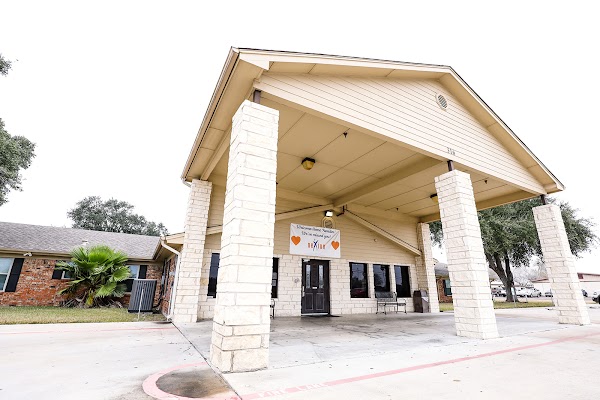
Aug 2023 3 deficiencies
CONCERN (D) 📢 Someone Reported This

A family member, employee, or ombudsman was alarmed enough to file a formal complaint

Potential for Harm - no one hurt, but risky conditions existed

Abuse Prevention Policies (Tag F0607)

Could have caused harm · This affected 1 resident

**NOTE- TERMS IN BRACKETS HAVE BEEN EDITED TO PROTECT CONFIDENTIALITY** Based on interview and record review, the facility failed to take appropriate actions during an investigation of an unwitnessed ...

Read full inspector narrative →
**NOTE- TERMS IN BRACKETS HAVE BEEN EDITED TO PROTECT CONFIDENTIALITY** Based on interview and record review, the facility failed to take appropriate actions during an investigation of an unwitnessed accident in that facility policy required investigations to be prompt, comprehensive and responsive to the situation and contain founded conclusions for 1 of 1 (Resident #1) residents reviewed for incidents/accidents. Resident #1 experienced a fractured right humerus. During the investigation no conclusion was drawn as to how the injury occurred. This incident was reported to the state on 6/17/2023. This failure could affect residents by having unnecessary or inappropriate remedies implemented, or having no appropriate remedies implemented to ensure resident safety. Findings include: Record review of Resident #1's clinical record's face sheet revealed an [AGE] year-old female with the diagnoses of other specified disorders of bone density and structure (unspecified site), Alzheimer's disease, dementia, abnormal gait, humerus fracture. Record review of Resident #1's Care Plan, accessed on 7/20/2023 at 3:30 PM, indicated Resident #1 had limited physical mobility r/t muscle weakness. Interventions revealed Resident #1 was WEIGHT-BEARING with transfers. She required the assistance of one staff. Record review of the Minimum Data Set (MDS) dated [DATE] indicated Resident #1 experienced a significant change. Resident #1 had a documented BIMS score of 03 out of 15, indicating severe cognitive impairment. A review of Resident #1's medical notes dated 6/17/23 at 5:50 AM and written by LVN B indicated CNA C notified charge nurse that resident was complaining of right arm pain, charge nurse assessed arm and noted three discolorations to right arm on forearm 3.5cm x3.5cm, above elbow 8cm x2cm and on elbow2.5cm x1.5cm, PRN pain medication administered, communication note sent to physician, VS- 96%, 67-P, 106/61, 18-RR, will ask morning nurse to contact RP due to early morning hours. During an interview with CNA C on 8/7/2023 at 3:33 PM she indicated she went to change Resident #1 on 6/17/2023 around 1 PM and barely touched her arm and Resident #1 said her arm hurt. CNA C said she moved her sleeve and saw a bruise. Record review of Resident #1's medical notes dated 6/17/2023 at 1:26 AM, written by LVN B, indicated LVN B texted PCP with request for X-ray. Record review of Resident #1's medical notes dated 6/17/2023 at 12:35 PM, written by LVN B, indicated RP was notified. Record review of Resident #1's medical notes dated 6/17/2023 at 4:00 PM, written by LVN B, indicated X-ray was performed. A review of Resident #1's medical notes dated 6/17/2023 at 7:14 PM, written by LVN B, indicated RP was not available to be informed of positive x-ray results. The facility medical director ordered Resident #1 to the ER for a second opinion of x-ray interpretation. A review of Resident #1's medical notes dated 6/17/2023 at 7:36 PM, written by LVN B, indicated EMS was notified to pick Resident #1 up from facility and transport to ER. A review of Resident #1's medical notes dated 6/17/2023 at 10:24 PM and written by MDS coordinator indicated: Received report from RN at Local Hospital ER that the resident (Resident #1) had a mild displacement with fracture to right humeral neck and is to keep sling in place until follow up with ortho of PCP choice. Floor nurse and DON made were made aware. During an interview and observation of Resident #1 on 7/20/2023 at 3:45 PM, she expressed no pain. Resident #1 was able to follow simple requests. Resident #1 was wearing socks on her feet and could not display a full range of motion when requested to move her feet. Resident #1 was unable to describe her injury, or how her injury occurred. Resident #1 was in no obvious distress. During an interview with Resident #1's daughter on 8/8/2023 at 10:40 AM she said the facility DON told her they did not know how her mother broke her arm and that her mother did not fall. During an interview with the DON on 7/21/2023 at 11:20 AM, she stated she did not want to assume anything and therefore did not reach a conclusion as to what probably happened with the resident. When asked why the bruise looked elongated, as if Resident #1 had banged her arm on a table or bar, she said she did not know. No conclusion as to what happened or what probably happened was forthcoming. During an interview with CNA E on 8/8/2023 at 3:40 PM she said she worked from 2 to 10 on 6/16/2023. She said Resident #1 usually takes a nap after dinner and does not get out of bed again until breakfast. CNA E said she did not remember changing Resident #1, but probably changed her before 10 PM. CNA E said they always do a last round before leaving. CNA C said there was nothing out of the ordinary. During an interview with hospitality aid D on 8/8/2023 at 4:05 PM she said she probably interacted with Resident #1 but does not remember. Hospitality aid D said the next time she came to work, Resident #1 was a Hoyer lift. Record review of the facility's Provider Investigation Report #431171 included: Resident chart notes 6/16/2023 - 6/17/2023 in-service: abuse and neglect dated 6/17/2023 in-service: gait belt transfers dated 6/17/2023 Attestation form of gait belt requirement (all direct care staff) Grievance log July, June, May, April, March: no trends Record review of Abuse Policy (5/01/01 Revised 5/28/2021) indicated: The facility will thoroughly investigate all alleged violations and take appropriate actions. Investigations will be prompt, comprehensive and responsive to the situation and contain founded conclusions.
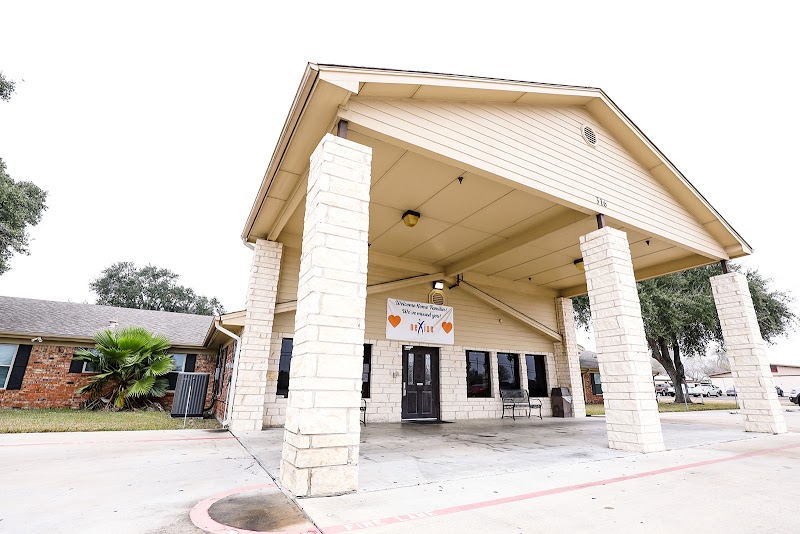
CONCERN (D) 📢 Someone Reported This

A family member, employee, or ombudsman was alarmed enough to file a formal complaint

Potential for Harm - no one hurt, but risky conditions existed

Comprehensive Care Plan (Tag F0656)

Could have caused harm · This affected 1 resident

**NOTE- TERMS IN BRACKETS HAVE BEEN EDITED TO PROTECT CONFIDENTIALITY** Based on observation, interview, and record review the facility failed develop and implement a comprehensive person-centered car...

Read full inspector narrative →
**NOTE- TERMS IN BRACKETS HAVE BEEN EDITED TO PROTECT CONFIDENTIALITY** Based on observation, interview, and record review the facility failed develop and implement a comprehensive person-centered care plan for each resident, consistent with resident needs, that include measurable objectives and time frames to meet residents' physical needs for 1 of 1 (Resident #1) residents reviewed for care plans. The facility failed to develop a care plan to address Resident #1's fractured Humerous, which is the largest bone in the upper arm. This failure could affect residents by placing them at risk of not having their needs met. Findings include: Record review of Resident #1's face sheet revealed an 85 y/o female with diagnoses of other specified disorders of bone density and structure (unspecified site), Alzheimer's disease, dementia , abnormal gait, and a Humerus fracture. Record review of Resident #1's Care Plan, accessed on 7/20/2023 at 3:30 PM indicated Resident #1 had limited physical mobility r/t muscle weakness. Interventions revealed Resident #1 was WEIGHT-BEARING with transfers. She required the assistance of one staff. Record review of the admission Minimum Data Set (MDS) dated [DATE] indicated Resident #1 experienced a significant change. Resident #1 had a documented BIMS score of 03 out of 15, indicating severe cognitive impairment. A review of Resident #1's medical notes dated 6/17/23 at 5:50 AM indicated: CNA C notified charge nurse that resident was complaining of right arm pain, charge nurse assessed arm and noted three discolorations to right arm on forearm 3.5cm x3.5cm, above elbow 8cm x2cm and on elbow2.5cm x1.5cm, PRN pain medication administered, communication note sent to physician, VS- 96%, 67-P, 106/61, 18-RR, will ask morning nurse to contact RP due to early morning hours. A review of Resident #1s medical notes from 6/17/2023 at 2200 (10:00 PM) indicated: Received report from RN at Local Hospital ER that the resident has a mild displacement with fracture to right humeral neck and is to keep sling in place until follow up with ortho of PCP choice. Floor nurse and DON made aware. During an interview and observation of Resident #1 on 7/20/2023 at 3:45 PM, she expressed no pain. Resident #1 was able to follow simple requests. Resident #1 was wearing socks on her feet and could not display a full range of motion when requested to move her feet. Resident #1 was unable to describe her injury, or how her injury occurred. Resident #1 was in no obvious distress. During an observation on 7/20/2023 at 3:45 PM all staff on hall had gait belts available. During an interview and observation of Resident #1 on 7/20/2023 at 3:45 PM with CNA E she said Resident #1 could not walk and used a Hoyer Lift to get from her bed to her wheelchair. During an interview with DON on 7/20/2023 at 3:50 PM, she said she thought there should be a care plan for that (using a Hoyer Lift). The DON said they could possibly be providing incorrect care. During an interview with the MDS coordinator on 7/20/2023 at 4:00 PM, she said they just changed Resident #1's transfer requirements to a Hoyer lift, and she just updated her care plan. During an interview with the DON on 7/21/2023 at 9:00 AM, she said she thought they had 5 days once the incident investigation was done to do the care plan. The DON said the MDS coordinator had been on vacation and that is why the care plan was late. During an interview with CNA E and CNA B on 7/21/2023 at 4:25 PM, they said they received a turnover report and were told then Resident #1 was a Hoyer lift now because of her arm. Record review of Care Plan Policy (Nexion 10-2022; Reviewed [DATE]) indicated the comprehensive, person-centered care plan is developed within (7) days of the completion of the required comprehensive assessment (MDS). Assessments of residents are ongoing and care plans are revised as information about the residents and the residents' conditions change.
CONCERN (D) 📢 Someone Reported This

A family member, employee, or ombudsman was alarmed enough to file a formal complaint

Potential for Harm - no one hurt, but risky conditions existed

Infection Control (Tag F0880)

Could have caused harm · This affected 1 resident

**NOTE- TERMS IN BRACKETS HAVE BEEN EDITED TO PROTECT CONFIDENTIALITY** Based on observation, record review, and interview, the facility failed to establish and maintain an infection prevention and co...

Read full inspector narrative →
**NOTE- TERMS IN BRACKETS HAVE BEEN EDITED TO PROTECT CONFIDENTIALITY** Based on observation, record review, and interview, the facility failed to establish and maintain an infection prevention and control program, designed to provide a safe, sanitary, and comfortable environment and to help prevent the development and transmission of communicable diseases and infections, for one of (Resident #2) of five residents that were reviewed for infection control and transmission-based precautions policies and practices, in that: NA A did not perform hand hygiene prior to commencement of perineal care. NA A proceeded to clean perineal area without performing hand hygiene and maintained usage of dirty gloves throughout care. These failures could place residents at risk for infection through cross contamination of pathogens. The findings included: Record review of Resident #2's Face Sheet dated 07/21/2023, admitted originally 03/28/2019, with readmission date, documented a [AGE] year-old female with the following diagnoses of: dementia, cognitive communication deficit, pain, bipolar disorder (serious mental illness that causes unusual shifts in mood, ranging from extreme highs (mania or manic episodes) to lows (depression or depressive episode), type two diabetes mellitus (a chronic condition that affects the way the body processes blood sugar). Record review of Resident #2's MDS dated [DATE] documented 7 out of 15 BIMS score suggesting severe cognitive impairment. As well as extensive dependency of staff to assist in activities of daily living. Record review of Resident #2's Comprehensive Care Plan date initiated 03/01/2021 and revised 06/02/2023 stated, Focus: Resident #2 has episodes of bowel/bladder incontinence r/t Dementia and Impaired mobility. Goal: Resident #2 will remain free from skin breakdown due to incontinence and brief use. Interventions: brief use: Resident #2 uses disposable briefs. Change q 2 hours and prn. Clean peri-area with each incontinence episode. Incontinent: check q2 hours and as required for incontinence. Resident #2 requests not to be disturbed during hours of sleep. Wash, rinse, and dry perineum. Change clothing PRN after incontinence episodes. Observation on 07/21/2023 at 2:57 PM NA A knocked and entered Resident #2's room and was granted permission from Resident #2 to perform perineal care. NA A washed her hands for 40 seconds and proceeded to grab Resident #2's bed remote to reposition the resident's bed using their bare hands. NA A continued by pulling string from Resident #2s overhead light, removed Resident #2's blankets and unlatched Resident #2's brief that was visibly soiled, all bare handed. After touching the multiple surfaces with bare hands, NA A did not perform hand hygiene prior to applying clean gloves. NA A commenced the perineal care, once finished with the perineal area, NA A turned R#2 to the left side by grabbing Resident #2's right leg and lifting the right leg up and over to the left side of bed. NA A then proceed to remove her dirty gloves and applied a new pair of clean gloves without performing hand hygiene, followed by cleaning excrement from R#2's gluteal folds. During interview on 07/21/2023 at 3:12 PM with NA A, inquired about the procedural steps taken on Resident #2's perineal care. To which NA A responded, she should have performed hand hygiene after touching the multiple surfaces prior to perineal care. NA A stated she was nervous and was overthinking in her head. NA A stated once she was done cleaning the perineum area, she should have removed her dirty gloves, performed hand hygiene, and applied a new pair of gloves prior to turning Resident #2. NA A stated by performing hand hygiene followed by applying a new set of gloves before performing rectum cleaning care, would be a preventative measure to promote infection control and minimize potential of cross contamination. NA A stated by touching the bed remote, light string, Resident #2's blanket and soiled brief, followed then by Resident #2's perineal area, could have exposed Resident #2 to infectious microorganisms. NA A stated she was in serviced about infection control and hand hygiene two weeks ago but was nervous and forgot her training. During interview on 07/21/2023 at 4:02 PM with the DON, she stated prior to the commencement of perineal care, NA A should have performed hand hygiene after touching the multiple surfaces as a preventative measure to assist in infection control. The DON stated by not performing hand hygiene and glove change prior to turning Resident #2, NA A potentially exposed Resident #2 to infectious microorganisms or potential spread of bacteria. When DON was asked the reasoning as to why these specific steps were necessitated, the DON replied to minimize risk of infection. The DON stated it is a standard of practice to clean from cleanest to dirtiest. The DON stated she facilitated an in-service on perineal/incontinent care not too long ago. The DON stated she will weekly select four to five random clinical staff members and request they perform skills check off. The DON stated each skill check off is focused on infection control. Record Review of Hand Hygiene Policy, revision date 10/2020 stated, 7. Use an alcohol-based hand rub containing at least 62% alcohol; or alternatively, soap (antimicrobial or non-antimicrobial) and water for the following situations: b. Before and after direct contact with residents; d. Before performing any non-surgical invasive procedures; h. Before moving from a contaminated body site to a clean body site during resident care; j. After contact with blood or bodily fluids; l. After contact with objects (e.g., medical equipment) in the immediate vicinity of the resident; m. After removing gloves; Record review of the facility's Hand Hygiene/ Infection Control In-service dated July 19, 2023 indicated that NA A was not in attendance Record Review of the CDC Guidelines regarding Hand Hygiene in Healthcare Settings, last reviewed January 8, 2021, stated, Healthcare providers should use an alcohol-based hand rub or wash with soap and water for the following clinical indications: Immediately before touching a patient, before performing an aseptic task (e.g., placing an indwelling device) or handling invasive medical devices, before moving from work on a soiled body site to a clean body site on the same patient, after touching a patient or the patient's immediate environment, after contact with blood, body fluids or contaminated surfaces, and immediately after glove removal.
Feb 2023 3 deficiencies
CONCERN (E)

Potential for Harm - no one hurt, but risky conditions existed

Food Safety (Tag F0812)

Could have caused harm · This affected multiple residents

Based on observation, interview, and record review, the facility failed to store, prepare, distribute, and serve food by professional standards for food service safety for 1 of 1 kitchen reviewed and ...

Read full inspector narrative →
Based on observation, interview, and record review, the facility failed to store, prepare, distribute, and serve food by professional standards for food service safety for 1 of 1 kitchen reviewed and 1 of 3 med room nutrition refrigerators in that: The steam table was not clean The shelf on the steam table was not clean The juice gun and rest tray were not clean The ice machine was not clean The refrigerator temperatures were above the required minimum The dishwasher temperatures were below the required minimum There were unlabeled foods in the med room nutrition refrigerator These failures could place residents at serious risk for complications from food contamination, and/or foodborne illness. Findings were: Observations of the kitchen during the initial tour on 02/21/23 at 10:15 AM revealed: The juice gun & rest tray was covered with a thick, sticky-looking substance. The steam table wells had thick, flaking, crusty yellowish, and brown substances in each of the 4 compartments. The shelf above the steam table had a brown substance the entire width of the underside of the shelf, above the food compartments. The underside of the shelf above the steam table had pieces of brown substance hanging down from it, above the food compartments. The ice machine had dots of a black fuzzy substance inside all over the ice chute and a white fuzzy substance around the rim of the inside of the door. The can opener had debris on it. Observation of the med room nutrition refrigerator in the 200 hallway on 02/21/23 at 12:15 PM revealed a package of grapes and a container of food that were both unlabeled and had no resident name on them. Observation and interview with the MS on 02/21/23 at 01:50 PM regarding the ice machine, the MS stated the last time the ice machine was cleaned was about a month ago. The MS demonstrated what parts of the machine he cleaned and stated the black dots on the ice chute were always there and he tried scrubbing it before. Some of the black dots came off when he rubbed his finger on them. The MS stated that very hard water in the facility caused the substances. The MS stated the white substance around the inside of the door was dust. The MS stated he was responsible for ceaning the ice machine. The MS stated he cleaned the ice machine monthly. The ice machine remained as described throughout the survey. Observations and interview with the DM on 02/22/23 beginning at 09:10 AM: the DM stated the steam table was basically cleaned every two days on a rotating schedule by the cooks. The DM stated, the steam table wells had looked that way (thick, flaking, crusty yellowish, and brown substances in all compartments) for 5 years since she was first employed at this facility. The DM stated, we wash the wells and scrub them but it doesn't come off. The DM stated she had not reported it because they had always been that way and she did not know it was wrong. The DM stated she was unaware of the condition of the underside of the shelf above the steam table. The DM stated the brown substance looked like rust. The DM stated it was important to keep equipment clean because the residents were at risk of getting sick if something dropped into the food on the steam table from the bottom of the shelf. The DM stated it was likely the brown stuff had fallen into the food on the steam table. The DM stated the wells in the steam table could harbor germs. The DM stated the cooks were responsible for cleaning the steam table. The DM stated the shelf above the steam table was part of the steam table, but the staff did not clean it. The DM stated the stuff on the shelf above the steam table could fall into the food or attract gnats. The DM stated it was important so they wouldn't have contaminations, gnats and things falling into food. The DM stated, the residents could get sick-pretty badly. Observation of the dishwasher temperature/chemical logs documented the temperature to be below the minimum 120F for 15 of 31 days in January 2023, 8 of 22 days in February, and 3 days in February were not logged at all. The DM stated she was not sure what the temperature should be, only that she was taught the temperature gauge had to be in the green zone on the temperature gauge. [The green zone on the temperature gauge showed 135F-145F] The DM stated the chemical testing strips (used to determine correct sanitation levels) were not reading since the beginning of the month (February), but she noticed values had been logged. The DM stated she asked her staff how they were determining those values and none of them would say. The DM stated the logs had been falsified. The DM stated she obtained new testing strips from the vendor on 02/21/23. The DM stated the vendor showed her the expiration date on the vial she had been using, and the test strips were outdated. The DM stated she was unaware of the expiration dates on the vials, or that the vials had expiration dates. The DM stated she had informed the MS about the refrigerator temperatures being above the required 41F in January 2023, but nothing had been done to fix it. The DM stated the process for reporting malfunctioning or broken equipment was to let the MS know. The kinds of food not stored at the appropriate temperature were butter, milk, cheeses, mayonnaise, dressing, eggs, opened pickles and relish [the labels read refrigerate after opening], various vegetables, pre-made sandwiches, breads, and left-over foods; bagged scrambled eggs, chopped sausage and pork. [The current refrigerator temperature was 40F] During an interview with LVN A on 02/21/23 at 12:17 PM, LVN A stated all food and drinks that belong to the residents should have their name, date, and contents labeled. LVN A stated since there was only 1 resident who kept food in there, they knew it was his. When asked if someone else put something in the refirgerator belonging to another resident, how would anyone one know what belonged to whom? LVN A stated she would label the items, and it was the nurses responsibility to label residents items in the refrigerators. Interviews with COOK A and COOK B on 02/22/23 at 09:30 AM: COOK A stated she was new and had not cleaned the steam table. COOK B stated when it was his turn, he washed out the steam table wells and scrubbed them as best he could. COOK B stated the wells had always been that way. During an interview with the MS on 02/22/23 at 04:36 PM regarding the refrigerator temperatures: the MS stated the thermostat had been getting stuck in the open position and that would cause the temperatures to be off. The MS stated he knew nothing of the logbook from January 2023 to now, documenting higher than the required minimum of 41F. The MS stated the thermostat had been replaced a couple of hours ago. The MS stated the process for reporting malfunctioning equipment was to let him know and he would either attempt to fix it himself or call the vendor for repairs. The MS denied having been informed about the temperatures in January 2023. The MS stated every morning, the first thing he did was to check all the doors, then look at the temperature gauges on the refrigerators and freezer in the kitchen. The MS stated he never looked at the logbooks. During an interview with the ADM on 02/23/23 at 01:00 PM, she stated the process of reporting malfunctioning equipment was for anyone to place the request in the facility's electronic maintenance log, to inform a supervisor or the ADM. The ADM stated she checked the electronic maintenance log this morning and there were no requests from the kitchen. The ADM stated she was conducting weekly rounds in the kitchen that did not include reviewing the logbooks. The ADM stated the DM was responsible for training new kitchen staff but was obviously not teaching them the right way if she herself did not know. The ADM stated she was ultimately responsible for the kitchen. Record review of the refrigerator temperature logs, 20 days of 31 in January 2023 were above the minimum safe temperature of 41F, and 3 days were not logged at all. The high temperatures in January ranged from 41F to 58F. For 12 of 22 days in February 2023 were above the minimum safe temperature of 41F, with 2 days not logged at all. The high temperatures in February ranged from 41F to 50F. Record review of the facility's policy titled Refrigerator and Freezers dated 10/2022 stated: This facility will ensure safe refrigerator and freezer maintenance, temperatures, and sanitation .1) Acceptable temperature ranges are 35F to 40F for refrigerators .3) Monthly tracking sheets will include time, temperature, initials, and action taken. The last column will be completed only if temperatures are not acceptable. [There was no column for action taken on the tracking sheets.] 5. The supervisor will take immediate action if temperatures are out of range. Actions necessary to correct the temperatures will be recorded on the tracking sheet, including the repair personnel and/or department contacted. Record review of the facility policy titled Sanitization dated 10/2022 stated: The food service area shall be maintained in a clean and sanitary manner. 2) All utensils, counters, shelves, and equipment shall be kept clean, and maintained in good repair and shall be free from breaks, corrosions, open cracks, and chipped areas that may affect their use or proper cleaning .8) Low-temperature dishwasher a) Wash temperature (120F) 12) Ice machines .will be drained, cleaned and sanitized per manufacturer's instructions and facility policy. 17) The food service manager will be responsible for scheduling staff for regular cleaning of the kitchen and dining areas. Food service staff will be trained to maintain cleanliness throughout their work areas .
MINOR (C) 📢 Someone Reported This

A family member, employee, or ombudsman was alarmed enough to file a formal complaint

Minor Issue - procedural, no safety impact

Deficiency F0801 (Tag F0801)

Minor procedural issue · This affected most or all residents

Based on interviews, and record review, the facility failed to designate a person to serve as director of food and nutrition services who is a qualified dietary manager 1 of 1 facility in that: The fa...

Read full inspector narrative →
Based on interviews, and record review, the facility failed to designate a person to serve as director of food and nutrition services who is a qualified dietary manager 1 of 1 facility in that: The facility has been without a certified dietary manager since 10/01/2018. This failure could result in the dietary needs of all residents served by the kitchen not being met. Findings included: Record review of the DM's Personnel file on 02/21/23 revealed that the facility's current Dietary Manager was hired on 10/01/18. The file contained documentation that the Dietary Manager had completed a precertification course on 06/20/20, but contained no other qualifications. An interview with the DM on 02/21/23 at 2:30 PM revealed that she completed her coursework in June 2020. The DM stated she applied for testing for her DM certification in January 2022. The DM stated something happened at the testing center and the program locked up and kicked her out. The DM stated she attempted the test again in August 2022 and failed. The DM provided proof to re-test on 03/15/23. The DM did not respond as to why testing had still not been completed. The DM stated there had been no interim DM assigned. During an interview on 02/23/23 at 1:00 PM, the ADM confirmed the system failure at the testing center in January 2022. The ADM also stated the DM attempted testing again in August 2022 but failed. The ADM was unable to provide any documentation/transcripts as proof of attendance. The ADM stated she had not been following up weekly with DM to assure compliance with the certification exam was complete. The ADM did not answer the question as to why a corporate (or other) interim DM had not been assigned since the December 2021 survey. The ADM stated there was an RD, but the RD was not full-time.
MINOR (C)

Minor Issue - procedural, no safety impact

Garbage Disposal (Tag F0814)

Minor procedural issue · This affected most or all residents

Based on observations, interviews and record review the facility failed to dispose of garbage and refuse properly for 1 of 1 grease traps reviewed in that: The grease trap was not being used Used gre...

Read full inspector narrative →
Based on observations, interviews and record review the facility failed to dispose of garbage and refuse properly for 1 of 1 grease traps reviewed in that: The grease trap was not being used Used grease was disposed of via a plastic bag into the dumpster This failure could place residents at risk of infection and vermin from improperly disposed of used grease. The Findings were: Observation and interview with the DM on 2/22/23 at 9:25 AM revealed no grease traps behind the dumpsters. The DM stated the grease traps stored behind the dumpster had been stolen approximately 1 year ago. When asked how used grease was disposed of, the DM stated, we put it in a plastic trash bag and throw it in the dumpster (the DM demonstrated to this surveyor how this was accomplished, simulating water for grease). The DM stated she had made the MS and the ADM aware of the stolen grease traps a year ago, but nothing had been done about it. The DM also stated she did not follow up with the MS or ADM because she thought they would take care of it. The DM stated she was unaware of any other means of grease disposal. Interview with COOK A and COOK B on 02/22/23 at 09:30 AM, both stated they did not know what the procedure was for the disposal of used grease. Observation and interview with the ADM on 02/22/23 at 10:30 AM regarding the grease traps stated, we have a grease trap. The ADM showed this surveyor the access point and clean out located in the ground behind the facility for disposal and pick up of used grease. The ADM stated grease was to be poured into the 3-compartment sink which drained into the underground grease trap. The ADM stated she did not know why the kitchen staff responsible for the disposal of used grease were unaware of the procedure. The ADM stated the grease trap had been there for at least a year. Record review of the facility policy titled, Sanitization dated 10/2022 stated: The food service area shall be maintained in a clean and sanitary manner. 13) Kitchen wastes that are not disposed of by mechanical means shall be kept in clean, leakproof, nonabsorbent, tightly closed containers and shall be disposed of daily.
Dec 2022 1 deficiency
MINOR (C) 📢 Someone Reported This

A family member, employee, or ombudsman was alarmed enough to file a formal complaint

Minor Issue - procedural, no safety impact

Deficiency F0801 (Tag F0801)

Minor procedural issue · This affected most or all residents

Based on interviews and record review, the facility failed to designate a person to serve as director of food and nutrition services who is a certified dietary manager for 1 of 1 facility reviewed for...

Read full inspector narrative →
Based on interviews and record review, the facility failed to designate a person to serve as director of food and nutrition services who is a certified dietary manager for 1 of 1 facility reviewed for qualified dietary personnel in that: The facility has been without a certified dietary manager since 10/01/18. This failure could result in the dietary needs of all residents served by the kitchen not being met. Findings included: A Personnel file review revealed that the facility's current DM was hired on 10/01/18. The file contained documentation that the Dietary Manager had completed a precertification course on 06/20/20. An interview with the DM on 12/28/22 at 2:30 PM revealed that she completed her coursework in June 2020. She said she applied for testing in January 2022. She said something happened at the testing center and the program locked up and kicked her out. She said she attempted the test again in August 2022 and failed. She said she had not re-applied since then. She said she called the testing center today and got disconnected, then emailed the testing center and was waiting on a response to find out if she would have to pay out of pocket or if corporate would pay. She did not respond as to why testing had still not been completed. During an interview on 12/29/22 at 12:34 PM, the ADM stated the system failure at the testing center in January 2022 and indicated the DM was reimbursed by the testing center. The ADM also confirmed the DM attempted testing again in August 2022 but failed. She said she thought DM took the course but had not been able to pass the test. The ADM said she had the ultimate responsibility for the follow-through of the plan of care dated 1/31/22 from the December 2021 annual survey when they were cited for unqualified dietary personnel. Furthermore, ADM said she had not been following up weekly with DM to assure compliance with the certification exam was complete.
Understanding Severity Codes (click to expand)
Life-Threatening (Immediate Jeopardy)
J - Isolated K - Pattern L - Widespread
Actual Harm
G - Isolated H - Pattern I - Widespread
Potential for Harm
D - Isolated E - Pattern F - Widespread
No Harm (Minor)
A - Isolated B - Pattern C - Widespread

Questions to Ask on Your Visit

  • "Can I speak with families of current residents?"
  • "What's your RN coverage like on weekends and overnight?"

Our Honest Assessment

Strengths
  • • 40% turnover. Below Texas's 48% average. Good staff retention means consistent care.
Concerns
  • • 20 deficiencies on record, including 1 serious (caused harm) violation. Ask about corrective actions taken.
Bottom line: Mixed indicators with Trust Score of 68/100. Visit in person and ask pointed questions.

About This Facility

What is Lone Star Ranch Rehabilitaion And Healthcare Cente's CMS Rating?

CMS assigns Lone Star Ranch Rehabilitaion and Healthcare Cente an overall rating of 4 out of 5 stars, which is considered above average nationally. Within Texas, this rating places the facility higher than 99% of the state's 100 nursing homes. This rating reflects solid performance across the metrics CMS uses to evaluate nursing home quality.

How is Lone Star Ranch Rehabilitaion And Healthcare Cente Staffed?

CMS rates Lone Star Ranch Rehabilitaion and Healthcare Cente's staffing level at 3 out of 5 stars, which is average compared to other nursing homes. Staff turnover is 40%, compared to the Texas average of 46%. This relatively stable workforce can support continuity of care.

What Have Inspectors Found at Lone Star Ranch Rehabilitaion And Healthcare Cente?

State health inspectors documented 20 deficiencies at Lone Star Ranch Rehabilitaion and Healthcare Cente during 2022 to 2025. These included: 1 that caused actual resident harm, 16 with potential for harm, and 3 minor or isolated issues. Deficiencies causing actual harm indicate documented cases where residents experienced negative health consequences.

Who Owns and Operates Lone Star Ranch Rehabilitaion And Healthcare Cente?

Lone Star Ranch Rehabilitaion and Healthcare Cente is owned by a for-profit company. For-profit facilities operate as businesses with obligations to shareholders or private owners. The facility is operated by NEXION HEALTH, a chain that manages multiple nursing homes. With 146 certified beds and approximately 83 residents (about 57% occupancy), it is a mid-sized facility located in Kingsville, Texas.

How Does Lone Star Ranch Rehabilitaion And Healthcare Cente Compare to Other Texas Nursing Homes?

Compared to the 100 nursing homes in Texas, Lone Star Ranch Rehabilitaion and Healthcare Cente's overall rating (4 stars) is above the state average of 2.8, staff turnover (40%) is near the state average of 46%, and health inspection rating (4 stars) is above the national benchmark.

What Should Families Ask When Visiting Lone Star Ranch Rehabilitaion And Healthcare Cente?

Based on this facility's data, families visiting should ask: "Can I visit during a mealtime to observe dining assistance and food quality?" "How do you handle medical emergencies, and what is your hospital transfer rate?" "Can I speak with family members of current residents about their experience?"

Is Lone Star Ranch Rehabilitaion And Healthcare Cente Safe?

Based on CMS inspection data, Lone Star Ranch Rehabilitaion and Healthcare Cente has a clean safety record: no substantiated abuse findings (meaning no confirmed cases of resident harm), no Immediate Jeopardy citations (the most serious violation level indicating risk of serious injury or death), and is not on the Special Focus Facility watch list (a federal program monitoring the lowest-performing 1% of nursing homes). The facility has a 4-star overall rating and ranks #1 of 100 nursing homes in Texas. While no facility is perfect, families should still ask about staff-to-resident ratios and recent inspection results during their visit.

Do Nurses at Lone Star Ranch Rehabilitaion And Healthcare Cente Stick Around?

Lone Star Ranch Rehabilitaion and Healthcare Cente has a staff turnover rate of 40%, which is about average for Texas nursing homes (state average: 46%). Moderate turnover is common in nursing homes, but families should still ask about staff tenure and how the facility maintains care continuity when employees leave.

Was Lone Star Ranch Rehabilitaion And Healthcare Cente Ever Fined?

Lone Star Ranch Rehabilitaion and Healthcare Cente has been fined $8,190 across 1 penalty action. This is below the Texas average of $33,161. While any fine indicates a compliance issue, fines under $50,000 are relatively common and typically reflect isolated problems that were subsequently corrected. Families should ask what specific issues led to these fines and confirm they've been resolved.

Is Lone Star Ranch Rehabilitaion And Healthcare Cente on Any Federal Watch List?

Lone Star Ranch Rehabilitaion and Healthcare Cente is not on any federal watch list. The most significant is the Special Focus Facility (SFF) program, which identifies the bottom 1% of nursing homes nationally based on persistent, serious quality problems. Not being on this list means the facility has avoided the pattern of deficiencies that triggers enhanced federal oversight. This is a positive indicator, though families should still review the facility's inspection history directly.