BRAZOS VALLEY CARE HOME

605 S AVE F, KNOX CITY, TX 79529 (940) 658-3543
For profit - Corporation 66 Beds SLP OPERATIONS Data: November 2025
Trust Grade
68/100
#195 of 1168 in TX
Last Inspection: October 2024

Within standard 12-15 month inspection cycle. Federal law requires annual inspections.

Overview

Brazos Valley Care Home has a Trust Grade of C+, indicating it is decent and slightly above average among nursing homes. It ranks #195 out of 1,168 facilities in Texas, placing it in the top half, but is #2 out of 2 in Knox County, meaning there is only one facility nearby that is rated higher. Unfortunately, the facility's trend is worsening, as it has seen an increase in issues from 5 in 2023 to 10 in 2024. Staffing is a significant concern, with a poor rating of 1 out of 5 stars and RN coverage less than 82% of Texas facilities, which raises worries about the quality of care residents receive. Notably, there have been serious incidents, including a resident falling due to improper transfer assistance, leading to a bleeding surgical wound, and the facility failing to provide RN coverage consistently for several days, risking unmet nursing needs. While the facility does maintain a good quality measures rating and has a relatively low staff turnover of 38%, these strengths are overshadowed by critical staffing deficiencies and incidents that could compromise resident safety.

Trust Score
C+
68/100
In Texas
#195/1168
Top 16%
Safety Record
Moderate
Needs review
Inspections
Getting Worse
5 → 10 violations
Staff Stability
○ Average
38% turnover. Near Texas's 48% average. Typical for the industry.
Penalties
○ Average
$8,018 in fines. Higher than 62% of Texas facilities. Some compliance issues.
Skilled Nurses
⚠ Watch
Each resident gets only 13 minutes of Registered Nurse (RN) attention daily — below average for Texas. Fewer RN minutes means fewer trained eyes watching for problems.
Violations
⚠ Watch
18 deficiencies on record. Higher than average. Multiple issues found across inspections.
★★★★☆
4.0
Overall Rating
★☆☆☆☆
1.0
Staff Levels
★★★★★
5.0
Care Quality
★★★★☆
4.0
Inspection Score
Stable
2023: 5 issues
2024: 10 issues

The Good

  • 5-Star Quality Measures · Strong clinical quality outcomes
  • Full Sprinkler Coverage · Fire safety systems throughout facility
  • No fines on record
  • Staff turnover below average (38%)

    10 points below Texas average of 48%

Facility shows strength in quality measures, fire safety.

The Bad

Staff Turnover: 38%

Near Texas avg (46%)

Typical for the industry

Federal Fines: $8,018

Below median ($33,413)

Minor penalties assessed

Chain: SLP OPERATIONS

Part of a multi-facility chain

Ask about local staffing decisions and management

The Ugly 18 deficiencies on record

1 actual harm
Oct 2024 5 deficiencies
CONCERN (D)

Potential for Harm - no one hurt, but risky conditions existed

Respiratory Care (Tag F0695)

Could have caused harm · This affected 1 resident

**NOTE- TERMS IN BRACKETS HAVE BEEN EDITED TO PROTECT CONFIDENTIALITY** Based on observation, interview, and record review, the facility failed to ensure that a resident who needed respiratory care, w...

Read full inspector narrative →
**NOTE- TERMS IN BRACKETS HAVE BEEN EDITED TO PROTECT CONFIDENTIALITY** Based on observation, interview, and record review, the facility failed to ensure that a resident who needed respiratory care, was provided such care, consistent with professional standards of practice for 1 (Resident #28) of 5 residents reviewed for respiratory care. The facility failed to ensure that Resident #28's oxygen tubing was replaced every seven (7) days, according to physician's orders. This failure could place residents at risk for respiratory compromise and infection. Findings included: Review of Resident #28's face sheet revealed a [AGE] year-old male with an admission date of 02/04/21 with the following diagnoses: Chronic Obstructive Pulmonary Disease (airflow blockage and breathing-related problems), Congestive Heart Failure (heart condition), Chronic Kidney Disease (condition causing kidneys to not function properly ), Gastroesophageal Reflux Disease (digestive condition), Peripheral Vascular Disease (circulatory condition that reduces blood flow to the limbs), acquired absence of right leg below the knee, complete traumatic amputation of left leg at knee level, anxiety disorder, and hypertension (high blood pressure). Record review of Resident #28's annual MDS dated [DATE] revealed a BIMS (Brief Interview for Mental Status) score of 15, indicating the resident was cognitively intact. Section O - Special Treatments, Procedures and Programs revealed Resident #28 used oxygen therapy while a resident. Record review of Resident #28's comprehensive care plan, dated 07/25/24, revealed resident #28 required oxygen therapy related to Chronic Obstructive Pulmonary Disease. Record review of #28's current Physician Orders dated 03/06/24 revealed an order for oxygen to be administered at 2 liters/minute per nasal cannula (tube in nostrils) every shift as needed. Record review of Resident #28's Medication Administration History dated 09/01/24-09/30/24, revealed an order to change oxygen tubing, cannula/mask once a week. During an observation and interview on 10/02/24 at 11:30 AM, Resident #28 had oxygen being administered at 2 liters/minute via nasal cannula. Oxygen tubing was dated 09/22/24. Resident stated staff usually changed out his oxygen tubing on the night shift and he did not recall when staff had last changed it. During an observation on 10/02/24 at 2:16 PM, Resident #28's oxygen tubing was dated 09/22/24. During an observation on 10/03/24 at 11:07 AM, Resident #28's oxygen tubing was dated 09/22/24. During an interview on 10/04/24 at 12:34 PM with the ADM, he stated he was not sure what the facility policy stated regarding changing of oxygen tubing. He stated nursing administration was responsible for assuring oxygen tubing was changed according to physician's orders. He stated he assumed staff had been trained on proper dispensing of oxygen therapy and changing oxygen tubing per orders. When asked to give a potential negative outcome for failure to change oxygen tubing per orders, the ADM stated he was not comfortable answering the question because he was not a clinician. During an interview on 10/04/24 at 12:50 PM with the DON, she stated the facility policy for changing oxygen tubing was that it was done every Sunday on the night shift and as needed. She said the night shift nurse was responsible for changing oxygen tubing. She stated she was responsible for assuring oxygen tubing was changed according to physician's orders. She stated staff are trained on proper dispensing of oxygen upon hire, annually and as needed. The DON stated a potential negative outcome for failure to change oxygen tubing according to physician's orders was an increased risk for infection. Record review of the facility-provided policy titled Oxygen Administration, revised October 2010, revealed: Purpose The purpose of this procedure is to provide guidelines for safe oxygen administration. Preparation 1. Verify that there is a physician's order for this procedure. Review the physician's orders or facility protocol for oxygen administration.
CONCERN (D)

Potential for Harm - no one hurt, but risky conditions existed

Medical Records (Tag F0842)

Could have caused harm · This affected 1 resident

**NOTE- TERMS IN BRACKETS HAVE BEEN EDITED TO PROTECT CONFIDENTIALITY** Based on observation, interview and record review, the facility failed to maintain clinical records in accordance with accepted ...

Read full inspector narrative →
**NOTE- TERMS IN BRACKETS HAVE BEEN EDITED TO PROTECT CONFIDENTIALITY** Based on observation, interview and record review, the facility failed to maintain clinical records in accordance with accepted professional standards and practices that were complete and accurately documented for 1 (Resident #28) of 13 residents reviewed for clinical records. The facility failed to accurately document an oxygen tubing change for resident #28. This failure could place residents at risk of inaccurate and incomplete care. Findings included: Review of Resident #28's face sheet revealed a [AGE] year-old male with an admission date of 02/04/21 with the following diagnoses: Chronic Obstructive Pulmonary Disease (airflow blockage and breathing-related problems), Congestive Heart Failure (heart condition), Chronic Kidney Disease (condition causing kidneys to not function properly ), Gastroesophageal Reflux Disease (digestive condition), Peripheral Vascular Disease (circulatory condition that reduces blood flow to the limbs), acquired absence of right leg below the knee, complete traumatic amputation of left leg at knee level, anxiety disorder, and hypertension (high blood pressure). Record review of Resident #28's annual MDS dated [DATE] revealed a BIMS (Brief Interview for Mental Status) score of 15, indicating the resident was cognitively intact. Section O - Special Treatments, Procedures and Programs revealed Resident #28 used oxygen therapy while a resident. Record review of Resident #28's comprehensive care plan, dated 07/25/24, revealed resident #28 required oxygen therapy related to Chronic Obstructive Pulmonary Disease. Record review of #28's current Physician Orders dated 03/06/24 revealed an order for oxygen to be administered at 2 liters/minute per nasal cannula (tube in nostrils) every shift as needed. Record review of Resident #28's Medication Administration History dated 09/01/24-09/30/24, revealed an order to change oxygen tubing, cannula/mask once a week. Record review of Resident #28's Medication Administration History dated 09/01/24-09/30/24 revealed LVN A inaccurately signed for an oxygen tubing change on 09/29/24 for Resident #28, that did not occur. During an observation and interview on 10/02/24 at 11:30 AM, Resident #28 had oxygen being administered at 2 liters/minute via nasal cannula. Oxygen tubing was dated 09/22/24. Resident stated staff usually changed out his oxygen tubing on the night shift and he did not recall when staff had last changed it. During an observation on 10/02/24 at 2:16 PM, Resident #28's oxygen tubing was dated 09/22/24. During an observation on 10/03/24 at 11:07 AM, Resident #28's oxygen tubing was dated 09/22/24. During a phone interview on 10/04/24 at 11:39 AM with LVN A, she stated she worked the night shift, and she took care of Resident #28. She stated the facility policy for changing oxygen tubing was that the night nurses change them once a week, usually on Sunday night. She stated on 9/29/24 she documented that she changed Resident #28's oxygen tubing but did not change the tubing. She stated she usually pre-charts her initials ahead of time on routine things that she will be performing during her shift. She stated on 09/29/24 she failed to go back and remove her initials from Resident #28's Medication Administration History for the ordered oxygen tubing change. LVN A stated a potential negative outcome for not changing oxygen tubing and inaccurately documenting the change would be increased risk of infection and inaccurate resident care. During an interview on 10/04/24 at 12:34 PM with the ADM, he stated he assumed that the facility policy for accurate documentation of resident health records was that they were kept accurately. He stated nursing administration was responsible for staff training and monitoring of accurate documentation. He stated his expectation of staff for accurate documentation was that they follow policy and always document accurately in the health record. The ADM stated he did not want to speculate on the potential negative outcome for failure to accurately document resident health records because he was not a clinician. During an interview on 10/04/24 at 12:50 PM with the DON, she stated she was not aware that Resident #28's Medication Administration History contained inaccurate documentation for an oxygen tubing change on 09/29/24. She stated the facility policy for accurate documentation of resident health records was that nursing staff do not predate while charting and they assure accuracy of the health record. She stated staff were trained on proper documentation practices approximately quarterly. She stated her expectation of staff for accurate documentation practices was that they practice documentation accuracy at all times. She stated accuracy of documentation was monitored by the DON doing rounds and reviewing the records. She stated a potential negative outcome for failure to accurately document resident health records was inaccuracies and errors in care. Record review of the facility-provided policy titled Charting and Documentation, revised July 2017, revealed: Policy Statement .The medical record should facilitate communication between the interdisciplinary team regarding the resident's condition and response to care. Policy Interpretation and Implementation . 3. Documentation in the medical record will be objective (not opinionated or speculative), complete, and accurate. . 7. Documentation of procedures and treatments will include care specific details, including: a. The date and time the procedure/treatment was provided.
CONCERN (D)

Potential for Harm - no one hurt, but risky conditions existed

Safe Environment (Tag F0921)

Could have caused harm · This affected 1 resident

Based on observations, interviews, and record reviews the facility failed to provide a safe, functional, sanitary, and comfortable environment for residents, staff, and the public, on facility grounds...

Read full inspector narrative →
Based on observations, interviews, and record reviews the facility failed to provide a safe, functional, sanitary, and comfortable environment for residents, staff, and the public, on facility grounds in 1 of 2 smoking areas (North patio smoking area). The facility failed to ensure the grounds in the smoking area was free from trash. This failure could attract unwanted pests and cause the facility to have an unsightly appearance. The findings included: On 10/03/24 at 2:47 PM, an observation was made of the North patio smoking area. 1 plastic spoon, 10 pieces of white and clear miscellaneous trash, and 11 cigarette butts were noted in the grass area. On 10/03/24 at 4:51 PM, an observation was made of the North patio smoking area. 1 plastic spoon, 10 pieces of white and clear miscellaneous trash, and 11 cigarette butts were noted in the grass area. On 10/04/24 at 9:51 AM, an observation was made of the North patio smoking area. 1 plastic spoon, 10 pieces of white and clear miscellaneous trash, and 11 cigarette butts were noted in the grass area. On 10/04/24 at 10:16 AM, an interview was conducted with the Housekeeping Supervisor (HS) and he stated the Maintenance Supervisor (MS) and himself were responsible for keeping the grounds outside the facility clean of trash. The HS stated the housekeepers went to the smoking area to take out the trash only, not to pick up the trash in the grass/yard. The HS stated the MS and himself usually cleaned trash out of the yard every Wednesday, but it did not happen this week. The HS stated the last time the smoking area grounds had been cleaned of trash was the previous Wednesday on 09/25/24. The HS stated he was busy with survey duties this week and that was why the trash had not been picked up yet. The HS stated he did not know of a potential negative outcome to the residents and stated the trash did look bad in the North patio smoking area. On 10/04/24 at 10:31 AM, an interview was conducted with the MS and he stated the HS and himself were responsible for keeping the grounds outside the facility clean from trash. The MS stated they were trained to pick up trash on Wednesdays, but it was not done this week due to survey duties performed. The MS stated he did not know a potential negative outcome to the residents. On 10/04/24 at 10:41 AM, an interview was conducted with the Adm and he stated the HS and the MS were responsible for picking up trash outside on the facility grounds. The Adm stated the wind blows frequently in that area and that was probably why there was trash in the North patio smoking area. The Adm stated he did not know a potential negative outcome to the residents. The Adm was asked for a policy related to trash in the smoking area or on facility grounds outside and he stated he was not sure if the facility had one, but he would look. Record review of the facility policy and procedure titled, Maintenance Policies & Procedures, undated, reflected the following: b. Clean up any debris, especially broken glass, on sidewalks and patios immediately. All debris is a potential hazard to our residents
CONCERN (E)

Potential for Harm - no one hurt, but risky conditions existed

Infection Control (Tag F0880)

Could have caused harm · This affected multiple residents

Based on observation, interview, and record review the facility failed to maintain an infection prevention and control program designed to provide a safe, sanitary and comfortable environment and to h...

Read full inspector narrative →
Based on observation, interview, and record review the facility failed to maintain an infection prevention and control program designed to provide a safe, sanitary and comfortable environment and to help prevent the development and transmission of communicable diseases and infections for 3 of 14 residents (Resident #11, #30 and #34) and 1 of 4 staff (LVN A) reviewed for infection control. LVN A failed to properly clean a multi-use medical device between each resident during medication administration for Resident #11, #30 and #34. These failures could place residents at risk for spread of infection and cross contamination. Findings included: During a medication pass observation on 10/03/24 at 08:58 AM, LVN A picked up the wrist blood pressure device from the top of the medication cart and took it to the room of Resident #11 and took her blood pressure on the left wrist. She then took the wrist blood pressure device and placed it on top of the medication cart. LVN A did not sanitize the wrist blood pressure device before or after use. During a medication pass observation on 10/03/24 at 09:27 AM, LVN A picked up the wrist blood pressure device from the top of the medication cart and took it to the room of Resident #30 and took her blood pressure on the right wrist. She then took the wrist blood pressure device and placed it on top of the medication cart. LVN A did not sanitize the wrist blood pressure device before or after use. During a medication pass observation on 10/03/24 at 09:46 AM, LVN A picked up the wrist blood pressure device from the top of the medication cart and took it to the room of Resident #34 and took her blood pressure on the left wrist. She then took the wrist blood pressure device and placed it on top of the medication cart. LVN A did not sanitize the wrist blood pressure device before or after use. During an interview on 10/03/24 at 10:04 AM with LVN A, she stated she did not sanitize the wrist blood pressure device prior to initial use on medication pass. She stated she did not sanitize the wrist blood pressure device between residents. LVN A stated the wrist blood pressure device should be sanitized between residents. She stated she had been trained on cross-contamination through her nursing education. She stated she was an agency nurse but received training by the DON for proper infection control practices as needed. LVN A stated the DON updated her on current training prior to working assigned shifts at the facility. LVN A stated there was a book of training kept at the nurse's station and it was the nurses' responsibility to review current training in the book. She stated a potential negative outcome for failure to sanitize multi-use devices between residents would be the transfer of diseases and infection. During an interview on 10/03/24 at 10:11 AM with the DON, she stated staff had not been trained to sanitize multi-use blood pressure cuffs between residents. She stated blood pressure cuffs were considered a non-critical item and the facility's policy did not require sanitizing those items. She stated she was responsible for conducting training for nursing staff and training was usually conducted on a one-to-one basis. She stated staff were trained on infection control practices upon hire and as needed. The DON stated a potential negative outcome for failure to sanitize multi-use devices between residents would be increased risk of infection to residents. In a subsequent interview on 10/04/24 at approximately 01:30 PM with the DON, she stated staff should sanitize multi-use blood pressure cuffs at the end of each shift and when they became soiled. The DON stated the best quality of care practice would be to sanitize all multi-use devices between residents. During an interview on 10/04/24 at 12:34 PM with the ADM, he stated he was not aware that staff were not sanitizing multi-use blood pressure devices between residents. He stated he could not quote the facility policy for properly sanitizing multi-use devices. The ADM stated nursing administration was responsible for staff training on infection control practices and proper sanitizing of multi-use devices. He stated his expectation of staff for properly sanitizing multi-use devices was that they follow orders. He stated a potential negative outcome for failure to properly sanitize multi-use devices would be the transmission of infection. Record review of the facility-provided policy titled Cleaning and Disinfection of Non-Critical Resident-Care Items, revised April 2020, revealed: Purpose The purpose of this procedure is to provide guidelines for disinfection of non-critical resident-care items. General Guidelines . 3. The following categories are used to distinguish the levels of sterilization/disinfection necessary for items used in resident care: . c. Non-critical items are those that come in contact with intact skin but not mucous membranes. (I) Non-critical resident-care items include bedpans, blood pressure cuffs, crutches and computers. (2) Most non-critical reusable items can be decontaminated where they are used (as opposed to being transported to a central processing location). . 4. Intermediate and low-level disinfectants for non-critical items include: a. Ethyl or isopropyl alcohol; b. Sodium hypochlorite (5.25-6.15% diluted 1:500 or per manufacturer's instructions); c. Phenolic germicidal detergents; d. Iodophor germicidal detergents; and e. Quaternary ammonium germicidal detergents (low-level disinfection only). Record review of the facility-provided policy titled Administering Medications, revised April 2019, revealed: Policy Statement Medications are administered in a safe and timely manner, and as prescribed. Policy Interpretation and Implementation . 21. Staff follows established facility infection control procedures (e.g., handwashing, antiseptic technique, Gloves, isolation precautions, etc.) for the administration of medications, as applicable.
CONCERN (F)

Potential for Harm - no one hurt, but risky conditions existed

Deficiency F0727 (Tag F0727)

Could have caused harm · This affected most or all residents

Based on interviews and record review, the facility failed to use the services of a Registered Nurse (RN) for at least eight consecutive hours a day, seven days a week in the facility for 34 (4/1, 4/3...

Read full inspector narrative →
Based on interviews and record review, the facility failed to use the services of a Registered Nurse (RN) for at least eight consecutive hours a day, seven days a week in the facility for 34 (4/1, 4/3, 4/6, 4/7, 4/8, 4/10, 4/11, 4/12, 4/13, 4/14, 4/20, 4/21, 4/27, 4/28, 5/7, 5/10, 5/11, 5/12, 5/24, 5/25, 5/28, 5/29, 5/30, 5/31, 6/1, 6/2, 6/7, 6/8, 6/14, 6/15, 6/21, 6/22, 6/25, and 6/29/2024) of 91 days reviewed for RN coverage. The facility failed to maintain RN coverage of eight hours a day for 34 days. This failure could place residents at risk of not having their nursing and medical needs met and receiving improper care. Findings included: Record review of the facility's employee survey roster dated 10/2/24 revealed there were no RNs employed at the facility. Record review of Schedule Sheet dated April 2024 revealed there was not an RN scheduled to work on (4/1, 4/3, 4/6, 4/7, 4/8, 4/10, 4/11, 4/12, 4/13, 4/14, 4/20, 4/21, 4/27, and 4/28/2024). Record review of Schedule Sheet dated May 2024 revealed there was not an RN scheduled to work on (5/7, 5/10, 5/11, 5/12, 5/24, 5/25, 5/28, 5/29, 5/30, and 5/31/2024). Record review of Schedule Sheet dated June 2024 revealed there was not an RN scheduled to work on (6/1, 6/2, 6/7, 6/8, 6/14, 6/15, 6/21, 6/22, 6/25, and 6/29/2024). During an interview on 9/26/24 at 3:45 PM, the DON stated the facility did not have any RN coverage in April 2024 and that she covered some days in May and June 2024. She stated there were no other RNs employed at the facility in April, May, and June 2024 besides herself. During an interview on 9/26/24 at 4:25 PM, the DON stated she was not able to print out the RN time detail to show that No RN's were covering on the dates in question. She stated she did not punch in on a timesheet because she was a salaried employee. During an interview on 9/26/24 at 4:47 PM, the contracted staffing agency employee stated she was contacted by the facility about needing RNs to work at the facility. She stated she was not able to find any RN's that were willing to work at that facility. During an interview on 9/27/24 at 12:08 PM, the DON stated the facility was actively trying to employ an RN. She stated they had a strong online recruitment presence in social media and recruitment websites. She stated they had a job fair last year and would have another one on 10/8/24. She stated they were in communication with the Texas Workforce Commission. She stated, last year the previous ADM went to Midwestern University to try to recruit new graduates. She stated they did not have RN coverage in April, May, and June 2024 except on the days she worked because they were not able to get anyone hired and their weekend RN quit. She stated they started using a new contracted agency for RNs on June 26th to help provide RN staff when needed and have had coverage since. She stated the previous contracted staffing agency they used in April, May, and most of June were not consistent and most of the agency staff they said they assigned would not show up for the shift. She stated the facility policy required RN coverage 8 hours 7 days a week. She stated she was aware of all the days in April, May, and June that there was no RN coverage. She informed the corporate office of not having the RN coverage and was told to continue to actively look for one. She stated she was contacted by staff on each day of when the agency staff did not show up. She stated she thought the ADM was responsible to ensure RN coverage. She stated she was not required to fill those shifts to her understanding. She stated there was not necessarily a training she received for RN coverage requirements, but she was aware of the requirement from the Code of Federal Regulations and the State Operations Manual. She stated having an RN on coverage provided additional clinical skills. She stated LVNs could not administer IV lines (tube placed inside a vein) or IV push medications, however they did not accept those type of residents who require services that only RNs could do. She stated Hospice and she could pronounce deaths. She stated she did not think there was a negative outcome to not having RN coverage because the facility had all the necessary resources for LVNs to utilize such as Telehealth, a medical director they could call, the hospital was one block away from the facility, and emergency medical services could arrive within one minute. She stated she felt residents would get all their needs met by the LVNs, CNAs, and all other staff working at the facility. She stated she felt the RN was just another person working in the building. During an interview on 9/27/24 at 12:55 PM, the ADM stated he believed the facility policy required RN coverage for 8 hours per day, but he was not sure because he did not have the policy in front of him. He stated he was aware there were issues with RN coverage because they had implemented a Performance Improvement Plan during a Quality Assessment and Performance Improvement meeting. He stated he had been trying to get staff hired. He stated he placed advertisements in various places such as social media and the newspaper, and they will attend a job fair soon. He stated the facility used agency RNs to try and fill RN coverage shifts as well. He stated they facility and staff had access to Telehealth and their Medical Director was very responsive on weekends and holidays. He stated he could not recall receiving a specific training on RN coverage. He stated there were no other RNs on staff during the months of April, May, and June 2024 besides the DON. He stated he was responsible for ensuring RN coverage. He stated he did not think he could answer that question of what a negative outcome to the resident could be by not having RN coverage since he was not a clinician. He stated staff had access to Telehealth, if needed. He stated the DON could cover some of the shifts when an RN was needed however, he did not expect her to cover every shift because she could not work every day. Record review of the policy provided by the facility titled, Staffing, revised 9/28/23 revealed in part the following: Policy Statement - Our center provides sufficient nursing staff with the appropriate skills and competencies necessary to provide care and related services to ensure resident safety and attain or maintain the highest practicable physical, mental, and psychosocial well-being of each resident in accordance with resident care plans and the facility assessment. Policy and Implementation 4. The facility utilizes the services of a registered nurse for at least 8 consecutive hours a day, 7 days a week.
Sept 2024 1 deficiency
CONCERN (E) 📢 Someone Reported This

A family member, employee, or ombudsman was alarmed enough to file a formal complaint

Potential for Harm - no one hurt, but risky conditions existed

Deficiency F0761 (Tag F0761)

Could have caused harm · This affected multiple residents

**NOTE- TERMS IN BRACKETS HAVE BEEN EDITED TO PROTECT CONFIDENTIALITY** Based on observation, interview, and record review; the facility failed to ensure drugs and biologicals were stored and labeled ...

Read full inspector narrative →
**NOTE- TERMS IN BRACKETS HAVE BEEN EDITED TO PROTECT CONFIDENTIALITY** Based on observation, interview, and record review; the facility failed to ensure drugs and biologicals were stored and labeled in accordance with currently accepted professional principles when applicable for 2 of 7 residents (Resident #1 and #2) reviewed for pharmacy services. The facility failed to prevent the misappropriation of Resident #1's Depakote (Divalproex for mood/behavior), when LVN A took a blister pack of Depakote from Resident #2 and placed Resident #1's pharmacy label on top of Resident #2's pharmacy label. This failure could place residents at an increased risk for not receiving their prescribed medication as ordered. This failure could result in residents not receiving an accurate dose of medication as well as not being maintained at their best therapeutic level. Findings include: Record review of Resident #1's Resident Face Sheet dated 09/05/24 indicated she was a [AGE] year-old female who was admitted to the facility 05/05/16. Resident #1 diagnoses included Schizophrenia (a disorder that affects a person's ability to think, feel, and behave clearly), mild cognitive impairment (early stage of memory loss or other cognitive ability loss), and generalized anxiety disorder (severe, ongoing anxiety that interferes with daily activities). Record review of Resident #1's Quarterly Minimum Data Set (MDS) dated [DATE] revealed she scored a 99 on her Brief Interview for Mental Status (BIMS), because she was unable to complete the interview; Section E indicated she displayed physical behavioral symptoms towards others (hitting, kicking, pushing, scratching, grabbing, and abusing others sexually) every one to three days. Record review of Resident #1's Care Plan dated 06/19/24 indicated on 06/18/24 Divalproex for mood/behavior was included to this plan. Record review of Resident #1's Prescription Order dated 02/09/24 revealed an order for Divalproex sprinkles, delayed release sprinkles, 125 milligrams (mg) amount: 4 capsules, oral. Record review of Resident #1's Medication Administration Record dated 08/01/24 to 08/31/24 included Divalproex sprinkles capsule, delayed sprinkles, 125 mg, administer 4 capsules orally at 5:30 pm, and 3 capsules orally at 9 am and 12 pm. The record indicated Resident #1 was administered the medication throughout August 2024. Record review of Resident #1's Progress Note dated 08/24/14 indicated the pharmacy was contacted by the DON and questioned as to why Resident #1's Divalproex was not sent when it was ordered on 08/22/24. The Pharmacist stated it was too soon to fill the order; however, once the pharmacist clarified the order, he would send backup medication. -Record review of Resident #2's Resident Face Sheet dated 09/05/24 indicated he was a [AGE] year-old-man admitted to the facility on [DATE] and readmitted [DATE]. Resident #2's diagnoses included neuroleptic parkinsonism (parkinsonism symptoms develop because of taking neuroleptic drugs/antipsychotics), schizoaffective disorder, (symptoms of hallucinations, delusions, and mood disorders) and cognitive communication deficit (difficulty with communication that's caused by a problem with cognition). Record review of Resident #2's Quarterly Minimum Data Set (MDS) dated [DATE] revealed he scored a 3 on his BIMS, indicating he had severe cognitive impairment. Record review of Resident #2's Care Plan dated 06/19/24 indicated on 08/29/24 medication (not specified) for his schizoaffective disorder bipolar type was added to this plan. Record review of Resident #2's Prescription Order dated 07/26/24 with start dated 07/26/24 included Depakote (Divalproex) capsule, delayed release sprinkle, 125 mg: amt: 4 caps: oral, once a day at 1:00 pm, for schizoaffective disorder, bipolar type related to aggressive/combative behavior. Record review of Resident #2's Medication Administration Record dated 08/01/24 to 08/31/24 included Divalproex sprinkles capsule, delayed sprinkles, 125 mg, administer 3 capsules orally at 9 am and 6 pm, and 4 capsules orally at 1 pm. The record indicated Resident #2 was administered the medication throughout August 2024. Record review of LVN B's written statement dated 08/24/24 at 5:14 pm indicated she informed the Director of Nurses (DON) that she discovered Resident #1's Depakote blister pack label was placed on top of Resident #2's Depakote blister pack label. LVN B indicated the StatSafe (facility's e-kit with back up medications) supply had enough to administer the medication as needed. On 08/21/24 LVN B said she notified the DON that Resident #1 would run out of Depakote on 08/21/24 and she had ordered the medication. LVN B said she was reminded by the DON that she should utilize StatSafe supply to prevent Resident #1 from missing her medication. Record review of LVN A's written statement dated 08/25/24 indicated she ordered Resident #1's Divalproex on 08/22/24; however, it was not delivered. LVN A said she borrowed Resident #2's Divalproex because he had 10 blister packs of the medication and once the medication was delivered for Resident #1, she would return a blister pack to Resident #2. LVN A said she did not want Resident #1 to miss her dosage of Divalproex because of her behaviors. Observation 0n 9/05/24 at 5:15 pm of Resident #2's Divalproex blister pack revealed it had Resident #2's label, which included Resident #2's name, room number, Divalproex 125 mg capsule (sprinkle), the brand: Depakote 125 mg capsule, and administer 3 capsules by mouth twice daily. On top of this label was Resident #1's label that had Resident #1's name, room number, Divalproex 125 mg capsule (sprinkle), the brand: Divalproex 125 mg capsule and administer 3 capsules by mouth twice daily at 9 am and 1 pm, and expiration date 07/30/25. During an interview on 09/05/24 at 1:55 pm with LVN A indicated on 08/24/24 at 5:14 pm she borrowed 1 card of Divalproex from Resident #2 to prevent Resident #1 from not receiving her Divalproex on the next shift, if case the pharmacy did not deliver this medication on time. Once Resident #1's Divalproex was delivered, she was going to return the new blister pack to Resident #2. LVN A said she was not aware Resident #1's Divalproex was increased and that's why she ran out early. LVN A said she did not notify Resident #1's physician or the DON that she was taking Resident #2's Depakote to give to Resident #1, and she knew that was not ok; however, Resident #1 needed it. LVN A said she did not administer Resident #2's medication to Resident #1, she was just making sure the next shift nurse had the medication to administer to Resident #1. LVN A said that was the first time she had ever taken a resident's medication to give to a different resident. During an interview on 09/05/24 at 4:55 pm with the Pharmacist indicated he had received a request to refill Resident #1's Divalproex on 08/24/24; however, it was after the pharmacy had closed. On 08/25/24, after receiving a call from the DON, he clarified Resident #1's multiple orders for Divalproex and then refilled the Divalproex . The Pharmacist said he would not advise anyone to change prescription labels between residents' blister packs and said there was a warning statement that's included on the blister packs that reflected: Caution/Warning: Federal and/or State law prohibits the transfer of this drug to any person other than patient for whom it was prescribed. During an interview on 09/05/24 at 4:09 pm with the DON said she was informed by LVN B that Resident #1 was running out of her Depakote, and she had ordered it. The DON said she called the pharmacy and questioned why Resident #1's medication was not refilled, and he said it was not time. Afterwards the pharmacist clarified Resident #1's Depakote order and confirmed he would immediately send the medication to the facility. The DON said the StatSafe had 10 Depakote capsules to use during an emergency and there was no need to take Resident #2's Depakote to give to Resident #1. The DON said Residents #2's Depakote was never administered to Resident #1 because the pharmacist sent the backup supply to the facility before Resident #1 ran out of her Depakote. The DON said she audited the residents' medications and found no concerns, nor did she discover any medication blister packs with a label belonging to a different resident. During an interview on 09/05/24 at 3:03 pm Physician C indicated he was informed LVN A placed Resident #1's label over Resident #2's label that was on his Depakote blister pack. Physician C said medically Resident #1 was not harmed, but administratively it was not appropriate for the nurse to borrow medication from a resident to give to another resident. The facility's Policy Statement for Labeling of Medication Containers dated 08/26/24 included All medications maintained in the facility shall be properly labeled in accordance with current state and federal regulations. The label must include the name of the resident and physician, (Note: the name of the resident and physician do not have to be on each unit dose package, but [NAME] be identified within the package in such a manner as to ensure that the drug is administer to the right resident. And only the dispensing pharmacy can label or alter the label on a medication container or package. The facility's Policy Statement for Emergency Medications dated April 2021 included that the emergency medication kit will include medication and biologicals that are essential in providing emergency treatment, and a physician's order is required to administer emergency medications and biologicals from this kit.
Jun 2024 4 deficiencies 1 Harm
SERIOUS (G) 📢 Someone Reported This

A family member, employee, or ombudsman was alarmed enough to file a formal complaint

Actual Harm - a resident was hurt due to facility failures

Accident Prevention (Tag F0689)

A resident was harmed · This affected 1 resident

**NOTE- TERMS IN BRACKETS HAVE BEEN EDITED TO PROTECT CONFIDENTIALITY** Based on interview and record review, the facility failed to ensure each resident received adequate supervision and assistive de...

Read full inspector narrative →
**NOTE- TERMS IN BRACKETS HAVE BEEN EDITED TO PROTECT CONFIDENTIALITY** Based on interview and record review, the facility failed to ensure each resident received adequate supervision and assistive devices to prevent accidents for 1 of 8 residents (Resident #2) reviewed for accidents. The facility failed to use an appropriate transfer for Resident #2 which resulted in a fall for Resident #2 and caused Resident #2's surgical wound from a below the right knee amputation to bleed. This failure could place residents at risk for harm and further injuries. The findings included: Record review of Resident #2's undated face sheet reflected Resident #2 was a [AGE] year-old male whose current admission date was on 2/4/2021, and a readmission to the facility on 4/7/24. Resident #2 had the following diagnoses: chronic obstructive pulmonary disease (airflow blockage and breathing-related problems), muscle weakness, acquired absence of right leg below knee (partial amputation of the right leg), complete traumatic amputation at knee level, left lower leg, subsequent encounter (partial amputation of the left leg), unspecified systolic (congestive) heart failure (heart condition), essential primary hypertension (high blood pressure), mood disorder (mental health condition), Anxiety disorder due to known physiological condition (mental health condition), and chronic kidney disease (gradual loss of kidney function). Record review of Resident #2's clinical record reflected his comprehensive MDS assessment was completed on 4/10/2024 listing him with a BIMS score of 13, which indicated he was moderately cognitively intact. Additionally, section GG - Functional Abilities and Goals revealed Resident #2 is dependent- requires supervision or touching assistance - Helper does all of the effort. Resident does none of the effort to complete the activity, or the assistance of 2 or more helpers is required for the resident to complete the activity. For chair/bed-to-chair transfers. Record review of Resident #2's physician orders dated 4/01/24 to 4/30/24 revealed an order dated 4/09/24 to maintain ace bandage to right stump until appointment on 4/17/20 and to monitor for bleeding and signs of complication during every shift. Physician orders further revealed an order dated 4/23/24 to change dressing to stump 3 times a week and to monitor for bleeding and signs of complication during every shift. Record Review of Resident #2's Care Plan, dated 4/25/24, revealed Resident #2 had a below the knee amputation. Interventions included the use of a sliding board for transfers or mechanical lift for transfers PRN. Evaluation notes dated 06/19/24 revealed Resident #2 was able to transfer themselves from the bed to the wheelchair with or without the use of a sliding board and that Resident #2 declined to use the mechanical lift. Record review of Resident #2's progress notes from 4/1/24 to 6/26/24 revealed no documentation of the fall described by the resident or facility staff. During an interview on 6/25/24 at 12:03 PM the DON stated LVN B presented her with a letter she received in the mail from the Texas Board of Nursing that stated she was being investigated for allowing a resident to fall causing an injury. The DON stated she was not aware the allegations listed in the letter against LVN B until being shown the letter as it was not reported to her by staff or the resident. During an interview on 6/25/24 at 1:37 PM, Admin D stated he spoke with LVN B about the letter she had received from the BON and the details in the letter, one was an allegation of an improper transfer that resulted in a fall. He stated the LVN B did try to transfer a resident and a fall happened. During an interview on 6/25/24 at 2:16 PM the corporate nurse stated she could not locate any documentation or any other records in the electronic health record referencing the fall involving Resident #2 and LVN B. During an interview on 6/25/24 at 3:36 PM, CNA E stated she witnessed LVN B and Resident #2 fall during a transfer. She stated she was not able to determine the date or time frame of when this incident occurred, but she believed it was shortly after Resident #2's surgery of when his leg was amputated a couple of months ago. She stated she could not recall the time of when it occurred, but she believed it would have happened between 3:00 PM and 7:00 PM. She stated on the day of the incident she, CNA F, and another staff were all asked to go into Resident #2's bedroom to assist with transferring him from the wheelchair to his bed. LVN B was asked if they were going to use the mechanical lift and LVN B replied she was going to transfer Resident #2 by bear hugging him and lifting him from the wheelchair to the bed. CNA E stated she observed LVN B bear hug Resident #2 face to face, then she stumbled backwards while lifting him, and then both she and Resident #2 fell backwards into a refrigerator, and then onto the floor. CNA E stated Resident #2 hit the incision on his right leg on the floor then it started to bleed. CNA E stated Resident #2 was on top of LVN B CNA E with his arms around her and his legs straddled around her body. CNA E stated she could not recall how LVN B got out from under resident #2. CNA E stated afterwards, they all worked together to lift Resident #2 off the ground and onto his bed. CNA E stated she left about 10 minutes later to return to her assigned hall to assist other residents. CNA E stated Resident #2 has never refused a transfer with a sliding board or the mechanical lift. CNA E stated Resident #2 used the sliding board to transfer himself or instructed staff to push his chair against his bed to transfer himself. During an interview on 6/25/24 at 3:54 PM CNA F stated she witnessed LVN B and Resident #2 fall during a transfer. She stated she could not determine the date or time frame of when this incident occurred, but she believed it was shortly after Resident #2's surgery of when his leg was amputated a couple of months ago (04/2024). CNA F stated she believed the incident occurred before 7:00 PM on the day it occurred. CNA F stated Resident #2 used his call light and told her he needed assistance with a transfer from his wheelchair to his bed. CNA F stated LVN B had transferred Resident #2 into his wheelchair earlier that day, so she understood that was why she was responsible to transfer him back to his bed. CNA F stated LVN B bear-hugged Resident #2 and picked him up from his wheelchair and stumbled and fell back into the refrigerator, and then they both fell onto the floor. CNA F stated they all helped get Resident #2 up and into bed by grabbing under his legs and arms and his leg when she saw blood on his leg. CNA F stated LVN B then went to get supplies for the blood and called the DON. CNA F stated the DON came and helped put new dressing on Resident #2's leg. CNA F stated Resident #2 moaned and made noises but did not say anything. CNA F stated Resident #2 asked about the blood, but he had not say he was in pain. CNA F stated she could not remember how LVN B got Residents #2 off her. CNA F stated Resident #2 was not taken to the hospital nor was emergency assistance called after the incident. During an interview on 6/25/24 at 4:47 PM, LVN C stated she was the charge nurse on the day LVN B and Resident #2 fell during a transfer. She stated she could not to determine the date or time frame of when this incident occurred, but she believed it may have been on a day that was not her regular workday that she came in to fill a shift. She stated the incident may have been two or three days after Resident #2's surgery of when his leg was amputated a couple of months ago. She stated she was aware that Resident #2's surgical incision had been bleeding when he readmitted from the hospital. She stated Resident #2 wanted to get in his wheelchair, but he refused to be transferred with the lift. She stated staff told Resident #2 that they must use the lift for transfers, but he refused again. She stated she had not wanted to transfer Resident #2 as it would not have been safe to transfer him without the lift. She stated she had been concerned that there would not have been any male staff on shift in the evening to help put him back in bed. LVN C stated she went on her lunch break. She stated she observed Resident #2 in his wheelchair when she returned from her lunch break. She stated staff told her that Resident #2 asked LVN B to transfer him into his wheelchair when she had walked by coming back from a smoke break. LVN C stated Resident #2 was ready to get back in bed later that evening, so she told CNA F to get LVN B, who was the charge nurse on a different unit, and to tell her she needed to put Resident #2 back in bed, and then she went to chart records. She stated LVN B approached her and asked why her staff could not complete the transfer, in which she replied to LVN B that since she was the one to take him out of bed then she needed to figure out how to put him back in bed. LVN C stated LVN B walked away. LVN C stated she had been charting records when she heard a loud commotion. She stated CNA E, CNA F, and another staff came and told her that LVN B hit the refrigerator and dropped Resident #2 on the floor. She stated LVN B said she called the DON due to the blood. She stated staff went to get supplies and the DON arrived about that time. She stated she observed blood on his bed the size of a soccer ball and that his bandage was soaked with blood. She stated the DON called the surgeon and was advised to monitor the incision for infection, and to call back if infection appeared. She stated she then left for the evening. She stated Resident #2 had not been taken to the hospital for this incident. She stated the next day, she was told not to document the incident in the post log by the DON because it was considered a transfer and not a fall. She stated there had not been any documentation completed to record the incident. She stated she helped apply the new dressing and observed the incision to be opened about one inch. She stated she helped put pressure on the incision and put a bandage on it. She stated she helped apply gauze and they were able to get the bleeding to stop after wrapping it for the third time. She stated Resident #2 already had an appointment that was scheduled shortly after (possibly a week's time), and that was the first time the incision was observed by a physician after the incident. She stated they received new orders from the physician and that they physician applied additional dressing on it. She stated at that time, there was not an order to use a mechanical lift for transfers, but she felt it was best to use it. She stated Resident #2 seemed to like to use the sliding board for transfers and that he refused the mechanical lift. Record review of a facility in-service dated 6/19/24 titled Falls and use of gait belt revealed: 26 staff signed. Record review of letter signed by ADM D on 6/20/24 titled LVN B Interview revealed: I interviewed LVN B on June 20, 2024. In response to the allegations contained in the letter that she received from the Board of Nursing, she reported the following: 2. As to Resident #2's fall, LVN B told me that she was working on the secured unit when the aides came and asked for her help in transferring Resident #2 into his bed. She had successfully transferred him to his wheelchair earlier that day. She left the unit to help them with the transfer. She entered Resident #2's room and attempted to lift him from his chair and into his bed. As she was doing this, he began kicking the stumps of his legs and this threw her off balance. She stumbled backwards and both of them landed on the floor with him on top of her. His brief was soaked with urine, and it went all over her scrubs. After that she helped the aides get him off the floor and into his bed. His stump was bleeding, and she told LVN C, his charge nurse about it bleeding. LVN C told LVN B that she had urine all over her and she shouldn't be changing his dressing. LVN B then gathered the supplies she needed and went to change Resident #2's dressing. LVN B then returned to the secured unit. She did not call the D.O.N. at that time to come in to help with the dressing. LVN B said she did call the DON the day that Resident #2 returned from the hospital after his amputation. He needed his dressing changed and she wasn't sure how to change it properly. She called the DON, and the DON came to the facility and helped her change the dressing. This was prior to when the fall occurred. The fall occurred one afternoon while the DON came to the facility one night to help with the dressing change . Record review of competency skills checklist and competency evaluation form dated 6/21/24 revealed LVN B demonstrated competencies met on transfers from bed to wheelchair using transfer belt and slide board transfer. LVN B also demonstrated competencies met on all but one competency on the assessment for lifting machine, using a mechanical. Record review of the facility in-service dated 6/24/24 titled Slide board transfer training revealed: 8 staff signed. Record review of the facility in-service dated 6/25/24 titled Abuse/Neglect/Exploitation/Misappropriation revealed: 22 staff signed. Record review of the facility in-service dated 6/25/24 titled Abuse, and neglect, and reporting revealed: 2 staff signed. Record review of letter signed by LVN C on 6/19/24 titled LVN C Interviewed revealed: On June 29, 2024, at approximately 1 :45 p.m., I interviewed LVN C about any information she may have concerning the allegations the facility had received about LVN B . LVN B also said that she was aware of Resident #2 falling soon after returning from the hospital from having his leg amputated. She stated that earlier in the day, LVN B had transferred him without using a lift. Resident #2 does not like to use the lift for transfer. Later in the day, he wanted to transfer again. LVN B again came to transfer him by herself without using a lift. At this time, when she lifted him, she stumbled backwards, hit the small refrigerator in his room, and both of them fell to the floor. She said that CNA F, CNA E, and another CNA had witnessed the fall. She had not. During an interview on 6/25/24 at 5:47 PM ADM A stated a bear hug transfer was an improper transfer and that staff were not trained to complete bear hug transfers on residents. During an interview on 6/25/24 at 5:55 PM, the Corporate Nurse stated their policy did not instruct staff to use bear hug transfers and that staff should not have done a bear hug transfer on Resident #2. She stated she was not able to locate any documentation referencing the fall. She stated LVN C was the charge nurse on Resident #2's hall and LVN B was the charge nurse on a different unit during the time of that incident. She stated she was able to determine LVN C was on lunch when LVN B transferred Resident #2 to his wheelchair that day. She stated LVN B was his preferred staff, so she helped. She stated he did not like the mechanical lift and sometimes he did not like use the sliding board for transfers. She stated they could not determine when it happened. She stated Resident #2 has said the lift chokes him and he refuses it. She stated a bear hug was not an appropriate transfer. She stated in that situation, she would have done a two person transfer with a sheet due to his weight. During an interview on 6/25/24 at 5:55 PM, the DON stated she used an Ace bandage and the bleeding resolved. She stated there was nothing more she needed to do. The DON she would not have transferred Resident #2 that day, but she cannot speak for LVN B on why she transferred him. She stated she preferred for Therapy to evaluate him before he was transferred, but they were not there that day. She stated it was not required for Therapy to assess the resident before he can be transferred but she would have used the mechanical lift instead. She stated LVN B was not told to transfer him that way. During an interview on 6/25/24 at 6:15 PM, LVN B stated she could not recall the date of the fall with Resident #2 but recalled the fall. LVN B stated staff asked her to transfer Resident #2 to bed. She stated she went in the room and Resident #2 refused the Hoyer, so she decided to lift him on her own. LVN B stated she stood in front of Resident #2 and he bear hugged her. LVN B stated, Resident #2 placed his arms around her neck and she placed her arms under his arms around his body and she lifted him up. LVN B stated, she stepped backwards lost her balance and fell and Resident #2 landed on top of her, straddling her. She stated Resident #2 pushed himself up with his hands and she scooted out from under him. She stated three staff assisted him off the floor and back in bed. LVN B stated Resident #2's stump was bleeding. She stated she had been trained on how to complete a proper transfer, but Resident #2 refused the Hoyer and she attempted to lift him herself to transfer him. During an interview on 6/26/24 at 1:00 PM, Resident #2 stated he recalled a fall where LVN B transferred him from his chair to his bed. Resident #2 stated he could not recall the date of this fall. Resident #2 stated LVN B transferred him by herself, without assistance from another staff. Resident #2 stated LVN B instructed him to put his arms around her, and LVN B wrapped her arms around his torso and lifted him. Resident #2 stated LVN B was supposed to turn and place him on the bed, but LVN B lost her balance and fell back, into his refrigerator. Resident #2 stated he fell on top of LVN B, straddling her. Resident #2 stated he was face to face with LVN B and was very close to her. Resident #2 stated he scooted himself off LVN B by pushing himself with his hands on LVN B's stomach until he reached the floor, in between LVN's legs. Resident #2 stated he hit both of his legs, on his stumps, when he fell with LVN B. Resident #2 stated it was painful on his right leg that had been recently amputated. Resident #2 stated the incision site, on his right leg bled after the fall, but he stated that it was not a lot. Resident #2 stated the DON and LVN B checked the incision site on his right leg and changed the dressings. Resident #2 stated he was usually transferred with two staff, using a sliding board. Resident #2 stated he did not like using the Hoyer lift because he felt claustrophobic and [NAME] as if he was choking. Resident #2 stated he could not remember exactly who was present during the fall, but he recalled CNA E, was present. Resident #2 stated LVN B did not ask for help when she transferred him from the CNA's that were present, and he did not know why. Resident #2 stated LVN B said she thought she could do it on her own, and he thought she could do it also. Resident #2 stated he has never been transferred by just one person before. Resident #2 stated LVN B did not say anything to him after the fall. During an interview on 6/26/24 at 1:59 PM, the COTA was asked if she would consider Resident #2 to be a safe one-person transfer and she stated, Absolutely not, it would not be safe. He was too heavy, and it could hurt the resident or myself. The COTA stated Resident #2 should never be transferred using a bear hug method due to having bilateral below the knee amputations and not being able to pivot to assist the person transferring him. Record review of facility provided policy titled, Falls and Fall Risks, Managing dated 07/2019, revealed: Based on previous evaluations and current data, the staff will identify interventions related to the resident's specific risks and causes to try to prevent the resident from falling and to try to minimize complications from falling. Policy Interpretation and Implementation Definition: According to the MDS, a fall is defined as: Unintentionally coming to rest on the ground, floor, or other lower level, but not a s a result of an overwhelming external force (e.g. a resident pushes another resident). An episode where a resident lost his/her balance and would have fallen, if not for another person or if he or she had not caught him/herself, is considered a fall. A fall without injury is still a fall. Unless there is evidence suggesting otherwise, when a resident is found on the floor, a fall is considered to have occurred. Challenging a resident's balance and training him/her to recover form loss of balance is an intentional therapeutic intervention. The losses of balance that occur during supervised therapeutic interventions are not considered a fall. Fall Risk Factors: 1. Environmental factors that contribute to the risk of falls include: a. Wet floors; b. Poor lighting; c. Incorrect bed height or width; d. Obstacles in the footpath e. Improperly filled or maintained wheelchairs, and f. Footwear that is unsafe or absent 2. Resident conditions that may contribute to the risk of falls include: a. Fever; b. Infection; c. Delirium and other cognitive impairment; d. Pain; e. Lower extremity weakness; f. Poor grip strength; g. Medication side effects; h. Orthostatic hypotension; i. Functional impairments; j. Visual deficits, and k. Incontinence 3. Medical factors that contribute to the risk of falls include: a. Arthritis; b. Heart failure; c. Anemia; d. Neurological disorders; and e. Balance and gait disorders; etc. Resident Centered Approaches to Managing Falls and Fall Risk 1. The staff, with the input of the attending physician, will implement a resident-centered fall prevention to reduce the specific risk factor(s) of falls for each resident at risk or with a history of falls. Monitoring Subsequent Falls and Fall Risk 1. The staff with monitor and document each resident's response to interventions intended to reduce falling or the risk of falling. Record review of facility provided policy titled, Assessing Falls and Their Causes dated 3/2018, revealed: The purpose of this procedure is to provide guidelines for assessing a resident after a fall and to assist staff in identifying causes of the fall. Steps in the Procedure After a Fall: 3. If there is evidence of injury, provide appropriate first aid and obtain medical treatment immediately. 4. If an assessment rules out significant injury, help the resident to a comfortable sitting, lying or standing position, and then document relevant details. 7. Document any observed signs or symptoms of pain, swelling, bruising, deformity, and/or decreased mobility, and any changes in level of responsiveness/consciousness and overall function. Note the presence or absence of significant findings. 7. Complete an incident report for resident falls no later than 24 hours after the fall occurs. The incident report form should be completed by the nursing supervisor on duty at the time and submitted to the Director of Nursing Services. Defining Detains of Falls: 1. After an observed or probable fall, clarify the details of the fall, such as when the fall occurred and what the individual was trying to do at the time the fall occurred. 2. For each individual, distinguish falls in the following categories: a. Rolling, sliding or dropping from an object (e.g., from bed or chair or floor) b. Falling while attempting to stand up from a sitting or lying position, or c. Falling while already standing and trying to ambulate Identifying Causes of a Fall or Fall Risk 1. Within 24 hours of a fall, begin to try to identify possible or likely causes of the incident. Refer to resident specific chains of events or circumstances proceeding a recent fall, including : a. Time of day of the fall; b. Time of the last meal; c. What the resident was doing; d. Whether the resident was standing, walking, reaching, or transferring from one position to another; e. Whether the resident was among other persons or alone; f. whether any environmental risk factors were involved (e.g. slippery floor, poor lighting, furniture, or objects in the way) and/or g. Whether the resident was trying to get to the toilet h. whether there is a pattern of this balls for this resident 3. Continue to collect and evaluate information until the cause of falling is identified or it is determined that the cause cannot be found. 4. as indicated, the attending physician will examine the resident or may initiate testing to try to identify causes. 5. consult with the attending physician or medical director to confirm specific causes from among multiple possibilities. when possible, document the basis for identifying specific factors as the cause. 6. if the cause is unknown but no additional evaluation is done, the physician or nursing staff should note why (e.g. workup already done, finding A cause would not change the approach, etc.). Documentation When a resident falls, the following information should be recorded in the residence medical record: 1. The condition in which the resident was found (e.g resident found lying on the floor between bed and chair) 2. Assessment data, including vital signs and any obvious injuries. 3. Interventions, first aid, or treatment administered. 4. Notification of the physician and family, as indicated. 5. Completion of a fall risk assessment. 6. Appropriate interventions taken to prevent future falls. 7. The signature and title of the person recording the data. Reporting 1. Notify the following individuals when a resident falls: a. The resident's family b. The attending physician (timing of notification may vary depending on whether injury was involved); c. The director of nursing services and d. The nursing supervisor on duty 2. Report other information in accordance with facility policy and professional standards of practice. Record review of facility provided policy titled, Falls - Clinical Protocol dated 3/2018, revealed: Assessment and recognition: 2. In addition, the nurse shall assess and document/report the following: a. Vital signs; b. Recent injury, especially fracture or head injury; c. Musculoskeletal function, observing for change in normal range of motion, weight bearing, etc.; d. Change in condition or level of consciousness; e. Neurological status; f. pain; g. Frequency and number of falls since the last position visit; h. Precipitating factors; details on how far all occurred; i. All current medications, especially those associated with dizziness or lethargy; and j. All active diagnosis 5. The staff will evaluate and document falls that occur while they invent individual is in the facility, for example when and where they happen, any observations of the event, etc. 6. All should be categorized as: a. Those that occur while trying to rise from a sitting or lying to an upright position; b. Those that occur while upright and attempting to ambulate; and c. Other circumstances such as sliding out of a chair or rolling from a low bed on the floor 7. Falls should also be identified as witnessed or unwitnessed events Record review of facility provided policy titled, Fall Prevention - Potential Interventions dated 5/2019, revealed: Intervention: Assistive Devices; Description: Other Intervention: Mobility; Description: Review transfer status Record review of facility provided policy titled, Safe Lifting and Movement of Residents dated 3/31/2023, revealed: In order to protect the safety and well-being of staff and residents, and to promote quality care, this facility uses appropriate techniques and devices to lift and move residents. Policy Interpretation and Implementation 1. resident safety, dignity, comfort and medical condition will be incorporated into goals and decisions regarding the safe lifting and moving of resident. 2. Manual lifting of residents shall be eliminated when feasible. 3. Nursing staff in conjunction with the real habilitation staff, shall assess individual residents needs 4 transfer assistance on an ongoing basis. Staff will document resident transferring and lifting needs in the care plan. Such assessment shall include: a. Residents' preferences for assistance, b. Residents' mobility (degree of dependency), c. Resident size, d. Weight bearing ability, e. Cognitive status, f. Whether the resident is usually cooperative with staff, and g. The residents' goal for rehabilitation, including restoring or maintaining functional abilities. 4. Staff responsible for direct resident care will be trained in the use of manual (gait/ transfer belts, lateral boards) and mechanical lifting devices. 5. Mechanical lifting devices shall be used for heavy lifting, including lifting, and moving residents when necessary. 6. Only staff with documented training on the safe use and care of the machines and equipment used in this facility will be allowed to lift or move residents.
CONCERN (D) 📢 Someone Reported This

A family member, employee, or ombudsman was alarmed enough to file a formal complaint

Potential for Harm - no one hurt, but risky conditions existed

Deficiency F0602 (Tag F0602)

Could have caused harm · This affected 1 resident

**NOTE- TERMS IN BRACKETS HAVE BEEN EDITED TO PROTECT CONFIDENTIALITY** Based on interview and record review, the facility failed to ensure a resident had the right to be free from abuse, neglect, mis...

Read full inspector narrative →
**NOTE- TERMS IN BRACKETS HAVE BEEN EDITED TO PROTECT CONFIDENTIALITY** Based on interview and record review, the facility failed to ensure a resident had the right to be free from abuse, neglect, misappropriation of property, and exploitation for 1 of 8 residents (Resident #1) reviewed for misappropriation of property. The facility failed to prevent the misappropriation of Resident #1's Synthroid/Levothyroxine (thyroid medication), when LVN B took the medication out LVN C's medication cart for her own personal use between 4/21/2024 through 4/28/2024 and/or 5/2/2024. This incident was witnessed by LVN C. This failure could place residents at an increased risk for not receiving their prescribed medication as ordered. Findings included: Record review of Resident #1's undated face sheet reflected Resident #1 was a [AGE] year-old male whose latest readmission to the facility on was 6/11/24, a current readmission date of 6/14/24, as well as a discharge date of 6/24/24. Resident #1 was his own resident representative with the following diagnoses: acute on chronic diastolic (congestive) heart failure (heart condition), Type 2 diabetes mellitus without complications (when the body does not use insulin properly), other specified hypothyroidism (underactive thyroid), schizoaffective disorder (mental health condition), and unspecified kidney failure (when your kidneys suddenly become unable to filter waste products from your blood). Record review of Resident #1's clinical record reflected his annual MDS assessment was completed on 6/28/2023 listing him with a BIMS score of 09, which indicated he was moderately cognitively impaired. Record review of Resident #1's medication administration record dated 4/1/2021 to 4/30/24 revealed an order for Levothyroxine tablet: 25 mcg; 1 tab once, a day, for a diagnosis of other specified hypothyroidism, for management of thyroid problems, with a start date of 12/06/23, and an end date of open ended. Record review of Resident #1's medication administration record dated 5/1/2021 to 5/31/24 revealed an order for Levothyroxine tablet: 25 mcg; 1 tab, once a day, for a diagnosis of other specified hypothyroidism, for management of thyroid problems, with a start date of 12/06/23, and an end date of open ended. Record review of letter signed by LVN C on 6/19/24 titled LVN C Interviewed revealed: On June 29, 2024, at approximately 1 :45 p.m., I interviewed LVN C about any information she may have concerning the allegations the facility had received about LVN B. LVN C reported there had been a day when she had left her med cart to get some supplies. When she returned, LVN B was in her cart. LVN B told LVN C that she needed some of Resident #1's Levo. LVN B was short of her own medication for a medical condition. LVN C said she does not give that med, other nurses do, but LVN B had a pill her hand and told LVN C she had taken some. Record review of letter signed by ADM D on 6/20/24 titled LVN B Interview revealed: I interviewed LVN B on June 20, 2024. In response to the allegations contained in the letter that LVN B received from the Board of Nursing, she reported the following: 3. I asked her about the allegation that she had taken one of Resident #1's Levothyroxine for her own personal use. She replied that she takes Levo and her prescription calls for her to take 175 Mg. The meds she has at her home are only 150 MG, they're 25 Mg short of what she needs. She said that she did go to the med cart and take one of Resident #1's out of the cart because his are 25 Mg and would make up the difference. She said that she did tell LVN B, that she needed to take the pill for herself because she was short. She carried the pill with her and went back to the unit. However, the more she thought about it, the more she realized she couldn't take it. LVN B reports that she then put the medication in a sharps container so that it would be destroyed. She also said that there was someone else on the unit at the time that saw her place the pill in the sharp's container, but she didn't recall exactly who was there. Record review of the facility in-service dated 6/21/24 titled Medication administration policy: Do not take meds for personal use revealed: LVN A signed. During an interview on 6/25/24 at 2:30 PM, the DON stated LVN B notified the facility on 6/18/2024 that she received a letter from The Texas Board of Nursing that LVN B was being investigated for taking a resident's medication. The DON stated the medication that LVN B took from the medication cart was Synthroid. The DON stated LVN B told another nurse (LVN C), she was going to take the medication out of the medication cart and take it for herself. The DON stated LVN B told her she decided to not take the pill and discarded it in the sharps container. During an interview on 6/25/24 at 4:47 PM, LVN C stated she was the charge nurse on the shift and had passed out medications, but she could not remember the date. She stated she parked the medication cart on south hall by the dining room when she stepped away to deal with another resident. She stated she turned around and saw LVN B in her medication cart. She said she had asked LVN B what she was doing and LVN B told her she was taking Resident #1's Levothyroxine because she had the same prescription at home but was short on her pills. She stated she observed LVN B pop the pill in her mouth, then she walked to the back of the facility. She stated LVN B was able to gain access to the medication cart because she left it unlocked. She stated she was not supposed to leave it unlocked. She stated staff were not supposed to take medications from the cart for personal use. During an interview on 6/25/24 at 6:15 PM, LVN B stated she had a prescription for Levothyroxine 150mg but needed to take 175mg pill, and off the top of her head she thought she would take one of Resident #1 Levothyroxine pills out of the medication cart. LVN B stated she walked to the front lobby and saw the medication cart and it was unlocked. She stated she took the pill and walked away. LVN B stated when she returned to her unit, she decided to not take the pill and placed it in the sharps container. She stated she had been trained on misappropriation and that she should not have taken the pill out of the medication cart. During an interview on 6/26/24 at 3:26 PM, the DON stated LVN C told her that LVN B told hershe had taken medication from LVN C's medication cart. The DON stated staff are not supposed to take or borrow medications from residents for personal use. She stated LVN C told her she had witnessed LVN B take the medication. Record review of the facility in-service undated topic Do not borrow meds from other resident to give to another resident or for personal use. Follow facility protocol. Follow medication administration procedure. Be survey ready. Mock survey 6/25/2024. Keep medication cart locked. revealed: the DON and 2 other staff signed on 5/5/24; LVN B and the ADON signed on 5/6/24; LVN C signed on 5/8/2024. Record review of the facility in-service dated 6/25/24 titled Abuse/Neglect/Exploitation/Misappropriation provided to staff. Record review of the facility in-service dated 6/25/24 titled Abuse, and neglect, and reporting revealed: signed by DON and ADM A. During an interview on 6/26/24 at 1:37 PM, Admin D, stated he spoke with LVN B about the letter she had received from the BON and the details in the letter, one was an allegation that she had taken a resident's certain medication. The Admin D stated LVN B was short of her own medication and she borrowed from the resident to make up for herself . Admin D stated he reported the incident to HHSC. The facility in serviced staff and LVN B was suspended pending investigation. Record review of facility provided policy titled, Abuse, Neglect, and Exploitation dated 10/2023, revealed: The facility will provide protection for the health, welfare, and rights of each resident by developing and implementing written policies and procedures that prohibit and prevent abuse, neglect, and exploitation and misappropriation of resident property. Prevention of Abuse, Neglect and Exploitation: The facility will implement policies and procedures to prevent and prohibit all types of abuse, neglect and misappropriation of resident property and exploitation that achieves: B. Identifying, correcting, and intervening in situations in which abuse, neglect, exploitation, and/or misappropriation of resident property is more likely to occur with the deployment of trained and qualified, registered, licensed, and certified staff on each shift in sufficient numbers to meet the needs of the residents, and assure that the staff assigned have knowledge of the residents' care needs and behavioral symptoms. F. Providing residents, representatives, and staff information on how and to whom they may report concerns, incidents, and grievances without the fear of retribution, and providing feedback regarding the concerns that have been expressed. G. Addressing features of the physical environment that may make abuse, neglect, and exploitation, and misappropriation of resident property more likely to occur. H. Assigning responsibility for the supervision of staff on all shifts for identifying inappropriate staff behaviors. Identification of Abuse, Neglect, and Exploitation: B. Possible indicators of abuse include, but are not limited to 8. Failure to provide care needs such as comfort, safety, feeding, bathing, dressing, turning and positioning . Investigation of Alleged Abuse, Neglect, and Exploitation A. An immediate investigation is warranted when suspicion of abuse, neglect or exploitation, or reports of abuse, neglect or exploitation occur B. Written procedures of investigations include: 1. Identifying staff responsible for the investigation; 2. Exercising caution in handling evidence that could be used in a criminal investigation (e.g., not tampering or destroying evidence) 3. Investigating different types of alleged violations; 4. Identifying and interviewing all involved persons, including the alleged victim, alleged perpetrator, witnesses, and others who might have knowledge of the allegations; 5. Focusing the investigation on determining if abuse, neglect, exploitation, and/or mistreatment has occurred, the extent and cause, and 6. Providing complete and thorough documentation of the investigation. Protection of Resident: The facility will make efforts to ensure all residents are protected from physical and psychosocial harm as well as additional abuse, during and after the investigation. Examples include but are not limited to: A. Responding immediately to protect the alleged victim and integrity of the investigation; B. Examining the alleged victim for any sign of injury, including a physical examination or psychosocial assessment if needed; C. Increased supervision of the alleged victim and residents; D. Room or staff changes, if necessary, to protect the resident(s) from the alleged perpetrator; E. Protection from retaliation; F. Providing emotional support and counseling to the resident during and after the investigation, as needed, and G. Revision of the resident's care plan if the resident's medical, nursing, physical, mental, or psychosocial needs or preferences change because of an incident of abuse. Reporting/Response: 5. Taking all necessary actions as a result if the investigation, which may include, but are not limited to the following: a. Analyzing the occurrence(s) to determine why abuse, neglect, misappropriation of resident property, or exploitation occurred and what changes are needed to prevent future occurrences.
CONCERN (D) 📢 Someone Reported This

A family member, employee, or ombudsman was alarmed enough to file a formal complaint

Potential for Harm - no one hurt, but risky conditions existed

Deficiency F0761 (Tag F0761)

Could have caused harm · This affected 1 resident

Based on interview and record review, the facility failed to ensure all drugs and biologicals were stored in locked compartments for 1 of 2 medication carts (medication cart on front hall). The facil...

Read full inspector narrative →
Based on interview and record review, the facility failed to ensure all drugs and biologicals were stored in locked compartments for 1 of 2 medication carts (medication cart on front hall). The facility failed to ensure that medication 1 of 2 medication carts were secured when unattended on or about 4/21/2024 through 4/28/2024 and/or 5/2/2024. This failure could place residents at risk of having access to unauthorized medications and/or lead to possible harm, drug overdose, or drug diversions. Findings included: During an interview on 6/25/24 at 2:30 PM, the DON stated LVN B notified the facility she received a letter from The Texas Board of Nursing that LVN B was being investigated for taking a resident's medication. The DON stated the medication that LVN B took from the medication cart was Synthroid. The DON stated LVN B told another nurse (LVN C), she was going to take the medication out of the take and take it for herself. The DON stated LVN B told her she decided to not take the pill and discarded it in the sharps container. During an interview on 6/26/24 at 3:26 PM, the DON stated LVN C told her that LVN B told her she was going to take medication from her cart. The DON stated she did not know if LVN C left the cart unlocked, but it was not supposed to be unlocked when unattended. During an interview on 6/25/24 at 4:47 PM, LVN C stated she was the charge nurse on the shift and had passed out medications, but she could not remember the date. She stated she parked the medication cart on south hall by the dining room when she stepped away to deal with another resident. She stated she turned around and saw LVN B in her medication cart. She said she had asked LVN B what she was doing and LVN B told her she was taking Levothyroxine out of the cart because she had the same prescription at home but was short on her pills. She stated she saw that LVN B had more than one pill in her hand but did not know how many. She stated she observed LVN B swallow the pills, then she walked to the back of the facility. She stated LVN B was able to gain access to the medication cart because she left it unlocked. She stated she was not supposed to leave it unlocked. She stated staff were not supposed to take medications from the cart for personal use. Record review of the facility in-service undated topic Do not borrow meds from other resident to give to another resident or for personal use. Follow facility protocol. Follow medication administration procedure. Be survey ready. Mock survey 6/25/2024. Keep medication cart locked. revealed: the DON and 2 other staff signed on 5/5/24; LVN B and the ADON signed on 5/6/24; LVN B signed on 5/8/2024. Record review of the facility in-service dated 6/21/24 titled Medication administration policy: Do not take meds for personal use revealed: LVN B signed. Record review of the facility in-service dated 6/25/24 titled Abuse/Neglect/Exploitation/Misappropriation revealed: 24 staff signed. Record review of letter signed by ADM D on 6/20/24 titled LVN B Interview revealed: I interviewed LVN B on June 20, 2024. In response to the allegations contained in the letter that she received from the Board of Nursing, she reported the following: 3. I asked her about the allegation that she had taken a Levothyroxine pill for her own personal use. She replied that she takes Levo and her prescription calls for her to take 175 Mg. The meds she has at her home are only 150 MG, they're 25 Mg short of what she needs. She said that she did go to the med cart and took a resident's pill out of the cart because his are 25 Mg and would make up the difference. She said that she did tell LVN B, that she needed to take the pill for herself because her's were short. She carried the pill with her and went back to the unit. However, the more she thought about it, the more she realized she couldn't take it. LVN B reports that she then put the medication in a sharps container so that it would be destroyed. She also said that there was someone else on the unit at the time that saw her place the pill in the sharp's container, but she didn't recall exactly who was there. Record review of letter signed by LVN C on 6/19/24 titled LVN C Interviewed revealed: On June 29, 2024 at approximately 1:45 p.m., I interviewed LVN C about any information she may have concerning the allegations the facility had received about LVN B. LVN C reported there had been a day when she had left her med cart to get some supplies. When LVN C returned, LVN B was in her cart. LVN B told LVN C that she needed some of a resident's Levo. LVN B was short of hers and she had a medical condition. LVN C said she does not give that med, other nurses do, but LVN B had a pill her hand and told LVN C she had taken some. During an interview on 6/25/24 at 6:15 PM, LVN B stated she walked to the front lobby and saw the medication cart and it was unlocked. She stated that the medication cart belonged to LVN C, was unattended and unlocked. She stated that she had been trained to lock the medication cart anytime it is left unattended. Record review of facility provided policy titled, Administering Medications dated 4/2019, revealed: Medications are administered in a safe and timely manner, and as prescribed. Policy Interpretation and Implementation: 4. Medications are administered in accordance with prescriber orders, including any required time frame. 16. during administration of medications comma the medication card is kept closed and locked when out of site of the medication nurse or aid. It may be kept in the doorway of the residence room, with open drawers facing inward and all other sides closed. No medications are kept on the top of the cart. The cart must be clearly visible to the personnel administering medications, and all outward sides must be inaccessible to residents or others passing by.
CONCERN (D) 📢 Someone Reported This

A family member, employee, or ombudsman was alarmed enough to file a formal complaint

Potential for Harm - no one hurt, but risky conditions existed

Medical Records (Tag F0842)

Could have caused harm · This affected 1 resident

**NOTE- TERMS IN BRACKETS HAVE BEEN EDITED TO PROTECT CONFIDENTIALITY** Based on interview and record review the facility failed to ensure in accordance with accepted professional standards and practi...

Read full inspector narrative →
**NOTE- TERMS IN BRACKETS HAVE BEEN EDITED TO PROTECT CONFIDENTIALITY** Based on interview and record review the facility failed to ensure in accordance with accepted professional standards and practices, medical records maintained on each resident were accurately documented for 1 of 8 residents (Resident #1) reviewed for accuracy of records. LVN B failed to document a fall with injury in the medical record progress note for Resident #2. This failure could place residents at risk for not receiving needed care or treatment after an incident occurred. The findings included: Record review of Resident #2's undated face sheet reflected Resident #2 was a [AGE] year-old male whose current admission date was on 2/4/2021, and a readmission to the facility on 4/7/24. Resident #2 had the following diagnoses: chronic obstructive pulmonary disease (airflow blockage and breathing-related problems), muscle weakness, acquired absence of right leg below knee (partial amputation of the right leg), complete traumatic amputation at knee level, left lower leg, subsequent encounter (partial amputation of the left leg), unspecified systolic (congestive) heart failure (heart condition), essential primary hypertension (high blood pressure), mood disorder (mental health condition), Anxiety disorder due to known physiological condition (mental health condition), and chronic kidney disease (gradual loss of kidney function). Record review of Resident #2's clinical record reflected his comprehensive MDS assessment was completed on 4/10/2024 listing him with a BIMS score of 13, which indicated he was moderately cognitively intact. Additionally, section GG - Functional Abilities and Goals revealed Resident #2 requires supervision or touching assistance - Helper provides verbal cues and/or touching/steadying and/or contact guard assistance as resident completes activity. Assistance may be provided throughout the activity or intermittently for chair/bed-to-chair transfers. Record review of Resident #2's physician orders dated 4/01/24 to 4/30/24 revealed an order dated 4/09/24 to maintain ace bandage to right stump until appointment on 4/17/20 and to monitor for bleeding and signs of complication during every shift. Physician orders further revealed an order dated 4/23/24 to change dressing to stump 3 times a week and to monitor for bleeding and signs of complication during every shift. Record Review of Resident #2's Care Plan, dated 4/25/24, revealed Resident #2 had a below the knee amputation. Interventions included the use of a sliding board for transfers or mechanical lift for transfers PRN. Evaluation notes dated 06/19/24 revealed Resident #2 was able to transfer themselves from the bed to the wheelchair with or without the use of a sliding board and that Resident #2 declined to use the mechanical lift. Record review of Resident #2's progress notes from 4/1/24 to 6/26/24 revealed no documentation of the fall described by the resident or facility staff. During an interview on 6/25/24 at 1:37 PM, Admin D stated he spoke with LVN B about the letter she had received from the BON and the details in the letter, one was an allegation of an improper transfer that resulted in a fall. He stated the LVN B did try to transfer a resident and a fall happened. During an interview on 6/25/24 at 2:16 PM the corporate nurse stated she could not locate any documentation or any other records in the electronic health record referencing the fall involving Resident #2 and LVN B. During an interview on 6/25/24 at 3:36 PM, CNA E stated she witnessed LVN B and Resident #2 fall during a transfer. She stated she was not able to determine the date or time frame of when this incident occurred, but she believed it was shortly after Resident #2's surgery of when his leg was amputated a couple of months ago. She stated she could not recall the time of when it occurred, but she believed it would have happened between 3:00 PM and 7:00 PM. She stated on the day of the incident she, CNA F, and another staff were all asked to go into Resident #2's bedroom to assist with transferring him from the wheelchair to his bed. LVN B was asked if they were going to use the mechanical lift and LVN B replied she was going to transfer Resident #2 by bear hugging him and lifting him from the wheelchair to the bed. CNA E stated she observed LVN B bear hug Resident #2 face to face, then she stumbled backwards while lifting him, and then both she and Resident #2 fell backwards into a refrigerator, and then onto the floor. CNA E stated Resident #2 hit the incision on his right leg on the floor then it started to bleed. CNA E stated Resident #2 was on top of LVN B CNA E with his arms around her and his legs straddled around her body. CNA E stated she could not recall how LVN B got out from under resident #2. CNA E stated afterwards, they all worked together to lift Resident #2 off the ground and onto his bed. CNA E stated she left about 10 minutes later to return to her assigned hall to assist other residents. CNA E stated Resident #2 has never refused a transfer with a sliding board or the mechanical lift. CNA E stated Resident #2 used the sliding board to transfer himself or instructed staff to push his chair against his bed to transfer himself. During an interview on 6/25/24 at 3:54 PM CNA F stated she witnessed LVN B and Resident #2 fall during a transfer. She stated she could not determine the date or time frame of when this incident occurred, but she believed it was shortly after Resident #2's surgery of when his leg was amputated a couple of months ago. CNA F stated she believed the incident occurred before 7:00 PM on the day it occurred. CNA F stated Resident #2 used his call light and told her he needed assistance with a transfer from his wheelchair to his bed. CNA F stated LVN B had transferred Resident #2 into his wheelchair earlier that day, so she understood that was why she was responsible to transfer him back to his bed. CNA F stated LVN B bear-hugged Resident #2 and picked him up from his wheelchair and stumbled and fell back into the refrigerator, and then they both fell onto the floor. CNA F stated they all helped get Resident #2 up and into bed by grabbing under his legs and arms and his leg when she saw blood on his leg. CNA F stated LVN B then went to get supplies for the blood and called the DON. CNA F stated the DON came and helped put new dressing on Resident #2's leg. CNA F stated Resident #2 moaned and made noises but did not say anything. CNA F stated Resident #2 asked about the blood, but he had not say he was in pain. CNA F stated she could not remember how LVN B got Residents #2 off her. CNA F stated Resident #2 was not taken to the hospital nor was emergency assistance called after the incident. During an interview on 6/25/24 at 4:47 PM, LVN C stated she was the charge nurse on the day LVN B and Resident #2 fell during a transfer. She stated she could not to determine the date or time frame of when this incident occurred, but she believed it may have been on a day that was not her regular workday that she came in to fill a shift. She stated the incident may have been two or three days after Resident #2's surgery of when his leg was amputated a couple of months ago. She stated she was aware that Resident #2's surgical incision had been bleeding when he readmitted from the hospital. She stated Resident #2 wanted to get in his wheelchair, but he refused to be transferred with the lift. She stated staff told Resident #2 that they must use the lift for transfers, but he refused again. She stated she had not wanted to transfer Resident #2 as it would not have been safe to transfer him without the lift. She stated she had been concerned that there would not have been any male staff on shift in the evening to help put him back in bed. LVN C stated she went on her lunch break. She stated she observed Resident #2 in his wheelchair when she returned from her lunch break. She stated staff told her that Resident #2 asked LVN B to transfer him into his wheelchair when she had walked by coming back from a smoke break. LVN C stated Resident #2 was ready to get back in bed later that evening, so she told CNA F to get LVN B, who was the charge nurse on a different unit, and to tell her she needed to put Resident #2 back in bed, and then she went to chart records. She stated LVN B approached her and asked why her staff could not complete the transfer, in which she replied to LVN B that since she was the one to take him out of bed then she needed to figure out how to put him back in bed. LVN C stated LVN B walked away. LVN C stated she had been charting records when she heard a loud commotion. She stated CNA E, CNA F, and another staff came and told her that LVN B hit the refrigerator and dropped Resident #2 on the floor. She stated LVN B said she called the DON due to the blood. She stated staff went to get supplies and the DON arrived about that time. She stated she observed blood on his bed the size of a soccer ball and that his bandage was soaked with blood. She stated the DON called the surgeon and was advised to monitor the incision for infection, and to call back if infection appeared. She stated she then left for the evening. She stated Resident #2 had not been taken to the hospital for this incident. She stated the next day, she was told not to document the incident in the post log by the DON because it was considered a transfer and not a fall. She stated there had not been any documentation completed to record the incident. She stated she helped apply the new dressing and observed the incision to be opened about one inch. She stated she helped put pressure on the incision and put a bandage on it. She stated she helped apply gauze and they were able to get the bleeding to stop after wrapping it for the third time. She stated Resident #2 already had an appointment that was scheduled shortly after (possibly a week's time), and that was the first time the incision was observed by a physician after the incident. She stated they received new orders from the physician and that they physician applied additional dressing on it. She stated at that time, there was not an order to use a mechanical lift for transfers, but she felt it was best to use it. She stated Resident #2 seemed to like to use the sliding board for transfers and that he refused the mechanical lift. During an interview on 6/25/24 at 6:15 PM, LVN B stated she could not recall the date of the fall with Resident #2 but recalled the fall. LVN B stated staff asked her to transfer Resident #2 to bed. She stated she went in the room and Resident #2 refused the Hoyer, so she decided to lift him on her own. LVN B stated she stood in front of Resident #2 and he bear hugged her. LVN B stated, Resident #2 placed his arms around her neck and she placed her arms under his arms around his body and she lifted him up. LVN B stated, she stepped backwards lost her balance and fell and Resident #2 landed on top of her, straddling her. She stated Resident #2 pushed himself up with his hands and she scooted out from under him. She stated three staff assisted him off the floor and back in bed. LVN B stated Resident #2's stump was bleeding. She stated she had been trained on how to complete a proper transfer, but Resident #2 refused the Hoyer and she attempted to lift him herself to transfer him. During an interview on 6/26/24 at 1:00 PM, Resident #2 stated he recalled a fall where LVN B transferred him from his chair to his bed. Resident #2 stated he could not recall the date of this fall. Resident #2 stated LVN B transferred him by herself, without assistance from another staff. Resident #2 stated LVN B instructed him to put his arms around her, and LVN B wrapped her arms around his torso and lifted him. Resident #2 stated LVN B was supposed to turn and place him on the bed, but LVN B lost her balance and fell back, into his refrigerator. Resident #2 stated he fell on top of LVN B, straddling her. Resident #2 stated he was face to face with LVN B and was very close to her. Resident #2 stated he scooted himself off LVN B by pushing himself with his hands on LVN B's stomach until he reached the floor, in between LVN's legs. Resident #2 stated he hit both of his legs, on his stumps, when he fell with LVN B. Resident #2 stated it was painful on his right leg that had been recently amputated. Resident #2 stated the incision site, on his right leg bled after the fall, but he stated that it was not a lot. Resident #2 stated the DON and LVN B checked the incision site on his right leg and changed the dressings. Resident #2 stated he was usually transferred with two staff, using a sliding board. Resident #2 stated he did not like using the Hoyer lift because he felt claustrophobic and [NAME] as if he was choking. Resident #2 stated he could not remember exactly who was present during the fall, but he recalled CNA E, was present. Resident #2 stated LVN B did not ask for help when she transferred him from the CNA's that were present, and he did not know why. Resident #2 stated LVN B said she thought she could do it on her own, and he thought she could do it also. Resident #2 stated he has never been transferred by just one person before. Resident #2 stated LVN B did not say anything to him after the fall. Record review of facility provided policy titled, Assessing Falls and Their Causes dated 3/2018, revealed: The purpose of this procedure is to provide guidelines for assessing a resident after a fall and to assist staff in identifying causes of the fall. Steps in the Procedure After a Fall: 3. If there is evidence of injury, provide appropriate first aid and obtain medical treatment immediately. 4. If an assessment rules out significant injury, help the resident to a comfortable sitting, lying or standing position, and then document relevant details. 7. Document any observed signs or symptoms of pain, swelling, bruising, deformity, and/or decreased mobility, and any changes in level of responsiveness/consciousness and overall function. Note the presence or absence of significant findings. 1. Complete an incident report for resident falls no later than 24 hours after the fall occurs. The incident report form should be completed by the nursing supervisor on duty at the time and submitted to the Director of Nursing Services. Defining Detains of Falls: 1. After an observed or probable fall, clarify the details of the fall, such as when the fall occurred and what the individual was trying to do at the time the fall occurred. 2. For each individual, distinguish falls in the following categories: a. Rolling, sliding or dropping from an object (e.g., from bed or chair or floor) b. Falling while attempting to stand up from a sitting or lying position, or c. Falling while already standing and trying to ambulate Identifying Causes of a Fall or Fall Risk 1. Within 24 hours of a fall, begin to try to identify possible or likely causes of the incident. Refer to resident specific chains of events or circumstances proceeding a recent fall, including : a. Time of day of the fall; b. Time of the last meal; c. What the resident was doing; d. Whether the resident was standing, walking, reaching, or transferring from one position to another; e. Whether the resident was among other persons or alone; f. whether any environmental risk factors were involved (e.g. slippery floor, poor lighting, furniture, or objects in the way) and/or g. Whether the resident was trying to get to the toilet h. whether there is a pattern of this balls for this resident 3. Continue to collect and evaluate information until the cause of falling is identified or it is determined that the cause cannot be found. 4. as indicated, the attending physician will examine the resident or may initiate testing to try to identify causes. 5. consult with the attending physician or medical director to confirm specific causes from among multiple possibilities. when possible, document the basis for identifying specific factors as the cause. 6. if the cause is unknown but no additional evaluation is done, the physician or nursing staff should note why (e.g. workup already done, finding A cause would not change the approach, etc.). Documentation When a resident falls, the following information should be recorded in the residence medical record: 1. The condition in which the resident was found (e.g resident found lying on the floor between bed and chair) 2. Assessment data, including vital signs and any obvious injuries. 3. Interventions, first aid, or treatment administered. 4. Notification of the physician and family, as indicated. 5. Completion of a fall risk assessment. 6. Appropriate interventions taken to prevent future falls. 7. The signature and title of the person recording the data. Reporting 1. Notify the following individuals when a resident falls: a. The resident's family b. The attending physician (timing of notification may vary depending on whether injury was involved); c. The director of nursing services and d. The nursing supervisor on duty 2. Report other information in accordance with facility policy and professional standards of practice. Record review of facility provided policy titled, Falls - Clinical Protocol dated 3/2018, revealed: Assessment and recognition: 2. In addition, the nurse shall assess and document/report the following: a. Vital signs; b. Recent injury, especially fracture or head injury; c. Musculoskeletal function, observing for change in normal range of motion, weight bearing, etc.; d. Change in condition or level of consciousness; e. Neurological status; f. pain; g. Frequency and number of falls since the last position visit; h. Precipitating factors; details on how far all occurred; i. All current medications, especially those associated with dizziness or lethargy; and j. All active diagnosis 5. The staff will evaluate and document falls that occur while they invent individual is in the facility, for example when and where they happen, any observations of the event, etc. 6. All should be categorized as: a. Those that occur while trying to rise from a sitting or lying to an upright position; b. Those that occur while upright and attempting to ambulate; and c. Other circumstances such as sliding out of a chair or rolling from a low bed on the floor 7. Falls should also be identified as witnessed or unwitnessed events.
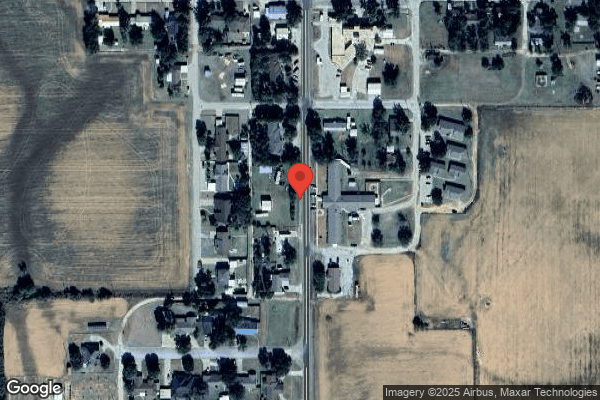
Sept 2023 5 deficiencies
CONCERN (D)

Potential for Harm - no one hurt, but risky conditions existed

Menu Adequacy (Tag F0803)

Could have caused harm · This affected 1 resident

**NOTE- TERMS IN BRACKETS HAVE BEEN EDITED TO PROTECT CONFIDENTIALITY** Based on observation, interview, and record review, the facility failed to ensure that the menu was followed, for 2 out of 2 res...

Read full inspector narrative →
**NOTE- TERMS IN BRACKETS HAVE BEEN EDITED TO PROTECT CONFIDENTIALITY** Based on observation, interview, and record review, the facility failed to ensure that the menu was followed, for 2 out of 2 residents that received pureed food (Residents #26 & 33), in that: 1. The facility failed to ensure Resident # 26 received pureed bread on 09/13/23 and on 09/14/23. 2. The facility failed to ensure Resident # 33 received pureed bread on 09/13/23 and on 09/14/23 These failures could place residents at risk for unwanted weight loss, hunger, unwanted weight gain, and metabolic imbalances. The findings include: On 09/13/23 at 11:31 AM an observation of the pureed process was conducted. Dietary [NAME] A began the process at 11:31 AM. No cornbread was pureed during this process. On 09/14/23 at 10:45 AM an observation of the pureed process was conducted. Dietary [NAME] A began the process at 11:45 AM. No bread was pureed during this process. An observation was made on 09/13/23 at 12:20 PM of Resident #33 lunch tray and it did not have any puree bread on the plate. An observation was made on 09/13/23 at 12:31 PM of Resident #26 lunch tray and it did not have any puree bread on the plate. An observation was made on 09/14/23 at 11:40 AM of Dietary [NAME] A and plated Resident #26 food and did not include bread. All items were runny on the plate with the exception of the mash potatoes. An observation was made on 09/14/23 at 11:50 AM of Dietary [NAME] A and plated Resident #33 plate without any bread on the plate. All items were runny on the plate with the exception of the mash potatoes. Resident #26 Record review of Resident #26's face sheet, dated 09/14/23, revealed a [AGE] year-old-male was admitted to the facility on [DATE] with diagnoses to include Alzheimer's (defective memory), dysphagia (difficulty swallowing), and gastro-esophageal reflux disease Stomach acid issues). Record review of comprehensive MDS assessment dated [DATE] revealed Resident #26 was usually understood. The MDS revealed Resident #26 had a BIMS of 05 which indicated the resident's cognition was severely impaired. Section K indicated Mechanically altered diet: Require change in texture of food or liquids. Record review of a care plan, dated 07/24/23 for Resident #26 revealed the following: Category: Nutritional Status Resident is on regular PUREE diet. large portions - honey thickened liquids- weight loss Edited: 08/14/2023 Record review of Resident #26's order summary report dated 09/14/23 revealed the following orders: Diet ordered 05/05/22: Regular Puree Record view of Resident #26 weight log, June-September 2023, indicated there was no significant weight loss at the time of survey. Resident #33 Record review of Resident #33's face sheet, dated 09/14/23, revealed a [AGE] year-old-male was admitted to the facility on [DATE] with diagnoses to include Alzheimer's (defective memory), pneumonitis due to inhalation of food and vomit (inflammation in the lungs), oropharyngeal phase (difficulty swallowing), abnormal weight loss and dysphagia (difficulty swallowing). Record review of comprehensive MDS assessment dated [DATE] revealed Resident #33 was sometimes understood. The MDS revealed Resident #33 had a BIMS of 99 which indicated the resident's was unable to complete the interview. Section K Mechanically altered diet: Require change in texture of food or liquids Record review of a care plan, dated 06/07/23 for Resident #33 revealed the following: Category: Nutritional Status Resident has experienced weight loss - Hospice Care - do not force feed- Regular - Puree -large portions/ fortified- thin liquids Edited: 09/05/2023 Record review of Resident #33's order summary report dated 09/14/23 revealed the following orders: Diet Order 03/13/23: Regular Diet and Texture Puree. Record view of Resident #33 weight log, June-September 2023, indicated there was no significant weight loss at the time of survey. Record review of Resident #26 diet card dated Wednesday 09/13/23 revealed he should have received 1/4 cup of pureed cornbread. Record review of Resident #33 diet card dated Wednesday 09/13/23 revealed he should have received 1/4 cup of pureed cornbread. On 09/13/23 at 11:31 AM an observation of preparing the pureed lunch meal prepared by Dietary [NAME] A revealed she did not make the pureed cornbread. Record review of Resident #26 diet card dated Thursday 09/14/23 revealed he should received 1/4 cup of garlic biscuit. Record review of Resident #33 diet card dated Thursday 09/14/23 revealed he should have received 1/4 cup of garlic biscuit. On 09/14/23 at 10:45AM an observation of preparing the pureed lunch meal prepared by Dietary [NAME] A Revealed she did not make the pureed bread. During an interview on 09/14/23 at 11:24 AM Dietary [NAME] A said she had pureed everything that she had to for the meal. During an interview on 09/15/23 at 09:13 AM, Dietary [NAME] A said the residents may not receive all the nutrients that they need if they do not follow the menu. She said the menu helped guide them on what nutrients the residents needed. She said the resident paid to live at the facility and should have all their food that they paid for. She said she was unaware she did not give the two residents the pureed bread at the time of serving. She said sometimes she tried to put the bread in the food rather than place it on the side like she did for the remainder of the residents. She said she did not know if the residents preferred to have their bread on the side of their other dishes like the remainder of the residents or if incorporating the bread within the food was a preference. She said she should have pureed all of the items that were on the menu. She said she had been trained to puree all menu items. During an interview on 09/15/23 at 09:49 AM, the DM said he knew Dietary [NAME] A did not provide bread on the tray for the residents that required pureed on 09/13 and 09/14/23. He said he thought using bread in the mixture was okay. He said he thought Dietary [NAME] A used bread in her puree meal preparation both days. He said he was unaware she had not used bread the second day. He said any residents on a pureed diet should receive all items on the menu like the rest of the residents. He said the residents could lose nutrition if they are not getting all that was on the menu. He said he did not have a policy specifically on pureed foods. He said all of the policy provided was what he had. During an interview on 09/15/23 at 10:19 AM, the ADM said DM was responsible for all activity that occurred in the kitchen. He said he was not aware of any of the identified deficient practices. He said he had been in the kitchen many times and had not noticed that the residents receiving pureed were not receiving all the items on the menu. He said he expected the dietary staff to follow the policies and guidelines for the kitchen. He said the majority of the kitchen staff had been employed at the facility for years and should have known the expectations of the kitchen. During an interview on 09/15/23 at 10:33 AM Resident #33 said that he liked bread but was unable to tell the surveyor if he preferred cornbread or light bread. He stared at the surveyor when she asked him multiple questions. During an interview on 09/15/23 at 10:35 AM Resident #26 said the food was good and the texture was ok with him. He said he liked cornbread but did not like white bread as much. Record review of the facility's policy titled Menu Planning, revised 06/01/19 revealed: Policy The facility believes that nutrition is an important part of maintaining the well-being and health of its residents and is committed to providing a menu that is well balanced nutritious and meets the preferences of the resident population. A standardized menu which meets the nutritional recommendations of the residents in accordance with the recommended dietary allowances of the food and nutrition board of the National Research council, national academy of sciences will be used. Modifications for the resident population and preferences may be made as appropriate. 2 Alternates may include a comparable entree vegetable and starch. And always available menu may also be offered as an alternative menu option in the facility.
CONCERN (D)

Potential for Harm - no one hurt, but risky conditions existed

Deficiency F0805 (Tag F0805)

Could have caused harm · This affected 1 resident

**NOTE- TERMS IN BRACKETS HAVE BEEN EDITED TO PROTECT CONFIDENTIALITY** Based on observation, interview, and record review, the facility failed to ensure each resident received, and the facility provi...

Read full inspector narrative →
**NOTE- TERMS IN BRACKETS HAVE BEEN EDITED TO PROTECT CONFIDENTIALITY** Based on observation, interview, and record review, the facility failed to ensure each resident received, and the facility provided food prepared in a form designed to meet individual needs for 2 of 2 puréed meals (9/13/23 - Lunch and 09/14- Lunch) observe for 2 of 2 residents with orders for puréed diet (Residents #26 and 33); in that: The facility failed to provide food that was in a form to meet resident needs Residents #26 and #33 with the orders for puréed diets. This failure could place residence at risk of decreased food intake and choking. The findings include: On 09/13/23 at 11:31 AM an observation of the pureed process was conducted. Dietary [NAME] A began the process at 11:31 AM. The following steps were taken: Entrée: dietary cook a use two cups of mechanical soft pork chop. She added three scoops of juice from the mechanical soft pork chop. She blended it and added two scoops of thickener. She blended then added two slices of white bread. She blended then added two more slices of white bread. She added one more scoop of thickener and blended. She presented the Entrée for the surveyor to taste. The texture of the pork chop contained grit and lumps. The form was runny and the color was a peach color. Starch: She scooped three cups of black eyed peas into the machine and 7 cups of juice from the peas into the pureed machine. She blended it and added three scoops of thickener. She blended it and presented the mixture for surveyors to taste. The black eyed pea mixture was had a liquid texture, runny form and was a light brown color. Vegetable: She scooped three cups of greens and 5 cups of juice from the greens. She blended the mixture. She added 3 scoops of thickener. She blended the mixture. She presented the green mixture to the surveyor to taste. The mixture texture was liquid, the form was runny and it was a dark green in color. No cornbread was pureed during this process. On 09/14/23 at 10:45AM an observation of the pureed process was conducted. Dietary [NAME] A began the process at 10:45 AM. The following steps were taken: Entrée: She placed two scoops of cubed chicken in the puree machine. She added 5 scoops of white gravy. She blended the mixture. She presented the mixture to the surveyor to taste. The mixture was liquid and runny in form and texture. The mixture was white and appeared to be more gravy than chicken. Vegetable: She used 2 cups of green beans and 4 cups of juice from the green beans. She blended the mixture. She presented the mixture for the surveyor to taste. The green bean mixture was runny and liquid in form and texture. It was green in color. No bread was pureed during this process. An observation was made on 09/14/23 at 11:40 AM of Dietary [NAME] A and plated Resident #26 food and did not include bread. All items were runny on the plate with the exception of the mash potatoes. An observation was made on 09/14/23 at 11:50 AM of Dietary [NAME] A and plated Resident #33 plate without any bread on the plate. All items were runny on the plate with the exception of the mash potatoes. Resident #26 Record review of Resident #26's face sheet, dated 09/14/23, revealed a [AGE] year-old-male was admitted to the facility on [DATE] with diagnoses to include Alzheimer's (defective memory), dysphagia (difficulty swallowing), and gastro-esophageal reflux disease Stomach acid issues). Record review of comprehensive MDS assessment dated [DATE] revealed Resident #26 was usually understood. The MDS revealed Resident #26 had a BIMS of 05 which indicated the resident's cognition was severely impaired. Section K Mechanically altered diet: Require change in texture of food or liquids Record review of a care plan, dated 07/24/23 for Resident #26 did revealed the following: Category: Nutritional Status Resident is on regular PUREE diet. large portions - honey thickened liquids- weight loss Edited: 08/14/2023 Record review of Resident #26's order summary report dated 09/14/23 revealed the following orders: Diet ordered 05/05/22: Regular Puree Record view of Resident 26 weight log, June- September 2023, indicated there was no significant weight loss at the time of survey. Resident #33 Record review of Resident #33's face sheet, dated 09/14/23, revealed a [AGE] year-old-male was admitted to the facility on [DATE] with diagnoses to include Alzheimer's (defective memory), pneumonitis due to inhalation of food and vomit (inflammation in the lungs), oropharyngeal phase (difficulty swallowing), abnormal weight loss and dysphagia (difficulty swallowing). Record review of comprehensive MDS assessment dated [DATE] revealed Resident #33 was sometimes understood. The MDS revealed Resident #33 had a BIMS of 99 which indicated the resident's was unable to complete the interview. Section K Mechanically altered diet: Require change in texture of food or liquids Record review of a care plan, dated 06/07/23 for Resident #33 did revealed the following: Category: Nutritional Status Resident has experienced weight loss - Hospice Care - do not force feed- Regular - Puree -large portions/ fortified- thin liquids Edited: 09/05/2023 Record review of Resident #33's order summary report dated 09/14/23 revealed the following orders: Diet Order 03/13/23: Regular Diet and Texture Puree. Record view of Resident 33 weight log, June-September 2023, indicated there was no significant weight loss at the time of survey. Record review of Resident #26 diet card dated Wednesday 09/13/23 revealed he should have had the following: Entree: three fourth cups of pureed fried pork chop starch: three fourth cups puree Black Eyed Peas vegetable: half a cup of pureed mixed green bread: 1/4 cup of pureed cornbread dessert: half a cup of pudding with whip topping condiment: one margin, one salt and pepper packet beverage: 8 fluid ounces of milk thicken to honey 8 fluid ounces of water thickened to honey Record review of Resident #33 diet card dated Wednesday 09/13/23 revealed he should have had the following: Entree: three fourth cups of pureed fried pork chop starch: three fourth cups puree Black Eyed Peas vegetable: half a cup of pureed mixed green bread: 1/4 cup of pureed cornbread dessert: half a cup of pudding with whip topping condiment: one margin, one salt and pepper packet beverage: 8 fluid ounces of milk and 8 fluid ounces of water Record review of Resident #26 diet card dated Thursday 09/14/23 revealed he should have had the following: Entree: three fourth cups of puree chicken fried chicken South: 2 fluid ounces of cream gravy starch: three fourth cups of mashed potatoes Vegetable: 1/2 cup of puree green peas bread: 1/4 cup of garlic biscuit dessert: 1/4 cup of puree frosted cake condiment: one margin, one salt and pepper packet beverage: 8 ounces of milk (thickened to honey consistency) and eight ounces of water (thickened to honey consistency) Record review of Resident #33 diet card dated Thursday 09/14/23 revealed he should have had the following: Entree: three fourth cups of puree chicken fried chicken South: 2 fluid ounces of cream gravy starch: three fourth cups of mashed potatoes Vegetable: 1/2 cup of puree green peas bread: 1/4 cup of garlic biscuit dessert: 1/4 cup of puree frosted cake condiment: one margin, one salt and pepper packet beverage: 8 ounces of milk and eight ounces of water During an interview on 09/15/23 at 09:13 AM, Dietary [NAME] A said the fried chicken was a tough meal, and she was focused on making sure the chicken was cooked properly. She said she had been trained regarding pureed foods. She said pureed food should hold its form. She said pureed food was not supposed to be thin. She said it should have been either pudding or nectar. She said that it should have had the consistency of baby food. She said she did not taste the food. She said she did not have a reason to taste the food. She said she was aware the pureed meals both days was runny because she specifically saw the green beans drip. She said she had not had any recent training on pureed food. She said she takes responsibility for actions that occur in the kitchen. During an interview on 09/15/23 at 09:49 AM, the DM said he was responsible for all activity that went on in the kitchen. He said pureed foods should have the thickness of mashed potatoes. He said the meals on 09/13 and 09/14/23 could have been thicker based on observing the pureed food from Dietary [NAME] A. He said he believed the first-day Dietary [NAME] A was nervous. He said he talked to her about the pureed process. He said if the pureed was not prepared properly, it could strangle the residents and place them at risk for pneumonia. He said he did not have a system in place to monitor the pureed process because he was typically in the front help serving. He said he knew the pureed was not in the correct form. He said Dietary [NAME] A should not have used as much juice, and then she would not have to use bread or thickener. He said when additional items such as thickener and bread are used, more food should be added so the serving size and nutrients are not altered. He said he did not have any policies specific to pureed food outside of pureed snacks. During an interview on 09/15/23 at 10:19 AM, the ADM said the DM was responsible for all activity that occurred in the kitchen. He said he was not aware of any of the identified deficient practices. He said he had been in the kitchen many times and had not identified any concerns with food form. He said he had been trained but not in detail. He said he understood what was expected in general in the kitchen. He said he expected that his dietary staff would follow the policies and guidelines for the kitchen. He said the majority of the kitchen staff had been employed at the facility for years. No policy was provided for pureed foods.
CONCERN (E)

Potential for Harm - no one hurt, but risky conditions existed

Incontinence Care (Tag F0690)

Could have caused harm · This affected multiple residents

**NOTE- TERMS IN BRACKETS HAVE BEEN EDITED TO PROTECT CONFIDENTIALITY** Based on observation, interview, and record review, the facility failed to ensure residents who were incontinent of bladder or h...

Read full inspector narrative →
**NOTE- TERMS IN BRACKETS HAVE BEEN EDITED TO PROTECT CONFIDENTIALITY** Based on observation, interview, and record review, the facility failed to ensure residents who were incontinent of bladder or had a urinary catheter received appropriate treatment and services to prevent urinary tract infections and to restore continence to the extent possible for 2 of 3 Residents (Resident #28 and #40) reviewed for incontinent care. 1. CNA A failed to proper clean penis and buttocks while providing incontinent care to Resident #28. 2. TNA B used multiple swipes with the same wipe across resident #40 abdomen and buttocks while providing incontinent care to Resident #40. These failures had the potential to affect residents by placing them at an increased risk of infections. Findings include: Resident #28 Record review of face sheet for Resident #28, undated, revealed an [AGE] year-old male admitted to the facility on [DATE] with the following diagnoses: lung cancer, COPD (lung disease), Alzheimer's disease (cognitive loss) and hypertension (high blood pressure). Review of Resident #28's MDS, dated [DATE] revealed Resident #28 had a BIMS of 04 which indicated the resident's cognition was severely impaired. He required extensive one person assist with personal hygiene and toilet use. Record review of Resident #28's Comprehensive Care Plan dated 06/21/23 revealed the resident required limited assist with toileting and personal hygiene. The interventions included assist with ADL's as needed. The resident was at risk for pressures ulcers related to bowel and bladder incontinence. The interventions included keep clean and dry as possible and minimize skin exposure to moisture. Provide incontinence care after each incontinent episode. Observation of incontinent care on 09/22/23 at 11:15 AM, CNA A performed incontinent care for Resident #28. CNA A used wipe to clean [NAME] area pushing penis down between legs. CNA A did not clean penis. CNA A then rolled resident on side. Removed old brief and placed new brief under resident. CNA A then rolled resident on top of clean brief. CNA A then rolled resident back to side and cleaned buttocks area. CNA A rolled resident back on to brief and fasten brief. Interview on 09/14/23 at 11:30 AM, CNA A stated she should have cleaned penis head and shaft. She stated she knew she forgot to clean residents' buttocks and that was why she rolled him back over. CNA A stated she should have changed the brief since resident was not clean. CNA A stated she got nervous and forgot the steps. She stated she just completed CNA training and knew the steps. CNA A stated she had been trained on proper incontinent care technique. CNA A stated the potential negative outcome for improper incontinent care could be rash and bed sores. Resident #40 Record review of face sheet for Resident #40, dated 09/13/23, revealed a [AGE] year-old male admitted to the facility on [DATE] with the following diagnoses: epilepsy (seizure disorder), major depressive disorder (mental illness), diabetes (high blood sugar), muscle weakness, hypertension (high blood pressure), and heart failure. Review of Resident #40's MDS, dated [DATE] revealed Resident #40 had a BIMS of 07 which indicated the resident's cognition was severely impaired. He required extensive two person assist with bed mobility, personal hygiene and dressing. He required total dependence of one person for toilet use. Record review of Resident #40's Comprehensive Care Plan dated 09/06/23 revealed the resident requires total dependence x 1 with toileting and personal hygiene. The interventions included assist with ADL's. The resident has a foley catheter in place. The resident was at risk for pressures ulcers related to bedfast/mobility and neuropathy. The interventions included check incontinence pads frequently (every 2-3 hours) and change as needed. If stool incontinence and toileting after meals. Observation of incontinent care on 09/22/23 at 10:30 AM, TNA B performed incontinent care for Resident #40 and used same wipe multiple times across resident's lower abdomen and buttocks area. TNA B took a wipe and made a swipe accross resident #40's abdomen and then made several back and forth swipes with the same wipe. When TNA B turned resident to side she cleaned the buttocks. TNA B took a wipe and swiped back and forth on buttocks area using the same wipe. Interview on 09/14/23 at 10:45 AM, TNA B stated she knew she wiped the lower abdomen area using the same wipe several times and the buttock area several times. She stated she should have wiped the area and folded wipe once and then discarded wipe in trash. She stated she got nervous and forgot. TNA B stated she had been trained on proper incontinent care technique, but she got nervous. TNA B stated the potential negative outcome for improper incontinent care could be mild infection and skin irritation. Interview on 09/15/23 at 09:14 AM, the DON stated CNA A and TNA B were trained on incontinent care and skill check offs done quarterly. The DON stated the DON, ADON and CN were responsible for monitoring the CNA's regarding incontinence care. She stated CNA A just passed her certification exam and further stated that CNA A reported to her Resident #28 was being inappropriate was why she hurried through incontinent care. She stated TNA B just completed the CNA classes and was nervous because this was her first time with a state surveyor. She stated the penis should have been cleaned and wipes are to be used with one swipe. She stated the potential negative outcome could be infection or skin issues. Interview on 09/15/23 at 09:30 AM, the ADM stated the DON was responsible for monitoring and training the nursing staff. He stated he was not familiar with the steps of incontinent care, but he relied on the DON for incontinent care training and monitoring. He stated the staff was trained on incontinent care. He stated the potential negative outcome could be infection and possible UTI if not done correctly. Record review Incontinent Care for the Male Resident dated 07/18/23 revealed CNA A completed skills checkoff for incontinent care. Record review Incontinent Care for the Male Resident dated 08/08/23 revealed TNA B completed skills checkoff for incontinent care. Record review of facility policy and procedure titled, Perineal Care with a revised date of 08/19 revealed the following: Purpose: The purpose of this procedure are to provide cleanliness and comfort to the resident, to prevent infections and skin irritation, and to observe the resident's skin condition . For a Male Resident: . b. Clean perineal area starting with urethra and working outward . e. Clean and rinse urethral area using a circular motion. f. Continue to clean the perineal area including the penis, scrotum and inner thighs. g. Use a clean section of the cleansing wipe for each stroke by folding each used section inward. h. Thoroughly clean perineal area in same order, using a new cleansing wipe as needed . m. Clean the rectal area thoroughly, including the area under the scrotum, the anus, and the buttocks, change the cleansing wipe as needed. Use a clean section of the cleansing wipe for each stroke by folding each used section inward. n. Dry area thoroughly .
CONCERN (F)

Potential for Harm - no one hurt, but risky conditions existed

Deficiency F0727 (Tag F0727)

Could have caused harm · This affected most or all residents

**NOTE- TERMS IN BRACKETS HAVE BEEN EDITED TO PROTECT CONFIDENTIALITY** Based on interview and record review, the facility failed to use the services of a Registered Nurse (RN) for at least eight cons...

Read full inspector narrative →
**NOTE- TERMS IN BRACKETS HAVE BEEN EDITED TO PROTECT CONFIDENTIALITY** Based on interview and record review, the facility failed to use the services of a Registered Nurse (RN) for at least eight consecutive hours a day, seven days a week for 9 of 30 days (08/13/23, 08/19/23, 08/20/23, 08/26/23, 08/27/23, 09/02/23, 09/03/23, 09/09/23, and 09/10/23) reviewed for RN coverage. The facility failed to ensure they had RN coverage 8 hours a day, 7 days a week for the following days: 08/13/23, 08/19/23, 08/20/23, 08/26/23, 08/27/23, 09/02/23, 09/03/23, 09/09/23, and 09/10/23 This failure could place residents at risk for inconsistency in care and services. Findings include: Record review of the facility's employee roster dated 08/04/23 revealed there were one RN employed at the facility. Record Review of the employee roster update provided by the ADM dated 09/13/23 revealed RN A termination date 07/20/23 and had written on document No RN time sheet for last 30 days. During an interview on 09/13/23 at 11:45 AM with the ADM he stated there were no RN times for the last 30 days. During an interview on 09/13/23 at 11:50 AM with the DON she stated she was currently the only RN employed. She stated she worked Monday through Friday 08:00 AM to 05:00 PM unless she covered a shift on the floor. She stated the facility can use telehealth 24/7 on the weekends and after 07:00 PM on the weekdays. She stated the medical director was also available 24/7. She stated they currently have an ad out for weekend RN through there corporation and have planned a job fair for 09/14/23. During an interview on 09/13/23 at 11:58 AM with the ADM, he stated they were posting ads all around the area on Facebook job sites, indeed, and the corporate office was posting as well. He stated he currently does not have any contract with agency. He stated they have a corporate nursing pool that was like agency, but they currently have no RN available to send. During an interview on 09/15/23 at 09:14 AM with the DON, she stated she and the ADM were responsible for RN coverage. She stated if staff needs an RN, staff could call her 24/7. She stated the nurse consultant was also available by phone if needed. She stated the facility policy was to have RN coverage 8 hours a day 7 days a week. She stated it was important to have an RN to add clinical assessments and supervision. She stated there was treatments and assessments that only the RN could do. She stated if the resident was acutely ill the nurse would send resident to the hospital. She stated the potential negative outcome could be the resident would not get the services required by an RN. She stated the facility does not use outside agencies. She stated she had requested an RN for the corporate pool but there was not an RN available. During an interview on 09/15/23 at 09:30 AM with the ADM, he stated he was responsible for RN coverage. He stated if the staff needed and RN they were to work with the DON. He stated the facility policy was to have an RN 8 hours a day 7 days a week. He stated it was important to have an RN to manage the whole aspect of the building. He stated LVN's were only allowed to do certain things. He stated the potential negative effect would be depending on the certain need of the resident and general overall care of resident. He stated the agency he had spoken with stated they could not provide him with an RN they only had LVN's, so he does not need an agency if they cannot provide an RN. He stated RN's have a higher level of education and can perform certain duties like PICC lines and various procedures. He stated his expectations were to have coverage 8 hours a day 7 days a week to meet the regulation in place. Record review facility ad dated 09/13/23 revealed an ad for weekend RN. Record review [name] Bulletin Board Print Document dated 09/08/23 revealed job order for registered nurse (RN) - [facility location]. Record review hireology.com dated 09/07/23 revealed ad for weekend RN. During an interview with ADM on 09/15/23 at 10:00 AM surveyor request policy on RN Coverage. During exit conference 09/15/23 at 12:00 PM ADM was asked if there were any additional information, they want to present that was requested, she stated No. During an interview on 09/22/23 at 11:56 AM with the ADM surveyor requested facility policy on RN Coverage. Record review email from ADM on 09/22/23 at 01:23 PM revealed I do not think we have one for just RN coverage.
CONCERN (F)

Potential for Harm - no one hurt, but risky conditions existed

Food Safety (Tag F0812)

Could have caused harm · This affected most or all residents

**NOTE- TERMS IN BRACKETS HAVE BEEN EDITED TO PROTECT CONFIDENTIALITY** Based on observation, interview, and record review, the facility failed to store, prepare, distribute and serve food in accordan...

Read full inspector narrative →
**NOTE- TERMS IN BRACKETS HAVE BEEN EDITED TO PROTECT CONFIDENTIALITY** Based on observation, interview, and record review, the facility failed to store, prepare, distribute and serve food in accordance with professional standards for food service safety in 1 of 1 kitchen reviewed for dietary services, in that: 1) The facility failed to ensure to date and label all food. 2) Dietary staff failed to store foods in a manner to prevent contamination. 3) Dietary staff failed to clean two vents observed in the kitchen area and the inside dry storage area. 4) Dietary Staff stored dented cans with the remaining cans used for resident consumption (. 5) Dietary Staff used 1 of 2 dented cans for resident consumption on 09/13/23. 6) Dietary Staff failed to properly thaw chicken 7) Dietary staff failed to cover food that was not actively being served. These failures could place residents at risk for food contamination and foodborne illness. The findings include: The following observations of the kitchen was made on 09/13/23: -At 8:58 AM - a partially used bottle of water and a personal cup with a lid and straw was on the food prep area. Tray [NAME] A remove the items and place them on the bottom shelf. -At 9:00 AM In the outside storage two cans of Roma tomatoes with dents along the side. They were dated 06/20/23. -At 9:03 AM in the large white freezer was an undated cubed turkey, A gallon of undated strawberry and vanilla ice cream , and there was a bag of 14 popsicle also undated. -At 9:14 AM the vent in the dry storage dirty with built up debris. -At 11:28 AM until 12:06 the cornbread was uncovered. Observed multiple dietary staff passing back and forth. -At 11:44 AM the vents on the window unit in the kitchen area with debris built up on the vents. The AC was on and blowing. -At 3:08 PM Dietary [NAME] C used one of the dented cans of Roma Tomatoes. -At 3:11 PM an opened Big Red soda was on the shelf with food items for the residents. -At 3:15 PM the DM wrapped potatoes (x13) in foil with his bare hands. -At 3:16 PM Dietary [NAME] C touch the coleslaw with her bare hands. After mixing the lettuce she poured the lettuce into a large mixing bowl and reach in to remove the blade out of mixing machine touching the contents in the machine. -At 3:18 PM the DM cell phone ring he reached in his pocket, looked at his cell phone, silenced it and then continued to wrap potatoes in foil never washing his hands. The following observations of the kitchen was made on 09/14/23: -At 9:43 AM observed a large piece of frozen diced chicken sitting in a pan of shallow water thawing. Vent on the AC unit in the window was still dirty. The remaining dented can of roma tomatoes was no longer on the shelf but had been moved down to the bottom right shelf in the outside pantry. A sign that read damaged cans was taped to the shelf. In the large white freezer was an undated cubed turkey, a gallon of undated strawberry and vanilla ice cream, and a bag of 14 popsicle also undated. -At 9:40 AM observed 4 large bottles of dish detergent on the same shelf as food thickener, mayonnaise and sweet relish. Observed a large tube of ground beef on the floor under the dented can area. -At 11:06 AM the DM made 2 sandwiches without gloves. He touched the bread, cheese and meat. He placed each sandwich in a plastic bag and placed them in the fridge. -From 11:06 AM to 11:36 AM two pans of rolls (36 rolls) were uncovered. -At 11:12 AM observed personal hand lotion on the same shelf with seasonings. Above the handwashing sink. -At 11:23 AM observed Dietary [NAME] A using a spatula during the pureed process. She placed the spatula part of the utensil in her bare hand and on the handle of the puree machine and used it to stir the food. -At 11:31 AM the ground beef was still on the floor under the damage cans in the outside dry storage room. -At 11:37 AM observed Dietary [NAME] A use a pair of gloves and grab the pan of rolls. The tongs touched the bread and the bottom of the pan. She used the same tongs to grab the rolls. -At 11:40 AM observed Dietary [NAME] A used the same tongs that she grabbed the tray with to grab eight rolls, 3 bake potatoes and 4 pieces of chicken. -At 11:44 AM observed Dietary [NAME] grab one of the sandwiches prepared with the DM bare hands and plate to serve. -At 11:46 AM observed the DM grab his personal phone look at it and place it back in his pocket. He did not conduct hand hygiene. -At 11:47 AM Dietary cook observed tearing apart 15 rolls with her bare hands. Observations on 09/15/23 at9:01 AM the ground beef was still on the floor in the storage outside under the damaged can area. Further observation revealed the DM throw the meat away. During an interview on 09/15/23 at 09:13 AM, Dietary [NAME] A said the potential negative outcome of touching food with bare hands was cross-contamination, and the residents could get sick. She said that not thawing the meat correctly could have caused the residents to be potentially exposed to salmonella. She said if the vents were dirty, there was a risk of debris falling into the resident's food, which could make them sick. She said the potential negative outcome of food not being labeled correctly was that staff could not rotate the food properly. She said that residents could get sick if they were given something old. She said that using dented cans could be bad for the residents because something could have been wrong with the can, such as a hole they could not see. She said that she would not use the dented cans. She said the sign observed was placed after the surveyor's entrance. She said a potential negative outcome for having personal items in the food prep area was being written up by the state. She said there was a chance of cross-contamination because they could touch their personal items and then the food. She said she was not aware at the time when she was touching food with her bare hands. She said she thought about it later. She said she had gloves in her pocket. She said her expectation of touching food was not to touch it with her bare hands; instead, she should have had gloves on. She said she knew the way she was thawing the chicken out was incorrect. She said the chicken had not been taken out and she needed to make the meal since the surveyors were watching. She said fried chicken was a tough meal, and she was focused on making sure the chicken was cooked properly. She said she should have placed it in cold water. She said she was unaware of the vents that needed cleaning but tried to do as much as she could. She said the expectation was for the vents to have been cleaned. She said she said all food should be labeled. She said it should have the open date and expiration date. She said the DM typically does the food out in the outside pantry, and she was responsible for the food inside. She said she was unaware of the ground beef left on the floor in the outside pantry. She said the ground beef should have been in the freezer labeled. She said she was unaware of the dented cans before the surveyor entered the facility. She said the expectation for the dented cans to be place at the bottom of the rack for reimbursement. She said she knew there were personal items in the food prep area. She said her phone was in the food prep area, and she realized this after the surveyor was in the kitchen. She said they should follow a cleaning schedule to monitor and identify issues in the kitchen. She said the DM does not offer any correction from his monitoring. She said the dietician would correct it when she came. She said she had received training on her expectations in the kitchen, but it had been a long time ago. She said she was trained by someone else, and the expectations that were expected today might not be the same from a long time ago. She said they are under a new company, and she does not feel like they have a lot of support from the new company. She said she was responsible for all of the identified deficient practices except the dented cans. During an interview on 09/15/23 at 09:42 AM, Tray [NAME] A said their personal items were supposed to be on the bottom rack in the food prep area. She said the reason her personal cups were on the counter was because she was a diabetic and she had to drink a lot of water. She said she had been trained on the expectations when in the kitchen regarding personal items. She said she could not think of a negative outcome of having her personal items in the food prep area. She said she was unaware that personal items could not be in the food prep area. During an interview on 09/15/23 at 09:49 AM, the DM said that he was responsible for all activity that went on in the kitchen. He said he knew he was touching the food with his bare hands. He said he tried to go back and get gloves. He said he knew Dietary [NAME] A was touching the bread with her hands. He said he was not aware of Dietary [NAME] B touching the coleslaw. He said he knew Dietary [NAME] A was thawing the chicken incorrectly. He said he was aware of the AC vent that needed cleaning but was unaware of the vent in the dry pantry. He said he was not aware of the unlabeled food identified. He said he was not aware that they had multiple dented cans. He said he thought they only had one can. He said he knew his phone was in the food prep area. He said he was also aware of the personal cups in the food prep area. He did see the lotion on the rack with food items but was unaware that Dietary [NAME] A's phone was also on the rack with food items. He said he knew the cleaning items were in the outside food storage area. He said he was aware of the uncovered rolls. He said he had received training on expectations as a dietary manager. He said he expected he and the other staff should not touch the food with their bare hands. He said the proper way of thawing food should be done at the bottom of the fridge or under running cold water. He said all vents should be clean. He said the ground beef should not have been on the floor, and he takes responsibility for that. He said the dented cans should not be with the remainder of the cans for resident consumption. He said they should be placed where the sign was. He acknowledged that the sign was not present on the first day of the survey. He said the dented cans should be returned to the supplier. He said the rolls should have been covered until ready to serve. He said cleaning items should not be stored with food items. He said he also expected staff not to touch the food with their bare hands. He said residents could get sick if staff touched the food with bare hands. He said improperly thawing meat could place the residents at risk for salmonella. He said the vents not being clean could cause stuff to fly in the food. He said unlabeled food could make residents sick or even staff if they consume the food, not knowing when the food was delivered or opened. He said personal items could carry disease or cause staff to contaminate the food by touching it. He said dented cans can cause residents to get sick because if there was a hole, they may not see it, which could contaminate the food inside the can. He said the exposed rolls could have been exposed to bugs or anything else that could have fallen on the rolls. He said all of the policy provided is what he had. During an interview on 09/15/23 at 10:19 AM, the ADM said DM was responsible for all activity that occurred in the kitchen. He said he was not aware of any of the identified deficient practices. He said he had been in the kitchen many times and only identified deficient practice that he observed was personal items in the food prep area. He said, but it was his understanding that this deficient practice was being addressed. He said he had been trained but not in detail. He said she understood what was expected in general in the kitchen. He said he expected that his dietary staff would follow the policies and guidelines for the kitchen. He said the majority of the kitchen staff had been employed at the facility for years. He said the potential negative outcome for the identified deficient practices was cross-contamination and food-borne illness. Record review of the facility's policy titled Food Preparation and Handling, revised 09/01/18, revealed: Policy To ensure that all foods served by the facility is of good quality and safe for the consumption all booths will be prepared and handled according to the state and US food codes in HACCP guidelines. General Guidelines c. Prepare food with the least manual contact possible. Do not allow bare hands to touch raw food directly. Thawing foods a. Thaw meat, poultry and fish in a refrigerator at 41 degrees or less. b. This may also be taught using the following procedures: completely submerged under running water at a temperature of 70 degrees Fahrenheit or below with sufficient water velocity to agitate and float off loosen food particles into the overflow: ii. In a microwave oven using the defrost mode and immediately transferred to conventional cooking equipment with no interruption in the process. or is a part of the cooking process. Record review of the facility's policy titled Food Storage, revised 06/01/19, revealed: Policy To ensure that all foods served by the facility is of good quality and safe for the consumption our food will be stored according to the state federal and US food codes and HACCP guidelines. D) who is your freshness store open in both items in tightly covered container. All containers must be labeled in data. G) Use the first in first out rotation method. Date packages in place new items behind existing supplies, so that the older items are used first. I) do not use or store cleaning materials or other chemicals where they might contaminate foods. Label and stores them in their original containers when possible. Store in a locked area away from any food product. Record review of the 2022 US Food and Drug Administration Food Code manual, revealed: Chapter 3 Food 3-501.13 Thawing. Except as specified in (D) of this section, TIME/TEMPERATURE CONTROL FOR SAFETY FOOD shall be thawed: (A) Under refrigeration that maintains the FOOD temperature (B) Completely submerged under running water: (1) At a water temperature of 70oF (2) With sufficient water velocity to agitate and float off loose particles in an overflow Thawed in a microwave oven and immediately transferred to conventional cooking equipment, with no interruption in the process Preventing Contamination by Employees FOOD EMPLOYEES may not contact exposed, READY-TO-EAT FOOD with their bare hands and shall use suitable UTENSILS such as deli tissue, spatulas, tongs, single-use gloves, or dispensing equipment
Jul 2022 3 deficiencies
CONCERN (E)

Potential for Harm - no one hurt, but risky conditions existed

Infection Control (Tag F0880)

Could have caused harm · This affected multiple residents

**NOTE- TERMS IN BRACKETS HAVE BEEN EDITED TO PROTECT CONFIDENTIALITY** Based on observation, interview and record review, the facility failed to maintain an infection control program designed to prov...

Read full inspector narrative →
**NOTE- TERMS IN BRACKETS HAVE BEEN EDITED TO PROTECT CONFIDENTIALITY** Based on observation, interview and record review, the facility failed to maintain an infection control program designed to provide a safe, comfortable, and sanitary environment to help prevent the development and transmission of diseases for two of four residents (Residents #32 and #36), one of four staff (LVN M) reviewed for infection control. LVN M failed to perform hand hygiene or change gloves appropriately while performing wound care for Residents #32 and #36. These failures could place residents at risk for spread of infection and cross contamination. Findings include: Resident #32 Record review of the admission record for Resident #32 dated 07/28/22 revealed a [AGE] year-old male admitted to the facility on [DATE] and readmitted on [DATE] with diagnosis to include acute respiratory disease (breathing problems), peripheral vascular disease (poor blood circulation), cellulitis of right lower limb (skin infection) and osteomyelitis (bone infection). Record review of active physician's orders for Resident #32 dated 07/28/22 revealed: Order start date - 07/19/22 Cleanse wound bed to right great toe with dermal wound cleanser, apply collagen powder to wound bed and secure with border gauze dressing every other day and as needed for accidental removal, saturation and/or soiling. During an observation of wound care on 07/28/22 at 1:20 PM, LVN M provided wound care for Resident #32's right great toe wound. LVN M did not change her gloves or perform hand hygiene appropriately during care. LVN M removed the old dressing from the wound, removed her gloves, and did not wash her hands before putting on clean gloves. LVN M did not change her gloves after cleaning Resident #32's wound and before applying the clean bandage. Resident # 36 Record review of the admission record for Resident #36 dated 07/28/22 revealed a [AGE] year-old male admitted to the facility on [DATE] with diagnosis to include acute respiratory disease (breathing problems), schizoaffective disorder (mental illness), peripheral vascular disease (poor blood circulation), diabetes mellitus type 2 (blood sugar level problems) and iron deficiency (low iron). Record review of active physician's orders for Resident #36 dated 07/28/22 revealed: Order start date - 07/26/22 Cleanse diabetic ulcer to left great toe with wound cleanser or NS, apply skin prep, allow to dry; leave open to air on Tues, Thurs, and Sat. During an observation of wound care on 07/28/22 at 1:38 PM, LVN M provided wound care for Resident #36's left great toe wound. LVN M did not change her gloves or perform hand hygiene appropriately during care. LVN M did not wash her hands after touching the wound care cart and before putting on clean gloves and starting wound care. LVN M did not change her gloves after washing the wound and before providing the skin prep to the wound bed. During an interview with LVN M on 07/28/22 at 1:49 PM, LVN M stated she had been trained on infection control techniques with wound care. LVN M stated she had been trained to change gloves after cleaning the wound bed and before applying the clean bandage. LVN M stated she had been trained to wash her hands with soap/water or use ABHR between glove changes. LVN M stated she was nervous and that was why she forgot to follow her training. LVN M stated the Infection Control Nurse monitored the staff for infection control concerns. LVN M stated the residents were at risk for infection concerns when not following proper infection control practices. During an interview on 07/28/22 at 2:18 PM, the Infection Control Nurse stated she thought LVN M was really nervous and intimated by the SA watching. The Infection Control Nurse stated she trained the staff on infection control concerns on hire and randomly. The Infection Control Nurse stated she did not know the last time the staff was in-services on infection control. The Infection Control Nurse stated she expected the nurses to change gloves after cleaning the wound and before applying the clean bandage. The Infection Control Nurse stated ABHR can be used or soap/water to clean hands between glove changes. The Infection Control Nurse stated she expected the nurses to wash hands when going from the wound care cart and before providing care. The Infection Control Nurse stated the residents were at risk of adverse effects like possibly getting an infection or spreading germs to other residents. During an interview on 07/28/22 at 2:34 PM, the DON stated she expected staff to use proper hand hygiene techniques during wound care. The DON stated the potential negative outcome for the resident would be transmission of germs and infection. Record review of the facility's policy titled, Infection Prevention and Control Program, dated April 2020, reflected the following: Policy Statement: An Infection prevention and control program (IPCP) is established and maintained to provide a safe, sanitary and comfortable environment and to help prevent the development and transmission of communicable disease and infections Record review of the facility policy titled, Handwashing/Hand Hygiene, dated August 2015, reflected the following: Policy Statement: The facility considers hand hygiene the primary means to prevent the spread of infection. Policy Interpretation and Implementation: .2. All personnel shall follow the handwashing/hand hygiene procedures to help prevent the spread of infection to other personnel, residents, and visitors. 7. Use an alcohol-based hand rub containing at least 62% alcohol; or, alternatively, soap (antimicrobial or non-antimicrobial) and water for the following situations: b. Before and after direct contact with residents g. Before handling clean or soiled dressings, gauze pads, etc. h. Before moving from a contaminated body site to a clean body site during resident care j. After contact with a resident's blood or bodily fluids k. After handling used dressings m. After removing gloves Record Review of the facility's Compliance Review, Treatment Administration Review, undated, reflected the following: .8. Soiled dressing removed with nursing wearing unsterile gloves. 9. Soiled dressing disposed in trash basket with liner in place 10. Remove gloves 11. Wash hands 14. Treatment area cleaned with solution as ordered using proper procedure. Remove gloves as appropriate, wash hands, don clean gloves . 15. Topical Med applied if ordered 16. Dressing applied, taped in place, dated
CONCERN (F)

Potential for Harm - no one hurt, but risky conditions existed

Deficiency F0727 (Tag F0727)

Could have caused harm · This affected most or all residents

Based on interview and record review, the facility failed to use the services of a Registered Nurse (RN) for at least eight consecutive hours a day, seven days a week for 6 out of 30 (06/27/22-07/27/2...

Read full inspector narrative →
Based on interview and record review, the facility failed to use the services of a Registered Nurse (RN) for at least eight consecutive hours a day, seven days a week for 6 out of 30 (06/27/22-07/27/22) days reviewed for RN coverage. The facility failed to ensure they had RN coverage 8 hours a day, 7 days a week for the following days: 07/03/2022, 07/09/2022, 07/10/2022, 07/17/22, 07/23/22, and 07/24/22. This failure could place residents at risk for inconsistency in care and services. Findings include: During an interview on 07/28/22 at 1:31 PM, the Infection Control Nurse stated her schedule changed but she would typically work every weekend except for the 4th weekend of every month. She stated due to personal reasons the DON would cover the 4th weekend for her. She stated she was the only RN outside of the DON that worked for the facility. She stated the presence of the RN was important because the RN provided supervision over all the other nurses and the aides. She stated the RN would have been more specialized in care. She stated RNs would have been the only ones able to complete care plans. She stated only the RN would have been able to pronounce death of a resident. She stated for more acute residents the supervision of the RN could affect residents if there was an injury or sickness for residents. She stated she was not aware of any staffing agencies outside of the ones they used when there was a COVID-19 outbreak in the facility. She stated the reason there was no coverage during the month of July 2022 was because she had COVID-19. She stated she could not return to work in the short amount of time expected because she continued to be sick. She stated she did not know if staffing agencies were called when she was out sick with COVID-19. She stated she was not aware if the facility was looking for any additional RNs or if there were any postings looking for any additional RNs. She stated in her experience the facility has always had one RN and the DON. She stated it had been that way even when she was an LVN. During an interview that occurred on 07/28/22 at 1:45 PM, the Director of Nursing stated she believed the facility did have staffing agency contracts but she would have check. She stated there is a position for an RN posted on social media and on a recruitment site. She stated the presence of the RN is important because they would provide additional clinical support and knowledge. She stated they would have assisted in determining resident conditions. She stated she did not see any negative outcomes for residents as she believed she had experienced nurses. She stated without RNs there are certain IV medications that cannot be administered and death of residents would not have been pronounced. She stated the facility does have a telehealth service that could be utilized but that was not a tool to compensate for RN coverage. She stated normally RN coverage was not an issue but the reason she failed to have coverage was because the Infection Control Nurse did not recover as they had expected. She stated she did not work because she already worked Monday through Friday. She stated she was ultimately responsible for RN coverage. She stated she did not have a waiver that covered her as the eligibility requirements for nursing waivers are strict. She stated she had found coverage for her vacation she would be taking in August 2022. She stated she attempted to find coverage for the days in July 2022. She stated she would provide evidence of that. She stated when she was out the Infection Control Nurse would cover for her. She stated she covers for the Infection Control Nurse on the 4th weekend of the month. She stated the reason why she was unable to cover the shifts was because she was given too short of a notice that the Infection Control Nurse would not be coming to her shift. During an interview that occurred on 07/28/22 at 2:52 PM, the Administrator stated he was not the assigned Administrator at the facility but he was asked to come and assist while the survey team was in the building. He stated the new Administrator for the facility would start on 08/01/22. He stated his understanding of nursing facility requirements for RN coverage is they are required to provide RN coverage 8 consecutive hours and 7 days of week. He stated he knew that from previous experience with the survey team in his assigned facility. He stated it was common for facilities to share staff, but his facility did not have an RN could be utilized. He stated his facility only had 2 RNs as well. He stated the 2 RNs are considered fully staffed. He stated it was his opinion that RN presence is good for staff morale. He stated regarding residents the presence of the RN could help decrease unnecessary visits to the hospital. He said the company does have a telehealth service, but that does not compensate for the RN physically being in the building. He said he was not aware there were any issues with RN coverage in the facility. He stated the facility did not have any staffing agency contract. He stated they had been cancelled because of a combination of financial and quality of care reasons. He provided the Regional Nurse Manager's number because of the DON stating she had notified the Regional Nurse Manager of her RN coverage issues. During an interview that occurred on 07/28/22 at 2:55 PM, the DON stated she had contacted the Regional Nurse Manager for coverage concerns during the month of July. No specified time disclosed. She stated the Regional Nurse Manager was responsible for finding coverage. During an interview that occurred on 07/29/22 at 8:33 AM, the Regional Nurse Manager stated she was not aware the facility was having issues with RN coverage. She stated she had no affiliation with finding coverage or scheduling. She stated she was aware of the mobile clinical support for the company but was not affiliated with that team. She stated the mobile clinical support is a group of clinical staff that included nurses and CNAs would go around and provided support to the facilities. During an interview that occurred on 08/02/22 at 1:48 PM, the DON stated although the policy did not specifically address RN coverage her expectation was for the facility to follow regulation. She stated she had spoken with her corporate about the policy and addressed the policy not being specific to RN coverage. She stated that was the only policy they have addressing staffing. During an interview that occurred on 08/02/22 at 3:00 PM, the Travel Pool Nurse Manager reported she is not aware the facility had made any request in July 2022 but they had requested coverage for August 2022. She stated she would have to get home and double check her system as the process for finding coverage requires for facilities to submit a request. At 3:38 PM she stated every month she sends out an email requesting shifts that need to be filled. She stated the reason why the email she provided does not include any responses from her was because she does not notify the facility if she was unable to find coverage. She stated she only would notify the facility if she was able to find coverage. She stated if she was unable to find coverage it was the responsibility to find coverage for their facility. She stated she only had three RNs during that time, and it was difficult to find coverage. She stated she is not responsible for ensuring the facility has RN coverage but she was support to the facility. She stated she was aware of the RN coverage standard. She stated nursing facilities are required to have RN coverage 7 days a week for 8 hours. No physical records provided for review of postings of RN position on social media and on recruitment website. ( These were requested and opportunity to provide given during exit conference.) Record review of an email provided from the Travel Pool Nurse Manager dated 08/2/22 revealed the following: The DON requested coverage for the following dates: 07/09/22, 07/10/22, 07/23/22, and 07/24/22. There was no evidence of request for coverage for the following dates: 07/03/22 and 07/17/22 Record review of the untitled/ undated document provided by the facility indicated the following: July 3, 2022- NO COVERAGE July 9, 2022- NO COVERAGE July 10, 2022- NO COVERAGE July 17, 2022- NO COVERAGE July 23, 2022- NO COVERAGE July 24, 2022- NO COVERAGE Record review of the Infection Control Nurse's Payroll Detail dated 07/28/22 for time period 07/01/22 through 07/15/22 revealed the following: The Infection Control Nurse did not work 07/03/22. The Infection Control Nurse did not work 07/09/22. The Infection Control Nurse did not work 07/10/22. The Infection Control Nurse did not work 07/17/22. The Infection Control Nurse did not work 07/23/22. The Infection Control Nurse did not work 07/24/22. Record review of the provided facility policy labeled Staffing revised July 2021 revealed, Policy Statement: Our facility provides sufficient numbers of staff with the skills and competency necessary to provide care and services for all residents in accordance with resident care plans and the facility assessment. The policy did not address the specifics of RN coverage.
CONCERN (F)

Potential for Harm - no one hurt, but risky conditions existed

Food Safety (Tag F0812)

Could have caused harm · This affected most or all residents

Based on observation, interview and record review, the facility failed to store, prepare, distribute, and serve food in accordance with professional standards for food service safety for residents who...

Read full inspector narrative →
Based on observation, interview and record review, the facility failed to store, prepare, distribute, and serve food in accordance with professional standards for food service safety for residents who consumed food orally from 1 of 1 facility kitchen observed for food storage in that: 1) The refrigerator door handles, and the front of the stove were dirty and covered in dry food particles. 2) The inside of the ice machine had a black, gooey substance on the top panel. 3) Six out of six freezers did not have current temperature checks performed. A thermometer could not be located in two of the six freezers. These failures could place residents at risk of foodborne illness. The findings included: Observation of the kitchen on 07/27/22 at 9:30 AM revealed dirty, grimy refrigerator door handles with food like substances stuck to the inside of the door handle. Observation of the cooking stove in the kitchen on 07/27/22 at 9:34 AM revealed the front of the stove had food like substances stuck to the front of the stove, and grease and dirt along the stove where the knobs were located. Observation of the food storage area on 07/27/22 at 9:41 AM revealed that two of six freezers did not have a thermometer in them. Four of six freezers temperature logs showed that 07/10/22 was the last time the temperatures were recorded. Two of six freezers temperature logs showed that 07/15/22 was the last time the temperatures were recorded. Observation made along side [NAME] A and she verified the dates on the temperature log as 07/10/22 and 07/15/22 were the last dates on the temperature logs. Observation of the ice machine on 07/27/22 at 9:47 AM revealed a black, gooey substance was noted on the top underside of the ice machine where the ice dispensed down. Interview on 07/27/22 at 10:24 AM, the Dietary Manager stated it was his responsibility to check on the freezer temperatures and ensure the kitchen and ice machine were clean. The Dietary Manager stated he does not know why the freezer temperatures were not getting checked and why the kitchen and ice machine were not properly cleaned. The Dietary Manager stated he took all responsibility and there is no reason why it wasn't done. The Dietary Manager stated the residents were at risk of getting sick or getting a disease from the failures. Record review of the facility policy and procedure titled, Environment, dated October 2019, reflected the following: Policy: It is the center policy that all food preparation areas, and dining areas will be maintained in a clean and sanitary condition Record review of the facility policy and procedure titled, Food Storage, Cold, dated October 2019, reflected the following: Policy Statement: It is the center policy to insure all Time/Temperature Control for Safety (TCS), frozen and refrigerated food items, will be appropriately stored in accordance with guidelines for FDA food code. .4. The Dining Services Director/Cook(s) insures that an accurate thermometer will be kept in each refrigerator and freezer. A written record of daily temperatures is recorded. Record review of the facility policy and procedure titled, Ice, dated October 2019, reflected the following, Policy Statement: It is the center policy that ice is prepared and distributed in a safe and sanitary manner
Understanding Severity Codes (click to expand)
Life-Threatening (Immediate Jeopardy)
J - Isolated K - Pattern L - Widespread
Actual Harm
G - Isolated H - Pattern I - Widespread
Potential for Harm
D - Isolated E - Pattern F - Widespread
No Harm (Minor)
A - Isolated B - Pattern C - Widespread

Questions to Ask on Your Visit

  • "Can I speak with families of current residents?"
  • "What's your RN coverage like on weekends and overnight?"

Our Honest Assessment

Strengths
  • • 38% turnover. Below Texas's 48% average. Good staff retention means consistent care.
Concerns
  • • 18 deficiencies on record, including 1 serious (caused harm) violation. Ask about corrective actions taken.
Bottom line: Mixed indicators with Trust Score of 68/100. Visit in person and ask pointed questions.

About This Facility

What is Brazos Valley Care Home's CMS Rating?

CMS assigns BRAZOS VALLEY CARE HOME an overall rating of 4 out of 5 stars, which is considered above average nationally. Within Texas, this rating places the facility higher than 99% of the state's 100 nursing homes. This rating reflects solid performance across the metrics CMS uses to evaluate nursing home quality.

How is Brazos Valley Care Home Staffed?

CMS rates BRAZOS VALLEY CARE HOME's staffing level at 1 out of 5 stars, which is much below average compared to other nursing homes. Staff turnover is 38%, compared to the Texas average of 46%. This relatively stable workforce can support continuity of care.

What Have Inspectors Found at Brazos Valley Care Home?

State health inspectors documented 18 deficiencies at BRAZOS VALLEY CARE HOME during 2022 to 2024. These included: 1 that caused actual resident harm and 17 with potential for harm. Deficiencies causing actual harm indicate documented cases where residents experienced negative health consequences.

Who Owns and Operates Brazos Valley Care Home?

BRAZOS VALLEY CARE HOME is owned by a for-profit company. For-profit facilities operate as businesses with obligations to shareholders or private owners. The facility is operated by SLP OPERATIONS, a chain that manages multiple nursing homes. With 66 certified beds and approximately 41 residents (about 62% occupancy), it is a smaller facility located in KNOX CITY, Texas.

How Does Brazos Valley Care Home Compare to Other Texas Nursing Homes?

Compared to the 100 nursing homes in Texas, BRAZOS VALLEY CARE HOME's overall rating (4 stars) is above the state average of 2.8, staff turnover (38%) is near the state average of 46%, and health inspection rating (4 stars) is above the national benchmark.

What Should Families Ask When Visiting Brazos Valley Care Home?

Based on this facility's data, families visiting should ask: "Can you walk me through typical staffing levels on day, evening, and night shifts?" "Can I visit during a mealtime to observe dining assistance and food quality?" "How do you handle medical emergencies, and what is your hospital transfer rate?" "Can I speak with family members of current residents about their experience?" These questions are particularly relevant given the below-average staffing rating.

Is Brazos Valley Care Home Safe?

Based on CMS inspection data, BRAZOS VALLEY CARE HOME has a clean safety record: no substantiated abuse findings (meaning no confirmed cases of resident harm), no Immediate Jeopardy citations (the most serious violation level indicating risk of serious injury or death), and is not on the Special Focus Facility watch list (a federal program monitoring the lowest-performing 1% of nursing homes). The facility has a 4-star overall rating and ranks #1 of 100 nursing homes in Texas. While no facility is perfect, families should still ask about staff-to-resident ratios and recent inspection results during their visit.

Do Nurses at Brazos Valley Care Home Stick Around?

BRAZOS VALLEY CARE HOME has a staff turnover rate of 38%, which is about average for Texas nursing homes (state average: 46%). Moderate turnover is common in nursing homes, but families should still ask about staff tenure and how the facility maintains care continuity when employees leave.

Was Brazos Valley Care Home Ever Fined?

BRAZOS VALLEY CARE HOME has been fined $8,018 across 1 penalty action. This is below the Texas average of $33,159. While any fine indicates a compliance issue, fines under $50,000 are relatively common and typically reflect isolated problems that were subsequently corrected. Families should ask what specific issues led to these fines and confirm they've been resolved.

Is Brazos Valley Care Home on Any Federal Watch List?

BRAZOS VALLEY CARE HOME is not on any federal watch list. The most significant is the Special Focus Facility (SFF) program, which identifies the bottom 1% of nursing homes nationally based on persistent, serious quality problems. Not being on this list means the facility has avoided the pattern of deficiencies that triggers enhanced federal oversight. This is a positive indicator, though families should still review the facility's inspection history directly.