CARE INN OF LA GRANGE
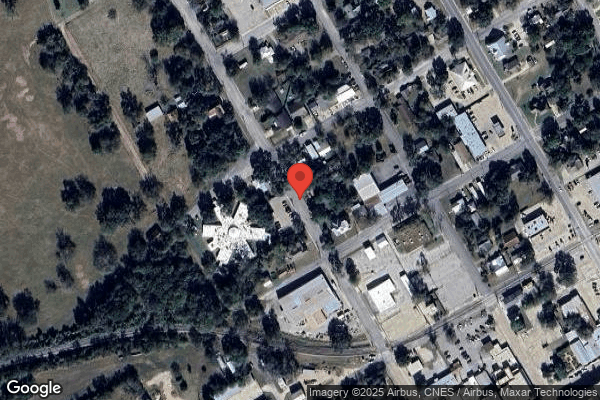
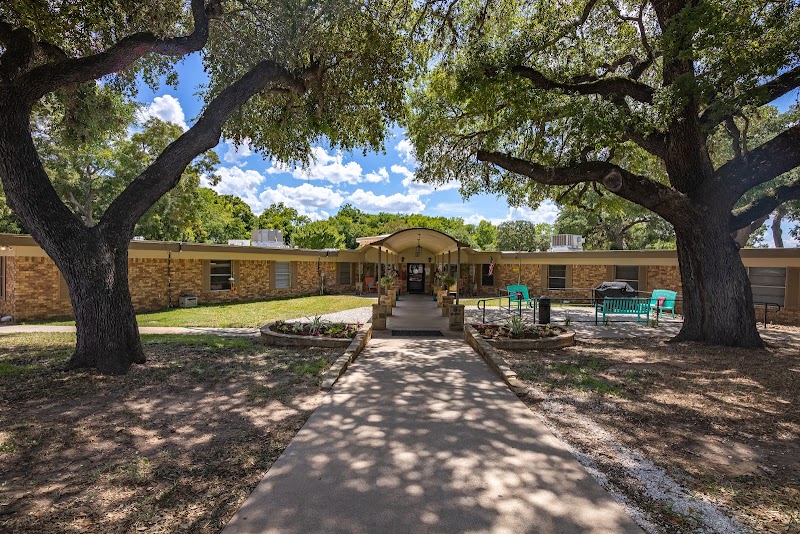
457 N MAIN ST, LA GRANGE, TX 78945 (979) 968-5865
For profit - Partnership 98 Beds SUMMIT LTC Data: November 2025
Trust Grade
70/100
#204 of 1168 in TX
Last Inspection: December 2024

Within standard 12-15 month inspection cycle. Federal law requires annual inspections.

Overview

Care Inn of La Grange has received a Trust Grade of B, indicating it is a good choice for families, though not without concerns. It ranks #1 out of 5 facilities in Fayette County and #204 out of 1168 in Texas, placing it in the top half of nursing homes in the state. However, the facility's trend is worsening, with issues increasing from 3 in 2023 to 7 in 2024. Staffing is a significant concern here, with a low rating of 1 out of 5 stars and a high turnover rate of 65%, which is above the Texas average of 50%. On a positive note, there have been no fines reported, which is a good sign of compliance. Additionally, RN coverage is concerning as it is lower than 99% of Texas facilities. Specific incidents noted by inspectors include improper food storage leading to contamination risks, failure to address trauma-informed care for a resident with PTSD, and inadequate accessibility of call lights for several residents, which could hinder their ability to get help when needed. While there are strengths in the quality measures rating, families should weigh these issues carefully.

Trust Score
B
70/100
In Texas
#204/1168
Top 17%
Safety Record
Low Risk
No red flags
Inspections
Getting Worse
3 → 7 violations
Staff Stability
⚠ Watch
65% turnover. Above average. Higher turnover means staff may not know residents' routines.
Penalties
✓ Good
No fines on record. Clean compliance history, better than most Texas facilities.
Skilled Nurses
⚠ Watch
Each resident gets only 2 minutes of Registered Nurse (RN) attention daily — below average for Texas. Fewer RN minutes means fewer trained eyes watching for problems.
Violations
⚠ Watch
14 deficiencies on record. Higher than average. Multiple issues found across inspections.
★★★★☆
4.0
Overall Rating
★☆☆☆☆
1.0
Staff Levels
★★★★★
5.0
Care Quality
★★★★☆
4.0
Inspection Score
Stable
2023: 3 issues
2024: 7 issues

The Good

  • 5-Star Quality Measures · Strong clinical quality outcomes
  • Full Sprinkler Coverage · Fire safety systems throughout facility
  • No fines on record

Facility shows strength in quality measures, fire safety.

The Bad

Staff Turnover: 65%

19pts above Texas avg (46%)

Frequent staff changes - ask about care continuity

Chain: SUMMIT LTC

Part of a multi-facility chain

Ask about local staffing decisions and management

Staff turnover is elevated (65%)

17 points above Texas average of 48%

The Ugly 14 deficiencies on record

Dec 2024 7 deficiencies
CONCERN (D)

Potential for Harm - no one hurt, but risky conditions existed

Deficiency F0583 (Tag F0583)

Could have caused harm · This affected 1 resident

**NOTE- TERMS IN BRACKETS HAVE BEEN EDITED TO PROTECT CONFIDENTIALITY** Based on observation, interview, and record review the facility failed to ensure residents had the right to personal privacy and...

Read full inspector narrative →
**NOTE- TERMS IN BRACKETS HAVE BEEN EDITED TO PROTECT CONFIDENTIALITY** Based on observation, interview, and record review the facility failed to ensure residents had the right to personal privacy and confidentiality of his or her personal and medical records for 1 of 2 residents (Resident #37) reviewed for personal privacy and confidentiality of records. The facility failed to protect the personal healthcare information of Resident #37 which was visible on a computer screen in the hallway while LVN A went into his room to preform wound care on 12/11/2024. This failure could place residents at risk for loss of privacy and dignity. Findings included: Review of Resident #37's face sheet dated 12/12/2024 reflected a [AGE] year-old male admitted to the facility on [DATE] with the following diagnoses acute kidney failure (A condition when an abrupt reduction in kidneys' ability to filter waste products occurs within a few hours or a few days. Symptoms include legs swelling and fatigue.), Hypertension (High pressure in the arteries (vessels that carry blood from the heart to the rest of the body). Symptoms varies from person to person and generally include unexplained fatigue and headache.), Diabetes Mellitus Type II (A condition results from insufficient production of insulin, causing high blood sugar.) and Dementia (A group of symptoms that affects memory, thinking and interferes with daily life.). Review of Resident #37's admission MDS dated [DATE] reflected he was assessed to have a BIMS score of eight indicating moderate cognitive impairment. Resident #37 was assessed to have physical and verbal behaviors 1 to 3 days during the assessment period. Resident #37 was assessed to require moderate to dependent assist with all ADLs. Resident #37 was assessed to be at risk for pressure ulcers and was assessed to have MASD. Review of Resident #37's comprehensive care plan dated 11/07/2024 and revised 12/06/2024 reflected no entries related to protection of personal health information. Observation on 12/11/2024 at 11:25 AM LVN A left the screen open on her computer screen outside Resident #37's room while she went inside his room to perform wound care. The computer screen exposed Resident #37's personal healthcare information including his wound care orders. In an interview on 12/11/2024 at 11:30 AM LVN A stated she should not have left the computer screen open that it could lead to Resident #37's confidential information being exposed, and it was a HIPPA violation. In an interview on 12/12/2024 9:34 AM the DON stated it was her expectation that residents' health information is be keep private to prevent HIPPA violations. The DON stated the nurse should have ensured the computer screen was not visible to passersby. Review of the facility's Policy Resident Rights dated 12/01/2018 reflected A person living in a nursing home or assisted living facility has the same rights as any other resident of Texas and the United States under federal and state laws. These include the right to: Privacy; Confidentiality of records .
CONCERN (D)

Potential for Harm - no one hurt, but risky conditions existed

PASARR Coordination (Tag F0644)

Could have caused harm · This affected 1 resident

**NOTE- TERMS IN BRACKETS HAVE BEEN EDITED TO PROTECT CONFIDENTIALITY** Based on interview and record review, the facility failed to refer all level II residents and all residents with newly evident o...

Read full inspector narrative →
**NOTE- TERMS IN BRACKETS HAVE BEEN EDITED TO PROTECT CONFIDENTIALITY** Based on interview and record review, the facility failed to refer all level II residents and all residents with newly evident or possible serious mental disorder, intellectual disability, or a related condition for level II resident review upon a significant change in status assessment for 1 of 2 residents (Resident #9) assessments reviewed for PASARR evaluations. The facility failed to refer Resident #9 to the appropriate, State-designated authority when she was diagnosed 09/27/23 with psychotic disorder with delusions due to known physiological condition and psychotic disorder with hallucinations due to know physiological condition. This failure could place residents at risk for not receiving necessary PASARR mental health services, causing a decline in mental health. Findings included: Record review of Resident #9's face sheet dated 12/12/24 revealed an [AGE] year-old female admitted to the facility 09/19/23 with a diagnosis of psychotic disorder with delusions due to known physiological condition, psychotic disorder with hallucinations due to known physiological condition, unspecified mood [affective] disorder, cognitive communication deficit (communication difficulty caused by a cognitive impairment), and generalized anxiety disorder (mental health condition that causes people to experience excessive and uncontrollable worry about everyday events or activities). Record review of Resident #9's annual comprehensive MDS assessment dated [DATE] revealed a BIMS score of 6 indicating severe cognitive impairment. Section I of the MDS assessment also indicated the resident had an active diagnosis of anxiety disorder and psychotic disorder. Record review of Resident #9's care plan revealed the following problems identified: - Psychotropic drug use- Resident #9 was at risk for adverse consequences related to receiving antipsychotic and depressant medication for the treatment of anxiety, depression, delusional disorder, and psychotic disorder with interventions. - Resident #9 has episodes of disruptive behavior symptoms as evidence by: screaming, shouting, yelling, hollering with interventions. - Resident #9 is at risk for social isolation related to anxiety with interventions. Record review of Resident #9's EMR revealed a 1012 form Mental illness/ Dementia Resident Review completed 10/05/23 that revealed it was marked No, the individual does not have a dementia diagnosis or had a dementia diagnosis, but it is not primary Section C of the form Mental Illness Indication was marked Panic or Other Sever Anxiety Disorder, yes, date of onset: 09/19/23 and any other disorder, yes, date of onset: 09/27/23- Delirium due to known physiological condition to which the form instructed If any of the responses are YES, the nursing facility needs to complete a new PL1 and sections D and E for the form, A full PASRR Evaluation will be conducted after the nursing facility submits the new positive PL1. Section D of the form Nursing Facility Action was marked A new positive PL1 was submitted on [date left blank] according to the instructions in section C with DLN [left blank]. Record review of Resident #9's EMR did not reveal a PASRR Evaluation was completed. In an interview on 12/12/24 at 10:09 PM with MDS B she stated the 1012 form to prompt a PASRR evaluation was not submitted. MDS B stated the resident should have a primary diagnosis of Dementia [the record did not show Dementia as a primary diagnosis]. MDS B stated that based on her current listed diagnosis, there should have been another PL1 done so PASRR could have come out to see if she would have qualified for services. MDS B stated that a potential negative outcome of not having completed that form is the resident could be missing out on mental health services and PASRR services if so indicated. In an interview on 12/12/24 at 1:30 PM with the ADM, she stated that the resident who is PASRR positive should be referred to services as a precaution and that a potential negative outcome of not sending the referral is behaviors could increase. The PASRR policy was requested from the DON 12/12/24 at 10:30 AM, she stated there was no PASRR policy and that they just follow PASRR guidelines.
CONCERN (D)

Potential for Harm - no one hurt, but risky conditions existed

Deficiency F0761 (Tag F0761)

Could have caused harm · This affected 1 resident

**NOTE- TERMS IN BRACKETS HAVE BEEN EDITED TO PROTECT CONFIDENTIALITY** Based on observation, interview, and record review the facility failed to ensure medications and biologicals were stored in lock...

Read full inspector narrative →
**NOTE- TERMS IN BRACKETS HAVE BEEN EDITED TO PROTECT CONFIDENTIALITY** Based on observation, interview, and record review the facility failed to ensure medications and biologicals were stored in locked compartments for 1 of 1 treatment carts reviewed for medication storage. The facility failed to ensure the treatment / nurse cart was locked while unattended by LVN A on 12/11/2024. This failure could have resulted in harm due to unauthorized access to medications, biologicals, and needles. Findings included: Observation on 12/11/2024 at 11:25 AM LVN A left the treatment/ nurse cart unlocked and unattended outside of room [ROOM NUMBER] while she performed wound care. In an interview on 12/11/2024 at 11:30 AM LVN A stated she did forget to lock her cart. LVN A stated the cart should have been locked to prevent residents from getting in the cart and having had access to harmful items, like medications and needles. She stated as the nurse/ treatment cart the cart had treatment supplies and medications. In an interview on 12/12/2024 at 9:34 AM the DON stated she expected staff to ensure medication and treatment carts were locked to maintain medication security and prevent residents from having had access to harmful items. Review of the facility's policy medication storage dated 12/2018 reflected It is the policy of this home that medications will be stored appropriately as to be secure from tampering, exposure, or misuse .
CONCERN (D)

Potential for Harm - no one hurt, but risky conditions existed

Infection Control (Tag F0880)

Could have caused harm · This affected 1 resident

**NOTE- TERMS IN BRACKETS HAVE BEEN EDITED TO PROTECT CONFIDENTIALITY** Based on observation, interview, and record review the facility failed to establish and maintain an infection prevention and con...

Read full inspector narrative →
**NOTE- TERMS IN BRACKETS HAVE BEEN EDITED TO PROTECT CONFIDENTIALITY** Based on observation, interview, and record review the facility failed to establish and maintain an infection prevention and control program designed to provide a safe, sanitary, and comfortable environment and to help prevent the development and transmission of communicable diseases and infections and follow accepted national standards for one of one resident reviewed for pressure ulcers wound care. (Resident #37). The facility failed to ensure the LVN A followed standard precautions during wound care on 12/11/2024 for Resident #37's stage II right buttock pressure ulcer when she failed to set up a clean field for treatment supplies, used a cleaning technique on the pressure ulcer that did not cross contaminate the pressure ulcer or prevent the pressure ulcer once cleaned from becoming re-contaminated. These failures could place residents at risk for developing wound infections. Findings included: Review of Resident #37's face sheet dated 12/12/2024 reflected a [AGE] year-old male admitted to the facility on [DATE] with the following diagnoses acute kidney failure (A condition when an abrupt reduction in kidneys' ability to filter waste products occurs within a few hours or a few days. Symptoms include legs swelling and fatigue.), Hypertension (High pressure in the arteries (vessels that carry blood from the heart to the rest of the body). Symptoms varies from person to person and include unexplained fatigue and headache.), Diabetes Mellitus Type II (A condition results from insufficient production of insulin, causing high blood sugar.) and Dementia (A group of symptoms that affects memory, thinking and interferes with daily life.). Review of Resident #37's admission MDS dated [DATE] reflected he was assessed to have a BIMS score of eight indicating moderate cognitive impairment. Resident #37 was assessed to have physical and verbal behaviors 1 to 3 days during the assessment period. Resident #37 was assessed to require moderate to dependent assist with all ADLs. Resident #37 was assessed to be at risk for pressure ulcers and was assessed to have MASD. Review of Resident #37's comprehensive care plan reflected a problem dated 11/02/2024 Resident #37 had a pressure ulcer related to MASD interventions included Assess the pressure ulcer for stage, size (length, width, and depth), presence/absence of granulation tissue and epithelization, and condition of surrounding skin weekly. Keep clean and dry as possible. Minimize skin exposure to moisture . Further review of Resident #37's comprehensive care plan reflected a problem dated 11/01/204 Resident #37 requires EBP during contact care related to wounds. Interventions included .Staff to provide/utilize appropriate PPE along with standard precautions while providing resident care. (i.e.: ADLs (dressing, grooming, personal hygiene, transfers, linen changes), incontinent care/toileting, wound care . Review of Resident #37's consolidated physician orders reflected an order dated 11/19/2024 Cleanse stage 2 right buttock with normal saline, apply hydrocolloid dressing once a day on Monday and Friday. Observation on 12/11/2024 at 11:27 AM revealed LVN A outside of Resident #37's gathering supplies for his wound care. She placed all the items on a piece of wax paper and brought them into Resident #37's placing them on his overbed table without moving his personal items or cleaning the table. LVN A further brought in an entire box of gloves from her treatment cart and placed them on the table. LVN A then turned Resident #37 to his left side to reveal a stage II pressure ulcer to his right buttock. LVN A using gauze soaked with normal saline cleaned across the pressure ulcer then patted all around the wound and surrounding skin. LVN A then let go of the right buttock allowing the loose skin to fall over the pressure ulcer. LVN A then lifted Resident #37's right buttock again and using a dry gauze patted at the pressure ulcer and without recleaning the pressure ulcer applied the hydrocolloid dressing. In an interview on 12/11/2024 at 11:35 AM LVN A stated she did not clean the overbed table prior to putting her supplies on the table she stated she thought the wax paper was enough. She stated she did not know she could not take the box of gloves out of the room once she brought them in. She stated the gloves would be contaminated once brought into the room and should not be brought back to the cart. She stated she should have cleaned the wound by starting in the center and moving outward. She stated she did not realize she cleaned across the wound. She stated she should have had someone in there to help her because the right buttock did fall back over the wound, and she stated she did not reclean it and should have. LVN A stated by not recleaning the wound after the unclean skin met the wound it became contaminated and could lead to infections. In an interview on 12/12/2024 at 9:34 AM the DON stated it was her expectations for staff to perform wound care in an aseptic (free from contamination by harmful bacteria, viruses, or other microorganisms) in a manner that does not contaminate the wound. She stated once items are brought into the room they are contaminated and should not be put back on the carts. Review of the facility's policy infection control- standard precautions dated 12/2018 reflected It is the policy of this home that staff members will use standard precautions when providing resident care or when there is the potential of coming into contact with contaminated items. The facility's policy did not address infection control in wound care.
CONCERN (E)

Potential for Harm - no one hurt, but risky conditions existed

Deficiency F0699 (Tag F0699)

Could have caused harm · This affected multiple residents

**NOTE- TERMS IN BRACKETS HAVE BEEN EDITED TO PROTECT CONFIDENTIALITY** Based on interview and record review the facility failed to ensure residents who are trauma survivors received culturally compet...

Read full inspector narrative →
**NOTE- TERMS IN BRACKETS HAVE BEEN EDITED TO PROTECT CONFIDENTIALITY** Based on interview and record review the facility failed to ensure residents who are trauma survivors received culturally competent, trauma-informed care in accordance with professional standards of practice and accounting for residents' experiences and preferences to eliminate or mitigate triggers that may cause re-traumatization for 1 (Resident #34) of 1 resident reviewed for trauma informed care. The facility failed to ensure that Resident #34 diagnosis of Post-Traumatic Stress Disorder (PTSD) potential triggers were identified, and care planned. The facility failed to ensure that Resident #34 received psychiatric services based on his current diagnosis to evaluate and plan for his care needs. This failure could place residents at increased risk for psychological distress due to re-traumatization. Findings included: Record review of Resident #34's face sheet dated 12/12/24 revealed a [AGE] year-old male admitted to the facility on [DATE] with a diagnosis of other schizoaffective disorder (mental health condition that is marked by a mix of schizophrenia symptoms such as hallucinations and delusions, and mood disorder symptoms such as depression, and mania), bipolar disorder (chronic mood disorder that causes intense shifts in mood, energy levels and behavior)-current episode-depressed-severe-with psychotic features, major depressive disorder (mood disorder that causes persistent feeling of sadness and loss of interest)-single episode-unspecified, generalized anxiety disorder, post-traumatic stress disorder-chronic (mental health condition that can develop after someone experiences or witnesses a traumatic event), and assault by unspecified means. Record review of Resident #34's admission MDS assessment dated [DATE] revealed a BIMS score of 15 indicating cognition intact. Section I Active Diagnosis revealed checked for anxiety disorder, depression, bipolar disorder, schizophrenia, and Post Traumatic Stress Disorder. Section N of the MDS revealed the resident was taking an antidepressant. The MDS revealed that Resident #34 did not exhibit any behaviors indicating rejection of care. Record review of Resident #34's care plan last revised 12/05/24 revealed problem identified Resident #34 has diagnosis of PTSD and is at risk for anxiety, hallucinations, irritability, difficulty sleeping, lack of interest in activities, easily startled/ frightened, and loss of memory with interventions administer medications per MD orders, allow extra time for communication as resident may have difficulty expressing thoughts/ needs, encourage resident to express/ talk about feelings as needed, facilitate access to community resources as needed for emotional/ behavioral support, monitor/ document behaviors per facility policy, provide extra time to address resident slowly and calmly to attempt to decrease risk of startling resident. The care plan did not identify any triggers for resident #34 related to the PTSD diagnosis. Additionally, the care plan also identified: - Resident #34 has a diagnosis of depression and is at risk of signs and symptoms of distress, symptoms of depression, insomnia, anxiety or sad mood with interventions. - Resident #34 has schizoaffective disorder and is at risk for disorganized thinking, hallucinations, paranoia, insomnia, and delusions with interventions. - Resident #34 has a diagnosis of bipolar and is at risk for impaired thought process, manic episodes, major depressive episodes, abnormal elevated moods, suicidal episodes, insomnia, significant weight loss/gain with interventions. - Resident #34 has anxiety and is at risk for feelings of fear, worry, irritability, fatigue, restlessness, insomnia, panic attacks, and isolation with interventions. Record review of Resident #34's physician orders revealed an order start date of 09/17/24 for aripiprazole 10mg tablet, 1 tablet oral, at bedtime for diagnosis of other schizoaffective disorder and trazodone tablet, 50mg, 1 tablet, oral at bedtime for diagnosis bipolar disorder, current episode depressed, severe, with psychotic features. Record review of Resident #34's ordered behavior checks with a start date of 10/24/24 for delusions and agitation revealed no behaviors identified. Record review of Resident #34's psychoactive medication therapy consents revealed a consent form dated 09/17/24 for trazodone marked ordered for depression and antidepressant. A second consent form was also reviewed for aripiprazole 10 mg by mouth a day for schizoaffective disorder, bipolar disorder with psychotic features, and mood instability. Resident #34 did not have psych consultations/ assessments for review on 12/12/2024. In an interview on 12/12/24 at 10:22 AM with the DON, she stated Resident #34's PTSD diagnosis was pulled from the last facility he came from and when he was admitted to this facility, he did not exhibit any behaviors that would have caused them to request a psych evaluation. The DON stated that it had been mentioned in the care plan meetings to the resident and his family but stated that despite all his current diagnosis related to mood/behavior disturbances that he is not receiving any psych consultations and they do not know what his PTSD triggers are. When asked if she (the DON) was qualified to evaluate someone as a mental health authority and make that judgement she stated she was not qualified to do that. The DON stated that a potential negative outcome to a resident having multiple diagnosis of mental health disorders that did not have PTSD triggers identified or evaluations by a mental health professional would be he could be missing out on potential resources that could be provided. A policy for trauma informed care was requested from the DON 12/12/24 at 10:30 AM, she stated there was no specific policy for trauma informed care or PTSD. In an interview on 12/12/24 at 1:30 PM with the ADM she stated it was her expectation that PTSD triggers for a resident be identified through verbal education, care plans, and charts. After reviewing Resident 34's diagnosis with the ADM, she stated that she would have reached out to psych services and said a potential negative outcome of a resident not being evaluated by psych services would be the potential for them to miss out on needed services.
CONCERN (F)

Potential for Harm - no one hurt, but risky conditions existed

Food Safety (Tag F0812)

Could have caused harm · This affected most or all residents

Based on observation, interview, and record review the facility failed to store, prepare, and distribute food in accordance with professional standards for food service safety in 1 of 1 kitchen and 1 ...

Read full inspector narrative →
Based on observation, interview, and record review the facility failed to store, prepare, and distribute food in accordance with professional standards for food service safety in 1 of 1 kitchen and 1 of 1 emergency food storage room reviewed for kitchen and food sanitation. 1. The facility failed to dispose of a bag labeled lunch meat with a manufacture expiration date of 11/23/24. 2. The facility failed to safely store all food items to prevent contamination or spoilage; a bag of pancakes and a bag of waffles were each in a torn bag exposed in the freezer on 12/10/2024. 3. The facility failed to ensure dietary staff followed handwashing procedures on 12/10/2024. 4. The facility failed to ensure 8 gallons of expired water (expired 04/04/24) in emergency storage were cycled out and removed and 3 additional separate damaged gallons of water removed. These failures could place residents at risk for food contamination and foodborne illness. Findings included: During the initial tour of the kitchen on 12/10/24 at 09:03 AM the following were observed: - Reach in refrigerator contained a clear zip seal bag that was labeled lunch meat with marker and had a printed manufacturer expiration date of 11/23/24. The bag also had writing on it with marker that said it was opened 12/08/24. - In the reach in freezer there was two separate boxes, one contained frozen pancakes and the other frozen waffles. Each box had one bag of each item that had its contents exposed (one bag of waffles, and one bag of pancakes) due to being in a torn bag exposing the contents. During a tour of the separate emergency food storage area on 12/10/24 at 09:25 AM the following were observed: - Eight single gallon bottles of water were observed with a printed expiration date of 04/04/24. - Three single gallon bottles of water were observed in a box, all three single-gallon bottles were damaged, caved in, and punctured causing leakage. During a follow up visit to the kitchen for puree observation 12/10/24 at 11:49 AM DC A was observed removing his gloves and placing them in the trash can, touching the trash can by pushing them in, then putting on gloves and going to work on the single serve cakes. Moments later as his gloves appeared to stick to the saran wrap, he removed the gloves and continued to touch the single serve cakes. He was then observed leaving the kitchen area and returning to food preparation multiple times. DC A did not at any point during this time wash his hands after touching the trash can or leaving the kitchen and returning to food preparation. In an interview on 12/10/24 at 09:31 AM with the DM, she stated that it was her expectation that food products are not used past the manufacturer expiration date. She stated the lunch meat that was dated with an open date of 12/08/24 and a printed manufacturer expiration date of 11/23/24 was opened and used past the manufacturer expiration date and should not have been used. The DM stated it was her expectation that dietary staff check daily for expired products and dispose of them and ensure all items opened and placed back in the refrigerator/ freezer are properly sealed in a zip seal bag or airtight container. The DM stated the emergency food storage is checked on a weekly basis and that it is her expectation that expired items are removed. The DM stated the expired water in the emergency supply was overlooked and should have been removed along with the damaged bottles. She stated a potential negative outcome of expired items being served is it could make residents sick. The DM stated that items which are not sealed and stored in the refrigerator/ freezer could have freezer burn, affect the food quality, and lead to spoilage. In an interview on 12/10/24 at 12:03 PM with DC A, he stated he did not think to wash his hands but that a potential negative outcome of not washing his hands after handing contaminated items would be could lead to cross contamination of the food. In an interview on 12/12/24 at 01:30 PM with the ADM, she stated it was her expectation for dietary staff to recognize, keep up with, and prevent expired food items. She stated it was her expectation that items stored in the freezer/ refrigerator were dated and labeled and can be stored in a zip seal bag if it is sealed properly. She stated dietary staff should be washing their hands after touching dirty surfaces. The ADM stated a negative outcome to items not sealed would cause the food to be compromised, the food would not be palatable, and could make residents sick. She stated if dietary staff failed to wash their hands after touching a contaminated item it would result in cross contamination of food. Record review of the Food Storage policy dated 12/01/11 revealed: Policy: The consultant dietician will monitor the storage of foods to ensure that all food served by the facility is of good quality and safe for consumption. All food will be stored according to the stated and federal food codes. Dry storage rooms: The first in first out rotation method is used. Packages are dated and added items are placed behind existing supplies so that older items are used first. Freezers: Frozen foods are stored in moisture proof wrap or containers that are labeled and dated. Record review of the Employee Sanitation policy dated 10/01/18 revealed: Policy: The nutrition and food service employees of the facility will practice good sanitation practices in accordance with the state and US Food Codes to minimize the risk of infection and food borne illness. Handwashing Employees must wash their hands and exposed portions of their arms at designated hand washing facilities at the following times: - Immediately before engaging in food preparation . - During food preparation as often as necessary to remove soil and contamination and prevent cross contamination when changing tasks. - After engaging in other activities that contaminate the hands. Use of gloves - Gloves are not a substitute for thorough and frequent hand washing. When using gloves always wash hands before touching or putting on new gloves. Review of the 2022 U.S. Food and Drug Administration Food Code revealed: 3-501.17 Ready-to-Eat, Time/Temperature Control for Safety Food, Date Marking. (A) Except when PACKAGING FOOD using a REDUCED OXYGEN PACKAGING method as specified under § 3-502.12, and except as specified in (E) and (F) of this section, refrigerated, READY-TO-EAT, TIME/TEMPERATURE CONTROL FOR SAFETY FOOD prepared and held in a FOOD ESTABLISHMENT for more than 24 hours shall be clearly marked to indicate the date or day by which the FOOD shall be consumed on the PREMISES, sold, or discarded when held at a temperature of 5ºC (41ºF) or less for a maximum of 7 days. The day of preparation shall be counted as Day 1. (B) Except as specified in (E) - (G) of this section, refrigerated, READY-TO-EAT TIME/TEMPERATURE CONTROL FOR SAFETY FOOD prepared and PACKAGED by a FOOD PROCESSING PLANT shall be clearly marked, at the time the original container is opened in a FOOD ESTABLISHMENT and if the FOOD is held for more than 24 hours, to indicate the date or day by which the FOOD shall be consumed on the PREMISES, sold, or discarded, based on the temperature and time combinations specified in (A) of this section and: Pf (1) The day the original container is opened in the FOOD ESTABLISHMENT shall be counted as Day 1; Of and (2) The day or date marked by the FOOD ESTABLISHMENT may not exceed a manufacturer's use-by date if the manufacturer determined the use-by date based on FOOD safety. 3-501.18 Ready-to-Eat, Time/Temperature Control for Safety Food, Disposition. (A) A FOOD specified in 3-501.17(A) or (B) shall be discarded if it: (1) Exceeds the temperature and time combination specified in 3-501.17(A), except time that the product is frozen (2) Is in a container or PACKAGE that does not bear a date or day; P or (3) Is inappropriately marked with a date or day that exceeds a temperature and time combination as specified in 3-501.17(A). 3-302.11 Packaged and Unpackaged Food - Separation, Packaging, and Segregation. FOOD shall be protected from cross contamination by: (4) Except as specified under Subparagraph 3-501.15(B)(2) and in (B) of this section, storing the food in packages, covered containers, or wrappings.
MINOR (C)

Minor Issue - procedural, no safety impact

Deficiency F0912 (Tag F0912)

Minor procedural issue · This affected most or all residents

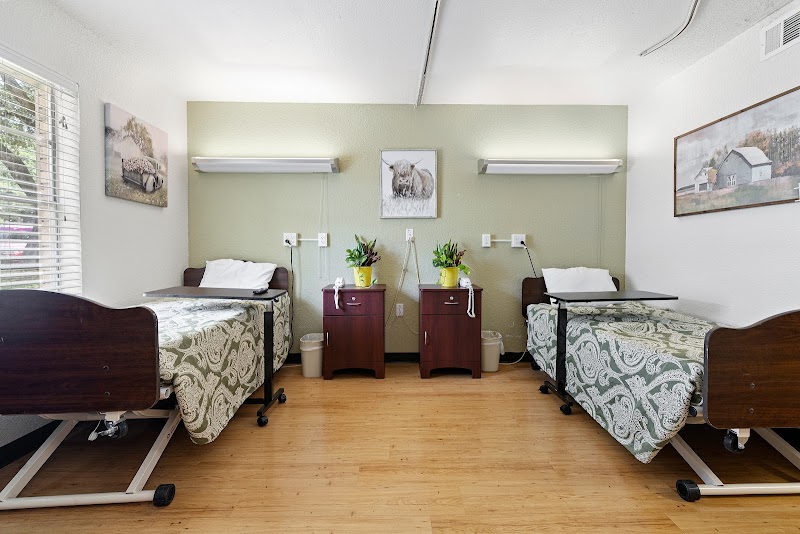
Based on interview and record review the facility failed to ensure that 49 of 49 resident rooms met the required square footage in that: All forty-nine resident rooms were less than the required space...

Read full inspector narrative →
Based on interview and record review the facility failed to ensure that 49 of 49 resident rooms met the required square footage in that: All forty-nine resident rooms were less than the required space of eighty square feet in multiple resident rooms or 100 square feet for single resident rooms. This included rooms 101, 102, 103, 104, 105, 106, 107, 108, 109, 201, 202, 203, 204, 205, 206, 207, 208, 209, 301, 302, 303, 304, 305, 306, 401, 402, 403, 404, 405, 406, 407, 501, 502, 503, 504, 505, 506, 507, 508, 509, 510, 601, 602, 603, 604, 605, 606, 607, 608. This failure could restrict the amount of resident care equipment and residents' personal effects that could be accommodated in these resident rooms, limit the ability of the residents to move about the room, and decrease residents' quality of life. Findings included: During an interview on 12/12/2024 at 9:00 AM, the Administrator stated they had requested a waiver for room size in the past, she did not have a physical copy, and the facility would request a waiver again. A record review of the facility's CMS form 2567 dated 9/26/2022 reflected We request a waiver for F912. A record review of the facility's CMS form 672 titled Resident Census and Conditions of Residents dated 10/11/2023 reflected a census of thirty-eight.
Oct 2023 3 deficiencies
CONCERN (E)

Potential for Harm - no one hurt, but risky conditions existed

Deficiency F0558 (Tag F0558)

Could have caused harm · This affected multiple residents

**NOTE- TERMS IN BRACKETS HAVE BEEN EDITED TO PROTECT CONFIDENTIALITY** Based on observation, interview and record review, the facility failed to ensure residents received services in the facility wit...

Read full inspector narrative →
**NOTE- TERMS IN BRACKETS HAVE BEEN EDITED TO PROTECT CONFIDENTIALITY** Based on observation, interview and record review, the facility failed to ensure residents received services in the facility with reasonable accommodation of resident needs for 3 (Resident #19, Resident #32, and Resident #36) of 8 residents reviewed for accommodation of needs. The facility failed to ensure Resident #19, Resident #32, and Resident #36 had call lights within their reach. These failures placed residents at risk of not having their needs met. Findings included: A record review of Resident #19's face sheet dated 10/12/2023 reflected a [AGE] year-old female admitted on [DATE] with diagnoses of dementia (symptoms affecting memory and thinking), muscle weakness, bipolar disorder (mental disorder), age-related debility (weakness), hypertension (high blood pressure), muscle wasting and atrophy (muscle loss), unspecified abnormalities of gait and mobility, and lack of coordination. A record review of Resident #19's MDS assessment dated [DATE] reflected a BIMS of 15, which indicated intact cognition. A record review of Resident #19's care plan last revised on 7/20/2023 reflected she had impaired visual function and was at risk for falls. Interventions included staff were to keep Resident #19's call light within reach. A record review of Resident #32's face sheet dated 10/12/2023 reflected an [AGE] year-old male admitted on [DATE] with diagnoses of dementia (symptoms affecting memory and thinking), major depressive disorder (depression), protein-calorie malnutrition, history of transient ischemic attack (brief stroke), type 2 diabetes (uncontrolled blood sugar), hypertension (high blood pressure), muscle wasting and atrophy (muscle loss), muscle weakness, unsteadiness on feet and abnormalities of gait and mobility. A record review of Resident #32's MDS assessment dated [DATE] reflected a BIMS of 3, which indicated severely impaired cognition. A record review of Resident #32's care plan last revised on 9/27/2023 reflected he had incontinence and was at risk for falls. Interventions included staff were to keep Resident #32's call light within reach. A record review of Resident #36's face sheet dated 10/12/2023 reflected a [AGE] year-old male admitted on [DATE] with diagnoses of chronic kidney disease, muscle wasting and atrophy (muscle loss), muscle weakness, reduced mobility, hypertension (high blood pressure), anemia (blood disorder), schizophrenia (mental disorder), mild intellectual disabilities, glaucoma (eye disease leading to vision loss) and major depressive disorder (depression). A record review of Resident #36's MDS assessment dated [DATE] reflected a BIMS of 15, which indicated intact cognition. A record review of Resident #36's care plan last revised on 10/03/2023 reflected he had impaired visual function and was at risk for falls. Interventions included staff were to keep Resident #36's call light within reach at all times. During an observation and interview on 10/10/2023 at 4:12 p.m., Resident #32 was observed lying in bed. Observed Resident #32's call light to be wrapped around itself in a circular direction and hung on the wall. Resident #32 stated he knew how to use the call button but he could not reach it. During an observation and interview on 10/10/2023 at 4:24 p.m., MA C stated no Resident #32's call light was not within reach, she did not know who had put it up there, and I can't control where people put the call light. Observed MA C unwrap Resident #32's call light as she placed it within reach of the resident. During an observation and interview on 10/12/2023 at 9:19 a.m., Resident #36 was observed lying in bed and his call light was on the floor. Resident #36 stated I can't reach it and asked if the surveyor could pick it up for him. Resident #36 said the call light had been on the floor all night. During an observation and interview on 10/12/2023 at 9:27 a.m., Resident #19 was observed lying in bed and her call light was on the floor. Resident #19 asked if the surveyor could pick it up for her. During an interview on 10/12/2023 at 9:29 a.m., CNA A stated both Resident #19 and Resident #36 knew how to use the call light and used it. During an interview on 10/12/2023 at 9:32 a.m., Resident #19 stated she did not know how long the call light had been on the floor but that her hands were sore. During an observation and interview on 10/12/2023 at 9:33 a.m., CNA A stated no that Resident #19 could not reach her call light and it's on the floor. Observed that CNA A asked Resident #19 why her call light was on the floor and Resident #19 told CNA A she needed some kind of fastener for the light but that she would stick it under her pillow for now. During an interview on 10/12/2023 at 9:34 a.m., CNA A stated Resident #19 did not have a clip on her call light. During an interview on 10/12/2023 at 4:14 p.m., the ADON stated the facility's policy on call lights included making sure they were in reach. The ADON stated CNAs monitored to ensure call lights were in reach and nurse managers rounded to monitor CNAs. The ADON stated staff were trained on call light placement via in-services and through verbal one on one trainings. The ADON stated yeah that staff had been trained on call light placement and said, I talk to staff all the time. The ADON stated if call lights were not in reach, residents would not be able to ask for help. During an interview on 10/12/2023 at 4:55 p.m., the Administrator stated the facility's policy on call lights was for them to be at bedside. The Administrator stated CNAs monitored to ensure they were within reach and regarding how CNAs were monitored, it's a facility effort. The Administrator stated housekeepers and department head monitored through Ambassador Rounds-the Administrator explained this meant rounding on rooms. The Administrator stated staff had been trained on call light placement through in-services, education, and computerized trainings, and all staff had been trained to her knowledge. The Administrator stated if call lights were not in reach, it could result in residents waiting longer for CNAs to respond. The Administrator stated, it could be something serious that happened and residents would not be able to notify CNAs. A record review of the facility's admission packet dated 12/01/2018 reflected the following: STATEMENT OF RESIDENT RIGHTS You, the resident, do not give up any rights when you enter a nursing facility. The facility must encourage and assist you to fully exercise your rights. You have all the rights, benefits, responsibilities, and privileges granted by the constitution and laws of this state and the United States (Rule § 19.402 (a) & (b) Texas Administrative Code and § I 02.003 (a) Human Resources Code). Any violation of these rights is against the law. It is against the law for any nursing facility employee to threaten, coerce, intimidate, or retaliate against you for exercising your rights. You have a right to: 1. ll care necessary for you to have the highest possible level of health A record review of the facility's in-service dated 2/17/2023 reflected staff were trained on the facility's call light policy. A record review of the facility's in-service dated 6/13/2023 reflected staff were trained on customer service instructed not to forget to always put the call light within resident's reach. A record review of the facility's in-service dated 9/06/2023 reflected staff were trained on customer service instructed not to forget to always put the call light within resident's reach. A record review of the facility's in-service dated 10/10/2023 reflected staff were trained on the facility's call light policy. A record review of the facility's policy titled Call Light - Use of dated October 2020 reflected the following: Policy It is the policy of this home to ensure residents have a call light within reach that they are physically able to access and that they have been instructed on its use. Procedure 1. All nursing personnel must be aware of call lights at all times. 8. [NAME] providing care to residents, be sure to position the call light conveniently for the resident to use. Tell the resident where the call light is and show him/her how to use the call light. 12. Be sure call lights are placed near the resident, never on the floor or bedside stand.
CONCERN (E)

Potential for Harm - no one hurt, but risky conditions existed

Safe Environment (Tag F0584)

Could have caused harm · This affected multiple residents

**NOTE- TERMS IN BRACKETS HAVE BEEN EDITED TO PROTECT CONFIDENTIALITY** Based on observation, interview and record review, the facility failed to maintain comfortable sound levels for 7 (Resident #1 a...

Read full inspector narrative →
**NOTE- TERMS IN BRACKETS HAVE BEEN EDITED TO PROTECT CONFIDENTIALITY** Based on observation, interview and record review, the facility failed to maintain comfortable sound levels for 7 (Resident #1 and six anonymous residents) of 8 residents reviewed for homelike environment. The facility failed to ensure Resident #22 did not upset other residents in the dining room with his yelling and behaviors during meals. This failure place residents at risk of not having comfortable sound levels. Findings included: A record review of Resident #1's face sheet dated 10/12/2023 reflected a [AGE] year-old male admitted on [DATE] with diagnoses of congestive heart failure, angina (chest pain), Alzheimer's disease (neurodegenerative disease), dysphagia (difficulty swallowing), muscle weakness and osteoporosis (skeletal disorder). A record review of Resident #1's MDS assessment dated [DATE] reflected a BIMS of 12, which indicated moderately impaired cognition. A record review of Resident #1's care plan last revised on 10/10/2023 reflected he had moderately impaired hearing. Interventions included staff were to speak clearly and distinctly. A record review of Resident #22's face sheet dated 10/12/2023 reflected a [AGE] year-old male admitted on [DATE] with diagnoses of malignant neoplasm of brain (brain tumor), dementia (symptoms affecting memory and thinking), cerebral infarction (stroke), dysphagia (difficulty swallowing), pain, and aphasia (difficulty communicating). A record review of Resident #22's MDS assessment dated [DATE] reflected a BIMS of 3, which indicated severely impaired cognition. A record review of Resident #22's care plan last revised on 10/05/2023 reflected he had significant weight loss related to poor intake and spitting out everything he puts in his mouth. Resident #22's care plan reflected he could be sitting in the hall in wheelchair or in dining room and starts yelling and hollering. Interventions included a psych eval, relaxation music and hands on assistance during meals. During a confidential meeting of residents, six out of six residents reported Resident #22 screamed and hollered during meals and it bothered them. Two of seven residents said Resident #22 spat his food out on the table. One of seven residents stated the new administrator was nice and tried a radio, but nothing worked. An observation on 10/10/2023 at 12:50 p.m. revealed residents, including Resident #1, were eating lunch in the dining room. There was country music playing on a boombox in the dining room. Resident #22 was sitting at a table with the SLP and kept yelling hurry, hurry! During an interview on 10/11/2023 at 8:15 a.m., the SLP stated they were trying to figure out why Resident #22 had had an increase of vocalizations in the last couple of weeks. The SLP stated she did not know whether things were too stimulating for him, and the facility was looking into noise cancelling headphones. The SLP said Resident #22's yelling had been going on for a couple of weeks and him spitting out his food started the last week of September 2023. During an observation and interview on 10/11/2023 at 1:02 p.m., CNA B stated Resident #22's yelling had been going on for months, but she did not know exactly how long. CNA B stated yes the yelling was mostly during mealtimes. Observed Resident #22 sitting in his room with CNA B present and Resident #22 was yelling out Ahhh! CNA B stated someone in therapy would talk with Resident #22 and she thought it was the SLP. CNA B stated she would have to ask the nurse regarding other interventions the facility had tried. CNA B stated the ADON had asked her to go in and observe Resident #22 during lunch that day, but she did not typically work that hallway. During an observation and interview on 10/12/2023 at 8:22 a.m., the SLP was in Resident #22's room encouraging him to eat breakfast. During an observation and interview on 10/12/2023 at 9:47 a.m., Resident #1 was lying in bed. Resident #1 stated Resident #22's yelling had been going on for at least a couple of months. When asked if it was mostly during meals, Resident #1 stated, yeah and it bothers my [family member]. Resident #1 stated Resident #22 yelled and cussed during meals, it bothered him, made him nervous, and said he may get a nervous breakdown. Resident #1 stated we have all complained about it and the supervisor knows. Resident #1 stated nothing would help except for putting Resident #22 in his room. During an interview on 10/12/2023 at 1:55 p.m., the Medical Director stated either himself or one of three other providers visited the facility once monthly. The Medical Director stated, after reviewing notes from Resident #22's last four visits on 9/03/2023, 9/12/2023, 9/27/2023 and 10/12/2023, he did not see any notes about Resident #22's behaviors. The Medical Director stated just because it was not documented, it did not mean the facility did not call them-he stated they did not always put things in the computer. The Medical Director stated the last time he visited Resident #22 was on 7/23/2023 and there was nothing unusual for him. A record review of the facility's in-services from January through October 2023 reflected no in-services on homelike environment. A record review of the facility's resident council minutes titled Resident Council Meeting Form dated 9/12/2023 reflected the following: Nursing: Concern with one resident in dining room yelling constantly and disturbing others eating. Nursing: Concern on one resident [Resident #22] always yelling in dining room for all meals. This document reflected a handwritten note under the nursing concern which read working on concern with the ADON's signature underneath. A record review of the facility's resident council minutes titled RESIDENT COUNCIL MINUTES dated 10/10/2023 reflected Concerns-the yelling in dining room-Nursing. A record review of the facility's grievance titled Grievance/Complaint Report dated 9/12/2023 reflected the following: [Resident #1] is upset that a fellow resident (@ times) makes unnecessary noise. It bothers him. Describe the incident as provided by the resident/individual: [Resident #22] keeps too much 'ruckus'. All that hollering bothers me. Describe your findings of the incident: Uncertain of cause, but resident does speak to himself @ times during meals. Recommendations/corrective action taken: Purchase radio for dining room to drown out noise; suggested meals in room; contact resident physician to advise. This grievance reflected it was resolved to the satisfaction of all concerned and marked as resolved on 9/15/2023. During an interview on 10/12/2023 at 4:20 p.m., the ADON stated she was not 100% sure what the facility's policy was on homelike environment when it came to sound levels. The ADON stated they usually monitored every meal and addressed concerns, so residents had a peaceful meal. The ADON stated to address Resident #22's yelling, they had tried earphones for him, he worked with the SLP, they had a radio in the dining room, they tried putting warm clothes on him, lighting, one on one sometimes. The ADON stated herself and the previous DON, whose last day was Monday 10/09/2023, were responsible for monitoring staff to ensure they provided a comfortable environment for residents. The ADON stated most of the time the nurses go around and ask if things are okay during meals. The ADON stated staff helped with interventions she put in place and communicated if they were not working as well. The ADON stated Resident #22's behaviors had been going on for a month or a month and a half, and just Resident #1 had complained about it. The ADON stated if one resident yelled, cursed, and spat during mealtimes, it would not make it a peaceful meal. During an interview on 10/12/2023 at 4:55 p.m., the Administrator stated, we try to accommodate all residents with sound levels. The Administrator stated they noticed Resident #22's yelling so she purchased a radio for mealtimes. The Administrator stated the next intervention was to remove Resident #22 from the dining room but said he was a member of the community, and they did not want to isolate him. The Administrator stated the facility tried earmuffs for Resident #22 to see if he was overstimulated in the dining room. The Administrator stated after trying interventions, she thought they would care plan him to eat in his room. The Administrator stated staff ensured a homelike environment during dining through guidance and education, and through their expectations as a company. The Administrator stated herself and department heads were responsible for monitoring staff to ensure they provided a comfortable environment for residents. The Administrator stated staff were trained on homelike environment through in-services. When asked how other residents may have been affected by one resident who yelled during mealtimes, the Administrator stated, most of them are compassionate and considerate with what's going on with him health-wise. The Administrator stated, then there are some like [Resident #1] who it bothers them, and we have to address it. A record review of the facility's in-services from January 2023 - October 2023 reflected no in-service trainings on homelike environment. A record review of the facility's policy titled Environment dated December 2017 reflected the following: Policy It is the policy of this home to maintain a homelike environment for its residents. Environment The facility will provide: The facility will maintain comfortable sound levels.
MINOR (C)

Minor Issue - procedural, no safety impact

Deficiency F0912 (Tag F0912)

Minor procedural issue · This affected most or all residents

Based on interview and record review the facility failed to ensure that 49 of 49 resident rooms met the required square footage in that: All 49 resident rooms were less than the required space of 80 s...

Read full inspector narrative →
Based on interview and record review the facility failed to ensure that 49 of 49 resident rooms met the required square footage in that: All 49 resident rooms were less than the required space of 80 square feet in multiple resident rooms or 100 square feet for single resident rooms. This included rooms 101, 102, 103, 104, 105, 106, 107, 108, 109, 201, 202, 203, 204, 205, 206, 207, 208, 209, 301, 302, 303, 304, 305, 306, 401, 402, 403, 404, 405, 406, 407, 501, 502, 503, 504, 505, 506, 507, 508, 509, 510, 601, 602, 603, 604, 605, 606, 607, 608. This failure could restrict the amount of resident care equipment and residents' personal effects that could be accommodated in these resident rooms, limit the ability of the residents to move about the room, and decrease residents' quality of life. Findings included: During an interview on 10/12/2023 at 12:16 p.m., the Administrator stated they had requested a waiver for room size in the past, she did not have a physical copy, and the facility would request a waiver again. A record review of the facility's CMS form 2567 dated 9/26/2022 reflected We request a waiver for F912. A record review of the facility's CMS form 672 titled Resident Census and Conditions of Residents dated 10/11/2023 reflected a census of 42.
Sept 2022 4 deficiencies
CONCERN (D)

Potential for Harm - no one hurt, but risky conditions existed

Comprehensive Care Plan (Tag F0656)

Could have caused harm · This affected 1 resident

**NOTE- TERMS IN BRACKETS HAVE BEEN EDITED TO PROTECT CONFIDENTIALITY** Based on interviews and record review the facility failed to develop and implement comprehensive care plan to meet the medical a...

Read full inspector narrative →
**NOTE- TERMS IN BRACKETS HAVE BEEN EDITED TO PROTECT CONFIDENTIALITY** Based on interviews and record review the facility failed to develop and implement comprehensive care plan to meet the medical and nursing needs for one (Resident #12) of eight residents reviewed for care plans. The facility failed to ensure Resident #12's Comprehensive Care Plan addressed behaviors exhibited by Resident #12 including agitation, racial slurs, foul language, combativeness towards staff and other disruptive behavior. This failure could place residents at risk for not having their individualized needs met in a timely manner and communicated with providers and could result in decreased quality of life. Findings included: Review of Resident #12's face sheet revealed Resident #12 was an [AGE] year-old female admitted to the facility on [DATE] with a diagnosis of Alzheimer's Disease (brain disorder that slowly destroys memory and thinking skills), major depressive disorder, high blood pressure, peptic ulcer disease (caused by stomach acid eating away at the stomach and/or small intestine), hearing loss and osteoporosis (progressive weakening of the bones). Review of Resident #12's MDS Significant Change assessment dated [DATE] revealed Resident #12 had a BIMS score of three to indicate severe cognitive impairment. Resident #12 was not noted to have behavioral symptoms including physical behavioral symptoms towards others, verbal behavioral symptoms directed towards others or other behavioral symptoms. Review of Resident #12's Care Plan dated 07/14/2022 revealed Resident #12 did not have behavioral issues noted on her care plan or interventions to manage behaviors. Record Review of Incident Report dated 09/04/2022 revealed Resident #12 became agitated while in isolation for COVID-19 and when staff attempted to calm her down, she had a bruise on her wrist from being grabbed by one of the staff members. In an interview on 09/09/2022 at 9:20 AM, LVN C stated she was an agency nurse and was working the COVID unit at the facility. She said at the beginning of the day Resident #12 was agitated because of her hearing aids. She said Resident #12 began to make racial slurs and yell at her. She said she asked routine facility staff if this was her baseline and facility staff told her yes that's Resident #12's normal behavior at times. She said later in her shift she was in the back room charting and heard banging. She went outside in the hallway and saw Resident #12 banging on the door. She grabbed gloves and attempted to re-direct Resident #12. She said Resident #12 continued to want to open the door and became increasingly agitated and started screaming. She said Resident #12 tried to move around her to exit the door and became combative. She tried to explain to Resident #12 that she could not go out of the unit because Resident #12 was positive for COVID-19. She said Resident #12 started spitting and kicking her. She said the facility staff nurse said Resident #12 had Sundowner's syndrome (condition in which a state of confusion worsens in the late afternoon and lasting into the night and is common in residents with Alzheimer's disease) and would become increasingly agitated in the afternoons and evenings. She said the facility staff nurse LVN E came into the COVID unit and took Resident #12 to her room. She said Resident #12 calmed down in her room, but soon after became agitated again. She said Resident #12 came back out and as she blocked the door, Resident #12 grabbed a pen and stabbed her with it in the back. She said Resident #12 tried to hit the CNA's with her walker. She said she felt this behavior was not normal for Resident #12 and called EMS due to Resident #12 having altered mental status. She said she asked other staff if this was normal and they said yes, but there were no notes or interventions about how to handle her behavior . She said Resident #12 likely bruised her arm when she was swinging her arms wildly in an attempt to leave the COVID unit. She said no one grabbed or caused the mark on Resident #12's arm. She said routine seemed to know how to handle Resident #12 better and without instructions or notes for interventions agency staff were not able to address Resident #12's behavior in the best way possible. In an interview on 09/09/2022 at 10:11 AM, the MDS NURSE said she was the manager on-call for 09/04/2022 and went to the facility after being notified by another charge nurse of Resident #12's behavior. She said there were no concerns for abuse of Resident #12 by any staff after investigating the incident. She said Resident #12 had a history of becoming agitated and would become verbally abusive towards staff and use racial slurs. She said the facility staff were familiar with her and would re-direct her when she became agitated. She said the agency staff on 09/04/2022 were unfamiliar with Resident #12 which likely caused her behavior to escalate. She said the behaviors were not on the care plan but should have been with interventions for how best to de-escalate Resident #12's behavior. In an interview on 09/09/2022 at 10:52 AM, LVN E stated she assisted agency staff with calming Resident #12 when Resident #12 wanted to leave the COVID unit. She put a gown on and took Resident #12 to her room. She said Resident #12 had a history of Sundowner's syndrome. She said Resident #12 would become agitated and confused and yell at staff. She said Resident #12 commonly used racial slurs when upset. She said they would re-direct her and give her a crossword puzzle to distract her. She said routine facility staff knew best how to handle her and agency staff were not as familiar with how to handle Resident #12's behavior. She said she thought this was included in Resident #12's care plan. In an interview on 09/09/2022 at 11:15 AM, LVN A stated Resident #12 had a history of becoming agitated and verbally abusive towards staff at times. She said they would re-direct and distract her when Resident #12 exhibited behaviors. She said Resident #12 was hard of hearing and if you wrote questions down for her to ask what was wrong it helped to distract Resident #12 and calm her. She said facility staff knew how to handle Resident #12 and de-escalate situations when Resident #12 was agitated. In an interview on 09/09/2022 at 12:05 PM, the ADON stated Resident #12 had a history of being triggered when made to do something she did not want to and would become verbally abusive towards staff and use racial slurs. She said this behavior should have been addressed in her care plan with effective interventions noted. She said the MDS NURSE was responsible for accurate completion of the care plan and would update Resident #12's care plan. Review of the facility policy titled Care Plan-Resident dated October 2020 revealed in part .It is the policy of this home that staff must develop a comprehensive care plan to meet the needs of the resident .a. Must be measurable .b. Must be time-limited. List a target date for the resident to achieve the long-term goal .the care plan will be person centered to provide person centered care .a. Review CAA (Care Area Assessment) triggers on the MDS .the specific problem as well as the underlying cause should be listed .b. The care plan must be reviewed and revised (updated) at least every 90 days .b. The resident care plan must be started the day the resident is admitted and completed within seven days after the comprehensive assessment is completed .
CONCERN (D)

Potential for Harm - no one hurt, but risky conditions existed

Deficiency F0806 (Tag F0806)

Could have caused harm · This affected 1 resident

**NOTE- TERMS IN BRACKETS HAVE BEEN EDITED TO PROTECT CONFIDENTIALITY** Based on interview and record review, the facility failed to ensure each resident received and the facility provided appealing o...

Read full inspector narrative →
**NOTE- TERMS IN BRACKETS HAVE BEEN EDITED TO PROTECT CONFIDENTIALITY** Based on interview and record review, the facility failed to ensure each resident received and the facility provided appealing options of similar nutritive value to residents who chose not to eat food that was initially served or who requested a different meal choice for one (Resident #37) of five residents reviewed for resident preferences and substitutes. The facility failed to ensure an alternative entrée with similar nutritive was available and offered to Resident #37 when he did not eat the meal he was served. This failure could place residents at risk for poor oral intake, weight loss, and poor quality of life. Findings included: Review of Resident #37's face sheet dated 09/09/2022 revealed Resident #37 to be a [AGE] year-old male admitted to the facility with the diagnoses of intractable pain from fusion of the lumbar portion of his spine, Type II Diabetes, hydronephrosis with renal and ureteral calculous obstruction (condition caused by a kidney or urethra stone which causes the buildup of urine in the urinary system) and depression. Review of Resident #37's admission MDS assessment dated [DATE] revealed Resident #37 had a BIMS score of 15 to indicate intact cognition. Resident #37 was not noted to require a mechanically altered or therapeutic diet. Resident #37 did not require assistance with eating. Review of Resident #37 Care plan dated 06/16/2022 revealed Resident #37 ate independently and did not require assistance from staff. In reference to Resident #37's nutritional status, he was ordered a regular diet with regular texture. The care plan noted that if Resident #37 should be served the regular diet and staff were to offer substitutes if less than 50% of his food was eaten and intake should be monitored. In an interview on 09/09/2022 at 11:30 AM, Resident #37 stated the food was pretty good at this facility and if he did not like what they were serving, he would order a sandwich. He said he used to receive health shakes three times a day when he was first admitted because he had lost weight while in the hospital for back surgery and intractable pain. He had gained weight since being admitted and since he ate his meals most of the time, the doctor said he could stop the health shakes. When asked if there were alternatives to eat besides a sandwich when he did not like the food, he said yes but it had to be ordered in advance. He said the staff can bring a sandwich at mealtime if he did not like the entrée. He said there was no other food served with the sandwich, and he was not offered additional food or supplements. He said he ate a sandwich last night for dinner because he did not like the food and there was no other food brought with the sandwich. He said he was not sure what would happen if he asked for additional food to go with the sandwich. He said has only received a sandwich as an alternative to meals. In an interview on 09/09/2022 at 11:40 AM, the DM stated if a resident did not like the food offered on the menu, they could order from the always available menu which would include soup and sandwich as a substitute for the main entrée. She said Resident #37 requested a sandwich sometimes if he did not like the food served. She said maybe twice per week he wanted a sandwich. She said the staff should have taken both soup and sandwich to him so the nutritive and calorie value would be similar to the main entrée served. She said it was not the facility policy to offer a nutrition supplement or health shake if intake was poor unless ordered by the doctor. She said they offer food first before a supplement. She said just eating a sandwich as a substitute for the main entrée would not have the same nutritive value as the main entrée. In an interview on 09/09/2022 at 11:50 AM, the RD stated if residents do not like the main entrée they could order from the always available menu. She said the choices from the always available menu would be of similar nutritive value as the main entrée. She said residents should be offered the substitute of their preference of similar nutritive value. She said she was not aware that Resident #37 was only receiving a sandwich when he ordered a substitute for his meal. She said Resident #37 should be offered additional food with the sandwich so that the nutritive value was like the main entrée to prevent weight loss. She stated Resident #37 had gained weight since admission but substituting only a sandwich could put him at risk for weight loss. In an interview on 09/09/2022 at 12:10 PM, the ADON stated the facility had alternative choices if a resident did not like the main entrée. She stated she was not aware that Resident #37 was not offered other food besides a sandwich when he did not like the main entrée. She stated a sandwich would not be of equal nutritive value as the main entrée. She stated they honor the resident's preference for a sandwich but should offer additional food with it like soup or crackers to increase the nutritive value to being similar to the main entrée. Review of the Dinner Menu dated 09/06/2022 revealed the main entrée to be a crab cake, broccoli rice casserole, parslied carrots, dinner roll, peach slices with milk and water with an approximate calorie content of 700 calories. Approximate calorie count of a sandwich would be 350-400 calories. Review of Alternate Food Choices and Substitutions and Honoring Preferences Policy dated 10/01/2018. An alternate entrée and vegetable will be offered at each meal. If a resident's preferences indicate they dislike the main meal, the alternate will be served unless the resident requests a substitution. Nursing staff will observe the residents at meal time. Any resident not eating will be offered the alternate meal or a substitute from the items available in the kitchen. The items offered must be compatible with any dietary restrictions or texture modifications.
CONCERN (E)

Potential for Harm - no one hurt, but risky conditions existed

Food Safety (Tag F0812)

Could have caused harm · This affected multiple residents

Based on observation, interview, and record review, the facility failed to store, prepare, distribute, and serve food under sanitary conditions in the ice machine #1 located in the dining room that pr...

Read full inspector narrative →
Based on observation, interview, and record review, the facility failed to store, prepare, distribute, and serve food under sanitary conditions in the ice machine #1 located in the dining room that provided ice for the dining room and all six of the resident hallways. The facility failed to clean and sanitize the kitchen ice machine which resulted in the ice machine having black mold growing on the interior right side of the ice bin. This failure could place the residents who used ice from the ice machine at risk of foodborne illness. Findings included: An observation on 09/07/2022 at 12:42 PM reflected ice machine #1 located in the dining room had a 12 inch by 18-inch patch of black mold on the interior right wall of the ice bin. In an interview on 09/07/2022 at 3:45 PM, the DM stated the kitchen staff complete weekly cleaning of the ice machine bin . She stated the maintenance director did any repairs or other required maintenance. She said the black mold built up over the course of the week and the facility has had repairman out to try to figure out why the black mold returns to the ice machine. She monitored the machine for cleanliness daily, but had not yet done so today. She said usually wiping it down weekly kept the black mold from building up in the machine. She said the black mold could expose residents to food borne illness which could result in nausea, vomiting, diarrhea and other health complications. She said they disposed of the ice in the machine and were using bagged ice until the machine made enough new ice. An observation on 09/08/2022 at 9:55 AM reflected during medication pass black flecks floated in the water at the bottom of the ice pitcher dated 09/08/2022. In an interview on 09/08/2022 at 9:56 AM, MA B stated she got new water this morning and the black flecks must have been in the ice. MA B did not know what the black flecks were caused by in the ice machine. She said she would get new water and ice for the residents as they could be exposed to food borne illness. An observation on 09/08/2022 at 10:35 AM reflected ice in the ice machine had black flecks in the ice. Observed ice scoop in ice scoop holder with black mold/mildew in the bottom of the scoop holder. In an interview on 09/08/2022 at 10:40 AM, the ADMIN stated he had seen the black flecks in the ice before and there was an ongoing issue with mold in the ice machine. He said they had multiple repairmen out to work on the machine and the problem with the black flecks returned. He said they would put the ice machine out of order and use bagged ice until the new ice machine was received . He said the scoop holder was not supposed to hold water and did not know how it built up mold in the bottom of the scoop holder. He said they would clean it thoroughly. He said exposure to the black mold could cause food borne illness in the residents. Review of Weekly Cleaning Schedule dated 07/17/2022 through 09/03/2022 revealed the ice machine was cleaned weekly on the following dates: 07/23/2022, 07/31/2022, 08/06/2022, 08/13/2022, 08/13/2022 and 08/28/2022. In an interview on 09/09/2022 at 10:00 AM, the ADMIN stated the facility had no policy or procedure regarding the ice machine cleaning and maintenance.
MINOR (C)

Minor Issue - procedural, no safety impact

Deficiency F0912 (Tag F0912)

Minor procedural issue · This affected most or all residents

Based on interview and record review the facility failed to ensure that 49 of 49 resident rooms met the required square footage in that: All 49 resident rooms were less than the required space of 80 s...

Read full inspector narrative →
Based on interview and record review the facility failed to ensure that 49 of 49 resident rooms met the required square footage in that: All 49 resident rooms were less than the required space of 80 square feet in multiple resident rooms or 100 square feet for single resident rooms. This included rooms 101, 102, 103, 104, 105, 106, 107, 108, 109, 201, 202, 203, 204, 205, 206, 207, 208, 209, 301, 302, 303, 304, 305, 306, 401, 402, 403, 404, 405, 406, 407, 501, 502, 503, 504, 505, 506, 507, 508, 509, 510, 601, 602, 603, 604, 605, 606, 607, 608. This failure could restrict the amount of resident care equipment and resident's personal effects that could be accommodated in these resident rooms, limit the ability of the to move about the room, decrease resident's quality of life. The findings were: In an interview on 09/07/2022 at 3:30 PM the ADMIN stated the facility had a waiver for room size and that it was the facility's intention to request a continuation of the waiver. Review of a previous waiver issued by HHSC revealed the waiver was granted for room sizes for all 49 resident use rooms. Review of the facility's CMS Form 672, Resident Census and Conditions of Residents, dated 09/07/2022, revealed a census of 44.
Understanding Severity Codes (click to expand)
Life-Threatening (Immediate Jeopardy)
J - Isolated K - Pattern L - Widespread
Actual Harm
G - Isolated H - Pattern I - Widespread
Potential for Harm
D - Isolated E - Pattern F - Widespread
No Harm (Minor)
A - Isolated B - Pattern C - Widespread

Questions to Ask on Your Visit

  • "Why is there high staff turnover? How do you retain staff?"
  • "Can I speak with families of current residents?"
  • "What's your RN coverage like on weekends and overnight?"

Our Honest Assessment

Strengths
  • • No major safety red flags. No abuse findings, life-threatening violations, or SFF status.
  • • No fines on record. Clean compliance history, better than most Texas facilities.
Concerns
  • • 14 deficiencies on record. Higher than average. Multiple issues found across inspections.
  • • 65% turnover. Above average. Higher turnover means staff may not know residents' routines.
Bottom line: Mixed indicators with Trust Score of 70/100. Visit in person and ask pointed questions.

About This Facility

What is Care Inn Of La Grange's CMS Rating?

CMS assigns CARE INN OF LA GRANGE an overall rating of 4 out of 5 stars, which is considered above average nationally. Within Texas, this rating places the facility higher than 99% of the state's 100 nursing homes. This rating reflects solid performance across the metrics CMS uses to evaluate nursing home quality.
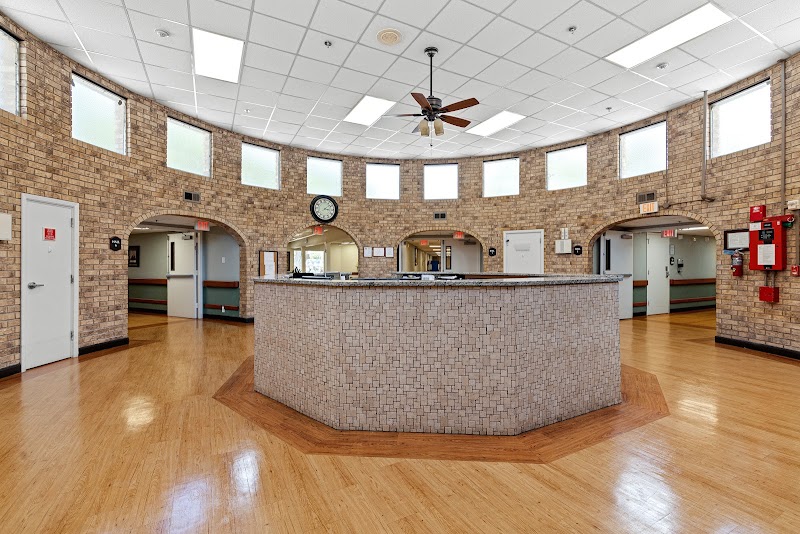
How is Care Inn Of La Grange Staffed?

CMS rates CARE INN OF LA GRANGE's staffing level at 1 out of 5 stars, which is much below average compared to other nursing homes. Staff turnover is 65%, which is 19 percentage points above the Texas average of 46%. High turnover can affect care consistency as new staff learn residents' individual needs.

What Have Inspectors Found at Care Inn Of La Grange?

State health inspectors documented 14 deficiencies at CARE INN OF LA GRANGE during 2022 to 2024. These included: 11 with potential for harm and 3 minor or isolated issues.
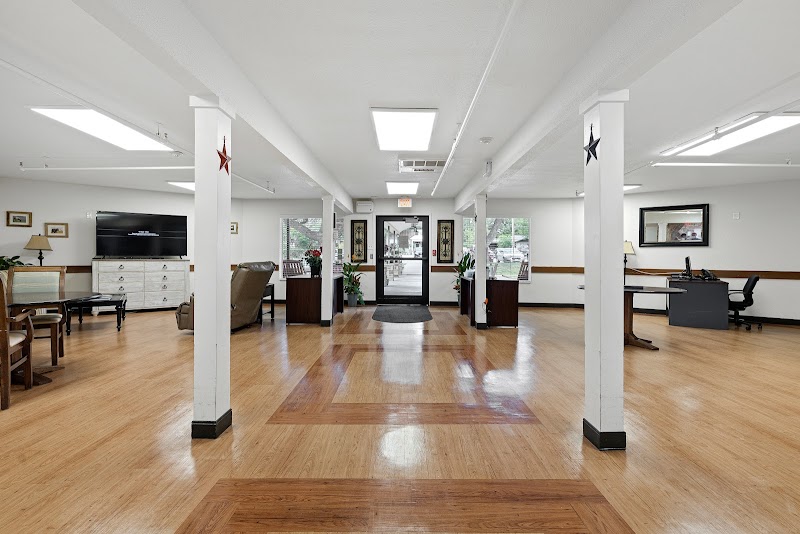
Who Owns and Operates Care Inn Of La Grange?

CARE INN OF LA GRANGE is owned by a for-profit company. For-profit facilities operate as businesses with obligations to shareholders or private owners. The facility is operated by SUMMIT LTC, a chain that manages multiple nursing homes. With 98 certified beds and approximately 42 residents (about 43% occupancy), it is a smaller facility located in LA GRANGE, Texas.
How Does Care Inn Of La Grange Compare to Other Texas Nursing Homes?

Compared to the 100 nursing homes in Texas, CARE INN OF LA GRANGE's overall rating (4 stars) is above the state average of 2.8, staff turnover (65%) is significantly higher than the state average of 46%, and health inspection rating (4 stars) is above the national benchmark.

What Should Families Ask When Visiting Care Inn Of La Grange?

Based on this facility's data, families visiting should ask: "How do you ensure continuity of care given staff turnover, and what is your staff retention strategy?" "Can you walk me through typical staffing levels on day, evening, and night shifts?" "Can I visit during a mealtime to observe dining assistance and food quality?" "How do you handle medical emergencies, and what is your hospital transfer rate?" These questions are particularly relevant given the facility's high staff turnover rate and the below-average staffing rating.

Is Care Inn Of La Grange Safe?

Based on CMS inspection data, CARE INN OF LA GRANGE has a clean safety record: no substantiated abuse findings (meaning no confirmed cases of resident harm), no Immediate Jeopardy citations (the most serious violation level indicating risk of serious injury or death), and is not on the Special Focus Facility watch list (a federal program monitoring the lowest-performing 1% of nursing homes). The facility has a 4-star overall rating and ranks #1 of 100 nursing homes in Texas. While no facility is perfect, families should still ask about staff-to-resident ratios and recent inspection results during their visit.

Do Nurses at Care Inn Of La Grange Stick Around?

Staff turnover at CARE INN OF LA GRANGE is high. At 65%, the facility is 19 percentage points above the Texas average of 46%. High turnover means new staff may not know residents' individual needs, medications, or preferences. It can also be disorienting for residents, especially those with dementia who rely on familiar faces. Families should ask: What is causing the turnover? What retention programs are in place? How do you ensure care continuity during staff transitions?

Was Care Inn Of La Grange Ever Fined?

CARE INN OF LA GRANGE has no federal fines on record. CMS issues fines when nursing homes fail to meet care standards or don't correct problems found during inspections. The absence of fines suggests the facility has either maintained compliance or corrected any issues before penalties were assessed. This is a positive indicator, though families should still review recent inspection reports for the full picture.

Is Care Inn Of La Grange on Any Federal Watch List?

CARE INN OF LA GRANGE is not on any federal watch list. The most significant is the Special Focus Facility (SFF) program, which identifies the bottom 1% of nursing homes nationally based on persistent, serious quality problems. Not being on this list means the facility has avoided the pattern of deficiencies that triggers enhanced federal oversight. This is a positive indicator, though families should still review the facility's inspection history directly.