Sylan Shores Health and Wellness
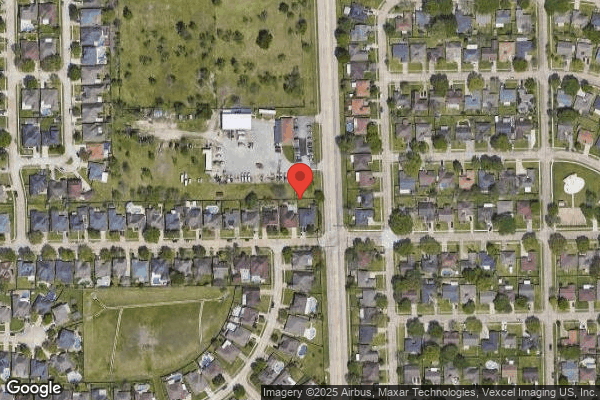
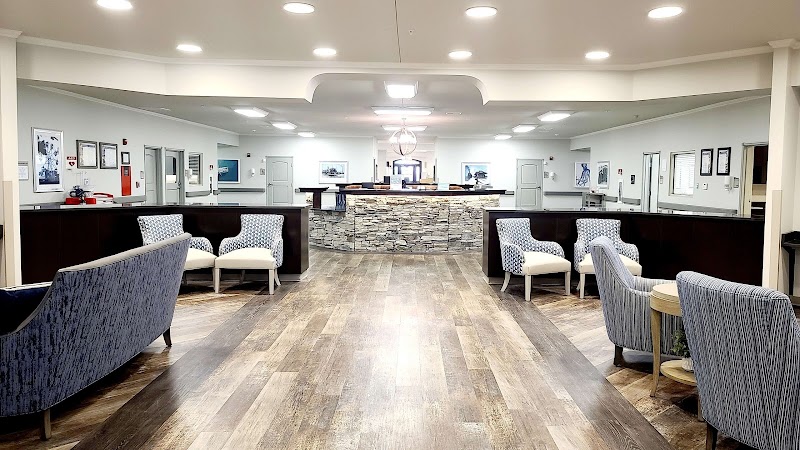
3950 Underwood Rd, La Porte, TX 77571 (832) 861-6910
Government - Hospital district 124 Beds ML HEALTHCARE Data: November 2025 1 Immediate Jeopardy citation
Trust Grade
13/100
#1115 of 1168 in TX
Last Inspection: July 2025

Inspected within the last 6 months. Data reflects current conditions.

Overview

Sylan Shores Health and Wellness has received a Trust Grade of F, indicating significant concerns about the facility's care quality. Ranking #1115 out of 1168 in Texas and #90 out of 95 in Harris County places it in the bottom half of nursing homes, which is troubling for families considering options. Although the facility is showing some improvement, reducing issues from five in 2024 to three in 2025, it still reported a critical incident involving a resident who experienced sexual abuse by a staff member. Staffing is a weak point with a rating of 1 out of 5 stars and a 59% turnover rate, which is average but concerning considering the potential impact on resident care. On a positive note, there have been no fines reported, suggesting compliance with regulations, but the facility still faces challenges, such as ensuring proper food safety and accurate resident assessments.
Trust Score
F
13/100
In Texas
#1115/1168
Bottom 5%
Safety Record
High Risk
Review needed
Inspections
Getting Better
5 → 3 violations
Staff Stability
⚠ Watch
59% turnover. Above average. Higher turnover means staff may not know residents' routines.
Penalties
✓ Good
No fines on record. Clean compliance history, better than most Texas facilities.
Skilled Nurses
⚠ Watch
Each resident gets only 22 minutes of Registered Nurse (RN) attention daily — below average for Texas. Fewer RN minutes means fewer trained eyes watching for problems.
Violations
⚠ Watch
17 deficiencies on record. Higher than average. Multiple issues found across inspections.
★☆☆☆☆
1.0
Overall Rating
★☆☆☆☆
1.0
Staff Levels
★★★☆☆
3.0
Care Quality
★★☆☆☆
2.0
Inspection Score
Stable
2024: 5 issues
2025: 3 issues

The Good

  • Full Sprinkler Coverage · Fire safety systems throughout facility
  • No fines on record

Facility shows strength in fire safety.

The Bad

1-Star Overall Rating

Below Texas average (2.8)

Significant quality concerns identified by CMS

Staff Turnover: 59%

13pts above Texas avg (46%)

Frequent staff changes - ask about care continuity

Chain: ML HEALTHCARE

Part of a multi-facility chain

Ask about local staffing decisions and management

Staff turnover is elevated (59%)

11 points above Texas average of 48%

The Ugly 17 deficiencies on record

1 life-threatening
Jul 2025 3 deficiencies 1 IJ
CRITICAL (J)

Immediate Jeopardy (IJ) - the most serious Medicare violation

Free from Abuse/Neglect (Tag F0600)

Someone could have died · This affected 1 resident

**NOTE- TERMS IN BRACKETS HAVE BEEN EDITED TO PROTECT CONFIDENTIALITY** Based on observation, interview, and record review, the facility failed to ensure each resident has the right to be free from ab...

Read full inspector narrative →
**NOTE- TERMS IN BRACKETS HAVE BEEN EDITED TO PROTECT CONFIDENTIALITY** Based on observation, interview, and record review, the facility failed to ensure each resident has the right to be free from abuse, neglect, misappropriation of resident property, and exploitation for 1 of 111 residents (Resident #1) reviewed for abuse and neglect. The facility failed to ensure Resident #1 was free from sexual abuse when Resident #1's was kissed by CNA A and her hand came in to contact with CNA A's penis on 7/13/25. The noncompliance was identified as Past Non-Compliance immediate jeopardy (IJ). The IJ began on 7/13/25 and ended on 7/17/25. The facility corrected the noncompliance before the survey began. This failure placed facility residents at risk of experiencing abuse and neglect. Findings include: Record review of Resident #1's admission Record dated 07/14/2025 revealed she was a [AGE] year-old female who was admitted to the facility on [DATE]. She was diagnosed with major depressive disorder (mental health disorder characterized by persistently depressed mood). Record review of Resident #1's admission MDS (minimum data set) dated 7/1/25 revealed she had a BIMS score of 15 out of 15 indicating she was cognition was intact. She was coded as having a lower extremity limitation in range of motion and used both walker and wheelchair for mobility. She also required the supervision of at least 1 staff member for most ADL's including, hygiene, toileting, bathing, and transfers. Record review of Resident #1's baseline care plan dated 06/27/2025 revealed: * Communication: Can the resident communicate easily with staff? Yes.Does the resident understand the staff? Yes.and Primary Language English. Record review on 7/21/25 at 3:38 pm of Resident #1's Weekly Skin Observation Tool dated 7/14/25 and signed as completed by LVN B revealed: Right elbow Bruising. Right thigh (front) Scar. 2. Other Skin Condition Description Skin WDI, small bruise on upper right arm, post-surgical scar on right hip. Record review of Psychiatric Subsequent assessment dated [DATE] revealed: Reason for Referral: Depression, Sleep Disturbance, Cognitive Testing For Medical Necessity, Other; Eval of cognition. Chief Complaint: (sic) i'm still anxious. Medical Necessity for visit: Patient seen today for multiple chronic conditions requiring prescription management. Reason: increase Zoloft and melatonin. History of Presenting Illness: Pt seen for follow up visit. Last seen on 7/8/25, started Zoloft and Melatonin. On exam, pt is in room, laying in bed awake. (sic)Behavior's assessed and the response to psychotropic medications monitored. Patient appears calm and in no acute distress. Denies issues with sleep and appetite. Endorses anxiety symptoms. Several incidents happened this weekend with staff members. Continues to endorse anxiety and depressive symptoms. Review of History: Psychiatric Hx: Includes: Anxiety; Depression; PTSD; Past Medications: Zoloft, xanax.Social Hx: home health, 2 kids, widowed, Non (sic)Demonational, GED, CNA. Alcohol use: None Drug use: addicted to opioids was on suboxone Smoking: Past Smoker. Mental Status Examination Appearance:; Speech: Fluent,; Mood: Depressed,: Affect: Mood Congruent, Though Process: Logical Linear, Associations: Intact Association,; Thought Content: WNL,; Suicidal Ideation: Suicidal Ideation no plan; Homicidal Ideation: None Risk of Aggression: None; Insight: Fair; Judgement: Fair; Attention: WNL,; Short Term Memory: Intact,; Long Term Memory: Intact; Language: WNL; Fund of Knowledge: WNL. Record review of social services note dated 7/18/25 at 2:11pm revealed: SW met with resident on 7/17/25 to interview regarding allegation over weekend regarding a male CNA. SW obtained clarification about what occurred involving male CNA. Resident is able to clearly give her narrative of events including date/time and details of interaction. Resident voices she does not now or previously have any concerns having male aides assist her. She reports despite this incident she feels safe at facility and loves it here.' She had some noted disappointment and sadness about the reported information but feels much better knowing she did the right thing and letting others know what happened. She was pleasant and easy to converse with and displayed non s/s anxiety during our discussion. Voiced no desire to leave facility and remains also on psych services for on going support overall. Record review of Psychiatric Subsequent assessment dated [DATE] revealed: Reason for Referral: Depression, Sleep Disturbance, Cognitive Testing For Medical Necessity, Other; Eval of cognition. Chief Complaint: the depression is easing up. Medical Necessity for visit: Patient seen today for multiple chronic conditions requiring prescription management. Reason: increase Zoloft. History of Presenting Illness: Pt seen for follow up visit. Last seen on 7/15/25, increase Zoloft and Melatonin. On exam, pt is in broom, sleeping in bed. (sic)Behavior's assessed and the response to psychotropic medications monitored. Patient appears calm and in no acute distress. Denies issues with sleep and appetite. Denies worsening feelings of hopelessness, restlessness, helplessness, worthlessness, poor mood, or anxiety. The depression is easing up. I'm sleeping much better. Pt spent the night with family. Reports pain is improved, and she is moving better. Looking forward to final surgery in the next month and getting back mobile. Pt has an overall improved outlook on situation. Pt made an allegation towards staff member being sexually inappropriate towards her. Police were called and incident reported to state. Pt endorses feeling safe and feels she made the right call. Concerned about this incident happening to residents who would not be able to speak for themselves. Denies lingering feelings and states she has moved on. Staff no longer works at facility. Collateral Information: Per staff, no exacerbation of psychiatric symptoms related to side effects of medications. Participating in ADL's and taking medications as prescribed.SW met with resident on 7/17/25 to interview regarding allegations over weekend regarding a male CNA. SW obtained clarification about what occurred involving male CNA. Resident is able to clearly give her narrative of events including date/time and details of interaction. Resident voices she does not now or previously have any concerns having male aides assist her. She reports despite this incident she feels safe at facility and loves it here.' She had some noted disappointment and sadness about the reported information but feels much better knowing she did the right thing and letting others know what happened. She was pleasant and easy to converse with and displayed non s/s anxiety during our discussion. Voiced no desire to leave facility and remains also on psych services for on going support overall. Record review of social services note dated 7/22/25 at 7:37 pm revealed: SW and Administrator visited resident for follow up status regarding recent allegation of abuse. Resident is in her room in bed comfortable. She states she had a unstressful weekend and got a lot of good rest. When asked how she was feeling regarding the incident last week, she replied, oh, I handled it, I'm fine, he never touched me/my person, she is calm and mood pleasant. Reports she did speak to state staff today to fill them in also. Resident smiling said she had no concerns at this time. No s/s anxiety or depression observed or voiced. Record review of Resident #1's facility provider investigation report dated and reported on 7/14/25 revealed: on 7/13/25 at 9:30 pm Resident #1 reported to facility HR and Administrator that CNA A kissed her on the lips and also brushed the back of her hand against his erected penis. Skin assessment completed-No new areas of concern identified. No new injuries, redness, or bruising identified. Resident was also psychosocial/emotional assessed by SW was okay and not upset or crying. Also additionally assessed through observation and was not visibly upset or tearful, but uncomfortable when telling the Administrator & DON what occurred. Alleged perpetrator was immediately suspended and removed from the schedule. Responsible party and physician were notified. PD A was notified. Resident surveys were initiated, nothing adverse noted. Staff in-service on Abuse and Neglect (sic) was initiated. Facility Investigation Findings: Confirmed. Provider Action Taken Post-Investigation: Alleged Perpetrator was terminated from employment. Staff in-services on Abuse and Neglect training is on-going and was signed as completed by facility Administrator on 7/18/25. Observation and interview with Resident #1 on 7/21/25 at 10:24 am the resident was seated in her bed, appropriately dressed, and groomed. She appeared calm and in no apparent distress and was smiling. She said she had no care concerns, and everything was going well at the facility except on the Sunday before last, when she was sexually molested by a male, CNA A. Resident #1 said she had invited CNA A to have a popsicle with her in her room, at the end of his shift and CNA A kissed her on the lips and placed her hand on his erect penis which was moist. Resident #1 said she told him after the kiss, that he was behaving inappropriately and told him no. Resident #1 said after he placed her hand on his erect penis, it was gross, and wet, and she told him to leave her room. Resident #1 said the contact was over clothing and CNA A did not touch her anywhere on her body other than the kiss. Resident #1 said she felt like she handled the situation and CNA A left her room when asked to. Resident #1 said she felt safe at the facility and had no other issues with anything or anyone. Interview with Administrator on 07/21/25 at 10:33 am who said she was aware of the allegations Resident #1 made and had already reported the incident to the state on 7/14/25, when she was originally notified about the incident. The Administrator said HR first notified her of the incident because she was the assigned room ambassador for Resident #1's daily room rounds. The Administrator said HR reported the incident to her as soon as Resident #1 told HR about the incident. The Administrator said she completed the investigation and faxed everything into the state on Friday 7/18/25. Administrator said through her investigation, the allegations were confirmed, because CNA A did not deny the allegations told them he behaved inappropriately and unprofessionally during his interaction with Resident #1. The Administrator said the only difference in the two stories was that CNA A alleged Resident #1 touched his erect penis by herself. She said he was initially suspended but then immediately terminated over the phone and had not been back inside the building since the date of the incident which was Sunday 7/13/25 on the 2-10 shift. She said CNA A was only a prn staff member and worked throughout the building. She said the police were called and a report taken. The Administrator said Resident #1 has said and to her knowledge, continues to say she did not want to press charges against CNA A. The Administrator said there had been no other complaints or allegations against CNA A during the short time he worked at the facility which she said was for less than a month. Interview with HR on 7/21/25 at 11:51 am, HR said Resident #1 reported to her during her ambassador room rounds the morning of 7/14/25 that CNA A came to her room to have popsicles after she invited him to have a popsicle, and he kissed her on the lips and brushed her hand against his erect penis and his pants were moist. HR said Resident #1 told her she told CNA A to leave, and he left without any further contact or issue. HR said she was witness with Administrator of telephone interview with CNA A and a recorded transcript was part of the facility investigation evidence. HR said CNA A did not deny the kiss or inappropriate interaction and only refuted that he placed Resident #1's hand on his erect penis. He alleged Resident #1 touched his penis herself. CNA A was hired by the previous HR person as prn staff and only worked prn at the facility. HR said CNA A worked at several area facilities prn and had a full-time position as transportation at another area SNF. HR said during orientation each department manager explained their department and there were also videos on ANE. HR said all of CNA A's criminal background, EMR and NA checks were completed before his hire/offer letter and came back clean. She said they also completed reference checks on CNA A and completed reference checks on all staff before hire because it was a requirement of the company. Interview with SW on 7/21/25 at 4:02 pm who said she interviewed and assessed Resident #1 a day or so after the incident because Resident #1 had been out on pass with family. SW said Resident #1 reported she had never met CNA A prior to her stay at this facility and only had one previous experience with CNA A providing care for her without any sexual inappropriateness. Resident # 1 told SW she did not feel uncomfortable with CNA A before the incident which occurred on Sunday, 7/12/25, around 8:30 pm. SW said Resident #1 reported she asked CNA A to help her get a popsicle from her bedside refrigerator/freezer and offered CNA A one. CNA A told Resident #1 he would return later at the end of his shift or after his shift. SW said Resident #1 reported to her she was sitting on the end of the foot of her bed (which was usual behavior for Resident #1), and CNA A made a comment saying Resident #1 was so beautiful and then kissed her on the lips. Resident #1 said she told CNA A no and told him it was inappropriate and then they traded popsicles licking one another's popsicles, when CNA A grabbed her hands and placed them around his popsicle and cupped his hands around hers like a shaft and was standing in front of Resident #1. SW said Resident #1 recognized CNA A was erect and took her hand and placed it on his erect penis over his pants and Resident #1 reported it was wet. Resident #1 stated she told him to leave and told him she was reporting the incident to her family member]. Resident #1 said CNA A mouthed shush and left. SW said Resident #1 was back and forth on pressing charges and to her knowledge continued to decline to press charges against CNA A. SW said she conducted safety rounds on all units except short term unit and there were no other allegations of ANE. Record review of facility provided staff Daily Assignment Sheets on 7/22/25 at 4:55 pm revealed CNA A was documented as being assigned to work 400 hall and 400 Front on 7/13/25. Telephone interview with Resident #1's RP on 7/21/25 at 4:51 pm she stated Resident#1 and facility reported that CNA A had sexually assaulted her Resident #1. Resident #1's RP stated based on statement Resident #1 gave her, CNA A was her nurse for the night and when Resident #1 put on her call light CNA A responded and Resident #1 asked CNA A to get her a popsicle and then offered CNA A one. Resident #1's RP reported Resident #1 told her CNA A returned to Resident #1's room at the end of his shift and Resident #1 told her they were just hanging out and talking and then things got weird because they began swapping popsicles. Resident #1 said CNA A handed Resident #1 his popsicle on the shaft side and then pulled her legs off the bed, so they were facing one another and kissed her on the lips. Resident #1's RP said police were called and they (Resident #1's RP and Resident #1) had changed their minds and would be pressing charges. Resident #1's RP said she remained concerned because the facility still employed CNA A's family member that looked like him. Interview with MA A on 7/21/25 at 4:58 pm said she worked the night of the incident but did not know anything happened until the next day. MA A state Resident #1 told her she asked CNA A for her candy and lollipops and CNA A allegedly placed her hands on his privates and told her he could be her lollipop. Resident #1 told her the police came, and she had already spoken with the Administrator and her RP. MA A said she worked with CNA A at a different facility and was familiar with him over the last 10 years. MA A said she never heard of any other sexual complaints against CNA A. MA A said Resident #1 did not seem upset or scared, and she had not seen CNA A since the alleged day of the incident. MA A said the night of the incident CNA A had been pulled to work Resident #1's hall/unit because another staff member had called in. MA A said she had been trained on ANE upon hire and multiple times per month and was able to articulate two examples and said she would report anything immediately to abuse coordinator who was also the Administrator. Telephone interview with CNA A on 7/22/25 at 11:34 am said Resident #1 was friendly with him and frequently complimented him on his appearance. CNA A said he only had a couple of encounters with Resident #1 while working at the facility and was assigned to her care on the day of the incident which was a Sunday. CNA A said throughout the day, they had little discussions about nothing serious and then the topic of eating popsicles came up and Resident #1 asked him to have a popsicle date. He said he came back towards the end of his shift between 9:00 pm and 9:30npm and they were having popsicles, sitting, and talking. CNA A said he was seated on Resident #1's rolling walker seat and Resident #1 was seated to the side of her bed with her legs dangling and they were facing each other. CNA A said Resident #1 asked him if he could keep a secret about their friendship and he replied that he could and asked her the same and Resident #1 replied that she would. CNA A said they discussed a friendship and began speaking about past relationships and exes after Resident #1 asked him if he had a girlfriend and asked why he was single because he was so [NAME] and he complimented Resident #1 back. CNA A said they ended up hugging twice when he got up to leave and say goodbye, he backed up they smiled at each other and lingered and then they kissed each other on the lips. He said it was a peck and then they hugged again and pecked on the lips again, no tongue or anything and no hands touching or rubbing body parts or anything. CNA A said he let his guard down and made a mistake. He said they were holding hands when he stood up, and he had her hand in his hand, and he took her hand and grazed his penis and Resident #1 then grabbed his penis and started rubbing it. CNA A said nothing came out of his penis. CNA A said he had been trained on ANE upon hire at the facility and had been trained on sexual abuse. CNA A said he did not consider the incident with Resident #1 abuse or sexual abuse or assault because he felt like Resident #1 provoked and initiated the interactions and the incident was consensual. CNA A said Resident #1 was never coerced, and nothing was malicious. CNA A said it was wrong, it was a mistake, but it happened, and it was unprofessional. CNA A said nothing like this had ever happened before in his CNA career and he had a bad couple of days over a 2-3-day span in the days leading up to the incident. CNA A said he felt like a buildup things in his personal life mixed with a combination of stress and pressure just made him act out of character. CNA A said the police had not contacted him to date and reiterated that there was no under clothing contact of any kind. CNA A said he had a family member that looked like him who also worked at the facility. Follow up interview and observation with Resident #1 on 7/23/25 at 10:52 am who was laying in her bed. She was appropriately dressed and groomed with her call light and hydration within reach. She appeared calm and relaxed. Resident #1 said she did not report the incident to anyone the night it happened. Resident #1 said she called her best friend after the incident that evening but did not report anything to any facility staff member or her family. Resident #1 said she did not report the incident to any staff member that night because she felt like she handled things. Resident #1 said she did not feel threatened or afraid because she had worked with men all her life and was a [NAME] in clubs in her past life. Resident #1 said she had a conversation about her history as a club [NAME] with CNA A on one separate occasion prior to the incident and felt like maybe CNA A was thinking about the previous conversation during the incident on Sunday. Resident #1 said she was uncomfortable during the incident but never afraid of CNA A but felt like he could do it to someone else who was not as alert and with it as she was. Resident #1 said CNA A never pulled the privacy curtain around them during the interaction and her roommate was in the bathroom. Resident #1 said she reported the incident to HR the next morning and HR brought the Administrator back to her bedside and at the same time her daughter showed up to visit her, so the reporting of everything happened simultaneously. Resident #1 said the police arrived a short time after and took statements. Resident #1 said she did not want to press charges against CNA A because she did not want to put herself or her family through any ordeal and wanted to just focus on her upcoming surgery, recovery and planned to go home. Observation and Interview with Resident #2 on 7/23/25 at 11:01 am who was observed wheeling herself out of the shared bathroom inside the double occupancy room via her wheelchair. She was appropriately dressed and groomed and returned to her side of the room and her bed and said she did not recall hearing or seeing anything happen between her roommate (Resident #1) or anyone. Resident #2 said no male CNA or any CNA had ever touched her or spoken to her in any inappropriate way. Resident #2 said she had no issues or concerns and liked living at the facility. Resident #2 said staff were friendly and nice and had never witnessed anyone being inappropriate or kissing and touching her roommate or anyone else. Follow up interview with facility Administrator on 7/23/25 at 9:37 am who said they had not conducted a QAPI of the incident but one was scheduled for next week. Administrator said they helped prevent ANE and checked to ensure there was no ANE through daily ambassador rounds that included all department heads conducting daily rounds on a specific set of resident rooms. Administrator said HR was the ambassador responsible for conducting daily rounds with Resident #1. Administrator they also tried to prevent resident ANE through their on-going staff trainings and hiring processes that included EMR and licensure checks and verifications, criminal background and misconduct registry checks and orientation which were all conducted prior to on-boarding staff or having them work with residents. She said they also conducted reference checks and followed up on grievances as well as, employee competencies and performance evaluations. The Administrator said Resident #1 reported the incident to HR who was also her room ambassador the day after the incident and HR reported it to her as the Abuse Coordinator. Administrator said she was unsure if CNA A had family member that resembled him and confirmed CNA A's family member worked at the facility as a MA. The Administrator said CNA A's family member worked on Resident #1's hall but was instructed not to provide care for her. The Administrator said she was unsure if any male direct care providers were still assigned to Resident #1 and said Resident #1 had not requested to have no male care providers. Administrator also said she did not refer CNA A to the NA registry because she tried 3 years ago and was told she could not do it by the state. Record review on 7/22/25 at 5:01pm of local PD email to facility that revealed: the report has been completed. Due to the nature of this report, it is not releasable. Attempted to contact local PD Officer A via telephone contact number provided on 7/22/25 5:30pm and received recorded message that number was not a working number. Record review of the facility's document titled, Reporting Abuse to Facility Management dated 2020 revealed in part, 1. Our Facility will not condone resident abuse, by anyone, including associates (associates herein refer to covered individuals), staff members, physicians, consultants, volunteers, staff of other agencies serving the resident, family members, legal guardians, sponsors, other residents, friends, or other individuals. The facility will not employ persons who have been found guilty of abuse, neglect, or mistreatment or have had a finding entered into a state registry or licensing authority concerning such behaviors.d). Sexual abuse is non-consensual sexual contact of any type with a resident and is defined as, but is not limited to, sexual harassment, sexual coercion, or sexual assault. Record review of the facility's document titled Responding to Residents' Sexually Inappropriate Behavior dated 2017 revealed in part, Learning Objectives.Identify six potential reasons for residents to display sexually inappropriate behavior.content Outline.Need for touch.Desire for relationship.Helpful responses to inappropriate sexual behaviors include: Responding firmly and respectfully.Redirecting the behavior.Discussing the behavior with interdisciplinary team.Asking for help.Don't encourage the behavior. On 7/22/25 at 3:05 p.m., the facility's Administrator and DON were notified of the past noncompliance IJ. A plan of removal was not requested. An IJ template was provided to the Administrator on 7/22/25 at 3:05 p.m. Interviews were conducted with staff on 7/21/25 from 10:33 am until 4:58 pm including Administrator, HR, SW and MA A and 7/23/25 from 9:37 am until 4:33pm including LVN B, CNA B, MA B, DM, Transport, DOR, Maintenance Director, Cook, Dishwasher A, Dishwasher B, RN A, LVN C, and RN B to verify staff in-service trainings were conducted and validate staff understanding of information presented to them. No concerns were found regarding understanding of requirements, training material, and expectations. MA A, LVN B, LVN C, RN A, RN B, MA B, HR, SW, DOR, DM, Transport, CNA B were able to explain the importance of recognizing abuse and neglect and reporting as well as immediately reporting abuse to the abuse coordinator. Interview with CNA B on 7/23/25 at 11:42 am said he worked at facility for 3 years and never witnessed any ANE or any sexually inappropriate behaviors or interactions between staff and residents. CNA B said he was trained on ANE upon hire and had regular in-service trainings at least monthly. He said the facility had provided an in-service training last week or so and it was specifically on dealing with sexual behaviors and what to do if a resident is flirtatious or has sexually inappropriate behaviors. CNA B said he would politely remove himself from the situation if approached in an inappropriate manner by a resident and he would report it to charge nurse to help find someone else to provide care for the resident and then the Administrator/DON for another assignment. CNA B was able to articulate 3 examples of ANE and said they would report immediately to Abuse Coordinator who was also the Administrator. Interview with MA B on 7/23/25 at 12:22 pm. MA B family member of CNA A. MA B said he was trained on ANE upon hire and almost weekly since then. MA B said he had only worked at the facility a couple of weeks and did not provide care to Resident #1 as instructed. MA B was able to articulate sexual, physical, emotional and misappropriation as examples of ANE and said he had not witnessed any ANE at the facility. MA B said if he did ever witness any ANE he would immediately report it to the Administrator who was also the Abuse Coordinator. MA B said they had specific in-service training on how to handle sexual behaviors in residents about one week ago. MA B said he would remove himself from any inappropriate situation and report to charge nurse first, so someone else could care for the resident and then report to DON and Administrator so his assignment could be changed. Interview on 7/23/25 at 12:25 pm with DM who said he had been trained on ANE including sexual behaviors when he was hired and again last week. DM articulated physical, verbal, and sexual as examples of ANE and said staff also completed monthly in-service trainings that included ANE. DM said he would report any ANE immediately and if approached by any resident sexually or inappropriately he would be polite and professional but remove himself from the situation and report it immediately to Administrator. Interview on 7/23/25 at 12:27 pm with facility Transport who said he had been trained on ANE during orientation and again last week which included specific training on sexual behaviors and interactions. Transport was able to articulate verbal, physical and mental as examples of ANE. Transport said they would report any ANE immediately to Administrator. Transport said if they were approached by a resident inappropriately, they would politely deflect and immediately report to Administrator. Interview on 7/23/25 at 12:30 pm of DOR who said he was trained on ANE upon hire, yearly and anytime there was an incident, or anything happened at the facility. DOR said they had been trained last week on ANE and sexual behaviors after an incident at the facility involving a staff member and a resident. The DOR said they had never witnessed any ANE and was able to articulate 3 examples of ANE. The DOR said they would report any type of ANE to Administrator immediately because she was also the Abuse Coordinator. The DOR said they also completed annual CEU[TT10] trainings that included ANE training. Interview on 7/23/25 at 12:34 pm with Maintenance Director who said they had worked at facility for 3 years and had never witnessed any ANE. Maintenance Director said they had ANE training when hired and at least monthly. Maintenance Director said they had another in-service training last week on ANE and sexually inappropriate behaviors and how to respond, last week. The Maintenance Director said physical, verbal, sexual and isolation and restraints were examples of ANE, and he would report any type of ANE to Administrator immediately. Interview on 7/23/25 at 12:38 pm with [NAME] who said he worked the evening shift at the facility. The [NAME] said they had ANE training during their orientation for hire and at least every 6 months. The [NAME] articulated theft/misappropriation, verbal and mental as examples of ANE and said he would report anything to the facility Abuse Coordinator who was the Administrator, immediately. Interview on 7/23/25 at 12:40 pm with Dishwasher A who said he worked day shift and had worked at the facility for 2 years. Dishwasher A said they had been trained on ANE upon hire and at least every 90 days. Dishwasher A articulated verbal and physical as examples of ANE and said they would report anything to Administrator immediately. Dishwasher A said they rarely come into direct contact with any of the residents, but if they were approached by a resident in a sexual manner, they would immediately politely excuse themselves from the situation and report to charge nurse if after hours and to Administrator during regular hours. Interview with Dishwasher B on 7/23/25 at 12:42 pm he said he worked evening shift and only worked at the facility for a few months. Dishwasher B said they were trained on ANE upon hire and had another training a week ago that included sexual behaviors and how to handle inappropriate conversations and sexual behaviors. Dishwasher B said they rarely come into contact with any of the residents but would immediately excuse himself form any inappropriate situation and tell his supervisor and then call the administrator. Dishwasher B was able to articulate verbal and physical as examples of ANE. Interview with RN A on 7/23/25 at 2:12 pm who said they worked on 400 hall and had been working as the charge nurse on that hall since February of 2025, on the evening shift. RN A said they were not working the date of the incident between Resident #1 and CNA A. RN A said they heard about the incident later and had ANE trainings upon hire and again last week that included training in how to deal with residents with sexual behaviors and dementia and things like that. RN A said physical, sexual, verbal, and mental were some examples of ANE and said he had not witne
CONCERN (E)

Potential for Harm - no one hurt, but risky conditions existed

Assessment Accuracy (Tag F0641)

Could have caused harm · This affected multiple residents

**NOTE- TERMS IN BRACKETS HAVE BEEN EDITED TO PROTECT CONFIDENTIALITY** Based on observation, interview and record review, the facility failed to ensure each resident receives an accurate assessment r...

Read full inspector narrative →
**NOTE- TERMS IN BRACKETS HAVE BEEN EDITED TO PROTECT CONFIDENTIALITY** Based on observation, interview and record review, the facility failed to ensure each resident receives an accurate assessment reflecting the resident's status for 3 of 23 residents reviewed for assessment accuracy (Residents #7, #58, #63, #99).Bed rails used for positioning and turning were coded on the MDS as physical restraints for Residents #7, #58, #63, #99. These failures placed residents at risk of having inaccurate assessments and receiving improper care and services. Findings include: Resident #7Record review of Resident #7's face sheet revealed admission date 1/31/23 with diagnoses including Alzheimer's disease (loss of memory and mental functions), heart disease, major depressive disorder (depression or loss of interest affecting daily life), hypertension (high blood pressure), Myocardial infarction (decreased blood flow to the heart), cerebral infarction (stroke). Record review of Resident #7's Quarterly MDS dated [DATE] revealed short -and long -term memory loss, moderately impaired cognitive skills, assistance for ADL's including maximum assist for dressing and toileting, partial assist for hygiene, and dependent on staff for shower/bathing. The Restraints/Alarms section coded bed rails, used daily, as physical restraints. Record review of Resident #7's care plan, initiated 7/22/25, revealed resident uses mobility/enabler bar in bed for bed mobility. Resident #58Record review of Resident #58's face sheet revealed admission date 9/27/22 with diagnoses including Parkinson's disease (nerve cell damage affecting movement), Rheumatoid arthritis (chronic inflammatory disorder affecting small joints), Diabetes (high blood glucose), heart failure (inability of heart to pump blood effectively, hypertension (high blood pressure), anxiety disorder (worry, anxiety, feat affecting daily life). Record review of Resident #58's Annual MDS dated [DATE] revealed modified independence in cognitive skills, assistance for ADL's including supervision in hygiene, moderate assistance for dressing, and maximum assistance for toileting and shower. The Restraints/Alarms section coded bed rails used daily as physical restraints. Record review of Resident #58's care plan, initiated 5/22/24, revealed resident uses mobility/enabler bar on bed for better bed mobility, not as a restraint. Observation of Resident #58 on 7/23/25 at 1:15pm revealed she was resting in bed, and there were 1/4 side rails attached to the head of the bed. Interview at that time revealed she uses the side bar to help her turn or move up in bed, and she demonstrated how she could reach for it to help her move in bed. Resident #99Record review of Resident #99's face sheet revealed admission date 4/11/25 with diagnoses including dementia (loss of memory and intellectual functioning), hypertension (high blood pressure), hemiplegia and hemiparesis (muscle weakness and paralysis on one side of the body), cerebral infarction (stroke), Diabetes (high blood glucose). Record review of Resident #99's Quarterly MDS dated [DATE] revealed BIMS 08 indicating moderately impaired cognitive skills, assistance with ADL's including supervision for toileting and hygiene, moderate assistance for showers/bathing, and set-up for dressing. The Restraints/Alarms section coded bed rails used daily as physical restraints. Record review of Resident #99's care plan, initiated 4/25/25, revealed resident uses side rails to enhance positioning and mobility. Observation of Resident #99 on 7/23/25 at 1:40pm revealed he was resting in bed and there were 1/4 side rails attached to the head of the bed. Interview at that time revealed he uses the left side bar to help him turn and move up in bed and does not use the right-side bar since his right arm is paralyzed. Interview with the MDS nurse on 7/23/25 at 2:30 pm revealed the facility uses the RAI manual as a guideline to complete the MDS using resident information from the staff. She said they are using a new questionnaire to help with the coding of restraints, and in the question about bed rails as an enablers is answered yes, it would not be coded as a physical restraint. She said the MDS for Residents #7, #58, #99 was incorrectly coding bed rails as physical restraints, and would be corrected. Interview with the DON on 7/23/25 at 2:30 pm revealed bed rails used as enablers for turning and repositioning should not be coded as physical restraints and said they would be corrected. Record review of facility policy on Minimum Data set revealed, in part, .as a policy the facility completes an MDS and codes the Minimum Data Set (MDS) per the RAI manual and coding is based upon clinical assessments, interviews, interventions, etc. Record review of the RAI manual revealed, in part: a restraint is any manual method, or physical or mechanical device attached or adjacent to the body.restricts freedom of movement or normal access to the body.bed rails are considered a restraint when they are used to intentionally prevent a person from getting in and out of bed.
CONCERN (E)

Potential for Harm - no one hurt, but risky conditions existed

Pharmacy Services (Tag F0755)

Could have caused harm · This affected multiple residents

Based on observation, interview and record review, the facility failed to ensure medications were stored in accordance with currently accepted professional principles for 1 of 1 medication fridges and...

Read full inspector narrative →
Based on observation, interview and record review, the facility failed to ensure medications were stored in accordance with currently accepted professional principles for 1 of 1 medication fridges and 1 of 4 medication carts reviewed for storage. The facility failed to ensure that medication fridges and medication carts were free of expired medications. The failure could place residents at risk of receiving expired medications. Findings included:Observation and interview with ADON A on 7/21/25 at 3:25 p.m. of the facility's medication room revealed expired medications in the medication refrigerator. The expired medications were as follows:*one dose of Ceftriaxone 2 mg/100 ml with expiration date of 7/13/25, *two doses of Meropenem 500 mg/100 ml with expiration date of 6/19/25, and *three doses of Meropenem 500 mg/100 ml with expiration date of 6/14/25.ADON A said regarding the Meropenem the resident labeled to that medication had been in the hospital a long time. ADON A said they usually checked the medication refrigerator once a week for expired medications. ADON A said those types of antibiotics (referring to the expired medications) went out of date really quickly. ADON A said an adverse reaction a resident could experience if they received expired medications was that the resident might not receive the full therapeutic dose.Observation on 7/22/25 at 10:50 a.m. of Hallway-100 medication aide medication cart revealed expired medications. The medications were as follows: *Zinc 50 mg with best by date of April 2025, *Slow-Release Iron with expiration date of May of 2025, and *Geri-Dryl Diphenhydramine HCL 25 mg with expiration date of June of 2024. The expired medications were immediately removed from the medication cart by LVN A. During interview on 7/22/25 at 1:15 p.m., the DON said the ADONs checked the medication room for expired medications daily. The DON said the ADONS checked the medication carts every Friday, she believed. The DON said the medication aides and nurses should be checking the medication carts whenever they were in the cart to administer medications. The DON said she did not know what kind of training the staff received regarding medications because the staff had been here before she started which was 6/2/2025 but medication training was discussed in orientation. The DON said an adverse effect that could occur if a resident received an expired medication depended on the medication but could be an adverse effect. The DON said the Pharmacist checked the medication room and medication carts.During interview on 7/22/2025 at 1:20 p.m., ADON A said regarding medication training for staff they talk about medications in orientation and on the floor during orientation. ADON A said the Pharmacist walked with staff and educated about the importance of cart audits and checking the over the counter medications/blister packs before administering medications. ADON A said she checked the medication carts every week for cleanliness and expired medications. ADON A said she checked the #300 and #400 hallway medication carts. ADON A said the Pharmacist checked the medication room and medication carts but unsure how thorough she was. ADON A said we have asked the medication aides and nurses to check the medication carts every Friday and every time they were in the medication cart to pull a medication. During interview on 7/22/2025 at 1:35 p.m., ADON B said she usually split the facility with ADON A with ADON B covering the hallways 100 and 200 and ADON A covering the hallways 300 and 400. ADON B said both ADONS check the medication fridge, and the DON checked sometimes. ADON B said she tried to check the medication fridge weekly but at least every other week. ADON B said her and ADON A checked the medication carts depending on the hall weekly but at least every other week to do full audits. ADON B said the medication aides and nurses knew to check the medication carts as well. ADON B said the Pharmacist watched medication pass and audited a random cart but unsure if they checked all the medication carts. ADON B said regarding staff training they have a lot of in-services regarding medication administration and have yearly medication pass that was observed. ADON B said the facility did in-services if they saw anything or a complaint. ADON B said she had found expired blister packs and responded by taking them off the cart to be destroyed. ADON B said if a resident expired then they took their medications off the cart to be destroyed. During interview on 7/23/2025 at 10:08 a.m., the Pharmacist said she had come to the facility about 2 1/2 years. the Pharmacist said she did one medication cart audit and medication room checks when she came to the facility monthly. The Pharmacist said during the audits she looked for outdated medications and anything she found she pulled and gave to the nurse. The Pharmacist said she usually found expired medications during her monthly checks and the findings were part of the facility's audit report. The Pharmacist said the expired medications were usually not that old. The Pharmacist said staff must be routinely checking and pulling over the counter medications. The Pharmacist said over the counter medications could go over the best by date if stored properly but our goal was to have those medications removed by those dates. The Pharmacist said regarding adverse effects to the resident if they received expired medication, she would look at the medication to see the type of medication and how it was stored to figure out the potential adverse effect. The Pharmacist said over the counter medications can sometimes go 1-2-3 years past their best by/use by dates, but you have to look at how potent the medication was. The Pharmacist said regarding medication training for staff she has done medication pass, medication usage, procedural type, anything they ask me to do, GDR , falls, survey readiness, anything they may or not be doing, so any topic. The Pharmacist said regarding discussed supplement storage on the last audit report, it covered topics of did they date the supplement, did they store the supplement properly, should the supplement have been refrigerated, and how long does the supplement last past the open date. The Pharmacist said that it was dependent on the facility, but the fridge should be checked routinely. The Pharmacist said she recommend the medication carts be checked weekly and medication fridge should be checked monthly. Record review of Areas of Improvement Report completed by the Pharmacist dated 5/28/25 revealed medication room was checked at this visit. Facility recommendations included routinely check all medication storage areas for expired and discontinued medications. Record review of Areas of Improvement Report completed by the Pharmacist dated 6/25/25 revealed medication room was checked at this visit and had discussed supplement storage on medication carts. Facility recommendations included routinely check all medication storage areas for expired and discontinued medications. Facility recommendations also included survey readiness regarding working on cart maintenance and routinely checking and pulling expired and discontinued medications. Record review of facility's policy Storage of Medications revised November 2020 revealed Discontinued, outdated, or deteriorated drugs or biologicals are returned to the dispensing pharmacy or destroyed.
Sept 2024 2 deficiencies
CONCERN (D) 📢 Someone Reported This

A family member, employee, or ombudsman was alarmed enough to file a formal complaint

Potential for Harm - no one hurt, but risky conditions existed

Resident Rights (Tag F0550)

Could have caused harm · This affected 1 resident

**NOTE- TERMS IN BRACKETS HAVE BEEN EDITED TO PROTECT CONFIDENTIALITY** Based on observation, interviews and record reviews, the facility failed to ensure each resident was treated with respect and di...

Read full inspector narrative →
**NOTE- TERMS IN BRACKETS HAVE BEEN EDITED TO PROTECT CONFIDENTIALITY** Based on observation, interviews and record reviews, the facility failed to ensure each resident was treated with respect and dignity, and care for residents in a manner and in an environment that promotes maintenance or enhancement of his or her quality of life for 1 of 5 residents (Resident #10) reviewed for resident's rights, in that: -Resident #10 whose bedsheet was pulled over her face during incontinence care, while she was crying, was not treated with dignity or respect in her own room. This failure placed residents who are totally dependent on staff for incontinence care, at risk for having feelings of poor self-esteem, decreased self-worth, and loss of dignity. Findings: Record review of Resident #10's Face sheet revealed a [AGE] year-old female who admitted to the facility on [DATE] and readmitted on [DATE] with the following diagnoses, abnormalities of gait and mobility (abnormal walking pattern with many possible causes like an injury, sore or inner ear issue or nerve damage), muscle weakness (when full effort doesn't produce a normal muscle contraction or movement), contracture right shoulder (a condition where the synovial membrane-a soft tissue that forms a protective capsule around the shoulder joint), contracture left shoulder, contracture right elbow, contracture left elbow, contracture right wrist, contracture left wrist, cognitive communication deficit (a communication difficulty that results from a cognitive impairment, such a brain injury, and can affect both verbal and nonverbal communication) and oropharyngeal dysphagia (a swallowing difficulty that occurs during the oropharyngeal phase of swallowing. Record review on Resident #10's admission MDS assessment dated [DATE], revealed she had a BIMS score of 12 out of 15, indicating she had moderate cognitive impairments. Further record review revealed she was dependent for toileting hygiene, shower/bath, upper body, and lower body dressing, eating, oral hygiene and personal hygiene. She did not walk and used a wheelchair for mobility. She was dependent on chair to bed transfer and was also dependent on being rolled left and right. Record review on of Resident #10's Baseline Plan of Care dated admission: [DATE], Focus, Resident #10 will remain on long-term care at this facility. Goal, [NAME] will remain comfortably as a resident in the facility through next review date. Intervention, assist resident in becoming comfortable in LTC setting; introduce me to new roommate if applicable. Focus, Resident #10 is dependent on staff for cognitive stimulation, activity attendance, and social interaction related to cognitive impairment. She has potential for altered activity pattern. When she chooses not to participate in organized activities, turn on TV or her tablet in room/hallway to provide sensory stimulation. Goal, Resident #10 will maintain involvement in cognitive stimulation, social activities as desired through review date. Intervention, all staff to converse with resident while providing care. Encourage ongoing family involvement. Invite the resident's family to attend special events, activities, meals. Interview on 8/29/2024 at 11:59 a.m., with the Administrator, said she received a phone call on Sunday 8/25/2024, from the weekend supervisor, RN A. She said RN A told her that Resident #10 alleged CNA A put a sheet over her head and his hand over mouth. She said she removed CNA A from the floor and suspended him. She said she asked RN A to do a head-to-toe assessment on Resident #10. She said she talked to CNA A over the phone, and he denied the allegations. She said CNA A said the allegations were not true. She said before she suspended him, he tried to explain himself to Resident #10's family member about what happened, while he visited her at the facility. She said RN A called CNA A back into Resident #10's room and he apologized to the family member and told him he was shaking Resident #10's sheets and the sheet went over her head. She said he told the family member that he tried to remove the sheet from over Resident #10's head and his hands brushed her mouth. She said the family member said Resident #10 signed the word, liar. She said CNA A eventually left the room and went home. She said she called the DON to come to the building and she submitted the self-report. She said the DON told her that RN A did an assessment on the resident and there were no injuries. She said by the time the DON arrived; the family member had left the facility. Interview on 8/29/2024 at 12:18 p.m., with the DON, she said she received a call from the Administrator, and she told her RN A, CNA A and the family member had left the building. She said she could not reach everyone on the phone, but she was able to talk to the family member. She said the family member explained to her what happened and how CNA A tried to explain to him what happened. She said the family member told her that Resident #10 said CNA A was lying. She said she gave abuse and neglect trainings the same day of the incident. She said she explained to Resident #10 that another nurse was assigned to her during the week, but sometimes CNA A helped on the weekends when the aide was off. She said the family member wanted Resident #10 to have 1 on 1 which was something he would have to pay for. She said 1 on 1 was something they offered in the past, but he declined the services. Observation and attempted interview on 8/29/2024 at 12:30 p.m., with Resident #10, revealed her lying in bed on her right side. She was watching a movie on a tablet. She had a sheet covering her from her chest to her feet. She had an item rolled up under fingers on each hand. The television was on, and she was lying down on a blow-up mattress. She was not able to communicate during the interview. It appeared as if she wanted to speak by opening her mouth wide, but nothing came out. Interview on 8/29/2024 at 1:11 p.m., Resident #10's family member said he was the only person that can communicate with Resident #10. He said this was the fifth biggest incident that the resident had in two years. He said on Sunday, 8/25/2024, he came to visit Resident #10 with another family member. He said he did sign language with Resident #10, and she opened her mouth when he got to the right letter. He said she was born deaf and had a muscle disease. He said when he spelled the alphabet out, she told him that a nurse put a bed sheet over her mouth because she was crying. He said he spoke to CNA A, and he said he tried to fluff the sheet out. He said Resident #10 is not able to move. He said she was able to touch her chin with her hands and in her voice, she said liar three times in a row. He said this was the sixth time he made allegations to the state. He said it was unfair that Resident #10 cannot communicate with the state, and the state did not call him to come and communicate with her. He said Resident #10 was living hell every day at the facility. He said he had meetings with staff about other incidents and over time things had gotten better but now another incident had happened. Follow-up interview on 8/29/2024 at 1:46 p.m., with the Administrator, she said the way she communicated with Resident #10 was with a communication board that was at her bedside. She said CNA A will be terminated. She said there was already a complaint against him, and she did not want to take any chances. She said he was not answering his phone and was not cooperating with the investigation. Observation and attempted interview on 9/4/2024 at 12:05 p.m., with Resident #10, revealed her sitting in a wheelchair at the dining room table and a nurse aide was assisting her with drinking with a straw out of a soda can. She had a sheet covering her from her chest to her feet. Her plate had no food left on it. It looked like she had eaten her food. She had an item rolled up in each hand. Resident #10 was trying to communicate but no words was spoken. An attempted telephone interview on 9/4/2024 at 4:46 p.m., with CNA A, he answered the phone and confirmed his first and last name. When it was explained to him the reason for the call, CNA A disconnected the call. Record review of the facility's policy titled Statement of Resident Rights revised on (date unknown) read in part . Veterans/Residents do not give up any rights when entering a TSVH nursing community. The community must encourage and assist them to fully exercise their rights. Any violation of these rights is against the law. It is against the law for any nursing community associate to threaten, coerce, intimidate, or retaliate against the veteran/resident for exercising their rights. If anyone hurts or threatens to hurt a veteran/resident, neglects their care, takes their property, or violates their dignity, the veteran/resident, has the right to file a complaint with the community administrator or with the Texas Health and Human Service by calling [PHONE NUMBER]. The veteran/resident has a right: to all care necessary for them to have the highest possible level of health; To safe, decent and clean conditions; to be free from abuse and exploitation; to be treated with courtesy, consideration and respect; to be free from discrimination based on age, race, religion, sex, nationality, or disability, and to practice your own religious beliefs; to privacy, including privacy during visits and telephone calls; to complain about the community and to organize or participate in any program that presents veterans/residents' concerns to the administrator of the community; to have community information about them maintained as confidential; to retain the services of a physician of their choice, at their own expense or through a health care plan, and to have a physician explain to them, in language they understand, their complete medical condition, the recommended treatment, and the expected results of the treatment .
CONCERN (D) 📢 Someone Reported This

A family member, employee, or ombudsman was alarmed enough to file a formal complaint

Potential for Harm - no one hurt, but risky conditions existed

Report Alleged Abuse (Tag F0609)

Could have caused harm · This affected 1 resident

**NOTE- TERMS IN BRACKETS HAVE BEEN EDITED TO PROTECT CONFIDENTIALITY** Based on observation, interview, and record review the facility failed to ensure that all alleged violations involving abuse, ne...

Read full inspector narrative →
**NOTE- TERMS IN BRACKETS HAVE BEEN EDITED TO PROTECT CONFIDENTIALITY** Based on observation, interview, and record review the facility failed to ensure that all alleged violations involving abuse, neglect, exploitation, or mistreatment, including injuries of unknown source and misappropriation of resident property, are reported immediately, but not later than 2 hours after the allegation was made for 1 (Resident #15) of 5 residents reviewed for reporting of alleged violations, in that: The facility failed to report to the state agency, an incident of neglect regarding Resident #15, after she had an unwitnessed fall in her room with a possible injury to her hip that occurred on 6/21/24. The unwitnessed fall later revealed through x-ray, Resident #15 had a left femur fracture, and it was not reported to the state until 06/25/2024 which was four days after the incident occurred. This failure could place facility residents at risk of injury of unknown origin, abuse, and neglect. Findings : Record review of Resident #15's Face sheet revealed a [AGE] year-old female who admitted to the facility on [DATE] and readmitted on [DATE] with the following diagnoses, fracture of shaft of left femur (a fracture in the long, straight part of the thighbone, or femur, below the hip and above the knee), hypertensive heart disease (a number of complications of high blood pressure that affect the heart), major depressive disorder, hyperlipidemia (a condition in which there are high levels of fat particles in the blood), and dementia (a group of thinking and social symptoms that interferes with daily functioning). Record review on Resident #15's admission MDS assessment dated [DATE], revealed she had a BIMS score of 7 out of 15, indicating she had severe cognitive impairments. Further record review revealed she was dependent for shower/bath, she needed substantial/maximal assistance for upper body, and lower body dressing, eating, and personal hygiene. She needed partial/moderate assistance for oral hygiene and supervision or touching assistance for eating. She did not walk and used a wheelchair for mobility. Record review of Resident #15's Baseline Plan of Care dated admission: [DATE], Focus, Resident #15 has an intertrochanteric left femoral fracture r/t a fall. Goal, Resident #15 will remain free of pain and discomfort relating the left intertrochanteric femoral fracture through next review date. Intervention, administer pain medication as per MD ordered. Monitor for side effects and effectiveness and report to MD. Monitor fracture site and report changes to MD. Record review of Resident #15's Progress note dated 6/21/24, said, Resident #15 witnessed on floor at 1 :00am, left hip appeared dislocated-informed the Doctor -awaiting response.spoke- with Resident #15's family member-informed Resident #15 sent to HCA Southeast hospital r/t fall. Also phoned director of nursing. Awake and alert upon leaving facility. Transported per EMS at 2am-report called the ER. Observation on 9/4/2024 at 1:56 p.m., with Resident #15 revealed her lying in bed, covered up with a blanket. She was lying on her back. There were two fall mats on each side of the bed. Resident #15 was not able to communicate; her call light was on the floor. Interview on 9/4/2024 at 3:24 p.m., the ADON, said Resident #15 had a fall and the DON was notified at 1:06 a.m., in the morning right after the incident occurred. She said LVN A did the assessment and put in a late entry for the risk management regarding Resident #15's fall. She said LVN A reported it to the DON. She said LVN A entered the incident into the system on 2/26/2024. She said she did not know why the incident report said the incident happened on 6/19/2024 and another one said the incident occurred on 2/21/2024. She said when an incident happens with a resident at the facility, it was important to have proper documentation and report it to the state in a timely manner so the nurses do not have to figure out what happened, and they can provide the proper care to the resident. She said she should have followed up to make sure the documentation was put in on time. Interview on 9/4/2024 at 3:46 p.m., with LVN A, said the incident occurred on night shift. She said on 6/21/2024 a CNA found Resident #15 on the floor. She said the CNA came and got her. She said she completed an assessment on Resident #15 and believed her hip was broken. She said RN B did an assessment as well. She said she called Resident #15's family member to inform him she was going to send her out to the hospital. She said the family member was Resident #15's RP. She said she reported it to the DON the same night it happened. She said she did not remember why the report was entered into the system late. She said normally the report is done as soon as it happened. She said she notified the physician so that she could send Resident #15 to the hospital. She said it was important to report the incident to the state agency's office in a timely manner because you only have a certain amount time to report it to the state. She said reporting the incident late could also be a delay in care. She said Resident #15 speaks Spanish and was not able to verbalize how much pain she was in. She said she could tell that her leg was dislocated. Interview on 9/4/2024 at 4:10 p.m., the DON, said LVN A texted her the day of the incident and she called back to see how Resident #15 was doing. She said LVN A informed her that Resident #15 was sent to the hospital. She said she was told Resident #15 might have dislocated her hip. She said the fall happened on a Friday. She said on Monday she returned to the facility to check on Resident #15. She said Resident #15 had not returned from the hospital and they usually wait for conformation from the hospital to see if there was an injury and then they would decide if the case was reportable or not. She said she reported it to the Administrator. She said she and the Administrator usually receive information if an incident occurred at the facility, at the same time via text. She said they decide together if it was reportable or not. She said it was important to notify the state of a reportable incident so they could investigate and have oversight. She said moving forward they would just report it. She said they usually create a report after an x-ray reveals an injury. Record review of the facility's policy titled Incidents that a NF Must Report to HHSC and the Time Frames for Reporting revised on (date unknown) read in part . Accidents/Incidents are reported both internally and externally in accordance with the Reportable Incident Protocol (see Protocol 2-B) and the most current Texas Health & Human Services Commission (HHSC). The most current Provider Letter: PL 19-17, Dated July 10, 2019, titled: Abuse, Neglect, Exploitation, Misappropriation of Resident Property and Other Incidents that a Nursing Community (NF) Must Report to the Health and Human Services Commission (HHSC) (see Protocol 2-C). Abuse, neglect, exploitation, death due to unusual circumstances, a missing resident, misappropriation, drug theft, suspicious injuries of unknown source, fire, emergency situations that pose a threat to resident health and safety. The following table describes required reporting timeframes; immediately, but not later than 24 hours after the incident occurs or is suspected .
Jun 2024 3 deficiencies
CONCERN (D)

Potential for Harm - no one hurt, but risky conditions existed

Grievances (Tag F0585)

Could have caused harm · This affected 1 resident

**NOTE- TERMS IN BRACKETS HAVE BEEN EDITED TO PROTECT CONFIDENTIALITY** Based on observations, interviews, and record reviews the facility failed to ensure residents had the right to voice grievances ...

Read full inspector narrative →
**NOTE- TERMS IN BRACKETS HAVE BEEN EDITED TO PROTECT CONFIDENTIALITY** Based on observations, interviews, and record reviews the facility failed to ensure residents had the right to voice grievances to the facility or other agency or entity that hears grievances without discrimination or reprisal and without fear of discrimination or reprisal for 1 of 18 residents (Resident #66) reviewed for their right to voice grievances to the facility. The facility failed to report and document Resident #66's complaint about her hearing aids that stopped working after a shower. This failure could place residents at risk for harm by not having their grievances addressed. The findings included: Record review of Resident #66's electronic face sheet revealed an [AGE] year-old female admitted to the facility on [DATE] and readmitted on [DATE]. Her diagnoses included, but were not limited to, Essential hypertension (high blood pressure), type 2 diabetes mellitus without complications (a problem in the way the body regulates and uses sugar as a fuel), chronic kidney disease, cardiac pacemaker, heart disease and muscle wasting and other lack of coordination, Record review of Resident #66's admission MDS dated [DATE] indicated she was not assessed on her mental capacity, her BIMS score was left blank. Record review of section B of her MDS, Hearing, speech, and vision, she was assessed as 2 moderate difficulties in hearing, hearing aids was checked yes- indicated she had hearing aid. On speech, she was assessed as having clear speech, distinct intelligent words. Ability to express ideas and wants, (consider both verbal and non-verbal expression) she was assessed as understood. Ability to understand others was assessed as understood. Record review of Resident #66's care plan dated 03/30/24 with a target date of 06/28/24 read in part, Resident had a communication problem r/t Hearing deficit. Goals: The resident will be able to make basic need known daily. Interventions: Allow adequate time to respond, Repeat as necessary. Allow adequate time to respond, Repeat as necessary . Use simple, brief, consistent words/cues, alternative communication tools as needed. During observation and interview on 06/10/24 at 10:15 AM, Resident # 66 was observed in her room on her I-pad. In an interview, she said I cannot hear. Speak louder, speak louder. Resident was allowed to continue with her program after a brief conversation. Observation and interview on 06/11/24 at 1:20 PM, Resident was observed on the phone with a family member. She kept saying to speak louder. In an interview with Resident #66 she said, It was very frustrating trying to communicate and cannot hear what is being said. She said she had hearing aids but one of the CNAs gave her a shower without removing them and they got wet and had not worked since. She said she told one of the nurse's but does not remember her name. She did not remember the date but said it was before she went to the hospital about two weeks ago. She said she also told her responsible party. During an interview with the DON on 06/11/24 at 2:00 PM, she said she was not aware that Resident #66 had hearing aids. LVN Z (who was standing by) said Resident #66 has hearing aids, but they don't work because she said they got wet in the shower. LVN Z said the hearing aids were in her drawer. In an interview with the facility Administrator on 06/11/24 at 3:00 PM, she said she would find out how long ago and who gave her a shower with her hearing aids on. She said she would investigate. She said Resident #66 did not remember the exact date and she could not find out the staff that gave her shower. Attempt was made to contact Resident #66's responsible party on 06/12/24 at 3:40pm and but did not answer. Message was left. During an interview on 06/12/24 at 8:40Am, the Administrator said Resident #66 did not remember when and how long ago. She said the facility could not find out who gave Resident #66 a shower. She said Resident's responsible party was contacted and he would find the receipt for the hearing aids to take them to the same place. She said if not, the facility would arrange for audiologist clinic that would see her. During an interview with LVN Z on 06/12/24 at 9:30AM, she said she forgot about it until yesterday when she heard surveyor asked about it. She said she was supposed to document and notify the DON and the Administrator. She said she did not remember the exact date. Record review of the facility's policy undated titled Excerpt - Operations Manual Grievances read in part, The investigation of complaints and grievances is a vital function to protect the health, safety, and welfare of residents. The administrator is designated as the Grievance Official and is responsible for ensuring that all complaints and grievances are investigated and resolved in a timely and appropriate manner. This responsibility includes: overseeing the grievance process; receiving and tracking grievances through to their conclusion; leading any necessary investigations by the community; and maintaining the confidentiality of all information associated with grievances.
CONCERN (D)

Potential for Harm - no one hurt, but risky conditions existed

Assessment Accuracy (Tag F0641)

Could have caused harm · This affected 1 resident

**NOTE- TERMS IN BRACKETS HAVE BEEN EDITED TO PROTECT CONFIDENTIALITY** Based on observation, interview, and record review the facility failed to ensure the assessment accurately reflected the residen...

Read full inspector narrative →
**NOTE- TERMS IN BRACKETS HAVE BEEN EDITED TO PROTECT CONFIDENTIALITY** Based on observation, interview, and record review the facility failed to ensure the assessment accurately reflected the resident's status for 3 (Resident #6, #61 and #66) of 24 residents reviewed for accuracy of assessments. The facility failed to ensure Resident #6 was coded in the MDS for a fall. The facility failed to ensure Resident #61 was coded correctly in the MDS for a fall. The facility failed to accurately assess Resident #66 for her cognitive patterns (mental capacity) on her admission MDS assessment. These failures could place residents at risk of not having all medical needs assessed and met. Findings Included: Resident #6 Record review of Resident #6's electronic face sheet revealed a [AGE] year-old female admitted to the facility on [DATE] and re-admitted on [DATE]. Her diagnoses included, but were not limited to, Multiple Sclerosis, muscular dystrophies (diseases that cause progressive weakness and loss of muscle mass) urinary tract infection, intellectual disability, anxiety abnormalities of gait and mobility. Record review of Resident #6's admission MDS dated completed on 05/03/2024 revealed a BIMS score of 7 which indicated severe impaired cognition. Review of section J fall history any fall since admission\entry or reentry, or prior assessment was checked 0 was indicated no falls. Record review of Resident # 6's care plan dated 08/22/2022 with a target date of 08/01/2024 revealed she was care planned for falls. Record review of facility's accident and incidents log dated 12/10/23 to 06/10/24 revealed Resident #6 had falls on the following dates 02/03/24, 04/17/24, 04/28/24, and 05/01/24. Observation on 06/10/24 at 11:00AM revealed Resident #6 was in bed alert and oriented to her name. Her family member was by her bed side. Attempt was made to have an interview, but she could not give any detailed history. Resident # 6's responsible party said, her disease had gotten worse, and she was on hospice. Resident # 61 Record review of Resident #61's electronic face sheet revealed a [AGE] year-old female admitted to the facility on [DATE]. Her diagnoses included, but were not limited to, Repeated falls, dementia, essential hypertension( high blood pressure) , type 2 diabetes mellitus without complications (a problem in the way the body regulates and uses sugar as a fuel) thyroid disorder (a medical condition that affects the function of the thyroid gland), depression, muscle wasting and other lack of coordination, cognitive communication deficit ( difficulty in communicating) and urinary tract infection. Record review of Resident #61's Quarterly MDS assessment completed on 05/15/2024 revealed a BIMS score of 11 which indicated moderate impaired cognition. Review of section J fall history any fall since admission\entry or reentry, or prior assessment was checked 0 was indicated no falls. Record review of Resident #61's Quarterly MDS completed on 04/12/24 revealed a BIMS score of 11 which indicated moderate impaired cognition. Review of section J fall history any fall since admission\entry or reentry, or prior assessment was checked yes numbers of fall was marked as 1 indicating she had one fall since admission, entry-reentry and last assessment. Record review of facility's accident and incidents log dated 12/10/24 to 05/10/24 revealed Resident #61 had falls on the following dates 02/04/24, 03/14/24, and 05/13/24. Record review of nurse's documentation read in part, 3/14/2024 04:57 Nurse's Note: Resident found on the floor in her room in the doorway of the bathroom. Resident clothes were wet, and she wasn't wearing any footwear. Resident denies any pain, no visible injuries observed. Vitals T 97.1, BP 175/84, P 62, R 20. Assisted back to bed and incontinence care provided. Resident encouraged to use call light for assistance with ambulation and toileting. Fall history 3/14/24. Observation and interview on 06/10/24 at 9:40 am revealed Resident #61 was in activities. She was alert and oriented. In an interview she said she had multiple falls but does not remember time and dates. Resident #66 Record review of Resident #66's electronic face sheet revealed [AGE] year-old female admitted to the facility on [DATE] and readmitted on [DATE]. Her diagnoses included, Essential hypertension (high blood pressure), type 2 diabetes mellitus without complications (a problem in the way the body regulates and uses sugar as a fuel), chronic kidney disease, cardiac pacemaker, heart disease and muscle wasting and other lack of coordination, Record review of Resident #66's admission MDS dated [DATE] revealed section C- Brief Interview for mental status section 200-500 was assessed as(-) indicated she was not able to answer questions. Section 600-100 staff assessment for mental status was also marked with dash - (unable to answer). Record review of section B of her MDS Hearing, speech, and vision, she was assessed as 2 moderate difficulties on hearing, hearing aid was checked yes- indicated she had hearing aids. On speech, she was assessed as having clear speech distinct intelligent words. Ability to express ideas and wants, (consider both verbal and non-verbal expression) she was assessed as understood. Ability to understand others (understanding verbal content, however able) was checked as understands. During observation and interview on 06/10/24 at 10:15AM, Resident # 66 was observed in her room on her I-pad. In an interview, she said was listening to her brotherhood conference and proceeded to explain that she listens to the pod cast daily to know what was going on around the world. When surveyor asked questions, she would say I cannot hear speak louder speak louder. Resident was allowed to continue with her program. During an interview with LVN K on 06/11/24 at 2:00PM, she said Resident #66 hears and speaks well. She said Resident #66 was hard of hearing, but she can understand and able to communicate. During an interview on 06/12/24 at 12:00 PM, MDS coordinator A said she was responsible for completing and ensuring that all MDS accurately reflected resident's condition. She said all MDS were updated quarterly and upon significant change. She said inaccurate assessment may result in not providing needed services. She said she would correct all identified MDS and resubmit them. She said section J of the MDS for Resident #6 and 61 were oversight and she would do an amendment and re-submit all identified MDS. She said the coding for Resident #66 was an error. Facility's policy on MDS accuracy was requested on 06/12/24 at 3:30PM from the Administrator and the MDS Coordinator. Both said the facility followed the RAI manual. Record review of CMS RAI manual dated 2017, version 1 of 15 read in part, The OBRA regulations require nursing homes that are Medicare certified, Medicaid certified or both, to conduct initial and periodic assessments for all their residents. The Resident Assessment Instrument (RAI) process is the basis for the accurate assessment of each resident. The MDS 3.0 is part of that assessment process and is required by CMS.
CONCERN (D)

Potential for Harm - no one hurt, but risky conditions existed

Unnecessary Medications (Tag F0759)

Could have caused harm · This affected 1 resident

**NOTE- TERMS IN BRACKETS HAVE BEEN EDITED TO PROTECT CONFIDENTIALITY** Based on observation, interview, and record review, the facility failed to ensure a medication error rate of less than 5%. There...

Read full inspector narrative →
**NOTE- TERMS IN BRACKETS HAVE BEEN EDITED TO PROTECT CONFIDENTIALITY** Based on observation, interview, and record review, the facility failed to ensure a medication error rate of less than 5%. There were 2 errors out of 25 opportunities which resulted in an 8% error rate involving 1 of 4 residents (Resident #89) and 1 of 3 employees (MA A) observed during medication administration reviewed for medication error, in that: -MA A gave Resident #89 an incorrect dose of her Famotidine and antacid and antihistamine medication. -MA A gave Resident #89 an incorrect dose of her Tylenol a pain relieving and fever reducing medication. These failures could affect residents and put them at risk for not receiving the intended therapeutic benefit of their medication and or adverse outcomes. The findings were: Resident #89 Record review of Resident #89's admission Record revealed she was an [AGE] year old female who admitted to the facility on [DATE] with the following diagnoses: allergic rhinitis (an allergic response causing itching, watery eyes, sneezing, and runny nose), gastro-esophageal reflux disease (GERD), (condition that occurs when stomach contents like acid and partially digested food, flow back up into the esophagus), hemiplegia (muscle weakness or partial paralysis on one side of the body that can affect the arms, legs and facial muscles) and cerebral infarction due to thrombosis of left middle cerebral artery (a type of stroke that occurs when a blood clot or thrombus, blocks blood flow to the brain). Record review of Resident #89's physician order summary report dated active as of 6/12/2024 had the following medication orders: Famotidine Tablet 20 MG give 1 tablet by mouth one time a day for GERD and had an order date 12/20/2022 and start date 12/31/2022. There was no end date. Tylenol Oral Tablet 325 MG (Acetaminophen) Give by mouth two times a day for left shoulder give 325 mg 2 tab (sic)=650mg and had an order date 05/08/2024 and start date 05/08/2024. There was no end date. Observation and interview of Resident #89's medication administration pass performed by MA A on 6/11/24 at 9:42 am. MA A explained to Resident #89 that she was going to give her morning medication. MA A prepared Resident #89's medications after assessing the residents' vital signs. MA A placed one tablet of Famotidine 10 mg in Resident #89's medicine cup. MA A placed one tablet of Tylenol 325 mg in Resident #89's medicine cup. MA A gave Resident #89 the medicine cup with the tablets inside and Resident #89 swallowed all the tablets at one time with approximately 6-8oz of water. Record review of Resident #89's MAR dated 6/1/2024-6/30/2024 revealed MA A documented her initials and a check mark, indicated she had administered Famotidine Tablet 20 MG Give 1 tablet by mouth one time a day for GERD at 09:00am. Continued review of the MAR revealed MA A documented her initials and a check mark, indicating she had administered Tylenol Oral Tablet 325 MG (Acetaminophen) Give 325 mg by mouth two times a day for left shoulder pain give 325 mg 2 tab (sic)=650 mg at 6a-10am. Interview with MA A on 6/11/24 at 9:52 am and asked MA A to review the order of Famotidine for Resident #89. MA A looked at the box and looked at the order on her computer screen and MA A stated, Oh. I could have just given her 2 tablets to equal the 20 mg as ordered instead. MA A stated, I only gave 10 mg, and it should have been 20mg. MA A did not mention an error with the dose of Tylenol during the medication administration. Interview with the DON on 6/12/24 at 3:00pm she said she had only been the DON for about 3-4 weeks and had some work to do with training and retraining staff on a variety of things related to resident care and facility policies and procedures. The DON said that the medication aides and nurses should ensure the residents get the correct medications as ordered by their physicians. The DON said she would expect the residents to receive the correct medications and dosages. Record review of a facility provided policy and procedure titled Administering Medication and dated revised April 2019, read in part: 4. Medications are administered in accordance with prescribers' orders .10. The individual administering medication checks the label THREE (3) times to verify the right resident, right medication, right dosage .before giving the medications.
Apr 2023 9 deficiencies
CONCERN (D) 📢 Someone Reported This

A family member, employee, or ombudsman was alarmed enough to file a formal complaint

Potential for Harm - no one hurt, but risky conditions existed

Notification of Changes (Tag F0580)

Could have caused harm · This affected 1 resident

Deficiency Text Not Available

Read full inspector narrative →
Deficiency Text Not Available
CONCERN (D) 📢 Someone Reported This

A family member, employee, or ombudsman was alarmed enough to file a formal complaint

Potential for Harm - no one hurt, but risky conditions existed

PASARR Coordination (Tag F0644)

Could have caused harm · This affected 1 resident

**NOTE- TERMS IN BRACKETS HAVE BEEN EDITED TO PROTECT CONFIDENTIALITY** intake ID # 418120\TX00452588 Based on interview and record review, the facility failed to coordinate the PASRR assessment for s...

Read full inspector narrative →
**NOTE- TERMS IN BRACKETS HAVE BEEN EDITED TO PROTECT CONFIDENTIALITY** intake ID # 418120\TX00452588 Based on interview and record review, the facility failed to coordinate the PASRR assessment for specialized services for 1 of 4 resident reviewed for PASRR coordination and assessment. (Resident #75) The facility failed to submit a NFSS request for nursing facility specialized services in the LTC Online Portal for Resident #75's OT, PT, and ST specialized services by a specific deadline. This failure could place residents with intellectual and developmental disabilities at risk for not receiving specialized PASRR services which could contribute to a decline in physical, mental, psychosocial well-being and quality of life. Findings included: Record review of Resident #75's electronic face sheet reflected he was a 55- year old male, admitted to the facility on [DATE]. His diagnoses included seizures, intellectual disability, Autistic disorder (condition related to brain development that impacts how a person perceives and socializes with others, causing problems in social interaction and communication), bipolar disorder (A serious mental illness characterized by extreme mood swings). Record review of Resident #75's Annual MDS assessment dated [DATE] reflected Resident #75 was positive for intellectual disability and other related condition. His cognitive patterns (BIMs) were coded as 13 out of possible 15, which reflected he was cognitively intact. Record review of Resident #75's care plan updated on 07/13/22 reflected Resident #75 had a positive PASRR Level II for developmental Disability. Goal Resident will receive all specialized services related to positive PASRR through the next 92 days target date of 05/27/23. Review of the undated Simple LTC PASRR NFSS Activity Portal History, for Resident #75, reflected the NFSS form was completed and submitted for PT\OT and ST on 03/07/23 but was rejected. Reason was wrong therapy services. The form was re-submitted on 04/11/23 (25 days after the first form was rejected). During an interview with the MDS coordinator on 04/13/23 at 1:00PM, she said she completed the form and sent it to the therapy department for completion. She said the therapy department was supposed to complete the NFSS forms and send them in through the LTC online portal. During an interview on 04/13/23 at 3:00PM, Therapy staff K said she resubmitted the NFSS on 04/05/23. She said the NFSS form was rejected the first time but Resident #75 continued receiving services. During an interview with Local authority staff on 04/13/23 at 4:50PM, she said the facility did not submit the NFSS within the allocated time frame and the NFSS would be rejected. She said the facility had to re-schedule another meeting for PASRR assessment with the local authority and Resident #75. During an interview on 04/13/23 at 5:20 PM, the facility Administrator said the facility followed guidlines set by PASRR. She provided PASRR's policy. Record review of PASRR requirement dated March 2021 Titled Companion Guide for Completing the Authorization Request for PASRR Nursing Facility Specialized Services (NFSS) Form Page 9 read in part . NFSS Request More Than 30-Calendar Days After IDT Meeting If the nursing facility is submitting the NFSS request more than 20 business days (Approximately, 30 calendar days) after the initial IDT or annual specialized services meeting, the nursing facility submitters will receive an error message to this effect. This is to notify the nursing facility submitters that they are out of compliance with the requirements in rule and may be subject to a follow-up visit by regulatory staff.
CONCERN (D) 📢 Someone Reported This

A family member, employee, or ombudsman was alarmed enough to file a formal complaint

Potential for Harm - no one hurt, but risky conditions existed

Deficiency F0658 (Tag F0658)

Could have caused harm · This affected 1 resident

**NOTE- TERMS IN BRACKETS HAVE BEEN EDITED TO PROTECT CONFIDENTIALITY** Based on observation, interview, and record review, the facility failed to ensure the services provided or arranged by the facil...

Read full inspector narrative →
**NOTE- TERMS IN BRACKETS HAVE BEEN EDITED TO PROTECT CONFIDENTIALITY** Based on observation, interview, and record review, the facility failed to ensure the services provided or arranged by the facility, as outlined by the comprehensive care plan meet professional standards of quality for 1 of 14 residents (Resident #61) reviewed for professional standards: The facility failed to ensure Resident #61 had an active physician order for her Wander guard device. A Wanderguard is a safety device placed on an individual who is high risk for unsafe wandering that alerts the responsible party when that individual attempts to exit a building/designated area. This failure to meet professional standards of entering and following physician orders could place residents at risk for inadequate care or inadequate monitoring. Findings included: Record review of Resident #61's face sheet revealed that resident was a [AGE] year-old woman admitted to facility on 9/28/2022 with diagnoses of unspecified dementia (progressive loss of mental ability; thinking, decision making, memory), heart failure (decreased ability of heart to pump blood), sedative, hypnotic, anxiolytic dependence , cerebral infarction (stroke), and cognitive communication deficit (decreased ability to express thoughts/communicate effectively). Observed Resident #61 on 4/11/23 at 9:50am attempting to push emergency exit door on 400 hall. Alarm briefly sounded 1 time and resident immediately backed away from the door mumbling to herself. Observed Wander guard placed on Resident #61's left ankle. Record review of progress notes dated 4/12/23 revealed that Resident #61 successfully wandered out of the facility unattended on 4/12/23 around 4 am and was returned by a police officer at 4:20am on 4/12/23. She was assessed and had no injury. There was no progress note that documented that Resident #61 was trying to exit the facility on 4/11/23, and no other documentation that she had previously tried to leave ore successfully left the facility. Record review of Resident #61's physician orders revealed that she did not have an active order for the wander guard. Record review of Resident #61's assessments showed a positive Elopement Assessment (9/28/2022) indicating resident was at-risk for elopement. Record review of Resident #61's care plan identified Resident #61 as an elopement risk/wander r/t dementia, disoriented to place, history of attempts to leave facility unattended, impaired safety awareness, wander guard in place (date initiated 9/30/2022). Record review of Resident #61's MDS dated [DATE] showed BIMS score of 3. A BIMS score of 3 indicates severe cognitive impairment. Interview with the DON on 4/12/2023 at 1:06pm stated that Resident #61 has been admitted to the facility for longer than she (the DON) has been working there. She is aware that the resident is a wanderer and has a Wanderguard in place, but she never checked to make sure the order for it was entered in the computer. The DON stated that residents who are identified as elopement risk are to have the Elopement Assessment. If deemed at risk, the resident's nurse should contact the physician for a Wander guard order, and then enter the order into the computer once approved. The DON said that she was not aware of there being a specific policy for Wanderguard, but would check with the Administrator. The DON said the nurses providing care for residents are responsible for entering, updating, or removing physician orders per professional standard of care, however, no one checks behind them. She said that failure to meet professional standards can cause harm because the resident may not get the appropriate treatment or care as ordered. Interview with the Administrator on 4/12/2023 at 1:15pm stated that she was unable to find a policy for Wander guard device. She confirmed that any device or treatment that a resident has should be in the care plan and have an active physician's order. She said that Resident #61 had the Wander guard in place on her ankle before her (the Administrator's) arrival to the facility and she did not think anything of it. Interview with the RP for Resident #61 on 4/12/23 at 2:50pm. He said that he was aware that the Wwander guard was in place because Resident #61 is high risk for wandering.
CONCERN (D) 📢 Someone Reported This

A family member, employee, or ombudsman was alarmed enough to file a formal complaint

Potential for Harm - no one hurt, but risky conditions existed

Accident Prevention (Tag F0689)

Could have caused harm · This affected 1 resident

**NOTE- TERMS IN BRACKETS HAVE BEEN EDITED TO PROTECT CONFIDENTIALITY** Intake ID #418036\TX00453051 Based on observation, interview, and record review, the facility failed to provide supervision to e...

Read full inspector narrative →
**NOTE- TERMS IN BRACKETS HAVE BEEN EDITED TO PROTECT CONFIDENTIALITY** Intake ID #418036\TX00453051 Based on observation, interview, and record review, the facility failed to provide supervision to each resident to prevent accidents for 1 of 6 residents (Resident #61) reviewed as part of sample. The facility failed to ensure that all facility exit doors were secured to prevent unsupervised wandering of residents out of the facility. This failure could place wandering residents at risk for being lost or harmed. Findings included: Record review of Resident #61's face sheet revealed that resident was a [AGE] year-old woman admitted to facility on 9/28/2022 with diagnoses of unspecified dementia (progressive loss of mental ability; thinking, decision making, memory), heart failure (decreased ability of heart to pump blood), sedative, hypnotic, anxiolytic dependence , cerebral infarction (stroke), and cognitive communication deficit (decreased ability to express thoughts/communicate effectively). Record review of Resident #61's assessments showed a positive Elopement Assessment (9/28/2022) indicating resident was at-risk for elopement. Record review of Resident #61's care plan identified Resident #61 as an elopement risk/wander r/t dementia, disoriented to place, history of attempts to leave facility unattended, impaired safety awareness, wander guard in place (date initiated 9/30/2022). Record review of Resident #61's MDS dated [DATE] showed BIMS score of 3. A BIMS score of 3 indicates severe cognitive impairment. Observed Resident #61 on 4/11/23 at 9:50am attempting to push emergency exit door on 400 hall. Th Wanderguard was in place on her left ankle. The alarm briefly sounded 1 time and resident immediately backed away from the door mumbling to herself. The door did not open. LVN O approached resident and resident walked away from her and continued to walk down the hall to the nurses stationnurses station. Interview with LVN O on 4/11/23 at 9:50am stated Resident #61 wanders all throughout the facility all day and when she gets tired, she rests in the lobby area and sometimes takes a nap on the sofa. She said the resident can sit down and eat a meal with some encouragement. LVN O said that resident sometimes goes to activities, but the activities don't keep her attention long and resident gets up and starts walking again. LVN O said when resident #61 is seen at a door, she is redirected without a problem. LVN O said the emergency doors have alarms that go off if anyone attempts to open them. Record review of progress notes dated 4/12/23 revealed that Resident #61 successfully wandered out of the facility unsupervised on 4/12/23 around 4 am and was returned by a police officer at 4:20am on 4/12/23. Resident was assessed and had no injury. Interview with CNA S on 04/12/23 at 12:54pm stated that Resident #61 walks independently. When CNA S arrived for her shift at 6am, resident was sleeping. CNA S stated that resident wears a Wander guard on her left ankle. CNA S unable to confirm when Resident #61's Wanderguard was last checked. Interview with CMA B (Certified Medication Aid) on 04/12/23 at 12:56pm stated that there are 5 emergency exits (1-100 hall, 1- 200 hall, 2- 300 hall, 1-400 hall), and additional exits at front and near kitchen. Interview with the DON on 04-12-23 at 12:58pm stated that the facility had not yet started the investigation on Resident #61's elopement . The DON was unable to provide information beyond reading nurses note that was already entered in the computer. The DON stated that prior to elopement, Resident #61 was last observed by nursing staff at 3:50am and resident was brought back to facility at 4:20am. A good Samaritan observed the resident wandering outside and called the police. The police found resident and brought her to facility door at 4:20 am. DON stated there are cameras that cover part of halls, main entryway, kitchen entrance, and part of nurses' station. As of 12:58pm, administration did not know how the resident got out of the building. The DON said the investigation had not yet started because the incident had just happened that morning, the resident was safe, and the exterior doors and alarms had been checked to ensure proper function. She said Administration needed time to regroup as this incident occurred during their recertification survey. Interview with RP for Resident #61 on 4/12/23 at 2:50pm. He said that he was notified by LVN N about resident's elopement at 4:30am right after she was returned to the facility. He was not told how resident eloped, only that she was okay. RP said that he was told the resident's Wander guard was not working as it did not alarm when she exited facility nor when she returned. He said that he was aware that the Wander guard was in place because Resident #61 is high risk for wandering. The RP did not know how long the Wanderguard had not been working. Interview with LVN G on 4/12/23 at 6:34pm stated that she was working the 10pm-6am shift on 100/200 halls going in and out of resident rooms. She said that she did not hear any alarm go off at any point. She stated that she was not working with Resident #61 and did not see her at all. She said that she is aware that Resident #61 wanders, but was working and did not notice her that night. Interview with CNA P on 4/12/23 at 6:38pm stated that she was making rounds during her 10pm-6am shift and providing care to the residents on 400 hall. CNA P is familiar with Resident #61 and said that she saw the resident making her usual rounds up and down 100 to 400 hall, then from television area near dining room, to lobby area near entrance. She said that it is common for Resident #61 to walk this path and that the resident is responsive to redirection after she has been allowed to walk her path 1-2 times. CNA P denied hearing a door alarm go off at any point. She wasn't aware of Resident #61 trying to leave the facility, stated that the resident just wanders in the facility. Interview with LVN N on 4/12/23 at 6:43pm said that the resident wears a Wander guard. She was not aware of the Wanderguard not working, but does not know when it was last checked. LVN N said that she saw Resident #61 walking near the nurses' station as she was on her way to get G-tube feedings around 3:50am. LVN N said that she was walking towards the nurses station from the 300 hall when she saw a police officer come around the corner from the front entrance. LVN N said that she asked the officer how he entered the building as the doors should have been locked. LVN N said that the officer told her that he walked in through the front door and believed he had Resident #61. He found her outside in the grass near the facility sign and Resident #61 was able to tell him her name. LVN N states that Resident #61 re-entered the facility at 4:20am through the front doors with Wander guard in place on ankle, however, the device did not trigger the Wanderguard door alarm to sound as it should have. LVN N said that at no point did she hear an alarm go off. LVN N also stated that it was normal for Resident #61 to wander inside the facility, but did not recall the resident actually trying to leave the facility. Interview with 100 hall CNA F on 4/12/23 at 6:55pm said that she did see Resident #61 walking through the facility throughout her 10pm-6am shift but was also in and out of rooms providing care. She said that she did not hear an alarm go off. She said it is Resident #61's normal behavior to wander the facility, and when she see her on her hall, she redirects her back to the 400-hall where her room is. She said she was not aware of Resident #61 trying to leave the facility. Interview with MN on 4/13/23 at 8:45am said that he checks all the doors every morning upon his arrival and before he leaves for the day. He said he tests them by pushing them to make sure the alarm beeps, then pulls them to ensure they are closed. MN explained that the doors located on resident halls are emergency exits and that no one should use them as regular exit or entry points. He said that to unlock the door, you must enter a pin number or hold the push bar for 15 seconds. If the bar is pushed, then an alarm will sound at the door and alert the nurses' station. If the bar is held for 15 seconds, then it will unlock and open. MN said that the morning of Resident #61's elopement, he went around to check all the doors and did not find anything wrong with the emergency doors on resident halls. He said that an issue was corrected with the front door controller for access control which would allow receptionist to open door from her desk. He said this would allow the receptionist to unlock the front door by pressing a button from her desk and not have to get up and press the door code. He stated this should not impact whether the door was locked appropriately when it is closed all the way. He believed that administration reviewed camera footage and saw housekeeping let themselves in at 3:50am but did not ensure the front door was closed all the way. This is how the police officer was able to enter through the front door. He said door checks are part of his normal routine but is not documented. He said he does not test Wanderguards. Interview with the Administrator on 4/13/23 at 9am said that she reviewed camera footage and saw Resident #61 and Resident #71 pushing on the 100-hall door. She was aware that the timestamp would be off 2-3 hours and stated that is an IT issue that has not been resolved. She said the residents did trigger the alarm and backed away from the door, however, the footage did not show staff come to check the door to ensure that it was closed properly. Later, Resident #61 returned to the door which was still slightly open and was able to walk out of the door undetected. The Administrator said that the resident could have been harmed, but thankfully she wasn't. The Administrator said it is normal for the resident to wander in the facility but had never eloped or tried to elope from the facility. She stated that Resident #61's Wanderguard was replaced immediately after the incident that morning on 4/12/23 and Resident #61 is under close monitoring now with checks every 15 minutes. She said that staff would be trained on that day 4/13/23 on elopement, abuse, and neglect. Record review of Wandering and Elopement Policy (March 2019) reflected, The facility will identify residents who are at risk of unsafe wandering and strive to prevent harm while maintaining the least restrictive environment for residents.
CONCERN (D)

Potential for Harm - no one hurt, but risky conditions existed

Medical Records (Tag F0842)

Could have caused harm · This affected 1 resident

**NOTE- TERMS IN BRACKETS HAVE BEEN EDITED TO PROTECT CONFIDENTIALITY** Based on observation, interview and record review, the facility failed to maintain medical records on each resident, in accordan...

Read full inspector narrative →
**NOTE- TERMS IN BRACKETS HAVE BEEN EDITED TO PROTECT CONFIDENTIALITY** Based on observation, interview and record review, the facility failed to maintain medical records on each resident, in accordance with accepted professional standards and practices, which were complete and accurately documented for 1 of 15 residents (Resident #6) whose records were reviewed. - MA A failed to document administration of Morphine ER 15 mg, an opioid used to treat pain, until 1 hour and 20 minutes after administration. These failures could place residents at risk for inadequate errors leading to medication errors and adverse reactions. Findings Included: Record review of Resident #6's Face Sheet dated 04/12/23 revealed, a [AGE] year-old male who admitted to the facility on [DATE] with diagnoses which included: motor and sensory neuropathy (nerve pain), opioid dependence, legal blindness and absence of right and left leg below the knee. Record review of Resident #6's Quarterly MDS dated [DATE] revealed, intact cognition as indicated by a BIMS score of 15 out of 15, supervision on most ADLs, always continent of bladder, always continent of bowel, received both scheduled and PRN pain medications, did not receive non-medication intervention for pain and received 3 days of opioid in the last 7 days. Record review of Resident #6's undated Care Plan revealed, focus- potential for pain and tenderness in the joints; intervention- administer medications per MD orders. Record review of Resident #6's Physician's Orders dated 03/08/23 revealed, Morphine ER 15 mg- give 1 tablet 2 times a day for chronic pain do not crush. An observation and interview on 04/12/23 at 08:50 AM revealed, Resident #6's MAR was yellow indicating he had not yet received his Morphine. MA A said she had administered the medication to Resident #6 at 07:30 AM but did not document it because it was outside of the medication administration window. MA A was observed to document administration of Morphine 15 mg to Resident #6 at 08:52 AM, 1 hour and 22 minutes after it was actually administered (07:30). In an interview on 04/12/23 at 01:53 AM, the DON said that nursing staff are expected to document immediately after medication administration. She said failure to document administration of pain medications on time could lead to duplication of administration, if another nurse did not know the medication was previously administered. She said failure to document the administration of pain medication on time could place the resident as risk of decreased respiration and overdose if a duplicate administration occurs. Record review of the facility policy titled Administering Medications revised 04/2019 revealed, the individual administering the medication initials the resident's MAR on the appropriate line after giving each medication and before administering the next one. As required or indicated for a medication, the individual administering the medication records in the resident's medical record: the date and time the medication was administered The signature and title of the person administering the drug.
CONCERN (E)

Potential for Harm - no one hurt, but risky conditions existed

Pharmacy Services (Tag F0755)

Could have caused harm · This affected multiple residents

**NOTE- TERMS IN BRACKETS HAVE BEEN EDITED TO PROTECT CONFIDENTIALITY** Based on observation, interview and record review the facility failed to provide pharmaceutical services to meet the needs of ea...

Read full inspector narrative →
**NOTE- TERMS IN BRACKETS HAVE BEEN EDITED TO PROTECT CONFIDENTIALITY** Based on observation, interview and record review the facility failed to provide pharmaceutical services to meet the needs of each resident for 4 of 13 residents (Resident #6, Resident #72, Resident #78, and Resident #105) reviewed for pharmacy services. MA A failed to administer Morphine, a pain medication, to Resident #6 within the scheduled administration window. The facility failed to ensure the Medication Room did not contain expired IV medications for Residents #78 and #105. The facility failed to ensure the 400 hall nursing cart did not contain expired Insulin and supplements for Resident #72. These failures could place residents at risk of not receiving the therapeutic benefit of medications and/or adverse reactions to medications. Findings Included Resident #6 Record review of Resident #6's Face Sheet dated 04/12/23 revealed, a [AGE] year-old male who admitted to the facility on [DATE] with diagnoses which included: motor and sensory neuropathy (nerve pain), opioid dependence, legal blindness and absence of right and left leg below the knee. Record review of Resident #6's Quarterly MDS dated [DATE] revealed, intact cognition as indicated by a BIMS score of 15 out of 15, supervision on most ADLs, always continent of bladder, always continent of bowel, received both scheduled and PRN pain medications, did not receive non-medication intervention for pain and received 3 days of opioid in the last 7 days. Record review of Resident #6's undated Care Plan revealed, focus- potential for pain and tenderness in the joints; intervention- administer medications per MD orders. Record review of Resident #6's Physician's Orders dated 03/08/23 revealed, Morphine ER 15 mg- give 1 tablet 2 times a day for chronic pain do not crush scheduled for 09:00 AM. An observation and interview on 04/12/23 at 08:50 AM revealed, Resident #6's MAR was yellow indicating he had not yet received his Morphine. MA A said medications can be administered 1 hour before up until 1 hour after it is scheduled and she had administered the medication to Resident #6 at 07:30 AM but did not document it because it was outside of the medication administration window. She said she knew she was not supposed to give Resident #6 his morphine that early but the resident waits in the halls for his medications and when he does not receive it he gets irate, creates a ruckus and says he will report the staff to the state. MA A was observed to document administration of Morphine 15 mg to Resident #6 at 08:52 AM, 1 hour and 22 minutes after it was actually administered (07:30 am). 400 Hall Nursing Cart Resident #72 Record review of Resident #72's Face Sheet dated 04/12/23 revealed, a [AGE] year-old female who admitted to the facility on [DATE] with diagnoses which included: Alzheimer's Disease, type 2 diabetes and heart failure. Record review of Resident #72's MDS dated [DATE] revealed, intact cognition as indicated by a BIMS score of 13 out of 15, limited assistance with most ADLs, use of a wheelchair and frequently incontinent of both bladder and bowel. Record review of Resident #72's undated Care Plan revealed, focus- diabetes with unstable blood sugars; intervention- diabetes medication as ordered by doctor. Record review of Resident #72's Physician's Order dated 12/13/21 revealed, Basaglar insulin- inject 5 units under the skin once daily for diabetes. Hold if BG is less than 80. An observation and interview on 04/12/23 at 10:59 AM, inventory of the 400 Hall Nursing Cart with LVN A revealed: - an open, in use and expired Basaglar insulin pen for Resident #72 with an open date of 03/02/23. - an open and in use bottle of Zinc 50 mg with a manufacturer's expiration date of 03/2023. - an open and in use bottle of Ascorbic Acid (Vitamin C) with a manufacturer's expiration date of 01/2023. LVN A said this was her first day working on the hall but nursing staff are expected to check their carts daily as used for expired medications. She said insulin pens typically expire after 28 days (03/30/23 for Resident #72's Basaglar), after which they become less efficacious. She said since the Basaglar was expired it could no longer be used and must be discarded in the drug disposal bin located in the medication room. She said the use of expired insulin could place residents at risk for uncontrolled blood sugars, while the use of the expired dietary supplements could place residents at risk of inadequate supplementation. Medication Room Resident #78 Record review of Resident #78's Face Sheet dated 04/12/23 revealed a [AGE] year-old male who admitted to the facility on [DATE] with diagnoses which included: osteomyelitis (bacterial bone infection), type 2 diabetes and hypertension (high blood pressure). Record review of Resident #78's MDS dated [DATE] revealed, no documented BIMS score or cognitive skills for daily decision making, extensive assistance for most ADLs, active diagnoses of pneumonia and septicemia (blood infection) in the last 7 days, 3 days of antibiotic use in the last 7 days, an indwelling urinary catheter and always incontinent of bowel. Record review of Resident #78's Order Summary dated 04/12/23 revealed, Meropenem IV solution- use 500 mg intravenously every 8 hours related to osteomyelitis. The start date was 04/11/23 and the end date was scheduled for 04/26/23. Resident #105 Record review of Resident #105's face sheet revealed, a [AGE] year-old female who admitted to the facility on [DATE] with diagnoses which included: Bacteremia (bacterial infection of the blood), altered mental status, hypertension and type 2 diabetes. Record review of Resident #105's MDS dated [DATE] revealed, MDS was not completed. Record review of Resident #105's undated Care Plan revealed, Focus- endocarditis (bacteria heart infection) secondary to Osteomyelitis and MSSA bacteremia; intervention- administer IV antibiotic as per MD orders. Record review of Resident #105's Order Summary dated 04/12/23 revealed, Nafcillin- use 2 grams intravenously every 4 hours for endocarditis secondary to osteomyelitis- MSSA bacteremia. The start date was 04/03/23 and the scheduled end date was 05/16/23. An observation and interview on 04/12/23 at 11:12 AM, inventory of the Medication Room with LVN A revealed: - 9 bags of expired IV meropenem for Resident #78 with a pharmacy expiration date of 04/08/23. - 6 bags of expired IV Nafcillin for Resident #105 with a pharmacy expiration date of 04/09/23. - 17 bags of expired IV Nafcillin for Resident #105 with a pharmacy expiration date of 04/11/23. LVN A said she did not know who was responsible for checking the Medication Room for expired medications and both residents were still in the facility. She said use of expired IV antibiotics could place residents at risk for untreated health conditions and worsening of infections. In an interview on 04/12/23 at 11:16 AM, the DON said that all nurses and MAs are responsible for checking the medication room for expired medications. The DON said she was new to the facility so a schedule assigning nursing staff to check the medication room for expired medications had not been created yet but she went through the medication room last week. She said all expired medications should be pulled from the medication room and medication carts daily and disposed of in the drug disposal been. The DON said when medication expires it becomes ineffective and use could lead to untreated disease states, or uncontrolled blood sugars. In an interview on 04/12/23 at 01:53 PM, the DON said that medications are to be administered up to 1 hour before and 1 hour after they are scheduled. She said medications should not be given outside of the scheduled administration window and administering pain medications like morphine earlier than ordered could place residents at risk of breakthrough pain, decreased respirations and overdose. Record review of the facility policy titled Administering Medications revised 04/2019 revealed, Medications are administered in accordance with prescriber orders, including any required time frame. The individual administering the medication checks the label to verify the right resident, right medication, right dose, right time and right method (route) of administration before giving the medication. The expiration/beyond use date on the medication label is checked prior to administering. When opening a multi-dose container, the date opened is recorded on the container. Record review of the facility policy titled 'Storage of Medications' revised 11/2020 revealed, 4- Drug containers that have missing, incomplete, or improper, or incorrect labels are returned to the pharmacy for proper labeling before storing. Discontinued, outdated, or deteriorated drugs or biologicals are returned to the dispensing pharmacy or destroyed. Record review of Basaglar Highlights of Prescribing Information revised 07/2021 revealed, In-use Basaglar prefilled pens must be used within 28 days or discarded, even if they still contain Basaglar.
CONCERN (E)

Potential for Harm - no one hurt, but risky conditions existed

Unnecessary Medications (Tag F0759)

Could have caused harm · This affected multiple residents

**NOTE- TERMS IN BRACKETS HAVE BEEN EDITED TO PROTECT CONFIDENTIALITY** Based on observation, interview and record review the facility failed to ensure that the medication error rate was not five perc...

Read full inspector narrative →
**NOTE- TERMS IN BRACKETS HAVE BEEN EDITED TO PROTECT CONFIDENTIALITY** Based on observation, interview and record review the facility failed to ensure that the medication error rate was not five percent (%) or greater. The facility had a medication error rate of 22 percent based on 8 errors out of 36 opportunities, which involved 4 of 8 residents (Resident #24, Resident #39, Resident #60 and Resident #69) reviewed for medication errors. - MA B failed to administer medication as ordered to Resident #60 by administering Artificial Tears containing Glycerin, Hypromellose and Polyethylene Glycol instead of Artificial Tears containing Carboxymethylcellulose. - MA B failed to administered medication as ordered to Resident #24 by administering Lidocaine 4% Patch, a patch used for pain, instead of Lidocaine 5% and applied the patch to the right knee instead of right rib cage. - MA A failed to administer Resident #69's blood pressure medications Hydrochlorothiazide, Losartan and Acebutolol even though the resident's BP fell within acceptable parameters. - MA A failed to administer medication as ordered to Resident #39 by administering an extra drop of Dorzolamide/Timolol, an eye drop for glaucoma, at the resident's request, failed to administer a full dose of Brimonidine 0.2% eyedrops and administered Carafate (Sucralfate) 1 gm, a medication that coats the stomach and is used to treat ulcers, with 5 other oral medications. Findings Included: Resident #60 Record review of Resident #60's Face sheet dated 04/12/23 revealed, a [AGE] year-old female who admitted to the facility on [DATE] with a diagnosis of dry eye syndrome. Record review of Resident #60's undated Care Plan revealed, focus- impaired visual function; intervention- give medications as ordered. Record review of Resident #60's Physician Order dated 03/21/23 revealed, Artificial Tears (Carboxymethylcellulose)- 1 drop on both eyes two times a day for dry eye. An observation at 04/12/23 at 07:46 AM revealed, MA B preparing for eye drop administration to Resident #60. She retrieved a bottle of Artificial Tears containing Glycerin, Hypromellose and Polyethylene Glycol instead of Artificial Tears containing Carboxymethylcellulose, entered into Resident #60's room, and administered 1 drop into each eye of the resident. Resident #24 Record review of Resident #24's Face Sheet dated 04/12/23 revealed, a [AGE] year-old female who admitted to the facility on [DATE] with diagnoses of: c/compression fracture and muscle wasting. Record review of Resident #24's Quarterly MDS dated [DATE] revealed, moderately impaired cognition as indicated by a BIMS score of 09 out of 15, extensive assistance for most ADLs, use of a wheelchair, always incontinent of bladder and always incontinent of bowel. Record review of Resident #24's undated Care Plan revealed, focus- potential for pain related to a lumbar (lower back) fracture and chest pain; intervention- administer pain medication as per orders. Record review of Resident #24's Physician Orders dated 03/08/23 revealed, Lidocaine 5%- apply to right rib cage under axilla (armpit) one time a day for pain. In an observation on 04/12/23 at 07:51 AM, MA B retrieved 1 Lidocaine 4% patch, labeled it with the date and initials and entered into Resident #24's room. She asked Resident #24 where she would like the patch applied to which the resident finally answered as to the right knee. MA B applied the Lidocaine 4% patch to Resident #24's right knee and then exited the room. In an interview on 04/12/23 at 01:43 PM, MA B said that prior to administering medications nursing staff should verify the patients name against the chart and then verify the medication including the strength to be administered against the physician's order in the MAR. She said staff must check the resident's vitals and if they are within parameters the medication can be administered. MA B said she administered Lidocaine 4% to Resident #24 but she didn't notice that the order was for Lidocaine 5%. She said Lidocaine 4% and Lidocaine 5% were not the same and she would notify her nurse to clarify the strength Resident #24 should be receiving as well as update the order. MA B said she did not notice that the Artificial Tears she administered had a different ingredient than Carboxymethylcellulose which was written on Resident #24's order. She said Artificial tears containing Hypromellose, Polyethylene Glycol and Glycerin was not interchangeable with Artificial Tears containing only Carboxymethylcellulose so she would contact her nurse for clarification on the order. MA B said failure to administer the correct medication or strength as ordered could place residents at risk of not receiving enough treatment or adverse reactions. Resident #69 Record review of Resident #69's Face Sheet dated 04/12/23 revealed a [AGE] year-old male who admitted to the facility on [DATE] with diagnoses which included: type 2 diabetes, depression, type 2 diabetes, bipolar disorder, GERD, and heart failure. Resident #69 did not have a diagnosis of hypertension (high blood pressure). Record review of Resident #69's Quarterly MDS dated [DATE] revealed, impaired vision, use of corrective lenses, moderately impaired cognition as indicated by a BIMS score of 11 out of 15, supervision on all ADLs, occasionally incontinent of bladder and always continent of bowel. Record review of Resident #69's undated Care Plan revealed, focus- congestive heart failure; intervention- give cardiac medications as ordered. Record review of Resident #69's Order Summary dated 04/12/23 revealed: - Glimepiride 1 mg - 1 tablet by mouth one time a day for diabetes - Lactobacillus- 1 capsule one time a day for GI health - Omeprazole 40 mg DR- 1 capsule by mouth one time a day for GERD - Tamsulosin 0.4 mg- 1 capsule for BPH (enlarged Prostate). - Acebutolol 200 mg- 1 capsule by mouth two times a day for high blood pressure with order date of 06/28/22. There were no parameter to hold for a low SBP. - Hydrochlorothiazide 25 mg- ½ tablet by mouth two times a day for HTN, with order date of 06/28/22. There were no parameter to hold for a low SBP. - Losartan 50 mg- 1 tablet by mouth two times a day for HTN, with order start date of 06/28/22. There were no parameter to hold for a low SBP. An observation and interview on 04/12/23 at 09:01 AM revealed, MA A preparing medication for administration for Resident #69. She entered into the resident's room to check vitals and Resident #69's blood pressure was measured at 106/68 with a pulse of 62. MA A exited the resident's room and said she would not be administering Resident #69 any blood pressure medication because his blood pressure was too low. She retrieved and administered Resident #69's Glimepiride, lactobacillus, metformin, omeprazole and Tamsulosin. She did not administer Hydrochlorothiazide, Acebutolol and Losartan to Resident #69. An observation on 04/12/23 at 09:22 AM revealed, Resident #69's Losartan 50 mg blister pack directions read take 1 tablet by mouth twice daily; there were no BP parameters. Acebutolol 200 mg blister pack directions read take 1 capsule by mouth twice daily; there were no BP parameters. Hydrochlorothiazide 12.5 mg blister pack directions read table 1 tablet by mouth twice daily; there were no BP parameters. In an Observation and interview on 04/12/23 at 09:22 AM, MA A said that prior to medication administration nursing staff must ensure the resident is within parameters set by the prescribing MD so they must check vitals. She said the facility has a set SBP parameter of 110, and if a resident's SBP is less than that the medication is not given. After reviewing the order and the blister pack, MA A said Resident #69 did not have any parameters for his Acebutolol, hydrochlorothiazide and losartan and he should have received the medications. She said she should have consulted her nurse if she had questions about a medication with no parameters. She said failure to administer medications as ordered could place residents at risk for having untreated disease states. Resident #39 Record Review of Resident #39's face sheet dated 04/12/23 revealed, a [AGE] year-old female who admitted to the facility on [DATE] with diagnoses which included: type 2 diabetes, legal blindness, heart failure, hypertension and retention of urine. Record review of Resident #39's admission MDS dated [DATE] revealed, severely impaired vision, limited assistance for most ADLs and frequently incontinent of both bladder and bowel. Record review of Resident #39's undated care plan revealed, focus- altered cardiovascular status r/t CHF, high cholesterol and hypertension; intervention- administer medications Per MD orders. Focus- diabetes with potential for abnormal blood levels, poor wound healing and pain; intervention- diabetes medications as ordered by doctor. Focus- receives eye drops r/t glaucoma; intervention- administer eye drops wherever Resident #39 is in the facility if not offensive to anyone. Record review of Resident #39's Order Summary dated 04/12/23 revealed,: - Brimonidine 0.2%- 1 drop in both eyes three times a day for glaucoma. - Dorzolamide/Timolol 2-0.5%- 1 drop in both eyes two times a day for glaucoma. - Tamsulosin 0.4mg- 1 capsule by mouth one time a day for urine retention. - Hydralazine 25 mg- 1 tablet by mouth three times a day for HTN. - Carvedilol 6.25 mg- 1 tablet by mouth two times a day for HTN. - Docusate 100 mg- 1 capsule by mouth two times a day for constipation. - Potassium Chloride ER 8 mEq- 1 capsule 1 time a day for low potassium - Sucralfate 1 gm- 1 tablet by mouth before meals for gastric protection. An observation and interview at 04/12/23 starting at 09:07 AM revealed, MA A retrieved a bottle of Dorzolamide/Timolol eyedrops and entered into Resident #39's room. She administered 1 drop to Resident #39's right eye and 1 drop to Resident #39's left eye. Resident #39 asked MA A for an addition drop to her right eye and MA A agreed administering 1 additional drop of Dorzolamide/Timolol to the right eye. Resident #39 received a total of 2 drops to the right eye and 1 drop to the left eye. MA A returned to her medication cart and retrieved 1 tablet of Sucralfate 1 gm from a blister pack with an accessory label that read Take this product At Least 2 Hours Before or 2 Hours After Other Medications., 1 tablet of Carvedilol 6.25 mg, 1 tablet of Hydralazine 25 mg, 1 capsule of Tamsulosin 0.4mg, 1 capsule of KCL 8 mEq, 1 capsule of docusate 100 mg and administered the oral medications to Resident #39. At 09:17 AM MA A then retrieved a bottle of Brimonidine 0.2% eye drops and entered into Resident #39's room, she held the eye drop above the resident's left eye and pressed the bottle. A single drop was observed to hit Resident #39's upper eye lid with some of the liquid running down the side of her eye lid and into the corner of the Resident's eye, the resident did not receive the full dose into her left eye. MA A then administered 1 drop into Resident #39's right eye. MA A said that medications should be administered as ordered and she typically has difficulty administering eye drops to Resident #39 due to the positioning of the resident's head and she did not want to force the resident's head back. She said Resident #39 wanted an extra drop of her Dorzolamide/Timolol so she gave it but it was not appropriate to administer additional doses. MA A said she did not notice the Brimonidine first hit Resident #39's upper eye lid and since the resident did not get the full dose she must notify her nurse to determine what action should be taken. She said failure to administer medications as ordered could place residents at risk for untreated disease states and adverse reactions. In an interview on 04/12/23 at 01:53 PM, the DON said prior to administering medications nursing staff are expected to check the resident's vitals and document them in the EMR. She said if the resident's vitals are within the MD set parameters the medication can be administered and if they are outside of the parameters the dose should be held and the MD notified. The DON said its incorrect to hold a medication that has no parameters and if a MA had a question about a resident's vitals they should notify their nurse. The DON said nursing staff must then verify the patient information, drug information against the MAR and the prescriptions. She said when staff are selecting the medication to be administered, they must follow MD orders ensuring both the drug, strength and location of application were accurate. The DON said eye drops should be administered as ordered and since the eye drop hit Resident #39's eye prior to entering her eye the resident did not receive the full dose; she said that MA A should not have administered additional eyedrops upon Resident #39's request. She said that administering Sucralfate could impact the efficacy of the other medications since it coats the stomach so it should be administered as ordered. The DON said failure to administer medications as ordered could place residents at risk for inadequate therapy and adverse reactions Record review of the facility policy titled Administering Medications revised 04/2019 revealed, Medications are administered in accordance with prescriber orders, including any required time frame. The individual administering the medication checks the label to verify the right resident, right medication, right dose, right time and right method (route) of administration before giving the medication. Record review of the facility policy titled Medication Errors revised 04/2014 revealed, 5- a medication error is defined as the preparation or administration of drugs or biological which is not in accordance with the physician's orders, manufacturer specifications, or accepted professional standards of the professional(s) providing services. 6- examples of medication errors include: a) omission- a drug is ordered but not administered; b) unauthorized drug- a drug is administered without a physician's order; f) wrong drug; g) wrong time.
CONCERN (E)

Potential for Harm - no one hurt, but risky conditions existed

Deficiency F0761 (Tag F0761)

Could have caused harm · This affected multiple residents

**NOTE- TERMS IN BRACKETS HAVE BEEN EDITED TO PROTECT CONFIDENTIALITY** Based on observation, interview and record review the facility failed to ensure drugs and biologicals used in the facility were ...

Read full inspector narrative →
**NOTE- TERMS IN BRACKETS HAVE BEEN EDITED TO PROTECT CONFIDENTIALITY** Based on observation, interview and record review the facility failed to ensure drugs and biologicals used in the facility were labeled in accordance with professional principles, and included the appropriate accessory and cautionary instructions, and the expiration date when applicable for 2 of 3 medication carts (400 Hall Nursing Cart and 200 Hall Nursing Cart) reviewed for medication storage. - The facility failed to ensure the 400 Hall Nursing Cart did not contain insulin pens with no open date - The facility failed to ensure the 200 Hall Nursing Cart did not contain insulin pens with no pharmacy labels. This failure could place residents at risk of adverse medication reactions. Findings Included: 400 Hall Nursing Cart Resident #18 Record review of Resident #18's Face Sheet dated [DATE] revealed, a [AGE] year-old male admitted on [DATE] with diagnoses which included: type 2 diabetes and depression. Record review of Resident #18's Quarterly MDS dated [DATE] revealed, intact cognition as indicated by a BIMS score of 13 out of 15, extensive assistance with most ADLs, occasionally incontinent of bladder and always incontinent of bowel. Record review of Resident #18's Physician Order dated [DATE] revealed, Basaglar Insulin- inject 90 units under the skin at bedtime. Resident #37 Record review of Resident #37's Face Sheet dated [DATE] revealed, a [AGE] year-old female admitted to the facility on [DATE] with diagnoses which included: type 2 diabetes. Record review of Resident #37's Quarterly MDS dated [DATE] revealed, moderately impaired cognition as indicated by a BIMS score of 12 out of 15, extensive assistance with most ADLs, an indwelling urinary catheter and frequently incontinent of bowel. Record review of Resident #37's undated Care Plan revealed, focus- diabetes with potential for abnormal blood sugar levels; intervention- diabetes medications as ordered by doctor. Record review of Resident #37's Physician Orders dated [DATE] revealed, NovoLog Insulin- inject as per sliding scale. An observation and interview on [DATE] at 10:59 AM, inventory of the 400 Hall Nursing Cart with LVN A revealed: - an open and in use Basaglar Insulin pen for Resident #18 with no open date. - an open and in use Novolog Insulin pen for Resident #37 with no open date. LVN A said nursing staff are expected to check their carts daily for expired or inappropriately labeled medications. She said Insulin pens should be labeled with the date they are opened in order to track the expiration date. LVN A said after insulin expires it becomes less effective and since the expiration dates on the pens could not be established they must be discarded in the drug disposal bin. She said use of expired insulin could place residents at risk for un-controlled blood sugars. 200 Hall Nursing Cart An observation and interview on [DATE] at 11:23 AM, inventory of the 200 Hall Nursing Cart with LVN B revealed: - an open and in use Humalog Insulin Pen with no pharmacy label or open date. - an open and in use Novolog Insulin Pen with no pharmacy label or open date. LVN B said nursing staff are expected to check their carts every day as used for inappropriately labeled medications. She said all medications should have pharmacy labeling which includes: patient name, dose, route and prescription information. She said since the insulin pens did not have any patient identifiers they must be discarded in drug disposal bin and use of unlabeled insulin pens could lead to cross contamination if used on different patients. In an interview on [DATE] at 11:16 AM the DON said, nursing staff are expected to check their carts daily as used for inappropriately labeled medications. She said Insulin pens should have a pharmacy label as well as an open date which is used to track the expiration date. The DON said Insulin loses its efficacy after they expire and use could lead to untreated disease states, or uncontrolled blood sugars. She said all inappropriately labeled medications should be discarded in the drug disposal bin in the med room. Record review of the facility policy titled Insulin Administration revised 09/2014 revealed, 4- check expiration date, if drawing from an opened multidose vial. IF opening a new vial, record expiration date and time on the vial (follow manufacturer recommendations for expiration after opening. Record review of the facility policy titled Labeling of Medication Containers revised 04/2019 revealed, 2- any medication packaging or containers that are inadequately or improperly labeled are returned to the issuing pharmacy. 3- Labels for individual resident medications include all necessary information. Such as: a) the resident's name; b) the prescribing physician's names; i- directions for use. Record review of the facility policy titled Storage of Medications revised 11/2020 revealed, 4- Drug containers that have missing, incomplete, improper, or incorrect labels are returned to the pharmacy for proper labeling before storing. Discontinued, outdated, or deteriorated drugs or biologicals are returned to the dispensing pharmacy or destroyed.
CONCERN (F) 📢 Someone Reported This

A family member, employee, or ombudsman was alarmed enough to file a formal complaint

Potential for Harm - no one hurt, but risky conditions existed

Food Safety (Tag F0812)

Could have caused harm · This affected most or all residents

Based on observation, interview, and record review, the facility failed to ensure food is prepared, distributed, and served in accordance with standards for food service safety for residents who consu...

Read full inspector narrative →
Based on observation, interview, and record review, the facility failed to ensure food is prepared, distributed, and served in accordance with standards for food service safety for residents who consume meals provided on dishware from the facility. The facility failed to ensure that the dishwasher was providing sanitizer during sanitizing cycle to reduce presence of harmful bacteria, viruses, and other harmful microbes from dishes. This failure could place residents at risk for transmission of communicable disease and illness via improperly cleaned dishware. Findings included: Observation on 4/11/23 at 8:37am revealed Diet Aide A operating the dishwasher. Observed temperature at 120F. The surveyor requested that Diet Aide A check sanitizer concentration of dishwasher using a chlorine test strip. The test strip was submerged into the dish machine water but did not change color. Diet Aide A tested with 4 different chlorine test strips, however, none of them changed color to indicate presence of chlorine sanitizer. Interview with Diet Aide A at 4/11/23 at 8:40am said that the test strip should have turned a medium shade of purple to indicate that the machine was sanitizing dishes with 50-100ppm of chlorine. She said the purpose of sanitizer is to remove bacteria and germs from the dishes and eating utensils. She said failure to sanitize dishes properly could cause someone to get sick . Interview with DM on 4/11/23 at 8:42am said that she would call maintenance immediately to address the issues with the dishwasher sanitizer pump. DM said that the dishwasher should be checked during every meal to ensure the machine is working properly. She said that a Dishwasher Temperature/Chemical Record is kept where employees are expected to document wash temperature, rinse temperature, and sanitizer concentration for every meal period. She said that these checks would ensure the machine is working properly. DM stated that failure to wash, rinse, and sanitize dishes properly could cause residents to get sick. Review of Dishwasher Chemical/Temperature Log reflected it was 1 day ahead. Data had already been written for the entire day of 4/11/2023 and one entry had been completed for 4/12/23 as of 4/11/23 at 8:40 am. Observation and interview on 04/11/23 at 2:30pm revealed Diet Aide A in the dishwashing area after lunch. First, she said that she was washing dishes manually using the 3-compartment sink. Observed there was a dishrack holding silverware sitting next to the dishwasher. Diet Aide A then stated that she was almost done with the dishes and ran the silverware through the dish machine and was going to sanitize the silverware in the 3-compartment sink. Diet Aide A was unable to state the type of sanitizer being used in the 3-compartment sink and did not know exact concentration of sanitizer. She tested with a brown test strip; however, observed she was unable to locate a reference chart to determine the exact ppm . Observation on 4/11/23 at 2:35pm revealed Dishwasher technician present to fix the dishwasher. Technician addressed DM and 2 dietary aides. He confirmed that the sanitizer was not making it from the sanitizer storage container and that the sanitizer pump was not working. He also showed staff how to get water temperature high enough to pass inspection. Interview with 4/11/23 at 3:26pm the DM stated the facility dish machine is a low temperature/chemical machine. Since they realized the dish machine was not sanitizing properly, they were scraping, rinsing, and soaking dishes prior to running them to dish machine. They would then move the dishes to the sanitizer compartment of the 3-compartment sink then remove them to air dry. DM was unable to confirm the sanitizer concentration of the 3-compartment sink. DM confirmed that someone pre-signed the chemical/temperature log. She acknowledged that practice is a problem because if they don't check the sanitizer or temperature they will not know when the machine has possibly malfunctioned. DM stated that failure to wash and sanitize dishes and eating utensils could result in illness especially for immunocompromised residents. DM stated that they should have switched to disposable dishes and eating utensil instead. Review of [Facility] Work Order Recap Scope of Work dated 4/11/23 reflected document for the repair of dish machine. This document stated, .Upon my arrival I proceeded to replace the supply line tubing from product to dish machine pump. The buckets were pushed back too far causing the supply line to kink and not pump product. While at the location the dish machine detergent was completely out so I replaced the line and added the product. In addition I replaced the squeeze tubes to ensure there was no clogging the outlet hose. Interview with the Administrator on 4/11/23 at 4:00pm, she said dish machine should be in working order and checked regularly to ensure that it is in working order. Record review of Mechanical Cleaning and Sanitizing of Utensils and Portable Equipment (October 2018) reflected , 1. Use only an approved dish machine that is properly installed and maintained .Schedule and complete regular maintenance inspections. 2. Make sure the automatic detergent dispenser and/or liquid sanitizer injector is working properly 7. If a machine that uses chemicals for sanitizing is in use, follow these guidelines: .c. Chemicals added for sanitization must be automatically dispensed. D. Utensils and equipment must be exposed to the final chemical sanitizing rinse in accordance with the manufacturer's specification for time and concentration.
Understanding Severity Codes (click to expand)
Life-Threatening (Immediate Jeopardy)
J - Isolated K - Pattern L - Widespread
Actual Harm
G - Isolated H - Pattern I - Widespread
Potential for Harm
D - Isolated E - Pattern F - Widespread
No Harm (Minor)
A - Isolated B - Pattern C - Widespread

Questions to Ask on Your Visit

  • "What changes have you made since the serious inspection findings?"
  • "What safeguards are in place to prevent abuse and neglect?"
  • "Why is there high staff turnover? How do you retain staff?"
  • "Can I speak with families of current residents?"
  • "What's your RN coverage like on weekends and overnight?"

Our Honest Assessment

Strengths
  • • No fines on record. Clean compliance history, better than most Texas facilities.
Concerns
  • • Multiple safety concerns identified: Federal abuse finding, 1 life-threatening violation(s). Review inspection reports carefully.
  • • 17 deficiencies on record, including 1 critical (life-threatening) violation. These warrant careful review before choosing this facility.
  • • Grade F (13/100). Below average facility with significant concerns.
  • • 59% turnover. Above average. Higher turnover means staff may not know residents' routines.
Bottom line: This facility has a substantiated abuse finding. Extreme caution advised. Explore alternatives.

About This Facility

What is Sylan Shores Health And Wellness's CMS Rating?

CMS assigns Sylan Shores Health and Wellness an overall rating of 1 out of 5 stars, which is considered much below average nationally. Within Texas, this rating places the facility higher than 0% of the state's 100 nursing homes. A rating at this level reflects concerns identified through health inspections, staffing assessments, or quality measures that families should carefully consider.
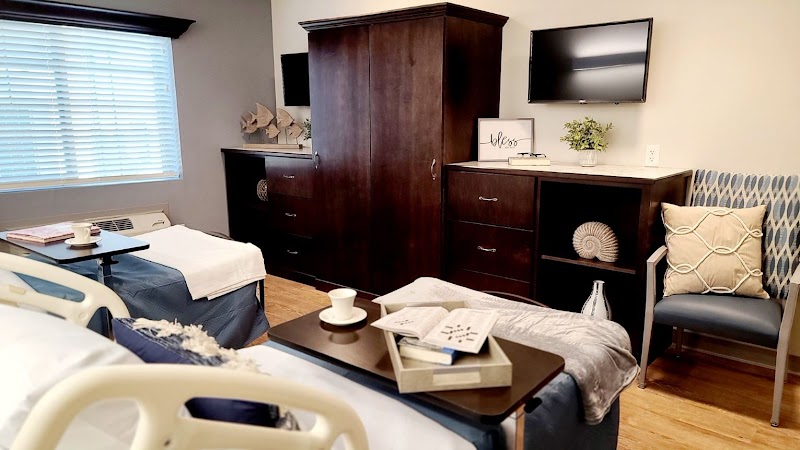
How is Sylan Shores Health And Wellness Staffed?

CMS rates Sylan Shores Health and Wellness's staffing level at 1 out of 5 stars, which is much below average compared to other nursing homes. Staff turnover is 59%, which is 13 percentage points above the Texas average of 46%. High turnover can affect care consistency as new staff learn residents' individual needs. RN turnover specifically is 67%, which is notably high. RNs provide skilled clinical oversight, so turnover in this role can affect medical care quality.

What Have Inspectors Found at Sylan Shores Health And Wellness?

State health inspectors documented 17 deficiencies at Sylan Shores Health and Wellness during 2023 to 2025. These included: 1 Immediate Jeopardy (the most serious level, indicating potential for serious harm or death) and 16 with potential for harm. Immediate Jeopardy findings are rare and represent the most serious regulatory concerns. They require immediate corrective action.
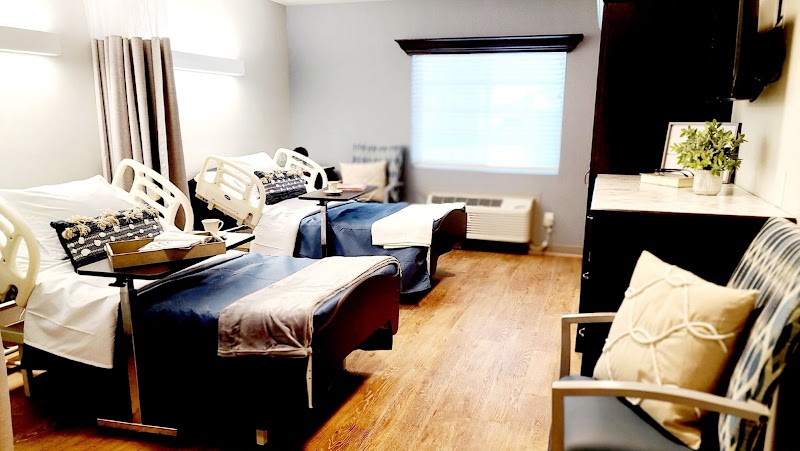
Who Owns and Operates Sylan Shores Health And Wellness?

Sylan Shores Health and Wellness is owned by a government entity. Government-operated facilities are typically run by state, county, or municipal agencies. The facility is operated by ML HEALTHCARE, a chain that manages multiple nursing homes. With 124 certified beds and approximately 103 residents (about 83% occupancy), it is a mid-sized facility located in La Porte, Texas.

How Does Sylan Shores Health And Wellness Compare to Other Texas Nursing Homes?

Compared to the 100 nursing homes in Texas, Sylan Shores Health and Wellness's overall rating (1 stars) is below the state average of 2.8, staff turnover (59%) is significantly higher than the state average of 46%, and health inspection rating (2 stars) is below the national benchmark.

What Should Families Ask When Visiting Sylan Shores Health And Wellness?

Based on this facility's data, families visiting should ask: "What changes have been made since the serious inspection findings, and how are you preventing similar issues?" "What safeguards and monitoring systems are in place to protect residents from abuse or neglect?" "How do you ensure continuity of care given staff turnover, and what is your staff retention strategy?" "Can you walk me through typical staffing levels on day, evening, and night shifts?" These questions are particularly relevant given the facility's Immediate Jeopardy citations, the substantiated abuse finding on record, the facility's high staff turnover rate, and the below-average staffing rating.

Is Sylan Shores Health And Wellness Safe?

Based on CMS inspection data, Sylan Shores Health and Wellness has documented safety concerns. The facility has 1 substantiated abuse finding (meaning confirmed case of resident harm by staff or other residents). Inspectors have issued 1 Immediate Jeopardy citation (the most serious violation level indicating risk of serious injury or death). The facility has a 1-star overall rating and ranks #100 of 100 nursing homes in Texas. Families considering this facility should ask detailed questions about what corrective actions have been taken since these incidents.

Do Nurses at Sylan Shores Health And Wellness Stick Around?

Staff turnover at Sylan Shores Health and Wellness is high. At 59%, the facility is 13 percentage points above the Texas average of 46%. Registered Nurse turnover is particularly concerning at 67%. RNs handle complex medical decisions and coordinate care — frequent RN changes can directly impact care quality. High turnover means new staff may not know residents' individual needs, medications, or preferences. It can also be disorienting for residents, especially those with dementia who rely on familiar faces. Families should ask: What is causing the turnover? What retention programs are in place? How do you ensure care continuity during staff transitions?

Was Sylan Shores Health And Wellness Ever Fined?

Sylan Shores Health and Wellness has no federal fines on record. CMS issues fines when nursing homes fail to meet care standards or don't correct problems found during inspections. The absence of fines suggests the facility has either maintained compliance or corrected any issues before penalties were assessed. This is a positive indicator, though families should still review recent inspection reports for the full picture.

Is Sylan Shores Health And Wellness on Any Federal Watch List?

Sylan Shores Health and Wellness is not on any federal watch list. The most significant is the Special Focus Facility (SFF) program, which identifies the bottom 1% of nursing homes nationally based on persistent, serious quality problems. Not being on this list means the facility has avoided the pattern of deficiencies that triggers enhanced federal oversight. This is a positive indicator, though families should still review the facility's inspection history directly.