FOCUSED CARE AT LAMESA
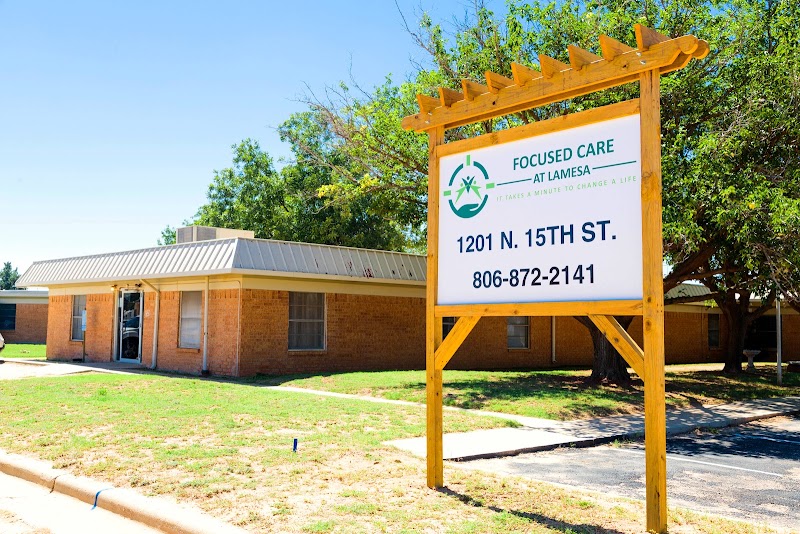
1201 N 15TH ST, LAMESA, TX 79331 (806) 872-2141
For profit - Limited Liability company 80 Beds FOCUSED POST ACUTE CARE PARTNERS Data: November 2025 2 Immediate Jeopardy citations
Trust Grade
34/100
#461 of 1168 in TX
Last Inspection: May 2025

Inspected within the last 6 months. Data reflects current conditions.

Overview

Families researching Focused Care at Lamesa should be aware that it has a Trust Grade of F, indicating significant concerns about the facility's care quality. Ranked #461 out of 1168 nursing homes in Texas, it falls in the top half but still faces serious issues. The trend shows improvement, with the number of reported problems decreasing from 7 in 2024 to 4 in 2025, but it still has high staffing turnover at 59%, which is average for the state. Recent inspections revealed critical incidents, including one where a resident was forced to clean their own excrement, indicating severe neglect and a failure to ensure a safe environment. While the facility boasts excellent quality measures, the overall trust score and critical findings highlight substantial weaknesses that families need to consider.

Trust Score
F
34/100
In Texas
#461/1168
Top 39%
Safety Record
High Risk
Review needed
Inspections
Getting Better
7 → 4 violations
Staff Stability
⚠ Watch
59% turnover. Above average. Higher turnover means staff may not know residents' routines.
Penalties
✓ Good
$10,692 in fines. Lower than most Texas facilities. Relatively clean record.
Skilled Nurses
⚠ Watch
Each resident gets only 15 minutes of Registered Nurse (RN) attention daily — below average for Texas. Fewer RN minutes means fewer trained eyes watching for problems.
Violations
⚠ Watch
15 deficiencies on record. Higher than average. Multiple issues found across inspections.
★★★☆☆
3.0
Overall Rating
★☆☆☆☆
1.0
Staff Levels
★★★★★
5.0
Care Quality
★★★☆☆
3.0
Inspection Score
Stable
2024: 7 issues
2025: 4 issues

The Good

  • 5-Star Quality Measures · Strong clinical quality outcomes
  • Full Sprinkler Coverage · Fire safety systems throughout facility
  • No fines on record

Facility shows strength in quality measures, fire safety.

The Bad

3-Star Overall Rating

Near Texas average (2.8)

Meets federal standards, typical of most facilities

Staff Turnover: 59%

13pts above Texas avg (46%)

Frequent staff changes - ask about care continuity

Federal Fines: $10,692

Below median ($33,413)

Minor penalties assessed

Chain: FOCUSED POST ACUTE CARE PARTNERS

Part of a multi-facility chain

Ask about local staffing decisions and management

Staff turnover is elevated (59%)

11 points above Texas average of 48%

The Ugly 15 deficiencies on record

2 life-threatening
May 2025 4 deficiencies
CONCERN (D)

Potential for Harm - no one hurt, but risky conditions existed

Deficiency F0578 (Tag F0578)

Could have caused harm · This affected 1 resident

**NOTE- TERMS IN BRACKETS HAVE BEEN EDITED TO PROTECT CONFIDENTIALITY** Based on interviews and record review, the facility failed to ensure all residents had the right to formulate an advance directi...

Read full inspector narrative →
**NOTE- TERMS IN BRACKETS HAVE BEEN EDITED TO PROTECT CONFIDENTIALITY** Based on interviews and record review, the facility failed to ensure all residents had the right to formulate an advance directive for 1 of 16 residents (Resident #40) reviewed for advance directives. The facility failed to ensure Resident #40's Out of Hospital Do Not Resuscitate (OOHR) form was signed and dated by the resident's physician and included the physician's license number. The facility failed to ensure Resident #40's OOH DNR contained accurate dates from Resident #40's Legal Guardian and the two witnesses. This failure could place residents at risk for not having their end of life wishes honored and having incomplete records. Findings included: Record review of the face sheet, dated 05/13/2025, revealed Resident #40 was a [AGE] year-old female who admitted to the facility on [DATE] with diagnoses that included the following: Paraplegia (type of paralysis that results in partial or complete loss of movement and sensation in the legs and lower part of the body), Schizoaffective disorder, bipolar type (chronic mental health condition characterized by abnormal thought processes and dysregulated emotions), and Obesity (complex disease involving having too much body fat). The advance directive was listed as DNR. Record review of Resident #40's MDS assessment, dated 04/11/2025, revealed Resident #40 had a BIMS score of 04, which indicated severely impaired cognition. Record review of the current physician order summary for Resident #40, dated 05/13/2025 indicated the resident had an active order of DNR with an order date of 04/10/2025, with no end date. Record review of Resident #40's Out of Hospital Do Not Resuscitate (OOHR) form, undated, revealed it was completed by a qualified relative, two witnesses, Legal Guardian, and a physician. The OOHR did not contain the following: a complete signature date for witness #1, a signature date for witness #2, an accurate signature date (year 2035 listed) for the Legal Guardian, a physician's signature, a signature date for the physician, or a license number for the physician. During an interview on 05/13/2025 at 10:45 AM the ADM stated advance directives were completed upon admission for residents who requested one. The ADM stated some residents had advance directives when they arrived at the facility. The ADM stated advance directives were completed by nursing staff and social services. The ADM stated it was her expectation that all advance directives were completed accurately. The ADM stated she was not aware Resident #40's advance directive was not completed properly. The ADM stated the DON was responsible for ensuring all advance directives were filled out correctly. The ADM stated the advance directive was also reviewed during the resident's care plan meetings. The ADM stated Resident #40's advance directive must have been overlooked, and it would be corrected as soon as possible. The ADM stated if a resident's advance directive was not filled out accurately, the resident's wishes may not be honored. During an interview on 05/13/2025 at 11:15 AM the DON stated she was responsible for reviewing residents' advance directives to ensure they were completed properly. The DON stated she was not aware Resident #40's advance directive was not completed accurately. The DON verified Resident #40's advance directive was not completed correctly and stated it was overlooked. The DON stated she completed the advance directive for Resident #40, and she did not realize it was not accurate. The DON stated she would ensure the advance directive was updated as soon as possible. The DON stated it was her expectation that all advance directives were completed correctly to ensure the resident's wishes were followed. The DON stated if a resident's advance directive was not completed properly or fully, the resident was at risk of not having their wishes followed. Record review of the facility policy, Advance Directive, Effective 4/2020, revealed the following documentation: PROCEUDRE: 8. If the resident indicates that he or she has not established advance directives, the facility staff will offer assistance in establishing advance directives. The resident will be given the option to accept or decline the assistance, and care will not be contingent on either decision.
CONCERN (D)

Potential for Harm - no one hurt, but risky conditions existed

Accident Prevention (Tag F0689)

Could have caused harm · This affected 1 resident

**NOTE- TERMS IN BRACKETS HAVE BEEN EDITED TO PROTECT CONFIDENTIALITY** Based on observation, interview and record review, the facility failed to ensure that the resident's environment remained as fre...

Read full inspector narrative →
**NOTE- TERMS IN BRACKETS HAVE BEEN EDITED TO PROTECT CONFIDENTIALITY** Based on observation, interview and record review, the facility failed to ensure that the resident's environment remained as free of accident hazards as is possible; and that each resident received adequate supervision to prevent accidents for 1 of 1 resident (Resident #36) reviewed for supervision, 1. The facility failed to provide effective monitoring and interventions to reduce Resident #36's wandering which was intrusive to other residents' privacy and unsafe for Resident #36 and other residents 2. The facility failed to keep the administrative offices closed and not accessible to the residents when no staff were present. These failures could place residents at risk for injury and not receiving adequate supervision in order to reduce the risk of accidents and meet plan goals. The findings include: Record review of Resident #36's admission record, dated 05/12/25, revealed a [AGE] year-old female who was admitted to the facility on [DATE] with the following diagnoses: unspecified dementia (memory loss and decline in other mental abilities), cognitive communication deficit (struggles to communicate), and wandering. Record review of Resident #36's comprehensive MDS assessment, dated 04/11/25, the staff assessment for mental status revealed Resident #36 had short-term memory problems and long-term memory problems and Resident #36's cognitive skills for daily decision making was severely impaired - never/rarely made decisions. The MDS further revealed Resident #36 exhibited wandering 4 to 6 days, but less than daily. Record review of Resident #36's comprehensive care plan, undated, revealed a Focus area, Resident is an elopement risk/wanderer and is at risk for possible injury r/t impaired safety awareness and diagnosis of dementia. Wears wanderguard Goal: Resident's safety will be maintained throughout the review date and Interventions: .4. Provide structured activities: toileting, walking inside and outside, reorientation strategies, including signs, pictures and memory boxes. With an initiation date of 04/02/25. On 05/11/25 at 1:55 PM, a confidential interview was conducted with a resident and the resident stated another female resident walks the halls and got into her room and tried to unplug the TV. The resident stated the female resident just walks and was not aggressive. Observation on 05/12/25 at 8:53 AM, Resident #36 was observed to be sitting at the foot of the bed for Resident #24. Resident #24 was observed with his eyes closed and was facing towards the wall. Resident #36 was touching and moving the blanket at the foot of the bed. Observation on 05/12/25 at 9:56 AM, Resident #36 was observed wandering into the Resident Council meeting in the dining room. Observation on 05/12/25 at 10:04 AM, Resident #36 was observed walking up to another resident in the dining room and standing right in front of her in her personal space. Surveyor was required to ask for staff assistance during the Resident Council Meeting. Observation on 05/12/25 at 10:08 AM, the AD walked Resident #36 out of the Resident Council meeting and took her to her room. Observation on 05/12/25 at 11:30 AM, Resident #36 was observed wandering towards the front windows in the lobby and the wanderguard alarm began alarming. Observed a CNA assist Resident #36 away from the front lobby door. Observation on 05/12/25 at 1:57 PM, Resident #36 was observed wandering down the 200-hallway where administrative offices are located. Resident #36 was observed walking into the administrator's office and no staff was observed in the administrator's office. Observation on 05/12/25 at 2:02 PM, Resident #36 was observed wandering into Resident #24's room and walked to his personal fridge. Observation on 05/12/25 at 2:03 PM, LVN A was observed redirecting Resident #36 out of Resident #24's room. Observation on 05/12/25 at 2:43 PM, Resident #36 was observed wandering down the 100-hallway yelling out randomly. Interview on 05/12/25 at 2:52 PM, LVN B stated she was aware of the wandering behavior for Resident #36. LVN B stated the residents did complain when Resident #36 was first admitted to the facility about her going into other resident's rooms. LVN B stated she will shut some resident's doors or will place stop signs outside their door to help Resident #36 not go into the other resident's rooms. LVN B stated the staff will try to keep Resident #36 with them to keep her busy, but she is on her own when staff get busy with other things. LVN B stated she has seen Resident #36 fall asleep on an empty bed in another resident's room before. LVN B stated she has been trained on how to redirect the resident by offering snacks or changing their direction. LVN B stated most of the residents are used to Resident #36 by now. LVN B stated a potential negative outcome to the residents with Resident #36 wandering into their room was it could get physical and someone could get hurt. Interview on 05/12/25 at 3:07 PM, the DON stated she was aware of Resident #36's wandering. The DON stated they have been working with psychiatric services for the behavior and stated her medications have been adjusted over a couple of weeks. The DON stated some of the residents are aggravated with Resident #36's wandering into their rooms, but she believed Resident #36 wandered into other rooms less often at this time. The DON stated most residents will redirect Resident #36 themselves and some residents use the stop signs at their doors. The DON stated the stop signs help prevent Resident #36 from going into those rooms, but she has seen Resident #36 go into some resident rooms and she will put her hands on their items. The DON stated the colorful items and stuffed animals are the items Resident #36 will pick up. The DON stated Resident #36 had even gone in her office at one time when it was left open and had drunk most of her diet coke one time. The DON stated Resident #36 required a lot of redirections from staff. The DON stated a potential negative outcome for the residents was Resident #36 could hurt another resident or another resident could hurt Resident #36 if she wandered into their room. Interview on 05/13/25 at 10:10 AM, the ADM stated she expected staff to maintain a safe environment for her and other residents at all times. The ADM stated she tries to shut her office when she leaves but forgets at times. The ADM stated staff kept items in their offices that could harm a resident if left unsupervised. The ADM stated she was not aware of any other resident's complaining of Resident #36 wandering into their room and stated the facility can order stop signs to help prevent the wandering into other resident's rooms. The ADM stated Resident #36 was easily redirected and staff had been trained on how to redirect residents. The ADM stated a potential negative outcome to Resident #36 was she could agitate other residents or she could get into something she shouldn't with the administrative offices not being shut when not in use. Interview on 05/13/25 at 11:35 AM, the DON stated the facility did not have a specific policy for wandering behaviors.
CONCERN (D)

Potential for Harm - no one hurt, but risky conditions existed

Infection Control (Tag F0880)

Could have caused harm · This affected 1 resident

**NOTE- TERMS IN BRACKETS HAVE BEEN EDITED TO PROTECT CONFIDENTIALITY** Based on observation, interview, and record review, the facility failed to establish and maintain an infection prevention and co...

Read full inspector narrative →
**NOTE- TERMS IN BRACKETS HAVE BEEN EDITED TO PROTECT CONFIDENTIALITY** Based on observation, interview, and record review, the facility failed to establish and maintain an infection prevention and control program designed to provide a safe, sanitary, and comfortable environment and to help prevent the development and transmission of communicable diseases and infections for 1 of 6 residents (Residents #39) reviewed for infection control. 1. CNA A failed to change her gloves and utilize hand hygiene during incontinence care with Resident #39. These failures could place residents at risk for cross contamination and infection. The findings include: Record review of Resident #39's undated face sheet revealed a [AGE] year-old female originally admitted to the facility 11/5/2024. Resident #39 had a medical history of hypertension (high blood pressure), depression, and cerebral infarction (a condition where brain tissue dies due to a lack of blood flow, causing necrosis in the brain). Record review of Resident #39 of annual MDS dated [DATE] Section H- Bladder and bowel revealed Resident #39 was frequently incontinent of bowel and bladder. During an observation on 5/12/2025 at 10:01 AM, CNA A donned clean gloves, removed Resident #39's brief and cleaned the peri area. CNA A assisted resident to turn onto her right side and cleaned Resident #39's buttocks. CNA A removed the dirty brief and grabbed a clean brief. CNA A placed the clean brief onto Resident #39 and removed dirty gloves. CNA A failed to change her gloves and utilize hand hygiene during incontinence care. During an interview with the DON on 5/13/2025 at 10:56AM, she stated staff are trained on infection control annually. She stated hand hygiene training and PPE is done quarterly. She stated the ADON and the DON are responsible for training staff. She stated her expectation of staff is to change their gloves during incontinence care and use hand sanitizer in between glove changes or if they are visibly soiled, she expects them to wash their hands with soap and water. She stated the potential negative outcome could be a UTI or contamination. She stated CNA A would be getting re-trained on incontinence care. She stated surveillance is monitored by routine check offs and monitoring for infection trends. During an interview with the ADM on 5/13/2025 at 11:15AM she stated the ADON and ADM are the infection control preventionist. She stated training on infection control and hand hygiene is done upon hire, annually and as needed. She stated her expectation of staff is for them to utilize hand hygiene between glove changes and to change their gloves during incontinence care. She stated the potential negative outcome could be spreading infection to the residents or to the staff. She stated she was not aware CNA A had not been changing her gloves and using hand hygiene during incontinence care but there would be more training. During an interview with CNA A on 5/13/2025 at 11:35AM, she stated when she was hired about a month ago, she was not trained on infection control. She stated she did not know who the infection preventionist was. She stated she had been trained on infection control and hand hygiene during her career. She stated she was not aware of having to change her gloves during incontinence care. She stated she does change her gloves when providing incontinence care for a bowel movement. She stated the potential negative outcome of not changing your gloves and using hand sanitizer could be spreading infection and being unsanitary. She stated she is now aware of having to change her gloves during incontinence care. Record review of facility policy titled Hand Hygiene last revised 10/24/2022 revealed: Hand hygiene is used to prevent the spread of pathogens in healthcare settings. Hand hygiene is a general term that describes hand washing using soap and water or the use of an alcohol-based hand rub to destroy harmful pathogens such as bacteria or viruses on the hands. .1. You should always perform hand hygiene: Before applying and after removing personal protective equipment (e.g. gloves, gown, mask, face shield .) Record review of blank facility document titled Nursing Services- Competency Evaluation, dated 6/13 revealed; .remove soiled clothing or brief. Place soiled brief/clothing in plastic bag .remove gloves, clean hands (may use gel) apply new gloves .clean starting at waist band place soiled items in plastic bag .remove gloves, place soiled items in plastic bag. Clean hands (may use gel) and apply clean gloves .position clean brief under resident .
CONCERN (E)

Potential for Harm - no one hurt, but risky conditions existed

Grievances (Tag F0585)

Could have caused harm · This affected multiple residents

Based on observation, interview, and record review, the facility failed to provide information to resident's and their representatives on their rights related to filing grievances or concerns for 16 o...

Read full inspector narrative →
Based on observation, interview, and record review, the facility failed to provide information to resident's and their representatives on their rights related to filing grievances or concerns for 16 of 21 confidential residents. The facility failed to ensure 16 of 21 confidential residents were provided, through postings in prominent locations; the Grievance Procedure, access to Grievance forms, information regarding who the facility Grievance officer was with their contact information, and accommodations to file an anonymous Grievance. This failure could place the residents at risk of unresolved Grievances and decreased quality of life. Findings include: During a confidential interview on 05/12/2025 at 10:00 AM with the resident council, 16 confidential residents stated they did not know how to file a formal Grievance. Residents attending Resident Council stated they did not have access to Grievance forms, and they did not know where Grievance forms were kept. Additionally, residents in Resident Council were not aware of who their Grievance Officer was, nor the process to resolve Grievances. They stated they had never seen a posting in the facility pertaining to Grievances. Residents in Resident Council stated they did not know how to file anonymous Grievances, and they were not aware they had the option to file a formal complaint anonymously. 14 of the 16 residents in attendance had been residing at the facility for 6 months or longer. Observation of prominent postings on 05/12/2025 at 11:00 AM; the facility did not have instructions regarding the Grievance procedure with any of their prominent postings. Grievance forms were not readily available to residents in the facility, and there were no accommodations to submit a Grievance anonymously. During an interview on 05/13/2025 at 10:45 AM the ADM stated she was the Grievance Officer for the facility, and she was responsible for ensuring Grievances were resolved. The ADM stated all grievances were recorded by facility staff, and blank grievance forms were kept in the administrator's office or at the nurse's station. The ADM stated the blank grievance forms were not accessible to residents without requesting the form from a facility staff. The ADM stated Grievances were given to each department head to ensure resolution and the ADM followed up to ensure Grievances were resolved as soon as possible. The ADM stated residents were informed of their right to file a Grievance upon admission, during safe surveys, and during resident council meetings. The ADM stated, although there was no procedure in place currently that allowed residents to obtain a Grievance form on their own or to file it anonymously, she would set up a Grievance box and have the forms accessible immediately. The ADM stated if a resident was unable to file a Grievance and/or wanted to file anonymous Grievances and they were unable to, the resident could've been at risk of psychosocial harm, as it could have been upsetting to the resident if their complaints were not addressed. During an interview on 05/13/2025 at 11:15 AM the DON stated the ADM was the facility's Grievance coordinator, but any staff could have filled out a Grievance form for a resident. The DON stated Grievance forms were filled out by facility staff, and there was no location for residents to obtain Grievance forms on their own. The DON stated if a resident wanted to file an anonymous Grievance, she would have filled the form out for them and left the resident's name off of it. The DON stated there was not a way for a resident to obtain a Grievance form without requesting one from a facility staff. The DON stated residents were advised of their right to file Grievances upon admission and during Resident Council meetings. The DON stated there was not a posting with instructions on filing Grievances in the facility, but it was communicated verbally by staff to residents. The DON stated Grievances were resolved by each Department head, and the ADM followed up to ensure they were able to address complaints timely. The DON stated, if a resident was unable to file a Grievance or of the resident wanted to file an anonymous Grievance, and they were unable to, this could have placed the resident at risk of psychosocial harm. The DON stated the resident could have feared retaliation or might not express their concerns if they were unable to file anonymous Grievances. The DON stated if a resident could not file a Grievance, the resident's concerns may have gone unheard and unresolved. Record review of the facility policy, Grievance (Section: Administration, Department: Administration), Effective 04/01/2017, revealed the following documentation: POLICY: Our facility will assist residents, their representatives, other interested family members or resident advocates in filing grievances or complaints when such requests are made. The facility will make prompt efforts to resolve all grievances. PROCEDURE 1. Any resident, his or her representative, family member, or appointed advocate may file a grievance or complaint concerning treatment, medical care, behavior of other residents, staff members, theft of property, etc., without fear of threat or reprisal in any form. 2. Upon admission, residents are provided with written information on how to file a grievance or complaint. A copy of our grievance/complaint procedures is posted on the resident bulletin board.
Oct 2024 1 deficiency
CONCERN (F) 📢 Someone Reported This

A family member, employee, or ombudsman was alarmed enough to file a formal complaint

Potential for Harm - no one hurt, but risky conditions existed

Infection Control (Tag F0880)

Could have caused harm · This affected most or all residents

**NOTE- TERMS IN BRACKETS HAVE BEEN EDITED TO PROTECT CONFIDENTIALITY** Based on observations, interviews, and record review, the facility failed to maintain an infection control program designed to p...

Read full inspector narrative →
**NOTE- TERMS IN BRACKETS HAVE BEEN EDITED TO PROTECT CONFIDENTIALITY** Based on observations, interviews, and record review, the facility failed to maintain an infection control program designed to provide a safe, comfortable, and sanitary environment to help prevent the development and transmission of communicable diseases for 31 of 31 residents reviewed for infection control (Residents #1- #31). 1. The facility failed to implement and maintain contact precautions and ensure staff utilized Personal Protective Equipment (PPE) appropriately to prevent cross contamination from residents (Resident #3, #4, #6, and #28) positive with COVID-19. 2. The facility failed to place readily visible signage on the door of Resident #1-#30 who was actively on contact precautions. 3. The DM and CNA A entered the room of a resident (Resident #6 and #28) who was on transmission-based precautions without proper PPE. 4. Housekeeper D entered the room of a resident (Resident #14 and #19) who was on transmission-based precautions without proper PPE. 5. The HA entered the room of a resident (Resident #30) who was on transmission-based precautions without proper PPE. 6. The HA provided a resident (Resident #4) who was on transmission-based precautions snacks without proper PPE. 7. The facility failed to implement and maintain contact precautions and prevent cross contamination for resident (Resident #31) by cohorting him with a positive resident (Resident #13) with COVID-19. These failures could place residents at risk for spread of infection and cross contamination. Findings included: Resident #1 Record Review of Resident #1's face sheet, dated 10/23/24, revealed a [AGE] year-old male that was initially admitted to the facility on [DATE] and readmitted on [DATE], with the following diagnoses: dementia (memory loss), pneumonia (lung infection) and muscle weakness. Record Review of Resident #1's Comprehensive MDS assessment dated [DATE], revealed under Section C, Cognitive Patterns, a BIMS score of 14, indicating the resident was not cognitively impaired. Record review of Resident #1's care plan, dated 10/22/24, did not the residents positive status for COVID-19. Record review of Resident #1's Order Summary Report, dated 10/23/24, reflected the resident was to be assessed for s/s of COVID-19, isolate immediately and proceed with further precautions.; Ordered 10/21/2024. Record Review of Resident #1's nursing progress notes entered by LVN D dated 10/21/24 at 5:10 PM indicated Resident #1 tested positive for COVID-19 on 10/21/24. Record review of the facility list (untitled/undated) of COVID-19 residents/staff revealed Resident #1 tested positive on 10/21/24 with the following symptoms: lethargy and weakness. Resident #2 Record Review of Resident #2's face sheet, dated 10/23/24, revealed a [AGE] year-old female that was initially admitted to the facility on [DATE] and readmitted on [DATE], with the following diagnoses: diabetes (blood sugar condition), reduced mobility, morbid obesity and major depressive disorder. Record Review of Resident #2's Comprehensive MDS assessment dated [DATE], revealed under Section C, Cognitive Patterns, a BIMS score of 15, indicating the resident was not cognitively impaired. Record review of Resident #2's care plan, dated 10/14/24, reflected the following: A focused area, initiated on 11/09/20, Resident #2 was at risk for exposure to respiratory virus (COVID-19) due to worldwide pandemic and local state and community cases identified. The goal initiated on 11/09/20, was that Resident #2 was to minimize risk of potential exposure over through next review date. Record review of Resident #2's Order Summary Report, dated 10/23/24, reflected the resident was to be assessed for s/s of COVID-19, isolate immediately and proceed with further precautions.; Ordered 10/16/2024. Record Review of Resident #2's nursing progress notes entered by LVN E dated 10/18/24 at 4:09 AM indicated Resident #2 tested positive for COVID-19 on 10/18/24. Record review of the facility list (untitled/undated) of COVID-19 residents/staff revealed Resident #2 tested positive on 10/16/24 with the following symptoms: congestion, chills and runny nose. Resident #3 Record Review of Resident #3's face sheet revealed a [AGE] year-old male that was initially admitted to the facility on [DATE] and readmitted on [DATE], with the following diagnoses: cognitive communication deficit (difficulty communicating), pneumonia (lung infection), anxiety disorder (increased worry) and muscle wasting atrophy (loss of muscle tissue). Record Review of Resident #3's Comprehensive MDS assessment dated [DATE], revealed under Section C, Cognitive Patterns, a BIMS score of 14, indicating the resident was not cognitively impaired. Record review of Resident #3's care plan, dated 10/14/24, reflected the following: A focused area, initiated on 11/09/20, Resident #3 was at risk for exposure to respiratory virus (COVID-19) due to worldwide pandemic and local state and community cases identified. The goal initiated on 11/09/20, was that Resident #3 was to minimize risk of potential exposure over through next review date. Record review of Resident #3's Order Summary Report, dated 10/23/24, reflected the resident was to be assessed for s/s of COVID-19, isolate immediately and proceed with further precautions.; Ordered 10/16/2024. Record Review of Resident #3's nursing progress notes entered by the DON dated 10/16/24 at 7:58 PM indicated Resident #3 tested positive for COVID-19 on 10/16/24. Record review of the email sent by the DON on 10/29/24 at 10:00 AM revealed Resident #3 tested positive on 10/16/24 with the following symptoms: asymptomatic. Resident #4 Record Review of Resident #4's face sheet revealed a [AGE] year-old male that was initially admitted to the facility on [DATE] and readmitted on [DATE], with the following diagnoses: schizophrenia (chronic mental illness), dementia (memory loss) and cognitive communication deficit (difficulty communicating). Record Review of Resident #4's Comprehensive MDS assessment dated [DATE], revealed under Section C, Cognitive Patterns, a BIMS score of 10, indicating the resident was moderately cognitively impaired. Record review of Resident #4's care plan, dated 10/14/24, reflected the following: A focused area, initiated on 10/14/24, Resident #4 was COVID positive and had clinical concerns. The goal initiated on 10/15/24, was that Resident #4 would be monitored for secondary infections/virus. Record review of Resident #4's Order Summary Report, dated 10/23/24, reflected the resident was to be assessed for s/s of COVID-19, isolate immediately and proceed with further precautions.; Ordered 10/16/2024. Record Review of Resident #4's nursing progress notes entered by LVN E dated 10/18/24 at 4:12 AM indicated Resident #4 tested positive for COVID-19 on 10/18/24. Record review of the facility list (untitled/undated) of COVID-19 residents/staff revealed Resident #4 tested positive on 10/14/24 with the following symptoms: lethargy and dizziness. Resident #5 Record Review of Resident #5's face sheet, dated 10/23/24, revealed a [AGE] year-old female that was initially admitted to the facility on [DATE] and readmitted on [DATE], with the following diagnoses: traumatic brain injury, anxiety (increased worry) and bipolar disorder (mental illness that causes mood swings). Record Review of Resident #5's Comprehensive MDS assessment dated [DATE], revealed under Section C, Cognitive Patterns, a BIMS score of 09, indicating the resident was moderately cognitively impaired. Record review of Resident #5's care plan, dated 8/14/24, reflected the following: A focused area, initiated on 1/2/23, Resident #5 was COVID positive and had clinical concerns. The goal initiated on 10/15/24, was that Resident #5 would be monitored for secondary infections/virus. Record review of Resident #5's Order Summary Report, dated 10/23/24, reflected the resident was to be assessed for s/s of COVID-19, isolate immediately and proceed with further precautions.; Ordered 10/14/2024. Record Review of Resident #5's nursing progress notes entered by the DON dated 10/14/24 at 6:33 PM indicated Resident #1 tested positive for COVID-19 on 10/14/24. Record review of the facility list (untitled/undated) of COVID-19 residents/staff revealed Resident #5 tested positive on 10/14/24 with the following symptoms: congestion cough and SOB. Resident #6 Record Review of Resident #6's face sheet, dated 10/23/24, revealed a [AGE] year-old male that was initially admitted to the facility on [DATE] and readmitted [DATE], with the following diagnoses: need for assistance with personal care, muscle wasting atrophy (loss of muscle tissue), and lack of coordination. Record Review of Resident #6's Comprehensive MDS assessment dated [DATE], revealed under Section C, Cognitive Patterns, a BIMS score of 15, indicating the resident was not cognitively impaired. Record review of Resident #6's care plan, dated 08/24/24, reflected the following: A focused area, initiated on 10/21/24, Resident #6 was COVID positive and had clinical concerns. The goal initiated on 10/15/24, was that Resident #6 would be monitored for secondary infections/virus. Record review of Resident #6's Order Summary Report, dated 10/23/24, reflected the resident was to be assessed for s/s of COVID-19, isolate immediately and proceed with further precautions.; Ordered 10/14/2024. Record Review of Resident #6's nursing progress notes entered by the DON dated 10/14/24 at 5:36 PM indicated Resident #6 tested positive for COVID-19 on 10/14/24. Record review of the facility list (untitled/undated) of COVID-19 residents/staff revealed Resident #6 tested positive on 10/14/24 with the following symptoms: congestion, sneezing and runny nose. Resident #7 Record Review of Resident #7's face sheet, dated 10/23/24, revealed a [AGE] year-old female that was initially admitted to the facility on [DATE] and readmitted on [DATE], with the following diagnoses: dementia (memory loss), major depressive disorder, and schizophrenia (chronic mental illness). Record Review of Resident #7's Comprehensive MDS assessment dated [DATE], revealed under Section C, Cognitive Patterns, a BIMS score of 14, indicating the resident was not cognitively impaired. Record review of Resident #7's care plan, dated 9/05/24, reflected the following: A focused area, initiated on 12/14/21, Resident #7 was at risk for exposure to respiratory virus (COVID-19) die to worldwide pandemic and local state and community cases identified. The goal initiated on 11/09/20, was that Resident #7 was to increase knowledge deficit related to infection control practices and/ or minimizing risks related to virus through next review date. Record review of Resident #7's Order Summary Report, dated 10/23/24, reflected the resident was to be assessed for s/s of COVID-19, isolate immediately and proceed with further precautions.; Ordered 10/16/2024. Record Review of Resident #7's nursing progress notes entered by the DON dated 10/16/24 at 10:16 AM indicated Resident #7 tested positive for COVID-19 on 10/16/24. Record review of the facility list (untitled/undated) of COVID-19 residents/staff revealed Resident #7 tested positive on 10/16/24 with the following symptoms: fatigue. Resident #8 Record Review of Resident #8's face sheet, dated 10/23/24, revealed a [AGE] year-old female that was admitted to the facility on [DATE], with the following diagnoses: malignant neoplasm of the brain (cancer growth in the brain), diabetes (blood sugar condition) and dementia (memory loss). Record Review of Resident #8's Comprehensive MDS assessment dated [DATE], revealed under Section C, Cognitive Patterns, a BIMS score of 00, indicating the resident was severely cognitively impaired. Record review of Resident #8's care plan, dated 10/2/24, did not address the residents positive status of COVID-19. Record review of Resident #8's Order Summary Report, dated 10/23/24, reflected the resident was to be assessed for s/s of COVID-19, isolate immediately and proceed with further precautions.; Ordered 10/20/2024. Record Review of Resident #8's nursing progress notes entered by the DON dated 10/20/24 at 12:24 PM indicated Resident #8 tested positive for COVID-19 on 10/20/24. Record review of the facility list (untitled/undated) of COVID-19 residents/staff revealed Resident #8 tested positive on 10/20/24 with the following symptoms: asymptomatic. Resident #9 Record Review of Resident #9's face sheet, dated 10/23/24, revealed a [AGE] year-old male that was initially admitted to the facility on [DATE] and readmitted on [DATE], with the following diagnoses: dementia (memory loss), muscle weakness. And cognitive communication deficit (difficulty communicating). Record Review of Resident #9's Comprehensive MDS assessment dated [DATE], revealed under Section C, Cognitive Patterns, a BIMS score of 13, indicating the resident was not cognitively impaired. Record review of Resident #9's care plan, dated 9/18/24, reflected the following: A focused area, initiated on 11/09/20, Resident #9 was at risk for exposure to respiratory virus (COVID-19) die to worldwide pandemic and local state and community cases identified. The goal initiated on 11/09/20, was that Resident #9 was to minimize risk of potential exposure over through next review date. Record review of Resident #9's Order Summary Report, dated 10/23/24, reflected the resident was to be assessed for s/s of COVID-19, isolate immediately and proceed with further precautions.; Ordered 10/16/2024. Record Review of Resident #9's nursing progress notes entered by the DON dated 10/16/24 at 11:21 AM indicated Resident #1 tested positive for COVID-19 on 10/16/24. Record review of the facility list (untitled/undated) of COVID-19 residents/staff revealed Resident #9 tested positive on 10/16/24 with the following symptoms: congestion and runny nose. Resident #10 Record Review of Resident #10's face sheet, dated 10/23/24, revealed a [AGE] year-old male that was admitted to the facility on [DATE], with the following diagnoses: heart failure, muscle weakness, anxiety (increased worry) and lack of coordination. Record Review of Resident #10's Comprehensive MDS assessment dated [DATE], revealed under Section C, Cognitive Patterns, a BIMS score of 15, indicating the resident was not cognitively impaired. Record review of Resident #10's care plan, dated 9/11/24, reflected the following: A focused area, initiated on 5/24/22, Resident #10 was at risk for exposure to respiratory virus (COVID-19) die to worldwide pandemic and local state and community cases identified. The goal initiated on 5/24/22, was that Resident #10 would remain free from virus through next review date. Record review of Resident #10's Order Summary Report, dated 10/23/24, reflected the resident was to be assessed for s/s of COVID-19, isolate immediately and proceed with further precautions.; Ordered 10/21/2024. Record Review of Resident #10's nursing progress notes entered by LVN D dated 10/21/24 at 3:09 PM indicated Resident #10 tested positive for COVID-19 on 10/21/24. Record review of the facility list (untitled/undated) of COVID-19 residents/staff revealed Resident #10 tested positive on 10/21/24 with the following symptoms: congestion and runny nose. Resident #11 Record Review of Resident #11's face sheet, dated 10/23/24, revealed a [AGE] year-old female that was initially admitted to the facility on [DATE] and readmitted on [DATE] with the following diagnoses: epilepsy (seizure disorder), morbid obesity and lack of coordination. Record Review of Resident #11's Comprehensive MDS assessment dated [DATE], revealed under Section C, Cognitive Patterns, a BIMS score of 15, indicating the resident was slightly, cognitively impaired. Record review of Resident #11's care plan, dated 0/7/24 reflected the following: A focused area, initiated on 5/03/23, Resident #11 was at risk for exposure to respiratory virus (COVID-19) die to worldwide pandemic and local state and community cases identified. The goal initiated on 5/03/23, was that Resident #11 would increase knowledge deficit related to infection control practices and/or minimize risk to virus through next review date. Record review of Resident #11's Order Summary Report, dated 10/29/24, reflected the resident was to be assessed for s/s of COVID-19, isolate immediately and proceed with further precautions.; Ordered 10/18/2024. Record Review of Resident #11's nursing progress notes entered by the DON dated 10/18/24 at 4:16 PM indicated Resident #11 tested positive for COVID-19 on 10/18/24. Record review of the facility list (untitled/undated) of COVID-19 residents/staff revealed Resident #11 tested positive on 10/18/24 with the following symptoms: weakness. Resident #12 Record Review of Resident #12's face sheet, dated 10/23/24 revealed a [AGE] year-old female that was initially admitted to the facility on [DATE] and readmitted on [DATE], with the following diagnoses: muscle weakness, COVID-19 and schizophrenia (chronic mental disorder). Record Review of Resident #12's Comprehensive MDS assessment dated [DATE], revealed under Section C, Cognitive Patterns, a BIMS score of 00, indicating the resident was severely cognitively impaired. Record review of Resident #12's care plan, dated 9/5/24, reflected the following: A focused area, initiated on 10/29/20, Resident #12 was at risk for exposure to respiratory virus (COVID-19) die to worldwide pandemic and local state and community cases identified. The goal initiated on 10/29/20, was that Resident #12 was to minimize risk of potential exposure over through next review date. Record review of Resident #12's Order Summary Report, dated 10/23/24, reflected the resident was to be assessed for s/s of COVID-19, isolate immediately and proceed with further precautions.; Ordered 10/18/2024. Record Review of Resident #12's nursing progress notes entered by the DON dated 10/18/24 at 5:10 PM indicated Resident #12 tested positive for COVID-19 on 10/18/24. Record review of the facility list (untitled/undated) of COVID-19 residents/staff revealed Resident #12 tested positive on 10/18/24 with the following symptoms: asymptomatic. Resident #13 Record Review of Resident #13's face sheet, dated 10/23/24, revealed a [AGE] year-old male that was initially admitted to the facility on [DATE] and readmitted on [DATE], with the following diagnoses: anxiety (increased worry), pneumonia (lung infection), and schizophrenia (chronic mental illness). Record Review of Resident #13's Comprehensive MDS assessment dated [DATE], revealed under Section C, Cognitive Patterns, a BIMS score of 13, indicating the resident was not cognitively impaired. Record review of Resident #13's care plan, dated 10/2/24, reflected the following: A focused area, initiated on 10/12/22, Resident #13 was at risk for exposure to respiratory virus (COVID-19) die to worldwide pandemic and local state and community cases identified. The goal initiated on 10/12/22, was that Resident #13 would remain free from virus through next review date. Record review of Resident #13's Order Summary Report, dated 10/23/24, reflected the resident was to be assessed for s/s of COVID-19, isolate immediately and proceed with further precautions.; Ordered 10/21/2024. Record Review of Resident #13's nursing progress notes entered by LVN D dated 10/21/24 at 3:08 PM indicated Resident #13 tested positive for COVID-19 on 10/21/24. Record review of the facility list (untitled/undated) of COVID-19 residents/staff revealed Resident #13 tested positive on 10/21/24 with the following symptoms: runny nose and weakness. Resident #14 Record Review of Resident #1's face sheet, dated 10/23/24, revealed a [AGE] year-old male that was admitted to the facility on [DATE], with the following diagnoses: dementia (memory loss), muscle weakness and muscle wasting atrophy (loss of muscle tissue). Record Review of Resident #14's Comprehensive MDS assessment dated [DATE], revealed under Section C, Cognitive Patterns, a BIMS score of 11, indicating the resident was moderately cognitively impaired. Record review of Resident #14's care plan, dated 10/23/24, reflected the following: A focused area, initiated on 10/16/24, Resident #14 was COVID positive and had clinical concerns. The goal initiated on 10/16/24, was that Resident #4 would be monitored for secondary infections/virus. Record review of Resident #14's Order Summary Report, dated 10/23/24, reflected the resident was to be assessed for s/s of COVID-19, isolate immediately and proceed with further precautions.; Ordered 10/16/2024. Record Review of Resident #14's nursing progress notes entered by the DON dated 10/16/24 at 5:10 PM indicated Resident #14 tested positive for COVID-19 on 10/16/24. Record review of the facility list (untitled/undated) of COVID-19 residents/staff revealed Resident #14 tested positive on 10/16/24 with the following symptoms: congestion, chills and runny nose. Resident #15 Record Review of Resident #15's face sheet, dated 10/23/24, revealed a [AGE] year-old female that was admitted to the facility on [DATE], with the following diagnoses: dementia (memory loss), anxiety (increased worry), and cognitive communication deficit (difficulty communicating). Record Review of Resident #15's Comprehensive MDS assessment dated [DATE], revealed under Section C, Cognitive Patterns, a BIMS score of 14, indicating the resident was not cognitively impaired. Record review of Resident #15's care plan, dated 8/7/24, reflected the following: A focused area, initiated on 6/7/23, Resident #15 was at risk for exposure to respiratory virus (COVID-19) die to worldwide pandemic and local state and community cases identified. The goal initiated on 6/07/23, was that Resident #15 would increase knowledge deficit related to infection control practices and/or minimize risk related to virus through next review date. Record review of Resident #15's Order Summary Report, dated 10/23/24, reflected the resident was to be assessed for s/s of COVID-19, isolate immediately and proceed with further precautions.; Ordered 10/14/2024. Record Review of Resident #15's nursing progress notes entered by the DON dated 10/14/24 at 6:35 PM indicated Resident #15 tested positive for COVID-19 on 10/14/24. Record review of the facility list (untitled/undated) of COVID-19 residents/staff revealed Resident #15 tested positive on 10/14/24 with the following symptoms: congestion and Runny nose. Resident #16 Record Review of Resident #16's face sheet, dated 10/23/24, revealed a [AGE] year-old female that was initially admitted to the facility on [DATE] and readmitted [DATE], with the following diagnoses: muscle weakness, COVID-19 and dementia (memory loss). Record Review of Resident #16's Comprehensive MDS assessment dated [DATE], revealed under Section C, Cognitive Patterns, a BIMS score of 09, indicating the resident was moderately cognitively impaired. Record review of Resident #16's care plan, dated 10/22/24, reflected the following: A focused area, initiated on 2/15/23, Resident #16 was at risk for exposure to respiratory virus (COVID-19) die to worldwide pandemic and local state and community cases identified. The goal initiated on 2/15/23, was that Resident #16 was to minimize risk of potential exposure over through next review date. Record review of Resident #16's Order Summary Report, dated 10/23/24, reflected the resident was to be assessed for s/s of COVID-19, isolate immediately and proceed with further precautions.; Ordered 10/18/2024. Record Review of Resident #16's nursing progress notes entered by LVN E dated 10/18/24 at 4:21 AM indicated Resident #16 tested positive for COVID-19 on 10/18/24. Record review of the email sent by the DON on 10/29/24 at 10:00 AM revealed Resident #16 tested positive on 10/17/24 with the following symptoms: asymptomatic. Resident #17 Record Review of Resident #17's face sheet, dated 10/23/24, revealed a [AGE] year-old female that was admitted to the facility on [DATE], with the following diagnoses: dementia (memory loss), anxiety (increased worry), diabetes (blood sugar deficit) and lack of coordination. Record Review of Resident #17's Comprehensive MDS assessment dated [DATE], revealed under Section C, Cognitive Patterns, a BIMS score of 3, indicating the resident was severely cognitively impaired. Record review of Resident #17's care plan, dated 08/21/24, reflected the following: A focused area, initiated on 10/15/23, Resident #17 was at risk for exposure to respiratory virus (COVID-19). The goal initiated on 10/15/23, was that Resident #17 would remain free from virus through next review date. Record review of Resident #17's Order Summary Report, dated 10/23/24, reflected the resident was to be assessed for s/s of COVID-19, isolate immediately and proceed with further precautions.; Ordered 10/18/2024. Record Review of Resident #17's nursing progress notes entered by the DON dated 10/18/24 at 4:20 PM indicated Resident #1 tested positive for COVID-19 on 10/18/24. Record review of the facility list (untitled/undated) of COVID-19 residents/staff revealed Resident #17 tested positive on 10/18/24 with the following symptoms: asymptomatic. Resident #18 Record Review of Resident #18's face sheet, dated 10/23/24, revealed a [AGE] year-old male that was admitted to the facility on [DATE], with the following diagnoses: lack of coordination, schizophrenia (chronic mental disorder), and dementia (memory loss). Record Review of Resident #18's Comprehensive MDS assessment dated [DATE], revealed under Section C, Cognitive Patterns, a BIMS score of 07, indicating the resident was severely cognitively impaired. Record review of Resident #18's care plan, dated 9/25/24, reflected the following: A focused area, initiated on 06/07/23, Resident #18 was at risk for exposure to respiratory virus (COVID-19) die to worldwide pandemic and local state and community cases identified. The goal initiated on 06/07/23, was that Resident #18 would remain free from virus through next review date. Record review of Resident #18's Order Summary Report, dated 10/23/24, reflected the resident was to be assessed for s/s of COVID-19, isolate immediately and proceed with further precautions.; Ordered 10/14/2024. Record Review of Resident #18's nursing progress notes entered by LVN D dated 10/15/24 at 5:57 PM indicated Resident #18 tested positive for COVID-19 on 10/15/24. Record review of the facility list (untitled/undated) of COVID-19 residents/staff revealed Resident #18 tested positive on 10/14/24 with the following symptoms: congestion and runny nose. Resident #19 Record Review of Resident #19's face sheet, dated 10/23/24, revealed a [AGE] year-old male that was admitted to the facility on [DATE], with the following diagnoses: dementia (memory loss), muscle wasting and atrophy (loss of muscle tissue), and muscle weakness. Record Review of Resident #19's Comprehensive MDS assessment dated [DATE], revealed under Section C, Cognitive Patterns, a BIMS score of 08, indicating the resident was moderately cognitively impaired. Record review of Resident #19's care plan, dated 08/07/24, did not address the residents positive COVID-19 status. Record review of Resident #19's Order Summary Report, dated 10/23/24, reflected the resident was to be assessed for s/s of COVID-19, isolate immediately and proceed with further precautions.; Ordered 10/21/2024. Record Review of Resident #19's nursing progress notes entered by LVN D dated 10/21/24 at 5:10 PM indicated Resident #19 tested positive for COVID-19 on 10/21/24. Record review of the facility list (untitled/undated) of COVID-19 residents/staff revealed Resident #19 tested positive on 10/21/24 with the following symptoms: runny nose, congestion and weakness. Resident #20 Record Review of Resident #20's face sheet, dated 10/23/24, revealed a [AGE] year-old female that was initially admitted to the facility on [DATE] and readmitted [DATE], with the following diagnoses: cerebral infarction (dying brain tissue that occurs due to blocked or reduced blood flow), muscle wasting atrophy (loss of muscle tissue), , abnormal weight loss and lack of coordination. Record Review of Resident #20's Comprehensive MDS assessment dated [DATE], revealed under Section C, no data was entered. Record review of Resident #20's care plan, dated 09/11/24, reflected the following: A focused area, initiated on 11/09/20, Resident #20 was at risk for exposure to respiratory virus (COVID-19) die to worldwide pandemic and local state and community cases identified. The goal initiated on 11/09/20, was that Resident #20 was to minimize risk of potential exposure over through next review date Record review of Resident #20's Order Summary Report, dated 10/23/24, reflected the resident was to be assessed for s/s of COVID-19, isolate immediately and proceed with further precautions.; Ordered 10/21/2024. Record Review of Resident 20's nursing progress notes entered by LVN D dated 10/21/24 at 3:17 PM indicated Resident #20 tested positive for COVID-19 on 10/21/24. Record review of the facility list (untitled/undated) of COVID-19 residents/staff revealed Resident #20 tested positive on 10/21/24 with the following symptoms: asymptomatic. Resident #21 Record Review of Resident #21's face sheet, dated 10/23/24, revealed a [AGE] year-old male that was initially admitted to the facility on [DATE] and readmitted [DATE], with the following diagnoses: diabetes (blood sugar deficit), dementia (memory loss) and lack of coordination. Record Review of Resident #21's Comprehensive MDS assessment dated [DATE], revealed under Section C, Cognitive Patterns, a BIMS score of 11, indicating the resident was moderately cognitively impaired. Record review of Resident #21's care plan, dated 09/5/24, reflected the following: A focused area, initiated on 11/09/20, Resident #21 was at risk for exposure to respiratory virus (COVID-19) die to worldwide pandemic and local state and community cases identified. The goal initiated on 11/09/20, was that Resident #21 would increase knowledge deficit related to infection control practices and/or minimize risks related to virus through next review date. Record review of Resident #21's Order Summary Report, dated 10/23/24, reflected the resident was to be assessed for s/s of COVID-19, isolate immediately and proceed with further precautions.; Ordered 10/14/2024. Record Review of Resident #21's nursing progress notes entered by LVN D dated 10/14/24 at 5:46 PM indicated Resident #21 tested positive for COVID-19 on 10/14/24. Record review of the facility list (untitled/undated) of COVID-19 residents/staff revealed Resident #21 tested positive on 10/14/24 with the following symptoms: congestion and runny nose. Resident #22 Record Review of Resident #22's face sheet, dated 10/23/24, revealed a 68-[NAME][TRUNCATED]
Mar 2024 6 deficiencies
CONCERN (D) 📢 Someone Reported This

A family member, employee, or ombudsman was alarmed enough to file a formal complaint

Potential for Harm - no one hurt, but risky conditions existed

Deficiency F0761 (Tag F0761)

Could have caused harm · This affected 1 resident

**NOTE- TERMS IN BRACKETS HAVE BEEN EDITED TO PROTECT CONFIDENTIALITY** Based on observations, interviews, and record review the facility failed to, in accordance with State and Federal laws, store al...

Read full inspector narrative →
**NOTE- TERMS IN BRACKETS HAVE BEEN EDITED TO PROTECT CONFIDENTIALITY** Based on observations, interviews, and record review the facility failed to, in accordance with State and Federal laws, store all drugs and biologicals in locked compartments and permit only authorized personnel to have access to the keys for 1 of 1 treatment cart observed for drug storage. The facility failed to ensure LVN B did not leave wound cleanser on top of the treatment cart unsupervised. This failure could place residents at risk of harm due to misuse or accidental ingestion. ,. The findings were: Record review Resident #12's face sheet dated 03/26/24 revealed a [AGE] year-old male who was admitted to the facility on [DATE] with diagnoses which included stroke, diabetes (high blood sugar), dementia (cognitive loss), hypertension (high blood pressure), and major depressive disorder (mental illness, feeling of sadness). Record review of Resident #12's quarterly MDS assessment, dated 02/20/24 revealed a BIMS score of 13, which indicated cognition was intact. Section M - skin conditions reflected Resident #12 had application of nonsurgical dressings and ointments/medications. Record review of Resident #12's care plan dated 02/09/24 reflected a focus area Resident #12 had wound to his left bka (below knee amputation) stump, with interventions to perform treatments per MD orders. Record review of Resident #12's physician's orders dated 03/26/24 reflected wound care to stump wound every day as follows: Cleanse with wound cleanser or NS, pat dry with 4x4 gauze, apply Thera-honey to wound bed and then xeroform, cover with foam or dry dressing. Order dated 03/05/24. Record review of the wound cleanser spray bottle label undated reflected Warnings: Keep out of reach of children. For external use only. Do not use in the eyes. If swallowed, get medical help or contact a Poison Control Center immediately. During an observation and interview on 03/27/24 at 09:00 AM LVN B prepared wound care supplies outside of Resident #12's room. She placed 4x4 gauze in a cup and sprayed it with wound cleanser. She placed the wound cleanser spray bottle on top of the treatment cart. She gathered the supplies and entered Resident #12's room. She closed the resident's door and pulled the privacy curtain. The treatment cart remained outside of Resident #12 room. After completing wound care LVN B went to the treatment cart and pushed treatment the cart to the nurse's station. The wound cleanser spray bottle remained on top of the treatment cart. LVN A took the treatment cart down to hall 300 to room [ROOM NUMBER]. LVN A prepared wound supplies for a resident and before gathering supplies placed the wound cleanser spray bottle in treatment cart. During an interview on 03/28/24 at 11:00 AM with LVN B, she stated the wound cleanser spray bottle should have been placed back inside the treatment cart before she left the treatment cart unattended. She stated there was no reason she left it on top of the cart. She stated she had been trained to keep all supplies and medications always locked when the cart was unattended. She stated the wound cleanser spray bottle had a warning to keep out of reach of children and if swallowed to get medical help. She stated the potential negative outcome could be a resident getting the bottle and drinking it. She stated the wound cleanser could cause resident harm. During an interview on 03/27/24 at 03:00 PM with the DON, she stated the wound cleanser spray bottle should not be left on top of the treatment cart unattended. She stated all staff had been trained on medication and supply storage. She stated the potential negative outcome could be a resident drinking the solution causing diarrhea or an upset stomach. During an interview on 03/28/24 at 09:00 AM with the ADM, she stated the wound cleanser spray bottle should not be left out on top of the medication cart unsupervised. She stated staff had been trained on proper storage of supplies and medications. She stated the ADON and DON were responsible for monitoring for compliance. She stated the potential negative outcome could be a resident could get it and ingest it. Record review of the facility's policy titled Storage of Medications, dated 09-2018 reflected the following: Policy: Medications and biologicals are stored safely, securely, and properly, following manufacturer's recommendations or those of the supplier. The medication supply is accessible only to licensed nursing personnel, pharmacy personnel, or staff members lawfully authorized to administer medications. General Guidance . 2. Only licensed nurses, pharmacy personnel, and those lawfully authorized to administer medications (such as medication aides) are permitted to access medications. Medication rooms, carts, and medication supplies are locked when they are not attended by persons with authorized access .
CONCERN (E) 📢 Someone Reported This

A family member, employee, or ombudsman was alarmed enough to file a formal complaint

Potential for Harm - no one hurt, but risky conditions existed

Comprehensive Care Plan (Tag F0656)

Could have caused harm · This affected multiple residents

**NOTE- TERMS IN BRACKETS HAVE BEEN EDITED TO PROTECT CONFIDENTIALITY** Based on record review, observations and interview, the facility failed to develop a comprehensive care plan to meet the highest...

Read full inspector narrative →
**NOTE- TERMS IN BRACKETS HAVE BEEN EDITED TO PROTECT CONFIDENTIALITY** Based on record review, observations and interview, the facility failed to develop a comprehensive care plan to meet the highest practicable physical, mental, psychosocial well-being for 7 of 17 residents (Residents #12, #14, #23, #28, #40, #44 and #47) reviewed for care plans as follows: Resident #12 did not have a care plan for urinary incontinence. Resident #14 did not have a care plan for urinary incontinence. Resident #23 did not have a care plan for urinary incontinence. Resident #28 did not have a care plan for urinary and dehydration. Resident #40 did not have a care plan for cognitive loss, vision, communication, urinary incontinence, and dental care. Resident #44 did not have a care plan for falls. Resident #47 did not have a care plan for cognitive loss. These failures could place residents at risk of not receiving the care required to meet their Individualized needs. Findings include : Record review of Resident #12's face sheet, dated 03/26/24, revealed a [AGE] year-old-male was admitted to the facility on [DATE] with diagnoses to include hypothyroidism (underactive thyroid), and diabetes (high blood sugar). Record review of Resident #12's Comprehensive Minimum Data Set, dated [DATE], revealed: Section C Brief Interview for Mental Status score revealed a score of 03, which indicated the resident's cognition was intact. Section V Care Area Assessment (CAA) Summary: CAA Results: 06. Urinary Incontinence Section H Bowel and Bladder revealed Resident #12 was occasionally incontinent of urine. Record review of the Resident #12's care plan dated 03/5/24 did not reveal a care plan for urinary incontinence. Record review of Resident #14's face sheet, dated 03/26/24, revealed a [AGE] year-old-female was admitted to the facility on [DATE] with diagnoses to include difficulty walking, reduced mobility and overactive bladder. Record review of Resident #14's Comprehensive Minimum Data Set, dated [DATE], revealed: Section C Brief Interview for Mental Status score revealed a score of 13, which indicated the resident's cognition was intact. Section V Care Area Assessment (CAA) Summary: CAA Results: 06. Urinary Incontinence Section H Bowel and Bladder revealed Resident #14 was occasionally incontinent of urine. Record review of the Resident #14's care plan dated 11/14/23 did not reveal a care plan for urinary incontinence. Record review of Resident #23's face sheet, dated 03/26/24, revealed a [AGE] year-old-male was admitted to the facility on [DATE] with diagnoses to include spinal stenosis (narrowing of the spinal canal), and constipation. Record review of Resident #23's Comprehensive Minimum Data Set, dated [DATE], revealed: Section C Brief Interview for Mental Status score revealed a score of 15, which indicated the resident's cognition was intact. Section V Care Area Assessment (CAA) Summary: CAA Results: 06. Urinary Incontinence Section H Bladder and Bowel revealed that Resident #23 was always incontinent of urine. Record review of Resident #23's care plan, dated 03/05/24, revealed no care plan for urinary incontinence. Record review of Resident #28's face sheet, dated 03/26/24, revealed a [AGE] year-old-male was admitted to the facility on [DATE] with diagnoses to include dehydration, cognitive communication deficit, diabetes (low blood sugar), dementia (memory loss), difficulty walking and muscle weakness). Record review of Resident #28's Comprehensive Minimum Data Set, dated [DATE], revealed: Section C Brief Interview for Mental Status score revealed a score of 15, which indicated the resident's cognition was intact. Section V Care Area Assessment (CAA) Summary: CAA Results: 06. Urinary Incontinence 14. Dehydration Section H revealed that Resident #28 was occasionally incontinent of the urine. Record review of Resident #28's care plan, dated 02/19/24, revealed no care plan for urinary incontinence and dehydration. Record review of Resident #40's face sheet, dated 03/26/24, revealed a [AGE] year-old-male was admitted to the facility on [DATE] with diagnoses to include reduced mobility, need for assistance with personal care, constipation, muscle weakness, cognitive communication deficit, absence of right and left leg below the knee. Record review of Resident #40's Comprehensive Minimum Data Set, dated [DATE], revealed: Section C Brief Interview for Mental Status score revealed a score of 08, which indicated the resident's cognition was moderately impaired. Section V Care Area Assessment (CAA) Summary: CAA Results: 02. cognitive loss 03. Vision 4. Communication 06. Urinary Incontinence 15. Dental Care Section B Hearing, Speech and vision revealed that Resident #40 had minimal difficulty in hearing, and he was usually easily understood and understood others. His vision was impaired, and he required corrective lenses. Section H Bladder and Bowel revealed that Resident #40 was occasionally incontinent of urine. Section L revealed that Resident #40 had broken or loosely fitting full or partial dentures. Record review of Resident #40's care plan, dated 03/05/24, revealed no care plan for cognitive loss, vision, communication, urinary incontinence and dental care. Record review of Resident #44's face sheet, dated 03/26/24, revealed an [AGE] year-old-female was admitted to the facility on [DATE] with diagnoses to include dementia (memory loss), muscle weakness, unsteadiness on feet, and lack of coordination. Record review of Resident #44's Comprehensive Minimum Data Set, dated [DATE], revealed: Section C Brief Interview for Mental Status score revealed a score of 01, which indicated the resident's cognition was severely impaired. Section V Care Area Assessment (CAA) Summary: CAA Results: 11. Falls Section J Health conditions revealed no history of falls. Record review of Resident #44's care plan, dated 03/26/24 revealed no care plan for falls. Record review of an email dated 04/01/24 at 1:44 PM from the ADM and Regional MDS Coordinator revealed Resident #44 triggered for falls because wandering occurred and she had balance problems during transition. Record review of Resident #47's face sheet, dated 03/26/24, revealed a [AGE] year-old-male was admitted to the facility on [DATE] with diagnoses to include Schizoaffective disorder (a combination of mood disorder and schizophrenia), anxiety disorder (increased worry), and intermittent explosive disorder (mental disorder that include outbursts). Record review of Resident #47's Comprehensive Minimum Data Set, dated [DATE], revealed: Section C Brief Interview for Mental Status score revealed a score of 15, which indicated the resident's cognition was cognitively intact. Section V Care Area Assessment (CAA) Summary: CAA Results: 02. Cognitive Loss Record review of Resident #47's care plan, dated 02/06/24, revealed no care plan for cognitive loss. Record review of an email dated 04/01/24 at 1:44 PM from the ADM and Regional MDS Coordinator revealed Resident #47 triggered for cognitive loss because staff assessment or clinical record suggested presence of inattention, disorganized thinking, altered level of consciousness. During an interview on 03/27/24 at 10:35 AM, the Regional MDS Coordinator stated that if the care plan reflected resolved, the resident had that issue at some point but no longer had the identified problem. During an interview on 03/27/24 at 11:03 AM, Resident #44 stated she had not had any falls and had not participated in care plan meetings. She said she had not fallen before, and staff were not making any special efforts to ensure that she did not fall that she knew of . During an interview on 03/27/24 at 11:05 AM, Resident #23 stated that he wore a brief regularly. He said he could not change himself because he could not use his arms. He said he did not participate in his care plan meeting because he had chose not to. During an interview and observation on 03/27/24 at 11:08 AM, Resident #28 stated that he used his urinal every night because it was easier and more convenient. He said he wore briefs periodically to help with accidents. He said he drank plenty of water all the time. He said he had been talked to about care plan meetings but had not remembered attending one. An empty urinal was observed on Resident #28's bedside table. An opened package of adult briefs was also observed on the floor beneath Resident #28's bed. During an interview and observation on 03/27/24 at 11:12 AM, Resident #40 stated that he wore glasses to be able to see. He said although he spoke and understood English, he preferred speaking Spanish. He said depending on how big the English word was would determine whether he understood it. He said he wore a brief and required the assistance of staff. He said if he was assisted, he could not complete his ADLs. He said he needed to go to the dentist. He was not in pain but had 4 teeth that needed to be pulled . He said he does not remember ever participating in a care plan meeting. A pair of glasses was observed on Resident #40's shirt. During an interview on 03/27/24 at 11:14 AM, Resident #14 stated that she had participated in a care plan meeting in another facility but not in the current facility. She said she did not know when the facility had care plan meetings. She said she wore briefs and required staff assistance to change her. She said she could help staff a little bit but not much. During an interview on 03/27/24 at 11:18 AM, Resident #12 stated that he did wear a brief and requires help from staff. During an interview on 03/27/24 at 11:31 AM, the Regional MDS Coordinator stated that a care plan identified residents' needs and issues that residents might have. She said they used the RAI manual to complete the MDS. She said the items triggered in Section V of the MDS should be care planned. She stated that if the triggered item was not an issue, the items do not have to be care planned . She said sometimes information was inaccurate, and interviews with the person completing the MDS, staff, and residents would help identify those inaccuracies. She said a potential negative outcome of inaccurate care plans could be missed documentation. She said she was unaware of any missing care plans. She said that, of the care plans identified as missing, she did not see a significant issue because the missing items were addressed in interventions for other care plans. She said she agreed that the problem, goals, and interventions should be consistent with one another. She said the system to monitor care plans was that they conduct quarterly care plans and reviews and do weekly care plan meetings. She said they also conduct weekly risk meetings to review care plans. She said she also performed audits periodically. She said the facility person assigned to complete care plans was the MDS Coordinator. She said she (the MDS Coordinator) was out with her ill family member and was not at the facility. She said she had been trained on how to complete care plans, and so had the MDS Coordinator. During an interview on 03/27/24 at 11:41 AM, the DON stated that the care plan was a plan that provides all nursing staff with a plan of care for each resident. She said the potential negative outcome of missing or inaccurate care plans was the resident could receive subpar treatment, and confusion could be caused among staff. She said it could potentially cause poor care for the resident. She said she was unaware that any residents were missing care plans. She said she had not received any reports about issues with care plans. She said the care plan should start with the CAAs from Section V. She and her nursing staff care planned for acute problems, and the MDS Coordinator would care plan for the CAAs. She said she expected all care plans to be accurate. She said they do not have to include all triggered areas CAAs, but the MDS would reflect whether they were care planned. She used Resident #28 as an example. She said in his case, at one time, Resident #28 had diarrhea, and due to the diarrhea, he became dehydrated. She said it would be an accurate coding but unnecessary for the care plan. When asked if she knew he was using the urinal every night, she said she was. When asked if she knew he wore adult briefs, she said she was unaware of that information. She said she had been trained to complete accurate care plans. She said she was responsible for ensuring that care plans were complete and accurate. She said she oversaw the MDS Coordinator. She said that as it relates to resolved care plans, those care plans have been fixed and were no longer needed. She said nurses can see resolved care plans, but CNAs cannot. During an interview on 03/27/24 at 11:47 AM, the ADM stated that the potential negative outcome of inaccurate or incomplete care plans was that residents could receive inappropriate care. She said the purpose of the care plan was to ensure all needs of the residents were being met. She said all staff used the care plan. She said she was unaware that any residents were missing any care plans. She said the system to monitor care plans was the MDS Coordinator. She said she knows that there were audits conducted, but she was unsure of the schedule and outcome of the audits. She said she had not been trained regarding the completion of the care plan. She said she expected care plans to be completed accurately and meet the needs of the resident. She said the MDS coordinator was responsible for completing care plans. Review of the Long-Term Care Facility Resident Assessment Instrument 3.0 User's Manual Version 1.18.11, October 2023, revealed the following: an accurate assessment requires collecting information from multiple sources, some of which are mandated by regulations. Those sources must include the resident and direct care staff on all shifts, and should also include the resident's medical record, physician, and family, guardian and/or other legally authorized representative, or significant other as appropriate or acceptable. It is important to note here that information obtained should cover the same observation period as specified by the MDS items on the assessment and should be validated for accuracy (what the resident's actual status was during that observation period) by the IDT completing the assessment. As such, nursing homes are responsible for ensuring that all participants in the assessment process have the requisite knowledge to complete an accurate assessment. Record review of the facility policy, Care Plan Expectation (undated), revealed the following: Accountability for care planning is as follows: The DON is responsible for ensuring care plans are completed timely and are reflective of each resident. The MDS Coordinator and IDT will be responsible for any care plans triggered by the MDS/CAAs Licensed nurses will be responsible for the acute care plans such as falls, infections .
CONCERN (E) 📢 Someone Reported This

A family member, employee, or ombudsman was alarmed enough to file a formal complaint

Potential for Harm - no one hurt, but risky conditions existed

Infection Control (Tag F0880)

Could have caused harm · This affected multiple residents

**NOTE- TERMS IN BRACKETS HAVE BEEN EDITED TO PROTECT CONFIDENTIALITY** Based on observation, interview and record review, the facility failed to maintain an infection control program designed to prov...

Read full inspector narrative →
**NOTE- TERMS IN BRACKETS HAVE BEEN EDITED TO PROTECT CONFIDENTIALITY** Based on observation, interview and record review, the facility failed to maintain an infection control program designed to provide a safe, comfortable, and sanitary environment to help prevent the development and transmission of diseases for 4 of 6 (Residents #1, #31, #38 and #45) and 2 of 2 (CNA C and CNA D) and 1 of 1 (LVN A) staff reviewed for infection control. 1. CNA C failed to perform hand hygiene between glove changes and used disposal wipe multiple times when providing incontinent care for Resident #45. 2. CNA D failed to perform hand hygiene between glove changes and used disposal wipe multiple times when providing incontinent care for Resident #1. 3. LVN A failed to clean surface before placing wound supplies on surface while providing wound care to Resident #31 and Resident #38. These failures could place residents at risk for spread of infection and cross contamination. Findings include: 1. Resident #1 Record review Resident #1's face sheet dated 03/27/24 reflected a [AGE] year-old female who was admitted to the facility on [DATE] with diagnoses which included stroke, quadriplegia (paralysis of all 4 limbs) major depressive disorder (mental illness, feeling of sadness), hypertension (high blood pressure) and anxiety (feeling of fear). Record review of Resident #1's comprehensive MDS assessment, dated 10/16/23 reflected no BIMS score, staff assessment reflected severely impaired cognitive skills for daily decision making. Resident #1 was dependent on staff for toileting hygiene, and personal hygiene. Record review of Resident #1's care plan dated 03/05/24 reflected a focus area which indicated Resident #1 had an ADL self-care performance deficit r/t disease processes with interventions that Resident #1 was totally dependent on staff for personal hygiene and toilet use. Resident #31 Record review of Resident #31's face sheet dated 03/27/24 reflected a [AGE] year-old male who was admitted to the facility on [DATE] with diagnoses which included stoke, major depressive disorder (mental illness, feeling of sadness), hemiplegia (paralysis) left side, pressure ulcer, diabetes (high blood sugar), and hypertension (high blood pressure). Record review of Resident #31's comprehensive MDS assessment, dated 01/10/24 reflected a BIMS of 00 which indicated severely impaired cognition. Resident #31 had pressure ulcer injury and care and was at risk for pressure ulcers. Record review of Resident #31's care plan dated 02/19/24 reflected a focus area which indicated Resident #31 had an unstageable pressure injury to the left heel with interventions to administer treatments as ordered. Record review of Resident #31's physician's orders dated 03/27/24 reflected an order dated 03/13/24 for wound care to the left heel every day and PRN as follows: Cleanse with wound cleanser or NS pat dry with gauze, apply collagen powder and mix with anasept, then add calcium with alginate, cover with border gauze, and may secure with tape as needed. Resident #38 Record review of Resident #38's face sheet dated 03/27/24 reflected a [AGE] year-old male who was admitted to the facility on [DATE] with diagnoses which included hypertension (high blood pressure), diabetes (high blood sugar), bipolar disorder (mental illness that causes extreme mood swings), schizoaffective disorder (mental illness that affects how a person thinks, feels, and behaves) and altered mental status. Record review of Resident #38's comprehensive MDS assessment, dated 02/16/24 reflected a BIMS of 09 which indicated moderate impaired cognition. Resident #38 had pressure ulcer injury and care and was at risk for pressure ulcers. Record review of Resident #38's care plan dated 02/14/24 reflected a focus area which indicated Resident #31 had an unstageable pressure injury with interventions to administer treatments as ordered and to monitor for effectiveness. Record review of Resident #38's physician's orders dated 03/27/24 reflected an order dated 03/27/24 for wound care daily and PRN to left heel as follows: Cleanse with wound cleanser or NS, apply santyl and cover with border gauze, may secure with tape. An order dated 03/27/24 reflected wound care every day and PRN to the right MTP (big toe) as follows: cleanse with wound cleanser and pat dry, then apply Thera-honey, cover with border gauze. Resident #45 Record review Resident #45's face sheet dated 03/27/24 reflected a [AGE] year-old female who was admitted to the facility on [DATE] with diagnoses which included stroke, hemiplegia (paralysis) right side, altered mental status, and muscle weakness. Record review of Resident #45's comprehensive MDS assessment, dated 08/25/23 reflected BIMS 00 which indicated severely impaired cognition. Resident #45 was dependent of staff for toileting hygiene, and personal hygiene. Record review of Resident #45's care plan dated 01/29/24 reflected a focus area which indicated Resident #45 had an ADL self-care performance deficit r/t disease processes with interventions Resident #45 was totally dependent on staff for personal hygiene and toilet use. 2. During an observation on 03/26/24 at 02:46 PM, revealed incontinent care was provided to Resident #45 by CNA C. Observed CNA C make multiple wipes using the same disposable washcloth on the resident's upper abdomen. CNA C changed her gloves and put on new gloves and no handwashing or hand sanitizer use was observed. CNA C rolled the dirty brief under the resident. CNA C removed her gloves and put on new gloves and no handwashing or hand sanitizer use was observed. The aide cleaned the buttocks area with multiple back and forth swipes using the same disposable wipe. CNA C changed her gloves and used hand sanitizer and put on new gloves. CNA C placed a new brief under the old rolled up brief and assisted the resident to their back, removed the old brief and place the cleaned brief on the resident and repositioned the resident. During an interview on 03/26/24 at 04:00 PM with CNA C, she stated she did make several back-and-forth wipes with one disposable cleaning cloth when wiping the resident's lower abdomen. She stated she should have folded the wipe after each wipe or got a new wipe. She stated she did forget to use hand sanitizer between glove changes. She stated there was no reason not to wash her hands or use hand sanitizer except she forgot because she was nervous. She stated she had been trained on incontinent care. She stated the potential negative outcome could be cross contamination. 3. During an observation on 03/26/24 at 03:00 PM, revealed incontinent care was provided to Resident #1 by CNA D. While cleaning the coccyx area observed CNA D make multiple wipes using the same disposable wipe. CNA D folded the disposable wipe and made multiple wipes on both sides of the coccyx. CNA D removed her gloves and put on new gloves and no hand washing, or hand sanitizer use observed. CNA D rolled the old brief under the resident and placed the new brief under the dirty brief. CNA D removed her gloves and put new gloves on and no hand washing, or hand sanitizer use observed. CNA D placed clean the brief on the resident and covered the resident with a blanket. During an interview on 03/26/24 at 03:54 PM with CNA D, she stated when cleaning a resident, they should wipe once and fold the wipe and wipe again. She stated she made multiple wipes on the buttocks with the same wipe. She stated she thought she had folded the wipe each time. She stated her hands should be washed or use hand sanitizer between glove changes. She stated she did forget to use hand sanitizer between glove changes. She stated there was no reason she should have not used hand sanitizer between glove changes. She stated placing the clean brief under the rolled brief could cause cross contamination. She stated I just got caught up in the moment of doing incontinent care and forgot. You made me nervous. She stated she had received training on incontinent care. She stated the potential negative outcome could be cross contamination, infection or catching something. 4. During an observation on 03/27/24 at 09:30 AM, revealed wound care was provided to Resident #31, observed LVN A gather wound care supplies and place them in a clean tray. LVN A carried the tray into Resident #31's room and placed it on the bed side table. LVN A took gauze and tape out of tray on bed side table and placed on the resident's mattress. LVN A picked up the gauze and placed it over the wound. LVN A picked up the tape and secured the gauze to Resident #31's foot. During an observation on 03/27/24 at 10:00 AM, revealed wound care was provided to Resident #38. Observed LVN A gather wound care supplies and placed them in a clean tray. LVN A carried the tray into Resident #38's room and placed it on the bed side table. LVN A took cup of dry gauze, cup with santyl, and gauze and placed on bed side table. LVN A took cup of gauze and removed the gauze and dried Resident #38's wound bed. LVN A placed the cup back on the bed side table. LVN A picked up a cup of Santyl and using a wooden medicine spoon placed santyl in the wound bed. LVN A placed the cup of Santyl back on bed side table. LVN A picked up gauze and placed it on wound bed. During an interview on 03/27/24 at 11:10 AM with LVN A, she stated she should have cleaned the mattress and bed side table before placing supplies on it. She stated, I just did not think about cleaning the mattress or bedside table. She stated she had been trained on wound care and the proper steps. She stated the potential negative outcome could be bacteria getting on supplies and cross contamination. During an interview on 03/27/24 at 03:00 PM with the DON, she stated the CNAs should follow policy when doing incontinent care. She stated the CNAs should use a new wipe with each wipe. She stated hands should be washed or ABHR used between glove changes. She stated all staff had been trained on handwashing and CNAs had been trained on incontinent care. She stated the potential negative outcome could be UTI if not wiping appropriately, injury to skin, infection, and skin breakdown. She stated wound care supplies should not be placed on unclean surfaces. She stated nurses had been trained on proper wound care. She stated the potential negative outcome could be spread of infection. During an interview on 03/28/24 at 09:00 AM with the ADM, she stated CNAs should not use one wipe for multiple wipes. She stated the ADON and DON were responsible for monitoring CNAs competency skills. She stated all staff had been trained on incontinent care. She stated the potential negative outcome could be infection. She stated hands should be washed or ABHR used between glove changes. She stated staff had been trained on handwashing. She stated the ADON and DON was responsible for monitoring staff for competency skills. She stated the potential negative outcome could be infection, transmitting infection to the resident from unclean hands as well as to themselves. She stated the nurse should have cleaned the surface before setting supplies on table or bed. She stated staff have been trained on wound care. She stated the ADON and DON was responsible for monitoring for compliance and competences. She stated the potential negative outcome could be risk of infection to the resident. Record review CNA C's competency evaluation for Peri/Incontinent Care dated 01-16-24 reflected CNA C met all competency skills for incontinent care. Record review of the hand hygiene competency check off audit form for CNA C dated 10/12/23 reflected CNA C passed the skills check off. Record review of CNA D's competency evaluation for Peri/Incontinent Care dated 01-16-24 reflected CNA D met all competency skills for incontinent care. Record review hand of the hygiene competency check off audit form for CNA D dated 09/13/23 reflected CNA D passed the skills check off. Record review of LVN A 'swound care competency dated 12-30-23 reflected LVN A passed skills competency. Record review of the facility's policy titled Perineal Care, dated 10/01/21, reflected the following: Policy: to provide cleanliness and comfort to the resident, to prevent infections and skin irritation, and to observe the resident's skin condition . Steps in the Procedure 8d. Wash the rectal area thoroughly, wiping from the base of the labia towards and extending over the buttocks. Do not reuse the same side of the disposable wipe, change the surface position of the disposable wipe and/or obtain a clean wipe to clean the labia . 11. Remove gloves and discard into designated container. Wash and dry your hands thoroughly . Record review of the facility policy titled Hand Hygiene, dated 08/04/21, reflected the following: Policy: Hand Hygiene is used to prevent the spread of pathogens in healthcare settings. Hand hygiene is a general term that describes hand washing using soap and water or the use of an alcohol-based hand rub (ABHR) to destroy harmful pathogens, such as bacteria or viruses, on the hands. 1. You should always perform hand hygiene: . Before applying and after removing personal protective equipment (e.g., gloves, gown, mask, face shield/goggles) 2. You must perform hand hygiene (hand washing or the use of an ABHR) after contact with bodily fluids, such as urine . Record review of the facility's wound care competency, undated, reflected the following: Wound Care Competency . Gathers supplies (disinfectant for table/treatment cart, scissors, dressings, tape, wound cleanse or normal saline, PPE supplies, biohazard bag, and regular trash receptacle). Clean and disinfect work surfaces, allowing drying time to be complete, and establish a clean field .
CONCERN (F)

Potential for Harm - no one hurt, but risky conditions existed

Deficiency F0625 (Tag F0625)

Could have caused harm · This affected most or all residents

**NOTE- TERMS IN BRACKETS HAVE BEEN EDITED TO PROTECT CONFIDENTIALITY** Based on interview and record review the facility failed to ensure, before a resident was transferred to a hospital or the resid...

Read full inspector narrative →
**NOTE- TERMS IN BRACKETS HAVE BEEN EDITED TO PROTECT CONFIDENTIALITY** Based on interview and record review the facility failed to ensure, before a resident was transferred to a hospital or the resident went on therapeutic leave, provided written information to the resident or the resident representative that specified the duration of the bed-hold policy, if any, during which the resident was permitted to return and resume residence in the nursing facility for 2 of 17 residents (Residents #23, and #47) reviewed for transfers, in that: The facility did not provide Resident #23 and Resident #47 with a written bed-hold policy when the residents were transferred out to the hospital or were on therapeutic leave. This failure could place residents at risk for not receiving notice of the facility's bed hold policy before being transferred and at risk for of being improperly discharged and placed in unsafe conditions. The findings were: Record review of Resident #23's face sheet, dated 03/26/24, revealed a [AGE] year-old-male was admitted to the facility on [DATE] with diagnoses to include spinal stenosis (narrowing of the spinal canal), and constipation. Record review of Resident #23's Comprehensive Minimum Data Set, dated [DATE], revealed: Section C Brief Interview for Mental Status score revealed a score of 15, which indicated the resident's cognition was intact. Record Review of Resident #23's census from the EMR revealed that on 06/09/23, 07/07/23 and 07/24/23 he was on therapeutic leave. On 07/27/23 billing was stopped. The DON indicated in writing on the document that he had went home to visit his family . Record review of Resident #23 admission record indicated that his representative received the bed-hold and readmission policy on 10/29/23 indicating that the facility procedure was upon transfer or discharge, review the bed hold policy with the resident/representative, either in person or via telephone communication. Record review of Resident #47's face sheet, dated 03/26/24, revealed a [AGE] year-old-male was admitted to the facility on [DATE] with diagnoses to include Schizoaffective disorder (a combination of mood disorder and schizophrenia), anxiety disorder (increased worry), and intermittent explosive disorder (mental disorder that include outbursts). Record review of Resident #47's Comprehensive Minimum Data Set, dated [DATE], revealed: Section C Brief Interview for Mental Status score revealed a score of 15, which indicated the resident's cognition was intact. Record Review of Resident #47's census from the EMR revealed that on 02/09/24 and 03/16/24 billing was stopped. The DON indicated in writing on the document that both dates he had discharged to a behavioral hospital. Record review of Resident #47's admission record indicated that he received the bed hold and readmission policy on 01/09/24 indicating that the facility procedure was upon transfer or discharge, review the bed hold policy with the resident/representative, either in person or via telephone communication. During an interview on 03/27/24 at 09:16 AM, the DON said they did not do bed holds, and their company had never had them do bed holds for transfers. She said they did not give anything to the residents when they were transferred out. During an interview on 03/27/24 at 11:50 AM, the DON stated that she was unaware of the facility's bed hold policy. She said she did not feel that there was a potentially negative outcome because they always had beds available. She said they did not have a system for issuing written notice of bed holds. She said she had not been trained on the facility bed hold policy. She said her expectation of the bed hold policy was that she be trained but that the facility policy be followed. She said the Director of Resident Accounts would be responsible for the bed holds. She stated that other than the Director of Resident Accounts, she believed other charge nurses would be responsible. She said she was unaware of the two residents (resident #23 and Resident #47) who did not receive notice of the facility bed hold during their leave. During an interview on 03/27/24 at 12:00 PM, the ADM stated the potential negative outcome of not following the bed hold policy was if the facility were at capacity, the risk would be for residents who go out on leave or the hospital would not have a bed (if they returned). She said she did not feel that was an issue because they were far from being at full capacity, so essentially, there was no potential negative outcome. She said the purpose of the bed hold policy was to let residents know their rights about holding their bed if needed. She said she was unaware that the two residents had not received written notification of the bed hold policy. She said she expected training to be implemented regarding the bed hold policy and that all facility policies would be followed. She said the Director of Resident Accounts and herself would be responsible, as would nursing staff if it was a weekend or holiday. During an interview on 03/27/24 at 12:15 PM, the Director of Resident Accounts stated she was unaware that the two ( Resident #23 and Resident #47) residents identified had not received written notice and that they all had received a copy of the bed hold policy upon admission. She said at admission, they let the resident know that if they were at full capacity and go out on pass, they could potentially lose their room. She said the resident's signature on the bed hold policy at admission held their room. She said there was no specific number of days that the room was held for, but that their system to monitor was that they signed the bed holds policy at admission and that they held their bed. She said she was responsible for the bed hold agreement but had never been trained to give it to the residents outside of admission. She said she only expected the bed hold agreement to be provided during admission. During an interview on 03/28/24 at 11:58 AM, Resident #23 stated that he had never received anything about the bed hold policy when he left and went with his family if he had been to the hospital. He said he did not understand what it was and did not want to pay anything extra if he did not have to. He said he did not know anything about the facility policy. He said he did not know if he received anything during admission because his family helped with all the paperwork. Record review of the facility policy, Bed Hold Reservation Agreement (undated) revealed, 483.15 (d) (I) Notice before transfer. Before a nursing facility transfers a resident to a hospital or the resident goes on therapeutic leave, the nursing facility must provide written information to the resident or resident representative that specifies- The duration of the state bed hold policy, if any, during which the resident is permitted to return and resume residence at the nursing facility; The reserve bed payment policy in the state plan under 447.40 of this chapter, if any; The nursing facility policies regarding bed hold periods, which must be consistent with paragraph Euro (I) of this section, permitting a resident to return; and The information specified in paragraph Euro(I) of this section. 483.15 (d)(2) Bed- hold notice upon transfer. At the time of transfer of a resident for hospitalization or therapeutic leave, a nursing facility must provide to the resident and the resident representative written notice which specifies the duration of the bed hold policy described in paragraph (d) (I) of this section. Policy It is the policy of this facility that residents who are transferred to the hospital or go on a therapeutic leave are provided with written information about the State's bed hold duration and payment amount before the transfer. Additionally, this facility permits residents to return to the facility after hospitalization or therapeutic leave if their needs can be met by the facility, they require the services provided by the facility and they are eligible for Medicaid or Medicare covered services or services covered by another payor. Residents and their representative will be provided with a bed hold and return information at admission and before a hospital transfer or therapeutic leave. Nursing and social work staff are educated about the resident's bed hold and return rights to ensure that required information is provided at the time the resident leave the facility.
CONCERN (F) 📢 Someone Reported This

A family member, employee, or ombudsman was alarmed enough to file a formal complaint

Potential for Harm - no one hurt, but risky conditions existed

Food Safety (Tag F0812)

Could have caused harm · This affected most or all residents

Based on observation, interview, and record review, the facility failed to store, prepare, distribute, and serve food in accordance with professional standards for food service safety in 1 of 1 kitche...

Read full inspector narrative →
Based on observation, interview, and record review, the facility failed to store, prepare, distribute, and serve food in accordance with professional standards for food service safety in 1 of 1 kitchen reviewed for dietary services. The facility failed to ensure food was accurately dated and labeled. The facility failed to protect foods from potential contamination. Foods were not handled in a manner to prevent contamination. Food contact equipment and other equipment was not maintained in a clean manner. Foods were not stored according to manufacturer's recommendation. These failures could place residents at risk for food contamination and foodborne illness. The findings included: Observation on 03/26/24 at 09:34 AM, revealed concord grape jelly, dated 02/26/24, was on the dry pantry shelf. More than 75% of the jelly was gone. The label on the back of the jar reflected, Refrigerate after opening. Observation on 03/26/24 at 9:41 AM, revealed unlabeled and undated pancakes and toast in the microwave. Observation on 03/26/24 at 09:25 AM, revealed opened box coffee concentrate in the broken coffee machine without a lid. Observation on 03/26/24 at 09:25 AM, revealed a uncovered jar of oil and butter on the stove. Further observation revealed the butter was not actively used until 12:07 PM when the Food Service Manager put butter on the rolls. The butter and oil remained uncovered for the duration of the day. Observation on 03/26/24 at 09:25 AM, revealed unknown food particles and an unidentifiable crust on the stove's cooking range. Observation on 03/26/24, at 09:26 AM, revealed unknown food particles were along the underside of both oven doors. Observation on 03/26/24, at 09:30 AM, revealed unknown food particles, grease, paper, and plastic were alongside the left side of the griddle. Observation on 03/26/24 at 11:21 AM, revealed 2 uncovered chocolate pudding desserts were under another tray of pudding desserts, exposing the two uncovered pudding desserts to the bottom of the tray. Observation on 03/26/24, at 11:26 AM, revealed the DM placed uncovered pureed zucchini in the oven under a pan of fried chicken, exposing the pureed zucchini to the bottom of the tray that held the fried chicken. Observation on 03/26/24, at 11:20 AM, revealed 37 uncovered drinks. At 11:35 AM, the Food Service Aide placed ice in the drinks but did not cover the drinks afterwards At 11:48 AM, the Food Service Aide only covered 2/37 drinks with lids, leaving the other 35 drinks uncovered. At 11:52 AM, the Food Service Aide reached over the uncovered cups to grab an item. At 12:04 AM, the Food Service Aide covered 33 of the 35 remaining uncovered drinks, leaving two drinks still uncovered. The two drinks remained uncovered until placed in the fridge at 12:15 PM. Observation on 03/26/24, at 12:07 PM, revealed a large bowl of salad that contained fresh tomatoes and cumbers and was placed on the steam table in between hot foods, not on ice The uniced salad remained on the steam table between hot foods until 12:49 PM when the Food Service Manager served the last tray. Observation on 03/27/24, at 06:54 AM, revealed concord jelly, dated 03/25/24, was on the dry pantry shelf. More than 25% of the jelly was gone. The jar label reflected, Refrigerate after opening. Observation on 03/27/24, at 06:55 AM, revealed an uncovered jar of oil and butter on the stove. Observation on 03/27/24, at 06:59 AM, unknown food particles and an unidentifiable crust were observed on the stove's cooking range. Observation on 03/27/24, at 07:00 AM, revealed unknown food particles were along the underside of both oven doors. Observation on 03/27/24, at 07:01 AM, revealed unknown food particles, grease, paper, and plastic were alongside the left side of the grill. Observation on 03/27/24, at 7:08 AM, revealed 25 unlabeled, undated peanut butter and jelly sandwiches on the bottom shelf of a metal rack. Observation on 03/27/24, at 7:10 AM, revealed a sprinkler head in the ceiling to the right of the stove with dust and unknown debris. During an interview on 03/28/24 at 09:08 AM, the Food Service Aide stated that the food was in the microwave undated and unlabeled because it was meant for the DM, and he had yet to get it. She said the potential negative outcome for uncovered food was things could fall in it, and then the residents at the facility could get it. She said she was not aware that the items identified were uncovered. She said she was busy trying to get her work done. She said food should be covered immediately if not being actively served. She said she was aware that the two desserts were not covered but only noticed when they removed the tray on top of it. She then immediately placed the lids on the desserts. She said she was aware that the juices were not covered. She said the manager was responsible for covering the food when it was not being served. She said that regarding the dirty equipment (stove/oven), including the dirty sprinkler head, residents could get sick if they were using dirty equipment. She said she was unaware if the dirty equipment included the sprinkler head. She said the DM was strict about keeping things clean and did not know why the stove or the sprinkler head was not clean. She said items that were to be refrigerated could potentially spoil and make residents sick. She said she knew the jelly was on the shelf in the dry pantry but did not know she needed to refrigerate it. She said they labeled the food but did not read the label stating the food item required to be refrigerated after it had been opened. She said they were all responsible for putting food items that needed refrigeration in the refrigerator. She said placing cold foods on ice could prevent food from spoiling, or the food that was supposed to be served cold would be served hot, and residents would not like it. She said residents would not like hot salad. She said she knew the salad was not on ice, and she believed that was how they usually served it. She said she had been trained to place cold items with fresh vegetables and anything with egg or milk on ice. She said she would have been responsible for putting the food items on ice, but they all could do it. She said the potential negative outcome for unlabeled or undated food was that people might not know when it was prepared and that old food could be given to the residents. She said she did not work overnight but believed that was where the sandwiches came from. She said that she was aware that the sandwiches were there. She said she had been trained to date and label all food. She said they placed the date received, opened, and knew to dispose of it three days after it had been opened. She said all of them were responsible for dating and labeling food. During an interview on 03/28/24 at 09:27 AM, the Food Service Manager stated that the potential negative outcome of uncovered food was debris that could get in the food. She said she knew there were some uncovered items but did not know they were supposed to be covered. She said that they did not have a system for covering food. She said she had been trained to cover food if placed in the refrigerator but not if they placed food in the oven. She agreed that the uncovered items in the oven could have things fall in it if they were placed directly under a pan. She said she was unaware that the sprinkler head in the kitchen needed to be cleaned. She said she rarely looked at the sprinkler head. She said she was aware of the stove being dirty on the side, but it was difficult to clean that portion of the stove. She said that using dirty equipment could contaminate the resident's food. She said their system was to clean after each meal. She said they should immediately clean up spills and the oven range and underneath weekly. She said she cleaned the eyes of the stove on 03/27/24 but did not have a reason why it was not clean as of 03/26/24. She said everyone was responsible for cleaning kitchen equipment. She said the potential negative outcome of not refrigerating appropriate food items was it could cause disease to grow in the food, be served to the residents, and then make them sick. She said she was aware that the jelly label said to refrigerate after opening it but that she would put the jelly in the refrigerator and then put it on the shelf. She said the system for monitoring was they should place it in the fridge each time they saw it. She said everyone was responsible. She said the potential for not putting the salad on ice was that bacteria could grow, and residents could have received warm salad. She said she knew the salad was not on ice and that she was serving from the steam table. She said it was placed on the steam table for convenience while serving. She said they were all responsible for putting the appropriate foods on ice. She said the potential negative outcome of not labeling or dating food was that a resident could be allergic to it if you did not know what it was. She said bacteria could grow because they don't know when it was prepared, and it could be served to the residents and make them sick. She said she was aware of the peanut butter and jelly sandwiches but was unaware that they were on the shelf and not labeled. She said she had been trained to label all food items. During an interview on 03/28/24 at 09:58 AM, the DM said the potential negative outcome for food being uncovered was that things could get into the food and potentially be served to the residents. She said she knew that food was uncovered, specifically the pureed food, which he placed in the oven himself. He said he was unaware of the other uncovered items. He said he did not have a system to ensure that food was covered until actively being served. Unless actively being served, he said he had been trained to cover things and ensure there was a barrier over the food to ensure nothing fell in the food. He said he expected all food to be covered unless it was actively being served. He said he had been trained to ensure a barrier was protecting the food, especially if an item was over it. He said the potential negative outcome of dirty equipment was that it could infect the residents' food. He said it could cause cross-contamination. He said the potential negative outcome of a dirty sprinkler head was that debris could not fall off the sprinkler head and into the food and that the sprinkler might not function properly. He said he was unaware of the sprinkler head. He said they were not allowed to touch the sprinkler heads, and the fire department was responsible for those. He said the fire department did not like to come out. He said he should have called them. He said he was aware of the dirty stove and the debris on the right side of the stove that they could not reach to clean. He said he had been trained to clean all equipment in the kitchen. He said that he did have a cleaning schedule that they followed. He said if food was supposed to be refrigerated or not, then bacteria could grow inside. He said bacteria could make staff and residents sick. He said he was unaware that the jelly was on the shelf in the dry pantry. He said the system to monitor was everyone should be watching and placing the appropriate items in the fridge. He said that not placing appropriate food on ice, such as fresh vegetables, could cause the food items not to be cold and served warm and might not be palatable. He said he was unaware that the salad was not served on ice as he was not paying attention. He said the system was their policy and procedures. He said the cook was responsible for ensuring the appropriate foods, such as eggs, milk, and fresh vegetables, were placed on ice. He expected that all proper foods should be placed on ice while serving. He said the potential negative outcome of not labeling food was that staff might not know when the food was made and could go bad or be served to the residents. He said he saw them the morning of 03/28/24 and was aware that the snacks (sandwiches) were there because staff had told them they had failed to place the snacks out the night before. He said he did not know why he did not remove them as it slipped his mind. He said the system for monitoring was that once they receive food or make food, they label it immediately. He said he expected all foods should be labeled. He said he and his staff had all been trained in all the identified deficient practices. During an interview on 03/28/24 at 10:41 AM, the ADM stated that she was unaware that food was uncovered in the kitchen. She said they were unaware if there was a system for uncovered food in the kitchen. She said all dietary staff was responsible. She said she expected food to stay covered unless actively being served. She said the potential negative outcome of food not being covered was that food could become contaminated and served to the residents. She said the potential negative outcome of dirty equipment was it could make the residents sick because dirt or debris could get in the food. She said she had been in the kitchen the previous month and did not see any issues, but the dietary staff had also been doing deep cleaning and after-meal service. She said the dietary staff were responsible for cleaning all equipment. She said there was no reason for any dirty equipment but that she could observe the gunk alongside the stove and griddle. She said the DM told her that the dietary could not reach that part of the stove. She said that all the dietary staff was responsible for ensuring that the kitchen equipment was clean, and she expected all kitchen equipment to be cleaned. She said she was unaware of the jelly being opened and still on the dry shelf. She said the potential negative outcome was that there could be food poisoning. She said the dietary staff ensured that the appropriate foods were refrigerated. She said if the food that was supposed to be on ice was not on ice, then there was a potential for foodborne illness, and it might not taste as good. She said she was unaware that the dietary staff was serving salad without it being on ice. She said she expected all food that was to be served cold to be served cold. She said the dietary staff were responsible for ensuring that the appropriate foods were served on ice. She said the potential negative outcome for unlabeled and undated food was that residents could be served expired food, which could potentially make the residents sick. She said she expected all food to be labeled and dated. She said she was unaware of the sandwiches that were unlabeled and undated. She said the dietary staff was responsible for dating and labeling food. Record review of the facility's cleaning schedule, dated March 2024, revealed the following: The cook was responsible for cleaning the oven to include the range and had been cleaned by the Food Service Manager daily until the 03/27/24. (No details to indicate the fire sprinkler) Record review of the U.S. Food and Drug Administration Food Code revealed: 3-305.14 Food Preparation During preparation, unpackaged food shall be protected from environmental sources of contamination. 3-307 Preventing Contamination from Other Sources FOOD shall be protected from contamination 3-602.11 Labeling Label information shall include: The common name of the FOOD, or absent a common name, an adequately descriptive identity statement; (2) If made from two or more ingredients, a list of ingredients and sub-ingredients in descending order of predominance by weight, including a declaration of artificial colors, artificial flavors and chemical preservatives, if contained in the FOOD; (3) An accurate declaration of the net quantity of contents; 4-602.11 Equipment Food-Contact Surfaces and Utensils. (A) Equipment food-contact surfaces and utensils shall be cleaned: At any time during the operation when contamination may have occurred Record review of the facility policy, Food Storage (dated 04/11/22) revealed: Policy All food purchased will be wholesome, manufactured, processed, and prepared in compliance with all State, Federal, and local laws, and regulations. Food will be handled in a safe and sanitary method to prevent contamination and food-borne illness. Procedure Food removed from its original packaging will be labeled with the receive date, open date, and contents of the package. Cold foods to be served on the serving line will be put on a bed of ice to keep cold.
CONCERN (F) 📢 Someone Reported This

A family member, employee, or ombudsman was alarmed enough to file a formal complaint

Potential for Harm - no one hurt, but risky conditions existed

Room Equipment (Tag F0908)

Could have caused harm · This affected most or all residents

Based on observation , interview and record review, the facility failed to maintain all mechanical, electrical, and patient care equipment in safe operating condition in 1 of 1 kitchen, in that: The f...

Read full inspector narrative →
Based on observation , interview and record review, the facility failed to maintain all mechanical, electrical, and patient care equipment in safe operating condition in 1 of 1 kitchen, in that: The facility failed to ensure the kitchen steamtable was maintained in safe operating condition. The facility failed to ensure that the kitchen oven was maintained in safe operating condition. The facility failed to ensure that the kitchen coffee machine was maintained in safe operating condition. These failures could place residents at risk for receiving cold meals/coffee and at risk for fire emergencies. The findings included: Observation on 03/26/24, at 09:25 AM, revealed the door to the coffee machine ajar and unable to close. Observation on 03/26/24, at 12:35 PM, revealed two pieces of folded cardboard in the left and the right doors of the oven. Observation on 03/26/24, at 12:36 PM, revealed the Food Service Manager retrieving the pureed food items from the oven and placing them on the right side of the steam table, not utilizing the middle of the steam table. During an interview on 03/28/24 at 09:08 AM, the Food Service Aide stated that the coffee machine had been out for two months. She said sometimes it worked and sometimes it doesn't. She said the oven doors had been broken for years. She said she could guess for at least three years. She said she had observed people trying to come and fix it, but it did not work. She said they have to place the pieces of cardboard on the doors, or the doors will open and fall on staff. She said if food was cooking, then the doors could open during the cooking process. She said they placed the cardboard so the ovens would heat up. She said the potential negative outcome was the doors falling on staff, or the cardboard could potentially burn, putting residents at risk if there were a fire. She said the cardboard had never fallen in the oven without the staff's knowledge. She said she did not know who was responsible for fixing broken equipment. During an interview on 03/28/24 at 09:27 AM, the Food Service Manager stated they had the cardboard in both oven doors to keep them from opening while using the oven and when they were not using the oven. She said they could potentially open and injure staff if they do not use the cardboard in the doors. She said the burn on her right forearm was from the oven. She said that if the doors were not correctly sealed, the food might not be cooking properly, but that they check the food by taking the temperature to ensure it was cooked. She said she had been employed with the facility for a year and a half, and the oven doors had always been that way. She said she had not noticed if they had to cook longer because of the broken oven doors. She said the entire facility was responsible for ensuring all broken equipment was fixed. She said everyone was aware that the oven doors were not working correctly. She said the ADM asked about the oven doors a couple of weeks ago. She said the overall potential negative outcome of the broken oven doors was employee injury and food safety. She said it was a gas stove but does not remember if there had ever been issues with gas leaks or other problems. She said the coffee machine had only been broken for about a week. She said the reason she said it had only been a week, and others would say a different time frame, was because the right side was leaking, and the left side was what broke a week ago. She said the potential negative outcome of the coffee machine not working properly was they may not mix the concentrate correctly, and the temperatures of the coffee might be off. She said that the DM had attempted to fix the coffee machine, but she was unsure what was wrong. She said she had been trained on what to do when there was broken equipment, and that was to let the DM know. She said the steam table had been broken since she started working at the facility. She said the Maintenance Supervisor looked at it once a couple of months ago. She said the potential negative outcome of the steam table not working correctly was the food temperatures could be off, but they do not place food on the portion that does not work. She said because the middle portion of the steam table did not work, they could not put all of their food on the steam table. She said she expected all kitchen equipment to work correctly. During an interview on 03/28/24 at 09:58 AM, the DM stated that the oven doors had been broken for at least 10 years. He said they had been using cardboard for the past 6 years to keep the door closed. He said that was implemented by a former employee who found that the cardboard worked. He said he had been trying to fix the oven for years and had last attempted in January 2024. He said the oven was so old that the parts for the oven doors were no longer being made. He said he had previously requested a new stove but was told that the budget needed more funding. He said the potential negative outcome of using the cardboard to keep the oven doors closed was employee safety and fire. He said although it was a gas stove, he had not smelled gas before. He said the oven door was not braced without cardboard and would not stay closed. He stated the door would fall. He stated that the temperatures between both ovens was different. He said the left side gets hot, but the right side was so so. When asked to describe so so,. He said the right side worked at about 85%. He said they know their food was fully cooked because they take temperatures. He said they have never had to delay meal serving times because of having to cook the food longer in the ovens. He said the system for monitoring was that if the equipment was broken, they replaced it, but certain items, if they cost more, were out of his ability to approve for replacement. He said he had been trained regarding broken equipment and maintenance repairs. He said they do not do preventative maintenance on their kitchen equipment. He said they monitor and address the issue if and when it breaks. He said the coffee machine had been out for the past 6 months. He said he was unsure of the date, but the last time a technician was at the facility for the coffee machine, he was told it was the compressor. He said the door of the machine had also broken. He said the potential negative outcome was that the concentrate might not be measured correctly. He said he drank the coffee, and it tasted good to him. He said he was aware that the coffee machine was broken. He said he expected all broken equipment to be fixed. He said the middle portion of the steam table had been broken for about 5 years. He said the potential negative outcome was they could not place all items on the steam table, which could affect food temperatures. He said they do check all food temperatures before serving. He said he was aware that the middle portion of the steam table was not working and believed it was a heating element out. He said he was responsible for ensuring all equipment was fixed and functioning at its total capacity. He stated he never reported the steam table or the coffee machine to anyone, including the ADM. During an interview on 03/28/24 at 10:41 AM, the ADM stated that she was aware that the doors on the oven were not working correctly. She said the DM and the Plant of Operations said the oven was so old that the parts needed for the oven were no longer being made. She said she was unsure who suggested the cardboard as a solution. She said they discussed a new oven at one point, but there was never a definitive date. She said using the cardboard in the oven doors could be a fire hazard. She said she was unaware of anyone ever getting hurt. She said she was unaware that the coffee machine and the middle portion of the steam table were not working. She said they used the concentrate to make coffee but thought that was the process. She said she had no potential negative outcome from the faulty coffee machine. She said she didn't know if there was an actual measurement for concentrate for the coffee. She said that the potential negative outcome for the steam table would be that the food might not be at the proper temperature. She said the system for monitoring broken equipment was that if the Maintenance Supervisor could not fix it, they would contract out and then replace it if it could not be fixed. She said she had been trained to ensure that all equipment was working correctly and was ultimately responsible for ensuring that all equipment was not broken and working correctly. She said she does monthly kitchen walk-throughs and had not observed any broken equipment. She said she did not have any documentation to reflect her monthly observations of the kitchen. During an interview on 03/28/24 at 11:02 AM, the Maintenance Supervisor stated he knew that the oven doors, coffee machine, and steam table were not working at their total capacity. He stated the DM ordered parts for the oven, but they did not work. He stated he believed the facility needed a new oven, but it was not up to him. He stated that on the steam table, there was a section that was not working. He stated he was told about 5 months ago by the Food Service Manager that the steam table needed to be fixed. He stated that the oven doors had been broken for a while, at least over a year. He said that no one had told him about the coffee machine and that he believed the repairs for the coffee machine were contracted out. He said he did not know why the coffee machine had not been fixed. He said he did not do any preventative maintenance on any kitchen equipment. He said regarding training, he googled things and asked for help. He said he was not licensed and was considered more of a handyman. He said the potential negative outcome for broken equipment was that the oven could burn the staff, but he does not think there had been an issue. He said he did not know a potential negative outcome for the broken coffee machine. He said he could not get the coffee machine to work. He said he had no specific training for being the maintenance supervisor and the identified broken equipment. He said he learned independently and paid attention to others who tried to help him. He said he had not received formal training. He said he did not have a policy on fixing equipment. Record review of the U.S. Food and Drug Administration Food Code revealed: 4-501.11 Good Repair and Proper Adjustment. (A) Equipment shall be maintained in a state of repair and condition that meets the requirements specified under Parts 4-1 and 4-2. (B) Equipment components such as doors, seals, hinges, fasteners, and kick plates shall be kept intact, tight, and adjusted in accordance with manufacturer's specifications. Record review of an email provided by the DM, dated 01/17/23 at 2:05 PM revealed that the DM sent an email to the Head of Plant Operations stating that they needed parts for the oven. (The specific part was not indicated.) Record review of an email provided by the DM, dated 03/9/23, revealed that the coffee vendor had scheduled the facility to be seen 03/14/23-03/17/23. (No specifics to fix the machine was indicated.) Record review of facility policy, Equipment Safety (dated April 2022) revealed: Policy All equipment is handled and operated in a safe manner to prevent accident or injury. Procedure All food service equipment is regularly inspected and kept in good repair.
Nov 2023 2 deficiencies 2 IJ
CRITICAL (J) 📢 Someone Reported This

A family member, employee, or ombudsman was alarmed enough to file a formal complaint

Immediate Jeopardy (IJ) - the most serious Medicare violation

Free from Abuse/Neglect (Tag F0600)

Someone could have died · This affected 1 resident

**NOTE- TERMS IN BRACKETS HAVE BEEN EDITED TO PROTECT CONFIDENTIALITY** Based on observation, interview, and record review the facility failed to ensure residents were free from verbal, sexual physica...

Read full inspector narrative →
**NOTE- TERMS IN BRACKETS HAVE BEEN EDITED TO PROTECT CONFIDENTIALITY** Based on observation, interview, and record review the facility failed to ensure residents were free from verbal, sexual physical and mental abuse, corporal punishment, and involuntary seclusion for 1 of 5 residents (Resident #1) reviewed for abuse in that: The AP made Resident #1 clean up his own excrement from the floor and the toilet on 11/13/23. The AP threatened Resident #1 that if he did not clean up his excrement, he would not be able to go and smoke during the evening smoke break. LVN B failed to follow up and ensure that Resident #1 was free from abuse after the AP verbalize that she was going to make Resident #1 clean up his own excrement. The AP worked the remainder of her shift on 11/13/23-11/14/23 from 6:00 AM-6:00 PM after verbalizing that she verbalized that she would make Resident #1 clean his own excrement and after making Resident #1 clean his own excrement from the floor and the toilet. An IJ was identified on 11/21/23 at 4:50 PM. The IJ template was provided to the facility on [DATE] at 4:40 PM. While the IJ was removed on 11/22/23 at 02:58 PM, the facility remained out of compliance at a severity level of actual harm and a scope of isolated because all staff had not been trained on 11/22/23. This failure could place residents at risk of physical harm, mental anguish, emotional distress, or death. Findings Included: Record review of Resident #1's face sheet, dated 11/21/23, revealed a [AGE] year-old-male who was admitted to the facility on [DATE] with diagnoses to include Alzheimer's disease (brain disorder), schizophrenia (mental illness), dementia (impaired memory), cognitive communication deficit (difficulty paying attention), history of falling, difficulty walking, unsteadiness on feet and lack of coordination. Record review of Resident #1's Quarterly Minimum Data Set, dated [DATE], revealed: Section C Brief Interview for Mental Status score revealed a score of 05, which indicated the resident's cognition was severely impaired. Section G Functional status I. Toilet use: provide supervision with one person to physically assist. J. Personal Hygiene: Limited assistance with one person to physically assist. Mobility Devices B. [NAME] Section H Bladder and Bowel Bowel Continence Frequently incontinent Section I Active Diagnoses Anxiety Disorder, depression, and Schizophrenia Record review of Resident #1 care plan dated 07/28/21 revealed the following: Focus Resident #1 was incontinent of: Bladder Record review of Resident #1 care plan dated 09/05/21 revealed the following: Focus Resident #1 was at Risk for Falls as evidenced By: History of Falls, Cognitive Impairment, Unsteady Gait, Medication use. Record review of Resident #1 care plan dated 07/29/21 revealed the following: Focus Resident #1 had impaired Visual Functioning and was at Risk for a decrease in ADLs and Injuries r/t Disease Process Record review of Resident #1 care plan dated 07/28/21 revealed the following: Focus Resident #1 had an ADL self-care performance deficit r/t disease processes. Intervention TOILET USE: Resident requires supervision set up assistance with one person assistance at times Record review of Resident #1 care plan dated 12/15/21 revealed the following: Focus Resident #1 had a diagnosis of Depression. Resident #1 was at risk for self-care deficit, ineffective coping, deficient diversional activity, and insomnia. During an interview on 11/21/23 at 9:54 AM, the ADM stated Resident #1 had a bowel movement and was given a laxative. She said Resident #1 had feces on the toilet and the floor. She said Housekeeper C came and told the AP that she would disinfect after she (the AP) had cleaned up the feces. She said the AP refused. She said the AP refused and then said Resident #1 would clean up his mess. She said this verbal interaction occurred in front of the charge nurse (LVN A and LVN B). She said after the charge nurse (LVN B) told her she could not make him, the AP still took Resident #1 down to his room with cleaner, and the resident cleaned up his floor and the bathroom. She said the AP told Resident #1 that he could not smoke until it was cleaned. She said the AP did complete her entire shift on this date. She said she did not learn about the incident until the following day (11/14/23) when LVN A reported it to her at 8:30 AM. She said at that time, she spoke with Resident #1, and he could recall the incident and that it did happen. She said Resident #1 was concerned about the AP being fired and did not want the AP fired because she had children to care for. She said that the AP was terminated because of the incident. The ADM stated that she was notified of the incident the next day 11/14/23 by LVN A. During an interview on 11/21/23 at 9:54 AM, the DON stated LVN A was leaving, and LVN B took over the shift when the incident occurred. She said both charge nurses (LVN A and LVN B) told the AP that she could not do this and that it was not okay. She said this incident occurred around 6 PM on 11/13/23. She said the AP was not referred because they wanted to wait to see what the state would do. During an interview on 11/21/23 at 10:30 AM, Resident #1 stated he did not know the date of the incident, but he remembered what happened. He said that he was supposed to get a shower. He said he was really sorry for using the restroom on the floor and the toilet. He said the staff told him he could not leave his room until he cleaned up his mess. He said he did not know her name. He said she was mad at him, he was nervous, and it made him feel bad. He said he cleaned it up the best he could. He said he did not have any more toilet paper, so he did his best with paper towels. He said no one came in to help him clean. He said that he was told that he could not smoke that day. He said he did not get to smoke that day. He said he was able to smoke the next day. He said no one came to talk to him or check on him. He said no one had done anything like that to him before. During an interview on 11/21/23 at 11:07 AM, LVN B stated that she was unsure of the exact date and time of the incident with the AP and Resident #1. She said Resident #1 had feces on the toilet. She said she told the AP that she would have to clean it. She said the AP told her that she would not clean it up. She said she had Resident #1 clean it up. She said she was aware of this the following day when the investigation was started. She said she was busy and remembered them (Resident #1 and the AP) going down the hall. She said she assumed that the AP would take Resident #1 down the hall to his room and check him to ensure he had no feces on him. She said she did not think anything of it. She said she did not report this to anyone. She said she assumed that she would not have him clean the feces. She said she was mad when she told her that she (the AP) would have to clean it. She said she could tell she was angry because of her facial expression. She said the AP thought cleaning the feces was the housekeeper's job. She said it was her understanding that no one followed up with Resident #1. She said she believed Resident #1 went to his smoke break because she saw him coming down the hallway but did not physically see him smoke. She said smoking was Resident #1 favorite part of his day. She said LVN A was present for the verbal altercation. She said she was coming in for her shift, and LVN A was leaving for the day. She said she was unsure if the AP was having a bad day or moment. She said the AP does what she was typically told. She said she should have reported it as soon as she heard it, but the reason why she did not report it was because she was busy with her other nursing duties, and she did not think that she would make Resident #1 clean up his own excrement. During an interview on 11/21/23 at 11:28 AM, the Activity Director stated she was unsure when the AP made Resident #1 clean up his fecal matter off the floor and the toilet. Still, she remembered she stayed past her shift to help with the evening shift. She said she heard the AP tell Resident #1 directly that he was going to have to clean up his mess. Resident #1 said he could not clean it up, and the AP kept yelling yes, you can, yes, you can. She said she heard LVN B tell her no that she (the AP) could not do that. She said after LVN B told her no, she left to do medications for the other residents. She said she saw Resident #1 going to his room. She said she did not see the AP at that time. She said 20 minutes later, she went down the hall, and Resident #1 attempted to leave his room. She said she then saw the AP tell Resident #1 no that he could not come out and that she needed to check his room first to ensure it was done right. She said when the AP came out, she told Resident #1, Good job, and then he was allowed to go. She said that after she saw that, she went to LVN B and told her what she saw. She told LVN B, Did you know she made him (Resident #1 clean that up? She said LVN B responded, No, but the DON had been notified, and she had already called. She said she witnessed the AP yelling at one of the laundry ladies, stating that she was not paid to clean that up. She said that she supervised smoking that evening, and Resident #1 was allowed to smoke. She said that after the incident, she was told to report it to the ADM immediately. During an interview on 11/21/23 at 11:38 AM, the DON stated the incident occurred on the 12th of November. She said she was notified the morning that she came in on 11/13/23. She said she was notified by LVN A the night before. She said that she was told that the AP was griping about having to clean up the mess. She said she followed up with LVN B to see if the mess had been cleaned and handled. She said LVN B told her it had been handled and the mess had been cleaned. The DON said, I just left it there. She said she never followed up to see who cleaned up the feces. During an interview on 11/21/23 at 11:45 AM, LVN B stated that she could not remember who reported that Resident #1 had cleaned up the fecal matter. She said she had so much going on the night of the incident. She said she was trying to remember if it was the activity director or who it was because she was busy. She said she was busy with passing medications and was the only nurse in the evening. She said the AP worked her entire shift that evening. She said that the incident happened at shift change around 6:00 PM. She said she received a text from the DON asking if the mess had been cleaned up. She said she did not know how the DON knew about the incident. She said she assumed LVN A told her about it. She said the potential negative outcome was the comment about making Resident #1 clean his poop would make him feel bad. She said Resident #1 needs assistance. She said that was why he was at the facility. She said Resident #1 may have been confused and felt he had done something wrong. She said the AP would have been sent home if this had been reported. She said that the AP not being sent home would have placed Resident #1 and the other residents at risk for abuse. During an interview on 11/21/23 at 11:28 AM, Housekeeper C stated that on 11/13/23, she was on Hall 4 when she was told by the AP, Hey, look what Resident #1 did to you. She said the AP told her, You are the housekeeper, and you can clean it. She told the AP, No, you have to clean, then I come and disinfect. She said she told the AP she could not contaminate the housekeeping cart. She said the AP then was yelling where everyone could hear, saying that she would not clean it but that he (Resident # 1) would do it. She said the AP was screaming, upset and mad. She said the AP told her that she told Resident #1 that he better do it because she would not do it. She said the AP told her that she told Resident #1 that if he didn't clean the mess, then Resident #1 would not go out and smoke. She said the AP told Resident #1 that even if he went outside, he would not get a cigarette if he did not clean up the mess. She said even after Resident #1 cleaned the poop, there was still some on the toilet. She said she did not see Resident #1 cleaning but did see Resident #1 following the AP saying, I will clean it, I will clean it. She said the AP told her Resident #1 was cleaning the toilet. She said she did not see him personally cleaning the toilet She said the AP was mad and could tell because she was screaming at her. She said she was screaming so loud that everyone could hear. During an interview on 11/21/23 at 2:24 PM, the ADM stated once she was made aware of the incident, by LVN A she started educating staff on ANE. She said they educated staff on housekeeping and staff responsibilities regarding cleaning up body fluids. She said this incident was not covered in their QAPI meeting. She said this was not covered in their QAPI meeting because they had their meeting on 11/07 or 11/08 of November, and the incident occurred on the 13th. She said the QAPI meetings were on the 2nd Wednesday of the month. She said there was never a time that they deviated outside of the scheduled QAPI meetings. She said regarding the incident, she expected that the AP would have been removed from the facility immediately. She said it was abuse. She said it was a form of shaming and degrading Resident #1. She said when the AP threatened to withhold Resident #1's smoke break, this was a form of punishment. She said she was unaware that any of the nurses had reported the information to the DON. She said she was unaware that the DON was aware of the information until after LVN A wrote her statement. She said the AP worked the incident date from 6:00 AM to 6:00 PM. During an interview on 11/21/23 at 4:50 PM, the DON stated that she did not consider what the AP said verbal abuse because the AP did not tell the statement directly to Resident #1. She called and asked about the mess being cleaned but did not follow up with who cleaned it. During an interview on 11/22/23 at 12:00 PM, LVN A stated that on 11/13/23 she worked from 6 AM to 6 PM. She said Resident #1 had come to her and asked where his room was. She said she told Resident #1 where his room was. She said while giving LVN B a report that the AP found excrement on the toilet and the floor, she overheard the AP say she would make Resident #1 clean it. She told the AP she could not do that and would not make Resident #1 clean it. She said Resident #1 was seated at the nurse's station. She said she was not sure if he heard what was being said. She said he may not understand what was happening even if he did hear. She said Resident #1 was very forgetful and needed constant reminders. She said the incident occurred around 6:15 or 6:20 PM. After giving the report, she told LVN B she needed to leave because her shift was over. She said the AP had not made Resident #1 clean up the excrement before she left. She said after leaving work, she went to the DON's home and reported that the AP said she would make Resident #1 clean up her mess. She said the DON's initial response was, What? She repeated what she had told her. She said the DON stated, She cannot do that. She said that the DON told her she would call the facility. She said the DON had called to ask if the body fluids had been cleaned. She said she was unsure if LVN B knew who had cleaned it up at the time. The following day (11/14/23), LVN A said the Activity Director told her during a smoke break that Resident #1 had cleaned up the mess. LVN A said that she reported it to the DON again because anything could have happened. She said the DON at that time did not know that the AP had followed through with making Resident #1 clean up his mess. LVN A said she did not follow up the day before because she did not think she would do it. She said Resident #1 could have potentially consumed the chemical, the fumes could have made him sick, and he would not do well with cleaning because of his cognitive state. She said Resident #1 could have spilled the chemical on himself or even fallen. She said this could also be considered emotional abuse because being incontinent is embarrassing, and this entire incident could have embarrassed him and caused him to lose his dignity. She said even if a person was lower level cognitively, they should not be subject to abuse. She said she would not want this done to her loved one because it could hurt your feelings. She said the AP has a strong personality, and LVN B does not. She said this may have been why LVN B did nothing. During an interview on 11/22/23 at 01:13 PM, the AP stated that the excrement was left from the previous shift. She said the excrement was on the floor and the toilet. She said she had Resident #1 clean up the mess because she did not know she was not allowed to do so. She said she never received an in-service or training and could not have them cleaned. She said she thought it was okay because she was encouraging independence. She said she reported to housekeeping that they had to clean it up, and when housekeeping got upset, she went and retrieved a nurse. She said she (the AP) told Resident #1 that he would clean up his mess and was very capable of doing it. She said she helped him clean it up. She said she did not feel like what she did was abuse. She said no one ever told her that she could not do it. She said she was not told by LVN B, LVN A, or anyone that she could not do it. She said if she was doing wrong, she should have been told. She said she did tell him if he did not clean it up, then he could not smoke. She said she only told him this because he said no when she first told him he had to clean it up. She said she did not consider what she said a threat or a punishment at the time. She said this was okay because she had seen others tell other residents things like that. She said she had seen staff tell residents that if they did not get up, they would not get a food tray, so she thought this was okay. She said she had not done this with any other residents. Record review of the facility's video surveillance revealed the following occurred on 11/13/23 at 6:45 PM (The video surveillance did not have any sound): Observed Resident #1 walking by himself using a walker towards his room. The AP was walking quickly in front of him. She enters a room on the right, obtains a trash can and something unidentifiable in her left hand, and takes it in his room. She comes out. Resident #1 enters the room. The AP walked in and out of multiple rooms, talking with staff in the hallway. Resident #1 comes out of the room, the AP appears to say something, and Resident #1 returns to his room. After 2 minutes, Resident #1 came back out of the room. The AP exits another room and goes back into Resident #1 room, and Resident #1 goes back into the room. The AP returns to Resident #1's room and exits with the trash can. Resident #1 left his bedroom and walked down the hall. Record review of the AP employee file revealed the following: Termination Recommendation dated 11/14/23 based off of her having a resident clean his bathroom after soiling it. The termination recommendation revealed that she had a disciplinary on 04/15/23 for failure to complete assigned tasks and 04/25/23 for failure to report suspected abuse. All Staff Memo dated 04/18/23 stated that all calls to the DON and the ADM should be for emergency only. Community Orientation Checklist (undated) indicated the resident received the Resident abuse test. Abuse test dated 12/15/22 indicated that hitting a resident, refusing care and threatening a residents all constituted abuse. It also indicated that if a confused resident reports abuse that the staff has to report it. It indicated that any team member that is alleged to have abused was not allowed to work until the investigation is complete. The test stated allegations of abuse must be reported immediately. The test stated all allegations of abuse must be investigated. Record review of the facility policy, on Abuse (Revised 01/01/2023), revealed the following: The purpose of this policy is to ensure that each resident has the right to be free from any type of Abuse, Neglect, Intimidation, involuntary Seclusion/Confinement, and or Misappropriation of property. Abuse isa willful infliction of injury or negligent, unreasonable confinement, intimidation, or punishment with resulting physical or emotional harm or pain to a resident. Residents will not be subjected to abuse by anyone, including, but not limited to community staff, other residents, consultants, volunteers, staff of other agencies serving the residents, family members or legal guardians, caretakers, friends, or other individuals. This includes physical, verbal, sexual, physical/chemical restraint. Procedure The administrator in or designee are responsible for maintaining all facility policies that prohibit abuse, neglect, and misappropriation of funds personal belongings, involuntary seclusion, or corporal punishment. Identification of possible problems that need investigation investigating all allegations reporting incidents, investigations, and facility response to results of investigation within mandated time frames. Protecting residents during investigation Reporting/Investigation: The law requires the abuse coordinator or designee or employee of the facility who believe that the physical or mental health or welfare of a resident has been or may be adversely affected by abuse, neglect or exploitation caused by another person to report the abuse, neglect or exploitation. Upon notification of an allegation of physical or mental abuse, neglect or involuntary seclusion, the facility will conduct interviews that include documented statements summaries from the alleged perpetrator, the alleged victim, family members, visitors who may have made observations, roommate, and any staff who worked prior to and during the time of the incident. Interviews may include employees of various departments and ships. A thorough physical assessment will be conducted on residents involved in the allegation of abuse neglect. Investigations will focus on determining if the abuse occurred, the extent of the abuse, and potential causes. Protection: it is utmost important that the residents suspected of being abused, and all other residents must be protected during the initial identification, an investigation process. The facility will initiate immediate procedures to ensure that these residents are protected fully from any further harm or potential harm. Upon notification of the allegation, the abuse coordinator or designee will perform the following: identify the perpetrator that is identified by eyewitness or during the investigation and remove the perpetrator from further contact with the resident pending outcome of the investigation. Record review of the facility job description for Licensed Vocational Nurses (dated 11/02/2020) revealed the following: Position Summary To lead or direct licensed and non-professional staff in the delivery of direct Resident Care and Support functions. Essential Functions Identifies problems and guides personnel to their solution Pursue more specific investigation as needed. Consistently follows established standards, policies, and procedures in providing nursing care Accepts accountability for clinical care of assigned patients, including supervision of nonprofessional personnel. Responds appropriately in urgent and/ or emergency situations. Record review of the facility job description for Housekeeper Supervisor (dated 11/2020) revealed the following: Position Summary Perform scheduled housekeeping tasks that may be assigned by the housekeeper supervisor. Incumbents may mop, sweep, dusts, wash window, shampoo and vacuum carpets, arrange furniture and generally clean furniture, equipment, fixtures and hardware. Essential Functions: Clean and sanitize residences and contents, including, but not limited to, vacuuming, dusting, cleaning kitchen and bath fixtures, turning mattresses, moving light furniture, emptying trash receptacles Record review of the facility job description for Certified Nurse Aide (dated 11/2020) revealed the following: Position Summary Responsible for assisting residents with activities of daily living to promote resident independence and dignity. Essential Functions: To assure resident safety Keep residents clean and dry, toileting or providing incontinent care. Others duties as assigned Record review of the facility job description for Director of Nursing (dated 11/02/2020) revealed the following: Position Summary To lead or direct licensed and non-professional staff in the delivery of direct resident care and support functions. Essential Functions To assure resident safety Identifies problems and guides personnel to their solutions. Accepts accountability for clinical care of assigned patients, including supervision of nonprofessional personnel. Supports standards of nursing care through adherence to existence policies and procedures. Record review of the facility policy, Resident Rights (12/2016), revealed the following: Policy Statement Employees shall treat all residents with kindness, respect, and dignity Policy Interpretation and Implementation dignified existence Be treated with respect, kindness and dignity Be free from abuse, neglect, misappropriation of property, and exploitation; Be free from corporal punishment or involuntary seclusion, and physical or chemical restraints Perform services for the facility if he chooses or refuses to perform services for the facility Record review of the AP's time sheet revealed that on 11/13/23 she worked from 6:00 PM until 11/14/23 6:07 AM. The ADM and the DON were notified on 11/21/23 at 4:50 PM and IJ situation was identified due to the above failures and the ID template was provided. The following Plan of Removal submitted by the facility was accepted on 11/22/23 at 01:50 PM: F600 Plan of Removal Any allegation of abuse/neglect will be investigated immediately by EDO/designee, and residents will be protected immediately. EDO/designee will review daily all incidents and accidents and grievances for potential allegations of abuse/neglect in the standup meeting, and will investigate immediately, and residents will be immediately protected. All incontinent residents have the potential to be affected by this alleged deficient practice. No other residents were identified to have been affected by this alleged deficient practice. Abuse/Neglect inservices for all staff in the community completed 11/22/2023 and ongoing. Alleged Perpetrator terminated 11/14/2023 following the incident that occurred 11/13/2023. DON has been suspended pending further investigation effective 11/21/2023. Ad hoc QAPI conducted 11/21/2023 to discuss IJ with Medical Director. LVN B suspended pending further investigation effective 11/21/2023. Resident #1 had a Psychiatric evaluation by the NP on 11/20/2023. No new orders or changes in treatment after this evaluation. A follow-up telehealth psychiatric assessment was completed 11/22/2023. No new orders or changes to plan of care recommended. Nursing staff to continue to monitor psychosocial needs q shift. Trauma assessment completed 11/21/2023. 11/21/2023 Regional Nurse Consultant provided training to DCO and ADCO on policy on abuse/neglect, reporting of suspected abuse/neglect, types of abuse including, but not limited to involuntary seclusion/punishment, verbal threats to residents. Abuse and neglect in-servicing was initiated on 11/21/2023 by the ADCO for all staff regarding reporting any suspected abuse/neglect to Abuse Coordinator immediately, 24 hours/day. Review of types of abuse including, but not limited to involuntary seclusion/punishment of residents. Staff inserviced on taking measures to intervene immediately to protect residents from inappropriate/suspicious behavior, abuse or potential abuse toward a resident. This training will be provided to all staff prior to the start of their next shift until all staff have had the training. Completion date 11/22/2023. This training will also be part of new staff orientation. Administrator was in-serviced on 11/21/23 by the RVP on policy and procedure for abuse/neglect and reporting parameters for abuse/neglect allegations, including immediate removal of AP from the facility to protect all residents. Safe surveys conducted with all alert and oriented residents to assess for abuse/neglect. 5 alert and interviewable residents will be interviewed weekly to assess for abuse/neglect x 4weeks, then weekly in Standards of Care Meeting. Administrator will review findings. Will evaluate findings in the monthly QAPI meeting until resolved. On 11/22/23 the surveyor confirmed the facility implemented their plan of removal sufficiently to remove the IJ by: During an interview on 11/22/23 from 02:15 PM to 2:41 PM with (LVN D, E, Hospitality Aide F, and CNA G & H) revealed that they could identify all five types of abuse (mental, physical, emotional/mental, sexual, and financial). They all explained that they had been trained and understood that depriving a resident of things was unacceptable to get them to complete a task. They all could define their roles and responsibilities if they witness or suspect abuse. They could state that they would report any allegations, whether they believed it occurred or would occur to the Administrator Immediately. They all explained that it was important to protect the residents, including ensuring that the residents were not around any perpetrators and that the perpetrator was not putting other residents at risk. LVN D & E explained their role in ensuring they follow up with any abuse allegations, including reporting immediately to the ADM and removing any alleged perpetrators from the facility. Record review of 17 completed abuse and resident rights quizzes completed by multiple staff on various shifts between 11/21/23 &11/22/23 revealed the Resident rights quiz covered the Resident rights quiz covered the residents right to refuse treatments, care and or services. The abuse quiz discussed types of abuse to include threatening a resident and refusing care. It covered alleged perpetrators not being allowed to work with residents and that abuse needed to be reported immediately. Record review of the facility QAPI meeting signature sheet indicated that an ad hoc meeting occurred on 11/21/23. Record review of the facility Inservice dated 11/21/23 revealed the ADM being the facility's abuse coordinator and her contact number. The inservice explained that she can be reached at anytime and that abuse and neglect must be reported immediately. The inservices specified that if staff see or hear anything they must report what they have seen or heard immediately. The inservice specified that staff must report all allegation of abuse even if they feel it will not happen. The inservice specified that staff may not punish or threaten residents by isolating[TRUNCATED]
CRITICAL (J) 📢 Someone Reported This

A family member, employee, or ombudsman was alarmed enough to file a formal complaint

Immediate Jeopardy (IJ) - the most serious Medicare violation

Report Alleged Abuse (Tag F0609)

Someone could have died · This affected 1 resident

**NOTE- TERMS IN BRACKETS HAVE BEEN EDITED TO PROTECT CONFIDENTIALITY** Based on observation, interview and record review, the facility failed to ensure that all alleged violations involving abuse, ne...

Read full inspector narrative →
**NOTE- TERMS IN BRACKETS HAVE BEEN EDITED TO PROTECT CONFIDENTIALITY** Based on observation, interview and record review, the facility failed to ensure that all alleged violations involving abuse, neglect, exploitation or mistreatment, including injuries of unknown source, are reported immediately, but not later than 2 hours after the event, if the events result in serious bodily injury, or no later than 24 hours if the events and do not result in serious bodily injury, to the Administrator of the facility and to other officials (including to the State Survey Agency) in accordance with state law through established procedures for 1 of 5 (Resident #1) reviewed for abuse and neglect. The DON failed to respond to LVN A's report of the AP verbalizing that she would make Resident #1 clean up his own excrement from the toilet and the floor as a result no investigation was initiated. LVN B failed to report allegations of ANE after the AP verbalized that she would make Resident #1 clean up his own excrement from the toilet and the floor and that he would not be allowed to go smoke if this was not completed and as a result an investigation was not initiated. An IJ was identified on 11/21/23 at 4:50 PM. The IJ template was provided to the facility on [DATE] at 4:40 PM. While the IJ was removed on 11/22/23 at 02:58 PM, the facility remained out of compliance at a severity level of actual harm and a scope of isolated because all staff had not been trained on 11/22/23. This failure could place residents at risk of allegations not thoroughly being investigated and residents being at risk for emotional and physical abuse and exposure to alleged perpetrators. Findings Included: Record review of Resident #1's face sheet, dated 11/21/23, revealed an [AGE] year-old-male was admitted to the facility on [DATE] with diagnosis to include Alzheimer's disease (brain disorder), schizophrenia (mental illness), dementia (impaired memory), cognitive communication deficit (difficulty paying attention), history of falling, difficulty walking, unsteadiness on feet and lack of coordination. Record review of Resident #1's Quarterly Minimum Data Set, dated [DATE], revealed: Section C Brief Interview for Mental Status score revealed a score of 05, which indicated the resident's cognition was severely impaired. Section G Functional status I. Toilet use: provide supervision with one person to physically assist. J. Personal Hygiene: Limited assistance with one person to physically assist. Mobility Devices B. [NAME] Section H Bladder and Bowel Bowel Continence Frequently incontinent Section I Active Diagnoses Anxiety Disorder, depression, and Schizophrenia Record review of Resident #1 care plan dated 07/28/21 revealed the following: Focus Resident #1 was incontinent of: Bladder Record review of Resident #1 care plan dated 09/05/21 revealed the following: Focus Resident #1 was at Risk for Falls as evidenced By: History of Falls, Cognitive Impairment, Unsteady Gait, Medication use. Record review of Resident #1 care plan dated 07/29/21 revealed the following: Focus Resident #1 had impaired Visual Functioning and was at Risk for a decrease in ADLs and Injuries r/t Disease Process Record review of Resident #1 care plan dated 07/28/21 revealed the following: Focus Resident #1 had an ADL self-care performance deficit r/t disease processes. Intervention TOILET USE: Resident requires supervision set up assistance with one person assistance at times Record review of Resident #1 care plan dated 12/15/21 revealed the following: Focus Resident #1 had a diagnosis of Depression. Resident #1 was at risk for self-care deficit, ineffective coping, deficient diversional activity, and insomnia. During an interview on 11/21/23 at 9:54 AM, the ADM stated Resident #1 had a bowel movement and was given a laxative. She said Resident #1 had feces on the toilet and the floor. She said Housekeeper C came and told the AP that she would disinfect after she (the AP) had cleaned up the feces. She said the AP refused. She said the AP refused and then said Resident #1 would clean up his mess. She said this verbal interaction occurred in front of the charge nurse (LVN A and LVN B). She said after the charge nurse (LVN B) told her she could not make him, the AP still took Resident #1 down to his room with cleaner, and the resident cleaned up his floor and the bathroom. She said the AP told Resident #1 that he could not smoke until it was cleaned. She said the AP did complete her entire shift on this date. She said she did not learn about the incident until the following day (11/14/23) when LVN A reported it to her at 8:30 AM. She said at that time, she spoke with Resident #1, and he could recall the incident and that it did happen. She said Resident #1 was concerned about the AP being fired and did not want the AP fired because she had children to care for. She said that the AP was terminated because of the incident. The ADM stated that she was notified of the incident the next day 11/14/23 by LVN A. During an interview on 11/21/23 at 9:54 AM, the DON stated LVN A was leaving, and LVN B took over the shift when the incident occurred. She said both charge nurses (LVN A and LVN B) told the AP that she could not do this and that it was not okay. She said this incident occurred around 6 PM on 11/13/23. She said the AP was not referred because they wanted to wait to see what the state would do. During an interview on 11/21/23 at 10:30 AM, Resident #1 stated he did not know the date of the incident, but he remembered what happened. He said that he was supposed to get a shower. He said he was really sorry for using the restroom on the floor and the toilet. He said the staff told him he could not leave his room until he cleaned up his mess. He said he did not know her name. He said she was mad at him, he was nervous, and it made him feel bad. He said he cleaned it up the best he could. He said he did not have any more toilet paper, so he did his best with paper towels. He said no one came in to help him clean. He said that he was told that he could not smoke that day. He said he did not get to smoke that day. He said he was able to smoke the next day. He said no one came to talk to him or check on him. He said no one had done anything like that to him before. During an interview on 11/21/23 at 11:07 AM, LVN B stated that she was unsure of the exact date and time of the incident with the AP and Resident #1. She said Resident #1 had feces on the toilet. She said she told the AP that she would have to clean it. She said the AP told her that she would not clean it up. She said she had Resident #1 clean it up. She said she was aware of this the following day when the investigation was started. She said she was busy and remembered them (Resident #1 and the AP) going down the hall. She said she assumed that the AP would take Resident #1 down the hall to his room and check him to ensure he had no feces on him. She said she did not think anything of it. She said she did not report this to anyone. She said she assumed that she would not have him clean the feces. She said she was mad when she told her that she (the AP) would have to clean it. She said she could tell she was angry because of her facial expression. She said the AP thought cleaning the feces was the housekeeper's job. She said it was her understanding that no one followed up with Resident #1. She said she believed Resident #1 went to his smoke break because she saw him coming down the hallway but did not physically see him smoke. She said smoking was Resident #1 favorite part of his day. She said LVN A was present for the verbal altercation. She said she was coming in for her shift, and LVN A was leaving for the day. She said she was unsure if the AP was having a bad day or moment. She said the AP does what she was typically told. She said she should have reported it as soon as she heard it, but the reason why she did not report it was because she was busy with her other nursing duties, and she did not think that she would do it During an interview on 11/21/23 at 11:28 AM, the Activity Director stated she was unsure when the AP made Resident #1 clean up his fecal matter off the floor and the toilet. Still, she remembered she stayed past her shift to help with the evening shift. She said she heard the AP tell Resident #1 directly that he was going to have to clean up his mess. Resident #1 said he could not clean it up, and the AP kept yelling yes, you can, yes, you can. She said she heard LVN B tell her no that she (the AP) could not do that. She said after LVN B told her no, she left to do medications for the other residents. She said she saw Resident #1 going to his room. She said she did not see the AP at that time. She said 20 minutes later, she went down the hall, and Resident #1 attempted to leave his room. She said she then saw the AP tell Resident #1 no that he could not come out and that she needed to check his room first to ensure it was done right. She said when the AP came out, she told Resident #1, Good job, and then he was allowed to go. She said that after she saw that, she went to LVN B and told her what she saw. She told LVN B, Did you know she made him (Resident #1 clean that up? She said LVN B responded, No, but the DON had been notified, and she had already called. She said she witnessed the AP yelling at one of the laundry ladies, stating that she was not paid to clean that up. She said that she supervised smoking that evening, and Resident #1 was allowed to smoke. She said that after the incident, she was told to report it to the ADM immediately. During an interview on 11/21/23 at 11:38 AM, the DON stated the incident occurred on the 12th. She said she was notified the morning that she came in on 11/13/23. She said she was notified by LVN A the night before. She said she was told that the AP was griping about having to clean up the mess. She said she followed up with LVN B to see if the mess had been cleaned and handled. She said LVN B told her it had been handled and the mess had been cleaned. The DON said, I just left it there. She said she never followed up to see who cleaned up the feces. During an interview on 11/21/23 at 11:45 AM, LVN B stated that she could not remember who reported that Resident #1 had cleaned up the fecal matter. She said she had so much going on the night of the incident. She said she was trying to remember if it was the activity director or who it was because she was busy. She said she was busy with passing medications and was the only nurse in the evening. She said the AP worked her entire shift that evening. She said that the incident happened at shift change around 6:00 PM. She said she received a text from the DON asking if the mess had been cleaned up. She said she did not know how the DON knew about the incident. She said she assumed LVN A told her about it. She said the potential negative outcome was the comment about making Resident #1 clean his poop would make him feel bad. She said Resident #1 needs assistance. She said this is why he is at the facility. She said Resident #1 may have been confused and felt he had done something wrong. She said the AP would have been sent home if this had been reported. She said that the AP not being sent home would have placed Resident #1 and the other residents at risk for abuse. During an interview on 11/21/23 at 2:24 PM, the ADM stated once she was made aware of the incident, she started educating staff on ANE. She said they educated staff on housekeeping and staff responsibilities regarding cleaning up body fluids. She said this incident was not covered in their QAPI meeting. She said this was not covered in their QAPI meeting because they had their meeting on 11/07 or 11/08 of November, and the incident occurred on the 13th. She said the QAPI meetings are on the 2nd Wednesday of the month. She said there was never a time that they deviated outside of the scheduled QAPI meetings. She said regarding the incident, she expected that the AP would have been removed from the facility immediately. She said it was abuse. She said it was a form of shaming and degrading Resident #1. She said when the AP threatened to withhold Resident #1's smoke break, this was a form of punishment. She said she was unaware that any of the nurses had reported the information to the DON. She said she was unaware that the DON was aware of the information until after LVN A wrote her statement. She said the AP worked the incident date from 6:00 AM to 6:00 PM. During an interview on 11/21/23 at 4:50 PM, the DON stated that she did not consider what the AP said verbal abuse because the AP did not tell the statement directly to Resident #1. She called and asked about the mess being cleaned but did not follow up with who cleaned it. During an interview on 11/22/23 at 12:00 PM LVN, A stated that 11/13/23 she worked from 6 AM to 6 PM. She said Resident #1 had come to her and asked where his room was. She said she told Resident #1 where his room was. She said while giving LVN B a report that the AP found excrement on the toilet and the floor. She said she overheard the AP say she would make Resident #1 clean it. She told the AP she could not do that and would not make Resident #1 clean it. She said Resident #1 was seated at the nurse's station. She said she was not sure if he heard what was being said. She said he may not understand what was happening even if he did hear. She said Resident #1 was very forgetful and needed constant reminders. She said the incident occurred around 6:15 or 6:20 PM. After giving the report, she told LVN B she needed to leave because her shift was over. She said the AP had not made Resident #1 clean up the excrement before she left. She said after leaving work, she went to the DON's home and reported that the AP said she would make Resident #1 clean up her mess. She said the DON's initial response was, What? She repeated what she had told her. She said the DON stated, She cannot do that. She said that the DON told her she would call the facility. She said the DON had called to ask if the body fluids had been cleaned. She said she was unsure if LVN B knew who had cleaned it up at the time. The following day (11/14/23), LVN A said the Activity Director told her during a smoke break that Resident #1 had cleaned up the mess. LVN A said that she reported it to the DON again because anything could have happened. She said the DON at that time did not know that the AP had followed through with making Resident #1 clean up his mess. LVN A said she did not follow up the day before because she did not think she would do it. She said Resident #1 could have potentially consumed the chemical, the fumes could have made him sick, and he would not do well with cleaning because of his cognitive state. She said Resident #1 could have spilled the chemical on himself or even fallen. She said this could also be considered emotional abuse because being incontinent is embarrassing, and this entire incident could have embarrassed him and caused him to lose his dignity. She said even if a person is lower level cognitively, they should not be subject to abuse. She said she would not want this done to her loved one because it could hurt your feelings. She said the AP has a strong personality, and LVN B does not. She said this may have been why LVN B did nothing. Record review of the video surveillance revealed the following occurred on 11/13/23 (The video surveillance did not have any sound): Observed Resident #1 walking by himself using a walker towards his room. The AP was walking quickly in front of him. She enters a room on the right, obtains a trash can and something unidentifiable in her left hand, and takes it in his room. She comes out. Resident #1 enters the room. The AP walked in and out of multiple rooms, talking with staff in the hallway. Resident #1 comes out of the room, the AP appears to say something, and Resident #1 returns. After 2 minutes, Resident #1 came back out of the room. The AP exits another room and goes back into Resident #1 room, and Resident #1 goes back into the room. The AP returns to the room and exits with the trash can. Resident #1 left his bedroom and walked down the hall. Record review of the facility policy, Abuse (Revised 01/01/2023), revealed the following: The purpose of this policy is to ensure that each resident has the right to be free from any type of Abuse, Neglect, Intimidation, involuntary Seclusion/Confinement, and or Misappropriation of property. Abuse is a willful infliction of injury or negligent, unreasonable confinement, intimidation, or punishment with resulting physical or emotional harm or pain to a resident. Residents will not be subjected to abuse by anyone, including, but not limited to community staff, other residents, consultants, volunteers, staff of other agencies serving the residents, family members or legal guardians, caretakers, friends, or other individuals. This includes physical, verbal Reporting/Investigation: The law requires the abuse coordinator or designee or employee of the facility who believe that the physical or mental health or welfare of a resident has been or may be adversely affected by abuse, neglect or exploitation caused by another person to report the abuse, neglect or exploitation. Upon notification of an allegation of physical or mental abuse, neglect or involuntary seclusion, the facility will conduct interviews that include documented statements summaries from the alleged perpetrator, the alleged victim, family members, visitors who may have made observations, roommate, and any staff who worked prior to and during the time of the incident. Interviews may include employees of various departments and ships. A thorough physical assessment will be conducted on residents involved in the allegation of abuse neglect. Investigations will focus on determining if the abuse occurred, the extent of the abuse, and potential causes. Protection: It is utmost important that the residents suspected of being abused, and all other residents must be protected during the initial identification, an investigation process. The facility will initiate immediate procedures to ensure that these residents are protected fully from any further harm or potential harm. Upon notification of the allegation, the abuse coordinator or designee will perform the following: identify the perpetrator that is identified by eyewitness or during the investigation and remove the perpetrator from further contact with the resident pending outcome of the investigation. Record review of the facility job description for Licensed Vocational Nurses (dated 11/02/2020) revealed the following: Position Summary To lead or direct licensed and non-professional staff in the delivery of direct Resident Care and Support functions. Essential Functions Identifies problems and guides personnel to their solution Pursue more specific investigation as needed. Consistently follows established standards, policies, and procedures in providing nursing care Accepts accountability for clinical care of assigned patients, including supervision of nonprofessional personnel. Responds appropriately in urgent and/ or emergency situations. Record review of the facility job description for Director of Nursing (dated 11/02/2020) revealed the following: Position Summary To lead or direct licensed and non-professional staff in the delivery of direct resident care and support functions. Essential Functions To assure resident safety Identifies problems and guides personnel to their solutions. Accepts accountability for clinical care of assigned patients, including supervision of nonprofessional personnel. Supports standards of nursing care through adherence to existence policies and procedures. Record review of the facility policy, Resident Rights (12/2016), revealed the following: Policy Statement Employees shall treat all residents with kindness, respect, and dignity Policy Interpretation and Implementation dignified existence Be treated with respect, kindness and dignity Be free from abuse, neglect, misappropriation of property, and exploitation; Be free from corporal punishment or involuntary seclusion, and physical or chemical restraints Perform services for the facility if he chooses or refuses to perform services for the facility The Adm and the DON were notified on 11/21/23 at 4:50 PM and IJ situation was identified due to the above failures and the ID template was provided. The following Plan of Removal submitted by the facility was accepted on 11/22/23 at 01:50 PM: F609 Plan of Removal Any allegation of abuse/neglect will be investigated immediately by EDO/designee, and residents will be protected immediately. EDO/designee will review daily all incidents and accidents and grievances for potential allegations of abuse/neglect in the standup meeting, and will investigate immediately, and residents will be immediately protected. All incontinent residents have the potential to be affected by this alleged deficient practice. No other residents were identified to have been affected by this alleged deficient practice. Abuse/Neglect inservices for all staff in the community completed 11/22/2023 and ongoing. Alleged Perpetrator terminated 11/14/2023 following the incident that occurred 11/13/2023. DON has been suspended pending further investigation effective 11/21/2023. Ad hoc QAPI conducted 11/21/2023 to discuss IJ with Medical Director. LVN B suspended pending further investigation effective 11/21/2023. Resident #1 had a Psychiatric evaluation by the NP on 11/20/2023. No new orders or changes in treatment after this evaluation. A follow-up telehealth psychiatric assessment was completed 11/22/2023. No new orders or changes to plan of care recommended. Nursing staff to continue to monitor psychosocial needs q shift. Trauma assessment completed 11/21/2023. 11/21/2023 Regional Nurse Consultant provided training to DCO and ADCO on policy on abuse/neglect, reporting of suspected abuse/neglect, types of abuse including, but not limited to involuntary seclusion/punishment, verbal threats to residents. Abuse and neglect in-servicing was initiated on 11/21/2023 by the ADCO for all staff regarding reporting any suspected abuse/neglect to Abuse Coordinator immediately, 24 hours/day. Review of types of abuse including, but not limited to involuntary seclusion/punishment of residents. Staff inserviced on taking measures to intervene immediately to protect residents from inappropriate/suspicious behavior, abuse or potential abuse toward a resident. This training will be provided to all staff prior to the start of their next shift until all staff have had the training. Completion date 11/22/2023. This training will also be part of new staff orientation. Administrator was in-serviced on 11/21/23 by the RVP on policy and procedure for abuse/neglect and reporting parameters for abuse/neglect allegations, including immediate removal of AP from the facility to protect all residents. Safe surveys conducted with all alert and oriented residents to assess for abuse/neglect. 5 alert and interviewable residents will be interviewed weekly to assess for abuse/neglect x 4weeks, then weekly in Standards of Care Meeting. Administrator will review findings. Will evaluate findings in the monthly QAPI meeting until resolved. On 11/22/23 the surveyor confirmed the facility implemented their plan of removal sufficiently to remove the IJ by: During an interview on 11/22/23 from 02:15 PM to 2:41 PM with (LVN D, E, Hospitality Aide F, and CNA G & H)) revealed that they could identify all five types of abuse (mental, physical, emotional/mental, sexual, and financial). They all explained that they had been trained and understood that depriving a resident of things was unacceptable to get them to complete a task. They all could define their roles and responsibilities if they witness or suspect abuse. They could state that they would report any allegations, whether they believed it occurred or would occur, to the Administrator Immediately. They all explained that it was important to protect the residents, including ensuring that the residents were not around any perpetrators and that the perpetrator was not putting other residents at risk. LVN D & E explained their role in ensuring they follow up with any abuse allegations, including reporting immediately to the ADM and removing any alleged perpetrators from the facility. Record review of 17 completed abuse and resident rights quizzes completed by multiple staff on various shifts between 11/21/23 &11/22/23 revealed the Resident rights quiz covered the residents right to refuse treatments, care and or services. The abuse quiz discussed types of abuse to include threatening a resident and refusing care. It covered alleged perpetrators not being allowed to work with residents and that abuse needed to be reported immediately. Record review of the facility QAPI meeting signature sheet indicating that an ad hoc meeting occurred on 11/21/23. Record review of the facility Inservice dated 11/21/23 revealed the ADM being the facility's abuse coordinator and her contact number. The inservice explained that she can be reached at anytime and that abuse and neglect must be reported immediately. The inservices specified that if staff see or hear anything they must report what they have seen or heard immediately. The inservice specified that staff must report all allegation of abuse even if they feel it will not happen. The inservice specified that staff may not punish or threaten residents by isolating them or withholding their rights or their privileges. The abuse policy revised 01/01/23 was also attached. 22 staff member signatures were reviewed. The ADM was informed the Immediate Jeopardy was removed on 11/22/23 at 2:48 PM the facility remained out of compliance at a severity level of actual harm and a scope of isolated due to the facility's need to evaluate the effectiveness of the corrective systems that were put into place.
Feb 2023 1 deficiency
CONCERN (E)

Potential for Harm - no one hurt, but risky conditions existed

Deficiency F0679 (Tag F0679)

Could have caused harm · This affected multiple residents

Based on observation, interview and record review, the facility failed to provide an ongoing program to support residents in their choice of activities, both facility-sponsored group and individual ac...

Read full inspector narrative →
Based on observation, interview and record review, the facility failed to provide an ongoing program to support residents in their choice of activities, both facility-sponsored group and individual activities and independent activities, designed to meet the interest of and support the physical, mental, and psychosocial well-being of 8 of 16 residents. The facility failed to: 1. Engage in activities at scheduled times. 2. Engaging activity replacement for scheduled activities that were cancelled or not completed. These failures could affect residents of the facility by not addressing their physical, mental, and psychosocial needs for each to attain or maintain their highest practicable physical, mental, and psychosocial outcome. The findings include: Observations on 2/26/2023, the AD was in the building, Surveyor was in the building from 11:00am-4:00pm, Bingo was held in the dining hall at 2:00pm, there were no other activities occurring throughout the hours of 11:00am-4:00pm. Observations of resident rooms on 2/26/2023 at 12:30pm revealed no activity calendars displayed in any of the resident rooms. There was no activity calendar displayed on the bulletin board labeled Activities. Observations on 2/27/2023 at 8:30am revealed a sheet of paper on the Activities bulletin board listing the activities for 2/27/2023. These activities included: 10:00am Color with AD, 10:30am Parachute Exercise, 2:00pm Dominoes/Chess, 3:00pm Bingo with Treats. Observation 2/27/2023 10:00am Resident Council held until 10:16am; Coloring with AD did not occur after Resident Council, Parachute Exercise was not held at 10:30am, 10:50am 12 residents were sitting in the dining room doing nothing. 11:26am observation of the dining room revealed no activity with 5 residents sitting in the dining room doing nothing. 11:26am observed AD walked out of the front door of the building with her purse on her arm. Observation at 2:06pm Checkers/Chess did not occur in the dining hall, 2:18pm 10 residents were sitting in the dining room doing nothing. 2:20pm observation AD was sitting at her desk. Observation at 3:11pm Bingo was occurred in the dining room; 8 residents were in attendance. Observation 2/28/2023 at 9:52am revealed the AD was walking around inviting residents to color with her in the dining room. Coloring occurred in the dining hall at 10:00am, 12 residents were in attendance. No other activities were planned for the morning. There was no calendar posted on the bulletin board labeled Activities for 2/28/2023. Interview on 2/28/2023 at 10:15am with the ADM and the DON, the DON had been employed by the facility for 3 years, the ADM had been employed by the facility for 1 month. DON and ADM stated their expectation of activities was activities be followed as scheduled. If there was no attendance or low attendance, the AD will go to individual rooms and invite/encourage residents to attend the scheduled activity. The DON and ADM stated if there was no interest in the scheduled activity, the expectation was the AD will offer an alternative activity at the same scheduled time. The DON and the ADM both stated resident requests for activities should be reasonably accommodated. Furthermore, the expectation was there will be at least four activities scheduled daily, the activities calendar will be displayed in all resident rooms, and there will be an activities calendar posted on the Activity Bulletin Board. The DON and ADM stated the potential negative outcomes for activities not being offered to residents is increased behaviors, boredom, and increased depression. Interview on 2/28/2023 at 10:45AM, the AD said she had been employed at the facility for 10 years, she had been the AD for 1 month and had her certification for two weeks. AD stated she did not complete planned activities on the calendar on 2/27/2023 as she was creating the March activity calendar. AD stated when residents do not attend a scheduled activity she will walk around and invite them to the scheduled activity. AD stated she plans to follow the March activities calendar. AD stated she had not been given a copy of the policy for activities; therefore, she did not know the expectation for activities. In addition, AD stated she was not aware the activity policy stated she needed to post individual calendars in resident rooms. AD stated the possible negative outcome for the residents who had no activities, would be that they may become more depressed or irritable which can potentially cause increased behaviors; in addition, the AD stated no activities can also decrease the quality of life for residents. Record Review of facility activity calendar policy dated 4/2020 reflected the following: Both large and small group activities are part of the activity program. The calendar will state all activities available for the entire month, which may also include scheduled in-room activities. The activity calendar will be displayed in high-visibility and high traffic areas; smaller monthly activity calendars will be posted in residents' rooms at a height and location that is accessible to the resident. Individual activities and room visit policy program will be provided for those residents whose situation or condition prevents participation in other types of activities, and for those residents who do not wish to attend group activities. Activities for residents with behavioral or emotional problems who cannot participate in group activities include: Uncomplicated activities that can adapted to the level of the individual's' attention span and function; activities requiring shorter periods of concentration to reduce frustration; and activities tailored to address specific underlying causes of the individual's behavioral or attention limitations.
Dec 2022 1 deficiency
CONCERN (D) 📢 Someone Reported This

A family member, employee, or ombudsman was alarmed enough to file a formal complaint

Potential for Harm - no one hurt, but risky conditions existed

Notification of Changes (Tag F0580)

Could have caused harm · This affected 1 resident

**NOTE- TERMS IN BRACKETS HAVE BEEN EDITED TO PROTECT CONFIDENTIALITY** Based on record review and interviews, the facility failed to consult the physician and notify the resident representative when ...

Read full inspector narrative →
**NOTE- TERMS IN BRACKETS HAVE BEEN EDITED TO PROTECT CONFIDENTIALITY** Based on record review and interviews, the facility failed to consult the physician and notify the resident representative when there was a significant change in the resident's physical, mental, or psychosocial status (that is, a deterioration in health, mental, or psychosocial status in either life threatening conditions or clinical complications) for 1 of 5 residents (Resident #1) reviewed for notification of changes. The facility failed to consult Resident #1's physician and notify Family Member A (FM A), when the resident was found on the floor on 11/04/22 and 11/05/22, and when he complained of right hip pain. This failure could place residents at risk for a delay in treatment or diagnosis of new symptoms, a decline in the resident's condition, and the need for hospitalization. Findings included: Record review of Resident #1's admission Record indicated he was a [AGE] year-old-male who admitted to the facility on [DATE] and included the following diagnoses: unspecified dementia with other behavioral disturbance (group of thinking and social symptoms that interferes with daily functioning), intermittent explosive disorder (repeated, sudden episodes of impulsive, aggressive, violent behavior or angry verbal outbursts in which you react grossly out of proportion to the situation), abnormalities of gait and mobility, lack of coordination, weakness, Alzheimer's disease (a progressive disease that destroys memory and other important mental functions), urinary incontinence ( loss of bladder control and inability to control urination), mood disorder, muscle weakness, difficulty in walking, unsteadiness on feet, insomnia (persistent problems falling and staying asleep), chronic pain, attention and concentration deficit, unspecified convulsions (rapid, involuntary muscle contractions that cause uncontrollable shaking and limb movement). This report included contact information for Resident #1s Physician A and FM A. Record review of Resident #1's Quarterly Minimum Data Set (MDS) resident assessment dated [DATE] reflected a Brief Interview for Mental Status (BIMS) score of 3 for cognitive awareness, which indicated he was severely impaired. This report indicated Resident #1 required extensive assistance with one-person physical assist for transfers, locomotion on and off the unit, dressing, toileting, and personal hygiene; and required limited assistance with one-person physical assist for bed mobility and walking in the room or corridor. Record review of Resident #1's Care Plan dated 08/23/22 indicated he required limited to extensive assistance with 1 person assist for bed mobility, toilet use, and supervision with ambulation in a wheelchair. This plan included Resident #1 being at risk for falls, due to a history of falls and cognitive impairment. Record review of Resident #1s Progress Note written by LVN C and dated 11/04/22 at 4:08 P.M. revealed Resident #1 slid off the bed, and CNAs B and C assisted him to his wheelchair after LVN C assessed and found he had no injuries or complaints of pain. Progress note written by LVN B and dated 11/08/22 at 3:11 P.M. indicated Resident #1 had a bruise to his right side of abdominal fold and he said he felll three days ago. Resident #1's bruise was purplish and greenish in color and the last documented fall was on 10/15/22. FM A was informed staff would continue to monitor Resident #1 for pain, swelling, and difficulty with transfers. Progress note written by LVN B and date 11/09/22 at 5:38 P.M. indicated Resident #1 was complaining to FM A that his right hip was still hurting and was tender to touch. FM A requested an X ray to rule out any injuries, and DON and physician were notified. Order for mobile X ray was schedule for Resident #1's right hip and it was conducted on 11/09/22. Progress note written by DON and dated 11/10/22 at 6 A.M. indicated results of mobile X-ray were received and there was a suspected fracture of right hip. Physician was notified and gave order to send Resident #1 to the hospital for CT (computerized tomography) scan due to amount of arthritis in the same hip. Resident #1 currently has no pain and has full range of motion. Progress Note written by LVN C and dated 11/10/22 at 11:32 A.M. indicated Resident #1 was evaluated at the hospital and no fractures were noted. Progress note written by DON and dated 11/10/22 at 4:56 P.M. indicated Clarification, Resident #1 did have a falll on Sunday at 3 A.M Physician notified at 6 A.M. today and family ntoifed at 8 A.M. CT scan results negative for fractues, notified all parties. Continue to monitor for pain. Record review of Weekly Skin Assessments Written by LVN B and dated 11/05/22 indicated he had no skin issues, and the assessment dated [DATE] indicated he had old bruising to right side hip area in the fold. Review of CNA A's written statement included with Provider Investigation Report dated 11/13/22 indicated she worked on 11/05/22 from 6 P.M. to 6 A.M., and at approximately 2 A.M. to 3. A.M. she found Resident #1 on the floor. CNA A reported to LVN A Resident #1 was on the floor, and she asked her if he was okay, and she replied yes. LVN A directed her to pick him up and put him into his bed, CNA A complied. CNA A indicated she was informed by LVN A that she might report it, but she didn't want to because Resident #1's daughter will start bitching and she does not want to deal with that, and CNA A replied okay. Review of LVN C's Disciplinary Action Record dated 11/10/22 indicated date of infraction occurred on 11/04/22, and the rule infracted was due to fall (Resident #1 was found on the floor) not documented because LVN C got busy. Review of LVN A's Disciplinary Action Record dated 11/10/22 indicated date of infraction occurred on 11/06/22, and the rule infracted was due to fall (Resident #1 was found on the floor) not documented. During an interview on 12/02/22 at 11:26 A.M. CNA C indicated on 11/04/22 around 2 P.M. she and CNA B found Resident #1 on the floor of his room in front of his wheelchair. Resident #1 informed CNA C he slipped when he attempted to go to the bathroom, and he had not used his call light for assistance; however, his roommate, Resident #2, used his call light to alert staff. CNA C informed LVN C, who immediately assessed Resident #1. CNA C said on 11/04/22 Resident #1 complained of pain and she informed LVN C, who gave him some medication. CNA C indicated during shift report on 11/13/22 at 6 A.M. CNA A informed her that on 11/05/22 between 2 A.M and 3 P.M. she found Resident #1 of the floor of his room. CNA C recalled Resident #1 did not complain of pain on 11/05/22. CNA C said on 11/08/22 FM A asked for her assistance in checking Resident #1 because he was complaining of pain to his side. CNA A said she and FM A observed a bruise to Resident #1's lower stomach, and reported this to LVN B, and two days later (11/10/22) he was sent to the hospital. During an interview on 12/02/22 at 12:24 P.M. DON indicated the following: DON said she was working on 11/04/22, when Resident #1 was found on the floor at 2 P.M.; however, LVN C, CNA A, and CNA B, who found and assessed Resident #1, failed to report to DON, the Physician, and FM A. DON indicated during her investigation of Resident #1s bruise to his hip LVN C admitted to not documenting or reporting Resident #1's fall. DON said Resident #1 was found on the floor on 11/05/22 between 2 A.M. and 3 AM; however, LVN A and CNA A failed to report to DON, Physician, and FM A. DON indicated during her investigation, CNA A said Resident #1 had fallen and was on the floor on 11/05/22 between 2 A.M. and 3 A.M. and she informed LVN A, who directed her to assist him back into his bed, and she complied. DON said she interviewed LVN A, who said Resident #1 did not fall. DON informed LVN A, CNA A had informed her Resident #1 was found on the floor and reported to LVN A; therefore, she would be suspended. A few minutes later LVN A informed DON she was resigning. DON said on 11/08/22 FM A and CNA B, who was showering Resident #1, reported a bruise to Resident #1's hip/groin area., and informed LVN B; however, LVN B failed to report to DON, and Physician. DON indicated during her investigation LVN B admitted she did not otifying DON and physician. During an interview on 12/02/22 at 12:48 P.M. CNA B indicated on 11/04/22 she saw Resident #1 on the floor of his room in front of his wheelchair. Resident #1 informed CNA C he slipped when he attempted to go to the bathroom, and he had not used his call light for assistance. CNA B said his roommate, Resident #2 used his call light to alert staff. CNA B observed LVN C assess Resident #1, and then CNA B and CNA C assisted him onto his bed. During an interview on 12/02/22 at 12:58 P.M. PTA A indicated she was unaware Resident #1 fell on [DATE] and 11/05/22. During an interview on 12/02/22 at 1:47 P.M. LVN C indicated she was working on 11/04/22 when CNA B and CNA C, reported that Resident #1 slipped out of his recliner. LVN C said she assessed Resident #1, who had no signs or symptoms of pain or injuries. LVN C said she failed to document and inform the physician and FM A after Resident #1 fell on [DATE], because she was busy caring for residents. LVN C indicated on 11/10/22 she informed the physician Resident #1 had a fall on 11/04/22. During an interview on 12/02/22 at 2:04 P.M. with Physician indicated he should have been notified after Resident #1 had a fall on 11/04/22 and 11/05/22. Physician said the facility's policy requires he be notified via a phone call or text to inform him of significant changes, including falls. Interview was attempted on 12/02/22 at 2:13 P.M.; however, LVN A did not respond to phone calls. During an interview on 12/02/22 at 2:15 P.M. LVN B indicated she was unaware Resident #1 had sustained a fall until 11/08/22, when FM A complained Resident #1 had pain to his side. LVN B assessed Resident #1, who had a bruise near his groin area, and informed FM A she would continue to monitor him. LVN B said on 11/09/22 FM A complained Resident #1continued to complained that his hip was hurting and was tender to touch. FM A requested an X-ray to rule out any injuries; physician was notified and ordered a mobile X-ray. The X-ray was conducted on 11/09/22 and finding were received on 11/10/22, which indicated Resident #1 had a fracture to his hip area. On 11/10/22 the physician was notified and gave orders to send Resident #1 to the hospital for a CT scan. LVN B indicated the hospital tests conducted on Resident #1, were negative for fractures. During an interview on 12/02/22 at 2:22 p.m. CNA A indicated she worked on 11/05/22 and between 2 A.M. and 3 A.M, she saw Resident #1 on the floor with his his eyes closed, and his call light was not on. CNA A informed LVN A who asked her if he was okay. CNA A replied, I didn't ask him, she returned to ask Resident #1 if he was okay, and he replied, yes. Afterwards, CNA A informed LVN A Resident #1 said he was okay. CNA A assisted Resident #1 with assisting him into his bed, and he showed no signs or symptoms of pain. CNA A indicated LVN A said to her she might report Resident #1's fall, but she does not want to because she does not want to deal with FM A's bitching, and CNA A replied, okay. During an interview on 12/05/22 at 11:39 A.M. (returned message after exit) FM A said she was visiting Resident #1 on 11/08/22, when he informed her, he fell on [DATE] or 11/05/22; however, she was not informed. FM A said Resident #1 complained his side was hurting. FM A requested CNA C to assist her with checking Resident #1's side, and they observed a bruise and notified LVN B. FM A said LVN B assessed Resident #1 and said his last fall was during October 2022, and she would monitor him. On 11/09/22 FM A was visiting Resident #1, who continued to complain of pain to his hip and was sensitive to touch. FM A asked LVN B to request an X-ray to rule out any injuries. LVN B contacted the physician, who ordered a mobile X ray, that indicated he was positive for a fracture. Physician was notified and gave order to send Resident #1 to the hospital for a CT scan. The hospital tests indicated Resident #1 was negative for a fracture. FM A indicated she visits Resident #1 daily and staff had the opportunity to inform her if he had a fall or any type of incident, but they did not. During an interview on 12/02/22 at 12:24 P.M. with Director of Nurses (DON) indicated on 11/04/22 LVN C did not report to her that Resident #1 was found on the floor. DON indicated LVN C said she got busy caring for residents and failed to notify physician and FM A and failed to document incident as required. On 11/13/22 LVN A did not report to her that Resident #1 was found on the floor. DON indicated LVN A informed her Resident #1 did not fall on her shift, nor did she ask CNA A to cover up a fall. DON indicated her nurses' have been in serviced on fall prevention that includes notifying resident's physician to ensure interventions via orders are implemented to prevent future falls, if possible. During an interview on 12/02/22 at 3:50 P.M. with Administrator indicated on 11/04/22 LVN C did not report finding Resident #1 was found on the floor. DON indicated LVN C said she got busy caring for residents and failed to notify physician and FM A and failed to document incident as required. On 11/05/22 LVN A did not report Resident #1 was found on the floor and said he did not fall. Administrator indicated during the facility's investigation LVN A, LVN B, and LVN C failed to notify her, the physician, and FM A, when Resident #1 was found on the floor on 11/04/22 and 11/05/22. The Administrator indicated staff, who had been in-serviced in the past on reporting and documenting falls. Since Resident #1's falls, staff were in-serviced to ensure a resident's fall is reported so interventions can be put in place to prevent additional falls, which includes notifying the physician, responsible party, and management staff. The facility's Fall and Fall Risk, managing policy and procedure revised March 2018 indicated Based on previous evaluations and current data the staff will identify interventions related to the resident's specific risk and causes to try to prevent the resident from falling and to try to minimize complications from falling. This report included identifying possible fall risk factors to include environmental, resident condition, and medical factors. Environmental causes that may contributed to the fall (wet floors, poor lighting, incorrect bed height or width, improperly fitted or maintained wheelchairs, and footwear that is unsafe or absent). Resident conditions that may contribute to risk of falls (fever, infection, delirium and cognitive impairment, pain, lower extremity weakness, poor grip strength, medication side effects, orthostatic hypotension, functional impairment, visual deficits, and incontinence). And medical factors that contribute to the risk of falls (arthritis, heart failure, anemia, neurological disorders, and balance and gait disorders). This report indicated the staff, with the input of the physician, will implement a resident centered fall prevention plan to reduce the specific risk factors of falls for each resident at risk or with a history of falls. The physician with the consultant pharmacist and nursing staff will identify and adjust medications that may be associated with an increased risk of falling. If falling occurs despite initial interventions, staff will implement additional or different interventions, or indicated why the current approach remains relevant. In conjunction with the attending physician, staff will identify and implement relevant interventions (hip padding or treatment of osteoporosis, as applicable) to try to minimize serious consequences of falling. This report included monitoring of subsequent falls and fall risk, and if the resident continues to fall, staff will reevaluate the situation and whether it is appropriate to continue or change current interventions. As needed, the attending physician will help the staff reconsider possible causes that may not previously have been identified. Policy for Risk Management specific to Incident and Accident dated 03/01/22 indicated Accidents or incidents involving residents shall be investigated and reported to the Executive Director of Operations, including a Licensed nurse will complete a fall investigation report after every fall to include vital signs, pain assessment, and environmental assessment. There may be instances where resident have multiple falls in a day and a new incident report will be completed with each fall. A head-to-toe assessment must be completed at the time of the incident. Resident will continue to be assessed every shift for 72 hours. And a licensed nurse will notify physician and responsible party and updated resident's care plan after each fall.
Understanding Severity Codes (click to expand)
Life-Threatening (Immediate Jeopardy)
J - Isolated K - Pattern L - Widespread
Actual Harm
G - Isolated H - Pattern I - Widespread
Potential for Harm
D - Isolated E - Pattern F - Widespread
No Harm (Minor)
A - Isolated B - Pattern C - Widespread

Questions to Ask on Your Visit

  • "What changes have you made since the serious inspection findings?"
  • "Why is there high staff turnover? How do you retain staff?"
  • "Can I speak with families of current residents?"
  • "What's your RN coverage like on weekends and overnight?"

Our Honest Assessment

Strengths
  • • Licensed and certified facility. Meets minimum state requirements.
Concerns
  • • Multiple safety concerns identified: 2 life-threatening violation(s). Review inspection reports carefully.
  • • 15 deficiencies on record, including 2 critical (life-threatening) violations. These warrant careful review before choosing this facility.
  • • $10,692 in fines. Above average for Texas. Some compliance problems on record.
  • • Grade F (34/100). Below average facility with significant concerns.
Bottom line: Trust Score of 34/100 indicates significant concerns. Thoroughly evaluate alternatives.

About This Facility

What is Focused Care At Lamesa's CMS Rating?

CMS assigns FOCUSED CARE AT LAMESA an overall rating of 3 out of 5 stars, which is considered average nationally. Within Texas, this rating places the facility higher than 99% of the state's 100 nursing homes. This mid-range rating indicates the facility meets federal standards but may have areas for improvement.

How is Focused Care At Lamesa Staffed?

CMS rates FOCUSED CARE AT LAMESA's staffing level at 1 out of 5 stars, which is much below average compared to other nursing homes. Staff turnover is 59%, which is 13 percentage points above the Texas average of 46%. High turnover can affect care consistency as new staff learn residents' individual needs.

What Have Inspectors Found at Focused Care At Lamesa?

State health inspectors documented 15 deficiencies at FOCUSED CARE AT LAMESA during 2022 to 2025. These included: 2 Immediate Jeopardy (the most serious level, indicating potential for serious harm or death) and 13 with potential for harm. Immediate Jeopardy findings are rare and represent the most serious regulatory concerns. They require immediate corrective action.

Who Owns and Operates Focused Care At Lamesa?

FOCUSED CARE AT LAMESA is owned by a for-profit company. For-profit facilities operate as businesses with obligations to shareholders or private owners. The facility is operated by FOCUSED POST ACUTE CARE PARTNERS, a chain that manages multiple nursing homes. With 80 certified beds and approximately 44 residents (about 55% occupancy), it is a smaller facility located in LAMESA, Texas.

How Does Focused Care At Lamesa Compare to Other Texas Nursing Homes?

Compared to the 100 nursing homes in Texas, FOCUSED CARE AT LAMESA's overall rating (3 stars) is above the state average of 2.8, staff turnover (59%) is significantly higher than the state average of 46%, and health inspection rating (3 stars) is at the national benchmark.

What Should Families Ask When Visiting Focused Care At Lamesa?

Based on this facility's data, families visiting should ask: "What changes have been made since the serious inspection findings, and how are you preventing similar issues?" "How do you ensure continuity of care given staff turnover, and what is your staff retention strategy?" "Can you walk me through typical staffing levels on day, evening, and night shifts?" "Can I visit during a mealtime to observe dining assistance and food quality?" These questions are particularly relevant given the facility's Immediate Jeopardy citations, the facility's high staff turnover rate, and the below-average staffing rating.

Is Focused Care At Lamesa Safe?

Based on CMS inspection data, FOCUSED CARE AT LAMESA has documented safety concerns. Inspectors have issued 2 Immediate Jeopardy citations (the most serious violation level indicating risk of serious injury or death). The facility has a 3-star overall rating and ranks #1 of 100 nursing homes in Texas. Families considering this facility should ask detailed questions about what corrective actions have been taken since these incidents.

Do Nurses at Focused Care At Lamesa Stick Around?

Staff turnover at FOCUSED CARE AT LAMESA is high. At 59%, the facility is 13 percentage points above the Texas average of 46%. High turnover means new staff may not know residents' individual needs, medications, or preferences. It can also be disorienting for residents, especially those with dementia who rely on familiar faces. Families should ask: What is causing the turnover? What retention programs are in place? How do you ensure care continuity during staff transitions?

Was Focused Care At Lamesa Ever Fined?

FOCUSED CARE AT LAMESA has been fined $10,692 across 1 penalty action. This is below the Texas average of $33,186. While any fine indicates a compliance issue, fines under $50,000 are relatively common and typically reflect isolated problems that were subsequently corrected. Families should ask what specific issues led to these fines and confirm they've been resolved.

Is Focused Care At Lamesa on Any Federal Watch List?

FOCUSED CARE AT LAMESA is not on any federal watch list. The most significant is the Special Focus Facility (SFF) program, which identifies the bottom 1% of nursing homes nationally based on persistent, serious quality problems. Not being on this list means the facility has avoided the pattern of deficiencies that triggers enhanced federal oversight. This is a positive indicator, though families should still review the facility's inspection history directly.