LAMPASAS NURSING AND REHABILITATION CENTER
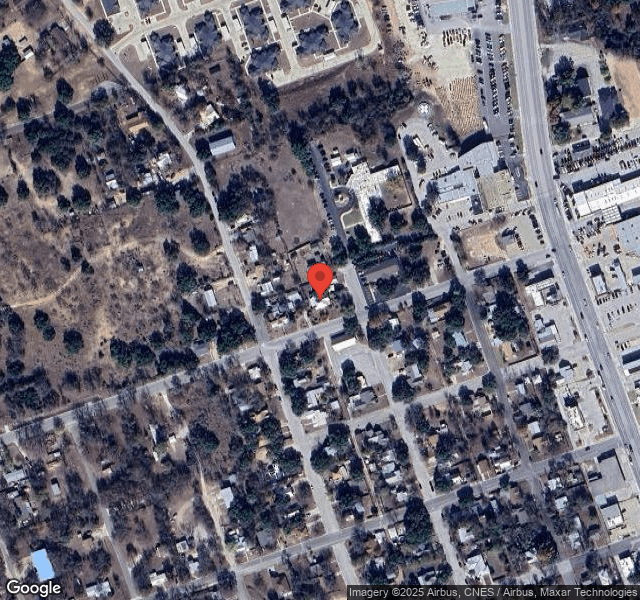
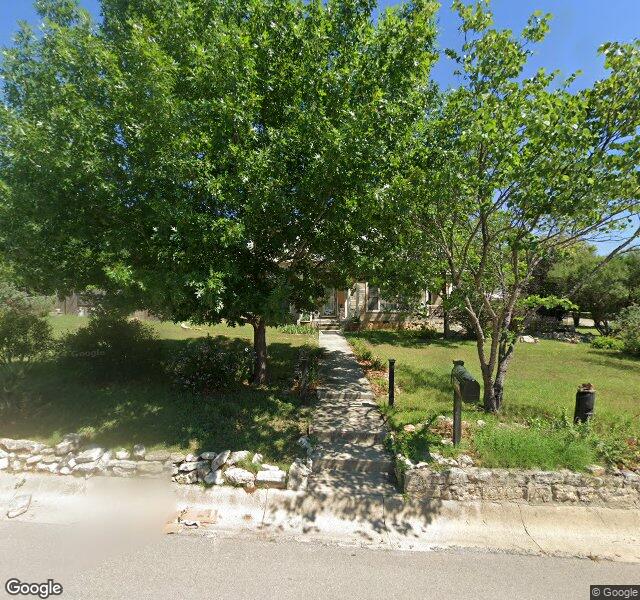
611 N BROAD ST, LAMPASAS, TX 76550 (512) 556-3588
For profit - Corporation 68 Beds DIVERSICARE HEALTHCARE Data: November 2025 1 Immediate Jeopardy citation
Trust Grade
56/100
#271 of 1168 in TX
Last Inspection: October 2024

Within standard 12-15 month inspection cycle. Federal law requires annual inspections.

Overview

Lampasas Nursing and Rehabilitation Center has a Trust Grade of C, which means it is average and ranks in the middle of the pack among nursing homes. It is positioned #271 out of 1168 facilities in Texas, indicating that it is in the top half, and it ranks #2 out of 3 in Lampasas County, meaning there is only one local option that is better. The facility's trend is improving, as it has reduced its number of issues from 6 in 2024 to just 1 in 2025. Staffing is rated average with a turnover rate of 74%, which is concerning compared to the Texas average of 50%. While the nursing home has a good level of RN coverage, exceeding 98% of Texas facilities, it has faced some serious incidents, including a failure to monitor a resident's dangerously low blood pressure, leading to hospitalization and eventual death, and issues with food safety that put residents at risk for foodborne illness. Overall, the home has strengths in RN coverage and an improving trend but also significant weaknesses in staffing stability and critical care management.

Trust Score
C
56/100
In Texas
#271/1168
Top 23%
Safety Record
High Risk
Review needed
Inspections
Getting Better
6 → 1 violations
Staff Stability
⚠ Watch
74% turnover. Very high, 26 points above average. Constant new faces learning your loved one's needs.
Penalties
✓ Good
$11,440 in fines. Lower than most Texas facilities. Relatively clean record.
Skilled Nurses
✓ Good
Each resident gets 53 minutes of Registered Nurse (RN) attention daily — more than average for Texas. RNs are trained to catch health problems early.
Violations
⚠ Watch
12 deficiencies on record. Higher than average. Multiple issues found across inspections.
★★★★☆
4.0
Overall Rating
★★★☆☆
3.0
Staff Levels
★★★★★
5.0
Care Quality
★★★☆☆
3.0
Inspection Score
Stable
2024: 6 issues
2025: 1 issues

The Good

  • 5-Star Quality Measures · Strong clinical quality outcomes
  • Full Sprinkler Coverage · Fire safety systems throughout facility
  • No fines on record

Facility shows strength in quality measures, fire safety.

The Bad

Staff Turnover: 74%

27pts above Texas avg (46%)

Frequent staff changes - ask about care continuity

Federal Fines: $11,440

Below median ($33,413)

Minor penalties assessed

Chain: DIVERSICARE HEALTHCARE

Part of a multi-facility chain

Ask about local staffing decisions and management

Staff turnover is very high (74%)

26 points above Texas average of 48%

The Ugly 12 deficiencies on record

1 life-threatening
Jun 2025 1 deficiency 1 IJ
CRITICAL (J) 📢 Someone Reported This

A family member, employee, or ombudsman was alarmed enough to file a formal complaint

Immediate Jeopardy (IJ) - the most serious Medicare violation

Quality of Care (Tag F0684)

Someone could have died · This affected 1 resident

**NOTE- TERMS IN BRACKETS HAVE BEEN EDITED TO PROTECT CONFIDENTIALITY** Based on interview and record review, the facility failed to ensure that residents receive treatment and care in accordance with...

Read full inspector narrative →
**NOTE- TERMS IN BRACKETS HAVE BEEN EDITED TO PROTECT CONFIDENTIALITY** Based on interview and record review, the facility failed to ensure that residents receive treatment and care in accordance with professional standards of practice, the comprehensive person-centered care plan, and the residents' choices for 1 (Resident #1) of 8 Resident reviewed for quality of care. The facility failed to ensure MA A notified LVN B on [DATE] when Resident #1's BP reading was 86/54 on [DATE], which is far from baseline. Resident #1 was sent to the ER on [DATE] and was diagnosed with Sepsis (a serious condition that occurs when the body has an extreme reaction to an infection leading to widespread inflammation and potential organ dysfunction.) and Hypotension (or low plod pressure is a condition where blood pressure is lower than 90/60 mm Hg. It can occur as a standalone condition or as a symptom of other health issues). Resident #1 died 2 days later while in the hospital. This failure resulted in an identification of an Immediate Jeopardy (IJ) on [DATE] at 5:08 pm and an IJ template was given. While the IJ was removed on [DATE] at 4:37 pm the facility remained out of compliance at a severity of no actual harm with a potential for more than minimal harm, that was not immediate jeopardy at a scope of isolated, due to the facility's need to evaluate the effectiveness of the corrective systems. This deficient practice could place residents at risk for not being provided the care/treatment required to meet their needs. Findings included: Review of Resident # 1's face sheet dated [DATE] reflected an [AGE] year-old female admitted on [DATE] and readmitted on [DATE] with diagnoses that included: Acute Respiratory failure (is a serious condition that occurs when the lungs cannot adequately exchange gases, leading to low oxygen level and potentially high carbon dioxide levels.), Hypertension (or high blood pressure is defined as a blood pressure reading of 130/80 mm Hg ), Pneumonia (is an inflammatory condition of the lungs primarily caused by infection from bacteria, viruses, or fungi), Asthma (is a common long-term inflammatory disease of the airways in the lungs. It occurs when allergen or irritants are inhaled, causing the airway to constrict and produce mucus which restricts airflow), Respiratory failure (a condition where you don't have enough oxygen or too much carbon dioxide in your body), COPD (is a lung condition caused by damage to the airways and alveoli, usually from smoking or other irritants.). Review of Resident #1's significant change MDS dated [DATE] indicated he had a BIMS score of 8 indicating moderate cognitive impairment. Section I: Active Diagnosis reflected Resident #1 had Hypertension, Pneumonia, Asthma, Respiratory failure. Review of Resident #1's care plan initiated [DATE] reflected Resident #1 had Alteration in Respiratory Status Due to Chronic Obstructive Pulmonary Disease, due to Congestive Heart Failure, Respiratory failure; Alteration in Respiratory Status Due to Pneumonia: Impaired Cardiovascular status related to: Deep Vein Thrombosis, Hypertension, HLD (Hyperlipidemia- High-density lipoprotein), AFib (is an irregular and often very rapid heart rhythm that can lead to blood clot, stroke and heart failure), diuretic therapy. Impaired Cardiovascular status related to deep vein thrombosis, Hypertension HLD, AFib, diuretic therapy with interventions of medications as ordered by physician and observe use and effectiveness, observe and report signs of chest pain, edema, SOB, abnormal pedal pulse, restlessness, and fatigue. Review of Resident #1's physician order reflected: Losartan Potassium Oral Tablet 100 MG (Losartan Potassium) Give 1 tablet by mouth one time a day for HTN -Order Date- [DATE] Review of Resident #1's vitals in her EMR reflected a BP of 86/54 on [DATE] at 10:50 am and 75/41 on [DATE] at 8:12 am. Review of Resident #1's NP progress note, dated [DATE], reflected that orders were given to check vitals BID and if Resident #1 became symptomatic such as lethargy, confusion, nausea/vomiting and bradycardia or if there was any change to Resident #1's BP, to send to the ER. Review of Resident #1's progress notes dated [DATE] at 08:00 am written by RN C reflected: Resident noted be unresponsive this morning. Vital signs 75/41, 94, 22, 97.7 93% on 4l N/C. Message left for NP that resident was being sent out. Message left for [family] at 0736. [Another family] here and notified that resident was being transferred to [local hospital]. DON notified. Review of Resident #1's progress notes dated [DATE] at 12:31 pm written by RN C reflected: Call made to [local hospital] to check on resident. Per ED nurse resident is being admitted to ICU room [xxx] with diagnosis of hypotension and sepsis. Message left with her [family] to update. During an interview on [DATE] at 2:09 pm MA A stated the top number of blood pressure should be over 100 and the bottom number should be over 60. MA A stated she relayed the message to LVN B before she left that Resident #1 was not doing good. She stated she should have checked her BP if she knew she was not doing good. MA A stated she held Resident #1's blood pressure medication on [DATE] due to Resident #1's blood pressure being low, but she did not notify LVN B. MA A stated she worked the 12 hours shift, from 8:00 am to 8:00 pm on [DATE]. During an interview on [DATE] at 2:44 pm the Interim DON stated Blood pressure systolic range is different for each resident because they are on blood pressure medication that can affect blood pressure. The Interim DON stated, if the blood pressure was accurate, she would think the staff would call the NP and get order to send to Resident #1to the ER. The Interim DON stated, if a medication aide took the blood pressure and it was low, the medication aide should be notifying the nurse. The Interim DON stated, I would expect them to tell the nurse what the blood pressure reading were, the facts, the vitals and anything that they saw clinically. You need to keep an eye on the Resident because she doesn't look good is not a good way to notify the nurse. These are my vitals; this is what I saw and observed is what they should be telling the nurses. The Interim DON stated low blood pressure can be a sign of sepsis. The Interim DON stated many things are the signs of sepsis, the MA should have reported that B/P reading to the nurse. During an interview on [DATE] at 3:00 pm the NP stated a blood pressure of 86/54 is low, and she would have liked for the staff to have notified her so that she could have treated Resident #1. The NP stated she would have sent Resident #1 out to the hospital the same day, especially since Resident #1 had history of being septic from UTI/ PNA. The NP stated she was never notified of Resident #1's hypotension. The NP stated the sepsis caused the hypotension because she was not being treated for any infection at the time of her transfer to the ER. I would have sent her out. During an interview on [DATE] at about 3:15 pm, according to the ADON, Interim DON, Interim Administrator, Resident #1 died in the hospital about two days after she was transferred to the hospital due to Kidney failure. During an interview on [DATE] at 3:35 pm LVN B stated she was not notified by MA A of Resident #1's low BP on [DATE]. LVN B stated if she had been notified, she would have re-checked Resident #1's blood pressure manually and notified the NP . Requested Resident #1's hospital records from the facility and hospital, did not get it upon exit. Review of the facility's policy titled Notification of Change in Patient/Resident Health Status dated [DATE] reflected: Purpose -- To ensure all interested parties were informed of the resident's change in health status so that a treatment plan could be developed which is in the best interest of the resident. Process--The center will consult the resident's physician, nurse practitioner or physician assistant, and if known notify the patient representative when there is: (D)A decision to transfer or discharge the resident from the center. Notification will be immediate. Definition: Immediate means as soon as possible no longer than 24 hours. The Administrator and ADON were notified on [DATE] at 5:08 pm that an IJ had been identified and an IJ template was provided. A plan of removal was requested. The following POR was accepted on [DATE] at 01:30 pm Immediate Jeopardy Allegation of Compliance [DATE] To the best of my knowledge and belief, as an agent of (facility), the following allegation of compliance constitutes a written plan demonstrating actions the center took upon awareness of the deficient practice thus removing the Immediate Jeopardy cited on [DATE]. Preparation and execution of this allegation of compliance does not constitute an admission or agreement by the provider of the truth of the facts alleged or conclusions set forth in the alleged deficiencies. The allegation of compliance is prepared and/or executed solely because it is required by the provisions of Federal and State Law. F684 - The facility must ensure that residents receive treatment and care in accordance with professional standards of practice, the comprehensive person-centered care plan, and the residents' choices. The center will consult the resident's physician, nurse practitioner or physician assistant, and if known notify the patient representative when there is: (D)A decision to transfer or discharge the resident from the center. Notification will be immediate. Immediate Actions for All Residents Potentially Affected: DNS notified the Medical Director of the incident. Completed on [DATE]. Education provided by DNS on duty nursing staff regarding change of condition guidelines and expectation. Completed 6.12.25. Comprehension was validated via a post test. Education provided to on duty nursing staff by the DNS regarding timely notification of change to MD/NP and Responsible Party Nurses completed blood pressure assessments on all residents to identify any changes in condition and notification was made to the physician of any noted changes. No concerns were identified. Completed 6.12.25. This was completed by inputting resident baselines in our EMR (PCC) that will alert staff. Inservice on this was completed 06-13-25. The ADM removed the CMA and Nurse from patient care until they were educated on a 1:1 basis regarding the change in condition and physician notification guideline. Comprehension was validated via posttest. Completed 6.13.25. The Senior DCO educated the DNS on 6.12.25 regarding the change of condition and physician notification guideline. The DON signed statement of training provided via email from Senior Director of Clinical Operations. Systematic Changes Completed: The DON implemented disciplinary action with staff was aware of significant change but did not report it to the physician. This was completed by 1:1 in-services and progressive discipline. Post test was completed to validate comprehension. Completed 6.13.25. No nursing staff will be allowed to work before being educated on the change of condition and physician notification guideline. This was initiated on 6.12.25. New hires (licensed nurses and CMAs) will be educated on change of condition and physician notification guidelines, as well as facility policy and procedure, accordingly in orientation by human resources/designee. Initiated on 6.12.25., QAPI: On 6.12.25 the DNS implemented a Quality Assurance Performance Improvement (QAPI) plan to include completing a chart (audit ad hoc QAPI signed and acknowledged by DON, Admin and Medical Director) of assessments as follows: Three residents weekly for four weeks Two residents weekly for two weeks Two residents a month for two months The results of the audit will be discussed in daily startup and then in monthly QAPI with follow up as needed. A focused QAPI meeting addressing this event and findings was initiated and completed on [DATE] at 7:00 P.M with the attendance of the Administrator, DNS, and Medical Director. In summary, upon awareness, the center acted swiftly with the corrective actions, team member re-education, and ensured auditing measures were in place to monitor the plan. The center corrected the process and address the identified deficient practice immediately and completed actions. The Surveyor monitored the POR on [DATE] from 1:46 pm to 4:36 pm as followed: During interviews on [DATE] from 1:46 pm to 2:02 pm, CNA F, NA G and NA H stated they were in-serviced by the Interim Administrator and DON on [DATE] on abuse and neglect and reporting change of Resident's condition to the charge nurses. They stated they were trained on checking on residents frequently and if they notice something different in a resident to report exactly what the changes were. They stated they had to complete a questionnaire after the training. During an interview on [DATE] at about 2:22 pm LVN B stated she was in-serviced by the Interim Administrator on [DATE] regarding abuse and neglect and change of condition. LVN B stated she was told to follow facility's policy, notify the NP/MD immediately of any change of condition. LVN B stated she had to complete a questionnaire after the training. LVN B stated the interim Administrator also asked her for a statement regarding Resident #1's incident. LVN B stated she was trained on alerts in PCC for vitals that were out of range. During an interview on [DATE] at about 2:36 pm, LVN E stated she was in-serviced on [DATE] by the DON. LVN E stated she was in-serviced on Abuse and Neglect and Notification to the provider for change in condition of a resident. LVN E stated, if a medication was held or refusal of medication or swelling, notify the NP/MD as quick as you can. LVN E stated intervention should be follow by detail documentation. LVN E stated, if another staff report a Resident's change of condition, the nurse is supposed to assess the resident, take vital signs, do a change of condition form, Notify the NP/MD, give them a description of what you saw, what you assessed and let the NP/MD determine treatment plan. LVN E stated she also had to complete the questionnaires after the training/in-service. During an interview on [DATE] at 2:47 pm RN D stated she was in-serviced by the DON on 06/12/ and [DATE]. RN D stated, Yesterday was about abuse and neglect and change of condition. What to look for, who to notify, what to notify depending on your position. The CNAs and MA notify the nurses, the nurses notify the NP/MD, DON the family. The DON contacted the 2 doctor and got parameter for vital, and it was place in PCC. The DON and ADON put the parameters in PCC. If my CNA or medication aide says a resident doesn't look good, I am going to assess and report findings to the MD/NP, based on the orders send the resident out, notify the DON and the family. During an interview on [DATE] at 2:54 pm the ADON stated she had worked in the facility for about 4 days. The ADON stated she was in-serviced by the DON on 06/12 and [DATE]. The ADON stated in-services were on abuse and neglect and change of condition notification to the NP/MD. The DON stated on [DATE] they completed vitals for all Residents in the facility to get a baseline. The ADON stated on [DATE], the DON contacted the 2 providers and got parameter for vitals for each resident and added clinical alert in PCC for vital signs. The ADON stated it is the responsibility of the DON and the ADON to check every morning for clinical alert on PCC dashboard. The ADON demonstrated the process of checking clinical alerts. During an interview on [DATE] at 3:20 pm the Interim DON stated she was in-serviced by the SR DCO on Change of Condition/Physician Notification. The DON stated after she was trained/in-serviced, she in-serviced nursing staff on abuse and neglect and change of condition, notification to the NP/MD. The Interim DON stated the NAs, CNAs and MAs are expected to report change of condition to the nurses; the nurses are expected to immediately assess the residents and report findings to the NP/MD; the nurses are expected to follow the orders from the NP/MD and notify the resident's family. The Interim DON stated she contacted the NPs for the 2 MDs and got what they wanted for their parameters for vitals in PCC to set an alert for anything outside of that range. The Interim DON stated the nurses were in-serviced on that, they had access to the alert and should check it every shift. The Interim DON stated the DON or designee will check every day/morning. The Interim DON stated she and the ADON completed vitals on all resident s in the facility on [DATE] for a baseline. During an interview on [DATE] at 4:14 pm the Interim Administrator stated, We did 100% assessment of vitals for all the residents. The MD was notified of abnormalities. We also ensured all the residents had a baseline vitals in PCC. We did an Ad Hoc QAPI yesterday [DATE]. We started our in-service on change of condition and notification. No staff can work unless they were in-serviced, everyone that worked and is here have been in-serviced. We did abuse and neglect in-service for all staff including non-medical staff. We did progress discipline on [LVN B] and MA A; it was done 1:1, took statements from the 2 staff. Today we did an in-service on PCC alert for nurses and MAs, those that were here and the rest have to be in-serviced before working. Attempts made to contact MA A on [DATE] at about 4:25 pm but to no avail. Another attempt was made on [DATE] at 08:51 am. Later, during an interview on [DATE] at about 09:02 am, MA A stated she was called to the facility on [DATE] by the Interim Administrator for an in-service. MA A stated she was in-serviced on abuse and neglect and reporting change of condition to the nurses. MA A stated the Interim Administrator told her whenever there was a low blood pressure or something that was not normal to report to the nurses. MA A stated she completed the questionnaire after the training and the Interim Administrator asked her to write a statement. Review of facility's POR documents reflected the following: Education on Change of Condition/Physician Notification dated [DATE] provided by the SR DCO signed by the DON. Review of POR reflected an AD HOC QAPI was held on [DATE] with 3 signatures, The MD, Interim DON and the Interim DON. In-service initiated [DATE] reflected staff were in-serviced by the Interim DON and ADON on the following topics: Notification of change in Patient/Resident Health Status; Abuse, Neglect, Misappropriation, Exploitation. Was signed by 24 staff members. Audit records reflected Resident in the facility blood pressure checked was initiated on [DATE]. Progressive Discipline form dated [DATE] indicated Administrative Leave-Team member has been placed on administrative leave pending investigation and education resulting from a state survey on [DATE] signed by LVN B. In-service dated [DATE] reflected LVN B was in-serviced by the Interim Administrator on the following topics: Notification of change in Patient/Resident Health Status; Abuse, Neglect, Misappropriation, Exploitation. Was signed by LVN B. Progressive Discipline form dated [DATE] indicated Administrative Leave-Team member has been placed on administrative leave pending investigation and education resulting from a state survey on [DATE] signed by MA A. In-service dated [DATE] reflected MA A was in-serviced by the Interim Administrator on the following topics: Notification of change in Patient/Resident Health Status; Abuse, Neglect, Misappropriation, Exploitation. Was signed by MA A. In-service initiated [DATE] reflected the Nurses and MAs were in-serviced by the Interim DON and ADON on the following: PCC Alert on Vitals (When entering vitals in PCC and you receive an alert, you are to follow the instructions in the alert-notification of alert to physician; CMAs should report all alerts to their nurse and the nurse will take the appropriate action if notification to physician is required.) The ADM and ADON were notified on [DATE] at 4:37 pm that the IJ was removed. While the IJ was removed, the facility remained out of compliance at a severity of no actual harm with a potential for more than minimal harm, that was not immediate jeopardy at a scope of isolated, due to the facility's need to evaluate the effectiveness of the corrective systems.
Dec 2024 1 deficiency
CONCERN (D) 📢 Someone Reported This

A family member, employee, or ombudsman was alarmed enough to file a formal complaint

Potential for Harm - no one hurt, but risky conditions existed

ADL Care (Tag F0677)

Could have caused harm · This affected 1 resident

**NOTE- TERMS IN BRACKETS HAVE BEEN EDITED TO PROTECT CONFIDENTIALITY** Based on observation, interview, and record review, the facility failed to ensure residents who were unable to carry out activit...

Read full inspector narrative →
**NOTE- TERMS IN BRACKETS HAVE BEEN EDITED TO PROTECT CONFIDENTIALITY** Based on observation, interview, and record review, the facility failed to ensure residents who were unable to carry out activities of daily living received necessary services to maintain personal hygiene for 1 resident out of 10 residents (Resident #1) reviewed for Activities of Daily Living care. The facility failed to provide nail care to Resident #1 as her nails were long, jagged, and sharp. This deficient practice placed residents at risk of a decline in their hygiene, at risk of skin breakdown, a decreased level of satisfaction with life, and a decreased feeling of self-worth. Findings included: Review of the face sheet for Resident #1, dated 12/06/24, reflected a [AGE] year-old female admitted to the facility on [DATE] with diagnoses of chronic venous hypertension with ulcer of lower extremity (a condition that occurs when the valves in the leg veins are damaged, causing blood pressure to remain high in the veins) muscle wasting, and dyspnea (the uncomfortable feeling of not being able to breath well enough) Review of Resident #1's Brief Interview for Mental states, dated 11/07/2024, revealed it did not reflect a score but indicated the resident's cognition was moderately impaired. Review of Section GG functional abilities of Resident #1's quarterly MDS dated [DATE] reflected the resident was dependent on personal hygiene and used a manual wheelchair. Review of the care plan for Resident #1 with a start date of 08/13/2024 and revisited 08/14/24 reflected [Resident #1] is at risk for alterations is [in] skin integrity and pressure injury r/t requires max assist with med mobility. She is often resistant to and or refuses care. Admit with vascular wound right shin. There was no documentation regarding nail care maintenance. Review of the care plan for Resident #1 with a start date of 08/13/2024 reflected Resident #1 had a self-care deficit related to: impaired cognition/dementia and weakness. She was currently on physical and speech therapy. Interventions provide all the effort with the following tasks as this resident is dependent toilet, hygiene, bathing, dress, personal hygiene date initiated 08/13/24. There was no documentation regarding refusal of care for toenail care. Observation and interview on 12/06/2024 at 1:37 pm revealed the toenails on Resident #1's left foot were broken, frayed, uneven in length, and some nails were very sharp. She did not want to talk about her toenails, and she did not want to reveal the toenails on her right foot. Interview on 12/06/2024 at 3:32 pm with the DON revealed nail trimming was to be done during residents' showers by the CNAs unless the resident was diabetic. She stated nail care should be care planned for both weekly and PRN and nailcare was important because unkempt nails could cause skin tears, infections, and resident could scratch themselves. Interview on 12/06/2024 at 3:57 with the Administrator revealed nail care should be care planned because they are part of resident activities of daily living and if a resident refuses nail care, that should be documented. The Administrator revealed they did not have a activities of daily living policy. The Administrator stated that if residents didn't get their nails trimmed, they could sustain skin injuries and possible infection.
Oct 2024 4 deficiencies
CONCERN (D)

Potential for Harm - no one hurt, but risky conditions existed

Resident Rights (Tag F0550)

Could have caused harm · This affected 1 resident

**NOTE- TERMS IN BRACKETS HAVE BEEN EDITED TO PROTECT CONFIDENTIALITY** Based on observation, interview, and record review, the facility failed to ensure each resident was treated with respect, dignit...

Read full inspector narrative →
**NOTE- TERMS IN BRACKETS HAVE BEEN EDITED TO PROTECT CONFIDENTIALITY** Based on observation, interview, and record review, the facility failed to ensure each resident was treated with respect, dignity, and care in a manner and in an environment that promoted maintenance or enhancement of his or her quality of life for 1 (Resident #143) of 5 residents reviewed for resident rights and dignity. The facility failed to promote Resident 143's independence and dignity while assisting her to eat lunch in the dining room. This failure could place residents at risk for a loss of dignity, decreased self- worth, and decreased self-esteem. Finding included: Record review of Resident #143's Face Sheet dated 10/31/24 revealed an [AGE] year-old female initially admitted to the facility on [DATE] with a diagnosis of unspecified fracture of the right forearm- subsequent encounter for closed fracture with routine healing, age related osteoporosis (disease that weakens bones) with current pathological fracture (bone break caused by an underlying disease that weakens the bones), left humerus subsequent encounter for fracture with routine healing, and fracture of left shoulder girdle- part unspecified- subsequent encounter for fracture with routine healing. Record review revealed no MDS had been completed, resident had been at the facility for 3 days by date of exit; MDS was still in progress. Record review of Resident #143's BIMS assessment dated [DATE] revealed a BIMS score of 15 indicating cognition intact. Record review of Resident #143's Baseline Care Plan dated 10/28/24 revealed barriers to transition included: strength/ endurance, self-care, meal prep/ homemaking, and diet management. Dietary interventions included assistance with eating. Baseline assessment was completed by RN-A. Record review of Resident #143's nursing progress notes revealed a nursing note dated 10/28/24: patient admits from [rehab facility] diagnosis of left humerus fracture, right wrist fracture, patient oriented to room and call bell system, patient agrees to use call bell for assistance. Patient was max assist for transfers. Patient has cast to right wrist and brace to left upper arm. An observation on 10/29/24 at 12:42 PM in the dining room for lunch services, RN-A was observed assisting Resident #143 with eating her meal. RN-A was observed standing to the right of Resident #143's wheelchair, standing over her, and leaning against her wheelchair with her left hand while feeding the resident with her right. After feeding Resident #143 for only a few minutes she was then observed at 12:48 PM leaving Resident #143 and going to assist another resident. RN-A did not return to continue to feed Resident #143. Approximately 10 minutes later, CNA-B was observed sitting next to Resident #143. CNA-B was heard acknowledging to the resident that the food was now cold from sitting there for too long and let her know she would have the kitchen provide her a warm meal. CNA-B was then observed pulling up a chair and returning to assist Resident #143 eat her meal while sitting at eye level with her through the remaining duration of her meal. An interview on 10/29/24 at 12:55 PM with RN-A, she stated that she should have sat next to Resident #143 while she assisted her with her meal. She stated that she did not see a chair available for her to sit in (other chairs were observed at tables that were not completely occupied by residents). RN-A stated that a negative outcome to leaning against a resident's wheelchair while standing over them to feed them was a dignity issue and stated she should be at eye level and be giving undivided attention to the resident. An interview on 10/31/24 at 10:52 AM with Resident #143, she stated her first few days in skilled nursing have been a humbling experience. When asked about the interaction with RN-A during lunch on 10/29/24 she stated that having someone stand over her while feeding her did not make her feel good. She stated both of her arms had fractures and she was not able to use them to feed herself so that she relies on staff completely with her meals. Resident #143 stated that since she arrived at the facility, not receiving timely assistance with her meals has been a common occurrence and that by the time someone does help her eat her meal, it is cold. An interview on 10/31/24 at 4:32 PM with the DON, she stated it was her expectation that when staff assist residents that require feeding assistance, they were expected to sit with the resident and begin feeding them the moment their tray is brought out to them and set down. The DON stated that a negative outcome of not being at eye level while feeding a resident is a dignity issue, they could feel like they are not worthy of companionship while being fed. An interview on 10/31/24 at 4:45 PM with the ADM she stated that it was her expectation that while feeding a resident, care staff should be at eye level and not doing so is a dignity issue. Record review of the facility policy titled Residents Rights and Quality of Life dated 05/01/12 revealed: It is the policy that all residents have the right to a dignified existence, self-determination, and communication with an access to people and services inside and outside of the facility. A resident has the right to exercise his/her rights as a resident of the facility and a citizen or resident of the U.S. Record review of the Texas Health and Human Services/ Texas Long-Term Care Ombudsman Nursing Facility Residents [NAME] of Rights dated November 2021 revealed: Residents Rights Residents of Texas nursing facilities have all the rights, benefits, responsibilities, and privileges granted by the Constitution and laws of this state and the United States. They have the right to be free of interference, coercion, discrimination, and reprisal in exercising these rights as citizens of the United States. Dignity and Respect You have a right to be treated with dignity, courtesy, consideration, and respect.
CONCERN (D)

Potential for Harm - no one hurt, but risky conditions existed

Deficiency F0558 (Tag F0558)

Could have caused harm · This affected 1 resident

**NOTE- TERMS IN BRACKETS HAVE BEEN EDITED TO PROTECT CONFIDENTIALITY** Based on observation, interview, and record review the facility failed to provide services with a reasonable accomodation to 1 o...

Read full inspector narrative →
**NOTE- TERMS IN BRACKETS HAVE BEEN EDITED TO PROTECT CONFIDENTIALITY** Based on observation, interview, and record review the facility failed to provide services with a reasonable accomodation to 1 of 5 residents (Resident #143) by failing to equip the resident with a device to call for staff assistance through a communication system which relays the call directly to a staff member or to a centralized staff work area. The facility failed to ensure Resident #143 was accommodated with a device to call for staff assistance. This failure could place residents at risk of not being able to get assistance when needed. Findings included: Record review of Resident #143's Face Sheet dated 10/31/24 revealed an [AGE] year-old female initially admitted to the facility on [DATE] with a diagnosis of unspecified fracture of the right forearm- subsequent encounter for closed fracture with routine healing, age related osteoporosis (disease that weakens bones) with current pathological fracture (bone break caused by an underlying disease that weakens the bones), left humerus subsequent encounter for fracture with routine healing, and fracture of left shoulder girdle- part unspecified- subsequent encounter for fracture with routine healing. Record review revealed no MDS was completed, resident had been at the facility for 3 days by date of exit; MDS was still in progress. Record review of Resident #143's BIMS assessment dated [DATE] revealed a BIMS score of 15 indicating cognition intact. Record review of Resident #143's Baseline Care Plan dated 10/28/24 revealed barriers to transition included: strength/ endurance, balance, transfers, walking, stairs, self-care, toileting, bathing, meal prep/ homemaking, pain management, and diet management. The safety section of the baseline care plan indicated history of falls with initial goal remain free from falls and injury and interventions of use call bell, use gait belt, two-person assist with transfers. Record review of Resident #143's nursing progress notes revealed a nursing note dated 10/28/24: patient admits from [rehab facility] diagnosis of left humerus fracture, right wrist fracture, patient oriented to room and call bell system, patient agrees to use call bell for assistance. Patient is max assist for transfers. Patient has cast to right wrist and brace to left upper arm. An interview and observation on 10/31/24 at 10:52 AM with Resident #143, upon entering the room she was observed in her wheelchair at bedside; two pillows that were used to provide support to each of her fractured arms were observed on the floor, the call light was observed also on the floor to her left approximately 2 feet away, not within reach. Across from the resident, a posted sign was observed on the closet door with the words CALL DON'T FALL. The resident expressed that she had been attempting to get help for a while but has not been able to call due to the limited use of both arms because of her fractures. The call light observed was a specialized call pad that if within reach, gentle pressure applied to the end of the pad would allow the resident to call for assistance. The resident stated she needed her arms readjusted to a comfortable position and she also needed water because she was thirsty. The resident expressed it made her feel vulnerable not being able to call for help or do things for herself. Assistance was requested for Resident #143 and CNA-B entered the room acknowledged the residents' concerns, picked up the pillows off the floor and adjusted them underneath the residents' arms providing her support and ensuring comfort and then bringing a cup of fluids to her mouth for a drink of water; indicating she was completely dependent on staff to meet her needs. The call light was then observed being clipped to her shirt near her arms so that Resident #143 would be able to apply pressure on it if assistance was needed. An interview on 10/31/24 at 11:04 AM with CNA-B, she stated she was not sure how long the call light was on the floor or how long Resident #143 had been needing assistance, but that it could have been quite a bit of time. CNA-B stated that it was the expectation that call lights are within reach of the resident, at all times. She stated that Resident #143 was fully depended on staff to do anything, she needs significant help. CNA-B stated a potential negative outcome of Resident #143 not having the call light in reach would be she could fall if she was trying to reach the call light and her needs would not be met. An interview on 10/31/24 at 04:32 PM with the DON, she stated that it was her expectation that call lights are within reach of the residents and answered in a timely manner. She said a potential negative outcome would be the resident not being able to call for assistance which could result in a fall. An interview on 10/31/24 at 04:45 PM with the ADM, she stated call lights should always be in reach and accessible to the resident and they should be answered in a timely manner. The ADM stated a potential negative outcome would be there was the potential for a negative outcome and did not further specify. The call light policy was requested on 10/31/24 at 1:51 PM, the ADM stated there was not a call light policy and instead offered a Call Light In-Service which was what was used to train care staff on the standards and expectations. The undated Call Light In-Service sheet provided revealed: Requirements for Call Lights in Nursing Homes Failure to implement a call system that adheres to these regulations could result in fines, license revocations, or even closures. Here are some requirements for call light systems in nursing homes that you should look for as a resident or family member. Placement Nurse call systems must be accessible within resident rooms. Generally, a call system is required beside the bed and in bathing or toilet facilities. Common areas should also allow access to nurse call systems. The purpose of a call light system is to enable residents to ask for assistance, so they must be placed in all locations where residents may be present. Accessibility Call lights must also be accessible to all residents, including those with disabilities. If they are placed out of reach on a wall, some patients may be unable to call for help. For patients with limited mobility, a call system must be within reach of their bed and other locations. The nursing home is responsible for setting up each resident's call system to meet their needs. Functionality Call systems in nursing homes must be functional and reliable at all times. This system includes a working call light above the resident's door, a functioning station that is always staffed for incoming calls, and loud volumes that staff can hear. Additionally, there are requirements surrounding the response time to each request for assistance. Usually, nurses must respond to the call within a timely manner of the alert.
CONCERN (D)

Potential for Harm - no one hurt, but risky conditions existed

Comprehensive Care Plan (Tag F0656)

Could have caused harm · This affected 1 resident

**NOTE- TERMS IN BRACKETS HAVE BEEN EDITED TO PROTECT CONFIDENTIALITY** Based on interviews and record review the facility failed to develop and implement a comprehensive person-centered care plan for...

Read full inspector narrative →
**NOTE- TERMS IN BRACKETS HAVE BEEN EDITED TO PROTECT CONFIDENTIALITY** Based on interviews and record review the facility failed to develop and implement a comprehensive person-centered care plan for each resident, consistent with the resident rights, that included measurable objectives and timeframe's to meet a resident's medical, nursing, and mental and psychosocial needs that were identified in the comprehensive assessment for 1 of 5 residents (Resident #25) reviewed for comprehensive care plans. The facility failed to ensure Resident #25's comprehensive care reflected Resident #25 Advance Directive status of DNR (Do Not Resuscitate). This deficient practice could place residents at risk for receiving improper care and services due to inaccurate care plans. Findings included: A record review of Resident #25's face sheet dated 10/02/24 reflected an [AGE] year-old female who was admitted to the facility on [DATE]. Resident #25's diagnosis is Chronic Obstructive Pulmonary Disease (COPD), Unspecified (a common lung disease that causes breathing problems and restricted air flow). A record review of Resident #25's Initial MDS assessment, dated 10/08/2024, reflected the resident had a BIMS score of 10, which indicated moderate cognitive impairment. Resident #25's Initial MDS reflected Resident #25's current primary diagnosis of Chronic Obstructive Pulmonary Disease. A record review of Resident #25's care plan, dated 10/18/2024, did not reflect or address Resident #25's Advanced Directive status as DNR. A record review of Resident #25 physician's orders, dated 10/17/2024, reflected Resident #25 had an order dated 10/17/24 Which reads: Do Not Resuscitate (DNR)-10/7/2024 Gentiva Diagnoses: Chronic Obstructive Pulmonary Disease, Pulmonary Fibrosis, Call for concerns. During an interview with the DON on 10/31/24 at 3:20pm, the DON stated that she was responsible for completing MDS and care plan assessments as the MDS Coordinator had recently resigned. She stated Resident #25's care plan should have reflected the residents' code status. The DON stated if a resident's care plan was inaccurate then the resident may not receive the appropriate care. The DON stated that in addition to the facility policy, the care plan should be compliant with the requirements outlined in the Resident Assessment Instrument (RAI). During an interview with the ADM on 10/31/2024 at 4:45pm, the ADM stated that Resident #25's code status of DNR should have been reflected on the resident care plan. The ADM stated if a resident care plan was inaccurate that could cause the resident not to receive the proper care. A record review of the facility's Care Plans, Comprehensive Person-Centered policy, dated 2001, reflected A comprehensive, person-centered care plan that includes measurable objectives and timetables to meet the resident's physical, psychosocial and functional needs is developed and implemented for each resident. A record review of an excerpt of the Long-Term Care Facility Resident Assessment Instrument 3.0 User's Manual, version 1.19.1(RAI) dated 10/2024 stated the comprehensive care plan is an interdisciplinary communication tool. It must include measurable objectives and time frames and must describe the services that are to be furnished to attain or maintain the resident's highest practicable physical, mental, and psychosocial well-being.
CONCERN (E)

Potential for Harm - no one hurt, but risky conditions existed

Food Safety (Tag F0812)

Could have caused harm · This affected multiple residents

Based on observation, interview, and record review, the facility failed to store, prepare, distribute, and serve food in accordance with professional standards for food service safety in 1 of 1 kitche...

Read full inspector narrative →
Based on observation, interview, and record review, the facility failed to store, prepare, distribute, and serve food in accordance with professional standards for food service safety in 1 of 1 kitchen reviewed for dietary services in that: The facility failed to correctly label and date food, dispose of expired items within the expiration dates, and effectively store frozen items in sealed containers. These failures could place residents at risk for food contamination and foodborne illness. The findings included: During the initial tour of the kitchen on 10/29/2024 at 09:00 AM the following was observed: - Reach in freezer 1 contained two bags of frozen breaded chicken patties in a clear zip seal bag, and 1 bag of frozen pineapple slices all with an expiration date of 09/30/24. - Reach in freezer 2 contained a clear bag of frozen French fries, the bag was punctured and was observed to have a hole the size of a golf ball which exposed the contents to open air. - 1 clear container of corn flakes was observed with a label that had an open date and use by date of 10/08/24. In an interview on 10/29/24 at 09:15 AM with the DM she stated that she believed that the pineapple bag was mislabeled after the original zip seal bag it was in ripped and was transferred to a new bag. The DM also claimed the frozen chicken patties and container with the cereal were also mislabeled. In an interview on 10/29/24 at 11:30 AM with the DTN who stated it was her expectation that items in the freezer are labeled with a date the item is received along with the expiration date. She stated packaged items should contain an open date, and a use by date, and items prepared and stored for later (leftovers) should have a prepared date and a use by date. The DTN stated that there should not be any expired food items in the freezers/ refrigerators, and that it was her expectation that all items are sealed properly. She stated a potential negative outcome to having expired items was the potential for it to be served which could have led to illness and that items which are not properly sealed could have led to contamination of the food. An interview on 10/31/24 at 10:10 AM with the DM who stated that it was her expectation that expired items or items that they are aware of being mislabeled should be thrown away. The DM said food items should have a received/ prepared date along with a use by date. The DM stated that expired items have the potential to make residents sick if they made it to them. She stated that not properly labeling items could result in use of an expired item because nobody would know when it was opened and when it expires. The DM stated all food items should be properly sealed and said a negative outcome to punctured bags in the freezer would cause food items to have frostbite saying, it would affect the food quality and make it taste old. An interview on 10/31/24 at 4:45 PM with the ADM who stated it was her expectation that items in the refrigerator and freezers are properly labeled and dated to include a received date/ prepared date, and use by date. She stated that no food items should be punctured and expected food items to be properly sealed. The ADM stated that a potential negative outcome of expired items is it could lead to illness if they made it to a resident. She stated food items that are in a punctured bag and not properly sealed would lead to food inconsistency. Review of the facility Food Storage: Cold Foods policy last revised 02/2023 revealed: All Time/ Temperature Control for Safety (TCS) Foods, frozen and refrigerated will be appropriately stored in accordance with guidelines of the FDA Food Code. - All foods will be wrapped or in covered containers, labeled and dated, and arranged in a manner to prevent cross contamination. Review of the facility Receiving policy last revised 02/2023 revealed: Safe food handling procedures for time and temperature control will be practiced in the transportation, delivery, and subsequent storage of all food items. - All food items will be appropriately labeled and dated either through manufacturer packaging or staff notation. - All food items will be stored in a manner that ensures appropriate and timely utilization based on principles of first in-first out (FIFO) inventory management. Review of the facility Food Storage: Dry Goods policy last revised 02/2023 revealed: All dry goods will be appropriately stored in accordance with the FDA Food Code. - Storage areas will be neat, arranged for easy identification, and date marked as appropriate. Review of the 2022 U.S. Food and Drug Administration Food Code revealed: 3-501.17 Ready-to-Eat, Time/Temperature Control for Safety Food, Date Marking. (A) Except when PACKAGING FOOD using a REDUCED OXYGEN PACKAGING method as specified under § 3-502.12, and except as specified in (E) and (F) of this section, refrigerated, READY-TO-EAT, TIME/TEMPERATURE CONTROL FOR SAFETY FOOD prepared and held in a FOOD ESTABLISHMENT for more than 24 hours shall be clearly marked to indicate the date or day by which the FOOD shall be consumed on the PREMISES, sold, or discarded when held at a temperature of 5ºC (41ºF) or less for a maximum of 7 days. The day of preparation shall be counted as Day 1. (B) Except as specified in (E) - (G) of this section, refrigerated, READY-TO-EAT TIME/TEMPERATURE CONTROL FOR SAFETY FOOD prepared and PACKAGED by a FOOD PROCESSING PLANT shall be clearly marked, at the time the original container is opened in a FOOD ESTABLISHMENT and if the FOOD is held for more than 24 hours, to indicate the date or day by which the FOOD shall be consumed on the PREMISES, sold, or discarded, based on the temperature and time combinations specified in (A) of this section and: Pf (1) The day the original container is opened in the FOOD ESTABLISHMENT shall be counted as Day 1; Pf and (2) The day or date marked by the FOOD ESTABLISHMENT may not exceed a manufacturer's use-by date if the manufacturer determined the use-by date based on FOOD safety. 3-501.18 Ready-to-Eat, Time/Temperature Control for Safety Food, Disposition. (A) A FOOD specified in 3-501.17(A) or (B) shall be discarded if it: (1) Exceeds the temperature and time combination specified in 3-501.17(A), except time that the product is frozen; P (2) Is in a container or PACKAGE that does not bear a date or day; P or (3) Is inappropriately marked with a date or day that exceeds a temperature and time combination as specified in 3-501.17(A). 3-302.11 Packaged and Unpackaged Food - Separation, Packaging, and Segregation. FOOD shall be protected from cross contamination by: (4) Except as specified under Subparagraph 3-501.15(B)(2) and in (B) of this section, storing the food in packages, covered containers, or wrappings.
Apr 2024 1 deficiency
CONCERN (D) 📢 Someone Reported This

A family member, employee, or ombudsman was alarmed enough to file a formal complaint

Potential for Harm - no one hurt, but risky conditions existed

Deficiency F0655 (Tag F0655)

Could have caused harm · This affected 1 resident

**NOTE- TERMS IN BRACKETS HAVE BEEN EDITED TO PROTECT CONFIDENTIALITY** Based on interviews and record review the facility failed to develop and implement a baseline care plan that included the instru...

Read full inspector narrative →
**NOTE- TERMS IN BRACKETS HAVE BEEN EDITED TO PROTECT CONFIDENTIALITY** Based on interviews and record review the facility failed to develop and implement a baseline care plan that included the instructions needed to provide effective and person-centered care of the resident that meet professional standards of quality care for 1 of 10 residents (Resident #1) reviewed for baseline care plans. This failure could place the resident at risk of continuity of care and communication among nursing home staff, reduced resident safety, and reduced safeguards against adverse events that are most likely to occur right after admission. Findings included: Record review of Resident #1's Face sheet dated 04/05/24 reflected, a [AGE] year-old male admitted to the facility on [DATE] and discharged on 02/29/24 with diagnoses of irritant contact dermatitis due to fecal, urinary or dual incontinence (inflammation of the skin associated with exposure to urine or stool), diabetes, depression, chronic obstructive pulmonary disease, depression, bipolar disorder, and chronic thromboembolic pulmonary hypertension (a rare and potentially fatal form of elevated blood pressure in the lungs). Record review reflected there was no MDS completed for Resident #1. Record review of Resident #1's care plan dated 02/14/2024 reflected: Focus dated 02/14/2024: - I have a physical functioning deficit with transfers and require assistance of. Goal dated 02/14/2024: I will maintain my current level of functioning with the intervention Intervention dated 02/14/2024: Transfer/Slide Sheet for moving up in bed Interview on 04/05/2024 with the DON at 5:38 pm revealed there was no base line care plan for Resident #1, and it was the facility policy to have a base line care plan within 24 hours of a resident admitting into the facility. The DON believes it was a computer error because Resident #1 was readmitted to the facility and for some reason the Electronic Medical Record software did not generate a reminder to create a base line care plan for his new facility admission. The DON revealed it was important to have a baseline CP because it was necessary to identify the residents needs and how the staff was to implement resident care. She revealed if you don't have a care plan, the resident could have an identified need that was not meet and could cause the resident harm. An example would be not having a care plan that identified and had interventions for falls. The failure of not having a care plan could result in an injury from a fall. Not having a care plan could affect outcomes and patient satisfaction. The DON revealed it was the responsibility for the MDS coordinator to create a care plan, but all staff were responsible for creating a care plan and all the staff discussed care plans during morning meetings. Interview on 04/05/2024 with the ADM at 5:51 pm revealed he was not aware that there was no baseline care plan for Resident #1, and it would be the MDS nurse who would be the driving force to create a care plan. He revealed a care plan was important because it helps the facility determine the residents' treatment plan. He revealed that without a care plan, things that needed to happen to care for the resident could get missed and the resident might not get the full treatment they needed but he does not think that it could get to that point that not having a care plan could cause injury, but it could potentially get to that point. Interview on 04/05/2024 with the MDS Coordinator at 4:32 pm revealed, when shown Resident #1's care plan in the Electronic Medical Record that there was no baseline care plan created for Resident #1. She revealed a care plan was not created because the nurse did not create an initial evaluation when Resident #1 was admitted into the facility and therefore, no base line care plan was created. Record review of the facility's Comprehensive Care Plan policy dated May 1, 2012, revealed: social services staff and/or designee will participate in the development of a comprehensive care plan for each resident. PRACTICE GUIDELINES 1. The interdisciplinary care plan is implemented to guide health care center staff in the provision of necessary care and services to obtain and maintain at the highest practicable physical, mental, and psychological well-being of the resident and promotion of the resident and family in planning care. 3. Interdisciplinary team develops president focused goals. These goals are: A. stated in behavioral terms B. measurable C. brief D. short term with established timeframes E. related directly to the stated problem, need, or concern
Sept 2023 1 deficiency
CONCERN (D)

Potential for Harm - no one hurt, but risky conditions existed

Deficiency F0558 (Tag F0558)

Could have caused harm · This affected 1 resident

**NOTE- TERMS IN BRACKETS HAVE BEEN EDITED TO PROTECT CONFIDENTIALITY** Based on observations, interviews and record reviews the facility failed to ensure residents received services in the facility w...

Read full inspector narrative →
**NOTE- TERMS IN BRACKETS HAVE BEEN EDITED TO PROTECT CONFIDENTIALITY** Based on observations, interviews and record reviews the facility failed to ensure residents received services in the facility with reasonable accommodations of resident's needs and preferences except when to do so would endanger the health and safety of the resident or other residents for 1 of 10 residents (Resident #30) reviewed for resident rights; in that: The facility failed to ensure Resident #30's call light was within reach. This failure could place residents at risk of needs not being met. Findings included: Record review of Resident #30's admission record, dated 09/12/23, documented a [AGE] year-old female who was admitted to the facility on [DATE]. Resident #30 had diagnoses which included: type 2 diabetes mellitus (a chronic condition that affects the way the body processes the blood sugar), muscle wasting and atrophy (wasting [thinning] or loss of muscle), dysphagia (difficulty swallowing), and iron deficiency anemia (too few healthy red blood cells due to too little iron in the body. Record review of Resident #30's quarterly MDS assessment, dated 06/23/23, revealed the resident had a BIMS score of 14, which indicated the resident was cognitively intact. The resident required extensive assistance in various areas of activities of daily living such as bed mobility, transfer, locomotion on and off unit, dressing, toilet use, and personal hygiene and supervision for eating. Record review of Resident #30's care plan, initiated 11/16/21 and revised 02/09/22, revealed Resident #30 was care planned for high risk for falls due to history of falls at home, poor cognition, poor safety awareness as evident by attempts to self-transfer. [Resident #30] is unsteady due to fear of falling with a goal of [Resident #30] will be free of falls through the review date and had an intervention of be sure [Resident #30's] call light is within reach and encourage to use it for assistance as needed. Record review of Resident #30's care plan, initiated 11/16/21 and revised 01/18/23, revealed Resident #30 was care planned for an ADL self-care performance deficit r/t Dementia with a goal of will be able to assist in ADL's for next 90 days and had an intervention of encourage [Resident #30] to use bell to call for assistance. During an observation on 09/11/23 at 10:18 AM revealed Resident #30's call light was observed lying on the floor beside the bed and out of Resident #30's reach. In an interview with Resident #30 on 09/11/23 at 10:24 AM, Resident #30 stated she could use her call button to call for help if needed but did not always have it in reach. She stated staff would give her the call light if she told them to before leaving her room. She stated she would get her roommate to call for help if she could not reach her call light and she needed assist. In an interview on 09/12/23 at 11:25 AM, CNA A stated call lights should have been in reach, for all residents at all times. CNA A stated if a call light was not in reach, a resident could fall or could possibly not ask for help. CNA A stated she made rounds every 1 - 2 hours and when she made rounds, she checked to make sure residents had their call lights in reach and to see if the residents had any needs, and that residents were dry and clean. CNA A stated she was in-serviced on call lights. In an interview on 09/12/23 at 11:29 AM, the DON stated the purpose of residents call lights was for residents to get assistance for anything they needed when they were in their rooms. The DON stated if a call light was not in reach, a resident could have wet their bed or could have fell out of bed trying to reach for a remote or something. She stated residents call lights needed to be in reach. She stated staff should have made rounds every 2 hours and checked to make sure residents call lights were in reach. She stated staff were in-serviced on call light recently. In an interview on 09/12/23 at 11:34 AM, the ADM stated the purpose of a residents call light was so residents could call for help. He stated if a residents call light was out of reach and the resident needed help it could be possible the staff would not have known it. He stated staff should have made sure residents call lights were in reach and they had just recently put clips on the call lights to help them stay in place. The ADM stated the staff were in-serviced on call lights in the recent past. In an interview on 09/12/23 at 1:20 PM with the DON reveled the facility did not have a policy on call lights. Record review of staff in-service dated 05/15/23 and titled Universal Fall Precautions revealed staff were in-serviced on call bell within reach. In-service titled How to engage residents in activities to assist with prevention of falls, dated 07/14/23, revealed staff were in-serviced on if residents prefer to stay in their room, they need to be rounded on more frequently to ensure safety with all call bells in reach
Jan 2023 1 deficiency
CONCERN (D) 📢 Someone Reported This

A family member, employee, or ombudsman was alarmed enough to file a formal complaint

Potential for Harm - no one hurt, but risky conditions existed

Deficiency F0925 (Tag F0925)

Could have caused harm · This affected 1 resident

**NOTE- TERMS IN BRACKETS HAVE BEEN EDITED TO PROTECT CONFIDENTIALITY** Based on interviews and record reviews the facility failed to maintain an effective pest control program to ensure the facility ...

Read full inspector narrative →
**NOTE- TERMS IN BRACKETS HAVE BEEN EDITED TO PROTECT CONFIDENTIALITY** Based on interviews and record reviews the facility failed to maintain an effective pest control program to ensure the facility was free of pests in 1 (Resident #1) of 6 resident rooms reviewed for the presence of pests in that: The facility failed to ensure Resident #1's room remained free from maggots. On 1/10/2023 maggots were found in Resident #1's room and on her blanket. This failure could place residents at risk for vector-borne diseases. The findings included: Record review of Resident #1's face sheet dated 01/11/2023 reflected she was admitted on [DATE]. Her diagnoses include Alzheimer's disease (A progressive disease that destroys memory and other important mental functions.) , Constipation, Age-related osteoporosis ( the bones become brittle and fragile), Pain, Hypothyroidism (the thyroid gland doesn't make enough thyroid hormone), Unspecified dementia with behavioral disturbance, Generalized anxiety disorder, Parkinson's disease (a brain disorder that causes unintended or uncontrollable movements, such as shaking, ), Hereditary and idiopathic neuropathy ( a kind of nervous system illness with unknown origin), Spinal stenosis (the spaces in the spine narrow and create pressure on the spinal cord ). Record review of Resident #1's MDS on 1/11/23 revealed that her BIMS (a brief cognitive screening measure that focuses on orientation and short-term word recall) could not be assessed due to her cognitive level (severe cognitive impairment). Record review of the skin and wound evaluation on 1/11/23 reflected that Resident #1 had skin and wound evaluation every week and the last evaluation was on 1/10/23. Per this evaluation Resident #1 had the following skin issues. 1.An in house acquired new (less than one week) blister at the spine with measurements of 5.1 cm length x 1.4cm width and depth not applicable. The blister had light serous exudation without any infection or odor. The peri wound temperature was normal. 2.An in house acquired new (less than one week) incontinence associated dermatitis (a common skin irritation) at the Left Ischial Tuberosity (The lower part of human pelvis) with measurements of 1.2 cm length x 0.7cm width and depth not applicable. The dermatitis had no exudation, infection, or odor. The peri wound temperature was normal. 3.An in house acquired one week old skin tear at the left calf (lateral) with measurements of 2.9 cm length x 1.4cm width and depth not applicable. The skin tear had no exudation, infection, or odor. The peri wound temperature was normal. Observation on 1/11/23 at 10:15 a.m., revealed that the Resident #1 had moved back to her previous room (room [ROOM NUMBER]) from room [ROOM NUMBER] on 1/11/23. Resident #1's family member and hospice nurse RN A were present in the room. The attempt to conduct an interview failed as she was not interviewable due to her cognitive capacity. During an interview on 01/11/2023 at 10:20 a.m., Resident #1's family member stated, on 01/10/23 maggots were sighted on the floor of Resident #1's room (room [ROOM NUMBER]) and on her blanket. Resident #1's family member said RN A, the facility MM and the ADM witnessed the presence of maggots in room [ROOM NUMBER]. The family member said Resident#1 was in room [ROOM NUMBER], and she was moved to room [ROOM NUMBER] last week. She said she never had seen any insect activities in room [ROOM NUMBER], room [ROOM NUMBER] or any other areas in the facility before. During the interview on 1/11/23 at 10.30 a.m., RN A stated she was with Resident#1 when the maggots were discovered by resident #1's family member. RN A said she saw a cluster of maggots on the floor and about 4 maggots on the resident's blanket. RN A stated Resident #1 lived in room [ROOM NUMBER] with another resident and moved to room [ROOM NUMBER] last week for administering Albuterol Sulfate Nebulization Solution (2.5 MG/3ML) 0.083% via a nebulizer. RN A stated Resident # 1 had 3 nonstaged ulcers on her body and on her assessment after the observation of maggots in the room on 1/10/23, there were no maggots present either on the ulcers or any other part of her body. During an interview on 1/11/23 at 10. 45 a.m. the MM stated on 1/10/23 he had observed maggots in room [ROOM NUMBER] and on the blanket of Resident #1. The MM stated Room # 210 was not occupied for more than a month and was used to store furniture. The MM said room [ROOM NUMBER] was thoroughly cleaned and sanitized before transferring Resident #1 to that room. He said after the sighting of maggots the pest control person was informed and he was scheduled on 1/12/23 for pest control treatment. When asked about the source of maggots MM stated he could not figure out the source of the maggots however sprayed with the pest control chemical that was suggested by the pest control person. During an interview on 1/11/23 at 1.45 p.m., the DON stated she did not witness the presence of maggots however heard about the incident. She said Resident #1 was moved to room [ROOM NUMBER] from room [ROOM NUMBER] for administering Albuterol Sulfate via nebulizer. She stated per the facility policy nebulizer treatment would be done in a single occupancy room to reduce the risk of transmittable diseases through the nebulizer. Resident #1 was sharing room [ROOM NUMBER] with another resident and that was the reason for transferring Resident #1 temporarily to Room # 210. She said room [ROOM NUMBER] was unoccupied for more than a month and was used to store furniture. When asked the danger of maggots in a residence room, she stated insects and larvae were vectors of many pathogens and they spread diseases, and also since Resident #1 had ulcers the maggots could lodge on the ulcers and grow. During the interview on 1/11/23 at 2.00 p.m., the ADM stated, on 1/10/23 he saw about 15 to 20 maggots clustered together on the floor and about 3 to 4 maggots on resident 1#'s blanket. He said he did not have any idea how they were present there. The ADM stated room [ROOM NUMBER] was unoccupied for a while and was cleaned and sanitized before transferring Resident #1 to that room. He stated he was not ruling out the possibility of maggots being introduced by the family through food or clothing brought in during their visits. He said the resident moved into that room on 1/6/23 and no sighting of any insect activity until 1/10/23. When asked about how he was going to ensure pest free environment in the facility the ADM stated this was the first time any such incident of insect activity in the facility, and he was going to investigate to find out the source of maggots and in the meantime the pest control person would be arriving on 1/12/23 for a thorough pest control treatment in the entire facility. He said the resident was moved back to room [ROOM NUMBER] and room [ROOM NUMBER] was treated with the pest control chemical suggested by the Pest control person. Record review on 1/11/23 of pest control treatment dated revealed that the facility had an annual contract with APT company for a monthly pest control treatment program. The last treatment was on 12/21/22. Prior to this the facility was treated on 11/16/22 and 10/19/22. Review of the Policy for Pest Control dated 2017 revealed: It is the policy of this center to maintain an effective pest control program. 1.The center maintains an on-going pest control program to ensure that the building is kept free of insects and rodents. 2.Windows are screened at all times. 3.Only approved FDA and EPA insecticides and rodenticides are permitted in the center, and all such supplies are stored in areas away from food storage areas. 4.Garbage and trash are not permitted to accumulate and are removed from the center daily. 5.Maintenance services assist, when appropriate and necessary, in providing pest control services.
Jun 2022 3 deficiencies
CONCERN (D)

Potential for Harm - no one hurt, but risky conditions existed

Quality of Care (Tag F0684)

Could have caused harm · This affected 1 resident

**NOTE- TERMS IN BRACKETS HAVE BEEN EDITED TO PROTECT CONFIDENTIALITY** Based on interview and record review, the facility failed to obtain laboratory services to meet the needs of one resident (Resid...

Read full inspector narrative →
**NOTE- TERMS IN BRACKETS HAVE BEEN EDITED TO PROTECT CONFIDENTIALITY** Based on interview and record review, the facility failed to obtain laboratory services to meet the needs of one resident (Resident #22) of four residents reviewed for quality of care. The facility did not obtain a current A1C (average blood sugar) lab for Resident #22 . This failure placed Resident #22 at risk of uncontrolled diabetes. Findings included: A record review of Resident #22's face sheet reflected a [AGE] year-old male admitted on [DATE] with diagnoses of type 2 diabetes, morbid (severe) obesity, hyperlipidemia (high cholesterol), hypertension (high blood pressure), heart failure, gastroesophageal reflux disease (acid reflux), and chronic obstructive pulmonary disease (lung disease). A record review of Resident #22's MDS assessment completed on 5/05/2022 reflected a BIMS score of 15, a BMI of 56.1, and an active diagnosis of diabetes mellitus. A record review of Resident #22's care plan last revised on 5/18/2022 reflected a potential for hypo/hyperglycemia (low/high blood sugar) related to diagnosis of diabetes mellitus and a nutritional problem related to obesity. A review of Resident #22's care plan goals reflected he would not develop complications related to obesity, including diabetes. A review of care plan interventions reflected Resident #22 was to be administered medications as ordered by MD, assessed for signs and symptoms of hypoglycemia (low blood sugar) and hyperglycemia (high blood sugar), assessed for labs as ordered by MD, and assessed for fasting blood sugar as ordered by MD. Resident #22's care plan interventions reflected lab/diagnostic work was to be obtained as ordered, monitored, and results were to be reported to MD and followed up on as indicated. A record review of Resident #22's physician orders reflected a no added salt diet ordered on 5/07/2021 and no orders for insulin or diabetic medication. Resident #22's orders did not reflect a standing order for his A1C (average blood sugar) to be checked regularly. A record review of Resident #22's lab report dated 5/06/2021 reflected his blood sugar level was 112 mg/dL, which was flagged as high. A record review of Resident #22's lab report dated 11/02/2021 reflected his blood sugar level was 181 mg/dL, which was flagged as high. A record review of Resident #22's lab report dated 3/17/2022 reflected his blood sugar level was 164 mg/dL, which was flagged as high. A record review of Resident #22's lab report dated 9/29/2021 reflected a hemoglobin A1C (average blood sugar) lab ordered by Medical Director with a result of 6.7 and a reference range of 4.0-6.0. During an interview on 6/14/2022 at 11:28 a.m., Resident #22 stated he took insulin when he was at home, and he was not sure why he was not receiving it in the nursing facility. During an interview on 6/15/2022 at 1:26 p.m., the LVN stated Resident #22's A1C (average blood sugar) was checked every four months. During an interview on 6/15/2022 at 2:05 p.m., the DON stated Resident #22 had no standing order for A1C (average blood sugar) to be checked, and he had a one-time order for it to be checked on 9/29/2021. During an interview on 6/16/2022 at 10:01 a.m., the Medical Director stated her expectations for monitoring diabetic residents who were not on medication included checking their A1C (average blood sugar) every six months. The Medical Director stated Resident #22 was under her care as of then, and he would go back to seeing his PCP when he was discharged . The Medical Director stated, I know you're looking at Resident #22 and you can pin this one on me. The Medical Director stated Resident #22's A1C (average blood sugar) was probably checked when he was hospitalized in April 2022. The Medical Director stated that after searching in her records to locate Resident #22's last A1C (average blood sugar) check, she found it was last checked on 10/08/2021, and the result was 6.7. When asked if she was concerned that Resident #22's A1C (average blood sugar) had not been checked in over six months, the Medical Director stated, no because his blood glucoses were not out of whack. During an interview on 6/16/2022 at 10:55 a.m., the DON stated the facility did not have a written policy on laboratory services. The DON stated residents were transported in a van to have lab work completed out of house at either the hospital or through [NAME]. The DON stated regarding Resident #22, the Medical Director had then instructed her to create a standing order to check Resident #22's A1C (average blood sugar) every four months. During an interview on 6/16/2022 at 1:30 p.m., the DON stated the facility's policy on obtaining lab work included to obtain labs as ordered. When asked how this process was monitored, the DON stated the ADON and herself worked on it together. The DON stated the Admissions & Marketing Coordinator helped transport residents to the clinic and obtained records. The DON stated the records were then sent to the doctor for review and uploaded into their electronic health records system. When asked who monitored the process of obtaining lab work, the DON stated, the ADON and I, and pharmacy oversees us. When asked what a potential negative resident outcome might include if recommended labs were not obtained, the DON stated if lab work was not obtained as scheduled, there could be erroneous results such as delayed medication dosage. The DON stated when a demented person is taken out, it caused havoc and exasperated their dementia. During an interview on 6/16/2022 at 1:45 p.m., the Administrator stated regarding the facility's policy on obtaining lab work, that the doctor ordered it and the facility took residents down to the lab at the hospital behind them, got the lab work, and notified the physician or whoever their doctor was. The Administrator stated this process was monitored by the DON and ADON, who went over labs on a routine basis and ensured they were completed. The Administrator stated if they were not done, the DON and ADON would make sure it was getting done. When asked who monitored the process of obtaining lab work to ensure compliance, the Administrator stated labs were ordered by the physician and then entered in by the DON. The Administrator stated the doctor had to order the labs and then the nurse would put in the order. When asked what kind of potential negative resident outcome might occur if recommended labs were not obtained, the Administrator stated, maybe nothing, maybe something. The Administrator stated if there were signs and symptoms, that would give you a heads up that something was wrong, that the resident was suffering from diabetes. The Administrator stated if residents were showing signs, that might indicate it was time to do bloodwork. When asked what some signs might include, the Administrator stated he did not know. During an interview on 6/16/2022 at 2:00 p.m., the DON stated Resident #22 did not follow any diet and his wife oftentimes brought him pizzas.
CONCERN (D)

Potential for Harm - no one hurt, but risky conditions existed

Deficiency F0761 (Tag F0761)

Could have caused harm · This affected 1 resident

Based on observation, interview and record review, the facility failed to ensure drugs and biologicals used in the facility were labeled in accordance with currently accepted professional principles, ...

Read full inspector narrative →
Based on observation, interview and record review, the facility failed to ensure drugs and biologicals used in the facility were labeled in accordance with currently accepted professional principles, and included the appropriate accessory and cautionary instructions, and the expiration date when applicable for 1 of 3 medication carts that were reviewed for medication storage. + The Nurse's medication cart for the 100 and 200 halls contained an insulin pen without an open date. This failure could place residents at risk for administration of medication that is ineffective resulting in exacerbation of the disease being treated or the introduction of infection from contamination. Findings include: During an observation and interview on 06/14/2022 at 2:30 PM of the nurse's medication cart, accompanied by RN A, a Levemir insulin pen was not dated with an open date was in the top drawer of the cart. RN A stated that each nurse is responsible to check their own cart for expired medication. RN A stated she had forgotten to date the Levemir when she started using it, and any other nurse that used that insulin would not know when it was opened. RN A stated she knew she was supposed to date the insulin, she just forgot. During an interview on 6/16/2022 at 11:07 AM, DON stated that all nurses are responsible for checking the medication carts for expired or undated medication. DON stated that most insulins are good for 28 days once they are opened but that all insulins should be dated when opened. If the insulin is not dated, then it is possible that it would be used past the 28 days and it may not be as effective. During an interview on 6/16/2022 at 1:30 PM, ADM stated that CMA's, nurses, ADON and DON are required to monitor the medication carts for expired medications. If a medication is outdated there is potential side effects to the resident. ADM stated that is important to date medications to make sure the medication is not expired when used. Record review of facility provided policy titled, Storage and Expiration of Medications, Biologicals, Syringes and Needles with a revision date of 1/1/2013 revealed, Procedure 4. Facility should ensure that medications and biologicals: 4.1 Have an expiration date on the label 5. Once a medication or biological package is opened, facility should follow manufacture/supplier guidelines with respect to expiration dates for opened medications. Facility should record the date opened on the medication container when the medication has a shortened expiration date once opened. Record review of facility provided policy titled, General Dose Preparation and Medication Administration with a revision date of 1/1/2013 revealed, Procedure 3. Dose Preparation: Facility should take all measures required by Facility policy and Applicable Law, including, but not limited to the following: 3.11 Facility staff should enter the date opened on the label of medications with shortened expiration dates (e.g., insulins, irrigation solutions, etc.).
CONCERN (F)

Potential for Harm - no one hurt, but risky conditions existed

Food Safety (Tag F0812)

Could have caused harm · This affected most or all residents

Based on observation, interview, and record review, the facility failed to store food in accordance with professional standards for food service safety for one of one kitchen reviewed for sanitation. ...

Read full inspector narrative →
Based on observation, interview, and record review, the facility failed to store food in accordance with professional standards for food service safety for one of one kitchen reviewed for sanitation. The Dietary Supervisor failed to ensure all foods were discarded prior to their expiration, use-by, best-by, or discard date. This failure placed residents at risk of foodborne illness. Findings included: During observations of the kitchen on 6/14/2022 from 9:17 a.m.-9:37 a.m., the following were noted: At 9:17 a.m., the walk-in refrigerator contained two plastic bags labeled mech pork with use-by dates of 6/06/2021. At 9:18 a.m., the walk-in refrigerator contained a plastic bag of opened deli meat labeled pulled 6/4/22. At 9:19 a.m., the walk-in refrigerator contained a box of 25 individual sour cream packets labeled 12/22/2022 with a use-by date of 3/14/2022. At 9:22 a.m., the walk-in refrigerator contained a container of coleslaw dressing with an open date of 5/01/2022. At 9:23 a.m., the walk-in refrigerator contained a rusted tin container of sesame oil dated 10/16/2017. At 9:24 a.m., the dry storage area contained a package of hot dog buns with a best-by date of 6/06/2022. At 9:25 a.m., the dry storage area contained one package of whipped topping mix dated 6/28/2017 with a best-by date of April 2018. At 9:27 a.m., the dry storage area contained seven packages of cocoa powder dated 8/12/2020. At 9:28 a.m., the dry storage area contained one package of blueberry Jell-O mix with a best-by date of May 2018. At 9:29 a.m., the dry storage area contained one package of black cherry gelatin mix with a best-by date of October 2017. At 9:30 a.m., the dry storage area contained one bottle of opened chocolate syrup dated 6/12/2019. At 9:31 a.m., the dry storage area contained a box of five assorted syrups with best-by dates of 8/29/2021. At 9:32 a.m., the dry storage area contained one package of au gratin potatoes with a best-by date of 7/31/2021. At 9:33 a.m., the dry storage area contained three bags of corn chips with expiration dates of 9/7/2021. At 9:34 a.m., the dry storage area contained one can of green beans with a best-by date of 4/07/2021. At 9:35 a.m., the dry storage area contained three boxes of individual hot cocoa bags dated 12/8/2021 with best-by dates of 9/29/2021. At 9:36 a.m., the dry storage area contained two plastic tubs of puree bread mix dated 2/20/2017. At 9:37 a.m., the dry storage area contained two bags of potato chips with best-by dates of 4/18/2022. At 9:37 a.m., the dry storage area contained one box of 11 individual containers of Mrs. Dash seasoning with best-by dates of 5/05/2022. During an interview on 6/14/2022 at 10:16 a.m., the Dietary Supervisor stated the facility's policy was to discard all leftovers after seven days. The Dietary Supervisor stated the two bags labeled mech soft pork, the deli meat, sesame oil, and sour cream packets should have been thrown away. The Dietary Supervisor stated all condiments were discarded 30 days after opening, and the coleslaw dressing should have been discarded. The Dietary Supervisor stated the hot dog buns should have been discarded prior to the printed best-by date. The Dietary Supervisor stated the facility adhered to manufacturers' expiration, use-by, and best-by dates, and all food items contained in the walk-in refrigerator and dry storage area should have been discarded prior to their printed expiration, use-by, or best-by date. During an interview on 6/15/2022 at 8:40 a.m., the Dietary Supervisor stated she was responsible for training kitchen employees on labeling, dating, and expired food items. The Dietary Supervisor stated herself and all kitchen employees were responsible for monitoring the kitchen to ensure compliance. During an interview on 6/16/2022 at 1:30 p.m., the DON stated she was not the person to talk to regarding what the facility's policies were on food storage and labeling and dating, stating I don't want to quote the kitchen's policies. When asked how those policies were monitored, the DON stated the Dietitian came in once a month, looked at residents, and made recommendations for the kitchen. The DON stated the Dietitian made recommendations to the Dietary Supervisor because the Dietary Supervisor oversaw the kitchen, not the DON. When asked who was responsible for monitoring the kitchen and ensuring compliance of those policies, the DON stated the Dietary Supervisor. When asked what a potential negative outcome could occur in residents if food storage and labeling and dating policies were not followed, the DON stated, you can't serve expired foods-we look at food when it comes out, if it looks awry, we take it back-if a resident complains, we take it back. The DON stated the facility had never had an outbreak of foodborne illness or diarrhea in the ten years since she had worked there. During an interview on 6/16/2022 at 1:45 p.m., the Administrator stated, regarding the kitchen's policy on food storage, that kitchen staff labeled food on the container once it was opened, and expired foods needed to be thrown away. The Administrator stated the Dietary Supervisor was ultimately responsible for monitoring the kitchen, but the kitchen employees did that as well. The Administrator stated the Dietary Supervisor monitored the kitchen by completing rounds and she oversaw training of kitchen employees. The Administrator stated himself, the Dietary Supervisor, and the Dietitian were all responsible for monitoring the kitchen and ensuring compliance of food storage policies. When asked what a potential negative resident outcome might occur if the kitchen's food storage policy was not followed, the Administrator stated it would depend, stating maybe nothing but if residents received something that was expired, it could make them sick. During an interview on 6/16/2022 at 2:21 p.m., the Dietitian stated the facility's policies on food storage included labeling everything as it came in and as it was prepared. The Dietitian stated the facility followed manufacturers' best-by and use-by dates. The Dietitian stated kitchen staff and the Dietary Supervisor monitored the kitchen for adherence to food storage policies. The Dietitian stated the Dietary Supervisor monitored these policies by going through food items and ensuring things were in place. The Dietitian stated she provided kitchen audits to let Dietary Supervisor know if anything was out of place but following up with the dates and keeping up with discarding foods at the appropriate time would be up to kitchen staff since she was not in the facility all the time. The Dietitian stated the Dietary Supervisor oversaw training kitchen employees on food storage, stating they should all have a food license, and the Dietary Supervisor would have their training on food safety. The Dietitian stated if the kitchen's food storage policies were not followed, it could result in foodborne illness, lack of quality, and would affect food safety. A record review of the facility's undated policy titled When to Throw Out Food reflected the following: According to the FDA Food Code, all perishable foods that are opened or prepared should be thrown out after 7 days, maximum. Refer to expiration dates and food safety guidelines to know how to handle specific foods. The facility's policy title When to Throw Out Food also reflected that refrigerated lunch meat should be thrown away three to five days after opening. A record review of the facility's policy dated 1/01/2017 titled Refrigerated Storage reflected the following: All foods should be covered, labeled and dated. All foods will be checked to assure that foods (including leftovers) will be consumed by their safe use by dates, or frozen (when applicable) or discarded. Date all bulk condiment items with 'date opened,' (i.e., pickles, mustard, relish) to assure proper rotation and note 'use by' date according to Food Storage and Shelf-Life form. A record review of the facility's policy dated 8/1/2012 titled Dry Goods Storage: Recommended Maximum Storage Period if Unopened reflected baking materials, syrups, and miscellaneous mixes were to be stored for up to 12 months.
Understanding Severity Codes (click to expand)
Life-Threatening (Immediate Jeopardy)
J - Isolated K - Pattern L - Widespread
Actual Harm
G - Isolated H - Pattern I - Widespread
Potential for Harm
D - Isolated E - Pattern F - Widespread
No Harm (Minor)
A - Isolated B - Pattern C - Widespread

Questions to Ask on Your Visit

  • "What changes have you made since the serious inspection findings?"
  • "Why is there high staff turnover? How do you retain staff?"
  • "Can I speak with families of current residents?"
  • "What's your RN coverage like on weekends and overnight?"

Our Honest Assessment

Strengths
  • • Licensed and certified facility. Meets minimum state requirements.
Concerns
  • • Multiple safety concerns identified: 1 life-threatening violation(s). Review inspection reports carefully.
  • • 12 deficiencies on record, including 1 critical (life-threatening) violation. These warrant careful review before choosing this facility.
  • • $11,440 in fines. Above average for Texas. Some compliance problems on record.
  • • Grade C (56/100). Below average facility with significant concerns.
Bottom line: Mixed indicators with Trust Score of 56/100. Visit in person and ask pointed questions.

About This Facility

What is Lampasas's CMS Rating?

CMS assigns LAMPASAS NURSING AND REHABILITATION CENTER an overall rating of 4 out of 5 stars, which is considered above average nationally. Within Texas, this rating places the facility higher than 99% of the state's 100 nursing homes. This rating reflects solid performance across the metrics CMS uses to evaluate nursing home quality.

How is Lampasas Staffed?

CMS rates LAMPASAS NURSING AND REHABILITATION CENTER's staffing level at 3 out of 5 stars, which is average compared to other nursing homes. Staff turnover is 74%, which is 27 percentage points above the Texas average of 46%. High turnover can affect care consistency as new staff learn residents' individual needs. RN turnover specifically is 83%, which is notably high. RNs provide skilled clinical oversight, so turnover in this role can affect medical care quality.

What Have Inspectors Found at Lampasas?

State health inspectors documented 12 deficiencies at LAMPASAS NURSING AND REHABILITATION CENTER during 2022 to 2025. These included: 1 Immediate Jeopardy (the most serious level, indicating potential for serious harm or death) and 11 with potential for harm. Immediate Jeopardy findings are rare and represent the most serious regulatory concerns. They require immediate corrective action.

Who Owns and Operates Lampasas?

LAMPASAS NURSING AND REHABILITATION CENTER is owned by a for-profit company. For-profit facilities operate as businesses with obligations to shareholders or private owners. The facility is operated by DIVERSICARE HEALTHCARE, a chain that manages multiple nursing homes. With 68 certified beds and approximately 35 residents (about 51% occupancy), it is a smaller facility located in LAMPASAS, Texas.

How Does Lampasas Compare to Other Texas Nursing Homes?

Compared to the 100 nursing homes in Texas, LAMPASAS NURSING AND REHABILITATION CENTER's overall rating (4 stars) is above the state average of 2.8, staff turnover (74%) is significantly higher than the state average of 46%, and health inspection rating (3 stars) is at the national benchmark.

What Should Families Ask When Visiting Lampasas?

Based on this facility's data, families visiting should ask: "What changes have been made since the serious inspection findings, and how are you preventing similar issues?" "How do you ensure continuity of care given staff turnover, and what is your staff retention strategy?" "Can I visit during a mealtime to observe dining assistance and food quality?" "How do you handle medical emergencies, and what is your hospital transfer rate?" These questions are particularly relevant given the facility's Immediate Jeopardy citations and the facility's high staff turnover rate.

Is Lampasas Safe?

Based on CMS inspection data, LAMPASAS NURSING AND REHABILITATION CENTER has documented safety concerns. Inspectors have issued 1 Immediate Jeopardy citation (the most serious violation level indicating risk of serious injury or death). The facility has a 4-star overall rating and ranks #1 of 100 nursing homes in Texas. Families considering this facility should ask detailed questions about what corrective actions have been taken since these incidents.

Do Nurses at Lampasas Stick Around?

Staff turnover at LAMPASAS NURSING AND REHABILITATION CENTER is high. At 74%, the facility is 27 percentage points above the Texas average of 46%. Registered Nurse turnover is particularly concerning at 83%. RNs handle complex medical decisions and coordinate care — frequent RN changes can directly impact care quality. High turnover means new staff may not know residents' individual needs, medications, or preferences. It can also be disorienting for residents, especially those with dementia who rely on familiar faces. Families should ask: What is causing the turnover? What retention programs are in place? How do you ensure care continuity during staff transitions?

Was Lampasas Ever Fined?

LAMPASAS NURSING AND REHABILITATION CENTER has been fined $11,440 across 1 penalty action. This is below the Texas average of $33,193. While any fine indicates a compliance issue, fines under $50,000 are relatively common and typically reflect isolated problems that were subsequently corrected. Families should ask what specific issues led to these fines and confirm they've been resolved.

Is Lampasas on Any Federal Watch List?

LAMPASAS NURSING AND REHABILITATION CENTER is not on any federal watch list. The most significant is the Special Focus Facility (SFF) program, which identifies the bottom 1% of nursing homes nationally based on persistent, serious quality problems. Not being on this list means the facility has avoided the pattern of deficiencies that triggers enhanced federal oversight. This is a positive indicator, though families should still review the facility's inspection history directly.