LA FRONTERA NURSING & REHABILITATION
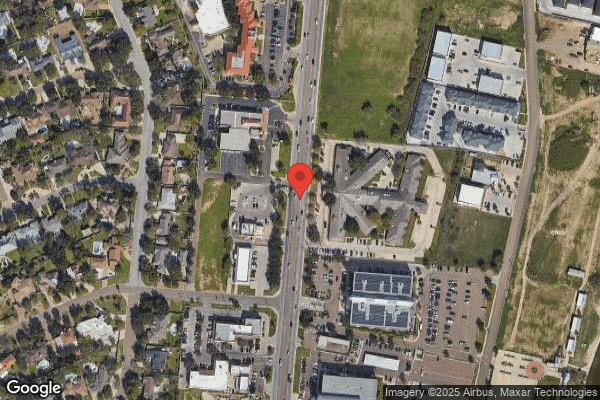
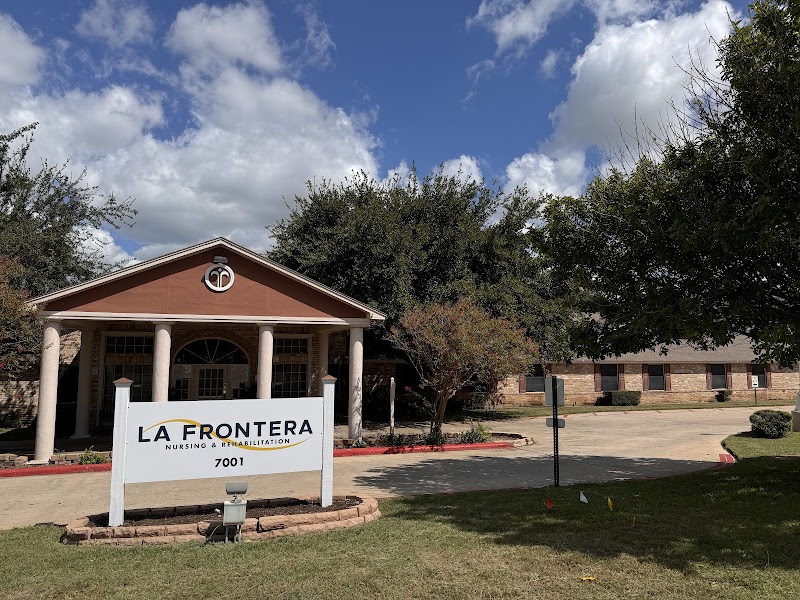
7001 MCPHERSON RD, LAREDO, TX 78041 (512) 643-4739
For profit - Corporation 186 Beds Independent Data: November 2025 1 Immediate Jeopardy citation
Trust Grade
76/100
#80 of 1168 in TX
Last Inspection: May 2025

Inspected within the last 6 months. Data reflects current conditions.

Overview

La Frontera Nursing & Rehabilitation has a Trust Grade of B, indicating it is a good choice for families seeking care. It ranks #80 out of 1,168 facilities in Texas, placing it in the top half, and is #1 out of 6 in Webb County, meaning there are few local options that perform better. The facility's trend is improving, having reduced the number of issues from 6 in 2024 to 5 in 2025. Staffing is a significant concern, rated 0 out of 5 stars, but it has a turnover rate of 0%, which is excellent compared to the Texas average of 50%. However, the facility has faced some challenges, including a critical incident where a resident was unaccounted for and left the premises for about two hours, as well as concerns about inadequate assessments for emergency preparedness and delays in mental health services for some residents. Overall, while there are notable strengths, particularly in ranking and improving trends, families should weigh these against the staffing issues and specific incidents reported.

Trust Score
B
76/100
In Texas
#80/1168
Top 6%
Safety Record
High Risk
Review needed
Inspections
Getting Better
6 → 5 violations
Staff Stability
○ Average
Turnover data not reported for this facility.
Penalties
✓ Good
$8,021 in fines. Lower than most Texas facilities. Relatively clean record.
Skilled Nurses
○ Average
Each resident gets 36 minutes of Registered Nurse (RN) attention daily — about average for Texas. RNs are the most trained staff who monitor for health changes.
Violations
⚠ Watch
11 deficiencies on record. Higher than average. Multiple issues found across inspections.
★★★★★
5.0
Overall Rating
☆☆☆☆☆
0.0
Staff Levels
★★★★★
5.0
Care Quality
★★★★☆
4.0
Inspection Score
Stable
2024: 6 issues
2025: 5 issues

The Good

  • 5-Star Quality Measures · Strong clinical quality outcomes
  • Full Sprinkler Coverage · Fire safety systems throughout facility
  • No fines on record

Facility shows strength in quality measures, fire safety.

The Bad

Federal Fines: $8,021

Below median ($33,413)

Minor penalties assessed

The Ugly 11 deficiencies on record

1 life-threatening
May 2025 4 deficiencies
CONCERN (D)

Potential for Harm - no one hurt, but risky conditions existed

Deficiency F0657 (Tag F0657)

Could have caused harm · This affected 1 resident

**NOTE- TERMS IN BRACKETS HAVE BEEN EDITED TO PROTECT CONFIDENTIALITY** Based on interview and record review, the facility failed to ensure each resident and/ or their representative and the IDT were ...

Read full inspector narrative →
**NOTE- TERMS IN BRACKETS HAVE BEEN EDITED TO PROTECT CONFIDENTIALITY** Based on interview and record review, the facility failed to ensure each resident and/ or their representative and the IDT were invited to attend/participate in the care plan meetings including both the comprehensive and quarterly review assessments for 1 of 6 residents (Resident #25) reviewed for care plan timing and revision. The facility failed to ensure Resident #25 had quarterly care plan reviews or meetings that included the appropriate IDT members and resident and/or resident representative in February 2025 and May 2025 (2 out of 3). The facility failed to ensure the care plan was revised within 7 days after the quarterly assessment that was dated 2/19/25. These failures could place residents at risk of not being able to attain or maintain their highest practicable level of physical, mental, and psychosocial well-being. The findings included: Record review of Resident #25's admission record reflected a [AGE] year-old female admitted to the facility on [DATE]. Her diagnoses included conversion disorder with seizures or convulsions (a condition in which emotional or psychological stress causes physical symptoms such as shaking of the body), Down syndrome (a genetic condition that causes intellectual disability and developmental delays), unspecified epilepsy (a neurological condition that causes recurring seizures), and developmental disorder of speech and language (communication disorder that interferes with learning, understanding, and using language). Record review of Resident #25's quarterly MDS dated [DATE] reflected a BIMS score of 2 which indicated severe cognitive impairment. The MDS also reflected that Resident #25 was completely dependent on staff for eating, hygiene, toileting, all transfers, and all ADLs. Review of all of Resident #25's MDS reports on 05/29/25 reflected she had a quarterly MDS done on 11/19/24 and 2/19/24. A quarterly MDS dated [DATE] showed in progress. Record review of Resident #25's assessments tab in the EMR on 05/29/25 reflected two entries titled, IDT: Care Plan Conference and Advanced Care Planning Review that were dated 09/24/24 and 11/26/24. The form dated 09/24/24 and signed by the SW indicated the MDS nurse, dietary manager, social worker, activity director, and the RP participated in the meeting, however in the additional comments section it stated, Called RP via phone call no answer only VM left again. The form dated 11/26/24 and signed by the ADON indicated the dietary manager, social worker, activity director, ADON, and RP participated in the meeting. There were no other entries that indicated an IDT care plan conference was held for Resident #25. Resident #25's assessments tab also reflected entries dated 12/19/24, 01/24/25, and 02/24/25 that were titled, IDT: Restorative Review. The Restorative Review dated 12/19/24 reflected it was an initial therapy referral review and Resident #25 was to be discharged from OT on 11/19/24 and start a bed mobility program and an active range of motion program for deficits of bed mobility and positioning and limited ROM. The Restorative Review dated 01/24/25 reflected it was a periodic review of Resident #25's bed mobility and range of motion programs. This review reflected the IDT had reviewed the plan of care and the programs were appropriate and would be continued. The Restorative Review dated 02/24/25 reflected it was a periodic review of Resident #25's bed mobility and range of motion programs. This review reflected the IDT had reviewed the plan of care and the programs would be discontinued. Additional comments reflected Rehab services initiated. All the Restorative reviews were signed by the MDS nurse. These restorative reviews did not address Resident #25's desire to learn to write her name. Record review of Resident #25's care plan dated 09/23/24 and revised on 03/11/25 reflected Resident #25 had a self-care deficit, impaired cognitive function, problems communicating needs or wants, and was PASRR positive. Interventions included coordinating all essential medical and/or mental health visits, provide care and safety checks throughout the shift, provide nutrition and hydration within prescribed diet, and report any need to re-evaluate specialized services and/or plan of care to service coordinator as well as resident representative. Resident #25's specialized service was agreed upon DME of a specialized wheelchair. This care plan did not address Resident #25's desire to learn to write her name. This care plan indicated Resident #25 only required 1 person assistance with bathing/showering, bed mobility, dressing and grooming, eating and drinking, hygiene, turning and repositioning, and transfers which is not what her quarterly MDS dated [DATE] reflected. Record review of Resident #25's Habilitation Service Plan dated 09/25/24 reflected it was the initial meeting and discussion of PASRR services. This meeting was attended by Resident #25, the habilitation coordinator, the MDS nurse and the provider supervisor (who was not a facility staff member) and indicated the RP was unable to be reached. Identified IDD habilitative specialized services were habilitation coordination monthly and independent living skills for 1 hour, 2 times per week, to achieve Resident #25's goal of learning to write her name. It was signed by the habilitation coordinator on 05/17/24. (Not an error on the date by this writer). Record review of Resident #25's Habilitation Service Plan dated 12/18/24 reflected it was the quarterly meeting and discussion of PASRR services. This meeting was attended by Resident #25, Resident #25's RP, the habilitation coordinator, the MDS nurse and the provider supervisor (who was not a facility staff member). Identified IDD habilitative specialized services were habilitation coordination monthly and independent living skills for 1 hour, 2 times per week, to achieve Resident #25's goal of learning to write her name. It was signed by the habilitation coordinator on 12/18/24. Record review of Resident #25's Habilitation Service Plan dated 3/14/25 reflected it was the quarterly meeting and discussion of PASRR services. This meeting was attended by Resident #25, the habilitation coordinator, the MDS nurse and the provider supervisor (who was not a facility staff member). There was no documentation on whether or not the RP was contacted for this meeting. Identified IDD habilitative specialized services were habilitation coordination monthly and independent living skills for 1 hour, 2 times per week, to achieve Resident #25's goal of learning to write her name. In the pertinent information section it was documented, It is important to [Resident #25] to continue to receive her independent living skills because she wants to learn how to write in order to be able to write her name. It was agreed that the independent living skills is beneficial to [Resident #25] as it appears that she enjoys it and really wants to learn to write her name. It was signed by the habilitation coordinator on 03/14/25. Record review of Resident #25's progress notes reflected notes dated 01/10/25 (monthly), 03/14/25 (quarterly), 04/09/25 (monthly), and 05/14/25 (monthly) which indicated a monthly or quarterly meeting was held with the [Agency name] PASRR Habilitation Coordinator, and no changes were noted or reported. In an interview on 05/29/25 at 3:25 PM and at 4:29 PM, the MDS nurse stated the last IDT meeting for Resident #25 was 11/26/24. She stated she was going to look to see if there had been any more IDT meetings since then. The MDS nurse stated IDT consisted of the SW, dietary manager, activities director, nursing staff, the provider, and therapy staff. She stated that the habilitation coordinator was usually only here for the monthly PASRR meetings and were not part of the IDT care plan meeting. The MDS nurse stated she was the only facility staff member present for the PASRR meeting on 03/14/25 and it could not be considered an IDT meeting if all the disciplines were not present. The MDS nurse stated they did discuss her entire plan of care at the PASRR meeting. In an interview on 05/29/25 at 3:56 PM and 4:35 PM, the RMDS nurse gave this surveyor a printed page of Resident #25's progress notes that reflected the same progress notes documented above. The RMDS nurse stated that the quarterly meeting held with the [Agency name] PASRR Habilitation Coordinator was the quarterly IDT meeting for the facility. As documented above, Resident #25's RP was not present, and the only facility staff member present was the MDS nurse. The RMDS nurse stated IDT meant, we all sit down and discuss the resident's plan of care. It can consist of the nurse, SW, activities can attend, the DON, and the administrator, if needed. The RMDS further stated they tried to involve the LIDDA, also, for Resident #25. When asked why she considered the PASRR meeting on 03/14/25 an IDT meeting, the RMDS nurse stated because the MDS nurse was there. The RMDS nurse stated if the MDS nurse held the meeting alone, then she would not consider it an IDT meeting. The RMDS nurse stated the facility used a system called Care Feed to notify the RP of meetings and it would show in the Direct Messages in the resident's chart. The RMDS stated the facility was one month late for the quarterly IDT/ care plan meeting that should have been done in February, but the facility was not late for the May IDT meeting because the last meeting was in March, so the next one was not due until June. Record review on 05/29/25 of the facility's Direct Messages for Resident #25 reflected the following messages: 01/27/25 Message from [nursing facility] would like to inform you dear family members we are keeping all our residents safe and warm during this winter freeze storm. Stay safe and warm. Thank you for your attention. God Bless you! 02/21/25 (4 messages in English) Good morning, dear family members, here at [nursing facility] we strive to keep our residents safe and happy as well as their personal belongings. However, we would like to recommend you take any jewelry or personal valuable belongings, if any, for safekeeping at your home. If there are any questions, please contact Social Services Director [name] at [phone number]. 03/03/25 (7 messages in Spanish) the same as the 4 valuables messages in English that were sent on 02/21/25. 05/01/25 (1 message in English, 1 message in Spanish) Dear Family, we would like to send this friendly reminder in case of any questions or concerns that you might have, please contact our community administrator [name] at [phone number], or Director of Nursing Services [name] at [phone number] to further assist you. Thank you for all your support and preference for your loved one's skilled nursing care. There were no messages to advise the RP of scheduled IDT/care plan meetings. In an interview on 05/29/25 at 4:18 PM, the DON stated he sometimes attended the IDT meetings and RPs/family members were notified of care plan meetings through the facility's Direct Message system that sent a text message to the RP/family. In an interview on 05/29/25 at 5:39 PM with the MDS nurse, DON and RMDS nurse, the MDS nurse stated it was important for all pertinent disciplines and the RP/resident to be present because it was an IDT meeting, and everyone needed to take part in the resident's [NAME] of care. The DON stated, If the disciplines and the RP/resident were not present for the meetings it could affect the resident's holistic care. The DON also stated they (the IDT team) were made aware of the resident's plan of care in morning meetings because all of the disciplines were in those meetings. The DON stated the SW emailed the department heads to inform them of upcoming IDT/Care plan meetings. The RMDS nurse stated, Even though we made not have the entire team there, we discuss all aspects of the resident's care as a whole. There are some meetings depending on the resident's needs, that the doctor or ombudsman have to be present. Record review of the facility's Care Plan Policy dated February 2017 and revised January 2023 reflected in part: Interdisciplinary means that professional disciplines work together to provide the greatest benefit to the resident. The care plan should be prepared, reviewed, and updated in accordance with the RAI guidance on a routine cadence (admission, quarterly, annually, and with significant change). Additionally, the care plan should be modified as appropriate and on an as needed basis as per the RAI instructions. The care plan should be reflective of resident's/representative's input, goals, and desired outcomes and should include the interdisciplinary team, to include but not limited to the attending physician, a registered nurse with responsibility for the resident, and other appropriate team members in disciplines as determined by the resident's needs. The care plan should be utilized in conjunction with the entire medical record. The care plan should serve as a guide, that identified risks, direct care needs, care choices, and care preferences. The resident and his or her advocate are encouraged to attend the care plan meeting as desired by the resident . The mechanics of how the interdisciplinary team meets its responsibilities in developing an interdisciplinary care plan (e.g., a face-to-face meeting, teleconference, written communication) is at the discretion of the community.
CONCERN (E) 📢 Someone Reported This

A family member, employee, or ombudsman was alarmed enough to file a formal complaint

Potential for Harm - no one hurt, but risky conditions existed

PASARR Coordination (Tag F0644)

Could have caused harm · This affected multiple residents

**NOTE- TERMS IN BRACKETS HAVE BEEN EDITED TO PROTECT CONFIDENTIALITY** Based on interview and record review, the facility failed to incorporate the recommendations from the PASRR Level II determinati...

Read full inspector narrative →
**NOTE- TERMS IN BRACKETS HAVE BEEN EDITED TO PROTECT CONFIDENTIALITY** Based on interview and record review, the facility failed to incorporate the recommendations from the PASRR Level II determination and the PASRR evaluation report for 4 of 4 residents (Resident #7, #24, #25, and #26) reviewed for PASRR. The facility failed to initiate an NFSS within 20 business days following the date the services were agreed upon in the IDT meeting for Resident #7, #24, #25, and #26. This failure could cause residents with mental health disorders and psychiatric conditions to have a delay in services or not receive specialized services or equipment that may be needed. Findings included: Record review of Resident #7 ' s Authorization Request for NFSS most recent form was dated and submitted 11/05/2020. Record review of Resident #7 ' s face sheet, dated 05/28/25, revealed a [AGE] year-old male with an admission date of 06/10/2019. His diagnoses included Unspecified Intellectual Disabilities, Mental Disorder, Functional Quadriplegia (the inability to move due to a disability or physical condition, not related to spinal or brain damage), Legal Blindness, and Mood Disorder. Record review of Resident #7 ' s Quarterly MDS Assessment, dated 03/02/25, revealed no BIMS score as resident was rarely or never understood. The MDS also revealed Resident #7 had a memory problem, difficulty focusing attention, and a mental disorder, not otherwise specified. Resident #7 was also completely dependent in hygiene and toileting. Record review of Resident #7 ' s care plan, initiated 09/17/24 and revised 05/22/25, revealed Resident #7 was at risk for self-care deficits, falls, skin concerns, pain, infections, nutritional and hydration concerns, and emotional distress. Resident #7 ' s interventions included coordinating all essential medical and/or mental health visits, provide care and safety checks throughout the shift, provide nutrition and hydration within prescribed diet, activities as tolerated, and collaborate with IDT and resident representative. Record review of Resident #7 ' s PASRR progress note, dated 03/14/25, revealed quarterly meeting was held with Border Region PASRR Habilitation Coordinator. No changes were noted or reported at that time. Record review of Resident #7 ' s progress note, dated 05/14/25, revealed Quarterly/Monthly meeting held with the PASRR Habilitation Coordinator, and no changes were noted or reported. Record review of Resident #7 ' s Habilitation Service Plan, dated 03/14/25, revealed the Habilitation Coordinator met with the IDT regarding Resident #7 ' s renewal of services. Recommendations included continued independent living skills for one hour, twice per week, for 90 days. Record review of Resident #7 ' s PASRR PCSP Form, quarterly meeting, dated 03/14/25, revealed resident was PASRR positive for IDD. Attendance included Resident #7, LIDDA - Habilitation Coordinator, MDS nurse, and Provider Supervisor. Durable medical equipment and specialized service recommendations included customized manual wheelchair, habilitation coordination, and independent living skills training. In an interview on 05/28/25 at 4:30 PM with the PASRR Program Specialist, she stated if the NFSS PASRR specialized services were recommended at the IDT meeting but were not initiated within 20 business days following the date the services were agreed to in the IDT meeting, the resident would not receive a PASSR specialized service. She stated the facility was given a specific timeframe to submit the NFSS requests to avoid a regulatory complaint. The facility did not meet this timeframe. According to the PASRR Program Specialist, the last IDT meeting forms submitted for Resident #7 were 06/07/24. In an interview on 05/29/25 at 8:00 AM with the DON, he stated he was only able to find Resident #7 ' s PASRR level 1 from 2019, Resident #7 ' s NFSS form from 2020, and Resident #26 ' s NFSS form from 2021, but he was unable to find a current or recent NFSS form for any of the Residents #7, #24, #25, and #26 reviewed for PASRR. He stated there definitely would not be one after July 2024 since they had not had a current NPI number to be able to submit or upload forms due to the fact that the facility had switched ownership in September, 2024, and they were still waiting to get the NPI number. He stated they had submitted all the documents to for the NPI, but they were still waiting for it to be approved. Record review of Resident #26 ' s face sheet, dated 05/28/25, revealed a [AGE] year-old female with an admission date of 01/17/2018. Her diagnoses included Cerebral Palsy (a group of conditions affecting movement and posture caused by brain damage before birth), Epileptic Seizures (caused by abnormal electrical activity in the brain, leading to uncontrolled bursts of activity that could affect sensation, behaviors, awareness, and muscle movements), Unspecified Intellectual Disabilities, Functional Quadriplegia (the inability to move due to a disability or physical condition, not related to spinal or brain damage), and Dysphagia (difficulty swallowing). Record review of Resident #26 ' s care plan, initiated 09/19/24, revealed Resident #26 was at risk for self-care deficits, falls, skin concerns, pain, infections, nutritional and hydration concerns, and emotional distress. Resident #26 ' s interventions included coordinating all essential medical and/or mental health visits, provide care and safety checks throughout the shift, provide nutrition and hydration within prescribed diet, and report any need to re-evaluate specialized services and/or plan of care to service coordinator as well as resident representative. Record review of Resident #26 ' s Quarterly MDS Assessment, dated 04/21/25, revealed no BIMS score as resident was rarely or never understood. The MDS also revealed Resident #26 had a memory problem, severely impaired cognitive skills, difficulty focusing attention, and a mental disorder. Resident #26 was also completely dependent in hygiene and toileting. Record review of Resident #26 ' s Habilitation Service Plan, dated 04/23/25, revealed the Habilitation Coordinator met with the IDT regarding Resident #26 ' s PASRR services. Recommendations included continued independent living skills for one hour, twice per week, for 90 days. Record review of Resident #26 ' s progress note, dated 05/12/25, revealed monthly meeting held with Border Region PASRR Habilitation Coordinator, and no changes were noted or reported. Record review of Resident #26s PASRR and PCSP forms, quarterly meeting, dated 11/15/1924, revealed resident was PASRR positive due to his Spastic Quadriplegic Cerebral Palsy((SQCP). Attendance included Resident #26 LIDDA/Habilitation Coordinator, MDS nurse, and Provider Supervisor. Durable medical equipment(DME) and specialized occupational therapy(OT), specialized physical therapy(PT) and specialized speech therapy OT recommendations included customized manual wheelchair, habilitation coordination, and independent living skills training Record review of Resident #26's PASRR PCSP dated 01/10/25 revealed Resident #26 will continue to receive PASRR services, habilitation coordination, and Independent Living Skills. Resident #24 face sheet dated 05/29/25 reflected a [AGE] year old male who was admitted on [DATE]. Resident #26 records revealed he had a diagnosis Spastic Quadriplegic Cerebral Palsy((SQCP) is a severe form of cerebral palsy affecting all four limbs, resulting in stiff muscles and difficulty with movement and coordination. In record review of Resident #26 physician's order's dated 05/01/2025 and progress report summary dated 05/01/2025 revealed from 12/17/24 and 05/12/2025 no orders for any type of quarterly meeting the resident was noted to be sent to be processed . In record review of Resident #26 care plan revealed the resident was at risk for experiencing discomfort or pain related to cerebral palsy and morbid medical conditions. Resident #24 had chronic health conditions and morbid conditions that had affected my physical function and may further affect my quality of life. Refer to skilled therapy services for strengthening, mobility as well as oxygen conservation techniques as indicated. Resident is considered PASRR positive IDD- intellectual disability or development disorder. Interventions consist of administer my medication to relieve my pain as recommended by my doctor and attempt non-pharmacological interventions to promote comfort. relaxation Record review of Resident #25's admission record revealed a [AGE] year-old female admitted to the facility on [DATE]. Her diagnoses included conversion disorder with seizures or convulsions (a condition in which emotional or psychological stress causes physical symptoms such as shaking of the body), Down syndrome (a genetic condition that causes intellectual disability and developmental delays), unspecified epilepsy (a neurological condition that causes recurring seizures), and developmental disorder of speech and language (communication disorder that interferes with learning, understanding, and using language). Record review of Resident #25's quarterly MDS dated [DATE] revealed a BIMS score of 2 which indicated severe cognitive impairment. The MDS also revealed that Resident #25 was completely dependent on staff for eating, hygiene, toileting, and ADLs. Record review of Resident #25's care plan dated 09/23/24 and revised on 03/11/25 revealed Resident #25 had a self-care deficit, impaired cognitive function, problems communicating needs or wants, and was PASRR positive. Interventions included coordinating all essential medical and/or mental health visits, provide care and safety checks throughout the shift, provide nutrition and hydration within prescribed diet, and report any need to re-evaluate specialized services and/or plan of care to service coordinator as well as resident representative. Resident #25 ' s specialized service was agreed upon DME of a specialized wheelchair. Record review of Resident #25's progress notes revealed notes dated 01/10/25, 03/14/25, 04/09/25, and 05/14/25 which indicated a monthly meeting was held with the [Agency name] PASRR Habilitation Coordinator, and no changes were noted or reported. Record review of Resident #25's Restorative Review dated 02/24/25 revealed a periodic review of Resident #25 ' s restorative programs which included bed mobility and range of motion programs would be discontinued and rehabilitation services would be initiated. Record review of Resident #25's PASRR Level 1 screening dated 09/03/24 reflected there was evidence or an indicator that Resident #25 had an intellectual disability and a developmental disability. In an interview on 05/29/25 at 3:25 PM with the MDS nurse, she stated after reviewing and looking, they were only able to find two NFSS requests for PASRR specialized services forms for all the PASRR reviewed residents, and those two forms found were from 2020. She stated she knew for sure there had not been any NFSS forms submitted since at least July of 2024. She stated the facility continued to have the IDT PASRR meetings, they just were not able to submit or upload any of the forms to the portal because they had not had an NPI number since September of 2024, and prior to that, their systems had crashed in July or August of 2024. Record review of the facility 's policy Specialized Rehabilitative Services, implemented February 2017 and revised January 2023, revealed specialized rehabilitative services were administered by qualified personnel pursuant to a written physician order to ensure the rehabilitative services as prescribed by a physician and to maximize potential outcomes. Specialized rehabilitative services were provided according to the resident ' s assessment and care plan.
CONCERN (E) 📢 Someone Reported This

A family member, employee, or ombudsman was alarmed enough to file a formal complaint

Potential for Harm - no one hurt, but risky conditions existed

Deficiency F0760 (Tag F0760)

Could have caused harm · This affected multiple residents

**NOTE- TERMS IN BRACKETS HAVE BEEN EDITED TO PROTECT CONFIDENTIALITY** Based on interview, observation, and record review, the facility failed to ensure that residents were free of significant medica...

Read full inspector narrative →
**NOTE- TERMS IN BRACKETS HAVE BEEN EDITED TO PROTECT CONFIDENTIALITY** Based on interview, observation, and record review, the facility failed to ensure that residents were free of significant medication errors for 1 of 5 residents (Resident #9) reviewed for pharmacy services. 1. The facility failed to clarify the blood pressure parameters for Resident #9's Midodrine order. 2. The facility failed to administer Resident #9's order for Midodrine as prescribed in May of 2025 by administering Midodrine 8 times outside of physician ordered parameters. These failures could place residents at risk for complications, as well as jeopardize their health and safety. Findings included: Record review of Resident #9's face sheet, dated 05/28/25, revealed a [AGE] year-old male with an admission date of 04/06/2023. Resident #9's diagnoses included End Stage Renal Disease (an advanced stage of Chronic Kidney Disease when the kidneys can no longer filter waste or fluid from the blood), Dependence on Renal Dialysis, Type 2 Diabetes (a chronic condition characterized by insulin resistance and high blood sugar levels), Hypertensive Heart and Chronic Kidney Disease without Heart Failure, Atherosclerotic Heart Disease (plaque build up in arterial walls), Peripheral Vascular Disease (disorder of the blood vessels that can involve narrowing, blockage or spasm of the vessel wall). Record review of Resident #9's MDS assessment, dated 03/11/25, revealed a BIMS score of 14, which revealed intact cognition. Record review of Resident #9's care plan initiated 09/18/24 revealed Resident #9 was at risk for cardiac complications such as chest pain, shortness of breath, fatigue, dizziness, poor endurance, poor activity tolerance, and edema. Interventions included administering medications as ordered by the physician and monitoring vital signs as indicated and reporting abnormal findings to the physician as indicated. Another care plan initiated 04/18/25 addressed Resident #9's End Stage Renal Disease and Heart Disease with interventions to administer medications as recommended by the physician and monitor vital signs as indicated. Record review of Resident #9's physician orders started 09/19/24 revealed an active order for Midodrine 5mg, take 4 tablets by mouth every Tuesday, Thursday, Saturday and hold for a SBP greater than 120, but, then, the directions for this same order revealed take 4 tablets by mouth every Tuesday, Thursday, and Saturday. Hold for SBP less than 120. Midodrine is a medication primarily used to treat low blood pressure. Record review of Resident #9's current, clarified physician order started 05/29/25 revealed a clarified order for Midodrine 10mg, give 2 tablets once a day on Tuesday, Thursday, and Saturday. Hold for a systolic blood pressure greater than 120. Record review of Resident #9's MAR for May 2025 revealed Midodrine 5mg, give 4 tablets one time a day every Tuesday, Thursday and Saturday related to End Stage Renal Disease; hold for SBP greater than 120. May 2025 MAR revealed Midodrine was administered incorrectly 8 times. MAR for May 2025 revealed Midodrine was given as follows: 05/01/25 - b/p 160/64 - Midodrine administered by Med-Aide-A 05/03/25 - b/p 118/86 - Midodrine administered - not listed 05/06/25 - b/p 164/50 - Midodrine administered by Med-Aide-A 05/08/25 - b/p 141/53 - Midodrine administered - LVN-E 05/10/25 - b/p 159/72 - Midodrine administered by Med-Aide-A 05/13/25 - b/p 163/67 - Midodrine administered by Med-Aide-A 05/15/25 - b/p 126/55 - Midodrine administered by RN-B 05/17/25 - b/p 118/62 - Midodrine administered - not listed 05/20/26 - b/p 167/82 - Midodrine HELD 05/22/25 - b/p 150/61 - Midodrine Administered by Med-Aide-A 05/24/25 - b/p 120/68 - Midodrine Administered - not listed 05/27/25 - b/p 132/62 - Midodrine Administered by Med-Aide-A In an interview on 05/27/25 at 3:45 PM with Resident #9 he stated he felt good today. He was observed smiling, up in his wheelchair in his room. He was very talkative and stated how much he liked the facility and staff. He denied ever experiencing any type of abuse in the facility. He stated the nurses always checked his vital signs and gave him his medications when he was supposed to get them. In an interview on 05/28/25 at 3:20 PM with RN-B, he stated he knew Midodrine was used to increase the blood pressure for residents with hypotension (low blood pressure), and he gave it outside of the recommended or ordered parameters because he knew Resident #9 got hypotensive with dialysis. He stated he would not have given the Midodrine if the residents SBP was greater than 130. He stated if Resident #9's blood pressure became too elevated he could develop a stroke or hypertensive crisis. He stated going forward he would double check the physician orders, as well as the recommended and ordered parameters. In an interview on 05/28/25 at 3:30 PM with the DON, he stated Midodrine was used for hypotension, and if Resident #9's blood pressure had become too elevated he could have developed dizziness, headache, or even a stroke. He stated the nurses knew they were supposed to follow the ordered and recommended parameters for blood pressure medications. He stated he contacted the physician and clarified the order, and it was changed and added to Resident #9's MAR, as well as an in-service was started regarding checking blood pressures and administering medications appropriately and accurately. In an interview on 05/29/25 at 8:37 AM with Med Aide-A, she stated Midodrine was used to raise the blood pressure when someone had hypotension (a low blood pressure). She stated there was no excuse for why she gave the medication when she should not have. She stated sometimes she got in a rush and forgot to check the parameters of the order prior to administering. She stated she was already in-serviced yesterday regarding administering this medication wrong. She stated if Resident #9's blood pressure had become excessively elevated he could have experienced dizziness, headache, stroke, and/or ultimately death. She stated Resident #9 was cognitively alert and was always able to express when something was wrong, or he felt bad. Record review of the facility policy Pharmacy Services: Provision of Medication and Biologicals, implemented February 2017 and revised November 2023, revealed Team members will report drug errors and adverse drug reactions to the resident's physician in a timely manner. Record review of the facility policy Medication Administration, implemented March 2019 and revised January 2024, revealed a. The nurse/medication aide shall be responsible to read and follow precautionary or instructions on prescription labels. c. Report any discrepancies to the pharmacy. Do not administer the medication until the discrepancy is resolved.
CONCERN (E)

Potential for Harm - no one hurt, but risky conditions existed

Food Safety (Tag F0812)

Could have caused harm · This affected multiple residents

Based on observation, interviews and record review, the facility failed to store, prepare, distribute, and serve food in accordance with professional standards for food service safety for 1 of 1 kitch...

Read full inspector narrative →
Based on observation, interviews and record review, the facility failed to store, prepare, distribute, and serve food in accordance with professional standards for food service safety for 1 of 1 kitchen reviewed for storage, preparation and sanitation. The facility failed to ensure the ice machine chute was free of scratches with removable black substances in the scratches and around them. The facility failed to ensure the meat slicer was covered properly when not in use and remained free of dust and debris. The facility failed to ensure hairnets were worn before entering the kitchen and made readily available. The facility failed to ensure the underside of the shelf directly above the steam table holding food was free of grime. The facility failed to ensure a pair of black plastic tongs were free of crevices and not melted. The facility failed to ensure an 18-quart container of rice did not have a scoop inside of it in the dry storage area. The facility failed to ensure proper scoops were used in the rice container instead of an ordinary cup. The facility failed to ensure the juice gun nozzle was clean. The facility failed to ensure the cleaning schedule was followed and monitored. The facility failed to ensure all left over items in the refrigerators had use-by dates. These failures could place residents who received meals and/or snacks from the kitchen and satellite kitchens at risk for food contamination and food borne illness. Findings included: During the initial tour and observation of the kitchen on 05/27/25 at 12:30 pm revealed the chute inside the ice machine had a removable black-brown substance along the edge where the ice dumped out. The chute had multiple scratched areas on it with the same removable black-brown substance in the scratches. The cover on the meat slicer was askew and only partially covering the meat slicer. The cover had dust and other debris on it and the exposed areas of the meat slicer had dust and debris on it. Employees were seen entering the kitchen before putting on hairnets. There were no hairnets available near the two outer doors to the kitchen; one led outdoors toward an employee parking lot, the other led into the dining area. Hairnets were observed inside the kitchen on top of the ice machine near the door to the dining area. The underside of the shelf directly above food holding on the steam table had a removable gritty, brownish substance in clumps. There was a pair of black plastic tongs in a drawer with other utensils. The tongs were deformed in a way melted plastic looked, and the tongs had deep crevices in the pick-up end with a flakey, brownish substance in the crevices. The juice gun had a thick red substance stuck in the nozzle. Labeled items in the refrigerators did not have use-by dates. During a return visit and observations of the kitchen on 05/29/25 at 11:15 am revealed hairnets were not readily available outside the kitchen doors. The juice gun had a thick red substance in the nozzle. Labels in the refrigerator did not have use-by dates on the leftovers: multiple trays of beverages including tea, milk, and thickened liquids, potatoe salad, lunch meat, beans, multiple trays of desserts, and all other containers. In an interview with the DS on 05/27/25 at 12:40 pm, she said the inside of the ice machine was cleaned every four days and maintenance cleaned the filters monthly. She said the exterior of the ice machine was wiped down daily. She said the black-brown substance looked like mold and dirt. She said the meat slicer should have been covered properly to prevent dust and debris getting on the inside. She said the dust and debris could get into the food and make residents sick. She said she did not know who was responsible for the meat slicer. The DS said hairnets were used to cover hair to keep hair from getting into the food. She said hair in food was unsanitary and could make the residents sick because of cross contamination. She said the kitchen staff all had hairnets but would not say if they put them on before or after entering the kitchen. She said hairnets were available. She said she had to get them from her office (within the kitchen area). She said she was unaware of the removable gritty, brownish substance in clumps on the underside shelf directly above food holding on the steam table. She said the removable gritty, brownish substance in clumps could drop onto the food, contaminate it, and make residents sick. She said all food related items should be labeled and dated and did not know what use by dates meant. She said she was responsible for everything in the kitchen. In an interview with the RD on 05/27/25 at 12:45 pm, she said she did not know what the removable black-brown substance was on the ice chute in the ice machine, but it looked like dirt and guessed it could have been mold. She said the cover on the meat slicer was barely covering it and the meat slicer was dirty because the cover was more off than on. She said hairnets had to be worn at all times while in the kitchen. She said she did not know where the DS kept them or why they were not readily available. She said all food related items in the kitchen must be labeled and dated, including use-by dates. She said food that was past its use by date could make residents sick if consumed and should be discarded. She said the crevices in the black tongs could harbor bacteria, cross contaminate the food, and make residents sick. She said she needed to in-service the kitchen staff on cleaning and labeling. In an interview with the DA on 05/29/25 at 11:25 am, she said the juice gun was cleaned every two days, the last cleaning being Tuesday, 05/27/25. She said they were told to only remove the outer nozzle and wipe the inner nozzle with a towel. She said the inner nozzle was not clean. She said she was not sure how long it had been since the juice gun had been cleaned. She said the dietary aides were supposed to be cleaning it. She said the red substance in the nozzle was because of the thickener. She said not cleaning the juice gun could make residents sick. In an interview with the DS on 05/29/25 at 11:30 am, she said the juice gun was cleaned every three days, the last cleaning Monday, 05/26/25. She said she was not sure why the juice gun was not clean if it was cleaned on Monday or Tuesday. She said she was responsible for monitoring the cleaning schedule. She said she was not monitoring the cleaning schedule. She said she was only looking at the cleaning schedule to see if the items were checked off. She said the daily cleaning schedule for 05/26/25 and 05/27/25 had been checked off as having been done for the juice gun. She said the juice gun was not clean. In an interview with the DA on 05/29/25 at 3:25 pm, she said her initials were on the daily cleaning schedule dated Monday 05/26/25 as having cleaned the juice gun. She said she could not remember if she had or had not done it. In an interview with the ADM on 05/29/25 at 4:25 pm, he said he would start conducting daily walking rounds with the DS in the kitchen from now, on. Record review of the facility's Daily kitchen 29-item cleaning checklists dated 01/06/25-05/26/25 revealed a total of 140 opportunities: #14. Food service employees wear hair restraints .that could spread into food, the task was not marked as done 42 times. 19. Clean .juice machine ., the task was not marked as done 42 times. 20. Clean and sanitize slicer. Cover. The task was not marked as done 79 times. The weeks of 02/17/25, 03/17/25, 04/07/25, 04/28/25, 05/05/25, and 05/19/25 were missing. Record review of the facility's Weekly kitchen 7-item cleaning checklists dated 01/06/25-05/26/25 revealed a total of 140 opportunities with 119 tasks not marked as having been done. There were 4 weeks missing for January, 3 weeks missing for February, 2 weeks missing for March, 1 week, 4 days missing for April, and 2 weeks missing for May. Record review of the facility's Monthly kitchen 6-item cleaning checklists dated 01/06/25-05/26/25 revealed a total of 28 opportunities with 23 tasks not marked as having been done. Record review of the facility's kitchen in-services revealed: 12/01/24 Sanitizing, Cleaning, 03/25/25 Kitchen Sanitation, 04/01/25 Services Management, 04/21/25 Adaptive Equipment, 05/08/25 Refrigeration Food Storage, 05/27/25 Carbon Build-up, Cleaning Schedules, Thermometers in fridge/freezer, and temp recording, Personal Hygiene, Cross-contamination, hair nets, wear and tear from cooking equipment. Record review of the RD's in-service dated 05/08/25, titled, Refrigeration Food Storage revealed under Date Marking, Food items must be labeled with dates if they are prepared and held for more than 24 hours .Under Refrigeration Storage Limits, use all leftovers within 72 hours. Discard items that are over 72 hours old. Immediately throw out any foods showing signs of spoilage or are past their expiration dates. Record review of the facility policy dated 10/01/18, titled Cleaning Schedules revealed under Policy: The facility will maintain a cleaning schedule prepared by the Nutrition and Foodservice Manager and followed by employees as assigned in order to ensure that the kitchen is clean and free of hazards. 3.The Nutrition and Food Service Manager or designee will verify that the tasks were completed as assigned. The Daily, Monthly, and Weekly cleaning schedules within the policy listed juice machine was to be cleaned daily. Record review of the facility policy dated 10/01/18, titled, Food Storage revealed under Procedures: 1. Dry storage rooms, e. Provide scoops for items stored in bins, such as sugar, flour, rice, and other items. Store scoops covered in a protected area near the food containers .2. Refrigerators, e. Use all leftovers within 72 hours. Discard items that are over 72 hours old.
Apr 2025 1 deficiency
CONCERN (D) 📢 Someone Reported This

A family member, employee, or ombudsman was alarmed enough to file a formal complaint

Potential for Harm - no one hurt, but risky conditions existed

Report Alleged Abuse (Tag F0609)

Could have caused harm · This affected 1 resident

**NOTE- TERMS IN BRACKETS HAVE BEEN EDITED TO PROTECT CONFIDENTIALITY** Based on interviews and record review, the facility failed to ensure that all alleged violations involving the reasonable suspic...

Read full inspector narrative →
**NOTE- TERMS IN BRACKETS HAVE BEEN EDITED TO PROTECT CONFIDENTIALITY** Based on interviews and record review, the facility failed to ensure that all alleged violations involving the reasonable suspicion of a crime were reported immediately to a law enforcement entity for its political subdivision, within two hours if the events that cause the allegation involve abuse or result in serious bodily injury, or not later than 24 hours if the events that cause the allegation do not involve abuse and do not result in serious bodily injury, for 1 (Resident #1 ) of 5 residents reviewed for abuse/neglect. The facility failed to report to the local law enforcement agency within the allotted time frame of 24 hours on 01/14/2025 around 6:30 PM when housekeeper A notified the administrator and DON of her suspicion of abuse regarding Resident #1. This failure could place all residents at increased risk for potential abuse due to unreported allegations of abuse. The findings included: Record review of Resident #1 face sheet dated 04/19/2025 revealed Resident #1 was an [AGE] year-old- male who was initially admitted on [DATE] and readmitted on [DATE]. Resident #1 was admitted with diagnoses of Alzheimer's disease (cognitive impairment) and dementia (cognitive impairment). Record review of Resident #1's Quarterly MDS dated [DATE] revealed Resident #1 had a BIMS score of 5 which meant severely cognitively impaired and was dependent on staff for ADLs. Record review of Resident #1's Care Plan date implemented 09/18/2024 I may be at risk for: self-care deficit, falls, skin concerns, pain, infection & nutritional/hydration concerns and emotional distress. Goal: Resident's condition will be stable, and his/her needs will be anticipated and met as indicated. Interventions: Resident's emotional needs will be supported, and resident will adjust to placement without any sign of emotional distress noted. Resident will not experience a health decline, will tolerate medication/treatment and progress towards goals established until the comprehensive plan of care can be developed. Therapy services as ordered by the physician. Social Services as indicated. Mental health providers as ordered. Coordinate all essential medical and/or mental health provider visits or telehealth visits as indicated. Provide care and safety checks throughout shift. Nutrition/hydration (food/foods) within prescribed diet. Provide care and services as indicated. Provide teaching regarding medications, treatment, care, and health status as needed. Activities as tolerate. Administer medication, care & treatments as per MD recommendation. Provide ADL care as indicated. Monitor psycho-social status or monitor behaviors to establish targeted behaviors. Monitor vital signs & health condition as indicated. Notify PCP & RP of any change in condition as clinically indicated. See nurse for any care related questions or concerns. Record review of the facility's Provider Investigation Report regarding Resident #1 dated 01/17/2025 revealed Description of the allegation: staff reported a concern regarding the attitude of a nurse toward a resident. The housekeeper stated that she observed [Resident #1] calling for assistant and felt the nurse responded with a rough attitude. Was the incident reported to the police yes case number 2025-001298. Record review of Resident #1's local law enforcement police report printed timestamped 04/22/2025 at 8:21AM revealed case number 2025-00011298, report detailed that event occurred from 01/14/2025 at 12:00AM to 01/14/2025 at 8:00PM. Additionally, facility reported date and time: 01/21/2025 at 11:29PM which revealed the facility reported the allegation of abuse 7 days after the allegation was made. Narrative on January 21, 2025, police responded to [facility] to incident report. During an interview on 04/19/2025 at 10:28AM dispatcher for the local law enforcement agency stated case number 2025-001298 was not a case number and stated 2025-00011298 was called in by the facility administrator on 1/21/2025 around 11:29AM, which was 7 days after the allegation was made on 01/14/2025. During a phone interview on 04/19/2025 at 11:28AM the local law enforcement officer who responded to the 01/21/2025 call regarding Resident #1 stated when he initiated his onsite investigation on 01/21/2025, he was notified by the administrator that the incident regarding Resident #1 had transpired several days before the administrator called in the allegation of abuse. The local law enforcement officer stated he interviewed Resident #1 and other staff members but did not find any definitive evidence that the allegation of abuse occurred. The local law enforcement officer stated he filled out a report shortly after he completed his facility on-site visit on 01/21/2025 and the report he completed would accurately depict the timeframe of when the facility called in the allegation of abuse. During an interview on 04/19/2025 at 2:19PM the Administrator and DON stated their protocol was to suspend LVN A pending investigation results. Both stated they gathered information from the housekeeper on 01/14/2025 and commenced a head-to-toe assessment for Resident #1 and notified Resident #1's [family member]. Both stated they called the police department within 24 hours when the allegation was made on 01/14/2025. Both stated they never found any definitive evidence of abuse as Resident #1 never verbalized any allegation of abuse or mistreatment nor did they find any skin irregularities or behavioral abnormalities. Both stated the investigation took roughly 5 days to complete. Both stated they commenced their investigation with residents on 01/14/2025 thru 01/15/2025, followed by staff members. Both stated they treated the allegation as abuse and notified the proper entities including state agencies and local law enforcement. Both did not verbalize a definitive answer of what potentially could occur if the local law enforcement agency is not called within 24 hours. Both reiterated the facility notified the local law enforcement within 24 hours after the allegation of abuse was made. The Administrator said it was his responsibility for reporting any allegation of abuse to the state agency and local authority. Record review of the facility's Abuse and Neglect in-service dated 01/15/2025 revealed Reviewed the process of reporting all allegations of abuse and neglect. Understanding the process of preventing, identifying, and reporting all allegations/suspicions. [facility] policy for preventing, identifying, and timely reporting all suspicions and/or allegations of abuse and neglect, the [state agency] guidance/provider letter and adhering to the timely reporting per regulation. Community has a 2-hour reporting window on certain abuse and neglect allegations. Record review of the facility's Abuse Guidance: Preventing, Identifying and Reporting policy and procedures date/revised January 2024 documented, Report alleged or suspicions of abuse to HHSC by email reporting or via TULIP reporting within the designated time frames in accordance with HHSC's 19-17 are reported immediately, Not later than 24hours if the events that cause the allegation do not involve abuse and do not result in serious bodily injury, State authorities should be notified of reports of abuse described above which alleges that: 4. A resident has been a victim of any act or attempted act of abuse or neglect.
Nov 2024 1 deficiency 1 IJ
CRITICAL (J) 📢 Someone Reported This

A family member, employee, or ombudsman was alarmed enough to file a formal complaint

Immediate Jeopardy (IJ) - the most serious Medicare violation

Accident Prevention (Tag F0689)

Someone could have died · This affected 1 resident

**NOTE- TERMS IN BRACKETS HAVE BEEN EDITED TO PROTECT CONFIDENTIALITY** Based on observations, interviews, and record review, the facility failed to ensure that each resident received adequate supervi...

Read full inspector narrative →
**NOTE- TERMS IN BRACKETS HAVE BEEN EDITED TO PROTECT CONFIDENTIALITY** Based on observations, interviews, and record review, the facility failed to ensure that each resident received adequate supervision to prevent accidents for one (Resident #1) of one residents reviewed for supervision. The facility failed to ensure Resident #1 received adequate supervision while Resident #1 was unaccounted for approximately 2 hours. On 04/21/2024, Resident #1 eloped from the facility through the employee dining area (formally assisted living dining area) door sometime after 1:00pm. The facility was notified by another local facility located approximately one block away at approximately 2:30 pm, that Resident #1 was brought into their facility after a passerby saw Resident #1 on the sidewalk by the road next to their facility. The passerby assumed Resident #1 resided at their facility since Resident #1 was located across the street. The noncompliance was identified as PNC. The PNC began on 04/21/24 and ended on 09/17/24. The facility had corrected the noncompliance before the investigation began. This failure could place residents requiring supervision at risk for injury and accidents with potential for more than minimal harm. The findings included: Record review of Resident #1's face sheet dated 11/20/24 reflected an [AGE] year-old-female admitted to the facility on [DATE]. Diagnoses included Alzheimer's (brain disorder that destroys memory and thinking skills), Dementia (general decline in cognitive abilities that affects a person's ability to perform everyday tasks), and type two diabetes (insufficient production of insulin in the body). Record review of Resident # 1's elopement risk assessment dated [DATE]. Resident #1 was not found to be an elopement risk at that time. Record review of Resident # 1's physician order dated 03/12/24 reflected a Wanderguard. Record review of Resident #1's MDS dated [DATE] reflected a BIMS (brief mental score) of 3 (severe cognitive impairment) dated 3/13/24. Resident #1 was ambulatory and did not require the use of mobility devices. Interview on 11/19/24 at 10:00 am the ADON stated the incident happened on a weekend and she received a call from the Administrator at that time that Resident #1 had eloped but was back in the facility. The ADON stated she came to the facility and checked on Resident #1 and there was no injuries or distress noted. The ADON stated a dietary aide heard the alarm on the door and looked outside but did not go outside to see if anyone was out there and did not notify any staff members. The ADON stated Resident #1 did not have exit seeking behaviors prior to the incident. The ADON stated Resident #1 did have a wander guard and the door alarm was working but was not equipped with a wander guard alarm on that door, just a regular alarm that goes off when pushed. The ADON stated Resident #1 was ambulatory and was able to walk without assistance. The ADON stated Resident #1 was calm but was unable to recall what had happened. The ADON stated LVN A stated he received a call from a nearby nursing facility asking if Resident #1 belonged to the facility. The ADON stated the nearby nursing facility stated a passerby saw Resident #1 on the sidewalk and drove her to the nearby nursing facility thinking the resident resided at that facility since Resident #1 was across the street. The ADON stated LVN A picked up Resident #1 at the nearby nursing facility and brought her back to the facility where the ADON conducted a head-to-toe assessment. The ADON stated there are no exit seeking residents at this time. The ADON stated Resident #1 was picked up by her family the next day and taken home. In a phone interview on 11/19/24 at 10:36 am the Dietary Aide stated he was washing dishes when he heard an alarm go off. The Dietary Aide stated he went to the employee dining room, looked out the door and the windows and did not see anyone. The Dietary Aide stated it was his mistake that he did not go outside to check if there was a person and did not notify staff. In a phone interview on 11/19/24 at 11:02 am LVN A stated the incident was a long time ago and was not sure if he could remember the details. LVN A stated he remembered receiving a call from the nearby nursing facility to let them know they had a resident at the facility they thought was their resident. LVN A stated he drove to the nearby nursing facility and brought Resident #1 back to the facility and conducted a head-to -toe assessment and there were no obvious injuries reported. LVN A stated he could not remember when the nearby nursing facility called, but stated he last saw Resident #1 around 1:00 pm in the main dining room eating and he had left to continue his rounds. LVN A stated Resident #1 did not appear to be in any distress and Resident #1 could not recall the incident but was happy to see LVN A. LVN A stated Resident #1 did not display exit seeking behaviors prior to the incident. In a phone interview on 11/19/24 at 11:46 am the nearby nursing facility weekend supervisor stated the receptionist called her to the front stating a resident was found outside and was brought in by someone passing by. The nearby nursing facility weekend supervisor stated the person driving by stated they saw Resident #1 on the sidewalk by the road and brought her to their facility because it was lightly raining outside and thought it was odd she was outside and was possibly a resident at their facility. The nearby nursing facility weekend supervisor stated Resident #1 stated she was ok and that she lived down the block. The nearby nursing facility weekend supervisor stated she noticed Resident #1 had a wanderguard on her ankle and realized Resident #1 was from another facility. The nearby nursing facility weekend supervisor stated she called the facility and asked if they had a resident by the name the Resident #1 gave. The nearby nursing facility weekend supervisor stated the line got disconnected and she called the facility multiple times with no answer, so she called the local law enforcement for assistance. The nearby nursing facility weekend supervisor stated the police came to the facility and informed the other facility they needed to pick up the resident after confirming Resident #1 did reside at the facility. The nearby nursing facility weekend supervisor stated a nurse from the facility came and took the resident back to the facility Resident #1 resided in. The nearby nursing facility weekend supervisor stated that was sometime in the afternoon, approximately around 1:00 to 5:00 pm. In an interview on 11/19/24 at 4:26pm the Administrator stated all employees were re-trained on the elopement process and the new door locks/alarms when [NAME] took over on 9/17/24 as well as replaced all doors locking mechanisms and added extra security with replacing cameras and installing a two-way communicator at the nurse's station and receptionist desk. The Administrator stated he was not sure what training or interventions were done when the incident originally took place but when he came on board, he started brand new with re-educating all staff and adding the extra security to ensure it did not happen again. The Administrator stated he was not the administrator at the time of the elopement but there has not been an elopement of any resident since the incident. In an interview on 11/20/24 at 9:30am the Director of Clinical Operations stated when [NAME] took over, they immediately conducted an ADHOC (a meeting that is necessary or needed) meeting and a 4-point plan including complete door and camera assessment, ordering of equipment, resident re-assessments, and education. The Director of Clinical Operations stated the facility has continued elopement education monthly and were continuing elopement drills. Stated there has not been another elopement incident since. In an interview on 11/20/24 at 10:44am the Maintenance Director stated the back dining room exit door was no longer accessible to residents as the dining room is no longer in use. The MD stated all the exit doors have been upgraded with new locking mechanisms, a new wanderguard alarm was installed on the front door cameras have been installed/repaired, and the front door remains locked at all times and the receptionist has a fob to open it. The MD stated at the nurse's station, a monitor was installed that alerts staff when an exit door is opened and displays what exit door has been. The MD stated there was now a two-way communication speaker at the front door that connects to the nurse's station and receptionist area. The MD stated all staff were trained on the new exit doors and how they work. The MD stated he was conducting Monday through Friday exit door checks to ensure all exit doors are functioning properly. The MD stated all exit doors when opened, will alarm and the alarm will not turn on off unless a code or key is used. The MD stated the facility now uses the TELS (program used for work orders and facility maintenance needs) program for all maintenance needs so he can be aware if there are issues with a door as well as anything in the facility. Record review of facility's Elopement Response and Exit Seeking Management policy dated January 2023 stated: B. Response following the location of the resident: 1. Once located and safety confirmed, conduct an assessment. 2. Place resident on enhanced monitoring, consider 1:1 for a specified time as needed to ensure the safety of resident or consider placement in secured unit for continued monitoring and safety. The IDT should review and determine the continued need for additional monitoring efforts. 3. Update the Exit Seeking-Elopement Risk Assessment as indicated. 4. Review and/or update the care plan as indicated. 5. If the community is equipped with a Wander Guard or Roam Alert System, assess the resident's need for a wander guard or roam alert monitoring device (i.e. bracelet); if needed, obtain order from physician and notify representative. 6. Notify Administrator and DON 7. Notification of Physician/N.P./P.A. 8. Notification of resident's representative 9. Notify [NAME] Support & CSO Support 10. Update the plan of care accordingly. In an interview beginning on 11/19/24 at 8:30am LVN A, CNA B, LVN C, SW, Admissions Coordinator, and Dietary Aide from various shifts were able to identify the elopement process, wandering residents, knowledge on the new door alarms/locks, what to do if the door alarm sounds, locate cause of alarm, do not reset alarm without determining who entered or exited, identify code orange as the elopement code, and the different types of abuse and neglect. Record review and verification of the corrective action implemented by the facility beginning on 04/21/24: Resident #1 was discharged from the facility on 4/22/24. oResident #1 was placed on 15-minute checks and 1:1 monitoring. Verified through record review and interview with ADON on 11/20/24. oRe-educated and in-serviced staff beginning on 04/21/24 regarding: Verified through interviews with various staff members and record review of in-services on 11/20/24. -Elopement and Wandering Residents -What to do when door alarm sounds, locate cause of alarm, locate person who went out or in the door. -Do not reset alarm without determining who entered or exited. oAll new admissions will have wandering assessment completed. Verified through record review on 11/20/24. oAll residents were assessed for elopement risk begnning on 4/21/24. Verified through record review and interview with ADON on 11/20/24. oDaily (Monday-Friday) exit door checks by maintenance, notify administrator immediately if any of the doors appear to malfunction. Verified through interviews with Maintenance Director and record review of maintenance log on 11/19/24. oAll residents have an updated wandering assessment. Currently no residents are an elopement risk. Verified through record review and interview with DON and Administrator on 11/20/24/ oRemoved all non-functional and abandon door locking devices beginning on 9/17/24. Verified through record review of invoices and interviews with Maintenance Director and Administrator on 11/20/24. oAll exit doors received new touch-sensor bars with delayed egress magnetic locking hardware beginning on 9/17/24. Verified through record review, observations, and interview with Maintenance Director and Administrator on 11/19/20. oAll staff were educated on operation of new door locks. Verified through staff interviews and record reviews beginning on 11/19/24. oRewired remote door locking annunciator at nurse station to provide visual indication of unlocked doors beginning on 9/17/24. Verified through observation of nurse's station and interview with Maintenance Director and DON on 11/20/24. oRepaired camera system and replaced all non-functioning interior cameras beginning on 9/17/24. Verified through interview with Maintenance Director and record review on 11/20/24. oInstalled reset only door ajar alarms on all exit doors. Installed 10yr lithium batteries to ensure continuous operation beginning on 9/17/24. Verified through interview with Maintenance Director on 11/20/24. (Maintenance Director will monitor battery for proper functioning.) oInstalled a wander management system on the front door for enhanced security beginning on 9/17/24. Verified through observation and interview with Administrator on 11/20/24. oInstalled a two-way communication device on the front door to nurse station and receptionist desk beginning on 9/17/24. Verified through observation on 11/20/24. oInstalled a set of double egress doors (with delayed egress locks) at back corridor to ensure the back wings are secure from free access by staff and residents beginning on 9/17/24. Verified through observation and interview with Maintenance Director on 11/19/24. oAdded a digital building management system for maintenance (TELS) beginning on 9/17/24. TELS is a system used in the nursing facility where maintenance work orders can be inputted by staff members. Verified through interview with Maintenance Director and Administrator on 11/20/24. oInterviews beginning on 11/19/24 at 8:30am, various staff members were able to correctly identify the elopement procedures, what to do when the door alarm goes off, and identified code pink as the code for elopement. oNo other incidents of elopement have occurred since Resident #'1's elopement incident. Verified through record review and interview with the DON and Administrator on 11/19/24.
Sept 2024 2 deficiencies
CONCERN (E) 📢 Someone Reported This

A family member, employee, or ombudsman was alarmed enough to file a formal complaint

Potential for Harm - no one hurt, but risky conditions existed

Medical Records (Tag F0842)

Could have caused harm · This affected multiple residents

Based on observation, interview and record review the facility failed to maintain medical records in accordance with accepted professional standards and practices that were complete, accurately docume...

Read full inspector narrative →
Based on observation, interview and record review the facility failed to maintain medical records in accordance with accepted professional standards and practices that were complete, accurately documented, readily accessible and systematically organized for 5 residents (Resident #1, Resident #2, Resident #3, Resident #4, and Resident #5) who were reviewed for medical records. The facility failed to maintain accurate, thorough, complete and readily accessible medical records including physician orders, daily documented progress notes, blood pressure readings for residents that take blood pressure medications, glucose reading results for residents that have orders for glucose checks, MARs, and TARs for residents within the facility from 08/28/2024 thru 08/30/2024. This failure could have negatively affected the well-being of all residents as there was no documentation of services provided, if/when medications were administered appropriately in accordance with physician orders, and the residents current medical status. Findings included: Record review of minimally 5 residents was unsuccessful as the facility did not provide electronic health record access upon request on 08/31/2024. Unable to review care plans, MDS', thorough progress notes, thorough MARs and TARs, physician orders, vital signs, face sheets, and glucose reading results. The facility did provide written paper MARs/TARs that were backdated upon confirmation of managerial clinical staff. The facility was still amid a technological viral cyber-attack, and the electronic health record software portal removed all access to patient information pending cyber-attack resolution/rectification by the facility corporation. Record review of the facility's collective written nursing notes, entitled Nurse's Notes, dated 08/29/2024 2-10PM shift Lila/Rosa hall detailed no specific room numbers nor nursing signatures/names, revealed 12 residents were documented on out of 81 residents that resided within the facility. Record review of the facility's collective written nursing notes, entitled Nurse's Notes, dated 08/30/2024 2-10PM shift, hall unknown, resident room numbers unknown, documenter unknown, revealed 6 residents documented on out of 81 residents that resided within the facility. On 08/31/2024 at 3:22PM requested ADON A to present all daily documented nursing notes from 08/28/2024-08/30/2024 for all residents within the facility. On 09/01/2024 at 1:23PM LVN A's written nursing notes were presented and revealed: On 08/28/2024 LVN A 2PM-10PM shift, documented internet down, as well as check marks for various medications including psychotropic medications, for residents in rooms 101a thru 116, however there is no definitive indication if medications were given or held for 27 residents out of 81. No nursing documentation were noted for rooms 117-230. On 08/29/2024 LVN A 2PM-10PM shift, documented internet down, as well as check marks for various medications including psychotropic medications, for residents in rooms 101a thru 116, however there is no definitive indication if medications given or were held for 27 residents out of 81. No nursing documentation were noted for rooms 117-230. On 08/30/2024 LVN A 6AM-2PM shift medication aid documented internet down and 29 resident blood pressures. The document had rooms 117A-131B Verde hall, Rosa hall (unknown room numbers), followed by an additional document with rooms 201A-216B with blood pressure results. No blood pressures were documented for 08/28/2024 (for 2-10PMshift, or 10PM-6AM shift) as well as on 08/29/2024 (for 6AM-2PM shift, 2PM-10PM shift, and 10PM-6AM shift) On 08/30/2024 LVN A 2PM-10PM shift, documented internet down, as well as check marks for various medications including psychotropic medications, for residents in rooms 101a thru 116, however there is no definitive indication if medications were given or held for 27 residents out of 81. No nursing documentation were noted for rooms 117-230. Record review of Resident #1's TAR, with a written date of August 2024 revealed, written order date 08/14/2024, written instructions, cleanse stage 4 PU to sacrum with wound cleanser, dab dry apply collagen dressing followed by alginate dressing and cover with absorbent dressing and secure with tape daily and PRN if dressing falls off or it becomes soiled. Within the document, shift 2 (2PM-10PM) to complete wound care. Documented wound care was completed on 08/29/2024, however on 08/28/2024, and 08/30/2024 there was no documented wound care performed. Record review of Resident #2's TAR, with a written date of August 2024 revealed, written order date 08/20/2024, written instructions, cleanse unstageable PU to sacrum with wound cleanser, dab dry, apply Santyl to wound bed and cover with gauze dressing, daily and PRN if dressing falls off or it becomes soiled. Within the document, shift 1 (6AM-2PM) to complete. Additionally, a check mark is written within the 08/29/2024 box indicating wound care was completed, however on 08/30/2024, and 08/31/2024 no check mark was in the box, indicating wound care was not completed. Record review of Resident #3's TAR, with written date of August 2024 revealed, order date 06/11/2024, written instructions, cleanse diabetic ulcer to plantar as of left foot with wound cleanser, dab dry, apply Santyl and (no frequency noted i.e., daily, as needed, every other day etc.). Additionally, written was shift 2 (2PM-10PM) to perform care. Check mark was documented on 08/29/2024, however no check mark was within 08/28/2024 or 08/30/2024 box indicating wound care was not completed. Record review of Resident #4's MAR, order date 08/10/2024 revealed, Mirtazapine (antidepressant) 15MG Tablet for: Remeron, give 15MG by mouth at bedtime for depression, documented within the 08/30/2024 box was a check mark, however on 08/28/2024 and 08/29/2024 there was no documented check mark within the respective boxes indicating medications were not given. Additionally, order date:03/13/2024, within the same MAR, Resident #4 to receive Lisinopril 5MG tablet: Administer 0.5 tablet by mouth 8:00 in the morning every day. If BP is less than 90/60 administer med and call MD, take and record pulse 0.5tablet=2.5MG. Documented administration on 08/31/2024, however on 08/29/2024 and 08/30/2024 no medication administration is recorded, nor any blood pressure reading within their respective designated boxes, indicating Lisinopril was not administered according to physician orders. Record review of Resident #5's MAR, order date 01/13/2024 revealed, Resident #5 to receive Carbidopa/Levodopa (treat Parkinson's disease) 25-100MG tablet: take 1 tablet by mouth three times daily (8A,12P,4P). Documented within the MAR, Resident #5 received medication on 08/30/2024 at 4PM, and on 08/31/2024 at 8AM,12PM, and 4PM. On 08/28/2024 the 12PM, AND 4PM boxes had no check marks indicating medication was not administered per physician orders. On 08/29/2024 the 8AM, 12PM, 4PM boxes had no check marks indicating medication was not administered per physician orders. On 08/30/2024 the 8AM and 12PM boxes had no check marks indicating medication was not administered per physician orders During an observation on 08/31/2024 at 11:30AM multiple MARs/TARs for various residents were observed in the conference room indicating paper charting was in affect within the facility. During an observation on 09/01/2024 at 1:23PM observed multiple staff members including the Interim DON, and ADON A, in an activities room surrounded by at least 7-9 resident's paper MARs/TARs. Each member had a writing utensil in hand and were inscribing within the MAR/TAR pages. During an interview on 08/31/2024 at 12:11PM TN A stated on Wednesday 08/28/2024 she was notified by ADON A that the facility was experiencing a viral cyber-attack which impacted all electronic health records. TN A stated on Wednesday 08/28/2024 she verbally instructed all nurses that wound care was to be done by the nurses as she was directed to help with another facility task. TN A stated she verbally instructed each nurse on how to perform the wound care as she did not have access to orders, MARs or TARs. TN A stated from 08/28/2024-08/30/2024 she did not document on any paper chart or write within any nurse's paper notes, and reiterated she did not have access to document. TN A stated on 08/30/2024 MARs and TARs arrived and she attempted to back document on the affected dates of 08/28/2024-08/30/2024.TN A gave no definitive answer when asked how she accurately ensured wound care was being carried out appropriately not only by her but also the nurses on 08/28/2024-08/30/2024. TN A stated wounds could potentially get worse if not appropriately documented on, as it a tool that physicians use to monitor the care a resident receives, and some physicians may increase or change the frequency of care. TN A stated documentation, either in MARs or TARs, is essential to each resident's care. TN A reiterated the reason she did not document precisely when she provided wound care to her residents, was that she did not have access to chart. During an interview on 08/31/2024 at 1:30PM RN B stated she was new to the facility. RN B stated on 08/28/2024 she was notified by ADON A that the facility was experiencing a technological viral cyber-attack and would not have access to the online electronic health record of her residents. RN B stated she pleaded with the clinical administration for paper orders, MARs, or TARs for her residents to appropriately document and care for her residents. RN B stated she requested these items multiple times on 08/28/2024, 08/29/2024, and 08/30/2024. RN B stated each time she requested the essential documents her administration clinical staff members told her they did not have any orders, MARs/TARs to give. RN B stated from 08/28/2024 to 08/30/2024 she administered care/medications from memory and did not document the administration/care because she had no resident record to document on. RN B stated she doodled on pieces of paper some random charting, and at times she inquired to other tenured nurses about pain PRN orders, because she did not know exact dosages to administer. RN B stated she feared for the safety of her residents and her license. RN B stated documenting is critical for each resident, as it is a critical way to ensure care and medications are being provided according to physician's orders. RN B stated she wanted to be truthful and continued by stating she was verbally instructed to perform wound care on a resident (could not recall), she stated she had no orders to follow only what was verbalized to her from the wound care treatment nurse, on an unknown day. RN B stated she recalled she performed the wound care but did not document it as she did not have the resident's chart to document on. RN B stated on 08/30/2024 the facility received MARs and TARs for the whole facility but was not given immediately as the administration clinical staff were sorting out the orders. RN B stated, when asked about Resident #4, and Resident #5's medications administration, she could not recall specifically giving or being notified of any non-administration, about the above-mentioned medications. RN B stated, when asked about Resident #2's wound care, she stated she recalled providing wound care on 08/28/2024 but did not document the care as she did not have nurse's notes, or TARs readily available to her. RN B stated she does not know if the wound care treatment nurse performed wound care for Resident #2 on 08/29/2024 or 08/30/2024. During an interview on 08/31/2024 at 3:05PM, RN A stated when he arrived on Wednesday, he did not have access to his residents online electronic health records, nor any paper charts from 08/28/2024-08/30/2024. RN A stated he did chart some notes on nurse's note paper, and when the three nurse's note pages were shown to him, RN A stated the penmanship was entirely his. RN A stated he documented what he could on 08/29/2024 and 08/30/2024 but did not document every specific medication or care provided, no definitive reason given. RN A stated on 08/30/2024 he recalled receiving MARs and TARs for his residents and has attempted to back document for 08/28/2024-08/30/2024. RN A stated, when asked about Resident #4, and Resident #5's medications administration, he could not recall specifically giving or being notified of any non-administration, about the above-mentioned medications. RN A stated when asked about Resident #1, Resident #2, and Resident #3's wound care, RN A stated he does recall performing wound care for Resident #1 and Resident #3, but only documented Resident #1's care on 08/30/2024 but does not recall documenting wound care on 08/28/2024 nor 08/29/2024, additionally does not recall documenting wound care for Resident #3 for days 08/28/2024,08/29/2024, and 08/30/2024. RN A stated accurate documentation is essential to ensure all residents receive the appropriate care. RN A stated there could be a potential negative outcome should medications and care not be documented precisely as it could affect the well-being of every resident. During an interview on 08/31/2024 at 3:22PM MA A stated she did not keep a log of blood pressure readings when she gave blood pressure medications when the cyber-attack occurred from 08/28/2024-08/30/2024. MA A stated she checked blood pressures prior to administering any blood pressure medication. MA A stated she will usually document blood pressure results within the respective resident's electronic health record but did not from 08/28/2024-08/30/2024 because she had no access to online health records nor paper MARs or TARs.MA A stated she could not recall the residents she administered blood pressure medications, but stated she followed the medication blister pack instructions that had printed medication instruction labels with resident's name. MA A stated by not documenting appropriately within a resident's chart either online or on paper, the nurses and clinicians would not have accurate documentation of care and could potentially affect the residents negatively. MA A stated blood pressure medications and diabetic medications are critical to the well-being of those taking them. MA A stated if medications are not documented as being administered, the nurses could give an additional dosage. MA A stated on 08/30/2024 she recalled being notified about MARs and TARs arriving to the facility but did not have the capability of documenting on them as the clinical administration was sorting out the MARs/TARs. MA A stated, when asked about Resident #1, Resident #2, Resident #3, Resident #4, and Resident #5's medications administration, she could not definitively recall specifically giving or notifying any nurse of non-administration, of the above-mentioned medications. During an interview on 09/01/2024 at 1:23PM the Interim DON and ADON A both stated cyber-attacks is not something they were prepared for. Both stated the facility wass usually given ample warning when storms would affect their facility, and as a preparatory effort, both will instruct the medical records personnel to print out all residents MARs and TARs to have readily available for their clinical staff to maintain continuity of care. Both stated their plan was to implement a backup system for cyber-attacks as they would both direct the medical record employee to print out all residents' MARs and TARs first of the month every month. ADON A stated she wanted to remain honest and continued by stating nurses were administering care and medications from memory because the facility did not have any orders, MARs or TARs readily available for the facility residents from 08/28/2024-08/30/2024. ADON A stated on 08/28/2024 when the cyber-attack occurred, she instructed all clinical staff to document on paper nurse's notes, but as she reviewed the documentation, she verbalized only two nurses followed her directive, LVN A and RN A, which she continued by stating was unacceptable. Both stated no person was sent to the hospital during the specific time frame. Both stated potentially, residents could have received inappropriate care or treatment/medication orders as a result for not having physician's orders, MARs and TARs readily available during 08/28/2024 thru 08/30/2024. ADON A stated nurses have attempted to back chart on the paper MARs/TARs from 08/28/2024-08/30/2024. ADON A stated when the cyber-attack was initially discovered on 08/28/2024, she reviewed the emergency facility binder that housed all the residents MARs and TARs from a natural disaster scare earlier this year, and saw the printed date was April 2024 and was not current. Both reiterated multiple times the facility was unprepared for the disastrous technological viral cyber-attack. Record review of the facility's Charting and Documentation policy revised dated December 2006 documented, 1. Signification observations, medications administered, services performed, etc., will be documented in the resident's clinical records.
CONCERN (F) 📢 Someone Reported This

A family member, employee, or ombudsman was alarmed enough to file a formal complaint

Potential for Harm - no one hurt, but risky conditions existed

Deficiency F0838 (Tag F0838)

Could have caused harm · This affected most or all residents

**NOTE- TERMS IN BRACKETS HAVE BEEN EDITED TO PROTECT CONFIDENTIALITY** Based on interviews and record review, the facility failed to conduct and document a facility-wide assessment to determine what ...

Read full inspector narrative →
**NOTE- TERMS IN BRACKETS HAVE BEEN EDITED TO PROTECT CONFIDENTIALITY** Based on interviews and record review, the facility failed to conduct and document a facility-wide assessment to determine what resources were necessary to care for its residents competently during both day-to-day operations and emergencies for 1 of 1 facility reviewed for facility assessment. The facility did not have a completed Facility Assessment specific to cyber-attacks. This failure could place all residents at a risk for a lack of necessary resources and services. Findings Included: During an observation on 08/31/2024 at 11:00AM the facility had multiple resident's MARs and TARs on the conference table, and additionally upon further observation the clinical staff were using paper charting without any use of internet capable devices including computers and/or laptops. During the entrance conference and interview on 08/31/2024 at 11:07AM The administrator stated the facility was experiencing a facility wide technology black out. The administrator stated on Wednesday 08/28/2024, roughly around mid-day, noon time, he received a notification from his corporate company that nationally, the corporation was experiencing a viral cyber-attack. The administrator stated his immediate directive from corporate was to remove ethernet cables from all internets capable devices, which included computers and laptops. The administrator stated once the ethernet cables were removed the facility did not have access to the residents' electronic health records and were in a technology black out. The administrator stated later that day on 08/28/2024, the corporate administration gave permission to the clinical staff to use their own personal hot spots as an attempt to maintain internet continuity of care, and to check if the electronic health records were available. The administrator stated he himself, experienced difficulty with utilizing his own hot spot on his personal device. The administrator stated he could not confirm with certainty that all clinical members had any success with using their hot spots to be able to chart on the residents' electronic health records. The administrator stated on 08/29/2024, his clinical staff including his ADON A notified him the electronic health records online portal withdrew all access to the electronic health records, and the clinical staff did not have accessibility to physician orders, MARs, and TARs. The administrator reiterated multiple times the facility was not prepared for a viral cyber-attack and experienced a black-out from 08/28/2024 thru 08/30/2024. The administrator stated the contracted pharmacy were notified of the lack of physician's order for all residents on 08/28/2024, and those MARs and TARs were finally delivered on Friday 08/30/2024. The administrator stated when the MARs and TARs arrived, ADON A and other clinical members worked together to organize the orders and disperse them to the nurses. The administrator stated the disbursement happened on 08/30/2024 around noon time. The administrator stated he recalled during a specific event on either 08/28/2024 or 08/29/2024, a new unnamed LVN consistently requested orders for her residents, and ADON A could not provide the requested information as the facility did not have the information readily available. The administrator stated the corporation is attempting to rectify the situation as soon as possible and is hopeful on Tuesday 09/03/2024 an on-site IT technician will fix the cyber-attack problem that affected the facility's computer systems. The administrator stated he has been with the company for two weeks, and stated the facility had no idea that this type of event (cyber-attack) would ever happen to them. The administrator did not reply when questioned about the potential negative events that could have happen as a result of not being emergently prepared for a cyber-attack. The administrator stated going forward the facility will task the medical record personnel to print out all resident's MARs and TARs at the beginning of each month as an effort to mitigate any future cyber-attacks. The administrator stated the facility does conduct facility assessments for natural disasters annually, however had no preparation for this viral cyber-attack as it was the first of its' kind. The administrator stated due to the lack of internet connectivity and accessibility, all online electronic health records are inaccessible. The administrator stated no resident was sent to the emergency room for any ailment during 08/28/2024 thru 08/30/2024. During an interview on 09/01/2024 at 1:23PM the Interim DON and ADON A both stated cyber-attacks was not something they were prepared for. Both stated the facility was usually given ample warning when storms will affect their facility, and as a preparatory effort, both will instruct the medical records personnel to print out all residents MARs and TARs to have readily available for their clinical staff to maintain continuity of care. Both stated their plan was to implement a backup system for cyber-attacks as they would both direct the medical record employee to print out all residents' MARs and TARs first of the month every month. Both stated potentially, residents could have received inappropriate care or treatment/medication orders as a result for not having physician's orders, MARs and TARs readily available during 08/28/2024 thru 08/30/2024.ADON A stated when the cyber-attack was initially discovered on 08/28/2024, she reviewed the emergency facility binder that housed all the residents MARs and TARs from a natural disaster scare earlier this year, and saw the printed date was April 2024 and was not current. Both reiterated multiple times the facility was unprepared for the disastrous viral cyber-attack. Record review of the facility's records revealed they did not have a facility assessment specifically for cyber-attacks. Record review of the facility's Continuity of Operations Planning ([NAME]) policy revised dated August 2018 documented, Continuity of Operations Planning ([NAME]) is considered a critical component of overall disaster and emergency preparedness. 1. This facility recognizes the importance of continuing operations following a crisis or disaster situation. 2. As part of the [NAME], the Disaster Preparedness Planning team shall review and identify crucial/essential functions, personnel and other factors that must remain operational immediately following a crisis or disaster. 3. Continuity of Operations Planning helps ensure that the facility can sustain operations that are absolutely vial including administrative and business components of the facility (records, payroll, finance, funding, insurance etc.). 4. The intent of the [NAME] is to maintain the safety of facility occupants (residents, staff and visitors) as well as allow the facility to provide services immediately following a critical event.
Mar 2024 3 deficiencies
CONCERN (D)

Potential for Harm - no one hurt, but risky conditions existed

Infection Control (Tag F0880)

Could have caused harm · This affected 1 resident

**NOTE- TERMS IN BRACKETS HAVE BEEN EDITED TO PROTECT CONFIDENTIALITY** Based on observation, interview and record review the facility failed to establish and maintain an infection prevention and cont...

Read full inspector narrative →
**NOTE- TERMS IN BRACKETS HAVE BEEN EDITED TO PROTECT CONFIDENTIALITY** Based on observation, interview and record review the facility failed to establish and maintain an infection prevention and control program designed to provide a safe, sanitary, and comfortable environment and to help prevent the development and transmission of communicable diseases and infections for one of three residents (Resident # 81) reviewed for infection control practices. CNA A failed to perform hand hygiene and change gloves as appropriate while providing incontinence care for Resident #81. This failure could place residents at risk for cross contamination and the spread of infection. Finding include: Record review of Resident #81's face sheet, dated 03/12/24, reflected a [AGE] year-old male who was admitted to the facility on [DATE]. Resident #81 had diagnoses which included UTI (infection of the urinary tract), retention of urine, and hemiplegia (paralysis of one side of the body). Record review of Resident #81's MDS Annual Assessment, dated 12/17/23 reflected Resident #81 was dependent with most ADLs and was always incontinent of bowel and bladder. Resident #81 had a BIMS score of 10 (moderate cognitive impairment). Observation and interview on 3/12/24 at 10:42 a.m. of incontinence care for Resident #81 revealed CNA A, before the start of care, washed her hands and gathered supplies. She then donned gloves and removed Resident #81's urine soiled brief. She did not sanitize her hands or change gloves before she placed a clean sheet, pad, and brief on the bed partially underneath the resident and touched the dirty linen and incontinent pad which was still laying on the bed. She then performed incontinent care and removed the soiled linen and her gloves and sanitized her hands. She applied new gloves and finished making the bed and fastened the resident's brief. She gathered the soiled supplies in a bag and washed her hands before leaving the room. She stated she knew she should have changed gloves and sanitized her hands before touching the clean linen and brief. She stated this could lead to in infection. In an interview on 3/12/24 at 10:50 AM, CNA A did not speak English but was able to relay through an interpreter that she had received infection control training recently. CNA A stated cross contamination was mixing clean with dirty and that she should have washed her hands before she retrieved Resident #81's clean brief and fastened it. She stated Resident #81 could get an infection for not following good infection control practice. In an interview on 3/12/24 at 10:50 AM the DON stated she was aware of some of the concerns raised about infection control practices. She explained the wound care nurse was responsible for infection control in the facility. She stated the Nurses trained and monitored staff with return demonstration. The DON stated aides were expected to follow standard precaution which included washing hands and changing gloves while providing care. She stated CNA A knew she should change gloves and sanitize her hands when touching a clean area after removing a soiled brief. She stated failure to practice good hand hygiene could result in an adverse outcome for the resident due to infection. Record review of the facility's policy and procedure for Handwashing/Hand Hygiene, dated as revised February 2018, reflected the following [in part]: Policy Statement: This facility considers hand hygiene the primary means to prevent the spread of infections. 2. All personnel shall follow the handwashing/hand hygiene procedures to help prevent the spread of infection to other personnel, residents, and visitors 6. Wash hands with soap (antimicrobial or non-antimicrobial) and water for the following situations: a. When hands are visibly soiled; and h. After contact with a resident with infectious diarrhea including, but not limited to infections caused by norovirus, salmonella, shigella and C. difficile. 7. Use an alcohol-based hand rub containing at least 62% alcohol; or, alternatively, soap (antimicrobial or non-antimicrobial) and water for the following situations: b. Before and after direct contact with residents f. Before donning sterile gloves. g. Before handling clean or soiled dressings, gauze pads, etc. ii. Before moving from a contaminated body site to a clean body site during resident care . m. After removing gloves
CONCERN (E) 📢 Someone Reported This

A family member, employee, or ombudsman was alarmed enough to file a formal complaint

Potential for Harm - no one hurt, but risky conditions existed

Deficiency F0679 (Tag F0679)

Could have caused harm · This affected multiple residents

**NOTE- TERMS IN BRACKETS HAVE BEEN EDITED TO PROTECT CONFIDENTIALITY** Based on observation, interview, and record review, the facility failed to provide an ongoing program to support residents in th...

Read full inspector narrative →
**NOTE- TERMS IN BRACKETS HAVE BEEN EDITED TO PROTECT CONFIDENTIALITY** Based on observation, interview, and record review, the facility failed to provide an ongoing program to support residents in their choice of activities, both facility-sponsored group and individual activities and independent activities, designed to meet the interests of and support the physical, mental, and psychosocial well-being of each resident, encouraging both independence and interaction in the community, for 5 of 7 residents (Residents #17, #19, #26, #33, and #56) reviewed for individual in-room activity programming, as evidenced by: 1. Resident #17 did not have an in-room activity plan developed and implemented to meet her individual interests, abilities, and needs. 2. Resident #19 did not have an in-room activity plan developed and implemented to meet her individual interests, abilities, and needs. 3. Resident #26 did not have an in-room activity plan developed and implemented to meet her individual interests, abilities, and needs. 4. Resident #33 did not have an in-room activity plan developed and implemented to meet his individual interests, abilities, and needs. 5. Resident #56 did not have an in-room activity plan developed and implemented to meet her individual interests, abilities, and needs. This failure could place the residents at risk for isolation, decline in cognitive status, and decreased feelings of well-being within their environment. The findings included: 1. Resident #17 Review of the Resident #17's Face Sheet, dated 3/14/2024, revealed an [AGE] year-old female admitted to the facility on [DATE]. The resident's diagnoses included: hypertension (high blood pressure); atrial fibrillation (abnormal heartbeat); congestive heart failure (the heart does not pump blood as well as it should and cannot supply enough blood to meet the body's needs); cerebral infarction (stroke); speech and language deficits following cerebrovascular disease (difficulty or not able to speak); chronic obstructive pulmonary disease (lung disorder that affects breathing); hypothyroidism (thyroid disorder); and gastro-esophageal reflux disease (back-up of stomach acid into the throat). Review of Resident #17's Annual MDS Assessment, dated 6/04/23, revealed the BIMS was not able to be completed and the resident had short-term and long-term memory problems. The assessment documented the staff had assessed the resident's activity preferences as listening to music. Review of Resident #17's comprehensive care plan revealed a care plan dated 10/17/23 that documented the resident was unable to participate in activities due to bedrest. The documented goal was for the resident to enjoy individual activities and maintain the highest level of independence daily and ongoing over the next 90 days. The documented approaches were to schedule activities in room daily and to create an activity plan based on the resident's preferences. Review of the Activity Progress Note dated 2/15/24 revealed Resident #17 had attended the valentine party along with her family and everyone was in good spirits. The note documented the resident would continue to be brought to music events. Observation on 3/12/24 at 10:05 AM revealed Resident #17 was lying on her left side in bed with positioning pillows between legs. The resident's feet were swollen. She was using oxygen via nasal cannula and had a feeding tube. Resident #17's eyes were open, and she was making vocal noises and coughing. The head of the bed was elevated. She did not respond verbally when her name was spoken. Observation on 3/12/24 at 4:25 PM revealed Resident #17 was in bed with oxygen in use and the tube feeding infusing via pump. Resident #17 made eye contact but did not speak. In an interview on 3/14/24 at 11:36 AM, the Activity Director stated she talked with Resident #17 in her room and the resident understood. She stated Resident #17 could look at magazines. The Activity Director stated Resident #17 did not verbalize a lot, but she did understand and did try to respond. She sated she tried to see Resident #17 in her room [ROOM NUMBER] times per week and tried to engage the resident in conversation. The Activity Director stated she though Resident #17 would benefit from outdoor activity, such as sitting on the patio. She stated she needed to let the CNAs know in the morning if she had something planned for the residents who were usually in their beds in their rooms. 2. Resident #19 Review of Resident #19's Face Sheet, dated 3/14/2024, revealed a [AGE] year-old female admitted to the facility on [DATE]. The resident's diagnoses included: hemiplegia affecting left nondominant side (left sided weakness); osteoporosis (deterioration of bone tissue causing bones to become weak and brittle); cerebral infarction (stroke); hypertension (high blood pressure); fractured right femur (right hip fracture); osteoarthritis (degenerative joint disease that results from breakdown of joint cartilage and underlying bone); pain; hyperlipidemia (high cholesterol); anxiety disorder; and major depressive disorder. Review of the Nursing Note, dated 1/22/24, revealed Resident #19 fell from her wheelchair and landed on her right hip. She was transferred to the emergency room and was admitted to hospital. Review of the Nursing Note, dated 1/26/24, revealed Resident #19 returned to the facility from the hospital with a diagnosis of fracture of unspecified part of neck of right femur (right hip fracture). Review of Resident #19's comprehensive care plan revealed it was revised 1/26/24 to address history of falls, fracture right hip, and pain. Review of Resident #19's Activity Assessment, dated 1/26/24, revealed the following: Average Time Involved in Activities: Some - from 1/3 to 2/3 of time. Recent Changes to Activity Involvement: Decrease in activity involvement. Reason for Recent Activity Change: other - fall injury. Review of Resident #19's Medicare 5-day MDS Assessment, dated 2/02/24, revealed a BIMS score of 13 out of 15 (cognitively intact); pain management; fall with major injury; activity preferences: participate in religious practices - very important; listen to music, animals/pet, current news, group activities, go outside - somewhat important. Review of Resident #19's comprehensive care plan revealed a care plan dated 2/05/2024 that documented the resident was unable to participate in activities due to bedrest. The documented goal was for the resident to enjoy individual activities and maintain the highest level of independence daily and ongoing over the next 90 days. The documented approaches were to schedule activities in room daily and to create an activity plan based on the resident's preferences. Review of the Activity Note, dated 2/20/24, revealed documentation Resident #19 has decreased her attendance in activities due to a fall at the facility but will return to attend when she recovers. Resident is visited in her room to check in with her and hope for a speedy recovery. Review of Resident #19's Social Service Note, dated 2/20/24, revealed documentation the annual / readmission care plan was reviewed with the IDT at this time. Resident has decreased activities participation due to having fall incident and fracture recovery process. Resident continues yelling at times during the day when wanting attention or needing pain medication. Sometimes resident will request to be seated in wheelchair but at this time is not safe for her to be up in wheelchair due to history of falls and fracture. Continue to monitor her behavior. Observation on 3/11/24 at 12:34 PM revealed Resident #19 was lying in a low bed and had not yet been served the lunch meal. Observation on 3/11/24 at 12:41 PM revealed Resident #19 was lying in bed, was awake, and the television was on in the room. During an observation and interview on 3/12/24 at 5:21 PM, Resident #19 was resting in bed. She stated she liked to attend parties and singing activities. In an interview on 3/14/24 at 12:10 PM, the Activity Director stated Resident #19 had been on bedrest since she fell a couple weeks ago. She stated the resident liked to color, enjoyed pet visits (dog) every month, and playing loteria (Spanish bingo). The Activity Director stated the resident attended group activities when able and used to lead the rosary prayer group. The Activity Director stated she only visited Resident #19 last week for this month and had brought her a Coke. 3. Resident #26 Review of Resident #26's Face Sheet, dated 3/14/24, revealed a [AGE] year-old female admitted to the facility on [DATE]. The resident's diagnoses included: unspecified intellectual disabilities; nonpsychotic mental disorder; epileptic seizures (a brain condition that causes recurring seizures); chronic kidney disease (gradual loss of kidney function that can lead to kidney failure); hypothyroidism (thyroid disorder); hyperlipidemia (high cholesterol); dysphagia (swallowing problem); and gastrostomy status (feeding tube). Review of Resident #26's Annual MDS Assessment, dated 8/16/2023, revealed the BIMS was not able to be completed. The assessment documented the staff had assessed the resident's activity preferences as listening to music. No other activity preferences had been selected. Review of Resident #26's comprehensive care plan, dated 1/24/2018, revealed a care plan documented the resident did not demonstrate interest in organized activities and documented a goal for the resident to participate in activities within her capabilities. The documented approaches included in-room visits 3 times weekly for sensory stimulation, invite the resident to activities, and familiarize the resident with the nursing home environment and activity programs on a regular basis. Review of Resident #26's Quarterly Activity Assessment, dated 2/25/24, revealed documentation for the resident's goal to accept one-to-one activity visits for at least 15 minutes 2 times weekly. The assessment documented the resident was in good health and would be visited in-room [ROOM NUMBER] times weekly for conversation and sensory stimulation and would attend any special events during the next 90 days. The assessment documented to remind the resident of special events and escort her to and from her room. Observation on 3/12/24 at 10:37 AM revealed Resident #26 was lying in bed, rolling around, and making grunting noises. She was observed to have a feeding tube. The resident's bed had padded half side rails and a fall mat was on the floor at the bedside. In an interview on 3/14/24 at 6:03 PM, the Activity Director stated she did not have documentation of in-room visits with Resident #26. She stated she was in Resident #26's room last week and hung some pictures in her room and played some music, but she did not document this. 4. Resident #33 Review of Resident #33's Face Sheet, dated 3/14/2024, revealed a [AGE] year-old male admitted to the facility on [DATE]. The resident's diagnoses included: mood disorder with depressive features; pain; and dementia with anxiety. Review of Resident #33's admission MDS Assessment, dated 10/12/23, revealed a BIMS score of 12 out of 15 (moderate cognitive impairment) and his activity preferences of current news and favorite activities were somewhat important. Review of Resident #33's comprehensive care plan revealed a care plan dated 10/19/23 which documented the resident had very little participation in activities. The documented goal was for the resident to participate in activities of choice over the next 90 days. The approaches included Social Service visits to discuss interests and past social patterns in the community, refer to psychological counseling/mental health specialist, provide privacy for family and friend visits, provide opportunities for increased socialization, introduce to other residents, encourage social conversations, and one-to-one visits. Review of the Activity Assessment, dated 1/26/24, revealed the resident participated in Socialization activities and had attended a coffee social and one-to-one activity visits 2 times weekly. (The assessment did not specify the type or topic of one-to-one activity.) Observation on 3/12/24 at 10:55 AM revealed Resident #33 was lying on his back on low bed with floor mats on both sides of bed. The resident's eyes were closed. A geri-chair was observed in a corner of the room. (A geri-chair is a specialized reclining chair that offers more versatility and support than a conventional wheelchair can provide.) Observation on 3/12/24 at 4:41 PM revealed Resident #33 was lying on his back in bed and was hollering loudly speaking in Spanish. In an interview on 3/14/24 at 12:03 PM, the Activity Director stated Resident #33 had been brought to group activities in a geri-chair. She stated he started yelling and screaming. She stated he was very hard of hearing. She stated he came to a coffee social and was calm while he drank coffee, and then became anxious. The Activity Director stated Resident #33 had hearing impairment and behavioral concerns. 5. Resident #56 Review of Resident #56's Face Sheet, dated 3/14/2024, revealed an [AGE] year-old female admitted to the facility on [DATE]. The resident's diagnoses included: Parkinson's disease (chronic and progressive movement disorder with tremors, stiffness, and slowing of movement); chronic obstructive pulmonary disease (lung disorder affecting breathing); anxiety disorder; restlessness and agitation; depression; hypertension (high blood pressure); dementia; hyperlipidemia (high cholesterol); chronic embolism and thrombosis of lower extremities (blood clots in legs); and edema (fluid retention). Review of Resident #56's Annual MDS Assessment, dated 9/04/2023, revealed a BIMS score of 3 out of 15 (severely cognitively impaired). The resident's activity preferences had been completed by staff and no activity preferences were selected. Review of Resident #56's comprehensive care plan revealed a care plan dated 3/07/2023 that documented the resident was unable to tolerate usual activities due to poor endurance. The care plan goal was to continue one-to-one visits. The care plan was revised 2/09/2024 and included a documented approach to assess the resident's response to new activity plan and modify as needed, and create an activity plan based on resident's preferences. Observation on 3/11/24 at 1:29 PM revealed Resident #56 was resting on her right side in bed using oxygen via nasal cannula. She was awake, alert, and made eye contact when her name was spoken. Floor mats were located on both sides of her bed. Observation on 3/12/24 at 3:57 PM revealed Resident #56 was resting on her back in bed. In an interview on 3/14/24 at 11:16 AM, the Activity Director stated she visited Resident #56 in her room. She stated Resident #56 was sometimes assisted into a geri-chair but she was never taken out of her room. The Activity Director stated Resident #56 could not participate in physical activities. The Activity Director stated she would open the window blinds, turn on the television, or play music on her iPhone for the resident. The Activity Director stated she did not document any notes in the resident's record or complete an activity assessment. She stated she only completed assessments for new admissions, re-admissions, and yearly's (annual assessments). The Activity Director stated she spoke with the Super CNA (lead CNA) about getting Resident #56 up in a geri-chair to see if she could tolerate sitting up and how long. She stated Resident #56 had not attended any group activities. The Activity Director stated she did not think she had seen Resident #56 this month. She stated she tried to see all the residents every month. In an interview on 3/14/24 at 11:36 AM, the Activity Director stated she had not developed specific in-room activity plans for the residents who remained in their rooms. She stated she did not keep documented records of one-to-one visits with individual residents and did not document the date, time, or what she did during her visits with individual residents. The Activity Director stated she completed Activity Assessments when they populated for residents who were new admissions or re-admissions from the hospital after she received a prompt to complete an assessment in the electronic health record system. In an interview on 3/14/24 at 7:41 PM, the DON stated the Activity Director should have an activity log with documentation of in-room activities. She stated the Activity Director was probably nervous because it was her first survey. She stated she would explain to her what was needed. Review of the facility's Recreation Services policy and procedure for Individual Programming, dated 12/1999, revealed [in part]: Policy Regularly scheduled programming will be provided to all residents who are unable and/or unwilling to attend group activities. Purpose Individual programming ensures that all residents who are unable and/or unwilling to participate in group programs have consistent, goal-oriented, and individualized recreation opportunities. Individual interventions: Structured individual programs will be developed based on each resident's assessed needs. Scheduling: The individual program will be provided according to a consistent schedule identifying specific days of the week, the time frame in which the program will occur, and residents who will receive services within the specified time frames. Each resident's individual program will include interventions which meet the resident's assessed social, emotional, physical and cognitive functioning needs. These approaches will reflect the resident's lifestyle and interests and will be incorporated into the interdisciplinary care plan . Individual participation record: Specific service provided and resident response to the activity will be documented on an Individual Participation Record and utilized to evaluate progress toward goal attainment.
MINOR (C)

Minor Issue - procedural, no safety impact

Staffing Information (Tag F0732)

Minor procedural issue · This affected most or all residents

FACILITY Sufficient and Competent Nurse Staffing Based on observation, interview, and record review the facility failed to ensure that the daily nurse staffing information, including the facility name...

Read full inspector narrative →
FACILITY Sufficient and Competent Nurse Staffing Based on observation, interview, and record review the facility failed to ensure that the daily nurse staffing information, including the facility name, the current date, the total number and actual hours worked by RNs, LVNs, and CNAs, and the resident census, was posted on a daily basis for 3 of 3 staffing postings reviewed for daily staffing. The facility failed to update the daily staffing information posting on (include the dates) to reflect the actual hours worked by licensed and unlicensed staff. This failure could affect residents, their families, and facility visitors by placing them at risk of not having access to information regarding staffing data and facility census. Findings included: Observation on 03/11/24 at 10:00 am, revealed the daily staffing pattern was posted on the door of the medication room however the staffing information revealed the number of staff scheduled for each shift 6A-2P, 2P-10P, and 10P-6A. The staff posting should include the actual time worked during that shift for each category and type of nursing staff. Observation on 03/12/24 at 10:30 am, revealed the daily staffing pattern was posted on the door of the medication room did not reflect the actual hours worked by licensed and unlicensed staff. Observation on 03/13/24 at 11:00 am, revealed the daily staffing pattern was posted on the door of the medication room did not reflect the actual hours worked by licensed and unlicensed staff. Observation on 03/14/24 at 10:00 am, revealed the daily staffing pattern was posted on the door of the medication room did not reflect the actual hours worked by licensed and unlicensed staff. During an interview with the DON on 03/14/24 at 6:20 pm, She stated she knew that it is a requirement that the Nurse Staffing Posting should be updated and posted daily, but the Administrator posts the staffing sheet. She further stated failure to post the actual hours worked could cause confusion on staffing and resident care issues and not give the public an accurate number of staff and staff hours present on any given shift. During an interview with the Administrator on 3/14/24 at 8:30 pm, stated, he posts the staffing pattern on a daily basis and not posting the actual hours worked was an oversight on his part and not having the actual hours staff works each shift could give the residents and the public inaccurate information on the number of staff working and hours worked on any given shift Review of the facility policy titled Posting Direct Care Daily Staffing Numbers, revised July 2016, showed [in part]: Policy Interpretation and Implementation 1. Within two (2) hours of the beginning of each shift .will be posted in a prominent location (accessible to residents and visitors) and in a clear and readable format . 3 .The information recorded on the form shall include: a. The name of the facility. b. The date for which the information is posted. c. The resident census at the beginning of the shift for which the information is posted. d. Twenty-four (24)-hour shift schedule operated by the facility. e. The shift for which the information is posted. f. Type (RN [registered Nurse], LPN [Licensed Practical Nurse], LVN [Licensed Vocational Nurse], or CNA [Certified Nursing Assistant]) and category (licensed or non-licensed) of nursing staff working during that shift. g. The actual time worked during that shift for each category and type of nursing staff. h. Total number of licensed and non-licensed nursing staff working for the posted shift
Understanding Severity Codes (click to expand)
Life-Threatening (Immediate Jeopardy)
J - Isolated K - Pattern L - Widespread
Actual Harm
G - Isolated H - Pattern I - Widespread
Potential for Harm
D - Isolated E - Pattern F - Widespread
No Harm (Minor)
A - Isolated B - Pattern C - Widespread

Questions to Ask on Your Visit

  • "What changes have you made since the serious inspection findings?"
  • "Can I speak with families of current residents?"
  • "What's your RN coverage like on weekends and overnight?"

Our Honest Assessment

Strengths
  • • Licensed and certified facility. Meets minimum state requirements.
Concerns
  • • Multiple safety concerns identified: 1 life-threatening violation(s). Review inspection reports carefully.
  • • 11 deficiencies on record, including 1 critical (life-threatening) violation. These warrant careful review before choosing this facility.
Bottom line: Generally positive indicators. Standard due diligence and a personal visit recommended.

About This Facility

What is La Frontera Nursing & Rehabilitation's CMS Rating?

CMS assigns LA FRONTERA NURSING & REHABILITATION an overall rating of 5 out of 5 stars, which is considered much above average nationally. Within Texas, this rating places the facility higher than 99% of the state's 100 nursing homes. This rating reflects solid performance across the metrics CMS uses to evaluate nursing home quality.

How is La Frontera Nursing & Rehabilitation Staffed?

Detailed staffing data for LA FRONTERA NURSING & REHABILITATION is not available in the current CMS dataset.

What Have Inspectors Found at La Frontera Nursing & Rehabilitation?

State health inspectors documented 11 deficiencies at LA FRONTERA NURSING & REHABILITATION during 2024 to 2025. These included: 1 Immediate Jeopardy (the most serious level, indicating potential for serious harm or death), 9 with potential for harm, and 1 minor or isolated issues. Immediate Jeopardy findings are rare and represent the most serious regulatory concerns. They require immediate corrective action.

Who Owns and Operates La Frontera Nursing & Rehabilitation?

LA FRONTERA NURSING & REHABILITATION is owned by a for-profit company. For-profit facilities operate as businesses with obligations to shareholders or private owners. The facility operates independently rather than as part of a larger chain. With 186 certified beds and approximately 94 residents (about 51% occupancy), it is a mid-sized facility located in LAREDO, Texas.

How Does La Frontera Nursing & Rehabilitation Compare to Other Texas Nursing Homes?

Compared to the 100 nursing homes in Texas, LA FRONTERA NURSING & REHABILITATION's overall rating (5 stars) is above the state average of 2.8 and health inspection rating (4 stars) is above the national benchmark.

What Should Families Ask When Visiting La Frontera Nursing & Rehabilitation?

Based on this facility's data, families visiting should ask: "What changes have been made since the serious inspection findings, and how are you preventing similar issues?" "Can I visit during a mealtime to observe dining assistance and food quality?" "How do you handle medical emergencies, and what is your hospital transfer rate?" "Can I speak with family members of current residents about their experience?" These questions are particularly relevant given the facility's Immediate Jeopardy citations.

Is La Frontera Nursing & Rehabilitation Safe?

Based on CMS inspection data, LA FRONTERA NURSING & REHABILITATION has documented safety concerns. Inspectors have issued 1 Immediate Jeopardy citation (the most serious violation level indicating risk of serious injury or death). The facility has a 5-star overall rating and ranks #1 of 100 nursing homes in Texas. Families considering this facility should ask detailed questions about what corrective actions have been taken since these incidents.

Do Nurses at La Frontera Nursing & Rehabilitation Stick Around?

LA FRONTERA NURSING & REHABILITATION has not reported staff turnover data to CMS. Staff turnover matters because consistent caregivers learn residents' individual needs, medications, and preferences. When staff frequently change, this institutional knowledge is lost. Families should ask the facility directly about their staff retention rates and average employee tenure.

Was La Frontera Nursing & Rehabilitation Ever Fined?

LA FRONTERA NURSING & REHABILITATION has been fined $8,021 across 1 penalty action. This is below the Texas average of $33,159. While any fine indicates a compliance issue, fines under $50,000 are relatively common and typically reflect isolated problems that were subsequently corrected. Families should ask what specific issues led to these fines and confirm they've been resolved.

Is La Frontera Nursing & Rehabilitation on Any Federal Watch List?

LA FRONTERA NURSING & REHABILITATION is not on any federal watch list. The most significant is the Special Focus Facility (SFF) program, which identifies the bottom 1% of nursing homes nationally based on persistent, serious quality problems. Not being on this list means the facility has avoided the pattern of deficiencies that triggers enhanced federal oversight. This is a positive indicator, though families should still review the facility's inspection history directly.