Levelland Nursing & Rehabilitation Center

210 West Ave, Levelland, TX 79336 (806) 894-5053
For profit - Limited Liability company 87 Beds Independent Data: November 2025 2 Immediate Jeopardy citations
Trust Grade
24/100
#766 of 1168 in TX
Last Inspection: October 2024

Within standard 12-15 month inspection cycle. Federal law requires annual inspections.

Overview

Levelland Nursing & Rehabilitation Center has received a Trust Grade of F, indicating significant concerns about the quality of care provided. This facility ranks #766 out of 1168 in Texas, placing it in the bottom half of nursing homes in the state, although it is #1 of 2 in Hockley County. While the number of issues has improved slightly, decreasing from 7 in 2024 to 4 in 2025, there are still serious deficiencies present, including two critical incidents where residents were able to elope from the facility without staff knowledge. Staffing is relatively stable with a 41% turnover rate, which is below the state average of 50%, and RN coverage is average, suggesting a reasonable amount of oversight. However, the facility has faced fines totaling $14,020, which is concerning and reflects ongoing compliance issues, alongside pest control problems that could pose health risks to residents.

Trust Score
F
24/100
In Texas
#766/1168
Bottom 35%
Safety Record
High Risk
Review needed
Inspections
Getting Better
7 → 4 violations
Staff Stability
○ Average
41% turnover. Near Texas's 48% average. Typical for the industry.
Penalties
✓ Good
$14,020 in fines. Lower than most Texas facilities. Relatively clean record.
Skilled Nurses
⚠ Watch
Each resident gets only 20 minutes of Registered Nurse (RN) attention daily — below average for Texas. Fewer RN minutes means fewer trained eyes watching for problems.
Violations
⚠ Watch
24 deficiencies on record. Higher than average. Multiple issues found across inspections.
★★☆☆☆
2.0
Overall Rating
★★★☆☆
3.0
Staff Levels
★★★★★
5.0
Care Quality
★☆☆☆☆
1.0
Inspection Score
Stable
2024: 7 issues
2025: 4 issues

The Good

  • 5-Star Quality Measures · Strong clinical quality outcomes
  • Full Sprinkler Coverage · Fire safety systems throughout facility
  • No fines on record
  • Staff turnover below average (41%)

    7 points below Texas average of 48%

Facility shows strength in quality measures, fire safety.

The Bad

2-Star Overall Rating

Below Texas average (2.8)

Below average - review inspection findings carefully

Staff Turnover: 41%

Near Texas avg (46%)

Typical for the industry

Federal Fines: $14,020

Below median ($33,413)

Minor penalties assessed

The Ugly 24 deficiencies on record

2 life-threatening
Aug 2025 1 deficiency 1 IJ
CRITICAL (J) 📢 Someone Reported This

A family member, employee, or ombudsman was alarmed enough to file a formal complaint

Immediate Jeopardy (IJ) - the most serious Medicare violation

Accident Prevention (Tag F0689)

Someone could have died · This affected 1 resident

**NOTE- TERMS IN BRACKETS HAVE BEEN EDITED TO PROTECT CONFIDENTIALITY** Based on observation, interview and record review, the facility failed to ensure each resident received adequate supervision and...

Read full inspector narrative →
**NOTE- TERMS IN BRACKETS HAVE BEEN EDITED TO PROTECT CONFIDENTIALITY** Based on observation, interview and record review, the facility failed to ensure each resident received adequate supervision and assistance devices to prevent accidents for 1 of 7 residents (Resident #1) reviewed for accidents and supervision. The facility failed to ensure adequate supervision of Resident #1 who was newly admitted to the facility on [DATE] around 2:00 PM and exhibiting signs of confusion. Resident #1 then eloped from the facility approximately 4 (four) hours later between 6:15 PM and 6:35 PM and was picked up by a Community Member and transported to the local police department. Staff were unaware of Resident #1's elopement when the facility was notified by the police department via telephone on 08/04/25 at approximately 6:50 PM that the resident had been brought to the police station. The noncompliance was identified as PNC. The IJ began on 08/04/25 and ended on 08/08/25. The facility had corrected the noncompliance before the survey began. This failure could place residents at risk of harm, serious injury or death.Record review of Resident #1's face sheet, dated 08/14/25 revealed Resident #1 was admitted to the facility on [DATE] with the following diagnoses: dementia (progressive decline in cognitive functions), cerebral infarction (death of brain tissue due to lack of blood supply), chronic kidney disease, major depressive disorder (persistent feelings of sadness and loss of interest that can significantly impact daily life), hypertension (high blood pressure), and atrial fibrillation (irregular heart rhythm). Record review of the Nursing admission Assessment, authored by LVN B on 08/04/25 at 5:15 PM, revealed Resident #1 was alert and disoriented. Resident #1 was confused due to dementia and exhibited both short-term and long-term memory problems. Nursing admission Assessment further revealed Resident #1 was independently ambulatory, had no mobility limitation, and had no verbal expressions to leave facility. Record review of the Wandering Risk Scale, initiated on 08/04/25 at 2:59 PM and completed on 08/05/25, and also completed 72 hours after admission on [DATE], revealed:Resident #1's admission Wandering Risk score was 18, indicating the resident was above high risk to wander.Resident #1's 72-hour Wandering Risk score was 18, indicating the resident was above high risk to wander. Record review of the Elopement note, authored by LVN B on 08/04/25 at 6:50 PM, revealed: Incident Description: Resident was found wandering down the street from the facility. The resident was picked up by a concerned citizen and taken to the police department. The police department called the facility and informed LVN B of the location of the resident. Police brought the resident back to the facility. The resident was confused and unable to recall the event. The resident was assessed for injury and no injuries were noted. Resident was placed on one-to-one monitoring and notifications were made to ADM, DON, Physician and family. Record review of Resident #1's Baseline Care Plan, dated 08/04/25, revealed the resident was alert and cognitively impaired and used a walker as an assistive device. The Baseline Care Plan further revealed Resident #1 was not an elopement risk. Record review of Resident #1's BIMS score, dated 08/05/25, revealed a score of 0, which indicated the resident's cognition was severely impaired. Record review of the facility's Form 3613-A (Provider Investigation Report), dated 8/05/25, revealed the ADM was notified by LVN B on 08/04/25 at 7:12 PM, of Resident #1's elopement from the facility. Resident #1 had been picked up by a citizen and taken to the police station then escorted back to the facility by police. The resident was assessed and found to have no injuries and did not require medical treatment. A police report was not filed. Resident #1 was placed on one-to-one supervision upon return to the facility and a wander guard device was placed on Resident #1 on 08/06/25. Door alarms were checked and found to be functioning properly. Staff in-services were initiated for ANE, elopement, door alarms, and monitoring of newly admitted residents. Record review of Resident #1's Discharge MDS, dated [DATE], revealed:Section C - Cognitive Patterns - BIMS revealed a score of 0, which indicated the resident's cognition was severely impaired.Section GG - Functional Abilities revealed resident was able to stand from a sitting position and walk 150 feet independently. Record review of Discharge summary, dated [DATE], revealed Resident #1 was discharged to an alternate long term care facility with belongings on 08/08/25. During an interview on 08/13/25 at 1:30 PM, the ADM stated Resident #1 was admitted to the facility on [DATE] around 2:00 PM and eloped approximately 4 (four) hours later. She stated the resident was picked up approximately 400 meters from the facility by a citizen of the community in a private vehicle and was taken to the local police station. The facility was contacted by the police department and an officer escorted Resident #1 back into the facility. The ADM stated Resident #1 was assessed upon return to the facility and was found to have no injuries and had no recollection of leaving the facility. The ADM stated she was made aware of Resident #1's elopement by LVN B via phone on 08/04/25 at 7:12 PM. She stated upon admission, Resident #1 was cognitively impaired and was independently ambulatory. The ADM stated Resident #1 was observed ambulating with her walker around the facility shortly after admission, but Resident #1 did not exhibit exit-seeking behavior by wandering into other rooms, seeking exit doors or verbalizing desire to leave the facility. The ADM stated LVN B took Resident #1 outside to the smoking area with several other residents around 6:00 PM and the residents and staff re-entered the building approximately 15 minutes later, which was the last time Resident #1 was accounted for prior to the elopement. The ADM stated all exit doors to the facility were locked except the front door which was protected by an access code that was not posted. She stated she believed the resident followed a visitor out the front door between 6:15 PM and 6:35 PM. She stated Resident #1 did not look like a resident due to appearing younger than her age and may have been mistaken for a visitor when she exited the facility. The ADM stated one-to-one supervision was implemented for Resident #1 immediately upon return to the facility and the resident was moved to a room closer to the nurse's station for better observation of the resident. She stated in-services were initiated for staff on 08/04/25 for elopement, responding promptly to door alarms, monitoring of newly admitted residents and ANE. She stated in-services continued on 08/05/25 and were completed during a mandatory in-service on 08/08/25. The ADM stated door alarms were checked by maintenance, and all alarms were functioning. She stated the access code was changed on the door as an extra precaution. She stated elopement drills were conducted as part of the in-services. The ADM stated the tool used by the facility to determine a resident's risk for elopement was the Elopement Risk Assessment, which would be used if the resident exhibited exit-seeking behavior. She stated the Wandering Risk Assessment was part of the admission assessment, which was usually completed within 24 hours of admission. The ADM stated the Wandering Risk Assessment alone would not indicate the need for added supervision, unless the resident showed exit-seeking behavior. She stated if there was a concern of a resident being an elopement risk, her expectation of staff would be to ensure resident safety and immediately report the concern to administration. The ADM stated Resident #1 remained on one-to-one supervision until alternate placement was obtained on 08/08/25 and the resident was transferred, with family consent, to an accepting facility with a secured unit. The ADM stated a letter was mailed to all family members on or around 08/07/25 as a reminder to ensure resident safety when exiting the facility and a notice was posted on the front door to remind visitors not to allow residents to exit the building without a staff member present. During an interview on 08/13/25 at 2:31 PM, LVN A stated she was on duty from 6 AM - 2 PM on the day Resident #1 was admitted to the facility. She stated the resident was admitted just before shift change around 1:45 PM and she completed initial vital signs and passed the admission on to the oncoming charge nurse (LVN B). LVN A stated she only had Resident #1 under her care for a brief time (approximately 15 minutes) and felt that the resident may need to be watched for wandering or exit-seeking behavior due to being self-ambulatory and appearing confused. LVN A stated during the time Resident #1 was under her care, family members were present in the room, and she did not observe the resident exhibiting exit-seeking behavior. LVN A stated she believed the Wandering Risk Assessment, which was included in the admission assessment, was to be completed within 24 hours of admission, but she was unsure of the exact timeframe. LVN A stated when she returned to duty the next day (08/05/25), Resident #1 was on one-to-one supervision and remained under continuous supervision for the duration of the week until being discharged . LVN A stated she did not observe Resident #1 exhibit exit-seeking behavior at any time during her stay at the facility. LVN A stated she was in-serviced on ANE, elopement, door alarms and monitoring of newly admitted residents upon her return to duty on 08/05/25. During an interview on 08/13/25 at 2:50 PM, LVN B stated she worked weekdays from 2 PM - 10 PM and was on duty the day Resident #1 was admitted to the facility. She stated LVN A obtained Resident #1's vital signs and passed the admission process on to LVN B, due to it being shift change. LVN B stated she entered Resident #1's room at approximately 2:45 PM and observed the resident sitting in the room holding a baby doll with family member present in the room. She stated she completed the physical assessment of Resident #1 before beginning medication pass. She stated Resident #1 was observed ambulating in the hallway during the medication pass. LVN B stated the resident looked younger and had good mobility and did not have the appearance of a resident. She stated she spoke with the ADM in the hallway and discussed that Resident #1 looked like a visitor and was ambulating throughout the facility but had not exhibited exit-seeking behavior. She stated Resident #1's tray went to her room and her family member left just prior to the meal being served but did not inform staff he was leaving. She stated after the evening meal, around 6 PM, Resident #1 was still ambulating in the facility, so she took Resident #1 outside with her and another resident to smoke. She stated the residents, and staff re-entered the building approximately 10 - 15 minutes later and Resident #1 was seen ambulating near the nurse's station. LVN B stated she had another admission and went into a room to check on another resident. She stated CNA C was down the hall and had just started her shift (6pm-6am) and should have been told in report by CNA D to check on Resident #1, but she could not say if the information was passed on or not. LVN B stated sometime after 6:30 PM she received a phone call from the local police department that Resident #1 had been brought to the police station and that the resident would be escorted back to the facility by an officer. LVN B stated she immediately notified the ADM, the physician and Resident #1's family member. No new orders were received. Resident #1 was returned to the facility, accompanied by a police officer. LVN B stated she assessed Resident #1, and she was found to have no injuries, and her vital signs were stable. She stated Resident #1 did not recall leaving the facility. Resident #1 was immediately placed on one-to-one supervision and did not show signs of exit-seeking following the elopement. LVN B stated she did not believe that Resident #1 knew where the exit doors were located in the facility, and she did not observe the resident to go to a door or verbalize the desire to leave the facility. LVN B stated she completed an Elopement Risk Assessment when the resident returned to the facility and she completed the admission assessment the following day, which was within 24 hours of admission. LVN B stated Resident #1 was on continuous one-to-one supervision during the duration of her stay and a wander guard device was added once the order and consent were obtained. LVN B stated she was in-serviced on ANE, elopement, door alarms and monitoring of newly admitted residents on 08/04/25. During an interview on 08/13/25 at 5:14 PM, the ADON stated Resident #1 was admitted in the afternoon on 08/04/25. She stated the facility got three admissions that day and she and the DON assisted to enter Resident #1's medications and diagnoses into the computer but she did not personally observe or assess Resident #1 on the day of admission. The ADON stated she was made aware of Resident #1's elopement by the DON via phone call at approximately 7:30 PM on 08/04/25. She stated she was not aware of any staff member having concerns about Resident #1 wandering or being a flight risk. She stated she did not direct staff to implement added supervision of Resident #1 and, to her knowledge, no one else in administration directed staff to add extra supervision, because the resident was not trying to leave the facility. The ADON stated she was responsible for conducting staff in-service training following the elopement and she began in-services immediately with direct care staff on 08/04/25 and continued on 08/05/25. She stated a mandatory in-service was held on 08/08/25 at approximately 2:30 PM to in-service the remainder of staff on the following: ANE, elopement, responding to door alarms promptly, and monitoring newly admitted residents. During an interview on 08/13/25 at 5:27 PM, the DON stated Resident #1 was admitted from home on [DATE] around 2:00 PM. She stated LVN A was on duty when the resident admitted to the facility, but she only got the resident's vital signs then passed the care of the resident on to LVN B due to shift change. She stated she observed Resident #1 in her room later that same day but did not personally observe Resident #1 ambulating outside the room. The DON stated she was not made aware of any staff concerns for Resident #1 wandering or exit-seeking and she did not direct staff to implement checks that were more frequent than the standard two-hour checks, per facility policy. She stated she was informed of Resident #1's elopement via phone call from LVN B in the evening of 08/04/25. The DON stated Resident #1 was immediately placed on one-to-one supervision upon return to the facility and a CNA was called in to assist with supervision that evening. The DON stated Resident #1 did not exhibit exit-seeking behavior following the elopement and remained on continuous supervision until her discharge on [DATE]. During an interview on 08/13/25 at 6:06 PM, CNA C stated she worked the evening shift on the day Resident #1 was admitted . She stated she was told in report by CNA D to watch the new resident and she observed the resident walking in the hallway sometime after 6 PM, when the resident came in from the smoking area with LVN B. CNA C stated she informed LVN B she was going to shower a resident. She stated she did not see Resident #1 again until she returned to the facility with the police, and she was not told by LVN B to conduct more frequent checks on Resident #1. CNA C stated she did not know whether LVN B told CNA D to conduct more frequent checks on Resident #1. She stated she did not observe Resident #1 wandering into other rooms and did not observe any exit-seeking behavior by the resident. She stated she would have informed her charge nurse if she had seen Resident #1 trying to get out. CNA C stated she observed Resident #1 on one-to-one monitoring with another CNA when she returned to the facility and she had been in-serviced on elopement, door alarms, ANE and monitoring new residents on 08/05/25. During an interview on 08/13/25 at 7:40 PM, CNA D stated she was on duty on the day shift on 08/04/25 when Resident #1 was admitted . She stated she was on break when the resident first came in and initially saw her in her room. CNA D stated she observed Resident #1 ambulating in the hallways with her walker, carrying a baby doll. She stated the Resident #1 interacted with others who spoke to her when she was walking in the hallways, but she did not observe the resident enter other resident's rooms or look for the exit door. CNA D stated she did not hear Resident #1 verbalize the desire to leave the facility and she observed LVN B checking on Resident #1 frequently. She stated she was told by LVN B to look out for the resident and make sure she is OK, but she was not instructed by LVN B to do more frequent checks on the resident. She stated there was no extra documentation or extra checks implemented on Resident #1 until after the elopement. CNA D stated she told CNA C in report to keep an eye on the new resident but did not state that the resident needed to be monitored at set times. She stated Resident #1 was confused but did not exhibit exit-seeking behavior and stated she was surprised when she was informed Resident #1 had left the facility. CNA D stated in order for her to do more frequent checks on a resident and document the checks, she would need to be instructed by her charge nurse or the DON or ADON to initiate the checks. CNA D stated she observed Resident #1 on one-to-one supervision when she returned to work the following day. She stated she was in-serviced on ANE, door alarms, elopement and monitoring of new residents upon reporting to work on 08/05/25. During a phone interview on 08/14/25 at 10:18 AM, the Community Member stated she was driving at approximately 6:35 PM on 08/04/25 about a block or two from the nursing facility when she saw Resident #1 walking with her walker down the street and carrying a blanket and a baby doll. She stated she turned around and asked the resident if she needed a ride and the resident stated, I need to go home. The Community Member stated Resident #1 got into the back seat of her car and she put her walker in the trunk and drove the resident around the block looking for her house. The Community Member stated Resident #1 had no idea where her home was, so she called the police department and was told to bring the resident to the station. She stated an officer met them in the parking lot and had placed a call to the nursing facility prior to their arrival at the station. She stated the officer followed her to the facility and escorted the resident back into the facility. The Community member stated the resident did not appear to be in distress or overheated when she picked her up and the resident remained in the air-conditioned vehicle from the time she picked her up until she was escorted back into the facility by the officer. During a follow-up interview on 08/14/25 at 11:28 AM, the DON stated the Wandering Risk Assessment was initiated for Resident #1 on 08/04/25 and was completed on 08/05/25, which was within the expected 24-hour time frame. She stated a high score on the wandering assessment would not indicate the automatic need for extra supervision of a resident. She stated she did not feel that Resident #1 would have required more than q 2-hour checks, even if her Wandering Assessment score was high, because the resident was not actively seeking to exit. She stated each resident was assessed on an individual basis and her expectation of staff would be to assure resident safety and report to nursing administration if there was a concern for any resident to be a flight risk and to complete an Elopement Risk Assessment if the resident was exhibiting exit-seeking behavior. The facility implemented the following interventions from 08/04/25 - 08/08/25: Record review of Resident #1's Comprehensive Care Plan, dated 08/05/25, revealed:Focus: Resident #1 is an elopement risk/wanderer related to history of attempts to leave facility unattended, impaired safety awareness; resident wanders aimlesslyGoal: The resident's safety will be maintained through the review date.Interventions: Distract resident from wandering by offering pleasant diversions, structured activities, food, conversation, television, books. Identify pattern of wandering. Intervene as appropriate. Record review of the facility document for Missing Resident/Elopement Monitoring revealed daily monitoring of door locking mechanism and alarm functioning on exit doors from 08/04/25 through 08/13/25. Record review of the facility in-service training on 08/04/25 for Verbal/Exploitation/ Neglect/ Abuse Policy and Protocol/Resident Rights reviewed ANE definitions and reporting and was signed by 23 staff members. Record review of the facility in-service training on 08/05/25 reviewed reporting any potential ANE to the ADM or DON immediately and was signed by 23 staff members. Record review of the facility in-service training on 08/05/25 reviewed Elopement and Exit Seeking Protocol and was signed by 30 staff members. Record review of the facility in-service training on 08/05/25 reviewed Door Alarm Protocol and was signed by 26 staff members. Record review of the facility in-service training on 08/05/25 reviewed Monitoring New Admits and was signed by 31 staff members. An observation on 08/13/25 at 1:26 PM revealed the front door required a keypad access code for entrance or exit to and from the facility. The access code was not visibly posted and required a staff member to enter code. During an observation on 08/13/25 at approximately 4:30 PM, the ADM tested staff response to the front door alarm sounding. Surveyor observed several staff members respond to the front door area within one minute of alarm sounding and check to see if any residents were in the area near the door. Record review of an undated letter which was sent on 08/07/25 via USPS mail to all family members revealed a reminder when visiting the facility, to be aware of residents near the doors who may be attempting to exit the facility unsupervised. The letter further reminded family members not to share the door access code, and to ensure the door closes securely when exiting. Record review of documentation of one-to-one monitoring for Resident #1 from 08/04/25 - 08/08/25 revealed staff signed for whereabouts of Resident #1 every 15 minutes beginning on 08/04/25 at 7:30 PM through 08/08/25 at approximately 5:00 PM, when Resident #1 was transferred out of the facility. During an interview on 08/13/25 at 1:30 PM, the ADM stated on 08/05/25, all residents who were known to have exit-seeking behavior were reviewed and monitored through elopement assessments and wander guard system checks. She stated wander guard drills were conducted as part of the in-services for elopement. During an interview on 08/13/25 at 5:14 PM, the ADON stated she was responsible for conducting staff in-service training following the elopement and she began in-services immediately with direct care staff on 08/04/25 and continued on 08/05/25. She stated a mandatory in-service was held on 08/08/25 at approximately 2:30 PM to in-service the remainder of staff on the following: ANE, elopement, responding to door alarms promptly, and monitoring newly admitted residents. The ADON stated all disciplines of staff were in-serviced and any staff on leave would be in-serviced prior to returning to work. During an interview on 08/13/25 at 2:31 PM, LVN A - day shift, stated she had been in-serviced by the ADON on 08/05/25 regarding elopement, monitoring new admissions for exit seeking behavior, responding promptly to door alarms, and ANE. During an interview on 08/13/25 at 2:50 PM, LVN B - evening shift, stated she had been in-serviced by the ADON on 08/05/25 regarding elopement, monitoring new admissions for exit seeking behavior, responding promptly to door alarms, and ANE. During an interview on 08/13/25 at 6:06 PM, CNA C - evening shift, stated she had been in-serviced by the ADON on 08/05/25 regarding elopement, monitoring new admissions for exit seeking behavior, responding promptly to door alarms, and ANE. During an interview on 08/13/25 at 7:40 PM, CNA D - day shift, stated she had been in-serviced by the ADON on 08/05/25 regarding elopement, monitoring new admissions for exit seeking behavior, responding promptly to door alarms, and ANE. During an interview on 08/14/25 at 3:05 PM, the Director of Rehabilitation stated he had been in-serviced by the ADON on 08/08/25 regarding elopement, monitoring new admissions for exit seeking behavior, responding promptly to door alarms, and ANE. During an interview on 08/14/25 at 3:39 PM, CNA E - day shift, stated she had been in-serviced by the ADON on 08/05/25 regarding elopement, monitoring new admissions for exit seeking behavior, responding promptly to door alarms, and ANE. During an interview on 08/14/25 at 3:48 PM, CNA F - day shift, stated she had been in-serviced by the ADON on 08/05/25 regarding elopement, monitoring new admissions for exit seeking behavior, responding promptly to door alarms, and ANE. During an interview on 08/14/25 at 3:54 PM, CNA G - day shift, stated she had been in-serviced by the ADON on 08/08/25 regarding elopement, monitoring new admissions for exit seeking behavior, responding promptly to door alarms, and ANE. Record review of the facility's policy titled Wandering and Elopements, Revised March 2019 revealed: Policy StatementThe facility will identify residents who are at risk of unsafe wandering and strive to prevent harm while maintaining the least restrictive environment for residents. Policy Interpretation and Implementation1. If identified as at risk for wandering, elopement, or other safety issues, the resident's care plan will include strategies and interventions to maintain the resident's safety.4. When the resident returns to the facility the director or nursing services or charge nurse shall: a. examine the resident for injuries; b. contact the attending physician and report findings and conditions of the resident; c. notify the resident's legal representative (sponsor); . f. document relevant information in the resident's medical record. The noncompliance was identified as PNC. The IJ began on 08/04/25 and ended on 08/08/25. The facility had corrected the noncompliance before the survey began.
Mar 2025 3 deficiencies 1 IJ
CRITICAL (J) 📢 Someone Reported This

A family member, employee, or ombudsman was alarmed enough to file a formal complaint

Immediate Jeopardy (IJ) - the most serious Medicare violation

Accident Prevention (Tag F0689)

Someone could have died · This affected 1 resident

**NOTE- TERMS IN BRACKETS HAVE BEEN EDITED TO PROTECT CONFIDENTIALITY** Based on observation, interview and record review, the facility failed to ensure each resident received adequate supervision and...

Read full inspector narrative →
**NOTE- TERMS IN BRACKETS HAVE BEEN EDITED TO PROTECT CONFIDENTIALITY** Based on observation, interview and record review, the facility failed to ensure each resident received adequate supervision and assistance devices to prevent accidents for 1 of 3 residents (Resident #1) reviewed for accidents, hazards, supervision. The facility failed to ensure Resident #1 received supervision and assistive devices to prevent accidents. Resident #1 was exit seeking and was able to elope and had fallen in the parking lot by the street. Staff were not aware of Resident #1's elopement and was found by Occupational Therapist that was off the clock. An Immediate Jeopardy (IJ) was identified on 03/21/25 at 3:32 PM. The IJ template was provided to the facility on [DATE] at 3:32 PM. While the IJ was removed on 03/22/25 at 5:36 PM; however, the facility remained out of compliance at No actual harm, with the potential for more than minimal harm with a scope identified as isolated due to the facility's need to complete in-service training and evaluate the effectiveness of the corrective systems. These failures could place residents at risk for injuries due to not receiving the appropriate level of supervision. Findings included: Record Review of Resident #1's face sheet dated 03/20/25 revealed a [AGE] year-old male with an original admission date of 08/02/2024 and a readmission date of 01/10/25 with the following diagnoses: bacterial pneumonia (a serious lung infection caused by bacteria), metabolic encephalopathy (an acute condition of global cerebral dysfunction in the absence of primary structural disease), type 2 diabetes mellitus, hypothyroidism (a condition in which the thyroid gland does not produce enough thyroid hormone), high blood pressure, hyperlipidemia (a condition in which there are high levels of fat particles in the blood), dementia, abnormalities of gait and mobility, lack of coordination, repeated falls, muscle weakness, acute kidney failure, psychotic disorder with hallucinations. Record review of Resident #1's Annual MDS (Minimum Data Set) assessment dated [DATE] revealed: He had a BIMS (Brief Interview for Mental Status) listed as 3, he had long and short-term memory impairment with severely impaired cognitive skills for daily decision making. He felt tired or had little energy listed as 2-6 days. He was listed as using a manual wheelchair. He needed partial/moderate assistance to go from sitting to standing. Record review of Resident #1's Care Plan, dated 01/10/25, revealed that Resident #1 was not care planned for wander guard. Review of Resident #1's Care Plan updated 8/13/24 revealed: Showed to be (dependent on staff etc.) for meeting emotional, intellectual, physical, and social needs r/t Cognitive deficits, Immobility. Record review of Resident #1's TAR for month of March 2025, revealed: Resident #1 was placed on 1:1 observations from 03/12/2025-3/21/2025, but no wander guard was listed on TAR. Record review of Resident #1's progress note dated 03/10/2025 at 2:59 PM, stated: 1300 Resident was at front door trying to get out of building. Wander guard applied to right wrist. Resident continues wandering throughout the building. Family called and notified. Recored review of Resident #1's progress note dated 03/10/2025 at 3:30 PM, stated: New order obtained from NP to place patient on one on one due to exit seeking behaviors. Record review of Resident #1's Head to Toe Skin Assessment, dated 03/13/2025 at 6:32 PM, stated: right and left forearm and right elbow. During an interview on 03/20/25 at 11:23 AM, Occupational Therapist A stated that she had seen Resident #1 outside around 3 pm. Occupational Therapist A stated that she had parked on the opposite end of the building, had made a left turn on the road, and then had seen someone standing with a walker in the parking lot. Occupational Therapist A stated that she had seen Resident #1 out of her peripheral vision. The Occupational Therapist A stated that he did not look like a visitor. The Occupational Therapist A stated that as she was parked, she had noticed Resident #1 had lost his balance and had seen him fall. The Occupational Therapist A stated that she had ran into the building and yelled out to Occupational Therapist B to assist. The Occupational Therapist A stated that she had ran to Resident #1 because he was in the street but barely on the side of the street. The Occupational Therapist B and Occupational Therapist A went to help Resident #1 up and at that point Physical Therapist came out with Resident #1's wheelchair. The Occupational Therapist A and Physical Therapist helped Resident #1 into the wheelchair and back into the building. The Occupational Therapist A stated that once they were back into the building, she wrote a statement. The Occupational Therapist A stated that she was off of the clock when this incident occurred. The Occupational Therapist A stated that her and the Physical Therapist C helped Resident #1, and she left after writing the statement. The Occupational Therapist A stated that she had not worked with Resident #1. The Occupational Therapist A stated that this was the second time that she had caught him. The Occupational Therapist A stated that the first time was around lunch, and she was on her way back from lunch. The Occupational Therapist A stated that Resident #1 was right at the door (outside of it, he just needed to let the door go). The Occupational Therapist A stated that Resident #1 did not have his walker at that time. The Occupational Therapist A stated that she had yelled for help from LVN D. The Occupational Therapist A stated that at that time they took him to get a wander guard. The Occupational Therapist A stated that was around noon and Resident #1 had not attempted to elope before that. The Occupational Therapist A stated that the first time that Resident #1 attempted to elope, he was not coherent, but he did make a comment saying something about needing a locker. The Occupational Therapist A stated that Resident #1 did not have a wander guard the first time he attempted to leave but on the second attempt, noticed a wander guard on Resident #1 because when Occupational Therapist A and Physical Therapist C brought Resident #1 back inside the wander guard went off. The Occupational Therapist A stated that she was not aware of any other elopements with residents. The Occupational Therapist A stated that she was not aware of any additional residents that exit seek. The Occupational Therapist A stated that she had not had any training regarding Resident #1's elopement. The Occupational Therapist A stated that she knows what it sounds like when the wander guard alerts and had been trained to go to the sound, each time the sound goes off and had been trained to go to the front door. During an interview on 03/20/25 at 11:35 AM, LVN D stated that the steps to do a wander guard depended on the resident if they are an elopement risk. LVN D stated that they would have to do a wandering assessment. LVN D stated that the wandering assessment will let you know if the resident is high risk. LVN D stated that the nurse initiates the risk assessment. LVN D stated that Resident #1 was wanting to get out the day he eloped and that he was trying to get to the door. LVN D stated that she put a wander guard on him when he tried to get out the first time that day. LVN D stated that she was unsure of the actual date. LVN D stated that she used PCC (point click care) for the assessment. LVN D stated that Resident #1 was in his wheelchair, and he was rolling around right after lunch. LVN D stated that Resident #1 was already agitated that day. LVN D stated that Resident #1 was saying that he was looking for his wife before lunch and after lunch he had stated that he needed to get to his car. LVN D stated that Resident #1 does not usually ambulate using his wheelchair on his own but on this day, he was independently rolling on his own. LVN D stated that Resident #1 was going to the front door, and she had redirected him and brought him to the desk. LVN D stated that she had told Resident #1 that the weather was bad to try and distract him. LVN D stated that she cannot remember if she offered to call his daughter that day to distract him. LVN D did the assessment on Resident #1 and put a wander guard on him. LVN D stated that she did the assessment on Resident #1, and it showed that he needed the wander guard. LVN D stated that she put the wander guard on Resident #1 first and she kept him with her the remainder of her shift. LVN D was not sure what time she had gotten off work. LVN D stated that she had kept eyes on him. LVN D stated that she reported to LVN E that Resident #1 had a wander guard. LVN D stated that she had put a wander guard on Resident #1's right wrist. LVN D stated that she had made the DON, Administrator, and ADON aware that she had placed the wander guard on Resident #1 around lunch time. LVN D stated that no one ever reported to her that Resident #1 had attempted to get out, but she did her assessment based on what she observed. LVN D stated that she did not observe Resident #1 get out of the facility but was told when she was leaving that he had gotten out. LVN D stated that Resident #1 was found outside and had fallen in the front. LVN D stated that she was not sure where at in the front Resident #1 was found. LVN D stated that she had last saw Resident #1 when she was giving report at 2:15 PM during shift change. LVN D stated that she did receive additional training after the incident (elopement drill) and elopement training. LVN D stated that she had been trained to announce it and everyone needs to start looking. LVN D stated that the Charge nurse needs to be the stationary person to report back to. LVN D stated that at that point someone needs to go outside and look. LVN D stated that you would also report to Administrator and DON and then after 15 minutes we need to call the police officers and call family. LVN D later explained that she tested the wander guard against a remote and again against the door prior to placing it on Resident #1. She stated staff member (CNA F) was present when she tested against the door. During an interview on 03/20/25 at 11:36 AM, the Physical Therapist C said she did not see Resident #1's elopement happen. She stated that she was in the front in the therapy area. The Physical Therapist C stated that she was unsure of the time and actual date but does know that it was daytime. The Physical Therapist C stated that earlier in the day before the elopement, the Occupational Therapist A was coming back in and saw Resident #1 standing at the door and she had brought him back inside. The Physical Therapist C stated that during the actual elopement, the Occupational Therapist A had thought that Resident #1 was a visitor and when she had realized that it was Resident #1, she had told nursing immediately what had happened. The Physical Therapist C stated that later that day she was in the therapy office and heard the door open and the Occupational Therapist A yell for the Occupational Therapist B. The Physical Therapist C stated that the Occupational Therapist A was leaving work and Resident #1 had gotten out of the door and off of the curb and had fallen. The Physical Therapist C stated she and the Occupation Therapist A had helped Resident #1 up and nursing had gotten him a wheelchair and brought him back into the building. The Physical Therapist C stated that the alarm did not go off on either the first or second time that Resident #1 eloped. The Physical Therapist C stated that when they hear the alarm, they move. The Physical Therapist C stated that one of them would have gone to check if the alarm had gone off; however, they did not hear it. The Physical Therapist C stated that they were trained to, hop up and get to it. The Physical Therapist C stated that Resident #1 had the wander guard on both times for the attempt and the actual elopement. The Physical Therapist C stated that the wander guard did not go off the first time, but it went off when Resident #1 was coming back through the door after he actually eloped. The Physical Therapist C stated that the wander guard alert system was working intermittently. The Physical Therapist C stated that nursing checks the wander guards, but she was unsure if it was the charge nurse or the DON. The Physical Therapist C stated that Resident #1 seemed unharmed when he actually eloped. The Physical Therapist C stated that when staff was bringing Resident #1 in from the actual elopement, he was telling the staff no that he wanted to go the other way. During an observation on 03/20/2025 at 1:03 PM, State surveyor tested the front door. Alarm sounded. Staff x3 came. During an interview on 03/20/2025 at 1:29 PM, CNA G stated that she was unsure of the exact date and time that Resident #1 was showing behaviors. CNA G stated that Resident #1 tried to get out prior to that actual elopement. CNA G stated that Resident #1 was yelling at staff, being physically abusive, and had bad language. CNA G stated that this was not Resident #1's normal behavior, but he was like this prior to his actual elopement. CNA G stated that she heard LVN D say that Resident #1 tried to leave. CNA G stated that they were watching him but did not do the 1:1. CNA G stated that the first time that Resident #1 tried to get out was when the wander guard was placed on him. CNA G stated that she had received a call while in the restroom and CNA H had stated that Resident #1 was outside. CNA G stated that she went out to help. CNA G stated that breaks are usually around 1:00 pm - 2:30 pm, so that would have to have been around the time Resident #1 was able to get out of the facility. CNA G stated that she was not too sure on the actual timing. CNA G stated that when she went outside, the resident, DON, and the Administrator, were coming inside. CNA G stated that the last time that she saw Resident #1 was approximately 10 minutes before the incident happened. CNA G stated that she did not hear the door alarm. CNA G stated that this had not happened with Resident #1 before, he had always talked about wanting to leave, but this was the first time that he eloped. During an observation on 03/20/2025 at 3:22 PM, Resident #1 observed the wander guard on left arm. He looked at it. Did not say what it was for. During an observation on 03/20/2025 at 4:37 PM-4:45 PM, tested the wander guard at the door near the room where the investigator was and the door down the right side (back) of the facility. The alert on the side and back of the facility have a faint sound. Staff did respond x3 to the side door and x 1 to the back door. During an interview on 03/20/2025 at 6:00 PM, Family Member #1 stated he/she was notified by Family Member #2 that Resident #1 had eloped. Family Member #1 stated that Resident #1 had a wander guard since being admitted . Family member #1 stated that Resident #1 does not get around very well and was not sure how Resident #1 was able to get outside with the wander guard and being as low as Resident #1 was. Family member stated that as a result of the incident they would be trying to place Resident #1 somewhere else. During an interview on 03/20/2025 at 6:05 PM, Physician stated that the facility may have notified his Nurse Practitioner about the elopement. Physician stated that he did not know if Resident #1 had a wander guard. Physician stated that Resident #1 had no elopement issues that he knew of. During an interview on 03/20/2025 at 6:13 PM, Family Member #2 stated she did not know the exact date, but she was told Resident #1 got out the front door. Family Member #2 did not say how far Resident #1 had gotten. Family Member #2 stated that it was told to her in the day that Resident #1 had managed to get out the front door. Family Member #2 stated that she was not sure if it was LVN D or LVN E that notified her. Family Member #2 stated that Resident #1 did not have his wander guard and had not had it for a while, it had been several weeks. Family member #2 stated that she did not know why they had taken the wander guard off. Family member stated that the facility did not notify them of the wander guard being taken off the first time or that they had placed one on Resident #1 the day he eloped from the facility. Family member #2 stated that after Resident #1 had fallen, the day that he eloped and had fallen outside, they had put the wander guard back on Resident #1. Family member #2 stated that it was observed that it was off but had never asked, and just assumed it was because Resident #1 quit wandering and never questioned it. Family member #2 stated that they had noticed the wander guard, but no one had mentioned putting it back on Resident #1. Family member #2 stated that she had seen Resident #1 the next day and noticed that they had placed the wander guard back on. Family member #2 stated that their concern was Resident #1 was at the back of the building. Family member #2 stated that Resident #1 had to walk down a long hallway to get out of the building. Family member #2 stated that no one had paid attention and noticed it, and this was concerning. Family member #2 stated that their parking lot was right by the street. Family member #2 stated prior to this incident they never had concern about Resident #1's care, until this. Family member #2 stated that they were fine with the placement of the wander guard but if they had been told that they were going to take it off they would have declined for the safety of Resident #1, it never was an issue. During an interview on 03/20/2025 at 6:35 PM, NP stated that she was notified on 03/10 that Resident #1 was trying to get out the front door and that he gotten out, right outside the door. NP stated it was her understanding that Resident #1 had not even gotten to the sidewalk. NP stated she was unaware that he gotten to the parking lot near the street. NP stated she received a text stating that they had put a wander guard on Resident #1 on 3/10. NP stated that she does not know if it was before or after he had actually eloped. NP stated her text that she had received stated I put a wander guard on Resident #1 because he was trying to get out of the building after lunch. The NP stated she had not had a text message that had showed that he had gotten out of the facility. NP stated she was unaware if Resident #1 had a wander guard prior to the placement on 03/10. NP stated she had never given an order for a wander guard to be taken off. NP stated they do notify her if they take it off and she has not had any notifications that one needed to be taken off of Resident #1. NP stated that they would have to had justification to take the wander guard off and put on. NP stated that she had a text on August 13 of 2024 that Resident #1 had tried to get out. NP stated that she did not know who texted because the number was not saved. NP stated that she had located the text says Resident #1 had gotten out. NP stated that she thought it was right outside of the door because she received a phone call letting her know they gotten Resident #1 back in. NP stated that when she calls about elopements and wander guard placements she will ask them what symptoms the resident had been having and what is the reason. NP stated that she had not received that information with Resident #1's case. NP stated that it was normal to have placed a wander guard after one attempt especially with Resident #1's case because the doors are unlocked from 7-8 PM. NP stated that it was case dependent in how they respond to elopements. NP stated it was situational. NP stated that in that facility it is almost impossible to actually monitor the front door and where the patient was going. NP stated that there was no way of watching that. NP stated that the wander guard was important because of the layout of the facility. NP stated that Resident #1 cannot walk fast, but fast enough. During an observation at 9:15 AM, The facility is located on [NAME] Avenue with posted speed limit of 55 mph. The cross street is 114 with a posted speed limit of 65 mph. There was an observation of the restaurant across the street that receives business during the day hours. The day that Resident #1 had eloped on 03/10/2025, it was 78 degrees with wind. During an observation and interview on 03/21/2025 at 9:38 AM, Maintenance Supervisor provided his checklist that he used to check the wander guard system. He stated he was required to check it weekly, but he does check the doors daily. He stated that he has not had any issues with the system. During an observation on 03/21/2025 at 10:05-10:08 AM: Tested side door near the room where investigator was. Staff did not come down the hall until 10:08 AM x2. During an interview on 03/21/2025 at 10:17 AM, LVN D stated that she had spoken with Family member #2. LVN D stated that she had told Family Member #2 that she had placed a wander guard on Resident #1. LVN D stated that it was an emergent reason to put the wander guard on because Resident #1 was actively trying to get out. LVN D stated that she was 1:1 with him until got off that day, then the aides took over. LVN D stated that she does not remember if she documented it, and which aides took over. LVN D stated that no one took over her nursing duties while she was 1:1. LVN D stated it was after lunch, and she did not have anything at that moment that she needed to do. LVN D stated that Resident #1 had never had a wander guard. LVN D stated that this was the first time that Resident #1 had a wander guard. LVN D stated that you have to document when you place or remove a wander guard. LVN D stated that you have to notify the doctor to place the order. LVN D stated that she did not know if she had placed it in her note. LVN D stated that there was an order for the wander guard to be checked and changed. LVN D stated that she was there when Resident #1 tried to get out of the door. LVN D stated that Resident #1 was on the right side of the door, and he pushed it. LVN D stated that the door sounded, and she went over there and grabbed Resident #1. LVN D stated that she notified the DON, Administrator, and the ADON. LVN D stated Resident #1 should have been placed on 1:1. LVN D stated that was the protocol for at least 15-minute checks. LVN D stated that she was never instructed to place Resident #1 on 1:1. LVN D stated that she just watched Resident #1 closely based on her nursing experience. During an observation on 03/21/2025 at 10:37 AM, Resident #1 in his room, sleep in his recliner, wander guard on left arm. During an interview on 03/21/2025 at 10:38 AM, CNA I stated that Resident #1 did not have a wander guard before. CNA I stated that she was not sure how Resident #1 had not had his wander guard and why it was taken off. CNA I stated that Resident #1 will wander but he was not looking to get out and Resident #1 will say he needs to go home. During an interview on 03/21/2025 at 11:17 AM, ADON stated that Resident #1 had never had a wander guard before. ADON stated that the wander guard placed in March was the first one. ADON stated that the process for placing a wander guard was if the resident was showing signs an elopement assessment should be completed. ADON stated that the family should be notified of the behavior. ADON stated that the assessment would reveal a score and if the wander guard was needed. ADON stated that the family should be notified, and the documentation should reflect if they agree or disagree and then a consent should be signed if the family agree. ADON stated that if the family was not in agreement of the wander guard, then the resident can be placed on 24 hours observation and the family will try to identify a locked unit. ADON stated that it was not done in this case. ADON stated that she did not observe the placement of the wander guard on Resident #1. ADON stated that it was discussed as a group after Resident #1 had eloped. ADON stated that it had been discussed since Resident #1 was exit seeking and had not displayed that behavior before. ADON stated that labs were obtained with no findings. ADON stated that they discussed Resident #1 being placed on 1:1 and the Administrator had stated that they would need to find 1:1 staff for Resident #1. ADON stated that she did not know why the consent was not obtained or why the assessment was done afterwards. ADON stated that LVN D had reported the POA was called and given a verbal consent. ADON stated there was a call made to the NP. ADON stated she thought they had a consent. ADON stated that they had aids initially watching Resident #1. ADON stated that there was no observation log. ADON stated that the Administrator determined that it was an emergency and that was why the wander guard was placed on Resident #1. ADON stated that they were trained to document the placement of the wander guard and if it was taken off. ADON stated that they have to have justification to put a wander guard on and take it off. ADON stated that if it was not justified then the restraint is not justifiable. ADON stated that she thinks that this could have been prevented because when Resident #1 showed signs to want to leave the first time, the resident should have been monitored more frequently. ADON stated that Resident #1's room was right across from the nurse's station. ADON stated that Resident #1 was not quick and there was no reason someone did not see him. ADON stated that if they remove a wander guard an assessment should pop up in the system. ADON stated that if the assessment showed that Resident #1 no longer exhibited wandering then the nursing judgment would also be considered. ADON stated that the doctor should be called and get an order. ADON stated then the family should be called to remove the wander guard. ADON stated that she was familiar with the policy. ADON stated that the purpose of incident/accident prevention and supervision was safety of the resident. ADON stated that the incident could happen again if the policy was not followed. ADON stated that she did not see Resident #1 when he had eloped. ADON stated that she was told that Resident #1 was by the sidewalk onto the parking lot. ADON stated that the facility was by a busy road. ADON stated that Resident #1 does not have the ability to watch for traffic. ADON stated that she is aware that Resident #1 attempted to get out around lunch time. ADON stated that she was not aware that Resident #1 got out the second time. ADON stated that she was not aware that the wander guard was implemented prior to the assessment. ADON stated that she was not aware that Resident #1 had a wander guard prior to the one placed on 03/10/2025. ADON stated that she did not have any information regarding removal, and it should be care planned. ADON stated that she is not aware of Resident #1's scores from the past wandering assessments. ADON stated that the system to monitor incident/accident prevention and supervision would be to in-service staff and monitor to make sure nursing was following incident/accident policy, ensure that everything was documented, and make sure that there were follow ups and interventions for the resident. ADON stated that she had been trained on incident and accident prevention, supervision, and restraint policy. ADON stated that she would expect policy should be followed and incident and accidents should be prevented. ADON stated that everyone was responsible and there was no reason increased supervision did not occur on the first exit seeking attempt. During an interview on 03/21/2025 at 12:00 PM and continued on 03/24/2025 at 6:17 PM, the Administrator stated that she had been in the facility since November 2024 and that if Resident #1 had a wander guard it would have been documented. The Administrator stated that if Resident #1 were placed on 1:1, it would have been documented and an order for the increased supervision. The Administrator stated that they would have completed an assessment first before placing the wander guard. The Administrator stated that they would also have to have an order to remove a wander guard. The Administrator stated that with Resident #1 eloping successfully, after he had already attempted, could have been prevented. The Administrator stated that Resident #1 had showed signs of wanting to leave and the facility failed to place him on 1:1 supervision. The Administrator stated that she did provide an elopement in-service. The Administrator stated that, Everyone is responsible for keeping the resident safe. The Administrator stated, I was told that they had completed the assessment first and then had called for a wander guard. The Administrator stated that it could be considered a restraint. The Administrator stated that LVN D had documented that Resident #1 had went to the door. The Administrator stated that the assessment would tell you if the Resident needed a wander guard. The Administrator stated that the guard will not stop the resident from getting out of the door, but it is an intervention. The Administrator stated that there is not a reason the assessment is done after the placement. The Administrator stated that she had not had anything on a 24-hour report for Resident #1. The Administrator stated that she did an investigation. In her investigation she had not seen wander guard from any time before. The Administrator had not seen the high risk on all wandering assessments. She stated she did not look at the progress notes or assessments as a part of her investigation. The Administrator stated that she had not talked to the family since the elopement. She stated her team did tell her that they had notified the family. The Administrator stated that she did not follow up to check if the family had been notified. The Administrator stated that even in self-report all that was told to her was that the family was notified. The Administrator stated that she was unaware that the family had not been notified. The Administrator stated that the facility system to monitor incident and accident prevention was to review risk management daily and take the information from morning meetings and address as they are reported. The Administrator stated that she had been trained on incident and accident prevention. The Administrator stated they would have needed need to complete an assessment and then they would have to score a certain score, notify physician, notify family, sign the consent, before it could even be placed. It also would come with restrictions such as how often you would use it or when you remove it. The Administrator stated yes she was familiar with the policy for placing a wander guard. The Administrator stated that she was not aware that the assessment was completed after the restraint was placed on the resident, and once the IJ happened she learned of the situation. The Administrator stated that the system for monitoring for restraints was that she monitors when one is placed and would make sure DON had made her aware when one is placed, and she would follow up and have ADON monitor every week. The Administrator stated that she had been trained in restraints and her staff does complete orientation and annually as well. The Administrator stated that she had observed these residents (Resident #1, Resident #2, and Resident #3) with a wander guard on. The Administrator stated that her expectations in regard to restraint placement was that we are following our policy and that we are completing proper assessments before applying. The Administrator stated it was the responsibility of the charge nurses to apply restraints and complete assessments, and the responsibility of the ADON and DON to monitor. The Administrator stated that everyone was responsible for following the policy. The Administrator stated that there was no reason the assessment was completed after the placement of the wander guard as it relates to Resident #1, she thinks the nurse just wanted to be initiative-taking and was too initiative-taking. During an interview on 03/21/2025 at 12:22 PM, the DON stated that the facility failed to prevent incidents and accidents allowing Resident #1 to get out. The DON stated, I was in my office and was told that he was at the door. The DON stated that the incident prompted the wander guard situation. The DON stated that Resident #1 did not get out of the door, but he was at t[TRUNCATED]
CONCERN (E) 📢 Someone Reported This

A family member, employee, or ombudsman was alarmed enough to file a formal complaint

Potential for Harm - no one hurt, but risky conditions existed

Deficiency F0552 (Tag F0552)

Could have caused harm · This affected multiple residents

**NOTE- TERMS IN BRACKETS HAVE BEEN EDITED TO PROTECT CONFIDENTIALITY** Based on interview and record review, the facility failed to inform residents in advance of the risks and benefits of proposed c...

Read full inspector narrative →
**NOTE- TERMS IN BRACKETS HAVE BEEN EDITED TO PROTECT CONFIDENTIALITY** Based on interview and record review, the facility failed to inform residents in advance of the risks and benefits of proposed care and treatment for 3 of 3 resident reviewed for resident rights. (Resident #1, Resident #2, and Resident #3) The facility failed to ensure consents from responsible parties were given to place wander guard bracelets on Resident #1, Resident #2, and Resident #3. This failure could place residents at risk for receiving psychoactive medications without consent and knowledge of side effects. Findings included: Resident #1: Record Review of Resident #1's face sheet dated 03/20/25 revealed a [AGE] year-old male with an original admission date of 08/02/2024 and a readmission date of 01/10/25 with the following diagnoses: bacterial pneumonia (a serious lung infection caused by bacteria), metabolic encephalopathy (an acute condition of global cerebral dysfunction in the absence of primary structural disease), type 2 diabetes mellitus, hypothyroidism (a condition in which the thyroid gland does not produce enough thyroid hormone), high blood pressure, hyperlipidemia (a condition in which there are high levels of fat particles in the blood), dementia, abnormalities of gait and mobility, lack of coordination, repeated falls, muscle weakness, acute kidney failure, psychotic disorder with hallucinations. Record review of Resident #1's Annual MDS (Minimum Data Set) assessment dated [DATE] revealed: He had a BIMS (Brief Interview for Mental Status) listed as 3, he had long and short-term memory impairment with severely impaired cognitive skills for daily decision making. Record review of Resident #1's Care Plan, dated 01/10/2025, revealed that Resident #1 was not care planned for wander guard. Review of Resident #1's Care Plan updated 8/13/24 revealed: Showed to be (dependent on staff etc.) for meeting emotional, intellectual, physical, and social needs r/t Cognitive deficits, Immobility. Resident #2: Record Review of Resident #2's face sheet dated 03/20/25 revealed a [AGE] year-old female with an original admission date of 08/30/2020 and a readmission date of 10/23/2020 with the following diagnoses: seizures, intellectual disability, Microcephaly (a condition in which a baby's head is significantly smaller than expected often due to abnormal brain), scoliosis, osteoarthritis (type of arthritis that occurs when flexible tissue at the ends of bones wear down, depression, hyperlipidemia (a condition in which there are high levels of fat particles in the blood). Record review of Resident #2's Annual MDS (Minimum Data Set) assessment dated [DATE] revealed: He had a BIMS (Brief Interview for Mental Status) listed as 3, he had long and short-term memory impairment with severely impaired cognitive skills for daily decision making. Record review of Resident #2's Care Plan, dated 01/10/2025, revealed that Resident #2 was not care planned for wander guard. Resident #3: Record Review of Resident #3's face sheet dated 03/20/25 revealed a [AGE] year-old male with an admission date of 05/03/24 with the following diagnoses: dementia, chronic obstructive pulmonary disease (a group of lung diseases that block airflow and make it difficult to breathe), acute kidney disease (a condition in which the kidneys suddenly cannot filter waste from the blood), urinary incontinence, high blood pressure, acid reflux, osteoarthritis (type of arthritis that occurs when flexible tissue at the ends of bones wear down). Record review of Resident #3's Quarterly MDS (Minimum Data Set) assessment dated [DATE] revealed: He had a BIMS (Brief Interview for Mental Status) listed as 3, he had long and short-term memory impairment with severely impaired cognitive skills for daily decision making. Record review of Resident #3's Care Plan, dated 01/10/2025, revealed that Resident #3 was not care planned for wander guard. During an interview on 03/20/2025 at 11:35 AM, LVN D stated that the steps to do a wander guard had depended on if resident was an elopement risk. LVN D stated that they would have to do a wandering assessment. LVN D stated that the Wandering Assessment would let you know if the resident was high risk. The nurse initiates the risk assessment. LVN D stated that Resident #1 had wanted to get out the day he eloped. LVN D stated that Resident #1 had tried to get out of the door. LVN D stated that she had put a wander guard on the resident when he tried to get out the first time. LVN D stated that she was unsure of the actual date. LVN D stated that they had used PCC (point click care) for the assessment. LVN D stated that she had done the assessment and had gotten a wander guard to put on the resident. LVN D stated that the assessment had showed that the resident needed the wander guard. LVN D stated that she had done the wander guard first and then she had done assessment. LVN D stated that she had reported to the oncoming nurse that she had placed a wander guard on the resident. LVN D stated that she had notified the DON, Administrator, and the ADON when she had placed the wander guard on Resident #1. LVN D stated that no one had ever reported to her that he had attempted to get out. LVN D stated that she had done her assessment based on what she observed. LVN D stated that she had not seen Resident #1 get out but when she was leaving when she was told that the resident had gotten out. LVN D stated that Resident #1 was found outside and had fallen in the front. LVN D stated that she had done an elopement training. LVN D stated that she had been trained to announce it and everyone needs to start looking. LVN D stated that the charge nurse would have been the one stationary person to report back to. LVN D stated that she would have reported to the Administrator, DON, and then after 15 minutes would need to notify the police and call the family. During an interview on 03/20/2025 at 6:05 PM, Physician stated that the facility may have notified his Nurse Practitioner about the elopement. Physician stated that he did not know if Resident #1 had a wander guard. Physician stated that Resident #1 had no elopement issues that he knew of. During an interview on 03/20/2025 at 6:13 PM, Family Member #2 stated she did not know the exact date, but she was told Resident #1 had gotten out the front door. Family member #2 did not say how far Resident #1 had gotten. Family member #2 stated that it was told to her in the day that Resident #1 had managed to get out the front door. Family member #2 stated that she was not sure if it was LVN D or LVN E that had notified her. Family member #2 stated that Resident #1 did not have his wander guard and had not had it for a while, it had been several weeks. Family member #2 stated that she did not know why they had taken the wander guard off. Family member stated that the facility did not notify them of the wander guard being taken off the first time or that they had placed one on Resident #1 the day he had eloped from the facility. Family member #2 stated that after Resident #1 had fallen, the day that he eloped and had fallen outside, they had put the wander guard back on Resident #1. Family member #2 stated that it was observed that it was off but had never asked, and just assumed it was because Resident #1 quit wandering and never questioned it. Family member #2 stated that they had noticed the wander guard, but no one had mentioned putting it back on Resident #1. Family member #2 stated that she had seen Resident #1 the next day and noticed that they had placed the wander guard back on. Family member #2 stated that their concern was Resident #1 was at the back of the building. Family member #2 stated that Resident #1 had to walk down a long hallway to get out of the building. Family member #2 stated that no one had paid attention and noticed it, and this is concerning. Family member #2 stated that their parking lot was right by the street. Family member #2 stated prior to this incident they never had concern about Resident #1's care, until this. Family member #2 stated that they were fine with the placement of the wander guard but if they had been told that they were going to take it off they would have declined for the safety of Resident #1, it never was an issue. During an interview on 03/20/2025 at 6:35 PM, NP stated that she was notified on 03/10 that Resident #1 was trying to get out the front door and that he gotten out, right outside the door. NP stated it was her understanding that Resident #1 had not even gotten to the sidewalk. NP stated she was unaware that he gotten to the parking lot near the street. NP stated she received a text stating that they had put a wander guard on Resident #1 on 3/10. NP stated that she does not know if it was before or after he had actually eloped. NP stated her text that she had received stated I put a wander guard on Resident #1 because he was trying to get out of the building after lunch. The NP stated she had not had a text message that had showed that he had gotten out of the facility. NP stated she was unaware if Resident #1 had a wander guard prior to the placement on 03/10. NP stated she had never given an order for a wander guard to be taken off. NP stated they do notify her if they take it off and she has not had any notifications that one needed to be taken off of Resident #1. NP stated that they would have to had justification to take the wander guard off and put on. NP stated that she had a text on August 13 of 2024 that Resident #1 had tried to get out. NP stated that she did not know who texted because the number was not saved. NP stated that she had located the text says Resident #1 had gotten out. NP stated that she thought it was right outside of the door because she received a phone call letting her know they gotten Resident #1 back in. NP stated that when she calls about elopements and wander guard placements she will ask them what symptoms the resident had been having and what is the reason. NP stated that she had not received that information with Resident #1's case. NP stated that it was normal to have placed a wander guard after one attempt especially with Resident #1's case because the doors are unlocked from 7-8 PM. NP stated that it was case dependent in how they respond to elopements. NP stated it was situational. NP stated that in that facility it is almost impossible to actually monitor the front door and where the patient was going. NP stated that there was no way of watching that. NP stated that the wander guard was important because of the layout of the facility. NP stated that Resident #1 cannot walk fast, but fast enough. During an interview on 03/21/2025 at 12:00 PM and continued on 03/24/2025 at 6:17 PM, the Administrator stated that she had been in the facility since November 2024 and that if Resident #1 had a wander guard it would have been documented. The Administrator stated that if Resident #1 were placed on 1:1, it would have been documented and an order for the increased supervision. The Administrator stated that they would have completed an assessment first before placing the wander guard. The Administrator stated that they would also have to have an order to remove a wander guard. The Administrator stated that with Resident #1 eloping successfully, after he had already attempted, could have been prevented. The Administrator stated that Resident #1 had showed signs of wanting to leave and the facility failed to place him on 1:1 supervision. The Administrator stated that she did provide an elopement in-service. The Administrator stated that, Everyone is responsible for keeping the resident safe. The Administrator stated, I was told that they had completed the assessment first and then had called for a wander guard. The Administrator stated that it could be considered a restraint. The Administrator stated that LVN D had documented that Resident #1 had went to the door. The Administrator stated that the assessment would tell you if the Resident needed a wander guard. The Administrator stated that the guard will not stop the resident from getting out of the door, but it is an intervention. The Administrator stated that there is not a reason the assessment is done after the placement. The Administrator stated that she had not had anything on a 24-hour report for Resident #1. The Administrator stated that she did an investigation. In her investigation she had not seen wander guard from any time before. The Administrator had not seen the high risk on all wandering assessments. She stated she did not look at the progress notes or assessments as a part of her investigation. The Administrator stated that she had not talked to the family since the elopement. She stated her team did tell her that they had notified the family. The Administrator stated that she did not follow up to check if the family had been notified. The Administrator stated that even in self-report all that was told to her was that the family was notified. The Administrator stated that she was unaware that the family had not been notified. The Administrator stated that the facility system to monitor incident and accident prevention was to review risk management daily and take the information from morning meetings and address as they are reported. The Administrator stated that she had been trained on incident and accident prevention. The Administrator stated they would have needed need to complete an assessment and then they would have to score a certain score, notify physician, notify family, sign the consent, before it could even be placed. It also would come with restrictions such as how often you would use it or when you remove it. The Administrator stated yes she was familiar with the policy for placing a wander guard. The Administrator stated that the purpose of a consent specifically for restraints is the responsible party was consenting and good form of notification. The Administrator stated that the negative potential outcome of not obtaining a consent for a restraint would be a dignity concern. She stated that the family could have a concern for restraining. The Administrator stated that she was not aware that a consent was not in place but was aware now and all consent have been completed and in place. The Administrator stated that she was not aware that the assessment was completed after the restraint was placed on the resident, and once the IJ happened she learned of the situation. The Administrator stated that the system for monitoring for restraints was that she monitors when one is placed and would make sure DON had made her aware when one is placed, and she would follow up and have ADON monitor every week. The Administrator stated that she had been trained in restraints and her staff does complete orientation and annually as well. The Administrator stated that she had observed these residents (Resident #1, Resident #2, and Resident #3) with a wander guard on. The Administrator stated that her expectations in regard to restraint placement was that we are following our policy and that we are completing proper assessments before applying. The Administrator stated it was the responsibility of the charge nurses to apply restraints and complete assessments, and the responsibility of the ADON and DON to monitor. The Administrator stated that everyone was responsible for following the policy. The Administrator stated that there was no reason the assessment was completed after the placement of the wander guard as it relates to Resident #1, she thinks the nurse just wanted to be initiative-taking and was too initiative-taking. The Administrator stated that there was no reason a consent was not obtained from the family rep before the placement of the wander guard for Resident #1 and Resident #2. The Administrator stated that all consents and elopement risk assessment are in place and current. During an interview on 03/21/2025 at 12:22 PM, The DON stated that the facility had failed to prevent incident and accident allowing Resident #1 to get out. The DON stated, I was in my office and was told that he was at the door. The DON stated that the incident had prompted the wander guard situation. The DON stated that Resident #1did not get out of the door but he was at the door. The DON stated that she spoke with LVN D and was told that Resident #1 had not gotten out of the door. The DON stated that she had spoken to Occupational Therapist A and was under the understanding that Occupational Therapist A was there with Resident #1 at the door the first time. The DON stated that Resident #1 had not exhibited any signs of wanting to leave the facility to her knowledge, prior to the elopement. The DON stated that after the incident had happened she did not talk to the aides to see if Resident #1 had exhibited any signs prior to the elopement. The DON stated that to her knowledge, Resident #1 had never had a wander guard. The DON stated that the implementation of the wander guard device on 03/10 was the first one. The DON stated that if Resident #1 had a wander guard device it would be documented. The DON stated that you would have to have justification to put one on and take one off. The DON stated that usually the assessments are quarterly and would also use nursing judgement. The DON stated that if Resident #1 continues to score high that would call for a wander guard. The DON stated that LVN D was looking at safety first and this was why she had placed the wander guard on him prior to completing the assessment. The DON stated that the wander guard would not have stopped him from leaving. The DON stated that she had observed LVN D place the wander guard on Resident #1 and he was not resistant to the placement. The DON stated that she had felt that the placement of the wander guard was an emergency. The DON stated that at that moment she was just thinking safety first. The DON stated that she did tell LVN D that she did have to get the assessment done and she did not place Resident #1 on 1:1. The DON stated that frequent rounding was done on Resident #1. The DON did not look at his assessments or look at progress notes and did not review care plan. The DON stated that she thinks that this could have been prevented. The DON stated that they could have acted quicker. The DON stated that they could have implemented interventions such as 1:1 at the time of the first attempt. The DON stated that she is not familiar with the policy for incident and accidents, but the purpose is to prevent harm The DON stated that someone could get hurt if the policy is not followed. The DON stated that they could get into trouble for not having proper paperwork and consents. The DON stated that she was not aware that Resident #1 had a wander guard prior to the one placed on 03/10. The DON stated that she was not aware of the assessment outcome scores but she was aware that the wander guard was placed prior to the assessment. The DON stated that she thought that LVN D had called the family prior to the placement of the wander guard. The DON stated that the system to monitor incident/accident prevention was that they educate staff through in-services. The DON stated that she had not had any specific training at the facility but had nursing experience to know that you have to prevent incident and accidents. The DON stated that she expects incidents/accidents to be prevented by following the policy. The DON stated that all staff are responsible and there was no reason increased supervision was not implemented. The DON stated that stated that she is familiar of the policy for placing a wander guard. Stated that assessing the resident's first and obtaining the consent and making sure that the resident is safe with the restraint, make sure to document, speak to family, and make sure have the proper monitoring system in place. , stated that the purpose of a consent specifically for restraints is to ensure safety for the residents, to ensure that family is aware of the restraint, and to protect themselves as the facility. The DON stated that the negative outcome of not obtaining a consent for a restraint puts the facility at risk of getting into trouble because if it is not signed or documented it did not happen. The DON stated she was not aware that a consent was not obtained. Stated once again she will have to quit assuming and follow up as a DON. Stated she will start doing that and she will own her mistakes. The DON stated that she was aware that the nurse placed Resident #1's wander guard and did the assessment afterwards. The DON stated that she talked to the LVN about that and at that moment she felt it was an emergency to just put that one and I agree with her that she needed to place that on him and do visual assessment and put that in the computer. She saw the risk that he was and needed to do that. The DON stated that the system to monitor restraints is that they have the little device to check the wander guards and when it is activated they check with the doors to make sure that they work. Stated that these are checked every shift. The DON stated that she had been trained on restraints. The DON stated staff had been trained on restraints as well. The DON stated that she can verify that she had been trained. The DON stated that she had observed the resident's (Resident #1, Resident #2, and Resident #3) with the wander guard on. The DON stated that her expectation in regard to restraint placement would be to ensure a proper assessment had been done, and that the proper consent paperwork is obtained, and of course the family is made aware. The DON stated that the nurses and administrator are responsible for restraints and following the policy because we are the one who assess the resident, place, and monitor. The DON stated the reason the assessment was completed after the placement was because the nurse felt that it was an emergency and that it needed to be placed right then. It was a nursing judgement. The DON stated that there is no reason a consent was not obtained other than the nurse felt that he was in danger and placed that because he was at risk of getting out of the building. The DON stated she did not have additional information just having to re-educate the staff. Record review of facility provided policy, dated September 2022, titled, Identifying Involuntary Seclusion and Unauthorized Restraint, stated: Policy Statement: As a part of the abuse prevention strategy, volunteers, employees, and contractors, hired by this facility are expected to be able to identify involuntary seclusion and or unauthorized restraint of residents. Policy Interpretation and Implementation: 4. Behavioral issues that arise among residents are managed according to strategies documented in the care plan and approved by the interdisciplinary team. Unauthorized Physical Restraints: 1. Restraints are free from the use of any physical restraints not required to treat their medical condition. 2. Physical restraint is defined as any manual method, physical, or mechanical device, equipment, or material that meets all of the following criteria. a. Is attached or adjacent to a resident's body. b. Cannot be removed easily by the resident (in the same manner as it was applied by the staff). 4. Sometimes the use of restraints is not intentional, but this does not absolve the staff of the responsibility to recognize and report the unauthorized use of restraints. Examples of physical restraints (intentional or unintentional) include: g. applying leg or arm restraints, hand mitts, soft ties, or vests that a resident cannot remove. 6. Risk of falling is not considered a medical symptom or self-injurious behavior that warrants the use of restraints. 9. Obtaining a resident's or representative's permission to use a restraint when the restraint is unnecessary is prohibited. 10. The following examples demonstrate situations where restraints are used for staff convenience or discipline, and are therefore unauthorized: a. Staff are too busy to monitor the resident, and their workload includes too many residents to provide monitoring. b. The resident does not exercise good judgment, including forgetting about his/her physical limitations in standing, walking, or using the bathroom alone and will not wait for staff assistance. c. Family have requested that the resident be restrained, as they are concerned about the resident falling especially during high activity times, such as during meals or when the staff are busy with other residents. d. There is not enough staff on a particular shift or during the weekend and staffing levels were not changed. e. new staff and/or temporary staff do not know the resident, how to approach, and/or how to address behavioral symptoms or care needs so they apply physical restraints. f. Lack of staff education regarding the alternatives to the use of restraints as a method for preventing falls and accidents. g. Restrain the resident to teach him/her a lesson due to negative feelings or a lack of respect toward the resident. h. In response to a resident's wandering behavior, staff become frustrated and restrain a resident to a wheelchair and/or 11. Restraints that are used as a last resort to protect the safety of the resident and others must be accompanied by an order from the practitioner and documentation reflecting the circumstances that led up to the decision to restrain him or her. Record review of facility provided policy, dated April 2017, titled, Use of Restraints, stated: Policy Statement: Restraints shall only be used for the safety and well-being of the resident (s) and only after other alternatives have been tried unsuccessfully. Restraints shall only be used to treat the resident's medical symptoms (s) and never for discipline or staff convenience, or for the prevention of falls. When the use of restraints is indicated, the least restrictive alternative will be used for the least amount of time necessary, and the ongoing re-evaluation for the need of restraints will be documented. Policy Interpretation: 1. Physical restraints are defined as any manual method or physical or mechanical device, material, or equipment attached or adjacent to the resident's body that the individual cannot remove easily, which restricts freedom of movement or restricts normal access to one's body. 2. The definition of a restraint is based on the functional status of the resident and not the device. If the resident cannot remove a device in the same manner in which the staff applied it given that resident's physical condition, and this restricts his/her typical ability to change position or place, that device is considered a restraint. 6. Prior to placing a resident in restraints, there shall be a pre-restraining assessment and review to determine the need for restraints. The assessment shall be used to determine possible underlying causes of the problematic medical symptom and to determine if there are less restrictive interventions (programs, devices, referrals, etc.) that may improve the symptoms.
CONCERN (E) 📢 Someone Reported This

A family member, employee, or ombudsman was alarmed enough to file a formal complaint

Potential for Harm - no one hurt, but risky conditions existed

Comprehensive Care Plan (Tag F0656)

Could have caused harm · This affected multiple residents

**NOTE- TERMS IN BRACKETS HAVE BEEN EDITED TO PROTECT CONFIDENTIALITY** Based on observation, interview and record review, the facility failed to develop a comprehensive care plan for each resident th...

Read full inspector narrative →
**NOTE- TERMS IN BRACKETS HAVE BEEN EDITED TO PROTECT CONFIDENTIALITY** Based on observation, interview and record review, the facility failed to develop a comprehensive care plan for each resident that includes measurable objectives and timeframes to meet a resident's medical, nursing, mental, and psychosocial needs, as well as describes the services that are to be furnished to attain or maintain the resident's highest practicable physical, mental, and psychosocial well-being for 3 of 3 residents (Resident #1, Resident #2, and Resident #3) reviewed for care plans in that: The facility failed to care plan for wander guards for Resident #1, Resident #2, and Resident #3. This deficient practice could place residents in the facility at risk of not being provided with the necessary care or services and not having personalized or individualized plans developed to address specific needs or concerns. Findings included: Resident #1: Record Review of Resident #1's face sheet dated 03/20/25 revealed a [AGE] year-old male with an original admission date of 08/02/2024 and a readmission date of 01/10/25 with the following diagnoses: bacterial pneumonia (a serious lung infection caused by bacteria), metabolic encephalopathy (an acute condition of global cerebral dysfunction in the absence of primary structural disease), type 2 diabetes mellitus, hypothyroidism (a condition in which the thyroid gland does not produce enough thyroid hormone), high blood pressure, hyperlipidemia (a condition in which there are high levels of fat particles in the blood), dementia, abnormalities of gait and mobility, lack of coordination, repeated falls, muscle weakness, acute kidney failure, psychotic disorder with hallucinations. Record review of Resident #1's Annual MDS (Minimum Data Set) assessment dated [DATE] revealed: He had a BIMS (Brief Interview for Mental Status) listed as 3, he had long and short-term memory impairment with severely impaired cognitive skills for daily decision making. Record review of Resident #1's Care Plan, dated 01/10/2025, revealed that Resident #1 was not care planned for wander guard. Review of Resident #1's Care Plan updated 8/13/24 revealed: Showed to be (dependent on staff etc.) for meeting emotional, intellectual, physical, and social needs r/t Cognitive deficits, Immobility. Resident #2: Record Review of Resident #2's face sheet dated 03/20/25 revealed a [AGE] year-old female with an original admission date of 08/30/2020 and a readmission date of 10/23/2020 with the following diagnoses: seizures, intellectual disability, Microcephaly (a condition in which a baby's head is significantly smaller than expected often due to abnormal brain), scoliosis, osteoarthritis (type of arthritis that occurs when flexible tissue at the ends of bones wear down, depression, hyperlipidemia (a condition in which there are high levels of fat particles in the blood). Record review of Resident #2's Annual MDS (Minimum Data Set) assessment dated [DATE] revealed: He had a BIMS (Brief Interview for Mental Status) listed as 3, he had long and short-term memory impairment with severely impaired cognitive skills for daily decision making. Record review of Resident #2's Care Plan, dated 01/10/2025, revealed that Resident #2 was not care planned for wander guard. Resident #3: Record Review of Resident #3's face sheet dated 03/20/25 revealed a [AGE] year-old male with an admission date of 05/03/24 with the following diagnoses: dementia, chronic obstructive pulmonary disease (a group of lung diseases that block airflow and make it difficult to breathe), acute kidney disease (a condition in which the kidneys suddenly cannot filter waste from the blood), urinary incontinence, high blood pressure, acid reflux, osteoarthritis (type of arthritis that occurs when flexible tissue at the ends of bones wear down). Record review of Resident #3's Quarterly MDS (Minimum Data Set) assessment dated [DATE] revealed: He had a BIMS (Brief Interview for Mental Status) listed as 3, he had long and short-term memory impairment with severely impaired cognitive skills for daily decision making. Record review of Resident #3's Care Plan, dated 01/10/2025, revealed that Resident #3 was not care planned for wander guard. During an interview with ADON on 03/21/2025 at 11:17 AM, ADON stated that she was not familiar with the care plan policy. She stated that the purpose of the care plan is to obtain care of the patient. ADON stated to ensure that they are providing that care, know the patient if a patient like to use certain things, and for preferences. ADON stated that if it is not care planned the staff do not know about the patient or what to do. ADON stated that the negative potential outcome is that the facility may not meet the needs of the patient. ADON stated that she was unaware that there were missing wander guard care plans. ADON stated that the system to monitor care plans is that the facility monitors care plans quarterly and MDS and nursing are usually to collaborate. ADON stated that they do chart reviews periodically. ADON stated that she had not been trained on care plans. ADON stated that she expects staff to have the components they need according to policy. ADON stated that it is the responsibility of the MDS, Nursing staff are responsible in following them. ADON stated that the MDS coordinator actually completes them (care plans) because they may not have been done. ADON stated that the MDS coordinator last day was 2/28/25. ADON stated that they did hire a new MDS Coordinator, and they are working on care plans now. During an interview on 03/21/2025 at 12:00 PM and continued on 03/24/2025 at 6:17 PM, The Administrator stated that she had been in the facility since November 2024 and if Resident #1 had a wander guard it would have been documented. The Administrator stated that if Resident #1 were placed on 1:1, it would have been documented and an order for the increased supervision. The Administrator stated that they would have completed an assessment first before placing the wander guard. The Administrator stated that they would also have to have an order to remove a wander guard. The Administrator stating that with Resident #1 eloping successfully, after he had already attempted, could have been prevented. The Administrator stated that Resident #1 had showed signs of wanting to leave and the facility failed to place him on 1:1 supervision. The Administrator stated, I was told that they completed the assessment first and then called for a wander guard. The Administrator stated that it can be considered a restraint. The Administrator stated that the assessment will tell you if the Resident needed a wander guard. The Administrator stated that the guard will not stop the resident from getting out of the door, but it is an intervention. The Administrator stated that there is not a reason the assessment is done after the placement. The Administrator stated that she had not had anything on a 24-hour report for Resident #1. The Administrator stated that the facility system to monitor incident and accident prevention is review risk management daily and take the information from morning meetings and address as they are reported. The Administrator stated she is familiar with the policy for care planning for wander guard. The Administrator stated that she expectations in regard to care plans is that she expects for it to be accurate and up to date and it should be tailored to each resident. The Administrator stated that it is the responsibility of the IDT to make sure care plans are completed, It's not just one person, its all of us. The Administrator stated that stated that there is no good excuse for the care plans not being completed. The Administrator stated that she thinks that it goes back to the time that she did not have and MDS but not a good excuse or a specific reason. The Administrator stated that she was not aware that the resident's identified did not have their wander guards care planned until it was brought to her attention by the other Surveyor. The Administrator stated that a care plan is the guidelines of how they provide care for that specific need for the resident. The Administrator stated that the negative potential outcome of not care planning triggered items is not providing proper care for that specific resident to the best of their ability. The Administrator stated that mostly nursing uses the care plans. During an interview on 03/21/2025 at 12:22 PM, The DON stated that the facility failed to prevent incident and accident allowing Resident #1 to get out. The DON stated, I was in my office and was told that he was at the door. The DON stated that the incident prompted the wander guard situation. The DON stated that to her knowledge, Resident #1 had never had a wander guard. The DON stated that the implementation of the wander guard device on 03/10 was the first one. The DON stated that if Resident #1 had a wander guard device it would be documented. The DON stated that you have to have justification to put one on and take one off. The DON stated that usually the assessments are quarterly and also use nursing judgement. The DON stated that LVN D was looking at safety first and this was why she placed the wander guard on him prior to completing the assessment. The DON stated that she observed LVN D place the wander guard on Resident #1 and he was not resistant to the placement. The DON stated that she had felt that the placement of the wander guard was an emergency. The DON stated that if a resident had a wander guard, it should be care planned. The DON stated that a care plan provides details of what is going on with the resident and how to take care of them. The DON stated it is an overall story about the resident and needs. The DON stated that the negative potential outcome of not care planning triggered items is that if it is not care planned or documented then it could turn into not providing what is needed for them or meeting the resident's needs. The DON stated that she was not aware of the wander guard and behaviors were not care planned, until recently when she went in there and noticed that it was not care planned. The DON stated that when she noticed was on Friday 3/21/25. The DON stated that she assumed that it was done due to these residents being in the facility for so long. The DON stated that the person before her did not have it completed. The DON stated that when she looked it was not done, so she went in at that time and completed it. The DON stated that in regard to the facility system to monitor care plans is that she assumes that people know what needs to be done. The DON stated that she plans to go through each and every care plan to see what had or had not been taken care of. She stated that previously with old MDS, she would pull a 24-hour report and baseline and then DON would care plan it. The DON stated that they are in the process of re-training another person and communication also had played a role in the lack of care planning. She stated they will do risk meetings weekly with MDS and keep up to date with care plans. The DON stated that she had minimal training on care plans. She stated that her last MDS coordinator and her Corporate Nurse had given her training, but it was not much at all. The DON stated that therapy, activities, nursing, dietary, social worker, all use care plans. The DON stated that care plans are a summary of resident care and everything that they have going on from behaviors, needs, preferences. The DON stated if someone prefers to be eating in the dining by themselves that would be care planned. Record review of facility provided policy, dated March 2022, titled, Care Plans-Baseline stated: Policy Statement: A baseline plan of care to meet the resident's immediate health and safety needs is developed for each resident within-forty-eight hours of admission. Policy Interpretation and Implementation: 1. The baseline care plan includes instructions needed to provide effective, person-centered care of the resident that meet professional standards of quality care and must include the minimum healthcare information necessary to properly care for the resident including but not limited to the following: a. Initial goals based on admission orders and discussion with the resident representative. b. Physician orders. c. dietary orders. d. Therapy services. e. social services. f. PASARR recommendation if applicable 2. The baseline care plan is used until the staff can conduct a comprehensive assessment and develop an interdisciplinary person-centered comprehensive care plan, no later than 21 days after admission. The baseline care plan is updated as needed to meet the needs until the comprehensive care plan is developed. 3. A comprehensive care plan may be used in place of the baseline care plan providing the comprehensive care plan is developed within 48 hours of the resident's admission and meets the requirements of a comprehensive assessment at 483.21 4. The resident and/or representative are provided a written summary of the baseline care plan that includes, but is not limited to the following: a. The stated goals of the resident. c. any services and treatments to be administered by the facility and personnel acting on behalf of the facility. d. any updated information based on the details of the comprehensive care plan, as necessary.
Oct 2024 6 deficiencies
CONCERN (E)

Potential for Harm - no one hurt, but risky conditions existed

Grievances (Tag F0585)

Could have caused harm · This affected multiple residents

Based on observation, interview, and record review, the facility failed to provide information to resident's and their representatives on their rights related to filing grievances or concerns for 6 of...

Read full inspector narrative →
Based on observation, interview, and record review, the facility failed to provide information to resident's and their representatives on their rights related to filing grievances or concerns for 6 of 18 confidential residents. The facility failed to ensure 6 of 18 confidential residents were provided, through postings in prominent locations, the Grievance Procedure, access to the Grievance forms, information of who the facility's grievance official was and their contact information, how to file an anonymous grievance, and their right to obtain a written decision related to their grievance. This failure could place the residents at risk of unresolved grievances and decreased quality of life. Findings include: Interviews during Resident Council on, 10/16/2024 at 10:45 AM, attendees 6 of 18 confidential residents stated they did not know about the grievance process. They also stated they did not know where to obtain or submit a grievance form. They stated they did not know they could file a Grievance anonymously. They stated the Grievance procedure had never been discussed in Resident Council. They also stated they had not observed a posting of the Grievance procedure in prominent locations. Residents attending the group meeting did not know how to file a grievance. Residents did not know where to acquire a grievance form, who to turn the form into, and what should happen once a grievance was filed. The Residents did not know they had the right to receive a written decision once their grievance was resolved. Six Residents attended the meeting, and the six Residents in attendance had all been Residents of the facility for 6 months or longer. Observation of blank greivance forms on 10/17/2024 at 12:30 PM; blank greivance forms were observed outside of the social services office. The facility did not include instructions regarding the Grievance procedure with a prominent posting. There was no signage indicating the forms were present nor instructions advising a resident of how to submit a Grievance. The facility also did not provide an option for a resident to be able to submit a grievance anonymously. Interview with the DON on 10/17/2024 at 12:25 PM; the DON stated she was not aware of what the grievance policy was and would have to look it up. The DON stated the facility did not have an administrator at the time of the interview. The DON stated she thought the social worker was responsible for handling grievances. The DON stated she was not sure where grievance forms were held, but she thought the social worker kept them. The DON was unsure where grievances were documented. The DON stated if a grievance was filed, she would collaborate with staff and then meet with the resident to try to resolve the grievance. The DON stated all grievances were submitted to the facility's social worker, but the administrator or the DON was responsible for resolving grievances. The DON stated the social worker was unavailable for interview at that time. The DON was unsure of the timeframe to resolve a grievance, but she stated they would usually handle them right away. The DON stated residents were notified of their ability to file a grievance upon admission and during resident council meetings. The DON was unable to find a policy related to grievances, but she provided a policy of residents' rights which mentioned grievances. Record Review of the undated document titled Residents' Rights, revised December 2016, revealed the following: Policy Statement: Employees shall treat all residents with kindness, respect, and dignity. Policy Interpretation and Implementation: U. voice grievances to the facility, or other agency that hears grievances, without discrimination or reprisal and without fear of discrimination or reprisal; V. have the facility respond to his or her grievances;
CONCERN (E)

Potential for Harm - no one hurt, but risky conditions existed

Respiratory Care (Tag F0695)

Could have caused harm · This affected multiple residents

**NOTE- TERMS IN BRACKETS HAVE BEEN EDITED TO PROTECT CONFIDENTIALITY** Based on observation, interview, and record review, the facility failed to ensure that residents who needed respiratory care, we...

Read full inspector narrative →
**NOTE- TERMS IN BRACKETS HAVE BEEN EDITED TO PROTECT CONFIDENTIALITY** Based on observation, interview, and record review, the facility failed to ensure that residents who needed respiratory care, were provided such care, consistent with professional standards of practice for 6 (Residents #16, #17, #24, #26, #30 and #42) of 8 residents reviewed for respiratory care. 1. The facility failed to ensure that Resident #24 and Resident #42's oxygen tubing was replaced every seven (7) days. 2. The facility failed to ensure that oxygen tubing was dated for Resident #26 and Resident #30. 3. The facility failed to ensure that oxygen tubing was properly stored for Resident #16 and Resident #17. These failures could place residents at risk for respiratory compromise and infection. Findings included: 1. Resident #24 Review of Resident #24's face sheet revealed a [AGE] year-old female with an admission date of 10/08/21 with the following diagnoses: Alzheimer's Disease (brain disorder), Osteoarthritis (joint disease), Diabetes Mellitus (uncontrolled sugar in the blood), Hypoxemia (low oxygen in the blood), and Heart Failure (inadequate ability of the heart to pump blood). Record review of Resident #24's annual MDS dated [DATE] revealed a BIMS score of 07, indicating the resident had severe cognitive impairment. Section O - Special Treatments, Procedures and Programs revealed Resident #24 used oxygen therapy while a resident. Record review of Resident #24's comprehensive care plan, dated 10/07/24, revealed Resident #24 required oxygen therapy related to heart failure. Record review of Resident #24's current Physician Orders dated 01/03/23 revealed an order for oxygen to be administered continuously at 2 liters/minute per nasal cannula (tube in nostrils) every shift related to hypoxemia (low oxygen in the blood). Record review of Resident #24's current Physician Orders dated 01/03/23, revealed an order to change oxygen tubing and prefilled humidifier water every Thursday and Sunday, or when visibly soiled. During an observation on 10/15/24 at 11:01 AM, Resident #24 had oxygen being administered at 2 liters/minute via nasal cannula. Oxygen tubing was dated 10/07/24. During an observation on 10/16/24 at 10:18 AM, Resident #24 had oxygen being administered at 2 liters/minute via nasal cannula. Oxygen tubing was dated 10/07/24. Resident #42 Review of Resident #42's face sheet revealed an [AGE] year-old male with an admission date of 09/19/24 with the following diagnoses: Thrombosis of Aorta (blood clot blocking the artery that carries blood from the heart), Chronic Obstructive Pulmonary Disease (airflow blockage and breathing-related problems), Gastroesophageal Reflux Disease (digestive condition), Hypertension (high blood pressure), Benign Prostatic Hyperplasia (enlargement of prostate gland). Record review of Resident #42's annual MDS dated [DATE] revealed a BIMS score of 06, indicating the resident had severe cognitive impairment. Section O - Special Treatments, Procedures and Programs revealed Resident #42 used oxygen therapy while a resident. Record review of Resident #42's comprehensive care plan, dated 10/09/24, revealed Resident #42 required oxygen therapy related to Chronic Obstructive Pulmonary Disease. Record review of Resident #42's current Physician Orders dated 10/16/24 revealed an order for oxygen to be administered continuously at 2 liters/minute per nasal cannula (tube in nostrils) every shift related to Chronic Obstructive Pulmonary Disease. During an observation on 10/15/24 at 11:01 AM, Resident #42 had oxygen being administered at 2 liters/minute via nasal cannula. Oxygen tubing was dated 10/07/24. During an observation on 10/16/24 at 10:22 AM, Resident #42 had oxygen being administered at 2 liters/minute via nasal cannula. Oxygen tubing was dated 10/07/24. 2. Resident #26 Review of Resident #26's face sheet revealed a [AGE] year-old female with an admission date of 02/19/19 with the following diagnoses: Alzheimer's Disease (brain disorder), Respiratory Failure (condition where the blood has inadequate oxygen), Chronic Kidney Disease (condition causing kidneys to not function properly), Heart Failure (inadequate ability of the heart to pump blood) and Hypertension (high blood pressure). Record review of Resident #26's annual MDS dated [DATE] revealed a BIMS score of 06, indicating the resident had severe cognitive impairment. Section O - Special Treatments, Procedures and Programs revealed Resident #26 used oxygen therapy while a resident. Record review of Resident #26's comprehensive care plan, dated 10/09/24, revealed Resident #26 required oxygen therapy related to Chronic Obstructive Pulmonary Disease. Record review of Resident #26's current Physician Orders dated 10/16/24 revealed an order for oxygen to be administered continuously at 2 liters/minute per nasal cannula (tube in nostrils) every shift related to Chronic Obstructive Pulmonary Disease. During an observation on 10/15/24 at 10:39 AM, Resident #26 had oxygen tubing and humidifier water that was not dated. During an observation on 10/16/24 at 10:26 AM, Resident #26 had oxygen tubing and humidifier water that was not dated. Resident #30 Review of Resident #30's face sheet revealed a [AGE] year-old male with an admission date of 02/26/20 with the following diagnoses: Chronic Obstructive Pulmonary Disease (airflow blockage and breathing-related problems), Hypertension (high blood pressure), Polyneuropathy (damage to nerves), Gastro-Esophageal Reflux Disease (digestive disease), and Congestive Heart Failure (inadequate ability of the heart to pump blood). Record review of Resident #30's annual MDS dated [DATE] revealed a BIMS score of 15, indicating the resident was cognitively intact. Record review of Resident #30's comprehensive care plan, dated 04/06/24, revealed Resident #30 required oxygen therapy related to Chronic Obstructive Pulmonary Disease. Record review of Resident #30's current Physician Orders dated 08/26/22 revealed an order for oxygen to be administered at 2-5 liters/minute per nasal cannula (tube in nostrils) as needed related to Chronic Obstructive Pulmonary Disease. During an observation on 10/15/24 at 10:46 AM, Resident #30 had oxygen tubing and humidifier water that was not dated. 3. Resident #17 Review of Resident #17's face sheet revealed an [AGE] year-old female with an admission date of 12/13/21 with the following diagnoses: Respiratory Failure (condition where the blood has inadequate oxygen), Heart Failure (inadequate ability of the heart to pump blood), Dyspnea (difficulty breathing), Chronic Obstructive Pulmonary Disease (airflow blockage and breathing-related problems), Hypokalemia (low potassium) and Cognitive Communication Deficit (communication difficulty caused by cognitive impairment). Record review of Resident #17's annual MDS dated [DATE] revealed a BIMS score of 10, indicating the resident had moderate cognitive impairment. Section O - Special Treatments, Procedures and Programs revealed Resident #17 used oxygen therapy while a resident. Record review of Resident #17's comprehensive care plan, dated 09/09/24, revealed Resident #17 required oxygen therapy related to ineffective gas exchange. Record review of Resident #17's current Physician Orders dated 10/16/24 revealed an order for oxygen to be administered at 2-3 liters/minute per nasal cannula (tube in nostrils) every shift related to heart failure. During an observation on 10/15/24 at 10:14 AM, Resident #17 had nasal cannula and oxygen tubing laying on the floor. Resident #16 Review of Resident #16's face sheet revealed an [AGE] year-old female with an admission date of 01/18/22 with the following diagnoses: Alzheimer's Disease (brain disorder), Pulmonary Embolism (blockage of lung artery), Cerebral Infarction (stroke), Chronic Obstructive Pulmonary Disease (airflow blockage and breathing-related problems), Obesity (overweight), Dysphagia (difficulty swallowing), and Hypertension (high blood pressure). Record review of Resident #16's annual MDS dated [DATE] revealed a BIMS score of 07, indicating the resident had severe cognitive impairment. Record review of Resident #16's current Physician Orders dated 10/16/24 revealed an order for oxygen to be administered at 2 liters/minute per nasal cannula (tube in nostrils) every shift related to Chronic Obstructive Pulmonary Disease. During an observation on 10/15/24 at 10:23 AM, Resident #16 had nasal cannula and oxygen tubing laying on the floor. During an interview on 10/17/24 at 11:29 AM with LVN A, she stated oxygen tubing should be stored in bags which were to be placed by the night shift. She stated tubing should not be on the floor and it was everyone's responsibility to monitor that tubing was kept in bags when not in use. She stated oxygen tubing should be changed and dated every week on Sunday on the night shift. She stated a potential negative outcome for failure to properly change and store oxygen tubing is infection. During an interview on 10/17/24 at 11:36 AM with CNA A, she stated oxygen tubing should not be on the floor. She stated oxygen tubing should be placed in a bag when not in use and everyone was responsible for making sure tubing is stored correctly. She stated a potential negative outcome of not storing oxygen tubing correctly was spreading germs. During an interview on 10/17/24 at 01:38 PM with the DON, she stated the facility policy for changing oxygen tubing was that it was changed every Sunday on the night shift. She said the night shift charge nurse was responsible for changing and dating oxygen tubing weekly on Sunday. She stated nursing administration was responsible for assuring oxygen tubing was changed, dated, and stored according to physician's orders and facility policy. She stated nursing administration monitored the proper dispensing of oxygen by conducting rounds in the facility. She stated staff were trained on proper dispensing of oxygen through in services conducted by nursing administration. The DON stated a potential negative outcome for failure to properly change, date and store oxygen tubing according to physician's orders, was an increased risk for infection and inadequate oxygen therapy. Record review of the facility-provided policy titled Departmental (Respiratory Therapy) -Prevention of Infection, revised November 2011, revealed: Purpose The purpose of this procedure is to guide prevention of infection associated with respiratory therapy tasks and equipment, including ventilators, among residents and staff. Preparation . 2. Assemble the equipment and supplies needed. Steps in the Procedure . 7. Change the oxygen cannulae and tubing every seven (7) days, or as needed. 8. Keep the oxygen cannulae and tubing used PRN (as needed) in a plastic bag when not in use.
CONCERN (E)

Potential for Harm - no one hurt, but risky conditions existed

Food Safety (Tag F0812)

Could have caused harm · This affected multiple residents

Based on observation, interview, and record review, the facility failed to store, prepare, distribute, and serve food in accordance with professional standards for food service safety in 1 of 1 kitche...

Read full inspector narrative →
Based on observation, interview, and record review, the facility failed to store, prepare, distribute, and serve food in accordance with professional standards for food service safety in 1 of 1 kitchen reviewed for dietary services, in that: 1. The facility failed to ensure foods were prepared under sanitary conditions. 2. The facility failed to store and date foods stored in the refrigerator. These failures could place residents at risk for food contamination and foodborne illness. The findings included: The following observations were made on 10/15/24 at 09:15 AM during initial observation of the kitchen: Observed two individual deserts in the top shelf of refrigerator with no date. Package of individual cheese slices with plastic wrap not covering the cheese and no date. The following observations were made on 10/15/24 at 11:15 AM during observation of puree meal preparation: After pureeing mixed veggies, [NAME] A took processor bowl and lid to 3-compartment sink and cleaned it. [NAME] A shook water off processor bowl and took the processor bowl to the prep table and placed upright on the prep table. Observation of liquid on sides and bottom of processor bowl. [NAME] A prepared puree ham and pineapple. [NAME] A took processor bowl and lid to the 3-compartment sink washed and placed it in drainer. [NAME] A placed sweet potato casserole in processor bowl and placed processor bowl on processor base. Puree sweet potato casserole. Removed processor bowl from processor base and took processor bowl with puree sweet potato casserole in processor bowl to 3-compartment sink and added water to processor bowl. [NAME] A returned processor bowl to processor base and pureed. [NAME] A removed processor bowl from processor base and took processor bowl with puree sweet potato casserole in processor bowl back to 3-compartment sink and added water to processor bowl. [NAME] A took processor bowl back to the processor base and pureed. [NAME] A removed processor bowl and poured puree sweet potato casserole into pan on steam table and covered with parchment paper. During an interview on 10/17/24 at 10:48 AM with the DM, she stated all food items in the refrigerator needs to be dated and in a sealed container. She stated the individual cheese slices were to be portioned out and wrapped with plastic wrap and dated. She stated all staff were responsible for dating all food placed in the refrigerator. She stated the reason for the no dates and the cheese not being wrapped was the staff get lazy. She stated the potential negative outcome would be you do not know when the food needs to be thrown away or how long it had been in the refrigerator. She stated, you could be serving expired food to residents that could make them sick. She stated the processor bowl should have been placed upside down in the dish drainer at end of 3-compartment sick and allowed to air dry. She stated staff have been trained to allow time to air dry processor bowls between each food item. She stated the potential negative outcome could be chemical in the processor bowl mixing with the food due to not allowing it to dry. She stated food should not leave the prep table. She stated the water should have been added using a separate container. She stated staff have been educated on how to add liquid to the puree. She stated the potential negative outcome could be cross contamination of food and making the residents sick. During an interview on 10/17/24 at 01:20 PM with the ADON, she stated all kitchen staff have been in-serviced on dating food in the refrigerator. She stated the potential negative outcome could be serving expired food to residents. She stated taking food from the prep area to the 3-compartment sink could cause cross contamination and bacteria in food. Record review of the facility policy, titled Food Preparation and Services, dated revised November 2022 revealed the following: Policy Statement: Food and nutrition services employees prepare, distribute, and serve food in a manner that complies with safe food handling practices . General Guidelines . 2. Cross-contamination can occur when harmful substances, i.e., chemicals or disease-causing microorganisms are transferred to food by hands (including gloved hands), food contact surfaces, sponges, cloth towels, or utensils that are not adequately cleaned. Cross contamination can also occur when raw food touches or drips onto cooked or ready-to-eat foods . Food Preparation Area . 2. Equipment is arranged to facilitate food preparation, based on input from appropriate individuals including food and nutrition services staff. 3. Areas for cleaning dishes and utensils are located in a separate area from the food service line to assure that a sanitary environment is maintained . 4d. cleaning and sanitizing work surfaces (including cutting boards) and food-contact equipment between uses, following food code guidelines . Record review of the facility policy, titled Food Receiving and Storage, dated revised November 2022 revealed the following: Policy Statement - Foods shall be received and stored in a manner that complies with safe food handling practices . Refrigerated/Frozen Storage 1. All foods stored in the refrigerator or freezer are covered, labeled, and dated (use by date) . 7. Refrigerated foods are labeled, dated, and monitored so they are used by their use-by date, frozen or discarded .
CONCERN (E)

Potential for Harm - no one hurt, but risky conditions existed

Deficiency F0813 (Tag F0813)

Could have caused harm · This affected multiple residents

**NOTE- TERMS IN BRACKETS HAVE BEEN EDITED TO PROTECT CONFIDENTIALITY** Based on observation, interview, and record review, the facility failed to maintain and ensure safe and sanitary storage of resi...

Read full inspector narrative →
**NOTE- TERMS IN BRACKETS HAVE BEEN EDITED TO PROTECT CONFIDENTIALITY** Based on observation, interview, and record review, the facility failed to maintain and ensure safe and sanitary storage of residents' food items for 5 of 5 refrigerators reviewed for food safety (room [ROOM NUMBER], 208, 216, 217, and 220) in that: The refrigerator located in room [ROOM NUMBER] did not have an up-to-date temperature log present nor did it have a thermometer inside of the refrigerator. The refrigerator contained perishable food items such as deli lunch meats, protein shakes and pickles. The refrigerator located in room [ROOM NUMBER] did not have a temperature log present nor did it have a thermometer inside of the refrigerator. The refrigerator contained perishable food items such as canned sodas and cottage cheese. The refrigerator located in room [ROOM NUMBER] did not have a temperature log present nor did it have a thermometer inside the refrigerator. The refrigerator contained perishable food items such as ice cream, yogurt, and cans of soda. The refrigerator located in room [ROOM NUMBER] did not have an up-to-date temperature log present for the refrigerator. The refrigerator contained cans of soda and perishable snack items. The refrigerator located in room [ROOM NUMBER] did not have an up-to-date temperature log present nor did it have a thermometer inside the refrigerator. The refrigerator contained perishable food items such as yogurt. These failures could place residents at risk for food borne illnesses. Findings include: Observations during the duration of the survey (10/15/2024 - 10/17/2024) revealed the following: room [ROOM NUMBER], on 10/15/2024 at 10:12 AM, Observed a personal refrigerator. There was not an up-to-date log present. There was no thermometer present. The refrigerator contained perishable food items such as deli lunch meats, protein shakes and pickles. room [ROOM NUMBER], on 10/15/2024 at 10:15 AM, Observed a personal refrigerator. There was no log present. There was no thermometer present. The refrigerator contained perishable food items such as canned sodas and cottage cheese. room [ROOM NUMBER], on 10/15/2024 at 4:51 AM, Observed a personal refrigerator. There was no log present. There was no thermometer present. The refrigerator contained perishable food items such as ice cream, yogurt, and cans of soda. room [ROOM NUMBER], on 10/15/2024 at 10:41 AM, Observed a personal refrigerator. There was not an up-to-date log present. The refrigerator contained cans of soda and perishable snack items. room [ROOM NUMBER], on 10/15/2024 at 10:06 AM, Observed a personal refrigerator. There was not an up-to-date log present. The refrigerator contained perishable food items such as yogurt. During an interview on 10/17/2024 at 10:35 PM, the ADON stated the housekeeping staff was responsible for checking the temperatures of the residents' personal refrigerators and logging them daily. The ADON stated the housekeeping staff should have ensured the residents' refrigerators had valid thermometers, and they should have reported to administration if there was no thermometer. The ADON stated it was important to check temperatures of the residents' personal refrigerators because food could have spoiled, and residents could have gotten sick. During an interview on 10/17/2024 at 10:45 AM, the DON said she was unsure of how often the residents' refrigerators should have been checked for adequate temperatures or how often the temperatures should have been logged. The DON stated the housekeeping staff was responsible for ensuring the logs were current. The DON stated she was unsure of the last training staff received regarding residents' personal refrigerators. The DON stated housekeeping staff should have ensured the refrigerators had a valid thermometer. The DON stated it was important for staff to check temperatures on residents' personal refrigerators because residents could have gotten sick from food that was not at an appropriate temperature, and residents could have gotten food poisoning. Record review of the facility's policy titled Nutritional Policies and Procedures, Guidelines for Personal Resident Refrigerators, revised 5/1/2015, revealed: When a patient/resident requests a personal refrigerator in his or her room, the following guidelines are provided to assure the avoidance of practices that could result in foodborne illness. Expectations of Resident/Family - a patient/resident or the patient's/resident's family shall do the following: 1. Purchase a thermometer for the refrigerator to ensure that the unit maintains a temperature of 41°F or lower. Expectations of the Facility - the Facility shall do the following: 1. Nursing or housekeeping personnel will record temperatures of personal refrigerators daily. Record review of the facility's policy titled Nutritional Policies and Procedures, Guidelines for Residents' Use of Personal Refrigerators, revised 5/1/2015, revealed: The storage of perishable and non-perishable foods in resident rooms pose the risk and danger for spreading of infection and disease as well as the potential for another resident to consume foods not intended for him or her, which foods may be outside of their nutritional plan. The use of personal refrigerators in the Facility is at the Facility's discretion and subject to the following: o All refrigerators must be purchased by the resident or his/her legal representative and must be equipped with a thermometer to ensure that the unit maintains a temperature of 41° F or lower; o Facility staff will monitor temperatures of the refrigerator on a daily basis and discard any items deemed unsafe/hazardous by Facility staff;
CONCERN (E)

Potential for Harm - no one hurt, but risky conditions existed

Infection Control (Tag F0880)

Could have caused harm · This affected multiple residents

**NOTE- TERMS IN BRACKETS HAVE BEEN EDITED TO PROTECT CONFIDENTIALITY** Based on observation, interview, and record review the facility failed to maintain an infection prevention and control program d...

Read full inspector narrative →
**NOTE- TERMS IN BRACKETS HAVE BEEN EDITED TO PROTECT CONFIDENTIALITY** Based on observation, interview, and record review the facility failed to maintain an infection prevention and control program designed to provide a safe, sanitary, and comfortable environment and to help prevent the development and transmission of communicable diseases and infections for 3 (Residents #20, #42 and #45) of 3 residents and 3 of 3 staff (LVN A, LVN B, CNA A) reviewed for infection control. 1. The facility failed to implement EBP (Enhanced Barrier Precautions) for Resident #20 and Resident #42 who each required indwelling urinary catheters. 2. The facility failed to implement EBP (Enhanced Barrier Precautions) for Resident #20 and Resident #45 who had wounds which required a dressing. These failures could place residents at risk for cross contamination, spread of infection and sepsis. Findings included: 1. Resident #20 Review of Resident #20's face sheet revealed an [AGE] year-old male with an admission date of 06/17/24 with the following diagnoses: Respiratory Failure (condition in which the blood does not have enough oxygen), Atherosclerotic Heart Disease (buildup of plaque in the artery walls), Congestive Heart Failure (inadequate pumping of the heart), Chronic Kidney Disease (kidney damage), Dysphagia (difficulty swallowing), Hypertension (high blood pressure), Urinary Retention (difficulty completely emptying the bladder), Neuromuscular Dysfunction of the Bladder (bladder does not fill or empty correctly). Record review of Resident #20's annual MDS dated [DATE] revealed a BIMS score of 05, indicating the resident had severe cognitive impairment. Section H - Bladder and Bowel, revealed Resident #20 had an indwelling catheter. Record review of Resident #20's comprehensive care plan, dated 06/18/24, revealed resident #20 required an indwelling catheter related to neurogenic bladder (lack of bladder control). Record review of Resident #20's current Physician Orders dated 07/11/24 revealed an order to monitor indwelling catheter for complications. In an observation on 10/15/24 at approximately 10:30 AM, Resident #20's room lacked EBP signage, and no PPE was noted at or near the entrance to the resident room. Resident #42 Review of Resident #42's face sheet revealed an [AGE] year-old male with an admission date of 09/19/24 with the following diagnoses: Thrombosis of Aorta (blood clot blocking the artery that carries blood from the heart), Chronic Obstructive Pulmonary Disease (airflow blockage and breathing-related problems), Gastroesophageal Reflux Disease (digestive condition), Hypertension (high blood pressure), Benign Prostatic Hyperplasia - BPH (enlargement of prostate gland). Record review of Resident #42's annual MDS dated [DATE] revealed a BIMS score of 06, indicating the resident had severe cognitive impairment. Section H - Bladder and Bowel, revealed Resident #42 had an indwelling catheter. Record review of Resident #42's comprehensive care plan, dated 10/09/24, revealed resident #42 required an indwelling catheter related to BPH. Record review of Resident #42's current Physician Orders dated 09/20/24 revealed an order for an indwelling catheter. In an observation on 10/15/24 at approximately 10:39 AM, Resident #42 had an indwelling urinary catheter. Resident #42's room lacked EBP signage, and no PPE was noted at or near the entrance to the resident room. In an observation on 10/16/24 at 02:52 PM, CNA A entered the room of Resident #42 without sanitizing her hands. CNA A then washed her hands and put on gloves and performed catheter and incontinent care on Resident #42. CNA A did not put on a gown prior to performing catheter care on Resident #42. 2. Resident #20 Record review of Resident #20's comprehensive care plan, dated 08/14/24, revealed resident #20 had a pressure ulcer to his coccyx (tailbone), that required a dressing, per physician's orders. Record review of Resident #20's comprehensive care plan, dated 08/14/24, revealed resident #20 had a pressure ulcer to his right heel, that required a dressing, per physician's orders. Record review of #20's current Physician Orders dated 08/26/24, revealed an order to cleanse the wound to the coccyx (tailbone), and apply wound dressing, per physician's orders. Record review of #20's current Physician Orders dated 10/14/24, revealed an order to cleanse the wound to the right heel, and apply wound dressing, per physician's orders. In an observation on 10/15/24 at approximately 10:30 AM, Resident #20's room lacked EBP signage, and no PPE was noted at or near the entrance to the resident room. Resident #45 Review of Resident #45's face sheet revealed a [AGE] year-old female with an admission date of 03/07/24 with the following diagnoses: Open wound to right hip, Infection of right hip, Chronic Obstructive Pulmonary Disease (airflow blockage and breathing-related problems), Gastroesophageal Reflux Disease (digestive condition), Hypertension (high blood pressure), Diabetes Mellitus (disease involving abnormally high levels of glucose in the blood), and Dementia (loss of cognitive functioning) Record review of Resident #45's annual MDS dated [DATE] revealed a BIMS score of 13, indicating the resident was cognitively intact. Section M -Skin Conditions revealed Resident #45 had a pressure ulcer. Record review of Resident #45's comprehensive care plan, dated 10/06/24, revealed resident #45 had a right hip wound, requiring daily dressing, per physician's orders. Record review of Resident #45's current Physician Orders dated 10/15/24 revealed an order to cleanse and apply a dressing to the pressure ulcer on the right hip, per physician's orders. In an observation on 10/16/24 at 09:52 AM, Resident #45's room lacked EBP signage, and no PPE was noted at or near the entrance to the resident room. In an observation on 10/16/24 at 09:55 AM, LVN B entered the room of Resident #45 to perform wound care and failed to sanitize her hands before entering. LVN B then washed her hands and put on gloves and performed wound care to the pressure ulcer on Resident #45's right hip. LVN B did not don (put on) a gown prior to performing wound care. In an interview on 10/17/24 at 11:27 AM, LVN B stated she did not sanitize her hands prior to entering the room of Resident #45 to perform wound care. She stated she did not put on a gown prior to performing wound care on Resident #45. She stated she did not know what EBP was and did not know the requirements for EBP. She stated she had not been trained on EBP at the facility. LVN B could not state a potential negative outcome for failure to observe EBP on at-risk residents. In an interview on 10/17/24 at 11:30 AM, LVN A stated she did not know the requirements for EBP, and she had not been trained on EBP at the facility. LVN A stated she had not observed EBP on at-risk residents in the facility. LVN A stated a potential negative outcome for failure to implement EBP on at-risk residents would be infection. In an interview on 10/17/24 at 11:36 AM, CNA A stated she had not been trained on EBP at the facility. She stated she had not observed EBP on at-risk residents in the facility. She stated PPE had not been made available to her for use with residents who may have required EBP. CNA A was unable to state a potential negative outcome for failure to observe EBP on at-risk residents. In an interview on 10/17/24 at 01:38 PM with the DON, she stated she was the Infection Preventionist. She stated she was not familiar with the requirements for EBP. She stated nursing administration was made aware of the pending requirements of EBP around January 2024, but the requirement was not yet implemented. She stated nursing administration failed to follow-up and implement EBP when it later became a requirement. She stated nursing administration was responsible for monitoring infection control in the facility, which was done through reviewing infection control practices and reviewing resident's infection data, and by conducting rounds in the facility. The DON stated nursing staff had not been trained on EBP and proper PPE had not been made available to direct care staff. She stated a potential negative outcome for failure to implement EBP for at-risk residents would be the spread of infection. Record review of the facility-provided memorandum from Centers for Medicare and Medicaid with a subject of Enhanced Barrier Precautions in Nursing Homes, dated 03/20/24 revealed: Memorandum Summary . EBP recommendations now include use of EBP for residents with chronic wound or indwelling medical devices during high-contact resident care activities . GUIDANCE Enhanced Barrier Precautions (EBP) refer to an infection control intervention designed to reduce transmission of multidrug-resistant organisms that employs targeted gown and glove use during high contact resident care activities. EBP are used in conjunction with standard precautions and expand the use of PPE to donning of gown and gloves during high-contact resident care activities that provide opportunities for transfer of [NAME] to staff hands and clothing. EBP are indicated for residents with any of the following: . Wounds and/or indwelling medical devices even if the resident is not known to be infected or colonized with a [NAME]. Wounds generally include chronic wounds, not shorter-lasting wounds, such as skin breaks or skin tears covered with an adhesive bandage (e.g., Band-Aid) or similar dressing. Examples of chronic wounds include, but are not limited to, pressure ulcers, diabetic foot ulcers, unhealed surgical wounds, and venous stasis ulcers. Indwelling medical device examples include central lines, urinary catheters, feeding tubes, and tracheostomies . EBP should be used for any residents who meet the above criteria, wherever they reside in the facility. . For residents for whom EBP are indicated, EBP is employed when performing the following high-contact resident care activities: Dressing Bathing/showering Transferring Providing hygiene Changing linens Changing briefs or assisting with toileting Device care or use: central line, urinary catheter, feeding tube, tracheostomy/ventilator Wound care: any skin opening requiring a dressing . Facilities should ensure PPE and alcohol-based hand rub are readily accessible to staff. . Effective Date: April 1, 2024.
CONCERN (F)

Potential for Harm - no one hurt, but risky conditions existed

Deficiency F0925 (Tag F0925)

Could have caused harm · This affected most or all residents

Based on observation, interview, and record review the facility failed to maintain an effective pest control program so that the facility was free of pests in the kitchen and dining room reviewed for ...

Read full inspector narrative →
Based on observation, interview, and record review the facility failed to maintain an effective pest control program so that the facility was free of pests in the kitchen and dining room reviewed for physical environment, in that: The facility failed to provide an effective pest control program for flies and insects in the facility. These failures could place residents at risk for vector-borne diseases. The findings include: During an observation on 10/15/24 at 09:15 AM, during initial tour of the kitchen, a fly was seen crawling on the steam table and three flies were crawling on the refrigerator across from the steam table. During an observation on 10/15/24 at 11:15 AM, during observation of puree, a fly was seen crawling on the steam table and on floor in front of prep table. During an observation on 10/15/24 at 12:10 PM of the dining room revealed a resident was swatting flies at the table using her napkin. During an observation on 10/16/24 at 12:00 PM, observed dietary aide swatting flies off food cart while taking residents plates to dining room. Observed four flies crawling on the refrigerator across from steam table. During an observation on 10/17/24 at 10:45 AM, revealed a fly crawling on drink carts in front of steam table and four flies crawling on fridge across from the steam table. During an observation on 10/18/24 at 10:47 AM, revealed a fly crawling on the steam table and on the door beside the steam table. During an interview on 10/18/24 at 10:48 AM with the DM, she stated flies have been a problem. She stated they try to keep the kitchen doors closed. She stated she was trying to get someone to spray the kitchen. She stated [name of pest control company] was providing services every 2 -3 months, but they have not come because the bill has not been paid. She stated she did not know the last time [name of pest control company] was in the building. She stated maintenance was responsible for pest control in the kitchen and dining area. She stated she tried calling the [name of pest control company] representative, but he told her there was nothing he could do until the bill was paid. She stated she was aware of the fly issue and the kitchen staff try to keep food covered. She stated the potential negative outcome could be having to throw out food because flies carry disease and if they land on the food, they must throw it all out. She stated the residents could get sick from flies landing on the food. During an interview on 10/18/24 at 11:00 AM with the maintenance man, he stated they were currently working with a company to get a contract for pest control. He stated [name of pest control company] has not been to the facility since he has been there. He stated he has sprayed the building for insects a couple of times but does not remember the dates. During an interview on 10/18/24 at 11:05 AM with the maintenance supervisor, he stated they currently do not have a contract for pest control. He stated they were spraying the building inside and out. He stated [name of pest control company] was no longer coming to the facility due to lack of payment. During an interview on 10/18/24 at 01:15 PM with the BOM, she stated all bills were paid through corporate. During an interview on 10/18/24 at 01:20 PM with the ADON, she stated the currently do not have a contract with pest control. She stated she was working with a company to get a contract and maintenance was spraying facility and outside as needed until she obtained a contract with a pest control company. She stated the potential negative outcome could be flies getting on residents' food. She stated flies carry bacteria and can cause food borne illness. On 10/18/24 at 01:54 PM call placed to corporate, voice mail left. Record review of the last service report from [name of pest control company] dated 11/17/23. Record review of the facility's Pest Control policy dated revised May 2008 revealed the following: Policy Statement - Our facility shall maintain an effective pest control program. Policy Interpretation and Implementation 1. This facility maintains an on-going pest control program to ensure that the building is kept free of insects and rodents . 6. Maintenance services assist, when appropriate and necessary in providing pest control services.
Aug 2024 1 deficiency
CONCERN (D) 📢 Someone Reported This

A family member, employee, or ombudsman was alarmed enough to file a formal complaint

Potential for Harm - no one hurt, but risky conditions existed

Abuse Prevention Policies (Tag F0607)

Could have caused harm · This affected 1 resident

Based on Interviews and record review, the facility failed to develop and implement written policies and procedures that prohibit and prevent abuse, neglect, exploitation of residents, and misappropri...

Read full inspector narrative →
Based on Interviews and record review, the facility failed to develop and implement written policies and procedures that prohibit and prevent abuse, neglect, exploitation of residents, and misappropriation of resident property for 2 of 5 (Hospitality Aide A and B) new hired employee's files reviewed background checks. A. The facility failed to complete criminal background, EMR and NAR checks on Hospitality Aide A before her employment date of 06/12/24. B. The facility failed to complete criminal background, EMR and NAR checks on Hospitality Aide B before her employment date of 06/12/24. This failure could place residents as risk for abuse, neglect and exploitation. Findings included: Record review of Hospitality Aide A's Employment Work Agreement signed and dated 06/12/24, revealed that they were full time employees working 30-40 hours weekly. Record review of Hospitality Aide A's time sheet's dated 06/24/24-08/24/24 revealed that her first date to work in the facility was 06/24/24 and she worked Monday through Friday from 7:00 AM-3:00 PM except for the following dates: 07/05/24 and 07/23/24. Record review of Hospitality Aide B's Employment Work Agreement signed and dated 06/12/24, revealed that they were full time employees working 30-40 hours weekly. Record review of Hospitality Aide B's time sheet's dated 06/24/24-08/24/24 revealed that her first date to work in the facility was 06/17/24 and she worked Monday through Friday from 7:00 AM-3:00 PM except for the following dates: 07/26/24. During an interview on 08/07/24 at 1:55 PM, Hospitality Aide A stated she had worked at the facility for a couple of months and was contracted through an outside party to work there. She said before 08/07/24, she had not signed the new employee checklist or had her background checked. She stated she was unaware that her background had not been completed before she worked at the facility because she thought the outside party that connected her with employment had all her paperwork completed for her to work. She stated she signed the paperwork at the facility today to have her background checked and to show that she had been trained regarding ANE. She said her training included shadowing another CNA. She said she believed the ADM and the DON were responsible for completing her background before working. During an interview on 08/07/24 at 1:59 PM, Hospitality Aide B stated she signed the ANE contract and was told on 08/07/24 that her background would be completed. She said that her background had not been completed, nor had she signed the ANE checklist before 08/07/24. She stated she did not know why it was important to have her background checked prior to working with residents. She stated that she did not have a criminal background. During an interview on 08/07/24 at 2:04 PM, the DON stated the potential negative outcome of not checking the two hospitality aides' backgrounds before they worked at the facility was that they could be felons and potentially hurt the residents. She stated she would have to look at the facility policy. Still, she assumed it stated that anyone working at the facility had to have their background checked before working with the residents. She also stated it included hospitality aides. She stated she was unaware that the two hospitality aides' criminal backgrounds had not been completed before they worked. She stated she had observed the two aides working around residents but not providing personal care. She stated they don't provide actual care to the residents but have access to the residents. She stated the ADM was usually responsible for completing the criminal background, EMR, and NAR on all staff at the NF. She stated the Former ADM left on 08/02/24, and the ADM came on 08/05/24. She stated that the outside party did not complete a criminal background, EMR, and NAR because she asked the Career Consultant about it and said she had not. The DON stated she did not know how long the two aides had been working at the facility because ADON usually handled the workers that came from the outside party. She said the purpose of completing criminal backgrounds, EMR, and NAR was to keep residents safe. She stated they did not complete the criminal background because they thought the outside party ran them. She said the system to monitor criminal backgrounds, EMR, and NAR checks was the ADM conducted them all. She stated no one outside of the Former ADM ran the checks. She said she had been trained to ensure that all workers' backgrounds were checked. During an interview on 08/07/24 at 2:13 PM, the ADM said the potential negative outcome of not completing criminal backgrounds, EMR and NAR was potential harm to the residents at the facility. She said the purpose of completing the checks on staff before they worked at the facility was to hire good employees. She said they didn't want someone with a history of violence, people with assault records, or criminal records. She said she was unaware that the two hospitality aides' backgrounds had not been completed and that they had hospitality aides at the facility. She stated that she was unaware of the program with the outside party and how it worked. She said she had been at the facility for only three days. She said the system to monitor criminal background checks was the Former ADM who ran the checks. She said she had been trained to have all workers' criminal backgrounds checked before working around residents. She said this included hospitality aides and volunteers. She said she had not observed the hospitality working with residents but had observed them making beds. She initially said the reason the system failed was because of the change in administrators but later stated that this may not have been the reason since the hospitality aides had been working before the transitions of administrators, so she did not have a reason why the criminal background, EMR, and NAR were not completed. She stated that the criminal backgrounds of hospitality aides should have been checked before they worked, and this was her expectation. In her experience as an administrator, she said the human resources department was responsible for ensuring the criminal background checks were done. During an interview on 08/07/24 at 3:55 PM, the ADON stated the two hospitality aides had been working at the facility for a month. She said she gave the information to complete the criminal background, EMR, and NAR to the Former ADM. She stated she was unaware that the criminal background had not been completed. She stated that she signed a timecard for the hospitality aides every Friday and did not keep a copy of it. She said the potential negative outcome was they would not know if the staff had been convicted or arrested for anything that could result in the staff not providing adequate care to the residents. She stated that the system to monitor criminal background checks was once a person was hired, and the staff identification cards, and social security cards were provided to the administrator. She stated that the Former ADM would then tell them that the staff was clear about proceeding with the hiring process. She stated the two hospitality aides were hired through an outside party. She said that she observed the hospitality aides working, and they do not provide direct patient care. She said they pass ice, make beds, pick up linen and trash. She said they could answer call lights. She said the hospitality aides worked Monday through Friday, 7- 3 AM when she worked so that she could monitor them. She confirmed that they worked on 08/07/24 and that she was off on 08/07/24. She said the Former ADM was responsible for completing the criminal background, EMR, and NAR checks. She stated she had no reason why the check was not completed. During an interview on 08/07/24 at 4:00 PM, the BOM stated that she ran the two hospitality aides' criminal history, EMR, and NAR on 08/07/24. She was unaware that the criminal backgrounds had not been completed for the two hospitality aides. She stated the Former ADM was responsible for completing the checks on all staff, and when he left, that duty had been passed to her. She stated she was not told this until 08/07/24. She stated the ADM told her to complete the background checks on the hospitality aides. She said the potential negative outcome was that the staff could have had a criminal background or penal code that barred them from working with residents. She said this could have affected the residents because the staff could have had a history of harming residents. She stated that it was not done because the hospitality aides came from an outside party that pays their wages, and it was thought that it was done. She said she had been trained that all staff, including hospitality aides, should have their criminal history completed. She stated there were no exceptions to this rule. She said working with the Former ADM was the first time the administrator ran the criminal history checks. She stated that there were no issues when she ran the background check. During an interview on 08/07/24 at 4:07 PM, the Human Resource Representative stated she was unaware that two hospitality aides who had not had their criminal history checked were working at the facility. She said she was not physically housed at the facility and worked from home. She stated she does not complete background checks for the facility but was responsible for corporate duties such as training the business office manager and payroll. She stated that the human resource person at the facility was the Former ADM. She said she was unsure who was completing the background checks at the facility. She stated that the potential negative outcome was that the facility could hire someone who should not be there, which could be detrimental to the residents. She said this expectation had no exceptions, and all staff's criminal background should be completed. During an interview on 08/07/24 at 4:14 PM, the Former ADM stated he did not complete their background because he was not officially theirs and had been hired through an outside party. He stated that he treated the hospitality aides like agency staff. He stated all he did was interview them. He stated the hospitality aides have been working since the end of May 2024 or the beginning of June 2024. He stated it was entirely his fault because he assumed the outside party did all the paperwork and ran background checks on the hospitality aides. He stated the potential negative outcome was the staff could have had allegations of abuse and convictions, and this could affect the residents because they could potentially be abused. He said he thought the criminal background checks had been done and expected all staff, with no exceptions, to have their criminal history checked. He stated the ADM and business office completed the checks before the residents worked. The Former ADM stated he did not feel that their system failed but that he treated the hospitality aides as if they were agency staff, and they were not. He stated he would have completed them once they were certified and hired as official staff at the nursing facility. During an interview on 08/07/24 at 4:23 PM, the Career Consultant stated she was a career consultant for the outside party. She said the only thing they did was pay the wages for the staff, but it was up to the employer to complete the additional checks, such as criminal background, if that was a requirement for employment. She stated she did not remember if she had a specific conversation with the Former ADM but said if he brought it up, she would have told him they did not complete criminal background checks. She said the application process asked them if they had been convicted of a crime. She said that the staff could be dishonest and there was no way to confirm. Record review of the facility policy, Credentialing of Nursing Services Personnel, revised May 2019 revealed: Policy A copy of all documents obtained during the verification and background check are filed in the employee's personnel file. Such records are filed accordance with current federal and state laws and facility policy to protect the confidentiality of information. Record review of Hospitality Aide A's EMR report revealed that it was completed on 08/07/24 at 1:20 PM and no results found. Record review of Hospitality Aide A's NAR report revealed that it was completed on 08/07/24 at 2:10 PM and no results found. Record review of Hospitality Aide A's EMR report revealed that it was completed on 08/07/24 at 1:04 PM and no results found. Record review of Hospitality Aide B's EMR report revealed that it was completed on 08/07/24 at 1:19 PM and no results found. Record review of Hospitality Aide B's NAR report revealed that it was completed on 08/07/24 at 2:11 PM and no results found. Record review of Hospitality Aide B's EMR report revealed that it was completed on 08/07/24 at 1:03 PM and no results found.
Sept 2023 6 deficiencies
CONCERN (D)

Potential for Harm - no one hurt, but risky conditions existed

Medication Errors (Tag F0758)

Could have caused harm · This affected 1 resident

**NOTE- TERMS IN BRACKETS HAVE BEEN EDITED TO PROTECT CONFIDENTIALITY** Based on interview and record review the facility failed to ensure residents who had not used psychotropic drugs were not given ...

Read full inspector narrative →
**NOTE- TERMS IN BRACKETS HAVE BEEN EDITED TO PROTECT CONFIDENTIALITY** Based on interview and record review the facility failed to ensure residents who had not used psychotropic drugs were not given these drugs unless the medication was necessary to treat a condition as diagnosed and documented in the clinical record in an effort to discontinue these drugs for 1 of 16 residents reviewed for unnecessary medication (Resident #15). The facility did not ensure that Resident #15 medications had adequate indications for its use in that she was receiving Ativan for the diagnosis of Alzheimer's. This failure could place the residents at risk for adverse consequences of medication. Findings included: Record review of Resident #15's face sheet, dated 09/06/23, revealed an [AGE] year-old-female was admitted to the facility on [DATE] with diagnoses to include Alzheimer's, dementia and anxiety disorder. Record review of comprehensive MDS assessment dated [DATE] revealed Resident #15 was rarely/ never understood. The MDS revealed Resident #15 had a BIMS of 00 which indicated the resident's cognition was severely impaired. Section N Medications Received: During the last 7 days or since admission/entry or reentry if less than 7 days: 3 days of antianxiety Record review of Resident #15's order summary report dated 09/06/23 revealed the following orders: Ativan .5mg every 6 hours as needed related to Alzheimer's dated 06/21/23. Ativan .5mg 3 times a day related to Alzheimer's dated 08/22/23. Record review of Resident #15's medication administration record dated 09/01/23-09/08/23 revealed the following medication was given: Ativan .5mg PRN was not given during the above mentioned time period. Ativan .5mg from the 1st-8th at 8:00 AM, the 6th & the 7that 2:00 PM, 1st-5th at 5:00 PM and the 1st-7th at 8:00 PM. Record review of a care plan dated 07/14/23 for Resident #15 did not reveal a focus for use of Ativan. During an interview on 09/08/23 at 11:21 AM, the ADM said the DON and the pharmacist was responsible for ensuring the residents medications have the appropriate diagnosis. He said he was unaware that any residents in the facility were receiving antipsychotics to treat the diagnosis of Alzheimer's or dementia. He said he had not received any training regarding antipsychotics and improper diagnosis but understood that they have to be reviewed and go through a gradual dose reduction. He said a potential negative outcome for a resident taking an antipsychotic for the wrong diagnosis was that the diagnosis would not be treated. He said he could not think of any other outcome. He said he expected that when this was identified, there should be a conversation between the facility staff, pharmacy, and the doctor for the proper recommendation. Still, he would ultimately leave it up to the physician. He said he was aware that the diagnosis of Alzheimer's and dementia cannot get better but progressively worsen. He said he was unfamiliar with the black box warnings and was unaware if there was an increase in deaths associated with antipsychotics and the elderly population. During an interview on 09/08/23 at 12:08 PM, the ADON said she knew Resident #15 was taking Ativan but was unaware that the medication diagnosis was for Alzheimer's. She said Resident #15 was on hospice. She said all nurses are responsible for ensuring the proper diagnosis was paired with the appropriate medication. She said the nurse entering the information should catch if there was a discrepancy. She said it was important because if residents were taking a medication that was not appropriate, it could have a contraindication. She said Ativan could not treat the diagnosis of Alzheimer's or dementia. She said she had training regarding antipsychotics, but it had been general training about long-term care. She said that they monitor side effects every shift. She said that she had not brought the inappropriate diagnosis to the doctor's attention. She said they had a system where they monitor and conduct chart reviews monthly. She said they had not conducted a chart review in a couple of months. She said a potential negative outcome could have been over-sedation. She said she does expect the diagnosis and the medication to match. During an interview on 09/08/23 at 12:09 PM, the DON said she was aware that Resident #15 was taking Ativan for the diagnosis of Alzheimer's. She said she was unsure about Resident #15 as she had been at the facility as the DON for a short time, but certain medications are not paid for through hospice without the proper diagnosis. She said the nurses are responsible for identifying discrepancies once they receive the orders. She said that Ativan cannot make Alzheimer's better, but it can treat anxiety. She said she has received training in long-term care in general. She said the potential negative outcome was that residents in the elderly population and with the diagnosis of Alzheimer's are more at risk of having an opposite effect of the medication intention. She had not brought it to the doctor's attention that the diagnosis was inappropriate for the Ativan. She said her system to monitor was mainly on monitoring side effects. She said she expected the diagnosis to match the medication. Record review of the facility's policy titled Use of Antipsychotic Medication Use, dated July 2022, revealed: Policy Statement Residents will not receive medications that are not clinically indicated to treat a specific condition. Policy Interpretation and Implementation Residents will only receive antipsychotics medications when necessary to treat specific conditions for which they are indicated and effective.
CONCERN (E)

Potential for Harm - no one hurt, but risky conditions existed

Deficiency F0552 (Tag F0552)

Could have caused harm · This affected multiple residents

**NOTE- TERMS IN BRACKETS HAVE BEEN EDITED TO PROTECT CONFIDENTIALITY** Based on interviews and record reviews the facility failed to ensure the residents had the right to be informed of the risks, an...

Read full inspector narrative →
**NOTE- TERMS IN BRACKETS HAVE BEEN EDITED TO PROTECT CONFIDENTIALITY** Based on interviews and record reviews the facility failed to ensure the residents had the right to be informed of the risks, and participate in, his or her treatment which included the right to be informed in advance, by the physician or other practitioner or professional, of the risks and benefits of proposed care, of treatment and treatment alternatives or treatment options and to choose the alternative or option he or she preferred, for 9 of 16 residents (Residents #8, #10, #12, #15, #23, #32, #42, #44 and #149) reviewed for resident rights . 1. The facility failed to obtain a signed informed consent based on information of the benefits, risks, and options available for Residents #8 and #149 prior to administering melatonin (sleep aid). 2. The facility failed to obtain a signed informed consent based on information of the benefits, risks, and options available for Residents #8 and #15 prior to administering Lorazepam aka Ativan (anti-anxiety medication). 3. The facility failed to obtain a signed informed consent based on information of the benefits, risks, and options available for Residents #23 and #42 prior to administering Lexapro (anti-depressant medication). 4. The facility failed to obtain a signed informed consent based on information of the benefits, risks, and options available for Residents #12 prior to administering Sertraline (anti-depressant). 5. The facility failed to obtain a signed informed consent based on information of the benefits, risks, and options available for Residents #12 and #32 prior to administering Buspar aka Buspirone (anti-depressant). 6. The facility failed to obtain a signed informed consent based on information of the benefits, risks, and options available for Residents #44 prior to administering Remeron (anti-depressant). 7. The facility failed to obtain a signed informed consent based on information of the benefits, risks, and options available for Residents #10 prior to administering Trazodone (anti-depressant and sedative). 8. The facility failed to obtain a signed informed consent based on information of the benefits, risks, and options available for Residents #12 prior to administering Seroquel (anti-psychotic). These failures could place residents at risk of receiving medications without their prior knowledge or consent, or that of their responsible party or being aware of the risk of the medications prescribed. Findings included: Resident #8 Record review of Resident #8's face sheet, dated 09/06/23, revealed an [AGE] year-old-male was admitted to the facility on [DATE] with diagnoses to include senile degeneration of brain (cognitive loss), diabetes (high blood sugar) and mood disorder. Record review of comprehensive MDS assessment dated [DATE] revealed Resident #8 was usually understood (misses some part/intent of message but comprehends most conversation). The MDS revealed Resident #8 had a BIMS of 01 which indicated the resident's cognition was severely impaired . The MDS revealed Resident #8 took an antianxiety for 6 days during the last 7 days. Record review of Resident #8's order summary report dated 09/06/23 revealed the following orders: Lorazepam 0.5mg by mouth in the morning for anxiety dated 07/17/23 Lorazepam 0.5mg by mouth at bedtime for anxiety dated 07/17/23 Melatonin 3mg 3 tablets by mouth at bedtime for insomnia dated 06/15/21 Record review of a care plan for Resident #8 dated 07/28/23 revealed a focus area for anxiety medications related to anxiety. Interventions were to administered medications (Lorazepam) as ordered. There were no focus areas for insomnia or melatonin. Record review of Resident #8's medication administration records dated 09/08/23 for the month of September 2023 revealed the resident received Lorazepam 0.25mg in the morning, Lorazepam 0.5mg in the evening and Melatonin 3 mg 3 tablets at bedtime 09/01/23 through 09/07/23. Record review of Resident #9's electronic medical record under the misc. tab and the paper chart under consents revealed no consent for lorazepam or melatonin. Resident #10 Record review of Resident #10's face sheet, dated 09/06/23, revealed a [AGE] year-old-female was admitted to the facility on [DATE] with diagnoses to include Alzheimer's disease (a brain disorder that slowly destroys memory and thinking skills), hypertension (high blood pressure), heart failure, diabetes (high blood sugar and anxiety (feeling or worry or fear). Record review of comprehensive MDS assessment dated [DATE] revealed Resident #10 was understood. The MDS revealed Resident #10 had a BIMS of 09 which indicated the resident's cognition was moderately impaired. The MDS revealed Resident #10 took an antidepressant 7 days during the last 7 days. Record review of a care plan for Resident #10 dated 07/2723 revealed a focus care area for trazodone and to administer the medication as ordered as one of the interventions. Record review of Resident #10's order summary report dated 09/06/23 revealed the following orders: Trazodone 50mg by mouth at bedtime related to major depressive disorder dated 10/26/21. Record review of Resident #10's medication administration records dated 09/08/23 for the month of September 2023 revealed the resident received trazodone 50mg at bedtime 09/01/23 through 09/07/23. Record review of Resident #10's electronic medical record under the misc. tab and the paper chart under consents revealed no consent for trazodone. Resident #12 Record review of Resident #12's face sheet, dated 09/07/23, revealed a [AGE] year-old-female was admitted to the facility on [DATE] with diagnoses to include Alzheimer's, psychotic disorder, anxiety and mood disorder. Record review of comprehensive MDS assessment dated [DATE] revealed Resident #12 was usually understood. The MDS revealed Resident #12 had a BIMS of 02 which indicated the resident's cognition was severely impaired. The MDS revealed Resident #12 took an antianxiety, antidepressant and antipsychotic for 7 days during the past 7 days. Record review of Resident #12's order summary report dated 09/07/23 revealed the following orders: Seroquel 200mg at 2 times a day related to psychotic disorder dated 08/16/22. Seroquel 25mg at 2 times a day related to psychotic disorder dated 08/16/22. Sertraline 150mg in the morning related to mood disorder dated 08/19/22. Buspirone aka Buspar 10mg 3 times a day related to anxiety dated 03/31/23. Record review of a care plan dated 09/06/23 for Resident #12 revealed a focus for use of antidepressant medication (Sertraline) for depression. She had a focus for use of an antianxiety medication (buspirone) for anxiety disorder. There was no care plan for the use of the antipsychotic medication (Seroquel). Record review of Resident #12's medication administration record dated 09/07/23 revealed the following medications were given: Seroquel 200mg at 2 times a day 09/01/23 through 09/07/23. Seroquel 25mg at 2 times a day 09/01/23 through 09/07/23. Sertraline 150mg in the morning 09/01/23 through 09/07/23. Buspirone 10mg 3 times a day 09/01/23 through 09/07/23. Record review of Resident #12's electronic medical record under the misc. tab and the paper chart under consents revealed no consent for seroquel, sertraline and buspirone. Resident #15 Record review of Resident #15's face sheet, dated 09/06/23, revealed an [AGE] year-old-female was admitted to the facility on [DATE] with diagnoses to include Alzheimer's, dementia and anxiety disorder. Record review of comprehensive MDS assessment dated [DATE] revealed Resident #15 was rarely/ never understood. The MDS revealed Resident #15 had a BIMS of 00 which indicated the resident's cognition was severely impaired. The MDS revealed Resident #15 took an antianxiety 3 days during the last 7 days. Record review of Resident #15's order summary report dated 09/06/23 revealed the following orders: Ativan aka lorazepam .5mg every 6 hours as needed related to Alzheimer's dated 06/21/23. Ativan .5mg 3 times a day related to Alzheimer's dated 08/22/23. Record review of a care plan dated 07/14/23 for Resident #15 revealed no focus for the use of Ativan. Record review of Resident #15's medication administration record dated 09/08/23 revealed the following medication was given: Ativan 0.5mg three times a day 09/01/23 through 09/08/23. Record review of Resident #15's electronic medical record under the misc. tab and the paper chart under consents revealed no consent for Ativan. Resident #23 Record review of Resident #23's face sheet, dated 09/06/23, revealed a [AGE] year-old-male was admitted to the facility on [DATE] with diagnoses to include major depressive disorder (mental illness), hypertension (high blood pressure), and muscle weakness. Record review of comprehensive MDS assessment dated [DATE] revealed Resident #23 was understood. The MDS revealed Resident #23 had a BIMS of 14 which indicated the resident's cognition was not impaired . The MDS revealed Resident #23 took an antidepressant 4 days during the last 7 days. Record review of a care plan for Resident #23 dated 07/31/23 revealed a focus care area for Lexapro and administer medication as ordered as one of the interventions. Record review of Resident #23's order summary report dated 09/06/23 revealed the following orders: Lexapro 10mg by mouth for major depressive disorder dated 06/07/23 Record review of Resident #23's medication administration records dated 09/08/23 for the month of September 2023 revealed the resident received Lexapro 10mg by mouth one time a day 09/01/23 through 09/08/23. Record review of Resident #23's electronic medical record under the misc. tab and the paper chart under consents revealed no consent for trazodone. Resident #32 Record review of Resident #32's face sheet, dated 09/06/23, revealed an [AGE] year-old-male was admitted to the facility on [DATE] with diagnoses to include dementia (cognitive loss), anxiety (worry and fear), and mood disorder. Record review of comprehensive MDS assessment dated [DATE] revealed Resident #32 was understood. The MDS revealed Resident #32 had a BIMS of 03 which indicated the resident's cognition was severely impaired. The MDS revealed Resident #32 took an antianxiety 7 days during the last 7 days. Record review of a care plan for Resident #32 dated 07/19/23 revealed a focus care area for anti-anxiety medication (Buspar) and administer medication as ordered as one of the interventions. Record review of Resident #32's order summary report dated 09/06/23 revealed the following orders: Buspar 7.5mg three times a day related to anxiety dated 03/01/22. Record review of Resident #32's medication administration records dated 09/08/23 for the month of September 2023 revealed the resident received Buspar 7.5mg by mouth three times a day 09/01/23 through 09/07/23. Record review of Resident #32's electronic medical record under the misc. tab and the paper chart under consents revealed no consent for Buspar. Resident #42 Record review of Resident #42's face sheet, dated 09/07/23, revealed an [AGE] year-old-male was admitted to the facility on [DATE] with diagnoses to include Alzheimer's, depression and anxiety. Record review of comprehensive MDS assessment dated [DATE] revealed Resident #42 was usually understood (clear comprehension). The MDS revealed Resident #42 had a BIMS of 03 which indicated the resident's cognition was severely impaired . The MDS revealed Resident #42 took an antidepressant 7 days during the last 7 days. Record review of a care plan dated 08/18/23 for Resident #42 revealed a focus for use of Lexapro related to depression. Record review of Resident #42's order summary report dated 09/07/23 revealed the following orders: Lexapro Oral Tablet 20mg at bedtime related to depression dated 08/28/23. Record review of Resident #42's medication administration record dated 09/08/23 revealed the following medication was given: Lexapro Oral Tablet 20mg 09/01/23 through 09/07/23. Record review of Resident #42's electronic medical record under the misc. tab and the paper chart under consents revealed no consent for Lexapro. Resident #44 Record review of Resident #44's face sheet, dated 09/06/23, revealed an [AGE] year-old-female was admitted to the facility on [DATE] with diagnoses to include dementia, Alzheimer's and mood disorder. Record review of comprehensive MDS assessment dated [DATE] revealed Resident #44 was usually understood (clear comprehension). The MDS revealed Resident #44 had a BIMS of 07 which indicated the resident's cognition was severely impaired. The MDS revealed Resident #44 took an antidepressant 7 days during the last 7 days. Record review of a care plan dated 08/10/23 for Resident #44 did not reveal a focus for use of Remeron. Record review of Resident #44's order summary report dated 09/06/23 revealed the following orders: Remeron 45mg at bedtime related to mood disorder dated 08/03/23. Record review of Resident #44's medication administration record dated 09/08/23 revealed the following medication was given: Remeron 45mg at bedtime 09/01/23 through 09/07/23. Record review of Resident #44's electronic medical record under the misc. tab and the paper chart under consents revealed no consent for Remeron. Resident #149 Record review of Resident #149's face sheet dated 09/06/23, revealed a [AGE] year-old-female was admitted to the facility on [DATE] with diagnoses to include type 2 diabetes. Record review of comprehensive MDS assessment dated [DATE] revealed Resident #149 assessment was not complete. There was no data regarding the resident's ability to be understood or the BIMS score . Record review of Resident #149's order summary report dated 09/06/23 revealed the following orders: Melatonin 5mg at bedtime for a sleep aid dated 09/04/23. Record review of a care plan dated 09/04/23 for Resident #149 did not reveal a focus for the use of melatonin. Record review of Resident #149's medication administration record dated 09/08/23 revealed resident received the following medication: Melatonin 5mg at bedtime 09/01/23 through 09/07/23. Record review of Resident #149's electronic medical record under the misc. tab and the paper chart under consents revealed no consent for melatonin. During an interview on 09/07/23 at 12:20 PM, the ADON was asked where residents medication consent was located. She stated consent may be in the resident documents in EMR or in the Resident paper chart under consents. ADON was asked if the following resident had a completed consent. ADON stated she would look for consents. During an interview on 09/07/23 at 03:45 PM, the ADON stated she was not able to find a completed consent for the following residents: #8, #10, #12, #15, #23, #32, #42, #44 and #149. During an interview on 9/8/23 at 11:11 AM with LVN A, she stated the nurse who received the medication order was responsible for obtaining psychotropic consents. She stated that psychotropic consents should be obtained prior to giving the medication. She stated that a psychotropic medication should not be given without consent. She stated the potential negative outcome could be the resident and family not being aware of the side effects of the medication and giving the medication without consent could be going against the family or residents wishes. She stated that she had been administering psychotropic medications for the following residents, Resident #8, #10, #23, and #32, without a consent. She stated she was not aware that they did not have a consent until today (09/08/23). She stated that if she doesn't receive the order for the psychotropic medication and it's already on the MAR, she just gives the medication per the physician's order and does not check to make sure that consent was obtained. During an interview on 09/08/23 at 11:39 AM with the ADON, she stated the person responsible for obtaining consent would be the nurse who got the order. She stated that the consent should be signed before administering the medication. She stated that consents were obtained on admit if the resident comes to the facility with a psychotropic medication or when there was a new order. She stated the potential negative outcome could be possible over sedation, the family upset with administration and conflict with other medications. She stated that she had been trained on obtaining psychotropic consents. During an interview on 09/08/23 at 12:30 PM with the ADM, he stated that the DON was responsible for obtaining the psychotropic medication consents. He stated that a psychotropic consent should be obtained prior to medication administration. He stated that he was not sure why the consents were not obtained. He stated that the potential negative outcome of not obtaining consent could be administering medication against family or residence wishes. During an interview on 09/08/23 at 2:00 PM with the ADM, he stated the facility did not have a policy related to psychotropic consents.
CONCERN (E)

Potential for Harm - no one hurt, but risky conditions existed

Comprehensive Care Plan (Tag F0656)

Could have caused harm · This affected multiple residents

**NOTE- TERMS IN BRACKETS HAVE BEEN EDITED TO PROTECT CONFIDENTIALITY** Based on record review and interview, the facility failed to develop a comprehensive care plan to meet the highest practicable p...

Read full inspector narrative →
**NOTE- TERMS IN BRACKETS HAVE BEEN EDITED TO PROTECT CONFIDENTIALITY** Based on record review and interview, the facility failed to develop a comprehensive care plan to meet the highest practicable physical, mental, psychosocial well-being for 4 of 16 residents (Residents #6, #15, #23 and #44) reviewed for care plans as follows: Resident #6 did not have a care plan for mood state and nutritional status. Resident #15 did not have a care plan for psychotropic drug use. Resident #23 did not have a care plan for dehydration and pressure ulcer risk. Resident #44 did not have a care plan for urinary incontinence and fall risk. These failures could place residents at risk of not receiving the care required to meet their individualized needs. Findings include: Resident #6 Record review of Resident #6's face sheet, dated 09/06/23, revealed a [AGE] year-old-female was admitted to the facility on [DATE] with diagnoses to include multiple sclerosis (chronic disease of the central nervous system), hypertension (high blood pressure), and psychotic disorder with delusions (unshakeable belief in something implausible, bizarre or obviously untrue). Record review of Resident #6's Comprehensive Minimum Data Set, dated [DATE], revealed Resident #6 had a BIMS score of 11 which indicated Resident #6's cognition was moderately impaired. Resident #6's mood assessment revealed the resident was feeling tired or havening little energy nearly every day. The Care Area Assessment (problem areas) revealed mood and nutritional was a care area that would be addressed in the care plan and was marked on the care area assessment to be care planned. Record review of Resident #6's care plan, dated 07/20/23, revealed no care plan for mood state or nutritional status. During an interview on 09/07/23 at 01:10 PM with Resident #6, she stated she had problems with mood, anxiety and dementia at times. She stated she does not feel she has any issues with her nutrition. She stated she does not always like what was being severed so she will just eat what she likes. She states she does not have any chewing or swallowing problems. Resident #15 Record review of Resident #15's face sheet, dated 09/06/23, revealed an [AGE] year-old-female was admitted to the facility on [DATE] with diagnoses to include Alzheimer's dementia (cognitive loss) and anxiety disorder (worry and fear). Record review of comprehensive MDS assessment dated [DATE] revealed Resident #15 had a BIMS of 00 which indicated the resident's cognition was severely impaired. The medications section revealed the resident took anti-anxiety 3 days out of 7 days. The Care Area Assessment (problem areas) revealed psychotropic drug use was a care area that should be addressed in the care plan and was marked on the care area assessment to be care planned. Record review of a care plan dated 07/14/23 for Resident #15 did not reveal a care plan for psychotropic drug use. Record review of Resident #15's order summary report dated 09/06/23 revealed an order for Ativan 0.5mg every 6 hours as needed dated 06/21/23 and Ativan 0.5mg three times a day, dated 08/22/23. Record review of Resident #15's medication administration record dated 09/01/23 revealed Resident #15 received Ativan 0.5mg 09/01/23 through 09/08/23. Resident #23 Record review of Resident #23's face sheet, dated 09/06/23, revealed a [AGE] year-old-male was admitted to the facility on [DATE] with diagnoses to include major depressive disorder (mental illness), hypertension (high blood pressure), and muscle weakness. Record review of the comprehensive MDS assessment dated [DATE] revealed Resident #23 had a BIMS of 14 which indicated the resident's cognition was not impaired. The Care Area Assessment (problem areas) revealed Resident #23 skin assessment revealed he had a pressure reducing device for bed. Record review of a care plan for Resident #23 dated 07/31/23 revealed no care area for or pressure ulcer risk. Observation on 09/06/23 at 09:30 AM revealed resident had a pressure reducing device on his bed. Resident #44 Record review of Resident #44's face sheet, dated 09/06/23, revealed an [AGE] year-old-female was admitted to the facility on [DATE] with diagnoses to include dementia, Alzheimer's and mood disorder. Record review of comprehensive MDS assessment dated [DATE] revealed Resident #44 was usually understood (clear comprehension). The MDS revealed Resident #44 had a BIMS of 07 which indicated the resident's cognition was severely impaired. The resident bladder and bowel assessment revealed the resident was occasionally incontinent. The Care Area Assessment (problem areas) revealed urinary incontinence and falls risk was a care area that will be addressed in the care plan and was marked on the care area assessment to be care planned. Record review of a care plan dated 08/10/23 for Resident #44 did not reveal a care plan for urinary incontinence or fall risk. During an interview on 09/08/23 at 11:11 AM LVN A stated a resident's care plan was used for their plan of care. She stated the care plan was used by everyone. She stated the potential negative outcome of not having care areas care planned could cause harm if you did not know how to care for the resident. She stated the examples could be how to transfer the resident, how to give their medications (crushed or regular) and their diet. She stated she had been trained on how to use care plans. During an interview on 09/08/23 at 11:20 AM CNA A stated she was not sure where the residents care plans were located. She stated she did have training when she first started working for the facility but has been at the facility for 8 years. She stated the care plan was used for the resident's plan of care. She stated the potential negative outcome could be harm if staff did not know how to care for the residents. She stated she got the needed information in report or from the charge nurse. During an interview on 09/08/23 at 11:33 AM the ADON stated the MDS nurse was responsible for care planning all triggered care areas in section V of the MDS. She stated nursing care planned new falls, new injuries, and medications. She stated there was no reason a triggered care area should not be care planned. She stated the potential negative outcome could be skin breakdown or the resident not getting the proper care from staff. She stated she had been trained on care plans. During an interview on 09/08/23 at 11:24 AM the MDS nurse stated she was responsible for care planning all triggered care areas in section V of the MDS. She stated all departments complete specific sections of the care plan and she reviews the care plan once all sections of the MDS were complete. She verified missing care plans for the following residents: #6, #15, #23 and #44. She stated she does not know why the missing care areas were not care planned. She stated she does not know if there would be a potential negative outcome because staff would communicate with the charge nurse. She stated section V triggered care areas had to be care planned, no exception. She stated she had been provided training. During an interview on 09/08/23 at 12:32 PM the ADM stated the DON was responsible for care plans. He stated he had serval staff changes and that could contribute to the missing care plans. He stated the residents' care plan paints a picture of the resident and anyone should be able to care for a resident by reading the care plan. He stated the potential negative could be harm depending on what was missing on the care plan. He stated his expectations are for the care plan to be updated as it was a never-ending document. Record review of the provided facility's policy titled Care Area Assessments, revised November 2019, revealed: Policy Statement - Care area assessments (CAAs) are used to help analyze data obtained from the MSDS and to develop individualized care plans. Policy interpretation and implementation 1. Triggered care areas are evaluated by the end of disciplinary team to determine the underlying causes, potential consequences and relationships to other triggered care areas . 2b. Review the triggered CAAs by doing an in-depth, resident-specific assessment of the triggered condition 2c. Define the problems . 2d. Make decisions about the care plan 2e. Document interventions on the care plan
CONCERN (E)

Potential for Harm - no one hurt, but risky conditions existed

Deficiency F0813 (Tag F0813)

Could have caused harm · This affected multiple residents

**NOTE- TERMS IN BRACKETS HAVE BEEN EDITED TO PROTECT CONFIDENTIALITY** Based on observation, interview, and record review, the facility failed to maintain and ensure safe and sanitary storage of resi...

Read full inspector narrative →
**NOTE- TERMS IN BRACKETS HAVE BEEN EDITED TO PROTECT CONFIDENTIALITY** Based on observation, interview, and record review, the facility failed to maintain and ensure safe and sanitary storage of residents' food items for 7 of 8 refrigerators reviewed for food safety (room [ROOM NUMBER],209 211, 212,214, 216, and 218) in that: The refrigerator located in room [ROOM NUMBER] did not have a temperature log present nor did it have a thermometer in side the refrigerator. The refrigerator located in room [ROOM NUMBER] did not have a temperature log present nor did it have a thermometer in side the refrigerator. Inside of the refrigerator was a parfait, two cokes, an uncovered cookie, and an undated cupcake. The refrigerator located in room [ROOM NUMBER] did not have a temperature log present nor did it have a thermometer in side the refrigerator. The refrigerator located in room [ROOM NUMBER] did not have a temperature log present nor did it have a thermometer in side the refrigerator. The refrigerator located in room [ROOM NUMBER] did not have a temperature log present nor did it have a thermometer in side the refrigerator. Inside of the refrigerator was an open coke, leftover takeout, and a bowl of sealed queso cheese. All food was undated. The refrigerator located in room [ROOM NUMBER] did not have a temperature log present nor did it have a thermometer in side the refrigerator. The refrigerator located in room [ROOM NUMBER] did not have a temperature log present nor did it have a thermometer in side the refrigerator. This failure could place resident at risk for food borne illnesses. Findings include: An observation during the duration of the survey (09/06/23-09/08/23) revealed the following: room [ROOM NUMBER]: Observed a refrigerator. There was no log present. There was no thermometer present. room [ROOM NUMBER] Observed a refrigerator. There was no log present. There was no thermometer present. I observed a bag of nuts and licorice candy that were unlabeled. room [ROOM NUMBER] Observed a refrigerator. There was no log present. There was no thermometer present. room [ROOM NUMBER] Observed a refrigerator. There was no log present. There was no thermometer present. Inside was an open coke, leftover takeout, and a bowl of sealed queso cheese. All food was undated. room [ROOM NUMBER]: Observed a refrigerator. There was no log present. There was no thermometer present. room [ROOM NUMBER]: Observed a refrigerator. There was no log present. There was no thermometer present. room [ROOM NUMBER]: Observed a refrigerator. There was no log present. There was no thermometer present. An observation of a parfait, two cokes, an uncovered cookie, and an undated cupcake. During an interview on 09/08/23 at 11:21 AM, the ADM said that family and residents are responsible for cleaning their fridges and monitoring the temperatures. He said although housekeeping would clean the outside, the contents were the residents and their family's responsibility. When asked who would be responsible for resident fridges if the resident was unable to and did not have family, he said the staff would have to. He said the previous company had the staff clean the outside of the fridge, including wiping it down, but not monitoring the temperature. He said he was not sure if this was covered in the policy. He said he was unsure if the residents were told during admission and that this information was not part of the admission packet. He said if the resident's refrigerators were not monitored, the potential negative outcome could be foodborne illness. He said he would have to check with his upper management regarding the expectation for the resident refrigerators. During an interview on 09/08/23 at 12:32 PM, the DM said regarding the residents' refrigerators, the housekeepers are responsible for cleaning the refrigerator inside and out. She said the kitchen staff are not allowed in the residents' room. Record review of the facility's policy titled Operational Policy and Procedure Manual for Long Term Care, undated revealed: Food brought by Family/ Visitors (Revised March 2022) Policy Statement Food brought to the facility by visitors and family is permitted. Facility staff will strive to balance resident choice and a homelike environment with the nutritional and safety needs of residents. 4. Safe food handling practices are explained to family/visitors in a language and format they understand. 5. Food brought by family/visitors that is left with the resident to consume later is labeled and stored in a manner that it is clearly distinguishable from facility-prepared food. a. Non-perishable foods are stored in re-sealable containers with tight-fitting lids. Intact fresh fruit may be stored without a lid. b. Perishable foods are stored in re-sealable containers with tightly fitting lids in a refrigerator. Containers are labeled with the resident's name, the item and the use by date. 6. The nursing staff will discard perishable foods on or before the use by date. 7. The nursing and/or food service staff will discard any foods prepared for the resident that show obvious signs of potential foodborne danger (for example, mold growth, foul odor, past due package expiration dates). 8. Potentially hazardous foods that are left out for the resident without a source of heat or refrigeration longer than 2 hours are discarded.
CONCERN (F)

Potential for Harm - no one hurt, but risky conditions existed

Menu Adequacy (Tag F0803)

Could have caused harm · This affected most or all residents

**NOTE- TERMS IN BRACKETS HAVE BEEN EDITED TO PROTECT CONFIDENTIALITY** Based on observation, interview, and record review, the facility failed to ensure that the menu was followed and reviewed by the...

Read full inspector narrative →
**NOTE- TERMS IN BRACKETS HAVE BEEN EDITED TO PROTECT CONFIDENTIALITY** Based on observation, interview, and record review, the facility failed to ensure that the menu was followed and reviewed by the facility's dietitian or other clinically qualified nutrition professional for nutritional adequacy for residents, for 1 out of 1 lunch served on 09/06/23 in that: 1. The facility failed to follow the approved dietary menu on 09/06/23 during the lunch period. These failures could place residents at risk for unwanted weight loss, hunger, unwanted weight gain, and metabolic imbalances. The findings include: Record review of the facility's menu, dated Spring/Summer 2023, revealed the following: Week 4 Wednesday: Turkey [NAME], Herbed Rice, wheat Roll, Margarine, Tropical Fruit, Coffee or Tea and Milk An observation on 09/06/23 at 11:35 AM revealed staff serving the following: meatballs, brown gravy, green beans and mash potatoes. During an interview on 09/06/23 at 12:15 PM, the D said the Regional Consulting Manager has trained her. She said they cook the same breakfast every day. She said she was trained to ensure she followed breakfast when state came. She said this was a challenge because she did not know when state would enter the facility. She said that they do not ever follow the menu. She said they cook what they have in the fridges. She said that she has an $8,000.00 a month budget that she has to follow, and she cannot get what was on the menu. She said the Regional Consultant told her it was okay to change the menu. She said that she and the Regional Consultant met with the residents to see what they would like, and they changed the menu. She said that she was trained that it was okay to change the menu to things that the residents may like better. During an interview on 09/07/23 at 01:37 PM, Dietary [NAME] A said they normally do not follow the menu. She said they prepare the meals based on the available food in the kitchen. She said the DM chose the meal on 09/06/23, and they wanted something simple to make because they were receiving their weekly truck. She said they did not know how much time they would have to prepare and interact with the vendor delivering the truck. She said the DM decided what they would have the day before on 09/05/23. She said as long as the DM did not have to work the floor, then she was the person who prepared the menus each week. She said she did not know a potential negative outcome of following the menu. She said she was not sure why that would be important. During an interview on 09/07/23 at 01:57 PM, Dietary Aide A said he could not give any information regarding the menu process because he had not been trained and does not deal with the menus. He said he received what was on the menu from the DM or the cook. During an interview on 09/08/23 at 11:21 AM, the ADM said the DM and the Dietician ensured the menus were followed. He said he was not aware that they were not following the menus. He said he has not been formally trained in this area. He said that a potential negative outcome of not following the menu was the residents would not receive their dietary needs and could experience weight loss or nutritional value would not be there. He said the residents require a certain amount of nutrition, and following the menu helped the residents receive their nutrients. He said he expected the dietary staff to follow the menus. He said he had no system to monitor and ensure the menus were followed. He said the menu was a guide for staff that they should follow. He said the menu will show staff how to prepare the food and should ensure the residents receives the appropriate nutritional value. He said he did not know who approved the menu. He said he would sometimes look to see what they were eating and typically focus on lunch and dinner. He said he understood if the residents did not like what was on the menu, they could go through a process that involved the DM and the Dietician. He said he told the DM in the past that she could purchase what she needed, and he would worry about the cost. He said he was not aware of how much her monthly budget was. He said he was unsure about the facility policy related to changing the menu, but from his experience, the Dietician had to review it and sign off on it. He said the Dietician was the only person that could change the menu. During an interview on 09/08/23 at 12:32 PM, the DM said she said the purpose of the menu was so that they would not get in trouble by state. She said the potential negative outcome of not following the menu was that you could get in trouble. She said she was trained to follow the menu when state was in the facility. She said she was trained and needed to especially ensure breakfast was followed. She said she would not change what she normally did for the three days that state was in the facility She said the residents at the facility were picky. She said the Dietician was aware that they were not following the menu. She said the Dietician was not concerned because they gave the residents food they liked. She said they chose between a meal and an alternative when looking at the menu approved by the dietitian. She said they do not follow breakfast or the alternative option. They keep the same meal for their alternative and breakfast. She said only 4 residents attended the meeting. When asked about 4 residents making the choices for the entire facility, she said they chose the pickiest residents. She said no other attempts were made to include other residents outside the attendees. During an interview on 09/08/23 at 04:47 PM, the Dietician said she was aware that there were some items on the menu that staff crossed out because residents did not like some of the food. She said a meeting was held where the residents chose what they wanted on the menu. She said she believed this meeting was held in April 2023. She said this was when she approved the menu change. She said when there was a change or a substitution, the DM should log it on the substitution log. She said her understanding was that there was always an alternative. She said she could not name the exact alternative, but she thought the facility had an alternative available. She said she did not attend the meeting in April. She said she did not review the minutes. (Please note the surveyor requested the substitution log and it was not provided.) During an interview on 09/08/23 at 05:04 PM, the Regional Consultant said she had been helping the DM because she was new. She said regarding the menus, she explained to the DM that she needed to follow the menu with no exception. She said they had a committee meeting and went over the menus. She said the residents in the meeting decided that they wanted one choice. She said it was decided to have the same breakfast daily. She said she told the DM to change the breakfast so that they would have different things daily. She said she, the DM, and the residents from the meeting decided to have a standing alternate menu. She said all foods do not have the same nutritional value. When asked about allowing 4 residents to make the decisions for the entire facility, she said that they spoke with everyone and invited the residents to the meeting, but the 4 who showed up were the ones who wanted to attend. She said the menu was supposed to be followed daily to ensure residents get the nutrition they need. She said she had encouraged the DM to read the policies and procedures because if she did not, the experiences she was going through (experience with the state surveyors) could happen. Record review of the facility's policy titled Operational Policy and Procedure Manual for Long Term Care, undated revealed: Menu (Revised October 2017) Policy Statement Menus are developed and prepared to meet resident choices including religious, cultural and ethnic needs while following established national guidelines for nutritional adequacy, Policy Interpretation and Implementation 1. Menus meet the nutritional needs of residents in accordance with the recommended dietary allowances of the Food and Nutrition Board (National Research Council and National Academy of Sciences), 2, Menus for regular and therapeutic diets are written at least two (2) weeks in advance, and are dated and posted in the kitchen at least one (1) week in advance, 4. The dietitian reviews and approves all menus. 6. Deviations from posted menus are recorded (including the reason for the substitution and/or deviation) and archived. 9. If a food group is missing from a resident's daily diet (e.g., dairy products), the resident is provided an alternate means of meeting his or her nutritional needs (e.g., calcium supplementation or fortified nondairy alternatives).
CONCERN (F)

Potential for Harm - no one hurt, but risky conditions existed

Food Safety (Tag F0812)

Could have caused harm · This affected most or all residents

Based on observation, interview, and record review, the facility failed to store, prepare, distribute and serve food in accordance with professional standards for food service safety in 1 of 1 kitchen...

Read full inspector narrative →
Based on observation, interview, and record review, the facility failed to store, prepare, distribute and serve food in accordance with professional standards for food service safety in 1 of 1 kitchen reviewed for dietary services, in that: 1) The facility failed label all food items within the kitchen. 2) Dietary staff failed to store foods in a manner to prevent contamination. 3) Dietary staff failed to perform sanitary handwashing when entering the kitchen (Dietary [NAME] A) 4) Dietary staff failed to wear proper hair restrains while in the food preparation area (the DM, Dietary [NAME] A & Dietary Aide A). 5)Dietary Staff failed to use dishware that was in serving condition (broken ice scoop and stained glasses)(DM). 6) Staff failed to clean exposed vents and large kitchen appliances within the kitchen ( DM, Dietary Aide A and Dietary [NAME] A). These failures could place residents at risk for food contamination and foodborne illness. The findings include: On 09/06/23 at 9:50 AM revealed the following: -At 10:06 AM, Dietary [NAME] A entered the food preparation area without a hair restraint. She walked past the steam stable, where the brown gravy was uncovered. At 10:10 AM, she retrieved a hair restraint and placed it on. Dietary [NAME] A did not wash her hands upon entering the food preparation area. -At 10:09 AM, an observation revealed a partially eaten plate of food was directly to the left of the steam table next to an open bag of unlabeled tortillas, a bag of potato chips, and an unlabeled half a loaf of bread. -At 10:10 AM, leftover scrambled eggs were observed in a bag to the left of the steam table labeled prepared 09/06/23 and used by 09/08/23. The Surveyor touched the bag and it was cool to the touch. Uncovered bread was observed next to the bag of scrambled eggs. Observed three leftover sausage patties in a bag on the food preparation table. The Surveyor touched the bag and it was cool to touch. -At 10:11 AM, an observation was made of the area below the steam table which revealed torn foil and dried food on the foil paper. -At 10:12 AM, an observation of staff's personal food (unknown sauce and fried dumplings) next to unused, clean dessert bowls in the food preparation area. The fried dumpling package was on the food preparation table unlabeled and undated in the food preparation area. -At 10:13 AM, observed a pair of used gloves on the food preparation table. They were folded inside of one another with an unknown greasy substance on them. -At 10:14 AM, a broken ice scoop was observed on the cart next to the steam table without a barrier between the scoop and the cart. -At 10:15 AM, an observation was made that the scoops used to dip out the thickener powder, brown sugar, and powdered bread were placed on top of the containers without a barrier between the scoops and the exposed lid tops. -At 10:15 AM, an observation was made of lemon juice dated 01/02/23 placed next to the seasonings. The lemon juice bottle reflected, refrigerate after opening. The lemon juice bottle was partially gone. A bottle of hot sauce was also on the seasoning rack, undated. An observation was made of a cup of brown sugar in a cup uncovered and unlabeled. -At 10:20 AM, an observation revealed 17 cans were dented on the bottom shelf in the dry pantry. One of the 17 cans did not have a label to indicate what was inside the can. There was no sign indicating that the cans were not for resident consumption. Also observed in the dry pantry a measuring cup with a leftover brown dry substance. -At 10:22 AM, an observation of a personal blanket in the dry food storage area on the shelf next to clean plasticware. -At 10:23 AM, an observation revealed 11 bags of cauliflower and a bag of diced celery that were undated in the freezer. There was an observation of 65 loaves of bread undated located on multiple bread racks located in the back of the kitchen. There were three rows with a sticker that reflected use first along the side. An observation of partially used bread revealed they were on rows that did not have the use first sticker on it. -At 10:27 AM, 6 cups of uncovered, undated milk was observed in Refrigerator #2. Milk was spilled on the tray. -At 10:34 AM, the scrambled eggs and the sausage were still out. The brown gravy was uncovered on the steam table. -At 10:40 AM, observed three scoops on the lid of the thickener without a barrier between the scoops and the exposed lid. -At 12:07 PM, an observation of the same scrambled eggs and sausage in the bags from breakfast on a cart in the food preparation area. -At 12:09 PM, an observation of Dietary Aide A preparing food with his beard exposed and not properly restrained. He was standing over 6 uncovered trays of food. -At 12:17 PM, an observation of Dietary Aide A over 10 uncovered plates of food and no hair restraint on his beard. -At 12:21 PM, an observation of two vents in the food preparation area revealed they were dirty. An observation of one stove vent in the back was visibly dirty. -At 3:20 PM, an observation revealed that the eggs and sausage from breakfast had been placed in Refrigerator #1. -At 4:00 PM, an observation of 40 cups revealed they were stained dark brown. The cups were prepared for resident use for dinner. Observed the DM use her finger to point inside one of the cups. The DM then used her ballpoint pen to touch the inside of the cup. The DM did not remove the two cups from the tray after that was done. Dietary Aide A filled the cups with tea for dinner. -On 09/08/23 at 12:32 PM, an observation of the DM in the kitchen without a hair restraint while serving fish from the food service line. During an interview on 09/06/23 at 10:18 AM, Dietary [NAME] A said the brown sugar uncovered on the seasoning rack was used for the residents' oatmeal in the morning. She said everything on the seasoning rack was used for resident consumption. She said they had served breakfast that morning and finished it at 7:45 AM. During an interview on 09/06/23 at 3:22 PM, the Dietary [NAME] A said that they keep their dented cans in the dry pantry with the rest of the resident food for consumption. She said that if they need a particular can of food and they do not have it in regular stock, and they do have it in their dented or damaged cans, they will use the dented or damaged cans. She said the driver from the vendor said they could not take the cans back. She said the eggs and sausage from breakfast were placed in the refrigerator and would be served for breakfast the next morning. She said the cauliflower and the diced celery were not labeled because she did not have the labels that stick to the frozen items. She said she knows that she received the items as of 08/28/23. She said anyone else may not know that because it was not labeled. She said they try cleaning the stoves and large kitchen appliances every two weeks. She said they clean the top of the stove but never think to clean the back, where all the lint builds up. She said that the personal food in the food preparation area belonged to the Dietary [NAME] A and Dietary Aide A. She said they do not label their bread because they use it daily. She said that they also have a system with the use first stickers. She said she was unaware that the staff was not following the system. She said the Regional Consulting Manager has trained her. She said the lemon juice stored with the seasonings was for cleaning the stove. She said she had new cups that she used but was waiting on the bleach that she ordered to clean them. She said that the vendor that she used was out of the bleach. She said the bleach normally would get the glasses clean. During an interview on 09/07/23 at 01:37 PM, Dietary [NAME] A said that on the first day (09/06/23), the personal food items in the food preparation area were hers and Dietary Aide A. She said they do not normally eat in the food preparation area, but they were eating there because they were receiving a truck that day. She said the tortilla, chips, and mashed potatoes with meatballs were hers, and the fried dumplings belonged to Dietary Aide A. She said all of them are responsible for ensuring that personal food items are not in the food preparation area. She said they were all responsible for cleaning and ensuring all the food was properly labeled. She said she was not sure why the food was not labeled. She said that all items should be labeled. She said if it was in a box, label the box, but if the food was wrapped individually out of the box, then the food should be labeled individually. She said the dented cans are considered damaged, but they only use those if they are out of the item in regular stock. She said she would only use them in case of an emergency. She said she did not have a hair net and did not wash her hands when she first entered the food preparation area on 09/06/23 because she came in to see who was in the kitchen because sometimes the residents would go in the kitchen. She said she did not think about it because she began talking to the surveyor about the food on the steam table. She said walking into the kitchen without a hair net was not normal. She said she did not have a reason why she did not wash her hands when she came into the kitchen, and she should have washed her hands immediately when she came into the kitchen. She said she was aware of the food being in the food preparation area, her failure to wear a hairnet, and her failure to wash her hands. She said she was not aware of the unlabeled cauliflower in the refrigerator. She said the potential negative outcome of not wearing a hair net was hair could get in the food or get where it was not supposed to be. She said failure to wash her hands could cause cross-contamination. She said if the food was not stored and labeled correctly, then they, as staff, would not know how long the food had been in the refrigerator. She said she did place the eggs and the sausage in the refrigerator. She said she did not know that she was only supposed to leave the items out for two hours. She said she did leave the eggs and sausage out all day and placed them in the refrigerator for resident consumption. She said a potential negative outcome for leaving those items was that bacteria could have grown inside the eggs. She said she had been trained in food safety, labeling, and storage. During an interview on 09/07/23 at 01:57 PM, Dietary Aide A said he had been trained on food safety, storage, and labeling. He said he was aware that he did not have a hair restraint on his beard. He said he normally does not have a beard and that the facility did not have hair restraints for the beard. He said the potential negative outcome of not restraining hair was the food could get in the food, drinks, and silverware and make the resident sick. He said he was aware of the dented cans in the food pantry and that they are trained to use them if needed. He said, for example, if the recipe calls for peaches and they do not have them in regular stock, they will use the dented cans. He said he could not think of a potential negative outcome related to using dented cans because he had not been trained that this was unacceptable. He said he was one of the staff with his personal food in the food preparation area. He said the fried dumplings were his and knew he shouldn't have had them in the food preparation area. He said the delivery truck was coming and this was why he was eating in the food preparation area and shouldn't have left them there. He said they clean the kitchen and appliances every two to three months. She said the DM would call everyone for a deep clean. He said they were supposed to do a deep clean before the state came. He said the potential negative outcome would be that dust could fall in the resident's food. He said he was responsible for the milk uncovered in the refrigerator. He said he had not been trained to cover up the drink in the refrigerator. He said something could have fallen in the drinks, making the residents sick. He said he did not have any information about the eggs and sausage that were left out because he was responsible for drinks, desserts, and wrapping the silverware. Although he was not responsible, he said leaving food out could make the residents sick. During an interview on 09/08/23 at 11:21 AM, the ADM said the DM was responsible for all activity in the kitchen but that she had been receiving training from the Regional Consultant. He said the DM was responsible for the storage and labeling in the kitchen. He said he was aware and had observed some things in the kitchen, such as food not being labeled, but none of the deficient practices discussed (hair restraints, dirty vents). He said he goes into the kitchen periodically, which was his monitoring system. He said in the past, he was in the kitchen 2-3 times a week, but more recently, not so much. He said he had no documentation to support his visits and observations in the kitchen. He said his expectation was for his kitchen staff to have good sanitation, dented cans should not be used for resident consumption, all food should be dated and labeled, and employees should not eat in the food preparation area. He said he would have to check with his upper management regarding the expectation for the resident refrigerators. During an interview on 09/08/23 at 12:32 PM, the DM said that she was going to the kitchen to hand the cook her timesheet, but then the staff asked her for two pieces of fish. She said she should have had on a hair net. She said a potential negative outcome would have been hair could get in the food. She said the Dietician visits the facility once a month. She said the Dietician walked through and would tell her anything that she saw wrong in the kitchen area and areas that she needed to fix. She said she received training from the Regional Consultant but that it is difficult sometimes to understand her due to language barrier. She said she wanted additional training but was told she did not need it. During an interview on 09/08/23 at 04:47 PM, the Dietician said she goes to the facility once a month. She said while she was at the facility, she would conduct a walk-through, visit with residents, conduct resident assessments, and make any necessary recommendations and interventions for the residents. She said doing some of her walk-throughs, she did have some of the same concerns about labeling food. She said she discussed this with the DM. She said that she discussed that all food needed to be labeled, even if it was for lunch the same day. She said she had no issues with hair restraints or staff eating their food in the food preparation area. She said she was unaware that the staff was using the dented cans for the residents. She said using dented cans was not good because it was difficult to tell if the can had been compromised. She said the potential negative outcome could have been exposure to botulism (poisoning caused by bacteria). During an interview on 09/08/23 at 05:04 PM, the Regional Consultant said she had been helping the DM because she was new. She said the DM had been doing well and had no issues besides staffing. She said she had conversations with her about cleaning and needed to clean regularly. She said she trained the DM that everything was to be labeled. She said with the new vendor, they received bread weekly, but it should have been labeled. She said she was not aware that they were using the dented cans. She said using the dented cans was bad because the particles from the can could get in the can and make the residents sick. She said she had encouraged the DM to read the policies and procedures because if she did not, the experiences she was going through (experience with the state surveyors) could happen. Record review of the following certifications listed below: Dietary Manager Serv Safe Certification #23870054 completed 04/17/23 with an expiration date of 04/17/28. Dietary Manager successfully completed the standards set forth for the ServSafe Food protection Manager Certification Examination, which is accredited by the American National Standards Institute Dietary Manager 99 cent food handler certification #3FUYJNW completed 07/21/22 with an expiration date of 07/21/24. Dietary Aide A 99 cent food handler certification #G3Y9U completed 01/20/23 with an expiration date of 01/20/25. Dietary [NAME] A 99 cent food handler certification #3GXCV2P completed 09/11//23 with an expiration date of 09/11/25. (Note the completion of this course was after survey exit) Record review of 2022 Food Code U.S. Food and Drug Administration revealed: Chapter 3. Food Condition 3-101.11 Safe, Unadulterated, and Honestly Presented. Sources 3-201.11 Compliance with Food Law. FDA considers food in hermetically sealed containers that are swelled or leaking to be adulterated and actionable under the Federal Food, Drug, and Cosmetic Act. Depending on the circumstances, rusted and pitted or dented cans may also present a serious potential hazard. 2-402 Hair Restraints 2-402.11 Effectiveness. (A) Except as provided in (B) of this section, FOOD EMPLOYEES shall wear hair restraints such as hats, hair coverings or nets, beard restraints, and clothing that covers body hair, that are designed and worn to effectively keep their hair from FDA Food Code 2022 Chapter 2. Management and Personnel Chapter 2 - 22 contacting exposed FOOD; clean EQUIPMENT, UTENSILS, and LINENS; and unwrapped SINGLE-SERVICE and SINGLE-USE ARTICLES. 3-602 Labeling 3-602.11 Food Labels. (A) FOOD PACKAGED in a FOOD ESTABLISHMENT, shall be labeled as specified in LAW, including 21 CFR 101 - Food labeling, and 9 CFR 317 Labeling, marking devices, and containers. (B) Label information shall include: (1) The common name of the FOOD, or absent a common name, an adequately descriptive identity statement; (H) EMPLOYEES are using proper methods to rapidly cool TIME/TEMPERATURE CONTROL FOR SAFETY FOODS that are not held hot or are not for consumption within 4 hours, through daily oversight of the EMPLOYEES' routine monitoring of FOOD temperatures during cooling; Record review of the facility's policy titled Operational Policy and Procedure Manual for Long Term Care, undated revealed: Food Receiving and Storage (November 2022) Policy Statement Foods shall be received and stored in a manner that complies with safe food handling practices. Policy Interpretation and Implementation .2. Dry storage may be in a room or area designated for the storage of dry goods, such as single service items, canned goods, and packaged or containerized bulk food that is not PHF/TCS. 3. Dry foods and goods are handled and stored in a manner that maintains the integrity of the packaging until they are ready to use. 4. Dry foods that are stored in bins are removed from original packaging, labeled and dated (use by date). Such foods are rotated using a first in - first out system. Refrigerated/Frozen Storage 1. All foods stored in the refrigerator or freezer are covered, labeled and dated (use by date). .7. Refrigerated foods are labeled, dated and monitored so they are used by their use-by date, frozen, or discarded. .9. Soaps, detergents, cleaning compounds or similar substances will be stored in separate storage areas from food storage and labeled clearly. Preventing Foodborne Illness-Employee Hygiene and Sanitary Practices (Revised November 2022) .9. Soaps, detergents, cleaning compounds or similar substances will be stored in separate storage areas from food storage and labeled clearly. Policy Interpretation and Implementation 1. All employees who handle, prepare or serve food are trained in the practices of safe food handling and preventing foodborne illness. Employees will demonstrate knowledge and competency in these practices prior to working with food or serving food to residents. Hand Washing/Hand Hygiene .6. Employees must wash their hands: c. whenever entering or re-entering the kitchen Hair Nets .15. Hair nets or caps and/or beard restraints are worn when cooking, preparing or assembling food to keep hair from contacting exposed food, clean equipment, utensils and linens. Sanitization (Revised November 2022) Policy Statement The food service area is maintained in a clean and sanitary manner. .2. All utensils, counters, shelves and equipment are kept clean, maintained in good repair and are free from breaks, corrosions, open seams, cracks and chipped areas that may affect their use or proper cleaning. Seals, hinges and fasteners are kept in good repair. Substitutions (Revised April 2007) .2. All utensils, counters, shelves and equipment are kept clean, maintained in good repair and are free from breaks, corrosions, open seams, cracks and chipped areas that may affect their use or proper cleaning. Seals, hinges and fasteners are kept in good repair. .4. All substitutions are noted on the menu and filed in accordance with established dietary policies. Notations of substitutions must include the reason for the substitution. 5. The food services manager will review the substitutions regularly to avoid recurrences when possible.
Jul 2022 7 deficiencies
CONCERN (E)

Potential for Harm - no one hurt, but risky conditions existed

Comprehensive Care Plan (Tag F0656)

Could have caused harm · This affected multiple residents

**NOTE- TERMS IN BRACKETS HAVE BEEN EDITED TO PROTECT CONFIDENTIALITY** Based on record review, observation and interview, the facility failed to develop and implement a comprehensive person-centered ...

Read full inspector narrative →
**NOTE- TERMS IN BRACKETS HAVE BEEN EDITED TO PROTECT CONFIDENTIALITY** Based on record review, observation and interview, the facility failed to develop and implement a comprehensive person-centered care plan for each resident that included measurable objectives and timetables to meet residents highest practicable physical, mental, and psychosocial needs for 9 of 21 residents (Residents #22, #20, #30, #04, #08, #27, #35, #49, and #07) reviewed for care plans. Resident #22 did not have a care plan for her pacemaker or for falls. Resident #20 did not have a care plan for her pacemaker or dental care. Resident #30 did not have a care plan for smoking, bed alarm, dental, fall prevention, pressure ulcer or pain. Resident #04 did not have a care plan for psychosocial wellbeing or pressure ulcers. Resident #08 did not have a care plan for dental care or pressure ulcers. Resident #27 did not have a care plan for psychosocial wellbeing. Resident #35 did not have a care plan for cognitive loss, activities of daily living, urinary incontinence/catheter, falls, nutritional status, pressure ulcer, nor for pain. Resident #49 did not have a care plan for pressure ulcers. Resident #07 did not have a care plan for oxygen use nor for pain. These failures could place residents at risk of not receiving the care required to meet their physical, mental, and psychosocial needs to attain or maintain their highest practicable physical, mental, and psychosocial outcome. Findings included: Resident #22: Record review of Resident #22's face sheet, revealed an [AGE] year-old female admitted to the facility on [DATE] with diagnoses to include chronic atrial fibrillation (irregular heartbeat), heart failure, hypokalemia (low potassium), dyspnea (irregular breathing rate), myocardial infarction (heart attack), muscle wasting, gastrointestinal bleeding, chronic obstructive pulmonary disease (difficulty breathing), Type 2 diabetes. When MDS Coordinator was asked to provide a list of specialty physicians that participate in Resident #22's care, MDS Coordinator provided a face sheet with physicians highlighted on 7/21/22 at 2:00 pm. Resident is seen by a vision doctor, cardiologist, and podiatrist. Record review of Resident #22's Minimum Data Set (MDS), dated [DATE], revealed: Section C Brief Interview for Mental Status (BIMS) score was reflected as 12, which indicated the resident's cognition was moderately impaired. In section I, under active diagnoses, Coronary Artery Disease is not marked (which includes Myocardial infarction), hypokalemia is not marked, thyroid disorder is not marked, depression is not marked, and nor is chronic obstructive pulmonary disease (COPD) marked, all of which are active diagnoses being treated at the facility. Section V Care Area Assessment (CAA) Summary, CAA Results: (List the CAA that triggered): 11. Fall care area triggered, and care planning decision was indicated by a checkmark in the box. Record review of Resident #22's active care plan revealed no care plan for fall prevention. In addition, the presence of a pacemaker was not documented in the MDS or in the active care plan. Resident #20 Record review of Resident #20's admission history & physical, handwritten, dated 08/02/19, revealed under surgeries that she had a pacemaker, but the pacemaker was not identified on the care plan or MDS. When the facility was asked to provide a list of residents with pacemakers (see interview with MDS Coordinator on 7/20/22 at 2:10 pm) , Resident #20 was not on the list. When asked to provide a list of specialty physicians that participate in Resident #20's care, a cardiologist was not on the list (dermatologist, podiatrist, GI, and Vision). Record review of Resident #20's Annual Minimum Data Set, dated [DATE] revealed: Section C Brief Interview for Mental Status (BIMS) score reflected as 8, which indicated the resident's cognition was moderately impaired. Section V Care Area Assessment (CAA) Summary: CAA Results: (List the CAA that triggered and not Care Planned): 15. Dental Care. Record review of Resident #20's care plan revealed no care plan for dental care. The pacemaker is also not mentioned in the care plan. Resident #30: Record review of Resident #30's Face Sheet revealed a [AGE] year-old female initially admitted to the facility on [DATE] with diagnoses to include senile degeneration of the brain (older person's brain falling apart), elevated blood pressure, type 2 diabetes, polyosteoarthritis (arthritis in multiple areas of the body), fracture of the left clavicle (occurred [DATE] while at facility), anxiety disorder, traumatic amputation of two or more lesser toe. Record review of Resident #30's Minimum Data Set, dated [DATE] revealed: Section C Brief Interview for Mental Status (BIMS) score was reflected as 10, which indicated the resident had moderately impaired cognition. Her admissions BIMS was a 15 in [DATE], which indicated no impairment of her cognition. Furthermore, upon review of Section I Active Diagnoses the facility failed to select anxiety disorder or depression, despite medication for depression, duloxetine; Section P Restraints and Alarms failed to select bed alarm which resident states is used, which is corroborated by physician orders. Additionally, Section V Care Area Assessment (CAA) Summary, CAA Results: (List the CAA that triggered), shows 15. Dental Care and 16. Pressure Ulcer both triggered, however neither dental care nor pressure ulcers are addressed in Resident #30's current care plan. Furthermore, no care plan for smoking, her bed alarm (permission was signed by the resident's POA in [DATE]), or fall prevention was found. In addition, no care plan was noted for pain despite admission diagnosis of polyosteoarthritis, a fracture in February 22 (while at the facility) with an order for tramadol, and in an interview with the resident, she specifically mentioned asking for Tylenol (325 mg, two tablets every 6 hours as needed for pain ordered on 1/9/22). An initial safe smoking assessment was dated 12/29/21, and a subsequent safe smoking assessment was dated 7/19/22, day 1 of the survey of this facility. The care plan did not address prevention of falls; it only addressed immediate response to falls listed on 4/22/22 from sitting on edge of bed and slipping to the floor, 5/9/22 fell out of shower chair, and 5/13/22 as a fall from impaired balance in the shower. Resident #04: Record review of Resident #04's Face Sheet revealed a [AGE] year-old female admitted on [DATE] with following diagnoses: Alzheimer's disease (poor memory), repeated falls, psychotic (mental) disorder with delusions, anxiety, abnormal gait and mobility, restlessness and agitation. Record review of Resident #04's Annual MDS dated [DATE] reflected the following areas triggered to be care planned in Section V Care Area Assessment (CAA) Summary that was not care planned: Psychosocial well-being and Pressure Ulcer. Record review of Resident #04's care plan reflected they did not have a care plan for Psychosocial well-being and Pressure Ulcer. Resident #08: Record review of Resident #08's Face Sheet revealed a [AGE] year-old female admitted on [DATE] with the following diagnoses: multiple sclerosis (an autoimmune disease that affects the central nervous system), heart failure, falls, and diabetes (high blood sugars). Record review of Resident #08's Annual MDS dated [DATE] reflected the following areas triggered to be care planned in Section V Care Area Assessment (CAA) Summary that was not care planned: dental care and Pressure Ulcer. Record review of Resident #08's care plan reflected they did not have a care plan for dental care and Pressure Ulcer. Resident #27: Record review of Resident #27's Face Sheet revealed a [AGE] year-old admitted on [DATE] with following diagnoses: Alzheimer's disease, pain, osteoporosis (brittle bones), dysphagia (trouble with swallowing) and hypothyroidism. Record review of Resident #27's Annual MDS dated [DATE] reflected the following areas triggered to be care planned in Section V Care Area Assessment (CAA) Summary that was not done: Psychosocial well-being. Record review of Resident #27's care plan reflected that they did not have a care plan for Psychosocial well-being. Resident #35: Record review of Resident #35's Face Sheet revealed a [AGE] year-old female admitted on [DATE] with the following diagnoses: major depressive disorder (sad mood), anxiety, fracture of the clavicle (fractured collar bone), diabetes (high blood sugars), high blood pressure, suicidal thoughts, and difficulty walking. Record review of Resident #35's admission MDS dated [DATE] reflected the following areas triggered to be care planned in Section V Care Area Assessment (CAA) Summary that was not done: cognitive loss, activities of daily living, urinary incontinence/catheter, falls, nutritional status, pressure ulcer, and pain. Record review of Resident #35's care plan reflected they did not have a care plan for cognitive loss, activities of daily living, urinary incontinence/catheter, falls, nutritional status, pressure ulcer, and pain. Resident #49: Record review of Resident #49's face sheet revealed an [AGE] year old female admitted on [DATE] with the following diagnoses: fracture of the right femur (long bone in leg), hyperlipidemia (high cholesterol), generalized anxiety disorder, insomnia, constipation, history of malignant neoplasm of the brain (brain tumor), muscle wasting, abnormalities of gait and mobility, cognitive communication deficit, hemiplegia (paralysis of one side, right), immunodeficiency (impaired immune system), and pancytopenia (low number of red and white blood cells and platelets). Resident #49's MDS dated [DATE] triggered for pressure ulcers, but review of her current care plans did not address pressure ulcers. Resident #07 Record review of Resident #07 face sheet revealed a [AGE] year old female admitted originally on 7/22/19 and currently admitted on [DATE] with diagnoses of memory deficit following intracerebral hemorrhage (bleeding in the brain), congestive heart failure, type 2 diabetes, nontraumatic intracerebral hemorrhage (bleeding on the brain), osteoarthritis of the knee, hypertension (high blood pressure), major depressive disorder, lack of coordination, abnormalities of gait and mobility, morbid obesity, respiratory failure, chronic pain, mastitis without abscess (inflammation of breast without infection abscess), urinary tract infection, abnormal thyroid function, dysphagia (trouble swallowing), anemia, edema (swelling), muscle wasting, hyperlipidemia (high cholesterol), chronic kidney disease, stage 4 (severe kidney disease), and unspecified dementia. In her active orders, she had an order to observe her for pain on every shift, if present, complete pain flow sheet and treat trying non-pharmacologic interventions prior to medicating if appropriate. Document in PNs (progress notes) which was ordered 2/18/21. Another order shows PRN May administer 1-3 L of oxygen via nasal canula to keep oxygen saturations above 90% every shift for oxygen saturations, dated 2/18/21. In addition, on 3/3/22 an order for tizanidine HCL 2 mg to be given 1 tablet by mouth every 8 hours as needed for muscle pain. Tylenol 8-hour arthritis pain tablet extended release 650 mg (acetaminophen ER) was ordered 2/18/21 to be given 1 tablet by mouth every 6 hours for pain. In addition, an order on 10/23/20 was entered for Tylenol Extra Strength Tablet 500 mg (acetaminophen) to be given 1 tablet by mouth every 6 hours as needed for elevated temp or headache (with the stipulation not to exceed total Tylenol of 4 grams per day). On her MDS dated [DATE], it shows that she receives schedules pain medicine, that she had pain in the 5 days prior to the MDS completion, at least frequently, that her pain rated a 4 on a 1-10 scale (moderate pain) in the prior 5 days. Despite orders for oxygen use and pain medicine, along with multiple pain related diagnoses, the current care plan did not address oxygen use or any plans related to pain or pain medicine. Interviews showed: In an interview on 7/19/22 at 10:17 am Resident #22 stated staff makes her roommate's bed, but not her bed and they do not take her clothes to the laundry and she has had items not returned from the laundry. She mentioned several times there are a lot of trainees that don't provide care as well as the more experienced caregivers because they are always rushed. Resident #22 stated she fell this morning; she transports herself to wheelchair and one side was not locked, so she slid to the floor and hit her bottom. She stated blood went everywhere, and now her back and knee are sore. (On follow up discussion 7/21/22, RN evaluated resident, fall added to care plan for 72 hrs post fall monitoring). Her oxygen is on, and her chart notes an order for: Oxygen 2 to 3 liters via N/C to keep O2 above 91%. While interviewing her, I asked to view her oxygen device and noted her machine is set to 4 L/min, which she stated was recently increased. Her sheets are visibly soiled. Resident #22 stated that she had a pacemaker present. Surveyor made a note to perform records review for a care plan for this device and found no documentation of a care plan for her pacemaker. In an interview on 7/20/22 at 1:08 pm with Resident #30, who is listed by the facility as a smoker, she stated the first night she had a bed alarm, no one informed her, so when she put her feet down to go to the restroom the alarm went off loudly and caused her to urinate, then she slipped and cut her head causing a wound (subsequent record review shows this fall occurred prior to admission of the resident to this facility and this actually occurred at a hospital). Resident #30 voiced frustration related to having an electronic alarm in bed and needing assistance, she does not want to be a bother. Resident #30 also stated the night nurse would not bring meds like Tylenol when call light activated, she works 10 pm to 6 am shift. Resident #30's call light is observed to be attached to the back rail of the resident's bed, which is against the far wall; when surveyor entered the room, the resident was sitting in a wheelchair over 6 feet from the call light. Resident #30 has had multiple falls since admission in December 2021. Resident has fly swatter next to bed and says flies are a constant issue that is worse at night or when she is laying in bed. In an interview on 7/20/22 at 2:10 pm with the MDS Coordinator, he entered the room and provided a previously requested list of all residents with a pacemaker and it only showed Resident #13, not Resident #20 or #22. When asked, the MDS Coordinator stated that the list provided, which only showed Resident #13, was a complete list of residents in the facility with a pacemaker implanted. In an interview on 7/21/22 at 9:24 am with MDS Coordinator about Resident #4's missing care plans for psychosocial wellbeing and pressure ulcers, after looking for the care plans, MDS Coordinator replied no, there was not a care plan for the aforementioned care plans. He stated the IDT (Interdisciplinary Team Meetings) team was responsible for ensuring care plans are in place. He said if it is a new care plan that is needed, the Director of Nurses (DON) does it. He said the psychosocial well-being care plan is done by the Social Worker (SW). When asked what the potential negative outcome could be for the Resident, he stated the resident was at risk for pressure ulcer and the psychosocial well-being care plan, he said he didn't know, the Social Worker does that care plan but the resident may not get activities. In an interview on 7/21/22 at 9:35 am with MDS Coordinator about Resident #8's missing care plans for dental care and pressure ulcer. After looking for the care plans, he replied I don't see them. The dental care plan is mine because I didn't put in the dentures and the pressure ulcer care plan in mine. When asked what the potential negative outcome could be for the Resident, he stated for the pressure ulcer, she is at risk for pressure ulcer and the dental care plan because if staff didn't know she had dentures, she could experience malnutrition. In an interview on 7/21/22 at 9:44 am with MDS Coordinator about Resident #27's missing care plans for psychosocial well-being, he looked for the care plans, then replied I don't see it. When asked why it triggered for the Resident, he said I really have no idea, maybe for activities but we already have a care plan for activities. When asked what the potential negative outcome could be for the Resident, he stated again, maybe they wouldn't get activities. In an interview on 7/21/22 at 9:52 am with MDS Coordinator about Resident #35's missing care plans for cognitive loss, activities of daily living (ADLs), urinary incontinence/catheter, falls, nutritional status, pressure ulcer, and pain, he looked for the care plans and then said they were not done. He said the whole IDT team is responsible for ensuring they were done. When asked what the potential negative outcome could be for the Resident, he said for pain, staff may not know where the pain is coming from or if they had orders for pain medications. He said the ADLs was for the rehabilitation they were here for and staff may not know their limitations. For urinary incontinence, MDS Coordinator stated staff wouldn't know they were incontinent; for falls, they may not know they are at risk for falls. In the case of nutrition, staff wouldn't know what diet they were on. He said for cognitive loss, Resident #35 could become confused about what medications they were on which could lead to behaviors and staff may need to show Resident the medications to remind her what medications they were on. In an interview on 7/21/22 at 10:01 am, Surveyor entered room [ROOM NUMBER] to ask Resident #20 about her pacemaker, found on record review, and she asked if she had to speak to me, I told her she did not, she said she is very happy and does not want to answer any questions, so I thanked her and left. I did not see any equipment for a pacemaker present. In an interview on 7/21/22 at 10:03 am with Resident #22, she stated she has had her pacemaker since [DATE]; she saw her cardiologist back in March or April of this year and has an upcoming appointment in September to see him again. She showed me that her pacemaker is visible on her upper chest. When asked if her device came with an external device to monitor and transmit information to her doctor, Resident #22 stated she was not given an external device to the best of her knowledge. In an interview on 7/21/22 at 10:07 am with the Social Worker about missing care plans for residents, after looking for the requested care plans that were missing for the residents, she acknowledged they were not there. For Resident #4's psychosocial well-being care plan, she said the Resident had little interest in doing things, was feeling down so I just did the mood care plan. When asked if there should be a care plan for psychosocial well-being because it triggered on the MDS, she said but it was for the same thing as mood, I guess I should've done a psychosocial well-being care plan; I will add a psychosocial well-being care plan. When asked about Resident #27's care plan for psychosocial well-being, she said no, I acknowledge it's not there. When asked who was responsible for doing these care plans, she said herself and MDS Coordinator do the care plans but that is my section when I complete the MDS. When asked what the potential negative outcome could be for the residents if these care plans were not done, she said the certified nursing assistants wouldn't be aware of how to handle those situations or how to care for them. In an interview on 7/21/22 at 10:23 am with the Administrator about the missing care plans for all of the residents, she said the facility usually has a care plan schedule that will go over the care plans, then the IDT team would get the care plans completed. When asked about the potential negative outcome could be for the Residents, she said the Resident's clinical needs wouldn't be met. In an interview on 7/21/22 at 11:55 am, the DON was asked about the process to admit a resident with a pacemaker safely to the facility, she said they call the cardiologist, monitor the blood pressure, heart rate, and other vital signs. She stated the next step was to care plan for the pacemaker. She further stated that Resident #13, the only one on the list of residents with pacemakers, has an annual follow up with her cardiologist; the DON then showed me the transmitting box that is stored in her office for Resident #13's pacemaker. She informed me that they sync the devices prior to the annual cardiologist appointment and if the resident has symptoms they will sync as well. Due to Resident #13's impaired cognition, medical devices could not be safely stored in the resident's room. The DON stated that if she is sent to the ER or another facility, the transfer sheet shows she has a pacemaker. When asked for the facility's pacemaker policy, she said they don't have one, but was searching to see if they had one of which she was not aware or a corporate policy. In an interview on 7/21/22 at 1:30 pm, Surveyor asked DON and MDS Coordinator if they were aware that Resident #20 and Resident #22 had pacemakers, and both replied that they were not aware. When asked what needed to be done for these residents to receive proper care now that they are aware of the pacemakers, they stated they needed to contact the cardiologists, obtain make/model of pacemakers, add pacemaker to transfer sheets, add pacemaker to care plans and ensure staff are aware and monitoring cardiac issues. I was later informed before we left that the cardiologists had been contacted and information was being updated for both residents. At 4:45 pm, the facility informed Surveyor that cardiologists had been contacted and updates were being performed to ensure proper care of the 2 residents with pacemakers that were not already documented. Records that were reviewed indicated the following: Record review of the facility policy and procedure dated 5/2021 and titled Comprehensive Care Plans reflected the following: POLICY The center will develop a comprehensive person-centered care plan that identifies each resident's medical, nursing, mental, and psychosocial needs within 7 days after completion of the comprehensive assessment. FUNDAMENTAL INFORMATION Purpose To provide effective and person-centered care for each resident.
CONCERN (E)

Potential for Harm - no one hurt, but risky conditions existed

Deficiency F0680 (Tag F0680)

Could have caused harm · This affected multiple residents

Based on interview and record review, the facility failed to ensure that the activities program was directed by a qualified professional who was a qualified therapeutic recreation specialist or an act...

Read full inspector narrative →
Based on interview and record review, the facility failed to ensure that the activities program was directed by a qualified professional who was a qualified therapeutic recreation specialist or an activities professional for 1 of 1 Activity Director reviewed for qualifications, in that: The facility failed to employ an Activity Director who was qualified. This failure could place residents at risk for reduced quality of life due to lack of activities that were individualized to match the skills, abilities, and interests/preferences of each resident. The findings include: On 7/19/22 at 1:30 PM an interview was conducted with the Activity Director. She was asked if she had finished her activity directors required course. She stated, she had not finished the course and was not sure when she would finish. She added that she had not started the course. She stated she had been hired as the Activity Director approximately two months previously. She was asked how her lack of qualifications could affect the residents. She stated she would not know what activities were effective and this could affect the residents. She stated that uses past activity calendars as guides for her program. She added that she had no experience in this field and was doing the best she knew how. On 7/21/22 at 8:48 AM the Administrator was interviewed. She was asked about the qualifications of the Activity Director. She stated, the Activity Director had not completed her certification/required course. She added that they were waiting until she completed her probation to enroll her in the certification/qualifying course. She was asked how this situation could affect residents. She stated that the facility could not meet all the psychosocial needs of the residents. Record review of the personnel file for the Activity Director revealed that she had no documentation that she met any of the qualifying requirements which included being licensed or registered and being an Occupational Therapist, Certified Occupational Therapy Assistant, Therapeutic Recreational Therapist, had 2 years of experience in a social or recreational program within the last 5 years (one being full time) or completed the State required Activity Directors course. During the survey, 12 of 12 residents interviewed confidentially had no concerns with the activity program. Also 4 of 4 residents interviewed during the Resident Council on 7/20/22 at 9:35 AM revealed no issues with the activity programs. Record review of the facility policy titled Operations 4: Clinical Operations, Activities Program, 0P4 0501.00, Chapter: Activities Operations, Revision Date: February 2017, revealed the following documentation, Policy. The facility provides an activity program designed to meet the interests, preferences, and physical, mental and psychosocial well-being of each resident as indicated on the comprehensive assessment and care plan. The activities program is staffed with personnel who have appropriate training and experience to meet the needs and interest of each resident. Individual (one-to-one) and group activities, plus on and offsite activities are included in the activities program. Fundamental information . Activities Director Qualifications. The Activities Director is a qualified therapeutic recreation specialist or activities professional that is: License and registered, if applicable, by the state in which practicing; Eligible for certification as an activities professional or as a therapeutic recreation specialist by a recognized accrediting body on or after October 1, 1990; or Has two years of experience in a social or recreational program within the last five years, one of which was full-time in a therapeutic activities program; Is a qualified occupational therapist or occupational therapy assistant; or Has successfully completed a training course approved by the state .
CONCERN (E)

Potential for Harm - no one hurt, but risky conditions existed

Accident Prevention (Tag F0689)

Could have caused harm · This affected multiple residents

**NOTE- TERMS IN BRACKETS HAVE BEEN EDITED TO PROTECT CONFIDENTIALITY** Based on observation, interview and record review, the facility failed to ensure that the resident environment remained as free ...

Read full inspector narrative →
**NOTE- TERMS IN BRACKETS HAVE BEEN EDITED TO PROTECT CONFIDENTIALITY** Based on observation, interview and record review, the facility failed to ensure that the resident environment remained as free of accident hazards as was possible on 1 of 3 Halls (Hall 3 - south and west hall). The facility failed to maintain resident use hot water at safe and comfortable temperatures. Resident-use hot water was not reliably controlled (Hall 3 - south and west halls - Rooms 201-218 and common bath). Hot water temperatures ranged from 121.6 to 132.8 F. These failures could place residents at risk for sustaining scalding injuries when using resident-use/resident accessible hot water. The findings include: Observation on 7/21/22 at 12:11 PM the surveyor felt the hot water at the hand sink in the soiled utility room/employee restroom across from room [ROOM NUMBER] and the hot water was very hot. Hot water temperatures were immediately checked at hand sinks in Hall 3 resident rooms (201 - 218) and surrounding areas with the following observed results: On 7/21/22 at 12:13 PM room [ROOM NUMBER] had hot water temperature at 132.8°F. Witnessed by NA A. The Resident confidentially stated It (hot water) started last week. It gets pretty hot. On 7/21/22 at 12:16 PM room [ROOM NUMBER]/214 had hot water at 121.6°F. On 7/21/22 at 12:17 PM room [ROOM NUMBER]/217 had hot water at 125.6°F. NA A stated that residents in this room walked. On 7/21/22 at 12:18 PM in room [ROOM NUMBER]/218 had hot water at 127.6°F. NA A stated that one resident in the room did walk independently. On 7/21/22 at 12:21 PM room [ROOM NUMBER]/211 had hot water at 130.1°F. On 7/21/22 at 12:23 PM room [ROOM NUMBER]/209 had hot water at 125.6°F. The Resident confidentially stated, It's pretty hot since last Friday. I didn't report it to anyone. On 7/21/22 at 12:26 PM in the common bath on Hall 3 had hot water at the sink at 128.8°F. During an interview with the Administrator on 7/21/22 at 12:27 PM, the Surveyor informed her of the elevated hot water. She stated that she had called the plumbers to address the situation. Observation on 7/21/22 at 12:27 PM Therapy Director was in the boiler room and stated the center water heater had an adjustable temperature dial. He added that he heard it fire when we turned the temperature dial. He stated he turned water heater temperature down. He further stated that the water heater ignited. He stated that before he turned it down, the temperature dial was set with the round notch between C and D (which indicated) the temperature was set on the Very Hot (arrow notch) level. Observation of the boiler/water heater room at this time revealed the water heater temperature dial for the center hot water heater was now reading 120°F. The water heater to the left was reading 120°F and the dial on the water heater to the right was reading 113°F. On 7/21/22 at 12:35 PM an interview was conducted with the Maintenance Supervisor. He stated he had a gas inspector come out Friday (7/15/22) and the gas was turned off. When the gas water heater was reset, they had trouble with it. The gas inspector came out and reset the water heater again. The center gas water heater was what was giving him trouble. The other water heaters were electric. He added that the gas water heater would not stay lit. He was asked about his water testing routine for the facility. He stated that he turns on the hot water for 15 to 30 seconds and take the reading. He added that he uses 2 thermometers (digital and dial) but uses the digital one 75% of the time. He was asked if he checked hot water in resident use areas. He stated that he checks every day or three to four times a week. He mainly tested the baths, kitchen and resident halls. He added that he checks the resident rooms randomly, on different halls and at different times. He stated he mostly checks water temperatures in the afternoon. He was asked if any residents had mentioned to him that the hot water was elevated. He stated no. He added that he had not checked water temperatures this week since State surveyors were present. He further stated that he had not checked hot water temperatures this weekend (7/16/22 and 7/17/22). He also stated that Monday (7/18/22) he worked on air conditioning and should have checked the hot water then. He stated that Tuesday (7/19/22) he was with State life safety code staff. He further added, the gas inspector did a gas check, and he came back and he reset the gas water heater on Friday (7/15/22). Then the Maintenance Supervisor reset it after the gas inspector when it blew out. He (maintenance Supervisor) checked the shower after resetting it and let the water run 5 minutes. He stated that he thought the water temperature was 110 but was unsure. He added that no hot water temperatures were checked since Friday (7/15/22). He was asked what temperature he looks for as correct/acceptable for resident use hot water. He stated he looks for 107 F and would get concerned about the temperature if it was greater than 110 degrees F. He was also asked how these elevated water temperatures could affect residents. He stated that residents could get burns. He added that he should have caught the elevated hot water. He further stated the facility had two electrical boilers/water heaters and the center water heater was gas. He added that the boiler room water heater to the far left controlled Hall 1, the far right one controlled Hall 2 and the middle one (gas) controlled Hall 3. On 7/21/22, additional temperature observations were made on Hall 3 with the following results: Restroom between 202 and 204 - 128 degrees F - 12:35 PM Central Bathroom on 200 hall - sink - 124 degrees F - 12:37 PM Restroom between 203 and 205 - 126 degrees F - 12:39 PM Restroom [ROOM NUMBER]/209 - 122 degrees F - 12:41 PM Restroom [ROOM NUMBER]/217 - 125 degrees F - 12:52 PM Record review of the facility documentation regarding water temperatures dated 7/21/22 from 1:00 PM to 2:55 PM revealed the following facility taken temperatures on Hall 3: room [ROOM NUMBER] - 80 degrees Fahrenheit Station 3 bath - 90 degrees Fahrenheit/shower - 100 degrees Fahrenheit Rose 202/204 - 84 degrees Fahrenheit room [ROOM NUMBER]/205 - 85 degrees Fahrenheit Rooms 206/208 - 98 degrees Fahrenheit room [ROOM NUMBER]/209 - 100 degrees Fahrenheit Rooms 210/211 - 98 degrees Fahrenheit room [ROOM NUMBER] - 100 degrees Fahrenheit room [ROOM NUMBER]/214 - 100 degrees Fahrenheit Rooms 215/217 - 98 degrees Fahrenheit Rooms 216/218 - 94 degrees Fahrenheit Record review of the invoice for Local Plumbing and Heating Company dated 7/13/22 revealed that the gas pressure test was conducted on 7/13/22 (Wednesday). On 7/21/22 at 1:16 PM an interview was conducted with the Administrator. She stated that the plumbers told them to drain the boilers/heaters and said they should bleed the water lines. She stated that she called the plumbers at approximately 12:20 PM on 7/21/22 when made aware of the hot water. Observation on 7/21/22 at 1:22 PM it was noted that signs were observed posted in the halls regarding the hot water and the Administrator stated that she had the staff alert the residents. At this time the maintenance thermometers were checked for accuracy in ice water. In ice water the maintenance directors dial thermometer was 31 degrees Fahrenheit. The surveyor's thermometer was 32.5 degrees Fahrenheit and the digital thermometer for the maintenance director was 31 degrees Fahrenheit. A confidential interview was conducted with a resident regarding hot water in the facility. The resident stated, I told the night nurse it was hot and the one working the 2P to 10P shift it was very hot. I told the early morning Shower Aide. I found out the water was hot when I took a shower, but staff was in there. I told LVN D the 2PM to 10PM nurse . She said she wrote it down. She said she reported it. We took showers last night. And I told them (residents) to watch out for the hot water . The resident stated, You could see the steam. I put my hand in and is smarted in the shower. The resident added, I think Saturday we had no hot water for a short time period then after that it was too hot. Another confidential interview was conducted with a resident regarding hot water in the facility. The resident stated, It got hot hot in a hurry. (Another resident) warned me. An additional confidential interview was conducted with a resident regarding hot water in the facility. The resident stated that It got hot approximately a week ago. The resident stated I put my hand under it. I mentioned it to one of the nurses on Monday day shift. I caught it (hot water) before it was full hot (on my hand). On 7/21/22 at 2:08 PM an interview was conducted with CNA B regarding the hot water. She stated, I just noticed it this morning. I was on Hall 2 in the shower room. It didn't burn but was super hot. I mentioned it to the nurse and another aide. The nurse was LVN B. I'm unsure what she did. On 7/21/22 at 2:10 PM an interview was conducted with staff from Local Plumbing and Heating Company #2. Plumbing Representative A stated that the water heater was set too high. It was set like that since the past Maintenance Supervisor. The water heater was set at 170 degrees F. The left water heater was set at 130 and the right one was set at 140. We turned it down. On 7/21/22 at 2:39 PM an interview was conducted with the Maintenance Supervisor. He stated that he routinely checks water temperatures between 10:00 AM and 2:00 PM and has checked it during lunch. He stated that he checked both the hot and cold water. He added that he lets the water run for 20 to 30 seconds during testing. He stated that he should test it longer. He stated regarding the resetting of the water heaters, he only touched the one in the middle (gas water heater). During an interview on 7/21/22 at 3:50 PM the Administrator stated that staff had not reported to her that there were hot water issues prior to finding out today. She was asked what could result from the hot water not being reliably controlled. She stated it could result in resident harm. On 7/27/22 at 12:45 PM, an interview was conducted with LVN D. She denied being made aware of hot water issues in the facility. She stated she works part-time on the 10PM - 6AM shift. Record review of the facility Incidents by Incident Type report dated 1/19/22 to 7/19/22 revealed that there was no documentation of burn incidents during that time. Review of the current American Burn Association Scald Injury Prevention Educator ' s Guide provided the following information. The basis of the information is from research conducted by [NAME], AR, Herriques, FC Jr. Studies of thermal injuries: II The relative importance of time and surface temperature in the causation of cutaneous burns. M J Pathol 1947; 23:695-720. and Stone, M, [NAME] J, [NAME] J. The continuing risk of domestic hot water scalds to the elderly. Burns 2000; 26:347-350.: .although scald burns can happen to anyone, .older adults and people with disabilities are the most likely to incur such injuries .High Risk groups .Older Adults .Older adults, .have thinner skin so hot liquids cause deeper burns with even brief exposure. Their ability to feel heat may be decreased due to certain medical conditions or medications so they may not realize water is too hot until injury has occurred. Because they have poor microcirculation, heat is removed from burned tissue rather slowly compared to younger adults . People With Disabilities or Special Needs .Individuals who may have physical, mental or emotional challenges or require some type of assistance from caregivers are at high risk for all types of burn injuries including scalds sensory impairments can result in decreased sensation especially to the hands .so the person may not realize if something is too hot. Changes in a person ' s perception, memory, judgment or awareness may hinder the person ' s ability to recognize a dangerous situation .or respond appropriately to remove themselves from danger . Further review of the Guide revealed that 100 degree F. water was a safe temperature for bathing. Water at 120 degrees F. would cause a third degree burn (full thickness burn) in 5 minutes and 124 degrees F. water would cause a third degree burn in 3 minutes. The Guide further documented that water at 127 degrees F. caused third degree burns in 1 minute and water at 133 degrees F. caused third degree burns within 15 seconds. Water temperatures at 140 degrees F. caused third degree burns within 5 seconds. Record review of the current facility's Tels Masters water temperature testing guidelines revealed the following documentation, . Accidents - Water Temperatures . Purpose - The purpose of recording your water temperatures is to assure the surveyor that your facility is remaining as free from accidental burns and scalds as possible and that any issues are addressed in a prompt and consistent manner. Surveyors will often test water temperatures at hand sinks and bathing tubs with a thermometer if they hold their hand under the water and feel it is too hot or note their skin turning red. Common Causes - a common cause of tap-water burns to the elderly . Residents may also not check the water before touching it. Other causes could come from mechanical issues such as temperature changes that occur when the water is being used in other areas of the building or a plumbing malfunction that causes a sudden burst of scalding water. Please note that long-term care residents may be more susceptible to burns than other individuals due to several factors. These include decreased skin sensitivity, communication abilities, and the inability to react quickly when exposed to hot water . Water temperature checks. Instructions. Test water temperatures. Let the water run for at least three minutes before taking your reading. The dial thermometer is accurate to 1 to 2°F however it is not precision instrument and should be calibrated on a regular basis. Let the hot water run from the faucet for 3 to 5 minutes . Task instructions . 1. Ensure patient room water temperatures are between 105 and 115°F (or as specified by state) . Texas . 100 to 110°F . 2. Test temperature in shower areas 3. Test temperatures at the mixing valve 4. Check resident rooms at the end of each wing on a rotating basis or per facility policy. 5. Common area bathrooms, public bathrooms and any other areas having sinks should be checked and recorded as well. Record results in the water temperature log. 1. Note any discrepancies 2. Adjust water heater settings as required 3. Retest as necessary . Record review of the facility's Water Temps Test Log for 6/10/22 through 7/15/22 revealed that the last documented water temperature taken in the facility was 7/11/22 and the temperatures were taken on Hall 2 (approximately rooms 220 - 229) and Hall 3 (approximately rooms 201 - 218 - south and west halls). There was no documentation of temperatures taken on Friday, 7/15/22. It was also noted that the last temperature taken for Hall 1 (Hall 100) was 6/28/22. Further record review of the temperature logs revealed the following: The week of 6/10/22 (6/06/22 - 6/10/22) resident rooms on Halls 1 and 2 were checked The week of 6/17/22 (6/13/22 - 6/17/22) resident rooms on Hall 1 was checked and only the bath on Hall 2 The week of 6/24/22 (6/20/22 - 6/24/22) resident rooms on Halls 1 and 2 were checked The week of 6/30/22 (6/26/22 - 6/30/22) resident rooms on Halls 1 and 2 were checked The week of 7/8/22 (7/04/22 - 7/08/22) resident rooms on Hall 2 and 3 were checked The week of 7/15/22 (7/11/22 - 7/15/22) resident rooms on Halls 2 and 3 were checked and only the bath on Hall 1. All temperatures reported in resident use areas (rooms and baths) ranged from 104 to 110 degrees F.
CONCERN (E)

Potential for Harm - no one hurt, but risky conditions existed

Deficiency F0804 (Tag F0804)

Could have caused harm · This affected multiple residents

Based on observation, interview and record review, the facility failed to provide food that was palatable, attractive and at a safe and appetizing temperature from 1 of 1 kitchen. 1) The facility fail...

Read full inspector narrative →
Based on observation, interview and record review, the facility failed to provide food that was palatable, attractive and at a safe and appetizing temperature from 1 of 1 kitchen. 1) The facility failed to provide food that was palatable. These failures could place residents at risk of decreased food intake, hunger, and unwanted weight loss. The findings include: On 7/20/22 at 9:35 AM the Survey Resident Council Meeting and interview was conducted, and residents were asked about the food. Two of 4 residents voiced concerns about the temperature and flavor of the foods. One resident stated that it's always cold and has no flavor. Another resident stated she did not like the taste of the food. During confidential interviews 5 of 12 residents voiced concerns about the food served. One resident stated the food was always cold, at all 3 meals. Another resident stated that the eggs were served burnt and lunch and dinner were always cold. One other resident stated that the food tastes nasty and lacked flavor. Yet another resident stated the food was cold and lacked flavor. Another resident stated that the food was terrible. On 7/21/22 at 11:41 AM a kitchen observation was made: Temperatures were taken by Dietary staff B and a test tray was requested at this time (11:41 AM) from the dining room service. Temperatures were as follows: Mac & cheese 167°F and Stewed tomatoes 185°F Brown gravy 163°F Purées stewed tomatoes 169°F Purée macaroni and cheese and 167°F Mashed potatoes 125°F. Peas 140°F Hamburger patties 120.7°F White gravy 173°F Sliced bread Hall tray prep was started at 12:03 PM. Dining room service was started at 12:35 PM and ended at 12:49 PM. On 7/21/22 at 12:48 PM the dining room service concluded. The test trays were taken directly from the steam table starting at 12:59 PM. At 1:02 PM, the surveyor requested that dietary staff take temperatures on the service line. It was observed that the ground hamburger was not on a heat source on the steam table and was sitting on a ledge of the steam table in a small pan. Observation on 7/21/22 at 1:05 PM, the ground hamburger was 106 degrees Fahrenheit. The temperature of the mashed potatoes was 140 degrees Fahrenheit. The hamburger patties were 106 degrees Fahrenheit. The test trays left the kitchen at 1:07 PM in insulated covers. Observation on 7/21/22 at 1:08 PM, the test trays were sampled by surveyors with the following results: Peas - bland, lukewarm Mashed potatoes - Cold Beef with gravy - Cold Ground beef - cold Macaroni and cheese - bland with little cheese flavor. Pureed macaroni and cheese - bland with little cheese flavor and cold Puree stewed tomatoes - cold Seven of the 11 foods served had about palatability issues dealing with flavor and temperature. On 7/21/22 at 4:54 PM an interview was conducted with the Dietary Manager regarding issues in the kitchen. She was also told about the palatability issues with the test tray. Regarding the cold food she stated the staff sometimes delay picking up the trays to deliver them. She was asked how unpalatable foods could affect the residents. She stated, staff could make more and reheat it. She added that it could decrease food intake. On 7/21/22 at 5:20 PM an interview with conducted with the Administrator and dietary issues were reviewed with her. She stated food palatability issues could result in affecting the resident satisfaction. She also stated she expected dietary staff to correct these palatability issues on the spot. Record review of the facility policy titled Food: Quality and Palatability, HCSG Policy 006, revealed the following documentation, Policy Statement. Food will be prepared by methods that conserve nutritive value, flavor and appearance. Food will be palatable, attractive and served at a safe and appetizing temperature . Definitions . Proper (safe and appetizing) temperature food should be at the appropriate temperature as determined by the type of food to ensure a resident satisfaction and minimizes the risk for scalding and burns. Procedures. 1. The Dining Services Director and cook are responsible for food preparation. Menu items are prepared according to the menu, production guidelines, and standardize recipes. 2. The cooks prepare food in a sanitary manner utilizing the principles of hazard analysis critical control point (HACCP) and time and temperature guidelines as outlined in the federal food code . 4. The cook prepare food in accordance with the recipes, and season for region and/or ethnic preferences, as appropriate. [NAME] use proper cooking techniques to ensure color and flavor retention .
CONCERN (E)

Potential for Harm - no one hurt, but risky conditions existed

Infection Control (Tag F0880)

Could have caused harm · This affected multiple residents

**NOTE- TERMS IN BRACKETS HAVE BEEN EDITED TO PROTECT CONFIDENTIALITY** Based on observation, interview and record review, the facility failed to establish and maintain an Infection Prevention and Con...

Read full inspector narrative →
**NOTE- TERMS IN BRACKETS HAVE BEEN EDITED TO PROTECT CONFIDENTIALITY** Based on observation, interview and record review, the facility failed to establish and maintain an Infection Prevention and Control Program designed to provide a safe, sanitary and comfortable environment and to help prevent the development and transmission of disease and infections for 4 of 17 residents (#25, 40, 43 and 101), in that: 1) Improper hand hygiene and personal protective equipment was observed during incontinent care for 3 residents, Resident #25, Resident #43, and Resident #40. 2) Failures to routinely clean/disinfect environmental surfaces in both patient rooms and common areas, as well as resident care equipment were documented. 3) Unclear identification of proper transmission-based precautions (TBPs) was observed for Resident #101, who was on COVID quarantine due to recent return to the facility and vaccination status. Facility did not post proper Centers for Disease Control and Prevention (CDC) category of isolation for this resident, neither COVID isolation nor enhanced droplet-contact. 4) Improper selection and use of personal protective equipment (PPE), including donning and doffing of PPE based on national standards set forth by the CDC. These failures to follow proper infection prevention procedures place residents in the facility at risk of exposure to and transmission of communicable diseases and healthcare associated infections that can lead to an increased risk of serious illness, hospitalization. Findings include: Resident #101: Record review of Physician Orders Summary and face sheet for Resident #101 revealed that he was admitted to the facility initially on 6/10/22 and was re-admitted on [DATE]. The resident was [AGE] years old and had a diagnoses of Essential (Primary) Hypertension, End Stage Renal Disease, Hemiplegia, Unspecified Affecting Left Nondominant Side, Unspecified Cirrhosis Of Liver, Acidosis, Hepatic Failure, Unspecified Without Coma, Anemia In Other Chronic Diseases Classified Elsewhere, Personal History Of Transient Ischemic Attack (Tia), And Cerebral Infarction Without Residual Deficits, Flaccid Hemiplegia Affecting Left Nondominant Side, Unspecified Abnormalities Of Gait And Mobility, Muscle Wasting And Atrophy, Not Elsewhere Classified, Unspecified Site, Other Dysphagia, and Cognitive Communication Deficit. Record review of the physician's Order Summary for Resident #101 revealed an order stating, Isolation for 10 days for COVID protocol. every shift for covid prevention monitoring until 07/26/2022 at 23:59, Phone Active 07/16/2022, Start Date 07/18/2022, End Date 07/26/2022 . Observation on 7/19/22 at 10:19 AM a resident tour was conducted on Hall 100. Resident #101 resided in room [ROOM NUMBER]. He was a re-admit. He has 3 signs posted on his door related to donning and doffing PPE instructions. There was a PPE cart present outside his door with Sani wipes and open boxes of gloves on top of the cart. There were N95 masks in the cabinet, gowns and face shields. The resident was in bed and the door was a jar. On 7/19/22 at 10:30 AM an interview was conducted with LVN B regarding the residents on hall 100. She stated the Resident #101 was a readmit from the hospital on 7/16/22 and that he has end stage renal disease. She said he was on dialysis Monday, Wednesday, Friday and was very confused. He used a wheelchair due to hemiplegia and that he went to the hospital due to vomiting blood and had a G.I. bleed. She added that the hospital kept him a while. She said he also had a diagnosis that included liver cirrhosis. Observation on 7/19/22 at 12:59 PM. Resident #101 was observed in bed, awake and the door was open. Observation on 7/19/22 at 4:07 PM of room [ROOM NUMBER], there was no posted documentation of any kind as to what type of precautions the Resident #101 was on. CNA A exited the resident's room and disposed of her face mask in the corridor in the trashcan that was not covered. Observation on 7/19/22 at 4:12 PM LVN C left room [ROOM NUMBER] and placed the N95 mask in the corridor trashcan which was not covered. Observation on 7/21/22 at 10:33 AM Resident #101 was in the room and the door was open to his room. On 7/21/22 at 4:20 PM an interview was conducted with NA B. She was asked about infection control regarding Resident #101. She stated staff were told to don all PPE including a shield, gloves, gown upon entering room [ROOM NUMBER]. She added staff should remove all the PPE prior to exiting the room and don't keep the door open. She said she learned that today from a surveyor. She stated she had been told that Resident #101 was on precautions because he's a new resident and on restrictions for COVID for two weeks. She added that she did not know if they specified the type of precautions. On 7/21/22 at 4:31 PM an interview was conducted with LVN A. She stated when entering room [ROOM NUMBER], staff should wear a gown, mask, and gloves. She added that the facility did not have face shields. She stated that she just wears her face mask now. This is the one they say is for contact with him. She was asked what type of precautions Resident #101 was on. She stated staff were told just isolation. She added that she thought he was on airborne precautions. On 7/21/22 at 4:34 PM an interview was conducted the DON regarding infection control. She stated that Resident #101 was on droplet precautions for COVID. She added she told staff to wear a gown, gloves, N95, surgical mask, face shield. If they have on face shield, they only have to wear a face mask or the option for N95. She stated the facility had face shields. She stated if staff failed to wear proper PPE, cross contamination could occur. Observation on 7/21/22 at 4:45 PM revealed room [ROOM NUMBER] had a sign regarding specific precautions for Resident #101. The sign was dated March 2020 which stated the resident was on Enhanced Droplet-Contact Precautions. Observation ;on 7/21/22 at 4:45 PM of the sign posted on Resident #101's room: Enhanced droplet - contact precautions. Perform hand hygiene N95 or surgical face mask when entering room. Eye protection when entering room. Gown when entering room. Gloves when entering room. Private room and keep door closed . Spice 3/20 . Effective: March 20, 2020 . During an observation of incontinent care on 07/20/22 at 8:27 am with CNA B for Resident #25, CNA B did not wash hands or wear gloves prior to gathering clean supplies for incontinent care. CNA B explained to Resident #25 the procedure that she would be helping the resident with. CNA B proceeded with incontinent care without washing her hands. CNA B placed on clean gloves to remove the front of the brief by pulling the brief down. CNA B used individual wipes with the one swipe method to provide incontinent care for Resident #25 by starting on the right side, then the left side, then the middle. CNA B removed the dirty gloves and placed on new pair of clean gloves without performing hand hygiene and rolled the resident to the right side and removed the remainder of the dirty brief and placed it in the designated trash. CNA B used individual wipes and the one swipe method to provide cleaning to the back side of the resident. CNA B then grabbed the clean brief and placed underneath the resident and then placed Resident #25 on her back. CNA B fastened the brief in the front. CNA B discarded all trash in the designated trash bag. CNA B her washed hands for 37 seconds using soap and water. CNA B then grabbed one paper towel and dried both hands and then used the same paper towel to turn off the water. During an observation of incontinent care on 07/20/22 at 9:20 am with CNA C for Resident #43 in room [ROOM NUMBER], CNA C could not shut the door because the bed was too long. CNA C, with helper was CNA B. CNA C washed hands after last resident, gathered supplies in a clear bag, explained the procedure to the resident. CNA B washed hands correctly. CNA C - got soap while dripping water on floor, used dirty napkin from drying hands to turn off waterspout; provided privacy. CNA C used hand sanitizer, opened clean trash bag, put on clean gloves (both CNAs). CNA C opened clean brief on supply table, pulled back covers, lowered bed. Did not use gait belt to move resident, placed resident on back, raised bed, CNA C removed gloves, placed on new gloves, took off gloves, touching open clean brief with bare hands. CNA C had to leave room to get more gloves, not enough supplies, came back to room and washed hands shaking water off hands. Used dirty paper towel from drying hands to turn off waterspout. Placed on clean gloves, turned resident to one side to remove pants, took off dirty brief, used 1 wipe to wipe upper roll, 1 swipe method used 1 wipe, wiping top to bottom, 1 swipe method, finished removing dirty brief, wiping bottom, 1 swipe method, disposed of brief, did not use hand sanitizer after dirty brief to clean brief. She placed on clean gloves and replaced with clean brief. Gathered trash, CNA B used hand sanitizer, then washed her hands. CNA C went to wash her hands. CNA C used 1 paper towel to dry her hands and used the same paper towel to turn off the waterspout, did not use gait belt to move resident back to chair. During an observation of incontinent care on 07/20/22 at 9:39 am with NA C for Resident #40 and helper - NA (Nurse Aid) A did not wash hands prior to gathering supplies; gathered supplies with bare hands. NA A washed hands, NA C washed hands, removed covers, gathered wipes and placed on bed; provided privacy, placed cover sheet over resident, removed dirty brief, used 1 swipe method 1 wipe, top to bottom, vagina, turned resident to right. Finished removing dirty brief, 1 wipe - 1 swipe method, put clean pad and clean brief under resident, placed on clean brief, did not use hand sanitizer. Did not change gloves. Did not wash hands after procedure. In an interview on 07/20/22 at 10:26 am with CNA C, for failing to wash hands correctly while providing incontinent care. CNA stated that she has been trained in handwashing. CNA stated that the training occurs monthly and that the DON is responsible for making sure that the training is completed. CNA stated that she does understand where she went wrong and was not thinking, so she made a mistake. CNA stated that she didn't realize that she could not use the same napkin that dried her hands to turn off the sink spout. CNA stated that the negative potential outcome of not providing handwashing for the residents and staff would be the transmission of infection. CNA stated that it reduces the safety of staff and residents. CNA stated that by slowing down and thinking about her steps would help her to correct the problem and maybe some additional training. In an interview on 07/20/2022 at 10:32 am with NA C for failing to wash hands correctly while providing incontinent care. NA stated that she has been trained in handwashing techniques. NA stated that she thinks the training is supposed to be every couple of weeks but is not certain on the time frame. NA stated that the training includes skills checks and computer training. NA stated that the DON is responsible for making sure that staff completes their training. NA stated that she messed up on remembering to do her handwashing because she was nervous. NA stated that the potential negative outcome of not providing hand washing for the residents and staff would be the spread of germs. In an interview on 7/20/2022 at 10:41 am with CNA B, for failing to wash hands while providing incontinent care. CNA stated that she has been trained in handwashing and the facility provides weekly training for handwashing. CNA stated that she didn't realize that she needed to wash her hands prior to gathering supplies but she knows now. CNA stated that she is new and still learning. CNA stated that the potential negative outcome for not washing hands would be that she could cause cross contamination to other residents or even take germs home to her family. In an interview on 07/20/2022 at 10:57 the DON stated that she will in service the three CNAs on hand washing. DON stated that the staff is provided monthly skills checks and computer training. DON stated that she will randomly pick different staff to do skills checks every month and each month is different staff members. DON stated that she will get with these staff members and provide further education. The DON stated that she expects that staff members wash their hands and wash them correctly while providing incontinent care. The DON stated that the negative potential outcome for not washing hands would cause cross contamination. In an interview on 7/19/22 10:17 am room [ROOM NUMBER] Resident 22 stated that her sheets are visibly soiled. She stated the sheets are not changed often but did not recall a frequency. In a follow-up observation on 07/19/22 at 1:25 pm, after the food arrived, a brief walkabout the room revealed 15 separate flies in the dining room. In an observation on 7/19/22 at 3:26 pm, the restroom between rooms [ROOM NUMBERS], the toilet seat was stained and has visible blood; no residents are currently assigned to this room. In an observation on 7/19/22 at 3:30 pm, in the Piano Room surveyor observed 4 mechanical lifts being stored in this room. Of the 4 Hoyer lifts, one was noted to have 10 separate areas of blood contamination and multiple other areas of the square are visibly contaminated with smears of yellow dried fluid and chunks of unknown substances. Over 70% of the blue square was visibly soiled on the part of the lift where the resident stands, the blue square at the bottom. In addition, there was visible blood spatter on the 2 blue pads that make direct contact with the residents' legs. In addition, a bottle of Pine-sol cleaner was stored in the cabinet next to empty plastic food containers that are re-usable. A total of 5 Hoyer batteries were noted in this room, 2 on the counter next to the sink and 3 on a bookshelf next to the piano; all 5 batteries were visibly and grossly contaminated with blood. In an interview and observation on 7/20/22 at 11:25 am in room [ROOM NUMBER] with Resident #49, she stated her privacy curtain was replaced and she was told it was because someone was documenting the blood on the curtain the previous day. Surveyor told the resident that I had done that. She stated the blood was present since she admitted , so about 3 weeks. The floor is also clean today, food and blood clean. In an interview on 7/20/22 11:52 with Resident #7's family member, she stated the only issues she has ever noticed is general cleanliness of building and not always enough staff to get to everyone timely, but they come when they can and are always very kind. Upon arrival she has found Resident #7 wet, but the staff respond immediately to care for her when she hits the call light. She stated Resident #7 has not had any rashes or skin breakdown and the facility calls her and notifies her of changes to her mother's condition. In an observation on 7/20/22 12:13 pm a live spider noted to be in cabinet in room surveyors are meeting in on the 100 hall (room lacks a posted room number, but is next to room [ROOM NUMBER], closer to front of the building). In an observation on 7/20/22 at 5:00 pm as the surveyor walked out of the building, a resident in a wheelchair was observed to be in the piano room next to the Hoyer Lift with blood and other contamination. In addition, the contaminated Hoyer from 7/19/22 and 1 other Hoyer have both been moved from their position on 7/19/22. Surveyor observed 1 Hoyer being transported down a resident hall. A blood drop was noted on same wall. In an observation on 7/21/22 at 9:56 am two ceiling tiles were observed in the back dining room that were visibly soiled. In an interview on 7/21/22 at 11:55 am with DON about Hoyer lifts, she stated they should be cleaned after each resident, and they are owned and serviced annually and as needed by a medical supply. She explained after admission and quarterly nurses evaluate transfer status of each resident. If the resident is a 3 they use a stand assist Hoyer (which is the type that was noted to be contaminated with blood) and a 4 they use a total assist Hoyer. When asked for policies related to Hoyers, the DON said she did not think they had one but would bring it if she found one. At 4:45 pm a policy was provided for lift systems (Hoyer). In an interview and observation on 7/21/22 at 12:45 pm with Resident #49, a visible spot of contamination on the ceiling next to the new privacy curtain was observed and a staff member was informed and stated she would have someone clean it as soon as possible. Surveyor asked to test water temperature in the restroom and found it was 122 degrees Fahrenheit. Two flies were observed near the resident and her tray of food that was on her over the bed table. In an observation on 7/21/22 at 2:10 pm at the meeting of the 100 hall and the main entry hallway, a large beetle was observed crawling through the hallway. Transmission-based precautions & personal protective equipment (PPE): On 7/19/2022 at 1:06 pm an observation of room [ROOM NUMBER], which houses a resident on quarantine who recently returned to the facility and is not vaccinated, revealed 2 signs were posted on the door outside of the room and 1 sign on the wall above the PPE container. The signs demonstrated proper donning and doffing of PPE, but no sign was present showing what precautions, based on the CDC categories of transmission-based precautions, the resident was placed on. On 7/19/22 at 12:52 pm an observation revealed no gloves were in the PPE box where glove box should be. On 7/19/22 at 1:45 pm outside of room [ROOM NUMBER], the only isolation room, the container of caviwipes outside of room on the PPE cart had a yellow sticky substance on the lid to the container. In addition, several vinyl clear gloves were on the PPE cart in a box marked not for medical use. Housekeeper A left isolation room wearing a surgical mask for the covid quarantined resident instead of the appropriate n95 mask. In addition, the door was open to this room. Surveyor looked inside the room to see where PPE was being discarded and noted two large yellow trash bins on the far wall in the patient zone, so Surveyor spoke to DON about proper doffing of PPE and disposal of the PPE should be in the resident room right next to the exit. On 7/20/22 at 10:05 AM an observation was made of isolation room yellow barrels in the corridor in hall 100 while Housekeeper A was inside room [ROOM NUMBER] cleaning. Resident #101 resided in this room and was on contact and droplet precautions. The housekeeper was going in and out of the room, into the corridor, wearing her face mask, face shield, gown and gloves. She was cleaning in the room and had on a face shield with the facemask. There were no guidelines on the door excepted to CDC don and doff infographics which stated to doff inside the resident room. When Housekeeper A came out of the room into the hall, she was handling her badge with her gloves on and she still had on her gown, facemask. She doffed in the corridor removing her gloves, face shield and gown and disposed of the in the yellow barrels. She then took the trash from the yellow barrels to the dumpster. On 7/20/22 at 10:30 AM an interview was conducted with Housekeeper A with interpreter CNA A. She stated a gown, mask, gloves, and face shield were worn when entering an isolation room. She added that she was told to wear a face shield and N95 mask. She stated she was not wearing an N95 mask because she forgot and was nervous. On 7/21/22 at 9:38 AM Housekeeper A was observed doffing gown and gloves in the corridor again and putting her gown and gloves in the trash bin on her housekeeping cart in the corridor. On 7/21/20 to 9:40 AM an interview was conducted with Housekeeper A and she stated that they have been told to doff in the corridor outside of the room. Observation of the housekeeper cart trash bin revealed that there was an N95 mask and gown in the trash bin. On 7/21/22 at 4:00 PM an interview was conducted with the Housekeeping District Manager in the absence of the facility Housekeeping/Laundry Supervisor. She stated the Facility Housekeeping Laundry Supervisor said staff were educated on infection control. Staff were to wear PPE which included an N95 mask, face shield and gown when cleaning isolation rooms. Before they crossed the threshold, they take everything off in the room. She added she had stopped and asked all of housekeeping staff about infection control. She stated she talked to Housekeeper A yesterday and the housekeeping staff were in-serviced on infection control. She added that not following infection control protocols exposes everyone to infections. She stated it would lead to more residents getting ill and it was important to use proper PPE. Record review of the In-Service Record Log dated 7/20/22 at 1:00 PM delivered to the Housekeeping Department, Subjects: Proper wearing PPE in isolation rooms, Locking carts, N95 mask. The following documentation was listed under the Summary of Subject Material Covered: PPE - when and why we wear it. Isolation rooms - How to clean and what we wear. N95 mask - What they are used for and when to wear them . Record review of the policy titled Lift, Transfer and Repositioning Policy published in 2010 by Sava Senior Care Administrative Services, LLC, the policy states all lift equipment shall be used and maintained in accordance with Manufacturers' instructions. The policy further states in the section titled Safety Committee that the Safety Committee's responsibilities will include b. Ensuring proper maintenance and storage of existing mechanical lifting devices. Cleaning of the device was not specifically addressed as the policy focused on proper use and safety related to the staff and resident use of the device. Record review of the posted CDC posters on Resident #101's room revealed the following: Sequence for Putting on Personal Protective Equipment . The type of PPE use will vary based on the level of precautions required, such as standard and contact, droplet or airborne infection isolation precautions. The procedure for putting on and removing PPE should be tailored to the specific type of PPE .CDC How to Safely Remove Personal Protective Equipment Example 1 . There are a variety of ways to safely remove PPE without contaminating your clothing, skin, or mucous membranes would potentially infectious materials. Here is one example. Remove all PPE before exiting the patient room except a respirator, if worn. Remove the respirator after leaving the patient room and closing the door. Remove PPE in the following sequence . CDC How to Safely Remove Personal Protective Equipment Example 2 . Here is another way to safely remove PPE without contaminating your clothing, skin, or mucous membranes with potentially infectious materials. Remove all PPE before exiting the patient room except a respirator, if worn. Remove the respirator after leaving the patient's room and closing the door. Remove PPE in the following sequence .CDC
CONCERN (E)

Potential for Harm - no one hurt, but risky conditions existed

Deficiency F0925 (Tag F0925)

Could have caused harm · This affected multiple residents

**NOTE- TERMS IN BRACKETS HAVE BEEN EDITED TO PROTECT CONFIDENTIALITY** Based on observation and interview, the facility must maintain an effective pest control program so that the facility was free o...

Read full inspector narrative →
**NOTE- TERMS IN BRACKETS HAVE BEEN EDITED TO PROTECT CONFIDENTIALITY** Based on observation and interview, the facility must maintain an effective pest control program so that the facility was free of pests, in the dining room, piano room and 3 of 16 resident rooms (201, 207 and 215), in that: The facility failed to provide an effective pest control program for flies and insects in the facility. These failures could place residents at risk for vector-borne diseases. The findings include: In an observation on 07/19/22 12:02 pm 3 surveyors arrived in dining room for resident observation of dining. Two light-based insect killing machines are present and neither were on; surveyor asked Maintenance Supervisor to plug the bug zapping lights. One machine had no plug attached and one was found and both lights (one on either side of the dining room) were plugged in and began functioning. 12 flies were observed in the dining area during at this time. In an observation on 07/19/22 1:20 pm a fly was noticed on the support column, next to Resident #27, about 4 inches from the hand sanitizer installed on this column. At the same time, a fly was noted on Resident #35 in the dining room. In an observation on 7/19/22 at 3:30 pm, in the Piano Room, multiple various bug carcasses were in cabinets and on the floor in this room. When surveyor opened a small white cabinet above the sink, 2 bug carcasses fell to the counter. One fly swatter was hanging on the wall and one was on top of the white cabinet above the sink. In an interview and observation on 7/20/22 at 11:25 am in room [ROOM NUMBER] with Resident #49, 1 fly was observed in the resident room and resident commented that the facility had multiple flies in multiple rooms; resident stated that she went to the restroom this morning around 3 am and saw a cockroach in her restroom and held up her fingers to show size, 1.5-2.0 inches. Resident stated this is a normal experience in her restroom. On 7/20/22 at 11:31 am, surveyor opened restroom door and observed baby roach under toilet. In a corner under toilet there was a 1-2-inch gap between the wall and the base board that extends from the corner for about 8 inches. In an interview on 7/20/22 at 1:08 pm with Resident #30 in room [ROOM NUMBER], she has fly swatter next to bed and says said flies are a constant issue that was worse at night or when she was lying in bed. In an interview on 7/21/22 at 10:03 am with Resident #22 in room [ROOM NUMBER], we both noticed a fly, and she stated that she sees them often, especially in the dining room. She said one in her room was very friendly and follows her even to the restroom. Resident named the fly [NAME] and surveyor left to ask the DON for a fly swatter so Resident could kill [NAME] the Fly. The DON had a fly swatter and left to provide it to Resident #22. Record review of the facility policy titled Operation 4: Nursing Operations - The Source, Chapter: Infection Control, Revision Date: December 2021, OP4 0825.00, Pest Control, revealed the following documentation, To provide an environment free of pest, the center will maintain a pest control contract that provides frequent treatment of the environment for pest. The contract will allow for additional visits by the pest control service when a problem is detected. The center will include bedbug extermination and expertise of the contractor in the choice of pest control contracted services. Pest control program emphasis will be placed in kitchens, dining areas, laundries, central supply, loading dock/areas, construction activities, and other areas prone to infestations such as areas of overgrowth in adjoining property. To reduce the potential for pest to enter the center through windows that open to the outside, screens will be maintained. If no screens are present the window should not be opened. Center staff will monitor the environment and properly report pest control problems to the supervisor, administrator, or Maintenance Director for action .
CONCERN (F)

Potential for Harm - no one hurt, but risky conditions existed

Food Safety (Tag F0812)

Could have caused harm · This affected most or all residents

**NOTE- TERMS IN BRACKETS HAVE BEEN EDITED TO PROTECT CONFIDENTIALITY** Based on observation, interview and record review, the facility failed to store, prepare, distribute and serve food in accordanc...

Read full inspector narrative →
**NOTE- TERMS IN BRACKETS HAVE BEEN EDITED TO PROTECT CONFIDENTIALITY** Based on observation, interview and record review, the facility failed to store, prepare, distribute and serve food in accordance with professional standards for food service safety for 2 of 2 staff (Dietary staffs A and B), for 1 of 1 kitchen and 1 of 1 Activity room, in that: 1)The facility failed to ensure Dietary staff (Dietary staff A and B) used sanitizers as directed and sanitizer levels were maintained and tested according to manufacturer recommendations; 2) The facility failed to ensure Dietary staff (Dietary staff A and B) used good hygienic practices during dietary duties, 3) The facility failed to ensure hot and cold TCS foods were maintained at 41 degrees F or below or 135 degrees F and above, 4) The facility failed to ensure foods and food contact equipment were protected from possible contamination (refrigerator, Activity room), 5) The facility failed to ensure foods were in sound condition (expired hardboiled eggs), and 6) The facility failed to ensure food and nonfood contact surfaces were clean (Activity room stove and shelving, scoop holder). These failures could place residents at risk of food contamination and foodborne illness. The findings include: ~ The following observations and interviews were made during a kitchen tour that began on 7/19/22 at 9:54AM and concluded at 10:18 AM: Dietary staff A was asked to test the dish machine chlorine sanitizer level, and she took the chlorine test strip and placed it under the water draining from the dish machine from the wash cycle. She did not initially test the chlorine sanitizer in the rinse cycle. Interview with Dishwasher A on 7/19/22 at 10:18 AM, she stated that she had worked in dietary a month. There was no chlorine sanitizer dispensing from the dish machine. The rinse temperature at the dish machine was 120°F and the chlorine level was 0 PPM instead of between 50-100 PPM Interview on 7/19/22 at 10:05 AM the Dietary Manager stated, two days ago staff said that the dishwasher was not working. They pressed the button, primer, and it worked. They will wash in a three compartment sink until the dishwasher is repaired. There were two unshielded lights in the kitchen refrigerator. Personal drinks with a straw were stored on the tea station counter. ~ The following observations and interviews were made during a kitchen tour that began on 7/19/22 at 10:36 AM and concluded at 11:00 AM: During an interview on 7/19/21 at 10:36 AM, Dietary staff A stated, the dish machine chlorine dispensing tube came off. Observation at the time revealed that the chlorine sanitizer tube that entered the dish machine was broken in half. She stated they called the repairman. Personal drinks with covers were observed on the [NAME] table of the one compartment sink. There was a bowl of potatoes in the sink. There was a soiled apron and backpack hooked on an equipment rack where dishes were stored, and food equipment stored. Observation of Dietary staff B handwashing revealed that she touched the soiled front of the paper towel dispenser after washing her hands and re-contaminated her hands. She then dried her hands, turned off the water with the paper towels and donned a pair gloves. She continued with dietary duties. ~ The following observations and interviews were made during a kitchen tour that began on 7/19/22 at 11:26 AM and concluded at 12:45PM: Dietary staff B stated that she was preparing seven purées. She placed green beans in the processor and puréed it. She then washed her hands and during the handwashing process she touched the soiled front of the paper towel dispenser, recontaminating her hands. She dried her hands and placed the paper towel in her pocket. Dietary staff B then washed the blender in the three-compartment sink, rinsed and then submerged it in the Ecolab Oasis 146 Multi Quat Sanitizer for only 20 seconds and then set it aside to dry. She then took the lid and did the same thing and then submerged the lid in the quaternary sanitizer for only five seconds and then took it out to dry. She cleaned a pitcher in the three-compartment sink and only submerged it in the sanitizing rinse for five seconds. Then she set it out to dry. Record review of the Ecolab Oasis 146 Multi Quat Sanitizer wall chart (https://www.gofacilipro.com/wall-charts/oasis-146-wall-chart) dated 2015 revealed the following documentation, . 150-400 ppm quat range . Directions for use. Apply oasis 146 multi quat sanitizer at proper use solution. Expose all surfaces of equipment, ware or utensils to the sanitizing solution for a period of not less than one minute. Air dry Record review of the label of the Oasis 146 Multi Quat sanitizer revealed the following, Directions for Use .expose for one minute . Dietary staff B rewashed the blender container in the three-compartment sink and then submerge it in sanitizer for 10 seconds and then set it on the drain table to dry. Dietary staff B washed her hands and touched the soiled front of the paper towel dispenser again which re-contaminated her hands. She then dried her hands, donned gloves and continued with dietary duties. She continued to process foods (pureed pasta and tomato sauce). Temperatures were taken on the service line steamtable by Dietary staff B with the following results: Ziti with beef 137.3°F Green beans 184°F Tomato sauce 100.2°F Puréed [NAME] beans 164°F Puréed ziti 164°F Mashed potatoes 113.7°F. It was placed in an area of the steam table that had an open space. Toasted bread 128°F Cucumber salad was on ice and was 47.5°F Lettuce salad was on ice and was 53°F Egg salad was 53.6°F and the ice in the pan it was sitting in was melted. There was only a few scattered pieces of ice. The egg salad sandwiches were also in this pan of melted ice and it was 62.5°F On 7/19/22 at 12:11 PM the Dietary staff B was asked how the mashed potatoes were made. She stated, with milk and butter. It's a mix. On 7/19/22 at 12:12 PM Dietary staff B covered the open space on the steam table with plastic. On 7/19/22 at 12:13 PM Dietary staff B was asked when the egg salad was made. She stated the egg salad was made at 11:10 AM. The meal service started at 12:15 PM. The mashed potatoes were not rapidly reheated to 165 degrees F and held at 135 degrees F or above. Adequate ice was not placed in the pan used to hold the egg salad foods at the steam table. Observation of a container of Peeled Hard Cooked Eggs 10 pound was on a prep table. Further observation of the container revealed the following, Use by 13 July 2022. On 7/19/22 at 12:19 PM the Dietary Manager and Dietary staff B were asked if these hard cooked eggs have been used to make the egg salad sandwiches and egg salad. They both stated yes. On 7/19/22 at 12:37 PM an interview was conducted with the Dietary Manager about the expired hard-boiled eggs. She stated that she got the eggs at the store on 7/06/22 and marked it 7/06/22. She added that she did not see the use by date. She stated that when a delivery truck comes, she marks the date she gets the food. Dietary staff A was observed washing her hands at the hand sink and she also touched the soiled front of the paper towel dispenser in order to dispense more towels. She used the towel and then continued to dry her hands with it. She donned a pair of gloves and handled condiments and insulated lids and covered trays. On 7/19/22 at 1:15 PM an interview was conducted with the Dietary Manager. She stated that none of the egg salad was served. ~ The following observations were made during an Activity room tour that began on 7/19/22 at 1:00 PM and concluded at 1:12 PM: On 7/19/22 at 1:00 PM an observation was made of the activity room sink area. There were boxes of bag chips stored under the drain line of the sink. Utensils and pans were inverted on a cloth towel on top of the small refrigerator. There was a dead bug on the towel. The oven interior and browner area were soiled with dried food and dead bugs. The cabinets had an uncovered portion cup of pepper and uncovered cup of oil. The lower cabinets had dried spills. On 7/19/22 at 1:13 PM an observation was made of the corridor ice machine room. The ice scoop holder was dirty on the interior and had an accumulation of sediment and water in the bottom of it. On 7/21/22 at 8:46 AM the ice machine corridor's scoop Holder was still dirty with settlement at the bottom and wet. ~ The following observations were made during a kitchen tour that began on 7/21/22 at 11:41 AM and concluded at 1:07 PM: Temperatures were taken by Dietary staff B. Temperatures were as follows: Mac & cheese 167°F Stewed tomatoes 185°F Brown gravy 163°F Purées stewed tomatoes 169°F Purée macaroni and cheese and 167°F Mashed potatoes 125°F. On 7/21/22 at 11:20 AM Dietary staff B was interviewed as to how she made the mashed potatoes. She stated that she used milk and butter in it. Peas 140°F Hamburger patties 120.7°F. White gravy 173°F Sliced bread The refrigerator had unshielded lights as before. Meal service ended at 12:49 PM. At 1:02 PM, the surveyor requested that they take temperatures on the service line. It was noted that the ground hamburger was not on a heat source on the steam table and was placed on a ledge of the steam table. On 7/21/22 at 1:05 PM the ground hamburger was 106 degrees Fahrenheit. The temperature of the mashed potatoes was 140 degrees Fahrenheit. The hamburger patties were 106 degrees Fahrenheit. These TCS foods were not rapidly reheated to 165 degrees F. and held at 135 degrees or above. On 7/21/22 at 4:54 PM an interview was conducted with the Dietary Manager regarding issues in the kitchen. Regarding the incorrect testing of the dish machine, she stated Dietary staff A was nervous, but did not know why she did it. She stated that she had conducted training on dish washing and testing. She was also told about hand washing and staff touching the paper towel dispenser and contaminating their hands. She stated she told staff not to touch the dispenser. She added that temperatures on the steam table should not be below 135 degrees Fahrenheit. She further stated that staff knew to reheat foods if they are cold. She stated if the above-mentioned issues continued in dietary, it could result in foodborne illness. She was also told about the holder for the ice maker ice scoop being dirty. She stated she thought the housekeeping department was responsible for cleaning it. On 7/21/22 at 5:20 PM an interview with conducted with the Administrator. She stated the issues with dietary sanitation could result in affecting resident satisfaction. She was also asked what she expected from the dietary staff regarding these issues, and she stated they should correct issues on the spot. On 7/25/22 at 4:30 PM and interview was conducted with the Activity Director regarding the activity room foods. She stated that the foods present were used for residents but they had thrown everything away after the survey. Record review the facility policy titled Food: Preparation, HCSG Policy 016, Original 5/2014, Revised 9/2017 revealed the following documentation, Policy Statement. All foods are prepared in accordance with the FDA Food Code. Procedures. 1. All staff practice proper handwashing techniques and glove use. 2. Dining services staff will be responsible for food preparation, for food procedures that avoid contamination by potentially harmful physical, biological, and chemical contamination. 3. All utensils, food contact equipment, and food contact surfaces will be cleaned and sanitized after every use. 4. The Dining Services Director/Cook(s) Will be responsible for food preparation techniques which minimize the amount of time that food items are exposed to temperatures greater than 41°F and/or less than 135°F, or per state regulation . 9. The Cook(s) will prepare all cooked food items in a fashion that permits rapid heating to appropriate minimum internal temperature. 10. Time/Temperature Control for Safety (TCS) hot food items will be cooked to a minimum internal temperature for 15 seconds, as follows: Poultry and stuffed foods 165°F Ground meat 155°F Fish, pork, other meats 145°F . 11. When hot purée, ground, or diced food drop into the danger zone (below 135°F), the mechanical [NAME] altered food must be reheated to 165°F for 15 seconds if holding for hot service. 12. When reheating, foods will be rapidly heated to 165°F for 15 seconds. If the food is not reheated within two hours it must be discarded. 13. All foods will be held at appropriate temperatures, greater than 135°F (or as state regulations require) for hot holding, and less than 41°F for cold food holding. 14. Temperature for TCS foods will be recorded at time of service and monitor periodically during meal service. 15. All staff will use serving utensils appropriately to prevent cross-contamination. 16. Prepare hot food items that are not intended for immediate service will be cooled using the following guidelines: Place in shallow pans or cut/slice to promote rapid cooling. TCS foods will be cooled from 135°F to 70° Fahrenheit within two hours. TCS foods will be cool from 70°F to 41°F with them 4 hours. Total cooling time cannot exceed six hours. The clock starts at 135°F. 17. All TCS foods that are to be held for more than 24 hours at a temperature of 41°F or less, will be labeled and dated with a prepared date (Day 1) and a use by date (Day 7) .
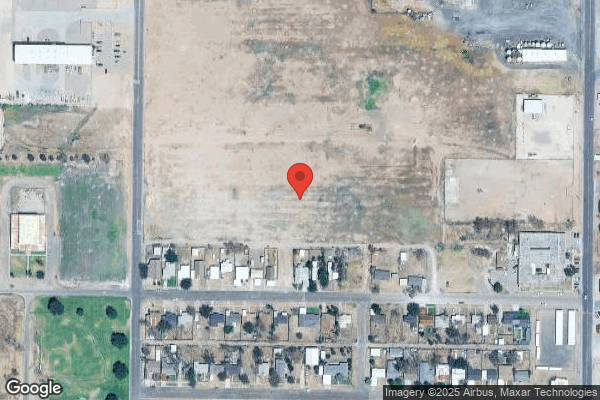
Understanding Severity Codes (click to expand)
Life-Threatening (Immediate Jeopardy)
J - Isolated K - Pattern L - Widespread
Actual Harm
G - Isolated H - Pattern I - Widespread
Potential for Harm
D - Isolated E - Pattern F - Widespread
No Harm (Minor)
A - Isolated B - Pattern C - Widespread

Questions to Ask on Your Visit

  • "What changes have you made since the serious inspection findings?"
  • "Can I speak with families of current residents?"
  • "What's your RN coverage like on weekends and overnight?"

Our Honest Assessment

Strengths
  • • 41% turnover. Below Texas's 48% average. Good staff retention means consistent care.
Concerns
  • • Multiple safety concerns identified: 2 life-threatening violation(s). Review inspection reports carefully.
  • • 24 deficiencies on record, including 2 critical (life-threatening) violations. These warrant careful review before choosing this facility.
  • • $14,020 in fines. Above average for Texas. Some compliance problems on record.
  • • Grade F (24/100). Below average facility with significant concerns.
Bottom line: Trust Score of 24/100 indicates significant concerns. Thoroughly evaluate alternatives.

About This Facility

What is Levelland Nursing & Rehabilitation Center's CMS Rating?

CMS assigns Levelland Nursing & Rehabilitation Center an overall rating of 2 out of 5 stars, which is considered below average nationally. Within Texas, this rating places the facility higher than 0% of the state's 100 nursing homes. A rating at this level reflects concerns identified through health inspections, staffing assessments, or quality measures that families should carefully consider.

How is Levelland Nursing & Rehabilitation Center Staffed?

CMS rates Levelland Nursing & Rehabilitation Center's staffing level at 3 out of 5 stars, which is average compared to other nursing homes. Staff turnover is 41%, compared to the Texas average of 46%. This relatively stable workforce can support continuity of care.

What Have Inspectors Found at Levelland Nursing & Rehabilitation Center?

State health inspectors documented 24 deficiencies at Levelland Nursing & Rehabilitation Center during 2022 to 2025. These included: 2 Immediate Jeopardy (the most serious level, indicating potential for serious harm or death) and 22 with potential for harm. Immediate Jeopardy findings are rare and represent the most serious regulatory concerns. They require immediate corrective action.

Who Owns and Operates Levelland Nursing & Rehabilitation Center?

Levelland Nursing & Rehabilitation Center is owned by a for-profit company. For-profit facilities operate as businesses with obligations to shareholders or private owners. The facility operates independently rather than as part of a larger chain. With 87 certified beds and approximately 45 residents (about 52% occupancy), it is a smaller facility located in Levelland, Texas.

How Does Levelland Nursing & Rehabilitation Center Compare to Other Texas Nursing Homes?

Compared to the 100 nursing homes in Texas, Levelland Nursing & Rehabilitation Center's overall rating (2 stars) is below the state average of 2.8, staff turnover (41%) is near the state average of 46%, and health inspection rating (1 stars) is much below the national benchmark.

What Should Families Ask When Visiting Levelland Nursing & Rehabilitation Center?

Based on this facility's data, families visiting should ask: "What changes have been made since the serious inspection findings, and how are you preventing similar issues?" "Can I visit during a mealtime to observe dining assistance and food quality?" "How do you handle medical emergencies, and what is your hospital transfer rate?" "Can I speak with family members of current residents about their experience?" These questions are particularly relevant given the facility's Immediate Jeopardy citations.

Is Levelland Nursing & Rehabilitation Center Safe?

Based on CMS inspection data, Levelland Nursing & Rehabilitation Center has documented safety concerns. Inspectors have issued 2 Immediate Jeopardy citations (the most serious violation level indicating risk of serious injury or death). The facility has a 2-star overall rating and ranks #100 of 100 nursing homes in Texas. Families considering this facility should ask detailed questions about what corrective actions have been taken since these incidents.

Do Nurses at Levelland Nursing & Rehabilitation Center Stick Around?

Levelland Nursing & Rehabilitation Center has a staff turnover rate of 41%, which is about average for Texas nursing homes (state average: 46%). Moderate turnover is common in nursing homes, but families should still ask about staff tenure and how the facility maintains care continuity when employees leave.

Was Levelland Nursing & Rehabilitation Center Ever Fined?

Levelland Nursing & Rehabilitation Center has been fined $14,020 across 1 penalty action. This is below the Texas average of $33,219. While any fine indicates a compliance issue, fines under $50,000 are relatively common and typically reflect isolated problems that were subsequently corrected. Families should ask what specific issues led to these fines and confirm they've been resolved.

Is Levelland Nursing & Rehabilitation Center on Any Federal Watch List?

Levelland Nursing & Rehabilitation Center is not on any federal watch list. The most significant is the Special Focus Facility (SFF) program, which identifies the bottom 1% of nursing homes nationally based on persistent, serious quality problems. Not being on this list means the facility has avoided the pattern of deficiencies that triggers enhanced federal oversight. This is a positive indicator, though families should still review the facility's inspection history directly.