MAGNOLIA PLACE HEALTH CARE
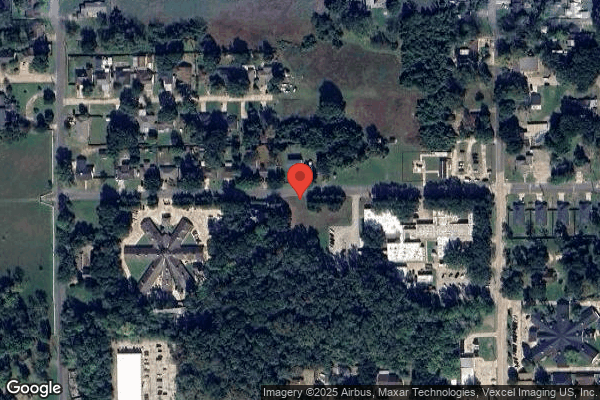

1620 MAGNOLIA ST., LIBERTY, TX 77575 (936) 336-8844
For profit - Partnership 118 Beds Independent Data: November 2025
Trust Grade
60/100
#516 of 1168 in TX
Last Inspection: June 2025

Inspected within the last 6 months. Data reflects current conditions.

Overview

Magnolia Place Health Care in Liberty, Texas, has a Trust Grade of C+, indicating it is slightly above average compared to other facilities. It ranks #2 out of 4 in Liberty County and #516 out of 1168 in Texas, placing it in the top half overall. The facility is improving, having reduced its issues from 13 in 2024 to 7 in 2025. Staffing is a strength here, with a 4 out of 5 star rating and a turnover rate of 44%, which is below the Texas average. Notably, there have been no fines recorded, which is a positive sign. However, the facility has faced concerns, including insufficient training for staff on infection control practices and the lack of a qualified dietary manager, which could affect residents' nutritional care. Overall, while there are strengths in staffing and improvement trends, families should be aware of the ongoing training and management issues.

Trust Score
C+
60/100
In Texas
#516/1168
Top 44%
Safety Record
Low Risk
No red flags
Inspections
Getting Better
13 → 7 violations
Staff Stability
○ Average
44% turnover. Near Texas's 48% average. Typical for the industry.
Penalties
✓ Good
No fines on record. Clean compliance history, better than most Texas facilities.
Skilled Nurses
⚠ Watch
Each resident gets only 20 minutes of Registered Nurse (RN) attention daily — below average for Texas. Fewer RN minutes means fewer trained eyes watching for problems.
Violations
⚠ Watch
23 deficiencies on record. Higher than average. Multiple issues found across inspections.
★★★☆☆
3.0
Overall Rating
★★★★☆
4.0
Staff Levels
★★★★☆
4.0
Care Quality
★★★☆☆
3.0
Inspection Score
Stable
2024: 13 issues
2025: 7 issues

The Good

  • 4-Star Staffing Rating · Above-average nurse staffing levels
  • 4-Star Quality Measures · Strong clinical quality outcomes
  • Full Sprinkler Coverage · Fire safety systems throughout facility
  • No fines on record
  • Staff turnover below average (44%)

    4 points below Texas average of 48%

Facility shows strength in staffing levels, quality measures, fire safety.

The Bad

3-Star Overall Rating

Near Texas average (2.8)

Meets federal standards, typical of most facilities

Staff Turnover: 44%

Near Texas avg (46%)

Typical for the industry

The Ugly 23 deficiencies on record

Jun 2025 7 deficiencies
CONCERN (D) 📢 Someone Reported This

A family member, employee, or ombudsman was alarmed enough to file a formal complaint

Potential for Harm - no one hurt, but risky conditions existed

Deficiency F0645 (Tag F0645)

Could have caused harm · This affected 1 resident

**NOTE- TERMS IN BRACKETS HAVE BEEN EDITED TO PROTECT CONFIDENTIALITY** Based on interview and record review, the facility failed to ensure individuals identified with MI, DD or ID were evaluated for ...

Read full inspector narrative →
**NOTE- TERMS IN BRACKETS HAVE BEEN EDITED TO PROTECT CONFIDENTIALITY** Based on interview and record review, the facility failed to ensure individuals identified with MI, DD or ID were evaluated for services for 2 of 5 residents (Residents #6 and #19) reviewed for PASRR. The facility failed to ensure the accuracy of the PASRR Level 1 (P1) screen for Resident #6 and Resident #19. This failure could place residents who had a mental illness at risk of not receiving individualized specialized services to meet their needs. 1. Record review of the June 2025 Physician Order indicated Resident #6 was an [AGE] year-old female who was admitted on [DATE]. Her diagnoses included major depressive disorder (mental health disorder characterized by persistently depressed mood or loss of interest in activities, causing significant impairment in daily life); bipolar disorder (mental disorder associated with episodes of mood swings ranging from depressive lows to manic highs); and adjustment insomnia (sleep disorder where people have difficulty sleeping). She had orders, dated 09/09/2024, to receive Seroquel (antipsychotic) daily for major depressive disorder, bipolar disorder, and adjustment insomnia; and Cymbalta (antidepressant) daily for major depressive disorder. Record review of a care plan, dated 09/09/24, indicated Resident #6 used high risk drugs and was at risk for side effects with antidepressant and anti-psychotic/anti-mania marked. Record review of a PASRR Level 1 dated 09/09/24 indicated Resident #6 had a primary of diagnosis of dementia. The MI was not marked. Record review of the EMR for Resident #6 from 09/09/24 through 06/03/25 indicated there was no HHSC form 1012 filled out and there was no physician/NP note indicating the primary diagnosis was dementia. Record review of an MDS, dated [DATE], indicated Resident #6 had moderately impaired cognition. She was taking an antipsychotic, and she was taking an antidepressant. During an interview on 06/03/25 at 04:25 p.m., MDS Nurse M said she pulled the diagnosis from the medical record for Resident #6 upon admission and put on the PASRR Level 1 that it was the primary diagnosis. She said there was no form 1012 or documentation by the physician that the resident's primary diagnosis was dementia. She said she did not verify with the physician the primary diagnosis was dementia therefore the PASRR Level 1 was not correct and needed to be redone and resubmitted. During an interview on 06/04/25 at 04:00 p.m. the DON said she was made aware of the issue with Resident #6's PASRR and MDS Nurse M was working on it. She said she expected the PASRR to be filled out correctly. She said residents could not receive needed services if not coded correctly. During an interview on 06/04/25 at 04:10 p.m. the Administrator said he expected the policies and protocols to be followed for PASRR. 2. Record review of the Resident #19's face sheet, dated 06/04/25, indicated Resident #19 admitted to the facility on [DATE]. Resident #19 was [AGE] years old female with and had diagnoses of which included schizoaffective disorder (a mental health condition with schizophrenia [disconnect from reality] and mood disorder), stroke (damage to the brain due to lack of blood flow), and major depressive disorder (mental illness with sadness and loss of interest). Record review of the Resident #19's admission MDS assessment, dated 05/06/25, indicated Resident #19's was not currently considered by the state level II PASRR process to have serious mental illness and/or intellectual disability or a related condition. Record review of the Resident #19's care plan dated 04/30/25, indicated she received anti-psychotic medications. Record review of the Resident #19's P1 dated 04/30/25, indicated she was admitted at the facility for less than 30 days. Record review of the Resident #19's care plan dated 05/02/25, indicated she wished to remain here at to the facility for long term placement. During an interview on 06/03/25 at 10:00 a.m., the MDS nurse L said Resident #19's P1 was completed and when it was transferred to the LIDDA . She said there was a mark to indicate the resident was here at the facility for only 30 days. She said Resident #19 was at the facility for long term placement. The MDS nurse L said she was responsible for Resident #19's P1 and unsure why the form was marked wrong. She said this error could have delayed services. Record review of a the facility's Resident Assessment - Coordination with PASARR Program policy, dated 01/01/24, indicated: Policy: This facility coordinates assessments with the preadmission screening and resident review (P ASARR) program under Medicaid to ensure that individuals with a mental disorder, intellectual disability, or a related condition receives care and services in the most integrated setting appropriate to their needs. Policy Explanation and Compliance Guidelines: 1. All applicants to this facility will be screened for serious mental disorders or intellectual disabilities and related conditions in accordance with the State's Medicaid rules for screening. a. PASARR Level I - initial pre-screening that is completed prior to admission i. Negative Level I Screen - permits admission to proceed and ends the PASARR process unless a possible serious mental disorder or intellectual disability arises later. ii. Positive Level I Screen - necessitates a P ASARR Level II evaluation prior to admission. b. PASARR Level II - a comprehensive evaluation by the appropriate state-designated authority (cannot be completed by the facility) that determines whether the individual has MD, ID, or related condition, determines the appropriate setting for the individual, and recommends any specialized services and/or rehabilitative services the individual needs
CONCERN (D) 📢 Someone Reported This

A family member, employee, or ombudsman was alarmed enough to file a formal complaint

Potential for Harm - no one hurt, but risky conditions existed

Deficiency F0757 (Tag F0757)

Could have caused harm · This affected 1 resident

**NOTE- TERMS IN BRACKETS HAVE BEEN EDITED TO PROTECT CONFIDENTIALITY** Based on interview and record review, the facility failed to ensure each resident's drug regimen was free from unnecessary medic...

Read full inspector narrative →
**NOTE- TERMS IN BRACKETS HAVE BEEN EDITED TO PROTECT CONFIDENTIALITY** Based on interview and record review, the facility failed to ensure each resident's drug regimen was free from unnecessary medications (is a medication used: without adequate indication for its use; or in the presence of adverse consequences which indicate the dose should be reduced or discontinued) for 1 of 5 residents (Resident #6) reviewed for unnecessary medications. * The facility failed to ensure Resident #6 had an appropriate diagnosis on entered orders for her Seroquel (antipsychotic). This failure could place residents at risk for unintended, harmful events attributed to the use of a medication without the appropriate indication. Findings included: Record review of Physician Orders for June 2025 indicated Resident #6 was an [AGE] year-old female admitted on [DATE]. Her diagnoses included major depressive disorder (mental health disorder characterized by persistently depressed mood or loss of interest in activities, causing significant impairment in daily life); bipolar disorder (mental disorder associated with episodes of mood swings ranging from depressive lows to manic highs); and adjustment insomnia (sleep disorder where people have difficulty sleeping). She had orders dated 09/09/2024 to receive Seroquel (antipsychotic) daily for major depressive disorder, bipolar disorder, and adjustment insomnia; and Cymbalta (antidepressant) daily for major depressive disorder. Record review of an MDS dated [DATE] indicated Resident #6 had moderately impaired cognition, she was taking an antipsychotic, and she was taking an antidepressant. Record review of a care plan dated 09/09/24 indicated Resident #6 used high risk drugs and was at risk for side effects with antidepressant and anti-psychotic/anti-mania marked. During an interview on 06/04/25 at 04:00 p.m. the DON said she was not aware Resident #6 had multiple diagnoses for her Seroquel. She said a resident could receive a medication for the wrong indication. She said the nurse was to verify with the physician what diagnosis was indicated for the medication. She said she and the ADONs would randomly review the resident charts. During an interview on 06/04/25 at 04:10 p.m. the Administrator said he expected the policies and protocols to be followed for psychotropic medication use. Record review of Use of Psychotropic Medication(s) policy dated 02/01/25 indicated: Policy: Residents are not given psychotropic drugs unless the medication is necessary to treat a specific condition, as diagnosed and documented in the clinical chart, and the medication is beneficial to the resident, as demonstrated by monitoring and documentation of the resident's response to the medication(s)
CONCERN (D) 📢 Someone Reported This

A family member, employee, or ombudsman was alarmed enough to file a formal complaint

Potential for Harm - no one hurt, but risky conditions existed

Deficiency F0761 (Tag F0761)

Could have caused harm · This affected 1 resident

**NOTE- TERMS IN BRACKETS HAVE BEEN EDITED TO PROTECT CONFIDENTIALITY** Based on observations, interview and record review the facility failed to ensure, in accordance with State and Federal laws, all...

Read full inspector narrative →
**NOTE- TERMS IN BRACKETS HAVE BEEN EDITED TO PROTECT CONFIDENTIALITY** Based on observations, interview and record review the facility failed to ensure, in accordance with State and Federal laws, all drugs were stored in a locked compartments under proper temperature controls, and only permitted authorized personnel to have access to the keys for 1 of 20 resident (Resident #29) reviewed for storage and labeling of medications. The facility failed to ensure Resident #29 did not have over the counter medications, Luden's cough drops, Neosporin and Equate hydrocortisone cream at the bedside. This failure could place residents at risk for misuse of medication, overdose, drug diversions, adverse reactions of medications, and not receiving the therapeutic benefit of medications. The findings include: Record review of Resident #29's face-sheet revealed a [AGE] year-old male who was admitted to the facility on [DATE]. His diagnosis included chronic hepatic failure(liver failure), cirrhosis of liver(hardening of liver) and essential hypertension, Record review of Resident #29's consolidated report of current Physician orders, dated 06/2025, indicated no scheduled or PRN order for Luden's cough drops, Neosporin, Equate hydrocortisone cream, self-administer medications or to leave at bedside. Record review of Resident #29's electronic record indicated there was no Care Plan addressing may keep medications at bedside and no care plan to self-administer medications. Further review of the electronic record, reflected Resident #29 did not have a Self-Administration Medication Assessment initiated or completed. Record review of Resident #29's MDS, dated [DATE], indicated Resident #29 had intact cognition with a BIMS of 15 out of 15. During an observation on 06/02/25 at 9:45 a.m., revealed Resident #29 was not in his room and the door was opened. On his bedside table was an opened and used (25 count drops) bag of Luden's wild cherry flavored cough drops, Neosporin ointment 1 ounce tube, was opened and used, and Equate hydrocortisone cream max strength 2 ounce tube, was opened and used. During an observation and interview on 06/02/25 at 1:00 p.m., Resident #29 said the medication on his table was none of the state surveyors business where he got them. When asked where does he put the medications he and how often does he use it? Resident #29 said on his skin. Resident #29 said he did not report it to the nurses that he had the medication stored in his room because he was a grown man. On his bedside table was an opened and used (25 count drops) bag of Luden's wild cherry flavored cough drops, Neosporin ointment 1 ounce tube, was opened and used and Equate hydrocortisone cream max strength 2-ounce tube, was opened and used. During an observation on 06/03/25 at 11:00 a.m., Resident #29 was not in his room and the door was opened. On his bedside table was the same bag of Luden's wild cherry flavored cough drops, Neosporin ointment 1 ounce tube and Equate hydrocortisone cream max strength 2-ounce tube. During an observation on 06/04/25 at 9:45 a.m., Resident #29 was not in his room and the door was opened. On his bedside table was an opened and used (25 count drops) bag of Luden's wild cherry flavored cough drops, Neosporin ointment 1 ounce tube, was opened and used and Equate hydrocortisone cream max strength 2 ounce tube, was opened and used. During an interview on 06/04/25 at 2:00 p.m., LVN-N said no resident should have medications at their bedside. She said she did not know of any residents having medications in their rooms. She said a physician's order must be on file for the resident to receive the medication as well as to self-administer medications. She said a resident could take inappropriate amounts of the medication or another resident could wonder in the room and get the medication and take it. She said residents could have an allergic reaction or become ill from taking unprescribed medication Interview on 06/04/25 at 2:30 p.m., the RP for Resident #29 revealed she had no concerns with the Medications her family member was taking. The RP said she was the person responsible for bringing in the medications Luden's wild cherry flavored cough drops, Neosporin ointment 1 ounce tube and Equate hydrocortisone cream max strength 2-ounce tube and she had done so approximately 3-4 weeks ago. The RP said she had not notified the nurses about the medications because she was not aware she had to tell them since the medications were over-the-counter medications. The RP also said no one from the facility contacted her about the medications, or that they could not be left out unattended at the bedside. Interview on 06/04/25 at 4:00 p.m. the DON said she was just made aware of the mediations Luden's wild cherry flavored cough drops, Neosporin ointment and Equate hydrocortisone cream at Resident #29's bedside but could not remember who told her. The DON said her expectation was for nursing staff to follow facility policy and procedure and not leave medications at the bedside. The DON said Resident #29 would need a doctor's order and medication self-administration assessment completed before he would be able to keep medications at the bedside and administer them himself. The DON revealed she would have to look in the computer to see if Resident #29 had an order or med assessment. The DON said leaving medications at the bedside put residents at risk of not taking properly or giving it to someone else to take, but she (DON) felt Resident #45 was cognitively intact enough to take the medication correctly and would need to have a MD order or Self-Med Assessment first. The DON stated residents in the facility must have a doctor's order to receive medications and no resident could keep medication in their rooms and were not allowed to self-medicate. She stated there must be a physician's order to leave the medication at the bedside and an order for the resident to self-medicate. Record review of the facility's policy, Resident Self-Administration of Medication, dated March 2, 2024, indicated, in part: Policy: It is the policy of this facility to support each resident's right to self-administer medication. A resident may only self-administer medications after the facility's interdisciplinary team has determined which medications may be self-administered safely .5. All nurses and aides are required to report to the charge nurse on duty any medication found at the bedside not authorized for bedside storage. Unauthorized medications are given to the charge nurse for return to the family or responsible party. Families or responsible parties are reminded of policy and procedures regarding resident self-administration when necessary .9. The care plan must reflect resident self-administration and storage arrangements
CONCERN (E) 📢 Someone Reported This

A family member, employee, or ombudsman was alarmed enough to file a formal complaint

Potential for Harm - no one hurt, but risky conditions existed

Deficiency F0552 (Tag F0552)

Could have caused harm · This affected multiple residents

**NOTE- TERMS IN BRACKETS HAVE BEEN EDITED TO PROTECT CONFIDENTIALITY** Based on interview and record review, the facility failed to ensure residents had the right to be informed in advance, by the ph...

Read full inspector narrative →
**NOTE- TERMS IN BRACKETS HAVE BEEN EDITED TO PROTECT CONFIDENTIALITY** Based on interview and record review, the facility failed to ensure residents had the right to be informed in advance, by the physician or other practitioner or professional, of the risks and benefits of proposed care, of treatment and treatment alternatives or treatment options and to choose the alternative or option he or she preferred for 2 of 5 residents (Residents #6 and #64) reviewed for psychoactive medications. 1. The facility failed to ensure Resident #6 had a completed psychotropic consent from the resident or family for Seroquel (antipsychotic medication) before administering to Resident #6 on 09/09/24. 2. The facility failed to ensure Resident #64 had a completed psychotropic consent from the resident or family for Seroquel (antipsychotic medication) and Cymbalta (antidepressant) before administering to Resident #66 on 01/03/25. These failures could place residents at risk for receiving unnecessary antipsychotic medications without informed consent. Findings included: 1. Record review of Physician Orders for June 2025 indicated Resident #6 was an [AGE] year-old female who was admitted on [DATE]. Her diagnoses included major depressive disorder (mental health disorder characterized by persistently depressed mood or loss of interest in activities, causing significant impairment in daily life); bipolar disorder (mental disorder associated with episodes of mood swings ranging from depressive lows to manic highs); and adjustment insomnia (sleep disorder where people have difficulty sleeping). She had orders dated 09/09/2024 to receive Seroquel (antipsychotic) daily for major depressive disorder, bipolar disorder, and adjustment insomnia; and Cymbalta (antidepressant) daily for major depressive disorder. Record review of an MDS dated [DATE] indicated Resident #6 had moderately impaired cognition, she was taking an antipsychotic, and she was taking an antidepressant. Record review of a care plan dated 09/09/24 indicated Resident #6 used high risk drugs and was at risk for side effects with antidepressant and anti-psychotic/anti-mania was marked. Record review of the HHSC form 3713 Consent for Antipsychotic or Neuroleptic Medication Treatment for Resident #6's Seroquel dated 09/09/24 indicated the following: Section I The following must be completed by the person prescribing the medication, that person's designee, or the medical director. I have been treating this individual since:[blank] I believe the individual has the following psychiatric condition and/or maladaptive behavior: (ICD Code) [blank] In my clinical opinion: The probable clinically significant side effects and risks of the proposed treatment with antipsychotic or neuroleptic medication(s) are indicated: [antipsychotic was not marked] The above information and statements are to the best of my knowledge truthful and complete. [The person prescribing the medication, that person's designee, or the medical director printed name and signature with date are left blank] Section II The following must be completed by the resident and if appropriate the person authorized to by law, to consent on behalf of the resident. I, [blank] (resident) or [blank] (resident representative) on behalf of [blank] (resident) acknowledge by signing this form, I agree to the following .[The blanks were not filled in] . Record review of the HHSC form 3713 Consent for Antipsychotic or Neuroleptic Medication Treatment for Resident #6's Cymbalta dated 09/09/24 indicated the following: Section I The following must be completed by the person prescribing the medication, that person's designee, or the medical director. I have been treating this individual since:[blank] I believe the individual has the following psychiatric condition and/or maladaptive behavior: (ICD Code) [blank] In my clinical opinion: The probable clinically significant side effects and risks of the proposed treatment with antipsychotic or neuroleptic medication(s) are indicated: [antianxiety was also marked] The above information and statements are to the best of my knowledge truthful and complete. [The person prescribing the medication, that person's designee, or the medical director's printed name and signature with date are left blank] Section II The following must be completed by the resident and if appropriate the person authorized to by law, to consent on behalf of the resident. I, [blank] (resident) or [blank] (resident representative) on behalf of [blank] (resident) acknowledge by signing this form, I agree to the following .[The blanks were not filled in] . 2. Record review of Physician Orders for June 2025 indicated Resident #64 was an [AGE] year-old female who was admitted on [DATE]. Her diagnoses included major depressive disorder (mental health disorder characterized by persistently depressed mood or loss of interest in activities, causing significant impairment in daily life). She had an order dated 01/03/25 to receive Seroquel (antipsychotic) daily for major depressive disorder. Record review of an MDS dated [DATE] indicated Resident #64 had severely impaired cognition and she was taking an antipsychotic. Record review of a care plan dated 04/04/25 indicated Resident #64 used high risk drugs and was at risk for side effects with anti-anxiety/anxiolytic and anti-psychotic/anti-mania marked. Record review of the HHSC form 3713 Consent for Antipsychotic or Neuroleptic Medication Treatment for Resident #64's Seroquel dated 01/03/25 indicated the following: Section II The following must be completed by the resident and if appropriate the person authorized to by law, to consent on behalf of the resident. I, [blank] (resident) or [blank] (resident representative) on behalf of [blank] (resident) acknowledge by signing this form, I agree to the following .[The blanks were not filled in] . During an interview on 06/04/25 at 04:00 p.m., the DON said she was not aware Resident #6 and #64's consent forms were not completed for Cymbalta and Seroquel. She said the psychiatric services would fill out the consent forms for the psychotropic medications. She said the nurse could also fill out the form and have the resident or their RP sign it. She said she and the ADONs would randomly review the resident charts. During an interview on 06/04/25 at 04:10 p.m., the Administrator said he expected the policies and protocols to be followed for psychotropic medication consents, medications, and orders. Record review of Use of Psychotropic Medication(s) policy, dated 02/01/25 indicated: Policy: Residents are not given psychotropic drugs unless the medication is necessary to treat a specific condition, as diagnosed and documented in the clinical chart, and the medication is beneficial to the resident, as demonstrated by monitoring and documentation of the resident's response to the medication(s). Policy Explanation and Compliance Guidelines: 7. Prior to initiating or increasing psychotropic medication, the resident, family, and/or resident representative must be informed of the benefits, risks, and alternatives for the medication, including any black box warnings for antipsychotic medications, in advance of such initiation or increase. 8. The resident has the right to accept or decline the initiation or increase of a psychotropic medication. 9. The facility will document that the resident or resident representative was informed in advance of the risks and benefits of the proposed care, the treatment alternatives or other options and the preferred option to accept or decline in a format the facility deems to use (e.g., written consent form, narrative note, etc.)
CONCERN (E) 📢 Someone Reported This

A family member, employee, or ombudsman was alarmed enough to file a formal complaint

Potential for Harm - no one hurt, but risky conditions existed

Infection Control (Tag F0880)

Could have caused harm · This affected multiple residents

**NOTE- TERMS IN BRACKETS HAVE BEEN EDITED TO PROTECT CONFIDENTIALITY** Based on observation, interview and record review the facility failed to establish and maintain an infection prevention and cont...

Read full inspector narrative →
**NOTE- TERMS IN BRACKETS HAVE BEEN EDITED TO PROTECT CONFIDENTIALITY** Based on observation, interview and record review the facility failed to establish and maintain an infection prevention and control program designed to provide a safe, sanitary, and comfortable environment and to help prevent the development and transmission of communicable diseases and infections for 6 of 6 residents (Residents #9, #11, #51, #53, #58 and #167) reviewed for infection control. 1. The facility failed to ensure Resident #9 who had an indwelling suprapubic catheter (a tube surgically inserted through the lower abdomen into the bladder to drain urine) and an unstageable pressure ulcer/injury to the left heel (a wound caused by pressure from a surface) had Enhanced Barrier Precautions signage and PPE set up before entering his room and failed to ensure staff wore PPE during high contact resident care activities. 2. The facility failed to ensure CNA A and CNA B followed enhanced barrier precautions while providing incontinent care to Resident #11, who had a gastrostomy tube (G-tube) (a small flexible tube surgically inserted though the abdomen into the stomach to deliver nutrition to the resident) on 06/03/2025. 3. The facility failed to ensure signage was posted outside of Residents #9, #11, #51, #53, #58 and #167's rooms to notify staff of enhanced barrier precautions. 4. The facility failed to ensure PPE was readily accessible for staff to provide high-contact activities for Residents #9, #11, #51, #53, #58 and #167, residents who identified with wounds or indwelling medical devices. 5. The facility failed to ensure LVN G utilized enhanced barrier precautions with wearing a gown while administering medications through Resident #51's g-tube. Resident #51 had a history of non-targeted CDC MDRO, MRSA and ESBL in his urine. 6. The facility failed to ensure CNA C and CNA D utilized enhanced barrier precautions with wearing a gown while transferring Resident #51. 7. The facility failed to ensure Resident #167, who had a gastrostomy tube (G-tube) (a small flexible tube surgically inserted though the abdomen into the stomach to deliver nutrition to the resident), had Enhanced Barrier Precautions signage and PPE set up before entering his room and failed to ensure staff wore PPE during high contact resident care activities. These failures could place residents at risk for cross contamination and the spread of infection. Findings included: 1. Record review of a face sheet dated 06/03/25 indicated Resident #9 was a [AGE] year-old male admitted on [DATE]. His diagnoses included paraplegia (injury to the spinal cord or brain that stops signals from reaching the lower body) and retention of urine (the bladder does not empty completely or at all). During an observation and interview on 06/02/25 at 10:35 a.m. Resident #9 was up in his wheelchair in him room. A catheter bag to drain was noted. The resident said he had a suprapubic catheter. There was no EBP signage or PPE set up noted before entering the room. Record review of Physician Orders for June 2025 indicated Resident #9 had an order dated 01/01/25 for suprapubic catheter change, 20Fr/30ml, 1st of every month and as needed for catheter care. Record review of an MDS dated [DATE] indicated Resident #9 had moderately impaired cognition with a BIMS of 12 out of 15, had an indwelling urinary catheter, had 1 or more pressure ulcer/injuries, and had 1 unstageable pressure injuries presenting as deep tissue injury present at admission. Record review of a care plan dated 04/04/25 indicated Resident #9 had a care plan initiated on 03/22/23 for an indwelling suprapubic catheter. There was no indication of EBP to be used. Record review of a Weekly Wound/Skin Condition Measure & Evaluation form dated 05/30/25 indicated Resident #9 had an unstageable pressure ulcer to the left heel. During an observation and interview on 06/03/25 at 09:55 a.m. Resident #9 had no EBP signage on the door and no set up for PPE. He said staff wore gloves but did not wear gowns when they provided care to him even with the catheter care and the wound care. During an observation on 06/04/25 at 08:35 a.m. Resident #9 had no EBP signage on the door and no set up for PPE. 2. Record review of Resident #11's face sheet, dated 06/04/25, indicated a [AGE] year-old male who was admitted to the facility on [DATE]. Resident #11 had diagnoses which included dysphagia (difficulty swallowing) and stroke (damage to the brain from interruption of blood supply). Record review of Resident #11's care plan, initiated 01/21/25, indicated he had a g-tube feeding with interventions of local care to g-tube as ordered and monitor for signs and symptoms of infection and give feeding as ordered. Resident #11 was incontinent bowel and bladder. Record review of Resident #11's quarterly MDS assessment, dated 02/21/25, indicated a BIMS score of 15, which indicated intact cognition. Resident #11 was dependent (helper does all effort) for bathing, dressing, toileting, and hygiene and frequently incontinent of bladder and always incontinent of bowel. Resident #11 had diagnoses of stroke and dysphagia and received nutrition by a feeding tube. Record review of Resident #11's Order Summary Report, dated 06/02/25, indicated clean g-tube site with wound cleanser, apply split sponge and secure daily and enteral feed (nutrition through a tube in the stomach) two times a day of Jevity 1.2 at 65 ml/hr by a feeding Pump for 22 hours by g-tube. The physician orders did not indicate the use of enhanced barrier precautions. During an interview and observation on 06/03/25 at 2:00 p.m., Resident #11 was lying in bed with a g-tube feeding attached. He said when the staff provided incontinent care or care to his gastrostomy tube, they washed their hands and wore gloves but did not wear gowns over their clothes. During an observation and interview of incontinent care on 06/03/25 at 03:05 p.m., CNA A provided incontinent care to Resident #11with assistance of CNA B. Resident #11 was in his bed. CNA A provided the incontinent care while CNA B assisted by holding Resident #11's shoulder and hip. CNA A and CNA B donned gloves, but they did not put on a gown. There was no EBP sign on the door or in the room. Resident #11 was observed with an intact g-tube. When asked did they forget anything or would do anything different CNA A and CNA B said no. During an interview on 6/3/25 at 4:10 p.m., CNA B stated EBP was putting a towel across the table and setting everything up for incontinent care. She said the difference between EBP and transmission-based precautions was standard precautions were washing your hands and wearing gloves for incontinent care. She said she was unsure what high contact resident care activities would need EBP. CNA B said she had been trained on EBP but did not remember when. During an interview on 6/3/25 at 4:28 p.m., CNA A stated EBP was putting barrier cream on the resident. She said the nurses told the CNA's when needed. CNA A said she was unsure of the difference between EBP and TBP. She said high contact resident activities included changing the residents. She said she wore gloves and washed her hands before and during incontinent care. She said she was unsure if she was trained on EBP. 3. Record review of Resident #51's face sheet, dated 06/03/25, indicated a [AGE] year-old male who was admitted to the facility on [DATE]. His diagnoses included gastrostomy tube and extended spectrum beta lactamase resistance (ESBL)(bacteria resistant to antibiotics). Record review of Physician Orders for June 2025 indicated Resident #51 had an order, dated 11/17/25, check feeding tube site every shift. The physician orders did not indicate the use of enhanced barrier precautions. Record review of Resident #51's quarterly MDS, dated [DATE], indicated Resident #51 was moderately impaired cognitively with a BIMS of 9 out of 15. Resident #51 had a feeding tube and received 51% or more of his calories through the feeding tube. Record review of Resident #51's care plan, dated 12/04/24, indicated Resident #51 had MRSA - colonization interventions to notify doctor of significant abnormalities. Care plan, dated 11/18/24, indicated Resident #51 had a gastrostomy tube feeding with interventions of care to gastrostomy tube as ordered and monitor for signs and symptoms of infection and give feeding as ordered. During an observation on 06/02/25 at 9:00 a.m. revealed Resident #51 was in his bed with a gastrostomy tube connected to a feeding pump with Jevity 1.2 which infused at 73 milliliters an hour. There was no EBP signage inside or outside of the resident's room which indicated the type of PPE required and no PPE set up noted before entering the room. During an observation on 06/03/25 at 8:50 a.m. revealed Resident #51 had no EBP signage on the door and no set up for PPE. LVN G prepared Resident #51's morning meds for administration thru his g-tube and did not wash her hands but donned gloves before the start of care. The WC Nurse took her medications into the resident's room and placed it on his bedside table. She turned off his feeding pump, repositioned the resident to expose his abdomen and disconnected the feeding tubing from the residents abdominal g-tube tubing. During medication administration LVN G did not have on a PPE gown and her uniform touched the resident's bed and his left side while she leaned to administer the medications. LVN G removed her gloves and went to her medication cart to obtain a syringe and did not perform hand hygiene. LVN G donned a fresh set of gloves, flushed Resident #51 g-tube with 30cc of water and her uniform was touching the resident's bed and his left side while she leaned to administer the water. During an observation on 06/03/25 at 1:00 p.m. revealed Resident #51 had no EBP signage on the door and no set up for PPE. CNA C and CNA D assisted Resident #51 during transfer care from the bed to the wheelchair. CNA C and CNA D did not wash their hands but donned gloves before the start of care. During the transfer care, CNA C and CNA D did not have on a PPE gown and their uniform touched the resident's bed and his body (one CNA on each side). In an interview on 06/03/25 at 10:30 a.m., Resident #51 said the staff did not wear gowns during his personal care of changing his brief, administering medications or during his showers. In an interview on 06/04/25 at 1:20 p.m., CNA C said EBP was putting barrier cream (a topical product to protect the skin's natural barrier) on the resident. CNA C said no residents on her halls were on EBP. CNA C said high contact resident care activities included incontinent care or feeding residents. She was unsure of the difference between EBP and TBP. CNA C said she received infection control training during orientation, which included PPE, when to wear it and what kind of isolation needed certain PPE, but had not received EBP training until 06/04/25. In an interview on 06/03/25 at 1:30 p.m., CNA D said EBP was putting barrier cream on the resident. CNA D said she was unsure of the difference between EBP and TBP. She said high contact resident activities included changing resident's dirty brief. CNA D said she wore gloves and washed her hands before and during incontinent care. She said she had not been trained on EBP prior to 06/04/25. In an interview on 06/03/25 at 1:55 p.m., LVN G said she was responsible for teaching the CNA class and helping out wherever she was needed. LVN G said she did not know until today when she was in-serviced by the DON what EBP was. LVN G stated she should have worn a gown when she administered g-tube medications to Resident #51, because that was considered a direct contact. She said not wearing a gown increased the risk of spreading infection. LVN G said she should have washed her hand during glove change. LVN G explained she received infection control training on glove changes during orientation. She said the resident could acquire an infection when she did not follow good infection control practices which included washing hands before commencing care. 4. Record review of Resident #53's face sheet, dated 06/03/25, indicated an [AGE] year-old female who was admitted to the facility on [DATE]. Her diagnoses included chronic heart failure and hypertension. Record review of Physician Orders for June 2025 indicated Resident #53 had an order, dated 05/30/25, to provide foley catheter for urinary retention, care every shift, and change monthly and as needed. The physician orders did not indicate the use of enhanced barrier precautions. Record review of an admission MDS, dated [DATE], indicated Resident #53 was cognitively intact with a BIMS of 14 out of 15. The MDS did not document a foley catheter. Record review of Resident #53's care plan, dated 12/04/24, indicated Resident #53 had interventions to follow therapeutic regime for elimination of urinary tract infections. During an observation on 06/02/25 at 9:30 a.m. revealed Resident #53 was in her bed. A urinary foley catheter was noted with 200 mililiters of yellow urine in the drain bag. There was no EBP signage or PPE set up noted before entering the room. During an observation on 06/03/25 at 8:40 a.m. revealed Resident #53 was in her bed. A urinary foley catheter was noted with 100 mililiters of yellow urine in the drain bag. There was no EBP signage or PPE set up noted before entering the room. During an observation on 06/04/25 at 9:00 a.m. revealed Resident #53 was in her bed. A urinary foley catheter was noted with 200 mililiters of yellow urine in the drain bag. There was no EBP signage or PPE set up noted before entering the room. 5. Record review of Resident #58's face sheet, dated 06/03/25, indicated a [AGE] year-old female who was admitted to the facility on [DATE]. Her diagnosis included cutaneous abscess of right lower limb. Record review of Physician Orders for June 2025 indicated Resident #58 had an order, dated 06/02/25, for right and left heel cleanse with wound cleanser apply medi honey and wrap with kerlix daily. Record review of Resident #58's quarterly MDS, dated [DATE], indicated Resident #58 was severely cognitively impaired with a BIMS of 7 out of 15. Resident #58 had two unhealed stage 3 pressure ulcers. Record review of Resident #58's care plan, dated 10/02/24, indicated Resident #58 had a skin integrity issue with interventions of care to monitor for signs and symptoms of infection. During an observation on 06/02/25 at 9:30 a.m. revealed Resident #58 was in her bed. There was no EBP signage or PPE set up noted before entering the room. During an observation on 06/03/25 at 8:40 a.m. revealed Resident #58 had no EBP signage on the door and no set up for PPE. During an observation on 06/04/25 at 9:00 a.m. revealed Resident #58 had no EBP signage on the door and no set up for PPE. 6. Record review of a face sheet dated 06/03/25 indicated Resident #167 was an [AGE] year-old female who was admitted on [DATE]. Her diagnoses included gastrostomy tube (a small flexible tube surgically inserted though the abdomen into the stomach to deliver nutrition to the resident). During an observation on 06/02/25 at 02:35 p.m. Resident #167 was in her bed. A feeding pump was noted connected to a gastrostomy tube which was going into the resident's abdomen. There was no EBP signage or PPE set up noted before entering the room. Record review of Physician Orders for June 2025 indicated Resident #167 had an order dated 02/24/25 check feeding tube site every shift. The physician orders did not indicate the use of enhanced barrier precautions. Record review of an MDS dated [DATE] indicated Resident #167 was cognitively intact with a BIMS of 13 out of 15, had a feeding tube, and received 51% or more of her calories through the feeding tube. Record review of a care plan dated 04/04/25 indicated Resident #167 had a gastrostomy tube feeding with interventions of local care to gastrostomy tube as ordered and monitor for signs and symptoms of infection and give feeding as ordered. There was no indication of EBP to be used. During an observation on 06/03/25 at 09:55 a.m. Resident #167 had no EBP signage on the door and no set up for PPE. During an observation on 06/04/25 at 08:36 a.m. Resident #167 had no EBP signage on the door and no set up for PPE. During an interview on 06/03/25 at 5:00 p.m., the ADON/IP said she was responsible for the infection control program. She said she was the infection preventionist. She said she was not aware of any changes or updates within the last two years. She said the DON and Administrator notified her of infection control updates. She said no residents in the facility were currently on enhanced barrier precautions. During an interview on 06/03/25 at 5:07 p.m., the DON said enhanced barrier precautions were the new CDC recommendations to use a face mask more than just with regular isolation. She said she was not aware of the specifics but knew it was the new update. She said the Administrator received the provider letters. She said she was unable to say her expectations related to EBP. The DON said she was aware new regulation changes were on the horizon. She said the facility had 3 Residents with g-tubes and 2 residents with foley catheters and they were not currently on EBP. During an interview on 06/03/25 at 5:18 p.m., the Administrator said he was aware briefly of EBP but did not realize there was a provider letter that put EBP into effect. He said he did not receive all the provider letters so he was unsure of the details, but he would pull up the provider letters online, he thought it was a recommendation not a requirement according to the CDC. During an interview on 06/04/25 at 3:50 p.m., ADON/IP said she was responsible for the Infection control program that now included EBP with the DON as back up. She said the risk of a resident that should be on EBP not receiving EBP precautions was increased risk of infection. She said she was trained on EBP on 06/03/25. During an interview on 06/04/25 at 3:53 p.m., the DON said she expected the staff to follow EBP precautions on all residents identified needing EBP. She said there is no resident risk for the staff not following EBP because all residents were treated with universal precautions and if a resident had a risk or active infection they would be on special precautions as needed. During an interview on 06/04/25 at 3:53 p.m., the Administrator said he was ultimately responsible for concerns in the facility. He said the ADON/IP was responsible for the infection control program including EBP and the DON was the back up. He said he expected staff to follow EBP precautions on all residents identified needing EBP. He said there is no resident risk for the staff not following EBP because all residents were treated with universal precautions and if a resident had a risk or active infection they would be on special precautions as needed. Record review of the facility's policy titled, Enhanced Barrier Precautions, effective 06/04/2025, indicated, It is the policy of this facility to implement enhance barrier precautions for the prevention of transmission of multidrug-resistant organisms. EBP refer to an infection control intervention designed to reduce transmission of multidrug-resistant organisms that employs targeted gown and gloves use during high contact resident care activities.b. An order for enhanced barrier precautions will be obtained for residents with any of the following: i. Wounds (e.g., chronic wounds such as pressure ulcers, diabetic foot ulcers, . or indwelling medical devices (e.g., central lines, urinary catheters, feeding tubes, . even if the resident is not known to be infected or colonized with a MDRO.)
CONCERN (F) 📢 Someone Reported This

A family member, employee, or ombudsman was alarmed enough to file a formal complaint

Potential for Harm - no one hurt, but risky conditions existed

Administration (Tag F0835)

Could have caused harm · This affected most or all residents

Based on observation, interview, and record review, the facility failed to be administered in a manner that enables it to use its resources effectively and efficiently to attain or maintain the highes...

Read full inspector narrative →
Based on observation, interview, and record review, the facility failed to be administered in a manner that enables it to use its resources effectively and efficiently to attain or maintain the highest practicable physical, mental, and psychosocial well-being of all residents reviewed. 1. The Administrator failed to ensure he, the DON, and the IP received training on Enhanced Barrier Precautions. 2. The Administrator failed to implement Enhanced Barrier Precautions for residents with chronic wounds or indwelling medical devices during high-contact resident care activities regardless of their multidrug-resistant organism status. This failure could cause residents not to receive appropriate care resulting in an increase in infections. Findings included: During observations on 06/02/25 during initial tour from 09:15 a.m. through 11:03 a.m. there were no resident rooms with any EBP signage on the doors or PPE set up outside or inside the resident rooms. During general observations on 06/02/25 from 11:30 a.m. through 04:00 p.m. there were no resident rooms with any EBP signage on the doors or PPE set up outside or inside the resident rooms. During general observations on 06/03/25 from 08:30 a.m. through 05:00 p.m. there were no resident rooms with any EBP signage on the doors or PPE set up outside or inside the resident rooms. During an interview on 06/03/25 at 5:00 p.m., the ADON/IP said she was responsible for the infection control program. She said she was the infection preventionist and received the CMS training in 2022 and reviewed the CMS and CDC web sites. She said she had not been updated or completed any joint trainings or provider trainings. She said she was not aware of any changes or updates within the last two years. She said she trained the staff. The ADON/IP said she had no back up to double check the infection control program. When asked what enhanced barrier precautions was, she said EBP did not sound familiar to her, and she was not trained on EBP. She said the DON and Administrator notified her of infection control updates. She said no residents in the facility were currently on enhanced barrier precautions. During an interview on 06/03/25 at 5:07 p.m., the DON, when asked what enhanced barrier precautions was, she said the new CDC recommendations to use face mask more than just with regular isolation. She said she was not aware of the specifics but knew it was the new update. She said she was not trained on EBP. The DON said she had no luck signing up for in person trainings, joint trainings, or classes, they were always full. She said the Administrator received provider letters. She said she was unable to say her expectations related to EBP. The DON said she was aware new regulation changes were on the horizon. She said the facility had 3 Residents with g-tubes and 2 residents with foley catheters and they were not currently on EBP. During an interview on 06/03/25 at 5:18 p.m., the Administrator said he was aware briefly of EBP but did not realize there was a provider letter that put EBP into effect. He said he did not receive all the provider letters so he was unsure of the details, but he would pull up provider letters online he thought it was a recommendation not a requirement according to the CDC. During general observations on 06/04/25 from 06:30 a.m. through 12:00 p.m. there were no resident rooms with any EBP signage on the doors or PPE set up outside or inside the resident rooms. Record review of CMS memorandum ref: QSO-24-08-NH dated March 20, 2024 and titled, Enhanced Barrier Precautions in Nursing Homes, indicated, . CMS is issuing new guidance for State Survey Agencies and long term care (LTC) facilities on the use of enhanced barrier precautions (EBP) to align with nationally accepted standards. o EBP recommendations now include use of EBP for residents with chronic wounds or indwelling medical devices during high-contact resident care activities regardless of their multidrug-resistant organism status . Enhanced Barrier Precautions (EBP) refer to an infection control intervention designed to reduce transmission of multidrug-resistant organisms that employs targeted gown and glove use during high contact resident care activities.
CONCERN (F) 📢 Someone Reported This

A family member, employee, or ombudsman was alarmed enough to file a formal complaint

Potential for Harm - no one hurt, but risky conditions existed

Deficiency F0945 (Tag F0945)

Could have caused harm · This affected most or all residents

Based on observation, interview and record review the facility failed to ensure as part of its infection prevention and control program mandatory training included the written standards, policies, and...

Read full inspector narrative →
Based on observation, interview and record review the facility failed to ensure as part of its infection prevention and control program mandatory training included the written standards, policies, and procedures for the program for 11 of 12 employees, new and existing staff, (Administrator, DON, ADON/IP, LVN E, LVN H, CNA A, CNA B, CNA F, CNA I, CNA J, and CNA K) reviewed for training. 1. The facility failed to ensure the Administrator, DON, ADON/IP were trained on EBP (an infection control strategy that uses gloves and gowns during high- contact resident care to reduce spread of MDRO) (MDRO- bacteria that have become resistant to certain antibiotics) 2. The facility failed to ensure LVN E and LVN H were trained on EBP. 3. The facility failed to ensure CNA A, CNA B, CNA F, CNA I, CNA J and CNA K were trained on EBP. These failures could place residents at risk of illness due to lack of staff training. Findings include: Record review of a facility's in-service on 06/04/25, titled, Enhanced Barrier Precautions, indicated, It is the policy of this facility to implement enhance barrier precautions for the prevention of transmission of multidrug-resistant organisms indicated all nurses and CNAs were educated after surveyor intervention. During an observation and interview of incontinent care on 06/03/25 at 03:05 p.m., CNA A provided incontinent care to Resident #11 with assistance of CNA B. Resident #11 was in his bed. CNA A provided the incontinent care while CNA B assisted by holding Resident #11's shoulder and hip. CNA A and CNA B donned gloves, but they did not put on a gown. There was no EBP sign on the door or in the room. Resident #11 observed with an intact g-tube (small flexible tube surgically inserted through the abdomen and stomach to deliver nutrition to the stomach). When asked did they forget anything or would do anything different CNA A and CNA B said no. During an interview on 6/3/25 at 4:10 p.m., CNA B when asked what EBP was, she said putting a towel across the table and setting everything up for incontinent care when asked the difference between EBP and TBP she said standard precautions was washing your hands and wearing gloves for incontinent care. She said she was unsure what high contact resident care activities would need EBP. CNA B said she had been trained on EBP but did not remember when. During an interview on 6/3/25 at 4:20 p.m., CNA K said she was unsure what EBP was, she said she had been trained on EBP in class earlier this year but unsure when. She said high contact resident care activities included changing and dressing residents. CNA K said the PPE worn depended on the type of infection or isolation the resident was in. During the interview on 6/3/25 at 4:25 p.m., LVN E said she was responsible for halls 100, 200, and 300. She stated she was unsure what EBP was but she knew it included gloves. She said TBP included airborne, contact, droplet precautions but she had not heard anything about EBP. LVN E said for residents on isolation, staff did not remove anything out of a resident's room until it's covered and bagged properly and used hand hygiene properly. LVN E said she was unsure if she was trained on EBP. She said there were no residents on her halls on EBP and if a resident had some kind of infection or a reason to be on isolation precautions they were put in a private room. During an interview on 6/3/25 at 4:28 p.m., CNA A when asked what EBP was, she said putting barrier cream (a topical product to protect the skin's natural barrier) on the resident. She said the nurses tell the CNA's when needed. CNA A said she was unsure of the difference between EBP and TBP. She said high contact resident activities included changing the residents. She said she wore gloves and wash her hands before and during incontinent care. She said she was unsure if she was trained on EBP. During an interview on 6/3/25 at 4:33 p.m., LVN H said she was responsible for halls 400, 500 and 600. She said she was unsure what EBP was. She said the difference between EBP and TBP included use of PPE depending on the type of isolation. She said none of the residents on her halls were on EBP. During an interview on 6/3/25 at 4:40 PM, CNA F said barrier meant the green pad she put down on the table to separate supplies and cream that was put on the resident for skin issues. She said she was unsure of the difference between EBP and TBP. CNA F said she was trained on EBP. She said isolation included putting on a gown, mask and gloves and it must be disposed of properly. CNA F said a few residents on hall 300 received barrier cream when asked if any residents were on EBP. During an interview on 6/3/25 at 4:47PM, CNA I said EBP was putting barrier cream on the resident. She was unsure of the difference between EBP and TBP. She said she received infection control training which included PPE, when to wear it and what kind of isolation needed certain PPE. CNA I said no residents on her halls were on EBP. CNA I said high contact resident care activities included incontinent care. During an interview on 06/03/25 at 4:55 p.m., CNA J said EBP was a way to control infection, staff wore a gown and gloves. She said the difference between TBP was isolation, the resident could not go around in the facility or leave the room and staff must wear complete PPE to enter the resident room. She said for EBP the resident did not have to stay in their room, but staff wore a gown and gloves for direct patient care. CNA J said high contact resident care activities included changing or dressing the resident. She said the charge nurse would notify the CNA's of EBP and TBP, and there would be a sign on the door and PPE on the outside of the door and PPE to use for resident care. CNA J said no residents on her hall received EBP at this time. During an interview on 06/03/25 at 5:00 p.m., the ADON/IP said she was responsible for the infection control program. She said she had not been updated or completed any joint trainings or provider trainings. She said she was not aware of any changes or updates within the last two years. She said EBP did not sound familiar to her and she was not trained on EBP. She said she did not go to any provider or joint trainings. She said she looked on the Texas Health and Human Services website and CDC for changes. She said the DON and Administrator notified her of updates. The ADON/IP said she was responsible for training staff on infection control concerns. She said no residents in the facility were on EBP. During an interview on 06/03/25 at 5:07 p.m., the DON, said EBP was the new CDC recommendations to use face a mask more than just with regular isolation. She was not aware of the specifics but knew it was the new update in infection control. She said she had not been trained on EBP. The DON said she had no luck signing up for the in-person trainings, joint trainings, or classes, they were always full. She said she stayed up to date through emails and provider letters, but it was a lot to sort through. The DON said the Administrator also received provider letters and notified her of them. She said she was unable to say her expectations related to the infection control program and EBP. She said herself and the ADON/ IP worked together to complete the infection control program. The DON said the new regulations changes were on the horizon, but she did not take the class. She said the facility had 3 Residents with g-tubes and two residents with Foley catheters (a thin tube placed in the bladder to drain urine when normal urination id not possible) and they were not currently on EBP. During an interview on 06/04/25 at 3:50 p.m., ADON/ IP after surveyor intervention said she was now educated on EBP. She said she was responsible for the Infection control program now including EBP with DON as back up. She said the risk of a resident that should be on EBP not being on EBP was increased risk of infection. She said she was trained on EBP as of 06/03/25. During an interview on 06/04/25 at 3:53 p.m., the DON after surveyor intervention said she was now educated on EBP on 06/03/25. She said she had reached out to their training company for computer training to add EBP training and added it to orientation. She said the current nurses and CNAs were trained on 06/04/25. She said the ADON/IP was trained on EBP and was responsible for training staff and she was the back up. She said she expected her staff to be educated on EBP on hire and as needed and to follow EBP precautions on all residents identified needing EBP. She said there is no resident risk for staff not following EBP because all residents were treated with universal precautions and if a resident had a risk or active infection they would be on special precautions as needed. During an interview on 06/04/25 at 3:53 p.m., the Administrator after surveyor intervention said he was ultimately responsible for concerns in the facility including infection control education. He said the ADON/IP was responsible for infection control program including EBP and the DON was the back up. He said he expected all staff to be educated on EBP on hire and as needed and to follow EBP precautions on all residents identified needing EBP. He said there is no resident risk for the staff not following EBP because all residents were treated with universal precautions and if a resident had a risk or active infection they would be on special precautions as needed. Record review of the facility's policy titled, Enhanced Barrier Precautions, effective 06/04/2025, indicated, It is the policy of this facility to implement enhance barrier precautions for the prevention of transmission of multidrug-resistant organisms. EBP refer to an infection control intervention designed to reduce transmission of multidrug-resistant organisms that employs targeted gown and gloves use during high contact resident care activities.b. An order for enhanced barrier precautions will be obtained for residents with any of the following: i. Wounds (e.g., chronic wounds such as pressure ulcers, diabetic foot ulcers, . or indwelling medical devices (e.g., central lines, urinary catheters, feeding tubes, . even if the resident is not known to be infected or colonized with a MDRO.)
May 2024 13 deficiencies
CONCERN (D)

Potential for Harm - no one hurt, but risky conditions existed

Assessment Accuracy (Tag F0641)

Could have caused harm · This affected 1 resident

**NOTE- TERMS IN BRACKETS HAVE BEEN EDITED TO PROTECT CONFIDENTIALITY** Based on observation, interview, and record review, the facility failed to ensure assessments accurately reflected the status fo...

Read full inspector narrative →
**NOTE- TERMS IN BRACKETS HAVE BEEN EDITED TO PROTECT CONFIDENTIALITY** Based on observation, interview, and record review, the facility failed to ensure assessments accurately reflected the status for 1 of 20 residents reviewed for assessments. (Resident #24). The facility failed to complete an accurate resident assessment for Resident #24. Resident #24's resident assessment did not indicate she received special treatments, procedures, and programs of oxygen therapy. This failure could place residents at risk of not having individual needs met and a decreased quality of life. Findings included: Record review of a face sheet dated 05/19/24 indicated Resident #24 was an [AGE] year-old female admitted on [DATE]. Her diagnoses included Chronic Pulmonary Disease (COPD- a chronic inflammatory lung disease that causes obstructive airflow from the lungs) and dependence on supplemental oxygen (oxygen therapy helps people with lung diseases or breathing problems get the oxygen their bodies need to function). Record review of physician orders for May 2024 indicated Resident #24 had an order for oxygen at 3-5 Liters via NC (nasal canula - a device that delivers extra oxygen through a tube into your nose) continuously with a start date of 01/23/24. Record review of a quarterly MDS dated [DATE] indicated Resident #24 had a BIMS score of 12 indicating moderately impaired cognition with diagnoses including COPD and dependence on supplemental oxygen. The MDS was not marked for special treatment, procedures, and programs of oxygen therapy. Record review of a TASK sheet of May 2024 indicated Resident #24 received oxygen at 3 Liters via nasal cannula daily from 05/01/24 to 05/21/24. Record review of a care plan revised 04/08/24 indicated Resident #24 had COPD and received oxygen therapy continuously per orders. During an observation and interview on 05/19/24 at 3:23 p.m., Resident #24 was wearing oxygen per nasal canula at 3L she said she wears her oxygen continuously. During an interview on 05/21/24 at 8:41 a.m., LVN A said she was providing care to Resident #24 today. She said Resident #24 received oxygen continuously. During an interview on 05/21/24 at 9:05 a.m., MDS nurse B said she had been educated on completion of MDSs. She said she was responsible for Resident #24 MDS's. MDS nurse B said Resident #24 used oxygen daily and it should have been documented on the MDS but was not. She said it was overlooked. She said they did not have a backup to double check MDS's for accuracy. MDS nurse B said the risk of oxygen not documented on the MDS was not a risk to the resident, but it may affect revenue for the facility. During an interview on 05/21/24 at 1:20 p.m., the DON said the MDS nurses were responsible for all MDS in the facility. She said the MDS nurses had been educated on completing MDS and were certified. The DON said Resident #24's oxygen not documented on the MDS was overlooked. She said the facility has a scrubber system that reviewed information for discrepancies in MDS from one MDS to the next. The DON said the risk of not having accurate MDS was a financial risk. She said oxygen therapy received and not documented on the MDS was a risk of inaccuracy and an incorrect explanation of why new residents were on long term care. The DON said her expectation was all MDS reflect the patients' needs and conditions. During an interview on 05/21/24 at 1:54 p.m., the Administrator said MDS nurse B and C were responsible for MDS's in the facility. He said the risk of not documenting oxygen therapy was a financial risk a RUG (Resource Utilization Group System- shows the type and quality of care) may go down. The Administrator said his expectation was the MDS nurses capture everything the facility did for the resident. Record review of a facility policy, implemented 01/06/22, titled, Resident Assessment- RAI, indicated, . This facility makes a comprehensive assessment of each resident's needs, strengths, goals life history and preferences using the resident assessment instrument (RAI) specified by CMS. 2. The assessment will include at least the following: . o. Special treatments, and procedures. Record review of the, Long-Term Care Facility Resident Assessment Instrument 3.0 User's Manual, dated, October 2023, indicated, . Section O: Special treatments, procedures, and programs Intent: The intent of the items in this section is to identify any special treatments, procedures, and programs that the resident received or perform during the specified time periods. Health-related Quality of Life - The treatments, procedures, and programs listed in Item O01I0. Special Treatments, Procedures, and Programs can have a profound effect on an individual's health status, self-image, dignity, and quality of life. O0110C1, Oxygen therapy Code continuous or intermittent oxygen administered via mask, cannula, etc., delivered to a resident to relieve hypoxia in this item. This item may be coded if the resident places or removes their own oxygen mask, cannula. O0110C2, Continuous Check if oxygen therapy was continuously delivered for 14 hours or greater per day.
CONCERN (E)

Potential for Harm - no one hurt, but risky conditions existed

Deficiency F0940 (Tag F0940)

Could have caused harm · This affected multiple residents

Based on interview and record review the facility failed to ensure individuals providing services under a contractual arrangement had trainings consistent with their expected roles and failed to keep ...

Read full inspector narrative →
Based on interview and record review the facility failed to ensure individuals providing services under a contractual arrangement had trainings consistent with their expected roles and failed to keep records of these trainings for 4 of 4 contracted staff. (Dietician, PT, OT, and ST). The facility failed to ensure required trainings were provided for the dietician working in the dietary department at the facility under a contractual agreement. The facility failed to ensure required trainings were provided for PT, OT, and ST working in the therapy department at the facility under a contractual agreement. This failure could place residents at risk of being cared for by contracted staff who have been insufficiently trained to improve resident safety, create a more person-centered environment, and reduce the number of adverse events or other resident complications. Findings included: During an interview on 05/20/24 at 03:30 p.m. the HR said she did not know if there were files for the dietician and therapy staff. During an interview on 05/21/24 at 01:21 p.m. the DON indicated she did not think the facility provided trainings for the contracted staff. During an interview on 05/21/24 at 02:20 p.m. the Administrator indicated he expected all trainings required during orientation to be done during orientation. He indicated he also expected trainings to be done annually as required. He indicated the effect of staff not completing the trainings depended on which staff and which trainings not done. During an interview on 05/21/24 at 02:42 p.m. the ADON indicated the facility did not provide training for the contracted staff. She indicated she did not have any trainings for the contracted staff. Record review of a Staff Education policy with date implemented of 2024 indicated Policy: Compliance with the facility's standards, policies, and procedures is a condition of employment. This includes compliance with the policies and procedures of this facility's training programs. Policy Explanation and Compliance Guidelines: 1. All levels of employees are expected to complete required trainings within designated time frames
CONCERN (E)

Potential for Harm - no one hurt, but risky conditions existed

Deficiency F0941 (Tag F0941)

Could have caused harm · This affected multiple residents

Based on interview and record review, the facility failed to ensure employees received the required training effective communications mandatory training was completed for 11 of 17 employees (Administr...

Read full inspector narrative →
Based on interview and record review, the facility failed to ensure employees received the required training effective communications mandatory training was completed for 11 of 17 employees (Administrator, Assistant Administrator, LVN F, RN G, AD, MD, HS, CNA K, CNA L, CNA M, and CNA N) reviewed for training. The facility did not ensure effective communication training was completed by LVN F, RN G, CNA L, CNA M, and CNA N during orientation. The facility did not ensure effective communication training was completed by the Administrator, Assistant Administrator, AD, MD, HS, and CNA K annually. These failures could place residents at risk of miscommunication and social isolation due to lack of staff training. Findings included: Record review of employee files indicated the following staff had not completed effective communications training during orientation: * LVN F, hire date 08/07/23; * RN G, hire date 02/16/24; * CNA L, hire date 09/07/23; * CNA M, hire date 01/24/24; and * CNA N, hire date08/14/23. Record review of employee files indicated the following staff had not completed effective communications training annually: * Administrator, hire date 03/08/05; * Assistant Administrator, hire date 07/31/17; * AD, hire date 10/06/97 * MD, hire date 07/01/04; * HS, hire date 02/05/14; and * CNA K, hire date 10/25/21. During an interview on 05/21/24 at 01:21 p.m. the DON indicated she expected nursing staff to have all of the trainings during orientation and for them to have their annual trainings as required. She indicated all trainings were done in the computer except for the skills competencies she conducted on CNAs and LVNs upon hire. She indicated staff not having the trainings as required could cause residents not to receive the care needed. During an interview on 05/21/24 at 02:20 p.m. the Administrator indicated he expected all trainings required during orientation to be done during orientation. He indicated he also expected trainings to be done annually as required. He indicated the effect of staff not completing the trainings depended on which staff and which trainings not done. During an interview on 05/21/24 at 02:42 p.m. the DON indicated there was an issue in the computer-based trainings and it did not triggered the required trainings for staff for orientation and annually. Record review of a Staff Education policy with date implemented of 2024 indicated Policy: Compliance with the facility's standards, policies, and procedures is a condition of employment. This includes compliance with the policies and procedures of this facility's training programs. Policy Explanation and Compliance Guidelines: 1. All levels of employees are expected to complete required trainings within designated time frames
CONCERN (E)

Potential for Harm - no one hurt, but risky conditions existed

Deficiency F0942 (Tag F0942)

Could have caused harm · This affected multiple residents

Based on interview and record review, the facility failed to ensure the rights of the resident and responsibilities of the facility were completed for 5 of 17 employees (DON, LVN D, LVN F, CNA K, and ...

Read full inspector narrative →
Based on interview and record review, the facility failed to ensure the rights of the resident and responsibilities of the facility were completed for 5 of 17 employees (DON, LVN D, LVN F, CNA K, and CNA N) reviewed for training. The facility failed to ensure the rights of the resident and responsibilities of the facility training was completed by LVN F and CNA N during orientation. The facility failed to ensure the rights of the resident and responsibilities of the facility training was completed by DON, LVN D, and CNA K annually. These failures could affect residents and place them at risk of being uninformed due to lack of staff training. Findings include: Record review of employee files indicated the following staff had not completed resident rights and responsibilities of the facility training during orientation: * LVN F, hire date 08/07/23; and * CNA N, hire date 08/14/23. Record review of employee files indicated the following staff had not completed resident rights and responsibilities of the facility training annually: * DON, hire date 01/19/15; * LVN D, hire date 02/08/22; and * CNA K, hire date 10/25/21. During an interview on 05/21/24 at 01:21 p.m. the DON indicated she expected nursing staff to have all of the trainings during orientation and for them to have their annual trainings as required. She indicated all trainings were done in the computer except for the skills competencies she conducted on CNAs and LVNs upon hire. She indicated staff not having the trainings as required could cause residents not to receive the care needed. During an interview on 05/21/24 at 02:20 p.m. the Administrator indicated he expected all trainings required during orientation to be done during orientation. He indicated he also expected trainings to be done annually as required. He indicated the effect of staff not completing the trainings depended on which staff and which trainings not done. During an interview on 05/21/24 at 02:42 p.m. the DON indicated there was an issue in the computer-based trainings and it did not trigger the required trainings for staff for orientation and annually. Record review of a Staff Education policy with date implemented of 2024 indicated Policy: Compliance with the facility's standards, policies, and procedures is a condition of employment. This includes compliance with the policies and procedures of this facility's training programs. Policy Explanation and Compliance Guidelines: 1. All levels of employees are expected to complete required trainings within designated time frames
CONCERN (E)

Potential for Harm - no one hurt, but risky conditions existed

Deficiency F0943 (Tag F0943)

Could have caused harm · This affected multiple residents

Based on interview and record review, the facility failed to ensure employees received the required training on Abuse, Neglect, and Exploitation (ANE) for 2 of 11 (DON, LVN F) and dementia management ...

Read full inspector narrative →
Based on interview and record review, the facility failed to ensure employees received the required training on Abuse, Neglect, and Exploitation (ANE) for 2 of 11 (DON, LVN F) and dementia management for 1 of 11 employees (LVN F) reviewed for training. The facility did not ensure ANE and dementia management training was completed by the LVN F during orientation. The facility did not ensure ANE training was completed by the DON annually. The facility did not ensure ANE training was completed by the HS annually. This failure could place residents with dementia at risk of abuse, neglect, and exploitation and a poor quality of care by staff with inadequate training when caring for dementia residents. Findings included: Record review of the employee files indicated: * LVN F, hire date 08/07/23, had not completed ANE and dementia management training during orientation; and * DON, hire date 001/19/15, last completed ANE training on 01/31/23. During an interview on 05/21/24 at 01:21 p.m. the DON indicated she expected nursing staff to have all of the trainings during orientation and for them to have their annual trainings as required. She indicated all trainings were done in the computer except for the skills competencies she conducted on CNAs and LVNs upon hire. She indicated staff not having the trainings as required could cause residents not to receive the care needed. During an interview on 05/21/24 at 02:20 p.m. the Administrator indicated he expected all trainings required during orientation to be done during orientation. He indicated he also expected trainings to be done annually as required. He indicated the effect of staff not completing the trainings depended on which staff and which trainings not done. During an interview on 05/21/24 at 02:42 p.m. the DON indicated there was an issue in the computer-based trainings and it did not trigger the required trainings for staff for orientation and annually. Record review of a Staff Education policy with date implemented of 2024 indicated Policy: Compliance with the facility's standards, policies, and procedures is a condition of employment. This includes compliance with the policies and procedures of this facility's training programs. Policy Explanation and Compliance Guidelines: 1. All levels of employees are expected to complete required trainings within designated time frames
CONCERN (E)

Potential for Harm - no one hurt, but risky conditions existed

Deficiency F0945 (Tag F0945)

Could have caused harm · This affected multiple residents

Based on interview and record review, the facility failed to ensure standards, policies, and procedures for an infection prevention and control program was completed for 2 of 17 staff (LVN F and MD) r...

Read full inspector narrative →
Based on interview and record review, the facility failed to ensure standards, policies, and procedures for an infection prevention and control program was completed for 2 of 17 staff (LVN F and MD) reviewed for training. The facility did not ensure infection prevention and control training was completed by LVN F during orientation. The facility did not ensure infection prevention and control training was completed by the MD annually. These failures could place residents at risk of illness due to lack of staff training. Findings included: Record review of employee files indicated: * LVN F, hire date 08/07/23, had not completed infection prevention and control training during orientation; and * MD, hire date 07/01/04, had not completed infection prevention and control training annually. During an interview on 05/21/24 at 01:21 p.m. the DON indicated she expected nursing staff to have all of the trainings during orientation and for them to have their annual trainings as required. She indicated all trainings were done in the computer except for the skills competencies she conducted on CNAs and LVNs upon hire. She indicated staff not having the trainings as required could cause residents not to receive the care needed. During an interview on 05/21/24 at 02:20 p.m. the Administrator indicated he expected all trainings required during orientation to be done during orientation. He indicated he also expected trainings to be done annually as required. He indicated the effect of staff not completing the trainings depended on which staff and which trainings not done. During an interview on 05/21/24 at 02:42 p.m. the DON indicated there was an issue in the computer-based trainings and it did not trigger the required trainings for staff for orientation and annually. Record review of a Staff Education policy with date implemented of 2024 indicated Policy: Compliance with the facility's standards, policies, and procedures is a condition of employment. This includes compliance with the policies and procedures of this facility's training programs. Policy Explanation and Compliance Guidelines: 1. All levels of employees are expected to complete required trainings within designated time frames
CONCERN (E)

Potential for Harm - no one hurt, but risky conditions existed

Deficiency F0947 (Tag F0947)

Could have caused harm · This affected multiple residents

Based on interview and record review, the facility failed to ensure CNAs completed Abuse, Neglect, and Exploitation (ANE) and dementia management trainings for 2 of 6 CNAs (CNA K and CNA N) reviewed f...

Read full inspector narrative →
Based on interview and record review, the facility failed to ensure CNAs completed Abuse, Neglect, and Exploitation (ANE) and dementia management trainings for 2 of 6 CNAs (CNA K and CNA N) reviewed for training. The facility did not ensure ANE and dementia management trainings were completed by CNA N during orientation. The facility did not ensure ANE and dementia management trainings were completed by CNA K annually. This failure could place residents with dementia at risk of abuse, neglect, and exploitation and a poor quality of care by staff with inadequate training when caring for dementia residents. Findings included: Record review of employee files indicated CNA N, hire date 12/07/23, had not completed ANE and dementia management trainings during orientation. Record review of employee files indicated CNA K, hire date 10/25/21, hot not completed ANE and dementia management annual trainings. During an interview on 05/21/24 at 01:21 p.m. the DON indicated she expected nursing staff to have all of the trainings during orientation and for them to have their annual trainings as required. She indicated all trainings were done in the computer except for the skills competencies she conducted on CNAs and LVNs upon hire. She indicated staff not having the trainings as required could cause residents not to receive the care needed. During an interview on 05/21/24 at 02:20 p.m. the Administrator indicated he expected all trainings required during orientation to be done during orientation. He indicated he also expected trainings to be done annually as required. He indicated the effect of staff not completing the trainings depended on which staff and which trainings not done. During an interview on 05/21/24 at 02:42 p.m. the DON indicated there was an issue in the computer-based trainings and it did not trigger the required trainings for staff for orientation and annually. Record review of a Staff Education policy with date implemented of 2024 indicated Policy: Compliance with the facility's standards, policies, and procedures is a condition of employment. This includes compliance with the policies and procedures of this facility's training programs. Policy Explanation and Compliance Guidelines: 1. All levels of employees are expected to complete required trainings within designated time frames
CONCERN (E)

Potential for Harm - no one hurt, but risky conditions existed

Deficiency F0949 (Tag F0949)

Could have caused harm · This affected multiple residents

Based on interview and record review, the facility failed to ensure training on behavioral health was completed for 11 of 17 employees (Administrator, Assistant Administrator, AD, MD, HS, LVN F, RN G,...

Read full inspector narrative →
Based on interview and record review, the facility failed to ensure training on behavioral health was completed for 11 of 17 employees (Administrator, Assistant Administrator, AD, MD, HS, LVN F, RN G, CNA K, CNA L, CNA M and CNA N) reviewed for training. The facility did not ensure behavioral health training was completed by LVN F, RN G, CNA L, CNA M and CNA N during orientation. The facility did not ensure behavioral health training was completed by the Administrator, Assistant Administrator, AD, MD, HS, and CNA K annually. This failure could place residents with behaviors at risk of not receiving care to attain or maintain their highest practicable physical, mental, and psychosocial well-being due to lack of staff training. Findings included: Record review of employee files indicated the following staff had not behavioral health training during orientation: * LVN F, hire date 08/07/23; * RN G, hire date 02/16/24; * CNA L, hire date 09/07/23, * CNA M, hire date 01/24/24; and * CNA N, hire date 08/14/23. Record review of employee files indicated the following staff had not completed behavioral health training annually: * Administrator, hire date 03/08/05; * Assistant Administrator, hire date 07/31/17; * AD, hire date 10/06/97; * MD, hire date 07/01/04; * HS, hire date 02/05/14; and * CNA K, hire date 10/25/21. During an interview on 05/21/24 at 01:21 p.m. the DON indicated she expected nursing staff to have all of the trainings during orientation and for them to have their annual trainings as required. She indicated all trainings were done in the computer except for the skills competencies she conducted on CNAs and LVNs upon hire. She indicated staff not having the trainings as required could cause residents not to receive the care needed. During an interview on 05/21/24 at 02:20 p.m. the Administrator indicated he expected all trainings required during orientation to be done during orientation. He indicated he also expected trainings to be done annually as required. He indicated the effect of staff not completing the trainings depended on which staff and which trainings not done. During an interview on 05/21/24 at 02:42 p.m. the DON indicated there was an issue in the computer-based trainings and it did not trigger the required trainings for staff for orientation and annually. Record review of a Staff Education policy with date implemented of 2024 indicated Policy: Compliance with the facility's standards, policies, and procedures is a condition of employment. This includes compliance with the policies and procedures of this facility's training programs. Policy Explanation and Compliance Guidelines: 1. All levels of employees are expected to complete required trainings within designated time frames
CONCERN (F)

Potential for Harm - no one hurt, but risky conditions existed

Deficiency F0801 (Tag F0801)

Could have caused harm · This affected most or all residents

Based on interview and record review, the facility failed to employ sufficient staff with appropriate competencies and skill sets to carry out the functions of the food and nutrition service for 1 of ...

Read full inspector narrative →
Based on interview and record review, the facility failed to employ sufficient staff with appropriate competencies and skill sets to carry out the functions of the food and nutrition service for 1 of 1 facility kitchen reviewed for food and nutrition services. The facility failed to designate a person to serve as the dietary manager who met the required qualifications. The facility designated Dietary Supervisor did not have a dietary manager's certification or any other qualifying credentials. This failure could place residents at risk for the spread of foodborne illness and residents not having their nutritional needs met. The findings include: Record review of the personnel file for the acting Dietary Supervisor indicated no documentation that she had completed the certified Dietary Manager course. During an interview on 05/19/24 at 8:45 a.m., the Dietary Supervisor said she had not completed or started the dietary manager classes. She said she was working as dietary supervisor until the facility could hire a certified dietary manager. During an interview on 05/20/24 at 10:45 a.m., the HR staff said the Dietary Supervisor was not a certified dietary manager and had assumed the position on 04/20/24. She said the facility had tried to hire a certified dietary manager or hire staff and have them become a certified dietary manager since April 2024. During an interview on 05/21/24 at 2:44 p.m., the Administrator said his expectation was for the DM to be certified to oversee the dietary services. He said the facility had been actively seeking to hire a certified DM. Record review of a facility policy titled Dietary Manager and dated 01/01/24 indicated .The facility will employ a full-time dietary manager .Minimum requirements include certification as a dietary manager
CONCERN (F)

Potential for Harm - no one hurt, but risky conditions existed

Food Safety (Tag F0812)

Could have caused harm · This affected most or all residents

Based on observation, interview, and record review, the facility failed to store, prepare, distribute, and serve food under sanitary conditions in the only kitchen reviewed for dietary services. The f...

Read full inspector narrative →
Based on observation, interview, and record review, the facility failed to store, prepare, distribute, and serve food under sanitary conditions in the only kitchen reviewed for dietary services. The facility failed to ensure food items were properly labeled with product and expiration date in the refrigerators. These failures could place residents, who ate meals prepared in the kitchen, at risk for food borne illness. Findings included: During an observation and interview with the dietary supervisor on 05/19/2024 at 8:45 a.m. indicated the following: Refrigerator #1 contained *½ browning avocado in a gallon size bag with not labeled or dated. Refrigerator #2 contained *2 single serve sippy cups containing a white colored substance not labeled or dated; *1 single serve covered container with orange slices that was not labeled or dated; *a piece of ham (approximately 4 inches by 3-inches) covered with foil wrap and was not labeled or dated; and *a disposable Styrofoam serving dish containing sliced cucumbers not labeled or dated. The acting dietary supervisor said the sippy cups contained nectar thickened liquids made today but she forgot to label and date them. She said she thought the cucumbers were from yesterday, but she was not sure and threw them away. She said she was unsure when the orange slices were placed in the refrigerator, and she threw them away. ham should have been labeled and dated. The dietary supervisor said all dietary staff were to label and date items, so old food would not be served to residents. During an interview on 05/21/24 at 2:44 p.m., the Administrator said he was the direct supervisor of all dietary staff until a new dietary manager could be hired. He said he expected for all foods in the kitchen to be stored properly including labeling and dating. He said food not being labeled and dated could result in expired foods being served to residents. Record review of a facility policy titled Food Storage dated 2005 indicated . Refrigerated foods should be covered, labeled, and dated. Record review of the 2022 Food Code dated 01/18/23 indicated 3-501.17 Ready-to-Eat, Time/Temperature Control for Safety Food, Date. Date marking is the mechanism by which the Food Code requires active managerial control of the temperature and time combinations for cold holding. Industry must implement a system of identifying the date or day by which the food must be consumed, sold, or discarded. Date marking requirements apply to containers of processed food that have been opened and to food prepared by a food establishment, in both cases if held for more than 24 hours, and while the food is under the control of the food establishment. This provision applies to both bulk and display containers. It is not the intent of the Food Code to require date marking on the labels of consumer size packages. A date marking system may be used which places information on the food, such as on an overwrap or on the food container, which identifies the first day of preparation, or alternatively, may identify the last day that the food may be sold or consumed on the premises. A date marking system may use calendar dates, days of the week, color-coded marks, or other effective means, provided the system is disclosed to the Regulatory Authority upon request, during inspections.
CONCERN (F)

Potential for Harm - no one hurt, but risky conditions existed

Deficiency F0836 (Tag F0836)

Could have caused harm · This affected most or all residents

Based on interview and record review, the facility's governing body failed to operate and provide services in compliance with all applicable Federal, State and local laws, regulations, and codes for 1...

Read full inspector narrative →
Based on interview and record review, the facility's governing body failed to operate and provide services in compliance with all applicable Federal, State and local laws, regulations, and codes for 1 of 1 facility reviewed for Social Worker (SW). The facility did not employ or contract a SW as required by state regulations. This failure could place residents at risk of administrative duties not being carried out attain or maintain the highest practicable physical, mental and psychosocial well-being of each resident. Findings included: During an interview on 05/19/24 at 10:45 a.m., the Administrator said the facility did not currently did not have a SW. He said the SW quit about a month ago. He said they were actively looking for one. Record review of a Social Services Policy dated 01/01/24 indicated Policy: The facility will employ a full/part time Social Worker Record review of the Texas Administrative Code 554.703 (a)(2) indicated (2) A facility of 120 beds or less must employ or contract with a qualified social worker (or in lieu thereof, a social worker who is licensed by the Texas State Board of Social Worker Examiners, and who meets the requirements of subsection (b)(2) of this section) to provide social services a sufficient amount of time to meet the needs of the residents.
CONCERN (F)

Potential for Harm - no one hurt, but risky conditions existed

Deficiency F0944 (Tag F0944)

Could have caused harm · This affected most or all residents

Based on interview and record review, the facility failed to ensure Quality Assurance and Performance Improvement (QAPI) training that outlines and informs staff of the elements and goals of the facil...

Read full inspector narrative →
Based on interview and record review, the facility failed to ensure Quality Assurance and Performance Improvement (QAPI) training that outlines and informs staff of the elements and goals of the facility's QAPI program was completed for 17 of 17 employees (Administrator, Assistant Administrator, DON, ADON, AD, MD, HS, LVN D, LVN E, LVN F, RN G, CNA H, CNA J, CNA K, CNA L and CNA M) reviewed for training. The facility did not ensure QAPI training was completed by the Administrator, Assistant Administrator, DON, ADON, AD, MD, HS, LVN D, LVN E, LVN F, RN G, CNA H, CNA J, CNA K, CNA L and CNA M. This failure could place staff and residents at risk for not being aware of facility programs, implementation, and monitoring. Findings included: Record review of employee files indicated QAPI training was not done for the following staff: * Administrator, hire date 03/08/05; * Assistant Administrator, hire date 07/31/17; * DON, hire date 01/19/15; * ADON, hire date 05/27/09; * AD, hire date 10/06/97; * MD, hire date 07/01/04; * HS, hire date 02/05/14; * LVN D, hire date 02/08/22; * LVN E, hire date 05/03/12; * LVN F, hire date 08/07/23; * RN G, hire date 02/16/24; * CNA H, hire date 11/29/17; * CNA J, hire date 09/17/13; * CNA K, hire date 10/25/21; * CNA L, hire date 09/07/23, * CNA M, hire date 01/24/24; and * CNA N, hire date 08/14/23. During an interview on 05/21/24 at 01:21 p.m. the DON indicated she expected nursing staff to have all of the trainings during orientation and for them to have their annual trainings as required. She indicated all trainings were done in the computer except for the skills competencies she conducted on CNAs and LVNs upon hire. She indicated staff not having the trainings as required could cause residents not to receive the care needed. During an interview on 05/21/24 at 02:20 p.m. the Administrator indicated he expected all trainings required during orientation to be done during orientation. He indicated he also expected trainings to be done annually as required. He indicated the effect of staff not completing the trainings depended on which staff and which trainings not done. During an interview on 05/21/24 at 02:42 p.m. the DON indicated there was an issue in the computer-based trainings and it did not trigger the required trainings for staff for orientation and annually. Record review of a Staff Education policy with date implemented of 2024 indicated Policy: Compliance with the facility's standards, policies, and procedures is a condition of employment. This includes compliance with the policies and procedures of this facility's training programs. Policy Explanation and Compliance Guidelines: 1. All levels of employees are expected to complete required trainings within designated time frames
CONCERN (F)

Potential for Harm - no one hurt, but risky conditions existed

Deficiency F0946 (Tag F0946)

Could have caused harm · This affected most or all residents

Based on interview and record review, the facility failed to ensure compliance and ethics training was completed for 17 of 17 employees (Administrator, Assistant Administrator, DON, ADON, AD, MD, HS, ...

Read full inspector narrative →
Based on interview and record review, the facility failed to ensure compliance and ethics training was completed for 17 of 17 employees (Administrator, Assistant Administrator, DON, ADON, AD, MD, HS, LVN D, LVN E, LVN F, RN G, CNA H, CNA J, CNA K, CNA L and CNA M) reviewed for training. The facility did not ensure compliance and ethics training was completed by the Administrator, Assistant Administrator, DON, ADON, AD, MD, HS, LVN D, LVN E, LVN F, RN G, CNA H, CNA J, CNA K, CNA L and CNA M This failure could affect residents and place them at risk of poor care or victimization due to lack of staff training. Findings included: Record review of employee files indicated the following staff had not completed compliance and ethics training: * Administrator, hire date 03/08/05; * Assistant Administrator, hire date 07/31/17; * DON, hire date 01/19/15; * ADON, hire date 05/27/09; * AD, hire date 10/06/97; * MD, hire date 07/01/04; * HS, hire date 02/05/14; * LVN D, hire date 02/08/22; * LVN E, hire date 05/03/12; * LVN F, hire date 08/07/23; * RN G, hire date 02/16/24; * CNA H, hire date 11/29/17; * CNA J, hire date 09/17/13; * CNA K, hire date 10/25/21; * CNA L, hire date 09/07/23, * CNA M, hire date 01/24/24; and * CNA N, hire date 08/14/23. During an interview on 05/21/24 at 01:21 p.m. the DON indicated she expected nursing staff to have all of the trainings during orientation and for them to have their annual trainings as required. She indicated all trainings were done in the computer except for the skills competencies she conducted on CNAs and LVNs upon hire. She indicated staff not having the trainings as required could cause residents not to receive the care needed. During an interview on 05/21/24 at 02:20 p.m. the Administrator indicated he expected all trainings required during orientation to be done during orientation. He indicated he also expected trainings to be done annually as required. He indicated the effect of staff not completing the trainings depended on which staff and which trainings not done. During an interview on 05/21/24 at 02:42 p.m. the DON indicated there was an issue in the computer-based trainings and it did not trigger the required trainings for staff for orientation and annually. Record review of a Staff Education policy with date implemented of 2024 indicated Policy: Compliance with the facility's standards, policies, and procedures is a condition of employment. This includes compliance with the policies and procedures of this facility's training programs. Policy Explanation and Compliance Guidelines: 1. All levels of employees are expected to complete required trainings within designated time frames
Mar 2023 3 deficiencies
CONCERN (E)

Potential for Harm - no one hurt, but risky conditions existed

Comprehensive Care Plan (Tag F0656)

Could have caused harm · This affected multiple residents

**NOTE- TERMS IN BRACKETS HAVE BEEN EDITED TO PROTECT CONFIDENTIALITY** Based on observation, interview and record review, the facility failed to develop and implement a comprehensive person-centered ...

Read full inspector narrative →
**NOTE- TERMS IN BRACKETS HAVE BEEN EDITED TO PROTECT CONFIDENTIALITY** Based on observation, interview and record review, the facility failed to develop and implement a comprehensive person-centered care plan for each resident that included measurable objectives and timeframes to meet a resident's medical, nursing, mental, and psychosocial needs that are identified in the comprehensive assessment for 3 of 19 residents reviewed for care plans. (Residents #15, #65 and #72) *The facility failed to care plan Resident #15 as having a suprapubic catheter (a hollow flexible tube that is used to drain urine from the bladder. The tube is inserted into the bladder through a cut in the stomach , a few inches below the navel. *The facility failed to care plan Resident #65 for the use of Duloxetine (a medication used to treat depression). *The facility failed to care plan Resident #72 for the use of Eliquis (a medication used to prevent blood clots) and his use of an AutoPAP (a continuous positive airway pressure device that delivers effective sleep therapy catered to the individual's immediate needs. and automatically adjusts pressure levels in real-time). These failures could place the residents at risk of not receiving care and services to maintain their highest practicable level of physical, mental, and psychosocial well-being. Findings included: Resident #15 1. Record review of the face sheet dated March 2023 indicated Resident #15, was an [AGE] year-old male admitted to the facility on [DATE]. His diagnoses included retention of urine (Difficulty urinating and completely emptying the bladder) and paraplegia (Paralysis of the legs and lower body). Record review of urologist notes dated 02/06/23 indicated Resident #15 had a suprapubic catheter surgically placed. Record review of Treatment Administration Record (TAR) dated March 2023 indicated Resident #15 was receiving daily care to the insertion site of his suprapubic catheter and it was being changed monthly by nurses. Record review of an annual MDS assessment dated [DATE] indicated Resident #15 had moderate cognitive impairment, required extensive assistance with most ADLs, and had an indwelling catheter. Record review of the care plans last updated 10/26/22 indicated Resident #15 did not have a care plan indicating he had a suprapubic catheter surgically placed on 02/06/23. During an observation and interview on 03/20/23 at 9:49 AM, Resident #15 was sitting up in a wheelchair in his room. His catheter bag was attached to the bottom of his wheelchair below the level of his bladder and was draining a light-yellow urine into a privacy bag. Resident #15 said he used to have a different catheter but the one he now has was better. 2. Record review of physician orders dated March 2023 indicated Resident #65, was a [AGE] year-old female admitted to the facility on [DATE] with a diagnosis of persistent depressive disorder (a mild but long-term form of depression). Resident #65's orders indicated she was prescribed duloxetine HCL 60 mg at bedtime for persistent depressive disorder with a start date of 09/01/22 and duloxetine HCL 30 mg daily for persistent depressive disorder with a start date of 09/01/22. Record review of the most recent quarterly MDS assessment dated [DATE] indicated Resident #65 had a BIMS score of 13, (mental status cognitively intact) a diagnosis of depression and received an antidepressant medication 7 of 7 days. Record review of care plans updated 2/20/23 indicated Resident #65 did not have a care plan for duloxetine or antidepressant medication. Record review of MARS indicated Resident #65 received duloxetine 30 mgs at 8:00 am daily with a start date of 9/1/22 and duloxetine 60 mg at 10:00 p.m., daily with a start date of 9/1/22. During an observation and interview on 03/20/23 at 11:30 a.m., Resident # 65 was lying in bed. She said the staff treated her well and she received needed care. 3. Record review of physician orders dated March 2023 indicated Resident #72, was a [AGE] year-old male admitted to the facility on [DATE] with a diagnosis of persistent depressive disorder (a mild but long-term form of depression). Resident #72's orders indicated he was prescribed autopap to be worn at bedtime for obstructive sleep apnea (a sleep disorder characterized by repeated obstruction to the airway during sleep) with a start date of 10/17/22 and Eliquis 5 mg two times a day for atrial fibrillation (an irregular, often rapid heart rate that commonly causes poor blood flow) with a start date of 10/13/22. Record review of the most recent quarterly MDS assessment dated [DATE] indicated Resident #72 had a BIMS score of 2, (mental status severely impaired) diagnoses of atrial fibrillation and obstructive sleep apnea and received an anticoagulant medication 7 of 7 days. Record review of care plans updated 03/14/23 indicated Resident #72 did not have a care plan for his Eliquis or AutoPAP machine. Record review of a MAR dated March 2023 indicated Resident #72 received Eliquis 5 mgs twice a day with a start date of 10/12/22. The MAR indicated Resident #72 received AutoPAP at bedtime daily with a start date of 10/17/22. During an observation and interview on 03/20/23 at 11:25 a.m., Resident #72 was sitting in his wheelchair with his AutoPap machine sitting on his bedside table. Resident #72 said he uses his Auto pap every night, the nurses put it on him. During an interview on 3/21/23 at 318 p.m., MDS nurse A said she was responsible for residents on Hall 400, 500 and 600's care plans. She said she and MDS nurse B were each other's back up and the DON spot checked MDS and care plans and double checked them. MDS nurse A said she was in-serviced on care plans, the most recent 4 to 6 months ago. During an interview and record review on 3/22/23 at 3:19 p.m., MDS nurse B said she was responsible for residents on Halls 100, 200 and 300's care plans. She said she had been in-serviced on care plans, the most recent 4 to 6 months ago. She said she was MDS nurse A 's back up. MDS nurse B said she was responsible for Resident #65's care plan, and the duloxetine was not care planned and should have been. MDS nurse B said she was responsible for Resident #72's care plan and the Auto PAP and Eliquis were not care planned and should have been. She said they were just missed. She agreed the potential negative outcome was a nurse potentially not knowing the side effects or adverse reactions to monitor for the medication. When asked by the surveyor if the staff may potentially not be aware a resident's needed services or care she agreed. During an interview on 3/21/23 at 3:22 p.m., the DON said MDS nurse A was responsible for care plans of residents on halls 400, 500 and 600, and MDS B was responsible for care plans of residents on Halls 100, 200 and 300. She said dietary, activities and the treatment nurse contributed to the care plan. The DON said she spot checks some MDS's and care plans during the IDT (interdisciplinary team) meetings and updates and changes made at that time. When asked what her expectations related to care plans were the DON said resident care, services, treatments, medication, status changes, should be care planned. She said the MDS nurses were in-serviced frequently on care planning and MDS. When asked about the risk of not care planning items the DON said she did not see a risk to the resident. She said the resident received the care and services, medication, medications were monitored for side effects. She said the staff were just not following their policy. During an interview on 3/21/23 at 3:30 p.m., the administrator when asked his expectation related to care plans; said anything the staff did for a resident must be care planned, including special items or services. He said the MDS nurses are responsible for care plans. When asked the potential negative outcome for the resident for items not care planned the administrator said he did not see a risk to the resident, the resident received the care and services he said the staff were just not following their policy. During an interview on 03/22/23 at 2:30 PM, MDS Nurse A said she was responsible for care plan for Resident #15. Nurse reviewed the care plan and said she had never written a care plan for his suprapubic catheter. She said nurses have been doing daily insertion site care and changing the catheter monthly and the suprapubic catheter should have been included in the care plan. She said she had worked at the facility for 17 years and had many in-service trainings on MDS and care plans. She said she had made a mistake by not adding the suprapubic catheter to Resident #15's care plan but he was receiving his ordered care. During an interview on 03/22/23 at 2:50 PM, the DON said that MDS Nurse A was responsible for completing care plans for Resident #15. DON said she expected care plans to include all resident problems or diagnosis, interventions, and goals. She said she spot checked care plans with the IDT meetings, and she was MDS Nurse A's direct supervisor. She said MDS Nurse A had received trainings on MDS and care plan completion. She said she saw no negative outcome for Resident #15's catheter not being included in his care plan because he was receiving care as ordered by his physician. Record review of a policy titled, Comprehensive Care Plans dated 2022 indicated, .This facility's policy is to develop and implement a comprehensive person-centered care plan for each resident, consistent with resident rights, that includes measurable objectives and timeframes to meet a resident's medical, nursing, and mental and psychosocial needs are identified in the resident's comprehensive assessment. d. Resident-specific interventions that reflect the resident's needs and preferences.
CONCERN (E)

Potential for Harm - no one hurt, but risky conditions existed

Respiratory Care (Tag F0695)

Could have caused harm · This affected multiple residents

**NOTE- TERMS IN BRACKETS HAVE BEEN EDITED TO PROTECT CONFIDENTIALITY** Based on observation, interview and record review, the facility failed to ensure that a resident who needs respiratory care was ...

Read full inspector narrative →
**NOTE- TERMS IN BRACKETS HAVE BEEN EDITED TO PROTECT CONFIDENTIALITY** Based on observation, interview and record review, the facility failed to ensure that a resident who needs respiratory care was provided such care, consistent with professional standards of practice, the comprehensive person-centered care plan, the residents' goals and preferences for 3 of 19 residents reviewed for respiratory care and services. (Resident #s 14, 30, and 76) * The facility did not provide Resident #14's oxygen concentrator with a clean filter. The filter was covered with a thick layer of gray powdery substance. *The facility failed to administer the correct dose of oxygen to Resident #30. *The facility failed to administer the correct dose of oxygen to Resident #76. This failure could place the residents at risk of not receiving the appropriate care and services to maintain their highest level of well-being. Findings included: 1. admission report indicated Resident #14 was a female [AGE] years old, admitted on [DATE] with diagnosis of COPD (Chronic Obstructive Pulmonary Disease) [chronic lung disease]. Physician orders March 2023 indicated Resident #14 orders included oxygen at 2 LPM via Nasal cannula or mask as needed with start date of 09/01/2022. Record review of the annual MDS assessment dated [DATE] indicated Resident #14 had severely impaired with cognition and received oxygen therapy during last 14 days while she was a resident at the facility. Record review of the care plan dated 03/15/23 for Resident #14 indicated she had altered respiratory status/difficulty related to COPD and she used continuous oxygen therapy per order. Record review of task flow sheet dated March 2023 for Resident #14 the task of cleaning or replacing air filter on concentrator had not been marked with initials, it was blank for last 21 days. During observation and interview on 03/20/23 at 9:03 a.m., Resident #14 was in bed and was receiving oxygen at 2 LPM and both filters on oxygen were covered with a gray powdery substance. Resident #14 said the staff take care of the oxygen machine for her, like the bottle and tubing. She said she did not know about the filters. During an observation on 03/21/23 at 9:30 a.m., Resident #14's oxygen concentrator filters were covered with a gray powdery substance. During an interview on 03/21/23 at 9:45 a.m., RN D said Resident #14's oxygen concentrator filters were dirty and should not be. RN D said it could cause the machine to not function properly. During an interview on 03/21/23 at 10:00 a.m., ADON said the hospitality aides were to change or clean the filters weekly and they report to the charge nurse. During an interview on 03/21/23 at 10:15 a.m., the DON said they had changed their policy and started having the hospitality aides clean the filters each week and the hospitality aides were trained. During an interview on 03/21/23 at 10:20 a.m., hospitality aide E said she did not clean Resident #14's concentrator's filters yesterday (Monday, 3/20/23) and forgot to tell the nurse. Hospitality aide E said she had been trained in cleaning the filters. During an interview on 03/21/23 at 3:50 p.m., the Administrator said he wanted the filters clean, and he was going to get more filters and rotate stock in and out while they were being cleaned. During an interview on 03/22/23 at 2:54 p.m., the Administrator said if the filters on concentrators were dirty that could cause the concentrator to overheat or cause mechanical issues. 2. Record review of physician orders dated March 2023 indicated Resident #30, admitted [DATE], was [AGE] years old with a diagnosis of chronic obstructive pulmonary disease (a condition involving constriction of the airways and difficulty in breathing). The orders indicated the resident received oxygen at 3-5 liters per minute per nasal cannula continuously effective 11/19/22. Record review of the most recent MDS assessment dated [DATE] indicated Resident #30 was alert, oriented with a BIMS of 15 (score of 13 to 15 intact cognition) and received oxygen therapy in the last 14 days. Record review of a care plan updated 01/22/23 indicated Resident #30 had difficulty breathing because of chronic obstructive pulmonary disease and required oxygen. The interventions indicated the resident would receive continuous oxygen therapy per orders. There was no care plan to indicate the resident adjusted the oxygen dosage outside of ordered parameters. During observations the oxygen was not administered to Resident #30 and the oxygen concentration machine was turned off and sitting against the back wall as follows: *on 03/20/23 at 9:56 a.m.; and *on 03/21/23 at 3:08 p.m. During an interview on 03/21/23 at 3:10 p.m., Resident #30 said she did not always wear oxygen. She said she had the oxygen on earlier that morning and used the oxygen as needed. During observation and interview on 03/21/23 at 3:15 p.m., LVN C said Resident #30 was not wearing oxygen and the orders for Resident #30 indicated she was supposed to wear the oxygen continuously. She said she did not require continuous oxygen. She said she would have to clarify the orders with the physician. She said the possible negative outcome of not administering the oxygen as ordered was the resident could experience respiratory distress. 3. Record review of physician orders dated March 2023 indicated Resident #76, admitted [DATE], was [AGE] years old with a diagnosis of chronic obstructive pulmonary disease. The orders indicated the resident was to receive oxygen at 2 liters per minute per nasal cannula continuously effective 9/1/22. Record review of the MDS assessment dated [DATE] indicated Resident #76 was alert, oriented with a BIMS of 10 (score of 8 to 12 moderately impaired cognition), was independent for ADL care and received oxygen therapy in the last 14 days. The assessment indicated the resident did not have behaviors. Record review of a care plan updated 01/22/23 indicated Resident #76 had difficulty breathing because of chronic obstructive pulmonary disease and required oxygen. The interventions indicated the resident was to receive continuous oxygen therapy per orders date initiated: 08/03/2022. The care plans did not indicate the resident adjusted the oxygen dosage without staff knowledge and/or had behaviors. During observations Resident #76 received oxygen per nasal cannula at 5 liters per minute on: *03/20/23 at 9:33 a.m.; *03/21/23 01:53 p.m.; and *03/21/23 02:39 p.m. During observation and interview on 03/21/23 at 1:53 p.m., Resident #76 had oxygen at 5 liters per minute nasal cannula in progress. The resident said she did not touch or change the oxygen settings. She said she was not sure what dose of oxygen she was supposed to receive. She said she could get up to the bathroom by herself because she had long oxygen tubing however, she did not touch the oxygen concentrator settings. During observation on 03/21/23 at 2:39 p.m., Resident #76 had oxygen at 5 liters nasal cannula in progress. LVN A said the resident's oxygen was set at 5 liters nasal cannula and was not the correct dosage. She said physician orders were supposed to be followed and she would have to clarify the order with the physician. She said the resident did not adjust the oxygen concentrator and she should have caught the fact that it was not set on the ordered dose. She said the possible negative outcome of the resident's oxygen dosage being set higher than ordered could be the resident may not be able to manage the dose. During an interview on 03/22/23 at 9:33 a.m., the DON said the residents were to receive all medication, including oxygen therapy, as ordered. She said her expectations were for the residents to receive oxygen at the dosage ordered by the physician. She said the possible negative outcome of not administering oxygen as ordered would be the resident would not receive the correct amount and it could have a negative effect on the outcome of their treatment. A Oxygen Administration policy date 04/16/21 indicated . 1. Oxygen is administered under orders of a physician, except in the case of an emergency. In such case, oxygen is administered and orders for oxygen are obtained as soon as practicable when the situation is under control. The undated Maintenance of nebulizer, concentrators and equipment Policy indicated Policy: Nebulizer equipment maintenance and concentrator. Maintain cleanliness . Procedure 1. All maintenance of nebulizers and concentrators will be done on Mondays by Hospitality aides. 2 All machines are to be wiped down with disinfectant wipes and filter is to be cleaned with warm water, a mild soap rinsed and air dry.
MINOR (C)

Minor Issue - procedural, no safety impact

Staffing Information (Tag F0732)

Minor procedural issue · This affected most or all residents

Based on observation interview and record review, the facility failed to post information daily regarding registered nurses, licensed practical nurses or licensed vocational nurses, and certified nurs...

Read full inspector narrative →
Based on observation interview and record review, the facility failed to post information daily regarding registered nurses, licensed practical nurses or licensed vocational nurses, and certified nurse aides. The facility failed to post the total number of hours worked for licensed nurses and certified nurse aides with the daily census. This failure could place residents at risk of being unaware of the facility's daily staffing requirements. Findings include: During an observation on 3/20/23 at 9:00 a.m., there was not a Direct care daily staffing sheet posted in the building. During an observation on 3/21/23 at 10:30 a.m., there was not a Direct care daily staffing sheet posted in the building. During an observation on 3/22/23 at 12:45 p.m., there was not a Direct care daily staffing sheet posted in the building. During an interview on 3/22/23 at 12:50 p.m., the ADON said the Direct care daily staffing sheet was not posted and had not been posted in a very long time. During an interview on 3/22/23 at 1:23 p.m., the ADON said she was responsible for posting the Direct care daily staffing sheet. The ADON said she was not sure why the Direct care daily staffing sheet was not done and that it may have come down during covid. The ADON said the Direct care daily staffing sheet informs residents and families how many staff are available each day. During an interview on 3/22/23 at 1:50 p.m., the DON said she expected the Direct care daily staffing sheet to be completed and posted daily. The DON said the charge nurses were responsible for completing the Direct care daily staffing sheet and the ADON was responsible for monitoring the Direct care daily staffing sheet were completed. The DON said the ADON would be getting with charge nurses to in-service them. The DON said there is no P&P for posting the Direct care daily staffing sheet. During an interview on 3/22/23 at 2:05 p.m., the Administrator said he expected the Direct care daily staffing sheet to be completed and posted daily. The Administrator said the ADON was responsible for the Direct care daily staffing sheet. The Administrator said there is no P&P for posting the Direct care daily staffing sheet.
Understanding Severity Codes (click to expand)
Life-Threatening (Immediate Jeopardy)
J - Isolated K - Pattern L - Widespread
Actual Harm
G - Isolated H - Pattern I - Widespread
Potential for Harm
D - Isolated E - Pattern F - Widespread
No Harm (Minor)
A - Isolated B - Pattern C - Widespread

Questions to Ask on Your Visit

  • "Can I speak with families of current residents?"
  • "What's your RN coverage like on weekends and overnight?"

Our Honest Assessment

Strengths
  • • No major safety red flags. No abuse findings, life-threatening violations, or SFF status.
  • • No fines on record. Clean compliance history, better than most Texas facilities.
  • • 44% turnover. Below Texas's 48% average. Good staff retention means consistent care.
Concerns
  • • 23 deficiencies on record. Higher than average. Multiple issues found across inspections.
Bottom line: Mixed indicators with Trust Score of 60/100. Visit in person and ask pointed questions.

About This Facility

What is Magnolia Place Health Care's CMS Rating?

CMS assigns MAGNOLIA PLACE HEALTH CARE an overall rating of 3 out of 5 stars, which is considered average nationally. Within Texas, this rating places the facility higher than 99% of the state's 100 nursing homes. This mid-range rating indicates the facility meets federal standards but may have areas for improvement.

How is Magnolia Place Health Care Staffed?

CMS rates MAGNOLIA PLACE HEALTH CARE's staffing level at 4 out of 5 stars, which is above average compared to other nursing homes. Staff turnover is 44%, compared to the Texas average of 46%. This relatively stable workforce can support continuity of care.

What Have Inspectors Found at Magnolia Place Health Care?

State health inspectors documented 23 deficiencies at MAGNOLIA PLACE HEALTH CARE during 2023 to 2025. These included: 22 with potential for harm and 1 minor or isolated issues.

Who Owns and Operates Magnolia Place Health Care?

MAGNOLIA PLACE HEALTH CARE is owned by a for-profit company. For-profit facilities operate as businesses with obligations to shareholders or private owners. The facility operates independently rather than as part of a larger chain. With 118 certified beds and approximately 67 residents (about 57% occupancy), it is a mid-sized facility located in LIBERTY, Texas.

How Does Magnolia Place Health Care Compare to Other Texas Nursing Homes?

Compared to the 100 nursing homes in Texas, MAGNOLIA PLACE HEALTH CARE's overall rating (3 stars) is above the state average of 2.8, staff turnover (44%) is near the state average of 46%, and health inspection rating (3 stars) is at the national benchmark.

What Should Families Ask When Visiting Magnolia Place Health Care?

Based on this facility's data, families visiting should ask: "Can I visit during a mealtime to observe dining assistance and food quality?" "How do you handle medical emergencies, and what is your hospital transfer rate?" "Can I speak with family members of current residents about their experience?"

Is Magnolia Place Health Care Safe?

Based on CMS inspection data, MAGNOLIA PLACE HEALTH CARE has a clean safety record: no substantiated abuse findings (meaning no confirmed cases of resident harm), no Immediate Jeopardy citations (the most serious violation level indicating risk of serious injury or death), and is not on the Special Focus Facility watch list (a federal program monitoring the lowest-performing 1% of nursing homes). The facility has a 3-star overall rating and ranks #1 of 100 nursing homes in Texas. While no facility is perfect, families should still ask about staff-to-resident ratios and recent inspection results during their visit.

Do Nurses at Magnolia Place Health Care Stick Around?

MAGNOLIA PLACE HEALTH CARE has a staff turnover rate of 44%, which is about average for Texas nursing homes (state average: 46%). Moderate turnover is common in nursing homes, but families should still ask about staff tenure and how the facility maintains care continuity when employees leave.

Was Magnolia Place Health Care Ever Fined?

MAGNOLIA PLACE HEALTH CARE has no federal fines on record. CMS issues fines when nursing homes fail to meet care standards or don't correct problems found during inspections. The absence of fines suggests the facility has either maintained compliance or corrected any issues before penalties were assessed. This is a positive indicator, though families should still review recent inspection reports for the full picture.

Is Magnolia Place Health Care on Any Federal Watch List?

MAGNOLIA PLACE HEALTH CARE is not on any federal watch list. The most significant is the Special Focus Facility (SFF) program, which identifies the bottom 1% of nursing homes nationally based on persistent, serious quality problems. Not being on this list means the facility has avoided the pattern of deficiencies that triggers enhanced federal oversight. This is a positive indicator, though families should still review the facility's inspection history directly.