THE BRADFORD AT BROOKSIDE
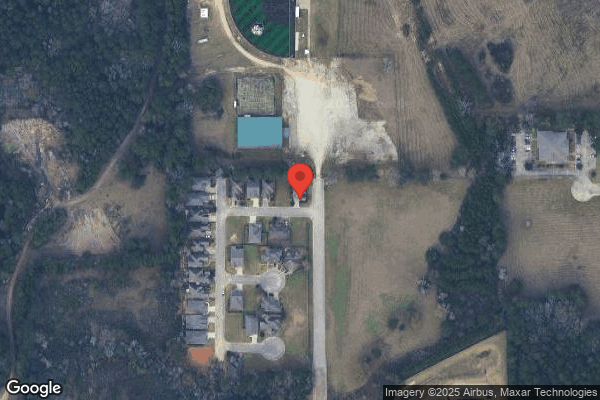

301 WEST PARK DRIVE, LIVINGSTON, TX 77351 (936) 328-5021
For profit - Limited Liability company 125 Beds CANTEX CONTINUING CARE Data: November 2025
Trust Grade
70/100
#352 of 1168 in TX
Last Inspection: August 2025

Inspected within the last 6 months. Data reflects current conditions.

Overview

The Bradford at Brookside has a Trust Grade of B, indicating it is a good and solid choice among nursing homes. It ranks #352 out of 1168 facilities in Texas, placing it in the top half, and #2 out of 4 in Polk County, meaning only one local option is superior. However, the facility's trend is concerning as the number of issues reported has worsened from 5 in 2024 to 12 in 2025. Staffing is a weakness, with only 2 out of 5 stars and a turnover rate of 50%, which is average for Texas, indicating staff may not be as stable as desired. Although there are no fines on record, which is good, the facility faces challenges, such as hiring a social worker who was not licensed, risking unmet needs for residents, and failing to ensure participation in care planning for several residents, which could lead to inadequate care.

Trust Score
B
70/100
In Texas
#352/1168
Top 30%
Safety Record
Low Risk
No red flags
Inspections
Getting Worse
5 → 12 violations
Staff Stability
⚠ Watch
50% turnover. Above average. Higher turnover means staff may not know residents' routines.
Penalties
✓ Good
No fines on record. Clean compliance history, better than most Texas facilities.
Skilled Nurses
⚠ Watch
Each resident gets only 14 minutes of Registered Nurse (RN) attention daily — below average for Texas. Fewer RN minutes means fewer trained eyes watching for problems.
Violations
⚠ Watch
29 deficiencies on record. Higher than average. Multiple issues found across inspections.
★★★★☆
4.0
Overall Rating
★★☆☆☆
2.0
Staff Levels
★★★★☆
4.0
Care Quality
★★★★☆
4.0
Inspection Score
Stable
2024: 5 issues
2025: 12 issues

The Good

  • 4-Star Quality Measures · Strong clinical quality outcomes
  • Full Sprinkler Coverage · Fire safety systems throughout facility
  • No fines on record

Facility shows strength in quality measures, fire safety.

The Bad

Staff Turnover: 50%

Near Texas avg (46%)

Higher turnover may affect care consistency

Chain: CANTEX CONTINUING CARE

Part of a multi-facility chain

Ask about local staffing decisions and management

The Ugly 29 deficiencies on record

Aug 2025 8 deficiencies
CONCERN (D) 📢 Someone Reported This

A family member, employee, or ombudsman was alarmed enough to file a formal complaint

Potential for Harm - no one hurt, but risky conditions existed

Resident Rights (Tag F0550)

Could have caused harm · This affected 1 resident

**NOTE- TERMS IN BRACKETS HAVE BEEN EDITED TO PROTECT CONFIDENTIALITY** Based on interview and record review the facility failed to treat each resident with respect and dignity and care for each resid...

Read full inspector narrative →
**NOTE- TERMS IN BRACKETS HAVE BEEN EDITED TO PROTECT CONFIDENTIALITY** Based on interview and record review the facility failed to treat each resident with respect and dignity and care for each resident in a manner and in an environment that promotes maintenance or enhancement of his or her quality of life, recognizing each resident's individuality for 1 of 18 Residents (Resident #7) who were reviewed for dignity. The facility failed to ensure LVN J spoke to Resident #7 in a way that promoted his dignity and self-worth. The failure could place residents at risk of decline in their sense of dignity level of satisfaction with life and feeling of self-worth. The findings included: Record review of Resident #7's face sheet dated 08/26/25 indicated he was admitted on [DATE] and readmitted [DATE]. He was [AGE] years old with diagnoses of dementia, and cancer of the esophagus. Record review of Resident #7's Annual MDS assessment dated [DATE] indicated he had a BIMS of 14 which indicated that his cognition was intact. He was not getting his antianxiety medication. Record review of the investigation worksheet for Resident #7's dated 07/30/25 indicated the allegation was made on 7/30/25 at 2:30 p.m. and was reported to state on 07/30/25 at 4:30 p.m. Record review of Resident #7's Provider Investigation Report dated 07/30/25 indicated Resident #7 said LVN J was arguing with him about his medication, then she called him stupid. The DON at that time (ex-employee) assessed the resident with no injuries. Resident #7 said he had no more concerns. The nurse was sent home pending the investigation. The facility called the physician and family member. The physician reordered the resident's lorazepam 0.5 mg. The facility interviewed the other residents on the hall with safe interviews, and no other residents had issue with this nurse. The findings indicated inconclusive for the allegation of abuse. The nurse was terminated for being unprofessional and her conduct was not the facility's policy. Record review of the witness statement dated 07/31/25 indicated CNA H said LVN J asked her to come to Resident #7's room with her. The statement indicated LVN J told the resident his medication had been discontinued. The resident told LVN J he felt like he was having withdrawals and when could he get his medication. LVN J said that was a stupid thing to say telling the resident he could not have withdrawals from that medication. CNA H said Resident #7 became upset and LVN J just walked out. The witness indicated she apologized to Resident #7 for the nurse actions and immediately reported the incident to the interim DON and the new Administrator. During a phone interview on 08/27/25 at 11:15 a.m., LVN J said Resident #7 was yelling and cursing at her. She said, You know he was drug seeking. She denied calling the resident stupid. LVN J said the medication had been discontinued. She said she did not call the resident's physician about the resident saying he thought he was having withdrawals. During a phone interview on 08/27/25 at 12:30 p.m., CNA H said she remembered the incident between LVN J and Resident #7. She said she answered Resident #7's call light, and he wanted medication, so she reported that to LVN J. She said LVN J asked her to come to the room to be a witness. She said Resident #7 was not rude to LVN J and he was trying to explain to the nurse that he thought he was having withdrawals from the medication being discontinued. She said LVN J told Resident #7 that was a stupid thing to say. CNA H said the resident was not rude and did not curse at LVN J; however, she was unprofessional and rude to the resident. CNA H said it was verbal abuse, and she had been trained to report, so she went to Administrator and reported. During a phone interview 08/27/25 at 1:00 p.m., the Resident #7's family said he was in the hospital for his GI and esophagus. His family said the resident said the nurse was rude on 07/30/25. She said she had talked to her with an attitude before, but she did not report it. She said she was proud of the CNA that reported the incident. She said the facility should be homelike and no one should be rude and unprofessional. She said that was not severe verbal abuse; however, it was verbal abuse. Record review of Resident #7's physician orders date August 2025 indicated lorazepam 0.5 mg was restarted on 07/30/25. Record review of the alleged perpetrator's LVN J employee file indicated a hire date of 03/04/25, all the pre-hire checks were done, and her nurse license was current. The file contained her completed orientation for abuse on hire. During an interview on 08/27/25 at 10:10 a.m., the Administrator said LVN J was terminated on 07/31/25 due to her behavior of being rude to a resident which went against their policies. During an interview on 08/27/25 at 10:45 a.m., the DON said her expectation was for all the residents to be free of verbal and physical abuse. She said she was not the DON on 07/30/25; however, she would not stand for the residents to be verbally abused and said she had zero tolerance for the resident to be spoke to like that. Record review of the Abuse Protocol dated June 2013 indicated 1. Our facility will not condone Patient abuse, neglect, mistreatment or misappropriation of patient property (collectively Patient Abuse by anyone, including staff member, other patients, consultants, volunteers, guardians, sponsors, friends or other individuals. 6. C. Verbal abuse is defined as any use of oral, written or gestured language that includes disparaging [to criticize or belittle someone] and derogatory [critical or disrespectful] terms to patients or their families, or within their hearing distance to describe patients, regardless of their age, ability to comprehend, or disability.
CONCERN (D)

Potential for Harm - no one hurt, but risky conditions existed

Notification of Changes (Tag F0580)

Could have caused harm · This affected 1 resident

**NOTE- TERMS IN BRACKETS HAVE BEEN EDITED TO PROTECT CONFIDENTIALITY** Based on interview and record review, the facility failed to ensure the physician was consulted regarding a need to alter treatm...

Read full inspector narrative →
**NOTE- TERMS IN BRACKETS HAVE BEEN EDITED TO PROTECT CONFIDENTIALITY** Based on interview and record review, the facility failed to ensure the physician was consulted regarding a need to alter treatment for 1 of 18 residents reviewed for notification of changes. (Resident #4) The facility did not consult with Resident #4's physician about the pattern of low blood pressure over multiple days and of the blood pressure medication being held for 5 of 50 opportunities in August 2025. This failure could place residents at risk for complications due to delayed or failed physician intervention. Record review of the face sheet for Resident #4, an [AGE] year-old female, indicated admission to facility on 05/16/2025 with diagnosis including hypertension (high blood pressure). Record review of Resident #4's admission MDS dated [DATE] included diagnoses of coronary artery disease and high blood pressure. Resident #4's BIMS score was 09, indicating moderately impaired cognition. Record review of Resident #4's care plan dated 05/17/2025 indicated altered cardiovascular status related to hypertension. Interventions included monitor for serious side effects related to the medication such as a higher or lower blood pressure than usual, rapid heartbeat, and falling. Record review of Resident #4's physician orders dated 05/19/2025 included metoprolol tartrate 100 mg tablet - Give one tablet twice daily related to hypertension (high blood pressure). Parameters set by the physician were to hold for SBP (top number) less than 110 and/or DBP (bottom number) less than 50 and/or HR less than 50. (SBP refers to the pressure in the arteries when the heart beats and pumps blood throughout the body - diastolic blood pressure refers to the pressure your blood is pushing against your artery walls while the heart muscle rests between beats). Record review of Resident #4's August 2025 MAR included prescribed metoprolol tartrate 100 mg - one tablet by mouth twice daily related to hypertension - hold for SBP less than 110 and/or DBP less than 50 and/or HR less than 50. On the following dates, Resident #4's metoprolol tartrate 100 mg was held and coded as being held due to being outside the prescribed parameters: 08/10/2025 - AM BP 109/55;08/11/2025 - PM BP not documented;08/12/2025 - AM BP not documented;08/13/2025 - AM BP 104/52; and08/21/2025 - AM BP 118/58.Record review of the Nurse Notes dated 08/01/2025 through 08/27/2025 for Resident #4 gave no indication or documentation of physician notification of Resident #4's metoprolol tartrate 100 mg being held on 5 occasions from 08/10/2025 through 08/21/2025. During an interview 08/26/2025 at 3:00 p.m., the DON reviewed Resident #4's August 2025 MAR with the surveyor. The DON acknowledged the metoprolol tartrate 100 mg was documented as held due to the prescribed parameters. She said best practice would be for the nursing staff to notify the physician when medications with parameters were held 3 times, or even immediately. The DON said the potential adverse effects for residents could be dizziness or weakness. The DON said the best practice would be for nursing staff to document in the resident's electronic record when notifying physician of medications being held. During an interview on 08/27/2025 at 9:15 a.m., the RDCS said her expectation was for the physician to be notified each time a resident's medications were held. She said notification must have been overlooked. She said possible negative effects to a resident could be their BP going lower, possibly leading to falls, injuries, or dizziness. During an interview on 08/27/2025 at 2:12 p.m., MA G said they verbally informed the nurses when any medication was held or refused. When BP medications were withheld, they rechecked the BP prior to informing the nurse. MA G said the nurses then would assess the residents. During an interview on 08/27/2025 at 2:30 p.m., LVN B said the MAs were to report to them when medications were held or refused by residents. She said she was unaware Resident #4's metoprolol had been held when outside prescribed parameters. LVN B said when reported to the nurses, they would assess the resident and notify physician when warranted. Record review of policy dated January 2024 titled Physician Notification indicated the following: . It is the responsibility of the nursing staff to observe change, make an assessment, and notify the physician as indicated based on the assessment. The nurse will notify the physician of any change in condition.
CONCERN (D)

Potential for Harm - no one hurt, but risky conditions existed

Deficiency F0583 (Tag F0583)

Could have caused harm · This affected 1 resident

**NOTE- TERMS IN BRACKETS HAVE BEEN EDITED TO PROTECT CONFIDENTIALITY** Based on observation, interview, and record review, the facility failed to maintain personal privacy during delivery of personal...

Read full inspector narrative →
**NOTE- TERMS IN BRACKETS HAVE BEEN EDITED TO PROTECT CONFIDENTIALITY** Based on observation, interview, and record review, the facility failed to maintain personal privacy during delivery of personal care and services to 1 of 18 residents (Resident #47) reviewed for privacy. The facility failed to provide Resident #47 with a privacy curtain that would close completely. This failure could place residents at risk of loss of dignity due to lack of privacy. Findings included: Record review of the face sheet dated 08/27/25 indicated Resident #47 was a [AGE] year-old female admitted to the facility on [DATE]. Her diagnosis included chronic obstructive pulmonary disease (a group of lung diseases that block airflow and make it difficult to breathe) and anxiety disorder (a mental health disorder characterized by feelings of worry, anxiety, and fear that are strong enough to interfere with daily living). Record review of the care plan dated 04/03/25 indicated Resident #47 required assistance with ADLs and to turn and reposition every 2 hours related to her terminal illness. Record review of the quarterly MDS dated [DATE] indicated Resident #47 had a BIMS score of 9 indicating she had moderate cognitive impairment, was dependent for personal hygiene and toileting, and was always incontinent of bladder and bowel. During an observation and interview on 08/25/25 at 10:10 a.m., Resident #47 was in bed in her room with Hospice CNA E at her bedside. Hospice CNA E said Resident #47 had no privacy. She said she had told the nurses and CNAs at the facility that her privacy curtain would not close, and nothing had been done to fix the curtain. She then pulled the privacy curtain and when extended completely it left an approximate 3-foot open gap. The curtain was too short to close completely. Resident #47 said she would be more comfortable during her bed baths if her privacy curtain shut all the way. She said she got embarrassed when people came in the room when she was receiving a bed bath or personal care because the curtain didn't close, and she was afraid someone would see her. She said it had been too short for a long time, but she was not sure if she ever told anyone. She said facility staff had seen that it was too short, so she thought they knew. During an interview on 08/26/25 at 2:25 p.m., CNA F said she usually provided care for Resident #47. She said she knew that the privacy curtain was not long enough to close all the way. She said when she provided personal care to Resident #47 that she just tried to position the curtain for the least exposure of the resident. CNA F said she had never reported to anyone that Resident #47's privacy curtain did not close. During an observation and interview on 08/26/25 at 3:30 p.m., the DON viewed Resident #47's privacy curtain and said it was too short to close. She said no one had ever reported the issue to her or the facility and she would have the curtain replaced immediately. She said she expected all residents to have privacy during personal care and for staff to report any issues that prevented providing residents with privacy. During an interview on 08/26/25 at 3:34 p.m., the Administrator said he would make sure that Resident #47's privacy curtain was replaced. He said protecting every resident's privacy was important to the resident and the facility. During an interview on 08/26/25 at 4:25 p.m., Resident #47 said the facility had hung a new privacy curtain and it closed all the way around. She said she was happy to have her new curtain. During an interview on 08/27/25 at 1:27 p.m., the DON said no staff or outside vendor had ever reported that Resident #47's privacy curtain was too short to close. She said all staff should pull the privacy curtain closed and shut the door to the room when providing personal care to a resident. She said she expected all staff to protect the privacy and safety of all residents. She said all staff had been trained on resident rights and privacy. She said staff or the outside vender should have reported that Resident #47's privacy curtain would not close. Record review of a facility policy titled Confidentiality of Information and Personal privacy, last revised October 2017, indicated . Our facility will protect and safeguard resident confidentiality and personal privacy. 2. The facility will strive to protect the resident's privacy regarding his or her: d. personal care.
CONCERN (D)

Potential for Harm - no one hurt, but risky conditions existed

Assessment Accuracy (Tag F0641)

Could have caused harm · This affected 1 resident

**NOTE- TERMS IN BRACKETS HAVE BEEN EDITED TO PROTECT CONFIDENTIALITY** Based on observation, interview and record review the facility failed to ensure resident assessments accurately reflected the re...

Read full inspector narrative →
**NOTE- TERMS IN BRACKETS HAVE BEEN EDITED TO PROTECT CONFIDENTIALITY** Based on observation, interview and record review the facility failed to ensure resident assessments accurately reflected the resident's status for 1 of 18 resident (Resident #2) reviewed for accuracy of assessments. The facility failed to accurately complete the MDS assessment to indicate Resident #2's tobacco use. This failure could place residents at risk of not receiving the appropriate care and services to maintain their highest level of well-being. Findings include: Record review of Resident #2's face sheet, dated 08/25/25, indicated a [AGE] year-old female who was admitted to the facility on [DATE] and readmitted [DATE]. Resident #2 had diagnoses which included chronic obstructive pulmonary disease (group of lung diseases that block airflow and make it difficult to breathe). Record review of a Smoking safety screen, dated 07/25/25, indicated Resident #2 was safe to smoke without supervision but would be supervised per facility policy. Record review of Resident #2's care plan, initiated 07/24/25, indicated Resident #2 was a smoker at risk of injury with interventions that included staff would store and distribute the resident's smoking materials and monitor. Record review of Resident #2's admission MDS assessment, dated 07/31/25, indicated Resident #2 was not marked for current tobacco use during the assessment period. The assessment indicated Resident #2 had a BIMS score of 13 of 15, which indicated intact cognition with a diagnosis of chronic obstructive pulmonary disease. During an interview on 08/25/25 at 8:00 a.m., Resident #2 said she smoked cigarettes, multiple times a day. She said staff kept her smoking supplies and monitored her while she smoked. During an interview and observation on 08/26/25 at 3:10 p.m., Resident #2 was sitting in her wheelchair smoking a cigarette during smoking break that was observed lit by staff, and she was monitored during the smoking episode. Resident #2 said she smoked daily since admission and the staff kept her smoking supplies, lit her cigarette and monitored during her smoking time. During an interview on 08/26/25 at 3:25 p.m., LVN B said she was providing care for Resident #2 today (08/26/25) and Resident #2 smoked daily. She said the staff kept her smoking supplies and monitored her during smoking times. LVN B said MDS Nurse A was responsible for all MDSs in the facility and smoking should be documented on the MDS assessment. During an interview on 08/26/25 at 3:25 p.m., MDS nurse A said she was responsible for all MDSs in the facility. She said MDS Nurse D came twice a week and helped with some MDSs. She said the backup was the Regional Case Manager that did some random checks on random MDSs. MDS Nurse A said she was educated on completion of MDS and received frequent update trainings. MDS Nurse A said Resident #2 smoked daily and should have been marked as tobacco use on the MDS. She said she overlooked it. MDS Nurse A said the resident risk of a resident that used tobacco not marked on the MDS was the MDS did not provide an accurate picture of the resident, no resident risk. She said the facility follows the RAI (Resident Assessment Instrument, a process for evaluating residents in nursing home) for a facility policy. During an interview on 08/26/25 at 3:30 p.m., the DON said MDS A was responsible for all MDSs in the facility and the Regional Case Manager was the backup which did random checks on MDS. She said the MDS nurses were educated on completion of MDSs. The DON said Resident #2's MDS was overlooked and not marked for tobacco use. She said there was no resident risk of tobacco use not marked on an MDS for a resident that used tobacco. She said the MDS was just not accurate. The DON said her expectation was all MDS completed accurately. During an interview on 08/26/25 at 3:40 p.m., the Administrator said MDS Nurse A was responsible for all MDSs in the facility and educated on completion of MDSs. He and the Regional Case Manager was the backup that completed random checks on MDS. The Administrator said Resident #2's MDS was overlooked and not marked for tobacco use. He said there was no resident risk of tobacco use not marked on an MDS for a resident that used tobacco He said the MDS was not accurate. The Administrator said his expectation was all MDS completed accurately. Attempted interview on 08/26/25 at 4:00 p.m., with Regional Case Manager with no return call. Record review of the Long-Term Care Facility Resident Assessment Instrument 3.0 User's Manual, dated October 2024, indicated . J1300: Current Tobacco Use . Steps for Assessment 1. Ask the resident if they used tobacco in any form during the 7-day look-back period. 2. If the resident states that they used tobacco in some form during the 7-day look-back period, code 1. Yes. Coding Instructions, Code, no: if there are no indications that the resident used any form of tobacco. Code 1, yes: if the resident or any other source indicates that the resident used tobacco in some form during the look-back period.
CONCERN (D)

Potential for Harm - no one hurt, but risky conditions existed

Respiratory Care (Tag F0695)

Could have caused harm · This affected 1 resident

**NOTE- TERMS IN BRACKETS HAVE BEEN EDITED TO PROTECT CONFIDENTIALITY** Based on observation, interview and record review, the facility failed to ensure that residents who needed respiratory care were...

Read full inspector narrative →
**NOTE- TERMS IN BRACKETS HAVE BEEN EDITED TO PROTECT CONFIDENTIALITY** Based on observation, interview and record review, the facility failed to ensure that residents who needed respiratory care were provided such care consistent with professional standards of practice, the comprehensive person-centered care plan, and the resident's goals and preferences for 1 of 2 (Resident #67) residents reviewed for respiratory care with tracheostomy. The facility failed to ensure Resident #67's oxygen was administered at the correct setting of 4-6 liters per minute on 08/25/25 as ordered by the physician. This failure could place residents who receive oxygen at an increased risk for receiving oxygen at the wrong rate which could lead to hypercapnia (too much carbon dioxide in the blood), pulmonary oxygen toxicity (damage to the lung lining tissues and air sacs), hypoxemia (low levels of oxygen in the blood, decreasing the oxygen supply to vital organs), and shortness of breath.Record review of Resident #67's face sheet indicated she was readmitted [DATE] was [AGE] years old with diagnoses which included acute respiratory failure with hypoxia, chronic obstructive pulmonary disease and heart failure. Record Review of Resident #67's admission Minimum Data Set assessment dated [DATE] indicated she received continuous oxygen therapy and received tracheostomy care. Resident #67's was rarely/never understood. Record review of Resident #67's comprehensive care plan dated 08/12/25 indicated Resident #67 had oxygen therapy related to acute respiratory failure with hypoxia. The interventions included provide oxygen as ordered. Record review of Resident #67 's physician's orders dated August 2025 indicated her orders included oxygen at 4-6 LPM per oxygen concentrator via trach with start date of 08/12/25. Trach - Air Compressor every day and night shift with Setting = 60 PSI start date of 08/06/25. During an observation on 08/25/25 at 8:30 a.m., revealed Resident #67 was in her bed and was receiving O2 at 8 LPM via oxygen concentrator per her tracheostomy. The air compressor was set on 40 PSI. During an interview and observation on 08/25/25 at 2:38 p.m., LVN B and LVN C checked Resident #67's orders in the computer, after surveyor intervention. LVN B and LVN C said the O2-concentrator setting should have been between 4-6 LPM per the concentrator not 8 LPM. LVN B changed the setting on the air compressor to 60 PSI. LVN C turned the concentrator to 6LPM. LVN B and LVN C said they had been trained on administering oxygen. They said they knew to follow the physician's orders to ensure the residents received the right amount of oxygen to prevent complications like low oxygen saturation. LVN C checked Resident #67's O2 saturation and said Resident #67 was at 94%. LVN B said they were both responsible however she said LVN C was in training. During an interview on 08/26/25 at 2:10 p.m., the DON said she wanted the nurses to follow the physician's orders. She said the resident could not receive enough oxygen, if the concentrator settings were not followed as per doctor's orders. Record review of the policy on Oxygen Administration dated October 2010 indicated Purpose The purpose of this procedure is to provide guidelines for safe oxygen administration. Preparation 1. Verify that there is a physician's order for this procedure.
CONCERN (D)

Potential for Harm - no one hurt, but risky conditions existed

Pharmacy Services (Tag F0755)

Could have caused harm · This affected 1 resident

**NOTE- TERMS IN BRACKETS HAVE BEEN EDITED TO PROTECT CONFIDENTIALITY** Based on interview and record review, the facility failed to provide pharmaceutical services to ensure the accurate administrati...

Read full inspector narrative →
**NOTE- TERMS IN BRACKETS HAVE BEEN EDITED TO PROTECT CONFIDENTIALITY** Based on interview and record review, the facility failed to provide pharmaceutical services to ensure the accurate administration of medications for 1 of 18 residents reviewed for medication administration. (Resident #3)The facility failed to follow the physician's orders related to blood pressure medication and did not administer a PRN medication for Resident #3. This failure could place the residents at risk of not receiving necessary medications and a decline in health. Record review of the face sheet for Resident #3, indicated a [AGE] year-old male, with a readmission date of 07/27/2025 with diagnoses including hypertension (high blood pressure) and anxiety disorder. Record review of Resident #3's Quarterly MDS dated [DATE] indicated a BIMS of 14 indicating cognition intact. Diagnoses included high blood pressure and anxiety disorder. Record review of Resident #3's comprehensive care plan dated 03/03/2025 indicated diagnosis of hypertension. Interventions included to administer medication as ordered; monitor for serious side effects related to the medication such as a higher or lower blood pressure than usual. Record review of the physician's orders dated August 2025 indicated Resident #3 was prescribed clonidine HCl 0.2 mg. Instructions included to give 1 tablet by mouth every 8 hours PRN for BP if the SBP (top number) was over 160. (SBP refers to the pressure in the arteries when the heart beats and pumps blood throughout the body - diastolic blood pressure refers to the pressure your blood is pushing against your artery walls while the heart muscle rests between beats).Record review of Resident #3's MAR dated August 2025 indicated on the following dates and times, Resident #3's BP was elevated above the prescribed parameters and clonidine had not been administered as prescribed:*08/05/2025 at 09:00 a.m., BP was 184/78; *08/07/2025, at 09:00 a.m., BP was 166/98;*08/07/2025, at 09:00 p.m., BP was 167/90;*08/08/2025, at 09:00 p.m., BP was 168/88;*08/09/2025, at 09:00 a.m., BP was 161/82;*08/15/2025, at 09:00 a.m., BP was 164/78;*08/19/2025, at 09:00 a.m., the BP was 166/89;*08/23/2025, at 09:00 a.m., the BP was 182/79; and *08/24/2025, at 09:00 a.m., the BP was 165/89. During an interview on 08/26/2025 at 3:00 p.m., the DON said her expectations were for the LVNs to administer all medications as prescribed by the physician. The DON said Resident #3 should have received the clonidine at the time when the BP was over the parameters set by the physician. The DON said possible adverse effects of not receiving medications as prescribed included risk of a stroke or BP could go higher. During an interview on 08/27/2025 at 02:12 p.m., MA G said the MAs do not give PRN medications. She said the nurses gave all the PRN medications. MA G said she was unaware of the clonidine order because it would be on the nurse MAR and not the MA MAR.During an interview on 08/27/2025 at 2:30 p.m., LVN B said she had been unaware of Resident #3's SBP being elevated above 160. She said the MAs normally reported abnormal BPs to the nurses and the nurses would assess and/or medicate as needed. She added she would start asking the MAs about any BPs out of range. Review of the facility policy dated December 2012 titled Administering Medications indicated. Medications shall be administered in a safe and timely manner, and as prescribed. 3. Medications must be administered in accordance with the orders, including any required time frame.
CONCERN (D)

Potential for Harm - no one hurt, but risky conditions existed

Deficiency F0760 (Tag F0760)

Could have caused harm · This affected 1 resident

**NOTE- TERMS IN BRACKETS HAVE BEEN EDITED TO PROTECT CONFIDENTIALITY** Based on interviews and record review, the facility failed to ensure residents were free of any significant medication errors fo...

Read full inspector narrative →
**NOTE- TERMS IN BRACKETS HAVE BEEN EDITED TO PROTECT CONFIDENTIALITY** Based on interviews and record review, the facility failed to ensure residents were free of any significant medication errors for 1 of 18 residents reviewed for medication administration. (Resident #3).The facility failed to ensure clonidine 0.2 mg (used to lower blood pressure) was administered to Resident #3 as ordered from 08/01/2025 - 08/27/2025. (there were 9 opportunities) This failure could place residents at risk for not receiving medications as ordered by their physician. Record review of the face sheet for Resident #3, indicated a [AGE] year-old male, with a readmission date of 07/27/2025 with diagnoses including hypertension (high blood pressure) and anxiety disorder. Record review of Resident #3's Quarterly MDS dated [DATE] indicated a BIMS of 14 indicating cognition intact. Diagnoses included high blood pressure and anxiety disorder. Record review of Resident #3's comprehensive care plan dated 03/03/2025 indicated diagnosis of hypertension. Interventions included to administer medication as ordered; monitor for serious side effects related to the medication such as a higher or lower blood pressure than usual. Record review of the physician's orders dated August 2025 indicated Resident #3 was prescribed clonidine HCl 0.2 mg. Instructions included to give 1 tablet by mouth every 8 hours PRN for BP if the SBP (top number) was over 160. (SBP refers to the pressure in the arteries when the heart beats and pumps blood throughout the body - diastolic blood pressure refers to the pressure your blood is pushing against your artery walls while the heart muscle rests between beats).Record review of Resident #3's MAR dated August 2025 indicated on the following dates and times, Resident #3's BP was elevated above the prescribed parameters and clonidine had not been administered as prescribed:*08/05/2025 at 09:00 a.m., BP was 184/78; *08/07/2025, at 09:00 a.m., BP was 166/98;*08/07/2025, at 09:00 p.m., BP was 167/90;*08/08/2025, at 09:00 p.m., BP was 168/88;*08/09/2025, at 09:00 a.m., BP was 161/82;*08/15/2025, at 09:00 a.m., BP was 164/78;*08/19/2025, at 09:00 a.m., the BP was 166/89;*08/23/2025, at 09:00 a.m., the BP was 182/79; and *08/24/2025, at 09:00 a.m., the BP was 165/89. During an interview on 08/26/2025 at 1:00 p.m., Resident #3 said he had prescriptions for blood pressure medications. He said he had experienced no ill effects such as dizziness, headaches, or light-headedness. He said he does not know when blood pressure was elevated. During an interview on 08/26/2025 at 3:00 p.m., the DON said her expectations were for the LVNs to administer all medications as prescribed by the physician. The DON said Resident #3 should have received the clonidine at the time when the BP was over the parameters set by the physician. The DON said possible adverse effects of not receiving medications as prescribed included risk of a stroke or BP could go higher.During an interview on 08/27/2025 at 02:12 p.m., MA G said the MAs do not give PRN medications. She said the nurses gave all the PRN medications. MA G said she was unaware of the clonidine order because it would be on the nurse MAR and not the MA MAR. During an interview on 08/27/2025 at 2:30 p.m., LVN B said she had been unaware of Resident #3's SBP being elevated above 160. She said the MAs normally reported abnormal BPs to the nurses and the nurses would assess and/or medicate as needed. She added she would start asking the MAs about any BPs out of range. LVN B said Resident #3 had not exhibited any adverse effects of not receiving the clonidine, nor voiced any concerns that she was aware of. Review of the facility policy dated December 2012 titled Administering Medications indicated. Medications shall be administered in a safe and timely manner, and as prescribed. 3. Medications must be administered in accordance with the orders, including any required time frame.
CONCERN (E)

Potential for Harm - no one hurt, but risky conditions existed

Social Worker (Tag F0850)

Could have caused harm · This affected multiple residents

Based on interview and record review, the facility failed to ensure the social worker had the required qualifications for 1 of 1 facility reviewed for social worker qualifications. The Social Worker h...

Read full inspector narrative →
Based on interview and record review, the facility failed to ensure the social worker had the required qualifications for 1 of 1 facility reviewed for social worker qualifications. The Social Worker hired on 12/09/2024, as a full-time social worker was not licensed by the Texas State Board of Social Worker Examiners. This failure could place all residents at risk for unmet social services and psychosocial needs.Record review of an employee file on 08/27/2025 indicated the SW was not a licensed social worker and held a bachelor's degree in social work. The facility hired her as a social worker on 12/09/2024. Review of the facility's January 2017 job description for the Social Worker position indicated Qualifications: Minimum of a bachelor's degree in social work or in human services fields. Licensed per state requirements or eligible for licensure. Record review of the ASWB licensure examinations website dated 08/28/2025, indicated the following process: To become a licensed social worker in Texas, you must earn a CSWE-accredited degree in social work, complete a Texas specific jurisprudence exam, pass the relevant Association of Social work boards (ASWB) exam, undergo a fingerprint background check, and fulfill supervised practice hours for clinical licenses, all while applying through the Texas Board of Social Worker Examiners (part of the Texas Behavioral Health Executive Council) to maintain your license. During an interview on 08/27/2025 at 12:00 p.m., the Administrator said the SW had been employed at the facility since December 2024. The Administrator said the SW had a bachelor's degree in social work and had been preparing to take the licensure exam. He said currently, the SW was not licensed. The administrator said the facility employed a licensed social worker on a PRN basis, and so she was not assigned to oversee the current social worker. During an interview on 08/27/2025 at 1:00 p.m., the SW said she had passed the ASWB examination and had taken the required fingerprint background check. The SW said she had not taken the SW Jurisprudence Exam. The SW said some of her duties included participating in care plan meetings with residents and family, promotes resident rights, provides individual and group help for residents and/or family at times of adjustment, crisis or particular needs. Record review of a Certificate of Completion - Texas State Board of SW Examiners Jurisprudence Exam awarded to [SW] in recognition of having successfully completed online examination dated 08/27/2025 (after surveyor intervention).
May 2025 3 deficiencies
CONCERN (D) 📢 Someone Reported This

A family member, employee, or ombudsman was alarmed enough to file a formal complaint

Potential for Harm - no one hurt, but risky conditions existed

Deficiency F0557 (Tag F0557)

Could have caused harm · This affected 1 resident

**NOTE- TERMS IN BRACKETS HAVE BEEN EDITED TO PROTECT CONFIDENTIALITY** Based on observation, interview and record review the facility failed to ensure residents had the right to be treated with respe...

Read full inspector narrative →
**NOTE- TERMS IN BRACKETS HAVE BEEN EDITED TO PROTECT CONFIDENTIALITY** Based on observation, interview and record review the facility failed to ensure residents had the right to be treated with respect and dignity for 1 of 6 residents reviewed for resident rights. (Resident #1) The facility failed to ensure CNA C did not put her fingers in Resident #1's face. This failure could cause the resident to be distressed and could cause residents to feel disrespected. Findings included: Record review of Resident #1 face sheet dated 05/19/25 indicated a [AGE] year-old female initially admitted to the facility on [DATE]. Resident #1 had diagnoses including alzheimer's disease (a progressive disease that destroys memory and other important mental functions), cerebral infarction (occurs when blood flow to the brain is blocked, causing brain tissue to die), anxiety disorder, dysphagia following cerebral infarction (difficulty swallowing), dysphagia oral phase (difficulty with the initial stages of swallowing) and schizophrenia (a disorder that affects a person's ability to think feel, and behave clearly). Record review of Resident #1's quarterly MDS assessment dated [DATE] indicated Resident #1 was rarely understood and usually understood others. No BIMS assessment was performed on Resident #1. Resident #1 required moderate assistance for oral hygiene and eating. Resident #1was dependent with toileting hygiene, personal hygiene, and shower/bathe self. Resident #1 was always incontinent to bowel and bladder. Record review of Resident #1's care plan dated 04/17/25 indicated: Resident #1 had impaired cognitive function/dementia or impaired thought process. Interventions: administer medications as ordered. Monitor/document for side effects and effectiveness. Ask yes/no questions in order to determine the resident's needs. Communicate with the resident, family and caregiver regarding resident's capabilities and needs. During an interview on 5/19/25 at 9:47 A.M., Family Member #1 said she had a video of aides putting their fingers in her family member mouth. She said the aides that was putting their fingers in her family member's mouth was CNA C and CNA E. She said after watching the video she did not know what the reasoning was for the aides putting their fingers in her family member's face. She said when she watched the video 3 days later after the incident happened it was disturbing to see them doing this to her family member. She said later she had a conversation with CNA C. Family Member #1 said she liked to laugh and joke with her family member. Family Member #1 said she told CNA C she thought they were laughing at her family member. She said she did not speak to CNA C until a month ago about the incident, because management removed her and CNA E from her family member's hall. She said one day she spoke to CNA C and CNA C told her she had thought about what she did to her family member a couple months ago and that was not right, so she apologized for her behavior. During an observation and interview on 5/19/25 at 12:47 P.M., Resident #1 was lying in bed watching T.V. Resident #1 said she was comfortable. During an observation on 5/20/25 at 8:25 A.M., the surveyor received a video from Family Member #1 via text message. Surveyor observed CNA E and CNA C preparing to perform incontinent care for Resident #1 as she laid in bed. As Resident #1 was laid in bed CNA C kept putting her fingers in Resident #1's face continuously. After several attempts of putting her fingers in Resident #1's face, Resident #1 tried to bite CNA C fingers. The footage clearly showed Resident #1 was agitated and CNA C stopped putting her fingers in her face afterwards. During an interview on 5/20/25 at 8:46 A.M., the Interim DON said he did not believe Resident #1's behaviors were due to how staff were treating her. He said he had observed the CNA's take care of her on a daily basis. The Surveyor showed the Interim DON video footage from Resident #1's camera. After watching the video of CNA C providing care to Resident #1, he said, it was not appropriate for CNA C to place her hands in the resident's face. During an interview on 5/20/25 at 9:07 A.M., the Regional Director of Clinical Services asked to see the video footage from Resident #1's camera. She said it was not appropriate for CNA C to put her hands in a Resident #1's face. During an interview on 5/20/25 at 9:45 A.M., CNA C said she was playing with Resident #1 when she put her fingers in Resident #1's face. She said everyday was different with her Resident #1. She said she did not play with her anymore since she found out she had dementia (a group of thinking and social symptoms that interferes with daily functioning). CNA C said she did not feel like it was appropriate behavior for her to put her fingers close to Resident #1's mouth. She said once the family member got involved, she apologized to her for her actions with her Resident #1. She said she was a new CNA when she did that. During an interview on 5/21/25 at 9:38 A.M., LVN A said she felt like staff putting their fingers in a resident's face was inappropriate. She said she would not do that to a resident. She said a staff member putting their fingers in a resident's face could affect their dignity. She said she would not want anyone to put their hands in her face. During an interview on 5/21/25 at 10:01 A.M., the Interim DON said the video could have been interpreted in a different way that might lead someone to think that CNA C was trying to distract Resident #1 from not fighting. He said he had not spoken to CNA C. He said he saw CNA C's fingers in Resident #1's face, but he could not hear anything from the video. He said CNA C putting her fingers in Resident #1 face could affect her dignity and her trying to bite the CNA's finger was a way to express she did not like her putting her fingers in her face. He said the facility was going to do in servicing on resident rights with all staff. During an interview on 5/21/25 at 10:30 A.M., the Regional Director of Clinical Services said she did not speak to CNA C to know the intention of the video, but what she saw she thought was CNA C was being playful with the resident, until the resident tried to bite the staff. She said that was clearly an indication that the resident did not like the staff members fingers in her face. She said that behavior could affect the residents' dignity. She said the facility would do trainings over dignity to ensure that type of behavior was not happening in the facility. She said she would not feel comfortable with staff putting their fingers in her face. Record review of the facility's policy on Resident Rights revised December 2016 indicated: Employees shall treat all residents with kindness, respect, and dignity. 1.Federal and state laws guarantee certain basic rights to all residents of this facility. These rights include the resident's right to: .a. a dignified existence; .b.be treated with respect, kindness, and dignity.
CONCERN (D) 📢 Someone Reported This

A family member, employee, or ombudsman was alarmed enough to file a formal complaint

Potential for Harm - no one hurt, but risky conditions existed

Free from Abuse/Neglect (Tag F0600)

Could have caused harm · This affected 1 resident

**NOTE- TERMS IN BRACKETS HAVE BEEN EDITED TO PROTECT CONFIDENTIALITY** Based on observation, interview, and record review, the facility failed to ensure residents were free from abuse for 1 of reside...

Read full inspector narrative →
**NOTE- TERMS IN BRACKETS HAVE BEEN EDITED TO PROTECT CONFIDENTIALITY** Based on observation, interview, and record review, the facility failed to ensure residents were free from abuse for 1 of residents (Resident #1) reviewed for resident abuse. The facility failed to ensure Resident #1 was free from abuse when CNA C put her fingers in Resident #1's face. This failure could cause the residents at risk of disrespect, mental anguish, and/or emotional distress. Findings included: Record review of Resident #1 face sheet dated 05/19/25 indicated a [AGE] year-old female initially admitted to the facility on [DATE]. Resident #1 had diagnoses including alzheimer's disease (a progressive disease that destroys memory and other important mental functions), cerebral infarction (occurs when blood flow to the brain is blocked, causing brain tissue to die), anxiety disorder, dysphagia following cerebral infarction (difficulty swallowing), dysphagia oral phase (difficulty with the initial stages of swallowing) and schizophrenia (a disorder that affects a person's ability to think feel, and behave clearly). Record review of Resident #1's quarterly MDS assessment dated [DATE] indicated Resident #1 was rarely understood and usually understood others. No BIMS assessment was performed on Resident #1. Resident #1 required moderate assistance for oral hygiene and eating. Resident #1was dependent with toileting hygiene, personal hygiene, and shower/bathe self. Resident #1 was always incontinent to bowel and bladder. Record review of Resident #1's care plan dated 04/17/25 indicated: Resident #1 had impaired cognitive function/dementia or impaired thought process. Interventions: administer medications as ordered. Monitor/document for side effects and effectiveness. Ask yes/no questions in order to determine the resident's needs. Communicate with the resident, family and caregiver regarding resident's capabilities and needs. During an interview on 5/19/25 at 9:47 A.M., Family Member #1 said she had a video of aides putting their fingers in her family member mouth. She said the aides that was putting their fingers in her family member's mouth was CNA C and CNA E. She said after watching the video she did not know what the reasoning was for the aides putting their fingers in her family member's face. She said when she watched the video 3 days later after the incident happened it was disturbing to see them doing this to her family member. She said later she had a conversation with CNA C. Family Member #1 said she liked to laugh and joke with her family member. Family Member #1 said she told CNA C she thought they were laughing at her family member. She said she did not speak to CNA C until a month ago about the incident, because management removed her and CNA E from her family member's hall. She said one day she spoke to CNA C and CNA C told her she had thought about what she did to her family member a couple months ago and that was not right, so she apologized for her behavior. During an observation and interview on 5/19/25 at 12:47 P.M., Resident #1 was lying in bed watching T.V. Resident #1 said she was comfortable. During an observation on 5/20/25 at 8:25 A.M., the surveyor received a video from Family Member #1 via text message. Surveyor observed CNA E and CNA C preparing to perform incontinent care for Resident #1 as she laid in bed. As Resident #1 was laid in bed CNA C kept putting her fingers in Resident #1's face continuously. After several attempts of putting her fingers in Resident #1's face, Resident #1 tried to bite CNA C fingers. The footage clearly showed Resident #1 was agitated and CNA C stopped putting her fingers in her face afterwards. During an interview on 5/20/25 at 8:46 A.M., the Interim DON said he did not believe Resident #1's behaviors were due to how staff were treating her. He said he had observed the CNA's take care of her on a daily basis. The Surveyor showed the Interim DON video footage from Resident #1's camera. After watching the video of CNA C providing care to Resident #1, he said, it was not appropriate for CNA C to place her hands in the resident's face. During an interview on 5/20/25 at 9:07 A.M., the Regional Director of Clinical Services asked to see the video footage from Resident #1's camera. She said it was not appropriate for CNA C to put her hands in a Resident #1's face. During an interview on 5/20/25 at 9:45 A.M., CNA C said she was playing with Resident #1 when she put her fingers in Resident #1's face. She said everyday was different with her Resident #1. She said she did not play with her anymore since she found out she had dementia (a group of thinking and social symptoms that interferes with daily functioning). CNA C said she did not feel like it was appropriate behavior for her to put her fingers close to Resident #1's mouth. She said once the family member got involved, she apologized to her for her actions with her Resident #1. She said she was a new CNA when she did that. During an interview on 5/21/25 at 9:38 A.M., LVN A said she felt like staff putting their fingers in a resident's face was inappropriate. She said she would not do that to a resident. She said a staff member putting their fingers in a resident's face could affect their dignity. She said she would not want anyone to put their hands in her face. During an interview on 5/21/25 at 10:01 A.M., the Interim DON said the video could have been interpreted in a different way that might lead someone to think that CNA C was trying to distract Resident #1 from not fighting. He said he had not spoken to CNA C. He said he saw CNA C's fingers in Resident #1's face, but he could not hear anything from the video. He said CNA C putting her fingers in Resident #1 face could affect her dignity and her trying to bite the CNA's finger was a way to express she did not like her putting her fingers in her face. He said the facility was going to do in servicing on resident rights with all staff. During an interview on 5/21/25 at 10:30 A.M., the Regional Director of Clinical Services said she did not speak to CNA C to know the intention of the video, but what she saw she thought was CNA C was being playful with the resident, until the resident tried to bite the staff. She said that was clearly an indication that the resident did not like the staff members fingers in her face. She said that behavior could affect the residents' dignity. She said the facility would do trainings over dignity to ensure that type of behavior was not happening in the facility. She said she would not feel comfortable with staff putting their fingers in her face. Record review of the facility's policy on Abuse, Neglect, Exploitation and Misappropriation Prevention Program revised April 2021 indicated: Residents have the right to be free from abuse, neglect, misappropriation of resident property and exploitation. This includes but is not limited to freedom from corporal punishment, involuntary seclusion, verbal, mental, sexual or physical abuse, and physical or chemical restraint not required to treat the resident's symptoms . 1. Protect residents from abuse, neglect, exploitation or misappropriation of property by anyone including but not necessarily limited to . a. facility staff . Record review of the facility's policy on Resident Rights revised December 2016 indicated: Employees shall treat all residents with kindness, respect, and dignity. 1.Federal and state laws guarantee certain basic rights to all residents of this facility. These rights include the resident's right to: .a. a dignified existence; .b.be treated with respect, kindness, and dignity.
CONCERN (D) 📢 Someone Reported This

A family member, employee, or ombudsman was alarmed enough to file a formal complaint

Potential for Harm - no one hurt, but risky conditions existed

Pressure Ulcer Prevention (Tag F0686)

Could have caused harm · This affected 1 resident

**NOTE- TERMS IN BRACKETS HAVE BEEN EDITED TO PROTECT CONFIDENTIALITY** Based on observation, interview and record review the facility failed to ensure residents with pressure ulcers received the nece...

Read full inspector narrative →
**NOTE- TERMS IN BRACKETS HAVE BEEN EDITED TO PROTECT CONFIDENTIALITY** Based on observation, interview and record review the facility failed to ensure residents with pressure ulcers received the necessary treatment and services, consistent with professional standards of practice, to promote healing, prevent infection, and prevent new ulcers from developing for 1 of 3 residents (Resident #2) reviewed for pressure injury. The facility failed to ensure the Treatment Nurse measured and adequately documented Resident #2's wound in the EMR when it was initially found on 05/15/2025. These failures could place residents at risk for deterioration of wounds. Findings included: Record review of Resident #2's face sheet dated 05/19/25 indicated a [AGE] year-old female initially admitted to the facility on [DATE]. Resident #2 had diagnoses including major depressive disorder (a serious mental illness characterized by persistently low mood, loss of interest or pleasure in activities, and other symptoms like changes in sleep, appetite and energy), down syndrome (a genetic chromosome 21 disorder causing developmental and intellectual delays) and urinary tract infections (an illness in any part of the urinary tract, the system of organs that makes urine). Record review of Resident #2's quarterly MDS assessment dated [DATE] indicated Resident #2 was rarely understood and usually understood others. No BIMS assessment was conducted for Resident #2 due to severe cognitive impairment. Resident #2 required moderate assistance for oral hygiene, toileting hygiene, shower/bathe self, personal hygiene, roll left and right and sit to lying. Resident #2 was always incontinent of bowel and bladder. Record review of Resident #2's care plan dated 04/24/25 indicated pressure ulcer prevention: assess for appropriate footwear. Encourage out of bed. Therapy disciplines to screen, evaluate, and treat as indicated. Record review of a facility's wound report dated 05/14/25 indicated Resident #2 was not listed on the report. Record review of Resident #2's order summary report dated 05/15/25 indicated wound treatment: collagen every shift, cleanse wound to right gluteal fold with normal saline or skin cleanser. Pat dry. Apply collagen to wound bed. Cover with dry dressing. Record review of Resident #2's progress note dated 05/21/25 by the Treatment Nurse indicated: Skin Issue: #001: Skin issue has been evaluated. Location: Rear right thigh. Additional location information: right gluteal fold. Issue type: Abrasion. Wound acquired in-house. Exact date: 05/15/2025 Signs and symptoms of infection: None. Painful: No. Staged by: In-house nursing. Length (cm): 2.6 Width (cm): 0.4 Depth (cm): 0.1 Undermining: No. Tunneling: No. Epithelial: 100%. Exudate amount: Light. Exudate type: Serous: clear watery fluid, which is separated from solid elements. Odor after cleansing: None. Periwound: Attached. Surrounding tissue: Fragile. Surrounding tissue: Blanching. Dressing appearance: Intact. Dressing saturation: Minimal less than 25%. Cleansing solution: Generic wound cleanser. Other primary dressing: Collagen sheet Secondary dressing: Dry. Additional care: Incontinence management. Additional care: Moisture barrier. During an interview on 5/19/25 at 10:53 A.M., Resident #2's family member said Resident #2 was not getting wound care until CNA F contacted someone. She said Resident #2 received the sore to the back of her legs from the facility a couple of weeks ago. She said all she wanted was for Resident #2 to be taken care of. During an interview on 5/20/25 at 1:42 P.M., Resident #2 said she did not hurt her leg and it does not hurt. During an interview and observation on 5/20/25 at 1:52 P.M., CNA B said Resident #2 had an open area on the back of her right leg and she thought it was from her pulling up her brief. She said she knew the sore had been on the Resident #2 for at least 2 weeks. She knew or didn't know how long the area had been opened. CNA B showed the surveyor the shallow opening, pink/red, moist area to the back of Resident #2's right thigh below her buttocks which appeared to be a stage 2 pressure injury with no signs and symptoms of infections. The area was opened to air with no dressing during time of observation. During an interview on 5/20/25 at 2:20 P.M., CNA D said the open area had been on Resident #2 for about 2 or 2 ½ weeks. She said it was a reoccurring thing that comes and goes. She said she reported it to LVN G and the Treatment Nurse. She said she does not remember the exact date she reported the wound. During an interview on 5/20/25 at 2:52 P.M., the Treatment Nurse said she had not put the wound assessment for Resident #2 in the EMR yet, because staff told her about the wound last week. She said she put the orders in for Resident #2's wound treatment on 5/15/25 and she went on vacation for the next 4 days. She said she just returned back to work today. She said she put a wound treatment in the system for Resident #2's wound 5/15/25 and had a nurse to cover her tasks while she was off and on the weekends. She said the nurse covering her treatments for her when she was off just did not do the wound assessment form for Resident #2 for her when she was off. She said she had been the treatment nurse at the facility for 2 years. She said she was notified of the new skin issue with Resident #2 on 5/15/25. During an interview on 5/20/25 at 3:03 P.M., the Treatment Nurse said she did not complete the wound assessment for the new skin issue for Resident #2. She said she looked at Resident #2's wound, but she never filled out the wound form for that area. She said the treatments pop up on the wound tab in the EMR to let the nurse know the treatment needs to be done. She said the aides had notified her that Resident #2 had a spot on the back of her leg right leg where she pulled up the brief. She said the CNA notified her of the skin issue on 5/15/25. She said she did not remember who the CNA was that notified her of the new skin issue. She said she had the measurements in her bag that she took on 5/15/25, but she had not filled out the wound form in the EMR. During an interview on 5/20/25 at 3:36 P.M., the Regional Director of Clinical Services said whenever a new wound was found in the facility, it should be measured and documented. She said the Treatment Nurse told her she found the new wound on Resident #2 and started a new treatment, but she just didn't document the measurements. She said the nurses should be doing measurements and documenting the wounds they find in the EMR. She said there was an initial skin assessment that should be done in EMR for new skin issues and she could not find it at this time. During an interview on 5/21/25 at 9:25 A.M., the Interim DON provided the surveyor with a skin assessment for Resident #2 dated 5/13/25. Surveyor informed him that the Treatment Nurse said that she assessed the wound on 5/15/25, but did not document the measurements in EMR, he said he agreed. During an interview on 5/21/25 at 9:38 A.M., LVN A said the nurse was responsible for documenting a new wound. She said if it happened while the Treatment Nurse was there, she would go ahead and assess the wound and take care of the resident and notify the Treatment Nurse about the skin issue. She said an initial assessment should be performed to understand the severity of the skin issue. She said if there was no documentation on a wound no one would know it was there and it would not be monitored. During an interview on 5/20/25 at 9:50 A.M., the Treatment Nurse said if she was not at the facility the charge nurse was responsible for documenting new skin issues. She said she was busy the day of 5/15/25 and she did not have a good excuse as to why she did not document Resident #2's wound and measurements. She said not being able to tell if the wound had worsened could cause infection. During an interview on 5/21/25 at 10:01 A.M., the Interim DON said the charge nurse or the treatment nurse was responsible for documenting a new wound. He said sometimes things happens and it just slipped her mind, but the treatment was there. He said sometimes staff just get distracted. He said an initial wound assessment should be documented so the wound could be monitored. He said without wound documentation how would we know how the wound was progressing? He said he ran the wound care report every week to follow up to make sure the documentation was completed. During an interview on 5/21/25 at 10:30 A.M., the Regional Director of Clinical Services said the responsibility of documenting new wounds fell on the charge nurse or the wound care nurse. She said the Treatment Nurse told her she got in a hurry and forgot to put Resident #2's wound measurements in the system. She said the initial wound assessment was important to monitor for improvement or decline. She said the DON monitored the documentation of the wounds. She said she did go over everything in the EMR with the Treatment Nurse and in-serviced her on documentation of wounds . Record review of the facility's policy on Patient Care Management System 1 Skin dated July 2022 indicated 4. Any newly identified wounds will be addressed by the Treatment Nurse or charge nurse to include assessment and documentation of the skin site and initiate appropriate clinical interventions. Notify patient's representative and medical provider of any new or change in existing wound(s) and document in EMR . 5. A wound assessment will be completed by the treatment nurse or charge nurse and a narrative of each site will be documented weekly for any pressure injury and non-pressure skin condition, including but not limited to arterial ulcers, diabetic neuropathy ulcers, venous insufficiency ulcers, bruises, skin tears, and surgical wounds. Wound measurements will be in centimeters . 7. A pressure injury plan of care or a non-pressure injury plan of care will be completed by the treatment nurse or charge nurse upon identification of pressure ulcers and updated with any changes to interventions and upon resolution . 9. The certified nurse aide will notify the treatment nurse or charge nurse of any newly identified skin issues .
Mar 2025 1 deficiency
CONCERN (D) 📢 Someone Reported This

A family member, employee, or ombudsman was alarmed enough to file a formal complaint

Potential for Harm - no one hurt, but risky conditions existed

Deficiency F0578 (Tag F0578)

Could have caused harm · This affected 1 resident

**NOTE- TERMS IN BRACKETS HAVE BEEN EDITED TO PROTECT CONFIDENTIALITY** Based on observation, interview, and record review, the facility failed to ensure the right to formulate an advance directive wa...

Read full inspector narrative →
**NOTE- TERMS IN BRACKETS HAVE BEEN EDITED TO PROTECT CONFIDENTIALITY** Based on observation, interview, and record review, the facility failed to ensure the right to formulate an advance directive was provided for 1 of 4 residents (Resident #1) reviewed for resident rights. The facility did not have a DNR order when Resident #1 provided a copy of his Advanced Directive upon admission. The facility did not provide emergency medical technician and hospital personnel with any information relating to Resident #1's known existing advance directive. This failure could place residents at risk of lifesaving procedures being performed against their wishes resulting in bruising, broken ribs, electrical shocking of the heart, having a tube placed in the throat and provided artificial breathing methods, and possibly being brought back to life in an unaware and unresponsive state. Findings included: Record review of a face sheet dated [DATE] indicated Resident #1 was an [AGE] year-old male who admitted to the facility on [DATE]. Record review of Physician Orders dated [DATE] indicated Resident #1 had diagnoses including hypertension (condition in which the force of the blood against the artery walls is too high), cerebral infarction (lack of adequate blood supply to brain cells deprives them of oxygen and vital nutrients which can cause parts of the brain to die off), hemiplegia (severe or complete loss of strength leading to paralysis on one side of the body and is usually the result of brain damage) affecting right dominant side, vascular dementia (a type of loss of cognitive functioning caused by conditions that damage blood vessels and block blood flow to your brain), and respiratory failure (a serious condition that makes it difficult to breathe on your own). The orders indicated he had an order dated [DATE] for Full Code Status. Record review of A Directive to Physicians and Family or Surrogates Advanced Directive signed by Resident #1 on [DATE] indicated: In addition to this advance directive, Texas law provides for two other types of directives that can be important during a serious illness. These are the Medical Power of Attorney and the Out-of- Hospital Do-Not-Resuscitate Order. You may wish to discuss these with your physician, family, hospital representative, or other advisers Directive: I [Resident #1] recognize that the best health care is based upon a partnership of trust and communication with my physician. My physician and I will make health care decisions together as long as I am of sound mind and able to make my wishes known. If there comes a time that I am unable to medical decisions about myself because of illness or injury, I direct that the following treatment preferences be honored: If, in the judgment of my physician, I am suffering with a terminal condition from which I am expected to die within six months, even with available life-sustaining treatment provided in accordance with prevailing standards of medical care: I request that all treatments other than those needed to keep me comfortable be discontinued or withheld and my physician allow me to die as gently as possible; . was initialed by Resident #1. It further indicated: If, in the judgment of my physician, I am suffering with an irreversible condition so that I cannot care for myself or make decisions for myself and am expected to die without life-sustaining treatment provided in accordance with prevailing standards of medical care: I request that all treatments other than those needed to keep me comfortable be discontinued or withheld and my physician allow me to die as gently as possible . was initialed by Resident #1. Record review of the admission MDS dated [DATE] indicated Resident #1 was not in a persistent vegetative state and had no discernible consciousness; had minimal difficulty hearing; had clear speech; he was usually understood; he could usually understand others; had adequate vision with corrective lenses; and had moderately impaired cognition with a BIMS of 12 out of 15 score. Record review of the undated Care Plan in the previous EMR program indicated Resident #1 was a Full Code status with interventions of inform staff of code status and to make sure that code status was signed by Resident #1 or the responsible party and in the active medical record. Record review of the hospital History and Physical dated [DATE] indicated He was DNR at an outside facility but this was not transmitted to the emergency room. The patient presented after he taken his oxygen off at night he was found to be very altered. He was in some respiratory distress. Upon arrival to the emergency room he was placed on oxygen SpO2 initially increased but had an EKG demonstrated he was having a STEMI The patient was also noted to be in respiratory distress and intubated. The patient was transferred to our facility. The patient was placed on propofol (a medication that slows the activity of your brain and nervous system used to sedate a patient requiring mechanical ventilation (breathing machine)) and a small amount of Levophed (medication used to treat life-threatening low blood pressure). Patient's family at bedside are not certain that he would have want to have been intubated agree with continuing current level of care right now During an observation and interview on [DATE] at 04:32 p.m. Resident #1 was in bed. He had oxygen going with an oxygen concentrator via nasal canula at 2L/minute. He did not appear to be in any respiratory distress. When asked about what happened to him he said he died and they had to bring him back. He said he was supposed to be a DNR status. During an interview on [DATE] at 05:15 p.m., LVN B said most residents had an OOH DNR. She said if a resident had an Advanced Directive, then they were terminal, and it was a DNR for them. She said she had taken care of Resident #1, and he was a Full Code. She said he had not been and was not on hospice or deemed having a terminal illness. During a phone interview on [DATE] at 01:02 p.m., LVN A said she worked at the facility PRN. She said she went to Resident #1 room about 07:30 a.m. to administer his breathing treatment and found him with some disorientation. She said she noticed his fingers were ashen colored and he was having trouble breathing. She said she checked his oxygen level and it was 56% so she increased his oxygen to 4L/minute and his level started coming up. She said his EMR showed he was a Full Code with a DNR pending. So, she sent him to the hospital for further treatment. She said she was not aware of him having an Advanced Directive uploaded in the EMR. During an interview on [DATE] at 03:40 p.m. the Corporate Nurse said Resident #1's Advanced Directed was not a DNR. She said she had reviewed the form when a family member made a grievance about Resident #1 being sent to the hospital. She said the form indicated it was if he had a terminal illness which he did not have a terminal illness. She said so he was correctly deemed a Full Code status. Record review of the Advanced Directive policy revised [DATE] indicated Policy Statement: The resident has the right to formulate an advance directive, including the right to accept or refuse medical or surgical treatment. Advance directives are honored in accordance with state law and facility policy. Policy Interpretation and Implementation: If the Resident Has an Advance Directive 1. If the resident or the residents representative has executed one or more advance directive(s), or executes one upon admission, copies of these documents are obtained and maintained in the same section of the residents medical record and are readily retrievable by any facility staff. 2. The director of nursing services (DNS) or designee notifies the attending physician of advance directives (or changes in advance directives) so that appropriate orders can be documented in the residents medical record and plan of care 3. The residents wishes are communicated to the residents direct care staff and physician by placing the advance directive documents in a prominent, accessible location in the medical record and discussing the residents wishes in care planning meetings. 4. The plan of care for each resident is consistent with his or her documented treatment preferences and/or advance directive. a. Facility staff are not required to provide care that conflicts with an advance directive 9. The nurse supervisor is required to inform emergency medical personnel of a residents advance directive regarding treatment options and provide such personnel with a copy of the advance directive or POLST when transfer from the facility via ambulance or other means is made
Jul 2024 5 deficiencies
CONCERN (D)

Potential for Harm - no one hurt, but risky conditions existed

Deficiency F0688 (Tag F0688)

Could have caused harm · This affected 1 resident

**NOTE- TERMS IN BRACKETS HAVE BEEN EDITED TO PROTECT CONFIDENTIALITY** Based on observation, interview, and record review, the facility failed to ensure that a resident with limited range of motion r...

Read full inspector narrative →
**NOTE- TERMS IN BRACKETS HAVE BEEN EDITED TO PROTECT CONFIDENTIALITY** Based on observation, interview, and record review, the facility failed to ensure that a resident with limited range of motion received appropriate treatment and services to increase range of motion and/or to prevent further decrease in range of motion for 1 of 20 residents reviewed for range of motion. (Resident #66) The facility did not ensure Resident #66's palm guard (device used as a barrier between fingers and palmar skin to prevent injury to the palm from severe finger flexion contracture) was placed in her hands bilaterally, after therapy assessed the resident's needs and referred the resident to restorative care. This failure could place the residents at risk of not receiving the care and services to maintain their highest practicable physical, mental, and psychosocial well-being. Findings included: Record review of physician orders dated July 2024 indicated Resident #66, admitted [DATE], was a [AGE] year-old female with diagnoses of diabetes and benign neoplasm of the cranial nerve (a rare type of cancer that grows on the cranial nerves in the head or neck region causing weakness or loss of function in the affected area). Record review of the admission MDS assessment dated [DATE] indicated Resident #66 had severe cognitive impairment, had functional limitation in range of motion to both sides of the upper and lower extremities and was totally dependent for upper and lower body dressing and personal hygiene. Record review of a care plan dated 05/28/24 indicated Resident #66 received restorative care for passive ROM and splint/brace assistance. The goal was for the resident to achieve the highest level of optimal functioning. The intervention was to evaluate progress every month and PRN. During the following observations Resident #66's fingers on her bilateral hands were contracted inward towards the palm of each hand. The resident did not have a palm guard to her right hand and/or her left hand: *on 07/22/24 at 9:32 a.m., *on 0722/24 at 01:29 p.m., and *on 07/23/24 at 9:09 a.m. During observation and interview on 07/23/24 at 9:09 a.m., Resident #66 had a palm guard around the left wrist; not in the contracted left hand, and there was no palm guard to hand. LVN C said the resident was supposed to have the palm guard in her left hand. She said the resident had never had a palm guard for the right contracted hand since admission. The LVN reapplied the palm guard in the left hand. The right hand remained without a palm guard. She said she tried to put the palm guard back on the left hand when she noticed that it was off. She said Resident #66 did have contractures in both hands and did need the palm guards in both hands to prevent further contractures, but she had never seen a palm guard for the right hand. She said the Restorative Aide was the person responsible for placing the palm guards in the resident's hands. She said the possible negative outcome would be the resident's hands would become more contracted. During an interview on 07/23/24 at 1:23 p.m., Family Member D said Resident #66 was their family member and they did not remember ever seeing the palm guards in Resident #66's bilateral hands. During an interview on 07/23/24 at 03:16 p.m., the Director of Rehabilitation said Resident #66 was assessed for hand rolls, positioning and a wheelchair. He said the resident was seen by OT from 05/24/24 to 06/13/24 and was then referred to restorative. He said both of the resident's hands were contracted but the resident's right hand was tightly contracted, and they attempted to perform exercises on it, but the resident could not tolerate it. He said Resident #66 was referred to restorative for bilateral palm guards and range of motion exercise. He said the Restorative Aide was supposed to be placing palm guards in the resident's hands bilaterally daily. During observation, interview and record review on 07/24/24 at 8:01 a.m., Resident #66 was lying in bed with a palm guard to the left hand; there was no palm guard to the right hand. The Restorative Aide said she was seeing Resident #66 three times a week for ROM exercises. She said she was responsible for ensuring the resident had the palm guard in her left hand. She said she had too many residents to see and got pulled to the floor at times to work as a CNA and did not see the resident daily to ensure the palm guard was in her left hand. She said she only placed the palm guard in the resident's left hand, and she did not have a palm guard for the resident's right hand and had not been placing one in the right hand. She said the resident needed the palm guards in both hands. The Restorative Aide provided the surveyor with the Nursing Restorative Care Program document for Resident #66. The document indicated the restorative Plan of Care for Resident #66 was: . Patient will tolerate PROM exercises to BUE, as tolerated, within ROM tolerance, no s/sx of pain, 3 to 4 times a week. Patient will tolerate palmar guards on bilateral hands times 8 hours with no s/sx of redness, irritation, discomfort or pain, daily. The Restorative Aide said she was supposed to follow the plan of care but had not. She said she did not receive a palm guard for the resident's right hand and had not placed one in the right hand. She said she had not followed the restorative plan of care by not placing the palm guard in the resident's hands bilaterally and by not ensuring the palm guards were placed in the resident's left hand consistently every day. The Restorative Aide opened Resident #66's left and right hands for observation without open areas or odor noted. She said the possible negative outcome of not placing the palm guards in the resident's hands could be the resident's hands could become more contracted or she could get cuts in her hands from her fingernails. During an interview on 07/24/24 at 08:10 a.m. CNA E said the Restorative Aide was responsible for ensuring Resident #66 had the palm guards in her hands bilaterally. She said no one had told her she was responsible for ensuring the palm guards were in the resident's hands daily. She said she had only seen the palm guard in the resident's left hand and had not seen one in the right hand. During an interview on 07/24/24 at 8:15 a.m., the interim DON said his expectations were for Resident #66 to have the palm guards in place as specified in the restorative plan of care. He said not placing the palm guards in the resident's hand could lead to worsening of the resident's contractures. During observations on 07/24/24 at 10:23 a.m., after surveyor intervention, Resident #66 had palm guards in her hands bilaterally. The resident did not exhibit s/sx of pain. Record review of a Resident Mobility and Range of Motion policy revised July 2017 indicated: Policy Statement: 1. Residents will not experience an unavoidable reduction in range of motion. 2. Resident with limited range of motion will receive treatment and services to increase and/or prevent decrease in ROM.
CONCERN (D)

Potential for Harm - no one hurt, but risky conditions existed

Incontinence Care (Tag F0690)

Could have caused harm · This affected 1 resident

**NOTE- TERMS IN BRACKETS HAVE BEEN EDITED TO PROTECT CONFIDENTIALITY** Based on observation, interview, and record review, the facility failed to ensure residents who entered the facility with an ind...

Read full inspector narrative →
**NOTE- TERMS IN BRACKETS HAVE BEEN EDITED TO PROTECT CONFIDENTIALITY** Based on observation, interview, and record review, the facility failed to ensure residents who entered the facility with an indwelling catheter were assessed for removal of the catheter as soon as possible and restore continence to the extent possible for 1 of 2 residents reviewed for urinary catheters. (Resident #275) The facility failed to attempt bladder retraining and discontinuation of an indwelling urinary catheter (a tube which is inserted into the bladder, through the urethra and remains in place to drain urine) for Resident #275 whose clinical condition did not necessitate catheterization. This failure could place residents with a urinary catheter at increased risk of dependence on a urinary catheter and urinary tract infections. Findings included: Record review of physician orders dated July 2024 indicated Resident #275, admitted [DATE], was a [AGE] year-old female with diagnoses of respiratory failure (a serious condition that makes it hard to breathe on your own) and anoxic brain damage (a potentially fatal brain injury that occurs when the brain is completely deprived of oxygen) The resident had an indwelling urinary catheter (a catheter which is inserted into the bladder to drain urine). Record review of a care plan dated 07/10/24 indicated Resident #275 had an indwelling urinary catheter and was at risk for urinary tract infection (UTI). Record review of the admission MDS assessment dated [DATE] indicated Resident #275 was unable to respond, had severe cognitive impairment, was dependent for all ADLs, had an indwelling urinary catheter, and had no active genitourinary (refers to the urinary and genital organs) diagnosis. During an observation and interview on 07/22/24 at 10:12 a.m., Resident #275 was lying in bed and was unable to respond to questions. The resident had a urinary catheter bag hung at bedside to gravity drainage (below the level of the bladder). Her family was at bedside and said she got the catheter during her hospitalization, but she was not sure why the resident needed a catheter. During an interview on 07/24/24 at 09:50 a.m., the Unit Manager said Resident #275 had no genitourinary diagnosis that necessitated the use of a catheter. She said she had called Resident #275's physician (after surveyor intervention) and obtained an order to begin bladder retraining (clamping the catheter tubing for two hours to stop the flow of urine and then unclamping the tubing to empty the bladder repeatedly to mimic urination) so her catheter could be discontinued. She said the facility had not attempted bladder retraining until the order was obtained today. She said residents who have catheters had an increased risk for UTIs. During an interview on 07/24/24 at 10:05 a.m., the interim DON said an order had been obtained from Resident #275's physician to start bladder retraining so her catheter could be discontinued. He said Resident #275 did not have a related diagnosis necessitating a catheter and the physician should have been contacted earlier. He said his expectation was that all residents who were admitted to the facility with a catheter would have a diagnosis necessitating catheterization. He said possible negative outcome of providing catheters to residents who did not need them was the resident becoming reliant on a catheter to urinate. During an interview on 07/24/24 at 10:15 a.m., the Administrator said the facility should try bladder retraining and discontinuation of the catheter for all residents who were admitted with a catheter unless they had a medical diagnosis that indicated the use of a catheter. During an interview on 07/24/24 at 10:25 a.m., the Corporate Nurse said the facility did not have a policy to address diagnosis that indicated the use of a urinary catheter. She said facility policies only addressed skills and procedures such as catheter insertion and care.
CONCERN (D)

Potential for Harm - no one hurt, but risky conditions existed

Respiratory Care (Tag F0695)

Could have caused harm · This affected 1 resident

**NOTE- TERMS IN BRACKETS HAVE BEEN EDITED TO PROTECT CONFIDENTIALITY** Based on observation, interview and record review, the facility failed to ensure that a resident who needs respiratory care was ...

Read full inspector narrative →
**NOTE- TERMS IN BRACKETS HAVE BEEN EDITED TO PROTECT CONFIDENTIALITY** Based on observation, interview and record review, the facility failed to ensure that a resident who needs respiratory care was provided such care, consistent with professional standards of practice, the comprehensive person-centered care plan, and the residents' goals and preferences for 1 of 20 residents reviewed for respiratory care and services. (Resident #66) *The facility failed to administer the correct dose of oxygen to Resident #66. This failure could place the residents at risk of not receiving the appropriate care and services to maintain their highest level of well-being. Findings included: Record review of physician orders dated July 2024 indicated Resident #66, admitted [DATE], was a [AGE] year old female with diagnoses of chronic respiratory failure with hypoxia (a condition where you do not have enough oxygen in the tissues of your blood or when there is too much carbon dioxide in the blood) and a tracheostomy (a surgical opening into the windpipe to allow air to fill the lungs). The resident was to receive oxygen at 2-4 L/min via nasal cannula. Record review of the admission MDS assessment dated [DATE] indicated Resident #66 had severe cognitive impairment, received tracheostomy care, and received oxygen therapy. Record review of a care plan dated 06/20/24 indicated Resident #66 was unable to maintain oxygen saturation and received oxygen at 2-4 L/min via nasal cannula. During the following observations Resident #66 had oxygen in progress at 4.5 L/min via nasal cannula: *on 07/22/24 at 9:32 a.m., *on 0722/24 at 2:25 p.m., *on 07/23/24 at 8:50 a.m., and *on 07/23/24 at 8:57 a.m. During observation and interview on 07/23/24 at 8:57 a.m., LVN C said Resident #66's oxygen was set at 4.5 L/min and should be set between 2 to 4 L/min nasal cannula. She said she had to suction the resident that morning and checked the resident's oxygen saturation levels (measurement of how much oxygen is bound to the hemoglobin in the red blood cells) and it was 98% (WNL) at that time but she did not check the setting of the oxygen dosage. She said it was her responsibility to assess each resident at the beginning of the shift and make sure their oxygen was set correctly. She said she would reset Resident #66's oxygen to 4L/min as ordered. She said the possible negative outcome of having the oxygen set too high would be the resident could become dependent on the higher dose of oxygen. During an interview on 07/23/24 at 2:33 p.m., the interim DON said his expectations were for the staff to follow the orders for oxygen administration. He said the plan of care was not followed. He said Resident #66 could have received too much oxygen and she could become more dependent on the higher dose. Record review of the Oxygen Administration policy revised October 2010 indicated: Purpose- The purpose of this procedure is to provide guidelines for safe oxygen administration. Preparation: 1. Verify that there is a physician's order for this procedure. Review the physician's orders or facility protocol for oxygen administration.
CONCERN (D)

Potential for Harm - no one hurt, but risky conditions existed

Pharmacy Services (Tag F0755)

Could have caused harm · This affected 1 resident

**NOTE- TERMS IN BRACKETS HAVE BEEN EDITED TO PROTECT CONFIDENTIALITY** Based on observation, interview and record review the facility failed to provide pharmaceutical services (including procedures t...

Read full inspector narrative →
**NOTE- TERMS IN BRACKETS HAVE BEEN EDITED TO PROTECT CONFIDENTIALITY** Based on observation, interview and record review the facility failed to provide pharmaceutical services (including procedures that assure the accurate acquiring, receiving, dispensing, and administering of all drugs and biologicals) to meet the needs to each resident for 1 of 7 residents reviewed for medications. (Resident #175) The facility failed to ensure Resident #175 was not administered a saline IV flush before administration of an IV antibiotic and an IV saline and an IV heparin flush after medication administration (SASH-saline administer, saline heparin) without a physician's order. This deficient practice could place residents at risk of consuming unprescribed medications, harm, and hospitalization. Findings included: Record review of Resident #175's face sheet indicated she was a [AGE] year-old-female admitted [DATE] with a diagnosis of UTI. She was to receive Piperacillin/Tazobactam (a penicillin antibiotic used to treat bacterial infections) 3.375 gm/NS 200 ml at 200 ml per hour via midline IV catheter. Record review of Resident #175's baseline care plan dated 07/16/24 indicated she was to receive IV antibiotics. Record review of Resident #175's admission MDS dated [DATE] was incomplete at this time due to required time frame of completion. During record review of Resident #175's physician orders and reconciliation indicated Resident #175 was ordered Piperacillin/Tazobactam 3.375 gm/NS 200 ml at 200 ml per hour every 8 hours for 7 days with a start date of 7/16/24. The electronic medical record gave no indication of physician orders for NS 0.9% before antibiotic administration and NS 0.9% and 10 ml or Heparin 500 units/5 ml (100 USP units/ml) after administration of the antibiotic. Record review of Resident #175's MAR indicated she received Piperacillin-Tazobactam 3.375 gm IV every 8 hours for 7 days with a start date of 07/16/24 with no indication of the SASH IV flush. During an observation during the medication pass on 07/22/24 at 12:36 p.m., LVN A prepared and administered Piperacillin/Tazobactam 3.375 gm/NS 200 ml at 200 ml per hour to Resident #175. Prior to administration, LVN A flushed Resident #175's midline catheter with NS 0.9% 10 ml. After completion of the infusion, LVN A flushed Resident #175's midline catheter with NS 0.9% 10 ml followed by Heparin 500 units/5 ml (100 USP units/ml). During an interview and record review on 07/23/24 at 1:51 p.m., LVN D said Resident #175 did not have the SASH documentation on the MAR for Resident #175's antibiotic. She said the MAR should have included the SASH documentation. LVN D said she was educated on IV administration and documentation with the yearly check offs in March or April. She said the potential negative outcome of the SASH documentation not in the MAR was a nurse may not flush the antibiotic in the correct order and the PICC line could clog and not be usable. She said she would add the SASH documentation cue into the computer system now, after surveyor intervention. During an interview on 07/23/24 at 2:12 p.m., the Corporate Nurse and Interim DON said the Unit Manager was responsible for ensuring the SASH documentation was in the computer system for all IV antibiotics and the DON was ultimately responsible. They said Resident #175's MAR should have included SASH documentation for her IV antibiotic. They said it was overlooked. The Interim DON said any resident with an IV or PICC line had a standing order to administer SASH per facility protocol and document in the MAR. He said the nursing staff were educated on the IV process and documentation at the annual skills fair 2 months ago. The Corporate Nurse said the potential negative outcome of the SASH documentation not in the MAR was a resident could potentially have a drug allergy. They said the expectation was for nurses to follow physician orders and IVs administered according to facility policy including documentation in the computer system. During an interview on 07/23/24 at 2:13 p.m., UM said Resident #175's MAR IV documentation should have included the SASH documentation. She said it was overlooked. She said the charge nurse was responsible for completing orders and it was her responsibility to double check orders for completion and accuracy. The UM said she was educated on order documentation including all correct orders put in place. The UM said the potential negative outcome of the SASH documentation not in the MAR was not following the plan of care. During an interview on 07/24/24 at 8:22 a.m., LVN A, said she was responsible for making sure the SASH order was in the computer system before she gave Resident #175 the IV antibiotic and she did not. She said she assumed the SASH order was in the computer system. She said the facility policy was to follow the SASH method when administering IV antibiotics and she gave the antibiotic according to policy. She said the IV SASH documentation was probably missed being entered in the computer system. LVN A said the process starts with the admission nurse, the other nurses should double check the orders and then the unit manager audits the orders for accuracy. She said then the DON audits orders for accuracy. LVN A said the potential negative outcome of the SASH documentation not in the MAR was a potential reaction to medication. Record Review of the facility's Physician's Orders policy dated January 2020 indicated, It is the policy of this facility that physician orders are maintained per state and federal regulations. 1. All physicians orders shall be recorded on the Patients Medical Record and must be signed electronically by the attending/ prescribing physician. 6. Medications, diets, therapy, or any treatment may not be administered to the patient without a written order from the attending physician.
CONCERN (D)

Potential for Harm - no one hurt, but risky conditions existed

Deficiency F0802 (Tag F0802)

Could have caused harm · This affected 1 resident

Based on interview and record review, the facility failed to employ staff with the appropriate competencies and skills sets to carry out the functions of the food and nutrition service for 1 of 9 diet...

Read full inspector narrative →
Based on interview and record review, the facility failed to employ staff with the appropriate competencies and skills sets to carry out the functions of the food and nutrition service for 1 of 9 dietary staff (Dietary Staff B) reviewed for competencies. The facility failed to ensure Dietary Staff B had a current Food Handlers Certificate while working in the facility's kitchen. This failure could place residents who consume food prepared in the facility kitchen at risk of foodborne illness due to being served by improperly trained staff. Findings included: Record review of 9 dietary staff food handlers certificates indicated Dietary Staff B's certificate was expired on 07/15/24. During an interview on 07/23/24 at 11:00 a.m., the DM said Dietary Staff B had worked a day or two with an expired food handler certificate. During an interview on 07/23/24 at 11:30 a.m., the HR staff said the food handler certificate was important for the dietary staff to renew their food handler certificate to obtain the latest training to prevent food born borne illnesses and handle food correctly. During an interview on 07/23/24 at 2:00 p.m., the Administrator said all dietary staff must keep their dietary food handler certificates current. She said continued education was important to keep the dietary staff up to date with changes. During an interview on 07/24/24 at 9:00 a.m., Dietary Staff B said her food handler certificate had expired. She said she was not aware that she had to take the course every 2 years. Record review of the undated dietary staff list indicated 1 (Dietary Staff B) of 8 dietary staff had an expired food handler certificate. Record review of the punch detail for Dietary Staff B indicated she worked on 07/17/24, 07/18/24, 07/19/24, and 07/20/24. Record review of the food handler certificate for Dietary Staff B indicated her food handler was expired on 07/15/24. Record review of the new food handler's certificate for Dietary Staff B indicated it was obtained on 07/23/24 after survey began on 07/22/24. Record review of the policy dated April 2007 titled Licensure, Certification, and Registration of Personnel indicated Employees who require a license, certification or registration to perform their duties must present such verification with their application. 3. A copy of recertifications (annual, bi-annual, etc.,) as applicable must be presented to the human resource director/designee upon receipt of such recertifications and prior to the expiration of current licensure, certification, or registration. A copy of the recertification must be filed in the employee personnel record.
Jun 2023 12 deficiencies
CONCERN (D)

Potential for Harm - no one hurt, but risky conditions existed

Resident Rights (Tag F0550)

Could have caused harm · This affected 1 resident

**NOTE- TERMS IN BRACKETS HAVE BEEN EDITED TO PROTECT CONFIDENTIALITY** Based on observation and interview, the facility failed to treat each resident with respect and dignity and provide care in a ma...

Read full inspector narrative →
**NOTE- TERMS IN BRACKETS HAVE BEEN EDITED TO PROTECT CONFIDENTIALITY** Based on observation and interview, the facility failed to treat each resident with respect and dignity and provide care in a manner that promoted maintenance or enhancement of his or her quality of life for 1 of 22 residents reviewed for resident rights. (Resident #19) The facility failed to close the blinds to the outside window while providing incontinent care to Resident #19. This failure could place residents at risk for decreased quality of life, decreased self-esteem and increase anxiety. Findings included: Record review of the face sheet dated 06/13/23 indicated Resident #19 was [AGE] years old and admitted on [DATE] with diagnoses including heart failure, anxiety disorder, and reduced mobility. Record review of the MDS dated [DATE] indicated Resident #19 was understood and understood others. The MDS indicated a BIMS score of 13 which indicated Resident #19 was cognitively intact. The MDS indicated Resident #19 required limited to extensive assistance from staff for activities of daily living. Record review of a care plan revised on 02/22/23 indicated Resident #19 had been observed to make statements regarding feeling down, depressed, or hopeless. The care plan indicated Resident #19 ineffective individual coping skills related to the inability to manage internal and external stressors. There was an intervention to redirect away from source of increased stimuli. During an observation on 06/12/23 at 11:05 a.m., CNA D provided incontinent care for Resident #19. CNA D did not close the blinds to a window leading out into the outside yard. The resident was fully exposed at times during the incontinent care. The blinds remained open the entire time care was provided. During an interview on 06/12/23 at 11:15 a.m., CNA D said she was a new CNA, and she was nervous for having to provide care in front of a state surveyor. She said she forgot to close the blinds. She said the blinds would need to be closed so other people could not see in the window and look at the resident's privates. During an interview on 06/12/23 at 11:20 a.m., Resident #19 said CNA D never closed the blinds while providing care. She said it made her feel indecent for the blinds to be left open to the outside. During an interview on 06/14/23 at 12:35 p.m., RN F said all residents deserve the ultimate privacy during incontinent care. She said staff should always respect the resident's dignity. She not closing the blinds to an outside window could cause someone to see the resident privates. She said this could cause depression. During an interview on 06/14/23 at 01:42 p.m., the DON said while staff are providing care, curtains should be pulled, and blinds should be closed . She said the body should be exposed as little as possible. She said this could be a privacy thing or dignity thing. No one wants to be exposed. During an interview on 06/14/23 at 2:40 p.m., the Administrator said when an employee goes in to provide incontinent care, they should make sure the resident's dignity is respected. She said curtains should be pulled, blinds closed, and doors closed. She said leaving the blinds open during incontinent care is not acceptable. Review of facility Resident Rights policy dated November 2016 indicated, .The resident has a right to a dignified existence .A facility must treat each resident with respect and dignity and care for each resident in a manner and in an environment that promotes maintenance or enhancement of his or her quality of life, recognizing each resident's individuality. The facility must protect and promote the rights of the resident . The resident has a right to personal privacy .Personal privacy includes accommodations, medical treatment, written and telephone communications, personal care .
CONCERN (D)

Potential for Harm - no one hurt, but risky conditions existed

Deficiency F0558 (Tag F0558)

Could have caused harm · This affected 1 resident

**NOTE- TERMS IN BRACKETS HAVE BEEN EDITED TO PROTECT CONFIDENTIALITY** Based on observation, interview, and record review, the facility failed to ensure residents had the right to reside and receive ...

Read full inspector narrative →
**NOTE- TERMS IN BRACKETS HAVE BEEN EDITED TO PROTECT CONFIDENTIALITY** Based on observation, interview, and record review, the facility failed to ensure residents had the right to reside and receive services in the facility with reasonable accommodation of resident needs and preferences for 1 of 22 residents (Resident #225) reviewed for reasonable accommodations. The facility failed to provide an appropriately sized bedside commode for Resident #225. This failure could place residents at risk for unmet needs. Findings included: Record review of a face sheet dated 06/13/23 revealed Resident #225 was a [AGE] year-old female admitted on [DATE] with diagnosis including presence of right artificial ankle joint (is where your shin bone (tibia), calf bone (fibula) and talus bone meet). Record review of the MDS revealed Resident #225 was admitted to the facility less than 21 days ago. No MDS for Resident #225 was completed prior to exit. Record review of an undated baseline care plan revealed Resident #225 was alert/cognitively intact, and continent of urine and bowel. The baseline care plan revealed Resident #225 voiding method was bedside commode and toilet/bathroom. The baseline care plan revealed Resident #225 transfer status was stand pivot (indicates that the person bears at least some weight on one or both legs and spins to move their bottom from one surface to another) with assist x 1 person. During an observation and interview on 06/12/23 at 10:35 a.m., Resident #225 was sitting up in her bed with her right ankle propped on a pillow. Next, to Resident #225 bed and in the bathroom over the toilet seat, was non-bariatric (equipment that can hold up to 600 lbs.) bedside commodes. Resident #225 said she was admitted on Saturday (06/10/23) around 4am from the hospital. She said initially she had a female external catheter (works outside the body to draw urine away) for voiding but she felt like the suction was not strong enough. Resident #225 said she requested a bedside commode and initially was told bedside commodes were locked on the weekend and physical therapy had to hand them out. She said she could not use the toilet in the restroom because it was too low. Resident #225 said LVN C eventually brought her a bedside commode, but she realized it was too small. She said she could barely squeeze on the bedside commode then when she stood up, the bedside commode was stuck on her hips. Resident #225 said because her legs were so close together when she urinated, the urine got trapped between her legs then leaked everywhere when she stood up. During an observation and interview on 06/13/23 at 10:23 a.m., Resident #225 was sitting up in her bed with her right ankle propped on a pillow. Next to Resident #225 bed, was a bariatric bedside commode. Resident #225 said yesterday (06/12/23) afternoon, the Director of Rehab, found a bariatric bedside commode for her to use. During an interview on 06/14/23 at 1:37 p.m., the Director of Rehab said on Monday (06/12/23), he easily found Resident #225 a bariatric bedside commode in one of the shower rooms. He said the facility did prefer the therapy department to assess the residents to determine if the resident was safe to use equipment such as bedside commodes. The Director of Rehab said therapy staff did not work the weekends and were not available to do assessments. During an interview on 06/14/23 at 2:10 p.m., LVN C said he took care of Resident #225 last weekend (06/10/23, 06/11/23). He said Resident #225 was supposed to admit to the facility Friday afternoon but did not arrive until Saturday (06/10/23) around 5am. LVN C said Resident #225 felt the external catheter was not working correctly and requested a bedside commode. He said he called management to get permission for Resident #225 to get one without a therapy assessment. LVN C said he looked in the clean and dirty utility rooms but did not recall if he looked in the shower rooms for a larger bedside commode. He said he did not call management to ask where to locate a larger bedside commode. LVN C said, I tried everything to please her [Resident #225]. During an interview on 06/14/23 at 3:45 p.m., the DON said she did not know if the facility had bariatric equipment such as a bedside commode on site. She said the facility did not normally store bariatric equipment but ordered or rented according to the resident's insurance. The DON said the facility did prefer therapy to assess the resident for safety, but it was not possible on the weekends. She said she did not feel the facility should have bariatric equipment on site because it could be ordered and arrived in 24 hours. The DON said the facility was aware of Resident #225 admission and had enough time to prepare for it. She said Resident #225's baseline care plan did specify bedside commode as voiding preference. The DON said if Resident #225 did not want to use the bathroom toilet, she had the option to use a bariatric bed pan (is a container used to collect urine or feces, and it is shaped to fit under a person lying or sitting in bed). She said she did not know if Resident #225's toilet seat height was appropriate for someone over 6 feet tall. The DON said the facility was responsible for providing accommodation of needs to maintain or increase the level of a resident activity of daily living. During an interview on 06/14/23 at 4:00 p.m., the Administrator said it was important to have appropriately sized bedside commodes for residents. She said the incident involving Resident #225 was a lack of communication amongst the staff. The administrator said phone calls to upper management could have prevented the incident. She said using an inappropriately sized bedside commode for the weekend was probably frustrated Resident #225. The administrator said not accommodating a resident's needs, affected their activities of daily living and for Resident #225, affected her dignity. She said she expected all staff to accommodate resident's needs. Record review of a facility Quality of life-Accommodation of Needs policy dated 08/09 revealed .our facility's environment and staff behaviors are directed toward assisting the resident in maintaining and/or achieving independent functioning, dignity, and well-being .the resident's individual needs and preferences shall be accommodated to the extent possible .the residents' individual needs and preferences, including the need for adaptive devices and modifications to the physical environment, shall be evaluated upon admission .
CONCERN (D)

Potential for Harm - no one hurt, but risky conditions existed

Assessment Accuracy (Tag F0641)

Could have caused harm · This affected 1 resident

**NOTE- TERMS IN BRACKETS HAVE BEEN EDITED TO PROTECT CONFIDENTIALITY** Resident #51 FTag Initiation Based on interview and record review, the facility failed to ensure an accurate MDS assessment was ...

Read full inspector narrative →
**NOTE- TERMS IN BRACKETS HAVE BEEN EDITED TO PROTECT CONFIDENTIALITY** Resident #51 FTag Initiation Based on interview and record review, the facility failed to ensure an accurate MDS assessment was completed for 1 of 14 residents reviewed for MDS accuracy. (Resident # 51 and #43) 1. The facility failed to accurately document Resident #51's and Resident #43's wander/elopement alarm usage. These failures could place residents at risk for not receiving needed care and services. Findings included: 1. Record review of Resident# 51's face sheet reflected a [AGE] year-old male admitted to the facility on [DATE]. His diagnoses included: Unspecified Dementia (impaired ability to remember, think, or make decisions that interferes with doing everyday activities), adjustment disorder with anxiety (nervousness, worry, difficulty concentrating or remembering things, and feeling overwhelmed), muscle weakness (commonly due to lack of exercise, ageing, muscle injury or pregnancy.), unspecified psychosis (a collection of symptoms that affect the mind, where there has been some loss of contact with reality), lack of coordination (uncoordinated movement is due to a muscle control problem that causes an inability to coordinate movements), rheumatoid arthritis (a chronic inflammatory disorder affecting many joints, including those in the hands and feet), hyperlipidemia (too many lipids (fats) in your blood), depression (is a common and serious medical illness that negatively affects how you feel, the way you think and how you act.) Record review of Resident #51's quarterly MDS dated [DATE], reflected he had a BIMS score of 7, which indicated a severe impairment of cognitive status. His functional status reflected he required supervision and limited assistance. The MDS revealed no usage of Wanderguard (A device that alerts facility staff if a resident leaves the building and prevents wandering) alarm device. Record review of order dated 2/21/2023 by resident #51 primary care physician revealed that a Wanderguard was ordered. Record review of care plan for Resident #51 dated 02/23/2023 revealed that Resident #51 was at risk for wandering and that Resident #51 should be free of risk while wandering. The care plan indicated that Resident #51 is to wear a Wanderguard bracelet and to monitor for attempts to leave the facility. 2. Record review of Resident #43's undated face sheet reflected an [AGE] year-old male admitted to the facility on [DATE]. His diagnoses included: Unspecified Dementia (impaired ability to remember, think, or make decisions that interferes with doing everyday activities), diabetes mellitus (a group of diseases that result in too much sugar in the blood), coronary artery disease (coronary arteries struggle to supply the heart with enough blood, oxygen, and nutrients). Record review of Resident #43's quarterly MDS dated [DATE], reflected he had a BIMS score of 03, which indicated a severe impairment of cognitive status. His functional status reflected he required limited assistance. The MDS revealed no usage of wander/elopement alarm device. Record review of order dated 3/24/2023 by resident #43's primary care physician revealed that a wander/elopement alarm device was ordered for Resident #43 and function and placement were to be monitored every shift. Record review of TAR for Resident #43 dated March 2023, April 2023, May 2023, and June 2023 revealed the wander/elopement device was checked for placement and function each shift . Record review of care plan for Resident #43 dated 02/23/2023 revealed that Resident #43 was at risk for wandering and that Resident #43 should be free of risk while wandering. During an interview on 6/14/2023 at 10:20 a.m. the ADM stated that the Patient Care Coordinator is the MDS nurse. She stated that the MDS nurse is responsible for completing and the accuracy of the patient MDSs. She stated that inaccurate MDSs will fail to represent the patient. She said that incorrect MDSs affected the information transmitted to regulatory agencies. She stated that the MDS nurse and all other nursing staff are responsible for accurate MDSs. During an interview on 6/14/23 at 10:43 a.m. the MDS Nurse stated that she was responsible for completing MDSs in the facility. She stated that she was aware that Residents #51 and #43 wore the wander/elopement alarm device system as it is in their care plan. She stated that rResident #51's and #43's MDS indicated that they were not using a wander/elopement alarm system. She stated that this was a data entry error by her. She stated that the DON signs the MDSs for completion but not for verification of its accuracy. She stated that it is important that assessments are accurate so that facility staff can take care of the resident's needs. During an interview on 6/14/23 at 2:25 p.m. the DON said she expected that MDSs to be accurately coded. She stated that the MDS Nurse was responsible for the accuracy of the MDS. She stated that her signature on the MDS paperwork only signified the MDS was completed and not for its accuracy. She stated that residents could be placed at risk of not receiving the services they require with an inaccurate MDS. Record review of CMS Manual provided by the facility as their guidance to MDS updated in October 2019. Chapter 1: Resident Assessment Instrument sows that, Care Area Triggers are specific resident responses for one or a combination of MDS elements. The triggers identify residents who have or at risk for developing specific functional problems and require further assistance. Care Area Assessment is the further investigation of triggered areas, to determine if the care area triggers require interventions and care planning. The key to successfully using the resident assessment instrument is to understand that its structure is designed to enhance resident care, increase a resident's active participation in care, and promote the quality of a resident's life. The resident assessment has multiple regulatory requirements The assessment accurately reflects the resident's status.
CONCERN (D)

Potential for Harm - no one hurt, but risky conditions existed

Deficiency F0655 (Tag F0655)

Could have caused harm · This affected 1 resident

**NOTE- TERMS IN BRACKETS HAVE BEEN EDITED TO PROTECT CONFIDENTIALITY** Based on interview and record review, the facility failed to ensure the baseline care plan that included the instructions for re...

Read full inspector narrative →
**NOTE- TERMS IN BRACKETS HAVE BEEN EDITED TO PROTECT CONFIDENTIALITY** Based on interview and record review, the facility failed to ensure the baseline care plan that included the instructions for resident care needed to provide effective and person-centered care was completed and provided to the resident and/or their representative for 1 of 3 residents reviewed for new admissions (Resident #225). The facility failed to ensure Resident #225 completed her baseline care plan within 48 hours of admission and was provided a written summary. This failure could place residents at risk of not receiving care and services to meet their needs. Findings included: Record review of a face sheet dated 06/13/23 revealed Resident #225 was a [AGE] year-old female admitted on [DATE] with diagnoses including presence of right artificial ankle joint (is where your shin bone (tibia), calf bone (fibula) and talus bone meet), Type 2 diabetes (is a disease that occurs when your blood glucose, also called blood sugar, is too high), depression (is a mood disorder that causes a persistent feeling of sadness and loss of interest), and pain. Record review of the MDS revealed Resident #225 was admitted to the facility less than 21 days ago. No MDS for Resident #225 was completed prior to exit. Record review of #225's undated baseline care plan reflected unknown initial goals. The baseline care plan reflected the facility had not printed a copy of the medication orders for Resident #225 and reviewed the orders. The baseline care reflected the Resident #225 had not signed care plan which indicated .I have participated in the completion and review of the baseline care plan .I have reviewed all current medication and treatment orders with the nursing staff . The baseline care reflected a copy of the baseline care plan had not been provided to Resident #225. During an interview on 06/13/23 at 10:23 a.m., Resident #225 said she was admitted on Saturday (06/10/23) around 4am from the hospital. She said she had not reviewed or received a copy of her medication or treatment orders. Resident #225 said maybe if the staff over the weekend had reviewed her medications with her, she would not have had a difficult adjustment. She said she had not received a copy of a baseline care plan either. Resident #225 said she was supposed to have a care plan meeting yesterday (06/12/23) but it did not happen. During an interview on 06/14/23 at 9:15 a.m., LVN B said the charge nurse on the admission started the baseline care plans and it was completed within 72 hours of admission. She said resident signed, if possible, the baseline care plan when it was reviewed and completed. During an interview on 06/14/23 at 3:45 p.m., the DON said baseline care plans had to be completed within 72 hours of admission. She said she did not know state regulations required baseline care plans had to be completed within 48 hours of admission. The DON said the admission charge nurse was responsible for the completion of the baseline care plan. She said the unit managers were responsible for ensuring baseline care plans were completed by admission nurses. The DON said unit managers performed audits after each admission. She said the resident's signature on the baseline care indicated the resident understood and agreed with the plan of care. Record review of a facility Patient Care Management System policy dated 11/17 revealed .the baseline care plan must be initiated within 48 hours of admission .the care must include initials goals .the facility must provide the patient and their representative with a summary of the baseline care plan that includes the initial goals of the patient, a summary of the patient's medications .
CONCERN (D)

Potential for Harm - no one hurt, but risky conditions existed

Incontinence Care (Tag F0690)

Could have caused harm · This affected 1 resident

**NOTE- TERMS IN BRACKETS HAVE BEEN EDITED TO PROTECT CONFIDENTIALITY** Based on observation, interview, and record review the facility failed to ensure a resident who was incontinent of bladder and e...

Read full inspector narrative →
**NOTE- TERMS IN BRACKETS HAVE BEEN EDITED TO PROTECT CONFIDENTIALITY** Based on observation, interview, and record review the facility failed to ensure a resident who was incontinent of bladder and entered the facility with an indwelling catheter was assessed for removal of the catheter as soon as possible for 1 of 2 residents (Resident #226) reviewed for catheter use. The facility failed to remove Resident #226's indwelling catheter after admission due to no appropriate diagnosis of use. This failure placed resident at risk for urinary tract infection (is an infection in any part of your urinary system, which includes your kidneys, bladder, ureters, and urethra) and inappropriate treatment and services. Findings included: Record review of a face sheet dated 06/13/23 revealed Resident #226 was a [AGE] year-old female admitted on [DATE] with diagnoses including hemiplegia (is paralysis that affects one side of your body) following cerebral infarction (stroke) and gastrostomy (is a tube inserted through the belly that brings nutrition directly to the stomach). The face sheet did not reveal an appropriate diagnosis for an indwelling catheter. Record review of Resident #226's consolidated physician orders dated 06/23 did not reveal an order for indwelling catheter. Record review of the MDS revealed Resident #226 was admitted to the facility less than 21 days ago. No MDS for Resident #226 was completed prior to exit. Record review of a care plan dated 06/12/23 revealed Resident #226 had urinary continence and always incontinent. Intervention included check for incontinence; change if wet/soiled. During an observation on 06/12/23 at 3:00 p.m., Resident #226 was in the bed with a family member at the bedside. The family member of Resident #226 spoke to Resident #226 with no verbal reply or physical acknowledgement of voice. On the right side of Resident #226's bed was indwelling catheter bag with urine. During an interview on 06/13/23 at 9:15 a.m., a family member of Resident #226 said he did not know why his family member had catheter. He said Resident #226 had a catheter in the hospital and at this facility probably because of her bad stroke. During an observation on 06/13/23 at 2:20 a.m., Resident #226 was in bed turned on her right side. No indwelling catheter visualized. During an interview on 06/14/23 at 9:01 a.m., CNA A said Resident #226 had an indwelling catheter since admission and on 06/12/23. She said she did not why she had the catheter. CNA A said she only provided incontinence care and emptied the urine out. She said Resident #226 currently did not have the indwelling catheter. During an interview on 06/14/23 at 9:15 a.m., LVN B said Resident #226 admitted to the facility on [DATE]. She said she arrived from the hospital with a catheter. LVN B said when a resident arrived with an indwelling catheter, the admission nurse should call the doctor for an order to keep or remove the catheter. She said Resident #226 did not have a diagnosis to support the use of an indwelling catheter. LVN B said the admission nurse should have called the doctor to get an order for removal, then removed it as soon as possible. She said unit managers did daily rounds, but unit managers were not assigned specific rooms or residents. LVN said resident needed a supporting diagnosis for indwelling catheters to decrease the risk of infection. During an interview on 06/14/23 at 3:45 p.m., the DON said she was not aware if Resident #226 had appropriate diagnoses for the indwelling catheter she had on Monday (06/12/23). She said inappropriately placed indwelling catheters placed residents at risk for infections. The DON said she expected the admission nurse to call the physician for an order to keep or removal of the catheter. A policy regarding indwelling catheter usage was requested prior to exit, the policy received only address care of an indwelling catheter. Review of Guideline for Prevention of Catheter-Associated Urinary Tract Infections (2009), www.cdc.gov was accessed on 06/20/2023 indicated .insert catheters only for appropriate indications .and leave in place only as long as needed .avoid use of urinary catheters in patients and nursing home residents for management of incontinence .Table 2 .examples of Appropriate indications for Indwelling Urethral Catheter Use .acute urinary retention or bladder outlet obstruction .
CONCERN (D)

Potential for Harm - no one hurt, but risky conditions existed

Respiratory Care (Tag F0695)

Could have caused harm · This affected 1 resident

**NOTE- TERMS IN BRACKETS HAVE BEEN EDITED TO PROTECT CONFIDENTIALITY** Resident #22 Respiratory Care Based on observation, interview and record review, the facility failed to ensure that respiratory...

Read full inspector narrative →
**NOTE- TERMS IN BRACKETS HAVE BEEN EDITED TO PROTECT CONFIDENTIALITY** Resident #22 Respiratory Care Based on observation, interview and record review, the facility failed to ensure that respiratory care was provided consistent with professional standards of practice for 2 of 22 residents reviewed for respiratory care. (Resident #22, Resident #60). The facility failed to ensure Resident #22's nebulizer mask and tubing was properly stored and dated per the facility's policy. The facility failed to assist Resident #60 with putting on and taking off her Bipap machine (a form of non-invasive ventilation that providers might use if you can breathe on your own but are not getting enough oxygen or cannot get rid of carbon dioxide). These failures could place residents at risk of respiratory complications or respiratory infection. Findings included: 1. Record review of an undated face sheet revealed Resident #22 was a [AGE] year-old, male, and admitted on [DATE] with diagnoses including respiratory failure with hypoxia (a condition where you don't have enough oxygen in the tissues in your body), acute and chronic respiratory failure with hypercapnia (result of mechanical defects, central nervous system depression, imbalance of energy demands and supplies and/or adaptation of central controllers), chronic obstructive pulmonary disease (a group of diseases that cause airflow blockage and breathing-related problems), hypertensive heart disease (a long-term condition that develops over many years in people who have high blood pressure), morbid obesity with aveleoar hypoventilation (Obesity hypoventilation syndrome, or Pickwickian syndrome, is a breathing disorder that affects some people who have obesity), encephalopathy (a broad term for any brain disease that alters brain function or structure), and sleep apnea (a potentially serious sleep disorder in which breathing repeatedly stops and starts.) Record review of the admission MDS dated [DATE] revealed Resident #22 had a BIMS of 14, which indicated he was cognitively intact. Shows that Resident #22 receives oxygen therapy. Shows that resident #22 requires extensive assistance with ADLs. Record review of the Resident #22s order summary report dated 5/13/23 revealed an order for oxygen at 4 liters per nasal cannula and formoterol fumarate 20 micrograms/2 milliliters solution for nebulization, 1 Inhalation. During an observation and interview on 06/12/2023 at 9:44 a.m. Resident # 22's nasal cannula was laying on a towel in the seat of his wheelchair not in use, not bagged, and the tubing was not labeled or dated. He stated that his nasal cannula is never labeled and dated, and it is never in a bag. He stated that he uses his nasal cannula in his wheelchair every day. He stated that he uses his oxygen everyday as well. During an observation on 6/13/2023 at 8:11 a.m. Resident # 22's nasal cannula was laying in his wheelchair seat not in use, not in a bag, and without a label or date on the tubing. During an observation on 06/14/23 08:20 AM Resident #22's nasal cannula was laying on Resident's wheelchair towel that was laying in the seat of the chair. Resident's nebulizer mask was laying on the floor next to his bed. Resident was eating breakfast, food was on the floor next to the nebulizer mask, and a plastic lid to a soda bottle was lying next to the nebulizer mask. During an interview on 6/14/2023 at 10:20 a.m. with the ADM she stated that she expects that her staff will store nasal cannula in a bag with their name and the date on the bag. She stated that includes nasal cannula and nebulizer masks. She stated that if staff fail to do follow these precautions residents could be placed at a higher risk for infections. During an interview on 6/14/2023 at 1:45 p.m. with the DON she stated that a resident could be placed at risk if their nebulizer or nasal canula was not stored in a bag. She stated that there was risk of contaminating the mask. She stated that oxygen tubing should be labeled and dated so that staff know when the last time the tubing had been replaced. She stated that the nurses on the night shift are responsible to replace them. She stated that the nurses change the tubing out weekly. She stated that each time a nurse enters the room they should ensure that respiratory equipment is stored in a bag. 2. Record review of the face sheet dated 06/13/23 revealed Resident #60 was [AGE] years old and admitted on [DATE] with diagnoses including pneumonia (infection that inflames air sacs in one or both lungs), obstructive sleep apnea (intermittent air flow blockage during sleep), and sleep disorder. Record review of Resident #60's physician's orders dated 06/14/23 revealed an open order dated 05/30/23 for the Bipap to be placed on Resident #60 daily at 8:00 p.m. There was an open order dated 05/30/23 for the Bipap to be removed daily at 7:00 a.m. Record review of a MDS dated [DATE] revealed Resident #60 was understood and understood other. The MDS indicated Resident #50 had a BIMS of 1 4, which indicated Resident #60 was cognitively intact. The MDS did not indicate non-invasive mechanical ventilation. Record review of a care plan dated 03/31/23 for Resident #60 did not indicate use of oxygen or the Bipap machine. Record review of a June 2023 Treatment record indicated on 06/13/23 LVN E placed the Bipap on Resident #60 at 8:00 p.m. Record review of Clinical Notes dated 06/13/23 did not indicate Resident #60 refused to wear her Bipap machine. During an observation and interview on 06/12/23 at 10:40 a.m., a family member of Resident #60 said staff had not been assisting Resident #60 with her Bipap machine. The family member said they had brought the Bipap machine and supplies to the facility. She said Resident #60 had moved to her current room approximately one week ago. She said the Bipap machine had been sitting on the dresser in the same position. She said Resident #60 told her she was not wearing her Bipap machine at night. The family member said Resident #60 had recently not been feeling well and she was afraid this was because she had not been wearing her Bipap at night . She said she had attended a meeting on 05/25/23 with the Social Worker, ADON, DON and Physical Therapy. She said the Bipap was one of the topics discussed during this meeting. During an observation on 06/13/23 at 10:41 a.m., Resident #60 asleep in bed. Bipap machine and supplies were sitting on the dresser across the room in the exact position as 06/12/23. During an interview on 06/13/23 at 3:40 p.m., Resident #60 said staff were not putting her bi-pap machine on her at night. She said she had been sleeping at night without the Bipap machine on. During an observation on 06/14/23 at 5:51 a.m., Resident #60 was in her bed asleep with the lights off. She was not wearing the Bipap machine. The Bipap machine and supplies were sitting on the dresser across the room in the exact position as 06/12/23 and 06/13/23 . During an interview on 06/14/23 at 5:54 a.m., LVN E said she was the nurse for Resident #60. She said she did click off on the treatment record that Resident #60 was wearing her BiPap. She said Resident #60 was not wearing her BiPap and she had not attempted to assist her with the BiPap. She said since there was a doctor's order, nursing staff should be assisting Resident #60 with her BiPap machine. During an interview on 06/14/23 at 1:42 p.m., the DON said nursing staff should have been assisting Resident #60 with her Bipap machine. She said Resident #60 told her on the morning of 06/14/23 that she did not want to wear the Bipap. She said if the resident had refused to wear the Bipap, the refusal should have been documented and reported to the family member. During an interview on 06/14/23 at 2:40 p.m., the Administrator said if Resident #60 refused to use the Bipap machine, it should have been documented and reported to the doctor. She said then a care plan meeting should have been held to resolve the issue. She said she would have expected the resident to be assisted with the Bipap or refusals to have been documented and reported to family and the physician. Record review of facility policy titled Oxygen Storage and Protocol for Oxygen Administration revised in March of 2019 revealed that, When not in use, Oxygen cannulas and facemasks will be stored in plastic bags attached to oxygen concentrators or tank. The policy did not indicate the use of a Bipap machine.
CONCERN (D)

Potential for Harm - no one hurt, but risky conditions existed

Medication Errors (Tag F0758)

Could have caused harm · This affected 1 resident

**NOTE- TERMS IN BRACKETS HAVE BEEN EDITED TO PROTECT CONFIDENTIALITY** Based on record review, interview and observation the facility failed to ensure 1 of 22 residents reviewed for psychotropic medi...

Read full inspector narrative →
**NOTE- TERMS IN BRACKETS HAVE BEEN EDITED TO PROTECT CONFIDENTIALITY** Based on record review, interview and observation the facility failed to ensure 1 of 22 residents reviewed for psychotropic medications were given the meds to treat a specific condition. The facility failed to have an appropriate diagnosis or indication of use for Resident #38's Risperdal (antipsychotic). This failure could put residents at risk of receiving unnecessary psychotropic medications. Findings included: Record review of Resident 38's face sheet reflected a [AGE] year-old female admitted to the facility on [DATE]. Her diagnoses included: hypothyroidism (when the thyroid gland doesn't make enough thyroid hormones to meet your body's needs), dementia (group of thinking and social symptoms that interferes with daily functioning), and depression (a common and serious medical illness that negatively affects how you feel, the way you think and how you act). Record review of Resident # 38's annual MDS, dated [DATE], reflected she had a BIMS score of 04, which indicated severe impaired cognitive status. Her functional status reflected she required supervision assistance with bed mobility, toilet use and personal hygiene. She required set up only for eating. The MDS revealed Resident #38 took antipsychotic and antidepressant medication routinely. No behaviors were recorded on the MDS. No signs and symptoms of depression were recorded on the MDS. Record of review of the consolidated MD orders for Resident #38 for June 2023 revealed an open order started 03/01/2023 for Risperdal (antipsychotic) 0.5 milligrams once daily for depression . Prior to 03/01/2023 Resident #38 was on Seroquel 25 mg once a day for depression. During an observation on 06/12/2023 at 10:02 a.m., Resident #38 was asleep in her bed facing the door. During an observation on 06/12/2023 at 12:30 p.m., Resident #38 was asleep in her bed facing the wall with her meal tray uneaten in front of her. During an observation on 06/12/2023 at 3:30 p.m., Resident #38 was asleep in her bed facing the door. During an observation on 06/13/2023 at 9:10 a.m., Resident #38 was asleep in her bed facing the door. During an observation on 06/13/2023 at 12:15 p.m., Resident #38 was asleep in her bed facing the door. Record review of a care plan dated 04/07/2023 revealed a care plan for the use of psychotropic medication Risperdal for Resident #38. The goal was for the resident to be free of psychotropic drug related complications, that included movement disorder, discomfort, hypotension, and gait disturbance to include falls. During an interview on 06/14/2023 at 3:45 p.m., the DON said she was aware Risperdal was a black box drug in the elderly dementia resident. The DON said Risperdal was not an appropriate drug to treat depression and Resident #38 was no longer having the behaviors that prompted the use of antipsychotic medications. The DON said Resident #38 did not currently have a diagnosis to support the use of an antipsychotic medication. Review of the policy titled Texas Administrative Code dated January 15, 2021, indicated the facility would: Unnecessary Drugs. Each resident's drug regimen must be free from unnecessary drugs. An unnecessary drug is any drug when used: (A) in excessive dose (including duplicate drug therapy); (B) for excessive duration; (C) without adequate monitoring; (D) without adequate indications for its use; (E) in the presence of adverse consequences which indicate the dose should be reduced or discontinued; or (F) in any combination of the reasons stated in subparagraphs (A) - (E) of the paragraph.
CONCERN (D)

Potential for Harm - no one hurt, but risky conditions existed

Deficiency F0825 (Tag F0825)

Could have caused harm · This affected 1 resident

**NOTE- TERMS IN BRACKETS HAVE BEEN EDITED TO PROTECT CONFIDENTIALITY** Based on interview, and record review the facility failed to provide specialized rehabilitative services for 1 of 22 residents r...

Read full inspector narrative →
**NOTE- TERMS IN BRACKETS HAVE BEEN EDITED TO PROTECT CONFIDENTIALITY** Based on interview, and record review the facility failed to provide specialized rehabilitative services for 1 of 22 residents reviewed for specialized rehabilitative services. (Resident #62) The facility failed to ensure Resident #62 received occupational therapy and as per physician orders after being readmitted to the facility. This failure could place residents with orders for therapy at risk of not meeting their highest practicable well-being. Findings include: Record review of the face sheet dated 06/13/23 indicated Resident #62 was [AGE] years old and admitted on [DATE] with diagnoses including cerebral infarction (stroke), muscle weakness, and history of falling. Record review of Physician's Orders for Resident #62 dated June 2023 indicated an order dated 05/30/23 that indicated, Therapy - OT Clarification Order. Skill OT (occupational therapy) 3x/wk x 4 weeks (3 times a week for 4 weeks) .including therapeutic exercise, therapeutic activities, neuromuscular re-education, balance/safety training, ADL/self-care management, and ADL training . Record review of the MDS dated [DATE] indicated Resident #62 was understood and understood others. The MDS indicated a BIMS score of 12 which indicated moderate cognitive impairment. The MDS indicated Resident #62 required extensive assistance from staff for activities of daily living. Record review of a care plan revised on 05/09/23 indicated Resident #62 had a history of a stroke with left sided hemiparesis (muscle weakness or partial paralysis on one side of the body that can affect the arms, legs, and facial muscle). There was an intervention for therapy referral as needed. Record review of an Occupational Therapy, OT Evaluation & Plan of Treatment with a start of care date of 05/30/23 indicated a certification period of 05/30/2023 - 06/28/2023. The Plan of Treatment indicated, Treatment approaches may include therapeutic exercises, neuromuscular re-education, occupational therapy evaluation .therapeutic activities, self-management training, Frequency: 3 times/week, 4 weeks daily . There were no further evaluations. Record review of Occupational Therapy Treatment Encounter Notes indicated Resident #62 received therapy treatment on 05/30/23 and 06/01/23. Resident #62's electronic medical record was reviewed on 06/13/23 and there were no further Occupational Therapy Treatment Notes. Record review of Clinical Notes dated 06/01/23 - 06/13/23 indicated on 6/5/23 at 2:29 p.m. Resident #62 was experiencing complete loss of movement to left extremities along with L (left) sided facial droop. Resident #62 was sent to the hospital for assessment. A note on 06/06/23 at 5:51 p.m. indicated Resident #62 had returned to the facility from the hospital. During an observation and interview on 06/12/23 at 1:48 p.m., Resident #62 was in bed watching television. Resident #62 said she wanted to receive therapy. She said she had received therapy, but it had stopped. She said she did not know why she is not on therapy. She said she really wanted to get out of bed. She said when she asked the aides they tell her no. She said they told her they were scared to get her up because she would fall. She said she would at least like to get up and sit up in a chair. During an observation on 06/12/23 at 3:39 p.m., Resident #62 in the bed watching television. During an observation and interview on 06/13/23 at 8:41 a.m., Resident #62 was in bed watching television. Resident #62 said she was not gotten up out of bed on 06/12/23. She said she had not asked to get up the morning of 06/13/23. She said, I cannot tell the girls because they will not get me up if I do not have therapy. She said she received therapy in the hospital and cannot understand why she is not receiving therapy in the facility. During an observation and interview on 06/13/23 at 10:29 a.m., Resident #62 was in bed. She said she had not been up all morning. During an observation and interview on 06/13/23 at 2:28 p.m., Resident #62 was in bed. Resident #62 said she was gotten up out of bed earlier. She said she just stayed in her room. She said it felt good to sit up. She said she still had not received any therapy. During an interview on at 06/14/23 at 9:10 a.m., the Rehabilitation Department Director said if a resident was on Medicaid once the resident was discharged from the facility they had to be re-evaluated when they returned to the facility. He said Resident #62 was Medicaid only. He said the order was put into the system by an occupational therapist. He said they had evaluated the resident and were giving her 5 Pro bono therapy sessions while trying to get authorization from Medicaid . He said the resident had completed two sessions. He said in the two years he had worked at the facility he had only one resident be approved for therapy through Medicaid. He said Resident #62 had a new stroke. He said they are waiting on the doctor to write an order saying she needed to be in a facility setting and not an outpatient setting. He said the facility was out of network for Medicaid Skilled Therapy. He said since she was out of the facility overnight she would have to be discharged from therapy and then re-evaluated. He said since her stroke was a new stroke, timely therapy would be beneficial to regain her function that was lost. He said without therapy she would not progress as quickly as she would with therapy. He said if an authorization was not approved the resident could still receive restorative therapy, but she would still need to be re-evaluated to put her on the restorative plan. During an interview on 06/14/23 at 12:00 p.m., CNA A said she was very familiar with Resident #62. She said when Resident #62 was first admitted she was able to walk and go to the bathroom on her own. She said she was not sure if Resident #62 ever received therapy. She said when Resident #62 was sent to hospital on 6/5/2023 she had a stroke and when she returned on 6/6/2023 she could no longer walk, and she was weak on her left side. She said she was now requiring more help. She said Resident #62 had been sad because she wanted to get up and take care of herself and one day go home. During an interview on 06/14/23 at 1:42 p.m., the DON said Resident #62 was originally admitted to the facility after having a stroke. She was then sent to the hospital on 6/5/2023 for weakness to her face and not acting normal. She was admitted to the hospital overnight for observation and returned to the facility the next day, 6/6/2023. She said she would not have expected the therapy department to re-start her therapy sessions when she returned to the facility because her payor source was Medicaid. She said she would have expected for Resident #62 to have been screened by the therapy department after returning to the facility. She said Resident #62 would have qualified for restorative therapy but would still need to be re-evaluated by the therapy department . She said the therapy department would then create a plan of care for the restorative aides to follow. She said she did feel Resident #62 should have been re-evaluated before 6/14/2023. She said the resident not receiving therapy could cause her to lose abilities she had prior to her hospitalization. During an interview on 06/14/23 at 2:40 p.m., the Administrator said Resident #62 should have been re-evaluated by therapy when she returned to the facility on 6/6/2023. She said a doctor's order should have been obtained and an authorization requested through Medicaid. She said all residents qualify for restorative therapy. She said she would have expected the resident to have been re-evaluated between 6/6/2023 - 6/14/2023 and the resident should have received some form of therapy. She said the resident was not going to improve and could have a decline without therapy. On 06/20/23 an email was sent to the Administrator requesting a policy concerning therapy. The policy was not received prior to survey exit. Review of Rehab Therapy after a Stroke by the American Stroke Association dated 05/30/23 and was accessed on 06/21/23 at https://www.stroke.org/en/life-after-stroke/stroke-rehab/rehab-therapy-after-a-stroke indicated, .The long-term goal of rehabilitation is to help the stroke survivor become as independent as possible. Ideally this is done in a way that preserves dignity and motivates the survivor to relearn basic skills like bathing, eating, dressing and walking. Rehabilitation typically starts in the hospital after a stroke. If your condition is stable, rehabilitation can begin within two days of the stroke and continue after your release from the hospital .
CONCERN (D)

Potential for Harm - no one hurt, but risky conditions existed

Infection Control (Tag F0880)

Could have caused harm · This affected 1 resident

**NOTE- TERMS IN BRACKETS HAVE BEEN EDITED TO PROTECT CONFIDENTIALITY** Based on observation, interview, and record review the facility failed to maintain an infection prevention and control program d...

Read full inspector narrative →
**NOTE- TERMS IN BRACKETS HAVE BEEN EDITED TO PROTECT CONFIDENTIALITY** Based on observation, interview, and record review the facility failed to maintain an infection prevention and control program designed to provide a safe, sanitary, and comfortable environment and to help prevent the development and transmission of communicable diseases and infections for 2 of 22 residents (Residents #19 and Resident #223) reviewed for infection control practices. The facility to ensure the WCN performed a sterile dressing change on Resident #223. The facility failed to ensure CNA D changed gloves and practiced good hand hygiene during incontinent care provided to Resident #19. These failures placed residents at risk for cross contamination and infection. Findings include: 1. Record review of a face sheet dated 06/13/23 revealed Resident #223 was an [AGE] year-old male admitted on [DATE] with diagnoses including cerebral infarction (stroke) due to thrombosis (blood clot) and pain. Record review of Resident #223's consolidated physician order dated 06/01/23 revealed wound treatment- calcium alginate (are designed to absorb wound exudate, form a gel that keeps the wound moist and protect the wound from contamination), cleanse wound to sacrum with normal saline or skin cleanser. Pat dry. Apply calcium alginate to wound bed. Cover with dry dressing. Record review of an admission MDS dated [DATE] revealed Resident #223 was sometimes understood and sometimes understood others. The MDS revealed Resident #223 had a BIMS (cognitive/mental status) of 00 which indicated severe cognitive impact and required extensive assistance for bed mobility, transfer, dressing, eating, toilet use, and personal hygiene but total dependence for bathing. The MDS revealed Resident #223 had 1 unstageable (is a term that refers to an ulcer that has full thickness tissue loss) with slough (yellow dead tissue) and/or eschar (black dead tissue) pressure ulcer and 1 unstageable with deep tissue injury (is an injury to the soft tissue under the skin due to pressure). Record review of a care plan dated 06/01/23 revealed Resident #223 had a pressure ulcer stage 3 (injuries extend through the skin into deeper tissue and fat but do not reach muscle, tendon, or bone) located on sacrum. Intervention included treatment to pressure ulcer per physician's order and assess pressure ulcer during treatment. During an observation on 06/14/23 at 2:30 p.m., the WCN provided wound care to Resident #223 sacrum pressure ulcer. During the dressing change, the WCN tucked Resident #223's dirty brief underneath his side then placed a piece of calcium alginate to the wound bed. The WCN grabbed another piece of calcium alginate, it dropped on Resident #223's bed sheet, she picked up the piece and placed the dressing in the wound bed. The WCN covered the sacrum wound with a dry dressing. During an interview on 06/14/23 at 3:00 p.m., the WCN said she recalled during the wound dressing change touching Resident #223's used brief then grabbed the calcium alginate and placed it in the wound bed. She said she also dropped a piece of calcium alginate of Resident #223's bed and placed it in the wound. The WCN said both incidents were not appropriate and sterile. She said she should have changed gloves after she touched Resident #223's brief and got a new piece of calcium alginate to place in his wound. The WCN said she placed Resident #223 at risk for developing a wound infection and continually deterioration of his wound. would During an interview on 06/14/23 at 3:45 p.m., the DON said she expected the nursing staff to maintain good, clean technique during dressing changes. She said good, clean technique prevented infections. The DON said infections placed residents at a lot of risks. She said the facility would start weekly dressing change check offs, but skills check offs were done yearly. During an interview on 06/14/23 at 4:00 p.m., the administrator said she expected nurses to do dressing changes correctly. She said the WCN should be highly skilled and performed wound care properly. Review of Techniques for aseptic dressing and procedures (2015) by [NAME] Puckering and [NAME], www.ncbi.nlm.nih.gov was accessed on 06/20/2023 indicated .when applying or changing dressings, an aseptic technique is used in order to avoid introducing infections into a wound .never re-introduce them to a clean area once they have been contaminated . 2. Record review of the face sheet dated 06/13/23 indicated Resident #19 was [AGE] years old and admitted on [DATE] with diagnoses including heart failure, anxiety disorder, and reduced mobility. Record review of the MDS dated [DATE] indicated Resident #19 was understood and understood others. The MDS indicated a BIMS score of 13 which indicated Resident #19 was cognitively intact. The MDS indicated Resident #19 required limited to extensive assistance from staff for activities of daily living. Record review of a care plan revised on 02/22/23 indicated Resident #19 had been observed to make statements regarding feeling down, depressed, or hopeless. The care plan indicated Resident #19 required extensive assistance with personal hygiene and toileting. During an observation on 06/12/23 at 11:05 a.m., CNA D provided incontinent care to Resident #19. CNA G cleaned up fecal matter during the incontinent care. After cleaning the fecal matter, CNA D did not change her gloves before touching the clean brief, clean sheet and blanket, and clean pads. After touching the clean items, CNA D did change her gloves but did not wash or sanitize her hands before applying the clean gloves and continuing care. During an interview on 06/12/23 at 11:15 a.m., CNA D said she was a new CNA, and she was nervous for having to provide care in front of the state surveyor. She said while providing care, she realized she had on dirty gloves after she touched the clean brief, bed covers, and pads. She said she changed her gloves once she realized it. She said you would want to change your gloves after cleaning a bowel movement to prevent cross contaminations. During an interview on 06/14/23 at 12:35 p.m., RN F said not changing your gloves or washing your hands is an infection control issue. She said any time your gloves might be soiled, they should be changed, and you should wash your hands. During an interview on 06/14/23 at 1:42 p.m., the DON said staff should always change their gloves between anything that was soiled an anything that was clean. She said should wash or sanitize their hand appropriately. She said possible infection was the biggest issue . During an interview on 06/14/23 at 2:40 p.m., the Administrator said an aide should have put everything in a dirty bag. Then her gloves should have been removed. She said the aide should have washed or sanitized her hands before continuing care. She said the aide contaminated everything by not changing her gloves or washing her hands. Review of a facility Handwashing/Hand Hygiene policy dated 08/2019 indicated, .This facility considers hand hygiene the primary means to prevent the spread of infection .wash hands with soap and water .use an alcohol-based rub containing at least 62% alcohol; or alternatively, soap (antimicrobial or non-antimicrobial) and water for the following situations .before moving from a contaminated body site to a clean body site during patient care . Resident #19 FTag Initiation
CONCERN (E)

Potential for Harm - no one hurt, but risky conditions existed

Deficiency F0553 (Tag F0553)

Could have caused harm · This affected multiple residents

**NOTE- TERMS IN BRACKETS HAVE BEEN EDITED TO PROTECT CONFIDENTIALITY** Resident #51 FTag Initiation Based on interview and record review, the facility failed to ensure that the residents and/or repre...

Read full inspector narrative →
**NOTE- TERMS IN BRACKETS HAVE BEEN EDITED TO PROTECT CONFIDENTIALITY** Resident #51 FTag Initiation Based on interview and record review, the facility failed to ensure that the residents and/or representatives had the right to participate in the development and implementation of his or her person-centered plan of care, and to ensure that the planning process facilitated the inclusion of the residents and/or representatives for 5 (Resident #23, #28, #38, #42 and #51) of 16 residents reviewed for care planning. The facility failed to ensure the IDT, Resident #23, Resident #28, and Resident #38 and RP of Resident #38, Resident #42 and the RP of Resident #42, Resident #51 and RP of Resident #51 were involved in the review of the comprehensive assessment and were able to discuss their individualized care needs for services to include their need for medical and nursing care, medications, therapy, psychological and dietary needs. The failure could affect residents by placing them at risk for not receiving adequate or individualized care. Findings included: 1. Record review of Resident 23's undated face sheet reflected a [AGE] year-old female admitted to the facility on [DATE]. Her diagnoses included: Parkinson's disease (a brain disorder that causes unintended or uncontrollable movements, such as shaking, stiffness, and difficulty with balance and coordination), dementia (group of thinking and social symptoms that interferes with daily functioning), and osteoarthritis (type of arthritis that occurs when flexible tissue at the ends of bones wears down). Record review of Resident #23's quarterly MDS assessment, dated 03/17/2023, reflected she had a BIMS score of 08, which indicated a moderate impaired cognitive status. Her functional status reflected she required extensive assistance with bed mobility, toilet use and personal hygiene. She required set up only for eating. Record review of Resident #23's comprehensive care plan showed the last review was done on 02/23/2023. Record review of Resident #23's EHR showed the last care conference was held on 10/03/2022. An interview with Resident #23 on 06/14/2023 at 11:15 a.m., revealed she had not been to her own care plan meeting in six months or greater. Resident #23 stated it was important to her to be a part of her plan of care and she did not want strangers to decide her care. Resident #23 stated that she used to get a letter from the social worker that said when the care plan meetings would be held but she had not gotten one in more than 6 months. 2 Record review of Resident 28's undated face sheet reflected a [AGE] year-old female admitted to the facility on [DATE]. Her diagnoses included: anemia (condition in which the blood doesn't have enough healthy red blood cells), bipolar disorder (a serious mental illness that causes unusual shifts in mood, ranging from extreme highs (mania) to lows (depression), and schizophrenia (a serious mental disorder in which people interpret reality abnormally). Record review of Resident # 28's quarterly MDS, dated [DATE], reflected she had a BIMS score of 09, which indicated a moderate impaired cognitive status. Her functional status reflected he required limited assistance with bed mobility, toilet use and personal hygiene. He required set up only for eating. Record review of the care plan reflected the last update to the comprehensive care plan for Resident #28 was on 02/23/2023. Record review of last recorded care plan meeting was dated 10/12/2022. The care plan meeting was recorded as a quarterly care plan meeting. An interview with Resident #28 on 06/13/2023 at 2:12 p.m., revealed Resident #28 had not had a care plan meeting in over six months. Resident #28 stated she had a family member that would attend if they were invited. Resident #28 wanted to have a care plan meeting to discuss her need for mental health services related to her bipolar and schizophrenia diagnoses. 3. Record review of Resident 38's face sheet reflected a [AGE] year-old female admitted to the facility on [DATE]. Her diagnoses included: hypothyroidism (when the thyroid gland doesn't make enough thyroid hormones to meet your body's needs), dementia (group of thinking and social symptoms that interferes with daily functioning), and depression (a common and serious medical illness that negatively affects how you feel, the way you think and how you act). Record review of Resident # 38's annual MDS, dated [DATE], reflected she had a BIMS score of 04, which indicated severe impaired cognitive status. Her functional status reflected she required supervision assistance with bed mobility, toilet use and personal hygiene. She required set up only for eating. Review of Resident #38's face sheet reflected she had a responsible party who was also listed as her primary contact. An interview with Resident #38's responsible party on 06/14/2023 at 11:30 a.m., revealed the RP had not been invited to a care plan meeting since 2022 and was not aware that of any care plan meetings since that time. 4. Record review of Resident 42's face sheet reflected an [AGE] year-old female admitted to the facility on [DATE]. Her diagnoses included: dysphagia (swallowing difficulties), dementia (group of thinking and social symptoms that interferes with daily functioning), and Raynaud's syndrome (causes some areas of the body - such as fingers and toes - to feel numb and cold in response to cold temperatures or stress). Record review of Resident # 42's quarterly MDS, dated [DATE], reflected she had a BIMS score of 03, which indicated severe impaired cognitive status. Her functional status reflected she required extensive assistance with bed mobility, toilet use and personal hygiene. She required set up only for eating. Review of Resident #42's face sheet reflected she had a responsible party who was also listed as her primary contact. An interview with Resident #42's responsible party on 06/14/2023 at 12:30 p.m., revealed the RP had not attended a care plan meeting since October 2022 for Resident #42 because she had not received notice one was occurring. Record review of Resident #42's EHR revealed no care plan letter invitations and no documentation of a care plan being held since October 2022. 5. Record review of Resident 51's face sheet reflected a [AGE] year-old male admitted to the facility on [DATE]. His diagnoses included: Unspecified Dementia (impaired ability to remember, think, or make decisions that interferes with doing everyday activities), adjustment disorder with anxiety (nervousness, worry, difficulty concentrating or remembering things, and feeling overwhelmed), muscle weakness (commonly due to lack of exercise, ageing, muscle injury or pregnancy.), unspecified psychosis (a collection of symptoms that affect the mind, where there has been some loss of contact with reality), lack of coordination (uncoordinated movement is due to a muscle control problem that causes an inability to coordinate movements), rheumatoid arthritis (a chronic inflammatory disorder affecting many joints, including those in the hands and feet), hyperlipidemia (too many lipids (fats) in your blood), depression (is a common and serious medical illness that negatively affects how you feel, the way you think and how you act.) Record review of Resident #51's quarterly undated MDS, reflected he had a BIMS score of 7, which indicated a severe impairment of cognitive status. His functional status reflected he required supervision and limited assistance. Review of Resident #51's face sheet reflected she had a resident representative who was also listed as his primary contact. During an interview on 06/14/2023 at 9:20 a.m. with Resident #51's Representative. she stated that she has not been to a care plan meeting since October of 2022. She stated she did not know the exact date. She stated that she has not been to a care plan meeting or has been invited to a care plan meeting for at least 8 months She stated that she would prefer to be a part of Resident #51's care planning. She said that it was important to her to be a part of the planning for Resident #51 so his voice could be heard. An interview was attempted with Resident #51 on 06/14/2023 at 09:40 am. Surveyor attempted to ask Resident #51 whether he had been a part of his care plan meeting. Resident #51 was unable to answer any questions regarding care plan meetings. An interview with the Social worker on 06/14/2023 at 1:15 p.m., revealed she was the one in charge of coordinating the care plan meetings. She stated care plan meetings were supposed to occur each quarter following the completion of the MDS. The social worker stated generally she sent out a care plan letter to inform the primary contacts of the care plan meetings and gave a copy to the residents to invite them. Then she scanned the letter into the EHR. The social worker stated that she recorded each meeting in the care plan section of the EHR. The social worker stated that each care plan meeting the social worker, dietary manager, activities, rehab coordinator, resident and resident representative were invited. The social worker stated the team had gotten behind on doing care plan meetings over the past several months. The social worker did not know specifically why Resident #23, Resident #28, #39, #42 and Resident #51 did not have recorded care plan meetings . The social worker stated not having a care plan meeting with the family and resident present could make the resident feel like they are not part of important decisions about their care and life. An interview with the DON on 06/14/2023 at 3:30 pm revealed the care plan meetings were important to be held quarterly and as needed so they family and resident could be a part of their plan of care. The DON stated it was the MDS nurse that gave the schedule of who was due for a care plan meeting and the social worker was to schedule and hold the care plan meetings. The DON stated she was aware several months had passed and the change of staff affected the completion of care plan meetings. The DON stated it was the responsibility of the Social Worker and MDS nurse to ensure the care plan meetings were happening and everyone attended. An interview with the Administrator on 06/14/2023 at 4:30 pm revealed the care plan meetings were to be attended by all members of the IDT team and were to be done quarterly and as needed. The Administrator stated the social worker was responsible for coordinating the care plan meetings and it had not been brought to her attention that care plan meetings were being missed. The Administrator stated it was important for the residents and family to have a say it the resident's care. The Administrator stated if the residents and family did not get as say in the care of the resident, they could feel their autonomy was not being honored. Review of an undated policy titled Care Planning/Interdisciplinary Team on 06/14/2023 at 4:45 p.m., revealed The care planning team shall be composed of but not necessarily limited to the following personnel: a. RN assessment coordinator, b. Director of nursing, c. Medical director, d. attending physician, e. Therapist, f. Activity director, g. Social service director, h. Dietician/food service manager, i. Pharmacist, j. other individuals as the resident's need dictates and meet quarterly.the secretary to the team shall be responsible for notifying team members when a meeting is scheduled, providing reports, ect., to be reviewed, and maintaining written reports of all meetings.
CONCERN (E)

Potential for Harm - no one hurt, but risky conditions existed

Deficiency F0561 (Tag F0561)

Could have caused harm · This affected multiple residents

**NOTE- TERMS IN BRACKETS HAVE BEEN EDITED TO PROTECT CONFIDENTIALITY** Based on observation, interview and record review, the facility failed to promote resident self-determination through support of...

Read full inspector narrative →
**NOTE- TERMS IN BRACKETS HAVE BEEN EDITED TO PROTECT CONFIDENTIALITY** Based on observation, interview and record review, the facility failed to promote resident self-determination through support of resident choice for 1 of 22 residents reviewed for resident rights. (Resident #19) The facility did not assist Resident #19 out of bed when he requested. This failure could place dependent residents at risk for feelings of depression, lack self-determination and decreased quality of life. Findings included: Record review of the face sheet dated 06/13/23 indicated Resident #19 was [AGE] years old and admitted on [DATE] with diagnoses including heart failure, anxiety disorder, and reduced mobility. Record review of the MDS dated [DATE] indicated Resident #19 was understood and understood others. The MDS indicated a BIMS score of 13 which indicated Resident #19 was cognitively intact. The MDS indicated Resident #19 required extensive assistance with bed mobility and was totally dependent on staff for transfers. Record review of a care plan revised on 02/22/23 indicated Resident #19 had been observed to make statements regarding feeling down, depressed, or hopeless. The care plan indicated Resident #19 ineffective individual coping skills related to the inability to manage internal and external stressors. There was an intervention to encourage the resident to get out of bed. The care plan indicated Resident #19 required extensive assistance with transfers. There were interventions for Resident #19 to be out of bed in chair and to transfer Resident #19 with a board or lift device. During an observation and interview on 06/12/23 at 11:00 a.m., Resident #19 was in bed. Resident #19 said she requested to be gotten out of bed at 9:00 a.m. and had not been gotten up. She said staff did not always get her up. She said she wanted to get up right after breakfast and be up for lunch. During an observation on 06/12/23 at 11:37 a.m., CNA D was at the bedside of Resident #19. She told Resident #19 the mechanical lift was being used for showers and she would check again after lunch to see if it was available. She said if she could not get Resident #19 up, the next shift would. During an observation and interview on 06/12/23 at 1:51 p.m., Resident #19 was in the bed. She said she had not been gotten up all day. She said CNA D was the staff member she had asked to get her out of bed. She said she had asked CNA D at 9:00 a.m. During an observation and interview on 06/12/23 at 3:30 p.m., Resident #19 was in the bed. She said staff did come in to clean her up. She said at this time it was too late in the day for her to be gotten up. During an observation and interview on 06/13/23 08:45 a.m., Resident #19 said she had told a nurse that came in the room with a white coat on that she wanted to get out of bed after breakfast. Resident #19 was in bed. She said she had just finished her breakfast. During an observation and interview on 06/13/23 at 10:33 a.m., Resident #19 was in bed. She said she did tell the nurse and the aide she wanted to get up. She said now it was too late and she had to get up after lunch for her shower. During an observation and interview on 06/13/23 11:50 a.m., Resident #19 was in bed. She said she would be getting up after lunch for her shower. During an observation and interview on 06/13/23 at 2:32 p.m., Resident #19 was in bed. She said no one came back to get her up and take her to the shower. During an interview on 06/14/23 at 11:09 a.m., Resident #19's roommate said for a good while Resident #19 did refuse to get out of bed. She said for the last week she had heard her ask staff to get out of bed on multiple occasions. She said staff always had an excuse not to get her up and they had not gotten her up when she had requested to be gotten up. During an observation and interview on 06/14/23 at 11:10 a.m., Resident #19 said she recently had two friends die and had been sad. She said she had refused to get up for a while, but over the last week had requested to be gotten up out of bed every day and had not been gotten up. During an interview on 06/14/23 at 11:40 a.m., CNA D said on the morning of 6/12/2023 Resident #19 did ask to be gotten out of bed. She said she did not get her up because the hall was very busy, and the mechanical lift was being used for showers. She said she was only aware of the facility having 1 mechanical lift. During an interview on 06/14/23 at 11:40 a.m., RN F said residents should be gotten up out of bed if they request to get up. She said residents get angry and depressed if they want to get out of bed but are not assisted getting out of bed. During an interview on 06/14/23 at 1:42 p.m., the DON said she when a resident ask to be gotten out of bed they should be gotten up. She said there are three mechanical lifts available in the facility . She said a resident not being gotten out of bed could cause a resident to be even more sad or depressed and lose functional abilities. During an interview on 06/14/23 at 2:40 p.m., the Administrator said if a resident request to get out of bed. They should be gotten out of bed. She said there is no limit to how often a resident is to be gotten out of bed. She said physically it is not good for them to lay in bed and it is depressing to stay in the same place all of the time. Review of facility Resident Rights policy dated November 2016 indicated, .The resident has the right to and the facility must promote and facilitate resident self-determination through support of resident choice . The resident has the right to make choices about aspects of his or her life in the facility that are significant to the resident .
CONCERN (E)

Potential for Harm - no one hurt, but risky conditions existed

ADL Care (Tag F0677)

Could have caused harm · This affected multiple residents

**NOTE- TERMS IN BRACKETS HAVE BEEN EDITED TO PROTECT CONFIDENTIALITY** Based on observation, interview, and record review, the facility failed to provide the necessary services to maintain personal h...

Read full inspector narrative →
**NOTE- TERMS IN BRACKETS HAVE BEEN EDITED TO PROTECT CONFIDENTIALITY** Based on observation, interview, and record review, the facility failed to provide the necessary services to maintain personal hygiene for 3 of 22 residents reviewed for ADLs (Resident #17, Resident #19, and Resident #219). The facility failed to provide scheduled baths/showers for Resident #17 and Resident #19. The facility failed to trim and clean Resident #219 nails. These failures could place residents who required assistance from staff for personal hygiene at risk of not receiving care and services to meet their needs. Findings included: 1. Record review of the face sheet dated 06/13/23 indicated Resident #17 was [AGE] years old and admitted on [DATE] with diagnoses including heart failure, history of colon cancer, and anxiety disorder. Record review of the MDS dated [DATE] indicated Resident #17 was understood and understood others. The MDS indicated a BIMS score of 15 which indicated Resident #17 was cognitively intact. The MDS indicated Resident #17 required supervision with one-person physical assist from staff for activities of daily living. Record review of a care plan revised on 02/22/23 indicated Resident #17 required setup with setup with occasional assist from 1 staff member with ADLs. There was an intervention to set-up, assist, give shower as scheduled and as needed. Record review of an ADL Verification Worksheet dated 06/01/23 - 06/13/2023 indicated Resident #17 received showers on 06/02/23, 06/05/23, and 06/12/23 . The worksheet indicated Resident #17 did not receive scheduled showers on 06/07/23 and 06/09/23. Resident #17 did not have a shower for a 7-day period. Record review of Clinical Notes from 06/01/23 - 06/12/23 did not indicate any refusals by Resident #17. During an interview on 06/12/23 at 1:55 p.m., Resident #17 said she did not receive her scheduled showers. During an interview on 06/13/23 at 11:57 a.m., Resident #17 said the only time she had ever refused a shower was when she was sick but had not recently refused. She said she was scheduled for her showers on Mondays, Wednesdays, and Fridays. During an interview on 06/14/23 at 11:09 a.m., Resident #17 said she had gone up to 11 days without getting a bath or shower. She said on 6/12/2023 she went to the desk and asked staff how long they were going to go without giving her a shower. 2. Record review of the face sheet dated 06/13/23 indicated Resident #19 was [AGE] years old and admitted on [DATE] with diagnoses including heart failure, anxiety disorder, and reduced mobility. Record review of the MDS dated [DATE] indicated Resident #19 was understood and understood others. The MDS indicated a BIMS score of 13 which indicated Resident #19 was cognitively intact. The MDS indicated Resident #19 required limited to extensive assistance from staff for activities of daily living. Resident #19 was totally dependent for baths. Record review of a care plan revised on 02/22/23 indicated Resident #19 had been observed to make statements regarding feeling down, depressed, or hopeless. The care plan indicated Resident #19 required extensive assistance with bathing. There was an intervention to bath Resident #19. Record review of an ADL Verification Worksheet dated 06/01/23 - 06/13/2023 indicated Resident #19 received showers on 06/06/23, and 06/13/23. The worksheet indicated Resident #19 did not receive scheduled showers on 06/01/23, 06/03/23, 06/08/23 and 06/10/23. Resident #17 did not have a shower for a 5 & 7-day period. Record review of Clinical Notes from 06/01/23 - 06/12/23 did not indicate any refusals by Resident #19. During an interview on 06/12/23 at 1:51 p.m., Resident #19 said she did not always get her showers. She said she asked to be showered at times and had been told no. She said her showers were scheduled for Tuesdays, Thursdays, and Saturdays. During an interview on 06/14/23 at 10:47 a.m., LVN B said shower schedules were documented in the Daily Care Guide. She said this is an electronic medical record assessable by the CNAs. She said Resident #19 was scheduled on Tuesdays, Thursdays, and Saturdays. She said Resident #19 was scheduled on Mondays, Wednesdays, and Friday. During an interview on 06/14/23 at 11:40 a.m., CNA D said residents were to be showered 3 days a week. She said she did not know why Resident #17 or Resident #19 went 7 days without a bath. She said neither resident had ever refused care for her. She said if a resident did refuse it would have been charted in the ADL documentation. During an interview on 06/14/23 at 12:35 p.m., RN F said all residents should be bathed at least 3 days a week. She said Resident #17 and Resident #19 refuse frequently. She said the aides were supposed to report any refusals to the nurse and then the refusals are charted in the resident's documentation. During an interview on 06/14/23 at 1:42 p.m., the DON said residents should receive showers when they request them and/or on scheduled days. She said she would not expect a resident to go 7 days without a bath or shower. She said the aides should report refusals to the nurses. Then the nurses should call the family and document the refusal on the chart. During an interview on 06/14/23 at 2:40 p.m., the Administrator said residents should be showered or bathed 3 times a week as scheduled. She said a resident should not go 7 days without a shower/bath. She said refusals should be charted and they should get another staff member to go in and offer the shower even if it is at a different time. 3. Record review of a face sheet dated 06/14/23 revealed Resident #219 was a [AGE] year-old female admitted on [DATE] with a diagnosis including transient cerebral ischemic attack (stroke). Record review of the MDS revealed Resident #219 was admitted to the facility less than 21 days ago. No MDS for Resident #219 was completed prior to exit. Record review of Resident #219's baseline care plan dated 06/09/23 revealed alert/cognitively intact. The baseline care plan revealed Resident #219 required assist x1 for bathing, dressing, and grooming. During an interview and observation on 06/12/23 at 11:33 p.m., Resident #219 was in her bed watching television. Resident #219 had 3-4 long nails and 2 nails on her right hand had moderate amount of black material underneath. Resident #219 said staff had not offered to clean or cut her nails. She said she liked her nails shorter and clean. During an interview on 06/14/23 at 9:01 a.m., CNA A said shower aides were responsible for resident's nail care and if there were no shower aides, then aides. She said the facility had scheduled shower aides 2-3 times a week. CNA A said on Monday night (06/12/23), Resident #219 had dirty nails. She said dirty nails were not good because of germs and scratches could get infected. During an interview on 06/14/23 at 9:15 a.m., LVN B said she was a unit manager for the facility. She said shower aides if available were responsible for nail care but if not available then the aides. LVN B said staff should inspect nails daily to three times a week. She said nail care was important to ensure resident did not hurt or scratch themselves. LVN B said dirty nails could cause infections. During an interview on 06/14/23 at 3:45 p.m., the DON said CNAs and LVNs were responsible for nail care. She said it was primarily CNAs responsibility but if a LVN noticed a resident with dirty, long nails, they should provide nail care. The DON said most resident did not want dirty nails and it was the facility's responsibility to assist them with nail care. She said it was an infection control risk for residents to have long, dirty nails. Record review of a facility A.M. CARE-EARLY MORNING CARE policy dated 03/13 revealed .responsibility .licensed nurse and nursing assistant .to refresh the patient .cleanliness, comfort and neatness . Review of a facility Bath/Shower policy dated March 2013 indicated, .Responsibility: Licensed Nurse and Nursing Assistant .Purpose: To cleanse and refresh the patient; and to observe skin . The policy did not indicate the frequency of baths/showers. Review of a facility Activities of Daily Living policy dated May 2016 did not indicate the frequency baths/showers.
Understanding Severity Codes (click to expand)
Life-Threatening (Immediate Jeopardy)
J - Isolated K - Pattern L - Widespread
Actual Harm
G - Isolated H - Pattern I - Widespread
Potential for Harm
D - Isolated E - Pattern F - Widespread
No Harm (Minor)
A - Isolated B - Pattern C - Widespread

Questions to Ask on Your Visit

  • "Can I speak with families of current residents?"
  • "What's your RN coverage like on weekends and overnight?"

Our Honest Assessment

Strengths
  • • No major safety red flags. No abuse findings, life-threatening violations, or SFF status.
  • • No fines on record. Clean compliance history, better than most Texas facilities.
Concerns
  • • 29 deficiencies on record. Higher than average. Multiple issues found across inspections.
Bottom line: Mixed indicators with Trust Score of 70/100. Visit in person and ask pointed questions.

About This Facility

What is The Bradford At Brookside's CMS Rating?

CMS assigns THE BRADFORD AT BROOKSIDE an overall rating of 4 out of 5 stars, which is considered above average nationally. Within Texas, this rating places the facility higher than 99% of the state's 100 nursing homes. This rating reflects solid performance across the metrics CMS uses to evaluate nursing home quality.

How is The Bradford At Brookside Staffed?

CMS rates THE BRADFORD AT BROOKSIDE's staffing level at 2 out of 5 stars, which is below average compared to other nursing homes. Staff turnover is 50%, compared to the Texas average of 46%. RN turnover specifically is 88%, which is notably high. RNs provide skilled clinical oversight, so turnover in this role can affect medical care quality.

What Have Inspectors Found at The Bradford At Brookside?

State health inspectors documented 29 deficiencies at THE BRADFORD AT BROOKSIDE during 2023 to 2025. These included: 29 with potential for harm.
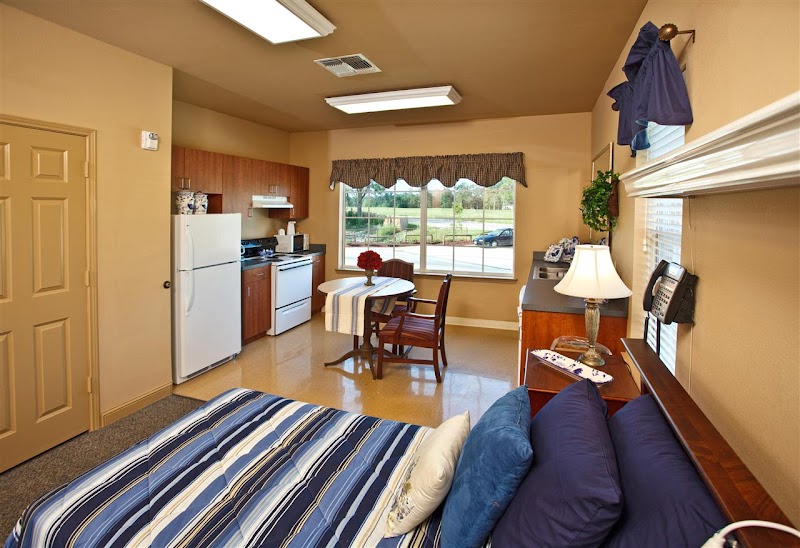
Who Owns and Operates The Bradford At Brookside?

THE BRADFORD AT BROOKSIDE is owned by a for-profit company. For-profit facilities operate as businesses with obligations to shareholders or private owners. The facility is operated by CANTEX CONTINUING CARE, a chain that manages multiple nursing homes. With 125 certified beds and approximately 83 residents (about 66% occupancy), it is a mid-sized facility located in LIVINGSTON, Texas.

How Does The Bradford At Brookside Compare to Other Texas Nursing Homes?

Compared to the 100 nursing homes in Texas, THE BRADFORD AT BROOKSIDE's overall rating (4 stars) is above the state average of 2.8, staff turnover (50%) is near the state average of 46%, and health inspection rating (4 stars) is above the national benchmark.

What Should Families Ask When Visiting The Bradford At Brookside?

Based on this facility's data, families visiting should ask: "Can you walk me through typical staffing levels on day, evening, and night shifts?" "Can I visit during a mealtime to observe dining assistance and food quality?" "How do you handle medical emergencies, and what is your hospital transfer rate?" "Can I speak with family members of current residents about their experience?" These questions are particularly relevant given the below-average staffing rating.

Is The Bradford At Brookside Safe?

Based on CMS inspection data, THE BRADFORD AT BROOKSIDE has a clean safety record: no substantiated abuse findings (meaning no confirmed cases of resident harm), no Immediate Jeopardy citations (the most serious violation level indicating risk of serious injury or death), and is not on the Special Focus Facility watch list (a federal program monitoring the lowest-performing 1% of nursing homes). The facility has a 4-star overall rating and ranks #1 of 100 nursing homes in Texas. While no facility is perfect, families should still ask about staff-to-resident ratios and recent inspection results during their visit.

Do Nurses at The Bradford At Brookside Stick Around?

THE BRADFORD AT BROOKSIDE has a staff turnover rate of 50%, which is about average for Texas nursing homes (state average: 46%). Moderate turnover is common in nursing homes, but families should still ask about staff tenure and how the facility maintains care continuity when employees leave.

Was The Bradford At Brookside Ever Fined?

THE BRADFORD AT BROOKSIDE has no federal fines on record. CMS issues fines when nursing homes fail to meet care standards or don't correct problems found during inspections. The absence of fines suggests the facility has either maintained compliance or corrected any issues before penalties were assessed. This is a positive indicator, though families should still review recent inspection reports for the full picture.

Is The Bradford At Brookside on Any Federal Watch List?

THE BRADFORD AT BROOKSIDE is not on any federal watch list. The most significant is the Special Focus Facility (SFF) program, which identifies the bottom 1% of nursing homes nationally based on persistent, serious quality problems. Not being on this list means the facility has avoided the pattern of deficiencies that triggers enhanced federal oversight. This is a positive indicator, though families should still review the facility's inspection history directly.