LLANO NURSING AND REHABILITATION CENTER
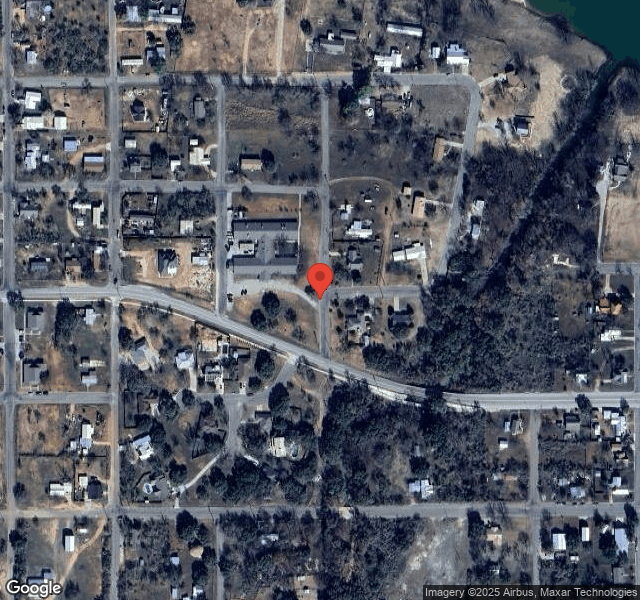

800 W HAYNIE ST, LLANO, TX 78643 (325) 247-4194
For profit - Limited Liability company 96 Beds SLP OPERATIONS Data: November 2025 2 Immediate Jeopardy citations
Trust Grade
0/100
#763 of 1168 in TX
Last Inspection: August 2024

Within standard 12-15 month inspection cycle. Federal law requires annual inspections.

Overview

Llano Nursing and Rehabilitation Center has received a Trust Grade of F, indicating significant concerns about its quality of care. It ranks #763 out of 1168 facilities in Texas, placing it in the bottom half of all nursing homes in the state, and it is #2 out of 2 in Llano County, meaning only one local option is worse. While the facility is showing improvement, reducing its issues from 10 in 2024 to 3 in 2025, the staffing situation is alarming with an 86% turnover rate, far exceeding the state average of 50%. Additionally, the home faced fines totaling $40,170, which is concerning and indicates ongoing compliance problems. Specific incidents of care failures include a lack of protective measures for residents involved in altercations and medication errors that resulted in a resident being unresponsive and requiring hospitalization. Despite having better RN coverage than 85% of Texas facilities, the overall rating of 2 out of 5 stars across various categories suggests that families should carefully consider these factors when evaluating this nursing home for their loved ones.

Trust Score
F
0/100
In Texas
#763/1168
Bottom 35%
Safety Record
High Risk
Review needed
Inspections
Getting Better
10 → 3 violations
Staff Stability
⚠ Watch
86% turnover. Very high, 38 points above average. Constant new faces learning your loved one's needs.
Penalties
✓ Good
$40,170 in fines. Lower than most Texas facilities. Relatively clean record.
Skilled Nurses
○ Average
Each resident gets 34 minutes of Registered Nurse (RN) attention daily — about average for Texas. RNs are the most trained staff who monitor for health changes.
Violations
⚠ Watch
28 deficiencies on record. Higher than average. Multiple issues found across inspections.
★★☆☆☆
2.0
Overall Rating
★★☆☆☆
2.0
Staff Levels
★★☆☆☆
2.0
Care Quality
★★☆☆☆
2.0
Inspection Score
Stable
2024: 10 issues
2025: 3 issues

The Good

  • Full Sprinkler Coverage · Fire safety systems throughout facility
  • No fines on record

Facility shows strength in fire safety.

The Bad

2-Star Overall Rating

Below Texas average (2.8)

Below average - review inspection findings carefully

Staff Turnover: 86%

39pts above Texas avg (46%)

Frequent staff changes - ask about care continuity

Federal Fines: $40,170

Above median ($33,413)

Moderate penalties - review what triggered them

Chain: SLP OPERATIONS

Part of a multi-facility chain

Ask about local staffing decisions and management

Staff turnover is very high (86%)

38 points above Texas average of 48%

The Ugly 28 deficiencies on record

2 life-threatening 3 actual harm
Apr 2025 1 deficiency
CONCERN (D) 📢 Someone Reported This

A family member, employee, or ombudsman was alarmed enough to file a formal complaint

Potential for Harm - no one hurt, but risky conditions existed

Deficiency F0578 (Tag F0578)

Could have caused harm · This affected 1 resident

**NOTE- TERMS IN BRACKETS HAVE BEEN EDITED TO PROTECT CONFIDENTIALITY** Based on interview and record review the facility failed to ensure residents had the right to request, refuse, and/or discontinu...

Read full inspector narrative →
**NOTE- TERMS IN BRACKETS HAVE BEEN EDITED TO PROTECT CONFIDENTIALITY** Based on interview and record review the facility failed to ensure residents had the right to request, refuse, and/or discontinue treatment, to participate in experimental research, and to formulate advance directives for 2 of 4 residents (Residents #1 and #2) reviewed for advanced directives. 1. The facility failed to ensure that Resident #1's out of hospital do-not-resuscitate (OOH-DNR) was dated by the physician and was witnessed by two people or notarized. 2. The facility failed to ensure Resident #1 had a designated medical power or attorney (MPOA) documented via MPOA form. 3. The facility failed to ensure that Resident #2's out of hospital do-not-resuscitate (OOH-DNR) included second signatures by witnesses and the second signature of a guardian/agent/proxy/relative. These failures could place residents at-risk of having their wishes dishonored, delay necessary medical treatment or intervention due to confusion and not have medical decisions be made on their behalf by a legally authorized representative. Findings included: Review of Resident #1's face sheet reflected an [AGE] year-old female admitted on [DATE] with diagnoses of Alzheimer's disease (neurodegenerative disorder that gradually damages memory and thinking skills), cardiomyopathy (disease that affects the heart muscle, making is harder for the heard to pump blood effectively), unspecified hydronephrosis(a condition where the kidney becomes swollen due to a buildup of urine), gastrointestinal hemorrhage (bleeding that occurs within the digestive tract, from the mouth to the anus), dementia (a general term for memory loss and other cognitive decline that is severe enough to interfere with daily life), cognitive communication deficit (communication difficulties stemming from problems with underlying cognitive processes, rather than issues with speech or language production itself), aphasia (loss of ability to understand or express speech, caused by brain damage), major depression disorder (a mood disorder characterized by persistent sadness, loss of interest or pleasure in activities) and anxiety disorder (excessive worry, fear, and other physical and behavioral symptoms that interfere with daily life). Review also reflected resident's FM A listed as POA - health care. Review of Resident #1's significant change MDS dated [DATE] reflected no BIMS completed due to the resident was rarely or never understood. Further review reflected Resident #1 had a memory problem with her short-term and long-term memory and Resident #1 was moderately impaired for daily decision making. Review of Resident #1's care plan reflected her code status as do not resuscitate with a start date of 03/10/2025. Review of the resident's care plan dated 04/09/2025 reflected the resident's family members had difficulties getting along with the goal the resident will express/exhibit satisfaction and family members will be respectful of one another in her presence. The approach included Respect [FM B] decisions regarding hospice selection. Further review reflected Resident #1 had impaired judgement and though process related to dementia. Review of Resident #1's OOH-DNR order reflected the document was signed by the resident's adult child on 02-27-2025. Further review reflected there were no dated witnesses' signatures or notary signature, stamp and date. Review revealed the physician's signature was also not dated. Review of section All persons who have signed above must sign below, acknowledging that this document has been properly completed reflected that there was only one witness signature (not two) or notary signature. Review of Resident #1's medical chart reflected a Statutory Durable Power of Attorney (SDPOA) form in place dated 02/24/2020. Review of SDPOA form reflected this document does not authorize anyone to make medical and other health-care decision for you and designated FM A. Review of Resident #1's medical chart reflected there was not a medical power of attorney (MPOA) document. Review of Resident #1's admission agreement dated 02/26/2022 revealed The Resident designates the following persons to be notified of any significant changes in the Resident's condition: Agent/ Legal Representative/ Responsible Party/ Resident Representative (circle one). No option was circled, but FM A was named. Review of the section did not reveal the document to be a MPOA document and did not specify information regarding medical decision making. Review of Resident #1's progress note dated 02/15/2025 by RN D revealed an order was received by the MD for referral to [name] hospice for evaluation with family in agreement with same. Review of Resident #1's progress note dated 02/19/2025 by the DON revealed Resident #1's FM B was confused that FM A chose a different hospice provider. Further review reflected the DON provided FM A with choices. Review of Resident #1's OOH-DNR received via email from ADM on 04/10/2025 reflected previously reviewed OOH-DNR with notary stamp and signature that was undated and date of 02/27/2025 filled in by physician's statement signature. Review of section All persons who have signed above must sign below, acknowledging that this document has been properly completed included notary signature, one witness signature, guardian/agent/proxy/relative signature and physician's signature. During an interview on 04/09/2025 at 10:34 AM, FM B stated that there was an ongoing issue to make medical decisions by FM A. FM B stated there was an MPOA document completed but FM B had never seen it. FM B was not aware an MPOA document existed. FM B stated FM A handed him a SDPOA document. FM B stated there was a preference for a specific hospice company to care for Resident #1 due to Resident #1 being familiar with staff who worked with other residents in the facility. FM B stated they attempted to be involved in choosing the hospice provider but another provider was still chosen by FM A. During an interview on 04/09/2025 at 2:25 PM, the LMSW stated he had worked at the facility for two weeks. He stated that for residents who did not have a medical power of attorney and had a decline in cognition, the facility brought in a primary care physician and family who may have been able to guide decisions. The LMSW stated laws came down to whoever had medical power of attorney to make decisions. The LMSW stated for a resident who did not have an MPOA in place and was no longer able to make their own decisions, the facility brought in a doctor to complete an evaluation and discussed with their adult children. The LMSW stated an entity such as APS may have been brought in as well and ensured nothing legal was being brushed under the rug. The LMSW stated the SDPOA was able make decisions if it was designated in the document that they were able to make financial and medical decisions. The LMSW reviewed Resident #1's face sheet and stated that it appeared FM A was the power of attorney of health care. The LMSW stated from his understanding FM B did have MPOA, but that information was updated by the administration team a while ago. The LMSW stated he had not reviewed Resident #1's power of attorney document before. The LMSW reviewed Resident #1's SDPOA document and stated that the documented allowed whoever was designated the authority to make financial and medical decisions and stated FM A was listed. LMSW further reviewed Resident #1's SDPOA and stated he saw where the document reflected this power of attorney does not authorize anyone to make medical decision for you. The LMSW stated that due to Resident #1's cognitive status decisions would default to FM A. The LMSW stated it looked like the facility needed to review who had MPOA status because based on the SDPOA document FM A had financial power of attorney. Review of Resident #2's face sheet reflected an [AGE] year-old female re-admitted on [DATE] with diagnoses of Alzheimer's disease (a progressive brain disorder that primarily affects memory, thinking, and reasoning abilities, ultimately leading to a loss of independence), essential hypertension (persistently elevated blood pressure), bipolar disorder (a mental illness characterized by extreme and persistent shifts in mood, energy, and activity levels, including periods of mania and depression), cognitive communication deficit (communication difficulties stemming from problems with underlying cognitive processes, rather than issues with speech or language production itself), anxiety disorder (excessive worry, fear, and other physical and behavioral symptoms that interfere with daily life), dysphagia (difficulty swallowing), and aphasia (loss of ability to understand or express speech, caused by brain damage). Review of Resident #2's annual MDS dated [DATE] reflected no BIMS score because resident was rarely or never understood. Review reflected resident had a short-term and long-term memory problem and Resident #3's cognitive skills for daily decision making were severely impaired. Review of Resident #2's care plan dated 03/27/2025 reflected she had impaired communication due to aphasia and dementia with decrease ability to comprehend complex information. Further review reflected code status as do not resuscitate date 03/27/2025. Review of Resident #2's OOH-DNR order dated 12/18/2020 reflected there was no second guardian/agent/proxy/relative signature and no second signatures from the two witnesses. During an interview on 04/09/2025 at 3:15 PM, RN C stated she was able to determine code status of a resident by her knowledge from having worked with the residents and stated she was aware of who was a DNR and who was not. She stated if she did not know, there was a list she viewed posted at the nurse's station. RN C stated she looked at the orders on the resident's chart too. She stated if a resident was new, she looked at the OOH-DNR document. RN C stated that the OOH-DNR document usually had POA signatures, physician and witnesses included. RN C stated it should have been dated. She stated if it was missing any of the mentioned it was not valid. RN C stated she was able to determine who to contact for medical decisions or a change of condition by who was listed on the resident's face sheet for an emergency contact or next of kin. She stated that the resident's documents were reviewed by a lot of people and that the facility was very small, so they had good communication. During an interview on 04/09/2025 at 3:47 PM, the LMSW stated that prior to his start at the facility, OOH-DNRs were reviewed by the business office manager and moving forward they would be his responsibility since he was familiar with the document. The LMSW stated that an OOH-DNR needed to contain witnesses (that did not have ties to inheritances or estates and could be confirmed as trust individuals), and also needed to be notarized. The LMSW stated typically the best way to go about the form was to get two doctors who did not provide direct care. The LMSW stated Texas had its own OOH-DNR. The LMSW stated the form required patient information, family information, witnesses or to have the document notarized. The LMSW reviewed Resident #1's OOH-DNR and stated it looked like it had everything it needed. The LMSW stated the risk of an incomplete document was that it would be an invalid document. The LMSW stated for example if the document were sent to a medical facility if emergency responders were not made aware of document and not aware of interventions but if provided interventions, there could be financial implications and could go against a resident's direct wishes. The LMSW stated he tried to audit advanced directives often but would try to audit them when he completed quarterly assessments and during care conference he also asked about code status. During an interview on 04/09/2025 at 5:03 PM, the DON stated that she was the interim DON at the facility. The DON stated that Resident #1's document was put into place when she was admitted to the facility. The DON stated she found Resident #1's SDPOA so she reached out to FM A and asked if FM A provided a document other than the SDPOA. The DON stated whomever uploaded the document in Resident #1's chart mislabeled it as MPOA and did not select SDPOA. The DON stated that Resident #1 signed her admission packet in 2020 and designated FM A to be notified of any changes of condition. The DON stated that the document signed in the admission packet listed who the facility should have contacted for decisions and changes because it was signed by Resident #1 when she admitted . The DON stated that there was disagreement on the hospice provider between FM A and FM B. She stated FM B's spouse was employed by a hospice agency and they wanted to go with that agency, but FM A did not want to mix family and the provider to avoid conflict. The DON stated that she believed Resident #1's OOH-DNR was obtained through hospice when Resident #1 was admitted to their service. The DON stated an OOH-DNR included resident representative or resident signature and witnesses (who were not employees that provided direct care). The DON stated Resident #1's form did not have witness signatures. The DON stated the facility could have gotten the form notarized because their business office manager was a notary and did not have direct resident care. The DON stated the facility could get Resident #1's OOH-DNR form regenerated. The DON stated ideally the LMSW would review advance directives but he had only been at the facility two weeks. During an interview on 04/09/2025 at 5:23 PM, the ADM stated any clinical documents such as advanced directives were reviewed by the DON. The ADM stated if an advanced directive was obtained during an admission, then the central intake team reviewed it. If it was obtained at the facility, it was reviewed by the DON. The ADM stated the DON reviewed residents' charts daily. The ADM stated she expected documents to be completed fully and accurately. The ADM stated if residents were no longer able to make medical decisions, the facility would reach out to the medical power of attorney. If there was not a MPOA, then the facility would call the representative listed on the face sheet in the resident's chart. The ADM stated upon admission, the representative was determined and selected by the resident. Review of the facility policy with revision date of 02.29.2024 and titled Advanced Directives reflected It is the policy of this facility to adhere to residents' rights to formulate advance directives. The presence of an Advanced Directive or any physician directives related to the absence or presences of an Advance Directive shall be communicated to Social Services as applicable. A code status audit will be conducted by the DON designee quarterly or as needed. Review of undated OOH-DNR form instructions for issuing an OOH-DNR order revealed the OOH-DNR order must be signed and dated by two competent adult witnesses. Optionally, a competent adult person or authorized declarant may sign the OOH-DNR Order in the presence of a notary public. Review of health and safety code 166.083(b)(4)(6) dated 09/01/1999 revealed an OOH-DNR order at minimum must contain statement that the physician signing the document is the attending physician of the person and that the physician is directing health care professionals acting in out-of-hospital settings, including a hospital emergency department, not to initiate or continue certain life-sustaining treatment on behalf of the person and places for the printed names and signatures of the witnesses or the notary public's acknowledgment and for the printed name and signature of the attending physician of the person and the medical license number of the attending physician Further review of health and safety code 166.089(3) dated June 16, 1995 revealed an OOH-DNR order form appears valid when it includes the signature or digital or electronic signature of the declarant or persons executing or issuing the order and the attending physician in the appropriate places designated on the form for indicating that the order form has been properly completed. Review of health and safety code 313.004 (a)(2) dated 09/01/1993 reflected If an adult patient of a home and community support services agency or in a hospital or nursing home, or an adult inmate of a county or municipal jail, is comatose, incapacitated, or otherwise mentally or physically incapable of communication and does not have a legal guardian or an agent under a medical power of attorney who is reasonably available after a reasonably diligent inquiry, an adult surrogate from the following list, in order of priority, who has decision-making capacity, is reasonably available after a reasonably diligent inquiry, and is willing to consent to medical treatment on behalf of the patient may consent to medical treatment on behalf of the patient: (1) The patient's spouse; (2) the patient's adult children
Jan 2025 2 deficiencies
CONCERN (F) 📢 Someone Reported This

A family member, employee, or ombudsman was alarmed enough to file a formal complaint

Potential for Harm - no one hurt, but risky conditions existed

Deficiency F0801 (Tag F0801)

Could have caused harm · This affected most or all residents

Based on interview and record review, the facility failed to employ sufficient staff with the appropriate competencies and skills sets to carry out the functions of the food and nutrition service, tak...

Read full inspector narrative →
Based on interview and record review, the facility failed to employ sufficient staff with the appropriate competencies and skills sets to carry out the functions of the food and nutrition service, taking into consideration resident assessments, individual plans of care and the number, acuity and diagnoses of the facility's resident population in accordance with the facility assessment requirement for one [dietary manager] of one kitchen staff reviewed for qualifications. The facility failed to have a qualified Dietary Manager. This failure could affect all residents whose nutritional needs are the food services manager responsibility placing them at risk of foodborne illness weight loss and compromising their health and well- being. Findings included: Record review of Dietary Manager Employee file revealed she was terminated on 12/24/2024. During an interview on 1/17/2025 at 3:43 pm, the HR staff stated she was not in charge of dietary, there has been no one in charge of the kitchen, she was just helping out as needed. The HR staff stated she did not have food handling certificate or the credentials of being a Dietary Manager. The HR staff stated the previous Dietary Manager was terminated in December of 2024. The HR staff stated since the Dietary Manager's termination, there has not been a corporate dietary manager visiting the facility. During an interview on 1/17/2025 at 4:10 pm the DON stated the facility had been out of a Dietary manager since the middle of December 2024 and the HR staff had been managing dietary, the schedule and training until they can get a new manager for the kitchen.
CONCERN (F) 📢 Someone Reported This

A family member, employee, or ombudsman was alarmed enough to file a formal complaint

Potential for Harm - no one hurt, but risky conditions existed

Food Safety (Tag F0812)

Could have caused harm · This affected most or all residents

Based on observation, interview, and record review the facility failed to store, prepare, distribute and serve food in accordance with professional standards for food safety in the facility's only kit...

Read full inspector narrative →
Based on observation, interview, and record review the facility failed to store, prepare, distribute and serve food in accordance with professional standards for food safety in the facility's only kitchen. The HR staff was not wearing hair restraints while in the kitchen. The trashcan next to the handwashing station was overflowing and without liner. The Ice machine was dirty. An open and overflowing trash container was stored next to the ice machine. The ice scoop was stored with the mop pads, mop bucket, and brooms located over the Ice machine. The [NAME] failed to change gloves and perform hand hygiene after touching the trash can lid. The dishwasher water temperature was below the recommended temperature. The facility did not document temperatures for the food, dishwasher and refrigerators. These failures could place residents who ate food from the kitchen at risk of foodborne illness. Finding included: Observation on 01/17/2025 at 09:35 am revealed the following: *The HR staff in the kitchen, was not wearing her hair restraint properly. The HR staff hair was outside of the hair restraint from the back of her head to her neck area. *The trashcan next to the handwashing station was overflowing with trash and there was no liner in the trashcan. *The ice machine in the kitchen had black, white and greenish-like substances covering the inside and the edges of the machine and the lid. The HR staff wiped the ice machine lid with her finger and her finger became black. *A 32-gallon trashcan full to capacity, no top, was next to the ice machine. *A 4-tier mental shelve with multiple mop heads and a bucket containing the ice machine scoop next to the ice machine. Observation on 01/17/2025 at 10:15 am revealed the AD was operating the dishwasher. The wash temperature got to 102-degree Fahrenheit the first time and 110 degrees the second time. There was a sign by manufacture posted on the dishwasher indicating the minimum water temperature was 120-degree Fahrenheit. Review of facility's clipboard with temperature logs reflected the following: *The test strip log for 3-compartment sink last log dated 10/17/2024. *The refrigeration temperature last log dated 10/17/2024. *The Hot beverage temperature log for the month of December 2024 and was blank . *There were no temperature logs on the clipboard for holding of cold food, hot food, and holding temperatures. Observation on 01/17/2025 at 11:40 am revealed the [NAME] touched the trash can lid while putting trash in the container, did not change gloves or perform hand hygiene. The [NAME] used same soiled gloved hands to touch already cook chicken to put on the tray for re-heating. The [NAME] then removed gloves, performed hand hygiene, donned clean gloves, opened the oven and place the tray of chicken in the oven. The [NAME] with now soiled gloved hands from touching the oven, touch the biscuits by putting in the pan to serve. During an interview on 01/17/2025 at 1:29 pm, the DA stated she had been at the facility since 12/30/2024. She stated there had not been a dietary manager since she had been hired and the HR staff had been managing the kitchen. The AD stated she was trained by CMA A on how to operate the dishwasher. She stated the temperature for the dishwasher should reach 170 degrees and if the temperature was below the recommended temperature, the dishes would not be disinfected and that would impact the residents. She stated the dishwasher machine had been broken for couple of days and the HR staff was made aware. The DA stated she had not been documenting the dishwasher temperature. She stated, she had not seen the cooks check the food temperatures before today. The DA stated she realized the trash bin next to the ice machine was overflowing and was too close to the ice machine along with the mop bucket and mop heads. She stated the trash can, mop bucket and mop head had been in that location since she started at the facility, and it was not appropriate to keep the trash can next to the ice machine due to cross contamination. The AD stated the ice machine looked dirty, with a lots of build up on it. She stated she was in-serviced on 01/15/2025 on washing hands continuously, wearing gloves, changing gloves, washing hands with each glove's changes. She also stated they were in-serviced on temperature logs being required for the dishwasher, the food, refrigerator and assumed it was for sanitation reason. Stated the HR staff came up with schedule for cleaning the kitchen. She stated she knew hand hygiene was important to keep the residents from being sick. During an interview on 01/17/2025 at 1:50 pm the [NAME] stated he had been at the facility for 4 days but had been a cook for a while and was not familiar with the steam table. He stated he knew to wash hand when changing gloves, change gloves from one task to the other, wear gloves when handling food. He stated he should have changed his gloves and perform hand hygiene when he tapped the trash can lid due to infection control. He stated he should have changed gloves and performed hand hygiene when he touched the oven before touching the biscuits. The cook stated the black, white and greenish colors on the ice machine looked like mold and did not think it was safe for the residents to drink from due to infection control. The cook stated the overflowing trash next to the ice machine was not sanitary and the residents could get sick from that. The [NAME] stated he was aware that he had to check food temperatures after cooking and while on the steam table but did not know he had to log the temperatures. The cook stated he did not know they had to log the refrigerators temperatures also. He stated he had never seen temperature logs and had not log food or refrigerator temperatures. He stated the kitchen staff attended a meeting on 01/15/2025 and it was discussed the dishwasher machine temperature was not getting to the right temperature but was not sure what was done to fix it. He stated the dishwasher not getting to the right temperature could impact the residents because the temperature was not hot enough to clean the dishes and kill the bacteria, residents could get sick. The cook stated the trash in the kitchen was from the night. During an interview on 1/17/2025 at 2:21 pm, CMA A stated she was a CMA and there was no position for CMA in the facility at the moment, so she was helping out in the kitchen due to previous experience as a cook and dietary manager. CMA A stated the kitchen was filthy, food consistency was out of control, so she tried to train the [NAME] on her off days. CMA A stated she notified the acting HR staff who was the acting dietary manger on Monday 01/13/2025 that dishwasher machine had problems and the water was not getting hot enough. CMA A stated the HR staff stated she was aware of the situation and Corporate was getting a plumber to the facility to adjust the water temperature. CMA A stated the dishwasher machine water not getting hot enough could cause the dishes, utensils and cookware not to properly be clean or sanitized and can lead to bacteria and make residents sick. CMA A stated the [NAME] and other dietary should be responsible to clean, but it was not being done. She stated there was no cleaning schedule or log in the kitchen. CMA A stated the black, white and greenish substances on the ice machine looked disgusting, appeared to be mold or mildew and calcium build up. She stated the trash can next to the ice machine looked like it had not been cleaned for years. She stated they had always stored the dirty linen basket and the mop head next to the ice machine. She stated those things should not be stored next to the ice machine. During an interview on 1/17/2025 at 3:15 pm the Maintenance Director stated he had been employed at the facility for about a week. He stated he was not made aware of the dishwasher water temperature not getting to the appropriate or recommended temperature. The maintenance Director stated he would have turned on the temperature from the water heater if he had known He also stated it was important to keep the dishwasher water temperature at the recommended temperature to keep germs down and prevent the residents from getting sick. During an interview on 1/17/2025 at 3:43 pm, the HR staff stated she was not in charge of dietary, there has been no one in charge of the kitchen, she was just helping out as needed. The HR staff stated the dietary staff were checking food and refrigerator temperatures but were not logging it. She stated she in-serviced dietary staff on food and refrigerator temperatures. The HR staff stated she knew there was a problem with the sprayer on the sink and the maintenance from corporate was in the facility to adjust the water heater temperature. The HR staff stated she was not aware that the dishwasher water temperature was not getting to the right or appropriate temperature. She stated the dishwasher water not getting to the right temperature would cause the dishes not to be sanitize properly, bacteria would build up and she would not want to eat from a dirty plate. The HR staff stated the black, white and greenish substance on the ice machine, she was assuming it was dirt or grime, the lid was dirty, in the machine was stained. The HR staff stated, sanitation wise, the trash, mop bucket and head should be kept separately from the ice machine. She stated the ice machine should be clean once a month. She stated she printed out a cleaning schedule the day before and was supposed to post the schedule the day of the investigation. The HR staff stated she was adjusting her hair restraints when the surveyors got to the kitchen. She stated all of staff hair should be in the restraint to prevent hair from going into the resident's food. During an interview on 1/17/2025 at 4:10 pm the DON stated the facility had been out of a Dietary manager since the middle of December 2024 and the HR staff had been managing dietary, the schedule and training until they can get a new manager for the kitchen. She stated the interim Administrator started 01/06/2025 and there have been all new staff. The DON stated, Hand hygiene was performed anytime the staff change gloves, between task, when visibly soiled, after the restroom, from raw to cook change gloves and hand hygiene to prevent cross contamination and the spread of bacteria and viruses. She stated if the staff touched the touched the trash can with his gloved hands, he should have changed the gloves, performed hand hygiene, and wore clean gloves to prevent cross contamination. The DON stated the ice machine was gross, the trash can next to the ice machine was overflowing and touching the ice machine, the trash can, mob bucket and mop head should not be in that space due to cross contamination and infection. She stated the night shift in the kitchen were supposed to take the trash out. The DON stated the dietary staff were supposed to check food temperature to make sure it was not cold to grow bacteria or hot to burn the residents. The DON stated the dietary staff were supposed to log food, refrigerator, and dishwasher temperatures. The DON stated the recommended temperature for the dishwasher was on the dishwasher. She stated the facility had issues with their hot water and the maintenance from corporate was in the facility to fix it. The DON stated she was aware there was an issue with the dishwasher water not getting to the recommended temperature and she told the HR staff because she was in charge of dietary. The DON stated, If the water is not getting hot enough, you will run a problem of not being disinfect, running the risk of passing out infection from one resident to the other. During an interview on 01/17/2025 at 5:26 pm the Interim Administrator stated he had been in the facility for about 2 full weeks. He stated he had not been made aware that the dishwasher water was not reaching the appropriate temperature. He stated it was his expectation that staff let him know whenever something was broken. The interim Administrator stated it was a problem that the dishwasher water was not reaching the appropriate temperature, the dishes were not being sanitized appropriately and pathogens would build up. He stated the facility would have it fixed. The Surveyors requested document for the hot water heater being fixed and the interim Administrator stated he would get it to the survey team by 01/21/2025. The survey team did not get the documentation. Review of facility's document provided titled Ware washing in-service undated reflected: Low Temperature Dish Machine---Low temperature machines using chlorine as a chemical sanitizer should have a concentration between 50pm and 100ppm and be measured using the appropriate chemical test kits. o The wash & rinse cycle must maintain a minimum temperature of 120o. o Can damage flatware and plastics if chemicals are used at elevated concentrations. o Require the use of proper chemical test strips to measure the chemical concentration. Dishwashing Procedure Check to make sure machine is performing properly, reaching minimum temperatures & sanitizer ppm before starting procedure. Monitoring Requirements To ensure that the dishwasher is running effectively, monitor the following: Temperature: If the temperature doesn't reach the required minimum, then dishes are not being properly cleaned, which can lead to risk of food borne illness. Chemical Levels: If the chemicals for low temperature machines don't reach their required minimum, then dishes aren't being sanitized, which can lead to risk of food borne illness. A lowtemp system washes and rinses dishes at 120°F or higher and rinses them with a chemical sanitizing solution to neutralize any remaining bacteria or pathogens. Review of facility's Policy titled Food Handling revised June 1, 2019 reflected: Policy: To ensure that all food served by the facility is of good quality and safe for consumption, all food will be handled according to the state and US Food Codes and HACCP guidelines. 1. General Guidelines a. Use clean, sanitized surfaces, equipment and utensils. b. Wash hands properly before beginning food preparation. c. Prepare food with the least manual contact possible. Do not allow bare hands to touch raw food directly. d. Do not let surfaces, equipment or utensils that have been in contact with raw meat to come into contact with other food unless the items have been cleaned and sanitized first. e. Do not bring soiled food carts, food equipment or garbage containers through the food preparation area. Review of facility's policy titled Mechanical Cleaning and Sanitizing of Utensils dated October 1, 2018, reflected: Policy: The facility will follow the cleaning and sanitizing requirements of the state and US Food Codes for mechanical cleaning in order to ensure that all utensils and equipment are thoroughly cleaned and sanitized to minimize the risk of food hazards. 1. Use only an approved dish machine that is properly installed and maintained. Operate the dish machine as instructed in the manufacturer's directions 5. If a machine that uses chemicals for sanitizing is in use, follow these guidelines: a. The temperature of the wash water must be at least 120°F. Review of facility's policy titled Refrigerator and freezer Temperature revised June 1, 2019, reflected: Policy: To ensure that all food served by the facility is of good quality and safe for consumption, all food will be stored according to the state, federal and US Food Codes and HACCP guidelines. . Place a thermometer inside freezers near the door where the temperature is warmest. Check the temperature of all freezers using the internal thermometer to make sure the temperature stays at 0°F or below. Temperatures should be checked each morning and again on the PM shift. Record the temperatures on a log that is kept near the freezer. Review of facility's policy titled Taking Temperatures-Nutrition and Food Service Policies and Procedures Manual dated 2018 reflected: The facility realizes the critical nature of serving foods at the correct temperatures to ensure the health of its residents. The facility will take and record the temperatures of all foods prior to service. Foods not at the correct temperature will be corrected or discarded as necessary. Review of facility's policy titled Handwashing/Hand Hygiene revised 1/20/2023 reflected: Policy Statement This facility considers hand hygiene the primary means to prevent the spread of infections. Policy Interpretation and Implementation 1. All personnel shall follow the handwashing/hand hygiene procedures to help prevent the spread of infection to other personnel, residents, and visitors. 5. Hand hygiene must be performed prior to donning and after doffing gloves. 6. Hand hygiene is the final step after removing and disposing of personal protective equipment.
Aug 2024 10 deficiencies
CONCERN (D) 📢 Someone Reported This

A family member, employee, or ombudsman was alarmed enough to file a formal complaint

Potential for Harm - no one hurt, but risky conditions existed

Deficiency F0602 (Tag F0602)

Could have caused harm · This affected 1 resident

**NOTE- TERMS IN BRACKETS HAVE BEEN EDITED TO PROTECT CONFIDENTIALITY** Based interviews and record review, the facility failed to ensure each resident was free from abuse, neglect, exploitation, and ...

Read full inspector narrative →
**NOTE- TERMS IN BRACKETS HAVE BEEN EDITED TO PROTECT CONFIDENTIALITY** Based interviews and record review, the facility failed to ensure each resident was free from abuse, neglect, exploitation, and misappropriation of resident property for one (1) of five (5) residents reviewed. The facility failed to prevent the misappropriation of Resident #1's Ozempic 4MG/3ML Pen (1MG). Ozempic is a GLP-1 agonist that assists with weight loss and blood sugar regulation. This failure placed the resident at risk for not receiving their prescribed medication. Findings Include: Record review of Resident #1, on August 5, 2024, through August 7, 2024, reflected a 55yo male who was admitted to the facility on [DATE], with diagnoses including in part: Cellulitis, Diarrhea, Vitamin D deficiency, Hyperlipidemia, Morbid (severe) Obesity due to excess calories, Type 2 Diabetes with unspecified complications, Pain, and Muscle Wasting and Atrophy. Review of Resident #1 TL's most recent MDS, dated [DATE], revealed a BIMS score of 15, and no significant cognitive impairment. Review of Resident #1's Care Plan, last reviewed/revised on June 6, 2024, showed the resident was at risk for malnutrition related to prescribed weight loss regime. The approach included administering Ozempic as prescribed, Ozempic .5mg weekly, with the goal being that the resident not exhibit signs of malnutrition or dehydration. Additionally, a problem area identified in the Care Plan reviewed/revised on June 6, 2024, was the diagnosis of diabetes, with the goal being that the resident will have no complications due to diabetes and medication use, and the approach being in part, meds as ordered. In an interview on August 5, 2024, at 3:40PM, Resident #1 stated that he has never missed prescribed doses of ordered medications due to misappropriation of his medications, the medication not being available, and/or oversight by facility staff. Record review of the facility's investigation into Resident #1's missing Ozempic medication showed that on July 3, 2024, RN K administered the ordered medication to Resident #1 as ordered. On or about July 10, 2024, RN K noted that the medication could not be located. Nursing staff searched the medication room, medication cart, and disposed of medications. The missing medication was not found. Resident #1's PCP was notified and a new order for the medication was requested. On July 11, 2024, the NP came to the facility and assessed the resident. According to the investigation record, the charge nurse checked the resident's blood sugar, which was within a normal range and no concerns were noted. Review of the facility's investigation records revealed a written statement by MA J, which stated in summary that on July 7, 2024, MA J went to dispose of another resident's discontinued medications when she saw what she thought to be Resident #1's new insulin syringe. MA J wrote that she questioned to herself the presence of a new medication in the discontinued medication box but writes that she failed to outwardly question this. Review of the facility's investigation records revealed that an Inservice Training session was conducted by the ADM to include the prohibition of resident abuse/neglect, GLP-1 class medications, storage and count sheet process, and a new facility policy which states, .All GLP-1 class of medications must be stored in narcotic box in the medication room fridge. A medication count sheet must be initiated upon receiving these medications immediately. In an interview with the facility ADM on August 7, 2024, the ADM stated that immediately upon learning of the missing medication, an investigation was initiated, and Resident #1 was assessed, and the resident suffered no ill effects from the missing medication. The ADM stated that the medication was immediately re-ordered and received. The administration of the medication was immediately resumed with the resident's weekly administration of the medication delayed, but not missed. The ADM stated that during this time the facility had primarily utilized agency nursing staff and she believes this contributed to the misappropriation of the medication, but she cannot conclusively say what happened to the medication. A review of the facility's records show a Packing Slip Proof of Delivery dated July 13, 2024, in which Ozempic 4MG/3ML PEN (1MG) was received (as a replacement) for Resident #1.
CONCERN (D)

Potential for Harm - no one hurt, but risky conditions existed

Assessment Accuracy (Tag F0641)

Could have caused harm · This affected 1 resident

**NOTE- TERMS IN BRACKETS HAVE BEEN EDITED TO PROTECT CONFIDENTIALITY** Based on observation, interview, and record review the facility failed to ensure the resident assessment accurately reflected th...

Read full inspector narrative →
**NOTE- TERMS IN BRACKETS HAVE BEEN EDITED TO PROTECT CONFIDENTIALITY** Based on observation, interview, and record review the facility failed to ensure the resident assessment accurately reflected the resident's status for 2 of 9 residents (Resident #21 and Resident #12) who were reviewed for accuracy of assessments. Resident #21's MDS was coded as having an indwelling catheter which had been discontinued. This failure placed residents at risk of incorrect care and services necessary for their physical, mental, and psychosocial well-being. Findings included: Record review of Resident #21's undated face sheet indicated Resident #21 was a [AGE] year-old male, who admitted to the facility on [DATE]. He was diagnosed with Cerebral Infarction (which was a pathologic process that resulted in necrotic tissue in the brain, caused by disrupted oxygen and blood supply,) Alzheimer's disease, Urinary retention, Diabetes mellitus type 2, and a Cognitive communication deficit. Record review of Resident #21's Quarterly MDS, dated [DATE], reflected in Section H Bowel and Bladder that Resident #21 had an indwelling catheter. Record review of Resident #21's Care Plan dated 6/05/24 reflected Urinary incontinence/bowel and bladder incontinence/catheter care, and resident would establish an individual bowel/bladder routine. Record review of Resident #21's Physician Orders reflected, Foley catheter care every shift was initiated on 04/23/24 and discontinued on 06/10/24, and Foley catheter: Change catheter and drainage bag as needed for indications of blockage, increased sediment, infection, displacement as needed was initiated on 04/30/24 and discontinued on 06/10/24. Observation and interview on 08/05/24 at 11:08 AM with Resident #21 revealed he did not have an indwelling catheter. Interview on 08/08/24 at 02:40 PM with MDSN revealed she started work in facility two months ago. MDSN stated the MDS nurse was responsible for updating the residents MDS. Changes in resident condition were communicated by nursing staff in 24-hour report, change in conditions, and change of status from hospitalization which should be reviewed in morning meetings. MDSN stated she would then re-open a new quarterly MDS and make changes. MDSN stated she had not gone in to edit the MDS for Resident #21, and stated it was more like a modified assessment to reflect accuracy. MDSN further stated they don't always make changes to an MDS for a foley catheter. A review of orders, medication administration records, treatment notes, and progress notes should be made daily. MDSN stated it was a human error for not updating a Resident's MDS for presence or discontinuation of an indwelling catheter, and a negative outcome - it could affect the president's health and well-being. MDSN stated MDS nurses follow CMS and RAI guidelines as Policy and Procedure for all residents' MDS. Interview on 08/08/24 at 04:19 PM with the DON revealed he had been in facility as an interim DON for two weeks. The DON stated the MDS nurse was responsible for communicating changes/updates that needed to be made to a resident MDS, and updates in resident status were communicated verbally in morning meetings, staff meetings, or via email, and that was why we have morning meetings. The DON stated the MDS nurse was responsible for making changes and updates to the resident MDS, and his expectation was for changes and updates to the MDS to be made timely and accurately. The DON stated his expectation was for physician orders, indwelling catheter care, and wound care to be followed timely and accurately as well. Interview on 08/08/24 at 04:35 PM with ADM revealed she had worked at the facility for the past 8 months. The ADM stated the responsibility for communicating changes and updates that need to be made to a resident MDS started with charge nurses doing their documentation, and when they capture documentation in progress notes, physician orders and the 24-hour report, the ADON and DON can communicate changes and updates to the CCM/MDS nurse. The ADM stated there should be an RN that oversees the MDS nurse, and the RN would be responsible when changes and updates were not made to a resident's MDS. The ADM further stated her expectation for accuracy of the MDS was for the person who was doing the assessment lay eyes on the resident, and review the documentation supplied by providers caring for resident. Record review on 08/08/24 of the facility's MDS Assessment Coordinator Policy, dated November 2019, indicated, A registered nurse shall be responsible for conducting and coordinating the development and the completion of the resident assessment (MDS). The center staff must follow the MDS 3.0 RAI manual current version. 1. A Registered Nurse (RN) shall be designated the responsibility of conducting and coordinating each resident's assessment (MDS). 2. The Resident Assessment Coordinator must date and sign each assessment (MDS) to certify that the assessment has been completed. 3. Each individual who completes a portion of the assessment (MDS) must certify the accuracy of that portion of the assessment by: a. Dating and signing the assessment (MDS), and b. Identifying each section completed. 4. Any individual who willfully and knowingly certifies (or causes another individual to certify) a material and false statement in a resident assessment is subject to disciplinary action and such incident must be promptly reported to the Administrator. Record review on 08/08/24 of the facility Policy and Procedure for MDS completion and Submission Timeframes reflected, Our facility will conduct and submit resident assessments in accordance with current federal and state submission timeframes. 1. The Assessment Coordinator or designee is responsible for ensuring that resident assessments are submitted to CMS' QIES Assessment Submission and Processing (ASAP) system in accordance with current federal and state guidelines. 2. Timeframes for completion and submission of assessments is based on the current requirements published in the Resident Assessment Instrument [NAME]. 3. Submission of MDS records to the QIES ASAP is electronic. A hard copy7of each record submitted is maintained in the resident's clinical record for a period of fifteen (15) months from the date submitted.
CONCERN (D)

Potential for Harm - no one hurt, but risky conditions existed

ADL Care (Tag F0677)

Could have caused harm · This affected 1 resident

**NOTE- TERMS IN BRACKETS HAVE BEEN EDITED TO PROTECT CONFIDENTIALITY** Based on observations, interviews, and record review,The facility failed to provide 1 of 3 (Resident #9) with care and services ...

Read full inspector narrative →
**NOTE- TERMS IN BRACKETS HAVE BEEN EDITED TO PROTECT CONFIDENTIALITY** Based on observations, interviews, and record review,The facility failed to provide 1 of 3 (Resident #9) with care and services related to activities of daily living. Resident #9 had to wait an extended amount of time to get assistance with feeding. The facility failed to ensure that Resident #9 was feed his lunch in a timely manner. This failure placed residents at risk for not receiving adequate care and services to prevent infection, injury, and diminished quality of life. Findings included: Record review of Resident #9's admission Record dated 08/05/2024 revealed the resident was a [AGE] year-old male, who was admitted to the facility on [DATE]. Resident #9's medical diagnoses included Cerebral palsy (a group of conditions that affect movement and posture), hypertension (high blood pressure), urinary tract infection, neuromuscular dysfunction of bladder (lack of bladder control), Dysuria (painful, uncomfortable urination), severe protein-calorie malnutrition, restless legs syndrome, functional quadriplegia (complete inability to move due to severe disability), epiphora due to insufficient drainage (watery eyes), stenosis of right lacrimal punctum (narrowing of the tear ducts), stenosis of left lacrimal punctum (narrowing of the tear ducts), insomnia (difficulty sleeping), seasonal allergies, constipation, dry eye, age-related nuclear cataract (cloudiness in the middle of the eye), contracture left knee (permanently bend), contracture right ankle (permanently bend), contracture left ankle (permanently bend), major depressive disorder, anxiety disorder, developmental disorders of speech and language, seizures, low back pain, muscle wasting, muscle weakness, dysphagia (difficulty swallowing, abnormalities of gait and mobility, lack of coordination, and dysarthria and anarthria (severe speech sound disorder). Record review of Resident #9's Quarterly MDS dated [DATE] revealed that Resident #9 had a BIMS score of 9 indicating the resident had a hard time understanding and make self-understood at times. The MDS also revealed that Resident #9 was total dependent on staff for eating. Record review of Resident #9's care plan dated 05/06/2024 revealed Resident #9 eats all meals in room and requires physical assist with all meals. Check mouth after meals or meds for pocketing of food. Observation of lunch hall tray pass on 08/05/2024 at 11:41am revealed that CNA A was went into Resident #9's room and put his meal tray on his bed side table in front of him. CNA A was then observed walking out of Resident #9's room and continued to pass meal trays. CNA A did not return to Resident #9 room until 12:02pm to feed him. An interview with Resident #9 on 08/05/2024 at 12:00pm revealed that staff always take a long time to feed him. He also said that sometimes the food is cold by the time staff feed him. He also said he gets upset when it takes a long time for them to feed him. Observation of lunch hall tray pass on 08/07/2024 at 11:55am revealed that CNA C put Resident #9's meal tray on his bed side table in front of him. CNA C was then observed walking out his room and finished passing trays. CNA C returned to Resident #9's room at 12:00pm to feed him. Observation of lunch hall tray pass on 08/08/2024 at 11:45am revealed CNA D put Resident #9's meal tray on his bedside table in front of him. CNA D was then observed walking out the room and finished passing meal trays. CNA D return to Resident #9's room at 11:54am to feed him. Temperatures were checked and food was still warm. An interview with CNA C on 08/08/2024 at 3:13pm revealed that when staff are passing hall trays, the staff will pass all trays to the ones who could feed themselves. She said then they would pass the meal trays to the residents who needed assistance with feeding. She said it was important to feed the resident when staff give them their tray so that their food will not get cold. She said if staff did not feed the resident when their tray was delivered the resident could knock over the tray. She said that by placing the tray in front of the resident and walking out and not feeding the resident could make the resident feel bad. She stated that the facility passes all meal trays and then goes back to feed the residents who need assistance. She said she does not know why Resident #9 had to wait so long for staff to come back and feed him. An interview with CNA D on 08/08/2024 at 3:25pm revealed that staff are to feed the residents as soon at their tray was delivered. She said that residents who feed themselves usually get their meal trays first. She said it was important to feed the resident when they get their meal tray so the resident's food would be warm. She stated that the facility had passed all the meal trays out and then go back after to feed resident's. She said that it does not make the resident feel good if a staff member puts their tray down in front of them and walk out. She said she did not know why Resident #9 had to wait so long for staff to come back and assist him. An interview with RN G on 08/08/2024 at 3:49pm revealed that staff were to feed the resident when the staff gave the resident his or her tray. She said usually the residents who feed themselves get their trays first then the residents who needed assistance would get their tray. She said if staff did not feed the resident when he or she got their meal tray the resident may try to feed themselves or could choke or aspirate. She said the resident might feel like staff do not care about them if they just left their meal tray in front of them and walked out without feeding the resident. She said she did not see anyone leave a meal tray in front of a resident without feeding them. She said a resident that needed assistance feeding should never be left alone with their meal tray. She said that there were three or four residents that required feeding assistance. she said they just look and see who still needs assistance with feeding when all meal trays are passed. An interview with the DON on 08/08/2024 at 4:29pm revealed that hall trays were to come out first. He said that after handing out the trays the staff were to assist the residents that needed assistance eating. He stated staff were to pass the meal trays and then go back and feed the residents who needed assistance. He also said that it was important to feed the resident when staff gave them their tray so that the resident's food would be warm . He said that if staff placed the food down and walked off without feeding the resident might not eat. He also stated he did not know how it would make the resident feel if staff put the resident's meal tray down in front of the resident and walked off without feeding the resident. An interview with the ADM on 08/08/2024 at 4:45pm revealed that best practice was if staff were taking the resident his or her meal tray then staff stay and feed the resident. She said staff were expected to feed the resident when he or she took the meal tray to the resident. She said it was important to feed the resident when he or she got her meal tray to ensure the food was at the correct temperature. She also said it did not make sense to have the resident's tray sitting in front of them and give them the desire to eat and they could not eat. She said the resident could attempt to feed him or herself, may spill the food or the resident could attempt to feed his or herself, choke, and staff not there to see the problem. She said the resident may feel like staff do not care if they put his or her tray in front of them and not feed them. She said the staff had an order they followed as to hand out the meal trays. She said the order staff was doing the meal trays were not the correct process and there was no excuse for staff putting a meal tray in front of a resident and making them wait to be feed. Record review of Assistance with Meals Policy dated March 2022 revealed that residents shall receive assistance with meals in a manner that meets the individual needs of each resident. Facility staff will serve resident trays and will help resident who require assistance with feeding.
CONCERN (D)

Potential for Harm - no one hurt, but risky conditions existed

Incontinence Care (Tag F0690)

Could have caused harm · This affected 1 resident

**NOTE- TERMS IN BRACKETS HAVE BEEN EDITED TO PROTECT CONFIDENTIALITY** Based on observation, interview, and record review, the facility failed to ensure that 1 of 2 residents (Resident #12) reviewed ...

Read full inspector narrative →
**NOTE- TERMS IN BRACKETS HAVE BEEN EDITED TO PROTECT CONFIDENTIALITY** Based on observation, interview, and record review, the facility failed to ensure that 1 of 2 residents (Resident #12) reviewed for Foley catheter care received appropriate treatment and services to prevent urinary tract infections. The facility failed to follow infection control protocols while providing Foley catheter care for Resident #12. This failure placed residents at risk for urinary tract infections, urosepsis, and even death. Findings: Record review of Resident #12's undated face sheet indicated Resident #12 was a [AGE] year-old female, who admitted to the facility on [DATE]. She was diagnosed with Alzheimer's disease, urinary retention, neuromuscular dysfunction of bladder, chronic kidney disease, urinary tract infection, and chronic atrial fibrillation. Record review of Resident #12's Quarterly MDS, dated [DATE] reflected in Section H Bowel and Bladder that Resident #12 did not have an indwelling catheter. Record review of Resident #12's Care Plan dated 6/1024 reflected Resident #12 required an indwelling urinary catheter due to neurogenic bladder. Resident #12 will have catheter care managed appropriately as evidenced by not exhibiting signs of infection or urethral trauma. Record review of Resident #12's Physician Orders reflected, Foley Catheter: Provide catheter care every shift and as needed was initiated on 06/05/24 and was a current order, and Foley catheter: Change catheter and drainage bag as needed for indications of blockage, increased sediment, infection, displacement as needed was initiated on 06/05/24 and was current order. Observation and interview on 08/06/24 at 11:37 AM with Resident #12 revealed she did have an indwelling catheter, which was covered with a privacy bag. Observation on 08/06/24 at 11:37 AM of peri-care and indwelling catheter care for Resident #12 with CNA B who sanitized bedside table with sanitizing wipes, and then donned gown for Enhanced Barrier Precautions due to presence of an indwelling catheter and conducted handwashing and donned gloves. Resident #12 was repositioned in bed and brief removed. CNA B cleansed the peri-area with wipes on each side and down the middle of peri area. CNA B then cleansed the tubing of indwelling catheter with a wipe with a back-and-forth motion from meatus and out approximately 6 inches two times during indwelling catheter care. CNA B then rolled Resident #12 on her side and place a new brief. There was no observation of hand sanitization or glove change done before CNA B began cleansing Resident #12's bottom with a wipe. CNA B then conducted handwashing, bedside table was disinfected, gown removed, and trash removed from room. Interview on 08/06/24 at 11:56 AM with CNA B revealed she would work on practicing better infection control when providing resident care, and not practicing good infection control put residents at risk for infection in the facility. CNA B stated a negative outcome for Resident #12 would be a urinary tract infection. Interview on 08/08/24 at 03:07 PM with CNA C who stated she had 11 years employment with the facility, and had received several in-services on enhanced barrier precautions, and on Foley catheter care. She further stated it was important to follow infection control practices to avoid giving someone a raging UTI. Interview on 08/08/24 at 03:19 PM with CNA D who stated she had worked in facility for about 1.5 years and stated she had received training on Foley catheter care and Infection control practices about 5 months ago. She further stated the importance of following infection control practices when providing resident care, so we don't spread any infections to them and other residents. CNA stated that she was responsible, and each of us were responsible for following infection control protocols. Interview on 08/08/24 at 03:30 PM with RN G who stated infection control protocols should be followed when caring for residents to help keep them from getting infections and becoming septic. She stated the importance of following infection control protocols when performing Foley catheter care is because urinary tract infections are the most common nosocomial infections. An infection in the resident's urinary tract can cause acute kidney injury and sepsis which can lead to hospitalization and even death. RN G further stated that Foley catheter care should be done every shift by cleaning the tube from the meatus (urethral opening) and out, and change wipe with each swipe. Interview on 08/08/24 at 04:06 PM with MA E who stated it was important to follow infection control protocols when caring for residents to help protect the residents from infection, and making sure infection will not be transferred to the next person. MA further stated it was the responsibility of all staff to prevent the spread of infection. Interview on 08/08/24 at 04:19 PM with DON revealed he had been in facility as an interim DON for two weeks. The DON stated it was important to follow infection control precautions when caring for residents, so we don't give them infection, or if they have an infection, we don't spread it to everyone else. DON stated the negative outcomes of not following infection control protocols include prolonged decline in residents, hospitalization, or even death, and all staff were responsible for following infection control protocols in the facility. Interview on 08/08/24 at 04:35 PM with ADM revealed she had worked at the facility for the past 8 months. The ADM stated it was important to follow infection control protocols because we don't want to spread viruses or bacteria to our residents or to ourselves, and a negative outcome of not following infection control protocols would be a resident could end up with another's infection which could cause a decline in their health and well-being. The ADM stated all staff who were working in facility that have been trained were responsible for infection control protocols, including the DON and herself. The ADM stated her expectation for staff following infection control protocols were that we have an obligation to provide training and validate staff understanding, and then we have obligation to monitor. Furthermore, staff have an obligation to carry out infection control protocols when providing resident care. Review on 08/08/24 of Policy and Procedure for Indwelling Catheter Use and Removal reflected: 4. If an indwelling catheter is in use, the facility will provide appropriate care for the catheter in accordance with current professional standards of practice and resident care policies and procedures that include but are not limited to: d. Insertion, ongoing care and catheter removal protocols that adhere to professional standards of practice and infection prevention control procedures.
CONCERN (D)

Potential for Harm - no one hurt, but risky conditions existed

Safe Environment (Tag F0921)

Could have caused harm · This affected 1 resident

**NOTE- TERMS IN BRACKETS HAVE BEEN EDITED TO PROTECT CONFIDENTIALITY** Based on observations, record reviews and interviews, the facility failed to provide a safe, functional, sanitary, and comfortab...

Read full inspector narrative →
**NOTE- TERMS IN BRACKETS HAVE BEEN EDITED TO PROTECT CONFIDENTIALITY** Based on observations, record reviews and interviews, the facility failed to provide a safe, functional, sanitary, and comfortable environment for residents for one (1) of one (1) facility reviewed for environment The facility failed to repair a cracks or gaps between the wall and floor moldings in a resident's room, failed to repair a penetration (hole) in a resident's bedroom wall, clean dust particles and dirt from the ceiling of a resident's room, replace a missing toilet tank lid in a resident's room, remove and replace molded flooring in a resident's bathroom that was warped and folding away from the walls due to liquid saturation from urine, water or both. This deficient practice could place residents at risk of not living in a safe, functional, sanitary, and comfortable environment. Findings included: During an observation of Resident #2's room on [DATE], at 4:42PM, and again on [DATE], at 1:12PM, a hole on the wall behind Resident #2's bedroom door was observed. The hole appeared to be the size and shape of the bedroom door handle and at the point where the handle met the wall. During an observation of Resident #2's room on [DATE], at 4:42PM, and again on [DATE], at 1:12PM, the toilet in the resident's room was observed to be missing the tank lid. During an observation of Resident #2's room on [DATE], at 1:12PM, dust particles and dirt was observed on the resident's bedroom ceiling near or coming out of the vent in the resident's bedroom. During an observation of Resident #2's room on [DATE], at 4:42PM, and again on [DATE], at 1:12PM, the bathroom flooring in the resident's bathroom was observed to be warped, pulling away from the walls, and penetrated and covered in mold underneath and around the toilet. A strong odor of urine could be smelled coming from the resident's bathroom. During an interview with Resident #2 on [DATE], at 4:42PM, the resident stated that his room has been in disrepair since he was admitted to the facility. The resident stated that he has made the facility ADM and maintenance aware of the problems in his room, but no repairs have been made. The resident also complained about the temperature in his room. The resident stated that he prefers his privacy, so he often keeps his bedroom door shut and he rarely gathers or socializes outside of his bedroom with others, including staff and other residents. An interview with the facility ADM was conducted on [DATE], at 11:47AM. the ADM stated that Resident #2 was the type of resident who often makes complaints and rejects the resolutions offered. The ADM stated that if resolutions are offered that require entrance into the resident's room, the resident will refuse to allow staff entry. During interviews with the MS on [DATE], through [DATE], the temperature and condition of Resident #2's room was discussed. The temperature was addressed and remedied, but no immediate remedies for the other issues identified offered. Review of facility records, including Grievance Logs from [DATE], through [DATE], reflected no grievances or complaints filed by Resident #2 WM regarding the environmental concerns in the resident's room. Review of the facility's Resident Rights policy was conducted. The policy states that Federal and state laws guarantee certain basic rights to all residents of this facility. These rights include (in part) the resident's right to: a. a dignified existence.
CONCERN (E)

Potential for Harm - no one hurt, but risky conditions existed

Deficiency F0558 (Tag F0558)

Could have caused harm · This affected multiple residents

**NOTE- TERMS IN BRACKETS HAVE BEEN EDITED TO PROTECT CONFIDENTIALITY** Based on observations, interviews, and record review the facility failed to ensure residents received services in the facility w...

Read full inspector narrative →
**NOTE- TERMS IN BRACKETS HAVE BEEN EDITED TO PROTECT CONFIDENTIALITY** Based on observations, interviews, and record review the facility failed to ensure residents received services in the facility with reasonable accommodations of resident's needs and preferences except when to do so would endanger the health and safety of the resident or other residents for 5 of 5 residents (Resident #6, Resident #8, Resident #11, Resident #13, and Resident #23) reviewed for resident rights. The facility failed to ensure Resident #6, Resident #8, Resident #11, Resident #13, and Resident #23's call lights was within reach on 08/05/2024, 08/06/2024 and 08/08/2024. This failure could place residents at risk of needs not being met. Findings included: Record review of Resident #6's admission Record dated 08/06/24 revealed an [AGE] year-old female admitted to the facility on [DATE] with diagnoses that included Cerebral palsy (a group of conditions that affect movement and posture), Other specified disorders of teeth and supporting structures, Unsteadiness on feet, Weakness, seasonal allergies, severe protein-calorie malnutrition, Constipation, Cognitive communication deficit (problems with communication), insomnia (difficulty sleeping), quadriplegia (paralyzed), Spastic quadriparesis(a form of cerebral palsy that affect all four limbs), iron deficiency, anemia (not enough healthy red blood cells), lack of coordination, muscle wasting, muscle weakness, lack of coordination, dizziness and giddiness, Dysarthria and anarthria (severe speech sound disorder), symbolic dysfunctions (disorder that affects social skills), muscle spasm, heartburn, dysphagia (difficulty swallowing, hypertension (high blood pressure),hyperlipidemia (high cholesterol), and major depressive disorder. Record review of Resident #6's Quarterly MDS dated [DATE] revealed Resident #6 had a BIMS score of 11, indicating resident understood and could make self-understood most of the time. Resident #6's MDS also revealed that the resident needed extensive assistance with bed mobility, transfers, and toileting. Record Review of Resident #6's care plan 06/26/2024 revealed keep call light and personal items within reach. Keep call light within reach when sitting up in her room in her motorized scooter and when in bed. Encourage use of call light. Record review of Resident #8's admission Record dated 08/06/24 revealed an [AGE] year-old female admitted to the facility on [DATE] with diagnoses that included Alzheimer's disease (memory loss), dementia (memory, thinking, difficulty), Psychotic disturbance (altered perception, thinking, and behavior), mood disturbance, anxiety, hypertension (high blood pressure), muscle weakness, tachycardia (high resting heart rate), bipolar disorder (extreme mood swings), type 2 diabetes mellitus with diabetic chronic kidney disease (kidney disease due to high blood sugar), cholangitis (swollen bile duct), difficulty walking, unsteadiness on feet, muscle wasting, depressive episodes, Cognitive communication deficit (problems with communication), allergies, hyperosmolality (severe complications from diabetes), hypernatremia (high concentration of sodium in the blood), anxiety, behavioral syndromes, seizures, insomnia (difficulty sleeping), lack of coordination, and dysphagia (difficulty swallowing). Record review of Resident #8's Quarterly MDS dated [DATE] revealed Resident #8 had a BIMs score of 01 indicating that the resident cannot understand or make self-understood. Resident #8's MDS also indicated the resident is dependent on staff for toileting, transfers, and bed mobility. Record review of Resident #8's care plan dated 05/08/2024 stated encourage use of call light, always keep call light in reach. Advanced dementia unaware of how or when to use call light make frequent checks to meet needs. Record review of Resident #11's admission Record dated 08/06/24 revealed an [AGE] year-old female admitted to the facility on [DATE] with diagnoses that included dementia (memory, thinking, difficulty), psychotic disturbance (altered perception, thinking, and behavior), mood disturbance, anxiety, hyperlipidemia (high cholesterol), urinary tract infection, major depressive disorder, dysphagia (difficulty swallowing), difficulty walking, unsteadiness on feet, Alzheimer's disease (memory loss), transient cerebral ischemic attack (brief stroke like attack), Cognitive communication deficit (problems with communication), respiratory disease, protein-calorie malnutrition, seasonal allergies, insomnia (difficulty sleeping), partial loss of teeth, glaucoma (eye disease), depressive episodes, constipation, anxiety, muscle weakness, muscle wasting, abnormalities of gait and mobility, lack of coordination, chronic pain, and gastroesophageal reflux disease without esophagitis (reflux). Record review of Resident #11's Quarterly MDS dated [DATE] revealed Resident #11 had a BIM score of 12 indicating the resident could understand and could make self-understood. The MDS also revealed that the resident needed supervision and touching assistance when toileting, bed mobility and transfers. Record review of Resident #11's care plan dated 05/15/2024 stated keep call light within reach at all times. Record review of Resident #13's admission Record dated 08/06/24 revealed an [AGE] year-old female admitted to the facility on [DATE] with diagnoses that included dementia (memory, thinking, difficulty), psychotic disturbance (altered perception, thinking, and behavior), mood disturbance, nasal congestion, cough, dysphagia (difficulty swallowing), protein-calorie malnutrition, insomnia (difficulty sleeping), Cognitive communication deficit (problems with communication), dysuria (pain or burning when pee), muscle wasting, depression, constipation, muscle wasting, bipolar disorder (extreme mood swings), anxiety, abnormalities of gait and mobility, lack of coordination, glaucoma (eye disease), hypertension (high blood pressure), hyperlipidemia (high cholesterol), disorder of thyroid, type 2 diabetes mellitus without complications (high blood sugar), aphasia (unable to comprehend due to damage to the brain) and symbolic dysfunctions (disorder that affects social skills). Record Review of Resident #13's Quarterly MDS dated [DATE] revealed Resident #13 had a BIM score of 14 indicating resident could understand and make self-understood. Resident #13's MDS also revealed that Resident #13 needed supervision and touching assistance with toileting, transfers, and bed mobility. Record review of Resident #13's care plan dated 05/22/2024 stated encourage use of call light. Keep call light and personal items within reach. Record review of Resident #23's admission Record dated 08/06/24 revealed an [AGE] year-old female admitted to the facility on [DATE] with diagnoses that included dementia (memory, thinking, difficulty), metabolic encephalopathy (change in brain function), dysphagia (difficulty swallowing), obsessive-compulsive disorders, difficulty in walking, aphasia (unable to comprehend due to damage to the brain), cough, muscle weakness, lack of coordination, osteoarthritis (joint disease), altered mental state, Cognitive communication deficit (problems with communication), abnormalities with gait and mobility. malaise (feeling of general discomfort), adult failure to thrive, hyperlipidemia (high cholesterol), muscle wasting, gout (swollen arthritis), kidney failure, visual field defect, hearing loss, hypertension (high blood pressure), hyperthyroidism (excessive production of thyroid hormones), protein-calorie malnutrition, and respiratory disease. Record Review of Resident #23's Quarterly MDS dated [DATE] revealed Resident #23 had a BIM score of 13 indicating the resident could understand and make self-understood. Resident #23's MDS also revealed that the resident needed assistance with set up and clean up for toileting, bed mobility and transfers. Record review of Resident #23's care plan dated 07/03/2024 stated keep call light in reach and encourage resident to request assist for toileting assist. Keep personal items and call light within reach. Observation of Resident #8's call light on 08/05/2024 at 10:34am revealed it was not in reach of the resident. Resident #8 was laying in her bed watching television. Her call light was hanging straight down to the floor. Attempted to interview Resident #8 and was unsuccessful. Observation of Resident #23's call light on 08/05/2024 at 10:40am revealed the call light was hanging straight down. Resident #23 was asleep in the bed the call light was approx. three feet away. Observation of Resident #13's call light on 08/05/2024 at 10:43am revealed it was tucked under the mattress and the button was hanging down towards the floor. Resident was sleeping in her bed and call light was approx. 3 feet away. Observation of Resident #11's call light on 08/05/2024 at 2:22pm revealed that her call light was hanging straight down behind furniture. Resident was sitting on her bed approx. 2 feet from the call light. Observation of Resident #6's call light on 08/06/2024 at 10:36am revealed that her call light was hanging down the wall to the floor. Resident was sitting in her wheelchair approx. 3 feet from the call light. Observation of Resident #6, Resident #8, Resident #13, and Resident #23's call lights on 08/08/2024 at 2:24pm revealed that the call lights were not in the residents reach. The call lights were in the same position as they had been when first observed them on 08/05/2024. An interview with Resident #11 on 08/05/2024 at 2:55pm revealed that she does not know if staff would answer her call light. She also stated she did not know where her call light was. An interview with Resident #6 on 08/06/2024 at 10:37am revealed her call light is normally hanging on her bed but sometimes it is not in her reach. She said it takes staff a long time to answer when she does have her call light. An interview with CNA C on 08/08/2024 at 3:07pm revealed she had been trained on resident rights. She said the training covered the resident's right to dignity and privacy. She stated the call lights were to be always within the resident's reach. She said that if the resident is in a wheelchair in their room the call light was to be on the bed within reach of the resident. She said that it was important to have the call light within the resident's reach so the resident could call staff if they need anything or in case of an emergency. She said that if the call light is not in the resident's reach they may try to get up on their own and fall and break a hip. She said she did not know why the residents call lights were not within reach. An interview with CNA D on 08/08/2024 at 3:22pm revealed that she had been trained on resident rights. She said the training covered the rights of the residents that live in the facility. She stated the policy for call light placement was the call light should be always in the resident's reach. She said that the aides were responsible for ensuring the call light was in the resident's reach. She said it was important for the call light to be in the resident's reach so the resident could call staff when they needed help. She said if the call light were not in the resident's reach the resident could fall or something happen and not be able to get help from staff. She said she did not know why the call lights were not in the reach of the residents. An interview with RN G on 08/08/2024 at 3:44pm revealed she had been trained on resident rights. She said the training covered the resident's right to refuse treatment, DNR and right to privacy. She said the policy for call light placement was to be in the resident's reach. She said it was everyone's responsibility to ensure the call light was in the reach of the resident. She stated it was a safety issue and the resident's right to have the call light within their reach. She said if the call light is not in the resident's reach the resident could fall. She said that it was possible that the call light was in the resident's reach and the resident knocked it down. An interview with MA E on 08/08/2024 at 4:12pm revealed that she had been trained on resident rights. She said the training covered the residents right to be treated with respect. She said the call light should be placed on the bed or where the resident could get to it. She said it was important to ensure the call light was in reach of the resident in case something happened to them, or the resident needed assistance. She stated if the call light were not in reach of the resident staff could get into trouble and that something could happen to the resident. She said she did not know why the call lights were not within the reach of the resident. An interview with the DON on 08/08/2024 at 4:26pm revealed he had been trained on resident rights. He said the training covered all the rights according to HHSC regulations. He stated call lights were to be kept in the reach of the resident. He said staff are expected to make sure the call lights are in the reach of the resident before they leave the resident's room. He said all staff members were responsible for placing the call lights in the reach of the residents. He said it was important for the call light to be in reach so the resident could get assistance when they need it. He said that if the call light were not in the reach of the resident, the resident could not get help when they need it. He said he did not know why the call lights were not in the reach of the residents. An interview with the ADM on 08/08/2024 at 4:40pm revealed she had been trained on resident rights. She said the training covered every right that the resident had while living at the facility. She stated residents are to have their call light within reach to always utilize it. She said if the resident required a special call light the facility was to provide it for the resident. She said all staff were responsible for ensuring that the call light was in the reach of the resident. She said that it was important for the call light to be in reach for resident's to get help when they need it. She said if the call light were not in reach the resident would not get their needs met and the resident could hurt themselves. She said that the call lights were not in reach of the residents because staff did not make sure to put it in reach before they left the resident's room. Record review of Answering the Call Light Policy dated March 2021 revealed if the resident is in bed or confined to a chair be sure the call light is within easy reach of the resident.
CONCERN (E)

Potential for Harm - no one hurt, but risky conditions existed

Safe Environment (Tag F0584)

Could have caused harm · This affected multiple residents

**NOTE- TERMS IN BRACKETS HAVE BEEN EDITED TO PROTECT CONFIDENTIALITY** Based on observation, interview, and record review, the facility failed to ensure residents had comfortable temperatures in the ...

Read full inspector narrative →
**NOTE- TERMS IN BRACKETS HAVE BEEN EDITED TO PROTECT CONFIDENTIALITY** Based on observation, interview, and record review, the facility failed to ensure residents had comfortable temperatures in the building, putting residents at risk of heat related illnesses. The facility failed to maintain comfortable and safe temperature levels when the temperatures in the facility exceeded 81 degrees. These failures could place residents at risk due to being in an environment that is unsafe or uncomfortable. The findings included: Observation of resident living room, dining room, resident rooms, hallway temperatures taken by the surveyor on the state issued Smartro SC42, on 08/05/2024 beginning at 2:20pm reflected a temperature of 82 degrees Fahrenheit in the east hallway, 82 degrees Fahrenheit in the west hallway, 83 degrees Fahrenheit in the conference room, 84 degrees Fahrenheit in a resident's room. Observation of the med room temperature revealed it was 83 degrees and 84 degrees if the door is closed. Observation of residents 0n 08/05/2024 at 1:00pm revealed that residents were not being offered water or assessing the residents for heat exhaustion. An interview with MS on 08/05/2024 at 3:21pm revealed the inside room temperature will stay between 83 to 85 degrees in the heat of the day and drops down to 80 degrees inside towards the end of the day. He stated that the ac subtracts on about 20 degrees of the outdoor temperature on average and that staff try not to keep residents in the main area due to it getting too hot. He stated that the system just cannot keep up and they are still working to try to resolve it. He said he did not have a temperature log. He said he would randomly check temperatures but did not record them. An interview and observation with Resident 23 on 08/05/2024 at 3:28pm revealed that it was hot. She stated that she walked down the hall to get the temperature. She stated the thermostat said it was 78 degrees. She stated that that was too hot. When surveyor check with our thermometer it read it was 83 degrees. An interview on 08/05/2024 at 3:44pm LVN stated that she had been working at the facility for 10 years and they have always had problems with the AC. She stated that currently this has been going on for months. She stated she had complained to the DON. She also said all staff have complained but nothing had been done. She stated she was not sure how hot it had gotten. LVN told the surveyors to wear something cool tomorrow because it will be hot tomorrow in the building. An interview with the MS on 08/05/2024 at 4:25pm and asked him to take temperatures with his thermometers, revealed that he did not know where they were. An interview with the ADM on 08/05/2024 at 4:30pm revealed that the maintenance supervisor informed her (right before Surveyor did the interview) the temperature was above 82 degrees . She stated that she has already started to reach out to local vendors to check the units and get portable fans. She stated one unit was replaced and she did not know that there was an issue with the other one until the maintenance supervisor told her. She stated staff have complained it was hot after the ac was replaced but the issue was the temperature was turned up to 75 degrees. She stated no staff had complained about it being hot. She also said that maintenance is responsible for monitoring temperatures. An interview with the RN on 08/05/2024 at 5:00pm revealed that it would be too hot in the medication room and the AC does not flow. She said if she did not need to go in there she would not. She stated that it was hotter in the medication room earlier in the day. She also said that it was hot sitting at the nurse station even with the fan and that at times it would be unbearable. She stated that maintenance was working on it and had already replaced one unit. An interview with Resident #6 on 08/06/2024 at 10:39am revealed that she was hot and complained to nursing staff. She said the facility took over a week to get her a fan. She said she had not said anything since she had gotten the fan because she figured staff already knew it was hot in her room. An interview with Resident #17 on 08/07/2024 at 1:01pm revealed that he had complained to the nurse several times that it was hot in his room. He said he sweats all night long and that maintenance opened his ac vent, but it does not work. He said he had asked for a fan but had not gotten one. Surveyor requested policies requested Temperature policy, Maintenance policy and Emergency policy for a/c outage , resident rights and homelike environment. Record review of the Weather Channel Ten Day Forecast for [NAME] revealed 08/06/2024 the high was going to be 100 and 08/07/2024 was going to be105 and 08/08/2024 was going to be 104 . Actual high temperatures for 08/06/2024 was 100, on 08/07/2024 was 104 and on 08/08/2024 was 102. An interview with Resident #17 on 08/07/2024 at 1:01pm revealed he was sweating all night long. He said maintenance opened the ac vent, but it did not work. He said he never got a fan and the facility had not done anything for him in terms of helping reduce the heat. He said he got ice from the hallway himself, and that staff did not offer ice often. He did state staff had been offering ice and water since the night before. Staff had been checking on his vitals and making sure he did not get dehydrated. The inside temperature had been the same as before and he said he liked to keep his room door shut. He said staff told him to leave it open for the airflow come in. He said he had his own AC vent that needed to be fixed. He stated he wanted a fan so that he could continue to have his privacy with his door closed. Record review of Homelike Environment Policy dated February 2021 revealed the facility staff and management maximizes, the extent possible, the characteristics of the facility that reflect a personalized, homelike setting. These characteristics included: comfortable and safe temperatures (71 - 81 degrees Fahrenheit). Record review of Maintenance Service Policy dated November 2021 revealed the maintenance department was responsible for maintaining the building, grounds, and equipment in safe and operable manner always. Function of maintenance personnel include, but not limited to maintaining the heating/cooling system, plumbing fixtures, wiring, in good working order.
CONCERN (E)

Potential for Harm - no one hurt, but risky conditions existed

Unnecessary Medications (Tag F0759)

Could have caused harm · This affected multiple residents

**NOTE- TERMS IN BRACKETS HAVE BEEN EDITED TO PROTECT CONFIDENTIALITY** Based on observation, interview, and record review the facility failed to ensure that the medication error rate was not five per...

Read full inspector narrative →
**NOTE- TERMS IN BRACKETS HAVE BEEN EDITED TO PROTECT CONFIDENTIALITY** Based on observation, interview, and record review the facility failed to ensure that the medication error rate was not five percent or greater for when the facility had a medication error rate of 7.14% based on 2 of 28 opportunities, which involved 2 of 4 residents (Resident #24 and Resident #1) and 1 of 2 MA's (MA E) observed during medication administration. A) Resident #24 had a physician order for Lisinopril 20mg 1 tablet by mouth every day, with special Instructions to hold the medication if his systolic blood pressure was less than 110 and hear rate less than 60. MA E failed to check Resident #24's vital signs before administering the medication. B) Resident #1 had a physician order for Losartan Potassium tablet 50mg 1 tablet by mouth every day with a parameter to hold medication if her blood pressure was less than 140/90. MA E failed to check Resident #1's vital signs before administering the medication. These deficient practices could place residents at risk of not receiving therapeutic dosage of medications, could cause a decrease in blood pressure and/or pulse, a decline in resident health, hospitalization, and even death. Findings: Record review of Resident #24's undated face sheet indicated Resident #24 was a [AGE] year-old male, who admitted to the facility on [DATE]. He was diagnosed with Diabetes mellitus type 2, dementia, cognitive communication deficit, hypertension, difficulty walking, cellulitis left lower limb, and pressure ulcer left ankle stage 4. Record review of Resident #24's Quarterly MDS, dated [DATE], reflected a BIMS Score of 6/15 in Section C, which reflected a moderate to severe cognitive deficit, and a diagnosis of Hypertension in Section I. Record review of Resident #24's Care Plan dated 6/05/24 reflected ADLs Functional Status/Rehabilitation Potential - Resident #24 had self-care deficits due to increased weakness, impaired mobility, and impaired memories. Long-term goal was Resident #24's care needs would be met daily, and PRN by staff approaching him in a calm manner, explaining what they intend to do while providing care using simple communication and yes/no questions as able, and allow Resident #24 to make choices. Record review of Resident #24's Physician Orders dated 02/17/24 reflected, Lisinopril 20mg 1 tablet by mouth every day, with Special Instructions to hold the medication if his systolic blood pressure was less than 110 and hear rate less than 60. Record review of Resident #1's undated face sheet indicated Resident #1 was a [AGE] year-old female, who admitted to the facility on [DATE]. She was diagnosed with unspecified intellectual disabilities, hypertension, mixed incontinence, acute kidney failure, diabetes mellitus type 2, and cognitive communication deficit. Record review of Resident #1's Quarterly MDS, dated [DATE], reflected a BIMS Score of 13/15 in Section C, which reflected a mild cognitive impairment, and a diagnosis of Hypertension in Section I. Record review of Resident #1's Care Plan dated 6/10/24 reflected she had self-care deficits due to impaired mobility, impaired cognition, impaired memories, and disorientation to time due to intellectual disability, with a goal that all care needs would be met daily and PRN and Resident #1 would maintain an optimal level of functioning. Record review of Resident #1's Physician Orders dated 05/08/24 reflected, Losartan Potassium tablet 50mg 1 tablet by mouth every day with a parameter to hold medication if her blood pressure was less than 140/90. Observation on 08/07/24 at 09:18 AM of medication pass for Resident #1 with MA E revealed she did not check her vital signs including a blood pressure before administration of Losartan Potassium (a blood pressure medication) 50mg 1 tablet by mouth every day, with a parameter to hold the medication if Resident #1's blood pressure was over 140/90. Observation on 08/07/24 at 09:41 AM of medication pass for Resident #24 with MA E revealed she did not check his vital signs including a blood pressure or pulse before administration of Lisinopril (a blood pressure medication) 20mg 1 tablet PO QD for hypertension, with physician orders to hold medication for a systolic blood pressure less than 110, and a heart rate less than 60. Interview on 08/07/24 at 02:51 PM with MA E revealed she had not taken blood pressure per physician orders for Resident #24 and Resident #1. MA E stated she had forgotten to take the blood pressure for Resident #24 and the nurse had checked Resident #1's blood pressure earlier in the morning. MA E pulled up the vital signs for each resident in electronic health records and neither resident had a blood pressure documented for 8/07/24. MA E stated the importance of following physician orders was to ensure resident safety, and a potential outcome of not checking blood pressure before administering a blood pressure medication could be a decrease in blood pressure and pulse. Observation at 08/07/24 at 03:10 PM with MA E revealed she re-checked a set of vital signs for the following residents: Resident #24 - Blood pressure 149/73, Pulse 75 Resident #1 - Blood pressure 145/97, Pulse 92 Interview on 08/08/24 at 03:30 PM with RN G who stated it was important to follow physician orders because if we do not it can injure the resident and have a negative impact on the resident. RN G further stated if there were a question about a physician order, she would call the physician. RN G stated it was important to follow orders for blood pressure parameters when giving residents blood pressure medication because you could bottom their blood pressure out and it would have a negative impact on the resident. RN G stated all nurses were responsible for following physician orders and stated to not take another nurse's word for vital signs taken, and to check vital signs as part of the resident's assessment. Interview on 08/08/24 at 04:06 PM with MA E stated it was important to follow physician orders to ensure you are doing everything the physician wants you to do, and if physician orders were not followed it could lead to having to send a resident out to the hospital, especially if their blood pressure or blood sugar were out of range. MA E further stated it was important to follow physician orders for blood pressure parameters when administering blood pressure medications to resident, because if you check their vital signs including blood pressure before giving the medication it ensures the resident is safe and their blood pressure won't drop. MA E further stated nurses and medication aides were responsible for following physician orders. Interview on 08/08/24 at 04:19 PM with DON revealed he had been in facility as an interim DON for two weeks. DON stated it was important to follow physician orders, so the resident gets the appropriate treatment. DON stated some blood pressure medications require blood pressure/pulse check before administering because the resident could have a decline in condition. DON stated nurses, aides, and med aides were responsible for following physician orders, and all staff that have access to and provide care to the resident were responsible. DON stated the negative outcomes of not following a resident's physician orders could be a prolonged decline in residents, hospitalization, or even death, and all staff providing resident care were responsible for following physician orders in the facility. The DON stated his expectation was for physician orders to be followed timely and accurately as well. Interview on 08/08/24 at 04:35 PM with ADM revealed she had worked at the facility for the past 8 months. She stated it was important to follow physician orders because the doctor knows what is best for the resident, and if physician orders were not followed it can lead to serious negative outcomes. The ADM stated the DON has oversight on ensuring physician orders were followed, however, every charge nurse has a responsibility to follow all doctor's orders. The ADM stated her expectation for following physician orders was when the physician gives us an order, we should carry it out with no deviations, and for nurses to contact the physician if there are any questions or need for clarification. Review on 08/08/24 of Policy and Procedure for Medication Administration reflected under Preparation and General Guidelines reflected, Medications shall be administered in safe and timely manner and as prescribed .medications must be administered in accordance with the orders, including any required time frame .The individual administering the medications must check the label carefully to verify the right resident, right medication, right dosage, right time and right method of administration before giving the medication . B. Administration 2. Medications are administered in accordance with written orders of the prescriber. D. Documentation (including electronic) 7. if an electronic Medication Administration System is used, specific procedures required for resident identification, identifying medications due at specific times, and documentation of administration, refusal, holding of doses, and dosing parameter such as vital signs and lab values are described in the system's user manual .
CONCERN (E)

Potential for Harm - no one hurt, but risky conditions existed

Food Safety (Tag F0812)

Could have caused harm · This affected multiple residents

Based on observation, interview, and record review, the facility failed to store, prepare, distribute, and serve food in accordance with professional standards for food safety for one (1) of one (1) k...

Read full inspector narrative →
Based on observation, interview, and record review, the facility failed to store, prepare, distribute, and serve food in accordance with professional standards for food safety for one (1) of one (1) kitchen reviewed for food safety and sanitation The facility failed to ensure food storage containers were properly secured, sealed, and labeled. This failure placed residents at risk of foodborne illness. Findings include: Observation of the kitchen pantry on August 5, 2024, at 9:11AM revealed that one (1) of three (3) plastic dry food storage container lids was not secured and labeled. Observation of the kitchen pantry on August 5, 2024, at 9:11AM revealed that two (2) of two (2) individually wrapped Glazed Honey Buns were not labeled and dated. Observation of the kitchen pantry on August 5, 2024, at 9:11AM revealed that four (4) of four (4) bags of dehydrated smooth refried beans were expired. The manufacturer's Best If Used By date on each of the four (4) bags was April 24, 2024. One (1) of the four (4) bags of dehydrated smooth refried beans was opened and re-packaged in a Ziploc bag with the date of 8-2 written on the bag. Observation of the kitchen pantry on August 5, 2024, at 9:13AM revealed an opened box containing individual bags of Roasted Turkey Gravy Mix with the date of 3-15 written on the outside of the box. Inside of the box, one (1) of one (1) package of Roasted Turkey Gravy Mix inspected was expired. The manufacturer's printed use by date was 12/15/23. Observation of the kitchen pantry on August 5, 2024, at 9:14AM revealed an opened box containing individual bags Pork Roast Gravy Mix that were not labeled or dated by facility staff. Inside of the box, one (1) of one (1) package of Pork Roast Gravy inspected was expired. The manufacturer's printed use by date was 5/21/2024. Observation of the kitchen pantry on August 5, 2024, at 9:15AM revealed an opened box containing individually packaged bags of Peppered Biscuit Gravy Mix with the date of 5/31 written on the outside of the box. Inside of the box, two (2) of two (2) packages of Peppered Biscuit Gravy Mix inspected were expired. The manufacturer's printed use by date on each package was 2/29/2024. Observation of the kitchen pantry on August 5, 2024, at 9:15AM revealed an opened box containing individual bags [NAME] Sauce Mix with the date of 6/14 written on the outside of the box. Inside of the box, two (2) of two (2) packages of [NAME] Sauce Mix inspected were expired. The manufacturer's printed use by date on each package was 3/5/2024. Observation of the kitchen pantry on August 5, 2024, at 9:16AM, revealed an opened bag of Two-Way Yellow Cake Mix with the date of 7/17 written in black marker on the outside of the bag. The opened bag was improperly sealed and secured in a manner that would prevent contamination in that the bag was less than half full, folded close, and only secured with a piece of clear tape on the outside of the fold. Observation of the kitchen pantry on August 5, 2024, at 9:16AM revealed an opened bag of Gingerbread Mix with the date of 10/20 written in red marker on the outside of the bag. The opened bag was improperly sealed and secured in a manner that would prevent contamination in that the bag was less than half full and only folded close. Observation of the kitchen pantry on August 5, 2024, at 9:16AM revealed a round storage bin with contents inside that were improperly labeled and dated. A piece of clear tape, which appeared old, was affixed to the top of the lid that was not entirely legible. Legible writing on the tape read Cookies 3/11. This did not correctly identify the contents inside of the container. Observation of the kitchen pantry on August 5, 2024, at 9:18AM revealed an opened bag of breadcrumbs improperly sealed and secured in a manner that would prevent contamination in that the opened bag was less than half full, not dated, and folded close with a piece of clear tape adhering the package partially closed. Observation of the kitchen on August 5, 2024, at 9:19AM revealed an opened bag of Tostitos Crispy Rounds Tortilla Chips improperly sealed and secured in a manner that would prevent contamination in that the opened bag was merely folded close. In addition, the date written on the outside of the package by kitchen staff read 4/1. Observation of the kitchen refrigerator on August 5, 2024, at 9:20AM revealed miscellaneous opened bags of food on a plastic tray improperly sealed, secured, and/or dated in a manner that would prevent contamination. An opened bag of Classic Mashed Potato (flakes) with the date of 6/21 written on the outside of the bag was observed. The bag was only folded closed. Also, two (2) of two (2) instant pudding mix package was observed to be opened, unlabeled, not dated, and improperly secured. Observation of the kitchen refrigerator on August 5, 2024, at 9:21AM revealed sliced turkey sandwich meat that was improperly stored in that the opened package of turkey meat was placed in a Ziploc bag that was not sealed close. Observation of the kitchen refrigerator on August 5, 2024, at 9:21AM revealed shredded cheese in a Ziploc bag that was open and not properly sealed, and that had not been dated. Observation of the kitchen freezer on August 5, 2024, at 9:24AM revealed bags of frozen cauliflower florets and frozen broccoli that were undated. Observation of the kitchen freezer on August 5, 2024, at 9:24AM revealed two(2) bags of unidentified meat products improperly stored in undated and unlabeled freezer bags with items in each of the bags containing ice crystals indicating freezer burn. Observation of the ice machine in the kitchen on August 5, 2024, at 9:27AM revealed improper cleaning and sanitizing of the ice machine as evidenced by mold observed growing under the lid. Interview with KS I, on August 5, 2024, at approximately 9:35AM revealed that the dietary manager is responsible for auditing the facility's food supply for expired goods and food items. KS I stated that the dietary manager was responsible for ordering food and supplies for the kitchen. KS I indicated that she was not aware that there were expired items in the kitchen pantry. KS I stated that all staff were responsible for sanitary practices within the kitchen, including keeping surfaces and equipment clean, but the dietary manager oversees the kitchen. KS I stated that the dietary manager does not work on Mondays and thus was not available for interview on this date. Interview with the DM on August 7, 2024, at 9:41AM revealed that DM is responsible for the overall care and functioning of the kitchen, kitchen equipment and supplies. The DM stated that he was made aware of the expired items in the kitchen pantry that were observed by survey staff during the initial kitchen tour/observation, and he has now thrown those items in the trash. The DM stated the proper procedure for the storage and use of food is that items are labeled upon receipt and not used beyond the expiration date. The DM stated that he audits the kitchen pantry items weekly and uses the FIFO (first-in, first-out) method. When the DM was told that expired items in the kitchen pantry were well past their expiration dates, the DM provided no further explanation for this. The DM stated that his usual practice when preparing for the weekly menu preparation is looking at items on the menu two (2) days in advance to make sure he has all the menu items needed and that they are not expired. If he does not have the items needed for a scheduled menu, he will properly substitute the item(s) according to the kitchen's menu substitution approved list. Record review of the facility's Food Storage policy, Policy Number 03.003, states the following in part: Dry storage rooms To ensure freshness, store opened and bulk items in tightly covered containers. All containers must be labeled and dated. Refrigerators Date, label and tightly seal all refrigerated foods using clean, nonabsorbent, covered containers that are approved for storage.
CONCERN (E)

Potential for Harm - no one hurt, but risky conditions existed

Infection Control (Tag F0880)

Could have caused harm · This affected multiple residents

**NOTE- TERMS IN BRACKETS HAVE BEEN EDITED TO PROTECT CONFIDENTIALITY** Based on observation, interview, and record review, the facility failed to establish and maintain an infection prevention and co...

Read full inspector narrative →
**NOTE- TERMS IN BRACKETS HAVE BEEN EDITED TO PROTECT CONFIDENTIALITY** Based on observation, interview, and record review, the facility failed to establish and maintain an infection prevention and control program designed to provide a safe, sanitary, and comfortable environment and to help prevent the development and transmission of communicable diseases and infections for 3 (Resident #12, Resident #24, and Resident #21) of 6 residents reviewed for infection control. A) The facility failed to maintain infection control for Resident #12 during Foley catheter care by failing to perform appropriate hand hygiene while providing care. B) The facility failed to maintain infection control for Resident #24 during wound care by failing to perform appropriate hand hygiene while providing care. C) The facility failed to maintain infection control for Resident #21 while passing lunch trays on the hallway by failing to perform appropriate hand hygiene while providing care. These deficient practices could place residents in the facility at risk for infections that could lead to other facility-acquired infections, stalled wound healing, sepsis, hospitalizations, a diminished quality of life, and even death. Findings: Record review of Resident #12's undated face sheet indicated Resident #12 was an [AGE] year-old female, who admitted to the facility on [DATE]. She was diagnosed with Alzheimer's disease, urinary retention, neuromuscular dysfunction of bladder (when a person lacks bladder control due to brain, spinal cord or nerve problems), chronic kidney disease, urinary tract infection, and chronic atrial fibrillation (a type of heart arrhythmia that causes the top chambers of your heart, the atria, to quiver and beat irregularly). Record review of Resident #12's Quarterly MDS, dated [DATE] reflected in Section H Bowel and Bladder that Resident #12 did not have an indwelling catheter. Record review of Resident #12's Care Plan dated 6/10/24 reflected Resident #12 required an indwelling urinary catheter due to neurogenic bladder. Resident #12 will have catheter care managed appropriately as evidenced by not exhibiting signs of infection or urethral trauma. Record review of Resident #12's Physician Orders reflected, Foley Catheter: Provide catheter care every shift and as needed was initiated on 06/05/24 and was a current order, and Foley catheter: Change catheter and drainage bag as needed for indications of blockage, increased sediment, infection, displacement as needed was initiated on 06/05/24 and was current order. Record review of Resident #24's undated face sheet indicated Resident #24 was a [AGE] year-old male, who admitted to the facility on [DATE]. He was diagnosed with Diabetes mellitus type 2, dementia, cognitive communication deficit, hypertension, difficulty walking, cellulitis left lower limb (a skin infection caused by bacteria), and pressure ulcer left ankle stage 4 (full-thickness tissue loss with exposed bone, tendon, or muscle). Record review of Resident #24's Quarterly MDS, dated [DATE], reflected a BIMS Score of 6/15 in Section C, which reflected a moderate to severe cognitive deficit, and a diagnosis of Hypertension in Section I. Record review of Resident #24's Care Plan dated 6/05/24 reflected ADLs Functional Status/Rehabilitation Potential - Resident #24 had self-care deficits due to increased weakness, impaired mobility, and impaired memories. Long-term goal was Resident #24's care needs would be met daily, and PRN by staff approaching him in a calm manner, explaining what they intend to do while providing care using simple communication and yes/no questions as able, and allow Resident #24 to make choices. Record review of wound care orders dated 7/26/24 reflected: Cleanse Left Posterior Ankle with wound cleanser and pat dry. Apply calcium alginate (cut to wound size) and cover with dry dressing. M-W-F. Record review of Resident #21's undated face sheet indicated Resident #21 was a [AGE] year-old male, who admitted to the facility on [DATE]. He was diagnosed with Cerebral Infarction (which was a pathologic process that resulted in necrotic tissue in the brain, caused by disrupted oxygen and blood supply,) Alzheimer's disease, Urinary retention, Diabetes mellitus type 2, and a Cognitive communication deficit. Record review of Resident #21's Quarterly MDS, dated [DATE], reflected in Section H Bowel and Bladder that Resident #21 had an indwelling catheter. Record review of Resident #21's Care Plan dated 6/05/24 reflected Urinary incontinence/bowel and bladder incontinence/catheter care, and resident would establish an individual bowel/bladder routine. Record review of Resident #21's Physician Orders reflected, Foley catheter care every shift was initiated on 04/23/24 and discontinued on 06/10/24, and Foley catheter: Change catheter and drainage bag as needed for indications of blockage, increased sediment, infection, displacement as needed was initiated on 04/30/24 and discontinued on 06/10/24. Observation and interview on 08/06/24 at 11:37 AM with Resident #12 revealed she did have an indwelling catheter, which was covered with a privacy bag. Observation on 08/06/24 at 11:37 AM of peri-care and indwelling catheter care for Resident #12 with CNA B who sanitized bedside table with sanitizing wipes, and then donned gown for Enhanced Barrier Precautions due to presence of an indwelling catheter and conducted handwashing and donned gloves. Resident #12 was repositioned in bed and brief removed. CNA B cleansed the peri-area with wipes on each side and down the middle of peri area. CNA B then cleansed the tubing of indwelling catheter with a wipe with a back-and-forth motion from meatus and out approximately 6 inches two times during indwelling catheter care. CNA B then rolled Resident #12 on her side and place a new brief. There was no observation of hand sanitization or glove change done before CNA B began cleansing Resident #12's bottom with a wipe. CNA B then conducted handwashing, bedside table was disinfected, gown removed, and trash removed from room. Interview on 08/06/24 at 11:56 AM with CNA B revealed she would work on practicing better infection control when providing resident care, and not practicing good infection control put residents at risk for infection in the facility. CNA B stated a negative outcome for Resident #12 would be a urinary tract infection. 08/06/24 12:04 PM Lunch tray passed to Resident #21 by CNA A, and no hand sanitization observed before the tray was passed nor afterward. Observation on 08/08/24 at 01:30 PM of wound care for Resident #24 with RN G. Wound was documented in physician orders as a pressure ulcer to left posterior ankle, stage 4. The old dressing was removed and discarded immediately, which displayed the date 08/07/24 and initials CAR. Dirty gloves were removed and discarded. Hand hygiene was not performed properly before accessing clean supplies . Interview on 08/08/24 at 03:07 PM with CNA C who stated she had 11 years employment with the facility, and had received several in-services on enhanced barrier precautions, and on Foley catheter care. She further stated it was important to follow infection control practices to avoid giving someone a UTI. Interview on 08/08/24 at 03:19 PM with CNA D who stated she had worked in facility for about 1.5 years and stated she had received training on Foley catheter care and Infection control practices about 5 months ago. She further stated the importance of following infection control practices when providing resident care, so we don't spread any infections to them and other residents. CNA stated that she was responsible, and each of us were responsible for following infection control protocols. Interview on 08/08/24 at 03:30 PM with RN G who stated infection control protocols should be followed when caring for residents to help keep them from getting infections and becoming septic. She stated the importance of following infection control protocols when performing Foley catheter care is because urinary tract infections are the most common nosocomial infections. An infection in the resident's urinary tract can cause acute kidney injury and sepsis which can lead to hospitalization and even death. RN G further stated that Foley catheter care should be done every shift by cleaning the tube from the meatus (urethral opening) and out, and change wipe with each swipe. Interview on 08/08/24 at 04:06 PM with MA E stated it was important to follow infection control protocols when caring for residents to help protect the residents from infection, and making sure infection will not be transferred to the next person. MA further stated it was the responsibility of all staff to prevent the spread of infection. Interview on 08/08/24 at 04:19 PM with the DON revealed he had been in facility as an interim DON for two weeks. He stated it was important to follow infection control precautions when caring for residents, so we don't give them infection, or if they have an infection, we don't spread it to everyone else. The DON stated the negative outcomes of not following infection control protocols include prolonged decline in residents, hospitalization, or even death, and all staff were responsible for following infection control protocols in the facility. The DON stated his expectation was for physician orders, indwelling catheter care, and wound care to be followed timely and accurately as well. Interview on 08/08/24 at 04:35 PM with ADM revealed she had worked at the facility for the past 8 months. She stated it was important to follow infection control protocols because we don't want to spread viruses or bacteria to our residents or to ourselves, and a negative outcome of not following infection control protocols would be a resident could end up with another's infection which could cause a decline in their health and well-being. The ADM stated all staff who were working in facility that have been trained were responsible for infection control protocols, including the DON and herself. The ADM stated her expectation for staff following infection control protocols were that we have an obligation to provide training and validate staff understanding, and then we have obligation to monitor. Furthermore, staff have an obligation to carry out infection control protocols when providing resident care. Review on 08/08/24 of facility Policy and Procedure for Infection Control dated 03/2011 reflected, To maintain a safe, sanitary, and comfortable environment for personnel, residents, visitors, and the general public and To prevent, detect, investigate, and control infections in the facility.
Dec 2023 2 deficiencies 2 IJ (2 affecting multiple)
CRITICAL (K) 📢 Someone Reported This

A family member, employee, or ombudsman was alarmed enough to file a formal complaint

Immediate Jeopardy (IJ) - the most serious Medicare violation

Free from Abuse/Neglect (Tag F0600)

Someone could have died · This affected multiple residents

**NOTE- TERMS IN BRACKETS HAVE BEEN EDITED TO PROTECT CONFIDENTIALITY** Based on observation, interview, and record review, the facility failed to ensure residents were free from abuse and neglect for...

Read full inspector narrative →
**NOTE- TERMS IN BRACKETS HAVE BEEN EDITED TO PROTECT CONFIDENTIALITY** Based on observation, interview, and record review, the facility failed to ensure residents were free from abuse and neglect for 2 of 16 residents (Residents #1 and #2) reviewed for abuse/neglect. The facility failed to take sufficient protective measures after Resident #1 made verbal threats to other residents and was involved in multiple physical altercations with other residents. The facility failed to train staff in resident -to-resident altercations and failed to update Resident #1's care plans to include interventions for behaviors and resident altercations. An Immediate Jeopardy (IJ) was identified on 12/14/23. The IJ template was provided to the facility on [DATE] at 6:21 pm. While the IJ was removed on 12/15/23, the facility remained out of compliance at a severity of actual harm that is not immediate jeopardy and a scope of isolated due to the facility's need to evaluate the effectiveness of the corrective systems. This failure placed residents at risk of bodily, emotional, and psychosocial harm and neglect, including hospitalization or death. Findings included: Record review of Resident #1's face sheet undated revealed an [AGE] year-old male, on hospice, who initially admitted to the facility on [DATE] with a diagnosis including chronic obstructive pulmonary disease , heart failure, dementia, cognitive communication deficit, and episodic panic disorder . Record review of Resident #1's MDS dated [DATE] revealed a BIMS of 9 suggesting moderate cognitive impairment. He ambulated with a walker and a motorized wheelchair. Section E (Behaviors) reflected he had no behaviors. Record review of Resident #1's undated care plan revealed no care plan or interventions for behaviors or resident-to-resident altercations. Resident #1's progress note dated 04/18/2023 revealed a report of Resident #1 standing by [Resident #2]'s bed and stating that he is tired of the [Resident #2] yelling and If staff did not move the [Resident #2], Resident #1 would hit him or push him out of the bed. Resident #1 stated, I am telling you if you leave him (Resident #2) in here, he will be hurt. Resident #1's progress note dated 08/17/23 revealed Resident #1 attended 3-5 activities weekly and had some behavior issues with other residents (no description of behaviors included in progress note). Resident #1's progress notes date 08/23/23 revealed a referral sent to the APRN for psychological evaluation for Resident #1 because his FM stated during the care plan meeting that resident calls her in the evenings with more agitation. Resident #1 stated he had been getting frustrated with roommate but did not want to move at that time. Residents #1's progress notes date 10/02/23 revealed Resident #1 was heard with a raised voice in his room and when room was entered Resident #1 was standing beside his roommate's bed and Resident #1's roommate (now discharged ) was yelling back to Resident #1 who had a pair of scissors in his hand turned backwards holding, the handle with scissor part against the back side of his forearm. Resident #1 was re-directed to go with staff to sit in lobby. There was no injury to either Resident #1 or his roommate. Resident #1 was placed on 1-1 staff observation. Resident #1 changed his story about the events of the altercation several times. Resident #1 first reported he had not done anything, and he was trying to defend himself and did not get near the other resident and then stated he did try to stab the other resident. Resident #1 continued to change the version of altercation. Resident #1's progress notes date 10/03/23 revealed Resident #1 has had several episodes of telling staff that he was, going to finish the job with the white man and talked of cutting his throat. The progress note revealed that staff explained that Resident #1 couldn't do that, and the fight was over, and Resident #1 and the other man were in different rooms on opposite sides of the building. Resident #1 told the staff, I have a lot of patience and can wait. Staff progress note revealed, He [Resident #1] just grinned at me. Additional progress note on the same date revealed that the APRN did see Resident #1 as a threat. Resident #1's progress note dated 10/17/23 revealed that during Bingo Resident #1 was hit by a 3rd resident as Resident #1 was going towards a 2nd resident instigating a fight with the 2nd resident who flipped off Resident #1. As Resident #1 was instigating a fight with the 2nd resident, Resident #1 had his hands up defending himself from the 3rd resident. Additional progress notes from the same date reveal APRN recommended Resident #1 not to be allowed to go to group activities at that time and If he went to dining hall that he not be seated near other male resident and staff needed to be close by and if any further incidents, Resident #1 should be discharged . Resident #1's progress note dated 11/11/23 revealed Resident #1 was waiting to get coffee and Resident #2 moved Resident #1's coffee cup. Resident #2 yelled he has rights and was defending other residents. Resident #1 slapped Resident #2 in the back of his head. Resident #1's psychiatric progress note dated 10/17/23 revealed Resident #1 told the APRN he is not a candy ass and felt justified in defending himself and would do it again. Resident #1 admitted he was stubborn and had a history of fighting. Resident #1 said he understands the consequences of further incidents but will, not back down if he is feeling bullied. Progress note reveals that he told him former roommate he was, good with scissors after Resident #1 was in a verbal altercation with his former roommate and Resident #1 was holding scissors. Interview on 12/14/23 at 1:46 pm with the APRN revealed Resident#1 is not usually an instigator but during her conversations with Resident #1 he has said that he is not a [NAME] and if someone picks on him, he will give it back to them. He is impulsive at times and if he gets scissors again, she does not know what he will do with them. She cannot say for sure that he would not hurt anyone because of his impulsivity. She said that she sees that he has an enjoyment in these physical alterations. Interview on 12/14/23 at 3:58 pm with the Resident #2 about his altercation with Resident #1 revealed he feels trepidation getting coffee in the morning because he knows all those people are lined up for coffee and he feels exposed. He revealed he stays in his room mostly and is hyper aware of his surroundings. Interview on 12/15/23 at 1:11 pm with the ADON revealed that Resident #1's care plan should have been updated with the resident-to-resident altercations and behavioral issues because the care plan would talk about the resident and what the resident needed to be successful for themselves and other residents in the facility . Behavioral interventions should be a part of the care plan to prevent altercations between residents and to keep residents safe. It was important that everyone had the same knowledge and there should be continuity of care, so the resident gets what they need to be successful. If care plans are not up to date there are interruption of care, safety issues, and residents could be injured or die. The ADON said she had never received resident to resident altercations training at the facility. She revealed that that there was no training on identifying resident triggers. She revealed that 99% of the time there are no problems with resident behaviors but there is a 1% chance a resident could, fly off the handle and It was absolutely a problem that they were not trained in the resident-to-resident altercation policy. The ADON revealed she had only received abbreviated in-service trainings that consisted of a piece of paper with a sentence at the top of the in-service informing them either to remember to do or not to do something and to sign she had read the statement. She revealed that, while at the facility, she had never received an in-service with the entire facility resident to resident in-service policy with a discussion of how to proceed in different situations with an opportunity to ask questions. Interview on 12/15/23 at 1:51 pm with the CMA A revealed she did not feel she was trained or well prepared for the resident-to-resident altercations and had not received any resident-to-resident altercation training. She revealed it would have been important to have the training to look for the signs needed for intervention, and It was detrimental to the residents because the residents could have been seriously injured or could die without the proper interventions. She said she had access to the residents' care plans, and it would have been helpful for her to see behavioral interventions. She revealed staff need to be informed about behavioral and resident-to-resident altercations and interventions to be aware of what to look for and know what to do. She revealed that the facility has a lot of residents with behavioral issues that are not currently in the care plan and did not feel the care plans are up to date. She felt it was a recipe for disaster to have so many residents with behaviors and care plans that are not current. She feels that if the triggers that cause the behavior are not care planned with interventions behaviors could escalate to altercations harming the residents . Interview on 12/15/23 at 2:05 pm with Resident #1's Medical Director revealed he does not have a recollection if the facility called him and informed him of the resident-to-resident altercations at the facility because he gets so many telephone calls. He said he had no concerns about resident safety at the facility. He said he is marginally involved in resident care plans but revealed that resident-to-resident altercations and behaviors should be included in care plan to keep residents safe, and It could be detrimental to the safety of the residents if behaviors and resident-to-resident altercations are not included in the care plan . Interview on 12/15/23 at 2:25 pm with the DON who revealed she has been working at the facility for three days and she is responsible for the care plans and care plans are in place to identify specific interventions needed for the process of caring for the residents. The DON revealed that care plans are the process of learning about the resident and a guideline for individualized care. The DON revealed it is important to include resident-to-resident alterations in a care plan because it is detrimental to the resident if the staff did not have a guideline to care for the resident. The DON revealed harm could come to residents if the staff did not know how to approach someone with behaviors and someone could get hurt or injured or could die if the facility does not document how to proceed to protect the residents . Interview on 12/15/23 at 3:25 pm with CNA B who revealed she had access to Resident #1's care plan and she looked at it and She knew that Resident #1 had past behaviors but did not see that his behavior's had been included in his care plan. She revealed she thinks it is important to have information on resident behaviors in a care plan so staff can know at the beginning what behaviors to look for. She revealed that if Resident #1 had been care planned with interventions staff might have distanced him from other residents. She said she witnessed the coffee incident between Resident #1 and Resident #2, but she never saw the incident listed in Resident #1's care plan. It might have been helpful to include in the care plan to watch Residents #1 and #2 when they were in the dining room. She revealed there could be resident harm if the staff are not aware of resident behaviors . Interview on 12/15/23 at 4:08 pm with the ADM who revealed she has been at the facility for 30 days and the ADON is receiving training in care planning and the DON and ADM are responsible for care planning. The ADM revealed that care plans are important because they paint the picture of what the residents' needs are and where they need to go to have their needs meet. If a resident does not have a complete care plan the facility cannot meet the needs of the resident and it impacts the wellbeing of all the residents. The ADM revealed that by not having a care plan for resident-to-resident altercations, it could impact the resident involved in the altercations and other residents as well. The ADM revealed the resident behaviors and resident to resident altercations should have been included in the care plan . Review of facility resident-to-resident altercations policy dated 2016. All altercations, including those that may represent resident to resident abuse, shall be investigated and reported to the nursing supervisor, the director of nursing services and to the administrator. Policy interpretation and implementation 1. The facility will monitor residents for aggressive/ inappropriate behavior towards other residents, family members, visitors, or to the staff. Occurrences of such incidents shall be promptly reported to the nurse supervisor, director of nursing services, and to the administrator. 2. If two residents are involved in an altercation staff will: a. separate the residents, and institute measures to calm the situation; b. identify what happened, including what might have led to aggressive conduct on the part of one or more of the individuals involved in the altercation; c. notify each residen representative and attending physician of the incident; d. review the events with the nursing supervisor and director of nursing and possible measures to try to prevent additional incidents; e. Consult with the attending physician to identify treatable conditions such as acute psychosis that may have caused or contributed to the problems; f. make any necessary changes in the care plan approaches to any and all of the involved individuals; g. document in the resident clinical record all interventions and their effectiveness; h. consult psychiatric services is needed for assistance in assessing the resident, identifying causes, and developing a care plan for intervention and management as necessary or as may be recommended by the attending physician or interdisciplinary care planning team; i. complete a report of incident/accident form and document the incident, findings, needed corrective measures taken and the residents medical/clinical record; j. if, after carefully evaluating the situation, it is determined that care cannot be readily given within the facility, transfer the resident; and k. report incidents, findings, and corrective measures to appropriate agencies as outlined in our facilities abuse reporting policy. Review of Facility Abuse, Neglect, and Exploitation policy dated 10/2023 revealed the facility will provide protection for the health, welfare, and rights of each resident by developing and implementing written policies and procedures that prohibit and prevent abuse, neglect, exploitation, and misappropriation of resident property. Policy interpretation and implementation 1. The facility will develop and implement written policies and procedures that; a. Prohibit and prevent abuse, neglect, and exploitation of residence and misappropriation of resident property; and b. established policies and procedures to investigate any such allocations; and c. include training for new and existing staff on activities that constitute abuse, neglect, exploitation, and misappropriation of residence property, reporting procedures and dementia management and resident abuse prevention and d. established coordination with the QAPI program. 2. The facility will designate an abuse prevention of coordinator in the facility who is responsible for reporting allegations or suspected abuse, to collect, exploitation to the state survey agency and other officials in accordance with state law. 3. The facility will provide ongoing oversight with supervision of staff to ensure that its policies are implemented as written. Abuse Prohibition Plan Components 1. Screening B. prospective residents will be screened to determine whether the facility has the capability and capacity to provide the necessary care and services for each resident admitted to the facility. a. An assessment of the individual's functional and mood/ behavior status, medical acuity, and special needs will be reviewed prior to admission. 2. The facility will make individual determinations in consideration of current staffing patterns, staff qualifications, competency and knowledge, clinical resources, physical environment and equipment. Employee Training A. New employees will be educated on abuse, neglect, exploitation, and misappropriation of resident property during initial orientation. B. Existing staff will receive annual education through planned in- services and/or assigned web- based trainings as needed. C. Training topics will include; a. Aggressive and/or catastrophic reactions of residence; b. wandering or elopement- type behaviors; c. resistance to care; d. Outbursts or yelling out; and e. Difficulty to adjusting to new routine or staff. I. Prevention of Abuse, Neglect and Exploitation The facility will implement policies and procedures to prevent and prohibit all types of abuse, neglect, misappropriation of resident property and exploitation that achieves. D. Ensuring as assessment of the resources needed to provide care and services to all residents is included in the facility assessment; E. The identification, ongoing assessment, care planning for appropriate interventions and monitoring of residents with needs and behaviors with might lead ot conflict or neglect; Identification of abuse, neglect, and exploitation A. The facility will have written procedures to assist staff in identifying the different types of abuse -mental/verbal abuse, sexual abuse, physical abuse, and the deprivation by an individual of goods and services. The includes staff to resident abuse and certain resident to resident altercations. B. Possible indicators of abuse include, but are not limited to; 1. Resident, staff, or family report of abuse, 2. Verbal abuse of a resident overheard, 3. Physical abuse of a resident observed, 4. Sudden or unexplained changes in behavior and/or activities such as a fear of a person or place, or feelings of guilt or shame. Protection of Resident The facility will make efforts to ensure all residents are protected from physical and psychosocial harm as well as additional abuse, during and after the investigation examples include but are not limited to; A. Responding immediately to protect the alleged victim and integrity of the investigation. B. Examining the alleged victim for any sign of injury, including a physical examination or psychosocial assessment if needed; C. Increased supervision of the alleged victim and residents; D. Room or staffing changes, if necessary to protect the resident(s) from the alleged perpetrator; E. Protection from retaliation; F. Providing emotional support and counseling to the resident during and after the investigation, as needed and G. Revision to the resident's care plan if the resident's medical, nursing, physical, mental or psychosocial needs or preferences change because of an incident of abuse. Reporting/Response A. The facility will have written procedures that include: 1. Reporting of all alleged violations to the Administrator, state agency, adult protective services and to all other required agencies (e.g. law enforcement when applicable) within specified timeframes: a. Immediately, but not later than 2 hours after the allegation is made, if the events that cause the allegation involve abuse or result in serious bodily injury or b. No later than 24 hours of the events that [NAME] the allegation do not involve abuse and do not result in serious bodily injury. 2. Ensuring that reporters are free from retaliation or reprisal; 3. Promoting a culture of safe and open communication in the work environment prohibiting retaliation against any employee who reports a suspicious of a crime. The facility will post a conspicuous notice of employee rights, including the right to file a complaint with the State Survey Agency if the employee believes the facility has retaliated against him/her for reporting a suspected crime and how to file such a complaint. 5. Taking all necessary actions as a result if the investigation, which may include, but are not limited to, the following; a. Analyzing the occurrences(s) to determine why abuse, neglect, occurred and what changes are needed to prevent further occurrences; b. Defining how care provision will be changed and/or improved to protect residents receiving services; c. Training staff on changes made and demonstration of staff competency after training in implemented; d. Identification of staff responsibility for implementation of corrective action; e. The expected date for implementation, and f. Identification of staff responsible for monitoring the implementation for the plan. This was determined to be an Immediate Jeopardy (IJ) on 12/14/2023 at 6:21 pm. The ADM and the DOW were notified. The ADM as provided with the IJ template on 12/14/2023 at 6:21 pm. On 12/14/2023 an abbreviated survey was initiated at the facility. On 12/14/2023 the surveyor provided an Immediate Jeopardy (IJ) Template notification that the Regulatory Services has determined that the condition at the facility constitutes an immediate Jeopardy to resident health and safety. The following POR was accepted on 12/15/23 at 1:36 PM: The notification of Immediate Jeopardy states as follows: F600- Free from Abuse/Neglect Action (Immediate): Resident #1 has been placed on 1:1 until resident is deemed no longer a risk to self and/or others by one or more of the following: Interdisciplinary team (IDT) which must, at a minimum, include the Administrator and the Director of Nursing, and may also include the Social Services Director and/or other IDT members as appropriate, Medical Director or designated provider, Psychiatric services, after evaluation, treatment, and release from a psychiatric or medical facility and/or Psychiatric services consulted prior to removing a resident from 1:1 supervision. This may be done in person or via telehealth services. Resident #1's care plan will be updated immediately by the Clinical Company Leader to reflect the resident's history of aggressive events. Person(s) Responsible: Administrator and/or Director of Nursing Start Date: 12/14/2023 Completion Date: 12/14/2023 Action (Identification): All residents with behaviors documented as an event and/or in the progress notes for the previous 90 days will be reviewed to ensure care plans are in place and interventions are present. If any behavioral events are identified without care plans and interventions these will be placed immediately. Person(s) Responsible: Director of Nursing and/or Designee Start Date: 12/14/2023 Completion Date: 12/15/2023 Action (Prevention): Administrator, Director of Nursing, Assistant Director of Nursing will be educated by the Clinical Company Leader about care planning behavioral events with meaningful interventions. Person(s) Responsible: Clinical Company Leader Start Date: 12/14/2023 Completion Date: 12/14/2023 Action (Prevention): Education provided to all staff regarding-- Abuse and Neglect: Types of abuse and when/who to report to (immediately & the administrator- abuse coordinator) Resident to Resident: Recognizing behaviors, triggers, and how to effectively intervene and deescalate. Staff will be educated to immediately separate the residents and implement 1:1 observation until instructed otherwise by the Administrator and/or Director of Nursing. Nursing Staff (facility and agency) will be educated on the resident profile that will contain the updated care plans and interventions following behavioral events. Staff will be notified of behavioral events through shift-to-shift report and/or the Director of Nursing and/or Assistant Director of Nursing. Staff, facility and agency, assigned to the specific education, will complete prior to working their next shift. Person(s) Responsible: Administrator and/or Designee Start Date: 12/14/2023 Completion Date: 12/15/2023 Action (Monitoring): During daily meeting, x5 days weekly, Monday-Friday, Director of Nursing, Assistant Director of Nursing, and/or Designee will review all progress notes and event reports to ensure effective care plans/interventions are in place following behavioral events. If an incident occurs over the weekend, the Administrator and/or Director of Nursing will be notified by staff (staff will know to immediately notify through the education noted above), and interventions will be discussed and implemented, next shift staff will be notified of the interventions through report. Person(s) Responsible: Director of Nursing, Assistant Director of Nursing, and/or Designee Start Date: 12/14/2023 Completion Date: 12/15/2023 Action (QAPI): Medical Director informed of the Immediate Jeopardy for F-600 and [NAME] Nursing and Rehabilitation Center's plan to remove the immediacy. At this time no other recommendations have been made. Person(s) Responsible: Administrator Start Date: 12/14/2023 Completion Date: 12/14/2023 Action (Prevention): Education provided to all staff regarding-- Abuse and Neglect: Types of abuse and when/who to report to (immediately & the administrator- abuse coordinator) Resident to Resident: Recognizing behaviors, triggers, and how to effectively intervene and deescalate. Staff will be educated to immediately separate the residents and implement 1:1 observation until instructed otherwise by the Administrator and/or Director of Nursing. Nursing Staff (facility and agency) will be educated on the resident profile that will contain the updated care plans and interventions following behavioral events. Staff will be notified of behavioral events through shift-to-shift report and/or the Director of Nursing and/or Assistant Director of Nursing. Staff, facility and agency, assigned to the specific education, will complete prior to working their next shift. Person(s) Responsible: Administrator and/or Designee Start Date: 12/14/2023 Completion Date: 12/15/2023 The Surveyor monitored the POR on 12/15/23 as followed: Interview on 12/15/23 at 3:24 pm with the RDO reflected that Resident #1 had 1- 1 supervision from 6:00 pm on 12/14/23 until he was discharged with his son on 12/15/23 at 2:00 pm. Resident #1's care plan was updated prior to his discharge to reflect the resident's history of aggressive events. On 12/15/23 reviewed care plans for all residents with behaviors documented as an event and/or in the progress notes for the previous 90 days and confirmed interventions were present in the care plans. During interviews on 12/15/23 from 1:11 PM - 4:10 PM with the housekeeping supervisor, the ADON, a CNA, a CMA , and an LVN revealed they all stated they were in-serviced before their shifts on reporting abuse and were able to correctly list types of abuse and when/who to report to, how to recognize behaviors and how to intervene and deescalate residents' behaviors. They confirmed they were educated on the resident profile that contained the updated care plans and interventions following resident behavioral events. They stated all behaviors and interventions to behaviors should be resident care plans. During interview on 12/15/23 from 1:14 PM - 2:22 PM with four residents revealed they felt safe at the facility and had no concerns. Reviewed 12/15/23 in-service with the ADM, DON, and ADON regarding care planning meaningful behavioral interventions. Reviewed staff in-service dated 12/14/23 reflected staff were treained on using resident profile, resident to resident altercations, and abuse and neglect. Reviewed staff pre and posttest for the above in-services . Reviewed 12/14/23 QAPI notes with Medical Director. The ADM and DON were informed the Immediate Jeopardy was removed on 1215/23 at 5:33 pm. The facility remained out of compliance at a severity level of actual harm that is not immediate and a scope of isolated due to the facility's need to evaluate the effectiveness of the corrective systems that were put into place.
CRITICAL (K) 📢 Someone Reported This

A family member, employee, or ombudsman was alarmed enough to file a formal complaint

Immediate Jeopardy (IJ) - the most serious Medicare violation

Comprehensive Care Plan (Tag F0656)

Someone could have died · This affected multiple residents

**NOTE- TERMS IN BRACKETS HAVE BEEN EDITED TO PROTECT CONFIDENTIALITY** Based on interview and record review, the facility failed to develop and implement a comprehensive person-centered care plan for...

Read full inspector narrative →
**NOTE- TERMS IN BRACKETS HAVE BEEN EDITED TO PROTECT CONFIDENTIALITY** Based on interview and record review, the facility failed to develop and implement a comprehensive person-centered care plan for each resident that included measurable objectives and timeframes to meet a resident's medical, nursing, and mental and psychosocial needs that were identified in the comprehensive assessment for 2 of 16 residents (Residents #1 and #3) reviewed for care plans. Resident #1 and Resident #3 did not have completed comprehensive care plans for resident-to-resident behaviors and resident-to-resident altercations. An Immediate Jeopardy (IJ) was identified on 12/14/23. The IJ template was provided to the facility on [DATE] at 6:21 pm. While the IJ was removed on 12/15/23, the facility remained out of compliance at a severity of actual harm that is not immediate jeopardy and a scope of isolated due to the facility's need to evaluate the effectiveness of the corrective systems. This failure could place residents at risk of not having their care needs met. Findings included: Record review of Resident #1's face sheet undated revealed an [AGE] year-old male, on hospice, who initially admitted to the facility on [DATE] with a diagnosis including chronic obstructive pulmonary disease , heart failure, dementia, MDD, cognitive communication deficit, and episodic panic disorder . Record review of Resident #1's MDS dated [DATE] revealed a BIMS of 9 suggesting moderate cognitive impairment. He ambulated with a walker and a motorized wheelchair. Record review of Resident #1's care plan revealed no care plan or interventions for behaviors or resident-to-resident altercations. Record review of Resident #3's face sheet undated revealed a [AGE] year-old male who initially admitted to the facility on [DATE] and with return date of 12/05/23 and a diagnosis including metabolic encephalopathy (a problem in the brain. It is caused by a chemical imbalance in the blood), congestive heart failure, disruptive mood dysregulation disorder , impulse disorder, and conduct disorder. Record review of Resident #3's MDS dated [DATE] revealed a BIMS of 15 suggesting resident was cognitively intact. Record review of Resident #3's care plan revealed no care plan or interventions for resident-to-resident behaviors or altercations. Resident #1's progress note dated 04/18/2023 revealed a report of Resident #1 standing by his roommate's bed and stating that he is tired of the roommate yelling and if staff did not move the roommate, Resident #1 would hit him or push him out of the bed. Resident #1 stated, I am telling you if you leave him in here, he will be hurt. Resident #1's progress note dated 08/17/23 revealed Resident #1 attended 3-5 activities weekly and had some behavior issues with other residents (no description of behaviors included in progress note). Resident #1's progress notes date 08/23/23 revealed a referral sent to the APRN for psychological evaluation for Resident #1 because his daughter stated during the care plan meeting that resident calls her in the evenings with more agitation. Resident #1 stated he had been getting frustrated with roommate but did not want to move at that time . Residents #1's progress notes date 10/02/23 revealed Resident #1 was heard with a raised voice in his room and when room was entered Resident #1 was standing beside his roommate's bed and Resident #1's roommate (now discharged ) was yelling back to Resident #1 who had a pair of scissors in his hand turned backwards holding, the handle with scissor part against the back side of his forearm. Resident #1 was re-directed to go with staff to sit in lobby. There was no injury to either Resident #1 or his roommate. Resident #1 was placed on 1-1 staff observation. Resident #1 changed his story about the events of the altercation several times. Resident #1 first reported he had not done anything, and he was trying to defend himself and did not get near the other resident and then stated he did try to stab the other resident. Resident #1 continued to change the version of altercation. Resident #1's progress notes date 10/03/23 revealed Resident #1 has had several episodes of telling staff that he was, going to finish the job with the white man and talked of cutting his throat. The progress note revealed that staff explained that Resident #1 couldn't do that, and the fight was over, and Resident #1 and the other man were in different rooms on opposite sides of the building. Resident #1 told the staff, I have a lot of patience and can wait. Staff progress note revealed, He [Resident #1] just grinned at me. Additional progress note on the same date revealed that the APRN did see Resident #1 as a threat . Resident #1's progress note dated 10/17/23 revealed that during Bingo Resident #1 was hit by a 3rd resident as Resident #1 was going towards a 2nd resident instigating a fight with the 2nd resident who flipped off Resident #1. As Resident #1 was instigating a fight with the 2nd resident, Resident #1 had his hands up defending himself from the 3rd resident. Additional progress notes from the same date reveal APRN recommended Resident #1 not to be allowed to go to group activities at that time and if he went to dining hall that he not be seated near other male resident and staff needed to be close by and if any further incidents, Resident #1 should be discharged . Resident #1's psychiatric progress note dated 10/17/23 revealed Resident #1 told the APRN he is not a candy ass and felt justified in defending himself and would do it again. Resident #1 admitted he was stubborn and had a history of fighting. Resident #1 said he understands the consequences of further incidents but will, not back down if he is feeling bullied. Progress note reveals that he told him former roommate he was, good with scissors after Resident #1 was in a verbal altercation with his former roommate and Resident #1 was holding scissors . Resident #3's progress note dated 10/24/23 revealed Resident #3 was angry about another male resident because Resident #3 felt he stayed too long in the shower. Later Resident #3 saw the other resident on the house phone and went up behind him and tried to hit him because Resident #3 wanted to use the phone. Review of Resident #3's event report dated 10/10/23 revealed Resident #3 became upset when he witnessed another resident throw water in the face of a staff member and Resident #3 used his cane to hit the resident in resident's face causing the resident to bleed and the resident was sent to the hospital. Interview on 12/14/23 at 1:46 pm with the APRN revealed Resident#1 is not usually an instigator but during her conversations with Resident #1 he has said that he is not a [NAME] and if someone picks on him, he will give it back to them. He is impulsive at times and if he gets scissors again, she does not know what he will do with them. She cannot say for sure that he would not hurt anyone because of his impulsivity. She said that she sees that he has an enjoyment in these physical alterations. Interview on 12/15/23 at 1:11 pm with the ADON revealed that Resident #1's care plan should have been updated with the resident-to-resident altercations and behavioral issues because the care plan would talk about the resident and what the resident needed to be successful for themselves and other residents in the facility . Behavioral interventions should be a part of the care plan to prevent altercations between residents and to keep residents safe. It was important that everyone had the same knowledge and there should be continuity of care, so the resident gets what they need to be successful. If care plans are not up to date there are interruption of care, safety issues, and residents could be injured or die. The ADON said she had never received resident to resident altercations training at the facility. She revealed that that there was no training on identifying resident triggers. She revealed that 99% of the time there are no problems with resident behaviors but there is a 1% chance a resident could, fly off the handle and It was absolutely a problem that they were not trained in the resident-to-resident altercation policy. The ADON revealed she had only received abbreviated in-service trainings that consisted of a piece of paper with a sentence at the top of the in-service informing them either to remember to do or not to do something and to sign she had read the statement. She revealed that, while at the facility, she had never received an in-service with the entire facility resident to resident in-service policy with a discussion of how to proceed in different situations with an opportunity to ask questions. Interview on 12/15/23 at 1:51 pm with the CMA revealed she did not feel she was trained or well prepared for the resident-to-resident altercations and had not received any resident-to-resident altercation training. She revealed it would have been important to have the training to look for the signs needed for intervention, and It was detrimental to the residents because the residents could have been seriously injured or could die without the proper interventions. She said she had access to the residents' care plans, and it would have been helpful for her to see behavioral interventions. She revealed staff need to be informed about behavioral and resident-to-resident altercations and interventions to be aware of what to look for and know what to do. She revealed that the facility has a lot of residents with behavioral issues that are not currently in the care plan and did not feel the care plans are up to date. She felt it was a recipe for disaster to have so many residents with behaviors and care plans that are not current. She feels that if the triggers that cause the behavior are not care planned with interventions behaviors could escalate to altercations harming the residents . Interview on 12/15/23 at 2:05 pm with Medical Director revealed he does not have a recollection if the facility called him and informed him of the resident-to-resident altercations at the facility because he gets so many telephone calls. He said he had no concerns about resident safety at the facility. He said he is marginally involved in resident care plans but revealed that resident-to-resident altercations and behaviors should be included in care plan to keep residents safe, and It could be detrimental to the safety of the residents if behaviors and resident-to-resident altercations are not included in the care plan . Interview on 12/15/23 at 2:25 pm with the DON who revealed she has been working at the facility for three days and she is responsible for the care plans and care plans are in place to identify specific interventions needed for the process of caring for the residents. The DON revealed that care plans are the process of learning about the resident and a guideline for individualized care. The DON revealed it is important to include resident-to-resident alterations in a care plan because it is detrimental to the resident if the staff did not have a guideline to care for the resident. The DON revealed harm could come to residents if the staff did not know how to approach someone with behaviors and someone could get hurt or injured or could die if the facility does not document how to proceed to protect the residents . Interview on 12/15/23 at 3:25 pm with CNA who revealed she had access to Resident #1's care plan and she looked at it and She knew that Resident #1 had past behaviors but did not see that his behavior's had been included in his care plan. She revealed she thinks it is important to have information on resident behaviors in a care plan so staff can know at the beginning what behaviors to look for. She revealed that if Resident #1 had been care planned with interventions staff might have distanced him from other residents. She revealed there could be resident harm if the staff are not aware of resident behaviors . Interview on 12/15/23 at 4:08 pm with the ADM who revealed she has been at the facility for 30 days and the ADON is receiving training in care planning and the DON and ADM are responsible for care planning. The ADM revealed that care plans are important because they paint the picture of what the residents' needs are and where they need to go to have their needs meet. If a resident does not have a complete care plan the facility cannot meet the needs of the resident and it impacts the wellbeing of all the residents. The ADM revealed that by not having a care plan for resident-to-resident altercations, it could impact the resident involved in the altercations and other residents as well. The ADM revealed the resident behaviors and resident to resident altercations should have been included in the care plan . Facility Care plans, Comprehensive Person- Centered policy dated December 2020 revealed a comprehensive, person-centered care plan that includes measurable objectives and timetables to meet the resident's physical, psychosocial and functional needs is developed and implemented for each resident. The services provided or arranged by the facility, as outlined by the comprehensive care plan, are provided by qualified persons, are culturally - competent and trauma-informed. Policy interpretation and implementation: 1. The interdisciplinary team in conjunction with the resident and his/her family or legal representative develops and implements a comprehensive, person- centered care plan for each resident. 2. The care plan interventions are derived from a thorough analysis of the information gathered as part of the comprehensive assessment. 3. The interdisciplinary team may include but not limited to: a. the attending physician b. a registered nurse who has responsibility for the resident c. a nurse aide who has responsibility for the resident d. a member of the food and nutrition services staff e. the resident and the resident's legal representative f. other appropriate staff or professionals as determined by the resident's needs or as requested by the resident. The care planning process will include an assessment of the resident's strengths and needs. The comprehensive, person-centered care plan will include measurable objectives and time frames. Describe the services that are to be furnished to attain or maintain the resident's highest practicable physical/ mental, and psychosocial well-being. Describe services that would otherwise be provided for the above but are not provided due to the resident exercising his or her rights including the right to refuse treatment. Incorporate identified problem areas. Incorporate risk factors associated with identified problems and reflect treatment goals, timetables, and objectives in measurable outcomes. Identify the professional services that are responsible for each element of care. Aid in preventing or reducing decline in the resident's functional status and or functional levels. Enhance the optimal functioning of the resident by focusing on a rehabilitation program and reflect currently reorganize standards of practice for problem areas and conditions. Areas of concern that are identified during the resident assessment will be evaluated before interventions are added to the care plan. Identifying problem areas and their causes and developing interventions that are targeted and meaningful to the resident, are the end point of an interdisciplinary process. No single discipline can manage an approach in isolation and residence physician, or Primary Health provider is integral to the process. Care plan interventions are chosen only after careful data gathering, proper sequencing of events, careful consideration of the relationship between the resident's problem areas and their causes and relevant clinical decision making. When possible, interventions address the underlying sources of the problem areas not just addressing only symptoms or triggers. Care planning individual symptoms in isolation may have little if any benefit for the resident. Assessments of residents are ongoing and care plans are revised as information about the residents and the residents condition change. The interdisciplinary team must review, update the residence diagnosis within the clinical software system when a diagnosis is resolved, when a new diagnosis is established and reviewed at least quarterly in conjunction with the MDS assessment schedule. The interdisciplinary team must review and update the care plan when there has been a significant change to the residence condition, when the desired outcome is not met, when the resident has been readmitted to the facility from a hospital stay, and at least quarterly in conjunction with the required MDS assessment. This was determined to be an Immediate Jeopardy (IJ) on 12/14/2023 at 6:21 pm. The ADM and the DOW were notified. The ADM as provided with the IJ template on 12/14/2023 at 6:21 pm. On 12/14/2023 an abbreviated survey was initiated at the facility. On 12/14/2023 the surveyor provided an Immediate Jeopardy (IJ) Template notification that the Regulatory Services has determined that the condition at the facility constitutes an immediate Jeopardy to resident health and safety. The following POR was accepted on 12/15/23 at 1:36 PM: The notification of Immediate Jeopardy states as follows: F600- Free from Abuse/Neglect Action (Immediate): Resident #1 has been placed on 1:1 until resident is deemed no longer a risk to self and/or others by one or more of the following: Interdisciplinary team (IDT) which must, at a minimum, include the Administrator and the Director of Nursing, and may also include the Social Services Director and/or other IDT members as appropriate, Medical Director or designated provider, Psychiatric services, after evaluation, treatment, and release from a psychiatric or medical facility and/or Psychiatric services consulted prior to removing a resident from 1:1 supervision. This may be done in person or via telehealth services. Resident #1's care plan will be updated immediately by the Clinical Company Leader to reflect the resident's history of aggressive events. Person(s) Responsible: Administrator and/or Director of Nursing Start Date: 12/14/2023 Completion Date: 12/14/2023 Action (Identification): All residents with behaviors documented as an event and/or in the progress notes for the previous 90 days will be reviewed to ensure care plans are in place and interventions are present. If any behavioral events are identified without care plans and interventions these will be placed immediately. Person(s) Responsible: Director of Nursing and/or Designee Start Date: 12/14/2023 Completion Date: 12/15/2023 Action (Prevention): Administrator, Director of Nursing, Assistant Director of Nursing will be educated by the Clinical Company Leader about care planning behavioral events with meaningful interventions. Person(s) Responsible: Clinical Company Leader Start Date: 12/14/2023 Completion Date: 12/14/2023 Action (Prevention): Education provided to all staff regarding-- Abuse and Neglect: Types of abuse and when/who to report to (immediately & the administrator- abuse coordinator) Resident to Resident: Recognizing behaviors, triggers, and how to effectively intervene and deescalate. Staff will be educated to immediately separate the residents and implement 1:1 observation until instructed otherwise by the Administrator and/or Director of Nursing. Nursing Staff (facility and agency) will be educated on the resident profile that will contain the updated care plans and interventions following behavioral events. Staff will be notified of behavioral events through shift-to-shift report and/or the Director of Nursing and/or Assistant Director of Nursing. Staff, facility and agency, assigned to the specific education, will complete prior to working their next shift. Person(s) Responsible: Administrator and/or Designee Start Date: 12/14/2023 Completion Date: 12/15/2023 Action (Monitoring): During daily meeting, x5 days weekly, Monday-Friday, Director of Nursing, Assistant Director of Nursing, and/or Designee will review all progress notes and event reports to ensure effective care plans/interventions are in place following behavioral events. If an incident occurs over the weekend, the Administrator and/or Director of Nursing will be notified by staff (staff will know to immediately notify through the education noted above), and interventions will be discussed and implemented, next shift staff will be notified of the interventions through report. Person(s) Responsible: Director of Nursing, Assistant Director of Nursing, and/or Designee Start Date: 12/14/2023 Completion Date: 12/15/2023 Action (QAPI): Medical Director informed of the Immediate Jeopardy for F-600 and [NAME] Nursing and Rehabilitation Center's plan to remove the immediacy. At this time no other recommendations have been made. Person(s) Responsible: Administrator Start Date: 12/14/2023 Completion Date: 12/14/2023 Action (Prevention): Education provided to all staff regarding-- Abuse and Neglect: Types of abuse and when/who to report to (immediately & the administrator- abuse coordinator) Resident to Resident: Recognizing behaviors, triggers, and how to effectively intervene and deescalate. Staff will be educated to immediately separate the residents and implement 1:1 observation until instructed otherwise by the Administrator and/or Director of Nursing. Nursing Staff (facility and agency) will be educated on the resident profile that will contain the updated care plans and interventions following behavioral events. Staff will be notified of behavioral events through shift-to-shift report and/or the Director of Nursing and/or Assistant Director of Nursing. Staff, facility and agency, assigned to the specific education, will complete prior to working their next shift. Person(s) Responsible: Administrator and/or Designee Start Date: 12/14/2023 Completion Date: 12/15/2023 The Surveyor monitored the POR on 12/15/23 as followed: Interview on 12/15/23 at 3:24 pm with the RDO reflected that Resident #1 had 1- 1 supervision from 6:00 pm on 12/14/23 until he was discharged with his son on 12/15/23 at 2:00 pm. Resident #1's care plan was updated prior to his discharge to reflect the resident's history of aggressive events. On 12/15/23 reviewed care plans for all residents with behaviors documented as an event and/or in the progress notes for the previous 90 days and confirmed interventions were present in the care plans. During interviews on 12/15/23 from 1:11 PM - 4:10 PM with the housekeeping supervisor, the ADON, a CNA, a CMA , and an LVN revealed they all stated they were in-serviced before their shifts on reporting abuse and were able to correctly list types of abuse and when/who to report to, how to recognize behaviors and how to intervene and deescalate residents' behaviors. They confirmed they were educated on the resident profile that contained the updated care plans and interventions following resident behavioral events. They stated all behaviors and interventions to behaviors should be resident care plans. During interview on 12/15/23 from 1:14 PM - 2:22 PM with four residents revealed they felt safe at the facility and had no concerns. Reviewed 12/15/23 in-service with the ADM, DON, and ADON regarding care planning meaningful behavioral interventions. Reviewed staff in-service dated 12/14/23 reflected staff were treained on using resident profile, resident to resident altercations, and abuse and neglect. Reviewed staff pre and posttest for the above in-services . Reviewed 12/14/23 QAPI notes with Medical Director. The ADM and DON were informed the Immediate Jeopardy was removed on 1215/23 at 5:33 pm. The facility remained out of compliance at a severity level of actual harm that is not immediate and a scope of isolated due to the facility's need to evaluate the effectiveness of the corrective systems that were put into place.
Aug 2023 1 deficiency 1 Harm
SERIOUS (G) 📢 Someone Reported This

A family member, employee, or ombudsman was alarmed enough to file a formal complaint

Actual Harm - a resident was hurt due to facility failures

Deficiency F0760 (Tag F0760)

A resident was harmed · This affected 1 resident

**NOTE- TERMS IN BRACKETS HAVE BEEN EDITED TO PROTECT CONFIDENTIALITY** Based on observation, interview, and record review, the facility failed to ensure the that its residents are free of any signifi...

Read full inspector narrative →
**NOTE- TERMS IN BRACKETS HAVE BEEN EDITED TO PROTECT CONFIDENTIALITY** Based on observation, interview, and record review, the facility failed to ensure the that its residents are free of any significant medication errors for 1 (Resident #1) of 5 residents reviewed for pharmaceutical services. The facility failed to provide pharmaceutical services for Resident #1 to include testing of her blood sugars and administration of insulin before meals as prescribed by her physician; the failure resulted in Resident #1 being found with low BS and unresponsive which required Resident #1 to be sent to the hospital 2 days in a row. This failure could place all residents at risk for not receiving the therapeutic effects from prescribed medications. The findings included: Record review of Resident #1's undated face sheet revealed a [AGE] year-old female admitted [DATE] with diagnoses including chronic pain, depression, anxiety, and type I diabetes. Record review of Resident #1's admission MDS assessment dated [DATE] revealed the BIMS score section was not completed. It further revealed that insulin was injected on 7 of the prior 7 days. Record review of Resident #1's Care Plan dated 07/01/23 revealed no care plan for diabetes. Record review of Resident #1's August Orders revealed an order to check blood sugars before meals and before bed (7:00 am, 11:00 am, 4:30 pm, and 8:00 pm ). Record review of the facility dining times revealed: Breakfast 7:15 am Hall Trays 7:00 am Lunch 11:45 am Hall trays 11:30 am Dinner 5:15 pm Hall trays 5:00 pm Record review of Resident #1's MAR showed her blood sugars were not done as ordered on the following dates in August: 08/10/2023 6:28 pm before dinner 08/09/2023 before dinner not done 08/09/2023 8:33 am before breakfast 08/08/2023 5:48 pm before dinner 08/08/2023 11:50 am before lunch 08/06/2023 before breakfast not done 08/05/2023 before bed not done 08/04/2023 7:32 am before breakfast Record review of Resident #1's progress notes revealed on 08/10/23 at 12:47 am Resident #1 was found unresponsive with a blood sugar of 53 and was sent to the emergency room. Further review revealed on 08/11/23 at 4:51 am Resident #1 was found unresponsive with a blood sugar of 43 and was sent to the hospital. Record review of Resident #1's vital signs revealed on 08/10/23 her blood sugar was taken after dinner at 6:28 pm and dinner started at 5:00 pm by ADON and insulin was administered. Further review revealed on 08/09/23 her blood sugar was not taken and insulin was not given for her pre-dinner blood sugar and insulin. In an interview 08/11/23 at 12:30 pm with the ADON she stated that Resident #1 was taken back to hospital Friday (08/11/23) morning after being found unresponsive. She stated the Resident #1 eats lots of junk food and is non-compliant, so it was her fault that her blood sugar was so low. ADON stated Resident #1 was hospitalized on [DATE] and 08/11/23. ADON stated she did check Resident #1's blood sugar on 08/09/23 before dinner, but did not document it. In an interview on 08/14/23 at 3:15 pm with Clinical Resource Nurse she stated that it was the responsibility of everyone to follow physician orders. She further stated that the nurse was responsible for checking blood sugar before meals and before dinner and to report any abnormalities to the DON and physician. She stated that failure to follow the physician orders can cause illness, hospitalization and death. In an interview and observation on 08/14/23 at 8:30 am with Resident #1 , she stated that they gave her insulin without food and that made her sick. She told them not to do that multiple times, but the facility kept giving her insulin without food. She also said that when she went to the hospital the second time (08/11/23), they put the IV in her bone in her shoulder and it still hurt her. Resident #1 stated that she remembered feeling sick before she lost consciousness on both occasions, but she did not realize she had fallen. She said it scared her because she felt so sick. She was rubbing her shoulder while she spoke about them putting an IV in her shoulder; she also became tearful when discussing the hospitalizations and how fearful it made her. In an interview with the MD on 08/14/23 at 8:45 am, he stated that measuring blood sugar after a meal instead of before could lead to an over injection of insulin and low blood sugar. He was informed that Resident #1 was sent to the hospital, but he was not informed that both evenings before she was hospitalized the facility failed to administer her insulin before dinner. Record review of the facility's policy on Hypoglycemia Management, dated November 2020 revealed signs of hypoglycemia could be weakness, tachycardia, headaches, unconsciousness, and coma . administer glucagon, notify provider, monitor vital signs, recheck blood sugar in 15 minutes.
Jun 2023 4 deficiencies 1 Harm
SERIOUS (G)

Actual Harm - a resident was hurt due to facility failures

Incontinence Care (Tag F0690)

A resident was harmed · This affected 1 resident

**NOTE- TERMS IN BRACKETS HAVE BEEN EDITED TO PROTECT CONFIDENTIALITY** Based on observation, interview and record review, the facility failed to ensure all licensed nurses had the specific competenci...

Read full inspector narrative →
**NOTE- TERMS IN BRACKETS HAVE BEEN EDITED TO PROTECT CONFIDENTIALITY** Based on observation, interview and record review, the facility failed to ensure all licensed nurses had the specific competencies and skill sets necessary to care for residents' needs, as identified through resident assessments, and described in the plan of care for one (Resident #27) of two residents reviewed for catheter care. LVN A inserted a foley catheter into Resident #27 urethra instead of re-inserting in his suprapubic stoma site and caused trauma and bleeding to the urethral region. This failure caused trauma and bleeding to the urethral region of Resident #27 and has the potential to affect all residents with catheters. Findings included: A record review of Resident #27's face sheet dated 6/27/2023 reflected a [AGE] year-old male admitted on [DATE] with diagnoses of quadriplegia (paralyzed arms and legs), neuromuscular dysfunction of bladder (lack of bladder control), stage 4 pressure ulcer of sacral region (bedsore), depression, muscle wasting and atrophy (muscle breakdown), and non-compliance with medical treatment and regimen. A record review of Resident #27's MDS assessment dated [DATE] reflected a BIMS score of 14, which indicated no cognitive impairment. This assessment also reflected Resident #27 had an indwelling catheter and ostomy, and his primary reason for admission was traumatic spinal cord dysfunction. A record review of Resident #27's care plan last revised on 5/16/2023 reflected he had a suprapubic catheter (a surgically created connection between the urinary bladder and the skin used to drain urine from the bladder in individuals with obstruction of normal urinary flow) due to quadriplegia (paralyzed arms and legs) with neuromuscular bladder dysfunction (lack of bladder control) and tendency to refuse catheter care at times. Resident #27's care plan goal reflected his suprapubic catheter would be maintained by nursing staff without complications. A record review of Resident #27's physician order dated 6/12/2022 reflected he had an order to have his catheter tubing and drainage bag changed as needed for indications of blockage, increased sediment, infection or displacement. A record review or Resident #27's discontinued physician orders dated 5/272023-6/27/2023 reflected no orders for a foley (transurethral) catheter. During an interview and observation on 6/26/2023 at 3:06 p.m., Resident #27 was observed lying in bed. Resident #27 stated one week ago (6/19/2023) LVN A put Resident #27's catheter in his urethra even though he needed a suprapubic catheter. Resident #27 stated the Wound Care Physician was there last Monday (6/19/2023) and he took out the catheter that LVN A inserted. Resident #27 stated he was concerned about getting a UTI after what had happened. Resident #27 stated LVN A still worked at the facility but that he did not work with Resident #27 anymore. Resident #27 stated on 6/19/2023 he had asked LVN A to change his suprapubic catheter. Resident #27 stated LVN A had done it before but that time instead of putting it in his belly LVN A put in his urethra. During an interview on 6/26/2023 at 3:47 p.m., Resident #27 provided more details about the incident with LVN A on 6/19/2023. Resident #27 stated LVN A had come into his room on 6/19/2023 to reposition him and give him medication. Resident #27 stated he told LVN A his suprapubic catheter was getting clogged. Resident #27 stated LVN A took out his suprapubic catheter and had syringes ready to go but when he tried to insert it the first time, LVN A put the catheter in his suprapubic region and blew up the balloon but the balloon was faulty-instead of inflating in his belly, Resident #27 stated the balloon inflated outside his belly. Resident #27 stated he told LVN A to just get another one but LVN A stated there was no more saline. Resident #27 stated LVN A left the room to retrieve more supplies, came back and did the balloon, and he felt something stinging but he thought he just had to pee. Resident #27 stated he could not see where LVN A was inserting the catheter because LVN A's gown was covering it up. Resident #27 stated LVA A did not explain to him where he was inserting the catheter. Resident #27 stated LVN A had changed his suprapubic catheter a few times and he did not know why LVN A inserted it through the urethra. Resident #27 stated on 6/19/2023 he found out the catheter was in his urethra when TCNA E came to him and asked what was wrong with his catheter. Resident #27 stated the Wound Care Physician was also in his room on 6/19/2023 and when he went to turn Resident #27 to provide wound care, the Wound Care Physician told Resident #27 his catheter was in his urethra. Resident #27 stated he asked the Wound Care Physician to put the catheter in his suprapubic region. Resident #27 stated on 6/19/2023 he told the DOR and Administrator about the incident. Resident #27 stated the DON came in and saw that he was bleeding on 6/19/2023 and he told he wanted to see how it goes instead of going to the hospital. Resident #27 stated he had some imaging of his pelvic region done on 6/22/2023 but he did not have the results yet. Resident #27 stated LVN A still came in his room to work with his roommate but he did not trust him at all. During an interview on 6/26/2023 at 4:08 p.m., the DOR stated she always went in Resident #27's room throughout the day to maintain him with preventing contractures. The DOR stated he did not have contractures then but he was stiff. The DOR stated on 6/19/2023 she went into Resident #27's room and he had a towel underneath his groin area with plenty of blood. The DOR stated it was not gushing but you could tell he bled and stated approximately 1/3 of the bath towel was covered with blood. The DOR stated Resident #27 had asked LVN A to change his catheter and since he did not have a lot of feeling, he could not tell that LVN A had put it [the catheter] through the urethra. The DOR stated Resident #27 reported he got the Wound Care Physician to correct it. The DOR stated Resident #27 wanted to wait to be cleaned up until the DON and Administrator came in. The DOR stated she went to get the DON, told her she needed to see Resident #27, and returned back to Resident #27's room with the DON. The DOR stated in front of Resident #27, the DON stated, we'll educate our staff and personally, if something happens to you as a patient, that was not what a patient would want to hear. The DOR stated she filed a grievance on 6/19/2023 on Resident #27's behalf. The DOR stated she did not know whether LVN A had received any disciplinary action. The DOR stated Resident #27 had an ultrasound of the pelvis on 6/22/2023. The DOR stated Resident #27 wanted a scan instead of going to the hospital because he believed he had trauma and just needed to wait it out. During an interview on 6/27/2023 at 8:46 a.m., TCNA E stated she oftentimes went into Resident #27's room with the Wound Care Physician to assist. TCNA E stated she was in Resident #27's room on 6/19/2023 around 11:00 a.m. helping the Wound Care Physician and she asked Resident #27 what had happened to his catheter because it was usually in his abdomen and she saw it was not in his belly. TCNA E stated when her and the Wound Care Physician pulled back Resident #27's sheet they discovered the catheter was inserted into his penis instead of the suprapubic area. TCNA E stated when the Wound Care Physician took out the foley catheter from Resident #27's penis, it squirted out blood and it was enough that it alarmed her. TCNA E stated a towel was placed to help soak up the blood. TCNA E stated the Wound Care Physician told her pass on the information if Resident #27 got a fever, chills, or kept bleeding. TCNA E stated she passed this information along to LVN B around 11:00 a.m. on 6/19/2023. TCNA E stated she went back to Resident #27's room around 1:00 p.m. to check on him and there was splattered blood on a bath towel and his penis was still leaking blood. TCNA E stated LVN B was passing medications around 11:00 a.m. on 6/19/2023 and she was not sure whether LVN B went into Resident #27's room between 11:00 a.m. - 1:00 p.m. that day. TCNA E stated she worked 6/20/2023 and Resident #27's bleeding has stopped. During an interview on 6/27/2023 at 8:49 a.m. the Wound Care Physician stated on 6/19/2023 he was going to have another nurse take out Resident #27's foley catheter but Resident #27 did not want LVN A to do it because he did not trust LVN A. The Wound Care Physician stated he removed the catheter from Resident #27's penis since it was in the wrong place and then inserted a fresh sterile suprapubic catheter. The Wound Care Physician stated no that LVN A should not have placed the catheter through Resident #27's penis. The Wound Care Physician stated inserting a suprapubic catheter was pretty easy but if a nurse was having trouble and could not advance the catheter through the suprapubic, that would be the time to send someone else to do it. The Wound Care Physician stated when he removed the catheter from Resident #27's penis, there was some blood that returned and that could indicate some kind of trauma to the urethra. The Wound Care Physician stated he did not know the anatomy of Resident #27's urinary and whether he had a stricture (narrowing of the urethra) or scarring but Resident #27's urologist would know. During an interview on 6/27/2023 at 4:07 p.m., the DON stated Resident #27 refused to be followed by a urologist. During an interview on 6/28/2023 at 8:31 a.m., LVN A stated Resident #27 was pretty rough sometimes. LVN A stated he entered Resident #27's room on 6/19/2023 to administer medicine and Resident #27 told him to cath me. LVN A stated Resident #27 reported the night shift had not done this. LVN A stated, I know how to do a suprapubic, I've been doing them for 20 years and stated there was no bleeding when he cathed Resident #27 in his penis. LVN A stated he had received training on suprapubic catheter insertion in 2003 and another nurse had shown him how to do it when he started working in the facility two months ago. LVN A stated he had changed Resident #27's suprapubic one time before. When asked why he did not insert a suprapubic catheter into Resident #27, LVN A stated, he was yelling at me, I guess I forgot he had a suprapubic, and he had an erection. LVN A stated, when I hear 'cath,' I think of penis catheter. LVN A stated no Resident #27 did not have an order for a foley (urethral) catheter. When asked why he inserted a catheter through Resident #27's penis without an order, LVN A stated, he was yelling and we wanted to meet his needs. LVN A stated hardly any nurses went back and read the orders. LVN A stated he read through the orders but probably sped through it too quick. LVA A stated the DON had trained him on suprapubic catheter insertion the previous week but not on foley (urethral) insertion because I've already been trained. LVN A stated Resident #27 had asked him to insert the catheter into his penis and when asked why Resident #27 would ask this of him when he had a suprapubic catheter, LVN A stated, he is really demanding. When asked if he explained the process to Resident #27 as he was inserting the foley (urethral) catheter, LVN A stated, no, he was barking orders at me. LVN A stated no he did not tell Resident #27 where he was inserting the catheter. During an interview on 6/28/2023 at 9:14 a.m., LVN B stated she started working at the facility on 5/16/2023 and she mostly worked on the opposite side of the facility from where Resident #27 resided but she had taken care of Resident #27 here and there. LVN B stated she worked the previous Monday on 6/19/2023 and the only thing she knew was that TCNA E told her LVN A put Resident #27's catheter in his penis instead of suprapubic and LVN A asked her to take over Resident #27's treatments and medications that afternoon. LVN B stated TCNA E told her LVN A put Resident #27's catheter in the wrong place and Resident #27 was upset. LVN B stated she did not go into Resident #27's room because she got called down and she figured it was taken care of. LVN B stated she had not been trained on foley or suprapubic catheter insertion at that facility. During an interview on 6/28/2023 at 10:37 a.m., LVN A stated Resident #27's erection on 6/19/2023 had no significance other than that when he saw it, his first instinct was to put the catheter in the penis because the resident was saying cath me. During an interview on 6/28/2023 at 10:14 a.m., the DON stated there was no policy on following physician orders but she expected staff to follow orders. The DON stated licensed nurses were within their scope of practice to insert suprapubic catheters and that she had not trained LVN A on inserting suprapubic catheters. When asked how she ensured LVN A was competent, the DON stated, I will do in-services. The DON stated she had assessed LVN A on the floor and he's competent. The DON stated she had not assessed LVN A's competency on catheter insertion. During an interview on 6/28/2023 at 10:50 a.m., the DON stated Resident #27 refused to have a second ultrasound done because he did not like the x-ray technician. The DON stated Resident #27 refused to go to the hospital and he did not like the results of the first ultrasound because the results were normal. During an interview on 6/28/2023 at 2:39 p.m., the DON stated a doctor's order was needed in order to change a catheter. The DON stated she was not sure how Resident #27's suprapubic catheter came out. The DON stated there was a check off for catheter insertion and all nurses should have done it before she started working in the facility on 5/25/2023. The DON stated she believed nurses were assessed for their competency on inserting catheters annually. The DON stated she was not sure whether LVN A had done it but she would check. When asked what her expectation was for staff following orders, the DON stated LVN A should have called the physician for an order to insert the foley (urethral) catheter. The DON stated no there was not an order for Resident #27 to have a foley (urethral) catheter. When asked why LVN A inserted a foley catheter into Resident #27 without an order, the DON stated LVN A's side of the story was that [Resident #27] asked him to reinsert it into his penis instead of the suprapubic but [Resident #27] isn't the physician. The DON stated Resident #27 denied this. The DON stated it was never her understanding that LVN A tried to insert Resident #27's catheter into his suprapubic region. The DON stated LVN A's story was that when he went into Resident #27's room, the catheter was out of Resident #27's suprapubic site, Resident #27 did not know how it happened, and Resident #27 asked LVN A to put the catheter into his penis. The DON stated LVN A reported to her that he inserted the balloon into Resident #27's penis to inflate it but it did not work and at that point Resident #27's penis began to bleed so LVN A let some saline out and Resident #27 told LVN A to get out of his room. The DON stated to her knowledge, LVN A did not get anyone to help with the catheter insertion on 6/19/2023. The DON stated she was off on Monday 6/19/2023 but came to the facility later in the day. The DON stated Resident #27's suprapubic catheter was bloody and his penis was actively bleeding when she got to the facility but she did not say what time this was. When asked how Resident #27 was monitored after the incident, the DON stated she thought someone went in every hour to check on him but it was not documented. The DON stated she notified the PCP. The DON stated nursing staff were to communicate what they were doing during a catheter insertion by telling the resident step by step. When asked who was responsible for overseeing nursing staff to ensure they were changing catheter properly, the DON stated it had been the ADON but it will be me from now on. The DON stated she had a conversation with LVN A on 6/19/2023 about the incident but it was not written down and she did not make him sign anything. The DON stated LVN A was not suspended. The DON stated she started an in-service with staff on 6/19/2023 but it covered catheter care and not catheter insertion. The DON stated, you would think LVNs would already know and be cleared to do that. The DON stated she reeducated LVN A verbally on following physician orders and inserting foley (urethral) catheters. The DON stated she was having the LVN Consultant come to the facility the following week to train nursing staff on inserting suprapubic catheters. The DON stated if nurses were not competent in changing catheters it could cause damage or harm to the resident, irritate the bladder, damage the urethra, tear the penis, or cause a UTI. The DON stated there was potential for bleeding any time a catheter was inserted but with Resident #27, there was more blood than she would expect from a catheter change. The DON stated she was not sure if Resident #27 tore something on the inside and that she thought he needed to go to the hospital but he would not go. The DON stated the PCP did not come to the facility because the bleeding stopped and he was assessed by the Wound Care Physician on 6/19/2023. The DON stated the PCP had not ordered a UA yet because Resident #27 had not had signs or symptoms of a UTI. During an interview on 6/28/2023 at 4:33 p.m., the Administrator stated he expected staff to follow physicians' orders. The Administrator stated the DON monitored nursing staff to ensure they followed orders. When asked how nursing staff were monitored to ensure they followed order, the Administrator stated, they look at it, during clinical meetings, by educating them on things, ADON delegation, and reeducation with the regional nurse consultant. The Administrator stated the DON and ADON ensured nurses were competent in caring for residents by completing return demonstrations, through education, and random audits. The Administrator stated he was not sure if the DON had completed a return demonstration with LVN A on catheter insertion. The Administrator stated Resident #27 called him on 6/19/2023 to tell him what had happened. The Administrator stated he went into Resident #27's room after the Wound Care Doctor had put Resident #27's catheter in the right place and he observed blood in the tube. When asked what a potential negative resident outcome was if nurses provided care without and order, the Administrator stated it could cause discomfort and bleeding. During an interview on 6/282023 at 5:32 p.m., the PCP stated Resident #27 did not have a urologist because he refused. The PCP stated Resident #27 refused transport out of the facility. The PCP stated the facility did report to him the incident on 6/19/2023. The PCP stated in his mind, Resident #27 probably had some scar tissue and stenosis (abnormal narrowing) due to the fact that he did not have use from the bladder down. When asked if inserting a foley catheter could cause trauma, the PCP stated yes, if someone was not knowledgeable about the anatomy there. A record review of Resident #27's progress note dated 6/19/2023 authored by LVN A reflected the following: Res asked me to change FC today and Res was very rude and abrasive talking to me and ordering me how to do new FC change and rushing me and going against the way I was doing the procedure and ended up cath-ing Res thru penis and inserting 10cc into bulb with no urine return. DON went into Res room to assess bleeding from Res' penis. Res conts. to have some bleeding from penis and DON asked Res if we could call non-emergency AMB to take him to the hospital and Res refused at that time. A record review of a Concern Form dated 6/19/2023 authored by the DOR reflected a concern was initiated by Resident #27. The documentation of the concern reflected the following: Patient very upset and reported that nurse (LVN A) placed catheter through his urethra instead of suprapubic. Aide (TCNA E) noticed the issue and wound care Dr. corrected the placement. Therapist seen blood on patient and reported to Admin and DON. A record review of Resident #27's pelvic ultrasound results dated 6/22/2023 reflected the following: PELVIC ULTRASOUND LIMITED Results: Real time examination shows bladder catheter bladder now well visualized Conclusion: Normal limited pelvic ultrasound. A record review of the facility's document titled Competency Assessment dated 3/02/2023 reflected LVN A demonstrated competency to the Interim DON on suprapubic catheter replacement. A record review of the facility's in-services from June 2023 reflected nursing staff were trained on the facility's catheter care policy on 6/19/2023. There were no in-services on following physician's orders or inserting catheters. A record review of Resident #27's progress note dated 6/19/2023 authored by the Wound Care Physician reflected the following: Addendum: During course of visit was noted that the patient's urinary catheter was placed in his urethra instead of suprapubic position. Blood was noted from urethra and in catheter tubing. Patient was unaware of the placement due to his condition and paralysis. Patient requested that I replace suprapubic catheter with additional sterile catheter supplies in his room as I was a physician and he trusted me to perform the procedure after frustration of the error. The new catheter was placed in the suprapubic position through the present cystostomy with immediate return of urine and blood. Blood is likely result of traumatic insertion via urethra. A record review of the facility's policy titled Foley Catheter Insertion, Male Resident revised October 2010 reflected the following: Purpose The purpose of this procedure is to provide guidelines for the aseptic insertion of a urinary catheter. Preparation 1. Verify that there is a physician's order for this procedure. 2. Review the resident's care plan to assess for any special needs of the resident. Reporting 2. Notify the physician of any abnormalities (i.e., bleeding, obstruction, etc.). 3. Report other information in accordance with facility policy and professional standards of practice.
CONCERN (D)

Potential for Harm - no one hurt, but risky conditions existed

Safe Environment (Tag F0584)

Could have caused harm · This affected 1 resident

**NOTE- TERMS IN BRACKETS HAVE BEEN EDITED TO PROTECT CONFIDENTIALITY** Based on observations, interview, and record review the facility failed to provide maintenance services necessary to ensure resi...

Read full inspector narrative →
**NOTE- TERMS IN BRACKETS HAVE BEEN EDITED TO PROTECT CONFIDENTIALITY** Based on observations, interview, and record review the facility failed to provide maintenance services necessary to ensure resident had the right to a safe, clean, comfortable, and homelike for 3 (#15, #33, #35) of 38 residents reviewed for homelike environment. The facility failed to ensure the Resident #15, # 33 and #35 had a properly functioning toilet. This failure could lead to residents experiencing a decline in their psychosocial wellbeing. Findings include: Review of Face sheet conducted on 6/28/23 at 2:00 pm for Resident #35 dated 6/28/23 reflected an 83 y/o female admitted on [DATE] with diagnosis that include Unspecified dementia, mild, with anxiety ( a mental disorder in which a person loses the ability to think, remember, learn, make decisions and solve problem, mild anxiety is irritating symptoms that don't seem to go away) , Dysphagia, oral phase ( difficulty swallowing) Unspecified abnormalities of gait and mobility ( the inability to walk in the usual way) and Cognitive communication deficit( ( difficulty with thinking and how someone uses language) Review of MDS for Resident # 35 on 6/28/23 at 2:00 pm dated 3/20/23 reflected a BIMS score of 8 (8-12 suggest Moderately Impaired cognitive ability), With a activity assessment of Setup/ clean up with Toileting hygiene. Review conducted on 06/28/23 at 1:15 PM of Resident #35's Care Plan last revised on 5/31/23 revealed Resident #35 had episodes of incontinence of bowel and bladder d/t impaired mobility and weakness, and Resident will be continent 2-3 times daily, will be clean, dry, odor free, and will maintain dignity. Assist with toileting routinely and PRN, Check for incontinence Routinely and PRN. Assist with incontinent care with each episode with use of skin barrier salve to promote skin integrity and Keep call light in reach and encourage res to request assist for toileting assist Observation conducted on 06/26/23 at 9:45 AM revealed Resident # 35 self-propelled in her wheelchair to the restroom in room [ROOM NUMBER] [ vacant room. Observation conducted on 06/26/23 at 11:30AM revealed Resident # 35 self-propelled in her wheelchair to the restroom in room [ROOM NUMBER]. Observation conducted on 06/26/23 at 1:20 PM revealed Resident # 35 self-propelled in her wheelchair to the restroom in room [ROOM NUMBER]. Observation conducted on 06/26/23 02:00 PM Resident #15 and Resident # 35 observed awake and resting in bed. Resident # 35 reported that she had been using the bathroom in room [ROOM NUMBER] down the hallway, which was vacant, due to the in-room toilet not working. Resident #15 reportedly was using a bedside commode in the bathroom. Observation conducted on 06/26/23 at 4:30 PM revealed Resident # 35 self-propelled in her wheelchair to the restroom in room [ROOM NUMBER]. Observation conducted on 06/27/23 at 10:16 AM revealed Resident # 35 self-propelled in her wheelchair to the restroom in room [ROOM NUMBER]. Observation conducted on 06/27/23 at 12:50 PM revealed Resident #35 self-propelled in her wheelchair to the restroom in room [ROOM NUMBER]. Observation conducted on 06/27/23 at 2:50 PM revealed Resident #35 self-propelled in her wheelchair to the restroom in room [ROOM NUMBER]. Observation conducted on 06/28/23 at 8:10 AM revealed Resident #35 self-propelled in her wheelchair to the restroom in room [ROOM NUMBER]. Observation conducted on 6/28/23at 8:30 am revealed measurement from Resident # 35 's bed to bathroom in room [ROOM NUMBER], conducted by surveyor is 175 ft. Observation conducted on 06/28/23 at 9:35 AM revealed Resident # 35 self-propelled in her wheelchair to the restroom in room [ROOM NUMBER]. Observation conducted on 06/28/23 at 10:50 AM revealed Resident # 35 self-propelled in her wheelchair to the restroom in room [ROOM NUMBER] Observation conducted on 06/28/23 at 1:19 PM revealed Resident #35 self-propelling in her wheelchair in the hallway in facility. Resident #35 stated she was going to the restroom in room [ROOM NUMBER]. Observation conducted on 06/28/23 at 3:20 PM revealed Resident # 35 self-propelled in her wheelchair to the restroom in room [ROOM NUMBER]. Observation conducted on 06/28/23 at 5:10 PM revealed Resident# 35 self-propelled in her wheelchair to the restroom in room [ROOM NUMBER]. Review conducted on 6/28/23 at 2:30 pm of Face sheet for Resident #15 dated 6/28/23 revealed a 82 y/o female admitted on [DATE] with the diagnosis that include unspecified Dementia ( a mental disorder in which a person loses the ability to think, remember, learn, make decisions and solve problems) , unspecified abnormalities of gait and mobility (the inability to walk in the usual way), Muscle wasting and atrophy, not elsewhere classified, multiple sites ( the thinning of muscle mass). Review of MDS conducted on 6/28/23 at 2:30 pm for Resident # 15 dated 3/20/23 revealed a BIMS score of 10 ( 8-12 suggest Moderately Impaired cognitive ability) With a activity assessment of Supervision or touching assistance for toileting hygiene. Review of Care plan conducted on 6/28/23 at 2:30 pm for Resident # 15 revised 6/7/23 revealed incidents of Urinary incontinence due to diuretic therapy with urgency and resident will maintain continence by using briefs, Depends or panty liners when out of bed, offer and assist with toileting routinely and prn, and keeping the call light in reach. Observation conducted on 06/26/23 02:00 PM Resident #15 and Resident # 35 observed awake and resting in bed. Resident # 35 has been using the toilet in room [ROOM NUMBER] down the hallway, which is vacant, due to the in-room toilet not working. Resident #15 was using a bedside commode in the bathroom Interview conducted on 06/28/23 at 9:30 AM -with Resident # 15 stated she would rather have a working toilet in her room due to having incontinence and would not be able to make it down the hall to use the restroom. Furthermore, Resident #15 stated having a bedside commode was a nuisance, but it works, and staff have been good about cleaning it. Review conducted on 6/28/23 at 3:00 pm of Face Sheet for Resident #33 dated 6/28/23 reflected an 90 y/o female admitted on [DATE] with diagnosis that include Alzheimer's disease with late onset, ( A progressive disease that destroys memories and other brain functions), Other lack of coordination( Impaired or loss of coordination), overactive bladder ( a problem with bladder function that causes a sudden need to urinate) , Stage 3 chronic Kidney disease ( mild to moderate damage to the kidneys that can affect their ability to function) Review conducted on 6/28/23 at 3:00 pm of MDS for Resident # 33 dated 4/7/23 reflected a BIMS score of 9 (8-12 suggest moderately impaired cognitive ability) and an active score of set up/ clean up assistance for toileting hygiene. Review conducted on 6/28/23 at 3:00 pm of Care Plan for Resident # 33 dated 5/16/23 reflected urinary incontinence with a history of urinary tract infection, incontinent of bowel and bladder and has stage 3 chronic kidney disease interventions encourage prompt, complete bladder emptying, keep perineal area clean and dry, Interview with on 06/28/23 09:03 AM Resident # 33 observed standing in room with walker. Surveyor observed the toilet to still be running; Resident stated it always ran, she did not even notice it anymore: she stated she was not sure if it was the plumbing. Interview conducted on 06/28/23 at 9:20 AM with Administrator revealed IDM was from another facility to help Maintenance department, as their Maintenance Director was out on vacation. 06/28/23 11:25 AM Interview with HA D stated the Resident # 35 has been coming down to use the restroom for about 3 weeks. she has not had to assist Resident # 35. HA D stated she assist with therapy and resident is currently not on service, so she was unaware of her status, but the resident appears to be very independent. She is not familiar with Resident # 15. 6/28/23 at 12:45 pm Interview with TCNA E revealed that she has been at the facility since March 4th of present year and is familiar with Resident # 15. She has not noticed an increase in the residents' incontinent episodes, but she does call for help to clean the bedside commode, she states the resident has mentioned to her that it would be nice to be able to use a toilet again. 6/28/23 2:03 pm interview with Interim Maintenance director stated he is the maintenance director at sister facility called on Monday to be here to help out while the director was on vacation. He stated that the current method of reporting issues is thru a book at the nurse's station, he was not aware of any tracking system. He was aware of the issue with residents #35 and Residents #15 bathroom and to his knowledge the plumbers were here and assessed the issue, it is a wall toilet, and the leak is coming from the wall, and they will need to replace a part and it is difficult to find. He was also under the impression that both resident's responsible parties were given an opportunity to move to a different room and she declined. He was not aware of the toilet in Resident #33 running as he received no report and was not sure what in the book was completed and no one had notified him. He stated that the likely negative outcome if not repaired would be an inconvenienced and upset resident. 6/28/23 2:15 pm Interview with DOR revealed that the Resident #35 has been coming down to the bathroom in room [ROOM NUMBER] for about 3 weeks, the resident was offered a bathroom closer at the nurse's station and she prefers this one. She reports that the Resident # 35's ability changes with her mood, she goes from independent to stand by/one person depending on how interested she is in the activity. She is not currently on Therapy services. When asked if there would be any negative outcome regarding not fixing the toilet, she stated that she does not see one at this time as the resident is safe to travel down the hall and has good balance and is not a fall risk. DOR stated that she is not familiar with Resident # 15 as she has not been on therapy services in the last 6 months. 06/28/23 04:00 PM Interview with DON, revealed that she is aware of both Resident #15 and # 35 and understands that the family did not wish to move the resident. Asked how she is aware of this she reported that the ADM had spoken to both residents' responsible parties, but she had not. Her understanding is that the parts to repair the leak are difficult to find as it is an older toilet. When asked if she sees any negative outcome with the resident not having a toilet in her room she stated that as a nurse she has no issue with Resident #35 as the resident is safe to navigate the w/c . She stated the resident can go to the public bathroom at the nurse's station but prefers the bathroom in room [ROOM NUMBER]. DON is not sure if resident #35 travels down to room [ROOM NUMBER] at night or uses the bedside commode in her room's bathroom. When asked about Resident # 15 she stated that with the bedside commode in the bathroom she need to notify staff when she is finished so the staff can empty and clean the equipment. 06/28/23 04:25 PM Interview with ADM, revealed he has been here since December. Current expectation is to put all request in maintenance book. Staff are expected to utilize the book to log issues. Residents are instructed to let the staff know of any maintenance issues and the staff are responsible for putting them in the book. The leadership team are assigned residents in a program called angel rounds that are made 5 days a week and they are expected to log any maintenance issues as well. the maintenance director is expected to check the book often, the expectation in that routine repairs should be completed within 24 hours and emergencies dealt with at the time. Currently the Maintenance director signs the book the repairs are completed, there is no tracking system in place at this time for when a repair is made. They do have a computer based maintenance program called TELS but currently the maintenance director is the only one with access, when the usernames for the nurses is available he plans to train them on the system and do away with the log book all together, he anticipates the end of July or the first of August, he has requested the usernames and waiting for the approval, once that happens , training will begin then the expectation is that TELS will be used by all staff. Asked if he was aware of the toilet in Resident # 33 room was running, and it was in the logbook, he stated that he was made aware after this surveyor's interview with the IMD, he was unable to explain why it was not addressed. Asked ADM about the broken toilet in residents #15 and #35 room , he stated that the toilet is leaking for the wall and because of the age of the building a replacement toilet is difficult to find and so they do not have an ETA for repairs as they are still looking for the part, and he has been getting updates from the plumbers weekly, asked if there was another option available he stated rerouting the plumbing from the wall to the floor but that was difficult as well. Inquired as to what the long-term plan for the residents in the room was, he stated that he updates the families weekly and has offered to relocate the resident to a room with a functioning bathroom but because they would have to get new roommates neither family wishes to do that at the moment. When asked if the administrator was aware that none of the conversations were documented in the medical record , he stated that he has been communication with the families by email and text messages, did not offer to provide information. When asked if there were any potential negative outcome for the resident with no access to a working toilet and he was unable to answer. 06/28/23 10:10 AM Review of Maintenance request log noted that there was a request on 6/4/23 for Resident #15 and # 35's toilet not working on 6/7/23 there is a request for bathroom check for Resident # 15 and #35. 6/7/23 report for toilet running in Resident # 33 room. 6/28/23 10:10 am review of Policy Home like environment dated February 2021 paragraph 2 The facility staff and management maximize, to the extent possible, the characteristics of the facility that reflect a personalized homelike setting, these characteristics include: A Clean, sanitary and orderly environment.
CONCERN (D)

Potential for Harm - no one hurt, but risky conditions existed

ADL Care (Tag F0677)

Could have caused harm · This affected 1 resident

**NOTE- TERMS IN BRACKETS HAVE BEEN EDITED TO PROTECT CONFIDENTIALITY** Based on observation, interview and record review, the facility failed to ensure all residents who were unable to carry out acti...

Read full inspector narrative →
**NOTE- TERMS IN BRACKETS HAVE BEEN EDITED TO PROTECT CONFIDENTIALITY** Based on observation, interview and record review, the facility failed to ensure all residents who were unable to carry out activities of daily living received the necessary services to maintain goo personal hygiene for one (Resident #31) of six residents reviewed for activities of daily living. The facility failed to provide regular baths to Resident #31 consistent with his needs and choices . This failure could place residents at risk for decreased hygiene, skin issues, and mental anguish. Findings included: A record review of Resident #31's face sheet dated 6/28/2023 reflected a [AGE] year-old male admitted on [DATE] with diagnoses of type 2 diabetes (uncontrolled blood sugar), [NAME]-like syndrome (rare genetic disorder that results in constant sense of hunger), morbid (severe) obesity, hyperlipidemia (high cholesterol), hypertension (high blood pressure), and gastro-esophageal reflux disorder (acid reflux). A record review of Resident #31's MDS assessment dated [DATE] reflected a BIMS score of 6, which indicated severely impaired cognition. A review of Section G (Functional Status) reflected Resident #31 was totally dependent and required a one-person physical assist with bathing. A record review of Resident #31's care plan last revised on 5/18/2023 reflected Resident #31 was at risk for skin breakdown due to obesity and impaired mobility. Resident #31's care plan reflected he preferred to stay in bed the majority of the day and refused showers often. During an observation and interview on 6/26/2023 at 1:31 p.m., Resident #31 was observed lying in bed. Resident #31 stated he had not had a bed bath in over a month. Resident #31 stated he was starting to itch in places and not getting a bath for so long made him upset and disturbed him. Resident #31 stated he would not mind a shower once a month but preferred bed baths most of the time because staff could not get to all of his cracks and crevasses when he sat in the shower chair. Resident #31 stated nurses insisted on putting him in the shower but he was scared of heights, did not like to be in the shower bed, and preferred bed baths. Resident #31 stated he had communicated his bathing preference to CNA I and other nursing staff. Resident #31 stated CNA I told him she would give him a bed bath the previous week but then three residents fell so she could not get to it. Resident #31 stated CNA I told him she would bathe him the next day but she did not. Resident #31 stated he felt the facility was short-staffed. Resident #31 stated he complained to nursing staff every day about not getting bathes, including the DON. Resident #31 stated the DON assured him she would have CNA I give him a bath that night (6/26/2023). During an interview on 6/28/2023 at 2:09 p.m., CNA J stated she just started working as a shower aide the day prior (6/27/2023) and before that she worked the night shift from 6:00 p.m.-6:00 a.m. CNA J stated she was familiar with Resident #31 and gave him a bath the day prior, on 6/27/2023. CNA J stated Resident #31 did not like the shower chair and preferred bed baths. CNA J stated she had just returned from being off work for two and a half weeks and did not remember giving Resident #31 any other baths or showers in June (2023). CNA J stated if she had given Resident #31 a bath or shower, she would have documented it on his POC. During an interview on 6/28/2023 at 2:21 p.m., the DON stated if it were a resident's scheduled shower day and there was nothing documented, it meant they did not receive a shower. During an interview on 6/28/2023 at 2:25 p.m., TCNA F stated she started working at the facility in December, worked four days a week, and had worked with Resident #31 before. TCNA F stated Resident #31 had reported to her that he was a big guy and his private areas did not get clean in the shower because he was scrunched up in the shower chair. TCNA F stated Resident #31 had communicated to her his preference to have a shower once a month and bed baths the rest of the time. TCNA F stated there was no way for CNAs to document refusals of baths/showers in their POC system and that some of the entries reflecting activity did not occur could have been refusals. TCNA F stated Resident #31 did not really refuse bed baths though. TCNA F stated she had never bathed Resident #31 before. TCNA F stated CNA J had given Resident #31 a bed bath the day prior (6/27/2023) but before that she was unsure as to when his last bath or shower was. TCNA F stated yes, unfortunately it was possible Resident #31 went from 6/1/2023-6/27/2023 without being bathed. During an interview on 6/28/2023 at 2:34 p.m., TCNA E stated she had worked in the facility since March 2023 and had worked with Resident #31. TCNA E stated she knew TCNA E's preferences were to receive bed baths more often than showers but stated she had never bathed Resident #31 before. TCNA E stated she had assisted with shaving Resident #31's head in the shower room but this was about six to seven weeks ago. TCNA E stated she had not observed any CNAs go into Resident #31's room to bathe him in the month of June (2023). TCNA E stated Resident #31 sometimes refused showers but she was not aware of Resident #31 refusing baths. TCNA E stated Resident #31 complained to her about not getting baths and reported to her he should be able to receive a bed bath instead of a shower. An interview with CNA I was attempted on 6/28/2023 at 2:49 p.m. but she was unable to be reached. During an interview on 6/28/2023 at 2:53 p.m., CNA G stated she had worked as a shower aide for a month. CNA G stated her primary position was shower aide but the girls would ask for help transferring residents so she would help them. CNA G stated helping CNAs cut into her time to give showers and sometimes she was not able to get to Resident #31. CNA G stated she had not given Resident #31 a shower or bed bath in the past week and she did not recall giving him one between 6/1/2023-6/27/2023. CNA G stated it was not documented, she was not 100% sure he got a shower or bath during that period. During an interview on 6/28/2023 at 3:09 p.m., the DON stated the facility's policy on bathing included offering residents a shower/bath three days a week. The DON stated residents had to refuse three times for it to be considered a refusal. When asked where nursing staff documented refusals, the DON stated, from now on the policy will be if they refused, they have to tell the charge nurse and the charge nurse has to put a progress note. When asked what the number 8 meant on the ADL documentation for bathing on Resident #31's ADL documentation, the DON stated it could mean refused or the activity did not occur. The DON stated staff should let the nurses know so they could document a progress note if residents refused a shower/bath. When asked if there were no documented refusals in Resident #31's progress notes or on his POC for ADLs, how she would know the resident refused, the DON stated, up until today I can't give you the answer. When asked who oversaw staff to ensure showers were being done, the DON stated, it was supposed to be the ADON. The DON stated the ADON monitored by running a bathing report for all residents every Monday. The DON stated if residents were not bathed as scheduled, it could cause skin breakdown and it was a dignity issue. During an interview on 6/28/2023 at 3:41 p.m., CNA H stated she had worked in the facility since February but usually did not work on Resident #31's hall. CNA H stated she had never assisted with bathing Resident #31. During an interview on 6/28/2023 at 4:33 p.m., the Administrator stated he started working in the facility in December of 2022. The Administrator stated each resident had a shower schedule that included bathing them three times a week or as preferred. When asked who ensured bathing was being done as scheduled, the Administrator stated the nurses and nurse leadership including the ADON and DON. When asked how staff were monitored to ensure bathing was done, the Administrator stated, there's reporting that they pull and they can look at it. When asked if there was a way to know whether a resident was bathed if it was not documented, the Administrator stated, we could ask the shower aide or ask the nurse. The Administrator stated charge nurses should document progress notes when residents refuse showers. The Administrator stated he recalled Resident #31 refusing showers a few times in June 2023 but could not remember exactly when. The Administrator stated, we can't force him to do it. When asked what a potential negative outcome was of not being bathed regularly, the Administrator stated skin breakdown or odor. A record review of Resident #31's Point of Care History dated 5/31/2023-6/28/2023 reflected the ADON provided him a shower on 6/01/2023 and CNA J provided him a bed bath on 6/28/2023. There were no documented showers or baths between 6/01/2023-6/28/2023. Activity did not occur was documented on 6/02/2023, 6/03/2023, 6/12/2023, and 6/23/2023. A record review of Resident #31's Point of Care ADL Category Report dated 5/29/2023-6/28/2023 reflected his bathing was coded as the following: 6/01/2023 - 2 6/02/2023 - 8 6/03/2023 - 8 6/12/2023 - 8 6/23/2023 - 8 The report key reflected a number 2 indicated limited assistance and number 8 indicated the activity did not occur. A record review of the facility's policy titled Bath, Shower/Tub dated February 2018 reflected the following: Purpose The purposes of this procedure are to promote cleanliness, provide comfort to the resident and to observe the condition of the resident's skin. Documentation 1. The date and time the shower/tub bath was performed. 5. If the resident refused the shower/tub bath, the reason(s) why and the intervention taken. 6. The signature and title of the person recording the data. A record review of the facility's policy titled Activities of Daily Living (ADLS), Supporting reflected the following: Residents will be provided with care, treatment and services as appropriate to maintain or improve their ability to carry out activities of daily living (ADLs). Residents who are unable to carry out activities of daily living independently will receive the services necessary to maintain good nutrition, grooming and personal and oral hygiene. Policy Interpretation and Implementation 1. Residents will be provided with care, treatment and services to ensure that their activities of daily living (ADLs) do not diminish unless the circumstances of their clinical condition(s) demonstrate that diminishing ADLs are unavoidable. b. Unavoidable decline may occur if he or she: (3) Refuses care and treatment to restore or maintain functional abilities and: (b) he or she has been offered alternative interventions to minimize further decline; and; (c) the refusal and information are documented in the resident's clinical record. 2. Appropriate care and services will be provided for residents who are unable to carry out ADLs independently, with the consent of the resident and in accordance with the plan of care, including appropriate support and assistance with: a. Hygiene (bathing, dressing, grooming, and oral care) 5. A resident's ability to perform ADLs will be measured using clinical tools, including the MDS. Functional decline or improvement will be evaluated in reference to the Assessment Reference Date (ARD) and the following MDS definitions: e. Total Dependence - Full staff performance of an activity with no participation by resident for any aspect of the ADL activity. Resident was unwilling or unable to perform any part of the activity over entire 7-day look-back period. 6. Interventions to improve or minimize a resident's functional abilities will be in accordance with the resident's assessed needs, preferences, stated goals and recognized standards of practice.
CONCERN (F)

Potential for Harm - no one hurt, but risky conditions existed

Food Safety (Tag F0812)

Could have caused harm · This affected most or all residents

Based on observation, interview and record review, the facility failed to store, prepare, distribute and serve food in accordance with professional standards for food service safety for one of one kit...

Read full inspector narrative →
Based on observation, interview and record review, the facility failed to store, prepare, distribute and serve food in accordance with professional standards for food service safety for one of one kitchens reviewed for sanitation. The Dietary Manager failed to ensure all foods were labeled and dated. The Dietary Manager failed to ensure the dish machine was functioning at the proper temperature to sanitize dishes. CK K failed to reheat or discard a food item measured to below the minimum temperature required for serving. These failures placed residents at risk of foodborne illness. Findings included: During an observation and interview on 6/26/2023 at 9:22 a.m., DA M was observed washing dishes in the dish room. DA M stated she had not tested the temperature of dish water and said she was almost done doing the dishes from breakfast. The dish machine's thermometer dial was observed to read about 111 degrees Fahrenheit. The Dietary Manager tested the dish water during a cycle using a bimetallic thermometer (non-digital thermometer) and the dish water was observed to be about 116 degrees Fahrenheit. DA M stated she did not check the chemical concentration of the dish water that morning because the dish machine was new and the process of testing it was new to her. DA M stated she had never used test strips to test the chemical concentration of sanitizer before. DA M stated the last time she measured the temperature of the dish water was two days ago (6/24/2023), the water was 120 degrees Fahrenheit at that time, and she did not know how long the dish machine had been running below the minimum required temperature, which she stated was 120 degrees Fahrenheit. During an interview on 6/26/2023 at 9:33 a.m., when asked how often she calibrated the bimetallic (non-digital) thermometers, the Dietary Manager stated dietary staff used digital thermometers to take food temperatures and they had never taken the temperature of the dish machine using the handheld thermometers. During observations of the walk-in refrigerator on 6/26/2023 from 9:36 a.m.-9:42 a.m., the following were noted: At 9:36 a.m., the walk-in refrigerated contained a container labeled chk Alfredo with no date. At 9:36 a.m., the walk-in refrigerator contained a container of tomato soup, labeled and dated 5-20. At 9:38 a.m., the walk-in refrigerator contained a plastic resealable bag of what appeared to be egg rolls with no label or date. At 9:39 a.m., the walk-in refrigerator contained an opened container of tartar sauce dated 6/9 with no opened date. At 9:39 a.m., the walk-in refrigerator contained an opened container of mayonnaise dated 5-18 with no opened date. At 9:42 a.m., the walk-in refrigerator contained three packages of hamburger buns with no received date. During an observation and interview on 6/26/2023 at 9:42 a.m., CK K stated the plastic resealable bag contained the Dietary Manager's egg rolls that she brought for lunch that day. CK K then proceeded to date the bag of egg rolls with that day's (6/26/2023) date. CK K stated all items should be labeled and dated. CK K stated the dates written on the mayonnaise and tartar sauce were received dates and not opened dates. CK K stated the mayonnaise and tartar sauce were not labeled with opened dates and all items should be labeled with an opened date when they were opened. CK K stated the night cook should have discarded the tomato soup and should have discarded the undated chicken alfredo since she was the one who prepared those items. CK K stated the hamburger buns were received the previous Friday (6/23/2023) and said no they were not labeled with a received date. During an interview on 6/26/2023 at 10:01 a.m., the Dietary Manager stated there was a fridge in the break room for personal food items but it was all the way on the other side of the building. The Dietary Manager stated they did not usually store their personal food in the reach-in refrigerator. During an interview on 6/27//2023 at 9:15 a.m., the Dietary Manager stated, I think the thermometer thing is messed up. When asked if she meant the gauge on the dish machine, the Dietary Manager stated, yes. The Dietary Manager then ran the dish machine and measured the water using a digital thermometer and it read 112 degrees Fahrenheit. The Dietary Manager stated the water needed to be 120 degrees Fahrenheit and that was the first time she had noticed it was not reaching 120 degrees Fahrenheit. During an observation on 6/27/2023 at 9:58 a.m., the kitchen's Dishwashing Temperature/Sanitizer Record for June 2023 was observed posted on the wall of the dish room. The wash temperature for breakfast on 6/26/2023 recorded and initialed by DA M reflected 120 degrees Fahrenheit. The wash temperature for breakfast on 6/27/2023 recorded and initialed by CK L reflected 120 degrees Fahrenheit. During an observation and interview on 6/27/2023 at 9:59 a.m., the Dietary Manager stated, they turned up my water heater. Observed the Interim Maintenance Director in the dish room working on the dish machine. During an observation of the kitchen and interview on 6/27/2023 at 10:04 a.m., the production area was observed to have a container of white substance with no label or date. CK K stated it was food thickener and the label had come off when they were cleaning. During an interview on 6/27/2023 at 11:20 a.m., the Interim Maintenance Director stated he had turned up the hot water for the three-compartment sink by accident instead of the dish machine and that he was working on it. During an interview on 6/27/2023 at 11:20 a.m., the Dietary Manager stated no that dietary staff should not write in temperatures if they did not measure the temperature. When asked why DA M recorded a temperature of 120 on 6/26/2023 when she had not measured the water before doing breakfast dishes, the Dietary Manager stated she did not know but she could call DA M and ask. During an observation on 6/27/2023 at 11:25 a.m., CK K took the temperatures of all items on the service line before lunch. CK K measured the temperature of the alternate starch item (noodles) and it was 123 degrees Fahrenheit. CK K stated the Dietitian had told her the minimum temperature for serving was 127 degrees Fahrenheit and that she would need to reheat the noodles. CK K did not remove the noodles from the steam table. During an interview on 6/27/2023 at 11:25 a.m., CK K stated she was going to start serving lunch. During an observation of meal service on 6/27/2023 at 11:47 a.m., CK K served the alternate starch (noodles) to one resident. During an interview on 6/27/2023 at 11:55 a.m., CK K stated, I forgot when asked why she had not heated up the noodles before serving them. CK K stated the steam table heated things up. During an interview on 6/27/2023 at 12:00 p.m., CK L stated she had checked the temperature of the dish machine that morning before doing the breakfast dishes and it was 100 degrees Fahrenheit. CK L stated the water was supposed to be 120 degrees Fahrenheit and the Interim Maintenance Director had come in to work on the dish machine after she finished doing the breakfast dishes. During an interview on 6/27/2023 at 11:59 a.m., the Interim Maintenance Director stated the temperature of the dish machine could not be too high otherwise the chemicals did not work. The Interim Maintenance Director stated the dish machine was 120-125 degrees that morning (6/27/2023). During an interview on 6/27/2023 at 12:05 p.m., when asked why she had recorded a temperature of 120 degrees Fahrenheit that morning on the temperature log if she had observed the temperature to be 100 degrees Fahrenheit, CK L stated, I wrote it down wrong. When asked why, CK L stated she did not know. During an interview on 6/28/2023 at 9:43 a.m., the RD stated he had started covering that facility one month ago. The RD stated he did not know the facility's food storage policy off the top of his head but stated foods should be dated with a received date when they were received. The RD stated foods should be labeled with an opened date and leftovers should be labeled with the date they were cooked. The RD stated he did not know the number of days leftovers were kept. The RD stated yes all opened items should be labeled and dated. The RD stated personal food items should not be stored with resident food items. The RD stated he thought the minimum temperature for serving food was 120 degrees Fahrenheit but he would need to double check. When asked what his expectation was for cooks if hot food items were measured to be in the temperature danger zone, the RD stated staff should reheat the food. The RD stated staff should measure the temperature of the dish machine before running it and it should be 120 degrees Fahrenheit. The RD stated whoever was doing the dishes should check the dish machine each time they ran it. The RD stated he did not know how the kitchen was monitored for sanitation but stated it should be the Dietary Manager who monitored. The RD stated he did a kitchen inspection once a month to make sure everything was okay and if I find something, I'll correct it. The RD stated he was pretty sure all kitchen staff had been trained on food storage and sanitation and he believed the Dietary Manager trained them. When asked what a potential negative outcome for residents was if the kitchen's food storage and sanitation policies were not followed, the RD stated, it can harm them in different ways. The RD stated it could range from different stuff and I don't' know if I'm able to answer that question. When asked if there was potential for foodborne illness, the RD stated, yeah that is one of the main ones if foods are not at the proper temperature. During an interview on 6/28/2023 at 4:33 p.m., the Administrator stated the Dietary Manager was out sick that day. The Administrator stated he did not know the facility's policy on food storage off the top of his head but stated there was a policy that specified and things needed an opened date. The Administrator stated there was no policy on storing employee food items but they had a break room where staff could store their items. The Administrator stated yes that all food items should be labeled and dated. The Administrator stated he did not know what the minimum temperature was for serving hot food items but stated no it was not appropriate to use the steam table to reheat foods and staff should follow the policy to reheat foods. When asked how the dish machine was monitored to ensure it was running at the proper temperature, the Administrator stated, we rely on information that staff are recording it properly. The Administrator stated the Dietary Manager monitored the dish machine by checking it at minimum weekly if not daily. When asked how the kitchen was monitored for sanitation, the Administrator stated they had monthly storage watch and checks. The Administrator stated himself and the Dietary Manager did walk throughs to check food storage and cleanliness monthly. The Administrator stated himself, the Dietary Manager and the RD monitored the kitchen for sanitation. The Administrator stated the RD monitored monthly. The Administrator stated the kitchen did not have any documented in-service trainings but the RD talked to the Dietary Manager monthly about any concerns. The Administrator stated kitchen staff were trained on food storage and sanitation by shadowing the Dietary Manager and he stated all staff had been trained. The Administrator stated foodborne illness of some sort was a potential negative outcome for residents if the kitchen's food storage and sanitation policies were not followed. A record review of the kitchen's Service Line temperature log dated June 2023 reflected no recorded temperature for the alternate starch (noodles) served for lunch on 6/27/2023. A record review of the facility's kitchen sanitation audit authored by the facility's previous dietitian (the RDN) dated 3/14/2023 reflected there were dry storage food items and refrigerated food items that were not covered, labeled and dated. A record review of the facility's kitchen sanitation audit authored by the facility's previous dietitian (the RDN) dated 4/13/2023 reflected food items were noted in the kitchen without an opened date, refrigerated items were noted without a label or date, and expired foods were found in the refrigerator. A record review of the facility's kitchen sanitation audit authored by the RD dated 6/16/2023 reflected the dish machine logs were not complete, up to date, and accurate. A record review of the facility's policy titled Preventing Foodborne Illness - Food Handling dated April 2022 reflected the following: Policy Statement Food will be stored, prepared, handled and served so that the risk of foodborne illness is minimized. The Resident agrees to consult with Nursing and Dietary staff regarding food or beverages brought into the Center. Policy Interpretation and Implementation 1. This facility recognizes that the critical factors implicated in foodborne illness are: b. Inadequate cooking and improper holding temperatures 2. With these factors as the primary focus of preventative measures, this facility strives to minimize the risk of foodborne illness to our residents. 7. Potentially hazardous foods held in the danger zone (41°F to 135°F) for more than 4 hours (if being prepared from ingredients at room temperature) or 6 hours (if cooked and then cooled) will be discarded. 9. All food service equipment and utensils will be sanitized according to current guidelines and manufacturers' recommendations. A record review of the facility's policy titled Food Storage dated 2018 reflected the following: Policy: To ensure that all food served by the facility is of good quality and safe for consumption, all food will be stored according to the state, federal and US Food Codes and HACCP guidelines. Procedure: 1. Dry storage rooms d. To ensure freshness, store opened and bulk items in tightly covered containers. All containers must be labeled and dated. 2. Refrigerators d. Date, label and tightly seal all refrigerated foods using clean, nonabsorbent, covered containers that are approved for food storage. e. Use all leftovers within 72 hours. Discard items that are over 72 hours old. A record review of the facility's policy titled Taking Temperatures dated 2018 reflected the following: Policy: The facility realizes the critical nature of serving foods at the correct temperatures to ensure the health of its residents. The facility will take and record the temperatures of all foods prior to service. Foods not at the correct temperature will be corrected or discarded, as necessary. Procedure: 7. If a potentially hazardous food is not at the proper temperature, further investigation is required to determine how long the food has been outside the safe temperature zone to determine if it is safe to restore the food to the correct temperature. If food has been outside the safe zone for over 2 hours, discard the food immediately. If food has been outside the safe zone for less than 2 hours, reheat per guidelines. A record review of the facility's policy titled Mechanical Cleaning and Sanitizing of Utensils and Portable Equipment dated 10/01/2018 reflected the following: Policy: The facility will follow the cleaning and sanitizing requirements of the state and US Food Codes for mechanical cleaning in order to ensure that all utensils and equipment are thoroughly cleaned and sanitized to minimize the risk of food hazards. Procedure: 1. Use only an approved dish machine that is properly installed and maintained. Operate the dish machine as instructed in the manufacturer's directions. Schedule and complete regular maintenance inspections. 7. If a machine that uses chemicals for sanitizing is in use, follow these guidelines: a. The temperature of the wash water must be at least 120°F. A record review of the 2017 Food Code reflected the following: 3-501.17 Ready-to-Eat, Time/Temperature Control for Safety Food, Date Marking. (A) Except when PACKAGING FOOD using a REDUCED OXYGEN PACKAGING method as specified under § 3-502.12, and except as specified in [paragraph] (E) and (F) of this section, refrigerated, READY-TO EAT, TIME/TEMPERATURE CONTROL FOR SAFETY FOOD prepared and held in a FOOD ESTABLISHMENT for more than 24 hours shall be clearly marked to indicate the date or day by which the FOOD shall be consumed on the PREMISES, sold, or discarded when held at a temperature of 5ºC (41ºF) or less for a maximum of 7 days. The day of preparation shall be counted as Day 1. 3-401.13 Plant Food Cooking for Hot Holding. Plant FOODS that are cooked for hot holding shall be cooked to a temperature of 57°C (135°F). 3-501.16 Time/Temperature Control for Safety Food, Hot and Cold Holding. (A) Except during preparation, cooking, or cooling, or when time is used as the public health control as specified under §3-501.19, and except as specified under [paragraph] (B) and in [paragraph] (C ) of this section, TIME/TEMPERATURE CONTROL FOR SAFETY FOOD shall be maintained: (1) At 57°C (135°F) or above, except that roasts cooked to a temperature and for a time specified in [paragraph] 3-401.11(B) or reheated as specified in [paragraph] 3-403.11(E) may be held at a temperature of 54°C (130°F) or above; or (2) At 5ºC (41ºF) or less.
Apr 2022 8 deficiencies 1 Harm
SERIOUS (G)

Actual Harm - a resident was hurt due to facility failures

Deficiency F0605 (Tag F0605)

A resident was harmed · This affected 1 resident

**NOTE- TERMS IN BRACKETS HAVE BEEN EDITED TO PROTECT CONFIDENTIALITY** Based on observation, interview, and record review, the facility failed to ensure the right to be free from chemical restraint w...

Read full inspector narrative →
**NOTE- TERMS IN BRACKETS HAVE BEEN EDITED TO PROTECT CONFIDENTIALITY** Based on observation, interview, and record review, the facility failed to ensure the right to be free from chemical restraint was provided for one (Resident #10) of five residents reviewed for chemical restraints, in that: The facility failed to attempt other interventions before administering Lorazepam (anti-anxiety medication) to Resident #10 when he was yelling out. Resident #10 had physician's orders for six medications that could be sedating; one for sedation at night (Melatonin), one for depression (Cymbalta), one for anxiety (Lorazepam), one for pain (Tramadol), and two for mood stabilization (Depakote and Trileptal). Resident #10 did not have an appropriate diagnosis for the two mood stabilizers (Depakote and Trileptal). This deficient practice placed residents at risk of being chemically restrained, sedation, and an altered mental status. Findings included: Review of Resident #10's undated face sheet reflected an [AGE] year-old male who was admitted to the facility on [DATE] with diagnoses including major depressive disorder - single episode, anxiety disorder, and unspecified dementia with behavioral disturbance. Review of Resident #10's MDS, dated [DATE], reflected a BIMS was not conducted due to him rarely being able to be understood. It further reflected he had no potential indicators for psychosis or any behavioral symptoms. Review of Resident #10's care plan, revised 2/26/22, reflected he had behavioral symptoms of refusing medications and could be non-compliant with care with an approach of keeping the environment calm and relaxed. It further reflected he had socially inappropriate/disruptive behavioral symptoms such as hitting, kicking, grabbing, screaming with an approach of administering Depakote 500 mg PO BID. Review of Resident #10's physician's orders, on 2/26/22, reflected the following orders: 1. Melatonin - 3 mg tablet every night for insomnia, ordered 11/26/21. 2. Cymbalta - 60 mg every day for major depressive disorder, single episode, ordered 10/26/21. 3. Lorazepam - .5 mg PRN every six hours for anxiety disorder, ordered 4/18/22. 4. Tramadol - 50 mg PRN every six hours for moderate/severe pain, ordered 9/17/21. 5. Trileptal - 300 mg twice a day for major depressive disorder, single episode, ordered 11/26/21. 6. Depakote - 500 mg twice a day for major depressive disorder, single episode, ordered 2/25/22. Observation on 4/26/22 at 8:02 AM revealed Resident #10 asleep in his room with his breakfast tray untouched on his bedside table. Observation on 4/26/22 at 9:10 AM revealed Resident #10 asleep in his room with his breakfast tray untouched on his bedside table. During an observation and interview on 4/26/22 at 11:44 AM revealed Resident #10 in the South dining room slumped in his wheelchair at a table, waiting for his meal. He stated he was tired and could hardly keep his eyes open. During an observation and interview on 4/26/22 at 12:02 PM revealed Resident #10 slowly ambulating in his wheelchair away from the dining room. His plate had at least 75% of his lunch remaining. He stated he was too tired to eat any more of his food and was going back to bed. He stated he had been so tired lately. Observation on 4/26/22 at 2:04 PM revealed Resident #10 asleep in his room. Review of Resident #10's MAR, on 4/26/22, reflected he was administered Lorazepam .5 mg at 9:45 AM that morning by LVN D. It reflected the reasoning for administering the PRN medication was for a behavior issue of yelling out. The MAR further reflected he was administered Lorazepam on 4/18/22 at 11:13 AM for agitation, on 4/20/22 at 9:44 PM for refusing his HS accu-check and insulin, and on 4/22/22 at 6:55 PM for yelling out. During an interview on 4/26/22 at 2:14 PM with LVN D, she stated she had administered Lorazepam to Resident #10 earlier that morning because he was yelling out and attempted to get out of bed. She stated he often refused care like not allowing staff to change his brief. She stated after trying several times, they would administer Lorazepam to calm him down. She stated no other interventions were tried. During an interview on 4/26/22 at 3:09 PM with CNA B, she stated Resident #10 had been sleeping more than often lately. She stated she had not seen him get up for many meals, and sometimes slept through them, especially breakfast. She stated that recently on most days, she removed his breakfast tray without him eating any of the meal, after trying to arise him. Review of Resident #10's progress notes in his EMR, dated 2/25/22 at 12:40 PM, reflected the following note documented by a nurse: Resident was sitting in his doorway out in the hall yelling help very loudly. This nurse and other staff member were with another resident at this time. Upon exiting the other resident's room, this nurse saw both of the residents slapping and hitting and cursing at each other. Review of Resident #10's progress notes in his EMR, dated 2/25/22 at 12:56 PM, reflected the following note documented by a nurse: Spoke to NP about resident behaviors, received order for Depakote 500 mg BID. Observation on 4/27/22 at 9:16 AM revealed Resident #10 asleep in his room. Observation on 4/27/22 at 12:15 PM revealed Resident #10 asleep in his room. During a phone interview on 4/27/22 at 12:25 PM with Resident #10's physician, he stated psychotropic medications could cause sedation. He stated the resident was on Cymbalta for depression and Lorazepam for anxiety. He stated he did not order the Depakote and Trileptal and believed that psych ordered those medications. During a phone interview on 4/27/22 at 1:55 PM with Resident #10's FM G, he stated he was not aware or gave consent for him to be prescribed Depakote and was not in agreeance that he should be on that medication as he did not even have a diagnosis for it. He stated he last saw Resident #10 the weekend prior, 4/22/22, and he had noticed a significant change in the resident. He seemed more lethargic, uncomfortable, and not himself. He stated he definitely believed the change was due to all of the sedating mediation he was prescribed. During an interview on 4/28/22 at 8:40 AM with the MDSC, she stated she was responsible for MDS'. When asked why Resident #10's most recent MDS, dated [DATE], reflected no behavioral issues, she stated she was not sure if the behaviors had continued after 2/25/22. She stated no resident should be given an anti-anxiety medication right away when yelling out or experiencing behaviors, but staff should try other interventions first, such as redirection. During an interview on 4/28/22 at 8:53 AM with the SW, she stated she did not have a medical background, but with her SW knowledge and experience, any kind of antipsychotic or psychotropic medications should be the last resort when a resident was experiencing behaviors. She stated they should rule out other things such as being hungry, needing help, being in pain, or having a UTI. During an interview on 4/28/22 at 10:47 AM with the consultant Pharmacist, she stated she had been monitoring Resident #10's medications. She stated she was working remotely and had just made a recommendation about the Trileptal three days ago although she did not say what the recommendation was. She stated Resident #10 was started on Depakote in 12/21 and the dose was increased in 2/22. She stated both the Depakote and the Trileptal could cause drowsiness. She stated those two medications were used as mood stabilizers and major depressive disorder was not an appropriate diagnosis for the medications. The Pharmacist stated using multiple psychotropic medications could increase the risk of falls and sedation. The Pharmacist went on to say that in general, just yelling out is not an appropriate reason to administer Lorazepam but being a danger or severely disruptive would be a more appropriate reason. During an interview on 4/28/22 at 11:53 AM with the REGN, she stated psychotropics should be used when a resident was in a manic state. She stated if a resident was yelling out, she expected staff to attempt to redirect, offer food or fluids, or ask if they want to get out of bed. She stated a GDR should be attempted at least every six months. She stated a potential adverse outcome of receiving too many psychotropics/anti-depressants could be over-sedation or death. She stated there was an observation button that the nurses were supposed to be using after a resident had been started on a new psychotropic medication, but they just were not doing it. During a phone interview on 4/28/22 at 12:16 PM with psych APRN, she stated she was following Resident #10. She stated recently she had discontinued Resident #10's PRN Lorazepam but then reordered it and would reevaluate the effectiveness in 60 days. She stated the resident had a history of yelling out and aggressive behavior. She stated she was not aware of Resident #10 being sedated. She stated he was usually awake and able to wheel himself around in his wheelchair. During an interview on 4/28/22 at 12:21 PM with the ADM, he stated psychotropic medications should only be used as a last resort. He stated they should not be administered just because a resident was yelling out. He stated the staff should try other interventions such as redirection. He stated a potential adverse outcome of being on too many psychotropics/anti-depressants could be over-dose or negative side effects. He stated his expectations were that if they were prescribed these types of medications, they would have a diagnosis to go along with it, not just dementia with behavioral disturbances. Review of the facility's incident/accident report, from 10/26/21 - 4/26/22, reflected Resident #10 had four falls during that time frame: 11/1/21, 11/12/21, 11/22/21, and 3/10/22. Review of the facility's GDR log, on 4/28/22, reflected the pharmacist had no recommendations for Resident #1's medications from 1/1/22 - 4/28/22. Review of the facility's in-services, on 4/28/22, reflected an in-service was given on Unmanageable Residents, dated 2022. Review of the facility's in-services, on 4/28/22, reflected an in-service was given on Dealing with Behaviors, dated 2022. The information given regarding the in-service reflected the following: Dealing with Resident Behaviors: One way to manage agitation is through environmental and atmosphere changes. Understanding Agitation Behavior: Al types of behavior are forms of communication. The resident is trying to tell you something even though the disease has robbed them of other ways (i.e. talking) of telling you. Perhaps the resident is depressed or in pan and does not know how to express it in words. Intervention by the caregiver will help a great deal in the beginning to combat behaviors: - Modify the environment to reduce known stressors - Note patterns of behavior and subtle (and not so subtle) clues that tension and anxiety are increasing (i.e. pacing, incoherent vocalization) - Dysfunctional behavior often increases at the end of the day as stress builds and the resident becomes tired. . What can be done: Music Therapy, Activities, Socialization, etc. Review of the facility's Medication Management Policy, dated 2007, reflected the following: Medication management is based on the care process and includes recognition or identification of the problem/need, assessment, diagnosis/cause identification, management/treatment, monitoring, and revising interventions . . Monitor the use of non-pharmacological approaches, unless contraindicated, to minimize the need for medications, permit use of the lowest possible dose, or allow medications to be discontinued. . Based on a comprehensive assessment of a resident, the facility must insure: Residents who have not used psychotropic drugs are not given these drugs unless the medication is necessary to treat a specific condition as diagnoses and documented in the clinical record. . The intent of this requirement is for that each resident's entire drug/medication regimen is managed and monitored to promote or maintain the resident's highest practical mental, physical, and psychosocial wellbeing. Guidelines for Psychotropic Medication Monitoring: When a psychotropic medication is being initiated or used to treat an emergency situation (i.e. acute onset or exacerbation of symptoms or immediate threat to health or safety of resident or others) related to a documented condition or diagnosis, a clinician in conduction with the IDT must evaluated and document the situation to identify and address any contributing and underlying causes of the acute condition and verify the need for a psychotropic medication. . Potential Adverse Consequences: The facility assures that residents are being adequately monitored for adverse consequences such as: General: . excessive sedation
CONCERN (D)

Potential for Harm - no one hurt, but risky conditions existed

Grievances (Tag F0585)

Could have caused harm · This affected 1 resident

**NOTE- TERMS IN BRACKETS HAVE BEEN EDITED TO PROTECT CONFIDENTIALITY** Based on interview and record review, the facility failed to ensure prompt efforts were made by the facility to resolve grievanc...

Read full inspector narrative →
**NOTE- TERMS IN BRACKETS HAVE BEEN EDITED TO PROTECT CONFIDENTIALITY** Based on interview and record review, the facility failed to ensure prompt efforts were made by the facility to resolve grievances for one (Resident #25) out of ten residents reviewed for grievances, in that: The facility failed to respond to two of Resident #25's grievances with an appropriate resolution to his concerns. This deficient practice placed facility residents at risk for a decreased sense of self-worth, a decline in quality of life, and loss of dignity. Findings included: Review of Resident #25's undated face sheet reflected a [AGE] year-old male who was admitted to the facility on [DATE] with diagnoses including quadriplegia (paralysis of four limbs), epileptic seizures, tracheostomy status (tube assistance with breathing), pressure ulcer of sacral region, and chronic respiratory failure. Review of Resident #25's MDS, dated [DATE], reflected a BIMS of 15, indicating no cognitive impairment. Review of Resident #25's care plan, revised 2/1/22, reflected he needed assistance with his psychosocial well-being with approaches of allowing him to express his feelings, listening carefully, and to be non-judgmental. Review of a grievance form from Resident #25, transcribed by the SW, dated 2/14/22, reflected the following concern: Extended period of times without being turned (repositioned) or asked if he wanted to eat. They simply ask if he needs anything else without asking any specifics. The resolution of the concern reflected the following: Advised the resident that staff are attempting to turn him every two hours; however, at times there are of the other residents takes more time than expected. Resident is able to ask for specific items as he wishes. The grievance form was completed by the Administrator (who no longer worked at the facility). Review of a grievance form from Resident #25, transcribed by the SW, dated 3/16/22, reflected the following concern: The case manager is insensitive and rude . The resolution of the concern reflected the following: Resident opinion only!! The grievance form was completed by the Administrator (who no longer worked at the facility). During an interview on 4/26/22 at 12:09 PM with Resident #25 he stated he had many concerns about the way he was treated at the facility. He stated the previous administrator seemed to have had a vendetta against him. Resident #25 stated he was admitted to the facility with a pressure ulcer and it was clear to staff that he needed to be repositioned every two hours. He stated when he was not being turned, he complained to staff and a system was developed that staff would sign in every two hours. Resident #25 stated, the previous administrator decided all of a sudden that the staff would no longer do that, and he again had problems getting turned and repositioned on a regular basis. He stated one day the social worker walked into his room and in a rude tone said, I'm taking your microwave. He stated he felt like he was being punished. He stated he did not trust the facility food, so his friends and family brought him groceries and food and the staff heated things for him. He stated he felt like staff just did what they wanted and did not really listen to his concerns. He stated he was never given any feedback regarding the grievances he made to the SW. During an interview on 4/28/22 at 8:53 AM with the SW, she stated anyone could fill out a grievance form, but she handled them for the most part. She stated the ADM (or appropriate department head for the particular grievance) was responsible for completing the resolution of the concern section at the bottom of the grievance form. The Surveyor read Resident #25's two grievances and the resolution that was given with the SW. The SW stated their former ADM had completed those grievances. She stated when it came to the first grievance from 2/14/22, she stated she would have probably not have written that he was able to ask for particular items as he wished. She stated when it came to the second grievance from 3/16/22, she would have probably explained the response in more detail. She stated she could not speak to what the former ADM had written or what her thought process was, but in her experience, that was not an appropriate response for a resolution. During an interview on 4/28/22 at 11:53 AM with the REGN, she stated a resolution to a grievance should include an action plan that was accepted by the person who made the grievance. She stated in reference to Resident #25's grievance from 3/16/22, she would have never simply written that it was just his opinion. During an interview on 4/28/22 at 12:21 PM with the ADM, he stated following up with a thorough response and solution to resident grievances was extremely important. He stated it was his expectation that the resolution include a thorough investigation, and actions taken to right the wrong (if there was one). He stated not addressing residents' concerns could cause them to feel unimportant or have a loss of dignity. Review of the facility's Grievances/Complaints, Recording and Investigating Policy, revised April 2017, reflected the following: Policy Statement: All grievances and complaints filed with the facility will be investigated and corrective actions will be taken to resolve the grievance(s). . 4. The investigation and report will include, as applicable: . h. Recommendation for corrective action. . 7. The resident, or person acting on behalf of the resident, will be informed of the findings of the investigation Review of the facility's Resident Rights Policy, revised April 2017, reflected the following: 1. Federal and state laws guarantee certain basic rights to all resident of this facility; Those rights include the resident's right to: . u. voice grievances to the facility . without discrimination or reprisal . v. have the facility respond to his or her grievances.
CONCERN (D)

Potential for Harm - no one hurt, but risky conditions existed

Deficiency F0655 (Tag F0655)

Could have caused harm · This affected 1 resident

**NOTE- TERMS IN BRACKETS HAVE BEEN EDITED TO PROTECT CONFIDENTIALITY** Based on observation, interview and record review, the facility failed to develop and implement a baseline care plan for each re...

Read full inspector narrative →
**NOTE- TERMS IN BRACKETS HAVE BEEN EDITED TO PROTECT CONFIDENTIALITY** Based on observation, interview and record review, the facility failed to develop and implement a baseline care plan for each resident that includes the instructions needed to provide effective and person- centered care of the residents that meets professional standards of quality of care within 48 hours of a resident's admission for one (Resident #92) of three residents reviewed for baseline care plans, in that: The facility failed to ensure a baseline care plan was developed for Resident #92 within 48 hours of admission. This failure could place residents at risk of not receiving necessary care and services. The findings included: Review of Resident #92's undated face sheet reflected an [AGE] year-old female admitted to the facility on [DATE]. Her diagnoses included cardiomyopathy (heart disease), type 2 diabetes mellitus, anxiety disorder, chronic kidney disease, hypertension (high blood pressure), and dementia. Review of Resident #92's medical record reflected the admission MDS, with an assessment reference date of 4/28/22 was in process and not completed. Review of Resident #92's physician's orders dated 4/21/22 reflected in part, ISOLATION X 2 WEEKS NEW PT, UNVACCINATED and Pressure Reducing Mattress to Bed. Review of Resident #92's medical record reflected no documentation of a baseline care plan. Review of Resident #92's nursing progress notes, dated 4/24/22 at 2:40 PM, reflected in part, Resident requires extensive assistance with ADL's. Resident is able to feed herself. Incontinent of bowel and bladder. Resident's baseline is very confused. Resident does not use call light, yells out when she needs assistance During and observation and interview on 2/26/22 at 12:13 PM, Resident #92 was lying in bed calling out for assistance. The room door had a sign that reflected, Please check with nurse before entering room. There was a cabinet with PPE outside of the room. Resident #92 stated she needed someone to help her get comfortable. She stated she did not know how long she had been at the facility or why she was there. Observation on 4/27/22 at 10:08 AM revealed Resident #92 lying in bed yelling out for a drink of water. During an interview on 4/28/22 at 11:50 AM with the REGN, she stated she was responsible for completing baseline care plans on newly admitted residents. She stated in her absence there was another RN who worked, and she also completed care plans. She stated she had taken time off 4/22/22 and was not in the facility to complete the baseline care plan within the required 48-hour period. She stated the baseline care plan for Resident #92 got missed. She stated care plans guided the resident care. She stated without a care plan, residents may not get the services or care needed. Review of the facility policy titled, Care Plans - Baseline, dated December 2016, reflected in part, A baseline plan of care to meet the resident's immediate needs shall be developed for each resident within forty-eight (48) hours of admission. 2. The Interdisciplinary Team will review the healthcare practitioner's orders (e.g., dietary needs, medications, routine treatments, etc.) and implement a baseline care plan to meet the resident's immediate care needs
CONCERN (E)

Potential for Harm - no one hurt, but risky conditions existed

Safe Environment (Tag F0584)

Could have caused harm · This affected multiple residents

**NOTE- TERMS IN BRACKETS HAVE BEEN EDITED TO PROTECT CONFIDENTIALITY** Based on observations, interviews and record review, the facility failed to ensure that residents had a clean, safe, and homelik...

Read full inspector narrative →
**NOTE- TERMS IN BRACKETS HAVE BEEN EDITED TO PROTECT CONFIDENTIALITY** Based on observations, interviews and record review, the facility failed to ensure that residents had a clean, safe, and homelike environment for five of fifteen resident restrooms and one (South hall) of two resident shower rooms, in that: The facility failed to: - ensure resident restrooms did not have a black substance on the ground around their toilets at least one foot in circumference in five restrooms on the South hall. -ensure the shower room on the South hall did not have a black substance covering the grout in-between tiles. This failure placed residents at risk of living in an unsafe, unsanitary, and uncomfortable environment. Findings included: Observation on 4/26/22 from 8:42 AM - 9:28 AM revealed five resident restrooms on the South hall with a black substance on the ground around the toilets at least one foot in circumference. The bathrooms had a dingy, mildewy odor. These resident restrooms were shared by two resident rooms (jack-and-jill style), rooms [ROOM NUMBERS], rooms 6and 7, rooms 9and 10, rooms [ROOM NUMBERS], and rooms [ROOM NUMBERS]. Observation on 4/26/22 at 9:47 AM revealed the shower room on the South hall to have a black substance in the grout of the tiles, mostly concentrated in the corners of the shower area, closest to the drain. During an interview on 4/28/22 at 2:25 PM with CNA B, she stated she had noticed the black substance in the shower room, and to her it looked like mold. She stated a negative outcome could be that the residents could be breathing it in. On 4/28/22 at 10:28 AM, a request to speak with the Maintenance Director was made. The ADM notified the Surveyor that he had been out sick that week. During an interview on 4/28/22 at 11:53 AM with the REGN, she stated she was aware that the shower area was too small, and they needed to look into another option. She stated she was not aware of the black substance on the grout of the tile. She stated she was not aware of the black substance on the bathroom floor of any of the resident rooms. She stated if it were to be mold, it could affect the residents by causing sickness or death. During an interview on 4/28/22 at 12:21 PM with the ADM, he stated he was not aware of the black substance in the shower room or on the floor of resident bathrooms. He stated if it was mold, it would be unacceptable, and it could cause the residents to get sick. Review of the facility's maintenance logs, 1/1/22 - 4/28/22, reflected no maintenance requests for the resident bathrooms or the resident shower room. Review of the facility's Homelike Environment Policy, revised February 2021, reflected the following: Policy Statement: Residents are provided with a safe, clean, comfortable, and homelike environment . . 2. The facility staff and management maximizes, to the extent possible, the characteristics of the facility that reflect a personalized, homelike setting. These characteristics include: a. clean, sanitary, and orderly environment.
CONCERN (E)

Potential for Harm - no one hurt, but risky conditions existed

Unnecessary Medications (Tag F0759)

Could have caused harm · This affected multiple residents

**NOTE- TERMS IN BRACKETS HAVE BEEN EDITED TO PROTECT CONFIDENTIALITY** Based on observation, interview, and record review, the facility failed to ensure it was free from medication error rate of less...

Read full inspector narrative →
**NOTE- TERMS IN BRACKETS HAVE BEEN EDITED TO PROTECT CONFIDENTIALITY** Based on observation, interview, and record review, the facility failed to ensure it was free from medication error rate of less than 5%. One of two staff (MA E) made 2 errors out of 35 opportunities. This resulted in a 5.71 % medication error rate for 2 (Resident #1 and Resident #4) of 4 residents reviewed for medication errors, in that: The facility failed to: A) ensure MA E administered Calcium-Vitamin D to Resident #1 according to physician's order. B) ensure MA E did not administer expired Bisacodyl (laxative) to Resident #4. These deficient practices placed the residents at risk of harm or not receiving desired outcomes from medications not administered according to physician's orders and manufacturer's specifications. Findings included: A) Review of Resident #1's undated face sheet reflected a [AGE] year-old female admitted to the facility on [DATE]. Her diagnoses included dementia without behavioral disturbance, hypertension, anxiety disorder, hyperosmolality and hypernatremia, and dysphagia. Review of Resident #1's MDS, dated [DATE], reflected impaired short- and long-term memory. Review of Resident #1's physician's order, dated 8/26/19, reflected, calcium carbonate-vitamin D 600-400 tablet; 600/400mg; amt: 1 tab; oral Twice A Day. Observation on 4/26/22 at 9:10 AM revealed MA E prepared Resident #1's medication for administration. She removed a bottle of calcium 500 mg (antacid) and put one chewable tablet in a medication cup. She prepared the rest of the oral medications and placed the tablets in the medication cup. She crushed all of the medications together and administered them to the resident with a spoonful of yogurt. During an interview on 4/26/22 at 9:14 AM with MA E, she stated she had been passing medications for many years. She stated Resident #1 had recently returned from the hospital and sometimes residents came back with orders that did not match the medications the facility had in stock. She stated the resident's order was for 600 mg of calcium, but they had 500 mg. She stated the order would need to be changed. She stated she would notify the nurse , and the nurse would call the doctor to get the order changed. During an observation and interview on 4/27/22 at 4:09 PM with MA E, a bottle of Calcium-VitaminD 600-400 was observed in the medication aide's medication cart. When asked why she gave the calcium 500 mg instead of the ordered Calcium-Vitamin D she stated the order was for 600 mg of Calcium and they did not carry that dose. She stated the order from memory and did not verify the previous order in the medical record. She stated the order had since been changed to Calcium 500 mg. During an interview on 4/28/22 at 11:53 AM with the REGN, she stated it was not acceptable to administer calcium 500 mg instead of calcium 600 mg-vitamin D 400 mg. She stated medications should be given as ordered by the physician. She stated giving medications other than what was ordered may not give the desired outcome . During an interview on 4/28/22 at 12:27 PM with the ADM, he stated, medications should be given as ordered by the physician. B ) Review of Resident #4's undated face sheet reflected a [AGE] year-old female admitted to the facility on [DATE] with diagnoses including multiple sclerosis (a disease that affects the central nervous system), hypertension (high blood pressure), chronic venous hypertension with ulcer of left lower extremity (poor circulation with a wound), neuromuscular dysfunction of bladder (impaired bladder control), major depressive disorder recurrent, and anxiety disorder. Review of Resident # 4's MDS, dated [DATE], reflected a BIMS score of 11 indicating moderate cognitive impairment. Review of Resident #4's physician's order, dated 11/25/21, reflected, Bisacodyl delayed release 5 mg 2-tabs=10 mg oral once a day every other day. Observation on 4/26/22 at 8:56 AM revealed MA E prepared Resident #4's medication for administration. She removed a house-supply bottle of Bisacodyl 5mg ER tablets and placed two tablets in the medication cup. She prepared the rest of the oral medications and administered them to Resident #4. Observation on 4/27/22 at 4:09 PM revealed the bottle of bisacodyl 5 mg ER tablets in the medication aide's medication cart. The bottle had a manufacturer's expiration date of March 2022 . During an interview on 4/27/22 at 4:09 PM with MA E, she stated the bottle of Bisacodyl on the cart was the same bottle she used to administer the medication to Resident #4. She stated she had not checked the expiration date on the medication prior to administration. She stated everyone who used the carts, med aides and nurses, were responsible for checking the medications for expiration dates. She stated sometimes the ADON checked the cart and sometimes the pharmacy consultant checked. She stated expired meds may cause adverse reactions. During an interview on 4/28/22 at 11:53 AM with the REGN, she stated it was not acceptable to administer expired medications. She stated the med aide or nurse should have checked the expiration date every time, prior to administering the medication. She stated expired medications may not do what they are supposed to do, and the resident may not get the desired therapeutic effect. During an interview on 4/28/22 at 12:27 PM with the ADM, he stated, No, expired medications should not be given. He stated expired medications may not have the desired effect. Review of the facility policy titled Administering Medications, revised April 2019, reflected in part, 4. Medications are administered in accordance with prescriber orders, including required time frame. 10. The individual administering the medication checks the label three (3) times to verify the right resident, right medication, right dosage, right time, and right method (route) of administration before giving the medication. 12. The expiration/beyond use date on the medication label is checked prior to administering. Review of the undated facility policy titled Storage of Medications reflected in part, 4. Discontinued, outdated, or deteriorated drugs or biologicals are returned to the dispensing pharmacy or destroyed.
CONCERN (E)

Potential for Harm - no one hurt, but risky conditions existed

Deficiency F0761 (Tag F0761)

Could have caused harm · This affected multiple residents

Based on observation, interview and record review, the facility failed to properly store and label biologicals in one (north medication aide cart) of two medication carts reviewed for medication stora...

Read full inspector narrative →
Based on observation, interview and record review, the facility failed to properly store and label biologicals in one (north medication aide cart) of two medication carts reviewed for medication storage. The facility failed to ensure expired medications were removed from the medication carts once expired. This failure could place resident who received medications at risk of not receiving the intended therapeutic effect of the medications. Findings included: Observation on 4/27/22 at 4:09 PM revealed the bottle of bisacodyl 5 mg ER tablets in the medication aide's medication cart. The bottle had a manufacturer's expiration date of 3/22. During an interview on 4/27/22 at 4:09 PM with MA E, she confirmed the bottle of Bisacodyl on the cart had an expiration date that had already passed. She stated everyone who used the carts, med aides and nurses, were responsible for checking the medications for expiration dates. She stated sometimes the ADON checked the cart and sometimes the pharmacy consultant checked. She stated expired meds may cause adverse reactions. During an interview on 4/28/22 at 11:53 AM with the REGN, she stated that it was not acceptable to administer expired medications. She stated the med aide or nurse should have checked the expiration date every time, prior to administering the medication. She stated expired medications may not do what they are supposed to do, and you may not get the desired therapeutic effect. During an interview on 4/28/22 at 12:27 PM with the ADM, he stated, no, expired medications should not be given. He stated expired medications may not have the desired effect. Review of the facility policy titled Administering Medications, revised April 2019, reflected in part, 4. Medications are administered in accordance with prescriber orders, including required time frame. 10. The individual administering the medication checks the label three (3) times to verify the right resident, right medication, right dosage, right time, and right method (route) of administration before giving the medication. 12. The expiration/beyond use date on the medication label is checked prior to administering. Review of the undated facility policy titled Storage of Medications reflected in part, 4. Discontinued, outdated, or deteriorated drugs or biologicals are returned to the dispensing pharmacy or destroyed.
CONCERN (E)

Potential for Harm - no one hurt, but risky conditions existed

Infection Control (Tag F0880)

Could have caused harm · This affected multiple residents

**NOTE- TERMS IN BRACKETS HAVE BEEN EDITED TO PROTECT CONFIDENTIALITY** Based on observation interview and record review, the facility failed to maintain an infection prevention and control program de...

Read full inspector narrative →
**NOTE- TERMS IN BRACKETS HAVE BEEN EDITED TO PROTECT CONFIDENTIALITY** Based on observation interview and record review, the facility failed to maintain an infection prevention and control program designed to provide a safe, sanitary, and comfortable environment and to help prevent the development and transmission of communicable diseases and infections and follow accepted national standards for one of four staff (LVN F) and one (FM H) of two visitors reviewed for infection control. A. The facility failed to ensure LVN F followed the facility's infection control policy of wearing proper PPE when entering Resident #91's room who was on the warm (COVID-19 status unknown) unit. B. The facility failed to ensure LVN F performed hand hygiene prior to donning clean gloves during wound care for Resident #4. C. The facility failed to ensure FM H properly removed PPE before walking through a hallway, a dining room, an activity room, and into the business office. These failures placed residents at risk of transmission and/or spread of infection. Findings included: A. Review of Resident #91's undated face sheet reflected an [AGE] year-old female admitted to the facility on [DATE] with diagnoses including other pulmonary embolism (blood clot in the lung), disorientation, cerebral infarction (stroke), aphasia (brain injury causing communication difficulties), dysphasia (difficulty swallowing), and muscle weakness. Review of Resident #91's nursing progress note, dated 4/24/22 at 2:30 PM, reflected the resident was unable to voice her needs and required extensive assistance with ADL's . Review of Resident #91's Preventive Health Care record, dated 4/28/22, reflected she was not vaccinated against COVID-19, Resident Refused - Conscientious Objection. Observation on 4/26/22 at 7:51 AM revealed LVN F at Resident #91's bedside on the warm (COVID-19 status unknown) unit . LVN F was wearing a surgical face mask and no other PPE. Outside of the room door there was a small chest of drawers that contained PPE including gowns, gloves, and N95 masks. There was no sign on the door to notify staff or visitors that PPE was required for entering the room. During an interview on 4/26/22 at 7:53 AM with LVN F, she stated Resident #91 was on isolation because she was unvaccinated and had just come from another facility. She stated the resident would be in isolation for a certain number of days then transferred to another room. LVN F stated the only PPE required to be in the isolation room was a surgical face mask . During an interview on 4/28/22 at 11:53 AM with the REGN, she stated the rooms on the warm hall are essentially quarantine and there should be a sign on the room door to alert staff and visitors. She stated a gown, gloves, and a N95 mask is required to enter the room. She stated staff and visitors are educated on wearing PPE. She stated not wearing proper PPE could spread infection. During an interview on 4/28/22 at 12:25 PM with the ADM, he stated he expected staff to wear the proper PPE in isolation rooms. He stated not wearing proper PPE could spread infections. B. Review of Resident #4's undated face sheet reflected a [AGE] year-old female admitted to the facility on [DATE] with diagnoses including multiple sclerosis (a disease that affects the central nervous system), hypertension (high blood pressure), chronic venous hypertension with ulcer of left lower extremity (poor circulation with a wound), neuromuscular dysfunction of bladder (impaired bladder control), major depressive disorder recurrent, and anxiety disorder. Review of Resident # 4's MDS, dated [DATE], reflected a BIMS score of 11 indicating moderate cognitive impairment. Review of Resident #4's physician's order, dated 4/7/22, reflected, Cleanse area to outer LLE with wound cleanser, pat dry, apply Xerform (a non-adherent dressing) to wound bed and cover with foam dressing every 3 days and prn. Observation on 4/26/22 at 9:17 AM revealed LVN F performed wound care on Resident #4's left lower leg. She placed a barrier on the over-bed table and placed her supplies on the barrier. She performed hand hygiene, donned gloves, positioned Resident #4's left leg and removed the soiled dressing. She removed her gloves again performed hand hygiene and donned clean gloves . She cleansed the wound, removed her gloves, then left the room to get her scissors. She reentered the room. Without performing hand hygiene, she donned clean gloves. She cut and applied the Xeroform and then covered the wound with a bordered foam dressing. During an interview on 4/26/22 at 10:07 AM with LVN F, she stated she had multiple trainings and in-services on infection control and hand hygiene . She stated hand sanitizer was more effective than soap and water. She stated she should change gloves three times during wound care: after removing the old dressing, to do the treatment and for cleaning up. She stated hand hygiene should be performed with each glove change. When asked if she had performed hand hygiene with each glove change, she stated, I guess I missed one., I was nervous. She stated not performing proper hand hygiene could spread infection. During an interview on 4/28/22 at 10:02 AM with the REGN, she provided an updated policy on wound care and stated they did not use sterile gloves for wound care as reflected in the old policy, but they wore clean gloves. She stated hand hygiene should have been completed with each glove change to prevent contamination or spread of infection. C. Review of Resident #92's undated face sheet reflected an [AGE] year-old female admitted to the facility on [DATE]. Her diagnoses included cardiomyopathy (a disease of the heart muscle), type 2 diabetes mellitus, anxiety disorder, chronic kidney disease, hypertension (high blood pressure), and dementia. Review of Resident #92's medical record reflected the admission MDS, with an assessment reference date of 4/28/22 was in process. Review of Resident #92's nursing progress note, dated 4/24/22 at 2:40 PM, reflected in part, Resident requires extensive assistance with ADL's. Resident is able to feed herself. Incontinent of bowel and bladder. Resident's baseline is very confused. Resident does not use call light, yells out when she needs assistance. Review of Resident #92's physician's orders, dated 4/21/22, reflected in part, ISOLATION X 2 WEEKS NEW PT, UNVACCINATED. Observation on 4/26/22 at 2:29 PM revealed LVN F assisting a visitor, FM H, to don PPE. FM H then entered Resident #92's room. Observation on 4/26/22 at 3:14 PM revealed FM H walk through the facility and into the business office to doff her PPE placing it in the office trash can . During an interview on 4/28/22 at 11:53 AM with the REGN, she stated visitors were educated on hand hygiene, PPE, and proper donning and doffing of PPE. She stated this particular visitor had been educated multiple times but still needed reminders . She stated improper donning and doffing of PPE could spread infections. During an interview on 4/28/22 at 12:27 PM with the ADM, he stated walking through the facility wearing PPE and doffing the PPE in the business office was unacceptable. He stated the visitor should have been educated on donning and doffing. Review of the facility policy titled Dressings, Dry/Clean revised April 2020 reflected in part, 5. Perform hand hygiene. 6. Put on clean gloves. Loosen tape and remove soiled dressing. 7. Pull [NAME] over dressing and discard into plastic or biohazard bag. 8. Perform hand hygiene. 9. Open dry, clean dressing(s) .touching only the exterior surface. 11. Using clean technique, open other products. 12. Perform hand hygiene. 13. Put on clean gloves. 14. Assess the wound and surrounding skin . 15. Cleanse the wound . 16. Use dry gauze to pat the wound dry. 17. Change gloves, perform hand hygiene. 18. Apply the ordered dressing . 19. Discard disposable items into the designated container. 20. Remove disposable gloves and discard into designated container. Perform hand hygiene. 21. Reposition bed covers. Make the resident comfortable. 24. Wash and dry your hands thoroughly. Review of the facility's Infection Prevention and Control Program policy dated March 2022, reflected in part, 11. Prevention of Infection. a. (8) following established general and disease-specific guidelines such as those of the Centers for Disease Control (CDC). Review of CDC guidelines https://www.cdc.gov/coronavirus/2019-ncov/hcp/long-term-care.html#anchor_1631031193599 updated 2/2/22 and accessed 4/29/22, reflected, In general, all residents who are not up to date with all recommended COVID-19 vaccine doses and are new admissions and readmissions should be placed in quarantine, even if they have a negative test upon admission, and should be tested as described in the testing section above; COVID-19 vaccination should also be offered. The guidelines also reflected, HCP caring for them should use full PPE (gowns, gloves, eye protection, and N95 or higher-level respirator).
CONCERN (F)

Potential for Harm - no one hurt, but risky conditions existed

Deficiency F0557 (Tag F0557)

Could have caused harm · This affected most or all residents

**NOTE- TERMS IN BRACKETS HAVE BEEN EDITED TO PROTECT CONFIDENTIALITY** Based on observation, interview, and record review, the facility failed to ensure each resident was treated with dignity and res...

Read full inspector narrative →
**NOTE- TERMS IN BRACKETS HAVE BEEN EDITED TO PROTECT CONFIDENTIALITY** Based on observation, interview, and record review, the facility failed to ensure each resident was treated with dignity and respect including refraining from practices demeaning to residents for ten (six unidentified residents, Resident #2, Resident #4, Resident #14, and Resident #35) of forty residents reviewed for respect and dignity, in that: The facility failed to: A.) not refer to six unidentified residents who needed meal assistance as feeders. B.) pull the privacy curtain while performing wound care for Resident #4 and Resident #35. C.) ensure Resident #2's EMR was not displayed on a computer screen and left unattended. D.) ensure Resident #14's wheelchair legs were not wrapped with duct tape. These deficient practices placed residents at risk of a decline of their sense of dignity, level of satisfaction with life, and feeling of self-worth. Findings included: A.) Observation on 4/26/22 at 11:45 AM revealed six unidentified residents in the dining room, sitting one person per table. The lunch trays were being delivered to them. As the tray was delivered to them, the staff member would sit down to assist them with their meal. During an interview on 4/26/22 at 11:47 AM with the REGN, who was checking the trays before being delivered to the residents, when asked if most residents preferred to eat in their rooms, she stated, Yes they did, but all of the 'feeders' had to eat in the dining room. During this interview the six residents were within ear shot of the comment that was made. All six residents were not interviewable. During an observation on 4/26/22 at 11:54 AM, the DON was bringing a tray to a resident on the side of the dining room and CNA A stopped to remind her that the resident was a feeder. During an interview on 4/25/22 at 12:02 PM with the DON, when asked what she would call residents that needed assistance with feeding, she stated, someone that needed assistance with feeding. When asked if she would call them a feeder, she stated, No! That would be a dignity issue. During an interview on 4/27/22 at 2:25 PM with CNA B, she stated if a resident needed assistance with feeding, they were called feeders. During an interview on 4/28/22 at 11:53 AM with the REGN, she stated residents that needed assistance with feeding should be called residents who need assistance with feeding. She stated she did not mean to call them feeders on 4/26/22 at the lunch service. She stated a potential adverse outcome of calling residents feeders, could be them feeling depressed, having a decline in condition, or them starting to act out. During an interview on 4/28/22 at 12:21 PM with the ADM, he stated calling residents that needed assistance with meals, feeders, was extremely inappropriate. He stated that could hurt their feelings, alienate them, or they could feel lesser than. B.) Review of Resident #4's undated face sheet reflected a [AGE] year-old female admitted to the facility on [DATE] with diagnoses including multiple sclerosis, hypertension, chronic venous hypertension with ulcer of left lower extremity, neuromuscular dysfunction of bladder, major depressive disorder recurrent, and anxiety disorder. Review of Resident # 4's MDS, dated [DATE], reflected a BIMS score of 11 indicating moderate cognitive impairment. The MDS reflected Resident #4 had an indwelling urinary catheter. The MDS also reflected Resident #4 was dependent for all ADL care. Observation on 4/26/22 at 9:17 AM revealed LVN F performed wound care on Resident #4's left lower leg. She placed a barrier on the over-bed table and placed her supplies on the barrier. The room door was left open, and the nurse did not close the privacy curtain. She performed hand hygiene, donned gloves, positioned Resident #4's left leg and removed the soiled dressing. She again performed hand hygiene and donned clean gloves. She cleansed the wound then left the room to get her scissors. She reentered the room and again left the door and privacy curtain open. She donned clean gloves. She cut and applied the Xeroform and then covered the wound with a bordered foam dressing. Review of Resident #35's undated face sheet reflected a [AGE] year-old female admitted to the facility on [DATE]. Her diagnoses included type 2 diabetes, alcohol dependence with alcohol-induced persisting dementia, weakness, anemia, dysphagia (difficulty swallowing), hypertension (high blood pressure), local infection of the skin and subcutaneous tissue, and anxiety. Review of Resident #35's MDS, dated [DATE], reflected a BIMS score of 9 indicating moderate cognitive impairment. The MDS reflected Resident #35 required extensive assistance with bed mobility and transfers. The MDS also reflected the resident had an unstageable deep tissue injury. Review of Resident #35's physician's order, dated 4/26/22, reflected, Clean right heel with wound cleanser. Apply Xeroform and 4x4's and cover with Kerlix once a day. Observation on 4/26/22 at 9:56 AM revealed LVN F performed wound care on Resident #35's right heel. LVN F entered the resident's room with her supplies leaving the room door and privacy curtain open. She performed hand hygiene and donned clean gloves. She positioned Resident #35's foot and cut off the old dressing. She removed her gloves, washed her hands and donned clean gloves. She cleansed the wound and patted it dry. She applied Xeroform gauze and 4x4's the wrapped the foot and dressing with Kerlix. During an interview on 4/26/22 at 2:32 PM with LVN F, she stated she always closed the resident's room door during wound care. When asked why she did not close the door or privacy curtain during wound care for Residents #4 and #5 she stated, Probably because you are here, and I got nervous. She stated by not closing the door or curtain, she did not provide privacy for the residents. During an interview on 4/28 at 11:53 AM with the REGN, she stated it was important to close the door or privacy curtain prior to performing wound care as It was a dignity thing. Review of the facility's policy titled, Dressings Dry/Clean, dated April 2020, reflected no mention of providing privacy or dignity during wound care. C.) Review of Resident #2's undated face sheet reflected a [AGE] year-old female who was admitted to the facility on [DATE] with diagnoses including unspecified dementia, constipation, anxiety disorder, and chronic pain. Review of Resident #2's MDS, dated [DATE], reflected a BIMS of 2, indicating a severe cognitive impairment. Review of Resident #2's care plan, revised 4/14/22, reflected she had fragile skin, experienced bladder incontinence, had a memory/recall problem, and was at risk for pressure sores related to being chair bound. Observation on 4/26/22 at 2:26 PM revealed CNA C got up from the computer screen to go to a resident's room. She left up Resident #2's EMR which reflected her personal health information. She returned to the computer seven minutes later. Observation on 4/26/22 at 2:29 PM revealed two family members walked by the computer, which reflected Resident #2's personal health information, and into the dining room. During an interview on 4/26/22 at 2:40 PM with CNA C, she stated she realized she had left up Resident #2's EMR on the computer when she went to assist a resident. She stated she just forgot to make sure the screen was off and knew it was a mistake. She stated a possible adverse outcome could be that other people could see that information. During an interview on 4/28/22 at 11:53 AM with the REGN, she stated resident charts should never be open on a computer when there is not a staff member documenting/using it. She stated it would be inappropriate for someone to possibly see the information and would violate their HIPPA rights. D.) Review of Resident #14's undated face sheet reflected a [AGE] year-old female who was admitted to the facility on [DATE] with diagnoses including Parkinson's disease, age-related osteoporosis, and muscle weakness and atrophy. Review of Resident #14's MDS, dated [DATE], reflected a BIMS was not completed due to her being rarely/never understood. It further indicated that she required a wheelchair for ambulation. Review of Resident #14's care plan, revised 3/21/22, reflected no documentation of her wheelchair needing duct tape. Observation on 4/26/22 at 11:48 AM revealed Resident #14 in the dining room eating lunch. Her wheelchair had duct tape wrapped around both legs of the wheelchair, approximately eight inches in length. During an interview on 4/27/22 at 2:25 PM with CNA B, she stated it would be inappropriate for a resident to have duct tape on their wheelchair. She stated she had never noticed the duct tape on Resident #14's wheelchair. She stated she would be worried if there was duct tape on a wheelchair because that could mean something was wrong/broken with the wheelchair, but it could also be seen as a dignity issue. On 4/28/22 at 10:28 AM, a request to speak with the Maintenance Director was made. The ADM notified the Surveyor that he had been out sick that week. During an interview on 4/28/22 at 11:53 AM with the REGN, she stated she remembered at one point Resident #14 had foam wrapped on the arms of her wheelchair because she was prone for skin tears. She stated she was not aware there was duct tape around the legs of the wheelchair but would go look at it. She stated that could be a dignity issue and cause a resident to feel depressed or not important. Review of the facility's maintenance logs, 1/1/22 - 4/28/22, reflected no maintenance requests for Resident #14's wheelchair. Review of the facility's in-service, dated 1/9/22, reflected an in-service was conducted on Resident Rights. Review of the facility's Resident Rights Policy, dated February 2017, reflected the following: Policy Statement: Employees shall treat all residents with kindness, respect, and dignity. 1. Federal and state laws guarantee certain basic rights to all residents of this facility. These rights include the resident's right to: a. a dignified existence b. be treated with respect, kindness, and dignity . t. privacy and confidentiality Review of the facility's Dignity Policy, revised February 2021, reflected the following: Policy Statement: Each resident shall be cared for in a manner that promotes and enhances his or her sense of well-being, level of satisfaction with life, and feelings of self-worth and self-esteem. 1. Residents are treated with dignity and respect at all times. . 8. Staff speak respectfully to residents at all times including addressing the resident by his or her name of choice and not labeling or referring to the resident by his or her room number, diagnosis, or care needs. . 10. Staff protect confidential clinical information. 11. Staff promote, maintain and protect resident privacy, including bodily privacy during assistance with personal care and during treatment procedures. 12. Demeaning practices and standards of care that compromise dignity are prohibited. Staff are expected to promote dignity and assist residents.
Understanding Severity Codes (click to expand)
Life-Threatening (Immediate Jeopardy)
J - Isolated K - Pattern L - Widespread
Actual Harm
G - Isolated H - Pattern I - Widespread
Potential for Harm
D - Isolated E - Pattern F - Widespread
No Harm (Minor)
A - Isolated B - Pattern C - Widespread

Questions to Ask on Your Visit

  • "What changes have you made since the serious inspection findings?"
  • "What safeguards are in place to prevent abuse and neglect?"
  • "Why is there high staff turnover? How do you retain staff?"
  • "Can I speak with families of current residents?"
  • "What's your RN coverage like on weekends and overnight?"

Our Honest Assessment

Strengths
  • • Licensed and certified facility. Meets minimum state requirements.
Concerns
  • • Multiple safety concerns identified: Federal abuse finding, 2 life-threatening violation(s), 3 harm violation(s), $40,170 in fines, Payment denial on record. Review inspection reports carefully.
  • • 28 deficiencies on record, including 2 critical (life-threatening) violations. These warrant careful review before choosing this facility.
  • • $40,170 in fines. Higher than 94% of Texas facilities, suggesting repeated compliance issues.
  • • Grade F (0/100). Below average facility with significant concerns.
Bottom line: This facility has a substantiated abuse finding. Extreme caution advised. Explore alternatives.

About This Facility

What is Llano's CMS Rating?

CMS assigns LLANO NURSING AND REHABILITATION CENTER an overall rating of 2 out of 5 stars, which is considered below average nationally. Within Texas, this rating places the facility higher than 0% of the state's 100 nursing homes. A rating at this level reflects concerns identified through health inspections, staffing assessments, or quality measures that families should carefully consider.

How is Llano Staffed?

CMS rates LLANO NURSING AND REHABILITATION CENTER's staffing level at 2 out of 5 stars, which is below average compared to other nursing homes. Staff turnover is 86%, which is 39 percentage points above the Texas average of 46%. High turnover can affect care consistency as new staff learn residents' individual needs. RN turnover specifically is 100%, which is notably high. RNs provide skilled clinical oversight, so turnover in this role can affect medical care quality.

What Have Inspectors Found at Llano?

State health inspectors documented 28 deficiencies at LLANO NURSING AND REHABILITATION CENTER during 2022 to 2025. These included: 2 Immediate Jeopardy (the most serious level, indicating potential for serious harm or death), 3 that caused actual resident harm, and 23 with potential for harm. Immediate Jeopardy findings are rare and represent the most serious regulatory concerns. They require immediate corrective action.

Who Owns and Operates Llano?

LLANO NURSING AND REHABILITATION CENTER is owned by a for-profit company. For-profit facilities operate as businesses with obligations to shareholders or private owners. The facility is operated by SLP OPERATIONS, a chain that manages multiple nursing homes. With 96 certified beds and approximately 25 residents (about 26% occupancy), it is a smaller facility located in LLANO, Texas.
How Does Llano Compare to Other Texas Nursing Homes?

Compared to the 100 nursing homes in Texas, LLANO NURSING AND REHABILITATION CENTER's overall rating (2 stars) is below the state average of 2.8, staff turnover (86%) is significantly higher than the state average of 46%, and health inspection rating (2 stars) is below the national benchmark.

What Should Families Ask When Visiting Llano?

Based on this facility's data, families visiting should ask: "What changes have been made since the serious inspection findings, and how are you preventing similar issues?" "What safeguards and monitoring systems are in place to protect residents from abuse or neglect?" "How do you ensure continuity of care given staff turnover, and what is your staff retention strategy?" "Can you walk me through typical staffing levels on day, evening, and night shifts?" These questions are particularly relevant given the facility's Immediate Jeopardy citations, the substantiated abuse finding on record, the facility's high staff turnover rate, and the below-average staffing rating.

Is Llano Safe?

Based on CMS inspection data, LLANO NURSING AND REHABILITATION CENTER has documented safety concerns. The facility has 1 substantiated abuse finding (meaning confirmed case of resident harm by staff or other residents). Inspectors have issued 2 Immediate Jeopardy citations (the most serious violation level indicating risk of serious injury or death). The facility has a 2-star overall rating and ranks #100 of 100 nursing homes in Texas. Families considering this facility should ask detailed questions about what corrective actions have been taken since these incidents.

Do Nurses at Llano Stick Around?

Staff turnover at LLANO NURSING AND REHABILITATION CENTER is high. At 86%, the facility is 39 percentage points above the Texas average of 46%. Registered Nurse turnover is particularly concerning at 100%. RNs handle complex medical decisions and coordinate care — frequent RN changes can directly impact care quality. High turnover means new staff may not know residents' individual needs, medications, or preferences. It can also be disorienting for residents, especially those with dementia who rely on familiar faces. Families should ask: What is causing the turnover? What retention programs are in place? How do you ensure care continuity during staff transitions?

Was Llano Ever Fined?

LLANO NURSING AND REHABILITATION CENTER has been fined $40,170 across 1 penalty action. The Texas average is $33,481. While any fine indicates a compliance issue, fines under $50,000 are relatively common and typically reflect isolated problems that were subsequently corrected. Families should ask what specific issues led to these fines and confirm they've been resolved.

Is Llano on Any Federal Watch List?

LLANO NURSING AND REHABILITATION CENTER is not on any federal watch list. The most significant is the Special Focus Facility (SFF) program, which identifies the bottom 1% of nursing homes nationally based on persistent, serious quality problems. Not being on this list means the facility has avoided the pattern of deficiencies that triggers enhanced federal oversight. This is a positive indicator, though families should still review the facility's inspection history directly.