CHISOLM TRAIL NURSING AND REHABILITATION CENTER
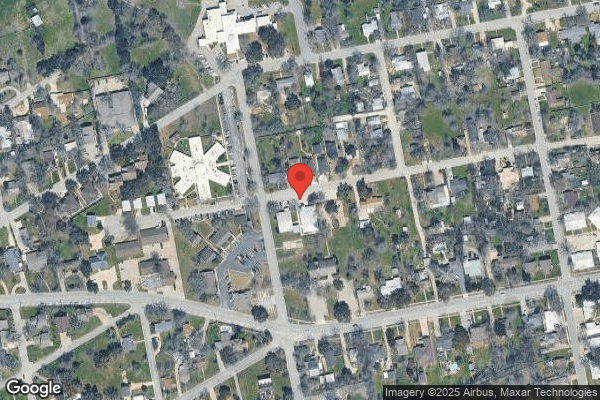
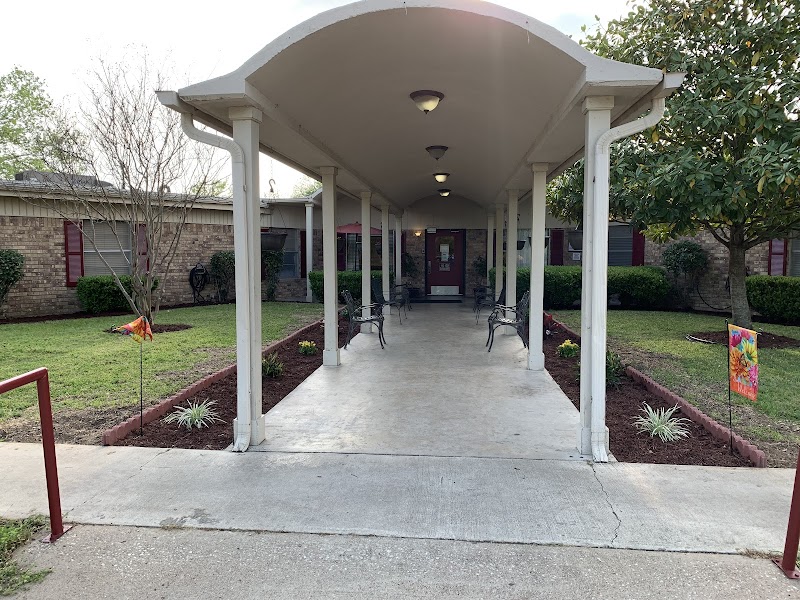
107 N MEDINA, LOCKHART, TX 78644 (512) 398-5213
For profit - Corporation 96 Beds DIVERSICARE HEALTHCARE Data: November 2025 1 Immediate Jeopardy citation
Trust Grade
43/100
#438 of 1168 in TX
Last Inspection: July 2024

Within standard 12-15 month inspection cycle. Federal law requires annual inspections.

Overview

Chisolm Trail Nursing and Rehabilitation Center has a Trust Grade of D, which indicates below-average performance and raises some concerns about the quality of care provided. The facility ranks #2 out of 5 in Caldwell County, meaning it is one of the better local options, but still has significant room for improvement. The trends show that the facility is improving, as the number of reported issues decreased from 7 in 2024 to 4 in 2025. Staffing appears to be a strength, with a 3 out of 5 star rating and a turnover rate of 37%, which is below the Texas average of 50%. However, there are serious concerns, including a critical finding where a resident's wound care was not properly managed, leading to worsened conditions, and multiple incidents where the facility failed to report potential abuse or neglect within the required timeframe. These issues highlight both strengths in staffing and improvements, but also significant weaknesses in care practices and compliance.

Trust Score
D
43/100
In Texas
#438/1168
Top 37%
Safety Record
High Risk
Review needed
Inspections
Getting Better
7 → 4 violations
Staff Stability
○ Average
37% turnover. Near Texas's 48% average. Typical for the industry.
Penalties
✓ Good
$37,541 in fines. Lower than most Texas facilities. Relatively clean record.
Skilled Nurses
○ Average
Each resident gets 34 minutes of Registered Nurse (RN) attention daily — about average for Texas. RNs are the most trained staff who monitor for health changes.
Violations
⚠ Watch
23 deficiencies on record. Higher than average. Multiple issues found across inspections.
★★★☆☆
3.0
Overall Rating
★★★☆☆
3.0
Staff Levels
★★★★☆
4.0
Care Quality
★★★☆☆
3.0
Inspection Score
Stable
2024: 7 issues
2025: 4 issues

The Good

  • 4-Star Quality Measures · Strong clinical quality outcomes
  • Full Sprinkler Coverage · Fire safety systems throughout facility
  • No fines on record
  • Staff turnover below average (37%)

    11 points below Texas average of 48%

Facility shows strength in quality measures, fire safety.

The Bad

3-Star Overall Rating

Near Texas average (2.8)

Meets federal standards, typical of most facilities

Staff Turnover: 37%

Near Texas avg (46%)

Typical for the industry

Federal Fines: $37,541

Above median ($33,413)

Moderate penalties - review what triggered them

Chain: DIVERSICARE HEALTHCARE

Part of a multi-facility chain

Ask about local staffing decisions and management

The Ugly 23 deficiencies on record

1 life-threatening
Jul 2025 1 deficiency
CONCERN (D) 📢 Someone Reported This

A family member, employee, or ombudsman was alarmed enough to file a formal complaint

Potential for Harm - no one hurt, but risky conditions existed

Quality of Care (Tag F0684)

Could have caused harm · This affected 1 resident

**NOTE- TERMS IN BRACKETS HAVE BEEN EDITED TO PROTECT CONFIDENTIALITY** Based on observation, interview, and record review, the facility failed to ensure that residents received treatment and care in ...

Read full inspector narrative →
**NOTE- TERMS IN BRACKETS HAVE BEEN EDITED TO PROTECT CONFIDENTIALITY** Based on observation, interview, and record review, the facility failed to ensure that residents received treatment and care in accordance with professional standards of practice, the comprehensive person-centered care plan, and the residents' choices for one (Resident #1) of three residents reviewed for quality of care. The facility failed to complete an accurate skin assessment on Resident #1 on 07/17/25 which did not include multiple red small scratches underneath both of her eyes. This failure could place residents at risk of skin integrity issues not being addressed, infection, and hospitalization. Findings included:Review of Resident #1's undated face sheet reflected [AGE] year-old female who was admitted to the facility on [DATE] with diagnoses including cognitive communication deficit, history of falling, and dementia. Review of Resident #1's quarterly MDS assessment, dated 05/07/25, reflected a BIMS score of 99, indicating she was unable to complete the interview due to her severe cognitive deficit. Section M (Skin conditions) reflected she was at risk of developing pressure ulcers/injuries. Review of Resident #1's quarterly care plan, dated 04/29/25, reflected she had a self-care deficit related to impaired cognition/dementia with an intervention of observing her skin for alterations in skin integrity. Review of Resident #1's Weekly Skin Assessment, dated 07/17/25 at 9:03 AM and documented by the TN, reflected she had no new skin integrity issues.Observation on 7/17/25 at 9:56 AM revealed Resident #1 in her wheelchair in the hallway. She was not able to be interviewed. She had multiple small red scratch-like marks under each eye.During an observation and interview on 07/17/25 at 10:34 AM, this surveyor brought LVN A to Resident #1 and asked what she saw on her face. She stated there appeared to be little scratch marks under her eyes. She stated she would expect to see them on a skin assessment because anything on the resident such as redness, bruising, or open skin should be documented.During an interview on 07/17/25 at 11:12 AM, the TN stated she completed weekly skin assessments on the residents. She stated she did complete Resident #1's assessment that morning and did not see any skin integrity issues. She stated she had been shown Resident #1's face by LVN A (prior to the interview). She stated she normally would not document something like the teeny openings on her face. She stated she normally only documented something she would need to treat, such as skin tears or open areas. During an interview on 07/17/25 at 11:52 AM, the DON stated skin assessment should include a head-to-toe observation. He stated skin integrity issues he would expect to be on a skin assessment would be redness, wounds, open areas, excoriation, and any abnormalities. He stated he would expect scratches to be documented because they were a break in the skin and could turn into something else. He stated the importance for accurate skin assessments was to ensure the nurses were ensuring skin issues were not worsening. Review of the facility's Skin Assessment Policy, dated 2021, reflected the following: It is our policy to perform a full body skin assessment as part of our systematic approach to pressure injury prevention and management. 1. A full body, or head to toe, skin assessment will be conducted by a licensed or registered nurse upon admission/re-admission, daily for three days, and weekly thereafter.Note any skin conditions such as redness, bruising, rashes, blisters, skin tears, open areas, ulcers, and lesions.
Jun 2025 2 deficiencies
CONCERN (D) 📢 Someone Reported This

A family member, employee, or ombudsman was alarmed enough to file a formal complaint

Potential for Harm - no one hurt, but risky conditions existed

Free from Abuse/Neglect (Tag F0600)

Could have caused harm · This affected 1 resident

**NOTE- TERMS IN BRACKETS HAVE BEEN EDITED TO PROTECT CONFIDENTIALITY** Based on interview and record review, the facility failed to ensure the residents had the right to be free from physical abuse a...

Read full inspector narrative →
**NOTE- TERMS IN BRACKETS HAVE BEEN EDITED TO PROTECT CONFIDENTIALITY** Based on interview and record review, the facility failed to ensure the residents had the right to be free from physical abuse and neglect for two (Resident #1 and Resident #3) of five residents reviewed for abuse and neglect. 1. The facility failed to ensure Resident #1 was not physically abused by FM on 05/25/2025 when FM hit Resident #1 after Resident #1 became agitated and hit the FM. 2. The facility failed to protect Resident #3 from physical abuse by Resident #2. Resident #3 wandered into Resident #2's room and was hit by Resident #2 after Resident #2 stated I'm going to hit you. These failures placed residents at risk of abuse, neglect, trauma, and psychosocial harm. Findings include: 1. Review of Resident #1's face sheet dated 05/28/2025 reflected a [AGE] year-old man admitted on [DATE] with diagnoses of unspecified dementia (cognitive functioning severe enough to affect daily life where type cannot be determined), depression (mood disorder characterized by persistent sadness), other specified arthritis (multiple sites) (inflammation in multiple joints), primary generalized osteoarthritis (breakdown of cartilage in multiple joints), Spondylosis (ongoing wear and wear on spinal joints and disks), and essential hypertension (high blood pressure). Review of Resident #1's admission MDS dated [DATE] reflected a BIMS score of 2 which indicated severe cognitive impairment. Further review reflected Resident #1 had inattention and had difficulty focusing and being easily distractible. Review of Resident #1's care plan dated 05/22/2025 reflected Resident #1 had little, or awareness of safety or boundaries related to other's personal space and wandered within his living space interventions included invite Resident #1 to participate in activities. Further review revealed care plan dated 05/27/2025 reflected Resident #1 had behaviors that included physical aggression. Review of incident report dated 05/25/2025 by LVN B reflected there was an altercation between Resident #1 and FM. When LVN B walked onto the memory care unit, Resident #1 was pacing and assessed for injury. LVN B spoke with FM and stated that Resident #1 was sitting in a chair beside Resident #5. FM told Resident #1 he had to leave and Resident #1 stood up and said Resident #5 was his (Resident #1's) wife. Resident #1 then punched FM twice in the face. FM punched Resident #1 in the cheek in self-defense. NP was notified, DON, ADM and Resident #1's RP. Review of police report dated 05/25/2025 reflected incident was reported at 5:43 PM. Review reflected police spoke with FM and FM indicated that he went to visit Resident #5 and when FM entered Resident #5's room, Resident #1 was there. FM stated Resident #1 became confrontational and believed Resident #5 was his wife. FM claimed Resident #1 punched FM in the face twice and FM punched Resident #1 back and knocked him to the ground in self-defense. FM declined to press charges and a small mark was observed on FM right cheek. Further review reflected Resident #1 wandered the hallway and swelling was observed with band-aid over Resident #1's left cheek. Police officer attempted to speak with Resident #1 and appeared not fully aware or did not recall the incident. Observation on 05/28/2025 at 10:46 AM, revealed Resident #1 was asleep in his room on his bed. Resident #1 was observed with bruising around his left eye that appeared dark purple. Observation on 05/28/2025 at 11:46 AM, revealed Resident #5 no longer resided on the memory care unit and was non-verbal and non-ambulatory. Observation and interview on 05/28/2025 at 4:41 PM, revealed Resident #1 sitting in his room with 1:1 supervision. Resident #1 stated his eye was fine and stated peanut butter stuff caused the bruise. During an interview on 05/28/2025 at 11:39 PM, CNA E stated she was not at work when the incident with Resident #1 occurred. CNA E stated that Resident #1 appeared the same since he admitted to the facility and had not noticed any changes or pain. CNA E stated she never had concerns with FM's behavior during visits to the facility and he always appeared calm. During an interview on 05/28/2025 at 11:42 AM, CNA F stated that she worked yesterday (05/27/2025) and both yesterday and today (05/28/2025) she was to remain 1:1 with Resident #1. CNA F stated that she was required to keep Resident #1 within eyesight at all times. CNA F stated there have been no issues with his behavior and that she redirected him if he went to another resident's room. CNA F stated that she had not noted any changes in Resident #1 and that his appetite has also remained the same. During an interview on 05/28/2025 at 12:02 PM, CNA C stated that she worked on 05/25/2025. CNA C stated that she started to gather residents for dinner and she asked Resident #1 to make his way to the dining room, but he stayed on the hall. CNA C stated this was before 5:00 pm which was dinner time. CNA C stated that Resident #1 sat in a chair next to Resident #5's bed and rubbed her face and Resident #1 recognized Resident #5 as a relative. CNA C stated she asked Resident #1 to leave the room and he became agitated and she attempted to redirect him, but was not successful. CNA C stated that she left to get LVN B and as she went to do so FM arrived to visit Resident #5. CNA C stated that FM asked Resident #1 to leave the room and Resident #1 stated no this is my dad. CNA C stated when she returned Resident #1 was near a medication cart and had blood on his face and FM came from Resident #5's room. CNA C stated when Resident #1 first walked up he stated two guys beat me up and after ice was applied Resident #1 stated he fell off a train. CNA C stated that FM appeared calm and did not yell and did not sound aggressive and apologized when he spoke with LVN B. CNA C stated that Resident #1 did not recall the event after it occurred and ate 100% of his dinner that evening and had no additional incidents the remainder of her shift. CNA C stated Resident #1 remained on 1:1 the remainder of her shift. During an interview on 05/28/2025 at 1:01 PM, the DON stated that he was made aware of the incident with Resident #1 and FM on Sunday (05/25/2025) when MCD called. The DON stated he instructed MCD to place Resident #1 on 1:1. The DON stated NP ordered a facial x-ray and results were pending. The DON stated the police were called and FM visited supervised and outside the memory care unit. The DON stated that no concerns with FM had been observed or concerns regarding his behavior and he was usually very quiet. The DON stated that there had been no behaviors reported by Resident #1 prior to the incident. The DON stated that Resident #1 wandered throughout the memory care unit and had not had any outburst previously. During an interview on 05/28/2025 at 1:14 PM, the MCD stated that she was called by LVN B and informed that an altercation occurred between Resident #1 and FM on 05/25/2025. The MCD stated that she contacted the DON and ADM immediately after speaking with LVN B. The MCD stated she instructed CNA C and LVN B to remain with Resident #1. The MCD stated she interviewed FM and he stated that he found Resident #1 sitting in Resident #5's room. The MCD stated that FM reported that Resident #1 swung at FM so FM swung back at Resident #1 in reaction. The MCD called the police to make a report and stated the DON instructed MCD to ask FM to leave the facility. The MCD stated that prior to the incident FM would visit from out of state and would visit during meals to feed Resident #5. The MCD described FM's demeanor as calm, respectful and stated he often brought staff food. The MCD denied that FM was harsh or aggressive prior to the incident. The MCD stated that FM was instructed he could not enter the facility and visits had to occur with supervision. The MCD stated that Resident #1 was placed on 1:1 and a staff member was asked to stay on the shift later and remain on 1:1 with Resident #1. MCD stated that Resident #1 had not been physically aggressive or have outburst prior to the incident. MCD stated Resident #1 usually wandered. During an interview on 05/28/2025 at 1:27 PM, the ADM stated he was made aware of the incident with Resident #1 on 05/25/2025 after 4:00 PM and before 5:00 PM. The ADM stated that LVN B contacted him and LCD reached out as well. The ADM stated that it was reported there was an altercation between FM and Resident #1. The ADM stated that Resident #1's RP was notified as well as the staff that was working to assess and separate FM and Resident #1. The ADM stated that all other residents in memory care was assessed, and a police report was made. The ADM stated that in order to protect other residents, Resident #1 was placed on 1:1 supervision and FM was asked to leave the building and instructed that he was not allowed inside the building. The ADM stated he had a discussion with FM via telephone on 05/27/2025 that visitation could be held outside and would be supervised. The ADM stated FM was informed he was not allowed back in the building at this time in order to protect all the residents. The ADM stated the FM was confused initially and FM believed his (FM) actions were justified. The ADM stated there was no concerns with FM's actions or behaviors until 05/25/2025. The ADM stated that prior to the incident Resident #1 had no behavioral concerns or physical aggression prior to the incident. The ADM stated Resident #1 would stay on 1:1 supervision for his safety and the safety of other residents. During an interview on 05/28/2025 at 4:36 PM, CNA G stated she did not work during the incident with FM and Resident #1. CNA G stated that physical abuse included hitting, slapping or punching. CNA G stated that any suspicious or witnessed abuse would be reported to the abuse coordinator who was the ADM. CNA G stated that Resident #1 had to be redirected constantly and wandered into other residents' rooms. During an interview on 05/28/2025 at 4:42 PM, CNA H stated she was on 1:1 with Resident #1 and he just woke up. CNA H stated any incidents that involved a family member to resident would be reported to the charge nurse and ADM. CNA H stated physical abuse was hitting someone or being aggressive. During an interview on 058/28/2025 at 4:55 PM, LVN J stated that an example of physical abuse included hitting or scratching of any kind and would be reported immediately to the ADM and DON and potentially police after the resident was separated. A telephone interview was attempted to LVN B on 05/28/2025 at 12:44 PM, and 06/05/2025 at 12:02 PM, there was no answer. During an interview on 06/11/2025 at 10:01 AM, FM stated that he arrived at the facility on 05/25/2025 it was around 4:00 PM. FM stated that he went to visit Resident #5. FM stated CNA C was at the end of the hall near Resident #5's room and heard CNA C tell Resident #1 that is not your room, come on. FM stated that Resident #1 sat next to Resident #5's bed in a chair and Resident #1 patted Resident #5's head. FM stated that he told Resident #1 that was not his room and Resident #1 was going to have to leave. FM stated Resident #1 jumped up and said you stupid ass this is my wife. FM stated he turned to look for CNA C and Resident #1 hit FM and kicked him in the shin and knocked FM on the floor. FM stated that Resident #1 caused FM's glasses to bend. FM stated he subdued Resident #1 and stated he hit Resident #1. FM stated Resident #1 hit FM and did not back down so FM hit Resident #1. FM stated that Resident #1 then left the room. FM stated he was unsure if CNA C witnessed the incident but stated when he looked around he did not see anyone. FM stated he hit Resident #1 once and Resident #1 fell to the ground and he held Resident #1 because Resident #1 still tried to hit FM. FM stated when Resident #1 relaxed, FM let him up and stated he held him down for about 20-30 seconds. FM stated he reported that Resident #1 hit FM twice to staff and the police. FM stated that Resident #5 had been a resident at the facility since 2016 and he was informed he could only visit Resident #5 outside the facility. FM stated he received a statement from ADM about the visitation restrictions and it was to be ongoing with no end date. FM stated he was not allowed to enter the facility at all and that included the common area. FM stated that he did nothing wrong. FM stated that the day prior to the incident Resident #1 had entered Resident #5's room and touched Resident #5's roommate's feet and then left. Review of in-service dated 05/08/2025 with topic of dealing with aggressive behaviors was completed with all staff and included tips for working with residents who had dementia/Alzheimer's. Review of in-service dated 05/28/2025 completed with staff reflected training was reviewed with the topic of current restricted visitation and 1:1 care. FM was not allowed to visit Resident #5 without supervision and needed to visit outside away from other / minimal residents with nursing team to supervise. Resident #1 was currently on 1:1 supervision until IDT concluded it was safe to discontinue. Review of safety surveys completed with 9 residents dated 05/28/2025 reflected there were no concerns noted from additional residents interviewed. Review of total body skin and body assessment conducted with 11 residents in the memory care unit dated 05/27/2025 reflected there were no new wounds observed. Review of 9 staff questionnaire dated 05/28/2025 reflected staff were aware of who to report abuse to, changes such as a bruise or cut on a resident and to report any incident. Review of letter addressed to FM from ADM dated 05/28/2025 reflected that due to the incident on 05/25/2025, FM was not allowed to enter the facility and any visitation with Resident #5 required supervision outside of he facility. The letter reflected that the facility had a responsibility to assure the residents were safe and supervised visitation was to assure no other resident and the potential of any possible harm. Review of in-service dated 05/26/2025 reflected training was reviewed with staff over abuse policy, report guidelines, resident rights. During an interview on 06/05/2025 at 12:06 PM, the ADM stated that a written letter was going to be sent to FM, but the facility's legal team had not approved it yet. Review of in-service dated 05/26/2025 reflected training was reviewed with staff over abuse policy, report guidelines, resident rights. 2. Review of Resident #2 face sheet dated 05/28/2025 reflected a [AGE] year-old man admitted on [DATE] and discharged on 04/13/2025 with diagnoses of idiopathic epilepsy and epileptic syndromes (group of syndromes characterized by seizures without identified brain abnormalities), chronic pain syndrome (pain lasting longer than three to six months), other specified disorders of the brain (wide range of brain conditions), and dysphagia (difficulty swallowing). Review of Resident #2's discharge MDS dated [DATE] reflected no BIMS score was completed due to Resident #2 discharged from the facility. Further review reflected there was no physical symptoms directed towards others in the 7 days prior to the assessment. Review of Resident #2's care plan dated 03/06/2025 reflected he had a physical functioning deficit with transfers and required assistance. Interventions reflected to use a Hoyer with transfers. There were no behaviors noted in Resident #2's care plan. Review of skin assessment dated [DATE] for Resident #2 reflected no bruising or open areas noted, there were no reddened areas, open areas (cuts/tears) found. Review of Resident #3 face sheet dated 05/28/2025 reflected a [AGE] year-old male admitted on [DATE] with diagnoses of unspecified dementia (cognitive functioning severe enough to affect daily life where type cannot be determined), other abnormalities of gait and mobility (clumsy, unsteady movements), other lack of coordination (wide range of conditions where there is a disruption in the body's ability to coordinate movements), and unspecified glaucoma (condition of fluid buildup in the eye that can cause vision loss or blindness). Review of Resident #3's quarterly MDS dated [DATE] reflected Resident #3 had a BIMS score of 7 which indicated severe cognitive impairment. Further review reflected Resident #3 had no physician behavioral symptoms directed toward others 7 days prior to the assessment. Review of Resident #3's care plan dated 04/19/2025 reflected Resident #3 had little or no awareness of safety or no boundaries and went into other resident's rooms. Interventions reflected to re-direct Resident #3 to his room to rummage through items safely, invite him to participate in activities and offer opportunities for social interaction. Review of Resident #3's care plan dated 06/05/2025 reflected he had behaviors which included being aggressive with others. Interventions included help residents avoid situations or people that are upsetting and attempt interventions before behaviors begin. Review of skin assessment dated [DATE] for Resident #3 reflected no bruising or open areas noted, there were no reddened areas, open areas (cuts/tears) found. During an interview on 05/28/2025 at 4:48 PM, Resident #3 stated he did not recall any incident with another resident. Resident #3 stated he felt safe at the facility. Resident was observed laying in bed in his room. Review of surveys completed with 9 residents date 04/07/2025 reflected there were no concerns noted from any resident and they were aware of who the abuse prevention coordinator was. Review of body audit's completed with 28 residents dated 04/08/2025 through 04/10/2025 reflected there were no suspicious alterations in skin found. Review of incident report dated 04/06/2025 with a time of 10:00 AM reflected RN A was outside of Resident #3's room and he kicked open Resident #2's door and entered the doorway of Resident #2's room. Resident #2 asked Resident #3 to leave his room and Resident #2 stated before I kick your [Resident #3's] ass. Resident #3 responded do it and Resident #2 punched Resident #3 in the face. Further review reflected DON, family and NP were notified and RN A separated the residents. Incident report reflected no injuries were noted on either resident. Further review reflected Resident #3 was confused and wandered into other residents' rooms. Review of investigation summary by ADM dated 04/07/2025 reflected nursing reported an incident that occurred on 04/06/2025 between Resident #2 and Resident #3. Further review reflected Resident #3 wandered into Resident #2's room and a dispute was heard by nursing and intervened and separated both residents. Resident #3 and Resident #2 lived on separate halls and were assessed with no signs of bruising or marks. ADM stated he spoke with Resident #2 and he stated there was an argument and Resident #3 did not recall. ADM stated there were no concerns or lasting effects. Review of 10 staff questionnaires dated 04/07/2025 reflected staff were aware of who to report abuse to, changes such as a bruise or cut on a resident and to report any incident. Review of statement dated 04/06/2025 by CNA K reflected she was writing to report an incident that occurred that involved Resident #2 and Resident #3. CNA K wrote that when she was in the hallway after lunch she observed Resident #3 roaming and entered the room of Resident #2. CNA K's statement reflected Resident #3 proceeded to kick the door and directed a verbal threat at Resident #2 that Resident #3 was going to hit Resident #2. CNA K stated she did not witness Resident #3 strike Resident #2 but she did hear Resident #2 said you hit me upon the nurses entry to the room. During an interview on 05/28/2025 at 4:19 PM, RN A stated that Resident #3 tended to wander door to door and kicked the doors open with his foot to other resident rooms. RN A stated she was charting and Resident #3 kicked open Resident #2's door. RN A stated Resident #2 told Resident #3 to quit and get away from the door. RN A stated when she turned she saw Resident #2 was at the door and hit Resident #3. RN A stated that she reported it to the physician, family member and reported it to the DON. RN A stated that she assessed each resident and completed a head-to-toe assessment and there were no injuries. RN A stated that Resident #3 was the only resident who was hit. RN A stated the residents was separated and removed from the area. RN A stated that any resident-to-resident incidents should be reported to the DON and the ADM. RN A stated looking back she saw that resident-to-resident incident could have been abuse and neglect. RN A stated at the time she thought it was just an incident and only did an incident report. During an interview on 05/28/2025 at 4:33 PM, the DON stated the incident occurred prior to his role as DON at the facility. The DON stated that all emergencies were reported to him and the ADM. During an interview on 05/28/2025 at 4:36 PM, CNA G stated if she observed an incident between two residents, would let the nurse know what was going on. CNA G stated that physical abuse included hitting, slapping or punch . CNA G stated that any suspicious or witnessed abuse would be reported to the abuse coordinator who was the ADM. During an interview on 05/28/2025 at 4:49 PM, LVN I stated that for incidents that involved residents she would separate the individuals and ask someone to assist . LVN I stated she would assess for any injuries and notify the ADM, MD, RP, and DON. LVN I stated that physical abuse was pulling, tugging, or being rough with a resident. LVN I stated any abuse or suspicion of abuse would be reported to the DON as soon as it occurred. During an interview on 05/28/2025 at 5:07 PM, the ADM stated that he was made aware of the incident with Resident #3 and Resident #2. ADM stated that he spoke with nursing and it was stated Resident #3 was going down the hallway and Resident #2 stated for Resident #3 to get out of the room. The ADM stated nursing intervened and no injuries were found. The ADM stated he spoke with both residents the next day and they had no concerns. The ADM stated he was not able to confirm Resident #2 struck Resident #3. The ADM stated an investigation was conducted but he was unable to confirm that Resident #2 stuck Resident #3 and he understood from RN A that a commotion was overheard. The ADM stated staff are educated on abuse and neglect at least three or four times a year. During an interview on 06/05/2025 at 11:25 AM, the SSD stated that she was familiar with Resident #3. The SSD stated that normally Resident #3 was calm, but lately he went into other resident's rooms and kicked the doors open. The SSD stated she knew he had an altercation with Resident #2 but was not sure what happened. The SSD stated that Resident #3 started to wonder recently (last few months). The SSD stated Resident #3 is redirected, taken outside on the patio as interventions. During an interview on 06/05/2025 at 11:39 PM, the AD stated Resident #3 was a very sweet person and liked to listen to music, have snacks and play bingo. The AD stated that Resident #3 never exhibited behavior during activities and was easily directed to activities. The AD stated that she had observed Resident #3 on different halls than his own, but he did not go into other resident's room or kicked doors. The AD stated Resident #3 looked out the window. The AD stated she has not observed increased wandering. The AD stated Resident #2 had no aggressive behavior that was observed and stated he preferred to remain in his room most of the time and he was quiet. During an interview on 06/05/2025 at 11:46 AM, the ADON stated that she started at the facility at the end of April 2025. The ADON stated she had observed Resident #3 as pleasant and had not observed him wandering or going into other resident's rooms and that he was just sitting in his wheelchair. The ADON stated that according to other people he can be aggressive, but was unable to recall anything specific. The ADON stated that interventions for Resident #3 included increased rounding, communication in shift report, discussion in morning meeting of any issues. During an interview on 06/05/2025 at 12:06 PM, the ADM stated that prior to the incident on 04/06/2025, Resident #3 wandered. The ADM stated Resident #3 would be up and active in activities and during that time he would have an eye on him. The ADM stated that interventions included redirection, trying to keep his mind stimulated and offered activities. The ADM stated Resident #3 would also visit his ex-spouse who was also a resident at the facility and that he enjoyed eating meals with her. The ADM stated that prior to the incident there was nothing reported that Resident #3 had wandered into other residents' rooms just that he wandered in general. The ADM stated potential harm for increased wandering behaviors was that other residents could be startled. During an interview on 06/05/2025 at 12:21 PM, the DON stated that Resident #3 was usually a calm guy and moved around the halls and looked for his ex-spouse. The DON stated that he knocked on doors until he found the ex-spouse. The DON stated that he did not consider this wandering because Resident #3 had a purpose and goal to find the ex-spouse. The DON stated that once Resident #3 found the ex-spouse he remained in her room. The DON stated that some resident yelled when Resident #3 opened the door. The DON stated that interventions for Resident #3 were to move him to the secured unit and bring him out to the ex-spouse to prevent him going up and down each hall. The DON stated he was also taken out to the back patio. Review of in-service dated 04/06/2025 reflected abuse policy, reporting guidelines and resident rights was reviewed with all staff. During an interview on 06/05/2025 at 12:06 PM, the ADM stated he prevented abuse and neglect in the facility through education of staff and checking in with residents and families. The ADM stated that the phone number for the abuse coordinator was posted in resident rooms. During an interview on 06/05/2025 at 12:21 PM, the DON stated that abuse and neglect was prevented by rounding and residents, reeducating the team and what abuse and neglect was. The DON stated it was important to continue to educate staff on what they are supposed to do and how to conduct themselves. The DON listed example of abuse as hitting or punching. Review of facility policy titled Abuse Policy dated 02/2017 reflected abuse is the willful (individual acted deliberately, not that they must have intent to injury or harm) infliction of injury that resulted in physical harm, pain or mental anguish. The facility shall take corrective action consistent with the investigation findings and to eliminate any ongoing dangers to the resident or other residents that may be affected. Review of facility policy titled Resident's Rights and Quality of Life dated 05/01/2012 reflected a resident has the right to be free from verbal, sexual, physical and mental abuse.
CONCERN (E) 📢 Someone Reported This

A family member, employee, or ombudsman was alarmed enough to file a formal complaint

Potential for Harm - no one hurt, but risky conditions existed

Report Alleged Abuse (Tag F0609)

Could have caused harm · This affected multiple residents

**NOTE- TERMS IN BRACKETS HAVE BEEN EDITED TO PROTECT CONFIDENTIALITY** Based on interview and record review, the facility failed to ensure that all alleged violations involving abuse, neglect, exploi...

Read full inspector narrative →
**NOTE- TERMS IN BRACKETS HAVE BEEN EDITED TO PROTECT CONFIDENTIALITY** Based on interview and record review, the facility failed to ensure that all alleged violations involving abuse, neglect, exploitation or mistreatment, including injuries of unknown source and misappropriation of resident property, are reported immediately, but not later than 2 hours if the alleged violation involved abuse or neglect resulted in bodily injury, to other officials (including the State Agency) for 4 of 6 residents (Resident #1, Resident #2, Resident #3 and Resident #4) reviewed for abuse and neglect. 1. The facility failed to report to the State Agency an incident that involved Resident #1 on 05/25/2025 within the allotted timeframe. 2. The facility failed to report to the State Agency an incident that involved Resident #2 and Resident #3 on 04/06/2025. 3. The facility failed to report to the State Agency after x-ray results revealed Resident #4 sustained a fracture after a fall on 03/31/2025 within the allotted timeframe. This failure could place residents at risk for harm to include physical abuse, a diminished quality of life, and psychosocial harm. Findings include: 1. Review of Resident #1 face sheet dated 05/28/2025 reflected a [AGE] year-old man admitted on [DATE] with diagnoses of unspecified dementia (cognitive functioning severe enough to affect daily life where type cannot be determined), depression (mood disorder characterized by persistent sadness), other specified arthritis (multiple sites) (inflammation in multiple joints), primary generalized osteoarthritis (breakdown of cartilage in multiple joints), Spondylosis (ongoing wear and wear on spinal joints and disks), and essential hypertension (high blood pressure). Review of Resident #1 admission MDS dated [DATE] reflected a BIMS score of 2 which indicated severe cognitive impairment. Further review reflected Resident #1 had inattention and had difficulty focusing and being easily distractible. Review of Resident #1 care plan dated 05/22/2025 reflected Resident #1 had little, or awareness of safety or boundaries related to other's personal space and wandered within his living space. Further review revealed care plan dated 05/27/2025 reflected Resident #1 had behaviors that included physical aggression. Review of incident report dated 05/25/2025 reflected an incident occurred between Resident #1 and a FM in which Resident #1 struck the FM and FM struck Resident #1 that resulted in bruising to Resident #1's face. Further review reflected the incident occurred on 05/25/2025. Review of TULIP intake submission reflected the facility first learned of the incident on 05/25/2025 at 6:00 PM but the report was not submitted until 05/26/2025. Review of intake email from the ADM reflected submission was sent into the state agency on 05/26/2025 at 3:58 PM, and not within two hours of incident despite Resident #1 suffering from facial bruising. A telephone interview was attempted to LVN B on 05/28/2025 at 12:44 PM, but there was no answer. During an interview on 05/28/2025 at 1:14 PM, the MCD stated that she was called by LVN B that an incident occurred and involved Resident #1. The MCD stated that she contacted the DON and ADM immediately after speaking with LVN B. During an interview on 05/28/2025 at 1:27 PM, the ADM stated he was made aware of the incident with Resident #1 on 05/25/2025 after 4:00 PM and before 5:00 PM. The ADM stated that LVN B contacted him and LCD reached out as well. The ADM stated that it was reported there was an altercation between FM and Resident #1. The ADM stated that Resident #1's RP was notified as well as the staff that were working to assess and separate FM and Resident #1. The ADM stated that all other residents in memory care were assessed, and a police report was made. The ADM stated that in order to protect other residents, Resident #1 was placed on 1:1 supervision and FM was asked to leave the building and instructed that he was not allowed inside the building. The ADM stated he had a discussions with FM via telephone on 05/27/2025 that visitation could be held outside and would be supervised. The ADM stated FM was informed he was not allowed back in the building at this time in order to protect all the residents. The ADM stated FM was confused initially and FM believed his (FM) actions were justified. The ADM stated there were no concerns with FM's actions or behaviors until 05/25/2025. The ADM stated that prior to the incident Resident #1 had no behavioral concerns or physical aggression prior to the incident. The ADM stated Resident #1 would stay on 1:1 supervision for his safety and the safety of other residents. 2. Review of Resident #2's face sheet dated 05/28/2025 reflected a [AGE] year-old man admitted on [DATE] and discharged on 04/13/2025 with diagnoses of diagnoses of idiopathic epilepsy and epileptic syndromes (group of syndromes characterized by seizures without identified brain abnormalities), chronic pain syndrome (pain lasting longer than three to six months), other specified disorders of the brain (wide range of brain conditions), and dysphagia (difficulty swallowing). Review of Resident #2's discharge MDS dated [DATE] reflected no BIMS score was not completed due to Resident #2 discharged from the facility. Further review reflected there was no physical symptoms directed towards others in the 7 days prior to the assessment. Review of Resident #2's care plan dated 03/06/2025 reflected he had a physical functioning deficit with transfers and required assistance. Interventions reflected to use a Hoyer with transfers. There were no behaviors noted in Resident 2's care plan. Review of skin assessment dated [DATE] for Resident #2 reflected no bruising or open areas noted, there were no reddened areas, open areas (cuts/tears) found. Review of Resident #3 face sheet dated 05/28/2025 reflected a [AGE] year-old male admitted on [DATE] with diagnoses of unspecified dementia (cognitive functioning severe enough to affect daily life where type cannot be determined), other abnormalities of gait and mobility (clumsy, unsteady movements), other lack of coordination (wide range of conditions where there is a disruption in the body's ability to coordinate movements), and unspecified glaucoma (condition of fluid buildup in the eye tat can cause vision loss or blindness). Review of Resident #3 quarterly MDS dated [DATE] reflected Resident #3 had a BIMS score of 7 which indicated severe cognitive impairment. Further review reflected Resident #3 had no physician behavioral symptoms directed toward others 7 days prior to the assessment. Review of Resident #3's care plan dated 04/19/2025 reflected Resident #3 had little or no awareness of safety or no boundaries and went into other resident's rooms. Interventions reflected to re-direct Resident #3 to his room to rummage through items safely, invite him to participate in activities and offer opportunities for social interaction. Review of Resident #3's care plan dated 06/05/2025 reflected he had behaviors which included being aggressive with others. Interventions included help residents avoid situations or people that are upsetting and attempt interventions before behaviors begin. Review of incident report dated 04/06/2025 reflected RN A was outside of Resident #3's room and he kicked open Resident #2's door and entered the doorway of Resident #2's room. Resident #2 asked Resident #3 to leave his room and Resident #2 stated before I kick your [Resident #3's] ass. Resident #3 responded do it and Resident #2 punched Resident #3 in the face. Further review reflected DON, family and NP were notified and RN A separated the residents. Incident report reflected no injuries were noted on either resident. Further review reflected Resident #3 was confused and wandered into other residents' rooms. Review of investigation summary by the ADM dated 04/07/2025 reflected nursing reported an incident that occurred on 04/06/2025 between Resident #2 and Resident #3. Further review reflected Resident #3 wandered into Resident #2's room and a dispute was heard by nursing and intervened and separated both residents. Resident #3 and Resident #2 lived on separate halls and were assessed with no signs of bruising or marks. The ADM stated he spoke with Resident #2 and he stated there was an argument and Resident #3 did not recall. The ADM stated there were no concerns or lasting effects. During an interview on 05/28/2025 at 4:19 PM, RN A stated that Resident #3 tended to wander door to door and kicked the doors open with his foot to other resident rooms. RN A stated she was charting and Resident #3 kicked open Resident #2's door. RN A stated Resident #2 told Resident #3 to quit and get away from the door. RN A stated when she turned she saw Resident #2 was at the door and hit Resident #3. RN A stated that she reported it to the physician, family member and reported it to the DON. RN A stated that she assessed each resident and completed a head-to-toe assessment and there were no injuries. RN A stated that Resident #3 was the only resident who was hit. RN A stated the residents were separated and removed from the area. RN A stated that any resident-to-resident incidents should be reported to the DON and the ADM. RN A stated looking back she saw that resident-to-resident incident could have been abuse and neglect. RN A stated at the time she thought it was just an incident and only did an incident report. Review of TULIP on 05/28/2025 reflected no intakes were submitted by the facility related to incident between Resident #2 and Resident #3. During an interview on 05/28/2025 at 4:33 PM, DON stated the incident occurred prior to his role as DON at the facility. DON stated that all emergencies were reported to him and the ADM. During an interview on 05/28/2025 at 5:07 PM, the ADM stated that he was made aware of the incident with Resident #3 and Resident #2 but could not recall when exactly. The ADM stated that he spoke with nursing and it was stated Resident #3 was going down the hallway and Resident #2 stated Resident #3 to get out of the room. The ADM stated nursing intervened and no injuries were found. The ADM stated he spoke with both residents the next day and they had no concerns. The ADM stated he was not able to confirm Resident #2 struck Resident #3. The ADM stated an investigation was conducted but he was unable to confirm that Resident #2 stuck Resident #3 and he understood from RN A that a commotion was overheard. The ADM stated staff are educated on abuse and neglect at least three or four times a year. During an interview on 06/05/2025 at 12:06 PM, the ADM stated that prior to the incident on 04/06/2025 Resident #3 wandered. The ADM stated Resident #3 would be up and active in activities and during that time he would have an eye on him. The ADM stated that interventions included redirection, trying to keep his mind stimulated and offered activities. The ADM stated Resident #3 would also visit his ex-spouse who was also a resident at the facility and that he enjoyed eating meals with her. The ADM stated that prior to the incident there was nothing reported that Resident #3 had wandered into other residents' rooms just that he wandered in general. The ADM stated potential harm for increased wandering behaviors was that other residents could be startled. 3. Review of Resident #4's face sheet dated 05/28/2025 reflected Resident #4 was admitted on [DATE] and discharged on 04/02/2025 as a hospice respite resident with diagnoses of senile degermation of brain (various neurological disorders that cause ongoing decline in cognitive functioning, memory and reason), essential hypertension (high blood pressure) and pain unspecified (discomfort that does not have a clear cause or a particular area of the body). Review of Resident #4's discharge MDS dated [DATE] reflected Resident #4 was unable to complete the BIMS assessment. Further review reflected Resident #4 had a fall since admission and a major injury from 1 fall. Review of Resident #4's progress note by RN A dated 03/30/2025 reflected Resident #4 was found on floor in his room and had complaints of pain to right hip and an order was received for an x-ray. Review of incident report by RN A dated 03/30/2025 with a time of 7:30 PM reflected Resident #4 was found in his room on the floor. Resident #4 was confused and unable to express how he got onto the floor. Vitals were taken and on-call NP was notified. There were no injuries observed at the time of the incident. Resident #4 had complaints of right hip pain. Pre-disposing factors included non-compliance with care. Review of provider investigation reported dated 04/07/2025 reflected incident was reported to HHSC on 04/02/2025 despite x-ray results being returned to the facility on [DATE]. Review of investigation summary reflected it was unable to determine how the fall occurred and hospice opted to treat in-house. Review of Resident #4's orders reflected he had an order to monitor for pain every shift dated 03/31/2025. Review of Resident #4's March and April 2025 MARS reflected there was no pain indicated during any shift between 03/31/2025 and 04/02/2025. Review of Resident #4's physician orders dated 03/28/2025 reflected he had an order for morphine sulfate .25 ml to give every hour as needed for mild pain and 1 mg to give every hour as needed for severe pain. Resident #4 was administered .25 m1 of morphine one time on 03/30/2025. Review of Resident #4's radiology results report reflected report date was 03/31/2025 at 1:06 AM, with examination date on 03/30/2025 at 10:33 PM. Findings reflected right sub capital impaction fracture with minimal callus and mild displacement. Findings reflected mild degenerative changes were seen. During an interview on 05/28/2025 at 4:19 PM, RN A did not recall Resident #4 or his fall. RN A stated fall interventions included to have the bed in a low position. RN A stated if an x-ray returned with a fracture, family, physician and DON were made aware of any findings. During an interview on 05/28/2025 at 4:36 PM, CNA G stated that if she found a resident had a fall she would let the nurse know and make sure the resident was safe. CNA G stated that residents were not to be moved after a fall until they were assessed. CNA G stated that she prevented falls with residents by clearing clutter, providing resident with a walker if needed and ensure they had proper footwear. During an interview on 05/28/2025 at 4:42 PM, CNA H stated that fall prevention interventions included ensuring a resident had a low bed, a fall mat if the nurse let them know they needed one. During an interview on 05/28/2025 at 4:49 PM, LVN I stated fall interventions included signs to call for help and educating a resident to use the call light for assistance. LVN I stated any x-ray that reveled a fracture would be reported to the doctor or on-call NP, ADM, DON and RP right away. During an interview with 05/28/2025 at 4:55 PM, LVN J stated that after a fall a resident was assessed for injuries and then assisted to the bed or chair. LVN J stated that interventions for falls included keeps residents within eyesight, frequent rounding and to have bed in a low position. LVN J stated that an x-ray that revealed a fracture would be reported to the doctor and DON right away. During an interview on 05/28/2025 at 5:07 PM, the ADM stated after he was made aware of an allegation of abuse or neglect he had 24 hours to report it to the state agency. The ADM stated he expected staff to report any resident-to-resident altercation. The ADM stated that he was made aware of the incident with Resident #2 and Resident #3 and that he spoke with RN A and that she reported Resident #2 stated for Resident #3 to get out of Resident #2's room but nursing intervened and confirmed there were no injuries. The ADM stated he spoke with both Resident #2 and Resident #3 the following day (04/07/2025) and he was unable to confirm that Resident #2 struck Resident #3 and neither resident was able to recall the incident. The ADM stated that the DON at the time did speak with RN B and that RN B stated she overheard the two residents but was out in the hallway. The ADM stated that he did review the incident report for Resident #2 and Resident #3, but ADM was unable to confirm the altercation had occurred and that it was just a commotion. The ADM stated that an investigation was initiated, and he spoke with both residents. The ADM stated only incidents that involved immediate danger were reported within a two hour time frame. The ADM stated he was made aware of the results of Resident #4's x-ray midmorning on 03/31/2025 and that the results were returned late 03/31/2025. The ADM stated that there was no specific facility policy on reporting and that information was included in the facility abuse policy. Review of facility in-service dated 03/31/2025 reflected topic was reviewed over preventing falls with all staff. Review of facility in-service dated 03/31/2025 reflected program content of Elder Justice Act/ Resident Rights/ Reporting guidelines was covered with all staff. In-service included facility policy titled Elder Justice Act Reporting dated 03/13/2020 which reflected employee reporting requirements included employes to report reasonable suspicion of a crime to the state agency within a designated time frame. Further review reflected if the reportable event results in serious bodily injury, the staff member shall report the suspicion immediately, but not later than two (2) hours after forming the suspicion. If t he reportable event does not result in serious bodily injury, the staff member shall report the suspicion not later than 24 hours after forming the suspicion. Review of facility policy titled Abuse, Neglect, Misappropriation, Exploitation Policy dated 01/219 reflected the purpose of the policy was to prevent abuse, neglect and exploitation and to ensure reporting and investigation of alleged violations (which included injuries of unknown source) in accordance with state laws. The policy defined injury of unknown source as source of the injury was not observed or could not be explained by the resident and the injury was suspicious because of the extent of the injury. Reporting and response section of the policy reflected all violations will be reported to the administrator immediately and immediately report all alleged violations to the administrator, state agency and/or law enforcement within specified timeframes. Specified time frames as indicated in policy reflected allegations with serious bodily injury should be reported immediately but not later than 2 hours after forming the suspicion. Allegations with no serious bodily injury should be reported no later than 24 hours.
Mar 2025 1 deficiency
CONCERN (D) 📢 Someone Reported This

A family member, employee, or ombudsman was alarmed enough to file a formal complaint

Potential for Harm - no one hurt, but risky conditions existed

Quality of Care (Tag F0684)

Could have caused harm · This affected 1 resident

**NOTE- TERMS IN BRACKETS HAVE BEEN EDITED TO PROTECT CONFIDENTIALITY** Based on interview and record review the facility failed to ensure based on the comprehensive assessment of a resident, that res...

Read full inspector narrative →
**NOTE- TERMS IN BRACKETS HAVE BEEN EDITED TO PROTECT CONFIDENTIALITY** Based on interview and record review the facility failed to ensure based on the comprehensive assessment of a resident, that residents received treatment and care in accordance with professional standards of practice, the comprehensive person-centered care plan, and the residents' choices for one of three residents (Resident #1) reviewed for quality of care. The facility failed to ensure Resident #1 had a physician's order for suctioning, and order for monitoring for secretions, or an order for when to replace the suction machine's cannister and tubing. This deficient practice could place residents at risk of aspiration, aspiration pneumonia, or hospitalization. Findings Included: Review of Resident #1's undated face sheet reflected a [AGE] year-old male who was admitted to the facility on [DATE] with diagnoses including aspiration (inhaling something into your airway) of fluid as the cause of abnormal reaction, cerebral infarction (stroke), anoxic (lack of oxygen) brain injury, dysphagia (difficulty in swallowing), and hypoxemia (abnormally low level of oxygen in the blood). Review of Resident #1's annual MDS assessment, dated 02/20/25, reflected a BIMS score of 99, indicating he was unable to complete the interview. Section K (Swallowing/Nutritional Status) reflected he had a feeding tube. Section O (Special Treatments, Procedures, and Programs) reflected he did not require suctioning as a respiratory treatment. Review of Resident #1's quarterly care plan, revised 01/28/25, reflected he was dependent on tube feeding/inadequate oral intake due to dysphagia and NPO with an intervention of providing oral care daily or PRN. Review of Resident #1's physician orders in his EMR, on 03/04/25, reflected no orders for suctioning, monitoring for secretions, or when to replace the suction machine's cannister or tubing. Review of Resident #1's physician order, dated 07/16/24, reflected provide oral care every shift. Review of Resident #1's hospital records, dated 02/21/25 - 02/24/25, reflected the following: . admitted with altered mental status and hypoxia. [Resident #1] has a history of recurrent aspiration pneumonia. [Resident #1] was admitted to the floor and started on IV antibiotics . . I do suspect that he still having silent aspiration . During an observation and interview on 03/04/25 at 9:28 AM revealed Resident #1 lying on his bed utilizing continuous oxygen. He was struggling to breathe, there were secretions in his mouth, and was pointing to his suctioning machine on his bedside table. This Surveyor went to the nurses' station and let RN A know Resident #1 was in distress. RN A stated, Oh I am sure he needs me to suction him and went to his room. During an interview on 03/04/25 at 12:08 PM, RN A stated Resident #1 was having secretions because he had a peg tube. He stated he had started having secretions since he recently came back from the hospital with aspiration pneumonia (02/24/25). He stated the order to suction was in his TAR under oral care and he was to be suctioned he believed every shift. During an interview on 03/04/25 at 12:29 PM, the MDSC stated oral care was considered cleaning the residents' mouth with utensils to clean out residue and clean their teeth. She stated it was important to keep their mouths clean and moist. She stated residents that are NPO should receive the same oral care, but the staff needed to ensure the head of their beds were elevated to reduce the risk of aspiration. She stated suctioning would only be considered part of oral care if they needed to suction something from their mouth they could not remove while providing oral hygiene care. She stated if a resident needed regular suctioning to remove secretions, she would expect to see an order for PRN suctioning. She stated it was important because an order was needed for anything that was done for a resident, especially someone who was NPO who may be not able to tell you they needed it. She stated it was the responsibility of the nurses to get physician orders. She stated residents that were NPO did not get fluids through their mouths which could increase excessive secretions which could cause aspiration or aspiration pneumonia. She stated Resident #1 did not have excessive secretions in the past but was not sure if that had changed since his recent hospital visit. She stated she believed he would be a high potential for needing PRN suctioning due to him being a high-risk of aspiration and his history of aspiration pneumonia. She stated there should be an order to assess regularly for secretions, PRN suctioning if the nursing staff were regularly utilizing the suctioning machine, and when to change out the cannister and tubing. Review of the facility's undated Airway Management Policy reflected the following: . 2. Review patient's electronic health record (EHR), including health care provider's order and nurses' notes for patient's normal pulse oximeter values, baseline and trends in respiratory rate and effort for breathing, frequency of suctioning, and response to suctioning.
Aug 2024 1 deficiency 1 IJ (1 affecting multiple)
CRITICAL (K) 📢 Someone Reported This

A family member, employee, or ombudsman was alarmed enough to file a formal complaint

Immediate Jeopardy (IJ) - the most serious Medicare violation

Pressure Ulcer Prevention (Tag F0686)

Someone could have died · This affected multiple residents

**NOTE- TERMS IN BRACKETS HAVE BEEN EDITED TO PROTECT CONFIDENTIALITY** Based on interview and record review, the facility failed to ensure residents received necessary treatment and services, consist...

Read full inspector narrative →
**NOTE- TERMS IN BRACKETS HAVE BEEN EDITED TO PROTECT CONFIDENTIALITY** Based on interview and record review, the facility failed to ensure residents received necessary treatment and services, consistent with professional standards of practice to promote wound healing and to prevent new pressure ulcers from developing for one (Resident #1) of three residents reviewed for pressure injuries. The facility failed to reinstate Resident #1's wound treatment orders after she was readmitted from the hospital on [DATE] until 07/16/24. Her wounds worsened and a new pressure injury was acquired during that timeframe. These failures resulted in an identification of an Immediate Jeopardy (IJ) on 08/30/24 at 1:44 PM. While the IJ was removed on 08/31/24 at 12:55 PM, the facility remained at a level of actual no actual harm at a scope of pattern that was not immediate jeopardy due to the facility's need to evaluate the effectiveness of the corrective systems. This failure could place residents at risk of improper wound management, the development of new pressure injuries, deterioration in existing pressure injuries, infection, and pain. Findings included: Review of Resident #1's undated face sheet reflected a [AGE] year-old female who was admitted to the facility on [DATE] and readmitted on [DATE] with diagnoses including pressure ulcers, diabetes, history of sepsis (a serious condition in which the body responds improperly to an infection), adult failure to thrive, and muscle wasting and atrophy (wasting away). Review of Resident #1's readmission MDS assessment, dated 07/18/24, reflected a BIMS of 14, indicating she was cognitively intact. (Section M) Skin Conditions reflected she was at risk of developing pressure ulcers/injuries and had one stage II, one stage III, and one stage IV pressure injury. Review of Resident #1's quarterly care plan, dated 07/02/24, reflected she was at risk of developing pressure ulcers with interventions of conducting weekly skin inspections and providing treatments as ordered. Review of Resident #1's hospital discharge paperwork from her hospitalization from 07/07/24 - 07/11/24, reflected the following: PTWC consulted for management of CAPIs to L buttocks and sacrum. [Resident #1]'s CAPI to L buttocks measures 1x1.5 cm and appears to be a stage 2. Wound consists of 100% red viable tissue. CAPI to coccyx measures 1x0.5 cm and consists of 50% slough and 50% red viable tissue after selective debridement with cotton tip applicator. No drainage or malodor noted from wounds. Wounds appear stable at this time . Review of Resident #1's wound assessments conducted by the WCD, dated 07/16/24, reflected the following: Stage 3 pressure wound of the left buttock full thickness: 6.0 cm x 3.0 cm x 0.2 cm Stage 2 pressure wound of the right buttock partial thickness: 2.3 cm x 1.1 cm x 0.1 cm Stage 4 pressure wound coccyx full thickness: 1.5 cm x 1.0 cm x 0.2 cm Review of Resident #1's physician order, dated 07/16/24, reflected stage 3 pressure wound of left buttock: Cleanse with NS, pat dry, apply alginate calcium with silver, cover with border gauze, one time a day for wound care. Review of Resident #1's physician order, dated 07/16/24, reflected pressure wound to coccyx, full thickness: cleanse with NS, pat dry, apply alginate calcium with silver, cover with border gauze, one time a day for wound care. Review of Resident #1's physician order, dated 07/16/24, reflected pressure wound of the right buttock, partial thickness: cleanse with NS, pat dry, apply zinc one time a day for wound care. Review of Resident #1's TAR, dated July 2024, reflected no treatment orders from 07/11/24 - 07/16/24. The first treatments for the wounds were completed after returning from the hospital on [DATE] on 07/17/24. During a telephone interview on 08/15/24 at 12:24 PM, Resident #1's WCD stated he was not aware she went without treatment orders after her readmission from the hospital on [DATE] until after his weekly assessment on 07/16/24. He stated he would have expected her old treatment orders to have been reinstated or to implement new treatment orders from the hospital. He stated a negative outcome of not having treatment orders in place would depend on the situation of the wounds and it could just be minimal negative outcomes. He stated he was unaware her wounds worsened after her hospitalization. During an interview on 08/15/24 at 12:36 PM, the DON stated it was the responsibility of the admitting nurse to reinstate all orders when a resident was readmitted from the hospital. She stated they also sat down as an IDT and went over the orders together. She stated going several days without treatment orders could lead to sepsis, worsening of wounds, or rehospitalization. Review of the facility's Skin Care Guidelines Policy, dated July of 2018, reflected the following: Purpose: To provide a system for evaluation of skin to identify risk and identify individual interventions to address risk and a process for care of changes/disruption to skin integrity. Process: - All those admitted will be observed for baseline skin condition and evaluated for risk of skin breakdown within 24 hours of admission. The findings will be documented in the electronic medical record. - Patients/Residents will be observed by the nurse aide team members daily for changes in skin condition. These changes will be reported to the licensed nurse and documented in the electronic medical record. The ADM and DON were notified on 08/30/24 at 1:44 PM that an Immediate Jeopardy had been identified due to the above failures and an IJ template was provided. The following POR was approved on 08/30/24 at 6:31 PM: 1. Identification of Residents Affected or Likely to be Affected: The facility took the following actions to address the citation and prevent any additional residents from suffering an adverse outcome. Completion Date: August 30, 2024 - The DNS and designee(s) conducted skin assessments on all residents by August 30, 2024. - An audit was conducted to ensure all treatments, supplies, and equipment were readily available for ordered wound treatments by Nursing Supervisors and designee on August 30, 2024. - A medical records review was completed on all residents by Nursing Supervisors and designee(s) to ensure weekly skin assessments were completed and treatment recommendations/orders were in place by August 30, 2024. - A care plan audit was conducted by the MDS coordinator to ensure that treatment recommendations/orders were on the care plan and that the care plan was being followed . 2. Actions to Prevent Occurrence/Recurrence: The facility took the following actions to prevent an adverse outcome from reoccurring. Completion Date: August 30, 2024. - All facility policies and procedures related to skin care, wound care, and pressure injury prevention were reviewed by the Senior Director of Clinical Operations and revised as needed . - An audit of all pressure relieving devices and support surfaces was conducted by the Nursing Supervisor(s) to ensure proper use according to manufacturer's instructions. - DNS/Director of clinical operations provided education to all licensed nurses present have been educated and any further team members will be educated before working next shift on facility policies and procedures related to skin/wound care, as well as appropriate wound treatment measures. This included ensuring residents had necessary support surfaces and pressure relieving devices, and that staff was following the manufacturer's recommendations for use on August 30, 2024. - DNS/Director of Clinical Operations provided education to all licensed nurses present have been educated and any further team members will be educated before working next shift on appropriate documentation which included transcription and entering of treatment orders on the physician's order sheet in the EHR and the resident's TAR on August 30, 2024. - DNS/ Director of Clinical Operations educated all nurse aides present have been educated and any further team members will be educated before working next shift on preventative skin care on August 30, 2024. - DNS/Director of Clinical Operations conducted daily treatment record and nursing documentation audits to ensure accurate and complete documentation of skin related treatments and preventative measures starting on August 30, 2024. - For residents returning from the hospital, treatment recommendations/orders and wound care appointments will be transcribed and overseen by the treatment nurse and DNS. - A QAPI PIP has been initiated to report on the above monitoring and auditing procedures. All findings from the PIP will be presented at the monthly QAA meeting. Monitoring/auditing and reporting will continue for a minimum of three months. The Surveyor monitored the POR on 08/31/24 as followed: During interviews on 08/31/24 from 11:01 AM - 12:42 PM, five CNAs and one MA from different shifts all stated they were in-serviced prior to their shifts . All were able to give examples as to when they would report to their nurse regarding skin integrity issues such as redness, bruising, discoloration, skin tears, or abrasions. They stated it was important to notify the nurse of any skin changes so they could assess the skin and be aware of any possible issues. They all stated it was important to reposition residents every two hours to help prevent skin breakdown. During interviews on 08/31/24 from 11:01 AM - 12:42 PM, two RNs and three LVNs from different shifts all stated they were in-serviced prior to their shifts . They all stated that a head-to-toe assessment was to be conducted immediately upon every new admission and any wounds were to be documented and the NP , DON, and WCD should be notified. They all stated if the resident was admitted without treatment orders, they would enter a standard order until the WCD gave them alternate orders. They all stated negative outcomes of a resident missing wound care treatments could be wounds deteriorating and risk of infection. All nurses stated their expectations were that nursing aides notify them immediately of any new skin issues such as discoloration, redness, open areas, bruising, rashes, or anything abnormal. The Nurses all stated if the WCN was not working it was their responsibility to provide wound care. Review of the facility's QAPI meeting, dated 08/30/24, reflected the ADM, AIT, DON, ICP, WCN, and MD were in attendance. Review of an in-service entitled Wound Care, dated 08/30/24 - 08/31/24 and conducted by the DON, reflected all nurses were in-serviced on pressure injury staging, protocols for wound care, entering wound care orders immediately upon admission, and their Skin Care Guidelines policy. Review of an in-service entitled Caring for Skin, dated 08/30/24 - 08/31/24 and conducted by the DON, reflected all nursing assistants were in-serviced on ensuring pressure relieving devices were being used properly and the following: Skin Changes In Elderly o Normal skin functions decline o Elderly more prone to skin disease, infection, problems in wound healing. o Pigmentation(color). Skin is of pale color o Moisture. Skin becomes dry, flaky&rough Pressure Ulcer Prevention o Change position frequently o Use positioning devices to float heels & relieve skin pressure o Pressure reducing cushions in wheelchairs o Keep skin clean and dry o Encourage fluids, hydration o Lotion and use barrier cream as needed o Report to charge nurse any bruise, red or broken skin o Report to charge nurse any refusals of care What To Report To Charge Nurse o Any bruise or discoloration of skin o Any rash or raised skin area o Any cut or laceration o Any red or open area o Any warm or cool skin area. o Any unusual bumps o Any report of pain Procedure For Reporting o Look and touch skin during AM and PM cares everyday. o Report anything unusual to charge nurse right away or as soon as possible after cares o Charge nurse to assess resident, measure and document. Review of all residents' skin assessments, completed 08/30/24 by the DON, reflected no new skin integrity issues. Review of all residents' EMRs who required pressure relieving devices, on 08/31/24, reflected they all had appropriate physician orders and were care planned for the devices. Review of three residents' EMRs that had recently been readmitted from the hospital, on 08/31/24, reflected their wound treatment orders had been reinstated the same day as their readmission. Review of two residents' EMRs that had current wounds, on 08/31/24, reflected no wound care treatments had been missed during the month of August 2024. While the IJ was removed on 08/31/24 at 12:55 PM, the facility remained at a level of actual no actual harm at a scope of pattern that was not immediate jeopardy due to the facility's need to evaluate the effectiveness of the corrective systems.
Jul 2024 5 deficiencies
CONCERN (D)

Potential for Harm - no one hurt, but risky conditions existed

Resident Rights (Tag F0550)

Could have caused harm · This affected 1 resident

**NOTE- TERMS IN BRACKETS HAVE BEEN EDITED TO PROTECT CONFIDENTIALITY** Based on observations, interviews, and record review, the facility failed to treat each resident with respect and dignity and ca...

Read full inspector narrative →
**NOTE- TERMS IN BRACKETS HAVE BEEN EDITED TO PROTECT CONFIDENTIALITY** Based on observations, interviews, and record review, the facility failed to treat each resident with respect and dignity and care for each resident in a manner and in an environment that promoted maintenance or enhancement of his or her quality of life for 1 of 20 (Resident #15) residents reviewed for dining services in 1 of 1 dining room. The facility failed to promote Resident #15's dignity while dining when staff did not serve the resident their lunch tray at the same time as other residents at the same table for lunch on 07/09/2024. This failure could affect all residents who were eat in the dining room, by contributing to poor self-esteem, and unmet needs. Findings included: Review of Resident #15's Face Sheet dated 07/09/2024 revealed she was a [AGE] year-old female who was admitted to the facility on [DATE]. The resident's diagnoses included dementia (memory, thinking difficulty), abnormality of albumin (problems with liver and kidney function), epiphora due to insufficient drainage (excessive watering of the eye), stenosis of right lacrimal punctum (narrowing of the external opening of the eye), stenosis of left lacrimal punctum (narrowing of the external opening of the eye), age related nuclear cataract (hardening of the center part of the eye), hypertensive retinopathy (damage to blood vessels in the eye due to high blood pressure), vitamin D deficiency, muscle wasting, lack of coordination, cerebral infraction (long term effects of a stroke), hypokalemia (low potassium levels), abdominal pain, repeated falls, need for assistance with personal care, unsteadiness on feet, iron deficiency, hyperlipidemia (high cholesterol), Alzheimer's disease (brain disorder that gets worse over time), mood disorder, nutritional anemia (not enough healthy red blood cells), type 2 diabetes mellitus with unspecified complications (high blood sugar), hypo-osmolality and hyponatremia (low plasma sodium), depression, hypertension (high blood pressure), muscle weakness, age related osteoporosis (skeletal disorder), dysphagia (difficulty swallowing), difficulty walking, cognitive communication deficit (problems with communication), and symbolic dysfunctions (development disorder of speech and language). Record review of Resident #15's Quarterly MDS dated [DATE] revealed that Resident #15's BIMs score was 8 which meant the resident was moderately impaired . Resident #15's comprehensive care plan dated 11/04/2023 revealed resident had impaired communication due to impaired cognition and hearing difficulty. Review of Resident #35's Face Sheet dated 07/09/2024 revealed she was an [AGE] year-old female who was admitted to the facility on [DATE]. The resident's diagnoses included anxiety, anterior subcapsular polar (cloudiness in the eye), nuclear cataract (hardening of the center part of the eye), long term use of anticoagulants (blood clot medication), osteoarthritis (joint disease), post COVID, history of falling, difficulty walking, lack of coordination, weakness, pain in the spine, abnormal posture, need for assistance with personal care, unsteadiness on feet, abnormalities of gait and mobility, atrial fibrillation (abnormal heart rhythm), muscle wasting, hypo-osmolality and hyponatremia (low plasma sodium), basal cell carcinoma of skin (skin cancer), cognitive communication deficit (problems with communication), muscle weakness, and chronic embolism and thrombosis of unspecified vein (blood clots in blood vessels). Record review of Resident #35's Quarterly MDS stated 02/08/2024 revealed she had a BIMs score of 99, which meant Resident #35 was unable to complete the assessment for mental status. Observation of dining services on 07/09/2024 at 12:00pm revealed that resident #35 received her meal tray at 12:08pm while her table mate Resident #15 did not get her tray until 12:23pm. Observation further revealed that after Resident #35 got her meal tray staff passed trays to the all the other residents in the dining room before realizing Resident #15 did not have her meal tray. An interview with Resident #15 on 07/09/2024 at 12:31pm revealed the resident did not want to talk to the state surveyor. An interview with CNA C on 07/11/2024 at 8:23am revealed the policy for dining tray pass was that all residents at the same table were to receive their meal trays before staff move on to the next table. CNA C stated that the nurses were responsible for ensuring all residents at the same table have their trays before passing trays to another table. She stated the negative outcome of a resident not getting his or her tray at the same time could result in the resident could become upset about not getting his or her food. She stated she did not know why Resident #15 did not get her tray before staff moved onto the next table. An interview with CNA B on 07/11/2024 at 8:30am revealed the policy for dining tray pass was that all residents get their trays before moving on to the next table. CNA B stated that the nurses and aids were responsible for ensuring all residents at the same table had their trays before passing trays to another table. She stated that sometimes the kitchen gets busy, and the kitchen does not have their food as reason they may have to wait for their food. She stated the outcome of a resident not getting their food at the same time could be that the resident felt left out. An interview with the DON on 07/11/2024 at 8:40am revealed the policy for dining tray pass was that all the trays for a table should come out together. She stated the nurse and everyone in the dining room was responsible for ensuring all residents at a table had their meal tray before moving to the next table. She stated by a resident not getting his or her meal tray at the same time as their table mate could result in emotional issues or the resident feeling left out. She stated she does not know why Resident #15 did not get her meal tray at the same time as her table mate. She stated staff must pay better attention. An interview with the ADM on 07/11/2024 at 8:48pm revealed to the policy for .dining tray pass was to make sure everyone gets fed at the same time before moving on. She stated that all staff were responsible for ensuring all residents had their meal tray at the table before moving on. She stated by not giving residents their meal trays at the same time the resident may feel forgotten. She stated she did not know why Resident #15 was not given her meal tray at the same time as her table mate. She stated the resident should have gotten her meal tray. Record Review of Dining and Meal Service Policy dated 08/01/2012 revealed individuals at the same table will be served and assisted at the same time.
CONCERN (D)

Potential for Harm - no one hurt, but risky conditions existed

Deficiency F0558 (Tag F0558)

Could have caused harm · This affected 1 resident

**NOTE- TERMS IN BRACKETS HAVE BEEN EDITED TO PROTECT CONFIDENTIALITY** Based on observations, interviews, and record review the facility failed to ensure residents received services in the facility w...

Read full inspector narrative →
**NOTE- TERMS IN BRACKETS HAVE BEEN EDITED TO PROTECT CONFIDENTIALITY** Based on observations, interviews, and record review the facility failed to ensure residents received services in the facility with reasonable accommodations of resident's needs and preferences except when to do so would endanger the health and safety of the resident or other residents for 1 of 5 residents (Resident #47) reviewed for resident rights. The facility failed to ensure Resident #47's call light was within reach on 07/11/24. This failure could place residents at risk of needs not being met. Findings included: Record review of Resident #47's admission Record dated 07/11/24 revealed a [AGE] year-old male admitted to the facility on [DATE] with diagnoses that included dementia (a syndrome associated with many neurodegenerative diseases, characterized by a general decline in cognitive abilities that affects a person's ability to perform everyday activities), dysphagia (difficulty swallowing, cerebral infarction (the pathologic process that results in an area of necrotic tissue in the brain), and osteoarthritis (type of arthritis that occurs when flexible tissue at the ends of the bones wear down). Record review of Resident #47's Quarterly MDS dated [DATE] revealed a BIMS of 99 indicating Resident #47 could not complete the assessment. Section GG-Functional Abilities and Goals revealed Resident #47 was dependent with bathing, toileting hygiene, and personal hygiene . Record review of Resident #47's progress notes dated 05/13/24 revealed Hoyer for transfers, call light within reach. In an observation on 07/11/24 at 9:51 AM Resident #47's call light was on the floor and out of residents reach. Resident #47 was in bed resting quietly with eyes closed and blankets pulled up to chest area. Resident #47 opened his eyes when the state surveyor called his name but was non-verbal. Resident #47 appeared clean, groomed, and no foul odors or areas of concern were noted. Resident #47 was not in any sign of pain or distress. In an interview on 07/11/24 at 09:59 AM with MA, she stated she had been trained on call light placement. She stated she had always made sure the residents call lights were in their reach and that the residents had whatever they needed prior to leaving the residents rooms. She stated if a resident did not have their call light in reach, it could have caused an accident to happen, or the resident would not have been able to call for help. She stated the resident call lights should be in reach at all times. In an observation on 07/11/24 at 10:09 AM, Resident #47's call light remained on the floor and out of residents reach. In an interview on 07/11/24 at 10:11 AM, LVN A stated Resident #47's call light should not be on the floor. She stated call lights should always be in the residents reach and she had been trained on call light placement. She stated if a call light were not in reach that could potentially cause a resident to not be able to call for help, the resident could be in pain or distress, and could have needed help. She stated she had been trained on call light placement. In an interview on 07/11/24 at 10:25 AM, CNA A stated she had been trained on call light placement. She stated the call lights should always be within reach. She stated if a call light were not in residents reach, a resident could have choked or could not call for help. In an interview on 07/11/24 at 10:34 AM the ADM stated staff were trained on call light placement. She stated call lights should be in place and within residents reach. She stated all staff were responsible for ensuring residents call lights were in place and within reach of residents. She stated if a call light were out of a residents reach, it could cause an incident or accident to occur. In an interview on 07/11/24 at 10:45 AM, the DON stated the nurses and CNAs were responsible for the residents call light placement. She stated staff were trained on call light placement. She stated residents call lights should always been within reach. She stated if a residents call light was not in reach, incidents could possibly happen, and the resident may not be able to call for help. 07/11/24 at 10:49 AM Requested policies for call light placement from the DON. 07/11/24 at 11:24 AM Requested policies for call light placement from the Administrator. Record review of documents given from the ADM from a book titled Clinical Nursing Skill & Techniques 10th Edition Volume 1 written by authors Perry-[NAME]-[NAME]-LaPlante revealed in chapter 14 on page 382 that residents safety begins with patient's immediate environment and call button should be in reach and call system should be easily accessible. Chapter 14 on page 383 revealed Maintain call light within reach. Chapter 18 on page 545 revealed 16. Be sure nurse call system is in an accessible location within patient's reach. Feet and nails often require special care to prevent infection, odors, pain, and injury to soft tissues.
CONCERN (D)

Potential for Harm - no one hurt, but risky conditions existed

ADL Care (Tag F0677)

Could have caused harm · This affected 1 resident

**NOTE- TERMS IN BRACKETS HAVE BEEN EDITED TO PROTECT CONFIDENTIALITY** Based on observations, interviews, and record review, the facility failed to ensure that one resident (Resident #57) out of five...

Read full inspector narrative →
**NOTE- TERMS IN BRACKETS HAVE BEEN EDITED TO PROTECT CONFIDENTIALITY** Based on observations, interviews, and record review, the facility failed to ensure that one resident (Resident #57) out of five residents reviewed for activities of daily living received care and services for nail care. The facility failed to ensure that Resident #57's fingernails and/or toenails were cleaned and trimmed. This failure placed residents at risk for not receiving adequate care and services to prevent infection, injury, and diminished quality of life. Findings included: Record review of Resident #57's admission Record dated 07/11/24 revealed a [AGE] year-old male admitted to the facility on [DATE] with diagnoses that included: atrial fibrillation (abnormal heart rhythm characterized by rapid and irregular beating of the atrial chambers of the heart, dementia (a syndrome associated with many neurodegenerative diseases, characterized by a general decline in cognitive abilities that affects a person's ability to perform everyday activities), dysphagia (difficulty swallowing), and bipolar disorder (a mental disorder characterized by periods of depression and periods of abnormally elevated mood that each last from days to weeks. Record review of Resident #57's Comprehensive Care Plan dated on 01/18/24 revised on 06/24/24 revealed a focus Resident #57 required assistance to complete ADLs, level of assistance may vary depending on my condition with interventions that include nail, hair, and oral care daily and as needed. Record review of Resident #57's Quarterly MDS dated [DATE] revealed a BIMS score of 12 indicating cognitive skills for daily decision making were moderately impaired. Section E-Behavior revealed Resident #57 did not resist ADL care that was necessary to achieve the resident's goals for health and wellbeing. Section GG-Functional Abilities and Goals revealed Resident #57 needed partial/moderate assistance with bathing and toileting hygiene, Resident #57required supervision or touching assistance for personal hygiene. Record review of Resident #57's progress notes dated 06/22/24 revealed Resident is dependent on staff for most ADL's due to weakness in lower extremities. In an observation on 07/11/24 at 9:29 AM Resident # 57's fingernails were jagged, slightly long, and dirty. Fingernails contained a moderate amount of a thick brown substance underneath each fingernail. In an interview on 07/11/24 at 09:30 AM, Resident #57 stated that he asked a staff member a week ago to clean and trim his nails. He stated he did not remember who the staff member was, but she had told him that a foot doctor would have to clip his nails because he was diabetic. He stated he had not seen a foot doctor since he had been in the facility that he remembered. He stated someone had clipped and cleaned his nails before in the facility about a month or two ago but that was the last time he remembered. He stated the staff had seen that his nails were dirty when he asked them to trim them, but they still did not clean them, and the staff did not clean his nails when he took a shower. In an interview on 07/11/24 at 09:59 AM, the MA stated CNA's were responsible for the residents nail care and they checked residents nails often. She stated if a resident's nails were too long or dirty, then the CNA's should have trimmed and cleaned the nails. She stated if a resident was diabetic the CNA should have told the nurse and the nurse should have taken care of the resident's nails. She stated she had been trained on ADL's, cleaning, and trimming resident's nails. She stated if a resident's nails were too long or dirty, it could cause possible cross contamination. She stated resident's nails should always be cleaned and trimmed. In an interview on 07/11/24 at 10:11 AM, LVN A stated if a resident was diabetic, the nurses were responsible for clipping the resident's nails. She stated if staff saw a resident's nails and they were dirty or needed to be trimmed, they should have cleaned or trimmed the resident's nails or informed the nurse that was responsible for the resident. She stated if a resident's nails were too long or dirty, it could cause a risk of infection. She stated she had been trained on ADL care and nail care. In an interview on 07/11/24 at 10:25 AM, CNA A stated resident's nails were cleaned when they were in the shower. She stated she had been trained on ADL's and nail care. She stated if a resident had dirty or long nails and they were diabetic, she would tell the nurse. She stated it was not acceptable for a resident to have dirty or too long nails and it could cause all kinds of infections or could have made a resident sick if their nails were not clean. In an interview on 07/11/24 at 10:34 AM, the ADM stated staff were trained on ADL's, cleaning, and trimming nails. She stated resident's nails should have been cleaned and trimmed as needed and the nursing staff were responsible for that. She stated resident's nails should have been cleaned and trimmed as needed and resident should have never been left with feces under their nails or have dirty nails. She stated if a resident's nails were dirty or too long it could cause a negative outcome such as possible infections or dignity issues. In an interview on 07/11/24 at 10:45 AM, the DON stated the nurses and CNA's were responsible for the residents nail care. She stated staff were trained on ADL's and nail care. She stated residents should never have had dirty or nails that were too long or jagged. She stated if a resident was eating and had dirty or too long nails it could cause transfer of bacteria, or the resident could get sick. 07/11/24 10:49 AM Requested policies for ADL care and nail care from the DON. 07/11/24 11:24 AM Requested policies for ADL care and nail care from the Administrator. Record review of documents given from the ADM from a book titled Clinical Nursing Skill & Techniques 10th Edition Volume 1 written by authors Perry-[NAME]-[NAME]-LaPlante revealed in chapter 18 on page 546 revealed The best time to perform nail and foot care is during a patient's daily bath.
CONCERN (E)

Potential for Harm - no one hurt, but risky conditions existed

Deficiency F0583 (Tag F0583)

Could have caused harm · This affected multiple residents

**NOTE- TERMS IN BRACKETS HAVE BEEN EDITED TO PROTECT CONFIDENTIALITY** Based on observations, interviews, and record review the facility failed to ensure resident rights for personal privacy for 4 of...

Read full inspector narrative →
**NOTE- TERMS IN BRACKETS HAVE BEEN EDITED TO PROTECT CONFIDENTIALITY** Based on observations, interviews, and record review the facility failed to ensure resident rights for personal privacy for 4 of 6 residents (Resident # 6, Resident # 14, Resident #20, and Resident # 43) residents reviewed for personal privacy. The facility failed to knock on Resident #6, #14, #20, and #43's room when going into the residents' rooms. The deficient practice could affect all residents right to privacy in the facility and cause the resident to feel like their privacy was being invaded or the facility was not their home. Findings included: Review of Resident #6's Face Sheet dated 07/10/2024 revealed she was an [AGE] year-old female who was admitted to the facility on [DATE]. Resident #6's diagnoses included senile degeneration of brain, protein deficiency, COVID, schizophrenia (mental disorder), major depressive disorder, nuclear cataract (hardening of the center part of the eye), mood disorder, abnormalities of gait and mobility, muscle wasting, expressive language disorder, muscle weakness, hypertension (high blood pressure), dysphagia (difficulty swallowing), lack of coordination, vitamin D deficiency, cognitive communication deficit (problems with communication), Asthma (breathing difficulty), type 2 diabetes mellitus with diabetic neuropathy (nerve damage due to diabetes), malaise (feeling of general discomfort), heart disease, bronchitis (inflammation in the lungs causing couch), muscle wasting, psychotic disorder with delusions, neuralgia and neuritis (severe pain due to damaged nerves), dementia (memory, thinking difficulty), type 2 diabetes mellitus with hyperglycemia (high blood sugar), solitary pulmonary nodule (small mass in the lung), anemia (not enough healthy red blood cells), hypothyroidism (too much iodine causing the thyroid to produce too much thyroid hormone), anxiety, insomnia (difficulty sleeping), chronic pain, chronic obstructive pulmonary disease (chronic progressive lung disease), duodenal ulcer (a break in the inner lining of the stomach), gastroparesis (delayed emptying of the stomach), scoliosis (irregular curve of the spine), muscle wasting, kidney disease, difficulty walking, abnormalities of gait and mobility, lack of coordination, and long term drug therapy. Record review of Resident #6's Quarterly MDS revealed Resident #6 has a BIMs score of 9, indicating the resident did not understand or make self-understood most of the time. Review of Resident #14's Face Sheet dated 07/10/2024 revealed she was a [AGE] year-old female who was admitted to the facility on [DATE]. Resident #14's diagnoses included intermediate dry stage (vision loss), open angle with borderline findings low risk (one or more eyes at risk of glaucoma), presence of intraocular lens (clear artificial lens), abnormality of albumin (problems with liver and kidney function), lack of coordination, dementia (memory, thinking difficulty), COVID, depression, dysphagia (difficulty swallowing), need for assistance with personal care, unsteadiness on feet, abnormalities of gait and mobility, hypothyroidism (too much iodine causing the thyroid to produce too much thyroid hormone), muscle weakness, lack of coordination, pain in left knee, type 2 diabetes mellitus without complications (high blood sugar), type 2 diabetes mellitus with chronic kidney disease (kidney disease due to diabetes), cerebral infraction (long term effects of a stroke), hypertension (high blood pressure), osteoarthritis of the knee (joint disease), and spinal stenosis (spaces inside the bones of the spine get too small). Record review of Resident #14's Quarterly MDS revealed Resident #6 has a BIMs score of 2, indicating the resident did not understand or make self-understood. Review of Resident #20's Face Sheet dated 07/10/2024 revealed she was a [AGE] year-old female who was admitted to the facility on [DATE]. Resident #20's diagnoses included acute posthemorrhagic anemia (loss of large amount of blood quickly), hematemesis (vomiting of blood), open angle glaucoma, presence of intraocular lens (clear artificial lens), polyneuropathy (damage affecting the nerves roughly the same area on both sides of the body), COVID, reduced mobility, seizures, physical debility, hyperlipidemia (high cholesterol), lack of coordination, dysarthria and anarthria (severe speech sound disorder), need for assistance with personal care, dysphagia (difficulty swallowing), symbolic dysfunctions (development disorder of speech and language), abnormalities of gait and mobility, neuromuscular dysfunction of bladder (lack of bladder control), altered mental state, unsteadiness on feet, presence of neurostimulator (implanted device to shock the nerves), osteoporosis (skeletal disorder), pain in right shoulder, vitamin B12 deficiency, weakness, expressive language disorder, repeated falls, cognitive communication deficit (problems with communication), type 2 diabetes mellitus without complications (high blood sugar), bipolar disorder (extreme mood swings), major depressive disorder, glaucoma (eye disease), hypertension (high blood pressure), dysarthria following cerebral infraction (speech sound disorder after a stroke), rheumatoid arthritis (long term autoimmune disorder that primary affects joints), muscle wasting, and tremor (involuntary movement). Record review of Resident #20's Quarterly MDS revealed Resident #6 has a BIMs score of 10, indicating the resident could understand or make self-understood. Review of Resident #43's Face Sheet dated 07/10/2024 revealed she was a [AGE] year-old female who was admitted to the facility on [DATE]. Resident #43's diagnoses included disorder of bone density, overactive bladder, lack of coordination, abnormal posture, vitamin D deficiency, age related nuclear cataract (hardening of the center part of the eye), vitamin B12 deficiency, hypothyroidism (too much iodine causing the thyroid to produce too much thyroid hormone), hypertension (high blood pressure), embolism and thrombosis of unspecified vein (blood clots in blood vessels), constipation, pressure ulcer (bed sore), pain in joint, hematopoietic stem cell transplantation (cells that can develop into all types of blood cells ), muscle weakness, heartburn, adverse effect of antifungal antibiotics (antibiotics that don't work), feed for assistance with personal care, connective tissue and disc stenosis (spinal disease), neuromuscular dysfunction of bladder (lack of bladder control), calculus of kidneys (kidney stones), and depressive disorder . Record review of Resident #43's Quarterly MDS revealed Resident #6 has a BIMs score of 15, indicating the resident could understand or make self-understood. Observation of hall trays being passed on 07/09/2024 at 12:00pm revealed CNA C not knocking on Resident #20 or Resident #14's doors before entering the room. Observation of hall trays being passed on 07/10/2024 at 12:09pm revealed CNA C not knocking on Resident #6, Resident #14, Resident #20, and Resident # 43's doors before entering the room. An interview with CNA C on 07/11/2024 at 8:20am revealed that staff were supposed to always knock on a resident's door before entering. She stated that it was important to knock before entering because the resident could be doing something or be by the door. She stated if you do not knock, and the resident was by the door they could get hurt when you open the door. She stated that if staff did not knock on the door before entering it could cause the resident to feel like his or her privacy was being invaded. She stated she was used to saying knock, knock instead of knocking. She stated it was hard to carry a meal tray with one hand and knock on the resident's door. An interview with the AM on 07/11/2024 at 8:35am revealed that she had been trained on resident rights and knocking on a resident's door before entering. She stated the policy was staff were to knock and announce themselves and wait for the resident to tell them to come in. She stated it was important to knock before entering to ensure the resident's right to privacy. She stated that if staff do not knock on the door the resident could get upset or irritated and feel as if staff were invading their privacy. The AM stated that she was not aware that she did not knock on the resident's door before entering. An interview with the DON on 07/11/2024 at 8:43am revealed she had been trained on resident rights and knocking on the resident's door before entering. She stated all staff were required to knock on the resident's door before entering their room. She stated it was important to knock for the resident's rights and privacy. She stated that if staff did not knock on a resident's door the resident could feel like they were not being respected or their privacy was being invaded. She stated that one staff did not knock on the resident's door because she was worried about dumping the tray. She stated the staff still should have knocked on the door. An interview with the ADM on 07/11/2024 at 8:54pm revealed staff were supposed to knock before entering a resident's room. She stated all staff and visitors were supposed to knock before entering a resident's room. She stated that it was important to knock before entering to ensure the resident's right for privacy was not being violated. She stated that if staff did not knock on the door before entering the resident might have felt like staff were not respecting their rights. She stated that some staff would say knock, knock but staff should be knocking. An interview with Resident #43 on 07/11/2024 at 8:58am revealed that most of the time staff knock on the resident's door. She stated it does not bother her. Resident #43 also stated that there are times staff do not know and most the time she does not even notice staff did not knock. An interview with Resident #14 on 07/11/2024 at 9:01am revealed that sometimes staff knock. She stated she would like for staff to knock every time. She stated she did not know how she felt about staff not knocking. Record review of DMS Policy & Procedure Review of Residents' Rights dated 05/01/2012 revealed: When must you knock and ask permission to enter a resident's room? Always to protect their right to privacy. A possible exception may be when the resident is in a life-threatening situation and/or unable to respond.
CONCERN (E)

Potential for Harm - no one hurt, but risky conditions existed

Infection Control (Tag F0880)

Could have caused harm · This affected multiple residents

**NOTE- TERMS IN BRACKETS HAVE BEEN EDITED TO PROTECT CONFIDENTIALITY** Based on observations, interviews, and record review, the facility failed to maintain an infection and prevention control progra...

Read full inspector narrative →
**NOTE- TERMS IN BRACKETS HAVE BEEN EDITED TO PROTECT CONFIDENTIALITY** Based on observations, interviews, and record review, the facility failed to maintain an infection and prevention control program that included, at a minimum, a system for preventing and controlling infections for 4 of 6 residents (Residents #10, Resident #60, Resident#131, and Resident #39) reviewed for the usage of wrist blood pressure monitor. LVN C and LVN D did not clean and disinfect the wrist blood pressure monitor while using it on Resident #10, Resident # 39, Resident #60, and Resident #131. This failure could place the residents at the facility at risk of transmission of disease and infection. Findings included: Review of Resident #10's face sheet dated 07/10/24 reflected, Resident #10 admitted to the facility on [DATE]. She was an [AGE] year-old female diagnosed with hypertension, atherosclerotic heart disease (plaque buildup in the artery walls), anemia, coronary artery disease (insufficient supply of blood to heart), peripheral vascular disease (a slow and progressive circulation disorder caused by narrowing, blockage or spasms), chronic obstructive pulmonary disease (breathing difficulty), dysphagia (difficult to swallow), urinary tract infection, and arthritis (swelling and tenderness of one or more joints). Record Review of Resident #10's MDS dated [DATE], reflected she was admitted on [DATE] and the MDS was still in progress. Record Review of Resident #10's care plan dated 07/10/24 revealed she had impaired cardiovascular status related to coronary artery disease, hypertension, and peripheral vascular disease and the relevant intervention was observing for abnormal vital signs and report. Review of Resident # 10's MAR for July 2024, reflected: Metoprolol Succinate ER Oral Tablet Extended Release 24 Hour 25 MG (Metoprolol Succinate): Give 0.5 tablet by mouth two times a day for blood pressure. Hold medication for BP below 110/55 or pulse below 55. Review of Resident #39's face sheet, dated 07/10/24, reflected Resident #39 initially admitted to the facility on [DATE] and readmitted on [DATE]. He was a [AGE] year-old male diagnosed with hypertensive heart disease, cerebral palsy (conditions that affects posture and movements), dysphagia (difficult to swallow), speech disturbances, cognitive communication deficit, muscle wasting, slurred speech, abnormalities of gait and mobility, lack of coordination, hyperlipidemia (high fat level), unsteadiness on feet, and hypothyroidism (low thyroid hormones). Record Review of Resident #39's annual MDS assessment dated [DATE], reflected he had a BIMS score of 13, indicating his cognition was intact. Record Review of Resident #39's care plan dated 07/10/24 revealed, impaired cardiovascular status related to hypertension, hypothyroidism, and hyperlipidemia and relevant intervention was observing for abnormal vital signs and report. Review of Resident # 39's MAR for July 2024 reflected: Propranolol HCl Tablet 40 MG: Give 1 tablet by mouth two times a day for BP. An observation of taking blood pressure using a wrist blood pressure monitor on 07/10/24 at 9:20 am revealed LVN C failed to sanitize the wrist blood pressure monitor after using it on Resident #10 and before using it on Resident #39. LVN C took the blood pressure of Resident #10 with the wrist blood pressure monitor and without sanitizing the monitor she kept it on the top of the medication cart. After administering the medications to Resident #10, she moved on to Resident #39 and used the same blood pressure monitor on him without sanitizing it. During an interview on 07/10/24 at 10:05 am LVN C stated she was aware of the necessity of sanitizing the blood pressure wrist monitor after every use on the residents. LVN C said she practiced this her whole career as a nurse however forgot to do it on that day. She stated there was a danger of transmitting diseases from one resident to another if the equipment was not sanitized properly. LVN C stated she received trainings on infection control quite often however could not remember if there was any in-services specifically related to sanitation of medical equipment. Review of Resident #60's face sheet, dated 07/10/24, reflected Resident #60 initially admitted to the facility on [DATE] and readmitted on [DATE]. She was an [AGE] year-old female diagnosed with dementia, chronic obstructive pulmonary disease (difficulty to breath), hypertension, peripheral vascular disease (a slow and progressive circulation disorder caused by narrowing, blockage or spasms), cardiac murmur, cognitive communication deficit. and hyperlipidemia, Record Review of Resident #60's Quarterly MDS assessment dated [DATE], reflected he had a BIMS score of 06, indicating severe cognitive impairment. Record Review of Resident #60's care plan dated 07/10/24 revealed she had impaired coronary artery disease, hypertension, and peripheral vascular disease and the relevant intervention was observing for abnormal vital signs and report. Review of Resident # 60's MAR for July 2024 reflected: 1.Carvedilol Oral Tablet 25 MG (Carvedilol) Give 1 tablet by mouth two times a day related to Essential (primary) Hypertension hold SBP < 110 DBP <60 HR <60. 2. Amlodipine Besylate Oral Tablet 10 MG (Amlodipine Besylate): Give 1 tablet by mouth one time a day related to Essential. (primary) Hypertension, Hold SBP < 110 DBP <60 HR <60. Review of Resident #131's face sheet, dated 07/10/24, reflected Resident #131 admitted to the facility on [DATE]. She was an [AGE] year-old female diagnosed with dementia, type 2 diabetes, chronic obstructive pulmonary disease (disease causes labored breathing) , hypertension, congestive heart failure ( Heart fails to function properly) , rheumatoid arthritis (autoimmune disease that affects mostly the joints) , and major depressive disorder. Record Review of Resident #131's Initial MDS assessment dated [DATE], reflected he had a BIMS score of 03, indicating severe cognitive impairment. Record Review of Resident #131's care plan dated 07/10/24 revealed she had impaired congestive heart failure, coronary artery disease, and hypertension and the relevant intervention was observing for abnormal vital signs and report. Review of Resident # 131's MAR for July 2024, reflected: Amlodipine Besylate Oral Tablet 10 MG (Amlodipine Besylate): Give 1 tablet by mouth one time a day for HTN hold for SBP less than 110 or DBP less than 55. HR less than 55. An observation on 07/10/24 at 10:40 AM revealed, while taking blood pressure using a wrist blood pressure monitor LVN D failed to sanitize the wrist blood pressure monitor before and after using it on Resident #60 and Resident #131. LVN D took the blood pressure of Resident #60 with the wrist blood pressure monitor. She did not sanitize the monitor prior to using it on Resident #60. After the completion of taking blood pressure and medication administration to Resident #60, she moved on to Resident #131 and took blood pressure with the unsanitized blood pressure cuff. During an interview on 07/10/24 at 1:15PM, LVN D stated sanitizing blood pressure cuffs in between the residents was important. She continued, mistakes could happen with anyone and the best way to resolve it was learning from their mistakes. LVN D stated following infection control protocol was important to minimize spreading diseases from one resident to another. LVN D stated she received trainings on infection control two weeks ago and there were no in-services on sanitizing medical equipment. During an interview on 07/11/24 at 11:00AM the DON stated she started working as the DON at the facility on 07/09/24. She stated her expectation was the nursing staff following facility policy/procedure for handwashing and sanitization of medical equipment that included sanitizing the blood pressure monitor every time after the use on residents. She added, this was essential to stop spreading transmittable diseases. During an interview on 07/11/24 at 11:00AM the IP stated she did audit rounds quarterly covering all the activities at the facility and based on the observed deficiency the training programs developed. She stated sanitizing medical equipment in between residents was mandatory since a compromise in this would spread diseases. She stated she conducted most of the in-services and did not remember if any inservice specific to sanitizing medical equipment was conducted. Review of facility's policy titled Equipment and department cleaning/Maintenance Policy dated April,2020 reflected: Each piece of equipment used for patient/resident care is to be cleaned with a center approved surface disinfectant before and after each patient use. This includes, but not limited to wheelchairs, blood pressure cuffs, glucometers, temperature probes, lifts, all therapy equipment, shower chairs, bedside tables, and scales Equipment should not be used between patients without being appropriately disinfected .
Apr 2024 1 deficiency
CONCERN (D) 📢 Someone Reported This

A family member, employee, or ombudsman was alarmed enough to file a formal complaint

Potential for Harm - no one hurt, but risky conditions existed

Deficiency F0825 (Tag F0825)

Could have caused harm · This affected 1 resident

**NOTE- TERMS IN BRACKETS HAVE BEEN EDITED TO PROTECT CONFIDENTIALITY** Based on observation, interview and record review the facility failed to provide specialized rehabilitative services such as but...

Read full inspector narrative →
**NOTE- TERMS IN BRACKETS HAVE BEEN EDITED TO PROTECT CONFIDENTIALITY** Based on observation, interview and record review the facility failed to provide specialized rehabilitative services such as but not limited to physical therapy, speech-language pathology, occupational therapy, respiratory therapy, and rehabilitative services for mental illness and intellectual disability of services of a lesser intensity, for two of four residents (Resident #1 and Resident #2) reviewed for specialized rehabilitative services, in that: The facility failed to: - Ensure Resident #1 received PT and OT as ordered. - Ensure Resident #2 was evaluated for PT, OT, or ST upon admission as ordered in her admission clinical records. This failure could place residents at risk of decline or decrease in their physical capabilities. Findings included: Review of Resident #1's undated face sheet reflected a [AGE] year-old female who was admitted to the facility for aftercare following joint replacement surgery. Her diagnoses included unsteadiness on feet, age-related physical debility, and other reduced mobility. Review of Resident #1's admission MDS assessment, dated 04/04/24, reflected a BIMS of 15, indicating she had no cognitive impairment. Section J (Health Conditions) reflected she had a major surgical procedure (hip replacement) requiring active care during the SNF stay. Section O (Special Treatments, Procedures, and Programs) reflected she had one day of OT four days of PT in the past seven days. Review of Resident #1's baseline care plan, dated 03/29/24, reflected no focuses related to therapy or post-operation care. Review of Resident #1's physician orders, dated 03/29/24, reflected the following: PT Clarification: PT services 5x/week for 5 weeks OT Clarification: [Resident #1] to be seen QDx5x8wks Review of Resident #1's PT documentation, on 04/12/24, reflected she received PT services on 03/30/24, 04/03/24, and 04/05/24. On 04/08/24 it was documented that a therapist was unavailable and on 04/11/24 it reflected [Resident #1] declines participation with PT on this date reporting increased knee pain, stomach cramps, and legs hurting despite pain medication. Review of Resident #1's OT documentation, on 04/12/24, reflected she received OT services on 04/07/24 and 04/11/24. Review of Resident #2's undated face sheet reflected a [AGE] year-old female who was admitted to the facility on [DATE] with diagnoses including cerebral infarction (stroke), muscle wasting and atrophy (wasting away), major depressive disorder, and other lack of coordination. Review of Resident #2's quarterly MDS, dated [DATE], reflected a BIMS of 6, indicating a severe cognitive impairment. Section O (Special Treatments, Procedures, and Programs) reflected she was not receiving any PT or OT. Review of Resident #2's quarterly care plan, revised 02/09/24, reflected she had impaired neurological status related to cardiovascular accident (stroke) and hemiplegia/hemiparesis (paralysis) on the right side with an intervention of observing her for changes in condition. Review of Resident #2's MD assessment/admission clinical records, dated 10/11/23, reflected the following: HPI: [Resident #2] is here to initiate nursing home admittance to (facility). Orders: PT and OT for ROM and balance Orders: ST for cognitive therapy Review of Resident #2's NP progress note, dated 11/07/23, reflected the following: . Recommend following up with therapy PT/OT eval . Review of Resident #2's OT documentation, dated 02/21/24, reflected she was evaluated for OT services with a goal of being able to pull her pants up. Review of Resident #2's PT documentation, dated 03/06/24, reflected she was evaluated for PT services with a goal of getting her right leg strong. During an observation and interview on 04/12/24 at 9:48 AM revealed Resident #1 and #2 sitting outside. Resident #1 stated she had received therapy maybe three times since she was admitted . She stated she had her hip replaced and it was important to her that she get strong enough to go back to living independently at her home. She stated the therapy she was receiving was inadequate and she was discharging from the facility the following Wednesday, 04/17/24, with home health services. She stated she had used the home health agency in the past and believed they provided more effective therapy than she was receiving at the facility. Resident #2 then stated when it came to therapy, she had not received shit since she was admitted . She was irritated and stated she could not understand why. She stated they (staff) had told her she was on some kind of damn list. During an interview on 04/12/24 at 10:04 AM, the ADON stating there had been issues with the therapy department. She stated they utilized a contract agency for therapy services and the DOR had been struggling to get staffing. She stated there were therapists at the facility five days a week but they were never the same days. She stated her expectations were that Resident #1 was getting therapy five times a week. She stated she was not sure if that had been happening. She stated Resident #2 recently got evaluated for PT and OT and they were waiting on her insurance to approve the services. During an interview on 04/12/24 at 11:42 AM, the DOR stated she was notified in morning meetings when residents needed therapy evaluations. She stated she was never notified about Resident #2 needing therapy until she verbally requested it. She stated they were still waiting on her insurance for approval. She acknowledged Resident #1 had only received PT three times and OT twice since her admission. She was unable to give any explanation as to why that happened except, she stated she had been out sick earlier in the week (04/08/24 - 04/10/24) and since she was the main PTA, PT was not provided those days. She stated they have a COTA who provides OT Thursdays - Sundays, except they did not come the previous Thursday - Sunday (03/28/24 - 03/31/24) and was looking into why they did not come. She then stated the COTA was PRN and did not have a set schedule. She stated a negative outcome of residents not receiving therapy as ordered could be a decline in physical ability and they would not meet their goals. During an interview on 04/12/24 at 12:37 PM, the ADM stated her expectations were that therapy was provided as ordered. She stated she did not have a DON so it was the responsibility of the ADON and the MRD to review clinicals upon a resident's admission. She stated neither her current ADON or MRD were working at the facility when Resident #2 was admitted and she had not known she should have been receiving therapy. She stated her current DOR had already put in her two weeks and she (the DOR) had been irresponsible with her leadership. She stated the DOR had not been utilizing the tools she had. She stated she was out earlier in the week (DOR) and did not even notify her leadership to ensure another PT was sent to the facility. She stated they had already ensured therapists would be at the facility today and carrying on through next week. She stated if residents did not receive therapy per their orders, a negative outcome could be they may not meet their goals. Review of the facility's Frequency/Duration/Intensity of Therapy Services, dated 2024, reflected the following: It is the policy that therapists both employees and contractors determine frequency, duration, and intensity of therapy services to provide to each patient for optimal functional outcomes and expectation of improvement of quality of life.
May 2023 5 deficiencies
CONCERN (D)

Potential for Harm - no one hurt, but risky conditions existed

PASARR Coordination (Tag F0644)

Could have caused harm · This affected 1 resident

**NOTE- TERMS IN BRACKETS HAVE BEEN EDITED TO PROTECT CONFIDENTIALITY** Based on observation, interview, and record review, the facility failed to coordinate assessments with the (PASARR) program unde...

Read full inspector narrative →
**NOTE- TERMS IN BRACKETS HAVE BEEN EDITED TO PROTECT CONFIDENTIALITY** Based on observation, interview, and record review, the facility failed to coordinate assessments with the (PASARR) program under Medicaid in subpart C to the maximum extent practicable to avoid duplicative testing and effort. in that -The facility failed to update the PASRR Level 1 forms for Resident #24 after a diagnoses of mental illness This failure could place residents requiring PASRR services at risk of not having their special needs assessed and met by the facility. Findings include: Resident #24 Record review of Resident #24's face sheet, dated 05/25/2023, revealed a-[AGE] year-old male admitted to the facility on [DATE] and readmitted on [DATE]. His diagnoses included seizures, bipolar disorder (a mental health condition that causes extreme mood swings that include emotional highs), Dementia (a group of symptoms affecting memory, thinking and social abilities severely enough to interfere with daily life) anxiety, abnormal gait, and lack of coordination (inability to walk). Record review of Resident #24's Annual MDS assessment, dated 03/12/2023 revealed a BIMS score of 9 out of 15 reflected moderately impaired cognition. Further review of section A 1510 PASRR condition complete if A0310 =1, 3,4, or 5; was left blank. Record review of Resident #24's care plan dated 03/03/2021 with a revision date of 03/15/23 read in part I have a lot of hobbies or interest. I like to socialize during smoking breaks. Goal-I will socialize when in group . Resident will enjoy activities three times a week initiated 03/21/23 revision date 06/12/23. Intervention: activity calendar posted in room; Activity director to monitor \ discuss preference, invite me to sit in during activities letting me leave Encourage me to try new things. Resident #24 had an order for Trileptal for Bipolar disorder. Date initiated 05/03/22 Revision on 03/15/23. Goal: I will remain free from drug related complication: intervention Administered medication as ordered and for side effects. Observation and interview on 05/23/23 at 9:20AM, revealed Resident #24 was in his room. In an interview, he said he wanted to sleep. Observation and interview on 05/23/23 at 2:45PM, revealed Resident #24 was in his room lying down. He said he wanted to go home. He said he only goes out to smoke and come back to his room. He said he only socialized with others during smoking and there is nothing more to do. He said he would like to do other things and that is why he wanted to go home. During an interview with MDS Coordinator on 05/24/23 at 3:00pm, she said Resident #24's PASRR on admission was negative and he was recently diagnosed with bipolar disorder last year. She looked at the Annual MDS assessment dated [DATE] and said she overlooked the section on his mental diagnoses and did not refer Resident #24 for PASRR level II evaluation. She said all residents with negative level 1 PASRR were supposed to be reassessed after a diagnosis of mental illness. She said she would reach out to the local authority to re-evaluate Resident #24. Facility's policy on PASRR evaluation was requested , she said the facility followed the state recommended PASRR evaluation process. Record review of the facility's PL1/PASARR/NFSS/1012/PCSP policy dated 1/16/2019 revealed The facility will ensure compliance with all Phase I and II guidelines of the PASARR Process for Long Term Care. The policy identified the MDS coordinators, marketing/admissions team members/social worker, administrator, DON, and IDT members as the parties responsible for compliance. The policy documented procedures including submission of a PL1 for all entering the facility. The policy further revealed If at any time a resident has a significant change, ., or you receive information that might indicate the resident may have a MI/ID/DD diagnosis or condition not contained in the medical record, please submit a PL1 form for the resident to be evaluated by the Local Authority.
CONCERN (D)

Potential for Harm - no one hurt, but risky conditions existed

ADL Care (Tag F0677)

Could have caused harm · This affected 1 resident

**NOTE- TERMS IN BRACKETS HAVE BEEN EDITED TO PROTECT CONFIDENTIALITY** Based on observation, interview, and record review the facility failed to ensure a resident who was unable to carry out activiti...

Read full inspector narrative →
**NOTE- TERMS IN BRACKETS HAVE BEEN EDITED TO PROTECT CONFIDENTIALITY** Based on observation, interview, and record review the facility failed to ensure a resident who was unable to carry out activities of daily living (ADLs) received the necessary services to maintain nutrition, grooming and personal and oral hygiene for 1of 5 residents (Resident #45) reviewed for ADLs. The facility failed to ensure Resident #45 was provided personal grooming (shower and shaving) by facility staff. This failure could place residents at risk for discomfort, and dignity issues. Findings include: Resident #45 Record review of Resident #45's face sheet, dated 05/25/2023, revealed a-[AGE] year-old male admitted to the facility on [DATE] and readmitted on [DATE]. His diagnoses included end stage renal diseases (kidney failure) heart failure, lack of coordination (inability to walk), Dementia (a group of symptoms affecting memory, thinking and social abilities severely enough to interfere with your daily life), cerebral infarction, (a brain lesion in which a cluster of brain cells die limiting blood supply to the brain) and respiratory failure. Record review of Resident #45's Annual MDS assessment, dated 04/21/2023, revealed a BIMS score of 8 out of 15, reflected moderately impaired cognition. Section on Hospice was left blank reflecting he was not on hospice during the assessment period. Section D on mood was coded 0 indicating no mood. Section E behavior was coded 0 indicating no behavior issue. Section G Functional status: reflected the following coding- Transfer was coded 4 total dependance full staff performance every time. Dressing was coded 3 staff assistance. Personal hygiene was coded was coded 3 staff assistance. Section G bathing was coded 3 physical help in part of bathing activity Record review of Resident #45's care plan dated 09/14/2020 with a revision date of 04/25/2023 read in part-Impaired neurological status related to cerebral vascular accident (stroke). Goal Resident #45 will be free of skin breakdown. Intervention: assist in ADL and mobility as needed Record review of Resident #45's Care plan dated 05/07/2023 read in part, I required assistance to complete my ADLs and use a wheelchair for locomotion. Goal: Resident #45 will maintain a sense of dignity by being clean, dry, and free of odor and be well groomed. Date initiated 05/07/2023 Revision date 07/24/2023. Intervention: provide shower, shave and oral care, hair and nail per schedule and when needed. Observation and interview on 05/23/2023 at 10:00 AM revealed Resident # 45 was in bed alert and oriented. Observation revealed he had facial hair around his face, and he had a hospital gown on with food stained from breakfast. His fingernails were about half an inch long with dark looking particles in between his fingernails. He said he would like to be cleaned and shaved. During an interview with CNA' M on 05/23/2023 at 10:15AM, she looked at Resident #45 and said Resident #45 was on hospice and hospice usually bathed and cleaned him on his shower days which she said was Monday, Wednesday, and Friday. CNA M said if they don't show up, she would clean him because he needed to be clean. She told Resident #45 that she would clean him up. Observation on 05/24/2023 at 1:20PM, revealed Resident #45's nails were dirty, he still had his hospital gown on, and he was unshaved. During an interview with RN C on 05/24/2023 at 1:00PM, RN C said Resident #45 refused ADL care according to CNA' M. CNA' M was off duty. RN C said she did not document it. RN C asked Resident #45 if he would like to be shaved and clean up Resident #45 said yes. RN C said she would clean and shave Resident #45. During an interview with the MDS coordinator on 05/24/2023 at 11:45AM, she said Resident # 45 was not on hospice. She said Resident # 45 was discharged from hospice in January of 2023. Record review of the Facility's policy un-numbered and undated title ADL'S read in part, Ensure ADL's are provided in accordance with acceptable standard of practice, the care plan and reasonable accommodation of resident's choice .
CONCERN (D)

Potential for Harm - no one hurt, but risky conditions existed

Medication Errors (Tag F0758)

Could have caused harm · This affected 1 resident

**NOTE- TERMS IN BRACKETS HAVE BEEN EDITED TO PROTECT CONFIDENTIALITY** Based on observation, interview, and record review the facility failed to ensure psychotropic medications were not given unless ...

Read full inspector narrative →
**NOTE- TERMS IN BRACKETS HAVE BEEN EDITED TO PROTECT CONFIDENTIALITY** Based on observation, interview, and record review the facility failed to ensure psychotropic medications were not given unless the medication was necessary to treat a specific condition as diagnosed and documented in the clinical record for 1 of 18 residents reviewed for unnecessary medications. (Resident #55) The facility failed to have an appropriate diagnosis or adequate indication for the use of Resident #55's Seroquel (antipsychotic medication used to treat certain mental/mood disorders such as schizophrenia, and bipolar disorder). This failure could place residents at risk of receiving unnecessary psychotropic medications with possible medication side effects, adverse consequences, decreased quality of life and dependence on unnecessary medications. Findings include: Record review of Resident #55's face sheet dated 05/25/2023 indicated he was a [AGE] year-old male who admitted to the facility on [DATE]. His diagnosis included Hypertensive heart disease with heart failure, unspecified dementia, unspecified severity, with other behavior disturbance, and major depressive disorder. Record review of Resident #55's consolidated medication orders indicated Resident #55 was on hospice with the following medication- Morphine sulfate 10mg as needed every hour. Potassium chloride ER tablet 20 MEQ by mouth Quetiapine Fumarate tablet 50 mg give one tablet at bedtime related to unspecific dementia Zofran tablet 4 MG as needed for nausea\vomiting. Record review of pharmacy review dated 08/02/22 revealed a note from the consultant as followed Resident #55 was admitted with an order for an antipsychotic medication, Quetiapine 50 mg by mouth every night. Please provide diagnoses. Recommendation: please consider gradual dose reduction attempt at this time. Physician response: I decline the recommendation(s) above and do not which to implement any changes due to the reason documented below. Please provide CMS required patient specific rational why GRD attempt is likely to impaired function or increase behavior in this individual. Record review of Resident #55's care plan dated 08/08/22, indicated a BIMs score of 99 reflected not interviewable (severely impaired on cognition). Record review of Resident #55's care plan dated 08/01/22 with a revision date of 04/16/23 read in part-potential for drug related complication related to the use of psychotropic medication. Goal will be free of psychotropic drug related complication Intervention: observe for side effect and report to physician Record review of Resident #55's treatment sheet dated 05/01/2023 revealed no change in behavior. From 05/01/23 through 05/24/23 indicated no behavior. Observation on 05/23/23 at 10:30 am revealed Resident #55 was sitting on his wheelchair in the secured unit. Attempt was made to have an interview but could not hold a meaningful conversation. He was alert. He pointed to his dentures on his nightstand beside his bed. He nodded his head during interview but did not speak much. He could only answer yes or no questions. During an interview on 05/25/22 at 11:00AM, the DON said Resident #55 was admitted from the hospital with the Quetiapine (Seroquel) 50 mg by mouth every night and had been on it since then. She said she was aware that Resident # 55 does not have the right diagnoses for the use Quetiapine 50 mg. The DON said she had talked to Resident #55's Physician about the use of Seroquel without diagnoses and the Resident's physician refused to change\reduce the medication. Resident #55's Physician said Resident # 55 was doing well and stable. The DON said the pharmacy consultant had also reviewed the medications and no changes were suggested. The DON said the failure of prescribing Seroquel without having an acceptable diagnosis could have caused adverse drug consequences such as health decline as well as increased confusion. The DON said there was a pharmacy recommendation, but his physician declined the recommendation. She said Resident #55 was also on hospice. The Physician's phone number and facility's policy was requested on 05/25/23 at 11:15 AM from the DON. Physician's phone number and facility's policy on the use of psychotropic drugs was not provided prior to exit on 05/25/23.
CONCERN (E)

Potential for Harm - no one hurt, but risky conditions existed

Assessment Accuracy (Tag F0641)

Could have caused harm · This affected multiple residents

**NOTE- TERMS IN BRACKETS HAVE BEEN EDITED TO PROTECT CONFIDENTIALITY** Based on observation, interview, and record review the facility failed to ensure that each resident receives an accurate assessm...

Read full inspector narrative →
**NOTE- TERMS IN BRACKETS HAVE BEEN EDITED TO PROTECT CONFIDENTIALITY** Based on observation, interview, and record review the facility failed to ensure that each resident receives an accurate assessment, reflective of the resident's status at the time of the assessment for 4 of 18 (resident # 8, # 24, # 45, and #55,) residents reviewed for accuracy of assessment. -The facility failed to ensure that for Residents # 8, # 24, # 45, and #55, the MDS assessment correctly noted the resident's lack of natural teeth, tooth fragments, and/or dentures. -The facility failed to accurately assess Resident #24 for his mental illness (qualifying diagnoses) on his annual MDS assessment. These failures could place residents at risk for not receiving care and services to meet their needs. Findings included: Resident # 8 Record review of Resident #8's face sheet, dated 05/25/2023, reflected a-[AGE] year-old male admitted to the facility on [DATE] and readmitted on [DATE]. His diagnoses included, end stage renal diseases (kidney failure) heart failure, lack of coordination (inability to walk), Dementia (a group of symptoms affecting memory, thinking and social abilities severely enough to interfere with your daily life) major depressive disorder and type 2 diabetes (a condition that happens because of a problem in the way the body regulates and uses sugar as a fuel). Record review of Resident #8's Annual MDS assessment, dated 07/29/2022, revealed a BIMS score of 11 out of 15 reflected moderately impaired cognition. Further review of section L oral\ dental status -A -G was left blank. Letter Z none of the above were present was checked indicating that Resident # 8 had no dental concerns. Record review of Resident #8's care plan dated 05/16/2019 with a revision date of 04/06/23 read in part Resident #8 dentition (pertains to the development of teeth and their arrangement in the mouth) is very poor. Intervention: Encourage resident to do good oral care date initiated 05/16/19, provide diet as ordered. Observation and interview on 05/23/23 at 10:00am revealed Resident #8 was in his room. Observation revealed he had few teeth in his mouth. He said he had dentures but does not use them because they are painful and sometimes hurts. He pointed to his dentures on his bed side table. Resident # 24 Record review of Resident #24's face sheet, dated 05/25/2023, revealed a-[AGE] year-old male admitted to the facility on [DATE] and readmitted on [DATE]. His diagnoses included seizures, bipolar disorder (a mental health condition that causes extreme mood swings that include emotional highs), Dementia (a group of symptoms affecting memory, thinking and social abilities severely enough to interfere with daily life) anxiety, abnormal gait, and lack of coordination (inability to walk). Record review of Resident #24's Annual MDS assessment, dated 03/12/2023 revealed a BIMS score of 9 out of 15 reflected moderately impaired cognition. Further review of section A 1510 PASRR condition complete if A0310 =1, 3,4, or 5; was left blank. Review of section on oral\ dental status -A -G was left blank. Z none of the above were present was checked indicating that Resident #24 had no dental concerns. Record review of Resident #24's care plan dated 03/03/2021 with a revision date of 06/24/2023 read in part Resident #24 had an order for regular texture diet. Intervention: Resident #24 to tolerate diet texture and fluid intake. Resident # 24 is ordered Trileptal for Bipolar disorder initiated 05/03/2022 revision on 03/15/23 intervention administer medication as ordered and monitor for effectiveness. Observation and interview on 05/23/23 at 9:20AM, revealed Resident #24 was in his room. Observation revealed he had few teeth in his mouth. During an interview with Resident #24, he confirmed he had few natural teeth falling off and no dentures. He said he could not eat hard food due to an inability to chew. He said he eats what he can. Resident # 45 Record review of Resident #45's face sheet, dated 05/25/2023, revealed a-[AGE] year-old male admitted to the facility on [DATE] and readmitted on [DATE]. His diagnoses included end stage renal diseases (kidney failure) heart failure, lack of coordination (inability to walk), Dementia (a group of symptoms affecting memory, thinking and social abilities severely enough to interfere with your daily life), cerebral infarction, (a brain lesion in which a cluster of brain cells die limiting blood supply to the brain) and respiratory failure. Record review of Resident #45's Annual MDS assessment, dated 04/21/2023, revealed a BIMS score of 8 out of 15, reflected moderately impaired cognition. Further review of section L oral\ dental status -A -G was left blank . Z - none of the above were present was checked indicating that Resident # 45 had no dental concerns. Record review of Resident #45's care plan dated 09/14/2020 with a revision date of 04/25/23 indicated that the care plan did not address his oral cavity. Observation and interview on 05/24/23 at 9:15AM, revealed Resident #45 was in his room. Observation revealed he had few teeth in his mouth During an interview with Resident #45 he confirmed he had few natural teeth and no dentures. He said he eats soft food, and at times could not eat the food due to an inability to chew. He said he does not have any dentures and turned his face. Resident #55 Record review of Resident #55's face sheet, dated 05/25/2023, revealed a-[AGE] year-old male admitted to the facility on [DATE]. His diagnoses included hypertensive heart disease with heart failure, Dementia (a group of symptoms affecting memory, thinking and social abilities severely enough to interfere with your daily life), and major depressive disorder. Record review of Resident #55's admission MDS assessment, dated 08/08/2022 revealed a BIMS score of 3 out of 15 reflected severely impaired cognition. Further review of section L oral\ dental status -A -G was left blank . Z ( none of the above were present was checked indicating that Resident # 45 had no dental concerns. Record review of Resident #55's care plan dated 08/08/22 with a revision date of 05/05/2023 indicated that Resident # 55 was on regular texture diet and the care plan did not address his oral cavity. Observation and interview on 05/24/2023 at 9:15AM, revealed Resident #55 was in his room. Observation revealed he had no teeth in his mouth. During interview at this time, he pointed to his dentures on his nightstand. He did not answer further question. During an interview with the MDS coordinator on 05/25/2023 at 3:00PM, she said she was responsible for completing and ensuring that MDS reflect Resident's condition. She said an inaccurate assessment would prevent residents from getting the necessary care needed to improve their health. She said she did observe residents prior to completing the MDS assessment but did not pay attention to their oral cavity. She said she overlooked Resident #24's medical diagnoses of bipolar disorder but would reach out to the local authority for his PASRR evaluation. Facility's policy on MDS assessment accuracy was requested from the DON on 05/25/2023 but was not provided prior to exit on 05/25/2023.
CONCERN (E)

Potential for Harm - no one hurt, but risky conditions existed

Food Safety (Tag F0812)

Could have caused harm · This affected multiple residents

Based on observation, interview, and record review, the facility failed to store, prepare, distribute, and serve food in accordance with professional standards for food service safety in 1 of 1 kitche...

Read full inspector narrative →
Based on observation, interview, and record review, the facility failed to store, prepare, distribute, and serve food in accordance with professional standards for food service safety in 1 of 1 kitchen reviewed for food preparation and storage in that: -One of one commercial can opener was not kept clean and in a sanitary condition. -The facility failed to ensure expired food items were removed from the walk-in cooler. -All food items in walk in cooler were properly sealed, labeled and dated with expiration date. These failures could affect residents who ate food from the facility kitchen and place them at risk of food borne illness and disease. Findings include: Kitchen observation and interview on 05/23/23 between 8:30AM and 8:40AM with the Dietary Manager, revealed the following- - The commercial can opener had a greasy dark substance around the cutting blade and the blade holder. The Dietary Manager said it need to be cleaned. - The walk-in cooler had two large bags of shredded cabbage with liquid substance at the bottom of the bag. The bags were dated 04/28/23. Interview with the dietary Manager at this time, she said that was the date the bags were received. Further observation revealed a large bowl of salad (identified by the Dietary Manager as left-over salad from previous day 05/22/23) was unlabeled and undated. -Two large bags of parmesan cheese out of original containers dated 04/28/23 were properly sealed and dated with used by dates -Left over spaghetti and meat loaf dated 05/20/23 were properly labeled and dated with expiration\used by dates. All unlabeled food items were identified by the Dietary Manager. Observation and interview on 05/24/23 at 12:30 PM, revealed a 32 oz half used bottle of lemon Juice dated used by 05/16/23. The Dietary Manager took the bottle of half used lemon out and said she was not aware that the lemon juice had expired. During an interview on 05/24/23 at 1:30PM, the Dietary Manager said serving Residents with expired food may lead to food borne illness. She said she was responsible for ensuring that all expired food items and food products were removed from the kitchen. She said she was new to the facility and in the process of cleaning out what was not needed. Record review of facility's policy undated, titled Food storage: Cold read in part- Policy statement: it is the center policy to insure all time\temperature Control for safety, frozen and refrigerated food items, will be appropriately stored in accordance with guidelines of the USDA food code.
Apr 2022 7 deficiencies
CONCERN (D)

Potential for Harm - no one hurt, but risky conditions existed

Deficiency F0558 (Tag F0558)

Could have caused harm · This affected 1 resident

**NOTE- TERMS IN BRACKETS HAVE BEEN EDITED TO PROTECT CONFIDENTIALITY** Based on observation, interview and record review, the facility failed to ensure residents received services in the facility wit...

Read full inspector narrative →
**NOTE- TERMS IN BRACKETS HAVE BEEN EDITED TO PROTECT CONFIDENTIALITY** Based on observation, interview and record review, the facility failed to ensure residents received services in the facility with reasonable accommodation of each resident's needs and preferences, for one (Resident #48) of 18 residents reviewed for resident rights. The facility failed to provide Resident # 48 with assistance during her meals when she experienced vison impairment. Resident # 48 was dependent on staff for assistance with meals. This failure placed residents at risk not having their needs met and a decline in their quality of care and life. Findings included: Record review of Resident #48's admission Record dated 04/13/22 indicated Resident # 48 was an [AGE] year-old female and was admitted to the facility on [DATE]. Resident #48 was re-admitted on [DATE] and her diagnoses included dysphagia (difficulty in swallowing), dementia without behavioral disturbance, schizophrenia (mental disorder), expressive language disorder, cognitive communication deficit, diabetes, major depressive disorder, anxiety disorder and chronic obstructive pulmonary disease (diseases that cause airway blockage). Record review of Resident # 48's quarterly MDS dated [DATE] indicated Resident #48 -ability to see in adequate light was adequate (sees fine detail, such as regular print in newspapers/books), -cognitive status was moderate impairment, -required limited assistance with one person for bed mobility, personal hygiene, and bathing, -required supervision (oversight, encouragement or cueing) for eating (how resident eats and drinks, regardless of skill). -had impairment on both side of lower extremity (hip, knee, ankle, foot). Record review of Resident #48's care plans dated 10/29/20 indicated. -has order for Con Carb NAS with regular texture. Interventions included monitor meal intake, initiated 08/08/19. -has swallowing difficulty as related to dementia and dysphagia, revised on 08/13/19. Interventions included diet as ordered, monitor for s/sx of aspiration, monitor meal consumption, provide assistance with meals. Record review of Resident #48's care plans last revised on 03/28/21 indicated no care plans developed to address vision impairment or behaviors of dropping food on her bed or gown. Observation and interview of Resident # 48 on 04/12/22 at 9:54 am revealed Resident #48 lying in her bed, eating toast. Scrambled egg was observed all down front of gown and in neck creases. Resident #48 stated she was blind. Resident #48 stated she was unaware there was a sausage patty, hot cereal, and a drink on her tray, but it was too late to eat it because it would be cold. Resident #48 stated that sometimes she needs help eating. Observation and interview on 04/12/22 at 12:42 pm revealed Resident #48 in her bed with meal tray eating enchiladas, rice, beans with fork. Resident #48 said she could not see the food she was eating and was using a fork to carry a few grains of rice to her mouth. Resident #48 had rice, beans and portions of enchilada on her towel on her chest, gown and on her bed. Resident said sometimes nurses came to help her eat but not always. Observation and interview on 04/12/22 at 2:41 pm revealed Resident #48 lying in bed. Resident #48 stated she sometimes could not keep food on her fork and probably spilled most of her food on her towel or bed. Resident #48 said she couldn't see the food that she was eating because her hands would shake when she tried to eat. Resident #48 said she sometimes was still very hungry after she ate her food. Resident #48 said sometimes staff would volunteer to help her eat, but she wanted to eat by herself most of the time. On 04/13/22 at 8:54 am, interview with CNA A revealed, she had just changed the resident's gown. CNA A said she would assist Resident #48 to eat her breakfast when she asked for assistance. Resident #48 sometimes asked she needed help to eat, but not all the time. Resident #48 had told her she had trouble seeing her food on some days. CNA A said she would notify her charge nurse about this concern with Resident #48. Observation and interview on 04/13/22 at 12:35 pm with Resident #48 revealed resident lying in bed with meal tray on her overbed table. The meal consisted of two bowls, one with mashed potatoes and one with cherry pie. Resident #48 was using a spoon to get mashed potatoes from the bowl, grasping the bowl with one hand. Resident #48 spilled some mashed potatoes on her gown and bed. Resident #48 used both hands to grab the bowl with mashed potatoes to her mouth and tried to drink the mashed potatoes. Resident placed the bowl on her meal tray and started touching with one hand the second bowl with cherry pie. Surveyor asked if she knew what was in the second bowl and Resident #48 said she did not know she had cherry pie in the second bowl because she could not see what was in the second bowl. Resident #48 started grasping with one hand in the air, attempting to touch something. Resident #48 said she could use her call light to ask for help with eating. Call light was turned on. Surveyor left resident's room. On 04/13/22 at 12:50 pm observation of Resident #48 revealed call light was turned off and Resident #48 was eating by herself, no one there to assist. Interview on 04/13/22 at 12:58 pm with CNA A revealed she had not answered Resident #48's call light and she did not know who had. CNA A said she helped serve Resident #48 her noon meal by setting up her meal tray. Resident #48 voiced to her she did not want to eat chicken but had already had a bowl of mashed potatoes and only wanted one more bowl of mashed potatoes and cherry pie. CNA A said Resident sometimes said and acted like she could see well and sometimes her movements indicated she could not see what was in front of her, such as grasping for things in front of her, meal items, etc. Resident #48 did not like for her to assist her with eating, and she had to respect the resident's wishes. CNA A stated she had reported to her charge nurse that Resident #48 could not see what was in front of her. Interview on 04/13/22 at 3:02 pm with CNA B revealed she worked from 2 pm to 10 pm. CNA B said she did assist Resident #48 with her dinner meal when she asked for help only. Resident #48 would always ask her to point out what was in her meal tray in front of her, but she mostly liked to eat by herself. CNA B said she thought Resident #48 said she could not see but CNA B said she guessed it was because resident was sleepy most of the time. She does ask me to point out what is in front of her. but mostly likes to eat by herself. CNA B said she had have communicated to LVN C, her charge nurse that resident voiced she could not see and asked her to point out what is in front of her during mealtimes especially. Interview on 04/13/22 at 3:05 pm with LVN C revealed that Resident #48 was very independent. She stated that none of the staff had voiced to her that Resident #48 commented she could not see or was blind or had trouble with items in front of her such as her food. LVN C said staff had not mentioned that Resident #48 usually had a lot of food spilled on her bed, gown, and towel on her chest. LVN C said she was not aware this behavior had been care planned since she was not aware of the problem. LVN C said she did know that Resident #48 had vision impairment, maybe with her cataracts. Interview on 04/14/22 at 9:03 am with LVN C revealed she had spoken to Resident #48 earlier this day and she did notice Resident #48 had some changes including that Resident #48 was sleepier and more confused especially when eating her meals. This change included resident was seeing things in front of her, like her food, especially. LVN C said she could not say when this change had started. LVN C said she offered to get Resident a plate guard and a cup with handles to make it easier for her to see and touch her food and remain independent as she wanted no help from staff. LVN C said resident refused the plate guard. Record review of Resident's weight logs dated from December 2021 to 04/04/22 indicated no weight loss. Interview on 04/14/22 at 10:25 am with RN/Care Coordination D revealed she was responsible to develop comprehensive care plans and update or revise when a care problem was indicated by another staff in the interdisciplinary team. RN/Care Coordination D said she had not been informed that Resident #48 had been having trouble with her vision and was not seeing the food in front of her and dropping food on her bed. RN/Care Coordination D said Resident #48 was diagnosed with cataracts. RN/Care Coordination D said the interdisciplinary team had discussed the care concern after the surveyor had identified the care problem. RN/Care Coordination D said she would develop a care plan to address these concerns. During interview on 04/14/22 at 1:10 pm with CNA E , she said she had gone to Resident #48's room after the resident's noon meal to pick up her tea glass and dessert bowl after someone else had already picked up her meal tray. Resident #48 did not have any food on her bed or gown. CNA E stated she had sometimes seen a lot of food spilled on resident's gown, towel on chest or on her bed. CNA E said Resident #48 had not mentioned to her she could not see the food in front of her. CNA E said she had not voiced this behavior to her charge nurse. On 04/15/22 at 8:37 am, interview with the facility Administrator said the staff were trying to use bowls to assist Resident #48 with eating and to encourage assistance and allow the resident her independence. Staff were aware that Resident #48 had vision impairment due to her cataracts. The Administrator stated the resident's cataracts might have worsen since when she was seen by her eye doctor in December 2022.
CONCERN (D)

Potential for Harm - no one hurt, but risky conditions existed

Food Safety (Tag F0812)

Could have caused harm · This affected 1 resident

Based on observation, interview, and record review, the facility failed to store, prepare, distribute and serve food in accordance with professional standards for food service safety, in one of one ki...

Read full inspector narrative →
Based on observation, interview, and record review, the facility failed to store, prepare, distribute and serve food in accordance with professional standards for food service safety, in one of one kitchen, in that: A Maintenance Supervisor in training was observed inside the kitchen with no hair net. The Senior Maintenance Director entered the kitchen and did not wash his hands and was standing near food that was going to be served. These failures could place residents who were served meals from the facility's kitchen at risk for food borne illness. The findings included: During an observation on 04/12/22 at 11:05 a.m., the Senior Maintenance Director was observed in the kitchen training a Maintenance Manager from a sister facility. They were working on the eye wash station. The Maintenance Manager in training was not wearing a hair net to cover his hair. At the time of the observation, staff in the kitchen were preparing the last food items to place on the line before temperatures were obtained. The Senior Maintenance Director and the Maintenance Manager were observed leaving the kitchen. The Senior Maintenance Director reentered the kitchen and was standing near the food items that were going to be served for lunch. The Senior Maintenance Director did not wash his hands after reentering the kitchen. During an interview with the Senior Maintenance Director on 04/12/22 at 11:07 a.m., the Senior Maintenance Director said he was only working on the sink with a Maintenance Manager in training from a sister facility. The Senior Maintenance Director said he thought that since the Maintenance Manager in training was not in the kitchen area where the food is, the Maintenance Manager in training did not need to wear a hair net. The Senior Maintenance Director said he was not trained to do this. The Senior Maintenance Director explained he used to work in a kitchen and that is what he did at that time. The Senior Maintenance Director said from now on he will ensure all maintenance staff wear either a hair net or beard guard when entering the kitchen. The Senior Maintenance Director explained he understands a hair net or beard guard is needed to ensure hair does not get in the food. The Senior Maintenance Director said he forgot to wash his hands after reentering the kitchen. During an interview with the Administrator on 04/15/22 at 9:49 a.m., the Administrator said staff use a hair net and beard guard in the kitchen to prevent hair from being in resident's food. Staff are frequently trained on this and they also do a return demonstration. The Dietary Manager monitors staff and observes to see if staff are wearing the hair net and beard guard. The Administrator explained the Maintenance Manager in training forgot to wear a hair net. During an interview on 04/15/22 at 10:15 a.m. with the Dietary Supervisor, the Dietary Supervisor said staff know through training to get a hair net or beard guard and put it on before entering the kitchen. The Dietary Supervisor said she monitors staff when she is in the kitchen and throughout the shift. The Dietary Supervisor explained the purpose of the hair net and beard guard is, so you do not get debris, hair or beard hair or anything you have on the beard onto the food. The Dietary Supervisor said she does not know why the Maintenance Manager in training forgot to wear a hair net. Review of the facility's policy titled, Team Member Sanitary Practices, with an effective date of 01/01/2017 revealed, POLICY, It is the policy of this center to promote guidelines for employee sanitary practices. PROCEDURE, For all team members .3. Wear hairnets or restraints, clean attire and clean shoes per center policy. Change aprons when dirty and/or after changing tasks and at the start of each shift. All hair including any facial hair must be completely covered.
CONCERN (D)

Potential for Harm - no one hurt, but risky conditions existed

Medical Records (Tag F0842)

Could have caused harm · This affected 1 resident

**NOTE- TERMS IN BRACKETS HAVE BEEN EDITED TO PROTECT CONFIDENTIALITY** Based on observation, interview, and record review, the facility failed to ensure medical records were maintained in accordance ...

Read full inspector narrative →
**NOTE- TERMS IN BRACKETS HAVE BEEN EDITED TO PROTECT CONFIDENTIALITY** Based on observation, interview, and record review, the facility failed to ensure medical records were maintained in accordance with acceptable professional standards and were complete and accurate for one of three residents (Resident #27) reviewed for competent nursing staff, in that: Facility staff did not document orders received from hospice staff to discontinue Resident #27's indwelling catheter. This failure placed residents at risk of receiving care from staff without the needed skills and competencies to provide care. The findings included: Review of Resident #27's admission Record, dated 04/13/22, revealed resident was a [AGE] year-old male who was admitted to the facility from the hospital on [DATE]. The admission Record documented his diagnoses included pulmonary fibrosis (lung disease) sepsis (body's response to infection), dementia without behavioral disturbance, acute respiratory failure, cognitive communication deficit, congenital deformity of fingers and hand and congenital malformation of limbs. Record review of the significant change in status MDS dated [DATE] for Resident #27 indicated Resident #27's cognitive status was moderately impaired (decisions poor; cues/supervision required), required extensive assistance by two persons for bed mobility, transfer and was total dependence on one person for dressing and transfers. Resident #27 used an indwelling catheter. Review of the Comprehensive Physician Orders for Resident #27 dated 04/01/22 revealed orders to change catheter 16F as needed for obstruction, dislodgement or leaking. Diagnosis retention and terminal illness, revision date, 02/17/22. Observation on 04/12/22 at 9:54 am revealed Resident #27 lying in bed with eyes closed. Resident #27 did not have an indwelling catheter. Interview and observation on 04/13/22 at 9:57 am with Resident #27 revealed he had not had a catheter placed for about the last two weeks. Resident #27 said he did not remember when the catheter had been removed. Resident #27 said he had no concerns or problems due to the removal of the catheter. Interview on 04/13/22 at 10:17 am with LVN H revealed when Resident #27 had returned from the hospital in February 2022 resident had been admitted to the hospital and placed on hospice care. LVN H said she remembered the hospice nurse giving orders to remove the indwelling catheter. LVN H said she did not remember which facility staff took the order from hospice nurse to remove the indwelling catheter. LVN H said that staff should have called Resident #27's physician to discontinue the indwelling catheter for Resident #27 and the order should have been documented in the clinical record under nurse's notes. LVN H said she could not find any documentation on the clinical record of the orders received from the hospice nurse to discontinue the indwelling catheter for Resident #27 when he came back from the hospital and placed on hospice. Interview on 04/13/22 at 3:48 pm with LVN I revealed there was no documentation on the orders to discontinue the indwelling catheter in Resident #27's clinical records. LVN I stated there was no documentation as to who the hospice nurse that communicated with our staff that the indwelling catheter was to be discontinued for Resident #27. During interiew on 04/14/22 at 9:14 am with LVN , she said she called the hospice facility nurse and they told her they did not have any documentation regarding the discontinuation of the indwelling catheter for Resident #27. LVN I said she asked the facility staff about this order and nobody remembered receiving orders to discontinue the indwelling catheter. LVN I said she believed the indwelling catheter was discontinued around March based on the information that the staff was able to provide. LVN I said she called the facility NP and as per her assessment Resident #27 had not needed to use the indwelling catheter. The NP said she would give the orders to discontinue the indwelling catheter. LVN I said Resident #27's physician's orders dated 04/01/22 still had the orders for the indwelling catheter. Interview on 04/14/22 at 5:21 pm with the facility NP via telephone revealed as per her assessment, Resident #27 had not needed and did not currently need to have an indwelling catheter. NP said she gave LVN I an order to document the discontinuation of the indwelling catheter for Resident #27. On 04/15/22 at 8:42 am the Administrator said there had been a lack of documentation by staff for the order given by hospice nurse to discontinue the indwelling catheter. The orders for the indwelling catheter had remained in Resident #27's physician orders. The Administrator said not accurately documenting in the resident's clinical information could cause a cause to provide proper care to all residents. The Administrator said the facility did not have a policy on documentation. Record review of the facility manual titled Care and Removal of an Indwelling Catheter not dated, indicated the nurse must first assess a patient's status and verify the order.
CONCERN (E)

Potential for Harm - no one hurt, but risky conditions existed

Comprehensive Care Plan (Tag F0656)

Could have caused harm · This affected multiple residents

**NOTE- TERMS IN BRACKETS HAVE BEEN EDITED TO PROTECT CONFIDENTIALITY** Based on observation, interview and record review, the facility failed to develop and implement a person-centered care plan to m...

Read full inspector narrative →
**NOTE- TERMS IN BRACKETS HAVE BEEN EDITED TO PROTECT CONFIDENTIALITY** Based on observation, interview and record review, the facility failed to develop and implement a person-centered care plan to maintain a resident's practicable wellbeing for three of eight residents (Resident #48, Resident #34, and Resident #23) reviewed for care plans int that: 1.Resident #48's vision impairment was not reflected in her comprehensive person-centered care plan. 2. Resident #34's use of a Passy Muir Valve device (device used to help patient speak) was not reflected in his comprehensive person-centered care plan. 3. Resident #23's use of an indwelling catheter was not reflected in his comprehensive person-centered care plan. This deficient practice could affect residents who required care and could result in missed or inappropriate care. The findings were: 1)Record review of Resident #48's admission Record dated 04/13/22 indicated Resident #48 was an [AGE] year-old female who was admitted to the facility on [DATE]. Resident #48 was re-admitted on [DATE] and her diagnoses included dysphagia (difficulty in swallowing), dementia without behavioral disturbance, schizophrenia (mental illness), expressive language disorder, cognitive communication deficit, diabetes, major depressive disorder, anxiety disorder and chronic obstructive pulmonary disease. Record review of Resident #48's quarterly MDS dated [DATE] indicated Resident #48: -ability to see in adequate light was adequate (sees fine detail, such as regular print in newspapers/books). -cognitive status was moderate impairment. -required limited assistance with one person for bed mobility, personal hygiene, and bathing. -required supervision (oversight, encouragement or cueing) for eating (how resident eats and drinks, regardless of skill). -had impairment on both side of lower extremity (hip, knee, ankle, foot). Record review of Resident #48's care plans dated 10/29/20 indicated. -has order for Con Carb NAS with regular texture. Interventions included monitor meal intake, initiated 08/08/19. -has swallowing difficulty as related to dementia and dysphagia, revised on 08/13/19. Interventions included diet as ordered, monitor for s/sx of aspiration, monitor meal consumption, provide assistance with meals. Record review of Resident #48's care plans last revised on 03628/21 indicated no care plans developed to address vision impairment or behaviors of dropping food on her bed or gown. Observation and interview of Resident # 48 on 04/12/22 at 9:54 am revealed Resident #48 lying in her bed, eating toast. Scrambled egg was observed all down front of gown and in neck creases. Resident #48 stated she was blind. Resident #48 stated she was unaware there was a sausage patty, hot cereal, and a drink on her tray, but it was too late to eat it because it would be cold. Resident #48 stated that sometimes she needs help eating. Observation and interview on 04/12/22 at 12:42 pm revealed Resident #48 in her bed with meal tray eating enchiladas, rice, beans with fork. Resident #48 said she could not see the food she was eating and was using a fork to carry a few grains of rice to her mouth. Resident #48 had rice, beans and portions of enchilada on her towel on her chest, gown and on her bed. Resident said sometimes nurses came to help her eat but not always. Observation and interview on 04/12/22 at 2:41 pm revealed Resident #48 lying in bed. Resident #48 stated she sometimes couldn't keep food on her fork and probably spilled most of her food on her towel or bed. Resident #48 said she couldn't see the food that she was eating because her hands would shake when she tried to eat. Resident #48 said she sometimes was still very hungry after she ate her food. Resident #48 said sometimes staff would volunteer to help her eat, but she wanted to eat by herself most of the time. On 04/13/22 at 8:54 am, interview with CNA A revealed, she had just changed the resident's gown. CNA A said she would assist Resident #48 to eat her breakfast when she asked for assistance. Resident #48 sometimes asked she needed help to eat, but not all the time. Resident #48 had told her she had trouble seeing her food on some days. CNA A said she would notify her charge nurse about this concern with Resident #48. Observation and interview on 04/13/22 at 12:35 pm with Resident #48 revealed resident lying in bed with meal tray on her overbed table. The meal consisted of two bowls, one with mashed potatoes and one with cherry pie. Resident #48 was using a spoon to get mashed potatoes from the bowl, grasping the bowl with one hand. Resident #48 spilled some mashed potatoes on her gown and bed. Resident #48 used both hands to grab the bowl with mashed potatoes to her mouth and tried to drink the mashed potatoes. Resident placed the bowl on her meal tray and started touching with one hand the second bowl with cherry pie. Surveyor asked if she knew what was in the second bowl and Resident #48 said she did not know she had cherry pie in the second bowl because she could not see what was in the second bowl. Resident #48 started grasping with one hand in the air, attempting to touch something. Resident #48 said she could use her call light to ask for help with eating. Call light was turned on. Surveyor left resident's room. Interview on 04/13/22 at 12:58 pm with CNA A revealed she had not answered Resident #48's call light and she did not know who had. CNA A said she helped serve Resident #48 her noon meal by setting up her meal tray. Resident #48 voiced to her she did not want to eat chicken but had already had a bowl of mashed potatoes and only wanted one more bowl of mashed potatoes and cherry pie. CNA A said Resident sometimes said and acted like she could see well and sometimes her movements indicated she could not see what was in front of her, such as grasping for things in front of her, meal items, etc. Resident #48 did not like for her to assist her with eating, and she had to respect the resident's wishes. CNA A stated she would report to charge nurse that Resident #48 could not see what was in front of her. Interview on 04/13/22 at 3:02 pm with CNA B revealed she worked from 2 pm to 10 pm. CNA B said she did assist Resident #48 with her dinner meal when she asked for help only. Resident #48 would always ask her to point out what was in her meal tray in front of her, but she mostly liked to eat by herself. CNA B said she thought Resident #48 said she could not see but CNA B said she guessed it was because resident was sleepy most of the time. She does ask me to point out what is in front of her. but mostly likes to eat by herself. CNA B said she had have communicated to LVN C, her charge nurse that resident voiced she could not see and asked her to point out what is in front of her during mealtimes especially. Interview on 04/13/22 at 3:05 pm with LVN C revealed that Resident #48 was very independent. She stated that none of the staff had voiced to her that Resident #48 commented she could not see or was blind or had trouble with items in front of her such as her food. LVN C said staff had not mentioned that Resident #48 usually had a lot of food spilled on her bed, gown, and towel on her chest. LVN C said she was not aware this behavior had been care planned since she was not aware of the problem. LVN C said she did know that Resident #48 had vision impairment, maybe with her cataracts. LVN C said Resident #48 always recognized her when she walked into her room. LVN C entered Resident #48's room, while resident was lying in bed with her eyes closed and napping. LVN C introduced herself saying who she was while touching and rubbing Resident #48's leg. Resident work up and acknowledged the charge nurse. Resident #48 closed her eyes. Interview on 04/14/22 at 9:03 am with LVN C revealed she spoke to Resident #48 today during the afternoon. LVN C did notice Resident #48 some changes including that Resident #48 was sleepier and more confused especially when eating her meals. This change included resident was seeing things in front of her, like her food, especially. LVN C said she could not say when this change had started. LVN C said she offered to get Resident a plate guard and a cup with handles to make it easier for her to see and touch her food and remain independent as she wanted no help from staff. LVN C said resident refused the plate guard. Record review of Resident's weight logs dated from December 2021 to 04/04/22 indicated no weight loss. Interview on 04/14/22 at 10:25 am with RN/Care Coordination D revealed she was responsible to develop comprehensive care plans and update or revise when a care problem was indicated by another staff in the interdisciplinary team. RN/Care Coordination D said she had not been informed that Resident #48 had been having trouble with her vision and was not see the food in front of her and dropping food on her bed. RN/Care Coordination D said Resident #48 was diagnosed with cataracts. RN/Care Coordination D said the interdisciplinary team had discussed the care concern after the surveyor had identified the care problem. RN/Care Coordination D said she would develop a care plan to address these concerns. On 04/15/22 at 8:37 am, interview with the facility Administrator said the staff were trying to use bowls to assist Resident #48 with eating and to encourage assistance and allow the resident her independence. Staff were aware that Resident #48 had vision impairment due to her cataracts. The Administrator stated the resident's cataracts might have worsen since when she was seen by her eye doctor in December 2022. 2) Record review of Resident #34's admission Record dated 04/13/22 indicated Resident #34 was a [AGE] year-old male who was admitted to the facility on [DATE] and re-admitted on [DATE]. Resident #34 diagnoses included quadriplegia (paralysis of all four limbs), dysphagia, dorsalgia (back pain), restlessness and agitation, tracheostomy status (hole in in neck for airway) gastrostomy status, major depressive disorder, and neuromuscular dysfunction of bladder (urinary bladder problems). Record review of Resident #34's quarterly MDS dated [DATE] indicated Resident #34: -cognitive status was moderate impairment. -required extensive assistance with one person for bed mobility and eating. -required total dependence on two persons for transfers. -required total dependence on one person for personal hygiene, toilet use and dressing. -had impairment on both sides of lower extremity (hip, knee, ankle, foot) and upper extremity (shoulder, elbow, wrist, hand). -had an indwelling catheter. -received tracheostomy and oxygen care. Record review of Resident #34's comprehensive physician orders dated 04/01/22 indicated an order for suctioning of trach before and after nebulizer treatment and as needed using a new suction catheter each time, start date 11/2/21. Same orders indicated an order patient must Passy Muir Valve for all oral intake, start date 01/06/22. Same orders did not include an order for an indwelling catheter. Record review of Resident #34's care plans dated 10/29/20 indicated. -alteration in elimination of bowel and bladder, indwelling catheter, revised on 01/21/22. Interventions included to keep drainage bag of catheter below the level of the bladder at all times and off floor, date initiated, 01/21/22. -resident has a tracheostomy, see orders for trach care, revised on 10/14/21. Interventions included to suction as necessary, date initiated 10/14/21. Record review of Resident #34's care plans last revised on 01/21/22 indicated no care plans developed to address the order to use a Passy Muir Valve for all oral intake. Observation and interview of Resident #34 on 04/12/22 at 10:57 am revealed Resident #34 lying in his bed with eyes closed, oxygen on, trach with gurgling sounds. Resident #34 had no indwelling catheter. Observation and interview on 04/12/22 at 3:04 pm with Resident #34 revealed he used sign language to indicate he was unable to speak due to his trach. Resident #34 pointed to a device on top shelf to use so he could speak. On 04/12/22 at 3:05 pm, interview with LVN H a Passy Muir Valve device was placed on Resident #34's trach collar by a nurse each time Resident #34 would speak, eat, drink and take medications. Each time the device was placed on Resident #34 for any oral intake, the device had to be removed because the device made it more difficult for Resident #34 to breath. LVN H said the Passy Muir Valve device had to be removed and resident had to be suctioned to remove any excess drainage. LVN H said she did not know if this procedure was care planned. LVN H said the care plans included interventions and specific care to be provided, including removing the Passy Muir Valve device after each oral intake was provided. During interview on 04/14/22 at 8:40 am with RN/Care Coordination D she said Resident #34 had returned from hospital on [DATE] and his indwelling catheter had been discontinued. RN/Care Coordination D said the care plan had not been updated to remove the focus problem of using an indwelling catheter. She said she was not aware the order of a Passy Muir Valve device for all oral intakes and the process used to apply the device for Resident #34 had not been care planned as it should have been. RN/Care Coordination D said she was responsible to develop and update care plans. RN/Care Coordination D state the goals for all residents were for positive outcomes. If not care planned, interventions might not be implemented, and goals might not be reached for positive outcomes. 3) Record review of Resident #23's admission Record dated 04/14/22 indicated Resident #23 was a [AGE] year-old female who was admitted to the facility on [DATE] and re-admitted on [DATE]. Resident #23's diagnoses included acute respiratory failure, pneumonia, dysphagia (swallowing difficulty), dysphasia (language disorder), history of falling and sepsis (body's extrme response to infection). Record review of Resident # 23's admission MDS dated [DATE] indicated Resident #23: -cognitive status was independent. -required extensive assistance by two persons for bed mobility and -required total dependence on two persons for transfers, dressing. -was always incontinent of bowel and bladder. Record review of Resident #23's comprehensive physician orders dated 04/01/22 indicated an order to change Foley catheter once monthly on the last day of the month and empty Foley catheter and document each shift, start date, 3/18/22. Record review of Resident #23's care plans dated 03/21/22 indicated an alteration in elimination of bowel and bladder due to incontinence. Interventions included to use briefs/pads for incontinence protection, date initiated, 02/10/22. Resident # 23's care plans did not include a care plan to address the use of a Foley catheter. Observation and interview of Resident #23 on 04/12/22 at 10:03 am revealed Resident #23 lying in bed, eyes closed. Resident #23 had an indwelling catheter placed on bed rail, below the bladder level. Observation and interview on 04/13/22 at 9:20 am revealed Resident #23 lying in bed with eyes closed. Resident #23 opened her eyes and stated she did not want to talk. Interview on 04/14/22 at 9:40 am with LVN J revealed Resident #23 had returned from the hospital with an indwelling catheter. The indwelling catheter was helping her skin with skin breakdown as caused by urine. LVN J stated she followed physician orders for care for the catheter and she did not know if there was care plan developed with interventions. LVN J said if no care plan was developed, staff would not know to follow interventions to achieve positive goals. On 04/14/22 at 9:58 am, interview with RN/Care Coordination D revealed she was responsible to develop the care plan for the focus area of the use of an indwelling catheter for Resident #23. She said Resident #23 had been in and out of the hospital and she had missed developing a care plan for her. On 04/15/22 at 8:31 am the Administrator said the DON was responsible to review the care plans for accuracy. The DON had to take emergency leave and was out of the office for the week. The Administrator said the interdisciplinary team met daily and discussed existing concerns, reviewing the MDS to address care plan concerns. The Administrator said if care plans were not developed and implemented, staff would not have the necessary information to provide proper care. Record review of the facility policy titled Care Plans dated October 2021 indicated the policy, Care plans will be developed for all patients and residents based upon the RAI manual guidelines. Care plans are developed by the interdisciplinary team and revised as needed according to resident and patient status or change.
CONCERN (E)

Potential for Harm - no one hurt, but risky conditions existed

Infection Control (Tag F0880)

Could have caused harm · This affected multiple residents

Based on observations, interviews and record reviews, the facility failed to establish and maintain an infection prevention and control program designed to provide a safe, sanitary, and comfortable en...

Read full inspector narrative →
Based on observations, interviews and record reviews, the facility failed to establish and maintain an infection prevention and control program designed to provide a safe, sanitary, and comfortable environment and to help prevent the development and transmission of communicable diseases and infections for 5 of 5 staff reviewed (DON, HA L, NAIT M, NAIT N and NAIT O) for infection control, in that; 1. The DON was observed in the dining room prior to lunch service and touched her face mask and then her cell phone several times without sanitizing her hands. 2. NAIT O was observed touching her face mask several times before lunch service and did not sanitize her hands. 3. NAIT M was observed touching her face mask and cell phone prior to lunch service and did not sanitize her hands. 4. HA L was observed touching her face mask several times prior to lunch service and did not sanitize her hands. 5. NAIT N was observed touching her face mask several times prior to lunch services and did not sanitize her hands. These deficient practices could affect residents, visitors and staff and result in cross contamination and infections. The findings were: During an observation of lunch service on 04/12/22 at 12:00 p.m., several staff in the dining room were observed touching their face mask and not sanitizing their hands. The DON was observed touching her face mask three times and repeatedly touching her cell phone afterwards. The DON did not sanitize her hands. HA L was observed touching her face mask twice and did not sanitize her hands. NAIT M was observed touching her face mask twice and did not sanitize her hands. NAIT N was observed touching her face mask twice and did not sanitize her hands. NAIT O was observed touching her face mask twice and did not sanitize her hands. During the observation of lunch service on 04/12/22 at 12:11 p.m., the Administrator was called to the dining room and advised of the actions of the DON, HA L, NAIT M, NAIT N and NAIT O. At the time of the observation, the Administrator said staff were nervous and fidgeting and therefore touched their face mask. The Administrator directed these staff to change their face mask and sanitize their hands. During an interview on 04/14/22 at 8:58 a.m. with NAIT O, NAIT O said she has been trained to change her face mask and wash her hands and put on a new mask if she touches her face mask. NAIT O said when she touches her face mask there can be cross contamination. NAIT O said whatever the face mask has will be transferred to your hands. NAIT O said this can cause the spread of a disease. NAIT O said she can infect the resident with whatever she has on their hands. NAIT O said she was nervous which caused her to forget to sanitize her hands. During an interview on 04/14/22 at 9:19 a.m. with NAIT M, NAIT M said she has been trained to sanitize her hands after touching her face mask. NAIT M said after touching her face mask germs are transferred to her hands. NAIT M said when she touches a resident, it can affect the residents. NAIT M does not recall why she touched her face mask and did not sanitize her hands. During an interview on 04/14/22 at 9:25 a.m. with HA L, HA L said she is trained to sanitize her hands after touching her face mask. They do this to not contaminate the residents with whatever they have on their hands. During an interview on 04/14/22 at 10:07 a.m. with NAIT N, NAIT N said if they touch their face mask, they are instructed to change their face mask and sanitize their hands. This can cause cross contamination. NAIT N said they can transfer whatever they have on their hands to a resident if they touch them or to whatever they touch. NAIT N explained she touched her face mask without thinking and in the moment forgot to sanitize her hands. During an interview on 04/14/22 at 10:11 a.m. with the DON, the DON said staff are trained to perform hand hygiene after touching their face mask. The DON said they educate staff they can not move on, can not touch a patient, until they sanitize their hands. The DON said she is out in the halls, she goes to the dining room, and is constantly reminding staff to follow infection control procedures. The DON said the training is ongoing since she has new employees. The DON said she trains staff that if they touch their face mask, they can have something on their hands and they can pass it to the residents. The DON said she did not sanitize her hands after adjusting her face mask because she was not going to touch a resident. The DON said she would sanitize her hands before touching a resident or a resident's tray. During an interview with the Administrator on 04/15/22 at 9:49 a.m., the Administrator said staff are trained to perform hand hygiene if they touch their face mask. Cross contamination is the purpose for sanitizing your hands. It will negatively affect a resident when providing care. Nerves caused them to forget to sanitize their hands. Several staff have oversight of the education, monitoring and training regarding infection control. The Administrator said she rounds and monitors staff for compliance with infection control. The Administrator said they follow CDC guidance regarding infection control practices. Review of the undated facility policy titled, Infection Control, revealed .2. During meal services: b. If you are waiting for a tray to pass, if you touch your clothes, glasses, mask, hair, etc. make sure you are sanitizing your hands prior to serving the resident his/her food. Review of the facility policy titled Handwashing/Hand Hygiene, with an effective date of 03/2020, revealed, POLICY, This center considers hand hygiene the primary means to prevent the spread of infections. POLICY INTERPRETATION AND IMPLEMENTATION, 2. All team members shall follow the handwashing/hand hygiene procedures to help prevent the spread of infections to other team members, residents, and visitors.
MINOR (B)

Minor Issue - procedural, no safety impact

Deficiency F0912 (Tag F0912)

Minor procedural issue · This affected multiple residents

Based on observation, record review, and interview, the facility failed to ensure that 46 of 47 multiple occupancy resident rooms provided a minimum of 80 square feet per resident. This deficient prac...

Read full inspector narrative →
Based on observation, record review, and interview, the facility failed to ensure that 46 of 47 multiple occupancy resident rooms provided a minimum of 80 square feet per resident. This deficient practice could affect residents who reside in the facility and could result in inadequate space for resident's activities of daily living in their rooms. Findings included: During an interview with the Administrator on 04/14/2 at 2:47 pm, she indicated she wanted to continue the room waiver. Review of annual surveys revealed the room measurements: Hall 1 - Rooms 1 - 6 - measured approximately 77 square feet per resident Hall 2 - Rooms 2, 4, 5, 6, 7 & 8 - measured approximately 77.6 square feet per resident Hall 3 - Rooms 1, 3, 5 & 6 - measured approximately 76.9 square feet per resident Hall 4 - Rooms 1, 2, 3, 4, 5, 6, & 7 - measured approximately 76.9 square feet per resident Hall 5 - Rooms 1, 2, 3, 4, 5, 6, 7, 8, 9, & 10 - measured approximately 77.4 square feet per resident Hall 6 - Rooms 1, 2, 4, 6, 7, 8, & 9 - measured approximately 76.8 square feet per resident Interview on 04/14/22 at 2:21 pm with the Maintenance Director, while observing residents' rooms, revealed all the rooms have remained the same size. A review of the facility Bed Classification Form dated 04/13/22 revealed all resident rooms were certified as rooms for 2 residents.
MINOR (B)

Minor Issue - procedural, no safety impact

Safe Environment (Tag F0921)

Minor procedural issue · This affected multiple residents

**NOTE- TERMS IN BRACKETS HAVE BEEN EDITED TO PROTECT CONFIDENTIALITY** Based on observation, interview, and record review the facility failed to provide a safe, functional, sanitary, and comfortable ...

Read full inspector narrative →
**NOTE- TERMS IN BRACKETS HAVE BEEN EDITED TO PROTECT CONFIDENTIALITY** Based on observation, interview, and record review the facility failed to provide a safe, functional, sanitary, and comfortable environment for residents, staff, and the public in two of forty resident rooms (Hall #2 room [ROOM NUMBER] and Hall 5 room [ROOM NUMBER]) in the facility that were observed. 1)The wall in room [ROOM NUMBER] in Hall 2 had visible scratches and paint peeling from behind bed A. 2) The wall in room [ROOM NUMBER], Hall 5 had visible scratches and paint peeling from behind bed B's bed. These failures could place residents at risk of a diminished quality of life due to exposure to an environment that is unpleasant and non-homelike. Findings Included: 1) Observation and interview on 04/12/22 at 3:52 pm with Resident #33 revealed Resident #33 was lying in his bed, against the wall. The entire wall behind Resident #33 had paint peeling and scratches. Resident #33 stated the wall had been like this when he was admitted to the room. Resident #33 said he did not remember how long ago had been moved to the room. Resident #33 said he had asked staff to paint the wall or clean it up, but it had not been done. Resident #33 said he did not remember who he had asked to repaint the wall. Interview on 04/14/22 at 2:21 pm with Maintenance Director revealed he had seen that the room [ROOM NUMBER] on Hall #2 needed painting behind Resident #33's bed. The wall had chipped paint and scratches approximately seven feet in length. Resident's bed was against the wall and would scratch the wall. The Maintenance Director stated he had been promoted to oversee several corporate buildings and had not had time to paint these walls that were chipped, scratched, and have peeling paint. Resident #33 had a large area that needed painting and he would have to paint the whole wall. The Maintenance Director said he was not aware of a policy that addressed the maintenance of building. On 04/14/22 at 2:47 pm interview with the Administrator revealed there was no policy that addressed the repairs or maintenance of building. The Administrator said failure to maintain the resident rooms in good repair took away from a homelike environment. 2) During an observation on 04/12/22 at 10:36 a.m. of Resident #29's room, scrapes were observed on the area of the wall behind the headboard of his bed. During an interview with Resident #29 at the time of the observation, Resident #29 said he was told a while ago they were going to fix the scrapes on the wall behind his bed. Resident #29 did not explain when he reported this area. Resident #29 said staff have not fixed that area and it bothers him to look at it. Review of Resident #29's face sheet revealed he was a [AGE] year-old man who was admitted to the facility on [DATE]. Review of his clinical record revealed his diagnoses include obesity, weakness, unsteadiness on feet, and difficulty in walking. Review of Resident #29's quarterly minimum data set assessment dated [DATE] revealed he had adequate hearing and clear speech. The assessment revealed he makes himself understood and understands others. He had a brief interview for mental status score of fourteen which indicated he was cognitively intact. Review of the grievance log from 01/22 to present revealed no grievances concerning the physical environment. During an interview with the Senior Maintenance Director on 04/14/22 at 9:32 a.m., the Senior Maintenance Director said within the next week his will fix the wall behind Resident #29's bed. The Senior Maintenance Director explained he has other priorities as this time. The Senior Maintenance Director explained he works based on priorities. The Senior Maintenance Director explained he was planning on painting the wall behind Resident #29's bed next week along with other residents he has on his list. The Senior Maintenance Director said if the area had any hazards or if there was a hole in the wall, it would have been taken care of immediately. The Senior Maintenance Director said there was no potential risk to Resident #29. During an interview with the Administrator on 04/15/22 at 9:49 a.m., the Administrator said Resident #29 broke the headboard off the back of his bed. This happened within the last month. This caused the scrapes on the wall behind his headboard. The Administrator said the Senior Maintenance Director painted the area last night. The Administrator explained Resident #29 did not report the wall behind his headboard as a concern. The Administrator said it was within the last month that the headboard caused those scrapes. The Administrator explained it would have been prioritized differently if Resident #29 had reported it as a concern. The Administrator explained it was scheduled to be painted next week. The Administrator explained they have embrace rounds where a department head it assigned to each hall. The Administrator explained different department heads are responsible for Resident #29 and Resident #33's rooms. That individual rounds and monitors that area throughout the day and looks for any areas of concern in the building that need to be addressed. The Senior Maintenance Director also rounds the facility frequently to ensure it is a safe and comfortable environment. If staff see a maintenance issue, they either report it verbally to the Senior Maintenance Director or they write it down in the maintenance log. The Administrator explained the scrapes behind the headboard posed no potential risk to Resident #29. The Administrator explained this failure does not affect the residents. The Administrator explained embrace rounds are not documented. The Administrator said there have been no grievances about the environment. Review of the facility's undated policy titled, STATEMENT OF RESIDENT RIGHTS, revealed, You have a right: .2. to safe, decent and clean conditions.
Understanding Severity Codes (click to expand)
Life-Threatening (Immediate Jeopardy)
J - Isolated K - Pattern L - Widespread
Actual Harm
G - Isolated H - Pattern I - Widespread
Potential for Harm
D - Isolated E - Pattern F - Widespread
No Harm (Minor)
A - Isolated B - Pattern C - Widespread

Questions to Ask on Your Visit

  • "What changes have you made since the serious inspection findings?"
  • "Can I speak with families of current residents?"
  • "What's your RN coverage like on weekends and overnight?"

Our Honest Assessment

Strengths
  • • 37% turnover. Below Texas's 48% average. Good staff retention means consistent care.
Concerns
  • • Multiple safety concerns identified: 1 life-threatening violation(s), $37,541 in fines. Review inspection reports carefully.
  • • 23 deficiencies on record, including 1 critical (life-threatening) violation. These warrant careful review before choosing this facility.
  • • $37,541 in fines. Higher than 94% of Texas facilities, suggesting repeated compliance issues.
  • • Grade D (43/100). Below average facility with significant concerns.
Bottom line: Trust Score of 43/100 indicates significant concerns. Thoroughly evaluate alternatives.

About This Facility

What is Chisolm Trail's CMS Rating?

CMS assigns CHISOLM TRAIL NURSING AND REHABILITATION CENTER an overall rating of 3 out of 5 stars, which is considered average nationally. Within Texas, this rating places the facility higher than 99% of the state's 100 nursing homes. This mid-range rating indicates the facility meets federal standards but may have areas for improvement.

How is Chisolm Trail Staffed?

CMS rates CHISOLM TRAIL NURSING AND REHABILITATION CENTER's staffing level at 3 out of 5 stars, which is average compared to other nursing homes. Staff turnover is 37%, compared to the Texas average of 46%. This relatively stable workforce can support continuity of care.

What Have Inspectors Found at Chisolm Trail?

State health inspectors documented 23 deficiencies at CHISOLM TRAIL NURSING AND REHABILITATION CENTER during 2022 to 2025. These included: 1 Immediate Jeopardy (the most serious level, indicating potential for serious harm or death), 20 with potential for harm, and 2 minor or isolated issues. Immediate Jeopardy findings are rare and represent the most serious regulatory concerns. They require immediate corrective action.

Who Owns and Operates Chisolm Trail?

CHISOLM TRAIL NURSING AND REHABILITATION CENTER is owned by a for-profit company. For-profit facilities operate as businesses with obligations to shareholders or private owners. The facility is operated by DIVERSICARE HEALTHCARE, a chain that manages multiple nursing homes. With 96 certified beds and approximately 72 residents (about 75% occupancy), it is a smaller facility located in LOCKHART, Texas.

How Does Chisolm Trail Compare to Other Texas Nursing Homes?

Compared to the 100 nursing homes in Texas, CHISOLM TRAIL NURSING AND REHABILITATION CENTER's overall rating (3 stars) is above the state average of 2.8, staff turnover (37%) is near the state average of 46%, and health inspection rating (3 stars) is at the national benchmark.

What Should Families Ask When Visiting Chisolm Trail?

Based on this facility's data, families visiting should ask: "What changes have been made since the serious inspection findings, and how are you preventing similar issues?" "Can I visit during a mealtime to observe dining assistance and food quality?" "How do you handle medical emergencies, and what is your hospital transfer rate?" "Can I speak with family members of current residents about their experience?" These questions are particularly relevant given the facility's Immediate Jeopardy citations.

Is Chisolm Trail Safe?

Based on CMS inspection data, CHISOLM TRAIL NURSING AND REHABILITATION CENTER has documented safety concerns. Inspectors have issued 1 Immediate Jeopardy citation (the most serious violation level indicating risk of serious injury or death). The facility has a 3-star overall rating and ranks #1 of 100 nursing homes in Texas. Families considering this facility should ask detailed questions about what corrective actions have been taken since these incidents.

Do Nurses at Chisolm Trail Stick Around?

CHISOLM TRAIL NURSING AND REHABILITATION CENTER has a staff turnover rate of 37%, which is about average for Texas nursing homes (state average: 46%). Moderate turnover is common in nursing homes, but families should still ask about staff tenure and how the facility maintains care continuity when employees leave.

Was Chisolm Trail Ever Fined?

CHISOLM TRAIL NURSING AND REHABILITATION CENTER has been fined $37,541 across 1 penalty action. The Texas average is $33,454. While any fine indicates a compliance issue, fines under $50,000 are relatively common and typically reflect isolated problems that were subsequently corrected. Families should ask what specific issues led to these fines and confirm they've been resolved.

Is Chisolm Trail on Any Federal Watch List?

CHISOLM TRAIL NURSING AND REHABILITATION CENTER is not on any federal watch list. The most significant is the Special Focus Facility (SFF) program, which identifies the bottom 1% of nursing homes nationally based on persistent, serious quality problems. Not being on this list means the facility has avoided the pattern of deficiencies that triggers enhanced federal oversight. This is a positive indicator, though families should still review the facility's inspection history directly.