CROWN POINT HEALTH SUITES
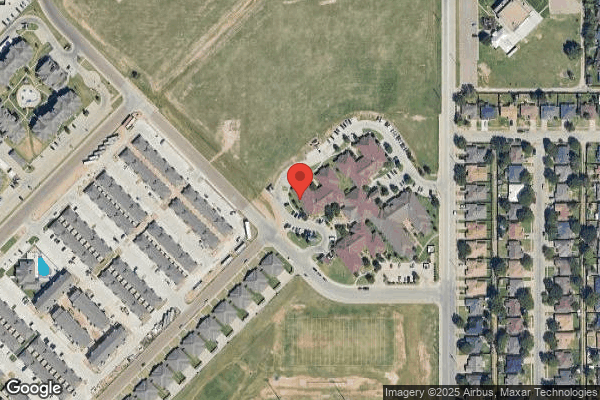
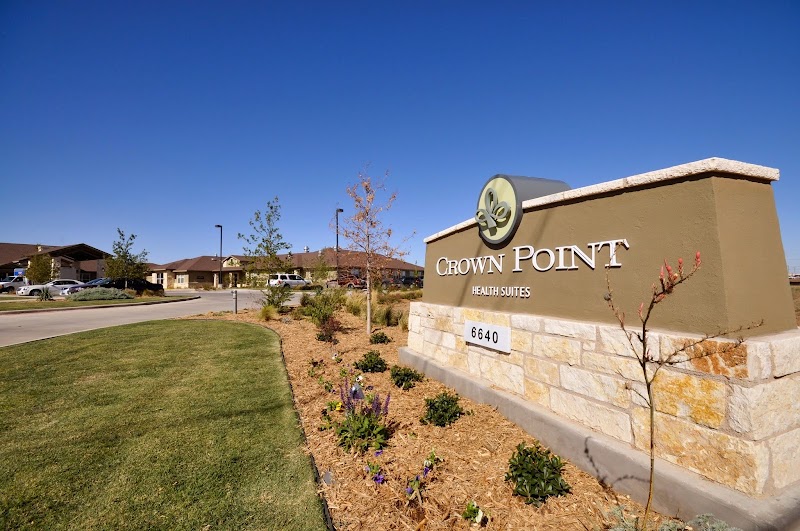
6640 IOLA AVENUE, LUBBOCK, TX 79424 (806) 687-6640
For profit - Individual 108 Beds Independent Data: November 2025 1 Immediate Jeopardy citation
Trust Grade
51/100
#447 of 1168 in TX
Last Inspection: February 2025

Within standard 12-15 month inspection cycle. Federal law requires annual inspections.

Overview

Crown Point Health Suites holds a Trust Grade of C, indicating it is average and positioned in the middle of the pack among nursing homes. It ranks #447 out of 1,168 facilities in Texas, placing it in the top half, and is #4 out of 15 in Lubbock County, meaning only three local options are rated higher. Unfortunately, the facility's performance is worsening, with issues increasing from 6 in 2024 to 8 in 2025. Staffing has a rating of 3 out of 5 stars, with a turnover rate of 54%, which is close to the state average, but there is concerningly less RN coverage than 86% of Texas facilities, suggesting a potential gap in oversight. The facility has also faced $12,740 in fines, which is considered average, but indicates some compliance problems. Specific incidents from recent inspections raise concerns, such as a resident who eloped from the facility, highlighting a serious lack of supervision. Additionally, there were failures to ensure residents' rights to privacy, including instances where personal care was provided without adequate privacy measures, which could impact residents' dignity and self-worth. While the quality measures received an excellent rating, these weaknesses are significant and should be carefully considered by families looking for a nursing home.

Trust Score
C
51/100
In Texas
#447/1168
Top 38%
Safety Record
High Risk
Review needed
Inspections
Getting Worse
6 → 8 violations
Staff Stability
⚠ Watch
54% turnover. Above average. Higher turnover means staff may not know residents' routines.
Penalties
⚠ Watch
$12,740 in fines. Higher than 82% of Texas facilities, suggesting repeated compliance issues.
Skilled Nurses
⚠ Watch
Each resident gets only 22 minutes of Registered Nurse (RN) attention daily — below average for Texas. Fewer RN minutes means fewer trained eyes watching for problems.
Violations
⚠ Watch
17 deficiencies on record. Higher than average. Multiple issues found across inspections.
★★★☆☆
3.0
Overall Rating
★★★☆☆
3.0
Staff Levels
★★★★★
5.0
Care Quality
★★☆☆☆
2.0
Inspection Score
Stable
2024: 6 issues
2025: 8 issues

The Good

  • 5-Star Quality Measures · Strong clinical quality outcomes
  • Full Sprinkler Coverage · Fire safety systems throughout facility
  • No fines on record

Facility shows strength in quality measures, fire safety.

The Bad

3-Star Overall Rating

Near Texas average (2.8)

Meets federal standards, typical of most facilities

Staff Turnover: 54%

Near Texas avg (46%)

Higher turnover may affect care consistency

Federal Fines: $12,740

Below median ($33,413)

Minor penalties assessed

The Ugly 17 deficiencies on record

1 life-threatening
May 2025 1 deficiency
CONCERN (D) 📢 Someone Reported This

A family member, employee, or ombudsman was alarmed enough to file a formal complaint

Potential for Harm - no one hurt, but risky conditions existed

Deficiency F0761 (Tag F0761)

Could have caused harm · This affected 1 resident

**NOTE- TERMS IN BRACKETS HAVE BEEN EDITED TO PROTECT CONFIDENTIALITY** Based on observation, interview, and record review, the facility failed to ensure that all drugs and biologicals were stored in ...

Read full inspector narrative →
**NOTE- TERMS IN BRACKETS HAVE BEEN EDITED TO PROTECT CONFIDENTIALITY** Based on observation, interview, and record review, the facility failed to ensure that all drugs and biologicals were stored in locked compartments and permit only authorized personnel to have access to the keys for 1 of 5 (Resident #1) residents in that: 1. MA failed to ensure medications for Resident #1 were secured when she left Resident #1's medications in a cup on the bedside table unattended. This failure could place residents at risk for harm and result in drug diversion due to medications not being properly secured. Findings included: Record review of Resident #1's undated face sheet revealed a [AGE] year-old female admitted to the facility on [DATE]. Resident #1 had a medical history of chronic diastolic heart failure (a condition where the heart's left ventricle doesn't relax properly between beats, making it difficult to fill with blood), unspecified atrial fibrillation (a heart rhythm disorder where the heart's upper chambers (atria) beat chaotically and irregularly) and chronic kidney disease (a progressive condition where the kidneys gradually lose their ability to filter waste and fluid from the blood). Record review of Resident #1's admission MDS dated [DATE], Section C- Cognitive patterns revealed Resident #1 had a BIMS score of 15 which indicated she was cognitively intact. Record review of Resident #1's physician orders revealed the following orders with the start date 5/9/2025: Apixaban Oral Tablet 2.5 MG Give 1 tablet by mouth two times a day related to UNSPECIFIED ATRIAL FIBRILLATION Calcium 600mg Carbonate-Vitamin D w/ Minerals Give 1 tablet by mouth two times a day for supplement. dilTIAZem HCl Oral Tablet 30 MG (Diltiazem HCl) Give 1 tablet by mouth two times a day related to HYPERTENSIVE HEART (high pressure in the heart) AND CHRONIC KIDNEY DISEASE Docusate Sodium (Colace) Oral Tablet 100 MG (Docusate Sodium) Give 1 tablet by mouth two times a day for Constipation Prevention Metoprolol Succinate ER Oral Tablet Extended Release 24 Hour 25 MG (Metoprolol Succinate) Give 0.5 tablet by mouth two times a day for 0.5 TAB = 12.5 MG related to HYPERTENSIVE HEART (high pressure in the heart) Multaq Oral Tablet 400 MG (Dronedarone HCl) Give 1 tablet by mouth two times a day related to UNSPECIFIED ATRIAL FIBRILLATION AREDS 2 Oral Capsule (Multiple Vitamins w/ Minerals) Give 1 capsule by mouth two times a day. Tylenol 8 Hour Arthritis Pain Oral Tablet Extended Release 650 MG (Acetaminophen) Give 2 tablet by mouth one time a day for Mild Pain Record review of Resident #1's assessment titled Medication self-administration safety screen revealed; Date: 5/03/2024 Category: May self-administer medications Unsupervised A. Medications .List all medications that are being considered for resident self-administration. List medication, route, dose, and frequency. Indicate where the medication will be stored. Medication#1 1a. Medication name: Symbicort Inhalation Aerosol 160-4.5. Dosage 2 puff. Route: Inhale orally. Frequency by time: At bedside. 1b. Storage: Bedside with resident. Record review of assessment titled Medication self-administration safety screen did not reveal any further medications resident was able to self-administer. During an interview and observation on 5/19/2025 at 10:41AM, Resident # 1 was sitting in her recliner with the bedside table to her left and a nightstand to the right. Resident #1 had a small open medication cup sitting on the bedside table with 6 pills inside. Resident #1 had a small open medication cup sitting on the nightstand table with 3 pills inside. Resident #1 stated the MA had just brought her medication in for her to take. She stated the medication on the bedside table was her regular medication and the cup on her nightstand was Tylenol and Caltrate. Resident #1 stated that is how she takes her medications at home and the MA will bring in her pills and leave them on the bedside table for her to take. She stated sometimes they do watch her take them but not all the time. During an interview with the MA on 5/19/2025 at 11:39AM, she stated she had been working at the facility for the past four years and had been trained on medication administration. She stated she does competencies annually. She stated this morning she had given medication to Resident #1. She stated Resident #1 is here for respite care while Resident #1's family members are away out of town. The MA stated Resident #1's family member had told her she could just prepare the medication and leave it for the resident to take when she was ready. The MA stated sometimes Resident #1 will take it in the morning and sometimes she will wait. The MA stated she did not check to see if Resident #1 had an assessment for self-medication administration. She stated she just went by what the family member had told her. She stated she does not do that for all the residents, only Resident #1 because that is her home routine. She stated this morning she gave Resident #1 Tylenol, Mutlaq, calcium, metoprolol, Eliquis, Ared and a Colace. She stated she does go back and check to see if Resident #1 had taken her medication. She stated Resident #1 had two cups because she separated the Tylenol and Calcium tablets and the rest, she puts together that way Resident #1 knows what is in each cup. The MA stated the potential negative outcome of leaving medications unattended could be the resident not taking them as ordered. During an interview with the DON on 5/19/2025 at 12:13pm, she stated Resident #1 was here on respite care and the family provided the facility with all her medication. She stated staff had not been trained to allow residents to self-administer their own medication without following the facility policy first. She stated even if family had given those instructions, there should have been a process to ensure safety first. She stated the MA had been trained on medication administration and should not be leaving the pills unattended. She stated the potential negative outcome could be the resident not taking the medication or the medication being accessible to others. She stated if Resident #1 had not wanted to take her medications yet, the medication should have been stored appropriately. The DON stated it was not their policy to leave medication unattended in the resident's rooms. During an interview with the ADM on 5/19/2025 at 12:20pm, she stated staff are expected to follow policy and procedure and not leave medication unattended. She stated there are some instances where residents are able to self-administer but there is a process to follow. She stated family input is wanted but the facility has to assess and determine if it is safe and if the resident is cognitive [NAME] intact. She stated she does not expect staff to take what family says and implement it without following the policy. She stated the potential negative outcome of leaving medication unattended could be the medication not being taken in a timely manner or having the desired effect. During an interview with the MD on 5/19/2025 at 12:29pm, she stated she was okay with Resident #1 taking her medication the same way she does at home. She stated she does expect the staff to monitor the residents when they are taking their medications, but she did not have any concerns with Resident #1 taking her medication unsupervised. Record review of facility document titled Competency Assessment Administering oral medications revealed MA had been checked off on medication administration on 10/30/2024.21. Remain with the resident until all medication have been taken. Record review of facility policy titled Administering Oral Medication dated 2001 revealed: The purpose of this procedure is to provide guidelines for the safe administration of oral medications. .21. Remain with the resident until all medications have been taken. Record review of facility policy titled Medication labeling and storage last revised February 2023 revealed; .The facility stores all medications and biologicals in locked compartments under proper temperature, humidity, and light controls. Only authorized personnel have access to keys . I. Medications and biologicals are stored in the packaging, containers, or other dispensing systems in which they are received . 5. Medications are stored in an orderly manner in cabinets, drawers, carts, or automatic dispensing systems. Each resident's medications are assigned to an individual cubicle, drawer, or other holding area to prevent the possibility of mixing medications of several residents.
May 2025 1 deficiency 1 IJ
CRITICAL (J) 📢 Someone Reported This

A family member, employee, or ombudsman was alarmed enough to file a formal complaint

Immediate Jeopardy (IJ) - the most serious Medicare violation

Accident Prevention (Tag F0689)

Someone could have died · This affected 1 resident

**NOTE- TERMS IN BRACKETS HAVE BEEN EDITED TO PROTECT CONFIDENTIALITY** Based on observation, interview and record review, the facility failed to ensure each resident received adequate supervision and...

Read full inspector narrative →
**NOTE- TERMS IN BRACKETS HAVE BEEN EDITED TO PROTECT CONFIDENTIALITY** Based on observation, interview and record review, the facility failed to ensure each resident received adequate supervision and assistance devices to prevent accidents for 1 of 5 residents (Resident #1) reviewed for elopement. The facility failed to ensure Resident #1 who was exit seeking on the night of 04/14/25 around 11:00 PM and the morning of 04/15/25 before 8 AM and then eloped (via motorized w/c) from the facility to a local church (.17 miles) the afternoon of 04/15/25 at 2:20 PM. Staff were unaware of Resident #1's elopements when the facility was notified by a Community Member via telephone on 04/15/25 at 2:39 PM that the resident was at a church. An Immediate Jeopardy (IJ) was identified on 5/08/25 at 4:53 PM. The IJ template was provided to the facility on 5/08/24 at 6:38 PM and approved on 05/09/25 at 9:55 AM. While the IJ was removed on 05/08/25 at 11:48 AM, the facility remained out of compliance at a at a scope of no actual harm and a severity of a potential for more than minimal harm that was not immediate jeopardy because all staff had not been trained on 05/9/09. This failure could place residents at risk for injuries due to not receiving the appropriate level of supervision. Findings included: Record review of Resident #1's face sheet, dated 04/24/25, revealed an [AGE] year-old-male was admitted to the facility on [DATE] with diagnoses to include Parkinsonism (a central nervous system disease), UTI (Urinary Tract Infection), and cognitive communication deficit (communication deficit). Record review of Resident #1's Comprehensive MDS dated [DATE], revealed the following: Section B Hearing, Speech, and Vision. Resident #1 had adequate hearing, no hearing aide, clear speech, easily understood, understands others, adequate vision and wore no corrective lenses. Section C Brief Interview for Mental Status score revealed a score of 08, which indicated the resident's cognition was moderately impaired. Section E Behavior No presence of Wandering Section I Active Diagnoses 12300. Urinary Tract Infections (UTI) (Last 30 days) 15300. Parkinson's Disease Section V Care Area Assessment (CAA) Summary: CAA Results: (List the CAA that triggered and not Care Planned) 06. Urinary Incontinence Section N Medications N0410. Medication Received F. Antibiotic coded 7 days. Record review of Resident #1's care plan, dated 04/07/25, revealed the following: Resident #1 was a long-term guest at the facility with a primary dx of Parkinson. Resident #1 had a goal to attain and or maintain maximum self- performance in ADLs. (initiated 11/17/21). Resident #1 was an elopement risk/wanderer as evidence by Resident #1 had a history of leaving the facility unattended in his electric scooter. Resident #1 had a goal to not leave the facility unattended and to have his safety and security protected. The following interventions implemented: Assess for falls, distract Resident #1 from wandering by offering pleasant diversions, identify pattern of wandering, and removal of the electric scooter until he is safe to use the motorized scooter . (Initiated 04/16/25) Record review of Resident #1's physician orders dated 04/24/25, revealed the following: Cephalexin (antibiotic) 500 MG (Take 1 tablet every 6 hours for 7 days) for Dx UTI; Order date 04/12/25. Morphine Sulfate oral solution 100 mg;(.25 ml buccally (cheek/mouth); .5 buccally every hour; .75 ml buccally; 1 ml buccally every hour) order date 3/28/25 Record review of the MAR , 04/24/25, for Resident #1 revealed, the following medications: Cephalexin 500 MG every 6 hours related to urinary tract infection (Start date 04/12- End date 04/19/25). Entacapone 200 MG 4 times a day related to Parkinson's disease (Start date 04/01- End date 04/24/25. Morphine Sulfate (Concentrate) Oral Solution 100 MG/5ML every hour related to moderate pain. (pain level 4) Record review of Resident #1's assessment dated [DATE] revealed: There were no witnesses to the incident (elopement). Immediate Action taken: Resident #1 given water, full body assessment, 0 injuries. Mental Status: Oriented to person. Predisposing Physiological Factors: Impaired Memory and Current UTI. Predisposing Situation Factors: Using Wheelchair. Record review of lab results, dated 04/15/25, revealed: Resident #1's urine sample was collected and received on 04/11/25. Resident #1's urine sample was verified on 04/15/25. Resubmission of labs to the doctor made on 04/15/25 and recommendation of continue oral antibiotics and ad Rocephin for 3 days. (Handwritten on the same document) Record review of Resident #1's progress notes, dated 01/23/25-04/24/25, revealed: LVN F documented on 04/15/25 at 5:50 AM: Resident #1 was noted to be on his knees and holding on to chair in his room. assisted Resident #1 up from floor and onto recliner with x2 staff, Resident #1 confused and requesting his shoes to go look for his keys, attempted to redirect guest (Resident #1) to time and place, contacted Family Member G via Resident #1's personal phone, Family Member G requested morphine to be administered as he may be in pain. Resident #1 continued to ask to get in electric wheelchair, guest (Resident #1) was then assisted with transferring to w/c, d/t guest (Resident #1) attempting to get out of recliner without assistance. pain medication administered per request, Resident #1compliant with taking medication. guest (Resident #1) then attempted to leave facility stating he needed to go lock his truck d/t confusion. The MDS Coordinator was then contacted to come talk to Resident #1 and sit with him. After visiting with family and speaking to them Resident #1 then agreed to lay down assistance. Provided with transfer, call light placed within reach and reminded Resident #1 to call for assistance, The MDS remained in room until guest (Resident #1) fell asleep. LVN D documented on 04/15/25 at 2:54 PM: This nurse sitting at nurse's station when she was informed by ADON and MDS Coordinator came by and advised me that front desk clerk received a phone call from a church down the street from facility stating that this resident (Resident #1) was there, staff went to get resident and help him back to facility. This nurse assessed guest (Resident #1) after return, guest (Resident #1) tired and sleepy, redness to face, temp 98.8 at this time, no injuries noted, denied any pains or problems at this time and resident went to sleep after being placed in bed. Doctor notified and no new orders given. The ADON documented as a late entry on 04/15/25 at 3:00 PM: At 3:39 PM this nurse notified by receptionist that the Community Member called to notify Resident #1 was at their church. I (ADON) and MDS Coordinator drove in private vehicle to the church, Resident #1 inside church with Community Member, noted to be alert and talkative, answering questions appropriately, no sx of distress or injury noted, facility van arrived, and guest (Resident #1) loaded into w/c van on motorized w/c and driven to facility, Resident #1 in building at 2:55 PM. This nurse (ADON) and CNA (unidentified) assisted Resident #1 to bed. During an interview on 04/24/25 at 2:20 PM, Resident #1 could not recall the incident when he left the facility unauthorized and went to church on 04/15/25. He stated he had not been to a church. He said staff treated him well. He did not have any concerns. An observation on 04/24/25 at 2:20 PM revealed Resident #1 in the bed, well groomed. During an interview on 4/24/25 at 9:30 AM, the MDS Coordinator stated she was also a family member of Resident #1. She stated regarding Resident #1's elopement that occurred on 04/15/25, Resident #1 was alert, and they were surprised he left the facility. She said Resident #1 had never eloped or left the facility premises before. She said once the Community Member notified the facility, she was immediately notified, and staff and she went to retrieve him from the local church. The MDS Coordinator stated Resident #1 could tell the Community Member a Family Member G's phone number but was off by one number. She stated Resident #1 had no injuries and had not tried to leave since 04/15/25. She stated Resident #1 did not remember the incident. She stated as an employee and a family member she did not have any concerns with how the facility staff responded to Resident #1 eloping from the facility. She stated she had worked with Resident #1 in the facility for 5 years, and Resident #1 had never tried to exit the facility. She stated he had not indicated that he would leave the facility. MDS coordinator stated Resident #1 would go outside of the facility unsupervised and never left. The MDS Coordinator explained the facility was not locked and residents had the freedom to go in and out of the facility. She stated she and Family Member G was surprised that Resident #1 left the facility premises. The MDS Coordinator stated as a result of the incident Resident #1 was assessed and as MPOA she and Family Member G decided that Resident #1 could not operate the motorized wheelchair safely , but this would be reassessed at a later date. She said he was given a manual wheelchair and appeared to be doing well with the transition. During an interview on 4/24/25 at 10:15 AM, CNA B stated Resident #1 attempted to leave the facility the morning of 04/15/25. She stated she and CNA C worked together on the morning of 04/15/25. Resident #1 told her he wanted to go out the door (door specification was not made during the interview). She stated Resident #1 expressed that he wanted to see his girlfriend. CNA B stated she offered to give Resident #1 coffee to distract him. She stated she started walking to the dining room area with her back to Resident #1 and thought Resident #1 was behind her but looked, and Resident #1 was not. She stated she observed Resident #1 leaving out the (unspecified at the time of the interview) door. She said she called for CNA C to help get Resident #1 back in the facility. She said they could get Resident #1 back in the facility by telling him it was cool outside. She said he came in and gave him a coffee and a newspaper. She reported that Resident #1 attempted to exit the facility to LVN D, LVN E, and the ADON. She stated Resident #1 tried to leave the facility before 8:00 AM. She could not remember the response from LVN D, E, and the ADON but was almost sure the ADON and LVN D told her to keep an eye on Resident #1, but she was unsure. CNA B stated she went to lunch and observed staff in the parking lot when she returned. She stated she was a few minutes late from lunch, so she observed staff in the parking lot around 2:30 PM. She stated LVN E told her that Resident #1 had left the facility premises. She stated she observed Resident #1 after he returned to the facility, and Resident #1 did not have any injuries. She stated she could not remember when she went to lunch but remembered seeing Resident #1 in his room before leaving for lunch. She stated before 04/15/25, Resident #1 had never tried to leave the facility during her shift. During an interview on 4/24/25 at 10:38 AM, LVN E stated before Resident #1 eloped on 04/15/25, he was diagnosed with a UTI. She stated his behavior was different. She stated he was going extremely fast in his motorized wheelchair. She stated the staff would try to redirect him to slow down, but he did not respond. She stated this was abnormal for Resident #1. She stated she had also heard he had been crawling on the floor (on an unknown date and time), which was abnormal for Resident #1. LVN E stated she was told by LVN F that Resident #1 attempted to get out of the facility the previous night (04/14/25) through the back door. She stated LVN F stated Resident #1 kept going to the back door and the staff had to redirect Resident #1. She stated no other staff reported to her that Resident #1 attempted to get out of the facility at any other time. She stated she was unsure but believed Resident #1 had a UTI, but the results had not returned on the night of 04/14/25. LVN E stated Resident #1 had never tried to leave the facility and typically was calm. She stated she had never observed him try to leave before the day of the incident on 04/15/25 and since the incident on 04/15/25. During an interview on 4/24/25 at 10:51 AM, LVN D stated Resident #1 had been sick with the diagnosis of a UTI. She stated on 04/15/25, Resident #1 was awakened by activity staff, around 2:05 PM, Resident #1 said bye to staff and grabbed a newspaper. LVN D stated she believed this was when he went out the main door from his facility wing. She stated she did not see him go out the door personally but did observe the camera footage. She stated Resident #1 was on his way to play dominoes as he does daily and must have become confused on his way to the activity. She stated it was only a few minutes later when she received a call from the ADON stating Resident #1 was not in the facility. LVN D stated the last time she observed the resident was around 2:00 PM because she knew he was going to the dominoes in activities, and she had given him an oxygen tank. LVN D stated she did not observe Resident #1 leave the facility, but once they were notified, he exited and he returned, she assessed Resident #1. LVN D stated Resident #1 had no injuries and appeared to know he had left and should not have. LVN D stated he was flushed red in the face and seemed disappointed in himself for leaving . LVN D stated she was aware the night before Resident #1 attempted to leave the facility on the night shift. LVN D stated LVN F reported that the MDS Coordinator had been called to calm him down. LVN D stated LVN F reported to her during shift change that on the night of 04/14/25, Resident #1 was confused and attempted to search for his girlfriend and truck outside. LVN D stated it was not abnormal for Resident #1 to go outside in his motorized wheel chair but he would not leave the premises. LVN D stated she remembered CNA B reporting Resident #1had attempted to leave but was unaware that it was a separate incident from the night of 04/14/25, which LVN F had already reported to her. She stated she thought CNA B was confusing incidents and was unaware that she was reporting a new and separate incident. LVN D stated Resident #1 had never tried to leave since his successful attempt on 04/15/25 . She stated Resident #1 had never exhibited the behavior of leaving the facility before 04/15/25 and before the report she received from LVN F. She stated Resident #1 had received the dx of the UTI at least 2 days before his successful elopement. She stated Resident #1 behavior had changed since his UTI because he was talking about his truck (which was no longer at the facility), his ex-girlfriend, and his time during the war. LVN D stated he (Resident #1) was adamant about searching for his ex-girlfriend before his successful elopement. She said Resident #1 kept asking about his ex-girlfriend thus the reason she described it at adamant. LVN D stated she had never heard him talk about his ex-girlfriend. During an interview on 4/24/25 at 11:11 AM, the ADON stated Resident #1's cognitive level had been decreasing, but his leaving the facility premises was something that had never happened before. ADON stated Resident #1 does get UTIs frequently. ADON stated when Resident #1 had a UTI, he was confused but not typically disoriented. ADON stated Resident #1 does not usually exit seek. She stated Resident #1 had a motorized wheelchair, enabling him to leave the facility. She stated he then had a manual wheelchair that he could ambulate throughout the facility but not as quickly, nor can he use the door's momentum to open doors outside the facility. She stated the week that he successfully got out of the facility, they knew he had a UTI because of the behaviors that he was exhibiting. She stated he had awakened the night before, was confused, thought his RV was outside, and had climbed out of bed. She stated because of the behavior change, they had Resident #1 checked, and he was positive for a UTI. She stated Resident #1 thought his RV was outside on 04/14/25. She stated Family Member G was called but because he did not live near the MDS Coordinator was called and she came to assist Resident #1 and calm him down. She stated the MDS Coordinator came and stayed the remainder of the night . She stated she believed Family Member H came after the MDS Coordinator but was unsure what time she left. She stated additional instruction for medication because of the increased behaviors. She stated on 04/15/25, Resident #1 was not exhibiting any behaviors and had not exhibited any behaviors that he wanted to leave the facility. The ADON stated she had not received any reports that Resident #1 attempted to leave on the morning of 04/15/25. She stated if she knew that he had tried to leave the facility the morning of 04/15/25, she would have placed him on 1:1. ADON stated if he was voicing that he wanted to leave and go to the door, she would consider that exit-seeking behavior. She stated Resident #1 had no history of exit-seeking behavior. She stated the day he eloped and was returned, he was assessed, and there were no injuries. ADON stated the resident had only been gone 8-13 minutes. ADON stated she observed on the camera that Resident #1 barreled through the exit door from the wing in which he resided. ADON stated she did not see anyone assist him through the door. ADON stated once he returned to the facility, he switched out his motorized wheelchair for a manual wheelchair , assessed him, and increased monitoring for him. During an interview on 4/24/25 at 11:40 AM, CNA I stated she did not know what happened the day Resident #1 eloped but that she worked with him the night before. CNA I stated she left the night before at midnight, but that Resident #1 was not in a good mood. CNA I stated he was not very happy and he was doing different things. CNA I stated Resident #1 was adamant that he wanted to leave and kept going for the doors. She stated she and her coworker would offer him snacks and try to redirect him so that he would get his mind off of wanting to leave. CNA I stated Resident #1 said he needed to go home and needed to get something out of his truck. She stated she could not remember who worked with her that night but that she, the other CNA (unknown identity), and the nurse (LVN F) on duty knew he wanted to leave. CNA I stated the nurse did not say much but stated that Resident #1 sometimes would get in those moods. She stated she had never observed Resident #1 act in that manner. CNA I stated on 04/14/25, that was the first day she had observed him exit seek, and speak about his truck and wanting to go home. CNA I stated she was unaware if anyone came to sit with him that night (04/14/2025). During an interview on 04/24/25 at 12:09 PM, Family Member G stated he had no concerns with how they handled Resident #1's elopement. Family Member G stated Resident #1 liked to sit on the porch and had never left the premises, and his leaving was unexpected. Family Member G stated he knew that Resident #1 had a UTI and they were treating it. Family Member G stated he was called the night of 04/14/25 because Resident #1 was anxious and wanted to go out to see his RV. Family Member G stated the MDS Coordinator stayed with him until Resident #1 slept. Family Member G stated he removed his motorized wheelchair, especially until he started to feel better but that he had an alternative wheelchair to get around in. During an interview on 04/24/25 at 12:10 PM, Family Member H stated on the night of 04/15/25, she stayed the entire night with him. Resident #1 was confused, but she could see that his antibiotics were working because he became okay. Family Member H stated she had no concerns with how the facility handled Resident #1's elopement. Family Member H stated it was unexpected and he has always had free [NAME] in the facility. Family Member H stated Resident #1 normally knows what he is doing and does not require supervision from staff. Family Member H stated everyone was caught off guard. She stated Resident #1 would go and sit on the porch and visit with his military friends and had never left the facility. Family Member H stated no one expected him to leave. Family Member H stated in the past Resident #1 had a girlfriend that stayed in the RV that was kept on the premises . Family Member H stated Resident #1 may have become confused. An observation was made on 04/24/25 at 2:00 PM with the accompany of CNA B of the service door (unlocked) that CNA B and CNA C reported Resident #1 exited the morning of 04/15/25. Observed a blue and white sign that read Notice employees only beyond this point. The door (unlocked) lead to a short hallway and an additional door (unlocked) that lead to the outside of the facility. During an interview on 4/24/25 at 2:30 PM, CNA C stated she does not usually work in the area where Resident #1 resides in the facility. CNA C stated she did not know the staff names very well, but before 8:00 AM on 04/15/25, Resident #1 was able to get out of the facility through the side door where the employees come in and out. CNA C stated she and the other staff ran after him. CNA C stated when they brought him in, he said, This was not the dining room. She stated she could not recall if he stated he wanted to leave. CNA C stated she did not report this to the nurse because she believed when he got out there was a nurse out there coming in. CNA C stated she thought the other staff told the nurse but did not observe this. CNA C stated she did not observe Resident #1 leave the facility but was later told he left and was at the local nearby church. CNA C stated Resident #1 did not exhibit any exit-seeking behaviors, nor did he express that he wanted to leave before he successfully eloped from the facility (on 04/15/2025). During an interview on 04/24/25 at 2:38 PM, the MDS Coordinator said she did come to the facility on [DATE] to assist in calming Resident #1 down. MDS Coordinator stated she sat with him for an hour and a half. She confirmed Family Member H stayed with Resident #1 the following night. MDS Coordinator stated Resident #1 once had an RV on his ex-girlfriend's premises. During an interview on 4/24/25 at 2:53 PM, the DON stated she was unaware Resident #1 had eloped until the front desk clerk called her and told her he was at the local nearby church. DON stated they immediately took the van and went to pick Resident #1 up. DON stated they (staff) assessed Resident #1, and there were no injuries. DON stated Resident #1 could state his name at the time of the incident. She stated Resident #1 had never done this (left the facility premises) before. She stated Resident #1 had bladder cancer and had a history of UTIs. DON stated when he had a UTI, he experienced confusion. She stated she knew he was confused and talked about his ex-girlfriend the night before. DON stated he had not spoken to his ex-girlfriend in about 3 years. She stated it was her understanding that the MDS Coordinator, who was also related to Resident #1, stayed with him, oriented him to place and time, and then left. DON stated Resident #1 was on antibiotics for the UTI and received an additional dose of Rocephin after he successfully got out of the facility on 04/15/25. She stated Resident #1 had never been exit-seeking. She stated she was unaware that Resident #1 was attempting to leave the facility on the night of 04/15/25. DON stated she was aware that the MDS Coordinator took him outside to show him that his RV was not outside. DON stated she was unaware that Resident #1 attempted to leave the facility on the morning of 04/15/25. The DON stated she had spoken with staff, specifically the nurses, and no one had reported this to her. She stated they were aware since he had the UTI, he had increased confusion but no exit-seeking behaviors. She stated it is common for him to be forgetful and have confusion. She stated that if a resident was exhibiting behaviors or signs of elopement or wanting to leave, the staff should report the behavior immediately to their chain of command. She stated the resident would be placed 1:1 at that time but that the facility was not a locked unit. She stated she had been at the facility for 13 years, and in all of her years at the facility, a resident had never eloped from the facility because they take elopement seriously. She stated if she had been made aware, they would have attempted to get a family member or a staff to monitor Resident #1. She stated she did not personally speak with LVN F. She stated outside of the attempt to leave, she was unaware that the elopement was not preventable, and they addressed the elopement according to policy. She stated that they were aware that he was experiencing confusion, redirecting as needed, and that he had a UTI and was actively addressing the diagnosis. She stated before the elopement, they had no issue with Resident #1 going outside and moving throughout the facility unsupervised. She stated Resident #1 using the service door would have indicated that something was off because residents do not use that door. She stated the purpose of increased supervision was to promote safety and ensure the residents needs were met. She stated she was familiar with the facility's policy regarding preventing incidents and accidents and resident supervision. She stated the potential negative outcome was Resident #1 could have gotten too hot or could have been in danger. She stated the system to monitor behavior change and the need for increased supervision was to communicate with the physician, get orders if needed, and increase supervision. She stated she had been trained on increasing resident supervision. She stated she expected her staff to report any changes or exit-seeking behavior, pleasantly reorient the resident, and get the team involved. DON stated there was no increased supervision after the exit seeking behaviors on the night of 04/14/25 and the attempted exit on 04/15/25 because it was not communicated that Resident #1 tried to leave on either occasion and the second was not reported at all. DON stated the charge nurse, ADON, DON or ADM could implement increased supervision . During an interview on 4/24/25 at 3:18 PM, the ADM stated on 04/14/25, the MDS Coordinator had come to the facility to assist in calming Resident #1 down. The ADM reported that Resident #1 was agitated on the night of 04/14/25. ADM stated Resident #1 was not described as an elopement risk or exit seeking. ADM stated she did not speak with LVN F. ADM stated before Resident #1 eloped on 04/15/25, he had not exhibited any signs that he would elope. ADM stated she was unaware that he was actively trying to exit seek the night before on 04/1425 and that he attempted to leave out of the service door the morning of 4/15/25. ADM stated she expected staff to report to their chain of command immediately. ADM stated they were not a locked facility, and if she had been made aware, they would have selected a staff if they had one or contacted the family to sit with him. She stated they did not have any indication that he would leave. She stated the resident had a history of going outside and being around the facility without supervision and never had left the premises. She stated if he had a history of this behavior, interventions would have been put in place. She stated the purpose of increased and adequate supervision was the general disposition of the resident and to allow time to see what the situation was for the identified resident, like in the case of Resident #1. ADM stated she was familiar with the facility policy, which prevents incidents and accidents and provides adequate supervision. She stated specifically Resident #1 was at risk of being harmed . ADM stated the system to monitor was if the resident acted outside their baseline or desired to leave, they should increase supervision. She stated that the family would cover the 1:1 supervision if they did not have staff. She stated she had been trained on increased supervision. The ADM stated for the staff to communicate to their chain of command. She stated increased supervision did not occur because it was not communicated that he was exit seeking on 04/14/25 or 04/14/25. She stated the charge nurse or even the on-call person could implement increased supervision . She stated the cameras were not working and unable to show any footage from the day of the event. During an interview on 04/24/25 at 3:30 PM, LVN F stated she was the charge nurse on the night of 3/14/25. She stated that Resident #1 had gotten out of bed, and LVN F said he needed to go outside because his RV was outside. LVN F stated he was agitated, so from Resident #1's phone, they called Family Member G. LVN F stated this did not calm him down, so they placed him in his recliner. Since he was still restless, they put him in his motorized wheelchair. LVN F stated before placing him in the wheelchair chair, they gave him morphine to help him calm down at the request of Family Member G. LVN F stated Resident #1 kept talking about his ex-girlfriend and that he needed to go outside. LVN F said they offered him coffee, but he was still adamant about going outside to check his RV. LVN F stated she sat in front of the door, attempting to redirect him. She stated she called the ADON, who instructed her to call the MDS Coordinator. She stated the ADON ultimately called the MDS Coordinator, and she (The MDS Coordinator) came to the facility and stayed with Resident #1 until he fell asleep. LVN F stated his agitation happened between midnight and 1:30 AM. She stated that Resident #1 was not oriented to time and place because he indicated the MDS Coordinator lived over 300 miles away. She stated she did pass Resident #1's behaviors in a report (shift change) on the morning of 04/15/25 to LVN D and LVN E. LVN F stated she did not see Resident #1 on the morning of 04/15/25. During an interview on 04/25/25 at 10:36 AM, the Community Member stated on 04/15/25 around 3:30 PM that he was outside looking for another person. He stated he was unsure if 3:30 PM was the exact time. He stated he saw Resident #1 in his motorized wheelchair, rolling as if he had a purpose. The Community Member spoke to Resident #1, and he did not speak. He stated Resident #1 rolled to one of the church's doors, and when he asked him where he was going, Resident #1 stated he needed to get inside the church. When the Community Member asked why, he stated he needed to fly. The Community Member stated he made a joke about he could not fly in the facility. The stated when Resident #1 did not respond to humor, that was when he thought maybe Resident #1 was from the facility across the street. The Community Member stated Resident #1 could tell him his name and gave him a number that did not work. The Community Member stated when he called the facility and gave them Resident #1's name, the person on the other end of the phone stated, Thank you so much. We have been looking for him. The Community Member stated less than 5 minutes the facility staff was there with a facility van. He stated Resident #1 looked very well taken care of. He stated Resident #1 was with him for no more than 10 minutes. The Community Member stated he had been a community member for a long time and had never experienced a resident eloping from the facility. Record review of the facility policy, Wandering and Elopements, dated March 2019, revealed: Policy Statement The facility will identify residents who are at risk of unsafe wandering and strive to prevent harm while maintaining the least restrictive environment for residents. If an employee observes a resident leaving the premises, he/she should: a. attempt to prevent the resident from leaving in a courteous manner; b. get help from other staff members in the immediate vicinity, if necessary; and c. instruct another staff member to inform the charge nurse or director of nursing services that a resident is attempting to leave or has left the premises. Record review of the facility's policy, Safety and Supervision of Re[TRUNCATED]
Feb 2025 6 deficiencies
CONCERN (D) 📢 Someone Reported This

A family member, employee, or ombudsman was alarmed enough to file a formal complaint

Potential for Harm - no one hurt, but risky conditions existed

Incontinence Care (Tag F0690)

Could have caused harm · This affected 1 resident

**NOTE- TERMS IN BRACKETS HAVE BEEN EDITED TO PROTECT CONFIDENTIALITY** Based on observation, interview, and record review, the facility failed to ensure residents who were incontinent of bladder or h...

Read full inspector narrative →
**NOTE- TERMS IN BRACKETS HAVE BEEN EDITED TO PROTECT CONFIDENTIALITY** Based on observation, interview, and record review, the facility failed to ensure residents who were incontinent of bladder or had a urinary catheter received appropriate treatment and services to prevent urinary tract infections and to restore continence to the extent possible for 1 of 5 Residents (Resident #136) reviewed for incontinence care in that: The facility failed to position Resident #136's catheter tubing in a manner to prevent infections. This failure had the potential to affect residents by placing them at an increased risk of urinary tract infections. Findings include: Record review of the admission record for Resident #136, dated 02/05/25, revealed an 87--year-old female admitted to the facility on [DATE] with the following diagnoses: acute respiratory failure (breathing problems), influenza due to identified novel influenza a virus (flu infection), and retention of urine (condition that makes it hard to empty bladder). Record review of Resident #136's order summary report, dated 02/03/25, revealed an order: Urinary catheter present, size 16 French foley, every shift related to retention of urine with a start date of 02/03/25. Observation on 02/03/25 at 12:18 PM revealed Resident #136 in bed and a foley catheter bag was noted hanging on the side of the bed. The drainage tubing at the bottom of the catheter bag was unsecured and the end of the tubing was touching the floor. Interview on 02/03/25 at 12:19 PM, Resident #136 stated she did not know why the catheter tubing was touching the ground. Resident #136 stated she could not remember when her urinary drainage bag was last emptied. Interview on 02/03/25 at 12:21 PM, LVN A stated Resident #136's catheter tubing should not be touching the ground. LVN A stated she was not sure exactly why the catheter tubing was touching the floor and stated it probably happened when the CNA's emptied out the urine from the bag. LVN A stated the facility has trained the staff to keep urinary catheter tubing off the floor. LVN A stated the resident was at risk for getting an infection with the catheter tubing touching the floor. Interview on 02/05/25 at 10:47 AM, the DON stated she expected staff to keep the urinary catheter drainage tubing clipped and secured to the bag. The DON stated the staff were trained on keeping the urinary catheter tubing clicked in [secured] and she did not know why Resident #136's catheter tubing was touching the floor. The DON stated there was a potential risk to the resident for infection or it could also be a tripping hazard. Interview on 02/05/25 at 10:56 AM, the ADM stated she expected the staff to not let the urinary catheter drainage tubing touch the ground. The ADM stated staff had been trained on securing catheter tubing and she did not know why Resident #136's catheter tubing was touching the ground. The ADM stated the resident had a potential risk for infection. Record review of the facility policy and procedure titled, Catheter Care, Urinary, with a revised date of August 2022 revealed the following: Purpose: The purpose of this procedure is to prevent urinary catheter-associated complications, including urinary tract infections. Infection Control: .2. Be sure the catheter tubing and drainage bag are kept off the floor
CONCERN (D) 📢 Someone Reported This

A family member, employee, or ombudsman was alarmed enough to file a formal complaint

Potential for Harm - no one hurt, but risky conditions existed

Deficiency F0761 (Tag F0761)

Could have caused harm · This affected 1 resident

Based on observation, interview, and record review, the facility failed to ensure all drugs and biologicals were stored properly for 1 of 4 medication carts (Ruby House medication cart), reviewed for ...

Read full inspector narrative →
Based on observation, interview, and record review, the facility failed to ensure all drugs and biologicals were stored properly for 1 of 4 medication carts (Ruby House medication cart), reviewed for medication storage. The medication cart assigned to [NAME] House contained a loose pill. This failure could place residents at risk of not receiving prescribed medications as ordered and place the facility at risk of drug diversions. The findings included: On 02/04/25 at 8:51 AM an observation of the medication cart for [NAME] House was conducted with MA A. A loose pill was found in the bottom drawer of the medication cart. MA A placed the pill in a dispensing cup and took it to ADON A for identification. ADON A identified the medication as Buspar 5 mg (1 tablet). ADON A destroyed the loose pill and documented the destruction according to facility protocol. During an interview on 02/04/25 at 9:03 AM, MA A stated there should not be loose pills on the medication cart. She stated she was not sure why the medication cart contained a loose pill. She stated it was her responsibility to check the cart for loose medications. MA A stated the medication cart was usually spot checked weekly by ADON A for proper medication storage and cleanliness. MA A stated a potential negative outcome of loose medications on the cart would be that a resident may miss a dose of medication. During an interview on 02/04/25 at 9:17 AM, ADON A stated there should not be loose pills on the medication cart. He stated staff were trained on proper medication storage through periodic in-services conducted by nursing administration. He stated he conducted spot checks of medication carts weekly, and it was the responsibility of the nursing staff to assure the carts did not contain loose medications. ADON A stated a potential negative outcome of loose medications on the cart would be lost medications or harm to the resident if they did not receive medications as order by the physician. During an interview on 02/05/25 at 11:35 AM, the DON stated she was not aware that there was a loose pill on the medication cart for [NAME] House. She stated there should not be loose medications on the medications cart and medications should be stored properly at all times. The DON stated staff were trained on proper medication storage through periodic in-services and through weekly cart audits conducted by the facility ADON's. She stated it was the responsibility of nursing administration to assure staff were trained on proper medication storage. The DON stated a potential negative outcome of loose pills on the medication cart would be drug diversions and residents not receiving ordered medications. During an interview on 02/05/25 at 11:42 AM, the ADM stated she was not aware that there was a loose pill on the medication cart for [NAME] House. She stated nursing administration was responsible to assure staff were trained on proper medication storage. The ADM stated her expectation was that staff would adhere to the facility policy for proper medication storage at all times. She stated a potential negative outcome for failure to properly store medications would be not preserving the integrity of the medication through proper storage. Record review of the facility-provided policy titled, Medication Labeling and Storage; revised February 2023 revealed: Policy Interpretation and Implementation Medication Storage 1. Medications and biologicals are stored in the packaging, containers, or other dispensing systems in which they are received . 2. The nursing staff is responsible for maintaining medication storage and preparation areas in a clean, safe, and sanitary manner. . 5. Medications are stored in an orderly manner in cabinets, drawers, carts, or automatic dispensing systems. Each resident's medications are assigned to an individual cubicle, drawer, or other holding area to prevent the possibility of mixing medications of several residents.
CONCERN (E) 📢 Someone Reported This

A family member, employee, or ombudsman was alarmed enough to file a formal complaint

Potential for Harm - no one hurt, but risky conditions existed

Resident Rights (Tag F0550)

Could have caused harm · This affected multiple residents

**NOTE- TERMS IN BRACKETS HAVE BEEN EDITED TO PROTECT CONFIDENTIALITY** Based on observations, interviews, and record reviews, the facility failed to ensure each resident was treated with respect, dig...

Read full inspector narrative →
**NOTE- TERMS IN BRACKETS HAVE BEEN EDITED TO PROTECT CONFIDENTIALITY** Based on observations, interviews, and record reviews, the facility failed to ensure each resident was treated with respect, dignity, and care for each resident in a manner and in an environment that promotes the maintenance or enhancement of their quality of life, recognizing each resident's individuality and the facility failed to protect and promote the rights of the resident for 3 of 19 residents (Resident #18, Resident #136, and Resident #145) reviewed for resident rights in that: 1. CNA D and CNA E provided peri care for Resident #18 and failed to close the blinds. 2. The facility failed to provide a privacy cover for Resident #136's urinary catheter bag. 3. CNA A failed to provide full privacy while assisting Resident #145 to the toilet. These failures could place residents at risk for diminished quality of life and loss of dignity and self-worth. The findings included: Resident #136 Record review of the admission record for Resident #136, dated 02/05/25, revealed an 87--year-old female admitted to the facility on [DATE] with the following diagnoses: acute respiratory failure (breathing problems), influenza due to identified novel influenza a virus (flu infection), and retention of urine (condition that makes it hard to empty bladder). Record review of Resident #136's order summary report, dated 02/03/25, revealed an order: Urinary catheter present, size 16 French foley, every shift related to retention of urine with a start date of 02/03/25. Observation on 02/03/25 at 9:56 AM revealed Resident #136 lying in bed and a urinary catheter tubing noted hanging on the side of the bed with a urinary drainage bag secured to the bottom of the bed. No privacy cover was noted over the urinary drainage bag and clear, yellow urine was noted in the drainage bag and could be seen from the hallway. Interview on 02/03/25 at 9:57 AM, Resident #136 stated she did not know if her urinary catheter bag was supposed to be covered. Resident #136 stated she would like for the drainage bag to be covered because she did not want everyone to see her urine. Observation on 02/03/25 at 12:18 PM revealed Resident #136 in bed and a foley catheter bag was noted hanging on the side of the bed. No privacy cover was noted over the urinary drainage bag and clear, yellow urine was noted in the drainage bag and could be seen from the hallway. Resident #145 Record review of the admission record for Resident #145, dated 02/03/25, revealed a [AGE] year-old male who was admitted to the facility on [DATE] with the following diagnoses: metabolic encephalopathy (brain disorder), urinary tract infection (bladder infection), and type 2 diabetes mellitus (blood sugar problems). Record review of the comprehensive MDS assessment, dated 01/06/25, revealed Resident #145 had a BIMS score of 08, indicating Resident #145's cognition was moderately impaired. Observation on 02/03/25 at 10:09 AM, CNA A was observed assisting Resident #145 to the toilet in his room. The door to the room and the bathroom was open and Resident #145's buttocks could be seen from the hallway. Interview on 02/03/25 at 10:11 AM, CNA A stated she should have closed the door when assisting Resident #145 to the bathroom. CNA A stated she did not shut the door because it was hard to shut the bathroom door with the small space. CNA A stated she had been trained to shut the doors and provide privacy to the residents when providing care. CNA A stated a potential negative outcome to the resident was she thought everyone could see him and no privacy. Resident #18 Record review of Resident #18's face sheet dated 02/05/25 revealed a [AGE] year-old female admitted to the facility on [DATE] with the following diagnoses: high blood pressure, atherosclerotic heart disease (damage or disease in the heart's major blood vessels), hyperlipidemia (a condition in which there are high levels of fat particles in the blood), depression, dysphagia (difficulty swallowing), abnormal weight loss, acid reflux, osteoporosis (a condition in which bones become weak and brittle), occlusion and stenosis of carotid artery (plaques accumulate in the walls of the arteries and cause them to narrow or become so thick they completely block the flow of blood), epileptic seizures, aphasia (the inability or refusal to swallow), stroke, apraxia (difficulty with skilled movements even when a person has the ability and desire to do them), congestive heart failure, atrial fibrillation (an irregular, often rapid heart rate that commonly causes poor blood flow), hemiplegia and hemiparesis (muscle weakness or partial paralysis on one side of the body that can affect the arms, legs, and facial movement), dementia, anxiety, esophageal obstruction (abnormal narrowing of esophagus). Record review of Resident #18's admission MDS dated [DATE] revealed a BIMS score left blank and incomplete. Record review of Resident #18's care plan, dated 05/05/24, stated Resident #18 had bowel incontinence. During an observation on 02/04/25 at 11:56 AM, CNA D and CNA E provided peri care to Resident #18 with the blinds open for the entire procedure. CNA D and CNA E had removed Resident #18's brief and proceeded in providing peri care while the blinds were open, facing a street where cars were parked, and the bed facing the window. Resident #18 was unable to be interviewed due to being nonreviewable. During an interview on 02/04/25 at 12:10 PM, CNA D stated that she did not pay attention to the blinds being open. CNA D stated that she should have closed the blinds to provide privacy, but she was nervous. CNA D stated that she had been trained in privacy by in-services, every couple of weeks. CNA D stated that the negative potential outcome for not providing privacy is that it may embarrass the resident. During an interview on 02/04/25 at 4:51 PM, LVN D (ADON) stated that his expectations for staff was to provide privacy, knock on doors, have good communication, and close the blinds. LVN D (ADON) stated that training had been provided to the staff through in-services, every six weeks. LVN D (ADON) stated that the negative potential outcome was that it could have caused the resident to be exposed and become embarrassed. During an interview on 02/05/25 at 10:47 AM, the DON stated she expected all staff to provide privacy bags for all urinary catheter bags. The DON stated she expected the staff to provide privacy when assisting residents to the bathroom. The DON stated the staff had been trained to place urinary bags in a privacy bag and making sure the residents were covered [during care] and got the privacy they needed. The DON stated the resident had a potential risk for being uncomfortable. During an interview on 02/05/25 at 10:56 AM, the ADM stated the facility always wanted to preserve the resident's dignity in regard to care. The ADM stated she expected staff to close the door, close the curtains and ensure nothing can be seen from the hallway while providing care to the residents. The ADM stated it was important that the staff did not make the resident feel exposed. The ADM stated the staff had been trained to make sure the residents felt protected with their privacy and dignity. During an interview on 02/05/25 at 12:17 PM, the DON stated that she would expect staff to provide privacy. The DON stated that training was a part of peri care, audits, and training. The DON stated that the negative outcome was it may make the resident feel uncomfortable. Record review of the facility policy titled, Dignity, with a revised date of February 2021, reflected the following: Policy Statement: Each resident shall be cared for in a manner that promotes and enhances his or her sense of well-being, level of satisfaction with life, and feelings of self-worth and self- esteem. Policy Interpretation and Implementation 1. Residents are treated with respect and dignity . 11. Staff promote, maintain, and protect resident privacy, including bodily privacy during assistance with personal care and during treatment procedures. 12. Demeaning practices and standards of care that compromise dignity are prohibited. Staff are expected to promote dignity and assist residents
CONCERN (E) 📢 Someone Reported This

A family member, employee, or ombudsman was alarmed enough to file a formal complaint

Potential for Harm - no one hurt, but risky conditions existed

Deficiency F0583 (Tag F0583)

Could have caused harm · This affected multiple residents

**NOTE- TERMS IN BRACKETS HAVE BEEN EDITED TO PROTECT CONFIDENTIALITY** Based on observations, interviews, and record review, the facility failed to ensure that each resident has a right to personal p...

Read full inspector narrative →
**NOTE- TERMS IN BRACKETS HAVE BEEN EDITED TO PROTECT CONFIDENTIALITY** Based on observations, interviews, and record review, the facility failed to ensure that each resident has a right to personal privacy and confidentiality of his or her personal medical records for 14 of 14 resident was reviewed for privacy (Resident #25 and 12 residents listed in the 24-hour report book, Resident#7, #8, #10, #11, #15, #36, #44, #56, #58, #186, #187, #188). 1. CNA F failed to protect residents personal care information by leaving the 24-hour report book open on a table in the hallway on Emerald Hall. 2. MA B failed to protect Resident #25 name and medication information by writing the resident's information on a sticky note and dropping it in the living area on Emerald Hall. These failures could place residents at risk of having medical information personal, or care instructions exposed to others and misuse of personal information. Findings Included: Resident #25: Record review of an admission Record for Resident #25 showed an [AGE] year-old male with an admission date of 5/1/2024 with diagnoses of systolic and diastolic congestive heart failure, osteoarthritis, shortness of breath, type 2 diabetes, neuropathy, upper respiratory infection, chronic kidney disease, hyperkalemia, acid reflux, sick sinus syndrome. Record review of a Quarterly MDS assessment dated [DATE] for Resident #25 indicated a BIMS score of 13 meaning Resident #25 was cognitively intact. Record review of an order summary report for Resident #25, dated 1/20/25 with a start date of 1/21/25 revealed: Losartan Potassium Oral Tablet 100 MG (Losartan Potassium) Give 1 tablet by mouth one time a day related to ESSENTIAL (PRIMARY) HYPERTENSION. During an observation on 02/03/25 at 11:50 AM, a 24-hour report book was found on Emerald Hall on a table that was visible for others to see. No staff members were observed by the book. The book was open to the page that was dated 02/03/25 and had 13 residents listed on the page with personal care documented. The page disclosed if the named resident was incontinent, had hospice, had oxygen therapy, feeder, or were a fall risk. During an interview on 02/03/2025 at 12:10 AM, CNA F stated that the staff always leave the book on the table in the hall, so it was available for them to see what resident care needs were. CNA F stated that was just how they have always done it. CNA F stated that she had been trained in privacy through in-services, monthly. CNA F stated that other people could see the information and it may make the resident feel uneasy other people knowing their care needs. Record review on 02/03/2025 at 12:15 AM, 24-hour report book that was left open in the hall on a table, read: Resident #7: room [ROOM NUMBER] A, limited X1, continent, O2 at all times. Resident #8: room [ROOM NUMBER] B, Limited X1, continent, O2 at night, shower done. Resident #11: room [ROOM NUMBER], Total X2 (Hoyer), ostomy bag, foley, Feeder. Resident #186: room [ROOM NUMBER], Extensive X1, continent BM, Foley. Resident #56: room [ROOM NUMBER], Extensive X1, incontinent, fall risk, shower done. Resident #10: room [ROOM NUMBER], Incontinent. Resident #15: room [ROOM NUMBER], Total X2 (Hoyer), Incontinent, O2 at night, hospice, shower done. Resident #187: room [ROOM NUMBER], Total X2, Incontinent, New. Resident #58: room [ROOM NUMBER], Extensive X1, continent. Resident #36: room [ROOM NUMBER], Extensive X1, foley, continent with BM. Resident #188: room [ROOM NUMBER], Total X2 (Hoyer), Incontinent. Resident #44: room [ROOM NUMBER], Extensive X2, Incontinent, O2 all the time, hospice. CNA F, CNA G, and LVN E During an observation on 02/03/25 at 2:08 PM, while Surveyor was making observations MA B had her medication cart parked by the living area and she had left the cart, while she was walking, she had dropped a blue sticky note that was found by the Surveyor that read: Resident #25's name, Potassium 20 meq. The blue sticky note was picked up by Surveyor. The Surveyor had seen MA B walking toward the cart and it was brought to MA B's attention. MA B observed the sticky note and identified it as her sticky note. During an interview on 02/03/25 at 2:16 PM, MA B stated that the blue sticky note that was found on the floor was her sticky note. MA B stated that she must have accidentally dropped it when she was walking toward the hall. MA B stated that she should not have written down the personal information of a resident. MA B stated that it will not happen again. MA B stated that she had been trained in HIPAA and privacy, through in-services, every few months. MA A stated that it could make a resident feel violated. During an interview on 02/05/25 at 12:05 PM, the Administrator stated that she would expect staff to preserve resident privacy in to regards to medical records. The Administrator stated that the training the staff have been provided regarding protecting health information. The Administrator stated that the negative outcome would be disclosing PHI to those who do not need access to the information. Record Review of facility provided policy, Labeled, Confidentiality of Information and Personal Privacy, date Revised in October 2017, stated: Policy Statement: Our facility will protect and safeguard resident confidentiality and personal privacy. 1. The facility will safeguard the personal privacy and confidentiality of all resident personal and medical records. 2. The facility will strive to protect the resident's privacy regarding his or her: a. accommodations b. medical treatment c. written and telephone communications. d. personal care e. visits f. family and group meetings 4. Access to resident personal and medical records will be limited to authorized staff and business associates. 7. Release of resident information, including video, audio, or computer stored information, will be managed in accordance with resident rights and privacy policies.
CONCERN (E) 📢 Someone Reported This

A family member, employee, or ombudsman was alarmed enough to file a formal complaint

Potential for Harm - no one hurt, but risky conditions existed

Food Safety (Tag F0812)

Could have caused harm · This affected multiple residents

Based on observation, interview, and record review, the facility failed to store, prepare, distribute, and serve food in accordance with professional standards for food service safety in 4 of 4 kitche...

Read full inspector narrative →
Based on observation, interview, and record review, the facility failed to store, prepare, distribute, and serve food in accordance with professional standards for food service safety in 4 of 4 kitchens (Kitchen A, Kitchen B, Kitchen C, and Kitchen D) reviewed for dietary services. 1) The facility failed to keep drawer and oven handles clean in Kitchen A. 2) The facility failed to keep refrigerator and freezer handles clean in Kitchen A and Kitchen C. 3) The facility failed to keep the microwave clean in Kitchen B. 4) The facility failed to properly store food refrigerator and freezer in Kitchen A and Kitchen B. 5) The facility failed to keep the ice machines clean in Kitchen A and Kitchen D. 6) The facility failed to properly store plates and bowls in Kitchen A and Kitchen C. These failures could place residents at risk for food contamination and foodborne illness. The findings include: Observation during a kitchen tour in Kitchen A on 02/03/25 at beginning at 10:27 AM revealed 2 freezer handles, 2 fridge handles, 3 storage drawer handles and 2 oven handles that had dry, sticky substances on the inside handle, a small bag in the freezer was noted to have a waffle with a thick amount of ice/frost stuck to the waffle, a gallon-sized zip-lock bag of chicken fried steak, dated 01/15/25 and a gallon-sized zip-lock bag of catfish nuggets, dated 12/23 in the freezer that was open and not properly sealed. A silver bowl was in the refrigerator with a light brown, thick batter and was dated 2/3/25 but had no label. 4 stacks of regular bowls, 1 stack of small plates, and 3 stacks of small bowls were sitting next to the stove right side up with no covering. The ice machine was noted to have a thick amount of white, green and yellow dried substances close to where the ice comes out of the machine. Interview on 02/03/25 at 10:33 AM, [NAME] A stated the unlabeled batter in the refrigerator was pancake mix that was made that morning. [NAME] A stated he did not know that the pancake batter had to be labeled with a name and stated the thought the date was all that was needed to be labeled. [NAME] A stated stacks of bowls and plates were usually covered by a plastic bag and did not know why the dishes were uncovered. Observation during a return visit to Kitchen B on 02/04/25 beginning at 8:44 AM revealed a large bag of mozzarella cheese, dated 01/13/25 in the refrigerator and the bag was opened and not properly sealed. The kitchen microwave was noted to have dry, hard substances on the door, door handle, open button, numbered buttons and on the side of the microwave next to the buttons. Interview on 02/04/25 at 8:46 AM, [NAME] C stated the bag of mozzarella cheese was not sealed properly because she had just used some and was in a hurry and did not seal the bag all the way when putting it back. [NAME] C stated the microwave probably got dirty during the breakfast meal. [NAME] C stated she had been trained on keeping kitchen items clean and food sealed properly in the refrigerator. [NAME] C stated a potential negative outcome to the residents was the food could loose it's freshness or they could get sick. Observation during a return visit to Kitchen C on 02/04/25 at 8:50 AM revealed 2 freezer handles and 2 refrigerator handles with a thick layer of dry, hard substances stuck to the inside handles. 2 stacks of small bowls, 1 stack of regular plates, and 2 stacks of big bowls were observed sitting next to the stove Interview on 02/04/25 at 8:53 AM, the DM stated she thought the freezer handles and the refrigerator handles were cleaned the night before. The DM stated she did not know why the dishes were uncovered next to the stove and stated the cook probably just uncovered them. During an observation on 02/04/25 at 12:14 PM, [NAME] D was observed carrying 4 plates (2 in each hand) of spice cake to residents in the dining room on Emerald Hall. [NAME] D had stuck his right thumb in one of the plates of cake and proceeded in delivering the cake to a resident. During an interview on 02/04/25 at 12:20 PM, [NAME] D stated that he was carrying all the plates at once to hurry and deliver the cake to the residents. [NAME] D stated that he does not normally help deliver the food. [NAME] D stated that he did accidentally had touched the icing on the cake. [NAME] D stated that he did not know why he went ahead and delivered the cake to the resident. [NAME] D stated that he had been trained in infection control through in-services, every other month. [NAME] D stated that the negative outcome would be spread of germs. During an interview on 02/04/25 at 12:32 PM, the DM stated that she did see [NAME] D carrying 4 plates of cake (2 on each side) and does not train the staff to do that. The DM stated that she would start an in-service immediately. The DM stated the staff gets nervous when State was in the building. The DM stated that she will make sure that all staff are trained with washing their hands. The DM stated that the negative outcome would be the transfer of germs. Observation during a return visit to Kitchen D on 02/05/25 at 8:57 AM revealed a thick layer of a white, green and yellow/brown dried substance on the ice machine where the ice comes out of the machine. Interview on 02/04/25 at 8:59 AM, [NAME] B stated he did not know when the ice machine was last cleaned. [NAME] B stated the kitchen staff had been trained on keeping the ice machine clean. [NAME] B stated a potential negative outcome to the residents was they could get sick. Interview on 02/05/25 at 9:51 AM, the DM stated it was a goal in the kitchen to always succeed and to fix any mistakes and do better. The DM stated she did not know why some food items were not sealed properly in Kitchen A or Kitchen B. The DM stated sometimes the zip-lock bags the facility uses were hard to seal. The DM stated she did not know the dishes were not stored properly in Kitchen A or Kitchen C. The DM stated the staff had been trained to keep the dishes covered when they were stored or to store them upside down. The DM stated she did know why some kitchen items were not cleaned in Kitchen A, Kitchen B, Kitchen C or Kitchen D. The DM stated all of the kitchen staff had been trained on kitchen cleanliness. The DM stated the residents had a risk of getting sick from food not being stored properly or kitchen items not being clean. Interview on 02/05/25 at 10:56 AM, the ADM stated she expected the food to be sealed in the kitchen with no freezer burn on foods and the kitchen items cleaned. The ADM stated the kitchen staff had been trained on storing food and food items and kitchen cleanliness. The ADM stated the kitchens were always being monitored by the DM and the dietician, so she did not know how these failures occurred. The ADM stated a potential negative outcome to the residents with food not being sealed properly was the food integrity was not being preserved. The ADM stated a potential negative outcome to the residents with kitchen items not being cleaned or food items not being stored properly was a possibility for contaminates to spread or food-borne illness that could cause harm. Record review of the facility's policy and procedure title, Food Receiving and Storage with a revised date of November 2022, reflected the following: Food shall be received and stored in a manner that complies with safe food handling practices . Refrigerator/Frozen Storage 1. All foods stored in the refrigerator or freezer are covered, labeled and dated Record review of the facility's policy and procedure titled, Sanitation with a revised date of November 2022, reflected the following: Policy Statement: The food service area is maintained in a clean and sanitary manner. Policy Interpretation and Implementation: 3. All equipment, food contact surfaces and utensils are cleaned and sanitized using heat or chemical sanitizing solutions. 10. Ice machines and ice storage containers are drained, cleaned and sanitized per manufacturer's instructions
CONCERN (E) 📢 Someone Reported This

A family member, employee, or ombudsman was alarmed enough to file a formal complaint

Potential for Harm - no one hurt, but risky conditions existed

Infection Control (Tag F0880)

Could have caused harm · This affected multiple residents

**NOTE- TERMS IN BRACKETS HAVE BEEN EDITED TO PROTECT CONFIDENTIALITY** Based on observation, interview and record review, the facility failed to maintain an infection control program designed to prov...

Read full inspector narrative →
**NOTE- TERMS IN BRACKETS HAVE BEEN EDITED TO PROTECT CONFIDENTIALITY** Based on observation, interview and record review, the facility failed to maintain an infection control program designed to provide a safe, comfortable, and sanitary environment to help prevent the development and transmission of communicable diseases for 6 of 16 residents (Resident #12, Resident #13, Resident #52, Resident #65, Resident #145, and Resident #299) and 7 of 7 staff (RN A, LVN B, CNA A, CNA B, CNA C, and MA A, reviewed for infection control. 1. LVN B failed to follow policy and procedure for handwashing while providing wound care for Resident #12. 2. RN A failed to follow policy and procedure for handwashing while providing wound care for Resident #13. 3. MA A failed to sanitize hands between residents during medication administration for Resident #65 and Resident #52. 4. CNA A failed to wear the proper PPE when providing direct care to Resident #145 who was on Enhanced Barrier Precautions (EBP). 5. CNA B and CNA C failed to follow policy and procedure for handwashing while providing peri care for Resident #299. These failures could place residents at risk for spread of infection and cross contamination. Findings included: Resident #12 Record review of Resident #12's face sheet dated 02/05/25 revealed a [AGE] year-old female admitted to the facility on [DATE] with the following diagnoses: pressure ulcer of sacral region, STAGE 4, pressure ulcer of right hip, pressure-induced deep tissue damage of left heel, pressure-induced deep tissue of right heel, pressure-induced tissue damage of right ankle, muscle weakness, unsteadiness on feet, abnormalities of gait and mobility, dysphagia (difficulty swallowing), protein-calorie malnutrition, hyperlipidemia (a condition in which there are high levels of fat particles in the blood), dementia, atherosclerotic heart disease (damage or disease in the heart's major blood vessels), osteoarthritis (type of arthritis that occurs when flexible tissue at the ends of bones wears down) left knee. Record review of Resident #12's admission MDS dated [DATE] revealed a BIMS score left blank and incomplete. Record review of Resident #12's order summary report, dated 01/08/25, revealed an order: New guest to the facility with the primary diagnosis/conditions for stage IV pressure ulcer to the sacrum. Record review of Resident #12's order summary report, dated 01/08/25, revealed an order: Enhanced barrier precautions are in use related to wounds with a start date of 1/08/25. The interventions are listed as: follow facility policy and procedures for use of EBP, clean hands before entering and when leaving room, don appropriate PPE, dispose of PPE in receptacle in room, use appropriate PPE for enhanced barrier precautions, per facility policy and guidance (gloves, gown, face protection as needed for risk of splash or spray), use enhanced barrier precautions per facility during instances of high contact care such as; dressing, bathing/showering, transferring, changing linens, providing hygiene, changing briefs/assisting with toileting, device care or use, wound care During an observation on 02/05/25 at 9:23 AM, LVN B washed hands for 9 seconds before providing wound care for Resident #12 and used the same paper towel to dry her hands to turn off the faucet. During wound care for Resident #12, LVN B washed her hands for 6 seconds before rinsing hands under the water. LVN B grabbed two clean paper towels and dried hands then used the same paper towel to dry hands to turn off the water faucet. After providing wound care for Resident #12, LVN B washed her hands for the 15 seconds stated in the policy and used a seperate paper towel to dry her hands and a clean paper towel to turn off the faucet. During an interview on 2/5/25 at 9:49 AM, LVN B stated that the policy stated that she should wash her hands for 20 seconds. LVN B stated that she understands why it was important to follow policy and procedures for hand washing. LVN B stated that she was nervous. LVN B stated that she had been trained in hand washing through in-services, once a month. LVN B stated that the negative potential outcome for not following policy for washing hands would be that wounds would have the potential for getting infected and spread of infections and germs. Resident #13 Record review of Resident #13's face sheet dated 02/05/25 revealed a [AGE] year-old male admitted to the facility on [DATE] with the following diagnoses: peripheral vascular disease (a circulatory condition in which narrowed blood vessels reduce blood flow to the limbs), acquired absence of right leg above knee, pressure ulcer of the right heel(stage 3), benign prostatic hyperplasia (age related prostate gland enlargement that can cause urination difficulty), atrial fibrillation (an irregular, often rapid heart rate that commonly causes poor blood flow), major depressive disorder, dementia, stroke, aortic aneurysm (is a bulge or ballooning in the wall of the aorta, the body's main artery that carries blood from the heart), low blood-pressure, anemia (a condition in which the blood doesn't have enough healthy red blood cells and hemoglobin), chronic kidney disease (longstanding disease of the kidneys leading to renal failure), vitamin d deficiency, hyperlipidemia (a condition in which there are high levels of fat particles in the blood), insomnia, high blood pressure, cardiac arrythmias (irregular beating of the heart, whether irregular, too fast, or too slow), acid reflux, unsteadiness on feet, anorexia (an eating disorder causing people to obsess about weight and what they eat. Record review of Resident #13's admission MDS dated [DATE] revealed a BIMS of 8 meaning Resident #13 was mildly impaired. During an observation on 02/02/25 at 10:29 AM, RN A provided wound care for Resident #13. RN A proceeded in washing her hands before starting the wound care procedure. RN A turned on water faucet in Resident #13's bathroom. RN A put three squirts of soap in her hands and lathered using friction for 5 seconds and then put her hands under the water, using friction, and singing happy birthday while rinsing her hands. RN A used 3 clean paper towels to dry hands and discarded in the trash. RN A used a clean paper towel to turn off the water faucet and discarded in the trash. During wound care for Resident #13, RN A removed her gloves and discarded in the trash. RN A used hand sanitizer and then placed on clean gloves. RN A went to Resident #13's restroom to wash her hands. RN A put two squirts of soap in her hands and lathered using friction for 4 seconds. RN A put her hands underneath the water using friction and began to sing while rinsing hands. RN A used three clean paper towels to dry her hands and discarded in the trash. RN A used a clean paper towel to turn off the water faucet and discarded in the trash. RN A put on clean gloves. After placing a bandage on Resident #13's ankle, RN A removed dirty gloves and discarded in the trash. RN A used hand sanitizer and put on clean gloves. After providing wound care for Resident #13, RN A removed gloves and discarded in biohazard bag. RN A went to resident's bathroom to wash hands. RN A turned on the water faucet. RN A put two squirts of soap in hands and began to use friction for 4 seconds. RN A put her hands underneath the running water after the 4 seconds, using friction and rubbing hands together, under the water, while singing, Happy Birthday. RN A grabbed three clean paper towels to dry her hands and discarded in the trash. RN A grabbed one clean paper towel to turn off water faucet and discarded in the trash. During an interview on 02/05/25 at 11:04 AM, RN A stated that she had been in-serviced for handwashing through coaching, memo format, annual competency checks, upon hire and quarterly. RN A stated that the negative outcome of not following policy and procedures for handwashing would be the spread of infections, slow down the healing time, make wounds worse, and could severely impact health. Resident #65 Record review of Resident #65's face sheet dated 02/05/25 revealed a [AGE] year-old female admitted to the facility on [DATE] with the following diagnoses: congestive heart failure (condition in which the heart does not pump adequately), iron-deficiency anemia (condition in which the blood lacks adequate healthy red blood cells), gastric ulcer (sore in the lining of the stomach), ulcer of the esophagus (sore in the lining of the tube that connects the throat to the stomach), anorexia (abnormal lack of appetite), macular degeneration (eye disease that causes vision loss) and peripheral vascular disease (circulatory condition that causes reduced blood flow to the limbs). Record review of Resident #65's admission MDS dated [DATE] revealed a BIMS score of 14, which indicated the resident was cognitively intact. During an observation of medication pass on 02/04/25 at 08:35 AM, MA A prepared medications for Resident #65 and administered her medications. MA A did not sanitize her hands after medication administration for Resident #65. Resident #52 Record review of Resident #52's face sheet dated 02/05/25 revealed an [AGE] year-old female admitted to the facility on [DATE] with the following diagnoses: Alzheimer's disease (a progressive disease that destroys mental functions), osteoporosis (a bone disease that decreases bone mass), protein-calorie malnutrition (a nutritional status in which reduced nutrients cause changes in body composition), muscle weakness, gastro-esophageal reflux disease (digestive disease in which stomach acid irritates the lining of the food pipe), major depressive disorder (mental health disorder characterized by persistently depressed mood) and anxiety (feelings of fear, dread or uneasiness). Record review of Resident #52's annual MDS dated [DATE] revealed a BIMS score of 15, which indicated the resident was cognitively intact. During an observation of medication pass on 02/04/25 at 08:42 AM, MA A prepared medications for Resident #52 and administered her medications. MA A did not sanitize her hands before or after medication administration. During an interview on 02/04/25 at 08:58 AM, MA A stated she did not sanitize her hands between the medication pass for Resident #65 and Resident #52. She stated, I got side tracked and wasn't thinking and made a careless mistake. She stated she was trained on proper hand hygiene through quarterly in-services and annual recertification skills checks. MA A stated a potential negative outcome for failure to properly sanitize hands during medication administration was cross-contamination. Resident #145 Record review of the admission record for Resident #145, dated 02/03/25, revealed a [AGE] year-old male who was admitted to the facility on [DATE] with the following diagnoses: metabolic encephalopathy (brain disorder), urinary tract infection (bladder infection), and type 2 diabetes mellitus (blood sugar problems). Record review of the comprehensive MDS assessment, dated 01/06/25, revealed Resident #145 had a BIMS score of 08, indicating Resident #145's cognition was moderately impaired. The MDS further revealed Resident #145 had an indwelling catheter. Record review of Resident #145's order summary report, dated 02/03/25, revealed an order: Enhanced barrier precautions are in use related to suprapubic indwelling catheter. Every shift with a start date of 12/31/24. Record review of Resident #145's care plan, Dated Initiated was 12/31/24, revealed: Focus: I required Enhanced Barrier Precautions (EBP) due to: Indwelling medical device: Urinary Catheter. Goal: I will not have complications from staff use of enhanced barrier precautions through the review date. Interventions: Follow facility policy and procedures for use of EBP, use enhanced barrier precautions per facility policy during instances of high-contact care, such as dressing, bathing/showering, transferring, changing linens, providing hygiene, changing briefs/assisting with toileting, device care or use, wound care. During an observation on 02/03/25 at 10:06 AM, CNA A walked into Resident #145's room putting on a pair of clean gloves. Signage observed next to Resident #145's room stating: Enhanced Barrier Precautions. No gown was observed to be used when CNA A was in Resident #145's room. During an observation on 02/03/25 at 10:09 AM, CNA A was observed assisting Resident #145 to the toilet in his room. CNA A was observed wearing gloves only, no gown was observed to be used by CNA A. During an interview on 02/03/25 at 10:11 AM, CNA A stated Resident #145 was on EBP, and a gown and gloves should be worn when providing direct care to the resident. CNA A stated she should have been wearing a gown when helping Resident #145 to the toilet. CNA A stated she had been trained on the proper PPE to wear in EBP rooms and the resident was at risk for cross-contamination when not wearing the proper PPE. Resident #299 Record review of Resident #299's face sheet dated 02/05/25 revealed an [AGE] year-old female admitted to the facility on [DATE] with the following diagnoses: hemiplegia and hemiparesis (muscle weakness or partial paralysis on one side of the body that can affect the arms, legs, and facial muscles) following a stroke, protein calorie malnutrition, type 2 diabetes, muscle weakness, dysphagia (difficulty swallowing), unsteadiness on feet, abnormalities of gait and mobility, aphagia (inability or refusal to swallow), magnesium deficiency, hypokalemia, anemia, hyperlipidemia, high blood pressure, atherosclerotic heart disease, atrial fibrillation (an irregular, often rapid heart rate that commonly causes poor blood flow), acid reflux, angiodysplasia small vascular malformation of the gut) of colon without hemorrhage, osteoporosis (a condition in which bones become weak and brittle), cardiac murmur (is a whooshing or swishing sound that occurs when blood moves abnormally over heart valves), edema (inflammation), presence of prosthetic heart valve. Record review of Resident #299's annual MDS dated [DATE] revealed a BIMS score of 11, which indicated the resident was cognitively mildly impaired. Record review of Resident #299's order summary report, dated 01/14/25, revealed an order: bladder incontinence related to impaired mobility secondary to stroke with left hemiparesis (weakness on the left side of the body) with a start date of 1/14/25. During an observation on 2/4/25 at 11:41 AM, CNA B and CNA C provided peri care to Resident #299. CNA B did not wash her hands but did use hand sanitizer prior to putting on clean gloves. CNA C did not use hand sanitizer or wash her hands prior to putting gloves on to provide peri-care for Resident #299. After providing peri care and disposing of the trash, CNA C came back after disposing trash to wash hands. CNA C turned on the water and placed three squirts of soap in hands. CNA C used friction for 7 seconds and then rinsed hands. CNA C grabbed three clean paper towels to dry her hands. CNA C used the same paper towel that she dried her hands with to turn off the faucet. CNA C discarded the paper towel in the trash. CNA B turned on the water faucet and used two squirts of soap. CNA B began to lather soap in hands with friction for 10 seconds and then rinsed hands under water. CNA B used two clean paper towels to dry her hands and then used the same paper towel that she used to dry her hands to turn off the water faucet. CNA B discarded the paper towel in the trash. During an interview on 02/04/25 at 4:38 PM, CNA C stated that the policy for handwashing stated that she should wash her hands for 20 seconds. CNA C stated that she was unsure how long she washed her hands. CNA C stated that she had been trained in infection control through in-services. CNA C stated that she was not sure how often the training was because she had only been in the facility for a week. CNA C stated that the negative potential outcome for not following handwashing procedure per policy was that could cause spread of infections, sickness, and if severe enough, death. During an interview on 02/04/25 at 4:50 PM, CNA B stated that the policy for hand washing stated she should wash hands for 20 seconds. CNA B stated she was not used to someone watching her and it had made her nervous. CNA B stated that she had been trained in infection control through in-services, monthly and as needed. CNA B stated that the negative outcome for not following the hand washing policy could be the spread of infections. During an interview on 02/05/25 at 10:47 AM, the DON stated she expected staff to follow EBP with providing care that was close contact with residents currently on EBP. The DON stated the staff have been trained on EBP with in-services. The DON stated she did not know why CNA A did not follow EBP for Resident #145. The DON stated the EBP were in place for some residents to prevent infection. The DON stated the resident was at risk for infection with EBP not being followed. During an interview on 02/05/25 at 10:56 AM, the ADM stated she expected staff to follow the policy and procedures for EBP. The ADM stated the staff have been in-serviced on EBP and there was a sign on the door in clear language regarding EBP. The ADM stated she did not know why the staff did not follow EBP and stated they got confused. The ADM stated the purpose of EBP for some residents was to protect the residents from the staff from getting an infection. During an interview on 02/05/25 at 11:35 AM, the DON stated she was not aware that staff were not observing proper hand hygiene during medication administration. She stated the DON, Infection Preventionist, and administrative staff were responsible to assure staff were trained on proper hand hygiene during medication administration. The DON stated staff were trained on hand hygiene through quarterly in-servicing, periodic skills checks, computer-based training and annual recertifications. She stated a potential negative outcome for failure to practice proper hand hygiene during medication administration was the spread of infection. During an interview on 02/05/25 at 11:42 AM, the ADM stated she was not aware that staff were not observing proper hand hygiene during medication administration. She stated the Infection Preventionist, and nursing administration were responsible for assuring staff were trained on proper hand hygiene during medication administration. She stated her expectation of staff for proper hand hygiene was to sanitize hands appropriately and to adhere to policies and procedures for proper hand hygiene. The ADM stated a potential negative outcome for failure to practice proper hand hygiene during medication administration was the spread of infection. During an interview on 02/05/25 at 12:17 PM, the DON stated that she expects staff to use the proper hand washing techniques. The DON stated that she does provide competency checks and in-services for hand washing, upon hire, quarterly and as needed. The DON stated that the negative potential outcome for not following hand washing procedures is the spread of infection. During an interview on 02/05/25 at 12:38 PM, the Administrator stated that she expects staff to follow policy and procedure for hand washing. The Administrator stated that the staff is provided training through in-services upon hire and quarterly. The Administrator stated that the negative potential outcome for residents and staff is the spread of infection. Record review of the facility-provided policy titled, Administering Oral Medications, revised October 2010, revealed: Purpose The purpose of this procedure is to provide guidelines for the safe administration of oral medications. Steps in the Procedure 1. Wash your hands. . 9. Prepare the correct dose of medication. . 21. Remain with the resident until all medications have been taken. . 23. Perform hand antisepsis. Record review of the facility provided policy, titled, Handwashing/Hand Hygiene, date of October 2023, stated: Policy Statement: This facility considers hand hygiene the primary means to prevent the spread of healthcare-associated infections. Administrative Practices to Promote Hand Hygiene: 1. All personnel are trained and regularly in-serviced on the importance of hand hygiene in preventing the transmission of healthcare-associated infections. 2. All personnel are expected to adhere to hand hygiene policies and practices to help prevent the spread of infections to other personnel, residents, and visitors. Indications for Hand Hygiene: 1. Hand hygiene is indicated: a. immediately before touching a resident. b. before performing an aseptic task (for example, placing an indwelling device or handling an invasive medical device). c. after contact with blood, body fluids, or contaminated surfaces. d. after touching a resident. e. after touching the resident's environment. f. before moving from work on a soiled body site to a clean body site on the same resident; and g. immediately after glove removal. 3. Wash hands with soap and water: a. when hands are visibly soiled; and b. after contact with a resident with infectious diarrhea including, but not limited to infections caused by norovirus, salmonella, shigella, and C. difficile. 4. Single-use disposable gloves should be used. a. before aseptic procedures. b. when anticipating contact wit blood or bodily fluids; and c. when in contact with a resident, or the equipment or environment of a resident, who is on contact precautions. 5. The use of gloves does not replace hand washing/ hand hygiene. Washing Hands 1. Wet hands first with warm water, then apply an amount of product recommended by the manufacturer to hands. 2. Rub hands together for at least 15 seconds, covering all surfaces of the hands and fingers. 3. Rinse hands with water and dry thoroughly with a disposable towel. 4. Use towel to turn off the faucet. 1. Apply generous amount of product to palm of hand and rub hands together. 2. Cover all surfaces of hands and fingers until hands are dry. 3. Rub hands together for a minimum of 15 seconds. 4. Follow manufactures' directions for volume of product to use. Record review of the facility provided policy, titled, Wound Care, date of October 2010, stated: Purpose: The purpose of this procedure is to provide guidelines for the care of wounds to promote healing. Steps in the Procedure: 1. Establish clean field on resident's overbed table. Place all items to be used during procedure on the clean field. Arrange the supplies so they can be easily reached. 2. Wash and dry your hands thoroughly. 3. Position resident. Place disposable cloth next to resident (under the wound) to serve as a barrier to protect the bed linen and other body sites. 4. Put on exam glove. Loosen tape and remove dressing. 5. Pull glove over dressing and discard into appropriate receptacle. Wash and dry your hands thoroughly. 6. Put on gloves. Gowns will only be necessary if soiling of your skin or clothing with blood, urine, feces, or fluids into your eyes or mouth is likely. 8. Pour liquid solutions directly on gauze sponges on their papers. 9. Wear exam gloves for holding gauze to catch irrigation solutions that are poured directly over the wound. 10. Wear sterile gloves when physically touching the wound or holding a moist surface over the wound. 11. Place one (1) gauze to cover all broken skin. Wash tissue around the wound that is usually covered by the dressing, tape, or gauze with antiseptic or soap and water. 12. Remove dry gauze. Apply treatments as indicated. 13. Dress wound. Pick up sponge with paper and apply directly to area. [NAME] tape with initials, time, and date and apply dressing. Be certain all clean items are on clean field. 15. Discard disposable items into the designated container. Discard all soiled laundry, linen, towels, and washcloths into the soiled laundry container. Remove disposable gloves and discard into designated container. Wash and dry your hands thoroughly. 17. Reposition the bed covers. Make the resident comfortable. Use supportive devices as instructed. 18. Place the call light within easy reach of the resident. 19. Use clean field saturated with alcohol to wipe overbed table. 20. Return the overbed table to its proper position. 21. Wipe reusable supplies with alcohol as indicated. Return reusable supplies to resident's drawer in treatment cart. 22. Take only the disposable supplies that are necessary for the treatment into the room. Disposable supplies cannot be returned to the cart. 23. Wash and dry your hands thoroughly. 24. If the resident desires, return the door and curtains to the open position and if visitors are waiting, tell them that they may now enter the room. Record review of the facility provided in-services, titled, Infection Control, date of 02/03/35, signed by 6 staff members including Kitchen Cook, stated: Summary of Subject Matter: When carrying any type of food to pass to guest, we are to put it on tray or carts to pass out. We will never pass out 2 at a time on each hand. Prevent infection control. Wash hands. Record review of the Centers for Disease Control website (www.cdc.gov) article titled Clinical Safety: Hand Hygiene for Healthcare Workers, dated February 27, 2024, reavealed: Know how to wash hands with soap and water . 3. Rub hands together vigorously for at least 15 seconds, covering all surfaces of the hands and fingers.
Sept 2024 2 deficiencies
CONCERN (D) 📢 Someone Reported This

A family member, employee, or ombudsman was alarmed enough to file a formal complaint

Potential for Harm - no one hurt, but risky conditions existed

Deficiency F0557 (Tag F0557)

Could have caused harm · This affected 1 resident

**NOTE- TERMS IN BRACKETS HAVE BEEN EDITED TO PROTECT CONFIDENTIALITY** Based on observation, interview, and record review, the facility failed to ensure residents had the right to be treated with res...

Read full inspector narrative →
**NOTE- TERMS IN BRACKETS HAVE BEEN EDITED TO PROTECT CONFIDENTIALITY** Based on observation, interview, and record review, the facility failed to ensure residents had the right to be treated with respect and dignity for one of six resident (Resident #1). The facility failed to ensure staff did not go through and/or remover Resident #1's personal possessions without the resident's permission. This failure could place residents at risk of feeling disrespected, having reduced dignity and diminished quality of life. Findings included: Record review of Resident #1's face sheet revealed a [AGE] year-old male who was admitted on [DATE] with the following diagnoses: Post-Traumatic Stress Disorder (a condition of persistent mental and emotional stress as a result of injury or psychological shock), Chronic Respiratory Failure (inability to maintain adequate oxygenation and removal of carbon dioxide from tissues), Chronic Obstructive Pulmonary Disease (a group of lung diseases that block airflow and make it difficult to breathe), Chronic Pain, Primary Hypertension (high blood pressure that does not have one distinct cause), Generalized Muscle Weakness. Record review of Resident #1's annual MDS assessment dated [DATE] revealed a BIMS score of 15, indicating the resident was cognitively intact. Record review of Resident #1's care plan indicated resident was independent, required supervision and/or set-up assistance with activities of daily living. In an observation and interview on 09/05/24 at 9:51 AM, Resident #1 laying in the hospital bed, stated he felt that his rights and privacy were violated when facility staff went through and removed his personal belongings without his consent while he was hospitalized . In an interview on 09/05/2024 at 1:00 PM with Adm and DON. Adm stated ADON A had found upon entrance to Resident #1's room nightstand drawer open and observed multiple illicit items: liquid adaptogenic mushrooms, THC/CBD gummies with THC listed on the jar, vape with unknown substance plus a plastic container that had gummies that appeared to be candy with hard candy on outside. The DON stated she spoke with Resident #1's family member on Friday, August 30th and they stated they would come the next day (Saturday) to gather up Resident #1 belongings (the items in the plastic bags and other items in the resident's room). The Adm stated it was a long holiday weekend, on Tuesday the resident's family member had not picked up the contents in the plastic bags retrieved from Resident #1's nightstand. She stated she sent the maintenance supervisor to Resident #1's room to see if any of the items had retrieved from Resident #1's room. The Adm stated the maintenance supervisor found five knives and one straight razor. The Adm and DON stated the family member did not give consent to the facility to go through Resident #1's belongings and still has not picked them up as of 09/05/2024. In an observation on 09/05/2024 at 2:16 PM, the Adm presented five assorted sizes of knives and one straight razor. In an interview on 09/05/2024 at 2:49 PM, Maintenance Supervisor stated the administrator gave him permission to go through Resident #1's belongings. He stated he did take ADON A with him. He stated the top nightstand drawer was open, however, there were two drawers on the nightstand, and he did open the bottom drawer plus six drawers on the dresser where he obtained five knives and one straight razor. He stated he took those back to the administrator. In an interview on 09/05/2024 at 3:01 PM, DON stated she was not aware of any inventory list the resident completed upon admission, not on nursing side. She stated social services may have something. In an interview on 09/05/2024 at 3:18 PM, Social Services Techs stated there was not an inventory list completed upon admission or updated during the resident stay. In an interview on 09/05/2024 at 3:45 PM, Resident #5 stated he did not have any issues with the staff. In an interview on 09/05/2024 at 3:50 PM, Resident #6 stated he did not have any issues with the staff. In an interview on 09/05/2024 at 4:03 PM, Resident #3 stated he had no issues with the staff. In an interview on 09/05/2024 at 4:06 PM, Resident #4 stated she had no issues with the staff. Record review of the facility's policy titled Personal Property revised dated August 2022 stated the following: Policy Statement Residents are permitted to retain and use personal possessions, including furniture and clothing, space permits, unless doing so would infringe on the rights or health and safety of other residents. Policy Interpretation and Implementation . 4. A representative of the admitting office advises the resident, prior to or upon admission, of the types and amount of personal clothing and possessions that the resident may keep in his or her room. 5. If restrictions are placed on the use of personal belongings, the reason for the restriction is explained to the resident or representative. 6. If it is determined through observation of the resident that he or she may have brought an illegal substance(s) into the facility, it is immediately reported to the charge nurse or supervisor. The supervisor and the DNS determine whether the situation warrants a referral to law enforcement . 9. Facility staff does not conduct searches of a resident or their personal belongings unless the resident or representative agrees to the search and understands the reason for the search. 10. The resident's personal belongings and clothing are inventoried and documented upon admission and updated as necessary . [Sic]
CONCERN (D) 📢 Someone Reported This

A family member, employee, or ombudsman was alarmed enough to file a formal complaint

Potential for Harm - no one hurt, but risky conditions existed

Deficiency F0583 (Tag F0583)

Could have caused harm · This affected 1 resident

**NOTE- TERMS IN BRACKETS HAVE BEEN EDITED TO PROTECT CONFIDENTIALITY** Based on observation, interview, and record review, the facility failed to ensure the right to personal privacy, including the r...

Read full inspector narrative →
**NOTE- TERMS IN BRACKETS HAVE BEEN EDITED TO PROTECT CONFIDENTIALITY** Based on observation, interview, and record review, the facility failed to ensure the right to personal privacy, including the right to receive unopened mail and other letters, packages and other materials delivered to the facility for 1 (Resident #1) of six resident reviewed for privacy. Facility staff opened a package mailed to the facility addressed to Resident #1 without the consent or presence of the resident. This failure could place residents at risk of feeling disrespected, having reduced dignity and diminished quality of life. Findings included: Record review of Resident #1's face sheet revealed a [AGE] year-old male who was admitted on [DATE] with the following diagnoses: Post-Traumatic Stress Disorder (a condition of persistent mental and emotional stress as a result of injury or psychological shock), Chronic Respiratory Failure (inability to maintain adequate oxygenation and removal of carbon dioxide from tissues), Chronic Obstructive Pulmonary Disease (a group of lung diseases that block airflow and make it difficult to breathe), Chronic Pain, Primary Hypertension (high blood pressure that does not have one distinct cause), Generalized Muscle Weakness. Record review of Resident #1's annual MDS assessment dated [DATE] revealed a BIMS score of 15, indicating the resident was cognitively intact. Record review of Resident #1's care plan indicated resident was independent or required supervision or set-up assistance with activities of daily living. Observation on 09/05/25 at 3:30 PM of Resident #1's belongings revealed a medium size opened padded envelope addressed to Resident #1. In an interview on 09/05/25 at 3:47 PM with ADON A, he stated the package addressed to Resident #1 was set on his desk. He stated Resident #1 was a member of the VA and would receive medications in the mail. ADON A stated he opened the package because he believed it to contain medication. He stated the package arrived after the resident discharged to the hospital. In an interview on 09/05/24 at 2:22 PM with the ADM, she stated staff was not to open resident's mail unless resident had requested them to. The ADM stated in this case of Resident #1's package, ADON A opened the package thinking it was medication from the VA. The packaging looks the same in white plastic bubble packaging; in the package was ammunition. ADM stated the ADON informed herself of the contents and turned the package to her. ADON stated the family member was aware of the contents of the package and he stated he would pick up the package. ADM stated going forward all mail/packages addressed to residents will be delivered to the residents and have the resident &/or resident representative to open the package or have staff open it in front of them. In an interview on 09/05/2024 at 3:45 PM, Resident #5 stated he did not have any issues with the staff. In an interview on 09/05/2024 at 3:50 PM, Resident #6 stated he did not have any issues with the staff. In an interview on 09/05/2024 at 4:03 PM, Resident #3 stated he had no issues with the staff. In an interview on 09/05/2024 at 4:06 PM, Resident #4 stated she had no issues with the staff. Record review of facility's policy titled, Mail and Electronic Communication, revised date May 2017 stated: Policy Statement Residents are allowed to communicate privately with individuals of their choice and may send and receive personal mail, email and other electronic forms of communication confidentially. Policy Interpretation and Implementation 1. Mail will be delivered to the resident unopened. 2. Staff members of this facility will not open mail for the resident unless the resident requests them to do so. (Such request will be documented in the resident's plan of care) . 4. Mail and packages will be delivered to the resident within twenty-four (24) hours of delivery on premises or the facility's post office box (including Saturday deliveries) . [Sic]
Jul 2024 1 deficiency
CONCERN (E) 📢 Someone Reported This

A family member, employee, or ombudsman was alarmed enough to file a formal complaint

Potential for Harm - no one hurt, but risky conditions existed

Infection Control (Tag F0880)

Could have caused harm · This affected multiple residents

**NOTE- TERMS IN BRACKETS HAVE BEEN EDITED TO PROTECT CONFIDENTIALITY** Based on observation, interview and record review, the facility failed to maintain an infection control program designed to prov...

Read full inspector narrative →
**NOTE- TERMS IN BRACKETS HAVE BEEN EDITED TO PROTECT CONFIDENTIALITY** Based on observation, interview and record review, the facility failed to maintain an infection control program designed to provide a safe, comfortable and sanitary environment to help prevent the development and transmission of communicable diseases for 3 of 3 (Residents #1, #2, #3) and 4 of 5 staff (CNA A, CNA B,CNA D, CNA E ) reviewed for infection control. 1. CNA A failed to change gloves and sanitize hands during and after providing incontinent care for Resident #1. CNA A failed to wear proper PPE when providing care for Resident #1 who was on Enhanced Barrier Precautions. 2. CNA B failed to wear proper PPE when providing care for Resident #1 who was on Enhanced Barrier Precautions. 3. CNA D failed to sanitize hands between glove changes during incontinent care for Resident # 2. 4. CNA E failed to change gloves and sanitize hands during incontinent care for Resident #3. These failures could place residents at risk for spread of infection and cross contamination. Findings included: Resident #1 Record review of the face sheet for Resident #1 revealed a [AGE] year-old male admitted to the facility on [DATE] with the following diagnoses: quadriplegia (paralysis of all four limbs), gastrostomy (surgical opening into the stomach for introduction of food), colostomy (opening in large intestine through abdominal wall), anxiety, aphasia (loss of ability to understand or express speech), traumatic brain injury (brain dysfunction caused by an outside force). Review of Resident #1's annual MDS , dated 06/25/24 revealed Resident #1 had no BIMS score and cognitive skills were listed as severely impaired. MDS revealed Resident # 1 had a feeding tube, an ostomy (artificial opening created in the body during an operation) and was incontinent of urine. Record review of Resident #1's Comprehensive Care Plan dated 07/19/24 revealed resident had quadriplegia and required assistance with all ADL 's including ostomy and incontinent care and feeding tube care. The care plan revealed Resident #1 required Enhanced Barrier Precautions due to indwelling medical device and listed interventions to include the following: clean hands before entering and when leaving room, use appropriate PPE for enhanced barrier precautions, per facility policy and guidance (gloves and gown, face protection as needed for risk of splash or spray), use Enhanced Barrier Precautions per facility policy during instances of high contact care, such as: dressing, bathing/showering, transferring, changing linens, providing hygiene, changing briefs/assisting with toileting, device care or use, wound care. Observation on 07/19/24 at 11:14 AM of incontinent care on Resident #1 with CNA A and CNA B. CNA's were observed using hand sanitizer prior to care. Resident #1 had an ostomy and feeding tube and was on Enhanced Barrier Precautions, per signage on outside of room. CNA A and CNA B failed to put on required PPE (gown) prior to performing care. Resident was informed of care that was to be performed. Supplies were gathered prior to entering room. CNA A and CNA B each donned gloves. Resident was placed in supine (on back) position and brief was removed by CNA A, who then performed male incontinent care. Resident was then turned to right side with the assistance of CNA B and incontinent care was performed to buttocks area by CNA A. A new brief was placed by CNA A. There was no observation of glove change by CNA A between clean and dirty aspects of care. Resident was rolled to left side and brief was pulled under then resident was again placed in supine (on back) position and brief was secured in place by CNA A. The sheet and blanket were replaced by CNA A and CNA B and the resident's head rest pillow was repositioned by CNA A with the assist of CNA B. After positioning resident, CNA A was then observed to wipe the resident's mouth with a wipe and lower the bed. CNA B was observed using hand sanitizer prior to leaving the resident's room. CNA A did not sanitize hands upon leaving the room and was observed to walk down the hallway to speak to the nurse. During an interview with CNA A on 07/19/24 at 11:26 AM, she stated she did not change gloves during incontinent care because she got nervous. She stated she was recently trained on hand hygiene in her CNA class at the end of June. She stated she should have changed her gloves and sanitized her hands after performing the dirty portion of incontinent care and before touching anything clean in the room. She stated the potential negative outcome for failure to perform hand hygiene during incontinent care is spreading illness. CNA A stated she did not put on a gown prior to performing direct care for Resident #1. She stated the sign on the door indicated that Resident #1 was on Enhanced Barrier Precautions, which she stated meant that staff should sanitize their hands before going in and should wear a gown if doing care, such as changing a resident's brief. She stated she did not put on a gown prior to doing care because she forgot Resident #1 had an ostomy, and she was nervous about being observed by the Surveyor. She stated she did know the difference regarding when to use PPE for a resident who is on Enhanced Barrier Precautions and that it would not be necessary if she were just entering the room to check on the resident but not perform direct care. She stated a potential negative outcome to not putting on proper PPE before direct care of a resident on Enhanced Barrier Precautions would be cross-contamination. During an interview with CNA B, 07/19/24 at 11:29 AM she stated CNA A should have changed her gloves and sanitized her hands after performing incontinent care and before touching the resident's clean brief and sheets. She stated she has been trained on infection control through in-services at the facility approximately twice per month. She stated the potential negative outcome of failing to perform hand hygiene during incontinent care is spreading bacteria. CNA B stated she did not put on a gown prior to incontinent care on Resident #1 because she was not aware that she was going to be assisting with incontinent care. She stated she realized she should have put a gown on after the incontinent care had begun. She stated the sign on the door means the resident has something such as a foley catheter or feeding tube which puts them at higher risk of infection and that PPE, including a gown, is required before doing direct care. She stated she knew the difference in when she should put a gown on and when she did not need to. She stated she would not need to put on a gown if she were just taking water to a resident, for example. She stated she has been trained at the facility regarding Enhanced Barrier Precautions approximately 2 months ago through in servicing. She stated the potential negative outcome of not observing Enhanced Barrier Precautions is spreading germs to a resident which could cause an infection. Resident #2 Record review of face sheet for Resident #2 revealed a [AGE] year-old female admitted to the facility on [DATE] with the following diagnoses: acute respiratory failure with hypoxia (lack of oxygen), tracheostomy (surgically created hole in the windpipe that provides an alternate airway for breathing), chronic obstructive pulmonary disease (constriction of airways causing difficulty breathing), asthma (respiratory condition which causes spasms in the airways and difficulty breathing), quadriplegia (paralysis of all four limbs), Parkinson's Disease (disorder of the central nervous system that affects movement), dysphagia (swallowing difficulties). Review of Resident #2's MDS, dated [DATE] revealed Resident #2 had no BIMS score and cognitive skills were listed as severely impaired. MDS revealed Resident #2 had a tracheostomy, a feeding tube, was always incontinent of bowel and bladder. Record review of Resident #2's Comprehensive Care Plan, dated 06/09/23, revealed Resident #2 had quadriplegia and required assistance with all activities of daily living, including tracheostomy care, incontinent care and feeding tube care. The care plan revealed Resident #2 required Enhanced Barrier Precautions due to indwelling medical device and listed interventions to include the following: clean hands before entering and when leaving room, use appropriate PPE for enhanced barrier precautions, per facility policy and guidance (gloves and gown, face protection as needed for risk of splash or spray), use Enhanced Barrier Precautions per facility policy during instances of high contact care, such as: dressing, bathing/showering, transferring, changing linens, providing hygiene, changing briefs/assisting with toileting, device care or use, wound care. Observation on 07/19/24 at 1:26 PM of incontinent care for Resident #2 with CNA C and CNA D . Resident #2's room had an Enhanced Barrier Precautions sign outside the door. Resident #2 was observed sitting in wheel chairn room waiting to be transferred back to bed. Resident gave permission for Surveyor to observe care. Observed each CNA wash their hands in the resident's restroom and don PPE (gloves and gowns) prior to using mechanical lift to transfer resident to bed for incontinent care. Resident #2 was transferred to bed using mechanical lift and rolled to each side in bed to remove the mechanical lift sling. Resident was placed in supine (on back) position and both CNA C and CNA D performed female incontinent care using incontinent wipes then the resident was rolled to right side for incontinent care to buttocks area. CNA C removed soiled brief and placed it in the trash then removed gloves and used hand sanitizer before donning new gloves. CNA C then applied a clean brief while CNA D assisted Resident #2 to remain on right side. Resident was then rolled to left side. CNA D then performed incontinent care to buttocks area and pulled clean brief from under resident. CNA D then removed dirty gloves and donned new gloves and continued to assist to fasten brief. CNA D failed to sanitize her hands between glove changes. Observed CNA C and CNA D used the draw sheet to pull Resident #2 up in bed. Following incontinent care, CNA C and CNA D were observed washing their hands in the resident's bathroom. During an interview with CNA D on 07/19/24 at 1:40 PM, she stated the reason she did not sanitize her hands between glove changes is because, I just don't like to because it makes my gloves sticky. She stated she should have sanitized her hands after removing her dirty gloves and before putting on clean gloves. She stated she has been trained on proper hand hygiene through in-services at the facility approximately once every month. She stated a potential negative outcome for failure to sanitize hands during incontinent care is spreading germs. Resident #3 Record review of face sheet for Resident #3, dated 07/15/2024, revealed a [AGE] year-old female admitted to the facility on [DATE] with the following diagnoses: fracture of radius (break in bone of lower arm), fracture of ulna (break in bone of lower arm), traumatic subdural hemorrhage (bleeding between the brain and its outer covering), heart failure (condition in which the heart doesn't pump blood as well as it should), chronic kidney disease (long-standing disease of the kidneys). Review of Resident #3's MDS, dated [DATE] did not show BIMS score or activities of daily living information, as resident is a new admission (entry MDS). Record review of Resident #3's Comprehensive Care Plan, dated 07/16/24 revealed Resident #3 requires assistance with all activities of daily living due to recent fall with injury. Observation on 07/19/24 at 1:49 PM of incontinent care for Resident #3 with CNA E . Surveyor obtained permission from family member and from Resident #3 to observe care. Observed CNA E wash hands with soap and water prior to performing care. CNA E performed female incontinent care using wipes then rolled resident to right side. CNA E then performed incontinent care to buttocks area and applied barrier cream and applied new brief. CNA E rolled resident back to supine (on back) position and fastened brief then replaced sheet and blanket over the resident. CNA E did not change gloves between clean and dirty aspects of incontinent care. During an interview with CNA E on 07/19/24 at 1:57 PM, she stated she did not change her gloves between clean and dirty aspects of incontinent care. She stated she should have changed her gloves before applying the clean brief, but she forgot. She stated she has been trained by the facility on proper hand hygiene and training occurs every couple of weeks. She stated a potential negative outcome of failure to sanitize hands during incontinent care is spreading bacteria to herself or other residents. During interview with the Administrator on 07/19/24 at 2:21 PM , she stated nursing administration is responsible for training staff on proper hand hygiene and Enhanced Barrier Precautions. She stated her expectation of staff regarding hand hygiene and Enhanced Barrier Precautions is that they are meeting all criteria effectively. The Administrator stated a potential negative outcome of failure to properly sanitize hands and observe enhanced precautions would be a failed infection control process and spread of infection. During an interview with the DON on 07/19/24 at 2:21 PM , she stated she and the ADON 's are responsible for training staff on proper hand hygiene and Enhanced Barrier Precautions. She stated staff are trained through annual competencies and in-services every 1-3 months and as needed. She stated her expectation of staff regarding hand hygiene and Enhanced Barrier Precautions is that they are performed and observed in every room and as needed during resident care. The DON stated a potential negative outcome of failure to properly sanitize hands and observe Enhanced Barrier Precautions would be the spread of infection. Record review of the facility's policy titled Handwashing/Hand Hygiene, (revised October 2023) revealed: Policy Statement: This facility considers hand hygiene the primary means to prevent the spread of healthcare-associated infections. Policy Interpretation and Implementation Administrative Practices to Promote Hand Hygiene 2. All personnel are expected to adhere to hand hygiene policies and practices to help prevent the spread of infections to other personnel, residents, and visitors. Indications for Hand Hygiene 1. Hand hygiene is indicated : a. immediately before touching a resident; c. after contact with blood, body fluids, or contaminated surfaces; d. after touching a resident; e. after touching the resident's environment; f. before moving from work on a soiled body site to a clean body site on the same resident; and g. immediately after glove removal. Record review of the facility sign posted outside Resident #1 and Resident #2's door, titled Enhanced Barrier Precautions, undated, revealed: EVERYONE MUST: Clean their hands, including before entering and when leaving room. PROVIDERS AND STAFF MUST ALSO: Wear gloves and a gown for the following High-Contact Resident Care Activities Dressing Bathing/Showering Transferring Changing Linens Providing Hygiene Changing briefs or assisting with toileting Device care or use: central line, urinary catheter, feeding tube, tracheostomy Wound Care; any skin opening requiring a dressing
Jan 2024 3 deficiencies
CONCERN (D)

Potential for Harm - no one hurt, but risky conditions existed

Incontinence Care (Tag F0690)

Could have caused harm · This affected 1 resident

**NOTE- TERMS IN BRACKETS HAVE BEEN EDITED TO PROTECT CONFIDENTIALITY** Based on observation, interview, and record review, the facility failed to ensure residents who were incontinent of bladder or h...

Read full inspector narrative →
**NOTE- TERMS IN BRACKETS HAVE BEEN EDITED TO PROTECT CONFIDENTIALITY** Based on observation, interview, and record review, the facility failed to ensure residents who were incontinent of bladder or had a urinary catheter received appropriate treatment and services to prevent urinary tract infections and to restore continence to the extent possible for 1 of 3 Residents (Resident #1) reviewed for incontinent care, in that: 1. CNA B failed to properly clean the groin area and right and left buttock area while providing perineal care for Resident #1., leaving urine on the skin of Resident #1. This failure could affect residents by placing them at increased risk of exposure to communicable diseases, spread of infections, and skin breakdown. Findings include: Resident #1 Record review of face sheet for Resident #1, dated 01/03/24, revealed a [AGE] year-old male admitted to the facility on [DATE] with the following diagnoses: cerebral palsy (disorders that affect a person's ability to move and maintain balance and posture), depression (mental illness), and seizure disorder. Review of Resident #1's comprehensive MDS, dated [DATE] revealed Resident #1 had a BIMS of 00 which indicated the resident's cognition was severely impaired. He required total dependence with one person assist with personal hygiene and toilet use. Record review of Resident #1's Comprehensive Care Plan dated 12/05/23 revealed the resident required assistance with toileting and personal hygiene. The interventions included assistance of one to be able to complete personal hygiene, and assistance of 1 person for toileting. Resident #1 was incontinent of bowel with intervention to provide peri care after each episode of bowel incontinence. Resident #1 was at risk for pressures ulcers related to bowel and bladder incontinence. The interventions included check resident as needed for incontinence and provide peri care after incontinent episodes. During an observation on 01/03/2024 at 2:07 PM CNA B was providing incontinent care for Resident #1, with CNA C assisting CNA B with turning Resident #1. During peri care for Resident #1, CNA B did not provide the correct technique needed to clean Resident #1. Observed Resident #1 brief wet with urine. Observed CNA B using a clean wipe and repetitively wiping all over the groin area in a circular motion with the same wipe. CNA B and CNA C turned Resident #1 over to the right side to clean the buttock area. CNA B used one wipe to wipe upward in the center going from the anus up toward the back. CNA B disposed of that wipe, then grabbed another clean wipe and repeated cleaning the center of the buttocks area, wiping from the anus up toward the back in the center. CNA B disposed of that wipe. CNA B and CNA C proceeded in putting a clean brief on Resident #1. CNA B did not wipe the left or the right side of the buttocks. During an interview on 1/03/2024 at 2:21 PM with CNA B and CNA C, she stated that she has had training in peri care. CNA B stated that the training that she had received was verbally with the DON and she has had skills checks once a month with the DON. CNA B stated that the negative potential outcome for not using the correct peri care technique was the spread of infection. CNA B stated that she was uncertain what the policy stated on peri care techniques. CNA B and CNA C stated that she understood why it was deficient practice. During an interview on 01/04/2024 at 9:20 AM with the DON, she stated that she expects staff to clean all of the skin to complete peri care in order to keep the skin clean and dry and not leave acidic residue on the skin. The DON stated that if the skin was not cleaned correctly or properly that it could cause skin to break down or cause skin to become macerated (soften or become softened by soaking in a liquid). The DON stated that staff was trained through in-services as often as needed and if there are issues that need to be addressed. The DON stated that the staff do also attend a skills fair that was held once a year and the staff was able to perform return demonstration in these fairs. The DON stated that each staff was also given a competency check annually and upon hire. During an interview on 01/04/2024 at 9:20 AM with the Administrator, she stated that she expects staff to do a great job with all peri care and to keep all the acidity and bacteria from causing skin breakdown. The Administrator stated that the negative potential outcome was that the urine could cause skin breakdown by not cleaning the skin properly. Administrator stated that the training that was provided to the staff was in the form of in-services when there was an issue or the yearly skills fair. Administrator stated that in-services were completed as needed. Record Review of facility provided policy, labeled, Perineal Care, date Revised in October 2022, revealed: The purposes of this procedure are to provide cleanliness and comfort to the resident, to prevent infections and skin irritation, and to observe the resident's skin condition. Steps in procedure: 9. For a male resident: a). Wipe the perineal area starting with urethra and working outward. 1). Retract the foreskin of the uncircumcised male. 2). Wipe urethral area using a circular motion. 3). Continue to wipe the perineal area including the penis, scrotum, and inner thighs with wipe. Do not reuse the same wipe to clean the urethra. B). Reposition foreskin of uncircumcised male. C). Instruct or assist the resident to turn on his side with his upper leg slightly bent, if able. D). Wipe the rectal area thoroughly, including the area under the scrotum, the anus, and the buttocks with wipe.
CONCERN (D)

Potential for Harm - no one hurt, but risky conditions existed

Deficiency F0761 (Tag F0761)

Could have caused harm · This affected 1 resident

**NOTE- TERMS IN BRACKETS HAVE BEEN EDITED TO PROTECT CONFIDENTIALITY** Based on observation, interview, and record review, the facility failed to ensure all drugs and biologicals were stored in locke...

Read full inspector narrative →
**NOTE- TERMS IN BRACKETS HAVE BEEN EDITED TO PROTECT CONFIDENTIALITY** Based on observation, interview, and record review, the facility failed to ensure all drugs and biologicals were stored in locked compartments for 1 of 4 medication carts (med cart on Diamond Hall for rooms 414-429), The facility failed to ensure that medication carts were secured when unattended. This failure could place residents at risk of having access to unauthorized medications and/or lead to possible harm, drug overdose, or drug diversions. The findings include: On 1/4/24 at 9:48 AM, an observation of medication pass for Diamond Hall (rooms 414-429) was conducted with CMA A. During the medication pass for room [ROOM NUMBER], CMA A was observed leaving the medication cart unlocked and unattended in the hallway, while entering a resident room to administer medications. Resident had questions regarding a medication, requiring CMA A to have an extended interaction with the resident while medication cart was left unlocked and unsupervised in hallway. On 1/4/24 at 10:02 AM, an observation of medication pass for Diamond Hall (rooms 414-429) was conducted with CMA A. During the medication pass for room [ROOM NUMBER], CMA A was observed leaving the medication cart unlocked and unattended in hallway, while entering a resident room to administer medications. Record review of the facility provided in-services, labeled Oral Medication Administration Skills Checklist revealed CMA A signed and met criteria for the skills check. On 1/4/24 at 10:18 AM, an interview was conducted with CMA A. During the interview, CMA A stated she did leave her medication cart unlocked and unattended, but thought it was ok if the cart was in the hallway and facing the doorway. CMA A stated she did not have visualization of the cart while interacting with the resident in the room, as her back was to the hallway. CMA A stated she had been trained but she did not remember what the facility's policy was for locking medication carts. On 1/4/24 at 10:57 AM, an interview was conducted with the DON who stated the facility's policy was that medications would be secured on carts at all times. The DON stated it was her expectation of staff to follow facility policy 100% of the time. The DON stated a potential negative outcome of unlocked medication carts/unsecured medications would be that it could allow residents or other individuals access to medications on the cart. On 1/4/24 at 10:59 AM, an interview was conducted with the ADM who stated it was her expectation that the medication cart is locked at all times when unattended. The ADM stated a potential negative outcome of unlocked medication carts/unsecured medications would be that it could potentially allow unwanted access to medications by other individuals. Record review on 1/4/24 of facility provided policy labeled, Medication Labeling and Storage, date revised in February 2023, revealed: Policy heading: The facility stores all medications and biologicals in locked compartments under proper temperature, humidity, and light controls. Only authorized personnel have access to keys. Policy Interpretation and Implementation: Medication Storage: 4. Compartments (including, but not limited to, drawers, cabinets, rooms, refrigerators, carts, and boxes) containing medications and biologicals are locked when not in use, and trays or carts used to transport such items are not left unattended if open or otherwise potentially available to others.
CONCERN (E)

Potential for Harm - no one hurt, but risky conditions existed

Respiratory Care (Tag F0695)

Could have caused harm · This affected multiple residents

**NOTE- TERMS IN BRACKETS HAVE BEEN EDITED TO PROTECT CONFIDENTIALITY** Based on observation, interview, and record review, the facility failed to ensure that residents who need respiratory care were ...

Read full inspector narrative →
**NOTE- TERMS IN BRACKETS HAVE BEEN EDITED TO PROTECT CONFIDENTIALITY** Based on observation, interview, and record review, the facility failed to ensure that residents who need respiratory care were provided such care consistent with professional standards of practice for 4 of 16 residents (Resident #21, #49, #56, and #349) reviewed for Respiratory Care. The facility failed to follow MD orders for initial and dating oxygen supplies for Resident #21, #49, #56, and #349. This deficient practice has the potential to affect residents by placing them at an increased risk of respiratory compromise, infections, pneumonia, respiratory distress, and sepsis. Findings include: Resident #21 Record Review of Resident #21's face sheet dated 1/3/24 revealed an [AGE] year-old male with an admission date of 6/19/14 with the following diagnosis: Parkinson's (disease of the nervous system), chronic obstructive pyelonephritis (inflammation and scarring induced), hypothyroidism (low thyroid), shortness of breath, muscle weakness, and depression. Record review of Resident #21's annual MDS dated [DATE] Section O - Special Treatments, Procedures and Programs revealed Resident #21 used oxygen therapy while a resident. Record Review of Resident #21's Care Plan, initiate date 11/19/21, reveals resident requires Oxygen therapy interventions included applying oxygen as ordered, monitoring lung sounds, respirations, presence of cough. Assess for symptoms of poor oxygenation, report to MD/NP . Change/clean/date equipment per facility policy. Keep oxygen tubing off floor. Record Review of Resident #21's current Physician Orders dated 11/17/21 revealed an order dated 11/17/21 to change nasal cannula and tubing every week on Sundays. Initial and date tubing. every night shift, every Sunday. Resident #49 Record review of Resident #49's face sheet dated 1/03/24 revealed a [AGE] year-old female with an admission date of 01/31/22 with the following diagnoses: chronic obstructive pulmonary disease (airflow blockage and breathing-related problems), weakness (state of lacking strength), acute diastolic congestive heart failure (heart condition), osteoarthritis (degenerative joint disease), hypothyroidism (thyroid condition), and hypertension (high blood pressure). Record review of Resident #49 quarterly MDS dated [DATE] Section O - Special Treatments, Procedures and Programs revealed Resident #49 used oxygen therapy while a resident. Record Review of Resident #49 Care Plan, dated 02/02/22, revealed Resident #49 used oxygen related to Chronic Obstructive Pulmonary Disease (COPD). Interventions included to apply oxygen as ordered, change, clean, and date equipment per facility policy. Record Review of Resident #49's current Physician Orders dated 01/03/24 revealed an order dated 02/02/22 to change oxygen equipment and clean filters weekly. Initial and date all tubing when changed. (Every night shift, every Sunday). Physician Orders further revealed an order for Oxygen: May have oxygen at 2-3L via nasal cannula by concentrator dated 02/02/22. Record Review of Resident #49 Treatment Administration Record dated 1/3/24 revealed oxygen was administered 12/1/23 through 1/3/24 and that oxygen tubing was last changed on 12/31/23. Resident #56 Record review of Resident #56's face sheet dated 1/02/24 revealed a [AGE] year-old-male with an admission date of 09/29/21 with the following diagnoses: post-traumatic stress disorder (PTSD) (mental illness), chronic pain (long-standing pain), and hypertension (high blood pressure). Record review of Resident #56's annual MDS dated [DATE] Section O - Special Treatments, Procedures and Programs revealed Resident #56 used oxygen therapy while a resident. Record Review of Resident #56's Care Plan, dated 12/05/22, revealed Resident #56 used oxygen related to shortness of breath. Interventions included to apply oxygen as ordered, change, clean, and date equipment per facility policy. Record Review of Resident #56's current Physician Orders dated 01/02/24 revealed an order dated 12/04/22 to change oxygen equipment and clean filters weekly. Initial and date all tubing when changed. (Every night shift, every Sunday). Physician Orders further revealed an order for Oxygen: May have oxygen PRN at 2-3L via nasal cannula by concentrator as needed for shortness of breath dated 12/05/22. Record Review of Resident #56's Treatment Administration Record dated 1/03/24 revealed oxygen tubing was last changed on 12/31/23. Resident #349 Record review of Resident #349's face sheet dated 1/3/24 revealed a [AGE] year-old female with an admission date of 12/24/23 with the following diagnoses : chronic obstructive pulmonary disease (diseases that cause airflow blockage and breathing-related problems), depression, metabolic encephalopathy (chemical imbalance in the blood), hypertension (high blood pressure), chronic respiratory failure, and chronic pain. Record Review of Resident #349's initial care plan dated 12/24/23 indicates resident requires oxygen therapy. Interventions include Apply oxygen as ordered. Monitor lung sounds, respirations, presence of cough, assess for symptoms of poor oxygenation, report to MD/NP, change/clean/date equipment per facility policy. Record review of Resident #349's physician orders dated 12/24/23 revealed an order dated 12/24/23 to change nasal cannula and tubing every week on Sundays. Initial and date tubing. During observation on 1/2/24 at approximately 10:00 AM Resident #349 had no date or initials on nasal cannula tubing. During an observation on 1/2/24 at 10:38 AM Resident #56 had no date or initials on tubing or humidification bottle. During an observation on 1/2/24 at 10:55 AM Resident #49 had no date or initials on tubing or humidification bottle. During and observation on 01/03/24 at 09:49 AM Resident #349 resident had no date or initials on nasal canula tubing. During an observation on 1/3/23 at 10:02 AM Resident #49 had a label on the oxygen tubing dated 1/1/24. During an observation on 1/3/24 at 10:03 AM Resident #56 had no date or initials on tubing or humidification bottle. During an observation on 01/03/24 at 10:24 AM of Resident #21 resident had no date or initials on nasal cannula tubing. During an interview on 01/03/24 at approximately 10:45 AM with the DON, she said they do not have a policy that states anything about labeling the tubing, but they usually follow the physician orders on when to change it. During an interview on 1/3/24 at 11:36 AM, LVN A said she was the Charge Nurse today. LVN A said the Sunday night nursing staff were responsible to ensure that all oxygen tubing was changed, dated, and initialed. She said all other nursing staff were responsible for spot checking the oxygen tubing to ensure it was all dated and labeled on all other days and shifts during the week. She said she had staff spot check, change, date, and label Resident #56's and Resident #49's oxygen tubing this morning when she was made aware that it was not done this past Sunday. She said there were physician's orders requiring the tubing to be labeled and dated. She said staff were trained to label and date oxygen tubing at the same time it was being changed. She said potential negative outcomes of the tubing not being labeled or dated were that the tubing could get plugged up, which would prevent the oxygen from flowing properly, and that it could cause an infection. During an interview on 01/03/24 at 11:38 AM with LVN B, she confirmed resident's tubing was dated 12/25/23 and it should have been changed out last Sunday 12/31/23. During an observation on 1/3/23 of Resident #349 at 11:40 AM, nasal cannula tubing labeled 1/3/23, no initials were observed. During an observation on 1/3/23 at 12:50 PM Resident #56 had a label on the oxygen tubing dated 1/1/24. During an interview on 1/3/24 at 12:51 PM, CNA A said she has worked at the facility for three months. She said she was instructed by LVN A this morning to change, date, and initial the oxygen tubing on Resident #56 and Resident #49's oxygen tubing. CNA A said she does not usually change or date the oxygen tubing as the Sunday night staff were responsible for completing this task. CNA A said she was told by LVN A this morning to change the oxygen tubing and write the date 1/1/24 on the tubing, because that was the date the tubing was originally supposed to be changed, so she did what she was told to do. She said she was trained that oxygen tubing was supposed to be dated and labeled at the time it was being done by the staff who was doing it. CNA A said she was trained properly, and she knew she should have written today's date on the tubing and that it was wrong for her to back date the date on the tubing. She said a potential negative outcome was that old tubing could get clogged, grow bacteria, and cause the residents to get sick. During an interview on 1/3/24 at 1:27 PM with LVN B, she said the negative effects of not changing tubing as ordered can be the tube getting dirty, clogged, nor working the way it should be working. LVN B said night shift usually changes the tubing during the weekend but overall, it was everyone's responsibility to change the tubing if its outdated. LVN B said the physician orders do state to change the tubing every Sunday and to label with date and time as well. She said they were trained yearly and as needed on respiratory care. During an interview on 1/3/24 at 1:29 PM with LVN C, she said tubing not labeled with date and time can increase risk of infection if it was left on for too long. She said nurses and aides were responsible for checking the tubing and making sure they were up to date. She said physician orders state to change tubing every Sunday at night. She said they have training annually and as needed. During an interview on 01/03/24 at 2:55 PM with ADON, she said negative effects of outdated tubing would be risk of bacteria buildup, and mucus build up. She said the goal was to minimize infection. She stated the expectation of her staff was If the cannula needs to be changed whoever puts it on needs to date it. She said oxygen tubing was changed every week by night shift. She said the facility has a template order that was initiated on admission and the oxygen orders were included. She said the physician orders do state the day the oxygen tubing needs to be changed as well as to be dated and timed. She said training was done annually with nurse competencies. During an interview on 1/03/24 at 3:20 PM with DON and ADM, the DON said it was the facility policy and the responsibility of all staff to ensure physician's orders were followed. She said the physician's orders state oxygen tubing was to be changed, dated, and initialed on Sunday nights. She said Sunday night nursing staff were responsible to change, date, and initial oxygen tubing. She said she was not aware the tubing was not being dated and initialed by nursing staff as she assumed it was being done as per the orders. She said all ADON's were responsible to complete spot checks during the week and provide education to staff when they identify a situation of physician orders not being followed, and they will also address the issues with staff if residents bring it to their attention. She said herself, ADM, all ADON's, and charge staff were all responsible for training staff to follow physician's orders, changing, dating, and initialing oxygen tubing. She said she believes staff were trained to follow physician orders and how to properly change oxygen tubing during their onboarding training as well as during their annual respiratory care training. She said it was important for tubing to be dated and initialed, so staff were aware of the last time it was changed to ensure the orders were being followed. She said a potential negative outcome of not dating and labeling the tubing was that they cannot verify if it was being done weekly per the orders. She said not dating and initialing the oxygen tubing would not prevent the resident from receiving the oxygen as ordered. She said she would have to evaluate each resident on a case-by-case basis to determine the risk of how not following physician's orders would negatively affect the resident. She said another negative potential outcome was that the tubing could not be clean and condensation buildup. The DON said staff were expected to change, initial, and date oxygen tubing with the correct date and time on it as per physician orders if they discover unlabeled tubing. ADM said staff were expected to change, date, and initial the tubing at the time they were doing it by the staff member that was doing it. The ADM said herself, DON, and ADON's were responsible for training staff. The ADM said staff were trained annually on these competencies. The ADM said it was incorrect for a staff to backdate when dating the oxygen tubing. The ADM said staff should mark the current date on the tubing. The ADM said she agrees with the negative outcomes that DON said. She said the physician orders do include the days tubing should be changed and the tubing should be dated and initialed when placed on a resident. The ADM said she expected staff to follow physician's orders. Record review facility policy titled Oxygen Administration, dated 10/2010 revealed the following: Preparation: . .1) Verify that there is a physician's order for this procedure. Review the physician's orders of facility protocol .
Nov 2022 3 deficiencies
CONCERN (D)

Potential for Harm - no one hurt, but risky conditions existed

Unnecessary Medications (Tag F0759)

Could have caused harm · This affected 1 resident

Based on observation, interview, and record review, the facility failed to ensure a medication error rate of less than or equal to 5%. The medication error rate was 7.5% with 3 errors in 40 opportunit...

Read full inspector narrative →
Based on observation, interview, and record review, the facility failed to ensure a medication error rate of less than or equal to 5%. The medication error rate was 7.5% with 3 errors in 40 opportunities for 1 (Medication aide B) of 2 staff and 1 (Resident #25) of 2 resident reviewed for medication pass. Medication Aide B failed to obtain physician orders to crush medications prior to administering crushed to Resident #25. These facility failures can cause residents to not receive their medications as prescribed according to physician's orders and could cause residents to miss medications or cause other residents' risk of picking up medications that do not belong to them. Findings Include: Record review of physician orders for Resident #26 dated 10/13/2022 revealed the following orders: (There were no orders to crush for any of the medications listed): *AmLODIPine Besylate Tablet 10 MG Give 1 tablet by mouth one time a day related to ESSENTIAL (PRIMARY) HYPERTENSION, *Calcium Tablet 600-200 MG-UNIT (Calcium-Vitamin D) Give 1 tablet by mouth two times a day for Supplement, *Ferrous Sulfate Tablet 325 (65 Fe) MG Give 1 tablet by mouth one time a day every other day for supplement, *Lidocaine Patch 5 % Apply to lower back topically onetime a day for pain and remove per schedule, *Magnesium Tablet 400 MG Give 1 tablet by mouth one time a day for low magnesium level, *Oxycodone HCl Tablet 20 MG Give 1 tablet by mouth every 12 hours for Severe Pain related to LOW BACK PAIN, *Potassium Chloride ER Tablet Extended Release 20 MEQ Give 40 mEq by mouth three times a day related to HYPOKALEMIA UNSPECIFIED, *Protein Liquid Give 30 cc by mouth two times a day for Wound Healing, *Senna Tablet 8.6 MG (Sennosides) Give 2 tablet by mouth one time a day for Constipation Prevention, *Sodium Chloride Tablet 1 GM Give 2 tablet by mouth two times a day for Na-128, *Thera-M Tablet (Multiple Vitamins-Minerals) Give 1 tablet by mouth one time a day for Supplement, *Torsemide Tablet 20 MG Give 1 tablet by mouth one time a day related to HEART FAILURE, *Cholecalciferol Tablet 25 MCG (1000 UT) Give 5 tablet by mouth one time a day for Supplement, *Docusate Sodium Capsule 100 MG Give 1 capsule by mouth two times a day for Constipation Prevention, and *Milk of Magnesia Concentrate Suspension 2400 MG/10ML (Magnesium Hydroxide) Give 30 ml by mouth as needed for Constipation. bservation during medication pass with Medication Aide B on 11/02/2022 at 9:18 am for Resident #25 revealed Medication Aide B had placed all necessary medications( AmLODIPine Besylate Tablet 10 MG, Calcium Tablet 600-200 MG-UNIT, Ferrous Sulfate Tablet 325, Lidocaine Patch 5 %, Magnesium Tablet 400 MG, Oxycodone HCl Tablet 20 MG, Potassium Chloride ER Tablet Extended Release 20 MEQ, Protein Liquid Give 30 cc, Senna Tablet 8.6 MG, Sodium Chloride Tablet 1 GM, Thera-M Tablet (Multiple Vitamins-Minerals), Torsemide Tablet 20 MG, Cholecalciferol Tablet 25 MCG, Docusate Sodium Capsule 100 MG, Milk of Magnesia Concentrate Suspension 2400 MG/10ML (Magnesium Hydroxide) Give 30 ml), in medicine cup the Medication Aide B realized she did not have a small plastic bag to crush the medications. Medication Aide B proceeded to get a plastic bag and crushed the medications. When Medication Aide B was looking at the MAR, she was asked about orders to crush the pills. Medication Aide B stated she did not see any orders to crush the pills and proceeded to crush the pills anyway. Medication Aide B placed all medications from the open medication cup into one plastic bag and proceeded to crush the pills together. Interview with Medication Aide B on 11/2/2022 at 9;50 am, stated she did not know if there was an order to crush the medications, but she did not see one. Medication Aide B stated that she crushed the medications because Resident #25 has a hard time swallowing and would not be able to take the medications whole. Medication Aide B stated that she does know that there should be an order to crush, and it would be the responsibility of the nurse to make sure to place and order if there was not one. Medication Aide B stated that she does know that she should have made sure to have all of her supplies on hand before medication administration. Medication Aide B stated that she has been trained in school and on the computer. Medication Aide B stated that the negative potential outcome for administering medications without, and order was that she would not be following physician orders and could be administering medications incorrectly. Interview with DON on 11/2/2022 at 10:43 am, the DON was informed of medication error rate and errors made by medication aide A and B. The DON stated that she expected both medication aides A and B to have all their supplies on hand prior to administration of medications. The DON stated that this was unacceptable, and the medication aides will both be consulted with as well as an in-service completed. The DON stated that competency checks have been completed with the CMA's and she will consult with the medication aides again. The DON stated she was unaware there was no crush order for Resident #25, and she would look at the orders and place the orders if needed. Record Review of facility provided policy labeled, Administration of Oral Medications, date revised in October 2010 revealed: Purpose: The purpose of this procedure is to provide guidelines for the safe administration of oral medications. Preparation: 1. Verify that there is a physician's medication order for this procedure. 2. Assemble the equipment and supplies as needed. Equipment and Supplies: 1. . Pill crushing device, if needed
CONCERN (D)

Potential for Harm - no one hurt, but risky conditions existed

Infection Control (Tag F0880)

Could have caused harm · This affected 1 resident

Based on observation, interview, and record review, the facility failed to implement an infection prevention and control program (IPCP) that is designed to provide a safe, sanitary, and comfortable en...

Read full inspector narrative →
Based on observation, interview, and record review, the facility failed to implement an infection prevention and control program (IPCP) that is designed to provide a safe, sanitary, and comfortable environment and to help prevent the development and transmission of communicable diseases and infections for 2 of 4 medication aides ( Medication aide A and Medication aide B) reviewed for infection control practices during medication pass. The facility medication aides failed to perform hand hygiene prior to administering medications. The facility medication aide failed to perform hand hygiene upon entering and exiting contact precautions room. These failures could place residents at risk of exposure to various types of infection. Findings included: Observations made on 11/02/2022 at 8:15 AM of medication pass with Medication Aide Ashe did not perform hand hygiene prior to preparing medications for Resident #179. Resident #179 was on contact precautions and Medication Aide A did not wash hands prior to entering the room, administering medications, or exiting the room. A contact precautions sign placed outside of the residents door read: Everyone Must clean their hands, including before entering and when leaving the room. Observations made on 11/02/2022 at 8:35 AM of medication pass with Medication Aide A= she did not perform hand hygiene prior to preparing medications for Resident #26. Medication Aide A was observed opening a lidocaine patch and warming it with her bare hands and placed lidocaine patch on Resident #26 without ever performing hand hygiene. During an interview with Medication Aide A on 11/02/2022 at 8:51 AM, she stated that she has been trained in infection control practices and hand hygiene. Medication Aide A stated that she does her training on the computer with Relias (computer-based training) and she has had to take it twice this year. Medication Aide A stated that she has not done any hand hygiene skills checks this year. Medication Aide A stated it was the responsibility of the DON to make sure that staff training was completed. Medication Aide A stated that she did not realize that she should have washed hands prior to preparing medications. Medication Aide A stated that she did realize that she messed up when she entered the contact precaution room and did not wash her hands, but stated she was nervous from being watched. Medication Aide A stated that the negative potential outcome for residents with her not performing hand hygiene was she could spread infections. Observations made on 11/02/2022 at 9:18 AM of medication pass with Medication Aide B she did not perform hand hygiene prior to preparing medications for Resident #25Medication B was observed administering the medications to Resident #25 and exiting the room without performing hand hygiene. Observations made on 11/02/2022 at 9:32 AM of medication pass with Medication Aide B. she did not perform hand hygiene prior to preparing medications for Resident #14. Medication B was observed administering the medications to Resident #14 but did perform hand hygiene upon exit of Resident #14's room. During an interview with Medication Aide B on 11/02/2022 at 9:50 AM, she stated that she did not think about washing hands. Medication aide B stated, I guess I didn't think about it. Medication aide B stated that she has been trained in hand hygiene and that the training they receive was skills check lists and computer training with Relias. Medication aide B stated that it was the responsibility of the DON and administrator to make sure that staff have completed their training. Medication aide B stated that the negative potential outcome for not washing hands would be spreading of germs and infections to other residents. During an interview with the DON on 11/02/2022 at 10:43 am, she stated that it was her expectations that all staff perform hand hygiene. The DON stated that the staff was trained in hand hygiene on the computer with Relias and skills checks. The DON stated that she will do an in-service with the medication aides for performing hand hygiene. The DON stated that she was responsible for making sure that all training with nursing staff was completed. The DON stated that the negative potential outcome for not performing hand hygiene was the spread of infection. The DON stated that both medication aides just completed skills checks on 10/24/2022 and there was no reason that they should have failed to provide hand hygiene. The DON stated that she will visit with both medication aides to retrain and go over competency checks again. During an interview with the Administrator on 11/02/2022 at 11:10 am, she stated that her expectations was that all staff practice effective hand hygiene and infection control practices. Administrator stated that the staff have been trained in hand hygiene and she will address this matter and make sure that a one on one was completed with coaching and return demonstration. Administrator stated that counseling with the medication aide is going to be completed and close monitoring. Administrator stated that the negative potential outcome was that the staff could spread infections by not washing their hands. Record review of facility provided skills check sheet, labeled, Oral Medication Administration Skills Checklist, dated 10/24/2022, listed under Medication Aide A's name, revealed: 5. Prepare Meds: a). Wash hands Record review of facility provided employee coaching sheet, labeled, Infection Control, dated 10/24/2022, listed under Medication Aide B's name and instructor's signature, revealed: 1. Verbalizes importance of performing proper hand hygiene. 2. Demonstrates proper method to perform hand hygiene using alcohol-based hand rub. 3. Demonstrates proper method to perform hand hygiene with soap and water. Record review of facility provided employee coaching sheet, labeled, Competency Assessment Administering Oral Medications, dated 11/02/2022, listed under Medication Aide A's name and signature, revealed: Steps in the Procedure: 1. Wash hands 23. Wash hands Record review of facility provided employee coaching sheet, labeled, Competency Assessment Administering Oral Medications, dated 11/02/2022, listed under Medication Aide B's name and signature, revealed: Steps in the Procedure: 2. Wash hands 23. Wash hands Record review of facility's provided policy, labelled, Handwashing/Hand Hygiene, dated with revision in August 2019 stated: Policy Statement: This facility considers hand hygiene the primary means to prevent the spread of infection. Policy Interpretation and Implementation: 2. All personnel shall follow the handwashing/hand hygiene procedures to help prevent the spread of infections to other personnel, residents, and visitors. 5. Wash hands with soap (antimicrobial or non-antimicrobial) and water for the following situations: a). When hands are visibility soiled and b). After contact with a resident with infectious diarrhea including, but not limited to infections caused by norovirus, salmonella, shigella, and C. difficile. 6. Use an alcohol based-hand rub containing at least 62% alcohol; or, alternatively, soap (antimicrobial or non-antimicrobial) and water for the following infections: b). Before and after direct contact with residents. c). Before preparing or handling medications. i). After contact with a resident's intact skin. n). Before and after entering isolation precautions settings. 7. Hand hygiene is the final step after removing and disposing protective equipment. 8. The use of gloves does not replace hand washing/hand hygiene. Integration of glove use along with routine hand hygiene is recognized as the best practice for preventing healthcare-associated infection. 9. Single use disposable gloves should be used: c). When in contact with a resident, or the equipment or environment of a resident, who is on contact precautions. Record review of facility's provided policy, labelled, Administration of Oral Medications, dated with revision in October 2010 stated: Purpose: The purpose of this procedure is to provide guidelines for the safe administration of oral medications. Steps in Medication Preparation: 1. Preform hand hygiene. 14. Preform hand hygiene.
CONCERN (E)

Potential for Harm - no one hurt, but risky conditions existed

Food Safety (Tag F0812)

Could have caused harm · This affected multiple residents

Based on observation, interview and record review, the facility failed to store, prepare, distribute and serve food in accordance with professional standards for food service safety for 3 of 3 staff (...

Read full inspector narrative →
Based on observation, interview and record review, the facility failed to store, prepare, distribute and serve food in accordance with professional standards for food service safety for 3 of 3 staff (Dietary staff A, B and C) in 1 of 4 kitchens (Ruby unit), in that: 1)The facility failed to ensure the high temperature dishwasher provided required wash and rinse temperatures and Dietary staff (A and B) were knowledgeable of required sanitizing temperatures and testing methods, 2) The facility failed to ensure Dietary staff (Dietary staff A) used good hygienic practices in food preparation areas (personal drink storage ), 3) The facility failed to ensure foods were not held beyond expiration dates (hardboiled eggs), and 4) The facility failed to ensure Time/Temperature Controlled for Safety (TCS)/Potentially Hazardous (PHF) pureed foods were rapidly reheated to 165 degrees F. (Pureed Chicken Fried Steak). These failures could place residents at risk for food contamination and foodborne illness. The findings include: The following observations were made during a kitchen tour that began on 11/01/22 at 8:51 AM and concluded at 9:29 AM: Dishes and food equipment was being washed upon entering the kitchen. The high temperature dishwasher was running, and the digital display indicated the wash temperature was 102 degrees Fahrenheit and the rinse was 173 degrees Fahrenheit. The wash temperature was not at the required 150 degrees Fahrenheit nor was the final rinse temperature at the required 180 degrees Fahrenheit. During an observation and interview on 11/01/22 at 9:00 AM Dietary Staff A attempted to test the high temperature dishwasher with quaternary sanitizer test strips (QT 40). She stated, she normally tested the dishwasher with the quaternary test strips. She stated she used these test strips to test the dishwasher since she started working at the facility (approximately 8 months ago). At this time, she further stated, she was aware that the dishwasher was a high temperature dishwasher and that she does document the results of her tests for the dishwasher (in the Dishwasher Temperature Log). She stated the wash and rinse numbers, documented on the Dishwasher Temperature Log, were obtained from the digital display on the front of the dishwasher. She stated the correct rinse temperature was 165 to 185 degrees Fahrenheit and the correct wash temperature was 135 or 136 degrees Fahrenheit. She stated that she tested the dishwasher two or three times during the breakfast run, one time during lunch and twice during the supper meal. During an interview on 11/01/22 at 9:14 AM Dietary Staff A stated she initially received a week of training in the dietary department. She also stated that she had been working in the facility for eight months. There was a plastic package of two hard boiled eggs in the resident dining area refrigerator. The package was labeled Use by 10/20/22. The package was puffed/distended. On 11/01/22 at 9:25 AM an interview was conducted with the Dietary Manager regarding how she ensured there were no expired foods in the resident use refrigerator. She stated, the CNAs and dietary staff check the refrigerator twice weekly and, on the weekends, to ensure foods were not expired. Record review of the Dishwasher Temperature Log dated September 2022 revealed, of the 30 days, the dishwasher rinse temperature did not reach the required 180°F on 22 of 30 days. The temperature range was 171°F to 179°F. On 30 of 30 days the wash temperature was documented as not reaching the required 150°F. The temperature range for the wash temperature was 134°F to 147°F. Nineteen of the temperatures were initialed as checked by Dietary staff A and B. It was further documented that the log's Black/Brown - Good column was checked on all 30 days indicating that the temperatures for the dishwasher were correct as indicated on temperature test strips. Record review of the Dishwasher Temperature Log for October 2022 revealed, of the 31 days, there were five days where there was no documentation of taking any temperatures for the dish machine. Of the remaining 26 days, it was documented that the dishwasher did not reach the required sanitizing rinse temperature of 180°F on 11 of the 26 days. The temperature range for the rinse was documented as 174°F to 179°F. Record review of the wash temperatures for the remaining 26 days revealed that the wash temperature was documented as not reaching the required 150°F on 26 of 26 days. The temperature range was documented as 106°F to 129°F. Further record review of the October 2022 Dishwasher Temperature Log revealed that all temperatures taken where indicated/checked in the Black/Brown column as Good (reaching the required temperature). It was also documented that from 10/26/22 through 10/31/22 both columns were marked as Black/Brown - Good (reaching the required temperature) and Clear - No Good (not reaching the required temperature). Staff signatures through 5 of 6 of those dates were Dietary staff A and B. Record review of the Dishwasher Temperature Log for November 2022 revealed that there was documentation for only November 1st and the rinse temperature was documented as not reaching the required 180°F and was documented as 173°F. The wash temperature was also documented as not reaching the required temperature of 150°F and was documented as 110°F. Record review of the November 2022 Dishwasher Temperature Log revealed that on 11/1/22 the dishwasher was marked Black/Brown - Good. This was documented by Dietary staff A. On 11/01/22 at 3:23 PM an interview was conducted with Dietary Staff A regarding the documentation for the dishwasher temperatures. The Dishwasher Temperature Log columns documented, Black/Brown - Good and Clear - No Good. Regarding the meaning of these phrases, she stated, she did not know what they meant. She further stated that she had asked someone about it but could not remember what they told her. She was then told that there were slash marks under both columns that were initialed by her. She stated she just followed the previous marks made on the sheet by others. - The following observations were made during a kitchen tour that began on 11/01/22 at 11:53 AM and concluded at 12:50 PM: Dietary staff C prepared the purees for the unit. He placed a chicken fried steak, white gravy, water and potato flakes in the processor and pureed the mixture. After pureeing, he microwaved the mixture for 20 seconds. No temperature check was conducted after microwaving to ensure the food reached the required 165 degrees Fahrenheit. He then took the processor parts and placed them in the dishwasher. The dishwasher wash temperature was 121 degrees Fahrenheit, and the rinse was 183 degrees Fahrenheit, according to the digital display. The wash temperature failed to reach the required temperature of 150 degrees Fahrenheit. He then placed a bowl of carrots in the processor and pureed them. After pureeing, he took the processor parts to the dishwasher and place them in the dishwasher. The dishwasher wash temperature was 125 degrees Fahrenheit, and the rinse temperature was 185 degrees Fahrenheit, according to the digital display. The wash temperature failed to reach the required temperature of 150 degrees Fahrenheit. Next, he placed a slice of Key Lime Pie and milk in the processor and pureed it. He placed the processor parts in the dishwasher and the wash temperature was 128 degrees Fahrenheit and the rinse temperature was 183 degrees Fahrenheit, according to the digital display. The wash temperature failed to reach the required temperature of 150 degrees Fahrenheit. On 11/01/22 at 12:15 PM an interview was conducted with Dietary staff C regarding the correct temperatures for the wash and the rinse for the dishwasher. He stated, the wash should be 150 and the rinse should be 180 . On 11/01/22 at 12:16 PM temperatures were taken on the service line as follows: Pureed chicken fried steak was in a bowl and not placed on a direct heat source. Observation on 11/01/22 at 12:18 PM revealed the pureed chicken fried steak was 148.9 degrees Fahrenheit. This food was not rapidly reheated to 165 degrees Fahrenheit as required. The puree chicken fried steak, pureed roll, pureed carrots was served to Resident #51 at 12:30 PM on 11/01/22. On 11/03/22 at 11:02 AM an interview was conducted with Dietary staff C regarding the reheating methods for the purée. He stated, when I add the water, the food decreases in temperature, so he reheats the food in the microwave. He stated that 150 degrees F. was the correct temperature to reheat foods to. He added, staff usually take the food from the microwave and take the temperature right before it was served. Regarding any training related to the correct temperature to reheat food to (165°F), he stated, he may have forgot. He stated, residents could get sick, and bacteria could grow if foods were not reheated to the correct temperature. On 11/01/22 at 12:52 PM Dietary Staff A was observed walking from the dining room/food service area and through the kitchen drinking a personal drink (Styrofoam cup). She then placed the personal drink and cell phone on the prep table near a white mixer. On 11/01/22 at 4:25 PM an interview was conducted with the Dietary Manager regarding the dishwasher testing. She stated she obtained new (high) temperature dishwasher test strips . She added, she was absent from the facility for 5 months and Dietary staff A was hired while she was gone. She stated that the other staff in the other 3 units were knowledgeable of the dishwasher temperature test strips. - The following observations were made during a kitchen tour that began on 11/02/22 at 9:04 AM and concluded at 9:20 AM: Dietary staff B loaded and ran the dish machine, and the wash temperature was 110 degrees Fahrenheit, and the rinse was 183 degrees Fahrenheit. During an interview on 11/02/22 at 9:11 AM, the Dietary Manager stated, the Dishwasher Vendor Representative came a couple of weeks ago and would come today and check the dishwasher (electrical) panel and the motherboard. The Dishwasher service reports were requested at this time, but none were provided at the time of exit on 11/03/22 at 2:30 PM. During an observation and interview on 11/02/22 at 9:13 AM, Dietary Staff B stated, the dishwasher wash temperature should be 110 degrees and the rinse 180 degrees Fahrenheit. She added, the temperature strips ran out on Sunday (10/30/22). She stated she was instructed that the wash temperature should be 110 and it was that way in all the houses/unit. She stated that posted signs confirmed this. She then pointed to the posted signs in the kitchen area which stated, Caution hot water may exceed 110 degrees Fahrenheit. These signs were located above the three-compartment sink and in the dishwasher soiled side area. Further observation of the signs revealed the graphic on the sign was of hand washing, not dishwashing. Dietary staff B further stated she had worked in the facility for approximately a year and her initial training lasted a week or two. She added that she was unsure if they covered dishwasher temperatures in her training. On 11/02/22 at 10:24 AM an interview was conducted with the Dietary Manager regarding the wash temperatures. She stated the Dishwasher Vendor Representative was present and he replaced the motherboard. She added that the temperature was up to 145 degrees Fahrenheit now and he would check the other homes/units. On 11/02/22 at 10:40 AM an interview was conducted with the Dishwasher Vendor Representative regarding the dishwasher temperature. He stated, the motherboard failed, and he replaced it today. He added he reset it a week or two ago. Observation of the dishwasher cycle at this time revealed that the wash was 150 degrees Fahrenheit, and the rinse was 185 degrees Fahrenheit. He added, regarding his last visit, he pressed the reset button on the motherboard, but it did not continue to work after he left. ~ The following observations were made during a kitchen tour that began on 11/03/22 at 8:40 AM and concluded at 8:53 AM: An interview and observation were conducted with Dietary staff B on 11/03/22 at 8:40 AM. She stated, residents could get sick if the dishwasher was not at the correct temperature levels. She added if the water is not hot enough it won't kill the germs. She further stated that the dish machine was not currently operating at 100% but that the repairman was coming back today. She added, the Dishwasher Vendor Representative said it needed a relay (part). She further stated that she ran the dishwasher this morning and it was at 142° for the wash cycle. She ran the dish machine at this time and the wash temperature indicated Lo on the digital display and the rinse was 185°F. She ran the dishwasher a second time and the wash temperature was 112°F and the rinse was 189°F. She added, when she finishes the last two loads of dishes on her shift, she documents the temperatures. She stated that she does not check for correct temperatures on the dish machine when she first runs it and only checks and documents the temperatures on the final two loads of dishes washed. She checked the dishwasher a third time and the wash temperature was 124°F and the rinse temperature was 186°F. She added that she does not conduct pre-wash/priming runs for the dishwasher for temperatures to elevate to the correct level before washing dishes. During an interview on 11/03/22 at 8:51 AM, the Dietary Manager stated she in-serviced staff on the correct temperatures for the dishwasher and added, staff are to inform her immediately if the temperatures are incorrect. Record review of the dietary related in-services conducted between 6/16/22 and 10/31/22 revealed there were two dietary specific in-services conducted during that period that indicated the following: *The in-service dated 8/2/22 had the Subject documented as Mock Survey. The Summary of The Subject Matter was documented as follows: Test strips for three compartment sink. Make sure all foods are dated and sealed. Date mark is in and out. Silverware always facing down. Tea lids on after tea is brewed . *The in-service dated 6/16/22 had a Subject of General and the Summary of Subject Matter was as follows: Kitchen to be cleaned at all times. Stay ready. Grills, stove top, stoves, floors. Sweep and mop before you leave. Dates and labels. Books up to date. Grease holders emptied daily. Put dishes up in the evenings, close of kitchen . These two in-services did not specifically cover dishwasher temperatures, hygienic practices, food reheating temperatures and monitoring expiration dates of foods. On 11/03/22 at 11:22 AM an interview was conducted with the Dietary Manager regarding dietary sanitation issues discovered in the dietary department. She stated she has instructed staff to run the dishwasher twice (in the [NAME] unit) until it is repaired. She stated, Dietary staff A was nervous. She added that staff needed retraining and refreshing, such as with the markings on the Dishwasher Temperature Log. She stated she ensured that dietary staff conduct the correct dietary sanitation procedures, by providing in-services. She added the Dietitian visits one time a week in each house/unit. The system is in place, and it needs to be refreshed again with the staff. She further stated she checks the houses/units Monday and Fridays and checks the resident refrigerators. She stated the dietary staff and Dietary Manager, ultimately, were responsible to ensure that correct dietary sanitation procedures were followed. She stated she expected dietary staff to conduct the correct dietary sanitation procedures. She further stated residents could get sick and infection control issues could arise if dietary staff continued with the abovementioned incorrect dietary sanitation issues. During an interview on 11/03/22 at 12:28 PM, the Administrator was informed of the dietary sanitation issues discovered in the dietary department. She stated, she expected staff to know the correct temperatures for the foods and for the dishwasher. She stated, if the dietary sanitation issues continued, it could place residents at risk for infection control issues and residents could get sick especially with the out of date/expired hard boiled eggs. Record review of the facility's policy, Sanitation, Revised October 2008, revealed the following documentation, Policy Statement. The food service area shall be maintained in a clean and sanitary manner. Policy Interpretation and Implementation 8. Dishwashing machines must be operated using the following specification: High Temperature Dishwasher (Heat Sanitization) a. Wash temperature (150 degrees Fahrenheit - 165 degrees Fahrenheit) for at least forty-five (45) seconds; b. Rinse temperature (165 degrees Fahrenheit - 180 degrees Fahrenheit) for at least twelve (12) seconds . Record review the facility's policy, food preparation and service, revised April 2019 revealed the following documentation, Policy Statement. Food and nutrition services employees prepare and serve food in a manner that complies with safe food handling practices. Policy Interpretation and Implementation. Food Preparation Area . 5. Food preparation staff adhere to proper hygiene and sanitary practices to prevent the spread of foodborne illness Food Preparation, Cooking and Holding Time/Temperatures 2. Potentially hazardous foods include meat, poultry, seafood, cut melon, eggs, milk, yogurt and cottage cheese 9. Previously cooked food is reheated to an internal temperature of 165°F for at least 15 seconds. Reheated food that are not consumed within two hours or discarded . 11. Mechanically altered hot foods prepared for a modified consistency that remain above 135°F during preparation or they are reheated to 165°F for at least 15 seconds Food Service/Distribution 3. Steam tables are never used to reheat foods . Record review of the facility's policy titled Preventing Food Borne Illness - Employee Hygiene and Sanitary Practices, dated October 2017, revealed the following documentation, Policy Statement. Food and nutrition services employees will follow appropriate hygiene and sanitary procedures to prevent the spread of foodborne illness. Policy Interpretation and Implementation. 1. All employees who handle, prepare or serve food will be trained in the practice of safe food handling and preventing foodborne illness. Employees will demonstrate knowledge and competency in these practices prior to working with food or serving food to residents .
Understanding Severity Codes (click to expand)
Life-Threatening (Immediate Jeopardy)
J - Isolated K - Pattern L - Widespread
Actual Harm
G - Isolated H - Pattern I - Widespread
Potential for Harm
D - Isolated E - Pattern F - Widespread
No Harm (Minor)
A - Isolated B - Pattern C - Widespread

Questions to Ask on Your Visit

  • "What changes have you made since the serious inspection findings?"
  • "Can I speak with families of current residents?"
  • "What's your RN coverage like on weekends and overnight?"

Our Honest Assessment

Strengths
  • • Licensed and certified facility. Meets minimum state requirements.
Concerns
  • • Multiple safety concerns identified: 1 life-threatening violation(s), Payment denial on record. Review inspection reports carefully.
  • • 17 deficiencies on record, including 1 critical (life-threatening) violation. These warrant careful review before choosing this facility.
  • • $12,740 in fines. Above average for Texas. Some compliance problems on record.
  • • Grade C (51/100). Below average facility with significant concerns.
Bottom line: Mixed indicators with Trust Score of 51/100. Visit in person and ask pointed questions.

About This Facility

What is Crown Point Health Suites's CMS Rating?

CMS assigns CROWN POINT HEALTH SUITES an overall rating of 3 out of 5 stars, which is considered average nationally. Within Texas, this rating places the facility higher than 99% of the state's 100 nursing homes. This mid-range rating indicates the facility meets federal standards but may have areas for improvement.

How is Crown Point Health Suites Staffed?

CMS rates CROWN POINT HEALTH SUITES's staffing level at 3 out of 5 stars, which is average compared to other nursing homes. Staff turnover is 54%, compared to the Texas average of 46%.

What Have Inspectors Found at Crown Point Health Suites?

State health inspectors documented 17 deficiencies at CROWN POINT HEALTH SUITES during 2022 to 2025. These included: 1 Immediate Jeopardy (the most serious level, indicating potential for serious harm or death) and 16 with potential for harm. Immediate Jeopardy findings are rare and represent the most serious regulatory concerns. They require immediate corrective action.

Who Owns and Operates Crown Point Health Suites?

CROWN POINT HEALTH SUITES is owned by a for-profit company. For-profit facilities operate as businesses with obligations to shareholders or private owners. The facility operates independently rather than as part of a larger chain. With 108 certified beds and approximately 92 residents (about 85% occupancy), it is a mid-sized facility located in LUBBOCK, Texas.
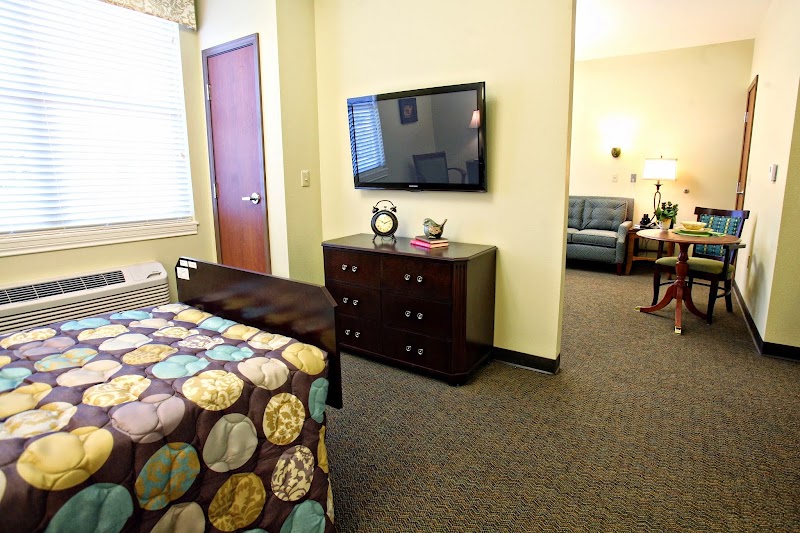
How Does Crown Point Health Suites Compare to Other Texas Nursing Homes?

Compared to the 100 nursing homes in Texas, CROWN POINT HEALTH SUITES's overall rating (3 stars) is above the state average of 2.8, staff turnover (54%) is near the state average of 46%, and health inspection rating (2 stars) is below the national benchmark.

What Should Families Ask When Visiting Crown Point Health Suites?

Based on this facility's data, families visiting should ask: "What changes have been made since the serious inspection findings, and how are you preventing similar issues?" "Can I visit during a mealtime to observe dining assistance and food quality?" "How do you handle medical emergencies, and what is your hospital transfer rate?" "Can I speak with family members of current residents about their experience?" These questions are particularly relevant given the facility's Immediate Jeopardy citations.

Is Crown Point Health Suites Safe?

Based on CMS inspection data, CROWN POINT HEALTH SUITES has documented safety concerns. Inspectors have issued 1 Immediate Jeopardy citation (the most serious violation level indicating risk of serious injury or death). The facility has a 3-star overall rating and ranks #1 of 100 nursing homes in Texas. Families considering this facility should ask detailed questions about what corrective actions have been taken since these incidents.

Do Nurses at Crown Point Health Suites Stick Around?

CROWN POINT HEALTH SUITES has a staff turnover rate of 54%, which is 8 percentage points above the Texas average of 46%. Moderate turnover is common in nursing homes, but families should still ask about staff tenure and how the facility maintains care continuity when employees leave.

Was Crown Point Health Suites Ever Fined?

CROWN POINT HEALTH SUITES has been fined $12,740 across 1 penalty action. This is below the Texas average of $33,206. While any fine indicates a compliance issue, fines under $50,000 are relatively common and typically reflect isolated problems that were subsequently corrected. Families should ask what specific issues led to these fines and confirm they've been resolved.

Is Crown Point Health Suites on Any Federal Watch List?

CROWN POINT HEALTH SUITES is not on any federal watch list. The most significant is the Special Focus Facility (SFF) program, which identifies the bottom 1% of nursing homes nationally based on persistent, serious quality problems. Not being on this list means the facility has avoided the pattern of deficiencies that triggers enhanced federal oversight. This is a positive indicator, though families should still review the facility's inspection history directly.