LUBBOCK HEALTH CARE CENTER
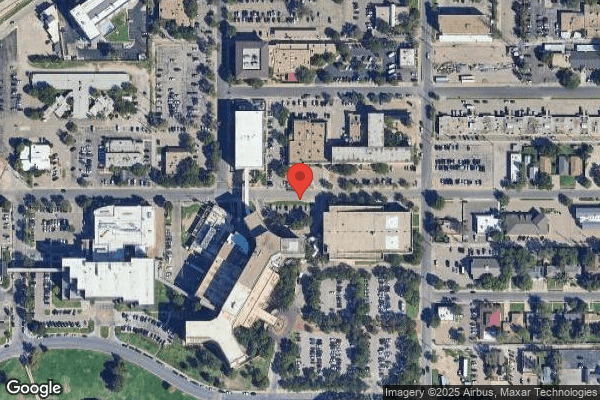
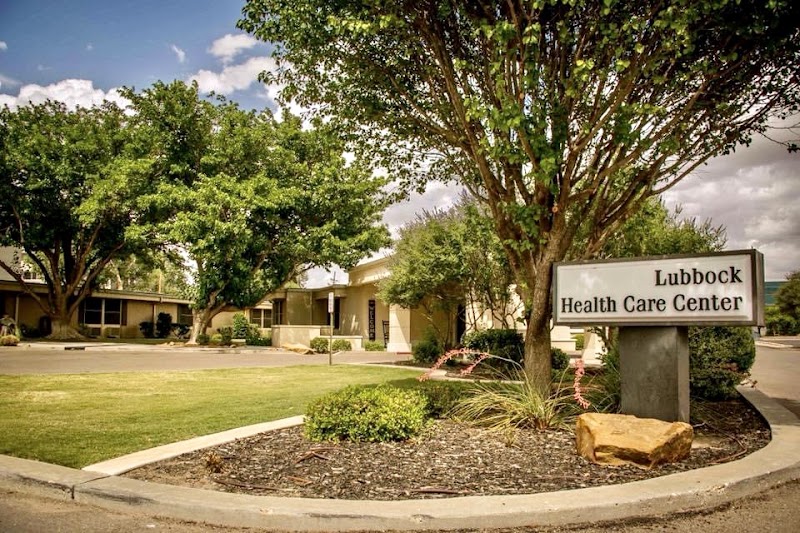
4120 22ND PL, LUBBOCK, TX 79410 (806) 793-3252
For profit - Corporation 120 Beds CREATIVE SOLUTIONS IN HEALTHCARE Data: November 2025
Trust Grade
70/100
#281 of 1168 in TX
Last Inspection: September 2024

Within standard 12-15 month inspection cycle. Federal law requires annual inspections.

Overview

Lubbock Health Care Center has a Trust Grade of B, indicating it is a good choice, providing solid care but with some areas for improvement. It ranks #281 out of 1,168 facilities in Texas, placing it in the top half, and #2 out of 15 in Lubbock County, meaning only one local option ranks higher. The facility is improving, with issues reducing from 5 in 2024 to 3 in 2025, which is a positive trend. While staffing is rated 2 out of 5 stars, indicating below-average performance with a turnover rate of 63%, there are no fines reported, which is a good sign. However, there have been concerning incidents, such as failure to provide residents with information on how to file grievances, risking unresolved issues, and lapses in food safety practices that could lead to foodborne illnesses, as well as inadequate infection control measures during medication administration that could lead to the spread of infections.

Trust Score
B
70/100
In Texas
#281/1168
Top 24%
Safety Record
Low Risk
No red flags
Inspections
Getting Better
5 → 3 violations
Staff Stability
⚠ Watch
63% turnover. Above average. Higher turnover means staff may not know residents' routines.
Penalties
✓ Good
No fines on record. Clean compliance history, better than most Texas facilities.
Skilled Nurses
⚠ Watch
Each resident gets only 19 minutes of Registered Nurse (RN) attention daily — below average for Texas. Fewer RN minutes means fewer trained eyes watching for problems.
Violations
⚠ Watch
19 deficiencies on record. Higher than average. Multiple issues found across inspections.
★★★★☆
4.0
Overall Rating
★★☆☆☆
2.0
Staff Levels
★★★☆☆
3.0
Care Quality
★★★★☆
4.0
Inspection Score
Stable
2024: 5 issues
2025: 3 issues

The Good

  • Full Sprinkler Coverage · Fire safety systems throughout facility
  • No fines on record

Facility shows strength in fire safety.

The Bad

Staff Turnover: 63%

17pts above Texas avg (46%)

Frequent staff changes - ask about care continuity

Chain: CREATIVE SOLUTIONS IN HEALTHCARE

Part of a multi-facility chain

Ask about local staffing decisions and management

Staff turnover is elevated (63%)

15 points above Texas average of 48%

The Ugly 19 deficiencies on record

Jun 2025 1 deficiency
CONCERN (D) 📢 Someone Reported This

A family member, employee, or ombudsman was alarmed enough to file a formal complaint

Potential for Harm - no one hurt, but risky conditions existed

Pharmacy Services (Tag F0755)

Could have caused harm · This affected 1 resident

**NOTE- TERMS IN BRACKETS HAVE BEEN EDITED TO PROTECT CONFIDENTIALITY** Based on interview and record review the facility failed to provide pharmaceutical services (including procedures that assure th...

Read full inspector narrative →
**NOTE- TERMS IN BRACKETS HAVE BEEN EDITED TO PROTECT CONFIDENTIALITY** Based on interview and record review the facility failed to provide pharmaceutical services (including procedures that assure the accurate acquiring, receiving, dispensing, and administering of all drugs and biologicals) to meet the needs of each resident for 1 of 5 residents (Resident #1) reviewed for narcotic medication being accounted for. The facility failed to prevent Resident #1's Lorazepam Medication from being accounted for. This failure could place residents at risk for not receiving prescribed medication. Findings include: Record review of Resident #1's, undated, face sheet revealed the resident was a [AGE] year-old male admitted to the facility on [DATE]. Resident #1 had diagnoses which included: depression (loss of interest), anxiety (feeling of uneasiness), acute systolic (congestive) heart failure (heart weakness), acute respiratory failure with hypoxia (lack of oxygen in body), acute respiratory failure with hypercapnia (too much carbon dioxide in the blood). Record review of a Resident #1's quarterly MDS, dated [DATE], revealed a BIMS of 09, which indicated moderate cognitive impairment. Record review of Resident #1's physician orders, dated 06/09/2025, revealed an active order for Lorazepam Intensol Oral Concentrate 2 MG/ML(Lorazepam) Give 0.5 ml by mouth four times a day related to generalized anxiety disorder. Ordered on 05/06/2025. Record review of Resident #1's Individual Control Drug Record Narcotic Count sheet for the Lorazepam Intensol 2 MG/ML revealed the facility received the medication from the pharmacy on 05/21/2025 and quantity received 101 syringes, 0.25 ml each. The record revealed on 05/21/2025, 7 were given, on 05/22-27/25 8 were given per physician orders. On 05/27/2025 there is a line drawn through the amount remaining at 12:30PM to change the amount remaining from 48 to 44 and signed by the DON and ADON. The count on the narcotic count sheet for 05/27/2025 at 12:30 PM indicated two were given with 48 remaining. The count after shift changed at 7:00PM on 05/27/2025 the narcotic count sheet indicated 2 syringes were given with 42 doses remaining. There were four syringes missing at that time. The narcotic count sheet was corrected to indicate on 05/27/2025 at 12:30PM the count needed to indicate the four missing syringes and the count was changed from 48 to 44. Then the last dose for 05/27/25 was given after the count was corrected and 42 syringes remained. There were 101 syringes received on 05/22/2025, 55 syringes were given between 05/22/2025 and 05/27/2025 at 12:30 PM. That left 46 syringes, the count was showing 48 on the narcotic count sheet, there were four syringes missing so the count was corrected on 05/27/25 to indicate 44, then 2 syringes were given at 7:00 PM and the count indicated 42 remained. Record review of Resident's #1 MAR dated 06/09/2025 revealed Lorazepam Intensol 2 MG/ML give 0.5ml by mouth four times a day for generalized anxiety disorder was given as ordered on 05/27/2025. During an interview on 06/09/2025 at 11:10 AM, RN A stated on 05/27/2025 LVN B had control of the medication cart and at the beginning of the shift 6:00AM - 6:00PM, the narcotic count was correct. At the end of the shift LVN C took over the medication cart for 6:00PM - 6:00AM and the narcotic count was not correct. She stated per the facility protocol if the narcotic count is off, staff must stay at the facility, the DON must go to the facility to count the narcotics and attempt to locate the narcotics. The staff involved in any missing narcotics would be required to take a drug test. She stated LVN B agreed to the drug test however the temperature of the urine was below normal and LVN B was asked to repeat the drug test, she refused and walked out. During an interview on 06/09/2025 at 11:30 AM, the ADON stated she received a call on 05/27/2025 that the narcotic count was off by four syringes of Lorazepam for Resident #1. She stated she counted the medication cart with LVN C and looked at the narcotic record sheet for any mistakes. She searched all the medication carts for the missing medication and interviewed LVN B and LVN C. She stated LVN C reported she accepted the medication cart, however they [LVN B and LVN C] did not go to the refrigerator and count the Lorazepam in the refrigerator at shift change. She stated LVN C told her they counted the Lorazepam on the paper but forgot to go to the refrigerator and count the medication. She stated she interviewed LVN B and she told her they counted the Lorazepam on paper and forgot to go to the refrigerator and count the medication. She stated HR was at the facility and per facility policy both staff involved would need to be drug tested. She stated LVN B provided her urine sample, and the temperature was too low for the test to be accurate and LVN B was asked to provide a second test. She stated LVN B refused the second test and walked out of the facility. She stated medication carts are to be counted at shift change 6:00AM and 6:00PM. She stated she expected staff to count the medication carts correctly, notify the DON and herself immediately, staff to remain at the facility until administrative staff arrived. She stated to count the medication cart correctly all medications should be counted including all medications in the refrigerator. During an interview on 06/09/2025 at 11:51 AM, the DON stated she received a call from LVN C and the narcotic count was off by four syringes of Lorazepam for Resident #1. She stated all medication carts were checked and interviewed LVN B and LVN C. She stated LVN C admitted at shift change they [LVN B and LVN C] did not count the Lorazepam in the refrigerator for Resident #1. She stated LVN B told her she grabbed all four syringes of Lorazepam for Resident #1 and placed them in her pocket at the beginning of her shift. LVN B stated Resident #1 takes two syringes at a time and that is given twice per her shift 6:00AM - 6:00PM. LVN B assured her she gave all four syringes to Resident #1 and was not sure where the four missing syringes were. She stated per facility policy staff involved in missing medication concerns would be drug tested. She sated LVN B gave her urine sample to HR and it was not the correct temperature and LVN B was told she would need to provide another sample. She stated LVN B refused to provide a second sample and walked out of the facility. She stated medications carts are to be counted at the time of shift change. She stated staff are to count all pills in the medication carts one staff to check the paper record and the other staff to check the medication to ensure they match and to count all medication in the refrigerator. She stated nurses are aware medications are kept in the refrigerator. The facility replaced the missing medication and Resident #1 did not miss any medication. The facility in-serviced all nurses and medication aides on counting all narcotic medication in the medication carts and the refrigerators. During an interview on 06/09/2025 at 12:06 PM, LVN C stated she worked on 05/27/2025 from 6:00PM - 6:00AM. She stated when she arrived for her shift, she counted the narcotics in the medication cart with LVN B, but not the Lorazepam in the refrigerator. She stated that a little after shift changed, she went to get the Lorazepam for Resident #1 out of the refrigerator and noticed there were four syringes less than what the narcotic count sheet showed. She stated she sent a text to the ADON and called LVN B. She stated LVN B returned to the facility, and they could not locate the four syringes of Lorazepam. She stated that LVN B told her she grabbed all four syringes at one time and kept two in her pocket for the next dose during her shift. She stated after the DON and ADON arrived they counted all the medication carts and could not find the four syringes of the Lorazepam for Resident #1. She stated she had to take a drug test and received coaching for not counting the medication in the refrigerator. She stated the reason they did not count the medication in the refrigerator is they trusted each other, and it didn't seem like a concern at the time, and she knew better. She stated, there are a lot of pre-filled syringes in the refrigerator, and it is time consuming to count them all. She stated the DON had her call and get the four syringes replaced for Resident #1 and he did not miss any Lorazepam. She stated since the incident she was trained and in-serviced on counting narcotics. During an attempted interview on 06/09/2025 at 12:27 PM, LVN B did not answer the phone call, or reply to the text message that was sent to her regarding the investigation. During an interview on 06/09/2025 at 12:30 PM, the ADM stated he contacted the local police department case number 250080395and filed a report, however he was not sure they would do anything, since the cost of the medication was $1.00. During an interview on 06/09/2025 at 1:45PM, HR Manager stated she received a call from LVN C and was told medication was missing. She stated the facility protocol is they must drug test everyone that had access to the medications and that night it was LVN B and LVN C. She stated she went to the facility and informed both LVN B and LVN C they needed to provide a drug test. She stated LVN B provided a urine sample, and the temperature was too low, and the test would not provide accurate results. She stated she informed LVN C that she would need to provide another urine sample as part of the protocol. She stated LVN B refused the second test. She stated she informed LVN B that as part of her employment anytime there was an incident involving medications staff would be drug tested and if she refused, she would self-terminate her employment. She stated LVN B refused and walked out of the facility. She stated LVN B signed the Employee Agreement and Consent to Drug and/or Alcohol testing on 02/27/2025 and received the Employee Handbook on that same date. During an interview on 06/09/2025 at 4:34PM, Resident #1 stated all he knew about his medications is that at times he had refused the Lorazepam because he didn't have anxiety. Record review of in-service dated 05/27/2025, instructor DON, subject: Narcotic Count each nurse/medication aide must count narcotics with the oncoming nurse/medication aide no matter what. You do not skip any narcotic counts. All narcotics that are kept in the refrigerator must be counted as well. If the count is off, please notify DON/ADON immediately. Record review of Employee Agreement and Consent to Drug and/or Alcohol Testing for LVN B signed by LVN B on 02/27/2025. The document revealed: the employee agreed to submit to a drug or alcohol and to furnish a sample of my urine, breath, and/or blood analysis. I understand and agree that if I at anytime refuse to submit to a drug or alcohol test under company policy, or if I otherwise fail to cooperate with the testing procedures, I will be subject to immediate termination. Record review of the facility policy Controlled Medications - Administration dated 03/2025. Policy Medications included in the Drug Enforcement Administration (DEA) classification as controlled substances are subject to special handling, storage, disposal, and record keeping in the facility, in accordance with federal and state laws and regulations. Procedure 8. At each shift change, a physical inventory of all controlled medications is conducted by two licensed nurses and/or one nurse and a CMA, QMAP, Med Tech, or equivalent as allowed by your State regulatory agency and is documented on an audit record. Alternatively, the shift change audit may be recorded on the accountability record if there is a designated column for the audit.
Mar 2025 2 deficiencies
CONCERN (D) 📢 Someone Reported This

A family member, employee, or ombudsman was alarmed enough to file a formal complaint

Potential for Harm - no one hurt, but risky conditions existed

Deficiency F0604 (Tag F0604)

Could have caused harm · This affected 1 resident

**NOTE- TERMS IN BRACKETS HAVE BEEN EDITED TO PROTECT CONFIDENTIALITY** Based on observations, interviews, and record reviews, the facility failed to ensure a resident was free from any physical or ch...

Read full inspector narrative →
**NOTE- TERMS IN BRACKETS HAVE BEEN EDITED TO PROTECT CONFIDENTIALITY** Based on observations, interviews, and record reviews, the facility failed to ensure a resident was free from any physical or chemical restraints imposed for purposes of discipline or convenience for 1 (Resident #1) of 3 residents reviewed for physical restraint. The facility failed to ensure the Licensed Vocational Nurse (LVN D) notified the physician (P J), Director of Nurses (DON), and Member F prior to tying Resident #1's hand to his bed on 02/18/25, and as of 03/04/25 the physician confirmed he had not written an order for this restraint. This LVN said he tied Resident #1's hand to prevent him from pulling out his dialysis port, while he administered the residents' medications. The port is defined as a (medical device used to provide access to a patient's bloodstream for hemodialysis treatment, which is a procedure that removes waste products and excess fluid from the blood when the kidneys are unable to do so). This failure could prevent residents from having an environment that was free from any physical or chemical restraints. Findings included: Record review of Resident #1's Face Sheet, dated 03/04/25, reflected he was a [AGE] year-old male admitted on [DATE]. Relevant diagnoses included metabolic encephalopathy (brain function is impaired.), sepsis (a life-threatening complication of an infection.), acute posthemorrhagic anemia (occurs when someone rapidly loses a large amount of blood, resulting in a low red blood cell count of hemoglobin levels.), myocardial infarction (occurs when blood flow to the heart muscle is blocked, causing damage of death of heart tissue.), atrial fibrillation (an irregular, often rapid heart rate that commonly cause poor blood flow.), heart failure (a chronic condition in which the heart doesn't pump blood as well as it should.), and acute kidney failure with tubular necrosis (a type of kidney injury characterized by damage to the kidney tubules, which are responsible for filtering waste products from the blood). Record review of Resident #1's Quarterly Minimum Data Set (MDS) assessment dated [DATE] indicated, he had a Brief Interview for Mental Status (BIMS) score of 12 (moderately impaired). This MDS indicated his Self-Care assessment required substantial/maximal assistance for toileting, lower body dressing, putting on/taking off footwear, and was dependent for a shower/bath. This MDS indicated Resident #1 required substantial/maximal assistance to rolling left and right, sitting to lying, lying to sitting on the side of the bed, and was dependent on staff to transfer from chair/bed-to-chair. Record review of Resident #1's Order Summary Report with Order Date Range between 02/01/25 to 02/28/25 did not include applying a restraint on Resident #1. Record review of Resident #1's Order Summary Report with Active Orders as of 02/28/25 did not include an order for applying a restraint. Record review of Resident #1's chart form 02/16/25 to 03/05/25 did not include documentation by LVN D indicating he had tied Resident #1's hand to the bed, nor that an order for a restraint had been pursued from the physician. Record review of Resident #1's Care Plan Report, dated 01/14/25, addressed the need for dialysis that was initiated on 12/11/24. This plan was edited on 03/04/25 to reflect Resident #1's behavior of pulling his dialysis port after he returned from the hospital on [DATE]. The steps included allowing resident to make decisions about his treatment, education, wrapping with ace bandage, double shirts, and adhesive dressings, and if resident resist with ADLs, leave and return 5 minutes later and try again. Record review of Resident #1's Nursing Note dated 02/16/25 indicated he was readmitted to the facility from the hospital via post fall. Resident #1's decision making was poor, required reminders, cues, and supervision in planning, organizing, and correcting daily routines. Resident #1 was not oriented to person, place, time, nor situation, and his Activities of Daily Living (ADL) assistance needs were bed mobility and transfers with 2 persons assist, and eating, toileting, dressing/hygiene, and bathing with 1 person assist. Record review of Resident #1's SBAR 3.0 - V4 report dated 02/17/25 at 1:45 pm with admission date of 03/02/25, indicated he was having a behavior change that started on 02/17/25 due to being a danger to self or others. The treatment initiated at 8:16 am he was administering Tramadol, because he might be agitated due to pain, and a bandage was placed over the dialysis port. This condition, symptom, or sign had not occurred before. Resident took bandage off and continued to pull his port. The MD or NP were notified on 02/17/25 at 1:41 pm. The new order was for hydroxyzine 50 mg (milligrams) PRN (as needed) every 6 hours. This report included date and time of notification as 02/17/25 at 6 pm, and LVN A signed this report on 02/18/25. Record review of CNA H's written Witness Statement dated 02/18/25 revealed I was doing round when I noticed pt (Resident #1) hand restraint to the bed. Notified the charge nurse (LVN D) and charge nurse confirmed that it was in protection of pt. and everything was taken care of. Record review of LVN D's personnel file revealed he signed Restraint Reduction dated 03/09/21 indicating All residents must have an order from the physician before a restraint can be applied. Seat belts, lap trays, and any device that keeps a resident from accessing willful movements are considered a restrain. During an interview on 03/04/25 at 10:39 AM, Physician J (P J) indicated Resident 1's restraint on 02/18/25 was unfortunate. If LVN A had called him or his nurse practitioner and informed them that Resident #1 was making attempts to remove his dialysis port, he would have discussed the situation and tried other avenues instead of a restraint. P J said if Resident #1 had removed his port, which was deep into his veins, he could have suffered uncontrolled bleeding that would have required putting pressure on the wound and calling 911. In addition, pulling on this port could have resulted on a piece breaking off inside his body leading to a serious outcome. During an interview on 03/04/25 at 11:25 AM, Resident #1, who was sitting in his wheelchair and had a port attached to the upper right chest area, did not respond to questions asked of him. Observation on 03/04/25 at 11:30 am indicated Resident #1's bed had a metal frame that was under and around his mattress. During an interview on 03/04/25 at 12:57 AM, the Director of Nurses (DON) indicated on 02/18/25 at 7 AM he discovered Resident #1's hand was tied to a blanket and to the bed frame. The DON questioned Licensed Vocational Nurse (LVN A), and Certified Nurse Aide (CNA B and C), who said they were unaware of Resident #1's restraint. The DON assessed Resident #1, who had no injuries or bruises noted, and asked him if he was hurting; however, he responded by mumbling but did not answer questions asked of him. Afterwards, The DON said he interviewed LVN D, who cared for Resident #1 from 6 PM on 02/17/25 to 6 AM on 02/18/25, and he confirmed he had tied Resident #1's hand to protect him from pulling out his dialysis port. The DON said LVN B confirmed he failed to notify Resident #1's physician, responsible party, and the DON, before applying this restraint. The DON said if LVN D had called the physician it's possible the physician might have ordered a soft restraint to keep him from trying to pull out the port. The DON said LVN D was protecting Resident #1 from bleeding to death; however, he did not follow the facility's policy and procedure for notifications and restraints. During an interview on 03/04/25 at 1:17 PM, Registered Nurse (RN E) said after Resident #1 returned to the facility on [DATE], he displayed the behavior of trying to pull out his port. This behavior was addressed through frequent monitoring redirection, redirection, and covering the port with a dressing several times, because he was able to remove the dressing. RN E indicated if Resident #1 had pulled out his port, this could have cause him to bleed to death. RN E said LVN D was trying to protect Resident #1; however, he failed to follow the policy and procedure for notification and restraints. During an interview on 03/04/25 at 2:48 PM, Member F (M F) indicated Resident #1 was discharged from the hospital with altered mental status, and to her knowledge, he was not trying to take out his dialysis port at the hospital. M F said she understood how dangerous it could have been if Resident #1 had pulled out his port. During an interview on 03/04/25 at 3:04 PM, the Minimum Data Set Coordinator (MDS G) indicated she had not incorporated a restraint into Resident #1's Care Plan, nor has she incorporated a restraint into any of the residents' Care Plans, because this is against the facility's policy and procedures. During an interview on 03/04/25 at 3:48 PM, LVN A said she started her shift on 02/18/25 at 6:18 AM and was unaware Resident #1's hand was tied to the bed frame. LVN A said she received shift report from LVN D that included Resident #1 was pulling at his port since returning from the hospital on [DATE]; however, he did not inform her Resident #1s hand was restraint. After the morning meal, LVN A said she requested an order to send Resident #1 to the hospital because he was very confused. LVN A said she knew it was not inappropriate to restrain a resident, instead the physician, DON, and RP should be notified when there is a change of condition. During an interview on 03/04/25 at 4:26 PM, LVN D said he received report on 02/17/25 at approximately 6 PM from the outgoing LVN A, who said Resident #1 was confused and trying to take out his port. LVN D said Resident #1 slept on 02/16/25 from approximately 6 PM until 10 PM. That's when Resident #1 displayed the behavior of taking off his clothes. LVN D said he monitored Resident #1 every 15 minutes and applied a dressing over his port and two t-shirts; however, he would remove his shirts and dressing so he could pull his port. LVN D said at approximately 4 AM on 02/18/25 Resident #1 pulled off his gown and shirt, and he tried to put them back on but he resisted. Afterwards, LVN D said he wrapped a small blanket around Resident #1's hand and tied the other end of this blanket to the bed frame, so he could continue administering residents' medications. LVN D said Resident #1 did not struggle or tried to remove this restraint. LVN D said he monitored Resident #1 by parking his medication cart approximately 6 feet away from Resident #1's doorway to his room and going into Resident #1's room as he administered medications. LVN D said he knew he was not supposed to restraint a resident, but for his safety, he thought this would better than letting Resident #1 pull out the port and bleed to death. LVN D said he did not call the physician, RP, or DON, because the restraint would just be for a brief time until he could finish the residents' medication pass. LVN D said he was not trying to hurt Resident #1; he was trying to keep him from dying. LVN D said he was suspended and terminated due to using a restraint on Resident #1. During an interview on 03/04/25 at 6:58 PM, CNA H said she received report on 02/17/25 at approximately 7:15 PM from LVN D, who said Resident #1, who returned from the hospital, had been tugging at his port on the previous shift (6 AM to 6 PM). CNA H said she entered Resident #1's room on 02/17/25 at approximately 7:30 AM and put a t-shirt on him to keep him from pulling at his port. CNA H said on 02/17/25 at 10 PM she checked on Resident #1, who was asleep, did not have his hand tied to the bed. CNA H said on 02/18/25 at approximately 1 AM she checked on Resident #1, who was asleep, and had his right hand tied to the bed frame with a mini colorful blanket. CNA H said Resident #1 could move his arm; however, he could not reach his port. CNA H said she saw smeared blood on the skin surrounding the skin around Resident #1's port. CNA H said she immediately reported this to LVN D, because she feared being blamed for the restraint, which she knew was against the facility's policy. CNA H said she informed LVN D Resident #1's hand was tied to the bed, and this facility was a no restraint facility. CNA H said LVN D informed her he had tied his hand to keep him safe from pulling his port because he could die. CNA D said she reported Resident #1's restraint to CNA I, who agreed a restraint is not allowed in this facility unless a doctor order it, and maybe that's why LVN D said he took care of it. CNA H said she checked on Resident #1 on 02/28/25 at 2 AM, 4 AM and 5 AM, before she left at 6 AM. CNA H said she was not asked to check on Resident #1 sooner than every two hours; however, she witnessed LVN D administered residents' medications from the cart near Resident #1's room. CNA H said she witnessed LVN D enter Resident #1's room several times during the night, and he remained at this cart throughout most of the night. During an interview on 03/04/25 at 7:34 PM, CNA I said on 02/18/25 at approximately 1 AM CNA H informed her that she saw Resident #1's hand was tied to the bed frame, and she informed LVN D. LVN D told her he had to restrain him for his safety or else he could bleed to death if he pull out the port. CNA I said she informed CNA H that a resident can be restraint if a doctor orders it. Observation on 03/05/25 at 10:30 AM of the facility's video camera recording dated 02/18/25 indicated LVN D entered Resident #1's room at 12:16 AM, 12:19 AM, 12:24 AM, 1:12 AM, 2:19 AM, 2:39 AM, 3:18 AM, 3:24 AM, 4:11 AM, 4:35 AM, 4:50 AM, and 5:32 AM. During an interview on 03/05/25 at 11:25 AM, LVN A indicated she worked on 02/17/25 from 6 AM to 6 PM and filled out an SBAR because Resident #1 was displaying behavior trying to pull out his port. LVN A said she notified the NP, who gave orders for Hydroxyzine every 6 hours, which she administered to Resident #1 at 8:16 AM. LVN A said she placed a bandage over Resident #1's dialysis port; however, he pulled of the bandage and continued to pull at his port. LVN A said she had to bandage this port 5 times on her 6 AM to 6 PM shift. If he had pulled out the port this would have cause him to bleed to death. LVN A said she did not have to call the NP or his physician because after she administered Hydroxyzine at 1 PM, Resident #1 calmed down. LVN A said during shift report she informed LVN D that she had called the NP, who gave the order for Resident #1 to be administered Hydroxyzine, applying a bandage on the port, and a gown and t-shirt to prevent him from pulling the port: however, he was able to pull off the gown and t-shirt. During an interview on 03/05/25 at 11:45 AM, CNA K said she witnessed Resident #1 trying to pull his port after he returned to the facility from the hospital on [DATE]. CNA K said she would grab his hand and ask him to stop, and he would comply for a short while then try again. Afterwards, CNA K reported this to LVN A, who entered Resident 1's room and was seen talking to him. During an interview on 03/05/25 at 12:06 PM, the Administrator confirmed LVN D did not follow the facility's policy and procedure for notification and restraint. Since this incident, the Administrator had all nurses and CNAs, who were provided the Administrator's phone number, were in-serviced to report directly to her if a resident is discovered in a restraint. The Administrator said LVN D was suspended after the incident but before returning to work After the investigation was completed, LVN D was terminated. Record review of the facility's policy and procedure for Restraints dated 02/1/07 reflected it is the policy of this facility to maintain an environment that prohibits the use of restraint for discipline or convenience. Restraint usage shall be limited to circumstances in which the resident has medical symptoms that warrant the use of restraints. A restraint Assessment Committee will evaluate and establish the need for restraint use or restraint reduction, for residents in our facility. The facility is committed to nurturing the autonomy and independence of our residents by attempting to provide a restraint-free environment. A physical restraint was defined as any manual method or physical/mechanical device, material, or equipment attached or adjacent to the resident's body that the resident cannot move easily, which restricts freedom of movement or normal access to one's body. Physical restraints include, but are not limited to leg restraints, arm restraints, hand mitt, soft tie or vest, wheelchair safety bars, Geri-chairs, lap cushions and trays that the resident cannot remove. Restraints will only be applied after it has been determined that a medical symptom requiring restraint usage exist, and only after other alternatives have been tried unsuccessfully. A physician's order shall be necessary to begin a restraint assessment/evaluation for the resident. The Restraint Assessment Committee shall meet to assess the necessity of restraints for a resident by completing a Pre-Restraining Assessment. Restraints will only be used with informed consent from the resident and/or the resident's representative or responsible party and the resident's physician. Physical restraints for behavior control shall only be used in an emergency, which threatens to bring immediate injury to the resident or others. In such an emergency an order may be received by telephone and shall be signed by the physician withing 45 hours. Full documentation of the episode leading to the use of the physical restraint, the type of the physical restraint use, and the length of effectiveness of the restraint time, and the name of the individual applying such measures shall be entered into the resident's medical record. Every effort shall be made to calm the resident; however, personal safety must be considered. There shall be no PRN (as needed) orders for behavioral restraints.
CONCERN (D) 📢 Someone Reported This

A family member, employee, or ombudsman was alarmed enough to file a formal complaint

Potential for Harm - no one hurt, but risky conditions existed

Quality of Care (Tag F0684)

Could have caused harm · This affected 1 resident

**NOTE- TERMS IN BRACKETS HAVE BEEN EDITED TO PROTECT CONFIDENTIALITY** Based on observations, interviews and record review, the facility failed to ensure a resident received treatment and care in acc...

Read full inspector narrative →
**NOTE- TERMS IN BRACKETS HAVE BEEN EDITED TO PROTECT CONFIDENTIALITY** Based on observations, interviews and record review, the facility failed to ensure a resident received treatment and care in accordance with the professional standards of practice and comprehensive person-centered care plan for 1 of 3 residents (Resident #1) reviewed for quality of care. 1. The LVN D failed to notify Resident #1's physician and Member F of Resident #1's change of condition. 2. LVN D failed to obtain an order from the physician to restrain Resident #1's arm to prevent him from pulling out his dialysis port (a medical device used to provide access to a patient's bloodstream for hemodialysis treatment, which is a procedure that removes waste products and excess fluid from the blood when the kidneys are unable to do so). 3. LVN D failed to notify the DON or LVN A, who was the oncoming charge nurse, of the restraint left on Resident #1's arm prior to leaving his shift. These failures could result in decreased quality of care for residents. Findings include: Record review of Resident #1's Face Sheet, dated 03/04/25, reflected he was a [AGE] year-old male admitted on [DATE]. Relevant diagnoses included metabolic encephalopathy (brain function is impaired.), sepsis (a life-threatening complication of an infection.), acute posthemorrhagic anemia (occurs when someone rapidly loses a large amount of blood, resulting in a low red blood cell count of hemoglobin levels.), myocardial infarction (occurs when blood flow to the heart muscle is blocked, causing damage of death of heart tissue.), atrial fibrillation (an irregular, often rapid heart rate that commonly cause poor blood flow.), heart failure (a chronic condition in which the heart doesn't pump blood as well as it should.), and acute kidney failure with tubular necrosis (a type of kidney injury characterized by damage to the kidney tubules, which are responsible for filtering waste products from the blood. Record review of Resident #1's Quarterly Minimum Data Set (MDS) assessment dated [DATE] indicated, he had a Brief Interview for Mental Status (BIMS) score of 12 (moderately impaired). This MDS indicated his Self-Care assessment required substantial/maximal assistance for toileting, lower body dressing, putting on/taking off footwear, and was dependent for a shower/bath. This MDS indicated Resident #1 required substantial/maximal assistance to rolling left and right, sitting to lying, lying to sitting on the side of the bed, and was dependent on staff to transfer from chair/bed-to-chair. Record review of Resident #1's Order Summary Report with Order Date Range from 02/01/25 to 02/28/25 did not include applying a restraint on Resident #1. Record review of Resident #1's Care Plan Report, dated 01/14/25, addressed the need for dialysis that was initiated on 12/11/24. This plan was edited on 03/04/25 to reflect Resident #1's behavior of pulling his dialysis port after he returned from the hospital on [DATE]. The steps included allowing resident to make decisions about his treatment, education, wrapping with ace bandage, double shirts, and adhesive dressings, and if resident resist with ADLs, leave and return 5 minutes later and try again. Record review of Resident #1's Nursing Note dated 02/16/25 indicated he was readmitted to the facility from the hospital via post fall. Resident #1's decisis non making was poor, required reminders, cues, and supervision in planning, organizing, and correcting daily routines. Resident #1 was not oriented to person, place, time, nor situation, and his Activities of Daily Living (ADL) assistance needs were bed mobility and transfers with 2 persons assist, and eating, toileting, dressing/hygiene, and bathing with 1 person assist. Review of Resident #1's SBAR 3.0 - V4 report dated 02/17/25 at 1:45 PM with admission date of 03/02/25, indicated he was having a behavior change that started on 02/17/25 due to being a danger to self or others. The treatment initiated at 8:16 AM was to administer Tramadol, because he might be agitated due to pain, and to place a bandage over the dialysis port. This condition, symptom, or sign had not occurred before. Resident took bandage off and continued to pull his port. The MD or NP were notified on 02/17/25 at 1:41 pm. The new order was for hydroxyzine 50 mg (milligrams) PRN (as needed) every 6 hours. This report included date and time of notification as 02/17/25 at 6 pm, and LVN A signed this report on 02/18/25. Record review of CNA H's written Witness Statement dated 02/18/25 revealed I was doing round when I noticed pt (Resident #1) hand restraint to the bed. Notified the charge nurse (LVN D) and charge nurse confirmed that it was in protection of pt. and everything was taken care of. During an interview on 03/04/25 at 10:39 AM, Physician J (P J) indicated Resident 1's restrain on 02/18/25 was unfortunate. If LVN D had called him or his nurse practitioner and informed them that Resident #1 was making attempts to remove his dialysis port, he would have discussed the situation and tried other avenues instead of a restraint. P J said if Resident #1 had removed his port, which was deep into his veins, he could have suffered uncontrolled bleeding that would have required putting pressure on the wound and calling 911. In addition, pulling on this port could have resulted on a piece breaking off inside his body leading to a serious outcome. During an interview on 03/04/25 at 11:25 AM, Resident #1, who was sitting in his wheelchair and had a port attached to the upper right chest area, and he did not respond to questions asked of him. Observation on 03/04/25 at 11:30 am indicated Resident #1's bed had a metal frame that was under and around his mattress. During an interview on 03/04/25 at 12:57 AM, the Director of Nurses (DON) indicated on 02/18/25 at 7 AM he discovered Resident #1's hand was tied to a blanket and to the bed frame. The DON questioned Licensed Vocational Nurse (LVN A), and Certified Nurse Aide (CNA B and C), who said they were unaware of Resident #1's restraint. The DON assessed Resident #1, who had no injuries or bruises noted, and asked him if he was hurting; however, he responded by mumbling but did not answer questions asked of him. Afterwards, The DON said he interviewed LVN D, who cared for Resident #1 from 6 PM on 02/17/25 to 6 AM on 02/18/25, and he confirmed he had tied Resident #1's hand to protect him from pulling out his dialysis port. The DON said LVN D confirmed he failed to notify Resident #1's physician, responsible party, and the DON, before applying this restraint. The DON said if LVN D had called the physician it's possible the physician might have ordered a soft restraint to keep him from trying to pull out the port. The DON said LVN D was protecting Resident #1 from bleeding to death; however, he did not follow the facility's policy and procedure for notifications and restraints. During an interview on 03/04/25 at 1:17 PM, Registered Nurse (RN E) said after Resident #1 returned to the facility on [DATE], he displayed the behavior of trying to pull out his port. Resident #1's behavior was addressed through frequent monitoring, redirection, and having to cover his port with a dressing several times, because he was able to remove the dressing. RN E indicated if Resident #1 had pulled out his port, this could have cause him to bleed to death. RN E said LVN D was trying to protect Resident #1; however, he failed to follow the policy and procedure for notification and restraints. During an interview on 03/04/25 at 2:48 PM, Member F (M F) indicated Resident #1 was discharged from the hospital with altered mental status, and to her knowledge, he was not trying to take out his dialysis port at the hospital. M F said she understood how dangerous it could have been if Resident #1 had pulled out his port. During an interview on 03/04/25 at 3:48 PM, LVN A said she started her shift on 02/18/25 at 6:18 AM and was unaware Resident #1's hand was tied to the bed frame. LVN A said she received shift report from LVN D on 02/18/25 that included Resident #1 was pulling at his port since returning from the hospital on [DATE]; however, he did not inform her Resident #1s hand was restraint. After the morning meal, LVN A said she requested an order to send Resident #1 to the hospital because he was very confused. LVN A said she knew it was inappropriate to restrain a resident, instead the physician, DON, and RP should be notified when there is a change of condition. During an interview on 03/04/25 at 4:26 PM, LVN D said he received report on 02/17/25 at approximately 6 PM from the outgoing nurse, who said Resident #1 was confused and trying to take out his port out. LVN D said Resident #1 slept on 02/17/25 from approximately 6 PM until 10 PM. That's when Resident #1 displayed the behavior of taking off his clothes. LVN D said he monitored Resident #1 every 15 minutes and applied a dressing over his port and two t-shirts; however, he would remove his shirts and dressing so he could pull his port. LVN D said at approximately 4 AM on 02/18/25 Resident #1 pulled off his gown and shirt, and he tried to put them back on Resident #1 but he resisted. Afterwards, LVN D said he wrapped a small blanket around Resident #1's hand and tied the other end of this blanket to the bed frame. LVN D said he monitored Resident #1 by parking his medication cart approximately 6 feet away from Resident #1's doorway to his room and going into Resident #1's room as he administered medications. LVN D said he knew he was not supposed to restraint a resident, but for his safety, he thought this would better than letting Resident #1 pull out the port and bleed to death. LVN D said he did not call the physician, RP, or DON, because the restraint would just be for a brief time until he could finish the residents' medication pass. LVN D said he was not trying to hurt Resident #1; he was trying to keep him from dying. During an interview on 03/04/25 at 6:58 PM, CNA H said she received report on 02/17/25 at approximately 7:15 PM from LVN D, who said Resident #1, who returned from the hospital, had been tugging at his port on the previous shift (6 AM to 6 PM). CNA H said she entered Resident #1's room on 02/17/25 at approximately 7:30 AM and put a t-shirt on him to keep him from pulling at his port. CNA H said on 02/17/25 at 10 PM she checked on Resident #1, who was asleep, did not have his hand tied to the bed. CNA H said on 02/18/25 at approximately 1 AM she checked on Resident #1, who was asleep, and he had his right hand tied to the bed frame with a mini colorful blanket. CNA H said Resident #1 could move his arm; however, he could not reach his port. CNA H said she saw smeared blood on the skin surrounding the skin around Resident #1's port. CNA H said she immediately reported this to LVN D, because she feared being blamed for the restraint, which she knew was against the facility's policy. CNA H said she told LVN D Resident #1's hand was tied to the bed, and this facility was a no restraint facility. CNA H said LVN D replied he had tied his hand to keep him safe from pulling his port because he could die. During an interview on 03/05/25 at 11:25 AM, LVN A indicated she worked on 02/17/25 from 6 AM to 6 PM and filled out an SBAR because Resident #1 was trying to pull out his port. LVN A said she notified the NP, who gave orders for Hydroxyzine every 6 hours, which she administered to Resident #1 at 8:16 AM. LVN A said she placed a bandage over Resident #1's dialysis port; however, he pulled of the bandage and continued to pull at his port. LVN A said she had to bandage this port 5 times on her 6 AM to 6 PM shift. If he had pulled out the port this would have cause him to bleed to death. LVN A said she did not have to call the NP or his physician because after she administered Hydroxyzine at 1 PM, Resident #1 calmed down. LVN A said during shift report she informed LVN D that she had called the NP, who gave the order for the Hydroxyzine, a bandage on the port, and to put a gown and t-shirt on Resident #1; however, he was able to pull off the gown and t-shirt. During an interview on 03/05/25 at 11:45 AM, CNA K said she witnessed Resident #1 trying to pull his port after he returned to the facility from the hospital on [DATE]. CNA K said she would grab his hand and ask him to stop, and he would comply for a short while then try again. During an interview on 03/05/25 at 12:06 PM, the Administrator confirmed LVN D did not follow the facility's policy and procedure for notification and restrain. Since this incident, the Administrator had all nurses and CNAs, who were provided the Administrator's phone number, were in-serviced to report directly to her if a resident is discovered in a restraint. Record review of facility's policy and procedure for Notifying the Physician of Change in Status dated 03/11/13 indicated The nurse should not hesitate to contact the physician at any time when an assessment and their professional judgement deem it necessary for immediate medical attention. This facility utilizes the INTERACT to, Change in Condition - When to Notify the MD/NP/PA to review resident conditions and guide the nurse when to notify the physician. This tool informs the nurse if the resident condition requires immediate notification of the physician or non-immediate/Report on Next Workday notification of the physician. The nurse will notify the physician immediately with significant change I status. The nurse will document signs and symptoms of significant change, time/date of call to physician, and interventions that were implemented in the resident's clinical record. The resident's family member or legal guardian should be notified of significant change in resident's status unless the resident has specified otherwise.
Sept 2024 3 deficiencies
CONCERN (D)

Potential for Harm - no one hurt, but risky conditions existed

Deficiency F0578 (Tag F0578)

Could have caused harm · This affected 1 resident

**NOTE- TERMS IN BRACKETS HAVE BEEN EDITED TO PROTECT CONFIDENTIALITY** Based on interview and record review, the facility failed to ensure all residents had the right to formulate an advance directiv...

Read full inspector narrative →
**NOTE- TERMS IN BRACKETS HAVE BEEN EDITED TO PROTECT CONFIDENTIALITY** Based on interview and record review, the facility failed to ensure all residents had the right to formulate an advance directive for 1 of 18 residents (Residents #42) reviewed for advanced directives, in that: Residents #42 were listed as DNR (Do Not Resuscitate) but had Out-of-Hospital Do Not Resuscitate (OOH-DNR) form that was missing required information. These failures could place residents at risk for not having their end of life wishes honored and incomplete records. Findings included: Resident #42 Record review of Resident #42's face sheet, undated, revealed a 5-year-old-female was admitted to the facility on [DATE] with diagnoses to include Cerebral infarction (lack of blood supply to the brain), muscle weakness (decreased strength in muscles), Hypertension (high blood pressure), Major Depressive Disorder (persistent depressed mood), and Type 2 Diabetes (problem with blood sugar). The face sheet also revealed under the advance directive section - DNR-Do Not Resuscitate. Record review of Resident #42's physician order summary dated 09/11/24 revealed the following order: DNR-Do Not Resuscitate dated 12/22/23. Record review of Resident #42's care plan, dated 08/14/23, revealed care plan for DNR. Record review of Resident #42's OOH-DNR form dated 12/20/23 revealed there was no physician's license number associated with the physician's signature, no printed name associated with the physician's signature. During an interview on 09/10/24 at 3:05pm with the Social Worker, she stated the OOH DNR was not valid if it's not filled out correctly. She stated she was responsible for ensuring OOH-DNRs are completed correctly. She verified missing information on OOH-DNRs for Residents #42. She stated she was the system for monitoring OOH-DNRs for accuracy. She stated the reason the DNR was not complete was human error. She stated the potential negative outcome for Residents without a completed DNR was the wishes of the Resident may not be followed. She stated she had been trained on how to complete OOH DNRs. During an interview on 09/10/24 at 1:45PM with the ADM, she stated the OOH DNR was not valid if not filled out correctly. She stated the Social Worker was responsible for making sure the OOH DNR was completed accurately. She stated the Social Worker should check DNRs for accuracy and the DNRs are audited by the DON quarterly. She verified missing information on OOH DNR for Residents #42. She stated she does not know why the information was missing. She stated the potential negative outcome was the Resident's wishes may not be followed. She stated she had been trained on how to complete OOH DNR and her expectations were for them to be filled out completely and be correct. Record review of the Social Services Policies and Procedures Advanced Directives (Revised October 2013) revealed the following: Policy The facility will honor two types of Do Not Resuscitate orders: a physician's order for Do Not Resuscitate and the Texas Out-of-Hospital DNR Order. Out of Hospital DNR Form The Out Of Hospital DNR form was designed by the Texas Department of Human Services to comply with the requirements as set forth in the Health and Safety Code for the purpose of instructing Emergency Medical personnel and other health care professionals to forgo resuscitation attempts. Procedure: Texas Out of Hospital DNR Form Any resident may initiate an Out of Hospital DNR Order. The resident's attending physician will document the presence of the terminal condition in the resident's permanent medical record. If the resident is capable of providing informed consent for the order, he/she will sign and date the DNR order on the front of the official DNR form from the state of Texas. All validly executed DNR orders will be honored by the facility. Social services will assist all interested family members and residents will information, education, and execution of the DNR form.
CONCERN (E)

Potential for Harm - no one hurt, but risky conditions existed

Infection Control (Tag F0880)

Could have caused harm · This affected multiple residents

Based on observation, interview and record review the facility failed to maintain an infection prevention and control program designed to provide a safe, sanitary and comfortable environment and to he...

Read full inspector narrative →
Based on observation, interview and record review the facility failed to maintain an infection prevention and control program designed to provide a safe, sanitary and comfortable environment and to help prevent the development and transmission of communicable diseases and infections for 10 of 18 residents (Resident #3, #39, #40, #41, #43, #44, #49, #53, #56, #60) and 1 of 1 staff (LVN A) reviewed for infection control. 1. LVN A failed to properly clean multi-use equipment between each resident during medication administration for Resident # 39, #40, #56, and #60. 2. LVN A failed to sanitize hands between residents during medication administration for Resident #3, #39, #40, #41, #43, #44, #49, #53, #56 and #60. These failures could place residents at risk for spread of infection and cross contamination. Findings included: 1. During a medication pass observation on 09/08/24 at 04:00 PM, LVN A took a wrist blood pressure device to the room of Resident #40, who was sitting upright in bed, and took her blood pressure on the left wrist. She then took the wrist blood pressure device and placed it on top of the medication cart. LVN A did not sanitize the wrist blood pressure device before or after use. During a medication pass observation on 09/08/24 at 04:17 PM, LVN A picked up the wrist blood pressure device from the top of the medication cart and took it to the room of Resident #39, who was watching tv in bed, and took her blood pressure on the right wrist. She then took the wrist blood pressure device and placed it on top of medication cart. LVN A did not sanitize the wrist blood pressure device before or after use. During a medication pass observation on 09/08/24 at 04:22 PM, LVN A picked up the wrist blood pressure device from the top of medication cart and went to the room of Resident #60, who was asleep in bed, and took his blood pressure on the right wrist. She then took the wrist blood pressure device and placed in on top of the medication cart. LVN A did not sanitize the wrist blood pressure device before or after use. During a medication pass observation on 09/08/24 at 04:41 PM, LVN A picked up the wrist blood pressure device from the top of the medication cart and took it to the room of Resident #56, who was resting in bed, and took his blood pressure on the right wrist. LVN A took the wrist blood pressure device and placed it back on top of the medication cart. LVN A did not sanitize the wrist blood pressure device before or after use. 2. During an observation of medication pass on 09/08/24 at 04:06 PM, LVN A prepared medications for Resident #40 and administered her medications. LVN A did not sanitize her hands before or after medication administration. During an observation of medication pass on 09/08/24 at 04:17 PM, LVN A prepared medications for Resident #39 and administered his medications. LVN A did not sanitize her hands before or after medication administration. During an observation of medication pass on 09/08/24 at 04:22 PM, LVN A prepared medications for Resident #60 and administered his medications. LVN A did not sanitize her hands before or after medication administration. During an observation of medication pass on 09/08/24 at 04:29 PM, LVN A prepared medications for Resident #43 and administered his medications. LVN A did not sanitize her hands before or after medication administration. During an observation of medication pass on 09/08/24 at 04:34 PM, LVN A prepared medications for Resident #44 and administered his medications. LVN A did not sanitize her hands before or after medication administration. During an observation of medication pass on 09/08/24 at 04:37 PM, LVN A prepared medications for Resident #3 and administered his medications. LVN A did not sanitize her hands before or after medication administration. During an observation of medication pass on 09/08/24 at 04:41 PM, LVN A prepared medications for Resident #56 and administered his medications. LVN A did not sanitize her hands before or after medication administration. During an observation of medication pass on 09/08/24 at 04:46 PM, LVN A prepared medications for Resident #49 and administered his medications. LVN A did not sanitize her hands before or after medication administration. During an observation of medication pass on 09/08/24 at 04:48 PM, LVN A prepared medications for Resident #53 and administered her medications. LVN A did not sanitize her hands before or after medication administration. During an observation of medication pass on 09/08/24 at 04:52 PM, LVN A prepared medications for Resident #41 and administered her medications. LVN A did not sanitize her hands before or after medication administration. During an interview on 09/08/24 at 04:57 PM with LVN A, she stated she did not know why she failed to sanitize her hands and wrist blood pressure device between residents during medication administration. She stated, you just get into a groove and get thrown off when someone is watching. She stated she has been trained by nursing administration to sanitize her hands between every 2-3 residents, but she has not been trained to sanitize medical devices between residents. She stated facility training for infection control practices usually occurred quarterly. LVN A stated a potential negative outcome for failure to properly sanitize hands and multi-use medical devices was the spread of infection. During an interview on 09/10/24 at 11:45 AM with the ADM, she stated nursing administration was responsible for staff training on proper hand sanitizing and sanitizing of multi-use medical devices during medication administration. The ADM stated training was conducted through in-services as well as computer-based training and was conducted quarterly and as needed. The ADM stated her expectation of staff for proper sanitation of hands and multi-use medical devices was that staff follow policy and do things properly. She stated a potential negative outcome of failure to properly sanitize hands and multi-use medical devices was spreading disease. During an interview on 09/10/24 at 11:53 AM with the DON, she stated the ADON was responsible for training staff on proper hand sanitizing and sanitizing multi-use medical devices during medication administration. She stated staff are trained monthly through in servicing and computer-based training. The DON stated her expectation of staff for proper sanitizing of hands and multi-use medical devices was that staff sanitize hands and medical devices between each resident. She stated a potential negative outcome of failure to properly sanitize hands and multi-use medical devices was spreading infection. Record review of the facility-provided certificate of completion titled Infection Control: Essential Principles, dated 03/07/24 revealed LVN A completed the course training. Record review of the facility-provided in-service titled, Infection Control, dated 08/12/24 was signed by LVN A. Record review of the facility's policy titled, Infection Control Plan: Overview, dated 2019 revealed: Infection Control The facility will establish and maintain an Infection Control Program designed to provide a safe, sanitary and comfortable environment and to help prevent the development and transmission of disease and infection. Preventing Spread of Infection . (3) The facility will require staff to wash their hands after each direct resident contact for which hand washing is indicated by accepted professional practice. INTENT The intent of this policy is to assure that the facility develops, implements, and maintains an Infection Prevention and Control Program in order to prevent, recognize, and control, to the extent possible, the onset and spread of infection within the facility. The program will: Implement hand hygiene (hand washing) practices consistent with accepted standards of practice, to reduce the spread of infections and prevent cross-contamination;
CONCERN (F)

Potential for Harm - no one hurt, but risky conditions existed

Grievances (Tag F0585)

Could have caused harm · This affected most or all residents

Based on observation, interview, and record review, the facility failed to provide information to resident's and their representatives on their rights related to filing grievances or concerns for 6 of...

Read full inspector narrative →
Based on observation, interview, and record review, the facility failed to provide information to resident's and their representatives on their rights related to filing grievances or concerns for 6 of 6 confidential residents. 1. The facility failed to make information known to Resident's and their Representatives either individually or through postings in prominent locations throughout the facility on who the facility grievance official was, their contact information, how to file an anonymous grievance and their right to obtain a written decision related to their grievance. 2. The facility failed to ensure 6 of 6 confidential residents had information known to them on how to file a grievance or concern, who the grievance official was, how to file an anonymous grievance, and their right to obtain a written decision related to their grievance. The facility failure could place the residents at risk of unresolved grievances and decreased quality of life. Findings include: Interviews and Record Review during Resident Council on, 9/9/2024 at 2:00pm, attendees 6 of 6 confidential residents, stated they did not know the grievance process; they did not know where to obtain or submit a grievance form. Residents attending the group meeting did not know how to file a grievance. Residents did not know where to acquire a grievance form, who to turn the form into, and what happens once a grievance was filed. 6 Residents attended the meeting, 1 of the Residents who attended the meeting was a new Admit, the other 5 Residents were tenured Residents. The grievance offered is a blank sheet of paper followed by two additional forms with questions that are to be answered by staff. Interview on 9/9/24 at 4:45 PM, the Activity Director confirmed she had never discussed Grievances in Resident Council as she did not know Residents were able to file grievances on their own or anonymously. The AD did not know the Grievance process for Residents filing a grievance without the assistance of a staff member. The AD stated she has been employed by the facility for 18 months. The AD stated she had documented grievances in the facility electronic records when complaints were discussed individually with her and during Resident Council. The AD stated she was a licensed AD. The AD stated she had not been explained the Grievance procedure and she did not know there was a Grievance policy she could request to review. The AD stated she did her best to decide what complaints reported in Resident Council warrant her filing a Grievance. The AD stated there is no written documentation kept for filed grievances. The AD stated she and the Social Worker file grievances, however, all grievances are documented in their electronic records. The AD stated she did not understand, nor had she been trained on the importance of a Grievance; in addition, it was the Social Workers' responsibility to follow up on grievances once they are submitted into the electronic records. During an interview, observations, and record review with the Social Worker on September 8, 2024, at 3:42pm Surveyor requested to review all grievance forms from March 2024-September 2024; the Social Worker printed the information she had submitted into the facility's electronic records. The electronic records information consisted of questions answered by the Social Worker, the questions in the electronic record were questions only a staff member could answer, such as, who followed up on the grievance, who was assigned the grievance, and what was the resolution to the grievance. Surveyor requested the handwritten grievances completed by staff, residents, and residents' representatives; the Social Worker stated there are no written grievances as written grievances are never completed by staff, residents, or residents' representatives. The Social Worker stated the only information that could be provided to Surveyor was the print outs from their electronic records. Surveyor asked Social Worker if she was aware documentation of grievances must be kept for three years; the Social Worker stated she was not aware and she had no handwritten grievances from the past three years to provide to the Surveyor. The Social Worker stated the facility started using the electronic process for grievance information within the last year. Record Review of the facility undated Grievance form refelcted a blank sheet of paper followed by two additional forms with questions that are to be answered by staff. Interviewed the ADM on 9/10/2024 at 1:30pm; the ADM stated the Grievance form is in a box next to the SW office, in addition, there is a box for submitting the Grievance form. The procedure for the Grievance process consisted of the SW reviewing the Grievance; the SW contacted the head of the department the Grievance should be assigned to, the Department head contacted the Resident and discussed the Grievance, and a resolution to the Grievance is discussed with the Resident. The time frame for addressing a Grievance once it had been submitted is immediately. Authors of Grievances were interviewed once a Grievance is submitted. The documentation of the completed interviews were typed into their electronic records. The findings of the Grievances were also documented in the electronic records. not accessible unless a resident asks the SW for the form. The resolutions to Grievances are provided to Residents via a Resolution Letter delivered to the Resident by the SW. The ADM stated unhappy Residents was the potential negative outcome if the Grievance procedure is not followed. During an interview, observations, and record review on 9/10/2024 at 3:30pm, the SW stated the Grievance procedure she followed included discussing the Grievance with the ADM, the ADM decided what department is assigned to the Grievance. The Grievance form is kept in a box outside the SW office and a mail slot is offered for submission of the Grievance. The SW stated she did not know who is responsible for assigning a staff member to address a Grievance. The SW stated the time frame for addressing the Grievance is immediate. The SW stated authors of Grievances are interviewed the same day the Grievance is submitted; the interviews are documented in their electronic records. The SW stated findings of the Grievance are documented in the electronic record, then the author of the Grievance is provided with a resolution letter provided by the SW. The SW stated the potential negative outcome for Residents if the Grievance procedure is not followed is the Residents' needs may not be met. Grievance Policy Policy: The resident has the right to voice grievances to the facility or other agency or entity that hears grievances without discrimination or reprisal and without fear of discrimination or reprisal. Such grievances include those with respect to care and treatment which has been furnished as well as that which has not been furnished, the behavior of staff and of other residents; and other concerns regarding their LTC facility stay. The resident has the right to and the facility must make prompt efforts by the facility to resolve grievances the resident may have. Policy Interpretation and Implementation: 1. The facility will notify residents on how to file a grievance orally, in writing, or anonymously with postings in prominent locations. 2. The grievance official of this facility is the administrator or their designee. 3. The grievance official will: Oversee the grievance process Receive and track grievances to their conclusion Lead any necessary investigations by the facility Maintain the confidentiality of all information associated with grievances Issue written grievance decisions to the resident Coordinate with state and federal agencies as necessary 4. As needed, the facility will take immediate action to prevent further potential violations of any resident right while the alleged violation is being investigated 5. All grievances involving alleged violations of neglect, abuse, including injuries of unknown source, and/or misappropriation of resident property, by anyone furnishing services on behalf of the provider, to the abuse preventionist. 6. All written grievances decisions will include: The date the grievance was received A summary statement of the residents grievance The steps taken to investigate the grievance A summary of the pertinent findings or conclusions regarding the resident's concern(s) A statement as to whether the grievance was confirmed or not confirmed Any corrective action taken or to be taken by the facility as a result of the grievance The date the written decision was issued 7. The facility will take appropriate corrective action in accordance with State law if the alleged violation of the residents' rights is confirmed by the facility or if an outside entity having jurisdiction, such as the State Survey Agency, Quality Improvement Organization, or local law enforcement agency confirms a violation of any of these residents' rights within its area of responsibility 8. Maintain evidence demonstrating the results of all grievances for a period of no less than 3 years from the issuance of the grievance decision.
Jun 2024 2 deficiencies
CONCERN (D) 📢 Someone Reported This

A family member, employee, or ombudsman was alarmed enough to file a formal complaint

Potential for Harm - no one hurt, but risky conditions existed

Accident Prevention (Tag F0689)

Could have caused harm · This affected 1 resident

**NOTE- TERMS IN BRACKETS HAVE BEEN EDITED TO PROTECT CONFIDENTIALITY** Based on observation, interview and record review, the facility failed to ensure that the resident environment remained free of ...

Read full inspector narrative →
**NOTE- TERMS IN BRACKETS HAVE BEEN EDITED TO PROTECT CONFIDENTIALITY** Based on observation, interview and record review, the facility failed to ensure that the resident environment remained free of accident hazards for 1 of 1 resident (resident #1) reviewed for accidents in that: - On June 15, 2024, Resident #1 ambulated to the bathroom and sat on the toilet, the toilet was unstable and loose causing Resident #1 to fall. These failures could place residents at risk for injury. The findings include: Record review of Resident #1's undated face sheet, revealed a [AGE] year-old female admitted to the facility on [DATE]. Resident #1 was discharged [DATE], per resident and family request. Resident #1 had a history of emphysema (a type of lung disease that causes breathlessness), CHF (congestive heart failure), and hypertension (high blood pressure). Record Review of Resident #1's BIMS assessment dated [DATE], revealed Resident #1 had a BIMS score of 14 which indicates Resident #1 was cognitively intact. Record review of Resident #1's care plan dated 6/16/2024 did not reveal Resident #1 required assistance to the bathroom or incontinence care. Record review of the facility Provider investigation report dated 6/21/2024 revealed on 6/15/2024 at 3:35pm Resident #1, took herself to the bathroom. Resident #1 was found on the floor, Resident #1 stated that when she was going to the bathroom the toilet wobbled and she fell. The toilet was leaning on her. Aide and 2 nurses attended to the resident. Resident #1 had a laceration on wrist. The ADM called plumbers. Resident #1 refused to move rooms. ADM brought a bedside commode. Bruise is on the neck later after skin assessment, nurse went back in to assess. Resident #1 complained of aches and pains, x-ray was ordered. No issues found on X-ray. Sunday- resident arm is showing a bruise. Complaining of aches and feels sore. Provider investigation report signed by ADM on 6/16/2024. During an interview with ADM on 6/25/24 at 10:32 AM, she stated she saw the toilet herself and the toilet was leaning slightly. She stated the bolts were both still in the toilet but one of the bolts had stripped from the floor. She stated Resident #1 had gone to the bathroom and her assumption is Resident #1 was wiping and when she leaned over the resident may have fallen at that point. She stated CNA A found her. She stated Resident #1 had a bruise to her arm, and a laceration to the wrist, and later a bruise to her neck. ADM stated Resident #1 denied hitting the sink but was found under the sink. She stated Resident #1 had denied pain at the time of the incident but a few hours later, she began to complain of left arm pain and her back. She stated the facility performed x-rays on her left arm and back and the reports were negative for acute fractures. She stated Resident #1 had been admitted on [DATE] on the same day of the incident. She stated Resident #1 did not want to change rooms, so a bedside commode was brought in. She stated Resident #1 had discharged two days later unrelated to the incident, as the resident was unwilling to do therapy. ADM stated Resident #1 had come in for skilled nursing due to COPD. During an observation of Resident #1's toilet, on 6/25/24 at approximately 11:45AM, the toilet was secured to the floor and unmovable. During an interview with CNA A on 6/25/24 at 1:05pm she stated I heard Resident #1 screaming and I went into her room, and Resident #1 was on the floor and the toilet was leaning over but not on top of her. I screamed because I didn't want to leave her alone and the nurse came in. Resident #1 had a scrape on her left arm. The toilet was easily moveable at that point. The side the toilet was leaning on was still connected to the floor, and the other side was lifted. During an interview with ADM on 6/25/24 at 4:44pm, she stated the negative consequences of the toilets not being secured appropriately could be injury to a resident. She stated the facility would be monitoring and doing safety and environmental rounds. She stated she would most likely assess the toilets herself. During an interview with Resident #1's family member on 6/25/24 at 4:30pm, they stated they had checked on Resident #1 later that afternoon the day of the fall. She stated Resident #1 was having pain in her back and left forearm. She stated she obtain a couple of significant bruises on her arm and left side of the neck. She stated Resident #1 had end stage COPD (chronic obstructive pulmonary disease, a condition of the airway and difficulty or discomfort in breathing) and often confused. She stated Resident #1 was able to walk short distances. She stated Resident #1 had gone to the bathroom and sat on the toilet and the toilet bolted and she fell off with the toilet leaning on Resident #1. She stated the facility put a bedside toilet by her bed until they could get the toilet fixed. She stated Resident #1 did not want to be there and was discharged to the assisted living she was at prior. She stated the staff was very attentive but not very knowledgeable and either not aware of or not concerned with the issue at hand. During an interview with Resident #1 on 6/26/24 at 11:43 AM she stated, I feel that this incident was 100 % preventable. I walked into the bathroom, sat on the toilet and the whole thing turned over and I fell over, the toilet fell on top of me. I didn't even get a chance to take off my pants. I had a cut on my left wrist that has a butterfly band aid, and they x-rayed me to make sure I didn't break anything. I did not break anything, but my left wrist is still bruised and sore. The bruise on my neck looks fine, it is still sore but no problem there. The facility seemed concerned, but I think it was because they didn't want to get sued, I don't feel like it was genuine. Record review of facility undated policy title Event Reporting; Completion of, revealed: 1. The facility will complete an Event report on variances that occur within the facility. Variances include falls, skin tears, bruises, abrasions, lacerations, fractures, choking, burns, elopement, or behavior that affects others. 7. Investigation: The investigation should be completed by the DON/Administrator or designee. The investigation report documents a thorough investigation of the events of the reported Event including persons, equipment, and materials that were involved. The investigation report must include what actions were taken to prevent subsequent Events and signatures of the individuals as indicated on the form.
CONCERN (E) 📢 Someone Reported This

A family member, employee, or ombudsman was alarmed enough to file a formal complaint

Potential for Harm - no one hurt, but risky conditions existed

Safe Environment (Tag F0584)

Could have caused harm · This affected multiple residents

**NOTE- TERMS IN BRACKETS HAVE BEEN EDITED TO PROTECT CONFIDENTIALITY** Based on observation, interview and record review the facility failed to provide a safe, functional, sanitary, and comfortable e...

Read full inspector narrative →
**NOTE- TERMS IN BRACKETS HAVE BEEN EDITED TO PROTECT CONFIDENTIALITY** Based on observation, interview and record review the facility failed to provide a safe, functional, sanitary, and comfortable environment for residents, staff, and the public for 11 of 16 toilets reviewed for safe environment, in that: - On June 25, 2024, the toilets in rooms #3, #8, #13, #16, #32, #50, #51, #52, #56, and Resident #2's and #3's rooms were unsecured to the floor and unstable. These failures could place the residents and public at risk for injury and falls. The Findings include: Record review of Resident #2's undated face sheet revealed a [AGE] year-old female admitted to the facility on [DATE]. Resident #2 had a history of hypoxia (oxygen is insufficient at the tissue level), hypertension (high blood pressure), anxiety, and seizures. Record Review of Resident #2's BIMS assessment dated [DATE], revealed Resident #2 had a BIMS score of 15 which indicates Resident #2 was cognitively intact. Record review of Resident #2's care plan dated 6/10/2024 revealed Resident #2 required 1 staff assistance for toilet use. Record review of Resident #3's undated face sheet revealed a [AGE] year-old male admitted to the facility on [DATE]. Resident #3 had a history of morbid obesity, unspecified lack of coordination, hypertension (high blood pressure), and seizures. Record review of Resident #3's BIMS assessment dated [DATE] revealed resident had a BIMS score of 15, which indicated Resident #3 was cognitively intact. Record review of Resident #3's care plan dated 5/17/2024 revealed resident required 1 staff assistance for toileting. During an interview with ADM on 6/25/24 at 10:32 AM, she stated on new admission they will be checking the toilets. She stated the last maintenance staff had since quit and a new staff will begin Monday July 1st. She stated all the toilets had been checked by ADM and an admission staff and a list had been given to maintenance to have the loose toilets assessed. She stated they only found one loose toilet and it was reinforced. During an interview with Maintenance Staff on 6/25/24 at 10:53 AM he stated I wasn't here that day (6/15/24) since I was off for the weekend. They called me that day and they let me know the toilet had fallen on a resident. They stated she had been sitting down and she fell and tried to grab the toilet and the toilet tilted on her. They told me they would call the plumbers that day and by the time I got back on 6/18 I went to check on it, but it still had a bit of a wobble. The toilet couldn't be tightened anymore because it would break the base. The ADM made a list of toilets to assess, and I checked them all. I tightened two of them, and noted the bolts were old and rusted, so I replaced them. If there were any toilets that had issues the facility usually would let me know but it was not a part of my monthly check up. I think the facility could do the checks monthly, but it was never something that had been brought. I had been here 10 months and my last day was 6/24/24. During an interview with Resident #2 on 6/25/24 at approximately 11:47 AM, she stated she had been told her toilet was loose but did not think anyone had come to fix it. Resident #2 stated she had used the toilet for the first time the previous night and had noted it was still loose. During an interview with Resident #3 at approximately 11:48 AM, he stated his toilet was too short for him but had not noticed if it was loose. During an observation of rooms #50, #51, #52, #56, and Resident #2's room on 6/25/24 at approximately 11:50AM, the toilets were loose, not secured to the floor and were unstable. During an interview with CNA A on 6/25/24 at 1:05pm she stated, I have not noticed any other issues with any other toilets in the facility. The facility did an in-service on the toilet and toilet seats. They told us to notify maintenance as soon as possible if the toilet was having issues and not let residents use them. I think maintenance should check the toilets regularly. This type of incident had not happened before. During an interview with admission staff on 6/25/2024 at 3:05 pm, she stated she checked the toilets for being loose by grabbing the center of the toilet with both her gloved hands and attempted to move the toilet. She stated the ones that were loose were circled on a sheet and the ones not circled were fine. She stated when she was done checking the toilets, she gave the list to the ADM. She stated she does not typically do these types of checks. During an observation of the facility toilets on 6/25/2024 at approximately 3:11 PM, toilets in rooms #3, #8, #13, #16, #32, #50, #51, #52, #56, and Residents #2's and #3's rooms were found to be unsecured to the floor and unstable. Observations of the toilets were conducted with admission Staff and the ADM. During an interview with the Housekeeping Supervisor on 6/25/24 at 4:31pm, she stated I give a checklist to the housekeepers, and they mark what is missing and if something was loose. They must check everything on the list and as soon as they give me the paper, I put it in maintenance box if there is something that needs to be repaired. Two staff members told me there were two loose toilets in Resident #2's room and I can't remember the other room. There was supposed to be a sign on Resident #2's room saying it was out of order. I was not aware of any of the other rooms having loose toilets. The bathrooms are cleaned daily. The housekeepers are supposed to check the toilets and to make sure they are cleaning around but not removing the caulking. My expectations are for the housekeepers to clean the bottom and around the toilet and removed any urine buildup or stains. I in serviced my staff to start checking the toilets after the incident with Resident #1. Prior to this recent in-service we had not had any other training or in servicing regarding toilet maintenance. During an interview with ADM on 6/25/24 at 4:44pm, she stated the negative consequences of the toilets not being secured appropriately could be injury to a resident. The facility will be monitoring and doing safety and environmental rounds. I will most likely go through and check the toilets myself. Record review of page titled Resident Room Roster dated 6/15, revealed room [ROOM NUMBER], #5, #13, #30, #31, #35, #39, #54, and #53 had been circled for further assessment of the toilets. The page was signed by admission Staff and ADM. Record Review of facility policy titled Preventative Maintenance/Work- Order Request, revealed: 1. The facility will repair or replace damaged/broken equipment or building amenities as needed. 2. the facility will educate all staff members on the procedure for requesting repair of damages to the building or equipment.
Dec 2023 2 deficiencies
CONCERN (E) 📢 Someone Reported This

A family member, employee, or ombudsman was alarmed enough to file a formal complaint

Potential for Harm - no one hurt, but risky conditions existed

Deficiency F0568 (Tag F0568)

Could have caused harm · This affected multiple residents

**NOTE- TERMS IN BRACKETS HAVE BEEN EDITED TO PROTECT CONFIDENTIALITY** Based on record review, interviews, and facility policy review, the facility failed to ensure a quarterly trust fund statement w...

Read full inspector narrative →
**NOTE- TERMS IN BRACKETS HAVE BEEN EDITED TO PROTECT CONFIDENTIALITY** Based on record review, interviews, and facility policy review, the facility failed to ensure a quarterly trust fund statement was provided for 3 (Resident #1, Resident # 2 and Resident #3) of 6 residents reviewed for resident rights. The facility failed to provide quarterly statements for Residents #1, #2, and #3 for the 3rd quarter (June 2023-September 2023). This failure could place the residents at risk for not having access to their personal funds and not having their personal needs met. Findings included: Record review of Resident #1's face sheet, dated 12/14/23, revealed a [AGE] year-old-male admitted to the facility on [DATE] with a diagnosis to include dementia (loss of cognitive function). Record review of Resident #1's Comprehensive Minimum Data Set, dated [DATE], revealed: the resident's Brief Interview for Mental Status revealed a score of 07, which indicated the resident's cognition was severely impaired. Record review of Resident #2's face sheet, dated 12/22/23, revealed a [AGE] year-old-female admitted to the facility on [DATE] with a diagnosis to include dementia (loss of cognitive function). Record review of Resident #2's Comprehensive Minimum Data Set, dated [DATE], revealed: the resident's Brief Interview for Mental Status score revealed a score of 12, which indicated the resident's cognition was moderately impaired. Record review of Resident #3's face sheet, 12/22/23, revealed an [AGE] year-old-male admitted to the facility on [DATE] with a diagnosis to include type 2 diabetes. Record review of Resident #3's Comprehensive Minimum Data Set, dated [DATE], revealed: the resident's Brief Interview for Mental Status score revealed a score of 14, which indicated the resident's cognition was intact. During an interview with the Business Office Manager (BOM) on 12/14/23 at 11:42 AM, she stated that she and the ADM were responsible for the resident trust funds. She said her Area Business Office Consultant was also responsible for resident trust funds in the facility. She stated she reviewed all resident trust funds at least every other day to monitor deposits so that she can pull care costs. She said resident trust funds were reconciled every month. During an interview with Resident #2 on 12/14/23 at 10:22 AM, she stated that she knew something was happening with her money but did not know what. She said she went to the BOM and was told she needed to take money out, but when she tried, she could not. She was unable to say when this encounter occurred. She said she was sent back to her room. She stated that she did not know what was going on. She said she never received anything in writing regarding her trust fund account. Attempted to call Family Member C to discuss Resident #2, but there was no answer. A message was left with return call information. During an interview with Resident #1 on 12/15/23 at 10:26 AM, he stated does not receive any trust fund statements from the BOM. He stated he trusted Family Member A to handle his business at the facility. He told the facility staff that Family Member A could make financial decisions for him. He stated he would like to know what is in his trust fund account. He stated he would like to know what was in his trust fund account. During an interview with Resident #3 on 12/15/23 at 10:32 AM, he stated he had never received a quarterly trust fund statement. He said his son may have, but no one ever came to him and gave him any papers. He stated he would have liked to know what he had in his trust fund account. During an interview with Family Member B on 12/15/23 at 10:40 AM, he said he never received any trust fund statements. He said that he issued a check to pay for his father's stay and that the facility staff was supposed to give his father his $60.00 monthly allowance out of that. He stated he would like to see the statements to see if that was happening but did not know he could have access to his trust fund statement. During an interview with Family Member A on 12/15/23 at 11:15 AM, she stated that she never received a quarterly statement for Resident #1. She said she would like to see his statements to help Resident #1 monitor his trust fund account. She stated she thought he did not have any money until she was notified in November that she had to spend his money in a couple of days before he lost his Medicaid. During an interview with the ABOC on 12/15/23 at 11:30 AM, it was stated if a resident had not receive their quarterly statement, then the resident or family member would not be able to see the quarterly recap that the quarterly statements show. He said the residents could not see or monitor what was being spent out of their account. He stated the BOM signed a quarterly attestation, meaning that she received the quarterly statements and distributed them to the residents the same day. He stated the systems in place to assist the BOM was he sent out a calendar with deadlines that the BOM must meet. He said everything is placed on the calendar such as when quarterly statements should be sent out. He stated he had provided the business office calendar to the BOM, which encapsulates the year. He said he had been trained regarding providing residents quarterly statements and the BOM has also been trained. He said it had been a while since an audit was done, and he was unaware that quarterly statements were not being distributed. He said he expected that once the BOM received the email with the resident's quarterly statements, she would sign the attestation, mail those that needed to be mailed out to the family, and hand out the ones to the residents in the facility. He stated one copy should be kept on file with the resident's signature. He said that he expected the BOM to personally ensure quarterly trust statement were handed out and not rely on assistance from other staff. He stated that the BOM was responsible for issuing the resident quarterly statements. He said he was not sure why the quarterly statements were not distributed. During an interview with the ADM on 12/15/23 at 11:47 AM, it was stated that the potential negative outcome for a resident not receiving their quarterly statements was that they may not know how much money they have. She stated she was unaware that residents were not receiving their quarterly statements. She said the systems were in place to monitor where the BOM was supposed to submit to corporate monthly. She stated the ABOC was monitoring the BOM. She stated she was not on that email list. She said she was unaware if the BOM ever sent the email to the ABOC regarding the completion of sending quarterly statements. She said the BOM had been trained on the expectation of quarterly statements to be given to the residents. She said her training as the administrator was limited but that she knew that residents should receive their quarterly statements. She stated she expected that the trust fund statements should be delivered quarterly. She said she expected the facility policy should be followed. She stated the BOM is responsible for providing the families and residents with their quarterly statements. She stated she was not aware of any reason as to why the monthly statements were not given quarterly. During an interview with the BOM on 12/15/23 at 12:10 PM, she stated that she was unaware she was supposed to keep a copy of the quarterly statements. She stated she located the quarterly statements she was supposed to deliver to Residents in October 2023. She stated she did not give them out. She stated she was about to go on vacation, and she was also training a new staff member for admissions. She stated she did not report that she had not delivered them to anyone. She stated that when she realized she had them, she thought she would give them once she returned to work. She stated she did not realize that she had not delivered them until the day of the interview on 12/15/23. She stated she had nothing to verify that she had given any quarterly statements for 2023. She stated she had the attestation but did not know she was supposed to keep a copy of the quarterly statements. She stated she thought the attestations were enough to verify that she had given the quarterly statements to the residents. She stated she may have been rushing to get things done was why she did not deliver the quarterly trust fund statements. She stated she had a calendar that told her what to do but she had not been following the calendar. She stated that she had been busy working on the Medicaid pending applications and the Medicaid Applications took up a lot of her time. She stated in the morning meetings, she had notified the ADM of what she had going on as far as what she needed to complete daily. She stated she had talked with the ABOC, and he was trying to help her get things done. She stated the ABOC was unaware that she had not delivered her quarterlies. She stated she was unaware if she had been trained to keep a copy of the quarterly trust fund statements. She stated she had been trained to meet the deadlines on the calendar. She said she expected all the residents to receive their trust fund at least quarterly. She stated she was responsible for monitoring the resident's trust fund accounts and issuing the quarterly statements. Record review of trust fund attestation for June 2023 signed by the ADM and the BOM on 07/27/23 attest that all trust fund statements were sent to each resident/responsible party according to state regulation. Record review of trust fund attestation for March 2023 signed by the ADM and the BOM on 04/27/23 attest that all trust fund statements were sent to each resident/responsible party according to state regulation. No attestation was provided for October 2023. Record Review of the facility's policy Resident Rights (undated) revealed The resident has a right to a dignified existence, self-determination, and communication with and access to persons and services inside and outside the facility, including those specified in this policy. A facility must treat each resident with respect and dignity and care for each resident in a manner and in an environment that promotes maintenance or enhancement of his or her quality of life, recognizing each resident's individuality. The facility must protect and promote the rights of the resident. Self-determination - The resident has the right to and the facility must promote and facilitate resident self-determination through support of resident choice. The resident has a right to manage his or her financial affairs. This includes the right to know, in advance, what charges a facility may impose against a resident's personal funds. Accounting and records The individual financial record must be available to the resident through quarterly statements and upon request. Record Review of the facility's policy Trust Fund Policy and Procedure (undated) revealed: Objective: The objective is to ensure that proper procedure is followed for daily record keeping of the resident trust fund. RFMS as well as manual techniques will be used to ensure all state regulations are followed. The petty cash kept in the business office will be a designated amount per facility that must be signed for by either the Resident or court-appointed Guardian for disbursement. If a resident is unable to sign and has no Guardian in place, two witnesses must sign to verify legitimacy of the transaction. The Trust Fund is to be consistently maintained and always balanced. The facility must follow all State guidelines, TAC rules, as well as CSNHC company policy and procedure always regarding the Resident Trust Fund. Procedure: Please adhere to the following procedures to maintain the Resident Trust Fund. Quarterly Trust Fund Statements Resident Trust Fund statements must be mailed to the Responsible Party or given to resident quarterly. These are mailed to the facility by RFMS. Once received, make copies to put in the Trust Fund binder and send originals to Responsible Party. Trust Fund Attestation Form- upon completion of the generation of the Quarterly Trust Fund Statements this form will be completed with date that statements were mailed and signed by the Business Office Manager and Administrator. This signed form is to be kept with the copies of the Quarterly Trust Fund Statements that were mailed for the respective ending quarter. If a resident or Responsible Party asks at any time, a Trust Fund statement should be given upon request, this is a resident's right to know all information pertaining to Trust Fund Account. The required statements should be done at these times: o March 31st o June 30th o September 30th o December 31st
CONCERN (E) 📢 Someone Reported This

A family member, employee, or ombudsman was alarmed enough to file a formal complaint

Potential for Harm - no one hurt, but risky conditions existed

Deficiency F0569 (Tag F0569)

Could have caused harm · This affected multiple residents

**NOTE- TERMS IN BRACKETS HAVE BEEN EDITED TO PROTECT CONFIDENTIALITY** Based on interview and record review, the facility failed to notify each resident that receives Medicaid benefits when the amoun...

Read full inspector narrative →
**NOTE- TERMS IN BRACKETS HAVE BEEN EDITED TO PROTECT CONFIDENTIALITY** Based on interview and record review, the facility failed to notify each resident that receives Medicaid benefits when the amount in the resident's account reaches $200 less than the SSI resource limit for one person, and that if that amount reaches the SSI resource limit for one person, the resident may lose eligibility for Medicaid or SSI for 2 (Resident #1 and 2) of 6 residents reviewed resident rights. 1. The facility failed to communicate with Resident #1 and his preferred family contact that his trust fund account was over the resource limit and he could lose his eligibility. 2. The facility failed to provide Resident #1 and his preferred family contact with a written notice per the facility's trust fund policy that his trust fund account was over the resource limit and he could lose his eligibility. 3. The facility failed to communicate with Resident #2's POA that her trust fund account was over the resource limit and she could lose her eligibility. 4. The facility failed to provide Resident #2's POA with a written notice per the facility trust fund policy that his trust fund account was over the resource limit and she could lose his eligibility. These failures could place residents whose funds were managed by the facility, at risk of losing their Medicaid insurance benefits. Findings Included: Record review of Resident #1's face sheet, dated 12/14/23, revealed a [AGE] year-old-male admitted to the facility on [DATE] with a diagnosis to include dementia (loss of cognitive function). Record review of Resident #1's Comprehensive Minimum Data Set, dated [DATE], revealed: the resident's Brief Interview for Mental Status revealed a score of 07, which indicated the resident's cognition was severely impaired. Record review of Resident #1's Resident Statement, dated 12/15/23, revealed the following: Resident #1 was over the $2000.00 Medicaid limit from 01/03/23 until 10/12/23. Resident #1 was within $200.00 of the $2000.00 Medicaid limit from 10/24/23 until 10/26/23 Resident #1 was over the $2000.00 Medicaid limit 11/03/23 until 12/01/23. Record review of Resident #2's face sheet, dated 12/22/23, revealed a [AGE] year-old-female admitted to the facility on [DATE] with a diagnosis to include dementia (loss of cognitive function). Record review of Resident #2's Comprehensive Minimum Data Set, dated [DATE], revealed: the resident's Brief Interview for Mental Status score revealed a score of 12, which indicated the resident's cognition was moderately impaired. Record review of Resident #2 Resident Statement, dated 12/15/23, revealed the following: Resident #2 was over the $2000.00 Medicaid limit from 01/03/23 until 12/01/23. During an interview with the Business Office Manager (BOM) on 12/14/23 at 11:42 AM, she stated that she and the ADM were responsible for the resident trust funds. She said her Area Business Office Consultant was also responsible for resident trust funds in the facility. She stated she reviewed all resident trust funds at least every other day to monitor deposits so that she can pull care costs. She said resident trust funds are reconciled every month. She stated that when a resident gets to $1500.00, she then starts having a conversation with the residents to let them know that they are getting close 2000.00 and they need to consider things that they can spend their money on. She stated the facility policy was to give the resident a written notice at $1800.00, but she does not like to wait that close because some residents do not want to spend their money. She said that for residents like that, she liked to start early. She stated they like to start at the $1500.00 limit, so if a resident does not move fast, they will have additional time to spend their money down. She said if a resident does not adhere to the $2000.00 limit notice, the resident could lose their Medicaid benefits and would have to become a private pay resident by default and use their personal funds. She said the $1500.00 notice was verbal. Once the resident comes within the $200.00 limit of $2000.00, they should receive a physical letter notifying them that they are within $200.00 of their $2000.00 Medicaid limit. She said regarding Resident #1, he has always given permission for Family Member A to make financial decisions for him. During an interview with Resident #2 on 12/14/23 at 10:22 AM, she stated that she knew something was happening with her money but did not know what. She said she went to the BOM and was told she needed to take money out, but when she tried, she could not. She said she would be sent back to her room. She stated that she did not know what was going on. She said she has never received anything in writing regarding her trust fund account. Attempted to call Family Member C to discuss Resident #2, and he did not answer. A message was left with return call information. During an interview with Resident #1 on 12/15/23 at 10:26 AM, he stated that he did not know he had over $2000.00 in his trust fund account at any time. He said he never received a notice about his trust fund account. He stated he trusted Family Member A to handle his business at the facility. He told the facility staff that Family Member A could make financial decisions for him. He stated he would like to know what was in his trust fund account. He said he did not understand what Medicaid was and what the limit in his trust fund account for Medicaid was. During an interview with Family Member A on 12/15/23 at 11:15 AM, she stated she had never received a written notice from the BOM or anyone at the facility that Resident #1 was within $200.00 of the $2000.00 Medicaid limit. She said the first time she had received any notice was on 11/28/23. She said the BOM told her that she would spend $3500.00 at a funeral home for a preneed burial plan. Family Member A stated she refused to allow the BOM to take $3500.00 and spend it at the funeral home of her choice. She was then told she had until 11/30/23 to spend the money down. She stated she could contact the funeral home of her choice, obtain a preneed, and provide the nursing facility an invoice by 11/30/23 at 10:00 AM. She stated over the summer of 2023, she attempted to get a preneed for Resident #1 but was told by the BOM that Resident #1 only received $60.00 a month and would not be able to afford it. She said because the BOM told her this , she did not revisit the matter because she assumed Resident #1 had no money. She said when she was notified of the resident's financial status and that the money had to be spent, she was scared and nervous about what would happen to Resident #1 if it was not spent. During an interview with the ABOC on 12/15/23 at 11:30 AM, it was stated that if a resident exceeds the $2000.00 Medicaid limit, they could lose their Medicaid benefits and have to pay for their stay at the nursing facility. He stated private pay meant that Medicaid would not pay for anything until the facility's recertification was renewed. He stated he was aware that some residents needed to spend money down, but he was unaware that there were over $2000.00 for multiple months at a time. He stated he had addressed residents that needed to spend down their money with the BOM and thought it had been resolved. He stated the systems in place to assist the BOM was he sends out a calendar with deadlines the BOM must meet. He said everything was placed on the calendar such as when the $200.00 notices should be completed. He stated he had provided the business office calendar to the BOM, which encapsulates the year. He said he had been trained regarding issuing the $200.00 written notice. He stated the BOM has also been trained. He said it had been a while since an audit was done, and he was unaware that the $200.00 notices were not being given, and the residents were going multiple months without spending their money. He stated regarding the $200.00 limit letters, he expected the deadline indicated on the calendar to be met. The resident and the family member should be notified, issued a copy, and a copy kept in the resident's file. He expected that if the resident was within the $200.00 limit, the resident and family should be issued a letter each month. He stated the resident's trust fund should be reconciled each month. He said he expected the resident's trust fund account to be kept below the $2000.00 limit throughout the year and not just the month before recertification. He stated keeping the trust account below the $2000.00 Medicaid limit would give the resident and their families time to think about what they want to do and what they want to spend their money on. He said having to spend a lot of money in a short amount of time can put stress on them. He stated that the BOM was responsible for issuing the $200.00 written notices and resident quarterly statements. He said he was not sure why the quarterly statements were not distributed. He stated he was unsure why the $200.00 written notices were not done and why residents had exceeded the $2000.00 Medicaid limit. During an interview with the ADM on 12/15/23 at 11:47 AM, it was stated a resident not receiving the $200.00 notice or exceeding the $2000 Medicaid limit, would lose their Medicaid benefits and have to pay out of pocket to stay at the facility. She said she was aware that there were residents that were close to the $2000.00 limit. She said the BOM told her that she had notified the family and the residents when resident's exceeded the $2000.00 limit. She said she was unaware that Resident #1 was over repeatedly every month. She remembered working with the BOM on Resident #1 over the summer. She said she did not remember if she (the ADM) asked about the $200.00 written notice. She said the systems were in place to monitor where the BOM was supposed to submit to corporate monthly. She stated the ABOC was monitoring the BOM. She stated that the BOM was supposed to submit to the ABOC and corporate monthly, which residents she was notifying were within the $200.000 limit of the $2000.00 Medicaid limit. She stated she was not on that email list. She said she was unaware if the BOM ever sent it. She said the BOM had been trained on the expectation of quarterly statements to be given to the residents and the $200.00 written notices. She said her training as the administrator was limited but that she knew that the facility had to notify the residents and the families when they are reaching the Medicaid limit. She said she expected the $200.00 statements to be completed and given to the residents promptly. She said she expected the facility policy to be followed. She stated the BOMwas responsible for issuing the $200.00 written notices. She stated she was unaware of why the residents were not given $200.00 notices. She stated she was unaware of why residents were over the $2000.00 Medicaid limit for consecutive months. During an interview with the BOM on 12/15/23 at 12:10 PM, she stated that she was unable to locate or provide any $200.00 notices for any of the residents picked for sample residents. She stated that she was unaware she was supposed to keep a copy. She stated the potential negative outcome for a resident's account exceeding $2000.00 was that the resident could lose their Medicaid benefits She said that by not receiving the $200.00 notice, the resident may not be aware that they were close to the $2000.00 Medicaid limit and still ultimately have to pay out of pocket to stay at the facility. She stated that she knew there were residents whose trust accounts were close to $2000.00, but she had notified the residents and the families. She said she knew she had missed some months, but she did not always miss them. She stated she did not have a reason for not keeping a copy of the form. She stated she may have been rushing to get things done. She stated she had also been training staff for admission on and off for at least three separate occasions. She said she looked at the statements monthly, and in the last week of the month, she gave the residents notices. She stated she had a calendar that told her what to do but had not been following the calendar. She stated that she had been busy working on the Medicaid pending applications. She stated in the morning meetings, she had notified the ADM of what she had going on for that day. She stated she had talked with the ABOC, and he was trying to help her get things done. She stated the ABOC was unaware that she had not given the $200.00 to the residents monthly. She stated she was unaware if she had been trained to keep a copy of the $200.00 notices. She stated she had been trained to meet the deadlines on the calendar. She stated the residents should receive a written notice that their trust fund account was within $200.00 of the $2000.00 Medicaid limit. She stated she was responsible for issuing the quarterly statements and the $200.00 notices. She stated she was responsible for monitoring the resident's trust fund accounts. Record Review of the facility's policy Resident Rights (undated) revealed The resident has a right to a dignified existence, self-determination, and communication with and access to persons and services inside and outside the facility, including those specified in this policy. A facility must treat each resident with respect and dignity and care for each resident in a manner and in an environment that promotes maintenance or enhancement of his or her quality of life, recognizing each resident's individuality. The facility must protect and promote the rights of the resident. Self-determination - The resident has the right to and the facility must promote and facilitate resident self-determination through support of resident choice. The resident has a right to manage his or her financial affairs. This includes the right to know, in advance, what charges a facility may impose against a resident's personal funds. Notice of certain balances. The facility must notify each resident that receives Medicaid benefits- When the amount in the resident's account reaches $200 less than the SSI resource limit for one person, and That, if the amount in the account, in addition to the value of the resident's other nonexempt resources, reaches the SSI resource limit for one person, the resident may lose eligibility for Medicaid or SSI. Record Review of the facility's policy Trust Fund Policy and Procedure (undated) revealed: Objective: The objective is to ensure that proper procedure is followed for daily record keeping of the resident trust fund. RFMS as well as manual techniques will be used to ensure all state regulations are followed. The petty cash kept in the business office will be a designated amount per facility that must be signed for by either the Resident or court-appointed Guardian for disbursement. If a resident is unable to sign and has no Guardian in place, two witnesses must sign to verify legitimacy of the transaction. The Trust Fund is to be consistently maintained and always balanced. The facility must follow all State guidelines, TAC rules, as well as CSNHC company policy and procedure always regarding the Resident Trust Fund. Procedure: Please adhere to the following procedures to maintain the Resident Trust Fund. Trust Fund Approaching Asset Limit Letter o Upon reconciliation of the trust account monthly you will need to generate letters in RFMS for all Medicaid residents that are approaching the Asset Limit threshold of $1500.00. o Inside RFMS- Report select the $200.00 Letter o Enter Balance Range from $1500.00 to $10,000.00, click 'view report'. o Click on the Save-blue floppy disk in header. o Save as an Excel file. o Change the dollar amount to $500.00 and print the letter. o Send the letter to RP or Resident and have resident sign if they are their own RP and keep copy for file. o Monitor weekly until spend down occurs as this will need to be completed before the last day of the month
Jul 2023 8 deficiencies
CONCERN (D)

Potential for Harm - no one hurt, but risky conditions existed

Assessment Accuracy (Tag F0641)

Could have caused harm · This affected 1 resident

**NOTE- TERMS IN BRACKETS HAVE BEEN EDITED TO PROTECT CONFIDENTIALITY** Resident #35 Accidents 07/26/23 02:30 PM record review reveals the following: Date: [DATE] Lubbock Health Care Center Facilit...

Read full inspector narrative →
**NOTE- TERMS IN BRACKETS HAVE BEEN EDITED TO PROTECT CONFIDENTIALITY** Resident #35 Accidents 07/26/23 02:30 PM record review reveals the following: Date: [DATE] Lubbock Health Care Center Facility # 5138 Time: 14:30:33 CT Progress Notes User: Lubbock Surveyor Page # 1 Resident Name: [NAME] DALLAS (013180-088) Location: 1 5 - B admission Date: 11/28/2022 Effective Date: 6/14/2023 15:17 Type: Nursing Progress Note after being brought back in through door. layed down by cna. no distress. not combative at this time. Author: [NAME] - LVN [e-SIGNED] 07/26/23 02:26 PM record review reveals the following Date: [DATE] Lubbock Health Care Center Facility # 5138 Time: 14:26:45 CT Progress Notes User: Lubbock Surveyor Page # 1 Resident Name: [NAME] DALLAS (013180-088) Location: 1 5 - B admission Date: 11/28/2022 Effective Date: 6/18/2023 15:37 Type: Nursing Progress Note Note Text: A visitor came to the nurses station and stated that a resident went out the door when she opened it, another visitor was trying to stop him but Mr. Dallas refused to turn around. Mr. Dallas was observed just outside the door sitting in his WC calmly, a lady visitor was at his side. Myself and 2 other nursing staff asked Mr. Dallas was he going somewhere and he started smiling. We brought him back inside with no problem, 0 injuries. I asked Mr. Dallas why did he go outside and he stated that he wanted to see what it was like. I advised him that he cannot go outside by himself and to let us know when he wants to go outside and we can take him to the patio. He replied ok. Notified DON, ADON, NP [NAME] Dill and daughter [NAME] (left message on phone). Author: [NAME] - Licensed Vocational Nurse [e-SIGNED] Resident #48 Hospitalization 07/27/23 01:39 PM record review revealed that resident was recently hospitalized for Note Text: [NAME] LEVACY was transferred to a hospital on [DATE] 1:12 PM related to diaphoretic, chronic stomach pain. 07/27/23 01:57 PM record review revealed that order for foley catheter is as follows: Urinary Catheter _16____F/___30__cc to gravity drainage, every shift record review revealed that residents status has not been updated on residents MDS or noted in the care plan. 07/27/23 02:19 PM interview with [NAME], MDS coordinator was asked if placing a foley catheter would trigger a significant change, MDS stated she would initiate a sig change to review the other areas. MDS coordinator stated that the team should have had a care plan meeting in regards to this change in condition of resident. Based on observation, interview, and record review the facility failed to ensure that assessments accurately reflect the resident's status for 4 of 19 residents (Residents #35, #44, #48, and #62) whose records were reviewed for MDS and Care Plan assessments. The facility failed to update Resident #35's MDS to reflect the Care Plan. The facility failed to update Resident #44's MDS to reflect the Care Plan The facility failed to update Resident #48's MDS to reflect the Care Plan The facility failed to update Resident #62's MDS to reflect the Care Plan This failure could place residents at risk of the facility mis-identifying the resident's preferences, goals of care, functional and health status, strengths and needs and proper guidance once problems have been identified. Findings included: Record review of Resident #35's MDS assessment dated [DATE] indicated that the Resident did not exhibit physical, verbal, or other behaviors toward self and others. Resident #35's Care Plan dated 7/10/23 indicated that resident exhibited physical and verbal behaviors toward staff and others on a frequent basis and had exhibited physical and verbal behaviors toward self and others since his arrival at the facility on 5/7/20. Resident #35's MDS Assessment from 7/10/23, indicated that the resident had an ADL Self-Care Deficit requiring extensive assistance from staff to complete his ADL's. Resident #35's Care Plan from 7/10/23, indicated that the resident is a 1-person assist for all ADL care. On 07/27/23 at 8:20 AM, CNA G stated that resident #35 had frequent behaviors and had come to the nurse's station, stood against the desk, hit the desk with his fist and yelled when he wanted to smoke or go outside. On 07/27/23 at 8:28 AM LVN D stated that resident #35 got agitated when he wanted to smoke or go outside. LVN D stated that Resident #35 had exited the front door on his own, but staff were able to get resident #35 back into the facility without altercation. On 07/27/23 at 8:33 AM the DON stated that resident #35 did have behaviors and had been fixated on 1 CNA. The CNA in question had to be moved to another hall due to Resident #35 stating that she was his wife. Resident got very attached to CNA not in a good way. The DON stated that resident #35 had tried to go outside without supervision and had made it outside on his own, one time. Resident #35's care plan did not indicate him as an elopement risk. The DON stated that Resident #35 also did not require ADL assistance to leave the building Record Review of Resident #44's MDS assessment dated [DATE] indicated that the Resident did not exhibit physical, verbal, or other behaviors toward self and others. Resident #44's Care Plan dated 7/3/23 indicated that Resident #44 exhibited physical and verbal behaviors toward staff and others on a frequent basis. Resident #44's MDS Assessment from 7/3/23, indicated that Resident #44 had an ADL Self-Care Deficit requiring extensive assistance from staff to complete his ADL's. Resident #44's Care Plan from 7/3/23, indicated that the Resident was a 1-person assist for all ADL care. In an interview with Resident #44 on 7/26/23 at 10:23AM Resident #44 stated that he was able to transfer to and from his wheelchair and get dressed with no staff assistance. On 07/26/23 at 10:34 AM the MDS Manager stated that Resident #44's MDS was filled out when the Resident was observed being independent. He was care planned for a 1-person assist, while the MDS stated that extensive assistance was needed. The MDS Manager stated that Resident #44 would be coded for the most dependent assistance needed. When asked how a MDS would be changed to show improvement, MDS Manager stated that there would need to be a Significant Change in Care Areas to constitute a change to the MDS. On 07/26/23 at 10:40 AM with the ADM, DON, and Corporate Nurse, Corporate Nurse stated that everyone is responsible for updating the Resident's MDS and Care Plan. The Corporate Nurse stated that a discrepancy would exist if there were an observation of an independent individual, while the Care Plan states a 1-person assist and then the MDS stated a 2-person assist. The Corporate Nurse stated that the 7-day look back would need to be investigated for the documentation to see if the resident needed 2-person assist at any time. The Care Plan would be looked at to see what the resident would need daily. Record review of Resident #48's MDS assessment dated [DATE] indicated that the Resident #48 did not have an indwelling catheter and was always incontinent of bladder. A Physician Order from 7/10/23 indicated the placement of an indwelling catheter. Observation of Resident on 7/25/23, 7/26/23 and 7/27/23 revealed that Resident #48 had an indwelling catheter. On 7/27/23 at 10:34AM the MDS Manager stated that the placement of a foley catheter would be a Significant Change in Condition, only if two other Areas of Care on the MDS were affected. The MDS Manager stated that she had not inquired whether the placement of the catheter bothered the resident in a psychosocial or decreased ADL capacity. The MDS Manager stated that the placement of the catheter should have warranted a Care Plan Meeting, but this had not been done. The MDS Manager then initiated a MDS change while surveyor was standing in her office. Record review of Resident #62's MDS assessment dated [DATE] indicated that Resident #62 did not exhibit physical, verbal, or other behaviors toward self and others. Resident #62's Care Plan dated 7/10/23 indicated the Resident exhibited physical and verbal behaviors toward staff and others on a frequent basis. In addition, Resident #62's MDS Assessment from the same date, indicated that the resident has an ADL Self-Care Deficit requiring extensive assistance from staff to complete her ADL's. Resident #62's Care Plan from 7/10/23 indicated that the resident is a 1-person assist for all ADL care. On 7/27/23 at 11:42AM the MDS Manager stated that all Care Plans should be updated to reflect the most recent MDS Assessment. Resident #35 FTag Initiation 07/27/23 10:10 AM Per interview with [NAME] MDS Manager who reviewed the chart for Resident #35 and reported that they review the 7 day look back period per his record for the nurses summary and weekly notes which had no documentation of the resident having behaviors, the medication administration record which will track resident behaviors which had no documentation of the resident having behaviors in the 7-day look back period, the progress notes which had no documentation of behaviors in the 7-day look back period, and the treatment record which had no documentation in the 7-day look back period from the 7-9-2023 Quarterly MDS. She did confirm that Resident #35 did have behavioral documentation in his progress notes twice during 6-2023 on having behavioral issues, that she was aware per his documentation that he was being treated for behaviors, and that she was aware that staff were aware of his behavioral issues but reiterated that he did not have any documented behavioral issued in his medical records during his 7-day look back period which is what they review when completing his MDS She reviewed the RAI manual for the behavioral instructions assessment and stated that it instructed that the resident is to be assessed during the 7-day look back period only from her understanding. She verified that staff and family were to be interviewed but stated, only during the 7-day look back period. She reported that she would contact her Cooperate MDS Supervisor for clarification. 07/27/23 11:19 AM Per interview with [NAME] MDS Manager who reported that she had conferred with her corporate MDS Supervisor and stated, At this time we are going to continue with out current understanding of the RAI manual and continue to use the 7-day look back period for our assessment of the residents behavioral issues. 07/27/23 01:12 PM Per interview with [NAME] MDS Manager who reported that the MDS information is based on the RAI manual and they get their information from the residents chart/documentation.
CONCERN (D)

Potential for Harm - no one hurt, but risky conditions existed

Deficiency F0645 (Tag F0645)

Could have caused harm · This affected 1 resident

**NOTE- TERMS IN BRACKETS HAVE BEEN EDITED TO PROTECT CONFIDENTIALITY** Based on interview and record review the facility failed to coordinate assessments with the Pre-admission Screening and Resident...

Read full inspector narrative →
**NOTE- TERMS IN BRACKETS HAVE BEEN EDITED TO PROTECT CONFIDENTIALITY** Based on interview and record review the facility failed to coordinate assessments with the Pre-admission Screening and Resident Review (PASARR) for 2 (Resident #35 and Resident #62) of 19 Residents reviewed for PASRR. The facility failed to conduct a PASRR Level II for Resident #35 after the PASRR Level I was found to be positive for Mental Illness. The facility failed to ensure that Resident #62's PASRR Level I was coded to match the diagnosis of Schizophrenia and therefore did not conduct a PASRR Level II for Resident #62. This failure could place residents at risk of the facility not meeting the resident's medical, functional, and psychosocial needs. Findings included: Record review on 7/27/23 at 1:19PM of Resident #35's admission face sheet revealed a [AGE] year-old male who was admitted to the facility on [DATE] with a diagnoses of, but not limited to, Pseudobulbar Affect (A condition characterized by episodes of sudden uncontrollable and inappropriate laughing or crying), Other Alzheimer's Disease (Memory loss and loss of ability to carry on a conversation), Generalized Anxiety Disorder, Muscle Weakness, Unspecified Abnormalities of Gait and Mobility (Unusual walking pattern), Other Lack of Coordination, Repeated Falls, Difficulty in Walking, Unsteadiness on Feet, Dementia Unspecified Severity, with Other Behavioral Disturbance, Record review of Resident #35's admitting PASRR I was coded 1 and indicated that Resident #35 had a mental illness. No PASRR II was conducted. Record review of Resident #35's psychiatric notes from the facility's Psychiatric Provider dated 11/9/22, 12/21/22, 1/18/23 and 2/14/23 indicated that nursing staff identified a medical issue of concern that required a mental status examination for routine psychotropic identification and review. Therapeutic issues requiring a timely follow up evaluation to assess effectiveness of psychotropic medication regimen. Record review of rounding Psychiatric Nurse Practitioner's assessments on 11/9/22, 12/21/22, 1/18/23 and 2/14/23 indicated the following on all four occasions: Dementia of Alzheimer's type with late onset and dementia in disease classified elsewhere with behavioral disturbance. Mood disorder due to general medical condition with major depressive-like episode. No adverse effect of psychotropic agents. Unless noted otherwise, a psychotropic gradual dose reduction (GDR) is contraindicated. Monitor patient's behavioral signs and symptoms on each subsequent encounter. Record review of Resident #35's Psychiatric Plans of Action from the rounding Psychiatric Nurse Practitioner for 11/9/22, 12/21/22 and 2/14/23 indicated the following: Continue current medication; any attempted dose reduction would likely impair the patient's function, increase distressed behavior, or cause psychiatric instability by exacerbating an underlying psychiatric disorder. Medication list reviewed. Behavioral intervention for psychiatric signs/symptoms. Transition in care, clinical summary provided. Record Review of Resident #35's Psychiatric Plan of Action from the Psychiatric Provider on 1/18/23 required significant changes due to an increase in behaviors and indicated the following: Continue current medication any attempted dose reduction would likely impair the patient's function, increase distressed behavior, or cause psychiatric instability by exacerbating an underlying psychiatric disorder. Medication list reviewed. Risks and benefits have been considered. Increase medication: Buspirone. Provider does not agree with pharmacist recommendations regarding: Mirtazapine. The continued use is in accordance with relevant current standards of practice and physician documented clinical rationale with explanation that a reduction in dosage may result in exacerbation of the disorder and/or underlying psychiatric condition - Medication in use is in accordance with current standards of practice - Resident is likely to experience a deterioration of condition or psychiatric instability per physician clinical judgement/experience. Current dosage is effective and has resulted in no adverse side effects. Transition in care, clinical summary provided Record Review of Resident #35's Psychiatric Treatment Notes revealed that he had been receiving psychiatric services from the facility's Psychiatric Provider for an identified psychiatric concern, and no PASRR II had been completed for the Resident. On 7/27/23 at 2:08 PM the MDS Manager stated that a PASRR II should have been conducted for Resident #35 and she was unsure why this had not been completed. Record review of Resident #62's admission face sheet revealed a [AGE] year-old female who was admitted to the facility on [DATE] with diagnoses of, but not limited to, Unspecified dementia, unspecified severity, without behavioral disturbance, psychotic disturbance, mood disturbance and anxiety; Major depressive disorder, Generalized anxiety disorder (excessive worry about everyday issues and situations characterized by at least two weeks of pervasive low mood, low self-esteem, and loss of interest or pleasure in normally enjoyable activities), recurrent, mild; and Schizophrenia (delusions, false beliefs, hallucinations, unusual physical behavior, and disorganized thinking and speech), unspecified. Resident #62's PASRR I was coded 0 and indicated that the resident had no serious mental illness and/or intellectual disability or a related condition, and she had an active admitting diagnosis of Schizophrenia. Record review of psychiatric notes from the facility's Psychiatric Provider dated 5/12/23, 5/30/23 and 7/10/23 indicated that nursing staff identified a medical issue of concern that required a mental status examination for routine psychotropic identification and review. Record review of rounding Psychiatric Nurse Practitioner's assessments indicated the following on all three occasions: Psychiatric illness preceded onset of dementia. Senile dementia with depressive features. Cerebral infarction due to occlusion or stenosis of small artery. Paranoid schizophrenia. Severe recurrent major depression without psychotic features. Generalized anxiety disorder. No adverse effect of psychotropic agents. Unless noted otherwise, a psychotropic gradual dose reduction (GDR) is contraindicated. Monitor patient's behavioral signs and symptoms on each subsequent encounter. Record review of the Psychiatric Plans of Action from 5/12/23, 5/30/23 and 7/10/23 indicated the following: Continue current medication any attempted dose reduction would likely impair the patient's function, increase distressed behavior, or cause psychiatric instability by exacerbating an underlying psychiatric disorder. Medication list reviewed. Monitor for recurrence of psychiatric symptoms/signs. Transition in care, clinical summary provided. Record review of psychiatric notes dated 7/12/23 indicated that the nursing staff requested the Psychiatric Provider to address a documented psychiatric issue of concern that required a timely evaluation and medical intervention. Nursing notes are as follows: Hostility. The mood was irritable. Hostility toward caregivers, attempted physical aggression towards staff. Socially inappropriate behavior, and verbal disruptions. Verbal aggression. Record review of the rounding Psychiatric Nurse Practitioner's assessment from 7/12/23 indicated the following: Psychiatric illness preceded onset of dementia. Paranoid schizophrenia, severe, recurrent Senile dementia with depressive features. Cerebral infarction due to occlusion or stenosis of small artery. Major depression without psychotic features. Generalized anxiety disorder. Record review of the subsequent Psychiatric Plan of Action indicated the following: Medication list reviewed. Risks and benefits have been considered. Nurse reports there is a male staff member that this Resident always seems to be concerned of whether he is going into her room. When she sees him, she becomes irritated, aggressive, and checks her surroundings for him. When the staff told her he is not going into her room, she calls them, Liars. Move male staff to a different hall. Duration of the encounter nine minutes. Record Review of Resident #62's Psychiatric Treatment Notes revealed that he had been receiving psychiatric services from the facility's Psychiatric Provider for an identified psychiatric concern, and no PASRR II had been completed for the Resident On 7/27/23 at 2:08 PM the MDS Manager stated that a PASRR II should have been conducted for Resident #62 and she was unsure why this had not been completed.
CONCERN (D)

Potential for Harm - no one hurt, but risky conditions existed

Pharmacy Services (Tag F0755)

Could have caused harm · This affected 1 resident

**NOTE- TERMS IN BRACKETS HAVE BEEN EDITED TO PROTECT CONFIDENTIALITY** Based on observation, interview, and record review the facility failed to provide pharmaceutical services (including procedures ...

Read full inspector narrative →
**NOTE- TERMS IN BRACKETS HAVE BEEN EDITED TO PROTECT CONFIDENTIALITY** Based on observation, interview, and record review the facility failed to provide pharmaceutical services (including procedures that assure the accurate acquiring, receiving, dispensing, and administering of all drugs and biologicals) to meet the needs of 1 of 1 (Resident #20) resident. The facility failed to administered insulin medication to resident #20, due to not having medication on hand. This deficient practice had the potential to affect all Residents in the facility resulting in Residents not receiving medication that could not be affective resulting in exacerbation of their condition and deterioration in their health. Finding include: Record review of Resident #20 clinical records of MDS dated [DATE]. Reveals that Resident #20 has a BIMS of 11 and has the following diagnosis, but not limited to the following: TYPE 2 DIABETES MELLITUS WITH HYPERGLYCEMIA 07/26/23 8:28 AM Observed LVN B obtain BG for resident #20. BG was 252, 07/26/23 8:28 AM Resident #20 stated that she did not want her short- acting insulin (NovoLog) and she just wanted her long-lasting insulin which is Lantus. 07/26/2023 8:29 AM Observed LVN B going to med cart to get residents medication and there was not any available. LVN B stated that it would be in the fridge in the med room. LVN B went to medication room and there was not medication available for Resident #20 to receive her Lantus. LVN B was asked what the protocol for unavailable medications was. LVN B stated that she would let the pharmacy know and get the medication delivered. Medication was not available for administration 07/26/23 8:42 AM Record review reveals that Resident #20 has a physicians order for, but not limited to the following: Lantus SoloStar Solution Pen-injector 100 UNIT/ML (Insulin Glargine) Inject 40 unit subcutaneously one time a day related to TYPE 2 DIABETES MELLITUS WITH HYPERGLYCEMIA 07/27/23 8:48 AM Interview with DON was asked about insulin that is not available for Resident #20, and what was the protocol for unavailable medications. DON stated that medication was ordered and administered to resident before lunch. Question was not answered. 07/27/2023 8:50 AM Record review of the MAR review shows that medication was given at 12:33pm on 07/26/2023, with a 1-time order to be given late. Order is as follows: Lantus SoloStar Subcutaneous Solution Pen-injector 100 UNIT/ML (Insulin Glargine) Inject 40 unit subcutaneously one time only related to TYPE 2 DIABETES MELLITUS WITH HYPERGLYCEMIA for 1 Day ok to give late administration Record review of facility provided policy Medication Administration Procedures, dated 2003 does not state the process to follow if a medication is not available for Resident use. No other policy provided for this.
CONCERN (D)

Potential for Harm - no one hurt, but risky conditions existed

Unnecessary Medications (Tag F0759)

Could have caused harm · This affected 1 resident

Based on observation, interview and record review, the facility failed to ensure their medication error rate was not five percent or greater. The medication error rate was 7.49% with 1 errors out of 2...

Read full inspector narrative →
Based on observation, interview and record review, the facility failed to ensure their medication error rate was not five percent or greater. The medication error rate was 7.49% with 1 errors out of 25 opportunities and involved 1 of 1 staff members (LVN B) and 1 of 10 residents ( Resident #20) reviewed for medication administration. Resident #20 did not receive once a day long-acting insulin therapy. These failures could place residents at risk of their medications not being administered in accordance with physician's orders, which could place residents at an increased risk of experiencing adverse effects such as increased occurrence of allergies, elevated blood sugars, fatigue, and altered mental status. Findings include: 07/26/23 07:33 AM Interview with MA J. MA J was asked what the protocol for having and expired medication in her medication cart, MA J state that it is to be removed and new stock is to be obtained to replace the medication. MA J was asked why this wasn't done, and MA J didn't have a response. 07/26/23 8:28 AM Observed LVN B obtain BG for resident #20. BG was 252, LVN B went to med cart to get Resident #20s medication (Lantus) and there was not any available. LVN B stated that it would be in the fridge in the med room. LVN B went to medication room and there was not medication available for Resident #20 to receive her Lantus. LVN B was asked what the protocol for unavailable medications was. LVN B stated that she would let the pharmacy know and get the medication delivered. Medication was not available for administration. 07/26/23 8:28 AM Resident #20 stated that she did not want her short- acting insulin (NovoLog) and she just wanted her long-lasting insulin which is Lantus. 07/26/2023 8:29 AM Observed LVN B going to med cart to get residents medication and there was not any available. LVN B stated that it would be in the fridge in the med room. LVN B went to medication room and there was not medication available for Resident #20 to receive her Lantus. LVN B was asked what the protocol for unavailable medications was. LVN B stated that she would let the pharmacy know and get the medication delivered. Medication was not available for administration 07/26/23 8:42 AM Record review reveals that Resident #20 has a physicians order for, but not limited to the following: Lantus SoloStar Solution Pen-injector 100 UNIT/ML (Insulin Glargine) Inject 40 unit subcutaneously one time a day related to TYPE 2 DIABETES MELLITUS WITH HYPERGLYCEMIA 07/27/23 8:44 AM Interview with DON. DON was asked what the protocol for expired medications was, DON stated that they are to be removed from rotation and replaced with new. 07/27/23 8:48 AM Interview with DON. DON was asked about insulin that is not available for Resident #20, and what was the protocol for unavailable medications. DON stated that medication was ordered and administered to resident before lunch. Question was not answered. 07/27/23 8:50 AM Record Review of Resident #20's MAR review shows that medication was given at 12:33pm on 07/26/2023, with a 1-time order to be given late. Order is as follows: Lantus SoloStar Subcutaneous Solution Pen-injector 100 UNIT/ML (Insulin Glargine) Inject 40 unit subcutaneously one time only related to TYPE 2 DIABETES MELLITUS WITH HYPERGLYCEMIA for 1 Day ok to give late administration Record review of facility provided policy Medication Administration Procedures, dated 2003 does not state the process to follow if a medication is not available for Resident use, or what to do with medications that are expired. Record review of facility policy titled Drug Destruction Policy dated/revised July 10, 2013 and Medication Administration Procedures dated/revised November 2003 does not have any information in regard to expired medications.
CONCERN (D)

Potential for Harm - no one hurt, but risky conditions existed

Deficiency F0760 (Tag F0760)

Could have caused harm · This affected 1 resident

Based on observation, interview, and record review; it was determined the facility failed to ensure residents were free of any significant medication errors for 1 of 4(Resident #20) residents reviewed...

Read full inspector narrative →
Based on observation, interview, and record review; it was determined the facility failed to ensure residents were free of any significant medication errors for 1 of 4(Resident #20) residents reviewed for insulin therapy. Resident #20 did not receive once a day long-acting insulin therapy. The facility's failure to administer medications correctly could affect all residents resulting in exacerbation of their condition resulting in complications from deterioration in health, extended recoveries, hospitalizations, and death. Findings include: 07/26/23 8:28 AM Observed LVN B obtain BG for resident #20. BG was 252, LVN B went to med cart to get residents medication and there was not any available. LVN B stated that it would be in the fridge in the med room. LVN B went to medication room and there was not medication available for Resident #20 to receive her Lantus. LVN B was asked what the protocol for unavailable medications was. LVN B stated that she would let the pharmacy know and get the medication delivered. Medication was not available for administration. 07/26/2023 8:29 AM Observed LVN B going to med cart to get residents medication and there was not any available. LVN B stated that it would be in the fridge in the med room. LVN B went to medication room and there was not medication available for Resident #20 to receive her Lantus. LVN B was asked what the protocol for unavailable medications was. LVN B stated that she would let the pharmacy know and get the medication delivered. Medication was not available for administration 07/26/23 8:42 AM Record review reveals that Resident #20 has a physicians order for, but not limited to the following: Lantus SoloStar Solution Pen-injector 100 UNIT/ML (Insulin Glargine) Inject 40 unit subcutaneously one time a day related to TYPE 2 DIABETES MELLITUS WITH HYPERGLYCEMIA 07/27/23 8:48 AM Interview with DON, DON was asked about insulin that is not available for Resident #20. DON stated that medication was ordered and administered to resident before lunch. 07/27/23 8:50 AM Record review of Resident #20's MAR review shows that medication was given at 12:33pm on 07/26/2023, with a 1-time order to be given late. Order is as follows: Lantus SoloStar Subcutaneous Solution Pen-injector 100 UNIT/ML (Insulin Glargine) Inject 40 unit subcutaneously one time only related to TYPE 2 DIABETES MELLITUS WITH HYPERGLYCEMIA for 1 Day ok to give late administration Record review of facility provided policy titled Medication Administration Procedures, dated 2003 does not state the process to follow if a medication is not available for Resident use, no other policy
CONCERN (D)

Potential for Harm - no one hurt, but risky conditions existed

Deficiency F0761 (Tag F0761)

Could have caused harm · This affected 1 resident

Based on observation, interview, and record review; it was determined the facility failed to ensure drugs and biologicals were stored and labeled in accordance with currently accepted professional pri...

Read full inspector narrative →
Based on observation, interview, and record review; it was determined the facility failed to ensure drugs and biologicals were stored and labeled in accordance with currently accepted professional principles to include the appropriate accessory and cautionary instructions, and the expiration date when applicable on 1 of 3 medication carts. 1 bottle of Cetirizine was found in medication cart with no expiration dated noted on bottle. This medication is a over the counter medication and does not belong to any specific resident. The facility's failure to ensure drugs and biologicals were stored and labeled in accordance with currently accepted professional principles, and include the appropriate accessory and cautionary instructions, and the expiration date when applicable could place all residents receiving medication at risk for receiving medication that will not meet a therapeutic level. Findings include: During observation on 07/26/23 7:30 AM MA J gave Resident #18 was given a 10mg tablet of Cetirizine from a bottle of medication that did not have an expiration on the bottle. The expiration on the bottle appeared to have been rubbed off. During interview on 07/26/23 at 7:30am with MA J, MA J was asked what the protocol for having and expired medication or a bottle of medication was missing a expiration date in her medication cart. MA J state that it is to be removed and new stock is to be gotten to replace the medication. MA J was asked why this wasn't done, and MA J didn't have a response. Interview on 07/27/23 at 8:44 AM with DON. DON was asked what the protocol for expired medications was, DON stated that they are to be removed from rotation and replaced with new. Record review of facility policy titled Drug Destruction Policy dated/revised July 10, 2013 and Medication Administration Procedures dated/revised November 2003 does not have any information in regard to expired medications.
CONCERN (E)

Potential for Harm - no one hurt, but risky conditions existed

Infection Control (Tag F0880)

Could have caused harm · This affected multiple residents

Based on observation, interview, and record review, the facility failed to establish and maintain an infection prevention and control program designed to provide a safe, sanitary, and comfortable envi...

Read full inspector narrative →
Based on observation, interview, and record review, the facility failed to establish and maintain an infection prevention and control program designed to provide a safe, sanitary, and comfortable environment and to help prevent the development and transmission of communicable diseases and infections for 4 of 5 resident (Resident #28, #35, #44, and #48) reviewed for infection control. The facility failed to ensure that facility staff perform hand hygiene appropriately during medication pass, incontinent care, and the delivery of food trays. This failure could place the residents at an increased risk for potentially exposing them to viral infections, secondary infections, tissue breakdown, communicable diseases and feelings of isolation related to poor hygiene. The findings include: 07/25/23 11:47 AM Observation of LVN C preparing Resident #48's insulin. LVN C did not clean glucometer and did not perform hand hygiene before donning gloves. LVN C did not perform hand hygiene after the fingerstick of Resident #48 and or the preparation of Resident #48's insulin. LVN C did perform hand hygiene after the administration of medication, and removal of gloves. 07/25/23 11:56 AM Observation of LVN C preparing Resident #44's insulin. Glucometer was cleaned with a Sani-wipe and then laid on the medication cart, with no protective barrier between the glucometer and the surface of the medication cart. Did not observe any cleaning of the surface of the medication cart. LVN C did not perform hand hygiene before donning gloves to administer medication to Resident #44. LVN C did perform hand hygiene after the administration of medication and the removal of gloves. 07/25/23 12:01 PM Interview with LVN C on why hand hygiene was not performed before donning gloves to administer medication to the last 2 residents and she stated there wasn't a reason. LVN E was asked what a negative outcome would be, LVN C stated infection. 07/25/23 12:32 PM Observation of Lunch trays were delivered to residents on Hall #1. It was observed that CNA F did not perform hand hygiene while passing trays. CNA F was observed walking down the hall, following the tray trolley, and without performing hand hygiene pulled a residents tray from the tray trolley. CNA F was observed coming out of the residents room and not performing hand hygiene once again and grabbing another tray. CNA F did come out of 2nd room and performed hand hygiene at that time. 07/25/23 12:36 PM Observation of MA I following the tray trolley; MA I grabbed a tray off of the trolley and delivered it to a resident. MA came out of that room and did not perform hand hygiene and grabbed another tray and delivered it to another resident. 07/25/23 2:33 PM Interview with CNA F on why hand hygiene was not performed when passing meal trays to residents. CNA F stated, I missed the first time, but I performed it every other time. CNA F was asked what a negative outcome of that would be, CNA F stated cross contamination. 07/26/23 9:53 AM observation of CNA G performing incontinent care on a female Resident #28. CNA G performed hand hygiene in the residents bathroom and donned gloves. Peri-care was performed on residents thighs and genital area with no concern. Resident #28 then turned to her right side, CNA G performed hand hygiene, and donned clean gloves after resident turned and was safely on her side. the residents buttocks were cleaned with peri wipes and without removing gloves or performing hand hygiene CNA G obtained a clean brief and placed it under the resident. Resident #28 then turned onto her back and the CNA G continued with closing the brief of the resident. Hand hygiene was performed after soiled brief was disposed of in the liner in the trash can. CNA G then picked up liner and disposed of the dirty brief in a closed receptacle in the hallway. 07/26/23 10:03 AM Interview with CNA G was conducted after disposal and was asked why hand hygiene wasn't performed after the cleaning of the residents buttocks, and CNA G stated that she just forgot. When asked what a negative outcome would have been, CNA G stated infection. 07/26/23 10:09 AM Observation for incontinent care of male Resident #35 this was performed by CNA E and NA K. Incontinent care was started by both CNA E and NA K performing hand hygiene in Resident #35's bathroom. Gloves were donned by CNA E and NA K and privacy was provided to resident. Resident #35 was lying on his back on his bed under a sheet and another blanket. CNA E removed front of brief and started to clean residents thighs and genitals with peri wipes. NA K then assisted resident to his right side so the CNA E could clean his buttocks. Once resident was safely on his side the CNA E went to discard gloves and perform hand hygiene. CNA E returned and donned new gloves and cleaned residents buttocks, CNA E removed dirty brief and reached for the clean brief. CNA E did not change gloves or perform hand hygiene. CNA E took clean brief and and placed it under resident. NA K assisted resident back onto his back and assisted to turn towards the CNA E. NA K then unrolled new brief and was able to complete the fastening of the brief. Resident #35 was covered, placed in a comfortable position, call light was clipped to pillowcase within reach. NA K and CNA E performed hand hygiene in residents bathroom. 07/26/23 10:19 AM Interview with CNA E was asked why hand hygiene wasn't performed and donning of new gloves before touching the new brief the CNA E stated that she didn't know. When asked what a negative outcome would have been, CNA E stated that infection it would be a bad outcome. Record review of facility policy for Infection Control Plan: Overview, dated 2019 states the following: 1. Hand Hygiene Hand hygiene contuse to be the primary means of preventing the transmission of infection. The following is a list of some situation that require hand hygiene; o When coming on duty; o When hands are visibly soiled (hand washing with soap and water); Before and after direct resident contact (for which hand hygiene is indicated by acceptable professional practice); o Before and after performing and invasive procedure (e.g. fingerstick blood sampling) . o Before and after eating or handling food (hand washing with soap and water); o Before and after assisting a resident with meals; o Before and after assisting a resident with personal care (e.g., oral care, bathing); o Before and after handling peripheral vascular catheters and other invasive devices; o .Upon and after coming in contact with a resident's intact skin, (e.g. when taking a pulse or blood pressure, and lifting a resident); . o .Before and after assisting a resident with toileting (hand washing with soap and water); . o .After contact with a resident's mucous membranes and body fluids or excretions; o After handling soiled or used linens, dressings, bedpans, catheters and urinals; o After handling soiled equipment or utensils; . o .After removing gloves or aprons; .
CONCERN (F)

Potential for Harm - no one hurt, but risky conditions existed

Food Safety (Tag F0812)

Could have caused harm · This affected most or all residents

**NOTE- TERMS IN BRACKETS HAVE BEEN EDITED TO PROTECT CONFIDENTIALITY** Based on observation, interview, and record review the facility failed to store, prepare, distribute, and serve food in accordan...

Read full inspector narrative →
**NOTE- TERMS IN BRACKETS HAVE BEEN EDITED TO PROTECT CONFIDENTIALITY** Based on observation, interview, and record review the facility failed to store, prepare, distribute, and serve food in accordance with professional standards for food service safety in the facility's kitchen reviewed for kitchen sanitation. 1. The facility failed to ensure stored foods were properly labeled and dated. 2. The facility failed to ensure expired foods were discarded. These failures could place residents who ate the food from the kitchen at risk for food-borne illness. Findings included: Observation of the pantry on 7/25/23 at 10:18AM revealed the following: 1. (1) 1-gallon container of Spicy [NAME] Tomatoes with Best by Date of 7/21/23 2. (1) 5-gallon container of vanilla with Best by Date of 5/19/21 Observation of the freezer on 7/25/23 at 10:32AM revealed the following: 1. 2 pork riblet patties in zipper seal bag, no label or date 2. 2.5 pounds of frozen onion rings, no date 3. 20 pounds of frozen cookie dough, no date Observation of the refrigerator on 7/25/23 at 10:44AM revealed the following: 1. (1) 50-pound box of fresh potatoes, no date; many shriveled and beginning to bear seed On 7/25/23 at 11:07AM, the Dietary Manager stated that the negative outcome of unlabeled and expired foods in all parts of the kitchen would be that residents could become sick if they were served unknown or expired foods. The Dietary Supervisor stated that there should be labels and dates on all food items in the refrigerator, freezer, and pantry. The Dietary Supervisor stated that all dietary staff are responsible for labeling and dating all food, immediately upon delivery or purchase. Review of the facility's Dietary Services Policy and Procedure Manual for Food Storage, dated 2/2012 revealed the following: Food must be stored in a properly covered container with a date and label identifying what is in the container. Food may remain in the [NAME] box as long as content and date are easily visible on the box. Any foods removed from the [NAME] box must be dated and labeled. All of the following terms will be considered expiration dates for food products: Expires by date Best by date Use by date Sell by date Record review of the facility's Dietary Services Policy and Procedure Manual for Sanitation and Infection Control: Food Safety, dated 4/2016, revealed the following: Open packaged food, or leftover food is to be tightly wrapped or covered in clean air-tight containers, labeled, and dated, and stored in the refrigerator. Do not keep leftovers in the refrigerator over 3 days (72 hours).
May 2022 1 deficiency
CONCERN (D)

Potential for Harm - no one hurt, but risky conditions existed

Comprehensive Care Plan (Tag F0656)

Could have caused harm · This affected 1 resident

**NOTE- TERMS IN BRACKETS HAVE BEEN EDITED TO PROTECT CONFIDENTIALITY** Based on interview and record review, the facility failed to develop a comprehensive care plan to meet the highest practicable p...

Read full inspector narrative →
**NOTE- TERMS IN BRACKETS HAVE BEEN EDITED TO PROTECT CONFIDENTIALITY** Based on interview and record review, the facility failed to develop a comprehensive care plan to meet the highest practicable physical, mental, and psychosocial needs for 3 of 19 residents (Residents #12, 21, and #50) reviewed for care plans as follows: The facility failed to implement care plans that were triggered areas on the Care Area Assessment (CAA) summary and/or areas for the individual needs. These failures could place residents at risk for receiving care to meet their physical, mental, and psychosocial needs for each to attain or maintain their highest practicable physical, mental, and psychosocial outcome. Findings include: Record review of Resident #12's Face Sheet revealed a [AGE] year-old admitted on [DATE] and re-admitted on [DATE] with following diagnoses: history of traumatic brain disorder, cognitive communication deficit, anxiety, schizoaffective disorder; bipolar type, altered mental status. Record review of Resident #12's Annual MDS dated [DATE] reflected the following areas triggered to be care planned in Section V Care Area Assessment (CAA) Summary: Cognitive Loss/Dementia and Urinary Incontinence and Indwelling Catheter. Record review of Resident #12's care plan reflected they did not have a care plan for Cognitive Loss/Dementia and Urinary Incontinence. Record review of Resident #21's Face Sheet revealed an [AGE] year-old admitted on [DATE] and re-admitted on [DATE] with following diagnoses: inflammation of the gall bladder, urinary tract infection, type 2 diabetes, and congestive heart failure. Record review of Resident #21's physician orders revealed they were prescribed Remeron 15 milligrams by mouth at night. Record review of Resident #21's Significant Change in Condition MDS dated [DATE] reflected the following areas triggered to be care planned in Section V Care Area Assessment (CAA) Summary: psychotropic Drug Use. Record review of Resident #21's care plan reflected they did not have a care plan for Psychotropic Drug Use. Record review of Resident #50's Face Sheet revealed a [AGE] year-old admitted on [DATE] and re-admitted on [DATE] with following diagnoses: major depressive disorder, anxiety, seizure disorder, paralysis of one side of body, and chronic kidney disease. Record review of Resident #50's admission MDS dated [DATE] reflected the following areas triggered to be care planned in Section V Care Area Assessment (CAA) Summary: Feeding Tube, Dehydration, and Psychotropic Drug Use. Record review of Resident #50's physician orders revealed they were prescribed gastronomy tube (tube in stomach to provide extra nutrition) feedings on 12-24-21. Observation on 05/23/22 revealed they had a gastronomy tube. The site was clean, dry, with no areas of inflammation or infection. Record review of Resident #50's care plan reflected they did not have a care plan for Feeding Tube, Dehydration, and Psychotropic Drug Use. In an interview on 05-23-22 at 11:28 a.m. with MDS #1 about Resident #12's missing care plan for cognitive loss and incontinence & indwelling catheter. After looking for the care plans, she replied no, there was not a care plan for either of the mentioned care plans. She stated she started working at facility in April 2022 (these care plans from the MDS were completed before she began working at facility). When asked, she said yes, they should have been care planned. She said she was responsible for ensuring the triggered care plans were created and, in the Resident's, medical chart. She said she usually signs the care plans then goes back to make sure they are there and if they are not there, she puts one in. When asked, she said nursing staff are the ones who should be using the care plans to help provide care for Residents. She said it was important that nursing staff know that Resident #12 has cognitive loss and incontinence to provide optimal care. In an interview on 5-23-22 at 11:37 a.m. with MDS #1 about Resident #21's missing care plan for psychotropic drug use. After looking for this care plan, she said there was not one. She said she should have created this care plan but did not do it, she missed it. She stated staff would use this care plan to know what to watch, certain side effects of Resident #21's medications to report to the doctor. In an interview on 5-23-22 at 11:45 a.m. with MDS #1 about Resident #50's missing care plan for psychotropic drug use. After she looked for this care plan on her computer, she said there was not one. She admitted there should have been one but the person who should have created this care plan no longer worked at facility. She said she is ultimately responsible for ensuring all care plans are created and in the chart. She stated staff would use this care plan to know what to watch, certain side effects of Resident #50's medications to report to the doctor. In an interview on 5-23-22 at 1:32 p.m. with the DON about the missing triggered care plans for Residents #12, 21 and #50. She said her expectation of the MDS Coordinators #1 was for all care plans to be created if it was triggered on the MDS. She said she had been going through the charts and checking the care plans but hadn't finished going through all of them yet. She said the potential negative outcome for Residents could be harm as in the way to transfer a Resident, to know their likes and dislikes, fall risks and interventions. When asked, she said all nursing staff should be using thee care plans. Record review of the facility's undated policy and procedure titled Comprehensive Care Planning reflected the following: The facility will develop and implement a comprehensive person-centered care plan for each resident, consistent with the resident rights that includes measurable objectives and timeframes to meet a resident's medical, nursing, and mental and psychosocial needs that are identified in the comprehensive assessment. -Each resident will have a person-centered comprehensive care plan developed and implemented to meet his other preferences and goals, and address the resident's medical, physical, mental, and psychosocial needs. When developing the comprehensive care plan, facility staff will, at a minimum, use the Minimum Data Set (MDS) to assess the resident's clinical condition, cognitive and functional status, and use of services. -If a Care Area Assessment (CAA) is triggered, the facility will further assess the resident to determine whether the resident is at risk of developing, or currently has a weakness or need associated with that CAA, and how the risk, weakness or need affects the resident. Documentation regarding these assessments and the facility's rationale for deciding whether or not to proceed with care planning for each area triggered will be recorded in the medical record -A comprehensive care plan will be- o Developed within 7 days after completion of the comprehensive assessment. o The resident's care plan will be reviewed after each Admission, Quarterly, Annual and/or Significant Change MDS assessment, and revised based on changing goals, preferences and needs of the resident and in response to current interventions.
Understanding Severity Codes (click to expand)
Life-Threatening (Immediate Jeopardy)
J - Isolated K - Pattern L - Widespread
Actual Harm
G - Isolated H - Pattern I - Widespread
Potential for Harm
D - Isolated E - Pattern F - Widespread
No Harm (Minor)
A - Isolated B - Pattern C - Widespread

Questions to Ask on Your Visit

  • "Why is there high staff turnover? How do you retain staff?"
  • "Can I speak with families of current residents?"
  • "What's your RN coverage like on weekends and overnight?"

Our Honest Assessment

Strengths
  • • No major safety red flags. No abuse findings, life-threatening violations, or SFF status.
  • • No fines on record. Clean compliance history, better than most Texas facilities.
Concerns
  • • 19 deficiencies on record. Higher than average. Multiple issues found across inspections.
  • • 63% turnover. Above average. Higher turnover means staff may not know residents' routines.
Bottom line: Mixed indicators with Trust Score of 70/100. Visit in person and ask pointed questions.

About This Facility

What is Lubbock Health's CMS Rating?

CMS assigns LUBBOCK HEALTH CARE CENTER an overall rating of 4 out of 5 stars, which is considered above average nationally. Within Texas, this rating places the facility higher than 99% of the state's 100 nursing homes. This rating reflects solid performance across the metrics CMS uses to evaluate nursing home quality.
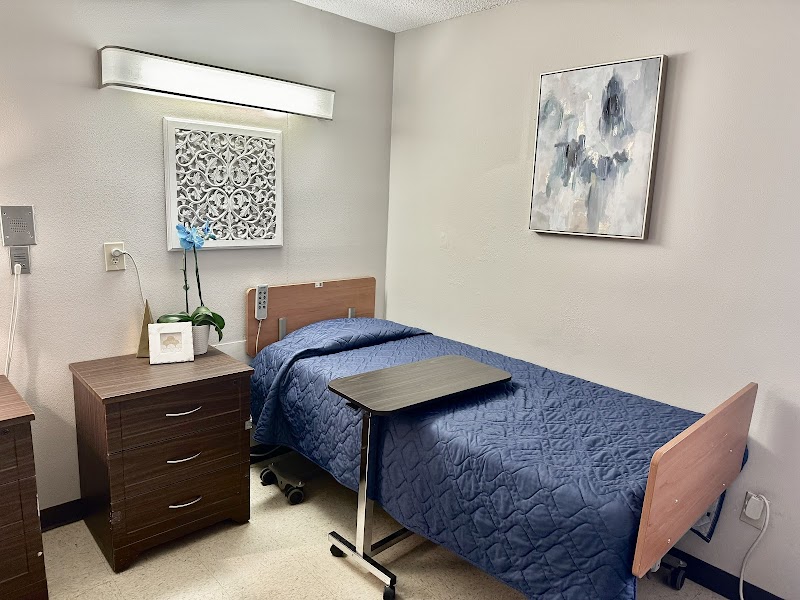
How is Lubbock Health Staffed?

CMS rates LUBBOCK HEALTH CARE CENTER's staffing level at 2 out of 5 stars, which is below average compared to other nursing homes. Staff turnover is 63%, which is 17 percentage points above the Texas average of 46%. High turnover can affect care consistency as new staff learn residents' individual needs. RN turnover specifically is 60%, which is notably high. RNs provide skilled clinical oversight, so turnover in this role can affect medical care quality.

What Have Inspectors Found at Lubbock Health?

State health inspectors documented 19 deficiencies at LUBBOCK HEALTH CARE CENTER during 2022 to 2025. These included: 19 with potential for harm.

Who Owns and Operates Lubbock Health?

LUBBOCK HEALTH CARE CENTER is owned by a for-profit company. For-profit facilities operate as businesses with obligations to shareholders or private owners. The facility is operated by CREATIVE SOLUTIONS IN HEALTHCARE, a chain that manages multiple nursing homes. With 120 certified beds and approximately 69 residents (about 57% occupancy), it is a mid-sized facility located in LUBBOCK, Texas.
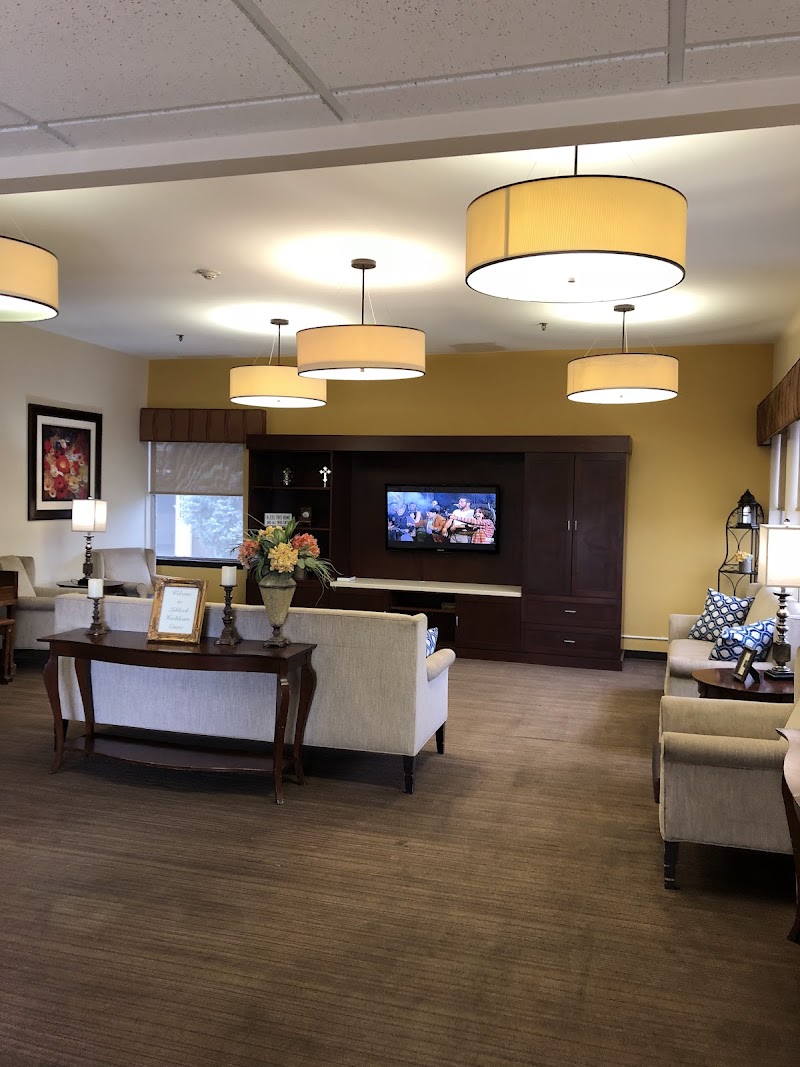
How Does Lubbock Health Compare to Other Texas Nursing Homes?

Compared to the 100 nursing homes in Texas, LUBBOCK HEALTH CARE CENTER's overall rating (4 stars) is above the state average of 2.8, staff turnover (63%) is significantly higher than the state average of 46%, and health inspection rating (4 stars) is above the national benchmark.

What Should Families Ask When Visiting Lubbock Health?

Based on this facility's data, families visiting should ask: "How do you ensure continuity of care given staff turnover, and what is your staff retention strategy?" "Can you walk me through typical staffing levels on day, evening, and night shifts?" "Can I visit during a mealtime to observe dining assistance and food quality?" "How do you handle medical emergencies, and what is your hospital transfer rate?" These questions are particularly relevant given the facility's high staff turnover rate and the below-average staffing rating.

Is Lubbock Health Safe?

Based on CMS inspection data, LUBBOCK HEALTH CARE CENTER has a clean safety record: no substantiated abuse findings (meaning no confirmed cases of resident harm), no Immediate Jeopardy citations (the most serious violation level indicating risk of serious injury or death), and is not on the Special Focus Facility watch list (a federal program monitoring the lowest-performing 1% of nursing homes). The facility has a 4-star overall rating and ranks #1 of 100 nursing homes in Texas. While no facility is perfect, families should still ask about staff-to-resident ratios and recent inspection results during their visit.

Do Nurses at Lubbock Health Stick Around?

Staff turnover at LUBBOCK HEALTH CARE CENTER is high. At 63%, the facility is 17 percentage points above the Texas average of 46%. Registered Nurse turnover is particularly concerning at 60%. RNs handle complex medical decisions and coordinate care — frequent RN changes can directly impact care quality. High turnover means new staff may not know residents' individual needs, medications, or preferences. It can also be disorienting for residents, especially those with dementia who rely on familiar faces. Families should ask: What is causing the turnover? What retention programs are in place? How do you ensure care continuity during staff transitions?

Was Lubbock Health Ever Fined?

LUBBOCK HEALTH CARE CENTER has no federal fines on record. CMS issues fines when nursing homes fail to meet care standards or don't correct problems found during inspections. The absence of fines suggests the facility has either maintained compliance or corrected any issues before penalties were assessed. This is a positive indicator, though families should still review recent inspection reports for the full picture.

Is Lubbock Health on Any Federal Watch List?

LUBBOCK HEALTH CARE CENTER is not on any federal watch list. The most significant is the Special Focus Facility (SFF) program, which identifies the bottom 1% of nursing homes nationally based on persistent, serious quality problems. Not being on this list means the facility has avoided the pattern of deficiencies that triggers enhanced federal oversight. This is a positive indicator, though families should still review the facility's inspection history directly.