MESQUITE POST ACUTE CARE

4510 27TH ST, LUBBOCK, TX 79410 (806) 795-4368
Government - Hospital district 120 Beds PARAMOUNT HEALTHCARE CONSULTANTS Data: November 2025 5 Immediate Jeopardy citations
Trust Grade
0/100
#1041 of 1168 in TX
Last Inspection: March 2025

Within standard 12-15 month inspection cycle. Federal law requires annual inspections.

Overview

Mesquite Post Acute Care has received a Trust Grade of F, indicating significant concerns about the quality of care provided. They rank #1041 out of 1168 facilities in Texas, placing them in the bottom half of all nursing homes in the state, and #13 out of 15 in Lubbock County, meaning only two local options are worse. While the facility is showing signs of improvement with a decrease in issues from 16 in 2024 to 6 in 2025, it still has a troubling staffing turnover rate of 90%, which is significantly higher than the Texas average of 50%. Additionally, the facility has incurred fines totaling $132,185, which is concerning and indicates ongoing compliance issues. Critical incidents have been reported, including the use of physical restraint on residents by staff and failure to maintain a safe environment, raising serious concerns about resident safety and potential abuse. Although the RN coverage is average, the high turnover and serious incidents suggest that families should carefully consider these factors when researching this facility.

Trust Score
F
0/100
In Texas
#1041/1168
Bottom 11%
Safety Record
High Risk
Review needed
Inspections
Getting Better
16 → 6 violations
Staff Stability
⚠ Watch
90% turnover. Very high, 42 points above average. Constant new faces learning your loved one's needs.
Penalties
○ Average
$132,185 in fines. Higher than 73% of Texas facilities. Some compliance issues.
Skilled Nurses
⚠ Watch
Each resident gets only 14 minutes of Registered Nurse (RN) attention daily — below average for Texas. Fewer RN minutes means fewer trained eyes watching for problems.
Violations
⚠ Watch
35 deficiencies on record. Higher than average. Multiple issues found across inspections.
★☆☆☆☆
1.0
Overall Rating
★☆☆☆☆
1.0
Staff Levels
★★☆☆☆
2.0
Care Quality
★☆☆☆☆
1.0
Inspection Score
Stable
2024: 16 issues
2025: 6 issues

The Good

  • Full Sprinkler Coverage · Fire safety systems throughout facility
  • No fines on record

Facility shows strength in fire safety.

The Bad

1-Star Overall Rating

Below Texas average (2.8)

Significant quality concerns identified by CMS

Staff Turnover: 90%

44pts above Texas avg (46%)

Frequent staff changes - ask about care continuity

Federal Fines: $132,185

Well above median ($33,413)

Significant penalties indicating serious issues

Chain: PARAMOUNT HEALTHCARE CONSULTANTS

Part of a multi-facility chain

Ask about local staffing decisions and management

Staff turnover is very high (90%)

42 points above Texas average of 48%

The Ugly 35 deficiencies on record

5 life-threatening
Mar 2025 6 deficiencies
CONCERN (D) 📢 Someone Reported This

A family member, employee, or ombudsman was alarmed enough to file a formal complaint

Potential for Harm - no one hurt, but risky conditions existed

Deficiency F0578 (Tag F0578)

Could have caused harm · This affected 1 resident

**NOTE- TERMS IN BRACKETS HAVE BEEN EDITED TO PROTECT CONFIDENTIALITY** Based on interview and record review, the facility failed to ensure all residents had the right to formulate an advance directiv...

Read full inspector narrative →
**NOTE- TERMS IN BRACKETS HAVE BEEN EDITED TO PROTECT CONFIDENTIALITY** Based on interview and record review, the facility failed to ensure all residents had the right to formulate an advance directive for 1 of 20 residents (Residents #38) reviewed for advanced directives, in that: Residents #38's OOH-DNR form was missing required information. This failure could place residents at risk for not having their end of life wishes honored and incomplete records. Findings included: Record review of Resident #38's face sheet, dated 03/27/25, revealed a [AGE] year-old-female was admitted to the facility on [DATE] with diagnoses to include peripheral vascular disease (progressive disorder that causes narrowing or blocking of the blood vessels outside the heart), diabetes (high blood sugar), schizoaffective disorder (mental illness), and dementia (cognitive loss). The face sheet also revealed under the advance directive section - DNR-Do Not Resuscitate. Record review of Resident #38's physician order summary dated 03/27/25 revealed the following order: Code Status: DNR dated 08/28/24. Record review of Resident #38's care plan, dated 02/12/25, revealed care plan for DNR. Record review of Resident #38's Out of Hospital Do Not Resuscitate form dated 08/02/224 revealed no witness names or signature, or notary signature. Under the section, All persons who have signed above must sign below, revealed no witness or notary signature and no resident signature. During an interview on 03/27/25 at 09:59 AM with the DON, she stated the social worker was responsible for completing the OOH DNR form. She stated they did not have a social worker. She verified Resident #38's DNR did not have a witness or notary signature, and the signatures at the bottom of form was also not there. She stated an OOH DNR was not valid unless the form was completely filled out. She stated she had not been trained on how to complete an OOH DNR. She stated she was not aware the OOH DNR was incomplete. She stated they have not had time to do a complete audit of all DNR's since taking the building over on 02/01/25. She stated the potential negative outcome could be not having the proper documentation during an emergency or during a code. During an interview on 03/27/25 at 10:08 AM with the ADM, she stated the social worker and nursing staff were responsible for completing OOH DNRs. She stated they do not have a social worker. She stated the DON was responsible for validating the OOH DNR was complete. She stated she was not aware of any incomplete OOH DNR forms. She stated an OOH DNR was not valid if not completely filled out. She stated the potential negative outcome could be during an emergency they would not follow residents wishes if there was no appropriate documentation. Record review of the Out of Hospital Do Not Resuscitated (OOH-DNR) order Instructions for issuing an OOH-DNR order dated revised October 12, 2023, revealed the following: In addition, the OOH-DNR Order must be signed and dated by two competent adult witnesses, who have witnessed either the competent adult person making his/her signature in section A, or authorized declarant making his/her signature in either sections B, C, or E, and if applicable, have witnessed a competent adult person making an OOH-DNR Order by nonwritten communication to the attending physician, who must sign in Section D and also the physician's statement section. Optionally, a competent adult person or authorized declarant may sign the OOH-DNR Order in the presence of a notary public. However, a notary cannot acknowledge witnessing the issuance of an OOH-DNR in a nonwritten manner, which must be observed and only can be acknowledged by two qualified witnesses. Witness or notary signatures are not required when two physicians execute the OOH-DNR Order in section F. The original or a copy of a fully and properly completed OOH-DNR Order or the presence of an OOH-DNR device on a person is sufficient evidence of the existence of the original OOH-DNR Order and either one shall be honored by responding health care professionals.
CONCERN (D) 📢 Someone Reported This

A family member, employee, or ombudsman was alarmed enough to file a formal complaint

Potential for Harm - no one hurt, but risky conditions existed

Food Safety (Tag F0812)

Could have caused harm · This affected 1 resident

**NOTE- TERMS IN BRACKETS HAVE BEEN EDITED TO PROTECT CONFIDENTIALITY** Based on observation, interview, and record review, the facility failed to store, prepare, distribute, and serve food in accorda...

Read full inspector narrative →
**NOTE- TERMS IN BRACKETS HAVE BEEN EDITED TO PROTECT CONFIDENTIALITY** Based on observation, interview, and record review, the facility failed to store, prepare, distribute, and serve food in accordance with professional standards for food service safety in 1 of 1 kitchen reviewed for dietary services, in that: The facility failed to seal foods stored in the refrigerator. This failure could place residents at risk for food contamination and foodborne illness. The findings included: The following observations were made on 03/25/25 at 09:58 AM during initial observation of the kitchen: Observed the following in the refrigerator: -[NAME] Slaw in plastic bag not sealed. -Lunch meat in plastic bag not sealed. During a follow up visit on 03/16/7 at 02:10 pm the following was observed: -Sliced cheese in plastic bag not sealed. During an interview on 03/26/25 at 02:15M with DM, she stated all food in the refrigerator should be sealed. She stated all staff were responsible for sealing food place in the refrigerator. She stated all staff have had proper training. She stated the potential negative outcome of not sealing food in refrigerator could affect the quality of the food. During an interview on 03/27/25 at 10:08 AM with the ADM, she stated all food placed in the refrigerator should be covered or sealed. She stated the DM was responsible for monitoring the refrigerator along with all dietary staff. She stated all staff had been trained. She stated the potential negative outcome could be food spoiling or cross contamination of food. Record review of the facility's undated policy, titled Food Storage, reflected the following: It is the policy of this facility that food storage areas shall be maintained in a clean, safe, and sanitary manner . 8. The dietary manager, or his/her designee will check refrigerators and freezers at least daily. Record review of the facility policy, titled Food, Sanitary Condition for, undated reflected the following: Procedures: 1. The facility will store, prepare, distribute, and serve food under sanitary conditions .
CONCERN (D) 📢 Someone Reported This

A family member, employee, or ombudsman was alarmed enough to file a formal complaint

Potential for Harm - no one hurt, but risky conditions existed

Infection Control (Tag F0880)

Could have caused harm · This affected 1 resident

**NOTE- TERMS IN BRACKETS HAVE BEEN EDITED TO PROTECT CONFIDENTIALITY** Based on observation, interview and record review, the facility failed to maintain an infection control program designed to prov...

Read full inspector narrative →
**NOTE- TERMS IN BRACKETS HAVE BEEN EDITED TO PROTECT CONFIDENTIALITY** Based on observation, interview and record review, the facility failed to maintain an infection control program designed to provide a safe, comfortable, and sanitary environment to help prevent the development and transmission of communicable diseases for 2 of 20 residents (Resident #254 and Resident #5) reviewed for infection control. 1. LVN A failed to sanitize his hands between glove changes during wound care for Resident # 5. 2. CNA B failed to wear proper PPE when providing direct care for Resident #254 who was on Enhanced Barrier Precautions. These failures could place residents at risk for spread of infection and cross contamination. Findings included: 1. Record review of Resident #5's face sheet dated 03/26/25 revealed a [AGE] year-old female admitted on [DATE] with the following diagnoses: psychotic disturbance (a collection of symptoms that affect the mind), major depressive disorder (mood disorder), atherosclerotic heart disease (the buildup of substances in the artery walls), hypertension (high blood pressure), and cognitive communication deficit (communication difficulty caused by cognitive impairment). Record review of Resident #5's MDS assessment dated [DATE] revealed a BIMS score of 09, indicating the resident's cognition was moderately impaired. Record review of Resident #5's comprehensive care plan dated 02/12/25 revealed a focus area of: Resident has actual impairment to skin integrity on left foot 2nd toe and an intervention of: Monitor/document location, size and treatment of skin injury. Record review of Resident #5's current physician's orders revealed an order with a start date of 03/19/25 for wound care: Cleanse wound on second toe on left foot and apply dressing daily. During an observation on 03/26/25 at 9:40 AM of wound care for Resident #5, LVN A washed his hands, put on PPE, removed the dressing to Resident #5's left foot, and performed wound care according to physician's orders. LVN A changed gloves and applied a new dressing to Resident #5's left foot. LVN A removed his PPE and washed his hands. LVN A did not sanitize his hands between the glove change during wound care. During an interview on 03/26/25 at 4:05 PM, LVN B stated he did not sanitize his hands between glove changes during wound care for Resident #5. He stated he did not know why he skipped the step of sanitizing his hands. He stated, I even had a bottle of sanitizer in my cart and forgot to use it. LVN B stated hands should be sanitized before the wound care procedure, when gloves are changed, and after the procedure. He stated he was trained on proper hand hygiene through in-services conducted by nursing administration. LVN B stated a potential negative outcome of failure to perform hand hygiene between glove changes was cross-contamination and infection. 2. Record review of Resident #254's face sheet dated 03/26/25 revealed a [AGE] year-old male admitted on [DATE] with the following diagnoses: cerebral palsy (congenital disorder of movement due to abnormal brain development), contracture of muscle (tightening of muscle that restricts normal movement), and cognitive communication deficit (communication difficulty caused by cognitive impairment). Record review of Resident #254's admission MDS dated [DATE] revealed a BIMS score of 15, indicating the resident's cognition was intact. Section M-Skin Conditions, revealed the resident had a stage 3 pressure ulcer and received treatment for pressure ulcer/injury care. Record review of Resident #254's comprehensive care plan dated 02/16/25 revealed the following wound care intervention: Use Enhanced Barrier Precautions. Record review of Resident #254's current physician's orders revealed an order with a start date of 03/26/25 to cleanse open areas to coccyx with wound cleanser and apply ointment daily. Further review revealed an order with a start date of 03/17/25 for Enhanced Barrier Precautions: PPE required for high resident contact care activities- every shift for wound care. Record review of sign on Resident #254's door revealed: Enhanced Barrier Precautions Everyone Must: Clean their hands, including before entering and when leaving the room. Providers and staff must also: Wear gloves and a gown for the following High-Contact Resident Care Activities: . Changing Briefs or assisting with toileting During an observation on 03/26/25 at 10:06 AM of incontinent care for Resident #254, CNA B washed her hands, put on gloves, and performed incontinent care for the resident. Following the procedure, CNA B washed her hands and exited the room. Signage on Resident #254's door stated, Enhanced Barrier Precautions and a storage container with PPE was observed outside the resident's door. CNA B did not put on a gown prior to performing incontinent care for Resident #254. During an interview on 03/26/25 at 4:02 PM, CNA B stated she did not put on a gown prior to performing incontinent care for Resident #254. CNA B stated EBP required a staff member who was doing direct care to gown and glove up for the protection of the resident. She stated she should have put a gown on before performing incontinent care for Resident #254 because the resident had a wound. CNA B stated she made a mistake by not putting on a gown and she realized it after she had already started incontinent care. She stated she was trained on EBP approximately monthly through in-services conducted by the DON. CNA B stated a potential negative outcome for failure to wear PPE during direct care of a resident on EBP would be the spread of infection between residents. During an interview on 03/26/25 at 5:37 PM, the DON stated she was not aware staff were not performing hand hygiene between glove changes and were not utilizing PPE while performing direct care on residents on EBP. She stated hand hygiene should be performed before wound care, each time gloves were changed and following the wound care procedure. She stated any resident with non-intact skin or an invasive line, such as a urinary catheter, should be on EBP. The DON stated staff were trained on proper hand hygiene and on EBP through in-services, computer-based training and competency checks conducted by nursing administration. She stated a potential negative outcome for failure to follow hand hygiene protocol during wound care and failure to utilize proper PPE during direct care of a resident on EBP, would be cross-contamination and the spread of infection, including drug-resistant organisms. During an interview on 03/27/25 at 11:30 AM, the ADM stated she was not aware staff were not performing hand hygiene between glove changes and were not utilizing PPE while performing direct care on residents on EBP. She stated it was the DON's responsibility to assure staff were trained on proper hand hygiene and EBP. She stated her expectation of staff regarding hand hygiene and EBP was that staff follow policies at all times. The ADM stated a potential negative outcome for failure to observe proper hand hygiene and failure to follow EBP protocol would be infection and cross-contamination between residents. Record review of the facility's document titled, In-service Training Report and dated 03/11/25 with a subject of Hand Hygiene was conducted by the DON and signed by LVN A and seventeen other staff members. Record review of the facility's document titled, In-service Training Report and dated 03/11/25 with a subject of Infection Control was conducted by the DON and signed by CNA B and forty-four other staff members. Record review of the facility's policy titled, Hand Hygiene, revised 12/23 revealed: Policy It is the policy of this facility to provide the necessary supplies, education, and oversight to ensure healthcare workers perform hand hygiene, which is one of the most effective measures to prevent the spread of infection, based on accepted standards. . Procedure 2. Use an alcohol-based hand rub containing at least 62% alcohol; or, alternatively, soap (antimicrobial or non-antimicrobial) and water for the following situations: . k. After handling used dressings, contaminated equipment, etc.; . m. after removing gloves Record review of the facility policy titled, Standard and Transmission-Based Precautions, revised 03/24 revealed: Policy It is the policy of this facility to implement infection control measures to prevent the spread of communicable diseases and conditions . Procedure 3. Enhanced Barrier Precautions (EBP): used in conjunction with standard precautions and expand the use of PPE through the use of gown and gloves during high-contact resident care activities that provide opportunities for indirect transfer of MDROs to staff hands and clothing then indirectly transferred to residents or from resident-resident. . a. PPE: The use of gown and gloves for high-contact resident care activities is indicated, when Contact Precautions do not otherwise apply, for nursing home residents with: i. Wounds and/or indwelling medical devices . -Wounds include, but are not limited to chronic wounds, pressure injuries . c. Examples of high-contact resident care activities requiring gown and glove use for Enhanced Barrier Precautions include: . vi. Changing briefs or assisting with toileting .
CONCERN (E) 📢 Someone Reported This

A family member, employee, or ombudsman was alarmed enough to file a formal complaint

Potential for Harm - no one hurt, but risky conditions existed

Grievances (Tag F0585)

Could have caused harm · This affected multiple residents

Based on observation, interview, and record review, the facility failed to provide information to resident's and their representatives on their rights related to filing grievances for 12 of 20 confide...

Read full inspector narrative →
Based on observation, interview, and record review, the facility failed to provide information to resident's and their representatives on their rights related to filing grievances for 12 of 20 confidential residents. The facility failed to ensure 12 of 20 confidential residents were provided, through postings in prominent locations; the grievance procedures, were provided access to the Grievance form, information regarding who the facility grievance officer was, their contact information, how to file an anonymous grievance, and their right to obtain a written decision related to their grievance. These failures could place the residents at risk of unresolved grievances and decreased quality of life. Findings include: Interviews during Resident Council on, 03/26/2025 at 3:00pm, 12 of 20 confidential residents, revealed they did not have access to the Grievance form, they did not know they could file a Grievance anonymously, the Grievance procedure had never been discussed in Resident Council, and they had not observed a posting of the Grievance procedure in prominent locations. Residents attending Resident Council did not know where to acquire a grievance form, who to turn the form into, and what happened once a grievance was filed. Residents stated Grievance forms had previously been available in the Social Worker's office; however, the Social Work position was now vacant. The residents did not know they had the right to receive a written decision once their grievance was resolved. Twelve Residents attended the meeting, the 12 Residents in attendance had all been Residents of the facility for 6 plus months. Observed prominent postings on 3/27/2025 at 11:17am; the facility did not include instructions regarding the Grievance procedures with any of the prominent postings. Grievance forms were placed in manila folder on a bulletin board to the right of the nurses' station, the folder was not reachable to Residents in wheelchairs. There was a wire basket on the wall outside of the Social Worker's office, however, the basket was not labeled and was not covered or secure. Interview with the ADM on 3/27/2025 at 11:05am; the ADM stated she was the Grievance Officer for the facility. The ADM stated she was responsible for the review of Grievances and assigned them to department heads during morning meeting. The ADM stated the Grievance form was kept at the Social Worker and all offices would have a Grievance form. ADM stated there is a folder on a bulletin board next to the Nurses' Station with Grievance forms. The ADM stated there was a wire basket outside of the Social Worker's office that could be for completed Grievances. The ADM stated the basket was not labeled, it does not have a cover, and it is not secured. The ADM stated the folder, and the basket are not a successful system if the Residents are unaware of the availability of the form or where the Grievance form can be submitted. The ADM stated she was unaware the Grievance process was not being discussed in Resident Council. The ADM agreed the Grievance process cannot be successful if Residents are not educated on the process. The ADM stated the facility has 72 hours to resolve Grievances once they were submitted. The ADM stated she assigned the Grievance to the appropriate department, that department addresses the grievance with the complainant, resolved the grievance, and explained the resolution to the complainant. The resolution was documented on the Grievance form and the completed form was submitted to the ADM for review. The ADM stated completed Grievance forms were kept in a notebook. The ADM stated she monitored the Grievance process for success by following up with the staff member assigned to resolve the Grievance; the ADM stated she would also meet with the complainant to ensure they were satisfied with the resolution. The ADM stated she was responsible for ensuring staff were trained on the Grievance process. Record Review of the Grievance Policy last updated in 2023, revealed the following: Policy Statement: The facility will establish a grievance process that allows the residents a way to execute their right to voice concerns or grievances to the facility or other agency/entity without fear of discrimination or reprisal. Such grievances include those with respect to care and treatment which has been furnished as well as their facility stay. The facility will make information on how to file a grievance available to the residents and make prompt efforts to resolve grievances that the resident may have. Procedure: 1. The facility will make available information on how to file a grievance available to residents, family, and staff. a. Residents or their representative have the right to file a grievance orally , in writing, and/or anonymously. b. Contact information of the facility grievance office to include name, business, and email address, phone number, and reasonable expected time frame for completing review of the grievance. c. Contact information of independent entities with whom grievances may be filed, which include the state agency, Quality Improvement Organization, State Survey Agency, Ombudsman, or protection/advocacy agencies. d. The right to obtain a written decision regarding their grievance. 2. The Administrator or designed will assign the responsibility of investigating the grievance. 3. General concerns may be voiced at Resident and/or Family Council meetings. 4. The Administrator or designee evaluates and investigates the concern and takes immediate action to resolve the concern and prevent further potential violations of any resident's right while the alleged violation is being investigated. 5. The Grievance Official will immediately report all alleged violations involving neglect, abuse, including injuries of unknown source, and/or misappropriation of resident property to the Administrator; and as required by State Law. 6. The resident, or person acting on behalf of the resident, will be informed of the findings of the investigation, as well as any corrective actions recommended, within 3 working days of the filing of the grievance. 7. If during the investigation abuse, neglect, misappropriation and/or injuries of unknown source are identified, the facility will refer to the Abuse Policy. a. Taking appropriate corrective action in accordance with State law if the alleged violation of the residents' rights is confirmed by the facility or if an outside entity having jurisdiction, such as the State Survey Agency, Quality Improvement Organization, or local law enforcement agency confirms a violation for any of these residents' rights within its area of responsibility; and b. Maintaining evidence demonstrating the result of all grievances for a period of no less than 3 years from the issuance of the grievances for period of no less than 3 years from the issuance of the grievance decision.
CONCERN (E) 📢 Someone Reported This

A family member, employee, or ombudsman was alarmed enough to file a formal complaint

Potential for Harm - no one hurt, but risky conditions existed

Pharmacy Services (Tag F0755)

Could have caused harm · This affected multiple residents

Based on observation, interview, and record review, the facility failed to establish a system of receipt and disposition of all controlled drugs in sufficient detail to enable accurate reconciliation ...

Read full inspector narrative →
Based on observation, interview, and record review, the facility failed to establish a system of receipt and disposition of all controlled drugs in sufficient detail to enable accurate reconciliation and determine that drug records are in order and that an account of all controlled drugs were maintained and periodically reconciled for 1 of 1 storage areas and 1 of 2 medication carts (Med Cart A) reviewed for medication storage. 1. The facility failed to keep a record of a receipt of controlled medications awaiting disposition to allow accurate and periodic reconciliation. 2. The facility failed to ensure expired medications were not kept in Med Cart A. These failures could place residents at risk of not receiving the therapeutic benefit of medications, loss of prescribed medications and drug diversion. The findings included: 1. During an observation and interview with the DON on 3/26/25 at 11:17 AM, the following unlogged medications were observed in the controlled medications storage area waiting to be disposed of: -Morphine 100/5 -- 29.5 mls -Temazepam 30 mg - 28 capsules -Clonazepam 1 mg - 9 tablets -Alprazolam 0.2 mg - 7 tablets -Tramadol HCl 50 mg - 29 tablets -Lorazepam 1 mg - 75 tablets -Tramadol HCl 50 mg - 29 tablets -Alprazolam 0.5 mg - 46 tablets -Morphine 20mg/ml - 16 mls -Lorazepam 1 mg - 9 tablets -Lorazepam 2mg/ml - 19 mls -Hydroco/APAP 5-325 mg - 36 tablets -Ativan 2mg/ml - 16 mls -Morphine 500/5 - 27.5 mls -Lorazepam Intensol 2mg/ml - 29 mls -Tramadol HCl 50 mg - 42 tablets -Morphine Sulfate 100 mg/5 ml - 29.5 mls -Tramadol HCl 50 mg - 46 tablets -Lorazepam 2 mg/ ml - 2.25 mls -Temazepam 15 mg - 7 tablets -Lorazepam 2 mg/ ml - 80 mls -Temazepam 15 mg - 3 capsules -Tramadol HCl 50 mg - 15 tablets - Alprazolam 0.25 mg - 20 tablets -Tramadol HCl 50 mg - 44 tablets -Lorazepam 1 mg - 37 tablets During the observation of the unlogged medications, the DON stated her process for reconciliation and storage of controlled medications that needed to be disposed of was as follows: The DON and the nurse that brought her the medications would review the narcotic sheet indicating how much medication was left, then the DON and nurse would each sign the narcotic sheet. The narcotic sheet was placed with the medication, and the medication and narcotic sheet were placed in the locked cabinet until the medication destruction was completed with the pharmacist. The DON stated she was unaware that the stored medications needed to be logged upon receipt, prior to their destruction with the pharmacist. The DON stated she would log the medications and put in a request for the pharmacy consultant to visit the facility to conduct a medication destruction. During an interview on 3/26/25 at 11:25 AM, the Clinical Resource Nurse stated controlled medications that were being stored for destruction should be logged. She stated best practice was to log discontinued controlled medications upon receipt, then properly store the medications for destruction with the pharmacist. During a follow-up interview on 3/27/25 at 9:47 AM, the DON stated she was responsible for logging discontinued medications that were being stored for destruction. She stated the reason the controlled medications had not been logged was because she was overwhelmed on which tasks to prioritize after the facility's recent change of ownership and being recently hired to her position. She stated she was not aware that she needed to log the controlled medications in addition to reconciling and signing the narcotic sheets and securely storing the medications. She stated the pharmacy consultant had briefly visited the building on the same day the survey team entered for the recertification survey. The DON stated the pharmacy consultant would return to complete her visit and conduct medication destruction following the survey. She stated the policy of the facility was for the DON to log discontinued controlled medications upon receipt, prior to destruction with the pharmacist. The DON stated a potential negative outcome for failure to accurately inventory discontinued controlled medications prior to disposal would be that the medications could go missing and be unaccounted for. During an interview on 3/27/25 at 11:30 AM, the ADM stated she was not aware that discontinued controlled medications were not logged. She stated it was the responsibility of the DON to keep an inventory of discontinued controlled medications that were being stored for destruction. She stated her expectation of staff for logging discontinued controlled medications was to follow the facility's policy. The ADM stated a potential negative outcome for failure to accurately log discontinued controlled medications being stored for disposal would be missing medications. During a phone interview on 3/27/25 at 2:02 PM, the Clinical Consultant Pharmacist stated she was the pharmacist assigned to the facility and would be responsible for medication destruction during her visits. She stated discontinued controlled medications should be reconciled upon receipt then logged and stored for destruction, in order to maintain an accurate inventory while awaiting disposal. She stated her expectation upon entering the facility for drug destruction was that all controlled medications were logged. She stated her process for reconciliation of controlled medications prior to destruction was to check the DON's medication log against the count on the narcotic sheet and then against the actual quantity of the medication being stored. 2. During an observation of Medication Cart A with CMA C on 3/26/2024 at 10:13 AM, a bottle labeled Vitamin B-12 (an essential water-soluble vitamin that plays a crucial role in various bodily functions) 1,000 mcg Dietary Supplements, had an open date of 9-1-24 and an expiration date of 2/25, was found on the top drawer of the cart. During an interview with the DON on 3/26/2025 at 5:22 pm, she stated the DON, ADON and nurses were responsible for checking the medications carts for expired medications. She stated medication cart audits are done as well and the pharmacy consultants come out monthly and conducts cart checks as well. She stated the last audit was 3/25/2025 when the pharmacy consultant came out. She stated the potential negative outcome of expired medication being in the carts could be a negative reaction to the medication if used. She stated the nurses should be checking their carts daily. She stated the last training for the medications carts was in February 2025. During an interview with CMA C on 3/27/2025 at 9:54AM, she stated she had been trained on checking the carts but does not remember the last training they had. She stated they were told by the ADON's and DON to check the carts weekly and daily. She stated the potential negative outcome of having expired medication is the med cart is not having the same therapeutic effect needed if the expired medication is used. She stated she had the cart check recently and must have missed the expired bottle of medication. Record review of the facility's policy titled Discontinued Medications, from the Pharmacy Policy and Procedure Manual 2007, revised 01/24 revealed: Policy When medications are discontinued by prescriber order, a resident is transferred or discharged and does not take medication with him/her, or in the event of a resident's death, the medications are marked as discontinued and destroyed or returned the issuing pharmacy, if applicable per state regulations. Procedures . 2. Medications awaiting disposal or return are stored in a locked secure area designated for that purpose and separate from active orders until destroyed or picked up by pharmacy staff. Medications awaiting destruction that cannot be disposed of immediately should be recorded on a log to include the name of the individual(s) storing the medication, the strength of the medication and the date of disposition. . Record review of the facility's policy titled Disposal of Medications, from the Pharmacy Policy and Procedure Manual 2007, revised 01/24 revealed: Policy . 2. Medications included in the Drug Enforcement Administration (DEA) classification as controlled substances (or those classified as such by state regulation) are subject to special handling, storage, disposal, and record keeping in the nursing care center in accordance with federal and state laws and regulations. . 4. Prior to return, disposal, movement to separate storage area for medications awaiting destruction or discharge to home with resident, medications should be documented on a disposition including the following information: a. Date of disposition b. Nurse's or other responsible person's initials or signature verifying the information c. Resident's name d. Name, strength, and form of medication e. Prescriber (Rx) number f. Quantity . Record review of the facility's policy titled Medication Access and Storage last revised 5/2007 revealed: .13. Outdated, contaminated, or deteriorated medications and those in containers that are cracked, soiled, or without secure closures are immediately removed from stock, disposed of according to procedures for medication destruction and reordered from the pharmacy, if a current order exists .
MINOR (B) 📢 Someone Reported This

A family member, employee, or ombudsman was alarmed enough to file a formal complaint

Minor Issue - procedural, no safety impact

Deficiency F0912 (Tag F0912)

Minor procedural issue · This affected multiple residents

**NOTE- TERMS IN BRACKETS HAVE BEEN EDITED TO PROTECT CONFIDENTIALITY** Based on observation, interview, and record review, the facility failed to provide at least 80 square feet per resident in multi...

Read full inspector narrative →
**NOTE- TERMS IN BRACKETS HAVE BEEN EDITED TO PROTECT CONFIDENTIALITY** Based on observation, interview, and record review, the facility failed to provide at least 80 square feet per resident in multiple resident bedrooms for 4 (Rooms #407, 602, 604 and 611) of 48 semi-private rooms reviewed for physical environment. The facility failed to ensure resident Rooms #s 407, 602, 604 and 611, met the required minimum of 80 square feet per resident. This failure could place residents at risk of crowding and cause difficulty in providing resident care. Findings include: Record review of the CASPER 3 (facility assessment report) during preparation for survey revealed a waiver for room size requirements had been done yearly by the facility. Record review of Room Size Wavier for Facilities dated 02/15/24, during preparation for survey, revealed a wavier for rooms #s 407, 602, 604, and 611. Record review of Texas Health and Human Services Form 3740 (Bed Classifications (Numbers and Location) dated 03/25/25 documented that rooms #'s 407 were listed as a Title 18/19 bed classification semi-private rooms for two residents. rooms [ROOM NUMBER] were listed as a Title 19 bed classification semi-private rooms for two residents. During an interview on 03/25/25 at 10:23 AM with the ADM regarding the square footage for room #'s 407, 602, 604 and 611. When asked if she wanted to continue the room wavier for the room size waiver, she stated, Yes, I want to continue the room waiver. The ADM stated room #'s 407, 602, 604, and 611 had a waiver in the past. She stated, the rooms are not being used at this time but will be used once they complete renovation and open the unit back up. During an observation on 03/25/25 from 1:00 PM to 1:30 PM, of the following rooms - 407,602, 604 and 611 revealed the rooms was not occupied. No policy was provided by the ADM. She stated they followed the regulation of life safety related to room size.
Aug 2024 1 deficiency 1 IJ
CRITICAL (J) 📢 Someone Reported This

A family member, employee, or ombudsman was alarmed enough to file a formal complaint

Immediate Jeopardy (IJ) - the most serious Medicare violation

Free from Abuse/Neglect (Tag F0600)

Someone could have died · This affected 1 resident

**NOTE- TERMS IN BRACKETS HAVE BEEN EDITED TO PROTECT CONFIDENTIALITY** Based on interview and record review the facility failed to ensure the resident had the right to be free from abuse for 1 of 7 r...

Read full inspector narrative →
**NOTE- TERMS IN BRACKETS HAVE BEEN EDITED TO PROTECT CONFIDENTIALITY** Based on interview and record review the facility failed to ensure the resident had the right to be free from abuse for 1 of 7 residents (Resident #1) reviewed for abuse. The facility failed to ensure a safe environment free from abuse for Resident #1 when the SW witnessed CNA A slap Resident #1 on the arm. An Immediate Jeopardy (IJ) situation was determined to have existed on 07/15/24. It was determined to be past non-compliance due to the facility having implemented actions that corrected the non-compliance prior to beginning of the survey. These failures could affect all residents by placing them at risk of abuse, physical harm, pain, mental anguish, emotional distress, and serious harm. Findings include: Record review of Resident #1's face sheet, dated 08/15/24, revealed resident was a [AGE] year-old male who was admitted to the facility on [DATE] and discharged from the facility on 07/19/24. Resident #1 was admitted with the following diagnoses: autistic disorder (a condition that affects brain development), symptomatic epilepsy (uncontrollable movements), and bipolar disorder (mood disorder). Record review of Resident #1's Quarterly MDS dated [DATE], documented that Resident #1's cognitive skills for decision making were modified dependence - some difficulty in new situations only. According to the MDS, Resident #1 had physical behaviors directed towards others (e.g., hitting, kicking, pushing, scratching, grabbing, abusing others sexually) 1-3 days out of the 7 day week, Verbal behaviors directed towards others (e.g., threatening others, screaming at others, cursing at others) 1-3 days out of the 7 days week, and other behavioral symptoms not directed towards others (e.g., physical symptoms such as hitting or scratching self, pacing, rummaging, public sexual acts, disrobing in public, throwing or smearing food or bodily wastes, or verbal/vocal symptoms like screaming, disruptive sounds) 1-3 days out of the 7 day week. Record review of Resident #1s Care Plan undated, revealed Resident #1 had a focus area: I have the potential for episodes of adverse behaviors: Verbally aggressive: cursing, racial slurs, yelling/screaming and physically aggression: r/t explosive disorder. Date Initiated 12/04/23, Goal: I will remain injury free r/t adverse behaviors through next review date. Date Initiated: 12/04/23, Interventions: Anticipate behavior(s) and redirect when in close proximity to others that might invoke aggression, Monitor for early warning signs of behavior - approach in calm manner, call by name, remove from unwanted stimuli to a safe environment. Date Initiated: 12/04/23. Record review of Resident #1's Progress notes dated 07/15/24 at 3:40 pm Type: Social Services Progress note: This writer observed CNA slap resident on arm. This writer notified administrator immediately. During an interview on 08/16/24 at 9:02 AM, the SW was asked about the incident regarding Resident #1 that happened on 07/15/24. The SW stated she was standing at the nurses station, which is also near the DON office. The SW stated CNA A was also standing at the nurses station at this time. The SW stated Resident #1 then came up to the nurses station and spit at CNA A. The SW stated she then saw CNA A swing her arm and slapped Resident #1's arm. The SW stated she immediately intervened and told CNA A that she could not do that, she could not slap the residents. The SW stated the CNA A replied to her, I'm sorry, I didn't mean to. It was just a reaction. The SW stated she then removed Resident #1 from CNA A and went straight to the DON's office because the ADM and DON were both in there at that time. The SW stated she told the ADM what happened and the ADM went out to speak to CNA A at that time. The SW stated the DON started doing a head to toe assessment on Resident #1. The SW stated she did not see CNA A on the floor anymore that shift and did not see her at the facility since this incident. The SW stated the facility received abuse training every 2 weeks, on pay days. The SW was able to verbalize the different forms of abuse and stated the ADM was the abuse coordinator at the facility. The SW stated an in-service was done by the DON or ADM the same day as the incident. During a phone interview on 08/16/24 at 9:12 AM, CNA A was asked about the incident between her and Resident #1 on 07/15/24. CNA A stated she was standing at the nurses station talking to the SW about another resident on 07/15/24, when she saw Resident #1 was going up to the nurses station. CNA A stated he went to the nurses station and spit at her. CNA A stated she raised her hand and slapped at his arm. CNA A stated, I didn't mean to. It was just a knee jerk reaction. CNA A stated the SW then told her she could not hit residents and told her to sit down at the nurses station. CNA A stated the SW then took Resident #1 with her to the DON's office and told the ADM what happened. CNA A stated she was immediately suspended by the ADM and then the ADM called her a few days later to let her know she could not go back to work at the facility. CNA A stated she received abuse training every two weeks, on pay days. CNA A stated she knows she is not allowed to slap residents. CNA A stated, I'm sorry. I did wrong. During a phone interview on 08/16/24 at 9:22 AM, Family member A stated the facility notified him of an incident between Resident #1 and CNA A. Family member A stated he was told CNA A hit Resident #1 on the arm after Resident #1 spit on her. Family member A stated he was told CNA A was terminated and that the facility was going to report the incident to the Health and Human Services Commissions to be investigated. During an interview on 08/16/24 at 9:34 AM, the DON stated he did not witness the incident between Resident #1 and CNA A on 07/15/24. The DON stated he was talking to the ADM in his office, which is near the nurses station, when the SW came in and told them she saw CNA A hit Resident #1. The DON stated the ADM suspended CNA A right away and he did an assessment on Resident #1, where no injuries were noted. The DON stated there were no other residents around the nurses station at this time. The DON stated Resident #1 was asked if he was ok, and he was calm. The DON stated he provided abuse training every two weeks on pay days, and remembers going over the in-service with CNA A on the previous pay day, 07/10/24, but was unsure if she signed the in-service document. The DON stated he expects staff to not take behaviors personally and to step away when getting frustrated with a resident. The DON stated an in-service was performed with staff regarding abuse and behaviors on 07/15/24. The DON stated CNA A was not allowed to return to work at the facility after this incident. Attempted phone interview on 08/16/24 at 12:01 PM with Resident #1 via group home House Manager phone number. This was the only phone number provided for the group home Resident #1 currently resides at. No answer. Left a voice message to call surveyor back with call back number provided. During an interview on 08/16/24 at 1:47 PM, the ADM stated she expects the facility to be abuse free and for staff to respect all residents and care for them in the best way possible, meeting every need. The ADM was asked about the incident between CNA A and Resident #1 on 07/15/24. The ADM stated she was talking with the DON in his office. The ADM stated the SW came in and advised them that Resident #1 had been removed from CNA A because CNA A slapped Resident #1. The ADM stated she immediately went out to speak with CNA A and tell her she was going to be suspended due to abuse allegations. The ADM stated she talked with the SW and called CNA A to terminate her employment at the facility. The ADM stated CNA A told her it was just a reaction. The ADM stated CNA A had worked at the facility for many years and had received many abuse trainings. The ADM stated it was her job to keep residents at the facility safe from abuse, so abuse in-services happened every pay day, which is every 2 weeks. The ADM stated safe surveys were done with other residents and a head-to-toe assessment was performed on Resident #1, which showed no injuries. The ADM stated an abuse in-service was started immediately following this incident. Record review of facility Inservice Form, dated 04/10/24, revealed: Subject: Abuse, Neglect and Use of Restraints 1. Remove resident or residents from the abuse situation immediately. 2. Report abuse allegation immediately to Administrator and or Charge Nurse if you do not report the abuse or alleged abuse, you are allowing this to happen and will be help responsible as well. 3. If you are not sure report it anyway to the ADM [phone number] CNA A's printed name and signature was observed on the in-service form. Record review of facility Inservice Form, dated 05/24/24, revealed: Subject: Abuse and Neglect You must notify the Administrator immediately if you: See abuse Hear abuse Suspect abuse Three types of abuse are: Physical Verbal Misappropriation CNA A's printed name and signature was observed on the in-service form. Record review of facility Inservice Attendance Record form, dated 06/25/24 revealed: Subject: .Abuse and Neglect CNA A's printed name and signature was observed on the in-service form. Record review of facility In-service Training Report form, dated 07/10/24, revealed: Topic: .Abuse/Neglect Contents or summary of training session: .Staff will not for any reason harm or treat any patient with the intent to harm. Patient will be treated with respect and dignity. Record review of facility In-Service Training Report form, dated 07/15/24, revealed: Topic: Abuse/Neglect Contents or summary of training session: No staff will use any type of physical force to cause injury or impairment, such as hitting, slapping, pinching, kicking, or force feeding. Staff shall not use nonverbal actions or words to cause distress or pain to residents, such as yelling, cursing, unwanted advances, yelling, neglect, sexual assault or emotional distress. Record review of facility Disciplinary Action Form, dated 07/15/24, revealed CNA A had suspected resident abuse. The nature of the offense was alleged physical abuse towards resident Action taken: Suspension, with suspension start date on 07/15/24. Record review of facility Separation Notice Form, dated 07/18/24, revealed CNA A received a separation notice due to Resident Abuse, signed and dated by CNA A on 07/18/24. Record review of facility policy titled, Abuse Prevention Program, with a revised date of 12/16, revealed the following: Policy Statement: Our residents have the rights to be free from abuse, neglect, misappropriation of resident property and exploitation. This includes but is not limited to freedom from corporal punishment, involuntary seclusion, verbal, mental, sexual, or physical abuse, and physical or chemical restraint not required to treat the residents' symptoms. Policy Interpretation and Implementation: As part of the resident abuse prevention, the administration will: 1. Protect our residents from abuse by anyone including, but not necessarily limited to: facility staff, other residents, consultants, volunteers, staff from other agencies, family members, legal representatives, friends, visitors, or any other individual . The ADM was notified on 08/16/24 at 1:45 PM, that a past non-compliance IJ situation had been identified due to the above failures. It was determined these failures placed Resident #1 in an IJ situation on 07/15/24. The facility implement the following interventions: CNA A was immediately removed from the residents and placed on suspension. CNA A was terminated while on suspension and not allowed to return to the facility. The facility performed a head to toe assessment on Resident #1 and MD and family were notified of the incident. The facility began in-services regarding abuse with staff on 07/15/24.
Apr 2024 1 deficiency
CONCERN (D) 📢 Someone Reported This

A family member, employee, or ombudsman was alarmed enough to file a formal complaint

Potential for Harm - no one hurt, but risky conditions existed

Infection Control (Tag F0880)

Could have caused harm · This affected 1 resident

**NOTE- TERMS IN BRACKETS HAVE BEEN EDITED TO PROTECT CONFIDENTIALITY** Based on observations, interviews, and record review, the facility failed to maintain an infection control program designed to p...

Read full inspector narrative →
**NOTE- TERMS IN BRACKETS HAVE BEEN EDITED TO PROTECT CONFIDENTIALITY** Based on observations, interviews, and record review, the facility failed to maintain an infection control program designed to provide a safe, comfortable, and sanitary environment to help prevent the development and transmission of diseases for 2 of 2 residents (Residents #1 and #2) reviewed for infection control. 1. LVN A failed to change her gloves during wound care for Resident #1 after cleaning each wound. 2. LVN A failed to use proper handwashing technique for a minimum of 20 seconds during wound care for Resident #2. These failures could place residents at risk for infection and cross contamination. Findings included: Resident #1 Record Review of Resident #1's face sheet revealed a [AGE] year-old male with an admission date of 10/27/2021. Residents #1 had a history of peripheral vascular disease (a condition in which narrowed blood vessels reduce blood flow to the limbs), dementia, type 2 diabetes, metabolic encephalopathy (problem with the brain cause by chemical imbalance in the blood), hypertension (high blood pressure), and muscle weakness. Record review of Resident #1's MDS Section C- Cognitive Patterns dated 10/23/2023 revealed a BIMS summary score of 04 which indicated resident had severely impaired cognition. MDS Section M- Skin Condition revealed Resident #1 had a risk for pressure ulcer/injury. Record review of physician orders for Resident #1 revealed the following wound care orders: - Wound care order initiated 4/9/2024 for the left hip: Clean with wound cleanser or NS . Pat dry with gauze. Pack with silver alginate rope, apply border gauze dressing daily, and as needed as needed for wound care. - Wound care order initiated on 3/06/2024 for the left ischium: Cleanse with Wound Cleanser or NS, pat dry with 4x4 gauze, pack with gauze saturated Dakin's solution 1/2 strength, cover with border gauze. - Wound care order initiated on 4/09/2024 for the chest: Clean with wound cleanser and pat dry with gauze. Apply Bactroban, cover with border quake dressing daily and as needed. Resident #2 Record review of Resident #2's face sheet revealed an [AGE] year-old female with an admission date of 5/29/2018. Resident #2 had a history of Alzheimer's (brain disorder that slowly destroys memory), hyperlipidemia (elevated level of lipids), major depressive disorder, muscle weakness, and age-related physical debility. Record review of Resident #2' MDS Section C- Cognitive Patterns dated 2/26/2024 revealed no BIMS score which indicated resident is rarely/never understood. Section M- Skin conditions revealed resident was at risk for developing ulcers/injuries. ' Record review of resident #2's physician orders revealed a wound care order for the coccyx with a start date of 4/9/2024: cleanse area with wound cleanser, pat dry with gauze, apply calcium alginate and hydrocolloid dressing every other day, and prn as needed for wound care. During a wound care observation on 4/18/2024 at 11:00 AM, LVN A did not change her gloves and wash her hands after cleaning a wound on Resident #1's chest. LVN A applied a new wound dressing with contaminated gloves. During a wound care observation on 4/18/2024 at 11:10 AM LVN A did not change her gloves and wash her hands after cleaning a wound to Resident #1's left hip. LVN A applied a new wound dressing with contaminated gloves. During a wound care observation on 4/18/2024 at 11:14 AM LVN A did not change her gloves and wash her hands after cleaning Residents #1's left ischium (lower and back part of the hip bone) wound. LVN A applied a new wound dressing with contaminated gloves. During a wound care observation for Resident #2 on 4/18/24 at 2:23 PM LVN A was observed dispensing soap to the fingertips of her right hand, placing the dispensed soap under running water, and rubbing the fingertips of both hands together before rinsing. LVN A utilized approximately less than 10 seconds to wash her hands. LVN A donned clean gloves and removed a dirty dressing to Resident #2's coccyx. LVN A removed her soiled gloves and washed her hands in the sink for 12 seconds, dispensing soap to her fingertips, and washing only the fingertips of her hands. LVN A donned on clean gloves, applied a new dressing to the wound, removed her contaminated gloves, and washed her hands in the sink for 8 seconds, applying soap to her fingertips and washing only the fingertips of her hands. During an interview with LVN A on 04/18/2024 at 2:27PM, she stated she had been trained on handwashing many times. She stated handwashing should occur for a minimum of 20 seconds. She stated risk of not handwashing, or changing gloves can lead to a risk of infection for the resident. She stated the DON and the ADON do in-services on handwashing. She stated she was nervous and does not do wound care as she was PRN. During an interview with the DON on 4/18/2024 at 4:35 PM, he stated staff should perform handwashing before wound care begins, after removing soiled dressing, after cleaning the wound, and after applying a new dressing. He stated nurses should be changing gloves after removing a soiled dressing, and after cleaning the wound during wound care. The DON stated handwashing should occur for a minimum of 20 seconds. He stated there should be enough soap to cover both hands and create a lather. He stated the negative consequences for improper handwashing and glove changes could be infection risk spreading from one resident to another and spreading infection to the staff. He stated he does the training for handwashing yearly but will implement in-services twice a month. He stated the last handwashing in-service was 2/14/2024. The DON stated he conducts random observations throughout the facility and utilizes facility cameras to monitor for handwashing compliance. He stated he was not aware of staff not following facility policy for handwashing. During an interview with ADM on 4/18/2024 at 5:03 PM, she stated staff should wash their hands before wound care, after wound care, or any time between glove changes. She stated nurses should change gloves during wound care after cleaning the wound. She stated handwashing should occur for 20 seconds with enough soap to wash both hands entirely and between each finger, after rinsing, utilizing paper towels to dry their hands, and to turn off the faucet. She stated the negative consequence of improper handwashing is spreading infection. The ADM stated the DON was responsible for training on handwashing. She stated she began an in-service 4/18/2024 and the last one was 2/14/2024. She stated the DON was the infection preventionist and he monitors for compliance. She stated she believed staff was following handwashing policy and utilizing their nursing knowledge. She stated LVN A had been trained on infection control upon hire on 3/18/2024 and this was her 3rd shift at the facility. Record review of Handwashing Policy revised December 2009 revealed . Policy interpretation and Implementation .2. All personnel shall follow the handwashing/hand hygiene procedures to help prevent the spread of infection to other personnel, residents, and visitors. .5. Employees must wash their hands for at least 15 seconds using antimicrobial soap and water under the following conditions: 7 .K. Before and after changing a dressing .R. After handling soiled or used linens, dressings . Procedure Washing Hands 1. Vigorously lather hands with soap and rub them together, creating friction to all surfaces for a minimum of 20 seconds (or longer) under a moderate stream of running water, at a comfortable temperature. Record review of Infection control Guidelines for All nursing procedures revised August 2012 revealed . General Guidelines 1. Standard precautions will be used in the care of all residents in all situations regardless of suspected or confirmed presence of infectious diseases. Standard precautions apply to blood, body fluids, secretions, and excretions regardless of whether or not they contain visible blood, non-intact skin and/or mucous membranes. 3. Employees must wash their hands for 10- 15 seconds using antimicrobial soap and water. 4.Alcohol-based hand rub containing 60-95% ethanol or isopropanol for all the following situations. .e. Before moving from a contaminated body site to a clean body site during resident care. Record review of Internet CDC Handwashing Guidelines titled Hand Hygiene in the Healthcare Setting last revised January 1, 2018, revealed: The CDC Guideline for Hand Hygiene in Healthcare Settings recommends: When cleaning your hands with soap and water, wet your hands first with water, apply the amount of product recommended by the manufacturer to your hands, and rub your hands together vigorously for at least 15 seconds, covering all surfaces of the hands and fingers. . Other entities have recommended that cleaning your hands with soap and water should take around 20 seconds.
Feb 2024 9 deficiencies
CONCERN (D)

Potential for Harm - no one hurt, but risky conditions existed

Deficiency F0578 (Tag F0578)

Could have caused harm · This affected 1 resident

**NOTE- TERMS IN BRACKETS HAVE BEEN EDITED TO PROTECT CONFIDENTIALITY** Based on interview and record review, the facility failed to ensure all residents had the right to formulate an advance directiv...

Read full inspector narrative →
**NOTE- TERMS IN BRACKETS HAVE BEEN EDITED TO PROTECT CONFIDENTIALITY** Based on interview and record review, the facility failed to ensure all residents had the right to formulate an advance directive for 1 of 18 residents (Residents #39) reviewed for advanced directives, in that: Residents #39 was listed as a DNR but had OOH-DNR forms that were incorrectly filled out or missing required information. These failures could place residents at risk for not having their end of life wishes honored and incomplete records. Findings included: Record review of Resident #39's face sheet, dated [DATE], revealed a [AGE] year-old-male was admitted to the facility on [DATE] with diagnoses to include stroke, diabetes (high blood sugar), depressive episodes (mental illness), dementia (cognitive loss), and hypertension (high blood pressure). The face sheet also revealed under the advance directive section - Code Status: DNR. Record review of Resident #39's physician order summary dated [DATE] revealed the following order: Code Status: DNR dated [DATE]. Record review of Resident #39's care plan, dated [DATE], revealed care plan for DNR. Record review of Resident #39's Out of Hospital Do Not Resuscitate form dated [DATE] revealed under the physician's statement that the physician's signature, date, printed name and license number was blank. During an interview on [DATE] at 11:15 AM with the ADON, she stated the social worker was responsible for completing the OOH DNR form. She verified Resident #39's DNR was missing the physician signature. She stated an OOH DNR was not valid unless the form was completely filed out. She stated the OOH DNR was a physician order. She stated she had been trained on completing OOH DNR's. She stated the DON and SW verifies the OOH DNR was complete. She stated she was not sure why Resident #39's OOH DNR was put into place without a physician signature. She stated the OOH DNR needs to be complete, so the nurses were able to do their job appropriately. She stated the potential negative outcome could be wrongful death and going against residents wishes. During an interview on [DATE] at 02:30 PM with the SW, she stated she verified the original OOH DNR did not have a physician signature. She stated she sent the original OOH DNR to the physician office for signature. She stated an incomplete OOH DNR was not valid. She stated she was responsible for making sure OOH DNR were completely filled out and accurate. She stated she was not sure why Resident #39 did not have a physician signature on it unless it got scanned into the EMR and never brought to her. She stated this was her first time working in a long-term care. She stated she has not had any training on how to complete an OOH DNR. She stated the potential negative outcome could be going against residents wishes. She stated the resident could receive CPR since the OOH DNR was not complete. During an interview on [DATE] at 04:30 PM with the ADM, she stated Resident #39's OOH DNR was sent out to the physician to be signed. She stated the order for DNR should not be in the resident EMR until it was filled out. She stated the OOH DNR was not a valid order until it has a physician signature and filled out. She verified Resident #39's code status in EMR was DNR. She stated she does not know why the OOH DNR does not have a physician signature. She stated she was not aware of a system in place to monitor OOH DNR, but the SW was working on doing an audit. She stated the potential negative outcome could be providing CPR when he did not want it or not providing CPR when we did not have an order. She stated her expectations were for OOH DNR to be filled out complete and order not put into the EMR until OOH DNR has been verified. Record review of the facility policy titled Do Not Resuscitate Order dated [DATE] revealed the following: Policy Statement: Our facility will not use cardiopulmonary resuscitation and related emergency measures to maintain life functions on a resident when there is a Do Not Resuscitate Order in effect. Policy Interpretation and Implementation . 2. A Do not resuscitate (DNR) order form must be completed and signed by the Attending Physician and resident (or resident's legal surrogate as permitted by State law) and placed in the front of the resident's medical record .
CONCERN (D)

Potential for Harm - no one hurt, but risky conditions existed

Medication Errors (Tag F0758)

Could have caused harm · This affected 1 resident

**NOTE- TERMS IN BRACKETS HAVE BEEN EDITED TO PROTECT CONFIDENTIALITY** Based on interview and record review, the facility failed to ensure PRN orders for psychotropic drugs were limited to 14 days un...

Read full inspector narrative →
**NOTE- TERMS IN BRACKETS HAVE BEEN EDITED TO PROTECT CONFIDENTIALITY** Based on interview and record review, the facility failed to ensure PRN orders for psychotropic drugs were limited to 14 days unless the attending physician or prescribing practitioner believed, and documented, that it was appropriate for the PRN order to be extended beyond 14 days for 2 of 18 residents (Resident #3 and #25) reviewed in that: Residents #3 and #25 continued to have a PRN order for Lorazepam 0.5mg after 14 days without an evaluation by the physician for continued treatment. This failure could result in residents receiving psychotropic and antipsychotic medications when contraindicated and could also result in residents experiencing adverse drug reactions. The findings include: Resident #3 Record review of Resident #3's face sheet, dated 02/14/24, revealed an [AGE] year-old-female who was admitted to the facility on [DATE] with diagnoses to include Alzheimer's disease (cognitive loss), Major depressive disorder (mental illness), hypertension (high blood pressure), and muscle weakness. Record review of Resident #3's comprehensive MDS , dated 11/28/23, revealed Resident #3 BIMS was a 0 which indicated resident was severely cognitive impaired. Section N - Medication Resident #3 had not received any antianxiety medication during the last 7 days. Record review Resident #3's care plan dated 12/15/23 revealed no care plan related to Lorazepam medication. Record review of Resident #3's physician order summary dated 02/14/24 revealed an order start date 01/04/24 with an indefinite end date for Lorazepam Oral Concentrate 2 mg/ml, give 0.5 ml by mouth every 6 hours as needed for pain, sob, anxiety. Order start dated 01/04/24 with an indefinite end date for Lorazepam Oral Concentrate 2 mg/ml, give 1 ml by mouth every 6 hours as needed for anxiety. Record review of Resident #3's PRN MAR dated 02/15/24 revealed Lorazepam Oral Concentrate 2 mg/ml, give 0.5 ml by mouth every 6 hours as needed for pain, sob, anxiety. Date 01/04/24 - open ended. Lorazepam Oral Concentrate 2 mg/ml, give 1 ml by mouth every 6 hours as needed for pain, sob, anxiety. Date 01/04/24 - open ended. No medication was administered for the month of February. Resident #25 Record review of Resident #25's face sheet, dated 02/13/2024, revealed [AGE] year-old female admitted to the facility on [DATE] with diagnoses to include vascular dementia with anxiety (problems with reasoning, planning, judgement, memory and other thought processes caused brain damage from impaired blood flow to the brain with a feeling of fear, dread, and uneasiness), major depressive disorder (persistently low or depressed mood, anhedonia decreased interest in pleasurable activities), and anxiety disorder (feeling of fear, dread, and uneasiness). Record review of Resident #25's significant change MDS assessment dated [DATE] revealed Resident #25 had a BIMS of 04 which indicted residents' cognition was severely impaired. Section N - Medications revealed resident received antianxiety medications in the last seven days. Record review Resident #25's care plan dated 01/18/24 revealed no care plan related to Lorazepam medication. Record review of Resident #25's physician orders revealed the following medications were prescribed: Lorazepam Oral Concentrate 2 MG/ML give 0.25 ml by mouth every 4 hours as needed for Moderate pain 0.25 to 0.5 ml prn q 4 hours order date 01/12/2024 and start date 01/12/2024 with no end date. Record review of Resident #25's PRN MAR dated 02/01/2024 - 02/29/2024 revealed resident received: Lorazepam oral concentrate 2mg/ml, give 0.25 ml by mouth every 4 hours as needed for moderate pain 0.25 to 0.5 ml prn q 4 hrs. Start date 01/12/2024, no mediation was documented given to Resident #25 from 02/01/24-02/15/2024. During an interview on 02/15/24 at 11:15 AM with the ADON, she stated Residents #3 and #25 did have an order for Lorazepam PRN with no stop date. She stated both residents were on hospice services. She stated she did not have any documentation related to Residents #3 or #25 being evaluated by the physician every 14 days. She stated all prn psychotropic medications should have a 14 day stop date. She stated the DON was responsible for monitoring PRN psychotropics, but since they do not have a DON at this time it was her responsibility. She stated she does not know the reason it why it has not stop date. She stated all nurses have been trained on PRN psychotropics. She stated the potential negative outcome could be administering medications when residents do not need them and could cause resident harm. During an interview on 02/15/24 at 04:30 PM with the ADM, she stated she was not aware they had PRN psychotropics without a stop date until today. She stated Lorazepam was a psychotropic medication. She stated the DON was responsible for monitoring prn psychotropics but they do not have a DON, so it was the ADON responsibility. She stated the PRN psychotropic need to be evaluated every 14 days to make sure it was helping or if there needed to be changes. She stated the potential negative outcome could be altered mental status. She stated she does not know why there was not stop date put on the orders for Resident #3 and #25. Record review of the facility policy titled Antipsychotic Medication Use dated December 2016 revealed the following: Policy Interpretation and Implementation . 13. Residents will not receive PRN doses of psychotropic medications unless that medication is necessary to treat a specific condition that is documented in the clinical record. 14. The need to continue PRN orders for psychotropic medications beyond 14 days requires that the practitioner document the rationale for the extended order. The duration of the PRN order will be indicated in the order. 15. PRN orders for antipsychotic medications will not be renewed beyond 14 days unless the healthcare practitioner has evaluated the resident for the appropriateness of that medication. 16. The staff will observe, document, and report to the Attending Physician information regarding the effectiveness of any interventions, including anti-psychotic medications .
CONCERN (D)

Potential for Harm - no one hurt, but risky conditions existed

Deficiency F0761 (Tag F0761)

Could have caused harm · This affected 1 resident

Based on observation, interview, and record review, the facility failed to ensure all drugs and biologicals were stored properly for 1 of 2 medication carts (medication cart for hall 100-200), and 1 o...

Read full inspector narrative →
Based on observation, interview, and record review, the facility failed to ensure all drugs and biologicals were stored properly for 1 of 2 medication carts (medication cart for hall 100-200), and 1 of 1 medication storage rooms. 1. The medication cart assigned to hall 100-200 had loose pills. 2. An expired medication was stored in the refrigerator in the medication storage room. These failures could place residents at risk of not receiving prescribed medications as ordered, receiving medications that are less effective or have altered composition, and drug diversions. The findings include: 1. During an observation on 02/14/24 at 09:34 AM of the medication cart for hall 100-200 with CMA A, two loose pills were found in the medication cart drawer. CMA A placed the loose medications in a dispensing cup and the ADON identified the medications as claritin and gabapentin, using a medication identification app. Observed the ADON destroy both loose medications in a cup of liquid, place in a biohazard bag and place in box of medications to be destroyed in the ADON office. During an interview on 02/14/24 at 09:44 AM with CMA A, she stated she wasn't sure why there were loose medications on the cart. She stated sometimes they get knocked out of the blister packs when lots of cards were in the drawers. She stated it was her responsibility to check the medication cart for loose medications before every shift. She stated a potential negative outcome of loose medications on the medication cart would be that the resident may miss the dose of medication. During an interview on 02/15/24 at 09:27 AM, the ADON stated there should not be loose medications on the medication cart. She stated it was her responsibly to train staff on proper storage of medications on the cart. She stated training was conducted through in services and spot checks of medication carts. She stated it was her expectation of staff to check medication carts twice daily for loose medications. The ADON stated a potential negative outcome of loose medications on the cart would be cross contamination of medications. During an interview on 02/15/24 at 02:39 PM, the ADM stated there should not be any loose medications on the cart. She stated the policy when loose medications were found, was to notify the DON/ADON immediately. She stated staff were trained on proper medication storage by the ADON. The ADM stated a potential negative outcome of loose medications on the medication cart would be drug diversion and residents possibly not getting medications. 2. During an observation on 02/14/24 at 2:34 PM of the medication storage room with CMA B, a vial of expired Insulin Aspart was found in the medication storage refrigerator. The expiration date on the vial was observed to be 02/03/24. CMA B verified that the medication was expired. The vial of insulin was given to the ADON for destruction. During an interview on 02/14/24 at 02:48 PM with CMA B, he stated there should not be expired medications in the storage room. He stated it was the responsibility of the nursing staff to ensure medications were in date and removed when out of date. He stated he has been trained by the ADON to monitor the expiration dates for medications in the storage room. He stated a potential negative outcome of administering expired medications would be the resident getting sick. During an interview on 02/15/24 at 09:27 AM, the ADON stated there should not be expired medications in the medication storage room. She stated it was her responsibly to train staff on proper storage of medications. She stated training was conducted through in services and spot checks of medication in the storage room. She stated it was her expectation for all nursing staff to monitor and check for any expired medications in storage. The ADON stated the facility had recently hired a nurse to help with monitoring medications on carts and in storage areas. The ADON stated a potential negative outcome of expired medications in the storage room would be the resident could potentially receive a medication that was not the correct strength. During an interview on 02/15/24 at 02:39 PM, the ADM stated there should not be any expired medications stored in the medication room. She stated the policy when expired medications were found was to remove the medication and take it to the DON/ADON immediately. She stated staff are trained on proper medication storage by the ADON. The ADM stated a potential negative outcome of expired medications in the storage room would be residents not getting correct medications which could have a bad outcome for the resident. Record review of facility provided policy labeled, Storage of Medications, date revised in April 2007, revealed: Policy Statement: The facility shall store all drugs and biologicals in a safe, secure and orderly manner. Policy Interpretation and Implementation: 1. Drugs and biologicals shall be stored in the packaging, containers or other dispensing systems in which they are received. Only the issuing pharmacy is authorized to transfer medication between containers. 2. The nursing staff shall be responsible for maintaining medication storage AND preparation areas in a clean, safe, and sanitary manner. 4. The facility shall not use discontinued, outdated, or deteriorated drugs or biologicals. All such drugs shall be returned to the dispensing pharmacy or destroyed.
CONCERN (E)

Potential for Harm - no one hurt, but risky conditions existed

Deficiency F0552 (Tag F0552)

Could have caused harm · This affected multiple residents

**NOTE- TERMS IN BRACKETS HAVE BEEN EDITED TO PROTECT CONFIDENTIALITY** Based on interviews and record reviews the facility failed to ensure the residents had the right to be informed of the risks, an...

Read full inspector narrative →
**NOTE- TERMS IN BRACKETS HAVE BEEN EDITED TO PROTECT CONFIDENTIALITY** Based on interviews and record reviews the facility failed to ensure the residents had the right to be informed of the risks, and participate in, his or her treatment which included the right to be informed in advance, by the physician or other practitioner or professional, of the risks and benefits of proposed care, of treatment and treatment alternatives or treatment options and to choose the alternative or option he or she preferred, for 11 of 24 residents (Residents #6, 16, #25, #26, #28, #33, #34, #35, #39, #47, #52) reviewed for resident rights. The facility failed to obtain a signed informed consent based on information of the benefits, risks, and options available for Residents #6, #16, #25, #26, #28, #33, #34, #35, #39, #47, #52) prior to administering psychotropic medications (a psychoactive drug taken to exert an effect on the chemical make-up of the brain and nervous system). This failure could place residents at risk of receiving medications without their prior knowledge or consent, or that of their responsible party or being aware of the benefits and risks of the medications prescribed. Findings included: Resident #6 Record review of Resident #6's face sheet, dated 02/14/24, revealed a [AGE] year-old-male was admitted to the facility on [DATE] with diagnoses to include dementia (cognitive loss), diabetes (high blood sugar), intermittent explosive disorder (outburst of behaviors) and muscle weakness. Record review of the comprehensive MDS assessment dated [DATE] revealed Resident #6 was usually understood (difficulty communicating some words or finishing thoughts but was able if prompted or given time). The MDS revealed Resident #6 had a BIMS of 00 which indicated the resident's cognition was severely impaired. MDS further revealed resident potential indicators of psychosis were hallucinations and delusions. Record review of a care plan for Resident #6 dated 12/18/23 revealed focus area for episodes of adverse behaviors: verbally aggressive - cussing with interventions to administer meds per order, anticipate behaviors and redirect. Record review of Resident #6's order summary report dated 02/14/24 revealed the following orders: Depakote ER 250mg 1 tablet by mouth at bedtime related to intermittent explosive disorder dated 11/30/23. Depakote 125mg give by mouth one time a day related to dementia, psychotic disturbance, mood disturbance and anxiety dated 12/28/23. Record review of Resident #6's medication administration records dated 02/14/24 for the month of February 2024 revealed Resident #6 received Depakote 250 mg orally at bedtime on February 1st through February 13th. Resident #6 received Depakote 125 mg orally in the morning on February 1st through February 14th. Record review of Resident #6's electronic medical record scanned documents on 02/14/24 revealed no consent for Depakote. Record review of the psychotropic consent book provided by facility revealed no consent for Depakote for Resident #6. Resident #16 Record review of Resident #16's admission record, dated 02/15/24, revealed a [AGE] year-old-female was admitted to the facility on [DATE] with diagnoses of traumatic brain injury (brain injury caused by outside force), major depressive disorder (persistent depressed mood), and quadriplegia (paralysis affecting all four limbs). Record review of the comprehensive MDS assessment dated [DATE] revealed Resident #16 was understood the majority of the time. The MDS revealed Resident #16 had a BIMS score of 13 which indicated the resident's cognition was mostly intact. Record review of a care plan dated 12/15/23 for Resident #16 revealed a Focus - I have major depressive disorder Goal - I will have fewer or no episodes of depression by the due date; date initiated 5/26/23 and target date of 11/14/23. Record review of Resident #16's order summary report dated 02/15/24 revealed the following orders: Depakote Oral Tablet Delayed Release 250MG give one tablet by mouth two times a day for aggression. Record review of Resident #16's electronic medical record revealed no consent for Depakote. Resident #25 Record review of Resident #25's admission record, dated 02/15/24, revealed a [AGE] year-old-female was admitted to the facility on [DATE] with diagnoses of traumatic brain injury (brain injury caused by outside force), major depressive disorder (persistent depressed mood), dementia (progressive loss of intellectual functioning), anxiety disorder (persistent worry and fear), and psychotic disorder (disconnection from reality). Record review of the comprehensive MDS assessment dated [DATE] revealed Resident #25 was not understood the majority of the time. The MDS revealed Resident #25 had a BIMS score of 4 which indicated the resident's cognition was severely impaired. Record review of a care plan dated 4/4/23 for Resident #25 revealed Focuses - I have major depressive disorder Goal - I will have fewer or no episodes of depression by the due date, date initiated 4/4/23 and target date of 4/4/24, I have a diagnosis of dementia with impaired ability to make decisions, impaired communication, and impaired safety awareness Goal - My needs/preferences will be anticipated by staff and dignity maintained through the next review date, date initiated 4/4/23 and target date of 4/4/24, I have episodes of anxiety and at risk for fluctuation in moods currently taking Buspirone, Goal - My anxiety will be maintained at level tolerable to resident and will demonstrate reduced anxiety as evidenced by response to proper medication over the next review date, date initiated 4/4/23 and target date of 4/4/24. Record review of Resident #25's order summary report dated 02/15/24 revealed the following orders: Depakote Oral Tablet Delayed Release 250mg give one tablet by mouth three times a day for psychotic disturbances, Seroquel 250mg give one tablet 1 time a day for psychotic disturbances, Mitazapine 15mg give 2 tablets one time a day for major depressive disorder, and Buspirone 10mg give 1 tablet 2 times a day for anxiety. Record review of Resident #25's electronic medical record revealed no consent for Depakote, Seroquel, Mitazapine, and Buspirone. Resident #26 Record review of Resident #26 face sheet, dated 02/14/24, revealed a [AGE] year-old-female was admitted to the facility on [DATE] with diagnoses to include: anoxic brain damage (injury from lack of oxygen to the brain), chronic obstructive pulmonary disorder (lung disease that blocks airflow), bipolar disorder (mood swings), hypertension (high blood pressure), anxiety disorder (feelings of worry or fear), insomnia (problems sleeping) and muscle weakness. Record review of the comprehensive MDS assessment dated [DATE] revealed Resident #26 was understood. The MDS revealed Resident #26 had a BIMS of 15 which indicated the resident's cognition was intact. MDS further revealed resident potential indicators of psychosis were delusions. Record review of a care plan for Resident #26 dated 02/09/24 revealed focus area for episodes of adverse behaviors: verbally aggressive - cursing, racial slurs, yelling/screaming, fabricates facts, unreliable historian, manipulates staff. Record review of Resident #26's order summary report dated 02/13/24 revealed the following orders: Lithium Carbonate Oral Capsule 150 mg orally at bedtime related to bipolar disorder. Restoril Oral Capsule 15 mg (Temazepam) orally at bedtime related to insomnia. Record review of Resident #26 medication administration records for the month of February 2024 revealed Resident #26 received Lithium Carbonate Oral Capsule 150 mg orally at bedtime on February 8th through February 15th. Resident #26 received Restoril Oral Capsule 15 mg (Temazepam) orally at bedtime on February 8th through February 15th. Record review of Resident #26 electronic medical record scanned documents on 02/14/24 revealed no consent for Depakote. Record review of the psychotropic consent book provided by facility revealed no consent for Depakote for Resident #26. Resident #28 Record review of Resident #28's admission record, dated 02/15/24, revealed a [AGE] year-old-female was admitted to the facility on [DATE] with diagnosis of dementia (progressive loss of intellectual functioning), type 2 diabetes (high blood sugar), anxiety disorder (persistent worry and fear), and psychotic disorder with delusions (disconnection from reality). Record review of the comprehensive MDS assessment dated [DATE] revealed Resident #28 was never understood and was unable to complete the mental assessment. The MDS revealed Resident #28 had a BIMS score of 99 which indicated the resident's cognition was not intact. Record review of a care plan dated 1/2/24 for Resident #28 revealed a Focus - I have a diagnosis of dementia with impaired ability to make decisions, impaired communication, and impaired safety awareness Goal - My needs/preferences will be anticipated by staff and dignity maintained through the next review date; date initiated 1/15/23 and target date of 1/16/24. Record review of Resident #28's order summary report dated 02/15/24 revealed the following orders: Depakote Oral Tablet Delayed Release 250MG give one tablet by mouth one times a day related to psychotic disorder with delusions due to known physiological condition. Record review of Resident #28's electronic medical record revealed no consent for Depakote. Resident #33 Record review of Resident #33's admission record, dated 02/15/24, revealed a [AGE] year-old-female was admitted to the facility on [DATE] with diagnoses of bipolar disorder (alternating periods of elation and depression), major depressive disorder (persistent depressed mood), and anxiety disorder (persistent worry and fear). Record review of the comprehensive MDS assessment dated [DATE] revealed Resident #33 was understood the majority of the time. The MDS revealed Resident #33 had a BIMS score of 15 which indicated the resident's cognition is intact. Record review of a care plan dated 10/16/23 for Resident #33 revealed a Focus - I have a diagnosis of depression/Bipolar and am at risk for fluctuation in moods, little interest or pleasure in doing things, and decreased socialization. Currently receiving: (Mirtazapine). Goal - I will have fewer or no episodes of depression and will voice positive feelings about self through next review date 1/16/24. I have episodes of anxiety and at risk for fluctuation in moods Date Initiated: 10/16/2023. Goal- My anxiety will be maintained at level tolerable to resident and will demonstrate reduced anxiety as evidenced by response to proper medication over the next review date of 1/16/24. Record review of Resident #33's order summary report dated 02/15/24 revealed the following orders: Hydroxyzine Oral Tablet Delayed Release 50MG give one tablet by mouth two times a day for anxiety. Record review of Resident #33's electronic medical record revealed no consent for Hydroxyzine. Resident #34 Record review of Resident #34's admission record, dated 02/15/24, revealed a [AGE] year-old-female was admitted to the facility on [DATE] with diagnoses of major depressive disorder (persistent depressed mood), hypertension (high blood pressure), and hypothyroidism (deficiency of thyroid hormones). Record review of the comprehensive MDS assessment dated [DATE] revealed Resident #34 was understood the majority of the time. The MDS revealed Resident #34 had a BIMS score of 14 which indicated the resident's cognition was intact. Record review of a care plan dated 12/9/23 for Resident #34 revealed a Focus - I have a DX of depression and at risk for fluctuation in moods, little interest, or pleasure in doing things, and decreased socialization. Currently receiving: Zoloft 50mg daily. Goal- I will have fewer or no episodes of depression and will voice positive feelings about self through next review date; date initiated 12/04/2023, target date 02/26/2024. Record review of Resident #34's order summary report dated 02/15/24 revealed the following orders: Zoloft Oral Tablet 50MG give one tablet by mouth one time a day for depression. Record review of Resident #34's electronic medical record revealed no consent for Zoloft. Resident #35 Record review of Resident #35's face sheet dated 02/14/24 revealed a [AGE] year-old male with an admission date of 12/04/23 with the following diagnoses: stroke, peripheral vascular disease (narrowed blood vessels reduce blood flow to the limbs), and hypertension (high blood pressure). Record review of the comprehensive MDS assessment dated [DATE] revealed Resident #35 was understood (clear comprehension). The MDS revealed Resident #35 had a BIMS of 12 which indicated the resident's cognition was moderately impaired. Record review of a care plan for Resident #35 dated 06/06/22 revealed no focus area for Remeron. Record review of Resident #35's order summary report dated 02/14/24 revealed the following orders: Remeron 15mg by mouth at bedtime dated 12/28/23. Record review of Resident #35's medication administration records dated 02/14/24 for the month of February 2024 revealed Resident #35 received Remeron 15mg orally at bedtime on February 1st through February 13th. Record review of Resident #35's electronic medical record scanned documents on 02/14/24 revealed no consent for Depakote. Record review of psychotropic consent book provided by facility revealed no consent for Remeron for Resident #35. Resident #39 Record review of Resident #39's face sheet, dated 02/14/24, revealed a [AGE] year-old-male was admitted to the facility on [DATE] with diagnoses to include stroke, diabetes (high blood sugar), depressive episodes (mental illness), dementia (cognitive loss), and hypertension (high blood pressure). Record review of the comprehensive MDS assessment dated [DATE] revealed Resident #39 was usually understood (difficulty communicating some words or finishing thoughts but was able if prompted or given time). The MDS revealed Resident #6 had a BIMS of 06 which indicated the resident's cognition was severely impaired. The MDS further revealed resident had verbal behaviors and behaviors towards others. Record review of a care plan for Resident #39 dated 12/16/23 revealed a focus area for depression with interventions to administer meds per order. Care plan further revealed a focus area for episodes of adverse behaviors with interventions to anticipate behaviors, encourage social activities, maintain a calm environment, and monitor behaviors. Record review of Resident #39's order summary report dated 02/14/24 revealed the following orders: Nuedexta 20-10 mg 1 capsule by mouth one time a day related to visuospatial deficit and spatial neglect following a stroke (ignore one side of the body) dated 1/22/24. Record review of Resident #39's medication administration records dated 02/14/24 for the month of February 2024 revealed resident #39 received nuedexta 20-20 mg orally one time a day in the morning on February 1st through February 14th. Record review of Resident #39's electronic medical record scanned documents on 02/14/24 revealed no consent for Nuedexta. Record review of the psychotropic consent book provided by facility revealed no consent for Nuedexta for Resident #39. Resident #47 Record review of Resident #47's face sheet dated 2/13/24 revealed a [AGE] year-old female with an initial admission date of 2/15/22 with the following diagnoses: peripheral vascular disease (blood circulation disorder), type 2 diabetes (high blood sugar), vascular dementia , unspecified severity, without behavioral disturbance, psychotic disturbance, mood disturbance, and anxiety (cognitive loss lacking symptoms of behavioral disturbance, psychotic disturbance, mood disturbance, and anxiety), other specified depressive episodes (mental illness), other specified hypothyroidism (thyroid condition), and chronic systolic (congestive) heart failure (heart failure). Record review of Resident #47s quarterly MDS dated [DATE] revealed Resident #47 was usually understood. The MDS revealed Resident #2 had a BIMS score of 09 which indicated the resident's cognition was moderately impaired. Record review of a care plan dated 2/23/22 for Resident #47 revealed a Focus - Resident #47 psychosocial well-being problem potential problem related to suicidal attempts and recent admission.; Goal - Resident #47 will demonstrate adjustment to nursing home placement by/through review date. Resident #47 will effectively cope with his/her feelings of by the review date. Resident #47 will identify the reasons for her feelings of depression by the review date. Resident #47 will have no indications of psychosocial well-being problems by/through the review date. Date initiated 2/23/22, revised 11/22/23, target date 5/19/24. Record review of Resident #47's order summary report dated 2/14/24 revealed the physician orders dated 1/9/2023 for Escitalopram Oxalate Tablet, 20 milligrams. Give 20 milligrams by mouth, one time a day for depression related to schizoaffective disorder, bipolar type (F25.0). Give 30 minutes to 1 hour before breakfast. A signed consent form was not provided or located by the facility. Resident #52 Record review of Resident #52s face sheet dated 02/14/24 revealed a [AGE] year-old male with an admission date of 04/04/23 with the following diagnoses: Parkinson's disease (central nervous system disorder), neurocognitive disorder (decline in cognition) depressive episodes (long periods of depressed mood), schizoaffective disorders (schizophrenia and mood disorder). Record review of the comprehensive MDS assessment dated [DATE] revealed Resident #52s was understood. The MDS revealed Resident #52s had a BIMS score of 08 which indicated the resident's cognition was mildly impaired. Record review of a care plan for Resident #52s dated 12/17/23 revealed focus area for schizoaffective disorders- at risk for fluctuation in moods, little interest or pleasure in doing things, and decreased socialization. Record review of Resident #52s order summary report dated 02/13/24 revealed the following orders: Wellbutrin XL Oral Tablet Extended Release 24 Hour 300 mg (Buproprion HCl) orally once per day related to other specified depressive episodes. Olanzapine Oral Tablet 5 mg (Olanzapine) orally two times daily for behaivors related to other schizoaffective disorders. Record review of Resident #52s medication administration records dated 02/14/24 for the month of February 2024 revealed Resident #52 received Wellbutrin XL Oral Tablet Extended Release 24 Hour 300 mg once daily on February 9th through February 15th and Olanzapine Oral Tablet 5 mg orally two times daily on February 1st through February 15th. Record review of Resident #52's electronic medical record scanned documents on 02/14/24 revealed no consent for Wellbutrin XL or Olanzapine. Record review of the psychotropic consent book provided by facility revealed no consent for Wellbutrin XL or Olanzapine for Resident #52. During an interview on 02/15/24 at 11:15 AM with the ADON, she cannot find a consent for Resident #6 Depakote, Resident #35s Remeron or Resident #39s Nuedexta. She stated she had not been able to find several consents since the last DON left. She stated she was in the process of updating all consents. She stated all staff had been trained on obtaining consents. She stated the nurses were responsible for obtaining consent for medications when they receive the order. She stated the potential negative outcome could be giving unnecessary medications to residents or giving medications against the residents or family wishes. During an interview on 2/15/24 at 2:55 PM, the ADM stated currently the ADON, or the charge nurses were responsible for obtaining a signed consent form for psychotropic medications from the resident or their responsible party on the same day it was received from the physician. The ADM stated the DON was also responsible for obtaining consents, however the facility currently does not have a DON. The ADM stated the consent should have been obtained prior to the residents being given psychotropic medications. The ADM stated she believes the reason 18 consent forms were missing was because nursing staff were not completing them with the resident or their responsible party. The ADM stated a potential negative outcome to the residents was the resident was receiving a medication without consent. Policy Interpretation and Implementation: 1. A psychotropic medication is any medication that affects brain activity associated with mental processes and behavior. 2. Residents, families, and/or the representative are involved in the medication management process. Resident Evaluations: 3. Residents (and/or representatives) shall be educated on the risks and benefits of psychotropic drug use. Consent will be given by resident and/or resident representative prior to giving psychotropic medications. a. The staff and physician will review with the resident/representative the risks related to not taking the medication as well as appropriate alternatives.
CONCERN (E)

Potential for Harm - no one hurt, but risky conditions existed

Respiratory Care (Tag F0695)

Could have caused harm · This affected multiple residents

**NOTE- TERMS IN BRACKETS HAVE BEEN EDITED TO PROTECT CONFIDENTIALITY** Based on observation, interview, and record review, the facility failed to ensure that residents who need respiratory care were ...

Read full inspector narrative →
**NOTE- TERMS IN BRACKETS HAVE BEEN EDITED TO PROTECT CONFIDENTIALITY** Based on observation, interview, and record review, the facility failed to ensure that residents who need respiratory care were provided such care consistent with professional standards of practice for 4 of 18 residents (Resident #19, Resident #32, Resident #35, and Resident #45) reviewed for Respiratory Care. 1. The facility failed to follow MD orders for initial and dating oxygen supplies/equipment for Resident #19 and Resident #32. 2. The facility failed to implement procedures that ensure the safe and sanitary use and storage of oxygen supplies/equipment for Resident #19, Resident #32, Resident #35, and Resident #45. 3. The facility failed to obtain MD orders for oxygen use for Resident #32, Resident #35, and Resident #45. These failures could affect residents by placing them at an increased risk of respiratory compromise, infections, pneumonia, respiratory distress, and sepsis. Findings include: Resident #19 Record review of Resident #19's face sheet dated [DATE] revealed a [AGE] year-old female with an admission date of [DATE] with the following diagnoses: Severe persistent asthma (severe breathing-related problems), morbid obesity (severely overweight), acute kidney failure (kidney condition), major depressive disorder (mental illness), other specified hypothyroidism (thyroid condition), and essential hypertension (high blood pressure). Record review of Resident #19's quarterly MDS dated [DATE] revealed resident #35 had a BIMS of 15, which indicated residents' cognitive status was cognitively intact. Additionally, Section O - Special Treatments, Procedures and Programs revealed Resident #19 used oxygen therapy while a resident. Record Review of Resident #19's Care Plan, dated [DATE], revealed Resident #19 used oxygen related to risk of respiratory infections/distress, hypoxia, shortness of breath, and cough related to DX of Chronic Obstructive Pulmonary Disease (COPD) and respiratory failure with hypoxia. Interventions included to apply oxygen as ordered. Record Review of Resident #19's current Physician Orders dated [DATE] revealed an order dated [DATE] to change humidifier bottle as needed, initial and date. Every night shift PRN, sign out only when changed. To change oxygen equipment and clean filters weekly on Sunday nights. (Every night shift, every Sunday). Resident #32 Record review of Resident #32's face sheet dated [DATE] revealed an [AGE] year-old female with an original admission date of [DATE] with the following diagnoses: heart failure, cerebrovascular disease (condition that affects blood flow to the brain), peripheral vascular disease (narrow blood vessels restrict blood flow to the limbs), atrial fibrillation (irregular, rapid heart rhythm), major depressive disorder (persistent feeling of sadness), generalized anxiety disorder (feeling restless or worried) and hypertension (high blood pressure). Record review of Resident #32's admission MDS dated [DATE] revealed resident #32 had a BIMS of 14, which indicated residents' cognitive status was cognitively intact. Additionally, Section O - Special Treatments, Procedures and Programs revealed Resident #32 did not use oxygen therapy while a resident. Record Review of Resident #32's Care Plan, dated [DATE], revealed no care plan for oxygen. Record Review of Resident #32's current Physician Orders dated [DATE] revealed no order for oxygen administration. Additionally, orders revealed oxygen care were to change oxygen equipment and clean filter weekly on Sunday nights. Resident #35 Record review of Resident #35's face sheet dated [DATE] revealed a [AGE] year-old male with an admission date of [DATE] with the following diagnoses: stroke, peripheral vascular disease (narrowed blood vessels reduce blood flow to the limbs), and hypertension (high blood pressure). Record review of Resident #35's quarterly MDS dated [DATE] revealed resident #35 had a BIMS of 12 which indicated residents' cognitive status was moderately impaired. Additionally, Section O - Special Treatments, Procedures and Programs revealed Resident #35 used oxygen therapy while a resident. Record Review of Resident #35's Care Plan, dated [DATE], revealed no care plan for oxygen. Record Review of Resident #35's current Physician Orders dated [DATE] revealed no order for oxygen or oxygen equipment. Resident #45 Record review of Resident #45's face sheet dated [DATE] revealed a [AGE] year-old male with an admission date of [DATE] with the following diagnosis: dementia (cognitive loss), chronic respiratory failure with hypoxia (lack of oxygen in the tissue), diabetes (high blood sugar) and hypertension (high blood pressure). Record review of Resident #45's comprehensive MDS dated [DATE] revealed resident #45 had a BIMS Score of 04 which indicated residents' cognitive status was severely impaired. Additionally, Section O - Special Treatments, Procedures and Programs revealed Resident #45 did not used oxygen therapy while a resident. Record Review of Resident #45's Care Plan, dated [DATE], revealed no care plan for oxygen. Record Review of Resident #45's current Physician Orders dated [DATE] revealed no order for oxygen or oxygen equipment. During an observation on [DATE] at 10:05 AM, Resident #19 was observed using oxygen via nasal cannula. Oxygen tubing and humidifier bottle were not labeled with date or initials. During an observation on [DATE] at 10:31 AM, Resident #45's oxygen concentrator was beside the head of bed with oxygen tubing wrapped around the humidification bottle. There was no date on the tubing or humidification water bottle. During an observation on [DATE] at 10:35 AM, Resident #35's oxygen concentrator was at the foot of bed with oxygen tubing laying on the floor. There was no date on the oxygen tubing. The date on humidification bottle was [DATE]. During an observation on [DATE] at 10:42 AM, Resident #32's oxygen concentrator was at the head of the bed with the nasal cannula laying on the floor. There was no date on the tubing or the humidification water bottle. During an observation on [DATE] at 12:15 PM, Resident #19 was observed using oxygen via nasal cannula. Oxygen tubing and humidifier bottle were not labeled with date or initials. During an observation on [DATE] at 04:38 PM, Resident #32's oxygen concentrator was at the head of the bed with nasal cannula laying on the floor. There was no date on the tubing or the humidification water bottle. During an observation on [DATE] at 9:48 AM, Resident #19's oxygen concentrator was beside the nightstand that was on the left side of the head of the bed. Oxygen tubing and humidifier bottle were not labeled with date or initials. Additionally, oxygen tubing and nasal cannula were observed lying on the floor with Resident #19's walker lying on top of the oxygen tubing and nasal cannula. During an observation on [DATE] at 10:07 AM, Resident #32's oxygen concentrator was at the head of the bed with the nasal cannula laying in the floor. There was no date on the tubing or the humidification water bottle. During an observation on [DATE] at 11:30 AM, Resident #45's oxygen concentrator was beside the head of the bed with the oxygen tubing wrapped around the humidification water bottle. There was no date on the tubing or the humidification water bottle. During an observation on [DATE] at 11:35 AM, Resident #35's oxygen concentrator was at the foot of the bed with the oxygen tubing lying on the floor. There was no date on oxygen tubing. The date on the humidification bottle was 2/1. During an observation on [DATE] at 11:42 AM, Resident #19's oxygen concentrator was beside the nightstand that was on the left side of the head of the bed. Oxygen tubing and humidifier bottle were not labeled with date or initials. Additionally, oxygen tubing and nasal cannula were observed lying on the floor with Resident #19's walker lying on top of the oxygen tubing and nasal cannula. During an interview on [DATE] at 9:30 AM, CNA A stated she did not change Resident #19's oxygen tubing and humidifier bottle. She stated she was trained that staff must follow physician's orders by dating and initialing oxygen tubing and humidifier bottles. She stated it was important for staff to date and initial oxygen tubing and the humidifier bottles when changing the equipment so staff can know how long the equipment has been in use and to know if the equipment was old. She stated there was no way for staff to know how long the equipment has been in use if it was not dated or initialed by the staff that changed it. She stated the negative effects of not labeling the tubing and humidifier bottle as ordered were that the equipment could be dirty and have germs that could cause sickness. She stated old equipment may not work properly and affect the resident's ability to breathe, which could cause additional respiratory problems. During an observation on [DATE] at 9:34 AM, Resident #19 was observed using oxygen via nasal cannula. Oxygen tubing and humidifier bottle were not labeled with date or initials. During an interview on [DATE] at 9:35 AM, LVN A stated he has worked at the facility for four or five months. He stated staff change oxygen tubing and humidifier bottles weekly or when residents request it. He stated he did not know what specific day of the week staff change the oxygen equipment. He stated he observed Resident #19's tubing and humidifier bottle were not labeled with a date and initials. He stated he was trained to follow physician orders. He stated he was also trained to date and initial oxygen equipment when changing it and to place oxygen equipment in a plastic bag when not in use. He stated he would not be able to determine when Resident #19's oxygen equipment was last changed because the staff that changed it last did not label it with a date or their initials. He stated the oxygen equipment could be old and oxygen tubing on the floor could be dirty and both issues could cause an infection in the nose and lungs. He stated staff receives oxygen therapy training annually and as needed. During an interview on [DATE] at 11:15 AM, the ADON stated oxygen use requires an order for use and to change equipment. She verified Residents #35 and #45 did not have an order for oxygen use or equipment. She stated oxygen tubing should have a date on it. She stated oxygen tubing and humidification bottles were supposed to be changed weekly on Wednesdays. She stated oxygen tubing should be stored in a plastic bag. She stated all staff had been trained on oxygen therapy. She stated, oxygen tubing should not be on the floor. She stated a potential negative outcome of no orders for oxygen would be a resident receiving oxygen who didn't need it. She stated the potential negative outcome could be infection control and contamination. During an interview on [DATE] at 2:45 PM, the ADM stated the facility policy was that staff follow physician orders. She stated it was the responsibility of all nursing and clinical staff to follow physician orders, to ensure tubing was bagged, to ensure tubing was not left on the floor, and to ensure oxygen tubing was labeled with a date and initialed when changed. She stated she expected for staff to follow physician's orders and to document their observations and tasks in nursing progress notes in the resident's electronic health record. She stated she expected for new physician orders to be followed and relayed to the on-coming charge nurse for the next shift. She stated she expected all tubing to be bagged and not left on the floor. She stated nursing staff were expected to call the physician and get orders for oxygen if they feel a resident needs it, because staff cannot give residents oxygen without physician orders. She stated this must be done prior to giving oxygen to a resident. She stated the charge nurse, ADON, or DON could call the physician to get the orders. She stated there was no other monitoring system in place to ensure nursing staff obtain physician orders prior to giving resident's oxygen. She stated oxygen tubing and humidifier bottles were to be changed, dated, and initialed on Sunday nights. She stated she was not aware oxygen tubing and humidifier bottles were not being dated and initialed by nursing staff. She stated she was not aware oxygen tubing was left on the floor. She stated she was not aware residents were being given oxygen without physician orders. She stated she believes the former DON who left the facility in [DATE] provided training on oxygen equipment and respiratory care to nursing staff however, she was not sure if nursing staff have received any respiratory or oxygen equipment training since then. She stated there was another DON who worked at the facility from [DATE] to [DATE], but she does not know if they provided training on oxygen equipment and respiratory care to nursing staff during that time. She stated herself, the DON, and the ADON were all responsible for training staff to follow physician's orders, storing, changing, dating, and initialing oxygen tubing and humidifier bottles. She stated it was important for oxygen equipment to be labeled with a date and staff initials to ensure the equipment was working properly and not expired. She stated a potential negative outcome was that it could cause physical harm such as illness or death to the resident. Record review of a facility policy titled Oxygen Administration, dated 10/2010 revealed the following: Preparation: 1) Verify that there is a physician's order for this procedure. Review the physician's orders of facility protocol for oxygen administration. 2) Review the resident's care plan to assess for any special needs of the resident. 3) Assemble the equipment and supplies as needed . Equipment and Supplies: The following equipment and supplies will be necessary when performing this procedure. 1) Portable oxygen cylinder (strapped to the stand); 2) Nasal cannula, nasal catheter, mask (as ordered); 3) Humidifier bottle . Documentation: After completing the oxygen setup or adjustment, the following information should be recorded in the resident's medical record
CONCERN (E)

Potential for Harm - no one hurt, but risky conditions existed

Infection Control (Tag F0880)

Could have caused harm · This affected multiple residents

**NOTE- TERMS IN BRACKETS HAVE BEEN EDITED TO PROTECT CONFIDENTIALITY** Based on observation, interview and record review the facility failed to maintain an infection prevention and control program de...

Read full inspector narrative →
**NOTE- TERMS IN BRACKETS HAVE BEEN EDITED TO PROTECT CONFIDENTIALITY** Based on observation, interview and record review the facility failed to maintain an infection prevention and control program designed to provide a safe, sanitary and comfortable environment and to help prevent the development and transmission of communicable diseases and infections for 7 of 18 residents (Residents #7, #29, #39, #41, #45, #46, #47) and 4 of 4 staff (CMA A, CMA B, CNA C, CNA B) reviewed for infection control. 1. CMA A failed to properly clean multi-use equipment between each resident. 2. CMA A failed to sanitize hands between residents during medication administration for Resident #29 and Resident # 46. 3. CMA B failed to properly clean multi-use equipment between each resident. 4. CNA C failed to change gloves when providing incontinent care for Resident #39. 5. CNA B failed to perform hand hygiene before and after incontinent care for Resident #45 and Resident #47. CNA B failed to change gloves when providing incontinent care for Resident #45 and Resident #47. These failures could place residents at risk for spread of infection and cross contamination. Findings include: 1. During a medication pass observation on 02/14/24 at 08:45 AM, CMA A took a wrist blood pressure device to Resident #41, who was seated at a dining table, and took her blood pressure on the left wrist. She then took the wrist blood pressure device and placed it on top of the medication cart. Observed CMA A wash her hands at a sink in the dining room. CMA A prepared medications for Resident #29 and took the wrist blood pressure device to Resident # 29's room and took his blood pressure on the right wrist. She took the wrist blood pressure device and placed it on top of the medication cart. CMA A picked up the wrist blood pressure device from the top of medication cart and went to Resident #46, who was coming out of the dining room, and took his blood pressure on the left wrist. She then took the wrist blood pressure device back to the medication cart and placed it on top of the cart. No observation of CMA A sanitizing the blood pressure device between residents. 2. During an observation of medication pass on 02/14/24 at 08:53 AM, CMA A washed her hands then prepared medications for Resident #29. CMA A entered the room of Resident #29 and administered his medications. CMA A did not sanitize her hands after medication administration. CMA A prepared medications for Resident # 46 and administered his medications. No observation of hand hygiene before or after administering medications to Resident #46. During an interview on 02/14/24 at 05:03 PM, CMA A stated she should have sanitized her hands between each resident during medication pass. She stated she should have sanitized the blood pressure cuff before and after use on each resident. CMA A stated she has received training from her ADON for hand hygiene and medical device sanitizing and she's not sure why she failed to do those things during the observation. She stated training is done through in-services every month. CMA A stated a potential negative outcome of these failures would be cross contamination. 3. During a medication pass observation on 02/14/24 at 08:45 AM, CMA B took the blood pressure cuff into Resident #31's room and took blood pressure on left wrist. CMA B exited Resident #31's room with the blood pressure cuff in hand and placed it on top of the medication cart. No observation of cleaning blood pressure cuff. CMA B took the blood pressure cuff into Resident #7's room and took blood pressure on Resident #7's left wrist. CMA B exited the room with blood pressure cuff in hand and placed it on top of the medication cart. No observation of cleaning blood pressure cuff between residents. During an interview on 02/15/24 at 11:04 AM with CMA B, he stated he forgot to clean blood pressure cuff between Resident #31 and #7. He stated he should have cleaned it between residents and before placing it on the medication cart. He stated he has been trained to clean multi use equipment between residents. He stated the potential negative outcome could be cross contamination and spreading infection between residents. During an interview on 02/15/24 at 09:27 AM, the ADON stated the policy for sanitizing hands between residents during medication pass and for sanitizing medical equipment was that staff should be performing hand hygiene between each resident and should be sanitizing medical equipment between each resident. She stated staff were trained through in-servicing monthly and on an on-going basis. The ADON stated a potential negative outcome of failure to sanitize hands and medical equipment would be infection. During an interview on 02/15/24 at 2:39 PM, the ADM stated medical equipment should be sanitized between each resident. She stated hand hygiene should be performed before and after administering medications to a resident. She stated the ADON was responsible for training staff on medical equipment sanitizing and hand hygiene. She stated her expectation of staff is that they always follow the policy of the facility. The ADM stated a potential negative outcome of failure to sanitize medical equipment and failure to perform hand hygiene between residents during medication administration would be infection. 4. Record review of Resident #39 face sheet, undated, revealed a [AGE] year-old male admitted to the facility on [DATE] with diagnoses to include: cerebral infarction (stroke), diabetes mellitus (uncontrolled blood sugar), dysphagia (difficulty swallowing), hemiplegia (paralysis of one side of the body) and moderate dementia (loss of intellectual functioning). Record review of Resident #39's MDS Quarterly assessment dated [DATE] revealed resident has a BIMS score of 07, indicating resident was moderately cognitively impaired. MDS section H revealed Resident #39 was frequently incontinent of bowel and bladder. Record review of Resident #39's care plan dated 03/07/22 revealed resident was incontinent and required assistance with incontinent care. During an observation of incontinent care on 02/14/24 at 04:15 PM for Resident #39, CNA C remove the resident's brief and performed male incontinent care. CNA C rolled the resident to his right side and cleaned the buttocks with wipes. CNA C removed dirty brief and incontinent wipes and placed them in the trash. CNA C then placed a clean brief on the resident and pulled the sheet back up over the resident. No observation of CNA C changing gloves during the procedure. During an interview on 02/14/24 at 4:27 PM, CNA C stated she did not remove gloves or sanitize hands between performing dirty and clean aspects of incontinent care for Resident #39. She said the proper time to remove gloves was after performing incontinent care and before applying a clean brief or when gloves become visibly soiled. CNA C stated she just forgot to change gloves during care. She stated she has been trained by the staffing coordinator at the facility, but she does not recall when. CNA C stated a potential negative outcome for failure to change gloves during incontinent care would be that the clean brief was contaminated, and the resident could get an infection. 5. Record review of Resident #47's face sheet dated 02/20/24 revealed a [AGE] year-old female admitted to the facility on [DATE] with diagnoses of: peripheral vascular disease (narrow vessels reduce blood flow to limbs), diabetes mellitus (uncontrolled blood sugar), schizoaffective disorder (schizophrenia and mood disorder), Parkinson's disease (disorder of central nervous system), and anxiety (worry and fear). Record review of Resident #47's MDS dated [DATE] revealed resident has a BIMS score of 09, indicating mildly impaired cognition. MDS section H-revealed Resident #47 was frequently incontinent of bowel and bladder. Record review of Resident #47's care plan dated 03/08 22 revealed resident required daily assistance with all activities of daily living. During an observation of incontinent care on 02/15/24 at 10:46 AM for Resident #47, CNA B failed to sanitize her hands prior to beginning incontinent care. Observed CNA B perform female incontinent care with incontinent wipes on Resident #47. CNA B rolled the resident to her right side and cleaned the buttocks with wipes. CNA B removed dirty brief and incontinent wipes and placed them in the trash. CNA B then placed a clean brief on the resident. No observation of CNA B changing gloves during the procedure. Record review of Resident #45's face sheet dated 02/20/24 revealed a [AGE] year-old male admitted to the facility on [DATE] with diagnoses of: dementia (loss of intellectual functioning), chronic respiratory failure (inability of lungs to pass oxygen to bloodstream) with hypoxia (low blood-oxygen level), diabetes mellitus (uncontrolled blood sugar), metabolic encephalopathy (chemical imbalance affecting the brain) and muscle weakness. Record review of Resident #45 MDS dated [DATE] revealed resident has a BIMS score of 05 indicating severe cognitive impairment. MDS Section H-revealed Resident #45 was always incontinent of bowel and bladder. Record review of Resident #45's care plan dated 12/09/23 revealed resident requires monitoring every two hours and as needed for incontinent episodes. Resident #45 requires incontinent care after each episode of bowel and bladder incontinence. During an observation of incontinent care on 02/15/24 at 11:02 AM for Resident #45, CNA B failed to sanitize her hands prior to beginning incontinent care. Observed CNA B perform male incontinent care with incontinent wipes on Resident #45. CNA B rolled the resident to his left side and cleaned the buttocks with wipes. CNA B used multiple incontinent wipes to remove feces from the buttocks and scrotal area of the resident. CNA B removed dirty brief and incontinent wipes and placed them in the trash. CNA B then placed a clean brief on the resident, placed the sheet up to the resident's chest level and rolled the resident's bedside table back toward the bed. No observation of CNA B changing gloves during the procedure. During an interview on 02/15/24 at 11:09 AM, CNA B stated she thought she sanitized her hands with hand sanitizer in the hallway before beginning incontinent care, but she couldn't remember. CNA B stated she did not change her gloves between clean and dirty aspects of incontinent care because she had never been told that she was supposed to. CNA B stated she had not been trained by the facility to change gloves during incontinent care. CNA B stated a potential negative outcome of failing to change gloves between dirty and clean aspects of incontinent care would be the resident could get sick. During an interview on 02/15/24 at 11:15 AM, the ADON stated gloves should be changed between clean and dirty aspects of incontinent care and when gloves were visibly soiled. She stated hands should be sanitized after every glove change, prior to putting on a new pair of gloves. The ADON stated staff were trained by in-services monthly and as needed and through periodic skills checks. She was not able to recall the date of the last skills check. The ADON stated a potential negative outcome of failure to change gloves and perform hand hygiene before, during and after incontinent care would be infection. During an interview on 02/15/25 at 02:39 PM, the ADM stated gloves should be changed between dirty and clean portions of incontinent care and hands should be sanitized after every glove change. She stated staff have been trained by the ADON through in-services. The ADM stated her expectation of staff was to always follow policy. The ADM stated a potential negative outcome of failure to change gloves and perform hand hygiene before, during and after incontinent care was infection. Record review of the facility's policy titled Infection Control Guidelines for all Nursing Procedures; revised August of 2012 revealed: Purpose: To provide guidelines for general infection control while caring for residents. General Guidelines: 3. Employees must wash their hands for ten (10) to fifteen (15) seconds using antimicrobial or non-antimicrobial soap and water under the following conditions: a. Before and after direct contact with residents; c. After contact with blood, body fluids, secretions, mucous membranes, or non-intact skin; d. After removing gloves; e. After handling items potentially contaminated with blood, body fluids, or secretions; 4. In most situations, the preferred method of hand hygiene is with an alcohol-based hand rub. If hands are not visibly soiled, use an alcohol-based hand rub containing 60-95% ethanol or isopropanol for the all the following situations: a. Before or after direct contact with residents; f. Before moving from a contaminated body site to a clean body site during resident care; g. After contact with a resident's intact skin; j. After removing gloves; Record review of the facility's policy titled Handwashing/Hand Hygiene revised August of 2015 revealed: Policy Statement: This facility considers hand hygiene the primary means to prevent the spread of infections. Policy Interpretation and Implementation: 2. All personnel shall follow the hand washing/hand hygiene procedures to help prevent the spread of infections to other personnel, residents and visitors. 7. Use an alcohol-based hand rub containing at least 62% alcohol; Or, alternatively, soap (antimicrobial or non-antimicrobial) and water for the following situations: b. Before and after direct contact with residents; h. Before moving from a contaminated body site to a clean body site during resident care; i. After contact with a residence intact skin; m. After removing gloves; 8. Hand hygiene is the final step after removing and disposing of personal protective equipment. 9. The use of gloves does not replace hand washing/hand hygiene. Integration of glove use along with routine hand hygiene is recognized as the best practice for preventing healthcare associated infections.
CONCERN (F)

Potential for Harm - no one hurt, but risky conditions existed

Deficiency F0727 (Tag F0727)

Could have caused harm · This affected most or all residents

Based on interview and record review, the facility failed to use the services of a Registered Nurse (RN) for at least eight consecutive hours a day, seven days a week for 5 out of 30 days (02/02/24, 0...

Read full inspector narrative →
Based on interview and record review, the facility failed to use the services of a Registered Nurse (RN) for at least eight consecutive hours a day, seven days a week for 5 out of 30 days (02/02/24, 02/03/24, 02/04/24, 02/08/24, and 02/12/24) reviewed for RN coverage. The facility failed to ensure they had RN coverage 8 hours a day, 7 days a week for the following days: 02/02/24, 02/03/24, 02/04/24, 02/08/24, and 02/12/24 This failure could place residents at risk for inconsistency in care and services. Findings include: Record review of the facility's employee roster dated 02/13/24 revealed there were 7 RNs employed at the facility (RN A, RN B, RN C, RN D, RN E, RN F). Record review of RN A's time sheets dated 02/14/24 for the dates 01/01/24 to 02/14/24 reflected no coverage for 02/02/24, 02/03/24, 02/04/24, 02/08/24, and 02/12/24. Record review of RN B's time sheets dated 02/14/24 for the dates 01/01/24 to 02/14/24 reflected no coverage for 02/02/24, 02/03/24, 02/04/24, 02/08/24, and 02/12/24. Record review of RN C's time sheets dated 02/14/24 for the dates 01/01/24 to 02/14/24 reflected no coverage for 02/02/24, 02/03/24, 02/04/24. On 02/08/24 time in was 06:11 PM and time out was 02:36 AM. On 02/12/24 time in was 06:28 PM and time out was 02:48 AM. Record review of RN D's time sheets dated 02/14/24 for the dates 01/01/24 to 02/14/24 reflected on 02/02/24 time in was 05:18 PM and time out was 06:19 AM. On 02/03/24 time in was 05:17 PM and time out was 06:10 AM. On 02/04/24 time in was 05:31 PM and time out was 06:14 AM. On 02/08/24 time in was 05:58 PM and time out was 06:14 AM. On 02/12/24 time in was 05:41 PM and time out was 06:38 AM. Record review of RN E's time sheets dated 02/14/24 for the dates 01/01/24 to 02/14/24 reflected no coverage for 02/02/24, 02/03/24, 02/04/24, 02/08/24, and 02/12/24. Record review of RN F's time sheets dated 02/14/24 for the dates 01/01/24 to 02/14/24 reflected no coverage for 02/02/24, 02/03/24, 02/04/24, 02/08/24, and 02/12/24. During an interview on 02/15/24 at 04:30 PM with the ADM, she stated she knew the following days did not have RN coverage for 8 consecutive hours: 02/02/24, 02/03/24, 02/04/24, 02/08/24 and 02/12/24. She stated she just did not realize at the time of scheduling it was not 8 consecutive hours. She stated the DON was responsible for scheduling RN coverage, but they currently do not have a DON. She stated the new DON will start on Monday (02/19/24). She stated the need to have a RN for 8 consecutive hours a day was to oversee the clinical part of the facility. She stated the potential negative outcome was not meeting the needs of the residents. She stated her expectations were to always have 8 hours of RN coverage a day. On 02/25/23 at 01:00 PM survey requested policy on RN coverage from the ADM. No policy provided from facility. During exit conference on 02/15/23 at 6:00 PM the ADM was asked if she had any additional information to provide that was requested and she stated No, we do not.
CONCERN (F)

Potential for Harm - no one hurt, but risky conditions existed

Food Safety (Tag F0812)

Could have caused harm · This affected most or all residents

Based on observation, interview, and record review, the facility failed to store, prepare, distribute, and serve food in accordance with professional standards for food service safety in two of two ki...

Read full inspector narrative →
Based on observation, interview, and record review, the facility failed to store, prepare, distribute, and serve food in accordance with professional standards for food service safety in two of two kitchens reviewed for dietary services. 1. The facility failed to ensure pureed foods were prepared under sanitary conditions in that the food processor was dried with paper towels and water from faucet of the 3-compartment sink was liquid used to in the puree. 2. The facility failed to ensure serving utensils were stored properly in that the ice scoop was not stored properly. 3. The facility failed to ensure prepared food was covered properly before serving in that desserts and drinks were not covered while sitting under shelving. 4. The facility failed to ensure refrigerator food items were stored and dated properly. 5. The facility failed to ensure equipment was safe to use in that the dietary staff used a writing pen to push in a button on the food processor to run. These failures could place residents at risk for food contamination and foodborne illness. The findings included: The following observations were made in the preparation kitchen tour on 2/13/24: At 9:20 AM observed the end of a stick of butter was exposed and not covered in the far-left refrigerator. At 9:24 AM observed a pre-cooked ham in a zipper plastic bag with no date in the middle refrigerator. In an interview and observation on 02/13/24 at 9:27 AM, the DM stated she was continuing telling the staff to date food and make sure the food was covered properly; observed DM throwing away the butter, taking the ham out and dating it. At 11:20 AM observed [NAME] A prepare to puree the beef stroganoff meat; [NAME] A stated he wanted the puree to look like mashed potatoes. At 11:22 AM, the DM hollered across the kitchen telling [NAME] A that the puree should look like mashed potatoes. In an interview at 11:25 AM, [NAME] A stated he does not taste the puree of the foods he puree, he stated he goes by look. At 11:30 AM Interview and observation revealed [NAME] B coming out of the dish washing room drying the bowl, lid, and blade of the food processor with paper towel. [NAME] B stated he was having to dry the food processor equipment with a paper towel so he could start his dessert puree. He said he knew it should air dry, but they were running behind. In an interview at 11:35 AM, [NAME] B stated he does not taste the puree food that he has pureed. At 11:37 AM Interview and observation revealed [NAME] A pureed noodles in a smaller food processor and used a writing pen inserted in the slot on the bowl where the lid sits to make the machine work. [NAME] A stated this was his fifth day and this was how he has used the machine every time, [NAME] continued to state they had very little training from the facility regarding preparing food. At 11:55 AM Interview and observation revealed dietary staff put metal pans of covered food on a cart and [NAME] A took the cart to the serving kitchen which was in another part of the building. [NAME] A stated he had not had much training. At 12:00 PM observed CNA staff serving drinking glasses from a cart and picking them up by the top of rim using bare hands and serving them to resident in the dining room. No observation of hand washing or use of ABHR between residents. Observation on 02/13/24 in the serving kitchen revealed as follows: At 12:05 PM observed an open plastic bag with tortillas with no date in the refrigerator. At 12:06 PM observed the ice scoop sitting on the cart with ice chest. At 12:07 PM observed the microwave with brown dried puddles on the sides of the microwave and the turn table plate along with several crumbs. At 12:10 PM observation and interview revealed [NAME] A & B began to put the metal pans of food on to the steam table and take off the coverings. [NAME] A started to plate a plate. Surveyor asked if foods were temped before serving, The DM stated, all food was temped in the preparation kitchen, but we can tempt again. The following temps of the food were as follows: At 12:17 PM Sliced Ham was 133°F. [NAME] A took the ham back to the preparation kitchen to bring up to temperature. At 12:35 PM, the ham was served and appeared burned and dry. On 02/14/2024 at 10:00 AM, a sample tray was requested by survey team. The following observations were made in the preparation kitchen on 02/14/24: Observed a metal pan with blueberry pie filling with aluminum covering was torn open exposing the food to air. Observed a paper cardboard box of lemons sitting on top of a metal pan of prepared gelatin; the pan of gelatin had a thin piece of plastic wrap over the top that was not secured tight. Observed [NAME] C at 11:22 AM get hot water out of the faucet from the 3-compartment sink and add to the pork that was being pureed. Observed [NAME] C at 11:25 AM pouring the pureed meat into a metal pan and covered with aluminum covering and placed it in the oven. In an interview on 02/14/24 at 11:26 PM, [NAME] C stated, I never taste the puree, I taste the food before I put in the food processor. At 11:15 AM, [NAME] C began to put the metal pans of food on to the cart and took the cart to the serving kitchen in another part of the building at 11:30 AM. At 11:35 AM, [NAME] C began putting the metal pans of food on the steam table and took the aluminum covering off the pans of food. Observed at 11:35 AM, DS B put the tray with uncovered puree desserts bowls on the second shelf of the four-shelving unit. DS A put trays with uncovered desserts plates on a shelving unit that had three shelves, trays were on the top, middle and bottom shelf (close to the floor). At 11:40 AM observed DS A & B pouring drinks into cups and placed the trays on a top shelf cart uncovered and placed cartons of milk on a tray on the bottom shelf (no ice). In an interview at 11:45 AM, DS B stated this was his first day; he stated he had not had any dietary experience. In an interview at 11:46 AM, DS A stated she had been at that facility for 2 weeks; she had worked in another nursing facility kitchen prior to this job. At 12:00 PM observed CNA A picking up drink glasses from top of rim using bare hands and serving them to residents in the dining room. Observed CMA A picking up glasses from top of rim using bare hands and placing glasses on resident's hall trays before placing hall tray in hall cart. No observation of hand washing or use of ABHR between residents. At 12:08 PM observed [NAME] C started plating plates and did not take temps of the food before serving. In an interview at 12:09 PM, [NAME] C stated he took the temps in the preparation kitchen as he took the pans out of the oven and before he pureed the food. Survey team took the temperature with of a carton of milk that came off the cart, temperature was 52.4°F. During an interview on 02/14/24 at 04:45 PM with CNA A, she stated she had been trained on how to serve residents. She stated she did pick up drinking glasses from the top rim from the serving cart. She stated she should have picked the glass up by grabbing the side of glass but was not able to because the cart was full of glasses. She stated the potential negative outcome could be cross contamination and could make the residents sick. During an interview on 02/14/24 at 04:54 PM with CMA, A she stated she had been trained to pick up drinking glasses from the bottom of the glass. She stated she did not know why she picked up the glass from the rim. She stated the potential negative outcome could be cross contamination, spread infection and make residents sick. In an interview on 02/15/2024 at 4:15 PM, DM stated food should be temped checked on the steam table before serving, and puree should be tasted to make sure the consistency was of pudding texture. The DM stated she will in-service staff on washing dishes, air drying, temping food on steam table before serving, and to taste the puree for consistency. She stated not smooth puree could cause choking for those who require puree food. In an interview on 02/15/24 at 04:43 PM, the ADM stated drinking glasses were not to be served to resident by picking them up from the top rim. ADM stated all staff have been trained on how to properly serve drinks. She stated drinks should be served by grabbing the side of glasses and handing to residents. She stated administrative staff and nurses were responsible for monitoring staff. She stated the potential negative outcome was spread of infection to residents. She stated her expectations were for staff to be careful and make sure they were handling them correctly to prevent infection. In an interview on 02/15/2024 at 5:00 PM, the ADM stated the DM was overall responsible of the kitchen staff, their training and the quality of the food. The ADM continued to state that she will notify the registered dietitian about training of dietary staff on proper procedure for cooking, tempting, puree and washing dishes. The ADM stated she will order a new food processor and other equipment the kitchen needs. Record review policy titled Resident Nutrition Service revised date July 2017 revealed: Policy Statement Each resident is provided with a nourishing, palatable, well-balanced diet that meets his or her daily nutritional and special dietary needs, taking into consideration the preferences of each resident. Policy Interpretation and Implementation 1. The multidisciplinary staff, including nursing staff, the Attending Physician and the Dietitian will assess each resident's nutritional needs, food likes, dislikes and eating habits. They will develop a resident care plan bases on this assessment . 4. Nursing personnel or feeding assistants will inspect food trays as they are delivered to ensure that correct meal has been delivered, that the food appears palatable and attractive, and it is served at a safe and appetizing temperature. No other policies were presented.
MINOR (B)

Minor Issue - procedural, no safety impact

Deficiency F0912 (Tag F0912)

Minor procedural issue · This affected multiple residents

Based on observation, interview and record review, the facility failed to provide at least 80 square feet per resident in multiple resident bedrooms for 4 (Rooms #407, 602, 604 and 611) of 48 semi-pri...

Read full inspector narrative →
Based on observation, interview and record review, the facility failed to provide at least 80 square feet per resident in multiple resident bedrooms for 4 (Rooms #407, 602, 604 and 611) of 48 semi-private rooms reviewed for physical environment. The facility failed to ensure resident Rooms #s 407, 602, 604 and 611 met the required minimum of 80 square feet per resident. This failure could place residents at risk of crowding and cause difficulty in providing resident care. Findings include: Record review of CASPER 3(facility assessment report) during preparation for survey revealed a waiver for room size requirements had been done yearly by the facility. Record review of Room Size Wavier for Facilities dated 12/15/22, during preparation for survey, revealed a wavier for rooms #s 407, 602, 604, and 611. Record review of Texas Health and Human Services Form 3740 (Bed Classifications (Numbers and Location) dated 02/15/24 documented that rooms #'s 407, 602, 604 and 611 were listed as a Title 18/19 bed classification semi-private rooms for two residents. During an interview on 02/13/24 at 09:15 AM with the ADM regarding the square footage for room #'s 407, 602, 604 and 611. When asked if she wanted to continue the room wavier for the room size waiver she stated, Yes, I want to continue the room waiver. The ADM stated room #'s 407, 602, 604, and 611 had a waiver in the past. She stated, the rooms are not being used at this time but will if they open that unit back up. During an observation on 02/15/24 from 1:00 PM to 1:30 PM, of the following rooms: Rooms 407,602, 604 and 611 revealed they were not occupied. During an interview on 02/15/24 at 1:35 PM with the ADM, regarding the risk of residents not having the appropriate space, she stated it had not been a problem in the past . Record review facility policy titled Bedrooms dated May 2017 revealed the following: Policy statement: All resident are provided with clean, comfortable, and safe bedrooms that meet federal and state requirements . 2. Bedrooms measure at least 80 square feet of space per resident in double rooms, and at least 100 square feet of space in single rooms. (Note: Individual variations on this may be permitted by federal authorities if it is demonstrated that the variation is in accordance with special needs of the resident and will not adversely affect the resident's health and safety.) .
Feb 2024 5 deficiencies
CONCERN (D) 📢 Someone Reported This

A family member, employee, or ombudsman was alarmed enough to file a formal complaint

Potential for Harm - no one hurt, but risky conditions existed

Transfer Notice (Tag F0623)

Could have caused harm · This affected 1 resident

**NOTE- TERMS IN BRACKETS HAVE BEEN EDITED TO PROTECT CONFIDENTIALITY** Based on interview and record review, the facility failed to ensure the notice of discharge or transfer was made by the facility...

Read full inspector narrative →
**NOTE- TERMS IN BRACKETS HAVE BEEN EDITED TO PROTECT CONFIDENTIALITY** Based on interview and record review, the facility failed to ensure the notice of discharge or transfer was made by the facility at least 30 days before the residents transfer or discharge for 1 (Resident #1) of 2 residents reviewed for transfers/discharges. The facility failed to provide at least 30 days' notice before transferring Resident #1's to an unlicensed facility. This failure could affect residents at the facility by placing them at risk of being transferred/discharged and not having access to available advocacy services, discharge/transfer options, and appeal processes. Findings include: Record review of Resident #1's face sheet dated 2/6/24 revealed a [AGE] year-old female resident admitted to the facility originally on 10/26-2023 and readmitted on [DATE] with diagnoses to include anoxic brain damage (death of brain cells due to complete lack of oxygen), chronic obstructive pulmonary disease (chronic inflammatory lung disease that causes obstructed airflow from the lungs), Bipolar disorder (disorder associated with episodes of mood swings ranging from depressive lows to manic highs), major depressive disorder (Persistent depressed mood), anxiety disorder (group of mental illnesses that cause constant fear and worry), epilepsy (disorder that causes abnormal brain function, seizures), paraplegia (paralysis of the legs), colostomy (opening in the abdomen, changing the way waste exits the body) paraplegia (acquired absence of right leg below knee), obstructive and reflux uropathy (passage of urine blocked by obstruction in urinary tract), neuromuscular dysfunction of bladder (when the nerves and muscle of the bladder do not function together adequately)., Record review of Resident #1's last MDS assessment reflected a quarterly MDS completed 2-01-24 revealed a BIMS of 15 indicating cognition is intact. Record review of Resident #1's care plan dated of 10-27-23 and 1/30/24 documented the following: Focus area: initiated on 10/27/23 and canceled on 1/31/24, revealed resident required discharge planning; Resident #1 being discharged to: Plans to remain in this facility. Resident #1 to possible move to assisted living in the future. Goal area: initiated on 10/27/23 and cancelled on 1/31/24 with a target date of 4/23/24; Resident to express satisfaction with care provided by staff in this facility and will enjoy remaining in this facility through next review date. Interventions area: initiated on 10/27/23, Revised and Canceled on 1/31/24; explain methods of monitoring resident's status, stress importance of reporting emergency of complications. Explore alternative care options with resident and family. Discuss benefits and options to placement settings. Resident desired to remain in the facility and receive assists with care. Record review of the facility provided Notice of Discharge for Resident #1, dated 1/4/24 revealed, the right to appeal discharge decision information and contact information. Resident #1 was hand delivered a copy of the discharge/transfer notification that read in part: Discharge or transfer is necessary for the resident's welfare and the facility cannot meet the resident's needs. The resident's clinical or behavioral status endangers the safety of individuals in the facility. The resident's clinical or behavioral status endangers the health of individuals in the facility. Record Review of the facility provided letter to Resident #1 signed and dated on 1/4/24 by Resident #1, ADM and SW revealed, This letter states that Resident #1 has been provided with a Notice of discharge today 1/4/24. Resident #1 acknowledges and understands the reasons for discharge, which are listed on the Notice of Discharge. Resident #1 understands that this facility will work diligently directly with her to ensure that placement is found. Resident #1 understands that 2/4/24 will be her last day residing in this facility. Resident #1 will be provided with local resources to ensure her safety. Resident #1 will be provided a copy of this signed form. I (Resident #1 name) understand and acknowledge receipt of the Notice of Discharge. By signing this form (Resident #1) understands that she must continue to follow facility rules which were provided to her when admitted to the facility. Record Review of Resident #1's late entry Social Services Progress Note written by SW; effective date 1/29/24 at 3:02 p.m.; Created date: 2/5/24 5:10 p.m., revealed: This writer sent a referral to ALF via email after conversation with ALF owner. ALF owner stated that they have two homes available that the one off 101 places have two bedrooms, and the other home has one bedroom located off 9th. This writer stated that either or will work. 3:45 p.m.: This writer followed up with the referral sent. ALF owner stated that she needs to speak with someone regarding the funding. This writer stated that she will give the BOM her number so they can discuss financials. 4:00 p.m.: This writer contacted Alf owner to follow up with the referral. Alf Owner stated that they will accept (Resident #1). This writer stated that she will speak with Resident #1 to see when she would like to discharge. 4:30 p.m. This writer spoke with (Resident #1) who stated she would like to leave today. This writer contacted ALF Owner to notify that (Resident #1) wanted to leave today. Alf Owner stated that is fine as long as she arrives to the home located at (101st Place) before 6 p.m. This writer thanked her and ended the call. 6:00 p.m. This writer sent PASSR via email for Resident #1). Record Review of Resident #1's progress note written by LPN/LVN effective date 1/29/24 at 5:57 p.m. revealed: Resident discharged to (assisted living), left via wheelchair with facility transportation (Transportation aide). Resident is stable with vital signs within normal limits, no s/s of distress noted. All personal belongings with resident as well as medications. Record Review of the facility provided Admission/Discharge to/from report dated 2/6/24 for date range: 12/1/23-2/6/24 revealed the following: Resident #1 was discharged to assisted living on 1/29/24 and admitted back to the facility on 1/30/24. Recored Review of Resident #1's progress notes dated from 1/29/24-1/31/24 did not reveal any issues regarding the care of the ostomy and catheter or signs of infections. During an interview on 2/6/24 at 9:10 a.m. the ADM stated that Resident #1 is verbally abusive to staff and was provided a 30-day discharge notice. The ADM stated that the facility had looked for other locations but when they review the progress notes and behaviors, they refuse to take her. The ADM stated that no one will take her. The ADM stated that the facility SW contacted the ALF and stated that they would accept Resident #1. The ADM stated Resident #1 was transferred to the ALF by the SW and transportation with no issues. The ADM stated that on 1/30/24 she had been in meetings all day and had missed several calls from the ALF. She stated that as she was getting ready to leave for the day, after 5 p.m., the ALF owners came and returned Resident #1 to the NF. The ADM stated that there were emails confirming that Resident #1 was accepted by the ALF and she would obtain them from the SW. The ADM stated that when the ALF owners brought Resident #1 back, they stated that they were private pay only and did not take Medicaid. The ADM stated that Resident #1 was admitted back to the NF, and they are looking for alternative placement for her. During a phone interview with the ALF HR on 2/6/24 at 10:04 a.m., they stated that on 1/29/24 the NF sent a referral that included medical records to the ALF Owner before 5 p.m. The ALF HR stated that the ALF Owner forwarded her the email documents for her to review for admission. The ALF HR stated that she leaves for the day at 4 p.m. and did not receive or review those emailed documents until 1/30/24. The ALF HR stated she had visited the NF in the past and spoke to the ADM and advised the ADM of the services they offered at the ALF and that they were only private pay. The ALF HR stated that on 1/30/24 she was notified that Resident #1 was dropped off at the ALF on 1/29/24 around 8 p.m. The ALF HR stated that the NF never advised the ALF owner that Resident #1 was only Medicaid. The ALF HR stated that on 1/30/24 she attempted to contact the NF ADM and NF SW several times via phone and never received a return call. The ALF HR stated that the NF SW told the ALF HM that she would return the next day (1/30/24) to complete the admission paperwork. The ALF HR stated that the facility did not contact them on 1/30/24 and after reviewing the documents sent after 4 p.m. on 1/29/24 it was determined that Resident #1 was Medicaid pay and not Private pay and that Resident #1 would lose her benefits if she was not residing in the NF. The ALF HR stated that the owners returned Resident #1 back to the NF around 4:30 p.m. on 1/30/24 and the NF ADM accepted her back after it was explained that the ALF did not accept Medicaid. The ALF HR stated that Resident #1 was dropped off after business hours because they knew that the documents had not been reviewed and they were trying to get rid of Resident #1. During an interview on 2/6/24 at 4:06 p.m. with NF SW, stated Resident #1 was provided a notice of discharge on [DATE]. The SW stated that Resident #1 can be verbally aggressive to staff and other residents and did not follow facility rules. The SW stated that Resident #1 stated she would like to live in an assisted living. The SW stated that she found an ALF facility and emailed Resident #1's face sheet, progress note and medications to the ALF owner. The SW stated that the ALF owner requested the financial and funding information for Resident #1 and the number to the NF business office manager was provided to the ALF owner. The SW stated that there was never a confirmation via email that the ALF accepted Resident #1. The SW stated she spoke to the ALF owner after 4:30 p.m. that day and was told that she could bring Resident #1 to the ALF between 5:30 p.m. -6:00 p.m. The SW stated that Resident #1 was informed, and her personal items were packed. The SW stated that Resident #1 was transferred via the facility van and the SW and Transportation driver brought Resident #1 to the ALF. The SW stated when they arrived to the ALF, the transportation driver assisted Resident #1 off the van and the SW went to the ALF door. The SW stated that a female staff answered the door and stated she was aware that Resident #1 was coming. The SW stated that the female staff stated that there was no bed in the available room and that the ALF would find her one for the night. The SW stated that Resident #1 was brought into the home and that there was not any paperwork signed. The SW stated that there was no admission or transfer paperwork completed. The SW stated that she did not work on 1/30/24 when Resident #1 was returned to the facility. The SW stated she took a photo of the ALF home from the van before they returned back to the NF. The SW opened her cell phone photographs and an image time/date stamped of the ALF home was 1/29/24 at 5:57 p.m. During a phone interview on 2/7/24 at 9:12 a.m. the Ombudsman, stated she had received a 30-day discharge notice for Resident #1. She stated that the NF discharged Resident #1 to an ALF that was private pay on 1/30/24 and dropped her off at the ALF and left. She stated that the ALF returned Resident #1 on 1/30/24 to the NF because they did not accept Medicaid and were only private pay. She stated that the NF needed to find an appropriate placement for Resident #1 that could meet her medical needs and accepted Medicaid. The Ombudsman stated they are in the process of filing an appeal to the Notice of Discharge to ensure that the NF finds an appropriate placement to meet the resident's needs. During an interview on 2/7/24 at 11:04 a.m. with Resident #1, stated that she never had a care plan meeting about the transfer to the ALF. She stated she was told by the SW that the ALF accepted her and asked Resident #1 if she wanted to move there. Resident #1 stated that she did want to move because the facility had issued her a discharge notice. Resident #1 stated the same day she was told about the ALF the NF staff immediately started packing her belongings up. Resident #1 stated she is her own representative, and the NF did not have her sign any discharge paperwork. Resident #1 stated that the facility was trying to dump her on another facility and did not care where they took her to just as long as the NF didn't have to deal with her anymore. Resident #1 stated that it was late in the day when the Transportation Aide and the SW drove her went with them to the ALF. Resident #1 stated there were no transfer paperwork, the ALF did not have a bed for her and had to find one. Resident #1 stated that the ALF had no idea that she used a power wheelchair, ostomy bag(used to collect feces on outside of body) or amputated leg. Resident #1 stated that it was not until the next morning on 1/30/24 that the ALF found out that she had Medicaid and was not private pay. Resident #1 stated that the ALF could not provide the care she needed due to her medical needs. Resident #1 stated the ALF doorways were not big enough for the wheelchair to get through inside the house and there was no ramp to get into the home. Resident #1 stated the SW dropped her off at the door of the ALF and left her there. Resident #1 stated that she thought that the NF SW had completed all the transfer paperwork but had not. Resident #1 stated that on 1/30/24 the ALF returned her to the NF and the NF ADM argued with the ALF owner. Resident #1 stated that the NF ADM had advised her that she needed to find a place to live and to save money up for a hotel. Resident #1 stated she only gets about $35 per month and that it is not enough for a hotel room. Resident #1 stated that she is afraid the NF will put her out on the streets. During an interview on 2/7/24 at 12:25 p.m., the ADM stated that there were no emails confirming the acceptance of Resident #1 to the ALF. During an interview on 2/7/24 at 1:39 p.m. the NF Transportation Aide stated that on 1/29/24 the NF SW told her that Resident #1 was being transferred to the new facility. The NF Transportation Aide stated that Resident #1's belongings were packed and the NF SW, Resident #1 and herself left for the new facility. The NF Transportation Aide stated she assisted Resident #1 off the van in her electric wheelchair and the SW went to the ALF door. The NF Transportation Aide stated no paperwork was brought to the ALF and no paperwork was completed at the ALF. The NF Transportation Aide stated that the ALF HM and herself had to lift Resident #1's electric wheelchair to get inside the home because there was no ramp to get into the home. The NF Transportation Aide stated they went inside and were advised that a bed was needed for Resident #1. The NF Transportation Aide stated the ALF HM stated they do not provide one but would make it work for the evening. The NF Transportation aide stated they brought Resident #1's items were brought into the home and the NF SW and herself left and returned back to the NF. During an interview on 2/7/24 at 1:48 p.m. with the NF Business Manager; stated that she only had one conversation with the ALF owner after the NF SW notified her that the ALF owner wanted to talk about Resident #1's finances. The NF Business Manager stated that the ALF owner asked for the Mesav that documented the benefits for Resident #1 to be emailed to her. The NF Business manager stated that this occurred on 1/29/24 and it was almost 5 p.m. The NF Business Manager stated she notified the NF SW that the ALF would accept Resident #1 and advised the NF SW to contact the ALF Owner to discuss the transfer information. The NF Business manager stated that there was no email from the ALF owner to confirm that Resident #1 had been accepted to the ALF. The NF Business manager stated that the NF SW advised that the transfer occur the next day on 1/30/24. The NF Business manager stated she advised the ALF Owner that Resident #1 was on SSI and private pay was never discussed. The NF Business manager stated that the transfer process is to send a referral packet to the potential facility and then there is a call to determine if the resident is accepted and transportation is arranged. The NF Business Manager stated that when a Resident arrives to the new facility the resident is documented as discharged in the system and an admission packet is completed at the new facility. During an interview on 2/12/24 at 10:53 a.m. with the ALF HM, stated that ALF owner notified her that they may be possibly admitting a new Resident to the home. The ALF HM stated that the NF SW brought Resident #1 to the ALF home on 1/29/24 at approximately 8 p.m. and did not fill out or provide any paperwork. The ALF HM stated that the home does not typically provide a bed for residents and had to get a temporary bed out of storage for Resident #1. The ALF HM stated she was not aware of the extensive medical needs that Resident #1 needed or that Resident #1 had a colostomy bag, catheter and had a leg amputation limiting the Resident's ability to perform her own ADL's. The ALF HM stated that the SW brought Resident #1 to the door, handed off Resident #1's medications and did not provide any documentation for the transfer nor was an admission packet completed or provided. The ALF HM stated she immediately notified the ALF owner that Resident #1 was in the home and the assistant HM assisted in locating a bed frame, box spring and a blow-up mattress for the Resident to sleep. The ALF HM stated that the next day, Resident #1 was returned to the NF because the ALF had not accepted the admission due to Resident #1. The ALF HM stated that the ALF is private pay only and did not accept Medicaid residents. The ALF HM stated that they could not provide the medical needs that Resident #1 required. During an interview on 2/12/24 at 11:00 a.m. the ALF Assistant HM, stated that on 1/30/24 he notified the ALF owner that Resident #1 was on Medicaid and not Private Pay. The ALF assistant HM stated that the ALF owner stated that they had not approved Resident #1 for admission and had no admission paperwork for Resident #1 nor did the NF inform her that the resident was on Medicaid. The ALF assistant HM stated that he called the Medicaid provider who advised him that Resident #1 would lose her benefits if Resident #1 was not in the NF. The ALF assistant HM stated that they attempted to reach the NF ADM via telephone with no contact and they returned Resident #1 back to the NF on 1/30/24. The ALF assistant HM stated that the NF ADM was upset that the ALF would not keep Resident #1 and ultimately, the NF readmitted Resident #1 into their care and services. During an interview on 2/12/24 at 11:15 a.m. the ALF owner, stated that on 1/29/24 the NF SW had contacted her to see if the ALF had room for a new admission. The ALF owner stated that she repeatedly told the SW that the ALF was private pay and requested the financial information and medical information from the SW for Resident #1. The ALF owner stated the NF SW stated that she would notify the NF business manager that the items were requested. The ALF owner stated that the NF SW emailed her medical documents, but it was after 4 p.m. and the ALF HR person was already out of the office for the day. The ALF Owner stated she advised the NF SW that the ALF HR person would need to review the documents and when she received them from the NF SW, she forwarded the email to the ALF HR person. The ALF Owner stated that during the call with the NF SW she was advised that the facility would like to transfer Resident #1 the following day. The ALF owner stated she never spoke to the NF business manager and the SW called her approximately 10 minutes later on 1/29/24. The ALF owner stated that the NF SW stated that ALF never provided an acceptance letter for the transfer. The ALF owner stated that when the NF SW called her back, she stated that the NF was bringing Resident #1 now to the ALF. The ALF owner stated that she had no knowledge of the medical needs that Resident #1 had and was not aware that Resident #1 had a colostomy bag, catheter, or amputated leg. The ALF owner stated that she had only been informed by the NF SW that Resident #1 needed assistance but was not aware of the level of assistance Resident #1 needed. The ALF owner stated she advised the NF SW several times that the ALF was private pay only and stated that the NF SW stated okay. The ALF owner stated she felt that Resident #1 would be without a place to stay that evening because the NF was immediately bringing Resident #1 to the ALF. The ALF owner stated she advised the NF SW what home had an opening and said okay when the NF SW stated they were on the way to drop off Resident #1. The ALF owner stated it was not until 1/30/24 that the ALF realized that Resident #1 was not private pay and had Medicaid. The ALF owner stated that the ALF did not know there was such medical care needed for Resident #1 until Resident #1 was dropped off at the ALF door. The ALF owner stated the NF dumped Resident #1 at the ALF and was aware that the ALF did not accept private pay. The ALF owner stated that on 1/30/24 after several unsuccessful attempts to reach the NF ADM, they brought Resident #1 back to the NF. The ALF owner stated that Resident #1 called her a few days ago (date unknown) and stated that the NF ADM was going to kick her out and that the NF ADM stated Resident #1 needed to get a hotel room. The ALF owner stated she felt bad for Resident #1 but due to Resident #1's medical needs and that she had Medicaid and could not private pay, the ALF could not accept her as a resident. The ALF owner stated she had never had a NF, or any other agency drop a resident off without admission paperwork completed for Resident #1. The ALF owner stated the NF SW had been aware that the ALF HR person was not available to review the documents to approve the transfer. The ALF owner stated that had Resident #1 been admitted to the ALF under Hospice care with Private Pay, Hospice would of provided a nurse or CNA to perform the medical duties associated with the catheter and colosomy bag. Record review of the facility provided policy titled, Transfer or Discharge Notice, Preparing a Resident for 2001 Medpass, revised December 2016, revealed the following: Policy Statement: Resident will be prepared in advance for discharge. Policy Interpretation and Implementation: 1. When a resident is scheduled for transfer or discharge, the business office will notify nursing services of the transfer or discharge so that appropriate procedures can be implemented. 2. A post-discharge plan is developed for each resident prior to his or her transfer or discharge. This plan will be reviewed with the resident, and/or his or her family, at least twenty-four (24) hours before the resident's discharge or transfer from the facility. 3(j). Directing the resident or representative(sponsor) to the business office prior to the transfer or discharge. 4. Under the following circumstances, the notice is given as soon as it is practicable but before the transfer or discharge: d. An immediate transfer of discharge is required by the resident's urgent medical needs .
CONCERN (D) 📢 Someone Reported This

A family member, employee, or ombudsman was alarmed enough to file a formal complaint

Potential for Harm - no one hurt, but risky conditions existed

Medical Records (Tag F0842)

Could have caused harm · This affected 1 resident

**NOTE- TERMS IN BRACKETS HAVE BEEN EDITED TO PROTECT CONFIDENTIALITY** Based on interview and record review, the facility failed to maintain medical records on each resident, in accordance with accep...

Read full inspector narrative →
**NOTE- TERMS IN BRACKETS HAVE BEEN EDITED TO PROTECT CONFIDENTIALITY** Based on interview and record review, the facility failed to maintain medical records on each resident, in accordance with accepted professional standards and practices, that were complete and accurately documented for 2 of 2 residents (Resident #2 and #3) whose records were reviewed for medication administration. The facility failed to completely and accurately document administration of a PRN pain medication to Resident #2 by not documenting Hydrocodone-Acetaminophen (Norco) 5-325mg tablets (a combined hydrocodone/acetaminophen narcotic pain reliever) in the MAR. The facility failed to completely and accurately document administration of medication to Resident #3's Hydrocodone-Acetaminophen (Norco) 7.25-325mg tablets (a combined hydrocodone/acetaminophen narcotic pain reliever). This failure could place residents at risk of having incomplete or inaccurate records and inadequate care. Findings Included: Record review of Resident #2's face sheet dated 1/25/24 indicated Resident #2 was a [AGE] year-old female who admitted on [DATE] with the following diagnoses: Cerebral Infarction(stroke), Angina pectoris(chest pain), muscle weakness, dementia(cognitive loss), pain in unspecified joint, rheumatoid arthritis(autoimmune inflammation of the joints). Record review of Resident #2's quarterly MDS assessment dated [DATE] revealed that a BIMS was not conducted due to resident is rarely/never understood. Record Review of Resident #2's Medication Order received by ADON revealed on 12/27/23 an order for Hydrocodone-Acetaminophen Oral Tablet 5-325mg; Give 1 tablet every 4 hours for pain. Record Review of Resident #2's Medication Order received by LVN B revealed on 9/10/23 an order for Hydrocodone-Acetaminophen Oral Tablet 10-325mg; Give 1 tablet every 4 hours for pain. Record Review of Resident #2's Medication Order received by DON (prior) revealed on 8/30/23 an order for Hydrocodone-Acetaminophen Oral Tablet 5-325mg; Give 1 tablet every 4 hours for pain. Record Review of Resident #2's Medication Administration Record (MAR) from 1/1/24-1/25/25 documented no administration of Norco to Resident #2 and no pain assessment completed. Record Review of Resident #2's Controlled Substance Record documented Resident #2 received 2 tabs of 5/325 mg Norco 32 times from 1/1/24-1/25/24 that were signed out by LVN B, LVN C and RN with no pain assessments completed. Record Review of Resident #2's Controlled Substance Disposition Record for Norco Tab 5-325, Take 1 tablet by mouth every 4 hours as needed for pain revealed: -LVN B signed out 2 tabs on the following dates and times: 1/23/24 3:46 a.m., 1/23/24 6:40p.m., 1/23/24 11:46 p.m., 1/24/24 6:43 p.m. and 1/14/24 at 11:50o.m. -RN signed out 2 tabs on 1/11/24 at 12:00 p.m. Record Review of Resident #3's face sheet dated 1/25/24 revealed Resident #3 is a [AGE] year-old male, admitted to the facility on [DATE] with the following diagnoses: Cerebral Infarction(stroke), Hemiplegia and Hemiparesis affecting left side(partial paralysis following stroke), Chronic Obstructive Pulmonary Disease(COPD refers to a group of diseases that cause airflow blockage and breathing-related problems), Psoriatic arthritis(type of arthritis linked with psoriasis, a chronic skin and nail disease), Rheumatoid Arthritis(autoimmune inflammation of the joints), Pain in left leg. Record review of Resident #3's quarterly MDS assessment dated [DATE] revealed a BIMS score of 15 that indicated cognitively intact. Record Review of Resident #3's Controlled Substance Disposition Record and order for Hydroco/Apapa(Norco) Tab 7.5-325, Take 1 tablet by mouth every 6 hours as needed for pain revealed that RN signed out 1 tag on 1/25/24 at 8:00 a.m. Record Review of Resident #3's MAR for 1/25/24 revealed that Resident #1 was administered Norco 7/5/325 mg oat 01:40 a.m. and revealed no documented administration at 8:00 a.m.by RN. Record review of the ADM's timeline of events and screenshots of camera footage, signed and dated by the ADM on 2/7/24 revealed the following in part: 2/7/24: ADM at (Facility name) reviewed videos on [NAME] for Resident #2 room from the phone of Resident #2's FM, Upon reviewing the videos this is what I concluded: On 1/11/24 RN signed out a Norco 325 at 12 p.m. for Resident #2. After reviewing the video RN did not administer any medication to Resident #2, RN entered the room around 1:30 pm. only to look at Resident #2's catheter. On 1/23/24 LVN B signed out a Norco 325 at 0346, 1840 and 2346 for Resident #2. After reviewing the video LVN B did not administer medication at 0346 or 2346. On 1/24/24 LVN B signed out Norco 325 at 1830 and 2350 for Resident #2, LVN B did not administer the medication at 2350. On 1/31/24 LVN B signed out Norco 325 at 1905 and 2345 for Resident #2, LVN B administered the medication at approximately 1930 and did not administer medication at 2345. During an interview on 2/6/24 at 8:15 a.m. the ADM stated that the facility self-reported a medication diversion after it was discovered that Resident #2's Norco's were not being given correctly or documented in the MAR/EMAR. The ADM stated that during the facility investigation, the facility was drug testing the nurses and medication aides who had access to the carts that had Resident #2's medications in them. The ADM stated that the RN came to her and stated that he took one of Resident #3's Norco pain pills because he(RN) was having knee and back pain. The ADM stated that the RN documented he removed the pill from narcotic count sheet but did not put in in the MAR that he administered it to. The ADM stated that the RN was suspended, and she attempted to call him, but he did not return her call. The ADM stated that it was determined during the investigation that LVN B had been documenting that she removed 2 tabs from Resident #2's narcotic count sheet but had not put it in the MAR that it was administered. The ADM stated that Resident #2's orders are for 1 tab of 5/325 mg and LVN B was signing out 2 tabs of 5/325 mg. The ADM stated that Resident #2 cannot state whether she received the medication or not and it is also not in the MAR, so the facility was unable to determine if Resident #2 received the Norco. The ADM stated that LVN B tested negative, and Resident #2 tested positive for the narcotic. During an interview on 2/6/24 at 9:06 a.m. the Corporate Liaison, stated that the facility identified an issue with the count sheet for Resident #2 that showed the nurses were signing out 2 tabs of Norco 5/325mg instead of 1 tab. The Corporate Liaison stated the Hospice had contacted the ADON about Resident #2 because LVN B had requested refills for Resident #2's Norco prescription but had told Hospice that the order was for 10/325 mg and not 5/325mg. The Corporate Liaison stated that was what started the investigation and self-report and during the investigation they were drug testing all the nurses who had access to the medication carts. The Corporate Liaison stated that the RN stated he would test positive because he took one of Resident #3's Norco's on 1/25/24 because he had leg or back pain. The Corporate Liaison stated that LVN B tested negative for any controlled substances. The Corporate Liaison stated the RN confessed that he took one of Resident #3's pain meds. The Corporate Liaison stated that Resident #2's Norco's were signed out of the controlled substance logbook but never documented in the MAR by the nurses. The Corporate Liaison stated that when the ADON received the new order for Norco for Resident #2 on 12/27/24 the ADON put the order in the Nurse MAR and not the Standard MAR which prevented the order the MAR for administration of the medication. The Corporate Liaison stated that the MAR automatically puts the order into the nurse MAR instead of the Standard MAR and the ADON was not aware of this. The Corporate Liaison stated that from 12/27-23-1/25/24 RN, LVN B and LVN C did not document administration of Norco to Resident #2 and never notified the ADON of the missing order. The Corporate Liaison stated that Resident #2 tested positive for the Norco but that the test does not state how much was in her system or how long the medication had been in her system. The Corporate Liaison stated she would provide the MAR. The Corporate Liaison stated that nurses are trained to look into the MAR for an order of pain medication, document and complete the pain assessment, verify the medication and dose is correct and then go to the locked PRN medication cart to verify the count of the medication, pull the correct dose, document the updated count and then administer the medication per the order to the resident. The Corporate Liaison stated that then the nurse would go back into the MAR to document the effect if any the pain medication had on the resident pain in another assessment. The Corporate Liaison stated that had the RN, LVN B or LVN C completed those steps they would had noticed that the MAR was not updated with the order, and they could have updated the order in the MAR. During an interview on 2/6/24 at approximately 5:00 p.m. LVN B stated that she worked the 6 p.m. to 6 a.m. shift. LVN B stated that she had been administering 2 tabs of 5/325mg Norco to Resident #2 because that is what the old order from before August 2023 stated. LVN B stated that she did not log in the MAR that she administered Resident #2's Norco but stated she did give them to Resident #2. LVN B stated that she gave Resident #2 the medication and she did not take any medications from any resident. LVN B stated that she had been trained how to administer medications and would never steal from a resident. LVN B stated that when a resident stated they are in pain, she was to look in the MAR for an order, complete the pain assessment and progress note and then check the PRN locked medication cart for the medication that is in the MAR to verify the medication and dose. LVN B stated she would then have to check the previous documented amount left and document how many tablets she pulled from the card, update the card number and then administer the medication to the resident. LVN B stated she should have then documented the administration in the MAR and approximately one hour later complete and document a post pain assessment in the MAR. LVN B stated she did not complete a pain assessment or post pain assessment in the MAR. LVN B stated that she had not been aware until 1/25/24 that the MAR did not have Resident #2's Norco order in the system. LVN B stated she did not know how she missed completing the pain assessment, post pain assessment or documenting that she administered in the MAR. LVN B stated she had personal issues and lost her home and had been very stressed and had not been thinking clear. LVN B stated that she had been a nurse for over 20 years and had been trained on the Rights of Medication Administration. LVN B stated that she volunteered for a drug test, and it was negative so it's not that big of a deal because if she was negative, it meant that she was not taking Resident #2's medication. LVN B stated that she did log and remove 2 tabs of Norco off of Resident #2's-controlled log. LVN B stated that she did modify the order on 9/10/23 from 5/325 to 10/325 Norco for Resident #2 because she felt that 1 tab did not control Resident #2's pain. LVN B stated that the facility never received 10/325 mg Norco tabs, so she wrote on the controlled log 2=10mg that meant to give 2 of the 5/325mg. LVN B stated that she did not realize that by administering 2 tabs of 5/325 she had administered 10/650mg of Norco to Resident #2. During an interview on 2/7/24 at 11:32 a.m. Resident #2 stated that she normally does not have pain and that sometimes she will ask for her night pain meds but not always. Resident #2 stated that she did not complain to the nurses at night that she was in pain and that sometimes she would get 1-2 meds at a time at night from a nurse. Resident #2 was unable to provide any further details. During an interview on 2/7/24 at 12:15 p.m. the ADM stated that she is reviewing footage from the camera that is in Resident #2's room that the family provided her. The ADM stated that she had already reviewed 4 occurrences where LVN B signed out the Norco for Resident #2 and did not give Resident #2 the medication, for a total of 7 Norco tabs. The ADM stated that she is the abuse coordinator for the facility. During an interview and observation on 2/7/24 at 1:30 p.m. with Resident #3 in the hallway he stated that he never had a problem getting his pain medications in the past and that he was aware that the RN took one of his pain medications. Resident #3 stated he did not want to press charges against the RN because he liked the RN and he is a pretty cool guy who made a mistake. Resident #3 stated he was not concerned about the missing Hydro pain pill. During a telephone interview on 2/7/24 at 2:27 p.m. LVN C stated that Resident #2 received Norco for a PRN (as needed) pain medication. LVN C stated that she never checked the order in the MAR and went by memory of what she was supposed to administer to Resident #2. LVN C stated she would sign out from the controlled logbook 2 Norco tabs for Resident #2 and would give them to Resident #2. LVN C stated she did not check the MAR to confirm the correct dose or if the medication was a current order. LVN C stated that she did not document a pain assessment as required in the MAR. LVN C stated she had been a LVN for 21 years and had been trained to review the order in the MAR, complete a pain assessment and to complete another assessment about an hour after the resident received the pain medication to determine if it had been effective. LVN C stated that if it's not documented in the MAR then I didn't verify the order. LVN C stated that she did not follow the policy or procedures on giving a pain medication to Resident #2 and that I messed up, so I did wrong. LVN C stated she did not know that the order was not in the MAR until 1/25/24 when it had been discovered by the ADON. LVN C stated it's possible I missed others when asked if she had not checked the orders for other residents prior to giving medications. LVN C stated she never wrote on the Controlled Substance log sheet that Resident #2 was to get 2 tabs and that she gave 2 tabs because it was from memory. LVN C stated that she was terminated because she refused to drug test. LVN C stated she never took any of Resident #2's medications. LVN C stated that there is a risk of a Resident getting too much or too small of a dose by not checking the order or that the order is not current. An attempted phone interview with RN was made on 2/7/24 at 1:44 p.m., phone was disconnected. Confirmation of phone number from facility ADM and facility records was made. A certified letter was mailed to RN on 2/12/24 with request for RN to contact HHSC Investigator via telephone. Record Review of the undated facility obtained written statement by RN revealed the following, On the morning of 1/25/24, I did take 1 of (Resident #3's) Norco 7.5mg/325 mg. I did so do to back and knee pain. I take full responsibility for my action which was a terrible error judgement. Signed by RN. Record Review of the disciplinary action form dated 1/25/24 for LVN B revealed: Nature of Offence: Gave Resident #2 twice the ordered amount of Hydrocodone (ordered 5-325mg) gave 2 (10-550mg) for a total of 25 doses. Signed out 50 doses of Hydrocodone but did not document in EMAR. Statement from LVN B: No one told me not to call hospice to reorder her medications or did I know about any issues. Will follow orders closely. Record review of the Provider Investigation Report dated 1/25/24 revealed: The facility self-reported a drug diversion incident that occurred on 1/25/24. The PIR documented that RN stated that he consumed 1 of Resident #3's 7.5 Norco's and that the facility reported RN to the Texas Board of Nursing and suspended the RN. The Police were contacted and interviewed the RN, but no charges could be made as the RN did not have possession of the Norco because he ingested it. Record Review of In-service on 1/26/24 for LVN B revealed summary of training session: No meds/treatments may be administered without a physician order. If providing pain meds you must assess pain, document the pain, document the medication, and follow up with pain assessment. Correct the MAR if error, Notify DON/ADON if unable to complete. Record review of a facility provided policy, Abuse, Investigation and Reporting policy, dated 2001 Medpass, Revised July 2017 ; revealed in part: All reports of resident abuse, neglect, exploitation, misappropriation of resident property shall be promptly reported to local, state, and federal agencies. Facility management and staff will institute measures to address the needs of residents/patients and minimize the possibility of abuse and neglect. Record Review of the Facility provided policy, Documentation of Medication Administration dated 2001 Med-Pass (revised April 2007 revealed: Policy Statement: The facility shall maintain a medication administration record to document all medications administered. Policy Interpretation and Implementation: 1. A nurse or certified medication aide shall document all medications administered to each resident on the resident's medication administration record (MAR) 2. Administration of medication must be documented immediately after (never before) it is given. 3. Documentation must include at a minimum: Name and strength of drug, Dosage, Method of Administration, Date and time of Administration, Reason(s) why a medication was withheld, not administered, or refused. Signature and title of the person administering the medication and Resident response to the medication. Record Review of the Facility provided policy, Administering Pain Medications dated 2011 Med-Pass (revised October 2010) revealed: Purpose of this procedure is to provide guidelines for assessing the resident's level of pain prior to administering analgesic pain medication. Steps in the Procedure: Conduct a pain assessment; administer pain medications as ordered; Document the results of the pain assessment, medication, dose, route of administration and results of the administration.
CONCERN (E) 📢 Someone Reported This

A family member, employee, or ombudsman was alarmed enough to file a formal complaint

Potential for Harm - no one hurt, but risky conditions existed

Deficiency F0602 (Tag F0602)

Could have caused harm · This affected multiple residents

**NOTE- TERMS IN BRACKETS HAVE BEEN EDITED TO PROTECT CONFIDENTIALITY** Based on interview and record review, the facility failed to ensure the right to be free from misappropriation of property was p...

Read full inspector narrative →
**NOTE- TERMS IN BRACKETS HAVE BEEN EDITED TO PROTECT CONFIDENTIALITY** Based on interview and record review, the facility failed to ensure the right to be free from misappropriation of property was provided for 2 of 3 residents reviewed for misappropriation of property. (Resident #2 and 3) The facility failed to prevent a diversion (misappropriation) by RN of Resident #2's Hydrocodone-Acetaminophen (Norco) 5-325mg tablets (a combined hydrocodone/acetaminophen narcotic pain reliever) on 1/11/24, 1/23/24 and 1/31/24. The facility failed to prevent a diversion (misappropriation) by LVN B of Resident #2's Hydrocodone-Acetaminophen (Norco) 5-325mg tablets (a combined hydrocodone/acetaminophen narcotic pain reliever) on 1/11/24, 1/23/24 and 1/31/24. The facility failed to prevent a diversion (misappropriation) by RN of Resident #3's Hydrocodone-Acetaminophen (Norco) 7.25-325mg tablets (a combined hydrocodone/acetaminophen narcotic pain reliever) on 1/25/24. these failures could place residents at risk for decreased quality of life, and misappropriation of property. Findings included: Record review of Resident #2's face sheet dated 1/25/24 indicated Resident #2 was a [AGE] year-old female who admitted on [DATE] with the following diagnoses: Cerebral Infarction(stroke), Angina pectoris(chest pain), muscle weakness, dementia(cognitive loss), pain in unspecified joint, rheumatoid arthritis(autoimmune inflammation of the joints). Record review of Resident #2's quarterly MDS assessment dated [DATE] revealed that a BIMS was not conducted due to resident is rarely/never understood. Record Review of Resident #2's Controlled Substance Disposition Record for Norco Tab 5-325, Take 1 tablet by mouth every 4 hours as needed for pain revealed: -LVN B signed out 2 tabs on the following dates and times: 1/23/24 3:46 a.m., 1/23/24 6:40 p.m., 1/23/24 11:46 p.m., 1/24/24 6:43 p.m. and 1/14/24 at 11:50p.m. -RN signed out 2 tabs on 1/11/24 at 12:00 p.m. Record Review of Resident #3's face sheet dated 1/25/24 revealed Resident #3 is a [AGE] year-old male, admitted to the facility on [DATE] with the following diagnoses: Cerebral Infarction(stroke), Hemiplegia and Hemiparesis affecting left side(partial paralysis following stroke), Chronic Obstructive Pulmonary Disease(COPD refers to a group of diseases that cause airflow blockage and breathing-related problems), Psoriatic arthritis(type of arthritis linked with psoriasis, a chronic skin and nail disease), Rheumatoid Arthritis(autoimmune inflammation of the joints), Pain in left leg. Record Review of Resident #3's Controlled Substance Disposition Record and order for Hydroco/Apapa(Norco) Tab 7.5-325, Take 1 tablet by mouth every 6 hours as needed for pain revealed that RN signed out 1 tag on 1/25/24 at 8:00 a.m. Record Review of Resident #3's MAR for 1/25/24 revealed that Resident #1 was administered Norco 7/5/325 mg oat 01:40 a.m. and revealed no documented administration at 8:00 a.m.by RN. Record review of the ADM's timeline of events and screenshots of camera footage, signed and dated by the ADM on 2/7/24 revealed the following in part: 2/7/24: ADM at (Facility name) reviewed videos on [NAME] for Resident #2 room from the phone of Resident #2's FM, Upon reviewing the videos this is what I concluded: On 1/11/24 RN signed out a Norco 325 at 12 p.m. for Resident #2. After reviewing the video RN did not administer any medication to Resident #2, RN entered the room around 1:30 pm. only to look at Resident #2's catheter. On 1/23/24 LVN B signed out a Norco 325 at 0346, 1840 and 2346 for Resident #2. After reviewing the video LVN B did not administer medication at 0346 or 2346. On 1/24/24 LVN B signed out Norco 325 at 1830 and 2350 for Resident #2, LVN B did not administer the medication at 2350. On 1/31/24 LVN B signed out Norco 325 at 1905 and 2345 for Resident #2, LVN B administered the medication at approximately 1930 and did not administer medication at 2345. During an interview on 2/6/24 at 8:15 a.m. the ADM stated that the facility self-reported a medication diversion after it was discovered that Resident #2's Norco's were not being given correctly or documented in the MAR/EMAR. The ADM stated that during the facility investigation, the facility was drug testing the nurses and medication aides who had access to the carts that had Resident #2's medications in them. The ADM stated that the RN came to her and stated that he took one of Resident #3's Norco pain pills because he(RN) was having knee and back pain. The ADM stated that the RN documented he removed the pill from narcotic count sheet but did not put in in the MAR that he administered it to. The ADM stated that the RN was suspended, and she attempted to call him, but he did not return her call. The ADM stated that it was determined during the investigation that LVN B had been documenting that she removed 2 tabs from Resident #2's narcotic count sheet but had not put it in the MAR that it was administered. The ADM stated that Resident #2's orders are for 1 tab of 5/325 mg and LVN B was signing out 2 tabs of 5/325 mg. The ADM stated that Resident #2 cannot state whether she received the medication or not and it is also not in the MAR, so the facility was unable to determine if Resident #2 received the Norco. The ADM stated that LVN B tested negative, and Resident #2 tested positive for the narcotic. During an interview on 2/6/24 at 9:06 a.m., Corporate Liaison stated that the facility identified an issue with the count sheet for Resident #2 that showed the nurses were signing out 2 tabs of Norco 5/325mg instead of 1 tab. The Corporate Liaison stated that is what started the investigation and self-report and during the investigation they were drug testing all the nurses who had access to the medication carts. The Corporate Liaison stated that the RN stated he would test positive because he took one of Resident #3's Norco's on 1/25/24 because he had leg or back pain. The Corporate Liaison stated that LVN B tested negative for any controlled substances. The Corporate Liaison stated they determined there was medication diversion and misappropriation of property based on the RN confessing that he took one of Resident #3's pain meds. The Corporate Liaison stated that Resident #2's Norco's were signed out of the controlled substance logbook but never documented in the MAR by the nurses. The Corporate Liaison stated that Resident #2 tested positive for the Norco but that the test does not state how much was in her system or how long the medication had been in her system. The RN consultant stated she would provide the facility Abuse, Neglect and Misappropriation policy. During an interview on 2/6/24 at approximately 5:00 p.m. LVN B stated that she worked the 6 p.m. to 6 a.m. shift. LVN B stated that she had been administering 2 tabs of 5/325mg Norco to Resident #2 because that is what the old order from before August 2023 stated. LVN B stated that she did not log in the MAR that she administered Resident #2's Norco but stated she did give them to Resident #2. LVN B stated that she gave Resident #2 the medication and she did not take any medications from any resident. LVN B stated that she had been trained how to administer medications and would never steal from a resident. During an interview on 2/7/24 at 11:32 a.m. Resident #2 stated that she normally does not have pain and that sometimes she will ask for her night pain meds but not always. Resident #2 stated that she did not complain to the nurses at night that she was in pain and that sometimes she would get 1-2 meds at a time at night from a nurse. During an interview on 2/7/24 at 12:15 p.m. the ADM stated that she is reviewing footage from the camera that is in Resident #2's room that the family provided her. The ADM stated that she had already reviewed 4 occurrences where LVN B signed out the Norco for Resident #2 and did not give Resident #2 the medication, for a total of 7 Norco tabs. The ADM stated that she is the abuse coordinator for the facility. During an interview and observation on 2/7/24 at 1:30 p.m. with Resident #3 in the hallway he stated that he never had a problem getting his pain medications in the past and that he was aware that the RN took one of his pain medications. Resident #3 stated he did not want to press charges against the RN because he liked the RN and he is a pretty cool guy who made a mistake. Resident #3 stated he was not concerned about the missing Hydro pain pill. An attempted phone interview with RN was made on 2/7/24 at 1:44 p.m., phone was disconnected. Confirmation of phone number from facility ADM and facility records was made. A certified letter was mailed to RN on 2/12/24 with request for RN to contact HHSC Investigator via telephone. Record Review of the undated facility obtained written statement by RN revealed the following, On the morning of 1/25/24, I did take 1 of (Resident #3's) Norco 7.5mg/325 mg. I did so do to back and knee pain. I take full responsibility for my action which was a terrible error judgement. Signed by RN. Record Review of the disciplinary action form dated 1/25/24 for LVN B revealed: Nature of Offence: Gave Resident #2 twice the ordered amount of Hydrocodone (ordered 5-325mg) gave 2 (10-550mg) for a total of 25 doses. Signed out 50 doses of Hydrocodone but did not document in EMAR. Statement from LVN B: No one told me not to call hospice to reorder her medications or did I know about any issues. Will follow orders closely. Record review of the Provider Investigation Report dated 1/25/24 revealed: The facility self-reported a drug diversion incident that occurred on 1/25/24. The PIR documented that RN stated that he consumed 1 of Resident #3's 7.5 Norco's and that the facility reported RN to the Texas Board of Nursing and suspended the RN. The Police were contacted and interviewed the RN, but no charges could be made as the RN did not have possession of the Norco because he ingested it. Record Review of In-service on 1/26/24 for LVN B revealed summary of training session: No meds/treatments may be administered without a physician order. If providing pain meds you must assess pain, document the pain, document the medication, and follow up with pain assessment. Correct the MAR if error, Notify DON/ADON if unable to complete. Record review of a facility provided policy, Abuse, Investigation and Reporting policy, dated 2001 Medpass, Revised July 2017 ; revealed in part: All reports of resident abuse, neglect, exploitation, misappropriation of resident property shall be promptly reported to local, state, and federal agencies. Facility management and staff will institute measures to address the needs of residents/patients and minimize the possibility of abuse and neglect.:
CONCERN (E) 📢 Someone Reported This

A family member, employee, or ombudsman was alarmed enough to file a formal complaint

Potential for Harm - no one hurt, but risky conditions existed

Pharmacy Services (Tag F0755)

Could have caused harm · This affected multiple residents

Based on interview and record review the facility failed to provide pharmaceutical services that assured the accurate acquiring, receiving, dispensing, and administering of all medications for 2/4 med...

Read full inspector narrative →
Based on interview and record review the facility failed to provide pharmaceutical services that assured the accurate acquiring, receiving, dispensing, and administering of all medications for 2/4 medication carts reviewed for pharmaceutical services in that: LVN A failed to sign the narcotic count sheets for 2/4 medication carts (North 3 Medication aide and North 3) reviewed for change of custody at shift change. MA failed to sign the narcotic count sheet for 1 of 2 (North 3 Medication aide) carts reviewed for change of custody at shift change from LVN A. The facility failed to ensure LVN B, LVN C, RN followed the physician's orders for Resident #2's PRN pain medication administration for Norco 5-325 mg. These failures could place residents at risk of having their medications diverted or missing. Findings include: Record review of North 3 cart and Medication Aide 3 cart showed that LVN A did not sign the Narcotic Count sheet on 2/3/24, 2/4/24 and 2/6/24 to take responsibility of the cart at the start of the 6 a.m. shift. Record review of Medication Aide 3 cart showed that MA did not sign the Narcotic Count sheet on 2/6/24 when he took responsibility of the cart from LVN A. Record review of the North 3 Medication Aide cart Narcotic Count Sheet showed that on 2/2/24 no signature was made by the 6am-6pm when the cart was signed by the incoming nurse(LVN A) and offgoing nurse (LVN B) on the 6pm-6 a.m. shift . During an interview on 2/6/24 at 8:15 a.m. with the ADM stated that the facility self-reported a medication diversion after it was discovered that Resident #2's Norco's were not being given correctly or documented in the MAR/EMAR. The ADM stated that during the facility investigation, the facility was drug testing the nurses and medication aides who had access to the carts that had Resident #2's medications in them. The ADM stated that the RN came to her and stated that he took one of Resident #3's Hydro pain pills because he was having knee and back pain. The ADM stated that the RN documented he removed the pill from Resident #3's narcotic count sheet but did not put in in the MAR that he administered it to Resident #3. The ADM stated that the RN was suspended, and she attempted to call him, but he did not return her call. The ADM stated that it was determined during the investigation that LVN B had been documenting that she removed 2 tabs from Resident #2's narcotic count sheet but had not put it in the MAR that it was administered. The ADM stated that Resident #2's orders are for 1 tab of 5/325 mg and LVN B was signing out 2 tabs of 5/325 mg. The ADM stated that Resident #2 cannot state whether she received the medication or not and it is also not in the MAR, so the facility was unable to determine if Resident #2 received the Norco. The ADM stated that LVN B tested negative, and Resident #2 tested positive for the narcotic. The ADM stated that staff are trained on how to properly document and administer medications. During an interview and record review on 2/6/24 at 10:49 a.m., the ADON provided a copy of the current sign on sheet for the MA3 cart when it was identified that the oncoming staff, LVN A did not sign the book to take responsibility of it. The ADON stated that staff must sign onto the cart narcotic count sheet to take ownership of the keys and confirm that all medications are accounted for. The ADON stated that this should be monitored by the facility DON and the DON should perform the training, but there is not a DON. During an interview with MA on 2/6/24 at 11:37 a.m., he stated that he did not sign for the MA 3 cart when he started his shift this morning. The MA stated that LVN A took responsibility of the cart at 6 a.m. and the MA was handed the keys when he arrived prior to 6:30 a.m. The MA stated he had been trained to sign onto the cart and was trained to sign out medications from the cart but failed to sign onto the cart. The ADON stated had LVN B, LVN C and the RN followed proper policy they would have checked the MAR to verify the order, completed a pain assessment and then logged on the controlled substance log that they pulled the medication, administered, and logged the medication into the MAR. During an interview with LVN A on 2/6/24 at approximately 11:42 a.m., LVN A confirmed that he did not sign onto the North 3 Cart or the Medication Aide 3 cart when he took the keys from the overnight LVN at 6 a.m. LVN A stated he did count the cart to confirm accuracy but failed to sign for both carts. LVN A stated that when the MA arrived, he did not perform a count of the cart with the MA and handed the keys to the MA. LVN A stated that neither he nor the MA counted the cart before responsibility was transferred to the MA. LVN A stated he made a mistake and had been trained to sign for the carts after confirming accuracy of the count . LVN A stated that the purpose of performing a count and signing on/off the medication cart is to that there is a risk that the medication count could be inaccurate due to medication diversion, theft or missed documentation of administration to residents. LVN A stated that unaccounted for medications could place residents at risk of not getting their medications. During an interview with the Corporate Liaison on 2/6/24 at 11:45 a.m., they stated that the nurses and medication aides are never to sign onto the medication carts without counting the narcotics and signing onto the carts . The Corporate Liaison stated that the risk of not counting or signing onto the carts could be drug diversion and missing medications. The Corporate Liaison stated that if the facility had a DON, the DON would be in charge of ensuring that staff were trained and monitored to sign and document transfer of the medication carts. During an observation of the North 3 and Medication Aide 3 carts on 2/6/24 at approximately 11:46 a.m., a complete count of all narcotics were completed by the ADON, Corporate Liaison, LVN A and MA with no missing medications. During an interview on 2/6/24 at approximately 5:00 p.m. LVN B stated that she worked the 6 p.m. to 6 a.m. shift. LVN B stated that she had been administering 2 tabs of 5/325mg Norco to Resident #2 because that is what the old order stated. LVN B stated that she did not log in the MAR that she administered Resident #2's Norco but stated she did give them to Resident #2. LVN B stated that she gave Resident #2 the medication and she did not take any medications from any resident. LVN B stated that she had been trained how to administer medications. LVN B stated she did not know how she missed completing the pain assessment, post pain assessment or documenting that she administered in the MAR. LVN B stated she had personal issues and lost her home and had been very stressed and had not been thinking clear. LVN B stated that she had been a nurse for over 20 years and had been trained on the Rights of Medication Administration. LVN B stated that she did log and remove 2 tabs of Norco off of Resident #2's-controlled log. During a telephone interview on 2/7/24 at 2:27 p.m. LVN C stated that Resident #2 received Norco for a PRN (as needed) pain medication. LVN C stated that she never checked the order in the MAR and went by memory of what she was supposed to administer to Resident #2. LVN C stated she would sign out from the controlled logbook 2 Norco tabs for Resident #2 and would give them to Resident #2. LVN C stated she did not check the MAR to confirm the correct dose or if the medication was a current order. LVN C stated that she did not document a pain assessment as required in the MAR. LVN C stated she had been a LVN for 21 years and had been trained to review the order in the MAR, complete a pain assessment and to complete another assessment about an hour after the resident received the pain medication to determine if it had been effective. LVN C stated that if it's not documented in the MAR then I didn't verify the order. LVN C stated that she did not follow the policy or procedures on giving a pain medication to Resident #2 and that I messed up, so I did wrong. LVN C stated that there is a risk of a Resident getting too much or too small of a dose by not checking the order or that the order is not current. An attempted phone interview with RN was made on 2/7/24 at 1:44 p.m., phone was disconnected. Confirmation of phone number from facility ADM and facility records was made. A certified letter was mailed to RN on 2/12/24 with request for RN to contact HHSC Investigator via telephone. In-service on 1/26/24 for LVN B revealed summary of training session: No meds/treatments may be administered without a physician order. If providing pain meds you must assess pain, document the pain, document the medication, and follow up with pain assessment. Correct the MAR if error, Notify DON/ADON if unable to complete. Record Review of the Facility provided policy, Documentation of Medication Administration dated 2001 Med-Pass (revised April 2007 revealed: Policy Statement: The facility shall maintain a medication administration record to document all medications administered. Policy Interpretation and Implementation: 1. A nurse or certified medication aide shall document all medications administered to each resident on the resident's medication administration record (MAR) 2. Administration of medication must be documented immediately after (never before) it is given. 3. Documentation must include at a minimum: Name and strength of drug, Dosage, Method of Administration, Date and time of Administration, Reason(s) why a medication was withheld, not administered, or refused. Signature and title of the person administering the medication and Resident response to the medication. Record Review of the Facility provided policy, Administering Pain Medications dated 2011 Med-Pass (revised October 2010) revealed: Purpose of this procedure is to provide guidelines for assessing the resident's level of pain prior to administering analgesic pain medication. Steps in the Procedure: Conduct a pain assessment; administer pain medications as ordered; Document the results of the pain assessment, medication, dose, route of administration and results of the administration. Record Review of the facility provided Disciplinary Action Form dated 2/6/24 for MA revealed the following: Nature of Offense: Accepted medication cart/narcotics without counting the narcotics. Action taken: Verbal Warning. Signed by Corporate Liaison and MA. Record Review of the facility provided Disciplinary Action Form dated 2/6/24 for LVN A revealed the following: Nature of Offense: Did not sign the narcotic reconciliation today (2-6-24). If the sheet was not signed it was not done. Action taken: Verbal Warning. Signed by Corporate Liaison and LVN A. Record review of the undated facility provided position description for Director of Nursing, revealed the following job summary in part: He/she plans, organizes, coordinates, and directs all the nursing functions for professional and nonprofessional nursing personnel to ensure the highest quality of care is provided Responsible for assuring accurate recording of medications and narcotics; conducts orientation and educational programs for nursing personnel. Review of facility provided policies: Controlled Substances-2001 Medpass, revised December 2019; - The facility complies with all laws, regulations, and other requirements related to handling, storage and disposal and documentation of II and other controlled substances. -Controlled substances are reconciled upon receipt, administration, disposition and at the end of each shift.
CONCERN (F) 📢 Someone Reported This

A family member, employee, or ombudsman was alarmed enough to file a formal complaint

Potential for Harm - no one hurt, but risky conditions existed

Deficiency F0727 (Tag F0727)

Could have caused harm · This affected most or all residents

Based on interview and record review, the facility failed to designate a registered nurse to serve as the director of nursing on a full-time basis for the care and treatment of 1 of 1 facilities revie...

Read full inspector narrative →
Based on interview and record review, the facility failed to designate a registered nurse to serve as the director of nursing on a full-time basis for the care and treatment of 1 of 1 facilities reviewed. The facility failed to employ a DON. This failure had the potential to place residents in the facility at risk by leaving staff without supervisory coverage and could place residents at risk for inconsistency in care and services. Findings included: Record review of the facility's computer-generated time sheets revealed the last day of the previous Director of Nurses' employment was 12/11/2023. During an interview on 2/6/24 at 8:06 a.m., the ADM stated that the facility's last DON quit in December 2023 and the facility had a consulting nurse was the facility interim DON since the DON quit. During an interview on 2/6/24 at 10:49 a.m., the ADON stated that the facility did not have a DON and the last time there was a DON was in December 2023. During an interview on 2/6/24 at 12:06 p.m., the consulting nurse stated that the previous DON quit in December 2023. The Consulting nurse stated she had previously been employed as the DON for the facility, but she had not performed DON duties nor was she the interim DON for the facility. The DON stated she did not work full time at the facility. The Consulting nurse stated that when the facility needs her assistance, she comes but does not fulfil any DON duties on a full-time basis and is at the facility maybe 40 hours per month. The Consulting nurse stated she worked for corporate and traveled as a consulting nurse around to different states. Record review of the undated facility provided position description for Director of Nursing, revealed the following job summary in part: He/she plans, organizes, coordinates and directs all the nursing functions for professional and nonprofessional nursing personnel to ensure the highest quality of care is provided. Responsibilities include, in part: maintains accurate reporting and recording according to policies and procedures; Responsible for assuring accurate recording of medications and narcotics; conducts orientation and educational programs for nursing personnel . Record review of the undated facility provided policy titled Director of Nursing (absence of), revealed in part: POLICY Statement: Shall employ a fulltime Director of Nursing. In the brief absence of Director of Nursing, it's facilities shall ensure that an RN is scheduled each day. (Corporate name) also provided an experienced RN consultant that is available to its staff.
Dec 2023 2 deficiencies
CONCERN (D) 📢 Someone Reported This

A family member, employee, or ombudsman was alarmed enough to file a formal complaint

Potential for Harm - no one hurt, but risky conditions existed

Report Alleged Abuse (Tag F0609)

Could have caused harm · This affected 1 resident

**NOTE- TERMS IN BRACKETS HAVE BEEN EDITED TO PROTECT CONFIDENTIALITY** Based on interview and record review, the facility failed to ensure that all alleged violations involving abuse, neglect, or mis...

Read full inspector narrative →
**NOTE- TERMS IN BRACKETS HAVE BEEN EDITED TO PROTECT CONFIDENTIALITY** Based on interview and record review, the facility failed to ensure that all alleged violations involving abuse, neglect, or mistreatment, were reported immediately to the State Survey Agency, within two hours, for 1 resident (Resident #1) of 5 residents reviewed for abuse/neglect, The facility did not report the allegation of resident abuse to the State Survey Agency within the allotted time frame for Resident #1 who family member alleged abuse. This failure could place all residents at risk for injuries, abuse, and/or neglect. Findings included: Record review of Resident #1's face sheet, dated 12/21/23, revealed a [AGE] year-old-female was admitted to the facility on [DATE] with diagnosis to include anxiety and dementia (cognitive loss related too remembering and reasoning) Record review of Resident #1's Comprehensive Minimum Data Set assessment, dated 09/06/23, revealed: Section C Brief Interview for Mental Status score revealed a score of 06, which indicated the resident's cognition was severely impaired. During an interview on 12/21/23 at 9:00 AM, Resident #1 stated all staff were nice to her. She said she had no concerns with any staff that worked with her. During an interview on 12/21/23 at 10:23 AM, Family Member B stated that LVN A had a bad tone with Resident #1. She stated that LVN A told Resident #1 directly, We are not going to have another night like last night. She said she reported this to the ADM on 12/20/23. Family Member B stated that she felt like it was verbal abuse to Resident #1 because of the tone that LVN A used. She stated she would never want anyone to talk to her or her family in the tone that LVN A spoke to Resident #1. She said that it hurt her heart for LVN A to speak to Resident #1 in the tone that she used. She stated LVN A had told her that Resident #1 slapped her leg and laughed at an incident concerning a male resident going on a female hall. She said Resident #1 was not in her right mind. She stated that LVN A's tone could be described as a scolding. She stated it was almost like LVN A was saying, You better not do that again, when she said they better not have another night like the previous one. She stated she had heard other nurses speak to Resident #1 and redirect her, but not in the tone that LVN A used. She said that LVN A stated she loved Resident #1, which was why she did all of Resident #1's treatments. Family Member A said that providing care was a part of LVN A's job but that she should not speak to Resident #1 in the tone that she had. During an interview conducted on 12/21/23 at 11:00 AM, the ADM stated she was the abuse preventionist. She said that suspicion of ANE should be reported to her immediately. She stated she expected staff or herself, as the abuse preventionist, to remove the resident from the situation. She said even if it were 2:00 in the morning, she would still investigate the allegation. She stated she had 2 hours to report any allegations of ANE to state if she concluded that there was abuse. She said she had not had any reports of ANE. During an interview conducted on 12/22/23 at 3:04 PM, the ADM stated that she did not report the allegations of abuse because she felt that Family Member B was not saying that she thought that Resident #1 was abused. She stated Family Member B said LVNA A was not speaking directly to Resident #1. She stated that Family Member B said that LVN A redirected her mother. She stated she did not know why Family Member B thought the verbal redirection from LVN A was mean. She stated that she had not spoken with LVN A since the report from Family Member B. She said she had not talked to LVN A because she was asleep. She said LVN A was on duty when the information was reported to her. She stated she did not know why she did not call her (LVN A) when Family Member B reported LVN A was rude to Resident #1. She stated it may have been because it was late. She said that she talked with the staff, and they had not seen anything. She stated she had no witness statements or evidence indicating that she spoke with staff. She also said that during previous safety surveys, Resident #1 had never expressed any concerns about her safety. A record review of text messages provided by Family Member A revealed that on 12/20/23 at 8:13 PM, Family Member B informed the ADM that Sunday (12/17/23), that nurse, which was later identified as LVN A by the ADM, was rude to Resident #1. She expressed that if Resident #1 was in her right mind, Resident #1 would not act as she does. Family Member B said Resident #1 had experience as a certified nurse aide and would have never talked to her patients the way LVN A spoke to Resident #1. Family Member A said Resident #1's heart would have been broken if she was LVN A's CNA because of how she treated Resident #1. Family Member B said she had to hold back, not say anything to LVN A, and focus on taking care of Resident #1. Family Member B said that when she was walking Resident #1 to her room, LVN A stopped her, and LVN A said, [Resident #1] better not have another night like the last few nights. Family Member B said LVN A was upset at Resident #1 and kept saying how mad she was because she had to write a long note about Resident #1 sending a male resident to the female area of the facility. She said LVN A's tone was an issue and that she had to tune her out because she kept repeating herself. The ADM responded in the text message and stated she would talk with LVN A. Record review of Salesforce TULIP show no report submitted to include LVN A and Resident #1 as 12/21/23. Review of facility's policy, Abuse Investigation and Reporting, Revised July 2017, revealed: All reports of resident abuse, neglect, exploitation, misappropriation of resident property, mistreatment and or injuries of unknown source (abuse) shall be promptly reported to local, state and federal agencies (as defined by current regulations) and thoroughly investigated by facility management. Findings of abuse investigations will also be reported. Reporting All alleged violations involving abuse, neglect, exploitation, or mistreatment, including injuries of an unknown source and misappropriation on property will be reported by the facility Administrator, or his/her designee, to the following persons or agencies: The state licensing/certification agency responsible for surveying/licensing the facility; An alleged violation of abuse, neglect, exploitation or mistreatment (including injuries of unknown source and misappropriation of resident property) will be reported immediately, but no later than: ~Two (2) hours if the alleged violation involves abuse or has resulted in serious bodily injury; ~Twenty-four (24) hours if the alleged violation does not involve abuse AND has not resulted in serious bodily injury.
CONCERN (D) 📢 Someone Reported This

A family member, employee, or ombudsman was alarmed enough to file a formal complaint

Potential for Harm - no one hurt, but risky conditions existed

Investigate Abuse (Tag F0610)

Could have caused harm · This affected 1 resident

**NOTE- TERMS IN BRACKETS HAVE BEEN EDITED TO PROTECT CONFIDENTIALITY** Based on observation, interview and record review, the facility failed to have evidence that all alleged violations were thoroug...

Read full inspector narrative →
**NOTE- TERMS IN BRACKETS HAVE BEEN EDITED TO PROTECT CONFIDENTIALITY** Based on observation, interview and record review, the facility failed to have evidence that all alleged violations were thoroughly investigated for 1 of 5 allegations reviewed for resident abuse (Resident #1). The facility failed to ensure an allegation of abuse between Resident #1 and LVN A was thoroughly investigated. This failure placed residents at risk of unidentified abuse. Findings included: Record review of Resident #1's face sheet, dated 12/21/23, revealed a [AGE] year-old-female was admitted to the facility on [DATE] with diagnosis to include anxiety and dementia (cognitive loss related too remembering and reasoning) Record review of Resident #1's Comprehensive Minimum Data Set, dated [DATE], revealed: Section C Brief Interview for Mental Status score revealed a score of 06, which indicated the resident's cognition was severely impaired. During an interview on 12/21/23 at 9:00 AM, Resident #1 stated all staff were nice to her. She said she had no concerns with any staff that worked with her. During an interview on 12/21/23 at 10:23 AM, Family Member B stated that LVN A had a bad tone with Resident #1. She stated that LVN A told Resident #1 directly, We are not going to have another night like last night. She said she reported this to the ADM on 12/20/23. Family Member B stated that she felt like it was verbal abuse to Resident #1 because of the tone that LVN A used. She stated she would never want anyone to talk to her or her family in the tone that LVN A spoke to Resident #1. She said that it hurt her heart for LVN A to speak to Resident #1 in the tone that she used. She stated LVN A had told her that Resident #1 slapped her leg and laughed at an incident concerning a male resident going on a female hall. She said Resident #1 was not in her right mind. She stated that LVN A's tone could be described as a scolding. She stated it was almost like LVN A was saying, You better not do that again, when she said they better not have another night like the previous one. She stated she had heard other nurses speak to Resident #1 and redirect her, but not in the tone that LVN A used. She said that LVN A stated she loved Resident #1, which was why she did all of Resident #1's treatments. Family Member A said that providing care was a part of LVN A's job but that she should not speak to Resident #1 in the tone that she had. During an interview conducted on 12/21/23 at 11:00 AM, the ADM stated she was the abuse preventionist. She said that suspicion of ANE should be reported to her immediately. She stated she expected staff or herself, as the abuse preventionist, to remove the resident from the situation. She said even if it were 2:00 in the morning, she would still investigate the allegation. She stated she had 2 hours to report any allegations of ANE to state if she concluded that there was abuse. She said she had not had any reports of ANE. During an interview conducted on 12/21/23 at 9:35 PM, LVN A stated that on 12/17/23, she notified the resident's family that Resident #1 had been waking up her roommate. She said she told the family about Resident #1 having a black male resident go down the hall where the other female residents were and laughing at the incident. She said they talked about Resident #1 interfering with Resident's care. She stated she also told Family Member B that Resident #1 refused showers. She said Family Member B never expressed that she was upset. She explained that the ADM did not inquire if there had been any issue with Resident #1 or Family Member B. She stated the ADM only warned her that she needed to be careful because Family Member B complained that she (LVN A) was rude to them. She stated that she worked the remainder of her shift and was never placed on leave. She said she was currently at work at the time of the interview. During an interview on 12/21/23 at 9:54 PM, NA D stated no one outside of the HHSC Investigator had interviewed her regarding Resident #1 and LVN A's interaction. She said she did not work on 12/17/23 with LVN A. During an interview on 12/21/23 at 9:58 PM, CNA E stated no one outside of the HHSC Investigator had interviewed her regarding Resident #1 and LVN A's interaction. She said she worked on 12/17/23 with LVN A. During an interview conducted on 12/21/23 at 10:01 PM, CNA F stated no one outside of the HHSC Investigator had interviewed her regarding Resident #1 and LVN A's interaction. She said she worked on 12/17/23 with LVN A. During an interview on 12/21/23 at 10:05 PM, LVN G stated no one outside the HHSC Investigator had interviewed her regarding Resident #1 and LVN A's interaction. She said she worked on 12/17/23 with LVN A. During an interview conducted on 12/22/23 at 3:04 PM, the ADM stated that she did not report the allegations of abuse and did not investigate the claims of abuse because she felt that Family Member B was not saying that she thought that Resident #1 was abused. She stated Family Member B said LVNA A was not speaking directly to Resident #1. She stated that Family Member B said that LVN A redirected her mother. She stated she did not know why Family Member B thought the verbal redirection from LVN A was mean. She stated that she had not spoken with LVN A since the report from Family Member B. She said she had not talked to LVN A because she was asleep. She said LVN A was on duty when the information was reported to her. She stated she did not know why she did not call her (LVN A) when Family Member B reported LVN A was rude to Resident #1. She stated it may have been because it was late. She said that she talked with the staff, and they had not seen anything. She stated she had no witness statements or evidence indicating that she spoke with staff. She also said that during previous safety surveys, Resident #1 had never expressed any concerns about her safety. A record review of text messages provided by Family Member A revealed that on 12/20/23 at 8:13 PM, Family Member B informed the ADM that Sunday (12/17/23), that nurse, which was later identified as LVN A by the ADM, was rude to Resident #1. She expressed that if Resident #1 was in her right mind, Resident #1 would not act as she does. Family Member B said Resident #1 had experience as a certified nurse aide and would have never talked to her patients the way LVN A spoke to Resident #1. Family Member A said Resident #1's heart would have been broken if she was LVN A's CNA because of how she treated Resident #1. Family Member B said she had to hold back, not say anything to LVN A, and focus on taking care of Resident #1. Family Member B said that when she was walking Resident #1 to her room, LVN A stopped her, and LVN A said, [Resident #1] better not have another night like the last few nights. Family Member B said LVN A was upset at Resident #1 and kept saying how mad she was because she had to write a long note about Resident #1 sending a male resident to the female area of the facility. She said LVN A's tone was an issue and that she had to tune her out because she kept repeating herself. The ADM responded in the text message and stated she would talk with LVN A. Review of facility's policy, Abuse Investigation and Reporting, Revised July 2017, revealed: All reports of resident abuse, neglect, exploitation, misappropriation of resident property, mistreatment and or injuries of unknown source (abuse) shall be promptly reported to local, state and federal agencies (as defined by current regulations) and thoroughly investigated by facility management. Findings of abuse investigations will also be reported. Role of the Administrator If an incident or suspected incident of resident abuse, mistreatment, neglect or injury of unknown source is reported, the Administrator will assign the investigation to an appropriate individual. The Administrator will suspend immediately any employee who has been accused of resident abuse, pending the outcome of the investigation. Role of the Investigator The individual conducting the investigation will at the minimum Interview the person's reporting the incident Interview any witness to the incident Interview the resident Interview staff members on all shifts who have had contact with the resident during the period of the alleged incident Upon conclusion of the investigation, the investigator will record the results of the investigation on approved documentation forms and provide the completed documentation to the administrator. Review of facility's policy, Abuse and Neglect-Clinical Protocol, Revised July 2017, revealed: Cause Identification The staff, with physician's input (as needed), will investigate alleged occurrences of abuse and neglect to clarify what happened and identify possible causes.
Sept 2023 6 deficiencies 4 IJ (4 affecting multiple)
CRITICAL (K) 📢 Someone Reported This

A family member, employee, or ombudsman was alarmed enough to file a formal complaint

Immediate Jeopardy (IJ) - the most serious Medicare violation

Free from Abuse/Neglect (Tag F0600)

Someone could have died · This affected multiple residents

**NOTE- TERMS IN BRACKETS HAVE BEEN EDITED TO PROTECT CONFIDENTIALITY** Based on interview and record review the facility failed to ensure the resident had the right to be free from abuse for 4 of 6 r...

Read full inspector narrative →
**NOTE- TERMS IN BRACKETS HAVE BEEN EDITED TO PROTECT CONFIDENTIALITY** Based on interview and record review the facility failed to ensure the resident had the right to be free from abuse for 4 of 6 residents (Resident #1, Resident #2, Resident #3, and Resident #5), reviewed for abuse. The facility failed to ensure a safe environment free from abuse for Resident #1 when CNA A was witnessed by CNA B, by using force to hold down combative residents (Resident #1, and Resident #5). The facility failed to ensure a safe environment free from abuse for Resident #2 and Resident #3 when Resident stated that CNA A physically and verbally abused her. An Immediate Jeopardy was identified on 09/08/2023 at 4:30 p.m. The IJ Template was provided to the facility on [DATE]. While the IJ was removed on 09/11/2023, the facility remained out of compliance at a severity level of actual harm and a scope of pattern due to the facility continuing to monitor the implementation and effectiveness of their Plan of Removal. These failures could affect all residents by placing them at risk of abuse, physical harm, pain, mental anguish, emotional distress, and serious harm. Findings include: Resident #1: Record Review of Resident #1's face sheet documented he was a [AGE] year-old male who was admitted to the facility on [DATE]. Resident #1 was admitted with diagnoses which included: Parkinson's Disease (disorder of the central nervous system that affects movements, often including tremors), neurocognitive disorder with Lewy bodies (a disease associated with abnormal deposits of a protein called alpha synuclein in the brain), dementia, muscle weakness, restlessness and agitation, schizoaffective disorders, intellectual disabilities. Record review of Resident #1's Significant Change in Status MDS dated [DATE] documented that Resident #1's BIMS was a 10/15, meaning moderately impaired cognition. According to the MDS, Resident #1 is listed to not having any change in mental status listed for disorganized thinking, for altered level of consciousness behavior is present and fluctuates. Resident #1 did not exhibit behaviors for physical behavioral symptom directed towards others such as hitting, scratching, pushing, kicking, grabbing, abusing others sexually , verbal behavioral symptoms directed toward others such as, threatening others, screaming at others, cursing at others, other behavioral symptoms not directed towards others such as physical symptoms such as hitting or scratching self, pacing, rummaging, public sexual acts, disrobing in public, throwing or smearing food or bodily wastes, or verbal/vocal such as screaming or disruptive sounds. Resident #1 was not listed as showing behaviors for refusing care. Resident #1 needs supervision with bed mobility such as moves to and from lying positions, turns side to side, and positions body while in bed or alternate sleep furniture such supervision would include: oversight, encouragement, or cueing. Resident #1 needs supervision for transfers and is listed as total dependent with a two person assist. Resident #1 is listed as not being steady and only able to stabilize with staff assistance during transitions and walking, this includes moving from seated to standing position, walking, surface to surface transfers. Resident #1 uses a wheelchair. Record review of Resident #1s Care Plan dated 08/01/2023 revealed Resident #1 had episodes of adverse behaviors of being physically aggressive; hitting, pinching, kicking, staff and resistive to care. Interventions: administer meds per order (updated 09/07/2023), anticipate behaviors and redirect when in close proximity to others that might invoke aggression (updated 09/07/2023), assess for pain (updated 09/07/2023), ensure family and MD aware of behaviors and or any increase in behaviors noted (updated on 09/07/2023), maintain calm environment (updated 09/07/2023), medication regimen review quarterly and PRN after any resident to resident behavior event (updated on 09/07/2023), monitor for early warning signs of behavior-approach in calm manner, call by name, remove from unwanted stimuli to a safe environment (updated on 09/07/2023), behaviors include hitting, being resistive to care, refusing food (updated 09/07/2023). Record review of Resident #1s Care Plan dated 07/24/2023 and a revision date of 09/07/2023 indicated Resident #1 had a potential for injury with a history of falls and is at risk for further falls with safety interventions. Interventions: administer meds as ordered, monitor labs, report abnormalities to MD, avoid use of restraints, bed in low position at all times, educated on noncompliance with safety interventions and explain possible risks/outcomes due to noncompliance issues, enlist family input regarding fall history and possible factors to help decrease; falls, ensure staff is aware of safety needs of the resident, fall mat at bedside at all times, keep personal items and frequently used items within reach. Record Review of Resident 1's Physician Order, dated 06/20/2023, revealed: Donepezil HCI oral tablet 5 mg for confusion. Resident 1's Physician Order dated 06/20/2023 Olanzapine oral tablet 5 mg for behaviors related to other schizoaffective disorders. Record Review of Resident #1's Progress notes dated 09/07/2023 at 5:40 pm and indicated incident date as of 08/30/2023, signed by RN revealed: Resident sister came to the nurse's station and asked CN if she knew why her brother had a black eye. CN immediately went to assess. Upon entering resident room CN noted right eye swollen shut with a small cut present to mid eyebrow with scanty amount of dry blood. [NAME] peri-orbital ecchymosis also noted. CN proceeded to perform a general assessment right eyebrow cleaned with NS. Resident #2: Record Review of Resident #2's face sheet documented she was a [AGE] year-old female who was originally admitted to the facility on [DATE] with a readmission date of 08/17/2023. Resident #2 was admitted with diagnoses which included: dementia, anxiety, hyperlipidemia (an elevated level of lipids like cholesterol and triglycerides in the blood), schizoaffective disorder, major depressive disorder, type 2 diabetes, osteoarthritis (a type of arthritis that occurs when flexible tissue at the ends of bones wears down), bipolar disorder, high blood pressure, and acid reflux. Record review of Resident #2's admission MDS dated [DATE] documented that Resident #2's BIMS was a 15/15, meaning intact cognition. According to the MDS, Resident #2 has no difficulty in normal conversation, social interaction, or watching tv. Resident #1 is listed to not showing a change in mental status, disorganized thinking, or altered level of consciousness. Resident #2 did not exhibit behaviors such as hitting, scratching, pushing, kicking, grabbing, abusing others sexually threatening others, screaming at others, cursing at others, physical symptoms such as hitting or scratching self, pacing, rummaging, public sexual acts, disrobing in public, throwing, or smearing food or bodily wastes, or verbal/vocal such as screaming or disruptive sounds. Resident #2 did not exhibit the behaviors of rejecting care. Resident #2 uses a wheelchair and has no upper and lower body extremity impairment. Resident #2 shows to need supervision for transfers such as bed mobility and transfers meaning oversight, encouragement, or cueing. Resident #2 is listed as not being steady when walking, surface to surface transfers and needs supervision but is able to stabilize without assistance. Record review of Resident #2s Care Plan date revised 03/30/2023 revealed Resident #2 had cognitive impairment with diagnosis of intellectual disability with impaired ability to make decision and is at risk for impaired communication and impaired safety awareness. Record review of Resident #2s Care Plan date revised 03/30/2023 revealed Resident #2 had a diagnosis of major depressive disorder and bipolar and is at risk for fluctuations in mood, little interest, or pleasure in doing things, and decreased socialization. Record review of Resident #2s Care Plan date revised 03/30/2023 revealed Resident #2 had episodes of anxiety and is at risk for fluctuation in moods, currently taking buspirone. Record review of Resident #2s Care Plan date revised 08/01/2023 revealed Resident #2 had episodes of adverse behaviors of being verbally and physically aggressive; hitting, pinching, kicking, staff and resistive to care. Record Review of Resident #2s Physician Orders dated 07/14/2023, revealed: Wellbutrin XL Oral tablet Extended Release 24-hour 300 mg, give 1 tablet by mouth one time a day for depression. Resident #3: Record Review of Resident #3's face sheet documented she was a [AGE] year-old female who was admitted to the facility on [DATE]. Resident #3 was admitted with diagnoses which included: dementia, acute respiratory failure, diabetes mellitus, chronic obstructive pulmonary disease (a group of lung diseases that block airflow and make it difficult to breathe), schizoaffective disorder, major depressive disorder, muscle weakness, tremor, hypothyroidism (a condition in which the thyroid gland does not produce enough thyroid hormone), hyperthyroidism (is the production of too much thyroxine hormone), anxiety, drug induced dyskinesia (an involuntary movement disorder), insomnia, high blood pressure, pain in joint, overactive bladder. Record review of Resident #3's admission MDS dated [DATE] documented that Resident #3's BIMS was a 15/15, meaning intact cognition. According to the MDS, Resident #3 has moderate difficulty-speaker and must increase volume and speak distinctly. Resident #3 did not exhibit behaviors for physical behavioral symptom directed towards others such as hitting, scratching, pushing, kicking, grabbing, abusing others sexually, threatening others, screaming at others, cursing at others, physical symptoms such as hitting or scratching self, pacing, rummaging, public sexual acts, disrobing in public, throwing, or smearing food or bodily wastes, or verbal/vocal such as screaming or disruptive sounds. Resident #3 did not exhibit behaviors of rejecting care. Resident #3 uses a wheelchair and has no upper and lower body extremity impairment. Resident #3 shows a need of extensive assistance with resident involvement and staff to provide weight-bearing support for bed mobility, walking in room, and locomotion on unit, needing two people assist and resident highly involved in activity. Resident #3 is listed as not steady and only able to stabilize with staff assistance. Resident #3 is listed as not capable of increased independence. Record review of Resident #3s Care Plan date revised 07/08/2023 revealed Resident #3 had episodes of anxiety and at risk for fluctuation in moods. Record review of Resident #3s Care Plan date revised 07/08/2023 revealed Resident #3 had a diagnosis of major depression/schizoaffective disorder and am at risk for fluctuation in moods, little interest, or pleasure in doing things and decreased socialization. Record review of Resident #3s Care Plan date revised 08/15/2023 revealed Resident #3 had impaired understanding and reasoning for expressing information needs: ability is limited to making concrete requests. Resident #4: Record Review of Resident #4's face sheet documented she was a [AGE] year-old male who was admitted to the facility on [DATE]. Resident #4 was admitted with diagnoses which included: type 2 diabetes, cardiac arrhythmias, muscle weakness, abnormalities of gait, gout, anemia, bipolar disorder, hyperlipidemia (an elevated level of lipids like cholesterol and triglycerides in your blood), manic episode, rheumatoid arthritis, acid reflux, enlarged prostate, pseudobulbar affect (pathological laughing and crying), polyneuropathy the simultaneous malfunction of many peripheral nerves throughout the body. Record review of Resident #4's Annual MDS dated [DATE] documented that Resident #4's BIMS was a 15/15, meaning intact cognition. Resident #4 is not listed as showing a change in mental status for disorganized thinking and altered level of consciousness and disorganized thinking. Resident #4 did not exhibit behaviors for physical behavioral symptom directed towards others such as hitting, scratching, pushing, kicking, grabbing, abusing others sexually, threatening others, screaming at others, cursing at others, physical symptoms such as hitting or scratching self, pacing, rummaging, public sexual acts, disrobing in public, throwing, or smearing food or bodily wastes, or verbal/vocal such as screaming or disruptive sounds. Resident #4 is listed for significantly disrupt care or living environment, meaning would disrupt care of living environment. Resident #4 is listed as showing rejection of care for 1-3 days. Resident #4 is shows total dependence for bed mobility and transfers with wheelchair, standing position, and locomotion on the unit with setup only. Resident #4 uses a wheelchair and has impairment with lower extremities but no impairment for upper extremities. Resident #4 is listed as steady, but able to stabilize without staff assistance for walking and transfers between bed and wheelchair. Resident #4 is listed as not being capable of increased independence. Record review of Resident #4s Care Plan date revised 05/03/2023 revealed Resident #4 had a mood problem with disease process of bipolar disorder and manic episode. Record review of Resident #4s Care Plan date revised 08/03/2023 revealed Resident #4 had cognitive impairment: memory problems: diagnosis of bipolar disorder and pseudobulbar affect (pathological laughing and crying), impaired mobility to make decisions and is at risk for impairment safety awareness. Record review of Resident #4s Care Plan date revised 08/03/2023 revealed Resident #4 is at risk for adverse consequences with receiving psychotropic medications Klonopin, and multiple med use due to nine or more medications. Record review of Resident #4s Care Plan date revised 08/14/2023 revealed Resident #4 had episodes of adverse behaviors. Inappropriate behavior. Resident with multiple urinals and multiple water pitchers in room at bedside. Resident adamant regarding removal of pitcher and urinal removal. Does not want pitchers and urinal to be removed. Resident with verbal outburst with nursing staff. Record review of Resident #4s Care Plan date revised 08/04/2023 revealed Resident #4 had problematic demeanor in which resident acts out characterized by ineffective coping, verbal/physical, aggression related to anger. Resident #5: Record Review of Resident #5's face sheet documented she was an [AGE] year-old female who was originally admitted to the facility on [DATE] and re-admitted on [DATE]. Resident #5 was admitted with diagnoses which included: Alzheimer's Disease, hyperlipidemia (an elevated level of lipids like cholesterol and triglycerides in the blood), overactive bladder, iron deficiency, major depression, macular degeneration (an eye disease that causes vision loss), high blood pressure, pain in unspecified joint, muscle weakness, reduced mobility. Record review of Resident #5's Quarterly MDS dated [DATE] documented that Resident #5's BIMS was a 99, meaning the resident interview was not successful. Resident #5 has difficulty communicating some words or finishing thoughts but is able if prompted or given time. Resident #5 usually understands-misses some part-intent of message but comprehends most conversation. Resident #5 has the ability to recall memory after 5 minutes and 5 could recall long past. Resident #5 is moderately impaired-decisions poor, cues/supervision required for decision making. Resident #5 does show the behavior is present and fluctuates for inattention, disorganized thinking or incoherent. Resident #5 does not show altered level of consciousness. Resident #5 did not exhibit behaviors for physical behavioral symptom directed towards others such as hitting, scratching, pushing, kicking, grabbing, abusing others sexually, threatening others, screaming at others, cursing at others, physical symptoms such as hitting or scratching self, pacing, rummaging, public sexual acts, disrobing in public, throwing, or smearing food or bodily wastes, or verbal/vocal such as screaming or disruptive sounds. Resident #5 did exhibit the behavior of rejecting care for 1-3 days. Resident #5 shows the need for extensive assistance with one person assist for bed mobility and transfers but is listed as limited assistance with one person assist for locomotion on the unit. Resident #5 uses a wheelchair and shows no upper or lower extremity impairment. Resident #5 is listed as steady, but able to stabilize without staff assistance for walking and surface to surface transfers. Record review of Resident #5s Care Plan date revised 03/03/2023 revealed Resident #5 had a cognitive impairment, memory problems short/long term diagnosis of dementia and impaired safety awareness. Record review of Resident #5s Care Plan date revised 08/03/2023 revealed Resident #5 had a diagnosis of depression/mood disorder and is at risk for fluctuation in moods, little interest, or pleasure in doing things and decreased socialization, currently receiving Remeron. During an interview on 09/06/2023 at 3:09 pm, DON stated that for Resident #1 that she heard about the black eye the morning of 08/30/2023. DON stated that she thought it was a fall because Resident #1 has a history of falls. DON stated that resident #1 wasn't found on the floor or anything, he was found in bed. DON stated that they did not report because it was an unwitnessed fall. When asked if that is considered an injury of unknown origin, DON shook her head and stated, your right it is considered injury of unknown origin. When asked why it was not reported, DON stated they were thinking that it was just a fall. DON stated, your right we should have reported and didn't. DON stated that she was not in the facility at the time of the incident. DON stated that she is just helping out in the facility for a while. DON stated that the ADON had more details about the incident because it was reported to her, and she was not at work today. During an interview on 09/06/2023 at 4:15 pm, Administrator stated that with Resident #1 she believed that he had a fall. Administrator stated that Resident #1 had a history of falls. Administrator stated that Resident #1 was found in bed and was not found on the floor. Administrator stated that she did not report the black eye for Resident #1 because she did not know about it. Administrator stated that she did not report when she had found out because she thought it was an unwitnessed fall. Administrator stated she guessed she should have reported and will go ahead and do that since she believed it to be an unwitnessed fall. Administrator stated she was not told it was a fall, Resident #1 just had a history of it. Administrator stated that she heard about Resident's black eye after the meeting the morning of 08/30/2023 by DON. During an interview on 09/07/2023 at 3:25 pm, CNA B stated that she had witnessed abuse recently. CNA B stated that she did report to the ADON that she had witnessed CNA A being rough with residents while providing care. CNA B stated that while working with CNA A she witnessed CNA A hold Resident #1 down by holding his arms down with CNA A body weight and the residents would fight C CNA B stated that she witnessed CNA A being aggressive when he would hold the residents down. CNA B stated that CNA A would hold down the resident's that would fight him. CNA B stated that she witnessed the resident would try and get up from CNA A holding them down and CNA A would not let them up. CNA B stated that Resident #1 is not the only resident that she witnessed CNA A holding down when they don't want to be held down. CNA B stated that she also witnessed CNA A being rough and holding down Resident #5 and Resident #6. CNA B stated that the resident would fight CNA A to get him off them. CNA B stated that when she reported the abuse to the ADON she was told to provide a statement, but she had forgotten to write a statement because she was tired. CNA B stated that she reported to the ADON after a meeting that staff had that was due to Resident #1 coming up with an unexplained black eye on CNA A's shift. CNA B stated that she did not intervene to stop CNA A because she was scared of CNA A, but she did report to the ADON. Interview with on 09/07/2023 at 4:26 pm, CNA C reported that she heard CNA A verbally abusing Resident #2 approximately 3 weeks ago. CNA C stated that CNA A was calling Resident #2 names and telling her to shut up and called her stupid and ugly. CNA C stated that she reported the incident to the ADON. CNA C stated that she could tell it bothered Resident #2 because she looked upset. CNA C stated that CNA A showed no interest in wanting to be there most of the time. CNA C stated that CNA A would get mad if he had to answer the call lights. During an interview on 09/07/2023 at 5:00 pm, RN stated that she has always known CNA A to have a bad attitude towards the residents and others. RN stated that she has heard by other staff members that CNA A would be rough with resident's by grabbing and yanking on their arms. RN stated that she did not report what she had heard to anyone because she did not see it. RN stated that she had worked the night shift on 08/30/2023 and then next morning she was made aware by a family member that Resident #1 had a black eye. RN stated on this shift CNA A was working. RN stated that while she was assessing Resident #1 that Resident #4 had stated to RN that CNA A needed to be watched because when CNA A comes into change Resident #1, Resident #4 would hear a lot of rustling around and that Resident #1 acts scared around CNA A. RN stated that she was the nurse on shift working that night and she was not aware of any falls for Resident #1. RN stated that he was found in bed with a black eye. RN stated she did not remember seeing the black eye any time before that day. During an Interview on 09/07/2023 at 5:17 pm, Resident #2 stated that she had a problem with CNA A because he was mean. Resident #2 stated she thinks it was because he does not like her. Resident #2 stated that CNA A told her that she complains too much. Resident #2 stated that a couple of weeks ago that she had a bag of trash in her hand, and she was walking with her walker toward the door and CNA A was walking towards her and got in front of her. Resident #2 stated that CNA A told her, You better not put that trash in the hall. Resident #2 stated that she told CNA A that she was going to go throw it away. Resident #2 stated that CNA A grabbed the bag of trash out of her hand aggressively and then threw it back at her. Resident #2 stated CNA A called her stupid when he threw the trash at her. Resident #2 stated that on other occasions CNA A would tell her to shut up and stop pressing on the call light so much and he would hold her arms down roughly when he said it. Resident #2 stated that CNA A had called her stupid before. Resident #2 stated that she had told the ADON and Administrator and was told by both of them that it would be taken care of, but CNA A was still mean to her. Resident #2 stated she was scared of CNA A, and she didn't like having to rely on him for help. During an Interview on 09/07/2023 at 5:33 pm, Resident #3 stated that she had a few staff members that she didn't care too much for because they were rude, but one staff member would call her names and hold her down when she didn't want care. Resident #3 stated that CNA A would tell her that she was the one in the bed needing help when she would use the call lights to get help. Resident #3 stated that CNA A had said Shut up stupid bitch. Resident #3 stated that she did get tired of the name calling so she started lashing out at CNA A verbally back at him. Resident #3 stated he made her upset and felt bad. Resident #3 stated that she had dealt with abuse in her younger days, so she knows what abuse is and CNA A was abusive. Resident #3 stated that people are there to get help not to be treated like animals. Resident #3 stated that she reported to the nursing staff about the incidents, but nothing ever changed. Resident #3 stated that CNA A continued to treat her like that. During an interview 09/07/2023 at 6:00 pm, CNA A stated that he had not witnessed any form of abuse or neglect. CNA A stated that he had been trained in abuse and neglect by in-services and these trainings occur approximately every three to four months. CNA A stated that the 5 types of abuse are: physical, emotional, sexual, verbal, and financial. CNA A stated that he is unsure why people would say that he is abusive when he's not. CNA A stated that he cannot control what other people say. CNA A stated that would handle difficult behaviors by redirecting and coming back to try to work with resident again after cooling off period. CNA A stated that he never held anyone down unless they were hitting him, and he just held them into place until they stopped hitting and then would let them go. CNA A stated that he did not feel that this is a restraint. CNA A stated that he has never been physically or verbally abusive. CNA A stated that he does not work a designated hall, that all staff just work all halls, and they help each other out. CNA A stated that he did work nights for a while but did not like it so he moved to days. During an interview 09/08/2023 at 10:59 am, ADON stated that Resident #1 did not have a fall. ADON stated that they believed that Resident #1 had a fall at the time because he had a history of falls. ADON stated she was unsure if investigation was completed. ADON stated that she had been told by other staff members before that CNA A would hold down combative residents. ADON stated that she was told by some of the staff that CNA A would cross the resident's arms across their chest and then he would hold down the resident. ADON stated that she did not report this to the abuse coordinator (Administrator) because at that point it is just hearsay. ADON stated that she would report if the staff completed a written statement. ADON stated, I don't think that he was hurting the resident. ADON stated how else are you supposed to keep from getting hit by a resident? ADON stated she was unsure of what the policy stated about dealing with combative residents. ADON stated she would deal with combative behaviors by redirecting, walking away for a little bit if the resident was still combative, or get some help from another staff to see if the resident would respond differently to another staff. When asked if policy indicated that Resident could be held down, ADON stated, No, I don't think it says that. When asked ADON if it is considered a restraint to hold a resident down, ADON responded, Yeah, I guess it is. During an Interview 09/08/2023 at 11:19 am, Resident #4 stated that he did not witness his roommate Resident #1 being held down, but he could hear a lot of rustling around when CNA A would provide care. Resident #4 stated that he knew it was CNA A because he knows his voice. Resident #4 stated that he would hear a lot of banging, hitting the wall, and the resident groaning like he was hurting, and you could tell he was being hurt. Resident #4 stated that during the day when he was up and about that when CNA A would come around then Resident #1 would show fear by trying to move away from CNA A and just the fear in his eyes. Resident #4 stated you can see fear in someone. Resident #4 stated that CNA A was not the friendliest person and would get agitated easily. Resident #4 stated he would hear CNA A say stay still in a stern voice and hear all the rustling around. Resident #4 stated he was behind the curtain and could not easily get up to check what was going on. Resident #4 stated that he did tell the RN about this situation and to watch out for CNA A. During an interview 09/08/2023 at 4:28 pm. Administrator stated that she had heard from other staff members of CNA A holding down residents, but she thought that it was because the other staff didn't like CNA A. Administrator stated that she had not witnessed CNA A hold down residents. Administrator stated that Resident #3 did tell her that CNA A was calling her names. Administrator stated that Resident #3 would say things to CNA A like, You probably have a small penis. Administrator stated that she did not get any other reports from any other residents. Administrator stated that if you can't hold the residents, then how are you supposed to control when they are fighting you? Administrator stated she is not sure what the policy says, and she will have to read it to see what it says. Administrator stated that she has heard complaints from Resident #3 about CNA A, but she believes that she does not like him. Record Review of the facility provided policy revised on 12/2016, labeled, Abuse Prevention Program, revealed: Policy Statement: Our residents have the right to be free from abuse, neglect, misappropriation of resident property and exploitation. This includes but is not limited to freedom from corporal punishment, involuntary seclusion, verbal, mental, sexual, or physical abuse, and physical or chemical restraint not required to treat the resident's symptoms. Policy Interpretation and Implementation: As part of the resident abusee prevention, the administration will: 1. Protect our residents by anyone including but not necessarily limited to: facility staff, other resident's, consultants, volunteers, staff from other agencies, family members, legal representatives, friends, visitors, or any other individual . 3. Develop and implement policies and procedures to aid out facility in preventing abuse, neglect, or mistreatment of our residents. 5. Implement measures to address factors that may lead to abusive situations, for example: B). Instruct staff regarding appropriate ways to address interpretive conflicts. Record Review of the facility provided policy revised on 07/2017, labeled, Abuse and Neglect-Clinical Protocol, revealed: 1. Abuse is defined at 483.5 as the willful infliction of injury, unreasonable confinement, intimidation, or punishment with resulting physical harm, pain or mental anguish. Abuse also includes the deprivation by an individual, including a caretaker, of goods or services that are necessary to attain or maintain physical, mental, and psychosocial well-being. Instances of abuse of all residents, irrespective of any mental or physical condition, cause physical harm, pain, or mental anguish. It includes verbal abuse, sexual abuse, physical abuse, and mental abuse including abuse facilitated or enabled through the use of technology. 4. Willful, as defined at 483.5 and as used in the definition of abuse, means the individual must have acted deliberately, not that the individual must have intended to inflict injury or harm. Assessment and Recognition: 1. The nurse will assess the individual and document related findings. Assessment data will include A). Injury assessment, B). pain assessment, C) Current behavior, D). Patient's age and sex, E). All current medications, F). Other platelet inhibitors, G). Vital Signs, H). Behavior over the last 24 hours, I). History of any tendency towards bruising, J). All active diagnosis, K). Any recent labs. 2. The nurse will report findings to the physician. As needed, the physician will assess the resident/patient to verify or clarify such findings, especially if the cause or source of the problem is unclear Treatment/Management: 1. The facility management and staff will institute measures to address the needs of residents/patients and minimize the possibility of abuse and neglect. 2. The management and staff, with the support of the physician, will address situations of suspected or identified abuse and report them in a timely manner to appropriate agencies, consistent with applicable laws and regulations. Record Review of CNA A Work Schedule for the dat[TRUNCATED]
CRITICAL (K) 📢 Someone Reported This

A family member, employee, or ombudsman was alarmed enough to file a formal complaint

Immediate Jeopardy (IJ) - the most serious Medicare violation

Deficiency F0604 (Tag F0604)

Someone could have died · This affected multiple residents

**NOTE- TERMS IN BRACKETS HAVE BEEN EDITED TO PROTECT CONFIDENTIALITY** Based on Interview and Record Review the facility failed to ensure that residents are free from physical or chemical restraints ...

Read full inspector narrative →
**NOTE- TERMS IN BRACKETS HAVE BEEN EDITED TO PROTECT CONFIDENTIALITY** Based on Interview and Record Review the facility failed to ensure that residents are free from physical or chemical restraints imposed for purpose of discipline or convenience and that are required to treat the resident's medical symptoms. The facility failed to ensure that Resident #1, Resident #2, Resident #3, and Resident #5 was free from the use of restraints when CNA A was witnessed restraining residents by holding them down by crossing their arms across their chest and holding them down. An Immediate Jeopardy was identified on 09/08/2023 at 4:30 p.m. The IJ Template was provided to the facility on [DATE]. While the IJ was removed on 09/11/2023, the facility remained out of compliance at a severity level of actual harm and a scope of pattern due to the facility continuing to monitor the implementation and effectiveness of their Plan of Removal. These failures could affect all residents by placing them at risk of abuse, physical harm, pain, mental anguish, emotional distress, and serious harm. Findings Include: Resident #1: Record Review of Resident #1's face sheet documented he was a [AGE] year-old male who was admitted to the facility on [DATE]. Resident #1 was admitted with diagnoses which included: Parkinson's Disease (disorder of the central nervous system that affects movements, often including tremors), neurocognitive disorder with Lewy bodies (a disease associated with abnormal deposits of a protein called alpha synuclein in the brain), dementia, muscle weakness, restlessness and agitation, schizoaffective disorders, intellectual disabilities. Record review of Resident #1's Significant Change in Status MDS dated [DATE] documented that Resident #1's BIMS was a 10/15, meaning moderately impaired cognition. According to the MDS, Resident #1 is listed to not having any change in mental status listed for disorganized thinking, for altered level of consciousness behavior is present and fluctuates. Resident #1 did not exhibit behaviors for physical behavioral symptom directed towards others such as hitting, scratching, pushing, kicking, grabbing, abusing others sexually , verbal behavioral symptoms directed toward others such as, threatening others, screaming at others, cursing at others, other behavioral symptoms not directed towards others such as physical symptoms such as hitting or scratching self, pacing, rummaging, public sexual acts, disrobing in public, throwing or smearing food or bodily wastes, or verbal/vocal such as screaming or disruptive sounds. Resident #1 was not listed as showing behaviors for refusing care. Resident #1 needs supervision with bed mobility such as moves to and from lying positions, turns side to side, and positions body while in bed or alternate sleep furniture such supervision would include: oversight, encouragement, or cueing. Resident #1 needs supervision for transfers and is listed as total dependent with a two person assist. Resident #1 is listed as not being steady and only able to stabilize with staff assistance during transitions and walking, this includes moving from seated to standing position, walking, surface to surface transfers. Resident #1 uses a wheelchair. Record review of Resident #1s Care Plan dated 08/01/2023 revealed Resident #1 had episodes of adverse behaviors of being physically aggressive; hitting, pinching, kicking, staff and resistive to care. Interventions: administer meds per order (updated 09/07/2023), anticipate behaviors and redirect when in close proximity to others that might invoke aggression (updated 09/07/2023), assess for pain (updated 09/07/2023), ensure family and MD aware of behaviors and or any increase in behaviors noted (updated on 09/07/2023), maintain calm environment (updated 09/07/2023), medication regimen review quarterly and PRN after any resident to resident behavior event (updated on 09/07/2023), monitor for early warning signs of behavior-approach in calm manner, call by name, remove from unwanted stimuli to a safe environment (updated on 09/07/2023), behaviors include hitting, being resistive to care, refusing food (updated 09/07/2023). Record review of Resident #1s Care Plan dated 07/24/2023 and a revision date of 09/07/2023 indicated Resident #1 had a potential for injury with a history of falls and is at risk for further falls with safety interventions. Interventions: administer meds as ordered, monitor labs, report abnormalities to MD, avoid use of restraints, bed in low position at all times, educated on noncompliance with safety interventions and explain possible risks/outcomes due to noncompliance issues, enlist family input regarding fall history and possible factors to help decrease; falls, ensure staff is aware of safety needs of the resident, fall mat at bedside at all times, keep personal items and frequently used items within reach. Record Review of Resident 1's Physician Order, dated 06/20/2023, revealed: Donepezil HCI oral tablet 5 mg for confusion. Resident 1's Physician Order dated 06/20/2023 Olanzapine oral tablet 5 mg for behaviors related to other schizoaffective disorders. Record Review of Resident #1's Progress notes dated 09/07/2023 at 5:40 pm and indicated incident date as of 08/30/2023, signed by RN revealed: Resident sister came to the nurse's station and asked CN if she knew why her brother had a black eye. CN immediately went to assess. Upon entering resident room CN noted right eye swollen shut with a small cut present to mid eyebrow with scanty amount of dry blood. [NAME] peri-orbital ecchymosis also noted. CN proceeded to perform a general assessment right eyebrow cleaned with NS. Resident #2: Record Review of Resident #2's face sheet documented she was a [AGE] year-old female who was originally admitted to the facility on [DATE] with a readmission date of 08/17/2023. Resident #2 was admitted with diagnoses which included: dementia, anxiety, hyperlipidemia (an elevated level of lipids like cholesterol and triglycerides in the blood), schizoaffective disorder, major depressive disorder, type 2 diabetes, osteoarthritis (a type of arthritis that occurs when flexible tissue at the ends of bones wears down), bipolar disorder, high blood pressure, and acid reflux. Record review of Resident #2's admission MDS dated [DATE] documented that Resident #2's BIMS was a 15/15, meaning intact cognition. According to the MDS, Resident #2 has no difficulty in normal conversation, social interaction, or watching tv. Resident #1 is listed to not showing a change in mental status, disorganized thinking, or altered level of consciousness. Resident #2 did not exhibit behaviors such as hitting, scratching, pushing, kicking, grabbing, abusing others sexually threatening others, screaming at others, cursing at others, physical symptoms such as hitting or scratching self, pacing, rummaging, public sexual acts, disrobing in public, throwing, or smearing food or bodily wastes, or verbal/vocal such as screaming or disruptive sounds. Resident #2 did not exhibit the behaviors of rejecting care. Resident #2 uses a wheelchair and has no upper and lower body extremity impairment. Resident #2 shows to need supervision for transfers such as bed mobility and transfers meaning oversight, encouragement, or cueing. Resident #2 is listed as not being steady when walking, surface to surface transfers and needs supervision but is able to stabilize without assistance. Record review of Resident #2s Care Plan date revised 03/30/2023 revealed Resident #2 had cognitive impairment with diagnosis of intellectual disability with impaired ability to make decision and is at risk for impaired communication and impaired safety awareness. Record review of Resident #2s Care Plan date revised 03/30/2023 revealed Resident #2 had a diagnosis of major depressive disorder and bipolar and is at risk for fluctuations in mood, little interest, or pleasure in doing things, and decreased socialization. Record review of Resident #2s Care Plan date revised 03/30/2023 revealed Resident #2 had episodes of anxiety and is at risk for fluctuation in moods, currently taking buspirone. Record review of Resident #2s Care Plan date revised 08/01/2023 revealed Resident #2 had episodes of adverse behaviors of being verbally and physically aggressive; hitting, pinching, kicking, staff and resistive to care. Record Review of Resident #2s Physician Orders dated 07/14/2023, revealed: Wellbutrin XL Oral tablet Extended Release 24-hour 300 mg, give 1 tablet by mouth one time a day for depression. Resident #3: Record Review of Resident #3's face sheet documented she was a [AGE] year-old female who was admitted to the facility on [DATE]. Resident #3 was admitted with diagnoses which included: dementia, acute respiratory failure, diabetes mellitus, chronic obstructive pulmonary disease (a group of lung diseases that block airflow and make it difficult to breathe), schizoaffective disorder, major depressive disorder, muscle weakness, tremor, hypothyroidism (a condition in which the thyroid gland does not produce enough thyroid hormone), hyperthyroidism (is the production of too much thyroxine hormone), anxiety, drug induced dyskinesia (an involuntary movement disorder), insomnia, high blood pressure, pain in joint, overactive bladder. Record review of Resident #3's admission MDS dated [DATE] documented that Resident #3's BIMS was a 15/15, meaning intact cognition. According to the MDS, Resident #3 has moderate difficulty-speaker and must increase volume and speak distinctly. Resident #3 did not exhibit behaviors for physical behavioral symptom directed towards others such as hitting, scratching, pushing, kicking, grabbing, abusing others sexually, threatening others, screaming at others, cursing at others, physical symptoms such as hitting or scratching self, pacing, rummaging, public sexual acts, disrobing in public, throwing, or smearing food or bodily wastes, or verbal/vocal such as screaming or disruptive sounds. Resident #3 did not exhibit behaviors of rejecting care. Resident #3 uses a wheelchair and has no upper and lower body extremity impairment. Resident #3 shows a need of extensive assistance with resident involvement and staff to provide weight-bearing support for bed mobility, walking in room, and locomotion on unit, needing two people assist and resident highly involved in activity. Resident #3 is listed as not steady and only able to stabilize with staff assistance. Resident #3 is listed as not capable of increased independence. Record review of Resident #3s Care Plan date revised 07/08/2023 revealed Resident #3 had episodes of anxiety and at risk for fluctuation in moods. Record review of Resident #3s Care Plan date revised 07/08/2023 revealed Resident #3 had a diagnosis of major depression/schizoaffective disorder and am at risk for fluctuation in moods, little interest, or pleasure in doing things and decreased socialization. Record review of Resident #3s Care Plan date revised 08/15/2023 revealed Resident #3 had impaired understanding and reasoning for expressing information needs: ability is limited to making concrete requests. Resident #4: Record Review of Resident #4's face sheet documented she was a [AGE] year-old male who was admitted to the facility on [DATE]. Resident #4 was admitted with diagnoses which included: type 2 diabetes, cardiac arrhythmias, muscle weakness, abnormalities of gait, gout, anemia, bipolar disorder, hyperlipidemia (an elevated level of lipids like cholesterol and triglycerides in your blood), manic episode, rheumatoid arthritis, acid reflux, enlarged prostate, pseudobulbar affect (pathological laughing and crying), polyneuropathy the simultaneous malfunction of many peripheral nerves throughout the body. Record review of Resident #4's Annual MDS dated [DATE] documented that Resident #4's BIMS was a 15/15, meaning intact cognition. Resident #4 is not listed as showing a change in mental status for disorganized thinking and altered level of consciousness and disorganized thinking. Resident #4 did not exhibit behaviors for physical behavioral symptom directed towards others such as hitting, scratching, pushing, kicking, grabbing, abusing others sexually, threatening others, screaming at others, cursing at others, physical symptoms such as hitting or scratching self, pacing, rummaging, public sexual acts, disrobing in public, throwing, or smearing food or bodily wastes, or verbal/vocal such as screaming or disruptive sounds. Resident #4 is listed for significantly disrupt care or living environment, meaning would disrupt care of living environment. Resident #4 is listed as showing rejection of care for 1-3 days. Resident #4 is shows total dependence for bed mobility and transfers with wheelchair, standing position, and locomotion on the unit with setup only. Resident #4 uses a wheelchair and has impairment with lower extremities but no impairment for upper extremities. Resident #4 is listed as steady, but able to stabilize without staff assistance for walking and transfers between bed and wheelchair. Resident #4 is listed as not being capable of increased independence. Record review of Resident #4s Care Plan date revised 05/03/2023 revealed Resident #4 had a mood problem with disease process of bipolar disorder and manic episode. Record review of Resident #4s Care Plan date revised 08/03/2023 revealed Resident #4 had cognitive impairment: memory problems: diagnosis of bipolar disorder and pseudobulbar affect (pathological laughing and crying), impaired mobility to make decisions and is at risk for impairment safety awareness. Record review of Resident #4s Care Plan date revised 08/03/2023 revealed Resident #4 is at risk for adverse consequences with receiving psychotropic medications Klonopin, and multiple med use due to nine or more medications. Record review of Resident #4s Care Plan date revised 08/14/2023 revealed Resident #4 had episodes of adverse behaviors. Inappropriate behavior. Resident with multiple urinals and multiple water pitchers in room at bedside. Resident adamant regarding removal of pitcher and urinal removal. Does not want pitchers and urinal to be removed. Resident with verbal outburst with nursing staff. Record review of Resident #4s Care Plan date revised 08/04/2023 revealed Resident #4 had problematic demeanor in which resident acts out characterized by ineffective coping, verbal/physical, aggression related to anger. Resident #5: Record Review of Resident #5's face sheet documented she was an [AGE] year-old female who was originally admitted to the facility on [DATE] and re-admitted on [DATE]. Resident #5 was admitted with diagnoses which included: Alzheimer's Disease, hyperlipidemia (an elevated level of lipids like cholesterol and triglycerides in the blood), overactive bladder, iron deficiency, major depression, macular degeneration (an eye disease that causes vision loss), high blood pressure, pain in unspecified joint, muscle weakness, reduced mobility. Record review of Resident #5's Quarterly MDS dated [DATE] documented that Resident #5's BIMS was a 99, meaning the resident interview was not successful. Resident #5 has difficulty communicating some words or finishing thoughts but is able if prompted or given time. Resident #5 usually understands-misses some part-intent of message but comprehends most conversation. Resident #5 has the ability to recall memory after 5 minutes and 5 could recall long past. Resident #5 is moderately impaired-decisions poor, cues/supervision required for decision making. Resident #5 does show the behavior is present and fluctuates for inattention, disorganized thinking or incoherent. Resident #5 does not show altered level of consciousness. Resident #5 did not exhibit behaviors for physical behavioral symptom directed towards others such as hitting, scratching, pushing, kicking, grabbing, abusing others sexually, threatening others, screaming at others, cursing at others, physical symptoms such as hitting or scratching self, pacing, rummaging, public sexual acts, disrobing in public, throwing, or smearing food or bodily wastes, or verbal/vocal such as screaming or disruptive sounds. Resident #5 did exhibit the behavior of rejecting care for 1-3 days. Resident #5 shows the need for extensive assistance with one person assist for bed mobility and transfers but is listed as limited assistance with one person assist for locomotion on the unit. Resident #5 uses a wheelchair and shows no upper or lower extremity impairment. Resident #5 is listed as steady, but able to stabilize without staff assistance for walking and surface to surface transfers. Record review of Resident #5s Care Plan date revised 03/03/2023 revealed Resident #5 had a cognitive impairment, memory problems short/long term diagnosis of dementia and impaired safety awareness. Record review of Resident #5s Care Plan date revised 08/03/2023 revealed Resident #5 had a diagnosis of depression/mood disorder and is at risk for fluctuation in moods, little interest, or pleasure in doing things and decreased socialization, currently receiving Remeron. During an interview on 09/06/2023 at 3:09 pm, DON stated that for Resident #1 that she heard about the black eye the morning of 08/30/2023. DON stated that she thought it was a fall because Resident #1 has a history of falls. DON stated that resident #1 wasn't found on the floor or anything, he was found in bed. DON stated that they did not report because it was an unwitnessed fall. When asked if that is considered an injury of unknown origin, DON shook her head and stated, your right it is considered injury of unknown origin. When asked why it was not reported, DON stated they were thinking that it was just a fall. DON stated, your right we should have reported and didn't. DON stated that she was not in the facility at the time of the incident. DON stated that she is just helping out in the facility for a while. DON stated that the ADON had more details about the incident because it was reported to her, and she was not at work today. During an interview on 09/06/2023 at 4:15 pm, Administrator stated that with Resident #1 she believed that he had a fall. Administrator stated that Resident #1 had a history of falls. Administrator stated that Resident #1 was found in bed and was not found on the floor. Administrator stated that she did not report the black eye for Resident #1 because she did not know about it. Administrator stated that she did not report when she had found out because she thought it was an unwitnessed fall. Administrator stated she guessed she should have reported and will go ahead and do that since she believed it to be an unwitnessed fall. Administrator stated she was not told it was a fall, Resident #1 just had a history of it. Administrator stated that she heard about Resident's black eye after the meeting the morning of 08/30/2023 by DON. During an interview on 09/07/2023 at 3:25 pm, CNA B stated that she had witnessed abuse recently. CNA B stated that she did report to the ADON that she had witnessed CNA A being rough with residents while providing care. CNA B stated that while working with CNA A she witnessed CNA A hold Resident #1 down by holding his arms down with CNA A body weight and the residents would fight C CNA B stated that she witnessed CNA A being aggressive when he would hold the residents down. CNA B stated that CNA A would hold down the resident's that would fight him. CNA B stated that she witnessed the resident would try and get up from CNA A holding them down and CNA A would not let them up. CNA B stated that Resident #1 is not the only resident that she witnessed CNA A holding down when they don't want to be held down. CNA B stated that she also witnessed CNA A being rough and holding down Resident #5 and Resident #6. CNA B stated that the resident would fight CNA A to get him off them. CNA B stated that when she reported the abuse to the ADON she was told to provide a statement, but she had forgotten to write a statement because she was tired. CNA B stated that she reported to the ADON after a meeting that staff had that was due to Resident #1 coming up with an unexplained black eye on CNA A's shift. CNA B stated that she did not intervene to stop CNA A because she was scared of CNA A, but she did report to the ADON. During an interview on 09/07/2023 at 5:00 pm, RN stated that she has always known CNA A to have a bad attitude towards the residents and others. RN stated that she has heard by other staff members that CNA A would be rough with resident's by grabbing and yanking on their arms. RN stated that she did not report what she had heard to anyone because she did not see it. RN stated that she had worked the night shift on 08/30/2023 and then next morning she was made aware by a family member that Resident #1 had a black eye. RN stated on this shift CNA A was working. RN stated that while she was assessing Resident #1 that Resident #4 had stated to RN that CNA A needed to be watched because when CNA A comes into change Resident #1, Resident #4 would hear a lot of rustling around and that Resident #1 acts scared around CNA A. RN stated that she was the nurse on shift working that night and she was not aware of any falls for Resident #1. RN stated that he was found in bed with a black eye. RN stated she did not remember seeing the black eye any time before that day. During an Interview on 09/07/2023 at 5:17 pm, Resident #2 stated that she had a problem with CNA A because he was mean. Resident #2 stated she thinks it was because he does not like her. Resident #2 stated that CNA A told her that she complains too much. Resident #2 stated that a couple of weeks ago that she had a bag of trash in her hand, and she was walking with her walker toward the door and CNA A was walking towards her and got in front of her. Resident #2 stated that CNA A told her, You better not put that trash in the hall. Resident #2 stated that she told CNA A that she was going to go throw it away. Resident #2 stated that CNA A grabbed the bag of trash out of her hand aggressively and then threw it back at her. Resident #2 stated CNA A called her stupid when he threw the trash at her. Resident #2 stated that on other occasions CNA A would tell her to shut up and stop pressing on the call light so much and he would hold her arms down roughly when he said it. Resident #2 stated that CNA A had called her stupid before. Resident #2 stated that she had told the ADON and Administrator and was told by both of them that it would be taken care of, but CNA A was still mean to her. Resident #2 stated she was scared of CNA A, and she didn't like having to rely on him for help. During an Interview on 09/07/2023 at 5:33 pm, Resident #3 stated that she had a few staff members that she didn't care too much for because they were rude, but one staff member would call her names and hold her down when she didn't want care. Resident #3 stated that CNA A would tell her that she was the one in the bed needing help when she would use the call lights to get help. Resident #3 stated that CNA A had said Shut up stupid bitch. Resident #3 stated that she did get tired of the name calling so she started lashing out at CNA A verbally back at him. Resident #3 stated he made her upset and felt bad. Resident #3 stated that she had dealt with abuse in her younger days, so she knows what abuse is and CNA A was abusive. Resident #3 stated that people are there to get help not to be treated like animals. Resident #3 stated that she reported to the nursing staff about the incidents, but nothing ever changed. Resident #3 stated that CNA A continued to treat her like that. During an interview 09/07/2023 at 6:00 pm, CNA A stated that he had not witnessed any form of abuse or neglect. CNA A stated that he had been trained in abuse and neglect by in-services and these trainings occur approximately every three to four months. CNA A stated that the 5 types of abuse are: physical, emotional, sexual, verbal, and financial. CNA A stated that he is unsure why people would say that he is abusive when he's not. CNA A stated that he cannot control what other people say. CNA A stated that would handle difficult behaviors by redirecting and coming back to try to work with resident again after cooling off period. CNA A stated that he never held anyone down unless they were hitting him, and he just held them into place until they stopped hitting and then would let them go. CNA A stated that he did not feel that this is a restraint. CNA A stated that he has never been physically or verbally abusive. CNA A stated that he does not work a designated hall, that all staff just work all halls, and they help each other out. CNA A stated that he did work nights for a while but did not like it so he moved to days. During an interview 09/08/2023 at 10:59 am, ADON stated that Resident #1 did not have a fall. ADON stated that they believed that Resident #1 had a fall at the time because he had a history of falls. ADON stated she was unsure if investigation was completed. ADON stated that she had been told by other staff members before that CNA A would hold down combative residents. ADON stated that she was told by some of the staff that CNA A would cross the resident's arms across their chest and then he would hold down the resident. ADON stated that she did not report this to the abuse coordinator (Administrator) because at that point it is just hearsay. ADON stated that she would report if the staff completed a written statement. ADON stated, I don't think that he was hurting the resident. ADON stated how else are you supposed to keep from getting hit by a resident? ADON stated she was unsure of what the policy stated about dealing with combative residents. ADON stated she would deal with combative behaviors by redirecting, walking away for a little bit if the resident was still combative, or get some help from another staff to see if the resident would respond differently to another staff. When asked if policy indicated that Resident could be held down, ADON stated, No, I don't think it says that. When asked ADON if it is considered a restraint to hold a resident down, ADON responded, Yeah, I guess it is. During an Interview 09/08/2023 at 11:19 am, Resident #4 stated that he did not witness his roommate Resident #1 being held down, but he could hear a lot of rustling around when CNA A would provide care. Resident #4 stated that he knew it was CNA A because he knows his voice. Resident #4 stated that he would hear a lot of banging, hitting the wall, and the resident groaning like he was hurting, and you could tell he was being hurt. Resident #4 stated that during the day when he was up and about that when CNA A would come around then Resident #1 would show fear by trying to move away from CNA A and just the fear in his eyes. Resident #4 stated you can see fear in someone. Resident #4 stated that CNA A was not the friendliest person and would get agitated easily. Resident #4 stated he would hear CNA A say stay still in a stern voice and hear all the rustling around. Resident #4 stated he was behind the curtain and could not easily get up to check what was going on. Resident #4 stated that he did tell the RN about this situation and to watch out for CNA A. During an interview 09/08/2023 at 4:28 pm. Administrator stated that she had heard from other staff members of CNA A holding down residents, but she thought that it was because the other staff didn't like CNA A. Administrator stated that she had not witnessed CNA A hold down residents. Administrator stated that Resident #3 did tell her that CNA A was calling her names. Administrator stated that Resident #3 would say things to CNA A like, You probably have a small penis. Administrator stated that she did not get any other reports from any other residents. Administrator stated that if you can't hold the residents, then how are you supposed to control when they are fighting you? Administrator stated she is not sure what the policy says, and she will have to read it to see what it says. Administrator stated that she has heard complaints from Resident #3 about CNA A, but she believes that she does not like him. Record Review of the facility provided policy revised on 12/2016, labeled, Abuse Prevention Program, revealed: Policy Statement: Our residents have the right to be free from abuse, neglect, misappropriation of resident property and exploitation. This includes but is not limited to freedom from corporal punishment, involuntary seclusion, verbal, mental, sexual, or physical abuse, and physical or chemical restraint not required to treat the resident's symptoms. Policy Interpretation and Implementation: As part of the resident abusee prevention, the administration will: 1. Protect our residents by anyone including but not necessarily limited to: facility staff, other resident's, consultants, volunteers, staff from other agencies, family members, legal representatives, friends, visitors, or any other individual . 3. Develop and implement policies and procedures to aid out facility in preventing abuse, neglect, or mistreatment of our residents. 5. Implement measures to address factors that may lead to abusive situations, for example: B). Instruct staff regarding appropriate ways to address interpretive conflicts. Record Review of the facility provided policy revised on 07/2017, labeled, Abuse and Neglect-Clinical Protocol, revealed: 1. Abuse is defined at 483.5 as the willful infliction of injury, unreasonable confinement, intimidation, or punishment with resulting physical harm, pain or mental anguish. Abuse also includes the deprivation by an individual, including a caretaker, of goods or services that are necessary to attain or maintain physical, mental, and psychosocial well-being. Instances of abuse of all residents, irrespective of any mental or physical condition, cause physical harm, pain, or mental anguish. It includes verbal abuse, sexual abuse, physical abuse, and mental abuse including abuse facilitated or enabled through the use of technology. 4. Willful, as defined at 483.5 and as used in the definition of abuse, means the individual must have acted deliberately, not that the individual must have intended to inflict injury or harm. Assessment and Recognition: 1. The nurse will assess the individual and document related findings. Assessment data will include A). Injury assessment, B). pain assessment, C) Current behavior, D). Patient's age and sex, E). All current medications, F). Other platelet inhibitors, G). Vital Signs, H). Behavior over the last 24 hours, I). History of any tendency towards bruising, J). All active diagnosis, K). Any recent labs. 2. The nurse will report findings to the physician. As needed, the physician will assess the resident/patient to verify or clarify such findings, especially if the cause or source of the problem is unclear Treatment/Management: 1. The facility management and staff will institute measures to address the needs of residents/patients and minimize the possibility of abuse and neglect. 2. The management and staff, with the support of the physician, will address situations of suspected or identified abuse and report them in a timely manner to appropriate agencies, consistent with applicable laws and regulations. Record Review of CNA A Work Schedule for the dates following: 08/29/2023-09/06/2023, revealed: 08/29/2023: In Day: 05:56 pm, out lunch: 00:01 am, In-Lunch: 01:02 am, Out Day: 06:25 am: (11:46) 09/01/2023 In Day: 06:03 pm, Out Lunch: 01:34 am, In Lunch: 01:48 AM, Out Day: 06:22AM: (11:32) 09/02/2023: Overtime 1 X 5 Premium: (5:34) 09/02/2023: In Day: 06:10 PM, Out Lunch: 00:02 AM, In Lunch: 1:08 AM, Out Day: 06:42 AM (11.44) 09/03/2023: In Day: 06:13 PM, Out Lunch: 00:36 AM, In Lunch: 01:48 AM, Out Day: 06:31 AM (11.10) 09/06/2023: In Day: 06:09 PM, Out Lunch: 02:11 AM, In Lunch: 03:12 AM, Out Day: 06:25 AM (11.25) 09/07/2023: In Day: 06:03 PM, Out L[TRUNCATED]
CRITICAL (K) 📢 Someone Reported This

A family member, employee, or ombudsman was alarmed enough to file a formal complaint

Immediate Jeopardy (IJ) - the most serious Medicare violation

Abuse Prevention Policies (Tag F0607)

Someone could have died · This affected multiple residents

**NOTE- TERMS IN BRACKETS HAVE BEEN EDITED TO PROTECT CONFIDENTIALITY** Based on Interview and Record Review the facility failed to develop and implement written policies and procedures that prohibit ...

Read full inspector narrative →
**NOTE- TERMS IN BRACKETS HAVE BEEN EDITED TO PROTECT CONFIDENTIALITY** Based on Interview and Record Review the facility failed to develop and implement written policies and procedures that prohibit and prevent abuse, neglect, and exploitation of residents and misappropriation of resident property. The facility failed to ensure that Resident #1, Resident #2, Resident #3, and Resident #5 was free from abuse when CNA A was witnessed holding residents by holding them down by crossing their arms across their chest and holding them down. The facility failed to implement polikcies by not reporting, investigating allegations of abuse. The facility failed to implement policies by allowing CNA A to continue working with residents with allegations of abuse. (Resident #2 and Resident #3) An Immediate Jeopardy was identified on 09/08/2023 at 4:30 p.m. The IJ Template was provided to the facility on [DATE]. While the IJ was removed on 09/11/2023, the facility remained out of compliance at a severity level of actual harm and a scope of pattern due to the facility continuing to monitor the implementation and effectiveness of their Plan of Removal. These failures could affect all residents by placing them at risk of abuse, physical harm, pain, mental anguish, emotional distress, and serious harm. Findings include: Resident #1: Record Review of Resident #1's face sheet documented he was a [AGE] year-old male who was admitted to the facility on [DATE]. Resident #1 was admitted with diagnoses which included: Parkinson's Disease (disorder of the central nervous system that affects movements, often including tremors), neurocognitive disorder with Lewy bodies (a disease associated with abnormal deposits of a protein called alpha synuclein in the brain), dementia, muscle weakness, restlessness and agitation, schizoaffective disorders, intellectual disabilities. Record review of Resident #1's Significant Change in Status MDS dated [DATE] documented that Resident #1's BIMS was a 10/15, meaning moderately impaired cognition. According to the MDS, Resident #1 is listed to not having any change in mental status listed for disorganized thinking, for altered level of consciousness behavior is present and fluctuates. Resident #1 did not exhibit behaviors for physical behavioral symptom directed towards others such as hitting, scratching, pushing, kicking, grabbing, abusing others sexually , verbal behavioral symptoms directed toward others such as, threatening others, screaming at others, cursing at others, other behavioral symptoms not directed towards others such as physical symptoms such as hitting or scratching self, pacing, rummaging, public sexual acts, disrobing in public, throwing or smearing food or bodily wastes, or verbal/vocal such as screaming or disruptive sounds. Resident #1 was not listed as showing behaviors for refusing care. Resident #1 needs supervision with bed mobility such as moves to and from lying positions, turns side to side, and positions body while in bed or alternate sleep furniture such supervision would include: oversight, encouragement, or cueing. Resident #1 needs supervision for transfers and is listed as total dependent with a two person assist. Resident #1 is listed as not being steady and only able to stabilize with staff assistance during transitions and walking, this includes moving from seated to standing position, walking, surface to surface transfers. Resident #1 uses a wheelchair. Record review of Resident #1s Care Plan dated 08/01/2023 revealed Resident #1 had episodes of adverse behaviors of being physically aggressive; hitting, pinching, kicking, staff and resistive to care. Interventions: administer meds per order (updated 09/07/2023), anticipate behaviors and redirect when in close proximity to others that might invoke aggression (updated 09/07/2023), assess for pain (updated 09/07/2023), ensure family and MD aware of behaviors and or any increase in behaviors noted (updated on 09/07/2023), maintain calm environment (updated 09/07/2023), medication regimen review quarterly and PRN after any resident to resident behavior event (updated on 09/07/2023), monitor for early warning signs of behavior-approach in calm manner, call by name, remove from unwanted stimuli to a safe environment (updated on 09/07/2023), behaviors include hitting, being resistive to care, refusing food (updated 09/07/2023). Record review of Resident #1s Care Plan dated 07/24/2023 and a revision date of 09/07/2023 indicated Resident #1 had a potential for injury with a history of falls and is at risk for further falls with safety interventions. Interventions: administer meds as ordered, monitor labs, report abnormalities to MD, avoid use of restraints, bed in low position at all times, educated on noncompliance with safety interventions and explain possible risks/outcomes due to noncompliance issues, enlist family input regarding fall history and possible factors to help decrease; falls, ensure staff is aware of safety needs of the resident, fall mat at bedside at all times, keep personal items and frequently used items within reach. Record Review of Resident 1's Physician Order, dated 06/20/2023, revealed: Donepezil HCI oral tablet 5 mg for confusion. Resident 1's Physician Order dated 06/20/2023 Olanzapine oral tablet 5 mg for behaviors related to other schizoaffective disorders. Record Review of Resident #1's Progress notes dated 09/07/2023 at 5:40 pm and indicated incident date as of 08/30/2023, signed by RN revealed: Resident sister came to the nurse's station and asked CN if she knew why her brother had a black eye. CN immediately went to assess. Upon entering resident room CN noted right eye swollen shut with a small cut present to mid eyebrow with scanty amount of dry blood. [NAME] peri-orbital ecchymosis also noted. CN proceeded to perform a general assessment right eyebrow cleaned with NS. Resident #2: Record Review of Resident #2's face sheet documented she was a [AGE] year-old female who was originally admitted to the facility on [DATE] with a readmission date of 08/17/2023. Resident #2 was admitted with diagnoses which included: dementia, anxiety, hyperlipidemia (an elevated level of lipids like cholesterol and triglycerides in the blood), schizoaffective disorder, major depressive disorder, type 2 diabetes, osteoarthritis (a type of arthritis that occurs when flexible tissue at the ends of bones wears down), bipolar disorder, high blood pressure, and acid reflux. Record review of Resident #2's admission MDS dated [DATE] documented that Resident #2's BIMS was a 15/15, meaning intact cognition. According to the MDS, Resident #2 has no difficulty in normal conversation, social interaction, or watching tv. Resident #1 is listed to not showing a change in mental status, disorganized thinking, or altered level of consciousness. Resident #2 did not exhibit behaviors such as hitting, scratching, pushing, kicking, grabbing, abusing others sexually threatening others, screaming at others, cursing at others, physical symptoms such as hitting or scratching self, pacing, rummaging, public sexual acts, disrobing in public, throwing, or smearing food or bodily wastes, or verbal/vocal such as screaming or disruptive sounds. Resident #2 did not exhibit the behaviors of rejecting care. Resident #2 uses a wheelchair and has no upper and lower body extremity impairment. Resident #2 shows to need supervision for transfers such as bed mobility and transfers meaning oversight, encouragement, or cueing. Resident #2 is listed as not being steady when walking, surface to surface transfers and needs supervision but is able to stabilize without assistance. Record review of Resident #2s Care Plan date revised 03/30/2023 revealed Resident #2 had cognitive impairment with diagnosis of intellectual disability with impaired ability to make decision and is at risk for impaired communication and impaired safety awareness. Record review of Resident #2s Care Plan date revised 03/30/2023 revealed Resident #2 had a diagnosis of major depressive disorder and bipolar and is at risk for fluctuations in mood, little interest, or pleasure in doing things, and decreased socialization. Record review of Resident #2s Care Plan date revised 03/30/2023 revealed Resident #2 had episodes of anxiety and is at risk for fluctuation in moods, currently taking buspirone. Record review of Resident #2s Care Plan date revised 08/01/2023 revealed Resident #2 had episodes of adverse behaviors of being verbally and physically aggressive; hitting, pinching, kicking, staff and resistive to care. Record Review of Resident #2s Physician Orders dated 07/14/2023, revealed: Wellbutrin XL Oral tablet Extended Release 24-hour 300 mg, give 1 tablet by mouth one time a day for depression. Resident #3: Record Review of Resident #3's face sheet documented she was a [AGE] year-old female who was admitted to the facility on [DATE]. Resident #3 was admitted with diagnoses which included: dementia, acute respiratory failure, diabetes mellitus, chronic obstructive pulmonary disease (a group of lung diseases that block airflow and make it difficult to breathe), schizoaffective disorder, major depressive disorder, muscle weakness, tremor, hypothyroidism (a condition in which the thyroid gland does not produce enough thyroid hormone), hyperthyroidism (is the production of too much thyroxine hormone), anxiety, drug induced dyskinesia (an involuntary movement disorder), insomnia, high blood pressure, pain in joint, overactive bladder. Record review of Resident #3's admission MDS dated [DATE] documented that Resident #3's BIMS was a 15/15, meaning intact cognition. According to the MDS, Resident #3 has moderate difficulty-speaker and must increase volume and speak distinctly. Resident #3 did not exhibit behaviors for physical behavioral symptom directed towards others such as hitting, scratching, pushing, kicking, grabbing, abusing others sexually, threatening others, screaming at others, cursing at others, physical symptoms such as hitting or scratching self, pacing, rummaging, public sexual acts, disrobing in public, throwing, or smearing food or bodily wastes, or verbal/vocal such as screaming or disruptive sounds. Resident #3 did not exhibit behaviors of rejecting care. Resident #3 uses a wheelchair and has no upper and lower body extremity impairment. Resident #3 shows a need of extensive assistance with resident involvement and staff to provide weight-bearing support for bed mobility, walking in room, and locomotion on unit, needing two people assist and resident highly involved in activity. Resident #3 is listed as not steady and only able to stabilize with staff assistance. Resident #3 is listed as not capable of increased independence. Record review of Resident #3s Care Plan date revised 07/08/2023 revealed Resident #3 had episodes of anxiety and at risk for fluctuation in moods. Record review of Resident #3s Care Plan date revised 07/08/2023 revealed Resident #3 had a diagnosis of major depression/schizoaffective disorder and am at risk for fluctuation in moods, little interest, or pleasure in doing things and decreased socialization. Record review of Resident #3s Care Plan date revised 08/15/2023 revealed Resident #3 had impaired understanding and reasoning for expressing information needs: ability is limited to making concrete requests. Resident #4: Record Review of Resident #4's face sheet documented she was a [AGE] year-old male who was admitted to the facility on [DATE]. Resident #4 was admitted with diagnoses which included: type 2 diabetes, cardiac arrhythmias, muscle weakness, abnormalities of gait, gout, anemia, bipolar disorder, hyperlipidemia (an elevated level of lipids like cholesterol and triglycerides in your blood), manic episode, rheumatoid arthritis, acid reflux, enlarged prostate, pseudobulbar affect (pathological laughing and crying), polyneuropathy the simultaneous malfunction of many peripheral nerves throughout the body. Record review of Resident #4's Annual MDS dated [DATE] documented that Resident #4's BIMS was a 15/15, meaning intact cognition. Resident #4 is not listed as showing a change in mental status for disorganized thinking and altered level of consciousness and disorganized thinking. Resident #4 did not exhibit behaviors for physical behavioral symptom directed towards others such as hitting, scratching, pushing, kicking, grabbing, abusing others sexually, threatening others, screaming at others, cursing at others, physical symptoms such as hitting or scratching self, pacing, rummaging, public sexual acts, disrobing in public, throwing, or smearing food or bodily wastes, or verbal/vocal such as screaming or disruptive sounds. Resident #4 is listed for significantly disrupt care or living environment, meaning would disrupt care of living environment. Resident #4 is listed as showing rejection of care for 1-3 days. Resident #4 is shows total dependence for bed mobility and transfers with wheelchair, standing position, and locomotion on the unit with setup only. Resident #4 uses a wheelchair and has impairment with lower extremities but no impairment for upper extremities. Resident #4 is listed as steady, but able to stabilize without staff assistance for walking and transfers between bed and wheelchair. Resident #4 is listed as not being capable of increased independence. Record review of Resident #4s Care Plan date revised 05/03/2023 revealed Resident #4 had a mood problem with disease process of bipolar disorder and manic episode. Record review of Resident #4s Care Plan date revised 08/03/2023 revealed Resident #4 had cognitive impairment: memory problems: diagnosis of bipolar disorder and pseudobulbar affect (pathological laughing and crying), impaired mobility to make decisions and is at risk for impairment safety awareness. Record review of Resident #4s Care Plan date revised 08/03/2023 revealed Resident #4 is at risk for adverse consequences with receiving psychotropic medications Klonopin, and multiple med use due to nine or more medications. Record review of Resident #4s Care Plan date revised 08/14/2023 revealed Resident #4 had episodes of adverse behaviors. Inappropriate behavior. Resident with multiple urinals and multiple water pitchers in room at bedside. Resident adamant regarding removal of pitcher and urinal removal. Does not want pitchers and urinal to be removed. Resident with verbal outburst with nursing staff. Record review of Resident #4s Care Plan date revised 08/04/2023 revealed Resident #4 had problematic demeanor in which resident acts out characterized by ineffective coping, verbal/physical, aggression related to anger. Resident #5: Record Review of Resident #5's face sheet documented she was an [AGE] year-old female who was originally admitted to the facility on [DATE] and re-admitted on [DATE]. Resident #5 was admitted with diagnoses which included: Alzheimer's Disease, hyperlipidemia (an elevated level of lipids like cholesterol and triglycerides in the blood), overactive bladder, iron deficiency, major depression, macular degeneration (an eye disease that causes vision loss), high blood pressure, pain in unspecified joint, muscle weakness, reduced mobility. Record review of Resident #5's Quarterly MDS dated [DATE] documented that Resident #5's BIMS was a 99, meaning the resident interview was not successful. Resident #5 has difficulty communicating some words or finishing thoughts but is able if prompted or given time. Resident #5 usually understands-misses some part-intent of message but comprehends most conversation. Resident #5 has the ability to recall memory after 5 minutes and 5 could recall long past. Resident #5 is moderately impaired-decisions poor, cues/supervision required for decision making. Resident #5 does show the behavior is present and fluctuates for inattention, disorganized thinking or incoherent. Resident #5 does not show altered level of consciousness. Resident #5 did not exhibit behaviors for physical behavioral symptom directed towards others such as hitting, scratching, pushing, kicking, grabbing, abusing others sexually, threatening others, screaming at others, cursing at others, physical symptoms such as hitting or scratching self, pacing, rummaging, public sexual acts, disrobing in public, throwing, or smearing food or bodily wastes, or verbal/vocal such as screaming or disruptive sounds. Resident #5 did exhibit the behavior of rejecting care for 1-3 days. Resident #5 shows the need for extensive assistance with one person assist for bed mobility and transfers but is listed as limited assistance with one person assist for locomotion on the unit. Resident #5 uses a wheelchair and shows no upper or lower extremity impairment. Resident #5 is listed as steady, but able to stabilize without staff assistance for walking and surface to surface transfers. Record review of Resident #5s Care Plan date revised 03/03/2023 revealed Resident #5 had a cognitive impairment, memory problems short/long term diagnosis of dementia and impaired safety awareness. Record review of Resident #5s Care Plan date revised 08/03/2023 revealed Resident #5 had a diagnosis of depression/mood disorder and is at risk for fluctuation in moods, little interest, or pleasure in doing things and decreased socialization, currently receiving Remeron. During an interview on 09/06/2023 at 3:09 pm, DON stated that for Resident #1 that she heard about the black eye the morning of 08/30/2023. DON stated that she thought it was a fall because Resident #1 has a history of falls. DON stated that resident #1 wasn't found on the floor or anything, he was found in bed. DON stated that they did not report because it was an unwitnessed fall. When asked if that is considered an injury of unknown origin, DON shook her head and stated, your right it is considered injury of unknown origin. When asked why it was not reported, DON stated they were thinking that it was just a fall. DON stated, your right we should have reported and didn't. DON stated that she was not in the facility at the time of the incident. DON stated that she is just helping out in the facility for a while. DON stated that the ADON had more details about the incident because it was reported to her, and she was not at work today. During an interview on 09/06/2023 at 4:15 pm, Administrator stated that with Resident #1 she believed that he had a fall. Administrator stated that Resident #1 had a history of falls. Administrator stated that Resident #1 was found in bed and was not found on the floor. Administrator stated that she did not report the black eye for Resident #1 because she did not know about it. Administrator stated that she did not report when she had found out because she thought it was an unwitnessed fall. Administrator stated she guessed she should have reported and will go ahead and do that since she believed it to be an unwitnessed fall. Administrator stated she was not told it was a fall, Resident #1 just had a history of it. Administrator stated that she heard about Resident's black eye after the meeting the morning of 08/30/2023 by DON. During an interview on 09/07/2023 at 3:25 pm, CNA B stated that she had witnessed abuse recently. CNA B stated that she did report to the ADON that she had witnessed CNA A being rough with residents while providing care. CNA B stated that while working with CNA A she witnessed CNA A hold Resident #1 down by holding his arms down with CNA A body weight and the residents would fight C CNA B stated that she witnessed CNA A being aggressive when he would hold the residents down. CNA B stated that CNA A would hold down the resident's that would fight him. CNA B stated that she witnessed the resident would try and get up from CNA A holding them down and CNA A would not let them up. CNA B stated that Resident #1 is not the only resident that she witnessed CNA A holding down when they don't want to be held down. CNA B stated that she also witnessed CNA A being rough and holding down Resident #5 and Resident #6. CNA B stated that the resident would fight CNA A to get him off them. CNA B stated that when she reported the abuse to the ADON she was told to provide a statement, but she had forgotten to write a statement because she was tired. CNA B stated that she reported to the ADON after a meeting that staff had that was due to Resident #1 coming up with an unexplained black eye on CNA A's shift. CNA B stated that she did not intervene to stop CNA A because she was scared of CNA A, but she did report to the ADON. Interview with on 09/07/2023 at 4:26 pm, CNA C reported that she heard CNA A verbally abusing Resident #2 approximately 3 weeks ago. CNA C stated that CNA A was calling Resident #2 names and telling her to shut up and called her stupid and ugly. CNA C stated that she reported the incident to the ADON. CNA C stated that she could tell it bothered Resident #2 because she looked upset. CNA C stated that CNA A showed no interest in wanting to be there most of the time. CNA C stated that CNA A would get mad if he had to answer the call lights. During an interview on 09/07/2023 at 5:00 pm, RN stated that she has always known CNA A to have a bad attitude towards the residents and others. RN stated that she has heard by other staff members that CNA A would be rough with resident's by grabbing and yanking on their arms. RN stated that she did not report what she had heard to anyone because she did not see it. RN stated that she had worked the night shift on 08/30/2023 and then next morning she was made aware by a family member that Resident #1 had a black eye. RN stated on this shift CNA A was working. RN stated that while she was assessing Resident #1 that Resident #4 had stated to RN that CNA A needed to be watched because when CNA A comes into change Resident #1, Resident #4 would hear a lot of rustling around and that Resident #1 acts scared around CNA A. RN stated that she was the nurse on shift working that night and she was not aware of any falls for Resident #1. RN stated that he was found in bed with a black eye. RN stated she did not remember seeing the black eye any time before that day. During an Interview on 09/07/2023 at 5:17 pm, Resident #2 stated that she had a problem with CNA A because he was mean. Resident #2 stated she thinks it was because he does not like her. Resident #2 stated that CNA A told her that she complains too much. Resident #2 stated that a couple of weeks ago that she had a bag of trash in her hand, and she was walking with her walker toward the door and CNA A was walking towards her and got in front of her. Resident #2 stated that CNA A told her, You better not put that trash in the hall. Resident #2 stated that she told CNA A that she was going to go throw it away. Resident #2 stated that CNA A grabbed the bag of trash out of her hand aggressively and then threw it back at her. Resident #2 stated CNA A called her stupid when he threw the trash at her. Resident #2 stated that on other occasions CNA A would tell her to shut up and stop pressing on the call light so much and he would hold her arms down roughly when he said it. Resident #2 stated that CNA A had called her stupid before. Resident #2 stated that she had told the ADON and Administrator and was told by both of them that it would be taken care of, but CNA A was still mean to her. Resident #2 stated she was scared of CNA A, and she didn't like having to rely on him for help. During an Interview on 09/07/2023 at 5:33 pm, Resident #3 stated that she had a few staff members that she didn't care too much for because they were rude, but one staff member would call her names and hold her down when she didn't want care. Resident #3 stated that CNA A would tell her that she was the one in the bed needing help when she would use the call lights to get help. Resident #3 stated that CNA A had said Shut up stupid bitch. Resident #3 stated that she did get tired of the name calling so she started lashing out at CNA A verbally back at him. Resident #3 stated he made her upset and felt bad. Resident #3 stated that she had dealt with abuse in her younger days, so she knows what abuse is and CNA A was abusive. Resident #3 stated that people are there to get help not to be treated like animals. Resident #3 stated that she reported to the nursing staff about the incidents, but nothing ever changed. Resident #3 stated that CNA A continued to treat her like that. During an interview 09/07/2023 at 6:00 pm, CNA A stated that he had not witnessed any form of abuse or neglect. CNA A stated that he had been trained in abuse and neglect by in-services and these trainings occur approximately every three to four months. CNA A stated that the 5 types of abuse are: physical, emotional, sexual, verbal, and financial. CNA A stated that he is unsure why people would say that he is abusive when he's not. CNA A stated that he cannot control what other people say. CNA A stated that would handle difficult behaviors by redirecting and coming back to try to work with resident again after cooling off period. CNA A stated that he never held anyone down unless they were hitting him, and he just held them into place until they stopped hitting and then would let them go. CNA A stated that he did not feel that this is a restraint. CNA A stated that he has never been physically or verbally abusive. CNA A stated that he does not work a designated hall, that all staff just work all halls, and they help each other out. CNA A stated that he did work nights for a while but did not like it so he moved to days. During an interview 09/08/2023 at 10:59 am, ADON stated that Resident #1 did not have a fall. ADON stated that they believed that Resident #1 had a fall at the time because he had a history of falls. ADON stated she was unsure if investigation was completed. ADON stated that she had been told by other staff members before that CNA A would hold down combative residents. ADON stated that she was told by some of the staff that CNA A would cross the resident's arms across their chest and then he would hold down the resident. ADON stated that she did not report this to the abuse coordinator (Administrator) because at that point it is just hearsay. ADON stated that she would report if the staff completed a written statement. ADON stated, I don't think that he was hurting the resident. ADON stated how else are you supposed to keep from getting hit by a resident? ADON stated she was unsure of what the policy stated about dealing with combative residents. ADON stated she would deal with combative behaviors by redirecting, walking away for a little bit if the resident was still combative, or get some help from another staff to see if the resident would respond differently to another staff. When asked if policy indicated that Resident could be held down, ADON stated, No, I don't think it says that. When asked ADON if it is considered a restraint to hold a resident down, ADON responded, Yeah, I guess it is. During an Interview 09/08/2023 at 11:19 am, Resident #4 stated that he did not witness his roommate Resident #1 being held down, but he could hear a lot of rustling around when CNA A would provide care. Resident #4 stated that he knew it was CNA A because he knows his voice. Resident #4 stated that he would hear a lot of banging, hitting the wall, and the resident groaning like he was hurting, and you could tell he was being hurt. Resident #4 stated that during the day when he was up and about that when CNA A would come around then Resident #1 would show fear by trying to move away from CNA A and just the fear in his eyes. Resident #4 stated you can see fear in someone. Resident #4 stated that CNA A was not the friendliest person and would get agitated easily. Resident #4 stated he would hear CNA A say stay still in a stern voice and hear all the rustling around. Resident #4 stated he was behind the curtain and could not easily get up to check what was going on. Resident #4 stated that he did tell the RN about this situation and to watch out for CNA A. During an interview 09/08/2023 at 4:28 pm. Administrator stated that she had heard from other staff members of CNA A holding down residents, but she thought that it was because the other staff didn't like CNA A. Administrator stated that she had not witnessed CNA A hold down residents. Administrator stated that Resident #3 did tell her that CNA A was calling her names. Administrator stated that Resident #3 would say things to CNA A like, You probably have a small penis. Administrator stated that she did not get any other reports from any other residents. Administrator stated that if you can't hold the residents, then how are you supposed to control when they are fighting you? Administrator stated she is not sure what the policy says, and she will have to read it to see what it says. Administrator stated that she has heard complaints from Resident #3 about CNA A, but she believes that she does not like him. Record Review of the facility provided policy revised on 12/2016, labeled, Abuse Prevention Program, revealed: Policy Statement: Our residents have the right to be free from abuse, neglect, misappropriation of resident property and exploitation. This includes but is not limited to freedom from corporal punishment, involuntary seclusion, verbal, mental, sexual, or physical abuse, and physical or chemical restraint not required to treat the resident's symptoms. Policy Interpretation and Implementation: As part of the resident abusee prevention, the administration will: 1. Protect our residents by anyone including but not necessarily limited to: facility staff, other resident's, consultants, volunteers, staff from other agencies, family members, legal representatives, friends, visitors, or any other individual . 3. Develop and implement policies and procedures to aid out facility in preventing abuse, neglect, or mistreatment of our residents. 5. Implement measures to address factors that may lead to abusive situations, for example: B). Instruct staff regarding appropriate ways to address interpretive conflicts. Record Review of the facility provided policy revised on 07/2017, labeled, Abuse and Neglect-Clinical Protocol, revealed: 1. Abuse is defined at 483.5 as the willful infliction of injury, unreasonable confinement, intimidation, or punishment with resulting physical harm, pain or mental anguish. Abuse also includes the deprivation by an individual, including a caretaker, of goods or services that are necessary to attain or maintain physical, mental, and psychosocial well-being. Instances of abuse of all residents, irrespective of any mental or physical condition, cause physical harm, pain, or mental anguish. It includes verbal abuse, sexual abuse, physical abuse, and mental abuse including abuse facilitated or enabled through the use of technology. 4. Willful, as defined at 483.5 and as used in the definition of abuse, means the individual must have acted deliberately, not that the individual must have intended to inflict injury or harm. Assessment and Recognition: 1. The nurse will assess the individual and document related findings. Assessment data will include A). Injury assessment, B). pain assessment, C) Current behavior, D). Patient's age and sex, E). All current medications, F). Other platelet inhibitors, G). Vital Signs, H). Behavior over the last 24 hours, I). History of any tendency towards bruising, J). All active diagnosis, K). Any recent labs. 2. The nurse will report findings to the physician. As needed, the physician will assess the resident/patient to verify or clarify such findings, especially if the cause or source of the problem is unclear Treatment/Management: 1. The facility management and staff will institute measures to address the needs of residents/patients and minimize the possibility of abuse and neglect. 2. The management and staff, with the support of the physician, will address situations of suspected or identified abuse and report them in
CRITICAL (K) 📢 Someone Reported This

A family member, employee, or ombudsman was alarmed enough to file a formal complaint

Immediate Jeopardy (IJ) - the most serious Medicare violation

Investigate Abuse (Tag F0610)

Someone could have died · This affected multiple residents

**NOTE- TERMS IN BRACKETS HAVE BEEN EDITED TO PROTECT CONFIDENTIALITY** Based on Interview and Record Review the facility failed to thoroughly investigated, prevent further potential abuse, neglect, e...

Read full inspector narrative →
**NOTE- TERMS IN BRACKETS HAVE BEEN EDITED TO PROTECT CONFIDENTIALITY** Based on Interview and Record Review the facility failed to thoroughly investigated, prevent further potential abuse, neglect, exploitation, or mistreatment, while the investigation is in progress, report the results of all investigations to the administrator or his or her designated representative and to other officials in accordance with State Law, including to the State Survey Agency, within 5 working days of the incident, and if the alleged violation is verified appropriate corrective action must be taken. Residents affected by allegations of abuse were 4 out of 6 residents reviewed for abuse and neglect. (Resident #1, Resident #2, Resident #3 and Resident #5). The facility failed to investigate and report allegations of abuse for Resident #1, Resident #2, and Resident #3 and Resident #5. An Immediate Jeopardy was identified on 09/08/2023 at 4:30 p.m. The IJ Template was provided to the facility on [DATE]. While the IJ was removed on 09/11/2023, the facility remained out of compliance at a severity level of actual harm and a scope of pattern due to the facility continuing to monitor the implementation and effectiveness of their Plan of Removal. These failures could affect all residents by placing them at risk of abuse, physical harm, pain, mental anguish, emotional distress, and serious harm. Findings Include: Resident #1: Record Review of Resident #1's face sheet documented he was a [AGE] year-old male who was admitted to the facility on [DATE]. Resident #1 was admitted with diagnoses which included: Parkinson's Disease (disorder of the central nervous system that affects movements, often including tremors), neurocognitive disorder with Lewy bodies (a disease associated with abnormal deposits of a protein called alpha synuclein in the brain), dementia, muscle weakness, restlessness and agitation, schizoaffective disorders, intellectual disabilities. Record review of Resident #1's Significant Change in Status MDS dated [DATE] documented that Resident #1's BIMS was a 10/15, meaning moderately impaired cognition. According to the MDS, Resident #1 is listed to not having any change in mental status listed for disorganized thinking, for altered level of consciousness behavior is present and fluctuates. Resident #1 did not exhibit behaviors for physical behavioral symptom directed towards others such as hitting, scratching, pushing, kicking, grabbing, abusing others sexually , verbal behavioral symptoms directed toward others such as, threatening others, screaming at others, cursing at others, other behavioral symptoms not directed towards others such as physical symptoms such as hitting or scratching self, pacing, rummaging, public sexual acts, disrobing in public, throwing or smearing food or bodily wastes, or verbal/vocal such as screaming or disruptive sounds. Resident #1 was not listed as showing behaviors for refusing care. Resident #1 needs supervision with bed mobility such as moves to and from lying positions, turns side to side, and positions body while in bed or alternate sleep furniture such supervision would include: oversight, encouragement, or cueing. Resident #1 needs supervision for transfers and is listed as total dependent with a two person assist. Resident #1 is listed as not being steady and only able to stabilize with staff assistance during transitions and walking, this includes moving from seated to standing position, walking, surface to surface transfers. Resident #1 uses a wheelchair. Record review of Resident #1s Care Plan dated 08/01/2023 revealed Resident #1 had episodes of adverse behaviors of being physically aggressive; hitting, pinching, kicking, staff and resistive to care. Interventions: administer meds per order (updated 09/07/2023), anticipate behaviors and redirect when in close proximity to others that might invoke aggression (updated 09/07/2023), assess for pain (updated 09/07/2023), ensure family and MD aware of behaviors and or any increase in behaviors noted (updated on 09/07/2023), maintain calm environment (updated 09/07/2023), medication regimen review quarterly and PRN after any resident to resident behavior event (updated on 09/07/2023), monitor for early warning signs of behavior-approach in calm manner, call by name, remove from unwanted stimuli to a safe environment (updated on 09/07/2023), behaviors include hitting, being resistive to care, refusing food (updated 09/07/2023). Record review of Resident #1s Care Plan dated 07/24/2023 and a revision date of 09/07/2023 indicated Resident #1 had a potential for injury with a history of falls and is at risk for further falls with safety interventions. Interventions: administer meds as ordered, monitor labs, report abnormalities to MD, avoid use of restraints, bed in low position at all times, educated on noncompliance with safety interventions and explain possible risks/outcomes due to noncompliance issues, enlist family input regarding fall history and possible factors to help decrease; falls, ensure staff is aware of safety needs of the resident, fall mat at bedside at all times, keep personal items and frequently used items within reach. Record Review of Resident 1's Physician Order, dated 06/20/2023, revealed: Donepezil HCI oral tablet 5 mg for confusion. Resident 1's Physician Order dated 06/20/2023 Olanzapine oral tablet 5 mg for behaviors related to other schizoaffective disorders. Record Review of Resident #1's Progress notes dated 09/07/2023 at 5:40 pm and indicated incident date as of 08/30/2023, signed by RN revealed: Resident sister came to the nurse's station and asked CN if she knew why her brother had a black eye. CN immediately went to assess. Upon entering resident room CN noted right eye swollen shut with a small cut present to mid eyebrow with scanty amount of dry blood. [NAME] peri-orbital ecchymosis also noted. CN proceeded to perform a general assessment right eyebrow cleaned with NS. Resident #2: Record Review of Resident #2's face sheet documented she was a [AGE] year-old female who was originally admitted to the facility on [DATE] with a readmission date of 08/17/2023. Resident #2 was admitted with diagnoses which included: dementia, anxiety, hyperlipidemia (an elevated level of lipids like cholesterol and triglycerides in the blood), schizoaffective disorder, major depressive disorder, type 2 diabetes, osteoarthritis (a type of arthritis that occurs when flexible tissue at the ends of bones wears down), bipolar disorder, high blood pressure, and acid reflux. Record review of Resident #2's admission MDS dated [DATE] documented that Resident #2's BIMS was a 15/15, meaning intact cognition. According to the MDS, Resident #2 has no difficulty in normal conversation, social interaction, or watching tv. Resident #1 is listed to not showing a change in mental status, disorganized thinking, or altered level of consciousness. Resident #2 did not exhibit behaviors such as hitting, scratching, pushing, kicking, grabbing, abusing others sexually threatening others, screaming at others, cursing at others, physical symptoms such as hitting or scratching self, pacing, rummaging, public sexual acts, disrobing in public, throwing, or smearing food or bodily wastes, or verbal/vocal such as screaming or disruptive sounds. Resident #2 did not exhibit the behaviors of rejecting care. Resident #2 uses a wheelchair and has no upper and lower body extremity impairment. Resident #2 shows to need supervision for transfers such as bed mobility and transfers meaning oversight, encouragement, or cueing. Resident #2 is listed as not being steady when walking, surface to surface transfers and needs supervision but is able to stabilize without assistance. Record review of Resident #2s Care Plan date revised 03/30/2023 revealed Resident #2 had cognitive impairment with diagnosis of intellectual disability with impaired ability to make decision and is at risk for impaired communication and impaired safety awareness. Record review of Resident #2s Care Plan date revised 03/30/2023 revealed Resident #2 had a diagnosis of major depressive disorder and bipolar and is at risk for fluctuations in mood, little interest, or pleasure in doing things, and decreased socialization. Record review of Resident #2s Care Plan date revised 03/30/2023 revealed Resident #2 had episodes of anxiety and is at risk for fluctuation in moods, currently taking buspirone. Record review of Resident #2s Care Plan date revised 08/01/2023 revealed Resident #2 had episodes of adverse behaviors of being verbally and physically aggressive; hitting, pinching, kicking, staff and resistive to care. Record Review of Resident #2s Physician Orders dated 07/14/2023, revealed: Wellbutrin XL Oral tablet Extended Release 24-hour 300 mg, give 1 tablet by mouth one time a day for depression. Resident #3: Record Review of Resident #3's face sheet documented she was a [AGE] year-old female who was admitted to the facility on [DATE]. Resident #3 was admitted with diagnoses which included: dementia, acute respiratory failure, diabetes mellitus, chronic obstructive pulmonary disease (a group of lung diseases that block airflow and make it difficult to breathe), schizoaffective disorder, major depressive disorder, muscle weakness, tremor, hypothyroidism (a condition in which the thyroid gland does not produce enough thyroid hormone), hyperthyroidism (is the production of too much thyroxine hormone), anxiety, drug induced dyskinesia (an involuntary movement disorder), insomnia, high blood pressure, pain in joint, overactive bladder. Record review of Resident #3's admission MDS dated [DATE] documented that Resident #3's BIMS was a 15/15, meaning intact cognition. According to the MDS, Resident #3 has moderate difficulty-speaker and must increase volume and speak distinctly. Resident #3 did not exhibit behaviors for physical behavioral symptom directed towards others such as hitting, scratching, pushing, kicking, grabbing, abusing others sexually, threatening others, screaming at others, cursing at others, physical symptoms such as hitting or scratching self, pacing, rummaging, public sexual acts, disrobing in public, throwing, or smearing food or bodily wastes, or verbal/vocal such as screaming or disruptive sounds. Resident #3 did not exhibit behaviors of rejecting care. Resident #3 uses a wheelchair and has no upper and lower body extremity impairment. Resident #3 shows a need of extensive assistance with resident involvement and staff to provide weight-bearing support for bed mobility, walking in room, and locomotion on unit, needing two people assist and resident highly involved in activity. Resident #3 is listed as not steady and only able to stabilize with staff assistance. Resident #3 is listed as not capable of increased independence. Record review of Resident #3s Care Plan date revised 07/08/2023 revealed Resident #3 had episodes of anxiety and at risk for fluctuation in moods. Record review of Resident #3s Care Plan date revised 07/08/2023 revealed Resident #3 had a diagnosis of major depression/schizoaffective disorder and am at risk for fluctuation in moods, little interest, or pleasure in doing things and decreased socialization. Record review of Resident #3s Care Plan date revised 08/15/2023 revealed Resident #3 had impaired understanding and reasoning for expressing information needs: ability is limited to making concrete requests. Resident #4: Record Review of Resident #4's face sheet documented she was a [AGE] year-old male who was admitted to the facility on [DATE]. Resident #4 was admitted with diagnoses which included: type 2 diabetes, cardiac arrhythmias, muscle weakness, abnormalities of gait, gout, anemia, bipolar disorder, hyperlipidemia (an elevated level of lipids like cholesterol and triglycerides in your blood), manic episode, rheumatoid arthritis, acid reflux, enlarged prostate, pseudobulbar affect (pathological laughing and crying), polyneuropathy the simultaneous malfunction of many peripheral nerves throughout the body. Record review of Resident #4's Annual MDS dated [DATE] documented that Resident #4's BIMS was a 15/15, meaning intact cognition. Resident #4 is not listed as showing a change in mental status for disorganized thinking and altered level of consciousness and disorganized thinking. Resident #4 did not exhibit behaviors for physical behavioral symptom directed towards others such as hitting, scratching, pushing, kicking, grabbing, abusing others sexually, threatening others, screaming at others, cursing at others, physical symptoms such as hitting or scratching self, pacing, rummaging, public sexual acts, disrobing in public, throwing, or smearing food or bodily wastes, or verbal/vocal such as screaming or disruptive sounds. Resident #4 is listed for significantly disrupt care or living environment, meaning would disrupt care of living environment. Resident #4 is listed as showing rejection of care for 1-3 days. Resident #4 is shows total dependence for bed mobility and transfers with wheelchair, standing position, and locomotion on the unit with setup only. Resident #4 uses a wheelchair and has impairment with lower extremities but no impairment for upper extremities. Resident #4 is listed as steady, but able to stabilize without staff assistance for walking and transfers between bed and wheelchair. Resident #4 is listed as not being capable of increased independence. Record review of Resident #4s Care Plan date revised 05/03/2023 revealed Resident #4 had a mood problem with disease process of bipolar disorder and manic episode. Record review of Resident #4s Care Plan date revised 08/03/2023 revealed Resident #4 had cognitive impairment: memory problems: diagnosis of bipolar disorder and pseudobulbar affect (pathological laughing and crying), impaired mobility to make decisions and is at risk for impairment safety awareness. Record review of Resident #4s Care Plan date revised 08/03/2023 revealed Resident #4 is at risk for adverse consequences with receiving psychotropic medications Klonopin, and multiple med use due to nine or more medications. Record review of Resident #4s Care Plan date revised 08/14/2023 revealed Resident #4 had episodes of adverse behaviors. Inappropriate behavior. Resident with multiple urinals and multiple water pitchers in room at bedside. Resident adamant regarding removal of pitcher and urinal removal. Does not want pitchers and urinal to be removed. Resident with verbal outburst with nursing staff. Record review of Resident #4s Care Plan date revised 08/04/2023 revealed Resident #4 had problematic demeanor in which resident acts out characterized by ineffective coping, verbal/physical, aggression related to anger. Resident #5: Record Review of Resident #5's face sheet documented she was an [AGE] year-old female who was originally admitted to the facility on [DATE] and re-admitted on [DATE]. Resident #5 was admitted with diagnoses which included: Alzheimer's Disease, hyperlipidemia (an elevated level of lipids like cholesterol and triglycerides in the blood), overactive bladder, iron deficiency, major depression, macular degeneration (an eye disease that causes vision loss), high blood pressure, pain in unspecified joint, muscle weakness, reduced mobility. Record review of Resident #5's Quarterly MDS dated [DATE] documented that Resident #5's BIMS was a 99, meaning the resident interview was not successful. Resident #5 has difficulty communicating some words or finishing thoughts but is able if prompted or given time. Resident #5 usually understands-misses some part-intent of message but comprehends most conversation. Resident #5 has the ability to recall memory after 5 minutes and 5 could recall long past. Resident #5 is moderately impaired-decisions poor, cues/supervision required for decision making. Resident #5 does show the behavior is present and fluctuates for inattention, disorganized thinking or incoherent. Resident #5 does not show altered level of consciousness. Resident #5 did not exhibit behaviors for physical behavioral symptom directed towards others such as hitting, scratching, pushing, kicking, grabbing, abusing others sexually, threatening others, screaming at others, cursing at others, physical symptoms such as hitting or scratching self, pacing, rummaging, public sexual acts, disrobing in public, throwing, or smearing food or bodily wastes, or verbal/vocal such as screaming or disruptive sounds. Resident #5 did exhibit the behavior of rejecting care for 1-3 days. Resident #5 shows the need for extensive assistance with one person assist for bed mobility and transfers but is listed as limited assistance with one person assist for locomotion on the unit. Resident #5 uses a wheelchair and shows no upper or lower extremity impairment. Resident #5 is listed as steady, but able to stabilize without staff assistance for walking and surface to surface transfers. Record review of Resident #5s Care Plan date revised 03/03/2023 revealed Resident #5 had a cognitive impairment, memory problems short/long term diagnosis of dementia and impaired safety awareness. Record review of Resident #5s Care Plan date revised 08/03/2023 revealed Resident #5 had a diagnosis of depression/mood disorder and is at risk for fluctuation in moods, little interest, or pleasure in doing things and decreased socialization, currently receiving Remeron. During an interview on 09/06/2023 at 3:09 pm, DON stated that for Resident #1 that she heard about the black eye the morning of 08/30/2023. DON stated that she thought it was a fall because Resident #1 has a history of falls. DON stated that resident #1 wasn't found on the floor or anything, he was found in bed. DON stated that they did not report because it was an unwitnessed fall. When asked if that is considered an injury of unknown origin, DON shook her head and stated, your right it is considered injury of unknown origin. When asked why it was not reported, DON stated they were thinking that it was just a fall. DON stated, your right we should have reported and didn't. DON stated that she was not in the facility at the time of the incident. DON stated that she is just helping out in the facility for a while. DON stated that the ADON had more details about the incident because it was reported to her, and she was not at work today. During an interview on 09/06/2023 at 4:15 pm, Administrator stated that with Resident #1 she believed that he had a fall. Administrator stated that Resident #1 had a history of falls. Administrator stated that Resident #1 was found in bed and was not found on the floor. Administrator stated that she did not report the black eye for Resident #1 because she did not know about it. Administrator stated that she did not report when she had found out because she thought it was an unwitnessed fall. Administrator stated she guessed she should have reported and will go ahead and do that since she believed it to be an unwitnessed fall. Administrator stated she was not told it was a fall, Resident #1 just had a history of it. Administrator stated that she heard about Resident's black eye after the meeting the morning of 08/30/2023 by DON. During an interview on 09/07/2023 at 3:25 pm, CNA B stated that she had witnessed abuse recently. CNA B stated that she did report to the ADON that she had witnessed CNA A being rough with residents while providing care. CNA B stated that while working with CNA A she witnessed CNA A hold Resident #1 down by holding his arms down with CNA A body weight and the residents would fight C CNA B stated that she witnessed CNA A being aggressive when he would hold the residents down. CNA B stated that CNA A would hold down the resident's that would fight him. CNA B stated that she witnessed the resident would try and get up from CNA A holding them down and CNA A would not let them up. CNA B stated that Resident #1 is not the only resident that she witnessed CNA A holding down when they don't want to be held down. CNA B stated that she also witnessed CNA A being rough and holding down Resident #5 and Resident #6. CNA B stated that the resident would fight CNA A to get him off them. CNA B stated that when she reported the abuse to the ADON she was told to provide a statement, but she had forgotten to write a statement because she was tired. CNA B stated that she reported to the ADON after a meeting that staff had that was due to Resident #1 coming up with an unexplained black eye on CNA A's shift. CNA B stated that she did not intervene to stop CNA A because she was scared of CNA A, but she did report to the ADON. Interview with on 09/07/2023 at 4:26 pm, CNA C reported that she heard CNA A verbally abusing Resident #2 approximately 3 weeks ago. CNA C stated that CNA A was calling Resident #2 names and telling her to shut up and called her stupid and ugly. CNA C stated that she reported the incident to the ADON. CNA C stated that she could tell it bothered Resident #2 because she looked upset. CNA C stated that CNA A showed no interest in wanting to be there most of the time. CNA C stated that CNA A would get mad if he had to answer the call lights. During an interview on 09/07/2023 at 5:00 pm, RN stated that she has always known CNA A to have a bad attitude towards the residents and others. RN stated that she has heard by other staff members that CNA A would be rough with resident's by grabbing and yanking on their arms. RN stated that she did not report what she had heard to anyone because she did not see it. RN stated that she had worked the night shift on 08/30/2023 and then next morning she was made aware by a family member that Resident #1 had a black eye. RN stated on this shift CNA A was working. RN stated that while she was assessing Resident #1 that Resident #4 had stated to RN that CNA A needed to be watched because when CNA A comes into change Resident #1, Resident #4 would hear a lot of rustling around and that Resident #1 acts scared around CNA A. RN stated that she was the nurse on shift working that night and she was not aware of any falls for Resident #1. RN stated that he was found in bed with a black eye. RN stated she did not remember seeing the black eye any time before that day. During an Interview on 09/07/2023 at 5:17 pm, Resident #2 stated that she had a problem with CNA A because he was mean. Resident #2 stated she thinks it was because he does not like her. Resident #2 stated that CNA A told her that she complains too much. Resident #2 stated that a couple of weeks ago that she had a bag of trash in her hand, and she was walking with her walker toward the door and CNA A was walking towards her and got in front of her. Resident #2 stated that CNA A told her, You better not put that trash in the hall. Resident #2 stated that she told CNA A that she was going to go throw it away. Resident #2 stated that CNA A grabbed the bag of trash out of her hand aggressively and then threw it back at her. Resident #2 stated CNA A called her stupid when he threw the trash at her. Resident #2 stated that on other occasions CNA A would tell her to shut up and stop pressing on the call light so much and he would hold her arms down roughly when he said it. Resident #2 stated that CNA A had called her stupid before. Resident #2 stated that she had told the ADON and Administrator and was told by both of them that it would be taken care of, but CNA A was still mean to her. Resident #2 stated she was scared of CNA A, and she didn't like having to rely on him for help. During an Interview on 09/07/2023 at 5:33 pm, Resident #3 stated that she had a few staff members that she didn't care too much for because they were rude, but one staff member would call her names and hold her down when she didn't want care. Resident #3 stated that CNA A would tell her that she was the one in the bed needing help when she would use the call lights to get help. Resident #3 stated that CNA A had said Shut up stupid bitch. Resident #3 stated that she did get tired of the name calling so she started lashing out at CNA A verbally back at him. Resident #3 stated he made her upset and felt bad. Resident #3 stated that she had dealt with abuse in her younger days, so she knows what abuse is and CNA A was abusive. Resident #3 stated that people are there to get help not to be treated like animals. Resident #3 stated that she reported to the nursing staff about the incidents, but nothing ever changed. Resident #3 stated that CNA A continued to treat her like that. During an interview 09/07/2023 at 6:00 pm, CNA A stated that he had not witnessed any form of abuse or neglect. CNA A stated that he had been trained in abuse and neglect by in-services and these trainings occur approximately every three to four months. CNA A stated that the 5 types of abuse are: physical, emotional, sexual, verbal, and financial. CNA A stated that he is unsure why people would say that he is abusive when he's not. CNA A stated that he cannot control what other people say. CNA A stated that would handle difficult behaviors by redirecting and coming back to try to work with resident again after cooling off period. CNA A stated that he never held anyone down unless they were hitting him, and he just held them into place until they stopped hitting and then would let them go. CNA A stated that he did not feel that this is a restraint. CNA A stated that he has never been physically or verbally abusive. CNA A stated that he does not work a designated hall, that all staff just work all halls, and they help each other out. CNA A stated that he did work nights for a while but did not like it so he moved to days. During an interview 09/08/2023 at 10:59 am, ADON stated that Resident #1 did not have a fall. ADON stated that they believed that Resident #1 had a fall at the time because he had a history of falls. ADON stated she was unsure if investigation was completed. ADON stated that she had been told by other staff members before that CNA A would hold down combative residents. ADON stated that she was told by some of the staff that CNA A would cross the resident's arms across their chest and then he would hold down the resident. ADON stated that she did not report this to the abuse coordinator (Administrator) because at that point it is just hearsay. ADON stated that she would report if the staff completed a written statement. ADON stated, I don't think that he was hurting the resident. ADON stated how else are you supposed to keep from getting hit by a resident? ADON stated she was unsure of what the policy stated about dealing with combative residents. ADON stated she would deal with combative behaviors by redirecting, walking away for a little bit if the resident was still combative, or get some help from another staff to see if the resident would respond differently to another staff. When asked if policy indicated that Resident could be held down, ADON stated, No, I don't think it says that. When asked ADON if it is considered a restraint to hold a resident down, ADON responded, Yeah, I guess it is. During an Interview 09/08/2023 at 11:19 am, Resident #4 stated that he did not witness his roommate Resident #1 being held down, but he could hear a lot of rustling around when CNA A would provide care. Resident #4 stated that he knew it was CNA A because he knows his voice. Resident #4 stated that he would hear a lot of banging, hitting the wall, and the resident groaning like he was hurting, and you could tell he was being hurt. Resident #4 stated that during the day when he was up and about that when CNA A would come around then Resident #1 would show fear by trying to move away from CNA A and just the fear in his eyes. Resident #4 stated you can see fear in someone. Resident #4 stated that CNA A was not the friendliest person and would get agitated easily. Resident #4 stated he would hear CNA A say stay still in a stern voice and hear all the rustling around. Resident #4 stated he was behind the curtain and could not easily get up to check what was going on. Resident #4 stated that he did tell the RN about this situation and to watch out for CNA A. During an interview 09/08/2023 at 4:28 pm. Administrator stated that she had heard from other staff members of CNA A holding down residents, but she thought that it was because the other staff didn't like CNA A. Administrator stated that she had not witnessed CNA A hold down residents. Administrator stated that Resident #3 did tell her that CNA A was calling her names. Administrator stated that Resident #3 would say things to CNA A like, You probably have a small penis. Administrator stated that she did not get any other reports from any other residents. Administrator stated that if you can't hold the residents, then how are you supposed to control when they are fighting you? Administrator stated she is not sure what the policy says, and she will have to read it to see what it says. Administrator stated that she has heard complaints from Resident #3 about CNA A, but she believes that she does not like him. Record Review of the facility provided policy revised on 12/2016, labeled, Abuse Prevention Program, revealed: Policy Statement: Our residents have the right to be free from abuse, neglect, misappropriation of resident property and exploitation. This includes but is not limited to freedom from corporal punishment, involuntary seclusion, verbal, mental, sexual, or physical abuse, and physical or chemical restraint not required to treat the resident's symptoms. Policy Interpretation and Implementation: As part of the resident abusee prevention, the administration will: 1. Protect our residents by anyone including but not necessarily limited to: facility staff, other resident's, consultants, volunteers, staff from other agencies, family members, legal representatives, friends, visitors, or any other individual . 3. Develop and implement policies and procedures to aid out facility in preventing abuse, neglect, or mistreatment of our residents. 5. Implement measures to address factors that may lead to abusive situations, for example: B). Instruct staff regarding appropriate ways to address interpretive conflicts. Record Review of the facility provided policy revised on 07/2017, labeled, Abuse and Neglect-Clinical Protocol, revealed: 1. Abuse is defined at 483.5 as the willful infliction of injury, unreasonable confinement, intimidation, or punishment with resulting physical harm, pain or mental anguish. Abuse also includes the deprivation by an individual, including a caretaker, of goods or services that are necessary to attain or maintain physical, mental, and psychosocial well-being. Instances of abuse of all residents, irrespective of any mental or physical condition, cause physical harm, pain, or mental anguish. It includes verbal abuse, sexual abuse, physical abuse, and mental abuse including abuse facilitated or enabled through the use of technology. 4. Willful, as defined at 483.5 and as used in the definition of abuse, means the individual must have acted deliberately, not that the individual must have intended to inflict injury or harm. Assessment and Recognition: 1. The nurse will assess the individual and document related findings. Assessment data will include A). Injury assessment, B). pain assessment, C) Current behavior, D). Patient's age and sex, E). All current medications, F). Other platelet inhibitors, G). Vital Signs, H). Behavior over the last 24 hours, I). History of any tendency towards bruising, J). All active diagnosis, K). Any recent labs. 2. The nurse will report findings to the physician. As needed, the physician will assess the resident/patient to verify or clarify such findings, especially if the cause or source of the problem is unclear Treatment/Management: 1. The facility management and staff will institute measures to address the needs of residents/patients and minimize the possibility of abuse and neglect. 2. The management and staff, with the support of the physic[TRUNCATED]
CONCERN (D) 📢 Someone Reported This

A family member, employee, or ombudsman was alarmed enough to file a formal complaint

Potential for Harm - no one hurt, but risky conditions existed

Report Alleged Abuse (Tag F0609)

Could have caused harm · This affected 1 resident

**NOTE- TERMS IN BRACKETS HAVE BEEN EDITED TO PROTECT CONFIDENTIALITY** Based on Interview and Record Review the facility failed to ensure allegations of abuse, neglect or mistreatment, including inju...

Read full inspector narrative →
**NOTE- TERMS IN BRACKETS HAVE BEEN EDITED TO PROTECT CONFIDENTIALITY** Based on Interview and Record Review the facility failed to ensure allegations of abuse, neglect or mistreatment, including injuries of unknown origin was reported immediately but not later than 24 hours after the allegations was made for 4 out of 6 residents reviewed for reporting alleged abuse and neglect. (Resident #1, Resident #2, Resident #3, Resident #5). The Facility failed to report to HHSC allegations of abuse made from staff members RN, CNA B, and CNA C to the ADON for Residents #1, #2, #3, and #5. The facility failed to report abuse for Resident #2 and Resident #3 when Resident stated that CNA A verbally and physically abused her. The facility failed to report abuse of Resident #1 and Resident #5 when CNA B witnessed CNA A holding down residents and being rough. The facility failed to report when CNA C witnessed CNA A verbally abusing Resident #2 This failure could affect all residents by placing them at risk of abuse, physical harm, pain, mental anguish, emotional distress, and serious harm. Findings Include: Resident #1: Record Review of Resident #1's face sheet documented he was a [AGE] year-old male who was admitted to the facility on [DATE]. Resident #1 was admitted with diagnoses which included: Parkinson's Disease (disorder of the central nervous system that affects movements, often including tremors), neurocognitive disorder with Lewy bodies (a disease associated with abnormal deposits of a protein called alpha synuclein in the brain), dementia, muscle weakness, restlessness and agitation, schizoaffective disorders, intellectual disabilities. Record review of Resident #1's Significant Change in Status MDS dated [DATE] documented that Resident #1's BIMS was a 10/15, meaning moderately impaired cognition. According to the MDS, Resident #1 is listed to not having any change in mental status listed for disorganized thinking, for altered level of consciousness behavior is present and fluctuates. Resident #1 did not exhibit behaviors for physical behavioral symptom directed towards others such as hitting, scratching, pushing, kicking, grabbing, abusing others sexually , verbal behavioral symptoms directed toward others such as, threatening others, screaming at others, cursing at others, other behavioral symptoms not directed towards others such as physical symptoms such as hitting or scratching self, pacing, rummaging, public sexual acts, disrobing in public, throwing or smearing food or bodily wastes, or verbal/vocal such as screaming or disruptive sounds. Resident #1 was not listed as showing behaviors for refusing care. Resident #1 needs supervision with bed mobility such as moves to and from lying positions, turns side to side, and positions body while in bed or alternate sleep furniture such supervision would include: oversight, encouragement, or cueing. Resident #1 needs supervision for transfers and is listed as total dependent with a two person assist. Resident #1 is listed as not being steady and only able to stabilize with staff assistance during transitions and walking, this includes moving from seated to standing position, walking, surface to surface transfers. Resident #1 uses a wheelchair. Record review of Resident #1s Care Plan dated 08/01/2023 revealed Resident #1 had episodes of adverse behaviors of being physically aggressive; hitting, pinching, kicking, staff and resistive to care. Interventions: administer meds per order (updated 09/07/2023), anticipate behaviors and redirect when in close proximity to others that might invoke aggression (updated 09/07/2023), assess for pain (updated 09/07/2023), ensure family and MD aware of behaviors and or any increase in behaviors noted (updated on 09/07/2023), maintain calm environment (updated 09/07/2023), medication regimen review quarterly and PRN after any resident to resident behavior event (updated on 09/07/2023), monitor for early warning signs of behavior-approach in calm manner, call by name, remove from unwanted stimuli to a safe environment (updated on 09/07/2023), behaviors include hitting, being resistive to care, refusing food (updated 09/07/2023). Record review of Resident #1s Care Plan dated 07/24/2023 and a revision date of 09/07/2023 indicated Resident #1 had a potential for injury with a history of falls and is at risk for further falls with safety interventions. Interventions: administer meds as ordered, monitor labs, report abnormalities to MD, avoid use of restraints, bed in low position at all times, educated on noncompliance with safety interventions and explain possible risks/outcomes due to noncompliance issues, enlist family input regarding fall history and possible factors to help decrease; falls, ensure staff is aware of safety needs of the resident, fall mat at bedside at all times, keep personal items and frequently used items within reach. Record Review of Resident 1's Physician Order, dated 06/20/2023, revealed: Donepezil HCI oral tablet 5 mg for confusion. Resident 1's Physician Order dated 06/20/2023 Olanzapine oral tablet 5 mg for behaviors related to other schizoaffective disorders. Record Review of Resident #1's Progress notes dated 09/07/2023 at 5:40 pm and indicated incident date as of 08/30/2023, signed by RN revealed: Resident sister came to the nurse's station and asked CN if she knew why her brother had a black eye. CN immediately went to assess. Upon entering resident room CN noted right eye swollen shut with a small cut present to mid eyebrow with scanty amount of dry blood. [NAME] peri-orbital ecchymosis also noted. CN proceeded to perform a general assessment right eyebrow cleaned with NS. Resident #2: Record Review of Resident #2's face sheet documented she was a [AGE] year-old female who was originally admitted to the facility on [DATE] with a readmission date of 08/17/2023. Resident #2 was admitted with diagnoses which included: dementia, anxiety, hyperlipidemia (an elevated level of lipids like cholesterol and triglycerides in the blood), schizoaffective disorder, major depressive disorder, type 2 diabetes, osteoarthritis (a type of arthritis that occurs when flexible tissue at the ends of bones wears down), bipolar disorder, high blood pressure, and acid reflux. Record review of Resident #2's admission MDS dated [DATE] documented that Resident #2's BIMS was a 15/15, meaning intact cognition. According to the MDS, Resident #2 has no difficulty in normal conversation, social interaction, or watching tv. Resident #1 is listed to not showing a change in mental status, disorganized thinking, or altered level of consciousness. Resident #2 did not exhibit behaviors such as hitting, scratching, pushing, kicking, grabbing, abusing others sexually threatening others, screaming at others, cursing at others, physical symptoms such as hitting or scratching self, pacing, rummaging, public sexual acts, disrobing in public, throwing, or smearing food or bodily wastes, or verbal/vocal such as screaming or disruptive sounds. Resident #2 did not exhibit the behaviors of rejecting care. Resident #2 uses a wheelchair and has no upper and lower body extremity impairment. Resident #2 shows to need supervision for transfers such as bed mobility and transfers meaning oversight, encouragement, or cueing. Resident #2 is listed as not being steady when walking, surface to surface transfers and needs supervision but is able to stabilize without assistance. Record review of Resident #2s Care Plan date revised 03/30/2023 revealed Resident #2 had cognitive impairment with diagnosis of intellectual disability with impaired ability to make decision and is at risk for impaired communication and impaired safety awareness. Record review of Resident #2s Care Plan date revised 03/30/2023 revealed Resident #2 had a diagnosis of major depressive disorder and bipolar and is at risk for fluctuations in mood, little interest, or pleasure in doing things, and decreased socialization. Record review of Resident #2s Care Plan date revised 03/30/2023 revealed Resident #2 had episodes of anxiety and is at risk for fluctuation in moods, currently taking buspirone. Record review of Resident #2s Care Plan date revised 08/01/2023 revealed Resident #2 had episodes of adverse behaviors of being verbally and physically aggressive; hitting, pinching, kicking, staff and resistive to care. Record Review of Resident #2s Physician Orders dated 07/14/2023, revealed: Wellbutrin XL Oral tablet Extended Release 24-hour 300 mg, give 1 tablet by mouth one time a day for depression. Resident #3: Record Review of Resident #3's face sheet documented she was a [AGE] year-old female who was admitted to the facility on [DATE]. Resident #3 was admitted with diagnoses which included: dementia, acute respiratory failure, diabetes mellitus, chronic obstructive pulmonary disease (a group of lung diseases that block airflow and make it difficult to breathe), schizoaffective disorder, major depressive disorder, muscle weakness, tremor, hypothyroidism (a condition in which the thyroid gland does not produce enough thyroid hormone), hyperthyroidism (is the production of too much thyroxine hormone), anxiety, drug induced dyskinesia (an involuntary movement disorder), insomnia, high blood pressure, pain in joint, overactive bladder. Record review of Resident #3's admission MDS dated [DATE] documented that Resident #3's BIMS was a 15/15, meaning intact cognition. According to the MDS, Resident #3 has moderate difficulty-speaker and must increase volume and speak distinctly. Resident #3 did not exhibit behaviors for physical behavioral symptom directed towards others such as hitting, scratching, pushing, kicking, grabbing, abusing others sexually, threatening others, screaming at others, cursing at others, physical symptoms such as hitting or scratching self, pacing, rummaging, public sexual acts, disrobing in public, throwing, or smearing food or bodily wastes, or verbal/vocal such as screaming or disruptive sounds. Resident #3 did not exhibit behaviors of rejecting care. Resident #3 uses a wheelchair and has no upper and lower body extremity impairment. Resident #3 shows a need of extensive assistance with resident involvement and staff to provide weight-bearing support for bed mobility, walking in room, and locomotion on unit, needing two people assist and resident highly involved in activity. Resident #3 is listed as not steady and only able to stabilize with staff assistance. Resident #3 is listed as not capable of increased independence. Record review of Resident #3s Care Plan date revised 07/08/2023 revealed Resident #3 had episodes of anxiety and at risk for fluctuation in moods. Record review of Resident #3s Care Plan date revised 07/08/2023 revealed Resident #3 had a diagnosis of major depression/schizoaffective disorder and am at risk for fluctuation in moods, little interest, or pleasure in doing things and decreased socialization. Record review of Resident #3s Care Plan date revised 08/15/2023 revealed Resident #3 had impaired understanding and reasoning for expressing information needs: ability is limited to making concrete requests. Resident #4: Record Review of Resident #4's face sheet documented she was a [AGE] year-old male who was admitted to the facility on [DATE]. Resident #4 was admitted with diagnoses which included: type 2 diabetes, cardiac arrhythmias, muscle weakness, abnormalities of gait, gout, anemia, bipolar disorder, hyperlipidemia (an elevated level of lipids like cholesterol and triglycerides in your blood), manic episode, rheumatoid arthritis, acid reflux, enlarged prostate, pseudobulbar affect (pathological laughing and crying), polyneuropathy the simultaneous malfunction of many peripheral nerves throughout the body. Record review of Resident #4's Annual MDS dated [DATE] documented that Resident #4's BIMS was a 15/15, meaning intact cognition. Resident #4 is not listed as showing a change in mental status for disorganized thinking and altered level of consciousness and disorganized thinking. Resident #4 did not exhibit behaviors for physical behavioral symptom directed towards others such as hitting, scratching, pushing, kicking, grabbing, abusing others sexually, threatening others, screaming at others, cursing at others, physical symptoms such as hitting or scratching self, pacing, rummaging, public sexual acts, disrobing in public, throwing, or smearing food or bodily wastes, or verbal/vocal such as screaming or disruptive sounds. Resident #4 is listed for significantly disrupt care or living environment, meaning would disrupt care of living environment. Resident #4 is listed as showing rejection of care for 1-3 days. Resident #4 is shows total dependence for bed mobility and transfers with wheelchair, standing position, and locomotion on the unit with setup only. Resident #4 uses a wheelchair and has impairment with lower extremities but no impairment for upper extremities. Resident #4 is listed as steady, but able to stabilize without staff assistance for walking and transfers between bed and wheelchair. Resident #4 is listed as not being capable of increased independence. Record review of Resident #4s Care Plan date revised 05/03/2023 revealed Resident #4 had a mood problem with disease process of bipolar disorder and manic episode. Record review of Resident #4s Care Plan date revised 08/03/2023 revealed Resident #4 had cognitive impairment: memory problems: diagnosis of bipolar disorder and pseudobulbar affect (pathological laughing and crying), impaired mobility to make decisions and is at risk for impairment safety awareness. Record review of Resident #4s Care Plan date revised 08/03/2023 revealed Resident #4 is at risk for adverse consequences with receiving psychotropic medications Klonopin, and multiple med use due to nine or more medications. Record review of Resident #4s Care Plan date revised 08/14/2023 revealed Resident #4 had episodes of adverse behaviors. Inappropriate behavior. Resident with multiple urinals and multiple water pitchers in room at bedside. Resident adamant regarding removal of pitcher and urinal removal. Does not want pitchers and urinal to be removed. Resident with verbal outburst with nursing staff. Record review of Resident #4s Care Plan date revised 08/04/2023 revealed Resident #4 had problematic demeanor in which resident acts out characterized by ineffective coping, verbal/physical, aggression related to anger. Resident #5: Record Review of Resident #5's face sheet documented she was an [AGE] year-old female who was originally admitted to the facility on [DATE] and re-admitted on [DATE]. Resident #5 was admitted with diagnoses which included: Alzheimer's Disease, hyperlipidemia (an elevated level of lipids like cholesterol and triglycerides in the blood), overactive bladder, iron deficiency, major depression, macular degeneration (an eye disease that causes vision loss), high blood pressure, pain in unspecified joint, muscle weakness, reduced mobility. Record review of Resident #5's Quarterly MDS dated [DATE] documented that Resident #5's BIMS was a 99, meaning the resident interview was not successful. Resident #5 has difficulty communicating some words or finishing thoughts but is able if prompted or given time. Resident #5 usually understands-misses some part-intent of message but comprehends most conversation. Resident #5 has the ability to recall memory after 5 minutes and 5 could recall long past. Resident #5 is moderately impaired-decisions poor, cues/supervision required for decision making. Resident #5 does show the behavior is present and fluctuates for inattention, disorganized thinking or incoherent. Resident #5 does not show altered level of consciousness. Resident #5 did not exhibit behaviors for physical behavioral symptom directed towards others such as hitting, scratching, pushing, kicking, grabbing, abusing others sexually, threatening others, screaming at others, cursing at others, physical symptoms such as hitting or scratching self, pacing, rummaging, public sexual acts, disrobing in public, throwing, or smearing food or bodily wastes, or verbal/vocal such as screaming or disruptive sounds. Resident #5 did exhibit the behavior of rejecting care for 1-3 days. Resident #5 shows the need for extensive assistance with one person assist for bed mobility and transfers but is listed as limited assistance with one person assist for locomotion on the unit. Resident #5 uses a wheelchair and shows no upper or lower extremity impairment. Resident #5 is listed as steady, but able to stabilize without staff assistance for walking and surface to surface transfers. Record review of Resident #5s Care Plan date revised 03/03/2023 revealed Resident #5 had a cognitive impairment, memory problems short/long term diagnosis of dementia and impaired safety awareness. Record review of Resident #5s Care Plan date revised 08/03/2023 revealed Resident #5 had a diagnosis of depression/mood disorder and is at risk for fluctuation in moods, little interest, or pleasure in doing things and decreased socialization, currently receiving Remeron. During an interview on 09/06/2023 at 3:09 pm, DON stated that for Resident #1 that she heard about the black eye the morning of 08/30/2023. DON stated that she thought it was a fall because Resident #1 has a history of falls. DON stated that resident #1 wasn't found on the floor or anything, he was found in bed. DON stated that they did not report because it was an unwitnessed fall. When asked if that is considered an injury of unknown origin, DON shook her head and stated, your right it is considered injury of unknown origin. When asked why it was not reported, DON stated they were thinking that it was just a fall. DON stated, your right we should have reported and didn't. DON stated that she was not in the facility at the time of the incident. DON stated that she is just helping out in the facility for a while. DON stated that the ADON had more details about the incident because it was reported to her, and she was not at work today. During an interview on 09/06/2023 at 4:15 pm, Administrator stated that with Resident #1 she believed that he had a fall. Administrator stated that Resident #1 had a history of falls. Administrator stated that Resident #1 was found in bed and was not found on the floor. Administrator stated that she did not report the black eye for Resident #1 because she did not know about it. Administrator stated that she did not report when she had found out because she thought it was an unwitnessed fall. Administrator stated she guessed she should have reported and will go ahead and do that since she believed it to be an unwitnessed fall. Administrator stated she was not told it was a fall, Resident #1 just had a history of it. Administrator stated that she heard about Resident's black eye after the meeting the morning of 08/30/2023 by DON. During an interview on 09/07/2023 at 3:25 pm, CNA B stated that she had witnessed abuse recently. CNA B stated that she did report to the ADON that she had witnessed CNA A being rough with residents while providing care. CNA B stated that while working with CNA A she witnessed CNA A hold Resident #1 down by holding his arms down with CNA A body weight and the residents would fight C CNA B stated that she witnessed CNA A being aggressive when he would hold the residents down. CNA B stated that CNA A would hold down the resident's that would fight him. CNA B stated that she witnessed the resident would try and get up from CNA A holding them down and CNA A would not let them up. CNA B stated that Resident #1 is not the only resident that she witnessed CNA A holding down when they don't want to be held down. CNA B stated that she also witnessed CNA A being rough and holding down Resident #5 and Resident #6. CNA B stated that the resident would fight CNA A to get him off them. CNA B stated that when she reported the abuse to the ADON she was told to provide a statement, but she had forgotten to write a statement because she was tired. CNA B stated that she reported to the ADON after a meeting that staff had that was due to Resident #1 coming up with an unexplained black eye on CNA A's shift. CNA B stated that she did not intervene to stop CNA A because she was scared of CNA A, but she did report to the ADON. Interview with on 09/07/2023 at 4:26 pm, CNA C reported that she heard CNA A verbally abusing Resident #2 approximately 3 weeks ago. CNA C stated that CNA A was calling Resident #2 names and telling her to shut up and called her stupid and ugly. CNA C stated that she reported the incident to the ADON. CNA C stated that she could tell it bothered Resident #2 because she looked upset. CNA C stated that CNA A showed no interest in wanting to be there most of the time. CNA C stated that CNA A would get mad if he had to answer the call lights. During an interview on 09/07/2023 at 5:00 pm, RN stated that she has always known CNA A to have a bad attitude towards the residents and others. RN stated that she has heard by other staff members that CNA A would be rough with resident's by grabbing and yanking on their arms. RN stated that she did not report what she had heard to anyone because she did not see it. RN stated that she had worked the night shift on 08/30/2023 and then next morning she was made aware by a family member that Resident #1 had a black eye. RN stated on this shift CNA A was working. RN stated that while she was assessing Resident #1 that Resident #4 had stated to RN that CNA A needed to be watched because when CNA A comes into change Resident #1, Resident #4 would hear a lot of rustling around and that Resident #1 acts scared around CNA A. RN stated that she was the nurse on shift working that night and she was not aware of any falls for Resident #1. RN stated that he was found in bed with a black eye. RN stated she did not remember seeing the black eye any time before that day. During an Interview on 09/07/2023 at 5:17 pm, Resident #2 stated that she had a problem with CNA A because he was mean. Resident #2 stated she thinks it was because he does not like her. Resident #2 stated that CNA A told her that she complains too much. Resident #2 stated that a couple of weeks ago that she had a bag of trash in her hand, and she was walking with her walker toward the door and CNA A was walking towards her and got in front of her. Resident #2 stated that CNA A told her, You better not put that trash in the hall. Resident #2 stated that she told CNA A that she was going to go throw it away. Resident #2 stated that CNA A grabbed the bag of trash out of her hand aggressively and then threw it back at her. Resident #2 stated CNA A called her stupid when he threw the trash at her. Resident #2 stated that on other occasions CNA A would tell her to shut up and stop pressing on the call light so much and he would hold her arms down roughly when he said it. Resident #2 stated that CNA A had called her stupid before. Resident #2 stated that she had told the ADON and Administrator and was told by both of them that it would be taken care of, but CNA A was still mean to her. Resident #2 stated she was scared of CNA A, and she didn't like having to rely on him for help. During an Interview on 09/07/2023 at 5:33 pm, Resident #3 stated that she had a few staff members that she didn't care too much for because they were rude, but one staff member would call her names and hold her down when she didn't want care. Resident #3 stated that CNA A would tell her that she was the one in the bed needing help when she would use the call lights to get help. Resident #3 stated that CNA A had said Shut up stupid bitch. Resident #3 stated that she did get tired of the name calling so she started lashing out at CNA A verbally back at him. Resident #3 stated he made her upset and felt bad. Resident #3 stated that she had dealt with abuse in her younger days, so she knows what abuse is and CNA A was abusive. Resident #3 stated that people are there to get help not to be treated like animals. Resident #3 stated that she reported to the nursing staff about the incidents, but nothing ever changed. Resident #3 stated that CNA A continued to treat her like that. During an interview 09/07/2023 at 6:00 pm, CNA A stated that he had not witnessed any form of abuse or neglect. CNA A stated that he had been trained in abuse and neglect by in-services and these trainings occur approximately every three to four months. CNA A stated that the 5 types of abuse are: physical, emotional, sexual, verbal, and financial. CNA A stated that he is unsure why people would say that he is abusive when he's not. CNA A stated that he cannot control what other people say. CNA A stated that would handle difficult behaviors by redirecting and coming back to try to work with resident again after cooling off period. CNA A stated that he never held anyone down unless they were hitting him, and he just held them into place until they stopped hitting and then would let them go. CNA A stated that he did not feel that this is a restraint. CNA A stated that he has never been physically or verbally abusive. CNA A stated that he does not work a designated hall, that all staff just work all halls, and they help each other out. CNA A stated that he did work nights for a while but did not like it so he moved to days. During an interview 09/08/2023 at 10:59 am, ADON stated that Resident #1 did not have a fall. ADON stated that they believed that Resident #1 had a fall at the time because he had a history of falls. ADON stated she was unsure if investigation was completed. ADON stated that she had been told by other staff members before that CNA A would hold down combative residents. ADON stated that she was told by some of the staff that CNA A would cross the resident's arms across their chest and then he would hold down the resident. ADON stated that she did not report this to the abuse coordinator (Administrator) because at that point it is just hearsay. ADON stated that she would report if the staff completed a written statement. ADON stated, I don't think that he was hurting the resident. ADON stated how else are you supposed to keep from getting hit by a resident? ADON stated she was unsure of what the policy stated about dealing with combative residents. ADON stated she would deal with combative behaviors by redirecting, walking away for a little bit if the resident was still combative, or get some help from another staff to see if the resident would respond differently to another staff. When asked if policy indicated that Resident could be held down, ADON stated, No, I don't think it says that. When asked ADON if it is considered a restraint to hold a resident down, ADON responded, Yeah, I guess it is. During an Interview 09/08/2023 at 11:19 am, Resident #4 stated that he did not witness his roommate Resident #1 being held down, but he could hear a lot of rustling around when CNA A would provide care. Resident #4 stated that he knew it was CNA A because he knows his voice. Resident #4 stated that he would hear a lot of banging, hitting the wall, and the resident groaning like he was hurting, and you could tell he was being hurt. Resident #4 stated that during the day when he was up and about that when CNA A would come around then Resident #1 would show fear by trying to move away from CNA A and just the fear in his eyes. Resident #4 stated you can see fear in someone. Resident #4 stated that CNA A was not the friendliest person and would get agitated easily. Resident #4 stated he would hear CNA A say stay still in a stern voice and hear all the rustling around. Resident #4 stated he was behind the curtain and could not easily get up to check what was going on. Resident #4 stated that he did tell the RN about this situation and to watch out for CNA A. During an interview 09/08/2023 at 4:28 pm. Administrator stated that she had heard from other staff members of CNA A holding down residents, but she thought that it was because the other staff didn't like CNA A. Administrator stated that she had not witnessed CNA A hold down residents. Administrator stated that Resident #3 did tell her that CNA A was calling her names. Administrator stated that Resident #3 would say things to CNA A like, You probably have a small penis. Administrator stated that she did not get any other reports from any other residents. Administrator stated that if you can't hold the residents, then how are you supposed to control when they are fighting you? Administrator stated she is not sure what the policy says, and she will have to read it to see what it says. Administrator stated that she has heard complaints from Resident #3 about CNA A, but she believes that she does not like him. Record Review of the original reported statement by RN of incident dated 08/30/2023 stated: At approximately 9:15 am I went into Resident #1's room to assess an eye injury when Resident #4 stated to RN, You need to watch CNA A because on several occasions when he has been in to change Resident #1, Resident #4 have heard a lot of commotion and rustling going on. Above reported to ADON. Signed by RN. Record Review of the facility Disciplinary Action Form for ADON dated 09/08/2023 stated: The date of occurrence 08/30/2023. Under nature of offense: failed to report suspected abuse and neglect that may have been reported to her to the Administrator. The other box was checked and stated: Failed to report suspected abuse & neglect to Administrator. Under action taken written warning. Signed by ADON, Administrator, and DON, dated 09/08/2023. Record Review of the facility Disciplinary Action Form for RN dated 09/08/2023 stated: The date of occurrence 08/30/2023. Under nature of offense: Did not report resident c/o possible abuse to another resident in a timely manner. The other box was checked and stated: Not reporting abuse to abuse coordinator in a timely fashion. Under action taken written warning. Signed by RN, Administrator, and DON, dated 09/08/2023. Record Review of the facility Disciplinary Action Form for CNA C dated 09/08/2023 stated: The date of occurrence 08/30/2023. Under nature of offense: failed to report suspected abuse and neglect to the Administrator. The other box was checked and stated: Failed to report suspected abuse & neglect to Administrator. Under action taken written warning. Signed by Administrator and DON on 09/08/2023 and stated that CNA C was presented the write up verbally on 09/09/2023 at 12:31 pm. Record Review of the facility Disciplinary Action Form for CNA B dated 09/08/2023 stated: The date of occurrence 08/30/2023. Under nature of offense: failed to report suspected abuse and neglect to the Administrator immediately. The other box was checked and stated: Failed to report suspected abuse & neglect to Administrator. Under action taken written warning. Signed by Administrator and DON on 09/08/2023 and stated that CNA C was presented the write up verbally on 09/09/2023 at 1:02 pm. Record Review of the facility Disciplinary Action Form for CNA A dated not provided (left blank) stated: The date of occurrence was listed as 09/06/2023 and the actual date of occurrence was 08/30/2023. Under nature of offense: Abuse allegation. The other box was checked and stated: suspected resident abuse & neglect. Under action taken termination. Signed by Administrator on 09/09/2023 and stated that CNA A was attempted phone calls on 09/08/2023 at 6:42 pm and 09/09/2023 at 12:20 pm. Administrator stated that CNA A came into facility on 09/11/2023 and she was able to terminate CNA A at that time. Record Review of Provider Investigation Report dated 09/07/2023 for Resident #1 revealed: Under description of Injury and Assessment stated: Resident has history of frequent falls. On the Morning of 08/30/2023, it was brought to our attention that resident had a black eye over left eye. It was reported the resident had a fall the previous night. When the nurse working the shift was notified, they stated they forgot to complete the risk management form. MD was notified, orders to monitor resident were received. There were no inju[TRUNCATED]
CONCERN (E) 📢 Someone Reported This

A family member, employee, or ombudsman was alarmed enough to file a formal complaint

Potential for Harm - no one hurt, but risky conditions existed

Safe Environment (Tag F0921)

Could have caused harm · This affected multiple residents

Based on observation, interviews, and record review the facility failed to provide a safe, functional, sanitary, and comfortable environment for residents, staff, and the public. The facility failed ...

Read full inspector narrative →
Based on observation, interviews, and record review the facility failed to provide a safe, functional, sanitary, and comfortable environment for residents, staff, and the public. The facility failed to maintain clean lint traps for both dryer #1 and #2. Staff admitted to only cleaning lint traps once a day. Dryers #1 and #2 had excessive buildup of lint. Dryer #2 had a broken on/off switch with plastic strap hanging out of it to keep it propped to the on cycle. This failure could place residents and staff at risk due to the possibility of fire hazards and placing all residents and staff at risk for fire, and for laundry not dry quickly fast putting residents on hold to obtain their clean laundry. Findings Include: Observation of the laundry room on 09/07/2023 at 10:20 am revealed dryer #1 with excessive lint buildup with approximately 3 to 4 inches of lint buildup on the screen and falling onto the base of the lint box. Dryer #2 had approximately 2 to 3 inches of lint build up on the lint screen with lint falling onto the base of the dryer lint box. During an Interview on 09/07/2023 at 10:27 am, Laundry Aide I stated she was trained to clean the lint traps once a shift. Laundry Aide I stated that she did not realize that the buildup of lint could cause a fire. Laundry Aide I stated that she will start cleaning the lint traps more often now that she knows. Laundry Aide I stated she could see how it might start a fire. Laundry Aide I stated that when she was trained , It was basically really quick in one day by her Supervisor. Laundry Aide I stated that the button on dryer #2 was broken since she has worked there, and the Facility needed new dryers because it makes it hard to get the laundry done when the equipment does not work properly. Laundry Aide I stated that it was hard to check on the lint boxes because the cover has a broken lock on it so they have to use a tool to pry open the door. Laundry Aide I stated that her supervisor is aware of the broken doors and button on the laundry machines and have notified the Administrator but nothing had been done. Laundry Aide I stated that they only clean the screens once because their shifts had been shortened to only 7 hours instead of 8 hours, and there was no one there to clean them. During and Interview on 09/07/2023 at 10:34 am, Laundry staff J stated she did not realize that the lint traps needed cleaning more often but will do that. Laundry staff member J is the attending supervisor of the laundry. Laundry staff member J stated they were always so busy it was hard to remember to do that. Laundry Staff J stated she will update the schedule to clean the lint traps more often than once a day. Laundry staff J stated she does realize it could cause a fire. Laundry staff stated she wasn't really trained it was just something that she knew. Laundry Staff J stated she did have to cut the hours for staff down to 7 hours a shift. Laundry Staff Member J stated she has made a request a few times to the Administrator about the broken lint doors and the broken button on the dryer and she has not heard anything about it. During an Interview on 09/08/2023 at 4:28 pm., the Administrator stated she was not sure what the policy stated as to how often lint screens were to be checked. The Administrator stated she would expect the staff to change as often as needed to prevent a fire hazard. The Administrator stated her expectation was to not let the lint build up, and it was not acceptable to let the lint build up. The Administrator stated she does understand how it can be a fire hazard. Administrator stated when something needs to be fixed the staff will come to her to make a request, and then she will make the request to Corporate. Administrator stated she was not aware that the button on the dryer was not working and the doors on the lint box were broken. Administrator stated all requests for parts and request to get machines fixed or replaced must go through Corporate. Record Review of the laundry facility schedule, no date provided, revealed: 1st shift: 2:00: clean dryer lint. Record Review of the facility provided policy revised on 05/2011, labeled, Fire Safety and Prevention, revealed: Policy Statement: All personnel must learn methods of fire prevention and must report conditions that could result in a potential fire hazard. Overheating: b) Keep filters on heating systems, dryers, etc. free of lint. 4. All personnel must report observations of: e). Malfunctioning equipment and supplies, h). violation of fire safety rules. 5. The safety coordinator will be responsible for the prompt investigation of such condition(s). Hazardous conditions must be corrected as soon as practical. Appropriate departments, such as building engineers/maintenance, etc. shall be responsible for the prompt correction of electrical, plumbing, or structural hazards. 6. Any hazardous condition requiring more than twenty-four (24) hours to correct must be reported to the Administrator, in writing, outlining what corrections will be mad, methods of correction, and when the hazardous condition is expected to be corrected. 7. The safety coordinator and administration will identify and document any hazardous or explosive materials that are stored in locked areas. No one should store any hazardous or explosive materials in locked areas without the prior approval of the Safety coordinator and management.
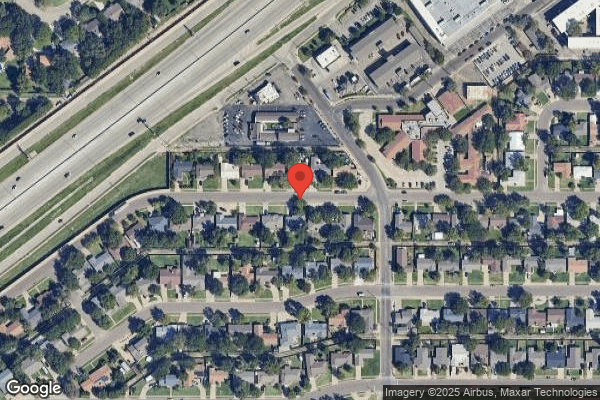
Dec 2022 5 deficiencies
CONCERN (D)

Potential for Harm - no one hurt, but risky conditions existed

Report Alleged Abuse (Tag F0609)

Could have caused harm · This affected 1 resident

**NOTE- TERMS IN BRACKETS HAVE BEEN EDITED TO PROTECT CONFIDENTIALITY** Based on interviews and record review, the facility failed to ensure that all allegations involving abuse, neglect, exploitation...

Read full inspector narrative →
**NOTE- TERMS IN BRACKETS HAVE BEEN EDITED TO PROTECT CONFIDENTIALITY** Based on interviews and record review, the facility failed to ensure that all allegations involving abuse, neglect, exploitation or mistreatment of resident property are reported immediately, but no later than 2 hours after the allegation is made, if the events that cause the allegation involve abuse or result in serious bodily injury, or no later than 24 hours if the events that cause the allegation do not involve abuse and do not result in serious bodily injury, to the administrator of the facility and to other officials (including the State Survey Agency in accordance with State law through established procedures for all residents in the facility The facility failed to report that Resident 106 was allegedly touched under her pajama pants by Resident 27, during the same incident an attempt was made by the same resident to touch Resident 106 under her brief while Resident 106 was sleeping. This failure could place residents at risk of not receiving the care required to meet their physical, mental, and psychosocial needs to attain or maintain their highest practicable physical, mental, and psychosocial outcome. Findings include: Record review of Resident 106's undated admission record revealed an [AGE] year-old-female was admitted to the facility on [DATE] with diagnosis of alzheimer's disease, abnormalities of gait and mobility,breast cancer, arthritis, hypothyroidism,gastro-esophageal reflux, major depressive disorder. Record review of Resident 106's last Comprehensive MDS Assessment, dated 12/2/22, revealed a BIMS score of 15, which indicated the Resident is cognitively intact. Record review of Resident 27's undated admission record revealed an [AGE] year-old female resident admitted to the facility on [DATE] with diagnoses of type 2 diabetes (high blood sugar), psychotic disorder with delusions due to known physiological, dementia with behavioral disturbance, depressive disorder, cognitive communication deficit, anxiety, sleep apnea, osteoporosis. urinary tract infection, nicotine dependence, insomnia, hypertension. Record review of Resident 27's last MDS was an annual completed 10/10/2022 with a BIMS of 3 indicated she was severely cognitively impaired. Interview resident 106 stated on 11/22/2022 in the middle of the night, resident was unsure of time, Resident 27 woke her up as she (Resident 27) was placing her hand under Resident 106's pajama pants and then attempting to place her hand inside Resident 106's brief around the inner thigh area close to her vagina. Resident 106 stated she fought Resident 27 off with her hands and by yelling get off of me. Resident 106 stated staff eventually came into the room and escorted Resident 27 out of her room. Resident 106 stated she reported to staff the incident with Resident 27 as soon as they came into the room. Resident 106 stated she felt staff made excuses for Resident 27's behavior. Resident 106 stated she did not remember the name of the staff member she reported to at the time of the incident. Resident 106 stated she reported the incident to Admin the next day. During an interview on 12/14/2022 2:00pm during with Resident, roommate to Resident 106, stated she was woken up in the middle of the night on 11/22/22 by Resident 106 yelling for help and telling Resident 27 to get away from her. Resident 10 stated she was unsure what staff came into the room that night; she too stated staff were making excuses for Resident 27's behavior. During an interview on 12/15/22 02:15pm with DON: She said that the incident was not reported because the Resident 106's story kept changing and Resident 106 could not tell them if it was Resident 27s or not. She said the resident thought it could have been an aid or Resident 27. She said the abuse coordinator is the administrator and she is responsible for reporting although she said she (DON) does help out with that as well. DON said it was reported to them on the 28th of November so it should have been reported that day preferably. She said the potential negative outcome could be that it could happen again. She said she has had ANE training and that it included the topic of sexual abuse, she said its part of the competencies they do as well as in-services yearly. She said training is in person, they print off the policies and procedures of ANE and then go over them during an in service. She said whoever does not come to that in-service she goes to in service them individually when they are working. She said they have a policy called abuse investigation and reporting in which the roles of each position are outlined. She said she tells the staff that they need to notify the Admin and DON immediately of incidents concerning ANE so that reports to the state can be submitted. During an Interview on 12/15/22 at 02:19pm Interview with LVN A: She said she was aware of the situation but wasn't aware of the inappropriate touching. LVN A was told that s was just going in and removing blankets and sheets. She said she has had ANE training which covered sexual abuse and who to report to. She said reporting is made to the administrator as well as the social worker. She said she thinks the incident was reported to the DON and said that the DON was not working the night that it happened and was working from home the next day. She said the person that witnesses the incident should report it to the administrator or the charge nurse whose shift it is on would be responsible for reporting. She said ANE training that she had was a meeting where they were asked several questions regarding the types of abuse and who to report to and to name the types of abuse. She said if they did not know the answer, but received the information. She said if she had been the nurse working that shift when the incident occurred, she would have separated the residents and kept her eyes on Resident 27 and looked into a temporary bed change to separate them further then report the incident to the admin and oncoming shift to address the situation and consider a more permanent solution. During an Interview on 12/15/22 at 2:39pm with CNA A (Agency but has worked here past two months) She said she was not aware of the incident but only works days. She said she has had ANE training and she is aware that sexual abuse is a form of abuse. She said training consisted of an in-service with the abuse coordinator where they were asked to list the types of abuse. She said if she witnessed it she would stay with the resident and have someone go get the nurse and make sure the other resident was removed. She said she would report to the abuse coordinator. During an Interview on 12/15/22 at 1:45pm with ADON who has been employed by the facility for 4 years stated she was made aware of the incident between Resident 106 and Resident 27 by the DON. ADON stated DON and the Admin are the abuse coordinators, ADON stated the DON made the decision not to report the incident because the DON stated Resident 106's story kept changing. ADON stated she informed the DON she felt the incident should be reported to the state; DON continued to disagree with the ADON. ADON stated she was told by the DON to call Resident 27's physician and request a medication change or increase; ADON completed this task, ADON stated the physician ordered Paxil for Resident 27. ADON stated she was told not to document the incident in electronic records, she was told to only document the additional medication for Resident 27. ADON stated the incident should have been reported immediately; ADON stated she was trained on abuse and neglect to report abuse immediately to the abuse coordinator. ADON stated the potential negative outcome for abuse not being reported to the State is other residents are put at risk for abuse and neglect. Record review on 12/15/22 at 2:45pm of facility's documentation regarding the incident with Resident 106 and Resident 27 revealed there was no documentation of the incident. The addition of Paxil for Resident 27 was the only documentation for 11/22/22 in Resident 27's electronic record. There was no documentation of the incident in Resident 106's electronic record. Record Review of previous investigations for the facility from 11/15/2022-12/12/2022 revealed the incident between Resident 106 and Resident 27 was not reported to the State. Policy: Record review of the facility's policy labeled, Resident Rights and Dignity: Abuse and Neglect - Clinical Protocol, Revised July 2017, documented the following, . 5. The Administrator, or his/her designee will provide the appropriate agencies or individuals listed above with a written report of the findings of the investigation within five (5) working days of the occurrence of the incident .
CONCERN (E)

Potential for Harm - no one hurt, but risky conditions existed

Safe Environment (Tag F0584)

Could have caused harm · This affected multiple residents

**NOTE- TERMS IN BRACKETS HAVE BEEN EDITED TO PROTECT CONFIDENTIALITY** Based on observation, interview, and record review the facility failed to provide a safe, clean, comfortable, and homelike envir...

Read full inspector narrative →
**NOTE- TERMS IN BRACKETS HAVE BEEN EDITED TO PROTECT CONFIDENTIALITY** Based on observation, interview, and record review the facility failed to provide a safe, clean, comfortable, and homelike environment; housekeeping and maintenance services necessary to maintain a sanitary, orderly, and comfortable interior; and comfortable and safe temperature levels within a range of 71° to 81° F for 3 of 3 halls (Hall 100, 200 and 300) reviewed for environment in that: A. Halls 100, 200 and 300 temperature was below 71° on 12/14/22 and 12/15/22. B. Rooms 201, 205, 207 and 209 temperature were below 71° F on 12/13/22, 12/14/22 and 12/15/22. C. Rooms 109, 110, 310 and 314 temperature were below 71° F on 12/14/22 and 12/15/22. These failures could place residents at risk for experiencing hypothermia. Findings included: Record review of Resident #1's face sheet, undated, revealed the resident was a [AGE] year-old male admitted to the facility on [DATE] with a primary diagnosis of chronic obstructive pulmonary disease (lung disease). Record review of Resident #12's face sheet, undated, revealed the resident was a [AGE] year-old male admitted to the facility on [DATE] with a primary diagnosis of epilepsy (seizure disorder). Record review of Resident #30's face sheet, undated, revealed the resident was a [AGE] year-old male admitted to the facility on [DATE] with a primary diagnosis of diabetes (high blood sugar). Record review of Resident #36's face sheet, undated, revealed the resident was a [AGE] year-old male admitted to the facility on [DATE] with a primary diagnosis of diabetes (high blood sugar). Record review of Resident #48's face sheet, undated, revealed the resident was a [AGE] year-old female admitted to the facility on [DATE] with a primary diagnosis of cerebral infarction (stroke). Record review of Resident #106's face sheet, undated, revealed the resident was an [AGE] year-old female admitted to the facility on [DATE] with a primary diagnosis of Alzheimer's disease. Record review of Resident #203's face sheet, undated, revealed the resident was a [AGE] year-old male admitted to the facility on [DATE] with a primary diagnosis of dementia. Record review of Resident #204's face sheet, undated, revealed the resident was a [AGE] year-old female admitted to the facility on [DATE] with a primary diagnosis of diabetes (high blood sugar). During an observation and interview on 12/13/2022 at 10:00am Resident #36 was lying in bed completely covered with two blankets to the bottom of his chin with his arms in the blanket. Interview with Resident #36 he stated he was freezing under his two blankets, Resident #36 stated he was always cold in his room. Resident #36 stated he has told staff he is cold many times, but the temperature does not change. During an interview and observation on 12/13/2022 at 10:10 AM Resident #22 was rubbing her arms when surveyor entered the room. She stated she is cold and needed her jacket. She stated she got dressed and out of bed to move around because she was freezing. She stated her room is always freezing, she has never heard the heater come on, nor felt the heater come on and her bed is right under the vent for the heater. She stated she has complained to staff about the temperature of her room several times, but nothing improves. During an interview on 12/13/22 at 10:30 AM with Resident #30 complained it was cold in his room. Resident sitting up in wheelchair with blanket over his legs. He stated they have no way to control the temperature in their room. He stated he was told they could not turn up the temperature because the dining rooms gets too hot. He stated he spoke with maintenance and was told the thermostat controls are in the DON's office. During an interview and observation on 12/13/22 at 10:35 AM with the DON she stated the thermostat controls are behind a panel in her office. Thermostats for the facility was observed to be located behind panel in DON office. Thermostat labeled Hall 100 revealed a temperature of 72° F. DON stated she adjust them by one degree when residents complains of being hot or cold. She stated, I know who you are talking about and they have been offered a blanket and he refuses to take one. During an interview on 12/13/2022 at 11:30 AM Resident #204 stated her room is always cold, she never feels warm in her room, she has never heard the heater come on, she has never felt warm air from the vent in her room. She stated she always wears several layers of clothes and covers herself in several blankets. She stated she has reported the cold temperature of her room to several staff, the temperature has not improved. During an observation and interview on 12/13/22 at 12:13 PM Resident #30 sitting in his wheelchair under a blanket, covering his head. He stated the temperature was too cold. He stated that he had told the maintenance staff member about it that morning and was told they would adjust the temperature. During an interview on 12/13/22 at 2:34 PM, Resident #1 stated the facility is cold a lot of the time here lately. He stated that it is freezing cold and gets worse at night. He stated he has told the maintenance staff member before. During an observation on 12/14/22 09:00 AM using surveyor's thermometer revealed the following: room [ROOM NUMBER]: 67.6° F During an observation on 12/14/22 at 09:30 AM, using surveyor's thermometer revealed the following: End of Hall 200: 67.8° F room [ROOM NUMBER]: 67.6° F Front of Hall 200: 69.5° F room [ROOM NUMBER]: 70.4° F room [ROOM NUMBER]: 70.3° F room [ROOM NUMBER]: 70.6° F During an interview and observation on 12/14/22 at 09:35 AM with Resident #48, she stated Yes, I am cold. Resident #48 lying in bed with blanket coving her. Resident #48 room temperature using surveyor's thermometer was 70.4° F. During an interview on 12/14/2022 at 9:35 AM Resident #6 stated her room is consistently cold, she is never warm in her room, she has three blankets on her bed, and wears several layers of clothes. She stated she has reported her temperature concerns to staff; however, the temperature of her room has not changed. During an observation on 12/14/2022 at 1:30 PM surveyor observed Resident #36 asked a staff member to turn the heater up for his room as he was cold. During an observation on 12/14/22 at 02:44 PM, using surveyor's thermometer revealed the following: room [ROOM NUMBER]: 70.0° F End of Hall 200: 69.4° F room [ROOM NUMBER]: 69.6° F Front of Hall 200: 70.5° F room [ROOM NUMBER]: 70.0° F End of Hall 100: 70.6° F During an observation on 12/14/22 at 03:00 PM observed thermostats in DON office revealed the following: Thermostat labeled Dining hall set to 69° F with a current temperature 71° F. Thermostat labeled Hall 100 set to 71° F with a current temperature 70° F. Thermostat labeled Hall 200 set to 70° F with a current temperature 70° F. Thermostat labeled Hall 300 set to 70° F with a current temperature 72° F. Thermostat labeled Therapy/Med Room set to 69° F with a current temperature 71° F. Thermostat labeled No label set to 69° F with a current temperature 71° F. Thermostat labeled ADON set to 68° F with a current temperature 70° F. During an interview on 12/14/22 at 03:15 PM with maintenance supervisor, he stated each hall has 3 temperature sensors that go to the thermostats. He stated he checks temperatures inside the facility weekly on Fridays. He stated he has never seen a setup where all the thermostats are located in one room. During an observation on 12/15/2022 at 11:01am Resident #203 seated on the side of his bed blanket covered his head, wrapped around his shoulders, with his hands clinging to the inside of the blanket. During an observation on 12/15/22 at 11:03 AM, using surveyor's thermometer revealed the following: room [ROOM NUMBER]: 67.7° F room [ROOM NUMBER]: 68.5° F Front of Hall 200: 69.9° F room [ROOM NUMBER]: 69.7° F During an observation on 12/15/22 at 12:45 PM, with Maintenance Supervisor, using his temperature gun he registered the following temperatures: End of Hall 100: 67.4° F room [ROOM NUMBER]: 67.8° F End of Hall 200: 68.3° F End of Hall 300: 69.0° F During an observation and interview on 12/15/22 at 01:25 PM, Resident #36 requested an additional blanket because he was cold. Room temperature using surveyor's thermometer was 68.6° F. Resident #36 stated I'm so cold, I have the shakes. During an interview on 12/15/22 at 02:34 PM with MA A, he stated he has noticed the building cold at times. He stated when residents complain they are cold he will get them an additional blanket. He stated he is not able to adjust the temperature in the facility. He stated if the temperature needs to be adjusted, they call the DON or maintenance supervisor. He stated the potential negative outcome of residents being cold is they could get ill. During an interview on 12/15/22 at 02:38 PM with RN A, she stated if residents are complaining they are cold she will get them an extra blanket. She stated she also encourages the residents to keep room doors open so the air can circulate and that helps warm the rooms. She stated she is not able to adjust the facility temperature. She stated if the temperature needs to be adjusted, she calls or text the DON or maintenance supervisor. She stated the potential negative outcome for a resident to be cold is they could get sick. During an interview on 12/15/22 at 02:42 PM CNA A, she stated in the mornings she has noticed it was cold in the facility. She stated residents have complained to her about it being cold but not that often. She stated she lets the nurse know when a resident complains about the temperature and lets the maintenance man know as well. She stated she would make sure they are wearing warm clothes and get them to a warmer space like the dining room or a more central place in the building. She stated she thinks the maintenance man is the only person she is aware of that has access to control the temperature in the facility. She stated the potential negative outcome for a resident who is often cold in the facility would be they would be uncomfortable and possibly not able to sleep. During an interview and observation in room [ROOM NUMBER] on 12/15/22 at 02:45 PM with the administrator, she stated she felt room [ROOM NUMBER] was cold. She stated she felt room [ROOM NUMBER] was approximately 68° F. The room temperature using the surveyor's thermometer was 66.7° F. She stated residents have reported within the past three weeks they are cold. She stated she called a repairman, and the unit was serviced. She stated the DON controls the thermostat in her office. She stated she requests maintenance take temperatures throughout the building if there are complaints about temperatures. She stated she was not aware of the resident in this room complaint of being cold and shivering. She stated the potential negative outcome for residents who are consistently cold are an increase in flu, hypothermia, and she wanted residents to be warm and comfortable in their home. Record review of a policy provided by facility titled Facility Temperatures with a revised date September 2021. Policy Statement: To maintain a safe comfortable temperature environment for residents. Definitions: The legislature adopted Minimum Design Standards for Health Care Facilities by reference on December 30th, 2002 [Public Act 683 of 2002, MCL 333.20145}, and those standards specify minimum and maximum temperature levels for nursing homes, including a range of 71 to 81 degrees for resident rooms, and for isolation rooms. Policy Interpretation and Implementation: Policy: Residents' rooms that allow a resident to control the temperature, then the resident could maintain his or her room at any level desired, unless the temperature adversely affects the health, safety, or comfort of any resident. The minimum and maximum temperature levels for facility is a range between 71 and 81 degrees.
CONCERN (E)

Potential for Harm - no one hurt, but risky conditions existed

PASARR Coordination (Tag F0644)

Could have caused harm · This affected multiple residents

**NOTE- TERMS IN BRACKETS HAVE BEEN EDITED TO PROTECT CONFIDENTIALITY** Based on observation, interview and record review, the facility failed to ensure the Pre-admission Screening and Resident Review...

Read full inspector narrative →
**NOTE- TERMS IN BRACKETS HAVE BEEN EDITED TO PROTECT CONFIDENTIALITY** Based on observation, interview and record review, the facility failed to ensure the Pre-admission Screening and Resident Review (PASRR) Level I screening accurately reflected the resident's status for 3 of 6 residents (Residents #30, #32, #38) reviewed for PASRR services. The facility failed to ensure the accuracy of the PASRR Level 1 screening for Residents #30, #32, and #38, which resulted in the residents not receiving a PASRR Level II evaluation. This failure could place residents who have a mental illness at risk of not receiving individually specialized services to meet their needs. Findings included: Resident #30: Record review of Resident #30's face sheet dated 3/24/2022 revealed a [AGE] year-old male admitted on [DATE] with diagnoses including bipolar disorder (onset date 3/24/3022), pseudobulbar affect (Condition that is characterized by episodes of sudden uncontrolled laughing or crying, onset date of 3/24/2022), and manic episode (onset date of 3/24/2022). Record review conducted on 12/19/2022 at 9:39 AM of Resident #30's history and physical dated 8/24/2022 contained diagnoses which read pseudobulbar affect, bipolar disorder, current episode depressed, mild or moderate severity, unspecified, manic episode, unspecified. Record review conducted on 12/19/2022 at 9:43 AM of Resident #30's MDS assessment dated [DATE] revealed a BIMS score of 13 out of 15 indicating he was cognitively intact. Record review conducted on 12/19/2022 at 9:54 AM of Resident #30's undated care plan contained a focus area which read I require assist with ADLs and am at risk for deterioration in ADLs: (bed mobility, bathing, transfer, walking in room, walking in corridor, locomotion on unit, locomotion off unit, dressing, eating, toilet use, personal hygiene) R/T cognitive impairment with interventions that included Explain the expected prognosis and the expected therapy outcomes. Record review conducted on 12/19/2022 at 9:45 AM of Resident #30's PASRR Level 1 screen dated 3/15/2022 revealed the following in part, .C0100. Mental Illness: Is there evidence or an indicator this is an individual that has a mental illness . The answer was No. An observation made on 12/13/22 at 12:13 PM showed Resident #30 to be sitting in his wheelchair under a blanket, covering his head with the blanket. When spoken to, he did not remove the blanket until a few minutes later and appeared to have a depressive affect. Resident #32: Record review of Resident #32's face sheet dated 4/23/2021 revealed a [AGE] year-old male admitted on [DATE] with diagnoses listed including schizoaffective disorder, bipolar type with onset date of 7/11/2022. Record review conducted on 12/19/2022 at 10:09 AM of Resident #32's history and physical dated 10/21/2022 contained diagnoses which read unspecified psychosis not due to a substance or known physiological condition. Record review conducted on 12/19/2022 at 10:12 AM of Resident #32's MDS assessment dated [DATE] revealed a BIMS score of 6 out of 15 suggesting severe cognitive impairment. Record review conducted on 12/19/2022 at 9:54 AM of Resident #30's undated care plan contained a focus area which read I have cognitive impairment with interventions in place which included Involve me in care as to maintain or increase level of independence. Additionally, a focus area was included which read cognitive skills for decision making moderately impaired with interventions that included encourage resident to participate in activities of choice and explain regular routine to resident and give medications as ordered and monitor for side/adverse effects. Record review conducted on 12/19/2022 at 10:19 AM of Resident #32's PASRR Level 1 screen dated 4/23/2021 revealed the following in part, .C0100. Mental Illness: Is there evidence or an indicator this is an individual that has a mental illness . The answer was No. During observation and interview conducted on 12/13/22 at 11:02 AM Resident #32 was observed sitting in the dining room on a couch. Resident #32 stated things are pretty much alright here. He was not very talkative and had a flat affect. Resident #38: Record review of Resident #38's face sheet dated 6/24/2020 revealed a [AGE] year-old male admitted on [DATE] with diagnoses listed including major depressive disorder (onset date of 6/24/2020), mood disorder due to a known physiological condition with major depressive-like episode (onset date 7/22/2020), cognitive communication deficit (onset date of 6/24/2020), psychotic disorder with delusions due to known physiological condition (onset date of 7/16/2020), anxiety disorder due to know physiological condition (onset date of 6/24/2020), and vascular dementia with behavioral disturbance (listed as a secondary diagnosis with onset date of 7/22/2020). Record review conducted on 12/19/2022 at 2:06 PM of Resident #38's MDS assessment dated [DATE] revealed a BIMS score of 5 out of 15 suggesting severe cognitive impairment. Record review conducted on 12/19/2022 at 2:07 PM of Resident #38's undated care plan contained focus areas which read Resident #38 has a cognitive impairment. Additionally, a focus area related to assistance with activities of daily living was listed as being related to a cognitive impairment. Lastly, the care plan contained a focus area which read Resident #38's cognitive skills for decision making- moderately impaired. Record review conducted on 12/19/2022 at 10:19 AM of Resident #38's PASRR Level 1 screen which was performed on 6/24/2020 revealed the following in part, .C0100. Mental Illness: Is there evidence or an indicator this is an individual that has a mental illness . The answer was No. During an interview conducted on 12/15/22 at 10:24 AM, the DON said the PASRR assessments were currently being updated by the MDS coordinator, after surveyor intervention. She said they were being redone to accurately reflect diagnoses for the residents in question, and that someone was coming that evening to conduct a level two evaluation of these residents. She said they would have paperwork together by that afternoon. During an interview conducted on 12/15/22 at 11:00 AM, the MDS coordinator said the PASRR level one screenings had been updated and submitted in Simple LTC and that she had spoken with the PASRR coordinator from the local mental health authority. She said the PASRR coordinator was planning to come conduct a level 2 evaluation of the residents (Residents #30, #32, #38) this afternoon. She said the risk of not having level one PASRR screening accurately reflecting medical diagnoses of mental illness was that the residents would not receive recommended services that they had a right to. When asked what was meant by the term updated, she said she meant that the PL1s were corrected to accurately reflect medical diagnoses for the residents since they currently indicated no in areas C0100, C0200, and C0300. During an interview conducted on 12/15/22 at 1:45 PM, the MDS coordinator it was the responsibility of the MDS coordinator to conduct a level one PASRR screening of residents. She said she had been the MDS coordinator at for this facility for about a month and that she was full time at another facility and has picked up at this facility because the MDS coordinator they had was no longer there. She said anyone with access to the system can enter a PL1. She said normally the PL1 was conducted by the previous facility if the resident is coming from another facility. She said if the resident was coming from the community, then the MDS coordinator should have asked the assessment questions to the family or the resident, if they can answer reliably. She said if the resident comes from another facility, then the person entering the PL1 should verify accuracy by looking at medical diagnoses. She said she is usually the person who enters the PL1. She said usually she would make updates to the PL1 if needed. She said other staff members can assist, but usually she would be the one that updates and verifies diagnoses. When asked if schizoaffective disorder, bipolar disorder (BPD), and major depressive disorder (MDD) were diagnoses that would be considered a mental illness, she said yes, they all are. She said the PL1s for these residents (#30, #32, and #38) were done by people she had never met, and she did not know if they were an outside facility or could have been done at a hospital. During an interview conducted on 12/15/22 at 2:10 PM, the DON said the PL1 is the responsibility of the MDS coordinator. She said when a resident comes from another facility, they are supposed to send the PASRR already completed. She said the MDS coordinator should go over the PL1 to verify for accuracy. She said the MDS coordinator makes updates for any changes in medical diagnoses or incorrect PL1 screenings. She said all three diagnoses, schizoaffective, BPD, and MDD, are mental illnesses and should have been marked as yes in section C0100 on the PL1 screening form. She said she did not know why the PL1s were marked as no for the three residents because they were admitted before she was working at the facility. She said she had been working at [NAME] Terrace since August of 2022. She said the potential risk for a resident whose PL1 screening was not accurate would be the resident may not get extra benefits such as therapy and certain needed equipment. During an interview conducted on 12/15/22 at 3:10 PM, the PASRR Coordinator said she had just arrived at the facility to evaluate the three residents that she was informed about (Resident #30, #32, #38). She said once a positive PL1 is entered into Simple LTC, then and only then can she come to the facility to perform a level 2 evaluation. Record review of Form 1012, Texas Health and Human Services Mental Illness/Dementia Resident Review found at https://www.hhs.texas.gov/regulations/forms/1000-1999/form-1012-mental-illnessdementia-resident-review (accessed on 12/19/2022) read in part, .Examples of MI (mental illness) are: a schizophrenic, mood disorder (bipolar, major depression, or other mood disorder), paranoid disorder; somatoform disorder; schizoaffective disorder; panic or other disorder that may lead to a chronic disability diagnosable under the current Diagnostic and Statistical Manual of Mental Disorders . Record review conducted on 12/21/2022 at 11:26 AM of the State Operations Manual, Appendix PP, under F646, section 483.20 (k)(4), definitions, reads Preadmission Screening and Resident Review (PASARR) is a federal requirement to help ensure that individuals who have a mental disorder or intellectual disabilities are not inappropriately placed in nursing homes for long term care. PASARR requires that 1) all applicants to a Medicaid-certified nursing facility be evaluated for a serious mental disorder and/or intellectual disability; 2) be offered the most appropriate setting for their needs (in the community, a nursing facility, or acute care setting); and 3) receive the services they need in those settings. Record review conducted on 12/21/2022 at 11:39 AM of facility policy titled Antipsychotic Medication Use, with a revision date of December 2016, read in part Complete PASRR screening (preadmission screening for mentally ill and intellectually disabled individuals), if appropriate. Record review conducted on 12/21/2022 at 11:40 AM of a facility policy titled Behavioral Assessment, Intervention and Monitoring, with a revision date of December 2016, read in part As part of the initial assessment, the nursing staff and Attending Physician will identify individuals with a history of impaired cognition, altered behavior, or mental illness (e.g., bipolar disorder or schizophrenia).
CONCERN (F)

Potential for Harm - no one hurt, but risky conditions existed

Food Safety (Tag F0812)

Could have caused harm · This affected most or all residents

Based on observation, interview and record review, the facility failed to store, prepare, distribute, and serve food in accordance with professional standards for food service safety for residents who...

Read full inspector narrative →
Based on observation, interview and record review, the facility failed to store, prepare, distribute, and serve food in accordance with professional standards for food service safety for residents who consumed food orally from 1 of 1 facility kitchen in that: 1) Foods were not protected from contamination during storage (dry food storage). 2) Food equipment was not maintained clean and in good repair (refrigerator). These failures could place residents at risk of foodborne illness. The findings include: The following kitchen observations were made beginning on 12/13/22 at 9:30 AM and concluding at 10:10 AM: The outside doors and handles of refrigerators in the main kitchen were soiled with an accumulation of dried food. The inside of fridge had crumbs and liquid substance on the bottom of fridge. There was white sticky accumulation on inside walls and doors. The seals on the refrigerator doors were worn and falling off. In the pantry, there were a large accumulation of white powder under the dry food storage self. During an interview on 12/15/22 at 10:50 AM Dietary Aide A stated, refrigerators are cleaned weekly and as needed, but since they have been short staffed it's been hard. She stated she was not sure if the seals had been reported to maintenance. She stated the white powder stuff under the dry for storage self was something coming from the crack tile above the dry food storage self. During an interview on 12/15/22 at 11:25 AM Dietary Manager stated she does have a cleaning schedule, but she has been adjusting it and has not got it printed and hung back up. She stated, the refrigerators are to be cleaned two times a week, but she has been short staffed, so it has not been done. She stated she had reported to the maintenance man the seals were bad on the refrigerators. She stated if the seals are not properly sealing the temperature in the refrigerator will go up and not keep food at proper temperature. She stated the white powder under the dry food self is coming from the cracker tiles above the self. Stated they clean under the self and wash out the dry food bins daily. She stated the crack had been reported to maintenance and it was sealed on the outside, but it continues to drop white powder. During an interview on 12/15/22 at 02:45 PM Maintenance Supervisor stated he was not aware the seals on the refrigerator needed to be replaced. He stated he did seal the cracks in the dry goods panty. He stated if the seals are not working properly on the refrigerator it could cause the refrigerator to lose coolness. Record review of a policy provided by facility titled Sanitization with a revised dated October 2008. Policy Statement: The food service area shall be maintained in a clean and sanitary manner. Policy Interpretation and Implementation: 1. All kitchens, kitchen areas and dining areas shall be kept clean, free from litter and rubbish and protected from rodents, roaches, flies and other insects. 2. All utensils, counters, shells and equipment shall be kept clean, maintained in good repair and shall be free from breaks, corrosion, open seams, cracks and chipped areas that may affect the use or proper cleaning. Seals, hinges and fasteners will be kept in good repair. 3. All equipment, food contact surfaces and utensils shall be washed to remove or completely loosen soils by using the manual or mechanical means necessary and sanitize using hot water and or chemical sanitizing solutions.
MINOR (B)

Minor Issue - procedural, no safety impact

Deficiency F0912 (Tag F0912)

Minor procedural issue · This affected multiple residents

Based on interview and record review, the facility failed to provide at least 80 square feet per resident in multiple resident bedrooms for 4 (Rooms #407, 602, 604 and 611) of 48 semi-private rooms re...

Read full inspector narrative →
Based on interview and record review, the facility failed to provide at least 80 square feet per resident in multiple resident bedrooms for 4 (Rooms #407, 602, 604 and 611) of 48 semi-private rooms reviewed for physical environment. The facility failed to ensure resident Rooms #s 407, 602, 604 and 611 met the required minimum of 80 square feet per resident. This failure could place residents at risk of crowding and cause difficulty in providing resident care. Findings include: Record review of CASPER 3 during preparation for survey revealed a waiver for room size requirements had been done yearly by the facility. Record review of Room Size Wavier for Facilities dated 10/12/21, during preparation for survey, revealed a wavier for rooms #s 407, 602, 604, and 611. Record review of Texas Health and Human Services Form 3740 (Bed Classifications (Numbers and Location) dated 12/13/22 documented that Rooms #'s 407, 602, 604 and 611 were listed as a Title 18/19 bed classification semi-private rooms for two residents. During an interview on 12/13/22 at 09:15 AM with the Administrator regarding the square footage for Room #'s 407, 602, 604 and 611. When asked if she wanted to apply for the room size waiver she stated, Yes, I want to apply for the waiver. The ADMIN stated Room #'s 407, 602, 604, and 611 had a waiver in the past. She stated, the rooms are not being used at this time but will if they open that unit back up. During an observation on 12/13/22 from 10:00 AM to 10:30 AM, observed the following rooms: Rooms 407,602, 604 and 611 not occupied. During an interview on 12/13/22 at 10:30 AM with the Administrator, regarding the risk of residents not having the appropriate space, she stated it had not been a problem in the past .
Understanding Severity Codes (click to expand)
Life-Threatening (Immediate Jeopardy)
J - Isolated K - Pattern L - Widespread
Actual Harm
G - Isolated H - Pattern I - Widespread
Potential for Harm
D - Isolated E - Pattern F - Widespread
No Harm (Minor)
A - Isolated B - Pattern C - Widespread

Questions to Ask on Your Visit

  • "What changes have you made since the serious inspection findings?"
  • "Why is there high staff turnover? How do you retain staff?"
  • "Can I speak with families of current residents?"
  • "What's your RN coverage like on weekends and overnight?"

Our Honest Assessment

Strengths
  • • Licensed and certified facility. Meets minimum state requirements.
Concerns
  • • Multiple safety concerns identified: 5 life-threatening violation(s), $132,185 in fines. Review inspection reports carefully.
  • • 35 deficiencies on record, including 5 critical (life-threatening) violations. These warrant careful review before choosing this facility.
  • • $132,185 in fines. Extremely high, among the most fined facilities in Texas. Major compliance failures.
  • • Grade F (0/100). Below average facility with significant concerns.
Bottom line: This facility has 5 Immediate Jeopardy findings. Serious concerns require careful evaluation.

About This Facility

What is Mesquite Post Acute Care's CMS Rating?

CMS assigns MESQUITE POST ACUTE CARE an overall rating of 1 out of 5 stars, which is considered much below average nationally. Within Texas, this rating places the facility higher than 0% of the state's 100 nursing homes. A rating at this level reflects concerns identified through health inspections, staffing assessments, or quality measures that families should carefully consider.

How is Mesquite Post Acute Care Staffed?

CMS rates MESQUITE POST ACUTE CARE's staffing level at 1 out of 5 stars, which is much below average compared to other nursing homes. Staff turnover is 90%, which is 44 percentage points above the Texas average of 46%. High turnover can affect care consistency as new staff learn residents' individual needs. RN turnover specifically is 100%, which is notably high. RNs provide skilled clinical oversight, so turnover in this role can affect medical care quality.

What Have Inspectors Found at Mesquite Post Acute Care?

State health inspectors documented 35 deficiencies at MESQUITE POST ACUTE CARE during 2022 to 2025. These included: 5 Immediate Jeopardy (the most serious level, indicating potential for serious harm or death), 27 with potential for harm, and 3 minor or isolated issues. Immediate Jeopardy findings are rare and represent the most serious regulatory concerns. They require immediate corrective action.

Who Owns and Operates Mesquite Post Acute Care?

MESQUITE POST ACUTE CARE is owned by a government entity. Government-operated facilities are typically run by state, county, or municipal agencies. The facility is operated by PARAMOUNT HEALTHCARE CONSULTANTS, a chain that manages multiple nursing homes. With 120 certified beds and approximately 56 residents (about 47% occupancy), it is a mid-sized facility located in LUBBOCK, Texas.

How Does Mesquite Post Acute Care Compare to Other Texas Nursing Homes?

Compared to the 100 nursing homes in Texas, MESQUITE POST ACUTE CARE's overall rating (1 stars) is below the state average of 2.8, staff turnover (90%) is significantly higher than the state average of 46%, and health inspection rating (1 stars) is much below the national benchmark.

What Should Families Ask When Visiting Mesquite Post Acute Care?

Based on this facility's data, families visiting should ask: "What changes have been made since the serious inspection findings, and how are you preventing similar issues?" "How do you ensure continuity of care given staff turnover, and what is your staff retention strategy?" "Can you walk me through typical staffing levels on day, evening, and night shifts?" "Can I visit during a mealtime to observe dining assistance and food quality?" These questions are particularly relevant given the facility's Immediate Jeopardy citations, the facility's high staff turnover rate, and the below-average staffing rating.

Is Mesquite Post Acute Care Safe?

Based on CMS inspection data, MESQUITE POST ACUTE CARE has documented safety concerns. Inspectors have issued 5 Immediate Jeopardy citations (the most serious violation level indicating risk of serious injury or death). The facility has a 1-star overall rating and ranks #100 of 100 nursing homes in Texas. Families considering this facility should ask detailed questions about what corrective actions have been taken since these incidents.

Do Nurses at Mesquite Post Acute Care Stick Around?

Staff turnover at MESQUITE POST ACUTE CARE is high. At 90%, the facility is 44 percentage points above the Texas average of 46%. Registered Nurse turnover is particularly concerning at 100%. RNs handle complex medical decisions and coordinate care — frequent RN changes can directly impact care quality. High turnover means new staff may not know residents' individual needs, medications, or preferences. It can also be disorienting for residents, especially those with dementia who rely on familiar faces. Families should ask: What is causing the turnover? What retention programs are in place? How do you ensure care continuity during staff transitions?

Was Mesquite Post Acute Care Ever Fined?

MESQUITE POST ACUTE CARE has been fined $132,185 across 3 penalty actions. This is 3.8x the Texas average of $34,401. Fines at this level are uncommon and typically indicate a pattern of serious deficiencies, repeated violations, or failure to correct problems promptly. CMS reserves penalties of this magnitude for facilities that pose significant, documented risk to resident health or safety. Families should request specific documentation of what issues led to these fines and what systemic changes have been implemented.

Is Mesquite Post Acute Care on Any Federal Watch List?

MESQUITE POST ACUTE CARE is not on any federal watch list. The most significant is the Special Focus Facility (SFF) program, which identifies the bottom 1% of nursing homes nationally based on persistent, serious quality problems. Not being on this list means the facility has avoided the pattern of deficiencies that triggers enhanced federal oversight. This is a positive indicator, though families should still review the facility's inspection history directly.