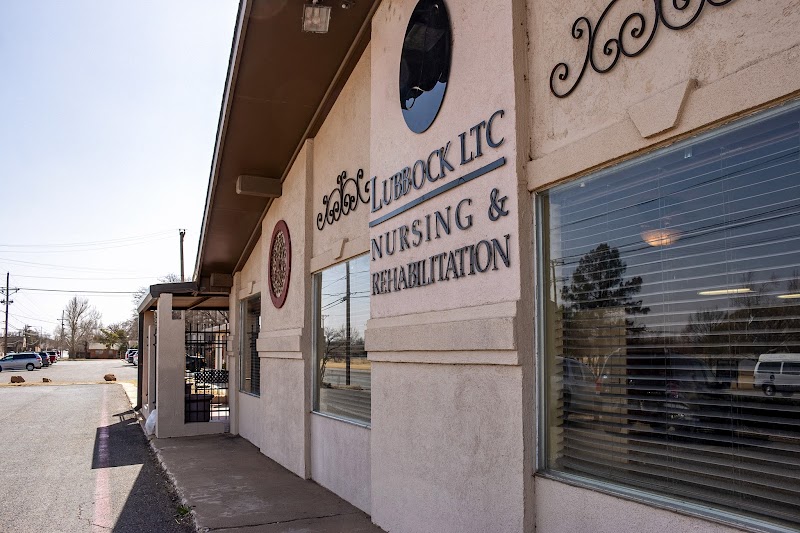
MI CASITA NURSING AND REHABILITATION CENTER

2400 QUAKER AVE, LUBBOCK, TX 79410 (806) 792-2831
For profit - Partnership 95 Beds GULF COAST LTC PARTNERS Data: November 2025 1 Immediate Jeopardy citation
Trust Grade
28/100
#781 of 1168 in TX
Last Inspection: January 2025

Within standard 12-15 month inspection cycle. Federal law requires annual inspections.

Overview

Mi Casita Nursing and Rehabilitation Center has received a Trust Grade of F, indicating significant concerns about the quality of care provided. They rank #781 out of 1168 facilities in Texas, placing them in the bottom half, and #7 out of 15 in Lubbock County, meaning only six local options are worse. The facility is worsening, with issues increasing from three in 2024 to ten in 2025. Staffing is somewhat stable with a turnover rate of 35%, which is better than the state average, but they have concerning RN coverage, being less than 93% of Texas facilities, meaning residents may not receive adequate medical oversight. Additionally, the facility has accumulated $88,521 in fines, which is higher than 82% of Texas facilities, suggesting repeated compliance issues. Specific incidents include a critical finding where staff failed to protect residents from verbal abuse, as an employee was observed yelling and cursing at both staff and residents. There were also concerns about food safety practices, as foods were not stored or prepared under sanitary conditions, increasing the risk of foodborne illness. Despite the low ratings and serious concerns, the facility does have some strengths in staff retention.

Trust Score
F
28/100
In Texas
#781/1168
Bottom 34%
Safety Record
High Risk
Review needed
Inspections
Getting Worse
3 → 10 violations
Staff Stability
○ Average
35% turnover. Near Texas's 48% average. Typical for the industry.
Penalties
○ Average
$88,521 in fines. Higher than 53% of Texas facilities. Some compliance issues.
Skilled Nurses
⚠ Watch
Each resident gets only 10 minutes of Registered Nurse (RN) attention daily — below average for Texas. Fewer RN minutes means fewer trained eyes watching for problems.
Violations
⚠ Watch
25 deficiencies on record. Higher than average. Multiple issues found across inspections.
★★☆☆☆
2.0
Overall Rating
★★☆☆☆
2.0
Staff Levels
★★★☆☆
3.0
Care Quality
★★☆☆☆
2.0
Inspection Score
Stable
2024: 3 issues
2025: 10 issues

The Good

  • Full Sprinkler Coverage · Fire safety systems throughout facility
  • No fines on record
  • Staff turnover below average (35%)

    13 points below Texas average of 48%

Facility shows strength in fire safety.

The Bad

2-Star Overall Rating

Below Texas average (2.8)

Below average - review inspection findings carefully

Staff Turnover: 35%

11pts below Texas avg (46%)

Typical for the industry

Federal Fines: $88,521

Well above median ($33,413)

Moderate penalties - review what triggered them

Chain: GULF COAST LTC PARTNERS

Part of a multi-facility chain

Ask about local staffing decisions and management

The Ugly 25 deficiencies on record

1 life-threatening
Jan 2025 10 deficiencies
CONCERN (D)

Potential for Harm - no one hurt, but risky conditions existed

Resident Rights (Tag F0550)

Could have caused harm · This affected 1 resident

**NOTE- TERMS IN BRACKETS HAVE BEEN EDITED TO PROTECT CONFIDENTIALITY** Based on observations, interviews, and record reviews, the facility failed to ensure each resident was treated with respect, dig...

Read full inspector narrative →
**NOTE- TERMS IN BRACKETS HAVE BEEN EDITED TO PROTECT CONFIDENTIALITY** Based on observations, interviews, and record reviews, the facility failed to ensure each resident was treated with respect, dignity, and care for each resident in a manner and in an environment that promoted the maintenance or enhancement of their quality of life, recognizing each resident's individuality. The facility failed to protect and promote the rights of the resident for 1 of 18 (Resident #33) residents reviewed for resident rights. CNA D failed to provide Resident #33 privacy during incontinent care. This failure could place residents at risk for diminished quality of life and loss of dignity and self-worth. Findings included: Record review of Resident #33's face sheet dated 01/13/24, revealed a [AGE] year-old male with an original admission date of 07/19/24 with the following diagnoses: Type 2 Diabetes Mellitus (inability of the body to use insulin properly), cerebral infarction (stroke), diverticulosis (digestive condition), cognitive communication deficit (communication difficultly caused by cognitive impairment), dysphagia (difficulty swallowing) and anxiety. Record review of Resident #33's admission MDS dated [DATE] revealed a BIMS of 08, indicating mild cognitive impairment. Section H-Bladder and Bowel revealed Resident #33 was always incontinent of bowel and bladder. Record review of Resident #33's comprehensive care plan revised on 07/25/24, revealed the resident was incontinent with an intervention to provide incontinence care after each incontinent episode. During an incontinent care observation on 01/07/25 at 10:51 AM for Resident #33, CNA D failed to pull the privacy curtain before performing incontinent care, which placed the resident at risk of exposure if a staff member or resident opened the door. During incontinent care, CNA D left Resident #33 uncovered while he went to the resident's restroom to sanitize his hands between glove changes, which exposed the resident's lower back and buttocks areas. During an interview on 01/07/25 at 3:12 PM with CNA D, he stated he failed to properly provide privacy to Resident #33 during incontinent care by not pulling the privacy curtain and not draping the resident when he left the bedside to sanitize his hands. He stated he had been trained to provide privacy during incontinent care, but he was rushing and got in too big of a hurry. CNA D stated he had received privacy training from the DON and the ADON and through monthly training videos. He stated a potential negative outcome for failure to provide privacy during care was the resident could be exposed and have a lack of privacy. During an interview on 01/08/25 at 11:38 AM with the ADM, she stated she was not aware that staff were not providing proper privacy to residents during care. She stated all staff had been trained on privacy and dignity by nursing administration. When asked what her expectation was for staff to provide privacy during care, she stated, It is a big deal to me. A lot of people are modest, and I expect staff to always maintain the residents' privacy. The ADM stated a potential negative outcome for failure to provide privacy during care was that the resident would be embarrassed or have a decreased level of self-esteem. During an interview on 01/08/25 at 12:09 PM with the DON, she stated she was not aware that staff were not providing proper privacy to residents during care, prior to survey. She stated privacy during care should be provided to each resident by closing the door, pulling the privacy curtain, closing the blinds, and draping the resident appropriately. She stated she was responsible to assure staff were trained on providing privacy during care and training was conducted through in services as well as through monthly video trainings. The DON stated a potential negative outcome for failure to provide privacy during care was that resident dignity was not intact. Record review of the facility's policy titled; Dignity, date revised February 2021 revealed: Policy Statement: Each resident shall be cared for in a manner that promotes and enhances his or her sense of well-being, level of satisfaction with life, and feelings of self-worth and self-esteem. Policy Interpretation and Implementation: 1. Residents are always treated with dignity and respect. 11. Staff promote, maintain, and protect resident privacy, including bodily privacy during assistance with personal care and during treatment procedures. 12. Demeaning practices and standards of care that compromise dignity is prohibited. Staff are expected to promote dignity and assist residents . Record review of the facility's policy titled; Resident Rights, date revised February 2021 revealed: Policy Statement Employees shall treat all residents with kindness, respect, and dignity. Policy interpretation and Implementation 1. Federal and state laws guarantee certain basic rights to all residents of this facility. These rights include the resident's right to: a. a dignified existence; b. be treated with respect, kindness, and dignity; . t. privacy and confidentiality;
CONCERN (D)

Potential for Harm - no one hurt, but risky conditions existed

Deficiency F0578 (Tag F0578)

Could have caused harm · This affected 1 resident

**NOTE- TERMS IN BRACKETS HAVE BEEN EDITED TO PROTECT CONFIDENTIALITY** Based on interviews and record review, the facility failed to ensure all residents had the right to formulate advance directives...

Read full inspector narrative →
**NOTE- TERMS IN BRACKETS HAVE BEEN EDITED TO PROTECT CONFIDENTIALITY** Based on interviews and record review, the facility failed to ensure all residents had the right to formulate advance directives for 1 of 15 residents (Resident #11) reviewed for advanced directives. The facility failed to ensure Residents #11, who was listed as DNR (Do Not Resuscitate), had an Out-of-Hospital Do Not Resuscitate (OOH-DNR) form that did not have missed required information on the OOH-DNR. These failures could place residents at risk for not having their end of life wishes honored and incomplete records. Findings included: Resident #11 Record review of Resident #11's undated face sheet revealed a [AGE] year-old-female who was admitted to the facility on [DATE] and had diagnosisies which included Cerebral infarction (lack of blood supply to the brain), Dementia (irreversible that causes mental deterioration) and Type 2 Diabetes (problem with blood sugar). The face sheet indicated under the advance directive section - DNR-Do Not Resuscitate. Record review of Resident #11's physician order summary dated 01/08/24 reflected the following order: DNR-Do Not Resuscitate dated 05/19/23. Record review of Resident #11's care plan, dated 12/05/24, reflected care plan for DNR. Record review of Resident #11's OOH-DNR form dated 05/17/23 reflected there was no date that accompanied one of the witness's signatures. During an interview on 01/08/24 at 12:25pm with the SW, she stated OOH DNR was not valid if it's not filled out correctly. She stated she was responsible for ensuring OOH-DNRs were completed correctly. She verified missing information on OOH-DNR for Residents #11. She stated there was no system for monitoring OOH-DNRs for accuracy. She stated the reason the DNR's were not complete was human error. She stated she has been trained on OOH-DNRs. The SW stated the potential negative outcome for residents if a DNR was not completed correctly was the Resident may not have their final wishes honored and the facility may be taken to court. During an interview on 01/08/24 at 1:05PM with the ADM, she stated the OOH DNR was not valid if not filled out correctly. She stated the DON was responsible for making sure the OOH DNR was completed accurately. She stated they did not have a system in place to monitor OOH DNR for accuracy. She stated the DON should be reviewing the OOH DNRs for accuracy. She verified missing information on OOH DNR for Residents #11. She stated she did not know why the information was missing. She stated the potential negative outcome was the Resident's end of life wishes may not be honored. She stated she was trained on how to complete OOH DNR and her expectations were for them to be filled out completely and be correct. Record review of the Social Services Policies and Procedures Advanced Directives (Revised March 2021) reflected the following: Policy Our facility will not use cardiopulmonary resuscitation and related emergency measures to maintain life functions on a resident when there is a Do Not Resuscitate Order in effect. A DNR order form must be completed and signed by the attending physician and resident or resident's legal surrogate and placed in the front of the resident's medical record. Should the resident be transferred to the hospital, a photocopy of the DNR order form must be provided to the personnel transporting the resident to the hospital. The DNR orders will remain in effect until the resident or legal surrogate provides the facility with a signed and dated request to end the DNR order. The interdisciplinary care planning team will review advance directives with the resident during quarterly care planning sessions to determine if the resident wishes to make changes in such directives. The resident's attending physician will clarify and present any relevant medical issues and decisions to the resident or legal representative as the resident's condition changes to clarify and adhere to the resident's wishes. Inquiries concerning do not resuscitate orders/requests should be referred to the administrator, director of nurses, or the social services director.
CONCERN (D)

Potential for Harm - no one hurt, but risky conditions existed

Safe Environment (Tag F0584)

Could have caused harm · This affected 1 resident

**NOTE- TERMS IN BRACKETS HAVE BEEN EDITED TO PROTECT CONFIDENTIALITY** Based on observations, interviews, and record reviews, the facility failed to provide a safe, clean, comfortable, and homelike e...

Read full inspector narrative →
**NOTE- TERMS IN BRACKETS HAVE BEEN EDITED TO PROTECT CONFIDENTIALITY** Based on observations, interviews, and record reviews, the facility failed to provide a safe, clean, comfortable, and homelike environment for 1 (Resident #10) of 4 residents reviewed for ADL care. The facility failed to ensure Resident #10's wheelchair was clean. This deficient practice could place residents at risk of neglect, infection, and a diminished quality of life. Findings included: Review of Resident #10's admission record, dated 01/08/2025, reflected a [AGE] year-old male resident who was admitted to the facility on [DATE] with diagnoses including Sacral spina bifida (a condition that occurs when the spine and spinal cord don't form properly, type of neural tube defect) without hydrocephalus (a condition that occurs when fluid builds up in the skull and causes brain swelling), age-related nuclear catarac, bilateral (cloudy lens that hardens and turns yellowish over time, leading to decreased vision), primary optic atrophy bilateral (damage to optic nerve, which carries impulses from your eye to brain), dysphagia oropharyngeal phase ( inability to swallow food or drink due to neurological, neuromuscular, or structural impairments), paraplegia (paralysis of the legs and lower body), and major depressive disorder (a mood disorder that causes a persistent feeling of sadness and loss of interest). Review of Resident #10's quarterly MDS assessment dated [DATE], revealed under Section C, Cognitive Patterns, a BIMS score of 15, indicating the resident was cognitively intact. Review of Resident #10's Care Plan dated 12/11/2015, revised on 11/19/2020, indicated the following: The focus area stated Incontinence and Mr. [NAME] has frequent bowel and bladder incontinence. The goal stated, He will reman free from skin breakdown due to incontinence. The interventions included BRIEF USE: He wears Med disposable briefs. Change every 2 hours if damp, every4 hours if dry and as needed, moisture barrier and needed or indicated. During an observation on 01/07/2025 at 09:25 AM, a motorized wheelchair was observed in the hallway, outside of Resident #10's room. The wheelchair was observed to have brown spots covering the backrest of the wheelchair as well as brown spots on the seat of the wheelchair. During an observation and interview on 01/07/2025 at 09:51 AM, the motorized wheelchair was observed in the same place, in the hallway, outside of Resident #10's room. CNA C was then observed moving the wheelchair into Resident #10's room. CNA C was asked who the wheelchair belonged to, and she stated it belonged to Resident #10. During an observation on 01/07/2025 at 12:10 PM Resident #10 was observed in his wheelchair in the dining area during lunch. During an observation on 01/07/2025 at 01:15 PM Resident #10 was observed going into his room in his wheelchair. CNA C was observed assisting Resident #10 in his room. Resident #10 was heard saying he had a blowout, and he asked CNA C, did it get on my chair?. The door to Resident #10's room was closed after they entered and the conversation could no longer be heard. During an observation on 01/07/2025 at 02:23 PM, the motorized wheelchair was observed again in the hallway, outside of Resident #10's room. The wheelchair was observed to have the same brown spots covering the backrest of the chair, as well as on the seat. During an observation and interview on 01/07/2025 at 04:40 PM, the motorized wheelchair was observed again in the hallway, outside of Resident #10's room. The wheelchair was observed to have the same brown spots covering the backrest of the chair as well as on the seat. Resident #10 was observed in his bed. Resident #10 stated his wheelchair had not been cleaned all day. Resident #10 stated he was aware the wheelchair was soiled all day. Resident #10 stated he did not know why it had not been cleaned throughout the day. Resident #10 stated it did bother him that his wheelchair was soiled, and he wanted it to be cleaned. Resident #10 stated he wanted the nursing staff to be notified that his wheelchair needed to be cleaned. During an interview on 01/07/2025 at 04:45 PM, LVN B stated the CNAs were responsible for ensuring wheelchairs were cleaned when they were soiled during their shift. LVN B stated she was not aware Resident #10's wheelchair was soiled. LVN B stated CNA C was the CNA assigned to Resident #10's room, that shift, and stated she would have CNA C clean Resident #10's wheelchair. During an interview on 01/08/2025 at 12:05 PM CNA A stated Resident #10 was incontinent and had frequent bowel movements due to the medication he was prescribed. CNA A stated it was a CNA's responsibility to clean up Resident #10 and to clean any soiled area such as bedding or Resident #10's wheelchair. CNA A stated she did not work on the previous day , but she frequently cleaned Resident #10's wheelchair during her work shifts. CNA A stated if a resident's wheelchair was left soiled with feces, it would have been unsanitary and could have been embarrassing to the resident. During an interview on 01/08/2025 at 12:15 PM CNA B stated she did not work on the previous day, and she did not see Resident #10's wheelchair soiled recently. CNA B stated Resident #10 was incontinent, and it was common for Resident #10 to defecate through his brief. CNA B stated, when this occurred, it was the CNA's responsibility to clean Resident #10 and his bedding or wheelchair. CNA B stated it was important to maintain the cleanliness of residents' wheelchairs because it was not sanitary to leave a wheelchair soiled with feces. During an interview on 01/08/2025 at 12:45 PM the DON stated Resident #10's wheelchair had to be washed frequently due to incontinence. The DON stated the nursing staff overnight was responsible for cleaning all residents' wheelchairs. The DON stated, if a wheelchair was soiled through out the day, it was the CNA's responsibility to clean the soiled wheelchair. The DON stated any staff who observed the soiled chair should have ensured it was cleaned promptly. The DON stated the CNA who transferred the resident in and out of the wheelchair should have noticed the chair and cleaned it after the resident was cleaned and situated. The DON stated there was potential for embarrassment to the resident as well as an unsanitary environment. During an interview on 01/08/2025 at 1:30 PM the ADM stated wheelchairs were cleaned during the night shift and should have been cleaned daily for every resident. The ADM stated Resident #10 was incontinent and had frequent bowel movements that would leak from his brief. The ADM stated the CNA that transferred Resident #10 should have observed the soiled wheelchair and cleaned it after the CNA cleaned up the resident. The ADM stated any staff that observed the soiled wheelchair was responsible for ensuring it was cleaned promptly. The ADM stated the resident's wheelchair should have been cleaned after every transfer since the resident had frequently soiled briefs. The ADM stated it was not sanitary to have the resident placed on a soiled wheelchair with clean clothing, and there was a risk of embarrassment to the resident which could have affected his self esteem. During an interview on 01/08/2025 at 02:30 PM CNA C stated it was the CNAs responsibility to clean a resident's wheelchair if the wheelchair was soiled. CNA C stated she was assigned on the hallway where Resident #10 resided the previous day. CNA C stated she helped transfer Resident #10 to and from his wheelchair during her shift. CNA C stated she did not see Resident #10's wheelchair soiled with feces, but she did clean Resident #10 after he was incontinent. CNA C stated Resident #10 had frequent bowel movements that leaked outside of his brief, and this got on his wheelchair at times. CNA C stated she did not know why the wheelchair was not cleaned throughout the day on the previous date. CNA C stated she was unaware that the wheelchair was soiled. CNA C stated she could not recall checking the wheelchair during the day. CNA C stated she cleaned the wheelchair after LVN B asked her to, at the end of her shift. CNA C stated the wheelchair should have been cleaned right away if it was soiled. CNA C stated the wheelchair should have been cleaned before the resident was helped back into it. CNA C stated Resident #10's wheelchair remaining soiled throughout the day could have been a sanitary concern as well as a concern for the resident's dignity. Review of the facility's policy titled Cleaning and Disinfection of Resident-Care Items and Equipment revised September 2022 revealed the following documentation: Policy Statement Resident-care equipment, including reusable items and durable medical equipment will be cleaned and disinfected according to current CDC recommendations for disinfection and the OSHA Bloodborne Pathogens Standard. Policy Interpretation and Implementation I. The [NAME] Classification System is used to distinguish the levels of sterilization/disinfection necessary for items used in resident care: a. Non-critical items are those that come in contact with intact skin but not mucous membranes. i. Non-critical resident-care items include bedpans, blood pressure cuffs, crutches and computers. ii. Non-critical environmental surfaces include bed rails, bedside tables, etc. iii. Non-critical items require cleaning followed by either low- or intermediate-level disinfection following manufacturers' instructions. Disinfection is performed with an EPA-registered disinfectant labeled for use in healthcare settings. All applicable label instructions on EPA registered disinfectant products are followed (e.g., use-dilution, shelf life, storage, material compatibility, safe use and disposal). 1. Low-level disinfection is defined as the destruction of all vegetative bacteria (except tubercle bacilli) and most viruses, some fungi, but not bacterial spores. Examples of low-level disinfectants include EPA- registered hospital disinfectants with a HBV and HIV label claim. Low-level disinfection is generally appropriate for most non-critical equipment. 2. Intermediate-level disinfection is traditionally defined as destruction of all vegetative bacteria, including tubercle bacilli, lipid and some nonlipid viruses, and fungi, but not bacterial spores. EPA-registered hospital disinfectants with a tuberculocidal claim are intermediate-level disinfectants. Intermediate-level disinfection is considered for non-critical equipment that is visibly contaminated with blood. However, a low-level disinfectant with a label claim against HBV and HIV may also be used.
CONCERN (D)

Potential for Harm - no one hurt, but risky conditions existed

Accident Prevention (Tag F0689)

Could have caused harm · This affected 1 resident

**NOTE- TERMS IN BRACKETS HAVE BEEN EDITED TO PROTECT CONFIDENTIALITY** Based on observation, interview and record review, the facility failed to ensure that the resident environment remained as free ...

Read full inspector narrative →
**NOTE- TERMS IN BRACKETS HAVE BEEN EDITED TO PROTECT CONFIDENTIALITY** Based on observation, interview and record review, the facility failed to ensure that the resident environment remained as free of accident hazards as was possible for 1 of 15 Residents (Resident #16). The facility failed to store Resident #16's portable oxygen tank properly when not in use. These failures could place residents at risk for avoidable injuries related to improperly storing a portable oxygen tank. The findings included: Record review of Resident #16's admission record, dated 01/08/25, revealed a [AGE] year-old male who was admitted to the facility on [DATE] and readmitted on [DATE] with the following diagnoses: end stage renal disease (kidneys stopped working), heart failure, and chronic respiratory failure (breathing problems). Record review of Resident #16's quarterly MDS assessment, dated 10/03/24, revealed a BIMS score of 13, indicating Resident #16 had intact cognition. The MDS further revealed Resident #16 used a wheelchair and was able to use his wheelchair independently. Record review of Resident #16's order summary report, dated 01/08/24, revealed an order: Oxygen: May have oxygen at 1-5L via cannula/mask by concentrator/tank. With a start date of 02/29/24. During an observation on 01/07/25 at 2:23 PM in Resident #16's room revealed 1 portable oxygen tank free-standing and resting up against the wall. The oxygen tank was stored sticking out from the wall on the bottom with the top of the oxygen tank resting up against the wall and was not secure. During an interview on 01/07/25 at 2:26 PM, the DON stated the portable oxygen tank should be stored in a secure area. The DON stated a portable oxygen tank should be kept stored in a single cart with wheels or in a cage that prevents the tank from tipping over. During an interview on 01/08/25 at 10:35 AM, Resident #16 stated the staff put a portable oxygen tank on the back of his chair when he went to dialysis. Resident #16 stated he does not take the oxygen tank on and off his wheelchair. Resident #16 stated staff took his oxygen tank on and off the back of his wheelchair and stated he could not remember which staff member took his portable oxygen tank off yesterday. Resident #16 stated sometimes staff left the oxygen tank in his room against a wall or they would take it somewhere else. During an interview on 01/08/25 at 12:24 PM, the DON stated she was not sure exactly why the portable oxygen tank was unsecured in Resident #16's. The DON stated the staff have been verbally trained on properly securing the portable oxygen tanks. The DON stated a potential risk to the residents with a portable oxygen tank not being secured was it could fall over and become a projectile missile. During an interview on 01/08/25 at 12:31 PM, the ADM stated she expected the portable oxygen tanks to be secured in holders. The ADM stated she has never seen Resident #16 take off his own portable oxygen tank from the back of his wheelchair. The ADM stated the portable oxygen tanks could also be stored in a single rack with wheels if needed. The ADM stated staff have been trained on properly storing portable oxygen tanks and she was unsure why a tank was unsecure in Resident #16's room. The ADM stated a potential risk to the resident was it could explode if it fell over. Record review of the facility's policy and procedure titled, Fire Safety and Prevention, with a revised date of May 2011, reflected the following: Policy Statement: All personnel must learn methods of fire prevention and must report condition(s) that could result in a potential fire hazard. Policy Interpretation and Implementation: .Oxygen Safety: f. Store oxygen cylinders in racks with chains, sturdy portable carts, or approved stands. Never leave oxygen cylinders free-standing. Do not store oxygen cylinders in any resident room or living area Record review of the facility's policy and procedure titled, Hazardous Areas, Devices and Equipment, with a revised date of July 2017, reflected the following: Policy Statement: All hazardous areas, devices and equipment in the facility will be identified and addressed appropriately to ensure resident safety and mitigate accident hazards to the extent possible
CONCERN (D)

Potential for Harm - no one hurt, but risky conditions existed

Unnecessary Medications (Tag F0759)

Could have caused harm · This affected 1 resident

**NOTE- TERMS IN BRACKETS HAVE BEEN EDITED TO PROTECT CONFIDENTIALITY** Based on observations, interviews, and record review the facility failed to ensure that its medication error rate was less than ...

Read full inspector narrative →
**NOTE- TERMS IN BRACKETS HAVE BEEN EDITED TO PROTECT CONFIDENTIALITY** Based on observations, interviews, and record review the facility failed to ensure that its medication error rate was less than 5 percent. The facility had a medication error rate of 6.52% based on 3 out of 46 opportunities, which involved 3 of 5 residents (Residents #43, #44, and #23) reviewed for medication administration. MA A failed to administer Resident #43's ordered Fluticasone medication (given for allergies), resulting in a missed dose. MA B failed to verify the dose on Resident #44's ordered medication Gabapentin (given for nerve pain), resulting in Resident #44 being underdosed. MA B failed to properly verify and dispense Resident #23's ordered medication Methylphenidate (given for nervous system disorder). These failures could place residents at risk of incomplete therapeutic outcomes, increased negative side effects, and decline in health. Findings included: Resident #43 Record review of Resident #43's face sheet dated 01/08/25 revealed a [AGE] year-old male with an admission date of 07/11/2024 with the following diagnoses: unspecified dementia unspecified severity with other behavioral disturbance (loss of memory, language, problem-solving and other thinking abilities), anemia (deficiency of red blood cells or hemoglobin in the blood), moderate protein calorie malnutrition (when not enough protein and calories are consumed ), major depressive disorder (a mood disorder that causes a persistent feeling of sadness and loss of interest), and allergic rhinitis (inflammation of the nasal passages). Record review of Resident #43's admission MDS dated [DATE] revealed a BIMS of 13, which indicated the resident was slightly cognitively impaired. Record review of Resident #43's current physicians orders revealed an order for Fluticasone Propionate Nasal Suspension 50 MCG (Fluticasone Propionate (Nasal)) 1 spray in both nostrils one time a day for allergies . During a medication administration observation on 01/07/25 at 09:18 AM for Resident #43, MA A failed to administer Fluticasone Propionate Nasal Suspension 50 MCG/ACT (Fluticasone Propionate (Nasal)) 1 spray in both nostrils one time a day for allergies. MA A documented in the MAR that she administered this medication to Resident #43. During an interview with MA A on 01/07/2024 at 11:05 AM, she stated the MAR reflected she administered Fluticasone Propionate Nasal Suspension 50 MCG/ACT (Fluticasone Propionate (Nasal)) to Resident #43 at 9:21 AM. MA A stated she did not administer the medication to Resident #43. MA A stated she did not know why she marked the medication as being administered since it was not given to the resident. MA A stated this error could lead to Resident #43 not receiving his medication as ordered by his physician. Resident #44 Record review of Resident #44's face sheet dated 01/07/25 revealed a [AGE] year-old male originally admitted to the facility on [DATE] with the following diagnoses: Type 2 Diabetes Mellitus (disease causing blood sugar to be elevated), peripheral vascular disease (circulatory condition causing reduced blood flow to the limbs), cutaneous abscess of right foot (skin infection), hypertension (high blood pressure), complete traumatic amputation at level between left hip and knee (surgical absence of left leg above the knee and below the hip), respiratory failure with hypoxia (condition resulting in inadequate oxygen in the body's tissues), respiratory distress syndrome (breathing condition causing low oxygen in the body), and muscle weakness. Record review of Resident #44's current physician orders dated 01/07/25 revealed an order for Gabapentin Oral Capsule 100 mg (Gabapentin) Give 2 capsules by mouth three times a day related to complete traumatic amputation at level between left hip and knee. During a medication administration observation on 01/07/25 at 9:38 AM, for Resident #44, MA B dispensed one (1) Gabapentin 100 mg capsule into a 30cc clear medication cup and administered the medication, which resulted in Resident #44 being underdosed. MA B failed to verify the medication with the order prior to administering the medication. During an interview with MA B on 01/07/25 at 9:44 AM, she stated she did not administer Resident #44's medication, Gabapentin, correctly. She stated the order was for 2 capsules to be given but she dispensed and administered only one capsule. She stated it was an oversight on her part and it would be considered a medication error and she would let the DON know. MA B dispensed a second Gabapentin 100 mg capsule and administered the medication to Resident #44. She stated failure to give Resident #44 the accurate dose of Gabapentin could result in the resident having an increased level of pain. Resident #23 Record review of Resident #23's face sheet dated 01/07/25 revealed a [AGE] year-old male admitted to the facility on [DATE] with the following diagnoses: vascular dementia with behavioral disturbance (dementia caused by impaired blood to the brain), cerebral infarction (stroke), aphasia (difficulty communicating), hemiplegia (paralysis of one side of the body), hemiparesis (muscle weakness to one side of the body), heart failure, disorder of the nervous system, and secondary hypertension (high blood pressure caused by another medical condition). Record review of Resident #23's admission MDS dated [DATE] revealed a BIMS score of 08, indicating the resident had mildly impaired cognition. Record review of Resident #23's comprehensive care plan dated 10/31/24 revealed a focus which stated The resident had a cerebral vascular accident. Medications: Topiramate, Clopidogrel, Gabapentin, Methylphenidate with Interventions/Tasks listed as: Give medications as ordered by the physician. Monitor/document side effects and effectiveness. Record review of Resident #23's current physician orders revealed an order for Methylphenidate HCl Oral Tablet 5 mg (Methylphenidate HCl) Give 1 tablet by mouth one time a day related to other post-procedural complications and disorders of nervous system During a medication administration observation on 01/07/24 at 9:48 AM for Resident #23, MA B was observed preparing morning medications for administration which included nine medications, one of which was a controlled medication. MA B placed the following nine (9) medications into a 30cc clear medication cup: Aspirin 81 mg delayed release - 1 tablet Docusate Sodium 100mg tablet - 2 tablets Multivitamin-Minerals tablet - 1 tablet Fenofibrate 54 mg tablet - 1 tablet Clopidogrel 75 mg tablet - 1 tablet Fluoxetine HCl 40 mg - 1 tablet Topiramate 25 mg tablet - 1 tablet Gabapentin 300 mg capsule - 1 capsule MA B was observed to unlock the narcotic box and open the narcotic book to Resident #23's medication count sheet for Methylphenidate 5 mg tablet (given for nervous system disorder). The count for Methylphenidate 5 mg was noted at 5 remaining tablets. MA B was observed to sign out one tablet then wrote the remaining count at 4 tablets and signed her name. A resident in the hallway asked MA B a question, and MA B directed her attention to the resident and answered the question. MA B was then observed to pick up the blister pack for the controlled medication (Methylphenidate 5 mg) and place it back into the lock box drawer, lock the box, then close the drawer to the cart. MA B failed to remove the controlled medication from the blister pack prior to placing the medication back in the cart. MA B failed to verify medications in the cup with physician's orders to verify the correct number of medications to be administered. MA B was then observed to pour water into a drinking cup, lock her medication cart, pick up the cup of medications, and began walking into Resident #23's room to administer the medications. At that time, the surveyor provided intervention and asked MA B to verify the medications in the cup with Resident #23's physician's orders. MA B then opened her computer and counted the number of medications that were to be administered and stated, There should be 10 medications in the cup. MA B counted the medications in the cup and stated, Oh, I only have 9 pills here. I don't know which one is missing. I think I'll have to go back through the medication cards and verify each one. Observed MA B pull Resident #23's medication cards from the medication cart and reconcile the medications in the cup to the orders on her computer screen. MA B was observed to check approximately half the medications, then she accidentally spilled the cup of medications on top of the cart, requiring her to place the medications back into the cup, and restart the verification process. MA B verified 9 routine medications then stated, It must be the narcotic that I missed. MA B then unlocked the narcotic box and pulled out Resident #23's Methylphenidate 5 mg medication card which was observed to have 5 remaining tablets in the blister pack. MA B stated, I guess I got distracted and didn't pop the med after I signed it out. I would have caught it at shift change when the narc count was off, but it would have been too late to give the dose by then. MA B was then observed to dispense one tablet of Methylphenidate 5 mg into the cup with Resident #23's other medications, totaling ten (10) medications. MA B administered the medications from the cup to Resident #23. During an interview on 01/07/25 at 10:28 AM, MA B stated she did not verify medications to be dispensed with physician's orders for Resident #44 and Resident #23. She stated she did not normally count the medications in the cup prior to administering the medications and she had not been trained to do so in her MA training, nor the at the facility. When asked how she would know she had administered the correct number of medications without verifying the order and the count she stated, Well, I wouldn't, but I will definitely count and verify meds going forward because it's obviously easy to make a mistake. MA B stated she worked at the facility as a medication aid as needed and did not recall receiving medication administration training in the past year. She stated she had done a skills check for medication administration with the DON approximately three (3) months ago. MA B stated a potential negative outcome for failure to verify medications with physician's orders would be a higher chance of medication errors. She stated a potential negative outcome for not receiving medications as ordered by the physician would be that a resident might have pain if they miss a pain pill or it could cause other trouble for the resident, depending on what the medication is given for. During an interview on 01/08/25 at 11:38 AM, the ADM stated she was made aware that two staff members made medication errors during medication pass observations. She stated all nursing staff were trained on proper medication administration and the facility's nursing administration was responsible for conducting training. She stated her expectation of staff for administering medications was that staff read orders, administer medications according to the MAR and contact the DON if they have any questions about a medication. The ADM stated a potential negative outcome for failure to administer medications according to physician's orders was the resident could become sick or have a decline in health. During an interview on 01/08/25 at 12:09 PM, the DON stated she was made aware that two staff members made medication errors during medication pass observations. She stated all nurses and medication aids were trained on medication administration and it was the responsibility of nursing administration to conduct training. She stated she conducted skills checks for medication administration for all staff who administer medications. She stated nursing staff were also trained via periodic computer training and medication aids attended recertification training on an annual basis. She stated a potential negative outcome for failure to dispense medications according to physicians' orders was a decline in resident outcomes and residents not being within therapeutic levels of ordered medications. Record review of the facility-provided training document for Medication Pass Competency dated 12/06/24 and marked satisfactory was signed by MA A and the ADON. Record review of the facility-provided training document for Medication Pass Competency dated 12/06/24 and marked satisfactory was signed by MA B and the ADON. Record review of facility-provided policy titled Administering Medications, dated April 2019, revealed: Policy Statement Medications are administered in a safe and timely manner, and as prescribed. Policy Interpretation and Implementation 4. Medications are administered in accordance with prescriber orders, including any required time frame. . 10. The individual administering the medications checks the label THREE (3) times to verify the right resident, right medication, right dosage, right time, and right method (route) of administration before giving the medication. 22. The individual administering the medication initials the resident's MAR on the appropriate line after giving each medication and before administering the next one.
CONCERN (D)

Potential for Harm - no one hurt, but risky conditions existed

Deficiency F0761 (Tag F0761)

Could have caused harm · This affected 1 resident

Based on observation, interviews, and record review, the facility failed to ensure all drugs and biologicals were stored in locked compartments for 1 of 1 medication room reviewed for storage, in that...

Read full inspector narrative →
Based on observation, interviews, and record review, the facility failed to ensure all drugs and biologicals were stored in locked compartments for 1 of 1 medication room reviewed for storage, in that: The facility had a Schedule IV narcotic stored improperly in the medication storage room refrigerator. This failure could result in medication diversion, leading to a resident not receiving ordered treatment, affecting the resident's treatment and care, which could result in deterioration of their health. Findings included: During an observation on 01/07/2025 at 11:05 AM of the medication storage room refrigerator, revealed an unlocked lockbox containing a prescription Lorazepam 2 MG/ML oral concentrate. The lockbox containing the narcotic was not locked, as the padlock for the lockbox was unsecured and open, hanging on the lockbox. During an interview on 01/07/2025 at 11:05 AM with LVN A revealed the following: LVN A opened the lock box in the medication storage room refrigerator and stated the medication found in the lockbox was Lorazepam 2 MG/ML. LVN A stated he was not aware the medication was in the lockbox as he thought the lock box was empty. LVN A stated the lock box should have been locked with the attached padlock since it contained the narcotic, and he was not sure why it was not locked. LVN A locked the lock box and placed it back into the refrigerator. LVN A stated Lorazepam was a medication that was required to be stored in the lockbox to prevent the medication from being stolen. LVN A stated he was not sure who placed the medication inside of the lockbox and stated he did not know how long it had been there. LVN A stated he did not have a key to the lockbox and stated the DON had the key. During an interview on 01/07/2025 at 12:06 PM with DON revealed the following: The DON stated she was not sure why the lock box was not locked inside of the medication storage room refrigerator. The DON stated the medication storage room remained locked at all times and only nursing staff and the ADM had access to the room. The DON stated Lorazepam was a narcotic and was required to be locked in the lock box, inside of the locked room, to ensure the medication was stored properly and to prevent theft of the medication. The DON stated she did not know who left the lockbox unlocked or why it was not locked. The DON stated she was unaware of the medication being stored in the lockbox and she thought the lockbox was empty. The DON stated she and the ADON had the only keys to the lockbox. During an interview on 01/08/2025 at 12:45 PM with the DON revealed the following: The DON stated that nursing staff were notified through orders of any new medications, and this was how they were usually made aware of narcotics that required additional storage restrictions. The DON stated she thought the medication was brought by Hospice for a resident and this was why it was overlooked. The DON stated it should have still been seen during nursing staff's reconciliation at the end of each shift. The DON stated all nursing staff were also required to complete counts of all medication at the end of each shift, and the nursing staff should have checked the medication storage room, including the refrigerator, to ensure all medications were stored properly. The DON stated the medication storage room door should have remained locked at all times as well as the lock box in the refrigerator. The DON stated an in-service would be completed to re-educate staff. The DON stated she was responsible for training staff and ensuring medications were stored properly. The DON stated that staff received regular in-service training pertaining to medication counting and storage, as well as training that they received when they were hired. The DON stated all narcotics had to be stored with a double locking process and had to be reconciled at every shift change. The DON stated this information was included in staff training. The DON stated all nursing staff were responsible for ensuring medications were stored properly. The DON stated there was a risk of narcotics being stolen and residents not receiving their medications as needed, if medications were not stored properly. During an interview on 01/08/2025 at 01:30 PM with the ADM revealed the following: The ADM stated all narcotics should have been under a double lock process. The ADM stated the medication storage room door remained locked at all times, and this was the first lock for the medications. The ADM stated the second lock should have been on the lockbox to properly secure the medication. The ADM stated she was not sure why this lock was not locked. The ADM stated all nursing staff were responsible for reconciling narcotics at the end of each shift. The ADM stated this training was conducted regularly by the DON as well as upon hire for nursing staff. The ADM stated both the door to the medication room as well as the pad lock on the lock box inside of the refrigerator should have been locked at all times. The ADM stated the DON and all nursing staff were responsible for ensuring medications were stored properly and narcotics were under a double lock. The ADM stated there was a potential risk of medication being stolen if they were not stored properly. Record review of the facility's policy Storage of Medications revised November 2020 revealed the following: Policy heading The facility stores all drugs and biologicals in a safe, secure, and orderly manner. Policy Interpretation and Implementation 8. Schedule IJ-V controlled medications are stored in separately locked, permanently affixed compartments. Access to controlled medication is separate from access to non-controlled medications.
CONCERN (D)

Potential for Harm - no one hurt, but risky conditions existed

Infection Control (Tag F0880)

Could have caused harm · This affected 1 resident

**NOTE- TERMS IN BRACKETS HAVE BEEN EDITED TO PROTECT CONFIDENTIALITY** Based on observation, interview and record review, the facility failed to maintain an infection control program designed to prov...

Read full inspector narrative →
**NOTE- TERMS IN BRACKETS HAVE BEEN EDITED TO PROTECT CONFIDENTIALITY** Based on observation, interview and record review, the facility failed to maintain an infection control program designed to provide a safe, comfortable, and sanitary environment to help prevent the development and transmission of communicable diseases for 2 of 5 (Resident #10 and Resident #31) residents and 2 of 6 (CNA E, and LVN B) staff reviewed for infection control. CNA E failed to perform hand hygiene between glove changes while providing incontinent care for Resident #10. LVN B failed to wear proper PPE when providing wound care for Resident #31 who was on Enhanced Barrier Precautions (EBP). These failures could place residents at risk for spread of infection and cross contamination. Findings included: Resident #10 Record review of Resident #10's face sheet dated 01/07/25 revealed a [AGE] year-old male with an original admission date of 07/14/15 with the following diagnoses: sacral spina bifida (malformation of the spine and spinal cord), dysphagia (difficulty swallowing), major depressive disorder (persistent depression), cognitive communication deficit (difficulty in communication), Gastro-esophageal Reflux Disease (digestive condition), peripheral vascular disease (condition causing reduced blood flow to the limbs), muscle wasting, paraplegia (paralysis of lower body), end stage renal disease (kidney failure) and atrial fibrillation (irregular heart rhythm). Record review of Resident #10's annual MDS dated [DATE] revealed a BIMS of 15, indicating intact cognition. Section H - Bladder and Bowel indicated Resident #10 was always incontinent. Record review of Resident #10's comprehensive care plan revised on 11/19/20 revealed the resident was frequently incontinent of bowel and bladder and required incontinent care every two hours. During an incontinent care observation on 01/07/25 at 11:51 AM for Resident #10, CNA E sanitized her hands and put on gloves. CNA E performed male incontinent care then changed her gloves and applied a new brief. CNA E failed to sanitize her hands between glove changes. CNA E then repositioned the resident, removed her gloves and washed her hands prior to exiting the room. During an interview on 01/07/25 at 4:43 PM with CNA E, she stated she did not sanitize her hands between glove changes. She stated she was not prepared to do incontinent care when the resident caught her in the hallway and requested to be changed. She stated sanitizing her hands after changing gloves just slipped my mind. CNA E stated she had been trained on proper hand hygiene upon hire in August 2024. She stated she also received training through in-services conducted by the DON and through computer-based training videos. She stated a potential negative outcome for failure to sanitize hands between glove changes was bacteria and germs could be spread and cause infection. Resident # 31 Record review of Resident #31's face sheet dated 01/06/25 revealed a [AGE] year-old male with an original admission date of 11/01/23 with the following diagnoses: pneumonia (lung infection), respiratory failure (condition causing low oxygen in the blood), kidney failure, cerebral infarction (stroke), peripheral vascular disease (condition causing low blood flow to the limbs), lymphedema (swelling of the limbs), dementia (condition caused by impairment of brain function), anxiety, chronic ulcer of right lower leg and foot, hypertension (high blood pressure), Gastro-esophageal Reflux Disease (digestive condition) and generalized muscle weakness. Record review of Resident #31's current physician's orders revealed an order with a start date of 12/12/24 for Enhanced Barrier Precautions (EBP) for infection prevention and control every shift. Record review of Resident #31's annual MDS dated [DATE] revealed a BIMS score of 05, indicating severe cognitive impairment. Section M - Skin Conditions revealed the resident had 2 (two) stage 3 pressure ulcers and 1 (one) unstageable pressure ulcer which required application of medications or ointments and a nonsurgical dressing. Record review of Resident #31's comprehensive care plan revealed a focus of Enhanced Barrier Precautions, initiated on 09/18/24. Interventions/Tasks revealed: A gown is worn for direct resident contact if the resident has uncontained secretions or excretions. Gloves and gown will be used when performing contact activity before entering the room. During a wound care observation on 01/07/25 at 2:14 PM for Resident #31, LVN B sanitized her hands and put on a gown and gloves prior to beginning wound care. LVN B cleansed the resident's wounds to the left heel and applied ordered treatment and dressing. LVN B then left the room to get additional supplies to perform wound care to right buttocks. Upon re-entering the room, LVN B sanitized her hands and put on clean gloves. LVN B performed wound care to stage 2 right buttocks wound according to physician's orders. LVN B failed to put a gown on prior to performing wound care to Resident #31's right buttocks wound. LVN B removed her gloves and washed her hands following the wound care procedure. During an interview on 01/07/25 at 2:35 PM with LVN B she stated Resident #31 was on Enhanced Barrier Precautions due to his wounds. She stated the purpose of EBP was to prevent infection in residents who had an open wound or invasive device such as a catheter. She stated she forgot to put a gown on when she returned to Resident #31's room to complete wound care. She stated she had been trained on EBP through in-services conducted by the DON and ADM, as well as through computer-based training. LVN B stated a potential negative outcome for failure to wear proper PPE during direct care of a resident on EBP would be the spread of infection. During an interview on 01/08/25 at 11:38 AM with the ADM, she stated she was not aware, prior to survey, that staff failed to observe proper hand hygiene and follow EBP protocol. She stated all staff had been trained on proper hand hygiene and EBP practices and that nursing administration was responsible for conducting the training. She stated her expectation of staff for proper hand hygiene and EBP standards was to follow the facility policy at all times. The ADM stated a potential negative outcome for failure to observe proper hand hygiene and EBP protocol would be the spread of infection to residents and staff. During an interview on 01/08/25 at 12:09 PM with the DON, she stated she was not aware, prior to survey, that staff failed to observe proper hand hygiene and follow EBP protocol. She stated hands should always be sanitized between glove changes. She stated the proper PPE for direct care of a resident on EBP was a gown and gloves. She stated all staff were trained on proper hand hygiene and proper use of PPE through in-services conducted by nursing administration and skills checks performed annually and as needed. The DON stated a potential negative outcome for failure to observe proper hand hygiene and EBP protocol would be infection. Record review of the facility's training for EBP, dated 12/04/24 which was conducted by the DON and ADON was signed by LVN B. Record review of the facility's training for Handwashing, dated 12/02/24 which was conducted by the DON and ADON was signed by CNA E. Record review of Hand Hygiene Competency Validation for CNA E was signed by the CNA on 08/16/24. Record review of the facility's policy titled Handwashing/Hand Hygiene revised October 2023 revealed: Policy Statement: This facility considers hand hygiene the primary means to prevent the spread of healthcare-associated infections. Policy Interpretation and Implementation: Administrative Practices to Promote Hand Hygiene . 2. All personnel are expected to adhere to hand hygiene policies and practices to help prevent the spread of infections to other personnel, residents, and visitors. Indications for Hand Hygiene 1. Hand hygiene is indicated: a. immediately before touching a resident; . c. after contact with blood, body fluids, or contaminated surfaces; d. after touching a resident; . f. before moving from work on a soiled body site to a clean body site on the same resident; and g. immediately after glove removal Record review of the facility's policy titled Enhanced Barrier Precautions, dated August 2022 revealed: Policy Statement Enhanced barrier precautions (EBPs) are utilized to prevent the spread of multi-drug resistant organisms (MDROs) to residents. Policy Interpretation and Implementation 1. Enhanced barrier precautions (EBPs) are used as an infection prevention and control intervention to reduce the spread of multi-drug resistant organisms (MDROs) to residents. 2. EBPs employ targeted gown and glove use during high contact resident care activities when contact precautions do not otherwise apply. a. Gloves and gown are applied prior to performing the high contact resident care activity (as opposed to before entering the room). 3. Examples of high-contact resident care activities requiring the use of gown and gloves for EBPs include: . h. wound care (any skin opening requiring a dressing).
CONCERN (E)

Potential for Harm - no one hurt, but risky conditions existed

Grievances (Tag F0585)

Could have caused harm · This affected multiple residents

Based on observations, interviews, and record review, the facility failed to provide information to resident's and their representatives on their rights related to filing grievances or concerns for 9 ...

Read full inspector narrative →
Based on observations, interviews, and record review, the facility failed to provide information to resident's and their representatives on their rights related to filing grievances or concerns for 9 of 15 confidential residents. The facility failed to ensure 9 of 15 confidential residents were provided, through postings in prominent locations, the Grievance Procedure, were provided access to the Grievance form, were provided information who the facility grievance official was, their contact information, how to file an anonymous grievance, and their right to obtain a written decision related to their grievance. This failure could place the residents at risk of unresolved grievances and decreased quality of life. Findings included: Interviews and Record Review during Resident Council on, 01/07/2024 at 1:30pm, attendees 9 of 15 confidential residents, stated they did not have access to the Grievance form, they did not know they could file a Grievance anonymously, the Grievance procedure had never been discussed in Resident Council, and they had not observed a posting of the Grievance procedure in prominent locations. Residents attending Resident Council did not know where to acquire a grievance form, who to turn the form into, and what happened once a grievance was filed. The Residents did not know they had the right to receive a written decision once their grievance was resolved. 9 Residents attended the meeting, the 9 Residents in attendance had all been Residents of the facility for 6 plus months. Observed and toured the facility; there were no Grievance forms available to Residents and there was no access to submit a Grievance anonymously. Interview with the ADM on 1/8/2024 at 1:05pm; the ADM stated she was the Grievance Officer for the facility. The ADM stated she alone reviewed Grievances, assigned the Grievance to the appropriate department head, ensured the resolution to the Grievance was documented on the Grievance form, and she followed up with the resident and their family members to inform them of the resolution to the Grievance. The ADM stated the form was kept in her office and at each of the nurses' station. The ADM stated she did not remember informing the Residents or the Activities Director of the location of the Grievance form. The ADM stated she was not aware Residents needed access to the Grievance form and she was not aware the Residents needed an avenue to submit a Grievance anonymously. The ADM stated she completed Grievance forms for residents, Residents did not ask for forms or complete them on their own. The ADM stated there were no procedures for Residents to submit Grievances anonymously. The ADM stated she addressed Grievances immediately and she expected department heads to address Grievances immediately. The ADM stated she did not know what the facility policy stated the timeframe was for Grievances to be addressed. The resolution for all Grievances were documented on the Grievance form and the completed form was submitted to the ADM for review. The ADM stated completed Grievance forms were kept in a notebook for 3 years. The ADM stated she monitored the Grievance process for success by following up with the staff member assigned to resolve the Grievance, the ADM stated she also met with the complainant to ensure they were satisfied with the resolution. The ADM stated she was responsible for ensuring staff were trained on the Grievance process. The ADM stated she was not aware the Grievance procedure was not being discussed in Resident Council. Grievance Policy Record Review indicated the policy was last revised in June 2005. Our facility investigates all grievances and complaints filed with the facility. Policy Interpretation and Implementation: 1. The ADM was assigned the responsibility of investigating Grievances and complaints. 2. Upon receiving and complaint report the ADM will investigate the allegations. The department head involved in the Grievance. 3. The Grievance Form must be filed with the ADM within 5 days of the complaint. 4. The Resident or their Representative will be informed of the findings of the investigation, as well as any corrective actions recommended within 5 working days of the filing of the complaint. 5. A copy of the Grievance form must be filed in the business office. 6. A copy of the resolution must be attached to the Grievance form and made available to the Resident and/or the Resident's representative.
CONCERN (E)

Potential for Harm - no one hurt, but risky conditions existed

Deficiency F0800 (Tag F0800)

Could have caused harm · This affected multiple residents

**NOTE- TERMS IN BRACKETS HAVE BEEN EDITED TO PROTECT CONFIDENTIALITY** Based on observation, interview, and record review the facility failed to provide each resident with a diet that met his or her ...

Read full inspector narrative →
**NOTE- TERMS IN BRACKETS HAVE BEEN EDITED TO PROTECT CONFIDENTIALITY** Based on observation, interview, and record review the facility failed to provide each resident with a diet that met his or her daily nutritional and special dietary needs, taking into consideration the preferences of each resident for 3 (Resident #16, Resident #40, and Resident #25) of 15 residents reviewed for dietary services. The Facility did not provide Resident #16 or Resident #25 with their dietary preferences for 1 of 2 meals reviewed (Lunch on 01/07/25). The Facility did not provide Resident #40 with double portions or his dietary preferences for 1 of 2 meals reviewed (Lunch on 01/07/25). This failure could place residents, who ate meals from the kitchen, at risk for weight loss, altered nutritional status and diminished quality of life. Findings included: Observation of the Lunch meal service on 01/07/25 that began at 11:54 AM revealed sour cream enchiladas were prepared for the main entree and there was not enough sour cream enchiladas for all the residents who requested sour cream enchiladas. Observation on 01/07/25 at 12:34 PM revealed Resident #25 sitting up in a wheelchair in the main dining room. Resident #25 was observed eating a hamburger and was served potato chips alongside the hamburger. Observation on 01/07/25 at 12:35 PM revealed Resident #40 sitting up in a wheelchair in the main dining room. Resident #40 was observed with a plate in front of him with a hamburger and potato chips. Observation on 01/07/25 at 12:38 PM revealed Resident #16 sitting up in his room. Resident #16 was observed eating a hamburger and was served potato chips alongside the hamburger. Interview on 01/07/25 at 12:23 PM, [NAME] A stated they ran out of enchiladas. [NAME] A stated the residents were provided with hamburgers or fish sandwiches to ensure all residents were provided a meal at lunch. [NAME] A stated she thinks there was a problem with the lunch meal because some residents must have changed their mind and originally wanted a hamburger but wanted enchiladas at the last minute. [NAME] A stated the CNA's could also have marked the residents choice incorrectly on the lunch meal dietary slips. Interview on 01/07/25 at 4:29 PM, [NAME] A and the DM stated they were able to see that 39 residents wanted enchiladas for lunch and each resident received 2 enchiladas as their portion. [NAME] A stated the enchiladas come to the facility pre-rolled and when she was making the recipe, she made a total of 75 enchiladas. [NAME] A stated she thought 75 enchiladas was enough for residents to get a serving if they wanted one. [NAME] A agreed 75 enchiladas was not enough for all the residents when 2 enchiladas per resident for 39 residents is a total of 78 enchiladas. Record review of Resident #25's admission record, dated 01/08/25, revealed a [AGE] year-old male who was admitted to the facility on [DATE] and readmitted on [DATE] with the following diagnoses: contracture, right knee (joints shorten and become very stiff), major depressive disorder (mood disorder), and hypokalemia (low potassium in blood). Record review of Resident #25's admission record, dated 01/08/25, revealed a [AGE] year-old male who was admitted to the facility on [DATE] and readmitted on [DATE] with the following diagnoses: contracture, right knee (joints shorten and become very stiff), major depressive disorder (mood disorder), and hypokalemia (low potassium in blood). Record review of Resident #25's significant change MDS assessment, dated 12/05/24, revealed a BIMS score of 10, indicating Resident #25's cognition was moderately impaired. The MDS further revealed Resident #25 required set-up or clean-up assistance with eating. Record review of Resident #25's order summary report, dated 01/08/25, revealed an order: Regular diet, regular texture, regular consistency with a start date of 07/14/23. During an interview on 01/08/25 at 10:28 AM Resident #25 stated he had asked for the main entrée (enchiladas with rice and beans) yesterday (01/07/25) for lunch and was given an alternate meal (hamburger with chips) instead. Resident #25 stated the dietary staff told him they ran out of the main entrée and that was why he received an alternate meal instead. Resident #25 stated this was the first time it happened to him. Resident #25 stated it was ok that he got a hamburger but he was looking forward to eating enchiladas. Record review of Resident #40's admission record, dated 01/08/25, revealed a [AGE] year-old male who was admitted to the facility on [DATE] and readmitted on [DATE] with the following diagnoses: major depressive disorder (mood disorder), anemia (blood disorder), and severe protein-calorie malnutrition (not getting enough nutrient from food). Record review of Resident #40's quarterly MDS assessment, dated 10/28/24, revealed a BIMS score of 09, indicating Resident #40's cognition was moderately impaired. The MDS further revealed Resident #40 required set-up or clean-up assistance with eating. Record review of Resident #40's order summary report, dated 01/08/25, revealed an order: Regular diet, Regular texture, regular consistency, Fortified foods with all meals. Large protein portions with lunch and dinner meal with a start date of 08/23/24. During an interview on 01/08/25 at 10:32 AM, Resident #40 stated he asked for enchiladas yesterday for lunch and was given an hamburger and chips. Resident #40 stated he does not know why he did not get enchiladas for lunch yesterday. Resident #40 stated sometimes the kitchen serves him something different than what he asked for and stated it does not happen often. Record review of Resident #16's admission record, dated 01/08/25, revealed a [AGE] year-old male who was admitted to the facility on [DATE] and readmitted on [DATE] with the following diagnoses: end stage renal disease (kidneys stopped working), type 2 diabetes mellitus (blood sugar problems), and cirrhosis of liver (damaged liver that does not function properly). Record review of Resident #16's quarterly MDS assessment, dated 10/03/24, revealed a BIMS score of 13, indicating Resident #16's cognition was intact. The MDS further revealed Resident #16 was independent with eating. Record review of Resident #16's order summary report, dated 01/08/25, revealed an order: Low Concentrated Sweets diet. Regular texture, regular consistency, please limit bananas, potatoes, raw tomatoes and citrus with a start date of 10/20/21. During an interview on 01/08/25 at 10:35 AM, Resident #16 stated he had wanted enchiladas for lunch yesterday and it turned into a hamburger. Resident #16 stated the dietary staff told him there was not enough enchiladas for all the residents who wanted them. Resident #16 stated the dietary [department] has been running out of food lately. Resident #16 stated he is always given food to eat, but lately it is not always what he requested. Record review of the facility's menu titled, Fall Winter 2024 Week 4 with January 7, 2025 listed in the dates. The menu for January 7, 2025 was as follows: Sour Cream Enchiladas, Spanish Rice, Refried Beans, Churro Bites, Salt/Pepper/Margarine, Choice of Beverage, and Water. Record review of the facility's document titled Meal Preferences, dated Lunch 01/07/25, revealed Resident #16, Resident #25, and Resident #40 requested the regular meal. Record review of the facility recipe titled, Chicken Enchiladas (Sour Cream Chicken Enchiladas) For Service: Week 4, Tuesday, lunch, reflected the following: Enchilada Chicken: Servings 45 - 90 each Record review of the facility document titled, Resident Council Minutes dated 07/25/24 reflected the following: Dietary - .sometimes run out of food. Record review of the facility document titled, Resident Council Minutes dated 08/22/24 reflected the following: Kitchen often runs out of food so no seconds Record review of the facility document titled, Resident Council Minutes dated 09/26/24 reflected the following: Dietary - constantly running out of food Record review of the facility document titled, Resident Council Minutes dated 10/30/24 reflected the following: Dietary is still running out of food. Bread, eggs, and milk. Record review of the facility document titled, Resident Council Minutes dated 11/29/24 reflected the following: Dietary - running out of food or dietary staff is throwing away right after they serve, so if we go back for seconds there isn't anything. Record review of the facility document titled, Resident Council Minutes dated 12/27/24 reflected the following: Dietary has improved but occasionally run out of bread, turkey, and cheese. Interview on 01/08/25 at 11:52 AM, the DM stated the cooks were trained to follow the recipes for the meals provided to the residents. The DM stated she thought [NAME] A made enough enchiladas for lunch on 01/07/25 and thought the residents changed their minds and that was why the kitchen was short on enchiladas. The DM stated a potential negative outcome was the residents families could get upset the resident was not served what they wanted. Interview on 01/08/25 at 12:30 PM, the ADM stated she did not know what happened yesterday at lunch with the enchiladas. The ADM stated she thought the staff got mixed up with who wanted hamburgers and who wanted the enchiladas. The ADM stated it was the first time the kitchen staff had a confusion like that. The ADM stated kitchen staff were trained on following the recipes for the menu. The ADM stated a potential negative outcome to the residents was they could refuse to eat the alternate that was provided. Record review of the facility policy titled, Food and Nutrition Services, with a revised date of October 2017, reflected the following: Policy Statement: Each resident is provided with a nourishing, palatable, well-balanced diet that meets his or her daily nutritional and special dietary needs, taking into consideration the preferences of each resident.
CONCERN (E)

Potential for Harm - no one hurt, but risky conditions existed

Food Safety (Tag F0812)

Could have caused harm · This affected multiple residents

Based on observation, interview, and record review, the facility failed to store, prepare, distribute, and serve food in accordance with professional standards for food service safety in 1 of 1 kitche...

Read full inspector narrative →
Based on observation, interview, and record review, the facility failed to store, prepare, distribute, and serve food in accordance with professional standards for food service safety in 1 of 1 kitchen reviewed for dietary services. 1) The facility failed to keep refrigerator, freezer and oven handles clean. 2) The facility failed to properly store food in the pantry and refrigerator. These failures could place residents at risk for food contamination and foodborne illness. The findings include: Observation during a kitchen tour on 01/06/25 beginning at 1:54 PM revealed 3 freezer handles, 2 fridge handles and 1 oven handles that had dry, sticky substances on the outside and inside handle, a gallon sized zip lock bag of fruit loops, dated 01/02, that was not fully sealed in the pantry and bag of lunch meat, stored in a gallon sized zip lock bag, date was not legible, that was not fully sealed in the refrigerator. Interview on 01/06/25 at 2:21 PM, the DM stated she did not know why the refrigerator handles, freezer handles and oven handles were not clean. The DM stated the zip lock bags popped open easily but all food should be stored completely sealed. Interview on 01/08/25 11:52 PM, the DM stated the dietary staff usually followed a daily cleaning schedule but this week had been short staffed due to an employee quitting on 01/06/25. The DM stated there had been a lot going on in the kitchen and she did not have time to make sure kitchen items were cleaned. The DM stated all the kitchen staff had been trained on kitchen cleanliness and food storage. The DM stated the zip lock bags did not work well and they should be replaced when they did not want to shut easily. The DM stated the residents had a potential risk of getting sick due to kitchen items not being clean or food items not being stored properly. Interview on 01/08/25 at 12:30 PM, the ADM stated she expected dietary staff to follow the cleaning schedules and keep kitchen items clean. The ADM stated she expected the dietary staff to store all foods properly. The ADM stated she did not know why the refrigerator handles, freezer handles, or oven handles were not clean or why food was not stored completely sealed in the pantry or refrigerator. The ADM stated sometimes the zip lock bags do not seal correctly if the staff are in a hurry. The ADM stated the residents have a risk for cross-contamination due to food not being stored properly or kitchen items not being clean. Record review of the facility's policy and procedure title, Food Receiving and Storage with a revised date of November 2022, reflected the following: Food shall be received and stored in a manner that complies with safe food handling practices Record review of the facility's policy and procedure titled, Sanitation with a revised date of November 2022, reflected the following: Policy Statement: The food service area is maintained in a clean and sanitary manner
Jul 2024 1 deficiency
CONCERN (D) 📢 Someone Reported This

A family member, employee, or ombudsman was alarmed enough to file a formal complaint

Potential for Harm - no one hurt, but risky conditions existed

Comprehensive Care Plan (Tag F0656)

Could have caused harm · This affected 1 resident

**NOTE- TERMS IN BRACKETS HAVE BEEN EDITED TO PROTECT CONFIDENTIALITY** Based on interview, and record review, the facility failed to implement a comprehensive person-centered care plan for each resid...

Read full inspector narrative →
**NOTE- TERMS IN BRACKETS HAVE BEEN EDITED TO PROTECT CONFIDENTIALITY** Based on interview, and record review, the facility failed to implement a comprehensive person-centered care plan for each resident, consistent with the resident rights set forth at §483.10(c)(2) and §483.10(c)(3), that including measurable objectives and timeframes to meet a resident's medical, nursing, and mental and psychosocial needs that are identified in the comprehensive assessment for 1 of 5 residents (Resident #1) reviewed for care plans. The facility failed to ensure staff implemented Resident #1's comprehensive care plan for the behavior of becoming combative during incontinent care. This failure placed residents at risk of not having their individual care needs met. Findings included: Record review of Resident #1's admission Record dated 07/22/24, indicated he was a [AGE] year-old male admitted to the facility 02/03/23. Resident #1's diagnosis included unspecified dementia with other behavioral disturbance (impaired concentration, apathy, anxiety, and agitation), other cerebral infarction (also known as ischemic stroke, is the pathological process that results in an area of necrotic tissue in the brain), psychotic disorder with delusions due to known physiological features (false beliefs, abnormal thinking, and perceptions), major depressive disorder, recurrent severe without psychotic features), other reduce mobility, difficulty in walking, unspecified lack of coordination, delusional disorder (a belief or altered reality that is persistently held despite evidence or agreement to the contrary, generally in reference to a mental disorder), anxiety disorder (a mental disorder characterized by feelings of worry, anxiety, or fear that are strong enough to interfere with one's daily activities) , narcissistic personality disorder (a person has an inflated sense of self-importance), intermittent explosive disorder (a behavioral disorder characterized by the explosive outbursts of anger and/or violence, often to the point of rage, that are disproportionated to the situation at hand), Hemiplegia and Hemiparesis (muscle weakness or partial paralysis on one side of the body that can affect the arms, legs, and facial muscles), age-related cognitive decline, cognitive communication deficit, and slurred speech. Record review of Resident #1's Minimum Data Set (MDS) dated [DATE] indicated he had a Brief Interview for Mental Status score of 3, that revealed he had severe cognitive impairment. MDS's Section E-Rejection of Care-Presence and Frequency indicated Resident #1 had not displayed rejection of care behaviors. MDS's Section GG-Functional Limitation in Range of Motion indicated Resident #1 had limitation to one side of his upper extremity (shoulder, elbow, wrist, and hand), and limitation to both side of his lower extremities (hip, knee, ankle, foot). MDS's Section GG-Self-Care indicated he was dependent for toileting hygiene. MDS's section GG-Mobility indicated he needed partial/moderate assistance when rolling left and right: The ability to roll from lying on back to left and right side and return to lying on back on the bed. Resident #1 required substantial/maximal assistance to sit to lying, lying to sitting on side of bed, sit to stand, chair/bed-to-transfer, and toilet transfer. Record review of Resident #1s Emotional Distress/Psychosocial Monitoring Post Incident dated 06/19/24 indicated he revealed a change in nervous energy, anxiousness, or movements. This report indicated the psychiatrist was notified on 06/19/24 and this led to Resident #1's Seroquel being increased to 75 milligrams (mg) twice a day. Record review of Nursing Progress Note dated 06/19/24 indicated the CNA (Certified Nurse Aide A) notified (Licensed Vocational Nurse (LVN-B) that patient (Resident #1) kicked her in the face. Record Review of Resident #1's Care Plan dated 06/11/25 indicated he required one staff for extensive assistance to use the toilet. He required 1 to 2 staff for transfers depending on activity tolerance for the day. And he had the behavior of resisting care due to his Dementia. He will refuse showers and Activities of Daily Living (ADLs) care and can get aggressive with staff. When Resident #1 displays the behavior of aggression staff should allow the resident to make decisions about treatment regime, and to provide sense of control. Encourage as much participation/interaction by the resident as possible during care activities. Give clear explanation of all care activities prior to and as they occur during each contact. If possible, negotiate a time for ADLs so that the resident participates in the decision-making process, and return at the agreed upon time. If resident resists with ADLs, reassure resident, leave, and return 5-10 minutes later and try again. Notify immediate supervisor and administration of all behaviors. Praise the resident when the behavior is appropriate. And provide consistency in care to promote comfort with ADLs, maintain consistency in timing of ADLs, caregiver, and routine as much as possible. Record Review of Resident #1's [NAME] Report dated 06/01/24 indicated when Resident #1 displays the behavior of aggression staff should allow the resident to make decisions about treatment regime, and to provide sense of control, anticipate and meet needs, and ensure call light is within reach and respond promptly to Encourage as much participation/interaction by the resident as possible during care activities. Encourage the resident to participate to the fullest extent possible with each interaction. Give clear explanation of all care activities prior to and as they occur during each contact. Give the resident choices about care and activities. If possible, negotiate a time for ADLs so that the resident participates in the decision-making process, and return at the agreed upon time. If resident resists with ADLs, reassure resident, leave, and return 5-10 minutes later and try again. Keep the resident's routine consistent and try to provide consistent care givers to decrease confusion. Monitor for fatigue. Plan activities during optimal times when pain and stiffness are abated. Notify nurse of any new areas of skin breakdown: redness, blisters, bruises, discoloration noted during bath or daily care. Initiate a Stop and Watch alert of change in skin, Praise all efforts at self-care. Praise the resident when behavior is appropriate. Record review of CNA's Relias Transcript dated 06/19/24 indicated on 07/24/24 she scored 80 percent on Behavioral Health for Older Adults. On 06/19/24 she trained on Resident Combativeness. 04/03/24 she scored 88 percent on Preventing, Recognizing, and Reporting Abuse. On 04/04/24 she completed the training for Safeguarding Resident Rights in Nursing Facilities. During an interview with CNA D on 07/18/24 at 2:52 p.m., indicated on 06/19/24 at before 5 p.m., she was at the nurses' station with LVN B, when CNA A exited Resident #1's room and said I can't do this anymore, while covering her mouth with her hand. CNA D said she entered Resident #1's room and saw him lying on his right side facing the wall, with his sweatpants pulled down to his knees, and a brief tucked under his buttocks. CNA D said in the past she had changed Resident #1's brief and he had been compliant. CNA D said if a resident is noncompliant, she should inform the resident she will return later to complete his care. During an interview with DON on 07/18/24 at 3:25 p.m. indicated on 06/19/24 at approximately 5 p.m. CNA A said Resident #1 was facing the wall on his right side, which is his nonparalyzed side, as she changed his soiled brief. That was when Resident #1 became upset and tried to hit her with his non paralyzed arm by swinging it over his head, and then he kicked her on her mouth causing it to bleed. DON said the police met with Resident #1 who did not fill out a report, because he said nothing happened. The DON said CNA should have immediately stopped the care if Resident #1 was combative, reported to the charge nurse, returned a minutes later to continue the care, or ask for a different staff to care for him. During an interview with the administrator on 07/18/24 at 3:31 p.m. Indicated on 06/19/24 at approximately 5 p.m. the DON informed her CNA A was bleeding form her mouth because Resident #1 kicked her while she was changing his brief. The Administrator said she asked Resident #1 what happened to his face, and he replied he was not telling her and picked up his arm as if he was going to hit her. The Administrator said the police tried to interview Resident #1, but he told the officer nothing happened and to leave his room. The Administrator said if Resident #1 was refusing care and combative, CNA A should have stopped immediately, left the room, returned a few minutes later to continue his care, or asked for a different staff to care for him. During an interview with ADON E on 07/18/24 at 3:56 p.m. indicated on/06/19/24 Resident #1 was refusing care and was combative, CNA A should have left the room to give him time to calm down, reported this to LVN B, returned a few minutes later to continue care, or ask for a different staff to care for him. During an interview with CNA A on 07/18/24 at 9:01 p.m. said on 06/19/24 at approximately 4:30 p.m. she entered Resident #1's room and informed him she was changing his brief, then take him to the dining area. CNA A said she directed Resident #1, who was very confused, to turn towards the wall so she could wipe him, and she used the draw sheet to turn him. Resident #1 was lying on his nonparalyzed side, when he became combative by swinging his non paralyzed right arm at her. CNA A said Resident #1, who had his sweatpants around his knees, kept pushing his knees into the wall as she tried to wipe him. CNA A said Resident #1 was lying on his nonparalyzed side, swinging his arm over his head towards her. CNA A said she released Resident #1 and proceeded to strap his brief, but he kicked her on the mouth. CNA A said she continued with the care because she was short staffed, and she wanted to complete his care. During an interview with LVN B on 07/19/24 at 9:49 pm indicated on 06/16/24 at approximately 4:30 p.m., she was sitting at the nurses' station, which is directly across the hallway from Resident #1's room, when CNA A exit his room and said, he just kicked me on the mouth. LVN B said she directed CNA A to report to administration. LVN A said she directed CNA D to help Resident #1 up from his bed and take him to the dining room. LVN B said she had been in and around the nurses' station and did not hear any noise coming from Resident #1's room, because the door to his room was closed. LVN B said if a resident becomes combative during care, staff should leave them alone if their safe, report to the charge nurse, return later, or pass the care to a staff. During an interview with LVN F on 07/22/24 at 10:38 a.m. indicated Resident #1's Care Plan dated 06/11/24 addressed Resident #1's behaviors of becoming combative when provided care. The staff should have stopped the care, walked away, reported this to the nurse, and returned 5-10 minutes later to attempt the care. LVN F indicated Resident #1's Care Plan carries over to the [NAME] report that CNAs use to implement when caring for residents. Record review of the facilities' Policy and Procedure Comprehensive Care Planning that was undated, indicated its purpose was to Ensure every resident has a comprehensive complete, accurate, and all-inclusive specific care plan written timely to meet all requirement of the RAI (Residential Assessment Instrument) and regulatory process to include input from all the IDT (Interdisciplinary team) members. Every resident will have a specific care plan written for all ADL (activities of daily living) needs. And Care Plan will be revised as needed weekly. Record review of the facilities policy and procedure for Behavioral Assessment, Intervention, and Monitoring dated 2002 included The facility will provide, and resident will receive behavioral health services as needed to attain or maintain the highest practicable physical, mental, and psychosocial well-being in accordance with the comprehensive assessment and plan of care.
Mar 2024 1 deficiency
CONCERN (D) 📢 Someone Reported This

A family member, employee, or ombudsman was alarmed enough to file a formal complaint

Potential for Harm - no one hurt, but risky conditions existed

Pharmacy Services (Tag F0755)

Could have caused harm · This affected 1 resident

**NOTE- TERMS IN BRACKETS HAVE BEEN EDITED TO PROTECT CONFIDENTIALITY** Based on observations, interviews, and record review, the facility failed to provide pharmaceutical services (including procedur...

Read full inspector narrative →
**NOTE- TERMS IN BRACKETS HAVE BEEN EDITED TO PROTECT CONFIDENTIALITY** Based on observations, interviews, and record review, the facility failed to provide pharmaceutical services (including procedures that assure the accurate acquiring, receiving, dispensing, and administering of all drugs and biologicals) to meet the needs of each resident for 1 of 5 residents reviewed for medications (Resident #1). 1)The facility failed to ensure Resident #1 did not receive another resident's medication during her medication pass. These failures could place residents at risk of experiencing side effect of medications which could result in the exacerbation of their medical conditions and a decline in health status. The findings included: Resident #1 Record review of the face sheet, dated 03/12/24, for Resident #1 revealed that the resident was admitted to the facility on [DATE]. The resident was a [AGE] year old female and had diagnoses of retroperitoneal hematoma (bleeding in the abdominal area) and type 2 diabetes. Record review of the admission MDS assessment dated [DATE] revealed that Resident #1 had a BIMS score of 15 indicating that the resident was cognitively intact. Record Review of Resident #1's MAR dated from 03/01/24-03/18/24 revealed that her blood sugar was monitored 4 times daily. No blood sugar documentation reflected over 250 or lower than 90. (70-125= Normal) Record review of Resident #1's Order Summary dated 03/12/24, revealed that she did not have an order for metformin, protonix, Plavix, tizanidine or colace (docusate). Record review of Resident #1 progress notes revealed the following: On 03/06/24 at 7:05 PM Resident #1's family member called the nurse and notified the DON that Resident #1 had drank water out of a cup that had medications in the bottom of it. The DON went to Resident #1 and was shown a picture of the cup. The DON investigated the incident and found that the medications in the cup were metformin, protonix, Plavix, docusate and tizanidine. The DON reported the medications to Resident #1 and they (DON and staff) would monitor for negative outcomes. The FNP was notified of the incident. The FNP did not issue any new orders. No negative outcomes identified. During an interview on 03/08/24 at 4:35 PM, the Family Member revealed that she had received a call from Resident #1 stating that she had received another resident's medications. She said Resident #1 told her that she noticed the water was murky but did not think anything of it. She said she was told by Resident #1 that she noticed it after drinking the water. She said she was told that there were 5-6 pills in the cup. She said Resident #1 told her that she notified the staff and that the staff member who administered the medications was reprimanded in front of her. During an interview on 03/08/24 at 5:10 PM, Resident #1 revealed on 03/06/24, a staff of an unknown name gave her a clear cup that looked like water. She said she looked in the small medication cup and checked her pills to ensure that her medications were correct. She said she noticed something at the bottom of the cup after she drank the water. She said she took a picture of the cup with the pills in it. She called the staff back in and said, Ma'am, these medications are not mine. She said the staff responded to her and said, Uhh ok, and this had never happened before. She said she walked out and then walked back in with another lady who proceeded to reprimand the staff that had given her the medication. She said the other lady (unknown) asked the lady who had given her the medication if she had watched her take medication and said that she was not supposed to leave until she had taken all of her medications. She then asked the DON for a list of the medications in the water cup. She said the DON provided her with a list on a pink sticky note. She said she did not feel any different but that her family member was upset. She said she could not confirm if she had swallowed any pills from the cup. On 03/08/24 at 5:10 PM, an observation was made of a pink sticky note undated with the following written: Metformin, protonix, Plavix, tizanidine and colace. On 03/08/24 at 5:15 PM, an observation was made of a picture on Resident #1's phone dated 03/06/24 at 4:24 PM of a photograph of 5 unknown pills in a cup. During an interview on 03/12/24 at 10:30 AM, the DON revealed it was her understanding that on 03/06/24, CMA A was prepping another resident's medication and was called away. CMA forgot the pills were in the cup. When CMA A went to give Resident #1 her medications, CMA A poured the water over the other resident's pills and gave the water with the pills in it to Resident #1. She said they completed the medication error form, notified the FNP, and monitored for adverse reactions because of the incident. She said there were no adverse reactions. She said the medications in the cup were not all the way dissolved. She said she was able to figure out the other resident and what the medications were because of the metformin. She said metformin has a distinct shape, and not many residents in the facility are on metformin. Once she was able to narrow down who took metformin, she was able to identify the other pills. She said the potential negative outcome for Resident #1 receiving medications that were not hers was that the metformin could have dropped her blood sugar but that she was not having symptoms. She said if the blood sugar gets low enough, a resident could go into a coma. She said she did not have a system to monitor because she did not know how to address it. She did not know why CMA A popped the medications into the water cup. She said she expected the staff to use the medication cup for medications and the water cups for water. She said the medication Aide was responsible for ensuring that the residents in the facility receive the correct medications and that they do not receive other residents' medications. During an interview on 03/12/24 at 2:07 PM, the FNP revealed she was notified on 03/06/24 about the medication error with Resident #1. She said she was told that CMA A had mistakenly given Resident #1 water for medication with another resident's medication in it. She said when she was notified, she instructed staff to monitor because she was told that the pills had not completely dissolved and that there was still pill residue in the cup. She said that after being told what medications had been identified, she was not concerned. She said Resident #1 was able to voice her needs, but nothing was expressed. She said that all residents were expected to receive their mediations, not those of other residents. She said the potential negative outcome of Resident #1 receiving the medications of another resident specifically was that the colace could have caused her to have loose stools. The tizanidine could have caused drowsiness. She said there was no risk with the Protonix. She said the metformin could have caused low blood sugar, but there was no genuine concern because Resident #1 also has a diagnosis of diabetes, and her blood sugar was monitored regularly. She said even with the dissolving of the medications, one dose of any of the identified medications would not have caused concern. During an interview on 03/12/24 at 2:21 PM, CMA A revealed on 03/06.24, she was in the middle of a medication pass when the ADM asked about the call lights going off. She said the certified nurse's aide assigned to the floor was unavailable. She said that she felt obligated to assist because the ADM asked about the call light. She said she gave Resident #1 another resident's medications before she knew it. She said she could not remember who their medications were. She said she felt the reason this happened was because she stopped in the middle of her medication pass. She said she had popped 4-5 pills. She said she apologized to Resident #1 for her mistake. She said she checked on Resident #1 three times after the incident to ensure that she was ok. She said Resident #1 did not display any issues. She said she took responsibility for giving Resident #1 another resident's medication in her water, and did not know what was going on with her that day. She said she thought she may have been in trouble for not answering the call lights, and that was where her focus was. She said she was unaware that she was pouring water into the cup that had the medication in it. She said the system she used was to slow down and concentrate and that she had not followed that system on 03/06/24. She said she had a lot of training. She said the potential negative outcome was that, in the worst-case scenario, she could have been killed or allergic. She said she was thankful that it was not that serious. She said that she had been under a lot of stress, but she had not told anyone that she was under stress. During an interview on 03/18/24 at 4:23 PM, the ADM revealed that she was unsure when Resident #1 received another resident's medications in her water from CMA A. She said Resident #1 told her about it. She said Resident #1 hit her call light, and she responded to it. She said she asked Resident #1 if she swallowed the pills, and she was told that she did not think she did but that she drank the water. She said Resident #1 showed her a picture of the pills in the cup. She said CMA A gave her the cup of water with the pills in it. She said she expected that CMA A should have given Resident #1 her medications without another resident's medications. She said the medication cups should be used for medications, and water cups should be used for water. She said the potential negative outcome could have been that Resident #1 could have swallowed another resident's medications. She said she was unaware that CMA A had given Resident #1 another resident's medication in her drinking water. She said CMA A had been trained to administer medications. She said CMA A, DON, and nursing staff were responsible for administering the correct medications. She said she believed the reason CMA A made the mistake of giving Resident #1 another resident's medication was because CMA A lost her train of thought. Record review of the facility medication error report dated 03/06/24 revealed that at 4:00 PM, Resident #1 received a cup with pills that were not hers. The report identified CMA A as the person who made the error. The report identified Resident #1 as the person who identified the error. The error was described as the wrong medication and the wrong resident. The reason noted was failure to look in the cup before putting water in it. The report did not identify any adverse reactions. Record review of the facility policy, titled Pharmacy Services, Overview, Revised April 2019, revealed the following documentation, Policy Statement. The facility shall accurately and safely provide or obtain pharmacy services, including the provision of routine and emergency medication, and biologicals, and the services of a licensed pharmacist. Policy Interpretation and Implementation.
Feb 2024 1 deficiency
CONCERN (D) 📢 Someone Reported This

A family member, employee, or ombudsman was alarmed enough to file a formal complaint

Potential for Harm - no one hurt, but risky conditions existed

Report Alleged Abuse (Tag F0609)

Could have caused harm · This affected 1 resident

**NOTE- TERMS IN BRACKETS HAVE BEEN EDITED TO PROTECT CONFIDENTIALITY** Based on interview and record review the facility failed to ensure allegations of abuse, neglect, or mistreatment, including inj...

Read full inspector narrative →
**NOTE- TERMS IN BRACKETS HAVE BEEN EDITED TO PROTECT CONFIDENTIALITY** Based on interview and record review the facility failed to ensure allegations of abuse, neglect, or mistreatment, including injuries of unknown origin was reported immediately but not later than 24 hours after the allegations was made for residents reviewed for reporting alleged abuse and neglect, for 1/1 incident not reported to HHSC. The Facility failed to report to HHSC allegations of a weapon (gun) found in the public restroom in the facility with residents having access to this restroom. This failure could affect all residents by placing them at risk of abuse, physical harm, pain, mental anguish, emotional distress, and serious harm. Findings Include: During an interview with CNA B via telephone on 02/10/2024 at 12:09 pm. CNA B stated he had heard from staff talking that they had found a gun in the front restroom (north side), last Saturday 02/03/2024. CNA B stated he does know that the Administrator had done an investigation for the incident because she went around asking questions. CNA B stated the Administrator was aware of the incident. CNA B stated the incident was reported to the Administrator and the police. During an interview with the officer on 02/10/24 at 1:32 PM. The officer stated he responded to a call to the facility on [DATE] for a report of a gun found in the bathroom at the facility. The Officer stated when he arrived, the gun was found in the public restroom near the dining room. He stated he confiscated the gun and the police department will assign a detective to the case to further investigate. The Officer stated the call was received by LVN B from the facility. During an interview with LVN A via telephone on 02/10.2024 at 1:43 pm., LVN A stated CMA A had yelled at him to go to the public bathroom by the front because she had seen a gun in the restroom. LVN A stated when he went in the restroom, he did see the gun laying in there on the sink. LVN A stated he instructed CMA A to stay at the restroom and guard it so that no one would go into the restroom, while he went to call police. LVN A stated he called the police to reported the gun being in the restroom and while he waited for police to get there, he also called the Administrator and DON. LVN A stated the Administrator and DON both came to the facility. LVN A stated that police went to the facility to examine and take custody of the gun. LVN A stated that during the investigation process, the Administrator did call the police department to check on the status of the investigation, police told the administrator the gun was not a stolen gun. LVN A stated he did not think any of the residents knew about the gun because [NAME] had not heard them talk about it or question it. LVN A stated he does believe the Administrator did an investigation about the situation. LVN A stated the Administrator investigated because she was asking for statements from staff members and asking questions about the gun. LVN A stated that the Administrator had asked who else knew about the weapon in the bathroom. During an interview with Administrator on 02/10/2024 at 2:49 pm., the Administrator stated she had received a call from the DON because LVN A had called the DON about a gun that was found in the front (North side) bathroom. The Administrator stated the police had come to the facility and picked up the gun and LVN B spoke to the police when the report was made. The Administrator stated she did not speak to the police when they had come into the facility because they had left by the time, she had made it there. The Administrator stated the gun was found in the front restroom by CNA A. The Administrator stated LVN A had spoken to the police. The Administrator stated the restroom where the gun was found was normally always locked. The Administrator stated the key to the restroom was located on the handrail outside of the restroom. The Administrator stated when she had gotten to the facility, she started questioning the staff about the gun. The Administrator stated she did not know whose gun it was. The Administrator stated she had called the police the following Wednesday to find out if the gun had been stolen, and police stated that it had not been stolen. The Administrator stated the desk officer told her that the gun that was picked up from the facility was still in police storage and once it was processed it will be turned over to the detective. The Administrator stated it was her duty to protect the residents. The Administrator stated she did do an investigation. The Administrator stated that she did not involve the residents because she did not want to frighten them. The Administrator stated she did not hold an in-service. The Administrator stated she did not know what the policy on firearms stated. The Administrator stated she would randomly show up to the facility when she was not normally there so she was able to keep an eye on the facility. The Administrator stated she did not know that she was supposed to report this incident to HHSC. Record Review of the facility provided policy Firearms and other Weapons, Revised April 2007, stated: Policy Statement: Our facility prohibits employees, residents, visitors, vendors, or others from possessing firearms or other weapons while in/on our facilities premises. Policy Interpretation and Implementation: 1. Our facility prohibits any employee, resident, visitor, vendor, or any other individual from possessing firearms or other weapons designed to do bodily harm while in or on our facility's premises. 2. Individuals, other than law enforcement officials, who are licensed to carry weapons must leave their weapons at the administrative office or with the security officer, before entering resident care areas or other parts of the building . 5. Violations of this policy will result in immediate termination of employment, discharge from the facility, denial of visitation privileges, removal of vendor from approved vendor listing, as each situation may apply. Record Review of the facility provided policy Abuse, Neglect, and Exploitation Policy, undated revealed: Investigation: The facility has procedures to investigate types of incidents and to identify staff member responsible for the initial reporting investigation of alleged violation and the reporting to the proper authorities. The Administrator and or designee shall ensure that all alleged violation involving mistreatment neglect, or abuse are investigated and reported immediately to the Texas Health and Human Services. Reporting: B). Notify Administrator and otherwise designee immediately and report to Texas Health & Human Services at [phone number] and select option 5 from the main menu, you will receive a call THHS with an intake number. You will need this number to complete form 36130A. D). Complete Form 3613-A and fax finding to Texas Health & Human Service by the 5th day. Report shall be faxed to [phone number].
Nov 2023 5 deficiencies
CONCERN (D)

Potential for Harm - no one hurt, but risky conditions existed

Respiratory Care (Tag F0695)

Could have caused harm · This affected 1 resident

**NOTE- TERMS IN BRACKETS HAVE BEEN EDITED TO PROTECT CONFIDENTIALITY** Based on observation, interview, and record review, the facility failed to ensure that residents who need respiratory care were ...

Read full inspector narrative →
**NOTE- TERMS IN BRACKETS HAVE BEEN EDITED TO PROTECT CONFIDENTIALITY** Based on observation, interview, and record review, the facility failed to ensure that residents who need respiratory care were provided such care consistent with professional standards of practice for 2 of 15 residents (Resident #3 and Resident #19) reviewed for Respiratory Care. The facility failed to follow MD orders for initial and dating oxygen supplies for Resident #3 and Resident #19. This deficient practice has the potential to affect residents by placing them at an increased risk of respiratory compromise, infections, pneumonia, respiratory distress, and sepsis. Findings include: Resident #3 Record review of Resident #3's face sheet dated 11/29/23 revealed an [AGE] year-old female with an admission date of 07/18/05 with the following diagnoses: dementia (cognitive loss), diabetes (high blood sugar) and schizoaffective disorder (mental illness). Record review of Resident #3 quarterly MDS dated [DATE] Section O - Special Treatments, Procedures and Programs revealed Resident #3 used oxygen therapy while a resident. Record Review of Resident #3's Care Plan, dated 11/03/23, revealed Resident #3 had PRN oxygen therapy related to ineffective gas change. Interventions included change tubing, humidifier, and clean filter weekly with time, date and initial all supplies. Record Review of Resident #3's current Physician Orders dated 11/29/23 revealed an order dated 08/12/21 to change oxygen equipment and clean filters weekly. Initial and date all tubing when changed. (Every night shift, every Sunday). Physician Orders further revealed an order for Oxygen: May have oxygen at 1-5L via cannula/mask by concentrator/tank oreder dated 08/12/21. Record Review of Resident #3's Treatement Administration Record dated 11/29/23 revealed oxygen was administered 11/1/23 throught 11/28/23. Resident #19 Record review of Resident #19's face sheet dated 11/27/23 revealed a [AGE] year-old-male with an admission date of 10/15/19 with the following diagnoses: end stage renal (kidney) disease, diabetes (high blood sugar), hypertension (high blood pressure), acute and chronic respiratory failure. Record review of Resident #19's quarterly MDS dated [DATE] Section O - Special Treatments, Procedures and Programs revealed Resident #19 used oxygen therapy while a resident. Record Review of Resident #19's Care Plan, dated 11/03/23, revealed Resident #19 used oxygen at 1-5 liters via cannula/mask by concentrator/tank. To initial when using oxygen. Record Review of Resident #19's current Physician Orders dated 11/27/23 revealed an order dated 08/05/21 to change oxygen equipment and clean filters weekly. Initial and date all tubing when changed. (Every night shift, every Sunday). Physician Orders further revealed an order for Oxygen: May have oxygen at 1-5L via cannula/mask by concentrator/tank oreder dated 08/05/21. Record Review of Resident #19's Treatement Administration Record dated 11/29/23 revealed oxygen was administered 11/1/23 throught 11/28/23. During an observation on 11/27/23 at 09:44 AM Resident #3 and Resident #19 had no date or initials on tubing or humidification bottle. During an observation on 11/28/23 at 02:13 PM Resident #3 and Resident #19 had no date or initials on tubing or humidification bottle. During an observation on 11/29/23 at 09:00 PM Resident #3 and Resident #19 had no date or initials on tubing or humidification bottle. During an interview on 11/29/23 at 09:19 AM with LVN C, he stated tubing was changed and dated every Sunday on the night shift. He stated the potential negative outcome could be infection. He stated if he replaced the oxygen tubing or humidification bottle it should be dated. During an interview on 11/29/23 at 09:26 AM with the ADON, she stated oxygen tubing and humidification bottles were change on Sunday by the night shift. She stated the reason the tubing and humidification bottles were not dated might be because they were using agency nurses for the night shift . She stated the potential negative out could be you don't know how long the tubing and humidification bottles have been there and the risk of infection. During an interview on 11/29/23 at 09:30 AM with the DON she stated she was not sure if the oxygen tubing and humidification bottles needed to be dated. She stated she would have to review the policy. She stated she was not aware of the physician order to date tubing and humidification bottle for Resident #3 or Resident #19. She stated she did not put the order in and would never put an order in like that. She stated she was not sure why the tubing and humidification bottles were not dated. She stated they were using agency on the night shift and that may be the reason. When asked about potential negative outcome she stated, I don't know. She stated staff have been trained to date tubing and humidification bottles. Record review facility policy titled Administration of Oxygen and Maintenance of Tubing and Equipment, dated 08/2010 revealed the following: Maintenance of Tubing and Equipment: . .2) Tubing will be dated and will be change weekly .
CONCERN (E)

Potential for Harm - no one hurt, but risky conditions existed

Deficiency F0727 (Tag F0727)

Could have caused harm · This affected multiple residents

Based on interview and record review, the facility failed to use the services of a Registered Nurse (RN) for at least eight consecutive hours a day, seven days a week for 2 out of 30 days (11/25/23 an...

Read full inspector narrative →
Based on interview and record review, the facility failed to use the services of a Registered Nurse (RN) for at least eight consecutive hours a day, seven days a week for 2 out of 30 days (11/25/23 and 11/26/23) reviewed for RN coverage. The facility failed to ensure they had RN coverage 8 hours a day, 7 days a week for the following days: 11/25/23 and 11/26/23 This failure could place residents at risk for inconsistency in care and services. Findings include: Record review of the facility's employee roster dated 11/30/23 revealed there were two RNs employed at the facility (DON and RN A). Record review of the DON time sheets dated 11/27/23 for the dates 10/29/23 - 11/11/23 and 11/12/23 - 11/27/23 reflected no coverage for 11/25/23 and 11/26/25. Record review of RN A time sheets dated 11/27/23 for the dates 10/16/23 - 10/31/23 and 11/01/23 - 11/15/23 reflected no coverage for 11/25/23 and 11/26/25. During an interview on 11/29/23 at 09:30 AM with the DON she stated RN coverage is the responsibility of the DON. The DON verified she did not have coverage for 11/25/23 and 11/26/23. She stated her normal hours was Monday through Friday 8am to 5pm. She stated RN A works in her place if she is not there. She stated she was aware there was no RN coverage for 11/25/23 and 11/26/23. She stated there we certain tasks an LVN cannot complete. She stated LVN cannot complete higher level assessments, assess a central line, or pronounce. She stated the purpose of having RN is coverage was to do the duties the LVN is unable to do. She stated she did attempt to find coverage by asking another RN, but she was not able to work. She stated the reason they did not have coverage on 11/25/23 or 11/26/23 was because they did not have a RN. She stated she was available by phone if needed. She stated they do have contracts with agency for LVN's only. When asked what the potential negative outcome could be she stated, I have no idea. She stated her expectations was to have RN coverage daily, but it is not always possible. Record review facility policy titled Staffing, undated reflected the following: Policy Statement: Our facility provides sufficient numbers of staff with the skills and competency necessary to provide care and services for all resident in accordance with resident care plans and the facility assessment. Policy Interpretation and Implementation . An RN is available for coverage 8 hours a day 7 days a week.
CONCERN (E)

Potential for Harm - no one hurt, but risky conditions existed

Infection Control (Tag F0880)

Could have caused harm · This affected multiple residents

**NOTE- TERMS IN BRACKETS HAVE BEEN EDITED TO PROTECT CONFIDENTIALITY** Based on observation, interview and record review, the facility failed to maintain an infection control program designed to prov...

Read full inspector narrative →
**NOTE- TERMS IN BRACKETS HAVE BEEN EDITED TO PROTECT CONFIDENTIALITY** Based on observation, interview and record review, the facility failed to maintain an infection control program designed to provide a safe, comfortable and sanitary environment to help prevent the development and transmission of diseases for 4 of 5 residents (Residents #3, #13, #18, and #199) and 5 of 6 (RNA B, LVN C, LVN D, CNA E, and CNA F) staff reviewed for infection control. 1. LVN D failed to perform hand hygiene between glove changes or use a clean field during wound care for Resident #199. 2. CNA E failed to perform hand hygiene or glove changes when providing incontinent care for Resident #18. 3. CNA F failed to perform hand hygiene between glove changes when providing incontinent care for Resident #13. 4. RNA B failed to perform hand hygiene when observed passing 4 residents meal trays during a dining observation. 5. LVN C failed to keep the oxygen tubing off the floor for Resident #3. These failures could place residents at risk for spread of infection and cross contamination. Findings include: During an observation on 11/27/23 at 12:10 PM RNA B passed 4 residents meal trays with no observation of hand washing or ABHR. During an interview on 11/27/23 at 02:59 PM with RNA B, she stated she should have washed hands or used ABHR between each resident when passing meal trays. She stated she just got caught up in the moment and forgot to wash hands or use ABHR. She stated she usually does not pass meal trays. She stated she is usually at lunch during this time. She stated the potential negative outcome of not washing hands or using ABHR could cause the spread of germs and puts the residents at risk of infection and sickness. Resident #18 A record review of Resident #18's face sheet, dated 11/28/23, revealed a [AGE] year-old female was admitted to the facility on [DATE] with diagnoses to include type 2 diabetes mellitus (high blood sugar), covid-19 (lung infection), and urinary tract infection. Record review of Resident #18's comprehensive Minimum Data Set (MDS) assessment, dated 10/09/23, revealed Resident #18 was usually understood and had a BIMS score of 04 which indicated the resident's cognition was severely impaired. During an observation on 11/28/23 at 8:26 AM, CNA E performed incontinence care for Resident #18. CNA E washed her hands with soap and water and donned clean gloves. CNA E then removed Resident #18's brief and wiped the resident's groin, turned Resident #18 on her side and then wiped her buttocks with wipes. CNA E then removed the dirty brief and placed the clean brief under Resident #18. CNA E then fastened the brief, removed her gloves and washed her hands with soap and water. CNA E used dirty gloves to place a clean brief on Resident #18. During an interview on 11/28/23 at 11:25 AM with CNA E, she stated she did not know she did not change her gloves when going from dirty to clean during incontinence care for Resident #18. CNA E stated they are trained to change their gloves and perform hand hygiene when going from dirty to clean, she just forgot. CNA E stated the residents are at risk for infection due to it not being sanitary. Resident #13 Record review of face sheet for Resident #13, dated 11/28/23, revealed an [AGE] year-old female admitted to the facility on [DATE] with the following diagnoses to include type 2 diabetes (high blood sugar), cerebral infarction (stroke), and dysphagia (difficulty swallowing). Record review of Resident #13's comprehensive MDS, dated [DATE] revealed Resident #13 was usually understood and had a BIMS score of 03 which indicated the resident's cognition was severely impaired. During an observation on 11/28/23 at 9:05 AM, CNA F performed incontinence care for Resident #13. CNA F performed hand hygiene and donned clean gloves, then unfastened the brief for Resident #13. CNA F then wiped her groin and removed his gloves. CNA F donned clean gloves, turned Resident #13 on her side and wiped BM from her buttocks and removed the dirty brief. CNA F then removed his gloves and donned a pair of clean gloves. CNA F then placed a clean brief under Resident #13, removed his gloves and washed his hands with soap and water. CNA F did not perform hand hygiene between any of the glove changes. During an interview on 11/28/23 at 11:48 AM with CNA F, he stated he has been trained to perform hand hygiene between glove changes. CNA F stated he forgot to take ABHR into the room with him, and that is why he did not perform hand hygiene between glove changes. CNA F stated the residents had a risk for infection due to the lack of hand hygiene between glove changes. Resident #199 Record review of face sheet for Resident #199, dated 11/28/23, revealed a [AGE] year-old male admitted to the facility on [DATE] with the following diagnoses to include gram-negative sepsis (blood infection), pancytopenia (low red and white blood cells and low platelets), and hypokalemia (low potassium). Record review of Resident #199's comprehensive MDS, dated [DATE] revealed it was still in progress and had not been completed. Record review of Resident #199's physician orders, dated 11/28/23, revealed an order Clean wound to coccyx with sterile water. Apply appropriate size of silver alginate, apply foam dressing one time a day for Stage 2 decubitus (pressure ulcer) with a start date of 11/24/23. During an observation on 11/28/23 at 10:08 AM, LVN D provided wound care to Resident #199's coccyx wound. LVN D did not wipe down the bedside table or use a barrier for wound care supplies. LVN D washed her hands with soap and water and donned clean gloves. The old dressing was removed and LVN D removed her gloves. LVN D donned a pair of clean gloves and cleaned the wound with sterile water and gauze, then patted dry. LVN D then removed her gloves and donned a pair of clean gloves. LVN D then placed silver alginate on the wound bed and covered it with a foam adhesive bandage. LVN D then removed her gloves and washed her hands with soap and water. LVN D did not perform hand hygiene between glove changes during wound care. During an interview on 11/28/23 at 11:20 AM with LVN D, she stated she has been trained to perform hand hygiene between glove changes. LVN D stated she has been trained to clean the beside table and use a barrier for her wound care supplies. LVN D stated she was nervous and forgot. LVN D stated the lack of barrier for her wound care supplies and not performing hand hygiene between glove changes has a risk for infection for the residents. Resident #3 Record review of Resident #3's face sheet dated 11/29/23 revealed an [AGE] year-old female with an admission date of 07/18/05 with the following diagnosis: dementia (cognitive loss), diabetes (high blood sugar) and schizoaffective disorder (mental illness). Record review of Resident #3 quarterly MDS dated [DATE] revealed Resident 33 had a BIMS score of 3 which indicated Resident #3 cognition was severely impaired. Section O - Special Treatments, Procedures and Programs revealed Resident #3 used oxygen therapy while a resident. Record Review of Resident #3's Care Plan, dated 11/03/23, revealed Resident #3 had PRN oxygen therapy related to ineffective gas change. Record Review of Resident #3's current Physician Orders dated 11/29/23 revealed an order for Oxygen: May have oxygen at 1-5L via cannula/mask by concentrator/tank oreder dated 08/12/21. During an observation on 11/29/23 at 09:44 AM Resident #3 oxygen tubing was laying on floor beside the bed. During an interview on 11/29/23 at 09:19 AM with LVN C, he stated oxygen tubing is to be kept in a bag not the floor. He stated some resident refuse to put tubing in their bag. He stated the potential negative outcome could be infection. During an interview on 11/28/23 at 12:12 PM, the ADM and DON stated they were both responsible for ensuring staff adhered to infection prevention policies. The DON stated she expected staff to perform hand hygiene between glove changes. The DON stated she expected staff to change their gloves and perform hand hygiene when going from dirty to clean during resident care. The DON stated she does not remember when staff was trained last, but she will look up their skills competencies. The ADM and DON stated they did not know why staff did not perform hand hygiene between glove changes, use a barrier for wound care supplies or change gloves between dirty and clean during incontinence care. The ADM and DON stated the risks to the residents was infection concerns. During an interview on 11/29/23 at 09:26 AM with the ADON, she stated oxygen tubing not in use should be stored in a bag attached to the concentrator. She stated the potential negative outcome for oxygen tubing to be on the floor was risk for infection. She stated staff have been trained to store oxygen tubing in the bag attached to the concentrator. During an interview on 11/29/23 at 09:30 AM with the DON, she stated oxygen tubing should be stored in a bag on the concentrator. She stated the potential negative outcome of not storing the tubing properly could be infection. She stated staff have been trained on where to store tubing. She stated she does not know why the tubing was not stored in a bag for Resident #3. She stated the DON and ADON were responsible for monitor nursing staff. Record review of facility's Hand Hygiene Competency Validation for CNA E revealed she completed a hand hygiene competency on 10/21/23. Record review of facility's Hand Hygiene Competency Validation for LVN D revealed she completed a hand hygiene competency on 10/21/23. Record review of facility's Hand Hygiene Competency Validation for CNA F revealed she completed a hand hygiene competency on 10/17/23. Record review of the facility's policy, titled Infection Prevention and Control Program, with a revised date of October 2018 reflected the following: Policy Statement: An infection prevention and control program (IPCP) is established and maintained to provide a safe, sanitary and comfortable environment and to help prevent the development and transmission of communicable diseases and infections Record review of facility policy titled Handwashing/Hand Hygiene, revised date 8/2019 revealed the following: Policy statement: This facility considers hand hygiene the primary means to prevent the spread of infections. Policy Interpretation and Implementation . 7. Use an alcohol-based hand rub containing at least 62% alcohol; or, alternatively, soap (antimicrobial or non-antimicrobial) and water for the following situations: m. after removing gloves p. Before and after assisting a resident with meals . Record review of the facility policy, titled Wound Care, with a revised date of October 2010 reflected the following: Purpose: The purpose of this procedure is to provide guidelines for the care of wounds to promote healing. Steps in the Procedure: 1. Use disposable cloth (paper towel is adequate) to establish clean field on resident's overbed table. Place all items to be used during procedure on the clean field Record review facility policy titled Administration of Oxygen and Maintenance of Tubing and Equipment, dated 08/2010 revealed the following: . Maintenance of Tubing and Equipment 1) Tubing will be kept in a bag when not in use .
CONCERN (F)

Potential for Harm - no one hurt, but risky conditions existed

Food Safety (Tag F0812)

Could have caused harm · This affected most or all residents

Based on observation, interview, and record review, the facility failed to store, prepare, distribute, and serve food in accordance with professional standards for food service safety in 1 of 1 kitche...

Read full inspector narrative →
Based on observation, interview, and record review, the facility failed to store, prepare, distribute, and serve food in accordance with professional standards for food service safety in 1 of 1 kitchen reviewed for dietary services 1)The facility failed to ensure foods were processed and pureed under sanitary conditions. 2) The facility failed to ensure foods were stored in a manner to prevent contamination. These failures could place residents at risk for food contamination and foodborne illness. The findings included: The following observations were made during a kitchen tour on 11/27/23 that began at 9:15 AM and concluded at 09:45 AM: The following spices stored on the shelf were found open: lemon pepper, garlic, onion, 2 boxes of salt, garlic herb, sage, and cumin. Bowls stored right side up on shelf. The following observations were made on 11/27/23 beginning at 11:00 AM during observation of puree meal preparation: After pureeing squash, [NAME] D took the processor bowl, lid, and blade to the 3 compartments sink and cleaned all 3 parts in the first sink with dish soap and a washcloth. She rinsed all 3 parts with running water and then placed the bowl right side up and the blade and lid on top of the bowl at the end of the sink. [NAME] D emptied water out of the bowl and placed it back on to the processor base and assembled it. The bowl had water on the sides and the lid was dripping water. [NAME] D prepared puree cornbread, took the processor bowl, lid, and blade back to the 3 compartment sink and placed them in the sink. No observation of sanitation used in the 3-compartment sink. During an interview on 11/28/23 at 02:30 PM with [NAME] D, she stated spices should be closed when not in use. She stated being left open the spices could get bugs or little ants in them. She stated bowls should be stored upside down. She stated the potential negative outcome could be bugs crawling in them and stuff falling in the bowl contaminating it. She stated the puree bowl should cleaned, rinsed, and sanitized. She stated she was in a rush and got nervous and forgot to do all the steps. She stated the puree bowl, lid and blade should be allowed to dry in between uses. She stated the potential negative outcome could be left over stuff going into the food. During an interview on 11/28/23 at 02:45 PM with the DM, she stated all spices should be closed. She verified spices on shelf were open. She stated leaving them open can cause them to spill, dry out and get bugs in them. She stated bowls should be stored upside down. She stated the bowl on the shelf that were stored right side up were the residents bowl they had washed and not returned to the residents. She stated storing bowls upside down could cause stuff to fall into them. She stated it was the responsibility of all staff to monitor food items to make sure they were properly stored. She stated she is responsible for training and monitoring kitchen staff to ensure they follow proper procedures. She stated the puree process should be washed and sanitized after each use. She stated it should be allowed to air dry. She stated they only have one bowl for the processor. She stated the potential negative outcome could be cross contamination. She stated all staff have been trained on proper storage of spices and bowls. She stated staff had been trained on how to properly clean the puree processor equipment. She stated her expectations were for all food to be properly closed and stored. She stated her expectations were for the puree processor to be properly cleaned, sanitized, and allowed to air dry. During an interview on 11/28/23 at 03:01 PM with the ADM, she stated all food items should be stored, closed and dated. She stated puree processing utensils was to be washed, rinsed, sanitized, and allowed to air dry between each use. She stated the DM, dietician, and ADM were responsible for making sure all items were properly stored and cleaned. She stated the potential negative outcome could be bacteria getting on it and cross contamination. Record review facility policy titled Food Preparation Area; revised date April 2006 revealed the following: Policy Statement: Our facility will maintain a clean, sanitary, and safe food preparation area/ Policy Interpretation and Implementation . 7. All machines and equipment that require cleaning shall be cleaned after use and covered with a washable cover between uses. Record review facility policy titled Sanitization: revised date October 2008 revealed the following: Policy Statement: The food service area shall be maintained in a clean and sanitary manner. Policy Interpretation and Implementation . 9. Manual washing and sanitizing will employ a three-step process for washing, rinsing and sanitizing: a. Scrape food particles and wash using hot water and detergent. b. Rinse with hot water to remove soap residue; and c. Sanitize with hot water or chemical sanitizing solution. Chemical sanitizing solutions may consist of: (1) Chlorine 50 ppm for 10 seconds. (2) Iodine 12.5 ppm for 30 seconds; or (3) Quaternary ammonium compound 150-200 ppm for time designated by the manufacturer. 10. Food preparation equipment and utensils that are manually washed will be allowed to air dry whenever practical .
MINOR (B)

Minor Issue - procedural, no safety impact

Deficiency F0912 (Tag F0912)

Minor procedural issue · This affected multiple residents

Based on interview and record review, the facility failed to provide at least 80 square feet per resident in multiple resident bedrooms for 10 (Rooms #1, 3, 5, 8, 27, 29, 30, 31, 32, and 33) of 40 sem...

Read full inspector narrative →
Based on interview and record review, the facility failed to provide at least 80 square feet per resident in multiple resident bedrooms for 10 (Rooms #1, 3, 5, 8, 27, 29, 30, 31, 32, and 33) of 40 semi-private rooms reviewed for physical environment. The facility failed to ensure resident Rooms #s 1, 3, 5, 8, 27, 29, 30, 31, 32 and 33 met the required minimum of 80 square feet per resident. This failure could place residents at risk of crowding and cause difficulty in providing resident care. Findings include: Record review of CASPER 3 during preparation for survey revealed a waiver for room size requirements had been done yearly by the facility. Record review of Room Size Wavier for Facilities dated 09/22/22, during preparation for survey, revealed a wavier for rooms #s 1,3,8,27,29,30,31, 32 and 33. Record review of Texas Health and Human Services Form 3740 (Bed Classifications (Numbers and Location) dated 11/28/23 documented that rooms #'s 1, 3, 5, 8, 27, 29, 30, 31, 32 and 33 were listed as a Title 18/19 bed classification semi-private rooms for two residents. During an interview on 11/28/23 at 9:08 AM with the Administrator regarding the square footage for room #'s 1, 3, 5, 8, 27, 29, 30, 31, 32 and 33. When asked if she wanted to apply for the room size waiver she stated, Yes, I want to apply for the waiver. The ADM stated room #'s 1, 3, 5, 8, 27, 29, 30, 31, 32 and 33 had a waiver for years due to no change in floor plan. During an observation on 11/27/22 from 10:00 AM to 10:30 AM, observed the following rooms: Room #s 1 and 3 were an office. Room #'s 5, 27 and 31 had two beds. Room #'s 8, 29,30, 32 and 33 had two beds. During an interview on 11/28/23 at 9:30 AM with the Administrator, regarding the risk of residents not having the appropriate space, she stated it had not been a problem in the past . The Administrator stated there was no facility policy for a room size waiver.
May 2023 3 deficiencies 1 IJ (1 facility-wide)
CRITICAL (L) 📢 Someone Reported This

A family member, employee, or ombudsman was alarmed enough to file a formal complaint

Immediate Jeopardy (IJ) - the most serious Medicare violation

Free from Abuse/Neglect (Tag F0600)

Someone could have died · This affected most or all residents

⚠️ Facility-wide issue

**NOTE- TERMS IN BRACKETS HAVE BEEN EDITED TO PROTECT CONFIDENTIALITY** Based on observation, interview, and record review, the facility failed to ensure the resident was free from any form of abuse f...

Read full inspector narrative →
**NOTE- TERMS IN BRACKETS HAVE BEEN EDITED TO PROTECT CONFIDENTIALITY** Based on observation, interview, and record review, the facility failed to ensure the resident was free from any form of abuse for 7 (Resident #1, #2, #3, #4, #5, #6, #8) of 7 residents reviewed for Neglect. The facility failed to ensure residents were protected from verbal abuse by LVN A yelling and cursing at staff in front of residents and yelling and cursing at residents. This failure could affect all residents that reside in the facility placing them at risk of emotional and psychosocial abuse. On 05/22/2023 at 5:59 PM, an Immediate Jeopardy (IJ) was identified. While the IJ was removed on 05/24/2023 at 4:38 PM, the facility remained out of compliance at a severity level of actual harm and a scope of pattern due to the facility continuing to monitor the implementation and effectiveness of their Plan of Removal. This failure could place all residents in the facility at risk for severe negative psychosocial outcomes which could prevent them from achieving their highest practicable physical, mental, and psychosocial well-being. Findings included: Resident #1: Review of Resident #1's face sheet revealed she was an [AGE] year-old female admitted to the facility on [DATE] with a primary diagnosis of diabetes mellitus due to underlying condition with neuropathy (weakness, numbness, and pain from nerve damage usually in the hands and feet), muscle weakness, lack of coordination, chronic viral hepatitis C, anemia (a condition in which the blood does not have enough healthy red blood cells), sickle cell trait, iron deficiency anemia, mild protein calorie malnutrition, schizophrenia, bipolar disorder, polyneuropathy (the simultaneous malfunction of many peripheral nerves throughout the body), high blood pressure, asthma, acid reflux, rheumatoid arthritis (a chronic inflammatory disorder affecting many joints, including those in the hands and feet), hypoxemia (low level of oxygen in the blood), urinary incontinence, Bacteremia (the presence of viable bacteria in the circulating blood). Review of Resident #1's Annual Minimum Data Set, dated [DATE], revealed her BIMS (Brief Interview for Mental Status) was 12, suggesting that the resident's cognitive was moderately impaired. Under section B0600 for Speech Clarity revealed that Resident #1 was listed as a 0 meaning Resident #1 has clear speech-distinct intelligible words. Under section B0700 for Makes Self Understood, Resident #1 was listed as a 0 meaning resident is understood. Under section B0800 for Ability to Understand Others, Resident #1 was listed as a 0 meaning understands clear comprehension. Under section C1310 for Delirium, Resident #1 was listed as a 0 meaning from the resident's baseline there was no evidence of an acute change in mental status and did not display inattention, disorganized thinking, or altered level of consciousness. Under E0100 for Potential Indicator for Psychosis, Resident #1 was listed as a 0 meaning Resident #1 did not display hallucinations or psychosis. Under section E0200 for Behavioral Symptoms-Presence and Frequency, Resident #1 was listed as a 0 meaning Resident #1 did not display physical, verbal, or other behavioral symptoms such as: hitting, kicking, pushing, scratching, grabbing, abusing other sexually, threatening others, screaming at others, cursing at others, scratching self, pacing, rummaging, public sexual acts, disrobing in public, smearing food or bodily wastes, verbal/vocal symptoms like screaming or disruptive sounds. Interview with Resident #1 on 05/22/2023 at 3:23 pm. Resident #1 stated that she was in the dining room and did witness the fight with LVN A and Kitchen staff I. Resident #1 stated that LVN A went to the kitchen door and was yelling at Kitchen staff I. Resident #1 stated that LVN A was cursing at Kitchen staff I am saying, We only have one fucking aide, you dumb bitch. Resident #1 stated that LVN A is always cursing at staff and residents. Resident #1 stated that when Kitchen staff I told LVN A, I'm sorry I did not know, that LVN A stated, Shut your fucking mouth, I am going to the Administrator about this. Resident #1 appeared to have distress by explaining the situation of what happened in the kitchen by crying and saying that Kitchen staff I did not deserve to be treated like that and it makes me so sad to see that. Resident #1 stated that the residents in the dining room were all yelling at LVN A to stop. Resident #1 stated that she is scared that LVN A will get worse because the DON is his mother, and she does not do anything to change the situation. Resident #1 stated that LVN A even yells and curses at her while flipping her off. Resident #1 stated that when she uses her call light when she needs something and LVN A is working he will come in her room and told her, Shut up, Fucker, while flipping her off. Resident #1 stated it makes her feel like she cannot ask for help. Resident #1 stated it also makes her feel like she is below him and it does not feel too good. Resident #1 stated that when she had gone to the DON to report the situation, the DON stated, My son would not do that. Resident #1 stated that she does not feel like she can tell anyone because even the Administrator is best friends with the DON and the DON is the mother of LVN A. Resident #1 stated that not only does LVN A curse at everyone, but he does not do anything if the residents need help. Resident #1 stated that LVN A will just sit there and do nothing. Resident #1 stated that she has tried to make complaints to the DON about other things not involving LVN A and the DON would yell at her saying, Quit complaining about shit. Resident #1 stated that she has tried to go to the Administrator, and she does nothing either about LVN A. Resident #1 stated she does not like LVN A's behavior, that it is ugly and mean and makes people feel bad. Resident #2: Review of Resident #2's face sheet revealed she was an [AGE] year-old female admitted to the facility on [DATE] with a primary diagnosis of schizoaffective disorder bipolar type, muscle spasms, muscle weakness, unsteadiness on feet, abnormalities of gait and mobility, peripheral vascular disease (a circulatory condition in which narrowed blood vessels reduce blood flow to the limbs), anxiety, type 2 diabetes, hyperlipidemia (a condition in which there are high levels of fat particles in the blood), major depressive disorder, high blood pressure, chronic obstructive pulmonary disease (a group of lung diseases that block the airflow and make it difficult to breathe), overactive bladder, edema, need for assistance with personal care, abnormal posture, acid reflux, insomnia, abscess of bursa (septic bursitis occurs when a bursa becomes infected and inflamed), pruritus (itching). Review of Resident #2's Annual Minimum Data Set, dated [DATE], revealed her BIMS (Brief Interview for Mental Status) was 15, suggesting that the resident's cognitive was cognitively intact. Under section B0600 for Speech Clarity revealed that Resident #2 was listed as a 0 meaning Resident #2 has clear speech-distinct intelligible words. Under section B0700 for Makes Self Understood, Resident #2 was listed as a) meaning resident is understood. Under section B0800 for Ability to Understand Others, Resident #2 was listed as a 0 meaning understands clear comprehension. Under section C1310 for Delirium, Resident #2 was listed as a 0 meaning from the resident's baseline there was no evidence of an acute change in mental status and did not display inattention, disorganized thinking, or altered level of consciousness. Under E0100 for Potential Indicator for Psychosis, Resident #2 was listed as a 0 meaning Resident #2 did not display hallucinations or psychosis. Under section E0200 for Behavioral Symptoms-Presence and Frequency, Resident #2 was listed as a 0 meaning Resident #2 did not display physical, verbal, or other behavioral symptoms such as: hitting, kicking, pushing, scratching, grabbing, abusing other sexually, threatening others, screaming at others, cursing at others, scratching self, pacing, rummaging, public sexual acts, disrobing in public, smearing food or bodily wastes, verbal/vocal symptoms like screaming or disruptive sounds. Observations of Resident #2 during interview process on 05/18/2023 at 10:40 am. Observed Resident #2 eyes tearing up during explaining the events of the altercation that occurred with LVN A and Kitchen staff I. Observed Resident #2 showing signs of distress by means of nervousness by biting her nails and looking around to see if anyone was watching her talk to Surveyor. Interview with Resident #2 on 05/18/2023 at 10:40 am. Resident #2 stated that had been a couple of different situations in which LVN A has gotten aggressive with his mouth. Resident #2 stated that one-time LVN A had told her, Fuck you, and flipped her off. Resident #2 stated that she was scared to tell the Administrator because she did not want to get in trouble. Resident #2 stated that LVN A's mouth will really get out of hand at times. Resident #2 stated that she was in the dining room when LVN A went off on kitchen staff I. Resident #2 stated that she heard LVN A tell Kitchen staff I, shut your fucking mouth bitch. Resident #2 stated that she heard Kitchen staff I tell LVN A, Don't talk to me like that. Resident #2 stated that she heard LVN A tell Kitchen staff I, What are you going to do about it? Resident #2 stated that it was very sad, and she was crying because it made her sad to see Kitchen Staff I being treated like that. Resident #2 stated, I felt helpless. Resident #2 stated that she was scared because LVN A was capable of getting verbally aggressive badly and sometimes it will get worse. Resident #2 stated that LVN A is mouthy and thinks that he can treat people however he wants, and it is okay. Resident #2 stated that she is scared that the facility will find out that she is saying anything about it and then she will lose her cigarette break or LVN A will refuse to provide her care because he has done it before, or he will yell at her. Resident #2 stated that when she witnessed the fight it made her cry and felt nervous. Resident #2 stated, I don't want to live in chaos. Resident #3: Review of Resident #3's face sheet revealed she was an [AGE] year-old male originally admitted to the facility on [DATE] and readmitted on [DATE] with a primary diagnosis of end stage renal disease, abnormal posture, need for assistance with personal care, viral hepatitis C, anemia in chronic kidney disease, diabetes mellitus due to underlying condition with chronic kidney disease, hypertensive emergency (an acute, marked elevation in blood pressure that is associated with signs of target-organ damage), heart failure, acid reflux, cirrhosis of the liver, muscle weakness, abnormalities of gait and mobility, lack of coordination, dependent on renal dialysis, hyperkalemia (high potassium), sepsis, unsteadiness on feet, anemia, history of pulmonary embolism (blood clot in lungs), mild protein calorie malnutrition, pure hyperglyceridemia (high concentration of triglycerides in the blood), stroke, metabolic encephalopathy, chronic respiratory failure with hypoxia (an absence of enough oxygen in the tissues to sustain bodily function), pulmonary hypertension (a type of high blood pressure that affects arteries in the lungs and heart), fluid overload, dizziness, hypothyroidism (a condition in which the thyroid gland does not produce enough thyroid hormone). Review of Resident #3's Minimum Data Set, dated [DATE], revealed his BIMS (Brief Interview for Mental Status) was 14, suggesting that the resident's cognitive was cognitively intact. Under section B0600 for Speech Clarity revealed that Resident #3 was listed as a 0 meaning Resident #3 has clear speech-distinct intelligible words. Under section B0700 for Makes Self Understood, Resident #3 was listed as a) meaning resident is understood. Under section B0800 for Ability to Understand Others, Resident #3 was listed as a 0 meaning understands clear comprehension. Under section C1310 for Delirium, Resident #3 was listed as a 0 meaning from the resident's baseline there was no evidence of an acute change in mental status and did not display inattention, disorganized thinking, or altered level of consciousness. Under E0100 for Potential Indicator for Psychosis, Resident #3 was listed as a 0 meaning Resident #3 did not display hallucinations or psychosis. Under section E0200 for Behavioral Symptoms-Presence and Frequency, Resident #3 was listed as a 0 meaning Resident #3 did not display physical, verbal, or other behavioral symptoms such as: hitting, kicking, pushing, scratching, grabbing, abusing other sexually, threatening others, screaming at others, cursing at others, scratching self, pacing, rummaging, public sexual acts, disrobing in public, smearing food or bodily wastes, verbal/vocal symptoms like screaming or disruptive sounds. Observations made of Resident #3 during the interview process on 05/18/2023 at 3:50 pm. Observed Resident #3 getting agitated talking about the incident between LVN A and Kitchen Staff I. Observed Resident #3 tightening his lips and shaking his head at one point during the interview. Observed Resident #3 showing signs of distress talking about the incident that he witnessed. Interview with Resident #3 on 05/18/2023 at 3:50 pm. Resident #3 stated that he was sitting in the dining room when LVN A came into the kitchen door and started yelling and cursing at kitchen staff member I. Resident #3 stated that LVN A told Kitchen staff I, You dumb bitch, I only have one fucking CNA. Resident #6 stated that he didn't understand why LVN A would call her that and that LVN A yelled it too. Resident #3 stated LVN A seemed angry at Kitchen staff I. Resident #3 stated that LVN A is known for being verbally aggressive towards staff and residents. Resident #3 stated that LVN A doesn't work either because he is not made to work, he's allowed to do nothing but be mean to people. Resident #3 stated that Kitchen Staff I told LVN A, Why are you cursing at me? Resident #3 stated that Kitchen Staff I said, I'm sorry I did not know that you only had one CNA. Resident #3 stated that residents were yelling at LVN A to stop and Kitchen staff I was crying. Resident #3 stated that LVN A had no reason to fly off the handle like that. Resident #3 stated that it made him feel bad for Kitchen staff I because no one should be talked to like that. Resident #3 stated that he wanted to help Kitchen Staff I. Resident #3 stated that what LVN A did made him angry, and he wanted to beat him up for what he did to Kitchen Staff I. Resident #3 stated that it was uncalled for. Resident #3 stated that he wanted to protect Kitchen staff I but couldn't do anything about it and that makes him mad. Resident #4: Review of Resident #4's face sheet revealed he was an [AGE] year-old male originally admitted to the facility on [DATE] and readmitted on [DATE] with a primary diagnosis of psychosis not due to substance abuse, cellulitis, protein calorie malnutrition, metabolic encephalopathy, high blood pressure, polydipsia, anemia, alcohol abuse with other disorder, seizures, gout, restlessness and agitation, peripheral vascular disease, cirrhosis of the liver, muscle weakness, abnormal gait and mobility, lack of coordination. Review of Resident #4's Annual Minimum Data Set, dated [DATE], revealed his BIMS (Brief Interview for Mental Status) was 10, suggesting that the resident's cognitive was moderately impaired. Under section B0600 for Speech Clarity revealed that Resident #4 was listed as a 0 meaning Resident #4 has clear speech-distinct intelligible words. Under section B0700 for Makes Self Understood, Resident #4 was listed as a) meaning resident is understood. Under section B0800 for Ability to Understand Others, Resident #4 was listed as a 1 meaning usually understands-misses some part/intent of message but comprehends most conversation. Under section C1310 for Delirium, Resident #4 was listed as a 0 meaning from the resident's baseline there was no evidence of an acute change in mental status and did not display inattention, disorganized thinking, or altered level of consciousness. Under E0100 for Potential Indicator for Psychosis, Resident #4 was listed as a 0 meaning Resident #4 did not display hallucinations or psychosis. Under section E0200 for Behavioral Symptoms-Presence and Frequency, Resident #4 was listed as a 0 meaning Resident #4 did not display physical, verbal, or other behavioral symptoms such as: hitting, kicking, pushing, scratching, grabbing, abusing other sexually, threatening others, screaming at others, cursing at others, scratching self, pacing, rummaging, public sexual acts, disrobing in public, smearing food or bodily wastes, verbal/vocal symptoms like screaming or disruptive sounds. Observation of Resident #4 during interview on 05/18/2023 at 1:51 pm. Observed Resident #4 free from any kind of distress. Resident #4 did not display any distress during interview process. Interview with Resident #4 on 05/18/2023 at 1:51 pm. Resident #4 stated that he was not in the dining room when the incident occurred. Resident #4 stated that he does know LVN A. Resident #4 stated that he does curse a lot at the staff and some residents. Resident #4 stated that LVN A has cursed at him before saying, Fuck off. Resident #4 stated that he does not like it (cussing), but he was not sure if LVN A was meaning it or just playing around. Resident #4 stated that sometimes it makes him mad, but he has not fought with LVN A because of it. Resident #4 stated that he has heard LVN A tell Resident #1 to, Shut the fuck up. When she is yelling or something. Resident #4 stated, that is not nice of him. Resident #5: Review of Resident #5's face sheet revealed he was an [AGE] year-old male originally admitted to the facility on [DATE] and readmitted on [DATE] with a primary diagnosis of type 2 diabetes, cellulitis of left upper limb, reduced mobility, long term use of anticoagulants, repeated falls, hypertensive crisis, heart disease, glaucoma, unqualified visual loss of left eye, normal vision in right eye, anemia, insomnia, hypothyroidism, hyperlipidemia, major depression disorder, high blood pressure, acid reflux, muscle weakness, end stage renal disease, unsteadiness on feet, lack of coordination, complete traumatic amputation at level between right hip and knee, need for assistance with personal care, dependent on renal dialysis. Review of Resident #5's Annual Minimum Data Set, dated [DATE], revealed his BIMS (Brief Interview for Mental Status) was 14, suggesting that the resident's cognitive was cognitively intact. Under section B0600 for Speech Clarity revealed that Resident #5 was listed as a 0 meaning Resident #5 has clear speech-distinct intelligible words. Under section B0700 for Makes Self Understood, Resident #5 was listed as a) meaning resident was understood. Under section B0800 for Ability to Understand Others, Resident #5 was listed as a 0 meaning understands. Under section C1310 for Delirium, Resident #5 was listed as a 0 meaning from the resident's baseline there was no evidence of an acute change in mental status and did not display inattention, disorganized thinking, or altered level of consciousness. Under E0100 for Potential Indicator for Psychosis, Resident #5 was listed as a 0 meaning Resident #5 did not display hallucinations or psychosis. Under section E0200 for Behavioral Symptoms-Presence and Frequency, Resident #5 was listed as a 1 for verbal behaviors meaning Resident #5 did display verbal symptoms directed towards others such as threatening, screaming at others, cursing at others but not physical, or other behavioral symptoms such as: hitting, kicking, pushing, scratching, grabbing, abusing other sexually, scratching self, pacing, rummaging, public sexual acts, disrobing in public, smearing food or bodily wastes, verbal/vocal symptoms like screaming or disruptive sounds. Observations made of Resident #5 during interview process on 05/18/2023 at 2:27 pm. Observed Resident #5 sitting in his wheelchair and pulled up next to his bed with his head laying on the side of the bed. Observed Resident #5 did not show distress during interview. Interview with Resident #5 on 05/18/2023 at 2:27 pm. Resident #5 stated that he has not worked with LVN A much but stated that he used to work nights and his attitude and mouth was bad at that time. Resident #5 stated that LVN A would cuss at resident's for asking for help. Resident #5 stated that he is not sure, but he does think that by LVN A moving to days has helped the situation some. Resident #5 stated that LVN A does not seem as moody as he did when he worked the night shift. Resident #5 stated that when LVN A was working nights he would not help the residents and was lazy. Resident #5 stated that he does not work with him a whole lot now. Resident #5 stated that he does not like to complain too much about anything because then you will lose your cigarette breaks. Resident #5 stated, I can't lose my breaks, it's the only thing keeping me going right now. Resident #5 stated that he has made complaints to the Administrator about people stealing money out of his room and missing vape and nothing was done but less time for breaks, so I try to not complain. Resident #6: Review of Resident #6's face sheet revealed she was an [AGE] year-old female admitted to the facility on [DATE] with a primary diagnosis of stroke, insomnia, acid reflux, cirrhosis of the liver, obstruction of bile duct, type 2 diabetes, hyperlipidemia (a condition in which there are high levels of fat particles in the blood), hypokalemia (low potassium), schizophrenia, bipolar disorder, major depression, anxiety, encephalopathy, muscle weakness, lack of coordination. Review of Resident #6's Annual Minimum Data Set, dated [DATE], revealed her BIMS (Brief Interview for Mental Status) was 11, suggesting that the resident's cognitive was moderately impaired. Under section B0600 for Speech Clarity revealed that Resident #6 was listed as a 0 meaning Resident #6 has clear speech-distinct intelligible words. Under section B0700 for Makes Self Understood, Resident #6 was listed as a) meaning resident is understood. Under section B0800 for Ability to Understand Others, Resident #6 was listed as a 0 meaning understands clear comprehension. Under section C1310 for Delirium, Resident #6 was listed as a 0 meaning from the resident's baseline there was no evidence of an acute change in mental status and did not display inattention, disorganized thinking, or altered level of consciousness. Under E0100 for Potential Indicator for Psychosis, Resident #6 was listed as a 0 meaning Resident #6 did not display hallucinations or psychosis. Under section E0200 for Behavioral Symptoms-Presence and Frequency, Resident #6 was listed as a 0 meaning Resident #6 did not display physical, verbal, or other behavioral symptoms such as: hitting, kicking, pushing, scratching, grabbing, abusing other sexually, threatening others, screaming at others, cursing at others, scratching self, pacing, rummaging, public sexual acts, disrobing in public, smearing food or bodily wastes, verbal/vocal symptoms like screaming or disruptive sounds. Interview with Resident #6 on 05/19/2023 at 1:55 pm. Resident #6 stated that it took her a while to get to know LVN A because he is just always sitting at the desk doing nothing. Resident #6 stated that even if the residents call for help, he will either just sit there and ignore the residents or he will cuss at them to stop using the call lights. Resident #6 stated that she thinks that the facility has not fired him yet because his mother was the DON. Resident #6 stated that the Administrator does not do anything about the situation either. Resident #6 stated that all the Administrator will do is threaten to take resident's cigarettes away if they say anything. Resident #6 stated that the Administrator threatens the residents often about taking away their cigarettes or their breaks. Resident #6 stated that she did not witness the incident in the dining room between LVN A and Kitchen Staff I but she has seen LVN A curse at residents before. Resident #6 stated that she has witnessed LVN A tell Resident #1, shut up fucker, or he has also told Resident #1, you annoying bitch. Resident #6 stated that LVN A tried talking to her like that one time, but she just stayed quiet about it because if she were to tell anyone then they get punished. Resident #6 stated that the residents will get punished especially if LVN A goes and tells because his mother who was the DON, and she always has his back. Resident #6 stated that one time when LVN A was just ignoring the residents she told him, When are you going to get up and do something? Resident #6 stated that LVN A stated, Never. Resident #6 stated that she told LVN A, Probably because your mom is the DON and she's in charge. Resident #6 stated that LVN A stated, Wouldn't you do it if your mom were in charge? So shut the fuck up now. Resident #6 stated that she does not like to hear the cursing from LVN A. Resident #6 stated that it is ugly and it's offensive to her. Resident #6 stated she has seen LVN A curse at other staff and residents before. Resident #6 stated that she was afraid that eventually he will do something bad since he is allowed to get away with the small stuff. Resident #8: Review of Resident #8's face sheet revealed she was a [AGE] year-old female admitted to the facility on [DATE] with a primary diagnosis of Alzheimer's disease, peripheral vascular disease, muscle weakness, lack of coordination, unsteadiness on feet, schizoaffective disorder bipolar type, major depressive disorder, glaucoma, high blood pressure, asthma, hormone replacement therapy, Review of Resident #8's Annual Minimum Data Set, dated [DATE], revealed her BIMS (Brief Interview for Mental Status) was 11, suggesting that the resident's cognitive was moderately impaired. Under section B0600 for Speech Clarity revealed that Resident #8 was listed as a 0 meaning Resident #8 has clear speech-distinct intelligible words. Under section B0700 for Makes Self Understood, Resident #8 was listed as a) meaning resident is understood. Under section B0800 for Ability to Understand Others, Resident #8 was listed as a 0 meaning understands. Under section C1310 for Delirium, Resident #8 was listed as a 0 meaning from the resident's baseline there was no evidence of an acute change in mental status and did not display inattention, disorganized thinking, or altered level of consciousness. Under E0100 for Potential Indicator for Psychosis, Resident #8 was listed as a 0 meaning Resident #8 did not display hallucinations or psychosis. Under section E0200 for Behavioral Symptoms-Presence and Frequency, Resident #8 was listed as a 0 meaning Resident #8 did not display physical, verbal, or other behavioral symptoms such as: hitting, kicking, pushing, scratching, grabbing, abusing other sexually, threatening others, screaming at others, cursing at others, scratching self, pacing, rummaging, public sexual acts, disrobing in public, smearing food or bodily wastes, verbal/vocal symptoms like screaming or disruptive sounds. Observations made of Resident #8 during the interview process on 05/18/2023 at 2:27 pm. Observed Resident #8 in slight signs of distress by lowering her head and slightly shaking her head with slight tightening of the lips. Interview with Resident #8 on 05/18/2023 at 2:27 pm. Resident #8 was interviewed with Resident #5 because they shared a room together. Resident #8 stated that she had not worked with LVN A much either. Resident #8 stated that she had not had any issues with LVN A herself. Resident #8 stated that he had never cursed at her or called her named or yelled at her. Resident #8 stated that she had been in the dining room when LVN A has cursed at other staff members, but she does not remember their names because she has a hard time remembering people's names. Resident #8 stated that she had heard him one time call a female staff a, Bitch. Resident #8 stated that she does not like to talk like that, and it bothers her. Resident #8 stated she just does not like it. Resident #8 stated she does not know why people use those words. Resident #8 stated, I would not want someone talking to me like that. Resident #8 stated that she would prefer not to have to hear those words. Resident #8 did not specify if she was distressed because of the cursing, she just kept stating that she did not like to hear it. Interview with Administrator on 05/18/2023 at 10:03 am. Administrator stated that she did do an investigation for the incident that had happened in front of the residents. Administrator stated that it is just a lot of he said she said stuff. Administrator stated that she got complaints of LVN A not wanting to work and a lot of his call in's. Administrator stated that a resident had complained that LVN A is unprofessional and said the word, Shit. Administrator stated that no safe surveys were completed for residents. Administrator stated that LVN A was aware that he had been suspended pending investigation process as of 05/17/2023. Administrator stated that she does not normally get complaints from residents for anything. Administrator stated that she was told by Resident #1 and Resident #2 that they heard LVN A say the word, Shit. Administrator stated that she had called her boss (Corporate) and stated that she needed their help. Administrator stated that she does not give LVN A special treatment, but it has been said in the facility before. Administrator stated that she had not gotten any complaints from staff about LVN A cursing or not caring for the residents. Administrator stated she would just have to get through with her investigation to see what will happen with LVN A. Interview with DON on 05/18/2023 at 10:25 am. DON stated that she had not gotten any complaints about LVN A from staff or residents. DON stated that LVN A did have an altercation with the kitchen staff. DON stated that LVN A just stands up for the nurse aides because kitchen staff try to run over them. DON stated that LVN A does not put up with resident-to-resident bullying, so he does stand up for residents also. DON stated that LVN A will stand between the residents and redirect them to a different area. DON stated that she had not heard of LVN A having any kind of aggressive behavior or cursing whatsoever. DON stated that she had not gotten any complaints of LVN A not caring for the residents from residents or staff members. Interview with Kitchen staff H on 05/18/2023 at 11:33 sm. Kitchen staff H stated that Kitchen staff I had went and told LVN B to give menus to the resident. Kitchen staff H stated that the next thing she knew that LVN A had come to the kitchen and was yelling and cursing at Kitchen Staff I saying, you need to get your shit together, you dumb bitch. Kitchen staff H stated that Kitchen staff I told LVN A to stop cursing and yelling at her. Kitchen staff H stated that LVN A told Kitchen staff I, What are you going to do about it? Kitchen staff H stated that there were many residents in the dining room which witnessed the incident. Kitchen staff H stated that residents were yelling at LVN A to stop. Kitchen staff H stated then LVN A just walked away. Kitchen staff H stated that Kitchen staff I did not want to even come to work after this and neither did anyone else. Kitchen staff H stated it, made her nervous to be there. Kitchen staff H stated that she witnessed two residents crying when the incident occurred and that others were clearly concerned. Kitchen staff H stated that the two residents that were crying were Resident #1 and Resident #2. Kitchen staff H stated that it made her feel bad that they had to see all that. Interview with LVN B on 05/18/2023 at 11:56 am. LVN B stated that he was a witness to the incident that happen[TRUNCATED]
CONCERN (E) 📢 Someone Reported This

A family member, employee, or ombudsman was alarmed enough to file a formal complaint

Potential for Harm - no one hurt, but risky conditions existed

Report Alleged Abuse (Tag F0609)

Could have caused harm · This affected multiple residents

**NOTE- TERMS IN BRACKETS HAVE BEEN EDITED TO PROTECT CONFIDENTIALITY** Based on observation, interview, and record review, the facility failed to ensure an allegation of abuse was reported immediatel...

Read full inspector narrative →
**NOTE- TERMS IN BRACKETS HAVE BEEN EDITED TO PROTECT CONFIDENTIALITY** Based on observation, interview, and record review, the facility failed to ensure an allegation of abuse was reported immediately but no later than 24 hours after teh allegation was made for 7 of 7 residents (Resident #1, #2, #3, #4, #5, #6, #8) reviewed for reporting. The facility staff did not immediately report an allegtion of Abuse when LVN A yelled and cursed at staff in front of residents. This failure could affect residents by placing them at risk of abuse if the reportable allegations are not reported timely after they are discovered. Findings included: Resident #1: Review of Resident #1's face sheet revealed she was an [AGE] year-old female admitted to the facility on [DATE] with a primary diagnosis of diabetes mellitus due to underlying condition with neuropathy (weakness, numbness, and pain from nerve damage usually in the hands and feet), muscle weakness, lack of coordination, chronic viral hepatitis C, anemia (a condition in which the blood does not have enough healthy red blood cells), sickle cell trait, iron deficiency anemia, mild protein calorie malnutrition, schizophrenia, bipolar disorder, polyneuropathy (the simultaneous malfunction of many peripheral nerves throughout the body), high blood pressure, asthma, acid reflux, rheumatoid arthritis (a chronic inflammatory disorder affecting many joints, including those in the hands and feet), hypoxemia (low level of oxygen in the blood), urinary incontinence, Bacteremia (the presence of viable bacteria in the circulating blood). Review of Resident #1's Annual Minimum Data Set, dated [DATE], revealed her BIMS (Brief Interview for Mental Status) was 12, suggesting that the resident's cognitive was moderately impaired. Under section B0600 for Speech Clarity revealed that Resident #1 was listed as a 0 meaning Resident #1 has clear speech-distinct intelligible words. Under section B0700 for Makes Self Understood, Resident #1 was listed as a 0 meaning resident is understood. Under section B0800 for Ability to Understand Others, Resident #1 was listed as a 0 meaning understands clear comprehension. Under section C1310 for Delirium, Resident #1 was listed as a 0 meaning from the resident's baseline there was no evidence of an acute change in mental status and did not display inattention, disorganized thinking, or altered level of consciousness. Under E0100 for Potential Indicator for Psychosis, Resident #1 was listed as a 0 meaning Resident #1 did not display hallucinations or psychosis. Under section E0200 for Behavioral Symptoms-Presence and Frequency, Resident #1 was listed as a 0 meaning Resident #1 did not display physical, verbal, or other behavioral symptoms such as: hitting, kicking, pushing, scratching, grabbing, abusing other sexually, threatening others, screaming at others, cursing at others, scratching self, pacing, rummaging, public sexual acts, disrobing in public, smearing food or bodily wastes, verbal/vocal symptoms like screaming or disruptive sounds. Interview with Resident #1 on 05/22/2023 at 3:23 pm. Resident #1 stated that she was in the dining room and did witness the fight with LVN A and Kitchen staff I. Resident #1 stated that LVN A went to the kitchen door and was yelling at Kitchen staff I. Resident #1 stated that LVN A was cursing at Kitchen staff I am saying, We only have one fucking aide, you dumb bitch. Resident #1 stated that LVN A is always cursing at staff and residents. Resident #1 stated that when Kitchen staff I told LVN A, I'm sorry I did not know, that LVN A stated, Shut your fucking mouth, I am going to the Administrator about this. Resident #1 appeared to have distress by explaining the situation of what happened in the kitchen by crying and saying that Kitchen staff I did not deserve to be treated like that and it makes me so sad to see that. Resident #1 stated that the residents in the dining room were all yelling at LVN A to stop. Resident #1 stated that she is scared that LVN A will get worse because the DON is his mother, and she does not do anything to change the situation. Resident #1 stated that LVN A even yells and curses at her while flipping her off. Resident #1 stated that when she uses her call light when she needs something and LVN A is working he will come in her room and told her, Shut up, Fucker, while flipping her off. Resident #1 stated it makes her feel like she cannot ask for help. Resident #1 stated it also makes her feel like she is below him and it does not feel too good. Resident #1 stated that when she had gone to the DON to report the situation, the DON stated, My son would not do that. Resident #1 stated that she does not feel like she can tell anyone because even the Administrator is best friends with the DON and the DON is the mother of LVN A. Resident #1 stated that not only does LVN A curse at everyone, but he does not do anything if the residents need help. Resident #1 stated that LVN A will just sit there and do nothing. Resident #1 stated that she has tried to make complaints to the DON about other things not involving LVN A and the DON would yell at her saying, Quit complaining about shit. Resident #1 stated that she has tried to go to the Administrator, and she does nothing either about LVN A. Resident #1 stated she does not like LVN A's behavior, that it is ugly and mean and makes people feel bad. Resident #2: Review of Resident #2's face sheet revealed she was an [AGE] year-old female admitted to the facility on [DATE] with a primary diagnosis of schizoaffective disorder bipolar type, muscle spasms, muscle weakness, unsteadiness on feet, abnormalities of gait and mobility, peripheral vascular disease (a circulatory condition in which narrowed blood vessels reduce blood flow to the limbs), anxiety, type 2 diabetes, hyperlipidemia (a condition in which there are high levels of fat particles in the blood), major depressive disorder, high blood pressure, chronic obstructive pulmonary disease (a group of lung diseases that block the airflow and make it difficult to breathe), overactive bladder, edema, need for assistance with personal care, abnormal posture, acid reflux, insomnia, abscess of bursa (septic bursitis occurs when a bursa becomes infected and inflamed), pruritus (itching). Review of Resident #2's Annual Minimum Data Set, dated [DATE], revealed her BIMS (Brief Interview for Mental Status) was 15, suggesting that the resident's cognitive was cognitively intact. Under section B0600 for Speech Clarity revealed that Resident #2 was listed as a 0 meaning Resident #2 has clear speech-distinct intelligible words. Under section B0700 for Makes Self Understood, Resident #2 was listed as a) meaning resident is understood. Under section B0800 for Ability to Understand Others, Resident #2 was listed as a 0 meaning understands clear comprehension. Under section C1310 for Delirium, Resident #2 was listed as a 0 meaning from the resident's baseline there was no evidence of an acute change in mental status and did not display inattention, disorganized thinking, or altered level of consciousness. Under E0100 for Potential Indicator for Psychosis, Resident #2 was listed as a 0 meaning Resident #2 did not display hallucinations or psychosis. Under section E0200 for Behavioral Symptoms-Presence and Frequency, Resident #2 was listed as a 0 meaning Resident #2 did not display physical, verbal, or other behavioral symptoms such as: hitting, kicking, pushing, scratching, grabbing, abusing other sexually, threatening others, screaming at others, cursing at others, scratching self, pacing, rummaging, public sexual acts, disrobing in public, smearing food or bodily wastes, verbal/vocal symptoms like screaming or disruptive sounds. Observations of Resident #2 during interview process on 05/18/2023 at 10:40 am. Observed Resident #2 eyes tearing up during explaining the events of the altercation that occurred with LVN A and Kitchen staff I. Observed Resident #2 showing signs of distress by means of nervousness by biting her nails and looking around to see if anyone was watching her talk to Surveyor. Interview with Resident #2 on 05/18/2023 at 10:40 am. Resident #2 stated that had been a couple of different situations in which LVN A has gotten aggressive with his mouth. Resident #2 stated that one-time LVN A had told her, Fuck you, and flipped her off. Resident #2 stated that she was scared to tell the Administrator because she did not want to get in trouble. Resident #2 stated that LVN A's mouth will really get out of hand at times. Resident #2 stated that she was in the dining room when LVN A went off on kitchen staff I. Resident #2 stated that she heard LVN A tell Kitchen staff I, shut your fucking mouth bitch. Resident #2 stated that she heard Kitchen staff I tell LVN A, Don't talk to me like that. Resident #2 stated that she heard LVN A tell Kitchen staff I, What are you going to do about it? Resident #2 stated that it was very sad, and she was crying because it made her sad to see Kitchen Staff I being treated like that. Resident #2 stated, I felt helpless. Resident #2 stated that she was scared because LVN A was capable of getting verbally aggressive badly and sometimes it will get worse. Resident #2 stated that LVN A is mouthy and thinks that he can treat people however he wants, and it is okay. Resident #2 stated that she is scared that the facility will find out that she is saying anything about it and then she will lose her cigarette break or LVN A will refuse to provide her care because he has done it before, or he will yell at her. Resident #2 stated that when she witnessed the fight it made her cry and felt nervous. Resident #2 stated, I don't want to live in chaos. Resident #3: Review of Resident #3's face sheet revealed she was an [AGE] year-old male originally admitted to the facility on [DATE] and readmitted on [DATE] with a primary diagnosis of end stage renal disease, abnormal posture, need for assistance with personal care, viral hepatitis C, anemia in chronic kidney disease, diabetes mellitus due to underlying condition with chronic kidney disease, hypertensive emergency (an acute, marked elevation in blood pressure that is associated with signs of target-organ damage), heart failure, acid reflux, cirrhosis of the liver, muscle weakness, abnormalities of gait and mobility, lack of coordination, dependent on renal dialysis, hyperkalemia (high potassium), sepsis, unsteadiness on feet, anemia, history of pulmonary embolism (blood clot in lungs), mild protein calorie malnutrition, pure hyperglyceridemia (high concentration of triglycerides in the blood), stroke, metabolic encephalopathy, chronic respiratory failure with hypoxia (an absence of enough oxygen in the tissues to sustain bodily function), pulmonary hypertension (a type of high blood pressure that affects arteries in the lungs and heart), fluid overload, dizziness, hypothyroidism (a condition in which the thyroid gland does not produce enough thyroid hormone). Review of Resident #3's Minimum Data Set, dated [DATE], revealed his BIMS (Brief Interview for Mental Status) was 14, suggesting that the resident's cognitive was cognitively intact. Under section B0600 for Speech Clarity revealed that Resident #3 was listed as a 0 meaning Resident #3 has clear speech-distinct intelligible words. Under section B0700 for Makes Self Understood, Resident #3 was listed as a) meaning resident is understood. Under section B0800 for Ability to Understand Others, Resident #3 was listed as a 0 meaning understands clear comprehension. Under section C1310 for Delirium, Resident #3 was listed as a 0 meaning from the resident's baseline there was no evidence of an acute change in mental status and did not display inattention, disorganized thinking, or altered level of consciousness. Under E0100 for Potential Indicator for Psychosis, Resident #3 was listed as a 0 meaning Resident #3 did not display hallucinations or psychosis. Under section E0200 for Behavioral Symptoms-Presence and Frequency, Resident #3 was listed as a 0 meaning Resident #3 did not display physical, verbal, or other behavioral symptoms such as: hitting, kicking, pushing, scratching, grabbing, abusing other sexually, threatening others, screaming at others, cursing at others, scratching self, pacing, rummaging, public sexual acts, disrobing in public, smearing food or bodily wastes, verbal/vocal symptoms like screaming or disruptive sounds. Observations made of Resident #3 during the interview process on 05/18/2023 at 3:50 pm. Observed Resident #3 getting agitated talking about the incident between LVN A and Kitchen Staff I. Observed Resident #3 tightening his lips and shaking his head at one point during the interview. Observed Resident #3 showing signs of distress talking about the incident that he witnessed. Interview with Resident #3 on 05/18/2023 at 3:50 pm. Resident #3 stated that he was sitting in the dining room when LVN A came into the kitchen door and started yelling and cursing at kitchen staff member I. Resident #3 stated that LVN A told Kitchen staff I, You dumb bitch, I only have one fucking CNA. Resident #6 stated that he didn't understand why LVN A would call her that and that LVN A yelled it too. Resident #3 stated LVN A seemed angry at Kitchen staff I. Resident #3 stated that LVN A is known for being verbally aggressive towards staff and residents. Resident #3 stated that LVN A doesn't work either because he is not made to work, he's allowed to do nothing but be mean to people. Resident #3 stated that Kitchen Staff I told LVN A, Why are you cursing at me? Resident #3 stated that Kitchen Staff I said, I'm sorry I did not know that you only had one CNA. Resident #3 stated that residents were yelling at LVN A to stop and Kitchen staff I was crying. Resident #3 stated that LVN A had no reason to fly off the handle like that. Resident #3 stated that it made him feel bad for Kitchen staff I because no one should be talked to like that. Resident #3 stated that he wanted to help Kitchen Staff I. Resident #3 stated that what LVN A did made him angry, and he wanted to beat him up for what he did to Kitchen Staff I. Resident #3 stated that it was uncalled for. Resident #3 stated that he wanted to protect Kitchen staff I but couldn't do anything about it and that makes him mad. Resident #4: Review of Resident #4's face sheet revealed he was an [AGE] year-old male originally admitted to the facility on [DATE] and readmitted on [DATE] with a primary diagnosis of psychosis not due to substance abuse, cellulitis, protein calorie malnutrition, metabolic encephalopathy, high blood pressure, polydipsia, anemia, alcohol abuse with other disorder, seizures, gout, restlessness and agitation, peripheral vascular disease, cirrhosis of the liver, muscle weakness, abnormal gait and mobility, lack of coordination. Review of Resident #4's Annual Minimum Data Set, dated [DATE], revealed his BIMS (Brief Interview for Mental Status) was 10, suggesting that the resident's cognitive was moderately impaired. Under section B0600 for Speech Clarity revealed that Resident #4 was listed as a 0 meaning Resident #4 has clear speech-distinct intelligible words. Under section B0700 for Makes Self Understood, Resident #4 was listed as a) meaning resident is understood. Under section B0800 for Ability to Understand Others, Resident #4 was listed as a 1 meaning usually understands-misses some part/intent of message but comprehends most conversation. Under section C1310 for Delirium, Resident #4 was listed as a 0 meaning from the resident's baseline there was no evidence of an acute change in mental status and did not display inattention, disorganized thinking, or altered level of consciousness. Under E0100 for Potential Indicator for Psychosis, Resident #4 was listed as a 0 meaning Resident #4 did not display hallucinations or psychosis. Under section E0200 for Behavioral Symptoms-Presence and Frequency, Resident #4 was listed as a 0 meaning Resident #4 did not display physical, verbal, or other behavioral symptoms such as: hitting, kicking, pushing, scratching, grabbing, abusing other sexually, threatening others, screaming at others, cursing at others, scratching self, pacing, rummaging, public sexual acts, disrobing in public, smearing food or bodily wastes, verbal/vocal symptoms like screaming or disruptive sounds. Observation of Resident #4 during interview on 05/18/2023 at 1:51 pm. Observed Resident #4 free from any kind of distress. Resident #4 did not display any distress during interview process. Interview with Resident #4 on 05/18/2023 at 1:51 pm. Resident #4 stated that he was not in the dining room when the incident occurred. Resident #4 stated that he does know LVN A. Resident #4 stated that he does curse a lot at the staff and some residents. Resident #4 stated that LVN A has cursed at him before saying, Fuck off. Resident #4 stated that he does not like it (cussing), but he was not sure if LVN A was meaning it or just playing around. Resident #4 stated that sometimes it makes him mad, but he has not fought with LVN A because of it. Resident #4 stated that he has heard LVN A tell Resident #1 to, Shut the fuck up. When she is yelling or something. Resident #4 stated, that is not nice of him. Resident #5: Review of Resident #5's face sheet revealed he was an [AGE] year-old male originally admitted to the facility on [DATE] and readmitted on [DATE] with a primary diagnosis of type 2 diabetes, cellulitis of left upper limb, reduced mobility, long term use of anticoagulants, repeated falls, hypertensive crisis, heart disease, glaucoma, unqualified visual loss of left eye, normal vision in right eye, anemia, insomnia, hypothyroidism, hyperlipidemia, major depression disorder, high blood pressure, acid reflux, muscle weakness, end stage renal disease, unsteadiness on feet, lack of coordination, complete traumatic amputation at level between right hip and knee, need for assistance with personal care, dependent on renal dialysis. Review of Resident #5's Annual Minimum Data Set, dated [DATE], revealed his BIMS (Brief Interview for Mental Status) was 14, suggesting that the resident's cognitive was cognitively intact. Under section B0600 for Speech Clarity revealed that Resident #5 was listed as a 0 meaning Resident #5 has clear speech-distinct intelligible words. Under section B0700 for Makes Self Understood, Resident #5 was listed as a) meaning resident was understood. Under section B0800 for Ability to Understand Others, Resident #5 was listed as a 0 meaning understands. Under section C1310 for Delirium, Resident #5 was listed as a 0 meaning from the resident's baseline there was no evidence of an acute change in mental status and did not display inattention, disorganized thinking, or altered level of consciousness. Under E0100 for Potential Indicator for Psychosis, Resident #5 was listed as a 0 meaning Resident #5 did not display hallucinations or psychosis. Under section E0200 for Behavioral Symptoms-Presence and Frequency, Resident #5 was listed as a 1 for verbal behaviors meaning Resident #5 did display verbal symptoms directed towards others such as threatening, screaming at others, cursing at others but not physical, or other behavioral symptoms such as: hitting, kicking, pushing, scratching, grabbing, abusing other sexually, scratching self, pacing, rummaging, public sexual acts, disrobing in public, smearing food or bodily wastes, verbal/vocal symptoms like screaming or disruptive sounds. Observations made of Resident #5 during interview process on 05/18/2023 at 2:27 pm. Observed Resident #5 sitting in his wheelchair and pulled up next to his bed with his head laying on the side of the bed. Observed Resident #5 did not show distress during interview. Interview with Resident #5 on 05/18/2023 at 2:27 pm. Resident #5 stated that he has not worked with LVN A much but stated that he used to work nights and his attitude and mouth was bad at that time. Resident #5 stated that LVN A would cuss at resident's for asking for help. Resident #5 stated that he is not sure, but he does think that by LVN A moving to days has helped the situation some. Resident #5 stated that LVN A does not seem as moody as he did when he worked the night shift. Resident #5 stated that when LVN A was working nights he would not help the residents and was lazy. Resident #5 stated that he does not work with him a whole lot now. Resident #5 stated that he does not like to complain too much about anything because then you will lose your cigarette breaks. Resident #5 stated, I can't lose my breaks, it's the only thing keeping me going right now. Resident #5 stated that he has made complaints to the Administrator about people stealing money out of his room and missing vape and nothing was done but less time for breaks, so I try to not complain. Resident #6: Review of Resident #6's face sheet revealed she was an [AGE] year-old female admitted to the facility on [DATE] with a primary diagnosis of stroke, insomnia, acid reflux, cirrhosis of the liver, obstruction of bile duct, type 2 diabetes, hyperlipidemia (a condition in which there are high levels of fat particles in the blood), hypokalemia (low potassium), schizophrenia, bipolar disorder, major depression, anxiety, encephalopathy, muscle weakness, lack of coordination. Review of Resident #6's Annual Minimum Data Set, dated [DATE], revealed her BIMS (Brief Interview for Mental Status) was 11, suggesting that the resident's cognitive was moderately impaired. Under section B0600 for Speech Clarity revealed that Resident #6 was listed as a 0 meaning Resident #6 has clear speech-distinct intelligible words. Under section B0700 for Makes Self Understood, Resident #6 was listed as a) meaning resident is understood. Under section B0800 for Ability to Understand Others, Resident #6 was listed as a 0 meaning understands clear comprehension. Under section C1310 for Delirium, Resident #6 was listed as a 0 meaning from the resident's baseline there was no evidence of an acute change in mental status and did not display inattention, disorganized thinking, or altered level of consciousness. Under E0100 for Potential Indicator for Psychosis, Resident #6 was listed as a 0 meaning Resident #6 did not display hallucinations or psychosis. Under section E0200 for Behavioral Symptoms-Presence and Frequency, Resident #6 was listed as a 0 meaning Resident #6 did not display physical, verbal, or other behavioral symptoms such as: hitting, kicking, pushing, scratching, grabbing, abusing other sexually, threatening others, screaming at others, cursing at others, scratching self, pacing, rummaging, public sexual acts, disrobing in public, smearing food or bodily wastes, verbal/vocal symptoms like screaming or disruptive sounds. Interview with Resident #6 on 05/19/2023 at 1:55 pm. Resident #6 stated that it took her a while to get to know LVN A because he is just always sitting at the desk doing nothing. Resident #6 stated that even if the residents call for help, he will either just sit there and ignore the residents or he will cuss at them to stop using the call lights. Resident #6 stated that she thinks that the facility has not fired him yet because his mother was the DON. Resident #6 stated that the Administrator does not do anything about the situation either. Resident #6 stated that all the Administrator will do is threaten to take resident's cigarettes away if they say anything. Resident #6 stated that the Administrator threatens the residents often about taking away their cigarettes or their breaks. Resident #6 stated that she did not witness the incident in the dining room between LVN A and Kitchen Staff I but she has seen LVN A curse at residents before. Resident #6 stated that she has witnessed LVN A tell Resident #1, shut up fucker, or he has also told Resident #1, you annoying bitch. Resident #6 stated that LVN A tried talking to her like that one time, but she just stayed quiet about it because if she were to tell anyone then they get punished. Resident #6 stated that the residents will get punished especially if LVN A goes and tells because his mother who was the DON, and she always has his back. Resident #6 stated that one time when LVN A was just ignoring the residents she told him, When are you going to get up and do something? Resident #6 stated that LVN A stated, Never. Resident #6 stated that she told LVN A, Probably because your mom is the DON and she's in charge. Resident #6 stated that LVN A stated, Wouldn't you do it if your mom were in charge? So shut the fuck up now. Resident #6 stated that she does not like to hear the cursing from LVN A. Resident #6 stated that it is ugly and it's offensive to her. Resident #6 stated she has seen LVN A curse at other staff and residents before. Resident #6 stated that she was afraid that eventually he will do something bad since he is allowed to get away with the small stuff. Resident #8: Review of Resident #8's face sheet revealed she was a [AGE] year-old female admitted to the facility on [DATE] with a primary diagnosis of Alzheimer's disease, peripheral vascular disease, muscle weakness, lack of coordination, unsteadiness on feet, schizoaffective disorder bipolar type, major depressive disorder, glaucoma, high blood pressure, asthma, hormone replacement therapy, Review of Resident #8's Annual Minimum Data Set, dated [DATE], revealed her BIMS (Brief Interview for Mental Status) was 11, suggesting that the resident's cognitive was moderately impaired. Under section B0600 for Speech Clarity revealed that Resident #8 was listed as a 0 meaning Resident #8 has clear speech-distinct intelligible words. Under section B0700 for Makes Self Understood, Resident #8 was listed as a) meaning resident is understood. Under section B0800 for Ability to Understand Others, Resident #8 was listed as a 0 meaning understands. Under section C1310 for Delirium, Resident #8 was listed as a 0 meaning from the resident's baseline there was no evidence of an acute change in mental status and did not display inattention, disorganized thinking, or altered level of consciousness. Under E0100 for Potential Indicator for Psychosis, Resident #8 was listed as a 0 meaning Resident #8 did not display hallucinations or psychosis. Under section E0200 for Behavioral Symptoms-Presence and Frequency, Resident #8 was listed as a 0 meaning Resident #8 did not display physical, verbal, or other behavioral symptoms such as: hitting, kicking, pushing, scratching, grabbing, abusing other sexually, threatening others, screaming at others, cursing at others, scratching self, pacing, rummaging, public sexual acts, disrobing in public, smearing food or bodily wastes, verbal/vocal symptoms like screaming or disruptive sounds. Observations made of Resident #8 during the interview process on 05/18/2023 at 2:27 pm. Observed Resident #8 in slight signs of distress by lowering her head and slightly shaking her head with slight tightening of the lips. Interview with Resident #8 on 05/18/2023 at 2:27 pm. Resident #8 was interviewed with Resident #5 because they shared a room together. Resident #8 stated that she had not worked with LVN A much either. Resident #8 stated that she had not had any issues with LVN A herself. Resident #8 stated that he had never cursed at her or called her named or yelled at her. Resident #8 stated that she had been in the dining room when LVN A has cursed at other staff members, but she does not remember their names because she has a hard time remembering people's names. Resident #8 stated that she had heard him one time call a female staff a, Bitch. Resident #8 stated that she does not like to talk like that, and it bothers her. Resident #8 stated she just does not like it. Resident #8 stated she does not know why people use those words. Resident #8 stated, I would not want someone talking to me like that. Resident #8 stated that she would prefer not to have to hear those words. Resident #8 did not specify if she was distressed because of the cursing, she just kept stating that she did not like to hear it. Interview with Administrator on 05/18/2023 at 10:03 am. Administrator stated that she did do an investigation for the incident that had happened in front of the residents. Administrator stated that it is just a lot of he said she said stuff. Administrator stated that she got complaints of LVN A not wanting to work and a lot of his call in's. Administrator stated that a resident had complained that LVN A is unprofessional and said the word, Shit. Administrator stated that no safe surveys were completed for residents. Administrator stated that LVN A was aware that he had been suspended pending investigation process as of 05/17/2023. Administrator stated that she does not normally get complaints from residents for anything. Administrator stated that she was told by Resident #1 and Resident #2 that they heard LVN A say the word, Shit. Administrator stated that she had called her boss (Corporate) and stated that she needed their help. Administrator stated that she does not give LVN A special treatment, but it has been said in the facility before. Administrator stated that she had not gotten any complaints from staff about LVN A cursing or not caring for the residents. Administrator stated she would just have to get through with her investigation to see what will happen with LVN A. Interview with DON on 05/18/2023 at 10:25 am. DON stated that she had not gotten any complaints about LVN A from staff or residents. DON stated that LVN A did have an altercation with the kitchen staff. DON stated that LVN A just stands up for the nurse aides because kitchen staff try to run over them. DON stated that LVN A does not put up with resident-to-resident bullying, so he does stand up for residents also. DON stated that LVN A will stand between the residents and redirect them to a different area. DON stated that she had not heard of LVN A having any kind of aggressive behavior or cursing whatsoever. DON stated that she had not gotten any complaints of LVN A not caring for the residents from residents or staff members. Interview with Kitchen staff H on 05/18/2023 at 11:33 sm. Kitchen staff H stated that Kitchen staff I had went and told LVN B to give menus to the resident. Kitchen staff H stated that the next thing she knew that LVN A had come to the kitchen and was yelling and cursing at Kitchen Staff I saying, you need to get your shit together, you dumb bitch. Kitchen staff H stated that Kitchen staff I told LVN A to stop cursing and yelling at her. Kitchen staff H stated that LVN A told Kitchen staff I, What are you going to do about it? Kitchen staff H stated that there were many residents in the dining room which witnessed the incident. Kitchen staff H stated that residents were yelling at LVN A to stop. Kitchen staff H stated then LVN A just walked away. Kitchen staff H stated that Kitchen staff I did not want to even come to work after this and neither did anyone else. Kitchen staff H stated it, made her nervous to be there. Kitchen staff H stated that she witnessed two residents crying when the incident occurred and that others were clearly concerned. Kitchen staff H stated that the two residents that were crying were Resident #1 and Resident #2. Kitchen staff H stated that it made her feel bad that they had to see all that. Interview with LVN B on 05/18/2023 at 11:56 am. LVN B stated that he was a witness to the incident that happened with LVN A and Kitchen Staff I. LVN B stated that Kitchen staff I had brought the menu choice papers to him and LVN B stated that he told her, It will be just a moment because we only have one aide. LVN B stated that CNA D had grabbed the papers from him and stated, That was kind of rude of her. LVN B stated that LVN A had walked by and overheard the conversation and stated, What happened? LVN B stated that he had explained what happened and LVN A took the papers and went to the Kitchen. LVN B[TRUNCATED]
CONCERN (E) 📢 Someone Reported This

A family member, employee, or ombudsman was alarmed enough to file a formal complaint

Potential for Harm - no one hurt, but risky conditions existed

Investigate Abuse (Tag F0610)

Could have caused harm · This affected multiple residents

**NOTE- TERMS IN BRACKETS HAVE BEEN EDITED TO PROTECT CONFIDENTIALITY** Based on interview, and record review, the facility failed to ensure all allegations of Abuse, neglect, exploitation , or mistre...

Read full inspector narrative →
**NOTE- TERMS IN BRACKETS HAVE BEEN EDITED TO PROTECT CONFIDENTIALITY** Based on interview, and record review, the facility failed to ensure all allegations of Abuse, neglect, exploitation , or mistreatment had evidence that all allegaed violations were throughly investigated for 7 residents (Resident #1, #2, #3, #4, #5, #6, #8). The facility failed to investigate and protected 7 residents from verbal abuse by LVN A yelling and cursing at staff in front of residents and yelling and cursing at residents. This failure could affect all residents that reside in the facility placing them at risk of emotional and psychosocial abuse. Findings included: Resident #1: Review of Resident #1's face sheet revealed she was an [AGE] year-old female admitted to the facility on [DATE] with a primary diagnosis of diabetes mellitus due to underlying condition with neuropathy (weakness, numbness, and pain from nerve damage usually in the hands and feet), muscle weakness, lack of coordination, chronic viral hepatitis C, anemia (a condition in which the blood does not have enough healthy red blood cells), sickle cell trait, iron deficiency anemia, mild protein calorie malnutrition, schizophrenia, bipolar disorder, polyneuropathy (the simultaneous malfunction of many peripheral nerves throughout the body), high blood pressure, asthma, acid reflux, rheumatoid arthritis (a chronic inflammatory disorder affecting many joints, including those in the hands and feet), hypoxemia (low level of oxygen in the blood), urinary incontinence, Bacteremia (the presence of viable bacteria in the circulating blood). Review of Resident #1's Annual Minimum Data Set, dated [DATE], revealed her BIMS (Brief Interview for Mental Status) was 12, suggesting that the resident's cognitive was moderately impaired. Under section B0600 for Speech Clarity revealed that Resident #1 was listed as a 0 meaning Resident #1 has clear speech-distinct intelligible words. Under section B0700 for Makes Self Understood, Resident #1 was listed as a 0 meaning resident is understood. Under section B0800 for Ability to Understand Others, Resident #1 was listed as a 0 meaning understands clear comprehension. Under section C1310 for Delirium, Resident #1 was listed as a 0 meaning from the resident's baseline there was no evidence of an acute change in mental status and did not display inattention, disorganized thinking, or altered level of consciousness. Under E0100 for Potential Indicator for Psychosis, Resident #1 was listed as a 0 meaning Resident #1 did not display hallucinations or psychosis. Under section E0200 for Behavioral Symptoms-Presence and Frequency, Resident #1 was listed as a 0 meaning Resident #1 did not display physical, verbal, or other behavioral symptoms such as: hitting, kicking, pushing, scratching, grabbing, abusing other sexually, threatening others, screaming at others, cursing at others, scratching self, pacing, rummaging, public sexual acts, disrobing in public, smearing food or bodily wastes, verbal/vocal symptoms like screaming or disruptive sounds. Interview with Resident #1 on 05/22/2023 at 3:23 pm. Resident #1 stated that she was in the dining room and did witness the fight with LVN A and Kitchen staff I. Resident #1 stated that LVN A went to the kitchen door and was yelling at Kitchen staff I. Resident #1 stated that LVN A was cursing at Kitchen staff I am saying, We only have one fucking aide, you dumb bitch. Resident #1 stated that LVN A is always cursing at staff and residents. Resident #1 stated that when Kitchen staff I told LVN A, I'm sorry I did not know, that LVN A stated, Shut your fucking mouth, I am going to the Administrator about this. Resident #1 appeared to have distress by explaining the situation of what happened in the kitchen by crying and saying that Kitchen staff I did not deserve to be treated like that and it makes me so sad to see that. Resident #1 stated that the residents in the dining room were all yelling at LVN A to stop. Resident #1 stated that she is scared that LVN A will get worse because the DON is his mother, and she does not do anything to change the situation. Resident #1 stated that LVN A even yells and curses at her while flipping her off. Resident #1 stated that when she uses her call light when she needs something and LVN A is working he will come in her room and told her, Shut up, Fucker, while flipping her off. Resident #1 stated it makes her feel like she cannot ask for help. Resident #1 stated it also makes her feel like she is below him and it does not feel too good. Resident #1 stated that when she had gone to the DON to report the situation, the DON stated, My son would not do that. Resident #1 stated that she does not feel like she can tell anyone because even the Administrator is best friends with the DON and the DON is the mother of LVN A. Resident #1 stated that not only does LVN A curse at everyone, but he does not do anything if the residents need help. Resident #1 stated that LVN A will just sit there and do nothing. Resident #1 stated that she has tried to make complaints to the DON about other things not involving LVN A and the DON would yell at her saying, Quit complaining about shit. Resident #1 stated that she has tried to go to the Administrator, and she does nothing either about LVN A. Resident #1 stated she does not like LVN A's behavior, that it is ugly and mean and makes people feel bad. Resident #2: Review of Resident #2's face sheet revealed she was an [AGE] year-old female admitted to the facility on [DATE] with a primary diagnosis of schizoaffective disorder bipolar type, muscle spasms, muscle weakness, unsteadiness on feet, abnormalities of gait and mobility, peripheral vascular disease (a circulatory condition in which narrowed blood vessels reduce blood flow to the limbs), anxiety, type 2 diabetes, hyperlipidemia (a condition in which there are high levels of fat particles in the blood), major depressive disorder, high blood pressure, chronic obstructive pulmonary disease (a group of lung diseases that block the airflow and make it difficult to breathe), overactive bladder, edema, need for assistance with personal care, abnormal posture, acid reflux, insomnia, abscess of bursa (septic bursitis occurs when a bursa becomes infected and inflamed), pruritus (itching). Review of Resident #2's Annual Minimum Data Set, dated [DATE], revealed her BIMS (Brief Interview for Mental Status) was 15, suggesting that the resident's cognitive was cognitively intact. Under section B0600 for Speech Clarity revealed that Resident #2 was listed as a 0 meaning Resident #2 has clear speech-distinct intelligible words. Under section B0700 for Makes Self Understood, Resident #2 was listed as a) meaning resident is understood. Under section B0800 for Ability to Understand Others, Resident #2 was listed as a 0 meaning understands clear comprehension. Under section C1310 for Delirium, Resident #2 was listed as a 0 meaning from the resident's baseline there was no evidence of an acute change in mental status and did not display inattention, disorganized thinking, or altered level of consciousness. Under E0100 for Potential Indicator for Psychosis, Resident #2 was listed as a 0 meaning Resident #2 did not display hallucinations or psychosis. Under section E0200 for Behavioral Symptoms-Presence and Frequency, Resident #2 was listed as a 0 meaning Resident #2 did not display physical, verbal, or other behavioral symptoms such as: hitting, kicking, pushing, scratching, grabbing, abusing other sexually, threatening others, screaming at others, cursing at others, scratching self, pacing, rummaging, public sexual acts, disrobing in public, smearing food or bodily wastes, verbal/vocal symptoms like screaming or disruptive sounds. Observations of Resident #2 during interview process on 05/18/2023 at 10:40 am. Observed Resident #2 eyes tearing up during explaining the events of the altercation that occurred with LVN A and Kitchen staff I. Observed Resident #2 showing signs of distress by means of nervousness by biting her nails and looking around to see if anyone was watching her talk to Surveyor. Interview with Resident #2 on 05/18/2023 at 10:40 am. Resident #2 stated that had been a couple of different situations in which LVN A has gotten aggressive with his mouth. Resident #2 stated that one-time LVN A had told her, Fuck you, and flipped her off. Resident #2 stated that she was scared to tell the Administrator because she did not want to get in trouble. Resident #2 stated that LVN A's mouth will really get out of hand at times. Resident #2 stated that she was in the dining room when LVN A went off on kitchen staff I. Resident #2 stated that she heard LVN A tell Kitchen staff I, shut your fucking mouth bitch. Resident #2 stated that she heard Kitchen staff I tell LVN A, Don't talk to me like that. Resident #2 stated that she heard LVN A tell Kitchen staff I, What are you going to do about it? Resident #2 stated that it was very sad, and she was crying because it made her sad to see Kitchen Staff I being treated like that. Resident #2 stated, I felt helpless. Resident #2 stated that she was scared because LVN A was capable of getting verbally aggressive badly and sometimes it will get worse. Resident #2 stated that LVN A is mouthy and thinks that he can treat people however he wants, and it is okay. Resident #2 stated that she is scared that the facility will find out that she is saying anything about it and then she will lose her cigarette break or LVN A will refuse to provide her care because he has done it before, or he will yell at her. Resident #2 stated that when she witnessed the fight it made her cry and felt nervous. Resident #2 stated, I don't want to live in chaos. Resident #3: Review of Resident #3's face sheet revealed she was an [AGE] year-old male originally admitted to the facility on [DATE] and readmitted on [DATE] with a primary diagnosis of end stage renal disease, abnormal posture, need for assistance with personal care, viral hepatitis C, anemia in chronic kidney disease, diabetes mellitus due to underlying condition with chronic kidney disease, hypertensive emergency (an acute, marked elevation in blood pressure that is associated with signs of target-organ damage), heart failure, acid reflux, cirrhosis of the liver, muscle weakness, abnormalities of gait and mobility, lack of coordination, dependent on renal dialysis, hyperkalemia (high potassium), sepsis, unsteadiness on feet, anemia, history of pulmonary embolism (blood clot in lungs), mild protein calorie malnutrition, pure hyperglyceridemia (high concentration of triglycerides in the blood), stroke, metabolic encephalopathy, chronic respiratory failure with hypoxia (an absence of enough oxygen in the tissues to sustain bodily function), pulmonary hypertension (a type of high blood pressure that affects arteries in the lungs and heart), fluid overload, dizziness, hypothyroidism (a condition in which the thyroid gland does not produce enough thyroid hormone). Review of Resident #3's Minimum Data Set, dated [DATE], revealed his BIMS (Brief Interview for Mental Status) was 14, suggesting that the resident's cognitive was cognitively intact. Under section B0600 for Speech Clarity revealed that Resident #3 was listed as a 0 meaning Resident #3 has clear speech-distinct intelligible words. Under section B0700 for Makes Self Understood, Resident #3 was listed as a) meaning resident is understood. Under section B0800 for Ability to Understand Others, Resident #3 was listed as a 0 meaning understands clear comprehension. Under section C1310 for Delirium, Resident #3 was listed as a 0 meaning from the resident's baseline there was no evidence of an acute change in mental status and did not display inattention, disorganized thinking, or altered level of consciousness. Under E0100 for Potential Indicator for Psychosis, Resident #3 was listed as a 0 meaning Resident #3 did not display hallucinations or psychosis. Under section E0200 for Behavioral Symptoms-Presence and Frequency, Resident #3 was listed as a 0 meaning Resident #3 did not display physical, verbal, or other behavioral symptoms such as: hitting, kicking, pushing, scratching, grabbing, abusing other sexually, threatening others, screaming at others, cursing at others, scratching self, pacing, rummaging, public sexual acts, disrobing in public, smearing food or bodily wastes, verbal/vocal symptoms like screaming or disruptive sounds. Observations made of Resident #3 during the interview process on 05/18/2023 at 3:50 pm. Observed Resident #3 getting agitated talking about the incident between LVN A and Kitchen Staff I. Observed Resident #3 tightening his lips and shaking his head at one point during the interview. Observed Resident #3 showing signs of distress talking about the incident that he witnessed. Interview with Resident #3 on 05/18/2023 at 3:50 pm. Resident #3 stated that he was sitting in the dining room when LVN A came into the kitchen door and started yelling and cursing at kitchen staff member I. Resident #3 stated that LVN A told Kitchen staff I, You dumb bitch, I only have one fucking CNA. Resident #6 stated that he didn't understand why LVN A would call her that and that LVN A yelled it too. Resident #3 stated LVN A seemed angry at Kitchen staff I. Resident #3 stated that LVN A is known for being verbally aggressive towards staff and residents. Resident #3 stated that LVN A doesn't work either because he is not made to work, he's allowed to do nothing but be mean to people. Resident #3 stated that Kitchen Staff I told LVN A, Why are you cursing at me? Resident #3 stated that Kitchen Staff I said, I'm sorry I did not know that you only had one CNA. Resident #3 stated that residents were yelling at LVN A to stop and Kitchen staff I was crying. Resident #3 stated that LVN A had no reason to fly off the handle like that. Resident #3 stated that it made him feel bad for Kitchen staff I because no one should be talked to like that. Resident #3 stated that he wanted to help Kitchen Staff I. Resident #3 stated that what LVN A did made him angry, and he wanted to beat him up for what he did to Kitchen Staff I. Resident #3 stated that it was uncalled for. Resident #3 stated that he wanted to protect Kitchen staff I but couldn't do anything about it and that makes him mad. Resident #4: Review of Resident #4's face sheet revealed he was an [AGE] year-old male originally admitted to the facility on [DATE] and readmitted on [DATE] with a primary diagnosis of psychosis not due to substance abuse, cellulitis, protein calorie malnutrition, metabolic encephalopathy, high blood pressure, polydipsia, anemia, alcohol abuse with other disorder, seizures, gout, restlessness and agitation, peripheral vascular disease, cirrhosis of the liver, muscle weakness, abnormal gait and mobility, lack of coordination. Review of Resident #4's Annual Minimum Data Set, dated [DATE], revealed his BIMS (Brief Interview for Mental Status) was 10, suggesting that the resident's cognitive was moderately impaired. Under section B0600 for Speech Clarity revealed that Resident #4 was listed as a 0 meaning Resident #4 has clear speech-distinct intelligible words. Under section B0700 for Makes Self Understood, Resident #4 was listed as a) meaning resident is understood. Under section B0800 for Ability to Understand Others, Resident #4 was listed as a 1 meaning usually understands-misses some part/intent of message but comprehends most conversation. Under section C1310 for Delirium, Resident #4 was listed as a 0 meaning from the resident's baseline there was no evidence of an acute change in mental status and did not display inattention, disorganized thinking, or altered level of consciousness. Under E0100 for Potential Indicator for Psychosis, Resident #4 was listed as a 0 meaning Resident #4 did not display hallucinations or psychosis. Under section E0200 for Behavioral Symptoms-Presence and Frequency, Resident #4 was listed as a 0 meaning Resident #4 did not display physical, verbal, or other behavioral symptoms such as: hitting, kicking, pushing, scratching, grabbing, abusing other sexually, threatening others, screaming at others, cursing at others, scratching self, pacing, rummaging, public sexual acts, disrobing in public, smearing food or bodily wastes, verbal/vocal symptoms like screaming or disruptive sounds. Observation of Resident #4 during interview on 05/18/2023 at 1:51 pm. Observed Resident #4 free from any kind of distress. Resident #4 did not display any distress during interview process. Interview with Resident #4 on 05/18/2023 at 1:51 pm. Resident #4 stated that he was not in the dining room when the incident occurred. Resident #4 stated that he does know LVN A. Resident #4 stated that he does curse a lot at the staff and some residents. Resident #4 stated that LVN A has cursed at him before saying, Fuck off. Resident #4 stated that he does not like it (cussing), but he was not sure if LVN A was meaning it or just playing around. Resident #4 stated that sometimes it makes him mad, but he has not fought with LVN A because of it. Resident #4 stated that he has heard LVN A tell Resident #1 to, Shut the fuck up. When she is yelling or something. Resident #4 stated, that is not nice of him. Resident #5: Review of Resident #5's face sheet revealed he was an [AGE] year-old male originally admitted to the facility on [DATE] and readmitted on [DATE] with a primary diagnosis of type 2 diabetes, cellulitis of left upper limb, reduced mobility, long term use of anticoagulants, repeated falls, hypertensive crisis, heart disease, glaucoma, unqualified visual loss of left eye, normal vision in right eye, anemia, insomnia, hypothyroidism, hyperlipidemia, major depression disorder, high blood pressure, acid reflux, muscle weakness, end stage renal disease, unsteadiness on feet, lack of coordination, complete traumatic amputation at level between right hip and knee, need for assistance with personal care, dependent on renal dialysis. Review of Resident #5's Annual Minimum Data Set, dated [DATE], revealed his BIMS (Brief Interview for Mental Status) was 14, suggesting that the resident's cognitive was cognitively intact. Under section B0600 for Speech Clarity revealed that Resident #5 was listed as a 0 meaning Resident #5 has clear speech-distinct intelligible words. Under section B0700 for Makes Self Understood, Resident #5 was listed as a) meaning resident was understood. Under section B0800 for Ability to Understand Others, Resident #5 was listed as a 0 meaning understands. Under section C1310 for Delirium, Resident #5 was listed as a 0 meaning from the resident's baseline there was no evidence of an acute change in mental status and did not display inattention, disorganized thinking, or altered level of consciousness. Under E0100 for Potential Indicator for Psychosis, Resident #5 was listed as a 0 meaning Resident #5 did not display hallucinations or psychosis. Under section E0200 for Behavioral Symptoms-Presence and Frequency, Resident #5 was listed as a 1 for verbal behaviors meaning Resident #5 did display verbal symptoms directed towards others such as threatening, screaming at others, cursing at others but not physical, or other behavioral symptoms such as: hitting, kicking, pushing, scratching, grabbing, abusing other sexually, scratching self, pacing, rummaging, public sexual acts, disrobing in public, smearing food or bodily wastes, verbal/vocal symptoms like screaming or disruptive sounds. Observations made of Resident #5 during interview process on 05/18/2023 at 2:27 pm. Observed Resident #5 sitting in his wheelchair and pulled up next to his bed with his head laying on the side of the bed. Observed Resident #5 did not show distress during interview. Interview with Resident #5 on 05/18/2023 at 2:27 pm. Resident #5 stated that he has not worked with LVN A much but stated that he used to work nights and his attitude and mouth was bad at that time. Resident #5 stated that LVN A would cuss at resident's for asking for help. Resident #5 stated that he is not sure, but he does think that by LVN A moving to days has helped the situation some. Resident #5 stated that LVN A does not seem as moody as he did when he worked the night shift. Resident #5 stated that when LVN A was working nights he would not help the residents and was lazy. Resident #5 stated that he does not work with him a whole lot now. Resident #5 stated that he does not like to complain too much about anything because then you will lose your cigarette breaks. Resident #5 stated, I can't lose my breaks, it's the only thing keeping me going right now. Resident #5 stated that he has made complaints to the Administrator about people stealing money out of his room and missing vape and nothing was done but less time for breaks, so I try to not complain. Resident #6: Review of Resident #6's face sheet revealed she was an [AGE] year-old female admitted to the facility on [DATE] with a primary diagnosis of stroke, insomnia, acid reflux, cirrhosis of the liver, obstruction of bile duct, type 2 diabetes, hyperlipidemia (a condition in which there are high levels of fat particles in the blood), hypokalemia (low potassium), schizophrenia, bipolar disorder, major depression, anxiety, encephalopathy, muscle weakness, lack of coordination. Review of Resident #6's Annual Minimum Data Set, dated [DATE], revealed her BIMS (Brief Interview for Mental Status) was 11, suggesting that the resident's cognitive was moderately impaired. Under section B0600 for Speech Clarity revealed that Resident #6 was listed as a 0 meaning Resident #6 has clear speech-distinct intelligible words. Under section B0700 for Makes Self Understood, Resident #6 was listed as a) meaning resident is understood. Under section B0800 for Ability to Understand Others, Resident #6 was listed as a 0 meaning understands clear comprehension. Under section C1310 for Delirium, Resident #6 was listed as a 0 meaning from the resident's baseline there was no evidence of an acute change in mental status and did not display inattention, disorganized thinking, or altered level of consciousness. Under E0100 for Potential Indicator for Psychosis, Resident #6 was listed as a 0 meaning Resident #6 did not display hallucinations or psychosis. Under section E0200 for Behavioral Symptoms-Presence and Frequency, Resident #6 was listed as a 0 meaning Resident #6 did not display physical, verbal, or other behavioral symptoms such as: hitting, kicking, pushing, scratching, grabbing, abusing other sexually, threatening others, screaming at others, cursing at others, scratching self, pacing, rummaging, public sexual acts, disrobing in public, smearing food or bodily wastes, verbal/vocal symptoms like screaming or disruptive sounds. Interview with Resident #6 on 05/19/2023 at 1:55 pm. Resident #6 stated that it took her a while to get to know LVN A because he is just always sitting at the desk doing nothing. Resident #6 stated that even if the residents call for help, he will either just sit there and ignore the residents or he will cuss at them to stop using the call lights. Resident #6 stated that she thinks that the facility has not fired him yet because his mother was the DON. Resident #6 stated that the Administrator does not do anything about the situation either. Resident #6 stated that all the Administrator will do is threaten to take resident's cigarettes away if they say anything. Resident #6 stated that the Administrator threatens the residents often about taking away their cigarettes or their breaks. Resident #6 stated that she did not witness the incident in the dining room between LVN A and Kitchen Staff I but she has seen LVN A curse at residents before. Resident #6 stated that she has witnessed LVN A tell Resident #1, shut up fucker, or he has also told Resident #1, you annoying bitch. Resident #6 stated that LVN A tried talking to her like that one time, but she just stayed quiet about it because if she were to tell anyone then they get punished. Resident #6 stated that the residents will get punished especially if LVN A goes and tells because his mother who was the DON, and she always has his back. Resident #6 stated that one time when LVN A was just ignoring the residents she told him, When are you going to get up and do something? Resident #6 stated that LVN A stated, Never. Resident #6 stated that she told LVN A, Probably because your mom is the DON and she's in charge. Resident #6 stated that LVN A stated, Wouldn't you do it if your mom were in charge? So shut the fuck up now. Resident #6 stated that she does not like to hear the cursing from LVN A. Resident #6 stated that it is ugly and it's offensive to her. Resident #6 stated she has seen LVN A curse at other staff and residents before. Resident #6 stated that she was afraid that eventually he will do something bad since he is allowed to get away with the small stuff. Resident #8: Review of Resident #8's face sheet revealed she was a [AGE] year-old female admitted to the facility on [DATE] with a primary diagnosis of Alzheimer's disease, peripheral vascular disease, muscle weakness, lack of coordination, unsteadiness on feet, schizoaffective disorder bipolar type, major depressive disorder, glaucoma, high blood pressure, asthma, hormone replacement therapy, Review of Resident #8's Annual Minimum Data Set, dated [DATE], revealed her BIMS (Brief Interview for Mental Status) was 11, suggesting that the resident's cognitive was moderately impaired. Under section B0600 for Speech Clarity revealed that Resident #8 was listed as a 0 meaning Resident #8 has clear speech-distinct intelligible words. Under section B0700 for Makes Self Understood, Resident #8 was listed as a) meaning resident is understood. Under section B0800 for Ability to Understand Others, Resident #8 was listed as a 0 meaning understands. Under section C1310 for Delirium, Resident #8 was listed as a 0 meaning from the resident's baseline there was no evidence of an acute change in mental status and did not display inattention, disorganized thinking, or altered level of consciousness. Under E0100 for Potential Indicator for Psychosis, Resident #8 was listed as a 0 meaning Resident #8 did not display hallucinations or psychosis. Under section E0200 for Behavioral Symptoms-Presence and Frequency, Resident #8 was listed as a 0 meaning Resident #8 did not display physical, verbal, or other behavioral symptoms such as: hitting, kicking, pushing, scratching, grabbing, abusing other sexually, threatening others, screaming at others, cursing at others, scratching self, pacing, rummaging, public sexual acts, disrobing in public, smearing food or bodily wastes, verbal/vocal symptoms like screaming or disruptive sounds. Observations made of Resident #8 during the interview process on 05/18/2023 at 2:27 pm. Observed Resident #8 in slight signs of distress by lowering her head and slightly shaking her head with slight tightening of the lips. Interview with Resident #8 on 05/18/2023 at 2:27 pm. Resident #8 was interviewed with Resident #5 because they shared a room together. Resident #8 stated that she had not worked with LVN A much either. Resident #8 stated that she had not had any issues with LVN A herself. Resident #8 stated that he had never cursed at her or called her named or yelled at her. Resident #8 stated that she had been in the dining room when LVN A has cursed at other staff members, but she does not remember their names because she has a hard time remembering people's names. Resident #8 stated that she had heard him one time call a female staff a, Bitch. Resident #8 stated that she does not like to talk like that, and it bothers her. Resident #8 stated she just does not like it. Resident #8 stated she does not know why people use those words. Resident #8 stated, I would not want someone talking to me like that. Resident #8 stated that she would prefer not to have to hear those words. Resident #8 did not specify if she was distressed because of the cursing, she just kept stating that she did not like to hear it. Interview with Administrator on 05/18/2023 at 10:03 am. Administrator stated that she did do an investigation for the incident that had happened in front of the residents. Administrator stated that it is just a lot of he said she said stuff. Administrator stated that she got complaints of LVN A not wanting to work and a lot of his call in's. Administrator stated that a resident had complained that LVN A is unprofessional and said the word, Shit. Administrator stated that no safe surveys were completed for residents. Administrator stated that LVN A was aware that he had been suspended pending investigation process as of 05/17/2023. Administrator stated that she does not normally get complaints from residents for anything. Administrator stated that she was told by Resident #1 and Resident #2 that they heard LVN A say the word, Shit. Administrator stated that she had called her boss (Corporate) and stated that she needed their help. Administrator stated that she does not give LVN A special treatment, but it has been said in the facility before. Administrator stated that she had not gotten any complaints from staff about LVN A cursing or not caring for the residents. Administrator stated she would just have to get through with her investigation to see what will happen with LVN A. Interview with DON on 05/18/2023 at 10:25 am. DON stated that she had not gotten any complaints about LVN A from staff or residents. DON stated that LVN A did have an altercation with the kitchen staff. DON stated that LVN A just stands up for the nurse aides because kitchen staff try to run over them. DON stated that LVN A does not put up with resident-to-resident bullying, so he does stand up for residents also. DON stated that LVN A will stand between the residents and redirect them to a different area. DON stated that she had not heard of LVN A having any kind of aggressive behavior or cursing whatsoever. DON stated that she had not gotten any complaints of LVN A not caring for the residents from residents or staff members. Interview with Kitchen staff H on 05/18/2023 at 11:33 sm. Kitchen staff H stated that Kitchen staff I had went and told LVN B to give menus to the resident. Kitchen staff H stated that the next thing she knew that LVN A had come to the kitchen and was yelling and cursing at Kitchen Staff I saying, you need to get your shit together, you dumb bitch. Kitchen staff H stated that Kitchen staff I told LVN A to stop cursing and yelling at her. Kitchen staff H stated that LVN A told Kitchen staff I, What are you going to do about it? Kitchen staff H stated that there were many residents in the dining room which witnessed the incident. Kitchen staff H stated that residents were yelling at LVN A to stop. Kitchen staff H stated then LVN A just walked away. Kitchen staff H stated that Kitchen staff I did not want to even come to work after this and neither did anyone else. Kitchen staff H stated it, made her nervous to be there. Kitchen staff H stated that she witnessed two residents crying when the incident occurred and that others were clearly concerned. Kitchen staff H stated that the two residents that were crying were Resident #1 and Resident #2. Kitchen staff H stated that it made her feel bad that they had to see all that. Interview with LVN B on 05/18/2023 at 11:56 am. LVN B stated that he was a witness to the incident that happened with LVN A and Kitchen Staff I. LVN B stated that Kitchen staff I had brought the menu choice papers to him and LVN B stated that he told her, It will be just a moment because we only have one aide. LVN B stated that CNA D had grabbed the papers from him and stated, That was kind of rude of her. LVN B stated that LVN A had walked by and overheard the conversation and stated, What happened? LVN B stated that he had explained what happened and LVN A took the papers and went to the K[TRUNCATED]
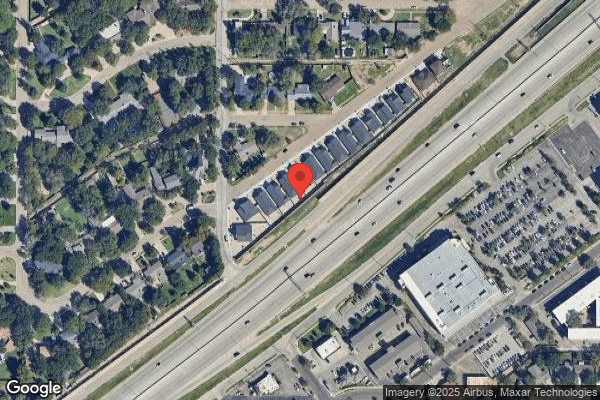
Sept 2022 4 deficiencies
CONCERN (E)

Potential for Harm - no one hurt, but risky conditions existed

Deficiency F0565 (Tag F0565)

Could have caused harm · This affected multiple residents

Based on observation, interview, and record review, the facility failed to provide a private space for residents' monthly council meetings for 3 of 9 residents (Residents #2, #4, and #37) reviewed for...

Read full inspector narrative →
Based on observation, interview, and record review, the facility failed to provide a private space for residents' monthly council meetings for 3 of 9 residents (Residents #2, #4, and #37) reviewed for resident rights. The facility did not provide a private space for resident council meetings for Residents #2, #4, and #37. This failure could place residents who attended resident council meetings at risk of not being able to voice concerns due to a lack of privacy. Findings included: During the resident council meeting held on 09/21/22 at 10:00 AM, the following observations were made: Three unknown residents attempted to walk through the dining area where the resident council meeting was held. Resident #37 would yell out to let them know that a resident council meeting was happening. Two kitchen staff came out of the kitchen. One kitchen staff to go to the smoking area. Another came out and spoke with Resident #14, who was participating in the meeting. The front doorbell rang one time and was answered by staff. During the resident council meeting held on 9/21/2022 at 10:00 AM, Resident # 14 said that resident council meetings was held monthly and in the dining area. In an interview on 09/21/22 at 1:45 PM, Resident #2 said it was normal to have a resident council meetings in the dining area, but rather than sitting at the half table closer to the kitchen; they typically sat closer to the front door. He said the only time they did not have the meeting in the dining area was when the pandemic was going on. He said it did not bother him as much, but he could see it bothering other people because of the interruptions. He said he would rather have the meetings in a quiet place so that he and the others could concentrate better. He said during the meeting, it was challenging to hear. In an interview on 09/21/22 at 1:52 PM, Resident #37 said the resident council meeting occurs monthly, and it is not abnormal that the residents who smoke and staff walk through the resident council meeting. She said she would prefer for the meeting not to be interrupted. She said this is important to her because she would like to hear, and the interruptions made it difficult to hear. She said typically, when they have their meetings and the doorbell rings, the Activity Director will go to the door and answer. She said this is sometimes aggravating because it makes the meetings longer than they have to be. She stated a few people have complained. However, she could not remember who complained and who they complained to. She said that she believes when the meetings happen, no one is telling the staff or the other residents that they cannot come through the room, so they may not know, but that it still interrupts the meetings. She said other residents might be scared to speak up about problems because of this but that she is not, but not all residents are outspoken like she is. In an interview on 09/21/22 at 2:03 PM, Resident #4 said it was his first time attending the meeting. He said that he felt like his anxiety was increasing. He said he felt nervous and out of place because of the interruptions. He said he kept thinking he would not let it bother him because it would be over soon. He said he did not believe he would return because the setting made him too nervous. In an interview on 09/22/22 at 10:12 AM, the Activity Director said they had issues with staff and residents interrupting the meetings, but not much. She said there are times when the doorbell rings, and she has to get the door if there are no other available staff. She said this is not as often because the meetings are typically held early, and not many visitors come in the morning. She said that outside the dining area, there are alternative places to have the meetings that are more private than the dining area. She said the meetings could be held in the therapy room, outside, or on the non-smoking patio. She said she is unaware of any residents complaining about where the resident council meetings are held. She said that a potentially negative outcome of not having the meetings in a private place could be more interruptions, which could aggravate the residents. She said that a non-private meeting place makes it difficult for the residents to be open about their problems. She said that the dining area is not the best place to have the meetings but that she had the meetings for the past two months in the dining area. She said she is aware and trained that resident council meetings should be in a private area. She said she was responsible for scheduling the resident council meetings. In an interview on 09/22/22 at 10:22 AM, the Administrator said that she expects the resident council to be held in a private space so that the residents can feel free to voice their opinions. She said that in her opinion, the place where the meeting was being held was private. She said that when the doorbell rang, the staff could take an alternative route through the conference room. When asked when the front door is answered is the resident council meeting visible, she said yes. When asked who is responsible for setting the place for resident council meetings, she said the resident council president would decide where the meetings are held. She said that the negative outcome of lack of privacy during the resident council meeting could be the residents would not want to say a lot, but this was not a concern for her because she feels that her residents tell her everything. In an interview on 09/22/22 at 10:29 AM, Resident # 14 stated the Activity Director chose the place, but he believes they would let them if he wanted to choose. He stated the dining area is the normal place where the resident council meetings are held. Record review of the Resident Council Minutes within the last six months did not reveal any documentation regarding the meeting place. Record review of the facility's Resident Council Meetings policy dated February 2021 revealed the following: Policy Statement The facility supports residents' rights to organize and participate in the resident council. Policy Interpretation and Implementation (1) The purpose of the resident council is to provide a forum for: (a) Residents, families, and resident representatives to have input in the operation of the facility; (3) The resident council group is provided with space, privacy, and support to conduct meetings.
CONCERN (E)

Potential for Harm - no one hurt, but risky conditions existed

Unnecessary Medications (Tag F0759)

Could have caused harm · This affected multiple residents

**NOTE- TERMS IN BRACKETS HAVE BEEN EDITED TO PROTECT CONFIDENTIALITY** Based on observation, interview, and record review, the facility failed to ensure a medication error rate of less than or equal ...

Read full inspector narrative →
**NOTE- TERMS IN BRACKETS HAVE BEEN EDITED TO PROTECT CONFIDENTIALITY** Based on observation, interview, and record review, the facility failed to ensure a medication error rate of less than or equal to 5%. The medication error rate was 12.9% with 4 errors in 31 opportunities 2 Residents (Resident #4 and #24) reviewed for medication pass. Certified Medication Aide A failed to administer physician ordered medications to Resident #4 and #24. This facility failure can cause residents to not receive their medications as prescribed according to physician's orders and facility policy and procedures. Findings Include: Record review of Resident #4's face sheet dated 09-22-22 revealed a [AGE] year-old male admitted to facility on 11-2-21 with the following diagnosis: intracranial injury with loss of consciousness (Injury to the brain caused by an external force such as a violent blow to the head), HTN (high blood pressure), and hemiparesis (weakness of one entire side of the body) following cerebral infarction (when blood flow to a part of your brain is stopped either by a blockage or the rupture of a blood vessel). Record review of resident #4's order summary report with active orders as of 9-22-22 reflected he had orders for the following medications: Enalapril maleate tablet 20mg, give 1 tablet by mouth two times a day related to essential hypertension. Hold for SBP (systolic blood pressure) less than 100, DBP (diastolic blood pressure) less than 60, HR (heart rate) less than 55. Clonidine HCL tablet 0.2mg, give 1 tablet by mouth two times a day related to essential hypertension. Hold for SBP less than 100, DBP less than 60. Atenolol tablet, 50mg give 1 tablet by mouth one time a day related to essential hypertension. Hold for SBP less than 100, DBP less than 60, HR less than 55. Observation of medication pass with Medication Aide A on 9-21-22 at 8:50 AM revealed resident #4's blood pressure was 102/69 and pulse was 72. He received all his ordered medications except for the following: enalapril maleate 20mg po (by mouth) bid (twice a day), clonidine HCL 0.2mg po bid, and atenolol 50mg po qd (every day). Record review of Resident #24's face sheet dated 9-21-22 revealed a [AGE] year-old male admitted to facility on 8-6-22 with the following diagnosis: hemiparesis (weakness of one entire side of the body), muscle weakness, Type 2 Diabetes Mellitus (high blood sugar), HTN (high blood pressure), aphasia (a disorder that results from damage to portions of the brain that are responsible for language), and peripheral vascular disorder (circulation disorder). Record review of resident #24's order summary report with active orders as of 9-21-22 reflected he had an order for: aspirin capsule 81 mg, give 1 capsule by mouth one time a day for preventative. Observation of medication pass with medication aide A on 9-21-22 at 9:01 AM revealed resident #24 received all his ordered medications except for aspirin 81mg by mouth every day at 9:00 AM. An interview on 9-21-22 at 1:45 PM with medication aide A revealed he did not administer the 3 high blood pressure medications for resident #4 as physician ordered, because they were hypertension preventive medication and knowing that the blood pressure was going to get even lower, I didn't want them to go so low that it would hurt the resident. When asked why he did not administer the prescribed medication; aspirin ask to resident #24, he stated when I asked the resident if he had any pain, the resident said not really. Medication aide A was asked if he understood that if the resident had physician orders, he had to administer the medication (unless the medication order had parameters for holding the medication), he stated that was how he was trained at [college]. If the blood pressure was low and had parameters, the instructor said to make the judgement call on whether to hold the medication or not. He then said his training instructor did say to follow the MARs (medication administration record). When asked if resident #4's MAR had the parameters on them, he stated yes. When asked if the agency he worked for performed a competency check when he began working for them, he stated no; he just had to fill out a questionnaire. When asked what the potential negative outcome could be for the residents not receiving blood pressure medications as ordered, he said the resident could go into cardiac arrest because the blood pressure could spike. When asked what the potential negative outcome could be for not administering the aspirin as ordered, he stated there could be adverse effects, if he needed it, the blood could become thicker. An interview on 9-22-22 at 9:10 AM with the DON revealed she was notified of the medication error rate of 12.9% due to medication aid A not administering resident #4's blood pressure medications and not administering aspirin to resident #24. The DON said that if the resident's blood pressure was low but not below the ordered parameters and the medication aid did not feel comfortable administering the meds, they were to notify the charge nurse and let them take it from there. The charge nurse should have called the doctor if needed. She said she expected the charge nurse to notify her of the call to the doctor and what his instructions were. The DON stated the doctor may change parameters or change medications after a while if the blood pressure continues to be low. When asked what training she had done on nursing staff following physician orders, she said she had done in-services, training on their computer system over medications, to check their orders, and yearly competency checks. She said she did not do a competency check on agency staff in the past but was going to start doing them on agency staff who have not been to the facility before. When asked what the potential negative outcome could be for a resident when they were not administered blood pressure medications as ordered, she said the resident could have increased blood pressure, a stroke, and uncontrolled hypertension. The DON said it would all be specific to what the medication was. When asked what the negative outcome could be for the staff not administering the aspirin to a resident as ordered by the physician, she said it put them at risk for a stroke. She said that she thought that the medication aide assumed the aspirin was for pain because the computer system they use automatically puts a screen up that cannot be bypassed, and a pain level must be entered. She said that she was going to talk to corporate office and have that removed off the computer system. Record review of the facilities policy and procedure dated April 2019, titled Administering Medications documented the following: Policy Statement Medications are administered in a safe and timely manner, and as prescribed. Policy Interpretation and Implementation 4. Medications are administered in accordance with prescriber orders 29. New personnel authorized to administer medications are not permitted to prepare or administer medications until they have been oriented to the medication administration system used by the facility. Record review of the facilities policy and procedure dated April 2014, titled Adverse Consequences and Medication Errors documented the following: Policy Interpretation and Implementation 5. A medication error is defined as the preparation or administration of drugs or biological which is not in accordance with physician's orders 6. Examples of medication errors include: a. Omission - a drug is ordered but not administered.
CONCERN (F)

Potential for Harm - no one hurt, but risky conditions existed

Deficiency F0925 (Tag F0925)

Could have caused harm · This affected most or all residents

**NOTE- TERMS IN BRACKETS HAVE BEEN EDITED TO PROTECT CONFIDENTIALITY** Based on observation and interview, the facility must maintain an effective pest control program so that the facility was free o...

Read full inspector narrative →
**NOTE- TERMS IN BRACKETS HAVE BEEN EDITED TO PROTECT CONFIDENTIALITY** Based on observation and interview, the facility must maintain an effective pest control program so that the facility was free of pests in the dining room and 2 of 13 resident's rooms (Rooms #27 and #29) reviewed for physical environment, in that: The facility failed to provide an effective pest control program for flies and insects in the facility. These failures could place residents at risk for vector-borne diseases. The findings include: During an observation on 09/20/22 at 09:56 AM, during initial tour of kitchen, a fly was seen crawling on the steam table. During an interview and observation on 09/20/22 at 10:30 AM in room [ROOM NUMBER] with Resident #32, 5 flies were observed crawling on the resident lying in bed. A fly swatter was observed laying across residents' abdomen. Resident #32 stated flies are bad in my room. She stated she tried to kill them with the fly swatter, but she was not fast enough. During an observation on 09/20/22 at 11:15 AM, [NAME] A was observed getting food to be pureed at the steam table. Observered two files crawling on counter top beside steam table. She stated, These flies are going to make me scream, they are horrible. During an interview on 09/20/22 at 11:30 AM with DM, she stated, just go in my office the flies are really bad and we cannot have a fly swatter in the kitchen. During an observation on 09/20/22 at 12:00 PM, flies were observed in the dining room crawling on residents and tables. Three residents in dining room were observed with fly swatters killing flies on the tables. A fly strip was observed in the back corner of the dining room over the puzzle table with six dead flies on the fly strip. During an observation on 09/20/22 at 12:15 PM, the fly vector in the dining room was missing one bulb and the other bulb was very dim. During an interview on 09/20/22 at 12:20 PM with the Administrator, about the fly vector not working in the dining room, she stated she tried to get bulbs for it. I'll get it fixed. Record review facility resident council minutes for July 2022 revealed New Business: too many flies, we should have a mesh netting where we go out. During an observation on 09/20/22 at 12:30PM, more than 10 flies were observed during the lunch meal. Observed approximately 12 residents with fly swatters attempting to kill the flies while attempting to eat their meal. Observed residents waving their hands while eating to attempt to keep the flies off their food. Observed many flies crawling on various plates of the residents. During an interview and observation on 09/21/22 at 9:00 AM, Resident #15 said flies were regularly in his room. He stated that he can't constantly swat them away but tried to keep his covers on himself so the flies can't touch him. He said he would shake his entire body to keep the flies off him when he could not swat them away. Two flies were observed in his room. During an interview on 09/21/22 at 09:15 AM, Resident #190 said that the only complaint she had is the flies in the facility. She said that during mealtime, she was constantly waving to keep the flies off her food. She said she was unsure if the flies are getting on her food, but maybe they are getting on her food when she is not looking. She said she was not aware of anything that the facility has done to kill the files. During an observation on 09/21/22 at 09:47 AM, 12 flies were observed crawling on dining room tables. During an observation on 09/21/22 at 09:52 AM, two flies were observed crawling on resident soda can rim and two residents with fly swatters killing flies in the dining room. During an observation of room [ROOM NUMBER] on 09/21/22 at 09:56 AM, Resident #32 was sitting up in bed eating breakfast. One fly was crawling on resident's abdomen and one fly was crawling on resident's coffee cup. Resident #32 stated the flies are bad, I try to swat them, but they just come back. During an observation and interview with the residents of the Resident Council meeting held on 9/21/2022 at 10:00 AM, 8 out of 9 residents reported that the flies were problem in the facility. 8 out of 9 residents said the flies had been a problem for the past month. 8 out of 9 residents said that the flies are an issue during mealtimes. When asked how the flies made them feel, it was a consensus amongst the group that they did not feel good about the flies. Resident #37 said they irritate her so much it makes her want to kill them. When asked if the facility has done anything to address the files, resident #37 said at one time, the facility had fly strips hanging from the ceiling, but they did not work. Resident #2 said he was unaware of the facility's efforts to alleviate the files. 14 flies were observed in the common area of the facility which includes the dining area. Observed five residents at Resident Council with fly swatters; in addition, throughout the meeting residents were passing around the fly swatters to kill flies. During an observation on 09/21/22 at 10:43 AM, 8 flies were observed in dining room crawling on tables. During an observation and interview on 09/21/22 at 11:58 AM, Resident #5 was sitting at dining room table with fly swatter. Resident #5 swatting flies on table. Resident #5 stated these flies are horrible; they get on my food and plate even with me swatting them. During an observation on 09/21/22 at 12:03 PM in the dining room by the kitchen entrance there was one fly was on wall above residents prepared drinks. During an interview on 09/21/22 at 12:15 PM, Corp RN stated, pest control will be here today at 04:30 PM to spray for flies. She stated she is looking into replacing the bulbs in the fly vector. During an interview and observation on 09/21/22 at 01:49 PM with Resident #39, he stated, the flies are bad especially when you try to go to sleep and you can't due to files crawling on your head. He stated the flies in the facility are always bad, but bad at night when he is trying to sleep. Observed three flies crawling on residents' bed and two flies crawling on wall by bathroom door. During an interview on 09/21/22 at 02:15 AM with the Administrator, she stated she was working on replacing the bulbs for the fly vector. Stated flies had gotten worse since the rain earlier this month. She stated the flies are bad due to the residents coming in and out for smoking. Stated the resident's also feed a cat out back and that causes the flies. She stated she has been in contact with pest control and has told him to spray for flies but is not sure what has been done. She stated she has no report from the pest control, but he usually puts it on the bottom of the statement if he sprays. She stated pest control is to spray monthly. Record review facility's pest control statements dated 7/18/22, 8/15/22 and 9/19/22. No additional information written on bottom of statements related to spraying the facility. During an observation on 09/22/22 at 09:15 AM, two flies were observed crawling on resident #32. She stated the flies are still in her room and crawling on her while she tries to eat breakfast. During an observation on 09/22/22 at 11:00 AM, two flies were crawling on residents #39 bed. During an interview on 09/22/22 at 11:15 AM with the Administrator, when asked what the potential negative outcome could be for flies crawling on residents, food, and furniture, she stated, I don't know, but you are going to tell me. Record review of the facility's Pest Control policy dated May 2008 revealed the following: Policy Statement Our facility shall maintain an effective pest control program. Policy Interpretation and Implementation 1. This facility maintains an on-going pest control program to ensure that the building is kept free of insects and rodents.
MINOR (B)

Minor Issue - procedural, no safety impact

Deficiency F0912 (Tag F0912)

Minor procedural issue · This affected multiple residents

**NOTE- TERMS IN BRACKETS HAVE BEEN EDITED TO PROTECT CONFIDENTIALITY** Based on interview and record review, the facility failed to provide at least 80 square feet per resident in multiple resident b...

Read full inspector narrative →
**NOTE- TERMS IN BRACKETS HAVE BEEN EDITED TO PROTECT CONFIDENTIALITY** Based on interview and record review, the facility failed to provide at least 80 square feet per resident in multiple resident bedrooms for 10 (Rooms #1, 3, 5, 8, 27, 29, 30, 31, 32, and 33) of 40 semi-private rooms reviewed for physical environment. The facility failed to ensure resident Rooms #s 1, 3, 5, 8, 27, 29, 30, 31, 32 and 33 met the required minimum of 80 square feet per resident. This failure could place residents at risk of crowding and cause difficulty in providing resident care. Findings include: Record review of CASPER 3 during preparation for survey revealed a waiver for room size requirements had been done yearly by the facility. Record review of Room Size Wavier for Facilities dated 07/21/21, during preparation for survey, revealed a wavier for rooms #s 1,2,3,8,27,29,30,31, 32 and 33. Record review of Texas Health and Human Services Form 3740 (Bed Classifications (Numbers and Location) dated 09/20/22 documented that rooms #'s 1, 3, 5, 8, 27, 29, 30, 31, 32 and 33 were listed as a Title 18/19 bed classification semi-private rooms for two residents. During an interview on 09/20/22 at 10:00 AM with the Administrator regarding the square footage for room #'s 1, 3, 5, 8, 27, 29, 30, 31, 32 and 33. When asked if she wanted to apply for the room size waiver she stated, Yes, I want to apply for the waiver. The ADMIN stated room #'s 1, 3, 5, 8, 27, 29, 30, 31, 32 and 33 had a waiver for years due to no change in floor plan. During an observation on 09/21/22 from 10:00 AM to 10:30 AM, observed the following rooms: room [ROOM NUMBER] was an office. Room #'s 3, 5, 27 and 31 had one bed and one resident Room #'s 8, 29,30, 32 and 33 had two beds and one resident. During an interview on 09/22/22 at 9:30 AM with the Administrator, regarding the risk of residents not having the appropriate space, she stated it had not been a problem in the past . During an interview on 09/22/22 at 11:45 AM with Corporate RN, she stated there was no facility policy for room size wavier.
Understanding Severity Codes (click to expand)
Life-Threatening (Immediate Jeopardy)
J - Isolated K - Pattern L - Widespread
Actual Harm
G - Isolated H - Pattern I - Widespread
Potential for Harm
D - Isolated E - Pattern F - Widespread
No Harm (Minor)
A - Isolated B - Pattern C - Widespread

Questions to Ask on Your Visit

  • "What changes have you made since the serious inspection findings?"
  • "Can I speak with families of current residents?"
  • "What's your RN coverage like on weekends and overnight?"

Our Honest Assessment

Strengths
  • • 35% turnover. Below Texas's 48% average. Good staff retention means consistent care.
Concerns
  • • Multiple safety concerns identified: 1 life-threatening violation(s), $88,521 in fines. Review inspection reports carefully.
  • • 25 deficiencies on record, including 1 critical (life-threatening) violation. These warrant careful review before choosing this facility.
  • • $88,521 in fines. Extremely high, among the most fined facilities in Texas. Major compliance failures.
  • • Grade F (28/100). Below average facility with significant concerns.
Bottom line: Trust Score of 28/100 indicates significant concerns. Thoroughly evaluate alternatives.

About This Facility

What is Mi Casita's CMS Rating?

CMS assigns MI CASITA NURSING AND REHABILITATION CENTER an overall rating of 2 out of 5 stars, which is considered below average nationally. Within Texas, this rating places the facility higher than 0% of the state's 100 nursing homes. A rating at this level reflects concerns identified through health inspections, staffing assessments, or quality measures that families should carefully consider.

How is Mi Casita Staffed?

CMS rates MI CASITA NURSING AND REHABILITATION CENTER's staffing level at 2 out of 5 stars, which is below average compared to other nursing homes. Staff turnover is 35%, compared to the Texas average of 46%. This relatively stable workforce can support continuity of care.

What Have Inspectors Found at Mi Casita?

State health inspectors documented 25 deficiencies at MI CASITA NURSING AND REHABILITATION CENTER during 2022 to 2025. These included: 1 Immediate Jeopardy (the most serious level, indicating potential for serious harm or death), 22 with potential for harm, and 2 minor or isolated issues. Immediate Jeopardy findings are rare and represent the most serious regulatory concerns. They require immediate corrective action.

Who Owns and Operates Mi Casita?

MI CASITA NURSING AND REHABILITATION CENTER is owned by a for-profit company. For-profit facilities operate as businesses with obligations to shareholders or private owners. The facility is operated by GULF COAST LTC PARTNERS, a chain that manages multiple nursing homes. With 95 certified beds and approximately 48 residents (about 51% occupancy), it is a smaller facility located in LUBBOCK, Texas.

How Does Mi Casita Compare to Other Texas Nursing Homes?

Compared to the 100 nursing homes in Texas, MI CASITA NURSING AND REHABILITATION CENTER's overall rating (2 stars) is below the state average of 2.8, staff turnover (35%) is significantly lower than the state average of 46%, and health inspection rating (2 stars) is below the national benchmark.

What Should Families Ask When Visiting Mi Casita?

Based on this facility's data, families visiting should ask: "What changes have been made since the serious inspection findings, and how are you preventing similar issues?" "Can you walk me through typical staffing levels on day, evening, and night shifts?" "Can I visit during a mealtime to observe dining assistance and food quality?" "How do you handle medical emergencies, and what is your hospital transfer rate?" These questions are particularly relevant given the facility's Immediate Jeopardy citations and the below-average staffing rating.

Is Mi Casita Safe?

Based on CMS inspection data, MI CASITA NURSING AND REHABILITATION CENTER has documented safety concerns. Inspectors have issued 1 Immediate Jeopardy citation (the most serious violation level indicating risk of serious injury or death). The facility has a 2-star overall rating and ranks #100 of 100 nursing homes in Texas. Families considering this facility should ask detailed questions about what corrective actions have been taken since these incidents.

Do Nurses at Mi Casita Stick Around?

MI CASITA NURSING AND REHABILITATION CENTER has a staff turnover rate of 35%, which is about average for Texas nursing homes (state average: 46%). Moderate turnover is common in nursing homes, but families should still ask about staff tenure and how the facility maintains care continuity when employees leave.

Was Mi Casita Ever Fined?

MI CASITA NURSING AND REHABILITATION CENTER has been fined $88,521 across 1 penalty action. This is above the Texas average of $33,964. Fines in this range indicate compliance issues significant enough for CMS to impose meaningful financial consequences. Common causes include delayed correction of deficiencies, repeat violations, or care failures affecting resident safety. Families should ask facility leadership what changes have been made since these penalties.

Is Mi Casita on Any Federal Watch List?

MI CASITA NURSING AND REHABILITATION CENTER is not on any federal watch list. The most significant is the Special Focus Facility (SFF) program, which identifies the bottom 1% of nursing homes nationally based on persistent, serious quality problems. Not being on this list means the facility has avoided the pattern of deficiencies that triggers enhanced federal oversight. This is a positive indicator, though families should still review the facility's inspection history directly.