Southern Specialty Rehab & Nursing
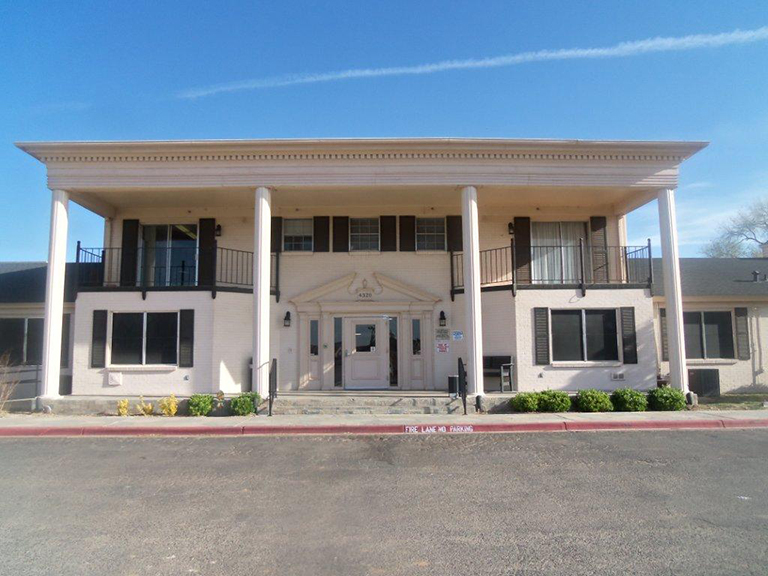
4320 W 19th Street, Lubbock, TX 79407 (806) 795-1774
For profit - Corporation 144 Beds CREATIVE SOLUTIONS IN HEALTHCARE Data: November 2025 4 Immediate Jeopardy citations
Trust Grade
0/100
#1111 of 1168 in TX
Last Inspection: April 2025

Within standard 12-15 month inspection cycle. Federal law requires annual inspections.

Overview

Southern Specialty Rehab & Nursing has received a Trust Grade of F, indicating significant concerns and a poor overall quality of care. It ranks #1111 out of 1168 facilities in Texas, placing it in the bottom half, and #14 out of 15 in Lubbock County, meaning there is only one local option that performs worse. While the facility is showing some improvement, reducing issues from 12 in 2024 to 5 in 2025, it still has a concerning staffing situation with a turnover rate of 62%, much higher than the Texas average of 50%. The facility has incurred $70,325 in fines, which is average, but the context of these fines raises concerns about compliance. Additionally, there have been critical incidents identified, such as failure to properly supervise residents during smoking, which could lead to serious injuries, and lapses in infection control practices that risk spreading diseases. Overall, while there are some signs of improvement, the facility still faces significant challenges that families should consider.
Trust Score
F
0/100
In Texas
#1111/1168
Bottom 5%
Safety Record
High Risk
Review needed
Inspections
Getting Better
12 → 5 violations
Staff Stability
⚠ Watch
62% turnover. Above average. Higher turnover means staff may not know residents' routines.
Penalties
○ Average
$70,325 in fines. Higher than 64% of Texas facilities. Some compliance issues.
Skilled Nurses
⚠ Watch
Each resident gets only 23 minutes of Registered Nurse (RN) attention daily — below average for Texas. Fewer RN minutes means fewer trained eyes watching for problems.
Violations
⚠ Watch
27 deficiencies on record. Higher than average. Multiple issues found across inspections.
★☆☆☆☆
1.0
Overall Rating
★☆☆☆☆
1.0
Staff Levels
★★★☆☆
3.0
Care Quality
★☆☆☆☆
1.0
Inspection Score
Stable
2024: 12 issues
2025: 5 issues

The Good

  • Full Sprinkler Coverage · Fire safety systems throughout facility
  • No fines on record

Facility shows strength in fire safety.

The Bad

1-Star Overall Rating

Below Texas average (2.8)

Significant quality concerns identified by CMS

Staff Turnover: 62%

16pts above Texas avg (46%)

Frequent staff changes - ask about care continuity

Federal Fines: $70,325

Well above median ($33,413)

Moderate penalties - review what triggered them

Chain: CREATIVE SOLUTIONS IN HEALTHCARE

Part of a multi-facility chain

Ask about local staffing decisions and management

Staff turnover is elevated (62%)

14 points above Texas average of 48%

The Ugly 27 deficiencies on record

4 life-threatening 1 actual harm
Aug 2025 2 deficiencies 2 IJ (2 affecting multiple)
CRITICAL (K) 📢 Someone Reported This

A family member, employee, or ombudsman was alarmed enough to file a formal complaint

Immediate Jeopardy (IJ) - the most serious Medicare violation

Comprehensive Care Plan (Tag F0656)

Someone could have died · This affected multiple residents

**NOTE- TERMS IN BRACKETS HAVE BEEN EDITED TO PROTECT CONFIDENTIALITY** Based on observation, record review, and interview, the facility failed to develop and implement a comprehensive care plan to me...

Read full inspector narrative →
**NOTE- TERMS IN BRACKETS HAVE BEEN EDITED TO PROTECT CONFIDENTIALITY** Based on observation, record review, and interview, the facility failed to develop and implement a comprehensive care plan to meet the highest practicable physical, mental, and psychosocial needs for 1 of 3 residents (Resident #1) reviewed for care plans as follows: The facility failed to ensure to document Resident #1 was required to wear a fire-resistant apron and receive direct supervision from staff while smoking in the care plan, which resulted in staff not being trained or made aware of how to provide the resident with proper care. Resident #1's smoking assessment reflected she required direct supervision when smoking due shaking while smoking, falling asleep while smoking, past accidents/incidents with smoking materials, having visible burn marks on her clothing and she had finger dexterity problems. An Immediate Jeopardy was identified on 8/23/25 at 4:15 PM. The IJ template was provided to the facility Administrator on 6/12/24 at 4:18 PM. While the immediate jeopardy was lifted on 8/24/24 at 6:00 PM, the facility remained out of compliance at a severity level of no actual harm with potential for more than minimal harm and a scope of isolated, due to the facility's need to evaluate the effectiveness of their plan of correction to prevent future concerns. This failure could place residents at risk of not receiving the care required to meet their physical, mental, and psychosocial needs which could result in serious harm and injuries. Findings included: Record Review of Resident #1's face sheet dated 8/22/25 revealed a [AGE] year-old female admitted to the facility on [DATE] and readmitted on [DATE]. Resident #1 had a medical history of type 2 diabetes mellitus with diabetic chronic kidney disease (damage to the kidneys caused by high blood sugar and blood pressure), unspecified visual loss (loss of eye sight), hyperlipidemia unspecified (high levels of fats in the blood), schizophrenia unspecified (mental illness that causes hallucinations, delusions, and disorganized thinking), unspecified convulsions (sudden, violent, irregular movement of a limb or the body), dorsalgia unspecified (back pain), and essential (primary) hypertension (high blood pressure). Record review of Resident #1's MDS dated [DATE] revealed, Section C - Cognitive patterns revealed a BIMS score of 7 which indicated Resident #1 had severe cognitive impairment. Record review of Resident #1's care plan dated 7/14/25 revealed focus: Resident #1 was caught smoking in her room was at risk for injury while smoking and required supervised smoking, date initiated 8/14/25, Goals: Resident #1 will be able to smoke without causing injury through the next review date, date initiated 7/14/25, revision date 8/4/25, target date 10/14/25. Interventions: Resident #1 always check to make sure she does not have her cigarettes and lighter on her, remove if found, ensure smoking in designated smoking areas, ensure that no oxygen is located in the smoking area while the resident is smoking, ensure the resident is made aware of the facility smoking policy, no smoking materials or igniters will be stored in resident's rooms, safe smoking assessment every month, date initiated 7/14/25 and 8/14/25. Record review of Resident #1's safe smoking assessment dated [DATE], revealed under Section A Evaluation answered yes to the following questions, 7 resident shakes/has tremors while smoking, 8 resident falls asleep while smoking, 9 had past accidents/incidents with smoking materials, 10 are there any visible burn marks on the resident's clothing or coat, 11 does the resident have finger dexterity problems; and under Section B Summary the following options are checked, 2 This resident requires direct supervision while smoking, 3 this resident requires a fire-resistant smoking apron while smoking, 6 the evaluation has been discussed with the resident. Record review of Resident #2's care plan dated 7/17/25 revealed focus: Resident #2 vapes, date initiated 2/14/25, Goals: Resident #2 will be able to vape without causing injury, date initiated 2/14/2, revision date 2/14/24, target date 10/15/25. Interventions: Ensure smoking occurs in smoking areas, ensure that ensure that no oxygen is located in the smoking area while the resident is smoking, ensure the resident is made aware of the facility smoking policy, no smoking materials or igniters will be stored in resident's rooms, safe smoking assessment every month, date initiated 7/14/25 and 8/14/25, the resident will be supervised by a visitor or facility staff member at all times, date initiated 2/14/25. Record review of Resident #2's safe smoking assessment dated [DATE] revealed under Section A Evaluation answered no to the following questions: 3. Can the resident independently light smoking materials safely, 4. Can the resident extinguish smoking material completely in an appropriate receptacle, 5. Can the resident dispose of ashes or other tobacco-related residue appropriately, 6. Explanation: poor coordination; and under Section B Summary the following option was checked, 2. This resident requires direct supervision while smoking. Record review of Resident #3's care plan dated 6/19/25 revealed focus: Resident #3 had oxygen via a trach collar (surgical opening in the neck to provide an airway into the trachea) secondary to respiratory failure, date initiated 8/15/21. Additionally Resident #3 smokes, dated 5/14/24, Goal: Resident #3 will be able to smoke without causing injury, date initiated 5/14/24, revision date 7/29/25, target date 9/19/25. Interventions: Ensure smoking occurs in smoking areas, ensure that ensure that no oxygen is located in the smoking area while the resident is smoking, ensure the resident is made aware of the facility smoking policy, no smoking materials or igniters will be stored in resident's rooms, safe smoking assessment every month, date initiated 5/14/24, the resident is safe to smoke unsupervised, at this time, date initiated 5/14/2, keep all material at nurse station, date initiated 9/21/21. Record review of Resident #3's safe smoking assessment dated [DATE] revealed under Section B Summary the following option was checked, 2. This resident is safe to smoke unsupervised at this time. Record review of Resident #3's physician orders dated 8/23/25 revealed a prescription for Respiratory care of O2 (oxygen) at night and a trach collar during the day with a start date of 9/5/23. During an observation on 8/22/25 at 11:44 AM, revealed Resident #1 was leaned forward and was asleep. Resident #1 leaned over more and more and sat up when another resident spoke to her. No staff were present in the smoking room. Resident #1 was observed not wearing a smoking apron as she held an unlit cigarette that she stated she would smoke later. During an interview on 8/22/25 at 11:45 AM, Resident #3 said he and Resident #1 often smoked together in the smoking room. He said he helped watch her because she was blind. He said he had never seen Resident #1 wear a smoking apron when she smoked. He said staff brought Resident #1 into the smoking room but they have never stayed to supervise her. During an interview on 8/22/25 at 11:50AM, Resident #1 said staff did not supervise her when she smoked but there were other residents looking out for her in the smoking room. She stated she did not have to wear an apron while smoking. She stated staff or someone with a lighter would light her cigarettes for her. She stated her cigarettes were kept at the nurse's station. She stated she had lived at the facility for about three weeks and she had not burned herself. She stated she did not fall asleep while smoking but sometimes people thought she was because her head was down. She stated she put her head down because she had bulging disks in her neck but she was not asleep. She stated she was completely blind. During an interview on 8/22/25 at 3:36 PM, CNA D said she worked on hall 1. She said she took Resident #1 in the smoke room and lit her cigarette for her. She said she had to keep an eye on her but did not have to supervise her. She said Resident #1 would be okay as long as someone was in there with her. She said she checked on her periodically. She said she had not seen Resident #1 get burned. She said she was not aware of Resident #1 if had to be supervised when she smoked or any other accommodations. During an observation on 8/22/25 at 3:45PM, Resident #1 was observed smoking a cigarette facing the corner in the smoking room. She was not wearing a smoking apron. Cigarette ashes were observed on her lap. Resident #1 was observed hunched over leaning forward and appeared to be asleep. During an interview on 8/22/25 at 3:53PM, Resident #11 said staff brought Resident #1 to the smoke room. She or other staff with lit her cigarettes. Resident #11 said Resident #1 did not wear a smoking apron; staff go back inside; they did not watch her. During an interview on 8/22/25 at 4:01PM, Resident #8 said Resident #1 had fallen asleep while smoking but she had denied it. He said he knew she was asleep because he had seen her burn her purse and he had seen her with a cigarette in her hand that was completely ash. He said he had seen staff push her to the table, give her the ashtray and cigarette, and they left. He said Resident #1 did not wear an apron when smoking. During an interview on 8/22/25 at 4:32 PM, RN A said staff helped Resident #1 to the smoking room. She was initially an independent smoker and kept her cigarettes in her room but then she accused someone of stealing them, and she lit a cigarette in her room and hallway, but said she did not know she was in the building. Resident #1 was now required to keep her cigarettes and lighter stored at the nurse station. However, she was not required to be supervised or wear protective apron when smoking. During an interview on 8/22/25 at 4:50 PM, the Regional Compliance Nurse said currently, staff were required to light the cigarette for Resident #1 but she was able to smoke by herself without supervision or devices/accommodations. During an interview on 8/23/25 at 10:57 AM, LVN B said she did not know who was responsible to update staff on updated smoking assessments. LVN B stated the facility did not have a DON and there had been a lot of changes and staffing. LVN B said changes in smoking assessment should've been updated in the care plan immediately and passed on in report. During an interview on 8/23/25 at 10:56 AM, RT M said an update to a resident's smoking assessment should have been updated on the care plan because staff used that document to refer to when they provided care to the residents. She stated the ADONs and DONs told them when there were changes in a resident's smoke assessment. During an observation and interview on 8/23/25 at 11:16AM, Resident #1 was observed smoking with no apron and sitting at table with an ashtray. No staff were present in the room. During an interview on 8/23/25 at 11:38 am, the SW said she did not think Resident #1 should smoke unsupervised. The SW said she had seen ashes in Resident #1's hair. The SW said Resident #1 would get upset and said they were trying to make her look bad when they tried to address it with her. She said the nurses completed the smoking assessments and were supposed to notify the DON or the ADM who then updated the care plan. The SW stated there was no DON currently. She said the nursing department communicated those changes through report. She was not sure of the policy on how often they updated the smoking assessments but she thought the EHR prompted staff when they were due. During an interview on 8/23/25 at 12:30PM, the MDS Coordinator said she was responsible for completing and updating MDSs and care plans. She said either she, the DON, or the ADONs updated the care plans if there were changes in a resident's smoking assessment. She said someone would let her know to update the care plan. She said she could also check the 24-hour report for changes, and they were also updated during morning meeting discussions, and also the SW would let her know of changes that needed to be updated on the MDS or care plan. She stated the EHR did not alert them of changes in smoking assessments. The MDS Coordinator said she was not sure how often they were updated. She said the person who did the smoking assessment was responsible to communicate any changes to staff, the ADM, and herself. She said changes from a safe to an unsafe smoker should have been updated on the care plan as soon as the change was reported. She said she was not aware Resident #1's care plan was not updated to her being a supervised smoker. She said she was not aware Resident #1 was supposed to wear an apron while smoking. She stated a potential negative outcome of the care plan not being updated was that staff referred to the care plan to know how to provide care for the residents and they would not know Resident #1 was a supervised smoker and should've been wearing apron if the care plan was not updated. She said another potential negative outcome was that residents would not receive the right care and that could be dangerous. During an interview on 8/23/25 at 12:49PM, the ADM stated he worked at the facility since June 30, 2025, and there had been no DON for about a month, but one was starting next week. He said unsafe smokers could burn themselves or start fire if not wearing the smoking apron. He said the care plan should have been updated with the updated smoking assessment results so everyone could know what was going on with resident because that was what staff refer to when they provide care to the residents. He stated not updating care plans could cause residents to be unsafe or a resident could get injured. He said he was not aware Resident #1's care plan was not updated. The ADM said care plans were supposed to be updated immediately with changes. He said changes in care plans were communicated to the DON and the DON should review them on a regular basis. He said currently the Compliance Nurse had been trying to manage it the best she could but she worked at several different facilities. He said smoking assessments were completed monthly if that was what was documented in the care plan. He said not following care plan could result in an injury to a resident. He said the DON and ADONs were responsible to train staff. The ADM said their system to communicate changes needed or updates needed to the MDS and care plan were to discuss them during morning meetings to ensure care plans were being followed. During an interview on 8/23/25 at 7:12 PM, LVN C said he checked the care plan to determine how to care for residents. He said the ADON was responsible to update care plans. Record review of the facility policy titled, Comprehensive Care Planning, undated, revealed in part the following: he facility will develop and implement a comprehensive person-centered care plan for each resident, consistent with the resident rights that includes measurable objectives and timeframes to meet a resident's medical, nursing, and mental and psychosocial needs that are identified in the comprehensive assessment. Comprehensive care plans may include but are not limited to resident Kardex records, baseline care plans, and task listings. The comprehensive care plan will describe the following - the services that are to be furnished to attain or maintain the resident's highest practicable physical, mental, and psychosocial well-being; and any specialized services or specialized rehabilitative services the nursing facility will provide as a result of PASAR and the resident's representative(s)- The resident's goals for admission and desired outcomes. The resident's preference and potential for future discharge. The facility document whether the resident's desire to return to the community was assessed and any referrals to local contact agencies and/or other appropriate entities, for this purpose. Discharge plans in the comprehensive care plan, as appropriate. The comprehensive care plan will reflect interventions to enable each resident to meet his/her objectives. Interventions are the specific care and services that will be implemented. When developing the comprehensive care plan, facility staff will, at a minimum, use the Minimum Data Set (MDS) to assess the resident's clinical condition, cognitive and functional status, and use of services. If a Care Area Assessment (CAA) is triggered, the facility will further assess the resident to determine whether the resident is at risk of developing, or currently has a weakness or need associated with that CAA, and how the risk, weakness or need affects the resident. The resident's care plan will be reviewed after each Admission, Quarterly, Annual and/or Significant Change MDS assessment, and revised based on changing goals, preferences and needs of the resident and in response to current interventions. This was determined to be an IJ on 8/23/25 at 4:15PM. The Administrator and Regional Compliance Nurse were notified on 8/23/2024 at 4:18 PM and IJ situation was identified due to the above failure and the IJ Template was provided. The following Plan of Removal submitted by the facility was accepted on 8/23/2025 at 7:50PM. Record review of the facility Plan of Removal reflected the following: [Facility Name] 8/23/20258/23/2025Plan of RemovalProblem: IJ F656 related to care planning called on 8/23/2025Interventions:1. On 8/23/2025, the Regional Compliance Nurse/ Administrator reviewed care plans for all residents who smoke and updated them with correct information related to the safe smoking assessments completed on 8/23/2025. This was to include any special safety equipment or procedures identified in those assessments.2. On 8/23/2025, off cycle QAPI with the medical director was done by the Administrator and Regional Compliance Nurse over the IJ and plan of removal.3. On 8/23/2025 Administrator and MDS case managers were in-serviced over assuring that care plans are reflective of resident conditions and preferences to include safe smoking. Monitoring:1. Beginning 8/25/2025 and 5 times weekly DON/Administrator and MDS case managers will review any changes to resident conditions or preferences to include safe smoking in the morning meeting.2. Weekly the regional compliance nurse will review 5 care plans to assure that care plans are current and reflective of resident conditions and preferences to include safe smoking.3. The Area Director of Operations and Regional MDS support staff will assure that monitoring and updating of care plans is being done according to this plan of correction. On 8/24/25 the state surveyor confirmed the facility implemented their plan of removal sufficiently to remove the IJ by: Record of facility an in-service dated 8/23/2025 revealed training on the facility will allow smoking only supervised and in designated smoking areas. There will not be any smoking or vaping devices, including cigarette lighters in resident rooms. If a resident seen with a lighter, request if from the resident and notify the Administrator immediately. Residents who wear O2 (oxygen) must leave oxygen tank inside the facility prior to enter smoking area had signatures 32 staff members. Record review of a facility in-service dated 8/23/2025 revealed training on the facility has changed today 8/23/25 to a supervised smoking facility. All smoke breaks are to be supervised, please see attachment for smoking schedule had 29 staff signatures. Record review of the off-cycle Quality Assurance Meeting document, dated 8/23/25, titled: ADHOC QAPI for identification of a system in need of immediate attention by QAPI committee. On 8/23/25 a failure was identified to ensure that each resident received adequate supervision and assistance devices to prevent accidents for 3 residents) reviewed for accidents and supervision while smoking. Residents were identified on 8/23/2025 that the facility failed to ensure Resident #1 wore a fire-resistant apron and received direct supervision from staff on while smoking on 8/22/2025 and 8/23/25. Monitoring will start 8/24/2025. Regional Compliance Nurse/Area Director of Operations will monitor during weekly visits and ask DON and Administrator about status of the smoking changes and any violations identified. Monitoring will start 8/24/2025 and will continue for at least 8 weeks and prn thereafter. The administrator / DON / ADONs will monitor 5 residents' rooms daily, 5 days a week to ensure residents do not have any prohibited smoking paraphernalia in the rooms, was signed by the ADM, Regional Compliance Nurse, and physician. Record review of an in-service training dated 8/23/25 revealed, SUBJECT MATTER: Care Plans Updates. Administrator/ ADONs and MDS case managers will assure the care plans are reflective of resident conditions and preferences to include safe smoking. Once a week during the staff meeting smoking assessments and care plans will be reviewed to reflect any changes, signed by the MDS Coordinator. Record review of an in-service training dated 8/23/25 revealed, SUBJECT MATTER: Care Plans Updates. Administrator/ ADONs and MDS case managers will assure the care plans are reflective of resident conditions and preferences to include safe smoking. Once a week during SOC meeting smoking assessments and care plans will be reviewed to reflect any changes, signed by the ADON. Record review of an in-service training dated 8/23/25 revealed, SUBJECT MATTER: Care Plans Updates. Care Plans Updates. Administrator/ ADONs and MDS case managers will assure the care plans are reflective of resident conditions and preferences to include safe smoking. Once a week during SOC meeting smoking assessments and care plans will be reviewed to reflect any changes, signed by the ADM. Record review of Resident #1's care plan dated 7/14/25 revealed focus: Resident #1 was often caught smoking in her room. Resident #1 was a supervised smoker and needed a smoking blanket or apron when smoking, date initiated 8/23/25, Goals: Resident #1 will be able to smoke without causing injury through the next review date, date initiated 7/14/25, revision date 8/4/25, target date 10/14/25. Interventions: Resident #1 always check to make sure she does not have her cigarettes and lighter on her, if smoking materials are found on her, remove from her and continue to redirect her not to smoke in room, ensure smoking in designated smoking areas, ensure that no oxygen is located in the smoking area while the resident is smoking, ensure the resident is made aware of the facility smoking policy, no smoking materials or igniters will be stored in resident's rooms, safe smoking assessment every month, resident was notified via negotiated risk agreement (NRA) on 8/23/25 that smoking is only allowed supervised at designated times in designated areas, she may not store smoking materials in her room and must check these in at the nurse station, this resident requires a fire-resistant smoking apron while smoking, dates initiated 7/14/25, 8/14/25, and 8/23/25. Record review of Resident #1's safe smoking assessment dated [DATE], revealed under Section A Evaluation answered yes to the following questions, 7. Resident shakes/has tremors while smoking, 8. Resident falls asleep while smoking, 9. Had past accidents/incidents with smoking materials, 10. Are there any visible burn marks on the resident's clothing or coat, 11. Does the resident have finger dexterity problems; and under Section B Summary the following options are checked, 2. This resident requires direct supervision while smoking, 3. this resident requires a fire-resistant smoking apron while smoking, 6. The evaluation has been discussed with the resident. Record review of care plans for Residents #2,#3, $4, #5, #6, #7, #8, #9, #10, #11, #12, #13 revealed they were updated with current smoking information on 8/23/25. During an interview on 8/24/25 at 9:55AM, the ADM said they completed in-services to ensure care plans were updated timely and were updated with residents most current information. They would discuss smoking assessments weekly and review care plans. He said they would document their monitoring on logs to ensure they were monitoring according to the plan of removal. During an interview on 8/24/25 at 1:10 PM, with Resident #3, stated he messed up when he took his oxygen tank in the smoking room, he owned it. He stated he was upset about the changes of the supervised smoking schedule and how the code to the front door was changed so they have to be let out by staff. He stated he was upset about the changes and felt like it was prison. During an observation and interview on 8/24/25 at 1:24PM, with HK O, stated staff were in-serviced about having a smoking schedule and the different departments would take turns and monitor the residents when smoking and all of the new smoking procedures and rules. Resident #1 was observed smoking and was wearing an apron. Three HK staff were watching her. Resident #1 was observed to be leaning over. A HK staff asked Resident #1 if she was falling asleep. Resident #1 said she was told she could not smoke when she wanted, it would be a schedule. Resident #1 stated staff come get her for smoke breaks. She said she felt claustrophobic with the apron but she would wear it. Resident #1 was observed dropping ash on herself. During an interview on 8/24/25, at 1:39PM, Resident #2 said he was told about the new rules for smoking. He said his vape was at the nurse station and he would be supervised while vaping. He said he was told about the new smoke schedule and that the front door code was changed. He said he was told staff would let him out after he signed out. He said he had no concerns to report. During an interview on 8/24/25 at 3:45PM, the Regional Compliance stated she provided in-services to staff on care plans. She said the ADON was trained to review care plans in service the ADON, MDS Coordinator, and ADM would review them once a week. She would train the new DON on those updates after they start. She said she would continue to in-service staff of changes in care plans. She said care plans should've been updated immediately because it could cause harm to residents. She said she would come once a week and review care plans to ensure they were updated. She would also train the new DON to check weekly to ensure care plans are updated. On 8/24/2025 between the 3:00 to 5:31PM interviews were conducted with the following staff members: CNAs D, K, L, RN A, LVNs B, C, E, I, MAs F, G, H, SW, DOR, RTs M, N, DS, HKs O, P, Q, AIT, and LS J. All staff members stated they were in-serviced on 8/23/25 and 8/24/25 on smoking policies including scheduled smoking and smoking schedule, and residents were supervised, all cigarettes, vapes, and lighters must stay at the nurse station, no oxygen was allowed in the smoking room, Resident #1 must wear a smoking apron, Resident #2 must be supervised, staff must light the cigarettes and residents were not allowed to share cigarettes were supervised, all cigarettes, vapes, and lighters must stay at the nurse station, no oxygen was allowed in the smoking room, Resident #1 must wear a smoking apron, Resident #2 must be supervised, staff must light the cigarettes and residents were not allowed to share cigarettes.On 8/24/25 at 6:00PM, the ADM was informed the IJ was removed however the facility remained out of compliance at a severity level of no actual harm with potential for more than minimal harm that was not immediate jeopardy and a scope of isolated due to the facility's need to complete in-service training and evaluate the effectiveness of the corrective systems.
CRITICAL (K) 📢 Someone Reported This

A family member, employee, or ombudsman was alarmed enough to file a formal complaint

Immediate Jeopardy (IJ) - the most serious Medicare violation

Accident Prevention (Tag F0689)

Someone could have died · This affected multiple residents

**NOTE- TERMS IN BRACKETS HAVE BEEN EDITED TO PROTECT CONFIDENTIALITY** Based on observations, interviews, and record review, the facility failed to ensure that each resident received adequate supervi...

Read full inspector narrative →
**NOTE- TERMS IN BRACKETS HAVE BEEN EDITED TO PROTECT CONFIDENTIALITY** Based on observations, interviews, and record review, the facility failed to ensure that each resident received adequate supervision and assistance devices to prevent accidents for 3 of 3 residents (Resident #1, Resident #2, and Resident #3) reviewed for accidents and supervision. 1. The facility failed to ensure Resident #1 wore a fire-resistant apron and received direct supervision from staff on while smoking on 8/22/2025 and 8/23/25. Resident #1's smoking assessment reflected she required direct supervision when smoking due shaking while smoking, falling asleep while smoking, past accidents/incidents with smoking materials, having visible burn marks on her clothing and she had finger dexterity problems. 2. The facility failed to ensure Resident #2 received direct supervision per his smoking assessment from staff while smoking a vape on 8/23/25. 3. The facility failed to ensure Resident #3 did not have his oxygen tank with him while smoking on 8/22/25 and 8/23/25. An Immediate Jeopardy was identified on 8/23/25 at 4:15 PM. The IJ template was provided to the facility Administrator on 8/23/24 at 4:18 PM. While the immediate jeopardy was removed on 8/24/24 at 6:00 PM, the facility remained out of compliance at a severity level of no actual harm with potential for more than minimal harm and a scope of pattern, due to the facility's need to evaluate the effectiveness of their plan of correction to prevent future concerns. The failures could place residents at risk for serious injury, serious harm, burns, and death. Findings included: Resident #1 Record Review of Resident #1's face sheet dated 8/22/25 revealed a [AGE] year-old female admitted to the facility on [DATE] and readmitted on [DATE]. Resident #1 had a medical history of type 2 diabetes mellitus with diabetic chronic kidney disease (damage to the kidneys caused by high blood sugar and blood pressure), unspecified visual loss (loss of eye sight), hyperlipidemia unspecified (high levels of fats in the blood), schizophrenia unspecified (mental illness that causes hallucinations, delusions, and disorganized thinking), unspecified convulsions (sudden, violent, irregular movement of a limb or the body), dorsalgia unspecified (back pain), and essential (primary) hypertension (high blood pressure). Record review of Resident #1's MDS dated [DATE] revealed, Section C - Cognitive patterns revealed a BIMS score of 7 which indicated Resident #1 had severe cognitive impairment. Record review of Resident #1's care plan dated 7/14/25 revealed focus: Resident #1 was caught smoking in her room, was at risk for injury while smoking and required supervised smoking, date initiated 8/14/25, Goals: Resident #1 will be able to smoke without causing injury through the next review date, date initiated 7/14/25, revision date 8/4/25, target date 10/14/25. Interventions: Resident #1 always check to make sure she does not have her cigarettes and lighter on her, remove if found, ensure smoking in designated smoking areas, ensure that no oxygen is located in the smoking area while the resident is smoking, ensure the resident is made aware of the facility smoking policy, no smoking materials or igniters will be stored in resident's rooms, safe smoking assessment every month, date initiated 7/14/25 and 8/14/25. Record review of Resident #1's safe smoking assessments dated 8/1/25, revealed under Section A Evaluation answered yes to the following questions, 7. resident shakes/has tremors while smoking, 8. resident falls asleep while smoking, 9. had past accidents/incidents with smoking materials, 10. are there any visible burn marks on the resident's clothing or coat, 11. does the resident have finger dexterity problems; and under Section B Summary the following options were checked, 2. This resident requires direct supervision while smoking, 3. This resident requires a fire-resistant smoking apron while smoking, and 6. The evaluation has been discussed with the resident. Record review of progress notes written by SW for Resident #1 dated 7/28/25, revealed staff spoke with the resident regarding the smoking policy and smoking in the hallways. Resident #1 stated she was confused and believed the CNA wheeled her into the smoking room. Reminded her that it was unsafe for her and the other residents to smoke inside. She understood and stated it won't happen again. Nurse and I (SW) asked her if we could hold the cigarettes and lighter at the nurses' station. Resident #1 said no, I'm not a child. Spoke with family member in person. Updated her and asked her if she would be willing to speak with the resident about the situation. The family member said yes and was understandable of situation. Record review of nursing progress notes, author unknown, for Resident # 1 dated 8/14/25, revealed Resident #1 was noted to be found smoking in the room. The resident stated she did not know she was in the building and said she thought she was in the smoking area. The resident was educated about fire hazards and a no smoking tolerance in the building. The family member was notified about the incident. Resident #2 Record Review of Resident #2's face sheet dated 8/23/25 revealed a [AGE] year-old male admitted to the facility on [DATE] and readmitted on [DATE]. Resident #2 had a medical history of paraplegia unspecified (paralysis of the legs or lower body), quadriplegia, 5-C7 complete (paralysis of all four limbs, torso, and some organs), unspecified asthma uncomplicated (lung condition that causes trouble breathing), epilepsy unspecified not intractable without status epilepticus (brain disorder causing seizures), unspecified lack of coordination, muscle weakness (generalized), muscle wasting atrophy (loss of muscle tissue), cognitive communication deficit (difficulty with communication due to cognitive impairment), and dysphagia unspecified (difficulty swallowing). Record review of Resident #2's MDS dated [DATE] revealed, Section C - Cognitive patterns revealed a BIMS score of 12 which indicated Resident #2 had moderate cognitive impairment. Record review of Resident #2's care plan dated 7/17/25 revealed focus: Resident #2 vapes, date initiated 2/14/25, Goals: Resident #2 will be able to vape without causing injury, date initiated 2/14/2, revision date 2/14/24, target date 10/15/25. Interventions: Ensure smoking occurs in smoking areas, ensure that ensure that no oxygen is located in the smoking area while the resident is smoking, ensure the resident is made aware of the facility smoking policy, no smoking materials or igniters will be stored in resident's rooms, safe smoking assessment every month, date initiated 7/14/25 and 8/14/25, the resident will be supervised by a visitor or facility staff member at all times, date initiated 2/14/25. Record review of Resident #2's safe smoking assessment dated [DATE] revealed under Section A Evaluation answered no to the following questions: 3. Can the resident independently light smoking materials safely, 4. Can the resident extinguish smoking material completely in an appropriate receptacle, 5. Can the resident dispose of ashes or other tobacco-related residue appropriately, 6. Explanation: poor coordination; and under Section B Summary the following option was checked, 2. This resident requires direct supervision while smoking. Resident #3 Record Review of Resident #3's face sheet dated 8/23/25 revealed a [AGE] year-old male admitted to the facility on [DATE] and readmitted on [DATE]. Resident #3 had a medical history of acute and chronic respiratory failure with hypercapnia (build-up of carbon dioxide in the lungs), type 2 diabetes mellitus with diabetic polyneuropathy (high blood sugar levels that cause nerve damage), obstructive sleep apnea (temporary pauses in breathing during sleep), acute diastolic (congestive ) heart failure with hypoxia (blood backed up in the lungs and insufficient oxygen delivery to the body), unspecified lack of coordination (difficulty controlling muscle movements), muscle weakness (generalized), tracheostomy status (surgical opening in the neck to provide an airway into the trachea), and cognitive communication deficit (difficulty with communication due to cognitive impairment). Record review of Resident #3's MDS dated [DATE] revealed, Section C - Cognitive patterns revealed a BIMS score of 9 which indicated Resident #3 had moderate cognitive impairment. Record review of Resident #3's care plan dated 6/19/25 revealed focus: Resident #3 had oxygen via a trach collar (surgical opening in the neck to provide an airway into the trachea) secondary to respiratory failure, date initiated 8/15/21. Additionally Resident #3 smokes, dated 5/14/24, Goal: Resident #3 will be able to smoke without causing injury, date initiated 5/14/24, revision date 7/29/25, target date 9/19/25. Interventions: Ensure smoking occurs in smoking areas, ensure that ensure that no oxygen is located in the smoking area while the resident is smoking, ensure the resident is made aware of the facility smoking policy, no smoking materials or igniters will be stored in resident's rooms, safe smoking assessment every month, date initiated 5/14/24, the resident is safe to smoke unsupervised, at this time, date initiated 5/14/2, keep all material at nurse station, date initiated 9/21/21. Record review of Resident #3's safe smoking assessment dated [DATE] revealed under Section B Summary the following option was checked, 2. This resident is safe to smoke unsupervised at this time. Record review of Resident #3's physician orders dated 8/23/25 revealed a prescription for Respiratory care of O2 (oxygen) at night and a trach collar during the day with a start date of 9/5/23. Record review of the facility's smokers list dated 8/21/25 revealed Residents #1, #2, #3, #4, #5, #6, #7, #8, #9, #10, #11, #12, and #13 smoked. During an observation on 8/22/25 at 8:54 AM, revealed a sign was observed next to the front door on the outside front porch area that indicated it was a no smoking area. During an observation and interview on 8/22/25 at 11:44 AM revealed there was sign posted on the wall outside of smoking room, that reflected, No oxygen beyond this point. Observed Residents #1 and #3 in the smoking room. Resident #3 was observed smoking a cigarette while sitting in his scooter with an oxygen tank in between his legs. Resident #3 was observed wearing a trach collar on his neck. Resident #1 was within arm's reach distance from Resident #3. Resident #1 was leaned forward and was asleep. Resident #1 leaned over more and more and sat up when someone spoke to her. No staff were present in the smoking room. Resident #1 was observed not wearing a smoking apron while holding an unlit cigarette that she stated she was holding for later. During an interview on 8/22/25 at 11:45 AM, Resident #3 said he used oxygen as needed during the day. He said he and Resident #1 often smoked together in the smoking room. He said he helped watch her because she was blind. He said he had never seen Resident #1 wear a smoking apron when she smoked. He said staff brought Resident #1 into the smoking room, but they never stayed to supervise her. He said staff or himself or other residents would light Resident #1's cigarettes for her. He said he had not seen Resident #1 burn herself while smoking. During an interview on 8/22/25 at 11:50AM, Resident #1 said staff did not supervise her when she smoked but there were other residents looking out for her in the smoking room. She stated she did not have to wear an apron while smoking. She stated staff or someone with a lighter would light her cigarettes for her. She stated her cigarettes were kept at the nurse's station. She stated she had lived at the facility for about three weeks and she had not burned herself. She stated she did not fall asleep while smoking but sometimes people thought she was because her head was down. She stated she put her head down because she had bulging disks in her neck but she was not asleep. During an interview on 8/22/25 at 2:46PM, Resident #9 said she smoked in the smoke room regularly. She had seen Resident #1 in the smoke room and had never seen staff supervise Resident #1 when she smoked. She said she had never seen Resident #1 wear an apron when she smoked. She said Resident #1 had fallen asleep while smoking. She said she had not seen Resident #1 get burned while smoking. During an interview on 8/22/25 at 2:48PM, Resident #12 said he occasionally saw staff bring Resident #1 outside but staff did not stay to supervise her. He said Resident #1 did not wear a smoking apron. During an interview on 8/22/25 at 3:25 PM Resident #4 said he saw Resident #4 smoke, staff brought her in the smoking room, staff did stay to watch her. He said he had never seen her wear a smoking apron. He said he was not aware of her burning herself. He said staff lit her cigarettes or other smokers would. During an observation on 8/22/25 at 3:31 PM, revealed staff CNA D rolled Resident #1 in the smoke room and exited at 3:33PM. Resident #1 stayed in the smoking room. During an interview on 8/22/25 at 3:36 PM, CNA D said she had worked at the facility for 2 weeks and worked 6am to 6pm. She said she worked on hall 1. She said she took Resident #1 in the smoke room and lit her cigarette for her. She said she had to keep an eye on her but did not have to be in the room to supervise her. She said Resident #1 would be okay as long as someone was in there with her. She said she checked on her periodically. She said she had not seen Resident #1 get burned. She said she was not aware if Resident #1 had to be supervised when she smoked or any other accommodations. She said she was not aware of any resident on her hall that had to be supervised while smoking. During an observation on 8/22/25 at 3:45PM, Resident #1 was observed smoking a cigarette facing the corner in the smoking room. She was not wearing a smoking apron. Cigarette ashes were observed on her lap. Resident #1 was observed hunched over leaning forward and appeared to be asleep. CNA D entered the smoking room and asked Resident #1 why she was in the corner. Resident #1 said she did not know where she was in the smoking room. Resident #1 said she was still trying to learn her way around the facility. CNA D moved her to the table and gave her an ashtray. She was observed to use the ashtray properly. Smoking aprons were observed to be hanging in the smoke room and a red container labeled fire blankets was hung up on the wall in the smoke room. During an interview on 8/22/25 at 3:53PM, Resident #11 said staff brought Resident #1 to the smoke room. She or other staff lit her cigarettes. Resident #11 said Resident #1 did not wear a smoking apron; staff went back inside, they did not watch her. She had not seen Resident #1 burn herself. During an interview on 8/22/25 at 4:01PM, Resident #8 said Resident #1 had fallen asleep while smoking but she had denied it. He said he knew she was asleep because he had seen her burn her purse and he had seen her with a cigarette in her hand that was completely ash. He said he had seen staff push her to the table, give her the ashtray and cigarette, and they left. He said Resident #1 did not wear an apron when smoking. During an interview on 8/22/25 at 4:32 PM, RN A said staff helped Resident #1 to the smoking room. She was initially an independent smoker and kept her cigarettes in her room but then she accused someone of stealing them, and she lit a cigarette in her room and hallway, but said she did not know she was in in the building. He said staff were supposed to put Resident #1 in front of the table in the smoking room, she was still able to light her own cigarette, or he would light it for her. Resident #1 was now required to keep her cigarettes and lighter stored at the nurse station. However, she was not required to be supervised or wear a protective apron when smoking. He was not aware of any residents on halls 1 and 2 that were required to be supervised while smoking or wear an apron. They tried to promote independence. He had no concerns of her smoking independently. He said he did not know if she had burned herself at the facility but had seen burn marks on almost all of her clothing. He was not aware if it happened before she moved to the facility. He said the only other cigarettes he kept at the nurse station was for Resident #13 who needed help rationing them. During an interview on 8/22/25 at 4:47PM, Resident #2 said he only smoked a vape in the front, he did not smoke in the smoking room because could not stand the smell. He said staff were not with him when he smoked, and he did not need a smoking apron to smoke a vape. During an interview on 8/22/25 at 4:50 PM, the Regional Compliance Nurse said currently, staff were required to light the cigarette for Resident #1 but she was able to smoke by herself without supervision or devices/accommodations. During an interview on 8/23/25 at 9:13 AM, RN A sated there were no vapes being held at the nurse station for any residents. He said they only held Resident #1's cigarettes due to her smoking in her room and she accused people of stealing her cigarettes. He said he had not been told to supervise any residents while they smoked. He said residents were not supposed to take oxygen tanks in the smoking room. He said there were no residents in the facility they supervised when smoking. He said residents who vaped must still vape in the smoking room. During an observation on 8/23/25 at 9:23 AM, a sign was observed on the wall hanging next to the smoking-room entrance doors that reflected, No oxygen beyond this point. During an interview on 8/23/25 at 10:27 AM, a Family Member said Resident #1 had been blind for 7 years and smoked since she was 7 years old. The family member said Resident #1 caught a pillowcase and blanket on fire in the past, she had burned her fingers, ankle, knee, thighs, and clothing. No medical treatment was needed for any of the burns. The family member said the facility no longer allowed Resident #1 to keep her cigarettes or a lighter in her room. She had to get them from staff now. The staff would light the cigarette for Resident #1. She thought staff watched Resident #1 smoke but was not sure. She said she did not know if Resident #1 was required to wear an apron when smoking. The Family Member said when Resident #1 lived with her, she often fell asleep and the cigarette had fallen out of her hand before. The Family Member said Resident #1 denied being asleep and she would tell Resident #1 to wake up and Resident #1 would not know the cigarette had fallen out of her hand. She said the ADM told her they caught Resident #1 smoking in her room. She told them she would ask Resident #1 to let them hold her cigarettes at the nurse station for safety purposes. She now gave the cigarettes to nurse for them to hold and Resident #1 was okay with it. The Family Member said Resident #1 smoked 12 to 15 cigarettes a day. The Family Member said Resident #1 did not have neck muscles and held her neck down. She's had several falls over the years, she was never trained to walk with a walking stick, and she did not know how to do anything while being blind. During an observation and interview on 8/23/25 at 10:53AM, Resident #2 was observed sitting on the front porch smoking his vape. No staff were observed to be present. Resident #2 said he kept his vape in his room. During an interview on 8/23/25 at 10:57 AM, LVN B said she was the charge nurse on hall 2. She said Resident #3 was the only smoker on this hall and he was an independent smoker. LVN B said Resident #2 used an oxygen concentrator at night and used a portable oxygen tank as needed during the day. She said Resident #3 was not supposed to take the oxygen tank into the smoke room because it could start a fire and burn himself or others. She said the oxygen tank could ignite. LVN B said everyone was responsible to make sure he did not take it in there. LVN B said she had been asking for scheduled smoke breaks so they could check everyone on their way to the smoke room. She said no one vaped on hall 2. She said she was not sure if Resident #3 kept his cigarettes in his room because they held cigarettes for everyone at the nurse station on hall 1. She said she was not aware if residents were allowed to keep cigarettes and lighters in their rooms. She said there was no system in place to track when residents smoked. She said she did not know who was responsible to update staff on updated smoking assessments. LVN B stated the facility did not have a DON and there had been a lot of changes and staffing. LVN B said changes in smoking assessment should've been updated in the care plan immediately and hopefully passed on in report. During an interview on 8/23/25 at 10:56 AM, RT M said Resident #3 went to dialysis on Tuesday, Thursday, Saturday, and took a portable oxygen tank with him. RT M said Resident #3 used the concentrator at night and as needed during the day and during the day he used room air and could use oxygen as needed when out of breath. RT M said Resident #3 knew he was not supposed to take the oxygen tank into the smoking room. RT M said the oxygen tank was flammable and could ignite and burn a resident or start a fire. She said no one on hall 2 vaped. She stated there was no system in place to track when Resident #3 went to smoke because there was no smoking schedule. RT M said an update to a resident's smoking assessment should have been updated on the care plan because staff used that document to refer to when they provided care to the residents. She stated the ADONs and DONs told them when there were changes on a resident's smoke assessment. During an observation and interview on 8/23/25 at 11:16AM, Resident #1 was observed at the nurse station and asked for a cigarette. RN A was observed getting a cigarette out of a lock box and he gave it to Resident #1. RN A then rolled Resident #1 into smoking room, lit the cigarette, and exited room at 11:19AM. Resident #1 was observed smoking with no apron and sitting at table with an ashtray. She was observed to use the ashtray. She said she had never burned herself but had burned her clothes when she lived with her one of her family members. She said she had never started a fire with a cigarette. During an observation on 8/23/25 at 11:31 AM, Residents #3 and #8 were observed smoking outside on the front porch within arm's reach of each other. Resident #3 had a portable oxygen tank in between his legs on his scooter. During an interview on 8/23/25 at 11:38 am, the SW said she did not think Resident #1 should smoke unsupervised. The SW said she had seen ashes in Resident #1's hair. SW said Resident #1 got upset and said they were trying to make her look bad when they tried to address it with her. The SW stated staff held Resident #1's cigarettes at the nurse station because she was an unsafe smoker, she had ashes in her hair, and she missed the ashtray. The SW stated Resident #1 had not burned herself while at the facility, but all of her clothing had burn holes, but Resident #1 reported they were from before she lived at the facility The SW said Resident #1 was lethargic and was hunched over and she looked like she fell asleep when she was smoking, but there was no confirmation of that. She said the nurses completed the smoking assessments and were supposed to notify the DON or the ADM who then updated the care plan. The SW stated there was no DON currently. She said the nursing department communicated those changes through report. She was not sure of the policy on how often they updated the smoking assessments, but she thought the EHR prompted staff when they were due. The SW said per policy, residents were not supposed to keep cigarettes in their room, nurses were supposed to keep them. The SW said Resident #1 went on a pass with her family member and could bring cigarettes in without them knowing. The SW said she was not aware of residents that kept cigarettes in their rooms. She said she did not think residents were supposed to take oxygen tanks in the smoking room because residents could get burned or catch on fire, the oxygen tanks could explode, and it was a safety concerns. The SW said there was a fire blanket in the smoking room. She said they had not had anyone report burning themselves or their clothing. The SW said it wouldn't hurt for Resident #1 to wear an apron even if she denied getting the burn holes while at the facility, but she did not think Resident #1 would agree. Resident #1 said she did not want to be treated like a child. The SW said a potential negative outcome of not supervising resident were that they could get burned, ashes in their clothing, cigarettes may not be put out properly, and there would be cigarette butts everywhere. During an interview on 8/23/25 at 12:30PM, the MDS Coordinator said she was responsible for completing and updating MDSs and care plans, she helped with therapies, PASRR, and helped on the floor if needed. She said either she, the DON, or the ADONs updated the care plans if there were changes in a resident's smoking assessment. She said someone would let her know to update the care plan. She said she could also check the 24-hour report for changes, and they were also updated during morning meeting discussions, and also the SW would let her know of changes that needed to be updated on the MDS or care plan. She stated the EHR did not alert them of changes in smoking assessments. The MDS Coordinator said she was not sure how often they were updated. She said the person who did the smoking assessment was responsible to communicate any changes to staff, the ADM, and herself. She said there had been meetings with staff, resident council meetings, and with the ombudsman about smoking issues at the facility. The MDS Coordinator said residents go to the grocery store and could bring smoking materials in without them knowing. She said residents were not supposed to keep cigarettes or lighters in their rooms, they were kept at the nurse desk. She said she was not sure about vapes but she thought they would be treated like cigarettes. She said resident were not supposed to vape in their room or keep vapes in their rooms. She said there was a sign outside the smoking room that reflected, no oxygen beyond this point. She said she did not think residents could take oxygen tanks in the smoking room. She said residents were not allowed to smoke on the front porch and were not supposed to smoke outside next to someone with an oxygen tank. The MDS Coordinator said she saw Resident #3 smoking with another resident on the front porch this morning and she told them they were not allowed to smoke there; however, she did not notice Resident #3 had an oxygen tank between his legs. The MDS Coordinator said she was not sure if a person that vaped had to be supervised since there was no fire involved. She said she was not sure if there was a system in place to ensure staff were communicating changes in smoking restrictions. She said staff monitored the facility to see if they saw residents with cigarettes in their hands, but they could not do anything about the ones that hid them and took them into their rooms. She said all residents who smoked and used oxygen knew they could not take oxygen in the smoking room. She said there was no system to check resident's with oxygen before they enter the smoking room, there was not smoking schedule as resident's smoked whenever they wanted. The MDS Coordinator said a potential negative outcome could be that the oxygen tank could explode and cause a fire, that happened at the facility about 14 years ago. She said that was even possible even if they were smoking outside in close proximity to an oxygen tank. She said residents could burn themselves and they could catch themselves on fire if not supervised and not wearing an apron. She said changes from a safe to an unsafe smoker should have been updated on the care plan as soon as the change was reported. She said she was not aware Resident #1's care plan was not updated to her being a supervised smoker. She said she was not aware Resident #1 was supposed to wear an apron while smoking. She stated a potential negative outcome of the care plan not being updated was that staff referred to the care plan to know how to provide care for the residents and they would not know Resident #1 was a supervised smoker and should've been wearing apron if the care plan was not updated. She said another potential negative outcome was that residents would not receive the right care and that could be dangerous. She said she was not aware Resident #3 took his oxygen tank into the smoke room and outside while sitting with other people smoking. During an interview on 8/23/25 at 12:49PM, the ADM stated he worked at the facility since June 30, 2025, and there had been no DON for about a month, but one was starting next . He said residents who used oxygen should've left the oxygen in their room or somewhere safe, they were not allowed to take oxygen in the smoke room. He said the system to monitor that was the residents should tell staff they wanted to smoke and staff were supposed to remove the oxygen tank from their chairs. He said residents were not supposed to keep cigarettes and lighters in their rooms. He said residents were not supposed to smoke vapes or keep vapes in their room. They must vape in the designated smoking areas. He said the SW was responsible for completing smoking assessments. He said there was no policy on how often smoking assessments were completed and updated. He said an initial smoking assessment was completed during admission, and they would go from there to determine when to complete the next one. He stated himself and the DON were responsible to communicate changes in smoking assessments to staff. He said changes were currently communicated during morning meetings. The ADM said he believed a person that was an unsafe smoker and vaped should be supervised as well. He said unsafe smokers could burn themselves or start fire if not wearing the smoking apron. The ADM said oxygen was combustible and could start a fire and burn residents. He said he was not aware a resident took an oxygen tank in the smoking room or that a resident was outside with an oxygen tank smoking with other resident. He said he was not aware of a resident that vaped that was not being supervised that should be supervised. He said he did not know any of the residents that vaped. He said he was aware there was a resident that should be wearing an apron and should be supervised but he was not aware that was not occurring. He said regardless of the age of documentation it should be followed until otherwise updated. He said care plans should have been updated with the updated smoking assessment results so everyone could know what was going on with residents because that was what staff referred to when they provided care to the residents. He said the DON and ADONs were responsible to train staff. The ADM said their system to communicate changes needed or updates need to the MDS and care plan were to discuss them during morning meetings to ensure care plans were being followed. During an interview on 8/23/25 at 7:12 PM, LVN C said he completed the smoking assessment on Resident #1 because he observed her two or three times and observed her to be asleep with a cigarette in her hand, on her lap, in the smoking room. He said it was not a scheduled assessment. He said Resident #1 got mad and denied falling asleep. He said some of her clothes had burn marks on them and he did not believe her clothes had burn marks on them when she moved in. He said Resident #1 wanted to smoke as soon as she woke up. He said he did not believe she was fully awake but they could not tell her anything because she would holler and curse people out. He said she smoked every 30 minutes. He said last night she called her family member at 4:00AM to bring her cigarettes because she ran out. LVN C said Resident #1 accused him of stealing her cigarettes. He said he forwarded the smoking assessment to the ADON and he went and told the ADON that night he did it, as well. He said he did not know what the ADON was supposed to do with the assessment next. He said he would tell his aides of the changes and he would verbally pass it on to the nurse on the next shift. He said the aides he told no longer worked at the facility, but he told the new aide last night. He said he told RN A about it as well. He said RN A told him last night that the SW told him Resident #1 was to b
Apr 2025 3 deficiencies
CONCERN (D) 📢 Someone Reported This

A family member, employee, or ombudsman was alarmed enough to file a formal complaint

Potential for Harm - no one hurt, but risky conditions existed

Incontinence Care (Tag F0690)

Could have caused harm · This affected 1 resident

**NOTE- TERMS IN BRACKETS HAVE BEEN EDITED TO PROTECT CONFIDENTIALITY** Based on observation, interview, and record review, the facility failed to ensure residents who were incontinent of bladder or h...

Read full inspector narrative →
**NOTE- TERMS IN BRACKETS HAVE BEEN EDITED TO PROTECT CONFIDENTIALITY** Based on observation, interview, and record review, the facility failed to ensure residents who were incontinent of bladder or had a urinary catheter received appropriate treatment and services to prevent urinary tract infections and to restore continence to the extent possible for 1 of 3 Residents (Resident #172) reviewed for incontinent care in that: CNA B failed to clean BM completely off Resident #172 until Surveyor intervention. This failure had the potential to affect residents by placing them at an increased risk of infections and skin breakdown. Findings include: Resident #172: Record review of Resident #172s face sheet undated revealed an [AGE] year-old female with an admission date of 04/12/2023 with the following diagnoses: urinary tract infection. Record review of Resident #172's quarterly MDS dated [DATE] revealed a BIMS score was left blank and incomplete. The MDS under bowel continence Resident #172 was listed as a 3 meaning always incontinent. Record review of Resident #172's Care Plan date revised on 01/09/24, revealed that Resident #172 was listed as having bowel and bladder incontinence with the goal listed as: interventions listed as: apply barrier cream after every incontinent episode, check resident every two hours and assist with toileting as needed, provide peri care after each incontinent episode. During an observation on 04/15/2025 at 1:52 AM, CNA B and CNA D provided peri care for Resident #172. CNA D washed her hands by tuning on the water, placing soap in hands, and using friction for 9 seconds before rinsing with water. CNA D used a clean paper towel to dry hands and disposed in the trash. CNA D used a clean paper towel to turn off the water faucet and disposed in the trash. CNA B then washed his hands by turning on the water faucet and putting soap in his hands, using friction for 12 seconds before rinsing under water. CNA B used a clean paper towel to dry hands and disposed in trash. CNA B used a clean paper towel to turn off the water faucet and disposed in trash. Both CNA B and CNA D put clean gloves on. CNA B uncovered the resident and unfastened the front of the resident's brief, rolling it and tucking it between the legs. CNA B used one wipe to wipe the left side and disposed of wipe. CNA B used a clean wipe to wipe the right groin and disposed in the trash. CNA B used a clean wipe to wipe the center groin and disposed in the trash. CNA B and CNA D turned Resident #172 to the left side. CNA B used a clean wipe to wipe Resident #172's buttocks once and disposing of wipe in the trash. Observed a large amount of BM on the wipe. CNA B used another clean wipe to clean Resident #172's buttock with BM still coming off on the wipe. CNA B disposed of the used wipe in the trash. Observed BM still on the resident's anus and buttocks when CNA B placed a clean brief on Resident #172. Surveyor asked to CNA B to check again to see if there was still BM. CNA B used a wipe and observed BM still on the resident. CNA B used a few more wipes and wiped until resident was clean. CNA B put a different clean brief on Resident #172 and placed pants on. CNA B covered resident and lowered bed. CNA D gathered trash. CNA B and CNA D disposed of gloves and did not wash hands after resident care. During an interview on 04/15/2025 at 11:15 AM, CNA B stated he had been trained through in-services, every month. CNA B stated that he did observe the BM that he had failed to clean off the resident. CNA B stated he should have kept cleaning with a clean wipe until the resident was completely clean. CNA B stated that it was important to verify that all urine and BM was cleaned off the resident because it could cause infections, rashes, and skin breakdown. CNA B stated he was not sure why he did not continue to clean the resident. During an interview on 04/15/2025 at 2:00 PM, ADON stated that staff had been in-serviced last week. ADON stated that staff should have followed policy. ADON stated the negative potential outcome for not following infection control practices or the risk for spreading infection. During an interview on 04/15/2025 at 2:00 PM, The Administrator stated that staff should go by the policy. The Administrator stated she was not familiar with the policy due to being new to the facility. The Administrator stated she does expect staff to follow the policy. The Administrator stated the negative potential outcome of not following the policy for infection control or the spread of infection. Record review of the facility-provided policy titled, Perineal Care, dated 05/11/2022, revealed: Introduction: It is essential that residents using various devices, absorbent products, external collection devices, etc. be checked (and changed as needed) on a schedule based upon the resident's voiding pattern, professional standards of practice, and the manufacturer's recommendations. Skin problems associated with incontinence and moisture can range from irritation to increased risk of skin breakdown. Moisture may make the skin more susceptible to damage from friction and shear during repositioning. Objective: Use proper hand washing techniques to keep hands and exposed portions of the arms clean. Purpose: This procedure aims to maintain the resident dignity and self-worth and reduce embarrassment by providing cleanliness and comfort to the resident, preventing infections and skin irritation, and observing the resident's skin condition. Procedure: 10. Perform hand hygiene 11. [NAME] gloves and all other PPE per standard precautions 15. If required, use a towel or extra incontinence pad to protect the mattress cover from being soiled. 17. Gently perform perineal care, wiping from clean, urethral area, to dirty, rectal area, to avoid contaminating the urethral area-clean to dirty. Female resident-Working from front to back, wipe one side of the labia majora, the outside folds of perineal care to the inner thigh. If applicable, gently wash the juncture of the Foley catheter tubing from the urethra down the catheter about 3 inches. Then wipe the other side. Use a clean area of the washcloth or pre-moistened cleansing wipes for each stroke. . Back Side: 21. Gently perform care to the buttocks and anal area, working from front to back without contaminating the perineal care. 24. Doff gloves and PPE 25. Perform hand hygiene Important Points: Do not wipe more than once with the same surface Doffing and discarding of gloves are required if visibly soiled. Always perform hand hygiene before and after glove use.
CONCERN (D) 📢 Someone Reported This

A family member, employee, or ombudsman was alarmed enough to file a formal complaint

Potential for Harm - no one hurt, but risky conditions existed

Food Safety (Tag F0812)

Could have caused harm · This affected 1 resident

Based on observation, interview, and record review, the facility failed to store, prepare, distribute, and serve food in accordance with professional standards for food service safety in 1 of 1 kitche...

Read full inspector narrative →
Based on observation, interview, and record review, the facility failed to store, prepare, distribute, and serve food in accordance with professional standards for food service safety in 1 of 1 kitchen reviewed for dietary services, in that: The facility failed to close food spices stored on shelf in kitchen. This failure could place residents at risk for food contamination and foodborne illness. The findings included: Observation on 04/13/25 at 11:55 AM the following spices were stored open on the shelf: Italian Seasoning Oregano Garlic Salt Garlic Powder Observation on 04/14/25 at 12:31 PM the following spices were stored open on the shelf: Granulated Garlic Ginger Italian Seasoning Garlic Powder During an interview on 04/15/25 at 10:30 AM with [NAME] A, she stated all spices should be clean and closed when stored on shelf. She stated there was not a reason the spices should be stored open. She stated the potential negative outcome could be food poising, drying out and contamination. She stated she had training on proper storage of spice and food in the kitchen. During an interview on 04/15/25 at 10:42 AM with DM, she stated all spices should be closed when on storage shelf. She stated all staff were responsible for making sure spices and food were properly stored. She stated all staff had been trained. She stated the potential negative outcome could be rodents or insects getting in the spices and not being good anymore. During an interview on 04/15/25 at 11:00 AM with Interim ADM, she stated all spices should be closed when stored. She stated all staff have been trained. She stated all staff were responsible for closing spices before storing. She stated the DM was responsible for checking to make sure the spices were properly stored. She stated the potential negative outcome could be bug or something else getting in the spices and in the resident's food. Record review of the facility's undated policy, titled Dry Storage and Supplies dated 2012, reflected the following: All facility storage areas will be maintained in an orderly manner that preserves the condition of food and supplies. We will ensure storage areas are clean, organized, dry and protected from vermin, and insects. Procedure: . 4. Open packages of food are stored in closed containers with tight covers and dated as to when opened.
CONCERN (E) 📢 Someone Reported This

A family member, employee, or ombudsman was alarmed enough to file a formal complaint

Potential for Harm - no one hurt, but risky conditions existed

Infection Control (Tag F0880)

Could have caused harm · This affected multiple residents

**NOTE- TERMS IN BRACKETS HAVE BEEN EDITED TO PROTECT CONFIDENTIALITY** Based on observation, interview and record review, the facility failed to maintain an infection control program designed to prov...

Read full inspector narrative →
**NOTE- TERMS IN BRACKETS HAVE BEEN EDITED TO PROTECT CONFIDENTIALITY** Based on observation, interview and record review, the facility failed to maintain an infection control program designed to provide a safe, comfortable, and sanitary environment to help prevent the development and transmission of communicable diseases for 2 of 3 residents (Resident #50 and Resident #172) and 3 of 3 staff (CNA B, CNA C, and CNA D) reviewed for infection control. 1. CNA C failed to follow policy and procedure for handwashing while providing incontinent care for Resident #50, during observations of peri care on 04/15/2025 at 1:10 PM. 2. CNA B and CNA D failed to follow policy and procedure for handwashing while providing wound care for Resident #172, during observations of wound care on 04/15/2025 at 1:52 PM. These failures could place residents at risk for spread of infection and cross contamination. Findings included: Resident #50 Record review of Resident #50s face sheet undated revealed a [AGE] year-old male with an admission date of 03/15/2024 with the following diagnoses: hemiplegia (muscle weakness or partial paralysis on one side of the body that can affect the arms, legs, and facial muscles), chronic kidney disease,. Record review of Resident #50's quarterly MDS dated [DATE] revealed a BIMS score listed as 6 meaning severe cognitive impairment. The MDS under bowel continence Resident #50 was listed as a 3 meaning always incontinent. Record review of Resident #50's Care Plan dated 04/24/23, revealed that Resident #50 was listed as having bowel and bladder incontinence with the goal listed as: Resident #50 will remain free from skin breakdown due to incontinence and brief use. Interventions listed as: apply barrier cream after each incontinent episode, incontinent care at least every 2 hours and apply moisture barrier after each episode. During an observation on 04/15/2025 at 1:10 PM CNA C, was observed coming out of another resident's room and began gathering supplies to provide peri care for Resident #50 without washing her hands first. CNA B gathered supplies. CNA C went into Resident #50's bathroom and washed hands prior to providing care by placing soap in hands and using friction for 10 seconds prior to rinsing hands under water. CNA C used a clean paper towel to dry hands and disposed in the trash. CNA C used a clean paper towel to turn off the faucet. CNA C put on clean gloves. CNA C laid out supplies. CNA C provided privacy by closing the blinds, curtain, and door. CNA C took off gloves and disposed of them in the trash. CNA C washed hands by turning on the water and placing soap in her hands using friction for 7 seconds before rinsing under running water. CNA C used a clean paper towel to dry hands and disposed in the trash. CNA C used a clean paper towel to turn off the water faucet. CNA C removed Resident #50's pants. CNA C removed gloves and disposed in the trash. CNA C washed hands by turning on the water and placing soap in her hands and using friction for 4 seconds before rinsing under running water. CNA C used a clean paper towel to dry hands and disposing it in the trash. CNA C used a clean paper towel to turn off the faucet and disposed in the trash. CNA C removed resident's brief. CNA C put on clean gloves. CNA C used one clean wipe to clean the right groin and disposed in the trash. CNA C used one clean wipe to wipe the left groin and disposing in the trash. CNA C used a clean wipe to wipe the center under the scrotum and the shaft of the penis and then disposing in the trash. CNA C turned the resident to the left side and used one clean wipe to wipe the entire buttocks area several times with one wipe. CNA C disposed of the wipe in the trash. Put on a clean brief on the resident and pulled his pants up. CNA C covered Resident #50. CNA C removed gloves and discarded in the trash. CNA C gathered trash. CNA C did not wash hands after providing care. During an interview on 04/15/2025 at 1:20 PM, CNA C stated that she had been trained in infection control practices and hand washing through in-services, monthly. CNA C stated that she had also been trained through [company] training and competency checks every few months. CNA C stated that she had a competency check for hand washing last week. CNA C stated that the policy stated that she should wash her hands with soap for 30 seconds before rinsing. CNA C stated that she was nervous and did not pay attention to her hand washing. CNA C stated that the negative potential outcome of not following the policy for hand washing would be the spread of infection and it could make others and herself sick. Resident #172: Record review of Resident #172s face sheet undated revealed a [AGE] year-old female with an admission date of 04/12/2023 with the following diagnoses: urinary tract infection. Record review of Resident #172's quarterly MDS dated [DATE] revealed a BIMS score was left blank and incomplete. The MDS under bowel continence Resident #172 was listed as a 3 meaning always incontinent. Record review of Resident #172's Care Plan date revised on 01/09/24, revealed that Resident #172 was listed as having bowel and bladder incontinence with the goal listed as: interventions listed as: apply barrier cream after every incontinent episode, check resident every two hours and assist with toileting as needed, provide peri care after each incontinent episode. During an observation on 04/15/2025 at 1:52 AM, CNA B and CNA D provided peri care for Resident #172. CNA D washed her hands by tuning on the water, placing soap in hands, and using friction for 9 seconds before rinsing with water. CNA D used a clean paper towel to dry hands and disposed in the trash. CNA D used a clean paper towel to turn off the water faucet and disposed in the trash. CNA B then washed his hands by turning on the water faucet and putting soap in his hands, using friction for 12 seconds before rinsing under water. CNA B used a clean paper towel to dry hands and disposed in trash. CNA B used a clean paper towel to turn off the water faucet and disposed in trash. Both CNA B and CNA D put clean gloves on. CNA B uncovered the resident and unfastened the front of the resident's brief, rolling it and tucking it between the legs. CNA B used one wipe to wipe the left side and disposed of wipe. CNA B used a clean wipe to wipe the right groin and disposed in the trash. CNA B used a clean wipe to wipe the center groin and disposed in the trash. CNA B and CNA D turned Resident #172 to the left side. CNA B used a clean wipe to wipe Resident #172's buttocks once and disposing of wipe in the trash. Observed a large amount of BM on the wipe. CNA B used another clean wipe to clean Resident #172's buttock with BM still coming off on the wipe. CNA B disposed of the used wipe in the trash. Observed BM still on the resident's anus and buttocks when CNA B placed a clean brief on Resident #172. Surveyor asked to CNA B to check again to see if there was still BM. CNA B used a wipe and observed BM still on the resident. CNA B used a few more wipes and wiped until resident was clean. CNA B put a different clean brief on Resident #172 and placed pants on. CNA B covered resident and lowered bed. CNA D gathered trash. CNA B and CNA D disposed of gloves and did not wash hands after resident care. During an interview on 04/15/2025 at 11:15 AM, CNA B stated he had been trained in hand washing and infection control practices through in-services, every month. CNA B stated that he did observe the BM that he had failed to clean off the resident. CNA B stated he should have kept cleaning with a clean wipe until the resident was completely clean. CNA B stated that it was important to verify that all urine and BM was cleaned off the resident because it could cause infections, rashes, and skin breakdown. CNA B stated he was not sure why he did not continue to clean the resident. CNA B stated that for hand washing he believes that he was to wash hands for 30 seconds before rinsing and then dry hands thoroughly. During an interview on 04/15/2025 at 11:20 AM, CNA D stated that she had been trained in hand washing and infection control practices by in-services, every couple of weeks. CNA D stated that she was nervous. CNA D stated the policy stated that staff should wash hands before, during, and after care for 15 seconds. CNA D stated that the ADON and DON was responsible for overseeing the training. CNA D stated that the negative potential outcome was infections. During an interview on 04/15/2025 at 2:00 PM, The ADON stated that the policy stated that staff should wash their hands thoroughly for 20-30 seconds before, during, and after providing care to a resident. ADON stated that staff had been in-serviced last week for hand washing. ADON stated competency checks will be completed monthly. ADON stated that staff should have followed policy for infection control and hand washing. ADON stated the negative potential outcome for not following infection control practices or hand washing is the risk for spreading infection. During an interview on 04/15/2025 at 2:00 PM, The Administrator stated that staff should go by the policy. The Administrator stated she was not familiar with the policy due to being new to the facility. The Administrator stated she does expect staff to follow the policy. The Administrator stated the negative potential outcome of not following the policy for infection control or handwashing is the spread of infection. Record review of the facility-provided policy titled, Perineal Care, dated 05/11/2022, revealed: Objective: Use proper hand washing techniques to keep hands and exposed portions of the arms clean. Purpose: This procedure aims to maintain the resident dignity and self-worth and reduce embarrassment by providing cleanliness and comfort to the resident, preventing infections and skin irritation, and observing the resident's skin condition. Procedure: 10. Perform hand hygiene 11. [NAME] gloves and all other PPE per standard precautions . Back Side: . 24. Doff gloves and PPE 25. Perform hand hygiene Important Points: Do not wipe more than once with the same surface Doffing and discarding of gloves are required if visibly soiled. Always perform hand hygiene before and after glove use. Record review of the facility-provided policy titled, Infection Control Plan, date updated on 03/2023, revealed: Infection Control: The facility will establish and maintain an Infection Control Program designed to provide a safe, sanitary, and comfortable environment and to help prevent the development and transmission of disease and infection. Definitions: Hand Hygiene: is a general term that applies to washing hands with water and either plain soap or soap/detergent containing an antiseptic agent; or thoroughly applying an alcohol-based hand rub. Hand washing: refers to washing hands with plain soap and water. Fundamentals of Infection Control Precautions: Hand Hygiene: hand hygiene continues to be the primary means of preventing the transmission of microorganisms in the facility. These measures make up the fundamentals of infection control precautions. When hands are visibly soiled (handwashing with soap and water); Before and after direct resident contact (for hand hygiene is indicated by acceptable professional practice). Before and after assisting a resident with personal care (oral care, bathing). Upon and after coming in contact with a resident's intact skin (when taking a blood pressure or pulse, and after lifting a resident) Before and after assisting a resident with toileting (hand washing with soap and water). After handling soiled or used linens, dressings, bedpans, catheters, and urinals. After removing gloves or aprons. Consistent use by staff of proper hygienic practices and techniques is critical to preventing the spread of infections. It is necessary for staff to have access to proper hand washing facilities with available soap (regular or antimicrobial), warm water, and disposable towels and/or heat/ air drying methods. Alcohol based hand rubs (ABHR) cannot be used in place of proper hand washing techniques. Recommended techniques for washing hands with soap and water include wetting hands first with clean, running warm water, applying the amount of product recommended by the manufacturer to hands, and rubbing hands together vigorously for at least 20 seconds covering all surfaces of the hands and fingers; then rinsing hands with water and drying thoroughly with a new disposable towel; and turning off the faucet on the hand sink with the disposable paper towel.
Oct 2024 1 deficiency
CONCERN (E) 📢 Someone Reported This

A family member, employee, or ombudsman was alarmed enough to file a formal complaint

Potential for Harm - no one hurt, but risky conditions existed

Deficiency F0849 (Tag F0849)

Could have caused harm · This affected multiple residents

**NOTE- TERMS IN BRACKETS HAVE BEEN EDITED TO PROTECT CONFIDENTIALITY** Based on observation, interview and record review, the facility failed to ensure that residents received treatment and care in a...

Read full inspector narrative →
**NOTE- TERMS IN BRACKETS HAVE BEEN EDITED TO PROTECT CONFIDENTIALITY** Based on observation, interview and record review, the facility failed to ensure that residents received treatment and care in accordance with professional standards of practice for 4 of 5 Residents (#1, #2, #3, and #4) reviewed for hospice care: 4 of 5 residents receiving hospice services did not have a physician's order for hospice care. These problems could result in residents not receiving needed care as ordered by their physician. These problems had the potential to affect any resident receiving hospice care services. The findings included: Resident #1 Record review of the admission record for Resident #1, dated 10/07/24 revealed a [AGE] year-old female who was admitted to the facility on [DATE] with the following diagnoses: Neuromuscular dysfunction of bladder (urinary problems), anemia (low red blood cells) and schizophrenia (chronic mental disorder). The face sheet revealed Resident #1 used Hospice Company A. Record review of the annual MDS for Resident #1, dated 07/05/24, revealed Resident #1 had a BIMS score of 06, which indicated severe cognitive impairment. Section O revealed Resident #1 was receiving hospice services. Record review of the care plan for Resident #1, last reviewed on 07/16/24, revealed a focus area for: Resident #1 has a terminal prognosis and/or is receiving hospice services, initiated on 01/15/24. Record review of the physician orders for Resident #1, dated 10/07/24, revealed no physician order for hospice care services. Resident #2 Record review of the admission record for Resident #2, dated 10/07/24 revealed a [AGE] year-old male who was admitted to the facility on [DATE] with the following diagnoses: essential hypertension (high blood pressure), hyperlipidemia (too many fats in blood), and malignant neoplasm of bronchus or lung (lung cancer). The face sheet revealed Resident #2 used Hospice Company B. Record review of the quarterly MDS for Resident #2, dated 09/23/24, revealed Resident #2 had a BIMS score of 03, which indicated severe cognitive impairment. Section O revealed Resident #2 was receiving hospice care. Record review of the care plan for Resident #2, last reviewed on 09/26/24, revealed a focus area for: Resident requires hospice as evidenced by terminal illness, initiated on 10/07/24. Record review of the physician orders for Resident #1, dated 10/07/24, revealed no physician order for hospice care services. Resident #3 Record review of the admission record for Resident #3, dated 10/07/24 revealed an [AGE] year-old female who was admitted to the facility on [DATE] with the following diagnoses: type 1 diabetes mellitus (chronic autoimmune disease), essential hypertension (high blood pressure), and dysuria (painful urination). The face sheet revealed Resident #3 used Hospice Company A. Record review of the quarterly MDS for Resident #3, dated 09/21/24, revealed Resident #3 had a BIMS score of 02, which indicated severe cognitive impairment. Record review of the physician orders for Resident #3, dated 10/07/24, revealed no physician order for hospice care services. Resident #4 Record review of the admission record for Resident #4, dated 10/07/24 revealed a [AGE] year-old male who was admitted to the facility on [DATE] and readmitted on [DATE] with the following diagnoses: COVID-19 (infection), chronic obstructive pulmonary disease (lung disease), and mood disorder. The face sheet revealed Resident #4 used Hospice Company A. Record review of the significant change MDS for Resident #4, dated 07/26/24, revealed Resident #4 had a BIMS score of 09, which indicated moderate cognitive impairment. Section O revealed Resident #4 was receiving hospice services. Record review of the care plan for Resident #4, last reviewed on 07/30/24, revealed a focus area for: Resident #1 has a terminal prognosis and/or is receiving hospice services with Hospice Company A, initiated on 08/01/24. Record review of the physician orders for Resident #4, dated 10/07/24, revealed no physician order for hospice care services. Record review of a facility document titled, Hospice Residents, provided on 10/06/24 revealed Residents #1, #2, #3, and #4 were listed. Interview on 10/07/24 at 11:44 AM, the DON stated residents and their families choose which hospice company to use and a hospice referral was made. The DON stated a physician order should be in the chart for hospice care services. The DON stated it was her responsibility to ensure residents receiving hospice care have a physician order for hospice. The DON stated she ran an order listing report every morning and reviewed the orders that were already in place. The DON stated she did not know why Residents #1, #2, #3, and #4 did not have a physician order for hospice care and stated it was not followed up on. The DON stated a potential negative outcome to the residents was not receiving hospice care when that was what the resident wanted. Interview on 10/07/24 at 12:09 PM, the Adm stated she expected a physician order to be in place for hospice services. The Adm stated the DON and the ADON's audit the charts and she did not know why these orders were missed. The Adm stated corporate nurses train the DON on their duties, so she does not know about the specific training for the DON. The Adm stated a potential negative outcome to the residents on hospice services were staff may not know which hospice company the resident used. Record review of the facility policy and procedure titled, Hospice Services, with a revised date of 02/13/07 reflected the following: As an end of life measure, the resident or responsible family member may choose to use hospice services within the facility . Procedures: 11. The DON or designee will be responsible for ensuring that documentation is a part of the current clinical record. At a minimum, the documentation will include: Physician Certification of Terminal Illness
Sept 2024 1 deficiency
CONCERN (D) 📢 Someone Reported This

A family member, employee, or ombudsman was alarmed enough to file a formal complaint

Potential for Harm - no one hurt, but risky conditions existed

Infection Control (Tag F0880)

Could have caused harm · This affected 1 resident

**NOTE- TERMS IN BRACKETS HAVE BEEN EDITED TO PROTECT CONFIDENTIALITY** Based on observation, interview and record review, the facility failed to establish and maintain an infection prevention and con...

Read full inspector narrative →
**NOTE- TERMS IN BRACKETS HAVE BEEN EDITED TO PROTECT CONFIDENTIALITY** Based on observation, interview and record review, the facility failed to establish and maintain an infection prevention and control program, designed to provide a safe, sanitary, and comfortable environment to help prevent the development and transmission of communicable diseases and infections for 3 of 3 Residents observed for infection control for practices (Resident #1, Resident #2, and Resident #3) in that: 1. CNA A failed to use proper hand washing techniques before and after assisting with resident during wound care for Resident #1. CNA A washed her hands for 6 seconds with soap and friction before rinsing. 2. CNA A failed to use proper hand washing techniques before and after assisting with resident during wound care for Resident #2. CNA A washed her hands for 4 seconds with soap and friction before rinsing. 3. CNA B failed to use proper hand washing techniques before and after assisting with resident during wound care for Resident #3. CNA B put soap in hands, rubbing hands together under water and not allowing to lather. These failures could place residents at risk for infection through cross contamination of pathogens. The findings included: Resident #1: Record Review of Resident #1's face sheet revealed a [AGE] year-old male, admitted on [DATE] with a primary diagnosis of: urinary tract infection, anemia, paraplegia (paralysis of the legs and lower body), gastrointestinal hemorrhage (gastrointestinal bleeding), chronic viral hepatitis C (an infection caused by a virus that attacks the liver and leads to inflammation), hyperlipidemia (a condition in which there are high levels of fat particles in the blood), acid reflux, weakness, muscle wasting and atrophy (decrease in size and wasting of muscle tissue), thrombocytopenia (low platelet level), type 2 diabetes, dementia (a group of thinking and social symptoms that interferes with daily functioning), schizophrenia (a disorder that affects a person's ability to think, feel, and behave clearly), metabolic encephalopathy (a series of neurological disorders not caused by primary structure abnormalities), high blood pressure. Record review of Resident #1's Annual MDS (Minimum Data Set) dated 08/29/2024, revealed Resident #1 had a BIMS Score of 06, meaning Resident #1 could not recall information. Record Review of Resident #1's Physician Orders dated 09/20/2024 revealed: Right Plantar foot: cleanse, pat dry, apply silver alginate and idosorb, skin prep peri wound, cover with gauze island bordered dressing once daily and PRN, one time a day related to pressure ulcer of other site, unstageable. Record Review of Resident #1 Care Plan dated 05/08/2024 revealed Resident #1 had an unstageable that had progressed to stage 4 on right plantar foot with interventions of administer medications as ordered, monitor/document for side effects and effectiveness, administer treatments as ordered, replace loose or missing dressings PRN, access/record/monitor wound healing at least weekly, measure length, width, and depth where possible, access and document status of wound perimeter, wound bed, and healing progress, report declines to the MD, avoid positioning the resident on the location of the pressure ulcer. During an observation on 09/26/2024 at 10:26 am CNA A failed to wash her hands prior to putting gloves on and proceeded with removing Resident #1's boot and sock on the right foot. CNA A held right foot up while LVN C performed wound care. After the completion of wound care CNA A had placed the socks back on Resident #1's foot. CNA A removed gloves and discarded in the trash. CNA A proceeded to wash hands after LVN C coached her to do so. CNA A turned on water in Resident #1's restroom. CNA A wet her hands and applied soap. CNA A applied soap/friction for 6 seconds and then rinsed her hands. CNA A used three clean paper towels to dry her hands and discarded in the trash. CNA A used one clean paper towel to turn off the faucet. Resident #2: Record Review of Resident #2 face sheet revealed a [AGE] year-old female, admitted on [DATE] with a primary diagnosis of schizophrenia (a disorder that affects a person's ability to think, feel, and behave clearly), seizures (a burst of uncontrolled electrical activity between brain cells that cause temporary abnormalities in muscle tone), quadriplegia (paralysis of all 4 limbs), polyneuropathy (is damage or disease affecting peripheral nerves in roughly the same areas on both sides of the body), acute respiratory failure (results from inadequate gas exchange by the respiratory system), heart failure, osteoarthritis (type of arthritis that occurs when flexible tissue at the ends of bones wears down), difficulty swallowing, polydipsia (excess thirst), urinary tract infection. Record review of Resident #2's Annual MDS (Minimum Data Set) dated 07/05/2024, revealed Resident #1 had a BIMS Score of 00, meaning Resident #2 had severe cognitive impairment. MDS indicated that Resident #2 had a pressure ulcer/injury, a scar over bony prominence, or a non-removable dressing/device. Under risk of pressure ulcers/injuries indicated that resident was at risk of developing a pressure ulcer. Under unhealed pressure ulcers/injuries indicated that Resident #2 had one or more unhealed pressure ulcers. Under current number of unhealed pressure ulcers/injuries at each stage indicated Resident #2 had 3 stage 3 pressure ulcers. Record Review of Resident #2 Care Plan dated 05/16/2024 revealed: Resident #2 had a stage 3 pressure ulcer to the sacrum and stage 3 pressure wound to the right upper back with interventions of: administer supplements per medical provider or dietician, administer treatments as ordered and monitor for effectiveness, replace loose or missing dressing PRN, access/record/monitor wound healing at least weekly, measure, length, width, and depth where possible, access and document status of wound perimeter, wound bed and healing progress, report declines to the MD, avoid positioning the resident on the location of the pressure ulcer, do not massage over bony prominences and use mild cleansers for peri/care/washing, educate the resident/family/caregivers as to causes of skin breakdown, including transfer/positioning requirements importance of taking care during ambulating/mobility, good nutrition and frequent repositioning, ensure heels are floated with the use of pillows, follow facility policies/protocols for the prevention/treatment of skin breakdown, incontinent care after each episode and apply moisture barrier, inform the resident/family/caregivers of any new area of skin breakdown, monitor nutritional status, serve diet as ordered, monitor intake and record, notify nurse immediately of any new areas of skin breakdown, notify nurse immediately of any new areas of skin breakdown, open areas, redness, blisters, discoloration noted during bath or daily care, report loose or missing dressings to the nurse. Wounds to be managed by [NAME] wound physicians, treat per provider orders and notify for worsening or non-healing wounds. Date Initiated: 02/15/2024 During an observation on 09/26/2024 at 10:59 am CNA A failed to wash her hands prior to putting gloves on and proceeded with removing Resident #2's boot and sock on the left foot. After the completion of wound care CNA A had placed the socks back on Resident #2's foot. CNA A removed gloves and discarded in the trash. CNA A turned on water in Resident #1's restroom. CNA A wet her hands and applied soap. CNA A applied soap/friction for 4 seconds and then rinsed her hands. CNA A used three clean paper towels to dry her hands and discarded in the trash. CNA A used one clean paper towel to turn off the faucet. Resident #3: Record Review of Resident #3's face sheet revealed a [AGE] year-old female, admitted on [DATE] with a primary diagnosis of: schizoaffective disorder (a mental health condition including schizophrenia and mood disorder), type 2 diabetes, morbid obesity, anxiety, quadriplegia (paralysis of all 4 limbs), high blood pressure, acute respiratory failure, contracture of muscle (occurs when your muscles, tendons, joints, or other tissues tighten or shorten causing a deformity), difficulty swallowing, muscle weakness, tracheostomy site. Record review of Resident #3's Annual MDS (Minimum Data Set) dated 08/18/2024, revealed Resident #3 had a BIMS Score of 12, meaning Resident #3 had mild cognitive impairment. MDS indicated that Resident #3 had a risk of a pressure ulcer/injury, a scar over bony prominence, or a non-removable dressing/device. Under unhealed pressure ulcers/injuries indicated that Resident #3 had one or more pressure ulcers/injuries. Under skin conditions indicated that Resident #3 had one stage 4 pressure ulcer and one stage 4 pressure ulcer that was upon admission. Record Review of Resident #3's Physician Orders, dated 08/09/2024, revealed Resident #3 had a stage 4 pressure ulcer to coccyx, cleanse, pat dry, apply collagen sheet and silver alginate, skin prep peri wound, cover with silicone bordered dressing and secure once daily PRN. Record Review of Resident #3 Care Plan dated 12/29/2023 revealed: Resident #3 had a pressure ulcer and the potential for additional pressure ulcer development with impaired mobility. Resident #3 had a stage 4 pressure ulcer to the coccyx with interventions of: Needs assistance to turn/reposition at least every 2 hours, requires a cushion to their wheel or Geri chair, requires the use of an air mattress, treat pain as per orde3rs to treatment/turning to ensure the resident's comfort, use lifting device, draw sheet, to reduce friction, wounds are to be managed by wound physicians, treat per provider orders and notify for worsening or non-healing wounds. During ana observation on 09/26/2024 at 11:20 am . CNA B turned on faucet and wet her hands. CNA B put soap in her hands and used soap/friction for three seconds and immediately rinsed her hands. CNA B grabbed two clean paper towels to dry hands and used the same paper towel used to dry hands to turn off the faucet. CNA B put on clean gloves and proceeded in aiding with turning of Resident #3 for LVN C to provide wound care. CNA B aided in turning Resident #3 twice and replaced wedge underneath Resident #3. CNA B covered Resident #3, removed gloves, and discarded in the trash. CNA B went into Resident #3 restroom to wash hands. CNA B turned on faucet and wet hands. CNA B put soap in hands and used soap/friction immediately under the water and not allowing soap to lather. CNA B completely rinsed hands. CNA B used two paper towels to dry hands and used the same paper towel to dry hands to turn off faucet. During an interview with CNA B on 09/26/2024 at 12:11 pm. CNA B stated she was trained in hand washing by competency checks and in-services monthly. CNA B stated hand washing should occur for 20 seconds, rinse, and then dry. CNA B stated the negative potential outcome of not washing hands properly would be to transfer germs and infections to others. During an interview with CNA A on 09/26/2024 at 1:01 pm. CNA A stated she read the policy for hand washing. CNA A stated the policy for hand washing stated to wet the hands with water, put soap on hands, wash hands for 20 seconds, rinse hands, and use clean paper towel to dry hands. CNA A stated she did not follow the policy for washing hands but did not know why she did not. CNA A stated she was not thinking about it. CNA A stated the policy had guidelines to stop the spread of infection. CNA A stated she worked in the facility since July and had not completed a competency check. CNA A stated she had been trained in hand washing by in-services, every two weeks. During an interview with the DON on 09/26/2024 at 1:10 pm. the DON stated hand washing was something that had been gone over multiple times and staff should know the process of washing hands. The DON stated accurate handwashing must be practiced for all residents, but especially those who are susceptible to infections such as trach/vent and wound residents. The DON stated the expectations for an effective infection control practices would be to follow the policy and the ultimate goal was to prevent the spread of infections. The DON stated hand washing competencies are done monthly as well as in-services. The DON stated the negative potential outcome for not using proper hand washing techniques would be the spread of infection and long term spread of infection could lead to death. During an interview with the Administrator on 09/26/2024 at 1:30 pm revealed the expectations of proper hand washing was to follow the policy and use proper infection control practices. The Administrator stated the staff had been trained in hand washing multiple times. The Administrator stated training for hand washing was by in-services and competency checks monthly. The Administrator stated the negative potential outcome of not using proper hand washing techniques would be the spread of infection. Record review of the facility skills competency for CNA B titled; Hand Hygiene Checkoff dated 07/09/2024 revealed the following expectations were met: Hand washing with soap and water: 1. Wet hands with water using temperature that is comfortable. 2. Lather your hands by rubbing them together with the soap. Lather the backs of your hands, between your fingers, and under your nails. 3. Scrub your hands for at least 20 seconds. 4. Rinse your well under clean, running water. 5. Dry your hands using a clean towel or air dry them. Turn faucet off using a dry paper towel to touch the handle protecting clean hands from the contaminated handle. Record review of the facility skills competency for CNA A titled; Hand Hygiene Checkoff dated07/11/2024 revealed the following expectations were met: Hand washing with soap and water: 1. Wet hands with water using temperature that is comfortable. 2. Lather your hands by rubbing them together with the soap. Lather the backs of your hands, between your fingers, and under your nails. 3. Scrub your hands for at least 20 seconds. 4. Rinse your well under clean, running water. 5. Dry your hands using a clean towel or air dry them. Turn faucet off using a dry paper towel to touch the handle protecting clean hands from the contaminated handle. Record review of the facility in-services titled; Hand hygiene dated 03/18/2024 revealed 91 staff members signed and attended, No evidence of CNA A or CNA B attending this in-service. Record review of the facility in-services titled; Hand hygiene dated 03/18/2024 revealed 91 staff members signed and attended, CNA B attended this in-service. Record review of the facility in-service training report titled; Infection Control dated 08/10/2024 with 24 staff members attended and signed, CNA A attended this in-service. Record review of the facility policy titled; Fundamentals of Infection Control Precautions date revised 03/2024 revealed: A variety of infection control measures are used for decreasing the risk of transmission of microorganisms in the facility. These measures make up the fundamentals of infection control precautions. 1. Hand hygiene: Hand hygiene continues to be the primary means of preventing the transmission of infection. The following is a list of some situations that require hand hygiene. .before and after direct resident contact (for which hand hygiene is indicated by acceptable professional practice). Before and after assisting a resident with personal care. Upon and after coming into contact with a resident's intact skin (when taking a pulse or blood pressure and lifting a resident). After removing gloves or aprons. Recommending techniques for washing hands with soap and water include: Wetting hands first with clean, running water, applying the amount of product recommended by the manufacturer to hands, and rubbing hands together vigorously for at least 20 seconds covering all surfaces of the hands and fingers; then rinsing hands with water and drying thoroughly with a new disposable towel; and turning off the faucet on the hand sink with the disposable paper towel. Gloving: Wearing gloves does not replace the need for hand washing because gloves may have small inapparent defects or be torn during use, and hands can become contaminated during removal of gloves. Failure to change gloves between resident contacts is an infection control hazard. Record review of the facility policy titled; Infection Control Plan date revised 03/2024 revealed: The facility will require staff to wash their hands after each direct resident contact for which hand washing is indicated by accepted professional practice.
Jun 2024 1 deficiency
CONCERN (D) 📢 Someone Reported This

A family member, employee, or ombudsman was alarmed enough to file a formal complaint

Potential for Harm - no one hurt, but risky conditions existed

Deficiency F0761 (Tag F0761)

Could have caused harm · This affected 1 resident

**NOTE- TERMS IN BRACKETS HAVE BEEN EDITED TO PROTECT CONFIDENTIALITY** Based on observation, interview, and record review, the facility failed to ensure, in accordance with State and Federal laws, al...

Read full inspector narrative →
**NOTE- TERMS IN BRACKETS HAVE BEEN EDITED TO PROTECT CONFIDENTIALITY** Based on observation, interview, and record review, the facility failed to ensure, in accordance with State and Federal laws, all drugs and biologicals were stored in locked compartments under proper temperature controls, and permit only authorized personnel to have access to the keys, for 1 of 6 medication carts (Hall 200), in that: The facility failed to ensure that the Hall 200 medication cart was secured when unattended. These failures could result in the theft or misuse of medications. The findings include: Observation on 6/27/24 at 11:54 AM, revealed a medication cart was left unlocked and unattended in Hall 200 in the corridor between room [ROOM NUMBER] and the Hall 200 nurse's station. The cart was against the east wall with the unlocked drawers of medications facing the public access walkway of the hall. This cart was full of hall 200 resident medications. The surveyor alerted LVN A on 6/27/24 at 11:56 AM and he went to look for the nurse for Hall 200. RN A was observed leaving room [ROOM NUMBER] where he had been with a resident and returned to the cart on 6/27/24 at 11:57 AM. During this visit, cognitively impaired, independently ambulatory residents were observed ambulating the facility corridors at random times throughout the day on 6/27/24, which included Resident #1 at 9:52 AM and Resident #2 at 9:59 AM. On 6/27/24 at 11:59 AM an interview was conducted with RN A, nurse for nurse station 200. Regarding the unlocked medication cart, he stated, Sometimes I get in a rush and forget. I keep the key with me. He stated he left the cart unlocked because he was in a rush. He added, I should have locked it. He stated he had received training at the facility, a couple of weeks ago, regarding medication counts, securing the medication cart keys and locking the cart. He further stated he, and the nurses who have the (medication cart) keys, were responsible for ensuring the security of medications in the cart. He also stated, residents could come in and take medicine and staff too as a result of leaving the medication cart unlocked. On 6/27/24 at 5:22 PM an interview was conducted with the DON regarding medication security. She stated RN A was not following facility protocol and policies by leaving the medication cart unlocked. Regarding training on medication security, she stated, Yes, one (in-service) was done on 3/28/24 stating to lock the cart. Anytime it is locked the key should be in their pocket, and they should secure and lock the cart at all times. She stated every nurse and medication aide in possession of the cart was responsible for ensuring the security of the medications in the cart. She added the DON should ensure they follow the policy. She stated, residents could get in the cart and could have a reaction to the medication and pass away as a result of accessing medication on an unlocked cart. She further stated that the facility's population was younger and more active, and the active residents were more likely to be out and possibly see the unlocked medication cart. She stated, she and the ADON walked halls and conducted reeducation as a means of monitoring medication security. Record review of the In-Service Training Report dated 6/20/24 given by the Administrator, DON and ADON revealed a Subject documented as, Medication Misappropriation/Securement of Medication/Narcotic. The Summary of Subject Matter was documented as, Did you know that taking any medication that belongs to a resident from the cart is misappropriation and is punishable by actual prison time? Medications for long-term care residents are provided and paid for by Medicaid, which is funded by the State of Texas. Think before taking anything from a resident. When you receive keys, you are taking ownership of those narcotics. You must always keep narcotic key secure on person. If you leave the property on your lunch break, or you do not want to be disturbed on your lunch break, you MUST count with nurse covering and leave them the keys. You must always keep your cart locked anytime you are away from it. Documentation on the report revealed that RN A attended this in-service. Record review of the facility policy titled Pharmacy Policy and Procedure Manual 2003, PA 03-4.02, Revised 10/25/17 revealed the following documentation, Medication Administration Procedures . 5. During the medication administration process, the unlocked side of the cart must always be in full view of the nurse 8. After the medication administration process is completed, the medication cart must be completely locked, or otherwise secured .
Jun 2024 1 deficiency 1 IJ (1 affecting multiple)
CRITICAL (K) 📢 Someone Reported This

A family member, employee, or ombudsman was alarmed enough to file a formal complaint

Immediate Jeopardy (IJ) - the most serious Medicare violation

Infection Control (Tag F0880)

Someone could have died · This affected multiple residents

**NOTE- TERMS IN BRACKETS HAVE BEEN EDITED TO PROTECT CONFIDENTIALITY** Based on observation, interview and record review the facility failed to establish and maintain an effective Infection Control P...

Read full inspector narrative →
**NOTE- TERMS IN BRACKETS HAVE BEEN EDITED TO PROTECT CONFIDENTIALITY** Based on observation, interview and record review the facility failed to establish and maintain an effective Infection Control Program designed to provide a safe, sanitary, and comfortable environment and help prevent the development and transmission of communicable diseases and infections for 1 of 28 residents (Resident #1) and 1 staff (SW) reviewed for infection control. The SW failed to wear appropriate PPE and practice hand hygiene before entering or exiting room [ROOM NUMBER] for Resident #1 who was on contact isolation for Carbapenem Resistant Pseudomonas Aeruginosa (bacteria resistant to certain classes of antibiotics). The SW removed a reusable cup from room [ROOM NUMBER] and carried it to the community water station at the nurse's station, refilled the cup and returned the cup to room [ROOM NUMBER]. The SW entered three additional residents' rooms with signed posted enhanced barrier precaution after exiting room [ROOM NUMBER]. An Immediate Jeopardy was identified on 6/12/24/at 4:35 PM. The IJ template was provided to the facility Administrator on 6/12/24 at 4:50 PM. While the immediate jeopardy was lifted on 6/13/24 at 4:15 PM, the facility remained out of compliance at a scope of no actual harm with potential for more than minimal harm and a scope of pattern, due to the facility's need to evaluate the effectiveness of their plan of correction to prevent future concerns. These failures could place residents at risk for infection and cross contamination of pathogens and illness, which could lead to worsening of their condition, hospitalization, or death. Finding include: Record review of Resident #1's undated face sheet revealed a [AGE] year-old female with an initial admission date of 10/06/2023 and a readmission date of 02/22/2024 with the following diagnoses: acute and chronic respiratory failure with hypoxia (lack of oxygen in the blood), chronic obstructive pulmonary disease (airflow blockage and breathing-related problems), tracheostomy status (surgically created hole in the windpipe for breathing), dependence on respirator [ventilator status], and hypothyroidism (thyroid condition). Record review of Resident #1's Quarterly MDS dated [DATE] revealed resident #1 had a BIMS of 08, which indicated the resident's cognitive status was moderately impaired. Additionally, section H - Bladder and Bowel revealed Resident #1 had an indwelling catheter, section M - Skin Conditions revealed Resident #1 had a pressure ulcer, and section O - Special Treatments, Procedures and Programs revealed Resident #1 received tracheostomy care and uses an invasive mechanical ventilator. Record Review of Resident #1's Care Plan, dated 02/22/2024, revealed Resident #1 was on contact precautions related to Pseudomonas Aeruginosa in sputum (bacterial organism in lung secretions). Interventions were to have PPE readily outside of the resident's room, place sign in the resident's door to check with nurse prior to entering put gown, gloves, and to sanitize hands prior to entering and exiting the room. The Care Plan also revealed Resident #1 has Chronic Obstructive Pulmonary Disease (COPD), a tracheostomy related to respiratory failure, a Foley catheter, had oxygen therapy via trach collar secondary to respiratory failure, and was ventilator dependent related to respiratory failure. Record Review of Resident #1's Physician's Orders dated 06/12/2024 revealed an order dated 02/23/2021 for isolation protocol for Carbapenem Resistant Pseudomonas Aeruginosa - Staff will require gown and gloves while giving care. The physician's orders further revealed an order dated 10/06/2023 for Trach care, an order dated 04/27/2024 for Foley catheter care, and an order dated 01/30/2024 for a vent setting: AC/VT = 450, Rate = 18, Peep = 8 8/liters every shift. Record Review of Resident #1's Discharge Instructions Record dated 02/22/2024 revealed CRPA infections can occur in a wound or surgical incision. It can also occur in other areas of the body, such as the urinary system, blood stream, lungs, and abdomen. CRPA infections may cause severe illnesses such as: Gastrointestinal illness, Pneumonia, bone or joint infections, bloodstream infections, and invasive infections in other body organs. CRPA bacteria may colonize wounds, the respiratory tract of some patients, and medical devices that are in place for a long time. Healthcare facilities may utilize isolation precautions to prevent the spread of the bacteria to other patients. The most effective way to prevent the spread of bacteria is to wash your hands often. This condition is caused by Pseudomonas aeruginosa bacteria that no longer responds to carbapenem antibiotic medicines. This bacterium can be spread by: direct contact of an open wound of an infected person, having contact with a medical device that has the bacteria on it (is contaminated), and touching surfaces or items that have been in contact with an infected person. Those most at risk include patients in hospitals, especially if: you had a long-term hospital stay, especially in an intensive care or burn unit, you have been on antibiotics for the treatment of other conditions, you use a breathing machine (ventilator), you use urinary (bladder) catheters, or are on kidney dialysis, you have a short-term or long-term vascular access device, such as a catheter or IV, you have wounds from surgery or burns, or you have a weakened defense system (immune system). Pseudomonas aeruginosa infections are generally treated with antibiotics. Unfortunately, people in exposed to healthcare settings like hospitals or nursing homes, Pseudomonas aeruginosa infections are becoming more difficult to treat because of increasing antibiotic resistance. To identify the best antibiotic to treat a specific infection, healthcare providers will send a specimen (often called a culture) to the laboratory and test any bacteria that grow against a set of antibiotics to determine which are active against the germ. The provider will then select an antibiotic based on the activity of the antibiotic and other factors, like potential side effects or interactions with other drugs. For some multidrug-resistant types of Pseudomonas Aeruginosa, treatment options might be limited. During an observation on 6/12/24 at 10:43 AM, the SW was observed in the 200 hall, entering room [ROOM NUMBER], which had a sign posted outside of the door for Contact Precautions, and a clear three drawer cart with PPE in the cart. The SW entered room [ROOM NUMBER] without any PPE on and did not practice hand hygiene. SW walked to the bedside near Resident #1 and spoke with Resident #1. SW picked up the re-useable drinking cup for Resident #1 and exited the room. SW walked down the hall to the nurse's station and used the community water station to refill the cup for Resident #1. SW touched the spout for the community water pitcher to refill the cup. SW placed the cup on the counter at the nurse's station and walked over to talk with another staff. SW walked back to the nurse's station and picked up the re-usable cup and walked back down the hall to room [ROOM NUMBER] and entered the room. SW placed the re-usable cup on the BST and exited the room. SW did not Donn (put on correctly)PPE either time she entered the room, and she did not practice hand hygiene any time she entered or exited the room. SW entered three additional resident rooms after exiting room [ROOM NUMBER]. SW entered room [ROOM NUMBER], 205 and 204. SW was observed knocking on the doors and pushing the doors open with her hands. There was signed posted on the outside of the door for room [ROOM NUMBER], 205 and 204 for Enhanced Barrier Precautions. The SW did not practice hand hygiene prior to entering or exiting rooms [ROOM NUMBER]. During an observation on 6/12/24 at 10:43 AM of a facility sign posted outside of room [ROOM NUMBER] titled Contact Precautions reflected (Contact Precautions are in addition to Standard Precautions. See Standard Precautions for questions) Attention! Visitors must report to the nurse station before entering. Patient Placement: Private room, if possible. Ensure that patients are physically separated (i.e.,>3 feet apart) from each other. Draw the privacy curtain between beds to minimize opportunities for direct contact. Personal Protective Equipment (PPE) Don gown and gloves outside of the resident's room. Remove gown and gloves and observe hand hygiene before leaving the patient-care environment. Hand Hygiene (according to Standard Precautions) Avoid unnecessary touching of surfaces in close proximity to the patient. When hands are visibly dirty, contaminated with proteinaceous material, visibly soiled with blood or body fluids, wash hands with soap and water. If hands are not visibly soiled, or after removing visible material with soap and water, decontaminate hands with alcohol-based hand rub. Alternatively, hands may be washed with an antimicrobial soap and water. Preform Hand Hygiene: Before having direct contact with patients After contact with blood, body fluids, or excretions, mucous membranes, non-intact skin, or wound dressings. After contact with a patient's intact skin (e.g. when taking a pulse or blood pressure or lifting a patient) If hands will be moving from a contaminated body site to a clean body site during patient care After contact with inanimate objects (including medical equipment) in the immediate vicinity of the patient After removing gloves Patient Transport When transporting or movement in any healthcare setting is necessary, ensure that infected or colonized areas of the patient's body are contaminated and covered. Remove and dispose of contaminated PPE and preform hand hygiene before and after transporting patients on Contact Precautions. Patient-Care Equipment and Instruments/Devices If common use of equipment for multiple patient's is unavoidable, clean and disinfect such equipment before use on another patient. During an observation on 6/12/24 at 10:50 AM of facility sign posted outside of rooms 204, 205, 208 for Enhanced Barrier Precautions reflected: Stop Enhanced Barrier Precautions Everyone Must: Clean their hands, including before entering and when leaving the room. Providers and Staff Must Also: Wear gloves and a gown for the following: High-Contact Resident Care Activities. Dressing Bathing/Showering Transferring Changing Linens Providing Hygiene Changing briefs or assisting with toileting Device care or use: central line, urinary catheter, feeding tube, tracheostomy. Wound Care: any skin opening requiring a dressing. During an interview on 6/12/24 at 10:54 AM, the SW stated she did not see the Contact Precaution sign posted outside the door for Resident #1 in room [ROOM NUMBER]. She stated she did not practice hand hygiene or Donn PPE before she entered room [ROOM NUMBER]. She stated she did not practice hand hygiene before she entered or exited rooms 208, 205 and 204. She stated the Enhanced Barrier Precaution sign posted outside of rooms [ROOM NUMBER] were posted so staff would know what to do when entering those rooms. She stated that Resident #1 had asked for more water, so she carried the re-usable cup down the hall to get more water and took it back. She stated that she had been trained and in-serviced on PPE and infection control and if the sign was posted staff should follow the instructions posted. During an interview on 6/12/24 at 11:57 AM, the Corporate RN stated that if the sign was posted for Contact Isolation, then staff should observe the proper PPE prior to entering the room. She stated even if a staff entered the room to talk with the resident, they would need to observe the proper PPE per the sign posted. During an interview on 6/12/24 at 2:35 PM, the DON stated the facility had trained and in-serviced staff over Infection Control, Enhanced Barrier Precaution, that the SW and other non-nursing staff would need additional education on infection control. She stated all staff should read the signs posted before they enter a room. She stated the SW should not have brought the re-usable cup out of the room, and the SW should get a foam cup and take the refill in the throw away cup in the room. The DON stated staff should not take personal belongings of a resident out of a room that is on isolation. She stated that SW did not follow the facility policy for contact precautions when she entered the room without PPE and took the resident's cup out of the room to refill it. She stated that SW placed other residents at risk for infection. During an interview on 6/13/24 at 11:52 AM, the Administrator stated the SW should have worn PPE and practiced hand hygiene before she entered Resident #1's room. She stated she expected staff to preform hand hygiene when they entered or exited a room, put on all needed PPE before they entered a room with contact isolation precaution, and equipment should be disposable. She stated the SW should not have carried the re-usable cup out of the room and down the hall to the community water station. She stated staff could have spread the bacteria to other residents, or staff. She stated that the DON would monitor staff and randomly pick staff to complete competency check offs on hand hygiene. She stated the DON had completed hand washing competency check offs and donning and doffing (take off correctly) PPE on all staff that had clocked in for work on 6/13/24. She stated the facility would discuss any area of concerns in the QA meeting. During an interview on 6/13/24 at 9:20 AM, the Corporate RN stated the facility knew they did not follow what was posted about contact isolation on 6/12/24. During an interview on 6/13/2024 at 1:31 PM with the NP whose office saw Resident #1, she stated she was familiar with Resident #1 as well as the resident's diagnosis of CRPA. She stated she was aware that Resident #1 was on contact precautions at the facility. The NP stated that in her professional opinion, a staff member removing a cup from the isolation room, carrying it down the hallway and using a community water station to refill it, then returning the cup to the isolation room, would place other residents on the hall at a huge risk for infection and/or cross contamination with CRPA. Record review of facility's resident roster for hall 200 dated 6/12/24 reflected 28 residents lived on that hall, 11 residents had active wounds, 12 residents received tube feeding, 22 residents had tracheostomies and 11 of those were ventilator dependent and 14 residents had catheters. Record review of facility provided policy titled, Fundamentals of Infection Control Precautions dated 2019, revealed: A variety of infection control measures are used for decreasing the risk of transmission of microorganisms in the facility. These measures make up the fundamentals of infection control precautions. 1. Hand Hygiene Hand hygiene continues to be the primary means of preventing the transmission of infection. The following is a list of some situations that require hand hygiene: o Before and after entering isolation precaution settings; o After handling soiled equipment or utensils; Consistent use by staff of proper hygienic practices and techniques is critical to preventing the spread of infections. 5. Gowns and protective apparel 2. Gowns are also worn by personnel during the care of patients infected with epidemiologically important microorganisms to reduce the opportunity for transmission of pathogens from residents or items in their environment to other residents or environments; when gowns are worn for this purpose, they are removed before the personnel leave the resident's environment. Record review of facility provided policy titled, Transmission-based Precautions dated 2010, revealed: Transmission-based precautions are used for residents who are known to be, or suspected of being infected or colonized with infectious agents, including pathogens that require additional control measures to prevent transmission. It is essential both to communicate transmission-based precautions to all health care personnel, and for personnel to comply with requirements. A sign will be placed at the resident's room entrance to See Nurse Before Entering so to communicate to staff and visitors so that the nurse can communicate any precautions; in addition, it will be communicated to staff via verbal report what type of precautions are required to care for the resident. It is important to use the standard approaches, as defined by the CDC for transmission-based precautions: airborne, contact, and droplet precautions. The category of transmission-based precaution determines the type of PPE to be used. Communication (e.g., verbal reports, signage) regarding the particular type of precaution to be utilized is important. When transmission-based precautions are in place, PPE should be readily available. Proper hand washing remains a key preventive measure, regardless of the type of transmission-based precaution employed. Contact Precautions Contact transmission risk requires the use of contact precautions to prevent infections that are spread by person-to-person contact. Contact precautions require the use of appropriate PPE, including a gown and gloves upon entering the contact precaution room. Prior to leaving the contact precaution room the PPE is removed and hand hygiene is performed. Depending on the situation, options for residents on contact precautions may include the following: a private room, cohorting, or sharing a room with a roommate with limited risk factors (e.g., without indwelling devices, without pressure ulcers and not immunocompromised). Implementation of Transmission-Based Precautions The Personal Protection Equipment (PPE) will be readily available near the entrance to the resident's room. Signage will be posted on the resident's door instructing visitors to see the nurse before entering. Record review of facility provided policy titled, Hand Washing dated 2012, revealed: We will ensure proper hand washing procedures are utilized. Employees are to frequently perform hand washing as outlined below. Procedure: 1. Hand washing occurs in sinks provided for that purpose; sink areas provide hot/cold running water, soap in dispensers, and paper towels, and should have a sign posted conspicuously near or above wash basin. 2. The hand washing technique is as follows: a. Remove ring and watch if they cannot be sanitized during the hand washing process. b. Turn on water, adjusting to warm temperature and forceful flow. c. Wet hands. d. Deliver soap in palm. e. Lather up soap. f. Cup the fingertips within the palms of the hands and rub vigorously. g. Interlock fingers and work them back and forth and side to side. h. Scrub back of hands, wrists and lower arms. i. Rinse hands, wrists, and lower arms thoroughly 3. Dry hands and arms with paper towel, then turn off the faucets with the paper towel. 4. Discard used paper towels in trash receptacle. 5. Food preparation sinks are not to be used for hand washing. This was determined to be an Immediate Jeopardy (IJ) on 06/12/2024 at 4:35PM. The Administrator, DON, and Corporate Nurse were notified. The Administrator was provided with the IJ Template on 06/12/2024 at 4:58 PM. The following Plan of Removal submitted by the facility was accepted on 06/13/2023 at 10:15 AM Record review of the facility Plan of Removal reflected the following: (Facility Name) Plan of Removal 06/12/2024 F880 ALLEGED ALLEGATION: Infection Control Staff did not wear correct PPE while entering the room of a resident on isolation Staff did not sanitize when entering and exiting the isolation resident room Staff removed a non-disposable beverage cup from the infected resident room and filled from the community water station and used hand to operate the spout. Staff placed infected resident cup on the nursing station contaminating the desk and placing immunocompromised residents at risk due to cross contamination. Interventions: The following in-services were initiated by the DON, ADON and regional nurse on 6/12/2024: Any staff member not present or in-serviced on 6/12/2024, will not be allowed to assume their duties until in-serviced. o Staff will be Inservice on the following: In-service staff on Infection Control Overview In-service staff on proper PPE use for MDRO isolation and Enhanced Barrier Precautions In-service staff with return demonstration related to hand hygiene and donning and doffing PPE. In-service staff on management of multi- use or non-disposable items leaving isolation rooms In-service staff on Carbapenem-resistant pseudomonas aeruginosa (CRPA) In-service staff over management of all dietary items including beverage cups using disposable items only. o Community water station was removed from service and sanitized prior to continued use. o Nursing station was immediately sanitized to prevent cross contamination. o Disposable cups will be placed behind the nursing station for use with MDRO isolation residents. o All non-disposable cups were removed from the resident room. o Disposable blood pressure cuffs, thermometer, stethoscope to be kept in room to prevent cross contamination. o MDRO isolation signs will be printed in bright orange color to attract staff attention prior to entering resident rooms. The medical director was notified of the immediate jeopardy situation on 6/12/2024 at 1745. Monitoring The DON / designee will observe PPE use by randomly selecting 10 staff members weekly on various shifts. The DON/designee will observe all MDRO resident rooms 3 times weekly to assure that non-disposable dietary items are not in resident room. The QA committee will review findings and makes changes as needed. During an observation on 6/13/24 at 10:25 AM revealed there was a bright orange contact precaution sign posted outside of room [ROOM NUMBER]. Staff observed donning PPE prior to entering the room. Disposable foam cups were observed in room [ROOM NUMBER]. The re-useable drinking cup was no longer in room [ROOM NUMBER]. During an observation on 6/13/24 at 10:30 AM revealed foam cups were at the nurse's station at the community water station for use. During an observation on 6/13/24 at 11:24 AM revealed disposable equipment was observed in room [ROOM NUMBER] for staff use. Record review of the facility in-service dated 6/12/24 titled Meal Service to isolated residents revealed: Absolutely no trays may enter isolation residents' rooms. One staff member may don gown, mask, gloves and enter the resident room. A second staff member is to hand the disposable containers with resident meals to the staff member in PPE to give to resident. (76 staff had signed). Record review of the facility in-serviced dated 6/12/24 titled Transfer Devices with Isolation Residents revealed: Multi use, non-Disposable patient care devices must be sanitized upon completion of use. (i.e. Hoyer Lifts, Geri chairs). *K-Quat is to be used on non-disposable items. Other multi use patient care devices must remain in the resident's room and be sanitized upon completion of use. (i.e. BP cuff, stethoscope, pulse oximeter, glucometer). *Sani wipes to be used on these items. (71 staff signed). Record review of the facility in-serviced dated 6/12/24 titled Hand Hygiene and policy revealed: Hand Hygiene, you may use alcohol-based hand cleaner or soap / water for the following: and examples of when to use. You must use soap/water for the following (alcohol-based hand cleaner is not recommended) examples given. (77 staff signed). Record review of the facility in-serviced dated 6/12/24 titled Enhanced Barrier Precautions and policy revealed: EBP are used in conjunction with standard precautions and expand the use of PPE to donning of gown and gloves during high-contact resident care activities that provide opportunities for transfer of MDROs to staff hands and clothing. (71 staff signed). Record review of the facility in-serviced dated 6/12/24 titled MDRO Isolation revealed: Carbapenem Resistant Pseudomonas aeruginosa/Carbapenem resistant Acinetobacter baumannii. Residents are on contact isolation. Disposable medical equipment is required (stethoscope, blood pressure cuff, pulse oximeter, etc.). disposable cups for hydration (water is carried into the room in disposable cups). Donning and doffing PPE is required (Gown, mask and gloves). Rooms are clearly marked with bright isolation signage. Any staff attempting to enter these rooms must perform hand hygiene, and don masks, gloves, gowns. Prior to exiting the room masks, gloves, gowns are removed and disposed of, and hand hygiene preformed. All staff are required to follow all infection control policies. (74 staff signed). Record review of the facility in-service dated 6/12/24 titled Refilling isolation beverages revealed: Residents on contact isolation are served meals on Styrofoam plates and disposable utensils to prevent cross contamination to the dietary department or staff picking up trays. When managing a non-disposable drinking cups for these residents, they may not leave the room to be refilled. We may bring in a disposable cup with ice and water to refill the container. Those are disposed of inside of the resident room. If the non-disposable drink receptacle needs to be washed, and cannot be washed in the room, we will throw it away and get a new one. (71 staff signed). Record review of competency test dated 6/13/24 and titled Putting on and Removing Personal Protective Equipment (PPE) revealed 45 tests were completed for staff. Record review of competency test dated 6/13/24 and titled Hand Hygiene revealed 48 tests were completed for staff. During an observation interview on 6/13/2024 at 11:24 AM with Resident #1 and family member who was present in the room, revealed the resident was connected to a ventilator via her tracheostomy and was able to answer questions with a head shake or nod. When asked if all staff donned PPE prior to entering her room, Resident #1 nodded her head yes. When asked if staff were friendly with her while performing care, Resident #1 nodded her head yes. The family member also stated staff are very pleasant with the resident always. The family member stated prior to the foam cups being brought to the resident's room yesterday, the staff would bring drinks to the room in a disposable, clear cup. During an interview on 6/13/24 at 1:05 PM, the Dietary Aide stated she received in-serve on contact isolation precaution and the process that must be done before entering a resident room on those precautions. She stated she received in-service on EBP and when PPE would be needed. She stated there were signs posted outside the doors for EBP and bright orange signs posted for Contact precaution. She stated she was in-serviced on infection control and CRPA. She stated she was in-serviced on hand hygiene, and it must be performed prior to entering and exiting rooms; and how to preform hand hygiene, and staff completed competency check off for hand hygiene. She stated she was in-serviced on disposable containers used for residents on contact precautions, and that nothing could be removed from the room, as well as how a meal would be served, and that any items used that are not disposable must be cleaned and sanitized with K-quat sanitizer solution. She stated if she had any questions or concerns, she would ask staff before for assistance before she entered a room. During an interview on 6/13/24 at 1:36 PM, the MD Assistant stated the facility notified her of the IJ for infection control on 6/12/24 and the POR. She stated she informed the Medical Director and they agreed with the POR. She stated they followed up with the facility on 6/13/24. During an interview on 6/13/24 at 2:40 PM, the Activity Director stated she went in resident's rooms to provide activities. She stated there are signs posted outside of resident rooms when on isolation or EBP. She stated the facility in-serviced her on infection control, CRPA, donning and doffing PPE, hand hygiene, when to wash hands and when to use hand sanitizer, the bright orange sign posted for contact precaution, the PPE used for isolation and when to use it She stated the facility provided an in-service about staff using disposable cups for containers for residents that are on contact isolation precautions. That staff cannot remove items for the resident rooms if on isolation, staff needs to use foam cups to take water or ice in rooms and throw away in rooms. That staff should not bring items out of rooms for residents on isolation. That any non-disposable items that were used in an isolation room would need to be cleaned and sanitized with k-quat. During an interview on 6/13/24 at 2:45 PM, LVN A stated the facility provided in-service over contact isolation, infection control, EBP, equipment used in isolation rooms, cleaning and disinfecting those items before use in another room or with resident, disposable drinking cups, and meal containers, how to serve a meal to a resident on isolation, PPE used for isolation verses EBP and when to use PPE, hand hygiene, when to wash hands, when staff can use hand sanitizer, and to practice hand hygiene before entering rooms and exiting rooms. LVN A stated staff should use foam cups when refilling water for residents on isolation, to take the refill in the room and dispose of the foam cup, not bring items out of the room. The facility will use orange sign posted outside of resident rooms for contact isolation and signs for EBP will be posted outside of resident rooms. During an interview on 6/13/24 at 2:53 PM, the SW stated the facility provided an in-service on EBP and there were signs posted outside of the door and staff were to sanitize their hands before they enter the room and when they exit the room and if any care is provided PPE must be worn; contact isolation and an orange sign would be posted outside of the resident room, staff would have to perform hand hygiene then put on PPE, gown, gloves and a mask before they entered the room, remove the PPE before they exit the room and preform hand hygiene. If a resident was on contact isolation precautions staff cannot remove anything from the room like a cup. If the resident requested a refill or a drink staff would need to use a disposable foam cup and take the drink or refill to the resident in the room and throw away the cup in the room. The SW stated that the facility provided in-service over hand hygiene when to was hands and when sanitizer can be used and how to wash hands. The SW stated the facility provided in-service over infection control and CRPA and to follow the policy. She stated that any reusable item that had to be used in a resident room on isolation would need to be[TRUNCATED]
Mar 2024 7 deficiencies
CONCERN (D)

Potential for Harm - no one hurt, but risky conditions existed

Incontinence Care (Tag F0690)

Could have caused harm · This affected 1 resident

**NOTE- TERMS IN BRACKETS HAVE BEEN EDITED TO PROTECT CONFIDENTIALITY** Based on observation, interview, and record review, the facility failed to ensure residents who were incontinent of bladder or h...

Read full inspector narrative →
**NOTE- TERMS IN BRACKETS HAVE BEEN EDITED TO PROTECT CONFIDENTIALITY** Based on observation, interview, and record review, the facility failed to ensure residents who were incontinent of bladder or had a urinary catheter received appropriate treatment and services to prevent urinary tract infections and to restore continence to the extent possible for 1 of 21 Residents (Resident #271) reviewed for incontinent care, in that: The facility failed to ensure Resident #271 had the correct foley catheter inserted per physician orders. This failure could affect residents by placing them at increased risk of discomfort, skin ulcerations and improper medical treatment. Findings include: Record review of Resident #271's face sheet, dated 03/05/24, revealed a [AGE] year-old-male was admitted to the facility on [DATE] and readmitted on [DATE] with diagnoses to include acute and chronic respiratory failure (lung disease), quadriplegia (paralysis in limbs below neck), and gastrostomy status (g-tube). Record review of the comprehensive MDS assessment dated [DATE] revealed Resident #271 was in a persistent vegetative state/no discernible consciousness. The MDS further revealed Resident #271 had an indwelling catheter. Record review of the order summary report for Resident #271, dated 03/05/24, revealed orders for: Urinary Catheter 18 French 30 cc to gravity drainage every shift with a start date of 12/05/23. Record review of Resident #271's Comprehensive Care Plan, revised on 01/08/24, revealed the resident had a focus area: [Resident #271] has an indwelling catheter: Neurogenic bladder (loss of bladder control); Focus: [Resident #271] will be/remain free from catheter-related trauma through review date. During an observation on 03/06/24 at 3:45 PM, Resident #271 was receiving wound care and it was noted that Resident #271's foley catheter was a 20 French foley catheter. Interview on 03/06/24 at 4:17 PM, ADON A stated it was unknown why Resident #271 had the wrong size foley catheter inserted. ADON A stated every nurse every shift is responsible for checking the foley catheter size with the physician orders. ADON A stated the potential negative outcome to the resident was leaking or skin breakdown. Interview on 03/06/24 at 4:45 PM, the DON stated it was unknown why Resident #271 had the wrong size foley catheter inserted, but she would look into it. The DON stated the nurses are responsible for ensuring foley catheter sizes are correct with physician orders. The DON stated the potential negative outcome for the resident was possible leaking and pain. Interview on 03/07/24 at 9:52 AM, the ADM stated they were able to investigate why Resident #271 had a different foley catheter size inserted that what the physician ordered and it was because he came back from the hospital with the different sized foley catheter. The ADM stated the admitting nurse missed this and did not notify the MD. The ADM stated the foley catheter should have been followed up on assessment, she was did not know how often the nurses did a reassessment. The ADM stated the potential negative outcomes to the resident were possible pain and urethral damage. Interview on 03/07/24 at 10:45 AM, the Regional Consult Nurse stated the facility did not have a specific policy related to physician orders for foley catheters. Record review of the facility's policy titled, Catheter Care with a revised date of 02/13/07, reflected the following: General Guidelines: 9. Review the resident's plan of care daily for [NAME]
CONCERN (D)

Potential for Harm - no one hurt, but risky conditions existed

Tube Feeding (Tag F0693)

Could have caused harm · This affected 1 resident

**NOTE- TERMS IN BRACKETS HAVE BEEN EDITED TO PROTECT CONFIDENTIALITY** Based on observation, interview, and record review, the facility failed to ensure a resident who is fed by enteral means receive...

Read full inspector narrative →
**NOTE- TERMS IN BRACKETS HAVE BEEN EDITED TO PROTECT CONFIDENTIALITY** Based on observation, interview, and record review, the facility failed to ensure a resident who is fed by enteral means receives the appropriate treatment to prevent complications of enteral feeding including but not limited to aspiration pneumonia, diarrhea, vomiting, dehydration, metabolic abnormalities, and nasal-pharyngeal ulcers for 1 of 12 residents fed by gastrostomy tube (g-tube) (Resident #271), in that: The facility failed to ensure Resident #271's feeding pump was infusing at the correct rate as ordered by the MD. These failures could result in weight loss and poor wound healing in residents with a g-tube. The findings include: Record review of Resident #271's face sheet, dated 03/05/24, revealed a [AGE] year-old-male was admitted to the facility on 12/0 5/23 and readmitted on [DATE] with diagnoses to include acute and chronic respiratory failure (lung disease), quadriplegia (paralysis in limbs below neck), and gastrostomy status (g-tube). Record review of the comprehensive MDS assessment dated [DATE] revealed Resident #271 was in a persistent vegetative state/no discernible consciousness. The MDS further documented Resident #271's Nutritional Approach While a Resident was feeding tube. Record review of the current care plan for Resident #271, last revised on 01/28/24, revealed a focus area for: [Resident #271] requires a tube feeding r/t (related to) dx (diagnosis) of dysphagia; Focus: [Resident #271] will remain free of complications related to tube feeding through review date, [Resident #271] will maintain adequate nutritional and hydration status aeb (as evidence by) weight stable, no s/sx (signs or symptoms) of malnutrition or dehydration through review date; Interventions: The resident is dependent on tube feeding and water flushes. See MD orders for current feeding orders. Record review of the order summary report for Resident #271, dated 03/05/24, revealed orders for: Enteral Feed Order every shift Isosource 1.5 85mLs/hr for 22 hr 45mLs/H2O with 2hr gut rest with a start date of 12/05/23. During an initial tour observation on 03/05/24 at 10:01 AM, Resident #271 was observed laying in bed with a feeding tube connected to a feeding pump. The feeding pump was observed to have a bag hanging labeled Isosource 1.5 and the feeding pump was infusing at a rate of 70mL/hr. Observation on 03/05/24 at 4:07 PM revealed Resident #271's feeding pump was infusing Isosource 1.5 at a rate of 70mL/hr. Observation on 03/06/24 at 8:44 AM revealed Resident #271's feeding pump was infusing Isosource 1.5 at a rate of 70mL/hr. Interview on 03/06/24 at 8:50 AM, LVN A stated this was her first day back at work in 3 weeks and she was unsure why Resident #271's feeding pump rate was infusing at the wrong rate. LVN A stated the nurse is responsible for ensuring the resident's feeding pumps are infusing at the correct rate. LVN A stated the potential negative outcome to the resident was a slower feeding rate. Interview on 03/06/24 at 8:56 AM, the DON stated she was unsure why Resident #271's feeding pump was infusing at the wrong rate. The DON stated maybe the RD had recommending a new dietary order, but she was unable to locate a new order from the RD. The DON stated the nurses are trained to check the feeding pump rate when new bags of formula are hung. The DON stated the potential negative outcome to the residents were weight loss, it could affect wound healing and it could lead to cardiac issues due to that being Resident #271's only nutrition. Interview on 03/07/24 at 9:52 AM, the ADM stated she expects the feeding pump flow rates to be checked daily. The ADM stated the charge nurse is responsible for ensuring the feeding pump flow rates are correct with the physician orders. The ADM stated the potential negative outcome to the residents was weight loss. Record review of facility's policy, titled, Enteral Nutrition, with a revised date of 02/13/07 reflected the following: We will provide nutritionally complete enteral or parental feedings as ordered by the physician for the nourishment of residents who are unable to eat by mouth
CONCERN (D)

Potential for Harm - no one hurt, but risky conditions existed

Deficiency F0761 (Tag F0761)

Could have caused harm · This affected 1 resident

**NOTE- TERMS IN BRACKETS HAVE BEEN EDITED TO PROTECT CONFIDENTIALITY** Based on observations, interviews, and record review the facility failed to, in accordance with State and Federal laws, store al...

Read full inspector narrative →
**NOTE- TERMS IN BRACKETS HAVE BEEN EDITED TO PROTECT CONFIDENTIALITY** Based on observations, interviews, and record review the facility failed to, in accordance with State and Federal laws, store all drugs and biologicals in locked compartments and permit only authorized personnel to have access to the keys for 1 (Hall 300) of 1 medication carts observed for drug storage. The facility failed to ensure staff locked medication cart at end of Hall 300 when it was left unattended. This failure could result in harm due to unauthorized access to medications, misappropriation, and drug diversion. The findings were: Record review Resident #4's face sheet dated 03/07/24 revealed a [AGE] year-old female who was admitted to the facility on [DATE] with diagnoses which included dementia (cognitive loss), anxiety (nervousness, feeling of fear), hypertension (high blood pressure), and depression (feeling of sadness). Record review of Resident #4's comprehensive MDS assessment, dated 02/15/24 revealed a BIMS score of 00, which indicated severely impaired cognition. Record review of Resident #4's care plan dated 02/23/24 revealed a focus area Resident #4 wanders occasionally related to dementia, with goals to distract her from wandering, identify pattern of wandering and activities resident likes. During an observation and interview on 03/07/24 at 10:16 AM the medication cart for Hall 300 was at the end of hall 300 across from the employee breakroom. The cart was unlocked. All drawers to the cart were unlocked and able to be opened by the state surveyor. Over the counter medication and resident prescription medication cards were visible. The narcotic box was locked. Observation of resident (Resident #4) approx. 2-3 feet from unlocked medication cart. At 10:18 AM MA A exited the breakroom and returned to medication cart and locked the cart. She stated she was assigned this medication cart. She stated she was not sure why the medication cart was unlocked. She stated she locked the cart before going into the breakroom. She stated she is not sure if any other staff has a key to her medication cart. She stated she had been trained on securing the medication cart. She stated the potential negative outcome could be resident or anyone getting in the cart and take medications not prescribed for them. During an interview on 03/07/24 at 10:22 AM with the ADM, she stated medication carts should always be secured when not in use. She stated all staff have been trained to secure carts. She stated the nurse or medication aide assigned to cart is responsible for keeping cart locked when not being used. She stated all nurses and medication aides have been trained. She stated there is only one key for each medication cart and is kept with the nurse assigned to the medication cart. She stated her expectation are for all medication carts to be locked when not in use. During an interview on 03/07/24 at 11:25 AM with the DON, she stated medication carts should always be locked when not in use. She stated all nurses and medication aides have been trained. She stated nurses and medication aides are assigned a cart at the beginning of each shift and keys are given to them from the staff going off duty. She stated there is only one set of keys per medication cart. She stated the potential negative outcome could be residents getting into unlocked cart and taking medications not prescribed for them. She stated her expectations are for medication cart to be locked when not in use. Record review in-service training report titled Narcotic and Med Cart Management dated 2/5/24 revealed the following: Summary of Subject Matter . Medication carts are to be locked at all times. The only exception to the cart being unlocked is if the Nurse or Medication Aide assigned to that cart are pulling meds, counting narcotics for shift change, or doing a cart audit. You are not to walk away from the cart at any time with it unlocked. Those attending: . MA A . Review of facility policy titled Medication Administration Procedures dated 2003 revealed the following: 5 . During the medication administration process, the unlocked side of the cart must always be in full view of the nurse . 8. After the medication administration process is completed, the medication cart must be completely locked, or otherwise secured .
CONCERN (E)

Potential for Harm - no one hurt, but risky conditions existed

Deficiency F0645 (Tag F0645)

Could have caused harm · This affected multiple residents

**NOTE- TERMS IN BRACKETS HAVE BEEN EDITED TO PROTECT CONFIDENTIALITY** Based on interviews and record review, the facility failed to ensure all Pre-admission Screening and Resident Review (PASRR) Lev...

Read full inspector narrative →
**NOTE- TERMS IN BRACKETS HAVE BEEN EDITED TO PROTECT CONFIDENTIALITY** Based on interviews and record review, the facility failed to ensure all Pre-admission Screening and Resident Review (PASRR) Level I residents with mental illness were provided with a PASRR Evaluation assessment for 3 of 28 residents (Residents #17, 29 and #67) reviewed for PASRR screening, in that: Residents #17, 29 and #67 did not have an accurate PASRR Level 1 assessments when they had a diagnosis of mental illness. These failures could place residents with an inaccurate PASRR Level 1 and no PASRR Level 2 Evaluation at risk for not receiving care and services to meet their needs. The findings were: Resident #17 Record review of Resident #17 electronic face sheet revealed a [AGE] year-old female most recently admitted to the facility on [DATE]. The face sheet listed under Diagnoses Information, bipolar disorder. Record review of Resident #17's Quarterly MDS dated [DATE], revealed under section I Active Diagnoses, a diagnosis of bipolar disorder. Additionally, under Section C Cognitive Patterns, the MDS revealed a BIMS of 13 indicating the resident was cognitively intact. Record review of Resident #17's most recent care plan, undated, revealed a focus area and diagnosis of bipolar disorder, this problem started 03/04/2024. Resident #17 was prescribed Buspirone 10mg 3 times a day, Cymbalta 60MG once a day, and Escitalopram 10MG once a day. Record review of Physician progress notes for Resident #17 dated 03/07/2024 revealed under current medications, Resident #17 was prescribed Buspirone 10mg 3 times a day, Cymbalta 60MG once a day, and Escitalopram 10MG once a day for bipolar disorder. Record review of Resident #17's Preadmission Screening and Resident Review Level One (PL1) form dated 1/11/2024 revealed under section C0100 Mental Illness an answer of No, indicating the resident did not have a mental illness. Resident #29 Record review of Resident #29's electronic face sheet revealed a [AGE] year-old female admitted to the facility on [DATE]. The face sheet indicates under Diagnoses Information, Major Depressive Disorder, Recurrent, Unspecified. Record review of Resident #29's Annual MDS dated [DATE], revealed under section I Active Diagnoses, a diagnosis of depression. Additionally, under Section C Cognitive Patterns, the MDS revealed a BIMS of 12 indicating the resident had moderately impaired cognition. Record review of Resident #29's most recent care plan, dated 2/20/2024, revealed a diagnosis of Major Depressive Disorder. Record review of Physician orders for Resident #29 dated 03/06/2024 revealed under Diagnoses, Resident #29 has a diagnosis of Major Depressive Disorder. Record review of Resident #29's Preadmission Screening and Resident Review Level One (PL1) form dated 09/14/2016 revealed under section C0100 Mental Illness an answer of No, indicating the resident did not have a mental illness. Resident #67: Record review of Resident #67's electronic face sheet revealed a [AGE] year-old female most recently admitted to the facility on [DATE]. The face sheet listed under diagnosis information a diagnosis of major depressive disorder. Record review of Resident #67's Quarterly MDS dated [DATE], revealed under section I Active Diagnoses, a diagnosis of schizophrenia. Additionally, under Section C Cognitive Patterns, the MDS revealed a BIMS of 10 indicating the resident was moderately cognitively impaired. Record review of Resident #67's most recent care plan, undated, revealed a focus area and diagnosis of schizophrenia, this problem started 11/08/2023. Resident #67 was prescribed Seroquel 50MG once a day to address this diagnosis. Record review of Physician progress notes for Resident #67 dated 03/07/2024 revealed under current medications, Resident #67 was prescribed Seroquel 50MG once a day to address diagnosis of schizophrenia. Record review of Resident #67's Preadmission Screening and Resident Review Level One (PL1) form dated 11/07/2023 revealed under section C0100 Mental Illness an answer of No, indicating the resident did not have a mental illness. During an interview conducted on 03/03/24 at 2:15PM with the MDS Nurse, she verified Residents #17, #29, #67 had a diagnosis of mental illness. The MDS Nurse verified Residents #17, #29, and #67 did not have PASRR 2 Evaluations as their PASRR 1s were negative. The MDS Nurse stated the purpose of the PASRR 1 was to identify Residents who required additional services. She said if the PASRR 1 was positive then it gets put into an online system and they reach out to the necessary people to ensure a PASRR 2 Evaluation was done. She said she was responsible for entering the PASRR 1 into the system, the MDS nurse was also responsible for ensuring PASRR 1s were accurate by comparing them to medical records. The MDS Nurse stated the potential harm if a resident with a diagnosis of a mental illness had a negative PASRR 1, and no subsequent level PASRR 2 evaluation was the residents could potentially go without services. During an interview with the ADM on 03/07/24 at 11:30PM, she verified Residents #17, #29, and #67 had diagnosis of mental illnesses. The ADM confirmed Residents #17, #29, and #67 did not have PASRR 2 Evaluation as their PASRR 1s were negative. The ADM stated it was the MDS nurses' responsibility to ensure every resident admitted to the facility had an accurate PASRR 1. The ADM also stated it was the MDS nurses' responsibility to ensure PASRR 1s are completed accurately by comparing them to the residents' medical records. The ADM stated positive PASRR 1 should be referred to the local mental health authority for completion of a PASRR 2 Evaluation. The ADM stated the potential harm to a resident without an accurate PASRR 1 and a subsequent PASRR 2 Evaluation was the residents will not receive the services they need. Record Review (PASRR) Policy Revised March 2019: The facility policy for PASARR states all applicants admitted to a Medicaid-certified nursing facility are evaluated for mental health prior to admissions and offered the most appropriate setting for their needs. If the PASARR level one screening indicated the individual may have an Intellectual Disability or a Mental Illness diagnosis the facility will confer with local mental health providers to complete a PASARR level two screening. Following the completion of the level two screening a care plan will be developed by the facility in order to meet the needs of a resident with an Intellectual Disability or a Mental Illness diagnosis.
CONCERN (E)

Potential for Harm - no one hurt, but risky conditions existed

Medical Records (Tag F0842)

Could have caused harm · This affected multiple residents

**NOTE- TERMS IN BRACKETS HAVE BEEN EDITED TO PROTECT CONFIDENTIALITY** Based on observations, interview and record review, the facility failed to keep confidential all information contained in reside...

Read full inspector narrative →
**NOTE- TERMS IN BRACKETS HAVE BEEN EDITED TO PROTECT CONFIDENTIALITY** Based on observations, interview and record review, the facility failed to keep confidential all information contained in residents' records for 7 of 7 residents (Resident #12, #20, #30, 43, #50, 58, and #322). The facility failed to protect Residents #12, #20, #30, 43, #50, 58, and #322's identifiable information, leaving resident information exposed and unattended. This failure could place residents at risk of having medical information exposed to others. Findings Included: Resident #12: Record review of Resident #12's face sheet indicated Resident #12 was a [AGE] year-old male who admitted on [DATE] with the following diagnoses: urinary tract infection, hyperlipidemia (elevated concentrations of lipids or fats within the blood), atrial fibrillation (an irregular, often rapid heart rate that causes poor blood flow), chronic respiratory failure, fast heart rate, muscle wasting, sepsis (a life-threatening complication of an infection), bacterial infection, iron deficiency, dementia, anxiety, depression, impaired coordination, neurocognitive disorder with Lewy bodies (a type of dementia associated with abnormal deposits of a protein), seizures, polyneuropathy (many nerves in different parts of the body are involved), metabolic encephalopathy (an acute condition of global cerebral dysfunction in the absence of primary structural brain disease), high blood pressure, congestive heart failure, acid reflux, acute cholecystitis (inflammation of the gallbladder), muscle weakness, dry skin, overactive bladder, difficulty swallowing, shortness of breath, osteoporosis (a condition in which bones become weak and brittle). Record review of Resident #12's annual MDS assessment dated [DATE] revealed a BIMS score of 10 indicating moderate cognitive impairment. Resident #20: Record review of Resident #20's face sheet indicated Resident #20 was a [AGE] year-old female who was admitted on [DATE] with the following diagnoses: pure hypercholesterolemia (a common inherited disorder associated with elevated low-density cholesterol levels and premature coronary heart disease, urinary incontinence, unsteadiness on feet, hyperlipidemia (elevated concentrations of lipids or fats within the blood), muscle weakness, irritable bowel syndrome, difficulty in walking, lack of coordination, retention of urine, depression, hypothyroidism (deficiency of thyroid hormones), type 2 diabetes, high blood pressure, cellulitis (a common and potentially serious bacterial skin infection), chronic kidney disease, urinary tract infection. Record review of Resident #20's quarterly MDS assessment dated [DATE] revealed a BIMS score of 13 indicating cognition is intact. Resident #30: Record review of Resident #30's face sheet indicated Resident #30 was a [AGE] year-old female who admitted on [DATE] with the following diagnoses: dementia, urinary tract infection, paranoid schizophrenia, hypothyroidism (deficiency of thyroid hormones), parkinsonism (a disorder of the central nervous system that affects movement, often including tremors). Record review of Resident #30's annual MDS assessment dated [DATE] revealed a BIMS score of 06 indicating severe cognition impairment. Resident #43: Record review of Resident #43's face sheet indicated Resident #43 was a [AGE] year-old male who admitted on [DATE] with the following diagnoses: stroke, muscle spasm, metabolic encephalopathy (an acute condition of global cerebral dysfunction in the absence of primary brain disease), high blood pressure, hypertensive encephalopathy ( an uncommon hypertensive emergency manifestations), difficulty swallowing, acute kidney failure. Record review of Resident #43's annual MDS assessment dated [DATE] revealed a BIMS score of 01 indicating a severe cognitive impairment. Resident #50: Record Review of Resident #50's face sheet reveals a [AGE] year-old female, admitted on [DATE] with a diagnosis of: type 2 diabetes, anxiety, quadriplegia (is a condition in which all four limbs have paralysis), high blood pressure, pneumonia, acute respiratory failure with hypoxia (a condition where you do not have enough oxygen in the tissues of your body), muscle weakness, dysphagia (difficulty swallowing), tracheostomy (is a procedure to help air and oxygen reach the lungs by creating an opening into the trachea from outside the neck), gastrostomy (an opening into the stomach from the abdominal wall, made surgically for the introduction of food), colostomy (is an opening in the large intestine, or the surgical procedure that creates one), Record review of resident #50's MDS with a date of 12/07/2023, reveals a BIMS score of 12 which indicates Resident #50 is moderately cognitively impaired. Resident #58: Record Review of Resident #58's face sheet reveals a [AGE] year-old male, originally admitted on [DATE] and readmitted on [DATE] with a diagnosis of: respiratory failure, local infections of the skin, low potassium, epileptic seizures related to external causes, high blood pressure, acute kidney failure, dysphagia (difficult swallowing), tracheostomy ((is a procedure to help air and oxygen reach the lungs by creating an opening into the trachea from outside the neck), gastrostomy (an opening into the stomach from the abdominal wall, made surgically for the introduction of food), colostomy (is an opening in the large intestine, or the surgical procedure that creates one), pneumonia. Record review of resident #58's MDS with a date of 11/12/2024, reveals a BIMS score left blank and incomplete. Resident #322: Record review of Resident #322's face sheet indicated Resident #322 was a [AGE] year-old male who admitted on [DATE] with the following diagnoses: urinary tract infection, chronic viral hepatitis C, hyperlipidemia (a condition in which there are high levels of fat particles in the blood), cardiomyopathy (an acquired or inherited disease of the heart muscle), acid reflux, unsteadiness on feet, weakness, muscle wasting, thrombocytopenia (a low number of platelets in the blood), type 2 diabetes, anxiety, schizophrenia, metabolic encephalopathy (an acute condition of global vertebral dysfunction in the absence of primary structural brain disease), high blood pressure, heart failure, personal history of traumatic brain injury. Record review of Resident #322's quarterly MDS assessment dated [DATE] revealed a BIMS score of 07 indicating severe cognitive impairment. Observations: During an observation of initial tour of MA B on 03/05/2024 At 9:45 AM. During initial tour of survey process, MA B was observed administering medications to Resident #43. While she was in the room with Resident #43, she left her screen up with his information on the screen and unattended. MA B was in Resident #43's room for approximately five minutes while his information was up on her computer screen in the hall and unattended. During an observation of medication pass with LVN A on 03/06/2024 at 10:13 AM. During the medication pass, LVN A proceeded into Resident #58's room to administer his medications and left her computer screen open, in the hall, and left unattended, with Resident #58's information on the screen. It was observed that LVN A was in Resident #58's room for approximately 16 minutes. During an observation of medication pass with LVN A on 03/06/2024 at 1:38 PM. LVN A was in the hall at her cart and was observed walking away to go look for supplies and her screen was left up with her cart parked in the hall with Resident #50's medical information pulled up while unattended. It was observed that LVN A was away from the cart with her computer pulled up for approximately 4 minutes, During an observation with MA on 03/07/2024 at 9:20 AM. During tour of facility, it was observed that MA's cart was left in front of the breakroom across the hall with 5 empty medication cards turned face down, but with residents' information labels on the cards. It was observed that the empty medication cards with resident information on them was left unattended while MA was on break. It was observed that the empty medication cards left on the cart were left unattended for approximately 9 minutes. It was observed that the empty medication cards belonged to Resident #30, #20 (12), #322, and #12. During an Interview with MA B on 03/05/2024 at 9:55 AM. She stated that she does realize that leaving her computer screen up to expose a resident's information is a HIPAA violation. The MA B stated that she has had training for HIPAA, and it had been through in-services monthly. She stated that they also have HIPAA training online once a year. She stated that the negative potential outcome for exposing a resident's information is that someone will see their private information. During an Interview with LVN A on 03/06/2024 at 2:01 PM. The LVN A stated that she did not mean to leave her screen up with resident information up twice and that she is aware that it is a HIPAA violation. She stated that she had been trained through in-services randomly, approximately monthly. The LVN stated that the negative potential outcome for exposing resident information is that other people could see their information and possibly use it and violating a resident's HIPAA rights. During an Interview with MA on 03/07/2024 at 9:30 AM. The MA stated that she was only in the breakroom for a little bit and did not know that by leaving the empty medication cards on the cart unattended would be exposing the resident, but it does make sense after she thought about it. The MA stated that is a routine that she usually does. The MA stated that she had been trained in protecting a resident's personal information through in-services, approximately monthly or as needed. The MA stated that the negative potential outcome for exposing a resident's information is that someone could take advantage of their personal information. During an Interview with the Administrator on 03/07/2024 at 11:20 AM. She stated that staff had been given a screen to protect residents to not violate HIPAA. The Administrator stated that the staff have been trained through in-services monthly for HIPAA and online once a year and upon hire. The Administrator stated that the negative potential outcome for a resident's information being exposed is personal information could be obtained by someone else. During an Interview with the DON on 03/07/2024 at 11:50 AM. She stated that she provides training through educating staff and monitoring throughout the day. The DON stated that other forms of training were online and that is given yearly and upon hiring. She stated that the negative potential outcome for exposing resident information is that the resident's private information is being exposed and could fall into unsafe hands. The DON stated that she and the ADON are responsible for training staff, and it is given as needed through verbal and handouts. Record review of a facility provided policy, labeled, Resident Rights policy, date not provided; revealed. A facility must treat each resident with respect and dignity and care for each resident in a manner and in an environment that promotes maintenance of his or her quality of life, recognizing each resident's individuality. The facility must protect and promote the rights of the resident. Privacy and confidentiality: The resident have a right to personal privacy and confidentiality of his or her personal and medical records. 3. The resident has a right to secure and confidential personal and medical records. a). The resident has the right to refuse the release of personal and medical records except as provided at 483.70 (i) (2) or other applicable federal or state laws. Record Review of website, labeled, HIPAA and Medical Privacy Laws, (OAG PowerPoint Template (texasattorneygeneral.gov), date not provided, revealed: What Information Does the HIPAA Privacy Rule Protect? Protected Health Information (PHI), All individually identifiable health information held or transmitted by a covered entity or its business associate in any form or media, whether electronic, paper, or oral, Information relating to a person's past, present or future physical or mental condition, the provision of health care, Examples of PHI: Medical records Lab report HIPAA General Rule: PHI may not be used or disclosed except as the HIPAA Privacy Rule permits or requires. 18 Identifiers: Names, all elements of date (except year), telephone numbers, social security numbers, medical record numbers, biometric identifiers, full face photos, any other unique identifying number, characteristic or code. HIPAA Minimum NECESSARY RULE: Even when a use or disclosure of PHI is permitted by HIPAA, only disclose the minimum necessary to accomplish the intended purpose of the use or disclosure.
CONCERN (E)

Potential for Harm - no one hurt, but risky conditions existed

Infection Control (Tag F0880)

Could have caused harm · This affected multiple residents

**NOTE- TERMS IN BRACKETS HAVE BEEN EDITED TO PROTECT CONFIDENTIALITY** Based on observation, interview and record review, the facility failed to establish and maintain an infection prevention and con...

Read full inspector narrative →
**NOTE- TERMS IN BRACKETS HAVE BEEN EDITED TO PROTECT CONFIDENTIALITY** Based on observation, interview and record review, the facility failed to establish and maintain an infection prevention and control program, designed to provide a safe, sanitary, and comfortable environment to help prevent the development and transmission of communicable diseases and infections for 4 of 4 residents reviewed for infection control practices (Resident #9, #50, #58 and #63) 1. MA A did not wash hands prior to preparing or administering the medication for Resident #9. MA A failed to wash hands properly by washing her hands under the water instead of allowing the soap to lather or use friction while washing hands. MA A used a dirty paper towel to turn off the faucet. 2. LVN A did not wash her hands prior to preparing the medications for g-tube medication administration for Resident #50. LVN A did not wash off syringe for g-tube after administering medications for Resident #50. 3. LVN A did not wash hands but put on clean pair of gloves. LVN A used the clog remover and inserted it in g-tube tubing to clog the line for Resident 58. 4. LVN A did not wash her hands or use gloves prior to preparing the medications for g-tube medication administration for Resident #58. LVN A did not use separate clean paper towels to dry her hands. LVN A used the dirty paper towels to turn off the water faucet. LVN A did not wash the syringe that was used to administer #58's medication through g-tube. 5. LVN B used a dirty paper towel to wash hands after administering g-tube medications for Resident #63. These failures could place residents at risk for infection through cross contamination of pathogens and spread of infections. The findings included: Resident #9: Record Review of Resident #9's face sheet reveals a [AGE] year-old male, originally admitted on [DATE] and readmitted on [DATE] with a diagnosis of: urinary tract infection, bacterial infection, iron deficiency, muscle wasting and atrophy (the decrease in size and wasting of muscle tissue), sepsis (a life threatening complication of an infection), local infection of the skin, dermatitis (inflammation of the skin), pressure ulcer of the sacral region, osteomyelitis (inflammation of bone caused by infection generally in the legs, arms, or spine), chronic viral hepatitis C, elevated white blood count, quadriplegia (paralysis affecting a person's limbs and body from the neck down), ulcer, gastrointestinal hemorrhage (gastrointestinal bleeding), muscle weakness. Record review of resident #9's MDS with a date of 12/22/2023, reveals a BIMS score of 11 which indicates Resident #9 is moderately cognitively impaired. Observation of MA A during medication pass for Resident #9 on 03/06/2024 at 8:57 am. MA A did not wash hands prior to preparing or administering the medication for Resident #9. MA A proceeded with administering medications to Resident 9. MA A did wash hands after administering eight medications to Resident #9 but only washed her hands for 4 seconds and did not correctly wash hands. MA A put liquid soap on left hand and started to rub her hands together but immediately placed both hands under the water while she was rubbing them together, washing the soap off immediately. MA A did not use a clean separate paper towel to dry each hand, she used two paper towels to dry both hands, the same paper towel for both hands. MA A used the dirty paper towel that she used to dry hands to also turn off the faucet. Interview with MA A on 03/07/2024 at 11:12 AM. MA A stated that she does know that she should have washed her hands longer, but she was in a hurry. She stated that she had been trained in hand washing through in-services approximately every other Tuesday. She stated that the facility does provide competency checks but she had only had one because she had only been working for the facility for 2 months. She stated she is unaware what the policy stated about hand washing but she does know she should have washed hands outside of the water and allow the soap to lather. Resident #50 Record Review of Resident #50's face sheet reveals a [AGE] year-old female, admitted on [DATE] with a diagnosis of: type 2 diabetes, anxiety, quadriplegia (is a condition in which all four limbs have paralysis), high blood pressure, pneumonia, acute respiratory failure with hypoxia (a condition where you do not have enough oxygen in the tissues of your body), muscle weakness, dysphagia (difficulty swallowing), tracheostomy (is a procedure to help air and oxygen reach the lungs by creating an opening into the trachea from outside the neck), gastrostomy (an opening into the stomach from the abdominal wall, made surgically for the introduction of food), colostomy (is an opening in the large intestine, or the surgical procedure that creates one), Record review of resident #50's MDS with a date of 12/07/2023, reveals a BIMS score of 12 which indicates Resident #50 is moderately cognitively impaired. Observation of LVN A during medication pass for Resident #50 on 03/06/2024 at 1:39 PM. LVN A did not wash hands or use gloves prior to preparing medications for Resident #50. LVN A proceeded in crushing medications (Tylenol 3 300/30 mg one tab, buspirone 5 mg one tab, gabapentin 100 mg one tab, baclofen 10 mg one tab, and pro-stat 30 ml). LVN A crushed each individual medication and placed into separate plastic cups 1/3 full of water and stirred the medication vigorously to mix. LVN A put on clean gloves without washing hands or using hand sanitizer. LVN A took each cup with the mixture of medication and water and placed on the bedside table of Resident #50. LVN A checked for placement of g-tube by using a stethoscope and syringe. LVN A confirmed placement. LVN A placed syringe with 30 ml of water flush. Observed the fluid not going down due to a clog in the tube. LVN A began mashing on the tube to clear the line of the clog. LVN A proceeded in placing each medication one after the other in the syringe with no water flush in between. LVN A put 10 ml. of water flush at the end and removed the syringe. LVN A did not wash syringe when done with administering medications. LVN A went to Resident #50's restroom to wash hands. LVN A turned on warm water, put soap in hands, and began washing hands for 12 seconds. LVN A rinsed hands, grabbed one clean paper towel and dried both hands and then used the same dirty paper towel to turn off the water faucet. Resident #58 Record Review of Resident #58's face sheet reveals a [AGE] year-old male, originally admitted on [DATE] and readmitted on [DATE] with a diagnosis of: respiratory failure, local infections of the skin, low potassium, epileptic seizures related to external causes, high blood pressure, acute kidney failure, dysphagia (difficult swallowing), tracheostomy ((is a procedure to help air and oxygen reach the lungs by creating an opening into the trachea from outside the neck), gastrostomy (an opening into the stomach from the abdominal wall, made surgically for the introduction of food), colostomy (is an opening in the large intestine, or the surgical procedure that creates one), pneumonia. Record review of resident #58's MDS with a date of 11/12/2023, reveals a BIMS score left blank and incomplete. Observation of LVN A during medication pass for Resident #58 on 03/06/2024 at 10:13 am. During observation of medication pass with LVN A for Resident #58, LVN A did not wash her hands or use gloves prior to preparing the medications for g-tube medication administration. LVN A crushed each medication (Senna 2 tabs 8.6 mg, vitamin B1 1 tab 100 mg, and Pepcid 1 tab 20 mg) separately. LVN A had three cups filled with a half cup of water and she placed the three different medications in them and stirred vigorously. LVN A grabbed the four different cups containing three different medications. LVN A placed on clean gloves without washing hands. LVN A checked for gastric return with a small amount of return. LVN A placed a syringe in the g-tube to administer medications. LVN A had placed the senna/water solution in the syringe, then 5 ml. water flush, vitamin B1/water solution was added to the syringe, then Pepcid/water solution, 30 ml. water flush. All medications were added by slow gravity. Observed water not going down and just sitting in the syringe. LVN A stated that the line was clogged. LVN A grabbed a plastic cup and took the contents in the syringe and poured it into the cup. LVN A mashed down on the line to try and clear the line. LVN A re-inserted the empty syringe and poured the contents from the plastic cup back into the syringe. The fluid content would not go down. LVN A poured the contents back into the plastic cup and took out the syringe. LVN A removed dirty gloves and discarded. LVN A left Resident #58's room to go to the supply closet to get enteral feed clog remover. LVN A came back into Resident #58's room. LVN A did not wash hands but put on clean pair of gloves. LVN A used the clog remover and inserted it in g-tube tubing to clog the line. LVN A removed the clog remover. LVN A put the syringe back into the g-tube and poured the contents from the plastic cup back into the syringe. The contents would not go down. The clog was still there. LVN A poured the contents back into the plastic cup and removed the syringe. LVN A used the clog remover to attempt unclogging the line. LVN A removed the clog remover from the g-tube line. LVN A placed the syringe in the g-tube line and poured the liquid contents back into the syringe and contents went into the resident. LVN A removed the syringe and placed on a paper towel on Resident #58's table. LVN A did not wash the syringe. LVN A removed dirty gloves and discarded. LVN A went to Resident #58's restroom to wash hands. LVN A turned on warm water and put soap in her hands. LVN A allowed soap to lather and used friction while washing her hands for 10 seconds. LVN A rinsed her hands under the water and shook off excess water. LVN A used two clean paper towels to dry both hands. LVN A did not use separate clean paper towels to dry her hands. LVN A used the dirty paper towels to turn off the water faucet. Interview with LVN A on 03/06/2024 at 2:01 pm: LVN A stated that she does not know what policy stated about washing hands. LVN A stated that she had been trained in infection control practices. LVN A stated that she did know that she forgot to wash the syringe used for g-tube medication administration. LVN A stated that the facility had provided in-services for washing hands. LVN A stated that a guy with the state had come in and taught a class also. LVN A stated that the negative potential outcome of not washing hands correctly and not washing off syringe would be cross contamination. Resident #63: Record Review of Resident #63's face sheet reveals a [AGE] year-old female, originally admitted on [DATE] and readmitted on [DATE] with a diagnosis of: acute respiratory failure, gastrostomy status (an opening into the stomach from the abdominal wall, made surgically for the introduction of food), tracheostomy (is a procedure to help air and oxygen reach the lungs by creating an opening into the trachea from outside the neck), difficulty swallowing, metabolic encephalopathy (acute condition of global cerebral dysfunction in the absence of primary structural brain disease), anxiety, congestive heart failure, acid reflux, hyperlipidemia (a condition in which there are high levels of fat particles in the blood, high blood pressure, osteoarthritis (type of arthritis that occurs when flexible tissue at the ends of bones wear down), schizophrenia (a disorder that affects a person's ability to think, feel, and behave clearly), depression, peripheral vascular disease (a circulatory condition in which narrowed blood vessels reduce blood flow to the limbs), respiratory failure. Record Review of Resident #63's MDS with a date listed as 02/16/2024 revealed Resident #63 had a BIMS of 03 meaning severe cognitive impairment: Observation of LVN B during medication pass for Resident #63 on 03/06/2024 at 10:47 am. During observation of LVN B administering medications, LVN B used hand sanitizer prior to putting on clean gloves to prepare medications for g-tube administration. LVN B verified resident next to medication (ondansetron 4 mg one tab) to make sure of correct resident. LVN B crushed Ondansetron 4 mg medication and poured powder into 1/3 cup full of water and then stirred the mixture. LVN B removed dirty gloves, used hand sanitizer, and placed on clean gloves. LVN B checked for g-tube placement by using the stethoscope and air by syringe. LVN B verified placement. LVN B discarded dirty gloves, used hand sanitizer, and placed on new clean gloves. LVN B placed open ended syringe on port on g-tube and placed 10 ml of flush, once emptied, LVN B poured Ondansetron /water mixture into the syringe and administered by gravity. LVN B waited for the syringe to empty and immediately poured a 10ml flush to ensure medication was completely out of syringe. LVN B removed dirty gloves and discarded. LVN B went to staff restroom to wash hands, turned on warm water, put soap in hands, lathered the soap, and scrubbed hands for 18 seconds. LVN B rinsed hands, took a clean paper towel, and dried the right hand and discarded paper towel. LVN B took another clean paper towel and dried the left hand and then used the same paper towel and dried in between fingers on right hand, then used the same dirty paper towel to turn off the water faucet. Interview with LVN B on 03/06/2024 at 11:18 AM. LVN B stated that he should not have used a dirty paper towel to turn off the faucet and should have used a clean one, but he didn't think about it. He stated that he had been trained in infection control practices for hand washing by in-services, monthly. He stated that the DON and ADON are responsible for providing the training. He stated that the negative potential outcome for not using proper infection control practices would be the transmission of bacteria from one contact to another. Interview with Administrator on 03/07/2024 at 11:20 AM. Administrator stated that her expectations for hand washing while administering medication would be for staff to effectively use hand washing practices. She stated that the facility provides in-services monthly for training and skills competency checks are completed upon hire and yearly. Administrator stated, We have done tons of in-services for hand washing. Administrator stated that the DON is responsible for the training and making sure that it is completed. She stated that the negative potential outcome for not washing your hands effectively or at all is the spread of germs. Interview with DON on 03/07/2024 at 11:50 AM. DON stated that her expectations for handwashing is that all staff is in compliance with the handwashing policy. She stated that training is by holding in-services for handwashing quarterly and as needed. DON stated that verbal education is provided as well as yearly competency skills checks and upon hire. DON stated that the negative potential outcome for poor infection control practices is the spread of infection and bacteria. Record review of facility policy titled, Hand Hygiene, No date provided revealed: ¢ Before and after performing any invasive procedure (e.g., fingerstick blood sampling) ¢ Before and after assisting a resident with personal care ¢ Upon and after coming in contact with a resident's intact skin (e.g., when taking a pulse or blood pressure, and lifting a resident). ¢ After contact with a resident's mucous membranes and body fluids or excretions ¢ After removing gloves or aprons.
CONCERN (F)

Potential for Harm - no one hurt, but risky conditions existed

Food Safety (Tag F0812)

Could have caused harm · This affected most or all residents

Based on observation, interview, and record review, the facility failed to store, prepare, distribute, and serve food in accordance with professional standards for food service safety in 1 of 1 kitche...

Read full inspector narrative →
Based on observation, interview, and record review, the facility failed to store, prepare, distribute, and serve food in accordance with professional standards for food service safety in 1 of 1 kitchen reviewed for dietary services, in that: The facility failed to ensure staff used good hygienic practices while preparing food. These failures could place residents at risk for food contamination and foodborne illness. The findings included: The following observations were made on 03/04/24 at 11:00 AM during observation of puree meal preparation: During an observation on 03/04/2024 at 11:00AM, [NAME] A was observed washing her hands then she picked up a pan of hamburger patties and tongs and placed the hamburger patties in the processor bowl using the tongs. She walked over and set the pan and tongs down. She covered a larger pan with hamburger patties in it with the foil wrap and placed oven mitts on both hands and opened the oven door and placed the larger pan in the oven. She removed oven mitts and walked over to the table where the puree machine was located and turned the puree machine on to puree the hamburger patties. She put her hand inside the center opening of the lid for the puree machine, while turning the lid to remove the lid. She touched plastic spoons and sampled the pureed hamburger patties. [NAME] A then picked up the lid and returned it to the bowl on the puree machine and placed her hand in the center opening of the lid. She turned the machine on and continued to puree the food. She turned the machine off and placed her hand in the center opening of the lid to remove lid and then touched plastic spoons and sampled the food. She walked away from the table where the puree machine was located and placed an oven mitt on her left hand then picked up a sauce pan from the stove top and poured broth in the puree bowl. She returned the sauce pan to the stove top and removed the oven mitt. She returned to the puree machine and placed her hand inside the center opening of the lid and replaced the lid on the bowl and turned the machine on. She placed her hand in the center opening of the lid and removed the lid. She touched plastic spoons and sampled the pureed food. She picked up a small pan and a spray bottle of vegetable nonstick spray and sprayed the pan. She picked up a spatula, then removed the puree bowl from the puree machine and poured the puree hamburger patties in the pan and covered the pan with foil. She then placed the puree bowl, lid, and blade in the dishwasher. She took the bowl, lid, and blade out of the dishwasher and returned it to the puree machine. She walked over to the table, put an oven mitt on her left hand, and picked up a pan of broccoli, carried it to the puree machine and scooped broccoli in the puree bowl. She carried the pan back to the table and placed it on the table and removed the oven mitt. She returned to the puree machine and placed the lid on the bowl and placed her fingers inside the opening of the lid. She turned the puree machine on and pureed the broccoli. She placed her hand on the lid and her fingers inside the opening of the lid and turned the lid to remove it. She picked up plastic spoons and sampled the pureed broccoli. She picked up a pan and sprayed the pan with the vegetable non-stick spray. She removed the bowl and blade from the puree machine and picked up a spatula and used the spatula to transfer the pureed broccoli from the puree bowl to the pan. She carried the pan of pureed broccoli to the table and covered it with foil wrap. She picked up the puree bowl and blade and placed it in the dishwasher. There was no observation of her washing hands during the pureed food process except when she first started. During an observation on 03/05/2024 at 12:05 PM, DS A use a food scoop to place bread pudding in bowls for the lunch meal. She was not wearing gloves and placed her left thumb on the outer edge of the pan, moving her left thumb along the outer bottom edge of the pan. Observed a piece of the bread pudding fall on the edge of the pan where her left thumb had been placed. She used the scoop to push the piece of bread pudding back into the pan and scooped it into a serving bowl. Observed DS A scoop bread pudding into scoop with her right hand then she turned around to serving window and picked up napkin and silverware with her left hand from another employee and walked to the other side of the kitchen with the scoop in her right hand with bread pudding in the scoop. She returned to the prep table where the pan of bread pudding was at with the scoop in her right hand and placed the bread pudding in a bowl. During an interview on 03/06/2024 at 2:28 PM, [NAME] A was asked about the observations made of the puree process for the lunch meal on 3/5/24 and when hand hygiene should be completed during the puree process. She stated, about every 20 minutes or so. She stated she did recall she touched several items yesterday and did not washing her hands in between tasks. She stated she was moving too fast during the process and did not wash her hands. She stated the potential negative outcome of not washing hands could be spread of bacteria or food poisoning. She stated she was trained on hand hygiene by the facility. During an interview on 03/06/2024 at 2:35 PM with the DM, she stated staff should have washed their hands between tasks. She stated staff have been trained as to when they need to wash hands. She stated DS A should have washed hands and not walked around the kitchen with the bread pudding in the scoop. She stated DS A should have left the scoop in the pan with the bread pudding, completed the other task then then washed her hands before returning to the task with the bread pudding. She stated the potential negative outcome of not washing your hands between tasks could be cross contamination, bacteria, food poisoning and illness to the residents. She stated staff are good at washing hands, not sure why they didn't. She stated all staff have been trained on hand washing. During an interview on 03/07/24 at 10:22 AM with the ADM, she stated dietary staff should wash hands between each task. She stated the DM was responsible for monitoring staff for compliance. She stated staff had been trained on hand washing. She stated the potential negative outcome could be spread of infection to the residents. She stated her expectation were for staff to wash hands between each task. Record review of facility policy titled Hand Washing dated 2012, revealed the following: We will ensure proper hand washing procedures are utilized. Employees are to frequently perform hand washing as outlined below. Procedure: 1. Hand washing occurs in sinks provided for that purpose; sink areas provide hot/cold running water, soap in dispensers, and paper towels, and should have a sign posted conspicuously near or above wash basin .
Feb 2024 1 deficiency
CONCERN (D) 📢 Someone Reported This

A family member, employee, or ombudsman was alarmed enough to file a formal complaint

Potential for Harm - no one hurt, but risky conditions existed

Accident Prevention (Tag F0689)

Could have caused harm · This affected 1 resident

**NOTE- TERMS IN BRACKETS HAVE BEEN EDITED TO PROTECT CONFIDENTIALITY** Based on observations, interviews, and record review the facility failed to ensure the resident's environment remained free of a...

Read full inspector narrative →
**NOTE- TERMS IN BRACKETS HAVE BEEN EDITED TO PROTECT CONFIDENTIALITY** Based on observations, interviews, and record review the facility failed to ensure the resident's environment remained free of accident and hazards for 1 of 5 residents (Residents #1) reviewed for accident hazards. The Social Worker failed to ensure that Resident #1's wheelchair was securely strapped in prior to transporting him to a doctor's appointment and as a result Resident #1 fell over in the van and sustained a large knot to the back of his head. The Activity Director failed to ensure that Resident #1's wheelchair was securely strapped in prior to transporting him to a doctor's appointment and as a result Resident #1 fell over in the van and sustained a large knot. These failures could place dependent residents at risk for falls, significant injuries, and decreased quality of life. Findings included: Record review of Resident #1's face sheet, dated 02/08/24, revealed a [AGE] year-old-male was admitted to the facility on [DATE] with diagnoses to include deaf nonspeaking, cerebral infarction (disrupted flow in the brain), Type 2 Diabetes, and Major depressive disorder. Record review of Resident #1's Minimum Data Set, dated [DATE], revealed: Section C Brief Interview for Mental Status score revealed a score of 09, which indicated the resident's cognition was moderately impaired. Section GG- Functional Abilities and Goals; A. Manual Wheelchair Record review of Resident #1's care plan revealed the following: Date initiated 10/11/23, Revision 01/11/24. Focus: Resident #1 has an ADL Self Care Performance Deficit related to impaired mobility and cognition. Goal: Resident #1 will maintain or improve current level of function in ADL's through the review date. Intervention: Transferring: requires staff x 1 for assistance (date initiated 01/11/24). Date initiated 10/11/23, Revision 01/11/24. Focus: Resident #1 is at risk for falls related to mobility, cognition, and psychotropic medication use. Goal: Resident #1 will be free of falls through the review date. Record review of the Resident #1 progress notes reveal the following: 02/07/24 at 1:30 PM, Author: RN A, Resident #1 was transferred to a hospital on [DATE] at 1:30 PM related to the resident had fall in the van on the way to his eye surgery appointment and hit his head. Record review of Resident #1 hospital records dated 02/07/24 revealed the following: Exam: CT Head without contrast. History: Fall. Head injury. Comparison: 12/16/23. Findings: Stable age- related changes in the brain. Right frontal encephalomalacia (soften or loss of brain tissue). No intracranial mass or hemorrhage. Impression: No acute intracranial hemorrhage. Brain is unchanged. Stable appearance of the patient's known right orbital roof fracture. There are no order level documents. Record review of Resident #1's Initial Skin assessment dated [DATE] revealed the following: Resident with knot on back of head from fall. The report did not report any other findings. During an interview on 02/08/24 at 11:15 AM, the ADM stated that she was notified by the Social worker that she had asked the Activity Director to help her load Resident #1 on the van. She stated the Social Worker said to her that she asked the Activity director to help her with Resident #1. She said the Social Worker thought the Activity Director had buckled and strapped him in and later found out she did not when Resident #1 fell. She stated she was told that the Social Worker helped him up and proceeded to the appointment. She said she was told by the Social Worker that Resident #1 was okay and that Resident #1 was laughing, but that he had a bump on his head. She stated she sent the DON over to assess Resident #1. She stated the DON assessed him at his eye appointment. She said Resident #1's blood pressure was high, and after consulting with the surgeon at Resident #1's eye appointment, it was decided that he needed to go to the emergency room. She stated that the Social Worker was driving the van because Van Driver B had called into work that day. She said she asked the Social Worker to drive Resident #1 to his appointment because she had been trained regarding the van. She said Van Driver B was the main driver, the Maintenance Supervisor, and the Social Worker were backup drivers. She said training was expected to be conducted annually. She stated she was unsure if the Activity Director had been trained. She stated the Maintenance Supervisor conducted the van driving training. She said the Maintenance Supervisor verbally reviewed everything with them and had them demonstrate it back. She stated she expected the driver to be the person to ensure that residents were safely and correctly strapped in. She said the potential negative outcome of not ensuring that the residents were safely and correctly strapped in could result in a fall or an injury. She said she was unaware that Resident #1 had not been strapped in before his appointment. She said she was unaware that the Activity Director was assisting the Social Worker. She said she assigned the task to the Social Worker. She said she investigated the incident and found that the Activity Director told the Social Worker she did not strap Resident #1 in. The Social Worker stated she did not hear that statement. She stated no matter who helped with loading residents in the van, it was the driver's responsibility 100 % to ensure everything was safe. During an interview on 02/08/24 at 11:24 AM, the Maintenance Supervisor stated that he was responsible for providing van driver training to the staff at the facility. He stated he had never trained the Activity Director. He stated he had trained Van Driver B and the Social worker. He said he trained the Social Worker in July of 2023 and Van Driver B in 2021, but had also trained her on 02/08/24 as a refresher and because of Resident #1 falling. He stated training included an outside inspection, loading the residents in the van, and how to strap them in. He said that training happens one time, and that was all. He said there were no annual trainings. He stated they do not keep a log of van trips. He stated the driver was responsible for ensuring that the residents were strapped in properly. He said he was available on 02/07/24 and was unsure why the Social Worker did not ask him for assistance. He stated there should not have been anything wrong with the straps that would have caused them not to use them. He said when Resident #1 fell, the Activity Director wanted him to assist in getting him up, but he did not want to be a part of it, and instructed her she needed to get a nurse. During an interview on 02/08/24 at 11:46 AM, Van Driver B stated that on 02/07/24, she called in because she was sick. She said normally, if she knows she would be off, the residents schedule their appointments around her schedule. She said that if she was sick, the Social Worker and the Maintenance man were her backup drivers. She stated the Social Worker was trained to drive the van, but the Activity Director was not. She stated the driver was responsible for ensuring the straps were properly secured. She stated the potential negative outcome of not properly securing the straps on a resident's wheelchair was that they could flip over, fall, and injure themselves. During an interview on 02/08/24 at 12:55 PM, the Activity Director stated she was helping the Social Worker take Resident #1 out to the van. She said she loaded him up in the van. She told the Social Worker she did not know how to strap Resident #1 down. She said she was told by the Social Worker, It was okay; just make sure the breaks on his wheelchair are locked. She stated she made sure the wheelchair was locked and went back in. She said that when she told the Social Worker that she did not know how to secure the straps they were talking about at the rear of the van. She said she was the one to let up the rear gate on the van. She said she thought the Social Worker would check everything inside the van. She said the van driver was responsible for ensuring the straps were secure. She said she was not trained regarding the van or the straps and securing the residents in the van. She said she only assisted because the Social Worker asked her to help. She said the Social Worker's arm was hurt, and someone needed to push Resident #1 to the van. She stated that the Social Worker called her frantically after the fall, telling her that Resident #1 had fallen. She said she reported the incident to the nurse on duty but could not remember her name. She stated she also reported the falling incident to the Maintenance Supervisor. She said he told her to let the staff know at the facility. She said the potential negative outcome of not strapping residents securely in the van was that they could fall during transport. During an interview on 02/08/24 at 3:10 PM, the Social Worker stated when she came to work on 02/07/24, she was told that the transport driver called in to work and was asked if she could take two residents to their appointment. She stated her right arm was in a sling because the previous weekend, she had an injury that damaged her clavicle. She said her right hand was her dominant hand. She said she walked by the human resource room after the morning meeting and asked for help. She said the Activity Director volunteered. She said the Activity Director loaded up Resident #1. She stated that when she got to the van, she noticed Resident #1's wheelchair was crooked. She stated she asked the Activity Director if she had locked him in and was told she had not. She said that she went to the front and started the van. She said when she took off, she hit a pothole, checked her rearview mirror, and observed him slowly tipping over. She said she pulled over immediately. She said she threw her sling off and, with her adrenaline, was able to get Resident #1 up off the floor. She said she kept asking him if he was okay, and once he said he was okay, she proceeded to take him to his appointment. She stated she took him to his appointment because it was near the hospital. She said if he needed to go to the hospital, she would be close. She said she notified the ADM at 10:45 AM. She said she was instructed that he needed to go to the ER. She stated Resident #1 was already in the back preparing for his procedure. She said she left him under the doctor's care to return the van to the facility. She stated she had been trained regarding the van. She said the Maintenance Supervisor trained her. She assumed the van driver was responsible for ensuring the residents were strapped in correctly, but she asked for assistance because she could not do it. She said the ADM was aware that her arm was in a sling. She said even before he was transported, she called the ADM and told her about her arm being in the sling. She said the ADM response was, Oh, I forgot. She said she told the ADM she would call her if something happened. She said the activity Director did not tell her that she did not know what she was doing. She said she was unaware that the Activity Director had not been trained. She said the Activity Director would go on van trips weekly to the local stores, so she assumed she knew what she was doing. During an interview on 02/08/24 at 3:42 PM, the ADM stated that her arm was in a sling when she assigned the Social Worker. She said that the Social Worker was her backup van driver. She said that, at that time, she had not considered who would strap the wheelchair in. She said she was unaware that the Activity Director had not been trained regarding the van but did not ask her to assist with transport. During an interview on 02/08/24 at 4:15 PM, Resident #1 stated he fell and hit his head. He said he was not strapped or locked in when the van started moving. He stated he did not know why they did not strap him in. He stated he did not say anything. He said that typically, the staff will strap his wheelchair in. He stated he hit his head, and it hurt. He said the staff did give him pain medication. He stated the driver was the Social Worker. He stated she had picked him up when he fell, and he had gone to the doctor. Observation on 02/08/24 at 11:57 AM revealed that all seatbelts and wheelchair straps were in good condition. There were no tears or rips. Two bags with additional wheelchair straps were also available on the left and right interior of the van. Record review of the Social Worker acknowledgement form dated 07/06/23 revealed the following: I have read and understand the contents of the employee auto training handbook. I have been provided an opportunity to ask additional questions during the training or as needed after the training. I agreed to comply with all policies, procedures, and regulations outlined in the handbook, as well as other facility policies and procedures reviewed during my training period. I understand that failure to follow the recommended procedures could violate the safety procedures of the company and could be subject to disciplinary action. Record review of the Social Worker's Pre-Post Trip Inspection Checklist, dated 07/06/24 (signed by the Maintenance Supervisor), revealed that she was checked off and demonstrated her ability and knowledge of the following: Pre-Trip which included: visual inspection and fastens seat belts. If transporting residents which included: demonstrates appropriate use of wheelchair lift and demonstrate appropriate use of the wheelchair tie-downs and occupant restraint system. Record review of the Activity Director acknowledgement form dated 06/30/23 revealed the following: I have read and understand the contents of the employee auto training handbook. I have been provided an opportunity to ask additional questions during the training or as needed after training. I agreed to comply with all policies, procedures, and regulations outlined in the handbook, as well as other facility policies and procedures reviewed during my training period. I understand that failure to follow the recommended procedures could violate the safety procedures of the company and could be subject to disciplinary action. Record review of the facility policy, Preventative Strategies to Reduce Fall Risk, revised 10/05/2016, revealed: Policy: The goal of fall prevention strategies is to design interventions that minimize fall risk by eliminating or managing contributing factors while maintaining or improving the resident's mobility. Procedure: 1. After risk is assessed, individualized nursing care plans will be implemented to prevent falls. The resident and family members will be educated on methods to prevent falls. Interventions will focus on manipulating the environment, educating the resident/family, implementing rehabilitation programs to improve functional ability, and care monitoring of medication side effects. Record review of the Employee Auto Training Handbook (undated) revealed: Safety 1. Safety must always be our priority. 3. It is the responsibility of each of us to ensure that our organization operates safe equipment on our highways. Additionally, we must carry out assigned duties in a safe manner. Employee safety responsibilities 1. Observe all organization safety and health rules and apply the principles of accident prevention in your day -to-day duties 2. Report any job-related injury, illness, or property damage to your supervisor immediately 3. Report any hazardous conditions and unsafe acts to your supervisor promptly 7. Follow proper lifting procedures always. 12. A pre-trip inspection LIFT OPERATION PROCEDURES AND CHECKLIST: Loading Riders Who Use Wheelchairs: C. Deploying the lift: 5. Fasten the wheelchair seatbelt around the rider. F. Transferring to the Vehicle: 1. Put lift controls in secure position. Transporter will walk into the van. 2. Release the wheelchair wheel locks. 3. Pull the wheelchair into the van. 4. Lock the wheelchair brakes. Secure wheelchair to van with provided straps. 5. Fold the lift into the travel position and shut the doors. Driver Operating Rules 8. All safety devices, including seat belts/restraint devices/wheelchair tie downs, will be used by anyone operating or riding in a vehicle. There shall be no more passengers in a vehicle than the number of seat belts available. 9. Conduct a final visual inspection to ensure all residents have been safely removed from the vehicle.
Aug 2023 3 deficiencies
CONCERN (D) 📢 Someone Reported This

A family member, employee, or ombudsman was alarmed enough to file a formal complaint

Potential for Harm - no one hurt, but risky conditions existed

Free from Abuse/Neglect (Tag F0600)

Could have caused harm · This affected 1 resident

**NOTE- TERMS IN BRACKETS HAVE BEEN EDITED TO PROTECT CONFIDENTIALITY** Based on observation, interview, and record review the facility failed to ensure residents had the right to be free from abuse a...

Read full inspector narrative →
**NOTE- TERMS IN BRACKETS HAVE BEEN EDITED TO PROTECT CONFIDENTIALITY** Based on observation, interview, and record review the facility failed to ensure residents had the right to be free from abuse and/or neglect for 1 (Resident #2) of 5 residents reviewed for abuse and/or neglect. LVN B told Resident #2 fuck you too after Resident #2 cussed out LVN B after asking for pain medications. This failure could affect residents resulting in emotional harm resulting in in deterioration in their health condition, need for medical treatment, exacerbation of their condition, emotional distress, and feelings of isolation. Findings include: Record review of Resident #2's face sheet dated 8/17/23 revealed a [AGE] year-old male resident with an admission date of 11/6/22 with the following diagnoses: altered mental state, alcohol abuse, intracerebral hemorrhage, high blood pressure and seizures. Record review of Resident #2's clinical record revealed his last MDS was a quarterly completed 6-23-2023 listing him with a BIMS of 15 indicating he was cognitively intact. Record review of Resident #2's progress report entered by LVN B on 8/6/23 at 7:22 p.m. revealed, Charge nurse was in the middle of getting report when the resident came asking for a pain pill. He was told to give us a minute. The resident started cursing and saying fuck you, bullshit several times and using N-words. The resident was told to stop saying fuck you and all the other demeaning words but kept on saying them. This has been the resident pattern every now and then. Record review of the provider investigation report #442170 revealed and contained the following information: -Grievance Form 8/6/23 by Resident #2 revealed that he stated he asked LVN B for a pain pill and then had words with the LVN Resident #2 stated he said, fuck you and LVN B responded fuck you back. Resident #2 reported that LVN A witnessed it. -Grievance form 8/6/23 by LVN B stated, she was in the middle of getting report when the resident came asking or pain pill. He was told to give us a minute. The resident started cursing and saying, fuck you, bullshit, several times and using n-words. The resident was told to stop saying fuck you and all the other demeaning words but he kept on saying them. The LVN B documented This has been the resident pattern every now and then. During an interview on 8/17/23 at 7:55 a.m. with LVN A, stated at the end of her shift on 8/6/23 at approximately 6:00 p.m. she was in the middle of report with LVN B who started her shift at 6 p.m. at the nurse station. LVN A stated that Resident #2 came up to the desk and told LVN B that he needed a pain pill. LVN A stated that LVN B stated, why you always standing behind me in report. LVN A stated that Resident #2 stated that he wanted a pain pill. LVN A stated that LVN B stated she did not have the keys to the cart yet and to see his nurse, RN C. LVN A stated that Resident #2 stated fine, I will go back to my room and then LVN B stated, fine go back to your room and I won't speak to you either LVN A stated that Resident #2 then told LVN B, Fuck you and LVN B turned around, pointed her finger in Resident #2's face and said, fuck you too. LVN A stated that Resident A went down the hall to find RN A and when he turned into hall 400, LVN B went to the edge of the hall and yelled fuck you too. LVN A stated she did not hear Resident #2 respond and RN C was in a resident room at the time. LVN A stated that the incident was reported to the ADON. LVN A stated that Resident #2 was angry that he had to wait for his medication and had a history of cussing out staff. During an interview on 8/17/23 at 1:09 p.m. with Resident #2; stated that on 8/6/23 he went to LVN B at the nurses station to ask for his pain meds. Resident #2 stated that LVN B made a comment about him being behind her and that she was in the middle of report and would have to wait. Resident #2 stated he said fuck you to LVN B and LVN B responded fuck you too as LVN B pointed her finger in his face. Resident #2 stated he went down the hall to find the other nurse on the hall. Resident #2 stated LVN B entered the hallway behind him and said fuck you to him again. Resident #2 stated RN C nurse was in a resident's room and Resident #2 stated he did get his medication. Resident #2 stated that he did not think that the LVN should have talked to him that way. During an interview on 8/18/23 at 9:00 a.m. with LVN B via telephone, stated that on 8/7/23 when she was in the middle of report around 6 p.m., Resident #2 came up behind her asking for pain meds. LVN B stated she told Resident #2 give me a minute , I don't have the key LVN B stated she was in the middle of shift change report but did not have the keys to the medication cart yet. Stated that Resident #2 then said, fuck you, crazy bitch negro!. LVN B stated she told Resident #2 stop calling me all those names but Resident #2 continued to call her names. LVN B stated that she then said to Resident #2 stop saying 'fuck you' to me. LVN B stated that LVN A was a witness. LVN B stated she never said, fuck you directed at Resident #2, that she told him, stop saying fuck you to me. LVN B stated she had been a LVN for 5 years and had been trained on Abuse and Neglect. LVN B stated, I don't think it is appropriate to cuss at a resident. LVN B stated she had been terminated by the facility for this incident. During an interview on 8/18/23 at 9:49 a.m. with the ADON, stated she did not witness Resident #2 and LVN B during the incident on 8/6/23. Stated she was informed by LVN A that LVN B pointed her finger in Resident #2's face and if she remembered right, LVN A stated LVN B told Resident #2 to fuck himself or fuck you. The ADON stated that LVN A stated that when Resident #2 went around the corner, LVN B cursed at him some more. The ADON stated she spoke to LVN B who stated that Resident #2 cussed her out and she did not cuss him out. The ADON stated that she reported the alleged incident to the DON and also spoke to Resident #2 who stated that LVN B cussed at him. Record Review of the facility provided employment record revealed that LVN B started employment effective 5/16/23 and current status, terminated. Record Review of the facility provided training transcript for LVN B revealed: LVN B was trained on Abuse, Neglect and Exploitation on: 10/6/21, 12/10/21,4/27/22, 5/25/22, 11/25/22, 12/28/22, 5/6,23 Record Review of the facility provided Employee Disciplinary Report for LVN B dated 8/8/23 revealed that LVN B was terminated immediately. Record review of the facility provided policy, Customer Service Standards, undated, revealed in part the following: When a resident or family has a problem or needs something special you should break away from your regular duties, address and resolve the issue Record review of the facility provided policy, Resident Rights undated, revealed in part the following: A facility must treat each resident with respect and dignity and care for each resident in a manner and in an environment that promotes maintenance or enhancement of his or her quality of life, recognizing each resident's individuality. Record review of the facility provided policy, Abuse/Neglect, undated, revealed the following: The resident has the right to be free from abuse, neglect, misappropriation of resident property and exploitation and should not be abused by anyone including facility staff. Verbal abuse is any use of oral, written, or gestured language that willfully includes disparaging and derogatory terms to residents, or within their hearing distance, regardless of their age, ability to comprehend, or disability.
CONCERN (D) 📢 Someone Reported This

A family member, employee, or ombudsman was alarmed enough to file a formal complaint

Potential for Harm - no one hurt, but risky conditions existed

Abuse Prevention Policies (Tag F0607)

Could have caused harm · This affected 1 resident

**NOTE- TERMS IN BRACKETS HAVE BEEN EDITED TO PROTECT CONFIDENTIALITY** Based on interview and record review the facility failed to implement written policies and procedures that prohibit and prevent ...

Read full inspector narrative →
**NOTE- TERMS IN BRACKETS HAVE BEEN EDITED TO PROTECT CONFIDENTIALITY** Based on interview and record review the facility failed to implement written policies and procedures that prohibit and prevent resident abuse and misappropriation of property for 2 of 5 residents (Resident #1 and #2) whose records were reviewed for abuse. LVN B told Resident #2 fuck you too after Resident #2 cussed out LVN B after asking for pain medications. HA accepted money and deposits into her Cash App account from Resident #1 totaling $150, and she bought the resident items he requested, but never gave him change from the transactions, instead she bought herself cigarettes and sodas. This failure could affect residents by placing them at risk of abuse and misappropriation of property if the reportable allegations are not reported timely after they are discovered. Findings included: Record review of Resident #2's face sheet dated 8/17/23 revealed a [AGE] year-old male resident with an admission date of 11/6/22 with the following diagnoses: altered mental state, alcohol abuse, intracerebral hemorrhage, high blood pressure and seizures. Record review of Resident #2's clinical record revealed his last MDS was a quarterly completed 6/23/23 listing him with a BIMS of 15 indicating he was cognitively intact. Record review of Resident #2's care plan dated 12/07/23 revealed resident has potential for uncontrolled pain and interventions included to anticipate resident need for pain relief and respond immediately to any complaint of pain. Record review of Resident #2's progress report entered by LVN B on 8/6/23 at 7:22 p.m. revealed, Charge nurse was in the middle of getting report when the resident came asking for a pain pill. He was told to give us a minute. The resident started cursing and saying fuck you, bullshit several times and using N-words. The resident was told to stop saying fuck you and all the other demeaning words but kept on saying them. This has been the resident pattern every now and then. Record review of the provider investigation report dated 8/11/23 revealed and contained the following information: -Grievance Form dated 8/6/23 written by Resident #2 revealed that he stated he asked LVN B for a pain pill and then had words with the LVN Resident #2 stated he said, fuck you and LVN B responded fuck you back. Resident #2 reported that LVN A witnessed it. -Grievance form dated 8/6/23 written by LVN B stated, she was in the middle of getting report when the resident came asking or pain pill. He was told to give us a minute. The resident started cursing and saying, fuck you, bullshit, several times and using n-words. The resident was told to stop saying fuck you and all the other demeaning words but he kept on saying them. The LVN B documented This has been the resident pattern every now and then. During an interview on 8/17/23 at 7:55 a.m. with LVN A, stated at the end of her shift on 8/6/23 at approximately 6:00 p.m. she was in the middle of report with LVN B who started her shift at 6 p.m. at the nurse station. LVN A stated Resident #2 came up to the desk and told LVN B that he needed a pain pill. LVN A stated LVN B said s, why you always standing behind me in report. LVN A stated Resident #2 stated he wanted a pain pill. LVN A stated LVN B said she did not have the keys to the cart yet and to see his nurse, RN C. LVN A stated Resident #2 said fine, I will go back to my room and then LVN B stated, fine go back to your room and I won't speak to you either. LVN A stated Resident #2 then told LVN B, Fuck you and LVN B turned around, pointed her finger in Resident #2's face and said, fuck you too. LVN A stated Resident #2 went down the hall to find RN A and when he turned into hall 400, LVN B went to the edge of the hall and yelled fuck you too. LVN A stated she did not hear Resident #2 respond and RN C was in a resident room at the time. LVN A stated the incident was reported to the ADON. LVN A stated that Resident #2 was angry that he had to wait for his medication and had a history of cussing out staff. During an interview on 8/17/23 at 1:09 p.m. Resident #2 stated that on 8/6/23 he went to LVN B at the nurses station to ask for his pain meds. Resident #2 stated that LVN B made a comment about him being behind her and that she was in the middle of report and would have to wait. Resident #2 stated he said fuck you to LVN B and LVN B responded fuck you too as LVN B pointed her finger in his face. Resident #2 stated he went down the hall to find the other nurse on the hall. Resident #2 stated LVN B entered the hallway behind him and said fuck you to him again. Resident #2 stated RN C nurse was in a resident's room and Resident #2 stated he did get his medication. Resident #2 stated that he did not think that the LVN should have talked to him that way. During an interview on 8/18/23 at 9:00 a.m. with LVN B via telephone, stated that on 8/7/23 when she was in the middle of report around 6 p.m., Resident #2 came up behind her asking for pain meds. LVN B stated she told Resident #2 give me a minute , I don't have the key LVN B stated she was in the middle of shift change report but did not have the keys to the medication cart yet. Stated that Resident #2 then said, fuck you, crazy bitch negro!. LVN B stated she told Resident #2 stop calling me all those names but Resident #2 continued to call her names. LVN B stated she then said to Resident #2 stop saying 'fuck you' to me. LVN B stated LVN A was a witness. LVN B stated she never said, fuck you directed at Resident #2, that she told him, stop saying fuck you to me. LVN B stated she had been a LVN for 5 years and had been trained on Abuse and Neglect. LVN B stated, I don't think it is appropriate to cuss at a resident. LVN B stated she had been terminated by the facility for this incident. During an interview on 8/18/23 at 9:49 a.m. the ADON stated she did not witness Resident #2 and LVN B during the incident on 8/6/23. Stated she was informed by LVN A on 8/6/23 that LVN B pointed her finger in Resident #2's face and if she remembered right, LVN A stated LVN B told Resident #2 to fuck himself or fuck you. The ADON stated that LVN A stated that when Resident #2 went around the corner, LVN B cursed at him some more. The ADON stated she spoke to LVN B who stated that Resident #2 cussed her out and she did not cuss him out. The ADON stated that she reported the alleged incident to the DON and also spoke to Resident #2 who stated that LVN B cussed at him. Record Review of Resident #1's face sheet dated 8/17/23 revealed Resident #1 is a [AGE] year-old male, admitted on [DATE]. Resident was his own resident representative with the following diagnoses: mood disorder due to unknown physiological condition, major depressive disorder, type 2 diabetes mellitus with diabetic neuropathy and cerebral infarction. Record Review of Resident #1's clinical record revealed his last MDS was a quarterly completed 6-15-2023 listing him with a BIMS of 15 indicating he was cognitively intact. Record Review of the provider investigation report revealed and contained the following information: Police Department Incident Report: -Record Review of statement provided by Resident #1 on 7/21/23 to the facility administrator contained the following: Resident informed Administrator that at the beginning of July, an aide, (HA), started showing him attention, He stated that he Is a lonely old man and when a thirty something year old woman starts showing him attention, he couldn't help it, He stated that he knew it was wrong. He stated that they began to talk more and more. He stated then (HA), started to go to his room, on the nights she is working and allowed him to touch on her boobs/butt and then he would cash app money her money give her his debt card to go buy snacks/cigarettes and he would provide her with a few cigarettes. He stated that two times, he has touched her under her clothes. He stated that he had never reported this to anyone prior to this all coming out. Resident expressed remorse. Admin asked (Resident #1) if he was in the possession of Marijuana due to the employee's statement, resident stated that he did, but he no longer has anything. He stated he threw It away. Resident gave Administrator consent to search resident room. Nothing was found. Administrator asked resident if he has ever done anything like this with any staff in the past and he stated no. -Record Review of the facility provided statement provided by HA, undated, to the facility administrator contained the following: HA stated that about two weeks ago, she was helping resident, (#1), in his room. She stated that she gave him a hug and he touched her boob. She stated he apologized and said he was sorry, She stated that she decided since he apologized, she would forgive him and just her keep distance. She stated that she did not tell anyone because she thought it was an accident but If it happened again, she would tell the administrator. Last week, maybe on Wednesday, she stated he asked her if she would smoke weed with him, She informed him she did not do that and she does not smoke, She stated after that she just kept her distance, She stated two days ago, she was outside smoking a cigarette and he showed her a foil homemade pipe, but she told him that she does not do that. She informed him that she does not want to get caught up with all that kind of stuff, so she no longer wants to go to the store for him. She stated she was going to tell Administrator, but she has Just been so busy, After that, everything happened he threatened her that if she told the administrator about his pipe, he would get her fired. She stated he would cash app her money for her to get snacks at the store, cigarettes, and things like that. She stated that he only grabbed her one-time, above clothes, He would always try to get her to go into him room alone, but she would keep her distance, She feels like the reason why he stated telling people today about the situation was because she informed him that she would not go to the store for him anymore. Record Review of cash app transaction screenshots provided by Hospitality aide (HA) via text message on 8/18/23 revealed: *$20 received by HA via cash app from Resident #1 on 7/7/23 at 2:56 a.m. (HA at work) *$20 received by HA via cash app from Resident #1 on 7/9/23, at 1:49 p.m. with message from Resident #1 to HA: don't forget to come see me before you leave today. (Prior to HA shift) *$20 received by HA via cash app from Resident #1 on 7/11/23, at 5:51 a.m. (HA off) *$30 received by HA via cash app from Resident #1 on 7/14/23, at 1:30 p.m. (Prior to HA shift) *$30 received by HA via cash app from Resident #1 on 7/16/23, at 6:17 p.m. with message from Resident #1 to HA: thank you. (HA at work) *$30 received by HA via cash app from Resident #1 on 7/19/23, at 5:15 p.m. with message from Resident #1 to HA: For coke cookies and candy. (Prior to HA shift) Record Review of the facility provided employee timesheet shift in/shift out for HA revealed HA worked the following dates/times: *7/6/23-7/7/23: 6:01 p.m. to 6:02 a.m. *7/9/23 3:25 p.m. to 7:25 p.m. *7/10/23-7/13/23: off *7/14/23: 2:20 p.m. to 10:05 p.m.; lunch:7:10 p.m. to 7:40 p.m. *7/16/23: 6:00 p.m. to 11:00 p.m. *7/19/23-7/20/23: 6:00 p.m. to 6:00 a.m.; lunch from 12:00 a.m. to 1:00 a.m. During an interview on 8/17/23 at 5:46 a.m. with CNA E; stated that Resident #1 told her one day that he needed to talk to her alone about something. The CNA E stated that she told him she needed to finish what she was doing, and she would come back to talk to him, and Resident #1 stated okay. The CNA E stated that the HA overheard and stated that she knew what Resident #1 wanted to talk to her about and told her that Resident #1 had given her money via Cash App for food and snacks and that he had touched her butt twice and he had touched her breast. CNA E stated she told the HA that she was not supposed to take money from residents and that she should have reported the touching. CNA E stated that she then spoke to Resident #1 who told her that he had accidently touched the HA's butt and that the HA told him it was okay if its you. CNA E stated that Resident #1 told her that he had been sending the HA money via cash app for both of them to have smokes and food. CNA E stated Resident #1 told her that the HA made him feel good and like they were in a relationship but that the HA told him that now she wanted to stop and be with her husband. CNA E stated that Resident #1 stated that the HA would come to his room and sit on his lap and said I haven't been with a woman in over a year. She was letting me touch on her. CNA E stated she immediately notified the nurse and that was how this incident report was started. CNA E stated staff are never to take any money from a resident and that staff are not allowed to touch or be touched inappropriately by a resident. CNA E stated that the HA should have immediately reported being touched inappropriately by Resident #1 after the first time. During an interview on 8/17/23 at 8:48 a.m. with Resident #1, stated that he sent HA several transactions of money via Cash App. Stated he also gave her $40 cash or let her use his debit card to get items for him from the store. Stated that HA would visit him during her shift and one time she gave him a hug and he accidently touched her breast. Resident #1 stated he told her he was sorry, and she said it was no big deal, so he touched her breast again and she did not complain. Resident #1 stated that he felt that the HA was coming to visit him because she liked him. Resident #1 stated that the HA would come in his room and hug on him, chest to chest, and he would touch her buttocks and breasts. Resident #1 stated that he touched the HA's buttocks and breasts on several occasions on different days and always paid her after. Resident #1 stated that after she let him touch her, he would ask if she needed anything, and she would say yes. Resident #1 stated he would ask her how much and she would tell him, and he would send her money via cash app. Resident #1 stated that she would buy him cigarettes and snacks but never brought him receipts or change from those transactions. Resident #1 stated she would use the money to buy herself cigarettes and snacks or whatever she wanted. Resident #1 stated that the HA asked him for weed and he gave it to her two times. Resident #1 stated that no staff at the facility sold or brought him weed. Resident #1 stated that he felt that the HA used him for money and let him touch her so she could get money from him. Resident #1 stated that the last day this happened, she let him touch her, he had sent her $30 to get him cigarettes and she told him later that evening that she wanted to stop because she was married. Resident #1 stated that he was upset because he had just touched her that evening and gave her money and then she stated she was married, stated he felt she took advantage of him. Resident #1 stated he felt that the HA let him believe that she liked him because she let him touch her. During an interview on 8/17/23 at 12:43 p.m. with CNA D she denied being offered money or items for personal gain. CNA D confirmed residents try to give her money so she can purchase items from the facility vending machine for them, but she tells them she cannot accept money or make purchases for them. CNA D confirmed taking money from a resident if they want something purchased from the vending machine is against Facility policy, and she should have told the Social Worker, Administrator, Activity director or Business Office Manager to do it. CNA D stated that she would immediately report any staff member that was taking money or items from a resident to the abuse coordinator, the administrator. CNA D denied she had ever been touched by a resident inappropriately and if she were, she would immediately report it to the DON or charge nurse on duty. CNA D denied she had ever been offered money or gifts from a resident to allow the resident to inappropriately touch her. During an interview on 8/18/23 at 8:34 a.m. with the DON and ADM; The ADM stated that HA said she should have told us that he accidently touched her breast during a side hug. The ADM stated that the HA stated it only happened one time and it made her feel uncomfortable. The ADM stated that if it made her uncomfortable, regardless of if it was an accidental touch or not, she should definitely of reported it to us. The ADM stated Resident #1 does not have a history of making sexual allegations. The ADM stated that Resident #1 had a history of being emotional and sensitive but never made accusations against others. The DON stated that after this incident, Resident #1 would tell her you don't look at me anymore, you don't like me. The DON stated she had to make a point to visit with him and talk with him. The ADM stated that Resident #1 was not upset about the situation with the HA, he was concerned that he would be discharged . The ADM stated the HA was a PRN and a floater, assigned to different areas needed. The ADM stated that Resident #1 told her that he was a lonely old man, that he enjoyed the conversations and HA would talk to me. The ADM stated that Resident #1 stated that the HA made me feel wanted. During an interview on 8/18/23 at 9:10 a.m. with the ADM, stated that Resident #1 stated he started listing items on the Cash App transactions because the HA told him that her husband was starting to ask questions about where the money came from. During an interview on 8/18/23 at 9:49 a.m. with the ADON, stated that Resident #1 did not talk to her about the cash app transactions or touching HA until after the allegation was reported. Stated that after the incident was reported Resident #1 came to her and was upset, crying and inconsolable. The ADON stated that Resident #1 told her, I thought she really liked me, and she made me feel good about myself. The ADON stated that Resident #1 He was upset, crying, and stated that he felt the HA took advantage of him by taking cash app money. The ADON stated he never told her about the inappropriate touching, and she did not ask because she did not want him to be more upset. The ADON stated that Resident #1 is a kind man and no staff had ever made a complaint about him inappropriately touching them or offering them money to touch them. The ADON stated that she felt that Resident #1 felt that the HA cared for him and that in the end it was about money. The ADON stated that all staff are trained not to take money or anything from a resident. The ADON stated that the HA worked nights and she had never met her. The ADON stated that if a resident intentionally or accidentally inappropriately touched a staff, the staff should report it to the LVN on shift. The ADON stated that if the HA felt uncomfortable, she should have reported it the first time and if it ever happened again. The ADON stated it is important that staff report inappropriate touching by residents so the facility can put safety measures in place, such as 2 staff at all times while assisting the resident. The ADON stated that Resident #1 was upset for a few days and the situation was constantly on his mind. The ADON stated that staff are encouraged not to shop for residents. The ADON stated that the Administrator and activities can handle resident money and go purchase items for residents. The ADON stated a receipt and change should always be provided to the resident. During a phone interview on 8/18/23 at 11:40 a.m. with HA; stated that she had worked at the facility since May 2023 and in July 2023 she started getting cash app money from Resident #1. The HA stated that Resident #1 would send her cash app money to buy him snacks, sodas, and cigarettes. The HA stated it happened about 6 times and she will send the cash app transactions via text message. The HA stated that she never provided Resident #1 a receipt, did not keep receipts, and did not give Resident #1 change back from the purchases. The HA stated she does not have any proof of what she purchased Resident #1 and stated that she did use the money to buy herself a pack of cigarettes and a soda. The HA stated that Resident #1 accidently touched her breast during a side hug, and she felt uncomfortable but did not tell anyone. The HA stated Resident #1 stated he was sorry, and she accepted his apology. The HA stated that a week after that incident he attempted to grab her breast again and she told him no. The HA stated that after the first time he touched her breast he started sending her money via cash app. Stated he would ask her to shop for him. The HA stated that one time Resident #1 intentionally touched her breast, grabbing on the front of her body and not during a side hug. The HA stated she did not report it and tried to stay away from him. The HA stated that Resident #1 would come find her during her shift and would continue to send her cash app money. The HA stated that Resident #1 had weed and offered it to her, and she declined. The HA stated that she told him that she would no longer shop for him. The HA stated that Resident #1 stated he would tell the administrator that she was taking money from him and get her fired because he did not want me to tell the administrator that he had weed. The HA stated that she planned on informing the administrator about the weed, but the resident made a complaint first. The HA stated she was never told that she could take cash or cash app money from the resident to shop for him, and she never told anyone that he was gave her money and cash app money. The HA stated that she had been trained on Abuse, Neglect and Exploitation. The HA stated that she was trying to be nice and wanted to help Resident #1. The HA stated that she told Resident #1 that she was married and would no longer help him or visit him during her shift. The HA stated she never allowed Resident #1 to touch her to get money but stated that after the first time he touched her breast he did send her money via cash app. During a phone interview on 8/18/23 at 1:04 p.m. with HA; Stated she sent the cash app transactions via text. The HA stated that when she shopped for Resident #1, she would notify someone that she was leaving the facility and would come back. The HA stated that she never received money or shopped for the resident on her days off. The HA stated she always received Cash App money from Resident #1 when she was at work. The HA stated she did not know why the Cash App transactions showed that she was not working when the money was sent to Cash App. The HA stated that she started working at the facility in May 2023 and for the first few weeks she had to log in and out for her shift on paper. The HA stated after a few weeks she could use the time clock to log in and out. The HA stated that maybe the transactions that do not match the time clock entries are from when she was using paper to log her hours. The HA stated that in July 2023 she was using the time clock and does not know why Cash app transactions show that she received money prior to her shift or on her days off. The HA stated she never asked Resident #1 for money. Record Review of HA's facility provided training transcript revealed: HA received orientation on 5/3/23 that included the following areas: No abuse, neglect, or unnecessary restraint; Resident abuse, neglect, and mandatory reporting procedures; Resident's personal belongings and property rights; and What is abuse training on 8/6/23. Record review of the Employee Disciplinary Report for HA dated 7/25/23 documented that HA was terminated immediately due to infraction on 7/21/23. Record Review of the facility provided employment record revealed HA started employment effective 5/3/23 and current status, terminated. Record Review of the facility provided employment record revealed that LVN B started employment effective 5/16/23 and current status, terminated. Record Review of the facility provided training transcript for LVN B revealed: LVN B was trained on Abuse, Neglect and Exploitation on: 10/6/21, 12/10/21,4/27/22, 5/25/22, 11/25/22, 12/28/22, 5/6,23 Record Review of the facility provided Employee Disciplinary Report for LVN B dated 8/8/23 revealed that LVN B was terminated immediately. Record review of the facility provided policy, Freedom From Abuse Notice to Employees: Resident/Patient Abuse, Neglect, and Mistreatment of Belongings, undated, revealed in part: Any person who observes or becomes aware of an incident of resident/patient abuse, neglect, or mistreatment of resident belongings, whether alleged, suspected or observed, must report the incident to the supervisor on duty immediately. This policy applies to incidents occurring anywhere in the facility, on facility grounds, at school or workshops, or away from the facility. The supervisor on Duty will initiate the procedure for incident investigation and reporting. Record review of the facility provided policy, Abuse/Neglect, undated, revealed the following: The resident has the right to be free from abuse, neglect, misappropriation of resident property and exploitation and should not be abused by anyone including facility staff. Verbal abuse is any use of oral, written, or gestured language that willfully includes disparaging and derogatory terms to residents, or within their hearing distance, regardless of their age, ability to comprehend, or disability. Record review of the facility provided policy, No Solicitation/No Distribution Policy, undated revealed in part: Solicitation of all types is prohibited when either the employee soliciting, or the employee being solicited is on working time. Non-work time is the time normally spent on company premises traveling between the parking lot and work areas, time spent on recognized meal and break periods, and time spent immediately before and after work. Record review of the facility provided policy, Resident Rights undated, revealed in part the following: A facility must treat each resident with respect and dignity and care for each resident in a manner and in an environment that promotes maintenance or enhancement of his or her quality of life, recognizing each resident's individuality.
CONCERN (E) 📢 Someone Reported This

A family member, employee, or ombudsman was alarmed enough to file a formal complaint

Potential for Harm - no one hurt, but risky conditions existed

Deficiency F0602 (Tag F0602)

Could have caused harm · This affected multiple residents

**NOTE- TERMS IN BRACKETS HAVE BEEN EDITED TO PROTECT CONFIDENTIALITY** Based on interview and record review, the facility failed to ensure a resident had the right to be free from abuse, neglect, mis...

Read full inspector narrative →
**NOTE- TERMS IN BRACKETS HAVE BEEN EDITED TO PROTECT CONFIDENTIALITY** Based on interview and record review, the facility failed to ensure a resident had the right to be free from abuse, neglect, misappropriation of property, and exploitation for 1 of 5 residents (Resident #1) reviewed for misappropriation of property and exploitation. The facility failed to prevent misappropriation of Resident #1's finances when HA accepted money and deposits into her Cash App account from Resident #1 totaling $150, and she bought the resident items he requested, but never gave him change from the transactions, instead she bought herself cigarettes and sodas. This failure could place residents at an increased risk for misappropriation of their property. Findings included: Record Review of Resident #1's face sheet dated 8/17/23 revealed Resident #1 is a [AGE] year-old male, admitted on [DATE]. Resident is his own resident representative with the following diagnoses: mood disorder due to unknown physiological condition, major depressive disorder, type 2 diabetes mellitus with diabetic neuropathy and cerebral infarction. Record Review of Resident #1's clinical record revealed his last MDS was a quarterly completed 6-15-2023 listing him with a BIMS of 15 indicating he was cognitively intact. Record Review of the Record review of the provider investigation report #438641 revealed and contained the following information: -Local Police Department Incident Report: Case Number 23-21631; 7/2123 at 20:50:00 -Record Review of statement provided by Resident #1 on 7/21/23 to the facility administrator contained the following: Resident informed Administrator that at the beginning of July, an aide, (HA), started showing him attention, He stated that he Is a lonely old man and when a thirty something year old woman starts showing him attention, he couldn't help it, He stated that he knew it was wrong. He stated that they began to talk more and more. He stated then (HA), started to go to his room, on the nights she is working and allowed him to touch on her boobs/butt and then he would cash app money her money give her his debt card to go buy snacks/cigarettes and he would provide her with a few cigarettes. He stated that two times, he has touched her under her clothes. He stated that he had never reported this to anyone prior to this all coming out. Resident expressed remorse. Admin asked (Resident #1) if he was in the possession of Marijuana due to the employee's statement, resident stated that he did, but he no longer has anything. He stated he threw It away. Resident gave Administrator consent to search resident room. Nothing was found. Administrator asked resident if he has ever done anything like this with any staff in the past and he stated no. -Record Review of the facility provided statement provided by HA, undated, to the facility administrator contained the following: HA stated that about two weeks ago, she was helping resident, (#1), in his room. She stated that she gave him a hug and he touched her boob. She stated he apologized and said he was sorry, She stated that she decided since he apologized, she would forgive him and just her keep distance. She stated that she did not tell anyone because she thought it was an accident but If it happened again, she would tell the administrator. Last week, maybe on Wednesday, she stated he asked her if she would smoke weed with him, She informed him she did not do that and she does not smoke, She stated after that she just kept her distance, She stated two days ago, she was outside smoking a cigarette and he showed her a foil homemade pipe, but she told him that she does not do that. She informed him that she does not want to get caught up with all that kind of stuff, so she no longer wants to go to the store for him. She stated she was going to tell Administrator, but she has Just been so busy, After that, everything happened he threatened her that if she told the administrator about his pipe, he would get her fired. She stated he would cash app her money for her to get snacks at the store, cigarettes, and things like that. She stated that he only grabbed her one-time, above clothes, He would always try to get her to go into him room alone, but she would keep her distance, She feels like the reason why he stated telling people today about the situation was because she informed him that she would not go to the store for him anymore. Record Review of cash app transaction screenshots provided by Hospitality aide (HA) via text message on 8/18/23 revealed: $20 received by HA via cash app from Resident #1 on July 7, 2023, at 2:56 a.m. (HA at work) $20 received by HA via cash app from Resident #1 on July 9, 2023, at 1:49 p.m. with message from Resident #1 to HA: don't forget to come see me before you leave today. (Prior to HA shift) $20 received by HA via cash app from Resident #1 on July 11, 2023, at 5:51 a.m. (HA off) $30 received by HA via cash app from Resident #1 on July 14, 2023, at 1:30 p.m. (Prior to HA shift) $30 received by HA via cash app from Resident #1 on July 16, 2023, at 6:17 p.m. with message from Resident #1 to HA: thank you. (HA at work) $30 received by HA via cash app from Resident #1 on July 19, 2023, at 5:15 p.m. with message from Resident #1 to HA: For coke cookies and candy. (Prior to HA shift) Record Review of the facility provided employee timesheet shift in/shift out for HA revealed HA worked the following dates/times: 7/6/23-7/7/23: 6:01 p.m. to 6:02 a.m. 7/9/23 3:25 p.m. to 7:25 p.m. 7/10/23-7/13/23: off 7/14/23: 2:20 p.m. to 10:05 p.m.; lunch:7:10 p.m. to 7:40 p.m. 7/16/23: 6:00 p.m. to 11:00 p.m. 7/19/23-7/20/23: 6:00 p.m. to 6:00 a.m.; lunch from 12:00 a.m. to 1:00 a.m. During an interview on 8/17/23 at 5:46 a.m. with CNA E; stated that Resident #1 told her one day that he needed to talk to her alone about something. The CNA E stated that she told him she needed to finish what she was doing, and she would come back to talk to him, and Resident #1 stated okay. The CNA E stated that the HA overheard and stated that she knew what Resident #1 wanted to talk to her about and told her that Resident #1 had given her money via Cash App for food and snacks and that he had touched her butt twice and he had touched her breast. CNA E stated she told the HA that she was not supposed to take money from residents and that she should have reported the touching. CNA E stated that she then spoke to Resident #1 who told her that he had accidently touched the HA's butt and that the HA told him it was okay if its you. CNA E stated that Resident #1 told her that he had been sending the HA money via cash app for both of them to have smokes and food. CNA E stated Resident #1 told her that the HA made him feel good and like they were in a relationship but that the HA told him that now she wants to stop and be with her husband. CNA E stated that Resident #1 stated that the HA would come to his room and sit on his lap and said I haven't been with a woman in over a year. She was letting me touch on her. CNA E stated she immediately notified the nurse and that is how this incident report was started. CNA E stated staff are never to take any money from a resident and that staff are not allowed to touch or be touched inappropriately by a resident. CNA E stated that the HA should have immediately reported being touched inappropriately by Resident #1 after the first time. During an interview on 8/17/23 at 8:48 a.m. with Resident #1, stated that he sent HA several transactions of money via Cash App. Stated he also gave her $40 cash or let her use his debit card to get items for him from the store. Stated that HA would visit him during her shift and one time she gave him a hug and he accidently touched her breast. Resident #1 stated he told her he was sorry, and she said it was no big deal, so he touched her breast again and she did not complain. Resident #1 stated that he felt that the HA was coming to visit him because she liked him. Resident #1 stated that the HA would come in his room and hug on him, chest to chest, and he would touch her buttocks and breasts. Resident #1 stated that he touched the HA's buttocks and breasts on several occasions on different days and always paid her after. Resident #1 stated that after she let him touch her, he would ask if she needed anything, and she would say yes. Resident #1 stated he would ask her how much and she would tell him, and he would send her money via cash app. Resident #1 stated that she would buy him cigarettes and snacks but never brought him receipts or change from those transactions. Resident #1 stated she would use the money to buy herself cigarettes and snacks or whatever she wanted. Resident #1 stated that the HA asked him for weed and he gave it to her two times. Resident #1 stated that no staff at the facility sold or brought him weed. Resident #1 stated that he felt that the HA used him for money and let him touch her so she could get money from him. Resident #1 stated that the last day this happened, she let him touch her, he had sent her $30 to get him cigarettes and she told him later that evening that she wanted to stop because she was married. Resident #1 stated that he was upset because he had just touched her that evening and gave her money and then she stated she was married, stated he felt she took advantage of him. Resident #1 stated he felt that the HA let him believe that she liked him because she let him touch her. During an interview on 8/17/23 at 12:43 p.m. with CNA D; stated that she had never been offered money or items for personal gain. Stated that she has had residents try to give her money so she can purchase items from the facility vending machine for them, but she tells them she cannot accept money or make purchases for them. The CNA D stated that per facility policy, staff are not allowed to take anything from a resident and if they want something purchased from the vending machine, staff have to tell the Social Worker, Administrator, Activity director or Business Office Manager to do it. The CNA D stated that she would immediately report any staff member that was taking money or items from a resident to the abuse coordinator, the administrator. The CNA D stated that she had never been touched by a resident inappropriately and if she were, she would immediately report it to the DON or charge nurse on duty. The CNA D stated she had never been offered money or gifts from a resident to allow the resident to inappropriately touch her. During an interview on 8/18/23 at 8:34 a.m. with the DON and ADM; The ADM stated that HA said she should have told us that he accidently touched her breast during a side hug. The ADM stated that the HA stated it only happened one time and it made her feel uncomfortable. The ADM stated that if it made her uncomfortable, regardless of if it was an accidental touch or not, she should definitely of reported it to us. The ADM stated Resident #1 does not have a history of making sexual allegations. The ADM stated that Resident #1 had a history of being emotional and sensitive but never made accusations against others. The DON stated that after this incident, Resident #1 would tell her you don't look at me anymore, you don't like me. The DON stated she had to make a point to visit with him and talk with him. The ADM stated that Resident #1 was not upset about the situation with the HA, he was concerned that he would be discharged . The ADM stated the HA was a PRN and a floater, assigned to different areas needed. The ADM stated that Resident #1 told her that he was a lonely old man, that he enjoyed the conversations and HA would talk to me. The ADM stated that Resident #1 stated that the HA made me feel wanted. During an interview on 8/18/23 at 9:10 a.m. with the ADM, stated that Resident #1 stated he started listing items on the Cash App transactions because the HA told him that her husband was starting to ask questions about where the money came from. During an interview on 8/18/23 at 9:49 a.m. with the ADON, stated that Resident #1 did not talk to her about the cash app transactions or touching HA until after the allegation was reported. Stated that after the incident was reported Resident #1 came to her and was upset, crying and inconsolable. The ADON stated that Resident #1 told her, I thought she really liked me, and she made me feel good about myself. The ADON stated that Resident #1 He was upset, crying, and stated that he felt the HA took advantage of him by taking cash app money. The ADON stated he never told her about the inappropriate touching, and she did not ask because she did not want him to be more upset. The ADON stated that Resident #1 is a kind man and no staff had ever made a complaint about him inappropriately touching them or offering them money to touch them. The ADON stated that she felt that Resident #1 felt that the HA cared for him and that in the end it was about money. The ADON stated that all staff are trained not to take money or anything from a resident. The ADON stated that the HA worked nights and she had never met her. The ADON stated that if a resident intentionally or accidentally inappropriately touched a staff, the staff should report it to the LVN on shift. The ADON stated that if the HA felt uncomfortable, she should have reported it the first time and if it ever happened again. The ADON stated it is important that staff report inappropriate touching by residents so the facility can put safety measures in place, such as 2 staff at all times while assisting the resident. The ADON stated that Resident #1 was upset for a few days and the situation was constantly on his mind. The ADON stated that staff are encouraged not to shop for residents. The ADON stated that the Administrator and activities can handle resident money and go purchase items for residents. The ADON stated a receipt and change should always be provided to the resident. During an interview on 8/18/23 at 10:10 a.m. with RN C, stated that she does not do any shopping for residents and does not take any money or items from residents. The RN C stated that if she heard that a staff was getting cash or money via cash app from a resident, either for personal gain or to do shopping for a resident she would immediately report it to the ADON and DON. The RN C stated that if a resident inappropriately touched her, she would tell the resident it was inappropriate and report it to the ADON. The RN C stated that if it happened again, she would report it to the ADON and DON to take care of it because if something becomes a pattern or behavior it needs to be documented so it does not happen again. During a phone interview on 8/18/23 at 11:40 a.m. with HA; stated that she had worked at the facility since May 2023 and in July 2023 she started getting cash app money from Resident #1. The HA stated that Resident #1 would send her cash app money to buy him snacks, sodas, and cigarettes. The HA stated it happened about 6 times and she will send the cash app transactions via text message. The HA stated that she never provided Resident #1 a receipt, did not keep receipts, and did not give Resident #1 change back from the purchases. The HA stated she does not have any proof of what she purchased Resident #1 and stated that she did use the money to buy herself a pack of cigarettes and a soda. Stated that Resident #1 accidently touched her breast during a side hug, and she felt uncomfortable but did not tell anyone. Stated that Resident #1 stated he was sorry, and she accepted his apology. Stated that a week after that incident he attempted to grab her breast again and she told him no. Stated that after the first time he touched her breast he started sending her money via cash app. Stated he would ask her to shop for him. The HA stated that one time Resident #1 intentionally touched her breast, grabbing on the front of her body and not during a side hug. The HA stated she did not report it and tried to stay away from him. The HA stated that Resident #1 would come find her during her shift and would continue to send her cash app money. The HA stated that Resident #1 had weed and offered it to her, and she declined. The HA stated that she told him that she would no longer shop for him. The HA stated that Resident #1 stated he would tell the administrator that she was taking money from him and get her fired because he did not want me to tell the administrator that he had weed. The HA stated that she planned on informing the administrator about the weed, but the resident made a complaint first. The HA stated she was never told that she could take cash or cash app money from the resident to shop for him, and she never told anyone that he was gave her money and cash app money. The HA stated that she had been trained on Abuse, Neglect and Exploitation. The HA stated that she was trying to be nice and wanted to help Resident #1. The HA stated that she told Resident #1 that she was married and would no longer help him or visit him during her shift. The HA stated she never allowed Resident #1 to touch her to get money but stated that after the first time he touched her breast he did send her money via cash app. During a phone interview on 8/18/23 at 1:04 p.m. with HA; Stated she sent the cash app transactions via text. The HA stated that when she shopped for Resident #1, she would notify someone that she was leaving the facility and would come back. The HA stated that she never received money or shopped for the resident on her days off. The HA stated she always received Cash App money from Resident #1 when she was at work. The HA stated she did not know why the Cash App transactions showed that she was not working when the money was sent to Cash App. The HA stated that she started working at the facility in May 2023 and for the first few weeks she had to log in and out for her shift on paper. The HA stated that after a few weeks she could use the time clock to log in and out. The HA stated that maybe the transactions that do not match the time clock entries are from when she was using paper to log her hours. The HA stated that in July 2023 she was using the time clock and does not know why Cash app transactions show that she received money prior to her shift or on her days off. The HA stated she never asked Resident #1 for money. Record Review of HA's facility provided training transcript revealed: HA received orientation on 5/3/23 that included the following areas: No abuse, neglect, or unnecessary restraint; Resident abuse, neglect, and mandatory reporting procedures; Resident's personal belongings and property rights; and What is abuse training on 8/6/23. Record review of the Employee Disciplinary Report for HA dated 7/25/23 documented that HA was terminated immediately due to infraction on 7/21/23. Record Review of the facility provided employment record revealed HA started employment effective 5/3/23 and current status, terminated. Record review of the facility provided policy, Freedom From Abuse Notice to Employees: Resident/Patient Abuse, Neglect, and Mistreatment of Belongings, undated, revealed in part: Any person who observes or becomes aware of an incident of resident/patient abuse, neglect, or mistreatment of resident belongings, whether alleged, suspected or observed, must report the incident to the supervisor on duty immediately. This policy applies to incidents occurring anywhere in the facility, on facility grounds, at school or workshops, or away from the facility. The supervisor on Duty will initiate the procedure for incident investigation and reporting. Record review of the facility provided policy, No Solicitation/No Distribution Policy, undated revealed in part: Solicitation of all types is prohibited when either the employee soliciting, or the employee being solicited is on working time. Non-work time is the time normally spent on company premises traveling between the parking lot and work areas, time spent on recognized meal and break periods, and time spent immediately before and after work.
May 2023 3 deficiencies 1 Harm
SERIOUS (H) 📢 Someone Reported This

A family member, employee, or ombudsman was alarmed enough to file a formal complaint

Actual Harm - a resident was hurt due to facility failures

Deficiency F0760 (Tag F0760)

A resident was harmed · This affected multiple residents

**NOTE- TERMS IN BRACKETS HAVE BEEN EDITED TO PROTECT CONFIDENTIALITY** Based on interview and record review the facility failed to ensure residents were free of any significant medication errors for ...

Read full inspector narrative →
**NOTE- TERMS IN BRACKETS HAVE BEEN EDITED TO PROTECT CONFIDENTIALITY** Based on interview and record review the facility failed to ensure residents were free of any significant medication errors for 3 of 4 residents (R#1, R#2, and R#3) reviewed for significant medication errors. The facility failed to ensure: R#1 received 22 doses of her Vimpat (Lacosamide) from 04/20/23 to 05/18/23. Resident #1 was prescribed Vimpat related to epilepsy and missed 22 doses and had seizure activity and was sent to the hospital on [DATE]. R#2 received 4 doses of Vimpat (Lacosamide) between 05/05/23 to 05/13/23, and R#3 received 3 doses of Levetiracetam between 05/04/23 to 05/12/23. This failure could place residents at risk of complications from deterioration in health, potential for seizure activity, extended recoveries, and hospitalizations. Findings include: Record review of R#1's admission Record revealed she was a [AGE] year-old female, who was admitted to the facility on [DATE] with diagnoses of acute respiratory failure, quadriplegia, injury of cervical spinal cord, tracheostomy status, dependence on respirator (ventilator), anoxic brain damage, and epilepsy. Record review of R#1's admission Minimum Data Set, dated [DATE], reflected Section C Brief Interview for Mental Status (BIMS) was not filled out, which indicated she could not complete the interview. Section G indicated R#1 required total dependence with two-person physical assist for bed mobility, locomotion on and off the unit, dressing, eating and toilet use. Record review of R#1's Care Plan dated 03/30/23 reflected focused area as seizure disorder, and interventions to give medications as ordered, and monitor and document for effectiveness and side effects; Give seizure medications as ordered by doctor, monitor labs and report any sub therapeutic or toxic to physician and follow up as indicated. Record review of R#1's Order Summary dated 03/29/23 reflected Nurse Practitioner NP A ordered Vimpat oral tablet 150 MG (Lacosamide) Controlled Drug Anticonvulsant, give 150 mg via g-tube two times a day related to epilepsy, unspecified, not intractable, without status epilepticus. Record review of R#1's Order Audit Report dated 05/18/23 reflected on 05/10/23 NP A ordered Vimpat oral solution 10 MG/ML (Lacosamide) Controlled Drug give 15 mg via g-tube two times a day related to epilepsy, unspecified, not intractable, without status epilepticus. Record review of R#1's, April 2023 Medication Administration Record (MAR) indicated Vimpat (Lacosamide) oral tablet, give 150 mg via g-tube three times a day related to epilepsy was not administered 04/20/23 at 9 pm, 04/24/23 and 9 pm. Record review of R#1's, May 2023 Medication Administration Record indicated Vimpat (Lacosamide) oral solution, give 15ml via g-tube two times a day related to epilepsy was not administered on 05/10/23 at 5 pm, 05/11/23 at 9 am and 7 pm, 05/12/23 at 9 am and 7 pm, 05/13/23 at 9 am and 7 pm, 05/14/23 at 9 am, 05/15/23 at 7 pm, and 05/17/23 at 9 am and 7pm. Record review of R#1's, May 2023 Medication Administration Record indicated Vimpat (Lacosamide) oral tablet, give 150 mg via g-tube three times a day related to epilepsy was not administered on 05/01/23 at 9 am, 05/04/23 at 9 pm, 05/05/23 at 9 am, 05/06/23 at 9 am, 05/07/23 at 9 am and 9 pm, 05/08/23 at 9 am and 9 pm, 05/09/23 at 9 am and 9 pm, and 05/10/23 at 9 am. Record review of R#1's Progress Notes indicated the following: 05/01/23 at 9:23 am LVN F noted Vimpat Oral Table 150 mg n/a, has been re-ordered from pharmacy. 05/05/23 at 9:51 am LVN F noted Vimpat Oral Table 150 mg n/a, has been ordered from pharmacy. 05/06/23 at 10:08 am LVN F noted Vimpat Oral Table 150 mg not available, ordered from pharmacy. 05/07/23 at 10:19 am LVN F noted Vimpat Oral Table 150 mg has not been delivered by pharmacy. 05/07/23 at 20:16 pm on order. 05/09/23 at 8:01 am Vimpat unavailable. 05/09/23 at 20:15 pm Vimpat unavailable. 05/09/23 at 21:17 pm Vimpat unavailable. 05/10/23 at 10:13 am LVN F noted Vimpat oral tablets 150 mg not available, have been ordered from pharmacy. 05/10/23 at 17:07 LVN F noted Vimpat oral solution 10 MG/ML not delivered from pharmacy. 05/11/23 at 11:49 am LVN F noted NA. 05/11/23 at 17:06 pm LVN F noted NA. 05/12/23 at 8:19 am LVN F noted NA. 05/12/23 at 17:30 pm LVN F noted NA. 05/13/23 at 9:45 am LVN F noted NA. 05/13/23 at 17:02 pm LVN F noted NA. 05/14/23 at 8:33 am LVN F noted NA. 5/16/23 at 17:07 pm LVN E noted NA. 05/17/23 at 9:44 am LVN F noted unable to reorder. 05/17/23 at 9:49 am LVN F noted not available. 05/17/23 at 16:45 pm LVN G noted one on hand, notified administration of need to refill 05/18/23 at 8:54 am LVN F noted NA, not available. 05/18/23 at 10:34 am, RN H noted upon return from the hospital and audit discovered R#1's Vimpat had not been received from the pharmacy, doses were missed, pharmacy notified, and an order is being process for delivery. 05/18/23 at 12:56 pm LVN noted on 05/17/23 R#1 was sent to the hospital related to presenting seizure activity. During an interview with R#1 on 05/22/23 at 2:30 pm indicated she could not recall concerns with her seizure medications. During an interview with LVN E on 05/23/23 at 5:02 pm indicated he noted on R#1's MAR number 9 because Vimpat (Lacosamide) was not available to administer to R#1. The 9 referred to his notes on R#1's Progress notes on the following dates: 05/01/23 at 9 am, 05/05/23 at 9 am, 05/06/23 at 9 am, 05/07/23 at 9 am, 05/10/23 at 9 am and 9 pm, 05/11/23 at 9 am and 5 pm, 05/15/23 at 5 pm, 05/16/23 at 9 am and 5 pm. LVN E indicated this medication in liquid form is not in the emergency kit. During an interview with LVN F on 05/23/23 at 5:30 pm indicated he noted on R#1's MAR a number 9 because Vimpat (Lacosamide) was not available to administer to R#1. The 9 referred to his notes on R#1's Progress notes on the following dates:05/08/23 at 9 am, 05/09/23 at 9 am, 05/12/23 at 9 am and 5 pm, 05/13/23 at 9 am and 5 pm, 05/14/23 at 9 am and 5 pm, and 05/18/23 at 9 am and 5 pm. LVN F indicated this medication in liquid form is not in the emergency kit. Review of R#1's Audit report dated 05/18/23 and conducted by RN-C indicated on 03/29/23 R#1 was discharged from the hospital to the facility with order for Lacosamide 150 mg via g-tube twice (BID), which reflected admission order to facility. On 05/01/23 an email was received for a medication refill for Vimpat oral tablet 150 mg 1 tab via g-tube bid, and medication sent to MD B for escript to Pharmacy D. On 05/10/23 an email was received for reorder for liquid Lacosamide, communication message sent to MD A for liquid dose 10mg/ml 15 ml via g-tube bid. On 05/17/23 email received for liquid and Pharmacy D was asked if this medication could be crushed and was it an acceptable route via g-tube. Pharmacist replied Lacosamide could not be crushed. A communication was sent to MD A to change Lacosamide to liquid form per pharmacy and pill form not to be given via g-tube. On 05/18/23 Liquid from was sent via eScript to Pharmacy D by MD A for 10mg/ml 15 ml via g-tube bid. On 05/18/23 pharmacy confirmed they had not informed facility that this medication could not be crushed and put in a g-tube. On 05/17/23 R#1 was transferred to the hospital then readmitted to facility on 05/18/23. Review of R#1's eTransfer Form dated 05/17/23 indicated she had seizure activity and was referred out to the hospital. During an interview with NP A on 05/23/23 at 2:02 pm indicated the pharmacy failed to send Vimpat in liquid form, instead it was sent in pill form. And not receiving this medication or in the right form could increase chances for seizure activity. Record review of R#2's admission Record revealed she was a [AGE] year-old female, who was admitted to the facility on [DATE] with diagnoses of respiratory failure and epilepsy. Record review of R#2's admission MDS, dated [DATE], C Brief Interview for Mental Status (BIMS) was not filled out, which indicated she could not complete the interview. Section G indicated R#2 required total dependence with two-person physical assist for bed mobility, dressing, and toilet use. Record review of R#2's Care Plan dated 03/07/23 included focused area as seizure disorder, and interventions to give seizure medications as ordered by doctor, monitor labs and report results to physician and follow up as indicated. Record review of R#2's Order by NP A for Lacosamide Sol 10 MG/ML, dated 02/06/2023, give10 ml via PEG-Tube two times a day related to epilepsy. Record review of R#2's MAR for May 2023 indicated Lacosamide Sol 10 MG/ML, give10 ml via PEG-Tube two times a day related to epilepsy, was not administered by LVN F on 05/05/23, 05/06/23, and 05/07/23, and by LVN E on 05/13/23. Record review of R#3's admission Record revealed she was a [AGE] year-old female, who was admitted to the facility on [DATE] with diagnoses of other seizures. Record review of R#3's admission MDS, dated [DATE], Section C Brief Interview for Mental Status (BIMS) was not filled out, which indicated she could not complete the interview. Section G indicated R#2 required total dependence with two-person physical assist for bed mobility, dressing, and toilet use. Record review of R#3's Care Plan dated 03/07/23 included focused area as seizure disorder, and interventions to give seizure medications as ordered by doctor, monitor labs and report results to physician and follow up as indicated. Record review of R#3's Order dated 04/13/23 by MD J for Leveiraceta tablet 500 mg, via G-Tube two times a day for convulsions. Record review of R#3's MAR for May 2023 indicated Leveiraceta tablet 500 mg, via G-Tube two times a day for convulsions, was not administered on 05/04/23 pm, 05/06/23 pm, and 05/12/23 pm. During an interview on 05/24/23 at 8:30 am Corporate Nurse indicated DON K was informed R#1 was receiving Vimpat (Lacosamide) in pill form instead of liquid form. DON K destroyed R#1's Vimpat (Lacosamide) and directed the nurses not to administer the pill form; however, the liquid form had not been delivered to the facility. MD B said it was ok to crush R#1's Vimpat, but Pharmacy D said this medication could not be crushed. The physician's office had issued a triplicate for tablets instead of liquid. Review of facility's Medication Orders policy 03/02/03 not dated but presented as current, included procedures for ordering medications. Reorder medications three to four days in advance of need to assure an adequate supply is on hand. When reordering medication that requires special procession (e.g., Schedule II controlled substances VA prescriptions), order at least seven days in advance of need. The nurse who reorders the medication is responsible for notifying the pharmacy of changed in directions for use or previous ordering labeling errors. New Orders: If needed before the next regular delivery, phone the medication order to the pharmacy immediately upon receipt. Inform pharmacy of the need for prompt delivery and request delivery. Use the emergency kit when the resident needs a medication prior to pharmacy delivery. If not in the emergency kit, contact the pharmacy for possible local pharmacy to fill enough of the medication until the next scheduled delivery. The nurse that receives a new medication order, should be responsible for the following: Order received is accurate and includes all necessary information, documentation about resident's condition justifies a need for the new order received. Family and/or Responsible Party should be notified of the change of condition of the resident. Order must be transcribed accurately to the MAR sheet unless electronic MARs are used by the facility. MAR continues proper times scheduled with arrows for start times and duration of therapy when appropriate. Medication order from the pharmacy timely. Other functions that must be performed or verified by nursing staff includes Medication received in acceptable quantity indicated. Initial dose administered with effective results or no adverse effect. Doses charted accurately on the MAR as ordered and as administered. Medication dispensed accurately with proper labeling.
CONCERN (E) 📢 Someone Reported This

A family member, employee, or ombudsman was alarmed enough to file a formal complaint

Potential for Harm - no one hurt, but risky conditions existed

Deficiency F0602 (Tag F0602)

Could have caused harm · This affected multiple residents

**NOTE- TERMS IN BRACKETS HAVE BEEN EDITED TO PROTECT CONFIDENTIALITY** Based on record review and interview, the facility failed to ensure residents had the right to be free from misappropriation of ...

Read full inspector narrative →
**NOTE- TERMS IN BRACKETS HAVE BEEN EDITED TO PROTECT CONFIDENTIALITY** Based on record review and interview, the facility failed to ensure residents had the right to be free from misappropriation of property for 6 residents of 10 residents (Resident #5, Resident #7, Resident #8, Resident #11, Resident #12, and Resident #13,) reviewed for misappropriation of property. The facility failed to prevent the misappropriation of Resident #5's Norco medication, Resident #7's Diazepam, Resident #8's Tramadol, Resident #11's Tramadol, Resident #12's Tylenol #3, and Resident #13's Hydrocodone 10/325. This failure could place all residents at risk for not receiving prescribed medication. Findings included: Record review of Resident #5's undated face sheet, indicated the resident was admitted to the facility on [DATE], with the following diagnosis: chronic pain syndrome, respiratory failure, anxiety disorder, muscle wasting and atrophy, muscle weakness, dysphagia, cognitive communication deficit, anoxic brain damage, tracheostomy status and gastrostomy status. Record review of Resident #5's quarterly MDS dated [DATE] indicated the BIMS was left blank indicating the resident was unable to answer. Record review of Resident #5's orders revealed an active order for Norco Tablet 10-325 MG (Hydrocodone-Acetaminophen) Give 1 tablet via G-Tube every 4 hours as needed for Chronic Pain, order date 05/04/2023. Record review of Facility Narcotic Concerns Report dated 05/04/2023 revealed LVN L, changed Resident #5's order for Norco Tablet 10-325 MG (Hydrocodone-Acetaminophen) 1 Tablet every 4 hours to 2 tablets every 4 hours on 04/06/2023 in the facility electronic records. The pharmacy did not receive a triplicate order to change this medication. LVN L was the only staff that logged the medication out from 04/26-30/23. Record review of Resident #5's MAR dated 04/01/2023 revealed Norco Tablet 10-325 MG(Hydrocodone-Acetaminophen) Give 1 tablet via G-Tube every 4 hours as needed for Chronic Pain -D/C Date-04/05/2023. Then a new order as Norco Tablet 10-325 MG (Hydrocodone-Acetaminophen) Give 2 tablet via G-Tube every 4 hours as needed for Chronic Pain with a D/C Date-05/04/2023. LVN L signed out the medication on 04/06/2023 at 6:34 PM, using a check mark indication administered and a pain follow up code as (I) indicating ineffective. LVN L signed out the medication on 04/26/2023 at 7:48 PM, using a check mark indicating administered and a pain follow up code as (U) indicating unknown. LVN L signed out the medication on 04/30/2023 at 7:25 PM, using a check mark indicating administered and a pain follow up code as (U) indicating unknown. During an interview on 05/24/2023 at 2:54 PM Resident #5 did not respond to questions asked. Record review of Resident #7's undated face sheet, indicated the resident was admitted to the facility on [DATE] with the following diagnosis: dysphagia, paraplegia, pain in unspecified hip, pressure ulcer right buttock stage 3, left buttock stage 3, cognitive communication disorder, muscle wasting, muscle weakness, anxiety disorder, quadriplegic. Record review of Resident #7's significant change in status MDS dated [DATE] indicated a BIMS of 15 indicating the resident was cognitively intact. Record review of Resident #7's orders dated 05/24/2023 revealed an active order for Diazepam tablet 2 MG Give 2 MG by mouth one time a day related to anxiety order date 01/13/2019. Record review of Facility Narcotic Concerns Report dated 05/04/2023 revealed LVN L created a new log sheet for Resident #7 on 03/26/2023 lining out the doses of Diazepam as one pill, then created a new log sheet and started logging out the doses of Diazepam as 2 pills which did not correspond to the orders. LVN L signed out the incorrect number of pills on 03/30/2023, 03/31/2023, 04/01-6/2023, 04/14-16/2023 and on 05/01/2023. Record review of Resident # 7's MAR dated 03-01-2023 - 03/31/2023 revealed LVN L signed out diazepam on 03/26/2023, 03/27/2023, 03/30/2023 and 03/31/2023 with a check mark indicating it was administered. During an interview on 05/22/2023 at 2:50 PM Resident #7 stated no concerns with complaints and did not recall any concerns with medication. Record review of Resident # 8's undated face sheet, indicated Resident #8, was admitted to the facility on [DATE] with the following diagnosis: anoxic brain damage, persistent vegetative state, anxiety disorder, tracheostomy status, gastrostomy status. Record review of Resident #8's quarterly MDS dated [DATE] indicated the BIMS was left blank indicating the resident could not be interviewed. Record review of Resident #8's orders dated 05/24/2023 revealed no active order for Tramadol as the order was discontinued on 04/27/2023. The previous order was for Tramadol 50 MG 1 tablet every 4 hours PRN for pain. Record review of Facility Narcotic Concerns Report dated 05/04/2023 revealed LVN L was the only nurse that logged out the Tramadol medication for Resident #8 since 03/13/2023. On 01/19/2023 LVN L documented one Tramadol was removed and reduced the count by two. During an interview on 05/24/2023 at 2:46 PM Resident #8 did not respond to any questions asked. Record review of Resident #11's undated face sheet, indicated Resident #11 was admitted to the facility on [DATE] with the following diagnosis: cognitive communication deficit, cellulitis of face, altered mental status, insomnia, anxiety disorder, pain in unspecified joint, muscle weakness. Record review of Resident #11's quarterly MDS dated [DATE] indicated a BIMS of 15 indicating the resident was cognitively intact. Record review of Resident #11's orders dated 05/24/2023 revealed no active order for Tramadol 50 MG tablet as it was discontinued on 05/04/2023. Record review of Facility Narcotic Concerns Report dated 05/04/2023 revealed LVN L as the only nurse that signed out Tramadol medication for Resident #11 from 03/27/2023 through 04/06/2023. Record review of Resident #11's MAR dated 03/01/2023 revealed Tramadol HCI Tablet 50 MG Give 2 tablets by mouth every 6 hours as needed for pain, discontinued 05/04/2023. The MAR was blank indicating none given. Record review of Resident #12's undated face sheet, indicated Resident #12 was admitted to the facility on [DATE] with the following diagnosis: cognitive communication disorder, acute and chronic respiratory failure, dependence on respirator (ventilator) status, lymphedema, tracheostomy status, migraine, muscle weakness. Record review of Resident #12's quarterly MDS dated [DATE] indicated a BIMS of 15 indicating the resident was cognitively intact. Record review of Resident #12's orders dated 05/24/2023 revealed an active order for Acetaminophen-Codeine #3 Tablet 300-30 MG Give 1 tablet by mouth every 4 hours as needed for Moderate Pain, Severe Pain 1 tablet every 4 hours prn. Record review of Facility Narcotic Concerns Report dated 05/04/2023 revealed LVN L as the only nurse that had logged out the Acetaminophen-Codeine #3 medication for Resident #12 since 04/20/2023, logging out a dose on 04/29/2023 and LVN L was not clocked in for work on 04/29/2023. Record review of Resident #12's MAR dated 04/01/2023 revealed acetaminophen-codeine #3 Tablet 300-30 MG (Acetaminophen-Codeine) Give 1 tablet by mouth every 4 hours as needed for Moderate Pain, Severe Pain 1 tablet every 4 hours prn. LVN L logged out the medication on 04/29/2023 at 12:14 AM with a check mark indicating medication administered and follow up code for pain as U indicating unknown. During an interview on 05/24/2023 at 2:49 PM Resident #12 stated he uses his call light when he needs pain medication and did not have any complaints about his medications. Record review of Resident #13's undated face sheet indicated Resident #13 was admitted to the facility on [DATE] with the following diagnosis: acute respiratory failure, altered mental status, congestive heart failure. Chronic obstructive pulmonary disease, pain in joints of right hand, muscle wasting and atrophy, muscle weakness, dysphagia, difficulty in walking, lack of coordination, cognitive communication deficit, restlessness and agitation, tracheostomy status. Record review of Resident #13's quarterly MDS dated [DATE] indicated a BIMS of 15 indicating the resident was cognitively intact. Record review of Resident #13's orders dated 05/24/2023 revealed an order for Hydrocodone-Acetaminophen tablet 10-325 MG Give 1 tablet by mouth every 6 hours as needed for pain. Record review of Facility Narcotic Concerns Report dated 05/04/2023 revealed LVN L as the only nurse that logged out the Hydrocodone-Acetaminophen medication out for Resident #13 since 04/19/2023. The report revealed Resident #13 reported not taking the pain medication that was logged out by LVN L. Record review of Resident #13's MAR dated 04/01/2023 revealed hydrocodone-acetaminophen tablet 10-325 MG give 1 tablet by mouth every 6 hours as needed for pain. MAR revealed this medication was not logged out from 4/18/2023 - 04/27/2023. On 04/28/2023 - 04/30/2023 the medication was logged out by LVN L and follow up code as U indicating unknown. During an interview on 05/24/2023 at 3:22 PM Resident #13 stated no concerns or complaints. During an interview on 05/24/2023 at 8:30 AM the Corporate Nurse stated the facility did not notice the drug diversion with LVN L immediately because LVN L was going into the facility's electronic system and changing the physician orders by adding to the number of pills to give for example from 1 pill to 2 pills. The Corporate Nurse stated that when the Pharmacy Consultant was completing an audit, they noticed that LVN L had changed orders from 1 pill to 2 pills. The Corporate nurse stated pharmacy did not have orders from the physicians to match the changes LVN L had made. The Corporate Nurse stated that during the audit it was identified that LVN L was signing out PRN medication for residents that had not been signed out by other nurses and on medications that residents had not taken in a while. The Corporate Nurse stated that during the audit two of the residents were able to verify they had not requested the PRN medication and had not received the medication LVN L had signed out. The Corporate Nurse stated LVN L was suspended during the investigation. The Corporate Nurse stated during the audit it was discovered LVN L had signed out medications for residents on days LVN L was not clocked in 04/19/2023 and 04/29/2023. That LVN L was asked to give a statement and to complete a drug test. The Corporate Nurse stated LVN L had attempted to alter the drug test by turning on the water during the test. The Corporate Nurse stated the temperature of the urine sample was inaccurate, and the PH of the urine was inaccurate. The Corporate Nurse stated they offered LVN L to retake the drug test, however LVN L refused. As a result, LVN L was terminated due to the missing medications. Record review of Employee Punch Report dated 05/04/2023 revealed LVN L was not clocked in on 04/19/2023 or 04/29/2023. On 05/24/2023 at 1:00 PM, 1:20 PM 1:30 PM multiple calls were placed to LVN L, and text messages were sent on 05/24/2023 at 1:45 PM requesting a phone call. LVN L did not answer any of the calls or text messages. Record review of Employee Disciplinary Report Action Request dated 05/04/2023 revealed LVN L was suspended on 05/04/2023 for several drug errors including signing for medication stating she gave them to residents, even when she was not clocked in. That LVN L's documentation showed that she gave medications when residents denied taking it. Record review of facility in-service: Narcotic Management dated 04/10/2023 revealed LVN L signed the in-service sheet for receiving this training. Record review of facility in-service: Narcotic Documentation dated 04/10/2023 reveled LVN L signed the in-service sheet for receiving this training. Record review of facility in-service: Narcotic Card Management dated 04/10/2023 revealed LVN L signed the in-service sheet for receiving this training. Record review of facility in-service: Pain Medication Ordering dated 04/18/2023 revealed LVN L signed the in-service sheet for receiving this training. Record review of the facility's policy Abuse and Neglect dated Rev: 3/29/18 revealed the following: The resident has the right to be free from abuse, neglect, misappropriation of resident property, and exploitation as defined in this subpart. The facility will provide and ensure the promotion and protection of resident rights. It is each individual's responsibility to recognize, report, and promptly investigate actual or alleged abuse, neglect, exploitation, mistreatment of residents or misappropriation of resident property abuse and situations that may constitute abuse or neglect to any resident in the facility. Definitions: 9. Misappropriation of resident property: means the deliberate misplacement, exploitation or wrongful, treatment, temporary or permanent use of a resident's belongings or money without the resident's consent.
CONCERN (E) 📢 Someone Reported This

A family member, employee, or ombudsman was alarmed enough to file a formal complaint

Potential for Harm - no one hurt, but risky conditions existed

Pharmacy Services (Tag F0755)

Could have caused harm · This affected multiple residents

**NOTE- TERMS IN BRACKETS HAVE BEEN EDITED TO PROTECT CONFIDENTIALITY** Based on interview and record review the facility failed to provide pharmaceutical services that assured the accurate acquiring,...

Read full inspector narrative →
**NOTE- TERMS IN BRACKETS HAVE BEEN EDITED TO PROTECT CONFIDENTIALITY** Based on interview and record review the facility failed to provide pharmaceutical services that assured the accurate acquiring, receiving, dispensing, and administering of all medications to meet the needs of the residents and establishes a system of records of receipt and disposition of all drugs in sufficient detail to enable an accurate reconciliation for 2 of 10 residents reviewed (Resident #5 and Resident #7) for pharmaceutical services in that: The facility failed to have a system in place to ensure the proper documentation and counting of medication that would prevent missing or inaccurate counts of medication for Resident #5, and Resident #7. These failures could place residents at risk of having their medications diverted and/or receiving the incorrect dosage because of improper storage or receiving medications that may not be safe and effective. Findings include: Record review of Resident #5's undated face sheet, indicated the resident was admitted to the facility on [DATE], with the following diagnosis: chronic pain syndrome, respiratory failure, anxiety disorder, muscle wasting and atrophy, muscle weakness, dysphagia, cognitive communication deficit, anoxic brain damage, tracheostomy status and gastrostomy status. Record review of Resident #5's quarterly MDS dated [DATE] indicated the BIMS was left blank indicating the resident was unable to answer. Record review of Resident #5's orders revealed an active order for Norco Tablet 10-325 MG (Hydrocodone-Acetaminophen) Give 1 tablet via G-Tube every 4 hours as needed for Chronic Pain, order date 05/04/2023. Record review of Resident #5's Individual Patients Narcotics Record for Hydrocodone-Acetaminophen tablet 10-325 MG revealed a X, 1 or 2 was being used by different staff for Amount given and it was not consistent in showing the actual amount that was given. The number of pills remaining would change by 1 or 2 however the x used for amount given did not indicate if 1 or 2 pills were given. The dates logged on the record documenting dates the medication was given are: 04/28/2023, 04/29/2023, 05/01/2023, 05/04/2023. Record review of the MAR for Resident #5 revealed the Hydrocodone-Acetaminophen tablet 10-325 MG was not documented as given and was left blank on the MAR for dates 04/28/2023, 04/29/2023, 05/01/2023, 05/04/2023. During an interview on 05/24/2023 at 2:54 PM Resident #5 did not respond to questions asked. Record review of Resident #7's undated face sheet, indicated the resident was admitted to the facility on [DATE] with the following diagnosis: dysphagia, paraplegia, pain in unspecified hip, pressure ulcer right buttock stage 3, left buttock stage 3, cognitive communication disorder, muscle wasting, muscle weakness, anxiety disorder, quadriplegic. Record review of Resident #7's significant change in status MDS dated [DATE] indicated a BIMS of 15 indicating the resident was cognitively intact. Record review of Resident #7's orders dated 05/24/2023 revealed an active order for Diazepam tablet 2 MG Give 2 MG by mouth one time a day related to anxiety order date 01/13/2019. Record review of Facility Narcotic Concerns Report dated 05/04/2023 revealed LVN L created a new log sheet for Resident #7 on 03/26/2023 lining out the doses on one pill, then created a new log sheet and started logging out the doses as 2 pills which did not correspond to the orders. LVN L signed out incorrect number of pills on 03/30/2023, 03/31/2023, 04/01-6/2023, 04/14-16/2023 and on 05/01/2023. Record review of Resident #7's MAR dated 03-01-2023 - 03/31/2023 revealed LVN L signed out diazepam on 03/26/2023, 03/27/2023, 03/30/2023 and 03/31/2023 with a check mark indicating it was administered. During an interview on 05/22/2023 at 2:50 PM Resident #7 stated no concerns with complaints and did not recall any concerns with medication. During an interview on 05/24/2023 the Corporate Nurse stated that when narcotics are delivered to the facility two nurses are to sign them onto the narcotic list. If any narcotic is not received, they are to go to the nurse management and contact the pharmacy. She stated the process has been changed that two nurses must sign the narcotic medications into the facility and into the storage area. The Corporate Nurse stated that prior only one nurse was signing the narcotics in. During an interview on 05/24/2023 at 1:03 PM LVN I stated that the facility has in-serviced staff on management of medication carts and storage of narcotics. LVN I stated that when staff arrives for work they have to count the narcotics and make sure the numbers on the blister pack match the numbers on the record log. LVN I stated that anytime the keys are exchanged between staff the count must be completed. On 05/24/2023 at 1:00 PM, 1:20 PM 1:30 PM multiple calls were placed to LVN L, and text messages were sent on 05/24/2023 at 1:45 PM requesting a phone call. LVN L did not answer any of the calls or text messages.Record review of facility in-service: Narcotic Management dated 04/10/2023 revealed facility staff received this training. Record review of facility in-service: Narcotic Documentation dated 04/10/2023 revealed facility staff received this training. Record review of facility in-service: Narcotic Card Management dated 04/10/2023 revealed staff received this training. Record review of facility in-service: Pain Medication Ordering dated 04/18/2023 revealed staff received this training. Record review of facility policy Ordering Medication dated 03-2-03 reflected: The nurse that receives a new medication order, should be responsible for the following: Order received is accurate and includes all necessary information. Order must be transcribed accurately to the MAR sheet unless electronic MARs are used by the facility. MAR contains proper times scheduled with arrows for start times and duration of therapy when appropriate. Doses charted accurately on the MAR as ordered and as administered. Medication dispensed accurately with proper labeling.
Jan 2023 4 deficiencies 1 IJ (1 affecting multiple)
CRITICAL (K) 📢 Someone Reported This

A family member, employee, or ombudsman was alarmed enough to file a formal complaint

Immediate Jeopardy (IJ) - the most serious Medicare violation

Free from Abuse/Neglect (Tag F0600)

Someone could have died · This affected multiple residents

**NOTE- TERMS IN BRACKETS HAVE BEEN EDITED TO PROTECT CONFIDENTIALITY** Based on observation, interview and record review, the facility failed to ensure the resident's right to be free from abuse for ...

Read full inspector narrative →
**NOTE- TERMS IN BRACKETS HAVE BEEN EDITED TO PROTECT CONFIDENTIALITY** Based on observation, interview and record review, the facility failed to ensure the resident's right to be free from abuse for 5 (Confidential Resident #1, #2, #3, #4, & #5) of 28 residents reviewed for abuse in that: After Confidential Resident #1 reported to the Administrator (ADM) Resident #57 was bullying them, (yelling at them and grabbing their wheelchair). The Administrator failed ensure Confidential Resident #1, was free from abuse and failed to follow through with investigating the incident. After Confidential Resident #2 reported to the ADM Resident #57 was pulling their hair and calling them names, the Administrator failed ensure Confidential Resident #2, was free from abuse and failed to follow through with investigating the incident. The Facility Staff failed to ensure Confidential Resident #3 was free from unwanted contact (physical/ coming into their room without permission and verbally bothering them) with Resident #57. The facility Staff failed to report it to the abuse preventionist, grievance official and failed to ensure the resident was protected from Resident #57. After Confidential Resident #4 reported to the ADM Resident #57 was coming in their room repeatedly and having unwanted verbal contact with them, the Administrator failed ensure Confidential Resident #4 was free of unwanted verbal contact and failed to follow through with investigating the incident. After Confidential Resident #5 reported to the ADM Resident #57 was verbally bothering them and coming into their room repeatedly the Administrator failed to ensure Confidential Resident #5 was free from abuse and failed to follow through with investigating the incident. On 1/19/23 at 1:10 PM an Immediate Jeopardy (IJ) was identified. While the IJ was removed on 1/20/23 at 10:45 AM, the facility remained out of compliance at a severity level of actual harm and a scope of pattern due to the facility continuing to monitor the implementation and effectiveness of their Plan of Removal. These failures placed Resident #1, #2, #3, #4, #5 & #6 at risk to further verbal and physical abuse by Resident #57 and placed the remaining 74 residents at risk of abuse (verbal, physical and emotional) by Resident #57. Findings Included: Record review of Resident #57's face sheet, dated 1/18/23, revealed a [AGE] year-old-male was admitted to the facility on [DATE] and readmitted on [DATE] with the diagnoses of alcohol dependence with withdrawal, and abnormality of gait. Record review of Resident #57's Quarterly Minimum Data Set, dated [DATE], revealed: Section C Brief Interview for Mental Status score revealed a score of 15, which indicated the resident's cognition was intact. Section E: Behavior E0200. Behavioral Symptom- Presence & Frequency: No physical, verbal or other behaviors towards anyone. Record review of Resident #57's Annual Minimum Data Set, dated [DATE], revealed: Section C Brief Interview for Mental Status score revealed a score of 15, which indicated the resident's cognition was intact. Section E: Behavior E0200. Behavioral Symptom- Presence & Frequency: No physical, verbal or other behaviors towards anyone. E0600. Impact on Others: No identified symptoms of putting others at risk for physical injury, intruding on the privacy or activity of others, and no significant disruption of care or living environment. Record review of Resident #57's Care Plan dated 01/04/23 revealed the resident did not have a care plan for any documented behaviors. A confidential interview was conducted with Confidential Resident #4 who reported that Resident #57 came into their room, and they did not want him in their room . They said he flipped on her light and yelled I'm back! They said this has been ongoing and they did not like it. They stated she had reported this to the ADM and was told that this would be addressed . They said they reported this verbally at least two weeks before the date of the interview but did not know the exact date. They stated that Resident #57 was with another resident all the time and does not mind that resident coming into their room but does not want Resident #57 in their room. They stated he comes early in the morning and flips on their light, yelling, I am back. They said if they had the ability, they would hit him. They said he makes her uncomfortable, but they cannot do anything alone because they cannot get out of bed. Since they reported this to the ADM, they said no one has come to them and asked if this situation was resolved. They said they had not received any documentation from anyone about the situation. They said it makes them angry when Resident #57 comes to their room and wakes them up early. When they heard him on the hall, they tried to have the staff close her door, but sometimes this did not keep him out, and he will still open her door and look in their room, and this made them uncomfortable. A confidential interview was conducted with Confidential Resident #1, who initially did not want to talk. They stated that nothing would be done. They said that they was being bullied and that nothing had been done about it. They stated 3 or 4 days ago, when they was in the hallway, they was approached by Resident #57. They said Resident #57 was coming down the hall. They said Resident #57 yelled for him to get out of the way. They said they figured they did not get out of the way fast enough because Resident #57 cussed them out and grabbed their wheelchair. They said staff were there and told Resident #57 to return to his hall. Confidential Resident #1 said that they told the ADM about this 3-5 days before the interview, and the ADM said he would take care of it, and nothing has happened . They said when he goes to smoke, if Resident #57 goes to the room, they hurry and get out of the room because they was scared. He said they was afraid and did not feel they could defend themself if ever alone with Resident #57 because they had a stroke and could not do much for themself. They said he had witnessed Resident #57 bother not only them but also bother Confidential Resident #4. They said that Confidential Resident #4 would yell for him to get out of their room, and he would come down the hall yelling, I am back, taunting all of the residents on the hall. He said that even though residents have complained, Resident #57 can go all over the facility, telling everyone what to do. They said that they understood that Resident #57 had rights, but they had rights too, and they felt that their rights were being violated because they cannot feel safe anywhere but in their room. Confidential Resident #1 began to cry and explained that they was scared and did not want to move because this was the only place that fits their needs as far as the smoking schedule but that they did not want to be afraid to leave their room. He said other residents were afraid but won't say anything because nothing was being done about Resident #57. They stated that Resident #57 helps take care of another resident, which was why they believed Resident #57 was allowed to say anything to staff and other residents. Confidential Resident #1 stated since they reported this to the Administrator, no one has come to them and talked to him about the incident. They said they had not received anything in writing stating that this had been resolved. They stated they was scared not to be in their room because they did not know what Resident #57 will do to them. They said they has been called names and threatened by Resident #57. A confidential interview was conducted with Confidential Staff A said that they had observed Resident #57 negative interactions with other residents. They stated no resident has specifically come to them and complained about Resident #57 but that just from observations, they can tell that his behavior bothers other residents. They stated specifically Confidential Resident #3 had told Resident #57 to get out of their room and to leave them alone and they had heard this. They also stated they heard Confidential Resident #4 yell at Resident #57 to get out of their room. Confidential Staff A said they told Resident #57 to get out of Confidential Resident #4 room. They said Resident #57 said he was only playing with Confidential Resident #4. Confidential Staff A stated they did not report this to anyone and this was because she had addressed Resident #57. Confidential Staff A said they also heard negative interactions with Confidential Resident #2. For example, they said they heard Confidential Resident #2 tell Resident #57 to leave them alone. Confidential Staff A said that they had not reported this to the Administrator but had reported it to nurses but could not remember them specifically by name and did not want to say the wrong name. In addition, they said that they had not been trained in what to do about Resident #57 behavior. A confidential interview was conducted with Confidential Staff B. They stated no residents had come to them specifically to complain about Resident #57 but that they had observed behavior that bothered the other residents. They said Resident #57 would come down the halls at 6:00 AM, yelling for the other residents to get up. They said that the residents on Hall 300 preferred to sleep in and that they can tell that it bothered the other residents. They said you hear the residents talking about it. They mainly said the women resident complained the most. When asked for specific residents they knew that Resident #57 had bothered, they could name Confidential Resident #2, Confidential Resident #4, and Confidential Resident #6 . They said they knew those residents did not like how Resident #57 interacted with them because they constantly said that he bothered them, and staff heard them consistently telling him to leave them alone. They said she did not report this specifically to the Administrator or anyone because it happens all the time, and everyone sees it. They said the staff would eventually get tired of it and tell him to stop, but that was it. They said they had not been trained on what to do specifically for Resident #57 behaviors. A confidential interview was conducted with Confidential Resident #3 who reported that Resident #57 bothers them. She said Resident #57 had come into their room , and they had to yell at him to get out multiple times. They said they told him that he was not allowed in the room unless they were invited. They stated they had never invited Resident #57 in his room. They said Resident #57 responded that he would come in anyway, and if they were not in the room, he would come in and take what he wanted. They said that they had not reported anything to anyone because the staff saw it , people know that Resident #57 bothers everyone, and they felt like he does it to her the most. They said that they did not know if he was drunk or high but that he seemed to go to the extreme to bother others. They said some staff would tell Resident #57 to stop, but there were times when staff will just ignore it. They said Resident #57 would make sexual comments toward them. When asked what specifically they said, Resident #57 would say things that included statements about lubricant and if they wanted to do something. They said it makes them uncomfortable and sometimes scared, especially when he blocks them in the hall. They said when he blocks them in the hall, they say whatever he wants to hear so that he will move. A confidential interview was conducted with Confidential Resident #5, who stated that Resident #57 bothers them but that they yells at him to leave them alone . They said that Resident #57 will come in their room and yell at them and turn on her light in the morning. They said that they told the ADM and was told not to talk with him and that even if you do not speak to him, he would come to their room. They said it makes them angry at him when he comes by heir room. They said they did not want him in their room. A confidential interview was conducted with Confidential Staff C who said that they was aware that Resident #57 bothers some residents. They said they had observed him bothering other residents but could not specifically think of others by name. They said that Resident #57 picked on multiple residents. They said this was an ongoing issue and reported this to the Social Worker . They was unable to narrow down a specific date but said it was recent. They said the Social worker would just respond, ok. They said they noticed that Resident #57 would pick on residents that could not defend themselves. They said other staff would ignore Resident #57 because this was the norm for Resident #57. They said rather than correct Resident #57, they would try to distract him by asking if he needed something. They said they had been instructed not to argue with residents, and Resident #57 would argue with you if you entertained him. They said in the daily stand-up meetings that Resident #57's behavior had been discussed, but nothing has ever been done about it. Confidential Staff C said they had observed the resident going into other's rooms but had not observed the resident becoming upset. They said they had discussed with the ADM what they needed to do and said the ADM said all that they needed to do was document Resident #57 behaviors. They could not provide a specific date for this conversation but said this had happened in the past prior to the interview with the surveyor. They said Resident #57 has said ugly things to them, but they ignore it because they were a staff and he was a resident. They expressed concerns that Resident #57 was allowed to take care of another resident with lower functioning. They said he does not provide nursing services but Resident #57 follows the resident around guiding him and playing music. They had observed him become upset with the resident that he looks after and makes the resident go wherever he wants. They said they had observed Resident #57 stop staff from assisting and providing care to the resident that he follows around. When asked if what they observed could be considered verbal abuse, they stated that this, in their opinion, could be verbal abuse. They said no one wants to be told to shut up. They said no one should be talked to that way. They said when Resident #57 acts this way, it causes tension in the environment, and they observe other residents become uncomfortable and avoid him. A confidential interview was conducted with Confidential Resident #2 who said Resident #57 always bothered them. They said they reported their issues to the ADM, and the only thing that has stopped was Resident #57 had not pulled their hair in a while. They said they had told the ADM multiple times as incidents happen but unable to specifically tell the surveyor an exact date. They said the resident continued to call them names. They said he called them and their friends witches. They said they believed he wanted to call them bitches. They said he would yell at them on their hall to get out of the way because he takes care of another resident. They said he would sometimes push the other resident in front of them and block them. They said it was not the other resident's fault because he did not know any better. They said Resident #57 would come to their room early in the morning, as early as 6:30 AM, and flip on their light and yell, wake up, witch!. They said Resident #57 would tell the other residents not to look at them or their friends, or they would turn into frogs. They said this made them feel really down and bad about themselves. An observation on 1/18/23 at 3:30 PM of Resident #57 in his wheelchair on Hall 300 was made and he did not have any interaction with other residents. He was in his wheelchair listening to music and self-propelling behind another resident. An interview was conducted on 01/18/23 at 4:45 PM with the Social Worker , and she said that she has had many conversations with residents about Resident #57. She said that residents would say he was disturbing them. She said that she had never received a grievance from any residents, yet she considered the concerns from residents as conversations. She said she deciphers the difference between a conversation and an actual grievance when the resident uses the term grievance She said sometimes she would ask residents if they would like to file a grievance. She said no one has asked to file a grievance. She said some of the concerns that she would receive would be that he yells coming down the hall saying, I'm back!. She said there is a fine line between joking and bothering the other residents, and sometimes he may go a little far. She said residents might not like it when he jokes with them, which is when it is too far. She said she is responsible for grievances. She said grievances are more formal and come from staff and the resident council. She said all staff was trained to come to her as the grievance official. Record review the facility's policy titled: Abuse/Neglect, Revised 03/29/18 , revealed the following documentation: The resident has the right to be free from abuse, neglect, misappropriation of resident property, and exploitation as defined in this subpart. This includes but is not limited to freedom from corporal punishment, involuntary seclusion and any physical or chemical restraint not required to treat the resident's medical symptoms. Residents should not be subjected to abuse by anyone, including, but not limited to, facility staff, other residents, consultants or volunteers, staff of other agencies serving the resident, family members or legal guardians, friends, or other individuals. The facility will provide and ensure the promotion and protection of resident rights. It is each individual's responsibility to recognize, report, and promptly investigate actual or alleged abuse, neglect, exploitation, mistreatment of residents or misappropriation of resident property abuse and situations that may constitute abuse or neglect to any resident in the facility. C. Prevention (3) All reports of abuse or suspicion of abuse/neglect or potentially criminal behavior will be investigated as per facility protocol. Investigations will be reviewed by the facility administrator and/or Abuse Preventionist within 24 hours of complaint. Appropriate notification to state and home office will be the responsibility of the administrator and per policy. (4) The facility will be responsible to identify, correct, and intervene in situations of possible abuse/neglect. The facility has in place a method to identify events such as suspicious bruising of residents, occurrences, patterns, and trends that may constitute abuse. All occurrences of potential abuse or criminal behavior will be investigated by the Abuse Preventionist and/or designee. (6) The facility will designate an Abuse Preventionist to monitor tracking and trending data and completion of investigations as needed. D. Identification The facility will identify and investigate events that may constitute abuse/neglect. The facility will determine the direction of the investigation based on a thorough examination of events. Opportunities to prevent abuse/neglect will be managed accordingly. E. Reporting (1) Any person having reasonable cause to believe an elderly or incapacitated adult is suffering from abuse, neglect or exploitation must report this to the DON, administrator, state and/or adult protective services. State law mandates that citizens report all suspected cases of abuse, neglect or financial exploitation of the elderly and incapacitated persons. (2) When a suspected abused, neglected, exploited, mistreated or potential victim of misappropriation of property comes to the attention of any employee, that employee will make an immediate verbal report to the Abuse Preventionist or designee. If the discovery occurs outside of normal business hours, the Abuse Preventionist and/or designee will be called. (3) Facility employees must report all allegations of: abuse, neglect, exploitation, mistreatment of residents, misappropriation of resident property or injury of unknown source to the facility administrator. F. Investigation Comprehensive investigations will be the responsibility of the administrator and/or Abuse Preventionist. All allegations of abuse, neglect, exploitation, mistreatment of residents, misappropriation of resident property and injuries of unknown source will be investigated. G. Protection The facility will take necessary measures to protect residents and employees from harm during and following an abuse, neglect, exploitation, mistreatment of residents or misappropriation of resident property investigation. Resident to Resident The above policy will apply to potential resident-to-resident abuse. Provider letter 19-17 will be reviewed to determine if resident-to-resident abuse occurred. An interview was conducted on 01/19/23 at 09:21 AM, and the Administrator said that he was the grievance official and that the Social Worker was his backup. He said other staff outside of the Social Worker and himself could also take grievances. When asked what the grievance process was, the Administrator obtained the grievance policy and read the grievance policy. He said the process was as follows: Include the part read. The grievance official will: Oversee the grievance process Receive and track grievances to their conclusion Lead any necessary investigations by the facility Maintain the confidentiality of all information associated with grievances Issue written grievance decisions to the resident Coordinate with state and federal agencies as necessary When asked how he determines the difference between a grievance and a conversation, he said that it is difficult to decipher between the two and that it is his expectation for all grievances to be logged. When asked about reported behavior concerns with Resident #57, he stated that people have come to him about Resident #57 attitude and behavior towards other residents and some toward staff, but nothing physical has been reported or observed by the Administrator. He said people would just say he is mean or that they did not like the way Resident #57 joked. He said that no specifics outside of Resident #57 being mean were reported when this was reported. He said this statement was a matter of onion, not a statement of fact. He stated that everyone was entitled to their opinion. The Administrator stated that he did not log any grievances when it was brought to his attention that Resident #57 was mean because he attributed it to Resident #57 personality. He said there were no instances that amounted to grievance level. When asked how he would determine what a grievance was and if he had a tool that he used, he stated he did not. He described Resident #57 as having an A-type personality. He read from his computer and said an A-type personality refers to a particular behavior for a person with high achievement, competitiveness, and tend to be impatient. He said staff had reported to him that Resident #57 had been mean to them, but nothing more than that. He stated nothing specific had been said. He stated if anyone had reported physical abuse, he would have reported it. He said that he was aware that there were more types of abuse than physical but that nothing has been reported to him that rises to the level of abuse in his opinion as the abuse prevention and grievance official and in his experience as an administrator. He said no residents have come to him and reported any issues regarding Resident #57 pulling anyone's hair, threatening them, grabbing their wheelchair, or name-calling. He said he spoke with Resident #57 on the morning of the interview (01/19/23) because he was loud and yelling in the hallways. He stated that Resident #57 was not yelling about anything specific, but it was 6:30 AM, and he asked him to keep it down. He stated that Resident #57 may rub some people the wrong way. He said that anytime anything was brought to his attention, he evaluated the situation to see if it was a grievance or if it was Resident #57's personality. He said he had evaluated anything brought to his attention and stated that the resident who said Resident #57 was mean did not like him. When asked about Resident #57's behavior, he reported that since the resident's admission, there has been no major shift and that he has had the following behaviors: yelling, cussing, evading care, and yelling for people to get out of the way. He stated that there had not been a specific training or in-service addressing the resident's behavior. He stated that no additional interventions were taken outside of monitoring and reporting the resident's behavior. He said Resident #57 does use profanity. A confidential interview was conducted with Confidential Staff B, when asked if she considered the interaction with the residents and Resident #57 as abuse, she stated that Confidential Resident #3 and #4 might consider it abuse because they keep asking him to stop, and he does not. She said Confidential Resident #4 might consider it abuse when he pulls her hair. When asked if she had observed this hair-pulling behavior, she stated she had. She said it had not been recent, but it had occurred two or three months ago. She said she did not report it but told Confidential Resident #4 to report it. When asked why she did not report it she stated she did not report it because she had instructed Confidential Resident #4 to report it. When asked if there were concerns with Resident #57 she said no. She said Resident #57 She stated she had never seen him be rude to that resident. She stated she had never witnessed any sexual inappropriateness. A confidential interview was conducted with Confidential Resident #3 who confirmed that no sexual contact had occurred and that it had only been verbal. She said Resident #57 had touched them like a pat on the back, but that was it. They stated she was not comfortable with any contact with Resident #57. They stated that Resident #57 would block them in the hallway where they felt they could not get away. They said they had not reported it because the staff was around and did not think about it. They stated that they had never been talked to by staff about the actions of Resident #57. A confidential interview was conducted with Confidential Resident #4 who stated that all interactions with Resident #57 have been verbal and never physical. A confidential interview was conducted with Confidential Resident #2 who said Resident #57 always bothered them. They said they reported their issues to the ADM, and the only thing that has stopped was Resident #57 had not pulled their hair in a while. They said they had told the ADM multiple times as incidents happen but unable to specifically tell the surveyor an exact date. They said the resident continued to call them names. They said he called them and their friends witches. They said they believed he wanted to call them bitches. They said he would yell at them in the hall to get out of the way. They said he would block them in the hallway. They said Resident #57 would come to their room early in the morning, as early as 6:30 AM, and flip on their light and yell, wake up, witch!. They said Resident #57 would tell the other residents not to look at them or their friends, or they would turn into frogs. They said this made them feel really down and bad about themselves. They stated Resident #57 had not said anything sexual, and the only thing he had done was call them names. An observation on 1/19/23 at 12:00 PM of Resident #57 in his wheelchair in the dining room entry talking with staff. Resident #57 was not interacting with any of the confidential residents. He reported to staff that he had lost his phone and that he may have left it in another resident room when he was visiting other residents. On 1/19/23 at 1:10 PM the Administrator, Regional Nurse, and ADON were notified that the facility would be placed in immediate jeopardy status due to failure to keep the resident safe from abuse. The following Plan of Removal submitted by the facility was accepted on 1/20/23 at 08:47AM: Plan of Removal Problem: Abuse allegation Interventions: Alleged perpetrator interviewed and placed in 1:1 observation 1/19/23 at 1330 One on One in-service on grievances and abuse reporting completed with the Administrator/DON /Social Services 1/19/2023 by the Regional Compliance Nurse. Safe surveys conducted on interviewable residents by social services 1/19/2023 Immediate psychiatric services on call for identified residents in need 1/19/2023 1438 Psychiatric services referral ordered and initiated for alleged perpetrator at 1433. Visit completed 1/19/2023 at 1530. MD contacted on 1/19/23 at 1433. Discharge placement ordered for alleged perpetrator. Staff working with alleged perpetrator have been interviewed by regional compliance nurse. Resident safe surveys have been completed by social services. All cognitive residents will be interviewed by corporate staff. Grievance reporting posting was placed on each nursing unit. The following in-services were initiated on 1/19/23: Any staff member not present or in-serviced on 1/19/2023, will not be allowed to assume their duties until in-serviced. o All Staff Abuse/Neglect Abuse/Neglect Reporting Who to Report Abuse/Neglect to Management of aggressive behavior Grievance reporting Monitoring Administrator to Investigate and submit findings of grievances to ADO and Risk Management for review Administrator will submit documentation of investigation with Resident and Staff interviews, as well as weekly follow up interviews with staff and residents x 4 weeks to ensure resident safety/satisfaction with outcome of investigation ADO will monitor weekly x 4 weeks follow up on grievances and monitoring of quality of life rounds and resident and staff interviews. Quality of life rounds on a sample of at least 25% of the residents will be made by Administrator/ Regional compliance nurse weekly x 4 weeks. The QA committee will review findings monthly for no less than 60 days and makes changes as needed On 1/20/23 at 08:47AM the Final Plan of Removal was approved. On 01/20/23 the surveyor confirmed the plan of removal had been implemented sufficiently to remove the IJ by the following: A confidential interview was conducted with Confidential Resident #2 who reported that staff had spoken to her
CONCERN (D)

Potential for Harm - no one hurt, but risky conditions existed

Food Safety (Tag F0812)

Could have caused harm · This affected 1 resident

Based on observation, interview and record review, the facility failed to store, prepare, distribute, and serve food in accordance with professional standards for food service safety 1 of 1 kitchen: i...

Read full inspector narrative →
Based on observation, interview and record review, the facility failed to store, prepare, distribute, and serve food in accordance with professional standards for food service safety 1 of 1 kitchen: in that: 1) Dietary staff failed to ensure foods were protected from possible contamination by failing to follow storing instructions on the label of lemon Juice. 2) Dietary failed to properly store lemon juice that was reported for grill cleaning with cleaning supplies. 3) Kitchen Worker A failed to label and store Jell-O for resident consumption properly leaving the Jell-O exposed to possible contamination. These failures could place residents at risk of food contamination and foodborne illness. The findings included: An observation on 01/17/23 at 11:00 AM in the kitchen dry storage revealed a bottle of lemon juice with more than 75% of the juice gone. The top was dated 08/10/22, and the bottle was dated 11/16/22. On the side of the bottle, it read, Refrigerate after opening. An interview was conducted on 01/17/2023 at 11:30 AM with the Dietary Manager, and she reported that the date on the top of the bottle (08/10/22) was when the lemon juice was received from their food distributor. She stated the date on the side of the bottle (11/16/22) was when the bottle of lemon juice was opened. An observation on 01/17/23 at 12:00 PM revealed, in the refrigerator three trays of Jell-O stacked three trays high. The Jell-O on the top tier was covered with parchment paper. The second tier of Jell-O (25 Jell-Os) was not covered and was exposed to the bottom of the tray (top tier) that was on top of it. The second row of Jell-O was not labeled and dated. The bottom tray of Jell-O (25 Jell-Os ) was not covered and was exposed to the bottom of the tray (second tier). The bottom row of the Jell-O was not labeled and dated. An interview was conducted on 01/17/23 at 12:30 PM with the Dietary Manager. She stated that the Jell-O was not supposed to be in the fridge uncovered. An observation was conducted on 01/17/23 at 12:35 PM of Kitchen Worker A removing the Jell-O from the fridge and placing tops on the Jell-O . An observation was conducted on 1/17/23 at 12:45 PM of kitchen staff serving Jell-O to residents. An interview was conducted on 01/20/23 at 9:21 AM with the Dietary Manager. She said that the lemon juice observed on the first day of the survey (01/17/23) was not used for resident consumption. She said that the lemon juice was sued to clean the grill. She stated that the dates that were written on the bottle were accurate. She said she was unsure why the lemon juice was not marked for grill use. She said that it might not have been marked for grill use only because it was lemon juice, and that lemon juice was considered food. She said that it was not normal to keep items that they use for cleaning with the food items. She said having the lemon juice used for grill use with the food for resident consumption may accidentally be used for the residents and mistaken for food. She said that not being refrigerated as instructed could cause contamination and make the residents sick. She stated that whoever opened the lemon juice was responsible for marking the lemon juice for grill use only and placing it in the appropriate area with the chemicals for cleaning. She said that she had been trained on how to store food properly. She said she could not explain why the lemon juice was there. She said she expected the lemon juice to be marked for grill use only and stored with the chemicals. She stated if the lemon juice was used for resident consumption, her expectation would have been for the lemon juice to be refrigerated after opening. She said that the Jell-O observed in the refrigerator was stacked and exposed to the bottom of the pan, and her expectation was for each Jell-O to be covered and not stacked the way they were. She stated that there was enough room for the trays to all be set flat and not have to be stacked. She stated that she expected all food in the refrigerator to be labeled. She said that a negative outcome for the resident in this situation could be that the resident could be exposed to contaminants and become sick. She said the bottom of the pan was exposed to the counter, and anything on the bottom could get in the resident's Jell-O , and the resident could accidentally consume it. She stated that everyone was responsible for properly labeling and storing the food. She said that Kitchen Worker A has never done this before, and he has been trained in the proper way to store food. She stated that if food was not labeled correctly, the kitchen staff may not know how long the food was in the fridge and may serve it to the residents. An interview was conducted on 01/20/23 at 9:28 AM with Kitchen Worker A. He said that he was the one that placed the Jell-O in the fridge. He stated he took full responsibility for his actions. He said he was trained to properly store food and was also a dietary manager. He said that failure to date and label food properly in the refrigerator makes it hard for the staff to know when the food was placed in the fridge. He said then resident could consume food that was not fresh. He said he placed the Jell-O in the refrigerator, covered and labeled the top layer of Jell-O but failed to do the bottom two layers. He said this failure could potentially cause what was on the bottom of the pans to get into the Jell-O , and this was cross-contamination and could make the residents sick. He said everyone was responsible for properly labeling and storing food in the kitchen. He stated he was unsure who opened the lemon juice but that they do not use it for resident consumption. He said they use lemon juice for cleaning the grill. When asked if they usually store cleaning supplies and food together, he said they do not. He said putting the lemon juice with the food for resident consumption could potentially risk staff using it for the residents. He said if the label calls for refrigeration after it has been opened, it should be placed in the refrigerator so it does not become contaminated. An interview was conducted on 01/20/23 at 11:15 AM with the Administrator. He stated regarding the kitchen, it was his expectation that all items to be refrigerated should be refrigerated. He said it was also his expectation if the lemon juice was used for cleaning, it was not to be stored with the food items. Record review the facility's policy titled Food: Storage Refrigerators,2012, revealed the following documentation: All Storage Refrigerators shall be maintained clean and have proper temperature for food storage and to ensure a proper environment and temperature for food storage. Procedure: (5) Food must be covered when stored, with a date label identifying what is in the container. Record review the facility's policy titled: Storage Refrigerators, 2012, revealed the following documentation: Record review the facility's policy titled: Dry Storage and Supplies, 2012, revealed the following documentation: All facility storage areas will be maintained in an orderly manner preserves the condition of the food and supplies. We will ensure storage areas are clean, organized and protected from vermin, and insects. (2) Insecticides, sprays, and cleaning supplies are stored separately from food products and disposable supplies. Record review of Kitchen Worker A's Food Handler Certificate of completion dated 09/14/20 revealed it was valid for three years. Record review of Kitchen Worker A's Texas Food Manager Certificate of completion dated 09/29/20 revealed it was valid for five years. Record review of the DM's Certified Professional Food Manager Certificate of completion dated 12/17/18 revealed it was valid until 12/17/23.
CONCERN (E)

Potential for Harm - no one hurt, but risky conditions existed

Grievances (Tag F0585)

Could have caused harm · This affected multiple residents

**NOTE- TERMS IN BRACKETS HAVE BEEN EDITED TO PROTECT CONFIDENTIALITY** Based on interview and record review, the facility failed to ensure grievances were resolved for 4 of 28 residents (Confidential...

Read full inspector narrative →
**NOTE- TERMS IN BRACKETS HAVE BEEN EDITED TO PROTECT CONFIDENTIALITY** Based on interview and record review, the facility failed to ensure grievances were resolved for 4 of 28 residents (Confidential Resident #1, #2, #4, & #5) reviewed for grievances, in that: Confidential Resident's #1, #2, #4 and #5 reported to file a grievance to the Administrator (ADM) that were not logged and followed up upon. This failure could place the residents at risk of unresolved grievances and decreased quality of life. The findings included: Resident #57 Record review of Resident #57's face sheet, dated 01/18/23, revealed a [AGE] year-old-male was admitted to the facility on [DATE] and readmitted on [DATE] with the diagnoses of alcohol dependence with withdrawal, and abnormality of gait. Record review of Resident #57's Quarterly Minimum Data Set, dated [DATE], revealed: Section C Brief Interview for Mental Status score revealed a score of 15, which indicated the resident's cognition was intact. Section E: Behavior E0200. Behavioral Symptom- Presence & Frequency: No physical, verbal or other behaviors towards anyone. Record review of Resident #57's Annual Minimum Data Set, dated [DATE], revealed: Section C Brief Interview for Mental Status score revealed a score of 15, which indicated the resident's cognition was intact. Section E: Behavior E0200. Behavioral Symptom- Presence & Frequency: No physical, verbal or other behaviors towards anyone. E0600. Impact on Others: No identified symptoms of putting others at risk for physical injury, intruding on the privacy or activity of others, and no significant disruption of care or living environment. Record review of Resident #57's Care Plan dated 01/04/23 revealed the resident did not have a care plan for any documented behaviors. Section V Care Area Assessment (CAA) Summary: Did not reveal that Resident #57 triggered for behavior . A confidential interview was conducted with Confidential Resident #4 who reported that Resident #57 came into their room, and they did not want him in their room . They said he flipped on their light and yelled I'm back! They said this has been ongoing and they did not like it. They stated she had reported this to the ADM and was told that this would be addressed . They said they reported this verbally at least two weeks before the date of the interview but did not know the exact date. They stated that Resident #57 was with another resident all the time and does not mind that resident coming into their room but does not want Resident #57 in their room. They stated he comes early in the morning and flips on their light, yelling, I am back. They said if they had the ability, they would hit him. They said he makes them uncomfortable, but they cannot do anything alone because they cannot get out of bed. Since they reported this to the ADM, they said no one has come to them and asked if this situation was resolved. They said they had not received any documentation from anyone about the situation. They said it makes them angry when Resident #57 comes to their room and wakes them up early. When they heard him on the hall, they tried to have the staff close their door, but sometimes this did not keep him out, and he will still open their door and look in their room, and this made them uncomfortable. A confidential interview was conducted with Confidential Resident #1, who initially did not want to talk. They stated that nothing would be done. They said that they was being bullied and that nothing had been done about it. They stated 3 or 4 days ago, when they was in the hallway, they was approached by Resident #57. They said Resident #57 was coming down the hall. They said Resident #57 yelled for him to get out of the way. They said they figured they did not get out of the way fast enough because Resident #57 cussed them out and grabbed their wheelchair. They said staff were there and told Resident #57 to return to his hall. Confidential Resident #1 said that they told the ADM about this 3-5 days before the interview, and the ADM said he would take care of it, and nothing has happened . They said when he goes to smoke, if Resident #57 goes to the room, they hurry and get out of the room because they was scared. He said they was afraid and did not feel they could defend themself if ever alone with Resident #57 because they had a stroke and could not do much for themself. He said he had witnessed Resident #57 bother not only them but also bother Confidential Resident #4. He said that Confidential Resident #4 would yell for him to get out of their room, and he would come down the hall yelling, I am back, taunting all of the residents on the hall. He said that even though residents have complained, Resident #57 can go all over the facility, telling everyone what to do. They said that they understood that Resident #57 had rights, but they had rights too, and they felt that their rights were being violated because they cannot feel safe anywhere but in their room. Confidential Resident #1 began to cry and explained that they was scared and did not want to move because this was the only place that fits their needs as far as the smoking schedule but that they did not want to be afraid to leave their room. He said other residents were afraid but won't say anything because nothing was being done about Resident #57. They stated that Resident #57 helps take care of another resident, which was why they believed Resident #57 was allowed to say anything to staff and other residents. Confidential Resident #1 stated since they reported this to the Administrator, no one has come to them and talked to him about the incident. They said they had not received anything in writing stating that this had been resolved. They stated they was scared not to be in their room because they did not know what Resident #57 will do to them. They said they has been called names and threatened by Resident #57. A confidential interview was conducted with Confidential Resident #5, who stated that Resident #57 bothers them but that they yells at him to leave them alone . They said that Resident #57 will come in their room and yell at them and turn on their light in the morning. They said that they told the ADM and was told not to talk with him and that even if you do not speak to him, he would come to their room. They said it makes them angry at him when he comes by heir room. They said they did not want him in their room. A confidential interview was conducted with Confidential Staff C who said that they was aware that Resident #57 bothers some residents. They said they had observed him bothering other residents but could not specifically think of others by name. They said that Resident #57 picked on multiple residents. They said this was an ongoing issue and reported this to the Social Worker . They was unable to narrow down a specific date but said it was recent. They said the Social worker would just respond, ok. They said they noticed that Resident #57 would pick on residents that could not defend themselves. They said other staff would ignore Resident #57 because this was the norm for Resident #57. They said rather than correct Resident #57, they would try to distract him by asking if he needed something. They said they had been instructed not to argue with residents, and Resident #57 would argue with you if you entertained him. They said in the daily stand-up meetings that Resident #57's behavior had been discussed, but nothing has ever been done about it. Confidential Staff C said they had observed the resident going into other's rooms but had not observed the resident becoming upset. They said they had discussed with the ADM what they needed to do and said the ADM said all that they needed to do was document Resident #57 behaviors. They could not provide a specific date for this conversation but said this had happened in the past prior to the interview with the surveyor. They said Resident #57 has said ugly things to them, but they ignore it because they were a staff and he was a resident. They expressed concerns that Resident #57 was allowed to take care of another resident with lower functioning. They said he does not provide nursing services but Resident #57 follows the resident around guiding him and playing music. They had observed him become upset with the resident that he looks after and makes the resident go wherever he wants. They said they had observed Resident #57 stop staff from assisting and providing care to the resident that he follows around. When asked if what they observed could be considered verbal abuse, they stated that this, in their opinion, could be verbal abuse. They said no one wants to be told to shut up. They said no one should be talked to that way. They said when Resident #57 acts this way, it causes tension in the environment, and they observe other residents become uncomfortable and avoid him. A confidential interview was conducted with Confidential Resident #2 who said Resident #57 always bothered them. They said they reported their issues to the ADM, and the only thing that has stopped was Resident #57 had not pulled their hair in a while. They said they had told the ADM multiple times as incidents happen but unable to specifically tell the surveyor an exact date. They said the resident continued to call them names. They said he called them and their friends witches. They said they believed he wanted to call them bitches. They said he would yell at them on their hall to get out of the way because he takes care of another resident. They said he would sometimes block them in the hallway. They said it was not the other resident's fault because he did not know any better. They said Resident #57 would come to their room early in the morning, as early as 6:30 AM, and flip on their light and yell, wake up, witch!. They said Resident #57 would tell the other residents not to look at them or their friends, or they would turn into frogs. They said this made them feel really down and bad about themselves. An interview was conducted on 01/18/23 at 4:45 PM with the Social Worker, she said that she has had many conversations with residents about Resident #57. She said that residents would say he was disturbing them. She said that she had never received a grievance from any residents, yet she considered the concerns from residents as conversations. She said she deciphers the difference between a conversation and an actual grievance when the resident uses the term grievance. She said sometimes she would ask residents if they would like to file a grievance. She said no one has asked to file a grievance. She said some of the concerns that she would receive would be that he yells coming down the hall saying, I'm back!. She said there was a fine line between joking and bothering the other residents, and sometimes he may go a little far. She said residents might not like it when he jokes with them, which was when it is too far. She said she was responsible for grievances. She said grievances were more formal and come from staff and the resident council. She said all staff was trained to come to her as the grievance official. An interview was conducted on 01/19/23 at 09:21 AM with the ADM, the ADM said that he was the grievance official and that the Social Worker was his backup. He said other staff outside of the Social Worker and himself could also take grievances. When asked what the grievance process was, the Administrator obtained the grievance policy and read the grievance policy. He said the process was as follows: The grievance official will: Oversee the grievance process Receive and track grievances to their conclusion Lead any necessary investigations by the facility Maintain the confidentiality of all information associated with grievances Issue written grievance decisions to the resident Coordinate with state and federal agencies as necessary When asked how he determines the difference between a grievance and a conversation, he said that it was difficult to decipher between the two and that it was his expectation for all grievances to be logged. When asked about reported behavior concerns with Resident #57, he stated that people have come to him about Resident #57's attitude and behavior towards other residents and some toward staff, but nothing physical has been reported or observed by the ADM. He said people would just say he is mean or that they did not like the way Resident #57 joked. He said that no specifics outside of Resident #57 being mean were reported when this was reported. He said this statement was a matter of onion, not a statement of fact. He stated that everyone was entitled to their opinion. The ADM stated that he did not log any grievances when it was brought to his attention that Resident #57 was mean because he attributed it to Resident #57 personality. He said there were no instances that amounted to grievance level. When asked how he would determine what a grievance was and if he had a tool that he used, he stated he did not. He described Resident #57 as having an A-type personality. He read from his computer and said an A-type personality refers to a particular behavior for a person with high achievement, competitiveness, and tend to be impatient. He said staff had reported to him that Resident #57 had been mean to them, but nothing more than that. He stated nothing specific had been said. He said that anytime anything was brought to his attention, he evaluated the situation to see if it was a grievance or was Resident #57 personality. He said he had evaluated anything brought to his attention and stated that the resident who said Resident #57 was mean did not like him. A confidential interview was conducted with Confidential Resident #2, who stated that since they reported Resident #57 behavior, no one asked how they felt about the entire situation, nor did they provide them with any conclusion to their concerns. They stated that Resident #57 pulled their hair again on the morning of the interview (01/19/23). They said there was no particular reason for this, but when he pulled it, they moved their hair over and asked him to stop. Confidential Resident #2 said that when they moved their hair, Resident # 57 asked why they moved their hair. They said they told him that they did not want Resident #57 touching their hair at all. They stated when he touches their hair, it makes them feel bad. An interview was conducted on 01/20/23 at 09: 54 AM with the Social Worker, when she was asked what could potentially happen if grievances were not logged or attended to, she said that things could get worse for the resident. She said whatever the resident reported could continue to happen to them or other residents. She stated that because she thought they were mild annoyances, no formal interventions were done with Resident #57 outside verbal redirection. She said she had worked at the facility for only three months, and, Resident #57 had been this way during the entire three months. An interview was conducted on 01/20/23 at 09: 45 AM with the ADON who stated Resident #57 comes across as abrasive and rude. She stated he does not have a diagnosis that supports or explains his behavior. She said no resident reported to her that Resident #57 bothered them. She said that she could take grievances, but most of the time, she would take care of the resident concern right then. When asked what could happen if she was receiving multiple concerns and not logging those concerns as they come, she said something could not be addressed because she could forget. She said this could cause undue mental harm to the residents, depending on the situation. An interview was conducted on 01/20/23 at 10:50 AM with the Area Director of Operations, she stated that she expected all grievances and concerns should be addressed and logged. She stated that the concerns should not be categorized as conversations. She stated that the ADM was the grievance official and was responsible for overseeing the grievance process, and the Social Worker was the backup. She said that grievances should not be blown off and attributed to the resident personality. An interview was conducted on 01/20/23 at 11:15 AM with the ADM, he said he expected that all concerns, no matter how small, should be logged. He stated that the negative outcome for the resident, if grievances were not attended to, can be an injury, even up to death for the resident. Record Review of the facility's Grievances for the past 6 months provided by the facility ADM did not reveal any of the concerns/complaint voiced by Confidential Resident #1, #2, #4 and #5. The Grievance log did not contain any grievances about Resident #57. Record Review of the facility's Resident Council Minutes for the past 3 months did not reveal any concerns from Confidential Resident #1, #2, #3, #4, #5 and did not include and complaints concerning Resident #57. Record review of the Grievances policy, revised on 11/02/216, indicated the following: The resident has the right to voice grievances to the facility or other agency or entity that hears grievances without discrimination or reprisal and without fear of discrimination or reprisal. Such grievances include those with respect to care and treatment which has been furnished as well as that which has not been furnished, the behavior of staff and of other residents; and other concerns regarding their LTC facility stay. The resident has the right to and the facility must make prompt efforts by the facility to resolve grievances the resident may have. 1. The facility will notify residents on how to file a grievance orally, in writing, or anonymously with postings in prominent locations. 2. The grievance official of this facility is the administrator or their designee. 3. The grievance official will: Oversee the grievance process Receive and track grievances to their conclusion Lead any necessary investigations by the facility Maintain the confidentiality of all information associated with grievances Issue written grievance decisions to the resident Coordinate with state and federal agencies as necessary (8) Maintain evidence demonstrating the results of all grievances for a period of no less than 3 years from the issuance of the grievance decision.
CONCERN (F) 📢 Someone Reported This

A family member, employee, or ombudsman was alarmed enough to file a formal complaint

Potential for Harm - no one hurt, but risky conditions existed

Accident Prevention (Tag F0689)

Could have caused harm · This affected most or all residents

**NOTE- TERMS IN BRACKETS HAVE BEEN EDITED TO PROTECT CONFIDENTIALITY** Based on observation, interview and record review the facility failed to provide a safe, functional, sanitary, and comfortable e...

Read full inspector narrative →
**NOTE- TERMS IN BRACKETS HAVE BEEN EDITED TO PROTECT CONFIDENTIALITY** Based on observation, interview and record review the facility failed to provide a safe, functional, sanitary, and comfortable environment for residents, staff and the public for 3 of 4 (Hall 100, 200 and 300) in that: -In 9 resident rooms (103, 118, 201, 203, 208, 214, 216, 307, and 310.) temperatures were not held between the state regulated water temperature of 100-110 F degrees. This failure could place residents at risk for diminished quality of life. The findings included: Observation on 1/18/23 at 11:20 AM in room [ROOM NUMBER] revealed the water temperature from the resident-use sink was 116 degrees F checked with surveyor's digital thermometer. Observation on 1/18/23 at 11:22 AM in room [ROOM NUMBER] revealed the water temperature from the resident-use sink was 119.7 degrees F checked with surveyor's digital thermometer. Observation on 1/18/23 at 11:24 AM in room [ROOM NUMBER] revealed the water temperature from the resident-use sink was 122 degrees F checked with surveyor's digital thermometer. Observation on 1/18/23 at 11:26 AM in room [ROOM NUMBER] revealed the water temperature from the resident-use sink was 133.2 degrees F checked with surveyor's digital thermometer. Observation on 1/18/23 at 11:28 AM in room [ROOM NUMBER] revealed the water temperature from the resident-use sink was 118.6 degrees F checked with surveyor's digital thermometer. Observation on 1/18/23 at 1:42 PM in room [ROOM NUMBER] revealed the water temperature from the resident-use sink was 120.1 degrees F checked with surveyor's digital thermometer. Observation on 1/18/23 at 1:44 PM in room [ROOM NUMBER] revealed the water temperature from the resident-use sink was 120.9 degrees F checked with surveyor's digital thermometer. Observation on 1/18/23 at 2:31 PM in room [ROOM NUMBER] revealed the water temperature from the resident-use sink was 127 degrees F checked with surveyor's digital thermometer. Observation on 1/18/23 at 2:36 PM in room [ROOM NUMBER] revealed the water temperature from the resident-use sink was 115 degrees F checked with surveyor's digital thermometer. Record review of Resident #4's 1/18/23 face sheet revealed a [AGE] year-old-male was admitted to the facility on [DATE] with the primary admitting diagnoses COVID-19. Record review of Resident #4's Annual Minimum Data Set, dated [DATE], revealed: Section C Brief Interview for Mental Status score revealed a score of 09, which indicated the resident's cognition was moderately impaired. Interview on 1/17/23 at 3:16 PM, Resident #4 gave the surveyor permission to test his water temperature in his room. He stated that the water is always hot. When asked to describe always he said it has been that way since he has been there. When asked if he told anyone about it, he said he had. When asked who he reported the high-water temperature to he stated, the Mexican lady and guy. He said he is able to turn the water off when it gets too hot. He said he did not want to be burned again. He pointed to his left arm that he said was burned by hot water when he was younger. During an interview on 1/18/23 at 2:39 PM, the Maint. Sup stated he was not aware of any hot water issues at the facility. The Maint. Sup stated he checked water temperatures weekly as he was instructed. Observation on 1/18/23 at 2:40 PM, the Maint. Sup confirmed room [ROOM NUMBER] water temperature was 119.9degrees F on his work digital thermometer. Observation on 1/18/23 at 2:42 PM, the Maint. Sup confirmed room [ROOM NUMBER] water temperature was 118.2 degrees F on his work digital thermometer. Observation on 1/18/23 at 2:45 PM, the Maint. Sup confirmed room [ROOM NUMBER] water temperature was 133.2 degrees F on his work digital thermometer. Observation on 1/18/23 at 2:49 PM, the Maint. Sup confirmed room [ROOM NUMBER] water temperature was 118.5 degrees F on his work digital thermometer. Observation on 1/18/23 at 2:52 PM, the Maint. Sup confirmed room [ROOM NUMBER] water temperature was 119.7 degrees F on his work digital thermometer. During an interview on 1/18/23 at 2:54 PM, the Maint. Sup stated he did not wait long before checking the water temperatures in the resident rooms and that is why he didn't know about the hot water concerns. The Maint. Sup stated he was trained to check the water temperatures weekly, and no one checks up on his work. The Maint. Sup stated the residents were at risk of burning themselves due to the hot water concerns. During an interview on 1/18/23 at 3:21 PM, the ADM stated he expected the Maint. Sup to check water temperatures correctly, waiting until the water reaches its hottest level. The ADM stated he believed the hot water concerns happened because the Maint. Sup is still newer to the facility. The ADM stated the residents were at risk of harm or injury due to the hot water not being between 100- and 110-degrees F. Record review of facility water temperature logs dated 12-10-22, 12-24-22 and 1-10-23 revealed no hot water temperatures above 110-degrees F. Record review of facility policy titled, Hot Water Systems, with a revised date 2022 reflected the following: 1. The hot water system will be checked weekly for temperature variations. .6. Water temperatures should be maintained at 100 degrees F at a minimum, and 110 degrees F at a maximum
Understanding Severity Codes (click to expand)
Life-Threatening (Immediate Jeopardy)
J - Isolated K - Pattern L - Widespread
Actual Harm
G - Isolated H - Pattern I - Widespread
Potential for Harm
D - Isolated E - Pattern F - Widespread
No Harm (Minor)
A - Isolated B - Pattern C - Widespread

Questions to Ask on Your Visit

  • "What changes have you made since the serious inspection findings?"
  • "Why is there high staff turnover? How do you retain staff?"
  • "Can I speak with families of current residents?"
  • "What's your RN coverage like on weekends and overnight?"

Our Honest Assessment

Strengths
  • • Licensed and certified facility. Meets minimum state requirements.
Concerns
  • • Multiple safety concerns identified: 4 life-threatening violation(s), 1 harm violation(s), $70,325 in fines. Review inspection reports carefully.
  • • 27 deficiencies on record, including 4 critical (life-threatening) violations. These warrant careful review before choosing this facility.
  • • $70,325 in fines. Extremely high, among the most fined facilities in Texas. Major compliance failures.
  • • Grade F (0/100). Below average facility with significant concerns.
Bottom line: This facility has 4 Immediate Jeopardy findings. Serious concerns require careful evaluation.

About This Facility

What is Southern Specialty Rehab & Nursing's CMS Rating?

CMS assigns Southern Specialty Rehab & Nursing an overall rating of 1 out of 5 stars, which is considered much below average nationally. Within Texas, this rating places the facility higher than 0% of the state's 100 nursing homes. A rating at this level reflects concerns identified through health inspections, staffing assessments, or quality measures that families should carefully consider.
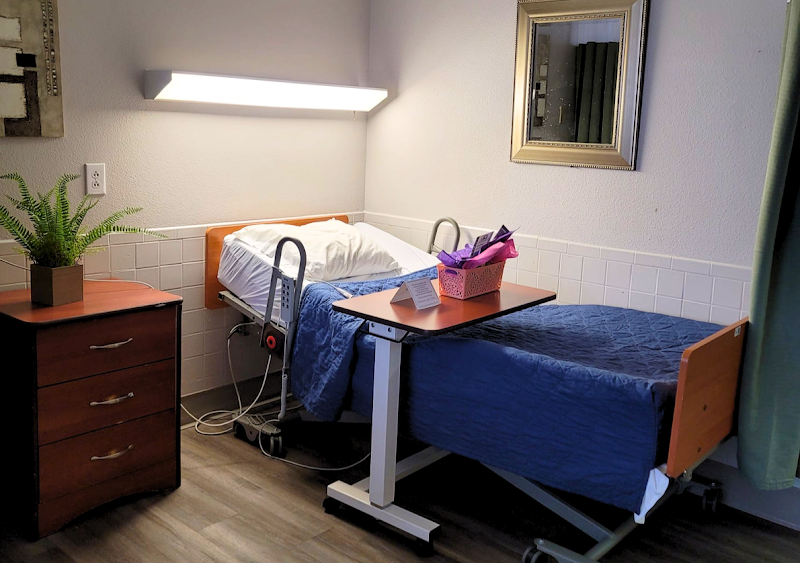
How is Southern Specialty Rehab & Nursing Staffed?
CMS rates Southern Specialty Rehab & Nursing's staffing level at 1 out of 5 stars, which is much below average compared to other nursing homes. Staff turnover is 62%, which is 16 percentage points above the Texas average of 46%. High turnover can affect care consistency as new staff learn residents' individual needs. RN turnover specifically is 75%, which is notably high. RNs provide skilled clinical oversight, so turnover in this role can affect medical care quality.

What Have Inspectors Found at Southern Specialty Rehab & Nursing?

State health inspectors documented 27 deficiencies at Southern Specialty Rehab & Nursing during 2023 to 2025. These included: 4 Immediate Jeopardy (the most serious level, indicating potential for serious harm or death), 1 that caused actual resident harm, and 22 with potential for harm. Immediate Jeopardy findings are rare and represent the most serious regulatory concerns. They require immediate corrective action.

Who Owns and Operates Southern Specialty Rehab & Nursing?

Southern Specialty Rehab & Nursing is owned by a for-profit company. For-profit facilities operate as businesses with obligations to shareholders or private owners. The facility is operated by CREATIVE SOLUTIONS IN HEALTHCARE, a chain that manages multiple nursing homes. With 144 certified beds and approximately 70 residents (about 49% occupancy), it is a mid-sized facility located in Lubbock, Texas.

How Does Southern Specialty Rehab & Nursing Compare to Other Texas Nursing Homes?

Compared to the 100 nursing homes in Texas, Southern Specialty Rehab & Nursing's overall rating (1 stars) is below the state average of 2.8, staff turnover (62%) is significantly higher than the state average of 46%, and health inspection rating (1 stars) is much below the national benchmark.

What Should Families Ask When Visiting Southern Specialty Rehab & Nursing?

Based on this facility's data, families visiting should ask: "What changes have been made since the serious inspection findings, and how are you preventing similar issues?" "How do you ensure continuity of care given staff turnover, and what is your staff retention strategy?" "Can you walk me through typical staffing levels on day, evening, and night shifts?" "Can I visit during a mealtime to observe dining assistance and food quality?" These questions are particularly relevant given the facility's Immediate Jeopardy citations, the facility's high staff turnover rate, and the below-average staffing rating.

Is Southern Specialty Rehab & Nursing Safe?

Based on CMS inspection data, Southern Specialty Rehab & Nursing has documented safety concerns. Inspectors have issued 4 Immediate Jeopardy citations (the most serious violation level indicating risk of serious injury or death). The facility has a 1-star overall rating and ranks #100 of 100 nursing homes in Texas. Families considering this facility should ask detailed questions about what corrective actions have been taken since these incidents.

Do Nurses at Southern Specialty Rehab & Nursing Stick Around?

Staff turnover at Southern Specialty Rehab & Nursing is high. At 62%, the facility is 16 percentage points above the Texas average of 46%. Registered Nurse turnover is particularly concerning at 75%. RNs handle complex medical decisions and coordinate care — frequent RN changes can directly impact care quality. High turnover means new staff may not know residents' individual needs, medications, or preferences. It can also be disorienting for residents, especially those with dementia who rely on familiar faces. Families should ask: What is causing the turnover? What retention programs are in place? How do you ensure care continuity during staff transitions?

Was Southern Specialty Rehab & Nursing Ever Fined?

Southern Specialty Rehab & Nursing has been fined $70,325 across 3 penalty actions. This is above the Texas average of $33,782. Fines in this range indicate compliance issues significant enough for CMS to impose meaningful financial consequences. Common causes include delayed correction of deficiencies, repeat violations, or care failures affecting resident safety. Families should ask facility leadership what changes have been made since these penalties.

Is Southern Specialty Rehab & Nursing on Any Federal Watch List?

Southern Specialty Rehab & Nursing is not on any federal watch list. The most significant is the Special Focus Facility (SFF) program, which identifies the bottom 1% of nursing homes nationally based on persistent, serious quality problems. Not being on this list means the facility has avoided the pattern of deficiencies that triggers enhanced federal oversight. This is a positive indicator, though families should still review the facility's inspection history directly.