The Mildred & Shirley L. Garrison Geriatric Educat
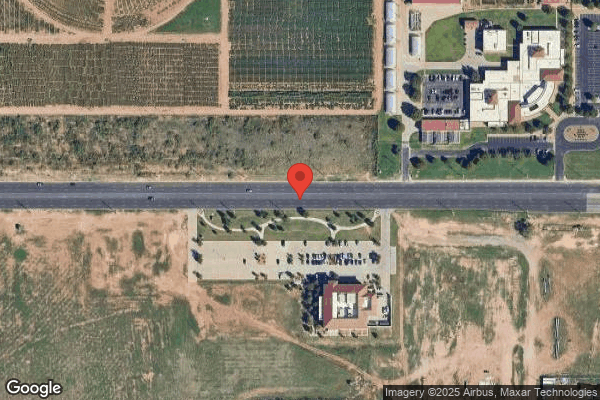
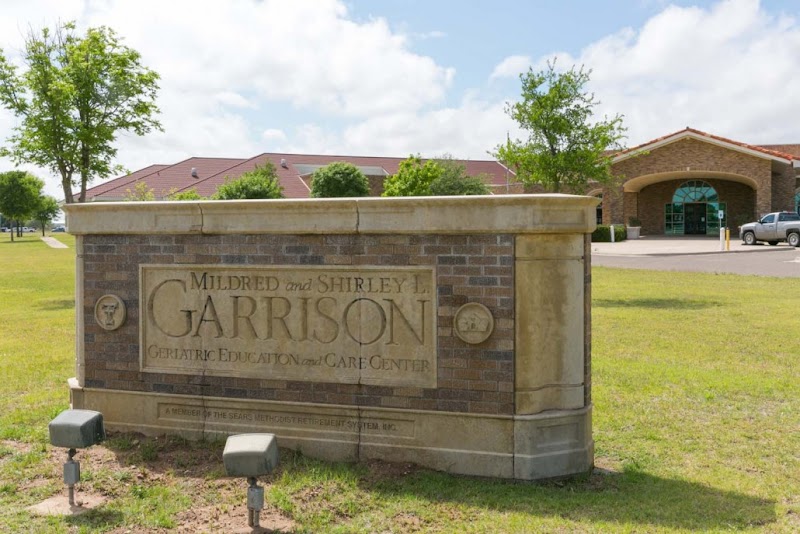
3710 4Th St, Lubbock, TX 79415 (806) 763-4455
For profit - Limited Liability company 120 Beds THE ENSIGN GROUP Data: November 2025 3 Immediate Jeopardy citations
Trust Grade
4/100
#877 of 1168 in TX
Last Inspection: May 2025

Inspected within the last 6 months. Data reflects current conditions.

Overview

The Mildred & Shirley L. Garrison Geriatric Educat has received a Trust Grade of F, indicating significant concerns about the facility's overall care and management. With a state rank of #877 out of 1168 facilities in Texas and #9 out of 15 in Lubbock County, this places it in the bottom half of options available for families. The situation is improving slightly, as the number of reported issues decreased from 16 in 2024 to 14 in 2025. However, staffing is a major concern, with a low rating of 1 out of 5 stars and a staffing turnover rate of 52%, which is average but still high. The facility has been fined $47,083, reflecting ongoing compliance issues, and it has less RN coverage than 95% of Texas facilities, which is worrying because RNs play a crucial role in resident care. Specific incidents of concern include a failure to notify a resident's physician about a significant change in her condition after a fall, leading to a delay in necessary treatment. Additionally, there was a critical oversight where staff did not adequately assess or treat the resident's pain for approximately 12 hours, which could have resulted in further harm. While the facility has a strong rating in quality measures, these serious issues highlight significant weaknesses that families should consider when researching care options.
Trust Score
F
4/100
In Texas
#877/1168
Bottom 25%
Safety Record
High Risk
Review needed
Inspections
Getting Better
16 → 14 violations
Staff Stability
⚠ Watch
52% turnover. Above average. Higher turnover means staff may not know residents' routines.
Penalties
○ Average
$47,083 in fines. Higher than 58% of Texas facilities. Some compliance issues.
Skilled Nurses
⚠ Watch
Each resident gets only 9 minutes of Registered Nurse (RN) attention daily — below average for Texas. Fewer RN minutes means fewer trained eyes watching for problems.
Violations
⚠ Watch
53 deficiencies on record. Higher than average. Multiple issues found across inspections.
★★☆☆☆
2.0
Overall Rating
★☆☆☆☆
1.0
Staff Levels
★★★★★
5.0
Care Quality
★★☆☆☆
2.0
Inspection Score
Stable
2024: 16 issues
2025: 14 issues

The Good

  • 5-Star Quality Measures · Strong clinical quality outcomes
  • Full Sprinkler Coverage · Fire safety systems throughout facility
  • No fines on record

Facility shows strength in quality measures, fire safety.

The Bad

2-Star Overall Rating

Below Texas average (2.8)

Below average - review inspection findings carefully

Staff Turnover: 52%

Near Texas avg (46%)

Higher turnover may affect care consistency

Federal Fines: $47,083

Above median ($33,413)

Moderate penalties - review what triggered them

Chain: THE ENSIGN GROUP

Part of a multi-facility chain

Ask about local staffing decisions and management

The Ugly 53 deficiencies on record

3 life-threatening 1 actual harm
Aug 2025 3 deficiencies 3 IJ
CRITICAL (J) 📢 Someone Reported This

A family member, employee, or ombudsman was alarmed enough to file a formal complaint

Immediate Jeopardy (IJ) - the most serious Medicare violation

Notification of Changes (Tag F0580)

Someone could have died · This affected 1 resident

**NOTE- TERMS IN BRACKETS HAVE BEEN EDITED TO PROTECT CONFIDENTIALITY** Based on interviews and record review, the facility failed to notify the residents physician and representative regarding a chan...

Read full inspector narrative →
**NOTE- TERMS IN BRACKETS HAVE BEEN EDITED TO PROTECT CONFIDENTIALITY** Based on interviews and record review, the facility failed to notify the residents physician and representative regarding a change in the resident's condition, for 1 of 6 residents (Resident #1) reviewed for changes in condition - The facility failed to immediately consult with Resident #1's physician when Resident #1 sustained a fall with complaints of pain to the knee on the evening of 08/07/2025 until the next morning 08/08/2025, because CNA C failed to inform nursing staff. An Immediate Jeopardy (IJ) was identified on 08/21/25 at 2:23 PM. The IJ template was provided to the facility on [DATE] at 2:51 PM. While the IJ was removed on 8/22/2025 at 2:51pm, the facility remained out of compliance at a severity level of no actual harm with potential for more than minimal harm that is not immediate jeopardy and a scope of isolated, because all staff had not been trained on 08/22/2025. This failure could place residents at risk of not having their family and physicians notified of changes resulting in a delay in decision making for medical interventions.The Findings include:Record review of Resident #1's undated face sheet revealed an [AGE] year-old female admitted on [DATE]. Resident #1 had a medical history of periprosthetic fracture around internal prosthetic right knee joint (a bone break that occurs around a knee replacement implant), dementia (a general term for a decline in mental ability severe enough to interfere with daily life), gout (a painful form of inflammatory arthritis that happens when uric acid crystals build up in the joints), and age-related osteoporosis (a bone disease that makes bones weak and brittle, leading to an increased risk of fractures). Record review of Resident #1's quarterly MDS dated [DATE], Section C-Cognitive Patterns revealed Resident #1 had a BIMS of 4 which indicated Resident #1 had severe cognitive impairment. Record review of Section GG- Functional Abilities revealed Resident #1 required Supervision or touching assistance with chair/bed-to chair transfers and sit to stand.Record review of Resident #1's care plan revealed a focus initiated on 4/29/2025 [Resident#1] is at risk for acute/chronic pain r/t [related to] gout with an intervention to anticipate need for pain relief and respond immediately to any complaint. The care plan also revealed a focus initiated on 8/21/2025, [Resident #1] has a fracture of the right distal femur (the lower end of the thigh bone (femur), specifically the area just above the knee joint) related to hearing a pop during transfer and interventions initiated on 8/21/2025 revealed Anticipate and meet needs, be sure call light is within reach and respond promptly to all request for assistance, change surgical incision dressing as per order and PRN(as needed), follow weight bearing orders per MD order, reposition as necessary to prevent skin breakdown, therapy evaluation and treatment per orders. Record review of Resident #1's document titled Physical Therapy Treatment Encounter Note(s) dated 8/7/2025 at 4:00pm, revealed Pt (patient) STS (sit to stand) and stand pivot with CGA ( Contact Guard Assist, describes a level of assistance where a therapist or caregiver has their hands on the patient to provide physical support and balance for tasks like walking or standing, even though the patient performs most of the activity) /[NAME] (minimum assistance)Record review of Resident #1's progress note dated 8/8/25 at 7:10AM revealed X ray to the Right Knee to R/O Dislocation. pt Stated she heard a loud pop when transferring to bed last HS, she c/o to this nurse this morning that she was in pain, and she couldn't move her leg. This nurse medicated pt for pain level 10 and notified NP. requested X ray to R/O Dislocation of the RT knee. STAT signed by RN H. Progress note dated 8/8/25 at 10:56 AM revealed Per [MD] sent pt to [hospital] to get tx and evaluate for the rt knee fx signed by RN H. Record review of Resident #1's radiology report dated 8/8/2025 10:02AM revealed Impressions: 1. Osteoporosis 2. The knee arthroplasty is aligned (the specific way the new knee joint components are positioned during surgery to restore function and balance) 3. The acute distal femoral metaphyseal [the wider portion of a bone] fracture is visualized with posterior displacement (distal femoral metaphyseal fracture with posterior displacement is a serious injury to the thigh bone, just above the knee. Posterior displacement means the broken end of the thigh bone has shifted backward towards the back of the knee). Record review of Resident #1's hospital records revealed Date of admission: [DATE]; History of present illness: presents to [hospital] ED (emergency department) via EMS (emergency medical services) with complaints of right knee pain. Patient states that she fell yesterday when trying to transfer to the shower with the assistance of nurse aide and lost balance causing her to fall and hit the right side of her body. Patient denies pain to her remaining extremities. Denies hitting her head. Denies blood thinner use. Denies blurry vision or headache. Denies numbness or tingling. States that her functional status prior to injury was ambulatory with assistive device and occasional wheelchair use. Diagnostic Studies: [X-ray] acute distal femoral fracture.Date: 08/08/25, open reduction internal fixation of right periprosthetic supracondylar distal femur fracture (surgical repair of distal femur).During an interview with Resident #1's family member on 8/20/2025 at 7:10pm, she stated Resident #1 had a fall on 8/7/2025 and had sustained a broken distal femur. She stated Resident #1 had called her on 8/8/2025 about the fall and that Resident #1 told her during the night a CNA was attempting to take her to the shower and during the transfer Resident #1 fell and her knee popped. Resident #1's family member stated she was not sure if the CNA was unable to handle Resident #1's weight or why they had only sent one person to assist Resident #1 but she was upset that the incident had happened on 8/7/2025 but nothing was done until 8/8/2025. She stated she was notified by the facility around 10AM on 8/8/25 that Resident #1 had notified the morning nurse of her knee popping and they obtained an x-ray showing a fracture to the right knee. She stated Resident #1 was sent out to the hospital where she had to have surgery to the right knee to repair the fracture. She stated she did speak to the morning nurse and she was made to feel as though it was Resident #1's fault because she was told this occurred due to Resident #1 attempting to self-transfer. She stated she wanted to know what had actually happened because she did not believe Resident #1 would be lying about having a fall. She stated Resident #1 also complained of being in pain and not having received any pain medication through the night to alleviate the pain in her knee. During an interview with Resident #1 on 8/20/2025 at 8:45PM, she stated she didn't remember when the incident occurred or with who, but she remembers it was at night and the CNA had come to help her into her wheelchair. She stated she is not sure what happened, but the CNA was unable to hold her weight and they both fell together onto the floor. She stated she heard her knee pop after they fell. She stated the CNA went to get help and returned with another CNA and between both of them they assisted her back into bed. She stated she does not remember anyone checking on her through the night and she complained of her right knee hurting. Resident #1 stated she did not want any of the CNAs to get in trouble. She stated she told them her knee had popped and the morning nurse gave her pain medication, called the doctor and they sent her to the hospital. She stated at the hospital she had surgery on her right knee. She stated she really cares for the staff and did not want anyone to get in trouble and understood it was an accident. During a second interview with Resident #1 on 8/21/2025 at 1:20pm, she stated the night of the incident, she had been in pain the entire night and does not remember getting any pain medication. She stated the incident made her feel bad and in pain. She stated prior to the incident she had no issues with the staff and since she has been back, all her needs are being met. During an interview with LVN A on 8/20/2025 at 9:29pm, she stated she was working 8/7/2025 and worked with Resident #1. She stated on 8/7/2025, no report of an injury or fall had been reported to her by anyone. She stated the CNAs were usually really good about reporting any minor event or any falls. She stated if she knew someone had a fall, she would go assess and notify the physician and family. She stated she does remember checking in on Resident #1 during the night of 8/7/2025 but does not remember giving her any pain medication. She stated she does not remember who called her on 8/8/2025 but they asked if Resident #1 had any injuries or falls during the night shift, and she stated she was not aware of any events for that night. She stated the week of 8/11/2025, she had heard from CNA K, that CNA C had mentioned falling with Resident #1 prior to her going to the hospital. She stated she did not report that to the DON or ADM because Resident #1 was already at the hospital, and she believed it had already been addressed. During an interview with CNA B on 8/20/2025 at 9:42AM, she stated she was working on 8/7/2025 with LVN A. She stated she usually works with Resident #1. She stated on 8/7/2025 she did report that Resident #1 mentioned having a fall, to LVN A. She stated LVN A said no one had mentioned a fall to her. She stated she also mentioned to LVN A that Resident #1's knee was hurting. CNA B stated she did check on Resident #1 through the night and she complained about her knee and Resident #1 stated something feels wrong. CNA B stated Resident #1 did not detail how she fell only that her knee hurt. CNA B stated she did see LVN A go into Resident #1's room but did not know for what. CNA B stated she never went into Resident #1's room to assist her from any fall or assist her back into bed. CNA B stated she did hear from CNA K that Resident #1 had a fall with another CNA, but did not know what CNA. She stated she heard this the week after Resident #1 had been sent to the hospital. She stated she did not report that because she believed it had been addressed already. She stated she had been trained on reporting falls and accidents to her nurse. She stated she did let LVN A know about Resident #1 stating she had a fall.During an interview with the ADM on 8/20/2025 at 10:20pm, he stated no staff member had reported a fall with Resident #1 on 8/7 or 8/8. He stated on 8/8/2025 he learned of Resident #1's fracture and he spoke to Resident #1 himself. He stated at that time, Resident #1 told him, she had attempted to self-transfer into her wheelchair and heard her knee pop and sat back down in bed. He stated he did ask the night staff from 8/7/2025 if there had been any incidents or injuries with Resident #1 and no one reported any falls or injuries. He stated this was his first time learning of a potential fall. He stated if the CNAs working that night were aware Resident #1 had any form of change in condition, injury or had an incident, it should have been reported to the nurse and addressed that night with the physician and notified family. He stated at the time of the incident, there was no DON at the facility. He stated the current DON began his role on 8/15/2025. During an interview with CNA C on 8/21/2025 at 8:48AM, she stated she had been working at the facility for the past two months and she was responsible for showers. She stated on 8/7/2025, she was assisting Resident #1 from the bed to the wheelchair to take her for her shower at approximate 9pm. She stated Resident #1 is a minimum assistance transfer and usually does very well pivoting from bed to her wheelchair. She stated she noticed Resident #1 appeared to be struggling so she got behind her and tried to hold her, but she heard Resident #1's knee pop. She stated she pulled Resident #1 towards her, and they both slid down to the floor together. She stated after they were both on the floor, Resident #1 was complaining about her right knee hurting. She stated she had been trained not to move residents after a fall and had gone to look for a nurse. She stated she was unable to find a nurse, and Resident #1 pushed her call light. She stated Resident #1 wanted to get back in to bed. She stated she went and grabbed CNA B to help her get Resident #1 back in bed and they both assisted Resident #1 back to her bed. She stated her shift ended at 10pm and she went home. She stated she did not see any nurses on her way out and did not report the incident to anyone except CNA B. She stated she was trained to report these incidents so the residents can have the proper assessments. She stated, I feel like I could have done something different in this case, I would have tried to find a different nurse on a different hallway. CNA C stated she was not aware Resident #1 had been sent to the hospital for a broken femur and required surgery. During an interview with CNA K on 8/21/2025 at 9:09AM, she stated she had heard about Resident #1 having a fall from report. She stated she did not remember who told her but she was making sure to pass the information down during report. She stated she does not usually work the hall Resident #1 is on, but that she had worked with her in the past. She stated when she asked where she was, that is when she was told Resident #1 had a fall and was at the hospital. She stated she was here on 8/7/2025 but did not know of any fall that day but if a fall had occurred it should have been reported as soon as possible. She stated she was not present for a fall, and did not know any details about the fall, only that Resident #1 had a fall. During an interview with the MD on 8/22/2025 at 11:00AM, he stated he had been made aware of Resident #1's knee hurting after a bed to wheelchair transfer [8/8/2025]. He stated from his understanding Resident #1 was transferring and heard a pop and was sat down in the wheelchair. He stated he had not been aware the incident occurred the night before and staff should have notified him that night [8/7/2025]. He stated he expects staff to notify him of any incidents or injuries as soon as possible. Record review of facility policy titled Change in Condition, last revised 4/2025 revealed .1. If at any time, it is recognized by any one of the team members that the condition or care needs of the resident have changed, the Licensed Nurse or Nurse Supervisor should be made aware. 2. The nurse will perform and document an assessment of the resident and identity need for additional interventions, considering implementation of existing orders or nursing interventions or through communication with the resident's provider using telephone or similar process to obtain new orders or interventions. Record review of facility policy titled Fall Management System last revised 4/2025 revealed; Fall refers to unintentionally coming to rest on the ground, floor or other lower level, but not as a result of an overwhelming external force.3. When a Resident sustains a fall, a physical assessment will be completed by a licensed nurse, with results documented in the medical record.a. The Attending Physician and Resident Representative shall be notified of the fall and the resident status. B. Follow-up documentation will be completed for a minimum of 72 hours following the incident.5. The investigation will be reviewed by the interdisciplinary Team. The ADM and DON were notified an IJ situation was identified due to the above failures on 08/21/25 at 2:51 PM and the IJ template was provided. The following Plan of Removal was accepted on 8/21/25 at 6:13 PM: F-580-Failure to NotifyPlan of Removal8/21/25Per the information provided in the IJ template given on 8/21/25 at 2:51. The facility failed to properly notify the charge nurse, and MD of an incident with Resident #1 when resident #1 heard her knee pop and had to be guided down to the floor. Immediate Actions Taken:1. Head to toe assessment was completed on resident #1.2. Suspension of C.N.A. C on 8/20/253. Safe Surveys completed on 8/21/25Others who have the potential to be affected by this deficient practice: All residents have the potential to be affected by this deficient practice.1. The Medical Director was notified of IJ on 8/21/25 by the Executive Director [ADM].2. Education initiated with licensed nurses and certified nursing assistants [NAME]. Reporting any change of condition to the charge nurseb. Abuse and Neglect3. Quiz was completed on 8/21/25 to C.N.A's currently on shift to indicated competency.4. All quizzes and competencies for C.N.A.'s will be completed by 8/22/25.5. This training and competencies have been completed with current C.N.A staff on 8/21/25. A member of management will be at the facility at each change of shift. C.N.A will not be allowed to work unless they have completed the training and competency checks. This training will also be included in the nursing new hire orientation and C.N.A's will not be allowed to work unless they have received their training and knowledge check.6. An ad hoc (as needed) meeting regarding items in the IJ template was completed on 8/21/25 with complete policy review. Attendees included the Medical Director, Executive Director­[facility] [ADM], Executive Director [corporate], Director of Nursing-[facility], Director of Nursing [corporate], Clinical Market Leader and Clinical Resource.7. The DON, ADON will verify C.N.A competency with C.N.A's weekly.8. All residents with new complaints of pain or injury will be reviewed by DON, ADON ordesignee every week in the clinical meeting to ensure that all parties have been notified of a new injury or new complaint of pain.9. Summary of IJ and corrective action to be reviewed by QAPI Committee weekly for 4 weeks or until substantial compliance is established and continue monthly for 90 days to ensure ongoing compliance.On 08/22/25 the state surveyor confirmed the facility implemented their plan of removal sufficiently to remove the IJ by:1. Record Review of document tiled Skin Evaluation dated 8/21/2025 1500 [3pm] for Resident #1 revealed: Resident noted resting in bed upon enter. Skin assessment completed by this DON. Post surgical wound noted to right thigh, dressing CDI (clean, dry, intact).Full head to toe assessment completed and no other concerns or issues noted at this time, signed by DON on 8/22/2025. 2. Record review of document titled View Event revealed: For [CNA C].last day of work: 8/20/2025, first day of leave: 8/21/2025.leave type: Suspension.3. Record review revealed Safe Surveys dated 8/20/2025 had been conducted with 83 Residents in the facility. Safe Survey documents revealed all 83 residents stated yes they felt safe at the facility, and they report abuse to the administrator. They all stated yes, staff treated them with dignity and respect, and they felt their needs and concerns were reported to the appropriate parties. Record review revealed Pain evaluation in Advanced Dementia assessments were completed for 31 Residents in the facility on 8/20/2025. All 31 Resident assessments revealed breathing normal, no negative vocalization, facial expressions; smiling or inexpressive, body language; relaxed and consolability; no need to console. 4. During an interview with the MD on 8/22/2025 at 11:00AM he stated he was notified of the IJ templates, and the facility had a QAPI meeting, and they had implemented a plan of removal. He stated the facility would be implementing more training and education on abuse and neglect and on reporting any changes in condition. He stated they would continue to review through QAPI meetings for effectiveness. 5. Record review of facility document titled Inservice Title: Reporting Allegations and Suspicions of abuse or neglect and change of condition dated 8/20/2025-8/21/2025 revealed 119 staff signatures out of 169. The in-service document revealed .Any change in condition should be reported to the Provider as well as the DON and ADON immediately. 6. During interview on 8/22/2025 between 9:30AM-11:26 AM with CNA D, K, L ,M ,N ,P, Q, R, S ,T, GVN F, CMA G, LVN E, I,J, O, and RN H revealed all staff members had been trained on reporting any changes in conditions such as falls, injuries or incidents. All CNAs, and CMAs stated they would report any changes in condition to the charge nurse or the DON. All licensed nursing staff stated they would report any changes in conditions to the physician, family and to the DON. They all stated they had been in-serviced prior to their shift on 8/22/2025. All staff members stated the potential negative outcome of not reporting injuries, falls or incidents could be delay in medical care, neglect, and potential death depending on the situation. 7. Record review of facility document titled QAPI Year 8 sign in sheet dated 8/21/2025, revealed signatures by MD, DON, SWK, Admissions, Marketing, DOR, MDS A, MDS B, HR, DM, HSK, CR and RN U. Document revealed Problem Areas: Abuse and Neglect, Failure to follow Abuse Policy, Failure to notify were reviewed during this QAPI. 8. Record review of Untitled Document, undated, revealed Competencies will be completed via written quiz with all nursing staff once a week times 4 weeks. Trainings will be available on Tuesdays and Thursdays Signed by the DON.9. Record review of Untitled Document, undated, revealed Following completion of safe survey on all resident on 8/21/2025, no new complaints [of] pain or injury were discovered signed by the DON. 10. Record review of Untitled Document, undated, revealed scheduled QAPI meetings for 9/10/2025, 10/8/2025, 11/12/2025 and 12/10/2025. On 8/22/2025 at 2:51pm the Administrator was notified the IJ was removed. However, the facility remained out of compliance at a scope of isolated and a severity level of no actual harm with potential for more than minimal harm that is not immediate jeopardy due to the facility's need to evaluate the effectiveness of the corrective systems.
CRITICAL (J) 📢 Someone Reported This

A family member, employee, or ombudsman was alarmed enough to file a formal complaint

Immediate Jeopardy (IJ) - the most serious Medicare violation

Free from Abuse/Neglect (Tag F0600)

Someone could have died · This affected 1 resident

**NOTE- TERMS IN BRACKETS HAVE BEEN EDITED TO PROTECT CONFIDENTIALITY** Based on interview and record review the facility failed to ensure residents were free from neglect for 1 of 6 residents (Reside...

Read full inspector narrative →
**NOTE- TERMS IN BRACKETS HAVE BEEN EDITED TO PROTECT CONFIDENTIALITY** Based on interview and record review the facility failed to ensure residents were free from neglect for 1 of 6 residents (Resident #1) reviewed for neglect in that: 1. CNA C neglected to notify LVN A or any licensed nurse of Resident #1's incident on 8/7/2025, that resulted in a broken distal femur. 2. The facility neglected to ensure Resident #1's pain was adequately assessed and treated for approximately 12 hours on 8/7/2025-8/8/2025, after Resident #1 reported having pain to her right knee following an incident with CNA C. An Immediate Jeopardy (IJ) was identified on 08/21/25 at 2:23 PM. The IJ template was provided to the facility on [DATE] at 2:51 PM. While the IJ was removed on 8/22/2025 at 2:51pm, the facility remained out of compliance at a severity level of no actual harm with potential for more than minimal harm that is not immediate jeopardy and a scope of isolated, because all staff had not been trained on 08/22/2025. This failure placed residents at risk for neglect, mental anguish, pain and emotional distress.The Findings include:Record review of Resident #1's undated face sheet revealed an [AGE] year-old female admitted on [DATE]. Resident #1 had a medical history of periprosthetic fracture around internal prosthetic right knee joint (a bone break that occurs around a knee replacement implant), dementia (a general term for a decline in mental ability severe enough to interfere with daily life), gout (a painful form of inflammatory arthritis that happens when uric acid crystals build up in the joints), and age-related osteoporosis (a bone disease that makes bones weak and brittle, leading to an increased risk of fractures). Record review of Resident #1's quarterly MDS dated [DATE], Section C-Cognitive Patterns revealed Resident #1 had a BIMS of 4 which indicated Resident #1 had severe cognitive impairment. Section GG- Functional Abilities revealed Resident #1 required Supervision or touching assistance with chair/bed-to chair transfers and sit to stand.Record review of Resident #1's care plan revealed a focus initiated on 4/29/2025 [Resident#1] is at risk for acute/chronic pain r/t [related to] gout with an intervention to anticipate need for pain relief and respond immediately to any complaint. The care plan also revealed a focus initiated on 8/21/2025, [Resident #1] has a fracture of the right distal femur (the lower end of the thigh bone (femur), specifically the area just above the knee joint) related to hearing a pop during transfer and interventions initiated on 8/21/2025 revealed Anticipate and meet needs, be sure call light is within reach and respond promptly to all request for assistance, change surgical incision dressing as per order and PRN(as needed), follow weight bearing orders per MD order, reposition as necessary to prevent skin breakdown, therapy evaluation and treatment per orders. Record review of Resident #1's document titled Physical Therapy Treatment Encounter Note(s) dated 8/7/2025 at 4:00pm, revealed Pt (patient) STS (sit to stand) and stand pivot with CGA ( Contact Guard Assist, describes a level of assistance where a therapist or caregiver has their hands on the patient to provide physical support and balance for tasks like walking or standing, even though the patient performs most of the activity) /[NAME] (minimum assistance)Record review of Resident #1's progress note dated 8/8/25 at 7:10AM, revealed X ray to the Right Knee to R/O Dislocation. pt Stated she heard a loud pop when transferring to bed last HS, she c/o to this nurse this morning that she was in pain, and she couldn't move her leg. This nurse medicated pt for pain level 10 and notified NP. requested X ray to R/O Dislocation of the RT knee. STAT signed by RN H. Progress note dated 8/8/25 at 10:56 AM revealed Per [MD] sent pt to [hospital] to get tx and evaluate for the rt knee fx signed by RN H. Record review of Resident #1's radiology report dated 8/8/2025 at 10:02AM, revealed Impressions: 1. Osteoporosis 2. The knee arthroplasty is aligned (the specific way the new knee joint components are positioned during surgery to restore function and balance) 3. The acute distal femoral metaphyseal [the wider portion of a bone] fracture is visualized with posterior displacement (distal femoral metaphyseal fracture with posterior displacement is a serious injury to the thigh bone, just above the knee. Posterior displacement means the broken end of the thigh bone has shifted backward towards the back of the knee). Record review of Resident #1's physician orders revealed Tramadol 50mg. Give 50mg by mouth two times a day for pain 0800 and 1800 [8am and 6pm] with a start date of 4/28/2025 and end date of 8/8/2025. Resident #1's physician orders also revealed Gabapentin Capsule 100mg. Give 1 capsule by mouth two times a day related to pain. 7am and 15 [3pm] with a start date of 4/29/2025 and an end date of 8/8/2025. Physician order to monitor and assess level of pain using the 0-10 scale, 0=no pain, 1-2 mild pain, 4-6 moderate pain, 7-10- severe pain with start date of 4/28/2025 per shift.Record review of Resident #1's medication administration record revealed Gabapentin was administer[PH1] [CO2] on 8/7/2025 at approximately 1500 [3pm] and 8/8/2025 at approximately 7AM. The document also revealed Tramadol 50mg was administered 8/7/2025 at 17:28 (5:28pm) and again on 8/8/2025 at 9:46AM. The document did not reveal any other pain medication administered between 8/7/2025 9pm and 8/8/2025 9AM. The document revealed an assessment of pain was completed on 8/8/2025 at 1:38AM by LVN A, and a score of 0 indicating no pain was documented. Record review of Resident #1's hospital records revealed Date of admission: [DATE]; History of present illness: presents to [hospital] ED (emergency department) via EMS (emergency medical services) with complaints of right knee pain. Patient states that she fell yesterday when trying to transfer to the shower with the assistance of nurse aide and lost balance causing her to fall and hit the right side of her body. Patient denies pain to her remaining extremities. Denies hitting her head. Denies blood thinner use. Denies blurry vision or headache. Denies numbness or tingling. States that her functional status prior to injury was ambulatory with assistive device and occasional wheelchair use. Diagnostic Studies: [X-ray] acute distal femoral fracture.Date: 08/08/25, open reduction internal fixation of right periprosthetic supracondylar distal femur fracture (surgical repair of distal femur).During an interview with Resident #1's family member on 8/20/2025 at 7:10 pm, she stated Resident #1 had a fall on 8/7/2025 and had sustained a broken distal femur. She stated Resident #1 had called her on 8/8/2025 about the fall and that Resident #1 told her during the night a CNA was attempting to take her to the shower and during the transfer Resident #1 fell and her knee popped. Resident #1's family member stated she was not sure if the CNA was unable to handle Resident #1's weight or why they had only sent one person to assist Resident #1 but she was upset that the incident had happened on 8/7/2025 but nothing was done until 8/8/2025. She stated she was notified by the facility around 10AM on 8/8/25 that Resident #1 had notified the morning nurse of her knee popping and they obtained an x-ray showing a fracture to the right knee. She stated Resident #1 was sent out to the hospital where she had to have surgery to the right knee to repair the fracture. She stated she did speak to the morning nurse and she was made to feel as though it was Resident #1's fault because she was told this occurred due to Resident #1 attempting to self-transfer. She stated she wanted to know what had actually happened because she did not believe Resident #1 would be lying about having a fall. She stated Resident #1 also complained of being in pain and not having received any pain medication through the night to alleviate the pain in her knee. During an interview with Resident #1 on 8/20/2025 at 8:45 PM, she stated she did not remember when the incident occurred or with who, but she remembers it was at night and the CNA had come to help her into her wheelchair. She stated she is not sure what happened, but the CNA was unable to hold her weight and they both fell together onto the floor. She stated she heard her knee pop after they fell. She stated the CNA went to get help and returned with another CNA and between both of them they assisted her back into bed. She stated she does not remember anyone checking on her through the night and she complained of her right knee hurting. Resident #1 stated she did not want any of the CNAs to get in trouble. She stated she told them her knee had popped and the morning nurse gave her pain medication, called the doctor and they sent her to the hospital. She stated at the hospital she had surgery on her right knee. She stated she really cares for the staff and did not want anyone to get in trouble and understood it was an accident. During a second interview with Resident #1 on 8/21/2025 at 1:20pm, she stated the night of the incident, she had been in pain the entire night and does not remember getting any pain medication. She stated the incident made her feel bad and in pain. She stated prior to the incident she had no issues with the staff and since she has been back, all her needs are being met. During an interview with LVN A on 8/20/2025 at 9:29 pm, she stated she was working 8/7/2025 and worked with Resident #1. She stated on 8/7/2025, no report of an injury or fall had been reported to her by anyone. She stated the CNAs were usually really good about reporting any minor event or any falls. She stated if she knew someone had a fall, she would go assess and notify the physician and family. She stated she does remember checking in on Resident #1 during the night of 8/7/2025 but does not remember giving her any pain medication. She stated she does not remember who called her on 8/8/2025 but they asked if Resident #1 had any injuries or falls during the night shift, and she stated she was not aware of any events for that night. She stated the week of 8/11/2025, she had heard from CNA K, that CNA C had mentioned falling with Resident #1 prior to her going to the hospital. She stated she did not report that to the DON or ADM because Resident #1 was already at the hospital, and she believed it had already been addressed. During an interview with CNA B on 8/20/2025 at 9:42AM, she stated she was working on 8/7/2025 with LVN A. She stated she usually worked[PH3] [CO4] with Resident #1. She stated on 8/7/2025 she did report that Resident #1 mentioned having a fall, to LVN A. She stated LVN A said no one had mentioned a fall to her. She stated she also mentioned to LVN A that Resident #1's knee was hurting. CNA B stated she did check on Resident #1 through the night and she complained about her knee and Resident #1 stated something feels wrong. CNA B stated Resident #1 did not detail how she fell only that her knee hurt. CNA B stated she did see LVN A go into Resident #1's room but did not know for what. CNA B stated she never went into Resident #1's room to assist her from any fall or assist her back into bed. CNA B stated she did hear from CNA K that Resident #1 had a fall with another CNA, but did not know what CNA. She stated she heard this the week after Resident #1 had been sent to the hospital. She stated she did not report that because she believed it had been addressed already. She stated she had been trained on reporting falls and accidents to her nurse. She stated she did let LVN A know about Resident #1 stating she had a fall.During an interview with the ADM on 8/20/2025 at 10:20pm, he stated no staff member had reported a fall with Resident #1 on 8/7 or 8/8. He stated on 8/8/2025 he learned of Resident #1's fracture and he spoke to Resident #1 himself. He stated at that time, Resident #1 told him, she had attempted to self-transfer into her wheelchair and heard her knee pop and sat back down in bed. He stated he did ask the night staff from 8/7/2025 if there had been any incidents or injuries with Resident #1 and no one reported any falls or injuries. He stated this was his first time learning of a potential fall. He stated if the CNAs working that night was aware Resident #1 had any form of change in condition, injury or had an incident, it should have been reported to the nurse and addressed that night with the physician and notified family. He stated at the time of the incident, there was no DON at the facility. He stated the current DON began his role on 8/15/2025. During an interview with CNA C on 8/21/2025 at 8:48AM, she stated she had been working at the facility for the past two months and she was responsible for showers. She stated on 8/7/2025, she was assisting Resident #1 from the bed to the wheelchair to take her for her shower at approximate 9pm. She stated Resident #1 is a minimal assistance transfer and usually does very well pivoting from bed to her wheelchair. She stated she noticed Resident #1 appeared to be struggling so she got behind her and tried to hold her, but she heard Resident #1's knee pop. She stated she pulled Resident #1 towards her, and they both slid down to the floor together. She stated after they were both on the floor, Resident #1 was complaining about her right knee hurting. She stated she had been trained not to move residents after a fall and had gone to look for a nurse. She stated she was unable to find a nurse, and Resident #1 pushed her call light. She stated Resident #1 wanted to get back in to bed. She stated she went and grabbed CNA B to help her get Resident #1 back in bed and they both assisted Resident #1 back to her bed. She stated her shift ended at 10pm and she went home. She stated she did not see any nurses on her way out and did not report the incident to anyone except CNA B. She stated she was trained to report these incidents so the residents can have the proper assessments. She stated, I feel like I could have done something different in this case, I would have tried to find a different nurse on a different hallway. CNA C stated she was not aware Resident #1 had been sent to the hospital for a broken femur and required surgery. During an interview with CNA K on 8/21/2025 at 9:09AM, she stated she heard about Resident #1 having a fall from report. She stated she did not remember who told her but she was making sure to pass the information down during report. She stated she does not usually work the hall Resident #1 is on, but that she had worked with her in the past. She stated when she asked where she was, that is when she was told Resident #1 had a fall and was at the hospital. She stated she was here on 8/7/2025 but did not know of any fall that day but if a fall had occurred it should have been reported as soon as possible. She stated she was not present for a fall, and did not know any details about the fall, only that Resident #1 had a fall. During an interview with the MD on 8/22/2025 at 11:00AM, he stated he had been made aware of Resident #1's knee hurting after a bed to wheelchair transfer [8/8/2025]. He stated from his understanding Resident #1 was transferring and heard a pop and was sat down in the wheelchair. He stated he had not been aware the incident occurred the night before and staff should have notified him that night [8/7/2025]. He stated he expects staff to notify him of any incidents or injuries as soon as possible. The MD stated if any resident is experiencing pain, he expects the nursing staff to provide what is ordered for pain and if those orders do not alleviate the pain, to call for further orders. Record review of facility policy title Reporting Alleged Violations of Abuse, Neglect, Exploitation or Mistreatment original date: 11/2017 revealed: It is the policy of this Facility that each resident has the right to be free from abuse, neglect, misappropriation of resident property, exploitation, and mistreatment.Residents must not be subjected to abuse by anyone, including but not limited to facility staff, other residents, consultants or volunteers. Neglect is the failure of the Facility, its employees or service providers to provide goods and services to a resident that are necessary to avoid physical harm, pain, mental anguish or emotional distress.Record review of facility policy titled Change in Condition, last revised 4/2025 revealed .1. If at any time, it is recognized by any one of the team members that the condition or care needs of the resident have changed, the Licensed Nurse or Nurse Supervisor should be made aware. 2. The nurse will perform and document an assessment of the resident and identity need for additional interventions, considering implementation of existing orders or nursing interventions or through communication with the resident's provider using telephone or similar process to obtain new orders or interventions. Record review of facility policy titled Rounds undated, revealed; It is the policy of this facility to ensure the safety ad comfort of the resident and to assist in continuity of care and to identify potential change in condition. 1. Resident will be checked by the certified nursing assistants during rounds. 2. Observe resident for privacy, dignity and safety. 3. Note positioning of the resident and comfort level.The ADM and DON were notified an IJ situation was identified due to the above failures on 08/21/25 at 2:51 PM and the IJ template was provided. The following Plan of Removal was accepted on 8/21/25 at 6:13 PM: Plan of Removal 8/21/25Per the information provided in the IJ template given on 8/21/25 at 2:51. CNA C failed to properly notify the charge nurse, and/or the MD that resident #1 heard a pop and had to be guided to the floor on 8/7 /25.1. The Medical Director was notified of IJ on 8/21/25 by the Executive Director [ADM].2. Head to toe Assessment completed by DON on Resident #1 on 8/21/25.3. Suspension of CNA C on 8/20/254. Safe survey completed on all residents on 8/21/25.5. Education completed on 8/21/25 with licensed nurses and certified nursing assistance on:a. Reporting any change of condition to the charge nurseb. Abuse and Neglect6. Quiz was completed on 8/21/2025 to the certified nursing assistants currently on shift to indicate competency. All quizzes and competencies for CNAs to be completed by 8/22/25.7. This training and competencies were completed on 8/21/25 with current staff on shift. A member of management will be at the facility at each change of shift to ensure remaining staff complete training prior to going to work on the floor. Staff will not be allowed to work unless they have completed the training and competency checks. This training will also be included in the new hire orientation and will not be allowed to work unless they have received their training and knowledge check.8. An ad hoc (as needed) meeting regarding items in the IJ template was completed on 8/21/25 with complete policy review. Attendees included the Medical Director, Executive Director­[facility] [ADM], Executive Director [corporate], Director of Nursing-[facility], Director of Nursing [corporate], Clinical Market Leader and Clinical Resource.9. The DON, ADON will verify staff competency with staff weekly.10. All residents with new complaints of injury or pain will be reviewed by DON, ADON or designee every week in clinical meetings to assure assessments have been completed timely.11. Summary of IJ and corrective action to be reviewed by QAPI Committee weekly for 4 weeks or until substantial compliance is established and continue monthly for 90 days to ensure ongoing compliance.On 08/22/25 the state surveyor confirmed the facility implemented their plan of removal sufficiently to remove the IJ by:1. During an interview with the MD on 8/22/2025 at 11:00AM he stated he was notified of the IJ templates, and the facility had a QAPI meeting, and they had implemented a plan of removal. He stated the facility would be implementing more training and education on abuse and neglect and on reporting any changes in condition. He stated they would continue to review through QAPI meetings for effectiveness. 2. Record review of document titled Skin Evaluation dated 8/21/2025 at 1500 [3pm] for Resident #1 revealed: Resident noted resting in bed upon enter. Skin assessment completed by this DON. Post surgical wound noted to right thigh, dressing CDI (clean, dry, intact).Full head to toe assessment completed and no other concerns or issues noted at this time, signed by DON on 8/22/2025. 3. Record review of document titled View Event revealed: For [CNA C].last day of work: 8/20/2025, first day of leave: 8/21/2025.leave type: Suspension.4. Record review revealed Safe Surveys dated 8/20/2025 had been conducted with 83 Residents in the facility. Safe Survey documents revealed all 83 residents stated yes they felt safe at the facility, and they report abuse to the administrator. They all stated yes, staff treated them with dignity and respect, and they felt their needs and concerns were reported to the appropriate parties. Record review revealed Pain evaluation in Advanced Dementia assessments were completed for 31 Residents in the facility on 8/20/2025. All 31 Resident assessments revealed breathing normal, no negative vocalization, facial expressions; smiling or inexpressive, body language; relaxed and consolability; no need to console. 5. Record review of facility document titled Inservice Title: Reporting Allegations and Suspicions of abuse or neglect and change of condition dated 8/20/2025-8/21/2025 revealed 119 staff signatures out of 169. The in-service document revealed [ADM] is the facilities abuse and neglect coordinator. All suspicions and allegations of abuse or neglect must be reported directly to the abuse coordinator immediately. If anyone reports suspicious or witness abuse of any kind, it must be reported directly [ADM] per our policy.We must do everything we can to protect our residents. All allegations will be investigated per facility and state policy. 6. Record review of facility quiz titled Assessing and Reporting pain dated 8/21/-8/22 revealed 71 staff members had completed the quiz. The quiz revealed the following questions were asked to staff Give me an example of when you would assess for and report pain? Who would you report pain to? What are the non-verbal signs of pain? How would you communicate pain to the nurse?. Further review of the documents revealed staff stated they would assess for pain if a resident expressed pain at any time, or if they had facial or physical signs of pain. The staff stated they would report pain to the charge nurse and provider. The staff stated non verbal signs of pain would be frequent moaning, facial expressions, and elevated vital signs. The staff stated they would communicate the residents pain verbally to the nurse or provider and detail where the pain was expressed to be. 7. During interview on 8/22/2025 between 9:30AM-11:26 AM with CNA D, K, L, M, N, P, Q, R, S, T, GVN F, CMA G, LVN E, I, J, O, and RN H revealed all staff members had been trained on reporting abuse and neglect. All staff members stated they would report abuse and neglect to their ADM immediately. All staff members stated they would report any falls, injuries or incidents to the charge nurse, physician, and DON. They all stated they had been in-serviced prior to their shift on 8/22/2025. All staff members stated the potential negative outcome of not reporting abuse or neglect could be decrease in quality of life for the residents, decrease in care, and emotional anguish. 8. Record review of facility document titled QAPI Year 8 sign in sheet dated 8/21/2025, revealed signatures by MD, DON, SWK, Admissions, Marketing, DOR, MDS A, MDS B, HR, DM, HSK, CR and RN U. Document revealed Problem Areas: Abuse and Neglect, Failure to follow Abuse Policy, Failure to notify were reviewed during this QAPI. 9. Record review of Untitled Document, undated, revealed Competencies will be completed via written quiz with all nursing staff once a week times 4 weeks. Trainings will be available on Tuesdays and Thursdays Signed by the DON.10. Record review of Untitled Document, undated, revealed Following completion of safe survey on all resident on 8/21/2025, no new complaints [of] pain or injury were discovered signed by the DON. 11. Record review of Untitled Document, undated, revealed scheduled QAPI meetings for 9/10/2025, 10/8/2025, 11/12/2025 and 12/10/2025.On 8/22/2025 at 2:51pm the Administrator was notified the IJ was removed. However, the facility remained out of compliance at a scope of isolated and a severity level of no actual harm with potential for more than minimal harm that is not immediate jeopardy due to the facility's need to evaluate the effectiveness of the corrective systems.
CRITICAL (J) 📢 Someone Reported This

A family member, employee, or ombudsman was alarmed enough to file a formal complaint

Immediate Jeopardy (IJ) - the most serious Medicare violation

Abuse Prevention Policies (Tag F0607)

Someone could have died · This affected 1 resident

**NOTE- TERMS IN BRACKETS HAVE BEEN EDITED TO PROTECT CONFIDENTIALITY** Based on interview and record review the facility failed to develop and implement written policies and procedures that prohibite...

Read full inspector narrative →
**NOTE- TERMS IN BRACKETS HAVE BEEN EDITED TO PROTECT CONFIDENTIALITY** Based on interview and record review the facility failed to develop and implement written policies and procedures that prohibited and prevented abuse, neglect, and exploitation of residents and misappropriation of resident property for 1 of 6 residents (Resident #1) reviewed for neglect.1. The facility failed to ensure staff followed the abuse policy by not preventing neglect for Resident #1 on 8/7/2025 when CNA C failed to notify a licensed nurse of an incident that resulted in a broken distal femur for Resident #1. 2. The facility failed to ensure staff followed the abuse policy by not preventing neglect for Resident #1 on 8/7/2025 when staff failed to adequately assess and treat Resident #1's report of pain, for approximately 12 hours, to her right knee following an incident with CNA C. An Immediate Jeopardy (IJ) was identified on 08/21/25 at 2:23 PM. The IJ template was provided to the facility on [DATE] at 2:51 PM. While the IJ was removed on 8/22/2025 at 2:51pm, the facility remained out of compliance at a severity level of no actual harm with potential for more than minimal harm that is not immediate jeopardy and a scope of isolated, because all staff had not been trained on 08/22/2025. These failures could place residents at risk for injury and neglect. The Findings include:Record review of facility policy title Reporting Alleged Violations of Abuse, Neglect, Exploitation or Mistreatment original date: 11/2017 revealed: It is the policy of this Facility that each resident has the right to be free from abuse, neglect, misappropriation of resident property, exploitation, and mistreatment.Residents must not be subjected to abuse by anyone, including but not limited to facility staff, other residents, consultants or volunteers. Neglect is the failure of the Facility, its employees or service providers to provide goods and services to a resident that are necessary to avoid physical harm, pain, mental anguish or emotional distress.Record review of facility policy titled Change in Condition, last revised 4/2025 revealed .1. If at any time, it is recognized by any one of the team members that the condition or care needs of the resident have changed, the Licensed Nurse or Nurse Supervisor should be made aware. 2. The nurse will perform and document an assessment of the resident and identity need for additional interventions, considering implementation of existing orders or nursing interventions or through communication with the resident's provider using telephone or similar process to obtain new orders or interventions. Record review of facility policy titled Rounds undated, revealed; It is the policy of this facility to ensure the safety ad comfort of the resident and to assist in continuity of care and to identify potential change in condition. 1. Resident will be checked by the certified nursing assistants during rounds. 2. Observe resident for privacy, dignity and safety. 3. Note positioning of the resident and comfort level. Record review of Resident #1's undated face sheet revealed an [AGE] year-old female admitted on [DATE]. Resident #1 had a medical history of periprosthetic fracture around internal prosthetic right knee joint (a bone break that occurs around a knee replacement implant), dementia (a general term for a decline in mental ability severe enough to interfere with daily life), gout (a painful form of inflammatory arthritis that happens when uric acid crystals build up in the joints), and age-related osteoporosis (a bone disease that makes bones weak and brittle, leading to an increased risk of fractures). Record review of Resident #1's quarterly MDS dated [DATE], Section C-Cognitive Patterns revealed Resident #1 had a BIMS of 4 which indicated Resident #1 had severe cognitive impairment Section GG- Functional Abilities revealed Resident #1 required Supervision or touching assistance with chair/bed-to chair transfers and sit to stand.Record review of Resident #1's care plan revealed a focus initiated on 4/29/2025 [Resident#1] is at risk for acute/chronic pain r/t [related to] gout with an intervention to anticipate need for pain relief and respond immediately to any complaint. The care plan also revealed a focus initiated on 8/21/2025, [Resident #1] has a fracture of the right distal femur (the lower end of the thigh bone (femur), specifically the area just above the knee joint) related to hearing a pop during transfer and interventions initiated on 8/21/2025 revealed Anticipate and meet needs, be sure call light is within reach and respond promptly to all request for assistance, change surgical incision dressing as per order and PRN(as needed), follow weight bearing orders per MD order, reposition as necessary to prevent skin breakdown, therapy evaluation and treatment per orders. Record review of Resident #1's document titled Physical Therapy Treatment Encounter Note(s) dated 8/7/2025 at 4:00pm, revealed Pt (patient) STS (sit to stand) and stand pivot with CGA ( Contact Guard Assist, describes a level of assistance where a therapist or caregiver has their hands on the patient to provide physical support and balance for tasks like walking or standing, even though the patient performs most of the activity) /[NAME] (minimum assistance)Record review of Resident #1's progress note dated 8/8/25 at 7:10AM revealed X ray to the Right Knee to R/O Dislocation. pt Stated she heard a loud pop when transferring to bed last HS, she c/o to this nurse this morning that she was in pain, and she couldn't move her leg. This nurse medicated pt for pain level 10 and notified NP. requested X ray to R/O Dislocation of the RT knee. STAT signed by RN H. Progress note dated 8/8/25 at 10:56 AM revealed Per [MD] sent pt to [hospital] to get tx and evaluate for the rt knee fx signed by RN H. Record review of Resident #1's radiology report dated 8/8/2025 10:02AM revealed Impressions: 1. Osteoporosis 2. The knee arthroplasty is aligned (the specific way the new knee joint components are positioned during surgery to restore function and balance) 3. The acute distal femoral metaphyseal [the wider portion of a bone] fracture is visualized with posterior displacement (distal femoral metaphyseal fracture with posterior displacement is a serious injury to the thigh bone, just above the knee. Posterior displacement means the broken end of the thigh bone has shifted backward towards the back of the knee). Record rview of Resident #1's physician orders revealed Tramadol 50mg. Give 50mg by mouth two times a day for pain 0800 and 1800 [8AMand 6pm] with a start date of 4/28/2025 and end date of 8/8/2025. Resident #1's physician orders also revealed Gabapentin Capsule 100mg. Give 1 capsule by mouth two times a day related to pain. 7AM and 15 [3pm] with a start date of 4/29/2025 and an end date of 8/8/2025. Physician order to monitor and assess level of pain using the 0-10 scale, 0=no pain, 1-2 mild pain, 4-6 moderate pain, 7-10- severe pain with start date of 4/28/2025 per shift.Record review of Resident #1's medication administration record revealed Gabapentin was administer on 8/7/2025 at approximately 1500 [3pm] and 8/8/2025 at approximately 7AM. The document also revealed Tramadol 50mg was administered 8/7/2025 at 17:28pm(5;28pm) and again on 8/8/2025 at 9:46AM. The document did not reveal any other pain medication administered between 8/7/2025 9pm and 8/8/2025 9AM. The document revealed an assessment of pain was completed on 8/8/2025 at 1:38am by LVN A, and a score of 0 indicating no pain was documented. Record review of Resident #1's hospital records revealed Date of admission: [DATE]; History of present illness: presents to [hospital] ED (emergency department) via EMS (emergency medical services) with complaints of right knee pain. Patient states that she fell yesterday when trying to transfer to the shower with the assistance of nurse aide and lost balance causing her to fall and hit the right side of her body. Patient denies pain to her remaining extremities. Denies hitting her head. Denies blood thinner use. Denies blurry vision or headache. Denies numbness or tingling. States that her functional status prior to injury was ambulatory with assistive device and occasional wheelchair use. Diagnostic Studies: [X-ray] acute distal femoral fracture.Date: 08/08/25, open reduction internal fixation of right periprosthetic supracondylar distal femur fracture (surgical repair of distal femur).During an interview with Resident #1's family member on 8/20/2025 at 7:10pm, she stated Resident #1 had a fall on 8/7/2025 and had sustained a broken distal femur. She stated Resident #1 had called her on 8/8/2025 about the fall and that Resident #1 told her during the night a CNA was attempting to take her to the shower and during the transfer Resident #1 fell and her knee popped. Resident #1's family member stated she was not sure if the CNA was unable to handle Resident #1's weight or why they had only sent one person to assist Resident #1 but she was upset that the incident had happened on 8/7/2025 but nothing was done until 8/8/2025. She stated she was notified by the facility around 10AM on 8/8/25 that Resident #1 had notified the morning nurse of her knee popping and they obtained an x-ray showing a fracture to the right knee. She stated Resident #1 was sent out to the hospital where she had to have surgery to the right knee to repair the fracture. She stated she did speak to the morning nurse and she was made to feel as though it was Resident #1's fault because she was told this occurred due to Resident #1 attempting to self-transfer. She stated she wanted to know what had actually happened because she did not believe Resident #1 would be lying about having a fall. She stated Resident #1 also complained of being in pain and not having received any pain medication through the night to alleviate the pain in her knee. During an interview with Resident #1 on 8/20/2025 at 8:45PM, she stated she did not remember when the incident occurred or with who, but she remembers it was at night and the CNA had come to help her into her wheelchair. She stated she is not sure what happened, but the CNA was unable to hold her weight and they both fell together onto the floor. She stated she heard her knee pop after they fell. She stated the CNA went to get help and returned with another CNA and between both of them they assisted her back into bed. She stated she does not remember anyone checking on her through the night and she complained of her right knee hurting. Resident #1 stated she did not want any of the CNAs to get in trouble. She stated she told them her knee had popped and the morning nurse gave her pain medication, called the doctor and they sent her to the hospital. She stated at the hospital she had surgery on her right knee. She stated she really cares for the staff and did not want anyone to get in trouble and understood it was an accident. During a second interview with Resident #1 on 8/21/2025 at 1:20pm, she stated the night of the incident, she had been in pain the entire night and does not remember getting any pain medication. She stated the incident made her feel bad and in pain. She stated prior to the incident she had no issues with the staff and since she has been back, all her needs are being met. During an interview with LVN A on 8/20/2025 at 9:29pm, she stated she was working 8/7/2025 and worked with Resident #1. She stated on 8/7/2025, no report of an injury or fall had been reported to her by anyone. She stated the CNAs were usually really good about reporting any minor event or any falls. She stated if she knew someone had a fall, she would go assess and notify the physician and family. She stated she does remember checking in on Resident #1 during the night of 8/7/2025 but does not remember giving her any pain medication. She stated she does not remember who called her on 8/8/2025 but they asked if Resident #1 had any injuries or falls during the night shift, and she stated she was not aware of any events for that night. She stated the week of 8/11/2025, she had heard from CNA K, that CNA C had mentioned falling with Resident #1 prior to her going to the hospital. She stated she did not report that to the DON or ADM because Resident #1 was already at the hospital, and she believed it had already been addressed. During an interview with CNA B on 8/20/2025 at 9:42AM, she stated she was working on 8/7/2025 with LVN A. She stated she usually works with Resident #1. She stated on 8/7/2025 she did report that Resident #1 mentioned having a fall, to LVN A. She stated LVN A said no one had mentioned a fall to her. She stated she also mentioned to LVN A that Resident #1's knee was hurting. CNA B stated she did check on Resident #1 through the night and she complained about her knee and Resident #1 stated something feels wrong. CNA B stated Resident #1 did not detail how she fell only that her knee hurt. CNA B stated she did see LVN A go into Resident #1's room but did not know for what. CNA B stated she never went into Resident #1's room to assist her from any fall or assist her back into bed. CNA B stated she did hear from CNA K that Resident #1 had a fall with another CNA, but did not know what CNA. She stated she heard this the week after Resident #1 had been sent to the hospital. She stated she did not report that because she believed it had been addressed already. She stated she had been trained on reporting falls and accidents to her nurse. She stated she did let LVN A know about Resident #1 stating she had a fall.During an interview with the ADM on 8/20/2025 at 10:20pm, he stated no staff member had reported a fall with Resident #1 on 8/7 or 8/8. He stated on 8/8/2025 he learned of Resident #1's fracture and he spoke to Resident #1 himself. He stated at that time, Resident #1 told him, she had attempted to self-transfer into her wheelchair and heard her knee pop and sat back down in bed. He stated he did ask the night staff from 8/7/2025 if there had been any incidents or injuries with Resident #1 and no one reported any falls or injuries. He stated this was his first time learning of a potential fall. He stated if the CNAs working that night were aware Resident #1 had any form of change in condition, injury or had an incident, it should have been reported to the nurse and addressed that night with the physician and notified family. He stated at the time of the incident, there was no DON at the facility. He stated the current DON began his role on 8/15/2025. During an interview with CNA C on 8/21/2025 at 8:48AM, she stated she had been working at the facility for the past two months and she was responsible for showers. She stated on 8/7/2025, she was assisting Resident #1 from the bed to the wheelchair to take her for her shower at approximate 9pm. She stated Resident #1 is a minimum assistance transfer and usually does very well pivoting from bed to her wheelchair. She stated she noticed Resident #1 appeared to be struggling so she got behind her and tried to hold her, but she heard Resident #1's knee pop. She stated she pulled Resident #1 towards her, and they both slid down to the floor together. She stated after they were both on the floor, Resident #1 was complaining about her right knee hurting. She stated she had been trained not to move residents after a fall and had gone to look for a nurse. She stated she was unable to find a nurse, and Resident #1 pushed her call light. She stated Resident #1 wanted to get back in to bed. She stated she went and grabbed CNA B to help her get Resident #1 back in bed and they both assisted Resident #1 back to her bed. She stated her shift ended at 10pm and she went home. She stated she did not see any nurses on her way out and did not report the incident to anyone except CNA B. She stated she was trained to report these incidents so the residents can have the proper assessments. She stated, I feel like I could have done something different in this case, I would have tried to find a different nurse on a different hallway. CNA C stated she was not aware Resident #1 had been sent to the hospital for a broken femur and required surgery. During an interview with CNA K on 8/21/2025 at 9:09AM, she stated she had heard about Resident #1 having a fall from report. She stated she did not remember who told her but she was making sure to pass the information down during report. She stated she does not usually work the hall Resident #1 is on, but that she had worked with her in the past. She stated when she asked where she was, that is when she was told Resident #1 had a fall and was at the hospital. She stated she was here on 8/7/2025 but did not know of any fall that day but if a fall had occurred it should have been reported as soon as possible. She stated she was not present for a fall, and did not know any details about the fall, only that Resident #1 had a fall. During an interview with the MD on 8/22/2025 at 11:00AM, he stated he had been made aware of Resident #1's knee hurting after a bed to wheelchair transfer [8/8/2025]. He stated from his understanding Resident #1 was transferring and heard a pop and was sat down in the wheelchair. He stated he had not been aware the incident occurred the night before and staff should have notified him that night [8/7/2025]. He stated he expects staff to notify him of any incidents or injuries as soon as possible. The MD stated if any resident is experiencing pain, he expects the nursing staff to provide what is ordered for pain and if those orders do not alleviate the pain, to call for further orders. The ADM and DON were notified an IJ situation was identified due to the above failures on 08/21/25 at 2:51 PM and the IJ template was provided. The following Plan of Removal was accepted on 8/21/25 at 6:13 PM: Plan of Removal 8/21/25Per the information provided in the IJ template given on 8/21/25 at 2:51. CNA C failed to properly notify the charge nurse, and/or the MD that resident #1 heard a pop and had to be guided to the floor on 8/7 /25.1. The Medical Director was notified of IJ on 8/21/25 by the Executive Director [ADM].2. Head to toe Assessment completed by DON on Resident #1 on 8/21/25.3. Suspension of CNA C on 8/20/254. Safe survey completed on all residents on 8/21/25.5. Education completed on 8/21/25 with licensed nurses and certified nursing assistance on:a. Reporting any change of condition to the charge nurseb. Abuse and Neglect6. Quiz was completed on 8/21/2025 to the certified nursing assistants currently on shift to indicate competency. All quizzes and competencies for CNAs to be completed by 8/22/25.7. This training and competencies were completed on 8/21/25 with current staff on shift. A member of management will be at the facility at each change of shift to ensure remaining staff complete training prior to going to work on the floor. Staff will not be allowed to work unless they have completed the training and competency checks. This training will also be included in the new hire orientation and will not be allowed to work unless they have received their training and knowledge check.8. An ad hoc (as needed) meeting regarding items in the IJ template was completed on 8/21/25 with complete policy review. Attendees included the Medical Director, Executive Director­[facility] [ADM], Executive Director [corporate], Director of Nursing-[facility], Director of Nursing [corporate], Clinical Market Leader and Clinical Resource.9. The DON, ADON will verify staff competency with staff weekly.10. All residents with new complaints of injury or pain will be reviewed by DON, ADON or designee every week in clinical meetings to assure assessments have been completed timely.11. Summary of IJ and corrective action to be reviewed by QAPI Committee weekly for 4 weeks or until substantial compliance is established and continue monthly for 90 days to ensure ongoing compliance.On 08/22/25 the state surveyor confirmed the facility implemented their plan of removal sufficiently to remove the IJ by:1. During an interview with the MD on 8/22/2025 at 11:00AM he stated he was notified of the IJ templates, and the facility had a QAPI meeting, and they had implemented a plan of removal. He stated the facility would be implementing more training and education on abuse and neglect and on reporting any changes in condition. He stated they would continue to review through QAPI meetings for effectiveness. 2. Record review of document tiled Skin Evaluation dated 8/21/2025 1500 [3pm] for Resident #1 revealed: Resident noted resting in bed upon enter. Skin assessment completed by this DON. Post surgical wound noted to right thigh, dressing CDI (clean, dry, intact).Full head to toe assessment completed and no other concerns or issues noted at this time, signed by DON on 8/22/2025. 3. Record review of document titled View Event revealed: For [CNA C].last day of work: 8/20/2025, first day of leave: 8/21/2025.leave type: Suspension.4. Record Review revealed Safe Surveys dated 8/20/2025 had been conducted with 83 Residents in the facility. Safe Survey documents revealed all 83 residents stated yes they felt safe at the facility, and they report abuse to the administrator. They all stated yes, staff treated them with dignity and respect, and they felt their needs and concerns were reported to the appropriate parties. Record review revealed Pain evaluation in Advanced Dementia assessments were completed for 31 Residents in the facility on 8/20/2025. All 31 Resident assessments revealed breathing normal, no negative vocalization, facial expressions; smiling or inexpressive, body language; relaxed and consolability; no need to console. 5. Record review of facility document titled Inservice Title: Reporting Allegations and Suspicions of abuse or neglect and change of condition dated 8/20/2025-8/21/2025 revealed 119 staff signatures out of 169. The in-service document revealed [ADM] is the facilities abuse and neglect coordinator. All suspicions and allegations of abuse or neglect must be reported directly to the abuse coordinator immediately. If anyone reports suspicious or witness abuse of any kind, it must be reported directly [ADM] per our policy.We must do everything we can to protect our residents. All allegations will be investigated per facility and state policy. 6. Record review of facility quiz titled Assessing and Reporting pain dated 8/21/-8/22 revealed 71 staff members had completed the quiz. The quiz revealed the following questions were asked to staff Give me an example of when you would assess for and report pain? Who would you report pain to? What are the non-verbal signs of pain? How would you communicate pain to the nurse?. Further review of the documents revealed staff stated they would assess for pain if a resident expressed pain at any time, or if they had facial or physical signs of pain. The staff stated they would report pain to the charge nurse and provider. The staff stated non verbal signs of pain would be frequent moaning, facial expressions, and elevated vital signs. The staff stated they would communicate the residents pain verbally to the nurse or provider and detail where the pain was expressed to be. 7. During interview on 8/22/2025 between 9:30AM-11:26 AM with CNA D, K, L ,M ,N ,P, Q, R, S ,T, GVN F, CMA G, LVN E, I,J, O, and RN H revealed all staff members had been trained on reporting abuse and neglect. All staff members stated they would report abuse and neglect to their ADM immediately. All staff members stated they would report any falls, injuries or incidents to the charge nurse, physician, and DON. They all stated they had been in-serviced prior to their shift on 8/22/2025. All staff members stated the potential negative outcome of not reporting abuse or neglect could be decrease in quality of life for the residents, decrease in care, and emotional anguish. 8. Record Review of facility document titled QAPI Year 8 sign in sheet dated 8/21/2025, revealed signatures by MD, DON, SWK, Admissions, Marketing, DOR, MDS A, MDS B, HR, DM, HSK, CR and RN U. Document revealed Problem Areas: Abuse and Neglect, Failure to follow Abuse Policy, Failure to notify were reviewed during this QAPI. 9. Record Review of Untitled Document, undated, revealed Competencies will be completed via written quiz with all nursing staff once a week times 4 weeks. Trainings will be available on Tuesdays and Thursdays Signed by the DON.10. Record Review of Untitled Document, undated, revealed Following completion of safe survey on all resident on 8/21/2025, no new complaints [of] pain or injury were discovered signed by the DON. 11. Record Review of Untitled Document, undated, revealed scheduled QAPI meetings for 9/10/2025, 10/8/2025, 11/12/2025 and 12/10/2025.On 8/22/2025 at 2:51pm the Administrator was notified the IJ was removed. However, the facility remained out of compliance at a scope of isolated and a severity level of no actual harm with potential for more than minimal harm that is not immediate jeopardy due to the facility's need to evaluate the effectiveness of the corrective systems.
Jun 2025 1 deficiency
CONCERN (E) 📢 Someone Reported This

A family member, employee, or ombudsman was alarmed enough to file a formal complaint

Potential for Harm - no one hurt, but risky conditions existed

Deficiency F0760 (Tag F0760)

Could have caused harm · This affected multiple residents

**NOTE- TERMS IN BRACKETS HAVE BEEN EDITED TO PROTECT CONFIDENTIALITY** Based on interviews and record review, the facility failed to ensure residents were free of any significant medication errors fo...

Read full inspector narrative →
**NOTE- TERMS IN BRACKETS HAVE BEEN EDITED TO PROTECT CONFIDENTIALITY** Based on interviews and record review, the facility failed to ensure residents were free of any significant medication errors for 1 (Resident #1) of 6 residents reviewed for medication administration. 1. The facility failed to ensure furosemide (Lasix) (used to treat conditions involving fluid retention) administered to Resident #1 as ordered from 5/9/2025-5/20/2025 (12 days). This failure could place residents at risk for not receiving medications as ordered by their physician. The findings include: Record review of Resident #1's undated face sheet revealed an [AGE] year-old female originally admitted to the facility on [DATE]. Resident #1 had a readmission date of 5/09/2025. Resident #1 had a medical history of cellulitis (a common bacterial skin infection) of right lower limb, essential hypertension (high blood pressure), and infection and inflammatory reaction due to internal fixation (infection and inflammation from a surgical procedure used to stabilize and heal fractures by using metal implants). Record review of Resident #1's annual MDS dated [DATE] Section C- Cognitive Patterns revealed a BIMS score of 11, which indicated Resident #1 had moderate cognitive impairment. Record review of Resident #1's hospital Discharge summary dated [DATE] revealed Discharge medications .unchanged medications .furosemide 40mg tablet, Take 1 tablet by mouth daily aka Lasix. Document also revealed Resident #1 was admitted to the hospital on [DATE] and discharged back to the facility on 5/09/2025. Record review of Resident #1's physician orders revealed the following: Furosemide tablet 40mg, Give 1 tablet by mouth one time a day with an order date of 5/22/2025 and Furosemide 20mg Give 2 tablets my mouth one time a day with a start date 9/26/2024 and a discontinue date of 5/5/2025. Record review of Resident #1's medication administration record revealed Resident #1 received the following: Furosemide 40mg (two 20 mg tablets) from 5/1/25-5/4/25 and Furosemide 40mg tablet on 5/21/25-5/30/25 and 6/1/25-6/3/25. The administration record did not reveal Furosemide 40mg was administered to Resident #1 between 5/9/2025-5/20/2025. Record Review of Resident #1's MD progress note dated 5/12/2025 revealed Daily subjective: She is awake, alert .Afebrile (no fever) vital signs stable .Lungs clear to auscultation (the action of listening to sounds from the heart, lungs, or other organs, typically with a stethoscope)/heart regular rate and rhythm . no clubbing (physical change in the shape and appearance of the fingertips), cyanosis (a bluish color in the skin, lips, and nail beds caused by a shortage of oxygen in the blood), or edema (swelling caused by an abnormal buildup of fluid in the body's tissues). Record Review of Resident #1's NP progress note dated 5/14/2025 revealed . Daily subjective: She is awake, alert . Denies any chest pain or shortness of breath upon exertion .Afebrile vital signs stable .Lungs clear to auscultation/heart regular rate and rhythm .no clubbing, cyanosis, or edema. Record Review of Resident #1's NP progress note dated 5/19/2025 revealed . Daily subjective: She is awake, alert and sitting up in recliner . She voices no complaints of any pain or discomfort.Afebrile vital signs stable .Lungs clear to auscultation/heart regular rate and rhythm .no clubbing, cyanosis, or edema. Record Review of Resident #1's NP progress note dated 5/21/2025 revealed . Daily subjective: Patient is awake and alert and is up in her wheelchair. She is dressed and ready to go to her doctor's appointment. She will be going to see her wound care doctor. No acute distress noted .Afebrile vital signs stable .Lungs clear to auscultation/heart regular rate and rhythm .no clubbing, cyanosis, or edema. Record Review of Resident #1's progress notes dated 5/21/2025 revealed The ADON spoke with resident Infectious Disease provider regarding residents' concerns with Lasix. Providers office states they show on their end that resident (Resident #1) should be on 40mg daily . Head to toe assessment completed by this ADON. Resident continues with post-surgical wound to right ankle. Slight edema noted to bilateral lower extremities however normal for resident baseline. No c/o pain voiced at this time by resident (Resident #1) . Resident (Resident #1) received initial dose of Lasix as ordered. During an interview with LVN A on 6/3/2025 at 12:12pm, she stated she was here when Resident #1 was re-admitted from the hospital on 5/9/2025. She stated she reviewed the discharge paperwork and checked off one by one the medications on the list as she input them into the computer. She stated she was not sure what happened, or if she may have gotten distracted and checked off the Lasix order without inputting it into the system. She stated, the ADON and DON spoke to me about the missed medication, and I still don't know why that specific medication was missed. She stated the potential negative outcome of the residents not receiving their ordered medication could be an exacerbation of their illnesses, and increased swelling. She stated they are trained to have a second nurse double check the orders before signing them off. She stated she did not know if a second nurse verified the orders after she input them into the system. During an interview with the ADON on 6/3/2025 at 12:35pm he stated Resident #1 had gone to the wound care specialist appointment on 5/21/2025 and the clinic brought to the facilities attention that Resident #1 did not have Lasix on the medication list that had been sent over. He stated the clinic had explained that she had been on Lasix at the hospital. He stated he checked the discharge orders and the order for furosemide (Lasix) was there. He stated he spoke to LVN A and she was unable to explain what had happened or why it had been missed. He stated he did a head-to-toe assessment on the resident, notified the physician and family, and initiated the order. He stated during the 12 days she was without it there had been no change in condition and the resident had been stable. He stated due to this incident the facility had revised the way admission orders are verified. He stated two nurses will be verifying the orders together and administration will be going through each medication individually on the discharge orders and verifying they are in the system accurately. During an interview with PT on 6/3/2025 at 1:13pm, she stated she worked with Resident #1 on her physical therapy daily and Resident #1 did have some mild edema to both her legs. She stated Resident #1 often lays in bed during the weekend and the swelling increases but throughout the week it will get better due to her walking or moving more. She stated during the week the swelling was not very noticeable to her legs. She stated she did not notice any changes in Resident #1's level of function and even knowing now that Resident #1 was back on her Lasix, there had not been a change in her leg swelling. During an interview with Resident #1 on 6/3/2025 at 1:34pm, she stated she thought there was an issue with her water pill (furosemide/Lasix) but did not remember what or when. She stated everything was fine now and she was happy that they give her the water pill in the morning because she does not have to get up at night. She stated the facility had it all figured out and she did not have any concerns. Resident #1 was unable to recall having conversations with the wound care clinic, the ADM or ADON on 5/21/2025. During an interview with the DON on 6/3/2025 at 2:40pm, she stated the nursing staff was responsible for ensuring any resident orders are placed into the system upon admission. She stated during their morning meetings as a team, they would review all admissions for accuracy. She stated she was not sure how the furosemide order was missed for Resident #1. She stated due to the incident they (administration) had now implemented going through each medication on the discharge forms and making sure they are in the system correctly. She stated the potential negative outcome of the orders not being placed into the system could be the residents not having their medication regimen or reaching their therapeutic effect. During an interview with the ADM on 6/3/2025 at 2:47pm, he stated the floor nurses are responsible for initiating the admission procedure. He stated they have to input the medications, skin assessments, initial notes and on their next clinical meeting the ADON and DON review the admission paperwork for verification. He stated the potential negative outcome of residents not being given their ordered medications could be missing medication and pertinent treatments. He stated he is not sure what had happened and why the medication was missed but they had implemented a new intervention for verifying the orders during their clinical meetings. He stated the DON and ADON would be reviewing the medication list and going through each order individually to ensure they are in the system. Record review of facility policy titled Admission, Transfer, and Discharge Rights last revised 10/2007 revealed: POLICY: It is the policy of this facility to have written policies and procedures governing admissions to the facility that will be maintained on a current basis to ensure fair and impartial admission practices. PROCEDURES: . The primary purpose of our admission policies is to establish uniform guidelines for personnel to follow in admitting residents to the facility . 4. It shall be the responsibility of the administrator, through the admissions department, to assure that the established admission policies, as they may apply, are followed by the facility and resident. Record review of facility policy titled Pharmacy Services undated, revealed POLICY: It is the policy of this facility that drugs shall be administered only upon the written order of a person duly licensed and authorized to prescribe such drugs.
May 2025 10 deficiencies
CONCERN (D) 📢 Someone Reported This

A family member, employee, or ombudsman was alarmed enough to file a formal complaint

Potential for Harm - no one hurt, but risky conditions existed

Deficiency F0552 (Tag F0552)

Could have caused harm · This affected 1 resident

**NOTE- TERMS IN BRACKETS HAVE BEEN EDITED TO PROTECT CONFIDENTIALITY** Based on interviews and record reviews the facility failed to ensure the residents had the right to be informed of the risks, an...

Read full inspector narrative →
**NOTE- TERMS IN BRACKETS HAVE BEEN EDITED TO PROTECT CONFIDENTIALITY** Based on interviews and record reviews the facility failed to ensure the residents had the right to be informed of the risks, and participate in, his or her treatment which included the right to be informed in advance, by the physician or other practitioner or professional, of the risks and benefits of proposed care, of treatment and treatment alternatives or treatment options and to choose the alternative or option she preferred, for 1 of 30 residents (Residents #65) reviewed for resident rights. The facility failed to obtain a signed informed consent based on information of the benefits, risks, and options available for Residents #65) prior to administering psychotropic medications (a psychoactive drug taken to exert an effect on the chemical make-up of the brain and nervous system). This failure could place residents at risk of receiving medications without their prior knowledge or consent, or that of their responsible party or being aware of the benefits and risks of the medications prescribed. Findings included: Record review of Resident #65's undated face sheet, revealed a [AGE] year-old-female was admitted to the facility on [DATE] with diagnoses to include dementia (cognitive loss), Down Syndrome (chromosome 21 Disorder), intermittent explosive disorder (outburst of behaviors) and depression (persistent feelings of sadness). Record review of the comprehensive MDS assessment dated [DATE] revealed Resident #65 was rarely understood (difficulty communicating and finishing thoughts). The MDS revealed Resident #65 had a BIMS of 00 which indicated the resident's cognition was severely impaired. Record review of a care plan for Resident #65 dated 03/09/23 revealed focus area for episodes of anxiety: feeling of uneasiness or worry and depression: persistent feelings of sadness with interventions to administer meds per order, anticipate behaviors and redirect. Record review of Resident #65's order summary report dated 05/05/25 revealed the following orders: Depakote Sprinkles 125mg 2 capsules by mouth two times a day related to restlessness and agitation dated 01/05/25. Record review of Resident #65's electronic medical record scanned documents on 05/05/25 revealed no consent for Depakote. Record review of the psychotropic consent book provided by facility revealed no consent for Depakote for Resident #65. During an interview on 05/06/25 at 05:45PM with the ADON, he could not find a consent for Resident #65 Depakote. He stated all staff had been trained on obtaining consents. He stated the nurses were responsible for obtaining consent for medications when they receive the order. He stated the potential negative outcome could be giving unnecessary medications to residents or giving medications against the residents or family wishes. During an interview on 05/06/25 at 6:00PM, the ADM stated currently the ADON, DON or the charge nurses were responsible for obtaining a signed consent form for psychotropic medications from the resident or their responsible party on the same day it was received from the physician. The ADM stated the consent should have been obtained prior to the residents being given psychotropic medications. The ADM stated he believed the reason the consent form was missing was because of a human error. The ADM stated a potential negative outcome to the residents was the resident was receiving a medication without consent. Policy It is the policy of this facility to ensure that residents who have not used psychotropic drugs are not given these drugs unless the medication is necessary to treat a specific condition as diagnosed and documented in the clinical record. Procedure: On admission, the admitting nurses will review the transfer orders for any psychotropic medications. All effort will be made by the Licensed Nurses (LN) to obtain as much history regarding these medications, including prior informed consents, from the previous facility or through resident or resident representative interview. Any information obtained will be documented in the resident's clinical record. Upon change of condition or initiation of a new order for psychoactive medications, the facility will obtain consent prior to the initiation of the new medication.
CONCERN (D) 📢 Someone Reported This

A family member, employee, or ombudsman was alarmed enough to file a formal complaint

Potential for Harm - no one hurt, but risky conditions existed

Deficiency F0578 (Tag F0578)

Could have caused harm · This affected 1 resident

**NOTE- TERMS IN BRACKETS HAVE BEEN EDITED TO PROTECT CONFIDENTIALITY** Based on interviews and record review, the facility failed to ensure all residents had the right to formulate advance directives...

Read full inspector narrative →
**NOTE- TERMS IN BRACKETS HAVE BEEN EDITED TO PROTECT CONFIDENTIALITY** Based on interviews and record review, the facility failed to ensure all residents had the right to formulate advance directives for 3 of 30 residents (Residents #12, #23, and #45) reviewed for advanced directives. The facility failed to ensure Residents #12, #23, and #45 who were listed as DNR (Do Not Resuscitate), had an Out-of-Hospital Do Not Resuscitate (OOH-DNR) form that did not have missed required information on the OOH-DNR. These failures could place residents at risk for not having their end of life wishes honored and incomplete records. Findings included: Resident #12 Record review of Resident #12's undated face sheet revealed a [AGE] year-old-female who was admitted to the facility on [DATE] and had diagnosis which included Dementia (irreversible that causes mental deterioration), Traumatic Brain Injury (brain dysfunction caused by an outside source), Asthma (inflamed, narrow airways that swell and make it difficult to breathe, Acute Cystitis (bladder inflammation), and Hypertension (the force of blood against the artery walls is too high). The face sheet indicated under the advance directive section - DNR-Do Not Resuscitate. Record review of Resident #12's physician order summary dated 05/06/25 reflected the following order: DNR-Do Not Resuscitate dated 03/10/23. Record review of Resident #12's care plan, dated 10/08/23, reflected care plan for DNR. Record review of Resident #12's OOH-DNR form dated 04/26/21 reflected there was no signature at the bottom of the DNR for the notary utilized for the DNR. Resident #23 Record review of Resident #23's undated face sheet revealed a [AGE] year-old-female who was admitted to the facility on [DATE] and had diagnosis which included Parkinson's Disease (disorder of the central nervous system), Alzheimer's Disease (destroys memory and other important mental functions), Overactive Bladder (sudden need to urinate), bipolar disorder (episodes of mood swings). The face sheet indicated under the advance directive section - DNR-Do Not Resuscitate. Record review of Resident #23's physician order summary dated 05/06/25 reflected the following order: DNR-Do Not Resuscitate dated 11/23/22. Record review of Resident #23's care plan, dated 11/04/22, reflected care plan for DNR. Record review of Resident #23's OOH-DNR form dated 01/09/20 reflected there was no printed doctor's name and no date for the doctor's signature. Resident #45 Record review of Resident #45's undated face sheet revealed a [AGE] year-old-female who was admitted to the facility on [DATE] and had diagnosis which included Post Traumatic Stress Disorder (difficulty recovering after experiencing a terrifying event), Dementia (irreversible that causes mental deterioration), Alzheimer's Disease (destroys memory and other important mental functions), and Major Depression Disorder (persistent sadness). The face sheet indicated under the advance directive section - DNR-Do Not Resuscitate. Record review of Resident #45's physician order summary dated 05/06/25 reflected the following order: DNR-Do Not Resuscitate dated 01/23/25. Record review of Resident #45's care plan, dated 07/10/23, reflected care plan for DNR. Record review of Resident #45's OOH-DNR form dated 07/17/24 reflected there was no date that accompanied the doctor's signature signatures. During an interview on 05/06/25 at 5:25pm with the SW, she stated OOH DNR was not valid if it's not filled out correctly. She stated she was responsible for ensuring OOH-DNRs were completed correctly. She stated there was no system for monitoring OOH-DNRs for accuracy. She stated the reason the DNR's were not complete was human error. She stated she has been trained on OOH-DNRs. The SW stated the potential negative outcome for residents if a DNR was not completed correctly was the Resident may not have their final wishes honored. During an interview on 05/06/25 at 5:40PM with the ADM, he stated the OOH DNR was not valid if not filled out correctly. He stated the SW was responsible for making sure the OOH DNR was completed accurately. He stated they did not have a system in place to monitor OOH DNR for accuracy. He stated the SW should be reviewing the OOH DNRs for accuracy. He stated he did not know why the information was missing. He stated the potential negative outcome was the Resident's end of life wishes may not be honored. He stated he was trained on how to complete OOH DNR and his expectation were for the OOH DNRs to be filled out completely and be correct. Record review of the Social Services Policies and Procedures Advanced Directives (Revised December 2023) reflected the following: Policy Resident's choice about advance directives will be recognized and respected; the facility will inform and provide written information to all adult resident concerning their right to accept or refuse medical treatment, and, at the resident's option, formulate am advance directive. It is the policy of this facility to implement the resident's decisions and directives that are in compliant with State and/or Federal Law and policies of this facility. Procedure: Prior to, upon, or immediately after admission a facility staff member shall provide written information to the resident or their representative regarding their right to accept or refuse medical treatment and the right to formulate an advanced directive. Facility staff will review the advanced directive to ensure it honors the wishes of the resident or their representative, and ensure the document is signed and dated by the resident or its representative.
CONCERN (D) 📢 Someone Reported This

A family member, employee, or ombudsman was alarmed enough to file a formal complaint

Potential for Harm - no one hurt, but risky conditions existed

Deficiency F0583 (Tag F0583)

Could have caused harm · This affected 1 resident

**NOTE- TERMS IN BRACKETS HAVE BEEN EDITED TO PROTECT CONFIDENTIALITY** Based on observations, interviews, and record reviews, the facility failed to ensure all residents had the right to personal pri...

Read full inspector narrative →
**NOTE- TERMS IN BRACKETS HAVE BEEN EDITED TO PROTECT CONFIDENTIALITY** Based on observations, interviews, and record reviews, the facility failed to ensure all residents had the right to personal privacy which included accommodations, medical treatment, written and telephone communications, personal care, visits, and meetings of family and resident groups for 3 of 3 residents (Resident #32, Resident #35, and Resident #90) reviewed for privacy. 1. LVN A failed to close the door, the curtain, the blinds, or provide a sheet or towel for coverage during wound care for Resident #32. 2. CNA D and CNA E did not close the door or close the curtain all of the way during incontinent care for Resident #35. 3. CNA F had provided peri care for Resident #90 and failed to close the blinds. This failure could place residents at risk of being exposed and cause residents to feel a loss of privacy, dignity, and decreased self-worth and self-esteem. Finding included: Resident #32 Record review of Resident #32s face sheet undated revealed an [AGE] year-old female with an admission date of 11/08/2023 with the following diagnoses: Atherosclerotic heart disease (the build-up of fats, cholesterol, and other substances in and on the artery walls), pressure ulcer of right buttock (stage 3), pressure ulcer of sacral region (stage 3), dysphagia (difficulty swallowing), cognitive communication deficit, anemia (a condition in which the blood does not have enough healthy red blood cells and hemoglobin), type 2 diabetes, vitamin deficiency, hyperlipidemia (a condition in which there are high levels of fat particles in the blood), high blood pressure, atrial fibrillation (an irregular, often rapid heart rate that commonly causes poor blood flow), heart failure, peripheral vascular disease (a circulatory condition in which narrowed blood vessels reduce blood flow to the limbs), acid reflux, muscle weakness, osteoporosis (a condition in which bones become weak and brittle). Record review of Resident #32's Annual MDS dated [DATE] revealed a BIMS score blank and incomplete. During an observation of wound care on 05/05/2025 at 2:33 PM, LVN A failed to provide full privacy for Resident #32 during wound care to the coccyx. LVN A failed to close the door, the curtain, the blinds, or provide a sheet or towel for coverage during wound care. Resident #32 was sitting in her wheelchair and LVN A had Resident #32 stand up and bend over while holding onto the bed. LVN A pulled Resident #32's pants down and removed the brief. LVN A removed the dirty bandage. LVN A put calcium alginate and bandage on the wound. LVN A placed on new brief on Resident #32 and pulled up Resident #32's pants. Resident #32's room was in front of a busy parking lot. During an interview on 05/06/2025 at 3:25 PM, LVN A stated that the policy stated that full privacy should be provided at all times during care. LVN A stated that she did not provide privacy leaving the door open, the blinds open, did not shut the curtain all of the way, leaving it halfway open, and did not provide a cover. LVN A stated that she was just nervous. LVN A stated that it could have caused the resident to be embarrassed and cause other residents to ridicule due to being exposed. LVN A stated that it could make the resident not trust staff and feel as though they are not being respected and valued. LVN A stated that she has had training in dignity through in-services and Relias, every few weeks. LVN A stated that the DON and ADON are responsible for overseeing the training. Resident #35: Record review of Resident #35s face sheet dated 05/06/2025 revealed a [AGE] year-old female with an original admission date of 0/9/03/2020 and an initial admission date of 10/08/2019 with the following diagnoses: Chronic obstructive pulmonary disease (a group of lung diseases that block airflow and make it difficult to breathe), muscle weakness, need for assistance for personal care, dementia, dysphagia (difficulty swallowing), depression, diarrhea, chronic kidney disease, anemia (a condition in which the blood does not have enough healthy red blood cells and hemoglobin), atherosclerotic heart disease, attention and concentration deficit, osteoporosis, unsteadiness on feet, gastrointestinal hemorrhage. Record review of Resident #35's quarterly MDS dated [DATE] revealed a BIMS score of 2 meaning that Resident #2 had severe cognitive impairment. During an observation of incontinent care on 05/05/2025 at 10:34 AM, CNA D and CNA E failed to provide full privacy during providing incontinent care for Resident #35. CNA D and CNA E did not close the door or close the curtain all of the way during incontinent care. CNA D and CNA E did not provide any form of coverage for the resident during incontinent care, leaving Resident #35 completely exposed during incontinent care. During an interview on 05/06/2025 at 1:51 PM, CNA D stated that the policy for providing privacy stated that staff should provide privacy by closing the blinds, curtains are closed, the door is closed, and providing a towel or sheet to cover the resident. CNA E stated that she could have done better at providing privacy for Resident #35. CNA E stated that someone could have come in during incontinent care and the resident would have been exposed. CNA E stated that it could have embarrassed the resident or made them feel uncomfortable. CNA E stated that she had been trained in privacy and dignity by in-services, monthly. CNA D stated that the DON and ADON are responsible for overseeing the training. During an interview on 05/06/2025 at 3:47 PM, CNA E stated that the policy for dignity and providing privacy during care to close the door and pull the curtain and blinds. CNA E stated that she had training in dignity through in-service, every few weeks. CNA E stated that she did not provide full privacy during incontinent care. CNA E stated that she had not thought about it. CNA E stated that the resident may feel embarrassed if someone were to see them undressed. Resident #90: Record review of Resident #90s face sheet undated revealed a [AGE] year-old female with an admission date of 03/08/2025 with the following diagnoses: constipation, urinary tract infection, chronic obstructive pulmonary disease (group of lung diseases that block airflow and make it difficult to breathe), severe sepsis (a life-threatening complication of an infection), high blood pressure, atrial fibrillation (an irregular, often rapid heart rate that commonly causes poor blood flow), acute diastolic heart failure, hemoperitoneum (a life-threatening condition that occurs when blood accumulates in the heart's pericardial sac), acute kidney failure with tubular necrosis, neuromuscular dysfunction of bladder, dysphagia (difficulty swallowing), need for assistance with personal care, anemia (condition in which the blood does not have enough healthy red blood cells and hemoglobin), pneumonia, overactive bladder. Record review of Resident #90's quarterly MDS dated [DATE] revealed a BIMS score listed as 5 meaning severe cognitive impairment. During an observation of incontinent care on 05/05/2025 at 11:22 AM, CNA F had provided peri care for Resident #90 and failed to close the blinds. The blinds were left open during the entire peri care process and Resident #90 was exposed due to the parking lot being outside the window. CNA F did not cover Resident #90 during the peri care process. Observed cars pulling in and out of the parking lot while CNA F was providing peri care for Resident #90. CNA F did not provide any coverage during incontinent care. During an interview on 05/06/2025 at 2:29 PM, CNA F stated that the policy for providing privacy during peri care stated that she should shut the door, curtains, windows, and provide full privacy. CNA F stated that she should have covered the resident. CNA F stated that the policy stated that full privacy should be provided for all residents. CNA F stated that she did not provide full privacy for Resident #90. CNA F stated that it would be a dignity issue for not respecting Resident #90's privacy and keeping covered. CNA F stated that it could make the resident feel embarrassed. CNA F stated that she had training for dignity and privacy through Relias and in-services, every 3 weeks. CNA F stated that HR is responsible for overseeing the training. During an interview on 05/06/2025 at 2:00 PM, The Administrator stated that the policy stated that privacy should be provided and per policy. The Administrator stated that it is the responsibility of the nurse managing team and DON to oversee the training. The Administrator stated that training in privacy and dignity is provided on Relias. The Administrator stated that his expectations were for staff to follow policy. The Administrator stated that the negative potential outcome for not providing privacy to a resident during care could make them feel embarrassed. During an interview on 05/06/2025 at 4:23 PM, The DON stated that her expectations for staff would be to follow policy for privacy and dignity. The DON stated that she expects staff to provide privacy during care. The DON stated that staff had been trained in dignity and privacy in Relias which is self-paced and due every year. The DON stated that the negative potential outcome of not providing the resident privacy is that they could become embarrassed. Record review of the facility Dignity & Respect policy dated revised October 2015: Policy Statement: It is the policy of this facility that all residents be treated with kindness, dignity, and respect. Policy Interpretation and Implementation 4. Residents shall be examined and treated in a manner that maintains the privacy of their bodies. A closed door or drawn curtain shields the Resident from passers-by. 5. Privacy of a Resident's body shall be maintained during toileting, bathing and other activities of personal hygiene, except when staff assistance is needed for the Resident's safety.
CONCERN (D) 📢 Someone Reported This

A family member, employee, or ombudsman was alarmed enough to file a formal complaint

Potential for Harm - no one hurt, but risky conditions existed

Comprehensive Care Plan (Tag F0656)

Could have caused harm · This affected 1 resident

**NOTE- TERMS IN BRACKETS HAVE BEEN EDITED TO PROTECT CONFIDENTIALITY** Based on interviews, and record review, the facility failed to develop and implement a comprehensive person-centered care plan f...

Read full inspector narrative →
**NOTE- TERMS IN BRACKETS HAVE BEEN EDITED TO PROTECT CONFIDENTIALITY** Based on interviews, and record review, the facility failed to develop and implement a comprehensive person-centered care plan for each resident, consistent with the resident rights, that included measurable objectives and timeframes to meet a resident's medical, nursing, mental, and psychosocial needs that were identified in the comprehensive assessment for 1 of 32 residents (Resident #96) reviewed for care plans. The facility failed to develop an accurate, consistent, and completed care plan for Resident #96, specific to Resident #96 being placed in a secured/locked unit. This failure could place residents at risk of not receiving the care required to meet their individualized needs. Findings included: Resident #96 Record review of the face sheet, dated 05/05/2025, revealed Resident #96 was an [AGE] year-old female who admitted to the facility on [DATE] with diagnoses that included the following: Encephalopathy (brain disease, damage, or malfunction), Schizoaffective disorder (mental health condition marked by a mix of schizophrenia symptoms, such as hallucinations and delusions, and mood disorder), Generalized Anxiety Disorder (excessive worry about everyday issues and situations), and Dementia in other diseases classified elsewhere, moderate, with mood disturbance (memory loss that deteriorates over time). Record review of Resident #96's admission MDS assessment, dated 04/07/2025, revealed Resident #96 had a BIMS score of 02, which indicated severely impaired cognition. Record review of the current care plan for Resident #96, date initiated 04/15/2025 and a revision date of 04/27/2025, revealed a focus area that stated, (Resident) is at risk for impaired cognitive function/dementia or impaired thought processes, with a goal that stated, Will be able to communicate basic needs on a daily basis through the review date., and the intervention and tasks that stated, Administer medications as ordered. Communicate with family/caregivers regarding resident's capabilities and needs. Discuss concerns about confusion, disease process and alternative placement with family/caregivers. Record review of Social Services Assessment/Evaluation for Resident #96, dated 04/11/2025 revealed the following: Strong desire to return home, requires Secured Unit. Record review of nursing progress note for Resident #96, dated 04/17/2025 revealed the following: patient is having behaviors and was moved to the locked unit due to being a high elopement risk.' Record review of Resident #96's physician's order revealed no order to place Resident #96 in a secure/locked unit. During an observation on 05/05/2025 at 5:30 PM Resident #96 was observed in the dining room of the secure/locked unit during dinner service. Resident #96 was observed eating dinner. During an interview on 05/06/2025 at 02:00 PM, MDS B stated MDS nurses were responsible for completing and updating care plans for residents, and the IDT team was responsible for ensuring updates were communicated for each resident. MDS B stated care plans were updated frequently for any acute changes, and changes were updated immediately, as seen, or as reported. MDS B stated the MDS nurses trained staff on resident's care plans. MDS B stated she was unaware Resident #96's care plan did not reflect that Resident #96's was in a secured/locked unit. MDS B stated when a resident was on a secured/locked unit, it was usually indicated on a resident's care plan. MDS B verified Resident #96's care plan did not reflect that Resident #96 was on a secured/locked unit. MDS B stated a resident's current condition was discussed daily during morning meetings with the IDT team. MDS B stated any changes to a resident's current condition should have been updated on the resident's care plan as soon as the change was known. MDS B stated care plans were normally updated timely and since changes were also communicated verbally to staff, she did not feel the care plan, not indicating that Resident #96 was in a secured/locked unit, negatively impacted the resident During an interview on 05/06/2025 at 2:25 PM, the DON stated she was unsure of the facility's policy regarding updating a care plan. The DON stated care plans were updated by the IDT team, and all staff were responsible for ensuring they were completed and accurate. The DON stated she was not aware Resident #96's care plan should reflect that Resident #96 was placed in a secured/locked unit. The DON stated staff were usually trained by the MDS nurses and the DON on residents' care plans. The DON stated care plans were completed upon admission and reviewed quarterly by the IDT team. The DON stated a resident's current condition and any changes to condition were discussed daily in morning meetings held by the IDT team, and any changes necessary were to be made to the care plans as soon as the change was known. The DON stated if a resident's care plan was not completed or accurate, information about the resident could be missed. During an interview on 05/06/2025 at 2:50 PM, the ADM stated care plans were usually updated by the MDS nurses after the IDT team met to discuss the resident's needs. The ADM stated all of the IDT team was responsible for ensuring the care plans were updated and accurate. The ADM stated the IDT team was responsible for monitoring the accuracy of the care plan, and all staff were responsible for reporting any changes and/or updates that were needed. The ADM stated a resident's current condition, and any changes of condition were discussed during morning meetings held daily by the IDT team. The ADM stated the expectation was for the care plan to be accurate, and it should have been updated as soon as a change of condition was known. The ADM stated he was not aware Resident #96's care plan should have been specific to include Resident #96 was on a secured/locked unit. The ADM stated, if a care plan did not reflect that a resident was on a secured/locked unit, he did not feel this would negatively impact the resident as he stated all care was not solely based on a resident's care plan. Record review of the facility's policy titled, Comprehensive Resident Centered Care Plan dated November 2016 with a review date of January 2022 and December 2023, reflected the following: Policy: It is the policy of this facility that the interdisciplinary team (IDT) shall develop a comprehensive person centered care plan for each resident that includes measurable objectives and timeframes to meet a resident's medical, nursing, mental and psychosocial needs that are identified in the comprehensive assessment. The IDT team will also develop and implement a baseline care plan for each resident, within 48 hours of admission, that includes minimum healthcare information necessary to properly care for each resident and instructions needed to provide effective and person-centered care that meet professional standards of quality care.
CONCERN (D) 📢 Someone Reported This

A family member, employee, or ombudsman was alarmed enough to file a formal complaint

Potential for Harm - no one hurt, but risky conditions existed

Deficiency F0761 (Tag F0761)

Could have caused harm · This affected 1 resident

Based on observation, interview, and record review, the facility failed to ensure all drugs and biologicals were stored properly for 2 of 4 medication carts (Sage medication cart and Oak medication ca...

Read full inspector narrative →
Based on observation, interview, and record review, the facility failed to ensure all drugs and biologicals were stored properly for 2 of 4 medication carts (Sage medication cart and Oak medication cart), reviewed for medication storage. The medication cart assigned to Sage and Oak contained loose pills. This failure could place residents at risk of not receiving prescribed medications as ordered and place the facility at risk of drug diversions. The findings included: On 05/05/2025 at 01:30 PM, an observation of the medication cart for Sage was conducted with LVN C. One loose pill (white round with 196 on one side) was found in the second drawer of the medication cart. LVN C identified the loose pill as clopidogrel (Plavix) 75 mg using her cell phone. LVN C destroyed the loose pill by placing it in the sharps container on the medication cart. On 05/05/2025 at 04:06 PM, an observation of the medication cart for Oak was conducted with LVN B. One loose pill (1/2 white oval) was found in the second drawer of the medication cart. LVN B was not able to identify the loose pill and destroyed the loose pill by placing it in the sharps container on the medication cart. During an interview on 05/06/2025 at 01:18 PM, LVN C stated there should be no loose pills on the medication cart. She stated she was not sure why the medication cart contained a loose pill. She stated she thought it was a small piece of paper. She stated it was the nurse's responsibility to assure medications were properly stored on the medication cart. She stated medication cart was to be checked after each medication pass. She stated she has had training on monitoring the medication for loose pills and expired medications. She stated the potential negative outcome could be giving the wrong medication. During an interview on 05/06/2025 at 01:31 PM, the DON stated there should be no loose pills in the medication carts. She stated it was the nurse's responsibility to check carts for loose pill and expired medications. She stated the DON, ADON and Pharmacy Consultants does random cart checks. She stated all staff have been trained. She stated the potential negative outcome could be the nurses accidently picking the medication up and giving to the wrong resident. During an interview on 05/06/2025 at 03:22 PM, LVN B stated there should not be loose pills in the medication cart. She stated the nurses were responsible for checking medication carts a couple times a week. She stated she was not aware the loose pill was in the medication cart. She stated she had been trained to check the medication cart for loose pills. She stated the potential negative outcome was there was no way to identify the medication and resident could get the wrong medication. During an interview on 05/06/2025 at 03:30 PM, the ADM stated there should not be loose pills in the medication cart. He stated nursing was responsible for checking medication carts. He stated all staff had been trained. He stated he was not aware of loose pills in medication cart until this morning. He stated the potential negative outcome could be the residents not getting medications as ordered. Record review of the facility-provided policy titled, Medication Access and Storage, revised May 2007, revealed: Policy - It is the policy of this facility to store all drugs and biological in locked compartments under proper temperature controls. The medication supply is accessible only to licensed nursing personnel, pharmacy personnel, or staff members lawfully authorized to administer medications: Procedure: 1. The Provider pharmacy dispenses medications in containers that meet legal requirements, including requirements of good manufacturing practices where applicable. Medications are kept and stored in these containers. Transfer of medications from one container to another is done only by a pharmacist .
CONCERN (D) 📢 Someone Reported This

A family member, employee, or ombudsman was alarmed enough to file a formal complaint

Potential for Harm - no one hurt, but risky conditions existed

Deficiency F0804 (Tag F0804)

Could have caused harm · This affected 1 resident

Based on observation, interviews, and record review, the facility failed to provide food that was palatable, and at a safe, and appetizing temperature for 3 of 3 food forms (Regular, Mechanical Soft, ...

Read full inspector narrative →
Based on observation, interviews, and record review, the facility failed to provide food that was palatable, and at a safe, and appetizing temperature for 3 of 3 food forms (Regular, Mechanical Soft, and Pureed) for 1 of 1 meal reviewed for palatability. The facility failed to provide food that was palatable for 3 of 3 food forms served (Regular, Mechanical Soft, and Pureed) at 1 of 1 meal observed (05/05/2025 lunch). These failures could place residents at risk of decreased food intake, hunger, and unwanted weight loss. The findings included: The following confidential responses were provided during the initial pool interview screening process on 05/04/2025: A resident stated, The food is always cold. A second resident stated the food was cold and he does not eat it most of the time. A third resident stated, Meals are always cold. Two of those three residents stated they ate in their rooms, and one stated they ate in the dining room. Record review of the Resident Council Minutes dated 11/12/2024 revealed resident comments related to the food served in the facility. It was documented, food complaint. The corresponding grievance form completed for the food complaint in resident council listed the complaint as cold food. During an observation on 05/04/2025 at 1:10 PM of the dining service in Oak (secured unit) revealed the following: 16 residents were served in the dining room area by 2 nursing staff. The nursing staff were observed checking each food tray and food order for accuracy before serving the tray to the resident. Each nursing staff was observed setting up food plates and preparing utensils for each resident. The food service ended at 1:30 PM. On 05/05/2025 at 10:00 AM the Dietary Manager was informed of a request for a test tray for the meal served at 12:00 PM (lunch) and that the test tray was to be provided after the last tray was served on the secured unit. A test tray was requested for the regular diet, mechanical soft diet, and pureed diet. During a confidential group interview on 05/05/2025, 10 of 12 residents complained of receiving cold food on a daily basis. The residents stated they ate in the dining rooms as well as in their rooms. During an observation on 05/05/2025 at 12:23 PM of the dining service in Oak (secured unit) revealed the following: 17 residents were served in the dining room area by 3 nursing staff. The nursing staff were observed checking each food tray and food order for accuracy before serving the tray to the resident. Each nursing staff was observed setting up food plates and preparing utensils for each resident. The food service ended at 12:40 PM. On 05/05/2025 at 12:45 PM the test trays arrived at the conference room and sampling began at 12:46 PM with the following results: Regular meal plate - Regular Texture: Meatloaf with gravy, mashed potatoes, and greens were all cold. Regular Meal - Mechanical Soft Texture: Meatloaf with gravy, mashed potatoes, and greens were all cold. Regular Meal - Puree Texture: Meatloaf with gravy, mashed potatoes, and greens were all lukewarm. During an interview on 05/06/2025 at 1:15 PM, the DM stated it was the facility's policy to serve food at an appetizing temperature to each resident. The DM stated she was not aware of any recent complaints of the food being cold. The DM stated the dietary staff were responsible for transporting food trays to each unit, and the nursing staff on those units were responsible for distributing trays to residents. She stated she was not sure if there was a policy or procedure for timeframes of how soon trays should be distributed after they were taken to the units. The DM stated food was always warm when it left the kitchen, but she was aware situations may arise that could cause the nursing staff to be pulled away from distributing food trays if residents required immediate attention from the nursing staff. The DM stated there was not a current system in place for dietary staff to assist in distributing food trays to residents as this was a task only completed by the nursing staff. The DM stated food trays were transported on carts that were not heated. The DM stated food was served on warmed plates with insulated clam shells to ensure food stayed warm. The DM stated she was not aware food service took approximately 20 minutes on the secured unit. The DM stated the clam shells and warmed plates may have not kept food warm for 20 minutes. The DM stated all staff were responsible for ensuring food was served at adequate temperatures. The DM stated the nursing staff had thermometers available on each unit to ensure food was served at proper temperatures, and they should have checked the temperatures prior to serving, if food was not served right away. The DM stated all staff were trained upon hire regarding serving food at adequate temperatures, and they also received in-service trainings. The DM stated it was her expectation that food was reheated prior to serving if it was not at an adequate temperature. The DM stated if food was not served at appetizing temperatures residents may not want to eat it. The DM stated food not served at proper temperatures could also cause illness to the residents. During an interview on 05/06/2025 at 2:20 PM the DON stated she was not aware of the facility's policy regarding food service temperatures. The DON stated food should have always been served at adequate temperatures. The DON stated it was all staff's responsibility to ensure food was served to residents at safe temperatures. The DON stated the dietary staff transported food trays to each unit and the nursing staff distributed each meal tray to the residents after checking the food for accuracy, according to the resident's dietary order. The DON stated the nursing staff had thermometers on each unit to check food temperatures. The DON stated she was unsure what training staff received regarding food service temperatures, but she stated each staff should have received training when they were hired. The DON stated if food was not served at an appropriate temperature to a resident, the resident may not eat it which could place a resident at risk of weight loss. The DON stated if food was served under the proper food service temperature, the resident could have been at risk of getting sick. During an interview on 05/06/2025 at 2:46 PM the ADM stated he was not sure what the facility's policy was regarding food service temperatures. The ADM stated food should always be served to residents at an adequate temperature. The ADM stated he was not aware the food service in the secured unit took approximately 20 minutes to serve every resident. The ADM stated it was every staff's responsibility to ensure food was served at adequate temperatures. The ADM stated the nursing staff served food trays to each resident after the dietary staff transported the food carts to each unit. The ADM stated the nursing staff had thermometers on each unit and were responsible for checking food temperatures, as well as the dietary staff. The ADM stated it was his expectation that food was served at safe temperatures. The ADM stated all staff received training upon hire regarding food service temperatures as well as regular in-service trainings. The ADM stated if food was served outside of the proper temperatures, a resident may not want to eat it which could have placed a resident at risk of weight loss. Record review of the facility's undated policy titled Food Flavor, Appearance and revealed the following: POLICY: It is the policy of this facility to serve food prepared by methods that conserve nutritive value and enhance flavor and appearance.
CONCERN (E) 📢 Someone Reported This

A family member, employee, or ombudsman was alarmed enough to file a formal complaint

Potential for Harm - no one hurt, but risky conditions existed

Grievances (Tag F0585)

Could have caused harm · This affected multiple residents

Based on observation, interview, and record review, the facility failed to provide information to resident's and their representatives on their rights related to filing grievances or concerns for 12 o...

Read full inspector narrative →
Based on observation, interview, and record review, the facility failed to provide information to resident's and their representatives on their rights related to filing grievances or concerns for 12 of 30 confidential residents. The facility failed to ensure 12 of 30 confidential residents were provided, through postings in prominent locations; the Grievance Procedure, were provided access to the Grievance form, were provided information regarding who the facility grievance officer was, their contact information, and how to file an anonymous grievance. This failure could place the residents at risk of unresolved grievances and decreased quality of life. Findings include: Interviews during Resident Council on, 05/05/2025 at 2:00pm, 12 confidential residents, stated they did not have access to the Grievance form following the facility's remodel. The residents did not know they could file a Grievance anonymously, the Grievance procedure had never been discussed in Resident Council, and they had not observed a posting of the Grievance procedure in prominent locations. Residents attending Resident Council did not know where to acquire a grievance form, who to turn the form into, and what happens once a grievance was filed. The 12 residents in attendance had all been Residents of the facility for 6 plus months. Observed prominent postings on 05/05/2025 at 4:15pm; the facility did not include instructions regarding the Grievance procedure with any of the prominent postings. Grievance forms were not available and there was no access to submit a Grievance anonymously. Interview with the ADM on 05/06/2025 at 5:01pm; the ADM stated he was the Grievance Officer for the facility. The ADM stated he was responsible for the review of Grievances and assign them to department heads. The ADM stated the Grievance form was available for the Residents all the nurses' stations and the SW office. The ADM stated when residents present a Grievance issue to staff, the staff complete a Grievance form for the resident. The ADM stated there was no procedure for Residents to submit grievances anonymously. The ADM stated the facility should resolve grievances as soon as possible once they were submitted. The ADM stated he assigns the grievance to the appropriate department, that department addresses the grievance, resolved the grievance, and explained the resolution to the complainant. The resolution was documented on the original Grievance form. The ADM stated completed Grievances were kept in a notebook. The ADM stated he monitored the Grievance process for success by following up with the staff at morning meetings. The ADM stated the Interdisciplinary Team was responsible for ensuring staff were trained on the Grievance process. The ADM stated he was not aware the Grievance procedure was not being discussed in Resident Council. Record Review of the Grievance Policy: Policy: The facility will establish a grievance process that allows residents a way to execute their concerns or grievances to the facility without fear of discrimination or reprisal. The information on how to file a grievance will be available to the residents and make prompt efforts to resolve the grievance. Procedure: Information is made available to the resident and posted in designated locations throughout the facility. The resident or their representative have the right to file a grievance orally, in writing, or anonymously. The resident or their representative have the right to receive a written decision regarding their grievance. The decision regarding the grievance will be presented to the resident or their representative within three working days. The full grievances and the grievance log will be maintained by the facility for three years.
CONCERN (E) 📢 Someone Reported This

A family member, employee, or ombudsman was alarmed enough to file a formal complaint

Potential for Harm - no one hurt, but risky conditions existed

Deficiency F0603 (Tag F0603)

Could have caused harm · This affected multiple residents

**NOTE- TERMS IN BRACKETS HAVE BEEN EDITED TO PROTECT CONFIDENTIALITY** Based on Observations, Interviews, and Record Review the facility failed to ensure residents were free from involuntary seclusio...

Read full inspector narrative →
**NOTE- TERMS IN BRACKETS HAVE BEEN EDITED TO PROTECT CONFIDENTIALITY** Based on Observations, Interviews, and Record Review the facility failed to ensure residents were free from involuntary seclusion for 5 of 32 (Residents #8, #24, #59, #89, and #96) residents reviewed for involuntary seclusion. The facility failed to obtain a physician order, documenting the clinical criteria met for placement in the secured/locked unit for Residents #8, #24, #59, #89, and #96. There was no update to the Care Plan for Resident #96 for placement in the secure/locked unit. This failure could place residents at risk of isolation, decreased quality of life, and psychosocial harm. Findings included: Resident #8 Record review of the face sheet, dated 05/05/2025, revealed Resident #8 was an [AGE] year-old female who admitted to the facility on [DATE] with diagnoses that included the following: Alzheimer's disease (progressive, irreversible brain disorder), Chronic obstructive pulmonary disease (COPD (ongoing lung condition caused by damage to the lungs), cognitive communication deficit (difficulties in communication from impairments in cognitive processes), and need for assistance with personal care. Record review of Resident #8's MDS assessment, dated 08/10/2024, revealed Resident #8 had a BIMS score of 04, which indicated severely impaired cognition. Record review of the current care plan for Resident #8, date initiated 08/9/2023 and a revision date of 08/28/2023, revealed a focus area that stated, (Resident) is at risk for impaired cognitive function/Alzheimer or impaired thought processes r/t diagnosis of dementia alert, with a goal that stated, Will maintain current level of cognitive function through the review date., and the intervention and tasks that stated, Needs supervision/assistance with all decision making. family involved in decisions An additional focus area stated, (Resident) is an elopement risk/wanderer r/t history of attempts to leave facility unattended, and impaired safety awareness. Resident resides on a locked unit for optimal safety., with a goal that stated, Safety will be maintained through the review date. and interventions that stated, Assess for fall risk. Date Initiated: 07/14/2024, Created on: 07/14/2024, Document wandering behavior and attempted diversional interventions. Date Initiated: 07/14/2024 Created on: 07/14/2024, Identify pattern of wandering: Is wandering purposeful, aimless, or escapist? Is resident looking for something? Does it indicate the need for more exercise? Intervene as appropriate. An interview was attempted with Resident #8 on 05/04/2025 at 3:30 PM and Resident #8 was unable to articulate where she was currently residing or if she knew the code to open the door to the secure/locked unit. During an observation on 05/05/2025 at 5:20 PM Resident #8 was observed walking to the door of the secure/locked unit to see if someone was there for her, and Resident #8 was unable to open the door. Resident # 24 Record review of the face sheet, dated 05/05/2025, revealed Resident #24 was an [AGE] year-old female who admitted to the facility on [DATE] with diagnoses that included the following: dementia, unspecified severity, without behavioral disturbance, psychotic disturbance, mood disturbance, and anxiety' (decline in cognitive abilities), Atrial fibrillation (AFib) (irregular and often very rapid heart rhythm), Anxiety Disorder (excessive worry about everyday issues and situations), and Major Depressive Disorder (mood disorder that causes persistent feelings of sadness and loss of interest). Record review of Resident #24's MDS assessment, dated 10/21/2024, revealed Resident #24 had a BIMS score of 00, which indicated severely impaired cognition. Record review of the current care plan for Resident #24, date initiated 09/22/2017 and a revision date of 09/14/2023, revealed a focus area that stated, (Resident) is an elopement risk/wanderer r/t Dementia. Resident is in a secure unit for safety and optimal well being d/t cognition., with a goal that stated, Safety will be maintained through the review date., and the intervention and tasks that stated, Assess for fall risk. Date Initiated: 10/05/2017 Created on: 10/05/2017; Document wandering behavior and attempted diversional interventions. Date Initiated: 10/05/2017 Created on: 10/05/2017; Monitor for fatigue and weight loss Date Initiated: 10/05/2017 Created on: 10/05/2017; RESIDENT REQUIRES A SECURED UNIT RELATED TO DX: UNSPECIFIED DEMENTIA WITHOUT BEHAVIORAL DISTURBANCE. Date Initiated: 10/05/2017 Created on: 10/05/2017. An interview was attempted with Resident #24 on 05/04/2025 at 4:01 PM and Resident #24 was unable to articulate where she was currently residing or if she knew the code to open the door to the secure/locked unit. Resident #59 Record review of the face sheet, dated 05/05/2025, revealed Resident #59 was a [AGE] year-old female who admitted to the facility on [DATE] with diagnoses that included the following: dementia, unspecified severity, without behavioral disturbance, psychotic disturbance, mood disturbance, and anxiety' (decline in cognitive abilities), Generalized Anxiety Disorder (excessive worry about everyday issues and situations), Alzheimer's disease (progressive, irreversible brain disorder), Cognitive communication deficit, and Intermittent Explosive Disorder (repeated, sudden bouts of impulsive, aggressive, violent behavior or angry verbal outbursts). Record review of Resident #59's MDS assessment, dated 04/08/2025, revealed Resident #59 had a BIMS score of 02, which indicated severely impaired cognition. Record review of the current care plan for Resident #59, date initiated 05/05/2025 revealed a focus area that stated, Elopement risk/wanderer r/t Impaired safety awareness, Resident wanders aimlessly. Resident is in a secure unit for safety and optimal well being, with a goal that stated, Safety will be maintained through the review date. Will not leave facility unattended through the review, and the intervention and tasks that stated, Document wandering behavior and attempted diversional interventions. Date Initiated: 05/05/2025 Created on: 05/05/2025; Identify pattern of wandering: Is wandering purposeful, aimless, or escapist? Is resident looking for something? Does it indicate the need for more exercise? Intervene as appropriate. Date Initiated: 05/05/2025 Created on: 05/05/2025. An interview was attempted with Resident #59 on 05/05/2025 at 10;30 AM and Resident #59 was unable to articulate where she was currently residing or if she knew the code to open the door to the secure/locked unit. Resident #89 Record review of the face sheet, dated 05/05/2025, revealed Resident #89 was a [AGE] year-old male who admitted to the facility on [DATE] with diagnoses that included the following: Vascular dementia (decreased blood flow to areas of the brain, leading to damage to brain tissue and a decline in mental functions), Cognitive communication deficit, depression, and heart failure. Record review of Resident #89's MDS assessment, dated 02/27/2025, revealed Resident #89 had a BIMS score of 08, which indicated moderately impaired cognition. Record review of the current care plan for Resident #89, date initiated 02/25/2025 and a revision date of 05/05/2025, revealed a focus area that stated, Elopement risk/wanderer r/t Disoriented to place, Impaired safety awareness. (Resident) resides on a locked unit for optimal safety r/t cognition, with a goal that stated, Will not leave facility unattended through the review date., and the intervention and tasks that stated, Document wandering behavior and attempted diversional interventions. Date Initiated: 02/25/2025 Created on: 05/05/2025; Identify pattern of wandering: Is wandering purposeful, aimless, or escapist? Is resident looking for something? Does it indicate the need for more exercise? Intervene as appropriate. Date Initiated: 2/25/2025 Created on: 05/05/2025; Monitor for fatigue and weight loss. Date Initiated: 02/25/2025 Created on: 05/05/2025; Provide structured activities: toileting, walking inside and outside, reorientation strategies including signs, pictures, and memory boxes. Date Initiated: 02/25/2025 Created on: 5/05/2025. During an interview with Resident #89 on 05/05/2025 at 10:10 AM Resident #89 was unable to articulate where he was currently residing. Resident #89 stated he was working a shift at the EMS as a paramedic. Resident #89 was unable to state what the code to the door of the secure/locked unit was. The resident was confused by the question and stated he did not know there was a code for the door. Resident #96 Record review of the face sheet, dated 05/05/2025, revealed Resident #96 was an [AGE] year-old female who admitted to the facility on [DATE] with diagnoses that included the following: Encephalopathy (brain disease, damage, or malfunction), Schizoaffective disorder (mental health condition marked by a mix of schizophrenia symptoms, such as hallucinations and delusions, and mood disorder), Generalized Anxiety Disorder (excessive worry about everyday issues and situations), and Dementia in other diseases classified elsewhere, moderate, with mood disturbance (memory loss that deteriorates over time). Record review of Resident #96's MDS assessment, dated 04/07/2025, revealed Resident #96 had a BIMS score of 02, which indicated severely impaired cognition. Record review of the current care plan for Resident #96, date initiated 04/15/2025 and a revision date of 04/27/2025, revealed a focus area that stated, (Resident #96) is at risk for impaired cognitive function/dementia or impaired thought processes, with a goal that stated, Will be able to communicate basic needs on a daily basis through the review date., and the intervention and tasks that stated, Administer medications as ordered. Communicate with family/caregivers regarding resident's capabilities and needs. Discuss concerns about confusion, disease process and alternative placement with family/caregivers. Record review of Social Services Assessment/Evaluation for Resident #96, dated 04/11/2025 revealed the following: Strong desire to return home, requires Secured Unit. An interview was attempted with Resident #96 on 05/05/2025 at 5:20 PM and Resident #96 was unable to articulate where she was currently residing or if she knew the code to open the door to the secure/locked unit. An attempted telephone interview was made on 05/6/2026 at 12:35 PM to the physician for Resident #8, #24, #59, #89, and #96 with no response. During an interview with on 05/06/2025 at 2:20 PM the DON stated it was not the facility's policy to obtain a physician's order prior to placing a resident in a secured/locked unit. The DON stated she was not familiar with the State Operations Manual as it pertained to secure/locked units. The DON stated the Residents #8, #24, #59, #89, and #96 did not have the access code to enter or exit the secure/locked unit (Oak). The DON stated the Residents #8, #24, #59, #89, and #96 were on the secure/locked unit for their safety. The DON stated prior to placing a resident on the secure/locked unit, the resident was assessed to determine if they met the criteria for the unit, which included an assessment for elopement risk and monitoring for behaviors after admission and overall adjustment. The DON stated Residents #8, #24, #59, #89, and #96 were fully assessed and met the criteria for the secure/locked unit. The DON stated staff received orientation upon hire for the secure/locked unit. The DON stated the IDT team was responsible for ensuring documentation was completed for residents placed on the secure/locked unit. The DON stated she did not feel a resident being placed in a secure/locked unit was the same as a restraint. The DON stated if a resident was placed on a secure/locked unit without an adequate assessment or proper documentation, the resident's overall adjustment could have been negatively impacted. During an interview on 05/06/2025 at 2:45 PM the ADM stated the facility's policy did not state a physician's order was necessary for residents to be placed in a secure/locked unit. The ADM stated he had not seen this information in the State Operations Manual. The ADM stated the Residents #8, #24, #59, #89, and #96 did not have access to the door code to enter or exit the secure/locked unit (Oak). The ADM stated Residents #8, #24, #59, #89, and #96 were assessed for elopement risk. The ADM stated visual observations were made of the residents as well as assessing the residents' BIMS prior to placement on the secure/locked unit. The ADM stated the IDT team was responsible for ensuring residents met the criteria for placement on the secure/locked unit. The ADM stated the nursing staff, floor staff, and nurse management staff were responsible for ensuring all documentation and assessments were completed prior to placing a resident on a secure/locked unit. The ADM stated he did not feel there was a negative impact to a resident if they were placed on a secure/locked unit without a physician's order as no resident was placed on the secure/locked unit without an elopement assessment. Record Review of the facility's policy titled Restraints, dated 06/2017 revealed the following: Policy: It is the policy of this facility to refuse to restrain residents for any cause. PROCEDURE: Should a resident have cause for need of restraint, the physician will be notified immediately, and Texas state regulations will be followed. As soon as possible, residents with need for restraints will be transferred to an appropriate facility.
CONCERN (E) 📢 Someone Reported This

A family member, employee, or ombudsman was alarmed enough to file a formal complaint

Potential for Harm - no one hurt, but risky conditions existed

Food Safety (Tag F0812)

Could have caused harm · This affected multiple residents

Based on observations, interviews, and record review, the facility failed to store, prepare, distribute, and serve food in accordance with professional standards for food service safety in 1 of 1 kitc...

Read full inspector narrative →
Based on observations, interviews, and record review, the facility failed to store, prepare, distribute, and serve food in accordance with professional standards for food service safety in 1 of 1 kitchen reviewed for dietary services. The facility failed to properly store, label. and date foods stored in the refrigerator and freezer. The facility failed to properly store, label, and date perishable food items stored in the dry storage. These failures could place residents at risk for food contamination and foodborne illness. The findings included: The following observations and interviews were made on 05/04/2025 beginning at 10:15 AM during the initial observation of the kitchen: Observation on 05/04/2025 at 10:15 AM of the dry storage, in the kitchen, revealed two 20 ounce bottles of Welch's grape jelly. The two bottles were observed to be opened and half-filled. According to the manufacturer's label, the bottles should have been refrigerated after opening. One of the two bottles of jelly did not contain a date to indicate when the bottle had been received by the facility. During an interview on 05/04/2025 at 10:20 AM the DM stated she was unaware the bottles of jelly indicated they should have been refrigerated after opening. The DM stated the two bottles would be discarded and she planned to educate the dietary staff regarding the manufacturer's label instructions. Observation on 05/04/2025 at 10:43 AM of the walk-in freezer, in the kitchen, revealed the following unlabeled and undated items: 2 bags of frozen spinach and 1 bag of frozen okra. The following items were not stored properly in the walk-in freezer; 1 box of opened and uncovered/unsealed cookie dough and 1 box of open and uncovered/unsealed breaded fish patties. Observation on 05/04/2025 at 10:50 AM of the walk-in refrigerator in the kitchen, revealed the following unlabeled and undated items: 1 pitcher of prepared tea, 1 container of an unknown yellow liquid, and 1 container of vegetable soup. The walk-in refrigerator also contained the following outdated items: 1 container of tomato soup (expired 05/03/2025), and 1 container of chicken noodle soup (expired 05/03/2025). During an interview on 05/04/2025 at 11:00 AM the DM stated she was unaware of the facility's policy regarding timeframes of holding prepared food in the refrigerator. The DM stated she had her staff throw out any prepared foods on Mondays unless the prepared food looked bad prior to that. The DM stated she believed the holding timeframe for prepared food was 4 to 5 days in the refrigerator. The following observations and interviews were made on 05/05/2025 beginning at 11:22 AM during a follow-up observation of the kitchen: Observation on 05/05/2025 at 11:22 AM of the walk-in refrigerator in the kitchen, revealed the following outdated item: 1 container of chicken noodle soup (expired 5/3/2025). The walk-in refrigerator also contained one unlabeled and undated container of a brown pudding-like substance. During an interview on 05/06/2025 at 1:00 PM the DM stated all food in the kitchen refrigerators should have been dated with a prepared date or an expiration date. The DM stated all dietary staff were responsible for ensuring food was labeled and dated. The DM stated all dietary staff received training on food preparation and storage upon hire and again during in-service trainings. The DM stated it was her expectation that regulations were followed, and food items were labeled and dated properly. The DM stated all expired food should have been discarded each day. The DM stated she was not aware there was any expired food or food stored improperly in the refrigerator, freezer, or dry pantry. The DM stated she would complete an in-service with all dietary staff to educate them on proper food storage and holding timeframes for the refrigerator. The DM stated it was important for food items to be labelled and dated to ensure outdated food was not being served to prevent foodborne illness. The DM stated when food was not labelled and dated properly, residents were at risk of getting sick. During an interview on 05/06/2025 at 2:20 PM the DON stated she was unsure of the facility's food storage policy. The DON stated all food in the refrigerators and freezers should have been labelled and dated. The DON stated she did not know what training dietary staff received. The DON stated all dietary staff were responsible for ensuring food was stored properly. The DON stated expired food should not have been stored in the refrigerators. The DON stated there was a risk that expired food could be served to residents if it was not stored properly. The DON stated residents were at risk of getting sick if they were served food that was not stored properly or expired. During an interview on 05/06/2025 at 2:42 PM the ADM stated he was unsure of the facility's policy regarding food storage and holding times for prepared food. The ADM stated all food in freezers, refrigerators, and the dry pantry should have been labelled and dated and discarded promptly. The ADM stated it was his expectation that all food was served fresh and stored properly. The ADM stated all dietary staff were responsible for ensuring food was stored and dated properly, and the DM was responsible for overseeing dietary staff. The ADM stated the DM was responsible for checking all food storage areas to ensure food was stored properly. The ADM stated dietary staff received training upon hire and received in-service trainings if issues arose. The ADM stated if food was not labelled or dated properly, residents could have received food that was not fresh and outdated which could have potentially caused illness to the resident. Record review of the undated facility policy titled Food Storage did not contain any information pertaining to dating and/or labeling items. The facility stated they did not have any additional policies pertaining to food storage. The Food Storage policy revealed the following documentation: POLICY: It is the policy of this facility that food storage areas shall be maintained in a clean, safe, and sanitary manner. PROCEDURES: 8. The dietary manager, or his/her designee, will check refrigerators and freezers at least daily.
CONCERN (E) 📢 Someone Reported This

A family member, employee, or ombudsman was alarmed enough to file a formal complaint

Potential for Harm - no one hurt, but risky conditions existed

Infection Control (Tag F0880)

Could have caused harm · This affected multiple residents

**NOTE- TERMS IN BRACKETS HAVE BEEN EDITED TO PROTECT CONFIDENTIALITY** Based on observation, interview and record review, facility failed to maintain an infection control program designed to provide ...

Read full inspector narrative →
**NOTE- TERMS IN BRACKETS HAVE BEEN EDITED TO PROTECT CONFIDENTIALITY** Based on observation, interview and record review, facility failed to maintain an infection control program designed to provide a safe, comfortable, and sanitary environment to help prevent the development and transmission of communicable diseases for 3 of 4 residents (Resident #32, Resident #35, Resident #67, and Resident #90) and 5 of 6 staff (LVN A, LVN D, CNA D, CNA E, and CNA F) reviewed for infection control. 1. LVN A failed to follow facility policy and procedure for handwashing while providing wound care for Resident #32, during observations of wound on 05/05/2025 at 2:33 PM. 2. CNA D and CNA E failed to follow facility policy and procedure for handwashing while providing incontinent care for Resident #35, during observations of incontinent care on 05/05/2025 at 10:34 AM. 3. The facility failed to provide an enhanced barrier precautions sign for Resident #67 while having a wound. LVN D, CNA D, and CNA E all provided direct care without PPE due to an enhanced barrier precaution sign not being posted. 4. CNA F failed to follow facility policy and procedure for handwashing while providing incontinent care for Resident #90, during observations of incontinent care on 05/05/2025 at 11:22 AM. These failures could place residents at risk for spread of infection and cross contamination. Findings included: Resident #32 Record review of Resident #32's face sheet undated revealed an [AGE] year-old female with an admission date of 11/08/2023 with the following diagnoses: Atherosclerotic heart disease (the build-up of fats, cholesterol, and other substances in and on the artery walls), pressure ulcer of right buttock (stage 3), pressure ulcer of sacral region (stage 3), dysphagia (difficulty swallowing), cognitive communication deficit, anemia (a condition in which the blood does not have enough healthy red blood cells and hemoglobin), type 2 diabetes, vitamin deficiency, hyperlipidemia (a condition in which there are high levels of fat particles in the blood), high blood pressure, atrial fibrillation (an irregular, often rapid heart rate that commonly causes poor blood flow), heart failure, peripheral vascular disease (a circulatory condition in which narrowed blood vessels reduce blood flow to the limbs), acid reflux, muscle weakness, osteoporosis (a condition in which bones become weak and brittle). Record review of Resident #32's admission MDS dated [DATE] revealed a BIMS score blank and incomplete. The MDS under unhealed pressure ulcers, Resident #32 was listed as a 0, meaning that Resident #32 was not at risk of pressure ulcers at the time of the MDS. Under unhealed pressure ulcers/injuries Resident #32 was listed as a 0 meaning that Resident #32 was not listed as having a pressure ulcer/injury at the time of the MDS. Under current number of unhealed pressure ulcers/injuries at each stage was left blank and incomplete. Under skin conditions the section was left blank and incomplete. Record review of Resident #32's Care Plan dated 12/27/23, revealed that Resident #32 was listed as having a potential for pressure ulcer development with the interventions of: follow facility policies/protocols for the prevention/treatment of skin breakdown. Record review of Physician Orders for Resident #32, dated 02/24/25, stated: Wound care to stage 3 pressure injury to sacrum; cleanse with normal saline, pat dry, apply calcium alginate, cover with silicone super absorbent dressing. During an observation of wound care on 05/05/2025 at 2:33 PM, LVN A washed her hands for 10 seconds with soap/friction before rinsing her hands under running water. LVN A used a clean paper towel to dry her hands. LVN A used a clean paper towel to turn off the faucet and disposed in the trash. LVN A put on a pair of clean disposable gloves. LVN A used a disinfectant wipe to clean the tray to set up supplies. LVN A removed and disposed of gloves. LVN A washed her hands with hand sanitizer. LVN A put on pair of clean gloves. LVN A had used a disinfectant wipe to clean the bedside table. LVN A had not put on PPE when Resident #32 was listed as enhanced barrier precautions due to wounds. LVN A removed dirty gloves and disposed in the trash. LVN A washed her hands with soap/friction for 8 seconds prior to rinsing them under running water. LVN A used a clean paper towel to dry her hands. LVN A used a clean paper towel to turn off water faucet and disposed in the trash. LVN A set up all wound care supplies, specified in orders, on the bedside table. LVN A removed disposable gloves and disposed in the trash. LVN A used hand sanitizer to wash her hands. LVN A grabbed a PPE gown (yellow) and put it on. LVN A put on clean pair of disposable gloves. LVN A grabbed a biohazard bag and opened it to be ready to place trash in the bag. Resident #32 was sitting in her wheelchair and LVN A had Resident #32 stand up and bend over while holding onto the bed. Resident #32 did not seem stable. LVN A pulled Resident #32's pants down and removed the brief. LVN A removed the dirty bandage and disposed in the trash. LVN A removed her dirty disposable gloves and disposed of them into the trash. LVN A washed her hands with soap/friction for 9 seconds before rinsing them under running water. LVN A used a clean paper towel to dry her hands. LVN A used a clean paper towel to turn off the faucet and disposed in the trash. LVN A provided wound care according to physician orders. LVN A removed gloves and disposed in the trash. LVN A used hand sanitizer to wash her hands. LVN A put a clean pair of disposable gloves on. LVN A put calcium alginate and bandage on the wound. LVN A placed on new brief on Resident #32 and pulled up Resident #32's pants. LVN A used hand sanitizer to wash her hands. LVN A put on clean gloves. LVN A gathered the trash and disposed of the trash. LVN A did not wash her hands after disposing the trash. During an interview on 05/06/2025 at 3:25 PM, LVN A stated that the policy for handwashing states to wet hands, put soap on hands and scrub for 15 to 20 seconds, thoroughly rinse hands, use a clean paper towel to dry hands, and then use a clean paper towel to turn off the faucet. LVN A stated that by following the policy it helps to prevent contaminating any germs on the hands and transferring germs to the resident that may cause harm. LVN A stated that she had training in infection control and handwashing through in-services, monthly. LVN A stated that she had competency checks for handwashing, yearly. LVN A stated that it was the responsibility of the ADON and DON to oversee the training. Resident #35: Record review of Resident #35's face sheet dated 05/06/2025 revealed a [AGE] year-old female with an original admission date of 0/9/03/2020 and an initial admission date of 10/08/2019 with the following diagnoses: Chronic obstructive pulmonary disease (a group of lung diseases that block airflow and make it difficult to breathe), muscle weakness, need for assistance for personal care, dementia, dysphagia (difficulty swallowing), depression, diarrhea, chronic kidney disease, anemia (a condition in which the blood does not have enough healthy red blood cells and hemoglobin), atherosclerotic heart disease, attention and concentration deficit, osteoporosis, unsteadiness on feet, gastrointestinal hemorrhage. Record review of Resident #35's quarterly MDS dated [DATE] revealed a BIMS score of 2 meaning that Resident #2 had severe cognitive impairment. The MDS under bowel and bladder, Resident #35 was listed as a 3 meaning always incontinent. Record review of Resident #35's Care Plan dated on 09/10/2020, revealed that Resident #35 was listed as having bowel and bladder incontinence with the goal listed as: check as required for incontinence. Wash, rinse, and dry perineum. Change clothing as needed after incontinence episodes. During an observation of incontinent care on 05/05/2025 at 10:34 AM, CNA D washed hands with soap/friction for 8 seconds before rinsing hands thoroughly under running water. CNA D used a clean paper towel to dry hands and disposed in the trash. CNA D used a clean paper towel to turn off the water faucet and disposed in the trash. Helper CNA E had then washed her hands with soap/friction for 16 seconds before rinsing her hands under running water. CNA E used a clean paper towel to dry hands and disposed in the trash. CNA E used a clean paper towel to turn off the water faucet and disposed in the trash. CNA D gathered supplies for incontinent care. CNA D washed hands with soap/friction for 10 seconds before rinsing hands under running water. CNA D used a clean paper towel to dry hands. CNA D used the same paper towel that was used to dry her hands to turn off the water faucet. CNA E did not wash her hands. CNA D removed the resident's blankets. CNA D laid towel behind the resident. CNA E unfastened and removed Resident #35's brief. CNA D used one wipe to wipe the right crease of groin area and disposed in the trash. CNA D used one wipe to wipe the left crease of groin area and disposed in the trash. CNA D used one wipe to wipe across the top groin area and disposed in the trash. CNA D used one wipe to wipe center vagina and repeated this step three times due to bm. CNA D removed gloves and disposed in the trash. CNA D used hand sanitizer to wash her hands instead of using soap and water after having visible BM. CNA D put on pair of clean gloves. CNA E turned resident to the side. CNA D used one wipe to clean the right buttock and disposed in the trash. CNA D used a clean wipe to clean the left buttocks and disposed in the trash. CNA D used a clean wipe to clean the anus and there was a large amount of BM. CNA D only wiped one time and left BM on the resident. CNA D removed gloves and disposed in the trash. CNA D used hand sanitizer to wash her hands instead of using soap and water after wiping BM. CNA D put on a pair of clean disposable gloves. Surveyor intervened and asked CNA D to wipe to verify if the resident was clean. There was still a large amount of bm on the resident. CNA D had to clean with an additional four wipes until Resident #35 was clean. CNA D then placed a clean brief behind resident and laid her back. CNA D pulled up the front side of the resident's brief and fastened. CNA D dressed the resident, covered the resident, and gathered the trash. CNA D removed gloves and disposed in the trash. CNA D washed her hands with soap/friction for 10 seconds before rinsing her hands under water. CNA D used a clean paper towel to dry her hands and used the same paper towel to turn off the water faucet and disposed in the trash. CNA E did not wash her hands. During an interview on 05/06/2025 at 1:51 PM, CNA D stated that the policy for handwashing stated to scrub finger, hands, and nails for 15 to 20 seconds. CNA D stated that she had been trained in handwashing and infection control through company videos, and in-services. CNA D stated that she had competency checks monthly as well as all other training. CNA D stated that the DON and the ADON had been responsible for overseeing the training. CNA D stated that she was just nervous and in a hurry. CNA D stated that it was important to provide handwashing per policy because you could pass infections and germs to the residents. CNA D stated that the resident's immune system was fragile. CNA D stated that what she would have done different would be keep a steady pace, make sure to clean the resident, and wash hands as the policy stated. During an interview on 05/06/2025 at 3:47 PM, CNA E stated that the policy stated that you should wash your hands before, during, and after providing care for a resident for 15 to 20 seconds. CNA E stated that she had been trained in infection control practices and handwashing through in-services, Relias, and refreshers, every few weeks. CNA E stated that she was nervous, and her mind went blank. CNA E stated that the negative potential outcome of not providing handwashing as the policy stated could cause the spread of infections. Resident #67: Record review of Resident #67's face sheet undated revealed a [AGE] year-old male with an admission date of 04/22/2024 with the following diagnoses: stroke, muscle weakness, pressure ulcer of left buttock (stage 3), pressure ulcer of other site (stage 3), dysphagia (difficulty swallowing), need for assistance with personal care, major depressive disorder, hyperlipidemia, acid reflux, tinea unguium (nail fungus causing thickened, brittle, or ragged nails), retention of urine, Alzheimer's disease, atherosclerotic heart disease (the buildup of fats, cholesterol, and other substances in and on the artery walls), systolic heart failure, chronic obstructive pulmonary disease (group of lung diseases that block airflow and make it difficult to breathe). Record review of Resident #67's quarterly MDS dated [DATE] revealed a BIMS score listed as 3 meaning Resident #67 had severe cognitive impairment. The MDS under skin conditions showed that Resident #67 was not at risk, nor did he have a pressure ulcer. Record review of Resident #67's Care Plan dated 11/24/24, revealed that Resident #67 was listed as having actual impairment to skin integrity with stage three pressure injury to the sacrum. The goal listed was reduce risk for impairment to skin integrity through the use of wound care as ordered, offloading wound bed, supplements, frequent repositioning through the review date. Record review of Resident #67's Care Plan dated 05/21/24, had the potential for pressure injuries due to mobility. Record review of Resident #67's Physician Orders, dated 04/18/2025, stated: pressure wound to sacrum. Cleanse with normal saline or wound cleanser, pat dry, apply calcium alginate, cover with superabsorbent dressing as needed. Record review of Resident #67's Physician Orders, dated 04/18/2025, stated: pressure wound to sacrum. Cleanse with normal saline or wound cleanser, pat dry, apply calcium alginate, cover with superabsorbent dressing, day shift. Observation and interview during wound care on 05/05/2025 at 10:08 AM, Resident #67 did not have enhanced barrier precautions posted on the door, prior to observations of wound care. There was no hand sanitizer dispenser in Resident #67's room or outside of the door. Surveyor asked wound care nurse if Resident #67 was listed as enhanced barrier precautions. The Wound care nurse had stated yes and that all resident's with wounds or catheters were listed as enhanced barrier precautions. The Wound care nurse used the appropriate PPE to treat Resident #67. When asked about the enhanced barrier precautions that was supposed to be posted, wound care nurse stated that she was unsure why there was not a posting on the door. There was no PPE bin outside of Resident #67's room. During an observation on 05/06/2025 at 12:00 PM, Resident #67 still had no enhanced barrier precaution sign posted on the door. During an interview on 05/06/2025 at 12:10 PM, LVN D stated that she was not sure why Resident #67 did not have an enhanced barrier precautions sign posted on the door. LVN D stated that if Resident #67 was supposed to have a sign then he should have an enhanced barrier precaution sign posted. LVN D stated that she did not realize that Resident #67 was on enhanced barrier precautions. LVN D stated an enhanced barrier precaution sign shows that staff need to wear certain PPE to provide direct care to the resident in order to protect the resident and staff against infections. LVN D stated that by not taking precautions residents wounds could worsen or staff could give something to the resident. LVN D stated that she would ask ADON why Resident #67 did not have a sign. During an interview on 05/06/2025 at 12:10 PM, the ADON stated that Resident #67 had a wound on the coccyx. The ADON stated that Resident #67 should have had an enhanced barrier precaution sign posted. The ADON stated that he did not know why there was not one posted, but would make sure to get one posted, immediately. The ADON stated that if there was not a sign posted then that could have caused a spread of infection in the resident's wound. During an observation on 05/06/2025 at 1:48 PM, rooms #200, #202, #203, and #208 did not have hand sanitizer dispensers in the room or in the hall, all listed as enhanced barrier precautions. During an interview on 05/06/2025 at 1:51 PM, CNA D stated that she was not aware that Resident #67 was supposed to be on enhanced barrier precautions. CNA D stated that she was the caregiver on this hall and did provide care to Resident #67. CNA D stated that she knew that Resident #67 did have a wound but did not know that he was supposed to have been on enhanced barrier precautions. CNA D stated that she did not wear any PPE besides gloves to provide care to Resident #67 because she had not known that he was on enhanced barrier precautions. CNA D stated that by not wearing the appropriate PPE to provide care for Resident #67, it could have made wounds worse or spread infections. CNA D stated that no one had told her that Resident #67 was supposed to have been on enhanced barrier precautions. CNA D stated that she was not sure why there was not any hand sanitizer dispensers on this hall. CNA D stated that she had always brought her own hand sanitizer, so she had not paid any attention to the dispensers. During an interview on 05/06/2025 at 3;47 PM, CNA E stated that she was assigned to work hall 200 and had provided care to Resident #67. CNA E stated that she was not aware that he was supposed to be on enhanced barrier precautions. CNA E stated that she was aware that Resident #67 had a wound. CNA E stated that she had not worn PPE for enhanced barrier precautions because she had not known Resident #67 was on barrier precautions. CNA E stated that by not wearing PPE for residents on enhanced barrier precautions could cause the spread of infections. Resident #90: Record review of Resident #90's face sheet undated revealed a [AGE] year-old female with an admission date of 03/08/2025 with the following diagnoses: constipation, urinary tract infection, chronic obstructive pulmonary disease (group of lung diseases that block airflow and make it difficult to breathe), severe sepsis (a life-threatening complication of an infection), high blood pressure, atrial fibrillation (an irregular, often rapid heart rate that commonly causes poor blood flow), acute diastolic heart failure, hemoperitoneum (a life-threatening condition that occurs when blood accumulates in the heart's pericardial sac), acute kidney failure with tubular necrosis, neuromuscular dysfunction of bladder, dysphagia (difficulty swallowing), need for assistance with personal care, anemia (condition in which the blood does not have enough healthy red blood cells and hemoglobin), pneumonia, overactive bladder. Record review of Resident #90's quarterly MDS dated [DATE] revealed a BIMS score listed as 5 meaning severe cognitive impairment. The MDS under bowel continence Resident #90 was listed as a 3 meaning always incontinent. During an observation of incontinent care on 05/05/2025 at 11:22 AM, CNA F did not wash her hands prior to gathering incontinent supplies. CNA F put on yellow gown for PPE due to enhanced barrier precautions. CNA F washed her hands after gathering incontinent supplies by using soap/friction for 11 seconds before rinsing her hands under running water. CNA F used a clean paper towel to dry her hands and disposed in the trash. CNA F used a clean paper towel to turn off the water faucet and disposed in the trash. CNA F laid out supplies on the bedside table using a towel as a barrier. CNA F removed her PPE (gown and gloves) and disposed in the trash to leave the resident's room to get hand sanitizer. CNA F came back into the resident's room after grabbing a bottle of hand sanitizer. CNA F washed hands with soap/friction for 6 seconds before rinsing her hands under running water. CNA F used a clean paper towel to dry her hands and disposed in the trash. CNA F used a clean paper towel to turn off the water faucet and disposed in the trash. CNA F uncovered Resident #90 and removed her pants. CNA F unfastened the resident's brief. Observed a large amount of BM on Resident #90. CNA F used the brief to wipe the majority of the bm off of the resident. Observed CNA F disposable gloves were soiled. CNA F removed disposable gloves and disposed in the trash. CNA F used hand sanitizer to wash her hands. CNA F put on clean pair of disposable gloves. CNA F used one wipe to wipe the center anus area and disposed of wipe in the trash. CNA F used another clean wipe to repeat this process and then proceeded to fold that same wipe and repeat the process of cleaning. CNA F then disposed of the wipe in the dirty brief by folding the dirty wipe into the dirty brief. CNA F then discarded the dirty brief into the trash bag. CNA F removed dirty gloves and discarded in the trash. CNA F washed hands with soap/friction for 4 seconds before rinsing hands under running water. CNA F used a clean paper towel to dry her hands and then disposed in the trash. CNA F used a clean paper towel to turn off faucet and disposed in the trash. CNA F put on a pair of clean disposable gloves. CNA F laid Resident #90 on her back and proceeded to provide peri care to the front area of the resident. CNA F noticed that there was also BM on the front side of the resident. CNA F wiped the vagina opening and noticed BM, wiped with a wipe, and discarded in the trash. CNA F removed gloves and discarded in the trash. CNA F used hand sanitizer to wash hands. CNA F put on a pair of clean disposable gloves. CNA F used a wipe to clean the vagina opening again and disposed of the wipe in the trash. CNA F used hand sanitizer to wash her hands. CNA F put on a clean pair of disposable gloves. CNA F used a wipe to clean the catheter tubing and discarded the wipe in the trash. CNA F removed her gloves and disposed in the trash. CNA F washed hands with soap/friction for 7 seconds before rinsing hands under running water. CNA F used a clean paper towel to dry hands and disposed in the trash. CNA F used a clean paper towel to turn off the water faucet and disposed in the trash. CNA F put on pair of clean disposable gloves. Surveyor noticed the Resident #90 had dried BM on the side of the resident's leg. CNA F turned resident back to the side to clean Resident #90 some more because CNA F realized that she did not clean all of the BM off of the resident. CNA F used 2 wipes to clean the backside of Resident #90. CNA F folded the dirty wipe and wipes continuously trying to get the dried BM off of the resident. CNA F used the same wipe to wipe 12 times. CNA F removed the dirty gloves and disposed of them in the trash. CNA F used hand sanitizer and put on a pair of clean disposable gloves. CNA F put a clean brief on Resident #90. Observed BM on sheets. CNA F grabbed a clean draw sheet and covered the soiled sheets with the clean draw sheet. CNA F dressed Resident #90. CNA F gathered dirty laundry and trash. CNA F washed hands for 9 seconds with soap/friction before rinsing her hands under running water. CNA F used a clean paper towel to dry her hands and disposed in the trash. CNA F used a clean paper towel to turn off the faucet and disposed in the trash. During an interview on 05/06/2025 at 2:29 PM, CNA F stated that the policy for handwashing had stated to sing happy birthday while washing hands and that should be sufficient. CNA F stated that she did not know a specific time limit of what the policy states for how long you should wash your hands. CNA F stated that she should have made sure to wash hands properly. CNA F stated that she should have made sure to verify that Resident #90 was completely clean from all BM and urine before competing care. CNA F stated that she did not do what the policy stated because she was nervous. CNA F stated that the importance of making sure that the procedure was done per the policy was that it prevents the spread of infections or cross contamination. CNA F stated that she had training for infection control practices and hand washing through in-services, modules, and skills checks, every three months. CNA F stated that it was the responsibility of the ADON and DON to oversee the training. During an interview on 04/15/2025 at 2:00 PM, The Administrator stated that the policy stated that we should wash hands long enough and per policy. The Administrator stated that it was the responsibility of the nurse managing team and DON to oversee the training. The Administrator stated that competency checks were completed monthly. The Administrator stated that his expectations were for staff to follow policy. The Administrator stated that the negative potential outcome for not following infection control practices was the spread of infections. During an interview on 05/06/2025 at 4:23 PM, The DON stated that her expectations for staff would be to follow policy for hand washing and infection control practices. The DON stated that staff should wash their hands before, during and after providing direct care for at least 15 seconds. The DON stated that the negative potential outcome for not following the handwashing and infection control policy would be the spread of infections. The DON stated that training was provided to the staff for infection control practices and handwashing through in-services, company, and competency checks, monthly. The DON stated that it was the responsibility of the DON and ADON to oversee the training. Record review of the facility-provided policy titled, Handwashing, dated 06/2016, revealed: Policy: It is the policy of this community to cleanse hands to prevent transmission of possible infectious material and to provide a clean, healthy environment for residents and staff. Hand washing is considered the most important single procedure for preventing the spreading of infections. Procedure: 1. Wet hands and apply soap to hands. 2. Rub hands in circular motion for not less than fifteen (15) seconds, using friction. 3. Rinse hands with warm water. 4. Dry hands with paper towel. 5. Tum off faucet with paper towel. 6. Discard paper towel in appropriate receptacle Waterless hand washing procedure: 1. Some situations require hand washing in areas where sinks are not readily available. In these limited circumstances, waterless hand washing products may be used. These products are not a substitute for good hand washing. Hand washing with soap and water should be done as soon as possible. 2. Waterless hand washing products are not used for skin care treatments or administration of eye drops. Record review of the facility-provided policy titled, Perineal Care, undated, revealed: Policy: It is the policy of this facility to: 1. Cleanse perineum 2. Eliminate odor 3. Prevent irritation or infection 4. Enhance resident's self-esteem Procedure: Equipment: Washcloth and towel Disposable wipes may be used as a substitute for soap and water. 1. Use privacy curtain for resident privacy. 2. Identify resident. 3. Explain procedure. 4. Gather necessary equipment. 5. Wash hands properly. Note: The basic infection control-concept for peri care is to wash from the cleanest area to the dirtiest area. 1. Rinse cloth and proceed with cleansing of the anal area, as described above. For all variations, complete procedure as follows: o Discard equipment or return it to the appropriate location. o Wash hands properly. o Document all appropriate information in medical record. Record review of the facility-provided policy titled, Wound Care, undated, revealed: Policy: It is the policy of this facility to provide excellent wound care to promote healing. Procedure: 1. Supplies are never placed on the bed. The soiled trash bag may be. 2. Supplies should be placed on a clean surface. A blue pad provides a nice clean barrier. 3. Hand washing must be done as outlined in the procedure. 4. The resident must not be soiled when the dressing change is done. Record review of the facility-provided policy titled, Infection Control, undated, revealed: Policy: The infection prevention and control program is a facility-wide effort involving all disciplines and individuals and is an integral part of the quality assurance and performance improvement program. The elements of the infection prevention and control program consist of coordination/oversight, surveillance, data analysis, antibiotic stewardship, outbreak management, prevention of infection, and employee health and safety. The program will be carried out by the facility infection preventionist. It is the policy of this facility to provide the necessary supplies, education, and oversight to ensure healthcare workers perform hand hygiene based on accepted standards. Goals: o Decrease the risk of infection to residents and personnel. o Recognize infection control practices while providing care. o Identify and correct problems relating to infection control. o Ensure compliance with state and federal regulations related to infection control o Promote individual resident's rights and well-being while trying to prevent and control the spread of infection. o Monitor personnel health and safety. 3. The facility personnel will conduct themselves and provide care in a way that minimizes the spread of infection. Facility personnel will wash their hands after each direct resident contact for which hand washing is indicated by accepted professional practice. Policy for Enhanced Barrier Precautions was requested on 05/06/2025, the Administrator did not provide the policy and stated that he had not further documents to provide at that time.
Dec 2024 3 deficiencies
CONCERN (D) 📢 Someone Reported This

A family member, employee, or ombudsman was alarmed enough to file a formal complaint

Potential for Harm - no one hurt, but risky conditions existed

Deficiency F0805 (Tag F0805)

Could have caused harm · This affected 1 resident

Based on observation, interview and record review, the facility failed to prepare food in a form to meet individual needs in 1 of 1 kitchen reviewed for dietary services in that: The facility failed t...

Read full inspector narrative →
Based on observation, interview and record review, the facility failed to prepare food in a form to meet individual needs in 1 of 1 kitchen reviewed for dietary services in that: The facility failed to ensure puree meat was prepared to a smooth uniform texture. This failure could place residents at risk for chocking. Finding include: During on observation on 12/18/2024 at 12:40 PM, the test tray sampled revealed the pureed meat had small pieces of meat in it and was not a smooth uniform texture. During an interview on 12/18/24 at 12:58 PM, the DM stated the pureed meat on the test tray look like mechanical altered meat. He stated the meat was not as smooth as it should be for a puree meal. He stated a resident that required a puree diet needed that type of diet so they could eat and not have food get stuck in their throat. He stated if a resident on a puree diet ate the meat from the test tray they could have choked. He stated [NAME] A was responsible for making the puree food because [NAME] A was certified in making puree food. He stated did not review the puree meal with [NAME] A before it was served due to [NAME] A being certified in puree food. During an interview on 12/18/2024 at 1:28 PM, [NAME] A stated residents placed on a puree diet could not swallow or chew. He stated the consistency of the puree food should be pudding like, smooth and not dry. [NAME] A stated that he did try the pureed food items before he served them to residents to ensure smoothness, no chunks, no bumps and flavor. [NAME] A stated the processor blade was not as sharp and was old, that he processed the meat for about 20 minutes before he served it. [NAME] A stated, There was always a nurse there with the resident when the residents ate the pureed food and if there was ever a problem, he would be more than willing to make them another plate, or if it were not up to their standards. [NAME] A stated there was always a risk for any resident as anyone could chock. Record review of facility policy Dietary Services dated only with a revised date 08/2007 Subject: Food Sanitary Conditions for Policy: It is the policy of this facility to procure food from sources approved or considered satisfactory by Federal, State and/or local authorities. Procedure: 1. The facility will store, prepare, distribute, and serve food under sanitary conditions.
CONCERN (E) 📢 Someone Reported This

A family member, employee, or ombudsman was alarmed enough to file a formal complaint

Potential for Harm - no one hurt, but risky conditions existed

Deficiency F0583 (Tag F0583)

Could have caused harm · This affected multiple residents

**NOTE- TERMS IN BRACKETS HAVE BEEN EDITED TO PROTECT CONFIDENTIALITY** Based on observation, interview, and record review, the facility failed to ensure personal privacy was provided for 4 of 4 showe...

Read full inspector narrative →
**NOTE- TERMS IN BRACKETS HAVE BEEN EDITED TO PROTECT CONFIDENTIALITY** Based on observation, interview, and record review, the facility failed to ensure personal privacy was provided for 4 of 4 shower rooms reviewed dignity. 1. The staff failed to provide privacy for Resident #1 and Resident #2 during showers by not having a shower curtain up or the shower curtain that was too small that it did not close all the way and exposing the resident. The failure could place residents at risk for diminished quality of life and loss of dignity and self-worth. The findings included: Resident #1: Record Review of Resident #1's face sheet revealed an [AGE] year-old female, who was admitted to the facility on [DATE] with a primary diagnoses of metabolic encephalopathy (an acute condition of global cerebral dysfunction in the absence of primary structural brain disease), acute cystitis (an infection of your bladder), hypothyroidism (a condition in which the thyroid gland does not produce enough thyroid hormone), type 2 diabetes (a condition in which the body has trouble controlling blood sugar and using it for energy), vitamin deficiency, hyperlipidemia (a condition in which there are high levels of fat particles in the blood), depression, anxiety, high blood pressure, hypotension (low blood pressure), acid reflux, osteoarthritis (type of arthritis that occurs when flexible tissue at the end of bones wears down), muscle weakness, dysphagia (difficulty swallowing), cognitive communication deficit. Record Review of Resident #1's admission MDS (Minimum Data Set) dated 11/22/2024 revealed Resident #1 listed with the BIMS of 2 meaning that Resident #1 had severe cognitive impairment. Resident #2: Record Review of Resident #2's face sheet revealed a [AGE] year-old female, who was originally admitted to the facility on [DATE] and currently admitted to the facility on [DATE], with a primary diagnoses of cellulitis (a common and potentially serious bacterial skin infection), dementia (a group of thinking and social symptoms that interferes with daily functioning), open wound on right lower leg, dysphagia (difficulty swallowing), anemia (a condition in which the blood does not have enough healthy red blood cells and hemoglobin), local infection, overactive bladder (a problem with bladder function that causes the sudden need to urinate), tinea unguium (a nail fungus causing thickened brittle, crumbly, ragged nails), hypothyroidism (a condition in which the thyroid gland does not produce enough thyroid hormone), vitamin deficiency, hypokalemia (low potassium), depression, heredity & idiopathic neuropathy (an illness where sensory and motor nerves of the peripheral nervous system are affected), polyneuropathy (a general term for a condition that affects multiple peripheral nerves throughout the body), high blood pressure, atrial fibrillation (an irregular, often rapid heart rate that commonly causes poor blood flow), sick sinus syndrome (sinus node dysfunction, a group of heart rhythm abnormalities), pneumonia (infection that inflames air sacs in one or both lungs, which may fill with fluid), respiratory failure (when respiratory system cannot maintain normal levels of oxygen and carbon dioxide in the blood), xerosis cutis (dry skin), muscle weakness, difficulty in walking, repeated falls, cognitive communication deficit (a communication difficulty caused by a cognitive impairment), pain, need for assistance with personal care, presence of cardiac pacemaker. Record Review of Resident #2's admission MDS (Minimum Data Set) dated 9/26/2024 revealed Resident #2 listed with the BIMS of 12 meaning that Resident #2 had mild cognitive impairment. During an interview with Resident #1 on 12/18/2024 at 1:27 PM. Revealed Resident #1 stated she does take showers on a regular basis. Resident #1 stated she had a broken leg and a knee replacement and must get help from the staff because she cannot do things like shower. Resident #1 stated she does not like to have to go to the shower room to get a shower because the curtain does not close all the way so when other people go in there, they see her naked. Resident #1 stated that full privacy was not provided. Resident #1 stated that the staff do not cover her with a towel, and the shower curtain does not completely close. Resident #1 stated that when she showers, people come in and out every time. Resident #1 stated that she had told staff that it makes her uncomfortable for the shower curtain not to close all the way. Resident #1 stated that staff tell her that they cannot do anything about the curtain not closing. Resident #1 stated that it makes her feel ashamed, embarrassed, and as though she does not get to say who saw her like that. During an observation of shower room on 500 hall on 12/18/2024 at 3:15 PM revealed the shower curtain on the left side with a blue shower curtain on a bar that would swivel back and forth. Observed the shower curtain did not fully close with approximately 5 inches left open. Observed the shower curtain was too small to cover the opening of the shower. Observed no shower curtain on the right side to cover the opening of the shower. During an observation of shower room on 400 hall on 12/18/2024 at 3:22 PM revealed the white shower curtain on the right side that did fully cover the opening of the shower. Observed no shower curtain on the left side. Observed screens on the left side that were lying against the wall. During an observation of shower room on 300 hall on 12/18/2024 at 3:31 PM revealed Observed the shower curtain on the right side was not big enough to cover the opening of the shower. Observed the shower curtain on the right side was not big enough to cover the opening of the shower. During an observation of shower room on 200 hall on 12/18/2024 at 3:37 PM revealed CNA D came in the shower room and demonstrated how the shower curtain is usually used. CNA D swiveled the shower bar out straight with the shower curtain that was not big enough to cover the opening of the shower. Observed that half of the opening was visible to anyone that would open the shower door. Observed no curtain on the left side. During an interview with CNA D on 12/18/2024 at 3:40 PM. CNA D stated that he had been working in the facility since February 2024 and there had never been a shower curtain on one side and on the other side it had always been the same curtain that did not really fit. CNA D stated that he had worked other halls and it is the same way, so he assumed that it was supposed to be like that. CNA D stated that sometimes the staff will open the door, they will open the door and go into the shower room, or they will just state what they need and leave. CNA D stated that there is no lock on the door. CNA D stated that there is an in use door plate outside of the door and that is how other staff would know that someone is in the shower. During an interview with CNA B on 12/18/2024 at 3:49 PM. CNA B stated people are alerted that someone was in the shower room was the door plate indicated in use, and there were no locks on the door. CNA B stated that she did not use the shower screens because it was a fall hazard and could have caused someone to fall. CNA B stated that the shower curtains did not fit the entire time that she had worked there and that had been two years. CNA B stated that she had worked all the halls and it had always been that way, with either no shower curtain or a curtain that did not fit. CNA B stated that if someone opened the door the resident would be exposed. CNA B stated that staff have opened the door halfway and looked in the shower room to see if the shower room was being used. She stated if someone was in the shower room staff stated what they needed, but that did not always happen. CNA B stated that the resident could have felt embarrassed if they were exposed. During an interview with Resident #2 on 12/18/2024 at 5:42 PM. Resident #2 stated that she did not have issues currently with privacy in the showers, but she did a couple of months ago. Resident #2 stated when staff would help her shower the curtain would not close all the way. Resident #2 stated that when that happened it made her feel like she wanted to cover up. During an interview with CNA C on 12/18/2024 at 5:57 PM. CNA C stated that on some of the halls they did not have shower curtains at all and other halls the curtains were too short to stretch all the way across. CNA C stated this had been a problem since she had worked in the facility. CNA C stated that some of the residents refused a shower because they were not provided privacy. CNA C stated the residents that refused a shower would ask for a bed bath instead. CNA C stated that she had not reported this to anyone because she did not know who to report it to. CNA C stated that if she had thought about it the situation should have been reported to the maintenance by QR code. CNA C stated that when maintenance was called before the situation was usually not resolved. CNA C stated that she received training over privacy from the facility through in-services, every other week. CNA C stated if the shower room did not have a shower curtain, or the shower curtain did not close all the way to provide privacy the resident could become embarrassed. During an interview with the DON on 12/18/2024 at 7:15 PM the DON stated that she would have expected staff to provide privacy with closing the curtain and shutting the door. The DON stated that she would have expected the staff to report the missing and small sized shower curtains to herself or the Administrator. The DON stated that the staff had been trained with providing privacy through in-services, every other month. The DON stated that the negative potential outcome for not providing privacy for the residents would be that it may affect their self-esteem, dignity, and feeling embarrassed. Record review of facility provided policy, titled, Resident Rights, date amended 07/13/2017, revealed: As a resident of this nursing facility, you have the right to a dignified existence, self-determination, and communication with and access to persons and services inside and outside the facility. You have the right to exercise your rights without interference, coercion, discrimination, or reprisal from the facility as a resident of the facility and as a citizen or resident of the United States. Privacy and Confidentiality: You have the right to personal privacy and confidentiality of your personal and medical records. You have the right to personal privacy, including accommodations, medical treatment, written and telephone communications, personal care, visits, and meetings of family and resident groups, but this does not require the facility to provide a private room for each resident.
CONCERN (E) 📢 Someone Reported This

A family member, employee, or ombudsman was alarmed enough to file a formal complaint

Potential for Harm - no one hurt, but risky conditions existed

Food Safety (Tag F0812)

Could have caused harm · This affected multiple residents

Based on observation, interview and record review, the facility failed to store, prepare, distribute, and serve food in accordance with professional standards for food service safety for residents who...

Read full inspector narrative →
Based on observation, interview and record review, the facility failed to store, prepare, distribute, and serve food in accordance with professional standards for food service safety for residents who consumed food orally from 1 of 1 facility kitchen reviewed for dietary services in that: The facility failed to ensure [NAME] A used good hygienic practices while serving ready to eat food. Food contact equipment was not washed, rinsed, and sanitized in a sanitary manner. These failures could place residents at risk of foodborne illness. Finding include: During an observation on 12/18/24 at 11:30 AM, revealed [NAME] A walked away from the steam table and went to the back of the kitchen to the oven. He put an oven mitt on his right hand, over his disposable glove, and used his left hand to open the oven door with the disposable glove on his left hand. He removed a pan from the oven. He used his right hand with the oven mitt on it over the disposable glove. He used a food scoop to scoop food onto three plates, then returned the pan to the oven. He removed another pan from the oven and scooped pureed green beans on the plates and returned the pan to the oven. He placed the scoops on the three-compartment sink on a stack of dirty dishes, in a dirty pan needing to be washed. He returned to the oven and removed another pan from the oven and set it down on the prep table and walked over to get a foam container. He walked over to the three-compartment sink and removed the scoops from the dirty pan and used them to scoop food into the foam container. He returned the pan to the oven, closed the oven door. He returned to the steam line and continued to plate food. He did not change the gloves he had on, and he did not wash his hands. At 11:50 AM he stepped away from the steam table, walked to the back of the kitchen to the three-compartment sink, took a scoop out of the sink filled with liquid, shook the scoop off, and removed his gloves. He did not wash his hands and did not replace his gloves. He took three pans out of the oven and scooped pureed meat, mashed potatoes, and green beans on a plate, returned the pans to the oven, He left the plate on the prep table and walked away with the scoops in his hand and walked to the dish washing room and placed the scoops in the room. He returned to the back of the kitchen and took the plate from the prep table and carried it back to the steam table and scooped gravy over the meat on the plate. He walked away from the steam table and washed his hands, then reached in his left pant pocket and pulled out gloves and put them on. He returned to the steam table and continued serving food. At 11:59 AM he stepped away from the steam table and walked to the back of the kitchen. He opened the oven door, removed a plate from the oven, removed foil wrap from the plate, closed the oven door, returned to the steam table, scooped gravy over the meat and placed the plate on a tray for the food cart. He did not change gloves or wash his hands. At 12:07 PM he walked away from the steam table, over to a warmer, opened the warmer door, closed the warmer door, returned to the steam table, continued to serve food, and did not change gloves or wash his hands. At 12:15 PM he walked away from the steam table and got a bowl; then a container of a powder mixture, walked to the back of the kitchen to the sink area, placed his left hand with the glove on it under the running water, added water to the bowl, stirred the mixture, and walked to the microwave. He opened the microwave door and placed the bowl in the microwave. He closed the door and turned the microwave on. He opened the microwave door and removed the bowl. He placed the bowl on a prep table and covered the bowl with plastic wrap then carried the bowl to a tray for the food cart. [NAME] A removed his gloves, washed his hands, and returned to the steam table. [NAME] A did not put on gloves and served food on a plate. At 12:19 PM he walked to the dish washer room then walked to the back of the kitchen, opened the oven door, used the oven mitt, and removed pans. He scooped puree food onto a plate, he did not have gloves on, and returned to the steam table. During an interview on 12/18/24 at 12:58 PM, the DM stated The DM stated dietary staff should change gloves and wash their hands when they touched one food item and before touching the next food items. He stated staff that served food on the steam table should have washed their hands and changed gloves once staff leave the steam table or serving line and touched something else, then discard gloves and do it all over again (hand hygiene). He stated [NAME] A should not have returned to the steam table with the same gloves on. He stated that was not the facility procedure staff should have discarded gloves washed hands and started again. He stated [NAME] A shouldn't have served the cooked prepared food without gloves one. The DM stated once staff placed any items in the dirty sink or dirty area that staff should leave the items in the dirty area until washed. He stated [Cook A] did not handle or serve food the way the policy stated. He stated, Residents could get sick if dietary staff do not wash hands or practice hand hygiene. During an interview on 12/18/2024 at 1:28 PM, [NAME] A stated [NAME] A stated he was told by different state surveyors that dietary staff are not even supposed to wear gloves when serving food, but he would change gloves when he needed to. [NAME] A stated, He grabbed the food scoops form the dirty dish area because he felt the state surveyor was breathing down his neck and he didn't think about grabbing the scoops from the dirty area of the sink and that was a huge mistake on his part. [NAME] A stated there is a risk residents could get sick when he used a dirty food scoop from the dirty dish area. [NAME] A stated he was not sure of the facility policy as to when to wear gloves or wash hands but had heard nurses state staff are not supposed to wear gloves while they served food. [NAME] A stated he had not received in-service from the facility on when he should wash hands or change gloves. During an interview on 12/18/2024 at 2:25 PM, the DON stated she called the Dietitian for the facility, and the Dietitian stated she did in-service staff on hand hygiene a few months ago but was left with the previous dietary manager. She stated the dietary manager was conducting an in-service with the dietary staff on hand hygiene. During an interview on 12/18/2024 at 2:51 PM the ADON stated Once a year staff have to take yearly training and during that time [Cook A] took Infection Control - food service on 10/16/24 and passed the test 100%. Record Review of [NAME] A's yearly training transcript reflected he completed Infection Control - Food Services Focus on 10/16/2024 and competed the course with a grade of 100%. The course material titled Infection Control and Prevention in the Kitchen: Hand washing- hand sanitizers are not considered appropriate hand hygiene in the kitchen setting. Hand washing should occur, during these times but this list is not inclusive: when you enter the kitchen, each time after you touch your face, masks, hair nets, put your hands in your pockets, before handling any food, including food service, after handling food, including food preparation, before donning gloves to handle ready-to eat food, after any cleaning or trash removal activity. Record review of the facility policy Hand Hygiene dated 05/2007 with revision/review date(s) 6/2021; 1/2022; 10/2022; 12/2023 Policy It is the policy of this facility to provide the necessary supplies, education, and oversight to ensure healthcare workers preform hand hygiene, which is one of the most effective measures to prevent the spread of infection, based on the accepted standards. Residents, family, and visitors will be encouraged to practice hand hygiene. Definitions: Hand hygiene - is a general term that applies to hand washing, antiseptic hand wash, and alcohol-based hand rub. Hand washing - is the vigorous, brief rubbing together of all surfaces of hands with soap and water, followed by rinsing under a stream of water. 3. Washing hands a. Vigorously lather hands with soap and rub them together, creating friction to all surfaces, for a minimum of 20 seconds (or longer) under a moderate stream of running water, at a comfortable temperature. Hot water is unnecessarily rough on hands. b. Rinse hands thoroughly under running water. Hold hands lower than wrist. Do not touch fingertips to inside of sink. c. Dry hands thoroughly with paper towels and then turn off faucet with a clean dry paper towel. d. Discard towels in trash. Record review of facility policy Dietary Services dated only with a revised date 08/2007 Subject: Food Sanitary Conditions for Policy: It is the policy of this facility to procure food from sources approved or considered satisfactory by Federal, State and/or local authorities. Procedure: 2. The facility will store, prepare, distribute, and serve food under sanitary conditions.
Sept 2024 1 deficiency
CONCERN (D) 📢 Someone Reported This

A family member, employee, or ombudsman was alarmed enough to file a formal complaint

Potential for Harm - no one hurt, but risky conditions existed

Abuse Prevention Policies (Tag F0607)

Could have caused harm · This affected 1 resident

**NOTE- TERMS IN BRACKETS HAVE BEEN EDITED TO PROTECT CONFIDENTIALITY** Based on Interviews and record review, the facility failed to implement their written policies and procedures to prohibit and pr...

Read full inspector narrative →
**NOTE- TERMS IN BRACKETS HAVE BEEN EDITED TO PROTECT CONFIDENTIALITY** Based on Interviews and record review, the facility failed to implement their written policies and procedures to prohibit and prevent abuse and neglect for 2 (Resident #1 and Resident #2) of 7 residents reviewed for abuse and neglect. A. The facility failed to report and investigate the allegation of verbal abuse that was alleged by Family Member C on 08/31/24 involving Resident #1 and CNA A. B. LVN F failed to immediacy report an allegation of verbal abuse. C. The facility failed to report and investigate the allegation of exploitation that was alleged by CNA B on an unknown date in September 2024 involving Resident #2 and CNA A. This failure could place residents at risk of reoccurring abuse and exploitation. Findings Included: Resident #1 Record review of Resident #1's face sheet, dated 09/12/24, revealed an [AGE] year-old male was admitted to the facility on [DATE] with diagnoses that included cognitive communication deficit (language or speech deficit), depression (sadness), need for personal care and dementia (memory loss). Record review of Resident #1's Comprehensive Minimum Data Set, dated [DATE], revealed: *Section C Brief Interview for Mental Status score revealed a score of 11, which indicated the resident's cognition was intact. *Section B. Ability to understand others revealed that she had clear speech, could make himself understood, and could understand others. Record review of Resident #1's progress note dated 09/01/24 at 06:35 AM written by LVN F documented: Resident #1 called a staff member (CAN A) a CNA a derogative term while speaking to her and about her and stated she was lazy and does not help him or give him showers when in fact she always gives him a shower the same time each week. An incident occurred while in the shower the day prior to where this resident had a bowel movement on the floor and was cursing at the CNA (CNA A) and calling her names from what was reported by her, this nurse (LVN F) informed the CNA (CNA A) to make a statement on the resident as to what exactly happened. Resident #1 called Family Member C and informed her of the incident but gave her a different side of the story and Family Member C did not want to state exactly what was said but would speak to management about the situation this week. This nurse (LVN F) is informing the MD of the behaviors, and we are collecting a UA to rule out a possible UTI due to this not being his normal behavior pattern. Will continue to monitor his behaviors or any changes and incidents that may occur. During an interview on 09/11/24 at 1:35 PM, LVN F stated she was unsure of the exact date of the incident but that she documented the incident in Resident #1's progress notes. LVN F said she was on lunch the day of the incident when CNA A gave the resident a shower. She said CNA A pulled her to the side and reported Resident #1 was cursing at her because he had a bowel movement during the shower. She said CNA A reported that Resident #1 called her a bitch. LVN F said she instructed CNA A to write a statement. She said she did not follow up to see if CNA A wrote a statement. LVN F said did spoke to Resident #1 the day of the incident and checked to see if he was ok. LVN F said Resident #1 was upset and called CNA A a fat bitch and called her lazy. LVN F said CNA A worked her entire shift the day of the incident. LVN F stated later the same day that Family Member C pulled her to the side and reported to her that CNA A had called Resident #1 a name. LVN F said Family Member C never specified what names CNA A allegedly called Resident #1. LVN F said Family Member C stated she did not want to involve LVN F. LVN F said Family Member C was upset when she reported the incident, but she believed it was because Resident #1 was upset. LVN F said she did not report the incident to the ADM and DON because they were not present in the facility when it occurred on the weekend. She stated the following Monday after the incident she did report it in the morning standup meeting. LVN F stated the ADM and DON marked it down and made note of it. LVN F said she would consider Family Member C's report to her an allegation of abuse, and at the moment, Family Member C was listening to Resident #1's side. LVN F said she had been trained on the facility's ANE policy. She said if she suspected or witnessed abuse, she had been trained to report abuse to the ADON right away. LVN F said there was no reason why she did not report it immediately but thought they (she and Family Member C) were waiting on the urine sample as they thought Resident #1 was acting out of character. During an interview on 09/11/24 at 9:54 AM, Family Member C stated on a Friday night on 08/30/24, Resident #1 told her what happened between him, and CNA A. Family Member C said Resident #1 had diarrhea. On 08/31/24, CNA A showered Resident #1, and a verbal incident occurred. She stated Resident #1 told her that he had a bowel movement while in the shower, and CNA A said, Omg, this is nasty. I am not cleaning it up. She said Resident #1 said that CNA G started to clean up the feces, and eventually, CNA A began to help. Family Member C said Resident #1 stated this was the second time CNA A had humiliated him. Family Member C said she reported the concern to LVN F. She said she was told by LVN F that she would address CNA A but was unsure if she had spoken with CNA A or not. She said when she told LVN F about the incident, she was concerned and expressed that she had concerns about verbal abuse. She said no one ever followed up with her about the incident. During an interview on 09/11/24 at 1:55 PM, Resident #1 stated that CNA A was mean to him. He said CNA A was slow and lazy and yelled at people. He said he had a bowel movement while in the shower, and CNA A stated she would not clean up the bowel movement. Resident #1 said CNA A was mean about it and could tell by how she said the statement. Resident #1 said he called and told Family Member C about it but never told anyone else about the incident. Resident #1 said he felt safe, and that the incident never happened again. Resident #2 Record review of Resident #2's face sheet, dated 09/12/24, revealed an [AGE] year-old male was admitted to the facility on [DATE] with diagnoses that included cognitive communication deficit (language or speech deficit) and Alzheimer's disease with an early onset (memory loss). Record review of Resident #2's Comprehensive Minimum Data Set, dated [DATE], revealed: *Section C Brief Interview for Mental Status score revealed a score of 13, which indicated the resident's cognition was intact. *Section B. Ability to understand others did not reveal any data. Record review of Resident #2's progress notes dated from 07/11/23-09/12/24 did not reveal any information related to the exploitation allegation. During an interview on 09/11/24 at 2:36 PM, CNA B stated she had reported concerns to upper management, specifically ADON D and ADON E, regarding CNA A. She said a week ago (unknown specific date) she noticed Resident #2's coffee was being used faster than normal. CNA B stated that she reported her concern to both ADONs (D and E) and was told that they would look into the situation. CNA B said she had heard things about CNA A related to her resident care, specifically about not taking residents to the toilet like she was supposed to. She stated she did not report it to the DON or ADM because she did not see it firsthand. CNA B said she was unsure if CNA A was placed on leave or if the incident was investigated. During an interview on 09/11/24 at 3:44 PM, ADON D stated he had no concerns with CNA A regarding residents, but CNA B expressed concern. ADON D stated CNA B reported to him (date not specified) that she and CNA A had a verbal altercation concerning coffee that belonged to a resident. ADON D stated that he asked both staff what happened and deduced that it pertained more to professionalism and that he verbally counseled CNA A regarding the matter. ADON D stated he did not look further into the situation because there was no coffee around when he spoke with the staff. He stated he did not speak with Resident #2 about his coffee. He stated that he expected the abuse policy to be followed and that if staff witnessed or suspected abuse, they should report it immediately. During an interview on 09/11/24 at 4:03 PM, Resident #2 did not reveal any additional indications of deficient practice. During an interview on 09/11/24 at 4:42 PM, ADON E stated she had not received any complaints about CNA A outside of CNA preference for day-to-day activities. She said she had not received any allegations of ANE. She stated no one reported any ANE allegations in their morning meetings. She said she was unaware of an incident that involved CNA E and Resident #2's coffee. ADON E stated she was unaware of the incident that allegedly occurred between Resident #1 and CNA A. ADON E stated she had been trained on the facility abuse policy and that any suspicion of ANE should be reported to the ADM so that an investigation can be conducted. She stated if there were an allegation of ANE, the AP would be suspended until everything was cleared. ADON E stated she was unaware of any recent investigations regarding CNA A. She said she believed the reason the incidents was not investigated was because it was not reported. She said the purpose of following the abuse policy was to prevent abuse and injuries. ADON E stated that she could not think of a reason why staff would not report incidents of ANE. She stated all staff were responsible for following the ANE policies. She stated she could not name a potential negative outcome because it depends on what was reported. She said their system to monitor ANE was through in-services with staff. During an interview on 09/11/24 at 4:57 PM, the ADM stated that he was unaware that there were any allegations of abuse regarding Resident #1. He stated in a morning meeting (unsure of the date) that it was brought to their attention that Resident #1 had used racial slurs when talking to the staff. He stated his focus when it was brought to him was how the CNAs responded. He stated it was told to him that the CNAs did not respond to Resident #1. The ADM stated he did not speak to Resident #1 or any staff about the incident but knew shortly after the resident was diagnosed with a UTI. The ADM stated he was unaware that Family Member C had verbalized concern. The ADM stated he was unaware of an incident between CNA A and B over Resident #2's coffee. The ADM stated that ADON E and CNA B brought this to his attention on 09/11/24. The ADM stated that when it was brought to his attention on 09/11/24, he was only told about the verbal altercation between CNAs A and B, not about Resident #2's coffee potentially being used for other residents and staff. The ADM stated he was unaware of both allegations and expected all allegations of ANE to be reported to him as the abuse coordinator as soon as possible. He stated the potential negative outcome was abuse could happen without them knowing. The ADM stated he had been trained on the facility abuse policy. The ADM stated he had not observed CNA A being rude or mistreating residents. The ADM stated all staff were responsible for reporting allegations of abuse. During an interview on 09/11/24 at 5:06 PM, the DON stated she was unaware of the incident involving CNAs A and B over Resident #2's coffee. The DON also said she was unaware of the incident that involved Resident #1 and CNA A. The DON stated the only incident she was aware of was that Resident #1 became upset when CNA A took her breaks with another staff member. The DON stated the potential negative outcome of not following the abuse policy was that the allegation would not be investigated if the staff did not report it. The DON stated she did not feel these instances were not the case because these instances were rumors. She said even rumors of ANE should have been reported so that the allegations could be reported. The DON said she had been trained on the facility abuse policy. She said all staff are trained on the abuse policy upon hire, annually, and each time there was an allegation of abuse. She said she had not observed CNA A be rude to residents or staff. The DON said that it was her expectation that all allegations of abuse should be reported to the ADM and then to her if he was unavailable. She said everyone was responsible for following the abuse policies. She said if the incident had been reported, the AP would have been suspended until the allegation was investigated. During an interview on 09/11/24 at 5:21 PM, CNA A stated she was unsure of the date of the incident, but the incident with Resident #1 occurred on or about a week before her interview. CNA A stated she proceeded to give Resident #2 a shower after lunch. She stated Resident #1 had a bowel movement and explained that she needed to clean up the mess. She stated the resident then proceeded to call her a nigger and a bitch. CNA A stated Resident #1 said he had already taken too long to shower. She stated that Resident #1 was mad. She said that after this, she continued to shower Resident #1. She said that as soon as the incident happened, she reported it to LVN F. She stated that she had even asked therapy if they had any issues with Resident #1. She stated LVN F wanted her to write a statement. She said she did not write a statement. She reported the incident to ADON D. She said she believed LVN F wrote a statement but ultimately decided to check Resident #1 for a UTI. CNA A stated no one came to her and asked her any questions about the incident outside of her reporting the incident to LVN F and ADON D. She said LVN F told her that Family member C was upset about Resident #1 wanting his shower at a certain time. She stated she had never been suspended pending investigation. Still, she believed she did everything she was supposed to by letting the charge nurse and ADON D know. She stated that regarding Resident #2, CNA B assumed she was using Resident #2's coffee, but that was not true. She said she had never used Resident #2's coffee. She stated that ADON D talked to her about using the right coffee. During an interview on 09/11/24 at 5:36 PM, CNA G stated regarding the incident in the shower room involving Resident #1 and CNA, she did not know much about it as she walked in at the very end. She stated she heard Resident #1 calling CNA A a bitch while she was picking up his bowel movement off the floor. CNA G stated she had no concerns with ANE regarding CNA A. CNA G stated no one had talked to her about the incident in the shower room. She stated that regarding Resident #2's coffee, CNA B accused them of using Resident #2's coffee. She stated they never used them. She stated no one came to her and asked any questions about Resident #2's coffee. She said she had been trained on ANE and had no concerns regarding the facility. Record review of the facility policy, Abuse: Prevention of the and Prohibition Against, dated Dec. 2023 revealed: Policy It is the policy of this Facility that each resident has the right to be free from abuse, neglect, misappropriation of resident property, exploitation and mistreatment. Prevention All personnel, residents, visitors, etc. are encouraged to report incidents and grievances without the fear of retribution. Identification Facility staff with knowledge of an actual or potential violation of this policy must report the violation to his or her supervisor or the Facility administrator immediately. The Facility will assist staff in identifying abuse, neglect, and exploitation of residents, and misappropriation of resident property. This includes identifying the different types of abuse-mental/verbal abuse, sexual abuse, physical abuse, and the deprivation by an individual of goods and services. Investigation All identified events are reported to the Administrator immediately. Reporting/Response All allegations of abuse, neglect, misappropriation of resident property, or exploitation should be reported immediately to the Administrator. Allegations of abuse, neglect, misappropriation of resident property, or exploitation will be reported outside the Facility and to the appropriate State or Federal agencies in the applicable timeframes, as per this policy and applicable regulations.
Aug 2024 2 deficiencies
CONCERN (D) 📢 Someone Reported This

A family member, employee, or ombudsman was alarmed enough to file a formal complaint

Potential for Harm - no one hurt, but risky conditions existed

Safe Environment (Tag F0584)

Could have caused harm · This affected 1 resident

**NOTE- TERMS IN BRACKETS HAVE BEEN EDITED TO PROTECT CONFIDENTIALITY** Based on observation, interview, and record review the facility failed to provide a safe, functional, sanitary, and comfortable ...

Read full inspector narrative →
**NOTE- TERMS IN BRACKETS HAVE BEEN EDITED TO PROTECT CONFIDENTIALITY** Based on observation, interview, and record review the facility failed to provide a safe, functional, sanitary, and comfortable environment for residents for 2 of 2 rooms Resident #1 and Resident #2) reviewed for safe environment, in that: 1. Resident #1 had a large number of mice droppings on the floor, including on the center of the floor by Resident #1's slippers, behind the recliner, and at the foot of the bed on the floor. 2. Resident #2 had mice droppings in his bedside table and a small number of mice droppings on the floor by the nightstand. The Findings include: Resident #1: Record review of Resident #1's undated face sheet revealed a [AGE] year-old female admitted to the facility on [DATE]. Resident #1 had a diagnosis of: Parkinson's Disease, muscle weakness, anxiety, hypothyroidism (a condition in which the thyroid gland does not produce enough thyroid hormone), hyperlipidemia (a condition in which there are elevated levels of fat particles in the blood), high blood pressure. Record Review of Resident #1's annual MDS (Minimum Data Set) dated 08/19/2024, revealed Resident #1 had a BIMS score of 8 which indicates Resident #1 was moderately impaired. Record review of Care plan for Resident #1 dated 02/15/2024 revealed that Resident #1 requires respiratory therapy due to risk for reduced pulmonary ventilation and other respiratory complications due to hospitalization and recent change of condition. During an interview with family member(FM) of Resident #1 on 08/28/2024 at 10:36 am. The FM said a little over six weeks ago they went for a visit and saw a mouse run across the floor. The FM stated nursing staff was notified of the situation. The FM said the charge nurse was told and had assumed them the situation would be handled, and everything would be good from this point. The FM said a CNA came in the room with a broom and tried to chase the mouse out of the room. The FM said they did not receive a follow up of the complaint made about the mouse. The FM said the hospice nurse had seen a mouse in Resident #1's room and had documented it in her notes. The FM stated one day when the cameras in Resident #1's room was being observed a mouse was seen running across Resident #1's chest while sleeping. The FM said this was not an acceptable way of living and Resident #1 should not have to live in those conditions. The FM said that mice droppings were observed on the floor at that time the mouse was seen. During an interview with Resident #1 on 08/28/2024 at 10:47 am. Resident #1 said there had been mice droppings all over the floor for a while. Resident #1 stated You would think with housekeeping coming to clean, that mice droppings would not be on the floor. Resident #1 said housekeeping cleaned the room every other day but he had not seen how the housekeeper cleaned. Resident #1 said that they just notice mice droppings on the floor even after the housekeeper cleans. Resident #1 said he felt dirty and unclean with mice droppings all over the floor. Resident #1 said the mice droppings were on the floor for a month. During an Observation of Resident #1's room on 08/28/24 at 10:58 am, there was mice droppings in the center of the floor by Resident #1's slippers. A large number of mice droppings behind Resident #1's recliner and a small number of mice droppings on the floor at the foot of Resident #1's bed. Resident #2: Record review of Resident #2's undated face sheet revealed an [AGE] year-old male admitted to the facility on 08/21//2024. Resident #2 had a diagnosis of: enlarged liver, muscle weakness, high blood pressure, difficulty swallowing, nasal congestion, hypothyroidism, acid reflux, peripheral vascular disease (a circulatory condition in which narrowed blood vessels reduce blood flow to the limbs). Record Review of Resident #2's annual MDS (Minimum Data Set) dated 03/04/2024, revealed Resident #2 had a BIMS score of 13 which indicates Resident #2 was cognitively intact. Record review of Care plan for Resident #2 dated 07/19/2023 revealed that Resident #2 had altered respiratory status/difficulty breathing with history of cough and congestion. During an Observation of Resident #2's room on 08/28/2024 at 11:27 am., the resident opened the top drawer if his nightstand and there was 3 of pieces of mice droppings. The resident emptied the dropping into the trashcan. During an interview with Resident #2 on 08/28/2024 at 11:32 am., Resident #2 said he had seen mice in the room and one of the mice had run across the wall one day when he was watching tv. Resident #2 said it had been mentioned to the nursing staff on many occasions. Resident #2 said his preference would be to not live with mice because they are filthy animals. Resident #2 said it was disgusting to have mice droppings in the drawer and seeing mice running across the wall. Resident #2 said there are ways to get rid of this problem, but you must be consistent. Resident #2 said he only noticed mice droppings on the floor and in the top drawer of the nightstand. Resident #2 stated he did not know if the droppings were also in his recliner. Resident #2 said he had considered to call a family member to bring some mice traps to the facility so it can be put in the room to get rid of the mice. Resident #2 said when housekeeping cleaned they would clean up all the mice droppings. During an interview with The Charge Nurse on Bluebonnet Hall on 08/28/2024 at 10:50 am. The Charge Nurse said she was aware of the mice issue in the resident's rooms. The Charge Nurse said she believed that mice are burrowing inside of the recliners of the residents because she saw a mouse run up into Resident #1's recliner she went in the resident's room. She stated she shook the recliner and mice droppings fell out on the floor. The Charge Nurse said she contacted the maintenance and let them know of the situation, and they came to put glue pads out behind the recliner in only Resident #1's room but not in Resident #2's room. The Charge Nurse said mice droppings could cause residents to become extremely sick. The Charge Nurse said it is gross and she saw mice droppings on Resident #1's room and Resident #2's nightstand. During an interview with Maintenance Staff D on 08/28/2024 at 11:15 am., he stated he was aware the facility had an issue with mice, and he had seen mice droppings in a couple of rooms. He said the mice situation comes and goes but the facility was in a field. He said the best thing they can do to control the mice was to put bait boxes on the outside of the facility and they had done that, but they are not allowed to put glue traps in the resident' s rooms. He said mice carry diseases. During an interview with The Maintenance Director on 08/29/2024 at 11:50 am, he states he did not know Resident #2's recliner had been infested with mice until this morning and was told by nursing staff. He said he did not clean out Resident #1's recliner until this morning. He said that Resident #1's family was contacted about the clean out of the recliner. During an interview with ADON A on 08/28/2024 at 12:22 pm, he said the housekeeping staff usually clean each room twice a day. He said he expected the facility to be free of mice droppings. He said he was aware of the mice problem and the facility had the problem for a while. He said housekeeping will be cleaning the room and getting the mice droppings cleaned up. ADON A stated he was unsure if a room change was considered and the Administrator would do that if it was needed. During an Observation of Resident #1's room on 08/28/2024 at 1:26 pm. there was mice droppings still on the floor. During an interview with The Maintenance Director on 08/28/2024 at 1:39 pm., he said he had heard of the mice burrowing inside of the recliners of a couple of residents. He said he had not checked the recliners because he did not know if he could or not with-it being resident's property. He said he had put a couple of glue traps in Resident #1's room behind the recliner but was unsure if any glue traps had been placed in Resident #2's room. He said he did notice mice droppings on the floor in a couple of areas. He said that he is trying to get the situation under control. The Maintenance Director said that the pest control services can only put out bait boxes on the outside and there is not much they can do on the inside. He said he thinks he may have the holes covered where the mice may have been entering. The Maintenance Director said that it had been challenging to get the mice under control because the facility is in a field and when it gets hot the heat drives them in. He stated that usually when he is notified of a mouse, he will look for evidence that there is a mouse and then try to find where they are getting in. He said that the facility had been dealing with mice for quite some time. During an Interview with housekeeping supervisor C on 08/28/2024 at 1:59 pm., she said that housekeeping staff D was appointed to work the Bluebonnet Hall. She said that she does not have any issues with being short-handed and always has staff available to work. She said that she does train her staff and they are expected to clean each room once a day, from top to bottom in a detailed manner. She said that each room is to be cleaned daily, seven days a week, Monday through Sunday. She said that she had not seen Resident #1's room but does usually check on each room after they are completed but she had been busy and had not checked the rooms. She said that she expects staff to detail each room, and this includes cleaning behind furniture, tables, recliners. She said that she was not aware of mice droppings on the floor of Resident #1's room but had not had a chance to check the room. She said that she would expect the staff to clean up the mice droppings. She said that the negative potential outcome of leaving mice droppings on the floor is that it could make the resident sick or get in their mouth or nose and could be fatal. Attempted to call housekeeping staff D on 08/28/2024 at 3:07 pm, no response, left message with return contact information with no return call. During an interview with CNA F on 08/28/2024 at 3:20 pm. CNA F said that she was aware that Resident #1 and Resident #2 had mice problems in their rooms because when family member was visiting Resident #1 a month prior, mice had been seen in the room. can F have said that she had seen mice droppings and mice in these resident's rooms for a month. can F have said that she had assumed when housekeeping was cleaning the rooms that it was getting cleaned up. can F said that she had seen a mouse run up into the recliner, so she thinks that the mice are burrowing inside of the recliner. CNA F said that housekeeping is supposed to clean every day. CNA F said that the facility has had problems with mice for about two years due to the facility being in a field. can F said that when she had seen the mouse run up inside the recliner, she wrote it in the maintenance book. CNA F said that she does know that if mice droppings were to get in the resident's nose or mouth that they could get extremely sick. During an Observation of Resident #1's room on 08/29/2024 at 11: 15 am. mice droppings remained behind the recliner. During an Interview with housekeeping Supervisor on 08/29/2024 at 11:28 am. She said that she had cleaned Resident #1's room this morning on 08/29/2024. She said that she did it herself to make sure that it had been completely cleaned. She said that she did see quite a bit of mice droppings on the center of the floor as well as behind the recliner and the bed. She said that she is not sure why housekeeping staff C did not clean all of that up the day before. She said that it should have been cleaned up. Stated that she plans to have a conversation with the staff member about this and will provide additional training for her. During an Interview with ADON A on 08/29/2024 at 11:38 am. he said that the negative potential outcome of leaving mice droppings on a resident's floor is that it is unclean and could cause the resident to become sick. During an interview with Charge Nurse for Bluebonnet Hall on 08/29/2024 at 12:21 pm. She stated that she had contacted the family member for Resident #1 to see if she would like the facility to clean the inside of the recliner since mice were burrowing inside of the recliner or to throw it out and the family member stated to clean out the recliner and put it back in the room. She said that she had not contacted family for Resident #2 to see if they would like Resident #2's recliner cleaned out because she did not know to do that or not. During an interview with family member of Resident #1 on 08/29/2024 at 12:29 pm. the Family Member stated the charge nurse contacted her and asked if they needed to clean out the recliner for Resident #1 or if she want it to be removed. The family member stated she told the charge nurse to clean the inside of the recliner and put it back in the room. The Family Member said that she had seen mice droppings in the room before and mentioned it to the nursing staff. Family Member said that mice droppings had been seen as much as a month prior. The Family Member said they had not been contacted before by anyone at the facility to rectify the mouse problem or to ask if they could clean the inside of the recliner until now. During an interview with ADON A on 08/29/2024 at 12:17 pm. He said that the facility does not have a policy for cleanliness or homelike environment. He said that the policy would fall under resident rights for safe environment for the policy that was requested for keeping resident rooms clean. Record review of Resident Counsel Minutes dated 07/09/2024, revealed News/Announcements: Housekeeping, sometimes rooms and bathrooms are cleaned and sometimes they are not. Record review of facility in-service, dated 06/10/2024, showing twenty-three staff members signed and attended, titled, Customer Service, revealed: [facility] is what many of our resident's call home, we should do everything we can to help maintain a home like environment. Record Review of facility policy titled, Resident Rights, Safe Environment, dated October 4, 2016, revealed: You have a right to a safe, clean, comfortable, and homelike environment and use of your personal belongings to the extent possible, including but not limited to receiving treatment and supports for daily living safely. Review of Hantavirus Disease dated 2018, accessed at https://www.health.ny.gov/commissioner/ on (08/29/2024) revealed: Anyone who encounters infected rodent droppings, urine, saliva, nesting materials, or particles from these, can get hantavirus disease. Exposure to poorly ventilated areas with active rodent infestations in households, is the strongest risk factor for infection. Entering rarely opened or seasonally closed buildings with rodent activity may also cause infection. Hantavirus is spread from wild rodents, particularly mice and rats, to people. The virus, which is found in rodent urine, saliva, and feces (poop), can be easily released in the air in confined spaces when disturbed by rodents or human activities, such as sweeping or vacuuming. Breathing in the virus is the most common way of getting infected; however, people can also become infected by touching their mouth or nose after handling contaminated materials. While rare, a rodent's bite can also spread the virus. There is no specific treatment, cure, or vaccine for hantavirus disease. Early supportive treatment of patients with hantavirus disease can improve survival. If there is a high degree of suspicion of hantavirus disease, patients should be immediately transferred to an emergency department or intensive care unit for close monitoring and care. Rapid diagnosis and supportive treatment have increased the chance of survival. Avoid contact with rodent droppings or urine. Avoid touching live or dead rodents. Do not disturb rodents, burrows, or nests. The virus, which is able to survive in the environment for a few hours or days (for example, in dirt and dust in the shade or in rodent nests) can be killed by most household disinfectants, such as bleach, detergents, or alcohol . It is important to keep rodent dropping particles from getting into the air where they can be inhaled. Review of What Diseases Can Mice and Rodents Spread? | Orkin, undated accessed at (http://www.orkin.com/pests/rodents/mouse-control/what-diseases-do-mice-carry) on (08/29/2024) revealed: Hantavirus: This disease is a problem when the viral organisms causing Hantavirus are inhaled along with dust particles while cleaning up or when coming into direct contact with droppings and urine. Salmonellosis: This disease often causes stomach upset in humans. Contact with rodent feces or urine in food or on food preparation surfaces are the most common ways to contract this illness. Leptospirosis: Spread through mouse and other animal urine-tainted water, this disease may lead to kidney damage and liver failure without treatment. LCM: This condition can cause anything from a fever and headache to brain damage. The source of LCM is from direct contact with waste or inhaling waste tainted dust, so people cleaning up mice droppings without protection are at elevated risk.
CONCERN (D) 📢 Someone Reported This

A family member, employee, or ombudsman was alarmed enough to file a formal complaint

Potential for Harm - no one hurt, but risky conditions existed

Deficiency F0925 (Tag F0925)

Could have caused harm · This affected 1 resident

**NOTE- TERMS IN BRACKETS HAVE BEEN EDITED TO PROTECT CONFIDENTIALITY** Based on observation, interview, and record review, the facility failed to maintain an effective pest control program so that th...

Read full inspector narrative →
**NOTE- TERMS IN BRACKETS HAVE BEEN EDITED TO PROTECT CONFIDENTIALITY** Based on observation, interview, and record review, the facility failed to maintain an effective pest control program so that the facility was free of pests in 2 of 2 resident rooms (Resident #1 and Resident #2) located on Bluebonnet Hall observed for pest control. 1. The facility failed to ensure rooms #101 A and #110 A did not have an infestation of mice. These failures could place residents at risk for infections and illness. The findings include: Resident #1: Record review of Resident #1's undated face sheet revealed a [AGE] year-old female admitted to the facility on [DATE]. Resident #1 had a diagnosis of: Parkinson's Disease, muscle weakness, anxiety, hypothyroidism (a condition in which the thyroid gland does not produce enough thyroid hormone), hyperlipidemia (a condition in which there are elevated levels of fat particles in the blood), high blood pressure. Record Review of Resident #1's annual MDS (Minimum Data Set) dated 08/19/2024, revealed Resident #1 had a BIMS score of 8 which indicates Resident #1 was moderately impaired. Record review of Care plan for Resident #1 dated 02/15/2024 revealed that Resident #1 requires respiratory therapy due to risk for reduced pulmonary ventilation and other respiratory complications due to hospitalization and recent change of condition. Resident #2: Record review of Resident #2's undated face sheet revealed an [AGE] year-old male admitted to the facility on 08/21//2024. Resident #2 had a diagnosis of: enlarged liver, muscle weakness, high blood pressure, difficulty swallowing, nasal congestion, hypothyroidism, acid reflux, peripheral vascular disease (a circulatory condition in which narrowed blood vessels reduce blood flow to the limbs). Record Review of Resident #2's annual MDS (Minimum Data Set) dated 03/04/2024, revealed Resident #2 had a BIMS score of 13 which indicates Resident #2 was cognitively intact. Record review of Care plan for Resident #2 dated 07/19/2023 revealed that Resident #2 had altered respiratory status/difficulty breathing with history of cough and congestion. Record review of Care plan for Resident #2 dated 01/09/2024 revealed that Resident #2 had potential for injury with allergy to Niaspan. During an interview with family member of Resident #1 on 08/28/2024 at 10:36 am. FM said that a little over six weeks ago they went for a visit and saw a mouse run across the floor. FM stated that nursing staff was notified of the situation. FM said that the charge nurse was told and had assumed that the situation would be handled and that everything would be good from this point. FM said that a CNA came in the room with a broom and tried to chase the mouse out of the room. FM said there was never any notification on the follow up of the complaint made about the mouse. FM said that it was said that hospice nurse had seen a mouse in Resident #1's room and had documented it in her notes. FM stated that one day when the cameras in Resident #1's room was being observed that a mouse was seen running across Resident #1's chest while sleeping. FM said this is not an acceptable way of living and Resident #1 should not have to live in those conditions. FM said that mice droppings were observed on the floor at that time the mouse was seen. During an interview with The Charge Nurse on Bluebonnet Hall on 08/28/2024 at 10:50 am. The Charge Nurse said that she is aware of the mice issue in the resident's rooms. The Charge Nurse said that she believes that mice are burrowing inside of the recliners of the residents because when she saw a mouse run up into Resident #1's recliner she went in the resident's room and shook the recliner and mice droppings fell out on the floor. The Charge Nurse said that she contacted the maintenance and let them know of the situation, and they came to put glue pads out behind the recliner in only Resident #1's room but not in Resident #2's room. The Charge nurse said that she is not sure why that is. The Charge Nurse said that she had not physically seen a mouse, but she had seen evidence that mice had been in the resident's room by the mice droppings. The Charge Nurse said that mice droppings could cause residents to become extremely sick. The Charge Nurse said it is gross, but she had seen mice droppings on Resident #1's room and Resident #2's nightstand. During an interview with Resident #1 on 08/28/2024 at 10:47 am, Resident #1 said that they had seen the mice droppings on the floor for a month. Resident #1 stated that she had seen mice run across her floor. Resident #1 stated that family member had seen a mouse on her chest on the camera when Resident #1 was sleeping. Resident #1 said she thinks the mice go in the recliner because when she sits in the recliner they will run out of the chair. During an Observation of Resident #1's room on 08/28/24 at 10:58 am. Observed mice droppings in the center of the floor by Resident #1's slippers. Observed a large number of mice droppings behind Resident #1's recliner. Observed a small number of mice droppings on the floor at the foot of Resident $1's bed. During an interview with Maintenance Staff D on 08/28/2024 at 11:15 am. He said that he does know that the facility has an issue with mice, and he had seen mice droppings in a couple of rooms. He said that the mice situation comes and goes but the facility is in a field. He said that the best thing that they can do to control the mice is to put bait boxes on the outside of the facility and they had done that, but they are not allowed to put glue traps in the resident' s rooms. He said that he is not sure what exactly the mice can cause for people, but he does know that mice carry diseases. During an Observation of Resident #2's room on 08/28/2024 at 11:27 am. Observed a couple pieces of mice droppings in Resident #2's nightstand in the top drawer, after Resident #2 had said that he had seen a lot of mice droppings in the top drawer of the nightstand and then took the drawer out to empty it in the trash. Observed three pieces of mice droppings in Resident #2's top drawer in the nightstand. During an interview with Resident #2 on 08/28/2024 at 11:32 am. Resident #2 said that they had seen mice in the room and one of the mice had run across the wall one day when Resident #2 was watching tv. Resident #2 said that it had been mentioned to the nursing staff on many occasions. Resident #2 said that the preference would be to not live with mice because Resident #2 does not like mice because they are filthy animals. Resident #2 said that it is disgusting to have mice droppings in the drawer and seeing mice running across the wall. Resident #2 said that there are ways to get rid of this problem, but you must be consistent. Resident #2 said that it wasn't known if they are in the recliner or not. Resident #2 said that they only noticed mice droppings on the floor and in the top drawer of the nightstand. Resident #2 said that it had been considered to call a family member to bring some mice traps to the facility so it can be put in the room to get rid of the mice. During an interview with The Maintenance Director on 08/29/2024 at 11:50 am. He said that he did not know that Resident #2's recliner had been infested with mice until this morning and was told by nursing staff. He said that he did not clean out Resident #1's recliner until this morning. He did not respond to giving a reason why they had not been cleaned out until this morning. He said that both recliners are cleaned out now and that is what matters. He said that Resident #1's family was contacted about the clean out of the recliner. During an interview with ADON A on 08/28/2024 at 12:22 pm. He said that he was aware of the mice problem and the facility has had the problem for a while. ADON A stated that he is unsure if it had been considered to move the residents from the rooms and that the Administrator would do that if it was needed. During an interview with The Maintenance Director on 08/28/2024 at 1:39 pm. He said that he had heard of the mice may be burrowing inside of the recliners of a couple of residents. He said that he had not checked the recliners because he did not know if he could or not with-it being resident's property. He said that he had put a couple of glue traps in Resident #1's room behind the recliner but was unsure if any glue traps had been placed in Resident #2's room. He said that he did notice mice droppings on the floor in a couple of areas. He said that he believes that mice are coming out through where the wires come out of the wall, on the electrical wires. He said that he is trying to get the situation under control. The Maintenance Director said that the pest control services can only put out bait boxes on the outside and there is not much they can do on the inside. He said he thinks he may have the holes covered where the mice may have been entering. The Maintenance Director said that it had been challenging to get the mice under control because the facility is in a field and when it gets hot the heat drives them in. He stated that usually when he is notified of a mouse, he will look for evidence that there is a mouse and then try to find where they are getting in. He said that the facility had been dealing with mice for quite some time. During an interview with CNA F 0n 08/28/2024 at 3:20 pm. CNA F said that she was aware that Resident #1 and Resident #2 had mice problems in their rooms because when family member was visiting Resident #1 a month prior, mice had been seen in the room. CNA F said that she had seen mice droppings and mice in these resident's rooms for a month. CNA F said that she had seen a mouse run up into the recliner, so she thinks that the mice are burrowing inside of the recliner. CNA F said that the facility has had problems with mice for about two years due to the facility being in a field. CNA F said that when she had seen the mouse run up inside the recliner, she wrote it in the maintenance book. CNA F said that she does know that if mice droppings were to get in the resident's nose or mouth that they could get extremely sick. CNA F stated that she had seen mice droppings in different places in the facility such as storage rooms. CNA F stated that when she had told maintenance about the mice they came to Resident #1's room and put a couple of glue traps behind the recliner but did not put any in Resident #2's room. During record review of facility maintenance from 05/06/2024 to 08/12/2024 revealed there were no maintenance request for mice in Resident #1 and Resident #2's rooms. During an Interview with ADON A on 08/29/2024 at 11:38 am., ADON A stated that he knew that there was an issue with mice, but the pest services had placed bait boxes on the outside of the building. ADON A stated that this should help with eliminating the mice. ADON A stated that it is hard to combat the mice when you're in the field. During an interview with family member of Resident #1 on 08/29/2024 at 12:29 pm. r said that they had not been contacted before by anyone at the facility to rectify the mouse problem recliner until now. Unable to interview The Administrator due to being at a conference and not in the facility on 08/28/2024-08/29/2024. Unable to interview The DON due to being at a conference and not in the facility on 08/28/2024-08/29/2024. Interview with The Maintenance Director on 08/29/2024 at 1:39 pm said that the facility does not have a policy for pest control but use the service agreement as a policy. Interview with ADON A on 08/29/2024 at 1:44 pm. ADON A stated that the maintenance director said that he did not have a policy and he did not believe that they had a policy either. Record review of invoice from pest control services, dated 08/07/2024, revealed the Technician Comments: Performed August monthly service. Spoke to The Maintenance Director, kitchen, housekeeping, and checked logbook. The Maintenance Director has been keeping track of the mouse sightings and pointed out some areas inspected and found the entry points, was able to place some RTU's stations in a secure area and The Maintenance Director is going to come up with a way to seal the entry points as there is bundles of cable wire come out of the holes. Checked and refreshed mice/rats bait stations small amount of activity on most bait stations replaced all chewed and weathered bait. Record review of timeline provided from The Maintenance Director, undated, but received on 08/29/2024 at 1:25 pm, revealed: Pest Control-Notes and plan implemented starting February 2024 to eliminate mice. February 2024- Contract was taken over by pest control. Multiple entry points were found and corrected on site during the site visit. March 2024-In walking facility again found a few exterior and interior entry points and corrected those as well. April 2024-Started adding bait into wall in the areas where mice are most common (water heater room/Janitorial closets). May 2024-Low activity and did not find any additional entry points. June 2024-Low activity and did not find any additional entry points. July 2024-Activity in the water heater room in service hall, placed additional traps and inspected area. August 2024-Low activity but did find more interior entry points and those were closed off immediately. Record review of facility provided service agreement with pest services, titled, Independent Services Agreement, dated 06/2022, revealed: Scope of Services: a). Perform monthly pest control service, including coordinating with clients staff to implement an integrated pest management plan, monitor and track pest issues inside and outside of facility, addressing site issues both reported and observed, recording actions taken and observed to staff to be kept on record. Pest control each month consists of, including but not limited to: c). Inspecting and treating interior pest issues including kitchen, laundry, exits, closets. d). Monitoring and maintaining any equipment used to bait and/or eliminate pests inside and outside (i.e. fly lights and rodent bait stations). e). When requested, treat specific areas that are experiencing a particular problem, which may include the removal of persons in affected areas for varying time periods, and could be subject to additional changes outlined in Exhibit B. Pests included in the agreement: Service provider shall attempt to adequately suppress and/or treat the following to the best of their ability or as needed. Some pests are not preventable, and may require additional services to control or eradicate, pricing dependent on the sale and scope of specific work. 4.5 Rodent Record review of website for diseases caused by mice on 08/29/2024 at 4:00 pm, Unknown author, 2018, June, Hantavirus Disease, https://www.health.ny.gov/commissioner/ revealed: Anyone who encounters infected rodent droppings, urine, saliva, nesting materials, or particles from these, can get hantavirus disease. Exposure to poorly ventilated areas with active rodent infestations in households, is the strongest risk factor for infection. Entering rarely opened or seasonally closed buildings with rodent activity may also cause infection. Hantavirus is spread from wild rodents, particularly mice and rats, to people. The virus, which is found in rodent urine, saliva, and feces (poop), can be easily released in the air in confined spaces when disturbed by rodents or human activities, such as sweeping or vacuuming. Breathing in the virus is the most common way of getting infected; however, people can also become infected by touching their mouth or nose after handling contaminated materials. While rare, a rodent's bite can also spread the virus. There is no specific treatment, cure, or vaccine for hantavirus disease. Early supportive treatment of patients with hantavirus disease can improve survival. If there is a high degree of suspicion of hantavirus disease, patients should be immediately transferred to an emergency department or intensive care unit for close monitoring and care. Rapid diagnosis and supportive treatment have increased the chance of survival. Avoid contact with rodent droppings or urine. Avoid touching live or dead rodents. Do not disturb rodents, burrows, or nests. The virus, which is able to survive in the environment for a few hours or days (for example, in dirt and dust in the shade or in rodent nests) can be killed by most household disinfectants, such as bleach, detergents, or alcohol. Exposure to the sun's UV rays can also kill the virus. Dwellings with substantial amounts of rodent droppings should first be aired before re-occupying the building. It is important to keep rodent dropping particles from getting into the air where they can be inhaled. The debris should be thoroughly wet down with a household disinfectant solution (such as detergent plus one½ cups of bleach for each gallon of water) to reduce airborne dust. An old spray bottle with a fine mist is ideal for applying the solution. Debris should then be wiped up while wearing disposable gloves and placed in plastic bags for disposal, together with any cleanup materials such as paper towels. Do not use vacuum cleaners or sweep with brooms, which will create dust in the air. Use of disposable gloves, dust masks, long-sleeved clothing, and protective eyewear may help prevent personal exposure. Wash hands with soap and water after completing the cleanup. Review of What Diseases Can Mice and Rodents Spread? | Orkin, undated accessed at (http://www.orkin.com/pests/rodents/mouse-control/what-diseases-do-mice-carry) on (08/29/2024) revealed: Hantavirus: This disease is a problem when the viral organisms causing Hantavirus are inhaled along with dust particles while cleaning up or when coming into direct contact with droppings and urine. Salmonellosis: This disease often causes stomach upset in humans. Contact with rodent feces or urine in food or on food preparation surfaces are the most common ways to contract this illness. Leptospirosis: Spread through mouse and other animal urine-tainted water, this disease may lead to kidney damage and liver failure without treatment. LCM: This condition can cause anything from a fever and headache to brain damage. The source of LCM is from direct contact with waste or inhaling waste tainted dust, so people cleaning up mice droppings without protection are at elevated risk. Record review of Resident Counsel Minutes dated 07/09/2024, showing twelve members that signed, revealed: News/Announcements: Housekeeping, sometimes rooms and bathrooms are cleaned and sometimes they are not.
Jun 2024 1 deficiency
CONCERN (D) 📢 Someone Reported This

A family member, employee, or ombudsman was alarmed enough to file a formal complaint

Potential for Harm - no one hurt, but risky conditions existed

ADL Care (Tag F0677)

Could have caused harm · This affected 1 resident

**NOTE- TERMS IN BRACKETS HAVE BEEN EDITED TO PROTECT CONFIDENTIALITY** Based on interviews and record review the facility failed to ensure a resident who is unable to carry out activities of daily li...

Read full inspector narrative →
**NOTE- TERMS IN BRACKETS HAVE BEEN EDITED TO PROTECT CONFIDENTIALITY** Based on interviews and record review the facility failed to ensure a resident who is unable to carry out activities of daily living receives the necessary services to maintain good personal and oral hygiene for 1 (Resident 1) of 10 residents reviewed for ADLs. The facility failed to ensure Resident #1's dentures were cleaned regularly. The failure was identified as past non-compliance as the facility had instituted adequate corrective measures to prevent reoccurrence of the non-compliance. This failure could place residents at risk of poor hygiene and grooming, bad breath, mouth sores and thereby decrease their quality of life. Findings Included: Record review of Resident #1's face sheet, dated 6/13/24, revealed an [AGE] year-old female admitted to the facility on [DATE] with diagnoses that included, but were not limited to: respiratory failure with hypoxia (inadequate oxygen), mild protein-calorie malnutrition (lack of proper nutrition), muscle weakness, lack of coordination, communication deficit, aphasia following cerebral infarction (language disorder following ischemic stroke), dysphagia (difficulty swallowing), muscle wasting and atrophy, mood disorder, candidiasis (fungal infection), parkinsonism (tremors in hands, arms legs, muscle stiffness, slowness of movement, impaired balance), epilepsy (seizure disorder), speech and language deficits, cataract (clouding of the lens of the eye), osteoporosis (weak and brittle bones), pain, need for assistance with personal care, depressive episodes, difficulty walking, unsteadiness on feet, anxiety disorder, dementia (loss of cognitive functioning - thinking, remembering and reasoning), hypertension (high blood pressure), heart failure, hemiplegia and hemiparesis (complete or severe paralysis on one side of the body). Record review of Resident #1's annual MDS, completed 4/12/24, documented a BIMS of 5 which indicated severely impaired cognition, usually understands and was understood. Record review of Resident #1's care plan, undated, documented the Resident #1 was at risk for an ADL Self Care Performance Deficit related to history of stroke with right hemiparesis, muscle weakness, difficulty walking, abnormalities of gait and mobility, ataxia (impaired coordination) - personal hygiene/oral care - requires ( 1 - 2 person assistance) staff participation with personal hygiene and oral care. During a confidential interview on 6/12/24 at 1:30 p.m., it was said that Resident #1 was not receiving good hygiene practices and felt that Resident #1's dentures were not cleaned very often. The confidential interviewer sent pictures of Resident #1's dentures on several different days which revealed the dentures were filmed over with a cloudy black substance in-between the back teeth. Record review on 6/13/24 at 2:00 p.m. of the Grievance Log for the past month revealed a grievance, dated 4/3/24, which documented the following: Resident #1 - family member is upset with Resident #1's dirty dentures. Wants teeth cleaned daily, Orders placed for nursing staff to chart on oral care. Corrective Action: oral care two times a day for Resident #1. During an interview on 6/13/24 at 3:20 p.m., the DON stated when Resident #1's family had concerns about her dentures not being cleaned regularly, they put on the MAR for her dentures to be cleaned twice a day so there would be a record of it. The DON stated she also in-serviced all nurses and CNAs over providing proper and consistent oral care for all residents and making sure they are showered. Record review of Resident #1's MAR, dated April 2024, which documented an order for dentures to be brushes twice daily per family request. Document refusal by resident or circumstances that prevent CNA from preforming task. Order initiated 4/4/24. There was documentation that three times Resident #1 refused to have her dentures brushed - April 16 both times and the morning of the 17th. Every other day had documentation that Resident #1 had her dentures brushed twice a day until she was sent to the hospital on 4/25/24. During an interview on 6/14/24 at 8:10 a.m., the Administrator stated everyone was in-serviced over proper oral care for all residents. The Administrator stated there was an order on PCC for staff to clean Resident #1's dentures twice a day. The Administrator stated he had never seen any pictures of Resident #1's dentures. During a follow-up interview on 6/14/24 at 8:20 a.m., the DON stated she was sure everyone was in-serviced proper oral care. The DON stated they were going to go back and visit the situation again to make sure oral care was what it should be for all residents. The DON stated she was previously shown pictures of Resident #1's dentures and they didn't look good. During a follow-up interview on 6/14/24 at 8:30 a.m., the Administrator viewed the pictures of Resident #1's dentures and said that the dentures did not look like the resident had just eaten a meal, they looked dirty. On 6/14/24 at 8:55 a.m., the Administrator provided copies of the in-services provided to nurses and CNAs for proper oral care and ADLs, which was dated 4/26/24. The sign in sheets were signed by 27 CNAs and 17 nurses. Throughout this two day investigation, all staff that were interviewed during this time had all stated that they had recently been in-serviced over providing proper oral care to the residents. Staff interviews conducted during this investigation: (not including the Administrator or DON). 6 LVNs - 6/13/24 at 10:10 a.m.,10:25 a.m., 11:30 a.m., 4:25 p.m., 6:15 p.m. and 6:30 p.m. 5 CNAs - 6/13/24 at 10:40 a.m., 10:50 a.m., 4:10 p.m., 4:35 p.m. and 5:25 p.m. 2 MA - 6/13/24 at 3:50 p.m. and 6:00 p.m. I SW - 6/14/24 at 7:55 a.m. 1 COTA - 6/14/24 at 6:45 a.m. Resident interviews conducted: 11, and all stated they were provided oral care and assistance if needed. Record review of the Job Description for a Certified Nursing Assistant, dated 12/17/21, documented the following: Position Summary: The Primary purpose of your job position is to provide each of your assigned residents with routine daily nursing care and services in accordance with the resident's assessment and care plan, and as may be directed by your supervisors. Essential Duties and Responsibilities: ~Assist residents with daily dental and mouth care (i.e., brushing teeth/dentures, oral hygiene, special mouth care, etc.) ~Assist residents with personal care.
May 2024 2 deficiencies
CONCERN (D) 📢 Someone Reported This

A family member, employee, or ombudsman was alarmed enough to file a formal complaint

Potential for Harm - no one hurt, but risky conditions existed

Notification of Changes (Tag F0580)

Could have caused harm · This affected 1 resident

**NOTE- TERMS IN BRACKETS HAVE BEEN EDITED TO PROTECT CONFIDENTIALITY** Based on interview and record review the facility failed to immediately inform the resident, consult with the resident's physici...

Read full inspector narrative →
**NOTE- TERMS IN BRACKETS HAVE BEEN EDITED TO PROTECT CONFIDENTIALITY** Based on interview and record review the facility failed to immediately inform the resident, consult with the resident's physician, and notify consistent with his or her authority, the resident representative when there was a change in the resident's physical, mental, or psychosocial status for 1 resident (Resident #1) of 3 residents reviewed for notification of change of condition. The facility failed to notify Resident's #1 physicians, or representatives that Resident #1 had notified staff of feeling as if something was stuck in her throat, on 4/24/24. This failure could affect residents by causing their physician and representative to be unaware of changes in residents' condition. Findings include: Record Review of Resident #1's undated face sheet revealed a [AGE] year-old female, originally admitted on [DATE]. Resident #1 had a history of cognitive communication deficit, aphasia (inability to swallow), muscle wasting, cerebral infarction (disrupted blood flow to the brain), dysphagia (difficulty swallowing) and esophageal obstruction (malformation in which the esophagus is interrupted). Record review of Resident #1's Minimum Data Set (MDS) dated [DATE], Section C- Cognitive Patterns revealed a (Brief Interview of Mental Status (BIMs) score of 5, which indicates resident had severe cognitive deficit. MDS Section K- Swallowing/Nutritional Status revealed Swallowing disorder, signs and symptoms of possible swallowing disorder . B. Holding food in mouth/cheeks or residual food in mouth after meals. C. Coughing or choking during meals or when swallowing medications. D. Complains of difficulty or pain with swallowing:. Record review of Speech Therapist notes dated 4/24/2024 revealed Resident #1 appropriately engaged in conversation and use intonation well and gestures following cues. Resident #1 fed self slowly. She appeared distracted by TV and benefited from verbal cues. Resident #1 did not consume large amount of her breakfast. She did not demonstrate s/sx (signs and symptoms) of aspiration/penetration today. Record review on 5/3/2024 at 08:30 am of a video time stamped 4/24/2024 at 12:32pm, revealed two staff members (CNA A and CMA A) in Resident #1's room. Resident #1 was offered medication by CMA A and she stated no, no, no. CMA A asked the resident if something was wrong. Resident #1 stated yeah. CMA A asked Resident #1 if she was going to throw up, and Resident #1 stated yeah. CNA A gave Resident #1 the trash can. CMA continued to ask Resident #1 if her throat was hurting, and resident stated yeah. CMA A asked the resident if something was stuck in her throat, and Resident #1 stated yea. CMA A told the resident to hold on. Record review of Resident #1's progress note dated 04/24/2024 author CMA A revealed the following: * 17:03(5:03pm.) Type: eMAR-Medication Administration Note Text: pt not feeling well. *16:16(4:16pm.) Type: eMAR-Medication Administration Note Text: pt not feeling well. Record review of Resident #1's progress note signed by LVN A dated 4/25/2024 revealed 08:15 (8:15am) Type: Nursing Note Text: Resident #1 is complaining of having something stuck in the right side of her throat. Pt has requested to got to the hospital. ADON and family notified. Record review of Speech Therapist notes dated 4/25/2024 revealed .Resident #1 repeatedly pointed to her throat. Speech therapist modeled using the communication board and Resident #1 pointed to the choking. Following question from Speech Therapist, Resident #1 agreed that she felt she had something in her throat . LVN A alerted. Record review of Resident #1's care plan revised on 4/26/2024 and an initial date of 01/17/2019 revealed the following interventions, Monitor/document/report to MD (doctor of medicine) PRN for s/sx (signs and symptoms) of dysphagia: pocketing, choking, coughing, drooling, holding food in mouth, several attempts at swallowing, refusing to eat, appears concerned during meals. Resident #1 had swallowing problem r/t dysphagia & esophageal obstruction. Crush medications per residents' request to assist with swallowing. Record Review of Resident #1's Emergency Center Physician Documentation documented by MD E dated 4/25/2024 at 09:04AM revealed The patient present with throat pain worsening X4 days. Associated difficulty swallowing. EMS reports history of CVA (Cerebral Vascular Accident, interruption of blood flow to the brain), right sided deficits, and esophageal strictures. The onset was 4 days ago. Review of Symptoms revealed Respiratory symptoms: No shortness of breath. Gastrointestinal: No vomiting. On exam, patient is in no acute distress. She is at baseline- able to answer questions with yes/no. No foreign body noted on visual inspection. During an interview with family member (FM D) on 5/1/2024 at 5:08 pm, stated on 4/23/2024 the resident had refused the second spoonful of crushed medication mixed with jelly because she felt that something was stuck in her throat. They stated after that the resident refused her medication and meals and only drank sips of water for the next few days. FM D stated resident had expressed concerns with her throat days before she requested to be taken to the ER. On 4/25/24 they stated a FM D was on the phone with Resident #1 and the family was able to notify the CNA in the room that the resident had something stuck in her throat. They stated when asked if resident wanted to be taken to the ER, the resident said yeah. FM D stated resident was unable to verbalized words but can say yeah and no. They stated Resident #1 had a previous incident years ago where food got stuck in her throat and that was when they found out she had a narrow esophagus. FM D stated resident did not have any respiratory distress and was stable when she was brought into the ER. FM D stated they had cameras in the resident's room and had reviewed the videos of days prior to resident being taken to the ER. During an interview with Resident #1 on 5/1/2024 at 5:44pm, Resident #1 stated no when asked if she had good care at the facility. Resident #1 unable to detail care at the facility due to speech deficit. During an interview with the nurse practitioner (NP A) on 5/2/2024 at 10:35pm, she stated she was not notified of Resident #1 complaining of something being stuck in her throat prior to 4/25/24. She stated she was notified of Resident #1's condition on 4/25/24 after she had been sent to the ER. She stated her expectation of staff at the facility, was to be notified when there are any changes to resident status. She stated she did not believe the facility had fault in the resident going to the hospital as it was a progression of her esophageal stricture, but they should have notified her of resident's symptoms. During an interview with the Speech Therapist (ST A) on 5/2/2024 at 11:30 am, she stated Resident #1 had a history of aphagia and was able to verbalize the words yeah and no. She stated she saw the resident daily and assisted her with her dysphagia, worked through her expressions and utilization of a communication board. She stated on 4/25/2024 Resident #1 pointed to her tongue and teeth and then to the garbage can on her bed. She stated the resident denied being nauseated or throwing up. She stated they utilized the communication board, and the resident was able to point to the choking sign. She stated she encouraged the resident to cough. She stated the resident gestured to having this symptom for the week. She stated she worked with Resident #1 all week and had not seen the resident cough or choke during their time together and Resident #1 never showed any signs of distress, or agitation, so I was surprised to learn she had this issue for almost 3 days. She stated the resident's family member facetimed and stated the resident was not sick, and she had something stuck in her throat. I talked to Licensed Vocational Aide (LVN) A and let her know about the resident and at that point I let the nurse take over. She stated she typically worked with the Resident #1 for 30 minutes every day and prior to 4/25/24, she had seen the resident take her medication without difficulty. She stated the resident does not typically eat the food at the facility and preferred the snacks her family brought, and they do not always line up with scheduled mealtimes. She stated staff will notify the ST if the resident was having trouble with choking or swallowing so they can address the change in status and re-assess as needed. During an interview with LVN A on 5/2/2024 at 12:02 pm, she stated she had cared for Resident #1 on 4/24/24 and 4/25/24. She stated on 4/25/2024 the ST had notified her of the resident choking. She stated the resident was able to talk and was gesturing to her throat. I asked her if she was okay, and she said no. When I asked her if she had something stuck in her throat, she said yes. The resident had a drink of water but continued to have the same sensation. I asked her if she wanted to go to the hospital and she said yes. She stated Resident #1's family was on the phone and stated if Resident #1 wanted to go to the ER, then something must be wrong. I notified the ADM, ADON and DON but I myself did not notify the physician. She stated the resident did not exhibit any signs of choking, drooling, or pointing to her throat on 4/24/24. She stated she was unaware CMA A had documented Resident #1 was not feeling well on 4/24/24 at 15:03 (12:03pm). She stated the CMA A should have notified her of Resident #1 not feeling well. During an interview with CMA A on 5/2/2024 at 12:35pm, she stated she had worked 4/23, 4/24 and 4/25/2024. She stated she took care of Resident #1 on 4/24/24. She stated on 4/24/24, Resident #1 had complained of something being stuck in her throat. She stated There was an aide in there helping her, I came in to give her, her meds, she didn't want to take her meds, she was trying to tell us something. I asked her if it was her throat, I asked if it was hurting, and she said yes and then no. She was holding her throat. CNA A called the nurse, and I didn't give her medication and CNA stayed with her. LVN A was the nurse that day. I did not tell LVN A of Resident #1 complaining since the aide was doing it already. During an interview with CNA A on 5/2/2024 at 1:03pm., she stated she took care of Resident #1 on 4/24 and 4/25/24. She stated Resident #1 had not complained of something being stuck in her throat at all until the morning the resident went to the hospital. She stated ST was the one to notify the nurse of the resident's complaint. We asked the resident if she had to throw up and she said yea, so we gave her a trash can. She stated Resident #1 was not struggling to breath and was able to say yeah's and no's in her normal communication manner. She stated the resident was calm even when EMS got there. She stated this occurred shortly after breakfast on 4/24/2024. During an interview with Operations Manager A on 5/2/2024 at 3:30pm, he stated on 4/25/2024 Resident #1's family had face timed the ST and that was when he learned of the issue. He stated he reviewed the speech therapist documentation for the week and there were no issues with the residents swallowing the days prior to 4/25/24. He stated his expectation of his staff was to be notified of changes, and to provide some treatment, call physician and DON. He stated facility staff is trained to report resident changes. He stated negative consequences of not reporting are any number of negative outcomes, depending on the issue. He stated staff communicate verbally and should document that interaction. During an interview with the DON on 5/2/2024 at 3:40pm, she stated Resident #1 had no complaints regarding her swallowing. She stated Resident #1 had been seen by the MD D the day prior to her going to the ER. She stated the resident had been eating fine, and speech therapy worked with her every day and no concerns had come up at that time. She stated she was not surprised that she had this issue due to her history, but it was unexpected that the resident had stated she had this issue for a few days beforehand. She stated once the staff knew the resident was having this issue, the resident was sent to the ER, and she was notified. She stated staff was trained to report change in resident conditions. During an interview with the ADON on 5/2/2024 at 4:01pm, he stated Resident #1 can alert staff when something was wrong, and she can refuse care that she does not want. He stated on 4/25/24 I was called by the nurse stating Resident #1 wanted to go to the ER and that is out of character for her. By the time I made it here, and I had gone to speech therapy to have them assess her to see what was going on. We were unable to clear her throat, so we sent her to the ED. Resident #1's family called and told us she had a pill stuck in her throat, but her pills had been crushed. The resident did not let us know anything was going on prior to 4/25/24. During an interview with CNA B on 5/3/2024 at 9:46 am, she stated she had worked 4/24/2024 with CMA A, LVN A, and CNA A. She stated any changes in resident status would be reported to LVN A. She stated she took care of Resident #1 on 4/24/24 and the resident did not complain of anything to her. She stated Resident #1 refused her lunch and supper, but she ate her snacks. She stated CNA A did not mention any changes in Resident #1's status that day. She stated she was trained to report, and she would report to her charge nurse, ADON, DON and ADM. She stated residents with a history of esophageal concerns she watched them drink, eat and if they are having trouble swallowing then it should be reported. She stated if a resident stated they had something stuck in their throat, she would automatically get the nurse. During an interview with ADON on 5/03/2024 at 10:09 am, he stated staff should be reporting any Resident changes to the provider, charge nurse and DON. He stated the CNA's report any changes or concerns to the charge nurses. He stated both staff members should have reported and not make assumptions of who is reporting. He stated he was not aware of anything prior to 4/25/2024. During an interview with CMA A on 5/3/2024 at 10:43 am, she stated on 4/24/2024 after Resident #1 told them she had something stuck in her throat, she stated CNA A was calling the charge nurse and she stepped out to complete med pass. She stated she did see CNA A call LVN A and let her know they were in Resident #1's room. She stated she does not remember if Resident #1 had been assessed by LVN A. She stated she was not aware the resident's condition had not addressed until 4/25/24. She stated she assumed they had taken care of her and the issued had been addressed. She stated she was aware of Resident #1's history of esophageal strictures (abnormal narrowing of the esophageal lumen). She stated she has been trained to report changes in condition and she follows her chain of command which is letting the charge nurse know first. During an interview with CNA A on 5/3/2024 at 10:47am she stated, So I was confused as to who was in the room with me that day on 4/24/24. CMA A was in there with me because I didn't understand what the resident was trying to say. I asked the resident if she was going to throw up, and the resident said yea, yea so I gave her the trash can. CMA A asked the resident if she was choking, and the resident said yea. Resident #1 was not gasping for air, she wasn't purple, she wasn't' in distress and she was very calm. I contacted LVN A, by calling her right away, and I told her Resident #1 was stating she was choking. LVN A went into the room right away, but I don't know what happened after that. I had a partner CNA B, who also helped me with the residents that day, so I don't know if Resident #1 told her anything more. The rest of the day on 4/24/24 I did not know of anything else regarding the resident. She stated she had thought this occurred the day Resident #1 went to the hospital, but she remembered this occurred when she was passing out lunch trays and Resident #1 went to the ER the morning of 4/25/2024 not during lunch on 4/24/24. She stated she was trained to report changes in resident status to the charge nurses, and she was trained to report right away. She stated if the charge nurse was not available, she would report the ADON or another charge nurse. During an interview with LVN A on 5/3/2024 at 11:05 am, she stated she does not recall anyone calling her on 4/24/2024 in regard to Resident #1's change in condition. She stated she did go see her on 4/24/24 and Resident #1 had refused her food but Resident #1 often refuses her food. She stated Resident #1 just said no to her tray. She stated CNA A did not notify her of Resident #1 having something stuck in her throat. She stated she did not notice any changes in Resident #1's behavior on 4/24/24. She stated she did not learn of Resident #1's change in condition until 4/25/24. She stated she was trained to report and reports to her chain of command. She stated if she had been notified on 4/24/24 she would have assessed the resident, notified the physician, the ADON and OP. She stated she was unaware of Resident #1 not feeling well the day prior and was not given any notification by any staff members. She stated when she saw the resident, she was her usual self. Record review of Facility policy titled Significant Change in Condition, Response with a revision date of 1/2022 revealed the following: .1. If at any time, it is recognized by any one of the team members that the condition or care needs of the resident have changed, the licensed nurse or nurse supervisor should be made aware. Examples would be the following (but not limited to): change in ability to or decline in physical function, change in ability to eat, or drink .change in medical condition . 2. The Nurse will perform and document an assessment of the resident and identify need for additional interventions, considering implementation of existing orders or nursing interventions or through communication with residents' provider.
CONCERN (E) 📢 Someone Reported This

A family member, employee, or ombudsman was alarmed enough to file a formal complaint

Potential for Harm - no one hurt, but risky conditions existed

Safe Environment (Tag F0921)

Could have caused harm · This affected multiple residents

Based on observation, interview and record review the facility failed to provide a safe, functional, sanitary, and comfortable environment for residents, staff, and the public for 1 of 5 hallways (Hal...

Read full inspector narrative →
Based on observation, interview and record review the facility failed to provide a safe, functional, sanitary, and comfortable environment for residents, staff, and the public for 1 of 5 hallways (Hall 200) reviewed for safe environment, in that: The facility failed to ensure Hall 200 was free from pervasive foul odors. This failure could place residents at risk of a diminished quality of life and decline in self-worth. Findings include: Observation on 04/30/24 at 8:30 am, Hall 200 had a strong foul urine smell. Once past hall 200's double doors, there was a section of carpet that measured approximately 74 feet long by 23 feet wide. On the opposite end of this hall there was a section of carpet that measured approximately 68 feet long by 18 feet wide; and between these carpeted areas there was a dining area that was used by the residents for their meals, activities, therapy, or a place to sit throughout the day. Observation of Resident #2 on 04/30/24 at 8:30 am indicated she was sitting at a dining table receiving therapy with lingering foul odor. Resident #2 was asked questions specific to the foul odor in her hallway; however, she did not respond to questions asked of her. Observation of Resident #5 on 04/30/24 at 8:32 am indicated he was sitting in his wheelchair in the dining area with lingering foul odor. Resident #5 was asked questions specific to the foul odor in her hallway; however, he did not respond to questions asked of him. Observation and interview with Resident #3 on 04/30/24 at 8:40 am revealed she was sitting at a dining table eating her snack with lingering foul odor. Resident #3 was asked questions specific to the foul odor in her hallway; however, her responses to questions asked of her were unclear and inappropriate. Observation of Resident #4 on 04/30/24 at 8:45 am indicated he was sitting in his wheelchair in the dining area with lingering foul odor. Resident #4 was asked questions specific to the foul odor in her hallway; however, but his responses were not understood. During an interview on 04/30/24 at 8:27 am with LVN B, indicated there was a bad odor that smelled like urine on hall 200. During an interview on 04/30/24 at 8:27 am with LVN C, indicated there was a bad odor that smelled like urine on hall 200, and the smell linger throughout the day. During an interview on 04/30/24 at 11:43 am with LVN D, indicated she noticed the foul odor every time she entered hall 200. During an observation on 05/02/24 at 8:59 am upon entering past the double doors into hall 200 there was a foul odor, and there were residents in the hallway and dining area. During an interview on 05/02/24 at 9:00 am, with DON, she stated there was a foul odor in hall 200. During an interview on 05/02/24 at 11:00 am maintenance supervisor (MS A), stated there was a foul odor in hall 200. MS A said the carpet in hall 200 was the same one that was installed when the facility was built in 2001. During an interview on 05/02/24 at 1:15 pm the Operations Manager (OM A), indicated he was aware the carpet in hall 200 had a foul odor, and he had a discussion with corporate staff, and they said they were planning to replace it. During an interview on 05/02/24 at 1:37 am with housekeeping supervisor A, stated there was a foul odor in hall 200, and the odor contines even after it's cleaned. During an interview on 05/02/24 at 2:15 pm family member B, indicated hall 200 had a strong sour odor, which bothered her because a facility should smell clean. During an interview on 05/02/24 at 2:27 pm family member A, indicated hall 200 had a strong urine smell. During an interview on 05/02/24 at 4:14 pm family member C, indicated hall 200 had a strong urine smell. During an interview on 05/02/24 at 7:20 pm CC A's technician (CT A), indicated the last time he cleaned the carpet in hall 200 was 09/28/23. CT A informed the facility's staff the foul odor was between the carpet and the concrete and shampooing it would not eliminate this odor. Review of CC A's Invoice dated 09/28/23 indicated the facility's carpet was shampooed via a steam cleaning. Review of facility's policy and procedure specific to Resident Rights dated 2023, indicated residents Safe Environment included the right to a safe, clean, comfortable and homelike environment.
Mar 2024 7 deficiencies
CONCERN (D)

Potential for Harm - no one hurt, but risky conditions existed

Deficiency F0583 (Tag F0583)

Could have caused harm · This affected 1 resident

**NOTE- TERMS IN BRACKETS HAVE BEEN EDITED TO PROTECT CONFIDENTIALITY** Based on observation, interview, and record review, the facility failed to respect the resident's right to personal privacy for ...

Read full inspector narrative →
**NOTE- TERMS IN BRACKETS HAVE BEEN EDITED TO PROTECT CONFIDENTIALITY** Based on observation, interview, and record review, the facility failed to respect the resident's right to personal privacy for 1 resident (Resident #81) reviewed for privacy issues in that: 1. MA A left the computer screen halfway up and unlocked with Resident #81's information on the screen when she walked away and left screen unattended. This failure could place residents at risk of having medical information exposed to others. This failure could cause residents to feel uncomfortable and disrespected. Findings Included: Record review of Resident #81's face sheet indicated Resident #81 was a [AGE] year-old female who admitted on [DATE] with the following diagnoses: liver failure, need for assistance for personal care, lack of coordination, muscle weakness, difficulty swallowing, high potassium, high blood pressure, pancytopenia (a condition in which there is a lower-than-normal number of red and white blood cells and platelets in the blood. Type 2 diabetes, acidosis (a buildup of acid in the bloodstream), depression, esophageal varices (abnormal veins in the lower part of the tube running from the throat to the stomach), acid reflux, cirrhosis of the liver, urinary tract infection, altered mental status. Record review of Resident #81's annual MDS assessment dated [DATE] revealed a BIMS score of 10 indicating moderate cognitive impairment. Observation on 03/27/2024 at 8:52 AM of MA A during medication pass, . she noticed that she needed to go to the nurse's station to get supplies. MA A had Resident #81's information pulled up on the computer system, she did not close out the resident information but slightly lowered the computer screen with the computer open and not locked. Resident #81's personal information is listed on the screen along with medications. MA A left the computer screen open with resident information on the screen while she left the computer unattended. Interview with MA A on 03/27/2024 at 9:12 AM. She stated that she was aware of what HIPAA was and what a violation was. MA A stated that she had been trained for HIPAA through in-services but not often, just a couple of times. MA A stated that it does make sense of how someone could just pull up her screen and see the resident private information if her screen was not locked. MA A stated that the negative potential outcome for not abiding by HIPAA for residents was that their information could be abused and used against their wishes. Interview with DON on 03/28/2024 at 7:15 PM, The DON stated that she expects staff to protect residents' information. Stated that she had only been a DON in the facility for 3 days, so she was uncertain the form of training and how often it was provided. She stated that the negative potential outcome was that a resident's information could be exposed. Interview with the Operations Manager on 03/28/2024 at 7:32 PM, the Operations Manager was notified of the observations made by the Surveyor. The Operations Manager stated that he expects that staff would follow HIPAA guidelines. He stated that staff have been informed of HIPAA Law. He stated that the negative potential outcome was that a resident's private information could be used, and it was unauthorized use. Record Review of facility provided policy, labeled, Resident/Patient Confidentiality, date not provided, stated: Policy: All resident Health information is confidential and protected by HIPAA Law. HIPAA Definition: The Health insurance Portability and Accountability Act. HIPAA is a federal law that is designed to protect the privacy and security of patient heath information. Privacy Rule: The HIPAA Privacy Rule establishes national standards to protect individuals' medical records and other personal health information and applies to health plans, health care clearinghouses, and those health care providers that conduct certain health care transactions electronically. The Rule requires appropriate safeguards to protect the privacy of personal health information and sets limits and conditions on the uses and disclosures that may be made of such information without patient authorization. The Rule also gives patients' rights over their health information, including rights to examine and obtain a copy of their health records, and to request corrections. All staff, volunteers, and vendors must not disclose any medical information about a resident, either, verbally, written, or electronically. Only legal authorization allows any medical information to be released and the facility has designed the Medical Records Director as the HIPAA Compliance officer. Violations of HIPAA will result in fines per HIPAA Law.
CONCERN (D)

Potential for Harm - no one hurt, but risky conditions existed

Incontinence Care (Tag F0690)

Could have caused harm · This affected 1 resident

**NOTE- TERMS IN BRACKETS HAVE BEEN EDITED TO PROTECT CONFIDENTIALITY** Based on observation, interview, and record review, the facility failed to ensure residents who were incontinent of bladder or h...

Read full inspector narrative →
**NOTE- TERMS IN BRACKETS HAVE BEEN EDITED TO PROTECT CONFIDENTIALITY** Based on observation, interview, and record review, the facility failed to ensure residents who were incontinent of bladder or had a urinary catheter received appropriate treatment and services to prevent urinary tract infections and to restore continence to the extent possible for 1 of 3 Residents (Resident #99) reviewed for incontinent care in that: CNA A failed to properly clean the buttocks area and wash hands between all glove changes while providing incontinent care to Resident #99. This failure had the potential to affect residents by placing them at an increased risk of exposure to communicable diseases and infections. Findings include: Record review of the admission record for Resident #99, dated 03/28/24, revealed a [AGE] year-old female admitted to the facility on [DATE] with the following diagnoses: hemiplegia and hemiparesis affecting right side (weakness or inability to move one side of the body), type 2 diabetes (blood sugar problems), major depressive disorder (mood disorder) and urinary tract infection (bladder infection). Review of Resident #99's MDS, dated [DATE] revealed Resident #99 had a BIMS score of 11 which indicated the resident's cognition was moderately impaired. The MDS revealed Resident #99 was dependent and required 2 or more helpers for toileting hygiene and personal hygiene. The MDS further revealed Resident #99 was always incontinent of bladder and bowel. Record review of Resident #99's Comprehensive Care Plan, undated, revealed Resident #99 has bowel/bladder incontinence and the goal was to remain free from skin breakdown due to incontinence and brief use through the review date. The interventions included checking as required for incontinence. Wash, rinse and dry the perineum. Change clothing PRN (as needed) after incontinence episodes. During an observation on 03/28/24 at 3:55 PM, CNA A performed incontinence care for Resident #99. CNA A washed her hands with soap and water and donned (put on) clean gloves. CNA A then removed Resident #99's brief and wiped the vaginal area. CNA A removed her gloves, used ABHR, and donned a pair of clean gloves. CNA A re-wiped Resident #99's vaginal area, removed her gloves and donned a pair of clean gloves without performing hand hygiene. CNA A turned Resident #99 on her side and removed her gloves. CNA A donned a pair of clean gloves without performing hand hygiene. CNA A began wiping feces from the buttocks area and her left glove became visibly soiled. CNA A continued wiping the buttocks area and the last three wipes went from the top of the buttocks towards the vagina, instead away from the vagina. CNA A then removed her gloves and used ABHR, not soap and water. CNA A then removed the dirty brief, removed her gloves and donned a pair of clean gloves without performing hand hygiene. CNA A placed a clean brief under Resident #99 and removed her gloves and used ABHR. CNA A donned a pair of clean gloves and turned resident and wiped Resident #99's buttocks again. CNA A then removed her gloves, used ABHR and donned a pair of clean gloves. CNA A then secured the brief and repositioned Resident #99. CNA A then removed her gloves and took the trash to the bin in the hallway. CNA A then washed her hands with soap and water. During an interview on 03/28/24 at 4:08 PM, CNA A stated she has been trained to perform hand hygiene between all glove changes. CNA A stated she was confused on her training regarding which way to wipe the buttocks area. CNA A stated she knows to wipe the buttocks area from front to back, but she was taught different. CNA A was unable to recall who taught her to wipe the buttocks in a scooping method. CNA A stated she was last trained on skills check offs sometime in January. CNA A stated she had been trained to change her gloves when they became visibly soiled and to wash her hands with soap and water. CNA A stated she did not catch the feces on the glove. CNA A stated she made mistakes due to being nervous. CNA A stated the potential negative outcome to the residents were a risk for infection, urinary tract infections, and skin breakdown. During an interview on 03/28/24 at 4:21 PM, ADON A stated he expected staff to sanitize their hands between glove changes. ADON A stated he expected staff to remove gloves if they became visibly soiled and to wash their hands with soap and water, not [hand] sanitizer. ADON A stated he expected staff to wipe the buttocks area from front to back. ADON A stated he did not know why CNA A did not perform hand hygiene between every glove change, why she wiped the buttocks area from back to front or why she did not remove her gloves and wash her hands with soap and water when they became visibly soiled. ADON A stated the facility did a skills check off back in January 2024. ADON A stated the potential negative outcome to the residents was a risk for urinary tract infections. During an interview on 03/28/24 at 4:25 PM, the DON stated she expected staff to sanitize their hands between each glove change. The DON stated she expected staff to remove their gloves and wash their hands with soap and water when they became visibly soiled. The DON stated she expected staff to wipe the buttock area up and down towards the vagina. The DON stated she was unsure why CNA A did not do this and stated she was probably nervous. The DON stated she has not worked at the facility for more than a week, so she was unsure on training but will get with the ADON's who oversee infection control. The DON stated the potential negative outcome to the residents was a potential for a urinary tract infection. During an interview on 03/28/24 at 5:05 PM, the Operations Manager stated he expected staff to follow the policy regarding hand washing and glove changes. The Operations Manager stated he would have to refer back to the policy regarding visibly soiled gloves, but he believes staff were to wash their hands with soap and water when their hands are visibly soiled. The Operations Manager stated he expected staff to wipe the buttocks area away from the vagina, not towards it. The Operations Manager stated he was unsure why CNA A did not perform hand hygiene between every glove change, did not wash her hands with soap and water after gloves became visibly soiled, or wiped the buttocks from back to front. The Operations Manager stated the potential negative outcome to the residents was a risk for urinary tract infections. Record review of a Skills Check List - Perineal Care for CNA A, dated 01/17/24, revealed a completed evaluation for female perineal care. Record review of the facility policy and procedure titled, Incontinence Care, dated 03/17 revealed the following: Policy: It is the policy of this facility to provide incontinence care for those residents requiring assistance with bladder and/or bowel incontinence. Staff providing incontinence care will do so while maintaining the dignity of the resident and providing care in a respectful manner. Procedure: .4. Wash peri-area using front to back strokes
CONCERN (D)

Potential for Harm - no one hurt, but risky conditions existed

Deficiency F0805 (Tag F0805)

Could have caused harm · This affected 1 resident

**NOTE- TERMS IN BRACKETS HAVE BEEN EDITED TO PROTECT CONFIDENTIALITY** Based on observation, interview, and record review, the facility failed to ensure each resident received, and the facility provi...

Read full inspector narrative →
**NOTE- TERMS IN BRACKETS HAVE BEEN EDITED TO PROTECT CONFIDENTIALITY** Based on observation, interview, and record review, the facility failed to ensure each resident received, and the facility provided food prepared in a form designed to meet individual needs for 2 of 2 meals (3/26/24 - Lunch and Supper) observed for 5 of 5 residents with orders for puréed diets (Residents #36, 40, 63, 96 and 103). The facility failed to provide food that was in a form to meet resident needs for 2 of 2 meals observed (3/26/24 - Lunch and Supper) for 5 of 5 residents with orders for puréed diets (Resident #36, 40, 63, 96 and 103). This failure could place residents at risk of decreased food intake and choking. The findings included: Resident #36 Record review of the Order Summary Report dated 3/27/24, for female Resident #36 revealed that the resident was admitted to the facility on [DATE] and was [AGE] years old. The resident had diagnoses of Mild Protein-Calorie Malnutrition (Malnutrition), Unspecified Dementia, Unspecified Severity, Without Behavioral Disturbance, Psychotic Disturbance, Mood Disturbance, and Anxiety, Vascular Dementia, Severe, With Mood Disturbance, Dysphagia, Oral Phase (Swallowing Disorder), Type 2 Diabetes Mellitus with Hyperglycemia (Blood Sugar Disorder), Dysphagia, Oropharyngeal Phase (Swallowing Disorder), and Pain, Unspecified. Record review of the quarterly MDS assessment for Resident #36 dated 2/27/24 revealed that the resident had a BIMS score of 5 indicating that she was cognitively impaired. The MDS further documented that the resident showed signs and symptoms of possible swallowing disorder, including holding food in mouth/cheeks or residual food and mouth after meals and coughing or choking during meals or when swallowing medication. It was also documented that the resident was on a mechanical altered diet while a resident. Also, the resident was documented as having an active diagnosis of malnutrition or at risk for malnutrition. Record review of the current care plan for Resident #36 revealed a Focus of (Resident #36) is at risk for nutritional problem r/t altered diet. My current diet is REGULAR diet, PUREE texture, THIN LIQUIDS consistency. I take house shake, prostat, arginaid. Date Initiated: 02/08/2021. Created on: 02/08/2021 . Revision on: 02/27/2024 . Interventions included . Diet as ordered . Record review of the dietary progress note for Resident #36 dated 2/19/24 revealed the following, Effective Date: 02/19/2024 09:37 Type: Registered Dietitian Note. Note Text: Skin: Stage III and IV - receives treatment from wound care. On Arginaid, Prostat 30 ml once a day. Diet: Regular, puree with SF health shake bid. Eats with assistance. Plan: Can increase prostat to 30 ml tid for extra protein to help with skin healing, but still continue to expect future nutritional decline r/t hospice. Record review of the Order Summary Report for Resident #36 dated 3/27/24 reflected a diet order of REGULAR diet PUREE texture, THIN LIQUIDS consistency, serve meals on high/low plate related to TYPE 2 DIABETES MELLITUS WITH HYPERGLYCEMIA . Start date 1/03/24 . Resident #40 Record review of the Order Summary Report dated 3/28/24, for female Resident #40 revealed that the resident was admitted to the facility on [DATE] and was [AGE] years old. The resident had diagnoses of Other Symptoms and Signs Concerning Food and Fluid Intake, Pain, Unspecified, Mild Protein-Calorie Malnutrition (Malnutrition), Feeding Difficulties, Unspecified, Dysphagia, Oral Phase (Swallowing Disorder), Alzheimer's Disease with Late Onset (dementia), Dysphagia, Unspecified (Swallowing Disorder), and Dysphagia, Oropharyngeal Phase (Swallowing Disorder). Record review of the quarterly MDS assessment for Resident #40 dated 1/21/24 revealed that the resident had no BIMS score. The form indicated that the resident had short term and long term memory problems and was documented as cognitively severely impaired. The MDS further documented that the resident was on a mechanical altered diet and therapeutic diet while a resident and had a calorie intake of 25% or less. Also, the resident was documented as having an active diagnosis of malnutrition or at risk for malnutrition. Record review of the current care plan for Resident #40 revealed a Focus that stated, (Resident #40) has potential nutritional problem r/t altered diet. Date Initiated: 02/16/2019. Created on: 02/16/2019 .Revision on: 03/27/2024. Interventions listed included, .Diet as ordered by the physician. RCS diet Pureed texture, thin liquids consistency Date Initiated: 02/16/2019 . Record review of the Nutrition/Hydration Risk Evaluation for Resident #40 dated 3/28/24 revealed the resident had a score of 14 which placed her in the High Risk category. It was further documented, If the Total Score is 10 or Greater, a prevention protocol should be initiated immediately and documented in the Care Plan . Record review of the Order Summary Report for Resident #40 dated 3/28/24 reflected a diet order of RCS diet PUREED texture, THIN LIQUIDS consistency, for nutrition related to TYPE 2 DIABETES MELLITUS WITHOUT COMPLICATIONS . Start date 9/12/20 . Resident #63 Record review of the Order Summary Report dated 3/27/24, for female Resident #63 revealed that the resident was admitted to the facility on [DATE] and was [AGE] years old. The resident had diagnoses of Acute Respiratory Distress (breathing disorder), Need For Assistance With Personal Care, Food In Respiratory Tract, Part Unspecified Causing Asphyxiation (Choking), Dysphagia, Oropharyngeal Phase (Swallowing Disorder), Huntington's Disease (Nervous System Disorder), and Dysphagia, Oral Phase (Swallowing Disorder). Record review of the quarterly MDS assessment for Resident #63 dated 1/19/24 revealed that the resident had no BIMS score and was documented as having short term and long-term memory issues. The resident was also documented as severely impaired cognitively. The MDS documented that the resident had experienced weight loss and was on a mechanical altered diet as a resident. It further documented that the resident's calorie intake was 25% or less. Record review of the current care plan for Resident #63 revealed a Focus that stated, (Resident #63) has potential nutritional and swallowing problem related to risk for aspiration, dysphagia. My current diet is Fortified Meal Plan diet, PUREED texture, THIN LIQUIDS consistency. Date Initiated: 8/24/2022 .Revision on: 02/27/2024. Interventions included, .Diet as ordered by the physician: Fortified meal plan Pureed texture, thin liquids . Monitor/document/report to MD PRN for signs/symptoms of dysphagia: Pocketing, Choking, Coughing, Drooling, Holding food in mouth, Several attempts at swallowing, Refusing to eat, Appears concerned during meals . Record review of the dietary progress note for Resident #63 revealed the following, Effective Date: 03/15/2024 13:42 Type: Registered Dietitian Note. Note Text: Weight change: March 105#. Significant weight loss from last quarter. Weight has been stable since 1/4/24 - 106# Diet: Puree with double portions . Plan: Recommend begin 2 cal - 120 ml bid for extra kcal. Weight maintenance desired, but at risk for future weight loss r/t dx. Record review of the Order Summary Report for Resident #63 dated 3/27/24 reflected a diet order of REGULAR diet PUREE texture, THIN LIQUIDS consistency, for diet order . Start date 3/14/24 . Resident #96 Record review of the Order Summary Report dated 3/28/24, for female Resident #96 revealed that the resident was admitted to the facility on [DATE] and was [AGE] years old. The resident had diagnoses of Unspecified Protein-Calorie Malnutrition (Nutritional Disorder), Dysphagia, Oropharyngeal Phase (Swallowing Disorder), Unspecified Dementia, Unspecified Severity, Without Behavioral Disturbance, Psychotic Disturbance, Mood Disturbance, and Anxiety (Dementia), and Dysphagia, Oral Phase (Swallowing Disorder). Record review of the significant change MDS assessment for Resident #96 dated 2/15/24 revealed that the resident had long-term and short term memory problems and was categorized as severely impaired cognitively. The resident did not have a BIMS score. Further review of the MDS revealed that the resident had signs and symptoms of possible swallowing disorder which included holding food in mouth/cheeks or residual food and mouth after meals and coughing or choking during meals or when swallowing medication. Also, the resident was documented as having an active diagnosis of malnutrition or at risk for malnutrition. Record review of the current care plan for Resident #96 revealed a Focus that stated, . (Resident #96) has potential nutritional problem related to altered diet. Date Initiated: 12/28/2023. Created on: 12/28/2023 .Revision on: 03/27/2024. Interventions included, .Provide and serve diet as ordered. Regular diet puree texture thin liquids consistency. Date Initiated: 12/28/2023 Record review of the progress notes for Resident #96 revealed the following, .Effective Date: 02/01/2024 10:21 Type: Discharge Summary - Nursing . NUTRITIONAL STATUS .Resident has Swallowing problems . Record review of the Order Summary Report for Resident #96 dated 3/28/24 reflected a diet order of REGULAR diet PUREE texture, THIN LIQUIDS consistency . Start date 1/18/24 . Resident #103 Record review of the Order Summary Report dated 3/28/24, for male Resident #103 revealed that the resident was admitted to the facility on [DATE] and was [AGE] years old. The resident had diagnoses of Parkinson's Disease Without Dyskinesia, Without Mention of Fluctuations (Neurological Disorder), Pain, Unspecified, Dysphagia, Unspecified (Swallowing Disorder), Mild Protein-Calorie Malnutrition (Malnutrition), Gastrostomy Status (Feeding Tube) and Need for Assistance With Personal Care. Record review of the admission MDS assessment for Resident #103 dated 2/22/24 revealed that the resident had a BIMS score of eight, which indicated the resident had moderate cognitive impairment. Further review of the MDS revealed that the resident showed signs and symptoms of possible swallowing disorder, which included loss of liquids/solids from mouth when eating or drinking, holding food in mouth/cheeks or residual food in mouth after meals, coughing, or choking during meals or when swallowing medication and complaints of difficulty or pain with swallowing. It was also documented that the resident was on a tube feeding while a resident and while not a resident. It was further documented that the resident had no natural teeth or had tooth fragments. The resident also had an active diagnosis of malnutrition or at risk for malnutrition. Record review of the current undated care plan for Resident #103 revealed no Focus related to a puree diet. Record review of the dietary progress note for Resident #103 revealed the following, .Effective Date: 03/22/2024 10:51 Type: Registered Dietitian Note. Note Text: Hospital return: March 150# . Diet: Puree and Jevity 1.5 - 92 ml/hour x 12 hours with 40 ml water x 12 hours Labs: 3/20/24 - albumin severely depleted . Plan: Started on diet upon hospital return. Continue current feeding - working with Speech Therapy. Will adjust feeding based on meal intake, tube feeding tolerance and weight changes. Goal is improved skin/labs and weight maintenance . Record review of the Order Summary Report for Resident #103 dated 3/27/24 reflected a diet order of REGULAR diet PUREE texture, THIN LIQUIDS consistency . Start date 3/21/24 . - The following interviews and observations were made during a kitchen tour on 3/26/24 that began at 11:08 AM and concluded at 12:15 PM: During the pureeing of the beef goulash, Dietary staff B placed scoops of the beef goulash in a smaller processor, but the smaller processor jammed and would not purée the food. Another larger processor was then used. During an interview on 3/26/24 at 11:12 AM, Dietary staff A stated, the facility was supposed to get a new processor. During an interview on 3/26/24 at 11:20 AM, Dietary staff A stated, the facility's main processor broke approximately three months ago. On 3/26/24 at 11:35 AM Dietary staff A took temperatures on the service line of the following foods: Beef goulash (Meat/pasta dish) Squash Broccoli Puréed squash Puréed bread Puréed Beef goulash (meat/pasta dish). Coarse appearance Roll Dietary staff A served the meal trays. On 3/26/24 at 11:44 AM, the meal tray for Resident #36 was served. She received puree bread, puréed beef goulash (coarse appearance), purée squash, and pudding. On 3/26/24 at 11:45 AM the meal tray for Resident #103 was prepared. He received a purée diet that consisted of puréed bread, puréed beef goulash (coarse appearance), purée squash, and pudding. On 3/26/24 at 11:46 AM. The meal tray for Resident #63 was prepared and she received a purée diet which consisted of puréed bread, puréed beef goulash (coarse appearance) and pureed squash. On 3/26/24 at 11:53 AM. The surveyor requested a sample of the puréed foods to test. The results were as follows: Puréed beef goulash, very course and grainy with bits of gristle. Purée squash, no issue Puréed bread, no issue On 3/26/24 at 12:00 PM Resident #96 was observed seated in the 100 hall with her puréed meal tray. The resident had been served puréed beef goulash, which had a very coarse appearance, purée squash, purée bread, pudding and tea. On 3/26/24 at 12:02 PM, Resident #36 was observed in the 100 hall lobby with her meal tray. She was fed by staff. She had been served puréed goulash (coarse appearance), puréed squash, purée bread, and pudding. On 3/26/24 at 12:06 PM in the 100 dining/lobby area Resident #63 was observed seated at a table and had spastic type movements of her arms and body. She was feeding herself at a table with staff supervision. - The following interviews and observations were made during a kitchen tour on 3/26/24 that began at 4:15 PM and concluded at 5:30 PM: Dietary staff B was observed puréeing foods. He took scoops of potato salad and placed them in the large new processor. He then puréed the potato salad and after puréeing, he placed it in a pan. The appearance of the purée was very coarse, and there were visible pieces of vegetable/pickle. Dietary staff B, then placed turkey salad croissants in the older large processor and puréed the food and placed it in a pan. The appearance of the purée was coarse. Dietary staff B next placed scoops of corn chowder in the processor and puréed it. The purée was coarse, and bits of hulls could be seen. The purée was placed in a pan. Temperatures were taken on the steam table of the following foods: Cabbage Corn chowder Purée potato salad had a coarse appearance. Lettuce, and tomatoes on ice. Purée, turkey sandwich had a very coarse appearance Purée corn chowder had a coarse appearance Turkey croissants Purée broccoli Potato salad Dietary staff B prepared and served the meal trays for this meal. On 3/26/24 at 4:50 PM. Resident #40 was served a meal tray that consisted of purée chowder, purée broccoli, purée potato salad, and purée turkey sandwich. All foods had a coarse appearance except for the purée broccoli. On 3/26/ 24 at 4:52 PM Resident #63 was served a meal tray that consisted of puréed corn chowder, puréed potato salad, puréed broccoli, purée turkey sandwich, and all had a coarse appearance except the puréed broccoli. On 3/26/24 at 4:54 PM. Resident #103 was served a puréed diet. He received puréed corn chowder, puréed broccoli, Purée potato salad and purée turkey sandwich. All were coarse in appearance except for the purée broccoli. On 3/26/24 at 4:55 PM. The surveyor requested a sampling of the puréed foods served. The results were as follows: Purée turkey salad sandwich, salty, coarse with bits of turkey visible, and also relish bits were visible. Purée potato salad, very coarse and bits of relish were visible. Purée corn chowder, very coarse with corn hulls visible. The texture was thin and flat on the plate. Puréed broccoli had bits and pieces of broccoli and was coarse. On 3/26/24 at 5:16 PM an interview and observation were conducted with the Dietary Manager regarding purées. He stated the consistency of pureed food should be smooth like baby food. The puree sample plate was shown to the Dietary Manager, and he stated, It has chunks in it. He stated he was unsure if he had conducted an in-service on purées. On 3/26/24 at 5:36 PM an interview was conducted with Dietary staff B regarding the purées. Regarding the correct consistency of pureed food, he stated, They say it's not too thick and not too thin. He stated he had worked in the facility nine months, and this was his first job cooking in a nursing facility. He stated his dietary orientation was approximately eight days. He stated residents could choke as a result of foods not being in the correct puree form. He added that a family member had complained to dietary about the purée being too thick, so staff tried to adjust the consistency. On 3/28/24 at 12:19 PM an interview was conducted with the Dietary Manager. Regarding food form, he stated, he was working with Dietary staff B on puree consistency. He added the small processor was not working well. He stated most of the dietary staff were hired before him and that Dietary staff B had initially been trained by someone else. He stated he was responsible for ensuring pureed food was in the correct form. He stated he inspected foods on the line and checked foods before the meal. He stated weight loss and choking hazards could result from foods not being in the correct form. He stated that he expected the purée to be prepared correctly. He added he had been in the Dietary Manager position for four months. On 3/28/24 at 7:08 PM an interview was conducted with the Operations Manager. Regarding food form he stated staff needed retraining and they needed training on the consistency of the food, and they needed to check the equipment. He stated that the Dietary Manager was responsible for ensuring the food was in a proper form and staff should also check the meal tickets. He stated he expected staff to know what the correct consistency of a purée looked like. He added that issues with food form could cause a reduction in the quality of life of residents and cause residents to experience aspiration and choking. On 4/1/24 at 2:25 PM an interview was conducted with LVN B regarding resident orders for puréed diets. She stated Resident #40 had been on purée forever and that speech therapy placed residents on purée diets. She added that the resident's medications were crushed. She stated Resident #96 was older and staff crushed her medications, and she had thin liquids. She added that Resident #63 had Huntington's Chorea and had previously been on a G-tube. She stated the Resident fed herself fast and choked a lot. Speech and language therapist also helped Resident #63. She stated Resident #103 was given an order for a puréed diet in the hospital. There they conducted a swallowing study and moved him up to purée. She further stated Resident #36 was on hospice and hardly ate. She added staff worry about her swallowing and speech therapy followed her. Record review of the In-Service Training Report dated 10/23/23 revealed that the Dietitian conducted an in-service with the Subject: reading recipe spreadsheets, scoop sizes and labels and altered diets. Dietary staff A and B attended the in-service. Record review of the In-Service Training Report dated 3/27/24 revealed that the Dietary Manager conducted an in-service with the Subject: altered diets, mechanical, purée. Dietary staff A and B attended the in-service. Record review of the International Dysphagia Diet Standardization Initiative website (https://iddsi.org/News/Special-Features/Focus-on-Puree) revealed the following documentation, .Focus on Puree. [DATE] . Why are pureed foods recommended? There are significant problems with oral processing/control as a result of difficulty with lip, tongue or jaw movement, pureed foods may be recommended following assessment by a health professional. An inability to take food into the mouth, chew it to small particle sizes and then use the tongue to shape it back together into a bolus, and transport it to the back of the mouth for swallowing can result in unsafe swallowing and/or insufficient food consumed. A puree should have a smooth consistency with very fine particles so that chewing is not required. The pureed food is held together with just enough structure and is slippery enough so that it can be moved from the front of the mouth to the back and swallowed with minimal effort. These factors promote a safe way to consume food when oral coordination or strength is impaired . Record review of the facility's current undated policy revealed the following documentation, Texture, and Consistency - Modified Diets. Policy: texture and consistency - modified diets will be individualized with modifications made by the speech language pathologist . and physician in conjunction with the registered dietitian nutritionist . or designee and Director of food and nutrition services. Written order is needed . Procedure . 2. Individuals with observed indicators of dysphasia, (coughing, choking, delayed swallow, pocketing of food, inability to manipulate food in the mouth, wet, gurgly voice, etc.) will be referred to the SLP for evaluation of dysphasia . 5. The food and nutrition services department will prepare and serve the diet texture and fluid consistency as ordered . Note: it is advisable to state the reason for purée diet in the documentation. Food consistency changes should not be made without a written order. Upgrading or downgrading consistency may need to be evaluated by a SLP and requires a written order for a permanent change.
CONCERN (E)

Potential for Harm - no one hurt, but risky conditions existed

Deficiency F0761 (Tag F0761)

Could have caused harm · This affected multiple residents

**NOTE- TERMS IN BRACKETS HAVE BEEN EDITED TO PROTECT CONFIDENTIALITY** Based on observation, interview, and record review, the facility failed to ensure all drugs and biologicals were stored properly...

Read full inspector narrative →
**NOTE- TERMS IN BRACKETS HAVE BEEN EDITED TO PROTECT CONFIDENTIALITY** Based on observation, interview, and record review, the facility failed to ensure all drugs and biologicals were stored properly in the cart for 1 (Mesquite Hall) of 4 medication carts (l) in that: 1. LVN A had an open medication cup with 5 medications belonging to Resident #21 that was supposed to have been administered to Resident #21 but was not. 2. LVN A had a loose medication belonging to Resident #57, identified as Xarelto 10 mg (a blood thinner). 3. LVN A had a loose medication belonging to Resident #99, identified as Gabapentin 100 mg (used for nerve pain and anticonvulsant). These failures could place residents at risk of not receiving prescribed medications as ordered and drug diversions. The findings include: Resident #21: Record Review of Resident #21's face sheet reflected he was a [AGE] year-old male who was admitted to the facility on [DATE] with a diagnoses of: anemia with chronic kidney disease, acid reflux, metabolic encephalopathy (a problem in the brain caused by a chemical imbalance in the blood), pleural effusion (a buildup of fluid between the tissues that line the lungs and the chest), type 2 diabetes, contusion and laceration of cerebrum (bruising on the brain and tears in the brain tissue), end stage renal disease. Record Review of Resident #21's Orders dated 10/ 26/2023, revealed, Resident #21 had an order for Empagliflozin Oral Tablet 25 mg. Give 25 mg by mouth one time a day related to Type 2 diabetes. Record Review of Resident #21's Orders dated 10/26/2023, revealed, Resident #21 had an order for Omeprazole Oral Tablet Delayed Release. Give 40 mg by mouth two times a day, related to gastro esophageal reflux disease. Record Review of Resident #21's Orders dated 11/14/2023, revealed, Resident #21 had an order for Sevelamer Carbonate 800 mg Tablet. Give one tablet by mouth with meals related to end stage renal disease. Record Review of Resident #21's Orders dated 11/29/2023, revealed, Resident #21 had an order for Aricept oral tablet 5 mg (Donepezil Hydrochloride) Give one tablet by mouth one time a day related to unspecified dementia. Record Review of Resident #21's Orders dated 03/19/2024, revealed, Resident #21 had an order for Metoclopramide HCI Oral Tablet 5 mg. Give one tablet by mouth, three times a day for Gastroesophageal Reflux Disease. Resident #57 Record Review of Resident #57's face sheet reflected he was a [AGE] year-old male who was admitted to the facility on [DATE] with a diagnoses of: pulmonary embolism (a condition in which one or more arteries in the lungs become blocked by a blood clot), hypoxemia (a low level of oxygen in the blood). Record Review of Resident #57's annual MDS dated [DATE] indicated that Resident #57 had a BIMS score of 11 meaning Resident #57 had moderate cognitive impairment. Record Review of Resident #57's Physician Orders dated 0n 03/01/2023 revealed Resident #57 had been ordered Xarelto Tablet 10 mg (Rivaroxaban). Give one tablet by mouth one time a day related to other pulmonary embolism without acute cor pulmonale. Resident #99 Record Review of Resident #99's face sheet reflected he was a [AGE] year-old female who was admitted to the facility on [DATE] with a diagnoses of: xerosis cutis (dry skin), type 2 diabetes, hyperlipidemia (a condition in which there are high levels of fat particles in the blood), major depressive disorder, anxiety, hemiplegia (paralysis of one side of the body), high blood pressure, stroke, urinary tract infection. Record Review of Resident #99's annual MDS dated [DATE] indicated that Resident #99 had a BIMS (Brief Interview for Mental Status) score of 11 meaning Resident #99 had moderate cognitive impairment. Observation and interview of medication pass with LVN A on 03/27/2024 at 8:47 AM revealed LVN A had an open medication cup full of Resident #21's daily medications (5 medications) and placed in the top drawer of medication cart, during medication cart check. LVN A looked at the orders of the medications that he had placed in the medication cup and read off the medications. The medications that were in the medication cup were as listed: Empagliflozin 25 mg (1 tab), Aricept 5 mg (1 tab), Metoclopramide HCI 5 mg (1 tab), Omeprazole 40 mg (1 tab), Sevelamer Carbonate 800 mg (1 tab). LVN A admitted to taking Resident #21's blood pressure but did not administer his medications that that time. LVN A stated that he was just going to wait until Resident #21 was done with therapy. LVN A stated that this was not something that Resident #21 had requested. Observation of the medication cart check on Mesquite Hall on 03/27/2024 at 11:42 AM revealed there was two loose medications, (Gabapentin 100 mg), in the medication cart that were found during medication cart check. The medication belonged to Resident #99. These medications were identified by LVN A looking at the numbers on the pills and looking at the medication's carts in the area that the pills were found. The other medication that was observed loose on the medication cart belonged to Resident #57 and was identified as Xarelto. Interview with LVN A on 03/27/2024 at 11:50 AM, LVN A stated that he should not have put the medications on the cart in an open container. LVN A did not disclose a reason of why he would have waited to give the medications. LVN A stated that he was responsible for the cart that he was assigned to. LVN A stated that he checks the carts as he goes through his shift. He stated that he was supposed to check his cart upon taking responsibility for the cart. He stated that he would check his cart at least one time per shift. LVN A stated that he had been trained in storage and labeling by in-services. He stated that training occurs approximately every month or if something happens to trigger and in-service training. He stated that the negative potential outcome for leaving medications on the cart in an open container was that the medications could spill out and cause to have to destroy the medications, they could be accidentally given to the wrong residents. Interview with the DON on 03/28/2024 at 7:15 pm., the DON stated that she expects staff to have no loose pills on the medication carts. The DON stated that she expects staff to inspect the cart at the beginning of the shift after assuming responsibility of the medication cart. DON stated that she had only been at the facility for three days and was not sure the facilities process for monitoring. The DON stated that the negative potential outcome was that the wrong resident could get the wrong medication. The DON stated that she cannot verify training because she had only been the DON in this facility for three days. Interview with the Operations Manager on 03/28/2024 at 7:32 pm., the Operations Manager stated that he expects staff to follow the facility's policies and procedures for safe medication administration and storage of medications. He stated that the negative potential outcome for loose medications was the wrong medications could be given, or the wrong resident could take the wrong medication potentially. The Operations Manager stated that the facility does provide training for storage and labeling in the form of in-services. He stated that they also provide verbal training as well and competency checks when problems arise or quarterly. Record Review of the facility provided policy, labeled, Care and Treatment, Medication Access and Storage, date not provided, revealed: Policy: It is the policy of the facility to store all drugs and biological in locked compartments. The medication supply is accessible only to licensed nursing personnel, pharmacy personnel, or staff members lawfully authorized to administer medications. Procedures: 5. Medication storage areas are kept clean, well lit, and free of clutter.
CONCERN (E)

Potential for Harm - no one hurt, but risky conditions existed

Deficiency F0804 (Tag F0804)

Could have caused harm · This affected multiple residents

**NOTE- TERMS IN BRACKETS HAVE BEEN EDITED TO PROTECT CONFIDENTIALITY** Based on observation, interview, and record review, the facility failed to provide food that was palatable, attractive and at a ...

Read full inspector narrative →
**NOTE- TERMS IN BRACKETS HAVE BEEN EDITED TO PROTECT CONFIDENTIALITY** Based on observation, interview, and record review, the facility failed to provide food that was palatable, attractive and at a safe and appetizing temperature for 3 of 3 food forms (Regular, Mechanical Soft, and Pureed) for 1 of 1 meal reviewed for palatability. 1) The facility failed to provide food that was palatable, attractive and at appetizing temperatures for 3 of 3 food forms served (Regular, Mechanical Soft, and Pureed) at 1 of 1 meal observed (3/27/24 lunch). These failures could place residents at risk of decreased food intake, hunger, and unwanted weight loss. The findings included: During the confidential Resident Council interviews held on 3/26/24 1:47 PM, 5 of 12 residents voiced concerns related to food palatability, temperature and appearance. Residents stated bread and toast were wet because they were placed on top of or next to the foods with juices, same with toast. It was further stated the meals were cold, bread was soaking wet or hard as a rock. Residents stated pork chops and chicken were dry and hard to chew and coffee was very cold. Cheeseburgers had just meat and bread, no cheese no lettuce tomatoes. The hamburger patty was the size of an Oreo cookie, raw, and cold. Residents stated most of the fresh fruit was canned fruit cocktail. It was also stated the food was very bland, lacked flavor and was cold, especially breakfast. During confidential individual interviews, 7 of 17 residents voiced concerns related to food palatability and temperature. One Resident stated, (the food) is a mix of things. I don't like it. I don't like the flavor and the texture of it. Another resident stated, (the food) is sorry. The Mexican food is really bad. The chicken is so dry, and you can't cut it with a knife. It's so dry, you can't chew it. The biscuits just crumble. I left over half of today's (3/27/24) chicken on the plate. One other Resident stated that food was nasty, and he only ate oranges because the food was nasty. Another Resident stated food was cold and bland. Another Resident stated that the food was terrible. A Resident also stated that food was not good and sometimes she had to force herself to eat because it was bad. One other Resident stated that the food was cold when she did get her food and it tasted terrible. The Resident further stated that the facility offered alternates, but the food did not taste good. The following interviews and observations were made during a kitchen tour on 3/27/24 that began at 11:05 AM and concluded at 12:21 PM: During an interview with the Dietary Manager on 3/27/24 at 11:05 AM, he was informed of a request for a test tray. On 3/27/24 at 11:35 AM temperatures were taken on the service line by the Dietary Manager with the following results: Gravy, 173°F Grilled Ham sandwich cooked to order Grilled Cheese cooked to order Mix vegetables 198.5°F Herbed Red potatoes 198.8°F Citrus baked chicken 173.8° F Ground Citrus baked chicken 192°F. Cream pie (banana) room temperature/previously refrigerated. Mashed potatoes 163° Purée mix vegetables, 168.4°F Purée Citrus baked chicken 135.7°F reheated to 165.2°F Purée bread, 147.2°F then reheated to 177°F Fahrenheit Fruit plate refrigerated until served Meal Service started at 11:52 AM with the first cart going to Bluebonnet/100 unit. The Blue Bonnet/100 Hall last tray was served at 11:58 AM and the cart left the kitchen at 11:58 AM. Meal service began for the hall 200 cart at 11:58 AM. The last tray was served for that cart at 12:04 PM. The cart left the kitchen at 12:05 PM. The hall 300 cart started prep for the trays at 12:04 PM. The last tray for the cart was prepared at 12:09 PM and the cart left the kitchen at 12:09 PM. The hall 400/Sage tray prep began at 12:09 PM. The last tray was served at 12:19 PM. The test tray began prep at 12:19 PM and was finished at 12:21 PM. The cart left the kitchen at 12:21 PM and arrived on the Sage unit at 12:22 PM. Meal tray service started on the Sage/400 hall lobby/dining area at 12:24 PM. There were two staff serving trays. An additional staff member was placing silverware on the table and two other staff were standing, watching and giving directions to the two staff that were serving trays. Towards the end of the meal service, the staff member that was passing silverware was also cutting up resident food. The doors remained open on the cart until the last resident was served in room [ROOM NUMBER] at 12:53 PM in which the resident refused the meal. Also, the meal transportation cart was not heated. The test trays left the unit and headed to the surveyor area/parlor at 12:54 PM. The test trays arrived at the parlor at 12:57 PM. Temperatures were taken, and testing began at 1:00 PM with the following results: Puréed mash potatoes 98°F - cold Puréed citrus baked chicken 100°F - bland and cold. Puréed mixed vegetables, 98°F - cold, poor flavor no distinctive vegetable flavor. Mechanical citrus baked chicken with gravy 111.9°F - bland Grill cheese 109°F - Lukewarm Herbed red potatoes, 122°F - no seasoning other than the potato flavor. Mixed vegetables, 126°F - bland Citrus Baked Chicken, 126°F - dry and bland. Roll room temperature - bagged but had some moisture on it. Cream pie (banana), room temperature - very overpowering sweet flavor and had a fake taste unlike pie. Puréed cream pie (banana), room temperature - fake taste unlike pie, very overpowering sweet flavor and very grainy Fruit plate, room temperature - poor canned peach flavor. 12 of 13 foods tested had flavor, texture and temperature issues. On 3/27/24 at 1:42 PM an interview was conducted with the Dietary Manager. He stated the pie was a precooked/ordered pie from the vendor. He stated staff do switch up canned fruit with chopped fruit. He added staff could add more chicken base to the baked chicken for palatability. He stated he was currently working on cold food issues and planned to serve meals on the units. On 3/28/24 at 12:19 PM an interview was conducted with the Dietary Manager. Regarding food palatability he stated, dietary would be starting the spring/summer new menus. He also added that there were 28 trays served on the Sage cart yesterday (3/27/24 - noon meal). He added, he observed the vegetable prep for the 3/27/24 noon meal and it looked like the vegetables were boiled to death. He further stated chicken breast was hard to cook and the cook may have overcooked it. He stated the Dietary Manager was responsible for ensuring foods were palatable. He added he tested the food at times and used his experience with culinary school to improve the palatability. He stated residents could start losing weight and not eat the food if foods were not palatable. He said, he attended resident council meetings, and most complaints were about cold food. He stated that he had expected Dietary staff B to use seasoning with the foods. On 3/28/24 at 7:08 PM an interview was conducted with the Operations Manager. Regarding food palatability, he stated, the facility was in the process of ordering a warmer. He stated it was a tough task to cook for a lot of residents and staff cut corners and get in a hurry. He stated that the Dietary Manager was responsible for the food palatability. He added that he expected staff to serve nutritive food. He added that residents could experience a reduction in quality of life and experience weight loss if the food was not palatable. Record review of the Resident Advisory Council Agenda and Minutes dated 1/9/24 revealed the following, . Nutrition Services Review . Comments/Request/Suggestions? Rotten eggs (green colored) .chef salad, not good . Record review of the Resident Advisory Council Agenda and Minutes dated 3/12/24 revealed the following, . Cold coffee, cheeseburger with no cheese, cold oatmeal . Record review of the facility's, current undated policy labeled General Food, Preparation, and Handling, revealed the following documentation, Policy: food items will be prepared to conserve maximum nutritive value, develop and enhance flavor, and appearance .
CONCERN (E)

Potential for Harm - no one hurt, but risky conditions existed

Infection Control (Tag F0880)

Could have caused harm · This affected multiple residents

**NOTE- TERMS IN BRACKETS HAVE BEEN EDITED TO PROTECT CONFIDENTIALITY** Based on observation, interview and record review, the facility failed to maintain an infection control program designed to prov...

Read full inspector narrative →
**NOTE- TERMS IN BRACKETS HAVE BEEN EDITED TO PROTECT CONFIDENTIALITY** Based on observation, interview and record review, the facility failed to maintain an infection control program designed to provide a safe, comfortable and sanitary environment to help prevent the development and transmission of diseases for 4 of 8 residents (Residents #48, #75, #92 and #99) and 4 of 6 (LVN A, LVN C, MA A and CNA A) staff reviewed for infection control in that: 1. LVN A failed to perform hand hygiene during medication administration for Resident #48. 2. MA A failed to perform hand hygiene during medication administration for Resident #75. 3. LVN C failed to perform hand hygiene between glove changes after performing wound care for Resident #92. 4. CNA A failed to perform hand hygiene between glove changes or use soap and water to wash hands when gloves became visibly soiled during incontinence care for Resident #99. These failures could place residents at risk for spread of infection and cross contamination. Findings include: Resident #48: Record Review of Resident #48's face sheet, dated 03/28/24, reflected he was a [AGE] year-old male who was admitted to the facility on [DATE] with a diagnoses of: cholecystitis (gallbladder inflammation), respiratory failure with hypoxia (a condition in which you don't have enough oxygen in the tissues in your body), peritonitis (inflammation of the membrane lining the abdominal wall and covering the abdominal organs), type 2 diabetes, chronic obstructive pulmonary disease (a group of lung diseases that block airflow and make it difficult to breathe), unsteadiness on feet, difficulty swallowing, muscle weakness, vitamin deficiency, hyperlipidemia (a condition in which there are high levels of fat particles in the blood), dementia, anxiety, depression, high blood pressure, atrial fibrillation (an irregular often rapid heart rate that commonly causes poor blood flow), heart failure, acid reflux, repeated falls, need for assistance with personal care. Record Review of Resident #48's quarterly MDS dated [DATE] indicated that Resident #48 had a BIMS score of 13 meaning cognitive intact. Observations of LVN A of administration of medications for Resident #48 on 03/27/2024 at 8:52 AM revealed LVN A did not wash hands prior to medication preparation or before administering medications for Resident #48. LVN A placed all five medications in a medication cup and grabbed the cup, cup of water, and blood pressure cuff. Observed a pill spill on the floor. LVN A picked up the pill off the floor and put it in the sharp's container. LVN A did not wash his hands after picking up the pill off the floor. LVN A put on a pair of clean gloves to administer the medications. LVN A administered medications to Resident #48 and then removed the gloves and discarded in the trash. Interview with LVN A on 03/27/2024 at 11:50 AM, LVN A stated that he should wash his hands prior to medication preparation, before medication administration, and after administration. Stated that he was not thinking of washing hands prior to administration. He stated that he had training in infection control practices by in-services every other month. He stated that the negative potential outcome of not washing hands was transference of germs. Resident #75: Record Review of Resident #75's face sheet, dated 03/28/24, reflected she was a [AGE] year-old male who was admitted to the facility on [DATE] with a diagnoses of: depression, dementia, muscle weakness, need for assistance with personal care, chronic obstructive pulmonary disease (a group of lung diseases that block airflow and make it difficult to breathe), cellulitis of abdominal wall, cervical disc degeneration, dorsalgia (back pain) , difficulty swallowing, anxiety. Observations of MA A of administration of medications for Resident #75 on 03/27/2024 at 10:04 AM revealed MA A was administering a lidocaine patch and a nicotine patch to Resident #75. MA A did not wash hands or use hand sanitizer before preparation of medication patches. MA A opened the lidocaine patch with her bare hands and laid the uncovered patch on the medication cart with no barrier in between. MA A then opened the nicotine patch with her bare hands and laid the nicotine patch on the medication cart with no barrier in between. MA A was waiting for administration to do something to the computer system to be able to allow her to be able to mark authorized on the system. While the MA A was waiting, she rested her arms on the medication cart and her left bare elbow was resting on the lidocaine patch. After being able to mark the medication patches authorized, MA A did not wash her hands but then placed on clean gloves to administer the medication patches to Resident #75. MA A placed the lidocaine patch on the lower center back and the nicotine patch on the left back shoulder blade area. Interview with MA A on 03/27/2024 at 11:15 AM. MA A stated that she does know to wash her hands prior to preparation of medications and just was not thinking. She stated that she does know that she should not have laid the patches on the bare cart but was nervous and was trying to get it done. She stated that she had been trained in infection control practices. MA A stated that the form of training that she had received was in-services every two to three months or when there was an issue. She stated that the computer training in upon hire and quarterly. MA A stated that the negative potential outcome for not washing her hands and laying the bare medication patches on the cart was that the patches could have gotten other medication residue on them, cross contamination, and ineffectiveness of medications. Resident #92 Record review of Resident #92's admission record, dated 03/27/24, revealed a [AGE] year-old male who was admitted to the facility on [DATE] with diagnoses to include morbid obesity, need for assistance with personal care, muscle weakness, and pressure ulcer of sacral region, stage 4 (wound to buttocks area). Record review of Resident #92's comprehensive Minimum Data Set (MDS) assessment, dated 05/16/23, revealed Resident #92 was understood and had a BIMS score of 14 which indicated the resident's cognition was intact. The MDS further revealed Resident #92 had a pressure ulcer/injury care. Record review of Resident #92's comprehensive care plan, undated, revealed a focus area for a potential impairment to skin integrity related to stage 4 pressure ulcer to coccyx, full thickness. The goal for the pressure ulcer is it will show signs of healing and remain free from infection by/through review date. During an observation on 03/27/24 at 10:03 AM, LVN C performed wound care for Resident #92's pressure ulcer to the coccyx. LVN C washed her hands with soap and water and donned a pair of clean gloves. LVN C removed the old dressing from the coccyx wound and removed her gloves. LVN C used ABHR and donned a pair of clean gloves. LVN C cleansed the wound and patted dry. The dressing was applied and LVN removed her gloves and did not perform hand hygiene. LVN C then grabbed a marker/pen and dated/signed the dressing. LVN C donned a pair of clean gloves without performing hand hygiene and began removing the trash from around the resident's bed. LVN C then removed her gloves and donned a pair of clean gloves without performing hand hygiene. LVN C then repositioned Resident #92 and removed her gloves. LVN C then washed her hands with soap and water. Resident #99 Record review of the admission record for Resident #99, dated 03/28/24, revealed a [AGE] year-old female admitted to the facility on [DATE] with the following diagnoses: hemiplegia and hemiparesis affecting right side (weakness or inability to move one side of the body), type 2 diabetes (blood sugar problems), major depressive disorder (mood disorder) and urinary tract infection (bladder infection). Review of Resident #99's MDS, dated [DATE] revealed Resident #99 had a BIMS score of 11 which indicated the resident's cognition was moderately impaired. The MDS revealed Resident #99 was dependent and required 2 or more helpers for toileting hygiene and personal hygiene. The MDS further revealed Resident #99 was always incontinent of bladder and bowel. Record review of Resident #99's Comprehensive Care Plan, undated, revealed Resident #99 has bowel/bladder incontinence and the goal was to remain free from skin breakdown due to incontinence and brief use through the review date. The interventions included checking as required for incontinence. Wash, rinse and dry the perineum. Change clothing PRN (as needed) after incontinence episodes. During an observation on 03/28/24 at 3:55 PM, CNA A performed incontinence care for Resident #99. CNA A washed her hands with soap and water and donned (put on) clean gloves. CNA A then removed Resident #99's brief and wiped the vaginal area. CNA A removed her gloves, used ABHR, and donned a pair of clean gloves. CNA A re-wiped Resident #99's vaginal area, removed her gloves and donned a pair of clean gloves without performing hand hygiene. CNA A turned Resident #99 on her side and removed her gloves. CNA A donned a pair of clean gloves without performing hand hygiene. CNA A began wiping feces from the buttocks area and her left glove became visibly soiled. CNA A continued wiping the buttocks area and the last three wipes went from the top of the buttocks towards the vagina, instead away from the vagina. CNA A then removed her gloves and used ABHR, not soap and water. CNA A then removed the dirty brief, removed her gloves and donned a pair of clean gloves without performing hand hygiene. CNA A placed a clean brief under Resident #99 and removed her gloves and used ABHR. CNA A donned a pair of clean gloves and turned resident and wiped Resident #99's buttocks again. CNA A then removed her gloves, used ABHR and donned a pair of clean gloves. CNA A then secured the brief and repositioned Resident #99. CNA A then removed her gloves and took the trash to the bin in the hallway. CNA A then washed her hands with soap and water. During an interview on 03/28/24 at 4:08 PM, CNA A stated she has been trained to perform hand hygiene between all glove changes. CNA A stated she was confused on her training regarding which way to wipe the buttocks area. CNA A stated she knows to wipe the buttocks area from front to back, but she was taught different. CNA A was unable to recall who taught her to wipe the buttocks in a scooping method. CNA A stated she was last trained on skills check offs sometime in January. CNA A stated she had been trained to change her gloves when they became visibly soiled and to wash her hands with soap and water. CNA A stated she did not catch the feces on the glove. CNA A stated she made mistakes due to being nervous. CNA A stated the potential negative outcome to the residents were a risk for infection, urinary tract infections, and skin breakdown. During an interview on 03/28/24 at 4:13 PM, LVN C stated she has been trained to perform hand hygiene between glove changes. LVN C stated she was trained by the ADON's during a skills check off sometime in January 2024. LVN C she did not know why she did not perform hand hygiene between every glove change. LVN C stated the risk to the resident was a potential for infection. During an interview on 03/28/24 at 4:17 PM, ADON B stated she expected staff to follow protocol and sanitize their hands between glove changes. ADON B stated she expected staff to remove their gloves and wash their hands with soap and water if their gloves became visibly soiled. ADON B stated they did skills check-off's with staff back in January and February of this year (2024), so she did not know why CNA A and LVN C made mistakes. ADON B stated the potential negative outcome to the residents was a risk for infection or urinary tract infection. During an interview on 03/28/24 at 4:21 PM, ADON A stated he expected staff to sanitize their hands between glove changes. ADON A stated he expected staff to remove gloves if they became visibly soiled and to wash their hands with soap and water, not [hand] sanitizer. ADON A stated he expected staff to wipe the buttocks area from front to back. ADON A stated he did not know why LVN C did not perform hand hygiene between every glove change. ADON A stated he did not know why CNA A did not perform hand hygiene between every glove change, why she wiped the buttocks area from back to front or why she did not remove her gloves and wash her hands with soap and water when they became visibly soiled. ADON A stated the facility did skills check-off's back in January 2024. ADON A stated the potential negative outcome to the residents was a risk for urinary tract infections or infections with wounds. During an interview on 03/28/24 at 4:25 PM, the DON stated she expected staff to sanitize their hands between each glove change. The DON stated she expected staff to remove their gloves and wash their hands with soap and water when they became visibly soiled. The DON stated she expected staff to wipe the buttock area up and down towards the vagina. The DON stated she was unsure why LVN C did not perform hand hygiene between every glove change. The DON stated she was unsure why CNA A did not do this and stated she was probably nervous. The DON stated she has not worked at the facility for more than a week, so she was unsure on training but will get with the ADON's who oversee that. The DON stated the potential negative outcome to the residents was a potential for a urinary tract infection or other infections. During an interview on 03/28/24 at 5:05 PM, the Operations Manager stated he expected staff to follow the policy regarding hand washing and glove changes. The Operations Manager stated he would have to refer back to the policy regarding visibly soiled gloves, but he believes staff were to wash their hands with soap and water when their hands are visibly soiled. The Operations Manager stated he expected staff to wipe the buttocks area away from the vagina, not towards it. The Operations Manager stated the ADON's were the Infection Preventionist and were responsible for managing infection control concerns. The Operations Manager stated the DON was usually responsible as well, but she has not worked at the facility a full week yet. The Operations Manager stated the potential negative outcome to the residents was a risk for urinary tract infections and staff could spread things to other residents. Record review of facility's skills check-off Hand Washing for LVN C revealed she had hand washing requirements met on 03/22/24. Record review of facility's skills check-off Hand Washing for CNA A revealed she had hand washing requirements met on 03/22/24. Record review of the facility's policy, titled Infection Prevention and Control Program, with a revised date of 10/22 reflected the following: Policy: The infection prevention and control program is a facility-wide effort involving all disciplines and individuals and is an integral part of the quality assurance and performance improvement program .It is the policy of the facility to provide the necessary supplies, education, and oversight to ensure healthcare workers perform hand hygiene based on accepted standards Record review of facility policy titled Hand Hygiene, revised date 12/23 revealed the following: Policy: It is the policy of this facility to provide the necessary supplies, education, and oversight to ensure healthcare workers perform hand hygiene, which is one of the most effective measures to prevent the spread of infection, based on accepted standards. Residents, family, and visitors will be encouraged to practice hand hygiene. Procedure: 1. Wash hands with soap and water for the following situations: a. When hands are visibly soiled (e.g., blood, body fluids) . 2. Use and alcohol-based hand rub or, alternatively, soap (antimicrobial or non-antimicrobial) and water for the following situations: .c. before preparing or handling medications . .k. after handling used dressings, contaminated equipment, etc . .m. after removing gloves
CONCERN (F)

Potential for Harm - no one hurt, but risky conditions existed

Food Safety (Tag F0812)

Could have caused harm · This affected most or all residents

Based on observation, interview, and record review, the facility failed to store, prepare, distribute, and serve food in accordance with professional standards for food service safety in 1 of 1 kitche...

Read full inspector narrative →
Based on observation, interview, and record review, the facility failed to store, prepare, distribute, and serve food in accordance with professional standards for food service safety in 1 of 1 kitchen reviewed for dietary services. 1) The facility failed to ensure foods were processed, stored, and pureed under sanitary conditions. 2) The facility failed to ensure food contact surfaces were clean. 4) The facility failed to ensure staff stored personal items in a manner that prevented contamination. 5) The facility failed to protect foods from potential contamination. 6) The facility failed to ensure staff used good hygienic practices. These failures could place residents at risk for food contamination and foodborne illness. The findings included: - The following observation was made during a kitchen tour on 3/26/24 that began at 10:12 AM and concluded at 10:45 AM: The large slicer blade was soiled with dried food. - The following observations were made during a kitchen tour on 3/26/24 that began at 11:08 AM and concluded at 12:15 PM: Dietary staff B was about to place the beef goulash into the large processor to purée. The surveyor intervened and informed Dietary staff B that the interior of the processor was soiled with food debris. Dietary staff A washed the processor pot and Dietary staff B placed the beef goulash into the wet processor. The lid and shoot area of the processor were still wet and soiled with food debris. Dietary staff B then puréed the beef goulash in the processor. Dietary staff B then washed the processor and lid again and Dietary staff A then placed scoops of the beef goulash into the large processor and puréed it and placed it in a pan. He then took the processor pot and parts to the dishwasher to wash. After washing, the processor was wet on the interior. Dietary staff A took a paper towel and wiped out the interior to dry it. He then transferred beef goulash from a small processor into a larger processor pot and puréed it. Dietary staff A then washed his hands at the hand sink. He then placed his hand on the soiled front of the automatic paper towel dispenser to dispense paper towels and then dried his hands with the paper towel. He then handled pans and donned a pair gloves, then took temperatures of the foods on the steam table. - The following observations were made during a kitchen tour on 3/26/24 that began at 4:15 PM and concluded at 5:30 PM: Dietary staff B was observed puréeing foods. He placed scoops of potato salad in a large new processor. The large new processor was wet on the interior and the blade prior to him placing the scoops of potato salad in it. He then puréed the potato salad and placed it in a pan. Dietary staff B, then placed turkey salad croissants in the older processor and puréed the food and placed it in a pan. The processor pot was wet on the interior prior to him placing the turkey salad croissants inside of it. The top shelf of the employee drink station cart had a personal bottle of water and an uncovered Styrofoam cup of ice water. The shelf below it contained uncovered Styrofoam containers and bowls. Dietary staff B took a paper towel and wiped/dried the processor interior and the blade. After drying the interior of the processor pot, he placed the pot in one of the basins of the three compartment sink while he dried the blade. He held the blade with his bare hand as he was wiping/drying off the blade with the paper towel. The paper towel contacted his shirt as he wiped/dried the blade. It was also noted that the lid for the processor and shoot stopper were still dripping wet. He then placed scoops of corn chowder in this processor, puréed it and placed in a pan. - The following observations were made during a kitchen tour on 3/27/24 that began at 11:05 AM and concluded at 12:21 PM: On the top shelf of the employee drink station there were uncovered Styrofoam clamshell containers and bagged Styrofoam bowls next to a 3/4 full bottle of a personal drink. Observation of a scoop storage drawer revealed there were four scoops that were soiled with debris and greasy, stored with clean utensils. On 3/28/24 at 12:19 PM an interview and observation were conducted with the Dietary Manager regarding dietary issues. At that time in the kitchen Styrofoam containers were stored on a shelf below personal drinks on the employee drink station cart. The Dietary Manager stated staff should allow the equipment to air dry before use and added, I instructed them to do that. He stated the cooks needed to be retrained on procedures. He stated he was 100% responsible to ensure that dietary sanitation procedures were carried out correctly. He stated, he held in-services, monitored staff at random times and used direct staff monitoring to ensure dietary sanitation procedures were followed. He added the facility had recently gotten a weekend supervisor. He stated contamination issues could be a result of the dietary sanitation issues observed. Regarding dietary staff orientation, he stated, It's two days of training. If they are struggling, we add a third day. I have not trained any cooks. Everyone is here longer than me. He stated he expected staff to know correct dietary procedures. On 3/28/24 at 7:08 PM an interview was conducted with the Operations Manager regarding dietary sanitation issues. He stated staff get in a hurry; they feel pressured and cut corners. He stated the Dietary Manager, with Administrator oversight, was responsible for ensuring that dietary sanitation procedures were conducted correctly. He stated that he expected the staff to follow sanitation guidelines. He further stated that residents could become sick as a result of the dietary sanitation issues observed. Record review of the In-Service Education - Attendance form dated 3/22/2024 revealed that an in-service was conducted for the cooks by the Dietary Manager regarding sheets, portion sizes, menus, and recipes and sanitation. Dietary staff A and B attended the in-service. Record review of the In-Service Education - Attendance form dated 2/16/24 revealed that the Dietary Manager conducted an in-service related to, menu production, fortified food, kitchen, cleanliness, and sanitation. Dietary staff A and B attended the in-service. Record review of the facility's, current undated policy labeled General Food, Preparation, and Handling, revealed the following documentation, Policy: food items will be prepared to conserve maximum nutritive value, develop, and enhance flavor, and appearance. Procedure: 1. The kitchen will be kept neat and orderly. a. The kitchen surfaces and equipment will be cleaned and sanitized as appropriate . 3. Food preparation . g . Employees should wash hands prior to putting gloves on and after removing gloves. h. Any utensil or serving dish must be thoroughly cleaned and sanitized prior to use . 5. Equipment. a. All food service equipment should be cleaned, sanitize, air dried, and reassembled after each use . Record review of the facility policy titled Chapter 4: Sanitation and Infection Control, 4-6, 2019 revealed the following documentation, Policy and Procedure Manual, General Sanitation of Kitchen. Policy: food and nutrition services staff will maintain the sanitation of the kitchen through compliance with a written, comprehensive cleaning schedule. Procedure: 1. Cleaning and sanitation for the kitchen will be outlined in a written cleaning schedule. 2. Task will be assigned to be the responsibility of specific positions. 3. Frequency of cleaning for each task will be defined . 5. Employees will be trained on how to perform cleaning tasks . Record review of the Cleaning Schedule dated March 2024 revealed the following dietary staff assignments: . Cook. 1. Polish all equipments .
Sept 2023 2 deficiencies
CONCERN (D) 📢 Someone Reported This

A family member, employee, or ombudsman was alarmed enough to file a formal complaint

Potential for Harm - no one hurt, but risky conditions existed

Accident Prevention (Tag F0689)

Could have caused harm · This affected 1 resident

**NOTE- TERMS IN BRACKETS HAVE BEEN EDITED TO PROTECT CONFIDENTIALITY** Based on interview and record review the facility failed to ensure adequate supervision and assistive devices to prevent acciden...

Read full inspector narrative →
**NOTE- TERMS IN BRACKETS HAVE BEEN EDITED TO PROTECT CONFIDENTIALITY** Based on interview and record review the facility failed to ensure adequate supervision and assistive devices to prevent accidents for 1of 3 residents (R#1) reviewed for accidents. The facility failed to ensure R #1 was free of accident hazards, resulting in a fall on 09/14/23. This failure could lead to residents, who are at risk of falls, falling and sustaining an injury. The findings included: Record review of R#1's admission Record indicated R #1 was a [AGE] year-old-female admitted to the facility on [DATE] and readmitted on [DATE]. This report included R#1's diagnosis as major depressive disorder, single episode, severe with psychotic features, metabolic encephalopathy (a problem with the brain), need for assistance with personal care, unspecified lack of coordination, muscle weakness, muscle wasting and atrophy (waste away), other lack of coordination, difficulty in walking, cognitive communication deficit, vascular dementia (memory loss), unspecified severity, without behavioral disturbance, psychotic disturbance (loss of contact with reality), mood disturbance, and anxiety(worry that interferes with one's daily activities), and major depressive disorder. Record review of Minimum Data Set (MDS) dated [DATE] indicated R#1 scored 00 on her Brief Interview for Mental Status due to responses. This MDS indicated R#1's activities of daily living required extensive assistance with one-person physical assist for bed mobility, transfer, locomotion on and off the unit, dressing, toileting, and personal hygiene, and walking in room or corridor did not occur. During an interview on 09/22/23 at 10:19 AM, R#1 was unable to respond to questions asked of her. Review of incident report, #5306 Fall, dated 09/14/23 and filled out by RN-A at 6:26 AM indicated R#1 was sitting in her wheelchair in the dining common area leaning to her left and fell out of her wheelchair. There were no visible injuries, nor did she have signs and symptoms of pain. This report included action taken for R#1 was to assess her, attempted to talk to her, assist her back into her wheelchair, and that's when he found R#1 had a 3 cm laceration to right eye brown that was cleaned with a wound cleaner and covered with gauze and retention tape . Record review of Care Plan dated 07/11/23, indicated R#1 was care planned for the following: R#1 has potential/actual impairment to skin integrity related to sutures above right eyebrow (fall on 09/14/23). The interventions were to keeping fingernails short and follow facility protocols for treatment of injury. R#1 had an actual fall. The interventions were for neuro checks as ordered, and the following falls were included on this care plan, as follows: 07/01/23 fall with no injury, and intervention was to educate, call don't fall. 07/01/23 fall with no injury, and intervention was for frequent toileting rounds. 07/20/23 fall with no injury, and intervention was to ensure wheelchair is within reach and locked. 07/03/23 fall with no injury, and intervention was to assist resident to dining room as needed. 07/03/23 fall with no injury, and intervention was for a medication review with nurse practitioner. 07/04/23 fall with no injury, was to ensure assistive device is within reach of resident. 07/04/23 fall with no injury, and intervention was to remind resident to ask for assistance while transferring. 09/14/23 fall without injury, and intervention was to assist resident to lie down after mealtimes if resident is lethargic. 09/16/23 fall without injury, and intervention was to apply anti glide cushion to wheelchair. 09/19/23 resident found lying next to bed wanting to sleep, and intervention was to keep bed in lowest position. AA Record review of PRN Skin Evaluation dated 09/19/23 indicated R#1 had no new skin issues; however, she had multiple older bruises bilat to arms and legs, resident also has sutures in place from previous incident, no new signs and symptoms of injuries, pair, or discomfort at this time. Record review of Progress Notes indicated the following: ADON indicated on 09/14/23 at 1:13 PM, R#1 had a previous fall that occurred at approximately 6:15 am. R#1 has laceration to right temple area, along with small scratch under right eye. ADON assessed injury to right side of temple, laceration looks deep, is currently bleeding after cleansing with normal saline and gauze, pat dry. ADON notified EMS for pickup and treatment. LVN-J indicated on 09/14/23 at 1:33 PM, R#1 had a bandage on her right forehead. LVN-J removed bandaged and saw a deep laceration to R#1's right forehead above her eye. Resident #1 said her head hurt. LVN-J alerted ADON who alerted DON, afterwards, at 12:40 PM LVN-J sent R#1 to the hospital. LVN-J reviewed R#1's progress notes indicating R#1 fell at 6 AM on 09/14/23 and had fallen on 09/13/23. LVN-I indicated on 09/15/23 at 7:12 PM, R#1 returned from the hospital, she had a large bruise to the right side of her face with bandage above her right eyebrow, and under the bandage R#1 had sutures. Record review of Final Report (hospital report) dated 09/14/23 indicated R#1had fallen twice in the last 2 days both of which was unwitnessed. R#1, who was alert to self, was found to have a 2 cm laceration over the left eyebrow along with bruising under bilateral eyes. Laceration was repaired. During an interview on 09/25/23 at 8:55 AM, RN-A indicated on 09/14/23 at approximately 6:26 AM, CNA-E notified him R#1 was sitting in her wheelchair in the common area and fell out of her wheelchair. RN-A assessed R#1 and noted a 3cm laceration to her right eyebrow. After assessing R#1, RN-A assisted R#1 into her wheelchair, cleansed her wound and covered it with sterile gauze and retention tape. RN-A said he did witness R#1 fall on the floor of the dining area, nor did he witness the floater (who works between two halls caring for residents) working on R#1's hall. RN-A said from the nurses' station his unable to see Mesquite's common dining area, where R#1 was found on the floor with a laceration above her eye on 09/14/23 RN-A said he would have noticed the floater because she must go past the nurse's station to go through a set of double doors that separate the Mesquite and Oak halls assigned to the floater. During an interview on 09/22/23 at 10:10 AM, LVN-F indicated on 09/22/23 she started her shift at 6 AM and had CNA-E on Mesquite Hall, and CNA-D on Oak. LVN-F said her floater was supposed to start at 6 AM; however, she did not get here until 8:30 AM, and these happens often. LVN-F said Mesquite Hall needs the CNA and floater to start at 6 AM due to being a secure unit with residents that are diagnosed with Alzheimer and dementia and display aggressive behavior. LVN-F said she called the on-call staff, who said a CNA was assigned to fill in starting at 8:30 AM. LVN-F said from the nurses' station she's unable to see Mesquite's common dining area, where R#1 was found on the floor with a laceration above her eye on 09/14/23. Record review of Mesquite's Time Tracking: Daily Punch Details, indicated the following: CMA-A on 09/14/23 from 6:34 AM to 6:52 PM on Oak Hall CMA-G on 09/14/23 from 6:28 AM to 1:36 PM on Mesquite Hall CNA-C was scheduled as the floater between Mesquite and Oak, on 09/14/23 started her shift on Mesquite Hall on 09/14/23 at 8:53 AM to 6:05 PM. CNA-D on 09/09/14 from 6:15 AM to 6:12 PM on Oak CNA-E on 09/14/23 from 5:44 AM to 6:22 PM on Mesquite Hall RN-A on 09/14/23 from 5:49 PM to 11:04 AM on Mesquite and Oak Halls During an interview on 09/25/23 at 10:05 AM, CMA- G said when she has conducted her medication pass, she can see residents in the hallway and/or dining/living areas. If she sees R#1 in these areas, she will redirect R#1, who will attempt to get up out of her wheelchair, to sit down and she will comply. During an interview on 09/25/23 at 12:44 PM, NP said R#1 has a history of recent falls and needs someone in her area to redirect her from getting up from her wheelchair. During an interview on 09/23/23 at 12:56 PM, the ADON indicated staff should be in the common areas to redirect R#1 from getting up from her wheelchair. During an interview on 09/25/23 at 2:06 PM, the MD indicated residents in a secure unit need extra supervision due to their diagnosis of Alzheimer and dementia, which can cause them to have falls and aggression. This would include R#1 who has a history of falls and behaviors. R#1 should have a staff in the area to redirect her from getting up from her wheelchair and to prevent incidents of aggression. During an interview on 09/25/23 at 3:02 pm, MDS indicated she updated R#1's care plan after she fell and on 09/14/23. The care plan updated intervention for this incident was to keep R#1's nails trimmed and to follow treatment protocols. MDS said she was unaware R#1 fell and sustained a 3 cm laceration that required sutures, because this incident report dated 09/14/23 at 6:26 AM started with no other visible injuries, signs and symptoms or complaints of pain or injuries; however, further into the report it noted R#1 sustained a 3cm laceration. MDS said the care plan was not updated to include a fall with 3cm laceration that included sutures. MDS indicated some of the fall interventions on R#1's care plan required staff being able to see her; however, they are so busy and unable to watch her closely. During an interview on 09/25/23 at 3:02 pm, CNA-E indicated on 09/14/23 she was assisting a resident in his room with incontinent care, when she stepped into the common dining area, R#1 was on the floor. CNA-E said she did not see R#1 fall onto the floor, and RN-A was unaware she had fallen to the floor. CNA-E said she notified RN-A R#1 was on the floor, RN-A picked R#1 off the floor, and she was bleeding. CNA-E said there was supposed to be a floater; however, she did not start her shift until 6:50 am, which was after R#1 fell. CNA-E said if she had been in the area, she could have redirected R#1 to stay in her wheelchair, because that has worked in the past. Record review of Policy and Procedure - Nursing, specific to Fall Management revised 06/2018 indicated the following: This facility is committed to promoting resident autonomy by providing an environment that remains as free of accident hazards as possible. Each resident is assisted in attaining or maintaining their highest practicable level of function through providing assistive devices and functional programs as appropriate to prevent accidents. It is the policy of this facility to provide each resident with appropriate assessment and interventions to falls and to minimize complications if a fall occurs. The procedures included: 1. On admission, the fall Risk Evaluation will be completed to determine risk for a fall. 2. [NAME] a resident sustains a fall, a physical assessment will be completed by a licensed nurse and notifications will be made to physician, and responsible party. 3. Review of fall incident will include investigation to determine probable cause. 4. The investigation will be reviewed b inter Disciplinary Team. A summary of recommendations and will be documented in clinical record. 5. Resident care plan will be updated.
CONCERN (D) 📢 Someone Reported This

A family member, employee, or ombudsman was alarmed enough to file a formal complaint

Potential for Harm - no one hurt, but risky conditions existed

Deficiency F0760 (Tag F0760)

Could have caused harm · This affected 1 resident

**NOTE- TERMS IN BRACKETS HAVE BEEN EDITED TO PROTECT CONFIDENTIALITY** Based on interview and record review; the facility failed to ensure residents remained free of any significant medication errors...

Read full inspector narrative →
**NOTE- TERMS IN BRACKETS HAVE BEEN EDITED TO PROTECT CONFIDENTIALITY** Based on interview and record review; the facility failed to ensure residents remained free of any significant medication errors for 1 of 3 residents reviewed for medication errors (Resident #1). The facility failed to administer Resident #1's (R#1) medications 09/11/23 through 09/13/23. This failure could result in residents not receiving medications at the therapeutic level prescribed by their physician. Findings include: Record review of R #1's admission Record indicated R#1 was a [AGE] year-old-female admitted to the facility on [DATE] and readmitted on [DATE]. This report included R#1's diagnoses as major depressive disorder, single episode, severe with psychotic features, dehydration, urinary tract infection, metabolic encephalopathy (a problem with the brain), need for assistance with persona care, unspecified lack of coordination, muscle weakness, muscle wasting and atrophy (muscle wasting), dysphagia (difficulty swallowing), other lack of coordination, difficulty in walking, cognitive communication deficit, acidosis (acid in the blood), cerebral infarctions (disrupted blood flow to the brain), constipation, hyperosmolality (high concentration of salt) and hypernatremia, (not enough water effects mental judgement) vascular dementia (memory loss), unspecified severity, without behavioral disturbance, psychotic disturbance (loss of contact with reality), mood disturbance, and anxiety (worry that interferes with one's daily activities), major depressive disorder, hypertension (high blood pressure), atherosclerotic heart disease of native coronary artery without angina pectoris (buildup of plaque in the walls of arteries). Record review of Quarterly Minimum Data Set, dated [DATE] indicated R#1 scored 00 on her Brief Interview for Mental Status due to her responses. During an interview on 09/22/23 at 10:19 AM, R#1 was unable to respond to questions asked of her. Record review of Care Plan dated 07/11/23, indicated R#1 was cared planned for the following: R#1 had an altered cardiovascular status and related to history of cerebral infarction, with intervention to administered medications as ordered by physician. R#1 had constipation with intervention of Lactulose. R#1 had impaired cognitive function/dementia or impaired though processes with intervention to administer medication as ordered, Memantine. R#1 has potential for mood problem related to anxiety with intervention of Hydroxyzine. R#1 was at risk for depression related to antidepressants with intervention to administer medication Bupropion HCL. R#1 had potential for behavior of climbing into bed with others with intervention to administer medication. R#1 had potential to demonstrate physical behaviors (slapping another resident) related to dementia, history of harm to others, poor impulse control, and poor communication with intervention to observe and document and attempt interventions. R#1 has psychotropic medications with intervention to administer Zyprexa and Olanzapine. R#1 has acute/chronic pain with intervention to administer Pregabalin and Ibuprofen. Record review of Progress Notes indicated on: 09/13/23 R#1 was aggressive towards staff and other residents and yelling loudly. 08/11/23 R#1 was discharged from the facility to a behavioral unit due to aggressive behaviors, and R#1 was returned to the facility on [DATE] (after being assessed, receiving therapy, and having her medications adjusted). 08/07/23 R#1 was running over residents with her wheelchair and yelling and screaming at residents and staff. During an interview on 09/21/23 at 4:59 PM, CMA H indicated she reviewed R#1's Medication Administration Record (MAR), and confirmed she had no orders in the system; therefore, she could not administer R#1's medications. CMA-H said she informed R#1's charge nurse. During an interview on 09/25/23 at 8:55 AM, RN A indicated when R#1 returned to the facility, R#1 did not receive an admission evaluation nor were her prescriptions verified with her physician, that's why she was not administered medications two days. RN A said the facility's admission process for a new admission or readmission, requires the charge nurse on the floor to process admission orders. RN A said he recalled during shift report LVN F on 09/12/23 reported R#1 was acting wild because she had not been administered her medications for the past two days. RN A said her Point Click Care was red flagged for two days and her admission process had not been completed. RN A said he did not purse completing R#1's admission process because he thought someone was completing it. During an interview on 09/25/23 at 10:05 AM, CMA G indicated she reviewed R#1's Medication Administration Record (MAR), on 09/11/23 and 09/12/23 and confirmed R#1 had no medication orders in the MAR's system. CMA-G said she informed LVN-I she could not administer R#1's medications, because there was nothing in the system, and LVN-I replied she had not received R#1's paperwork after she returned from the behavioral unit. During an interview on 09/25/23 at 12:03 PM, Confidential Nurse for the behavioral facility indicated R#1 was admitted to facility on 08/08/23 due to her negative behaviors. This report included R#1's problems identified as vascular dementia due to cerebrovascular disease moderate with psychotic features, major depressive disorder, recurrent, severe with psychosis, and generalized anxiety disorder. While at the facility, Confidential Nurse indicated R#1 behaviors were monitored, she had group therapy, and her medications were adjusted before she was discharged to the facility on [DATE] at 11:57 AM. Confidential Nurse said R#1's last medication administration at the behavioral facility was 09/11/23 before 11:57 AM. Review of Continuing Care Plan Discharge Medications report dated 09/11/23 indicated R#1 was discharged from behavioral health facility on 09/11/23 (at approximately 11:57 AM) with the following medications as follows: Lactulose 10 grams/15 milligram (ML) solution, continue 20 ML once a day for constipation, Memantine HCL, continue 10 MG twice a day for dementia (memory loss), Atorvastatin, continue 80 MG once a day for reducing risk of myocardial infarction (a blockage of blood flow to the heart), Bupropion HCL XL, continue 150 MG every morning for antidepressant (depressive disorder, anxiety disorders chronic pain, and addiction), Bupropion HCL XL, continue 300 MG once a day for antidepressant (depressive disorder, anxiety disorders, chronic pain, and addiction) Child Aspirin, continue 81 MG once a day for reduce risk of myocardial infarction, (a blockage of blood flow to the heart), Hydralazine, continue 10 MG four times a day and as needed for hypertension (high blood pressure), Hydroxyzine HCl, continue 50 MG three times a day for anxiety (intense, excessive, and persistent worry and fear about everyday situations), Ibuprofen, continue 400 MG four times a day for mild to severe pain, Metoprolol Tartrate 50 MG, continue four times a day for atrial fibrillation (an irregular, often rapid heart rate that commonly causes poor blood flow), Pregabalin, continue 50 MG three times a day for pain, Olanzapine, continue 10 MG twice a day for psychosis (a mental disorder characterized by a disconnection from reality). Review of Take-Home Medication List dated 09/11/23 at 8:50 AM indicated R#1 was discharged from behavioral health facility on 09/11/23 at 11:57 PM with A Take Home Medication list that include the following: Lactulose 10 GM/15 ML solution 20ML once a day for 30 days, Memantine HCL10 MG twice a day for 30 days, Atorvastatin 80 MG once a day for 30 days, Bupropion HCL XL 150 MG every morning for 30 days, a new prescription, Bupropion HCL XL 300 MG once a day for 30 days, Child Aspirin, continue 81 MG once a day for 30 days, Hydralazine 10 MG four times a day and as needed for 30 days, Hydroxyzine HCl 50 MG three times a day for 30 days, a new prescription, Ibuprofen 400 MG four times a day for 30 days, Metoprolol Tartrate 50 MG two times a day for 30 days, Olanzapine 10 MG twice a day for 30 days, a new prescription, and Pregabalin 50 MG three times a day for 30 days. Review of Medication Administration Record indicated R#1's was admitted to facility on 09/11/23 (at approximately 12 PM), and Xs marked on this report indicated the following medications were not administered: Lactulose 10 GM/15 ML solution 20ML on 09/12/23 and 09/13/23, Mementine HCL 10 MG at 2 PM on 09/11/23 and 09/12/23, and 10 AM on 09/12/23, Atorvastatin 80 MG at 10 AM on 09/12/23 and 09/13/23, Bupropion HCL XL 150 MG at 6 AM on 09/12/23 and 09/13/23, Bupropion HCL XL 300 MG at 6 AM on 09/12/23, Aspirin 81 MG at 7 AM on 09/12/23, 09/13/23, and 09/14/23, Hydralazine10 MG at 8 AM and 12 PM on 09/12/23, and at 6 PM and 10 PM on 09/11/23 and 09/12/23, Hydroxyzine HCl 50 MG at 8 AM and 12 PM on 09/12/23, and 6 PM on 09/11/23 and 09/12/23, Ibuprofen 400 MG at 8 AM and 12 PM on 09/12/23, and at 6 PM and 10 PM on 09/11/23 and 09/12/23, Metoprolol Tartrate 50 MG at 10 AM on 09/12/23, and 2 PM on 09/11/23 and 09/12/23, Olanzapine 10 MG 10 AM on 09/12/23, and at 2 PM on 09/11/23 and 09/12/23, Pregabalin 50 MG at 8 AM and 12 PM on 09/12/23, and 6 pm on 09/11/23 and 09/12/23. During an interview on 09/25/23 at 12:30 PM, the DON indicated everyone knew R#1 was returning to the facility on [DATE]; however, her admission process, which included adding medications to the MAR, was not completed. The DON said ADON informed her R#1's discharge paperwork from the behavioral facility was missing and LVN I failed to report and pursue obtaining report with orders. During an interview on 09/25/23 at 12:44 PM, the NP indicated facility staff will normally notify her that a resident was admitted or readmitted and ask if it's ok to resume medications. The NP said she was not informed R#1 was a readmission from a behavioral unit on 09/11/23. The NP said it was important for R#1 to continue her medications, because the behavioral facility would have evaluated and changed R#1's medications as needed. During an interview on 09/25/23 at 12:56 PM, the ADON indicated R#1 was admitted to facility on 09/11/23 at 4:09 pm and later the MD located R#1's discharge report from the behavioral unit in a drawer in R#1's room. The ADON said this report was handed to LVN-I, who failed to completed R#1's admission process on 09/12/23. The ADON indicated R#1 was not administered her medications on 09/11/23, 09/12/23 and before 09/13/23 at 11:54 am. The ADON said R#1 was sent to the behavioral facility due to her negative behaviors, and that's where they added Wellbutrin (generic name Bupropion HCL XL 150 MG). The ADON indicated a new admission or readmission requires the charge nurse on the floor to input resident's information into facility's system, which includes the MAR and hospital report. During an interview on 09/25/23 at 2:06 PM, the MD indicated she found R#1 discharge forms from the behavior facility in R#1's drawer in her room. The MD said R#1 was taking significant medications to help her behaviors. The MD said she gave R#1's discharge forms to MDS and order her first dose be administered immediately, because she was acting out and had hit her. Interview was attempted on 09/25/23 at 2:18 pm with LVN-I; however, a response was not returned after message was left on her phone. Record review of Policy and Procedure-Nursing, specific to Twelve Rights of Medication Administration, undated but provided 09/25/23, indicated It is the policy of this facility to ensure that the twelve rights of medication administration are followed in order to ensure safety and accuracy of administration. The 12 rights of medication administration are as follows in order to ensure safety and accuracy. 1. Right patient 2. Right drug 3. Right preparation 4. Right dose 5. Right time 6. Right route 7. Right reason 8. Right education 9. Right history and assessment 10. Right to refuse 11. Right response 12. Right documentation Record review of Policy and Procedure Manual specific to Behavioral Health Services undated but provide as their policy on 09/26/23. It is the policy of this facility to provide residents with necessary behavioral health care and services to attain or maintain the highest practicable physical, mental, and psychosocial well-being, in accordance with the comprehensive assessment and plan of care. Procedures included 1. On admission, the nursing staff will review the resident's medical history for any diagnosis or history of mental and psychosocial adjustment difficulty, trauma and/or post-traumatic stress disorder (PTSD) and the physician's orders for treatment or referral recommendations. 2. Staff will observe resident for any mood or behavior problems, 3. The Inter-Disciplinary Team (IDT) will ensure that a resident who display or is diagnosed with mental disorder or psychosocial adjustment difficulty, history of trauma, or post-traumatic stress disorder (PTSD) receives the appropriate treatment and services to attain the highest practicable mental or psychosocial well-being and will have an individualized plan of care that address the needs of the resident, based on the comprehensive MDS assessment of the resident. 4. The Plan of care will include non-pharmacological interventions and individualized person-centered care approaches in accordance with resident's customary routines, with input from the resident and/or resident representative. 5. The physician, in collaboration with the IDT team, will determine the appropriate psychiatric or psychological treatment or rehabilitative services needed. Treatment will be provided as ordered by the physician.
Jul 2023 1 deficiency
CONCERN (D) 📢 Someone Reported This

A family member, employee, or ombudsman was alarmed enough to file a formal complaint

Potential for Harm - no one hurt, but risky conditions existed

Transfer Notice (Tag F0623)

Could have caused harm · This affected 1 resident

**NOTE- TERMS IN BRACKETS HAVE BEEN EDITED TO PROTECT CONFIDENTIALITY** Based on interviews and record review, before Facility D transferred or discharged a resident, the facility failed to notify the...

Read full inspector narrative →
**NOTE- TERMS IN BRACKETS HAVE BEEN EDITED TO PROTECT CONFIDENTIALITY** Based on interviews and record review, before Facility D transferred or discharged a resident, the facility failed to notify the resident, resident's representative, and local Ombudsman of the transfer or discharge, the reasons for the move in writing and in a language and manner that they understood. The facility failed to send a copy of the notice to a representative of the Office of the State Long-Term Care Ombudsman for 1 of 7 Resident (Resident #1) reviewed for discharge rights. Facility D failed to properly discharge Resident #1 or give proper notification of Discharge to Resident #1's representative and the Ombudsman in writing of the effective date of transfer or discharge for Resident #1. The Resident's Representative was notified through the behavioral Center that Resident #1 was transferred to for evaluation purposes only, that Resident #1 had been discharged and Representative or Ombudsman were not notified in writing. The facility failed to help in finding accommodations of living quarters for the Resident after discharge. This deficient practice could place residents who reside in the facility at risk for an unsafe discharge, homelessness, and decline in health status. Findings included: Record Review of Resident #1's clinical record revealed a [AGE] year-old female admitted to the facility 08/25/2022 and discharged [DATE], with diagnoses that included stroke, slurred speech, high blood pressure, anxiety, hypothyroidism (a condition in which the thyroid gland does not produce enough thyroid hormone), hyperlipidemia ( an elevated level of lipids like cholesterol and triglycerides in your blood), muscle weakness, need for assistance with personal care, gastroenteritis and colitis (inflammation of the stomach and intestines; whereas the colon only affects the colon), dementia, difficulty in walking, depression, insomnia, history of urinary tract infections, acute kidney failure, sepsis (sepsis occurs when chemicals released in the bloodstream to fight an infection trigger inflammation throughout the body), acid reflux. Record review of Resident #1's Annual MDS dated , 04/06/2023, revealed a BIMS score not listed. Section B under Makes Self Understood, Resident #1 had listed as a 1 meaning usually understood and under section Ability to Understand Others, Resident #1 was listed as a 1 meaning Resident #1 usually understands, Section E of the MDS revealed that Resident #1 had showed no behavioral symptoms at the time of Annual MDS. Section G Functional Status revealed that Resident #1 required supervision assistance with all ADLs with one person assist. Record review of Resident #1's Care Plan initiated on 04/07/2021 revealed the following: Resident #1 was at risk for impaired cognitive function or impaired thought processes r/t (related to) Dementia with interventions of: identify yourself at each interaction. Face to Face when speaking and make eye contact. Reduce any distractions- turn off TV, radio, close door, etc. Use simple directive sentences. Provide with necessary cues-stop and return if agitated. Record Review of Resident #1's Statutory Durable Power of Attorney listing family member listed as agent representative for Resident #1, signed and dated by notary on 09/30/2017. Record Review of Nursing Notes for Resident #1 dated 06/27/2023 stated, Social Worker met with resident at bedside to follow up on weekend resident having behaviors. Resident was alert, oriented to person and place but not date or time. She was at bedside and was in a good mood and did not display any signs or symptoms affecting mood or behaviors. Social Worker continues to talk with her (Resident #1) about concerns that social worker was having because Resident #1 voiced that she was going to kill someone if someone didn't get her out. Social Worker asked if she had a plan to hurt someone and she stated No, I just said it just because. Social Worker asked Resident #1 if she had anyone in particular that she was trying to hurt and Resident #1 stated, No. Social Worker had freedom behavior (Behavioral Center) assess her. Social Worker will continue to follow. Signed by Social Worker. Record Review of Nursing Notes for Resident #1 dated 06/28/2023 stated, Social Worker met with resident at bedside before she was discharged to Oceans Behavioral Center. Social Worker asked if Resident #1 understood where she was going and why and Resident #1 voiced that she did know why she needed to go to get evaluated by a behavioral hospital because her mind is not working properly, and she needs help. Social Worker voiced understanding. Social Worker informed resident that it was only temporarily and that she would be returning to facility. Resident #1 voiced understanding. Social Worker will continue to follow and be available as needed or by request. Interview with local Ombudsman via telephone on 07/25/2023 at 9:32 am. Ombudsman stated she did have some concerns with Facility D. Ombudsman had received a complaint from a family member which stated that a resident was incorrectly discharged . Ombudsman stated that she did not get a copy of the discharge letter. Ombudsman stated that the family member did eventually receive a copy of the discharge letter from Facility E. Ombudsman stated that family member indicated that Resident #1 was taken to for evaluation due to behaviors. Ombudsman stated that family member indicated that she did not receive a discharge letter from Facility D. Ombudsman stated she was only notified by the family member of Resident #1 and that Facility D did not make her aware of the discharge verbally or written. Ombudsman stated that after she heard from the family member, she reached out to the administrator of Facility D that was discharging Resident #1. Ombudsman stated that the Administrator stated to her that a discharge letter was sent through standard mail. Ombudsman stated that the Administrator could not state when the discharge letter was mailed. Ombudsman stated to the Administrator that she or the family member had never received the discharge notice and had asked her if she sent the discharge letter by certified mail. Administrator stated that she did not. Ombudsman stated that she told Administrator that when discharging a resident there was a process in which had to occur to discharge correctly. Ombudsman stated that she still, as of this point, had not been sent the discharge letter from Facility D. Ombudsman stated that the only way that she was able to get a copy of the discharge letter is because Facility E (behavioral center) had sent a copy to the family member. Ombudsman stated that Resident #1 was discharged [DATE] and she was able to see a copy of the letter a few days before 07/25/2023. Ombudsman stated that Facility D had not contacted her or made any attempts to help find another facility to place Resident #1. Ombudsman stated that she had confirmed this information with the Administrator of Facility D. Ombudsman stated that she did contact Facility E (Behavioral Center) and spoke to Social Worker C. Ombudsman stated that Social Worker C stated that Facility D had not contacted Facility E (Behavioral Center), to help find placement for Resident #1. The Ombudsman stated that upon receiving a copy of the discharge letter it had listed Resident #1at the top and further down in the letter listed an unidentified resident that was not Resident #1. The Ombudsman stated that the discharge letter indicated that the appeal process was listed as having ten days to appeal when the appeal process was ninety days. Interview with Family Member of Resident #1 on 07/25/2023 at 12:03 pm. Family Member stated that she had learned that Resident #1 had been discharged from Facility D. Family member stated that she had learned this when she had called Facility D and was told by a nurse that Resident #1 had a discharge date of 07/09/2023. Family Member stated that this was unknown by the family and was shocked and confused. Family Member stated that she had never received a discharge notice from Facility D. Family Member stated that she had not heard anything about the discharge from Facility D that gave any indication that Facility D was going to discharge after Resident #1 had been sent to Facility E for evaluation. Family member stated that a copy of the discharge notice was given to facility E (Behavioral Center) on the first week of July and the discharged notice that was shared by Facility E (Behavioral Center) on 07/21/2021. Family Member stated that the discharge letter was dated 07/09/2023. Family Member stated that Resident #1 had dementia and it was common for Dementia residents to show a little behavior issue. Family Member stated that at the bottom of the letter showed an unidentified Resident and then Resident #1's name at the top of the letter. Family Member stated that Resident #1 had been in Facility D since April 2021 and had not had these kinds of issues until now. Family Member stated that no one from Facility D had tried to help find placement for Resident #1. Family Member stated that Resident #1 did not have anywhere else to go and family had been scared to what would happen to Resident #1 if placement did not happen. Family Member stated that they had been turned down by other facilities due to whatever information that Facility D had put into Resident #'s record. Family Member stated that Facility E (behavioral center) still had Resident #1 in their facility because they could not find placement. Family Member stated that she knew that Resident #1 had been sent to Facility E (Behavioral Center) for evaluation. Family Member stated that Facility D had stated that Resident #1 was being difficult and showing behaviors because of crying and wandering outside of Facility D. Family Member stated that Resident # 1 had lived on the regular unit at Facility D. Family Member stated that Facility D had placed Resident #1 in the secured unit after Resident #1 wandered next door to the VA clinic. Family Member stated that Resident #1 had showed distress after being placed in the secured unit. Family Member stated that after Resident #1 started showing distress she exhibited behaviors and then Facility D had Resident #1 sent out to Facility E (Behavioral Center) for evaluation. Interview with Social Worker B on 07/25/2023 at 12:44 am. Social Worker B stated that Resident #1 had been taken to Facility E on 06/27/2023 for a two-week evaluation under the understanding that Facility D would take Resident #1 back to Facility D after the evaluation had been completed. Social Worker B stated that she had been calling Facility D to give an update about Resident #1 when she had been told by Business Office Manager and Marketing Specialist from Facility D that Resident #1 had been discharged . Social Worker B stated that she had asked the Business Office Manager if Facility D was planning discharge before sending Resident #1 out to Facility E? Social Worker B stated to the BOM that if Facility E had known this information before they would not have taken Resident #1 for the evaluation process. Social Worker B stated that some facilities will sometimes have residents sent out and then discharge them so that they don't help find placement. Social Worker B stated that Business Office Manager stated that she could not answer that question. Social Worker B had asked Business Office Manager if Facility D was planning on helping to find placement for Resident #1. Social Worker B stated that Business Office Manager told her, No, because Resident #1 had been discharged for non-payment. Social Worker B stated that Facility E had initially reported that Resident #1 needed to be evaluated by Facility E due to elopement and behaviors, of frequent crying episodes and aggression towards staff. Social Worker B stated that no one from Facility D (discharging facility) had tried to contact Facility E to help to find placement for Resident #1. Social Worker B stated that Facility E staff had to step up and help the family find placement and it has been unsuccessful. Social Worker B stated that Facility E had reached out to the Ombudsman, and she had not been contacted either of Resident #1's discharge. Social Worker B stated that she had to send copies of the 30-day discharge letter received from Facility D for Resident #1 to the Ombudsman, and the family. Social Worker B stated that Facility D (discharging facility) failed to send notice to the Resident Representative and Ombudsman. Interview with Social Worker A from Facility E on 07/25/203 at 1:18 pm. Social Worker A stated that Resident #1 had been sent to Facility E for exit seeking, combative behaviors towards staff, and being confrontational with staff. Social Worker A stated she was not positive if those occurrences with the Resident #1's behaviors had been documented or not. Social Worker A stated that she was unaware of Resident #1 being discharged from Facility D until after the Resident #1 had been sent to Facility E. Social Worker A stated that she had been gone from work due to family deaths. Social Worker A stated that it is normally the job of the Social Worker to send the discharge notice with the assistance of the Administrator. Social Worker A stated that the discharge notice was supposed to be sent to the resident, resident representative, and Ombudsman. Social Worker A stated that she did not do any of the discharge for Resident #1. Social Worker A stated that when she returned to work, she had been told by the Business Office Manager that Resident #1had been discharged because of nonpayment. Social Worker A stated that she had not reached out to the family of Resident #1 or Facility E to help find placement. Social Worker A stated that she had not done this because she did not know that she had to help find placement. Social Worker A stated that she thought it was the responsibility of the family to find the resident placement. Social Worker A stated that she did not realize it was the responsibility of the facility to help find placement, and stated, I guess we just dumped her then. Social Worker A was told that Facility E stated that they have not received any assistance with placement for the resident. Social Worker A stated that Facility E had stated that they spoke to the Business Office Manager and Marketing Specialist and was told that the Facility D would be taking the resident back into Facility D after the evaluation process. Social Worker A stated that she did contact Family Member via telephone and let her know that Resident #1 was being sent to the Facility E for evaluation. Social Worker A stated that the facility had to contact Facility E twice because they would not take Resident #1 the first time because they told Facility D that Resident #1 did not meet the criteria for evaluation. Social Worker A stated that at that Resident #1 did reside on the unsecured unit and was moved to the secured unit after wandering. Social Worker A stated that Facility D had contacted psych services. Social Worker A stated she is not sure what psych services has done. Social Worker A stated that Resident #1 was moved to a (secured unit) after she wandered outside and down the street to the VA clinic. Social Worker A stated that the staff did follow the resident and kept trying to get her to come back inside the building, but she would not for a long time. Social Worker A stated that when they were able to get Resident #1 inside of the building, they placed her in the secured unit for her safety and Resident #1 began kicking and banging on the doors. Social Worker A stated that she was not sure what psych services had initiated. Social Worker A stated that when Resident #1 was banging and kicking on the secured unit doors, she contacted the police by calling the non-emergency number because she had felt that Resident #1 was a danger to herself and others. Social Worker A stated that the police contacted the ambulance and the firemen. Social Worker A stated that the police, fireman, and the EMS did not do anything because they had said they did not feel that Resident #1 was a threat to herself or others. Social Worker A stated that what she constitutes as an emergency was a threat to the resident or someone else. Social Worker A stated that she had felt that Resident #1 was a threat to herself because she threatened to hurt herself if she was not taken out of the secured unit. Social Worker A stated that she was not aware that the facility was not going to take the resident back into the facility. Record Review of Resident #1 Progress Notes dated 06/27/2023, stated: Social Worker A met with resident at bedside up on weekend report of resident having behaviors. Resident was alert, oriented to persona and place but not date or time. Resident #1 was at bedside and was in a good mood and did not display any signs or symptoms effecting her mood or behaviors. Social Worker A continues to talk with her about concerns she was having and resident voice that she was going to kill someone if someone didn't get her out. Social Worker asked if she had a plan to hurt someone and she stated, No. and she says that just stated that just because. Social Worker A Asked Resident #1 if she had anybody in particular that she was trying to hurt, and resident stated no. Social Worker A had Behavioral Center assess Resident #1. Social Worker A will continue to follow. Record Review of Resident #1 Progress Notes dated 06/28/2023, stated: Social Worker A met with resident #1 at bedside before she discharged to Behavioral Center. Social Worker A asked resident if she understood where she was going and why and resident voiced that she did know why she needed to go get evaluated by a behavioral hospital because her mind was not working properly, and she needs help. Social Worker A voiced understanding. Social Worker A informed resident that it was only temporarily and that she would be returning to facility. Resident #1 voiced understanding. Social Worker A will continue to follow and be available as needed or by request. In an Interview with Social Worker C from Behavioral Center on 07/26/2023 at 11:38 am. Social Worker C stated she did not have a form for the facility to sign stating that Facility D was accepting the Resident back into the facility. Social Worker C stated that when Resident #1 was pick up from Facility D, the Marketing Specialist and Business Office Manager, gave verbal confirmation that Resident #1 would be returning to Facility D after evaluation. Social Worker C stated that Resident #1 had been picked up by Facility E due to behaviors. Social Worker C stated that it had been relayed to Facility E by staff from Facility D, that Resident #1 threatened to harm herself. Social Worker C stated that they learned that Facility D had issued a discharge notice when Facility E had called Facility D to give an update and were told by the Marketing Specialist that Resident #1 was discharged . Social Worker C had asked Marketing Specialist if Facility D had planned on making placement and was told, No. Social Worker C stated that she had learned at a later time that the Facility D had put elopement and behaviors in Resident #1's discharge report, making it harder to get placed. Social Worker C stated that when Facility E had reached out to the Ombudsman, she learned that the Ombudsman was not aware of the discharge either. Social Worker C stated this was not the first time that Facility D had dumped Resident's on Facility E. In an Interview with Marketing Specialist on 07/26/2023 at 2:29 pm. Marketing Specialists stated that the Social Worker A is responsible for making sure that the discharge letters are sent out. Marketing Specialists stated that the Administrator is who makes the decision to discharge someone. Marketing Specialist stated that after decision to discharge then Social Worker A will start the discharge process. Marketing Specialists stated that Facility D process of doing discharges is fragmented and incorrect. Marketing Specialists stated that he did relay the message to Family Member of Resident #1 being discharged because he was told by the Business Office Manager to relay the message to them. Marketing Specialists stated that he told Family Member via telephone sometime in middle or late July. Marketing Specialists stated that he feels that it was not his place to have to tell the family because he is in marketing but was just doing what he was told. Marketing Specialists stated that he had felt that Social Worker A was working hard to get Resident #1 sent to Facility E for some reason. Marketing Specialist stated that he tries to mind his own business. Marketing Specialist stated that Resident #1 was placed in the secured unit after she had wandered to the VA clinic. Marketing Specialist stated that after she was placed in the secured unit, Resident #1 started showing behaviors like crying and yelling. Marketing Specialist stated that is when Social Worker A began trying to get Resident #1 sent to Facility E. Marketing Specialist stated that then the Business Office Manager was stating that Resident #1 owed money and the Administrator wanted to discharge. Marketing Specialist stated that he was unsure if a discharge letter was sent or not because he does not usually do that job. Marketing Specialist stated that the family did call Facility D stating that they were not sent any kind of written notification. Marketing Specialist stated that he feels that there are too many staff members trying to do other people's jobs and there is a lack of communication. Marketing Specialist stated that he did know that no one had helped Resident #1 find placement. Marketing Specialist stated that it was almost like once they sent Resident #1 to the Behavioral Center, they acted like she wasn't their problem since she was gone. Marketing Specialists stated that he did not normally do discharges but would guess that was not the correct process of discharges. Record Review of Resident #1 orders dated 07/25/2023 revealed: no active orders for the secured unit for Resident #1 at the time of placement. Interview with Business Office Manager on 07/26/2023 beginning at 3:11 pm. Business Office Manager stated that Resident #1 was sent to Facility E on 06/27/2023 due to altered mental status. Business Office Manager stated that the Administrator is responsible for making the decision to discharge and it is the responsibility of the Social Worker A to start the process of discharges. Business Office Manager stated that she was asked to do the discharge because the Social Worker A was needing to leave due to a death in her family. Business Office Manager stated that she mailed out the discharge letters using regular mail and did not use certified mail because she did not know to do it that way. Business Office Manager stated that she mailed a discharge letter to the Ombudsman and Resident Representative. Business Office Manager stated that she does not know why both the Ombudsman and the Resident Representative would not have received the letter. Business Office Manager stated that she does feel that this is an important notice and probably should have been sent certified now that she is thinking about it. Business Office Manager stated that she had never done a discharge letter before and was told by the Administrator to use a basic template given by the Business Office in this area. Business Office Manager stated that is what she did and that may be why a different Resident name was listed at the bottom but was not aware of it until now. Business Office Manager stated that she could not speak of as to what the reason that initiated the discharge for Resident #1 because she does not sit in on the meetings and does not normally do discharges. Business Office Manager stated that she did not recall speaking to Facility E to let them know about the discharge, but she did inform Marketing Specialist to relay the message to Facility E that Resident #1 was discharged . Business Office Manager stated that she had no knowledge if anyone had helped place the resident with another facility. Business Office Manager stated that she had not helped with placement of Resident #1. Business Office Manager stated that the Administrator asked her to issue a 30-day discharge notice due to non-payment. Business Office Manager stated that she could not say if Resident #1 had behaviors or not because she had not worked with Resident #1. Business Office Manager stated that Resident #1 had been behind in her account as far as she can remember. Business Office Manager stated that she started working in Facility D in September and started reaching out in November about late payments. Record Review of email from Family Member of Resident #1 to Business Office Manager, dated 07/07/2023 at 2:25 pm, stated: Family Member stated, Facility E just told me we have 30 days vacate to leave the facility. I am confused. We Spoke. I sent a check over a few weeks ago. Did you not receive it? Marketing Specialist is the one saying Resident #1 was being dismissed and telling Facility E that. Signed by Family Member. Interview with Administrator on 07/26/2023 at 3:50 pm. Administrator stated that decisions are made for discharges by looking at the accounts and she makes the final decision of the residents being discharged or not. Administrator stated that she had Business Office Manager fill out the discharge letter and mail it to Resident Representative and Local Ombudsman. Administrator stated that the Business Office Manager was normally responsible for accounts and billing. Administrator stated that she had only had Business Office Manager fill out the discharge letter and mail it because the Social Worker A was out because of a family death. Administrator stated that she did not realize that there was an unidentified resident name listed at the bottom of the letter when it talks about the appeals process. Administrator stated that Resident #1 did show behaviors such as crying, kicking the doors, screaming, and throwing things at the staff. Administrator stated that she was not aware that the Resident Representative and Ombudsman did not receive the discharge letter. Administrator stated that the Business Office Manager just mailed the discharge letters by regular mail. Administrator stated that she agrees that the discharge letters should have been mailed by certified mail and will do so for now on but was not thinking about that at the time. Administrator stated that she had the right to discharge Resident #1 due to non-payment. Administrator stated that she had not contacted Facility E, Resident Representative, or Ombudsman to help aiding in placement for the Resident because she did not feel that she had to do that. Administrator stated that when Resident #1 was sent to Facility E she was sent due to behavioral issues and when she started looking at the accounts and had realized there had not been made a payment in a couple of months. Administrator stated that she had made the decision to issue a 30-day discharge notice. Administrator stated that she was unsure what the policy stated about aiding in placement for the resident upon discharge. Record Review of Retrieval Discharge Letter provided by the facility after Surveyor entered facility, dated on 07/09/2023, stated: Re: Resident #1 Dear Resident, #1: This letter is to notify you of the Facilities decision to discharge Resident #1 due to financial-non-payment of required monthly Applied Income. This letter is notification that Resident #1 will be discharged from this facility on 07/08/2023. Resident #1 will be discharged , according to physician orders, to ADDRESS LISTED in accordance with 42 CFR 483.12 of the federal statute and Title 40, Part 1, Chapter 19, Rule 19.502 of the Texas Administrative code. Should you prefer Resident #1 be discharged to another facility, we will assist you and your family in locating a reasonably appropriate alternate placement. To that end, our Social Services Director, will be working with you to prepare a discharge plan. Please note, however, that the ultimate responsibility for obtaining alternate placement rests with you and your family. As outlined in the Department of Human Services' Fair Hearings, Fraud, and Civil Rights Handbook, you have the right to appeal the nursing care Facility's decision to discharge Unidentified Resident Name, should not be transferred or discharged , you may request a hearing through the Medicaid Eligibility worker at the local Department of Health Services office within 10 days of receipt of this notice of discharge. In addition, if you have questions of complaints about the transfer or discharge or would like help to appeal, you can call or write the following agencies: Regional Representative of the Office of the State Long Term Care Ombudsman. Record Review of Letter provided by the facility, dated on 07/27/2023, stated: Addressed to Resident #1 Representative: Deliver via certified mail. Re: Resident #1 Dear: Resident #1 This letter is to notify you of the facility's decision to rescind the notice to discharge Resident #1 due to financial-non-payment of required monthly Applied Income on 06/09/2023. The facility did not follow proper regulations regarding discharge notice to you. Since the notice was issued you did in good faith make a payment to the center. We do expect that you will continue to make the monthly applied income as directed by the Texas Medicaid Program, should you agree for Resident #1 to return to the facility. Our center has reached out to the Behavioral Center and notified of the approval on behalf of the facility for her return. Record Review of facility policy, labeled, Admission, Transfer, and Discharge, date revised January 2022, revealed: Policy: It is the policy of this facility that each resident will remain in the facility, and not be transferred or discharged unless the discharge or transfer is appropriate as per the existing criteria. When the facility transfers or discharges a resident, the facility shall ensure that the transfer or discharge is documented in the resident's medical record and appropriate information is communicated to the receiving health care institution or provider. Procedure: 1. The Facility shall permit each resident to remain in the facility, and not transfer or discharge the resident from the facility unless: A). The transfer or discharge is necessary for the resident's welfare and the resident's needs cannot be met in the facility. B). The transfer or discharge is appropriate because the resident's health has improved sufficiently so the resident no longer needs services provided by the facility. C). The safety of individuals in the facility is endangered due to the clinical or behavioral status of the resident. D). The health of individuals in the facility could otherwise be endangered. E). The resident has failed, after reasonable and appropriate notice, to pay for (or to have paid under Medicare or Medicaid) a stay at the facility. Nonpayment applies if the resident does not submit the necessary paperwork for third party payment or after the third party, including Medicare or Medicaid, denies the claim and the resident refuses to pay for his or her stay. For a resident who becomes eligible for Medicaid after admission, the facility may charge a resident only allowable charges under Medicaid. F. The facility ceases to operate. 2. If the resident exercises his or her right to appeal a transfer or discharge notice, the facility shall not transfer or discharge the resident while the appeal is pending unless the failure to discharge or transfer would endanger the health or safety of the resident or other individuals in the facility. The facility shall document the danger that failure to transfer, or discharge would pose. 3. When the facility transfers or discharges a resident, who meets the criteria specified above, the resident's medical record shall include documentation of the basis for the transfer. 4. If the transfer or discharge is necessary for the resident's welfare and the resident's needs cannot be met in the facility, the resident's physician shall document the following in the resident's medical record: A). The specific resident [NAME][TRUNCATED]
May 2023 3 deficiencies
CONCERN (E) 📢 Someone Reported This

A family member, employee, or ombudsman was alarmed enough to file a formal complaint

Potential for Harm - no one hurt, but risky conditions existed

Safe Environment (Tag F0584)

Could have caused harm · This affected multiple residents

**NOTE- TERMS IN BRACKETS HAVE BEEN EDITED TO PROTECT CONFIDENTIALITY** Based on observation, interview and record review the facility failed to ensure each resident had a right to a safe, clean, comf...

Read full inspector narrative →
**NOTE- TERMS IN BRACKETS HAVE BEEN EDITED TO PROTECT CONFIDENTIALITY** Based on observation, interview and record review the facility failed to ensure each resident had a right to a safe, clean, comfortable and homelike environment and the facility failed to provide housekeeping and maintenance services necessary to maintain a sanitary, orderly, and comfortable interior in 2 of 2 secure dementia unit common areas, 200 Hall and 300 Hall and for 8 of 10 resident rooms on 300 hall, in units 301, 302, 303, 304, 306, 307, 308 and 309 reviewed for environment. The facility failed to ensure resident use common areas and rooms did not have pervasive stale and urine odors, were cleaned and did not need repair. This failure could place residents at risk of living in an unsafe, unclean, uncomfortable, and an un-homelike environment which could cause a decline in resident psychosocial well-being. The findings include: On 5/17/23 at 8:20 AM a general observation of the residents on the 200 unit revealed they were eating breakfast in the central common area and there was a heavy, permeating, lingering strong odor of urine on the unit. On 5/17/23 at 8:22 AM an observation was made of the 300 unit. Two of 6 doors were missing from the cabinetry in the lobby/central area. One of four remaining doors had swollen particle board, and particleboard was exposed. One of 5 drawers in the central area cabinetry would not close. During confidential family interviews, family members stated concerns regarding the cleanliness and odors in the secure units. A confidential family interview was conducted, and the family member stated she had recently visited her relative and the 200 and 300 units were dirty and smelled bad. The family member further stated there were dead insects and spiders in the family member's room in the secure unit. Another confidential family interview was conducted, and the family member stated there was an unpleasant smell on the dementia units. One other confidential family interview was conducted, and the family member stated previously the 300 secure dementia unit environment had an unpleasant smell until today's (5/18/23) carpet cleaning. On 5/17/23 at 8:30 AM an observation and interview with 200/300 hall charge nurse, LVN A, he stated the 300 hall had a census of 20 and 200 hall had a census of 18. A resident tour was conducted of 300 hall with LVN A with the following observations: -At 8:32 AM, room [ROOM NUMBER] had walls in the room that had scarred paint. -At 8:35 AM, room [ROOM NUMBER] had a lingering urine odor in the room. -At 8:47 AM, room [ROOM NUMBER] had scarred painted walls and there was a strong urine odor at the A bed. -At 8:50 AM, room [ROOM NUMBER] had a stale lingering odor in the room. Observation on 5/17/23 at 8:56 AM revealed the rear sunroom area had a heavy lingering odor of urine. Observation on 5/17/23 at 8:57 AM revealed in room [ROOM NUMBER] the bedside cabinet at the A bed had particleboard exposed on the top surface. There was a fall mat against the wall at the A bed which was heavily soiled with spills and brown ringed stains. On 5/17/23 at 9:30 AM an observation was made of the central common area of 200 unit. One of three doors on the cabinetry were missing. One of two doors were missing finish. There was a heavy pervasive urine odor throughout the common area. There was a missing section, approximately 1 x 1, on the cracked oven top. On 5/17/23 at 10:03 AM an observation was made of the 200 lobby area and there was a strong pervasive urine odor. On 5/17/23 at 1:11 PM an observation was made of the 300 unit patio. The patio had an accumulation of weeds, scattered lumber, chicken wire, and a loose barrel. On 5/17/23 at 2:25 PM an observation was made of the door guard on the main double door between the 200 and 300 units. One of two large plastic guards was pulling away from one of the two doors. The guard that was pulling off, had a sharp screw exposed. The other door guard was taped to the door. The surveyor brought the issue to the attention of LVN A. There was approximately a 2x 6 hole in the wall where the doorknob guard from the nurses station door had been pushed into the wall. The sheet rock was broken which exposed the interior of the wall. On 5/17/23 at 5:22 PM an observation of the upholstered sofa armrests on the 300 unit revealed that two of two armrest and two of two seat cushions were stained and soiled with brown rings. On 5/18/23 at 1:14 PM an observation was made in the 200 common corridor in the front, rear and sunroom areas. The air was stale and had lingering urine odors. Observation on 5/18/23, a general tour was conducted in the 300 unit common areas, and 5 of 5 rooms (301, 303, 304, 306 and 309), beginning at 1:24 PM and concluding at 2:00 PM, revealed the following results: -At 1:28 PM in room [ROOM NUMBER], the entrance door was hard to open from the outside. It caught and hung. -At 1:35 PM in room [ROOM NUMBER], the windowsill was slanted and tilted up away from the sill base. The closet had scarred finish. Two of two chairs had stained upholstery and worn finish. The wall was scraped to the sheet rock in an approximately 4 x 12 area behind the B bed. The fluorescent light shield was missing above the restroom sink. -At 1:41 PM in room [ROOM NUMBER], there was a stale lingering body odor. There was approximately 4' x 6' area of pooling water on the floor next to the lounge chair at the B bed. The restroom had a strong urine odor. -At 1:45 PM room [ROOM NUMBER] revealed the A bed had a soiled fall mat, and the particleboard was exposed on the top surfaces of the bedside cabinet. There was approximately 1/2 x 3 area that was exposed. One of one upholstered chair had a gummy buildup on the wood trim. -At 1:54 PM in room [ROOM NUMBER], the turquoise chair was stained/soiled with a yellow substance. Observations of the common areas (beginning at 1:24 PM and concluding at 2:00 PM) revealed the following: -The finish was worn off the top of the wooden end table in the dining/lobby area and was soiled with dried spills. -The food service tray line unit was soiled with wet and dry spills and debris in the basin. There was dust on top. -Eight of 12 dining room/lobby chairs had an accumulation of gummy dirt on the wood trim. -The common counter area, hand a sink cabinet which had a missing door. The remaining door was warped and swollen with exposed particleboard. The lower shelf of this cabinet had swollen, exposed particleboard and was stained. -Two of five drawers attached to the center area cabinetry were soiled with debris inside and the lower drawer, would not close completely. On 5/17/23 at 9:04 AM an interview was conducted with Housekeeper A at room [ROOM NUMBER], regarding his training on housekeeping duties, he stated the training lasted two days and he walked with another staff member who worked in the facility. Regarding the urine odor in the unit, he stated, some housekeeping carts had Clorox Urine Odor Remover. He added other staff had it but he had none on his cart and was unable to find any in storage. He stated he sprayed the urine areas with Pinesol/Pine Disinfectant. He further stated sometimes it smelled pretty bad in in the unit. He stated the facility started using the Clorox Urine Cleaner about four days ago which he found out yesterday. He stated he was a floating housekeeper who could work other areas and for a week he had the same cart. He added the cart was used for the same hall and there was one housekeeper per hall. On 5/17/23 at 10:08 AM an interview was conducted with Housekeeper B at room [ROOM NUMBER] regarding her training as a housekeeper. She stated she worked in the facility three years and the training lasted approximately two days. Regarding the heavy urine odors in the unit, she stated, she could not smell it and she had a poor sense of smell. Regarding what staff used on the odors in the facility, she stated she thought it was Pine-Sol. She added, the facility received Clorox Urine Cleaner last week, but she did not have any on her cart. On 5/17/23 at 10:23 AM an interview was conducted with the Housekeeping Supervisor, regarding the odors in the secure units. She stated she had been the Housekeeping Supervisor for seven months and was a housekeeper for a year and a half. Regarding the Clorox Urine Cleaner, she stated, the facility had run out of the product. She added, the facility had a lot of residents who urinated on the floor and housekeeping staff sprayed the urine cleaner on it. She stated the facility ran out of the Clorox Urine Cleaner on 5/15/23. She stated the urine odors were strong in the secure units and staff sprayed Brutab 6S Ceaner for odors. She stated it had been a long time since the carpets were shampooed in the units, the last time was approximately October or November 2022. She stated she had not mentioned having the carpets shampooed to either the Administrator or maintenance staff. Regarding what could result from residents living in an environment with odors and unclean environment, she stated, the situation could make residents sick. She stated the odors made her sick, smelling it and she wanted the resident environment to be clean and smelling good. She further stated no matter how much chemicals the facility applied to the carpet, they would still need to shampoo it. She stated she would provide an in-service to housekeeping staff on 5/19/23. She stated she had conducted an in-service approximately a month ago on cleaning. On 5/17/23 at 11:18 AM an interview and observation was conducted with CNA C on the 200 unit. Regarding odors in the facility. She stated some residents urinated on the furniture and the odors had been like that for a while. She stated she last saw the carpets cleaned approximately December 2022. She further stated the urine odors were present since January 2023. She added staff purchased their own air freshener spray to combat the odor problem. Observation of CNA C, at that time, revealed she had an aerosol can of air freshener in her pocket. She stated, staff had told other staff management about the odors, which included the past Administrator, housekeeping and nurses. On 5/17/23 at 11:25 AM an interview was conducted with CNA D. She stated staff received a complaint on Sunday (5/14/23) from a family regarding the odors on the secure units. She further stated sometimes the odors were worse than today, and the situation was embarrassing. On 5/17/23 at 11:28 AM an interview was conducted with CNA D. She stated she had been working in the facility for four years and consistency was needed for housekeeping on the halls. An interview was conducted with LVN A on 5/17/23 at 2:25 PM, he stated he was unsure how long the door guard had been that way/damaged. On 5/17/23 at 2:51 PM an interview was conducted with the Maintenance Supervisor regarding his process for knowing when repairs were needed, he stated staff should report them in the maintenance logbook. He stated maintenance staff checked the logbook every morning and got to what they could. He stated he made rounds, and if he saw a needed repair, he would tell his assistant or he would repair it himself. He stated he had been employed in the facility for two months. He stated maintenance staff prioritized items on their repair list. Maintenance logbooks were located at each of 3 nurse stations. He stated maintenance staff repaired the wall at the nurses station once before. Regarding the 300 outside/patio area, he stated the facility once had a chicken [NAME] there. At this time, there was an observation and record review of the maintenance book. He stated the maintenance staff initialed each item on the list when it was completed. On 5/17/23 at 5:45 PM an interview was conducted with LVN A, he stated the facility/unit had e a maintenance logbook. Staff filled out requests and maintenance staff checked the book each morning. He further stated the facility had maintenance staff listed on an on-call calendar. On 5/18/23 at 9:57 AM an interview was conducted with the Director of Nurses, she stated the facility issues with cleaning and repairs were discussed. She stated the Housekeeping Supervisor was responsible for housekeeping duties and the Maintenance Supervisor was responsible for maintenance issues. The Director of Nurses stated she expected housekeeping and maintenance staff to ensure the carpet cleaning company was cleaning the carpet. Housekeeping had a schedule to clean. The Director of Nurses stated this situation could affect the residents in many ways. She stated Maintenance had logs for repairs and these issues could affect residents physically, mentally, socially, all aspects. On 5/18/23 at 12:40 PM an interview was conducted with the Maintenance Supervisor, he stated there was a lot on his list and lots of things needed repair. The Maintenance Supervisor stated, regarding maintenance procedures, he had followed requests in the logbook. He stated maintenance staff found issues on rounds and also had received verbal reports. He stated the maintenance staff developed little plans and their different repairs/checks were documented in separate binders. On 5/18/23 at 1:14 PM an interview was conducted with CNA C in the 200 unit, she stated the carpet was not cleaned today in the 200 unit. The carpet cleaning company only looked at it this morning. On 5/18/23 at 2:11 PM an interview was conducted with the Housekeeping Supervisor revealed she was going to use a scrubber on the soiled chairs and had just now noticed they were dirty. She stated, if the chairs were so bad, staff should throw them out. She stated their staff cleaned chairs 2 to 3 times a week or daily. She stated staff should check the chairs daily. Record review of the carpet cleaning company invoice, dated 1/26/23, revealed the following documentation, Estimate to clean all carpeted areas throughout the facility. Record review of the 200/300 hall Maintenance Log from 4/6/23 to 5/16/23 revealed there were 6 maintenance requests documented for both the 200 and 300 halls. Five of the six were documented as corrected. There were no listings of broken cabinetry and damaged furnishings documented. Record review of the current admission packet and current, undated, document titled, Federal Resident Rights, revealed the following documentation, .Safe environment. You have a right to a safe, clean, comfortable and homelike environment, including but not limited to receiving treatment and support for daily living safely Record review of the facility's, undated, policy titled Management Plan Policies and Procedures, Environmental Management, Maintenance and Facilities, Section 2-4 revealed the following documentation, Section: Environmental Management. Subject: Management Plan. Goal: To ensure a process is in place to manage a program to clean buildings, equipment and grounds through a planned program. Policy: Establish a management housekeeping plan to ensure a physical environment and a safe, neat and sanitary environment to protect the health and safety of the residents, employees and others. Procedure: the plan includes policies and procedures to address . 7. The program shall include, but not limited to . c) Furniture, beds, mattresses and fixtures. d) Walls, floors, carpets and cove base . g) Door and frames, windows and frames and related hardware . i) Offices, utility rooms, service areas, nurse's stations. j) Common areas and corridors and elevators. k) Equipment shall be maintained, clean and free of debris . 9. A program of a room a day shall be developed and implemented to maintain facility. A quality performance improvement check form is to be used to maintain or improve standards . 11. Monthly rounds shall be made to ensure a safe, sanitary orderly, odor free and clean environment is being maintained, and changes of policy and training is ongoing
CONCERN (E) 📢 Someone Reported This

A family member, employee, or ombudsman was alarmed enough to file a formal complaint

Potential for Harm - no one hurt, but risky conditions existed

Deficiency F0679 (Tag F0679)

Could have caused harm · This affected multiple residents

**NOTE- TERMS IN BRACKETS HAVE BEEN EDITED TO PROTECT CONFIDENTIALITY** Based on observation, interview and record review the facility failed to provide, based on the comprehensive assessment and care...

Read full inspector narrative →
**NOTE- TERMS IN BRACKETS HAVE BEEN EDITED TO PROTECT CONFIDENTIALITY** Based on observation, interview and record review the facility failed to provide, based on the comprehensive assessment and care plan and the preferences of each resident, an ongoing program to support residents in their choice of activities, both facility-sponsored group and individual activities and independent activities, designed to meet the interests of and support the physical, mental, and psychosocial well-being of each resident, encouraging both independence and interaction in the community for residents residing in 2 of 2 dementia units (200 and 300) including 3 of 3 dementia unit residents (Residents #3, #5 and #7 - 200 unit) reviewed for activities. 1. The facility failed to provide activities at scheduled times for 2 of 2 secure dementia units on 5/17/23 (200 and 300 unit). 2. The facility failed to effectively promote and encourage resident activity involvement as assessed for Hall 300 dementia unit Residents #3, 5 and 7. These failures could place residents at risk of decline in their physical, mental, and psychosocial well-being. The findings include: 1. Record review Resident #3's face sheet revealed a [AGE] year-old male resident who was admitted to the facility initially on 2/1/21 and was readmitted on [DATE]. The resident had diagnoses which included anxiety disorder, unspecified, Depression, unspecified, psychotic disorder with delusions, due to known physiological condition, unspecified, dementia, unspecified, severity, without behavioral disturbance, psychotic disturbance, mood and disturbance (all above diagnoses - mental disorders). Record review of Resident #3's quarterly MDS, dated [DATE], revealed the resident had a BIMS score of five, which indicated the resident was cognitively impaired. The resident had no listed behaviors either physical, verbal, or other. The active diagnoses were listed as non-Alzheimer's dementia, anxiety disorder, depression, and psychotic disorder (mental disorders). Record review of the care plan for Resident #3, revealed the following Focus. [Resident #3] has a diagnosis of dementia with impaired cognition. He wanders in the unit looking for the door and states he wants to leave, needs to go to work, . He is at risk for elopement and wandering. Interventions included the following, Distract resident from wandering by offering pleasant diversions, structured activities, food, conversation, television, book. Resident prefers: _(blank)_, Date initiated, 2/4/21. Created on 2/4/21. Revision on: 2/4/21.Provide structured activities: toileting, walking inside and outside, re-orientation strategies, including signs, pictures, and memory boxes, Date initiated: 2/4/21 Further record review of Resident #3's care plan revealed the Focus titled Activities: [Resident #3] is dependent on staff for activities, cognitive stimulation, social interaction, cognitive deficits. Date initiated: 2/3/21. Created on: 2/3/21. Revision on: 2/3/21 Interventions listed included, [Resident #3] preferred activities are: enjoys being outside. When the weather is good, he loves animals, enjoy some painting and likes to read. Date initiated: 2/3/21. Created on: 2/3/21. Revision on 2/3/21 . Invite to scheduled activities. [Resident #3 enjoys most activities and especially likes music with his activities. He has been coming less to group activities because he spends most time with another resident on his hall. Date initiated: 7/19/21. Created on: 2/3/21. Revision on: 7/19/21. Positions responsible - activities Record review of the Activity Quarterly Evaluation for Resident #3, dated 12/15/22, revealed this was the most current activity evaluation for the resident. The evaluation documented the following, .Resident is active in group and independent activities. Likes music entertainment, likes church Bible study hymns like popcorn exercise. Likes watching TV and movies like socializing with others Signed by the Activity Director. Further record review of the activity evaluation documentation revealed at the resident's annual activity evaluation was dated 2/1/22. 2. Record review of Resident #5's face sheet revealed a [AGE] year-old female who was initially admitted to the facility on [DATE] and was readmitted on [DATE]. The resident had diagnoses which included unspecified, dementia, unspecified, severity, without behavioral disturbance, psychotic disturbance, mood, disturbance, and anxiety, depression, unspecified and general anxiety disorder (all above diagnoses - mental disorders). Record review of Resident #5's quarterly MDS, dated [DATE], revealed the resident had a BIMs score of zero which indicated the resident was cognitively impaired. The resident was documented as having no behaviors related to physical, verbal or other behaviors. The active diagnoses listed for the resident were non-Alzheimer's. Dementia, and anxiety disorder (mental disorders). Record review of Resident #5's care plan revealed the following Focus, At risk for impaired cognitive function/dementia . Date initiated: 1/10/23. Created on: 1/10/23. Revision on: 1/10/23. Interventions included, Engage in simple, structured activities that avoid overly demanding tasks. Date initiated: 1/10/23. Created on: 1/10/23. Revision on: 1/10/23 Record review of Resident #5's Activity Quarterly Evaluation, dated 4/3/23, revealed the following, .Attendance/participation summary . A. Group, visit and/or independent. Resident prefers activities of personal choice due to her abilities. Seems to prefer doing her own thing. Likes pop likes music likes watching TV and movies. Like strolling around the unit sometimes socializing with a few of the ladies. Will continue to encourage her to become more active in activities. B. Describe residents, favorite activities, special, accomplishments, and/or new interest. Resident prefers activities of personal choice due to her abilities. Seems to prefer doing her own thing. Will occasionally sometimes attend group activities like pop likes Music likes watching TV and movies. Like strolling around the unit sometimes socializing with a few of the ladies. Will continue to encourage her to become more active and activities Signed by the Activity Director. 3. Record review of Resident #7's face sheet revealed a [AGE] year-old female who was initially admitted to the facility on [DATE] and was readmitted on [DATE]. The resident had diagnoses which included attention and concentration deficit, following other cerebrovascular disease, vascular dementia, unspecified, severity, without behavioral disturbance, psychotic disturbance, mood, disturbance and anxiety, psychotic disorder with delusions due to non-physiological condition, and psychotic disorder with hallucinations due to known physiological condition (all above diagnoses - mental disorders). Record review of the annual MDS for Resident #7, dated 3/4/23, revealed the resident had a BIMS score of nine, which indicated the resident was cognitively intact with some confusion. There was no documentation of physical, verbal or other behaviors. The Active diagnoses listed were cerebrovascular accident (stroke), depression, psychotic disorder, and schizophrenia (all others mental disorders). Record review of Resident #7's care plan revealed the following Focus. [Resident #7] is at risk for impaired cognitive function/dementia or impaired thought process related to vascular dementia with behavioral disturbances, major depressive disorder, psychotic disorder with delusions/hallucinations and schizoaffective disorder (mental disorder). All in all, resident is doing really great! Group and independent! Everything! Likes bingo Likes her Pop loves music, entertainment, special events, arts and crafts, ladies, social, Bible, study, church hymns, like watching television and movies. Like socializing with a few of the ladies, staff, friends, and family. Loves to sing used to be a show tunes singer and performer. Resident stays active in activities. Still doing great! . Date initiated: 1/31/22. Created on: 1/31/22. Revision on: 3/9/23 Further record review of Resident #7's care plan revealed the Focus stated, . has limited physical mobility related to weakness/impaired cognition, and muscle atrophy. Date initiated: 6/29/22. Created on: 6/29/22. Revision on: 3/9/23. Interventions included, Invite to activity programs that encourage activity, physical mobility, such as exercise group, walking activities. Date initiated: 6/29/22. Created on: 6/29/22 Record review of the Resident #7's Activity Quarterly Evaluation, dated 4/30/23, revealed the following documentation, . Attendance/participation summary . Still doing great! Group and independent. Everything! Likes bingo, pop music entertainment, special events. Arts and crafts, ladies social Bible study church hymns, likes watching TV and movies Sign by the Activity, Director. Record review of the May 2023 activity calendar for the dementia units revealed for 5/17/23 the planned activities were as follows: 10:00 AM Exercise for fun 11:00 AM Lemonade cart 1:00 PM One on One 2:00 PM May Birthdays 3:00 PM Bowling Observation on 5/17/23 at 9:26 AM revealed the Activity Assistant was observed bringing a cart with balls into the common area of 300 unit. Observation on 5/17/23 at 10:03 AM revealed in the 200 lobby, there were seven residents in the common area with no exercise activity being conducted. Six residents were around the TV seated and the TV was on. Resident #16 was looking at a magazine. The Activity Assistant was present at the table with the resident. Observation on 5/17/23 at 10:04 AM revealed the TV and music were on but there were no group/exercise activity being conducted with any of the residents in 200. Observation on 5/17/23 at 10:37 AM revealed the Speech Therapist and Physical Therapist A, were on 300 unit working with Resident #17 sorting cards. There was no exercise activity at this time. Observation on 5/17/23 at 10:38 AM revealed Resident #5 was walking/wandering around in the 300 unit. The resident conversed with the State Surveyor and appeared to be confused and softspoken. Observation on 5/17/23 at 11:03 AM revealed Physical Therapist A staff was assisting Resident #5 with using the floor bicycle in the 300 unit. The resident was following instructions and peddling. Resident #14 was observed to be coloring at this time. It was noted that of the 11 residents in the common area in 300 unit, only one was individually coloring and Resident #5 was on the bicycle with the physical therapy staff. All others were seated at tables. The TV was on, and background music was playing and there were no guided activities. No lemonade cart activity was occurring. Observation on 5/17/23 at 11:14 AM of 200 unit revealed there were eight residents in the central lobby area. Five were seated around the TV which was on. There was no Group activity or group engagement, or activities provided for these residents. No lemonade cart activity occurred. Observation on 5/17/23 at 1:14 PM on 300 unit revealed the TV was on, and background music was on. Residents #7 and #3 were seated at the center area dining table, as was most of the day, with no activity involvement. Observation on 5/17/23 at 1:29 PM revealed Resident #5 wandering on the 300 unit and talking to herself. She was walking and holding a package of wipes. LVN A took the wipes packet away from the resident without an issue. Observation on 5/17/23 at 2:04 PM revealed the Activity Assistant taking non-secure unit residents to the 2PM birthday party which was held in the facility main activity/dining area which was located on the unsecured unit. Observation on 5/17/23 at 2:10 PM revealed the Activity Assistant went to the 300 unit and took Residents #14 and #15 to the birthday party held in the unsecure area while nine of the residents were left in the lobby on the secure unit. No activity event was occurred for these 9 residents. Observation on 5/17/23 at 2:25 PM in the 300 unit revealed background music was on, and the TV was on. No activity was being provided for the remaining 9 residents in the unit. Observation on 5/17/23 at 2:28 PM in the facility main activity/dining area on the unsecured unit revealed, there was a birthday party with only a few residents present from the dementia units who attended along with residents from the unsecure units. There was a DJ present playing music, and there were cupcakes and refreshments. Observation on 5/17/23 at 2:47 PM revealed Resident #5 was observed another resident in a wheelchair and was carrying a roll of toilet tissue in her hand. Observation on 5/17/23 at 4:12 PM revealed Resident #5 was observed walking and wandering on the secure unit. The resident conversed with she State Surveyor and appeared to be soft spoken and confused. Observation on 5/17/23 at 4:14 PM revealed the Activity Assistant was observed in the secure unit. There was no activity event conducted and there was no specific engagement with residents only general conversation with residents. Observation on 5/17/23 at 5:24 PM of the upper cabinetry in the center area of 300 unit revealed the cabinets were labeled with the following, Staff only. Please respect activity boxes. Made for resident enrichment. Under staff supervision. Thank you. There were no activity boxes in these cabinets. Also, a Center set of upper cabinets were labeled the following, Activity buckets inside. Observation revealed that there were no activity buckets present. A Confidential Family interview was conducted, and the family member stated when her relative was at home, she was bored and would get into things. The family thought the nursing home secure dementia unit would be better for her and involve her in activities. There had been no observed activities provided for the relative and the family felt the resident's quality of life has declined. Interview on 5/17/23 at 11:28 AM with CNA D she stated the Activity Director would usually leave an art paper on the tables for residents, without any colors to color the images. She stated this issue had been addressed with the past Administrator and other staff. She stated most of the time the residents were not doing anything regarding activities. She stated the Activity Assistant came to the 200 unit earlier today and painted the fingernails for only Resident #16 and left. She added she realized conducting activities in the dementia unit was hard, but staff could do something more. She stated at times staff had paid for decorations for parties for the secure unit residents. Interview on 5/17/23 at 11:45 AM with CNA A on 300 unit she stated Activity staff came to the unit and bounced a ball one time with residents. Interview on 5/17/23 at 2:46 PM with CNA D, , she stated only four residents from the unit were taken to the party. Interview on 5/17/23 at 4:11 PM with CNA , she stated there was no bowling at 3 PM. She stated only four residents were taken to the party and there was no party held/offered in the unit for the residents who remained in the unit. Interview on 5/17/23 at 4:15 PM with CNA A, she stated she had not seen any bowling activity in the secure unit. She stated earlier activity staff went by with a cart with some balloon volleyballs and some pool noodles that morning. Interview on 5/17/23 at 4:17 PM with the Activity Assistant, she stated the dementia unit activities offered were balloon volleyball, crafts, take them outside, drinks and snacks. She stated, most activities were conducted together with the regular unit and she was mostly in the secure units on the weekend. She added she told management staff that she could not provide activities in the secure units and also had enough time to assist the Activity Director in the regular units. She further stated the residents in the dementia units were not getting as much activities as those residents in the regular units. She stated the facility needed an extra set of activity items for the secure unit's use and not have to share with the regular units. She stated she spent 4 to 5 hours a day between both secure units daily, but she did not due to birthday party and logging documentation duties. She stated the balloon volleyball activity was the exercise activity. She stated she spent 15 to 20 minutes in 300 unit and there was no interest in exercise and did 30 minutes in 200 unit where she painted a resident's nails and mingled with some of the residents instead. She further stated in 200 unit, no one wanted to play/exercise, so she painted Resident #16's fingernails. She stated there was a man that was supposed to conduct the lemonade cart activity but did not know if he worked today and had not seen him. She stated the lemonade cart activity only consisted of staff giving/passing lemonade to residents. She stated, she felt she could perform her secure unit activity duties more effectively if she did not have to split her time assisting with the regular unit activities. She stated this situation made it appear that she was not doing her job. she stated she did not get to conduct any of the scheduled one on one activities today due to returning from lunch late and having the birthday party at 2 PM. She stated she conducted one on one activities daily with two or three people a day. She further stated there was no bowling activity today because she was assisting the Activity Director with documentation. She added the activity department conducted activities at the same time in the regular unit and dementia units and she had to help the Activity Director. She stated she could not be in two places at one time. She stated residents could become agitated, not know what to do and wander if they were not receiving the activities that were scheduled. She stated residents should be outside for activities too. Regarding the scheduled May birthday activity, she stated, it was Resident #14's birthday today and the resident was taken to the party. She stated she had no help to bring other secure unit residents to the party so there was no party in the secure units. She stated Hospice did not donate enough food so other residents in the unit could have some of the birthday refreshments. She stated activity staff usually brought food back in the unit from parties. She stated Resident #5 was not on the one-on-one list. She stated the Activity Director developed the list for one-on-ones and she did not know how she determined who received one on one activities. She further stated she always talked to Resident #5 and Resident #7 liked to go outside. She stated the last Administrator had thrown away a lot of things related to activities. She stated she did the basic orientation, 40 hours about dementia that was required for all staff. She added she had no training specific to activities and the Activity Director showed her how to conduct activities as they were scheduled and occurred. She further stated she had not received any specific training related sensory stimulation activities (activating one or more of a person's senses, whether it be taste, smell, sight, sound or touch) and she looked at Facebook and Pinterest for activity ideas. She added she felt the addition of more sensory activities would benefit the residents. She stated she had not received any specialized dementia training related to activities. She added she worked in the facility as an Activity Assistant from July to December 2022 and returned approximately a month ago. She stated she was told she was an assistant at the time of hire. She stated part of her duties were to help develop activity calendars. She stated the regular and secure unit calendars started out basically the same but were altered related to the capabilities between the regular area and dementia area. She stated the two calendars differed at the 2 PM and 3 PM activities. Interview on 5/17/23 at 5:46 PM with the Activity Director she stated she combined activities like the birthday party and normally the birthday party flowed back into in the secure unit. she stated she tried to check the activity attendance logs to ensure activities were conducted. She stated she was responsible for activities in the non-dementia units and the Activity Assistant was responsible for the dementia units. She stated she had not given any specialized dementia activity training to the Activity Assistant. She added the Activity Assistant had no dementia activity experience/background prior to hire but had worked as a caregiver for a home health agency. She further stated, the Activity Assistant worked in the facility previously for five months and was responsible for the dementia unit activities then. The Activity Director stated the Activity Assistant's only training was what she had been able to show her. She stated the CNAs would go around the units and offer lemonade to residents and this activity was a hydration cart only. She stated resident fingernails were painted. She also stated the facility had resident interactive activity devices that were called an IN2L (Never Too Late To Learn). It was a video device which was interactive for residents. Re She stated the Activity Director would be responsible for all activity programs in the facility, but the Activity Assistant's responsibility was to get things done in the secure unit. Observation and interview on 5/17/23 at 6:08 PM in the secure unit with the Activity Director revealed the IN2L system which was a large video screen that had music, videos, and games when turned on. The Activity Director stated the dementia units would require the IN2L system to be guided by staff for the residents. She added there were portable IN2L units in 300 and in the other units. The Activity Director stated this issue could affect residents and that one-on-one activities were important. She stated one-on-one activities would be playing cards, writing letters or applying lotion. The lack of activities could affect residents cognitively. She stated she would like dementia residents to get out of the unit more. Interview on 5/18/23 at 9:57 AM with the Director of Nurses, she stated the Activity Director was responsible to ensure activities were conducted in the facility. She stated staff should be engaged with the residents and activities should be resident focused. The Director of Nurses expected residents to be active and activities should improve their quality of life. She stated residents not receiving activities could cause a physical and mental decline. Record review of the Application for Employment for the Activity Assistant revealed no documentation of any specific activity's training/experience related to dementia residents. Record review of the facility policy titled Section: Administrative, Subject: Activity Program, Policy Number: 2A, dated 7/20/17, revealed, Policy: it is the policy of this facility to ensure each resident has daily social, recreational, or rehabilitative activities provided and available to them. Procedures: 1. Activities are planned according to the resident's preferences, needs, and abilities. Every resident will be interviewed for preferences. 2. a. calendar of activities is: a. prepared at least one week in advance from the date the activity will be provided. b. Conspicuously posted. c. Reflects all substitutions in the activities provided. d. Maintained on the premises for 12 months after the last scheduled activity. 3. Equipment and supplies are available and accessible to accommodate each resident who chooses to participate in an activity. 4. Daily newspapers, current magazines, and a variety of reading materials are available and accessible to all residents and assisted living.
CONCERN (E) 📢 Someone Reported This

A family member, employee, or ombudsman was alarmed enough to file a formal complaint

Potential for Harm - no one hurt, but risky conditions existed

Accident Prevention (Tag F0689)

Could have caused harm · This affected multiple residents

**NOTE- TERMS IN BRACKETS HAVE BEEN EDITED TO PROTECT CONFIDENTIALITY** Based on observation, interview and record review the facility failed to ensure the resident environment remained as free of acc...

Read full inspector narrative →
**NOTE- TERMS IN BRACKETS HAVE BEEN EDITED TO PROTECT CONFIDENTIALITY** Based on observation, interview and record review the facility failed to ensure the resident environment remained as free of accident hazards as was possible for 2 of 2 secure dementia units (200 and 300) reviewed for accident and hazards. The facility failed to ensure chemicals and medications were properly stored and were inaccessible to residents residing on the secured dementia units. This failure could place residents at risk for injuries related to chemical contact and adverse effects of medications. The findings include: Observation on 5/17/23 at 8:31 AM in room [ROOM NUMBER] revealed the B bed side had containers of Relief eyedrops (over the counter) and a bottle of Prednisolone acetate prescription eye drops in a plastic cup container on the bedside cabinet. This side was where Resident #1 resided. Observation on 5/17/23 at 8:37 AM in room [ROOM NUMBER] B revealed the bed side had an empty bottle of witch hazel in a bedside cabinet open drawer. Resident #13 resided on this side of the room. Observation and interview on 5/17/23 at 9:04 AM a housekeeping cart was observed in the corridor outside of room [ROOM NUMBER]. Housekeeper A was inside room [ROOM NUMBER] cleaning and the cart was out of his view. There was a spray bottle of hand sanitizer on top of the cart that was labeled, Warning. For external use only . when using this product avoid contact with eyes. In case of eye contact, flush eyes with water There was also a bin with mopheads soaking in a solution on top of the cart and was uncovered. During an interview with Housekeeper A at this time, he stated the solution in the bin was a pre-made/mix chemical. It was further observed there was a toilet brush and a holder container on a lower shelf of the housekeeping cart and was not secured. The holder also had a blue liquid in it. Additional observation revealed Resident #4 was seated approximately 8 feet from the housekeeping cart with his walker in the sunroom area. Observation, interview and record review on 5/17/23 at 9:04 AM with Housekeeper A, he stated he knew to keep the toilet brush locked up. he stated the person he had trained with did not say anything about covering the mophead bins. He stated the blue liquid in the toilet brush holder was toilet bowl cleaner. Observation and record review, at this time, revealed the label of the Diversity Crew Clinging Toilet Bowl Cleaner stated the following, . Danger. Corrosive Housekeeper A stated his training lasted two days in which he walked around with another staff member who worked in the facility. He stated he was a floater housekeeper that could work other halls. He added for the past week he had the same housekeeping cart and worked the same hall/unit. There was one housekeeper per hall. He stated something really bad could happen to the residents if they had access to chemicals such as death or hospitalization. He further stated he had not been told about the proper storage of the toilet brush holder and mophead solution storage. Observation on 5/17/23 at 10:08 AM revealed Housekeeper B cleaning in room [ROOM NUMBER] and the housekeeping cart was out in the hall out of her view. The housekeeping cart cabinet was unlocked and contained chemicals. The mophead bin solution had the lid askew and open. In the cabinet, there was Pine Disinfectant, which was labeled, Warning. Causes substantial but temporary eye injury. Harmful if absorbed through skin. Do not get in eyes or on clothing. Wear protective eyewear (goggles, face shield or safety glasses). Avoid contact with skin. Wash thoroughly with soap and water after handling There were other chemicals in the unlocked cabinet which included Diversey Toilet Bowl Cleaner present. Observation on 5/17/23 at 11:44 AM revealed there was a spray bottle of Bruline Brutab 6s stored in an open upper cabinet in the 300 unit central area next to a bottle of Simply Thick Easy Mix Instant Food Thickener. The Brutab 6s bottle label revealed the following documentation, .Caution. Causes moderate eye irritation. Avoid contact with eyes and clothing Observation on 5/17/23 at 11:50 AM revealed the B bed side of room [ROOM NUMBER] (Resident #1) had bottles of eyedrops seen at the bedside cabinet top drawer (Relief eyedrops (over the counter) and a bottle of Prednisolone acetate prescription eye drops). Observation on 5/17/23 at 11:57 AM with LVN A revealed the bedside cabinet drawer of Resident #1 had bottles of over-the-counter eye drops and a smaller bottle of prescription prednisolone acetate eyedrops, which was labeled Prednisolone acetate ophthalmic suspension .RX only. Expires October 2024. Observation on 5/17/23 at 1:11 PM on the 300 unit revealed Housekeeper A was cleaning the restroom in room [ROOM NUMBER]. He was not within sight of his housekeeping cart which was in the hall. The bin containing the mopheads soaking in solution had the lid askew and was opened in the corridor. Observation on 5/17/23 at 1:14 PM on 300 unit revealed CNA A was observed cleaning a dining area table using the Brutab 6s spray. Residents were occupying the table while she cleaned it. Residents present were Residents #3 and #7. She then placed the spray bottle of Brutab 6s cleaner on the central area upper cabinet shelf next to the food thickener. Observation on 5/17/23 at 2:15 PM revealed a pump bottle of hand sanitizer was observed on the counter in the central area of 300. It had a labeled which stated, Signature Hand Sanitizer. Warning: For external use only . Flammable. Keep out of eyes . Do not inhale or ingest . 70% ethyl alcohol During an interview with Housekeeper B on 5/17/23 at 10:08 AM, she stated her housekeeping cart cabinet key did not work in the lock and the person who usually used the cart was not at work that day. She stated she reported her key issue to the Housekeeping Supervisor and Maintenance staff. She stated she did not have a key to this cart and staff did not know which cart they would be using each day. She stated she was unsure if the Housekeeping Supervisor had a master key to the housekeeping cart cabinets. She stated staff were instructed to keep the carts as close to the wall as possible. Staff were further instructed to lock the cart, if possible. She stated the person that had given her these instructions was no longer employed at the facility. She stated she had been employed at the facility for three years and her training lasted approximately two days. She stated residents could get sick and have a rash from having access to chemicals, especially on the dementia unit. She stated most residents would not touch the mophead bin solution because it was closed. At the time the State Surveyor pointed out to her that the lid to the mophead bin solution was askew and was not closed. She stated she was instructed to keep the lids on the mophead bins. Interview on 5/17/23 at 10:23 AM with the Housekeeping Supervisor, she stated the facility did not have a master key for the housekeeping cart cabinets. She added the key for the lock broke approximately a month ago. She stated she had been the Housekeeping Supervisor for seven months and was a housekeeper for a year and a half. She stated she told staff that leaving chemicals accessible to residents was very dangerous. She stated residents could open the (mophead solution) lid. She stated she told staff to lock the housekeeping cart cabinet and residents could grab anything. She stated residents could suck on the mop and rub the solution on their face. She stated the toilet brush should have been stored in the cart cabinet. She stated this was a no no and residents could drink the toilet bowl cleaner. She added the housekeeping cart could not be unattended. She stated she would have an in-service on Friday (5/19/23). She added she conducted an in-service on cleaning approximately a month ago. Observation and interview on 5/17/23 at 11:10 AM, Housekeeper B was observed cleaning inside the restroom in room [ROOM NUMBER]. Her same housekeeping cart was in the corridor near the room, and the door of the chemical cabinet was not locked. She stated the facility had not provided her with another cart that has a locking cabinet. She added, she did not think the facility had another cart. Interview on 5/17/23 at 11:55 AM with Medication Aide A, she stated Resident #1 had no orders for eyedrops. During an interview on 5/17/23 at 11:57 AM, LVN A stated he wondered why Resident #1 had these eye drops and wondered if the family had brought them. He added the prescription eye drop bottle looked old and he had not seen the medication before now. He further stated the Medication Aides administered eye drops and residents were not allowed to have medications in the room. He stated he had not seen the bottles of eyedrops on the bedside cabinet when he entered the room [ROOM NUMBER] on 5/17/23 at 8:31 AM. Interview on 5/17/23 at 1:17 PM with CNA A she stated staff stored Brutab Spray in the shower room area. She stated staff stored things everywhere. Regarding what could result from storing the cleaner next to food items. She stated, residents could get poisoning. Interview on 5/17/23 at 2:20 PM with CNA B, she stated staff used the hand sanitizer when meal trays were passed. She added staff normally stored it in the shower room area. Interview on 5/18/23 at 9:57 AM with the Director of Nurses, she stated the 200 and 300 units had no differences in resident acuity and both housed advanced dementia residents. She stated the Housekeeping Supervisor was responsible for housekeeping duties/staff. She stated her expectations for housekeeping staff was chemicals should have been locked up. She stated this situation could affect the resident in many ways. Residents could ingest chemicals and it could be harmful if it contacted their skin. She added the situation could affect residents mentally, socially, all aspects. Record review of the website WebMD (https://www.webmd.com/drugs/2/drug-13561/prednisolone-acetate-ophthalmic-eye/details#:~:text=Use%20of%20this%20medication%20for,signs%20of%20an%20eye%20infection), revealed the following documentation, .Prednisolone acetate ophthalmic suspension . side effects. Use of this medication for prolonged periods or in high doses may cause serious eye problems (such as high pressure inside the eyes and cataracts). Tell your doctor right away if any of these serious side effects occur: vision problems, eye pain. This medication may mask the signs of an eye infection Record review of the website WebMD (https://www.webmd.com/vitamins/ai/ingredientmono-227/witch-hazel) revealed the following documentation, .Side Effects. Witch hazel is likely safe for most adults when applied directly to the skin. In some people, it might cause minor skin irritation. Witch hazel is possibly safe for most adults when small doses are taken by mouth. In some people, witch hazel might cause stomach upset when taken by mouth. Large doses might cause liver problems. Witch hazel contains a cancer-causing chemical (safrole), but in amounts that are too small to be of concern Record review of the facility's, undated, policy titled Management Plan Policies and Procedures, Environmental Management, Maintenance and Facilities, Section 2-4 revealed the following documentation, . Policy: establish a management housekeeping plan to ensure a physical environment and a safe, neat and sanitary environment to protect the health and safety of the residents, employees and others. Procedure: the plan includes policies and procedures to address: 10. Poisonous, flammable, caustic and toxic materials shall be properly labeled, stored and protected from unauthorized access. 11. Monthly rounds shall be made to ensure a safe, sanitary orderly, odor free and clean environment is being maintained, and changes of policy and training is ongoing
May 2023 3 deficiencies
CONCERN (D) 📢 Someone Reported This

A family member, employee, or ombudsman was alarmed enough to file a formal complaint

Potential for Harm - no one hurt, but risky conditions existed

Notification of Changes (Tag F0580)

Could have caused harm · This affected 1 resident

**NOTE- TERMS IN BRACKETS HAVE BEEN EDITED TO PROTECT CONFIDENTIALITY** Based on observation, interview and record review, the facility failed to immediately consult Resident #1's physician regarding ...

Read full inspector narrative →
**NOTE- TERMS IN BRACKETS HAVE BEEN EDITED TO PROTECT CONFIDENTIALITY** Based on observation, interview and record review, the facility failed to immediately consult Resident #1's physician regarding an accident involving the resident requiring immediate intervention by the physician for 2 of 7 residents (R#1 and R#2) reviewed for abuse. The facility failed to immediately notify Resident #1 and R#2's physicians and family members regarding an incident that resulted in these residents sustaining injuries. The facility failed to immediately notify Resident #1's Responsible Party an incident that resulted in these residents sustaining injuries. The failure could place the residents at risk of having unmanaged pain, swelling, emotional distress, possible infection, and decline in activities of daily living. Findings included: Review of R#1's admission Record dated 05/05/23 indicated he was an [AGE] year-old male who was admitted to the facility on [DATE]. This report included his diagnosis as Alzheimer's Disease, muscle weakness, unsteadiness on his feet, need for assistance with personal care, cognitive communication deficit, vascular dementia with agitation, psychotic disorder with delusions due to known physiological condition, personality change due to known physiological condition, and anxiety disorder. Review of R #1's Annual Minimum Data Set (MDS) assessment dated [DATE] indicated on Section C (Brief Interview for Mental Status) he scored a 99 because he was unable to complete the interview; Section E (Behavior) indicated his behavior of wandering occurred 1 to 3 days; Section G (Functional Status) indicated he required extensive assistance with bed mobility and transfers, and supervision when walking in his room/corridors, and locomotion on and off his unit. Review of R#1's Progress Note dated 04/30/23 at 5:04 PM, written by LVN A indicated he was involved in an incident that occurred last night (04/30/23 at 5 AM). The daytime CNA reported that a resident (R#1) entered a resident's room (R#2), and this led to an altercation with resident (R#2). A head-to-toe assessment revealed resident (R#1) had purple bruising above right eye, under right eye, and his bottom lip, and the hospice staff and Family Nurse Practitioner were notified. Review of R#1's Care Plan dated 03/30/23 indicated he was a potential for a behavior problem, such as wandering into other resident's room. The interventions included anticipating and meeting needs, re-directing and reminding him not to wander into other's rooms. Review of R #1's incident report #4994 dated 04/30/23 at 4:41 PM indicated a certified nurse aide (CNA A) reported last night, resident (R#1) was involved in an altercation with resident (R#2), after resident (R#1) went into resident's (R#2) room, A head to toe assessment indicated resident (R#1) sustained a bruise above the right eye, a scratch under his right eye, and a bruised area with a small tear to his bottom lip. During an interview on 05/04/23 at 12:40 PM with R#1, who was lying down on his bed, did not respond to questions asked of him. Review of R#2's admission Record dated 05/04/23 indicated he was an [AGE] year-old male who was admitted to facility on 05/04/21. This report included his diagnosis as Alzheimer's Disease, dementia, and insomnia. Review of R #2's Quarterly Minimum Data Set (MDS) assessment dated [DATE] indicated on Section C (Brief Interview for Mental Status) he scored a 99 because he was unable to complete the interview; Section E (Behavior) indicated behaviors not exhibited. Section G (Functional Status) indicated he required limited assistance with bed mobility and transfers, activity occurred only once or twice for walking in room/corridor, and supervision for locomotion on and off his unit. Review of R#2's Care Plan dated 03/09/23 indicated he had potential to demonstrate physical behavior related to Dementia, and verbal and physical behaviors towards others: on 04/10/22 he hit another resident; on 02/19/23 he hit another resident, who moved his wheelchair, and she hit him back, and on 02/21/23 he hit another resident who went in his room, spit on him, and she hit him back. The interventions included analyzing key times, places, circumstances, triggers, and what de-escalates behavior and document; assess and anticipate resident's needs such as food, thirst, toileting needs, comfort level, body positioning, pain; provide physical and verbal cues to alleviated anxiety, give positive feedback, assist verbalization of source of agitation, assist to set goals for more pleasant behavior, encourage seeking out staff member when agitated; give as may choices as possible about care and activities, and guide away from source of distress and engage calmly in conversation, if response is aggressive, staff should walk calmy away and approach later. Review of R#2's Progress Note dated 04/30/23 at 4:40 PM late entry, written by DON, indicated DON assess resident post resident to resident altercation. Resident was reported to be the aggressor, wandering into other resident's room. Upon assessment resident had bilateral bruising to anterior hands; right hand had anterior dime size dark blue bruising noted, and left hand had anterior bruising. Spoke with LVN A to call family and MD. Review of R#2's Progress Note dated 04/30/23 at 4:24 PM, written by LVN A indicated LVN A reported to DON that R#2 was involved in an altercation the night before with another resident (R#1). LVN A performed a head-to-toe assessment on R#2 and noted bilateral anterior hand bruising, left hand noted to have dark bruise to midline above the knuckle area of the hand, right hand noted with dime size dark blue bruising middle area right below the knuckle area. R#2 denies pain at this time and is unable to verbalize what occurred to his hands. During an interview on 05/04/23 at 3:30 PM with R#2 said he recalled hitting a man who entered his room and would not leave his room. During an interview on 05/04/23 at 2:27 PM with Licensed Vocational Nurse (LVN A), who was caring for residents on Mesquite and Oak units, indicated CNA B directed her to Family Member B, who wanted to know how R#1 sustained scratches to his face. That's when CNA B informed LVN A that at shift change CNA A reported R#2 hit R#1, after R#1 entered his room. LVN A said she did not receive this during report from outgoing Registered Nurse (RN A), afterwards she report incident to Director of Nurses (DON), who was unaware of this incident. LVN A assessed R#1, who had bruising under his right cheek, under his eye, over his eye, and on his right eyebrow, a split lip, and a black eye. LVN A said she was in shock and upset because she was not expecting what she saw on R#1's face. During an interview on 05/04/23 at 3:40 PM with CNA A indicated Resident #1 had walked all over the unit on 04/29/23 -4/30/23 in the evening and had entered Resident #2's room, and R#2 would try getting him out of his room, and she would redirect R#1. Then during her last round at 5:00 AM she came out of a room, saw R#1 at R#2's doorway to his room, and R#2 was kicking and swinging his legs and arms towards R#1. CNA A said she verbally told R#1 and R#2 to stop and directed R#2 to leave him alone as she called for the RN A to help. CNA A said R#1 and R#2 were separated, and R#1 was escorted to his room. CNA A said at shift change on 04/30/23 at 6 AM she informed CNA B and CNA C, who were starting their shift, about the incident of aggression between R#1 and R#2, and that nobody was supervising residents, because she was caring for a resident in their room. During an interview on 05/04/23 at 2:28 PM with Family Member (FM A) indicated FM B informed her he was visiting R#1 when he witnessed scratches and bruising to his face and eye area. FM B asked a staff what happened, and they replied he was involved in an altercation with another resident, after R#1 walked into his room. FM B asked LVN A how R#1 sustained his injuries, and she said she was not aware of the incident involving R#1. FM A informed LVN A that R#1's family had not been informed of an incident of aggression involving R#1. During an interview on 5/4/23 at 2:27 PM FM C indicated no one from the facility had reached out to her about an altercation involving Resident #2 and another resident, and this was the first time she had heard about this incident. FM C said in the past there were incidents involving a resident, who would enter R#2's room and get into his bed, and R#2 would try to get him out of his bed. During an interview on 05/05/23 at 10:38 AM with NP A indicated R#1 should have been prevented from entering resident's room. In any secured unit the staff should supervised the residents, especially when R#1, who has a history of wandering into a resident's room, like R#2 who protects his space. NP A said staff must redirect a resident who wonders to prevent an incident of aggression. NP A said she was not notified there was an incident of aggression between R#1 and R#2. NP A reviewed her on-call notes and confirmed the facility's staff did not call the on-call person to inform them about this incident. During an interview on 05/05/23 at 12:59 PM with MD A, said she was unaware that R#1 and R#2 had an incident of aggression after R#1 entered R#2's room on 04/30/23. MD A said the facility should provide better supervision when you have problematic residents. There should be at least 2 persons working on the unit so residents with behaviors can be supervised and directed to prevent aggression. MD A said she should have been informed of this incident. During an interview on 05/05/23 at 11:20 AM with DON indicated after the incident of resident-to-resident aggression between Resident #1 and Resident #2, their primary care physician, psychiatric physician, and responsible party should have been notified. Review of facilities' Resident Rights and Protections policy and procedure dated 12-2014 indicated physician and/or representative are notified anytime a reside in injured in an accident and/or need to see a doctor and experiencing a significant change to their treatment needs.
CONCERN (D) 📢 Someone Reported This

A family member, employee, or ombudsman was alarmed enough to file a formal complaint

Potential for Harm - no one hurt, but risky conditions existed

Report Alleged Abuse (Tag F0609)

Could have caused harm · This affected 1 resident

**NOTE- TERMS IN BRACKETS HAVE BEEN EDITED TO PROTECT CONFIDENTIALITY** Based on observation, interview and record review, the facility failed to ensure an allegation of abuse was reported immediately...

Read full inspector narrative →
**NOTE- TERMS IN BRACKETS HAVE BEEN EDITED TO PROTECT CONFIDENTIALITY** Based on observation, interview and record review, the facility failed to ensure an allegation of abuse was reported immediately but not later than 24 hours after the allegation was made for 2 of 7 residents (R#1 and R#2) reviewed for reporting. Facility staff did not immediately report an allegation of abuse when Resident (R#2), who had a history of aggression, hit R#1, who had a history of wandering into rooms. R#1 sustained bruising to his face and a cut to his lip, and R#2 sustained bruising to his hand. This failure could affect residents by placing them at risk of abuse if the reportable allegations are not reported timely after they are discovered. Findings included: Review of R#1's admission Record dated 05/05/23 indicated he was an [AGE] year-old male who was admitted to facility on 04/02/21. This report included his diagnosis as Alzheimer's Disease, muscle weakness, unsteadiness on his feet, need for assistance with personal care, cognitive communication deficit, vascular dementia with agitation, psychotic disorder with delusions due to known physiological condition, personality change due to known physiological condition, and anxiety disorder. Review of R #1's Annual Minimum Data Set (MDS) assessment dated [DATE] indicated on Section C (Brief Interview for Mental Status) he scored a 99 because he was unable to complete the interview; Section E (Behavior) indicated his behavior of wandering occurred 1 to 3 day; Section G (Functional Status) indicated he required extensive assistance with bed mobility, and transfers, and supervision when walking in his room/corridors, and locomotion on and off his unit. Review of R#1's Progress Note dated 04/30/23 at 5:04 PM written by LVN A indicated he was involved in an incident that occurred last night 04/30/23). The daytime CNA reported that a resident (R#1) entered a resident's room (R#2), and this led to an altercation with resident (R#2). A head-to-toe assessment revealed resident (R#1) had purple bruising above right eye, under right eye, and his bottom lip, and the hospice staff and Family Nurse Practitioner were notified. Review of R #1's incident report #4994 dated 04/30/23 at 4:41 PM indicated a certified nurse aide (CNA) reported last night resident (R#1) was in an altercation with resident (R#2), after resident (R#1) went into resident's (R#2) room, A head to toe assessment indicated resident (R#1) sustained a bruise above the right eye, a scratch under his right eye, and a bruised area with a small tear to his bottom lip. During an interview on 05/04/23 at 12:40 PM R#1, who was lying down on his bed, did not respond to questions asked of him. Review of R#2's admission Record dated 05/04/23 indicated he was an [AGE] year-old male who was admitted to facility on 05/04/21. This report included his diagnosis as Alzheimer's Disease, muscle weakness, dementia, and insomnia, Review of R #2's Quarterly Minimum Data Set (MDS) assessment dated [DATE] indicated on Section C (Brief Interview for Mental Status) he scored a 99 because he was unable to complete the interview. Review of R#2's Progress Note dated 04/30/23 at 4:40 PM late entry, written by DON indicated DON assess resident post resident to resident altercation. Resident was reported to be the aggressor, wandering into other resident's room. Upon assessment resident had bilateral bruising to anterior hands; right hand had anterior dime size dark blue bruising noted, and left hand had anterior bruising. Spoke with LVN A to call family and MD. Review of R#2's Progress Note dated 04/30/23 at 4:24 PM written by LVN A indicated LVN A reported to DON that R#2 was involved in an altercation the night before with another resident (R#1). LVN A performed a head-to-toe assessment on R#2 and noted bilateral anterior hand bruising, left hand noted to have dark bruise to midline above the knuckle area of the hand, right hand noted with dime size dark blue bruising middle area right below the knuckle area. R#2 denies pain at this time and is unable to verbalize what occurred to his hands. During an interview on 05/04/23 at 3:30 PM R#2 recalled hitting a man who entered his room and would not leave his room. During an interview on 05/04/23 at 2:27 PM with Licensed Vocational Nurse (LVN A), who was caring for residents on Mesquite and Oak units, indicated CNA B directed her to Family Member B, who wanted to know how R#1 sustained scratches to his face. That's when CNA B informed LVN A that at shift change CNA A reported R#2 hit R#1, after R#1 entered his room. LVN A said she did not receive this during report from outgoing Registered Nurse (RN A), afterwards she report incident to Director of Nurses (DON), who was unaware of this incident. LVN A assessed R#1, who had bruising under his right cheek, under his eye, over his eye, and on his right eyebrow, a split lip, and a black eye. LVN A said she was in shock and upset because she was not expecting what she saw on R#1's face. During an interview on 05/05/23 at 1:16 PM with RN A indicated she was informed by CNA A that R#1 was standing at R#2's doorway to his room, and he was hitting R#1. During an interview on 05/04/23 at 3:40 PM with CNA A indicated Resident #1 had walked all over the unit earlier in the evening and had entered Resident #2's room, and R#2 would try getting him out of his room, and she would redirect R#1. Then during her last round at 5:00 AM she came out of a room, saw R#1 at R#2's doorway to his room, and R#2 was kicking and swinging his legs and arms towards R#1. CNA A said she verbally told R#1 and R#2 to stop and directed R#2 to leave him alone as she called for the RN A to help. CNA A said the R#1 and R#2 were separated, and R#1 was escorted to his room. CNA A said at shift change on 04/30/23 at 6 AM she informed CNA B and C, who were starting their shift, about the incident of aggression between R#1 and R#2, and that nobody was supervising residents, because she was caring for a resident in their room. During an interview on 05/04/23 at 12:30 PM with CNA B indicated during report, CNA A reported to her that overnight there had been an incident of aggression between Rs #1 and #2, after R#1 wondered into R#2's room. During an interview on 5/4/23 at 3:00 PM with the Administrator indicated she had just completed a self-report for the incident that occurred on 04/30/23 between R#1 and R#2, and this report was late. Administrator said it was late because she she did not know the severity of the incident until 05/04/23. Administrator stated the DON had called her on 04/30/2023 to report the incident between Resident #1 and Resident #2. Review of the Provider self-reporting of LTC incidents was dated 05/04/23 at 3:16 PM indicated the incident involving R#1 and R#2s allegation of aggression on 04/30/23 had been reported on 05/04/23 at 3:16 PM. The facility's policy and procedure for Reporting Alleged Violations of Abuse, Neglect, Exploitation or Mistreatment dated 11/2017 and updated 10/2022 In response to allegations of abuse, neglect, exploitation, or mistreatment, the facility will: Ensure that all alleged violations involving abuse, neglect, exploitation, or mistreatment, including injuries of unknown source and misappropriation of resident property, are reported immediately but: Not later than 2 hours after the allegation is made if the events that cause the allegation involves abuse or results in serious bodily injury. Not later that twenty-four hours if the events that cause the allegations does not involve abuse and does not result in serious bodily injury. Ensure that all alleged violations involving abuse, neglect, exploitation, or mistreatment, including injuries of unknown source and misappropriation of resident property, are reported to: The administrator of the facility, The state survey Agency, and Adult Protective Services as appropriate.
CONCERN (D) 📢 Someone Reported This

A family member, employee, or ombudsman was alarmed enough to file a formal complaint

Potential for Harm - no one hurt, but risky conditions existed

Accident Prevention (Tag F0689)

Could have caused harm · This affected 1 resident

**NOTE- TERMS IN BRACKETS HAVE BEEN EDITED TO PROTECT CONFIDENTIALITY** Based on observation, interview, and record review, the facility failed to ensure the residents environment remained as free fro...

Read full inspector narrative →
**NOTE- TERMS IN BRACKETS HAVE BEEN EDITED TO PROTECT CONFIDENTIALITY** Based on observation, interview, and record review, the facility failed to ensure the residents environment remained as free from accidents and hazards as possible, and each resident received adequate supervision and assistance to prevent incidents for 2 of 7 residents (R #1 and R#2) reviewed for incidents of aggression. The facility's staff failed to provide adequate supervision to R#1, a known wanderer, between 6 PM on 04/29/23 to 6 AM on 04/30/23. Resident #1 wandered into R #2's room, where he was hit by R#2. R#1 sustained bruising to his face and a cut to his bottom lip. The facility's staff failed to provide adequate supervision to R#2, who has a history of aggression, from hitting R#1 on 6 PM on 04/29/23 to 6 AM on 04/30/23. Resident #1 wandered into R #2's room, where he was hit by R#2. R#2 sustained bruising to his hand. This failure could affect the residents at the facility by placing them at risk for incidents of aggression that lead to injuries such as bruising, skin tears, fractures, suffocation, and subdural hematomas. Findings include: Review of R#1's admission Record dated 05/05/23 indicated he was an [AGE] year-old male who was admitted to the facility on [DATE]. This report included his diagnosis as Alzheimer's Disease, muscle weakness, unsteadiness on his feet, need for assistance with personal care, cognitive communication deficit, vascular dementia with agitation, psychotic disorder with delusions due to known physiological condition, personality change due to known physiological condition, and anxiety disorder. Review of R#1's Annual Minimum Data Set (MDS) assessment dated [DATE] indicated on Section C (Brief Interview for Mental Status) he scored a 99 because he was unable to complete the interview; Section E (Behavior) indicated his behavior of wandering occurred 1 to 3 days; Section G (Functional Status) indicated he required extensive assistance with bed mobility and transfers, and supervision when walking in his room/corridors and locomotion on and off his unit. Review of R#1's Progress Note dated 04/30/23 at 5:04 PM, written by LVN A indicated he was involved in an incident that occurred last night 04/30/23 at 5 AM). The daytime CNA (CNA B) reported that resident (R#1) entered resident's room (R#2), and this led to an altercation with resident (R#2). A head-to-toe assessment revealed resident (R#1) had purple bruising above right eye, under right eye, and his bottom lip, and the hospice staff and Family Nurse Practitioner were notified. Review of R#1's Care Plan dated 03/30/23 indicated he was a potential for a behavior problem, such as wandering into other resident's room. The interventions included anticipating and meeting his needs, and re-directing and reminding him not to wander into other's rooms. Review of R#1's incident report #4994 dated 04/30/23 at 4:41 PM indicated a certified nurse aide (CNA A) reported last night resident (R#1) was in an altercation with resident (R#2), after resident (R#1) went into resident's (R#2) room, A head to toe assessment indicated resident (R#1) sustained a bruise above the right eye, a scratch under his right eye, and a bruised area with a small tear to his bottom lip. 2.Review of R#2's admission Record dated 05/04/23 indicated he was an [AGE] year-old male who was admitted to the facility on [DATE]. This report included his diagnosis as Alzheimer's Disease, dementia, and insomnia, Review of R #2's Quarterly Minimum Data Set (MDS) assessment dated [DATE] indicated on Section C (Brief Interview for Mental Status) a score of 99 because he was unable to complete this interview; Section E (Behavior) indicated behaviors not exhibited. Section G (Functional Status) indicated he required limited assistance with bed mobility and transfers, and activity occurred only once or twice for walking in room/corrido and supervision for locomotion on and off his unit. Review of R#2's Progress Note dated 04/30/23 at 4:40 PM Late Entry, written by DON indicated DON assess resident post resident to resident altercation. Resident was reported to be the aggressor, wandering into other resident's room. Upon assessment resident had bilateral bruising to anterior hands; right hand had anterior dime size dark blue bruising noted, and left hand had anterior bruising. Spoke with LVN A to call family and MD. Review of R#2's Progress Note dated 04/30/23 at 4:24 PM [NAME] by LVN A, indicated LVN A reported to DON that R#2 was involved in an altercation the night before with another resident (R#1). LVN A performed a head-to-toe assessment on R#2 and noted bilateral anterior hand bruising, left hand noted to have dark bruise to midline above the knuckle area of the hand, right hand noted with dime size dark blue bruising middle are right below the knuckle area. R#2 denies pain at this time and is unable to verbalize what occurred to his hands. Review of R#2's Progress Note dated 03/15/23 at 6:14 PM indicated resident (R#2) had an altercation with fellow resident on 03/14/23, and there were no adverse effects from altercation. Review of R#2's Progress Note dated 02/22/23 at 8:51 AM indicated nurse was notified by CNA on duty that a female resident was found in resident (R#2's) room on the floor with a busted lip and a small abrasion to the bridge of her nose. The female resident was noted going into this resident's room. This resident (R#2) asked her to get out of his room and to stay out multiple times, and she failed to do so. This resident (R#2) struck the female resident in the face. This resident was noted to have scratch marks to the right cheek and neck. The provider and family member were notified of the incident. This resident's daughter viewed the personal camera located in resident's(R#2) room, and informed staff, a female resident entered the room and refused to leave, ultimately spitting on this resident (R#2). This resident (R#2) then struck the female resident, and she scratched his face, then sat on the floor. Review of R#2's Progress Note dated 02/21/23 at 7:04 pm indicated resident (R#2) was in the room while another resident was on the floor. Resident had scratches to his face. Review of R#2's Progress Note dated 02/19/23 at 3:44 pm indicated resident (R#2) hit another resident twice on the chest. Resident states to LVN She was pushing my chair and I told her to stop. Review of R#2's Care Plan dated 03/09/23 indicated he had potential to demonstrate physical behavior related to Dementia, and verbal and physical behaviors towards others: on 04/10/22 he hit another resident; on 02/19/23 he hit another resident, who moved his wheelchair, and she hit him back, and on 02/21/23 he hit another resident who went in his room, who spit on him and hit him back. The interventions included analyzing key times, places, circumstances, triggers, and what de-escalates behavior and document; assess and anticipate resident's needs such as food, thirst, toileting needs, comfort level, body positioning, pain; provide physical and verbal cues to alleviated anxiety, give positive feedback, assist verbalization of source of agitation, assist to set goals for more pleasant behavior, encourage seeking out staff member when agitated; give as may choices as possible about care and activities, and guide away from source of distress and engage calmly in conversation, if response is aggressive, staff to walk calmy away and approach later. During an interview on 05/04/23 at 12:40 PM with R#1, who was lying down on his bed, did not respond to questions asked of him. During an interview on 05/04/23 at 3:30 PM with R#2 recalled hitting a man who entered his room and would not leave his room. During an interview on 05/04/23 at 2:27 PM with Licensed Vocational Nurse (LVN A), who was caring for residents on Mesquite and Oak units, indicated CNA B directed her to Family Member B, who wanted to know how R#1 sustained scratches to his face. That's when CNA B informed LVN A that at shift change CNA A reported R#2 hit R#1, after R#1 entered his room. LVN A said she did not receive this incident from the outgoing Registered Nurse (RN A), afterwards she report incident to Director of Nurses (DON), who was unaware of this incident. LVN A assessed R#1, who had bruising under his right cheek, under his eye, over his eye, on his right eyebrow, and a split lip, and a black eye. LVN A said she was in shock and upset because she was not expecting what she saw on R#1's face. During an interview on 05/05/23 at 1:16 PM with RN A indicated she was informed by CNA A that R#1 was standing at R#2's doorway to his room, and R#2 was hitting R#1. RN A said from 6 PM on 04/28/23 to 6 AM on 04/30/23 she worked as the nurse for 40 residents (20 live on Mesquite unit and 20 on Oak unit. RN A indicated it is difficult to care for 40 residents on two behavioral units, and it was difficult for one CNA to care for 20 residents at each behavioral unit. RN A said she reached out to the on-call manager for additional staff, but none were provided. During an interview on 05/04/23 at 3:40 PM with CNA A indicated R#1 had walked all over the unit earlier in the evening and had entered Resident #2's room, R#2 would try getting him out of his room, and she would redirect him. Then during her last round at 5:00 AM she came out of a room, where she was caring for a resident, and saw R#1 at R#2's doorway to his room, and R#2 was kicking and swinging his legs and arms towards R#1. CNA A said she verbally told R#1 and R#2 to stop and directed R#2 to leave him alone as she called for the RN A to help. CNA A said R#1 and R#2 were separated, and R#1 was escorted to his room. CNA A said at shift change on 04/30/23 at 6 AM she informed CNA B and C, who were starting their shift, about the incident of aggression between R#1 and R#2, which occurred because nobody was supervising residents, because she was caring for a resident in their room. CNA A said she often works by herself as the only CNA that cares for resident on Mesquite unit, which leaves the residents unsupervised when she provides resident care in a room. CNA A said there should be one CNA on Mesquite, one CNA on Oak, one CNA as a floater between these unit, and 1 nurse. CNA A indicated she has two residents that wander all night, including R#1, one resident who sits in a chair most of the night, and a resident who is up and awake all night. CNA indicated she worked from 6 am on 05/04/23 to 6 am on 05/05/23 and could only take a 20-minute break because she was working by herself, there was one CNA on Oak unit caring for 20 residents, and the nurse had to care for 20 residents on Mesquite unit and 20 residents on Oak unit. CNA A said residents that require a two person transfer and a mechanical lift must wait until the CNA from Oak can assist her. During an interview on 05/05/23 at 12:22 PM with CNA E indicated she worked from 6 PM on 04/29/23 to 6:13 AM on 04/30/23 on Oak's secure unit by herself, a CNA, (CNA A) worked on Mesquite's secure unit by herself, and a nurse (RN A) was caring for residents on Mesquite and Oak units. CNA E said on 04/30/23 during the night, she spent most of her shift assisting 4 residents, who would not go to bed. During an interview on 05/04/23 at 12:30 PM with CNA B indicated during report CNA A reported to her that overnight there had been an incident between R#1 and R#2, after R#1 wondered into R#2's room. CNA A, who often complains that she is the only CNA working on Mesquite unit, informed her she was providing care to a resident in their room, and nobody was in the hallway supervising residents. CNA B stated resident R#1, who has a history of wondering into other rooms, can easily be redirected back to his room, but once you don't have eyes on him, he will enter a resident's room and get into their bed. CNA B stated R#2, who was protective of his room, will usually sit in his wheelchair near the doorway to his room. CNA B indicated in the past she saw R#7's feet sticking out from the doorway to R#2's room, and that's when she saw R#7 on the floor. R#2 said she entered his room and hit and scratched him, so he pushed her. During an interview on 05/05/23 at 2:17 pm with Staffing Coordinator (SC A) indicated she received a text message, on 04/29/2023 from CNAs A and E that they needed a staff to assist them on Mesquite and Oak units. SC A indicated she had scheduled CNA A to work on Mesquite unit, CNA C to work on Oak unit and NA E to work as the floater between Mesquite and Oak units. SC was unaware CNA C had requested time off from 6 PM on 04/29/23 to 6 AM on 04/30/23 leaving CNA E working on Oak unit, CNA A on Mesquite unit and no floater between these units. Review of facility's daily census for Mesquite unit, which is a secure unit, had 20 residents that included 14 residents with behaviors, 8 residents who are 2-person transfers, 9 residents who are 2-person incontinent, and 3 residents who require lift equipment. Review of facility's daily census for Oak unit, which is a secure unit, had 20 residents that included 8 residents with behaviors, 2 residents who are 2-person transfers, 2 residents who are 2-person incontinent, and 2 residents who require lift equipment. During an interview on 05/05/23 at 10:38 AM with NP A indicated R#1 should have been prevented from entering resident's room. In any secured unit the staff should supervised the residents, especially when R#1, who has a history of wandering into a resident's room, like R#2, who protects his space. NP A said staff must redirect a resident who wonders to prevent an incident of aggression. NP A said she was not notified there was an incident of aggression between R#1 and R#2. NP A reviewed her on-call notes and confirmed the facility's staff did not call the on-call person to inform them about the incident of aggression between R#1 and R#2. During an interview 05/05/23 at 11:41 AM with NP B indicated to be proactive there should be a second staff to trade off to leave a person in the hallway supervising residents. During an interview on 05/05/23 at 12:59 PM with MD A, was unaware R#1 and R#2 had an incident of aggression, after R#1 entered R#2's room on 04/30/23. MD A said the facility should provide better supervision when you have problematic residents. There should be at least 2 persons working on the unit so residents with behaviors can be supervised and directed to prevent aggression. MD A said she was not informed these residents had an incident of aggression. During an interview on 05/05/23 at 11:20 AM with DON indicated after the incident of resident-to-resident aggression between Resident #1 and Resident #2, their primary care physician, psychiatric physician, and their responsible party should have been notified. Review of the facility's staff's time sheets indicated the following staff worked on Mesquite's secure unit and Oak's secure unit between the hours of 6 PM to 6 AM on 04/29/23 to 04/30/23: CNA A worked from 5:37 PM on 04/29/23 to 6:08 AM on 04/30/23, caring for residents on Mesquite unit, CNA B worked from 6:00 PM on 04/29/23 to 6:13 AM on 04/30/23, caring for residents on Oak unit, RN B, who did not have a timesheet, said she worked from 6 PM on 04/29/23 to 6AM 04/30/23 caring for residents on Oak and Mesquite. During an interview on 05/05/23 at 2:58 PM with DON indicated CNA C had requested time off from 6 PM 04/29/23 to 6 AM on 04/30/23; therefore, she did not work on Oak or Mesquite units. Review of facilities' Resident Rights and Protections policy and procedure dated 12-2014 indicated residents are entitled to be free from verbal, sexual, physical, and mental abuse, corporal punishment: involuntary seclusion or neglect. Verbal abuse was defined as oral, written, gestured language, including sarcastic remarks and derogatory statements, directed to residents. Physical abuse was defined as hitting, slapping, pinching, scratching, spitting, holding roughly, jerking, corporal punishment, or other similar treatment. Neglect includes, but is not limited to, lack of care and supervision and unmet physical, social, emotional, spiritual, or medical needs.
Feb 2023 9 deficiencies
CONCERN (D)

Potential for Harm - no one hurt, but risky conditions existed

Comprehensive Care Plan (Tag F0656)

Could have caused harm · This affected 1 resident

**NOTE- TERMS IN BRACKETS HAVE BEEN EDITED TO PROTECT CONFIDENTIALITY** Based on record review and interview, the facility failed to develop a comprehensive care plan to meet the highest practicable p...

Read full inspector narrative →
**NOTE- TERMS IN BRACKETS HAVE BEEN EDITED TO PROTECT CONFIDENTIALITY** Based on record review and interview, the facility failed to develop a comprehensive care plan to meet the highest practicable physical, mental, and psychosocial well-being for 2 of 27 residents (Residents #49 #68) reviewed for care plans as follows: Resident #49 did not have a care plan for DNR. Resident #68 did not have a care plan for DNR This failure could place residents at risk of not receiving the care required to meet their physical, mental, and psychosocial needs to attain or maintain their highest practicable physical, mental, and psychosocial outcome. Findings include: Resident #49 Record review of Resident #49's, face sheet, dated [DATE] revealed an [AGE] year-old-male was admitted to the facility on [DATE] with diagnoses to include chronic obstructive pulmonary disease (airflow blockage). Record review of Resident #49's admission Minimum Data Set, dated [DATE], revealed: Section C Brief Interview for Mental Status score revealed a score of 11 , which indicated the resident's cognition was cognitively intact Record review of Resident #49's care plan, dated [DATE], revealed no care plan for DNR. Record Review of Resident #49's Out of Hospital Do Not Resuscitate Order reflected it was signed by the physician on [DATE]. Resident #68 Record review of Resident #68's, face sheet, dated [DATE] revealed a [AGE] year-old-male was admitted to the facility on [DATE] with diagnoses to include metabolic encephalopathy (problem in the brain). Record review of Resident #68's Significant Change Minimum Data Set, dated [DATE], revealed: Section C Brief Interview for Mental Status score revealed a score of 12, which indicated the resident's cognition was moderately impaired. Record review of Resident #68's care plan, dated [DATE], revealed no care plan for DNR. Record Review of Resident #68's Out of Hospital Do Not Resuscitate Order reflected it was signed by the physician on [DATE]. During an interview with the Operations Manager on [DATE] at 10:23 AM, said he expected the care plans to be done correctly according to policy. He said DNRs should be in the electronic medical chart within 48 hours. He said it is his expectation for DNRs to be care planned. He said if not care planned, the wrong care might be provided. He said the resident might receive CPR against their wishes if not care planned. He said the nursing team is responsible for ensuring the DNR status is in the care plan. He said the care plan is established to document the resident's care plan while in the facility. He said all staff had access to it, and if the plan is missing information, it can result in a lack of communication about the resident. He said he was unaware that the residents did not have their DNR status care planned and did not have a reason why the status was not care planned. During an interview with the SW on [DATE] at 11:00 AM, she said she had been the SW for a month and was still being trained. She said she would change the electronic medical record profile if the resident came in with a DNR. She stated she would also notify the nursing department. She said she knew what a care plan was, but she was not sure what her role was regarding the care plan. She said she does know if the resident's DNR status is supposed to be in the electronic medical record and the care plan per facility policy. She said if the DNR status is not in the care plan, the resident may receive the wrong end-of-life procedure. During an interview with the MDS Resource on [DATE] at 11:19 AM, she said she is additional support for the facility. She said she reviews care plans and provides education to the facility. She said she had not reviewed Resident #49 and Resident #68. She said she did not believe that not placing the DNR in the care plan violated federal regulation and was at the facility's discretion. When asked about the facility policy, she said she had to ask the DON. She stated the interdisciplinary team is responsible for care plans. When asked why all the residents in the facility had their DNR care planned and not Resident #49 and Resident #68, she stated, people make mistakes. She said she did not see a negative outcome for the residents because the nurse would not look at the care plan if a resident code d (in need of resuscitation). Instead, they will first look at the physician's orders, physical copy, and electronic medical record, and the last resort will be the care plan. When asked if the medical information should be consistent across all platforms, she stated that medical information should be consistent. She said she was unaware the residents did not have their DNRs care planned. She stated the care plan is used by all nursing staff and is important because it tells you how to care for the resident while in the facility. During an interview with the RN Chief Operation Officer on [DATE] at 12:01 PM, she said she is employed at one of the sister facilities. She said she was the one who made changes to the care plan on [DATE]. She stated it was brought to her attention by the facility that the survey team was looking at code status. She said she was helping the in-house team check to make sure everything was in order, and while checking, she noticed Resident #49's and Resident #68's DNR had not been care planned. She stated she does not care plan DNRs at her facility. She said the care plan is not the first resort if someone needs resuscitation. She stated she did not see a negative outcome because the nursing staff should check the orders first. She stated that the care plans should be updated to match the residents' needs. During an interview with the DON on [DATE] at 12:19 PM, she said regarding care plans, all staff use the care plan. She said care plans are specific instructions for the plan of care for the resident. She said that when she was trained, she was trained that a resident DNR status should be care planned but that she felt this information was being put in too many places. When asked who trained her, she stated that other DONs and training resources trained her. She said it was the facility process that once a resident is a DNR status, the care plan and the resident's electronic medical record would be updated so that it is easily viewed by staff. She said that she considers the system more effective when the information is consistent and accurate (electronic medical record and the care plan). She said the nursing staff was responsible for the portion of the care plan regarding DNR. She said the system they had in place to monitor it is when a resident has a DNR status, then she initially opens the care plan and starts it. She said she did not know why they were not done. When asked about the potential negative outcome for the resident, she said that having the DNR in the care plan gives additional guidance. Without it care planned, the staff may not have the additional guidance needed to provide care to the resident. At 2:16 PM, when asked, in accordance with their policy, if she would consider DNR a part of a resident's goals and desired outcomes, she said yes. She said the resident has a right to have their choices met. When asked about their care plan policy should DNRs be care planned, she said yes. During an interview with the Operations Manager on [DATE] at 2:18 PM, when asked, in accordance with their policy, if he would consider DNR a part of a resident's goals and desired outcomes, he said yes. When asked about their care plan policy should DNRs be care planned, he said yes if the state of Texas requires it. During an interview with the MDS Resource on [DATE] at 2:20 PM, when asked in accordance with their policy if she would consider DNR a part of a resident's goals and desired outcomes, she said yes. When asked about their care plan policy should DNRs be care planned, she said yes. During an interview with the RN Chief Operation Officer on [DATE] at 2:19 PM, when asked, in accordance with their policy, if she would consider DNR a part of a resident's goals and desired outcomes, she said yes. When asked about their care plan policy should DNRs be care planned, she said yes. Record review the facility DNR list , revealed the following documentation: 47 people total in the facility with DNR 10 out of 47 residents were on survey sample 8 out of 10 residents DNR was care planned. 2 out of 10 residents DNR was not care planned Record review of the facility policy Care Plans, Comprehensive Person-Centered Care Planning, Revised [DATE], revealed the following documentation: Policy It is the policy of this facility that the interdisciplinary team (IDT) shall develop a comprehensive person-centered care plan for each resident that includes measurable objectives and timeframes to meet the resident's medical, nursing, mental and psychosocial needs that are identified in the comprehensive assessment . Procedure: 1. The Facility IDT will develop and implement a comprehensive person-centered care plan for each resident within 7 days of completion of the Resident Minimum Data Set (MDS) and will include resident's needs identified in the comprehensive assessment, any specialized services as a result of PASARR recommendation, and resident's goals and desired outcomes, preferences for future discharge and discharge plans. Record review of the facility policy Code Status Listing, undated, revealed the following documentation: Policy It is the policy of this facility to assure that advance directives are honored as written Procedures 2. Social Services will be responsible to keep code status list current and updated whenever a change occurs. 3. ID team will discuss advanced directives with resident/responsible party during annual care plan conference and update as necessary.
CONCERN (D)

Potential for Harm - no one hurt, but risky conditions existed

Incontinence Care (Tag F0690)

Could have caused harm · This affected 1 resident

**NOTE- TERMS IN BRACKETS HAVE BEEN EDITED TO PROTECT CONFIDENTIALITY** Based on observation, interview, and record review the facility failed to ensure staff provided the appropriate care and service...

Read full inspector narrative →
**NOTE- TERMS IN BRACKETS HAVE BEEN EDITED TO PROTECT CONFIDENTIALITY** Based on observation, interview, and record review the facility failed to ensure staff provided the appropriate care and services to prevent urinary tract infections for 1 of 3 residents (Resident #94) reviewed for incontinence care/catheter care to prevent the risk of urinary tract infections in that: CNA A failed to provide appropriate catheter care for and failed to perform proper hand hygiene during incontinence care for Resident #94 These failures could result in residents contracting urinary tract infections or other infections. The findings include: Record review of Resident #94's admission record dated 2/15/23 revealed a [AGE] year-old male admitted to the facility on [DATE] with a readmission date of 2/6/23 with the following diagnoses: respiratory failure, heart failure, tachycardia (fast heart rate), and urinary tract infection. Observation on 2/16/23 at 9:10 AM, CNA A failed to use proper technique when providing catheter care for Resident #94 and failed to wash hands with soap and water when gloves were visibly soiled during incontinence care for Resident #94. CNA A wiped the penis from the base of the penis to the head of the penis. CNA A was providing incontinence care for Resident #94 and when wiping the bowel movement from the buttocks, the gloves became visibly soiled four times. CNA A changed gloves and used ABHR instead of soap and water. Interview on 2/16/23 at 3:30 PM, CNA A stated she has been trained to wipe the penis from head of the penis to the base. CNA A stated she just forgot to do it that way. CNA A stated she has been trained to use soap and water to clean hands when changing gloves that were visibly soiled. CNA A stated she used ABHR and thought that was good enough, but she could see why it is important to use soap and water for visibly soiled gloves. CNA A stated the ADON or the staffing coordinator (not the current one because she is new) monitor them yearly for proper catheter care and incontinence care. CNA A stated she does not remember the last time she was trained on catheter care and incontinence care. CNA A stated the residents are at risk of infections and urinary tract infections. Interview on 2/17/23 at 10:17 AM, the DON stated she expected the CNAs to wipe the penis from the head to the base during catheter care. The DON stated she expected the CNAs to wash hands with soap and water when changing visibly soiled gloves. The DON stated the ADON was the one responsible for monitoring the CNAs for proper catheter care and incontinence care. The DON stated the CNAs were trained recently but she doesn't know the exact date. The DON stated the residents were at risk of infections and UTI's. Interview on 2/17/23 at 2:00 PM, the Operations Manager stated he expected the CNAs to follow proper hand hygiene during incontinence care and use soap and water when gloves are visibly soiled. The Operations Manager stated the ADON was responsible for infection control at the facility and is her responsibility to monitor staff. The Operations Manager stated the residents were at risk of an increased infection rate. Interview on 2/17/23 at 2:13 PM, the ADON stated she expected staff to change gloves and wash hands with soap and water when gloves are visibly soiled. The ADON stated staff were trained last week and probably got nervous and that is why she messed up. The ADON stated the residents were at risk of infections spreading bacteria and illness due to improper catheter care and improper hand hygiene during incontinence care. Record review of the facility's policy, titled Incontinence Care, undated, reflected the following: Policy: It is the policy of this facility to provide incontinence care for those residents requiring assistance with bladder and/or bowel incontinence. Staff providing incontinence care will do so while maintaining the dignity of the resident and providing care in a respectful manner Record review of the facility's policy, titled Catheter Care, Indwelling with a revised date of 12/19 reflected the following: Policy: It is the policy of this facility that each resident with an indwelling catheter will receive catheter care daily and PRN for soiling. Purpose: To promote hygiene, comfort and decrease risk of infection for catheterized residents Record review of the facility's policy, titled Hand Hygiene with a revised date of 10/22 reflected the following: Policy: It is the policy of this facility to provide the necessary supplies, education, and oversight to ensure healthcare workers perform hand hygiene based on accepted standards. Purpose: Hand hygiene is one of the most effective measures to prevent the spread of infection. Studies show that effective hand decontamination can significantly reduce the rate of healthcare associated infection. All personnel shall follow the handwashing/hand hygiene procedure to help prevent the spread of infections to other personnel, residents, and visitors . Procedure: `1. Wash hands with soap and water for the following situations: a. When hands are visibly soiled (e.g., blood, body fluids) . 2. Use an alcohol-based rub containing at least 62% alcohol; or alternatively soap (antimicrobial or non-antimicrobial) and water for the following situations: .b. Before and after direct contact with residents. c. before and after preparing or handling medications. .g. before handling clean or soiled dressings, gauze pads, etc. .k. after handling used dressings, contaminated equipment, etc. .m. after removing gloves
CONCERN (D)

Potential for Harm - no one hurt, but risky conditions existed

Menu Adequacy (Tag F0803)

Could have caused harm · This affected 1 resident

**NOTE- TERMS IN BRACKETS HAVE BEEN EDITED TO PROTECT CONFIDENTIALITY** Based on observation, interview and record review, the facility failed to ensure that the menu was followed for 6 of 6 residents...

Read full inspector narrative →
**NOTE- TERMS IN BRACKETS HAVE BEEN EDITED TO PROTECT CONFIDENTIALITY** Based on observation, interview and record review, the facility failed to ensure that the menu was followed for 6 of 6 residents (Residents #1, #9, #45, #64, #70 and #72), who consumed 1 of 3 food forms (pureed), in that: The facility failed to ensure 6 residents received the correct portions that were called for on the menu at 1 of 2 meals observed. These resident meal trays had foods omitted and had lesser amounts of food served than called for on the menu. These failures could place residents at risk for unwanted weight loss and hunger. The findings include: -Record review of the 2/16/23 physician Order Summary Report and face sheet revealed male Resident #1 was originally admitted to the facility on [DATE] and was [AGE] years old. The resident had diagnoses of Unspecified Convulsions (involuntary contraction of muscles), Anxiety Disorder (mental disorder), Unspecified, Dysphagia Following Cerebral Infarction (Swallowing Disorder After Stroke), Muscle Weakness (Generalized), Pain, Unspecified, Insomnia (sleep disorder), Unspecified, Allergic Rhinitis (allergies), Unspecified, Psychotic Disorder with Delusions Due To Known Physiological Condition (mental disorder), And Mood Disorder Due To Known Physiological Condition With Major Depressive-Like Episode (mental disorder). Record review of the 2/16/23 physician Order Summary Report revealed Resident #1 had the following diet order, REGULAR diet PUREED texture, THIN LIQUIDS consistency, OFFER EXTRA PORTIONS AT MEALS for DIET ORDER. Verbal Active Order Date - 11/23/2022. Start Date - 11/23/2022 Record review of the tray cards dated 2/15/23 for Resident #1 revealed the following: regular/purée. Lunch: Wednesday, February 15, 2023. Meal note: double portion. Special notes: double portions. and regular/puréed. Supper: Wednesday, February 15, 2023. Meal note: double portion. Special notes: double portions. -Record review of the 2/16/23 physician Order Summary Report and face sheet revealed female Resident #9 was originally admitted to the facility on [DATE] and was [AGE] years old. The resident had diagnoses of Acute Kidney Failure (kidney disorder), Unspecified, Major Depressive Disorder, Recurrent Severe Without Psychotic Features (mental disorder), Intermittent Explosive Disorder, Age-Related Cognitive Decline (mental disorder), Unspecified Fall, Subsequent Encounter, Cognitive Communication Deficit (mental disorder), Dysphagia, Unspecified, Dysphagia, Oropharyngeal Phase (swallowing disorder), Alzheimer's Disease With Late Onset (mental disorder), Mild Protein-Calorie Malnutrition (nutrition disorder), and Vascular Dementia, Unspecified Severity, With Agitation (mental disorder). Record review of the 2/16/23 physician Order Summary Report revealed Resident #9 had the following diet order, REGULAR diet PUREED texture, HONEY THICK consistency, related to DYSPHAGIA, OROPHARYNGEAL PHASE. Verbal Active. Order Date -10/20/2022. Start Date - 10/20/2022. Record review of the tray cards dated 2/15/23 for Resident #9 revealed the following documentation, regular/purée health shake. Lunch: Wednesday, February 15, 2023. and regular/purée health shake. Supper: Wednesday, February 15, 2023. -Record review of the 2/16/23 physician Order Summary Report and face sheet revealed female Resident #45 was originally admitted to the facility on [DATE] and was [AGE] years old. The resident had a diagnoses of Major Depressive Disorder, Recurrent Severe Without Psychotic Features (mental disorder), Need For Assistance With Personal Care, Age-Related Osteoporosis Without Current Pathological Fracture (arthritis), Unspecified Dementia, Unspecified Severity, Without Behavioral Disturbance (mental disorder), Psychotic Disturbance, Mood Disturbance, And Anxiety (mental disorder), Mild Protein-Calorie Malnutrition (nutrition disorder), Cognitive Communication Deficit (mental disorder), Type 2 Diabetes Mellitus Without Complications (blood sugar disorder), Abnormal Posture, Feeding Difficulties, Unspecified, Alzheimer's Disease With Late Onset (mental disorder), and Dysphagia, Oral Phase (Swallowing Disorder). Record review of the 2/16/23 physician Order Summary Report revealed Resident #45 had the following diet order, RCS (Reduced Concentrated Sweets) diet PUREED texture, THIN LIQUIDS consistency, for nutrition. Phone Active. Order Date - 09/12/2020. Start Date - 09/12/2020. Record review of the tray cards dated 2/15/23 for Resident #45 revealed the following documentation, RCS/LCS (Low Concentrated Sweets)/purée. Lunch: Wednesday, February 15, 2023. and RCS/LCS/purée. Supper: Wednesday, February 15, 2023. -Record review of the 2/15/23 physician Order Summary Report and face sheet revealed female Resident #64 was originally admitted to the facility on [DATE] and was [AGE] years old. The resident had diagnoses of Huntington's Disease (progressive brain disorder), Food in Respiratory Tract, Part Unspecified Causing asphyxiation (choking), Subsequent Encounter, Acute and Chronic Respiratory Failure With hypoxia (low oxygen level), Cognitive Communication Deficit (mental disorder), Muscle Weakness (Generalized), Need for Assistance With Personal Care, Unspecified Lack of coordination, and Dysphagia, Oropharyngeal Phase (swallowing disorder). Record review of the 2/15/23 physician Order Summary Report revealed Resident #64 had the following diet order, Regular diet puree texture, nectar thick consistency, pleasure feedings related to Huntington's disease. Phone active. Order date - 2/14/23. Start date - 2/15/23. Record review of the tray cards dated 2/15/23 for Resident #64 revealed the following documentation, regular/purée. Lunch: Wednesday, February 15, 2023 and regular/purée. Supper: Wednesday, February 15, 2023. -Record review of the 2/16/23 physician Order Summary Report and face sheet revealed male Resident #70 was originally admitted to the facility on [DATE] and was [AGE] years old. The resident had diagnoses of Dysphagia, Oral Phase (swallowing disorder), Benign Prostatic Hyperplasia With Lower Urinary Tract Symptoms (prostate disorder), Pain, Unspecified, Anxiety Disorder, Unspecified (mental disorder), Cognitive Communication Deficit (mental disorder), Need For Assistance With Personal Care, Muscle Weakness (Generalized), Unspecified Dementia, Unspecified Severity Without Behavioral Disturbance, Psychotic Disturbance (mental disorder), Mood Disturbance (mental disorder), and Anxiety, Major Depressive Disorder, Recurrent, Mild (mental disorder), Other Lack Of Coordination, and Unspecified Fall, Initial Encounter. Record review of the 2/16/23 physician Order Summary Report revealed Resident #70 had the following diet order, Fortified Meal Plan diet PUREED texture, NECTAR THICK consistency. Verbal Active. Order Date - 02/10/2023. Start Date - 02/10/2023. Record review of the tray cards dated 2/15/23 for Resident #70 revealed the following documentation, regular/purée large portions/health shake. Lunch: Wednesday, February 15, 2023. Special notes: large portions. and regular/purée large portions/health shake. Supper: Wednesday, February 15, 2023. Special notes: large portions. -Record review of the 2/16/23 physician Order Summary Report and face sheet revealed male Resident #72 was originally admitted to the facility on [DATE] and was [AGE] years old. The resident had diagnoses of Other Specified Depressive Episodes (mental disorder), Psychotic Disorder With Hallucinations Due To Known Physiological Condition (mental disorder), Pain, Unspecified, Cognitive Communication Deficit (mental disorder), Dysphagia, Oropharyngeal Phase (swallowing disorder), Unspecified Fall, Subsequent Encounter, Unspecified Dementia, Unspecified Severity, Without Behavioral Disturbance (mental disorder), Psychotic Disturbance, Mood Disturbance, And Anxiety (mental disorder), Mood Disorder Due To Known Physiological Condition With Depressive Features (mental disorder), Dementia In Other Diseases Classified Elsewhere, Unspecified Severity, Without Behavioral Disturbance (mental disorder), Psychotic Disturbance, Mood Disturbance, And Anxiety (mental disorder), Alzheimer's Disease, Unspecified (mental disorder), Age-Related Osteoporosis Without Current Pathological Fracture (arthritis), And Unspecified Severe Protein-Calorie Malnutrition (nutrition disorder). Record review of the 2/16/23 physician Order Summary Report revealed Resident #72 had the following diet order, NAS (No Added Salt) diet PUREED texture, THIN LIQUIDS consistency, Please send DOUBLE PORTIONS, Divided plate. related to DYSPHAGIA, PHARYNGOESOPHAGEAL PHASE. Phone Active. Order Date - 11/08/2022. Start Date - 11/08/2022. Record review of the tray cards dated 2/15/23 for Resident #72 revealed the following: NAS 3-4 g/purée double portion/health shake. Lunch: Wednesday, February 15, 2023. Meal note: double portion. Special notes: double portion. and NAS 3-4 g/purée double portion/health shake. Supper: Wednesday, February 15, 2023. Meal notes: double portion. Special notes: double portion. - The following observations were made during a kitchen tour that began on 2/15/23 at 11:03 AM and concluded at 12:02 PM: On 2/15/23 at 11:40 AM the following foods were observed on the steamtable and Served by Dietary Staff A: Puréed mixed vegetables served with a #16 scoop (1/4 cup). Mashed potatoes served with a #16 scoop (1/4 cup). Puréed pot pie served with a #12 scoop (1/3 cup). Pot pie served with an 8 ounce ladle. Mixed Vegetables served with a 4 ounce ladle. Salad lettuce served with tongs. Tomatoes for the salad served with a #24 scoop (1/6 cup). Record review of the Diet Spreadsheet Wednesday (Facility) FW 22-23 - Week - 1 Noon meal revealed that residents on regular/puréed diet. Should receive: One #6 scoop (2/3 cup) of puréed chicken pot pie. One #10 scoop (3/8 cup) puréed soft cooked vegetables. One #24 scoop (1/6 cup) of puréed saltine crackers and One #8 scoop (1/2 cup) of puréed pumpkin spice Blondies. On 2/15/23 at 11:50 AM meal service began with Dietary staff A serving. On 2/15/23 at 12:00 PM The tray for Resident #72 was served and he was given two scoops of all of the purées, which included and totals ½ cup mashed potatoes, ½ cup mix vegetable, gravy and 2/3 cup pot pie. No puréed crackers were served. The resident should have received two #6 scoops (1 1/3 cup) pureed pot pie, two #10 scoops (3/4 cup) mix vegetables and two #24 scoops (1/3 cup) of pureed saltine crackers. On 2/15/23 at 12:01 PM the tray for Resident #1 received the same which was two scoops of all of the purées, which included and totals ½ cup mashed potatoes, ½ cup mix vegetable, gravy and 2/3 cup pot pie. No puréed crackers were served. The resident should have received two #6 scoops (1 1/3 cup) pureed pot pie, two #10 scoops (3/4 cup) mix vegetables and two #24 scoops (1/3 cup) of pureed saltine crackers. Dietary staff A at 12:03 PM on 2/15/23 served the tray for Resident #45, the resident received one scoop of all the puréed foods which included #12 scoop (1/3 cup) pot pie, #16 scoop (1/4 cup) mashed potatoes, #16 scoop (1/4 cup) mix vegetables, gravy but no puréed crackers were served. The resident should have received one #6 scoops (2/3 cup) pureed pot pie, one #10 scoop (3/8 cup) mix vegetables and one #24 scoop (1/6 cup) of pureed saltine crackers. On 2/15/23 at 12:03 PM Resident #64 was served one scoop of all the puréed foods which included #12 scoop (1/3 cup) pot pie, #16 scoop (1/4 cup) mashed potatoes, #16 scoop (1/4 cup) mix vegetables, gravy but no puréed crackers were served. The resident should have received one #6 scoops (2/3 cup) pureed pot pie, one #10 scoop (3/8 cup) mix vegetables and one #24 scoop (1/6 cup) of pureed saltine crackers. On 2/15/23 at 12:20 PM, in dining room [ROOM NUMBER] (dementia unit), Resident #9 received one scoop of all the puréed foods which included #12 scoop (1/3 cup) pot pie, #16 scoop (1/4 cup) mashed potatoes, #16 scoop (1/4 cup) mix vegetables, gravy but no puréed crackers were served. The resident should have received one #6 scoops (2/3 cup) pureed pot pie, one #10 scoop (3/8 cup) mix vegetables and one #24 scoop (1/6 cup) of pureed saltine crackers. On 2/15/23 at 12:24 PM in hall/unit 200 (dementia unit) Resident #70 was observed being fed and received a puréed diet, one scoop of all the puréed foods which included #12 scoop (1/3 cup) pot pie, #16 scoop (1/4 cup) mashed potatoes, #16 scoop (1/4 cup) mix vegetables, gravy but no puréed crackers were served. The resident should have received one #6 scoops (2/3 cup) pureed pot pie, one #10 scoop (3/8 cup) mix vegetables and one #24 scoop (1/6 cup) of pureed saltine crackers. On 2/15/23 at 12:40 PM an interview was conducted with Dietary staff A regarding the amounts of puréed foods being served. He stated, he got mixed up. He thought it was a #10 and larger for the pureed pot pie. Regarding the missing, puréed saltine crackers. He stated, he usually had bread pureed in the entrée. He thought since the bread was on the pot pie entrée, it was OK not to have the crackers. He also stated that he had prepared puréed bread for the meal. Regarding his training, and he stated, weekly they were talked to about following the menu and the scoop sizes. He added that he goes over the scoop sizes with new employees. He stated he had been employed at the facility for 6 1/2 years with 4 1/2 being a cook. He stated, residents could lose weight if they did not receive the appropriate amounts of food as called for on their menu. - The following observations were made during a kitchen tour that began on 2/15/23 at 5:09 PM and concluded at 5:50 PM: On 2/15/23 at 5:09 PM the following foods were observed on the steamtable and served by Dietary Staff E: Taco meat served with a 4 ounce ladle and there was also a #16 scoop also present. The corn/vegetable dish was served with a 4 ounce ladle. Mix vegetable served with 4 ounce ladle. Coleslaw served with the #8 scoop. Puréed mix vegetables were served with the #12 scoop. Puréed corn/vegetable dish was served with the #12 scoops. Puréed taco meat served with the #16 scoop. Puréed bread served with a #16 scoop Cabbage served with a 4 ounce ladle. Tomatoes served with the #30 scoop as taco garnish. Record review of the Diet Spreadsheet, Wednesday, (Facility), FW 22-23 - Week 1 Supper meal revealed that residents on puréed diets should receive: One #6 scoop of puréed fried fish taco/(substituted beef taco). One #10 scoop of puréed soft cooked vegetable (#1) One #10 scoop of puréed soft cooked vegetable (#2) One #8 scoop of puréed cherry crisp. On 2/15/23 at 5:15 PM Resident #9 was served one scoop of each of the following puréed foods - #12 scoop (1/3 cup) puréed mixed vegetables, #12 scoop (1/3 cup) puréed corn/vegetable dish, #16 scoop (1/4 cup) purée bread, and #16 scoop (1/4 cup) puréed taco meat. The resident should have received a #6 scoop (2/3 cup) of taco, and #10 scoop (3/8 cup) each of the pureed corn/vegetable dish and pureed mixed vegetables. On 2/15/23 at 5:16 PM Residents #64, when was served in one scoop of the following puréed foods - #12 scoop (1/3 cup) puréed mixed vegetables, #12 scoop (1/3 cup) puréed, corn/vegetable dish, #16 scoop (1/4 cup) purée bread, and #16 scoop (1/4 cup) puréed taco meat. The resident should have received a #6 scoop of taco, and #10 scoop (3/8 cup) each of the pureed corn/vegetable dish and pureed mixed vegetables. On 2/15/23 at 5:20 PM, the surveyor intervened and told the dietary staff, including Dietary staff E, who was serving, that the incorrect portions were being served for puréed diets. After the intervention, the staff corrected the amounts on the plates. On 2/15/23 at 5:47 PM an interview was conducted with Dietary staff E regarding training and the incorrect amounts of foods that she served for purées. She stated that she had worked in the facility for two months and that she received three days of training which included training on scoop sizes. She added, she thought the scoop size was the same as for the regular taco meat and meaning a #16 scoop. She added, she usually goes by the menu. She stated the Dietary Manager reminds staff along the way. She stated residents could lose weight as a result of receiving incorrect amounts of food, and not going according to the menu. On 2/16/23 at 4:22 PM an interview was conducted with the Dietary Manager regarding issues found in the dietary department related to following the menu. He stated he was unsure the last time they had reviewed scoop sizes. Regarding why the scoop size issue happened, he stated, he thought staff got nervous. He stated Dietary staff A had no good excuse for why he used the incorrect scoops. He added, Dietary staff E tried to convert and split the taco meat and the tortilla and got confused on the serving size. He stated the Dietary Manager and staff were responsible for ensuring that residents received the correct serving sizes of foods. He stated weight loss and not getting the amount of proteins needed could be the result of receiving incorrect serving sizes. On 2/17/23 at 1:57 PM an interview was conducted with the Dietary Manager regarding following the menu. He stated that he expected the staff to follow the menu. On 2/17/23 at 1:25 PM an interview was conducted with the Operations Manager regarding the dietary department issues. Regarding following the menu, he stated that he expected staff to know their job duties and how to properly serve residents safely. He stated this issue could result in resident weight loss. Record review of the in-services given in the dietary department in the last three months (November 2022 thru February 2023) revealed that In-Service Education Records were completed on 11/7/22 and 12 in-services were given. One of the in-services was about Portion Control and addressed scoop/serving sizes. Further record review revealed Dietary Staff A attended this in-service. Record review of the facility's current undated policy titled Policy/Procedure. Section: Dietary Services. Subject: Menus revealed the following documentation, Policy: it is a policy of this facility that menu shall be prepared in advance. 5. Menus shall provide a variety of foods and indicate standard portions at each meal. Record review of the facility policy, titled Chapter 2: Dining/Meal Service, 2-37, 2019, Policy and Procedure Manual, revealed the following documentation, Portion Control. Policy: individuals will receive the appropriate portions of food as outlined on the menu. Control at the point of service is necessary to assure that accurate portion sizes are served. Procedure. 2. The menu should list the specific portion size for each food item. Menus should be posted at the tray line so staff can refer to the proper portions for each diet. 3. Food should be served with ladles, scoops, spoodles (ladle/spoon combination) and spoons of standard sizes. Scales should be used as needed to weigh meat portions. Spoons should be leveled off (not overflowing) for the most accurate portion size. a. Portions that are too small result in the individual not receiving the nutrients needed.
CONCERN (D)

Potential for Harm - no one hurt, but risky conditions existed

Deficiency F0919 (Tag F0919)

Could have caused harm · This affected 1 resident

**NOTE- TERMS IN BRACKETS HAVE BEEN EDITED TO PROTECT CONFIDENTIALITY** Based on observation, interview and record review, the facility failed to ensure the facility was adequately equipped to allow r...

Read full inspector narrative →
**NOTE- TERMS IN BRACKETS HAVE BEEN EDITED TO PROTECT CONFIDENTIALITY** Based on observation, interview and record review, the facility failed to ensure the facility was adequately equipped to allow residents to call for staff assistance through a communication system which relayed the call directly to a staff member or to a centralized staff work area in 1 of 5 common baths (Hall 300), in that: 1)The facility failed to ensure that 1 of 5 common baths had operable call systems at the toilet and shower (Hall 300 - dementia unit). These failures could place residents at risk of not receiving assistance when needed. The findings include: On 2/16/23 at 9:38 AM an observation was made of the Hall 300 bath. Call systems were checked for the shower and the toilet area of the bath, and neither were operational. There was no sound emitted, no dome light illuminated outside the bath and no nurse station call alert for this bath when both calls systems were activated. There was no other available call system in this bath. The charge nurse, LVN C, was informed of the bath calls not working at this time. On 2/16/23 at 5:55 PM and 2/17/23 at 12:40 PM observations were made of the hall 300 bath. Call systems were checked for the shower and the toilet area of the bath, and neither were operational. There was no sound emitted, no dome light illuminated outside the bath and no nurse station call alert for this bath when both calls systems were activated. There was no other available call system in this bath. On 2/17/23 at 12:42 PM an interview was conducted with Hall 300 CNA C regarding the call system in the Hall 300 bath. She stated, Maintenance staff checked call systems last week and there was something wrong with the call lights. She further stated she was not aware that the call systems were not working in the Hall 300 bath. She added she had conducted three showers today. Regarding the procedures used to inform staff of needed repairs, she stated, she tells the nurse, maintenance staff, or writes the request down on a piece of paper and give it to them. On 2/17/23 at 12:48 PM an interview was conducted with hall 300 CNA D regarding the call system in the Hall 300 bath. She stated, she was a PRN employee and was her first time to shower people today. She stated that she was not aware that the call system was not working in the Hall 300 bath. She stated, she conducted one shower today. On 2/17/23 at 12:58 PM an interview was conducted with charge nurse, LVN B, regarding the call systems in the Hall 300 bath. She stated, last week staff worked on call systems on the 200 hall and at the 200/300 unit nurse station. She further stated she was not aware the 300 Bath call system was not operation. She stated that she had just been informed of the issue by CNA C. She also stated that she was not aware of a maintenance request to have the call system repaired. Regarding the repair request process, she stated, staff write requests in a book at the nurse station and maintenance staff come by and check the book or staff verbally inform maintenance staff. Record review and observation of the 200/300 nurse station Maintenance Logbook, at this time, revealed that there were no requests written in the book after 1/19/23. On 2/17/23 at 1:06 PM an interview was conducted with the interim Maintenance Supervisor regarding the call systems issues in Hall 300 Bath. He stated, he had not been informed of the Hall 300 Bath call systems outage. Regarding the facility process of reporting repair issues, he stated, staff fill out a request in the maintenance log which were located at all the nurse stations. He also stated that the facility had a Maintenance Assistant. Regarding whom was responsible for ensuring that repairs were completed in the facility, he stated that he had been appointed the interim Maintenance Supervisor temporarily for the past 1.5 weeks. He stated that the facility had a full-time Maintenance Supervisor before appointing him, and the facility had just hired someone for the position and was waiting for him to start. He added the Maintenance Assistant was supposed to make rounds and check the logbooks daily. He stated, residents could get injured if the call systems were not fully operational. On 2/17/23 at 1:46 PM an interview was conducted with the Maintenance Assistant call systems on unit 300. He stated, he had not been told about the Hall 300 Bath call system not working. He further stated, he was not sure how long the call system in the Hall 300 Bath had not been operational. On 2/17/23 at 1:25 PM an interview was conducted with the Operations Manager regarding the call system issues in the Hall 300 Bath. Regarding the call system, not being operational he stated that he expected staff to be honest and use the maintenance binders so maintenance staff could address issues in a timely manner. He stated the call system outage could result in unsafe situations. He stated that staff need to be re-educated. On 2/17/23 at 2:30 PM an interview was conducted with the Operations Manager regarding a facility policy related to call systems. He stated, the facility had no specific policy for call systems. Record review of the Maintenance Log at the nurse station 200/300 dementia unit revealed that the last documentation in the book was on 1/19/2023. It was documented on that day that the call light in room [ROOM NUMBER] stays on and the call light in room [ROOM NUMBER] remains flashing. It was also documented that the call system in 304 call light remained flashing. It was further documented that the nurses station call light monitor was not working. Record review of the invoices from the Call System Repair Company over the past 3 months (from November 2022 thru February 2023) revealed that there was one visit dated 1/31/23. Further record review of the Call System Repair Company invoice, dated 1/31/23, revealed the following invoice notes: Rooms 202 a and b have bad pull cords that we replaced, told (Operations Manager) he would have to contact a JERON (Electronic System) dealer master. Is showing a master failure call engineer. Further documentation of the invoice documented Service call. nurse called troubles. The facility did not present any other invoices specific to call system repairs since the visit on 1/31/23.
CONCERN (E)

Potential for Harm - no one hurt, but risky conditions existed

Pressure Ulcer Prevention (Tag F0686)

Could have caused harm · This affected multiple residents

**NOTE- TERMS IN BRACKETS HAVE BEEN EDITED TO PROTECT CONFIDENTIALITY** Based on interview, observation, and record review the facility failed ensure residents with pressure wounds receive the necessa...

Read full inspector narrative →
**NOTE- TERMS IN BRACKETS HAVE BEEN EDITED TO PROTECT CONFIDENTIALITY** Based on interview, observation, and record review the facility failed ensure residents with pressure wounds receive the necessary treatment and services, consistent with professional standards of practice, to promote healing, prevent infection and prevent new wounds from developing or spreading for 3 of 3 Residents (Resident #77, #93 and #94) by 1 of 1 staff (LVN A) reviewed for pressure ulcers. LVN A failed to use proper wound care techniques during wound care on Residents #77, #93, and #94 to help minimize possible bacterial contamination and promote healing. This failure placed Residents at risks for infection and the development of new or worsening pressure injuries or wounds. Findings included: Resident #77: Review of Face Sheet for Resident #77 revealed a [AGE] year-old female admitted on [DATE] with the following diagnoses: Parkinson's disease (movement disorder) and pressure ulcer of sacral region - unstageable (open sore). Review of physician orders for Resident #77 with an active date of 2/15/2023 revealed an order for Pressure wound to the sacrum; clean with Dakin's solution and pat dry. Pack with calcium alginate buttered (covered) with flagyl (medication used to treat infection) and cover with bordered gauze daily with a start date of 01/28/2023. Resident #93: Review of Face Sheet for Resident #93 revealed a [AGE] year-old female admitted on [DATE] with the following diagnoses: multiple sclerosis (autoimmune disorder) and pressure ulcer of left hip - stage 4 (open sore). Review of physician orders for Resident #93 with an active date of 02/15/2023 reflected, Cleanse left trochanter {hip} stage 4 pressure ulcer with wound cleanser or Normal Saline, pat dry with gauze, apply med-honey to wound bed, then place calcium alginate to wound bed, then cover with border foam dressing. Change MWF and PRN for soiling and dislodging with a start date of 02/10/2023. Review of comprehensive care plan for Resident #93 revealed a Focus Care Area with a revised date of 1/23/23 Resident #93 has pressure injury #2 to left hip Goals: Pressure ulcer will show signs of healing and remain free from infection by/through review date. Interventions: .Follow facility policies/protocols for the prevention/treatment of skin breakdown Resident #94: Review of Face Sheet for Resident #94 revealed a [AGE] year-old male admitted on [DATE] with a readmission date of 02/06/2023 with the following diagnoses: acute respiratory failure (lung disease) and soft tissue disorders. Review of physician orders for Resident #94 with an active date of 02/15/2023 reflected, Stage 4 coccyx (buttocks): clean daily with normal saline and pat dry. Apply medi-honey and calcium alginate, loosely pack. Cover with foam and secure with tape every day-shift for wound care with a start date of 02/11/2023. Review of comprehensive care plan for Resident #94 revealed a Focus Care Area with a revised date of 12/30/22, Resident #94 pressure injury to Coccyx. Goal: Pressure ulcer will show signs of healing and remain free from infection by/through review date. Interventions: Follow facility policies/protocols for the prevention/treatment of skin breakdown Observation made on 02/16/2023 at 9:10 AM, revealed LVN A was performing wound care for Resident #77 and failed to perform hand hygiene between glove changes. LVN A did not date or initial bandage. Observation made on 02/16/2023 at 10:06 AM, revealed LVN A was performing wound care for Resident #94 and failed to perform hand hygiene between glove changes. Observation made on 02/16/2023 at 11:10 AM, revealed LVN A was performing wound care for Resident #93 and failed to perform hand hygiene between glove changes. Interview with LVN A on 2/16/2023 at 1:20 PM, LVN A stated she has been trained recently to wash hands with hand sanitizer or soap and water between glove changes. LVN A stated this was her first week as wound care nurse and she is still receiving training. LVN A stated she was nervous in front of the surveyor and that is why she forgot to perform hand hygiene between glove changes. LVN A stated the ADON checks on the nurses for infection control. LVN A stated the residents were at risk of infection due to lack of hand hygiene between glove changes. Interview with the DON on 2/17/2023 at 10:17 AM, the DON stated she expected LVN A to perform hand hygiene between glove changes. The DON stated she expected LVN A to date and initial all bandages. The DON stated this was LVN A's first week as wound care nurse and they had planned on training her all week. The DON stated the ADON mainly handles infection control related concerns in the facility regarding staffing. The DON stated the residents were at risk of infection spreading due to lack of hand hygiene during glove changes. Record review of skills competencies for LVN A titled, Dressings Dry Clean - Skills Checklist and Handwashing revealed and initial observation with date of hire 2/13/2023 and all areas are marked met. Record review of the facility's policy, titled Wound Care and Treatment Guidelines undated reflected the following: Policy: It is the policy of this facility to provide excellent wound care to promote healing. Procedures: .5. Hand washing must be done .8. The dressing should be labeled with the nurse's initials, date and time
CONCERN (E)

Potential for Harm - no one hurt, but risky conditions existed

Medication Errors (Tag F0758)

Could have caused harm · This affected multiple residents

**NOTE- TERMS IN BRACKETS HAVE BEEN EDITED TO PROTECT CONFIDENTIALITY** Based on interview and record review, the facility failed to ensure PRN orders for psychotropic drugs were limited to 14 days un...

Read full inspector narrative →
**NOTE- TERMS IN BRACKETS HAVE BEEN EDITED TO PROTECT CONFIDENTIALITY** Based on interview and record review, the facility failed to ensure PRN orders for psychotropic drugs were limited to 14 days unless the attending physician or prescribing practitioner believed, and documented, that it was appropriate for the PRN order to be extended beyond 14 days, in that one of 17 residents receiving psychotropic medications (Resident #12, #29, in that: - Resident #12 continued to have a PRN order for Lorazepam 1 mg after 14 days with no clear duration of use. - Resident #29 continued to have a PRN order for Lorazepam 1 mg after 14 days without an evaluation by the physician for continued treatment. -Resident #198 continued to have a PRN order for Clonazepam 0.5 mg after 14 days without an evaluation by the physician for continue treatment This failure could result in residents receiving psychotropic and antipsychotic medications when contraindicated and could also result in residents experiencing adverse drug reactions. The findings include: Resident #12 Record review of Resident #12's admission record, dated 2/15/23, revealed a [AGE] year-old male admitted to the facility on [DATE] with the following diagnoses: acute and chronic respiratory failure (difficulty breathing), pneumonia (lung infection), anxiety and insomnia (difficulty sleeping). Record review of Resident #12's physician orders, dated 2/15/23, revealed an order for Lorazepam (Ativan) 1 mg 1 tablet by mouth every 8 hours as needed for anxiety related to anxiety disorder. Hospice - DO NOT DISCONTINUE with a start date of 1/17/23. Record review of Resident #12's comprehensive MDS, dated [DATE], revealed Section N - Medication Section N0410 - Medications Received: B - Antianxiety - Given 4 out of 7 days. Record review of the Pharmacy Consultant book revealed a Medication Regimen Review dated 1/16/23 with the following recommendations for Resident #12: This resident is currently receiving lorazepam 1 mg q 8 hours PRN anxiety. This order began 12-22-22. Please evaluate current diagnosis, behaviors and usage patterns and evaluate continued need. PRN psychotropic orders cannot exceed 14 days with the exception that the prescriber documents their rationale in the resident's medical record and indicate the duration for the PRN order. Please consider: -New order for PRN: Lorazepam 1 mg q 8 hours PRN anxiety sign/symptoms for 14 days. Prescriber response: Disagree - Pt is on Hospice. Do not discontinue lorazepam. signed and dated on 1/25/23. Resident #29 Record review of the 2/15/23 face sheet revealed female Resident #29 was originally admitted to the facility on [DATE] and readmitted on [DATE] and 12/15/2022. She was [AGE] years old and had diagnoses of Pain, Anxiety Disorders, and Dementia (memory disease). Record review of the Order Summary Report for Resident #29 dated 2/15/23 revealed the following order, Ativan Oral Tablet 0.5 MG (Lorazepam) Give 1 tablet by mouth every 4 hours as needed for anxiety. Phone Active. Order date- 01/09/2023. Start date - 01/09/2023. Record review of the quarterly MDS dated [DATE] for Resident #29 revealed the resident had received an antidepressant seven days in the last seven days and an opioid four days in the last 7 days. The resident had no BIMS score and had short- and long-term memory problems. The resident's cognitive decision making was severely impaired. Record review of the Medication Administration Report dated 2/17/23 for 1/10/23 through 1/31/23 revealed Resident #29 received the ordered PRN Ativan 13 times over 21 days. Record review of the Medication Administration Report dated 2/17/23 for 2/01/23 through 2/17/23 revealed Resident #29 received the ordered PRN Ativan 6 times in 16 days Record review of the Pharmacy Consultant Consult Pharmacist's Medication Regimen Review: Listing of Residents Reviewed with No Recommendation. For recommendation created between 1/1/2023 and 1/22/2023 revealed the following documentation, The following is a list of residents which were reviewed during the consultant pharmacist's visit but did not require any recommendations .Resident Name. (Resident #29) . This document was dated 1/22/2023. Record review of the Progress Notes for Resident #29 from 1/10/23 through 2/15/23 revealed no documentation of a reassessment for her PRN Ativan by a physician. Resident #198 Record revied of Resident #198's admission record, dated 2/15/23, revealed a [AGE] year-old female admitted to the facility on [DATE] with the following diagnoses: osteomyelitis (bone infection), and malnutrition (poor nutrition). Record review of Resident #198's physician orders, dated 2/15/23, revealed an order for Clonazepam (Klonopin) 0.5 mg Give 1 tablet by mouth every 12 hours as needed for anxiety with a start date of 1/27/23. Record review of Resident #198's comprehensive MDS revealed it was not available for surveyor viewing. Record review of the Pharmacy Consultant book revealed a Medication Regimen Review for January 2023 with no recommendations for Resident #198. Record review of the Progress Notes for Resident #198 from 1/26/23 through 2/15/23 revealed no documentation of a reassessment for her PRN Clonazepam by a physician. Phone interview on 2/17/23 at 9:50 AM, the Pharmacy Consultant stated she had not been to the facility to review medications for the month of February. The Pharmacy Consultant stated she was last in the building on 1/20/23 to review medications for all residents in the facility. The Pharmacy Consultant stated she was aware of the regulation regarding PRN psychotropic medications not being ordered past 14 days. The Pharmacy Consultant stated she will write up a letter to the physician informing him of any extended PRN psychotropic medications and request a rationale and a duration if the physician wishes to extend the PRN medication past 14 days. The Pharmacy Consultant stated she just missed the PRN Ativan for Resident #29 when she was last at the facility. The Pharmacy Consultant stated she makes the pharmacy recommendations and hands the forms to the DON and the MD, and she is no longer in control of what happens with the residents' medications. Interview on 2/17/23 at 10:17 AM, the DON stated she was responsible for ensuring pharmacy recommendations were given to the MD to review. The DON stated she was not aware that a specific duration was needed for the PRN Lorazepam for Resident #12. The DON stated Resident #12 was on hospice services and needed the medication for his terminal prognosis. The DON stated she was able to obtain a rationale but failed to obtain a specific duration for Resident #12's PRN Lorazepam. The DON stated Resident #29's PRN Lorazepam and Resident #198's PRN Clonazepam was missed due to several staff being out and her being new to the job. The DON stated she was recently trained on this but still has some room for growing and learning. The DON stated the residents were at risk of decreased quality of life and getting unnecessary medications due to extended PRN psychotropic medication orders. Interview on 2/17/23 at 2:00 PM, the Operations Manager stated it was the responsibility of the DON the ensure pharmacy consultation reports are reviewed and submitted to the physician. The Operations Manager stated he expected the DON to follow the guidelines and rules established regarding PRN psychotropic medications. Record review of the facility's policy titled, Psychotropic Drug Use, undated reflected the following: Policy: It is the policy of this facility to ensure that residents who have not used psychotropic drugs are not given these drugs unless the medication is necessary to treat a specific condition as diagnosed and documented in the clinical record. Based on a comprehensive assessment of a resident, the facility will ensure that: .3. PRN orders for psychotropic drugs are limited to 14 days. Except for PRN orders for anti-psychotic medications, if the attending physician or prescribing practitioner believes that it is appropriate for the PRN psychotropic med order to be extended beyond 14 days, he or she should document their rationale in the resident's medical record and indicate the duration for the PRN order
CONCERN (E)

Potential for Harm - no one hurt, but risky conditions existed

Deficiency F0804 (Tag F0804)

Could have caused harm · This affected multiple residents

Based on observation, interview and record review, the facility failed to provide food that was palatable, and at a safe and appetizing temperature for 1 of 1 breakfast meals from 1 of 1 kitchen. 1) T...

Read full inspector narrative →
Based on observation, interview and record review, the facility failed to provide food that was palatable, and at a safe and appetizing temperature for 1 of 1 breakfast meals from 1 of 1 kitchen. 1) The facility failed to provide food that was palatable for 1 of 1 breakfast meal observed (2/17/23). These failures could place residents at risk of decreased food intake, hunger, and unwanted weight loss. The findings include: During the Resident Council Meeting on 2/16/23 at 3:00 PM, residents were confidentially interviewed about food palatability. Three of 9 residents voiced concerns about the temperature of the food served. One resident stated her food is always cold especially her breakfast. She eats in the dining area on her hallway. She states she does not like cold food especially cold eggs. She stated when they have hamburgers the buns are cold, and she does not like that. Another resident stated the burgers are always cold. She says the burgers are so cold that she believes they are premade and put in the refrigerator then served. She said the bread and the meat is cold and she prefers hot food especially burgers. A third resident stated that her bread is too hard for her to eat. She stated she does not have teeth and the bread is too hard to eat. She said that when the bread is too hard to eat, she throws it away. Two of 13 residents confidentially interviewed individually voiced concerns regarding the palatability of foods served. One resident stated that the food was constantly cold and that is why the resident had a personal microwave. Another resident stated the food is bland and does not have any seasoning. On 2/17/23 at 6:38 AM Dietary staff D was informed that a test tray would be requested for the Magnolia unit. The Dietary Manager was not present at the time. - The following observations were made during a kitchen tour on 2/17/23 that began at 7:10 AM and concluded at 8:27 AM: On 2/17/23 at 7:21 AM observations were made of foods on the steam table and of Dietary staff D taking temperatures with the following results: Pancakes 116.9°F. Scrambled eggs 181.7°F. Bacon 151°F. Mechanical altered sausage with gravy 152°F. Sausage patties 169°F. Cream of wheat 178°F. Oatmeal 189°F. Puréed bread 131.7°F. Puréed eggs 159°F. Puréed sausage 171.6°F. A plate warmer was used for meal service. Gallons of milk were on ice on the delivery carts and the delivery carts were not warmed. On 2/17/23 at 7:22 AM foods were taken out in pans and delivered to Bluebonnet (unit 100) to be served at their separate steamtable. At 7:34 AM tray prep and service started for Mesquite and Oak unit carts (200 and 300 units). At 7:47 a.m. the Mesquite cart was completed, and Dietary staff D delivers it to Mesquite unit. At 7:49 AM dietary staff started preparing the trays for Oak unit cart (300 unit). At 7:57 AM the Oak cart left the kitchen and Dietary staff D delivered it to the unit. At 7:57 AM dietary staff started to prepare the trays for the Sage unit cart (400 unit). At 8:10 AM the Sage cart was completed and then left the kitchen at 8:11 AM. At 8:11 AM the Magnolia (500 unit) cart prep started, and the cart was completed at 8:25 AM. The test trays prep was started at 8:25 AM and completed at 8:27 AM. The cart for Magnolia left the kitchen at 8:27 AM. The cart arrived on Magnolia unit at 8:29 AM. Magnolia tray service started at 8:31 AM to the unit's dining area residents. The doors were left open on the cart while serving. There were four staff members serving and rearranging trays on the cart. There were 6 residents in the dining area and then increased to 8 residents in the dining area by 8:44 AM. Staff were serving the dining room area, but some started to serve rooms on Magnolia at 8:39 AM. At 8:44 AM it was observed that Resident #299 was sitting at a table with other residents and was the only person that had not received a tray. The surveyor intervened, and asked CNA E if Resident #299 was going to eat. CNA E then searched the cart for a tray for the resident. The resident was served a tray at 8:46 AM. Resident #299 was the last resident in the dining room to begin eating at 8:49 AM. On 2/17/23 at 8:50 AM the test trays were taken to the survey room. At that time, staff were still serving residents in room trays on Magnolia unit and had three more trays to be served to residents in their rooms. - On 2/17/23 at 8:53 AM surveyors tested the test trays with the following results: Puréed eggs were cold and grainy at 92.5°F Puréed bread was cold at 89.6°F Puréed sausage was grainy, and cold at 98°F Sausage patty was cold at 104°F. Regular scrambled eggs were cold at 103°F. Over easy egg was cold at 104°F. Bacon was lukewarm (no temperature was able to be taken). Mechanical altered sausage and gravy was cold, gelatinous and had and elevated pepper flavor at 94.3°F. Eight of the 11 foods tested had palatability issues and were cold or lukewarm. The testing ended at 9:04 AM. On 2/17/23 at 9:57 AM, an interview was conducted with Dietary Manager regarding food palatability. He stated the scrambled eggs and eggs used for purée were the bagged eggs. Regarding why there were palatability issues with the breakfast meal, he stated, yesterday breakfast was OK and was not sure why it was a problem today. He stated the dietary manager, dietary staff and nursing were responsible to ensure that foods were palatable in the facility. He further stated, infection control of the foods being cold and in the danger zone could be a result of foods not being palatable. Regarding processes for ensuring that foods are palatable and hot, he stated, the dietary manager had set up microwaves and thermometers on all the units and gave staff a sheet that had the temperatures on it. This was to prevent trays from coming back to the kitchen for reheating. Regarding interactions with residents to ensure the palatability of foods, he stated, the dietary manager checks the grievances and talks to residents individually. He stated that dietary manager had been invited a couple of times to the resident council meeting in two years. On 2/17/23 at 1:57 PM, interview was conducted with the Dietary Manager regarding his expectations of dietary staff related to food palatability. He stated that he expects staff to make sure foods were out on time and at proper temperatures. On 2/17/23 at 1:25 PM an interview was conducted with the Operations Manager regarding the dietary department issues. Regarding food palatability, he stated that he expected staff to have teamwork and get food out timely and warm. He stated this issue could result in residents not being satisfied. Record review of the facility's, undated current policy, titled Dining Room Service, revealed the following documentation, Policy: individuals will be encouraged to receive their meals in the dining room. A comfortable, attractive atmosphere will be maintained in the dining room area. Effective equipment shall be provided, and guidelines established to maintain food at appropriate palatable temperatures and flavors during meal service. Food will be delivered promptly to ensure quality. Procedure: 1. Meals will be served properly to maintain adequate temperature and appearance.
CONCERN (E)

Potential for Harm - no one hurt, but risky conditions existed

Infection Control (Tag F0880)

Could have caused harm · This affected multiple residents

**NOTE- TERMS IN BRACKETS HAVE BEEN EDITED TO PROTECT CONFIDENTIALITY** Based on interview, observation and record review, the facility failed to establish and maintain an Infection Prevention and Co...

Read full inspector narrative →
**NOTE- TERMS IN BRACKETS HAVE BEEN EDITED TO PROTECT CONFIDENTIALITY** Based on interview, observation and record review, the facility failed to establish and maintain an Infection Prevention and Control Program designed to provide a safe, sanitary, and comfortable environment and to help prevent the development and transmission of communicable diseases and infections for eight of 26 residents (Residents #44, #52, #67, #77, #84, #89, #93 and #94) reviewed for infection control in that: LVN A failed to use proper hand hygiene for Residents #77, #93, and #94 while providing wound care. The facility Medication Aide A failed to wash hands prior to gathering supplies for medication administration during observation of medication pass for Residents (#84, #89, #67, #52). The facility Medication Aide A failed to wash hands or use hand sanitizer in between administering medication from one resident to another. Resident's (#84, #89, #67, #52). The facility Medication Aide A turned off waterspout with dirty paper towel after washing hands instead of using a separate clean paper towel that is required, causing possible transference of germs prior to administering eye drops to Resident #44 The facility Medication Aide A failed to wash her hands or utilize gloves when placing a lidocaine patch on Resident #52. This failure could place all residents at an increased risk for communicable diseases and infections. Findings include: Resident #44 Record review of face sheet for Resident #44 revealed a [AGE] year-old male admitted on [DATE]. Resident #44's diagnoses include metabolic encephalopathy (caused by a chemical imbalance (toxins) in the blood causing delirium and confusion), acute respiratory failure with hypoxia (acute or chronic impairment of gas exchange between the lungs and the blood causing hypoxia with or without shortness of breath), mild protein malnutrition, type 2 diabetes, cardiac defibrillation (battery operated device placed under the skin that keeps track of your heart rate), anemia (low iron), hyperlipidemia (high levels of fat particles in the blood, high cholesterol/ triglycerides), acidosis (a buildup of acid in the bloodstream), hyperkalemia (high potassium), bipolar disorder, hypertension (high blood pressure), atherosclerotic heart disease (, heart failure, pneumonia, acid reflux, acute kidney failure, dysphagia, severe sepsis with septic shock. Record review of Physician Orders for Resident #44 included: Acetaminophen Oral Tablet 325 mg, give one tablet by mouth every six hours as needed. Amiodarone HCI Tablet 200 mg, give one tablet by mouth one time a day. Apixaban Oral Tablet 5 mg (Apixaban), give one tablet by mouth two times a day. Aspirin 81mg Chewable Tablet, give one tablet by mouth one time a day. Atorvastatin Calcium Oral Tablet 40 mg, give one tablet by mouth at bedtime. Brimonidine Tartrate Ophthalmic Solution 0.2%, Instill one drop in both eyes three times a day. Carvedilol Tablet 25mg, give one tablet by mouth two times a day. Docusate Sodium Capsule 100 mg, give one tablet by mouth every twelve hours as needed. Gabapentin Capsule 400 mg, give one capsule by mouth three times a day. Latanoprost Ophthalmic Emulsion 0.005%, Instill one drop in both eyes at bedtime. Metformin HCI Tablet 1000 mg, give one tablet by mouth two times a day. Protonix Tablet Delayed Release 40 mg, give one tablet by mouth one time a day. Resident #52 Record review of face sheet for Resident #52 revealed a [AGE] year-old male admitted on [DATE]. Resident #52's diagnoses include mild protein malnutrition, urinary tract infection, melena (dark sticky feces containing partly digested blood), irritable bowel syndrome with diarrhea, osteoarthritis, hemorrhage of anus, pain in the right shoulder, hypothyroidism (thyroid gland does not produce enough thyroid hormone), hypertension (high blood pressure), erythema intertrigo (a common inflammatory condition of the skin), fifth lumbar vertebrae fracture, history of pulmonary embolism (blood clot in the lungs), lymphedema (swelling in the arms or legs caused by lymphatic system blockage). Record review of Physician Orders for Resident #52 included: Acetaminophen Tablet 500 mg, give 500 mg by mouth every four hours as needed. Acidophilus Capsule (Lactobacillus), give one tablet by mouth one time a day. Apixaban Tablet 5 mg., give 5 mg by mouth two times a day. Bio freeze Gel 4%, apply to affected areas topically every two hours as needed. Claritin Tablet 10 mg (Loratadine), give one tablet by mouth one time a day. Cranberry Oral Capsule, give one tablet by mouth one time a day. Dicyclomine HCI Tablet 20 mg, give 20mg by mouth three times a day. Fluticasone Propionate Suspension 50 mcg/act, one spray in nostril one time a day. Furosemide Tablet 40 mg, give 40 mg by mouth one time a day. Iron-Vitamins Tablet, give 325 mg by mouth one time a day. Levothyroxine Sodium Tablet, give 150 mcg by mouth one time a day. Lidocaine Patch 4%, apply to right shoulder blade topically, one time a day, apply in morning and remove at bedtime. Melatonin Tablet 5 mg, give 5 mg by mouth at bedtime. Nabumetone Tablet 750 mg, give 750 mg by mouth two times a day. Norethindrone Acetate Tablet 5 mg, give two tablets by mouth one time a day. Oxybutynin Chloride Tablet 5 mg, give 5 mg by mouth two times a day. Potassium Chloride ER Tablet Extended Release 20 meq, give one tablet by mouth one time a day. Voltaren Gel 1% (Diclofenac Sodium), apply to right shoulder topically every twelve hours as needed. Resident #67 Record review of face sheet for Resident #67 revealed a [AGE] year-old female admitted on [DATE]. Resident #67's diagnoses include major depression, dementia, hypothyroidism (production of too much thyroxine hormone), hyperlipidemia (high levels of fat particles in the blood, high cholesterol/ triglycerides), schizophrenia, dry eye syndrome, hypertension (high blood sugar), mild protein malnutrition. Record review of Physician Orders for Resident #67 included: Aripiprazole Tablet 10 mg, give one tablet by mouth at bedtime. Levothyroxine Sodium Tablet 25 mcg, give one tablet by mouth in the morning. Lexapro Tablet 20 mg (Escitalopram Oxalate), give one tablet by mouth one time a day. Memantine HCI Tablet 5 mg, give 10 mg by mouth two times a day. Metoprolol Tartrate Tablet 50 mg, give one tablet by mouth two times a day. Pravastatin Sodium Tablet 20 mg, give one tablet by mouth at bedtime. Resident #77: Review of Face Sheet for Resident #77 revealed a [AGE] year-old female admitted on [DATE] with the following diagnoses: Parkinson's disease and pressure ulcer of sacral region - unstageable. Review of physician orders for Resident #77 with an active date of 2/15/2023 revealed an order for Pressure wound to the sacrum; clean with Dakin's solution and pat dry. Pack with calcium alginate buttered (covered) with flagyl and cover with bordered gauze daily with a start date of 01/28/2023. Resident #84 Record review of face sheet for Resident #84 revealed a [AGE] year-old female admitted on [DATE]. Resident #84's diagnoses include heart failure, cerebral infarction (stroke), diabetes mellitus, protein-calorie malnutrition, muscle weakness, dysphagia (difficulty swallowing), acute conjunctivitis (pink eye), hemiplegia (paralysis), hyperlipidemia (high levels of fat particles in the blood, high cholesterol/ triglycerides), hypertension (high blood sugar), atrial fibrillation (irregular, rapid heart rate causing poor blood flow), osteoarthritis, chronic kidney disease. Record review of Physician Orders for Resident #84 included: Amlodipine Besylate tablet 5 mg, Give one tablet by mouth one time a day Aricept tablet 5 mg (Donepezil HCI), Give one tablet by mouth at bedtime Atorvastatin Calcium tablet 40 mg. Give one tablet by mouth one time a day. Bisacodyl laxative suppository 10 mg, insert one suppository rectally every 24 hours as needed. Fluoxetine HCI tablet 20 mg, Give one tablet by mouth one time a day. Ondansetron HCI tablet 4 mg, give one tablet by mouth every six hours. Tums tablet chewable 500 mg (Calcium Carbonate Antacid), give one tablet by mouth every eight hours as needed. Xarelto Tablet 15 mg (Rivaroxaban), give one tablet by mouth one time a day. Resident #89 Record review of face sheet for Resident #89 revealed a [AGE] year-old female admitted on [DATE]. Resident #89's diagnoses include rhabdomyolysis (breakdown of muscle tissue), dementia, anxiety, dysphagia (difficulty swallowing), type 2 diabetes, muscle weakness, hyperlipidemia (high levels of fat particles in the blood, high cholesterol/ triglycerides). Record review of Physician Orders for Resident #89 included: Acetaminophen Tablet 650 mg, give one tablet by mouth every four hours as needed. Bisacodyl Suppository 10 mg, Insert one suppository rectally every twenty-four hours. Januvia Tablet 25 mg (Sitagliptin Phosphate), give one tablet by mouth one time a day. Milk of Magnesia Suspension 400 mg/5 ml, give 30 ml by mouth every twenty-four hours. Paroxetine HCI Tablet 20 mg, give one tablet by mouth at bedtime. Resident #93: Review of Face Sheet for Resident #93 revealed a [AGE] year-old female admitted on [DATE] with the following diagnoses: multiple sclerosis and pressure ulcer of left hip - stage 4. Review of physician orders for Resident #93 with an active date of 02/15/2023 reflected, Cleanse left trochanter {hip} stage 4 pressure ulcer with wound cleanser or Normal Saline, pat dry with gauze, apply med-honey to wound bed, then place calcium alginate to wound bed, then cover with border foam dressing. Change MWF and PRN for soiling and dislodging with a start date of 02/10/2023. Resident #94: Review of Face Sheet for Resident #94 revealed a [AGE] year-old male admitted on [DATE] with a readmission date of 02/06/2023 with the following diagnoses: acute respiratory failure and soft tissue disorders. Review of physician orders for Resident #94 with an active date of 02/15/2023 reflected, Stage 4 coccyx: clean daily with normal saline and pat dry. Apply medi-honey and calcium alginate, loosely pack. Cover with foam and secure with tape every dayshift for wound care with a start date of 02/11/2023. Observation made on 2/16/2023 at 7:30 am during observation of medication pass with Medication Aide A failed to wash her hands using soap and water or hand sanitizer prior to preparing the medications for Resident #84. Medication Aide A proceeded in administering Resident #84's medication. Medications that were administered to Resident #84 were: Prozac 20 mg (one tablet), Xarelto 15 mg (one tablet), Amlodipine 5 mg (one tablet), and Atorvastatin Calcium tablet 40 mg (one tablet). Medication Aide A went back to the medication cart and did not wash her hands with soap and water or use hand sanitizer after administering medications to Resident #84 and began to prepare for the next resident. Observation made on 2/16/2023 at 7:38 am during observation of medication pass with Medication Aide A, failed to wash her hands using soap and water or hand sanitizer prior to preparing the medications for Resident #89. Medication Aide A proceeded in administering Resident #89's medication which included: Januvia Tablet 25 mg (Sitagliptin Phosphate) (one tablet). Medication Aide A went back to the medication cart and did not wash her hands with soap and water or use hand sanitizer after administering medications to Resident #89's and began to prepare for the next resident. Observation made on 2/16/2023 at 7:41 am during observation of medication pass with Medication Aide A, failed to wash her hands using soap and water or hand sanitizer prior to preparing the medications for Resident #67. Medication Aide A proceeded in administering Resident #67's medication which included: Memantine HCI Tablet 5 mg (one tablet), Metoprolol Tartrate Tablet 50 mg (one tablet), Lexapro Tablet 20 mg (Escitalopram Oxalate) (one tablet). Medication Aide A went back to the medication cart and did not wash her hands with soap and water or use hand sanitizer after administering medications to Resident #67's and began to prepare for the next resident. Observation made on 2/16/2023 at 8:17 am during observation of medication pass with Medication Aide A, failed to wash her hands properly prior to preparing the medications for Resident #44. Medication Aide A proceeded in administering Resident #44's medication which included: Brimonidine Tartrate Ophthalmic Solution 0.2% (one drop in each eye instilled), Medication Aide A washed her hands under water and using soap for 7 seconds, used a clean paper towel to dry her hands and then used the same paper towel to turn off of the faucet instead of turning off the faucet with a clean paper towel. Medication Aide A used clean gloves to administer Resident #44's eye drop medication and then disposed of clean gloves. Medication Aide A went back to the medication cart and did not wash her hands with soap and water or use hand sanitizer after administering medications to Resident #44 and began to prepare for the next resident. Observation made on 2/16/2023 at 8:31 am during observation of medication pass with Medication Aide A, failed to wash her hands using soap and water or hand sanitizer prior to preparing the medications for Resident #52. Medication Aide A proceeded in administering Resident #52's medication which included: Lidocaine Patch 1% topically. Medication Aide A applied Resident #52 Lidocaine Patch to the right upper shoulder without putting on clean gloves and then used her bare unwashed hands to smooth out the patch on Resident #52's right upper shoulder. Medication Aide A went back to her medication cart without washing her hands. Observation made on 02/16/2023 at 9:10 AM, LVN A was performing wound care for Resident #77 and failed to perform hand hygiene between glove changes. Observation made on 02/16/2023 at 10:06 AM, LVN A was performing wound care for Resident #94 and failed to perform hand hygiene between glove changes. Observation made on 02/16/2023 at 11:10 AM, LVN A was performing wound care for Resident #93 and failed to perform hand hygiene between glove changes. Interview with Medication Aide A on 2/16/2023 at 11:47 am. Medication Aide A did understand the errors. Medication Aide a did understand that she should have washed her hands prior to preparing medications, between administering medications to each resident, and wash her hands properly when washing hands. Medication Aide A stated that she has had training in the facility and the training includes that you need to wash your hands prior to preparing medications and either wash your hands or use hand sanitizer in between each resident. Medication Aide A stated that she was just busy training and was overwhelmed. Medication Aide A stated that the training that is provided by the facility is approximately monthly. Medication Aide A stated that the form of training includes in-services and skill competencies. Medication Aide A stated that the negative potential outcome for residents for not using hand washing practices during medication practices is that she should be more mindful of the infection control practices to not spread germs and disease. Medication Aide A stated that she should have followed guidelines for hand washing and will be more mindful for now on when passing medications. Interview with the Operations Manager on 2/16/2023 at 11:58 am, Operations Manager stated that he expects his staff to practice effective hand washing practices at all times. Operations Manager stated that Medication Aide A should have washed her hands prior to gathering medications and before each resident. The Operations Manager stated that there is no excuse not to provide effective hand washing practices when caring for the residents. The Operations Manager stated that the facility has provided training for all its staff and that the DON and ADON are responsible for completing the skills competencies with the staff. The Operations Manager stated that the facility will provide in-services from time to time when the facility feels that there is a need to complete one or if there is a problem to address. The Operations Manager stated that the negative potential outcome for the residents is the spread of germs and illnesses. Interview with LVN A on 2/16/2023 at 1:20 PM, LVN A stated she has been trained recently to wash hands with hand sanitizer or soap and water between glove changes. LVN A stated this was her first week as wound care nurse and she is still receiving training. LVN A stated she was nervous in front of the surveyor and that is why she forgot to perform hand hygiene between glove changes. LVN A stated the ADON checks on the nurses for infection control. LVN A stated the residents were at risk of infection due to lack of hand hygiene between glove changes. Interview with the DON on 2/17/2023 at 8:42 am, the DON stated that her expectations are that all staff would follow all infection control practices. The DON stated that she expects Medication Aide A to wash her hands prior to prepping medications, between administering to each resident and when completed with medication pass. The DON stated that she expects the staff to wash with soap and water before prepping medications, the staff can use hand sanitizer in between residents, and wash hands with soap and water when completed with the medication pass. The DON stated that the facility does provide training to the staff for hand washing and the staff was just trained in hand washing a month ago. The DON stated that the training is held approximately monthly. The DON stated that she and the ADON is responsible for making sure that the staff has completed their training. The DON stated that the negative potential outcome for the residents is the risk for infection and the spread of germs. The DON stated that she will complete an in-service for hand washing with Medication Aide A. Interview with the ADON on 2/17/2023 at 9:59 am, ADON stated that she understands the errors that were found in medication pass of Medication Aide A failing to wash her hands prior to preparing medications and administering them to each different resident and failing to wash her hands correctly prior to administering eye drops to a resident. ADON stated that she agrees that these would be errors. The ADON stated that she has recently provided hand washing training to the staff on hand washing practices and techniques. The ADON stated that she will do an in-service with the medication aide to cover hand washing practices again with her. The ADON stated that she expects all staff to be up to date with any training to help them be successful with caring for the residents. The ADON stated that training is provided for the staff monthly. The ADON stated that it is the responsibility of herself and the DON to ensure that staff have completed and have the training available that they need. The ADON stated that the negative potential outcome for the medication aide not using hand washing practices is the spread of infection for residents, herself, and others. Interview with the DON on 2/17/2023 at 10:17 AM, the DON stated she expected LVN A to perform hand hygiene between glove changes. The DON stated this was LVN A's first week as wound care nurse and they had planned on training her all week. The DON stated the ADON mainly handles infection control related concerns in the facility regarding staffing. The DON stated the residents were at risk of infection spreading due to lack of hand hygiene during glove changes. Interview with the ADON on 2/17/2023 at 2:13 PM, the ADON stated she expected LVN A to perform hand hygiene between glove changes when performing wound care. The ADON stated that LVN A was nervous and that is why she messed up as LVN A was trained last week regarding infection control. The ADON stated the residents were at risk of spreading infection, bacteria and illness due to lack of hand hygiene between glove changes. Record review of skills competencies for LVN A titled, Dressings Dry Clean - Skills Checklist and Handwashing revealed an initial observation with date of hire 2/13/2023 and all areas are marked met. Record review of the facility's policy, titled Hand Hygiene with a revised date of 10/22 reflected the following: Policy: It is the policy of this facility to provide the necessary supplies, education, and oversight to ensure healthcare workers perform hand hygiene based on accepted standards. Purpose: Hand hygiene is one of the most effective measures to prevent the spread of infection. Studies show that effective hand decontamination can significantly reduce the rate of healthcare associated infection. All personnel shall follow the handwashing/hand hygiene procedure to help prevent the spread of infections to other personnel, residents, and visitors . Procedure: `1. Wash hands with soap and water for the following situations: a. When hands are visibly soiled (e.g., blood, body fluids) . 2. Use an alcohol-based rub containing at least 62% alcohol; or, alternatively soap (antimicrobial or non-antimicrobial) and water for the following situations: .b. Before and after direct contact with residents; c. before and after preparing or handling medications; .g. before handling clean or soiled dressings, gauze pads, etc.; .k. after handling used dressings, contaminated equipment, etc.; .m. after removing gloves Record review of the facility's policy, titled Wound Care and Treatment Guidelines undated reflected the following: Policy: It is the policy of this facility to provide excellent wound care to promote healing. Procedures: .5. Hand washing must be done .8. The dressing should be labeled with the nurse's initials, date and time Record review of the facility's policy titled, Infection Control, with a revised date of 10/22 reflected the following: Policy: The infection prevention and control program is a facility-wide effort involving all disciplines and individuals and is an integral part of the quality assurance and performance improvement program. The elements of the infection prevention and control program consist of coordination/oversight, surveillance, data analysis, antibiotic stewardship, outbreak management, prevention of infection, and employee health and safety. The program will be carried out by the facility infection preventionist. It is the policy of this facility to provide the necessary supplies, education, and oversight to ensure healthcare workers perform hand hygiene based on accepted standards. Goals: -decrease the risk of infection to residents and personnel -recognize infection control practices while providing care -identify and correct problems relating to infection control -ensure compliance with state and federal regulations related to infection control -promote individual resident's rights and well-being while trying to prevent and control the spread of infection -monitor personnel health and safety
CONCERN (F)

Potential for Harm - no one hurt, but risky conditions existed

Food Safety (Tag F0812)

Could have caused harm · This affected most or all residents

Based on observation, interview and record review, the facility failed to store, prepare, distribute and serve food in accordance with professional standards for food service safety for 3 of 6 staff (...

Read full inspector narrative →
Based on observation, interview and record review, the facility failed to store, prepare, distribute and serve food in accordance with professional standards for food service safety for 3 of 6 staff (Dietary staff A, B and F) in 1 of 1 kitchen, in that: 1) Dietary staff failed to store, serve or process foods in a manner to prevent contamination, 2) Dietary staff failed to handle food contact equipment in a manner to prevent contamination, 3) Dietary staff failed to ensure food contact surfaces were clean, 4) Dietary staff failed to perform sanitary handwashing between the handling of soiled and clean food equipment during dishwashing, and 5) Dietary staff failed to use good hygienic practices, These failures could place residents at risk for food contamination and foodborne illness. The findings include: - The following observations were made during a kitchen tour on 2/15/23 that began at 9:22 AM and concluded at 10:20 AM: The large meat slicer blade and casing had dried food and was dirty. Dietary staff F had his pants hanging below his buttocks area with his underwear fully exposed in the rear. He was preparing food and conducting dietary duties. Dietary staff B was observed doing dishes and picking up soiled dishes and then handling clean pans without washing his hands between the soiled and cleaned operations. Hanging utensils in a three-compartment sink area had dried food which included two whisks. The upright potato dicer had dried food on the blades. There was a dirty spoodle (ladle/spoon combination) in a drawer with clean utensils. One of two icemakers (Large) had an accumulation of black colored mildew/mold on the interior back and upper wall areas. The drinking glasses were stacked wet on the racks. There was a soiled food scoop stored in a bin with clean scoops. Three of three small cutting boards were hanging on a clean utensil rack. The boards were warped, torn, and soiled with grease and food debris. On 2/15/23 at 10:04 AM Dietary staff A stated that he had six residents on purées, but he usually makes enough for eight. Immediately prior to puree preparation, the surveyor asked to see the blade and interior of the processor pot. The blade shaft interior had an accumulation of food debris, and the blade and the interior of the processor pot were wet. At that time Dietary staff A stated, regarding the processor blade, he needed to wash it. He washed the blade in the three-compartment sink but did not allow it to air dry. Also, the lid to the processor was wet and dripping with water. He then placed mixed vegetables into the processor pot and pureed the mixture. He then placed it in a pan and then put it into the warmer. The upright potato dicer was placed inside a large pot and the dicer was still dirty with dried food. Dietary staff A rinsed the top portion of the potato dicer with clear water only and the bottom blades were still dirty with food debris. - The following observations were made during a kitchen tour on 2/15/23 that began at 11:03 AM and concluded at 12:02 PM: The processor blade and the pot interior were wet. Dietary staff A placed chicken pot pie into the processor and puréed it. He then took the temperature of the completed purée. At the time he was testing the temperature he was holding the stem/probe of the thermometer with his bare hands. The final temperature was 165°F. Dietary staff F's underwear was fully exposed to the bottom of his hips, and he was rolling silverware. Dietary staff F's hips were at the level with a gray food cart where he kept passing and going to the drink station. There were also desserts on a table at the drink station. Dietary staff F was again seen with the belt of his pants under his buttocks and underwear exposed in the rear. A food cart was at the level of his hips, and he was constantly passing the food cart while conducting dietary duties. On 2/15/23 at 11:30 AM Dietary staff B was observed handling soiled dishes in the dishwasher area and then going directly and handling clean dishes without washing his hands between. On 2/15/23 at 11:34 AM an interview was conducted with Dietary staff B regarding the handling of the dishes. He stated, he usually used the sprayer and rinsed his hands between soiled and clean. He further stated that most of the time he was on my own doing dishes. He stated it is a choice of either going to the hand sink and taking up more time or cleaning his hands with the sprayer. He stated, he had worked in the facility five months. He added he was taught the basics during his training of how to clean the dish machine. He stated he was told he should have a second person helping when he does the dishes. - The following observations were made during a kitchen tour on 2/15/23 that began at 12:39 PM and concluded at 1:03 PM: There was a plate with a slice of pizza and an uncovered personal drink on the rear preparation table in front of the microwave. At that time Dietary staff A took these items away and placed them in the staff food area. Record review of the label on the quaternary sanitizer used at the three-compartment sink revealed the following: FS Sanitizer . To Sanitize Food Processing Equipment Utensils, and Other Food Contact Articles, Three Compartment Sink . 5. Remove immersed items from solution to drain and then air dry. Non-immersed items must be allowed to dry. Do not rinse . On 2/15/23 at 12:57 PM an interview was conducted with Dietary staff A regarding the wet food processor. He stated, he usually lets it dry, and he did not realize it was wet. He added that he should have let it dry more. He stated, residents get sick if foods were processed in wet equipment. - The following observations were made during a kitchen tour on 2/15/23 that began at 5:09 PM and concluded at 5:50 PM: Dietary staff F's underwear was still exposed from rear of pants as he was carrying out dietary duties. Observation of the walk-in refrigerator revealed that there were 2 cooked roasted turkey breasts stored on top of a box of skinless boneless raw chicken thighs. - The following observations were made during a kitchen tour on 2/16/23 that began at 4:16 PM and concluded at 4:45 PM: The underside of the steam table upper shelf had an accumulation of dried spills. On 2/16/23 at 4:22 PM an interview was conducted with the Dietary Manager regarding issues found in the dietary department. Regarding the dirty equipment, he stated, there was not good follow up and staff need repeat training. Staff have daily, weekly, monthly schedule cleaning. He further stated that he was responsible for ensuring that the equipment was clean. Regarding the air drying of the processor, he stated, Dietary staff A knows to let it air dry. Staff should let it air dry. Regarding personal food in the kitchen and on food prep surfaces he stated, the pizza and drinks should not have been there. These items should be in the employee food area. Regarding the storage of the cooked turkey on top of the box of the raw chicken he stated, staff know better. He added he did not know why staff did it and the cooked turkey should have been stored on an above shelf. Regarding the dishwasher going from soiled to clean dishes without washing his hands, he stated, he retrained handwashing. Staff should not go from dirty to clean. Regarding the glasses stacked wet, he stated, staff should stack glasses individually to dry. Regarding the handling of the thermometer, he stated that he had not reviewed that issue. He stated the dietary manager was responsible for all these issues occurring and making sure these issues do not reoccur in the kitchen. He stated sickness, weight loss, cross-contamination, and infections could result from the dietary sanitation issue discovered. Regarding training for the employees, he stated that initial training was three days, and it depends on how fast they learn. On 2/17/23 at 1:57 PM, interview was conducted with the Dietary Manager regarding his expectations of dietary staff related to the issues in dietary. Regarding dietary sanitation, he stated that he expected the staff to do their job properly. On 2/17/23 at 1:25 PM an interview was conducted with the Operations Manager regarding the dietary department issues. Regarding dietary sanitation he stated that he expected staff to try their best, and if they are unsure of issues, they should communicate with the dietary manager. He stated, these dietary sanitation issues could affect each resident's infection control. Record review of the posted sign at the refrigerator and freezer area in the kitchen revealed the following: Freezer and Refrigerator Food Storage. Top shelf: vegetables, fruit, ready to eat foods, cheese items, cooked leftovers, Second shelf: pre-cooked meats, lunch, meats, and hotdogs. All raw meat products are stored below this shelf!! Third shelf: raw beef, (roasts and steaks) raw seafood, raw pork, raw sausage, and raw bacon. Fourth shelf: raw ground beef. Bottom shelf: raw chicken, raw turkey, raw duck, other raw poultry, and stuffed raw meat. Raw eggs, and raw egg products. Record review of the February 2023 Daily Cleaning Schedule revealed the following documentation, Item - Slicer, position (responsible) - a.m./p.m. cook. Item - food processor, (responsible) Position - all staff as used. Record review of the in-services given in the dietary department in the last three months (November 2022 thru February 2023) revealed that In-Service Education Records were completed on 11/7/22 and 12 in-services were given on the following topics: Hairnet and beard nets/employee sanitary practices, Food storage, Employee safety, Cleaning logs, Portion control, Handwashing, Food safety, Floor safety, Utility room, Time clock, Floor drains and Equipment placement. It was documented that Dietary staff B attended the in-services on Employee Sanitary Practices and Handwashing. Record review of the facility policy titled Chapter 4: Sanitation and Infection Control 4-6, 2019, revealed the following documentation, Policy and Procedure Manual. General Sanitation of Kitchen. Policy: food and nutrition service staff will maintain the sanitation of the kitchen through compliance with a written, comprehensive cleaning schedule. Record review of the facility policy titled Chapter 4: Sanitation and Infection Control 4-4, 2019, Policy and Procedure Manual revealed the following documentation, Employee Sanitary Practices. Policy: all food and nutrition services employees will practice good personal hygiene and safe food handling procedures. Procedure: All employees will. 10. Use these guidelines in handling, clean dishware, glasses, and flatware. E. Store clean dishes inverted, in enclosed cabinets or storage units. F. Store glasses and cups on a clean, sanitary surface - bottoms up. Note: follow all federal, state and local requirements. Record review of the facility policy, titled Chapter 4: Sanitation and Infection Control, 4-8, 2019, Policy and Procedure Manual, revealed the following documentation, Handwashing. Policy: employees will wash hands as frequently as needed throughout the day using proper handwashing procedures, (and surrogate, prosthetic device washing procedures as appropriate). Handwashing facilities will be readily accessible and equipped with hot and cold running water, paper towels, soap, trash, cans, and signage outlining handwashing procedures. Procedure: hands and expose portions of arms, (or surrogate prosthetic devices) should be washed immediately before engaging in food preparation. 1. When to wash hands. f. After handling soiled equipment or utensils. j. After engaging in other activities that contaminate the hands. Record review of the facility policy, titled Chapter 3: Food, Production and Food, Safety, 3-4, 2019, Policy and Procedure Manual, revealed the following documentation, HACCP (Hazard Analysis And Critical Control Points) and Food Safety. Policy: food and nutrition services. Staff will be well trained on food, safety, policies, and procedures. Supervisors will monitor staff and correct any problems or concerns at the time they occur. The Director of food and nutrition services will implement a food safety system to prevent foodborne illness. Procedure.: 1. Staff will be aware of the following sources of food borne organisms in food service. d. Contaminated equipment: and proper sanitization; cross-contamination. Record review of the facility policy, titled Chapter 3: Food, Production and Food, Safety, 3-22, 2019, Policy and Procedure Manual, revealed the following documentation, Food Storage. Policy: sufficient storage facilities will be provided to keep food, safe, wholesome, and appetizing. Food will be stored in an area that is clean, dry and free from contaminants. Food will be stored, at appropriate temperatures, and by methods designed to prevent contamination or cross-contamination. Procedures. 12. Refrigerated food storage. e. Cooked food must be stored above raw foods to prevent contamination. Raw animal foods will be separated from each other and stored on lower shelves, (below cooked foods or raw fruits and vegetables) and in drip proof containers.
Jan 2023 2 deficiencies
CONCERN (E) 📢 Someone Reported This

A family member, employee, or ombudsman was alarmed enough to file a formal complaint

Potential for Harm - no one hurt, but risky conditions existed

Deficiency F0760 (Tag F0760)

Could have caused harm · This affected multiple residents

**NOTE- TERMS IN BRACKETS HAVE BEEN EDITED TO PROTECT CONFIDENTIALITY** Based on interview and record review; the facility failed to ensure residents remained free of any significant medication errors...

Read full inspector narrative →
**NOTE- TERMS IN BRACKETS HAVE BEEN EDITED TO PROTECT CONFIDENTIALITY** Based on interview and record review; the facility failed to ensure residents remained free of any significant medication errors for 3 of 5 resident reviewed for medication errors (Residents #1, #2, and #5). The facility LVN failed to notify Resident #1. #2, and #5's physician, when LVN B failed to administer Resident #1, #2, and #5's medication in a timely manner causing late and missed doses of medication. This failure placed residents at risk for a delay in treatment or diagnosis of new symptoms, a decline in the resident's condition, and the need for hospitalization or death. Findings included: Resident #1: Review of face sheet for Resident #1 revealed a [AGE] year-old female admitted on [DATE]. Resident's diagnoses include Urinary Tract Infection, reduced mobility, history of falling, primary osteoarthritis, cognitive communication deficit, irritable bowel syndrome, Coronavirus Disease 2019 (COVID-19) (Coronaviruses are a family of viruses that can cause illnesses such as the common cold, severe acute respiratory syndrome (SARS) and Middle East respiratory syndrome (MERS), mild protein-calorie malnutrition, diarrhea, hemorrhage of anus and rectum, hypothyroidism, high blood pressure, muscle weakness, postmenopausal bleeding. Review of Physician Orders for Resident #1 dated on 04/21/2022 revealed orders as follows: Acetaminophen Tablet: Give 1 tablet by mouth every 4 hours as needed for mild pain Acidophilus Capsule: Give 1 capsule by mouth one time a day for preventative related to irritable bowel syndrome Albuterol Sulfate HFA: 2 puffs intake orally as needed for shortness of breath Apixaban Tablet 5 mg: Give 5 mg by mouth 2 times a day for anticoagulant Ascorbic Acid Oral Tablet 1000 mg: Give 2 tablets in the evening related to Coronavirus Disease 2019 , Aspirin Tablet 325 mg: Give 1 tablet in the evening related to Coronavirus Disease 2019 Bio freeze Gel 4%: Apply to affected areas topically every 2 hours as needed for pain Cholecalciferol Oral Tablet 250 mcg: Give 1 tablet by mouth in the afternoon related to Coronavirus Disease 2019 Dicyclomine HCI Tablet 20 mg:: Give 20 mg by mouth three times a day Fluticasone Propionate Suspension 50 mcg/act: 1 spray in nostril one time a day for seasonal allergies Furosemide Tablet 40 mg: Give 40 mg by mouth one time a day Guaifenesin-DM Liquid 100-10 mg/5ml: Give 10 ml by mouth every 4 hours as needed for cough Iron vitamin tablet: Give 325 mg by mouth one time a day Levothyroxine Sodium Tablet: Give 150 mcg by mouth one time a day Lidocaine patch 4%: Apply to right shoulder blade topically in the morning for shoulder pain Apply in AM and remove at HS (hour of sleep) and remove per schedule Loperamide HCI Capsule 2 mg: Give 1 capsule by mouth every 2 hours as needed for IBS (irritable bowel syndrome) Melatonin Tablet 5 mg: Give 5 mg by mouth at bedtime for insomnia Milk of Magnesia Suspension 400 mg/5 ml: Give 30 ml by mouth every 12 hours as needed for constipation, Mucinex Oral Tablet Extended Release 12-hour 600 mg Give 1 tablet by mouth two times a day for Coronavirus Disease 2019 with symptoms Nabumetone Tablet 750 mg: Give 750 mg by mouth two times a day related to osteoporosis Norethindrone Acetate Tablet 5 mg: Give 2 tablets by mouth one time a day for hormone replacement Oxybutynin Chloride Tablet 5 mg: Give 5 mg by mouth 2 times a day for overactive bladder Potassium Chloride Extended-Release Tablet Extended Release 20 MEQ: Give 1 tablet by mouth one time a day for supplementation Robitussin Cough Chest Cong DM Oral Liquid 20-200 mg/ml: Give 10 ml by mouth every 4 hours as needed for cough Voltaren Gel 1%: Apply to right shoulder topically two times a day related to pain in right shoulder Zinc Oral Tablet 50 mg: Give 1 tablet by mouth in the afternoon related to Coronavirus Disease 2019 Zithromax Oral Tablet 500 mg: Give 1 tablet in the afternoon related to Coronavirus Disease 2019. Record Review of Minimum Data Set for Resident #1 dated 12/31/2022 revealed, No BIMS (Brief Interview for Mental Status) listed. Facility presented MDS to Surveyor on 1/2/2028 as incomplete for Resident #1. Record Review of Care Plan for Resident #1 dated 04/22/2022 revealed: Focus: Resident #1 is at risk for psychosocial well-being r/t the pandemic. Resident #1 is at risk for s/s of Coronavirus Disease 2019. Resident #1 refuses to wear a mask in common area or when in activities per personal choice/impaired cognition and keeps door open for personal safety. Goal: Signs and symptoms of respiratory change;/illness will be promptly identified and treated through next review. Interventions: Alternate mechanisms for resident interaction such as video call or cell phone or tablets should be explored. Educate staff, resident, and visitors of Coronavirus Disease 2019 of signs and symptoms and precautions. Encourage resident to use mask to cover mouth and nose when staff are present. Encourage resident to wash hands before and after meals, toileting and frequently throughout the day. Follow CDC/Public Health Protocol for COVID-19 screening. Observe for psychosocial and mental status changes. Document and report as indicated. Observe for s/s of COVID-19 document and promptly report s/sx of fever, cough, shortness of breath or difficulty breathing, chills, repeated shaking with chills, muscle pain, headache, sore throat, new loss of taste of smell, runny nose, congestion, GI symptoms, diarrhea, nausea, vomiting every shift, Notify NP/MD. Record Review of Care Plan for Resident #1 dated 04/22/2022 revealed: Focus: Anticoagulant Therapy: Medication: Apixaban Tablet Goal: Will be free from discomfort or adverse reactions related to anticoagulant use through the review date. Interventions: Black Box Warning. Premature discontinuation of any oral anticoagulant, including apixaban, increases the risk of thrombotic events. If anticoagulant with apixaban is discontinued for a consider coverage with another anticoagulant. Spinal/Epidural hematoma. Monitor patients frequently for signs and symptoms of neurologic impairment. If neurologic compromise is noted, urgent treatment is necessary. Consider the benefits and risks before neuraxial intervention in patients anticoagulated or to be anticoagulated. Record Review of Care Plan for Resident #1 dated 04/22/2022 revealed: Focus: Anticoagulant Therapy: Medication: Apixaban Tablet Goal: None Listed Interventions: Daily skin inspection, report abnormalities to the nurse. Labs as ordered. Report abnormalities to the MD. Monitor/Document/report to MD PRN s/sx of anticoagulant complications: blood tinged or frank blood in urine, black tarry stools, dark or bright red blood in stools, sudden severe headaches, nausea, vomiting, diarrhea, muscle joint pain, lethargy, bruising, bleeding, blurred vision, shortness of breath, loss of appetite, sudden changes in mental status changes in v/s. Record Review of Care Plan for Resident #1 dated 04/22/2022 revealed: Focus: Is on diuretic therapy: Medication: Furosemide Tablet Goal: Will be free of any discomfort or adverse side effects of diuretic therapy through the review date. Interventions: Administer medication as ordered. May cause dizziness, postural hypotension, fatigue, and an increased risk for falls, Observe for possible side effects every shift. Monitor dose, may require modification in order to achieve desired effects while minimizing adverse consequences, especially when multiple antihypertensives are prescribed simultaneously. When discontinuing gradual tapering may be required to avoid adverse consequences caused by abrupt cessation. Report pertinent lab results to MD, especially Sodium, Potassium, Hematocrit. Record Review of Care Plan for Resident #1 dated 04/22/2022 revealed: Focus: has osteoarthritis: Medication: Nabumetone Tablet Goal: Will remain free of complications related to arthritis, through review date. Interventions: Give analgesics as ordered by the Physician. Monitor and document for side effects and effectiveness. Monitor for fatigue. Plan activities during optimal times when pain and stiffness is abated. Monitor/report/document to MD prn s/sx or complications related to arthritis. Joint pain, Joint stiffness, usually worse on wakening. Swelling. Decline in mobility. Decline in self care ability. Contracture formation/ joint shape changes. Crepitus (creaking or clicking with joint movement), pain after exercise or weight bearing. Record Review of Care Plan for Resident #1 dated 04/25/2022 revealed: Focus: Is at risk for adverse reaction r/t supplementation. Goal: Will be free of adverse drug r4eactions through the review date. Interventions: Monitor for possible signs and symptoms of adverse drug reactions: falls, weight loss, fatigue, incontinence, agitation, gastric upset. Request physician to review and evaluate medications. Review resident's medications with MD/consulting pharmacist for: duplicate medications or prescriptions, proper dosing, timing and frequency of administration, adverse reactions, supporting diagnosis. Review PRNs in the process. Record Review of Care Plan for Resident #1 dated 09/5/2022 revealed: Focus: Has altered metabolic System status r/t: has an alteration r/t status post-menopausal with vaginal bleeding. Medications: Norethindrone Acetate Tablet. Goal: Will remain compliant with medication management through the review date. Interventions: Follow medical management for hormone replacement/ vaginal bleeding and report to MD if not effective. Monitor for new or worsening vaginal bleeding and report. Record Review of Care Plan for Resident #1 dated 09/5/2022 revealed: Focus: Has an alteration in gastro-intestinal status r/t IBS. Goal: Will not have re-hospitalizations within 30 days. Interventions: Give medications as ordered. Monitor/document side effects and effectiveness. Monitor vital signs as ordered per protocol and record. Notify MD of significant abnormalities. Obtain and monitor lab diagnostic work as ordered. Report results to MD and follow up as indicated. Record Review of Care Plan for Resident #1 dated 09/30/2022 revealed: Focus: Has a rash to the peri area: Medications: Nystatin Goal: Will have no complications from rash through the r3eview date. Interventions: Avoid scratching and keep hands and body parts from excessive moisture. Monitor skin rashes for increased spread or signs of infection. Record Review of Care Plan for Resident #1 dated 09/30/2022 revealed: Focus: Has nutritional problem r/t malnutrition. Medication or Supplement: Prostat No Carbs Goal: Will tolerate ordered diet through the review date. Interventions: Administer medications as ordered. Monitor/Document for side effects and effectiveness. Provide and serve supplements as ordered. Resident #2: Review of Face Sheet for Resident #2 revealed a [AGE] year-old female admitted on [DATE]. Resident's diagnoses include: Coronavirus Disease 2019, mild protein-calorie malnutrition, need for assistance with personal care, difficulty in walking, muscle weakness, cognitive communication deficit, lack of coordination, dementia, anxiety, delirium, psychotic disorder, low back pain, aphasia, shortness of breath, glaucoma, muscular degeneration, depression, legal blindness, high blood pressure, constipation, scoliosis, spinal stenosis. Record review of Physician Orders for Resident #2 dated on05/25/2021 revealed orders as follows: isosorbide Mononitrate Tablet 10 mg: Give 10 mg by mouth three times a day related to essential hypertension, hold if lower than 110 2 Cal two times a day for weight trend down: Give 120 ml Prostat one time a day give 30 ml. PO QD for malnutrition Acetaminophen Tablet 500 mg: Give 1 tablet by mouth every 4 hours as needed for temp related to scoliosis Aricept Tablet 10 mg Give one tablet by mouth at bedtime for dementia Azithromycin Oral Tablet 500 mg: Give 500 mg by mouth one time a day for Coronavirus Disease 2019 for 7 days Brimonidine 0.2% eye drop, Instill 1 drop in both eyes three times a day Colace Capsule 100 mg: Give 1 capsule by mouth two times a day for constipation Duloxetine HCI (Hydrochloride) Capsule delayed release sprinkle 20 mg: Give 1 capsule by mouth two times a day related to major depression Eliquis Tablet 2.5 mg: Give 2.5 mg by mouth two times a day for DVT (Deep Vein Thrombosis) prophylaxis Flonase Suspension 50 mcg/act 1 spray in both nostrils two times a day Hydralazine HCI (Hydrochloride) Tablet 50 mg: Give 1 tablet by mouth 3 times a day for hypertension, Hydrocodone-Acetaminophen Tablet 5-325 mg: Give 0.5 tablet by mouth every 4 hours as needed for pain Lidocaine patch 4% Apply to back topically one time a day related to spinal stenosis Macrobid Capsule 100 mg: Give 1 capsule by mouth one time a day for UTI (Urinary Tract Infection) prophylactic Metoprolol Titrate 50 mg: Give 1 tablet by mouth two times a day related to hypertension MiraLAX Packet 17 grams: Give 17 gram by mouth one time a day for constipation Multivitamin-Minerals Tablet: Give 1 tablet by mouth one time a day Nifedipine ER Tablet Extended Release 24 Hour 90 mg: Give 1 tablet by mouth one time a day related to hypertension Paxlovid 300/100 Oral Tablet Therapy Pack 20 x 150 mg & 10 x 100 mg: Give 2 tablets by mouth two times a day related to Coronavirus Disease 2019 Prednisone Oral Tablet 20 mg: Give 40 mg by mouth one time a day for COVID-19 for 5 days PreserVision AREDS Capsule: Give 1 tablet by mouth two times a day related to legal blindness Pregabalin Capsule 25 mg: Give 1 capsule by mouth in the evening, Refresh Tears Solution Instill 1 drop in both eyes two times a day related to legal blindness Vitamin C Oral Tablet: Give 10000 IU by mouth one time a day related to Coronavirus Disease 2019 Vitamin D Oral Tablet: Give 10000 IU by mouth one time a day related to Coronavirus Disease 2019 Zinc Oral Tablet: Give 220 mg by mouth one time a day related to Coronavirus Disease 2019. Record Review of Minimum Data Set for Resident #2 dated 01/02/2023, revealed: MDS provided by the facility shows to be incomplete with no information provided. Record Review of Care Plan for Resident #2 dated 04/22/2021 revealed: Focus: Resident #2 has acute/chronic pain r/t c/o of generalized pain at intervals. Goal: Will not have an interruption in normal activities due to pain through the review date. Interventions: Administer analgesia medication as per orders. Give ½ hour before treatments or care. Record Review of Care Plan for Resident #2 dated 05/12/2021 revealed: Focus: Resident #2 is taking antidepressant medication r/t major depressive disorder. Goal: None listed Interventions: None listed Record Review of Care Plan for Resident #2 dated 05/12/2021 revealed: Focus: Resident #2 has nutritional problem or potential nutritional problem r/t new environment and change in pallet. May experience unplanned weight loss r/t dx of obesity. Has a dx of malnutrition and is receiving supplements. Goal: Will maintain adequate nutritional status as evidenced by maintaining weight with no s/sx of malnutrition through review date. Intervention: Diet as ordered by the Physician. Record Review of Care Plan for Resident #2 dated 06/14/2022 revealed: Focus: Resident #2 has the potential for a behavior problem r/t of hallucinations. Goal: Will have fewer episodes of hallucinations by review date. Interventions: Administer medications as ordered. Monitor/document for side effects and effectiveness. Record Review of Care Plan for Resident #2 dated 08/02/2022 revealed: Focus: Is on pain medication therapy r/t kidney disease process due4 to recurring urinary infections with dysuria. Goal: Will be free of any disc9omfort or adverse side effects from pain medication through the review date. Interventions: Administer medication as ordered. Record Review of Care Plan for Resident #2 dated 08/09/2022 revealed: Focus: Resident #2 has a chronic urinary tract infection. Goal: Urinary tract infection will resolve without complications by the review date. Interventions: Give antipyretics, analgesics, and antispasmodics as ordered/prn. Record Review of Care Plan for Resident #2 dated 09/16/2022 revealed: Focus: Resident #2 is on hypnotic therapy r/t insomnia. Goal: Resident #2 will be free of any discomfort or adverse side effects of hypnotic use through the review date. Interventions: Hypnotic/sedative. Resident #5 Review of Face Sheet for Resident #5 revealed a [AGE] year-old female admitted on [DATE]. Resident's diagnoses include symptoms and signs involving the circulatory and respiratory systems, contact with exposure to other viral communicable diseases, muscle weakness, lack of coordination, aphagia, mild protein-calorie malnutrition, osteoporosis, vitamin deficiency, constipation, nausea with vomiting, pain, need for assistance with personal care, esophageal obstruction, dysphagia, unsteadiness on feet, anxiety, lack of coordination, high blood pressure, heart failure, atrial fibrillation, acid reflux. Record review of Physician Orders for Resident #5 dated revealed orders as follows: Isosorbide Mononitrate Tablet 10 mg: Give 10 mg by mouth three times a day related to essential hypertension, hold if lower than 110 Acidophilus Capsule: Give 1 capsule by mouth one time a day for GI (gastrointestinal) health Amlodipine Besylate Tablet 10 mg: Give 1 tablet by mouth one time a day related to hypertension Aspirin Tablet 81 mg: Give 1 tablet by mouth one time a day Atvastatin Calcium Tablet 40 -mg: Give 1 tablet by mouth at bedtime for cholesterol Catapres-TTS-2Patch Weekly: Apply 1 transdermal one time a day every Saturday for hypertension Clonidine HCI Tablet 0.1 mg: Give 1 tablet by mouth every 8 hours needed for Blood Pressure greater than 170 Clopidogrel Bisulfate Tablet 75 mg: Give 1 tablet by mouth one time a day for CVA (Cerebral Vascular Accident) (Stroke) Colace capsule 100 mg: Give 1 capsule by mouth one time a day related to congestion Coreg Tablet 25 mg: Give 1 tablet by mouth two times a day related to hypertension Hydralazine HCI (Hydrochloride) Tablet 25 mg: Give 25 mg by mouth two times a day for hypertension Ibandronate Sodium Solution 3 mg/ml: Use 3 mg intravenously every shift every 3 months on the 13th for osteoporosis Isosorbide Mononitrate Tablet: Give 10 mg by mouth three times a day related to hypertension Levetiracetam Solution 100 mg/ml: Give 5 ml by mouth two times a day for seizure Milk of Magnesia Concentrate Suspension: Give 30 ml by mouth every 12 hours as needed for constipation MiraLAX Packet 17 grams: Give 17 grams by mouth one time a day related to constipation Multi-vital-M Tablet: Give 1 tablet by mouth one time a day for supplement related to vitamin deficiency Nystatin Powder 100000 Unit/Gram: Apply t affected area topically every 8 hours as needed Nystatin Powder: Apply to bilateral breast folds topically as needed for rash Pepcid Tablet 20 mg: Give 1 tablet by mouth at bedtime for acid reflux Sertraline HCI (Hydrochloride) Tablet: Give 75 mg by mouth one time a day for depression Tylenol Extra Strength Tablet 500 mg: Give 2 tablet as needed for pain Zofran Tablet 4 mg: Give 1 tablet by mouth every 6 hours as needed for nausea Record Review of Minimum Data Set for Resident #5 dated 01/22/2023 revealed: provided by facility as incomplete and no information provided. Record Review of Care Plan for Resident #5 dated revised 02/11/2019 revealed: Focus: DX Seizures. Resident #5 has seizure disorder r/t stroke. Goal: Will remain free from injury related to seizure activity through review date. Interventions: Give medications as ordered. Monitor/document for effectiveness and side effects. Record Review of Care Plan for Resident #5 dated revised 05/14/2020 revealed: Focus: Resident #5 has acid reflux (GERD) r/t hyperacidity. Goal: Will remain free from discomfort to dx, complications or s/sx related to dx or acid reflux (GERD) through review date. Interventions: Give medications as ordered. Monitor/document side effects and effectiveness. Record Review of Care Plan for Resident #5 dated revised 05/14/2020 revealed: Focus: Resident #5 has congestive heart failure Goal: Will be free of peripheral edema through the review date. Interventions: Give cardiac medications as ordered. Record Review of Care Plan for Resident #5 dated revised 02/01/2022 revealed: Focus: Resident #5 has had Cerebral Vascular Accident r/t heart disease. Ataxia (loss of control of bodily movements) Medications: Clonidine HCL Patch, weekly. Isosorbide Dinitrate Tablet. Carvedilol Tablet. Catapres Tablet. Clopidogrel Bisulfate Tablet. Goal: Will be able to communicate needs daily through the review date. Interventions: Give medications as ordered by the Physician. Monitor/document side effects and effectiveness. Record Review of Care Plan for Resident #5 dated revised 02/01/2022 revealed: o Focus: Resident #5 has Osteoporosis. Medications: Ibandronate Sodium Solution. Goal: Resident #5 will remain free from injuries or complications related to osteoporosis through review date. o Interventions: Give analgesics PRN for pain. Document complaints. Record Review of Care Plan for Resident #5 dated revised 02/01/2022 revealed: Focus: Resident #5 has chronic pain r/t hemiplegia and impaired mobility. Medication: Tylenol ES Tablet Goal: Will not have an interruption in normal activities due to hemiplegia through the review date. Interventions: Follow pain scale to medicate as ordered. Record Review of Care Plan for Resident #5 dated revised 06/06/2022 revealed: Focus: Resident #5 is on antidepressant medication. Medication: Sertraline HCI Tablet. Goal: Will be free from discomfort or adverse reactions related to antidepressant therapy through the review date. Interventions: Give antidepressant medications ordered by Physician. Monitor/document side effects and effectiveness. Record Review of Care Plan for Resident #5 dated revised 07/26/2022 revealed: Focus: Resident #5 has rash to lef6t underarm and left breast r/t moisture and fungal overgrowth. Medications: Nystatin as ordered. Goal: Rash will heal by review date. Interventions: Avoid scratching and keep hands and body parts from excessive moisture. Monitor skin rashes for increased spread or signs of infection. Record Review of Care Plan for Resident #5 dated revised 09/17/2022 revealed: Focus: Resident #5 has potential nutritional problem r/t dysphagia (difficulty swallowing). Dementia and protein-calorie malnutrition. Vitamin deficiency. Medications: Multivitamin-Mineral Tablet Goal: Will remain adequate nutritional status as evidenced by maintaining weight with no s/sx of malnutrition through the review date. Interventions: Administer medications (Acidophilus, Multivitamin with minerals) as ordered. Monitor/document for side effects and effectiveness. Record Review of Care Plan for Resident #5 dated revised 09/17/2022 revealed: Focus: Resident #5 has potential nutritional problem r/t dysphagia. Dementia and protein calorie malnutrition. Vitamin Deficiency. Medications: Multivitamin-Minerals Tablet. Goal: No goal listed Interventions: Supplement (Prostat) per MD order. Record Review of Care Plan for Resident #5 dated revised 09/18/2022 revealed: Focus: Resident #5 has acid reflux (GERD) (Gastroesophageal Reflux Disease) r/t poor diet. Medications: Milk of Magnesia Concentrate Solution Goal: Will remain free from discomfort, complications or s/sx related to dx of acid reflux (GERD) through review date. Interventions: Avoid laying down for at least 1 hour after eating. Keep head of bed elevated. Encourage to stand/sit upright after meals. Record Review of Care Plan for Resident #5 dated revised 09/25/2022 revealed: Focus: Resident #5 has hypertension (high blood pressure). Goal: Will remain free of complications related to hypertension (high blood pressure) through review date. Interventions: Give anti-hypertensive medications (
CONCERN (E) 📢 Someone Reported This

A family member, employee, or ombudsman was alarmed enough to file a formal complaint

Potential for Harm - no one hurt, but risky conditions existed

Infection Control (Tag F0880)

Could have caused harm · This affected multiple residents

**NOTE- TERMS IN BRACKETS HAVE BEEN EDITED TO PROTECT CONFIDENTIALITY** Based on interview, observation and record review, the facility failed to establish and maintain an Infection Prevention and Con...

Read full inspector narrative →
**NOTE- TERMS IN BRACKETS HAVE BEEN EDITED TO PROTECT CONFIDENTIALITY** Based on interview, observation and record review, the facility failed to establish and maintain an Infection Prevention and Control Program designed to provide a safe, sanitary, and comfortable environment and to help prevent the development and transmission of communicable diseases and infections. 1. The facility staff failed to maintain a safe environment by wearing masks improperly. 2. The facility Licensed Vocational Nurse failed to wash hands prior to preparing and administering medications. 3. The facility failed to provide signs to indicate droplet precautions for two resident's rooms (Resident #1, #2, #3, and #4) on droplet precautions. 4. The facility failed to follow infection control practices by leaving COVID-19 positive doors open on a hall that is a cold zone. 5. The facility Certified Nurse Assistant failed to wear the correct PPE while caring for both droplet precaution residents (#1 and #2). 6. The facility Certified Nurse Assistant failed to dispose of PPE properly after caring for a droplet precaution resident (#1 and #2). 7. The facility Certified Nurse Assistant failed to wash hands after caring for a droplet precaution resident (#1 and #2). 8. The facility Certified Nurse Assistant failed to follow infection control practices by going into cold zone from hot zone area. This failure could place all residents at an increased risk for communicable diseases. Findings include: Resident #1: Review of Face Sheet for Resident #1 revealed a [AGE] year-old female admitted on [DATE]. Resident#1's diagnoses include Urinary tract infection, reduced mobility, history of falling, primary osteoarthritis, cognitive communication deficit, irritable bowel syndrome, Coronavirus Disease 2019, mild protein-calorie malnutrition, diarrhea, hemorrhage of anus and rectum, hypothyroidism, high blood pressure, muscle weakness, postmenopausal bleeding. Resident #2: Review of Face Sheet for Resident #2 revealed a [AGE] year-old female admitted on [DATE]. Resident's diagnoses include: Coronavirus Disease 2019, mild protein-calorie malnutrition, need for assistance with personal care, difficulty in walking, muscle weakness, cognitive communication deficit, lack of coordination, dementia, anxiety, delirium, psychotic disorder, low back pain, aphasia, shortness of breath, glaucoma, muscular degeneration, depression, legal blindness, high blood pressure, constipation, scoliosis, spinal stenosis. Resident #3: Review of Face Sheet for Resident #3 revealed a [AGE] year-old female admitted on [DATE]. Resident's diagnoses include Type 2 diabetes (high blood sugar), multiple sclerosis (damage to the sheaths of nerve cells in the brain and spinal cord), gastrointestinal hemorrhage, need for assistance with personal care, difficulty in walking, muscle weakness, dysphagia (difficulty in swallowing), cognitive communication deficit, dehydration, peptic ulcer disease, dementia, seizures, high blood pressure, acid reflux disease, arthritis, constipation, anemia (deficiency of red blood cells). Resident #4: Review of face sheet for Resident #4 revealed a [AGE] year-old female admitted on [DATE]. Resident's diagnoses include multiple sclerosis, high blood pressure, hypothyroidism, osteoporosis, carpal tunnel, prolapse of vagina vault after hysterectomy, abdominal pain, partial intestinal obstruction, headache, contracture of muscle. Resident #5: Review of Face Sheet for Resident #5 revealed a [AGE] year-old female admitted on [DATE]. Resident's diagnoses include: symptoms and signs involving the circulatory and respiratory systems, contact with exposure to other viral communicable diseases (Coronavirus Disease 2019), muscle weakness, lack of coordination, aphagia (disorder that affects how you communicate), mild protein-calorie malnutrition, osteoporosis, vitamin deficiency, constipation, nausea with vomiting, pain, need for assistance with personal care, esophageal obstruction (a malformation in which the esophagus is interrupted and forms a blind-ending pouch rather than connecting normally to the esophagus), dysphagia (difficulty swallowing), unsteadiness on feet, anxiety, lack of coordination, high blood pressure, heart failure, atrial fibrillation (irregular heart beat), acid reflux. Observation on 12/28/2022 at 4:16 pm reflected LVN A not properly wearing her mask while sitting at the nursing station between hall Sage and Hall Magnolia. Surveyor observed LVN A with her mask under her chin with her entire nose and mouth exposed. Interview on 12/28 at 4:18 pm LVN A stated that the facility currently has two covid positive residents in the facility on the hall 400 (Sage) that she was working. LVN A stated that she was working hall Sage. LVN A stated that the facility does require all staff to wear a mask. LVN A stated that she does realize that her mask was down and quickly corrected by pulling her mask up once questioned about the requirements of the facility for face mask. LVN A stated that she keeps having problems with her mask falling down. LVN A stated that she has been trained in infection control practices. LVN A stated that she was trained by computer, skills checks, and in-services and that her training occurs approximately monthly or when something happens that triggers an in-service. LVN A stated that it was the responsibility of the DON and Administrator to make sure that all training is completed. LVN A stated that the negative potential outcome for all residents, staff, and visitors would be to spread covid if masks are not worn properly. Observation on 12/28/2022 at 4:25 pm reflected LVN A preforming a Medication Pass. Surveyor observed LVN A prepare medications for Resident #5 during medication pass when LVN A did not wash her hands or use hand sanitizer. Surveyor observed LVN A administer the ordered medications to Resident #5 but did not wash her hands or use hand sanitizer prior to administration to Resident #5. Observation of LVN A after she administered Resident #5's medications and LVN A did not wash her hands after administering medications to Resident #5, LVN A was observed to fail to wash her hands at any point during the Medication Pass. Interview on 12/28/2022 at 4:38 pm. LVN A stated she didn't realize that she did not wash her hands until surveyor brought it to her attention. LVN A stated that she had just gotten nervous. LVN A stated that she should have washed her hands prior to preparing medications, before administering the medications, and after administering the medications or she could have used hand sanitizer. LVN A stated that she has been trained in handwashing. LVN A stated that she has does her training on the computer, skills checks, and in-services. LVN A stated that the training is completed approximately monthly. LVN A stated that it is the responsibility of the administrator and DON to make sure that trainings are completed as well as the staff. LVN A stated that the negative potential outcome for residents by not washing her hands could cause spread of infections. Interview on 12/28/2022 at 4:50 pm. Operations Manager stated that he does expect staff to provide handwashing at any time when caring for residents and this includes giving medications. Operations Manager stated that in-services have been done for hand washing and will be completed Operations Manager stated that the negative potential outcome for not washing hands is spread of infection. Observation on 12/29/2022 at 9:08 am reflected room [ROOM NUMBER] was indicated by LVN A to be a COVID-19 (Coronavirus Disease 2019) room, had no signage on the door indicating droplet precautions. Observed red tape on the floor but no signs to indicate what that red tape meant. Observed no signs to indicate what kind of PPE to put on or how to take it off. Observed no signs on the door to indicate how to stay safe and not spread infections. Interview on 12/29/2022 at 9:09 am. Housekeeper G stated that she did know that room [ROOM NUMBER] is a COVID-19 positive room because of the red tape on the floor and because staff told her. Housekeeper G stated that if she were a visitor that was not used to the medical settings, they would probably not know what kind of room that was and would probably walk in without using PPE. Housekeeper G stated that COVID-19 positive rooms are supposed to have signs (precaution signs) and Housekeeper G stated she was not sure why this room (room [ROOM NUMBER]) did not have any signs for precautions. Interview on 12/29/2022 at 9:15 am. LVN A stated that she is aware that room [ROOM NUMBER] is a covid room. LVN A stated that room [ROOM NUMBER] is supposed to have signs indicating that it is droplet precautions and the proper PPE to use, and she is not sure why the room does not have any signs, but she will make sure to notify the DON to get that taken care of. LVN A stated that the negative potential outcome for not having signs on the covid positive door could cause someone who is not aware that it is droplet precautions and walk in and not be protected. Observations 12/29/2022 at 9:19 am of housekeeper G coming out of a vacant room on hall sage not wearing her mask properly and wearing her mask under her nose. Observed housekeeper G pulling her mask down several times while talking with Surveyor when Surveyor was inquiring about a covid room on the hall. Interview on 12/29/2022 at 9:20 am. Housekeeper G stated that she gets hot with the mask and will pull it down from time to time. Housekeeper G stated that she has been trained in infection control practices. Housekeeper G stated that her training is on the computer, and she is not sure how often the training is to be completed. Housekeeper G stated that she is not sure who's responsibility it is to ensure that the training is done but she thinks it might be the administrator. Housekeeper G stated that she is aware that there is covid positives in the facility. Housekeeper G stated that the negative potential outcome for the residents, staff, and visitors by her not wearing her mask properly could cause them to get sick. Interview on 12/29/2022 at 9:28 am. Corporate DON stated that the covid positive rooms or presumptive positive rooms are supposed to have three signs on the door and she does not know why those signs are not on the door. Corporate DON stated that she would get this fixed. Corporate DON stated that if she was a visitor, she might not be aware of droplet precautions unless they were notified previously. DON stated that this could cause transmission of infections. Observation 12/29/2022 at 9:36 am of CNA D walking down hall magnolia with her mask under her chin and not wearing it properly. Observed no other residents around CNA D but did observe a couple of other staff members that were in the same area as CNA D. Interview on 12/29/2022 at 9:37 am. CNA D stated that she does understand that she should have been wearing her mask properly, but it gets hot sometimes. CNA D stated that she does understand that the hall in the facility is not designated to take a mask break. CNA D stated that she has been trained in infection control practices. CNA D stated that she is trained by in-services, computer, and skills checks. CNA D stated that she thinks that she has to have these trainings monthly. CNA D stated that the DON does all of the trainings. CNA D stated that the negative potential outcome for staff, residents, and visitors is the spread of infections. Observation 12/29/2022 at 9:49 am revealed Physical Therapy staff member F walking down hall magnolia with his mask hanging off of his right ear lobe and uncovering his entire face. Observed no other residents in the area but did observe other staff members in the area around physical therapy staff member F. Interview on 12/29/2022 at 9:50 am. reflected Physical Therapy staff member F stated that he was aware that the facility requires the staff members to wear a mask. Physical Therapy staff member F stated that he just took his mask down for a minute. Physical Therapy staff member F stated that he does realize that it is for the safety of himself as well as others. Physical Therapy staff member F stated that he has been trained in infection control practices. Physical Therapy staff member F stated that the negative potential outcome for not properly wearing his mask is spread of infection. Interview on 12/29/2022 at 10:07 am. ADON stated all the COVID-19 (Coronavirus Disease 2019) positive rooms should have three signs on the door to indicate the proper precautions. ADON stated that she will make sure the signs get placed on the door. ADON stated that she does expect her staff to wear masks in the facility and especially since the facility is covid positive. ADON stated that she had just in-serviced the staff on wearing masks. ADON stated that she does expect her staff to wash their hands when doing anything with a resident or food. ADON stated that she will in-service on hand washing also. ADON stated that the negative potential outcome for not practicing infection control practices could be the spread of infection. Interview on 12/29/2022 at 10:23 am. Operations Manager stated that he expects all of his staff to wear a mask in the facility. Operations Manager stated that he also expects staff to use hand washing anytime they are caring for a resident. Operations Manager stated he would get with the DON and get an in-service completed. Operations Manager stated that he did not understand why the staff is not understanding because he has provided education and does not understand what it is going to take for the staff to get into compliance. Operations Manager stated that the negative potential outcome for not wearing a mask properly or washing hands would be to spread infection. Observation on 12/29/2022 at 10:55 am revealed LVN B standing at the nurse's station wearing her mask below her nose while LVN B was talking with another facility staff member. Interview on 12/29/2022 at 10:58 am. LVN B stated that she just pulled her mask down because she could not breath. LVN B stated that she does realize that the facility does require staff members to always wear a mask. LVN B stated that she is aware that there is covid positive on the hall that she is assigned to work. LVN B stated that she has been trained in infection control practices. LVN B stated that she has training monthly by either computer or in-services. LVN B stated that the DON makes sure that everyone completes in-services. LVN B stated that the negative potential outcome for residents, staff, and visitors would be possibly spreading covid or other infections. Interview on 12/29/2022 at 11:16 am. Corporate DON stated that the facility requires all staff to wear masks and to wear them properly. Corporate DON stated that staff should be washing their hands as well and should not prepare meds without washing hands or administering medications. Corporate DON stated that all staff should be using infection control practices to all residents. Corporate DON stated she would also make sure to put the signs that are needed on the covid positive rooms. Corporate DON stated that she would get an in-service completed. Corporate DON stated that the negative potential outcome is that staff could spread infections. Observations 1/2/2023 at 10:30 am of room [ROOM NUMBER] COVID-19 (Coronavirus Disease 2019) positive with no signs on the door indicating droplet precautions or signs to indicate the proper PPE to wear to stay safe. Observation 1/2/2023 at 10:38 am of CNA C in room [ROOM NUMBER] (covid positive room) helping a resident with the door open on a hall that is indicated to be cold. Observed used PPE thrown to the side next to the door inside room [ROOM NUMBER] on the floor with no designated biohazard bin for used PPE. Observed CNA C not washing hands when finished caring for resident in the covid positive room then CNA C removed her PPE gown and tossed it on the floor on the other used PPE that was on the floor by the door against the wall. Observed CNA C then walk out of room [ROOM NUMBER] across the hall to room [ROOM NUMBER] without ever washing her hands and opened the door #410, peeked in and closed the door and went back to room [ROOM NUMBER] without putting on any PPE and found a clear trash bag and picked up the used PPE on the floor, still not washing hands when done picking up used PPE. Interview with CNA C on 1/2/2023 at 10:49 am. CNA C stated that she has been trained in infection control practices. CNA C stated that she was aware that she broke infection control practices. CNA C stated she was in a hurry to get done to help other residents. CNA C stated that she a new CNA. CNA C stated that she had completed infection control training on this past November 2022. CNA C stated that the training she receives is in-services and computer training. CNA C stated it is the responsibility of the charge nurse to make sure the staff complete the trainings. CNA C stated that the negative potential outcome for all staff, residents, and visitors is that she could spread covid and infections. Interview with LVN A (charge nurse) on 1/2/2022 at 11:05 am. LVN A stated that the way that CNA C entered and exited a covid room is not correct. LVN A explained the proper way to enter and exit the covid room. LVN A stated that the proper way would be to wash hands, put on gown, gloves, N95 should already be on, and face shield. LVN A stated that when done taking care of the resident that you should DOFF PPE in a biohazard bin and then wash hands and exit the room and close the door. LVN A stated that the negative potential outcome would be the spread of infection to other residents and staff. Observation made on 1/2/2023 at 11:11:25 am of Human Resource staff member coming out of the front area into the hall improperly wearing her mask under her nose. Human Resource staff member stated that she sneezed, and it must have pushed her mask down under her nose and she did not realize it. Interview on 1/2/2023 at 11:26 am reflected Human Resource staff member stated that she is aware that there is currently active covid in the facility. Human Resource staff member stated that the facility does require everyone to wear a mask. Human Resource staff member stated that she is aware that she was wearing her mask improperly. Human Resource staff member stated that the negative potential outcome for not properly wearing a mask could cause spread of infection. Observations on 1/2/2023 at 1:33 pm of room [ROOM NUMBER] (newly COVID-19 positive) with the door left open. At the time the door was left open hall 400 (Sage) was considered to be a cold zone. Interview on 1/2/2023 at 1:35 pm. LVN A stated that she will make sure that the door is closed and is not sure why someone left it open. LVN A stated that the door should be closed because it is a cold zone still because not enough positives on that hall. LVN A stated that the negative potential outcome would be the spread of infections to other staff and residents. Observation 1/2/2023 at 2:09 pm reflected housekeeper H cleaning the door towards the front area wearing his mask under his nose. Interview on 1/2/2023 at 2:10 pm with housekeeper H. Housekeeper H stated that he is aware that the facility requires masks to be worn by all staff members. Housekeeper H stated that he is aware that he was wearing his masks wrong and does not know why he was wearing it wrong. Housekeeper H stated that the negative potential outcome for not wearing a mask properly is that he could spread COVID-19 (Coronavirus Disease 2019). Record review of facility provided policy labeled, Infection Control Prevention and Control Program, dated 09/2017 stated: Policy Statement: The Infection Prevention and Control Program is a facility wide effort involving all disciplines and individuals and is an integral part of the quality assurance and performance improvement program. Goals: a). Decrease the risk of infection to residents and personnel. b). Recognize infection control practices while providing care. c). Identify and correct problems relating to infection control practices. d). Ensure compliance with state and federal regulations relating to infection control. e). Promotion individual resident's rights and well-being while trying to prevent and control the spread of infection. f). Monitor employee health and safety. Scope of the Infection Control Program: The Infection Prevention and Control Program is comprehensive in that it addresses detection, prevention, and control of infections among resident and personnel. Implementation of Control Measures and Isolation Precautions: Prevention of spread of infections is accomplished by use of Standard Precautions and or other transmission-based precautions, appropriate treatment and follow-up, and employee work restrictions for illness. The program directs when and how isolation should be used for a resident, including type and duration of the isolation, depending upon the infectious agent or organism involved, with careful consideration that isolation should be the least restrictive possible for the resident. Prevention of Infection: Staff and resident education is done to identify risk of infection and promote practices to decrease risk. Policies, procedures, and aseptic practices are followed by personnel in performing procedures, linen handling, and disinfection of equipment. The hand hygiene procedures will be followed by staff involved in direct resident contact. Record review of facility provided policy labeled, Infection Control Prevention, Hand Hygiene, date revision/review date 10/2022 stated: Policy: It is the policy of this facility to provide the necessary supplies, education, and oversight to ensure healthcare workers perform hand hygiene based on accepted standards. Purpose: Hand hygiene is one of the most effective measures to prevent the spread of infection. Studies show that effective hand decontamination can significantly reduce the rate of healthcare associated infection. All personnel shall follow the handwashing/hand hygiene procedure to help prevent the spread of infections to other personnel, residents, and visitors. Definitions: Hand Hygiene is a general term that applies to hand washing, antiseptic hand wash, and alcohol-based hand rub. Hand Washing is the vigorous, brief rubbing together of all surfaces of hands with soap and water, followed by rinsing under a stream of water. Alcohol-based hand rub (ABHR) is a 60-95 percent ethanol or isopropyl alcohol-containing preparation base designed for application to the hands to reduce the number of viable microorganisms. Procedure: 2. Use an alcohol-based hand rub containing at least 62% alcohol; or, alternatively, soap (antimicrobial or non-antimicrobial) and water for the following situations: a. Before and after coming on duty. b. Before and after direct contact with residents. c. Before preparing or handling medications. i. After contact with a resident's intact skin. j. After contact with blood or bodily fluids. l. After contact with objects (e.g., medical equipment) in the immediate vicinity of the resident. m. After removing gloves. n. Before and after entering isolation precaution settings. r. After removing and disposing of personal protective equipment. 3. Washing Hands: a. Vigorously lather hands with soap and rub them together, creating friction to all surfaces, for a minimum of 20 seconds or longer, under a moderate stream of running water, at a comfortable temperature. Hot water is unnecessarily rough on hands. b. Rinse hands thoroughly under running water. Hold hands lower than wrists. Do not touch fingertips to inside of sink.
Dec 2022 2 deficiencies 1 Harm
SERIOUS (G) 📢 Someone Reported This

A family member, employee, or ombudsman was alarmed enough to file a formal complaint

Actual Harm - a resident was hurt due to facility failures

Quality of Care (Tag F0684)

A resident was harmed · This affected 1 resident

**NOTE- TERMS IN BRACKETS HAVE BEEN EDITED TO PROTECT CONFIDENTIALITY** Based on observations, interviews and record review, it was determined the facility failed to ensure that residents received tre...

Read full inspector narrative →
**NOTE- TERMS IN BRACKETS HAVE BEEN EDITED TO PROTECT CONFIDENTIALITY** Based on observations, interviews and record review, it was determined the facility failed to ensure that residents received treatment and care in accordance with the professional standards of practice and comprehensive person-centered care plan for 1 of 5 residents (Resident #1) reviewed for care provided. The facility failed to notify Resident #1's physician, when the resident was found on the floor on 11/13/22, and she complained of pain to her right foot. On 11/17/22 (4 days later) the physician was notified Resident #1 continued to complain of pain and had bruising and swelling to her right foot. The physician ordered Resident #1 an X-ray and had her sent to the hospital, then she returned with a hard sole shoe and weight bearing as tolerated. This failure could place residents at risk for a delay in treatment or diagnosis of new symptoms, a decline in the resident's condition, and the need for hospitalization or death. Findings included: Record review of Resident #1's admission Record indicated she was a [AGE] year-old female who admitted to the facility on [DATE]. Resident #1 had the following diagnoses: attention and concentration deficit following other cerebrovascular disease (problems with condition that affects blood flow and blood vessels in the brain), chronic respiratory failure with hypoxia (lack of oxygen in the blood), age related osteoporosis without current pathological fractures (loss of bone mass and strength), localization related symptomatic epilepsy and epileptic syndromes with simple partial seizures intractable with status epilepticus (seizures that originate from a localized cortical region), cognitive communication deficit (difficulty communicating because of injury to the brain that controls ability to think), unsteadiness on feet, need for assistance with personal care, other lack of coordination, difficulty in walking, abnormal posture, history of falling, muscle wasting and atrophy, and muscle weakness. In addition, Resident #1's current admission Record included her Physician's contact information. Record review of Resident #1's quarterly Minimum Data Set (MDS) assessment dated [DATE] reflected a Brief Interview for Mental Status (BIMS) score of 9 for cognitive awareness, which indicated she was moderately impaired. The MDS indicated Resident #1 required extensive assistance for bed mobility, transfers, locomotion on and off the unit, dressing, toileting, and personal hygiene, and walking in the room or corridor did not occur. The MDS indicated Resident #1 used a wheelchair for mobility. Record review of Resident #1's Care Plan dated 10/25/22 included her diagnosis of Osteoporosis to be addressed by giving her medications as ordered; monitor and document risks of falls and educated resident, family/caregivers on safety measures that need to be takin to reduce risk of fall, and monitor, document, and report to physician signs and symptoms of complications related to osteoporosis, acute fracture, compression fractures, loss of height. The Care Plan Included Resident #1's limited physical mobility due to weakness that should be addressed by encouraging activities and physical mobility; use wheelchair for locomotion; monitor, document and report to physician signs and symptoms of immobility such as contracture forming or worsening, thrombus formation, skin breakdown, and fall related injury; provide supportive are, assistance with mobility as needed, document assistance as needed, and refer to therapy as ordered. Record review of Resident #1's Clinical and Order Alerts Listing Report written by CNA A and dated 11/13/22 at 11:57 p.m. indicated CNA C while conducting rounds when Resident #1 was found on the floor, while the charge nurse was on break. CNA C, with the assistance of a CNA, placed Resident #1 into a chair, and then onto her bed, while Resident #1 complained of foot (right) pain. Afterwards, the nurse (LVN B) was notified. Record review of Resident #1's Skin Evaluation written by Registered Nurse (RN A) on 11/14/22 at 12:51 P.M. indicated Resident #1 had MASD (moisture associated skin damage) to bilateral breast folds, and no other skin issues or concerns. Record review of Resident #1's Physical Therapy Treatment Encounter Note written by PTA A on 11/15/22 at 2:54 P.M. indicated PTA A Resident #1 complained of pain to her right toe/foot but showed no bruising or redness to any areas. Record review of Resident #1's Physical Therapy Treatment Encounter Note written by PTA A on 11/16/22 at 2:35 P.M. indicated Resident #1 had difficulty with weight bearing and ambulation with complaint of pain to her right foot, which had bruising noted to the toes, charge nurse was informed of pain and bruising. Record review of Resident #1's Physical Therapy Treatment Encounter Note written by PTA A on 11/17/22 at 1:56 P.M. indicated Resident #1complained of discomfort to the right foot. Resident #1 was able to put some weight to her foot; however, noted guarding and mostly putting weight on her heel. Gait training was stopped due to pain to her right foot. Resident #1's right foot had bruising to her toes and charged nurse was informed of pain and bruising. Record review of Resident #1's Change in Condition written by LVN A on 11/17/22 at 8:20 A.M indicated her right foot had bruising with swelling and pain with movement, and an order for x ray to the right toes to rule out a fracture and send to the emergency room. Record review of Resident #1's Progress Note dated 11/17/22 at 2:17 P.M. indicated CNA A and CNA B were informed by CNA C Resident #1 sustained a fall on 11/12/22 and bruising and swelling had been present since, and LVN A assessed Resident #1's right foot, which had bruising and swelling to her toe, and she complained of pain with movement. The Physician was notified and ordered a mobile unit X ray to the right toes that revealed a nondisplaced second proximal phalanx base fracture present. Physician was notified of the X ray results and ordered Resident #1 be sent to the hospital. Record review of Resident #1's Study (X ray report) dated 11/17/22 included impression as acute/subacute nondisplaced 2nd proximal phalanx (bone) base fracture, chronic posttraumatic deformities involving the 2nd, 3rd, and 4th metatarsals (long bones that connect ankle to toes) and osteopenia and osteoarthrosis. Record review of Resident #1's hospital's Final Report dated 11/18/22 included reason for exam as pain. Resident #1's findings included bones/joints were moderately advance generalized osteoarthritis through the foot and some degree of rheumatoid arthritis change may be present bilaterally. Old fracture deformities through the second through fifth metatarsals bones of the fight foot. Bony demineralization noted bilaterally, and no dislocation. Record review of Resident's Progress Note dated 11/18/22 indicated Resident #1 returned to facility from the hospital with a hard sole shoe (walking boot) and hospital's paperwork did include diagnosis of a fracture. Record review of Resident #1s Skin Evaluation written by Licensed Practicing Nurse (LPN A) on 11/21/22 at 12:51 P.M. indicated Resident #1 had bruising to right toes and foot and no other skin issues. During an interview on 11/30/22 at 9:46 A.M. LVN B indicated on 11/13/22 after midnight, she was notified by CNA C that Resident #1 said she attempted to go to the bathroom to take a bath, when she fell. LVN B indicated she assessed Resident #1, who was lying in her bed, and she had range of motion, no bruising or redness; however, she did complain of pain to her right food. LVN B said she had not seen Resident #1 walk independently but did received therapy for walking. After this incident, LVN B said she did not fill out a progress report, incident report, or contact the family or physician, because she was busy caring for her residents. LVN B said she typed a text to send to the physician but did not push the send button. LVN B indicated she had been in-serviced on fall prevention, including informing the physician, and documenting on appropriate reports. During an interview on 11/30/22 at 3:00 P.M. with Physician A indicated she was notified on 11/17/22 for an order to X ray Resident #1 due to sustaining a fall. After the mobile unit's X ray findings determine as fracture, Physician A had Resident #1 sent to the hospital for further evaluation. Physician A indicated per fall protocols; she should have been notified immediately after Resident #1 was found on the floor. During an interview on 11/30/22 at 10:10 P.M. CNA C indicated on 11/17/22 she was asked by CNA A if knew what caused the injury to Resident #1's right foot, and she replied that she found her on the floor on 11/13/22 at approximately 12:30 a.m. CNA C said was assisted by CNA E in placing Resident #1 back into her bed, and notified LVN B after she returned from her break. CNA C said she documented on Resident #1's fall on her Plan of Care noted by the CNAs. CNA C indicated she did not work on 11/14/22 and 11/15/22; however, she worked on 11/16/22 and observed Resident #1's right foot was purple, and she complained of pain. During an interview on 12/01/22 at 8:43 A.M. CNA A said on 11/16/22 the injury was brought to her attention by PTA A, who asked her what had happened to Resident #1's foot, because she had bruising, swelling, and was complaining of pain during her therapy session. CNA A and CNA B observed Resident #1's foot noting it was purple between the toes. CNA A said she reported her findings to LVN A, who reviewed Resident #1s' electronic file and found no documentation on a fall with injury. CNA A indicated she did not work on 11/14/22 or 11/15/22; however, she did work on 11/16/22 and was unaware Resident #1, who was found on the floor, had sustained an injury to her right foot. During an interview on 12/01/22 at 8:59 A.M. CNA B indicated he and CNA A observed Resident #1's foot was purple between the toes, and she was complaining of pain. CNA B said he witnessed CNA A report Resident #1's injury to LVN A. During an interview on 12/01/22 at 9:50 A.M. PT B indicated on 11/17/22 she stopped Resident #1's therapy session after observing Resident #1 guarding her foot and putting most of her weight on her heel when walking. PT B said she removed Resident #1's sock and observed she had purplish color between her toes and swelling to the ball of her right foot and toes. During an interview on 12/01/22 at 9:54 A.M. PTA A indicated she conducted therapy session with Resident #1 on 11/15/22, 11/16/22, and 11/17/22, and during these sessions Resident #1 complained of pain to her foot. PTA A indicated she removed resident #1's sock because she was complaining of pain and observed bruising and redness to her toes and foot. PTA A said she documented Resident #1's injury on her therapy notes. PTA A notified Resident #1's charge nurse, LVN A. PTA A indicated if she had been informed Resident #1 had pain to her right foot, she would not have conducted her therapy sessions. During an interview on 12/01/22 at 10:46 A.M. CNA D indicated on 11/13/22 at 6 A.M. CNA C informed her Resident #1 had fallen in the bathroom but did not mention she was in pain. Later that day, CNA D said she assisted Resident #1 from her bed, and she said her right foot was hurting. CNA D said she reported this to RN A, who replied he knew about this incident. On 11/15/22 CNA D was informed by CNA E that she assisted Resident #1 from her bed and observed the toes on her right foot were bruised and she complained of pain. CNA D informed CNA E on 11/14/22 she reported to RN A Resident #1's complained of pain to her right foot and witnessed RN A escort Resident #1 to her room to assess her foot, and he did not share his findings with her. During an interview on 12/01/22 at 10:52 A.M. CNA E indicated on 11/13/22 at approximately 6 A.M., CNA C informed her Resident #1 had a fall and she assisted CNA C in placing Resident #1 back into her bed. CNA E said on 11/14/22 Resident #1 had a small bruise on her right foot and she complained of pain when she stood her up from bed. CNA E said she reported this to RN A, who went towards Resident #1. During an interview on 12/01/22 at 2:55 P.M. Administrator (Operations Manager) indicated LVN B should have notified physician after Resident #1 was found on the floor. The staff are expected to follow fall prevention protocols to ensure interventions are implemented to prevent another fall. During an interview on 12/01/22 at 10:15 A.M. LVN A indicated on 11/16/22 CNA B and CNA C informed him CNA C had reported Resident #1 had an injury on her foot after she was found on the floor on 11/13/22. LVN A said he assessed Resident #1s right foot and obtained orders for X ray. LVN A indicated he worked on 11/16/22 and was unaware Resident #1 had bruising to her foot and was complaining of pain. During an on 12/01/22 at 10:44 A.M. RN A indicated he was not informed Resident #1 had sustained an injury and was complaining of pain before 11/16/22. During an interview on 12/01/22 at 2:39 P.M. DON indicated LVN B failed to notify physician after Resident #1 was found on the floor on 11/13/22. On 11/17/22 Resident #1's injury to her foot was brought to her attention, and that's when physician was notified. Record review of facility's Policy/Procedure for Fall Management System dated 06/2018 indicated the facility was committed to promoting resident autonomy by providing an environment that remains as free of accident hazards as possible. Each resident is assisted with attaining or maintaining their highest practicable level of function through providing the resident adequate supervision, assistive devices, and functional programs as appropriate to prevent accidents. It is the policy of this facility to provide each resident with appropriate assessment and interventions to prevent falls and to minimize complications if a fall occurs. And when a resident sustains a fall, a physical assessment will be completed by a licensed nurse, with results documented in the medical record. The attending physician and resident representative shall be notified of the fall and the resident status. Follow-up documentation will be completed for a minimum of 72 hours following the incident. A fall Risk Evaluations will be completed post fall. Review of the fall will include investigation to determine probable causal factors. Record review of facility's Policy/Procedure, Section: Resident Rights, undated but presented as current on 12/01/22, indicated the facility should notify the resident, his/her attending physician, and/or family/responsible party of changes in residents' condition. The nurse supervisor will notify the resident's attending physician when: the resident is involved in any accident or incident which results in an injury including injuries of an unknown source.
CONCERN (D) 📢 Someone Reported This

A family member, employee, or ombudsman was alarmed enough to file a formal complaint

Potential for Harm - no one hurt, but risky conditions existed

Notification of Changes (Tag F0580)

Could have caused harm · This affected 1 resident

**NOTE- TERMS IN BRACKETS HAVE BEEN EDITED TO PROTECT CONFIDENTIALITY** Based on observations, interviews and record review, it was determined the facility failed to ensure the physician was notified ...

Read full inspector narrative →
**NOTE- TERMS IN BRACKETS HAVE BEEN EDITED TO PROTECT CONFIDENTIALITY** Based on observations, interviews and record review, it was determined the facility failed to ensure the physician was notified of significant changes in the resident's condition for 1 of 5 residents (Resident #1) reviewed for resident rights. The facility failed to notify Resident #1's physician, when the resident was found on the floor on 11/13/22, and she complained of pain to her right foot. On 11/17/22 (4 days later) the physician was notified Resident #1 continued to complain of pain and had bruising and swelling to her right foot. The physician ordered Resident #1 an X-ray and had her sent to the hospital, then she returned with a hard sole shoe and weight bearing as tolerated. This failure could place residents at risk for a delay in treatment or diagnosis of new symptoms, a decline in the resident's condition, and the need for hospitalization. Findings included: Record review of Resident #1's admission Record indicated she was a [AGE] year-old female who admitted to the facility on [DATE]. Resident #1 had the following diagnoses: attention and concentration deficit following other cerebrovascular disease (problems with condition that affects blood flow and blood vessels in the brain), chronic respiratory failure with hypoxia (lack of oxygen in the blood), age related osteoporosis without current pathological fractures (loss of bone mass and strength), localization related symptomatic epilepsy and epileptic syndromes with simple partial seizures intractable with status epilepticus (seizures that originate from a localized cortical region), cognitive communication deficit (difficulty communicating because of injury to the brain that controls ability to think), unsteadiness on feet, need for assistance with personal care, other lack of coordination, difficulty in walking, abnormal posture, history of falling, muscle wasting and atrophy, and muscle weakness. In addition, Resident #1's current admission Record included her Physician's contact information. Record review of Resident #1's quarterly Minimum Data Set (MDS) assessment dated [DATE] reflected a Brief Interview for Mental Status (BIMS) score of 9 for cognitive awareness, which indicated she was moderately impaired. The MDS indicated Resident #1 required extensive assistance for bed mobility, transfers, locomotion on and off the unit, dressing, toileting, and personal hygiene, and walking in the room or corridor did not occur. The MDS indicated Resident #1 used a wheelchair for mobility. Record review of Resident #1's Care Plan dated 10/25/22 included her diagnosis of Osteoporosis to be addressed by giving her medications as ordered; monitor and document risks of falls and educated resident, family/caregivers on safety measures that need to be takin to reduce risk of fall, and monitor, document, and report to physician signs and symptoms of complications related to osteoporosis, acute fracture, compression fractures, loss of height. The Care Plan Included Resident #1's limited physical mobility due to weakness that should be addressed by encouraging activities and physical mobility; use wheelchair for locomotion; monitor, document and report to physician signs and symptoms of immobility such as contracture forming or worsening, thrombus formation, skin breakdown, and fall related injury; provide supportive are, assistance with mobility as needed, document assistance as needed, and refer to therapy as ordered. Record review of Resident #1's Clinical and Order Alerts Listing Report written by CNA A and dated 11/13/22 at 11:57 p.m. indicated CNA C while conducting rounds when Resident #1 was found on the floor, while the charge nurse was on break. CNA C, with the assistance of a CNA, placed Resident #1 into a chair, and then onto her bed, while Resident #1 complained of foot (right) pain. Afterwards, the nurse (LVN B) was notified. Record review of Resident #1's Skin Evaluation written by Registered Nurse (RN A) on 11/14/22 at 12:51 P.M. indicated Resident #1 had MASD (moisture associated skin damage) to bilateral breast folds, and no other skin issues or concerns. Record review of Resident #1's Physical Therapy Treatment Encounter Note written by PTA A on 11/15/22 at 2:54 P.M. indicated PTA A Resident #1 complained of pain to her right toe/foot but showed no bruising or redness to any areas. Record review of Resident #1's Physical Therapy Treatment Encounter Note written by PTA A on 11/16/22 at 2:35 P.M. indicated Resident #1 had difficulty with weight bearing and ambulation with complaint of pain to her right foot, which had bruising noted to the toes, charge nurse was informed of pain and bruising. Record review of Resident #1's Physical Therapy Treatment Encounter Note written by PTA A on 11/17/22 at 1:56 P.M. indicated Resident #1complained of discomfort to the right foot. Resident #1 was able to put some weight to her foot; however, noted guarding and mostly putting weight on her heel. Gait training was stopped due to pain to her right foot. Resident #1's right foot had bruising to her toes and charged nurse was informed of pain and bruising. Record review of Resident #1's Change in Condition written by LVN A on 11/17/22 at 8:20 A.M indicated her right foot had bruising with swelling and pain with movement, and an order for x ray to the right toes to rule out a fracture and send to the emergency room. Record review of Resident #1's Progress Note dated 11/17/22 at 2:17 P.M. indicated CNA A and CNA B were informed by CNA C Resident #1 sustained a fall on 11/12/22 and bruising and swelling had been present since, and LVN A assessed Resident #1's right foot, which had bruising and swelling to her toe, and she complained of pain with movement. The Physician was notified and ordered a mobile unit X ray to the right toes that revealed a nondisplaced second proximal phalanx base fracture present. Physician was notified of the X ray results and ordered Resident #1 be sent to the hospital. Record review of Resident #1's Study (X ray report) dated 11/17/22 included impression as acute/subacute nondisplaced 2nd proximal phalanx (bone) base fracture, chronic posttraumatic deformities involving the 2nd, 3rd, and 4th metatarsals (long bones that connect ankle to toes) and osteopenia and osteoarthrosis. Record review of Resident #1's hospital's Final Report dated 11/18/22 included reason for exam as pain. Resident #1's findings included bones/joints were moderately advance generalized osteoarthritis through the foot and some degree of rheumatoid arthritis change may be present bilaterally. Old fracture deformities through the second through fifth metatarsals bones of the fight foot. Bony demineralization noted bilaterally, and no dislocation. Record review of Resident's Progress Note dated 11/18/22 indicated Resident #1 returned to facility from the hospital with a hard sole shoe (walking boot) and hospital's paperwork did include diagnosis of a fracture. Record review of Resident #1s Skin Evaluation written by Licensed Practicing Nurse (LPN A) on 11/21/22 at 12:51 P.M. indicated Resident #1 had bruising to right toes and foot and no other skin issues. During an interview on 11/30/22 at 9:46 A.M. LVN B indicated on 11/13/22 after midnight, she was notified by CNA C that Resident #1 said she attempted to go to the bathroom to take a bath, when she fell. LVN B indicated she assessed Resident #1, who was lying in her bed, and she had range of motion, no bruising or redness; however, she did complain of pain to her right food. LVN B said she had not seen Resident #1 walk independently but did received therapy for walking. After this incident, LVN B said she did not fill out a progress report, incident report, or contact the family or physician, because she was busy caring for her residents. LVN B said she typed a text to send to the physician but did not push the send button. LVN B indicated she had been in-serviced on fall prevention, including informing the physician, and documenting on appropriate reports. During an interview on 11/30/22 at 3:00 P.M. with Physician A indicated she was notified on 11/17/22 for an order to X ray Resident #1 due to sustaining a fall. After the mobile unit's X ray findings determine as fracture, Physician A had Resident #1 sent to the hospital for further evaluation. Physician A indicated per fall protocols; she should have been notified immediately after Resident #1 was found on the floor. During an interview on 11/30/22 at 10:10 P.M. CNA C indicated on 11/17/22 she was asked by CNA A if knew what caused the injury to Resident #1's right foot, and she replied that she found her on the floor on 11/13/22 at approximately 12:30 a.m. CNA C said was assisted by CNA E in placing Resident #1 back into her bed, and notified LVN B after she returned from her break. CNA C said she documented on Resident #1's fall on her Plan of Care noted by the CNAs. CNA C indicated she did not work on 11/14/22 and 11/15/22; however, she worked on 11/16/22 and observed Resident #1's right foot was purple, and she complained of pain. During an interview on 12/01/22 at 8:43 A.M. CNA A said on 11/16/22 the injury was brought to her attention by PTA A, who asked her what had happened to Resident #1's foot, because she had bruising, swelling, and was complaining of pain during her therapy session. CNA A and CNA B observed Resident #1's foot noting it was purple between the toes. CNA A said she reported her findings to LVN A, who reviewed Resident #1s' electronic file and found no documentation on a fall with injury. CNA A indicated she did not work on 11/14/22 or 11/15/22; however, she did work on 11/16/22 and was unaware Resident #1, who was found on the floor, had sustained an injury to her right foot. During an interview on 12/01/22 at 8:59 A.M. CNA B indicated he and CNA A observed Resident #1's foot was purple between the toes, and she was complaining of pain. CNA B said he witnessed CNA A report Resident #1's injury to LVN A. During an interview on 12/01/22 at 9:50 A.M. PT B indicated on 11/17/22 she stopped Resident #1's therapy session after observing Resident #1 guarding her foot and putting most of her weight on her heel when walking. PT B said she removed Resident #1's sock and observed she had purplish color between her toes and swelling to the ball of her right foot and toes. During an interview on 12/01/22 at 9:54 A.M. PTA A indicated she conducted therapy session with Resident #1 on 11/15/22, 11/16/22, and 11/17/22, and during these sessions Resident #1 complained of pain to her foot. PTA A indicated she removed resident #1's sock because she was complaining of pain and observed bruising and redness to her toes and foot. PTA A said she documented Resident #1's injury on her therapy notes. PTA A notified Resident #1's charge nurse, LVN A. PTA A indicated if she had been informed Resident #1 had pain to her right foot, she would not have conducted her therapy sessions. During an interview on 12/01/22 at 10:46 A.M. CNA D indicated on 11/13/22 at 6 A.M. CNA C informed her Resident #1 had fallen in the bathroom but did not mention she was in pain. Later that day, CNA D said she assisted Resident #1 from her bed, and she said her right foot was hurting. CNA D said she reported this to RN A, who replied he knew about this incident. On 11/15/22 CNA D was informed by CNA E that she assisted Resident #1 from her bed and observed the toes on her right foot were bruised and she complained of pain. CNA D informed CNA E on 11/14/22 she reported to RN A Resident #1's complained of pain to her right foot and witnessed RN A escort Resident #1 to her room to assess her foot, and he did not share his findings with her. During an interview on 12/01/22 at 10:52 A.M. CNA E indicated on 11/13/22 at approximately 6 A.M., CNA C informed her Resident #1 had a fall and she assisted CNA C in placing Resident #1 back into her bed. CNA E said on 11/14/22 Resident #1 had a small bruise on her right foot and she complained of pain when she stood her up from bed. CNA E said she reported this to RN A, who went towards Resident #1. During an interview on 12/01/22 at 2:55 P.M. Administrator (Operations Manager) indicated LVN B should have notified physician after Resident #1 was found on the floor. The staff are expected to follow fall prevention protocols to ensure interventions are implemented to prevent another fall. During an interview on 12/01/22 at 10:15 A.M. LVN A indicated on 11/16/22 CNA B and CNA C informed him CNA C had reported Resident #1 had an injury on her foot after she was found on the floor on 11/13/22. LVN A said he assessed Resident #1s right foot and obtained orders for X ray. LVN A indicated he worked on 11/16/22 and was unaware Resident #1 had bruising to her foot and was complaining of pain. During an on 12/01/22 at 10:44 A.M. RN A indicated he was not informed Resident #1 had sustained an injury and was complaining of pain before 11/16/22. During an interview on 12/01/22 at 2:39 P.M. DON indicated LVN B failed to notify physician after Resident #1 was found on the floor on 11/13/22. On 11/17/22 Resident #1's injury to her foot was brought to her attention, and that's when physician was notified. Record review of facility's Policy/Procedure for Fall Management System dated 06/2018 indicated the facility was committed to promoting resident autonomy by providing an environment that remains as free of accident hazards as possible. Each resident is assisted with attaining or maintaining their highest practicable level of function through providing the resident adequate supervision, assistive devices, and functional programs as appropriate to prevent accidents. It is the policy of this facility to provide each resident with appropriate assessment and interventions to prevent falls and to minimize complications if a fall occurs. And when a resident sustains a fall, a physical assessment will be completed by a licensed nurse, with results documented in the medical record. The attending physician and resident representative shall be notified of the fall and the resident status. Follow-up documentation will be completed for a minimum of 72 hours following the incident. A fall Risk Evaluations will be completed post fall. Review of the fall will include investigation to determine probable causal factors. Record review of facility's Policy/Procedure, Section: Resident Rights, undated but presented as current on 12/01/22, indicated the facility should notify the resident, his/her attending physician, and/or family/responsible party of changes in residents' condition. The nurse supervisor will notify the resident's attending physician when: the resident is involved in any accident or incident which results in an injury including injuries of an unknown source.
Nov 2022 1 deficiency
CONCERN (F) 📢 Someone Reported This

A family member, employee, or ombudsman was alarmed enough to file a formal complaint

Potential for Harm - no one hurt, but risky conditions existed

Food Safety (Tag F0812)

Could have caused harm · This affected most or all residents

DC-A, Dietary Cook CA-A [NAME] Aide DA-A Dietary Aide DM-A, Dietary Manager MS-A, Maintenance Supervisor DR-A, Dietary Resources Consultant Dietician Administrator Based on observation, interview, and...

Read full inspector narrative →
DC-A, Dietary Cook CA-A [NAME] Aide DA-A Dietary Aide DM-A, Dietary Manager MS-A, Maintenance Supervisor DR-A, Dietary Resources Consultant Dietician Administrator Based on observation, interview, and record review the facility failed to store, prepare, distribute, and serve food in accordance with professional standards for food service safety in facility's 1 of 1 kitchen reviewed for sanitation and storage, in that: The walk-in freezer had food items stored on a rack with wire shelves under a leaking pipe, which caused a build-up of ice. Foods items in in the walk-in freezer were not dated, labeled, and sealed appropriately. Foods items in the walk-in refrigerator were not dated, labeled, and sealed appropriately. Serving utensils were stored above the sink with soiled water used to wash pots and pans. The kitchen's cooking/baking equipment, cutting boards, large knife, and storage containers were visibly soiled, while clean. These deficient practices could place residents, who consume food prepared in the facility's kitchen, at risk of foodborne illness. The findings were: Observation and interview of the kitchen with dietary cook (DC-A) on 11/15/2022 from 2:10 p to 3:11 p.m. revealed the following: The walk-in freezer included: A section of ice on the floor that measured approximately 6 feet by 4 feet and was approximately ¼ to ½ inch thick. There were approximately 7 boxes of food items (including 2 boxes of peas and carrots) that were stacked on the floor on top of the layer of ice that had accumulated on the freezer's floor. There was a pipe exiting from the metal fan box attached to the ceiling and this pipe had a build-up of ice. The pipe and fan box were directly above a rack with 3 wire shelves where food items were stored. There was ice coming through the bottom wire shelf that had accumulated approximately 3 to 4 inches from the freezer's floor. The top wire shelf had 2 boxes of 96-4 fluid ounce containers of juice, 2 boxes of German Sausage, and 1 box of precooked diced chicken. The middle wire shelf included 3 gallons of ice cream, 4 ½ gallons of ice cream, and 1 clear bag of salami. This ice cream had an accumulation of ice on the containers approximately ¼ inch thick. The walk-in refrigerator included: A pan, approximately 10 inches by 16 inches, had a red substance with a dead fly in the substance and was not labeled. DC-A identified this substance as Jell-O, which he thought was made the morning of 11/15/22. DC-A indicated the Jell-O should have been covered and labeled before placing it in the refrigerator. A tray with 6 small bowls containing cottage cheese and pineapples and a plate with fruit were not dated and labeled. A fruit plate was not dated or labeled. A small bow with cabbage and a small bowl with fruit loops were not dated or labeled. A clear bag with thawed ground beef was not dated, labeled, or sealed. A clear bag with rope sausage was not dated, labeled, or sealed. DC-A indicated this was German rope sausage. A tray with 30 single servings of an unknown substance were not dated or labeled. DC-A indicated this was a dessert for the residents. A tray with 22 single serving fruit cups were not dated, labeled, or sealed. A clear bag with sausage was not dated or labeled. Food items stored in the meal preparation areas included: 5-gallon containers that contained sugar, flour, brown sugar, and powdered milk and had an accumulation of stains on the outside of the containers. There was a container that included 2 bags of mashed potatoes flakes that were not dated or sealed. 2 bags of powder gravy that were not dated or labeled. These food items were stored in an aluminum pas with a soiled washcloth. The kitchen included: A double stacked ovens that were heaving soiled with a built up of grease and food on the interior doors and inside the ovens. The stove's 6 of 6 burners had an accumulation of burnt charcoal like substance. The two ovens under these burners were heavily soiled with an accumulation of a charcoal like substance. The griddle was heavily soiled with a black charcoal substance. The 3 sinks used to wash, sanitize, and rinse pots and pans included a long metal bar the width of the 3 sinks and approximately 20 inches above the sinks. This bar was used to store approximately 20 clean serving and cooking utensils, which included (labels, spoons, cheese grater, whisk, and tongs). The sink on the right end was full of soiled water and was directly below (approximately 12 to 15 inches) clean utensils to include 3 commercial size serving spoons, 2 commercial size whisks, 2 commercial size ladles, and 1 cheese grater. There were 2 cutting boards hanging on a wire rack and were ready for use. The green and red cutting boards were heavily scratched and stained; even though, they had been washed. The large knife that was clean and ready for use had an accumulation of particles in the crevice where the steel meets the white handle. Interview on 11/15/22 at 2:10 P.M. with DC-A confirmed food items should be dated, labeled, and included the expiration and/or use by date. DC-A indicated there are 3 kitchen crews, and 2 of these crews do not follow the weekly and monthly schedules. DC-A said he was not instructed to stop storing food items under the condensation leak. Interview on 11/15/22 at 3:34 P.M. with CA-A indicated his duties include making the resident's desserts; however, the Jell-O with a dead fly would have been made the day before serving; however, he was not working on 11/14/22. CA-A said the foods should be dated, labeled, sealed, and should include expiration date and/or use by date. CA-A confirmed he must follow the weekly and monthly cleaning schedules but added that 2 of 3 crews do not follow this schedule. CA-A indicated he was not instructed to stop storing food items under the condensation leak. Interview on 11/16/22 at 10:34 A.M. with DA-A indicated his duties include making the sandwiches for the residents and has use the red cutting board, which has scratches and stains, for the past 4 months. DA-A said he cleaned the stove approximately 1 month ago but was unable to clean it because the accumulation was thick and hard as a rock. DA-A indicated the stove burners sometimes will not work due to how dirty they are. DA-A indicated he was not instructed to stop storing food items under the condensation leak. Interview on 11/16/22 at 12:55 P.M. DM-A indicated all food items should be dated, labeled, sealed, and should include expiration date or use by date. DM-A said the condensation leak in the freezer was repaired on approximately 2 weeks ago. This did not resolve the problem and the condensation continue to leak. DM-A said he did not instruct his kitchen staff to stop storing food under this leak, nor did he report the leak to maintenance staff. DM-A indicated if the staff signed off on the weekly and monthly schedules indicating they had cleaned their areas, then the kitchen should have been clean. Interview on 11/16/22 at 1:43 p.m. with Administrator indicated the kitchen staff should be educated on labeling food properly, not storing food items under a pipe leak, and cleaning areas appropriately. Administrator was unable to provide additional evidence the freezer was repaired prior to 11/15/22. Interview on 11/17/22 at 10:57 P.M. with DR-A indicated she conducts a walk-through of the kitchen and does not have to document, because the Consulting Dietician conducts the kitchen inspections and follows up with a written report. DR-A said the kitchen staff do not have a maintenance to note repairs as needed. DR-A indicated the kitchen staff should follow the Texas Food Establishment Rules and facility's policies. Interview on 11/17/22 at 12:04 p.m. MS-A indicated a couple of weeks ago a contractor repaired the walk-in freezer's condensation leak; however, he was not informed until 11/15/22 the condensation continued to leak. Interview on 11/17/22 at 3:11 p.m. with the Consulting Dietician indicated she conducts an inspection of the facility's kitchen and documents on her monthly report and reflected the need for deep cleaning. The deep cleaning included the need to clean the kitchen from top to bottom to include walls, light fixtures, and equipment. The Consulting Dietician confirmed food items should be dated, labeled, sealed, and should include expiration date and/or use by date; confirmed food items should not be stored under a water/condensation leak. Review of the Nutrition Consultant Monthly Reports filled out by the Consulting Dietician indicated the following: November 2022 indicated overall cleanliness of kitchen needs improvement, kitchen needs deep cleaning. October 2022 indicated overall cleanliness of kitchen needs improvement, kitchen needs deep cleaning. September 2022 indicated overall cleanliness of kitchen needs improvement, kitchen needs deep cleaning. And there were multiple boxes on the floor. August 2022 indicated overall cleanliness of kitchen needs improvement, kitchen needs deep cleaning. And there were multiple boxes on the floor. The facility's Policy & Procedure: Proper Food Storage, not dated but presented as current on 11/17/22, indicated the food should be dated before storing in on the shelves. The date marking should be visible on all high-risk food to indicate the date by which a read-to-eat food should be consumed, sold, or discarded.
Understanding Severity Codes (click to expand)
Life-Threatening (Immediate Jeopardy)
J - Isolated K - Pattern L - Widespread
Actual Harm
G - Isolated H - Pattern I - Widespread
Potential for Harm
D - Isolated E - Pattern F - Widespread
No Harm (Minor)
A - Isolated B - Pattern C - Widespread

Questions to Ask on Your Visit

  • "What changes have you made since the serious inspection findings?"
  • "Can I speak with families of current residents?"
  • "What's your RN coverage like on weekends and overnight?"

Our Honest Assessment

Strengths
  • • Licensed and certified facility. Meets minimum state requirements.
Concerns
  • • Multiple safety concerns identified: 3 life-threatening violation(s), 1 harm violation(s), $47,083 in fines. Review inspection reports carefully.
  • • 53 deficiencies on record, including 3 critical (life-threatening) violations. These warrant careful review before choosing this facility.
  • • $47,083 in fines. Higher than 94% of Texas facilities, suggesting repeated compliance issues.
  • • Grade F (4/100). Below average facility with significant concerns.
Bottom line: This facility has 3 Immediate Jeopardy findings. Serious concerns require careful evaluation.

About This Facility

What is The Mildred & Shirley L. Garrison Geriatric Educat's CMS Rating?

CMS assigns The Mildred & Shirley L. Garrison Geriatric Educat an overall rating of 2 out of 5 stars, which is considered below average nationally. Within Texas, this rating places the facility higher than 0% of the state's 100 nursing homes. A rating at this level reflects concerns identified through health inspections, staffing assessments, or quality measures that families should carefully consider.
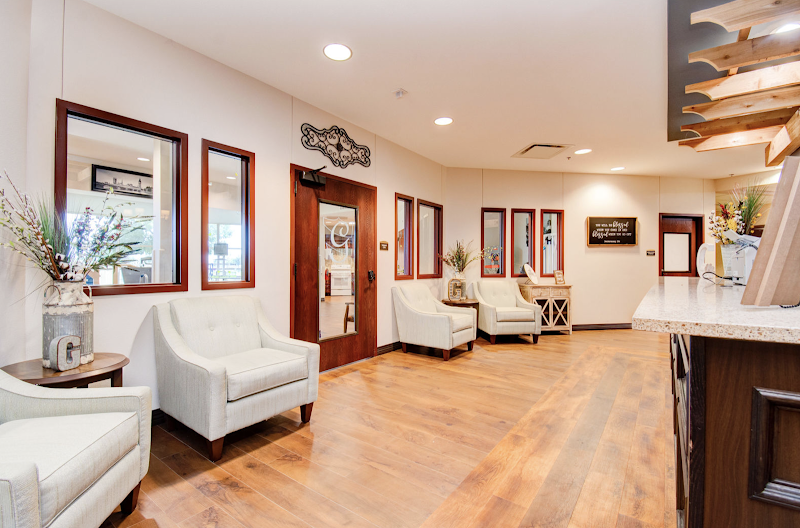
How is The Mildred & Shirley L. Garrison Geriatric Educat Staffed?
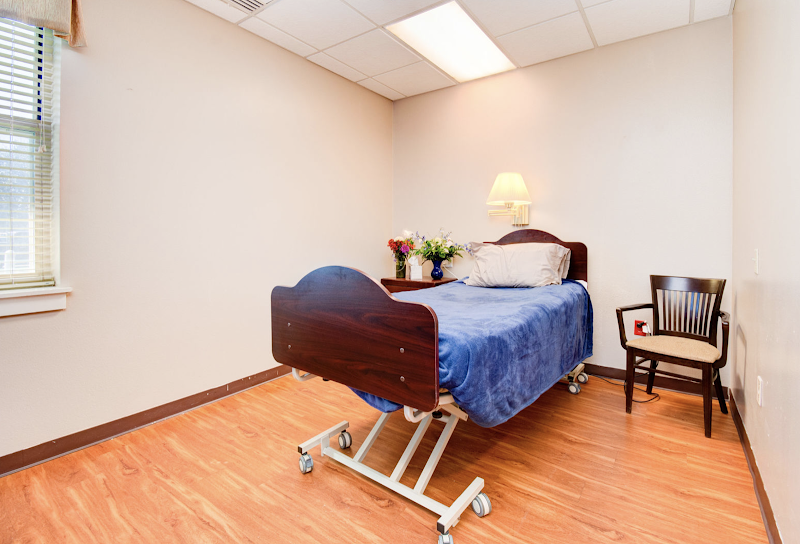
CMS rates The Mildred & Shirley L. Garrison Geriatric Educat's staffing level at 1 out of 5 stars, which is much below average compared to other nursing homes. Staff turnover is 52%, compared to the Texas average of 46%. RN turnover specifically is 71%, which is notably high. RNs provide skilled clinical oversight, so turnover in this role can affect medical care quality.

What Have Inspectors Found at The Mildred & Shirley L. Garrison Geriatric Educat?

State health inspectors documented 53 deficiencies at The Mildred & Shirley L. Garrison Geriatric Educat during 2022 to 2025. These included: 3 Immediate Jeopardy (the most serious level, indicating potential for serious harm or death), 1 that caused actual resident harm, and 49 with potential for harm. Immediate Jeopardy findings are rare and represent the most serious regulatory concerns. They require immediate corrective action.

Who Owns and Operates The Mildred & Shirley L. Garrison Geriatric Educat?

The Mildred & Shirley L. Garrison Geriatric Educat is owned by a for-profit company. For-profit facilities operate as businesses with obligations to shareholders or private owners. The facility is operated by THE ENSIGN GROUP, a chain that manages multiple nursing homes. With 120 certified beds and approximately 104 residents (about 87% occupancy), it is a mid-sized facility located in Lubbock, Texas.

How Does The Mildred & Shirley L. Garrison Geriatric Educat Compare to Other Texas Nursing Homes?

Compared to the 100 nursing homes in Texas, The Mildred & Shirley L. Garrison Geriatric Educat's overall rating (2 stars) is below the state average of 2.8, staff turnover (52%) is near the state average of 46%, and health inspection rating (2 stars) is below the national benchmark.

What Should Families Ask When Visiting The Mildred & Shirley L. Garrison Geriatric Educat?

Based on this facility's data, families visiting should ask: "What changes have been made since the serious inspection findings, and how are you preventing similar issues?" "Can you walk me through typical staffing levels on day, evening, and night shifts?" "Can I visit during a mealtime to observe dining assistance and food quality?" "How do you handle medical emergencies, and what is your hospital transfer rate?" These questions are particularly relevant given the facility's Immediate Jeopardy citations and the below-average staffing rating.

Is The Mildred & Shirley L. Garrison Geriatric Educat Safe?

Based on CMS inspection data, The Mildred & Shirley L. Garrison Geriatric Educat has documented safety concerns. Inspectors have issued 3 Immediate Jeopardy citations (the most serious violation level indicating risk of serious injury or death). The facility has a 2-star overall rating and ranks #100 of 100 nursing homes in Texas. Families considering this facility should ask detailed questions about what corrective actions have been taken since these incidents.

Do Nurses at The Mildred & Shirley L. Garrison Geriatric Educat Stick Around?

The Mildred & Shirley L. Garrison Geriatric Educat has a staff turnover rate of 52%, which is 6 percentage points above the Texas average of 46%. Moderate turnover is common in nursing homes, but families should still ask about staff tenure and how the facility maintains care continuity when employees leave.

Was The Mildred & Shirley L. Garrison Geriatric Educat Ever Fined?

The Mildred & Shirley L. Garrison Geriatric Educat has been fined $47,083 across 4 penalty actions. The Texas average is $33,550. While any fine indicates a compliance issue, fines under $50,000 are relatively common and typically reflect isolated problems that were subsequently corrected. Families should ask what specific issues led to these fines and confirm they've been resolved.

Is The Mildred & Shirley L. Garrison Geriatric Educat on Any Federal Watch List?

The Mildred & Shirley L. Garrison Geriatric Educat is not on any federal watch list. The most significant is the Special Focus Facility (SFF) program, which identifies the bottom 1% of nursing homes nationally based on persistent, serious quality problems. Not being on this list means the facility has avoided the pattern of deficiencies that triggers enhanced federal oversight. This is a positive indicator, though families should still review the facility's inspection history directly.