THE PLAZA AT LUBBOCK

4910 EMORY, LUBBOCK, TX 79416 (806) 740-0800
For profit - Corporation 132 Beds STONEGATE SENIOR LIVING Data: November 2025 3 Immediate Jeopardy citations
Trust Grade
4/100
#860 of 1168 in TX
Last Inspection: October 2024

Within standard 12-15 month inspection cycle. Federal law requires annual inspections.

Overview

The Plaza at Lubbock has received a Trust Grade of F, indicating significant concerns about the quality of care provided. This facility ranks #860 out of 1168 in Texas, placing it in the bottom half of nursing homes in the state, and #8 out of 15 in Lubbock County, suggesting only seven local options are better. While the facility has shown improvement, reducing issues from 20 in 2024 to 1 in 2025, it still faces serious challenges, including a poor staffing rating of 1 out of 5 and a turnover rate of 52%, which is average for Texas but indicates instability. The facility has also incurred $38,594 in fines, which is concerning and suggests ongoing compliance issues. There have been critical incidents, such as failing to provide CPR to a resident who required full resuscitation procedures, which jeopardizes the safety of all residents with a similar care plan, as well as instances of verbal abuse where a CNA belittled a resident despite being instructed to stop. These findings point to serious weaknesses in resident care and respect, but the facility has also made efforts to address some past compliance issues. Overall, families should weigh these strengths and weaknesses carefully when considering this nursing home.

Trust Score
F
4/100
In Texas
#860/1168
Bottom 27%
Safety Record
High Risk
Review needed
Inspections
Getting Better
20 → 1 violations
Staff Stability
⚠ Watch
52% turnover. Above average. Higher turnover means staff may not know residents' routines.
Penalties
○ Average
$38,594 in fines. Higher than 69% of Texas facilities. Some compliance issues.
Skilled Nurses
⚠ Watch
Each resident gets only 16 minutes of Registered Nurse (RN) attention daily — below average for Texas. Fewer RN minutes means fewer trained eyes watching for problems.
Violations
⚠ Watch
42 deficiencies on record. Higher than average. Multiple issues found across inspections.
★★☆☆☆
2.0
Overall Rating
★☆☆☆☆
1.0
Staff Levels
★★★★★
5.0
Care Quality
★★☆☆☆
2.0
Inspection Score
Stable
2024: 20 issues
2025: 1 issues

The Good

  • 5-Star Quality Measures · Strong clinical quality outcomes
  • Full Sprinkler Coverage · Fire safety systems throughout facility
  • No fines on record

Facility shows strength in quality measures, fire safety.

The Bad

2-Star Overall Rating

Below Texas average (2.8)

Below average - review inspection findings carefully

Staff Turnover: 52%

Near Texas avg (46%)

Higher turnover may affect care consistency

Federal Fines: $38,594

Above median ($33,413)

Moderate penalties - review what triggered them

Chain: STONEGATE SENIOR LIVING

Part of a multi-facility chain

Ask about local staffing decisions and management

The Ugly 42 deficiencies on record

3 life-threatening 1 actual harm
Jan 2025 1 deficiency 1 IJ
CRITICAL (J) 📢 Someone Reported This

A family member, employee, or ombudsman was alarmed enough to file a formal complaint

Immediate Jeopardy (IJ) - the most serious Medicare violation

Deficiency F0678 (Tag F0678)

Someone could have died · This affected 1 resident

**NOTE- TERMS IN BRACKETS HAVE BEEN EDITED TO PROTECT CONFIDENTIALITY** Based on interview and record review, the facility failed to provide basic life support, including cardiopulmonary resuscitation...

Read full inspector narrative →
**NOTE- TERMS IN BRACKETS HAVE BEEN EDITED TO PROTECT CONFIDENTIALITY** Based on interview and record review, the facility failed to provide basic life support, including cardiopulmonary resuscitation (CPR) for 1 of 7 residents reviewed for advanced directives. (Resident #1, #2, #3, #4, #5, #6, and #7). The RN A did not initiate CPR for Resident #1 when Resident #1 was found with no pulse or respirations. Resident #1 was listed as Full Code (all resuscitation procedures are provided to keep a person alive during a medical emergency). This failure could place all residents in the facility who requested a full code status at risk of death. An Immediate Jeopardy situation was identified on [DATE] at 3:20 PM. The Immediate Jeopardy was removed on [DATE] at 3:24 PM The facility remained out of compliance at a scope of isolated incident of and a severity level of potential actual harm due to the facility's need to complete in service training and evaluate the effectiveness of the corrective systems. This failure could place all residents in the facility who requested a full code status (everything is done to keep a person alive) at risk of death. Findings included: Resident #1: Record review of an admission Record dated for Resident #1 showed a [AGE] year old male with an admission date of [DATE] with diagnoses of Secondary malignant neoplasm (a cancer that forms in the cells of the breasts) of other parts of nervous system, Gastro esophageal reflux disease without esophagitis (acid reflux), Constipation, Hyperkalemia (high potassium), Benign prostatic hyperplasia (age associated prostate gland enlargement that can cause urinary difficulty) with lower urinary tract symptoms, Generalized anxiety disorder, Muscle weakness (generalized), Malignant neoplasm of unspecified site of unspecified male breast, History of falling. admission record did not specify Resident #1's code status. Record review of an Entry MDS (Minimum Data Set) assessment dated [DATE] for Resident #1 listed no BIMs (Brief interview for Mental Status). The most recent MDS dated [DATE] did not address advance directives or code status for Resident #1. Record review of Resident #1's care plan for Advance Directives, dated [DATE] revealed Social worker has discussed advanced directives and code status with resident and/or resident representative. The interventions were listed as: The facility staff will assure my advanced directives are discussed and appropriate paperwork is provided to me and placed in my medical record when returned to facility, Assure Advanced directives are discussed, and appropriate paperwork is obtained. No code status listed in orders. The care plan dated [DATE] for Resident #1 did not address code status. Record review of facility provided the code status for Resident #1, titled, Order Group Report (Advance Directive), dated from [DATE] to [DATE], stated: under order name: D/C Code STATUS FULL CODE may use AED, Dx: Secondary malignant neoplasm of other parts of nervous system. D/C date: [DATE] A Cardiopulmonary Resuscitation Advanced Directives Policy dated [DATE]. Indicated, .When a patient is found to be without heartbeat or respirations by any staff member the patient's medical record must be checked to ensure that the patient's wishes are followed. If there are no advanced directives or a Full Code status the licensed staff will start CPR . Record review of Resident #1's nurse notes, dated [DATE] at 5:34 AM, stated: revealed Resident declined to take any prn pain medication thru the night. Signed and dated by Medication Aide. Record review of Resident #1's nurse notes, dated [DATE] at 8:23 AM, stated revealed: went into patient's room at 0653 to find him pale, not breathing, no pulse was present, no lung or heart sounds were present. Called DON,911, wife and the physician shortly after finding. Signed and dated by RN A Record review of Resident #1's nurse notes, dated [DATE] at 8:50 AM, stated: Med aid went to patients' room and noticed patient was not responding, left room to call RN. RN went in room at 0653, assessed patient. RN checked for a pulse near carotid and brachial, listened for lung and heart sounds. RN found no pulse or sounds. Called DON at 0707 to inform of patient's current status, was ordered to call 911. called 911 at 0715, EMS arrived at 0724. called physician at 0716, no answer. RN left a message for the physician to inform him of patient's status. RN called wife at 0717 to inform of patient's current status. Wife said she can arrive in an hour and a half because she lives out of town. Signed and dated by RN A. Record review of Resident #1's nurse notes, dated [DATE] at 8:23 AM, stated: went into patient's room at 0653 to find him pale, not breathing, no pulse was present, no lung or heart sounds were present. Called DON,911, wife and the physician shortly after finding. Signed and dated by RN A Record review of Resident #1's nurse notes, dated [DATE] at 5:34 AM, stated: Resident declined to take any prn pain medication thru the night. Signed and dated by Medication Aide. Record review of facility provided code status for Resident #1, titled, Order Group Report (Advance Directive), dated from [DATE] to [DATE], stated: under order name: D/C Code STATUS FULL CODE may use AED, Dx: Secondary malignant neoplasm of other parts of nervous system. D/C date: [DATE] Record review of EMS report, titled, Pre hospital Care Report Summary, for Resident #1, dated [DATE], revealed: Record revealed that the call came in at 07:18:12, dispatched at 07:18:26, En Route at 07:18:28, On Scene at 07:21:37, Patient Contact at 07:23:00 Billing Disposition stated: Dead after arrival, patient dead at scene resuscitation attempted (without transport) deceased Patient: Dead After Arrival Assessments: Airway Breathing Rate; Apneic (is a temporary cessation of breathing, where the muscles used for inhalation stop moving). Skin Color: Cyanotic, pale Skin temperature: Cool Skin condition: Normal Comments: Resident is apneic and pulseless Type of CPR Provided: Compressions Manual Ventilation Passive Ventilation with Oxygen ([DATE] 07:51) Reason CPR/Resuscitation Discontinued: Protocol/Policy Requirements Completed. First Arrest Rhythm of the Patient; Asystole (flatline, is a cardiac arrest rhythm where the heart's electrical and mechanical activity stops completely). Who first initiated CPR: EMS Responder (transport EMS) Arrest Witnessed: unwitnessed. Narrative History Text: 9742 responded to facility for cardiac arrest (sudden, unexpected loss of heart function, breathing, and consciousness). Upon arrival at bedside, two caregivers were noted and stated that they just cleaned and changed the patient. The patient was noted to be unresponsive, pulseless, and apneic (is a temporary cessation of breathing, where the muscles used for inhalation stop moving). The patient did not present with rigor (a postmortem change resulting in the stiffening of the body muscles due to chemical changes in the myofibrils). The patient was moved to the floor and CPR initiated CPR (cardiopulmonary resuscitation) initiated. OPA (oropharyngeal airway insertion) and NRB (non rebreather mask) were placed for passive airway and IO (intraosseous vascular) access obtained. Cardiac monitor with stat pads were placed. The initial rhythm of the patient was noted to be asystole. Staff then relayed to EMS (emergency medical services) that the patient was found unresponsive and pulseless at 0658, and that resuscitation (the action or process of reviving someone from unconsciousness or apparent death) was not attempted. The staff reported that the patient is full code. Cardiac arrest medications were administered, and the patient was successfully intubated with end tidal co2 monitoring used to confirm placement, lung sounds auscultated (examine a patient by listening to sounds from the heart, lungs, or other organs). The patient was noted to remain in asystole (flatline, is a cardiac arrest rhythm where the heart's electrical and mechanical activity stops completely) throughout. Signal 28 was called at 0751. Information was given to LPD (police department). EMS (emergency medical services) cleared the scene. During an interview with the Administrator on [DATE] at 11:28 AM,. The Administrator stated that the policy for code status stated was that CPR should be initiated to for a full code resident unless the seven signs of death are present. The Administrator stated that the RN A did not initiate CPR because all seven signs of death were present. The Administrator did not specify the seven signs of death. The Administrator stated that the documentation that the RN A made is incomplete and not finished. The Administrator did not give a reason the RN A had unfinished documentation. The Administrator stated that if the resident was not showing all seven signs of death, then she should have initiated CPR. The Administrator stated that education was provided to the RN immediately. The education that had been provided was through in services on [DATE] for Active Signs of Death, BON guidance positions for nurses (LVN & RN) position statement 15.2 & 15.20, CN are to print code statuses at beginning of every shift and keep on them at all times during shift. During an interview with EMS Staff on [DATE] at 2:37 PM, The EMS Staff member stated that when the team had gotten on scene, that there were two staff members that had already cleaned the resident. The EMS staff member had stated that Resident #1 appeared deceased , no pulse, no respirations, slightly cool to touch, jaw was loose, and did not have any darkening of the skin. The EMS Staff member stated that they had to get the RN to ask what the resident's code status was. The EMS staff member stated that the RN should have initiated CPR immediately when she had found the resident and continued CPR until EMS arrived. The EMS staff member stated that the RN stated that Resident #1 was a full code. The EMS Staff member stated that there was no reason the RN should not have initiated CPR. EMS staff member,, She stated that the body of Resident #1 was not in rigor mortis. During an interview with RN A on [DATE] at 5:00 PM., RN A stated that she arrived on shift at 6 am and received report from LVN. RN stated that during report, Resident #1 was stable, and he had refused his pain medication. RN A stated that CMA E went to give Resident #1's medication before 7 am and that was when she realized he was unresponsive and not breathing. RN A stated that is when the CMA E came to get her, and RN A went to Resident #1's room to assess him. RN A stated that his skin was cold to touch and no movement. RN A stated that Resident #1 was cyanotic (blue) and had rigor mortis. RN A stated that she immediately contacted the DON and was instructed to call 911. RN A then contacted the Physician and he said, Thank you for letting me know. RN A stated that she contacted the wife after the physician. RN A stated that on the computer Resident #1 was DNR, so she did not initiate CPR. RN A stated that a few days ago when he was admitted his vitals were stable, he was cognitive, and no issues other than his cancer. RN A stated, This was unexpected. RN A stated, How long will you be investigating this. During an interview with CNA G on [DATE] at 5:36 PM. CNA G stated that she had worked the evening shift of [DATE] and had gotten off shift the morning of [DATE]. CNA G stated that she had been the only CNA G on shift for three hundred hall and she had one nurse on shift. CNA G stated that Resident #1 had expired later that afternoon because a co worker had called and told her. CNA G stated that she had done her rounds at 4:45 4:50 AM with Resident #1. CNA G stated that Resident #1 was sleeping and had visible respirations when she had gone in Resident #1'shis room to change his foley bag. CNA G stated that Resident #1 had moved a little (changed positions in bed) and she was trying to be quiet and not wake him. CNA G stated that she normally makes made her rounds at 12 am, 2 am, and 4 am. CNA G stated that she will normally walk around and do checks on the residents in between making her rounds. CNA G stated that she was supposed to leave at 6 am that morning and supposed to do report with the on coming CNA G but the oncoming CNA G was late, so she just left. CNA G stated that the resident was breathing and asleep at 4:45 AM and did not show and signs of distress through the night. During an interview with LVN C on [DATE] at 8:46 PM. LVN C stated that she worked the evening of [DATE] and had gotten off the morning of [DATE]. LVN C stated that she had given report to RN A the morning of [DATE]. LVN C stated that she had given report with the RN A at the desk and then they had gone and did the narcotics count. LVN C stated that the nurse would normally check residents when coming onto shift. LVN stated that she would usually check on her resident's every 2 3 hours throughout the night. LVN C stated that she had last seen Resident #1 around 5:30 AM on [DATE] and he was awake and talking to her. LVN C stated that Resident #1he had denied his pain medication and had had told her that he was not in any pain and did not want anything for pain. LVN C stated that she was not surprised because the night before Resident #1 had been in a lot of pain, and Resident #1he had new Fentanyl patches put on earlier that day and had not been in pain since then. During an interview with the DON on [DATE] at 11:39 AM. The DON stated that she was notified by RN A at 707 AM on [DATE] of the unresponsive resident. The DON stated that the RN A had notified her that Resident #1 had no pupil response, no pulse, cold to the touch, and no signs of life. The DON stated that the RN A had not initiated CPR because she told DON that based on her assessment that she had done, he showed signs of death, and it would not have be appropriate to perform CPR. The DON stated that rigor mortis is the settling of blood and starts in face, pale, cyanotic (blue), will turn into blood settling and stiffness. The DON stated that RN A did not complete her notes. The DON did not specify why RN A did not finish her notes. The DON stated that on the nurse notes it stated that resident was cold to touch, pale, but did not state rigor mortis. The DON stated that while she was coming into the facility, the EMS was leaving the building, and they had stopped her and asked her why CPR was not initiated. The DON stated that she had not been here and could not determine what should have been done because she had not done the assessment. The DON stated that RN A stated to her that the resident was, Dead, Dead, The DON stated that per her education from TBON (Texas Board of Nursing), that RN's can make the decision if CPR is appropriate or not upon assessment. The DON stated that she can cannot question another nurse's judgement as a nurse. The DON stated that if a nurse were wrong, she would educate that nurse, but since the DON was not in the facility to do her own assessment, she could not judge the RN's assessment. The DON stated that she immediately started in services for active signs of death, BON guidance positions for nurse's (LVN & RN) position statement 15.2 & 15.20, CN are to print code statuses at beginning of every shift and keep on them at all times during shift. signs of impeding death and code status. During an interview with CMA E on [DATE] at 1: 37 PM. CMA E stated that she was the person that had found the Resident #1 unresponsive in his room the morning of 1/21/.2025. CMA E stated that she was on shift the morning of [DATE], her shift had been from 6 am 2pm. CMA E stated that she had found Resident #1 unresponsive around 6:35 am 6:40 am. CMA E stated that she had gone to Resident #1's room and the door was slightly cracked open, and she had knocked and called out his name. CMA E stated that she did not hear any response from Resident #1, so she had knocked again and called out his name. CMA E stated that she still did not hear anything and then she had opened the door and walked in to check on him. CMA E stated that she had thought it was strange that Resident #1 did not answer because she did not notice any breathing or respirations. CMA E stated that she had shaken Resident #1'shis shoulder and had called his name. CMA E stated that Resident #1's eyes were closed, and he was laying back but to the side a little and his mouth was open, and the head of his bed was slightly elevated. CMA E stated that Resident #1 was not stiff because when she shook him, he was very loose when she had shaken him;, and he wasn't firm or stiff. CMA E stated that she had not seen any different coloration of his ( Resident #1's) face or lips and no blotchiness. CMA E stated that she had immediately left Resident #1's room and went down the hall to get RN A. CMA stated that she and the RN had went back to Resident #1's room and RN A had taken took the pulse by wrist on Resident #1. CMA E stated that when RN A had taken Resident #1's pulse by his wrist, his wrist was loose. CMA E stated that the RN A stated that she did not feel a pulse. CMA E stated that her and RN A had then went to the nurse's station, and the RN A had gotten on the computer to look up a phone number and had then she contacted the DON. CMA E stated that the DON had then instructed RN A to call 911. CMA E stated that she had left the nurse's station after that because she had to administer the medications to other residents. CMA E stated that she did not witness RN A performing any CPR at all. CMA E stated that she would know what the code status of a resident is was because all the nurse's would pull a code status at the beginning of the shift, and they carry that in their pocket to check every resident. CMA E stated that Resident #1 was listed as a full code. During an interview with CNA H on [DATE] at 2:16 PM. CNA H stated that she was on shift the morning that Resident #1 was found unresponsive. CNA H stated that her shift was 6 am 2pm on [DATE]. CNA H stated that she clocked in at 6:37 AM. CNA H stated that when she came in, she went room to room to write down all resident's names down so that she would know who needed showers. CNA H stated that she went to talk to RN A about shower sheets. CNA H stated that while she was talking with RN A about shower sheets, the CMA E came in and stated that a resident is was unresponsive. CNA H stated that when she saw Resident #1, he was pale and foaming out of the mouth. CNA H stated that she did not see RN A initiate CPR. CNA H stated that they had found Resident #1 at 6:42 AM. CNA H stated that RN A thought that Resident #1 was a DNR because RN A stated that Resident #1 was a DNR to her. CNA H stated that Resident #1 was not stiff, and he did not have any discoloration of the skin. CNA H stated that she knew this that because she helped to clean up the body before EMS got to the facility. CNA H stated that Resident #1 was in bed and was turned to the side with his eyes closed. CNA H stated that they usually just ask the nurse of the code status of the residents. Record review of a report provided by the facility on [DATE] at 4:36 PM, between the dates of [DATE] to [DATE]., indicated there were 50 of 93 residents with a full code status. A Cardiopulmonary Resuscitation Advanced Directives Policy dated [DATE] .Indicated, .When a patient is found to be without heartbeat or respirations by any staff member the patient's medical record must be checked to ensure that the patient's wishes are followed. If there are no advanced directives or a Full Code status the licensed staff will start CPR . Record review of facility provided policy, titled, Cardiopulmonary Resuscitation (CPR): Basic Life Support (BLS)/ Hands Only CPR, date revised on February 12, 2020; stated: Policy: CPR (BLS and/or Hands Only) will be initiated for residents that experience a witnessed or unwitnessed cardiopulmonary arrest while in the community. CPR will not be initiated (or continued) for any resident that: a. Has a DNR order on record. b. Shows American Heart Association (AHA) signs of clinical death as defined in the AHA Guidelines. Procedure: Preparations: 1. Licensed clinical staff involved in resuscitative efforts will obtain and/or maintain certification in Basic Life Support (BLS)/Cardiopulmonary Resuscitation (CPR). 2. Unlicensed personnel will receive hands on training annually (at minimum) by DON or designee. 3. DON or designee will conduct a Mock Code (educational simulation of actual arrest) annually at minimum for training purposes. 4. Emergency equipment and supplies necessary for CPR/BLS will be maintained in the community. 5. Information will be provided upon admission on CPR/BLS policies and advance directive to each resident/ representative. General Guidelines; 1. The goal of CPR is to try to maintain life until the emergency medical response team arrives to deliver Advanced Life Support (ALS). 2. If an individual is found unresponsive by an employee of the community the employee will initiate CPR unless: a). It is known that a Do Not Resuscitate order exists for the resident; or b). In the event of an unwitnessed cardiac event an RN may determine that CPR would be futile and an inappropriate intervention if all signs of death are present: i. The resident is unresponsive. ii. The resident has no respiration. iii. The resident has no pulse. iv. Resident's pupils are fixed and dilated. v. The resident's body temperature indicated hypothermia: skin is cold relative to the resident's baseline skin temperature. vi. The resident has generalized cyanosis, and vii. There is presence of livor mortis (venous pooling of blood in dependent body parts). 3. RN must document description of discovery for example: treatment undertaken; findings of assessment; individual notified, result of communication and presence or absence of witness. Equipment and Supplies: 1. Personal Protective equipment including: gloves, masks, gowns, and eyewear as appropriate. 2. Airway delivery device such as: pocket face mask, Ambu bag and/or mouth shields. Heart Association's Guidelines for Cardiopulmonary Resuscitation and Emergency Cardiovascular Care or community BLS training material. Bystander/Unlicensed Staff: 1. Summon for help 2. Request AED 3. Check for Responsiveness (for example shaking, tap shoulder and shout are you okay etc.) 4. While awaiting AED, if unresponsive begin performing chest compressions (unless known code status is DNR). Continue until licensed staff arrive. 5. If responsive stay with resident until help arrives. CPR Certified Staff: 1. Determine unresponsiveness; if no response 2. Request AED and summon for help 3. Check for no breathing or no normal breathing 4. Check for pulse (no more than 10 seconds) 5. Initiate community emergency response 6. Start CPR as trained Documentation: 1. Document events of episode in residents medical record (if victim is a resident) a. Approximate time and condition in which the resident was found, or the event was witnessed. b. The sequence of resuscitation efforts, including approximate times and AED shock was delivered (if applicable). c. The resident's response to resuscitation efforts. d. Approximate time that EMS team took over. e. Notification of physician and resident family. f. Time resident was transported or time of death. Reporting: Follow community policy regarding reporting. References: American Heart Association. Retrieved from http://www.heart.org/HEARTORG/ on [DATE] Definitions: Cardiopulmonary Resuscitation (CPR) is a group of emergency treatments that are executed when someone's breathing, or heartbeat has stopped. The treatments consist of rescue breathing and chest compressions. CPR allows oxygenated blood to circulate to vital organs such as the brain and heart. Hands only CPR is CPR without rescue breathing. AHA has recommended it for use by untrained layperson/bystander (non licensed) on teens or adults who collapse (observed and unobserved). This involves calling 911 or sending someone to call and pushing hard and fast in the center of the chest. Record review of website viewed for American Heart Association at, date retrieved on [DATE], stated: The American Heart Association (AHA) considers a person clinically dead if they have obvious signs of irreversible death, such as rigor mortis, decapitation, or decomposition. The AHA also considers a person clinically dead if they have a valid advance directive or DNAR order that states they do not want resuscitation. Signs of irreversible death rigor mortis, dependent lividity, decapitation, transection, and decomposition. Advance directives A valid, signed, and dated advance directive that states the person does not want resuscitation. A valid, signed, and dated DNAR order Signs of irreversible death Rigor mortis, which is when the body stiffens after death. Dependent lividity Decapitation Transection Decomposition Advance directives A valid Do Not Resuscitate (DNR) order. A valid, signed, and dated advance directive that states the person does not want resuscitation. A living will, which is a written direction to physicians about the patient's wishes for end of life care. The AHA recommends that rescuers initiate CPR unless they see obvious signs of irreversible death, have a valid DNR order, or could be injured. Record review of facility provided in services, dated [DATE], titled, Active Signs of Death, with forty seven staff signatures including RN A, stated: Signs that someone is near death: 1. Shortness of breath 2. Isolation and drifting away 3. Decreased appetite and thirst 4. Nausea and vomiting 5. Anxiety 6. Constipation 7. Fatigue 8. Incontinence 9. Skin Conditions 10. Delirium 11. The death rattle 12. Pain Record review of facility provided in services, dated [DATE], titled, BON Guidance Positions for Nurses, with seventeen staff signatures including RN A, stated: The Registered Nurse Scope of Practice: The RN takes the responsibility and accepts accountability for practicing within the legal scope of practice and is prepared to work in all health care settings and may engage in independent nursing practice without supervision by another health care provider. The RN is responsible for providing safe, compassionate, and comprehensive nursing care to patients and their families with complex healthcare needs. Record review of facility provided in services, dated [DATE], titled, print code statuses at beginning of every shift and keep on them at all times during shift, with eighteen staff signatures including RN A, stated: How to print Code Statuses: 1. Go to reports in system 2. Select order group report 3. Enter room numbers for your hall 4. Select Active order under order status 5. Search by order group Advanced Directives The Administrator was notified on [DATE] at 3:20 PM., that an Immediate Jeopardy situation was identified due to the above failures. The IJ template was emailed to the Administrator on [DATE] at 3:43 PM. The facility's Plan of Removal was accepted on [DATE] at 8:12 A.M., and included: Summary of Details which lead to outcomes: On [DATE], during a complaint survey initiated at the facility a surveyor. provided an IJ Template notification that the Survey Agency has determined that the conditions. at the center constitute immediate jeopardy to resident health. F678 The notification of the alleged immediate jeopardy states as follows: F678 The resident was a 65 y/o male, admitted on [DATE] with a diagnosis of malignant neoplasm of the breast with secondary malignant neoplasm of other parts of the nervous system. The facility allegedly failed to provide basic life support, including CPR, prior to the arrival of emergency. medical personnel for 1 (Resident #1) of 1 resident. Resident #1's code status was listed as full code. How other residents with the potential to be affected by the same deficient practice. will be identified. Any resident with full code status have potential to be affected by the alleged. deficient practice What measures will be put into place or what systemic changes will be made to ensure that the deficient practice does not recur. DON (Director of Nursing) or designated nurse will in service all licensed nurses on policy and procedure for identifying code status on residents by 10:00 pm on [DATE]. No nurses will be allowed to work until training has been completed. Any nurses who did not receive training before 10:00 P.M. on [DATE] will receive training prior to the start of their next shift. This education was initiated on [DATE]. DON or designee will educate all staff on emergency policy and procedures when residents. are found to be unresponsive by 10:00 pm on [DATE]. No nurses will be allowed to work. until training has been completed. Any nurses who did not receive training before 10:00 P.M. on [DATE] will receive training prior to the start of their next shift. This education was initiated on [DATE]. DON or designee will monitor 10 staff members per week for 4 weeks on competency of 7 signs of death/ active signs of death, competency of nurses printing code statuses from EMR and on person, and CNA competency on code status on POC. This monitoring was initiated. on [DATE]. How the corrective action(s) will be monitored to ensure the deficient practice is being corrected and will not recur (i.e., what program will be put into place to monitor the continued effectiveness of the system changes); and Proof of the education will be submitted to QA committee Involvement of Medical Director Medical Director was notified and met with interdi[TRUNCATED]
Dec 2024 2 deficiencies
CONCERN (D) 📢 Someone Reported This

A family member, employee, or ombudsman was alarmed enough to file a formal complaint

Potential for Harm - no one hurt, but risky conditions existed

Notification of Changes (Tag F0580)

Could have caused harm · This affected 1 resident

**NOTE- TERMS IN BRACKETS HAVE BEEN EDITED TO PROTECT CONFIDENTIALITY** Based on interviews and record review, the facility failed to notify the residents physician and representative regarding a chan...

Read full inspector narrative →
**NOTE- TERMS IN BRACKETS HAVE BEEN EDITED TO PROTECT CONFIDENTIALITY** Based on interviews and record review, the facility failed to notify the residents physician and representative regarding a change in the resident's condition, for 1 of 2 residents (Resident #1) reviewed for changes in condition. 1. RN C failed to notify Resident #1's family and physician when RN C administered Resident #2's lorazepam to Resident #1 on 11/21/2024. This failure could place residents at risk of not having their family and physicians notified of changes resulting in a delay in decision making for medical interventions. Findings: Resident #1 Record review of Resident #1's undated face sheet revealed a [AGE] year-old female admitted to the facility on [DATE]. Resident #1 had a medical history of urinary tract infection, obstructive sleep apnea (the most common sleep-related breathing disorder), and muscle weakness. Record review of Resident #1's admission MDS Section- C Cognitive Patterns revealed a BIMS score of 15, which indicated the resident was cognitively intact. Record review of Resident #1's physician orders did not reveal an order for lorazepam 1mg (a sedative that can treat seizure disorders, such as epilepsy. It can also be used before surgery and medical procedures to relieve anxiety ). Record review of physician orders did not reveal any new orders regarding the medication error. Record review of Resident #1's medication Error Report revealed: Date/Time Error(s) discovered- 11/21/2024 9:36PM. Errors Discovered by/ Title- RN C. Person Responsible for error- RN C. Date of error(s) 11/21/2024. Time of error(s) 09:30 PM. Medication Ordered- Resident #1 doesn't have order for Ativan Type of Error- Drug Administered without a MD Order, Wrong resident Description of error- Misread , - Wrong Patient Statement of person responsible for error- I had a new patient with 7 new cards and a patient Resident #2 with the wrong first name was in the pile of medications, and I gave the wrong med because I did not read the first name correctly it was another Resident #2 in the pile of new meds. The FM told me to give her, her pain meds as soon as they get here because she was in pain. I tried to accommodate the Resident #1's request as soon as I could. This was a mistake. I tried to hurry up and help a patient and as a result the wrong patients med with the wrong first name was given. Physician notified? -yes. By Whom? -RN C Date/Time- 11/22/2024, 03:35 PM Family notified? - Yes 11/22/2024, 04:01 PM . .Classify errors according to the Medication Error Index as adopted by the National Coordinating Council for Medication Error Reporting and Prevention: Category C An error occurred that reached the patient but did not cause patient harm. Record review of Resident #1's Observation Data sheet revealed vitals signs taken on 11/21/2024 at 9:36pm with reason for observation - follow up incident/fall. BP: 122,65. Heart rate 73, Respiratory rate 18, Temp 97.5, and Pulse Oximetry 98. Document signed by RN C. Resident #2 Record review of Resident #2's undated face sheet revealed a [AGE] year-old female admitted to the facility on [DATE]. Resident #2 had a medical history of Alzheimer's disease (a brain disorder that gradually destroys memory and thinking skills, and eventually the ability to perform everyday tasks), panic disorder with episodic paroxysmal anxiety (a term used to describe the recurrent, severe, and unpredictable panic attacks that are a primary feature of panic disorder), and muscle weakness. Record review of Resident #2's physician orders revealed an order for lorazepam 1mg tablet, give 1 tablet by mouth four times daily. Record review of Resident #2's Controlled Drug Record for Lorazepam 1mg revealed RN C receiving from the pharmacy 48 tablets of Lorazepam and administering 1 lorazepam tablet at 2100 (9pm) on 11/21/2024 with a note written beside stating administered to wrong resident. During an interview with Resident #1's family on 12/03/2024 at 09:30AM, she stated on 11/21/2024 at around 9pm, Resident #1 had been given a tramadol and Ativan (lorazepam) by RN C. She stated RN C clocked out of work around 10pm. She stated nothing was mentioned to her that night regarding a medication error, but the next morning Resident #1 was difficult to arouse from sleep. She stated later in the day on 11/22/2024, RN C did tell her he had made a medication error, but she felt he had treated it like it was nothing. She stated she had talked to Med Aid D about the medication that had made her mother very hard to wake up, and she did not want her taking that medication again. She stated Med Aid D explained that Resident #1 did not have any sleeping medication in her chart. She stated she spoke to the ADM and DON, but she did not know what had been done about RN C. She stated she felt that although mistakes can happen and Resident #1 was okay, she felt that Resident #1's situation was not addressed with importance and a simple apology would have made a difference. She stated RN C knew he had made the error that night on 11/21/2024 and did not notify the physician, the family, or the DON. She stated Med Aid D had notified the DON, but she is not sure why the DON did not address it until the next day instead of that night . During an observation and interview with Resident #1 on 12/03/2024 at 9:30AM, she did not remember any information regarding the incident . Resident appeared clean and comfortable sitting in a wheelchair. Resident was watching television and had finished breakfast. During an interview with LVN A on 12/03/2024 at 11:15AM, she stated she had taken care of Resident #1 on 11/22/24 in the morning. She stated she had not been made aware (that morning) of the medication error that had occurred. She stated if she had, she would have initiated closer observation of Resident #1 even if she had to sit by her door. She stated she received report from LVN B, and the medication error was not reported. LVN A stated she had been trained on medication administration and the five rights of medication administration were right patient, right medication, right dose, right time, and right route. She stated when a medication error occurred, the person who committed the errors needed to notify the physician, the DON, and the family as soon as possible and assess the resident. She stated the possible negative outcomes of medication errors could be harm to the patient. During an interview with Med Aid D on 12/03/2024 at 1:02pm, she stated she had been working on 11/21/2024, in medical records. She stated at approximately 9:15pm the pharmacy had dropped off some medications. She stated she was at her medication cart when RN C came up to her to sign off the Ativan in the resident's electronic medical record. She stated when they checked the order on her chart, there was no order for Ativan for Resident #1. She stated she looked at the medication card with the pills and noticed the medication card was for Resident #2. She stated she then asked him please don't tell me you gave this to Resident #1?. She stated he replied, yes I did, I thought it was for Resident #1. She stated RN C went back down hall 300 and she returned to medical records. Med Aid D stated before leaving around 10pm that night she had asked the oncoming night nurse if he had been notified of the medication error on Resident #1. She stated LVN B denied being informed of the medication error. She stated she texted the DON at 10:27pm asking if she had been notified of RN C's medication error. She stated she did not get a response back that night but did get a response saying nope at around 11:25 AM on 11/22/2024. She stated she told the DON she would come talk to her when she got there. She stated the DON asked if the medication error was on a different resident, and she stated it was someone else. The Med Aid stated when she did come in on 11/22/2024, she informed the ADM and the DON of the medication error that RN C had caused. She stated because RN C did not notify anyone, Resident #1 did not have increased monitoring or assessment and the physician had not been notified. She stated the DON did talk to RN C on 11/22/2024 but she did not know about what. The Med Aid stated she had been trained on medication administration and she would report any medication errors to the physician, the family, the DON, and the ADM. She stated the possible negative outcomes of medication errors could be any adverse effect, or an allergic reaction and residents could be harmed. She stated she felt that RN C did not look at the entire name on the medication card and only saw the last name as Resident #1 and Resident #2 had the same last name. During an interview with RN C on 12/03/2024 at 2:30pm, he stated Resident #1 was a new resident to the facility. He stated on 11/21/2024 he had received about 8 medication cards and all the information had not been put into the computer. He stated all the cards had the same last name. He stated Resident #1's family had requested the resident receive her pain medication as soon as it was delivered. He stated as soon as the medications came in, he popped the tramadol and the lorazepam, and administered the medication to Resident #1. He stated he had made the mistake trying to make the family happy. He stated he had rushed and did not go through the five rights of administration. RN C stated he knew he made the error right away because the Med Aid D had informed him. He stated the Med Aid D had notified the DON. He stated he did notify the FNP. She asked if there had been any adverse reactions, or allergic reactions, and he told her no, and the FNP told him to document the error. He stated at that time, 11/22/2024 the resident was alert but in the morning she had been groggy. He stated he had informed Resident #1 FM of what medication he was giving the resident and the family never said anything about that, they only wanted to know why tramadol and not hydrocodone. RN C stated he notified the FNP on 11/22/2024 at 3:30pm. He stated he did not call the night the mistake was made because he thought Med Aid D would take care of it and notify everyone. He stated the medication error report was usually done on paper and given to the DON. RN C stated he did not follow up with Med Aid D after because he had been busy with other residents. He stated they did not have a charge nurse. RN C stated he had been trained on medication administration, but it had been a while. He stated the five rights of medication administration were right patient, right name, right dose, right time, and right order. He stated the potential negative outcomes of a medication error could be an allergic reaction, loss of balance, and possibly overdose. RN C stated he did not remember mentioning the medication error when he gave report to the night nurse. He stated he did not initiate any increased monitoring or observation on Resident #1. He stated, this often happens when you try to do too much, and mistakes happen. RN C stated he did one set of vital signs but nothing after. He stated, Now that I think about it, I should have initiated more observation. During an interview with the DON on 12/03/2024 at 2:51pm, she stated she was not present at the time of the medication error. She stated she received a text message on 11/22/2024 from Med Aid D asking if RN C had notified her of what had happened the previous night. She stated she was not aware of the events that occurred the previous night and the Med Aid D told her she would talk to her at 2pm. She stated Resident #2's narcotic count appeared off in the computer system due to the medication error. She stated she worked with a med aid to resolve the issue and when RN C arrived at the facility, she had him do the medication error report, notify the physician, and notify the family. She stated the facility did have charge nurses and RN C was the charge nurse on night shift. She stated she did speak to Resident #1's family member on 11/26/2024 after learning the family was very upset about the medication error. The DON stated she was unable to share details of RN C's disciplinary actions but that she had taken the incident seriously. She stated the FNP had a conversation with Resident #1's family and the FNP was willing to send Resident #1 to the ER but at that point the medication was mostly metabolized. She stated, Resident #1 was okay, but if Resident #1's family still wanted her to go to the ER, the FNP would send her. Resident #1 did not go to the ER after that conversation . The DON stated the person who makes the medication errors is to report it to the physician, DON, family and make the medication error report. She stated she was unsure why RN C did not initiate those steps. During an interview with LVN B on 12/03/2024 at 4:01pm, he stated he was working that night, 11/21/2024, and remembered someone telling him there had been a medication error with Resident #1. He stated he did not remember who told him that information. He stated he did go and check on her through the night and he did not observe any adverse events or adverse effects. He stated he did not know if the physician had been notified of the medication error. He stated Resident #1 rested through the night. LVN B stated he had been trained on medication administration and medication errors are to be reported immediately to the DON, physician, and family. He stated that the possible negative outcomes could have been an allergic reaction, and abnormal vital signs. During an interview with FNP on 12/04/2024 at 9:26AM, she stated she had not been notified of the medication error with Resident #1 until the following day. She stated she expected to be notified of medication errors when they occurred or within four hours of the medication error. She stated when she was called, Resident #1 was alert and stable and she had no concerns for long lasting negative effects. She stated lorazepam was a medication given for mild sedation or to calm someone down. She stated after the medication was administered, Resident #1 would have experienced some sedation. The FNP stated she talked to Resident #1's family and explained at that time Resident #1 was awake, alert, and stable and did not see a need to send her to the ER. She stated she would expect to be notified sooner of medication errors and implement any needed interventions or orders. Record review of facility policy titled Change of Conditions, last revised on February 13,2023 revealed: The primary goal of identifying Acute Changes of Condition (ACOCs) is to enable staff to evaluate and manage a patient at the community and avoid transfer to a hospital or emergency room (ER). To achieve this goal, the community's staff and practitioners must recognize an ACOC and identify its nature, severity, and cause(s) . Changes in condition of the patient are determined by current and past medical conditions, medical orders, patient safety factors, and/or by assessments . .4 . The nurse notifies the responsible physician or advanced practice nurse (APRN) utilizing appropriate channels and chain of command. 5.Document in the medical record the date, time, and name of each physician notified, actions taken and/or patient's response to treatment. Documentation should also include all nursing assessments and findings, nursing actions, and notification of charge nurse/nurse supervisor. All entries in the EHR will be automatically dated, timed, and signed according to community policy. 6. Patient families, guardians, or other appropriate people are to be contacted when there is a significant change in a patient's condition or health status . Definitions: An acute change of condition (ACOC) is a sudden, clinically important deviation from a patient's baseline in physical, cognitive, behavioral, or functional domains. Clinically important means a deviation that, without intervention, may result in complications or death. Record review of facility policy titled Medication Error: Reporting & Management, last revised on January 10, 2023, revealed: Purpose: To describe the procedure for reporting a medication error and the mechanism for review to allow appropriate follow-up and possible implementation of change to decrease the causes and incidences of medication errors . 4. Administration Error - Wrong: a. Patient . Medication Error Review-Upon discovery of an unusual incident regarding a medication, the staff member should immediately evaluate the patient, notify the physician (or designee), and nurse manager. The staff member will report the incident immediately by completing a Medication Error Report in the EHR. EMR>QAPl>Medication Error Report. The error will be classified according to the Medication Error Index, as adopted by the NCC MERP . Guidelines: 1. The staff member that identifies the error will complete the Medication Error Report 2. Notification to the Director of Nursing
CONCERN (D) 📢 Someone Reported This

A family member, employee, or ombudsman was alarmed enough to file a formal complaint

Potential for Harm - no one hurt, but risky conditions existed

Deficiency F0760 (Tag F0760)

Could have caused harm · This affected 1 resident

**NOTE- TERMS IN BRACKETS HAVE BEEN EDITED TO PROTECT CONFIDENTIALITY** Based on interviews and record review the facility failed to ensure that residents were free of significant medication errors fo...

Read full inspector narrative →
**NOTE- TERMS IN BRACKETS HAVE BEEN EDITED TO PROTECT CONFIDENTIALITY** Based on interviews and record review the facility failed to ensure that residents were free of significant medication errors for 1 of 3 residents (Resident #1), reviewed for pharmacy services. 1. The facility failed to ensure Resident #1 was free of significant medication errors when a dose of lorazepam 1 mg was administered on 11/21/2024 by RN C. This failure could place residents at risk of adverse reaction related to taking medications not ordered by the physician. Findings: Resident #1 Record review of Resident #1's undated face sheet revealed a [AGE] year-old female admitted to the facility on [DATE]. Resident #1 had a medical history of urinary tract infection, obstructive sleep apnea (the most common sleep-related breathing disorder), and muscle weakness. Record review of Resident #1's admission MDS Section- C Cognitive Patterns revealed a BIMS score of 15, which indicated the resident was cognitively intact. Record review of Resident #1's physician orders did not reveal an order for lorazepam 1mg (a sedative that can treat seizure disorders, such as epilepsy. It can also be used before surgery and medical procedures to relieve anxiety ). Record review of physician orders did not reveal any new orders regarding the medication error. Record review of Resident #1's medication Error Report revealed: Date/Time Error(s) discovered- 11/21/2024 9:36PM. Errors Discovered by/ Title- RN C. Person Responsible for error- RN C. Date of error(s) 11/21/2024. Time of error(s) 09:30 PM. Medication Ordered- Resident #1 doesn't have order for Ativan Type of Error- Drug Administered without a MD Order, Wrong resident Description of error- Misread , - Wrong Patient Statement of person responsible for error- I had a new patient with 7 new cards and a patient Resident #2 with the wrong first name was in the pile of medications, and I gave the wrong med because I did not read the first name correctly it was another Resident #2 in the pile of new meds. The daughter told me to give her, her pain meds as soon as they get here because she was in pain. I tried to accommodate the Resident #1's daughters request as soon as I could. This was a mistake. I tried to hurry up and help a patient and as a result the wrong patients med with the wrong first name was given. Physician notified? -yes. By Whom? -RN C Date/Time- 11/22/2024, 03:35 PM Family notified? - Yes 11/22/2024, 04:01 PM . .Classify errors according to the Medication Error Index as adopted by the National Coordinating Council for Medication Error Reporting and Prevention: Category C An error occurred that reached the patient but did not cause patient harm. Record review of Resident #1's Observation Data sheet revealed vital signs taken on 11/21/2024 at 9:36pm with reason for observation - follow up incident/fall. BP: 122,65. Heart rate 73, Respiratory rate 18, Temp 97.5, and Pulse Oximetry 98. Document signed by RN C. Vital signs dated 11/22/2024 at 7:54pm revealed a BP of 109/85, and a HR of 65. Vital signs at 9:03 AM 11/22/2024 revealed a respiration rate of 18 and oxygen saturation of 95%. Resident #2 Record review of Resident #2's undated face sheet revealed a [AGE] year-old female admitted to the facility on [DATE]. Resident #2 had a medical history of Alzheimer's disease (a brain disorder that gradually destroys memory and thinking skills, and eventually the ability to perform everyday tasks), panic disorder with episodic paroxysmal anxiety (a term used to describe the recurrent, severe, and unpredictable panic attacks that are a primary feature of panic disorder), and muscle weakness. Record review of Resident #2's physician orders revealed an order for lorazepam 1mg tablet, give 1 tablet by mouth four times daily. Record review of Resident #2's Controlled Drug Record for Lorazepam 1mg revealed RN C receiving from the pharmacy 48 tablets of Lorazepam and administering 1 lorazepam tablet at 2100 (9pm) on 11/21/2024 with a note written beside stating administered to wrong resident. During an interview with Resident #1's family on 12/03/2024 at 09:30AM, she stated on 11/21/2024 at around 9pm, Resident #1 had been given a tramadol and Ativan (lorazepam) by RN C. She stated RN C clocked out of work around 10pm. She stated nothing was mentioned to her that night regarding a medication error, but the next morning Resident #1 was difficult to arouse from sleep. She stated later in the day on 11/22/2024, RN C did tell her he had made a medication error, but she felt he had treated it like it was nothing. She stated she had talked to Med Aid D about the medication that had made her mother very hard to wake up, and she did not want her taking that medication again. She stated Med Aid D explained that Resident #1 did not have any sleeping medication in her chart. She stated she spoke to the ADM and DON, but she did not know what had been done about RN C. She stated she felt that although mistakes can happen and Resident #1 was okay, she felt that Resident #1's situation was not addressed with importance and a simple apology would have made a difference. She stated RN C knew he had made the error that night on 11/21/2024 and did not notify the physician, the family, or the DON. She stated Med Aid D had notified the DON, but she is not sure why the DON did not address it until the next day instead of that night . During an observation and interview with Resident #1 on 12/03/2024 at 9:30AM, she did not remember any information regarding the incident . Resident appeared clean and comfortable sitting in a wheelchair. Resident was watching television and had finished breakfast. During an interview with Med Aid D on 12/03/2024 at 1:02pm, she stated she had been working on 11/21/2024, in medical records. She stated at approximately 9:15pm the pharmacy had dropped off some medications. She stated she was at her medication cart when RN C came up to her to sign off the Ativan in the resident's electronic medical record. She stated when they checked the order on her chart, there was no order for Ativan for Resident #1. She stated she looked at the medication card with the pills and noticed the medication card was for Resident #2. She stated she then asked him please don't tell me you gave this to Resident #1?. She stated he replied, yes I did, I thought it was for Resident #1. She stated RN C went back down hall 300 and she returned to medical records. Med Aid D stated before leaving around 10pm that night she had asked the oncoming night nurse if he had been notified of the medication error on Resident #1. She stated LVN B denied being informed of the medication error. She stated she texted the DON at 10:27pm asking if she had been notified of RN C's medication error. She stated she did not get a response back that night but did get a response saying nope at around 11:25 AM on 11/22/2024. She stated she told the DON she would come talk to her when she got there. She stated the DON asked if the medication error was on a different resident, and she stated it was someone else. The Med Aid stated when she did come in on 11/22/2024, she informed the ADM and the DON of the medication error that RN C had caused. She stated because RN C did not notify anyone, Resident #1 did not have increased monitoring or assessment and the physician had not been notified. She stated the DON did talk to RN C on 11/22/2024 but she did not know about what. The Med Aid stated she had been trained on medication administration and she would report any medication errors to the physician, the family, the DON, and the ADM. She stated the possible negative outcomes of medication errors could be any adverse effect, or an allergic reaction and residents could be harmed. She stated she felt that RN C did not look at the entire name on the medication card and only saw the last name as Resident #1 and Resident #2 had the same last name. During an interview with RN C on 12/03/2024 at 2:30pm, he stated Resident #1 was a new resident to the facility. He stated on 11/21/2024 he had received about 8 medication cards and all the information had not been put into the computer. He stated all the cards had the same last name. He stated Resident #1's family had requested the resident receive her pain medication as soon as it was delivered. He stated as soon as the medications came in, he popped the tramadol and the lorazepam and administered the medication to Resident #1. He stated he had made the mistake trying to make the family happy. He stated he had rushed and did not go through the five rights of administration. RN C stated he knew he made the error right away because the Med Aid D had informed him. He stated the Med Aid D had notified the DON. He stated he did notify the FNP and she had asked if there had been any adverse reactions, or allergic reactions and he told her no, and the FNP told him to document the error. He stated at that time, 11/22/2024 the resident was alert but in the morning she had been groggy. He stated he had informed Resident #1's FM of what medication he was giving the resident and the family never said anything about that, they only wanted to know why tramadol and not hydrocodone. He stated the medication error report is usually done on paper and given to the DON. RN C stated he had been trained on medication administration, but it had been a while. He stated the five rights of medication administration was right patient, right name, right dose, right time and right order. He stated the potential negative outcomes of a medication error could be an allergic reaction, loss of balance, and possibly overdose. During an interview with the DON on 12/03/2024 at 2:51pm, she stated she was not present at the time of the medication error. She stated she received a text message on 11/22/2024 from Med Aid D asking if RN C had notified her of what had happened the previous night. She stated she was not aware of the events that occurred the previous night and the Med Aid D told her she would talk to her at 2pm. She stated Resident #2's narcotic count appeared off in the computer system due to the medication error. She stated she worked with a med aid to resolve the issue and when RN C arrived at the facility, she had him do the medication error report, notify the physician, and notify the family. She stated the facility did have charge nurses and RN C was the charge nurse on night shift. She stated she did speak to Resident #1's family member on 11/26/2024 after learning the family was very upset about the medication error. The DON stated she was unable to share details of RN C's disciplinary actions but that she had taken the incident seriously. She stated the FNP had a conversation with Resident #1's family and the FNP was willing to send Resident #1 to the ER but at that point the medication was mostly metabolized. She stated, Resident #1 was okay, but if Resident #1's family still wanted her to go to the ER, the FNP would send her. Resident #1 did not go to the ER after that conversation . The DON stated the person who makes the medication errors is to report it to the physician, DON, family and make the medication error report. She stated she was unsure why RN C did not initiate those steps. During an interview with FNP on 12/04/2024 at 9:26AM, she stated she had not been notified of the medication error with Resident #1 until the following day. She stated she expects to be notified of medication errors when they occur or within four hours of the medication error. She stated after the medication was administered Resident #1 would have experienced some sedation. The FNP stated she talked to Resident #1's family and explained at that time Resident #1 was awake, alert, and stable and did not see a need to send her to the ER. She stated she would expect to be notified sooner of medication errors and implement any needed interventions or orders. Record review of facility policy titled Medication Error: Reporting & Management, last revised on January 10, 2023 revealed: Purpose: To describe the procedure for reporting a medication error and the mechanism for review to allow appropriate follow-up and possible implementation of change to decrease the causes and incidences of medication errors . 4. Administration Error - Wrong: a. Patient . Medication Error Review-Upon discovery of an unusual incident regarding a medication, the staff member should Immediately evaluate the patient, notify the physician (or designee) and nurse manager. The staff member will report the incident immediately by completing a Medication Error Report in the EHR. EMR>QAPl>Medicatlon Error Report. The error will be classified according to the Medication Error Index, as adopted by the NCC MERP . Guidelines: 1. The staff member that identifies the error will complete the Medication Error Report 2. Notification the Director of Nursing
Oct 2024 2 deficiencies 1 Harm
SERIOUS (G) 📢 Someone Reported This

A family member, employee, or ombudsman was alarmed enough to file a formal complaint

Actual Harm - a resident was hurt due to facility failures

Free from Abuse/Neglect (Tag F0600)

A resident was harmed · This affected 1 resident

**NOTE- TERMS IN BRACKETS HAVE BEEN EDITED TO PROTECT CONFIDENTIALITY** Based on interviews, and record reviews the facility failed to ensure residents the right to be free from abuse and/or neglect f...

Read full inspector narrative →
**NOTE- TERMS IN BRACKETS HAVE BEEN EDITED TO PROTECT CONFIDENTIALITY** Based on interviews, and record reviews the facility failed to ensure residents the right to be free from abuse and/or neglect for 3 (Resident #1, Resident #2, and Resident #3) of 10 residents reviewed for abuse and/or neglect. 1. The facility failed to keep RN A made inappropriate sexual comments to Resident #1 resulting in Resident #1 feeling ashamed and embarrassed. 2. The facility failed to ensure that CNA B did not refuse to change Resident #2 when Resident #2's brief was saturated. 3. The facility failed to ensure that CNA B did not make verbally abusive comments to Resident #2 when Resident #2 was talking to CNA B 4. The facility failed to ensure that CNA B was not excessively rough when transferring Resident #3 from wheelchair to the commode. These failures could affect residents resulting in physical or emotional harm resulting in in deterioration in their health condition, need for medical treatment, physical impairment, exacerbation of their condition, serious bodily harm, emotional distress, and feelings of isolation. Findings included: Resident #1: Record Review of Resident #1 face sheet, dated 10/17/2024, revealed that Resident #1 was a [AGE] year-old female who was admitted to the facility on [DATE] with, but not limited to the following diagnoses: Spinal stenosis (a chronic condition that occurs when the spinal canal narrows, putting pressure on the spinal cord and nerves), lumbar region with neurogenic claudication (a condition that occurs when the spinal canal narrows in the lower back, compressing the spinal nerves), Injury of peroneal nerve(a major nerve in the lower leg that controls movement and sensation in the foot, toes, and lower leg) at lower leg level, right leg, acute kidney failure, unspecified, low back pain, unspecified, other abnormalities of gait and mobility, muscle weakness (generalized), Pain, unspecified, cognitive communication deficit, urinary tract infection, site not specified. Record Review of Resident #1's MDS, dated [DATE], revealed Resident #1 had a BIMS score of 15 and a functional capacity of being independent. Interview on 10/17/2024 at 6:39am LVN D stated that Resident #1 confided in her about things RN A had said to her. LVN D stated that RN A said, If you feel a warm body in bed with you, it is me crawling in next to you. LVN D could not give a date on which this was said. LVN D stated that Resident #1 told her that she did not feel comfortable around RN A and did not allow RN A to perform wound care on a wound that was located in between Resident #1's thighs. RN A then confronted Resident #1 and asked why she allowed another male nurse to perform wound care for that particular wound. LVN D stated she was unsure what was Resident #1's response to RN A. LVN D immediately reported this to the abuse coordinator for the facility. Interview on 10/17/2024 at 7:49am with Resident #1 stated that she was in the facility for just a few days when RN A came into her room and stated Wow, you are beautiful. Resident #1 stated that she thought that was weird, that some random man came into my room and gave me a compliment. Resident #1 stated that she did not learn RN A's name for quite some time and every time he would leave Resident #1's room RN A would I love you. Resident #1 stated, It was just too much, so I just blocked it out. Resident #1 stated that one day RN A came to perform wound care for my legs and feet. I apologized for my legs being swollen and RN A said Well, I would still lick and kiss them. I do have a wound in between my legs close to my groin area, I would not allow him to change the bandage. The next day RN A came into my room and said to me I thought you didn't want your bandage changed? I told RN A well I did, RN A stated, Well LVN D did it! I said to him yes he did. Resident #1 stated that there was one night she was up, and RN A came into her room. Resident #1 stated that she should have gotten in bed before the start of his shift and then maybe he wouldn't have come in. Resident #1 stated that she told RN A that she was getting ready for bed and that she didn't need anything. RN A then stated to Resident #1 Well if you feel a hot body behind you in bed, it is me getting in. Resident #1 stated she didn't know how to respond to him, and severe nervousness took over. On a different occasion RN A came into my room stating that there were 2 sisters that lived in the facility and that they fought over him every time that he went into their room. RN A stated that the sisters will say things like He is mine!. Resident #1 stated one day when LVN D came into perform wound care I told her that I was happy that she could get to my wound care because I didn't want RN A to have to do it. LVN D stated that RN A no longer worked here. Once LVN D said that to me I knew I could tell her everything, so I opened up to her, before that I felt so ashamed and embarrassed, I just didn't want any problems. Interview on 10/17/2024 at 8:59am with ADM revealed that during the facilities full book survey RN A was being interviewed by SS and an inappropriate comment was said to SS about being a red head. SS felt uncomfortable enough to report it to the ADM of the facility and stated that the comment was just a little off. Interview on 10/17/2024 at 10:11am with ADM revealed that the in-service that was performed for staff regarding the abuse allegation by RN A was a review of the Abuse policy along with interviews of the residents. ADM stated that there no concerns from residents. Interview on 10/17/2024 at 11:58am-when a call was attempted to reach RN A to interview him, however his phone has been disconnected. Interview on 10/17/2024 at 12:30pm with DON stated that when she went to go and speak to Resident #1 about the allegation of abuse by RN A. Resident #1 stated to DON that it was safe to say something because RN A was no longer employed in the facility. DON was asked what a negative outcome was for having staff that were verbally abuse towards residents. DON responded with Residents will feel like they cannot talk to anyone, and it can take a huge toll on their overall health. Interview on 10/17/2024 at 3:55pm with ADM stated that a negative outcome of having staff who are abusive towards residents could lead to residents isolating, not wanting to come out of their rooms, this could lead to an increase in depression and weight loss. Resident #2: Record review of Resident #2's face sheet, dated 10/17/2024 revealed that Resident #2 is a [AGE] year-old male who was admitted to the facility on [DATE] with, but not limited to the following diagnoses: Parkinsonism, unspecified, chronic systolic (congestive) heart failure, unspecified atrial fibrillation, unspecified kidney failure, transient cerebral ischemic attack, unspecified, malignant neoplasm of prostate, obstructive sleep apnea (adult) (pediatric), muscle weakness (generalized), other lack of coordination, cognitive communication deficit. Record Review of Resident #2's MDS, dated [DATE], revealed that Resident #2 had a BIMS score of 15 and functional capacity of maximal assistance. Record review of Resident #2's care plan dated, 10/11/2024, revealed nothing related to deficiency. Interview on 10/17/2024 at 7:14am with Resident #2 revealed that CNA B had yelled at Resident #2 after I accidentally called her 'sir'. She then got angry with me yelled at me I am not a sir! My name is [CNA B]! Resident #2 stated This was not the only time she has snapped at me. I said 'Hi, how are you?', CNA B responded by saying, 'My name is [CNA B]!'. On a different occasion, unsure of when exactly it happened, I pushed my call light because my brief was wet and needed to be changed. My call light was going off, CNA B came into the room very flamboyantly walked over to the call light and turned it off. CNA B then looked at me and said, What do you want?!. I let her know that I was wet and that my sweats were even wet now. CNA B told me that she was going to go and get someone, I never saw her again, and I had to call again. Interview on 10/17/2024 at 11:02am with CNA B revealed that the CNA B could not recall any instances of abuse or neglect towards residents. CNA B stated, I could never jeopardize myself after investing 2 years of energy into getting my CNA. It is very difficult to stay positive and have a good attitude when so many residents on that hall have a flirtations attitude. I have very thick skin when it comes to things like this, however it is a very difficult environment to work in. The residents are being very needy, I tried to get to the lights as soon as I could. Resident #3: Record review of Resident #3's face sheet, dated 10/17/2024, revealed that Resident #3 is a 70+ year-old male who was admitted to the facility on [DATE] with, but not limited to the following diagnoses: Heart failure, unspecified, muscle wasting and atrophy, not elsewhere classified, unspecified site, muscle weakness (generalized), Pain, unspecified, other reduced mobility, other lack of coordination, nasal congestion, other hemorrhoids, edema, unspecified, iron deficiency anemia, unspecified. Record review of Resident #3's MDS, dated [DATE], revealed that Resident #2 has a BIMS score of 14 and a functional capacity of limited assistance. Interview on 10/17/2024 at 3:52am with Resident #3 stated that there was one CNA who was very rough with me when she transferred me to the commode from my wheelchair. Resident #3 stated that he did not know the CNA's name. She was just a tall black girl who worked in the afternoon during the daytime. Interview on 10/17/2024 at 6:08am with LVN C stated that there was a CNA that matched the description given by Resident #3. LVN C stated that it would be CNA B. LVN C did state that CNA B can be very rough with residents and loud. LVN C was asked if this type of behavior was reported, LVN C stated that it had been. Interview on 10/17/2024 At 6:17am with ADON stated that there was a CNA that matched the description given by Resident #3. ADON stated that there was a CNA that worked in the afternoon that matched that description and named CNA B. ADON stated that CNA B did not have the best personality for this type of work but was not aware of any abuse or neglect by CNA B towards residents. Record review of facility provided policy titled, ABUSE, NEGLECT AND EXPLOITATION AND MISAPPROPRIATION OF RESIDENT PROPERTY, reviewed on February 12, 2020, revealed the following: Purpose The purpose of this policy is to ensure that all healthcare facilities comply with federal and state regulations regarding (i) protecting facility patients and residents from abuse, neglect, .Verbal abuse: the use of oral, written or gestured language that willfully includes disparaging terms to residents or their families, or within their hearing distance, regardless of their age, inability to comprehend, or disability. Sexual abuse: includes, but is not limited to, humiliation, harassment, threats of punishment or deprivation. .Neglect: Failure of the facility, its employees or service providers to provide goods and services to a resident that are necessary to avoid physical harm, pain, mental anguish, or emotional distress.
CONCERN (D) 📢 Someone Reported This

A family member, employee, or ombudsman was alarmed enough to file a formal complaint

Potential for Harm - no one hurt, but risky conditions existed

Deficiency F0602 (Tag F0602)

Could have caused harm · This affected 1 resident

**NOTE- TERMS IN BRACKETS HAVE BEEN EDITED TO PROTECT CONFIDENTIALITY** Based on observation, interviews and record reviews the facility failed to ensure the right to be free from misappropriation of ...

Read full inspector narrative →
**NOTE- TERMS IN BRACKETS HAVE BEEN EDITED TO PROTECT CONFIDENTIALITY** Based on observation, interviews and record reviews the facility failed to ensure the right to be free from misappropriation of property was provided for 1 of (Resident #4) 10 residents reviewed for misappropriation of property. The facility did not prevent CNA F from taking a bag of chips from Resident #4. This failure could place residents at risk of continued misappropriation of property. Findings included: Record review of face sheet, dated 10/17/2024 revealed that Resident #4 was a [AGE] year-old female who was admitted to the facility on [DATE] with, but not limited to the following diagnoses: chronic kidney disease, unspecified, primary osteoarthritis, unspecified site, vascular dementia, unspecified severity, without behavioral disturbance, psychotic disturbance, mood disturbance, and anxiety, depression, unspecified, gastro-esophageal reflux disease without esophagitis, essential (primary) hypertension, cognitive communication deficit, other lack of coordination, difficulty in walking, not elsewhere classified, muscle weakness (generalized) Record review of Resident #4's MDS, dated [DATE], revealed Resident #4 had a BIMS score of 00 and a functional capacity of supervision. Observation on 10/17/2024 at 4:41am revealed Resident #4's room where there was basket of food products on a small table next to Resident #4's dresser. Resident was sleeping at this time and investigator did not disturb her for an interview. Observation on 10/17/2024 at 5:36am of a text message, dated 10/17/2024 at 5:36am from ADM with the video evidence revealing CNA F taking a bag of chips from the snack basket in Resident #4's room. Observation on 10/17/2024 at 7:14am revealed Resident #4 up and dressed and ready for breakfast. Interview was attempted, Resident #4 was unable to answer questions and only mumbled answers. Interview on 10/17/2024 at 10:11am ADM stated that an in-service was being completed regarding the allegations of misappropriation of property for Resident #4. ADM stated that CNA F was suspended until the investigation was completed. Interview 10/17/2024 at 12:10pm CNA F stated A lot of residents give me stuff and I didn't know that food was considered a gift. Resident #4 pointed over to the bag of chips and pointed and said, 'Here Momma'. I didn't have time to get them at that time and so I just went and got them later. I was then pulled into the office and the ADM said, 'I caught you on camera'. I really wasn't sure what she was even talking about. I honest to God didn't know that taking a snack from a resident was something that I didn't know I could do. CNA F was asked what misappropriation of property was, CNA F stated, taking a resident's belongings. Interview on 10/17/2024 at 12:10pm DON stated that a negative outcome for having a staff member take a resident's personal belongings. DON stated, That snack could be the only thing that the resident eats all day, because she has dementia so badly that maybe she takes a couple of bites of her food and then gets up to leave the dining room. Interview on 10/17/2024 at 3:55pm ADM stated that a negative outcome for having a staff member take a resident's personal belongings. ADM stated, the resident could be without something they purchased and could lead to them not leaving their rooms for fear of having something else taken. Record review of facility provided section of employee handbook, titled Gratuities and Other Gifts, dated 06/01/2023, revealed the following: accepting gifts or gratuities for services rendered to residents or patients, or for the granting of business contracts to vendors or contractors is unethical, unprofessional, and strictly prohibited by the Compliance Program. Soliciting or accepting gratuities, tips or gifts of any kind from residents, clients, family members, vendors or contractors may result in corrective action up to and including discharge from employment. Record review of facility provided policy titled, ABUSE, NEGLECT AND EXPLOITATION AND MISAPPROPRIATION OF RESIDENT PROPERTY, reviewed on February 12, 2020, revealed the following: Purpose The purpose of this policy is to ensure that all healthcare facilities comply with federal and state regulations regarding (i) protecting facility patients and residents from abuse, neglect, exploitation, and misappropriation of resident property .Misappropriation: The deliberate misplacement, exploitation, or wrongful, temporary, or permanent use of a resident's belongings or money without the resident's consent.
Oct 2024 7 deficiencies
CONCERN (D)

Potential for Harm - no one hurt, but risky conditions existed

Deficiency F0583 (Tag F0583)

Could have caused harm · This affected 1 resident

**NOTE- TERMS IN BRACKETS HAVE BEEN EDITED TO PROTECT CONFIDENTIALITY** Based on observation, interview, and record review, the facility failed to ensure personal privacy was provided for 1 of 1 resid...

Read full inspector narrative →
**NOTE- TERMS IN BRACKETS HAVE BEEN EDITED TO PROTECT CONFIDENTIALITY** Based on observation, interview, and record review, the facility failed to ensure personal privacy was provided for 1 of 1 residents reviewed for dignity. (Resident #257) 1. CNA D and LVN A failed to pull the privacy curtain while providing wound care for Resident #257. These failures could place residents at risk for diminished quality of life and loss of dignity and self-worth. The findings included: Resident #257: Record Review of Resident #257's face sheet revealed a [AGE] year-old female, who was admitted to the facility on [DATE] with a primary diagnoses of spinal stenosis lumbar region (narrowing of the spinal canal, compressing the nerves traveling through the lower back into the legs), acute kidney failure (a condition in which the kidneys suddenly can't filter waste from the blood), urinary tract infection, type 2 diabetes mellitus with diabetic nephropathy, hyperlipidemia (a condition in which there are high levels of fat particles in the blood), major depressive disorder, and hypothyroidism (a condition in which the thyroid gland doesn't produce enough thyroid hormone). Record Review of Resident #257's admission MDS dated [DATE] revealed Resident #257 with the BIMS left blank and incomplete. Record Review of Resident #257's Physician Orders dated 10/02/2024 revealed: Cleanse wound every am shift (6am-2pm). Cleanse right groin wound with wound cleanser or NS, pack with iodoform ½ inches packing strip, and cover with a silicone foam dressing. An observation was done of LVN A providing wound care with assistance from CNA D for Resident #257 on 10/10/2024 at 1:43 PM. LVN A and CNA B entered Resident #257's room to provide wound care on the right groin area. LVN A and CNA D closed Resident #257's door but failed to close the privacy curtain. Resident #257's pants had to be removed in order to provide wound care. Resident #257 had a brief on while LVN A cleaned the wound on the groin area. During an interview with LVN A on 10/10/2024 at 2:22 PM LVN A stated that she should have pulled the curtain to provide privacy for the resident but did not think of it because she was nervous. LVN A stated that by not providing a secondary form of privacy it could be a dignity issue especially where the wounds were located. LVN A stated that she had been trained in privacy and dignity upon hire in March. During an interview with CNA D on 10/10/2024 at 2:37 PM CNA D stated that she did not realize that she should had closed the curtain to provide a second form of privacy for the resident. CNA D stated that she had thought as long as the door was closed then it would of be fine to provide care. CNA D stated that she had not known that if someone walked in the door then the resident would be exposed. CNA D stated that she had been trained in privacy and resident rights by in-services, approximately monthly. CNA D stated that the negative outcome was that someone could walk in, making the resident feel embarrassed. During an interview with the DON on 10/10/2024 at 2:54 PM revealed that the DON expected staff to provide a second form of privacy when providing care to the residents. The DON stated that staff should have closed the door and pull the curtain to make sure to provide as much privacy as possible. The DON stated that staff had been trained in dignity and privacy at least once a month through in-services. The DON stated that the negative potential outcome for not providing a second form of privacy during resident care was that the resident could be exposed causing them emotional distress and embarrassment. The DON stated that privacy and dignity was a big deal. During an interview with the Administrator on 10/11/2024 at 2:37 PM revealed that the Administrator expected staff to close the door and pull the curtain completely closed when providing care for the resident, to keep the resident from being exposed. The Administrator stated that the staff had been trained through in-services, annually, and upon hire. The Administrator stated that the negative potential outcome for not providing complete privacy when providing care would be emotional distress and embarrassment if someone other than the nurse had seen them. During an Interview with the Administrator on 10/11/2024 at 2:41 PM. The Administrator stated that the facility did not have a policy on pulling privacy curtain during care.
CONCERN (D)

Potential for Harm - no one hurt, but risky conditions existed

Pressure Ulcer Prevention (Tag F0686)

Could have caused harm · This affected 1 resident

**NOTE- TERMS IN BRACKETS HAVE BEEN EDITED TO PROTECT CONFIDENTIALITY** Based on observations, interviews, and record review, the facility failed to ensure residents with pressure ulcers received the ...

Read full inspector narrative →
**NOTE- TERMS IN BRACKETS HAVE BEEN EDITED TO PROTECT CONFIDENTIALITY** Based on observations, interviews, and record review, the facility failed to ensure residents with pressure ulcers received the necessary treatment and services, consistent with professional standards of practice, to promote healing, prevent infection, and prevent new pressure ulcers from developing for 2 of 2 residents (Residents #87 and Resident #257) reviewed for pressure ulcer care. 1. LVN A failed to use the correct wound techniques during wound care for Resident #87 and #257. These failures could place residents with wounds at an increased and unnecessary risk of complications such as pain, acquiring new pressure ulcers, worsening of existing pressure ulcers, and infection. Findings included: Resident #87: Record Review of Resident #87's face sheet revealed a [AGE] year-old male, who was admitted to the facility on [DATE] with primary diagnoses of fracture of unspecified part of neck of right femur, senile degeneration of the brain (loss of intellectual ability),Guillain-Barre syndrome (condition in which the immune system attacks the nerves), acute cerebrovascular insufficiency (a number of rare conditions that result in obstruction of one or more arteries that supply blood to the brain), pain in right hip, muscle weakness, and dependence on wheelchair. Record Review of Resident #87's admission MDS dated [DATE] revealed Resident #87 had a BIMS score of 12 indicating that Resident #87 was cognitively moderately impaired. The MDS indicated under skin conditions that Resident #87 had a pressure ulcer/injury, a scar over bony prominence, or a non-removable dressing/device, under risk of pressure ulcer indicated that Resident #87 was at risk for pressure ulcers, under unhealed pressure ulcers/injuries were left blank and incomplete, under current number of unhealed pressure ulcers/injuries at each stage listed as 1, under current number of unhealed pressure ulcers/injuries at each stage were listed at 0 and 2 listed as a stage 4, under number of venous & arterial ulcers were listed as 0, under other ulcers, wounds, and skin conditions were listed as none, under skin and ulcer/injury treatments were listed as pressure ulcer/injury care and pressure reducing device for bed. Record Review of Resident #87's Care Plan dated 10/02/2024 revealed Resident #87 had a skin tear on the left hand dated 04/23/24, stage 4 pressure ulcer dated 06/07/2024, history of bruising and skin tears dated 11/08/2023, and history of pressure injury dated 06/20/2024. Record Review of Resident #87's Physician Orders dated 09/02/2024 revealed: pressure relieving mattress every shift. Record Review of Resident #87's Physician Orders dated 09/03/2024 revealed: non weight bearing to right lower extremity until seen by ortho. Record Review of Resident #87's Physician Orders dated 09/13/2024 revealed: Enhanced barrier precautions every shift due to current wounds needing treatment. Record Review of Resident #87's Physician Orders dated 09/19/2024 revealed: cleanse pressure wound every am shift (6am-2pm), cleanse right heel with wound cleanser or normal saline, pat dry, apply calcium alginate cut to wound size and cover with silicone foam dressing. During an observation of LVN A providing wound care for Resident #87 on 10/10/2024 at 10:53 AM, LVN A provided hand washing and put on clean gloves. CNA D provided hand washing and put on clean gloves. CNA D removed residents sock on right foot and held Resident #87's foot up for LVN A to provide wound care to pressure ulcer on right foot. LVN A removed the old bandage dated 10/07/2024 and discarded in the trash. LVN A put on hand sanitizer and put on clean gloves. LVN A put wound cleanser on one gauze pad and placed in center wound, consistently using circular motion three times. LVN A lifted the gauze pad off of the skin and used the same gauze pad using circular motion in the center of the wound, another three times. LVN A discarded gauze in the trash. LVN A used a dry gauze to pat dry in the center wound by touching the wound with the gauze, lifting, and touching the wound with the same side of the gauze five times. LVN A covered wound with bandage with initial and date. LVN A removed gloves and discarded. CNA D replaced Resident #87's sock on the right foot. Resident #257: Record Review of Resident #257's face sheet revealed a [AGE] year-old female, who was admitted to the facility on [DATE] with a primary diagnoses of spinal stenosis lumbar region (narrowing of the spinal canal, compressing the nerves traveling through the lower back into the legs), acute kidney failure (a condition in which the kidneys suddenly can't filter waste from the blood), urinary tract infection, type 2 diabetes mellitus with diabetic nephropathy, hyperlipidemia (a condition in which there are high levels of fat particles in the blood), major depressive disorder, and hypothyroidism (a condition in which the thyroid gland doesn't produce enough thyroid hormone). Record Review of Resident #257's admission MDS dated [DATE] revealed Resident #257 with the BIMS left blank and incomplete. MDS indicated under skin conditions were left blank and incomplete, under risk of pressure ulcer were left blank and incomplete, under unhealed pressure ulcers/injuries were left blank and incomplete, under current number of unhealed pressure ulcers/injuries at each stage were left blank and incomplete, under current number of unhealed pressure ulcers/injuries at each stage were left blank and incomplete, under number of venous & arterial ulcers were left blank and incomplete. Record Review of Resident #257's Care Plan dated 10/02/2024 revealed Resident #257 had Skin Breakdown: Pressure Ulcer, cleanse wound every am shift (6am-2pm), wound (pressure, diabetic, or stasis). Interventions of dietitian referral, inspect skin complete body head to toe every week and document, inspect skin daily with care and bathing, and report any changes to charge nurse, monitor nutritional intake, weight, lab values, report significant changes to MD, off load heels, position resident properly, use pressure-reducing or pressure-relieving devices, treatments, and dressings as ordered per physician. Record Review of Resident #257's Physician Orders dated 10/09/2024 revealed: Cleanse wound every am shift (6am-2pm). Cleanse right groin wound with wound cleanser or NS, pack with iodoform ½ inches acking strip, and cover with a silicone foam dressing. Record Review of Resident #257's Physician Orders dated 10/09/2024 revealed: Cleanse wound every am shift (6am-2pm), cleanse right foot wound with wound cleanser or normal saline, pat dry, apply calcium alginate, cover with a border gauze. Record Review of Resident #257's Physician Orders dated 10/09/2024 revealed: Cleanse wound every am shift (6am-2pm), cleanse right calf wound with wound cleanser or normal saline, pat dry, apply calcium alginate, cover with a border gauze. Record Review of Resident #257's Physician Orders dated 10/09/2024 revealed: Cleanse wound every am shift (6am-2pm), cleanse left foot wound with wound cleanser or normal saline, pat dry, apply calcium alginate, cover with a border gauze. During an observation of LVN A providing wound care for Resident #257 on 10/10/2024 at 1:43 PM, LVN A provided hand washing and put on clean gloves. LVN A checked Resident #257's wounds on right groin area. LVN A removed gloves and discarded in trash. LVN A used hand sanitizer and put on clean gloves. LVN A used a gauze pad with wound wash on it to blot the center of wound, picking up gauze off the skin, and placing it back on the skin on same gauze, seven times. LVN A place calcium alginate in the wound. LVN A removed dirty gloves and discarded in the trash. LVN A used hand sanitizer and put on clean gloves. LVN A used a clean gauze pad to pad dry the wound on right groin area by blotting with the same gauze five times. LVN A removed gloves and discarded in the trash. LVN A used hand sanitizer and put on clean gloves. LVN A used wound cleanser on a gauze pad to clean the wound on Resident #257's right foot using the blotting method, four times, using the same gauze pad. LVN A used a clean gauze pad and pat dry six times using the same gauze pad. LVN A removed gloves and discarded in the trash. LVN A used hand sanitizer and put on clean gloves. LVN A used wound was on a clean gauze pad to clean wound on right calf by going in horizontal direction back and forth over the wound without lifting the gauze pad, nine times. LVN A used a dry clean gauze to pat dry, five times, using the same gauze pad. LVN A applied calcium alginate to the top of the foot and covered it with bandage with date and initials. LVN A placed calcium alginate on wound on right calf and covered it with bandage with date and initials. LVN A removed gloves and discarded in the trash. LVN A used hand sanitizer and put on clean gloves. LVN A used clean gauze pad with wound wash to clean closed wound on bottom of right foot, going in a horizontal direction, back and forth, six times using the same gauze. LVN A discarded the gauze pad in the trash. LVN A used a dry clean gauze pad to pat dry the right bottom foot by blotting, five times. LVN A discarded the used gauze in the trash. LVN A covered wound on bottom foot with a bandage with date and initials. LVN A discarded gloves in the trash. During an interview with LVN A on 10/10/2024 at 2:18 PM. LVN A stated that it was best that once you lifted off the skin with the gauze to not retouch the skin. LVN A stated that she should have cleaned the skin with one gauze and once she lifted off the skin to discard of the gauze and get a new one. LVN A stated that she should have cleaned in a circular motion from inside the wound to outward. LVN A stated that she was nervous and was not used to being watched. LVN A stated that she had been trained by the wound care education center that the facility used, and she was trained in April 2024. LVN A stated that it was a hands-on training, and it was provided once a year. LVN A stated that the negative potential outcome for not cleaning wounds with correct technique would be dispersing bacteria from inside wound to another area of the skin. During an interview with the DON on 10/11/2024 at 2:55 PM she stated that she expected wound care to be done per policy. The DON stated that LVN A had been trained by the wound care education that came to the facility to teach techniques as well as competency skills checks, annually. The DON stated that the negative potential outcome of not using the correct techniques for wound care would be getting the wound infected. During an interview with the Administrator on 10/11/2024 at 2:37 PM she stated that she expected staff that were cleaning wounds to use a clean gauze and not the same one. The Administrator stated that LVN A should have followed policy for technique. The Administrator stated that LVN A had been trained by a wound care education center for wound care techniques, upon hire and annually. The Administrator stated that the negative potential outcome was spread of infection and poor wound healing. Record Review of facility provided policy, labeled, An Overview of Wound Care, dated July 2018, revealed: Record review of facility policy for wounds did not address the cleaning technique to be used.
CONCERN (E)

Potential for Harm - no one hurt, but risky conditions existed

Grievances (Tag F0585)

Could have caused harm · This affected multiple residents

Based on observations, interviews, and record review, the facility failed to provide information to resident's and their representatives on their rights related to filing grievances or concerns for 7 ...

Read full inspector narrative →
Based on observations, interviews, and record review, the facility failed to provide information to resident's and their representatives on their rights related to filing grievances or concerns for 7 of 18 confidential residents. The facility failed to ensure 7 of 18 confidential residents were provided, through postings in prominent locations, the Grievance Procedure, were provided access to the Grievance form, were provided information who the facility grievance official was, their contact information, how to file an anonymous grievance, and their right to obtain a written decision related to their grievance. This failure could place the residents at risk of unresolved grievances and decreased quality of life. Findings included: Interviews during confidential interviews on, 10/10/2024 at 2:00pm, attendees 7 of 18 confidential residents, stated they did not know the grievance process, they did not know where to obtain or submit a grievance form, they did not know they could file a Grievance anonymously, the Grievance procedure had never been discussed in confidential interviews, and they had not observed a posting of the Grievance procedure in prominent locations. The Residents attending the confidential interview did not know how to file a grievance. The Residents did not know where to acquire a grievance form, who to turn the form into, and what happened once a grievance was filed. The Residents did not know they had the right to receive a written decision once their grievance was resolved. Seven Residents attended the meeting, the seven Residents in attendance had all been Residents of the facility for 6 plus months. Record Review of the facility Grievance policy on 10/11/2024 at 10:05am revealed a copy of the Grievance/complaint procedure should be posted on the resident bulletin board. Observed prominent postings on 10/11/2024 at 10:30am; the facility did not include instructions regarding the Grievance procedure with any of the prominent postings. Grievance forms were not available to Residents and there was no access to submit a Grievance anonymously. Interview with the ADM on 10/11/2024 at 11:05am; the ADM stated she was the Grievance Officer for the facility. The ADM stated the Grievance form was kept in the facilities' electronic record system. The ADM stated there was not a written Grievance form accessible to the residents. The ADM stated she completed all Grievances as there was not currently a Social Worker on her team. The Grievances were completed when a Resident came to her or another staff member with a complaint, and/or if complaints were voiced in the Resident Council meeting. The ADM stated the Grievance Procedure was not posted for Residents. The ADM stated the Residents cannot file a Grievance anonymously due to the Residents not having access to the Grievance form and having no means of submitting a Grievance form anonymously. The ADM stated she was responsible for assigning a Grievance to a staff member to address. She stated her expectation was Grievances were to be resolved in 24 hours. The ADM stated Residents who voice a complaint were interviewed by the staff member assigned to resolve the Grievance; she stated this was the first step in resolving the Grievance. These interviews were documented on the electronic Grievance form. The ADM stated the resolutions to the Grievances were documented on the electronic Grievance form. The ADM stated the resolutions to Grievances were discussed with Residents face to face. The ADM stated she monitored the Grievance process for success by following up with the staff member assigned to resolve the Grievance. The ADM stated she would meet with the complainant to ensure they were satisfied with the resolution. The ADM stated she was responsible for ensuring staff were trained on the Grievance process. The ADM stated she was not aware the Grievance procedure was not being discussed in the Resident Council meetings . The ADM stated the potential negative outcome to residents could be increased depression, increased behaviors and isolation. Grievance Policy Record Review of the Grievance Policy last updated in 2020. Policy Statement: Residents and their representatives have the right to file grievances, either orally or in writing, to the facility staff or to the agency designated to hear grievances. The Administrator and staff will make prompt efforts to resolve grievances to the satisfaction of the resident and/or their representative. Residents have the right to voice grievances to the facility or other agency or entity that hears grievances without discrimination or reprisal and without fear of discrimination or reprisal. Such grievances include those with respect to care and treatment which has been furnished as well as that which has not been furnished, the behavior of staff and of other residents, and other concerns regarding their LTC facility stay. The resident has the right to file a complaint/concern and the facility must make prompt efforts to resolve grievances the resident may have. Policy Interpretation and Implementation: 1. Any resident, family member, or representative may file a grievance or complaint. 2. Residents, family, and representatives have the right to voice or file grievances without discrimination or reprisal in any form, and without fear of discrimination or reprisal. 3. All grievances from resident or family concerning issues of residents' care in the facility will be considered. Actions will be responded to in writing. 4. Upon admission residents are provided with written information on how to file a grievance. 5. Grievances may be submitted orally or in writing and may be filed anonymously. 6. The contact information for the individual with whom a grievance may be filed is provided to the resident or representative upon admission . 12. The resident or person filing the grievance on behalf of the resident, will be informed (verbally or in writing) of the findings of the investigation and actions will be taken to correct any identified problems. A written summary of the investigation will be provided to the resident and a copy will be filed in the business office. 13. If the grievance is filed anonymously the grievance officer will inform the resident that a grievance has been anonymously filed on his or her behalf and the steps that will be taken to investigate the grievance and report the findings. 14. The results of all grievances files investigated and reported will be maintained on file for a minimum of three years from the issuance of the grievance decision. 15. This policy will be provided to the resident or the resident's representative upon request.
CONCERN (E)

Potential for Harm - no one hurt, but risky conditions existed

Deficiency F0679 (Tag F0679)

Could have caused harm · This affected multiple residents

Based on observations, interviews, and record review, the facility failed to provide an ongoing program to support residents in their choice of activities, both facility-sponsored group, individual ac...

Read full inspector narrative →
Based on observations, interviews, and record review, the facility failed to provide an ongoing program to support residents in their choice of activities, both facility-sponsored group, individual activities, and independent activities, designed to meet the interest of and support the physical, mental, and psychosocial well-being of 7 of 18 residents (confidential residents) reviewed for quality of life. The facility: 1. Failed to engage in activities at scheduled times. 2. Failed to offer engaging activity replacement for scheduled activities that were cancelled or not completed. This failure could affect Residents of the facility by not addressing their physical, mental, and psychosocial needs for each to attain or maintain their highest practicable physical, mental, and psychosocial outcome. The findings included: Observation and an interview of the dining room and the common area on 10/09/24 beginning at 10:10am, revealed the scheduled activity at 10:00am was Washer Toss. There were four confidential residents sitting in the common area and three confidential residents sitting in the dining area, the AD was not present. The residents in the common area informed the state surveyor they were waiting for Washer Toss to start; two of the confidential residents stated the activities never start on time. The residents in the dining room also stated they were waiting for Washer Toss to start; all seven residents informed the state surveyor they had not seen the AD. Continued observation of the dining room and common area at 10:23am revealed the four residents in the dining room remained in the dining room. The three residents in the common area remained in the common area and stated they assumed the activity was not going to happen, they had not seen the AD. Observation and an interview of the dining room and the common area on 10/09/24 at 3:10pm, revealed the scheduled activity was an Outdoor Lemonade Social, there were five confidential residents in the dining room who informed this state surveyor they were waiting for the activity. The residents informed the state surveyor they had not seen the AD; however, the AD told them after lunch to wait in the dining room for the outdoor activity. Continued observation of the dining room and the courtyard at 3:25pm revealed the same five residents waiting for the activity. The residents informed this state surveyor they had not seen the AD and nothing was set up for the activity. Last observation completed at 3:55pm, the residents stated the activity did not occur. Observation and an interview of the dining room on 10/10/24 at 3:35pm, revealed the scheduled activity was Music Works, Name that Tune, there was nothing set up for the activity, there were five confidential residents who stated they were waiting for the activity. Continued observation of the dining room at 3:45pm revealed the same residents waiting for the activity. One confidential resident stated the activities rarely happened as scheduled; therefore, they choose to stay in the dining room together and socialize. Observation at 4:05pm revealed the same five residents in the dining room, one of the confidential residents stated they had not seen the AD and the activity did not occur. Observation and an interview of the dining room and the common area on 10/11/2024 at 10:10am revealed the scheduled activity of Bible Study with was not occurring in either area. Observation of the dining room revealed the dining room displayed a sign stating it was closed for cleaning. Interview with six confidential residents waiting in the common area stated they were waiting for the 10:00am activity. Observation of the AD's office revealed the AD sitting in her office at her desk. Observation at 10:25am revealed a confidential resident asking the AD where he could join the Bible activity; the AD informed the resident the activity would not begin until the dining room was clean. The AD told the resident he would need to check back because she did not know what time the dining room would be clean. Observation of the dining room at 10:45am revealed 8 confidential residents sitting at a table; one of the residents stated they were waiting for the Bible Study activity. Observation of the same eight residents at 10:50am revealed the AD was at the table with the residents beginning the activity. Interview on 10/11/2024 at 10:51am, ADM stated her expectation was for the AD to follow the activities on the calendar as scheduled, ask for resident preferences for activities, for activities to begin on time, and to inform residents of any changes to the calendar. The ADM stated if the AD was not able to attend a scheduled activity the AD has an AD assistant and other department heads can assist with activities as needed. The ADM stated her expectation if no residents were present for an activity was for the AD to go to the rooms of the residents and invite them to the activity. In addition, the ADM stated if there was no interest in the activity the ADM expected the AD to change the activity to activity of interest to the residents. The ADM stated if an activity was scheduled in the dining room, however, the dining room was closed, her expectation was for the activity to be held in another location. The ADM stated the activity should not be cancelled or started late due to the dining room being closed. The ADM stated the potential negative outcome of residents not having activities was increased depression, social isolation, and residents' needs were not being met. Interview on 10/11/2024 at 11:20am with the AD, the AD stated she has been employed by the facility for 3 years. The AD stated she walked to every resident's rooms if an activity was cancelled or was going to begin later than scheduled. The AD stated she has fellow employees and volunteers she can lean on if she was unable to lead an activity. The AD stated if no residents attend an activity, she goes room to room to invite residents. The AD stated she asked residents for their choices regarding activities in resident council monthly. The AD stated the scheduled activities this state surveyor observed that did not occur or began late were all due to the dining room not being available. The AD stated she could have moved the activity to another area in the facility, however, she chose not to move the activity. The AD stated residents do not have any emotions when activities do not occur because all the scheduled activities were occurring as scheduled; she had no concerns with activities not occurring as scheduled. The AD stated the potential negative outcome for residents if activities' calendar was not followed was increased depression, boredom, increased behaviors, falls, and possible issue with hydration. Record Review of facility's undated activity policy reflected the following: The facility provides an ongoing program providing a variety of activity functions through the Resident Wellness and Activities Program. The program is designed to include attractions to meet the interests and physical, mental, and psychological well-being of each resident in accordance with the resident's comprehensive assessment. The facility provides group and individual opportunities for all residents who are able to participate. Resident Council meetings are encouraged if desired. All residents, particularly bedfast and those residents unable to participate in group functions will be visited by the Wellness and Life Enrichment Director and/or a volunteer. A monthly calendar of events is posted at the beginning of each month in an area that is accessible and frequented by the residents. A balance of recreational functions including physical, social, religious, arts and crafts, diversional, and intellectual, will be scheduled.
CONCERN (E)

Potential for Harm - no one hurt, but risky conditions existed

Deficiency F0761 (Tag F0761)

Could have caused harm · This affected multiple residents

**NOTE- TERMS IN BRACKETS HAVE BEEN EDITED TO PROTECT CONFIDENTIALITY** Based on observation, interview, and record review the facility failed to ensure drugs and biologicals used in the facility were...

Read full inspector narrative →
**NOTE- TERMS IN BRACKETS HAVE BEEN EDITED TO PROTECT CONFIDENTIALITY** Based on observation, interview, and record review the facility failed to ensure drugs and biologicals used in the facility were labeled in accordance with currently accepted professional principles, and include the appropriate accessory and cautionary instructions, and the expiration date when applicable for 1of 2 treatment carts observed for pharmacy services. The facility failed to ensure 1 tube of Medih [NAME] Gel and 1 tube of zinc oxide ointment were dated when opened. The facility failed to ensure that all medical supplies in the treatment cart were not past their expiration date. The facility failed to ensure single use open collagen packets were not stored in the treatment cart after being opened. This failure could result in harm due to resident received expired medical supplies, such as wound dressings, as well as those supplies not being maintained at their best therapeutic level. The findings were: During an observation on [DATE] at 11:00 AM during treatment cart inspection observed 1 tube of Med Honey gel and 1 tube of zinc oxide ointment with no open date. Observed 1 package of single use collagen powder packet open with no date or resident information. Observed 1 package of hydrofera blue wound dressing with expiration date [DATE]. During an interview on [DATE] at 11:10 AM with LVN A, she stated med honey gel and zinc oxide ointment should have been dated when opened. She stated the open packet of collagen powder was a onetime use and should have been discarded. She stated the collagen powder was no longer sterile because it was opened. She stated hydrofera blue should have been thrown away because it had expired on [DATE]. She stated using an expired dressing was not as effective and could loss sterility. She stated the collagen package was meant to be single use as it could become contaminated with bacteria since it was no longer sealed. She stated all nurses were responsible for checking treatment carts for expired and undated supplies. She stated treatment carts were checked weekly. She stated the undated zinc oxide ointment and med honey gel not being dated, the open collagen packet, and expired hydrofera blue was an over site. She stated the potential negative outcome of not dating open multiuse supplies was it can become contaminated with bacteria and multiuse supplies should be discarded 30 days after opening. During an interview on [DATE] at 12:20 PM with the DON, she stated the med honey gel and zinc oxide ointment should have been dated when opened. She stated the collagen packets were single use and should have been discarded. She stated the supply coordinator, wound care nurse, the ADON, and the DON were responsible for checking the treatment carts. She stated the treatment carts were checked every 2-3 weeks. She stated the potential negative outcome could be the supplies not having the same effectiveness as it would if not expired. She stated expired supplies could make wounds worse. She stated reusing single use collagen packets could cross contaminate. She stated all staff have been trained on checking the treatment carts. During an interview on [DATE] at 01:02 PM with the ADM, she stated the expired dressing, and the single use collagen powder should have been discarded. She stated the med honey gel and zinc oxide ointment should have been dated when opened. The stated the expired hydrofera blue dressing should have been discarded. She stated the potential negative outcome could be a decrease in effectiveness of the dressing and decrease the healing of the wound. She stated supplies undated staff would not be able to know when to discard supplies. She stated the nurses and nurse manager were responsible for checking treatment carts. She stated all staff have been trained. She stated all staff should check all supplies and medications before use. Record review of facility policy titled Medication Ordering and Receiving from Pharmacy Provider - Medications and Medication Labels dated 01/23 reflected the following: Policy: The pharmacy will use sound professional judgement and acceptable industry practices for establishing pharmacy's formulary. Medications were labeled in accordance with currently accepted professional principles including appropriate auxiliary and cautionary instructions to promote safe medication use following state and federal laws. Only the dispensing pharmacy can modify or change prescription labels . 5. Non-prescription medications not labeled by the pharmacy were kept in the manufacturer's original container. Nursing care center personnel may write the resident's name on the container or label as long as the required information is not covered, if applicable by state regulations.
CONCERN (E)

Potential for Harm - no one hurt, but risky conditions existed

Food Safety (Tag F0812)

Could have caused harm · This affected multiple residents

Based on observation, interview, and record review, the facility failed to store, prepare, distribute, and serve food in accordance with professional standards for food service safety in 1 of 1 kitche...

Read full inspector narrative →
Based on observation, interview, and record review, the facility failed to store, prepare, distribute, and serve food in accordance with professional standards for food service safety in 1 of 1 kitchen reviewed for dietary services. The facility failed to ensure food was accurately dated and labeled. These failures could place residents at risk for food contamination and foodborne illness. The findings included: The following observations were made during a kitchen tour on 10/9/24 that began at 10:00 AM and concluded at 11:40 AM: Observation on 10/9/2024 at 10:12 AM revealed the following unlabeled and undated items: Ziplock bag of 2 ounce mayonnaise and mustard cups, tray of approximately 15 sandwich halves, glass of white substance that was later identified by the KMGR as milk, stainless steel container of yellow substance that was later identified by the KMGR as egg salad, four 2 ounce cups of a red substance that was later identified as salsa, 8 serving flutes of juice, and a Ziplock bag of 2 ounce cups of a white substance later identified by the KMGR as tartar sauce. The following observations were made during a kitchen tour on 10/10/2024 that began at 11:50 AM and concluded at 12:05 PM: Observation on 10/10/2024 at 11:55 AM revealed the following: a Ziplock bag of mayonnaise and mustard containers were dated 10/8; a Ziplock bag of tartar sauce contained a date of 10/8; juice flutes were dated dates from 10/8-10/10, the milk glass, salsa, sandwiches, and egg salad were no longer observed in the refrigerator. The following observations were made during a kitchen tour on 10/11/24 that began at 10:55 AM and concluded at 11:05 AM: Observation on 10/11/2024 at 10:57 AM revealed the following: approximately 11 juice flutes were undated and unlabeled and approximately 6 pitchers of liquids were unlabeled and undated. On 10/11/2024 at 1:30 PM an interview was conducted with the KMGR regarding concerns observed in the kitchen and dining areas. The KMGR stated she was aware of the unlabeled and undated items observed in the kitchen refrigerator and stated she also saw these items. The KMGR stated dates were placed on the items after they were observed, based on her knowledge of when the items were prepared. The KMGR stated it was the facility's policy to label and date all items in the kitchen as they were opened. The KMGR stated it was the facility's policy to throw items in the refrigerator, that were opened, away within 3 days. The KMGR stated all kitchen staff were responsible for ensuring items were labeled and dated when stored in the refrigerator. The KMGR stated she was responsible for double checking to ensure this was done by staff. The KMGR stated it was important for items in the refrigerator to be labeled and dated so residents did not get sick from food poisoning and to make sure food didn't spoil. The KMGR stated she was trained in food service and had a food handler's certification, and she referred to the copy hanging on her office wall. The KMGR stated all kitchen staff received training on food safety and had a food handler's certification. The KMGR stated all staff that serve food should have washed or sanitized their hands before serving each resident's plate and as necessary when they touched anything contaminated. The KMGR stated all staff were trained on hand hygiene. The KMGR stated the potential negative outcome for the residents when food was not stored properly was the potential for residents getting sick or getting food poisoning. The KMGR stated the potential negative outcome for residents when staff did not wash or sanitize their hands properly could be passing germs to residents and residents and/or staff could get sick. On 10/11/2024 at 1:47 PM an interview was conducted with the ADM regarding concerns observed in the kitchen and dining areas. The ADM stated the facility's policy on storing items in the refrigerator stated all items in the refrigerator should be dated when they were made. The ADM stated sauces and other items opened should have been dated when they were opened. The ADM stated items should never be backdated and if staff were not sure of the date of the items, they should have been thrown away to ensure resident's safety. The ADM stated the person who prepared the food or opened the item was responsible for dating and labeling the items stored in the refrigerator. The ADM stated the kitchen manager should have checked to ensure items were dated and labeled properly in the refrigerator. The ADM stated labeling and dating items in the refrigerator were important to prevent food born illnesses. The ADM stated sandwiches, to her knowledge, should have only been kept for one day and milk should not have been stored in the refrigerator in a glass since the expiration date was on the milk container and not the glass. The ADM stated the KMGR, and all kitchen staff have received food storage training and completed a food handler's certification. The ADM stated on-going training was conducted with the KMGR. The ADM stated staff should have practiced good hand hygiene between each task, such as serving plates, touching the handles of a wheelchair, and touching anything soiled. The ADM stated the potential negative outcome for a resident if items were not stored properly in the refrigerator could result in the resident getting sick, losing weight, and the resident not being comfortable eating food that could make them sick. The ADM stated staff not practicing good hand hygiene could result in residents getting sick. Record review of the facility policy titled Food Storage for the Nutritional Services Department, dated 8/1/2018 and revised on 2/6/2024, revealed the following documentation: Policy: Sufficient storage facilities are provided to keep foods safe, wholesome, and appetizing. Food is stored, prepared, and transported at an appropriate temperature and by methods designed to prevent contamination. Refrigerator: o Opened containers of thickened liquids are stored in the refrigerator with both open and discard dates. o All foods are covered, labeled, and dated. Record review of the facility policy titled Hand Hygiene for Staff and Residents for the Infection Control Department, effective 8/2018, revised on 8/2018, and reviewed 1/2022, revealed the following documentation: Purpose: To reduce the spread of infection with proper hand hygiene Policy: Proper hand hygiene technique is completed whenever hand hygiene is indicated. NOTE: Hand Hygiene is the most important component for preventing the spread of infection. Maintaining clean hands is important for residents/visitors as well as staff. Procedures: 1. Hand hygiene is done: Before: A. resident contact. B. eating or handling food. After: A. contact with soiled or contaminated articles, such as articles that are contaminated with body fluids. B. resident contact. Record review of the FDA Food Code titled On-premises preparation; Prepare and hold cold: 3-501.17 Ready-to-Eat, Time/Temperature Control for Safety Food, Date Marking (Chapter 3) effective for 2022, revealed the following: On-premises preparation Prepare and hold cold 3-501.17 Ready-to-Eat, Time/Temperature Control for Safety Food, Date Marking. (A) Except when PACKAGING FOOD using a REDUCED OXYGEN PACKAGING method as specified under § 3-502.12, and except as specified in (E) and (F) of this section, refrigerated, READY-TO-EAT, TIME/TEMPERATURE CONTROL FOR SAFETY FOOD prepared and held in a FOOD ESTABLISHMENT for more than 24 hours shall be clearly marked to indicate the date or day by which the FOOD shall be consumed on the PREMISES, sold, or discarded when held at a temperature of 5ºC (41ºF) or less for a maximum of 7 days. The day of preparation shall be counted as Day 1.
CONCERN (E)

Potential for Harm - no one hurt, but risky conditions existed

Infection Control (Tag F0880)

Could have caused harm · This affected multiple residents

**NOTE- TERMS IN BRACKETS HAVE BEEN EDITED TO PROTECT CONFIDENTIALITY** Based on observations, interviews, and record review, the facility failed to establish and maintain an infection prevention and ...

Read full inspector narrative →
**NOTE- TERMS IN BRACKETS HAVE BEEN EDITED TO PROTECT CONFIDENTIALITY** Based on observations, interviews, and record review, the facility failed to establish and maintain an infection prevention and control program, designed to provide a safe, sanitary, and comfortable environment to help prevent the development and transmission of communicable diseases and infections for 4 of 4 Residents and 5 of 5 staff members (LVN A, CNA A, CNA C, CNA E and CNA F) observed for infection control practices (Resident #7, #15, #87, and #257). in that: 1. CNA A failed to use proper hand hygiene before or after assisting with incontinent care for Resident #7. 2. CNA C failed to use proper hand hygiene before or after assisting with wound care for Resident #15. 3. LVN A failed to use proper wound care techniques and CNA D did not use proper hand hygiene before or after assisting with wound care for Resident #87 4. LVN A failed to use proper wound care techniques and CNA D did not wash hands before or after assisting with wound care for Resident #257. 5. CNA F failed to ensure using good hygienic practices while assisting with passing food trays. These failures could place residents at risk for infection through cross contamination of pathogens. The findings included: Resident #7: Record Review of Resident #7's face sheet revealed a [AGE] year-old female, who was admitted to the facility on [DATE] with a primary diagnoseis of: Parkinsonism (is caused by one or more strokes, it refers to brain conditions that caused slowed movements), Tourette's disorder (a nervous system disorder involving repetitive movements or unwanted sounds), muscle wasting and atrophy, unsteadiness on feet, dependence on renal dialysis, hyperkalemia (a high level of potassium in the blood), and acidosis (a buildup of acid in the bloodstream). Record Review of Resident #7's Quarterly MDS dated [DATE] revealed Resident #7 had a BIMS score of 14 indicating that Resident #7 was cognitively intact. During An observation was completed of CNA E aiding for CNA F with incontinent care for Resident #7 on 10/10/2024 at 12:01 PM. CNA E washed hands prior to assisting CNA F with incontinent care by the following steps: CNA E turned on the water and put two squirts of soap in her hands. CNA E immediately washed her hands under the water by rubbing her hands together. CNA E grabbed two clean paper towels and dried her hands and turned off the faucet with the same paper towel that she dried her hands with and disposed of the paper towel. After assisting with incontinent care for Resident #7, she turned on the water and quickly rinsed her hands and did not use any soap. CNA E grabbed two clean paper towels and dried her hands and turned off the faucet with the same paper towel that she dried her hands with and then disposed of the paper towel. During an interview with CNA E on 10/10/2024 at 2:13 PM, CNA E stated that she had been trained in hand washing and infection control practices once a month by in-services or verbal education. CNA E stated that the DON and the ADON was responsible for holding these trainings. CNA E stated that they do have skills checks monthly. CNA E stated that she did not provide proper hand washing techniques because she was nervous. CNA E stated that the negative potential outcome was the spread of infections and germs. Resident #15: Record Review of Resident #15's face sheet revealed an [AGE] year-old female, who was admitted to the facility on [DATE] with a primary diagnosis of: Senile degeneration of brain, atherosclerotic heart disease (a build-up of fats in and on the artery walls), muscle weakness, dementia (a group of thinking and social symptoms that interferes with daily functioning), psychotic disturbance, mood disturbance, and anxiety, pressure ulcer of sacral region, stage 2, cortical age related cataract (begins as white, wedge-shaped spots or streaks on the outer edge of the lens cortex), and age-related nuclear cataract (age-related change in the density of the crystalline lens nucleus). Record Review of Resident #15's admission MDS dated [DATE] revealed Resident #15 had a BIMS score of 9 indicating that Resident #15 was cognitively moderately impaired. During an observation of CNA C on 10/10/2024 at 9:30 AM, CNA C did not wash hands prior to gathering supplies to perform incontinent care for Resident #15. CNA C grabbed a clear trash bag and put the following supplies in the bag with her bare hands: hand sanitizer, towel, gloves, sheet, and couple of clear trash bags. CNA C knocked on the door and explained the procedure to Resident #15. CNA C shut the resident's door. CNA C put the supplies on the bedside table but did not clean the bedside table. CNA C went into the resident's bathroom to wash hands by performing the following steps: CNA C put two squirts of soap in her hands and then turned on the water faucet. CNA C immediately rinsed her hands under the water without lathering the soap for four seconds. CNA C grabbed two clean paper towels and dried her hands and disposed of the paper towel. CNA C turned off the water faucet with her bare hands. CNA C put the gait belt around Resident #15 and transferred from the wheelchair into the bed. CNA C removed the gait belt. CNA C put on a pair of clean gloves. CNA C raised the bed. CNA C grabbed a clean brief out of the dresser. CNA C disposed of gloves in the trash. CNA C put on hand sanitizer and put on pair of clean gloves. CNA C removed pants from off Resident #15 and removed the front of the old brief and stuffed it between the resident's legs. CNA C removed gloves and discarded in the trash. CNA C put on pair of clean gloves. CNA C took a wipe and began incontinent care by cleaning using the one wipe per swipe method starting on the center of groin area and wiping twice. CNA C asked Resident #15 to turn to the left side and she removed the backside of the old brief and discarded. CNA C removed gloves and discarded. CNA C put on hand sanitizer and put on pair of clean gloves. CNA C wiped the backside of Resident #15 using the one wipe per swipe method starting from the center and then going to the left and the right buttocks. CNA C placed a clean brief under the resident. CNA C asked resident to lay back and fastened the front of the brief. CNA C put on Resident #15's pants. CNA C removed gloves and put on a new pair of gloves. CNA C placed a gait belt around the resident and transferred back into the wheelchair. CNA C removed the gait belt off Resident #15. CNA C removed gloves and discarded in the trash. CNA C removed all trash and left Resident #15's room without washing hands. During an interview with CNA C on 10/10/2024 at 9:51 AM, CNA C stated that she had been trained in infection control practices and hand washing, every three months. CNA C stated that training included on-line training every three months, skills check every two months, and that the DON and the ADON were responsible for providing these trainings. CNA C stated that she should have washed her hands prior to gathering incontinent care supplies. CNA C stated that she should have washed her hands by lathering for twenty seconds instead of immediately rinsing hands and not lathering. CNA C stated that she should have cleaned the bedside table before and after incontinent care. CNA C stated that she should have washed her hands after incontinent care and does not know why she did not wash her hands. CNA C stated that she was so nervous that she could not think of what steps to take. CNA C stated that the negative potential outcome of not providing infection control practices is the spread of diseases, frequent UTI's, and sicknesses. Resident #87: Record Review of Resident #87's face sheet revealed a [AGE] year-old male, who was admitted to the facility on [DATE] with a primary diagnosis of fracture of unspecified part of neck of right femur, senile degeneration of brain (loss of intellectual ability), Guillain-Barre syndrome (condition in which the immune system attacks the nerves), acute cerebrovascular insufficiency (a number of rare conditions that result in obstruction of one or more arteries that supply blood to the brain), pain in right hip, muscle weakness, and dependence on wheelchair. Record Review of Resident #87's admission MDS dated [DATE] revealed Resident #87 had a BIMS score of 12 indicating that Resident #87 was cognitively moderately impaired. MDS indicated under skin conditions indicated that Resident #87 had Resident has a pressure ulcer/injury, a scar over bony prominence, or a non-removable dressing/device, under risk of pressure ulcer indicated that Resident #87 was at risk for pressure ulcers, under unhealed pressure ulcers/injuries were left blank and incomplete, under current number of unhealed pressure ulcers/injuries at each stage listed as 1, under current number of unhealed pressure ulcers/injuries at each stage were listed at 0 and 2 listed as a stage 4, under number of venous & arterial ulcers were listed as 0, under other ulcers, wounds, and skin conditions were listed as none, and under skin and ulcer/injury treatments were listed as pressure ulcer/injury care and pressure reducing device for bed. Record Review of Resident #87's Care Plan dated 10/02/2024 revealed Resident #87 had a skin tear on left hand dated 04/23/24, stage 4 pressure ulcer dated 06/07/2024, history of bruising and skin tears dated 11/08/2023, and history of pressure injury dated 06/20/2024. Record Review of Resident #87's Physician Orders dated 09/02/2024 revealed: pressure relieving mattress every shift. Record Review of Resident #87's Physician Orders dated 09/03/2024 revealed: non weight bearing to right lower extremity until seen by ortho. Record Review of Resident #87's Physician Orders dated 09/13/2024 revealed: Enhanced barrier precautions every shift due to current wounds needing treatment. Record Review of Resident #87's Physician Orders dated 09/19/2024 revealed: cleanse wound every am shift (6am-2pm). Cleanse the right heel with wound cleanser or normal saline, pat dry, apply calcium alginate cut to wound size and cover with silicone foam dressing. During an observation of LVN A providing wound care for Resident #87 on 10/10/2024 at 10:53 AM, LVN A provided hand washing and put on clean gloves. CNA D provided hand washing and put on clean gloves. CNA D removed resident sock on right foot and held Resident #87's foot up for LVN A to provide wound care. LVN A removed the old bandage dated 10/07/2024 and discarded in the trash. LVN A put on hand sanitizer and put on clean gloves. LVN A put wound cleanser on one gauze pad and placed it in the center wound, consistently using circular motion three times. LVN A lifted the gauze pad off the skin and used the same gauze pad using circular motion in the center of the wound, another three times. LVN A discarded gauze in the trash. LVN A used a dry gauze to pad dry in the center wound by touching the wound with the gauze, lifting, and touching the wound with the same side of the gauze five times. LVN A covered wound with bandage with initial and date. LVN A removed gloves and discarded. CNA D replaced Resident #87's sock on the right foot. During an observation on 10/9/2024 at 1:00 PM CNA F was seen entering the serving line after delivering a meal to a resident in the dining room. CNA F did not wash or sanitize her hands before obtaining another resident's meal to serve. During an observation on 10/9/2024 at 1:02 PM CNA F was seen entering the serving line after delivering a meal to another resident in the dining room. CNA F did not wash or sanitize her hands before obtaining another resident's meal to serve. CNA F was observed preparing the resident's meal by opening the silverware and cutting up food on the plate. During an observation on 10/9/2024 at 1:05 PM CNA F was seen entering the serving line after delivering a meal to another resident in the dining room. CNA F did not wash or sanitize her hands before obtaining another resident's plate to serve. During an observation on 10/9/2024 at 1:06 PM CNA F was seen entering the serving line after delivering a meal to another resident in the dining room. CNA F did not wash or sanitize her hands before obtaining another resident's plate to serve. CNA F was observed opening silverware and aligning the plate for the resident. During an observation on 10/9/2024 at 1:13 PM CNA F was seen entering the serving line after delivering a meal to another resident in the dining room. CNA F did not wash or sanitize her hands before obtaining another resident's plate to serve. During an observation on 10/9/2024 at 1:14 PM CNA F was seen entering the serving line after delivering a meal to another resident in the dining room. CNA F did not wash or sanitize her hands before obtaining another resident's plate to serve. CNA F was observed opening the silverware for the resident. CNA F was observed speaking with the residents at the dining while standing behind a resident's wheelchair and her hands were observed to be resting on the handles of the resident's wheelchair. CNA F did not wash or sanitize her hands after touching the handles of the resident's wheelchair. During an observation on 10/9/2024 at 1:16 PM CNA F was seen entering the serving line after delivering a meal to another resident in the dining room. CNA F did not wash or sanitize her hands before obtaining another resident's plate to serve. CNA F was observed exiting the serving line with three plates in her hands, and one plate was touching her scrub top as she was carrying it next to her body. During an observation on 10/9/2024 at 1:17 PM CNA F was seen obtaining a glass of milk and serving it to a different resident. CNA F did not wash or sanitize her hands before obtaining the glass of milk. During an interview with LVN A on 10/10/2024 at 2:18 PM, LVN A stated that it was best that once you lifted off the skin with the gauze to not retouch the skin. LVN A stated that she should have cleaned the skin with one gauze and once she lifted off the skin to discard of the gauze and get a new one. LVN A stated that she should have cleaned in a circular motion from inside the wound to outward. LVN A stated that she was nervous and was not used to being watched. LVN A stated that she had been trained by the wound care education center that the facility used, and she was trained in April 2024. LVN A stated that it was a hands-on training, and it was provided once a year. LVN A stated that the negative potential outcome for not cleaning wounds with the correct technique would be dispersing bacteria from inside the wound to another area of the skin. During an observation of CNA D aiding with wound care with LVN A for Resident #87 on 10/10/2024 at 10:53 AM. CNA D aided with wound care by removing the sock and holding up Resident #87's foot during wound care. Prior to assisting with the wound care, CNA D washed her hands by the following steps: CNA D turned on faucet with her hands. CNA D put one squirt of soap in her hands and rubbed hands immediately under water without allowing the soap to lather. CNA D used a clean paper towel to dry her hands. CNA D used her elbow to turn off the faucet. After wound care CNA D placed Resident #87's sock back on, removed her gloves, and discarded in the trash. CNA D provided hand washing after assisting by the following steps: CNA D turned on the faucet. CNA D put two squirts of soap in her hands, rubbing her hands together for nine seconds and then rinsing her hands. CNA D grabbed two clean paper towels to dry her hands and discarded them in the trash. CNA D used her bare hands to turn off the faucet. During an interview with CNA D on 10/10/2024 at 2:30 PM, The CNA D stated that she should wash her hands longer and not use her elbow or bare hands to turn off the faucet. CNA D stated that she just sang the Happy Birthday song, too fast. CNA D stated that she should have lathered her hands instead of rinsing immediately. CNA D stated that she had been trained in infection control and hand washing by in-services and competency checks, monthly. CNA D stated that the negative potential outcome for not using proper handwashing techniques was transferring germs. Resident #257: Record Review of Resident #257's face sheet revealed a [AGE] year-old female, who was admitted to the facility on [DATE] with a primary diagnosis of spinal stenosis lumbar region (narrowing of the spinal canal, compressing the nerves traveling through the lower back into the legs), acute kidney failure (a condition in which the kidneys suddenly can't filter waste from the blood), urinary tract infection, type 2 diabetes mellitus with diabetic nephropathy, hyperlipidemia (a condition in which there are high levels of fat particles in the blood), major depressive disorder, and hypothyroidism (a condition in which the thyroid gland doesn't produce enough thyroid hormone). Record Review of Resident #257's admission MDS dated [DATE] revealed Resident #257 with the BIMS left blank and incomplete. MDS indicated under skin conditions were left blank and incomplete, under risk of pressure ulcer were left blank and incomplete, under unhealed pressure ulcers/injuries were left blank and incomplete, under current number of unhealed pressure ulcers/injuries at each stage were left blank and incomplete, under current number of unhealed pressure ulcers/injuries at each stage were left blank and incomplete, and under number of venous & arterial ulcers were left blank and incomplete. Record Review of Resident #257's Care Plan dated 10/02/2024 revealed Resident #257 had Skin Breakdown: Pressure Ulcer, cleanse wound every am shift (6am-2pm), wound (pressure, diabetic, or stasis). Interventions of dietitian referral, inspect skin complete body head to toe every week and document, inspect skin daily with care and bathing, and report any changes to charge nurse, monitor nutritional intake, weight, lab values, report significant changes to MD, off load heels, position resident properly, use pressure-reducing or pressure-relieving devices, treatments, and dressings as ordered per physician. Record Review of Resident #257's Physician Orders dated 10/09/2024 revealed: Cleanse wound every am shift (6am-2pm). Cleanse right groin wound with wound cleanser or NS, pack with iodoform ½ inches packing strip, and cover with a silicone foam dressing. Record Review of Resident #257's Physician Orders dated 10/09/2024 revealed: Cleanse wound every am shift (6am-2pm), cleanse right foot wound with wound cleanser or normal saline, pat dry, apply calcium alginate, cover with a border gauze. Record Review of Resident #257's Physician Orders dated 10/09/2024 revealed: Cleanse wound every am shift (6am-2pm), cleanse right calf wound with wound cleanser or normal saline, pat dry, apply calcium alginate, cover with a border gauze. Record Review of Resident #257's Physician Orders dated 10/09/2024 revealed: Cleanse wound every am shift (6am-2pm), cleanse left foot wound with wound cleanser or normal saline, pat dry, apply calcium alginate, cover with a border gauze. During an observation of LVN A providing wound care for Resident #257 on 10/10/2024 at 1:43 PM, LVN A provided hand washing and put on clean gloves. LVN A checked Resident #257's wounds on right groin area. LVN A removed gloves and discarded in trash. LVN A used hand sanitizer and put on clean gloves. LVN A used a gauze pad with wound wash on it to blot the center of the wound and picked up the gauze off the skin and placed it back on the skin on same gauze, seven times. LVN A placed calcium alginate in the wound. LVN A removed dirty gloves and discarded in the trash. LVN A used hand sanitizer and put on clean gloves. LVN A used a clean gauze pad to pat dry the wound on the right groin area by blotting with the same gauze five times. LVN A removed gloves and discarded in trash. LVN A used hand sanitizer and put on clean gloves. LVN A used wound cleanser on a gauze pad to clean the wound on Resident #257's right foot using the blotting method, four times, using the same gauze pad. LVN A used a clean gauze pad and pat dry six times using the same gauze pad. LVN A removed gloves and discarded in the trash. LVN A used hand sanitizer and put on clean gloves. LVN A used wound wash on a clean gauze pad to clean wound on right calf by going in horizontal direction back and forth over the wound without lifting the gauze pad, nine times. LVN A used a dry clean gauze to pat dry, five times, using the same gauze pad. LVN A applied calcium alginate to the top of the foot and covered with bandage with date and initials. LVN A placed calcium alginate on wound on the right calf and covered with a bandage with date and initials. LVN A removed gloves and discarded in the trash. LVN A used hand sanitizer and put on clean gloves. LVN A used clean gauze pad with wound wash to clean the closed wound on the bottom of the right foot, going in a horizontal direction, back and forth, six times using the same gauze. LVN A discarded the gauze pad in the trash. LVN A used a dry clean gauze pad to pat dry the right bottom foot by blotting, five times. LVN A discarded the used gauze in the trash. LVN A covered the wound on the bottom of the foot with a bandage with date and initials. LVN A discarded gloves in the trash. During an observation of CNA D aiding with wound care with LVN A for Resident #257 on 10/10/2024 at 1:43 PM. CNA D did not wash hands before or after aiding with wound care for Resident #257. CNA D put on one pair of clean gloves throughout the process of assisting with holding of Resident #257's leg, removing clothing, and disposing of trash. During an interview with LVN A on 10/10/2024 at 2:18 PM. LVN A stated that it was best that once you lifted off the skin with the gauze to not retouch the skin. LVN A stated that she should have cleaned the skin with one gauze and once she lifted off the skin to discard of the gauze and get a new one. LVN A stated that she should have cleaned in a circular motion from inside the wound to outward. LVN A stated that she was nervous and was not used to being watched. LVN A stated that she had been trained by the wound care education center that the facility uses, and she was trained in April 2024. LVN A stated that it was a hands-on training, and it was provided once a year. LVN A stated that the negative potential outcome for not cleaning wounds with correct technique would be dispersing bacteria from inside the wound to another area of the skin. During an interview with the KMGR on 10/11/2024 at 1:30 PM an interview had been conducted regarding concerns observed in the dining areas. The KMGR stated all staff that serve food should have washed or sanitized their hands before serving each resident's plate and as necessary when they touched anything contaminated. The KMGR stated all staff were trained on hand hygiene. The KMGR stated the potential negative outcome for residents when staff did not wash or sanitize their hands properly could be passing germs to residents and residents and/or staff could get sick. During an interview with the Administrator on 10/11/2024 at 1:47 PM an interview was conducted regarding concerns observed in the dining areas. The Administrator stated staff should have practiced good hand hygiene between each task, such as serving plates, touching the handles of a wheelchair, and touching anything soiled. The ADMIN stated staff not practicing good hand hygiene could result in residents getting sick. During an interview with the Administrator on 10/11/2024 at 2:37 PM, she the Administrator stated that she expected that staff wash their hands at least twenty seconds. The Administrator stated that staff should follow the policy for hand washing and infection control practices. The Administrator stated that the staff had been trained in hand washing and infection control practices. The Administrator stated that the facility holds skills fairs annually, and competency checks upon hire and monthly. The Administrator stated that the negative potential outcome would be the spread of germs, frequent UTI's, or infected wounds. During an interview with the DON on 10/11/2024 at 2:54 PM, she the DON stated that she expected handwashing to be done properly to keep from spreading infection. The DON stated that she believed the policy stated that staff should use soap and friction for full twenty seconds before rinsing. The DON stated that she expected staff to follow the policy. The DON stated that training and competency checks were provided for staff every month and they have a skills fair annually. The DON stated that the negative potential outcome was the spread of infection and transfer of bacteria. Record review of the facility policy titled; Infection Control date Revised July 2018 revealed: Purpose: The surveillance of infections is an essential part of any infection prevention and control strategy. The main objectives of a surveillance program are: I the prevention and early detection of outbreaks to allow timely investigation and control. II the assessment of infection rates over time to determine the need for, and measure the effect of, preventative or control measures. Policy: This facility closely monitors all residents who exhibit signs/symptoms of infection through ongoing surveillance and has a systematic method of collecting, consolidating, and analyzing data concerning the frequency and cause of a given disease or event, followed by dissemination of that information to those who can improve the outcomes. I Decrease the spread of infection. II Increase knowledge of infections and how they are spread. Handwashing Surveillance Handwashing is monitored by direct surveillance of persons performing their normal job functions. It is best to complete this type of surveillance without notifying persons you are observing handwashing, to get accurate results. Monitor for short periods several times per month. Monitor as many different disciplines as possible (CNA, LVN, RN, housekeeping, therapy, and kitchen staff) ANALYZING Record review of the facility policy titled; Handwashing/ Hand Hygiene date Revised August 2018 revealed: Purpose: To reduce the spread of infection with proper hand hygiene Policy: Proper hand hygiene technique is completed whenever hand hygiene is indicated. NOTE: Hand Hygiene is the most vital component for preventing the spread of infection. Maintaining clean hands is important for residents/visitors as well as staff. Procedures: 1. Hand hygiene is done: Before: A. resident contact. B. eating or handling food. G. taking part in a medical or surgical procedure. After: A. contact with soiled or contaminated articles, such as articles that are contaminated with. body fluids. B. resident contact. C. contact with a contaminated object or source where there is a concentration of microorganisms, such as, mucous membranes, non-intact skin, body fluids or wounds. D. toileting or assisting others with toileting, or after personal grooming. H. removal of medical/surgical or utility gloves. NOTE: Wash hands at end of procedures where glove changes are not required. For procedures in which change of gloves, e.g., clean gloves to sterile gloves, is indicated follow. the specific standard of practice. If glove hands become contaminated as gloves are changed hands can be washed. Record review of the facility policy titled Hand Hygiene for Staff and Residents for the Infection Control Department, effective 8/2018, revised on 8/2018, and reviewed 1/2022, revealed the following documentation: Purpose: To reduce the spread of infection with proper hand hygiene Policy: Proper hand hygiene technique is completed whenever hand hygiene is indicated. NOTE: Hand Hygiene is the most vital component for preventing the spread of infection. Maintaining clean hands is important for residents/visitors as well as staff. Procedures: 1. Hand hygiene is done: Before: A. resident contact. B. eating or handling food. After: A. contact with soiled or contaminated articles, such as articles that are contaminated with body fluids.
Sept 2024 6 deficiencies 2 IJ
CRITICAL (J) 📢 Someone Reported This

A family member, employee, or ombudsman was alarmed enough to file a formal complaint

Immediate Jeopardy (IJ) - the most serious Medicare violation

Resident Rights (Tag F0550)

Someone could have died · This affected 1 resident

**NOTE- TERMS IN BRACKETS HAVE BEEN EDITED TO PROTECT CONFIDENTIALITY** Based on interviews and record reviews, the facility failed to ensure each resident was treated with respect, dignity, and care ...

Read full inspector narrative →
**NOTE- TERMS IN BRACKETS HAVE BEEN EDITED TO PROTECT CONFIDENTIALITY** Based on interviews and record reviews, the facility failed to ensure each resident was treated with respect, dignity, and care for each resident in a manner and in an environment that promotes the maintenance or enhancement of their quality of life, recognizing each resident's individuality. The facility failed to protect and promote the rights of the resident for 1 of 7 (Resident #1) residents in that: The facility failed to ensure Resident #1 was treated with respect, dignity, and care when they failed to obtain clear informed consent on 8/11/2024 at approximately 3:30 AM, to perform a straight catheter procedure to collect a urine sample. An Immediate Jeopardy (IJ) situation was determined to have existed on 8/11/24. It was determined to be past non-compliance due to the facility having implemented actions that corrected the non-compliance on 8/19/24 and updated 9/4/2024 prior to the beginning of the survey. This failure could place residents at risk for diminished quality of life, loss of dignity and self-worth, psychosocial harm and distrust with staff. Findings Included : Resident #1 Record review of Resident #1's undated face sheet revealed an [AGE] year-old female originally admitted to the facility on [DATE]. Resident #1 had a medical history of acute kidney failure (kidneys no longer work on their own), muscle weakness (lack of strength), and muscle wasting (thinning of muscle). Record review of Resident #1's MDS dated [DATE] revealed, Section C- Cognitive patterns revealed a BIMS score of 13 which indicated Resident #1 was cognitively intact. Section GG- Functional Abilities and goals- Admission, revealed the resident required partial/moderate assistance with toileting hygiene. Section H- Bladder and Bowel revealed Resident #1 was always continent of urinary and bowel and Resident #1 did not have any appliances (indwelling catheters, intermittent catheterization). Record review of Resident #1's care plan dated 8/15/24 revealed Resident #1 was at risk for problems with elimination. The care plan goal reflected, the resident elimination status will be maintained or improved over the next 90 days. Interventions revealed, Assist to toilet as needed. Monitor for signs and symptoms of urinary tract infection. Additionally, the care plan reflected the resident's health condition prior to admission was healthy with no major physical or mental illnesses. Record review of Resident #1's urine analysis collected on 8/9/24 at 2:55PM, revealed a culture result of three or more organisms, probable contamination. Lab result was faxed to the facility on 8/10/24 at 8:03pm. Lab report revealed a written note New specimen obtained 8/11 signed by LVN B. Record review of Resident #1's urine analysis collected on 8/11/24 at 11:00 AM, revealed a culture result of staphylococcus epidermidis (gram-positive bacteria) and a sensitivity to oxacillin, tetracycline, and vancomycin (medication used to treat bacteria infections). Lab result was faxed to the facility on 8/13/24 at 12:07pm. Record review of Resident #1's EMR physician orders provided by the DON, dated 9/4/24 revealed, there were no orders located for the straight catheter procedure that occurred on 8/10/24. Record review Resident #1 hospital records dated 8/13/24 revealed a SANE exam was not conducted as there was no indication to conduct the exam. Furthermore, the exam revealed there was mild edema around the urethral meatus (inflammation, swelling and irritation) and that there was no evidence of trauma otherwise and no vaginal tenderness. Record review of Resident #1's EMR physician orders revealed, Order/Start date: 8/13/24. vancomycin 500 mg (antibiotic) intravenous solution 500 Milligram intravenously 2 times per day 7 Days. Dx: Urinary tract infection, site not specified. Order/Start Date Order Time 08/16/24 2 times per day. Vancomycin 500 mg intravenous solution 2 times per day 7 Days Dx: Urinary tract infection, site not specified. Record review revealed Resident #1 was also receiving vancomycin medication for a dx of Unspecified open wound of abdominal wall, unspecified quadrant without penetration into peritoneal cavity, subsequent encounter. Record review of Resident #1 Trauma informed Observation, dated 8/12/24, revealed the assessment was completed with recommendations of resident wishes/goal, There's no reason to. Oriented to notify staff if when needs to talk and or would like therapy. Oh no I just want to get therapy, go home, see my old dog, she's 15 a Chihuahua, was electronically signed by [Name] Social Services Director 8/12/24 at 12:23 PM. During an interview with Resident #1 on 9/4/24 at 12:34 PM, Resident #1 stated she believed she had a UTI around 8/9/24, and she had notified the staff. The staff proceeded to test her for the UTI. She stated she was provided a urine collection hat to urinate in for the urine sample. She stated staff told her that the sample could become contaminated due to the urine collection hats not being in a clean environment. She stated for years she had urinated in a little jar for UA tests. She stated Sunday morning, 8/11/24, at approximately 3am, staff had come into her room and did a catheter ,(small, flexible tube that is used to empty urine form the bladder) when she was unconscious. She stated she was asleep and was unconscious (sleeping), and staff had not told her anything until after she had woken up . She stated on 8/11/2024, the nurse, and the aide told her they came in to do a straight catheter to get a urine sample. She stated she had not known the prior urine specimen was contaminated until after they did the straight catheter. Resident #1 stated she was not told until after the procedure had been done. She stated she had never had a catheter in her life, and she had always refused them before. She stated she would have refused and never have consented to a catheter and that she would have preferred to provide a urine sample herself in a cup. She stated staff did not request another sample; they just took it from her. She stated she did not say anything to the nurses because she felt it was not the right time. Resident #1 stated she felt very violated, and she did not think the facility cared too much about her concerns. She stated the procedure was painful and she reported it on 8/12/24 to the ADM and she was sent to the ER for further evaluation. She stated the EDO physician explained she was swollen down there (vaginal area). Resident #1 stated she was in pain and the procedure was painful. Resident #1 stated she reported the incident to the police on 8/12/2024 when the facility called the local police to the facility. Resident #1 stated she did not understand why they could not wait to ask her for the sample during the day or in the morning instead of when she was unconscious. She stated they took a sample that would not have been sent out until late because it was on a Sunday and the lab place was not open until Monday. Resident #1 stated she felt she was taken advantage of, and that the procedure wasn't handled correctly, and that the catheter procedure was unnecessary. She also stated she felt violated, as if she had been raped and was very upset over the whole incident and had continued to be bothered and upset about it since the time it happened. Record review of Resident #1's nurses notes dated 8/04/24- 9/4/24 revealed there was no documentation by RN D, for Resident #1 reporting pain and discomfort with urination and requesting to be tested for a UTI on 8/9/24 or the days prior to. Record review of Resident #1's nurses notes dated 8/04/24- 9/4/24 revealed there was no communication between staff and physician for notification of Resident #1's change in condition. Record review of Resident #1's nurses notes dated 8/04/24- 9/4/24 revealed no documentation by LVN B or RN D's communication with a physician regarding a contaminated urine analysis. Record review of Resident #1's EMR physician orders revealed there was no order for a UA repeat and method of collection on 8/10/24 or 8/11/24. Record review of physician standing orders dated 6/19/2019 for MD revealed the following, Laboratory .54. Fasting Labs Upon admission: BMP, CBC, U/A, lipid profile. Record review of Police call sheet dated 9/5/24 revealed, Police Sequence #P240807233 as of 9/5/24 11:18:55 . Created: 8/12/24 11:24:58 Entered: 8/12/24 11:57:47 Dispatch: 8/12/24 13:11:46 Enroute: 8/12/24 13:11:49 Onscene: 8/12/24 13:13:49 Closed: 8/12/24 14:07:35 11:54:58 Location: [Facility address], Name: [Redacted], Phone: [Redacted] 11:57:47 Comment: Victim [Redacted] Against a female nurse who went into her room at night/reported advised nurse was doing a procedure to extract urine and victim felt violated. 14:07:27 Comment: I spoke with [Redacted] who advised about 2 nights ago a nurse and a nurse aide woke her up and told her they needed a urine sample. [Redacted] advised she was groggy and still sleepy but advised later they came back in and advised her they put a catheter in to get a clean urine sample. [Redacted] advised she did not authorize a catheter to be put in and she felt violated, but advised she does not remember them even putting the catheter in. I spoke with the Administrator [Redated], who advised there is documentation that the doctor ordered the catheter for [Redacted] advised the nurses chart advised they put the catheter without any complaints from [Redacted], advised the nurse and aide who put the catheter were not at time but advised she would get in contact with them later to see what happened and why [Redacted] would be complaining now. I gave [Redacted] a sequence number for their records. There is clear documentation this was a medical procedure done at the request of the doctor. No crime occurred. 14:07:34 Clear. During an interview on 9/4/24 at 1:30 PM, the DON stated she was on leave when the incident occurred, but she believed the initial urine test was done based on the standing orders the EDO had for admission lab work which includes a urine test. She stated she knew the urine test was redone because the lab said it was contaminated. She stated they always do UA's every morning because the lab staff come in the mornings to draw labs and facility staff draw the UAs in-house. She stated Resident #1's admitting labs were dated on 8/13/24, she had UA lab results dated on 8/9/24. She stated she believed they were the results from a UA test done on 8/5/24, but she was not sure. She stated the rest of the standing order labs were done on 8/14/24. She stated she did not see an order for the UA in the EMR, only for the bloodwork, which were dated 8/14/24. She stated usually when a lab is contaminated, they would send a request to the FNP for a retest and a lot of times they prefer to redo the UA by straight catheter when they come back contaminated because it is cleaner. She stated she had not located an order for the straight catheter procedure. She stated she did not locate any documentation showing that the physician was notified of the straight catheter or that there was an order for the straight catheter. She stated she was not aware of any of those issues until the next day and she had not spoken to the resident. She stated she had not spoken to the nurse about the issue until now because she was not aware of it. She stated she expected for staff to document proper steps. She stated she was not aware if staff were trained how to document properly and the proper steps to take in those situations. She stated the original lab was faxed on 8/9/24 at 4:04 PM, which showed an abnormality, the facility received the contaminated lab results on 8/9/24 at 20:03 PM (8:03 PM). She stated the evening shift (2 PM-10 PM) would have been responsible to take care of it. She stated she had not seen any documentation that the evening shift took care of it. She stated it was not typical for a staff to do a procedure like that at 3:00 AM because residents were asleep, and it was not okay to take samples at that time because residents may not be clear on what was going on because they were in a dead sleep. She stated the UA recollection should have been done close to the time the fax was received between 8:00 PM-10:00 PM. She did not know why the culture was not done during the 2PM/10PM shift. She stated a potential negative outcome could be that the resident may not completely understand what was going on which could cause them to have felt something inappropriate went on. She stated the resident was not aware of what staff were doing which could make them think something else could be going on. She stated typically staff would have explained to the resident that the doctor ordered a straight catheter as well as explain why it is needed, which is how staff typically obtain consent from residents. She stated consent for straight cath procedures were obtained verbally from the resident and a lot of the time residents say no and the physician are then notified. She stated there should have been progress notes of communication with physician and verbal orders should have been documented in the EMR. She stated she never spoke to the resident because she had already been assessed and it was the end of the situation when she returned to work. DON stated the facility did in-service staff on abuse/neglect, customer services, resident rights, and for staff to explain the procedure before they start. During an interview on 9/4/24 at 4:03 PM, the ADM stated on 8/12/2024, she was told Resident #1 wanted to speak with her. The ADM stated Resident #1 told her she wanted to speak to her about an incident she was concerned about. The ADM stated Resident #1 told her she peed in a cup and was told the test came back contaminated. She stated Resident #1 told her that staff came in to repeat the UA and that it was at night and said, I felt I was raped. The ADM stated she explained that a straight catheter went into the urethra (hollow tube that lets urine, a waste product, leave the body) and asked Resident #1 if something went into her vagina, and she said she did not know. She stated Resident #1 said she would not have wanted a straight catheter. The ADM stated she told Resident #1 she would report it. She stated she called law enforcement and reported the incident to HHS. She stated they completed a skin assessment and there were no findings. She stated Resident #1 was sent to the hospital and asked for a rape kit, but the rape kit was not done due to the information Resident #1 provided to hospital staff about the incident during that examination. She stated Resident #1 stated she understood she was not raped and just did not want a catheter done and said she would have refused it. She stated she spoke to LVN B who said she was passed on report from RN D who told her the test was contaminated and that it needed to be repeated. She stated CNA A went in with LVN B because she wanted a second person for help in case the bed needed to be changed. The ADM stated both LVN B and CNA A said Resident #1 was awake and asked questions during the procedure, and that LVN B explained the procedure. She stated she was told Resident #1 tolerated the procedure without any issue and she appeared to be awake. She stated she was told Resident #1 said ouch, but that was all. She stated she was told Resident #1 had not expressed having an issue with the procedure. She stated RN D reached out to the FNP who gave the order to repeat the UA. She stated there should be an order to do a straight catheter. She stated consent was typically obtained by a resident verbally after the procedure was explained to them. She stated she thought [LVN B] did the procedure at 3:30 AM because she was trying to get it done before her shift ended. She stated it was typical to get a straight catheter sample to prevent getting another contaminated sample. She stated it could have delayed treatment if another contaminated sample was received. She stated staff called physicians or talked to them in person when they were in the building to obtain orders and that there should have been a progress note in the record when orders were received or documented in the 24-hour report. During an interview on 9/4/24 at 5:57 PM, the EDO stated he would have been fine with a resident providing their own urine sample when they were able to but would want the urine sample to be obtained by a straight catheter for residents who were unable to provide a urine sample on their own. He stated he felt nurses would know the best way to obtain the sample. He stated he believed the FNP was contacted about the UA orders for Resident #1. He stated he was aware Resident #1 reported feeling abused and violated by the straight catheter procedure and that she was sent to the emergency room for an examination. He stated after speaking with Resident #1, she realized she was not assaulted but insisted she did not like the way it was handled. He stated he was not sure if he saw Resident #1 afterwards. He stated he was not aware staff completed the straight catheter procedure on Resident #1 at 3:30 AM. He stated he hoped staff would not do a straight catheter procedure on a resident at that time of night. During an interview on 9/4/24 at 11:38 PM, CNA A stated LVN B asked her to help her get a urine sample from Resident #1, on 8/10/2024 after she arrived for the night shift but could not recall the exact time. She stated they got supplies together to go see Resident #1. She stated Resident #1 was asleep when they entered her room. She stated the dim lights were on in the room when they entered, and they turned the big light on during the procedure. She stated she asked Resident #1 to wake up and Resident #1 hummed like she did not want to wake up. CNA A stated she stayed in the room the whole time. She stated LVN B stepped out to get a collection bag. CNA A stated she had spoken to Resident #1 because she was still kind of knocked out (drowsy, did not stay awake, continued to fall back asleep). CNA A stated she asked Resident #1 if she needed water or anything else, and she said no. She stated then LVN B reentered the room. She stated Resident #1 asked what was going on and LVN B explained she needed a clean urine sample, Resident #1 replied that she already gave one, and then LVN B explained it was not a clean sample and they needed another one. CNA A stated Resident #1 said, Well I guess., then she undid the straps on the brief, and she wiped Resident #1 front to back. CNA A stated Resident #1's brief was dry when she undid the brief straps. She stated then LVN B wiped the area with a cotton swab that had alcohol/brown liquid on it. She stated she could not recall if LVN B told Resident #1 she was going to clean her with the cotton swab, but she did recall that LVN B told Resident #1 she was going to feel some pressure. She stated LVN B inserted the catheter and got the urine sample, removed the catheter, and completed her part. She stated Resident #1's eyes were open during the procedure, and she watched what was going on. She stated Resident #1 loudly said ouch when the catheter went in, and LVN B told her she had to insert a catheter to get a sample. CNA A stated LVN B did not explain where she was going to insert the catheter to get the sample. She stated after the procedure was over Resident #1 said, I guess this was a rude awakening. and she told Resident #1 she was sorry. She stated LVN B said, Sorry but it needed to be done. She stated there were no other words said between Resident #1 and LVN B after that. CNA A stated she stayed about five minutes to clean after LVN B stepped out. CNA A stated she put a clean brief on Resident #1 and picked up trash. She stated she changed the brief because it had dye and other stuff on it. She stated Resident #1 woke up after LVN B left. She stated Resident #1 was upset afterwards and said she felt like it was rude of them to go in at that time of night. She stated she checked on Resident #1 that shift a few more times and Resident #1 expressed it was rude each time she went into her room. CNA A stated she told LVN B that Resident #1 was upset and LVN B told her she would chart what all happened. CNA A stated she could not say if doing the procedure at 3:30 AM was not a good time. CNA A stated she saw Resident #1 right before she left her shift and Resident #1 told her she was not able to go back to sleep because she was mad and said it was rude of them to go in there and get the sample and she had not slept much because they woke her up. She stated Resident #1 did not express having pain afterwards. CNA A stated during the procedure, she held a box to make sure they didn't get urine on the bed sheet, and she did not assist with the straight catheter procedure. She stated Resident #1 always wore a brief at night but was not sure if she wore one during the day, but she knew Resident #1 went to the bathroom during the day. She stated Resident #1 had about four brief changes at night. She stated sometimes Resident #1 used the call light to request her brief be changed but sometimes her brief was wet during brief checks. CNA A stated the DON told her she needed to come in and speak with her and the ADM about the incident. CNA A stated she was suspended for a day because Resident #1 made allegations of being raped. CNA A stated no one expected have a catheter inserted in the middle of night. CNA A stated she also assisted LVN B during another straight catheter procedure that night with another female resident on hall 200 that was Spanish speaking. She stated she translated information between the resident and LVN B and translated the catheter process to that resident during the procedure. CNA A stated that procedure was before the procedure with Resident #1. She stated that resident was sitting on the side of her bed when they entered the room and said she needed to pee but could not go. She stated LVN B got the UA sample, and she cleaned the resident afterwards. CNA A provided information on recent in-service received on abuse/neglect, resident rights, customer service after the incident with Resident #1, and abuse/neglect, resident rights, customer service after the incident with Resident #2. Record Review of an undated written statement provided by the facility of a statement given by CNA A revealed, [LVN B] asked me to go with her to help with the supplies while she was doing a straight catheter on [Resident #1]. [Resident #1] was asleep, and she woke her and said we have to get a sample from you. I made sure that she was awake. Resident #1 said she had already given a sample and asked why we needed another sample. [LVN B] explained it was contaminated and needed to redo it. [LVN B] prepped and completed the procedure, [LVN B] was explaining the whole time to [Resident #1] what was going on. [Resident #1] asked a few questions and was awake during the procedure. [Resident #1] said that it was painful at the time of the procedure. Throughout the night I continued to round on her, and she asked for water which I provided, she continued to thank me throughout the shift. During an interview on 9/5/24 at 12:25 AM, LVN B stated she arrived for her shift that night around 9:45 PM on 8/10/2024 and got report from RN D, who was the off-going nurse. She stated RN D told her Resident #1's urine test was contaminated, and they needed another specimen. LVN B stated she confirmed with RN D that Resident #1 was incontinent at night but could not recall if they discussed in report about doing a catheter. LVN B stated she remembered seeing the lab slip and that it said the specimen was contaminated, but she could not remember if the slip said to recollect a urine sample or if there was an order on the lab slip. LVN B stated she could not remember if RN D told her he spoke to anyone about the lab. LVN B stated she told CNA A they needed to collect a specimen and asked when she was doing care on Resident #1 so they could do the straight catheter procedure at the same time. She stated it was easier to have a CNA present to facilitate the process. She stated lab staff came every day any time after 5:00 AM to pick up specimens, so she was trying to get it done before then. LVN B stated Resident #1 was asleep when they entered her room, so they woke her up. She stated she explained to Resident #1 she was there to do the straight catheter procedure to get a urine sample and Resident #1 replied that she had already done one. She stated Resident #1 asked why she could not do it on the toilet, and she explained they needed a clean sample. LVN B stated she did not recall if Resident #1 had any other questions after that. LVN B stated she told Resident #1 that the UA was contaminated, and they needed another specimen. LVN B stated Resident #1 did not say anything to her after that, so she began the procedure. LVN B stated she explained to Resident #1 that she was going to put a tube in her. She stated Resident #1 said ouch, so she stopped and asked if she was okay, Resident #1 said yes, so she collected the specimen and completed the procedure, and then her brief was changed by CNA A. LVN B stated again she did not remember Resident #1 saying anything after she explained the procedure. She stated she felt she got informed consent from Resident #1 to complete the procedure because Resident #1 was cooperative during the procedure by spreading her legs when asked and Resident #1 allowed her to do the pre-cleaning without any issues. She stated Resident #1 also did not refuse the procedure when she told her about it, or she would not have done it. She stated she explained to Resident #1 every time she was going to do something and told her it would be uncomfortable. She stated she did the straight catheter procedure because Resident #1 was incontinent and symptomatic by complaining of not feeling well. LVN B stated Resident #1 had lab work done as well, and she believed they did the lab work when they did the first UA. She stated the facility did admission labs when residents first came in. LVN B stated she did not ask Resident #1 if she wanted to provide a urine sample by urine collection hat because she was incontinent at night and because the previous sample that was collected in that manner was contaminated and she wanted a clean specimen. LVN B stated part of the consent was verbal and part of it was demeanor. She stated Resident #1 responded to what she asked her to do and did not state she did not want to do it. She stated she did not know if residents had to say the exact words I agree, or I refuse. She stated, If they don't agree but they cooperate .I recall her saying okay and being aware of what we were doing. If she had said don't do that, then I wouldn't have done it. I believe she consented. She stated she felt Resident #1 was fully awake during the procedure because Resident #1 cooperated when she asked her to do things, such as scoot her bottom down and then spread her legs. LVN B stated she did not recall if there was any other conversation during the process. LVN B stated Resident #1 did not say anything afterwards and she left. LVN B stated later during the shift, she went to give Resident #1 some medication and Resident #1 asked LVN B why she did that to her and LVN B explained to Resident #1 that the previous test was contaminated, and they needed to get another urine sample and Resident #1 said okay. LVN B stated she did not call the FNP to get orders to perform the straight catheter procedure on Resident #1 because she was under the impression from report given to her by RN D that there was a physician's orders for the collection of the urine specimen from Resident #1, but she did not check to verify if there were orders. LVN B stated staff were supposed to have orders before doing an invasive procedure like that. She stated the order usually specified the way the urine specimen was collected, but she would clarify if that information was not written on the order. She stated she did not recall if RN D told her there was an order in the chart. She stated she was trained to verify orders before performing a procedure. LVN B stated, I don't guess I did that day. I do not remember seeing any physician orders. I don't recall if [RN D] told me he had notified the physician or if he had gotten an order. I just knew that I needed to collect a UA through the conversation with [RN D]. She stated no one told her that day that Resident #1 was upset. She stated she did not remember if the ADM or the DON spoke to her about the incident. She stated she was told Resident #1 was sent for a medical exam. She stated she did not recall if she was told the reason for the exam. She stated she was off the next day. She stated she went into the facility and explained the procedure to the ADM and the DON. She stated she did not recall if they told her the incident was reported. She stated she was suspended for one day so they could investigate things, but it was her day off, so she did not miss any scheduled work. She stated when she returned to work the nurse giving report told her Resident #1 was upset because of the procedure that had been done collecting the UA. She stated then Resident #1 confronted her again and asked why she did the procedure and asked who told her to do it. She stated she told Resident #1 she had been told they needed another sample and it needed to be recollected by a catheter. She stated Resident #1 told her she usually provided the sample in a cup and that she was upset, and she told Resident #1 that the sample was contaminated. LVN B stated she told Resident #1 she was sorry she felt that way. LVN B stated Resident #1 never told her she did not want to see her again and she continued to provide care to Resident #1 while she was at the facility. LVN B stated she was not aware of anything being inserted into the vaginal canal during the procedure. LVN B stated Resident #1 was easy to catheterize anatomically and that she wiped her with betadine. LVN B stated she believed the initial urine sample was done because it was an admission thing and because she was also having symptoms. She stated admission labs were usually done by the night shift; therefore, the initial urine test was not done timely. LVN B stated she had received training on abuse and neglect and informed consent, but she did not remember when because most of the training is done on the computer. LVN B stated they had been told that at night, not to send stuff to the FNP's if it was not critical, she would fax or send a picture to them, and then document a nurse note of what the item was and what the response was. LVN B stated she had been stressed about work and did not remember time well. LVN B stated she did not recall doing another straight catheter procedure that night. She stated she had another resident she needed to do a straight catheter procedure on, but she ran out of time and was not able to do it. LVN B provided information on recent in-service received on abuse/neglect, resident rights, customer service, explaining procedure, obtaining consent prior to a procedure after the incident with Resident #1, and abuse/neglect, resident rights, customer service after the incident with Resident #2. Record Review of an undated written statement provided by the facility of a statement given by LVN B revealed, When I came on shift there was a report on the fax machine that [Resident #1's ] UA was contaminated. In verbal report from [RN D], I knew that she needed it collected again. During the day she is continent and at night she's fully incontinent and she doesn't communicate when she is wet. So, I knew that I needed to do a straight catheter due to the fact that the first UA was contaminated and that she is incontinent at night. [CNA A] and I went in together so that she could help me. I always bring a CNA with me so that she wouldn't have to change the whole bed afte[TRUNCATED]
CRITICAL (J) 📢 Someone Reported This

A family member, employee, or ombudsman was alarmed enough to file a formal complaint

Immediate Jeopardy (IJ) - the most serious Medicare violation

Free from Abuse/Neglect (Tag F0600)

Someone could have died · This affected 1 resident

**NOTE- TERMS IN BRACKETS HAVE BEEN EDITED TO PROTECT CONFIDENTIALITY** Based on interview and record review the facility failed to ensure residents were free from abuse for 2 of 7 residents (Resident...

Read full inspector narrative →
**NOTE- TERMS IN BRACKETS HAVE BEEN EDITED TO PROTECT CONFIDENTIALITY** Based on interview and record review the facility failed to ensure residents were free from abuse for 2 of 7 residents (Resident #1 and Resident #2) reviewed for abuse in that: 1. The facility staff failed to protect Resident #1 from abuse when staff woke up the resident at approximately 3:30 AM on 8/11/24 and performed an invasive straight catheter procedure which caused Resident #1 physical pain and mental anguish, and Resident #1 reported she felt violated, traumatized, abused, and raped. 2. The facility failed to protect Resident #2 from verbal abuse from CNA C, when CNA C continued call Resident #2 names and belittle him and made a threat to do it again (call him names), at the nurse's station after being told to stop. An Immediate Jeopardy (IJ) situation was determined to have existed on 8/11/24. It was determined to be past non-compliance due to the facility having implemented actions that corrected the non-compliance on 8/29/24, updated 9/4/24 prior to beginning of the survey. These failures could place residents at risk of physical harm, mental anguish, and emotional distress. Findings Included: 1. Resident #1 Record review of Resident #1's undated face sheet revealed an [AGE] year-old female originally admitted to the facility on [DATE]. Resident #1 had a medical history of acute kidney failure (kidneys no longer work on their own), muscle weakness (lack of strength), and muscle wasting (thinning of muscle). Record review of Resident #1's MDS dated [DATE] revealed, Section C- Cognitive patterns revealed a BIMS score of 13 which indicated Resident #1 was cognitively intact. Section GG- Functional Abilities and goals- Admission, revealed the resident required partial/moderate assistance with toileting hygiene. Section H- Bladder and Bowel revealed Resident #1 was always continent of urinary and bowel and Resident #1 did not have any appliances (indwelling catheters, intermittent catheterization). Record review of Resident #1's care plan dated 8/15/24 revealed Resident #1 was at risk for problems with elimination. The care plan goal reflected, the resident elimination status will be maintained or improved over the next 90 days. Interventions revealed, Assist to toilet as needed. Monitor for signs and symptoms of urinary tract infection. Additionally, the care plan reflected the resident's health condition prior to admission was healthy with no major physical or mental illnesses. During an interview on 9/4/24 at 12:34 PM, Resident #1 stated she believed she had a UTI around 8/9/24, and she had notified the staff. The staff proceeded to test her for the UTI. She stated she was provided a urine collection hat to urinate in for the urine sample. She stated staff told her that the sample could become contaminated due to the urine collection hats not being in a clean environment. She stated for years she had urinated in a little jar for UA tests. She stated Sunday morning, 8/11/24, at approximately 3am, staff had come into her room and did a catheter ,(small, flexible tube that is used to empty urine form the bladder) when she was unconscious. She stated she was asleep and was unconscious (sleeping), and staff had not told her anything until after she had woken up . She stated on 8/11/2024, the nurse, and the aide told her they came in to do a straight catheter to get a urine sample. She stated she had not known the prior urine specimen was contaminated until after they did the straight catheter. Resident #1 stated she was not told until after the procedure had been done. She stated she had never had a catheter in her life, and she had always refused them before. She stated she would have refused and never have consented to a catheter and that she would have preferred to provide a urine sample herself in a cup. She stated staff did not request another sample; they just took it from her. She stated she did not say anything to the nurses because she felt it was not the right time. Resident #1 stated she felt very violated, and she did not think the facility cared too much about her concerns. She stated the procedure was painful and she reported it on 8/12/24 to the ADM and she was sent to the ER for further evaluation. She stated the EDO physician explained she was swollen down there (vaginal area). Resident #1 stated she was in pain and the procedure was painful. Resident #1 stated she reported the incident to the police on 8/12/2024 when the facility called the local police to the facility. Resident #1 stated she did not understand why they could not wait to ask her for the sample during the day or in the morning instead of when she was unconscious. She stated they took a sample that would not have been sent out until late because it was on a Sunday and the lab place was not open until Monday. Resident #1 stated she felt she was taken advantage of, and that the procedure wasn't handled correctly, and that the catheter procedure was unnecessary. She also stated she felt violated, as if she had been raped and was very upset over the whole incident and had continued to be bothered and upset about it since the time it happened. Record review of a police call sheet dated 9/5/24 revealed, Police Sequence #P240807233 as of 9/5/24 11:18 AM: Created: 8/12/24 11:24:58 Entered: 8/12/24 11:57:47 Dispatch: 8/12/24 13:11:46 Enroute: 8/12/24 13:11:49 On scene: 8/12/24 13:13:49 Closed: 8/12/24 14:07:35 11:54:58 Location: [Facility address], Name: [Redacted], Phone: [Redacted] 11:57:47 Comment: Victim [Redacted] Against a female nurse who went into her room at night/reported advised nurse was doing a procedure to extract urine and victim felt violated. 14:07:27 Comment: I spoke with [Redacted] who advised about 2 nights ago a nurse and a nurse aide woke her up and told her they needed a urine sample. [Redacted] advised she was groggy and still sleepy but advised later they came back in and advised her they put a catheter in to get a clean urine sample. [Redacted] advised she did not authorize a catheter to be put in and she felt violated, but advised she does not remember them even putting the catheter in. I spoke with the Administrator [Redated], who advised there is documentation that the doctor ordered the catheter for [Redacted] advised the nurses chart advised they put the catheter without any complaints from [Redacted], advised the nurse and aide who put the catheter were not at time but advised she would get in contact with them later to see what happened and why [Redacted] would be complaining now. I gave [Redacted] a sequence number for their records. There is clear documentation this was a medical procedure done at the request of the doctor. No crime occurred. 14:07:34 Clear. Record review of Resident #1's EMR physician's orders provided by the DON, dated 9/4/24 revealed, there were no orders located for the straight catheter procedure that occurred on 8/11/24. There were no orders for nighttime medications that would induce sleep. Record review of Resident #1 Trauma informed Observation, dated 8/12/24, revealed the assessment was completed with recommendations of resident wishes/goal, There's no reason to. Oriented to notify staff if or when needs to talk and or would like therapy. Oh no I just want to get therapy, go home, see my old dog, she's 15 a Chihuahua, was electronically signed by [Name] Social Services Director 8/12/24 at 12:23 PM. Record review Resident #1 hospital records dated 8/13/24 revealed a SANE exam was not conducted as there was no indication to conduct the exam. Furthermore, the exam revealed there was mild edema (inflammation, swelling and irritation) around the urethral meatus (opening that allows urine to exit the body) and that there was no evidence of trauma otherwise and no vaginal tenderness. During an interview on 9/4/24 at 1:30 PM, the DON stated she was on leave when the incident occurred with Resident #1 on 8/11/2024, but she believed the initial urine test was done based on the standing orders the EDO had for admission lab work which included a urine test. She stated she knew the urine test was redone because the lab said it was contaminated. She stated they always did UAs every morning because the lab staff came in the mornings to draw labs and facility staff drew the UAs in-house. She stated Resident #1's admitting labs were dated on 8/13/24, she had UA lab results dated on 8/9/24. She stated she believed they were the results from a UA test done on 8/5/24, but she was not sure. She stated the rest of the standing order labs were done on 8/14/24. She stated she did not see an order for the UA in the EMR, only for the bloodwork, which was dated 8/14/24. She stated usually when labs are contaminated, they would send a request to the FNP for a retest and a lot of times they prefer to redo the UA by straight catheter when they come back contaminated because it was cleaner. She stated she had not located an order for the straight catheter procedure. She stated she had not located any documentation showing that the physician was notified of the straight catheter or that there was an order for the straight catheter. The DON stated she was not aware of concerns Resident #1 voiced, until the next day 8/12/2024, and she had not spoken to the resident. The DON stated the ADM had spoken to Resident #1 and she was not at the facility because she had been sent to the ED. She stated she had not spoken to the nurse about the issue of the orders not received or documented, until now because she was not aware of it. She stated she expected for staff to document the proper steps. She stated she was not aware if staff were trained how to document properly and the proper steps to take in those situations (documented orders, care, consent). She stated the original lab was faxed to the facility on 8/9/24 at 4:04 PM, which showed an abnormality, the facility received the contaminated lab results on 8/9/24 at 20:03 PM (8:03 PM). She stated the evening shift (2 PM-10 PM) would have been responsible to take care of it. She stated she did not see any documentation that the evening shift took care of it. She stated it was not typical for a staff to do a procedure like that at 3:00 AM because residents were asleep, and it was not okay to take samples at that time because residents may not be clear on what was going on because they were in a dead sleep. She stated the UA recollection should have been done close to the time the fax was received between 8:00 PM-10:00 PM. She did not know why the culture was not done during the 2PM/10PM shift. She stated a potential negative outcome could be that the resident may not completely understand what was going on which could cause them to have felt something inappropriate went on. She stated the resident was not aware of what staff were doing which could make them think something else could be going on. She stated typically staff would have explained to the resident that the doctor ordered a straight catheter as well as explain why it is needed, which is how staff typically obtain consent from residents. She stated consent for straight cath procedures were obtained verbally from the resident and a lot of the time residents say no and the physician are then notified. She stated there should have been progress notes of communication with physician and verbal orders should also be documented in the EMR. She stated she never spoke to the resident because she had already been assessed and it was the end of the situation when she returned to work. She stated the facility started in-service with staff on abuse/neglect, resident rights, customer service, and explaining procedure before you start. During an interview on 9/4/24 at 4:03 PM, the ADM stated on 8/12/2024, she was told Resident #1 wanted to speak with her. The ADM stated when she went to speak with Resident #1, they both realized they knew each other from years ago when Resident #1's family member lived at a facility the ADM previously worked at. The ADM stated Resident #1 mentioned she was previously at another nursing home for rehabilitation services that the ADM was the ADM at, and they discussed how they did not have any contact with each other at that facility. The ADM stated Resident #1 told her she wanted to speak to her about an incident she was concerned about. The ADM stated Resident #1 told her she peed in a cup and was told the test came back contaminated. She stated Resident #1 told her that staff came in to repeat the UA and that it was at night and said, I felt I was raped. The ADM stated she explained that a straight catheter went into the urethra (hollow tube that lets urine, a waste product, leave the body) and asked Resident #1 if something went into her vagina, and she said she did not know. She stated Resident #1 said she would not have wanted a straight catheter. The ADM stated she told Resident #1 she would report it. She stated she called law enforcement and reported the incident to HHS. She stated they completed a skin assessment and there were no findings. She stated Resident #1 was sent to the hospital and asked for a rape kit, but the rape kit was not done due to the information Resident #1 provided to hospital staff about the incident during that examination. She stated Resident #1 stated she understood she was not raped and just did not want a catheter done and said she would have refused it. She stated she spoke to LVN B who said she was passed on report from RN D who told her the test was contaminated and that it needed to be repeated. She stated CNA A went in with LVN B because she wanted a second person for help in case the bed needed to be changed. The ADM stated both LVN B and CNA A said Resident #1 was awake and asked questions during the procedure, and that LVN B explained the procedure. She stated she was told Resident #1 tolerated the procedure without any issue and she appeared to be awake. She stated she was told Resident #1 said ouch, but that was all. She stated she was told Resident #1 had not expressed having an issue with the procedure. She stated RN D reached out to the FNP who gave the order to repeat the UA. She stated there should be an order to do a straight catheter. She stated consent was typically obtained by a resident verbally after the procedure was explained to them. She stated she thought [LVN B] did the procedure at 3:30 AM because she was trying to get it done before her shift ended. She stated it was typical to get a straight catheter sample to prevent getting another contaminated sample. She stated it could have delayed treatment if another contaminated sample was received. She stated staff called physicians or talked to them in person when they were in the building to obtain orders and that there should have been a progress note in the record when orders were received or documented in the 24-hour report. During an interview on 9/4/24 at 4:17pm, RN D stated he received the lab report of the contaminated urine sample for Resident #1 the evening of near the end of his shift on 8/10/2024. He stated it had been a busy shift so at the end of the shift he told the oncoming nurse, LVN B, that he had not had time to report the lab and asked her to follow up on it. He stated he asked LVN B to notify the FNP. RN D stated he never spoke to the FNP on 8/10/24 and delegated it to LVN B. He stated he believed he collected the first UA sample via urine collection hat that came back contaminated. He stated Resident #1 complained of burning and discomfort during urination, so he had notified the FNP on 8/09/2024. He stated at that same time he noticed the admitting labs had not been completed and the FNP stated okay, so he went ahead and did the UA. RN D stated Resident #1 was very modest and did not like the male nurses to assist her. He stated she was adamant that she used the urine collection hat to provide the sample as that was how they usually collected her urine. RN D stated in his experience the urine collection hat often resulted in an anomaly. He stated he told Resident #1 if the sample came back contaminated, they may have to do a straight catheter. He stated Resident #1 said okay at that time, but he didn't think too much about it. He stated he did not remember if he had put a progress note in the EMR about her having the urinary discomfort. He stated the nurse who admitted the resident was responsible for initiating the admission labs. He stated all communication should have been documented in the progress notes to protect themselves, especially if it was a new order. He stated if he had reported the contaminated lab to the FNP, they probably would have said to do a straight catheter. He stated if he could not get ahold of the FNP, he would have waited until he received an order. He stated he would not have gone outside of his scope of practice. RN D provided information on recent in-service received on abuse/neglect, resident rights, customer service, and explaining procedure before you start, after the incident with Resident #1 and Resident #2. Record review of Resident #1's urine analysis collected on 8/9/24 at 2:55PM, revealed a culture result of three or more organisms, probable contamination. The lab result was faxed to the facility on 8/10/24 at 8:03pm. The lab report revealed a written note New specimen obtained 8/11, signed by LVN B. Record review of Resident #1's urine analysis collected on 8/11/24 at 11:00 AM, revealed a culture result of staphylococcus epidermidis (gram-positive bacteria) and a sensitivity to oxacillin, tetracycline, and vancomycin (medications used to treat bacterial infections). The lab result was faxed to the facility on 8/13/24 at 12:07pm. Record review of Resident #1's EMR physician orders revealed, Order/Start date: 8/13/24. vancomycin 500 mg (antibiotic) intravenous solution 500 Milligram intravenously 2 times per day 7 Days Dx: Urinary tract infection, site not specified. Order/Start Date Order Time 08/16/24 2 times per day. Vancomycin 500 mg (antibiotic) intravenous solution 2 times per day 7 Days Dx: Urinary tract infection, site not specified. Record review revealed Resident #1 was also receiving vancomycin medication for a dx of Unspecified open wound of abdominal wall, unspecified quadrant without penetration into peritoneal cavity (space in the abdomen that contains the stomach, liver and intestines) subsequent encounter. Record review of Resident #1's nurses notes dated 8/04/24- 9/4/24 revealed, there was no documentation by RN D, for Resident #1 reporting pain and discomfort with urination and requesting to be tested for a UTI on 8/9/24 or the days prior to. Record review of Resident #1's nurses notes dated 8/04/24- 9/4/24 revealed, there was no documented communication between staff and physician for notification of Resident #1's change in condition. Record review of Resident #1's nurses notes dated 8/04/24- 9/4/24 revealed no documentation by LVN B or RN D's communication with a physician regarding a contaminated urine analysis. Record review of Resident #1's EMR physician's orders revealed, there was no order for a UA repeat and method of collection on 8/10/24 or 8/11/24. Record review of the physician's standing orders dated 6/19/2019 for the MD revealed the following, Laboratory .54. Fasting Labs Upon admission: BMP, CBC, U/A, lipid profile. During an interview on 9/4/24 at 5:57 PM, the EDO stated he would have been fine with a resident providing their own urine sample when they were able to but would want the urine sample to be obtained by a straight catheter for residents who were unable to provide a urine sample on their own. He stated he felt nurses would know the best way to obtain the sample. He stated he believed the FNP was contacted about the UA orders for Resident #1. He stated he was aware Resident #1 reported feeling abused and violated by the straight catheter procedure and that she was sent to the emergency room for an examination. He stated after speaking with Resident #1, she realized she was not assaulted but insisted she did not like the way it was handled. He stated he was not sure if he saw Resident #1 afterwards. He stated he was not aware staff completed the straight catheter procedure on Resident #1 at 3:30 AM. He stated he hoped staff would not do a straight catheter procedure on a resident at that time of night. During an interview with CNA A on 9/4/24 at 11:38 PM, CNA A stated LVN B asked her to help her get a urine sample from Resident #1, on 8/10/2024 after she arrived for the night shift but could not recall the exact time. She stated they got supplies together to go see Resident #1. She stated Resident #1 was asleep when they entered her room. She stated the dim lights were on in the room when they entered, and they turned the big light on during the procedure. She stated she asked Resident #1 to wake up and Resident #1 hummed like she did not want to wake up. CNA A stated she stayed in the room the whole time. She stated LVN B stepped out to get a collection bag. CNA A stated she had spoken to Resident #1 because she was still kind of knocked out (drowsy, did not stay awake, continued to fall back asleep). CNA A stated she asked Resident #1 if she needed water or anything else, and she said no. She stated then LVN B reentered the room. She stated Resident #1 asked what was going on and LVN B explained she needed a clean urine sample, Resident #1 replied that she already gave one, and then LVN B explained it was not a clean sample and they needed another one. CNA A stated Resident #1 said, Well I guess., then she undid the straps on the brief, and she wiped Resident #1 front to back. CNA A stated Resident #1's brief was dry when she undid the brief straps. She stated then LVN B wiped the area with a cotton swab that had alcohol/brown liquid on it. She stated she could not recall if LVN B told Resident #1 she was going to clean her with the cotton swab, but she did recall that LVN B told Resident #1 she was going to feel some pressure. She stated LVN B inserted the catheter and got the urine sample, removed the catheter, and completed her part. She stated Resident #1's eyes were open during the procedure, and she watched what was going on. She stated Resident #1 loudly said ouch when the catheter went in, and LVN B told her she had to insert a catheter to get a sample. CNA A stated LVN B did not explain where she was going to insert the catheter to get the sample. She stated after the procedure was over Resident #1 said, I guess this was a rude awakening. and she told Resident #1 she was sorry. She stated LVN B said, Sorry but it needed to be done. She stated there were no other words said between Resident #1 and LVN B after that. CNA A stated she stayed about five minutes to clean after LVN B stepped out. CNA A stated she put a clean brief on Resident #1 and picked up trash. She stated she changed the brief because it had dye and other stuff on it. She stated Resident #1 woke up after LVN B left. She stated Resident #1 was upset afterwards and said she felt like it was rude of them to go in at that time of night. She stated she checked on Resident #1 that shift a few more times and Resident #1 expressed it was rude each time she went into her room. CNA A stated she told LVN B that Resident #1 was upset and LVN B told her she would chart what all happened. CNA A stated she could not say if doing the procedure at 3:30 AM was not a good time. CNA A stated she saw Resident #1 right before she left her shift and Resident #1 told her she was not able to go back to sleep because she was mad and said it was rude of them to go in there and get the sample and she had not slept much because they woke her up. She stated Resident #1 did not express having pain afterwards. CNA A stated during the procedure, she held a box to make sure they didn't get urine on the bed sheet, and she did not assist with the straight catheter procedure. She stated Resident #1 always wore a brief at night but was not sure if she wore one during the day, but she knew Resident #1 went to the bathroom during the day. She stated Resident #1 had about four brief changes at night. She stated sometimes Resident #1 used the call light to request her brief be changed but sometimes her brief was wet during brief checks. CNA A stated the DON told her she needed to come in and speak with her and the ADM about the incident. CNA A stated she was suspended for a day because Resident #1 made allegations of being raped. CNA A stated no one expected have a catheter inserted in the middle of night. CNA A stated she also assisted LVN B during another straight catheter procedure that night with another female resident on hall 200 that was Spanish speaking. She stated she translated information between the resident and LVN B and translated the catheter process to that resident during the procedure. CNA A stated that procedure was before the procedure with Resident #1. She stated that resident was sitting on the side of her bed when they entered the room and said she needed to pee but could not go. She stated LVN B got the UA sample, and she cleaned the resident afterwards. CNA A provided information on recent in-service received on abuse/neglect, resident rights, customer service after the incident with Resident #1, and abuse/neglect, resident rights, customer service after the incident with Resident #2. Record Review of an undated written statement provided by the facility of a statement given by CNA A revealed, [LVN B] asked me to go with her to help with the supplies while she was doing a straight catheter on [Resident #1]. [Resident #1] was asleep, and she woke her and said we have to get a sample from you. I made sure that she was awake. Resident #1 said she had already given a sample and asked why we needed another sample. [LVN B] explained it was contaminated and needed to redo it. [LVN B] prepped and completed the procedure, [LVN B] was explaining the whole time to [Resident #1] what was going on. [Resident #1] asked a few questions and was awake during the procedure. [Resident #1] said that it was painful at the time of the procedure. Throughout the night I continued to round on her, and she asked for water which I provided, she continued to thank me throughout the shift. During an interview on 9/5/24 at 12:25 AM, LVN B stated she arrived for her shift that night around 9:45 PM on 8/10/2024 and got report from RN D, who was the off-going nurse. She stated RN D told her Resident #1's urine test was contaminated, and they needed another specimen. LVN B stated she confirmed with RN D that Resident #1 was incontinent at night but could not recall if they discussed in report about doing a catheter. LVN B stated she remembered seeing the lab slip and that it said the specimen was contaminated, but she could not remember if the slip said to recollect a urine sample or if there was an order on the lab slip. LVN B stated she could not remember if RN D told her he spoke to anyone about the lab. LVN B stated she told CNA A they needed to collect a specimen and asked when she was doing care on Resident #1 so they could do the straight catheter procedure at the same time. She stated it was easier to have a CNA present to facilitate the process. She stated lab staff came every day any time after 5:00 AM to pick up specimens, so she was trying to get it done before then. LVN B stated Resident #1 was asleep when they entered her room, so they woke her up. She stated she explained to Resident #1 she was there to do the straight catheter procedure to get a urine sample and Resident #1 replied that she had already done one. She stated Resident #1 asked why she could not do it on the toilet, and she explained they needed a clean sample. LVN B stated she did not recall if Resident #1 had any other questions after that. LVN B stated she told Resident #1 that the UA was contaminated, and they needed another specimen. LVN B stated Resident #1 did not say anything to her after that, so she began the procedure. LVN B stated she explained to Resident #1 that she was going to put a tube in her. She stated Resident #1 said ouch, so she stopped and asked if she was okay, Resident #1 said yes, so she collected the specimen and completed the procedure, and then her brief was changed by CNA A. LVN B stated again she did not remember Resident #1 saying anything after she explained the procedure. She stated she felt she got informed consent from Resident #1 to complete the procedure because Resident #1 was cooperative during the procedure by spreading her legs when asked and Resident #1 allowed her to do the pre-cleaning without any issues. She stated Resident #1 also did not refuse the procedure when she told her about it, or she would not have done it. She stated she explained to Resident #1 every time she was going to do something and told her it would be uncomfortable. She stated she did the straight catheter procedure because Resident #1 was incontinent and symptomatic by complaining of not feeling well. LVN B stated Resident #1 had lab work done as well, and she believed they did the lab work when they did the first UA. She stated the facility did admission labs when residents first came in. LVN B stated she did not ask Resident #1 if she wanted to provide a urine sample by urine collection hat because she was incontinent at night and because the previous sample that was collected in that manner was contaminated and she wanted a clean specimen. LVN B stated part of the consent was verbal and part of it was demeanor. She stated Resident #1 responded to what she asked her to do and did not state she did not want to do it. She stated she did not know if residents had to say the exact words I agree, or I refuse. She stated, If they don't agree but they cooperate .I recall her saying okay and being aware of what we were doing. If she had said don't do that, then I wouldn't have done it. I believe she consented. She stated she felt Resident #1 was fully awake during the procedure because Resident #1 cooperated when she asked her to do things, such as scoot her bottom down and then spread her legs. LVN B stated she did not recall if there was any other conversation during the process. LVN B stated Resident #1 did not say anything afterwards and she left. LVN B stated later during the shift, she went to give Resident #1 some medication and Resident #1 asked LVN B why she did that to her and LVN B explained to Resident #1 that the previous test was contaminated, and they needed to get another urine sample and Resident #1 said okay. LVN B stated she did not call the FNP to get orders to perform the straight catheter procedure on Resident #1 because she was under the impression from report given to her by RN D that there was a physician's orders for the collection of the urine specimen from Resident #1, but she did not check to verify if there were orders. LVN B stated staff were supposed to have orders before doing an invasive procedure like that. She stated the order usually specified the way the urine specimen was collected, but she would clarify if that information was not written on the order. She stated she did not recall if RN D told her there was an order in the chart. She stated she was trained to verify orders before performing a procedure. LVN B stated, I don't guess I did that day. I do not remember seeing any physician orders. I don't recall if [RN D] told me he had notified the physician or if he had gotten an order. I just knew that I needed to collect a UA through the conversation with [RN D]. She stated no one told her that day that Resident #1 was upset. She stated she did not remember if the ADM or the DON spoke to her about the incident. She stated she was told Resident #1 was sent for a medical exam. She [TRUNCATED]
CONCERN (D) 📢 Someone Reported This

A family member, employee, or ombudsman was alarmed enough to file a formal complaint

Potential for Harm - no one hurt, but risky conditions existed

Notification of Changes (Tag F0580)

Could have caused harm · This affected 1 resident

**NOTE- TERMS IN BRACKETS HAVE BEEN EDITED TO PROTECT CONFIDENTIALITY** Based on observation, interview and record review, the facility failed to immediately inform the resident's physician when there...

Read full inspector narrative →
**NOTE- TERMS IN BRACKETS HAVE BEEN EDITED TO PROTECT CONFIDENTIALITY** Based on observation, interview and record review, the facility failed to immediately inform the resident's physician when there was a significant change in resident's physical, mental, or psychosocial status for 1 of 7 residents (Resident #1) reviewed for physician notification of changes. 1. The facility failed to follow their policy on change of condition by not immediately notifying the physician, and DON of Resident #1's UTI symptoms on 8/9/2024. 2. The facility failed to consult with Resident #1's physician and provide all necessary details, when Resident #1 complained of feeling burning and discomfort when urinating on 8/9/2024. This failure could affect residents by placing them at risk for a delay in medical treatment, decline in health, and death. The findings include: Resident #1 Record review of Resident #1's undated face sheet revealed an [AGE] year-old female originally admitted to the facility on [DATE]. Resident #1 had a medical history of acute kidney failure (kidneys no longer work on their own), muscle weakness (lack of strength), and muscle wasting (thinning of muscle). Record review of Resident #1's MDS dated [DATE] Section C- Cognitive patterns revealed a BIMS score of 13 which indicates resident was cognitively intact. Section GG- Functional Abilities and goals- Admission, revealed resident required partial/moderate assistance with toileting hygiene. Section H- Bladder and Bowel revealed resident was always continent of urinary and bowel and Resident #1 did not have any appliances (indwelling catheters, intermittent catheterization). Record review of Resident #1's care plan dated 8/15/2024 revealed resident was at risk for problems with elimination. Care plan goal stated, resident elimination status will be maintained or improved over the next 90 days. Interventions revealed, Assist to toilet as needed. Monitor for signs and symptoms of urinary tract infection. Record review of Resident #1's nurses notes dated 8/04/24- 9/4/2024 did not reveal documentation by RN D, for Resident #1 reporting pain and discomfort with urination and requesting to be tested for a UTI on 8/9/24 or the days prior to. Record review of Resident #1's nurses notes dated 8/04/24- 9/4/2024 did not reveal communication between staff and physician for notification of Resident #1's change in condition. During an interview with Resident #1 on 9/4/2024 at 12:34pm she stated she believed she had a UTI around 8/9/2024, and she had notified the staff (unsure what staff). The staff proceeded to test her for the UTI and obtained a urine sample on 8/9/2024. During an interview with the DON on 9/4/2024 at 1:30PM, she stated she believed the first UA was done on 8/9/2024 was part of the facility's standing orders for admission. The DON stated there should have been progress notes, and all orders should have been implemented and documented for the date and time received. During an interview with RN D on 9/4/2024 at 4:17pm, he stated he believed he collected the first UA sample on 8/9/24, that came back contaminated on 8/10/24. He stated Resident #1 had been complaining of burning when urinating and discomfort, so he had notified the FNP on 8/9/24. He stated at that same time he noticed the admitting labs had not been completed and the FNP stated okay, so he went ahead and did the UA. He stated he did not remember if he had put a note in about her having the urinary discomfort. He stated all communication should be documented in the progress notes, to protect themselves, especially if it was a new order. During an interview with FNP on 9/5/2024 at 12:47pm, she stated she had reviewed the UA for Resident #1. She stated she did not believe she had been called regarding Resident #1 having UTI symptoms on 8/9/24. She stated she was usually sent a text message, but she stated she did not have any text messages regarding that. Record Review of facility policy titled CHANGE OF CONDITION last revised February 13, 2023 revealed, Policy: The primary goal of identifying Acute Changes of Condition (ACOCs) is to enable staff to evaluate and manage a patient at the community and avoid transfer to a hospital or emergency room (ER). To achieve this goal, the community's staff and practitioners must recognize an ACOC and identify its nature, severity, and cause(s). The practitioner needs a detailed description of the patient's condition to determine whether a symptom is problematic or simply a normal or expected variant . Procedure: 1. Changes in condition of the patient are determined by current and past medical conditions, medical orders, patient safety factors and/or by assessments . .IMMEDIATE NOTIFICATION: Any symptom, sign or apparent discomfort that is: o Acute or sudden in onset, and: o A Marked Change (i.e., more severe) in relation to usual symptoms and signs, or o Unrelieved by measures already prescribed . NON-IMMEDIATE NOTIFICATION: New or worsening symptoms that do not meet above criteria . 4. The nurse notifies the responsible physician or advanced practice nurse (APRN) utilizing appropriate channels and chain of command. 5. Document in the medical record the date, time, and name of each physician notified, actions taken and/or patient's response to treatment. Documentation should also include all nursing assessments and findings, nursing actions and notification of charge nurse/nurse supervisor. All entries in the HER will be automatically dated, timed and signed according to community policy.
CONCERN (D) 📢 Someone Reported This

A family member, employee, or ombudsman was alarmed enough to file a formal complaint

Potential for Harm - no one hurt, but risky conditions existed

Incontinence Care (Tag F0690)

Could have caused harm · This affected 1 resident

**NOTE- TERMS IN BRACKETS HAVE BEEN EDITED TO PROTECT CONFIDENTIALITY** Based on observation, interview, and record review the facility failed to ensure a resident, who was continent of bowel and blad...

Read full inspector narrative →
**NOTE- TERMS IN BRACKETS HAVE BEEN EDITED TO PROTECT CONFIDENTIALITY** Based on observation, interview, and record review the facility failed to ensure a resident, who was continent of bowel and bladder, received appropriate treatment for a urinary tract infection, for 1 of 7 residents (Resident #1) reviewed for urinary straight catheters. 1. The facility failed to ensure Resident #1 had a physician order prior to performing a straight catheter procedure. 2. The facility failed to follow their policy on urine specimen collection by not determining the appropriate measurement method for urine collection. 3. The facility failed to follow their policy on physician orders by not receiving and transcribing physician orders for a UA recollection for Resident #1. 4. The facility failed to follow the physician order for Resident #1 by performing an invasive straight catheter procedure when the physician order did not specify what method of UA recollection was needed. These failures could place the residents at risk of unnecessary straight catheter procedures and risk for urinary tract infections. Findings Included: Resident #1 Record review of Resident #1's undated face sheet revealed an [AGE] year-old female originally admitted to the facility on [DATE]. Resident #1 had a medical history of acute kidney failure (kidneys no longer work on their own), muscle weakness (lack of strength), and muscle wasting (thinning of muscle). Record review of Resident #1's MDS dated [DATE] Section C- Cognitive patterns revealed a BIMS score of 13 which indicates resident was cognitively intact. Section GG- Functional Abilities and goals- Admission, revealed resident required partial/moderate assistance with toileting hygiene. Section H- Bladder and Bowel revealed resident was always continent of urinary and bowel and Resident #1 did not have any appliances (indwelling catheters, intermittent catheterization). Record review of Resident #1's care plan dated 8/15/2024 revealed resident was at risk for problems with elimination. Care plan goal stated, resident elimination status will be maintained or improved over the next 90 days. Interventions revealed, Assist to toilet as needed. Monitor for signs and symptoms of urinary tract infection. Record review of Resident #1's urine analysis collected on 8/9/2024 at 2:55PM, revealed a culture result of three or more organisms, probable contamination. Lab result was faxed to the facility on 8/10/24 at 8:03pm. Lab report revealed a written note New specimen obtained 8/11 signed by LVN B. Record review of Resident #1's urine analysis collected on 8/11/2024 at 11:00 AM, revealed a culture result of staphylococcus epidermidis (bacteria that can cause an infection) and a sensitivity to the antibiotics oxacillin, tetracycline, and vancomycin. Lab result was faxed to the facility on 8/13/24 at 12:07pm. Record review of Resident #1's EMR physician orders revealed, Order/Start date: 8/13/2024. vancomycin 500 mg intravenous solution 500 Milligram intravenously 2 times per day 7 Days Dx: Urinary tract infection, site not specified. Order/Start Date Order Time 08/16/2024 2 times per day. Vancomycin 500 mg intravenous solution 2 times per day 7 Days Dx: Urinary tract infection, site not specified. During an interview with Resident #1 on 9/4/2024 at 12:34pm she stated she believed she had a UTI around 8/9/2024, and she had notified the staff. The staff proceeded to test her for the UTI and obtained a urine sample on 8/9/2024. She stated they had originally given her a urine collection hat to urinate in for a urine sample. She stated staff told her that the sample could become contaminated due to the hats not being in a clean environment. She stated for years she had urinated in a little jar for UA's. She stated one Sunday morning, 8/11/2024, at approximately 3am, staff had come into her room and did a catheter when she was unconscious (sleeping). She stated she was asleep, and staff had not told her anything until after she woke up. She stated the nurse, and the aide told her they came in to do a straight catheter for a urine sample. She stated she did not know the prior urine specimen was contaminated until after they did the straight cath. Resident #1 stated they had told her after they did the procedure not before and if she had known prior to the procedure about the catheter, she would have refused. She stated staff did not request another sample they just took it from her. She stated she remembers the procedure was painful and she reported it on 8/12/24 to the ADM and was sent to the ED for further evaluation. She stated the ED physician explained she was swollen down there (vaginal area). Resident #1 stated she was in pain and the procedure was painful. Resident #1 stated she reported the incident to the police. Resident #1 stated she wanted to know why they did not ask for the sample in the day or in the morning. She stated they were taking a sample that would not be sent out until late. Resident #1 stated she felt that she was taken advantage of, violated, and almost as if she had been raped. She stated she did not feel the procedure was handled correctly. Record review of Resident #1's nurses notes dated 8/04/24- 9/4/2024 did not reveal documentation by RN D, for Resident #1 reporting pain and discomfort with urination and requesting to be tested for a UTI on 8/9/24 or the days prior to. Record review of Resident #1's nurses notes dated 8/04/24- 9/4/2024 did not reveal LVN B or RN D's communication with physician regarding a contaminated urine analysis. Record review did not reveal documentation of a phone order obtain for recollection by straight cath from the physician or by the nurse who obtained the order. Record review of Resident #1's EMR physician orders did not reveal an order for a UA repeat and method of collection on 8/10/2024 or 8/11/2024. Record review of written physician's telephone orders for Resident #1 revealed, Date ordered: 8/5/2024 1545 (3:45pm) clarification order: admission UA w/ C/S if indicated Signed by DON on 9/4/2024 at 1500 (3:00pm) and by FNP 9/4/2024. Record review of written physician's telephone orders for Resident #1 revealed, Date ordered 8/10/2024 at 9:40pm Clarification order: Recollect UA due to contamination. Signed by DON on 9/4/2024 at 1500 (3:00pm) and by FNP 9/4/2024. Written order did not reveal the method of UA collection. Record review of facility timesheets revealed, RN D on 8/10/2024 had a start time of 5:54pm and an end time of 10:53pm. Record review of facility timesheet revealed, LVN B on 8/10/2024 had a start time of 9:51pm and an end time of 6:14 AM on 8/11/2024. During an interview with the DON on 9/4/2024 at 1:30PM, she stated the urine analysis had been repeated because the lab had stated the other sample was contaminated. She stated she believed the first UA was done as part of the facility's standing orders for admission. She stated they always obtain the UA and any stat labs. The DON stated the admitting labs were done on 8/13/2024 and a UA that was performed on 8/9/2024. The DON stated there was not UA or admission labs (CBC, CMP, and lipid panel) done on 8/5/2024 and she was not sure why they were not done on admission. She stated she was unable to see an order for the repeat UA, only the lab work and those were dated 8/14/2024. She stated she could not locate an order for the straight cath or UA on 8/10/24 or 8/11/2024. The DON stated the UA lab results were sent to the NP and depending on the reasoning for the UA, they would give an order for the second one. She stated typically if a UA comes back contaminated the physician would order a straight cath. She stated on 8/11/2024 LVN B had documented Lab stated prior urine specimen was contaminated. Urine specimen obtained via straight cath for lab. Resident tolerated procedure without difficulty. The DON stated she did not see any documentation from LVN B communicating with the physician. The DON stated she was not seeing an order or that LVN B received an order for the UA repeat with a straight cath. The DON stated she never spoke to Resident #1 but had been made aware of the resident feeling uncomfortable during the procedure. She stated at that time Resident #1 was already at the hospital. She stated she was not aware there was a problem until now. She stated that was not what she expects of her nurses, and she did not know if the night staff needed to be educated on the proper procedure. She stated night staff did not typically do those kinds of things and that those UA collections were usually done on the day shift. The DON stated the 2-10pm shift should have called the physician and gotten new orders. She stated she did not see any documentation on notifying the physician. The DON stated it was not typical for UA straight caths to be performed at 3am. She stated the residents were asleep and doing a procedure while they were asleep was not okay and they were not clear on what was going on. She stated the procedure should have been done when the order was given or obtained. She stated she did not know why LVN B would have done it at 3am. She stated a negative outcome could be the residents not understanding what was going on and them feeling something that was not appropriate. She stated the residents may not be coherent of what was going on and it could potentially make them feel like something else was going on. She stated consent for straight cath procedures were obtained verbally from the resident and a lot of the time residents say no and the physician was then notified. The DON stated there should have been progress notes, and all orders should have been implemented and documented for the date and time received. During an interview with the ADM on 9/4/2024 at 4:03pm, she stated Resident #1 had spoken to her on 8/12/24 about a procedure that had been performed on 8/11/2024. She stated Resident #1 had expressed feeling as if she had been raped. The ADM stated she explained to Resident #1 that the catheter went into her urethra (hollow tube that lets urine, a waste product, leave the body). The ADM stated Resident #1 had expressed not wanting a straight catheter done. She stated she told Resident #1 she would report the incident to the state, and a skin assessment was performed. She stated the skin assessment did not reveal anything that looked like that to us so we sent to the hospital and asked for a rape kit. The ADM stated the hospital did not perform a rape kit as Resident #1 had no vaginal contact done. She stated she spoke to LVN B, and she had stated it had been passed down in report that the previous urine sample had been contaminated and they needed a recollection. She stated RN D told LVN B that there was a new order for a UA to be repeated. ADM stated CNA A and LVN B both went into Resident #1's room to perform the straight catheter. ADM stated both staff members stated that Resident #1 was awake and that LVN B had explained what she was doing to Resident #1. The ADM stated CNA A told her Resident #1 did say ouch for a second and then LVN B was done with the procedure. ADM stated CNA A did not see Resident #1 have an issue with the procedure. The ADM stated RN D had reached out to FNP for the UA order after he received the lab report stating the prior UA had been contaminated. The ADM stated consent for procedures such as straight catheters require d a physician order and the consent was usually obtained verbally from the residents. The ADM stated LVN B was just trying to get the UA recollection done at 3am. She stated Resident #1 was pretty grateful that they had gotten the UTI and been able to treat it. The ADM stated it was very clear from the two staff that the resident was alert prior to performing the procedure. She stated staff communicate with physicians by phone and sometimes they come in person to give orders. She stated she would have to find out why the standing orders were delayed and not done on admission. She stated ideally staff was to put in the orders on the progress notes and pass it on in report. During an interview with RN D on 9/4/2024 at 4:17pm, he stated he had received the lab report of the contaminated urine sample. He stated it had been a busy shift so at the end of the shift he told the oncoming nurse, LVN B, that he had not had time to report the lab and if she would be able to follow up on it. He stated he asked her to notify the FNP. RN D stated he never spoke to the FNP on 8/10/24 and delegated it to LVN B. He stated he believed he collected the first UA sample that came back contaminated. He stated Resident #1 had been complaining of burning when urinating and discomfort, so he had notified the FNP . He stated at that same time he noticed the admitting labs had not been completed and the FNP stated okay, so he went ahead and did the UA. RN D stated Resident #1 was very modest and did not like the male nurses to assist her. He stated she was adamant that she uses the urine collection hat as that was how they usually collected her urine sample. RN D stated in his experience the urine collection hat often results in an anomaly. He stated he told Resident #1 if the sample came back contaminated, they may have to do a straight cath. He stated Resident #1 said okay and agreed at that time, but he did not think too much about it. He stated he did not remember if he had put a note in about her having the urinary discomfort. He stated the nurse who admits the residents was responsible for initiating the admission labs. He stated all communication should be documented in the progress notes, to protect themselves, especially if it was a new order. He stated if he had reported the contaminated lab to the FNP, they probably would have said to do a straight cath . He stated if he could not get a hold of the FNP, he would have waited until he received an order. He stated he would not go past his scope of practice. During an interview on 9/4/24 at 5:57 PM, the EDO stated he would have been fine with a resident providing their own urine sample when they were able to but would want the urine sample to be obtained by a straight catheter for residents who were unable to provide a urine sample on their own. He stated he felt nurses would know the best way to obtain the sample. He stated he believed the FNP was contacted about the UA orders for Resident #1. He stated he was aware Resident #1 reported feeling abused and violated by the straight catheter procedure and that she was sent to the emergency room for an examination. He stated after speaking with Resident #1, she realized she was not assaulted but insisted she did not like the way it was handled. He stated he was not sure if he saw Resident #1 afterwards. He stated he was not aware staff completed the straight catheter procedure on Resident #1 at 3:30 AM. He stated he hoped staff would not do a straight catheter procedure on a resident at that time of night. During an interview with CNA A on 9/4/2024 at 11:38 PM, she stated she usually worked the 10pm- 6am shift. She stated she remembered Resident #1 and was in the room the day they did the procedure for the urine sample. She stated LVN B had asked her to help her with the residents she needed to get a UA for. She stated LVN B had a couple residents she needed to do that night. She stated they went into Resident #1's room and Resident #1 was asleep when they had entered. She stated LVN B stepped out to grab a bag and CNA A attempted to wake Resident #1. She stated Resident #1 was still in a sleep state, she was coming out of her sleep, but she was still knocked out. CNA A stated she called Resident #1's name and was gently telling her to wake up. She stated Resident #1 did not want to wake up, and she was in a humming state, like moaning. CNA A stated when LVN B came back Resident #1 asked her what was going on and LVN B told her she needed a clean urine sample. She stated Resident #1 told LVN B she had already given one and LVN B told her the sample she gave was dirty and they needed to collect another one. She stated Resident #1 said I guess. CNA A stated she unfastened the brief and cleaned Resident #1 with wipes and then LVN B cleaned Resident #1 with the large brown cotton swabs. She stated LVN B proceeded to insert the catheter and got her sample. She stated Resident #1 stated, This was a rude awakening. CNA A stated she told Resident #1 she was sorry and LVN B told her she was sorry, but it was something that needed to be done. CNA A stated she put a clean brief on Resident #1 and took out the trash. CNA A stated she did not think there were any more words between LVN B and Resident #1. CNA A stated she did not believe LVN B explained the procedure just that she needed another sample. CNA A stated LVN B did explain she needed a clean sample and showed Resident #1 the catheter and explained that was the only way we could get a clean sample. She stated LVN B explained she was going to insert the catheter but did not explain where. CNA A stated she did not recall LVN B explaining the cleaning to Resident #1. She stated LVN B let Resident #1 know she would feel some pressure. CNA A stated when LVN B began to insert the catheter Resident #1 said ow and it was pretty loud. CNA A stated after LVN B was done, CNA A began cleaning simply because the brief had the red dye, and she applied a new clean brief on Resident #1. CNA A stated Resident #1 was awake when LVN B left. CNA A stated during the procedure she looked at Resident #1 and her eyes were open, and she was awake watching what was going on and Resident #1 had asked What's going on, what's happening. CNA A stated Resident #1 was upset about the procedure, and she felt that it was rude of them to go in there and get a sample. She stated Resident #1 told her it was a rude awakening. CNA A stated she did not remember what time they did the procedure but on the next brief change Resident #1 was still upset about it saying it was rude. CNA A stated she did report the resident being upset to LVN B and she was told by LVN B she would chart it. CNA A stated she did not know if I guess was enough of a consent. CNA A stated before the end of her shift, Resident #1 told her she was upset, and she did not go back to sleep, and she did not sleep well. CNA A stated she had been called by the DON to speak to the ADM. She stated they asked her what had happened that night and CNA A told them what had happened. CNA A stated I was suspended I guess for a day, and I wasn't sure why because I don't know. They said that there was an allegation of rape with Resident #1, and I was like ok. To me I couldn't wrap that around my head. During an interview with LVN B on 9/5/2024 at 12:25 AM, she stated she arrived at the facility on 8/10/24 at approximately 9:45pm. She stated she got to Hall 3 at around 10pm. LVN B stated she received report from who she believes was RN D. She stated According to my recollection he told me the urine had come back contaminated and we needed to collect another specimen. I remember telling him that she was incontinent at night, and he said yea that's and I believe .it's been a while we probably talked about cathing (a procedure that involves inserting a tube into the bladder to drain urine or inject liquids). You know how it is, you do things and then get to the next. I believe during the day she was continent but at night she is incontinent. I'm not positive if we talked about cathing. I remember seeing the lab slip saying that it was contaminated I don't remember seeing anything written on it. I don't remember seeing an order for recollection. I don't remember if he mentioned if he did or did not speak to anyone about the lab. I would think probably but I can't guarantee that. She stated she had told CNA A that they would have to collect a urine specimen and to be notified of the next time she was going to provide care and they could do it all together. LVN B stated lab normally comes at 5 o'clock but she did not remember what time they went into Resident #1's room. She stated she explained to Resident #1 that they were in there to do a straight cath for a specimen. She stated Resident #1 told her she had already given one and LVN B told her that urine had been contaminated and they needed another specimen. LVN B stated she did not remember Resident #1 having any other questions. She stated she told her she would be putting a little tube in her to get the specimen. LVN B stated CNA A was in the room to help her and Resident #1 because it makes the process easier. LVN B stated Resident #1 said ouch but that it was not uncommon. She stated she stopped for a second and asked if she was okay and Resident #1 said yeah. LVN B stated she proceeded with the procedure and that was the end of that. She stated Resident #1 did not really say anything and she was cooperative during the procedure. She stated Resident #1 did not say anything after she explained the procedure to her. LVN B stated Resident #1 was cooperative during the procedure and had allowed her to do the precleaning and spread her legs for her to do the insertion. LVN B stated she walked Resident #1 through the procedure. LVN B stated again she did not remember Resident #1 saying anything after she explained the procedure. LVN B stated she was prompted to do the UA straight cath because Resident #1 was incontinent, and she already had one contaminated attempt. LVN B stated Resident #1 had been symptomatic, and she had complained of not feeling well. LVN B stated Resident #1 had lab work done as well, and she believed they did the lab work when they did the first UA. She stated the facility did admission labs when residents first come in. LVN B stated she never gave Resident #1 the option to use a hat for UA collection and she never asked Resident #1. LVN B stated she did not ask Resident #1 if she wanted to use a hat to give a sample because she was incontinent at night. She stated part of the consent was verbal and part of it was demeanor. She stated Resident #1 was responding to what she was asking her to do and did not state I don't want to do this. She stated she did not know if residents had to say the exact words I agree, or I refuse. She stated If they don't agree but they cooperate .I recall her saying okay and being aware of what we were doing. If she had said don't do that, I wouldn't have done it. I believe she consented. LVN B stated she believes Resident #1 was fully awake during the procedure and she was cooperative by following prompts and spreading her legs or scooting her bottom as needed. LVN B stated later that night when she went to give Resident #1 her medications, she stated Resident #1 asked her why she had to do that to her, and she explained to Resident #1 that the specimen had been contaminated and they needed another sample. She stated Resident #1 said okay. LVN B stated she was under the impression there were UA recollection orders from the report given by RN D. She stated she remembers discussing the sample contamination and getting another specimen with RN D. She stated they were supposed to receive orders before performing a procedure like that. LVN B stated a typical order would state collect UA via straight cath and if it did not say straight cath she would clarify with the physician. LVN B stated she was trained to verify orders before performing a procedure. LVN B stated I don't guess I did that day. I do not remember seeing any physician orders, I don't recall if RN D told me he had notified the physician or if he had gotten an order. I just knew that I needed to collect a UA through the conversation with RN D. LVN B stated the facility liked for night shift to collect the urine specimens unless it was a stat situation but for the most part, routine admission labs were done by the night shift. She stated she normally lets the CNAs know if a UA had to be collected so she can do it during their next peri care or if they were requesting pain medication, or something they would be awake for. She stated they liked for us to have everything done by 5am, they, being the lab that runs their labs. She stated she normally was busy giving PRN medication during the beginning of the shift, and she likes to wait until after midnight when they were awake. She stated Resident #1 questioned her again that night as to why she had done that and why she could not do it on the toilet, and LVN B told her it was contaminated, and she needed a clean sample. LVN B stated the next day she was told that Resident #1 was upset and wanted to know why she got another UA when she had already done all that. LVN B stated she was sure the ADM and DON had gone over the incident with her, but she was not sure. LVN B stated she was not aware the resident had gone anywhere until the next day when the facility told her she was sent over for an exam. She stated she did not recall where she had been sent over to, just that she had been sent over for an exam. LVN B stated Well actually . it's coming back to me now, the following day was my the following day was my day off, when I came back, I heard she was upset. At some point ADM or DON called me, I don't remember which day, and I came in and we had a conversation. They just asked me to tell them what happened and explain the procedure and .I guess I don't recall them telling me it was called in. Yes, I was suspended but it was my day off. I was cleared after that day. LVN B stated she did interact with Resident #1 after that, and Resident #1 asked again why she had done that and who had told her to do that. LVN B stated she explained again about the contaminated sample, and they needed another sample by straight cath. LVN B stated Resident #1 had told her she peed in cups all the time and LVN B replied by stating they do that in doctors' offices or whatever, but they had already done it that way and it had come back contaminated. LVN B stated Resident #1 never said she did not want her to come back into the room, so she continued to care for her when LVN B was there. LVN B stated when a lab report comes back abnormal or contaminated, the night staff were not supposed to send anything the physicians unless it was critical, they send it to them in the morning. She stated if she sends the reports to the physician, she tries to make a nurses note with the result of the labs, and that it was sent to the physicians and what their response was. She stated any new orders received, she would process and put them in the 24-hour spreadsheet so she can pass it on in report to the morning shift. LVN B stated admission labs should be done the next day unless it was the weekend then they get pushed back for the following Monday. LVN B stated she had been trained on informed consent but did not remember when. She stated most of her training was done on the computer so she could not recall when she did that specific training. During an interview with the ADM and DON on 9/5/2024 at 1:35 AM, ADM stated the UA should have been done on 8/5/2024 and nobody had followed that order. She stated the UA order should have been given on 8/5/2024. The DON stated the FNP could not remember who called her, but FNP remembers receiving results of the orders and that was why she obtained that physician written orders for the UA recollection and the UA admission order. During an interview with FNP on 9/5/2024 at 12:47pm, she stated she expected the standing orders for admission labs to be done at the time of resident's admission to the facility. She stated she was not aware the admission labs had not been done. She stated she had reviewed the UA for Resident #1, but she did not know the labs had not been done on admission. She stated she did not believe she had been called regarding Resident #1 having UTI symptoms on 8/9/24. She stated she was usually sent a text message, but she stated she did not have any text messages regarding that. She stated if lab results come back abnormal during the night, staff would call her if she was on call but if another colleague was on call they would wait until the morning for orders unless they were critical. She stated if a contaminated UA comes back during the night, her colleagues would have requested the staff wait until morning for FNP to give an order because it was not emergent at 3am. She stated she believes someone called her on 8/10/2024 but she did not remember who. She stated she did specify in her orders if a UA should be done by clean catch or straight cath. She stated for Resident #1 she would have requested a clean catch. She stated she was not notified about Resident #1 feeling violated after the straight cath. She stated she was not aware of a straight cath done at 3am for Resident #1 and even if there was an order for it to be done it could have waited until the morning. She stated she did come in on 9/4/2024 to sign the UA orders. During an interview on 9/6/24 at 11:41 AM, Resident #1 stated she did not want other residents to go through what she did. She stated the more she thought about it, the more she felt violated and traumatized. She stated that she had continued to think about it since the incident happened. Record Review of facility policy titled URINE SPECIMEN COLLECTION, last revised February 12, 2020, revealed, Standard of Practice: Staff will use appropriate methods to a urine sample for laboratory and diagnostic purposes in accordance with standard practice guidelines Procedure: . o Determine the appropriate measurement method for the patient. Measurement methods may include, but are not limited to: o Clean voided/midstream collection o Sterile Urinary Catheter collection . .Obtain the urine specimen. o If the resident is able to obtain specimen, provide supplies, privacy, and assistance as appropriate o In other cases, provide assistance as needed Record Review of facility policy titled INSERTION OF A STRAIGHT OR INDWELLING URINARY CATHETER last reviewed February 17, 2023, revealed, Policy: Staff will insert a straight or indwelling urinary catheter in accordance with standard practice. guidelines. Procedure: . .2) Determine the appropriate order for type and size of catheter. .4) Explain procedure and answer resident's questions regarding urine collection. Record Review of facility policy titled PHYSICIAN ORDERS (Admission) last revised January 12, 2020, revealed, Standard of Practice: The licensed nurse will obtain and transcribe orders according to Practice Guidelines Procedures: 1. The licensed nurse reviews orders from the transfer record from an acute care hospital or other entity. 2. A call is placed to the physician to confirm the orders and request any additional orders as needed. In the event the physician writing the transfer orders is not credentialed by the health care center, the designated attending physician is contacted to confirm the transfer order and request any additional orders.
CONCERN (D) 📢 Someone Reported This

A family member, employee, or ombudsman was alarmed enough to file a formal complaint

Potential for Harm - no one hurt, but risky conditions existed

Deficiency F0771 (Tag F0771)

Could have caused harm · This affected 1 resident

**NOTE- TERMS IN BRACKETS HAVE BEEN EDITED TO PROTECT CONFIDENTIALITY** Based on interview and record review, the facility failed to provide or obtain laboratory services to meet the needs of its resi...

Read full inspector narrative →
**NOTE- TERMS IN BRACKETS HAVE BEEN EDITED TO PROTECT CONFIDENTIALITY** Based on interview and record review, the facility failed to provide or obtain laboratory services to meet the needs of its residents for 1 of 7 residents (Resident #1) reviewed for laboratory services in that: 1. The facility failed to follow physician standing orders for lab blood analysis, on facility admission of Resident #1. These failures could place residents at risk of not having laboratory services completed and cause delay in their care. Findings include: Resident #1 Record review of Resident #1's undated face sheet revealed an [AGE] year-old female originally admitted to the facility on [DATE]. Resident #1 had a medical history of acute kidney failure (kidneys no longer work on their own), muscle weakness (lack of strength), and muscle wasting (thinning of muscle). Record review of Resident #1's MDS dated [DATE] Section C- Cognitive patterns revealed a BIMS score of 13 which indicates resident was cognitively intact. Section GG- Functional Abilities and goals- Admission, revealed resident required partial/moderate assistance with toileting hygiene. Section H- Bladder and Bowel revealed resident was always continent of urinary and bowel and Resident #1 did not have any appliances (indwelling catheters, intermittent catheterization). Record review of physician standing orders dated 6/19/2019 by MD revealed the following, Laboratory .54. Fasting Labs Upon admission: BMP, CBC, U/A, lipid profile. Record review of Resident #1's lab results document revealed labs were obtained on 8/14/2024 at 1700 (5:00pm). Lab results were received by the facility on 8/14/2024 at 22:05 (10:05pm). During an interview with the DON on 9/4/2024 at 1:30PM, she stated there was not UA or admission labs (CBC, BMP , and lipid panel) done on 8/5/2024 for Resident #1. She stated she was not sure why they were not done on admission. She stated she saw the lab work and those were dated 8/14/2024. During an interview with the ADM on 9/4/2024 at 4:03pm, she stated she would have to find out why the standing lab orders were delayed and not done on admission. She stated ideally staff was to put in the orders on the progress notes and pass it on in report. During an interview with RN D on 9/4/2024 at 4:17pm, he stated Resident #1 had been complaining of burning when urinating and discomfort, so he had notified the FNP on 8/9/24. He stated at that same time he noticed the admitting labs had not been completed and the FNP stated okay to do them, so he went ahead and did the UA. He stated the nurse who admits the residents were responsible for initiating the admission labs. He stated all communication should be documented in the progress notes, to protect themselves, especially if it was a new order. During an interview with LVN B on 9/5/2024 at 12:25 AM, she stated admission labs should be done the next day unless it was the weekend then they get pushed back for the following Monday. She stated they had a lab that would do those lab draws unless they were stat orders then the facility staff would draw the lab work. During an interview with FNP on 9/5/2024 at 12:47pm, she stated she expected the standing orders for admission labs to be done at the time of resident's admission to the facility. She stated she was not aware the admission labs had not been done. She stated she had reviewed the UA for Resident #1, but she did not know the labs had not been done on admission. Record Review of facility policy titled PHYSICIAN ORDERS (Admission) last revised January 12, 2020, revealed, Standard of Practice: The licensed nurse will obtain and transcribe orders according to Practice Guidelines Procedures: 1. The licensed nurse reviews orders from the transfer record from an acute care hospital or other entity. 2. A call is placed to the physician to confirm the orders and request any additional orders as needed. In the event the physician writing the transfer orders is not credentialed by the health care center, the designated attending physician is. contacted to confirm the transfer order and request any additional orders.
CONCERN (D) 📢 Someone Reported This

A family member, employee, or ombudsman was alarmed enough to file a formal complaint

Potential for Harm - no one hurt, but risky conditions existed

Medical Records (Tag F0842)

Could have caused harm · This affected 1 resident

**NOTE- TERMS IN BRACKETS HAVE BEEN EDITED TO PROTECT CONFIDENTIALITY** Based on interview and record review, the facility failed to maintain clinical records in accordance with accepted professional ...

Read full inspector narrative →
**NOTE- TERMS IN BRACKETS HAVE BEEN EDITED TO PROTECT CONFIDENTIALITY** Based on interview and record review, the facility failed to maintain clinical records in accordance with accepted professional standards and practices that are complete and accurately documented for 1 of 7 residents (Residents #1) reviewed for accuracy of medical records in that 1. The facility failed to document communication between RN D and Resident #1 when Resident #1 reported feeling as if she had a UTI on 8/9/2024. 2. The facility failed to document Resident #1's change in condition when she reported to staff, she felt she had a UTI on 8/9/2024. 3. The facility failed to document communication between RN D and FNP when Resident #1 reported feeling as if she had a UTI and obtaining an order for the UA on 8/9/2024. 4. The facility failed to document communication between staff and FNP when a contaminated UA sample was reported to the facility on 8/10/24 at 8:30pm for Resident #1. 5. The facility failed to document when the FNP ordered a UA recollection order for Resident #1, and what time and staff member obtained that order. 6. The facility failed to document Resident #1's report of feeling upset and violated after a straight cath was performed on 8/11/2024 at approximately 3:30 AM. These failures could affect residents whose records are maintained by the facility and could place the residents at risk for errors in care and treatment. The findings included: Resident #1 Record review of Resident #1's undated face sheet revealed an [AGE] year-old female originally admitted to the facility on [DATE]. Resident #1 had a medical history of acute kidney failure (kidneys no longer work on their own), muscle weakness (lack of strength), and muscle wasting (thinning of muscle). Record review of Resident #1's MDS dated [DATE] Section C- Cognitive patterns revealed a BIMS score of 13 which indicates resident was cognitively intact. Section GG- Functional Abilities and goals- Admission, revealed resident required partial/moderate assistance with toileting hygiene. Section H- Bladder and Bowel revealed resident was always continent of urinary and bowel and Resident #1 did not have any appliances (indwelling catheters, intermittent catheterization). Record review of Resident #1's care plan dated 8/15/2024 revealed resident was at risk for problems with elimination. Care plan goal stated, resident elimination status will be maintained or improved over the next 90 days. Interventions revealed, Assist to toilet as needed. Monitor for signs and symptoms of urinary tract infection. During an interview with Resident #1 on 9/4/2024 at 12:34pm she stated she believed she had a UTI around 8/9/2024, and she had notified the staff . The staff proceeded to test her for the UTI and obtained a urine sample on 8/9/2024. She stated they had originally given her a urine collection hat to urinate in for a urine sample. She stated staff told her that the sample could become contaminated due to the hats not being in a clean environment. She stated for years she had urinated in a little jar for UA's. She stated one Sunday morning, 8/11/2024, at approximately 3am, staff had come into her room and did a catheter when she was unconscious (sleeping). She stated she was asleep, and staff had not told her anything until after she woke up. She stated the nurse, and the aide told her they came in to do a straight catheter for a urine sample. She stated she did not know the prior urine specimen was contaminated until after they did the straight cath. Resident #1 stated they had told her after they did the procedure not before and if she had known prior to the procedure about the catheter, she would have refused. She stated staff did not request another sample they just took it from her. She stated she remembers the procedure was painful and she reported it on 8/12/24 to the ADM and was sent to the ED for further evaluation. She stated the ED physician explained she was swollen down there (vaginal area). Resident #1 stated she was in pain and the procedure was painful. Resident #1 stated she reported the incident to the police. Resident #1 stated she wanted to know why they did not ask for the sample in the day or in the morning. She stated they were taking a sample that would not be sent out until late. Resident #1 stated she felt that she was taken advantage of, violated, and almost as if she had been raped. She stated she did not feel the procedure was handled correctly. During an interview with the DON on 9/4/2024 at 1:30PM, she stated the urine analysis had been repeated because the lab had stated the other sample was contaminated. She stated she believed the first UA was done as part of the facility's standing orders for admission. She stated she was unable to see an order for the repeat UA. She stated she could not locate an order for the straight cath or UA on 8/10/24 or 8/11/2024. The DON stated the UA lab results were sent to the NP and depending on the reasoning for the UA, they would give an order for the second one. She stated typically if a UA comes back contaminated the physician would order a straight cath. She stated on 8/11/2024 LVN B had documented Lab stated prior urine specimen was contaminated. Urine specimen obtained via straight cath for lab. Resident tolerated procedure without difficulty. The DON stated she did not see any documentation from LVN B communicating with the physician. The DON stated she was not seeing an order or that LVN B received an order for the UA repeat with a straight cath. The DON stated she never spoke to Resident #1 but had been made aware of the resident feeling uncomfortable during the procedure. She stated at that time Resident #1 was already at the hospital. She stated she was not aware there was a problem until now. She stated that was not what she expects of her nurses, and she did not know if the night staff needed to be educated on the proper procedure. She stated night staff did not typically do those kinds of things and that those UA collections were usually done on the day shift. The DON stated the 2-10pm shift should have called the physician and gotten new orders. She stated she did not see any documentation on notifying the physician. The DON stated it was not typical for UA straight caths to be performed at 3am. She stated the residents were asleep and doing a procedure while they were asleep was not okay and they were not clear on what was going on. She stated the procedure should have been done when the order was given or obtained. The DON stated there should have been progress notes, and all orders should have been implemented and documented for the date and time received. During an interview with the ADM on 9/4/2024 at 4:03pm, she stated Resident #1 had spoken to her on 8/12/24 about a procedure that had been performed on 8/11/2024. She stated Resident #1 had expressed feeling as if she had been raped. The ADM stated she explained to Resident #1 that the catheter went into her urethra (hollow tube that lets urine, a waste product, leave the body). ADM stated Resident #1 had expressed not wanting a straight catheter done. She stated she told Resident #1 she would report the incident to the state, and a skin assessment was performed. She stated the skin assessment did not reveal anything that looked like that to us so we sent to the hospital and asked for a rape kit. The ADM stated the hospital did not perform a rape kit as Resident #1 had no vaginal contact done. She stated she spoke to LVN B, and she had stated it had been passed down in report that the previous urine sample had been contaminated and they needed a recollection. She stated RN D told LVN B that there was a new order for a UA to be repeated. ADM stated CNA A and LVN B both went into Resident #1's room to perform the straight catheter. ADM stated both staff members stated that Resident #1 was awake and that LVN B had explained what she was doing to Resident #1. The ADM stated CNA A told her Resident #1 did say ouch for a second and then LVN B was done with the procedure. ADM stated CNA A did not see Resident #1 have an issue with the procedure. The ADM stated RN D had reached out to FNP for the UA order after he received the lab report stating the prior UA had been contaminated. The ADM stated consent for procedures such as straight catheters required a physician order and the consent was usually obtained verbally from the residents. The ADM stated LVN B was just trying to get the UA recollection done at 3am. She stated Resident #1 was pretty grateful that they had gotten the UTI and been able to treat it. The ADM stated it was very clear from the two staff that the resident was alert prior to performing the procedure. She stated staff communicate with physicians by phone and sometimes they come in person to give orders. She stated she would have to find out why the standing orders were delayed and not done on admission. She stated ideally staff was to put in the orders on the progress notes and pass it on in report. During an interview with RN D on 9/4/2024 at 4:17pm, he stated he had received the lab report of the contaminated urine sample on 8/10/24. He stated it had been a busy shift so at the end of the shift he told the oncoming nurse, LVN B, that he had not had time to report the lab and if she would be able to follow up on it. He stated he asked her to notify the FNP about the contaminated UA. RN D stated he never spoke to the FNP on 8/10/24 and delegated it to LVN B. He stated he believed he collected the first UA sample that came back contaminated on 8/10/2024. He stated Resident #1 had been complaining of burning when urinating and discomfort, so he had notified the FNP on 8/9/24. He stated at that same time he noticed the admitting labs had not been completed and the FNP stated okay, so he went ahead and did the UA. RN D stated Resident #1 was very modest and did not like the male nurses to assist her. He stated she was adamant that she uses the urine collection hat as that was how they usually collected her urine sample. RN D stated in his experience the urine collection hat often results in an anomaly. He stated he told Resident #1 if the sample came back contaminated, they may have to do a straight cath. He stated Resident #1 said okay and agreed at that time, but he did not think too much about it. He stated he did not remember if he had put a note in about her having the urinary discomfort. He stated the nurse who admits the residents was responsible for initiating the admission labs. He stated all communication should be documented in the progress notes, to protect themselves, especially if it was a new order. He stated if he had reported the contaminated lab to the FNP, they probably would have said to do a straight cath. He stated if he could not get a hold of the FNP, he would have waited until he received an order. He stated he would not go past his scope of practice. During an interview with LVN B on 9/5/2024 at 12:25 AM , she stated she arrived at the facility on 8/10/24 at approximately 9:45pm. She stated she got to Hall 3 at around 10pm. LVN B stated she received report from who she believes was RN D. LVN B stated According to my recollection he (RN D) told me the urine had come back contaminated and we needed to collect another specimen. I remember telling him that she was incontinent at night, and he said yea that's and I believe .it's been a while we probably talked about cathing (a procedure that involves inserting a tube into the bladder to drain urine or inject liquids). You know how it is, you do things and then get to the next. I believe during the day she was continent but at night she is incontinent. I'm not positive if we talked about cathing. I remember seeing the lab slip saying that it was contaminated I don't remember seeing anything written on it. I don't remember seeing an order for recollection. I don't remember if he mentioned if he did or did not speak to anyone about the lab. I would think probably but I can't guarantee that. She stated she had told CNA A that they would have to collect a urine specimen and to be notified of the next time she was going to provide care and they could do it all together. LVN B stated lab normally comes at 5 o'clock but she did not remember what time they went into Resident #1's room. She stated she explained to Resident #1 that they were in there to do a straight cath for a specimen. She stated Resident #1 told her she had already given one and LVN B told her that urine had been contaminated and they needed another specimen. LVN B stated she did not remember Resident #1 having any other questions. She stated she told her she would be putting a little tube in her to get the specimen. LVN B stated CNA A was in the room to help her and Resident #1 because it makes the process easier. LVN B stated Resident #1 said ouch but that it was not uncommon. She stated she stopped for a second and asked if she was okay and Resident #1 said yeah. LVN B stated she proceeded with the procedure and that was the end of that. She stated Resident #1 did not really say anything and she was cooperative during the procedure. She stated Resident #1 did not say anything after she explained the procedure to her. LVN B stated Resident #1 was cooperative during the procedure and had allowed her to do the precleaning and spread her legs for her to do the insertion. LVN B stated she walked Resident #1 through the procedure. LVN B stated again she did not remember Resident #1 saying anything after she explained the procedure. LVN B stated she was prompted to do the UA straight cath because Resident #1 was incontinent, and she already had one contaminated attempt. LVN B stated Resident #1 had been symptomatic, and she had complained of not feeling well . LVN B stated Resident #1 had lab work done as well, and she believed they did the lab work when they did the first UA. She stated the facility did admission labs when residents first come in. LVN B stated she never gave Resident #1 the option to use a hat for UA collection and she never asked Resident #1. LVN B stated she did not ask Resident #1 if she wanted to use a hat to give a sample because she was incontinent at night. She stated part of the consent was verbal and part of it was demeanor. She stated Resident #1 was responding to what she was asking her to do and did not state I don't want to do this. She stated she did not know if residents had to say the exact words I agree, or I refuse. She stated If they don't agree but they cooperate .I recall her saying okay and being aware of what we were doing. If she had said don't do that, I wouldn't have done it. I believe she consented. LVN B stated she believes Resident #1 was fully awake during the procedure and she was cooperative by following prompts and spreading her legs or scooting her bottom as needed. LVN B stated later that night when she went to give Resident #1 her medications, she stated Resident #1 asked her why she had to do that to her, and she explained to Resident #1 that the specimen had been contaminated and they needed another sample. She stated Resident #1 said okay. LVN B stated she was under the impression there were UA recollection orders from the report given by RN D. She stated she remembers discussing the sample contamination and getting another specimen with RN D. She stated they were supposed to receive orders before performing a procedure like that. LVN B stated a typical order would state collect UA via straight cath and if it did not say straight cath she would clarify with the physician. LVN B stated she was trained to verify orders before performing a procedure. LVN B stated I don't guess I did that day. I do not remember seeing any physician orders, I don't recall if RN D told me he had notified the physician or if he had gotten an order. I just knew that I needed to collect a UA through the conversation with RN D. LVN B stated the facility liked for night shift to collect the urine specimens unless it was a stat situation but for the most part, routine admission labs were done by the night shift. She stated she normally lets the CNAs know if a UA had to be collected so she can do it during their next peri care or if they were requesting pain medication, or something they would be awake for. She stated they liked for us to have everything done by 5am, they, being the lab that runs their labs. She stated she normally was busy giving PRN medication during the beginning of the shift, and she likes to wait until after midnight when they were awake. She stated Resident #1 questioned her again that night as to why she had done that and why she could not do it on the toilet, and LVN B told her it was contaminated, and she needed a clean sample. LVN B stated the next day she was told that Resident #1 was upset and wanted to know why she got another UA when she had already done all that. LVN B stated she was sure the ADM and DON had gone over the incident with her, but she was not sure. LVN B stated she was not aware the resident had gone anywhere until the next day when the facility told her she was sent over for an exam. She stated she did not recall where she had been sent over to, just that she had been sent over for an exam. LVN B stated Well actually . its coming back to me now, the following day was my the following day was my day off, when I came back, I heard she was upset. At some point ADM or DON called me, I don't remember which day, and I came in and we had a conversation. They just asked me to tell them what happened and explain the procedure and .I guess I don't recall them telling me it was called in. Yes, I was suspended but it was my day off. I was cleared after that day. LVN B stated she did interact with Resident #1 after that, and Resident #1 asked again why she had done that and who had told her to do that. LVN B stated she explained again about the contaminated sample, and they needed another sample by straight cath. LVN B stated Resident #1 had told her she peed in cups all the time and LVN B replied by stating they do that in doctors' offices or whatever, but they had already done it that way and it had come back contaminated. LVN B stated Resident #1 never said she did not want her to come back into the room, so she continued to care for her when LVN B was there. LVN B stated when a lab report comes back abnormal or contaminated, the night staff were not supposed to send anything the physicians unless it was critical, they send it to them in the morning. She stated if she sends the reports to the physician, she tries to make a nurses note with the result of the labs, and that it was sent to the physicians and what their response was. She stated any new orders received, she would process and put them in the 24-hour spreadsheet so she can pass it on in report to the morning shift. LVN B stated admission labs should be done the next day unless it was the weekend then they get pushed back for the following Monday. LVN B stated she had been trained on informed consent but did not remember when. She stated most of her training was done on the computer so she could not recall when she did that specific training. Record review of Resident #1's nurses notes dated 8/04/24- 9/4/2024 did not reveal documentation by RN D, for Resident #1 reporting pain and discomfort with urination and requesting to be tested for a UTI on 8/9/24 or the days prior to. Record review of Resident #1's nurses notes dated 8/04/24- 9/4/2024 did not reveal communication between staff and physician for notification of Resident #1's change in condition on 8/9/2024. Record review of Resident #1's nurses notes dated 8/04/24- 9/4/2024 did not reveal LVN B or RN D's communication with physician regarding a contaminated urine analysis and it did not reveal documentation of a phone order obtained for recollection by straight cath, from the physician or by the nurse who obtained the order. Record review of Resident #1's EMR physician orders did not reveal documentation for an order for a UA repeat and method of collection on 8/10/2024 or 8/11/2024. Record review of Resident #1's nurses notes dated 8/04/24- 9/4/2024 did not reveal LVN B's documentation of Resident #1 being upset after the straight catheter procedure on 8/11/2024. Record Review of facility policy titled Documentation last revised on April 23, 2023, revealed, Policy: Documentation of the clinical assessment of the resident will be recorded in accordance with state specific regulations, other regulatory bodies as indicated and the practice guidelines in the EHR . Procedure: The IDT (a group of people with different areas of expertise who work together to achieve a common goal) will be responsible for recording care and treatment, observations, and assessments and other appropriate entries in the resident clinical record according to professional practice guidelines . 3. Resident Data Collection: all data collection tools and assessments. Routine, Event, Change of Condition . 7. Activities: Data required by activities will trigger per regulation and/or facility policy . C. Observation Data . .M. Event Data Collection: required documentation for individualized events or needs of the patient, must be manually triggered under Assessment Schedule . I. Grievance . .N. Change of Condition: Physician/NP/PA communication progress note for new conditions, signs, and other changes of condition. a. Completed prior to notifying Physician/NP/PA of change. b. Notification notes and orders entered at the end of Request .
Apr 2024 3 deficiencies
CONCERN (D) 📢 Someone Reported This

A family member, employee, or ombudsman was alarmed enough to file a formal complaint

Potential for Harm - no one hurt, but risky conditions existed

Notification of Changes (Tag F0580)

Could have caused harm · This affected 1 resident

**NOTE- TERMS IN BRACKETS HAVE BEEN EDITED TO PROTECT CONFIDENTIALITY** Based on interview and record review, the facility failed to immediately inform the resident; consult with the resident's physic...

Read full inspector narrative →
**NOTE- TERMS IN BRACKETS HAVE BEEN EDITED TO PROTECT CONFIDENTIALITY** Based on interview and record review, the facility failed to immediately inform the resident; consult with the resident's physician; and notify, consistent with his or her authority, the resident representative(s) when there was a change in residents health status for 2 of 46 residents (Residents #6 & # 25) reviewed for notification of changes. This failure could affect all Residents by causing their physicians, and representatives to be unaware of changes in a Resident's condition. Finding include: Record review of Resident #6's undated face sheet revealed a [AGE] year-old male. Resident #6 was originally admitted on [DATE] with the following diagnosis: hyperlipidemia (elevated lipids in the blood), cerebral infarction (disrupted blood flow to the brain), protein-calorie malnutrition, and neuropathic bladder (lack of bladder control). Record review of Resident #6's annual MDS dated [DATE], Section C- Cognitive patterns revealed he had a BIMS score of 15 which indicated resident is cognitively intact. Record review of physician orders for Resident #6 revealed active orders for atorvastatin 20 mg tablet (ATORVASTATIN CALCIUM) 1 tablet by mouth at bedtime, scheduled for 7pm. (lower bad cholesterol levels) clopidogrel 75 mg tablet (CLOPIDOGREL BISULFATE) 1 tablet by mouth 1 time per day, scheduled for 7pm.( a platelet inhibitor) mirtazapine 7.5 mg tablet (MIRTAZAPINE) 1 tablet by mouth at bedtime, scheduled for 7pm. (treat depression) tamsulosin 0.4 mg capsule (TAMSULOSIN HCL) 0.4mg capsule by mouth 1 time per day scheduled for 7pm. ( treat the symptoms of an enlarged prostate) thiamine HCl (vitamin B1) 100 mg tablet (THIAMINE HCL) 1 tablet by mouth 1 time per day, scheduled for 7pm. (Thiamine is required by our bodies to properly use carbohydrates) Record review of Resident #6's medication administration record dated 4/12/2024 revealed the following undocumented medication for 7pm: atorvastatin 20 mg tablet (ATORVASTATIN CALCIUM) 1 tablet by mouth at bedtime, scheduled for 7pm. clopidogrel 75 mg tablet (CLOPIDOGREL BISULFATE) 1 tablet by mouth 1 time per day, scheduled for 7pm. mirtazapine 7.5 mg tablet (MIRTAZAPINE) 1 tablet by mouth at bedtime, scheduled for 7pm. tamsulosin 0.4 mg capsule (TAMSULOSIN HCL) 0.4mg capsule by mouth 1 time per day scheduled for 7pm. thiamine HCl (vitamin B1) 100 mg tablet (THIAMINE HCL) 1 tablet by mouth 1 time per day, scheduled for 7pm. Record review of Resident #6's nurses note dated 4/12/2024 revealed Late entry Head to toe assessment performed at 18:40, no abnormalities noted. Electronically Signed by LVN C 04/23/2024 04:02 PM. Spoke to NP to let her know about the Xarelto given and then Plavix held. and she said resumed Plavix tmrw. Electronically Signed by DON (RN) 04/23/2024 03:13 PM Record review of Resident #6's vital sign sheet dated 4/12/2024 at 9:35 pm revealed a BP of 135/72, pulse of 68, respiratory rate of 20, temperature of 97.6 and oxygen saturation of 95. Record review of Resident #25's undated face sheet revealed an [AGE] year-old male. Resident #25 was originally admitted to the facility on [DATE] with the following diagnosis: atherosclerosis (plaque buildup in arteries), and insomnia. Record review of Resident #25's quarterly MDS dated [DATE] revealed Section C- Cognitive pattern a BIMS score of 12 which indicates resident was cognitively intact. Record review of physician orders for Resident #25 revealed active orders for melatonin 3 mg tablet (MELATONIN) 1 tablet by mouth daily at bedtime, scheduled for 8pm. (to help sleep) atorvastatin 80 mg tablet (ATORVASTATIN CALCIUM) 1 tablet by mouth at bedtime, scheduled for 8pm. (used to lower lipids known as cholesterol and triglycerides in the blood ) Record review of Resident #25's medication administration record dated 4/12/2024 revealed the following undocumented medication for 8 pm: melatonin 3 mg tablet (MELATONIN) 1 tablet by mouth daily at bedtime, scheduled for 8pm. atorvastatin 80 mg tablet (ATORVASTATIN CALCIUM) 1 tablet by mouth at bedtime, scheduled for 8pm. Record review of Resident #25's nurse note dated 4/12/2024 revealed Resident's head to toe assessment completed and within normal limits for resident. VS were within normal limits for resident. Resident was unable to state if he received medications and what medications were given to him. Electronically Signed by LVN A 04/23/2024 04:45 PM. No documentation for physician notification of medication error, revealed in nurse's notes. Record review of Resident #25's vital signs sheet dated 4/12/2024 revealed a blood pressure of 131/64, pulse 63, respirations 18, temperature 97.9 and O2 saturations 96. During an interview on 04/24/2024 at 9:30 AM, the Administrator stated once she became aware on 04/23/2024 that medications had been given early to residents on 04/12/2024 she started an investigation on 04/23/2024, and she identified there were 46 residents that could have received medications at a time other than ordered on 04/12/2024. She stated that she was not aware that notifications were not made on 04/12/2024 to the physicians and family members. She stated she discovered during her investigation on 04/23/2024 that a few notifications were made, but not all notifications were made on 04/12/2024. She stated that once she became aware of the situation and number of residents involved, all notifications were made to the physician, NP's, residents, and families on 04/23/2024. During an investigation on 04/24/2024 at 9:45 AM, the Corporate RN stated the DON had notified him on 04/12/2024 that there was a concern that one resident might have received his methadone early, and that two other residents might have had their medications switched and they could have taken the wrong medication and a few other residents could have had their medications given early. He stated he informed the DON to complete assessments on the resident's, document in the nurses notes and notify the physicians and representatives. During an interview on 04/24/2024 at 10:31 AM, the MD stated he was not notified of the medication errors with prescribed medications being administered to resident' s outside to the parameters as written on 04/12/2024 until the evening of 04/23/2024. He stated that his expectations were to be notified the day the of the medication error, for one resident and one medication, much less for the residents under his care on three halls. He stated there were not any negative outcomes for any residents, but he would have expected to have been notified at the time of the incident. During an interview on 04/24/2024 at 2:47 PM, ADON B, stated she contacted the DON on 04/12/2024 and notified her the MA F left around 5:30 PM and stated, everything is passed and she was going home. She stated the DON gave her guidance to figure out the residents that affected, complete assessments, and to report the information back to the DON. She stated she did not make notifications to the physicians, or resident's families. She stated she did not receive guidance from the DON to make any notifications. During an interview on 04/24/2024 at 3:24 PM, LVN C stated she did not make any notifications to the physicians or residents' families on 04/12/2024 about the medication errors. She stated she was under the impression based on a text message, that the DON would make the notifications and enter the assessments completed in the residents record as long as the information was sent to the DON. During an interview on 04/24/2024 at 3:50 PM, RN D, stated she was not aware of the medication errors on 04/12/2024 until 04/23/2024. She stated that she made notifications on 04/23/2024 to families, residents and physician. She stated when she notified the MD, he asked if there were any ill side effects and she explained none of the residents had any negative outcomes. She stated when she notified the NP, she asked if there were any ill side effects and she explained no, there were not any negative effects for any residents. During an interview on 04/24/2024 at 5:35 PM, the DON, stated she contacted the NP on 04/12/2024 for Resident #6 & #25 to let the NP know that Resident #6 could have received another resident medication and that there was a hiccup with Resident #27 and his 10 PM methadone (used for pain management). That the methadone was held that morning and he received the 10 PM dose around 6PM. She stated she told the nurses she would notify the NP. She stated she did not make any other notifications, and the staff should have notified the families and the physicians. She stated she did not follow up with the staff to ensure the notifications were made because LVN A is gone quite a bit, and ADON B is always putting out fires, they would discuss the incident with the medication errors, but to circle back to it they were busy putting out other fires. The DON stated, she was out of town when the incident happened, then was on flex leave and when she returned to work there was a lot that week. During an interview on 04/24/2024 at 5:01 PM, the NP stated she was notified on 04/12/2024 by the DON and was told that the med aide decided to combine some medication times and give meds early and it involved some residents who take gabapentin. She stated the DON told her a couple of resident names on 04/12/2024. She stated she was provided a list of residents on 04/23/2024 and was not aware they had all been included in the incident on 04/12/2024. Stated she did not have concerns her the list of her residents the facility provided for the incident on 04/12/2024. She stated her main concerns were the medications. She stated her expectations were to have been notified at the time of the incident, the residents monitored, and she was very concerns about residents receiving medications incorrectly. Record review of the facility's in-service dated 02/22/2024 revealed staff were in-serviced on proper notification of MD, responsible party, family. Record review of the facility's in-service dated 04-23-2024 revealed staff were in service on medication error reporting. Record review of the facility policy Medication Error Reporting and Adverse Drug Reaction Prevention and Detection, dated 09/2010: Policy: The facility utilizes a system to assure that medication usage is evaluated on an ongoing basis. Medication errors and adverse drug reactions are assessed, documented, and reported as appropriate to the resident's attending physician and or prescribers, the Pharmaceutical Services Committee, the pharmacy, and Food and Drug Administration MedWatch program or USP/ISMP Medication Error Reporting Program (when applicable). Refer to state regulations if medication error and adverse reaction reporting programs are legislated. Guidelines and Definitions: 1. Medication error/variance shall be defined as any preventable event that may cause or lead to inappropriate medication use or resident harm while the medication is in the control of the healthcare professional, resident or consumer. Such events may be related to professional practice, healthcare products, procedures, and systems, including prescribing, order communication, product labeling, packaging, nomenclature, Compounding, dispensing, distribution, administration, education, monitoring and use. 6. In the event of a significant medication error or adverse drug reaction, immediate action is taken, as necessary, to protect the resident's safety and welfare. a. The prescriber is notified promptly of any significant error or adverse medication reaction. b. Any new prescriber's orders are implemented, and the resident is monitored closely for 24 to 72 hours or as directed. c. The incident is described on a shift change report to alert staff of the need to monitor the resident. d. The following information is documented in the residence medical record and or the incident report: factual description of the error or adverse reaction, name of prescriber and time notified, prescribers subsequent orders, residence condition for 24 to 72 hours or as directed.
CONCERN (F) 📢 Someone Reported This

A family member, employee, or ombudsman was alarmed enough to file a formal complaint

Potential for Harm - no one hurt, but risky conditions existed

Pharmacy Services (Tag F0755)

Could have caused harm · This affected most or all residents

**NOTE- TERMS IN BRACKETS HAVE BEEN EDITED TO PROTECT CONFIDENTIALITY** Based on interview and record review the facility failed to provide pharmaceutical services (including procedures that assure th...

Read full inspector narrative →
**NOTE- TERMS IN BRACKETS HAVE BEEN EDITED TO PROTECT CONFIDENTIALITY** Based on interview and record review the facility failed to provide pharmaceutical services (including procedures that assure the accurate acquiring, receiving, dispensing and administering of all drugs and biologicals) to meet the needs of each resident for 39 of 46 (Residents #1, #2, #3, #4, #5, #6, #7, #8, #9, #10,#11, #12, #13, #14, #15, #16, #17, #18, #19, #20, #21, #22, #23, #24, #25, #26, # 27, #28, #29, #30, #31, #32, #33, #34, #35, #36, #37, #38, #39, #40 and #41) The facility failed to ensure MA F administered medications to (Residents #1, #2, #3, #4, #5, #6, #7, #8, #9, #10,#11, #12, #13, #14, #15, #16, #17, #18, #19, #20, #21, #22, #23, #24, #25, #26, # 27, #28, #29, #30, #31, #32, #33, #34, #35, #36, #37, #38, #39, #40 and #41) accurately within the 2 hour window per physician orders. The facility failed to ensure Resident #6 did not receive another resident's medication during medication pass. The facility failed to reconcile narcotic sheets after MA F documented administering narcotic medications at a time she was not clocked in or working in the building. These failures could place residents at risk of receiving incorrect amounts of medication as prescribed by their physician or a resident to have an adverse reaction to medication not prescribed to the resident. Finding include: Record review of Resident #1 undated face sheet revealed an [AGE] year-old female. Resident #1 was originally admitted to the facility 07/22/2019 with the following diagnoses: Gastroesophageal reflux disease (condition in which the stomach contents move up into the esophagus), muscle weakness, constipation, insomnia (sleep disorder), and hyperlipidemia (high lipids in the blood). Record Review of Resident #1's quarterly MDS dated [DATE], Section C- Cognitive Patterns revealed no BIMS score which indicated resident was rarely/never understood. Record review of Resident #1's physician orders revealed active orders for 2.0 Cal Med Pass Supplement 120 Cubic centimeter by mouth 3 times per day scheduled for 7 AM, 1 PM, and 7 PM. (Fortified Nutritional Supplement) bethanechol chloride 10 mg tablet 1 tablet by mouth 3 times per day scheduled for 7 AM, 1 PM, and 7 PM. (Treats Bladder issues) lubiprostone 24 mcg capsule 1 capsule by mouth 2 times per day scheduled for 7 AM and 7PM. (Treats chronic constipation) melatonin 10 mg capsule 1 capsule by mouth at bedtime scheduled for 7 PM. (For sleep) omega 3-dha-epa-fish oil 1,000 mg, 1 capsule by mouth at bedtime scheduled for 7 PM. (To help lower triglyceride) Record Review of Resident #1's medication administration record dated 4/12/2024, revealed the following undocumented medications for 7:00 PM: 2.0 Cal Med Pass Supplement 120 Cubic centimeter by mouth 3 times per day scheduled for 7 AM, 1 PM, and 7 PM. bethanechol chloride 10 mg tablet 1 tablet by mouth 3 times per day scheduled for 7 AM, 1 PM, and 7 PM. lubiprostone 24 mcg capsule 1 capsule by mouth 2 times per day scheduled for 7 AM and 7PM. melatonin 10 mg capsule 1 capsule by mouth at bedtime scheduled for 7 PM. omega 3-dha-epa-fish oil 1,000 mg, 1 capsule by mouth at bedtime scheduled for 7 PM. Record Review of Resident #1's progress dated 4/12/2024 revealed Head to toe assessment performed at 6 PM, no abnormalities noted Electronically Signed by LVN C 04/23/2024 03:57 PM. No documentation for physician notification of medication error, revealed in nurse's notes. Record review of Resident #1's vital signs sheet dated 4/12/2024 at 9:16 PM revealed a Blood Pressure of 115/62, Pulse 79, Respirations 22, Temperature 97.3, and Oxygen Saturation 93%. Record review of Resident #2's undated face sheet revealed an [AGE] year-old female. Resident #2 was originally admitted on [DATE] with the following diagnoses is: Atrial fibrillation (heart arrythmia), Senile degeneration of brain, constipation, depressive disorder, iron deficiency, and disorder of the skin. Record review of Resident #2's Quarterly MDS dated [DATE], Section C- Cognitive Patterns revealed a BIMS score of 9 which indicated the resident had moderate cognitive impairment. Record review of Resident #2's physician orders revealed active orders for Eliquis 2.5 mg tablet 1 tablet by mouth 2 times per day scheduled for 7 AM and 7 PM. House Shake 1 CAN by mouth 3 times per day scheduled for 7 AM, 1 PM, and 7 PM. MiraLAX 17 gram/dose Oral Powder Gram by mouth 1 time per day mix with 4-8oz of water scheduled for 7PM. Multivitamin And Mineral tablet 1 tablet by mouth 1 time per day scheduled for 7 PM. mirtazapine 7.5 mg tablet 1 tablet by mouth at bedtime scheduled for 8PM. Acetaminophen- Cod #3 300mg-codeine 30 mg tablet, one tablet by mouth 2 times per day. Dose time adjusted do not change these times. Record review of Resident #2's medication administration record dated 4/12/2024 revealed the following undocumented medications for 7 PM: Eliquis 2.5 mg tablet 1 tablet by mouth 2 times per day scheduled for 7 AM and 7 PM. (To prevent Blood Clots) House Shake 1 CAN by mouth 3 times per day scheduled for 7 AM, 1 PM, and 7 PM. (extra calories and protein) MiraLAX 17 gram/dose Oral Powder Gram by mouth 1 time per day mix with 4-8oz of water scheduled for 7PM. (treat occasional constipation) Multivitamin And Mineral tablet 1 tablet by mouth 1 time per day scheduled for 7 PM. (treat or prevent vitamin deficiency) Record review of Resident #2's medication administration record dated 4/12/2024 revealed the following undocumented medications for 8 PM. mirtazapine 7.5 mg tablet 1 tablet by mouth at bedtime scheduled for 8PM. Record review of the Controlled Drug Record for Resident #2- Individual Patients Narcotic Record dated 4/01/2024- 4/23/2024 revealed Acetaminophen- Cod #3 tablet documented on 4/12/2024 at 7 PM by MA F. Record Review of Resident #2's progress dated 4/12/2024 revealed Late entry Head to toe assessment performed at 18:05, no abnormalities noted. Electronically Signed by LVN C 04/23/2024 03:58 PM. No documentation for physician notification of medication error, revealed in nurse's notes. Record review of Resident #2's vital signs sheet for 4/12/2024 at 9:16 PM revealed a BP of 136/66, pulse of 64, respirations 18, temperature of 96.5 F and oxygen saturation of 95. Record review of Resident #3's undated face sheet revealed a [AGE] year-old male. Resident #3 was originally admitted on [DATE] with the following diagnosis: hyperlipidemia (high lipids in the blood), atrial fibrillation (heart arrythmia), iron deficiency anemia (low iron), and hypertension (high blood pressure). Record review of Resident #3's annual MDS dated [DATE], Section C- Cognitive patterns revealed he had a BIMS score of 15 which indicated resident was cognitively intact. Record review of physician orders for Resident #3 revealed active orders for atorvastatin 20 mg tablet 1 tablet by mouth at bedtime, scheduled for 7pm. (lower bad cholesterol levels) ferrous sulfate 325 mg tablet, 1 tablet by mouth 2 times per day, scheduled for 7am and 7pm. (treat or prevent low blood levels of iron ) metoprolol succinate ER 100 mg tablet, extended release twice a day, scheduled for 7am and 7pm. (to treat chest pain (angina), heart failure, and high blood pressure) Eliquis 2.5 mg tablet 1 tablet by mouth 2 times per day scheduled, for 7am and 8pm. (prevent blood clots and stroke) Record review of Resident's 3 medication administration record dated 4/12/2024 revealed the following undocumented medication for 7pm: atorvastatin 20 mg tablet 1 tablet by mouth at bedtime, scheduled for 7pm. ferrous sulfate 325 mg tablet, 1 tablet by mouth 2 times per day, scheduled for 7am and 7pm. metoprolol succinate ER 100 mg tablet, extended release twice a day, scheduled for 7am and 7pm. Record review of Residents'3 medication administration record dated 4/12/2024 revealed the following undocumented medication for 8pm. Eliquis 2.5 mg tablet 1 tablet by mouth 2 times per day scheduled, for 7am and 8pm. Record review of Resident #3's nurses note dated 4/12/2024 revealed Late entry Head to toe assessment performed at 18:17, no abnormalities noted. Electronically Signed by LVN C 04/23/2024 04:00 PM. No documentation for physician notification of medication error, revealed in nurse's notes. Record review of Resident #3's vital sign sheet dated 4/12/2024 at 9:19pm revealed a BP of 125/86, pulse of 60, respiratory rate of 20, temperature of 98.2 and oxygen saturation of 97. Record review of Resident #4's undated face sheet revealed a [AGE] year-old female. Resident #4 was originally admitted on [DATE] with the following diagnosis: constipation, Alzheimer's (disease of the brain), anxiety, schizoaffective disorder (chronic mental health condition), and pain unspecified. Record review of Resident #4's annual MDS dated [DATE], Section C- Cognitive patterns revealed he had a BIMS score of 0 which indicated resident was rarely/never understood. Record review of Resident #4's physician orders revealed active orders for Colace 100 mg tablet 1 tablet by mouth 2 times per, scheduled for 7 am and 7pm. (to relieve many symptoms of occasional constipation,) House Shake () 1 CAN by mouth 3 times per day House Shake, scheduled for7 AM, 1PM, and 7PM (added nutrition) lorazepam 0.5 mg tablet (LORAZEPAM) 1 tablet by mouth before meals and at bedtime, scheduled for 7 am, 11 am, 4 pm, and 7pm. (help to relieve anxiety) mirtazapine 30 mg tablet, 1 tablet by mouth at bedtime, schedule for 7pm. (to treat depression) quetiapine 100 mg tablet by mouth 3 times a day, scheduled for 7am, 1pm and 7pm. (to treat certain mental/mood disorders) senna 8.6 mg tablet (SENNOSIDES) 1 tablet by mouth 2 times per day, scheduled for 7am and 7pm. (used to clean out the intestines) Tramadol 50mg tablet, by mouth 4 times ER day, scheduled for 7am, 11 am, 3pm, and 7pm. (to treat moderate to severe pain) Record review of Resident #4's medication administration record dated 4/12/2024 revealed the following undocumented medication for 7pm: Colace 100 mg tablet 1 tablet by mouth 2 times per, scheduled for 7 am and 7pm. House Shake () 1 CAN by mouth 3 times per day House Shake, scheduled for7 AM, 1PM, and 7PM lorazepam 0.5 mg tablet (LORAZEPAM) 1 tablet by mouth before meals and at bedtime, scheduled for 7 am, 11 am, 4 pm, and 7pm. mirtazapine 30 mg tablet, 1 tablet by mouth at bedtime, schedule for 7pm. quetiapine 100 mg tablet by mouth 3 times a day, scheduled for 7am, 1pm and 7pm. senna 8.6 mg tablet (SENNOSIDES) 1 tablet by mouth 2 times per day, scheduled for 7am and 7pm. Tramadol 50mg tablet, by mouth 4 times ER day, scheduled for 7am, 11 am, 3pm, and 7pm. Record review of Controlled Drug Record for Resident #4 Individual Patients Narcotic Record dated 4/09/2024- 4/23/2024 revealed lorazepam 0.5mg documented on 4/12/2024 at 1900 by MA F. Record review of Resident #4's nurses note dated 4/12/2024 revealed Late entry Head to toe assessment performed at 18:28, no abnormalities noted. Electronically Signed by LVN C 04/23/2024 04:01 PM. No documentation for physician notification of medication error, revealed in nurse's notes. Record review of Resident #4's vital sign sheet dated 4/12/2024 at 9:20 pm revealed a BP of 97/51 pulse of 85, respiratory rate of 18, temperature of 96.7 and oxygen saturation of 95. Record review of Resident #5's undated face sheet revealed a [AGE] year-old female. Resident #5 was originally admitted on [DATE] with the following diagnosis: Major depressive disorder, constipation, chronic pain, dysphagia (difficulty or inability to swallow), seizures, and restless leg syndrome. Record review of Resident #5's annual MDS dated [DATE], Section C- Cognitive patterns revealed he had a BIMS score of 13 which indicated resident is cognitively intact. Record review of physician orders for Resident #5 revealed active orders for bupropion HCL 75 mg tablet (BUPROPION HCL) 1 tablet by mouth 2 times per day, scheduled for 7am and 7pm. (to treat depression)) docusate sodium 100 mg tablet (DOCUSATE SODIUM) 1 tablet by mouth 2 times per day, scheduled for 7am and 7pm. (treat occasional constipation) gabapentin 300 mg capsule (GABAPENTIN) 1 capsule by mouth 2 times per day, scheduled for 7 am and 7pm. ( to prevent and control seizures and used to relieve nerve pain) House Shake () 1 CAN by mouth 3 times per day, scheduled for 7am, 1pm, and 7pm. (to provide nutrition) primidone 50 mg tablet (PRIMIDONE) 0.5 tablet by mouth at bedtime, scheduled for 7pm. (to control seizures) ropinirole 1 mg tablet (ROPINIROLE HCL) 1 tablet by mouth at bedtime, scheduled for 8pm. (to control seizures) Record review of Resident #5's medication administration record dated 4/12/2024 revealed the following undocumented medication for 7pm: bupropion HCL 75 mg tablet (BUPROPION HCL) 1 tablet by mouth 2 times per day, scheduled for 7am and 7pm. docusate sodium 100 mg tablet (DOCUSATE SODIUM) 1 tablet by mouth 2 times per day, scheduled for 7am and 7pm. gabapentin 300 mg capsule (GABAPENTIN) 1 capsule by mouth 2 times per day, scheduled for 7 am and 7pm. House Shake () 1 CAN by mouth 3 times per day, scheduled for 7am, 1pm, and 7pm. primidone 50 mg tablet (PRIMIDONE) 0.5 tablet by mouth at bedtime, scheduled for 7pm. Record review of Resident #5's medication administration record dated 4/12/2024 revealed the following undocumented medications for 8 PM. ropinirole 1 mg tablet (ROPINIROLE HCL) 1 tablet by mouth at bedtime, scheduled for 8pm. Record review of Resident #5's nurses note dated 4/12/2024 revealed Late entry Head to toe assessment performed at 18:35, no abnormalities noted. Electronically Signed by LVN C 04/23/2024 04:02 PM. No documentation for physician notification of medication error, revealed in nurse's notes. Record review of Resident #5's vital sign sheet dated 4/12/2024 at 9:30 pm revealed a BP of 133/96, pulse of 108, respiratory rate of 16, temperature of 98.1 and oxygen saturation of 96. Record review of Resident #6's undated face sheet revealed a [AGE] year-old male. Resident #6 was originally admitted on [DATE] with the following diagnosis: hyperlipidemia (elevated lipids in the blood), cerebral infarction (disrupted blood flow to the brain), protein-calorie malnutrition, and neuropathic bladder (lack of bladder control). Record review of Resident #6's annual MDS dated [DATE], Section C- Cognitive patterns revealed he had a BIMS score of 15 which indicated resident is cognitively intact. Record review of physician orders for Resident #6 revealed active orders for atorvastatin 20 mg tablet (ATORVASTATIN CALCIUM) 1 tablet by mouth at bedtime, scheduled for 7pm. (lower bad cholesterol levels) clopidogrel 75 mg tablet (CLOPIDOGREL BISULFATE) 1 tablet by mouth 1 time per day, scheduled for 7pm.( a platelet inhibitor) mirtazapine 7.5 mg tablet (MIRTAZAPINE) 1 tablet by mouth at bedtime, scheduled for 7pm. (treat depression) tamsulosin 0.4 mg capsule (TAMSULOSIN HCL) 0.4mg capsule by mouth 1 time per day scheduled for 7pm. ( treat the symptoms of an enlarged prostate) thiamine HCl (vitamin B1) 100 mg tablet (THIAMINE HCL) 1 tablet by mouth 1 time per day, scheduled for 7pm. (Thiamine is required by our bodies to properly use carbohydrates) Record review of Resident #6's medication administration record dated 4/12/2024 revealed the following undocumented medication for 7pm: atorvastatin 20 mg tablet (ATORVASTATIN CALCIUM) 1 tablet by mouth at bedtime, scheduled for 7pm. clopidogrel 75 mg tablet (CLOPIDOGREL BISULFATE) 1 tablet by mouth 1 time per day, scheduled for 7pm. mirtazapine 7.5 mg tablet (MIRTAZAPINE) 1 tablet by mouth at bedtime, scheduled for 7pm. tamsulosin 0.4 mg capsule (TAMSULOSIN HCL) 0.4mg capsule by mouth 1 time per day scheduled for 7pm. thiamine HCl (vitamin B1) 100 mg tablet (THIAMINE HCL) 1 tablet by mouth 1 time per day, scheduled for 7pm. Record review of Resident #6's nurses note dated 4/12/2024 revealed Late entry Head to toe assessment performed at 18:40, no abnormalities noted. Electronically Signed by LVN C 04/23/2024 04:02 PM. Spoke to NP to let her know about the Xarelto given and then Plavix held. and she said resumed Plavix tmrw. Electronically Signed by DON (RN) 04/23/2024 03:13 PM Record review of Resident #6's vital sign sheet dated 4/12/2024 at 9:35 pm revealed a BP of 135/72, pulse of 68, respiratory rate of 20, temperature of 97.6 and oxygen saturation of 95. Record review of Resident #7's undated face sheet revealed a [AGE] year-old male. Resident #7 was originally admitted to the facility on [DATE] with the following diagnosis: hypertension (high blood pressure). Record review of Resident #7s quarterly MDS dated [DATE] revealed Section C- Cognitive pattern a BIMS score of 9 which indicated resident had moderately impaired cognition. Record review of physician orders for Resident #7 revealed active orders for Eliquis 5 mg tablet (APIXABAN) 1 tablet by mouth 2 times per day scheduled for 7am and 7pm. ( reduces blood clotting) Record review of Resident #7's medication administration record dated 4/12/2024 revealed the following undocumented medication for 7pm: Eliquis 5 mg tablet (APIXABAN) 1 tablet by mouth 2 times per day scheduled for 7am and 7pm. Record review of Resident #7's nurses notes dated 4/12/2024 revealed Late entry Head to toe assessment performed at 18:50, no abnormalities noted. Electronically Signed by LVN C 04/23/2024 04:03 PM. No documentation for physician notification of medication error, revealed in nurse's notes. Record review of Resident #7's vital signs sheet dated 4/12/2024 at 09:31 PM revealed a blood pressure of 124/60, pulse 45, temperature 97.8, respirations 24, and O2 saturation of 95. Record review of Resident #8's undated face sheet revealed a [AGE] year-old female. Resident #8 was originally admitted to the facility on [DATE] with the following diagnosis: anxiety, dementia, mood disturbance, peripheral neuropathy, insomnia, type 2 diabetes, allergies, and hyperlipidemia (elevated lipid levels in the blood). Record review of Resident #8's quarterly MDS dated [DATE] revealed Section C- Cognitive pattern a BIMS score of 14 which indicated resident was cognitively intact. Record review of physician orders for Resident #8 revealed active orders for alprazolam 0.5 mg tablet (ALPRAZOLAM) 1 tablet by mouth at bedtime scheduled for 7 pm. (treat anxiety and panic disorders_ donepezil 10 mg tablet (DONEPEZIL HCL) 1 tablet by mouth at bedtime scheduled for 7 pm. ( treat confusion (dementia) related to Alzheimer's disease) gabapentin 600 mg tablet (GABAPENTIN) 2 tablet by mouth at bedtime scheduled for 7 pm. (used to relieve nerve pain) melatonin 3 mg tablet (MELATONIN) 2 tablet by mouth at bedtime scheduled for 7 pm. (to help with sleep) metformin 500 mg tablet (METFORMIN HCL) 1 tablet by mouth 2 times per day scheduled for 7am and 7pm. (Used in patients with type 2 diabetes) Mucinex 600 mg tablet, extended release (GUAIFENESIN) 1 tablet extended release 12hr by mouth 2 times per day scheduled for 7am and 7pm. (temporary relief of coughs caused by the common cold, bronchitis, and other breathing illnesses) simvastatin 20 mg tablet (SIMVASTATIN) 1 tablet by mouth at bedtime scheduled for 7pm. (reducing the amount of cholesterol made by the liver.) Record review of Resident #8's medication administration record dated 4/12/2024 revealed the following undocumented medication for 7pm: alprazolam 0.5 mg tablet (ALPRAZOLAM) 1 tablet by mouth at bedtime scheduled for 7 pm. donepezil 10 mg tablet (DONEPEZIL HCL) 1 tablet by mouth at bedtime scheduled for 7 pm. gabapentin 600 mg tablet (GABAPENTIN) 2 tablet by mouth at bedtime scheduled for 7 pm. melatonin 3 mg tablet (MELATONIN) 2 tablet by mouth at bedtime scheduled for 7 pm. metformin 500 mg tablet (METFORMIN HCL) 1 tablet by mouth 2 times per day scheduled for 7am and 7pm. Mucinex 600 mg tablet, extended release (GUAIFENESIN) 1 tablet extended release 12hr by mouth 2 times per day scheduled for 7am and 7pm. simvastatin 20 mg tablet (SIMVASTATIN) 1 tablet by mouth at bedtime scheduled for 7pm. Record review of Controlled Drug Record- Individual Patients Narcotic Record dated 3/31/2024- 4/22/2024 revealed alprazolam 0.5mg documented on 4/12/2024 at 1900 by MA. Record review of Resident #8's nurses notes dated 4/12/2024 revealed Late entry Head to toe assessment performed at 19:05, no abnormalities noted. Electronically Signed by LVN C 04/23/2024 04:04 PM. No documentation for physician notification of medication error, revealed in nurse's notes. Record review of Resident #8's vital signs sheet dated 4/12/2024 at 09:35pm revealed a blood pressure of 126/70, pulse of 67, respirations of 18, temperature of 97.4 and O2 saturation of 95%. Record review of Resident #9's undated face sheet revealed an [AGE] year-old female. Resident #9 was originally admitted to the facility on [DATE] with the following diagnosis: lack of coordination, and hypertension (high blood pressure). Record review of Resident #9's quarterly MDS dated [DATE] revealed Section C- Cognitive pattern a BIMS score of 0 which indicates resident was rarely/never understood. Record review of physician orders for Resident #9 revealed active orders for cranberry 450 mg tablet (cranberry fruit) 1 tablet by mouth at bedtime scheduled for 7pm. (support immune health) lisinopril 20 mg tablet (LISINOPRIL) 1 tablet by mouth 2 times per day scheduled for 7am and 7pm. (to treat high blood pressure) metoprolol succinate ER 50 mg tablet, extended release 24 hr. (METOPROLOL SUCCINATE) 1 tablet extended release 24 hr. by mouth 2 times per day, scheduled for 7 am and 7pm ( a beta-blocker used to treat chest pain) Record review of Resident #9's medication administration record dated 4/12/2024 revealed the following undocumented medication for 7pm: cranberry 450 mg tablet (cranberry fruit) 1 tablet by mouth at bedtime scheduled for 7pm. lisinopril 20 mg tablet (LISINOPRIL) 1 tablet by mouth 2 times per day scheduled for 7am and 7pm. metoprolol succinate ER 50 mg tablet, extended release 24 hr. (METOPROLOL SUCCINATE) 1 tablet extended release 24 hr. by mouth 2 times per day, scheduled for 7 am and 7pm Record review of Resident #9's nurses notes dated 4/12/2024 revealed Late entry Head to toe assessment performed at 19:15, no abnormalities noted. Electronically Signed by LVN C 04/23/2024 04:05 PM. No documentation for physician notification of medication error, revealed in nurse's notes. Record review of Resident #9's vital signs sheet dated 4/12/2024 at 09:36 PM revealed a blood pressure of 94/48, pulse 60, temperature 96.9, respirations 16, and O2 saturation of 89. Record review of Resident #10's undated face sheet revealed an [AGE] year-old male. Resident #10 was originally admitted to the facility on [DATE] with the following diagnosis: hypertension (high blood pressure), and depression. Record review of Resident #10's quarterly MDS dated [DATE] revealed Section C- Cognitive pattern a BIMS score of 07 which indicated resident had moderately impaired cognition. Record review of physician orders for Resident #10 revealed active orders for clonidine 0.1 mg/24 hr. weekly transdermal patch (CLONIDINE) 0.1 Patch Weekly topically every Friday scheduled for 4/12/2024 at 7pm. (treat hypertension) divalproex 250 mg tablet, delayed release (DIVALPROEX SODIUM) 1 tablet, delayed release (DR/EC) by mouth 2 times per day, scheduled for 7am and 7pm. (to treat certain types of seizures) Record review of Resident #10's medication administration record dated 4/12/2024 revealed the following undocumented medication for 7pm: clonidine 0.1 mg/24 hr. weekly transdermal patch (CLONIDINE) 0.1 Patch Weekly topically every Friday scheduled for 4/12/2024 at 7pm. divalproex 250 mg tablet, delayed release (DIVALPROEX SODIUM) 1 tablet, delayed release (DR/EC) by mouth 2 times per day, scheduled for 7am and 7pm. Record review of Resident #10's nurses notes dated 4/12/2024 revealed Late entry Head to toe assessment performed at 19:20, no abnormalities noted. no abnormalities noted, refused vitals to be taken. Electronically Signed by LVN C 04/23/2024 04:05 PM. No documentation for physician notification of medication error, revealed in nurse's notes. Record review of Resident #10's vital sign sheet dated 4/12/2024 revealed resident refused to have his vital signs taken. Record review of Resident #11's undated face sheet revealed a [AGE] year-old male. Resident #11 was originally admitted to the facility on [DATE] with the following diagnosis: heart failure, constipation, and benign prostatic hyperplasia (enlarged prostate). Record review of Resident #11s quarterly MDS dated [DATE] revealed Section C- Cognitive pattern a BIMS score of 14 which indicated resident was cognitively intact. Record review of physician orders for Resident #10 revealed active orders for apixaban 5 mg tablet (APIXABAN) 1 tablet by mouth 2 times per day, scheduled for 7am and 7pm. ( to prevent serious blood clots from forming due to a certain irregular heartbeat) MiraLAX 17 gram/dose Oral Powder (POLYETHYLENE GLYCOL 3350) 17 Gram by mouth Monday, Wednesday, and Friday, scheduled for 4/12/2024 at 7pm. (to treat constipation) tamsulosin 0.4 mg capsule (TAMSULOSIN HCL) 1 capsule by mouth at bedtime, scheduled for 7pm. (treat the symptoms of an enlarged prostate) Record review of Resident #11's medication administration record dated 4/12/2024 revealed the following undocumented medication for 7pm: apixaban 5 mg tablet (APIXABAN) 1 tablet by mouth 2 times per day, scheduled for 7am and 7pm. MiraLAX 17 gram/dose Oral Powder (POLYETHYLENE GLYCOL 3350) 17 Gram by mouth Monday, Wednesday, and Friday, scheduled for 4/12/2024 at 7pm. tamsulosin 0.4 mg capsule (TAMSULOSIN HCL) 1 capsule by mouth at bedtime, scheduled for 7pm. Record review of Resident #11's nurses notes dated 4/12/2024 revealed Late entry Head to toe assessment performed at 19:30, no abnormalities noted. Electronically Signed by LVN C 04/23/2024 04:08 PM. No documentation for physician notification of medication error, revealed in nurse's notes. Record review of Resident #11's vital signs sheet dated 4/12/2024 at 09:39 PM revealed a blood pressure of 106/55, pulse 76, temperature 98.4, respirations 22, and O2 saturation of 95. Record review of Resident #12's undated face sheet revealed an [AGE] year-old male. Resident #12 was originally admitted to the facility on [DATE] with the following diagnosis: anxiety, pain, seizures, Parkinson's disease, and insomnia. Record review of Resident #12's admission MDS dated [DATE] revealed Section C- Cognitive pattern a BIMS score of 0 which indicated resident is rarely/never understood. Record review of physician orders for Resident #12 revealed active orders for acetaminophen 500 mg tablet (ACETAMINOPHEN) 1 tablet by mouth every 6 hours, scheduled for 12am, 6am, 12pm, and 6pm. (used to treat mild to moderate pain) buspirone 10 mg tablet (BUSPIRONE HCL) 1 tablet by mouth 3 times per day, scheduled for 7am, 1pm, and 7pm. (used to treat anxiety) buspirone 5 mg tablet (BUSPIRONE HCL) 1 tablet by mouth 3 times per day, scheduled for 7am, 1pm, and 7pm. (used to treat anxiety.) carbidopa ER 50 mg-levodopa 200 mg tablet, extended release (CARBIDOPA/LEVODOPA) 1 tablet extended release by mouth 3 times per day, scheduled for 7am, 1pm, and 7pm. (treat symptoms of Parkinson's disease) House Shake () 1 Liquid by mouth 3 times per day, scheduled for 7am, 1pm and 7pm. (added nutrition) levetiracetam 500 mg tablet (LEVETIRACETAM) 1 tablet by mouth 2 times per day, scheduled for 7am and 7pm. (to treat seizures ) pramipexole 0.5 mg tablet (PRAMIPEXOLE DI-HCL) 1 tablet by mouth 4 times per day, scheduled for 7am, 11am, 3pm, and 7pm. (to treat Parkinson disease) Record review of Resident #12's medication administration record dated 4/12/2024 revealed the following undocumented medication for 6 pm: acetaminophen 500 mg tablet (ACETAMINOPHEN) 1 tablet by mouth every 6 hours, scheduled for 12am, 6am, 12pm, and 6pm. Record review of Resident #12's medication administration record dated 4/12/2024 revealed the following undocumented medication for 7pm: buspirone 10 mg tablet (BUSPIRONE HCL) 1 tablet by mouth 3 times per day, scheduled for 7am, 1pm, and 7pm. buspirone 5 mg tablet (BUSPIRONE HCL) 1 tablet by mouth 3 times per day, scheduled for 7am, 1pm, and 7pm. carbidopa ER 50 mg-levodopa 200 mg tablet, extended release (CARBIDOPA/LEVODOPA) 1 tablet extended release by mouth 3 times per day, scheduled for 7am, 1pm, and 7pm. House Shake () 1 Liquid by mouth 3 times per day, scheduled for 7am, 1pm and 7pm. levetiracetam 500 mg tablet (LEVETIRACETAM) 1 tablet by mouth 2 times per day, scheduled for 7am and 7pm. pramipexole 0.5 mg tablet (PRAMIPEXOLE DI-HCL) 1 tablet by mouth 4 times per day, scheduled for 7am, 11am, 3pm, and 7pm. Record review of Resident #12's medication administration record dated 4/12/2024 revealed the following undocumented medication for 8pm. melatonin 5 mg tablet (MELATONIN) 1 tablet by mouth at bedtime, scheduled at 8pm. Record review of Resident #12's nurses notes dated 4/12/2024 revealed Late entry Head to toe assessment performed at 19:45, no abnormalities noted. Electronically Signed by LVN C 04/23/2024 04:09 PM. No documentation for physician notification of medication error, revealed in nurse's notes. Record review of Resident #12's vital signs sheet dated 4/12/2024 at 09:42 PM revealed a blood pressure of 118/72, pulse 90, temperature 98.5, respirations 16, and O2 saturation of 94. Record review of Resident #13's undated face sheet revealed a [AGE] year-old male. Resident #13 was originally admitted to the facility on [DATE] with the following diagnosis: elevated white blood cell count, muscle spasm, heart failure, cough, atrial fibrillation (heart beats irregularly), weight loss, seizures, and pain. Record review of Resident #13's quarterly MDS dated [DATE] revealed Section C- Cognitive pattern a BIMS score of 09 which indicated resident had moderately impaired cognition. Record review of physician orders for Resident #13 revealed active orders for Acidophilus Probiotic Blend 175 mg capsule (Lactobacillus acidophilus, salivarius/B.bifi [NAME]/S.thermophil) 1 capsule by mouth 1 time per day, scheduled for 7pm. (improve digestion and restore normal flora) aspirin 81 mg chewable tablet (ASPIRIN) 1 tablet by mouth 1 time per day, scheduled for 7pm. (relieve mild to moderate pain) atorvastatin 20 mg tablet (ATORVASTATIN CALCIUM) 1 tablet by mouth at bedtime, scheduled for 7pm. (to lower bad cholesterol levels) baclofen 5 mg tablet (baclofen) 1 tablet by mouth 2 times per day, scheduled for 7am and 7pm. (treat muscle spasms) dextromethorphan-guaifenesin 30 mg-600 mg tablet extended release12 hr (GUAIFENESIN/DEXTROMETHORPHAN HBR) 1 tablet extended release 12 hr by mouth 1 time per day, scheduled for 7pm. (used to relieve coughs caused by the common cold, bronchitis, and other breathing illnesses) Eliquis 5 mg tablet (APIXABAN) 1 tablet by mouth 2 times per day, scheduled for 7am and 7pm. ( to prevent serious blood clots from forming due to a certain irregular heartbeat) fenofibrate 54 mg tablet (FENOFIBRATE) 1 tablet by mouth 1 time per day, scheduled for 7pm. (works by increasing the natural substance (enzyme) that breaks down fats in the blood) gabapentin 100 mg capsule (GABAPENTIN) 1 capsule by mouth 2 times per day, scheduled for 7am and 7pm. (to prevent and control seizures. It is also used to relieve nerve pain) phenytoin sodium extended 100 mg capsule (PHENYTOIN SODIUM EXTENDED)
CONCERN (F) 📢 Someone Reported This

A family member, employee, or ombudsman was alarmed enough to file a formal complaint

Potential for Harm - no one hurt, but risky conditions existed

Medical Records (Tag F0842)

Could have caused harm · This affected most or all residents

**NOTE- TERMS IN BRACKETS HAVE BEEN EDITED TO PROTECT CONFIDENTIALITY** Based on record review and interview the facility failed to maintian residnet medical records in accordance with accepted profes...

Read full inspector narrative →
**NOTE- TERMS IN BRACKETS HAVE BEEN EDITED TO PROTECT CONFIDENTIALITY** Based on record review and interview the facility failed to maintian residnet medical records in accordance with accepted professional standards and practicies. The facility must maintain medical records on each resident that are accurately documented. The facility failed to ensure staff documented medications given to residents in the Medication Administration Record for 41 of 46 ((Residents #1, #2, #3, #4, #5, #6, #7, #8, #9, #10,#11, #12, #13, #14, #15, #16, #17, #18, #19, #20, #21, #22, #23, #24, #25, #26, # 27, #28, #29, #30, #31, #32, #33, #34, #35, #36, #37, #38, #39, #40 and #41) ) reviewed for acurrate documentation. This failure could place residents at risk of receiving incorrect amounts of medication as prescribed by their physician Finding include: Record review of Resident #1 undated face sheet revealed an [AGE] year-old female. Resident #1 was originally admitted to the facility 07/22/2019 with the following diagnoses: Gastroesophageal reflux disease (condition in which the stomach contents move up into the esophagus), muscle weakness, constipation, insomnia (sleep disorder), and hyperlipidemia (high lipids in the blood). Record Review of Resident #1's quarterly MDS dated [DATE], Section C- Cognitive Patterns revealed no BIMS score which indicated resident was rarely/never understood. Record review of Resident #1's physician orders revealed active orders for 2.0 Cal Med Pass Supplement 120 Cubic centimeter by mouth 3 times per day scheduled for 7 AM, 1 PM, and 7 PM. (Fortified Nutritional Supplement) bethanechol chloride 10 mg tablet 1 tablet by mouth 3 times per day scheduled for 7 AM, 1 PM, and 7 PM. (Treats Bladder issues) lubiprostone 24 mcg capsule 1 capsule by mouth 2 times per day scheduled for 7 AM and 7PM. (Treats chronic constipation) melatonin 10 mg capsule 1 capsule by mouth at bedtime scheduled for 7 PM. (For sleep) omega 3-dha-epa-fish oil 1,000 mg, 1 capsule by mouth at bedtime scheduled for 7 PM. (To help lower triglyceride) Record Review of Resident #1's medication administration record dated 4/12/2024, revealed the following undocumented medications for 7:00 PM: 2.0 Cal Med Pass Supplement 120 Cubic centimeter by mouth 3 times per day scheduled for 7 AM, 1 PM, and 7 PM. bethanechol chloride 10 mg tablet 1 tablet by mouth 3 times per day scheduled for 7 AM, 1 PM, and 7 PM. lubiprostone 24 mcg capsule 1 capsule by mouth 2 times per day scheduled for 7 AM and 7PM. melatonin 10 mg capsule 1 capsule by mouth at bedtime scheduled for 7 PM. omega 3-dha-epa-fish oil 1,000 mg, 1 capsule by mouth at bedtime scheduled for 7 PM. Record Review of Resident #1's progress dated 4/12/2024 revealed Head to toe assessment performed at 6 PM, no abnormalities noted Electronically Signed by LVN C 04/23/2024 03:57 PM. No documentation for physician notification of medication error, revealed in nurse's notes. Record review of Resident #1's vital signs sheet dated 4/12/2024 at 9:16 PM revealed a Blood Pressure of 115/62, Pulse 79, Respirations 22, Temperature 97.3, and Oxygen Saturation 93%. Record review of Resident #2's undated face sheet revealed an [AGE] year-old female. Resident #2 was originally admitted on [DATE] with the following diagnoses is: Atrial fibrillation (heart arrythmia), Senile degeneration of brain, constipation, depressive disorder, iron deficiency, and disorder of the skin. Record review of Resident #2's Quarterly MDS dated [DATE], Section C- Cognitive Patterns revealed a BIMS score of 9 which indicated the resident had moderate cognitive impairment. Record review of Resident #2's physician orders revealed active orders for Eliquis 2.5 mg tablet 1 tablet by mouth 2 times per day scheduled for 7 AM and 7 PM. House Shake 1 CAN by mouth 3 times per day scheduled for 7 AM, 1 PM, and 7 PM. MiraLAX 17 gram/dose Oral Powder Gram by mouth 1 time per day mix with 4-8oz of water scheduled for 7PM. Multivitamin And Mineral tablet 1 tablet by mouth 1 time per day scheduled for 7 PM. mirtazapine 7.5 mg tablet 1 tablet by mouth at bedtime scheduled for 8PM. Acetaminophen- Cod #3 300mg-codeine 30 mg tablet, one tablet by mouth 2 times per day. Dose time adjusted do not change these times. Record review of Resident #2's medication administration record dated 4/12/2024 revealed the following undocumented medications for 7 PM: Eliquis 2.5 mg tablet 1 tablet by mouth 2 times per day scheduled for 7 AM and 7 PM. (To prevent Blood Clots) House Shake 1 CAN by mouth 3 times per day scheduled for 7 AM, 1 PM, and 7 PM. (extra calories and protein) MiraLAX 17 gram/dose Oral Powder Gram by mouth 1 time per day mix with 4-8oz of water scheduled for 7PM. (treat occasional constipation) Multivitamin And Mineral tablet 1 tablet by mouth 1 time per day scheduled for 7 PM. (treat or prevent vitamin deficiency) Record review of Resident #2's medication administration record dated 4/12/2024 revealed the following undocumented medications for 8 PM. mirtazapine 7.5 mg tablet 1 tablet by mouth at bedtime scheduled for 8PM. Record review of the Controlled Drug Record for Resident #2- Individual Patients Narcotic Record dated 4/01/2024- 4/23/2024 revealed Acetaminophen- Cod #3 tablet documented on 4/12/2024 at 7 PM by MA F. Record Review of Resident #2's progress dated 4/12/2024 revealed Late entry Head to toe assessment performed at 18:05, no abnormalities noted. Electronically Signed by LVN C 04/23/2024 03:58 PM. No documentation for physician notification of medication error, revealed in nurse's notes. Record review of Resident #2's vital signs sheet for 4/12/2024 at 9:16 PM revealed a BP of 136/66, pulse of 64, respirations 18, temperature of 96.5 F and oxygen saturation of 95. Record review of Resident #3's undated face sheet revealed a [AGE] year-old male. Resident #3 was originally admitted on [DATE] with the following diagnosis: hyperlipidemia (high lipids in the blood), atrial fibrillation (heart arrythmia), iron deficiency anemia (low iron), and hypertension (high blood pressure). Record review of Resident #3's annual MDS dated [DATE], Section C- Cognitive patterns revealed he had a BIMS score of 15 which indicated resident was cognitively intact. Record review of physician orders for Resident #3 revealed active orders for atorvastatin 20 mg tablet 1 tablet by mouth at bedtime, scheduled for 7pm. (lower bad cholesterol levels) ferrous sulfate 325 mg tablet, 1 tablet by mouth 2 times per day, scheduled for 7am and 7pm. (treat or prevent low blood levels of iron ) metoprolol succinate ER 100 mg tablet, extended release twice a day, scheduled for 7am and 7pm. (to treat chest pain (angina), heart failure, and high blood pressure) Eliquis 2.5 mg tablet 1 tablet by mouth 2 times per day scheduled, for 7am and 8pm. (prevent blood clots and stroke)Record review of Resident's 3 medication administration record dated 4/12/2024 revealed the following undocumented medication for 7pm: atorvastatin 20 mg tablet 1 tablet by mouth at bedtime, scheduled for 7pm. ferrous sulfate 325 mg tablet, 1 tablet by mouth 2 times per day, scheduled for 7am and 7pm. metoprolol succinate ER 100 mg tablet, extended release twice a day, scheduled for 7am and 7pm. Record review of Residents'3 medication administration record dated 4/12/2024 revealed the following undocumented medication for 8pm. Eliquis 2.5 mg tablet 1 tablet by mouth 2 times per day scheduled, for 7am and 8pm. Record review of Resident #3's nurses note dated 4/12/2024 revealed Late entry Head to toe assessment performed at 18:17, no abnormalities noted. Electronically Signed by LVN C 04/23/2024 04:00 PM. No documentation for physician notification of medication error, revealed in nurse's notes. Record review of Resident #3's vital sign sheet dated 4/12/2024 at 9:19pm revealed a BP of 125/86, pulse of 60, respiratory rate of 20, temperature of 98.2 and oxygen saturation of 97. Record review of Resident #4's undated face sheet revealed a [AGE] year-old female. Resident #4 was originally admitted on [DATE] with the following diagnosis: constipation, Alzheimer's (disease of the brain), anxiety, schizoaffective disorder (chronic mental health condition), and pain unspecified. Record review of Resident #4's annual MDS dated [DATE], Section C- Cognitive patterns revealed he had a BIMS score of 0 which indicated resident was rarely/never understood. Record review of Resident #4's physician orders revealed active orders for Colace 100 mg tablet 1 tablet by mouth 2 times per, scheduled for 7 am and 7pm. (to relieve many symptoms of occasional constipation,) House Shake () 1 CAN by mouth 3 times per day House Shake, scheduled for7 AM, 1PM, and 7PM (added nutrition) lorazepam 0.5 mg tablet (LORAZEPAM) 1 tablet by mouth before meals and at bedtime, scheduled for 7 am, 11 am, 4 pm, and 7pm. (help to relieve anxiety) mirtazapine 30 mg tablet, 1 tablet by mouth at bedtime, schedule for 7pm. (to treat depression) quetiapine 100 mg tablet by mouth 3 times a day, scheduled for 7am, 1pm and 7pm. (to treat certain mental/mood disorders) senna 8.6 mg tablet (SENNOSIDES) 1 tablet by mouth 2 times per day, scheduled for 7am and 7pm. (used to clean out the intestines) Tramadol 50mg tablet, by mouth 4 times ER day, scheduled for 7am, 11 am, 3pm, and 7pm. (to treat moderate to severe pain) Record review of Resident #4's medication administration record dated 4/12/2024 revealed the following undocumented medication for 7pm: Colace 100 mg tablet 1 tablet by mouth 2 times per, scheduled for 7 am and 7pm. House Shake () 1 CAN by mouth 3 times per day House Shake, scheduled for7 AM, 1PM, and 7PM lorazepam 0.5 mg tablet (LORAZEPAM) 1 tablet by mouth before meals and at bedtime, scheduled for 7 am, 11 am, 4 pm, and 7pm. mirtazapine 30 mg tablet, 1 tablet by mouth at bedtime, schedule for 7pm. quetiapine 100 mg tablet by mouth 3 times a day, scheduled for 7am, 1pm and 7pm. senna 8.6 mg tablet (SENNOSIDES) 1 tablet by mouth 2 times per day, scheduled for 7am and 7pm. Tramadol 50mg tablet, by mouth 4 times ER day, scheduled for 7am, 11 am, 3pm, and 7pm. Record review of Controlled Drug Record for Resident #4 Individual Patients Narcotic Record dated 4/09/2024- 4/23/2024 revealed lorazepam 0.5mg documented on 4/12/2024 at 1900 by MA F. Record review of Resident #4's nurses note dated 4/12/2024 revealed Late entry Head to toe assessment performed at 18:28, no abnormalities noted. Electronically Signed by LVN C 04/23/2024 04:01 PM. No documentation for physician notification of medication error, revealed in nurse's notes. Record review of Resident #4's vital sign sheet dated 4/12/2024 at 9:20 pm revealed a BP of 97/51 pulse of 85, respiratory rate of 18, temperature of 96.7 and oxygen saturation of 95. Record review of Resident #5's undated face sheet revealed a [AGE] year-old female. Resident #5 was originally admitted on [DATE] with the following diagnosis: Major depressive disorder, constipation, chronic pain, dysphagia (difficulty or inability to swallow), seizures, and restless leg syndrome. Record review of Resident #5's annual MDS dated [DATE], Section C- Cognitive patterns revealed he had a BIMS score of 13 which indicated resident is cognitively intact. Record review of physician orders for Resident #5 revealed active orders for bupropion HCL 75 mg tablet (BUPROPION HCL) 1 tablet by mouth 2 times per day, scheduled for 7am and 7pm. (to treat depression)) docusate sodium 100 mg tablet (DOCUSATE SODIUM) 1 tablet by mouth 2 times per day, scheduled for 7am and 7pm. (treat occasional constipation) gabapentin 300 mg capsule (GABAPENTIN) 1 capsule by mouth 2 times per day, scheduled for 7 am and 7pm. ( to prevent and control seizures and used to relieve nerve pain) House Shake () 1 CAN by mouth 3 times per day, scheduled for 7am, 1pm, and 7pm. (to provide nutrition) primidone 50 mg tablet (PRIMIDONE) 0.5 tablet by mouth at bedtime, scheduled for 7pm. (to control seizures) ropinirole 1 mg tablet (ROPINIROLE HCL) 1 tablet by mouth at bedtime, scheduled for 8pm. (to control seizures)Record review of Resident #5's medication administration record dated 4/12/2024 revealed the following undocumented medication for 7pm: bupropion HCL 75 mg tablet (BUPROPION HCL) 1 tablet by mouth 2 times per day, scheduled for 7am and 7pm. docusate sodium 100 mg tablet (DOCUSATE SODIUM) 1 tablet by mouth 2 times per day, scheduled for 7am and 7pm. gabapentin 300 mg capsule (GABAPENTIN) 1 capsule by mouth 2 times per day, scheduled for 7 am and 7pm. House Shake () 1 CAN by mouth 3 times per day, scheduled for 7am, 1pm, and 7pm. primidone 50 mg tablet (PRIMIDONE) 0.5 tablet by mouth at bedtime, scheduled for 7pm. Record review of Resident #5's medication administration record dated 4/12/2024 revealed the following undocumented medications for 8 PM. ropinirole 1 mg tablet (ROPINIROLE HCL) 1 tablet by mouth at bedtime, scheduled for 8pm. Record review of Resident #5's nurses note dated 4/12/2024 revealed Late entry Head to toe assessment performed at 18:35, no abnormalities noted. Electronically Signed by LVN C 04/23/2024 04:02 PM. No documentation for physician notification of medication error, revealed in nurse's notes. Record review of Resident #5's vital sign sheet dated 4/12/2024 at 9:30 pm revealed a BP of 133/96, pulse of 108, respiratory rate of 16, temperature of 98.1 and oxygen saturation of 96. Record review of Resident #6's undated face sheet revealed a [AGE] year-old male. Resident #6 was originally admitted on [DATE] with the following diagnosis: hyperlipidemia (elevated lipids in the blood), cerebral infarction (disrupted blood flow to the brain), protein-calorie malnutrition, and neuropathic bladder (lack of bladder control). Record review of Resident #6's annual MDS dated [DATE], Section C- Cognitive patterns revealed he had a BIMS score of 15 which indicated resident is cognitively intact. Record review of physician orders for Resident #6 revealed active orders for atorvastatin 20 mg tablet (ATORVASTATIN CALCIUM) 1 tablet by mouth at bedtime, scheduled for 7pm. (lower bad cholesterol levels) clopidogrel 75 mg tablet (CLOPIDOGREL BISULFATE) 1 tablet by mouth 1 time per day, scheduled for 7pm.( a platelet inhibitor) mirtazapine 7.5 mg tablet (MIRTAZAPINE) 1 tablet by mouth at bedtime, scheduled for 7pm. (treat depression) tamsulosin 0.4 mg capsule (TAMSULOSIN HCL) 0.4mg capsule by mouth 1 time per day scheduled for 7pm. ( treat the symptoms of an enlarged prostate) thiamine HCl (vitamin B1) 100 mg tablet (THIAMINE HCL) 1 tablet by mouth 1 time per day, scheduled for 7pm. (Thiamine is required by our bodies to properly use carbohydrates) Record review of Resident #6's medication administration record dated 4/12/2024 revealed the following undocumented medication for 7pm: atorvastatin 20 mg tablet (ATORVASTATIN CALCIUM) 1 tablet by mouth at bedtime, scheduled for 7pm. clopidogrel 75 mg tablet (CLOPIDOGREL BISULFATE) 1 tablet by mouth 1 time per day, scheduled for 7pm. mirtazapine 7.5 mg tablet (MIRTAZAPINE) 1 tablet by mouth at bedtime, scheduled for 7pm. tamsulosin 0.4 mg capsule (TAMSULOSIN HCL) 0.4mg capsule by mouth 1 time per day scheduled for 7pm. thiamine HCl (vitamin B1) 100 mg tablet (THIAMINE HCL) 1 tablet by mouth 1 time per day, scheduled for 7pm. Record review of Resident #6's nurses note dated 4/12/2024 revealed Late entry Head to toe assessment performed at 18:40, no abnormalities noted. Electronically Signed by LVN C 04/23/2024 04:02 PM. Spoke to NP to let her know about the Xarelto given and then Plavix held. and she said resumed Plavix tmrw. Electronically Signed by DON (RN) 04/23/2024 03:13 PM Record review of Resident #6's vital sign sheet dated 4/12/2024 at 9:35 pm revealed a BP of 135/72, pulse of 68, respiratory rate of 20, temperature of 97.6 and oxygen saturation of 95. Record review of Resident #7's undated face sheet revealed a [AGE] year-old male. Resident #7 was originally admitted to the facility on [DATE] with the following diagnosis: hypertension (high blood pressure). Record review of Resident #7s quarterly MDS dated [DATE] revealed Section C- Cognitive pattern a BIMS score of 9 which indicated resident had moderately impaired cognition. Record review of physician orders for Resident #7 revealed active orders for Eliquis 5 mg tablet (APIXABAN) 1 tablet by mouth 2 times per day scheduled for 7am and 7pm. ( reduces blood clotting) Record review of Resident #7's medication administration record dated 4/12/2024 revealed the following undocumented medication for 7pm: Eliquis 5 mg tablet (APIXABAN) 1 tablet by mouth 2 times per day scheduled for 7am and 7pm. Record review of Resident #7's nurses notes dated 4/12/2024 revealed Late entry Head to toe assessment performed at 18:50, no abnormalities noted. Electronically Signed by LVN C 04/23/2024 04:03 PM. No documentation for physician notification of medication error, revealed in nurse's notes. Record review of Resident #7's vital signs sheet dated 4/12/2024 at 09:31 PM revealed a blood pressure of 124/60, pulse 45, temperature 97.8, respirations 24, and O2 saturation of 95. Record review of Resident #8's undated face sheet revealed a [AGE] year-old female. Resident #8 was originally admitted to the facility on [DATE] with the following diagnosis: anxiety, dementia, mood disturbance, peripheral neuropathy, insomnia, type 2 diabetes, allergies, and hyperlipidemia (elevated lipid levels in the blood). Record review of Resident #8's quarterly MDS dated [DATE] revealed Section C- Cognitive pattern a BIMS score of 14 which indicated resident was cognitively intact. Record review of physician orders for Resident #8 revealed active orders for alprazolam 0.5 mg tablet (ALPRAZOLAM) 1 tablet by mouth at bedtime scheduled for 7 pm. (treat anxiety and panic disorders_ donepezil 10 mg tablet (DONEPEZIL HCL) 1 tablet by mouth at bedtime scheduled for 7 pm. ( treat confusion (dementia) related to Alzheimer's disease) gabapentin 600 mg tablet (GABAPENTIN) 2 tablet by mouth at bedtime scheduled for 7 pm. (used to relieve nerve pain) melatonin 3 mg tablet (MELATONIN) 2 tablet by mouth at bedtime scheduled for 7 pm. (to help with sleep) metformin 500 mg tablet (METFORMIN HCL) 1 tablet by mouth 2 times per day scheduled for 7am and 7pm. (Used in patients with type 2 diabetes) Mucinex 600 mg tablet, extended release (GUAIFENESIN) 1 tablet extended release 12hr by mouth 2 times per day scheduled for 7am and 7pm. (temporary relief of coughs caused by the common cold, bronchitis, and other breathing illnesses) simvastatin 20 mg tablet (SIMVASTATIN) 1 tablet by mouth at bedtime scheduled for 7pm. (reducing the amount of cholesterol made by the liver.) Record review of Resident #8's medication administration record dated 4/12/2024 revealed the following undocumented medication for 7pm: alprazolam 0.5 mg tablet (ALPRAZOLAM) 1 tablet by mouth at bedtime scheduled for 7 pm. donepezil 10 mg tablet (DONEPEZIL HCL) 1 tablet by mouth at bedtime scheduled for 7 pm. gabapentin 600 mg tablet (GABAPENTIN) 2 tablet by mouth at bedtime scheduled for 7 pm. melatonin 3 mg tablet (MELATONIN) 2 tablet by mouth at bedtime scheduled for 7 pm. metformin 500 mg tablet (METFORMIN HCL) 1 tablet by mouth 2 times per day scheduled for 7am and 7pm. Mucinex 600 mg tablet, extended release (GUAIFENESIN) 1 tablet extended release 12hr by mouth 2 times per day scheduled for 7am and 7pm. simvastatin 20 mg tablet (SIMVASTATIN) 1 tablet by mouth at bedtime scheduled for 7pm. Record review of Controlled Drug Record- Individual Patients Narcotic Record dated 3/31/2024- 4/22/2024 revealed alprazolam 0.5mg documented on 4/12/2024 at 1900 by MA. Record review of Resident #8's nurses notes dated 4/12/2024 revealed Late entry Head to toe assessment performed at 19:05, no abnormalities noted. Electronically Signed by LVN C 04/23/2024 04:04 PM. No documentation for physician notification of medication error, revealed in nurse's notes. Record review of Resident #8's vital signs sheet dated 4/12/2024 at 09:35pm revealed a blood pressure of 126/70, pulse of 67, respirations of 18, temperature of 97.4 and O2 saturation of 95%. Record review of Resident #9's undated face sheet revealed an [AGE] year-old female. Resident #9 was originally admitted to the facility on [DATE] with the following diagnosis: lack of coordination, and hypertension (high blood pressure). Record review of Resident #9's quarterly MDS dated [DATE] revealed Section C- Cognitive pattern a BIMS score of 0 which indicates resident was rarely/never understood. Record review of physician orders for Resident #9 revealed active orders for cranberry 450 mg tablet (cranberry fruit) 1 tablet by mouth at bedtime scheduled for 7pm. (support immune health) lisinopril 20 mg tablet (LISINOPRIL) 1 tablet by mouth 2 times per day scheduled for 7am and 7pm. (to treat high blood pressure) metoprolol succinate ER 50 mg tablet, extended release 24 hr. (METOPROLOL SUCCINATE) 1 tablet extended release 24 hr. by mouth 2 times per day, scheduled for 7 am and 7pm ( a beta-blocker used to treat chest pain) Record review of Resident #9's medication administration record dated 4/12/2024 revealed the following undocumented medication for 7pm: cranberry 450 mg tablet (cranberry fruit) 1 tablet by mouth at bedtime scheduled for 7pm. lisinopril 20 mg tablet (LISINOPRIL) 1 tablet by mouth 2 times per day scheduled for 7am and 7pm. metoprolol succinate ER 50 mg tablet, extended release 24 hr. (METOPROLOL SUCCINATE) 1 tablet extended release 24 hr. by mouth 2 times per day, scheduled for 7 am and 7pm Record review of Resident #9's nurses notes dated 4/12/2024 revealed Late entry Head to toe assessment performed at 19:15, no abnormalities noted. Electronically Signed by LVN C 04/23/2024 04:05 PM. No documentation for physician notification of medication error, revealed in nurse's notes. Record review of Resident #9's vital signs sheet dated 4/12/2024 at 09:36 PM revealed a blood pressure of 94/48, pulse 60, temperature 96.9, respirations 16, and O2 saturation of 89. Record review of Resident #10's undated face sheet revealed an [AGE] year-old male. Resident #10 was originally admitted to the facility on [DATE] with the following diagnosis: hypertension (high blood pressure), and depression. Record review of Resident #10's quarterly MDS dated [DATE] revealed Section C- Cognitive pattern a BIMS score of 07 which indicated resident had moderately impaired cognition. Record review of physician orders for Resident #10 revealed active orders for clonidine 0.1 mg/24 hr. weekly transdermal patch (CLONIDINE) 0.1 Patch Weekly topically every Friday scheduled for 4/12/2024 at 7pm. (treat hypertension) divalproex 250 mg tablet, delayed release (DIVALPROEX SODIUM) 1 tablet, delayed release (DR/EC) by mouth 2 times per day, scheduled for 7am and 7pm. (to treat certain types of seizures) Record review of Resident #10's medication administration record dated 4/12/2024 revealed the following undocumented medication for 7pm: clonidine 0.1 mg/24 hr. weekly transdermal patch (CLONIDINE) 0.1 Patch Weekly topically every Friday scheduled for 4/12/2024 at 7pm. divalproex 250 mg tablet, delayed release (DIVALPROEX SODIUM) 1 tablet, delayed release (DR/EC) by mouth 2 times per day, scheduled for 7am and 7pm. Record review of Resident #10's nurses notes dated 4/12/2024 revealed Late entry Head to toe assessment performed at 19:20, no abnormalities noted. no abnormalities noted, refused vitals to be taken. Electronically Signed by LVN C 04/23/2024 04:05 PM. No documentation for physician notification of medication error, revealed in nurse's notes. Record review of Resident #10's vital sign sheet dated 4/12/2024 revealed resident refused to have his vital signs taken. Record review of Resident #11's undated face sheet revealed a [AGE] year-old male. Resident #11 was originally admitted to the facility on [DATE] with the following diagnosis: heart failure, constipation, and benign prostatic hyperplasia (enlarged prostate). Record review of Resident #11s quarterly MDS dated [DATE] revealed Section C- Cognitive pattern a BIMS score of 14 which indicated resident was cognitively intact. Record review of physician orders for Resident #10 revealed active orders for apixaban 5 mg tablet (APIXABAN) 1 tablet by mouth 2 times per day, scheduled for 7am and 7pm. ( to prevent serious blood clots from forming due to a certain irregular heartbeat) MiraLAX 17 gram/dose Oral Powder (POLYETHYLENE GLYCOL 3350) 17 Gram by mouth Monday, Wednesday, and Friday, scheduled for 4/12/2024 at 7pm. (to treat constipation) tamsulosin 0.4 mg capsule (TAMSULOSIN HCL) 1 capsule by mouth at bedtime, scheduled for 7pm. (treat the symptoms of an enlarged prostate) Record review of Resident #11's medication administration record dated 4/12/2024 revealed the following undocumented medication for 7pm: apixaban 5 mg tablet (APIXABAN) 1 tablet by mouth 2 times per day, scheduled for 7am and 7pm. MiraLAX 17 gram/dose Oral Powder (POLYETHYLENE GLYCOL 3350) 17 Gram by mouth Monday, Wednesday, and Friday, scheduled for 4/12/2024 at 7pm. tamsulosin 0.4 mg capsule (TAMSULOSIN HCL) 1 capsule by mouth at bedtime, scheduled for 7pm. Record review of Resident #11's nurses notes dated 4/12/2024 revealed Late entry Head to toe assessment performed at 19:30, no abnormalities noted. Electronically Signed by LVN C 04/23/2024 04:08 PM. No documentation for physician notification of medication error, revealed in nurse's notes. Record review of Resident #11's vital signs sheet dated 4/12/2024 at 09:39 PM revealed a blood pressure of 106/55, pulse 76, temperature 98.4, respirations 22, and O2 saturation of 95. Record review of Resident #12's undated face sheet revealed an [AGE] year-old male. Resident #12 was originally admitted to the facility on [DATE] with the following diagnosis: anxiety, pain, seizures, Parkinson's disease, and insomnia. Record review of Resident #12's admission MDS dated [DATE] revealed Section C- Cognitive pattern a BIMS score of 0 which indicated resident is rarely/never understood. Record review of physician orders for Resident #12 revealed active orders for acetaminophen 500 mg tablet (ACETAMINOPHEN) 1 tablet by mouth every 6 hours, scheduled for 12am, 6am, 12pm, and 6pm. (used to treat mild to moderate pain) buspirone 10 mg tablet (BUSPIRONE HCL) 1 tablet by mouth 3 times per day, scheduled for 7am, 1pm, and 7pm. (used to treat anxiety) buspirone 5 mg tablet (BUSPIRONE HCL) 1 tablet by mouth 3 times per day, scheduled for 7am, 1pm, and 7pm. (used to treat anxiety.) carbidopa ER 50 mg-levodopa 200 mg tablet, extended release (CARBIDOPA/LEVODOPA) 1 tablet extended release by mouth 3 times per day, scheduled for 7am, 1pm, and 7pm. (treat symptoms of Parkinson's disease) House Shake () 1 Liquid by mouth 3 times per day, scheduled for 7am, 1pm and 7pm. (added nutrition) levetiracetam 500 mg tablet (LEVETIRACETAM) 1 tablet by mouth 2 times per day, scheduled for 7am and 7pm. (to treat seizures ) pramipexole 0.5 mg tablet (PRAMIPEXOLE DI-HCL) 1 tablet by mouth 4 times per day, scheduled for 7am, 11am, 3pm, and 7pm. (to treat Parkinson disease) Record review of Resident #12's medication administration record dated 4/12/2024 revealed the following undocumented medication for 6 pm: acetaminophen 500 mg tablet (ACETAMINOPHEN) 1 tablet by mouth every 6 hours, scheduled for 12am, 6am, 12pm, and 6pm. Record review of Resident #12's medication administration record dated 4/12/2024 revealed the following undocumented medication for 7pm: buspirone 10 mg tablet (BUSPIRONE HCL) 1 tablet by mouth 3 times per day, scheduled for 7am, 1pm, and 7pm. buspirone 5 mg tablet (BUSPIRONE HCL) 1 tablet by mouth 3 times per day, scheduled for 7am, 1pm, and 7pm. carbidopa ER 50 mg-levodopa 200 mg tablet, extended release (CARBIDOPA/LEVODOPA) 1 tablet extended release by mouth 3 times per day, scheduled for 7am, 1pm, and 7pm. House Shake () 1 Liquid by mouth 3 times per day, scheduled for 7am, 1pm and 7pm. levetiracetam 500 mg tablet (LEVETIRACETAM) 1 tablet by mouth 2 times per day, scheduled for 7am and 7pm. pramipexole 0.5 mg tablet (PRAMIPEXOLE DI-HCL) 1 tablet by mouth 4 times per day, scheduled for 7am, 11am, 3pm, and 7pm. Record review of Resident #12's medication administration record dated 4/12/2024 revealed the following undocumented medication for 8pm. melatonin 5 mg tablet (MELATONIN) 1 tablet by mouth at bedtime, scheduled at 8pm. Record review of Resident #12's nurses notes dated 4/12/2024 revealed Late entry Head to toe assessment performed at 19:45, no abnormalities noted. Electronically Signed by LVN C 04/23/2024 04:09 PM. No documentation for physician notification of medication error, revealed in nurse's notes. Record review of Resident #12's vital signs sheet dated 4/12/2024 at 09:42 PM revealed a blood pressure of 118/72, pulse 90, temperature 98.5, respirations 16, and O2 saturation of 94. Record review of Resident #13's undated face sheet revealed a [AGE] year-old male. Resident #13 was originally admitted to the facility on [DATE] with the following diagnosis: elevated white blood cell count, muscle spasm, heart failure, cough, atrial fibrillation (heart beats irregularly), weight loss, seizures, and pain. Record review of Resident #13's quarterly MDS dated [DATE] revealed Section C- Cognitive pattern a BIMS score of 09 which indicated resident had moderately impaired cognition. Record review of physician orders for Resident #13 revealed active orders for Acidophilus Probiotic Blend 175 mg capsule (Lactobacillus acidophilus, salivarius/B.bifi [NAME]/S.thermophil) 1 capsule by mouth 1 time per day, scheduled for 7pm. (improve digestion and restore normal flora) aspirin 81 mg chewable tablet (ASPIRIN) 1 tablet by mouth 1 time per day, scheduled for 7pm. (relieve mild to moderate pain) atorvastatin 20 mg tablet (ATORVASTATIN CALCIUM) 1 tablet by mouth at bedtime, scheduled for 7pm. (to lower bad cholesterol levels) baclofen 5 mg tablet (baclofen) 1 tablet by mouth 2 times per day, scheduled for 7am and 7pm. (treat muscle spasms) dextromethorphan-guaifenesin 30 mg-600 mg tablet extended release12 hr (GUAIFENESIN/DEXTROMETHORPHAN HBR) 1 tablet extended release 12 hr by mouth 1 time per day, scheduled for 7pm. (used to relieve coughs caused by the common cold, bronchitis, and other breathing illnesses) Eliquis 5 mg tablet (APIXABAN) 1 tablet by mouth 2 times per day, scheduled for 7am and 7pm. ( to prevent serious blood clots from forming due to a certain irregular heartbeat) fenofibrate 54 mg tablet (FENOFIBRATE) 1 tablet by mouth 1 time per day, scheduled for 7pm. (works by increasing the natural substance (enzyme) that breaks down fats in the blood) gabapentin 100 mg capsule (GABAPENTIN) 1 capsule by mouth 2 times per day, scheduled for 7am and 7pm. (to prevent and control seizures. It is also used to relieve nerve pain) phenytoin sodium extended 100 mg capsule (PHENYTOIN SODIUM EXTENDED) 3 capsule by mouth at bedtime, scheduled for 7pm. (used to prevent and control seizures) House Shake () 1 CAN by mouth 3 times per day House Shake, scheduled for 7am, 1pm, and 7pm. (to provide nutrition) Record review of Resident #13's medication administration record dated 4/12/2024 revealed the following undocumented medication for 7pm: Acidophilus Probiotic Blend 175 mg capsule (Lactobacillus acidophilus, salivarius/B.bifi [NAME]/S.thermophil) 1 capsule by mouth 1 time per day, scheduled for 7pm. aspirin 81 mg chewable tablet (ASP
Nov 2023 1 deficiency
CONCERN (D) 📢 Someone Reported This

A family member, employee, or ombudsman was alarmed enough to file a formal complaint

Potential for Harm - no one hurt, but risky conditions existed

Notification of Changes (Tag F0580)

Could have caused harm · This affected 1 resident

**NOTE- TERMS IN BRACKETS HAVE BEEN EDITED TO PROTECT CONFIDENTIALITY** Based on interview and record review the facility failed to immediately inform the resident, consult with the resident's physici...

Read full inspector narrative →
**NOTE- TERMS IN BRACKETS HAVE BEEN EDITED TO PROTECT CONFIDENTIALITY** Based on interview and record review the facility failed to immediately inform the resident, consult with the resident's physician, and notify, consistent with his or her authority, the resident representative when there was a significant change in the resident's physical, mental, psychosocial status and when there was a need to alter treatment significantly for 1 of 5 resident (Resident #1) reviewed for notification of changes. The facility failed to immediately consult with the resident's responsible party when Resident #1 expired. This failure could place residents at the risk of not being aware/informed of residents' condition. Findings include: Record review of Resident #1's face sheet, dated [DATE], reflected an [AGE] year-old female who was admitted to the facility on [DATE] and readmitted on [DATE]. Resident #1 was discharged on [DATE]. Resident #1 had diagnoses which included: Alzheimer's disease (cognitive loss) and pain. Record review of Resident #1's comprehensive MDS. dated [DATE], indicated the BIMS was 99, which indicated Resident #1's cognition was severely impaired. Resident #1 was received hospice services while a resident at the facility. Record review of a care plan for Resident #1, dated [DATE], reflected Resident #1's code status was DNR (Do not resuscitate). It Resident #1 was on hospice services dated [DATE]. Record review of Resident #1's Death Document, dated [DATE], reflected the following: Resident #1 date of admission: [DATE] at 4:50 PM and date of death : [DATE] at 06:18 AM. It further reflected person notified and physician notified date/time: [DATE] at 08:37 AM. During an interview on [DATE] at 10:00 AM with Family Member A stated she received a telephone call at 07:25 AM stating Resident #1 had expired. She stated when she arrived at the facility Resident #1's body was extremely cold. She stated she asked the ADON what time her mother was found. She stated she was told her mother was pronounced at 06:18 AM. During an interview on [DATE] at 01:10 PM with LVN B, she stated she worked 6AM to 6PM. She stated LVN B told her during shift report Resident #1 had expired and hospice was notified. She did not state what time the resident expired. She stated RN C pronounced Resident #1, but they were still waiting on hospice. She stated once she completed the shift report she went to Resident #1's room and CNAs were providing postmortem care for Resident #1. She stated she did not know who contacted the family. She stated the ADON came into the facility around 07:30 AM and the ADON called hospice and the family at that time. She stated when a hospice resident expired, they were to call hospice, the DON, and the ADM. She stated she did not call family or the physician. She stated it is her understanding that hospice will contact the family and physician. She stated she would document in the nurses notes in the residents' EMR. LVN A verified the date and time on the death document which stated the date of death was the time Resident #1 was pronounced. She stated she thought the notified date/time was the date and time hospice were notified. She stated the Death Document was to be completed by the charge nurse on duty. She stated she did not know why there was no documentation of Resident #1's condition in the nurses notes in Resident #1's EMR. During an interview on [DATE] at 1:35 PM with RN C, she stated she had worked the 6PM to 6AM shift on the morning Resident #1 expired. She stated she was not directly assigned to Resident #1 but was made aware the resident had expired. She stated she assessed Resident #1 and pronounced death at 06:18 AM. She stated she did not document anything other than the death document and she left the facility soon after because her shift had ended. She stated she did not know if the family was contacted when she left the facility. She stated hospice would let staff know who would notify family and physician. She stated documentation would be in the nurses notes in the resident's EMR. She stated documentation was the evidence of what happened, if you did not chart it, it did not happen. She stated she was not sure what time the family member arrived at the facility. During an interview on [DATE] at 01:51 PM with the ADON, she stated she came into the facility after Resident #1 expired. She stated she asked staff why hospice was not at the facility and was told hospice was notified and was on the way to facility. She stated she asked if the family was notified and was told no and she told them they needed to call family immediately. She stated she called the family at approximately 08:30 AM. She stated Resident #1 was pronounced at 06:18 AM by RN A. She stated the process when someone expired was the charge nurse to call the facility on call nurse and hospice. She stated hospice did not show up to the facility until approximately 08:15 AM after she called them. She stated she completed the Death Document. She stated the notified date/time was the time she notified the physician and family. She stated the date/time notified was [DATE] at 08:37 AM. She stated she did not document in Resident #1's EMR. She stated she did not know why the nurses did not document in Resident #1's EMR. She stated all staff were trained on the process when a resident expired. She stated normally hospice was notified and they made all the notification calls. She stated she had no idea why the family was not notified before she got to work. During an interview on [DATE] at 02:00 PM with the DON, she stated she spoke with hospice, and they stated hospice was notified at 06:18 AM of Resident #1 expiring. She stated the hospice nurse arrived at 07:25 AM and the funeral home arrived at 09:30. She stated the hospice nurse was in the facility from 07:25 AM until 09:30 AM according to hospice records. She stated there was no hospice documentation related to Resident #1 expiring. During an interview on [DATE] at 02:15 PM with the DON, she stated the process with hospice residents when a resident expired was, the charge nurse contacted hospice and hospice contacted the family. She stated all information related to the resident expiring should be documented in the residents' EMR. When asked why the documentation was not in the EMR she stated, lack of education. She stated the potential negative outcome could be delay in postmortem care and emotional damage to the family. She stated her expectations were for the physician, family, DON, and the ADM to be notified immediately. During an interview on [DATE] at 02:30 PM with the ADM, he stated the process of notification of death of a hospice resident was the charge nurse was to contact hospice and hospice would notify the family, physician, and the funeral home. He stated he did not know why there was no documentation in the EMR related to Resident #1 expiring. He stated information related to Resident #1 death should have been documented somewhere. He stated he was not aware there were no hospice notes or nurse's notes. He stated the family should be notified immediately. He stated the potential negative outcome was going against resident and family rights. During an interview with LVN D on [DATE] at 3:33 PM, she stated she was assigned to Resident #1 and was not made aware of any significant changes with the resident's condition when she assumed care. She stated the CNAs made rounds every 2 hours throughout the night and Resident #1 was sleeping when the 4:00 AM rounds were made. She stated Resident #1 was found deceased by the CNAs on their last round at around 6:00 AM. She stated she already gave report to the oncoming nurse when Resident #1 was pronounced deceased . She stated she thought the night RN was the one who pronounced the resident, but she was not sure. She stated she called hospice to notify them of Resident #1's passing before she left the facility and normally hospice called the family. She stated she did not know why there was no documentation in the nurse's notes. She stated she was sure she made an entry in the nurse's notes before leaving the facility, but she made the entry in the wrong EMR. She stated the family should be notified immediately of a resident's change of condition or death. Record review of the facility's policy titled Death of a Resident, revised date [DATE], reflected the following: Standard of Practice: Appropriate documentation shall be made in the clinical record concerning the death of a resident. Procedure: 4. The Nurse Supervisor/Charge Nurse will inform the resident's family of the resident's death Record review of the facility's, undated, document titled Death of a Resident, reflected the following: .2. Notify all appropriated individuals (Hospice if needed, MD, family, DON)
Sept 2023 1 deficiency
CONCERN (E) 📢 Someone Reported This

A family member, employee, or ombudsman was alarmed enough to file a formal complaint

Potential for Harm - no one hurt, but risky conditions existed

Infection Control (Tag F0880)

Could have caused harm · This affected multiple residents

Based on observation, interview, and record review, the facility failed to establish and maintain an infection prevention and control program designed to provide a safe, sanitary, and comfortable envi...

Read full inspector narrative →
Based on observation, interview, and record review, the facility failed to establish and maintain an infection prevention and control program designed to provide a safe, sanitary, and comfortable environment and to help prevent the development and transmission of communicable diseases and infection for 1 CNA of 7 employees observed during infection control observation. The facility failed to ensure CNA A properly removed his N-95 mask after exiting a COVID positive resident room. The facility failed to ensure CNA A disinfected his hands after removing his N-95 mask. These failures could place residents at risk of transmission of a communicable disease or infection. Finding included: Record Review of the facility CII report , dated 9/22/23 contained the following, COVID Outbreak Investigation Summary revealed that on 9/21/23 Resident A tested positive for COVID. During an interview on 9/29/23 at 10:30 a.m., the Administrator stated that the facility had 6 total residents on Hall 200 that tested positive for COVID and all had been cleared but Resident #1. Administrator stated that Resident #1 is in quarantine in his room and there is a PPE cart and notices on the resident room's door to notify staff and visitors prior to entrance. The Administrator stated that any staff member who enters Resident #1's room must wear full PPE and follow all COVID/Infection control precautions. In an observation on 9/29/23 at 11:00 a.m., Resident #1's room was observed from hall 200. A stocked PPE cart was located outside the door and postings on the door, that required PPE in the room and instructions with illustrations for don and doffing, PPE was visible. In an observation and an attempted interview on 9/29/23 at approximately 1:50 p.m., CNA A exited a positive COVID resident room and pulled his N-95 mask down below his lips. CNA A did not disinfect his hands with the wall mounted hand sanitizer after touching his N-95 mask and then grabbed a tablet, and started the shift change process with an unidentified female staff. CNA A spoke to an unidentified staff member with the contaminated N-95 mask touching his bottom lip and the N-95 mask touched his nose nostrils. Investigator attempted to speak with CNA A who walked past Investigator with his mask pulled down touching his lower lip. CNA A was asked if it was required for him to wear a mask and CNA A stated that it was not. CNA A was asked by the investigator if he was to wear the N-95 after exiting the positive COVID resident room and CNA A stated oh I forgot. CNA A walked away and entered the Spa room with the door open. CNA A removed his mask and exited to the hallway. CNA A did not disinfect or wash his hands and was observed holding a tablet and wiped his hands on his shirt. Investigator attempted to interview CNA A who stated, I am in the middle of shift change, can it wait?. CNA A then stated to the unidentified female staff Come on, I get off in 7 minutes and I want to be out of here. Investigator asked CNA A if he was trained to disinfect or wash his hands after removing a contaminated N-95 mask. CNA A let out a sigh and then used the hand sanitizer dispenser on the wall to disinfect his hands. The CNA A did not disinfect the tablet that was in his hands. In an interview on 9/29/23 at 1:55 p.m., the ADON stated that the end of CNA's shift is at 2 p.m. The ADON stated she will immediately get CNA for an interview. ADON stated that all staff are trained on Infection Control, Donning and Doffing PPE and Hand washing/disinfection. ADON stated that CNA A should have removed his N-95 mask after exiting the positive COVID resident room and then disinfected his hands. ADON stated that by CNA A leaving the mask on with it touching his lower lip and nose nostrils could expose CNA A and potentially others to COVID infection. ADON stated that CNA A should have disinfected his hands after removing the mask, as he was trained to do. In an interview on 9/29/23 at 1:58 p.m., CNA A stated he had only worked at the facility for approximately three weeks and stated he had not been trained here on Infection control or COVID. CNA A stated that he had worked in other nursing facilities during a COVID outbreak and had been trained on Infection control, COVID, Donning and Doffing and washing hands. CNA A stated that he should have removed his N-95 mask after exiting the COVID positive room and should have disinfected his hands. CNA A stated he forgot. CNA stated that the importance of removing the N-95 properly and washing or disinfecting his hands is to prevent the spread of COVID. CNA A stated that the contaminated N-95 mask touched his lower lip and nose nostrils and it put him at risk of contracting COVID which would place residents at risk of exposure if he became sick. In an interview on 9/29/23 at 5:00 p.m., the Administrator stated that he was the Infection Control Preventionist and all staff, including CNA A, are trained on infection control, donning and doffing PPE and hand washing or disinfecting their hands. The Administrator stated that CNA A should have properly removed his mask and disinfected his hands. In a phone interview on 10/04/23 at 9:35 a.m. ,CNA B stated that she trained and signed off that CNA A was trained on Infection control and it included proper Don/Doffing PPE, Hand washing and the prevention of the spread of COVID. CNA B stated that she signed the training record for CNA A to document that CNA A was trained in all areas of Infection Control and COVID. CNA B stated that after exiting a COVID positive resident room, staff were trained to remove the N-95 mask and to disinfect their hands. CNA B stated that by CNA A wearing a contaminated N-95 mask that touched his lower lip and nose nostrils that it could cause CNA A to contract COVID and then spread the infection to others. CNA B stated that COVID is spread by droplets and the importance of the N-95 is to protect the staff member from being exposed to droplets in the air from the COVID positive resident. CNA B stated that CNA A did not follow his COVID and Infection Control training as required by the facility. Record Review of the Facility-provided training record for CNA A with policy attached, entitled Personal Protective Equipment (PPE) Donning and Doffing Competency tool dated 9/5/23, revealed the following steps for Doffing a mask/respirator: Doff mask/Respirator, Grasp bottom ties or elastic bands and remove without touching front of mask. Discard in waste container. Wash hands or use hand sanitizer. Record Review of the Facility-provided training record for CNA A entitled Certified Nurse Aide Orientation Packet dated 9/7/23, signed by CNA A and CNA B documented that CNA A was trained on Infection Control, Infection Control Toolkits, Isolation Precautions, PPE and Hand Hygiene, N95 Fit Test and Equipment cleaning. Record Review of the Facility-provided training record for CNA A entitled CNA Orientation Competencies dated 9/7/23, signed by CNA A and CNA B that CNA A has demonstrated safety and competency in the above skills. Skill: PPE competency and Hand Hygiene check marked, dated 9/7/23 and initialed by CNA A and CNA B. Record Review of the Facility-provided training record for CNA A with policy entitled, Infection Control-19 dated 9/5/23, documented that COVID-19 is an Airborne Virus of Pandemic proportions exposed through the air.
Aug 2023 11 deficiencies
CONCERN (D)

Potential for Harm - no one hurt, but risky conditions existed

Resident Rights (Tag F0550)

Could have caused harm · This affected 1 resident

**NOTE- TERMS IN BRACKETS HAVE BEEN EDITED TO PROTECT CONFIDENTIALITY** Based on observations, interviews, and record reviews, the facility failed to ensure each resident was treated with respect, dig...

Read full inspector narrative →
**NOTE- TERMS IN BRACKETS HAVE BEEN EDITED TO PROTECT CONFIDENTIALITY** Based on observations, interviews, and record reviews, the facility failed to ensure each resident was treated with respect, dignity, and care for each resident in a manner and in an environment that promotes the maintenance or enhancement of their quality of life, recognizing each resident's individuality. The facility failed to protect and promote the rights of the resident for 1 of 29 (Resident #2) residents in that: Hospice CNA A provided Resident #2 personal care (bathing and brief change) with the privacy curtain not pulled, door open, and window blinds open. This could place residents at risk for diminished quality of life and loss of dignity and self-worth. The findings included: A record review of Resident #2's face sheet, dated 08/24/23, revealed an [AGE] year-old female was admitted to the facility on [DATE] with diagnoses to include paraplegia (paralysis in the legs) and need for assistance with personal care. Record review of Resident #2's Comprehensive Minimum Data Set, dated [DATE], revealed: Section C Brief Interview for Mental Status score revealed a score of 07, which indicated the resident's cognition was severely impaired. Section G: Bathing: 4. Total dependence Section O: Special Treatments: Hospice not checked A record review of Resident #2's care plan, dated 06/13/23, revealed that the resident has a self-care deficit and was provided assistance as needed. Resident #2 was a total assist. Resident #2 had a care plan that reflected that she was admitted to hospice on 08/09/22. On 08/23/23 beginning at 12:06 PM, an observation of Hospice CNA A in room [ROOM NUMBER] with the door open providing care to Resident #2. The surveyor knocked on the door and entered the room to speak to a resident in bed A. While standing against the wall in room [ROOM NUMBER], the surveyor observed the privacy curtain had four broken hooks and was not pulled all the way to protect Resident #2 nude body. The surveyor exited the room to allow Resident #2 privacy. The surveyor observed two unknown female staff through the window. While standing outside the room, the surveyor observed the window on the same side as Resident #2 blinds open. At 12:12 PM, Hospice CNA A exited the room, took items to the spa, and returned to room [ROOM NUMBER]. She did not close the door, pull the privacy curtain, or close the blinds on the window. At 12:13 PM, the MDS Coordinator entered room [ROOM NUMBER]. She went to bed. B said something to Hospice CNA A and touched the privacy curtain but did not pull it to provide the resident privacy. The MDS coordinator exited the room, pulled the door partially, and walked down the hall. The door swung back open. At 12:18 p.m. two aides entered the room and shut the door. At 12:19, The MDS Coordinator entered room [ROOM NUMBER] without knocking. During an interview on 08/23/23 at 12:26 PM, Hospice CNA A said that she provides care to Resident #2 on Monday, Wednesday, and Friday. She said when she visited Resident #2, she provided her with a bed bath and rubbed crème on her bottom. She said on this date (08/23/23), she provided care for about 30 or 40 minutes. She said when she entered the room, she did close the door behind her and that it must have opened up. She said she realized the door was open, especially when she observed the surveyor in the room. She said she noticed that the door was open and that she had not pulled the privacy screen. She said that she had not seen the window blinds open. She said she had been trained as a CNA to provide privacy while providing care. She said she had not received training directly from the facility. She said a potential negative outcome could have been exposure of the resident's naked body and no privacy. During an interview on 08/23/23 at 12:32 PM, the MDS Coordinator said she did notice the door open and the privacy curtain not- pulled all the way. She said she thought she pulled the privacy curtain. She said although the privacy curtain was not pulled all the way, no one could see the resident from the doorway. She said she did not notice the window blinds open. She said she was focused on another resident who was not feeling well and other duties at the time. She said the way the Hospice CNA had her items set-up, the privacy curtain may have interfered with her setup. She said the other resident in the room liked the door open. She said she had been trained on the privacy and dignity of residents. She said a potential negative outcome for the resident was a lack of privacy and dignity. She said they do not train the hospice CNAs but communicate with them to let them know where items are in the facility. During an interview on 08/24/23 at 12:11 PM, the ADM said he was unaware that the hospice staff was providing care to Resident #2 with the door open, the privacy curtain not- pulled all the way, and the window open. He said the person giving care was responsible for ensuring the resident's privacy. He said overall, everyone in the facility is responsible for ensuring no resident rights are violated. He said a potentially negative outcome was that the resident could be embarrassed and cause psychological effects because seeing them without their clothing was embarrassing. He said the resident had the right to privacy. He said his expectation was that staff should respect rights and provide residents privacy while being provided care. He said he expected staff to utilize the privacy curtain to close windows and residents' doors. He said he was not aware that the privacy curtain hooks were broken. He said no system was in place to ensure that staff provided privacy. He said he had not specifically been trained in resident direct care but that he had been trained regarding resident rights. He said they do not provide separate training for their hospice staff but that he was responsible for all activity in the facility. During an interview on 08/24/23 at 12:59 PM, the DON said she was responsible for all activity regarding direct patient care. She said she was unaware of the situation or the broken hooks on the privacy curtain. She said the potential negative outcome was embarrassment for the resident and low self-esteem. She said that she expected the staff, including the hospice staff, to pull the privacy curtain, close the door, and close the window blinds when the resident was exposed. She said the systems that they used to monitor CNA activity are verbal education and services. She said the resident had the right to privacy. She said the hospice CNAs receive training, but nothing could be verified through documentation. She said she had not spoken with any of the newer hospice CNAs. She said as the DON, she had been trained to provide residents care and respect their right to privacy. Record review of facility policy titled BATHING (NOT PARTIAL OR COMPLETED BED BATH) dated January 2023 (revised), revealed the following: Policy: Staff will provide bathing services for residents within standard practice guidelines. 8) Provide privacy and assist the resident to a comfortable position Record review of facility policy titled Resident Rights dated August 2022 (revised), revealed the following: Policy : The staff will abide by and protect resident rights in accordance with state and federal guidelines. Procedure: Staff will abide by resident rights as outlined within CMS State Operations Manual Appendix PP - Guidance to Surveyors for Long Term Care Facilities (Rev. 11-22-17) Record review of facility policy titled Statement of Resident Rights (undated), revealed the following: You, the resident, do not give up any rights when you enter a nursing facility . You have a right to: 4 To be treated with courtesy, consideration, and respect; 6 privacy, including privacy during visits and telephone calls.
CONCERN (D)

Potential for Harm - no one hurt, but risky conditions existed

Incontinence Care (Tag F0690)

Could have caused harm · This affected 1 resident

**NOTE- TERMS IN BRACKETS HAVE BEEN EDITED TO PROTECT CONFIDENTIALITY** Based on observation, interview and record review, the facility failed to ensure a resident who was incontinent of bladder, rece...

Read full inspector narrative →
**NOTE- TERMS IN BRACKETS HAVE BEEN EDITED TO PROTECT CONFIDENTIALITY** Based on observation, interview and record review, the facility failed to ensure a resident who was incontinent of bladder, received appropriate treatment and services to prevent urinary tract infections for 2 of 2 resident with a urinary catheter (Resident #55 and #304); in that: 1. The facility failed to ensure catheter drainage bag was covered for privacy. 2. The facility failed to position the catheter tubing in a manner to prevent infections. These failures could place residents at risk for urinary tract infections. The findings included: Resident #55 Record review of Resident #55's face sheet, dated 08/24/23, revealed aan [AGE] year-old-male was admitted to the facility on [DATE] with diagnoses to include stroke, diabetes (high blood sugar), congestive heart failure (fluid around heart), kidney failure and muscle weakness. Record review of comprehensive MDS assessment dated [DATE] revealed Resident #55 had a BIMS of 11 which indicated the resident's cognition was moderately impaired. The MDS further revealed Resident #55 had an indwelling catheter. Record review of a care plan for Resident #55 dated 05/15/23 revealed a care plan for urinary catheter with interventions to use a privacy bag. Record review of consolidated orders dated 8/24/23 revealed a physician order for suprapubic catheter care every am/pm shift (6am-2pm-10pm) Privacy bag checked and verified every shift dated 01/25/23. Record review Resident #55 treatment administration record dated 8/24/23 for the month of August 2023 revealed privacy bag checked and verified every shift from August 1st through August 24th. Observation on 08/22/23 at 09:00 AM Resident #55 at nurses' station in wheelchair with catheter drainage bag under wheelchair with no privacy bag or cover. Observation on 08/23/22 at 10:15 AM Resident #55 in wheelchair in hall 200 with catheter drainage bag under wheelchair with no privacy bag or cover. Observation on 08/24/23 at 08:45 AM Resident #55 in dining room in wheelchair with catheter drainage bag under wheelchair with no privacy bag or cover. Resident #304 Record review of Resident #304's face sheet, dated 08/24/23, revealed a [AGE] year-old-female was admitted to the facility on [DATE] with diagnoses to include fusion of the spine, anxiety (feeling of fear and worry), hypertension (high blood pressure) and urinary tract infection. Record review of comprehensive MDS assessment in progress revealed no information for Resident #304. Record review of a baseline care plan for Resident #304 dated 08/21/23 revealed a care plan for indwelling catheter. Record review of consolidated orders dated 8/24/23 revealed a physician order for Foley Catheter 16 Fr every shift to continuous gravity drainage and catheter care. Privacy bag checked and placement of leg strap verified every shift. Record review Resident #304 treatment administration record dated 8/24/23 for the month of August 2023 revealed privacy bag checked and placement of leg strap verified every shift from August 21st through August 24th. Observation on 08/22/23 at 09:45 AM Resident #304 was self-propelling wheelchair down hall 200 with catheter drainage bag under wheelchair with no privacy bag or cover. Observation on 08/22/23 at 01:20 PM Resident #304 was self-propelling wheelchair down hall 200 with catheter drainage bag under wheelchair with no privacy bag or cover. Observation on 08/23/23 at 10:12 AM Resident #304 was self-propelling wheelchair towards dining room with catheter drainage bag under wheelchair with no privacy bag or cover and catheter tubing dragging on the floor. Observation on 08/23/23 at 11:45 AM Resident #304 was self-propelling wheelchair towards dining room with catheter drainage bag under wheelchair with no privacy bag or cover and catheter tubing dragging on the floor. Observation on 08/23/23 at 01:00 PM Resident #304 was sitting in front lobby in wheelchair, catheter drainage bag under wheelchair with no privacy bag or cover and catheter tubing laying on the floor under wheelchair. Observation on 08/24/23 at 08:45 AM Resident #304 was in dining room in wheelchair, catheter drainage bag under wheelchair with no privacy bag or cover and catheter tubing laying on the floor. During an interview on 08/24/23 at 11:23 AM LVN B, she stated a resident's catheter bag should be in a privacy bag. She stated everyone was responsible for making sure catheter drainage bags were in a privacy bag or have a cover if they see it. She stated the potential negative outcome was a dignity issue. She stated she thought Resident #304 had a cover but does not recall looking at it this morning. She stated catheter tubing should not be dragging or laying on the floor. She stated the potential negative outcome of the catheter tubing being on the floor could be the tubing getting caught on something and pulling out the foley. She stated she did not know Resident #304 tubing was dragging on the floor. During an interview on 08/28/23 at 11:28 AM CNA B, she stated a resident's catheter drainage bag should be in a privacy bag. She stated the charge nurse was responsible for making sure drainage bag has a privacy bag. She stated the potential negative outcome could be urine draining on the floor and the tubing getting wrapped around wheelchair. She stated she did not know Resident #304's catheter bag did not have a privacy bag or cover. She stated the catheter tubing should not be dragging on the floor. She stated the potential negative outcome could be running over the catheter tubing. She stated she did not know Resident #304 catheter tubing was dragging on the floor. During an interview on 08/24/23 at 11:40 AM with the DON, she stated the catheter drainage bag should have a privacy bag or cover. She stated the nursing staff were responsible for making sure the catheter drainage bag was covered. She stated the negative outcome could be low self-esteem related to image and harmful if someone pulls on it. She stated her expectations were for everyone to have a privacy bag or cover. She states Resident #55 had a cover last week but not sure why he doesn't have one now. She stated she will get Resident #304 a privacy bag or cover. She stated catheter tubing should not be dragging on the floor. She stated the potential negative out-come could be bacteria, run over it or trip someone. She stated she was not aware of Resident #304 catheter tubing dragging. During an interview on 08/24/23 at 2:54 PM with the ADM, he stated all catheter drainage bags should be in a privacy bag. He stated the nursing staff were responsible for making sure all drainage bags were in a privacy bag. He stated the potential negative outcome would be a dignity issue and it could have a negative effect on the resident's dignity. His expectations would be for all drainage bags to have a cover around them so there were no visible signs of urine. He stated the catheter tubing should not be dragging the floor. He stated the potential negative outcome could be the catheter getting pulled out, infection control issue and dignity. He stated the staff have not been provided training on proper placement of catheter tubing to prevent it from dragging but that they could provide training. Record review of the facility's Standardized Action Plan: Foley and Other Indwelling Catheters dated 12/22 (revised) revealed the following: Documentation . Privacy bag in place . On 08/24/23 at 11:40 AM surveyor requested policy for catheter care and placement of drainage bag/tubing. No policy provided by the DON. On 08/24/23 at 06:01 PM during exit conference ADM and DON stated they had no additional information to provide that was requested.
CONCERN (D)

Potential for Harm - no one hurt, but risky conditions existed

Garbage Disposal (Tag F0814)

Could have caused harm · This affected 1 resident

Based on observation, interview and record review, the facility failed to dispose of garbage and refuse properly in 1 of 1 refuse disposal areas which included 1 dumpster and 1 grease disposal contain...

Read full inspector narrative →
Based on observation, interview and record review, the facility failed to dispose of garbage and refuse properly in 1 of 1 refuse disposal areas which included 1 dumpster and 1 grease disposal container, in that: The facility failed to maintain the dumpster and the grease disposal container in a manner that effectively prevented the harborage and attraction of pest. These failures could result in providing harborage and breeding areas for insects, rodents and other pests which could infest the facility. The findings included: On 8/22/23 at 10:05 AM an observation was made of the dumpster area. The dumpster had one of two side doors open and was empty. The used grease bin, placed in the parking lot, was leaking from the bottom and the top lid was open. There was pooling grease on the ground that covered an approximate area of 1' x 1', 2' x 3' and 6 x 3'. On 8/22/23 at 12:48 PM and 8/23/23 at 12:01PM the grease bin was observed open, and the grease was pooling on the ground and was leaking from the unit. On 8/23/23 at 7:00 PM an observation was made of the dumpster and one of two side doors was open. It exposed a white trash bag on the interior. The grease bin was still open and leaking grease on the ground. On 8/24/23 at 2:10 PM the dumpster area was observed, and two of two doors were open on the sides of the dumpster and there was some scattered debris on the ground which included an empty plastic soda bottle. Observation of the grease bin revealed that the bin was open and leaking and there were areas of pooling grease on the ground that was approximately 1' x 1', 6 x 3' and 2' x 3'. On 8/24/23 at 2:45 PM an observation was made of the Dietary staff G, taking trash to the dumpster and the leaving the dumpster side doors open. On 8/24/23 at 2:47 PM, an interview was conducted with Dietary staff G. Regarding why he had not closed the dumpsters side doors, he stated, he had closed it. He then stated he thought he closed it and was sorry. He left the areas with no further explanation regarding the open dumpster. On 8/22/23 at 11:13 AM an interview was conducted with the Dietary Manager. She stated that she was unsure when the grease bin was last emptied. On 8/24/23 at 2:48 PM an interview was conducted with the Maintenance Supervisor regarding the leaking grease bin. He stated that he was not aware it was leaking and stated, he would get the company to change it out. Regarding if he made any rounds to check on the grease bin, he stated no. He added, he would take responsibility for the grease bin condition. Regarding how often the grease bin was emptied, he stated he did not know. Regarding what could result from the leaking grease bin, he stated it could cause the attraction of rodents. Regarding the dumpster doors not being closed, he stated it was common sense to close it. On 8/24/23 at 4:32 PM an interview was conducted with the Administrator regarding issues found in the facility. Regarding the garbage and grease disposal, he stated that the facility staff were responsible for these issues. He stated he expected that the garbage and grease be disposed of appropriately and the grease should be in the bin. He added, there should be no grease dripping from the unit and staff should dispose of trash. He further stated that the trash should not be left out and staff should close the doors to the dumpster. Regarding what could result from these issues he stated it could create a pest issue. On 8/29/23 at 4:42 PM an interview was conducted with the grease trap vendor for the facility. The vendor representative stated that their company was not responsible for the disposal of the used grease in the bin at the rear of the facility. On 8/29/23 at 4:52 PM an interview was conducted with the Grease disposal vendor representative. She stated that the company last emptied the grease bin on 8/15/23 and picked up 552 pounds of grease, on 2/23/23 they picked up 150 pounds and on 11/21/22 they picked up 400 pounds of used grease. She added they also had a pick up of grease in July 2022. She further stated that the facility was not on a definite service schedule and that they picked up the use grease upon request. Record review of the facility policy, titled Nutrition Services Department Policy and Procedure Manual, Revised November, 2017, revealed the following documentation, Waste Disposal. Policy: all garbage is disposed of daily. Procedure: . 2 . Trash will be deposited into the covered dumpster .
CONCERN (D)

Potential for Harm - no one hurt, but risky conditions existed

Room Equipment (Tag F0908)

Could have caused harm · This affected 1 resident

Based on observation, interview and record review, the facility failed to maintain all mechanical, electrical, and patient care equipment in safe operating condition in 1 of 1 kitchen, in that: The fa...

Read full inspector narrative →
Based on observation, interview and record review, the facility failed to maintain all mechanical, electrical, and patient care equipment in safe operating condition in 1 of 1 kitchen, in that: The facility failed to ensure the kitchen steamtable was maintained in safe operating condition. This failure could place residents at risk for receiving cold meals and at risk for fire emergencies. The findings included: On 8/22/23 at 10:54 AM the surveyor observed a bright flash at the steam table (electrical flash) and the lights on the steam table heating unit went out. During an interview with Dietary staff C on 8/22/23 at 10:54 AM, she stated this situation with the steam table had just now happened today (8/22/23). During an interview with Dietary staff F on 8/22/23 at 5:01 PM, she stated a repairman had replaced the steam table electrical plug last month when the steam table did the same thing (electrical flash) as it did today (8/22/23). Observation of the evening meal service on 8/22/23, beginning at 5:00 PM revealed the steam table was not operational and the stove and steamer (counter top steam/warmer unit) were used to maintain food hot temperatures for the meal. On 8/23/23 at 8:57 AM an observation was made in the kitchen, and it was noted that the steam table was still not operational. On 8/23/23 at 8:57 AM an interview was conducted with the Dietary Manager regarding the steam table. She stated the steamtable had a similar problem as now, but it had happened a month before. She added a repairman fixed the plug approximately a month ago. Observation of the kitchen on 8/23/23 at 11:40 AM revealed the steam table was leaking from the bottom in two areas. On 8/23/23 at 11:54 AM, an interview was conducted with the Dietary Manager was asked about the steam table leak. She stated, the steam table started leaking badly today. She added prior to today staff observed just a drop from the unit. She further stated the leak was worse than yesterday. Regarding if maintenance was aware of this issue, she stated no and that she was about to report it. On 8/24/23 at 1:53 PM, an interview and observation were conducted with the Dietary Manager regarding the steam table. She stated, the end well of the steam table had a hole in the end. She added the repairman disconnected the electricity to that end well with the hole. Observation revealed that for the five wells had their lights on now. Observation revealed Four of the five bins/wells were now working On 8/24/23 at 2:13 PM the Dietary Manager was interviewed regarding dietary sanitation issues found in the kitchen. Regarding the steamtable, she stated all staff and maintenance were responsible for ensuring that it functioned as required. Regarding what could result from the steam table not functioning properly, she stated the food could be cold and residents could experience foodborne illnesses. On 8/24/23 at 2:48 PM an interview was conducted with the maintenance supervisor. Regarding the steam table issues, he stated, the first steam table well has a hole in it and the repairman cut the electricity to it. Regarding the cause of the electrical flash observed on 8/22/23, he stated when it leaked in the last bin, it hit the heating element and it arched (electrical flash) and triggered the breaker to go off. He added that a month ago, the steamtable cord was bent and contacted metal and caused a spark, which shut off the breaker. Regarding the current steamtable leak, he stated staff noticed a small drip yesterday (8/23/23). He stated there was actually one leak which caused leaks in two places and the repairman rerouted the drainage hose. Regarding whom was responsible for ensuring that the steam table was operating properly, he stated he was responsible. Regarding what could result from the steam table not working properly he stated, residents would not get a hot meal. He added that the electricity level for the steamtable plug was 240 and a regular plug was 110 and the facility would not want things to happen to staff also related to electricity. On 8/24/23 at 4:32 PM an interview was conducted with the Administrator regarding issues found in the facility. Regarding essential equipment and the steam table, he stated that the kitchen staff and maintenance were responsible for ensuring that steam table was in good repair. He stated he expected staff to report any abnormal things. Regarding what could result from this steamtable electrical issue, he stated the food would not be at the correct temperature. Record review of the invoice for the electrician vendor dated 8/1/23 revealed that a visit to the facility occurred on 7/28/23 regarding a warmer. The invoice documented, two trips to troubleshoot a warmer . A policy related to the maintenance of essential equipment was requested from the facility and none was presented at the time of exit on 8/24/23 at 6:15 PM.
CONCERN (E)

Potential for Harm - no one hurt, but risky conditions existed

Deficiency F0552 (Tag F0552)

Could have caused harm · This affected multiple residents

**NOTE- TERMS IN BRACKETS HAVE BEEN EDITED TO PROTECT CONFIDENTIALITY** Based on interviews and record reviews the facility failed to ensure the residents had the right to be informed of the risks, an...

Read full inspector narrative →
**NOTE- TERMS IN BRACKETS HAVE BEEN EDITED TO PROTECT CONFIDENTIALITY** Based on interviews and record reviews the facility failed to ensure the residents had the right to be informed of the risks, and participate in, his or her treatment which included the right to be informed in advance, by the physician or other practitioner or professional, of the risks and benefits of proposed care, of treatment and treatment alternatives or treatment options and to choose the alternative or option he or she preferred, for 7 of 29 residents ( Resident #9, #11, #14, #33, #92, #250 and #303) reviewed for resident rights . 1. The facility failed to obtain a signed informed consent based on information of the benefits, risks, and options available for Residents #9, #14, #92, #250 and #303 prior to administering melatonin (sleep aide). 2. The facility failed to obtain a signed informed consent based on information of the benefits, risks, and options available for Residents #11 prior to administering Lorazepam (anti-anxiety medication). 3. The facility failed to obtain a signed informed consent based on information of the benefits, risks, and options available for Residents #33 prior to administering nuedexta (used to treat outburst of crying and laughing). 4. The facility failed to obtain a signed informed consent based on information of the benefits, risks, and options available for Residents #250 prior to administering Sertraline (anti-depressant) and Remeron (anti-depressant). These failures could place residents at risk of receiving medications without their prior knowledge or consent, or that of their responsible party or being aware of the risk of the medications prescribed. Findings included: Resident #9 Record review of Resident #9's face sheet, dated 08/23/23, revealed a [AGE] year-old-female was admitted to the facility on [DATE] with diagnoses to include acute and chronic respiratory failure(not enough oxygen in the blood), recurrent depressive disorders, asthma(condition that affects the airways in the lungs), dry mouth and fibromyalgia(a chronic disorder that causes pain and tenderness throughout the body, as well as fatigue and trouble sleeping). Record review of comprehensive MDS assessment dated [DATE] revealed Resident #9 was usually understood (difficulty communicating some words or finishing thoughts but was able if prompted or given time). The MDS revealed Resident #9 had a BIMS of 14 which indicated the resident's cognition was cognitively intact. Record review of a care plan for Resident #9 dated 08/22/23 revealed no focus areas for the medication melatonin. Record review of Resident #9's order summary report dated 08/24/23 revealed the following orders: Melatonin 5mg 1 tablet by mouth at bedtime as needed for insomnia dated 08/03/23. Record review of Resident #9's medication administration records undated for the month of August 2023 revealed resident received Melatonin 5 mg orally at bedtime on August 8th. Record review of Resident #9's electronic medical record scanned documents on 08/24/23 revealed no consent for melatonin. Resident #11 Record review of Resident #11's face sheet, dated 08/24/23, revealed an [AGE] year-old-female was admitted to the facility on [DATE] with diagnoses to include Alzheimer's disease (a brain disorder that slowly destroys memory and thinking skills), dementia (the loss of cognitive functioning) and anxiety (feel constant fear and worry, difficulty concentrating). Record review of comprehensive MDS assessment dated [DATE] revealed Resident #11 was sometimes understood (ability was limited to making concrete requests). The MDS revealed Resident #11 had a BIMS of 99 which indicated the resident's cognition was severely impaired. Record review of a care plan for Resident #11 dated 08/22/23 revealed a focus care area for lorazepam and administer medication as ordered as one of the interventions. Record review of Resident #11's order summary report dated 08/24/23 revealed the following orders: Lorazepam Intensol 2 mg/mL Oral Concentrate (LORAZEPAM) 0.25 Milliliter by mouth every 4 hours As Needed ANXIETY with a start date of 07/19/23. Record review of Resident #11's medication administration records undated for the month of August 2023 revealed Resident #11 had not received the medication lorazepam. Record review of Resident #11 electronic medical record revealed no consent for lorazepam. Resident #14 Record review of Resident #14's face sheet, dated 08/22/23, revealed a [AGE] year-old-female was admitted to the facility on [DATE] with diagnoses to include obstructive pulmonary disease (lung disease that block airflow), diabetes (high blood sugar), hypothyroidism (a thyroid deficiency) and chronic kidney disease. Record review of comprehensive MDS assessment dated [DATE] revealed Resident #14 was usually understood (misses some part/intent of message but comprehends most conversation). The MDS revealed Resident #14 had a BIMS of 03 which indicated the resident's cognition was severely impaired. Record review of a care plan dated 08/22/23 for Resident #14 did not reveal a focus for use of sleep aid related to insomnia, with an intervention to administer Melatonin. Record review of Resident #14's order summary report dated 08/24/23 revealed the following orders: Melatonin 5mg at bedtime related to insomnia dated 06/21/23. Record review of Resident #14's medication administration record dated 08/01/23-08/29/23 revealed resident had not received Melatonin 5 mg orally during the mentioned time period. Record review of Resident #14 electronic medical record scanned documents on 08/24/23 revealed no consent for melatonin. Resident #33 Record review of Resident #33's face sheet, dated 08/22/23, revealed a [AGE] year-old-female was admitted to the facility on [DATE] with diagnoses to include cerebral infarction (stroke/interrupted blood flow in the brain), hyperlipidemia (high lipids), hyperthyroidism (a thyroid deficiency), hypertension (high blood pressure), insomnia (persistent difficulty with falling to sleep) Record review of comprehensive MDS assessment dated [DATE] revealed Resident #33 was sometimes understood (responds adequately to simple, direct communication only). The MDS revealed Resident #33 had a BIMS of 99 which indicated the resident was unable to complete the interview. Record review of a care plan for Resident #11 dated 08/22/23 revealed a focus for use of sleep pattern disturbance, with an intervention to administer Melatonin. The care plan did not reveal a care plan related to the Nuedexta. Record review of Resident #33's order summary report dated 08/24/23 revealed the following orders: Melatonin 5mg at bedtime related to insomnia dated 1/06/20. Nuedexta 20 mg10 mg related to dementia dated 01/19/22. Record review of Resident #33's medication administration record, dated 08/01/23-08/29/23, revealed resident received the following: Nuedexta 20 mg-10 mg capsule 10:00 AM from 08/01/23-08/22/23 and at 8:00 PM on 08/01/23-08/11/23 and 08/14/23-08/21/23. Melatonin 5 mg orally at 8:00 PM from 08/01/23-08/11/23 and at 8:00 PM 08/14/23-08/22/23. Record review of Resident #11 electronic medical record revealed no consent for melatonin or Nuedexta Resident #92 Record review of Resident #92's face sheet, dated 08/22/23, revealed a [AGE] year-old-female was admitted to the facility on [DATE] with diagnoses to include complete intestinal obstruction, major depressive disorder (mental illness), and hypertension (high blood pressure). Record review of comprehensive MDS assessment dated [DATE] revealed Resident #92 was understood (clear comprehension). The MDS revealed Resident #92 had a BIMS of 15 which indicated the resident's cognition was not impaired. Record review of a care plan for Resident #92 dated 08/01/23 revealed no care plan for use of sleep aid related to insomnia. Record review of Resident #92's consolidated order report dated 08/24/23 revealed the following orders: Melatonin 3mg at bedtime related to insomnia dated 08/08/23. Record review of Resident #92's medication administration record dated 8/24/23 for the month of August 2023 revealed resident received Melatonin 3 mg orally at bedtime August 9th through August 23rd. Record review of Resident #92 electronic medical record scanned documents on 08/24/23 revealed no consent for melatonin. During an interview on 08/24/23 at 12:20 PM, the DON stated Resident #92 did not have a consent for melatonin. Resident #250 Record review of Resident #250's face sheet, dated 08/22/23, revealed a [AGE] year-old-female was admitted to the facility on [DATE] with diagnoses to include multiple sclerosis (nerve damage that disrupts communication between the brain and the body), major depressive disorder (mental illness), and dementia (memory impairment) Record review of comprehensive MDS assessment dated [DATE] revealed Resident #250 understood (clear comprehension). The MDS revealed Resident #250 had a BIMS of 10 which indicated the resident's cognition was moderately impaired. Record review of a care plan for Resident #250 dated 08/12/23 revealed a focus for use of antidepressant related to major mood disorder, with an intervention to administer Sertraline. There was no record of melatonin administration within the care plan. Record review of Resident #250's order summary report dated 08/24/23 revealed the following orders: Melatonin 3 mg at bedtime related to insomnia dated 08/12/23. Sertraline 100 mg 1 time a day for major depressive disorder dated 08/12/23. Remeron 15 mg tablet at bedtime for appetite and sleep dated 08/12/23. Record review of Resident #250's medication administration record, dated 08/01/23-08/29/23, revealed resident received the following: Remeron 15 mg tablet 8:00 PM 08/12/23-08/22/23. Melatonin 3 mg at 8:00 PM 08/12/23-08/22/23. Sertraline 100 mg at 10:00 AM 08/15/23-08/23/23 Record review of Resident #250 electronic medical record scanned documents on 08/24/23 revealed no consent for melatonin, remeron or sertraline. Resident #303 Record review of Resident #303's face sheet, dated 08/22/23, revealed a [AGE] year-old-female was admitted to the facility on [DATE] with diagnoses to include metabolic encephalopathy, muscle weakness, anxiety (feeling of fear and worry), and dementia (cognitive loss). Record review of comprehensive MDS assessment dated [DATE] revealed Resident #303 was usually understood (misses some part/intent of message but comprehends most conversation). The MDS revealed Resident #303 had a BIMS of 03 which indicated the resident's cognition was severely impaired. Record review of a care plan for Resident #303 dated 08/01/23 revealed no care plan for use of sleep aid related to insomnia. Record review of Resident #303's consolidated order report dated 08/24/23 revealed the following orders: Melatonin 3mg at bedtime dated 08/08/23. Record review of Resident #303's medication administration record dated 8/24/23 for the month of August 2023 revealed resident received Melatonin 3 mg orally at bedtime August 8th through August 23rd. Record review of Resident #303 electronic medical record scanned documents on 08/24/23 revealed no consent for melatonin. During an interview on 08/24/23 at 12:20 PM, the DON stated Resident #303 did not have a consent for melatonin. During an interview on 8/24/23 at 2:45 PM the DON, stated the nursing staff was responsible for obtaining psychotropic consents. She stated the consent should be obtained when the medical record program flagged for a consent to be obtained. She further explained when the order was put in the electronic medical record the program automatically generates a consent. She stated she just realized it did not generate one for melatonin. She stated there was an inconsistency with consents. She stated that the problem with the melatonin orders not receiving a consent was that the program (EMR) was not flagging for consents for melatonin. She stated residents were taking melatonin for sleep. She stated the potential negative outcome of not obtaining a psychotropic consent could be families and residents were not being made aware of the side effects of melatonin. She stated she has been trained on obtaining consents and the nursing staff had also been trained. During an interview on 08/24/23 at 2:54 PM with the ADM, he stated the DON was responsible for obtaining psychotropic consents. He stated the consent needed to be obtained when the medication was ordered. He stated the potential negative outcome could be providing care to the resident without consent. Record review of the facility's policy titled Psychotropic/Psychoactive Drugs - use, revised dated 01/12/20 did not revealed any information related to medication consents. Record review of the facility's policy titled Consent - Informed, revised date 2/12/20 revealed the following: Policy: Staff will provide informed consent to Residents and responsible parties as appropriate in accordance with standard practice guidelines . Procedure: 1. Obtain Informed Consent . 4. Licensed nurses are responsible for explaining human responses to treatments or procedures . 4) Confirm documentation of informed consent on the medial record . 2. The resident or legal representative signs and dates form prior to the treatment/procedure being performed. 3. The licensed nurse signs and dates the form as a witness to the informed consent prior to the treatment/procedure being performed. 4. The completed consent form is placed in the appropriate section of the resident's medical record. 5. If an original consent form for the recommended treatment/procedure is available from the physician's office or outpatient center, it may be faxed to the community and placed in the resident's medical record prior to the treatment/procedure being performed. Definitions: Informed consent is a decision made freely by the resident or their legally authorized representative after he/she has full knowledge and understanding of risks, benefits and available options about various treatment alternatives. Record review of the facility's Standardized Action Plan: Psychotropic Medication dated 12/22 (revised) revealed the following: Psychotropic Orders . Risks and benefits reviewed with RP and signed consent obtained . Record review List of Psychotropic Medication and Side Effects, dated 4/2023 (Revised) from Texas Health and Human Services (hhs.texas.gov) revealed the following: Medication . Lorazepam . Melatonin . Mirtazapine . Nuedexta . Sertraline .
CONCERN (E)

Potential for Harm - no one hurt, but risky conditions existed

Safe Environment (Tag F0584)

Could have caused harm · This affected multiple residents

**NOTE- TERMS IN BRACKETS HAVE BEEN EDITED TO PROTECT CONFIDENTIALITY** Based on observation, interview and record, review the facility, failed to ensure sure each resident had a right to a safe, clea...

Read full inspector narrative →
**NOTE- TERMS IN BRACKETS HAVE BEEN EDITED TO PROTECT CONFIDENTIALITY** Based on observation, interview and record, review the facility, failed to ensure sure each resident had a right to a safe, clean, comfortable, and homelike environment in the facility and failed to provide housekeeping and maintenance services necessary to maintain a sanitary, orderly, and comfortable interior in 4 of 4 common baths (100, 200, 300 and 400), resident transport van and 19 of 29 resident rooms (101, 102, 109, 110, 112, 113, 203, 204, 205, 206, 207, 209, 210, 211, 212, 213, 214, 215 and 216) reviewed for environment, The facility failed to ensure resident that use common areas and rooms were clean, safe and did not need repair. These failures could place residents at risk for living in an unsafe, unclean, uncomfortable, and unhomelike environment which could cause a decline in resident psychosocial well-being. The findings included: Observation on 8/23/23 at 5:08 PM in room [ROOM NUMBER], the laminated areas were missing on two of two chests of drawers, ranging from 1 x 12 strips and 1 x 1 areas. The underside of the shower bench was soiled. There was a bath basin on the floor in the shower stall that had brown, dirty water. The restroom door panel was pulling away from the door. Observation on 8/23/23 at 5:14 PM room [ROOM NUMBER] had one of two overbed lights were not operational when you pull the cord it did not work. One of two chest of drawers laminate was missing. There was approximately 1 x 12 section missing at the B bed chest and also an approximately 1 x 6 area missing. The wall was scarring at the B bed that had an area approximately 4 x 12 and was scarred down to the sheet rock. In the restroom, the shower chair mesh back had a buildup of residue. The back mesh was also pulling away from the frame. The top bar of the shower chair frame had an approximately 4 crack. Observation on 8/23/23 at 5:51 PM room [ROOM NUMBER] had laminate missing on one of two chest of drawers and the section was approximately 1 x 12 and 1 x 8 and a 2 x 2 section on the front. One of two over bed lights had a top light out. Observation on 8/23/23 at 5:57 PM room [ROOM NUMBER] had 1 of 2 over bed lights with a top light out. The closet door had holes and was scarred. One hole was approximately 1/2 x 1 and another was approximately 2 x 5. Two of 2 Chests of drawers had missing strips of laminate that measured approximately 1 x 18 on both. Observation on 8/23/23 at 5:26 PM room [ROOM NUMBER]'s restroom had dried feces on the footboard on the shower chair and the shower floor had an approximately 2 x 2 area of partially dried feces on the floor. Observation on 8/23/23 at 5:33 PM in room [ROOM NUMBER], there were missing sections of laminate on two of two chests of drawers, both has sections of approximately 1 x 12 missing. The shower chair mesh back was pulling away from the frame. The frame underside had a buildup of residue. Observation on 8/23/23 at 6:03 PM an observation was made of the hall 100 spa bath. There was a soiled unlabeled hairbrush on the sink counter. There was soiled unlabeled hairbrush and combs in the bath unit on the lower shelf of the wall cabinet. On 8/23/23 beginning at 6:08 PM an interview and observation were conducted with CNA A. She said that she had not worked this hall for a while. She further stated the hairbrush, should have been thrown in the trash if unlabeled or staff should have taken it back with the resident. Regarding the shower chairs she stated, staff sprayed them with disinfectant and rinsed them off. She added staff disinfected the shower chairs after each shower. She stated the 10 PM to 6 AM shift staff cleaned wheelchairs but was unsure if they also cleaned the shower chairs. Observation revealed that the lounge shower chair, had residue and dirt build up on the back straps, and the headrest pad was cracked, exposing the interior padding. The seat on the shower chair was cracked and exposed the interior. Regarding how long the seat had been cracked, CNA A stated she did not know how long it had been that way. Further observation of this shower chair revealed there was a cushion inserted in the back area that was wrapped in a plastic bag. Inside the plastic was dirty water with residue. CNA A stated this lounge shower chair was used by Resident #32. She added staff were supposed to take the soiled plastic cover off, put a clean one on and disinfect the cushion. Regarding what could result from the soiled hairbrushes and shower chair found in the shower room, she stated it could cause contamination and spread infections. She added, if a resident had lice, they could transfer it to another resident. It was also observed that there were dirty razors stacked on top of the sharps container in the bath. Regarding the storage of razors, CNA A stated used razors normally went in the sharps container. She added the container could be full and staff were supposed to empty it. On 8/24/23 at 8:48 AM an observation was made of the resident transport van. Observation revealed that the fire extinguisher inspection tag documented that it had been annually inspected in May 2023. Record review of the fire extinguisher inspection tag also had a place to documented monthly inspections and there was no documentation of any monthly inspections; June, July and August 2023). On 8/24/23 beginning at 8:51 AM an interview and observation were conducted with Transportation Staff A. He stated there was no other log for documenting the fire extinguishers checks for the van. Regarding what could result from not inspecting the fire and extinguisher monthly, he stated if there were a fire staff would not know if it would work. He added he took the extinguisher to be charged May 2023 and had to use one once to put out a fire on a car. Further observation of the fire extinguisher revealed that on the gauge was in the green area indicating it was charged. He further stated the fire extinguishers were inspected by a fire extinguisher vendor. He stated he conducted monthly general inspections for the van and the Maintenance Supervisor conducted the fire extinguishers in the facility. On 8/24/23 at 9:02 8 AM An interview was conducted with the Maintenance Supervisor regarding the fire extinguisher checks. He stated he did the monthly checks and sometimes Transportation Staff A did them. He added the checks were his monthly job. Regarding what could result from not inspecting the fire extinguishers monthly, he stated he checked the fire extinguishers this month on 8/23/23 and added he take full responsibility for the missed monthly check for the van fire extinguisher. He stated he would make the checks a priority. Regarding why fire extinguishers were checked monthly, he stated they could have a leak. On 8/24/23 at 11:17 AM an observation was made of the hall 400 spa bath. The shower chair mesh had a buildup of residue. Grout was missing on the shower stall wall tiles. An approximately 2 x 4 tile was pulling away from the shower stall wall. On the cabinet top shelf there were dirty unlabeled hairbrushes on top of packets of skin cream and razors. One of two sets of ceiling fluorescent lights was not operational. On 8/24/23 at 11:35 AM an observation was made of the hall 300 spa bath. The shower chair in the room had hair and residue buildup on the mesh back on the front and back sides of the mesh. On 8/24/23 at 1:02 PM an observation was made of the hall 200 bath spa. The grout was moldy along the corners of the shower stall. The showerhead ran continually, and the water could not be shut off completely. There was an approximately 4 x 4 tile pulling from the stall wall and 2 others. The shower stall had a loose grab bar. On 8/24/23 at 1:07 PM an interview was conducted with CNA E regarding the hall 200 spa and shower head leak. She stated the shower head had been leaking months and had been reported. She stated that she had not noticed the loose grab bar. Regarding what could result from the leak and loose grab bar, she stated residents could slip and fall. On 08/22/23, the following observations were made: room [ROOM NUMBER] at 09:06 AM bed A wall was dirty above the bed. room [ROOM NUMBER] at 9:24 AM bed B an observation of brown stains on bed linen. The Privacy curtain between beds A and B had dark stains along the bottom. room [ROOM NUMBER] at 10:00 AM bed B privacy curtain 4 hooks broken. On 08/23/23, the following observations were made: room [ROOM NUMBER] at 11:47 AM bed B an observation of brown stains on bed linen. They appeared to be the same stains from the day before. -On 08/24/23, the following observations were made: room [ROOM NUMBER] at 9:06 AM bed A scrapes and missing paint along the wall near the bed, and bed B observed two holes in the wall. room [ROOM NUMBER] at 9:09 AM observed missing paint and a large scrape alongside the wall of bed A. room [ROOM NUMBER] at 09:15 AM observed bed A privacy curtain dirty. Bed B privacy curtain is also dirty with a large stain along the bottom. room [ROOM NUMBER] at 9:18 AM bed B privacy curtain 4 hooks broken. room [ROOM NUMBER] at 09:20 AM observed bed A wall adjacent to the bathroom with multiple chips. Observed bed B with a large dark scrape on the wall. room [ROOM NUMBER] at 09:23 AM observed that bed A did not have a privacy screen. The wall behind the headboard is discolored in multiple areas. room [ROOM NUMBER] at 9:26 AM observed a large stain on bed B's privacy screen. room [ROOM NUMBER] at 09:28 AM observed bed A privacy curtain dirty. room [ROOM NUMBER] at 9:32 AM, bed B observed that the privacy curtain was dirty. The resident air conditioner had an unknown black substance inside of the vents. room [ROOM NUMBER] at 9:37 AM observed bed B's privacy curtain dirty. room [ROOM NUMBER] at 9:40 AM observed a large scrape on the right side of the wall between bed A and bed B. room [ROOM NUMBER] at 2:26 PM observed bed A paint missing from the corner of the wall adjacent to the bathroom. There was an exposed bent metal piece. Observed 2 broken hooks in the privacy curtain separating bed A and bed B. The privacy curtain was dirty with large unknown black marks. Under window seal discolored and in need of painting. During an interview on 08/24/23 at 9:32 AM with a resident in room [ROOM NUMBER], bed B, he said that he had been in the room for 6 months and had not seen anyone clean the air conditioner vents or his privacy screen. He said he believed the vents' substance was mold, which bothered him because he had a weak immune system and was afraid that he would get sick. During a confidential interview, a resident said that they had concerns that the facility was not updating the facility. They said they saw chips in the paint and scratches on the wall. They said that the appearance of the facility bothered them because this was their home, and at his home, they would not allow their home to look like this. They said they like the new floors, but when the curtains are nasty and there are spots on the wall, it affects them as a resident and the staff. They said the lighting covers are dirty, and proper lighting could make staff and residents feel better. On 8/24/23 at 2:48 PM an interview was conducted with the Maintenance Supervisor regarding his maintenance procedures, and how he found out when repairs were needed. He stated it was by word of mouth, but he would like staff to fill out a work order. He stated he was the only maintenance employee and sometimes he forgets. He stated he was aware of the laminate on the drawers missing and had been told about the sprayer in the shower. He further stated he was aware of the ceramic tiles damage in the shower and was not sure how long the tiles had been damaged. Regarding whom was responsible to ensure that repairs were conducted in a timely manner in the facility, he stated he was. Regarding why he felt these maintenance issues had happened, he stated it was because the items were not being fixed and needing an assistant to work on smaller items while he worked on larger things. Regarding what he expected staff to have done related to repairs, he stated repairs such as ceramic tiles needed to be contracted out. Regarding what could result from the repairs not being conducted, he stated residents could be affected in many ways, but he gave no specifics. On 8/24/23 at 3:34 PM an interview was conducted with a DON regarding issues in the facility. Regarding the shower chairs, she stated she would think that they would need deep cleaning. She added she was not sure who was responsible for the deep cleaning. Regarding what could result from residents using the soiled equipment, including shower, chairs, brushes, and the loose grab bar, she stated there was a risk for infection, bacteria, and injury. Regarding whom was responsible for ensuring that resident items were kept clean in the bathing areas, she stated, CNA's, nurses and herself. Regarding what she expected staff to have done, she stated they should have cleaned the items. Regarding why she felt these issues happened, she stated it was a lack of education. On 8/24/23 at 4:32 PM an interview was conducted with the Administrator regarding issues found in the facility. Regarding environmental issues, he stated that Maintenance and CNAs were responsible for cleaning. He added he expected the CNA's clean the shower chairs and wipe them down. He stated broken items should have been repaired and replaced and staff should have brought the problem to the Maintenance staff attention to fix. Regarding what can result from these issues, he stated broken items could cause physical harm, and unclean items could result in infections. During an interview on 08/24/23 at 12:11 PM, the ADM said Maintenance was responsible for the grounds outside and painting. He said things such as the privacy curtains and cleanliness would have been the responsibility of housekeeping. He said CNAs were responsible for replacing resident sheets when needed. He said he inspects the rooms from time to time. He said they conduct ambassador rounds that include department heads but were inconsistent about inspections. He said ambassador rounds should be conducted daily, and concerns should be brought to the morning meeting. He said the only issue brought to his attention is another resident using his privacy curtain for a cover. He said a potential negative outcome of not having clean rooms or clean privacy curtains would be that it would have been a dignity issue, or the residents' quality of life could decrease. He said he expected resident rooms should be kept and maintained the best way possible. He said he was unaware of rooms needing painting, dirty privacy curtains, or any dirty linen. He said he had been trained as an administrator about the importance of cleanliness inside the facility. During an interview on 08/24/23 at 12:59 PM, the DON said that clinical staff are not responsible for the privacy curtains or painting but that the CNAs were responsible for changing linen, but if they see a soiled privacy curtain, they can inform housekeeping. She said she was unaware of the dirty linen that needed to be changed. She said she expected the CNA or nurses to change the resident's linen every other day and or if the linen was visibly soiled. She said failure to change visibly soiled linen could have a potentially negative outcome for the resident. She said the resident was at risk for skin infections, bugs, unwanted smells, and embarrassment. She said they have a system of conducting ambassador rounds and had not noticed any concerns when checking the rooms. She said she had been trained on clinical staff changing resident linen. During an interview on 08/24/23 at 01:45 PM, the Maintenance Supervisor said he was responsible for painting the walls in the facility. He said he completes the patchwork when there are maintenance requests, but sometimes it is back scraped up again. He said it is difficult to paint because residents are in the room. He said even though the paint was odorless, there was still a smell that could bother the resident. He said temporarily moving the residents was an option. He said he conducts rounds in the mornings, and although he has seen some areas that need painting, he said there were only so many hours you can put in a day. He said he had been trained on his duties as the maintenance supervisor. He said he was not aware of the air condition unit that needed cleaning but that it was a team effort. He said sometimes maintenance will clean the unit, but sometimes housekeeping. He said there was no set time to clean the air condition units in the residents' rooms. He said the vent had never been reported as an issue. He said that when he receives a maintenance request and completes it, he throws it away. He said he could not provide the surveyor with copies of the completed request because he threw them away and did not keep them on file. He said they completed ambassador rounds, and during the round, they were to make sure the room was clean, and the residents were dressed appropriately. He said they would talk to the family members if present to see if they had any concerns. During an interview on 08/24/23 at 01:54 PM, CNA B said she had been trained as a CNA to change the resident's linen when it was dirty or when the resident had a shower. She was not aware of any dirty lines. She said dirty linen could make the residents not want to lay in the bed because it was soiled. During an interview on 08/24/23 at 02:16 PM, Housekeeper A said that the housekeeping supervisor changed the resident's privacy curtains. She said the housekeeping supervisor makes rounds and changes them if soiled. She said if they are in the room and see a soiled privacy curtain, they report it to the supervisor. She said she was aware that there were some dirty privacy curtains. She said she reported it to the supervisor, and the housekeeping supervisor said she would take care of it. She said the potential negative outcome was bacteria germs and unwanted smells for the resident. She said no residents have complained. She said about a week ago, she reported a dirty and broken privacy curtain but was unsure if it had been fixed. She said they do not have a checklist that they go by but that their process is to dust, clean, empty trash, clean the toilets, replace paper goods, sweep, and mop. During an interview on 08/24/23 at 02:22 PM, the Housekeeping Supervisor said she was responsible for taking down the privacy curtains if they were soiled or dirty. She said she did this once a month and as needed. She said she would send them to the laundry. She said she was not aware that there were any dirty privacy curtains. Replaced: She said she recently replaced room [ROOM NUMBER] hooks because it was broken. She said she also replaced hooks in 203. She said the potential negative outcome was the resident could get sick and have an infection, especially if there was resident waste on the curtain. She said they do ambassador rounds and report if there are any issues. She said no one had reported any issues. She said she expected the resident's room to be clean and the privacy curtain to be clean. She said they deep clean the room one room a day until all are done. She said she monitors the housekeeper's work by a calendar. She said she had yet to complete one for August. She said the maintenance worker is responsible for cleaning air condition vents. Record review of facility cleaning calendar titled July 2023 revealed the following: Rooms 101 was cleaned on the 3rd of August. Rooms 105 was cleaned on the 7th of August. rooms [ROOM NUMBERS] were cleaned on the 10th of July. rooms [ROOM NUMBERS] were cleaned on the 11th of July. rooms [ROOM NUMBERS] were cleaned on the 12th of July. rooms [ROOM NUMBERS] were cleaned on the 13th of July. rooms [ROOM NUMBERS] were cleaned on the 14th of July. rooms [ROOM NUMBERS] were cleaned on the 18th of July. rooms [ROOM NUMBERS] were cleaned on the 19th of July. rooms [ROOM NUMBERS] were cleaned on the 20th of July. rooms [ROOM NUMBERS] were cleaned on the 21st of July. On the back of the calendar the following was handwritten: Privacy curtains are taken down and washed and a clean one is hung back. All privacy curtains are done monthly and as needed Record review of the facility policy titled Policy and Procedure: EVS.1.004, Title: Tub and Shower, Cleaning, Department: Environmental Services, Effective: November 2021, revealed the following documentation, Purpose: to maintain a clean and attractive environment, which reduces the likelihood of cross-contamination and enhances the image of the facility. Procedure: 1. General Inspection: A. Inspect and report any damaged equipment or furnishings to the Maintenance Director. C. Return any personal items. 3. Clean toilets, sinks, and shower chairs. Record review of the current undated Housekeeping Orientation Checklist revealed the following documentation, . Reporting Damage. 1. If damage is noted on floors, walls, ceilings, windows, or bathroom fixtures, notify Maintenance, DON, or Administrator that repairs are needed. 2. If damage is notified on resident equipment, notify DON, and remove equipment from service . Record review of the Environmental Services Room Deep Cleaning Form dated 9/23/22. Revealed the following documentation, Check, deep clean room schedule daily, and inform nursing supervisor of the rooms to be deep cleaning that day. Description. HH. Maintenance: 1. Walls patched, sanded, and painted. 2. Bathroom fixtures, lights, bath light, in working order. 4. Ceiling, wall, and night lights working. 1. Closet doors and chest of drawers working. Record review of facility policy titled Environmental Services Policy and Procedure Manual dated 09/23/22, revealed the following: Purpose: To provide a clean, attractive, and safe environment for residents, visitors, and staff 2. General Inspection . C. Inspect the room and report all damages, including to walls, furniture, room divider and window curtains (note cleanliness), resident belongings and sinks . 6. Clean and Disinfect the Room furnishings . J. Windows- Clean window tracks and check curtains/ blinds for soiling. Report any soiled blinds or curtains to the housekeeping supervisor. K. Heater/A/C Unit- wipe top and all sides, check top vents for accumulation of dust or debris' remove built up dirt under the unit, sweep, and damp mop .
CONCERN (E)

Potential for Harm - no one hurt, but risky conditions existed

Medication Errors (Tag F0758)

Could have caused harm · This affected multiple residents

**NOTE- TERMS IN BRACKETS HAVE BEEN EDITED TO PROTECT CONFIDENTIALITY** Based on interview and record review, the facility failed to ensure residents receiving psychotropic medications had an approved...

Read full inspector narrative →
**NOTE- TERMS IN BRACKETS HAVE BEEN EDITED TO PROTECT CONFIDENTIALITY** Based on interview and record review, the facility failed to ensure residents receiving psychotropic medications had an approved diagnosis and PRN orders for psychotropic drugs were limited to 14 days unless the attending physician or prescribing practitioner believed, and documented, that it was appropriate for the PRN order to be extended beyond 14 days, for 4 of 29 residents (Resident #11, Resident #38, Resident #92 and Resident #250): Resident #11 continued to have a PRN order for Lorazepam 0.25mL after 14 days without an evaluation by the physician for continued treatment. Resident #38 was receiving Klonopin 0.5mg and Olanzapine 2.5mg without an adequate diagnosis. Resident #92 continued to have a PRN order for Hydroxyzine 25mg after 14 days without an evaluation by the physician for continued treatment. Resident #250 was receiving Sertraline 100 mg and Remeron 15 mg without an adequate diagnosis. These failures could result in residents receiving psychotropic and antipsychotic medications when contraindicated and could also result in residents experiencing adverse drug reactions, decreased quality of life and dependence on unnecessary psychotropic medications. The findings included: Resident #11 Record review of Resident #11's face sheet, dated 08/24/23, revealed an [AGE] year-old-female was admitted to the facility on [DATE] with diagnoses to include alzheimer's disease (a brain disorder that slowly destroys memory and thinking skills), dementia (the loss of cognitive functioning) and anxiety (feel constant fear and worry, difficulty concentrating). Record review of Resident #11's comprehensive MDS, dated [DATE], revealed Section N - Medication Section N0410 - Medications Received: B - Antianxiety - Given 5 out of 7 days. Record review Resident #11's comprehensive care plan dated 08/22/23 revealed a care area related to anti-anxiety. Residents goal was she will be free of any discomfort or adverse side effects within the next 90 days. Residents' interventions were to administer medication as ordered and ask physician to review medication for possible dose reduction every 3 months. Record review of Resident #11's order summary report dated 08/24/23 revealed the following orders: Lorazepam Intensol 2 mg/mL Oral Concentrate (LORAZEPAM) 0.25 Milliliter by mouth every 4 hours As Needed ANXIETY with a start date of 07/19/23 and an indefinite end date. Record review of Resident #11's medication administration record, undated for the month of August 2023 revealed Resident #11 had not received the medication Lorazepam. Record review of Resident #11's electronic medical record revealed no evaluation documentation for the prn Lorazepam. Resident # 38 Record review of Resident #38's face sheet, dated 08/23/23, revealed an [AGE] year-old female was admitted to the facility on [DATE] with diagnoses to include alzheimer's disease (a brain disorder that slowly destroys memory and thinking skills), atrial fibrillation (an irregular and often very rapid heart rhythm), and muscle weakness. A record review of the comprehensive MDS assessment dated [DATE] revealed Resident #38 was unable to complete the Brief Interview for Mental Status and staff assessment revealed Resident #38's cognitive skills are moderately impaired (decisions poor; cues/supervision required). Section N: Medications received B. Antianxiety medications received 5 out of 7 days; C. Antidepressants received for 7 out of 7 days. A record review of a care plan for Resident #38 dated 08/06/23 revealed a focus on the use of antianxiety medications with an intervention to administer as ordered. A record review Resident #38's order summary report dated 08/24/23 revealed the following orders: Olanzapine 2.5mg 1 tablet by mouth 2 times per day for alzheimer's dated 7/20/23. Klonopin 0.5mg tablet by mouth 2 times per day for alzheimer's dated 6/27/23. A record review of Resident #38's medication administration record, dated 08/01/23-08/24/23, revealed the resident received the following: Klonopin 0.5mg tablet at 10:00 AM and 8:00 PM 08/01/23 - 08/23/23 Olanzapine 2.5mg tablet at 10:00 AM and 8:00 PM 08/01/23 - 08/23/23. Record review of the Consultant Pharmacist's Medication Regimen Review, dated 06/20/23 revealed the following: Resident #38 Please clarify diagnoses for the use of lorazepam, clonazepam and hydroxyzine. These drugs do not treat Alzheimer's disease. Resident #92 Record review of Resident #92's face sheet, dated 08/22/23, revealed a [AGE] year-old-female who was admitted to the facility on [DATE] with diagnoses to include complete intestinal obstruction, major depressive disorder (mental illness), and hypertension (high blood pressure). Record review of Resident #92's quarterly MDS, dated [DATE], revealed Section N - Medication Section N0410 - Medications Received: B - Antianxiety - Given 4 out of 7 days. Record review Resident #92 comprehensive care plan dated 08/02/23 revealed resident had a care plan for anxiety. Resident #92's goal was to administer medications as ordered, monitor behaviors and observe for side effects. Record review of Resident #92's consolidated order dated 08/24/23 revealed an order start date 07/27/23 with an indefinite end date for Hydroxyzine HCL 25mg, 1 tablet 3 times per day as needed for anxiety. Record review of Resident #92's PRN MAR revealed hydroxyzine HCL 25mg give 1 tablet by mouth 3 times per day as needed for anxiety. Date 07/27/23 - open ended. Medication administered on the following dates: 8/1, 8/2, 8/9, 8/10, 8/118/14, 8/18, 8/21 and 8/22. Record review of Resident #92's electronic medical record revealed no evaluation documentation for the prn hydroxyzine HCL. Resident #250 Record review of Resident #250's face sheet, dated 08/22/23, revealed an [AGE] year-old-female was admitted to the facility on [DATE] with diagnoses to include multiple sclerosis (nerve damage that disrupts communication between the brain and the body), major depressive disorder, and dementia (memory impairment) A record review of the comprehensive MDS assessment dated [DATE] revealed Resident #250 had a BIMS of 10, which indicated the resident's cognition was moderately impaired. Section N: Medications received C. Antidepressants received for the past 7 days A record review of a care plan for Resident #250 dated 08/12/23 revealed a focus on the use of antidepressants related to a major mood disorder, with an intervention to administer Sertraline. A record review of Resident #250's order summary report dated 08/24/23 revealed the following orders: Sertraline 100 mg 1 time a day for dementia dated 08/12/23. Remeron 15 mg tablet at bedtime for appetite, sleep, and dementia dated 08/12/23. A record review of Resident #250's medication administration record, dated 08/01/23-08/29/23, revealed resident received the following: Remeron 15 mg tablet 8:00 PM 08/12/23-08/22/23. Sertraline 100 mg at 10:00 AM 08/15/23-08/23/23 During an interview on 08/24/23 at 10:57 AM with the ADON, she stated she was aware that PRN medications are to have a 14 day stop date. The ADON confirmed that Resident #11 and Resident #92 did not have stop dates for their anti-anxiety medications. The ADON stated the orders were put in the system wrong and that is why these medications were missed. She stated the potential negative outcome could be giving residents unnecessary mediations. During an interview on 08/24/23 at 12:11 PM, the ADM said nursing was generally responsible regarding resident medications. He said the DON should monitor the resident medications. He said he was unaware that any residents were taking psychotropics for dementia and Alzheimer's. He said he was unaware of any psychotropic medications that treated dementia or Alzheimer's. He said he did not think that dementia or Alzheimer's could get better. He said he believed the reason psychotropic medications are problematic for people with Alzheimer's was because they altered the resident's natural course of life at that time or altered their mental state. He said it could cause further problems or make the resident drowsy. He said he had heard of the black box warning but would have to go back to see what it exactly was. He said he was not sure if psychotropic medications increased death in residents with diagnoses of Alzheimer's and dementia. During an interview on 08/24/23 at 12:59 PM, the DON said the physicians and nurse practitioners are responsible for ensuring the proper diagnosis is with the correct medications. She said she reviews physician orders at least every 14 days to check for PRN medications. She said she was unaware of residents diagnosed with dementia or Alzheimer's taking psychotropics. She said this was problematic for residents diagnosed with Alzheimer's and dementia because there may be an increase in behaviors and outbursts. She said the benefits outweighed the risks. She said the resident may have behaviors that may harm others or themself. She said she had not talked with the doctor. She said the only system she had in place was to read the pharmacist's and physicians' recommendations monthly. She said none of the psychotropic medications reviewed treat dementia. She said it can treat side effects or symptoms of dementia but not dementia itself. She said psychotropic medications taken by residents with dementia or Alzheimer's increase the risk of death in elderly patients. She said she had been trained and understood that psychotropic medications can not treat the diagnosis of dementia. During an interview on 08/24/23 at 1:25 PM, the ADON said she was aware of the black box warning. She said the black box warning means the medication could cause death or extreme side effects. She said she believed the doctors were responsible for ensuring the proper diagnosis was associated with the medication so they were appropriately monitored. She said she was aware but was following the doctors' orders. She said the benefits outweighed the risks. She said she believed the medications provided more benefits than risks. She said she did not have a reason why she did not have a reason why she had not spoken to the doctor about the diagnosis. She said she did not have any reason why she had not questioned the physician. She said that there were no psychotropic medications that treat dementia or Alzheimer's or even make it better. She said as a nurse, she did understand and had been trained about the risks of people with the diagnosis of dementia and Alzheimer's taking psychotropic medications. She said she would try to get a proper diagnosis if it were a new admission. She said she expected to assess and monitor the resident and reapproach the doctor if the first approach did not work. She said new admission residents won't have any pharmacist or doctor monitoring. During an interview on 08/24/23 at 2:55 PM with the DON, she stated she was responsible for monitoring PRN psychotropic medications. She stated she was responsible for ensuring PRN psychotropic medications didn't go past 14 days without an MD approval. She stated there was no evaluation to continue past 14days in the medical record. She stated the potential negative outcome was possibly over-medicating the resident. During an interview on 08/24/23 at 03:28 PM, the DON confirmed that all of the resident's physician orders had been changed. She said this should have been caught but that the nurse entering the information had to adjust the diagnosis manually. She said this had not been seen before because of a lack of education on the electronic medical record. During an interview on 08/24/23 at 4:20 PM with the Admin, he stated the DON was responsible for monitoring psychotropic medications. He stated all PRN psychotropic medications are to have a 14 day stop dated and be reevaluated by the physician. He stated it was unknown if the DON had training regarding PRN psychotropic medications as she has not been at the facility long. He stated the potential negative outcome could be giving unnecessary medication. Record review of the facility policy and procedure titled, Medication Orders - Stop Orders for Acute Conditions, dated 11/17 reflected the following: Procedures 1. The following classes of medications will not be automatically refilled after the indicated number of days, unless the prescriber specifies a different number of doses or duration of therapy to be given or in cases where the automatic discontinuation of a medication may lead to an adverse outcome. f. PRN psychotropic medications (14 days). Note: PRN antipsychotic medications may only be renewed pursuant to the provider's direct re-evaluation of the resident. Record review of the facility's policy for Psychotropic/Psychoactive drugs (revised January 2020) revealed the following documentation: Policy o The community will use psychotropic drug therapy when appropriate to enhance the quality of life, while maximizing functional potential and well-being of the patient/resident. o Qualified staff will monitor the patient's resident for potential undesirable side effects that are associated with the use of psychotropic drugs according to the CMS states specific rules and regulation and practice guidelines. Procedures: o Antipsychotics: only appropriate for the following acceptable diagnosis: schizophrenia schizo-affective disorder, delusional disorder, mood disorder, bipolar, severe depression, psychosis and the absence of dementia, Tourette syndrome, and Huntington's disease. Note: antipsychotic drugs are not used if one or more of the following is the only indication: impaired memory.
CONCERN (E)

Potential for Harm - no one hurt, but risky conditions existed

Menu Adequacy (Tag F0803)

Could have caused harm · This affected multiple residents

**NOTE- TERMS IN BRACKETS HAVE BEEN EDITED TO PROTECT CONFIDENTIALITY** Based on observation, interview and record review, the facility failed to ensure menus were followed for 1 of 3 food forms (pure...

Read full inspector narrative →
**NOTE- TERMS IN BRACKETS HAVE BEEN EDITED TO PROTECT CONFIDENTIALITY** Based on observation, interview and record review, the facility failed to ensure menus were followed for 1 of 3 food forms (puree) for 5 residents (Residents #1, 2, 32, 33 and 38) reviewed during mealtime. The facility failed to ensure Residents #1, 2, 32, 33 and 38 received their meals according to the menu. This failure could place residents at risk for unwanted, weight loss and hunger. The findings included: Resident #1 Record review of the Resident Consolidated Orders dated 8/24/23 for female Resident #1 revealed that the resident was admitted to the facility on [DATE] and was [AGE] years old. The resident had diagnoses listed as other cerebral palsy (motor disability), type 2 diabetes mellitus with hypoglycemia (blood sugar disorder) and dysphasia (swallowing disorder). Further record review of the orders revealed that the resident had a diet order dated 3/17/21 of Consistency Purée - Level 4. Resident #2 Record review of the current Resident Consolidated Orders for female Resident #2 revealed the resident was admitted to the facility on [DATE] and was [AGE] years old. The resident had diagnoses listed as paraplegia, unspecified (unable to move), chronic respiratory failure with hypoxia (breathing disorder), dysphasia (swallowing disorder). Further record review of the orders revealed that the resident had a diet order dated 8/19/22 for a Consistency Purée - Level 4 diet. Resident #32 Record review of the Resident Consolidated Orders dated 8/24/23 for male Resident #32 revealed that the resident was admitted to the facility on [DATE] and was [AGE] years old. The resident had documented diagnoses of other cerebral palsy (motor disability), and vitamin deficiency, unspecified. The resident had a diet order dated 5/24/23 of Consistency Purée - Level 4. Resident #33 Record review of the Resident Consolidated Orders dated 8/24/23 revealed that female Resident #33, was admitted to the facility on [DATE] and was [AGE] years old. The resident had documented diagnoses of cerebral infarction, unspecified (stroke), and dysphagia (swallowing disorder). The resident also had a diet order dated 6/16/20 documenting a Consistency Purée - Level 4 diet. Resident #38 Record review of the Resident's Consolidated Orders dated 8/24/23 for Resident #38 revealed that the resident was admitted to the facility on [DATE] and was [AGE] years old. The resident had documented diagnoses of Alzheimer's disease, unspecified (dementia), and dysphasia (swallowing disorder). The orders further documented a diet order dated 4/4/23 of a diet Consistency Purée - Level 4. The following observations were made during a kitchen tour on 8/22/23 that began at 12:55 PM and concluded at 1:15 PM: An observation was made of the service line of the following pureed foods: Purée bread served with a # 16 scoop and had a coarse appearance. Mashed potatoes # 10 scoop (3/8 cup) Puréed squash #8 scoop (1/2 cup). Purée, green beans # 12 scoop (1/3 cup). Puréed fish # 12 scoop (1/3 cup). Puréed chicken # 12 scoop (1/3 cup). Dietary Manager and Dietary staff A served the meals. These foods were served one scoop each. On 8/22/23 at 1:02 PM - Resident #32 was observed served puréed mashed potatoes # 10 scoop, puréed squash #8 scoop, puréed chicken #12 scoop and pureed bread with a #16 scoop. The resident should have received a #8 scoop of pureed oven fried chicken and a #8 scoop of pureed potatoes. On 8/22/23 at 1:03 PM Resident #1 was observed served puréed bread # 16 scoop, mashed potatoes # 10 scoop, puréed squash #8 scoop, and puréed fish #12 scoop. The resident should have received a #10 scoop of pureed baked fish filet and a #8 scoop of pureed potatoes. On 8/22/23 at 1:04 PM Resident #33 was observed served puréed bread # 16 scoop, mashed potatoes # 10 scoop, puréed squash #8 scoop and puréed chicken # 12 scoop. The resident should have received a #8 scoop of pureed oven fried chicken and a #8 scoop of pureed potatoes. - The following observations were made, and interviews conducted during a kitchen tour on 8/22/23 that began at 5:00 PM and concluded at 5:39 PM: Observation on 8/22/23 at 5:00 PM, revealed pureed foods present on the service line for the meal were as follows: Purée vegetables # 12 scoop (1/3 cup). Puréed spaghetti casserole #8 scoop (1/2 cup). Mashed potatoes #8 scoop (1/2 cup). Dietary staff E was observed preparing the tray for Resident #2 on 8/22/23 at 5:17 PM at the kitchen stove. She served one #8 scoop of pureed spaghetti casserole, puréed mashed potatoes with gravy one scoop #8 scoop and puréed vegetable one # 12 scoop. The resident should have received two #8 scoops of pureed spaghetti casserole. Resident #2 was also observed receiving these same food amounts in her room, 212 on 8/22/23 at 5:19 PM. - The following observations were made, and interviews conducted during a kitchen tour on 8/23/23 that began at 12:36 PM and concluded at 1:49 PM: On 8/23/23 at 12:36 PM observations were made of the kitchen service line pureed foods: Purée BBQ pork was served with the #12 scoop. Puréed baked beans server the # 12 scoop Purée greens with the # 12 scoop Puree cornbread it was served with a # 16 scoop. On 8/23/23 at 1:28 PM the Dietary Manager was observed preparing the meal tray for Resident #38. She received a # 12 scoop of puréed baked beans, # 12 scoop of puréed BBQ pork and a # 12 scoop of puréed green beans. No puréed bread was served. At the time Dietary Manager served Resident #38's tray, Dietary staff B was making purée cornbread at the rear of the kitchen. On 8/23/23 at 1:32 PM Resident #38 was observed in the dining room and received the same tray as previously prepared by the Dietary Manager. The resident should have received a #8 scoop (1/2 cup) each of pureed BBQ pork, pureed baked beans and pureed seasoned greens. No pureed cornbread was served with her meal. On 8/23/23 at 1:45 PM Resident #1 was observed served #16 scoop (1/4) puréed corn bread, #12 (1/3 cup) purée BBQ pork, #12 scoop (1/3 cup) purée greens, #12 scoop (1/3 cup) puréed baked beans. The resident should have received a #8 scoop (1/2 cup) each of pureed BBQ pork, pureed baked beans and pureed seasoned greens and #12 (1/3 cup) of pureed corn bread. On 8/24/23 at 2:13 PM the Dietary Manager was interviewed regarding following the menu issues that occurred. Regarding why she felt these issues occurred, she stated, staff failed to read the spreadsheet. Regarding whom was responsible for ensuring that the menu was followed, she stated all dietary staff. Regarding what she expected staff to have done, she stated she expected them to look at the spreadsheet and use the correct scoops. Regarding what could result from the menus not being followed, she stated malnutrition and weight loss. On 8/24/23 at 4:32 PM an interview was conducted with the Administrator regarding issues found in the facility. Regarding following the menu, he stated the Dietary Manager was responsible, and that he expected staff to use the correct utensils and match the menu. Regarding what could result from these issues, he stated, it could lead to nutritional health issues. Record review of the facility Diet Roster dated 8/22/23 revealed the following documentation, Resident #32, Diet Order, regular, Diet Consistency Purée - Level 4, beverage consistency, nectar/mildly thick, menu, diet purée/level 4. Record review of the facility Diet Roster dated 8/22/23 revealed the following documentation, Resident #1, Diet Order, regular, no added salt, Diet Consistency Purée - Level 4, beverage consistency, nectar/mildly thick, menu diet purée/level 4. Record review of the facility Diet Roster dated 8/22/23 revealed the following documentation, Resident #33, Diet Order, regular, Diet Consistency Purée - Leve 4l, beverage consistency, regular, menu diet Purée/level 4. Record review of the facility Diet Roster dated 8/22/23 revealed the following documentation, Resident #2, Diet Order regular, Diet Consistency Purée - Level 4, beverage consistency, regular, menu diet Puree/level 4. Record review of the facility Diet Roster dated 8/22/23 revealed the following documentation, Resident #38, Diet Order regular, Diet Consistency Purée - Level 4, beverage consistency, regular, menu diet Puree/level 4. Record review of the facility's Week 1 Tuesday (facility) 2023 Therapeutic Spreadsheets revealed the residents with orders for Puree/level 4 diet should have received the following for the noon meal: #8 scoop puréed oven fried chicken. #8 scoop puréed scallop potatoes, #10 scoop, puréed, herbed, zucchini, One each puréed bread, #8 scoop of puréed, stewed apples, Alternate Noon Meal was: #10 scoop puréed baked fish fillet #8 scoop puréed, bowtie pasta D'Angelo #12 scoop purée seasoned green beans One each buttery spread Record review of the Week 1 Tuesday (facility) 2023 Therapeutic Spreadsheet for residents on mechanical/grind diets revealed that for the noon meal the residents should have received: 3 ounces ground oven fried chicken #8 scoop of chipped scalloped potatoes. #8 scoop of chopped curved zucchini One each biscuit . Record review of the Week 1 Tuesday (facility) 2023 Therapeutic Spreadsheet evening meal revealed at residents on purée/level 4 diet should have received: Two #8 scoops of puréed spaghetti casserole # 12 scoop of puréed cook vegetable. One each puréed bread # 12 scoop purée frost cake. Record review of the facility's Week 1 Wednesday (facility) 2023 Therapeutic Spreadsheet revealed that residents on a puréed/level 4 diet noon meal should have received: #8 scoop puréed barbecue pork #8 scoop puréed baked beans #8 scoop puréed season greens #12 scoop puréed corn bread. Record review of the facility policy, titled Nutrition Services Policy and Procedure NO.: NU - 6.017, title: Use of Recipes, Department: Nutrition Services, Effective: August 1, 2018, revealed the following documentation, Policy: recipes will be used when preparing menu items. Procedure: 1. Recipes (inappropriate portion sizes) for each menu cycle are available and maintain in the facility 3. Nutrition services employees are expected to use and follow the recipes provided. Record review of the facility policy, titled Nutrition Services Policy and Procedure NO.: NU - 6.025, Title: Tray Line, Department: Nutrition Services, Effective: August 1, 2018, revealed the following documentation, Policy: tray line positions, and set up procedures should promote an efficient and accurate meal service. Procedure: 1. The nutrition services manager (or designee) is responsible to ensure that all foods needed for tray assembly are present at the designated time. 5. Spreadsheets, indicating portion sizes per diet, are posted at the train line and used to guide the serving of each meal. 6. Standardize, utensils, and meat scale are available on the kitchen service line. 7. Foods are not directly handled with bare hands. Utensils and gloves will be used. Each tray will be checked for: Accuracy of portions and selections.
CONCERN (E)

Potential for Harm - no one hurt, but risky conditions existed

Safe Environment (Tag F0921)

Could have caused harm · This affected multiple residents

Based on observation, interviews, and record reviews, the facility failed to provide a safe, functional, sanitary, and comfortable environment for residents, staff, and the public for 1 of 1 nonsmokin...

Read full inspector narrative →
Based on observation, interviews, and record reviews, the facility failed to provide a safe, functional, sanitary, and comfortable environment for residents, staff, and the public for 1 of 1 nonsmoking facility observed for safety and cleanliness in that: The facility failed to ensure that the facility was non-smoking and that staff adhered to the facility policy. The facility failed to dispose of cigarette butts safely. These failures place residents, staff, and visitors at risk of being in an unsafe environment. Findings included: On 08/23/23 at 3:53 PM, an observation of six cigarette butts on the ground on the facility's north side. No cigarette receptacle was observed at this time. On 08/23/23 at 3:57 PM, an observation of 3 cigarette butts along the northeast corner alongside the facility. No cigarette receptacle was observed at this time. On 08/23/23 at 4:00 PM, an observation of ten cigarette butts along the front of the facility near the front entrance. No cigarette receptacle was observed at this time. During an interview on 08/24/23 at 12:11 PM, the ADM said that maintenance was responsible for the outside grounds but that they all, as a team, were essentially responsible. He said that they do ambassador rounds that include the department heads but that the outside grounds were not a part of their rounds. He said he knew that staff were smoking but was unaware they were dropping cigarette butts on the ground. He said no efforts had been made to address staff smoking because staff had been allowed to smoke, and residents have not since he had been at the facility. He said they go out periodically, not on a set schedule, and pick up trash around the facility. He said a potential negative outcome for staff dropping the cigarette butts on the ground could have been a fire and could cause damage to the building. He said a fire could affect residents depending on the extent of the fire. He said this could cause the residents to be in an unsafe environment with the dry ground, and they could potentially have to move the residents. He said he had been trained on the inside of the facility being clean but necessarily the outside of the facility. When asked about expectations, he said he expected the outside to be clean but had not thought about expectations for staff because staff had always smoked. He said he did consider getting cigarette receptacles but had not chosen any. He said the facility did not have a specific policy for outside grounds. He said he had not tried to redirect staff because he had not thought about it since staff had always smoked. During an interview on 08/24/23 at 01:45 PM, the Maintenance Supervisor said regarding the outside grounds, it was a team effort to keep it clean. He said he knew that the facility was nonsmoking, and that staff were smoking. He said he had worked at the facility for eight years, and within the past three years, he believes it was when it became nonsmoking. He said he was unsure why the cigarettes were out and around the facility. He said he had been trained on his duties as the maintenance supervisor. He said the potential negative outcome of the staff smoking cigarettes and throwing the butts on the ground could be a potential hazard. He said the resident maybe could pick them up. A record review of the facility policy titled Smoking Policy, dated June 2017, revealed the following: Policy This is a non-smoking facility. For the health and safety of the residents we are responsible for, this community is a smoke-free facility. Application The use of tobacco products by residents, family members, visitors, and staff is not allowed anywhere on the community ground at any time except in personal vehicles. Provisions In-service training regarding the facility's non-smoking policy will be provided to the facility staff during initial orientation, annually, and with the revision of the policy. Employees may not smoke anywhere on the facility property except in their personal vehicles. Signs will be posted in prominent places throughout the facility, notifying visitors, residents, and staff that smoking is prohibited.
CONCERN (F)

Potential for Harm - no one hurt, but risky conditions existed

Deficiency F0804 (Tag F0804)

Could have caused harm · This affected most or all residents

**NOTE- TERMS IN BRACKETS HAVE BEEN EDITED TO PROTECT CONFIDENTIALITY** Based on observation, interview and record review, the facility failed to provide food that was palatable, and at a safe and app...

Read full inspector narrative →
**NOTE- TERMS IN BRACKETS HAVE BEEN EDITED TO PROTECT CONFIDENTIALITY** Based on observation, interview and record review, the facility failed to provide food that was palatable, and at a safe and appetizing temperature for 1 of 1 meal reviewed for palatability. 1) The facility failed to provide food that was palatable for 3 of 3 food forms served (Regular, Mechanical soft and pureed) at 1 of 1 meal observed (8/23/23 lunch). These failures could place residents at risk of decreased food intake, hunger, and unwanted weight loss. The findings included: During a confidential individual interviews, 5 of 17 residents voiced concerns with the palatability of foods served. On 8/22/23 at 10:29 AM, a resident stated that the food sucks. She stated there was not much taste to the food and was bland with no flavor. She stated that the lunch and the dinner were not good. On 8/22/23 at 10:36 AM, another Resident stated she did not like the food. She added the ham and cheese sandwiches did not have any mayonnaise and the bread was hard when she got it. On 8/22/23 at 2:57 PM, one other Resident stated that she had not gotten a warm meal since she had been in the facility. She stated breakfast especially, but all meals were not warm. She added I wish it were just warm. She stated most of the time she ate in her room. On 8/22/23 at 3:12 PM, yet another Resident stated, The food is atrocious. He added the toast was not good and when it was broken, was powdery (hard and dry). On 8/22/23 at 3:24 PM, one other Resident stated The food is always cold. I eat in my room. During an interview on 8/23/23 at 11:40 AM, a test tray was requested. The request was made to the Dietary Manager. On 8/23/23 at 12:36 PM observations were made of the kitchen service line for dining room foods and foods on the hall meal service heated cart: There were dining room meal service foods on the stove as follows: Baked beans at 188°F Broccoli 156°F. Greens 194°F Puréed baked beans 172°F Ground pork 176°F Cornbread room temperature Pulled pork 195°F Puréed pork 121°F and was reheated and no temperature taken Ground and mechanically altered pork was 198°F Purée greens no temperature taken Brown gravy 169°F [NAME] steak 206°F Potatoes 195°F Puréed Salisbury steak 166°F. Temperatures for the hall heated service cart were as follows: Pulled pork 158°F. Broccoli 150°F Greens 159°F. Ground pork 165°F Baked beans 188°F. Ground Salisbury steak 160°F Cornbread room temperature. Brown gravy no temperature taken Potatoes 198°F [NAME] steak 198°F. Brown gravy 178°F Dessert in a bin on the cart. On 8/23/23 at 1:07 PM, the hall meal service cart was left the kitchen. On 8/23/23 at 1:12 PM, the meal service in the dining room started. The last tray was served in the dining room at 8/23/23 at 1:43 PM and dietary staff began preparing the test trays at 1:44 PM. Test tray preparation ended at 1:48 PM. The dining room test trays were delivered to the surveyor room at 1:49 PM. The dining room test trays were sampled on 8/23/23 at 1:51 PM with the following results: Baked beans 123°F lukewarm BBQ pork 123°F lukewarm Broccoli 123°F overcooked and lukewarm. Salisbury steak 123°F lukewarm Cornbread lukewarm to cold. Greens 123°F cold and bland Au gratin potatoes lukewarm. Puréed baked beans 113°F cold Puréed BBQ Pork 125°F lukewarm Puréed broccoli 140° lukewarm. Salisbury steak 119°F processed flavor like potted meat, cold Mashed potatoes 123°F cold Greens 123°F lukewarm Ground BBQ pork 112°F cold Ground Salisbury steak 112°F cold Fifteen of 17 foods sampled had palatability problems related to temperature and flavor. The following observations were made of the meal service on the halls: On Hall 300 the cart arrived at 1:10 PM and the last resident was served at 1:16 PM. On Hall 200 the cart arrived at 1:17 PM and the last tray was served at 1:32 PM. On Hall 100 the cart arrived at 1:33 PM and the last person was served at 1:50 PM. On Hall 400 the cart arrived at 1:51 PM and the last resident was served at 2:07 PM which was #71 in room [ROOM NUMBER] and the resident began to eat at 2:10 PM. The last tray was served on the hall 400 at 2:07 PM to Resident #71 and she began eating at 2:10 PM. The facility staff began preparation of the test trays at 2:08 PM. The test trays were sampled on 8/23/23 at 2:12 PM with the following results: Salisbury steak 113 cold and processed flavor like potted meat. Greens 113°F bland and cold Broccoli 113° cold Baked beans 125°F cold Mashed potatoes 135° lukewarm Ground Salisbury steak 89° cold Ground Pork 89° cold Regular pork 100° cold Eight of 9 foods sampled had palatability problems related to temperature and flavor. On 8/24/23 at 2:13 PM the Dietary Manager was interviewed regarding food palatability issues. Regarding why she felt the foods were lukewarm to cold and had poor flavor, she stated the steam table was not working properly. Regarding whom was responsible for ensuring that foods were palatable, she stated everybody in the kitchen. Regarding what she expected staff to have done, she stated they should have reheated the food. Regarding what could result from the palatability issues, she stated resident foodborne illnesses and cold foods. On 8/24/23 at 4:32 PM an interview was conducted with the Administrator regarding issues found in the facility. Regarding food palatability, he stated the Dietary Manager was responsible. Regarding what he expected of staff, he stated he expected staff to make sure foods were covered and maintain foods at appropriate temperatures. Regarding the risk to residents, he stated dissatisfaction with food and not getting the nutrients they needed. He added, to his knowledge, the Dietary Manager had not attended a Resident Council meeting and it was not known if residents had invited her. Record review of the Resident Council Meeting Form dated 6/19/23, documented the following, Dietary: . Food is still coming out cold at times, vegetables are over cooked, food is too salty . Record review of the Resident Council Meeting Form dated 7/19/23, revealed the following documentation, Dietary: . Food down the halls is cold . Record review of the facility policy, titled Nutrition Services Policy, and Procedure NO.: NU - 6.035, title: Food and Nutrition Services, Department: Nutrition Services, Effective: August 1, 2018, revealed the following documentation, Policy: nutrition services will provide a nourishing, palatable, well-balanced meal that serves the nutritional requirements, special dietary needs, preferences, and allergies of each resident. Procedure: . 11. Resident input into menu development is encouraged. 13. The NSM (Nutrition Services Manager), dietitian, administrator, residents, and others will provide periodic evaluations of the quality of the meal, palatability and acceptance, and the quality of service.
CONCERN (F)

Potential for Harm - no one hurt, but risky conditions existed

Food Safety (Tag F0812)

Could have caused harm · This affected most or all residents

**NOTE- TERMS IN BRACKETS HAVE BEEN EDITED TO PROTECT CONFIDENTIALITY** Based on observation, interview, and record review, the facility failed to store, prepare, distribute and serve food in accordan...

Read full inspector narrative →
**NOTE- TERMS IN BRACKETS HAVE BEEN EDITED TO PROTECT CONFIDENTIALITY** Based on observation, interview, and record review, the facility failed to store, prepare, distribute and serve food in accordance with professional standards for food service safety in 1 of 1 kitchen reviewed for dietary services and 10 of 24 resident rooms (rooms 102, 109, 202, 205, 206, 211, 212, 213, 214 and 215), in that: 1)The facility failed to ensure foods were processed under sanitary conditions, 2) The facility failed to ensure Dietary staff dated and labeled foods as required, 3) The facility failed to ensure Dietary staff maintained quaternary sanitizer levels within acceptable ranges in wiping cloth solutions. 4) The facility failed to ensure Dietary staff ensured food contact surfaces were clean, 5) The facility failed to ensure foods were stored in a sanitary manner, 6) The facility failed to ensure Dietary staff used good hygienic practices, 7) The facility failed to ensure there were no unauthorized personnel in food areas, and 8) The facility failed to ensure the temperature of resident refrigeration units were effectively monitored. These failures could place residents at risk for food contamination and foodborne illness. The findings included: - The following observations were made, and interviews conducted during a kitchen tour on 8/22/23 that began at 9:36 AM and concluded at 10:15 AM: The ice scoop holder Interior had a brown substance at the bottom. The underside of the upper shelves of the stove and steam table had a buildup of dried food. The sides of the stove had a buildup of dried food. There was wall splatter in the fryer and prep table area at the front of the kitchen. There was a personal drink with the mouth area uncovered on the top shelf of the rear kitchen shelving next to spices. It was also a phone on the shelf next to spices. This rear shelf was located above the prep tables where processors were and there was a pan of uncovered fish and a large bin of raw chicken that was soaking in water. The shoot area on the black processor lid I had a buildup of dirt. There was a large bag, Ziploc bag, of Monterey [NAME] cheese, and a bag of cheddar cheese in one large Ziploc bag, and none of the bags were dated. There was also one bag of shredded mozzarella cheese that had no date. On 8/22/23 at 10:09 AM the Dietary Manager was observed testing the level of quaternary sanitizer in the three-compartment sink and it ranged between 0 and 100 ppm. Dishes were soaking in the solution. On 8/22/23 at 10:09 AM the Dietary Manager stated, the sanitizer level should be 200 ppm. Record review and observation of the Auto Chlor Solution QA quat sanitizer dispenser for three compartment sink. The label stated. Sanitizing food contact surfaces. Use half ounce per gallon of water - 200 ppm active of this product for sanitizing. During an interview on 8/22/23 at 10:11 AM, the Dietary Manager stated she would check the sanitizer dispensing unit in a little bit because sometimes she knew how to fix it. - The following observations were made, and interviews conducted during a kitchen tour on 8/22/23 that began at 10:50 AM and concluded at 11:20 AM: a. There were dishes in the three-compartment sink in the sanitizing rinse basin. The Dietary Manager tested the quaternary level in the three-compartment sink and it was still 100 ppm. b. There was a personal phone and open drink on the top shelf above the food processing area in the rear area of the kitchen. Observation on 8/22/23 at 10:56 AM, Dietary staff D was filling a red bucket at the quaternary sanitizer dispenser at the three-compartment sink and she was about to use the wet wiping cloths in it . This was the same sanitizer solution that was not at the required concentration. The surveyor intervened at this time. During an interview on 8/22/23 at 10:57 AM Dietary staff D stated she had not been told that the sanitizer level was not at the required concentration of at least 200 PPM prior to her filling the wiping cloth bucket. On 8/22/23 at 10:58 AM an interview was conducted with the Dietary Manager. regarding what her plan was for correcting the inadequate sanitizer level, she stated could add sanitizer to the water. Regarding why she now wanted to add more sanitizer to the quat sanitizing rinse when she was aware of this issue earlier in the day, she stated she would call the sanitizer vendor. On 8/22/23 at 11:02 AM the Dietary Manager was observed trying to add more quaternary sanitizer to the sanitizing rinse in the three-compartment sink. On 8/22/23 at 11:18 AM Dietary staff A was observed handling the soiled two compartment sink faucet. She then removed the lid from the processor pot containing pureed squash. She then removed the blade with her bare hand and scraped the puréed squash into a pan. The front area red bucket had wiping cloth in it and the water was dirty. There was a cart containing bowls that was up against the employee break area table and there were two of four uncovered personal drinking cups on the table. - The following observations were made during a kitchen tour on 8/22/23 that began at 12:55 PM and concluded at 1:15 PM: a. Strawberry (1) and vanilla (3) shakes were stored in a pan of undrained ice that was mostly melted. b. There were containers of strawberry and vanilla yogurt (8), stored in undrained ice that was mostly melted. On 8/22/23 at 1:07 PM Restorative Aide A was observed in the kitchen picking up containers of yogurt and strawberry shakes from the bins that were dripping with water. She then shook the water off both and served it to Resident #32. On 8/22/23 at 1:12 PM Family Member A was observed going into the ice machine area in the kitchen and used the ice scoop to get ice for a personal cup. She then put the scoop back into the holder on the wall. She had no hair restraint. - The following observations were made, and interviews conducted during a kitchen tour on 8/22/23 that began at 5:00 PM and concluded at 5:39 PM: a. There was a personal drink with a straw at the front service line area. b. The Dietary staff B was observed rinsing the thermometer probe in the front hand sink and then going from food to pureed food taking temperatures and not cleaning the probe. She went from gravy, mashed potatoes, vegetable and meat. She again took temperatures of the pureed foods and did not clean the thermometer probe in between foods. She went from food to food taking temperatures. Dietary staff B was observed again rinsing the thermometer probe in the hand sink and then taking the temperatures of the puréed cottage cheese and fruit dessert. She rinsed the probe in the front area hand sink near the steam table and took the temperature of the spaghetti casserole. On 8/22/23 at 5:27 PM p.m. on hall 300 hall meal service was observed. Dietary staff E was serving trays and picking up the rolls with her bare hands and served the tray to Resident #302. On 8/22/23 at 5:31 PM Dietary staff E was observed preparing trays and she picked up the roll with the bare hand and serve another resident tray. On 8/22/23 at 5:32 PM on hall 400 Dietary staff E was observed plugging in the service cart into the wall. She then served trays and placed a thumb in the plate and in the bowl on the interior side. She also put a roll on the plate of Resident #46's tray with her bare hands and placed her thumb in the plate and bowl. On 8/22/23 at 5:37 PM The surveyor intervened regarding the bare hand contact with food. During an interview with Dietary staff E at 8/22/23 at 5:38 PM, she stated she had been working in the facility since March 2023. She added she did not remember if staff covered not handling food with their bare hands during training. She stated, They say we don't have to wear gloves. I can't explain it. On 8/23/23 at 8:56 AM an observation was made in the dining room. The drink cart had gallons of milk and drinks stored in a container of undrained ice. The scoop handle was contacting the ice and the ice was partially melted in a tray of ice on this cart. - The following observations were made, and interviews conducted during a kitchen tour on 8/23/23 that began at 11:40 AM and concluded at 12:08 PM: There was a container of undrain the ice on the cart that had thickened liquids. There were also shakes and yogurt stored in pans of undrained ice. The steam table tray shelf had a heavy buildup of food between it and the steam table. The underside of the upper shelves of the stove and steam table were soiled with a buildup of dried food and grease. There was a personal phone on the upper shelf next to the spices on the shelf above the prep table in the rear of the kitchen. Dietary staff D placed drinks, including milk and thicken liquids, in a bin of undrained ice. On 8/23/23 at 1:22 PM the dining room drink cart had the ice scoop handle contacting ice, and the ice was not drained. There was a container of thickened liquids, tea and punch uncovered on the cart. On 8/24/23 at 1:56 PM an interview was conducted with Dietary staff A regarding her touching the blade with bare hands during food processing. She stated, she thought she staff had been told they did not need to wear gloves. Regarding what could result from her hand contact with the blade then processed food, she stated residents could get sick. On 8/24/23 at 1:59 PM an interview was conducted with Dietary staff B regarding taking temperatures in successive foods and not effectively cleaning the probe. She stated, she knew she was wrong, but a corporate person told them to use a wet towel water and use it to wipe off the probe. She stated she knew that was wrong. Regarding what could result from not sanitizing the probe and taking temperatures of food in succession without cleaning the probe, she stated residents could get sick. On 8/24/23 at 2:13 PM the Dietary Manager was interviewed regarding dietary sanitation issues found in the kitchen. Regarding why the dietary issues occurred, she stated things happened and staff just said what came to their mind. Regarding whom was responsible for dietary sanitation operations, she stated she was. Regarding what she expected staff to have done, she stated to do their job correctly. She also stated that the kitchen had a cleaning scheduled for weekly and daily items. Regarding what could result from the issues found regarding dietary sanitation, she stated residents could get sick and cross-contamination. Regarding if she had conducted any in-services in the last three months, she stated no. Regarding training for new employees, she stated they have one day to watch someone, and the next three days were hands-on with a trainer. This was also a time to get feedback. On 8/24/23 at 4:32 PM an interview was conducted with the Administrator regarding issues found in the facility. Regarding dietary sanitation, he stated the Dietary Manager was responsible. He stated that he expected staff to wear gloves, use correct sanitizer levels, and remind families not to go into the kitchen. Regarding what could result from these dietary sanitation issues, he stated contaminated food, foodborne illness, and contaminated surfaces. Record review of the dietary Daily Cleaning List revealed that the cook was responsible for, three compartment sink, test sanitizer and record. The [NAME] was also responsible for cleaning the top and drip pan on the grill and range top in the afternoon. The [NAME] was also responsible for cleaning the steam table inside and out. -On 08/22/23, the following observations were made: room [ROOM NUMBER] at 09:06 AM bed B resident refrigerator present. Thermometer present. Surveyor was unable to obtain a read on the thermometer. The mercury in the refrigerator was broken up in three places. A record review of the temperature log revealed it was from June 2023. It was not fully completed. The first two columns for minimum and maximum temp were blank. There was no data on the PM temperatures. In the middle two columns, there was data from dates July 1st through 14th. All temperatures documented were below 41 degrees Fahrenheit. room [ROOM NUMBER] at 09:08 AM bed b a resident refrigerator present. There was no thermometer present, and there was no temperature log. room [ROOM NUMBER] at 09:15 AM bed A a resident refrigerator present. The thermometer was present and reflected a temperature of 40 degrees Fahrenheit. A temperature log for August 2023 was observed. Bed B did not have a thermometer in the freezer of the refrigerator. The refrigerator portion of the fridge did have a thermometer that read 40 degrees. Record review of the August 2023 temperature log for beds A and B reflected August 3rd, 8th, 10th, 14th, 17th, and 21st completed. All temps documented were less than 41 degrees. room [ROOM NUMBER] at 9:31 AM bed A a resident refrigerator present. There was no temperature log or thermometer present. room [ROOM NUMBER] at 9:23 AM Beds A and B both had a resident refrigerator present. There were temperature logs present for both refrigerators dated August 2023. There was no thermometer in the fridge for both beds A and B. Record review of the August 2023 temperature log for Bed A reflected August 3rd, 8th, 10th, 14th, 17th, and 21st were completed. No documentation reflected a temperature above 41 degrees. Bed B reflected August 3rd, 8th, 10th, 14th, 17th and 21st were completed. No documentation reflected a temperature above 41 degrees. room [ROOM NUMBER] at 3:58 PM, bed B, a resident refrigerator present. No thermometer was present in the refrigerator. Observed a temperature log present. A record review of the temperature log revealed it was from July 2023. It was not fully completed. The first two columns for minimum and maximum temp were blank. There was no data on the PM temperatures. In the middle two columns, there was data from dates July 1st through 14th. All temperatures documented were below 41 degrees Fahrenheit. room [ROOM NUMBER] at 4:15 PM Beds A and B both had a resident refrigerator present. Temperature log (August 2023) and thermometer are both present. Bed A thermometer read 47 degrees Fahrenheit. Bed B thermometer read 39 degrees Fahrenheit. Record review of the August 2023 temperature log for Bed A reflected August 3rd, 8th, 10th, 14th, 17th, and 21st were completed. No documentation reflected a temperature above 41 degrees. Bed B reflected August 3rd, 8th, 10th, 14th, 17th and 21st were completed. No documentation reflected a temperature above 41 degrees. room [ROOM NUMBER] at 4:20 PM bed B resident refrigerator present. There was no thermometer present. There was no temperature log present. -On 08/23/23, the following observations were made: room [ROOM NUMBER] at 11:49 AM bed B resident refrigerator present. Thermometer present. Surveyor was unable to obtain a read on the thermometer. The mercury in the refrigerator was broken up in three places. A record review of the temperature log revealed it was from June 2023. It was not fully completed. The first two columns for minimum and maximum temp were blank. There was no data on the PM temperatures. In the middle two columns, there was data from dates July 1st through 14th. All temperatures documented were below 41 degrees Fahrenheit. room [ROOM NUMBER] at 11:56 AM bed A, a resident refrigerator present. The thermometer was present and reflected a temperature of 40 degrees Fahrenheit. A temperature log for August 2023 was observed. Bed B did not have a thermometer in the freezer of the refrigerator. The refrigerator portion of the fridge did have a thermometer that read 40 degrees. Record review of the August 2023 temperature log for beds A and B reflected August 3rd, 8th, 10th, 14th, 17th, and 21st completed. All temps documented were less than 41 degrees. room [ROOM NUMBER] at 11:58 AM Beds A and B both had a resident refrigerator present. Temperature log (August 2023) and thermometer are both present. Bed A thermometer read 47 degrees Fahrenheit. Bed B thermometer read 39 degrees Fahrenheit. Record review of the August 2023 temperature log for Bed A reflected August 3rd, 8th, 10th, 14th, 17th, and 21st were completed. No documentation reflected a temperature above 41 degrees. Bed B reflected August 3rd, 8th, 10th, 14th, 17th and 21st were completed. No documentation reflected a temperature above 41 degrees. room [ROOM NUMBER] at 12:00 PM Beds A and B both had a resident refrigerator present. Both fridges had temperature logs dated August 2023. There was no thermometer in the refrigerator in beds A and B. Record review of the August 2023 temperature log for Bed A reflected August 3rd, 8th, 10th, 14th, 17th, and 21st were completed. No documentation reflected a temperature above 41 degrees. Bed B reflected August 3rd, 8th, 10th, 14th, 17th and 21st were completed. No documentation reflected a temperature above 41 degrees. room [ROOM NUMBER] at 12:03 PM bed B resident refrigerator present. There was no thermometer present. There was no temperature log present. room [ROOM NUMBER] at 12:04 PM bed A a resident refrigerator present. There was no temperature log or thermometer present. room [ROOM NUMBER] at 12:24 PM bed b a resident refrigerator present. There was no thermometer present, and there was no temperature log. room [ROOM NUMBER] at 12:25 PM, bed B, a resident refrigerator present. No thermometer was present in the refrigerator. Observed a temperature log present. A record review of the temperature log revealed it was from July 2023. It was not fully completed. The first two columns for minimum and maximum temp were blank. There was no data on the PM temperatures. In the middle two columns, there was data from dates July 1st through 14th. All temperatures documented were below 41 degrees Fahrenheit. room [ROOM NUMBER] at 5:14 PM , the refrigerator at the A bed had no temperature log or a thermometer. room [ROOM NUMBER] at 5:26 PM room [ROOM NUMBER] had a refrigerator temperature log dated August 2023 with no documentation. -On 08/24/23, the following observations were made: room [ROOM NUMBER] at 9:06 AM bed B resident refrigerator present. Thermometer present. Surveyor was unable to obtain a read on the thermometer. The mercury in the refrigerator was broken up in three places. A record review of the temperature log revealed it was from June 2023. It was not fully completed. The first two columns for minimum and maximum temp were blank. There was no data on the PM temperatures. In the middle two columns, there was data from dates July 1st through 14th. All temperatures documented were below 41 degrees Fahrenheit. room [ROOM NUMBER] at 09:15 AM bed A a resident refrigerator present. The thermometer was present and reflected a temperature of 40 degrees Fahrenheit. A temperature log for August 2023 was observed. Bed B did not have a thermometer in the freezer of the refrigerator. The refrigerator portion of the fridge did have a thermometer that read 40 degrees. Record review of the August 2023 temperature log for beds A and B reflected August 3rd, 8th, 10th, 14th, 17th, and 21st completed. All temps documented were less than 41 degrees. room [ROOM NUMBER] at 09:20 AM Beds A and B both had a resident refrigerator present. Temperature log (August 2023) and thermometer are both present. Bed A thermometer read 47 degrees Fahrenheit. Bed B thermometer read 39 degrees Fahrenheit. Record review of the August 2023 temperature log for Bed A reflected August 3rd, 8th, 10th, 14th, 17th, and 21st were completed. No documentation reflected a temperature above 41 degrees. Bed B reflected August 3rd, 8th, 10th, 14th, 17th and 21st were completed. No documentation reflected a temperature above 41 degrees. room [ROOM NUMBER] at 09:23 AM Beds A and B both had a resident refrigerator present. They both had temperature logs dated August 2023. There was no thermometer in the refrigerator in beds A and B. Record review of the August 2023 temperature log for Bed A reflected August 3rd, 8th, 10th, 14th, 17th, and 21st were completed. No documentation reflected a temperature above 41 degrees. Bed B reflected August 3rd, 8th, 10th, 14th, 17th and 21st were completed. No documentation reflected a temperature above 41 degrees. room [ROOM NUMBER] at 09:28 AM bed B resident refrigerator present. There was no thermometer present. There was no temperature log present. room [ROOM NUMBER] at 09:31 AM bed A a resident refrigerator present. There was no temperature log or thermometer present. room [ROOM NUMBER] at 9:37 AM bed b a resident refrigerator present. There was no thermometer present, and there was no temperature log. room [ROOM NUMBER] at 9:42 AM, bed B, a resident refrigerator present. No thermometer was present in the refrigerator. Observed a temperature log present. A record review of the temperature log revealed it was from July 2023. It was not fully completed. The first two columns for minimum and maximum temp were blank. There was no data on the PM temperatures. In the middle two columns, there was data from dates July 1st through 14th. All temperatures documented were below 41 degrees Fahrenheit. During an interview on 08/24/23 at 12:11 PM, the ADM said the resident refrigerators was the responsibility of the ambassadors during ambassador rounds. He said that the ambassadors were the department heads. He said each department head ensured there were thermometers and a complete temp log, and they checked the fridge's cleanliness. He said they should check the temp at least once daily. He said he was unaware there were missing thermometers because he checked them and replaced them about a month ago. He said a potentially negative outcome for the resident was if the temperature goes out in the refrigerator, then it could enter the food danger zone, and the resident could get sick. He said the fridge could grow bacteria and contaminate the food if the refrigerator was dirty. He said food in the resident room should be consistent with facility policy. He said that they do not have a separate policy for resident refrigerators. He said the temperature should be below 40 degrees Fahrenheit. He said he had been trained regarding resident refrigerators and that a thermometer and a temperature log should be kept. During an interview on 08/24/23 at 01:45 PM, the Maintenance Supervisor said that he did ambassador rounds and was to ensure the room was clean and that the residents were dressed appropriately. He said he checked the resident's refrigerator for rotten food or if something was open. He said sometimes the family members would bring things. He says that they do document. He checks his refrigerator logs twice a week. He said the potential negative outcome of not checking the log or inspecting the refrigerator was that some may not know the food was rotten and still eat it, which could make them sick. He said the fridge should be between 35- and 45-degrees Fahrenheit. He said he was responsible for rooms 209-215. During an interview on 08/24/23 at 02:22 PM, the Housekeeper Supervisor said she believed the maintenance man was responsible for the resident's refrigerator. During an interview on 08/24/23 at 03:34 PM, CNA A said she was unsure about the resident's refrigerators. She said she was never trained to clean or document temperatures on a log. During an interview on 08/24/23 at 03:45 PM, CNA D said she does not deal with resident refrigerators unless asked to retrieve something from them. She said it was their personal stuff and did not go into their things. She said she had never seen the temperature logs. Record review of the temperature/sanitizing log for the three compartment sink dated August 2023 revealed the following documentation, Directions: record temperature and test strip results for the dish machine and/or pot and pan sink. Correct readings. Three part sink - rinse 75°F minimum, PPM: 150-400 quat range (sample needs to be room temperature before testing). It was further documented on this form that for breakfast on 8/22/23. The rinse temperature was 87°F and the sink ppm was 200 parts per million. The initials were AS. Record review of the facility policy, titled Nutrition, Services, Department, Policy, and Procedure Manual, Revised November, 2017, revealed the following documentation, Employee Infection Control. Policy: all local, state and federal standards and regulations are followed, in order to assure a safe and sanitary nutrition services department. Procedure: . 3. Employees are not permitted to eat or drink in the kitchen. 5. Anyone who enters the kitchen will have all hair restrained. 7. Employees will wash hands before handling food. Gloves are changed frequently or whenever. Non-food items have been touched. 8. Employees will clean and sanitize equipment and work areas after use. 9. Employees use these procedures and handling clean china, glasses, and silverware: Pick up flatware and cups by their handles. Pick up dishes by their rims or underneath . Record review of the facility policy, titled Nutrition, Services Department, Policy and Procedure Manual, Revised November, 2017 revealed the following documentation, Handwashing. Policy: nutrition services employees wash hands before starting work, when returning to work, after smoking, eating, drinking, after visiting restroom, after sneezing, after handling garbage, dirty dishes, or poisonous compounds, and at other times, hands have become soiled . Record review of the facility policy titled Nutrition, Services Department, Policy and Procedure Manual, Revised November, 2017, review of the following documentation, Use Of Disposable Gloves. Policy: disposable gloves are worn when handling food directly with hands to create a barrier between hands and food. Disposable gloves are not used in place of handwashing. Procedure: 1. Hands are to be washed before putting on gloves and after removing gloves. 2. Disposable gloves are to be worn whenever handling the food directly with hands. 3. Gloves will be changed: As soon as they become soiled or torn. Before beginning a different task. At least every four hours during continual use, and more often if necessary. After handling raw meat, seafood, or poultry, and before handling, ready to eat food. Record review of the facility policy, titled Nutrition, Services Department, Policy and Procedure Manual, Revised November, 2017, revealed the following documentation, Cleaning Dishes and Cookware In Three Compartment Sink. Policy: dishes and cookware are washed and sanitized after each meal. Procedure: . 3. Prepare sinks according to manufacturer's directions. (all sinks should be cleaned. And sanitized prior to beginning) . 5. Rinse, and then sanitize pots/pans, after washing. 8. All sinks and solutions will be changed frequently and as needed. Record review the facility policy, titled Nutrition, Services Department, Policy And Procedure Manual, Revised November, 2017, revealed on the following documentation, Universal Precautions. Policies: food tray and utensils are handled in such a way to prevent any contamination of food or utensils. All residents, regardless of their diagnoses are presumed infection status, will receive universal precautions for infection control. Record review of the facility policy, titled Nutrition Services Department, Policy and Procedure Manual, Revised November, 2017, revealed the following documentation, Kitchen Towels. Policy: kitchen towels are clean and available as needed. Procedure: 1. Towels are available so that each chef can be started with a clean cloth. 2. Towels will be rinsed to remove excess dirt after each use. 3. Between use, kitchen towels will be kept in a red marked bucket containing active sanitizing solution. 4. Sanitizing solution will be changed as often as needed throughout shift and per manufacturers guidelines . Record review of the facility policy, titled Nutrition Services Policy and Procedure NO.: NU - 6.025, Title: Tray Line, Department: Nutrition Services, Effective: August 1, 2018, revealed the following documentation, Policy: tray line positions and set up procedures should promote an efficient and accurate meal service. Procedure: .7. Foods are not directly handled with bare hands. Utensils and gloves will be used. Record review of facility policy titled Food Storage dated August 2018, revealed the following: Policy Sufficient storage facilities are provided to keep foods safe, wholesome, and appetizing. Food is stored prepared and transported at an appropriate temperature and by methods designed to prevent contamination. 2. Refrigerator: Every refrigerator is equipped with an internal thermometer. Temperatures for refrigerators are at or below 40 degrees Fahrenheit. Temperatures are checked at least twice daily. 3.Freezer Every Freezer is equipped with an internal thermometer. Temperature for the freezer is 0 degrees Fahrenheit or below. Temperatures are checked and logged at least twice daily.
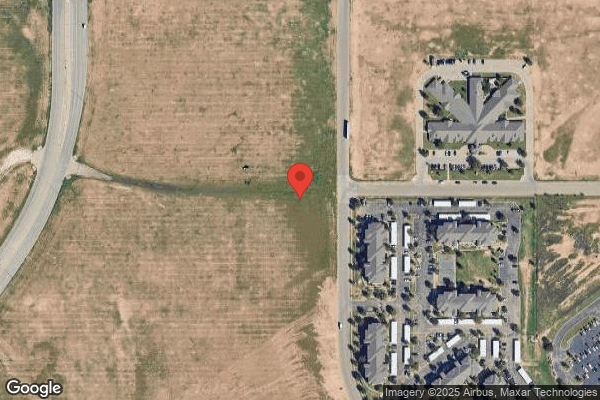
Jul 2022 8 deficiencies
CONCERN (D)

Potential for Harm - no one hurt, but risky conditions existed

Quality of Care (Tag F0684)

Could have caused harm · This affected 1 resident

**NOTE- TERMS IN BRACKETS HAVE BEEN EDITED TO PROTECT CONFIDENTIALITY** Based on observation, interview and record review, the facility failed to, based on the comprehensive assessment of a resident, ...

Read full inspector narrative →
**NOTE- TERMS IN BRACKETS HAVE BEEN EDITED TO PROTECT CONFIDENTIALITY** Based on observation, interview and record review, the facility failed to, based on the comprehensive assessment of a resident, ensure that residents receive treatment and care in accordance with professional standards of practice, the comprehensive person-centered care plan, and the residents' choices for 1 of 2 residents (Resident #47) reviewed for pacemakers, in that: The facility failed to ensure nursing staff providing care for Resident #47 were aware the resident had a pacemaker (device that helps control heartbeat), and failed to ensure the electric pacemaker monitoring system was plugged in or used. These failures could place residents at risk of experiencing arrhythmias and heart failure. The findings include: Record review of the clinical record face sheet for Resident #47 was [AGE] years old, initially admitted on [DATE] and re-admitted to the facility on [DATE]. Resident #47 had diagnoses of Atherosclerotic heart disease of native coronary artery without angina pectoris (heart disease), Heart failure, unspecified, Other fracture of right lower leg, subsequent encounter for closed fracture with routine healing, Cellulitis of right lower limb, type 2 diabetes mellitus with hyperglycemia (elevated blood sugar), pressure ulcer of right heel, stage 2, pressure ulcer of other site, unspecified stage and unspecified skin changes. Record review of the admission MDS for Resident #47 dated 5/06/22 documented a BIMS of 0 diagnoses of coronary artery disease (heart disease), heart failure and hypertension. Record review of the current undated care plan reviewed on 7/11/22 for Resident #47 revealed he had no specific care plan for his pacemaker. The pacemaker was mentioned only in a care plan related to falls as an intervention. It stated, Pacemaker checks as ordered. Record review of the current July 2022 physician orders for Resident #47 revealed there were no orders related to his pacemaker. Further record review of the clinical record revealed no documentation of a pacemaker. Observation on 7/10/22 at 4:00 PM, Resident #47 was in bed asleep. A pacemaker monitor unit was on the bedside table in the room, it was not plugged in, no lights were illuminated on the unit to indicate it was turned on. The unit was a Boston Scientific Latitude, automatic in-home pacemaker monitor. Observation on 7/11/22 at 10:58 AM, Resident #47 received wound treatment, the pacemaker monitor was on the bedside table and it was not plugged in. Observation on 7/12/22 at 5:10 PM, Resident #47's pacemaker monitor unit was still unplugged on the bedside table. Observation on 7/13/22 at 8:04 AM, Resident #47 was not in his room, the pacemaker monitor was still not plugged in and was on the bedside table. Observation and interview on 7/13/22 at 8:05 AM, LVN A indicated she was the charge nurse for Resident #47. She observed the unit on the bedside table. She stated the unit was there when Resident #47 moved from the other hall approximately one month ago. She added that she had not seen him use it. She was then asked what this unit was used for. She stated she was not sure and had not seen it in use. She added that the resident did not have an order for it. She further stated that there was nothing in the chart to do anything with it. Observation and interview on 7/13/22 at 8:17 AM, LVN B who had worked on hall 400 on 7/10/22. She was shown the pacemaker monitor in Resident #47's room and was asked about the unit. She stated she did not know what it was. She then plugged the unit in the wall electrical outlet, and it lit up. She stated she thought it was a telephone so he could talk to his family. She stated she was not sure how long the unit had been in the resident's room and that she had just noticed it last week. Interview on 7/13/22 at 8:18 AM, the DON said she was not aware Resident #47's pacemaker monitoring unit was present and added she would find out about it from his cardiologist. She stated if staff were not aware that the resident's pacemaker and the unit was not used, the pacemaker could fail, and the resident could have a fatal cardiac arrhythmia. She added that when he was admitted , nursing should have noted the pacemaker and taken care of it. She further stated that the pacemaker should have been care planned by the MDS coordinator. The DON stated Resident #47 had always resided on hall 400. She added that during the admission process they have to make sure that pacemakers are noted. She stated that nursing staff have to be educated on pacemakers and put orders in the chart. Interview on 7/13/22 at 9:31 AM, LVN A stated she was not aware Resident #47 had a pacemaker and that there was nothing in the electronic health record about it. Interview on 7/13/22 at 9:35 AM, LVN B stated she was aware Resident #47 had a pacemaker when he was admitted , and she found it through a physical assessment/exam. She stated she does check the resident's blood pressure and heart rate routinely. She stated that she thought the pacemaker monitor was a telephone. Interview on 7/13/22 at 11:15 AM, the Administrator said he was informed by the surveyor of Resident #47's pacemaker and that staff were not aware of his pacemaker and the monitor was not plugged in. He stated that he expected clinical staff to understand proper maintenance of the pacemaker and monitor. On 7/26/22 at 10:49 AM an interview was conducted with the DON regarding Resident #47's pacemaker. She stated that it was bedside because the daughter had just brought it in, and the cardiologist gave the unit to her. The cardiologist wanted it with the resident. She further stated, the cardiologist told the facility just to make sure it was plugged in. She added that the resident had a new pacemaker and received it in April 2022. She stated that he went to the hospital in June for a different issue and while in the hospital they checked the pacemaker and there were no issues. She added that the daughter said that she would set-up the next cardiologist appointment for the resident and that the facility will follow up to ensure that the resident's appointment is made. The DON also stated that they had called the cardiologist three times to get the settings related to the resident pacemaker and were waiting for a response. On 7/26/22 at 11:16 AM an interview was conducted with the DON regarding Resident #47's pacemaker. She stated that the daughter of Resident #47 had the pacemaker monitor at home since April 2022, while the resident was in the facility. The daughter just brought the monitor to the facility in June 2022. Record review of the facility policy titled Clinical Operations/Pacemaker, Policy and Procedure Number: NSG - 5.050, Title: Pacemaker - Cardiac, Department: Clinical Operations, Effective January 12, 2018, Revised: February 12, 2020 revealed the following documentation, Policy: 1. The community will admit residents with pacemakers that have been in place for at least 24 hours. 2. The nursing staff will take measures to maintain proper functioning of pacemaker. 3. In the event the pacemaker is not checked at an external clinic or third-party provider, the procedure below will be utilized. 4. Record the results of the external visit or procedure. Procedure: Equipment: stethoscope, pacemaker monitor. 1. Identify insertion site, date insertion, type of pacemaker and reset right. 2. Check apical and radial pulses for one full minute with ordered vitals and compare with present rate. Contact physician if apical pulse is more than five impulses from preset rate. 3. Conduct telephone pacemaker monitoring process according to directions for transmitter use, or physicians order. A. Telephone monitoring detects: 1. Impending battery failure. 2. Lack of capture. 3. Lack of sensing. 4. Malfunction of pacing system. 5. Abnormal rhythms of resident's heart and whether or not it is pacemaker related. 4. Document pacemaker check completion in the EHR/electronic health record.
CONCERN (D)

Potential for Harm - no one hurt, but risky conditions existed

Deficiency F0726 (Tag F0726)

Could have caused harm · This affected 1 resident

**NOTE- TERMS IN BRACKETS HAVE BEEN EDITED TO PROTECT CONFIDENTIALITY** Based on observation, interview and record review, the facility failed to provide sufficient nursing staff with the appropriate ...

Read full inspector narrative →
**NOTE- TERMS IN BRACKETS HAVE BEEN EDITED TO PROTECT CONFIDENTIALITY** Based on observation, interview and record review, the facility failed to provide sufficient nursing staff with the appropriate competencies and skills sets to provide nursing and related services to assure resident safety and attain or maintain the highest practicable physical, mental, and psychosocial well-being of each resident, as determined by resident assessments and individual plans of care and considering the number, acuity and diagnoses of the facility's resident population in accordance with the facility assessment for 1 of 2 residents (Resident #9) and 3 of 6 staff (LVN A, CNA A, and CNA B) who used a bariatric bed, in that: Nursing staff failed to effectively initiate evacuation of Resident #9 via bariatric bed during a fire emergency where resident evacuation was initiated. Staff were unable to adjust the bariatric bed in order to move it through the doorway of her room. The facility failed to effectively train nursing staff regarding the evacuation of Resident #9 via bariatric bed after the fire/smoke incident. LVN A, CNA A, and CNA B were not aware of how to adjust the bariatric bed in order to evacuate Resident #9 via bariatric bed. These failures could result in resident injuries during emergency situations that required evacuation. The findings include: Record review of the face sheet for Resident #9 revealed that she was admitted to the facility initially on 8/28/15 and was readmitted on [DATE]. She is [AGE] years old. The resident has diagnoses of infection following a procedure, deep incisional surgical site, chronic obstructive pulmonary disease, obstructive sleep apnea, acute on chronic diastolic congestive heart failure, other recurrent depressive disorders, morbid severe obesity due to excess calories, morbid severe obesity with alveolar hypoventilation, anxiety disorder, and atherosclerotic heart disease of native coronary artery without angina pectoris. Record review of the annual MDS for Resident #9 dated 6/29/22 revealed that her functional status related to transfers was documented as not occurring either with self-performance or support. Related to balance during transitions and walking this area also documented that the activities of surface to surface transfers did not occur. It also documented that the resident had impairment to both sides of her upper and lower extremities. It was also documented on the MDS that the resident was currently 479 pounds and 60 tall. Record review of the current care plan for resident # 9 revealed a care area/problem titled Impaired Mobility. Listed as an Intervention was to Provide appropriate level of assistance to promote safety of resident 5/03/21: Onset 4/11/22. Assigned to CNA and nurse. Record review of the current July 2022 physician orders for resident #9 dated 7/11/22 revealed an order dated 7/06/22 stating, use Hoyer (mechanical) lift to transfer a resident in/out of wheelchair every shift. A confidential interview was conducted with a resident. The resident stated there was a fire in the kitchen and all residents got out except for the person at the end of the hall (Resident #9). She added that staff didn't get her out at the end of the hall and it was on the news. Record review of the facility's Provider Investigation Report for a fire/smoke incident on 6/05/22 at 10:57 PM revealed that the kitchen ice maker compressor overheated and caused the fire alarm and sprinkler system to activate. This caused the fire department to be dispatched. The report further stated that all residents were evacuated to the outside perimeter of the facility. An interview was conducted with Resident #9. Regarding the fire/smoke incident, she stated, she was very upset. Staff were nervous and could not get her bed through the door to evacuate. She stated, They left me at the door. They said they could not get me out. She added, I felt like next to nothing. Awful. I felt like dirt. The resident further stated that she hyperventilated and said, They told me to stop screaming. She added that staff were unable to adjust the siderails on the bed to get the bed through the door. She further stated that staff were able to adjust the bed and get it through the door after the evacuation incident occurred. She added, I used to could get up and go on my own. An interview on 7/11/22 at 9:50 AM, Dietary staff B stated the kitchen ice maker went up in flames the fire/smoke incident on 6/05/22. An interview on 7/12/22 at 9:27 AM, the Maintenance Supervisor stated that at approximately 9:55 PM on 6/5/22 the ice machine compressor overheated and burned up and the sprinklers went off. The sprinklers went on and there was water in the dining room. When he arrived at approximately 10:05 PM staff were in the process of getting residents out. Most of the residents were out. At the time of the incident, he was not aware of any resident having difficulty being evacuated from the facility and the Fire Chief gave the OK for residents to go back in. Regarding Resident #9's evacuation, he stated he was not aware staff were not successful in getting her out until the next day. He added that he found out a CNA did not operate the bariatric bed correctly in order to make it smaller and get it through the door. He added that by the time staff figured it out, the facility was given the OK to return to the facility. He stated that later, he, the Administrator, and ADON demonstrated to Resident #9 that they could evacuate her from the room in her bariatric bed. He added that he had conducted training on bariatric beds, but not recently. He stated that he was not sure the last time he trained staff on removal of a bariatric bed from a room, but thought it was last year. He added that he knew he needed to put in place training on the bariatric bed and that no training was conducted for all staff after the incident. An interview on 7/12/22 at 9:28 AM, CNA B, agency CNA, assigned to work hall 400, stated she had not received any training on bariatric bed removal from a room. Interview on 7/12/22 at 9:35 AM, CNA A, who worked hall 400 stated he had not received any emergency training on bariatric bed removal from a room. He further stated that residents could remain in the room and not get out and get burned, if staff were not aware of how to remove the bariatric bed from the room in an emergency. An interview on 7/12/22 at 9:39 AM, LVN A the charge nurse for hall 400 stated she had not received any training of how to remove a bariatric bed out of a room. She stated residents could be injured if residents were unable to evacuate via bed if required. An interview on 7/12/22 at 11:30 AM, the DON stated she was in the ADON position at the time but was not onsite. Regarding Resident #9, she stated that she heard the bed was too big to get through the doorway. She stated she did not know why staff did not evacuate the resident by other means such as transferring using sheets. She stated that she was not familiar with the workings of that bed, but the Maintenance Supervisor said they can collapse it. During the stand-up meeting the next day (6/06/22) the Maintenance Supervisor went over how the bed could be collapsed. There was an in-service conducted on emergency procedures for the whole staff, but she was not sure there was specific information regarding bariatric bed removal from a room. She added that the Maintenance Supervisor was responsible for training about the bed. She stated she would have expected staff to know how to collapse the bed or have fire department pull her out with sheets. An interview on 7/12/22 at 12:25 PM, the maintenance supervisor stated training regarding the removal of a bariatric bed from a room was something he needed to put in place. He added there was nothing on his life safety code list indicating that he needed to offer training about the bariatric bed on a regular basis. He was then asked who was responsible for staff training on the bariatric bed. He stated he conducted the initial training but was not sure if he was responsible for the staff training on a regular basis. He added no has told him he was responsible. Regarding how to adjust the bed so that it would go through the door he stated, it's simple three buttons on each side of the bed and push in. He stated that during the fire, he was there dealing with the fire department. At that time the surveyor requested to see documentation of the in-service that he conducted on the bariatric bed. He stated he checked his folder/training related records and did not find anything related to an in-service about bariatric beds. An interview on 7/12/22 at 12:34 PM, the ADON stated, by the time staff got to Resident #9, the evacuation was called off. She added that the first training on the bed had been awhile. The facility had one the next day after the incident on the 7th (June). Those present for the training were the ADON, 2P to 10P charge nurse, Administrator, Maintenance Supervisor and a couple of aids. The Administrator present was the previous Administrator. She further stated that she was not aware of other bariatric bed trainings for the rest of the staff. An interview on 7/12/22 at 3:55 PM, LVN D the charge nurse for hall 100 stated he had not received any specific training about reducing the bariatric bed to get it out of a door. He added that he would take the resident out with a Hoyer lift and a wheelchair. Observation on 7/12/22 at 9:09 AM, an observation of the Hoyer lift used for resident #9 revealed that it was an Invacare reliant 600 which stated that the capacity was 600 pounds. An interview on 7/12/22 at 5:09 PM, the Maintenance Supervisor stated he was not told Resident #9 could not get out of her room in her bariatric bed until the next day. He added that he, the Administrator, a CNA, and the nurse were trained. He stated the fire department was helping evacuate residents and there were still a few people inside when they called all clear. An interview on 7/12/22 at 5:20 PM, CNA C stated she was present at the time of the incident and there was a problem with Resident #9's bed. She added it was her first experience with a fire and staff did not know much about the bed. She added that staff tried everything possible, but they didn't know about the bed. She further stated that the resident had no wheelchair at that time. She stated they (staff) called Red Cross, who was onsite, to help with Resident #9. She stated the resident was a little scared. She added that the bed got jammed between the cabinets and the wall and would not go through. She stated that Resident #9 was afraid and not breathing well so they brought supplemental oxygen. The nurse and Red Cross was here. She added that the Maintenance Supervisor came the next day and showed staff how to work the bed. An interview on 7/13/22 at 8:12 AM, CNA D for hall 400 said regarding the bariatric bed you unlock it from the bottom. She added that the Maintenance Supervisor, showed staff a couple of months ago and those trained were herself and two other aides that worked the hall. The stated the training occurred before the fire/smoke incident. On 7/13/22 at 9:48 AM an interview was conducted with LVN A regarding the fire/smoke incident and resident #9's bariatric bed. She stated the resident could be injured if staff were unable to remove the resident from the room during an emergency. On 7/13/22 at 10:32 AM an interview was conducted with the DON regarding the bariatric bed. She stated she was not even involved in the bariatric bed training that was given. She was then asked how they prepare or orient agency or new staff about their assignments and any issues with a resident. She stated staff are given a device where they can access ADL care. She added that it was not specific as to how to break the bariatric bed down. She further stated the staff did not follow proper chain of evacuation and they were inexperienced. She stated that the Red Cross was present and there was a way to get her out. She added that in those situations you have to have a calm head. She was then asked what the result could be for the resident if staff do not know how to operate the bariatric bed properly in an fire emergency. She stated the resident could be left to burn; smoke inhalation. On 7/13/22 at 11:15 AM an interview was conducted with the Administrator. Regarding the issue with resident #9's bed and staff not all being trained on how to evacuate a resident in a bariatric bed. He stated he expect them to know how to collapse the bed. On 7/13/22 at 11:58 AM the Administrator stated the facility staff were just in-serviced, today, on the bed. He added that three buttons are pressed on the bed and it goes in. He stated it was simple and not pedals were used. Record review of the facility's Emergency Operations Plan dated November 10, 2017, Section B: Procedures Applicable To All Hazards revealed the following documentation, .VIII . Managing Residents During A Disaster. A. disaster may result in the decision to keep all residents on the premises in the interest of safety or, conversely, in the decision to evacuate all residents because the facility is no longer safe. B. The facility's basic goal in a disaster is to protect the residents that are in the facility. Throughout this emergency operations plan, staff procedures are designed to: 1. protect the resident during the incident 2. provided acceptable care while they are in the facility until full recovery is accomplished. 3. evacuate the resident to a safer environment, when possible, if the above cannot be accomplished .
CONCERN (D)

Potential for Harm - no one hurt, but risky conditions existed

Deficiency F0801 (Tag F0801)

Could have caused harm · This affected 1 resident

Based on interview and record review the facility failed to employ sufficient staff with appropriate competencies and skill sets to carry out the functions of the food and nutrition service for 1 of 1...

Read full inspector narrative →
Based on interview and record review the facility failed to employ sufficient staff with appropriate competencies and skill sets to carry out the functions of the food and nutrition service for 1 of 1 facility kitchen. The facility failed to designate a person to serve as the Director of food and nutrition services who met the required qualifications. The facility designated DM had not completed the state dietary managers course or had any other qualifying credentials. These failures could place residents at risk to the spread of foodborne illness and residents not having their nutritional needs met. The findings include: Record review of the personnel file for the Dietary Manager revealed that there was no documentation of completion of the state required dietary managers course or documentation which indicated she met any of the other qualifying education levels/credentials (certified dietary manager: certified food service manager: has similar national certification for food service management and safety from a national certifying body; has an associates or a higher degree in food service management or in hospitality, if the core study includes food service or restaurant management, from an accredited institution of higher learning; and in states that have establish standards for food service managers or dietary managers, meets state requirements for food service managers or dietary managers). On 7/10/22 at 9:57 AM an interview was conducted with the Dietary Manager. She stated that she had been the Dietary Manager for approximately 2 weeks. She added she had not finished the required Dietary Manger's course and only had a food handler certificate. She stated the facility offered the dietary director's job to her either on June 22nd or the 29th (2022). Record review of the food handler certificate for the Dietary Manager revealed that she completed the required food handler's certification course on July 17, 2020. The certificate was valid for three years. On 7/11/22 at 4:38 PM an interview was conducted with the Administrator regarding the dietary managers training. He stated there were plans for the current Dietary Manager to take the dietary manager required course. On 7/12/22 and 9:58 AM an interview was conducted with Corporate Dietary Staff. She stated that the current Dietary Manager started in her position June 28th. On 7/13/22 at 3:00 PM an interview was conducted with the Administrator. He stated the Corporate Dietary Staff had told him there was no policy for Dietary Manager qualifications. On 7/18/22 at 2:22 PM an interview was conducted with the Administrator regarding the Dietary Managers qualifications. He stated that they had advertised for quite a while for a DM and that the current Dietary Manager voiced that she wanted the job. He added that he expected her to complete the required course. He stated that her failure to have the required qualifications could result in residents receiving less than the desired foods. Record review of the facility's current document titled Nutrition Services Manager, Job Description, revealed the following documentation, . Job Purpose. The nutrition services manager is responsible for the general operations of the nutrition services department . Qualification. Successful completion of an approved state food service supervisor course required. Certified dietary manager (CDM) certification required .
CONCERN (E)

Potential for Harm - no one hurt, but risky conditions existed

Respiratory Care (Tag F0695)

Could have caused harm · This affected multiple residents

**NOTE- TERMS IN BRACKETS HAVE BEEN EDITED TO PROTECT CONFIDENTIALITY** Based on observation, interview and record review, the facility failed to ensure that a resident who needs respiratory care, inc...

Read full inspector narrative →
**NOTE- TERMS IN BRACKETS HAVE BEEN EDITED TO PROTECT CONFIDENTIALITY** Based on observation, interview and record review, the facility failed to ensure that a resident who needs respiratory care, including tracheostomy care and tracheal suctioning, is provided such care, consistent with professional standards of practice, the comprehensive person-centered care plan, the residents' goals and preferences for 3 of 4 residents (Resident #9, #25, #201) requiring non-invasive ventilation. 1. The facility failed to perform daily cleaning and weekly cleaning of both BiPAP and CPAP machines for Resident #9, #25, #201. Failure to clean parts of these ventilation devices, as consistent with both professional standards of practice and manufacturer guidelines, places residents at increased risk of respiratory illnesses including sinus infection and pneumonia that could lead to decline in health, hospitalization, and possible death. The findings include: Record review for Resident #201 revealed the following on his face sheet: he is a [AGE] year old male admitted [DATE] with diagnoses of Unspecified multiple injuries, initial encounter, Pressure ulcer of unspecified site, unspecified stage, Type 2 diabetes mellitus without complications, Morbid (severe) obesity with alveolar hypoventilation (defined as not taking enough breaths per minute), Muscle weakness (generalized), Other lack of coordination, Pain, unspecified, Essential (primary) hypertension (high blood pressure), Congenital central alveolar hypoventilation syndrome (defined as born with the condition of not taking enough breaths per minute), and Obstructive sleep apnea (adult) (pediatric). Record Review of Care Plan for Resident #201 dated on admission [DATE], the Care Area/Problem of Breathing Patterns related to diagnosis of COPD (chronic obstructive pulmonary disease, which impairs breathing) and related to use of bipap as evidenced by BiPAP at bedtime with a goal of sleeplessness improving over the next 90 days. The intervention is apply CPAP/BiPAP as ordered, and assure mask fits well. A further evidence by statement was entered 07/07/22 of BiPAP every shift. The care plan made no mention of settings for the device nor did it mention any potential risks for which to monitor the patient. Record review of MDS for Resident #201 date 07/06/2022 was not complete and showed no information related to his respiratory issues nor his non-invasive ventilation. Record review of Resident #201 orders dated 07/02/22 states BiPAP at bedtime, and an order dated 07/07/22 states BiPAP every shift BiPAP settings: Apply and remove the mask May have bled in Clean the filter and corrugated tubing according to manufacture recommendations With o2 bleed in Record review for Resident #9 reflected a [AGE] year old female, per her face sheet, admitted [DATE] with diagnoses of infection following procedure, deep incisional surgical site, subsequent encounter, Chronic obstructive pulmonary disease, unspecified, Obstructive sleep apnea (adult) (pediatric), Pain, unspecified, Congestive Heart Failure, Neuropathy, Depressive disorder, Hypertension, Morbid (severe) obesity due to excess calories, and hypothyroidism. Record review of Resident #9's Care Plan showed a Care Area/Problem of breathing patterns evidence by CPAP daily at bedtime with a related to statement that she refuses to wear CPAP at times. No mention of settings for the device were in the Care Plan nor were potential risks. Record review of Resident #9s ordered date not listed, showed CPAP daily at bedtime mouth piece ventilation alarm volume 2->5 alarm volume 1->2 Big buttons off ->off Auto EPAP On ->Off target pt rate 15->12 per min Target Va 6.3 ->5.0 L/min O2 bleed in Record review for Resident #25 portrayed a [AGE] year old male admitted [DATE] with diagnoses on his face sheet of Myasthenia gravis (an autoimmune disease of the muscles that gets worse with activity and better with rest), Bladder dysfunction, Sleep Apnea, Obesity, Neuropathy (nerve dysfunction), hypothyroidism, hyperlipidemia (high cholesterol), hypertension, glaucoma, and type 2 diabetes mellitus. Record review of Resident # 25's Care Plan reflects Care Area/Problem of Breathing Patterns related to use of CPAP evidenced by CPAP at bedtime with a goal of using CPAP as ordered and sleeplessness will improve and interventions of Apply CPAP/BiPAP as ordered. Assure CPAP/BiPAP mask fits well. In an observation on 07/10/22 at 11:54 am of Resident #201, the resident was noted to be on 3 L of oxygen and the portable tank attached to his wheelchair was noted to be on the red portion of the gauge. Also noted, the call light was on the floor behind the resident's wheelchair by 2-3 feet. A few moments later the tank made a hissing noise that indicated it was empty. The resident asked to be attached to the concentrator in his room, a staff member was found to come and achieve this goal. A BiPAP machine was observed between the resident's bed and window; the mask and tubing were in a basket under the machine and not in any bag or container. In an interview of Resident # 201 on 07/10/22 11:54 am; the resident stated he used a BiPAP while he slept. When asked how often he observed staff cleaning his BiPAP equipment, he stated he had never seen this occur, but when he is at home his parents wipe the mask daily for him. The resident stated that he has had pneumonia before and his most recent bout was double pneumonia. In an interview of Resident # 201 on 07/12/22 at 8:40 am; resident again stated he had not witnessed staff cleaning his BiPAP machine, and it was noted he has a [NAME] Aerocare Trilogy 100 model of bipap machine (small blue machine visualized with tubing and mask in a basket beside bed in corner). In an interview of ADON on 7/12/22 at 10:30 AM she stated Resident # 201 just arrived, he is on BiPAP, 3 other residents are on CPAP or BiPAP, Resident # 9 Resident # 25 Resident # 75, usually the resident admits to the facility with the device from home since the settings are ordered by a physician. If the resident does not admit from home, the facility contacts the site where the resident did their sleep study to get the settings for the CPAP or BiPAP machine. The ADON stated that there was no current policy for cleaning of these machines, so she was planning a policy of using soap and water on the hoses/tubing once per week on Sunday night shift nurses when they clean the oxygen tubing for oxygen residents, adding the CPAP and BiPAP cleaning to this weekly process (10 pm to 6 am shift). All residents have had new masks within the last 2 months, no cleaning of the masks is scheduled or performed. When asked about potential outcomes to unclean equipment, the ADON said pneumonia was possible, but she stated none of the residents who are currently on these devices have been diagnosed with pneumonia. In an interview of Resident #201 on 07/12/22 at 10:45 AM the resident again voiced concern about falling asleep without bipap on and stated he was concerned he could pass away. He stated that he fell asleep last night without his BiPAP on and when he woke at 1 am he was concerned because his mask was not on while sleeping and he stated he was supposed to use it for seven to eight hours per night. In an interview of Administrator on 07/12/22 at 11:30 AM, administrator was informed of the concerns that Resident #201 had voiced about not having his mask on while sleeping and the administrator took notes and stated he would address the concerns immediately. When asked what the procedures were for CPAP and BiPAP equipment, he stated he did not know and when asked if the facility had a policy regarding care for CPAP and BiPAP equipment he stated they did not of which he was aware. In an interview of Administrator on 07/13/22 at 10:14 am, Administrator stated that a nurse was contacting corporate for copies of policies related to bed rail consent and medication consent. Surveyor asked if a policy was available from corporate related to CPAP/BiPAP cleaning and he stated he would add it to the list to be found. All three policies were delivered to surveyors. In an observation of Resident #9's room on 07/13/22 at 3:10 pm, a CPAP machine was viewed that had a large green sticker that stated IMPORTANT RINSE FILTER WEEKLY WITH WATER. It was observed to be a DevilBiss IntelliPAP machine with the tubing and mask on top of the machine without any cover or container. Please see P8 for reference. The resident was transferred to an acute care hospital and not present in the facility. In an interview with Resident #25 on 07/13/22 at 3:50 pm the resident stated his cpap mask doesn't fit. He was told he would get new machine that does oxygen and cpap. He has had cpap for 6yrs and he cleaned it at home with lysol and water. He has never seen his CPAP cleaned at this facility. His CPAP machine was marked as a HumidAir AirSense10 Auto, please see P9 for further information. Record review revealed that the following website, https://www.usa.[NAME].com/c-e/hs/better-sleep-breathing-blog/better-sleep/keeping-it-clean-cpap.html recommended daily cleaning of the mask with a wipe down to clean debris/dust etc. Weekly cleaning was recommended for tubing and mask in warm water with mild detergent and air drying to keep the appliance from growing bacteria. Review of the manufacturer's guide for Resident #201's specific device showed: According the [NAME] Respironics's Trilogy 100 clinical manual chapter 7 (Cleaning and Maintenance), the following is the proper cleaning method: Cleaning the reusable circuit is important in the hospital and in the home. Circuits infected with bacteria may infect the user's lungs. Clean the respiratory circuit on a regular basis. If you are using a disposable circuit, dispose of and replace it on a regular basis. Follow your institution's protocol for cleaning the circuit. [NAME] Respironics recommends that you perform the cleaning twice a week under normal conditions and more frequently as required. If the resident uses the device on a 24 hour a day basis, it may be convenient to have a second breathing circuit so you can switch circuits while one is being cleaned. Reusable Circuit Cleaning Instructions Clean the resident circuit twice a week, or follow your institution's protocol. 1. Disconnect the circuit from the device, and disassemble the circuit for cleaning. Thoroughly wash your hands. 2. Using a mild detergent, such as liquid dishwashing soap, clean all accessible surfaces of the circuit. Do not clean using alcohol. 3. Rinse the circuit with tap water, removing all remaining detergent. 4. Prepare a solution of one part white vinegar to three parts distilled water. An average beginning quantity is 16 ounces vinegar to 48 ounces distilled water. The actual amount will vary according to individual needs. Regardless of the quantity the ratio must remain 1 part:3 parts. Soak the circuit in this solution for one hour. Rinse the circuit completely with tap water. 5. Place the circuit on a clean towel to dry. Do not wipe dry. The circuit must be completely dry before storing. 6. Reassemble the circuit when dry. Store in a plastic bag or dust free area. 7. Inspect components for deterioration prior to use. Record Review for Resident #9's specific device showed, in the form of a YouTube Video from the manufacturer, according the DevilBiss IntelliPAP YouTube instructional video viewed on 07/15/22 at 1:15 am starting at 9 min 24 seconds (of 12 minutes and 23 seconds) the air filter should be checked every 10 days and cleaned as necessary using warm water and dishwashing detergent and allow the filter to completely dry. Air supply tubing should be removed from the mask and cleaned daily with a mild detergent and water, clean and rinse the inside of the tubing and allow to air dry. The device itself should be cleaned and wiped with a damp cloth every few days to keep the enclosure dust free. The following link was utilized: https://www.youtube.com/watch?v=HdPD49OVz4s Review of Resident #25's CPAP manufacturer's cleaning recommendations on the website on the frequently asked questions portion, it showed: Which CPAP parts do I need to clean and how often? Daily: Mask cushion Air tubing Humidifier water tub Weekly: Mask frame system Mask headgear It is further recommended for cleaning the tubing: Air tubing cleaning tips ClimateLineAir (Trademark) heated tube, SlimLine (Trademark) and standard tubing Weekly cleaning tips: 1 Unplug your CPAP machine from the power source. 2 Disconnect the air tubing/hose from your mask and CPAP machine. 3 In a sink or tub, rinse the inside and outside of the air tubing with mild soap and warm, drinking-quality water. Avoid using stronger cleaning products, including dish detergents, as they may damage the air tubing or leave harmful residue. 4 Rinse again thoroughly with warm, drinking-quality water. 5 Place the air tubing on a flat surface, on top of a towel, to dry. Avoid placing in direct sunlight. The mask cleaning tips Cleaning your CPAP mask cushion, frame & headgear AirFit series, Swift, Mirage, [NAME] and Pixi masks AirTouch F20 cushion 1 Daily cleaning tips: 1 Unplug your CPAP machine from the power source. 2 Disconnect the mask and air tubing from the CPAP machine. 3 Disassemble your mask into 3 parts (headgear, cushion and frame). 4 In a sink or tub, clean your mask cushion and headgear to remove any oils. Gently rub with soap and warm, drinking-quality water. Avoid using stronger cleaning products, including dish detergents, as they may damage the mask or leave harmful residue. 5 Rinse again thoroughly with warm, drinking-quality water. 6 Place the cushion and frame on a flat surface, on top of a towel, to dry. Avoid placing them in direct sunlight. https://www.resmed.com/en-us/sleep-apnea/cpap-parts-support/cleaning-cpap-equipment/ Review of the facility policy titled Resident General Equipment Cleaning Procedures created 01/12/18 and revised 01/12/20 showed the standard of practice was to clean the residents' general equipment on a routine basis in accordance with manufacturers' specifications and guidelines. On the list of general equipment was Oxygen Equipment.
CONCERN (E)

Potential for Harm - no one hurt, but risky conditions existed

Menu Adequacy (Tag F0803)

Could have caused harm · This affected multiple residents

Based on observation, interview and record review, the facility failed to ensure that the menu was followed for residents with orders for 3 of 3 food forms served (regular, mechanical soft and pureed)...

Read full inspector narrative →
Based on observation, interview and record review, the facility failed to ensure that the menu was followed for residents with orders for 3 of 3 food forms served (regular, mechanical soft and pureed) in 1 of 1 kitchen, in that: 1)The facility failed to follow the menu for 2 of 3 meals observed, which affected 3 of 3 food forms served (regular, mechanical soft and pureed). Residents received smaller portions than were called for on the menu (Residents #3, 4, 17, 22, 26, 35, 68, 73, 76, and 77). These failures could place residents at risk for unwanted weight loss and hunger. The findings include: ~ On 7/10/22 at 11:43 AM a kitchen observation began and concluded at 1:20 PM: On 7/10/22 at 12:15 PM temperatures were taken on the steam table. Beef patty - 141 degrees Fahrenheit and served with tongs Oven Fried Chicken - 198 degrees Fahrenheit served with tongs Peas - 173 degrees Fahrenheit served with a four ounce ladle Green beans - 179 degrees Fahrenheit served with a four ounce ladle Rolls - no temperature taken Pureed Au gratin potatoes - 146 degrees Fahrenheit which was later reheated to 174 degrees Fahrenheit and served with a #10 scoop (0.4 cup) Pureed green beans - 165 degrees Fahrenheit and served with a #12 scoop (1/3 cup) Pureed beef Patty - 165 degrees and served with a #12 scoop (1/3 cup) Pureed oven fried chicken - 121 degrees which was later reheated to 171 degrees Fahrenheit and served with a #16 scoop (1/4 cup) Au gratin potatoes - 195 degrees Fahrenheit served with a #8 scoop (1/2 cup) Gravy - no temperature taken served with a 1 ounce scoop Puree bread - no temperature taken and served with a # 16 scoop (1/4 cup) Record review of the Week 2 Sunday SSC S/S 2022 -2 Therapeutic Spreadsheet revealed that residents on pureed diets at the noon meal should have received a #8 scoop (1/2 cup) of pureed oven fried chicken, #8 scoop (1/2 cup) of green beans and a #12 scoop (1/3 cup) of pureed au gratin potatoes. The residents on pureed diets should have also received, as an alternate meal, a #8 scoop (1/2 cup) of pureed hamburger steak. Record review of the current facility SSC Diet Roster dated 7/10/22 resident #4 was ordered a regular purée level 4 diet. 7/10/22 at 12:57 PM resident #4 was served a puree tray that had pureed au gratin potatoes (0.4 cup), pureed hamburger steak/beef (1/3 cup) and puree green beans (1/3 cup) and pureed bread. The resident was served one scoop of each food. The portions of pureed beef and green beans were less than called for on the menu. Record review of the current facility SSC Diet Roster dated 7/10/22 revealed resident #17 was ordered a regular puréed diet with nectar thick liquids. On 7/10/22 at 1:08 PM resident #17 was served pureed green beans (1/3 cup), pureed bread, puree au gratin potatoes (0.4 cup) and pureed beef patty (1/3 cup) served with one scoop each. The portions of pureed beef and green beans were less than called for on the menu. Record review of the current facility SSC Diet Roster dated 7/10/22 revealed Resident #77 was ordered a regular purée diet. On 7/10/22 at 1:11 PM resident #77 was served pureed green beans (1/3 cup), pureed bread, puree au gratin potatoes (1/3 cup) and pureed beef (1/3 cup) served one scoop each. The portions of pureed beef and green beans were less than called for on the menu. ~ On 7/10/22 at 4:58 PM a kitchen observation began, and the observations concluded at 6:05PM: On 7/10/22 at 5:33 PM staff took temperatures on the service line steamtable: Sweet potato fries - served with tongs Pork with gravy - served with a #12 scoop Beans - served with a 3 ounce ladle Corn - served with a 3 ounce ladle Cabbage - served with a 3 ounce ladle Chicken strips - serve with tongs Mechanically altered/ground chicken Pureed chicken - served with a #16 scoop Gravy Mashed potatoes - served with a #16 scoop Pureed corn - served with a #16 scoop. The following trays were observed served by Dietary staff E: Record review of the Week 2 Sunday SS 2022-2 Therapeutic Spreadsheets for the evening meal revealed that residents on a regular diet should have received a #8 scoop (1/2 cup - 4oz.) of seasoned beans and a #8 scoop (1/2 cup - 4oz.) of smothered cabbage. For the alternate meal for a regular diet, residents should have received a #8 scoop (1/2 cup - 4oz.) of buttered corn. Residents with orders for large portions regular diets should have received an increased amount of corn using a #6 (2/3 cup - 5.33 oz) scoop. Record review of the current facility SSC Diet Roster dated 7/10/22 revealed Resident #3 was ordered a large portion regular diet. On 7/10/22 at 5:35 PM resident #3 was served 3 ounces of corn, Chicken strips, sweet potato fries, roll. The portion of corn was smaller than called for on the menu. Record review of the current facility SSC Diet Roster dated 7/10/22 revealed Resident #35 had a regular diet. On 7/10/22 at 5:38 PM resident #35 received # 12 scoop (1/3 cup) of pork and gravy, chicken strips, sweet potato fries, roll, beans 3 ounce ladle. The portion of beans were smaller than called for on the menu. Record review of the current facility SSC Diet Roster dated 7/10/22 revealed Resident #76 was ordered a regular diet. On 7/10/22 at 5:39 PM resident #76 received pork/gravy with a # 12 scoop, sweet potato fries, roll, cabbage # 12 scoop (1/3 cup). The portion of cabbage were smaller than called for on the menu. Record review of the current facility SSC Diet Roster dated 7/10/22 revealed Resident #68 was ordered a regular diet. On 7/10/22 at 5:40 PM Resident #68 received a #12 scoop of pork/gravy, beans 3 ounce, cabbage 3 ounce, roll. The portion of cabbage and beans were smaller than called for on the menu Record review of the Week 2 Sunday SS 2022-2 Therapeutic Spreadsheets for the evening meal revealed that residents on a pureed diet should have received, on the alternate meal, a #6 scoop (2/3 cup) of puree chicken tenders, a #8 scoop (1/2 cup) of pureed sweet potatoes and a #8 scoop (1/2 cup) of pureed cream corn. Record review of the current facility SSC Diet Roster dated 7/10/22 revealed Resident #22 was ordered a regular puréed diet. On 7/10/22 at 5:41 PM resident #22 received pureed au gratin potatoes #16 scoop (1/4 cup), pureed chicken tenders #16 scoop (1/4 cup), pureed corn #16 scoop (1/4 cup). The portion of pureed chicken tenders, au gratin potatoes and corn were smaller than what was called for on the menu. Record review of the current facility SSC Diet Roster dated 7/10/22 revealed Resident #73 was ordered a regular purée level four diet On 7/10/22 at 5:45 PM resident #73 received a puree tray of pureed au gratin potatoes (1/4 cup), pureed chicken tenders (1/4 cup) and pureed corn (1/4 cup). The portions of pureed chicken tenders, au gratin potatoes and corn were smaller than what was called for on the menu. Record review of the Week 2 Sunday SS 2022-2 therapeutic spreadsheets for the evening meal revealed Residents on a large mechanical soft diet should have received a 4oz scoop of pork/gravy, #6 scoop (2/3 cup) of seasoned beans and a #8 scoop (1/2 cup) of chopped smothered cabbage. For the alternate meal for mechanical soft/grind diet residents should have received a #8 scoop (1/2 cup) of creamed corn. Record review of the current facility SSC Diet Roster dated 7/10/22 revealed Resident #26 was ordered a large portion mechanical soft/grind nectar thicken liquids diet. On 7/10/22 at 5:48 PM resident #26 was served beans 3 ounce, pork/gravy #12 scoop (1/3 cup), ground chicken tenders served with a small pair of tongs, rolls, 3 ounce cabbage. The portions of ground chicken tenders could not be determined due to staff using an incorrect dispensing tool. The cabbage, and beans portions were smaller than what was called for on the menu. On 7/10/22 at 5:51 PM the surveyor intervened and informed the Dietary Manager that Dietary staff E was using incorrect scoop sizes. She stated scoops had been ordered but there were not enough to go around. She added that she had no idea why staff were using the wrong size scoops. At that time the Dietary Manager did find the correct scoops and replaced the incorrect scoops on the service line. On 7/10/22 at 5:56 PM an interview was conducted with Dietary Staff E regarding why she had used incorrect scoops for the meal service. She stated that the previous Dietary Manager told them to use the current scoops until the ordered scoops arrived. On 7/10/22 at 5:58 PM an interview was conducted with the Dietary Manager. She stated that the scoops were ordered when the previous Dietary Manager was present. She stated that the last day for the previous Dietary Manager was 6/01/22. She further stated that she was currently learning the basics of her Dietary Manager duties but had not learned the side of her job that included ensuring staff used the correct scoops. On 7/11/22 at 8:17 AM an observation was made of meal service from the cart on hall 400. There was a tray of yogurt and supplemental shakes that were stored in undrained ice on the cart. At that time on the cart eggs were served with a # 16 scoop. There was sausage and bacon in a pan. Oatmeal was served with a four-ounce scoop, grits were served with a 6 ounce scoop, gravy served with a 1 ounce scoop and ground sausage was served with a number 20 scoop. On 7/11/22 at 8:25 AM an interview was conducted with Dietary staff B regarding hall service. He stated, we serve halls in the order of 400, 100, 200 and 300 is served individually. He stated that he tries to serve residents a larger portion of food. When asked about the serving sizes of food he stated that he works with what he has. He stated the serving sizes sometimes depends on the amount of food available to serve. He added that the previous Dietary Manager had addressed/talked about scoops. He further stated that staff had difficulty understanding the reason for different scoop sizes/serving sizes, so the previous Dietary Manager told staff to use what they had. He stated that in the mornings cannot find some of the serving equipment so he uses what can be found. On 7/12/22 at 4:04 PM an interview was conducted with the Administrator. He was told about staff not following the menu. He stated he expected staff to follow the menu correctly. On 7/12/22 at 10:57 AM an interview was conducted with the Dietary Manager regarding staff useof incorrect scoop sizes and failing to follow the menu. She stated that she was responsible for ensuring staff used the correct scoops and that the menu was followed. She added that the failure to do so could result in residents experiencing malnutrition. The Corporate Dietary Staff added that this failure could result in residents experiencing overall nutrition issues. Record review of the facility form titled Daily Quick Check of Kitchen/Food Service Operations revised 05/2022 revealed the following documentation, Nutrition services manager or designee to complete each day. Document the corrective action (second page) . Tray line. Spreadsheets followed for all diets (correct portions) . Recipes available and follow . Record review of the facility policy titled Nutrition Services, Policy and Procedure Number: N U-6.023, Title: Portion Control, Department: Nutrition Services, Effective: August 1, 2018, revealed the following documentation, . Policy: portion control will be maintained to ensure adequate nutritional value for all foods offered and to maintain inventory control. Procedure: 1. Standardized recipes are used to manage portion control, avoid waste through over production and aid in inventory management. 2. Serving sizes and yield are listed on standardized recipes. 3. Recipes are adjusted to expected yields based on resident census and therapeutic diets. 4. Spreadsheets indicate portion sizes per diet are posted at tray line and used to guide the serving at each meal. 5. Standardized utensils and meat scale are available on the kitchen tray line .
CONCERN (E)

Potential for Harm - no one hurt, but risky conditions existed

Deficiency F0804 (Tag F0804)

Could have caused harm · This affected multiple residents

**NOTE- TERMS IN BRACKETS HAVE BEEN EDITED TO PROTECT CONFIDENTIALITY** Based on observation, interview and record review, the facility failed to provide food that was palatable, attractive and at a s...

Read full inspector narrative →
**NOTE- TERMS IN BRACKETS HAVE BEEN EDITED TO PROTECT CONFIDENTIALITY** Based on observation, interview and record review, the facility failed to provide food that was palatable, attractive and at a safe and appetizing temperature for residents who consumes food orally from 1 of 1 kitchen, in that: The facility failed to ensure foods were served which were palatable, attractive and at an appetizing temperature for residents who consume food orally from one of one kitchen, which included Residents #17, 22, 73 and 77. Test trays revealed foods were cold, lukewarm, unattractive and had altered flavor not like the original food. These failures could place residents at risk for decreased food intake, hunger, and unwanted weight loss. The findings include: During the confidential resident council meeting on 7/11/22 at 3:00 PM, 1 of 7 residents interviewed stated that the hot foods were cold. Five of 22 confidentially interviewed residents stated the hot foods were served cold, whether they ate in the dining room or in their rooms. One of the 5 residents also stated that the flavor and texture of the food was sorry. The following observations were made during a kitchen tour beginning on 7/10/22 at 11:43 AM and concluding at 1:20 PM: On 7/10/22 at 12:57 PM the following meal trays were observe being served: Resident #4 was served a puree tray that had mashed potatoes, pureed beef and puree green beans and bread. The resident was served one scoop of each food and the mashed potatoes, beef and green beans were flat on the plate. On 7/10/22 at 1:08 PM resident #17 was served pureed green beans, pureed bread, puree au gratin potatoes and pureed beef with one scoop each. The pureed green beans were flat on the plate. On 7/10/22 at 1:11 PM resident #77 was served pureed green beans, pureed bread, puree au gratin potatoes and pureed beef with one scoop each. The pureed green beans were flat on the plate. The following observations were made during a kitchen tour beginning on 7/10/22 at 4:58 PM and concluding at 6:05 PM: The following trays were observed served by Dietary staff E: On 7/10/22 at 5:41 PM resident #22 received pureed mashed potatoes, pureed chicken, pureed corn. The puree mashed potatoes and puree chicken were flat on the plate and the pureed corn was flat on the plate but had a lumpy, coarse appearance. These foods were not in a required puree form which was mashed potato or pudding consistency. On 7/10/22 at 5:44 PM a test sample of the puree was requested from the Dietary Manager with the following results: 1 of 3 foods had palatability issues related to texture. The pureed corn was full of hulls and skins. On 7/10/22 at 5:45 PM resident #73 received a puree tray of pureed mashed potatoes, pureed chicken and pureed corn. All three foods were flat on the plate. On 7/12/22 at 10:57 AM the Dietary Manager was informed that test trays would be needed for the noon meal. ~ On 7/12/22 at 12:35 PM observations were made of the kitchen and test trays: The meal cart used for the hall meal service had one insulated compartment and the plates were not warm and there were no insulated covers used for the plates. There were three food warmers on the top of the cart and two of the three were on. Temperatures were taken on the steam table at this time with the following results: Ground hamburger - 125 degrees Fahrenheit reheated to 164 degrees Fahrenheit served with a number 12 scoop Ground chicken - 153 degrees Fahrenheit Puree chicken - 145 degrees Puree beef - 123 degrees Fahrenheit and reheated to 142 Beef Patty - 166 degrees Fahrenheit Coleslaw - on ice at 35 degrees Fahrenheit Lettuce and tomato salad - on ice at 46 degrees Chicken breasts -161 degrees Fahrenheit Rice - 184 degrees Fahrenheit Biscuits - at room temperature Pureed bread - no temperature was taken Beans - 174 degrees Fahrenheit Barbecue sauce Puree squash Gravy Temperatures of the food on the hall service cart: Ground chicken - 159 degrees Fahrenheit Ground chicken - 131 degrees Fahrenheit reheated to 155 degrees Fahrenheit Coleslaw - 37 degrees Fahrenheit Lettuce and tomato salad - 39 degrees Beans - 190 degrees Fahrenheit Chicken breast 161 degrees Fahrenheit Beef Patty - 184 degrees Fahrenheit BBQ sauce - 198 degrees Fahrenheit Rice - 184 degrees Fahrenheit Jello with whipped topping - at room temperature. Tray prep for hall 300 started at 1:20 PM. At 1:22 PM one of the two carts for hall 300 was prepared and it arrived on hall 300 and was left there at 1:23 PM. Staff started serving from this cart at 1:29 PM on the hall. There were six trays on the cart. Cart number 2 for hall 300 left the kitchen at 1:26 PM and arrived on the hall at 1:27 PM and they started serving on the hall from that cart at 1:28 PM. The kitchen started dining room service at 1:27 PM and the first tray was sent to the dining room at 1:30 PM. The dining room service ended at 1:59 PM and they started preparing the test trays for surveyors at 2:00 PM. At 2:06 PM the test trays were finished and sent to the survey room. On 7/12/22 at 2:07 PM the following was the results of the test tray after completing the dining room service: Beef Patty - cold, hard, dry and salty Beans - cold Rice - overcooked cold and mushy Ground beef with gravy - cold Ground chicken - cold Puree beef - cold Puree Bread - poor flavor/unlike bread and cold Pureed squash - flat on the plate and cold Pureed beans - cold 9 of 16 foods tested had palatability issues related to temperature, texture and flavor. The meal cart for hall service left the kitchen at 1:15 PM. The cart had the barbecue sauce and biscuits stored in the insulated unit on the cart. They started serving on hall 400 at 1:17 PM and those serving were Dietary staff C and D. They finished serving on hall 400 at 1:30 PM. The meal cart arrived on hall 100 at 1:35 PM and they started serving on hall 100 at 1:37 PM. They finished serving hall 100 at 1:50 PM and started serving on hall 200 at 1:52 PM. They ended serving on hall 200 at 2:05 PM with the last resident served at 2:05 PM and started eating at that time. Regarding meal service on the hallway, they were serving with the plates uncovered. The plates were not insulated in any manner for meal service in the dining room or on the halls. The test tray from the hall service arrived in the survey room at 2:10 PM from hall 200. The testing of the tray started at 2:15 PM with the following results: Ground beef - salty and cold Ground chicken with barbecue sauce - cold Rice - cold and overcooked Chicken with barbecue sauce - cool Beans - cold The testing ended at 2:24 PM. Five of the eight foods tested had palatability issues related to temperature, flavor and texture. On 7/12/22 at 3:36 PM an interview was conducted with the Dietary Manager regarding palatability issues with the test trays. She stated she really didn't know why the foods were cold. She then added that the facility did not have plate warmers. She stated the manager and staff were responsible to ensure that the foods were palatable. She stated foods that were not palatable could place residents at risk for poor nutrition, foodborne illness and reduced intake. She was informed that the beef patty was dry and hard. She stated she cooks with beef-based water which keeps the meat moist, but she did not cook today. She was also told that the beef was salty. She stated she was aware it was salty and that the cook used too much salt. She stated the reason for the thin/flat puree was that she did not prepare it. She added that the corn had a coarse texture because it was not puree long enough and staff did not use cream corn as was called for. She added that overcooked rice was possibly due to the use of too much water. She also stated that the puree bread lacked bread flavor because it was prepared using chicken broth. On 7/12/22 at 4:04 PM an interview was conducted with the Administrator. He stated he expected staff to ensuring that the foods were palatable. On 7/13/22 at 4:00 PM an interview was conducted with the Administrator. He stated there's no policy on food palatability. Record review of the Training in-service forms given in the dietary department in the last three months revealed the following in-services were given: On 5/13/22 and in-service title snacks, puree and mechanical soft/ labeling was given. A 5/19/22 In-service documented as given on soft/bite - mechanical - mince - moist - puree - finger food. The only attendee documented was the current dietary manager acting as a cook. Record review of the website, University of Virginia Health System, [NAME] Nutrition, (https://med.virginia.edu/ginutrition/wp-content/uploads/sites/199/2021/07/Pureed-Diet-IDDSI-4-2020.pdf) revealed the following documentation dated 11/2017, Pureed Diet (IDDSI 4) You may need to follow a pureed diet if you have trouble chewing, swallowing, or fully breaking down (digesting) solid foods. Pureed means that all food has been ground, pressed, and/or strained to a soft, smooth consistency, like a pudding . Record review of the website for the International Dysphasia Diet Standardization Initiative, (https://iddsi.org/IDDSI/media/images/ConsumerHandoutsAdult/4_Pureed_Adults_consumer_handout_30Jan2019.pdf) revealed the following documentation dated January 2019, Puréed. Level four puréed food for adults. What is this food texture level? Level four - Puréed Foods: Are usually eaten with a spoon Do not require chewing Have a smooth texture with no lumps Hold shape on a spoon Fall off a spoon in a single spoonful when tilted Are not sticky .
CONCERN (E)

Potential for Harm - no one hurt, but risky conditions existed

Infection Control (Tag F0880)

Could have caused harm · This affected multiple residents

**NOTE- TERMS IN BRACKETS HAVE BEEN EDITED TO PROTECT CONFIDENTIALITY** Based on observation, interview, and record review the facility failed to maintain an infection prevention and control program d...

Read full inspector narrative →
**NOTE- TERMS IN BRACKETS HAVE BEEN EDITED TO PROTECT CONFIDENTIALITY** Based on observation, interview, and record review the facility failed to maintain an infection prevention and control program designed to provide a safe, sanitary, and comfortable environment and to help prevent the development and transmission of communicable diseases and infections for 3 out of 28 residents (Resident #28, #30 and #31). One of 2 LVNs (LVN A) failed to conduct 3 of 3 wound treatments in a sanitary manner. During wound treatments for Residents #43, #47 and #69, LVN A used gloves that were placed on a soiled surface and she failed to clean her scissored between soiled and clean operations. 1. Staff members failed to keep proper PPE in stock in floor bins on COVID unit with active COVID in facility. 2. Staff members failed to keep COVID room doors closed, breaking precaution guidelines. 3. Staff members failed to use proper infection control practices and using clean materials while providing wound care. This failure could affect Residents by placing them at risk for the transmission of communicable diseases and infections as well as the spread of germs and bacteria. The findings include: Resident #64 Record review of face sheet for Resident #64 revealed a [AGE] year-old male admitted on [DATE]. Resident's diagnoses include COVID-19, swelling of one or both kidneys and is not able to drain properly, irregular, and rapid heartrate that causes poor blood flow, type-2 diabetes with low blood sugar, nicotine dependence, history of brief stroke, stroke, incontinence of feces, contact with exposure to COVID-19. Record Review of Resident #64's quarterly MDS dated [DATE] indicated that resident #64 has a BIMS Score (Brief Interview for Mental Status) of 14 meaning the resident has intact cognition with no impairment. Under section G Functional Status Resident #64 is listed as supervised oversight help only with bathing and ADLs. Record Review of Resident #64's care plan revealed COVID-19: at risk of signs/symptoms. Dated on 04/12/2022. Interventions listed: Complete COVID-19 testing as ordered by physician. Educate staff, residents, and visitors of COVID-19 S/SX and precautions. Follow facility protocol for COVID-19 screening/precautions. Monitor and treat symptoms per physician orders (i.e., fever, chills, cough, shortness of breath or difficulty breathing, fatigue, muscle or body aches, headaches, new loss of taste or smell, sore throat, congestion or runny nose, nausea, vomiting, diarrhea. Notify family of change in condition, Observe for psychosocial and mental status changes. Observe for S/SX of COVID-19 document and promptly report fever or chills, cough, shortness of breath or difficulty breathing, fatigue, muscle or body aches, headaches, loss of taste or smell, sore throat, congestion or runny nose, nausea or vomiting, diarrhea, and any changes in condition, including any of the COVID-19 symptoms typical or atypical should trigger consideration for COVID-19 and subsequent testing. Provide support and allow resident to express feelings, fears, and concerns. Report worsening symptoms to physician. A review of current physician's orders for Resident #64 included the following: - Order date of 06/21/2022: Covid-19 S/SX (positive) results. MISC every 8 hours. Isolate per facility policy. Monitor, and document respiratory status. Treat symptoms per physician (i.e., fever or chills, cough, shortness of breath or difficulty breathing, fatigue, muscle or body aches, headache, new loss of taste or smell, sore throat, congestion or runny nose, nausea or vomiting, diarrhea). Report worsening symptoms to physician. Any change in condition, including any of the COVID-19 symptoms typical or atypical should trigger consideration for COVID-19 and subsequent testing. Resident #76 Record review of face sheet for Resident #76 revealed a [AGE] year-old female admitted on [DATE]. Resident's diagnoses include: Cellulitis of right lower limb, cellulitis of left lower limb, deficiency anemia, hypothyroidism, mid-protein calorie malnutrition, high levels of fat particles in the blood, pulmonary high blood pressure, acid reflux disease, rheumatoid arthritis (autoimmune and inflammatory disease-causing inflammation with painful swelling). Record Review of Resident #76's care plan revealed respiratory breathing issues dated 06/10/2022, interventions stated: adjust head of bed and body positioning to assist ease of respirations. Administer medications, respiratory treatments, and oxygen as ordered. Monitor lung sounds, pallor, cough, and character of sputum. Monitor respiratory rate, depth, and effort. Notify MD and family of any change of condition. Record Review of Care plan dated 07/08/2022 labeled Infection Control Prevention indicated Resident #76 has active COVID-19. Interventions stated: Assess temperature. Encourage a balanced diet, emphasizing proteins to feed the immune system. Encourage adequate rest. Record Review of Resident #76's quarterly MDS dated [DATE] indicated that Resident #76 has a BIMS Score (Brief Interview for Mental Status) of 08 indicating moderate impairment. Under section O for respiratory treatments: oxygen therapy. A review of current physician's orders for Resident #76 included the following: - Order date of 06/10/2022 indicated that Resident #76 was placed on oxygen. Orders stating: Oxygen 2 Liter per minute inhalation every shift via NC, O2 saturation check, check O2 Sat's on right hand. - Order date of 06/10/2022 indicated that Resident #76 was placed on medication for beathing difficulties. Orders stating: Ipratropium 0.5 mg-albuterol 3 mg (2,5 mg base)/3 ML nebulization solution. (IPRATROPIUM Inhalation: every 6 hours as needed for shortness of breath. - Order date of 06/28/2022 indicated: Covid-19 S/SX (positive) results. MISC every 8 hours. Isolate per facility policy. Monitor, and document respiratory status. Treat symptoms per physician (i.e., fever or chills, cough, shortness of breath or difficulty breathing, fatigue, muscle or body aches, headache, new loss of taste or smell, sore throat, congestion or runny nose, nausea or vomiting, diarrhea). Report worsening symptoms to physician. Any change in condition, including any of the COVID-19 symptoms typical or atypical should trigger consideration for COVID-19 and subsequent testing. - Order date of 07/08/2022 indicated that Resident #76 was placed on medication for COVID-19. Orders stating: PAXLOVID (nirmatrelvir tablets) co-packaged for oral use. 3 tablets by mouth 2 times per day for 5 days. Resident #207 Record review of face sheet for Resident #207 revealed a [AGE] year-old male admitted on [DATE]. Resident's diagnoses include: Acute kidney failure, osteomyelitis, complications of amputation stump, hypertension, vitamin deficiency, edema, hyperlipidemia, wheezing. Record Review of Resident #207's Care Plan dated 07/08/2022 did not indicate any COVID-19 infection. - Order date of 07/08/2022 and an end date of 07/13/2022 indicated that Resident #207 was placed on medication for breathing difficulties. Orders stating: Ipratropium 0,5 mg-albuterol 3 mg (2.5 mg base/3 ML nebulization solution. (IPRATROPIUM BROMIDE/ALBUTEROL SULFATE) 2.5 SOLUTION FOR Nebulization Inhalation every 4 hours as needed for wheezing. - Order date of 07/08/2022 and an end date of 07/13/2022 indicated that Resident #207 was placed on medication for breathing difficulties. Orders stating: Albuterol Sulfate HFA 90 mcg/actuation Aerosol Inhaler. Albuterol Sulfate 90 HFA Aerosol Inhaler Inhalation every 6 hours as needed for wheezing. - Order date of 07/13/2022 indicated that Resident #207 was placed on isolation precautions for COVID-19. Contact every shift, contact with and suspected exposure to other viral communicable diseases. - Order date of 07/13/2022 indicated that Resident #207 was placed on Droplet/Respiratory precautions for COVID-19. Contact every shift, contact with and suspected exposure to other viral communicable diseases. Resident #202: Record review of resident # 202 revealed an 86 y/o female admitted [DATE] with the following diagnoses: Vitamin deficiency, unspecified, Other specified depressive episodes, Diagnosis hypertension, Urinary tract infection, site not specified, Unspecified dementia without behavioral disturbance, Other specified arthritis, unspecified site, Dehydration, Zoster without complications. Hyperlipidemia, unspecified, Insomnia due to other mental disorder, Essential (primary) Observation on 07/10/2022 at 9:04 am on hall 300 (COVID-19 Unit). Observations indicated that the bin outside of room [ROOM NUMBER] had no gloves. This PPE bin was placed outside resident #202's room when she is under Airborne Precautions. Observation on 07/11/2022 at am on 3:27 pm hall 300 (COVID-19 Unit). Observations indicated that the bin outside of room [ROOM NUMBER] had no gloves. This PPE bin was placed outside resident #202's room when she is under Airborne Precautions. There were no face shields in the bin that was placed outside room [ROOM NUMBER] (COVID-19 Unit). Observation on 07/12/2022 at 1:52 pm hall 300 (COVID-19 Unit). Observations indicated that the bin outside of room [ROOM NUMBER] had no gloves. This PPE bin was placed outside resident #202's room when she is under Airborne Precautions. There were no face shields in the bin that was placed outside room [ROOM NUMBER] (COVID-19 Unit). Observation on 07/13/2022 at 8:24 am pm hall 300 (COVID-19 Unit). Observations indicated that the bin outside of room [ROOM NUMBER] had no gloves. Observation on 07/13/2022 at 10:13 am, observed room [ROOM NUMBER] and #315 (COVID-19 positive room) door open and possibly exposing other residents and staff. Observation on 07/13/2022 at 10:20 am, observed that room [ROOM NUMBER] has no isolation precautions on the door and this resident is COVID-19 positive. This could misinform staff. Observations on 07/13/2022 at 11:18 pm of COVID-19 unit. Observed rooms #316, #315, and #313 with the doors open after making staff members aware that the doors were open. These rooms are COVID-19 positive rooms with precautions. Interview on 07/13/2022 at 8:32 am with LVN E. LVN E stated that the facility does always have PPE. LVN E stated that she is not sure why the bins are out of gloves and shields. LVN E stated that the bins should have been restocked. LVN E stated that CNAs are responsible for checking and restocking the bins at the end of every shift. LVN E stated that if she would have realized that the bins were low then she would have let someone in central supply know. LVN E stated that she is an agency nurse and is not at this facility all the time but is aware of how to restock PPE in general. LVN E stated that she has been trained in other facilities for infection control practices. LVN E stated that the proper PPE to have in the COVID-19 unit would be gloves, gowns, goggles, or face shield, and N95 masks. LVN E stated that the negative potential outcome for resident's and staff would be the spread of infection with a potential outbreak. Interview on 07/13/2022 at 8:41 am with DON. DON stated that the person responsible for restocking the bins in the COVID-19 unit would be the infection control prevention nurse, but she has quit a couple of days ago and she has not had the chance to hire anyone else. DON stated that until she is able to get someone hired then the ADON is helping out with this position and restocking the bins on the COVID-19 unit. DON stated that she expects the nurses on the floor to notify the ADON when the bins are out of stock or running low, at that point the ADON would then go restock the bins. DON stated that the agency nurses should know what to do when they are out of stock, but she will educate them on what to do when the bins are running low or out of stock. DON stated that she does not go over what is expected at the beginning when the agency nurse has not been to this facility before. DON stated that it is also the responsibility of the agency nurse or house nurse to come to her if they are unsure of what to do in any instance. DON stated that when the agency nurses come to work in the facility, they are given a packet and it has the rules in the packet and from there the nurses should know what to do and if they are still unsure then they need to notify the DON or administrator. DON stated that the potential negative outcome for staff and residents is that COVID-19 could get out of hand and cause serious illness or even death. DON stated that the nurses are made aware of the unit they will be working and should know what PPE they need because of the signage that is listed on the door of each room. DON stated that she expects that the nurses would be responsible enough to notify someone when they are running low on PPE. DON stated that all isolation precaution doors should be closed due to spread of infection. Interview on 07/13/2022 at 7:57 am with Administrator. Administrator stated that his expectations is that the nurses follow policies and procedures to making sure that the adequate PPE is utilized and stocked to be able to care for the residents safely. Administrator stated that central supply is responsible for restocking the bins in the covid-19 unit as well as on the floor. Administrator stated that he is not sure how often the bins are supposed to be checked but he would guess that they would be checked often to make sure there is plenty supply. Administrator stated that he does expect nurses to notify someone if the bins were running low of PPE. Administrator stated that the DON is responsible for training the nurses for infection control practices. DON stated that he has not checked to see if training has been done for infection control practices because he has only been in the facility for a short time. Interview on 07/13/2022 at 8:31 am with ADON. ADON stated that normally ICP nurse does the training for infection control practices for the nursing staff. ADON stated that no one has been assigned the task of restocking since the ICP nurse has quit because they have not had time to assign anyone to do this. ADON stated that skills checks are usually done when the staff member is hired and she believes yearly after that. ADON stated that different people have been assigned the task of ensuring that skills checks are completed. ADON stated that she thinks that mainly the DON is doing the skills checks. ADON stated the facility is just trying to adjust due to everyone quitting and new staff stepping in. ADON stated that she expects the nurses on the floor to check the bins to make sure there is plenty supply of PPE and if they are running low then she expects them to notify either herself or the DON. ADON stated that the nurses should know the proper PPE to wear because the precaution signs on the door specify exactly what is needed. ADON stated that the potential negative outcome would be spread of infection to the residents and staff. Resident #69: Record review the clinical record for Resident #69 revealed that she was initially admitted [DATE] and re-admitted to the facility on [DATE]. She was [AGE] years old. The resident had diagnosis of Unspecified dementia without behavioral disturbance, polyneuropathy, unspecified, unspecified skin changes, non-pressure chronic ulcer of unspecified part of the left lower leg limited to breakdown of skin, non-pressure chronic ulcer of unspecified part of the right lower leg with unspecified severity, peripheral vascular disease unspecified, and blister nonthermal, left lower leg sequela. Record review the facility's Wound Report dated 4/10/22 through 7/10/22 revealed that resident #69 had a wound treatment to her left leg and right leg on 7/04/22. Both wounds were identified as Venous stasis ulcers. On 7/11/22 at 10:23 AM wound treatments were observed for resident #69. The treatment was conducted by LVN A and assisted CNA A. She stated at this time that the resident had a venous ulcer and that they treated both with Santyl. The resident was on an air bed and she had bilateral wraps to her lower extremities. Prior to the beginning of the treatment, gloves were placed on the clean treatment tray and on the resident's soiled overbed tray table. After LVN A cleaned the right leg wound, she donned gloves from those that were placed on the soiled overbed tray table. While wearing these gloves, she applied Santyl to the wound. She then wrapped the wound with gauze, and she placed her scissors on the soiled over bed tray table. Resident #43: Record review the clinical record for Resident #43 revealed that she was initially admitted [DATE] and re-admitted to the facility on [DATE]. She was [AGE] years old. The resident had diagnoses of fracture of unspecified part of neck of left femur, encounter for other orthopedic aftercare, delusional disorders, type 2 diabetes mellitus, and pressure ulcer unspecified site, unstageable. Record review of the facility's Wound Report dated 4/10/22 through 7/10/22 revealed that Resident #43 wound was observed on 7/08/22 and it was categorized as unstageable pressure wound on her left heel. On 7/11/22 at 10:40 AM an observation was made of the wound treatment for Resident #43's foot. Conducting the treatment was LVN A, assisted by CNA A. LVN A entered the room and placed the treatment tray on top of the soiled overbed tray table where a resident's disposable brief and bra were. Spots could be observed on the overbed tray table. The brief and bra were moved. The LVN donned a pair of gloves and cut off the dressing on the residents left foot. She then placed the scissors on the soiled overbed tray table. After cleaning and treating the wound, she applied a dressing and gauze to the wound and then wrap the foot. She took the soiled scissors from the overbed table and cut the gauze on the wrap and then placed the scissors back onto the soiled over bed table. Resident #47: Record review the clinical record for Resident #47 revealed that he was initially admitted [DATE] and re-admitted to the facility on [DATE]. He was [AGE] years old. The resident had diagnoses of Other fracture of right lower leg, subsequent encounter for closed fracture with routine healing, Cellulitis of right lower limb, type 2 diabetes mellitus with hyperglycemia, pressure ulcer of right heel, stage 2, pressure ulcer of other site, unspecified stage and unspecified skin changes. Record review the facility's Wound Report dated 4/10/22 through 7/10/22 revealed that Resident #47 received a wound treatment to his right heel on 7/04/22. The wound was identified as a pressure wound that was unstageable. On 7/11/22 at 10:58 AM an observation was made of the wound treatment for Resident #47. The treatment was conducted by LVN A. Resident #47 was in bed and the treatment tray was placed on an overbed tray table that was not cleaned. During the treatment, gloves were placed on the treatment tray and on the soiled overbed tray table. After cleaning and treating the wound, she wrapped the foot and then cut the clean gauze after wrapping the foot. She placed these scissors on the soiled overbed tray table. On 7/11/22 at 11:59 AM an interview was conducted with LVN A who conducted the three wound treatments in succession. She was told that she had used gloves that have been placed on a soil over bed tray table during the wound treatment process. She stated she was not trained to do that. She added that she should have used the gloves on from the clean tray and not use those on the overbed tray table. She was also told that she did not clean her scissors between uses in soiled and clean operations. She stated, she should have cleaned the scissors between soiled and clean operations. She was also told that the scissors that she used had been placed on an over bed table that was soiled. She stated she should have placed the scissors on the clean paper towel on the clean/treatment tray. She stated that her incorrect actions during wound treatment could result in resident infections. Regarding training, she stated the facility conducted nurse competencies and that the last one was a few months ago. She stated that she may have been nervous during the observation and she had not had any previous issues with wound care. On 7/12/22 at 11:30 AM an interview was conducted with the DON. She was then told about the errors made during wound care observations. She stated LVN A may have been nervous, but she should not have made those errors. She added that she was sure how often nurse competencies were conducted, but their corporation says to do them every 3 months at the skills fair. She further stated that if nurses perform wound care improperly residents could experience wound infections, sepsis and limb loss. On 7/12/22 at 4:04 PM an interview was conducted with the Administrator. He was informed that wound treatments had not been conducted in a sanitary manner. He stated that he expected staff to follow all infection control protocols. Record review of the 2022 Infection Prevention and Control Plan dated 2021indicated: Performance Improvement Indicators for 2021 include but are not limited to: A. Monitoring and reporting of Compliance with PPE (Personal Protective Equipment). 1. Monitoring of Work Practices, Compliance with Policies/Procedures: A. Walking rounds on the nursing units provide the DON/ICP the chance to observe staff performance, talk with staff, observe patients and interact with family and visitors. Opportunities for brief, on-the-spot infection prevention and control in-services may occur. Information may be much more meaningful to staff when it is received during their actual performance. Information obtained during rounds may be used at Quality Meetings for review of facility procedures. B. Members of the Quality Committee and other staff are expected to participate in monitoring activities, as appropriate. Clinical staff can monitor hands-on patient care procedures. 2. The Quality Committee is responsible for approving the type and scope of surveillance activities conducted based on the annual risk assessment, and the Annual Infection Prevention and Control Plan. 3. The DON/ICP occupies the key position in the infection surveillance program. The DON/ICP provides surveillance Committee. In addition to the required routine data, the DON/ICP conducts investigation. Under Education Section: Staff education will occur in the form of an Infection Control in-service, General facility Orientation, Skills fair, staff meeting, competencies, etc. by the DON/ICP designee. Education will emphasize the importance of all aspects of infection control and prevention. Patient family education will be provided by all staff members. If trends and/or needs are identified education will be provided to the appropriate staff Strategies for Reducing Healthcare Associated Infections: Strategies for preventing and reducing healthcare associated infection will include pre-admission evaluation of patient infection history, review of pending culture reports to enhance appropriate treatment of patients with infections, prompt isolation of multi-drug resistant and emerging organisms, and stringent hand hygiene and PPE use, etc. Environmental Issues: Routine surveillance rounds may include the ICP, Maintenance, Nutritional Services and clinical departments and shall be performed and reported to the appropriate departments for plans of correction. The infection control professional will be construction involving any patient care areas. Emergency Preparedness and Management: The infection control professional will be involved in the implementation of the emergency preparedness plan, as it relates to infection control, to establish that an influx of patients is handled in a manner that is consistent with facility policies and procedures. The infection control professional will be involved, as available, in community disaster preparedness. Record review of facility skills check labeled, Use of Personal Protective Equipment (PPE) for Contact Precautions Infection Prevention and Control Audit, dated 01/09/2022. 3). Other Personnel Protective Equipment (Procedural Guideline #4) a). Wear a clean gown only when indicated to protect your skin and clothing from splashes or sprays of blood or bloody fluids. b). Wear a clean mask and goggles or a face shield only when indicated to protect your skin and the mucous membrane of your eyes, nose and mouth from splashes or sprays of blood or body fluids. 6), Contaminated Items: Linen and equipment soiled with blood or body fluids should be handled carefully, contained in sturdy plastic bags (kept clean on the outside), labeled, and processed following facility policy. Contaminated environmental surfaces should be cleaned and disinfected following facility policy. Transmission Based Precaution: A. Purpose: To prevent the spread of certain highly transmissible, known or suspected pathogens by airborne, contact or droplet spread. C). Airborne Precautions: Use airborne precautions as ordered (in addition to standard precautions) to control infections spread by small pathogens that remain suspended in the air and travel over long distances. a). Place resident in a private isolation room with special ventilation to keep the pathogen from spreading. Keep resident in room with door closed. b). Wear special HEPA mask or N95 or PFR 95 respirator inside the isolation room because the small pathogen will pass through a regular mask. 2. Contact Precautions: Use contact precautions as ordered (in addition to standard precautions) to control infections spread by direct or indirect contact with certain pathogens and parasites such as MRSA, head lice, scabies, and c-diff. a). Wash hands and put on gloves before entering the isolation room. Wear a gown if your skin or clothing will have substantial contact with the resident or the environment. 4. Droplet Precautions: Use droplet precautions as ordered (in addition to standard precautions) to control infections spread by large droplets that are placed in the air through coughing, sneezing and talking. The droplets do not travel more than 3 feet and do not remain suspended in the air. Examples include some childhood communicable diseases and some pneumonias. a). Wear an isolation mask if working within 3 feet of the resident. b). Wash hands before entering and before leaving the room. Record review of company PPE education packet labeled Personal Protective Equipment (PPE) Donning and Doffing Competency Tool dated June 2020 supplied by the American Association of Post-Acute Care Nursing. Lists the steps of donning, doffing PPE and handwashing. Record review of facility provided instructions on how to use PPE properly, Labeled, Sequence for putting on Personal Protective Equipment (PPE). No date provided. Record review of facility provided power point presentation, Labeled, Guidance for the Selection and Use of Personal Protective Equipment (PPE) in Healthcare Settings. No date provided. Record review of pictures taken in the facility by surveyor placed on disk. Record review of the Nursing Skills Fair Competency Check Off dated 4/19/22 for LVN A revealed that the evaluation of wound care was passed by return demonstration and discussion. Record review of the facility's Licensed Nurse Skill Review, Discipline: Licensed Nurse (RN/LVN), Skill: Wound Treatment Administration revealed the following, Performance Criteria, . 8. Clean off over bed table and place a barrier between table and dressing/treatment. 9. Establishes soiled area Record review of the facility policy titled Clinical Operations/(Skin and Wound Care)(Treatment of Wounds - Clean Versus Sterile Dressings), Policy And Procedure Number: WC - 7.061, Title: Clean VS Sterile Techniques Related To Dressings Selection, Department: Clinical Operations, Effective: April 2012, Revised: July 2018, revealed the following documentation, Policy. Present literature suggests that pressure ulcer dressing protocols may use clean technique rather than sterile, but that appropriate sterile technique may be needed for those ones that recently have been surgically debrided or repaired. The use of clean technique will be an acceptable nursing practice with standard wound care unless sterile of aseptic technique is specifically ordered by the physician. Procedure. 1. Follow manufacture guidelines of physician's orders when applying wound care dressings and performing one care. 2. Utilize existing wound care standards of practice.
CONCERN (F)

Potential for Harm - no one hurt, but risky conditions existed

Food Safety (Tag F0812)

Could have caused harm · This affected most or all residents

**NOTE- TERMS IN BRACKETS HAVE BEEN EDITED TO PROTECT CONFIDENTIALITY** Based on observation, interview and record review, the facility failed to store, prepare, distribute and serve food in accordanc...

Read full inspector narrative →
**NOTE- TERMS IN BRACKETS HAVE BEEN EDITED TO PROTECT CONFIDENTIALITY** Based on observation, interview and record review, the facility failed to store, prepare, distribute and serve food in accordance with professional standards for food service safety for 4 of 4 staff (Dietary staff A, B, C and D), reviewed for one of one kitchen, in that: 1.Dietary staff failed to ensure sanitizer levels were maintained and tested according to manufacturer recommendations, 2. Dietary staff (Dietary staff B and D) failed to use good hygienic practices during dietary duties, 3. The facility failed to ensure foods were protected from possible contamination during processing (puree preparation), 4. The facility failed ensure foods were maintained in sound condition (spoiled cucumbers, moldy hot dog buns), and 5. The facility failed to ensure food and nonfood contact surfaces were clean (steam table, stove shelving). These failures could place residents at risk for food contamination and foodborne illness. The findings include: ~ The following observations were made during a kitchen tour that began on 7/10/22 at 9:12 AM and concluded at 10:25 AM: Dietary staff A was observed going from cleaning soiled dishes to handling clean dishes without washing her hands in between the soiled and clean duties. There was a tray of cups covering the dishwasher area hand sink, making the handsink inaccessible. Dietary staff A handled soiled dishes then stacked another tray of clean cups on top of the dishwasher area handsink. She then put away bowls. She failed to wash her hands between the soil and clean operation. On 7/10/22 at 9:24 AM, Dietary staff A tested the quaternary sanitizer in the three-compartment sink and the reading was 100 ppm. She stated that the concentration was supposed to be 100 ppm. Record review of the Autochlor System Solution - QA Sanitizer label revealed the following documentation, DIRECTIONS FOR USE .SANITIZING FOOD CONTACT SURFACES. When used as directed this product is an effective sanitizer at an active quaternary concentration of 200 ppm . On 7/10/22 at 9:26 AM Dietary staff A was asked to test the chlorine sanitizer level in the low temperature dishwasher. The test revealed that there was no detectable chlorine. There was no bottle of sanitizer connected to the dish machine. Dietary staff A stated she was out of chlorine sanitizer since 7/08/22. She reported this to the Dietary Manager on 7/08/22. She added that the Dietary Manager gave her no instructions of what to do regarding the depleted sanitizer supply. She added that the had been employed in the facility since October 2022. On 7/10/22 at 9:28 AM the surveyor intervened and told Dietary staff A to stop using the dish machine to sanitize equipment and offered her the option of sanitizing equipment in the three compartment sink using quaternary sanitizer. This issue was also reported to the Administrator. She further stated that when she informed the Dietary Manager of the sanitizer issue, the Dietary Manager responded by saying OK. She added that she informed the Dietary Manager between breakfast and lunch on July 8th. Record review of the Temperature/Sanitizer Log for the Low Temperature Dishmachine, July 2022 revealed that there was no documentation of testing the dish machine since the noon meal on 7/05/22 through the dinner meal on 7/7/ 22. There was also no testing of the dishmachine documented since the noon meal on 7/8/22. Further documentation on the form revealed the following, dishmachine wash/rinse 120 degrees Fahrenheit to 140 degrees Fahrenheit. PPM: 50 to 100 PPM. There were 2 bags of cucumbers that were moldy, soft and rotted, and the bag was marked 6/27/22. There was an open bag of Swiss American cheese that had no date. There were personal drinks in a plastic bag in the front kitchen area refrigerator. There was also a bottle labeled Powerade that had water in it on the same lower shelf of the refrigerator. The plastic bag contained 2 canned soft drinks. On 7/10/22 at 9:46 AM Dietary staff A stated she thought the drinks belong to a male employee who worked last night. There was a box of cream of wheat that was open on a shelf near the stove, and it was marked 6/21/22. The underside of the upper shelves for the steam table and stove had a buildup of splatter and dried spills. Dietary staff B was observed wiping his hands on the back of his pants then handling lids that were clean from 3 compartment sink. He failed to wash his hands between the soiled and clean operations. On 7/10/22 at 9:57 AM an interview was conducted with the Dietary Manager. She stated, she was not aware that the chlorine sanitizer was low and that Dietary staff A probably told her about it but she was busy being a cook. She stated, from her past experience she would have told staff to use the three compartment sink when there was no sanitizer supply for the dishwasher. She stated that she was overwhelmed and did not tell staff to use the 3 compartment sink to sanitize equipment instead of the dishwasher. Observation of the pantry revealed that there were five bags of 12 hot dog buns that were moldy and marked 6/28. Five of the eight bags of hot dog buns were molded. On 7/10/22 at 10:20 AM Dietary staff B stated that he had worked in the facility for approximately 7 months. ~~ The following observations were made during a kitchen tour that began on 7/10/22 at 11:43 AM and concluded at 1:20 PM: The facility had chlorine test strips but the test strips had no color guide so that staff could accurately document the concentration of chlorine sanitizer. On 7/10/22 at 11:48 AM Dietary staff C was observed beginning her puree preparation. She placed hamburger patties and water in the processor and puree the mixture. She put it in a pan and took the processor parts to the dishwasher and ran them through the dishwasher. After the processor was cleaned the processor parts were wet. At that time Dietary staff C placed scoops of green beans in the wet processor. She pureed it and then placed it in a pan. After the processor parts were washed in the dishwash Dietary staff C placed scoops of potatoes in the wet processor. She pureed it and she placed it in a pan to be placed on the steam table. Dietary staff B was observed washing his hands, then handling the soil knobs and turning off the water. He then dried his hands on his paper towels and wiped his hands on his pants. He then pulled his pants up and touched the mask on his face around the elastic on the neck. He then handled scoops and tongs at the noon meal. He failed to wash his hands between the soiled and clean operations. He also failed to wash his hands in a manner that prevented contamination. On 7/10/22 at 12:07 PM an observation was made of the Social Worker scooping ice out of the large ice maker at the front of the kitchen. She held the lid of the ice maker open with the top of her head. At this time, she took that ice out to the dining room. She stated she had not been instructed to use her head to prop open the ice maker. The processor pot was washed again in the dishwasher by Dietary staff C she retrieved it from the dishwasher and it was still dripping wet and she placed ten slices of bread in the processor and pureed it with approximately 2 cups of water. Dietary staff C retrieve the processor pot and parts from the dishwasher and they were still dripping wet. She placed chicken breasts and water in the processor pot and pureed the mixture. She then placed it in a pan to be placed on the steam table. Record review of the label of the Auto Chlor System Super 8 chlorine sanitizer revealed the following, directions for use . Sanitizing food contact surfaces . 5. Drain and allow equipment or utensils to air dry. Sanitizing using mechanical warewashing equipment . 4. Upon completion of wash cycle, applied sanitizing rinse concentration containing 100 parts per million available chlorine by adjusting feeding device to meter . Test sanitizer frequently during operation with a chlorine test kit to ensure that solution does not drop below 50 parts per million available chlorine . 6. If dish machine is equipped for a post sanitizing [NAME], rinse with potable water and allow articles to air dry before removing from rack. Personal drinks were still in the front refrigerator which was 2 cans of soft drinks in a plastic bag and water in a Powerade bottle. The moldy hot dog buns were still on the shelf in the pantry. In the walk in refrigerator, there was still two bags of rotted cucumbers . Dietary staff B was observed touching his mask with his hands and wiping his hands on his pants then moving insulated plate covers and food equipment on the meal trays which were on a cart . Dietary staff B was serving meal plates on the service line and placing his thumbs in the plate as he filled them with food. He also had a Band-Aid on his right thumb/hand area. He did not have on gloves. The surveyor intervened and ask that the staff member put on a glove if he was going to continue to serve food. ~ The following observations were made during a kitchen tour that began on 7/10/22 at 4:58 PM and concluded at 6:05 PM: On 7/10/22 at 5:01 PM an interview was conducted with the Dietary Manager. She stated that she just started as Dietary Manager and was not sure who was responsible for ensuring food were in sound condition. She added that it might be management and that anyone that sees mold should throw it away. Observation of the front refrigerator in the kitchen revealed that there was still a Powerade bottle filled with water and a personal drinks on the lower shelf of the refrigerator. On 7/10/22 at 5:03 PM Dietary staff D was observed washing his hands then drying them using the paper towel to turn off the water. He then dried his hands again with the contaminated paper towel and continued with dietary duties. The level of quaternary sanitizer in the front area red bucket was between 0 and 100 PPM with wiping cloths in the solution. Record review of the Autochlor System Solution - QA Sanitizer label revealed the following documentation, DIRECTIONS FOR USE .SANITIZING FOOD CONTACT SURFACES When used as directed this product is an effective sanitizer at an active quaternary concentration of 200 ppm . ~ The following observations were made during a kitchen tour that began on 7/11/22 at 9:39 AM and concluded at 10:20 AM: Dietary staff D was going from cleaning soil dishes to handling clean dishes at the dishwasher machine. he put away clean lids and plates and was going back and forth. He failed to wash his hands between the soiled and clean operations. the surveyor intervened. Dietary staff B was observed washing his hands then handling the soil knobs and re contaminating her hands to turn off the water. He dried his hands on the paper towel and then handled food bags. On 7/11/22 and 9:43 AM an interview was conducted with Dietary staff D regarding his dishwashing. He stated he usually had someone helping him on the clean side, but they were short on staff. He was asked if anyone had ever instructed him to wash his hands between handling soiled dishes when dish washing and before handling clean dishes. He stated no. He was asked how long he had been working in the kitchen in the facility he stated since December. He added, lot of people don't tell me things to do. He was then asked about his initial training for dietary. He stated, really there wasn't any. I learned this as I go. The Dietary Manager at the time was the previous Dietary Manager. He stated that incorrect handling of soiled and clean dishes could result in cross contamination. On 7/11/22 at 9:50 AM an interview was conducted with Dietary staff B regarding his initial training for dietary. He stated he had not necessarily received any training. He added there was absolutely no type of formal training. He was then asked about in-services for the dietary department. He stated the in-services given by the previous Dietary Manager provided little information and then staff would sign the attendance sheet. On 7/11/22 at 12:54 PM an observation was made of the nutrition room. There were two 8 ounce bottles of Boost supplement labeled for a resident in room [ROOM NUMBER]. The expiration date on the bottles was 30 May 2022. There were five 10 ounce bottles of Glucerna Shake Hungry Smart Creamy Strawberry labeled for a resident in room [ROOM NUMBER]. The label stated Used by date on the end of the bottle. The date was 1 March 2022. There was a container of Harvest Peach Yoplait yogurt opened/uncovered and was dated 7/11/22 and had no name on it. On 7/12/22 at 10:57 AM an interview was conducted with the Dietary Manager regarding issues found during dietary observations. She was asked about the food not being in sound condition moldy and rotted. She stated all staff should be checking the food. The Dietary Manager was asked about hand washing issues with the staff. The Corporate Dietary Staff responded and stated that they had started education on handwashing. The Dietary Manager stated regarding incorrect sanitizer levels, that staff should be responsible, and it's shared with the manager to ensures sanitizer levels are correct. The Dietary Manager was also told of the wiping cloth not having the correct quaternary sanitizer level. She stated staff should check it every two hours and change it out if the water is dirty. She was told about the staff putting personal drinks in the refrigerator with resident use foods. She stated personal drinks should be stored on a small rear cabinet or in her office. She was asked about staff using a wet processor from the dish machine to puree foods. She stated that staff could not wipe it dry and they should let it air dry. The Dietary Manager stated, expected staff to perform their dietary duties correctly. She added that these dietary problems could result in staff being written up and residents getting sick. ~ The following observations were made during a kitchen tour that began on 7/12/22 at 12:35 PM and concluded at 2:05 PM: There was also a sign on the walk-in refrigerator that listed ALL STAFF Daily Responsibilities. Further record review of this form revealed the following, Items to be cleaned after each use (golden rule!) . Red buckets of sanitizer should be made daily and changed whenever dirty or every two hours. On 7/12/22 at 4:04 PM an interview was conducted with the Administrator. He was told about the issues regarding dietary sanitation. He stated he expected dietary staff to performed their duties correctly. On 7/12/22 at 5:50PM an interview was conducted with the DON regarding the outdated foods in the refrigerator in the nutrition room. She stated the Housekeeping Supervisor, checks the refrigerator one time a week and discards expired things. On 7/12/22 at 5:53 PM an interview was conducted with the Housekeeping Supervisor regarding the expired foods in the nutrition room refrigerator. She stated that she monitors the refrigerator in the staff break room but Dietary was responsible for monitoring the one in the nutrition room. Record review of the facility form titled Daily Quick Check of Kitchen/Food Service Operations, Revised 05/2022 revealed the following documentation, Nutrition services manager or designee to complete each day. Document the corrective action (second page) . Hot Alerts!! Dish room sanitizer - checked and correct. General sanitation. Gloves worn when handling food Employees not eating/drinking in kitchen Hands washing policy/procedure . Refrigerators . No expired foods . Dishwashing area. Dishmachine temps between 120 and 140 degrees Fahrenheit for low temperature machine Dirty to clean: aprons and gloves changed, hands washed . Record review the facility policy titled Nutrition Services, Policy and Procedure Number: N U-6 .002 , Title: Hand Washing , Department: Nutrition Services, Effective: August 1 , 2018 , revealed the following documentation, . Policy: nutrition services employees wash hands before starting work, when returning to work, after smoking, eating, drinking, after visiting restrooms, after sneezing, after handling garbage, dirty dishes, or poisonous compounds, and whenever hands have become soiled. Procedure: 1. hand washing facilities are readily accessible and equipped with paper towels and soap. 2. wash hands, employees . Dry hands with a single use paper towel, turn off faucets with paper towel and discard. Record review of the facility policy titled Nutrition Services, Policy and Procedure Number: NU - 6.004, Title: Cleaning Dishes in Dish Machine, Department: Nutrition Services, Effective: August 1, 2018, revealed the following documentation, . Policy: dishes and cookware are washed and sanitized after each meal. Procedure: 1. Check the dish machine gauges and chemicals at the start and throughout the use to ensure proper temperatures/adequate supply, respectively. Log data as instructed. Referred to manufacturer directions for correct temperature and sanitizer (low temp dish machines only) setting . 7. The person loading dirty dishes will not handle clean dishes unless sanitizing before moving from dirty to clean area . 9. Allow dishes to dry on racks. Do not dry with towels. 10. Remove dishes, inspect, and put away if clean and dry (be sure hands are clean) . Record review the facility policy titled Nutrition Services, Policy and Procedures Number: NU - 6.005, Title: Dish Machine Temperature Log, Department: Nutrition Services, Effective: August 1, 2018, revealed the following documentation, . Policy: dish machine temperatures are monitored and recorded to ensure proper sanitizing of dishes. Procedure: 1. A temperature and sanitizer monitoring log will be posted. 2. Employees are trained to monitor dish machine temperatures and test sanitizer (low temp dish machines only) throughout the dishwashing process. 3. Temperatures and sanitizer are monitored and recorded at each meal. 4. Problems with the dish machine are reported promptly and immediate action taken to ensure proper sanitization of dishes. Record review of the facility's Temperature/Sanitizer Log form revealed the following, 3 compartment sink rinse 75 degrees Fahrenheit minimum, PPM 150 to 400 quat range (sample needs to be room temperature before testing) . Record review of the facility policy titled Nutrition Services, Policy and Procedure Number: NU - 6.015, Title: Food Storage, Department: Nutrition Services, Effective: August 1, 2018, revealed the following documentation, . Policy: sufficient storage facilities are provided to keep food safe, wholesome, and appetizing. Food is stored, prepared, and transported at an appropriate temperature and by methods designed to prevent contamination. Procedure: 1. Storeroom: . Airtight containers or bags are used for all open packages of food. All containers are accurately labeled with the item and date open . All stock is rotated with each new order received using first in, first out system . Record review of the facility policy titled Nutrition Services, Policy and Procedure Number: NU - 6.001, Title: Employee Infection Control, Department: Nutrition Services, Effective: August 1, 2018, Revised: May 28, 2020, revealed the following documentation, . Policy: all local, state and federal standards and regulations are followed to ensure a safe and sanitary nutrition services department. Procedure: 1. Employees that have symptoms of communicable diseases or open infected wounds or not permitted to work in the kitchen . 3. Employees are not permitted to eat or drink in the kitchen . 7. Employees will wash hands before handling food and preparation . 8. Employees will clean and sanitize equipment and work areas after use and when changing tasks .
Understanding Severity Codes (click to expand)
Life-Threatening (Immediate Jeopardy)
J - Isolated K - Pattern L - Widespread
Actual Harm
G - Isolated H - Pattern I - Widespread
Potential for Harm
D - Isolated E - Pattern F - Widespread
No Harm (Minor)
A - Isolated B - Pattern C - Widespread

Questions to Ask on Your Visit

  • "What changes have you made since the serious inspection findings?"
  • "Can I speak with families of current residents?"
  • "What's your RN coverage like on weekends and overnight?"

Our Honest Assessment

Strengths
  • • Licensed and certified facility. Meets minimum state requirements.
Concerns
  • • Multiple safety concerns identified: 3 life-threatening violation(s), 1 harm violation(s), $38,594 in fines, Payment denial on record. Review inspection reports carefully.
  • • 42 deficiencies on record, including 3 critical (life-threatening) violations. These warrant careful review before choosing this facility.
  • • $38,594 in fines. Higher than 94% of Texas facilities, suggesting repeated compliance issues.
  • • Grade F (4/100). Below average facility with significant concerns.
Bottom line: This facility has 3 Immediate Jeopardy findings. Serious concerns require careful evaluation.

About This Facility

What is The Plaza At Lubbock's CMS Rating?

CMS assigns THE PLAZA AT LUBBOCK an overall rating of 2 out of 5 stars, which is considered below average nationally. Within Texas, this rating places the facility higher than 0% of the state's 100 nursing homes. A rating at this level reflects concerns identified through health inspections, staffing assessments, or quality measures that families should carefully consider.

How is The Plaza At Lubbock Staffed?

CMS rates THE PLAZA AT LUBBOCK's staffing level at 1 out of 5 stars, which is much below average compared to other nursing homes. Staff turnover is 52%, compared to the Texas average of 46%. RN turnover specifically is 75%, which is notably high. RNs provide skilled clinical oversight, so turnover in this role can affect medical care quality.

What Have Inspectors Found at The Plaza At Lubbock?

State health inspectors documented 42 deficiencies at THE PLAZA AT LUBBOCK during 2022 to 2025. These included: 3 Immediate Jeopardy (the most serious level, indicating potential for serious harm or death), 1 that caused actual resident harm, and 38 with potential for harm. Immediate Jeopardy findings are rare and represent the most serious regulatory concerns. They require immediate corrective action.

Who Owns and Operates The Plaza At Lubbock?

THE PLAZA AT LUBBOCK is owned by a for-profit company. For-profit facilities operate as businesses with obligations to shareholders or private owners. The facility is operated by STONEGATE SENIOR LIVING, a chain that manages multiple nursing homes. With 132 certified beds and approximately 98 residents (about 74% occupancy), it is a mid-sized facility located in LUBBOCK, Texas.

How Does The Plaza At Lubbock Compare to Other Texas Nursing Homes?

Compared to the 100 nursing homes in Texas, THE PLAZA AT LUBBOCK's overall rating (2 stars) is below the state average of 2.8, staff turnover (52%) is near the state average of 46%, and health inspection rating (2 stars) is below the national benchmark.

What Should Families Ask When Visiting The Plaza At Lubbock?

Based on this facility's data, families visiting should ask: "What changes have been made since the serious inspection findings, and how are you preventing similar issues?" "Can you walk me through typical staffing levels on day, evening, and night shifts?" "Can I visit during a mealtime to observe dining assistance and food quality?" "How do you handle medical emergencies, and what is your hospital transfer rate?" These questions are particularly relevant given the facility's Immediate Jeopardy citations and the below-average staffing rating.

Is The Plaza At Lubbock Safe?

Based on CMS inspection data, THE PLAZA AT LUBBOCK has documented safety concerns. Inspectors have issued 3 Immediate Jeopardy citations (the most serious violation level indicating risk of serious injury or death). The facility has a 2-star overall rating and ranks #100 of 100 nursing homes in Texas. Families considering this facility should ask detailed questions about what corrective actions have been taken since these incidents.

Do Nurses at The Plaza At Lubbock Stick Around?

THE PLAZA AT LUBBOCK has a staff turnover rate of 52%, which is 6 percentage points above the Texas average of 46%. Moderate turnover is common in nursing homes, but families should still ask about staff tenure and how the facility maintains care continuity when employees leave.

Was The Plaza At Lubbock Ever Fined?

THE PLAZA AT LUBBOCK has been fined $38,594 across 3 penalty actions. The Texas average is $33,465. While any fine indicates a compliance issue, fines under $50,000 are relatively common and typically reflect isolated problems that were subsequently corrected. Families should ask what specific issues led to these fines and confirm they've been resolved.

Is The Plaza At Lubbock on Any Federal Watch List?

THE PLAZA AT LUBBOCK is not on any federal watch list. The most significant is the Special Focus Facility (SFF) program, which identifies the bottom 1% of nursing homes nationally based on persistent, serious quality problems. Not being on this list means the facility has avoided the pattern of deficiencies that triggers enhanced federal oversight. This is a positive indicator, though families should still review the facility's inspection history directly.