WINDMILL VILLAGE REHABILITATION & CARE CENTER
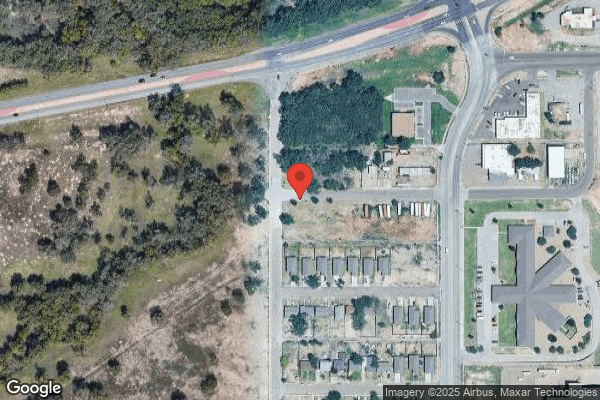
507 MARTIN LUTHER KING BLVD, LUBBOCK, TX 79403 (806) 744-1113
For profit - Corporation 120 Beds PRIORITY MANAGEMENT Data: November 2025 2 Immediate Jeopardy citations
Trust Grade
14/100
#898 of 1168 in TX
Last Inspection: May 2025

Inspected within the last 6 months. Data reflects current conditions.

Overview

Windmill Village Rehabilitation & Care Center has received a Trust Grade of F, indicating significant concerns about the quality of care provided. With a state rank of #898 out of 1168 facilities in Texas, they are in the bottom half, and #10 out of 15 in Lubbock County, meaning there are only a few options available locally that are better. The facility's performance appears stable, with 12 issues identified in both 2024 and 2025, but staffing is a major concern, rated at 1 out of 5 stars, with a high turnover rate of 72%, which is well above the Texas average. They have faced serious issues, including critical incidents where they failed to consult a physician for a resident with dangerously low oxygen levels, resulting in the resident's eventual death, and there were also concerns about food safety practices that could risk residents' health. Despite these weaknesses, the facility did achieve a 5 out of 5 stars for quality measures, indicating that some aspects of care may be effective.

Trust Score
F
14/100
In Texas
#898/1168
Bottom 24%
Safety Record
High Risk
Review needed
Inspections
Holding Steady
12 → 12 violations
Staff Stability
⚠ Watch
72% turnover. Very high, 24 points above average. Constant new faces learning your loved one's needs.
Penalties
⚠ Watch
$18,038 in fines. Higher than 85% of Texas facilities, suggesting repeated compliance issues.
Skilled Nurses
⚠ Watch
Each resident gets only 23 minutes of Registered Nurse (RN) attention daily — below average for Texas. Fewer RN minutes means fewer trained eyes watching for problems.
Violations
⚠ Watch
28 deficiencies on record. Higher than average. Multiple issues found across inspections.
★★☆☆☆
2.0
Overall Rating
★☆☆☆☆
1.0
Staff Levels
★★★★★
5.0
Care Quality
★★☆☆☆
2.0
Inspection Score
Stable
2024: 12 issues
2025: 12 issues

The Good

  • 5-Star Quality Measures · Strong clinical quality outcomes
  • Full Sprinkler Coverage · Fire safety systems throughout facility
  • No fines on record

Facility shows strength in quality measures, fire safety.

The Bad

2-Star Overall Rating

Below Texas average (2.8)

Below average - review inspection findings carefully

Staff Turnover: 72%

26pts above Texas avg (46%)

Frequent staff changes - ask about care continuity

Federal Fines: $18,038

Below median ($33,413)

Minor penalties assessed

Chain: PRIORITY MANAGEMENT

Part of a multi-facility chain

Ask about local staffing decisions and management

Staff turnover is very high (72%)

24 points above Texas average of 48%

The Ugly 28 deficiencies on record

2 life-threatening
Aug 2025 1 deficiency
CONCERN (D) 📢 Someone Reported This

A family member, employee, or ombudsman was alarmed enough to file a formal complaint

Potential for Harm - no one hurt, but risky conditions existed

PASARR Coordination (Tag F0644)

Could have caused harm · This affected 1 resident

**NOTE- TERMS IN BRACKETS HAVE BEEN EDITED TO PROTECT CONFIDENTIALITY** Based on interviews, and record review, the facility failed to incorporate recommendations from a PASRR level II determination a...

Read full inspector narrative →
**NOTE- TERMS IN BRACKETS HAVE BEEN EDITED TO PROTECT CONFIDENTIALITY** Based on interviews, and record review, the facility failed to incorporate recommendations from a PASRR level II determination and the PASRR evaluation report for 1 of 5 residents (Resident #1) reviewed for PASRR. The facility failed to submit a complete and accurate request for NFSS in the LTC online portal within 20 days after the IDT meeting. This failure could cause residents with mental health disorders and psychiatric conditions to have a delay in services or not receive specialized services or equipment that may be needed for a better quality of life.Record review of Resident #1's face sheet dated 08/28/25 revealed a [AGE] year-old male admitted to the facility on [DATE] with the following diagnoses: paranoid schizophrenia (a disorder that affects the ability to think, feel and behave clearly), mild intellectual disabilities, cognitive communication deficit (inability to communicate effectively due to cognitive impairments), intermittent explosive disorder (a mental disorder characterized by explosive outbursts of anger or violence), Type 2 diabetes mellitus (a condition in which the body does not use insulin properly), cerebral infarction (stroke) and generalized muscle weakness. Record review of Resident #1's annual MDS assessment dated [DATE] revealed a BIMS score of 07, indicating the resident had severe cognitive impairment. The MDS also revealed Resident #1 had a psychiatric disorder and was dependent in eating, toileting and hygiene. Record review of Resident #1's comprehensive care plan, initiated 04/11/25 and revised on 05/18/25, revealed the resident as PASRR positive related to IDD. Further review revealed an IDT PASRR meeting was held on 04/28/25. Record review of a Care Plan Conference document dated 04/28/25 revealed the care plan meeting was held due to Other: PASRR. Attendees included: MDS Nurse, Social Services, Dietary, a staff nurse, Resident #1's family member, a COTA and a PASRR habilitation coordinator. Record review of Resident #1's PCSP dated 04/28/25 revealed a recommendation for a CMWC and coordination of habilitative therapy services of PT and OT. In an interview on 08/28/25 at 2:34 PM with the MDS Nurse, she stated she was responsible for LTC PASRR assessments. She stated Resident #1 was PASRR positive and recommendations had been made at the initial IDT meeting on 04/28/25, but she had issues with being able to upload the OT evaluation. She stated the facility reached out to the caseworker but did not receive a response and she was not able to enter anything due to the resident's information not populating in the system. The MDS Nurse stated a second IDT meeting was held in June to extend the deadline due to not being able to enter the information. She stated she had attended PASRR training and had performed PASRR assessments for many years. She stated it was her responsibility to assure proper PASRR assessments were submitted timely and to submit NFSS through the LTC portal. The MDS Nurse stated she knew Resident #1 qualified for services and was not receiving services, but she had not been able to fix the problem so far. In an interview on 08/29/25 at 9:48 AM with the HHSC PASRR Unit Program Specialist, she stated if PASRR specialized services were recommended at the IDT meeting but were not initiated within 20 business days following the date the services were agreed to, the resident would not receive a PASRR specialized service. She stated the facility was given an additional specific timeframe to submit the NFSS request, but the facility did not meet that timeframe in addition to the previous 20 business days that were allowed. In an interview on 08/29/25 at 2:57 PM, Resident #1 stated he occasionally attended his own care plan meetings, but his family member usually took care of his business. He stated he was aware of the fact that he could have a new wheelchair, and he was waiting to get it. He stated his current wheelchair was functioning fine but was missing a brake on one side. Resident #1 stated he was not interested in doing therapy. In an interview on 08/29/25 at 3:04 PM, the DOR stated he was not in his current position when the IDT meeting for Resident #1 took place. He stated the OT evaluation was completed and the CMWC had been measured and ordered and was awaiting PASRR approval. In an interview on 08/29/25 at 4:07 PM, the Regional LIDDA Director stated Resident #1 was recommended for a CMWC and habilitative OT and PT. She stated the facility submitted partial information on 05/20/25 which was processed by HHSC on 05/23/25. She stated all the required documentation was not submitted under the supplier acknowledgment tab and was lacking documentation for PT and OT services, which caused the process to be delayed beyond the 20-day timeline. She stated it was the responsibility of the facility to follow-up on the portal process and assure timely submission and acceptance of documentation. In an interview on 08/29/25 at 4:43 PM, the ADM stated the process when a PASRR positive resident is identified was to hold an IDT meeting with PASRR workers to establish what services were needed. She stated it was the responsibility of the MDS Nurse to assure the NFSS was entered into the LTC portal timely and follow up on the process. She stated the monitoring system to assure timely entry of PASRR information was for the MDS Nurse to report any issues to the ADM. The ADM stated a potential negative outcome for failure to process PASRR information timely was that residents may miss services that they were qualified for. Record review of the facility's document titled Preadmission and Screening Resident Review (PASRR) Rules, revised 03/15/23 revealed: GuidelineIt is the intent of [named company] to meet and abide by all state and federal regulations that pertain to resident Preadmission and Screening Resident Review (PASRR) rules.RulesThe intent of this guideline is to identify residents with Mental Illness (MI), Intellectual Disability (ID) or Developmental Disability (DD)/Related Conditions (RC) and to ensure they are properly placed, whether in community or in a Nursing Facility (NF) and to ensure they receive the services they require for their MI, or ID/DD. ProcedurePost IDT Meeting ResponsibilitiesOnce the IDT/PCSP makes its determinations about specialized care, the facility will;.2. The facility will initiate the request for specialized services within 20 business days of the IDT/PCSP meeting, implement Specialized Services therapy within 3 business days after receiving approval from HHSC in the online portal and order CMWC and/or DME within 5 business days of receiving approval from HHSC in the online portal-.
May 2025 10 deficiencies
CONCERN (D)

Potential for Harm - no one hurt, but risky conditions existed

Resident Rights (Tag F0550)

Could have caused harm · This affected 1 resident

**NOTE- TERMS IN BRACKETS HAVE BEEN EDITED TO PROTECT CONFIDENTIALITY** Based on observations, interview and record review, the facility failed to treat each resident with respect and dignity, and car...

Read full inspector narrative →
**NOTE- TERMS IN BRACKETS HAVE BEEN EDITED TO PROTECT CONFIDENTIALITY** Based on observations, interview and record review, the facility failed to treat each resident with respect and dignity, and care for each resident in a manner and environment that promoted maintenance or enhancement of his or her quality of life, recognizing each resident individuality and protected and promoted the rights of the resident personal privacy for each resident's individuality for 1 of 24 residents (Resident #254) reviewed for dignity in that: The facility failed to ensure Resident #254's Condom catheter bag had a privacy cover on it to provide respect and dignity. This failure placed residents in the facility, with Condom catheters, at risk of feeling uncomfortable or embarrassed and decreased privacy. Findings included: Record review of Resident #254's face sheet revealed a [AGE] year-old male who was admitted to the facility on [DATE]. Resident #254 diagnoses which included: Chronic kidney disease (a progressive condition where the kidneys gradually lose their ability to filter waste and excess fluid from the blood), Constipation (problem with passing stool), Muscle weakness (a decrease in the strength and ability of muscles to perform their normal functions, often resulting in a reduced ability to move the body) and Calculus of kidney (hard deposits that form in the kidneys from minerals and salts in urine). Record review of Resident #254's undated care plan, revealed Resident #254 had a Condom catheter and he needs prompt response to all requests for assistance due to risk for falls. Record review of Resident #254's Physician Orders, dated 05/18/2025, revealed: Catheter: urinary catheter monitor urine consistency,1 = clear, 2 = cloudy, 3 = mucus every shift, .Catheter: urinary catheter provides catheter care with approved cleaning agent every shift, .Catheter: change catheter as needed for occlusion or leakage. Observation on 05/18/2025 at 12:58 p.m., revealed the resident #254 was at the dining hall and had a condom catheter bag hanging on the side of his electric wheelchair and was visible to anyone who was at the dining area. The bag contained a yellow fluid and did not have a cover to provide privacy. During a follow-up observation and interview on 05/19/2025 at 09:22 a.m., revealed Resident #254 was in his electric wheelchair, with the room door open. Resident #254's condom catheter bag was on the left side of the electric wheelchair, facing the door. The condom catheter drainage bag was visible through the open door and not in a privacy bag. Resident #254 stated the staff provided care every day, but without privacy bag in place since he had the condom catheter a month ago. During an interview with RN D on 05/20/2025 at 10:45 a.m., RN D stated she was the charge nurse and condom catheters should be covered with privacy bags. RN D said she was not aware Resident #254 did not have a privacy cover over his condom catheter bag. She stated the nurses and CNAs were responsible for ensuring the privacy covers were on the bags. RN D stated the covers were important to maintain privacy and dignity. During an interview with CNA E on 05/20/2025 at 11:06 a.m., CNA E stated the nurses and CNAs were responsible for placing the privacy covers over the bags and stated she did inform the charge nurse each time about the privacy covers. CNA E stated the privacy bags were important because without such Resident's dignity were lowered and stated she empty the condom catheter bag whenever it was full. During an interview with the DON on 05/20/2025 at 01:24 p.m., the DON stated the charge nurse and CNAs were responsible for making sure catheter bags had privacy covers. The DON stated all residents should have privacy covers on the condom catheter, and it was important for the resident's dignity and their right to privacy. During an interview with the ADM on 05/20/2025 at 02:01 p.m., the ADM stated the condom catheter bags should be covered due to dignity issues, Residents would not be comfortable and could cause embarrassment. The ADM stated CNAs were responsible for placing the privacy covers. Record review of the facility's Policy titled, Resident Rights (Revised October 2022), stated in part, that a resident has right to a dignified existence; to be treated with respect, kindness, and dignity; exercise his or her rights as a resident of the facility and as a resident or citizen of the United States; the right to privacy and confidentiality.
CONCERN (D)

Potential for Harm - no one hurt, but risky conditions existed

Unnecessary Medications (Tag F0759)

Could have caused harm · This affected 1 resident

**NOTE- TERMS IN BRACKETS HAVE BEEN EDITED TO PROTECT CONFIDENTIALITY** Based on observation, interview, and record review the facility failed to ensure that its medication error rate was not 5 percen...

Read full inspector narrative →
**NOTE- TERMS IN BRACKETS HAVE BEEN EDITED TO PROTECT CONFIDENTIALITY** Based on observation, interview, and record review the facility failed to ensure that its medication error rate was not 5 percent or greater. The facility had a medication error rate of 8.0% based on 2 errors out of 25 opportunities, which involved 2 of 3 residents (Resident #8 and Resident #304) reviewed for medication administration. 1. MA A failed to properly verify and dispense Eliquis (blood thinner) according to physician's order with a start date of 12/04/24 for Resident #304, when on 05/19/25 MA A dispensed and was going to administer Resident #304 with one 2.5 MG tablet instead of two 2.5 MG tablets until surveyor intervention. 2. MA A failed to administer Vitamin A (supplement) according to physician's order dated 05/13/25 to Resident #8, when on 05/19/25 MA A was unable to administer the Vitamin A supplement to Resident #8, resulting in a missed dose. These failures could place residents at risk of incomplete therapeutic outcomes, increased negative side effects, and decline in health. Findings included: 1. Record review of Resident #304's face sheet dated 05/20/25 revealed a [AGE] year-old female with an original admission date of 05/09/19. Resident #304 had diagnoses which included: cerebral infarction (stroke), peripheral vascular disease (reduced blood flow to limbs), hypertension (high blood pressure), and atherosclerotic heart disease (damage of the major blood vessels). Record review of Resident #304's Quarterly MDS, dated [DATE], revealed a BIMS score of 11, which indicated the resident was moderately cognitively impaired. Record review of Resident #304's current physician's orders revealed an order with a start date of 12/04/24 for Eliquis Oral Tablet 2.5 MG, give 5 MG by mouth two times a day. During a medication administration observation on 05/19/25 at 9:03 AM for Resident #304, MA A dispensed one Eliquis 2.5 MG tablet into a medication cup. Observation of the medication card and order for Resident #304's medication - Eliquis 2.5 MG showed: give two tablets by mouth two times daily. MA A picked up the medication cup and entered the resident's room to administer the medication. After surveyor intervention, MA A returned to the cart, verified the order, and dispensed an additional Eliquis 2.5 MG tablet into the medication cup and administered the medication to Resident #304. During an interview on 05/19/25 at 9:09 AM, MA A stated she failed to verify and dispense the correct dose of Eliquis medication for Resident #304. She stated she failed to read the order correctly and only dispensed one tablet instead of two, which would have resulted in Resident #304 being underdosed. MA A stated she had been trained on accuracy of medication administration through in-services and skills checks conducted by nursing administration. She stated a potential negative outcome for failure to administer medications according to physician's orders would be the resident getting sick. 2. Record review of Resident #8's face sheet dated 05/20/25 revealed an [AGE] year-old female with an original admission date of 12/14/21. Resident #8 had diagnoses which included: unspecified muscle disorder, gastric ulcer (a break in the lining of the stomach), glaucoma (condition causing gradual loss of sight), kidney failure, and hypertension (high blood pressure). Record review of Resident #8's admission MDS, dated [DATE], revealed a BIMS score of 12, which indicated the resident was moderately cognitively impaired. Record review of Resident #8's current physician's orders revealed an order with a start date of 05/13/25, for Vitamin A Oral Capsule 3 MG (10000UT), give 1 capsule by mouth one time a day for supplement. During a medication administration observation on 05/19/25 at AM 9:46 AM for Resident #8, MA A verified the physician's order for Vitamin A and determined the medication was not available on the medication cart. MA A stated a note in the MAR indicated the medication was on order. MA A checked the medication room and determined the medication was not available in the facility. MA A was unable to administer the medication to Resident #8, resulting in a missed dose. During an interview on 05/19/25 at 9:53 AM, MA A stated she was not able to administer Resident #8's Vitamin A medication according to physician's orders due to the medication not being available in the facility. She stated the medication had been ordered, according to the notation in the MAR. She stated she did not know why the medication was unavailable and her protocol was to let the DON know so the medication could be obtained. MA A stated a potential negative outcome for failure to administer medications according to physician's orders would be the resident getting sick. During an interview on 05/20/25 at 10:27 AM, the ADM stated medications should be given according to physician's orders. She stated the DON was responsible to assure staff were trained on accuracy of medication administration and the timely acquisition of medications. She stated the system to monitor for proper medication administration was periodic skills checks conducted by nursing administration and medication pass observations conducted by the Pharmacy Consultant. The ADM stated her expectation of staff was to follow the five rights of medication administration. She stated a potential negative outcome for failure to administer medication according to physician's orders would be the resident missing a dose of medication. During an interview on 05/20/25 at 10:46 AM, the DON stated she was made aware that there were medication errors made during medication pass observation. She stated staff were in-serviced on verification of physician's orders and timely ordering of medications. The DON stated staff were monitored for accuracy of medication administration through competency checks and periodic medication pass observations conducted by nursing administration. She stated a potential negative outcome for failure to administer medications according to physician's orders would be complications or harm to a resident's health. Record review of the facility's policy titled, Administering Oral Medications, Revised October 2010, revealed: Purpose The purpose of this procedure is to provide guidelines for the safe administration of oral medications. . Steps in the Procedure . 3. Place the MAR within easy viewing distance. . 6. Check the label on the mediation and confirm the medication name and dose with the MAR. . 8. Check the medication dose. Re-check to confirm the proper dose. 9. Prepare the correct dose of medication.
CONCERN (D)

Potential for Harm - no one hurt, but risky conditions existed

Deficiency F0790 (Tag F0790)

Could have caused harm · This affected 1 resident

**NOTE- TERMS IN BRACKETS HAVE BEEN EDITED TO PROTECT CONFIDENTIALITY** Based on observation, interview, and record review the facility failed to assist residents in obtaining routine and 24-hour emer...

Read full inspector narrative →
**NOTE- TERMS IN BRACKETS HAVE BEEN EDITED TO PROTECT CONFIDENTIALITY** Based on observation, interview, and record review the facility failed to assist residents in obtaining routine and 24-hour emergency dental care for 1 of 24 residents (Resident #8) reviewed for dental services. The facility did not assist Resident #8, who had missing teeth, with a dental service consult. This failure could place residents at risk of oral complications, dental pain, and diminished quality of life. Findings included: Record review of Resident #8's face sheet showed a [AGE] year-old woman, who was admitted on [DATE]. Diagnoses included: Cerebral infarction (referred to as a stroke, means the death of brain muscle due to a reduced blood supply), Chronic obstructive pulmonary disease (a progressive lung disease that makes it hard to breathe), Constipation (problem with passing stool), Muscle weakness (a decrease in the strength and ability of muscles to perform their normal functions, often resulting in a reduced ability to move the body), Heart Failure (condition in which the heart does not pump blood as well as it should), Diabetes Mellitus (long term condition where body has trouble controlling blood sugar and using it for energy), Cognitive communication deficit (difficulty with any aspect of communication that is affected by disruption of intellectual processes like attention, memory). Record Review of Resident #8's quarterly MDS dated [DATE], revealed a BIMS score of 09 slightly cognitively impaired. Record review of Resident #8's Care plan showed resident has an ADL self-care performance deficit and personal hygiene requires No assistance. The care plan also reflected the resident had behaviors which included non-compliance with Lasix medication that treats fluid retention caused by Heart failure. Record Review of Resident #8's Oral Care showed she had tooth extractions without replacement since 02/13/2023. Interview and Observation on 5/18/25 at 01:23 p.m. with Resident #8 stated I asked them to fix my teeth though no pains, resident placed her hand over her mouth showing portions of tooth extraction with no replacement. Resident #8 raised her seven fingers which implied 7 months, when asked how long she has been waiting for approval for dental follow up. Observation of Resident #8's upper and lower gums had no artificial teeth (denture) on them. Interview on 5/19/25 at 11:31 a.m. with SW stated they were waiting for resident #8 dental approval from Cooperate or the ADM (No document seen/reviewed or provided). SW stated not sure how long the time process was for resident #8 to get the approval for her dentures. Interview on 5/20/25 at 10:45 a.m. with RN D stated she would immediately let the SW, Physician or NP (Nurse Practitioner) know if there were any dental issues. RN D stated delay in Resident #8 dental services would affect her dignity and lower her level of socialization. Interview on 5/20/25 at 11:46 a.m. with CNA E stated if a resident had dental problems, she would let her nurse know and she had not done any dental care on Resident #8. Interview on 5/20/25 at 1:24 p.m. with DON stated the social worker made the dental appointments. Usually, if resident had painful teeth or something with their mouth, they would contact the Physician or NP immediately. Interview on 5/20/25 at 02:01 p.m. with ADM stated only records found was Resident #8's extractions and no other information regarding the referrals to the surgeon and the progress of her dental services till date. ADM stated facility had quarterly visit by the dentist. Then, a letter for dental approval was sent off to Resident #8' for the in-house dental services and she was not sure of the date the letter was sent. Record Review of facility policy Dental Services revised December 2016, under Policy stated, Routine and emergency dental services are available to meet the resident's oral health services in accordance with the resident's assessment and plan of care. Record Review of facility policy Routine Dental Care revised April 2007, under Policy stated, Each resident will receive routine dental care. Record Review of facility policy Quality of Life - Dignity revised October 2022, stated Each resident shall be cared for in a manner that promotes and enhances quality of life, dignity, respect and individuality.
CONCERN (E)

Potential for Harm - no one hurt, but risky conditions existed

Deficiency F0558 (Tag F0558)

Could have caused harm · This affected multiple residents

**NOTE- TERMS IN BRACKETS HAVE BEEN EDITED TO PROTECT CONFIDENTIALITY** Based on observation, interview, and record review, the facility failed to ensure the resident's had the right to reside and rec...

Read full inspector narrative →
**NOTE- TERMS IN BRACKETS HAVE BEEN EDITED TO PROTECT CONFIDENTIALITY** Based on observation, interview, and record review, the facility failed to ensure the resident's had the right to reside and receive services in the facility with reasonable accommodation of resident needs and preferences, except when to do so would endanger the health or safety of the resident or other residents, for 14 of 24 residents (Resident #12, Resident #31 and 12 confidential Residents), reviewed for resident rights. The facility failed to ensure staff performed rounds every two hours on the night shift. 12 of 12 residents who attended Resident Council stated CNAs do not perform rounds every 2 hours at night. Residents stated they have not had access to water due to the lack of rounding. Residents stated they have not had assistance with adjusting the temperature of their rooms and have not had assistance with turning due to the lack of rounding. The facility failed to ensure Resident #12 and #31 were rounded by night shif staff. This failure could place residents including at risk of not receiving needed care and services in a timely manner. The findings were: Record review of Resident #12's face sheet revealed a [AGE] year-old female, who was admitted to the facility on [DATE]. Resident #12 had diagnoses which included: Pain, Cerebral palsy (a group of disorders that affect a person's ability to move and maintain balance and posture), Acute and chronic respiratory failure with hypoxia (failure of the respiratory system to adequately supply the body with oxygen, resulting to low oxygen levels in the tissues), Constipation (problem with passing stool), Muscle weakness (a decrease in the strength and ability of muscles to perform their normal functions, often resulting in a reduced ability to move the body), Overactive bladder (a sudden, strong urge to urinate), Anxiety disorder (group of mental health conditions categorized by excessive and persistent fear or worry that significantly impacts daily life), GERD [a condition where stomach acid flows back up into the esophagus (the tube connecting the stomach and mouth), causing heartburn and other symptoms]. Record Review of Resident #12's quarterly MDS dated [DATE], revealed a BIMS score of 14 which indicated the resident was cognitively able to make choices and decisions for herself. Record review of Resident #12's undated Care plan revealed resident at risk for complications related to GERD and interventions required assistance through monitoring for coughing/choking while lying down. Record review of Resident #31's face sheet revealed a [AGE] year-old female, who was admitted to the facility on [DATE]. Resident #31 had diagnoses which included: Abnormal posture, Pressure ulcer stage 2 (Partial-thickness skin loss of both the outermost and inner parts), Pruritus (itching), Acute Nasopharyngitis (common cold), Hypertension (condition where the blood pressure in the arteries is persistently elevated), Muscle weakness (a decrease in the strength and ability of muscles to perform their normal functions, often resulting in a reduced ability to move the body), Anxiety disorder (group of mental health conditions categorized by excessive and persistent fear or worry that significantly impacts daily life), GERD, Difficulty in walking, Hemiplegia and Hemiparesis (are both conditions that can result from a cerebral infarction (stroke), affecting movement and function on one side of the body). Record Review of Resident #31's quarterly MDS dated [DATE], revealed a BIMS score of 15 which indicated the resident was cognitively able to make choices and decisions for herself. Record review of Resident #31's undated Care plan revealed she has a behavior problem related to history of intentional self-harm and intervention required caregivers to provide opportunity for positive interaction, attention. Stop and talk with her as passing by. Observation and interview on 5/18/25 at 12:25p.m., Resident #31seen covered with the blanket on her bed, stated staff (CNAs) do not round at night every 2 hours. They did not come back upon request. Resident #31 requested, One thing I can say is, you need to come here at night unannounced. Resident #31 stated the DON was notified. Observation and interview on 5/18/25 at 01:23p.m., Resident #12 seen on her electric wheelchair, stated she do not get needed assistance at night. Resident #12 stated it takes time for them to come take me over to my bed, it happens every night and the night shift staff (CNAs) did not round every 2 hours and been going on for couple of months especially Monday's and weekends. She stated the matter was discussed at Resident council meeting before she rolled out of the room on her electric wheelchair. Interview on 5/20/25 at 10:45a.m., RN D stated not rounding every 2 hours would lead to terrible outcomes for residents, especially those in bed all the time. RN D stated she had complaints from the residents, that CNAs did not perform rounds every 2 hours at night, and she monitors staff, if she had to. Interview on 5/20/25 at 11:46a.m., CNA E stated most of the residents needed incontinent care and rounds should be performed every 2 hours to prevent sores, skin tears and infections. CNA E stated that at night, the staff do fall asleep. She said, we had in-services/meetings, but nothing changed. Interviews during Resident Council on, 05/19/2025 at 11:00am, revealed 12 confidential residents, stated the CNAs did not round every 2 hours at night. The Residents stated the lack of rounds being performed every 2 hours made them feel ignored, not a priority, and their needs were not being met. The Residents stated they informed the DON of the issue with rounding on the night shift when she attended Resident Council on 12/23/2024; however, the night CNAs continued to disregard rounding every 2 hours. The Residents stated the DON informed them during the council meeting she would complete an in-service with the night CNAs regarding the importance of rounding every 2 hours. In an interview on 5/20/2025 at 11:40am, the DON stated CNAs should be performing rounds at a minimum of every 2 hours. The DON stated rounds should be completed a minimum of every 2 hours during all shifts. The DON stated rounds were performed every 2 hours to ensure consistency and appropriate care for every Resident. The DON stated the potential negative outcome for rounds not being completed every 2 hours was residents not having their needs met and lack of care. In an interview on 5/20/2025 at 11:00am, the Activities Director stated CNAs not rounding every two hours was discussed in Resident Council every month for the past 6 months. The AD stated the Residents stated the evening/night nurses did not perform rounds every 2 hours; the CNAs were difficult to find at night and were often on their cell phones at the nurses' station or in the hallways speaking loudly and using inappropriate language while talking on their cell phones. The AD stated she had written and submitted grievances in regards to the absence of rounding at night and had included the complaint on her Resident Council notes. The AD stated she had also mentioned the complaint several times in morning staff meetings. In an interview on 5/20/2025 at 1:14pm, the ADM stated CNAs should perform rounds every 2 hours on all shifts. The ADM stated rounds were completed to ensure ADLs and to provide incontinent care. The ADM stated rounds every 2 hours were also completed to prevent skin breakdowns and ensure ADLs were met. The ADM stated the potential negative outcome for rounds not being completed every 2 hours was skin breakdown, emergencies, and falls. Record review of the facility's undated policy for ADL indicated Certified Nurse Aides (CNAs) must attend to the needs of all residents and provide the care that residents need at all times.
CONCERN (E)

Potential for Harm - no one hurt, but risky conditions existed

Deficiency F0565 (Tag F0565)

Could have caused harm · This affected multiple residents

Based on observation, interview, and record review, the facility failed to provide a private meeting space for residents' monthly council meetings for 12 of 24 confidential residents who were reviewed...

Read full inspector narrative →
Based on observation, interview, and record review, the facility failed to provide a private meeting space for residents' monthly council meetings for 12 of 24 confidential residents who were reviewed for resident council. The facility failed to provide a private space for resident council meetings. This failure could place residents at risk of not being able to voice concerns due to a lack of privacy. Findings include: Observation of dining room on 5/19/25 at 11:00AM revealed multiple staff in and out of the dining room, multiple residents in and out of the dining room who were not attending Resident Council, and several side conversations in the dining room due to Residents visiting family members in the dining room. Interview on 5/20/24 at 10:30AM, the Activities Director stated Resident Council was held in the dining room for the entirety of her employment with the facility, 18months. The AD stated it was not a private space; her sign posted during resident council asked staff not to enter the dining room was not respected. The AD stated there were no doors to close for the dining room. She stated there was no barriers to add doors to the dining room. The AD stated the potential negative outcome for no privacy for Resident Council was Residents may not speak freely in Resident Council due to staff overhearing their conversations. Interview on 5/20/25 at 11:00AM with 12 alert and orientated residents who attended resident council stated resident council met in the dining room. They stated staff came in and out with no privacy, and they filtered what they said due to staff presence. Residents stated the AD placed a large sign at the entrance to the dining room asking staff not to enter the dining room due to resident council being held; however, staff did not respect the sign. Interview on 5/20/25 at 1:40AM the Administrator stated that she was aware the facility did not have a private area for Resident Council to meet. She stated resident council was held in the dining room and they posted signs asking staff not to enter the dining room; however, the staff did not respect the sign. She stated she had not thought of privacy screens or meeting in the courtyard. She stated with weather permitting she would like to have meetings outside but had not thought of it. She stated the potential negative outcome of not having a private setting for Resident Council was the Residents may not feel comfortable sharing their needs, thoughts, feelings, and complaints. Record review of Resident Council Minutes dated 11/17/24 revealed Resident Council was held in the dining room with 5 residents present. Record review of Resident Council Minutes dated 12/23/24 revealed Resident Council was held in the dining room with 6 residents present. Record review of Resident Council Minutes dated 1/23/25 revealed Resident Council was held in the dining room with 6 residents present. Record review of Resident Council Minutes dated 2/18/25 revealed Resident Council was held in the dining room with 6 residents present. Record review of Resident Council Minutes dated 3/27/25 revealed Resident Council was held in the dining room with 6 residents present. Record review of Resident Council Minutes dated 4/24/25 revealed Resident Council was held in the dining room with 6 residents present. Record Review of the facility's Resident Council Policy Revised April 2017, revealed the following: Policy Statement The facility supports residents' rights to organize and participate in the Resident Council. Policy Interpretation and Implementation 1. The purpose of the Resident Council is to provide a forum for: a. Residents, families, and resident representatives to have input in the operation of the facility. b. Discussion of concerns and suggestions for improvement. c. Consensus building and communication between residents and facility staff; and d. Disseminating information and gathering feedback from interested residents. 2. All residents are eligible to participate in the Resident Council. The facility staff encourages residents who are willing to participate. 3. The council is encouraged to elect a President or Chair to act as a liaison and facilitate communication between the council and a designated staff person who has been approved by the Council. Staff, visitors, or other guests may attend Resident Council meetings if invited by the respective resident group. 4. Council meetings are scheduled monthly or more frequently if requested by residents. The date, time and location of the meetings are noted in the Activities calendar. 5. A Resident Council Response Form will be utilized to track issues and their resolution. The facility department related to any issues will be responsible for addressing the item(s) of concern. 6. The Quality Assurance and Performance Improvement (QAPI) Committee will review information and feedback from the Resident Council as part of their quality review. Issues documented on council response forms may be referred to the QAPI Committee, if applicable (i.e., the issue is of serious nature or if there is a pattern, etc.).
CONCERN (E)

Potential for Harm - no one hurt, but risky conditions existed

Deficiency F0583 (Tag F0583)

Could have caused harm · This affected multiple residents

Based on interviews and record review, the facility failed to ensure the resident had a right to personal privacy and confidentiality of his or her personal and medical records which included accommod...

Read full inspector narrative →
Based on interviews and record review, the facility failed to ensure the resident had a right to personal privacy and confidentiality of his or her personal and medical records which included accommodations, medical treatment, written and telephone communications, personal care, visits, and meetings of family and resident groups for 12 of 12 confidential residents. The facility failed to ensure staff were not on their personal cell phones while providing care, which included peri-care to residents. This failure could place residents at risk of not having their personal privacy maintained during medical treatment. Findings include: Interview with 12 confidential residents stated the use of cell phones by CNAs while performing care made them feel ignored, not a priority, embarrassed, concerned the CNA could make a mistake due to distraction by the cell phone conversation, and, most of all, their privacy was violated. Interview with 12 confidential residents stated the use of cell phones by CNAs occurred on every shift; however, primarily occurred during the night shift. Interviewed with 12 confidental residents stated when they confronted CNAs about the cell phone usage while care was being performed the CNAs ignored them, the CNAs stated it was their right to utilize their cell phone, and CNAs informed the residents the use of the cell phone during care was none of the Residents' business. Interviewed with 12 confidental residents stated they did not know the names of the CNAs who utilized their cell phones while performing care. The residents stated cell phone usage of the CNAs while performing care happened in the facility so often, they would say every CNA in the facility utilized their cell phone while performing care. During an interview on 5/20/25 at 11:40am with the DON, she stated staff should provide privacy any time they were performing resident care. She stated cell phones should only be used in the break room and outside of the facility. The DON stated cell phones should never be used in resident rooms, in the hallways of the facility, or at the nurses' stations. The DON stated she and her ADON oversaw training staff on cell phone usage in the facility. The DON stated there was continuous education provided to staff concerning cell phone usage via team meetings and in-service trainings. She stated the DON and ADON monitored staff by observing and addressing grievances and complaints regarding cell phone usage while performing care. She stated there was no reason privacy for residents should not be provided. She stated the potential negative outcome was resident dignity, HIPPA violations, and disrespect for residents. She stated not providing privacy could also have a psychological effect like embarrassment for the resident. During an interview on 05/20/25 at 1:14pm, the ADM stated residents should be provided privacy during resident care. She stated all staff were trained on privacy, dignity, and cell phone usage during orientation and through continuous education by the DON and the ADON. She stated staff were monitored by making rounds and correcting any issues found, and by addressing complaints and grievances concerning cell phone usage by staff while performing resident care. She stated cell phones should never be used in resident rooms, hallways, or nurses' stations. She stated the potential negative outcome could be mess ups, not paying attention to residents' needs, and dignity. Record review of the undated facility policy titled Confidentiality of Information and Personal Privacy revealed the following: Policy Statement - Our facility will protect and safeguard resident confidentiality and personal privacy. Policy Interpretation and Implementation 2. The facility will strive to protect the resident's privacy regarding his or her: a. accommodations; b. medical treatment; c. written and telephone communications; d. personal care; e. visits; and f. family and resident group meetings.
CONCERN (E)

Potential for Harm - no one hurt, but risky conditions existed

Grievances (Tag F0585)

Could have caused harm · This affected multiple residents

Based on observation, interview, and record review, the facility failed to provide information to resident's and their representatives on their rights related to filing grievances or concerns for 12 o...

Read full inspector narrative →
Based on observation, interview, and record review, the facility failed to provide information to resident's and their representatives on their rights related to filing grievances or concerns for 12 of 24 confidential residents. The facility failed to ensure 12 of 24 confidential residents were provided, through postings in prominent locations; the Grievance Procedure, were provided access to the Grievance form, were provided information regarding who the facility grievance officer was, their contact information, and how to file an anonymous grievance. This failure could place the residents at risk of unresolved grievances and decreased quality of life. Findings include: Interviews during Resident Council on, 05/19/2025 at 11:00am, 12 confidential residents, stated they did not know they could file a Grievance anonymously and they had not observed a posting of the Grievance procedure in prominent locations. Residents attending Resident Council stated there was no system for submitting a Grievance anonymously. The 12 residents in attendance had all been Residents of the facility for 6 plus months. Observed prominent postings on 5/19/2025 at 1:45pm; Grievance forms were available on the wall outside of the Social Worker's office, there were no instructions included for completing the Grievance form; there was no system indicated for submitting a Grievance anonymously. Interview with the ADM on 5/20/2025 at 1:14pm; the ADM stated the SW was the Grievance Officer for the facility. The ADM stated the SW was responsible for the review of Grievances and assign them to department heads. The ADM stated there was no system for submitting a Grievance form anonymously. Grievance forms are available for the Residents outside the SW's office, the Grievance forms were submitted to the SW by the Resident or their family member. The ADM stated the facility should resolve grievances as soon as possible once they were submitted. The ADM stated the procedure for submission of a Grievance was the SW assigned the grievance to the appropriate department, that department addressed the grievance, resolved the grievance, and explained the resolution to the complainant. The resolution was documented on the original Grievance form. The ADM stated completed Grievances were kept in a notebook. The ADM stated she monitored the Grievance process for success by following up with the staff member assigned to resolve the Grievance, the ADM stated she would also meet with the complainant to ensure they were satisfied with the resolution. The ADM stated she was responsible for ensuring staff were trained on the Grievance process. The ADM stated the potential negative outcome for Resident's not having a system to file Grievances anonymously was the Resident may not file a Grievance and the issue will not be resolved. Record Review of the Grievance Policy revised January 2017. Policy Statement Residents, family, and resident representatives have the right to voice or file grievances without discrimination or reprisal in any form, and without fear of discrimination or reprisal. You are requested to follow the procedures outlined below when filing grievance or complaint: 1. Obtain a Resident Grievance/Complaint Form from the nurses' station or from the business office. 2. Answer all questions on the form, as applicable. Be sure that all information is accurate. 3. You may sign the form, or file anonymously. 4. Give the completed form to the Administrator or his/her designee. If the Administrator is not available, you may leave the form with the supervisor on duty, or you may submit it anonymously to the appropriate person you wish to handle the grievance or complaint. 5. Within five (5) working days of the date you filed the grievance; you will be notified of the results of the investigation. (Note: Complaints of abuse, harassment, or mistreatment will be immediately investigated, and you may request a report of the findings, recommendations, and/or corrective action taken within five (5) working days of the filing of the report.) 6. Should you disagree with the findings, recommendations, or actions taken, you may meet with the Administrator, or you may file a complaint with any of the advocacy agencies listed on the residents' bulletin board. 7. It is the policy of this facility to assist you in filing a grievance or complaint. Should you feel that our staff has not assisted you in this matter, or you feel that you are being discriminated against for taking such steps, you are encouraged to report such incidents to the Administrator at once.
CONCERN (E)

Potential for Harm - no one hurt, but risky conditions existed

Deficiency F0761 (Tag F0761)

Could have caused harm · This affected multiple residents

Based on observation, interview, and record review, the facility failed to ensure all drugs and biologicals were stored properly for 3 of 4 medication carts (medication cart for hall 200, medication c...

Read full inspector narrative →
Based on observation, interview, and record review, the facility failed to ensure all drugs and biologicals were stored properly for 3 of 4 medication carts (medication cart for hall 200, medication cart for hall 100, and nurse's medication cart for hall 200), reviewed for medication storage. The facility failed on 05/19/25 to maintain proper medication storage after the following was found: 1. The medication cart for 200 hall contained 10.5 loose pills. 2. The medication cart for 100 hall contained 3 loose pills. 3. The nurse's medication cart for hall 200 contained 10 loose pills. This failure could place residents at risk of not receiving prescribed medications as ordered and place the facility at risk of drug diversions. The findings included: 1. On 05/19/25 at 9:03 AM an observation of the medication cart for 200 hall was conducted with MA A. Ten and one-half loose pills were found in the drawers of the medication cart. MA A placed the pills in a dispensing cup and took the cup to the DON for medication identification. The DON identified the medications as followed: -Rosuvastatin 10 mg - used to lower cholesterol (one pill) -Mirtazapine 15 mg - used to treat depression (one pill) -Lasix 20 mg - used to treat swelling (one pill) -Omeprazole 20 mg - used to treat indigestion (one pill) -Pantoprazole 40 mg - used to treat heartburn (one pill) -Sertraline hydrochloride 50 mg - used to treat depression (one pill) -Keppra 500 mg - used to treat seizures (one pill) -Methocarbamol 500 mg - used to treat muscle spasms (one pill) -Eliquis 2.5 mg - used to prevent blood clots (one pill) -Atorvastatin 10 mg - used to lower cholesterol (one pill) -Lasix - strength unknown - used to treat swelling (1/2 pill) 2. On 05/19/25 at 9:46 AM an observation of the medication cart for 100 hall was conducted with MA A. Three loose pills were found in the drawers of the medication cart. MA A placed the pills in a dispensing cup and took the cup to the DON for medication identification. The DON identified the medications as followed: -Metoprolol 25 mg - used to treat high blood pressure (one pill) -Zofran 4 mg - used to prevent nausea and vomiting (one pill) -Amitriptyline - strength unknown - used to treat depression (one pill) During an interview on 05/19/25 at 9:51 AM, MA A stated there should not be loose pills on the medication cart. She stated she was not sure why there were loose pills on the medication carts for halls 100 and 200. She stated it was her responsibility to check the medication carts for loose pills. MA A stated the medication carts were periodically audited for loose medications by nursing administration and the Pharmacy Consultant. She stated a potential negative outcome of loose medications on the cart would be that a resident could miss a dose of medication. 3. On 05/19/25 at 10:15 AM an observation of the nurse's medication cart for 200 hall was conducted with RN C. Ten loose pills were found in the drawers of the medication cart. RN C placed the pills in a dispensing cup and took the cup to the DON for identification. The DON identified the medications as followed: -Famotidine - strength unknown - used to treat stomach ulcers (2 pills) -Ondansetron 4 mg -used to prevent nausea and vomiting (five pills) -Levothyroxine 100 mcg - used to treat low thyroid (one pill) -Clonidine 0.1 mg - used to treat high blood pressure (one pill) -Benzonatate 200 mg - used to treat cough (one pill) During an interview on 05/20/25 at 10:15 AM, RN C stated there should not be loose pills on the medication cart. She stated she did not know why there were loose medications on the cart. She stated the medication cards were very tight in the drawers and the pills sometimes get knocked loose from the blister packs. RN C stated it was the responsibility of the charge nurse to check the cart for loose medications. She stated the carts were audited periodically for proper medication storage by the Pharmacy Consultant and by nursing administration. RN C stated a potential negative outcome for loose pills on the medication cart would be the resident missing a dose of medication or the medication not being able to be reordered from the pharmacy. During an interview on 05/20/25 at 10:27 AM, the ADM stated she was not aware that there were loose medications on the medication carts for halls 100 and 200. She stated it was the responsibility of the charge nurse and medication aid to assure medications were properly stored on the medication carts. The ADM stated proper storage of medications on the carts was monitored through periodic cart audits conducted by nursing administration and the Pharmacy Consultant. She stated her expectation of staff for proper medication storage was to follow policy and routinely check carts for loose medications. The ADM stated a potential negative outcome for loose medications on the cart would be a resident missing a medication. During an interview on 05/20/25 at 10:46 AM, the DON stated there should not be loose medications on the medication carts. She stated the charge nurse or medication aid assigned to the cart was responsible to assure medications were stored properly. She stated staff were trained on proper medication storage and the medication carts were monitored through spot checks conducted by nursing administration. The DON stated the Pharmacy Consultant conducted cart audits approximately monthly to check for proper storage of medications. She stated a potential negative outcome for loose pills on the medication cart would be missed doses of medication for residents. Record review of the facility's policy titled, Storage of Medications, Revised April 2019, revealed: Policy Statement The facility stores all drugs and biologicals in a safe, secure, and orderly manner. Policy Interpretation and Implementation . 2. Drugs and biologicals are stored in the packaging, containers or other dispensing systems in which they are received. 3. The nursing staff is responsible for maintaining medication storage and preparation areas in a clean, safe, and sanitary manner.
CONCERN (E)

Potential for Harm - no one hurt, but risky conditions existed

Food Safety (Tag F0812)

Could have caused harm · This affected multiple residents

Based on observation, interview, and record review, the facility failed to store, prepare, distribute, and serve food in accordance with professional standards for food service safety in 1 of 1 kitche...

Read full inspector narrative →
Based on observation, interview, and record review, the facility failed to store, prepare, distribute, and serve food in accordance with professional standards for food service safety in 1 of 1 kitchen reviewed for dietary services, in that: The facility failed on 05/18/2025 to seal and date food stored in refrigerator. The facility failed on 05/18/2025 to ensure kitchen equipment was clean. These failures could place residents at risk for food contamination and foodborne illness. The findings included: The following observations were made on 05/18/2025 at beginning 9:45 AM during initial tour of the kitchen: Observation of the following stored in dry storage room: 4 dessert cake pans with cake on rolling cart not covered. Large container of cornmeal with lid open. Observation of the following stored in the refrigerator: Bag of green beans with no date. Bag of corn with no date. Bag of spaghetti with meat sauce no date. Metal bowl of cooked beans with no date. Metal bowl of tartar sauce cups with no date. Observation of the Ice machine in dining room with cream color buildup in drip pan and on top beside ice spout. Observation of the Steam table with food residue on top and splatters on glass barrier. During a follow up visit and observation on 05/18/2025 at 2:00 PM was a Bowl of cheese slices not covered stored in the refrigerator. During an interview on 05/20/25 at 9:10 AM the DM, who stated all items in the fridge and in the storage, room are to be labelled with date and sealed. She stated the dietary aides are responsible to monitor the fridge and dry storage rooms and she follows up daily. She stated anyone who puts food in the fridge for storage was responsible for dating and making sure it was sealed. The DM stated all staff have been trained and safe serve certificates are all current for the kitchen staff. DM stated the potential negative outcome could be bacteria in food and be harmful to resident. She stated it was maintenance responsibility to clean the ice machine in the dining room. DM stated the kitchen staff do not clean the ice machine. During an interview on 05/20/25 at 10:56 AM with ADM, she stated DM and staff were responsible for dating items in fridge and dry storage room and making sure all items are sealed. All staff have been trained on food storage in the refrigerator and dry storage . The facility policy was to have all items sealed and dated. She stated the possible negative outcome could be serving expired food to residents. During an interview on 05/20/25 at 12:00 PM with maintenance supervisor who stated he was not sure who cleans the outside of the ice machine. He stated he cleans the inside of the machine (filter and compressor) every 3 months. He stated, I guess everything is my responsibility. He stated he had not been trained on cleaning the outside of the machine. He stated it should be cleaned daily. During an interview on 05/20/25 at 12:10 PM with the ADM, she stated she was not sure who was responsible for cleaning the outside of ice machine. She stated she has reached out to corporate for clarification. During an interview on 05/20/25 at 12:33 PM with the maintenance supervisor, he stated I spoke with my supervisor at corporate and he stated the kitchen was responsible for daily cleaning of the outside of ice machine. Record review of the facility's policy, titled Food Receiving and Storage revised date 2014, reflected the following: Policy Statement- Foods shall be received and stored in a manner that complies with safe food handling practices. Policy Interpretation and Implementation . 7. All foods stored in the refrigerator or freezer will be covered, labeled and dated (use by date) . Record review of the facility's policy, titled Sanitization revised date 2014, reflected the following: Policy Statement - The food service area shall be maintained in a clean and sanitary manner. Policy Interpretation and Implementation . 12. Ice machines and ice storage containers will be drained, cleaned, and sanitized per manufacturer's instructions and facility policy . Record review of the FDA Food Code 2022 reflected the federally established standards.
CONCERN (E)

Potential for Harm - no one hurt, but risky conditions existed

Infection Control (Tag F0880)

Could have caused harm · This affected multiple residents

**NOTE- TERMS IN BRACKETS HAVE BEEN EDITED TO PROTECT CONFIDENTIALITY** Based on observation, interview, and record review the facility failed to maintain an infection prevention and control program d...

Read full inspector narrative →
**NOTE- TERMS IN BRACKETS HAVE BEEN EDITED TO PROTECT CONFIDENTIALITY** Based on observation, interview, and record review the facility failed to maintain an infection prevention and control program designed to provide a safe, sanitary, and comfortable environment and to help prevent the development and transmission of communicable diseases and infections for 3 of 24 residents (Resident #73, #97 and #304) reviewed for infection control. 1. The facility failed on 05/18/25 to implement and maintain Enhanced Barrier Precautions physicians ordered on 04/16/25 when LVN B failed to wear proper PPE when providing wound care for Resident #97. 2. The facility failed on 05/19/25 to ensure proper medication administration infection control procedures were used when MA A failed to sanitize her hands before or after medication administration for Resident #73 and #304. These failures could place residents at risk for the spread of infection and cross contamination. Findings included: 1. Record review of Resident #97's face sheet dated 05/18/25 revealed a [AGE] year-old female with an admission date of 04/14/25. Resident #97 had diagnoses which included: pancreatitis (inflammation of the pancreas), dysphagia (difficulty swallowing), cognitive communication deficit (difficulty with communication), and cerebral infarction (stroke). Record review of Resident #97's admission MDS, dated [DATE], revealed a BIMS score of 14, which indicated the resident was mildly cognitively impaired. Record review of Resident #97's current physician's orders revealed an order with a start date of 04/16/25 for Nursing Intervention: Implement and maintain Enhanced Barrier Precautions when performing high contact care activities every shift. Further review revealed an order with a start date of 04/24/25 for daily wound care to the right lower leg and an order with a start date of 05/07/25 for daily wound care to left lower leg. During an observation of wound care on 05/18/25 at 11:35 AM for Resident #97, LVN B gathered supplies and entered the resident's room. Resident #97 was on Enhanced Barrier Precautions, per signage on the outside of the door. A PPE cart was observed at the entrance to Resident #97's room. LVN B washed her hands, applied gloves, and performed wound care on the right and left lower leg wounds, according to physician's orders. Following the procedure, LVN B removed her gloves, sanitized her hands and exited the room. LVN B failed to put on required PPE (gown) prior to performing wound care for Resident #97. During an interview on 05/18/25 at 11:40 AM, LVN B stated she did not put on a gown prior to performing wound care for Resident #97 because she did not remember the gown until she had already started the wound care procedure and it was too late at that point. She stated a gown should always be worn when performing wound care on a resident who was on EBP. LVN B stated she was trained on EBP through in-services conducted by the DON. She stated a potential negative outcome for failure to wear proper PPE during wound care for a resident on EBP would be wound infections from outside germs. 2. During an observation of medication pass on 05/19/25 at 9:36 AM, MA A prepared medications for Resident #73 and administered her medications. MA A did not sanitize her hands before or after medication administration. During an observation of medication pass on 05/19/25 at 9:46 AM, MA A prepared medications for Resident #304 and administered her medications. MA A did not sanitize her hands before or after medication administration. During an interview on 05/19/25 at 10:08 AM, MA A stated she did not sanitize her hands before or after administering medications to Resident #73 and Resident #304 because she changed to a different medication cart and forgot to set her sanitizer out on top of the cart. She stated hand hygiene should always be performed before and after handling and administering medications. MA A stated she was trained on hand hygiene during medication pass through in-services conducted by the ADON and through monthly medication administration skills checks. She stated a potential negative outcome for failure to sanitize hands before and after medication administration was spreading germs. During interview on 05/20/25 at 10:27 AM, the ADM stated nursing administration was responsible for training staff on proper hand hygiene and Enhanced Barrier Precautions. She stated her expectation of staff regarding hand hygiene and EBP was that they always follow policy for hand sanitizing during medication administration and always wear proper PPE when performing direct care on a resident on EBP. The ADM stated a potential negative outcome of failure to properly sanitize hands during medication administration and observe the rules of EBP would be the spread of infection. During an interview on 05/20/25 at 10:46 AM, the DON stated she and the ADON's were responsible for training staff on proper hand hygiene during medication administration and Enhanced Barrier Precautions. The DON stated proper PPE during wound care should include a gown and gloves. She stated hand hygiene should be performed before and after medication administration for each resident. The DON stated staff are trained on hand hygiene and EBP through competencies and in-services conducted monthly and as needed. She stated the facility planned to incorporate computer-based training for staff in the next month. The DON stated a potential negative outcome of failure to properly sanitize hands and observe the rules of EBP would be the spread of infection. Record review of the facility's polity titled, Implementation of Standard Transmission-Based Precautions, Dated March 2024, revealed: Policy Statement Infection control measures are implemented in attempts to prevent the spread of communicable diseases. . Policy Implementation . 3. Enhanced Barrier Precautions (EBP) - Expand the use of PPE and refer to the use of gown and gloves during high-contact resident care activities that provide opportunities for transfer of MDRO to staff hands and clothing. . I. Examples of Enhanced-Based Precaution residents: -Wounds - includes chronic wounds, but are not limited to pressure ulcers, diabetic ulcers, unhealed surgical wounds and venous stasis ulcers; II. Enhanced-Based Precautions are indicated during: -Wound care; any skin opening requiring dressing. Record review of the facility's policy titled, Administering Oral Medications, Revised October 2010, revealed: Purpose The purpose of this procedure is to provide guidelines for the safe administration of oral medications. . Steps in the Procedure 1. Wash your hands . 21. Remain with the resident until all medications have been taken. . 23. Perform hand antisepsis. Record review of the facility's policy titled, Handwashing/Hand Hygiene, Revised December 2023, revealed: Policy Statement This facility considers hand hygiene the primary means to prevent the spread of infections. Policy Interpretation and Implementation . 2. All personnel shall follow the hand washing/hand hygiene procedures to help prevent the spread of infections to other personnel, residents, and visitors. . 7. Use an alcohol-based hand rub containing at least 60 - 90% alcohol; or, alternatively, soap (antimicrobial or non-antimicrobial) and water for the following situations: . b. Before and after direct contact with residents; c. Before preparing or handling medications;
Feb 2025 1 deficiency
CONCERN (D) 📢 Someone Reported This

A family member, employee, or ombudsman was alarmed enough to file a formal complaint

Potential for Harm - no one hurt, but risky conditions existed

Pharmacy Services (Tag F0755)

Could have caused harm · This affected 1 resident

**NOTE- TERMS IN BRACKETS HAVE BEEN EDITED TO PROTECT CONFIDENTIALITY** Based on interview and record review the facility failed to ensure residents had the right to be free from abuse, neglect, misap...

Read full inspector narrative →
**NOTE- TERMS IN BRACKETS HAVE BEEN EDITED TO PROTECT CONFIDENTIALITY** Based on interview and record review the facility failed to ensure residents had the right to be free from abuse, neglect, misappropriation of property and exploitation for 1 of 3 residents (Resident #1) reviewed for misappropriation of property. The facility failed to prevent the misappropriation of Resident #1's Morphine Medication. This failure could place residents at risk for not receiving prescribed medication. Findings include: Record review of Resident #1's, undated, face sheet revealed the resident was an [AGE] year-old female admitted to the facility on [DATE]. Resident #1 had diagnoses which included: dementia (loss of remembering), anxiety (feeling of uneasiness), dysphagia (swallowing difficulties), Cognitive communication deficit (difficulty communication) and chronic pain (long lasting pain). Record review of a Resident #1's quarterly MDS, dated [DATE], revealed a BIMS of 11, which indicated cognitively intact. Record review of Resident #1's physician orders, dated 02/25/25, revealed an active order for Morphine Sulfate (Concentrate) Oral Solution 20 MG/ML (Morphine Sulfate) Give 0.25 ml by mouth every 4 hours as needed for pain. Ordered on 09/28/2024. Record review of Resident #1's Individual Control Drug Record Narcotic Count sheet for the Morphine Sulfate Oral Solution revealed the facility received the medication from the pharmacy on 09/20/24 and quantity received 30ml. The record revealed one dose of medication administered on 01/26/25. During an interview on 02/25/25 at 10:15 AM, the ADM stated she worked with the DON on the investigation of the 29.50 ML missing morphine. She stated the best she could tell was the morphine had to have gone missing on the weekend of 02/08-09/25. She stated RN B completed the medication cart and narcotic count and LVN A did not call out the morphine for Resident #1, and since there was not a bottle of morphine in the medication cart, RN B didn't realize something was missing. During an interview on 02/25/25 at 12:50 PM, LVN A stated she worked a double shift on 02/08/25 and 2/09/25 and the morphine was discovered missing on 02/10/25. She stated she couldn't recall which nurses she worked with the weekend of 02/08-09/25 but was able to recall she counted the medication cart not the papers in the narcotic book when she started her shift. She stated she did not recall morphine being counted for Resident #1 that weekend. She stated when she went on shift, she counted the medications in the cart not the papers in the narcotic book, the off going nurse counted the medications in the book. She stated when she finished her shift on 02/09/25 she counted the paper in the narcotic book and RN B counted the medications in the cart. She stated she did not see a paper for the morphine for Resident #1. She stated she did not know the morphine was missing until Monday 02/10/25 when she received a call and was asked about the morphine. During an interview on 02/25/2025 at 1:10 PM, the DON stated she interviewed staff who worked before, during and after the weekend of 02/08-09/25 and RN B stated when doing the medication cart and narcotic book, LVN A did not call out the morphine from the narcotic book, and RN B did not know the morphine was missing until change of shift on the morning of 02/10/25 when counting with LVN C. She stated she spoke with LVN A and stated, something like that happened at another facility I worked at and it was an agency nurse that took it. She stated LVN A told her she was only calling out the medication from the book she knew were in the cart. The DON stated Resident #1 did not have any increased pain or negative outcome as the morphine was ordered as needed, and Resident #1 did not take the morphine. During an interview on 02/25/25 at 2:06 PM, Resident #1 could not answer questions about her medication and stated, leave me alone and get out. During an interview on 02/25/25 at 2:30 PM, LVN D stated she worked the day shift on 02/08/25 and the morphine for Resident #1 was in the cart and counted on 02/08/25. She stated at the end of her shift on 02/08/25 she counted the medication cart and narcotic book with LVN A and everything was in the medication cart and narcotic book. She stated she did not work on Sunday, 02/09/25. During an interview on 02/25/25 at 3:09 PM, RN B stated she worked 10PM -6AM on 02/09/25. She stated when she started her shift, at 10PM, on 02/09/25, she counted the medication cart and narcotic book with LVN A. She stated LVN A did not call out the morphine from the narcotic book, so she was not aware at that time the morphine was missing. She stated the following morning on 02/10/25, LVN C arrived for work and around 6AM they were counting the cart and narcotic book and LVN C called out the morning for Resident #1 and that was when they started looking for the morphine. She stated they did not locate the morphine, and they notified the DON and ADM the morphine was missing. During an interview on 02/25/25 at 3:20 PM, LVN C stated when she arrived for work on 02/10/25 while counting the medication cart and narcotic book she noticed the morphine was in the narcotic book and there was not any morphine for Resident #1 in the medication cart. She stated she asked RN B where the morphine was, and RN B did not know. She stated she spoke with LVN D, and LVN D remembered she saw the morphine for Resident #1 in the medication cart the weekend of 02/08-09/25. Record review of the facility's in-service: Drug Pass, dated 02/10/24, revealed 9 staff received in-service drug pass, and reviewed the policy titled Reporting Suspicion of a Crime. Record review of the facility's policy Reporting Suspicion of a Crime, dated 2001, with a revised date of July 2017, revealed the following: Policy Statement The Administrator, Director of Nursing, or any other designated individual will report (within the required time frames) any reasonable suspicion of a crime against a resident to the state Survey Agency and local law enforcement agency. Employees will be protected against retaliation for reporting any reasonable suspicion of a crime against a resident. 3. Each covered individual must report to the state Survey Agency and at least one local law enforcement agency any reasonable suspicion of a crime against a resident of the facility. d. Examples of crimes that would be reportable in any jurisdiction include but are not limited to: (6) Theft/robbery (7) Drug diversion for personal gain or use Record review of the facility's policy Controlled Substances, dated 2001, with a revised date of December 2012, revealed the following: Policy Statement The facility shall comply with all laws, regulations, and other requirements related to handling, storage, disposal, and documentation of Schedule II and other controlled substances. Policy Interpretation and Implementation Nursing staff must count controlled medications at the end of each shift. The nurse coming on duty and the nurse going off duty must make the count together. They must document and report any discrepancies to the Director of Nursing Services.
Aug 2024 1 deficiency
CONCERN (E) 📢 Someone Reported This

A family member, employee, or ombudsman was alarmed enough to file a formal complaint

Potential for Harm - no one hurt, but risky conditions existed

Infection Control (Tag F0880)

Could have caused harm · This affected multiple residents

**NOTE- TERMS IN BRACKETS HAVE BEEN EDITED TO PROTECT CONFIDENTIALITY** Based on observations, interviews, and record review, the facility failed to maintain an infection control program designed to p...

Read full inspector narrative →
**NOTE- TERMS IN BRACKETS HAVE BEEN EDITED TO PROTECT CONFIDENTIALITY** Based on observations, interviews, and record review, the facility failed to maintain an infection control program designed to provide a safe, comfortable, and sanitary environment to help prevent the development and transmission of diseases for 3 of 3 residents (Residents #1, #2 and #3) reviewed for infection control. 1. CNA A failed to utilize hand hygiene during incontinence care for Resident #1. 2. CNA B failed to utilize hand hygiene during incontinence care for Resident #2. 3. CNA C failed to utilize hand hygiene during incontinence care for Resident #3. These failures could place residents at risk for infection and cross contamination. Findings included: Resident #1 Record review of Resident #1's face sheet revealed an [AGE] year-old female originally admitted on [DATE]. Resident #1 had a medical history of cerebral infarction (lack of oxygen to brain due to clot), muscle weakness, and hypertension (high blood pressure). Record review of Resident #1's quarterly MDS assessment dated [DATE], Section C- Cognitive patterns revealed Resident #1 had a BIMS score of 05 which indicated Resident #1 had severe cognitive deficit. Section H- Bladder and bowel revealed Resident #1 was always incontinent of bowel and bladder. Record review of Resident #1's care plan dated 6/25/24 revealed The resident has bowel and bladder incontinence. Check Q 2 hours and as required for incontinence. Wash, rinse, and dry perineum. Change clothing PRN after incontinence episodes. During an observation on 8/8/2024 at 11:50 PM, CNA A washed her hands with soap and water and donned clean gloves. CNA A unfastened Resident #1's brief, cleaned with wet wipes, rolled Resident #1 onto her left side, and cleaned Resident #1's buttocks with wet wipes. CNA A removed the dirty brief and doffed dirty gloves. CNA A donned clean gloves and placed a clean brief on Resident #1. CNA A failed to utilize hand hygiene between glove changes. During an interview with CNA A on 8/9/2024 at 12:59AM, she stated she had been trained on hand hygiene between glove changes and hand hygiene and her last training was sometime this year. CNA A stated the infection preventionist was the DON. CNA A stated the potential negative outcomes of not utilizing hand hygiene is spreading germs from residents to caregivers or to other residents. CNA A stated she was nervous and realized afterwards that she had missed some steps. Resident #2 Record review of Resident #2's undated face sheet revealed a [AGE] year-old female originally admitted on [DATE]. Resident #2 had a medical history of cerebral palsy (weakness in or problems with using the muscles), dysphagia (trouble swallowing), neuromuscular dysfunction of bladder (the nerves and muscles don't work together very well) and multiple sclerosis (chronic disease of the central nervous system). Record review of Resident #2's quarterly MDS assessment dated [DATE], Section C- Cognitive patterns revealed Resident #2 had a BIMS score of 15 which indicated Resident #1 was cognitively intact. Section H- Bladder and bowel revealed Resident #2 was always incontinent of bladder. Record review of Resident #2's care plan dated 5/04/24 revealed The resident has bladder incontinence. Check Resident #2 as required for incontinence. Wash, rinse, and dry perineum. Change clothing PRN after incontinence episodes. During an observation on 8/9/2024 at 12:04 AM CNA B washed her hands with soap and water and donned clean gloves. CNA B unfastened Resident #2's brief and cleaned the residents front with a wet wipe. CNA B doffed dirty gloves and donned clean gloves. CNA B wiped Resident #2s front again with a wet wipe and doffed dirty gloves. CNA B donned clean gloves and assisted Resident #2 onto her left side. CNA B cleaned Resident #2's buttock with a wet wipe and removed the dirty brief. CNA B grabbed a clean brief with contaminated gloves and placed the brief onto Resident #2. CNA B doffed dirty gloves and removed the dirty trash bag. CNA B washed her hands with soap and water. CNA B failed to utilize hand hygiene between glove changes and failed to change gloves before grabbing the clean brief. During an interview with CNA B on 8/9/2024 at 12:20AM she stated she had no training on hand hygiene or infection control. CNA B stated they had an in-service on hand hygiene but did not know when. CNA B stated she did not know who the Infection Preventionist was. CNA B stated a potential negative outcome of not utilizing proper hand hygiene between glove changes could be passing on germs. CNA B stated she knew she had messed up during the incontinence care. Resident #3 Record review of Resident #3's undated face sheet revealed a [AGE] year-old male originally admitted on [DATE]. Resident #3 had a medical history of neuroleptic induced parkinsonism (Parkinsonism a term used to describe the collection of signs and movement symptoms caused by antipsychotic medication), type 2 diabetes, and psychotic disorder with delusions (false beliefs that are not based on reality). Record review of Resident #3's quarterly MDS assessment dated [DATE], Section C- Cognitive patterns revealed Resident #3 had a BIMS score of 03 which indicated Resident #3 had severe cognitive deficit. Section H- Bladder and bowel revealed Resident #3 was always incontinent of bowel and bladder. Record review of Resident #3's care plan dated 5/10/24 revealed Resident #3 bladder incontinence. Check Resident #3 as required for incontinence. Wash, rinse, and dry perineum. Change clothing PRN after incontinence episodes. During an observation on 8/9/2024 at 11:05 AM, CNA C washed her hands with soap and water and donned clean gloves. CNA C unfastened Resident #3's brief and cleaned resident with wet wipes. Resident #3 turned to his left side and CNA C clean his buttocks with wet wipes. CNA C removed Resident #3's brief and placed a clean brief on the resident. CNA C doffed dirty gloves and washed her hands with soap and water. CNA C failed to change gloves throughout the incontinence care. CNA C failed to utilize hand hygiene during the incontinence care. During an interview with CNA C on 8/9/2024 at 11:30AM, she stated the IP is the ADM. CNA C stated she has been trained on hand hygiene and her last training was a couple months ago. CNA C stated hand hygiene should occur before and after care and in between care. She stated hand hygiene should occur between glove changes, or if you take off your gloves. CNA C stated the potential negative outcome of not utilizing hand hygiene between glove changes could be spreading infection and the residents getting sick from that infection. CNA C stated she was nervous to do incontinence care. She stated they had told her to come do care and did not feel like she had time to prepare. She stated she had been trained as a CNA in the hospital and not a nursing facility and she feels it is different. During an interview with DON on 8/9/2024 at 12:25PM, she stated the IP is the ADON. She stated the IP is responsible for hand hygiene and infection prevention training. She stated training is done monthly on a random selection basis. She stated 15 employees are picked a month and they are observed on hand hygiene and how to don and doff PPE. The DON stated night shift staff is also included in these training. She stated the potential negative outcomes of not utilizing hand hygiene is spreading diseases to residents and to staff members. She stated staff should be washing their hands when going into a room, coming out of a room, and between glove changes or if their gloves are soiled. She stated staff can use soap and water or ABHS. The DON stated she was not aware they were not utilizing hand hygiene between glove changes. During an interview with the ADM on 8/9/2024 at 12:41 PM, he stated the IP is the DON and the ADON, but they all have the training. He stated training on hand hygiene is done quarterly and the last training was last month. The ADM stated they have a schedule, and they observe and do the check offs with staff on hand hygiene. He stated the DON or ADON will come in on night shift and do competencies with them as well. He stated the potential negative outcome of not utilizing hand hygiene between glove changes could be infection. The ADM stated hand hygiene should occur before, during and after care and anytime gloves are removed. The ADM stated he was not aware of staff not utilizing hand hygiene between glove changes. During an interview with the ADON on 8/9/2024 at 12:55 PM she stated she was the IP. She stated she had done training on hand hygiene, and it is done monthly. She stated the new hire staff are trained separately before they begin to work with residents. The ADON stated during the checkoff she monitors how staff washes their hands, how they dry their hands and if they are using enough soap and water. She stated she does the same for the night shift staff and comes in and observes their hand hygiene technique. She stated the potential negative outcomes of not utilizing hand hygiene between glove changes could be spreading infection and transferring it to other residents or their own family. She stated hand hygiene should occur before, after and during incontinence care. She stated staff should be changing gloves and using ABHS or washing their hands with soap and water between glove changes. The ADON stated she was not aware of staff not utilizing hand hygiene between glove changes. She stated they would be doing an in-service that will address handwashing and glove changes. Record review of facility policy titled, Infection Prevention and Control Program, last revised August 2016 revealed: 1. The infection prevention and control program is a facility-wide effort involving all disciplines and individuals and is an integral part of the quality assurance and performance improvement program. 2. The elements of the infection prevention and control program consist of coordination/oversight, policies/procedures, surveillance, data analysis, antibiotic stewardship, outbreak management, prevention of infection, and employee health and safety. Record review of facility policy titled Handwashing/Hand Hygiene, last revised on December 2023 revealed: Policy Statement This facility considers hand hygiene the primary means to prevent the spread of infections . 7. Use an alcohol-based hand rub containing at least 60 - 90% alcohol; or, alternatively, soap (antimicrobial or non-antimicrobial) and water for the following situations: . . j. After contact with blood or bodily fluids. .h. Before moving from a contaminated body site to a clean body site during resident care; .m. After removing gloves.
Apr 2024 9 deficiencies
CONCERN (D)

Potential for Harm - no one hurt, but risky conditions existed

Deficiency F0583 (Tag F0583)

Could have caused harm · This affected 1 resident

**NOTE- TERMS IN BRACKETS HAVE BEEN EDITED TO PROTECT CONFIDENTIALITY** Based on observation, interview and record review, the facility failed to ensure that each resident has a right to personal priv...

Read full inspector narrative →
**NOTE- TERMS IN BRACKETS HAVE BEEN EDITED TO PROTECT CONFIDENTIALITY** Based on observation, interview and record review, the facility failed to ensure that each resident has a right to personal privacy and confidentiality of his or her personal medical records for 1 of 1 resident reviewed on medication pass (Resident #88). a) The MA left two top halves of Resident #88's medication cards, with identifiable information, laying on the top of her medication cart unattended. This failure could place residents at risk of having medical information exposed to others and possible misuse of personal information. Findings Included: Record review of Resident #88's face sheet date retrieved on 04/11/2024, indicated Resident #88 was an [AGE] year-old female who was admitted on [DATE] with the following diagnoses: anxiety and pain. Record review of Resident #88's admission MDS assessment dated [DATE] revealed a BIMS score of 10 indicating moderate cognitive impairment. Record review of Resident #88's Physician Orders dated 03/19/2024, revealed: Buspirone HCI Oral Tablet 10 mg, give one tablet by mouth twice a day. Record review of Resident #88's Physician Orders dated 03/29/2024, revealed: Pyridium (Phenazopyridine HCI) Oral Tablet 100 mg, give one tablet by mouth twice a day. Observation with the MA during a medication pass on hall 200 on 04/11/2024 at 7:15 AM revealed that MA was in Resident #88 room with her cart parked in the hallway in front of a resident's room. Resident #88's top half of medication card was laying on the medication cart, unattended. The medication card has personal identifying information on the medication card. Surveyor had time to pick up the medication cards and write down Resident #88's information from the card. The medication card that was observed was: Phenazopyridine (Pyridium)100 mg for pain relief and Buspirone HCL 10 mg for anxiety. Interview and observation with MA on 04/11/2024 at 7:20 AM., the MA stated that she knows that she should not have left Resident #88's identifiable information on the medication cart, unattended. The MA opened her medication cart and showed Surveyor where she normally puts the identifiable information on the cards. The MA stated she usually places them in the medication cart where she can lock them up. The MA stated that she was just in a hurry. The MA stated that there was not an emergency, but she was running behind. The MA stated that she had been trained in HIPAA and does know this was a violation. The MA stated that the training that she had received was through quarterly computer education and weekly in-services. The MA stated that the negative potential outcome of exposing a resident's information was that it could fall in the wrong hands and their information could possibly be mishandled or misused. Interview with the DON on 04/11/2024 at 2:37 PM., The DON stated that she expects staff to follow policy and procedure. The DON stated that HIPAA was the law and staff should follow the law. The DON stated that the staff had been trained quarterly in HIPAA through computer. The DON stated that the negative potential outcome was that anyone could get the resident's information and misuse it. The DON stated that the employee knew better and should have protected the resident's information. The DON stated that staff member could have put the information in her cart and locked it up. Interview with the Administrator on 04/12/2024 at 1:50 PM., The Administrator stated that his expectations were that staff should always protect the resident's information. The Administrator stated that the facility does provide training for HIPAA quarterly and through in-services every other week. The Administrator stated that the DON was responsible for training. The Administrator stated that the negative potential outcome of exposing a resident's information is that anyone could steal their information. Record Review of facility provided policy, Labeled, Protected Health Information (PHI) Management and Protection, date Revised on April 2014, stated: Policy Statement: Protected Health Information (PHI) shall not be used or disclosed except as permitted by current federal and state laws. Policy Interpretation and Implementation: 1. It is the responsibility of all personnel who have access to resident and facility information to ensure that such information is managed and protected to prevent unauthorized release or disclosure. Record Review of HIPAA Privacy Laws listed on the Texas Health and Human Services, dated 04/11/2024, online website, at: http://www.hhs.texas.gov/regulations/legal-information/hipaa-privacy-laws, date not listed. Stated: Privacy Rule: The HIPAA privacy rule establishes national standards protecting medical records and other personal health information.
CONCERN (D)

Potential for Harm - no one hurt, but risky conditions existed

Comprehensive Care Plan (Tag F0656)

Could have caused harm · This affected 1 resident

**NOTE- TERMS IN BRACKETS HAVE BEEN EDITED TO PROTECT CONFIDENTIALITY** Based on observation, interview, and record review, the facility failed to develop and implement a comprehensive care plan to me...

Read full inspector narrative →
**NOTE- TERMS IN BRACKETS HAVE BEEN EDITED TO PROTECT CONFIDENTIALITY** Based on observation, interview, and record review, the facility failed to develop and implement a comprehensive care plan to meet the highest practicable physical, mental, and psychosocial well-being for 3 of 24 residents (Residents #18, #38, and #78) reviewed for care plans. The facility failed to develop a care plan for Residents #18's current advanced directives. The facility failed to implement a care plan for Resident #38 for nutrition. The facility failed to implement a care plan for Resident #78 for falls. These failures could place residents at risk of not receiving the care required to meet their individualized needs. Findings include: Resident #18 Record review of the admission record for Resident #18, dated 04/09/24 revealed an [AGE] year-old female who was admitted to the facility on [DATE] with the following diagnoses: Parkinson's disease (brain disorder), Alzheimer's disease (memory disorder), and essential hypertension (high blood pressure). Record review of Resident #18's comprehensive MDS assessment dated [DATE] revealed that Resident #18 was understood and had a BIMS score of 05 indicating that the resident's cognition was severely impaired. Record review of the order summary report for Resident #18, undated, revealed there were orders for Code Status: Do Not Resuscitate (DNR) with a start date of 02/08/24. Record review of the current care plan for Resident #18, undated, revealed there was no care areas for advanced directives. Resident #38 Record review of Resident #38's face sheet, undated, revealed an [AGE] year-old-female was admitted to the facility on [DATE] with diagnoses to include dementia, depression, cognitive communication disorder, and anxiety disorder, and vitamin deficiency. Record review of Resident #38's Comprehensive Minimum Data Set, dated [DATE], revealed: Section C Brief Interview for Mental Status score revealed a score of 3, which indicated the resident was severely cognitively impaired. Section I Active Diagnosis Summary: Malnutrition or at risk of Malnutrition Dementia Anxiety Depression Record review of Resident #38's care plan undated revealed a focus area care planned for including ADL self-care performance deficit, Dementia, and Limited Mobility. Interventions included eating: The resident requires EXTENSIVE assistance to eat. Additional focus area included for Resident #38: has a potential nutritional problem r/t therapeutic and mechanically altered diet and risk for malnutrition. DIET: regular diet, mechanical soft, thin consistency, may have peanut butter and jelly sandwich and mashed potatoes at each meal. Goal: Resident 38 will maintain adequate nutritional status as evidenced by maintaining weight within 5% of 135 pounds, no signs or symptoms of malnutrition, and consuming at least 50% of at least 2 meals daily. Interventions included: Invite the resident to activities that promote additional intake. May serve peanut butter and jelly sandwich and mashed potatoes for each meal. May have breakfast items for each meal. Monitor/document/report signs and symptoms of dysphagia: pocketing, choking, coughing, drooling, holding food in mouth, several attempts at swallowing, refusing to eat, appears concerned during meals. Monitor/record/report to the doctor of signs and symptoms of malnutrition: emaciation (Cachexia), muscle wasting, significant weight loss: 3lbs in 1 week, >5% in 1 month, >7.5% in 3 months, >10% in 6 months. Resident #38 is to have peanut butter and jelly sandwiches twice daily. Provide, serve diet as ordered. Monitor intake and record every meal. Resident #78 Record review of Resident #78's face sheet, undated, revealed an [AGE] year-old-male was admitted to the facility on [DATE] with diagnoses to include major depressive disorder, muscle weakness, difficulty in walking, and lack of coordination. Record review of Resident #78's Comprehensive Minimum Data Set, dated [DATE], revealed: Section C Brief Interview for Mental Status score revealed a score of 13, which indicated the resident was cognitively intact. Section V Care Area Assessment (CAA) Summary: CAA Results: 11. Falls Section J Health conditions revealed no history of falls. Record review of Resident #78's care plan undated revealed a focus area care plan for falls with or without injuries, Goals: Resident #78 will be free of falls through the review date, Interventions: Place floor mat next to [Resident #78] bed on floor. During an interview and observation on 04/09/24 at 12:15pm, Resident #38 did not eat any of her lunch, her hands were in her lap the entire meal period, no staff encouraged Resident #38 to eat. Surveyor asked confidential CNA if Resident #38 will be offered an alternative meal, CNA informed Surveyor Resident #38 was supposed to have breakfast food for every meal, a peanut and butter sandwich for every meal, and mashed potatoes for every meal, CNA presented Surveyor with Resident #38's meal ticket which stated Resident #38 was to have a peanut butter and jelly sandwich and mashed potatoes with every meal, Resident #38 was not provided with any of these food items at lunch. CNA stated Resident #38 was not provided with a peanut butter and jelly sandwich and mashed potatoes at breakfast. During an interview on 04/09/24 at 1:23pm, the DON stated the care plan was recently updated adding the peanut butter and jelly sandwich, breakfast food, and mashed potatoes; she stated she would speak to the dietary manager to ensure the lack of these food items being provided to Resident #38 was corrected. Surveyor informed the DON Resident #38 was not being offered extensive assistance with eating as her care planned indicated, the DON stated she would in-service her nursing staff to ensure Resident #38 is provided with meal assistance. The DON stated the potential negative outcome for Resident 38's care plan not being followed was Resident #38 could experience malnutrition and extensive weight loss. Observation on 04/09/24 at 4:45 PM revealed Resident #38 was not provided a peanut butter and jelly sandwich or mashed potatoes for dinner. Resident #38 was not provided assistance during the dinner meal, Resident #38 was not encouraged or prompted to eat. Resident #38 ate approximately 10% of her meal. Observation on 04/10/24 at 12:05pm revealed Resident #38 was not eating the noon meal, Resident #38's hands were in the lap, and Resident #38 was not offered assistance during the meal. Resident #38 was not provided with breakfast food for lunch, Resident #38 was not provided with a peanut butter and jelly sandwich, or mashed potatoes. During an interview and observation on 04/10/2024 at 12:51pm, Resident #78 and family member stated that, there's not been any floor mat since the past one year, the floor mat was only used the time Resident #78 was admitted and no floor mat was observed on the floor. During an interview and observation on 04/11/2024 at 9:33am, Resident #78 stated that his family member will not be coming to visit him today. No floor mat was observed on the floor. Observation on 04/11/24 at 12:12pm revealed was not provided breakfast food for lunch, she was provided with a peanut butter and jelly sandwich, she was not provided with mashed potatoes. Resident #38 ate ½ of her peanut butter and jelly sandwich for her noon meal. Resident #38 was not provided with assistance during her noon meal. Observation on 04/11/24 4:51pm revealed Resident #38 was not provided with breakfast food for dinner, Resident #38 was not provided a peanut butter and jelly sandwich, and Resident #38 was not offered mashed potatoes. Resident #38 was offered a tater tot by staff twice during this observation, she ate both tater tots. The two tater tots Resident #38 offered were the only food items Resident #38 ate during the dinner meal. During an interview on 04/12/24 at 9:16 AM, the DON stated nursing management and the MDS nurse were responsible for ensuring the care plan has all care areas required. The DON stated it was unknown why Resident #18 was missing a care area for advanced directives. The DON stated she has been trained on care plans but has not been trained with the current company that took over on March 1, 2024. The DON stated it was unknown exactly what the potential negative outcome to the resident would be due to her nursing staff looking in other places for code status. During an interview on 04/12/24 at 9:27 AM, the MDS nurse stated it was unknown why Resident #18 was missing a care plan for advanced directives. The MDS nurse stated as the RN, she was responsible for ensuring advanced directives were in the care plan. The MD nurse stated it was unknown the last time the care plans were audited for advanced directives. The MDS nurse stated the potential negative outcome to the resident was she could possibly get coded with chest compressions, which were not her wishes. During an interview on 04/12/24 at 11:55 AM, the ADM stated the DON and the MDS nurse worked together for the care plans. The ADM stated he did not know why Resident #18 was missing a care plan for advanced directives. The ADM stated the DON and the MDS nurse had been trained on care plans, it was unknown exactly when, but it had been done since the beginning of March with the change of company. The ADM stated it was important for staff to know advanced directives for residents and it was visible in other places in their chart, so he was unsure what the potential negative outcome would be to the residents. During an interview on 04/12/24 at 11:57am, the DON stated that the floor mat should not have been discontinued and care plan was a plan that provides all nursing staff with a plan of care for each resident. She said the potential negative outcome of not implementing care plans was that the resident could receive subpar treatment, and confusion could be caused among staff. She said it could potentially cause poor care for the resident. She said she was unaware that any residents were missing care plans. She said she had not received any reports about issues with care plans. She said the care plan should start with the CAAs from Section V. She and her nursing administration alongside the MDS Coordinator care planned for both acute problems and for the CAAs. She said she expected all care plans to be accurate. When asked where the nurses get information on care plans, she stated that, they asses that information on POC. During an interview on 04/12/24 at 12:07pm, the ADM stated that the potential negative outcome of not implementing care plans was that residents could receive inappropriate care. He said the purpose of the care plan was to ensure all needs of the residents were being met. He said all staff used the care plan. He said he was unaware that any residents were missing any care plans. He said the system to monitor care plans was the MDS Coordinator. He said he had not been trained regarding the completion of the care plan. He said he expected care plans to be completed accurately and meet the needs of the resident. He said the MDS coordinator was responsible for completing care plans. Record review of the facility policy titled, Care Plans, Comprehensive Person-Centered, with a revised date of December 2016, reflected the following: Policy statement: A comprehensive, person-centered care plan that includes measurable objectives and timetables to meet the resident's physical, psychosocial and functional needs is developed and implemented for each resident. Policy Interpretation and Implementation: .8. The comprehensive, person-centered care plan will: .b. Describe services that are to be furnished to attain or maintain the resident's highest practicable physical, mental, and psychosocial well-being; .j. Reflect the resident's expressed wishes regarding care and treatment goals
CONCERN (D)

Potential for Harm - no one hurt, but risky conditions existed

Deficiency F0761 (Tag F0761)

Could have caused harm · This affected 1 resident

Based on observation, interview, and record review, the facility failed to ensure all drugs and biologicals were stored properly in the cart for 1 of 4 medication carts (hall 200) in that: 1. MA was ...

Read full inspector narrative →
Based on observation, interview, and record review, the facility failed to ensure all drugs and biologicals were stored properly in the cart for 1 of 4 medication carts (hall 200) in that: 1. MA was in the middle of medication pass when she realized she was missing a medication, she placed the already dispensed medications in an open medication cup and then placed them in her unlocked medication cart and then proceeded to the supply room to find the other medication. This failure could place residents at risk of not receiving prescribed medications as ordered and drug diversions. The findings include: Observation of medication pass with MA on 04/11/2024 at 7:30 AM revealed MA was in the middle of medication pass with Surveyor for Resident #25, when she realized she was missing a medication (protonix), she placed the already dispensed medications (probiotic 1 capsule, aspirin 81 mg 1 tablet, atorvastatin 20 mg 1 tablet, amlodipine 5 mg 1 tablet, clopidogrel 75 mg 1 tablet, lisinopril 40 mg 1 tablet) in an open medication cup and then placed them in her unlocked medication cart and then proceeded to the supply room to find the other medication. MA looked for the missing protonix medication and returned back to the unlocked medication cart for a few minutes. Interview with MA on 04/11/2024 at 7:42 AM., MA stated that she should have made sure to have all medications before beginning medication administration and she should not have placed the open medications in the medication cart. MA stated that she had been trained in medication administration through school. MA stated that the facility had provided in-services before for medication administration. MA stated that the negative potential outcome of storing medications in the unlocked cart in an open medication cup was that she could possibly administer to the wrong resident. Interview with the DON on 04/11/2024 at 2:37 pm., the DON stated that she expects the staff to not store open medications in the cart and expects them to lock the carts. The DON stated that training was provided through in-services monthly. The DON stated that the negative potential outcome was that the medication could have been given to the wrong resident or a resident could have opened the cart and taken it. DON stated that she oversees the training for staff. Interview with the Administrator on 04/12/2024 at 1:50 pm., the Administrator stated that he expects staff to follow policy for proper storing of medications. The Administrator stated that the facility does provide training annually through in-services. The Administrator stated that the negative potential outcome of not properly storing medications was that the wrong medication could be given to the wrong resident. Record Review of the facility provided policy, labeled, Storage of Medications, date Revised April 2019, revealed: Policy Statement: The facility stores all drugs and biologicals in a safe, secure, and orderly manner. Policy Interpretation and Implementation: 2. Drugs and biologicals are stored in the packaging, containers or other dispensing systems in which they are received. Only the issuing pharmacy is authorized to otr4ansfer medications between containers. 3. The nursing staff is responsible for maintaining medication storage and preparation areas in a clean, safe, and sanitary manner. 6. Hazardous drugs shall be clearly marked as such and shall be stored separately from other medications. 8. Compartments (including, but not limited to, drawers, cabinets, rooms, refrigerators, carts, and boxes), containing drugs and biologicals are locked when not in use. 9. Unlocked medication carts are not left unattended. 10. Residents medications are stored separately from each other to prevent the possibility of mixing medications between residents.
CONCERN (E)

Potential for Harm - no one hurt, but risky conditions existed

Grievances (Tag F0585)

Could have caused harm · This affected multiple residents

Based on observations, interviews and record review, the facility failed to make residents and residents' family members aware of the grievances process and allow them to exercise their right to file ...

Read full inspector narrative →
Based on observations, interviews and record review, the facility failed to make residents and residents' family members aware of the grievances process and allow them to exercise their right to file a grievance leading to the facility not addressing the grievances of residents. According to the facilities' grievance policy the facility failed to make prompt effortsto resolve grievances for 5 of 26residents. The facility failed to provide residents and family members follow up communication and resolutions to filed grievances. The facility failed to file and resolve a grievance for Resident #80 regarding missing laundry. The facility failure could place the residents at risk of unresolved grievances and decreased quality of life. Findings include: During the survey process for the infection control task, it was determined that the laundry services staff members were not allowing residents enough time to locate lost clothing. Laundry was only holding lost clothing for 7-10 days and then placing the items in the hallway for anyone to reclaim. Observation of laundry services on 04/11/2024 at 8:05 AM., revealed a rack in the laundry facility with lost clothing items. Observation of the rack that was also outside the laundry services with items that were give away clothing. It was said by the laundry staff member and laundry supervisor that the rack outside was strictly for give away clothing. Interview with Resident #80 during resident sample selection for survey process on 04/09/24 at 11:30 AM. Resident #80 stated that she is missing 2 brand new bras, 2 gowns, and a t-shirt with ice cube on it. Resident # 80 stated that she had notified the Administrator and was told that he would look into it and see what he could find and let her know but no one had let her know anything. Resident # 80 stated that had been three or four months ago. Interview with the laundry Staff member on 04/11/2024 at 8:05 AM., the laundry staff member stated that when there were lost clothing it was placed on the back rack and labeled for the date that it became missing. The laundry staff member stated that when the clothing has been held in the laundry room for the 7 to 10 days then it was placed on a rack in the hallway for anyone who wants the clothing. The laundry staff member stated that they do not attempt to take the clothing around to the residents. The laundry staff member stated that for the residents that were not able to get to the laundry, she The laundry staff member stated that the only negative potential outcome that she can name was if the resident was not able to get more clothing and ran out of clothes. Interview with the laundry Supervisor on 04/11/2024 at 8:32 AM., the laundry Supervisor stated that lost or missing clothing was only held in the laundry room on the rack for 7 to 10 days and then was placed in the hallway for anyone to grab what they want out of it. The laundry Supervisor stated that they do not take the clothes around to the residents because they do not have the time to do that. The laundry Supervisor stated that if the resident realizes that they were missing clothing they were welcome to come and check as long as it was within the 7 to 10 days and if it was outside of the timeframe then hopefully the items will still be on the rack outside of the laundry room. The laundry Supervisor stated that she felt that was enough time for a resident to know if they had lost clothing or not. Interview with the Administrator on 04/12/2024 at 11:55 PM., the Administrator stated that he does know that the resident's do need more time to locate their lost laundry or items. The Administrator stated that he did not know that this was how the laundry was being handled but he will get with the Laundry Supervisor to come up with a better plan for the residents to have more time to retrieve their clothing. The Administrator stated that the negative potential outcome of not being able to get lost laundry back to the resident possession was that they may be left with nothing to wear, and it cost the residents money on a fixed income, and they may not be able to afford it. Record review of the Resident Council Meeting on 4/10/24 at 10:00am revealed Residents in the group meeting did not know how to file a grievance, Residents did not know where to acquire a grievance form, who to turn the form into, and what happens once a grievance was filed. 12 Residents attended the meeting, none of the Residents who attended the meeting were new Admits. Interview on 4/11/24 at 2:45 PM, the Activity Director confirmed she had never discussed Grievances in Resident Council as she too does not know the Grievance procedure. The AD stated she was hired for her position in September 2023, the AD stated she was not trained for the AD position, the AD stated she was shown her office and told she needed to develop an Activities Calendar. The AD stated she was a licensed AD, however, she has no experience with the AD position and she was not trained. The AD stated she has not been told the Grievance procedure and she did not know there was a Grievance policy she could request to review. The AD stated she does not know what complaints reported in Resident Council warrant the AD filing a Grievance. The AD stated she has not documented resident complaints on the Resident Council notes as she did not know what to include on Resident Council notes. The AD stated she did not understand, nor had she been trained on the importance of a Grievance or that a Grievance needed to be followed up on by the facility. Interview and record review on 4/11/24 at 4:19PM, Confidential family member stated she has complained to the DON about her concerns regarding her mother's weight loss, diet, and quality of care; she has never been informed of the grievance procedure, told the DON would file a grievance for her, and she has not been offered a grievance form to complete. The Family member stated she has never received follow up communication to any of her concerns. The Family member stated she has never been informed of a resolution or asked if she agrees to the resolution. The Family member stated she feels there was a lack of communication with the DON and the ADM; the family member does feel heard when she shares concerns and when she was told she will receive follow up communication, the follow up communication does not happen. The Family member stated to her knowledge there are no grievance forms available for residents or family members to voice grievances or concerns independently. The Confidential family member stated she has never seen the grievance form and never received a copy of a completed grievance form once the grievance has been resolved. Per the grievance form and the grievance policy the Resident named in the grievance form was required to receive a copy of the resolved grievance form or the Resident's Representative was required to receive a copy of the resolved grievance form. Surveyor reviewed the grievances for April 2024, a grievance was written in regard to the confidential family members complaints on 4/1/2024. The form was completed by the ADON, the grievance stated the confidential family member heard a nurse in the secure unit being rude and hateful to residents, the report also stated the family members' resident was sent with her on Easter Sunday with a soiled brief and no briefs were sent with the resident for the outing. The findings of the investigation stated the nurse was not rude and the resident was sent with the family member with a clean brief when she left the facility. The plan to resolve the complaint on the grievance form was blank, results of action taken was blank on the grievance form, the entire Resolution portion of the grievance form was blank, and there was no documentation of follow up with the family member filing the grievance, no documentation of the family member being given a copy of the grievance, and no signature from the family member filing the grievance. 04/11/2024 at 9:15am Surveyor attempted to complete a telephone interview with a confidential family member named in an incomplete grievance report. Surveyor left vm for family member. 04/12/2024 at 9:45am Surveyor made a second attempt to complete a telephone interview with the confidential family member, left voicemail. The complaint voiced by the family member was documented on a grievance by the SW concerning rude nursing staff and call lights not being answered in a timely manner. The grievance form was not complete: the Documentation of Investigation portion was blank, the Resolution section was blank, there was no documentation of follow up with the family member filing the grievance, no documentation of the family member being given a copy of the grievance, and no signature from the family member filing the grievance. 04/11/2024 at 9:15am Surveyor attempted to complete a telephone interview with a confidential family member named in an incomplete grievance report. Surveyor left vm for family member. 04/12/2024 at 9:45am Surveyor made a second attempt to complete a telephone interview with the confidential family member, left voicemail. Interview and record review on 04/18/2024 at 11:05am Surveyor received a return phone call from the confidential family member, the family member stated the SW completed the grievance form, the family member stated she voiced a complaint regarding her mother's glasses missing. The Confidential family member stated the SW told her the facility would replace the glasses if they were not found. The Family member stated she never received any follow communication regarding the glasses. The family member stated she followed with the ADM and was told if we find the glasses, we will let you know, there was no offer to replace the glasses. The family member stated she never received a phone call regarding any information regarding the investigation completed for the glasses, the solution for the missing glasses, she never received a copy of the grievance, and she never signed or was given the opportunity to review the grievance. The family member informed Surveyor the Resident passed away and she returned to the facility to gather her mother's belongings, her mother's wheelchair was missing, she spoke to the ADM about the wheelchair and was told if we find it, we will let you know. The family member stated the ADM did not offer to complete a grievance or provide her with a grievance to complete. The family member stated she has never had any returned any communication regarding her mother's wheelchair. Surveyor reviewed the grievance: The Documentation of Investigation was blank, the Resolution section of the grievance is blank, there was no indication the family member received a copy of the grievance, no documentation of the results of the grievance being communicated to the family member, and the grievance was not signed by the family member. Interview and record review 04/12/2024 at 1:35pm Interviewed Confidential Resident in regard to a grievance filed on her behalf by the SW on 4/4/2024. Resident stated she was aware of the grievance; she stated nursing staff were rude to her and she reported the incident to the SW. Resident stated the grievance process has never been explained to her; she stated the SW came into her room with the form and documented her complaint. Resident stated she did not know what happened once a grievance was filed. Resident stated the resolution she was offered was she can move to a new room or she will be provided with a referral to a different facility. Resident stated the only resolution she was ever offered was she can have a referral to another facility. Resident stated the staff who were rude to her continued to provide care to her and some of them were still rude. Resident stated following the resolution to the grievance she felt like the facility does not care about providing quality care to her and she felt like the facility was constantly trying to force her out of the facility for every complaint as she was always told she can leave if she does not like the way she was treated by staff. The Resident stated she was provided with a copy of the grievance, and she did not sign the grievance. Surveyor reviewed the grievance, the Findings section of the grievance was blank, the Expected results of actions taken section was blank, and the entire Post-Investigation Follow Up section was blank. The grievance was not signed by the Resident and the grievance did not indicate the Resident was provided a copy of the grievance. Attempted to complete a telephone interview with the SW on 04/11/2024 at 3:47PM, Surveyor left voicemail. 04/12/2024 at 1:15pm Surveyor attempted to complete a telephone interview with SW, left voicemail. Surveyor did not receive a return phone call from the SW. Interview with the Administrator 4/12/2024 at 3:06pm, the ADM stated the SW maintains possession of the grievance form, they were not accessible unless a resident asks the SW for the form. The SW reviews all grievances and decides what respective department the grievance should be assigned to The ADM stated authors of the grievance were informed of the outcome, which include any resolution taken, the resolutions were also documented on the grievance form. The ADM stated the potential negative outcome for the grievance policy not being followed was a negative outcome for resident care. Record review of the Monthly grievance logs revealed the following: January - 1 grievance logged on monthly grievance log. The grievance report was not followed up with residents or resident council. The grievance did not indicate the Resident or Residents Representative received a copy of the grievance and the grievance was not signed by the complainant. February - 3 grievances logged on monthly grievance log. The grievance reports were not completed, the Documentation of Investigation and the Post-Investigation Follow Up was blank and no follow up documentation to residents available. The grievance did not indicate the Resident or Residents Representative received a copy of the grievance and the grievance was not signed by the complainant. March - 1 grievance logged on monthly grievance log. The grievance reports were not completed, the Documentation of Investigation and the Post-Investigation Follow Up was blank and no follow up documentation to residents available. The grievance did not indicate the Resident or Residents Representative received a copy of the grievance and the grievance was not signed by the complainant. April - 2 grievance logged on monthly grievance log. The grievance reports were not completed, the Documentation of Investigation and the Post-Investigation Follow Up was blank and no follow up documentation to residents available. The grievance did not indicate the Resident or Residents Representative received a copy of the grievance and the grievance was not signed by the complainant. Record Review of the Resident Council Minutes from January 2024-March 2024 listed the names of the Residents who attended the meeting, the remainder of the sections for the council minutes were blank. The minutes indicated the ADM was invited and attended the January 2024 meeting; the minutes did not document what was discussed in the meeting. Record Review of Resident Grievances/Complaints- Staff Responsibility Policy Policy: Staff members are encouraged to guide residents about where and how to file a grievance and/or complaints when the resident believes that his/her rights have been violated. Policy Interpretation and Implementation: 1. Should staff member overhear or be the recipient of a complaint voiced by a resident, a resident's representative concerning the resident's medical care, treatment, food, clothing, or behavior of other residents; the staff member is encouraged to guide the resident or resident representative as to how to file a written complaint with the facility. 2. Staff member will inform resident or representative that he or she may file a grievance without fear or threat to any other form of reprisal. 3. Staff members will inform the resident or representative as to where to obtain a grievance form and where to locate the procedures for filing a grievance or complaint. 4. All alleged abuse, mistreatment, neglect, injuries of unknown source, and misappropriation of property will be reported to the Administrator.
CONCERN (E)

Potential for Harm - no one hurt, but risky conditions existed

Deficiency F0645 (Tag F0645)

Could have caused harm · This affected multiple residents

**NOTE- TERMS IN BRACKETS HAVE BEEN EDITED TO PROTECT CONFIDENTIALITY** Based on interview and record review, the facility failed to ensure preadmission screening for individuals identified with MI, D...

Read full inspector narrative →
**NOTE- TERMS IN BRACKETS HAVE BEEN EDITED TO PROTECT CONFIDENTIALITY** Based on interview and record review, the facility failed to ensure preadmission screening for individuals identified with MI, DD, or ID were evaluated for services assessments 6 of 24 residents (Residents #2, #41, #71, #78, #83 and #292) reviewed for PASRR screening, in that: Residents #2, #41, #71, #78, #83 and #292 did not have an accurate PASRR Level 1 assessments when they had a diagnosis of mental illness. These failures could place residents with an inaccurate PASRR Level 1 and no PASRR Level 2 Evaluation at risk for not receiving care and services to meet their needs. The findings included: Resident #2 Record review of Resident #2 electronic face sheet dated 04/10/2024 revealed an [AGE] year-old male admitted to the facility on [DATE]. The face sheet listed under Diagnoses Information, major depressive disorder. Record review of Resident #2's Quarterly MDS dated [DATE], revealed under section I Active Diagnoses, a diagnosis of Dementia. Additionally, under Section C Cognitive Patterns, the MDS revealed a BIMS score of 07 indicating the resident was severely cognitively impaired. Record review of Resident #2's most recent care plan, undated, revealed a focus area and diagnosis of depressive disorder, this problem started 05/31/2021. Record review of Physician progress notes for Resident #2 dated 04/10/2024 revealed under current medications, Resident #2 was prescribed Divalproex Sodium Oral Tablet Delayed Release 500mg one tablet by mouth twice a day, and Fluoxetine HCL Oral Capsule 40mg for depressive disorder. Record review of Resident #2's Preadmission Screening and Resident Review Level One (PL1) form dated 4/21/2021, revealed under section C0100 Mental Illness an answer of No, indicating the resident did not have a mental illness. Resident #41 Record review of Resident #41 electronic face sheet dated 04/10/2024 revealed an [AGE] year-old female admitted to the facility on [DATE]. The face sheet indicates under Diagnoses Information, Major Depressive Disorder, Unspecified. Record review of Resident #41's Annual MDS dated [DATE], revealed under section I Active Diagnoses, a diagnosis of depression. Additionally, under Section C Cognitive Patterns, the MDS revealed a BIMS score of 11 indicating the resident was moderately cognitively impaired. Record review of Resident #41's most recent care plan, undated, revealed a diagnosis of Major Depressive Disorder. Record review of Physician orders for Resident #41 dated 03/31/2024 revealed under Diagnoses, Resident #41 has a diagnosis of Major Depressive Disorder. Record review of Resident #41's Preadmission Screening and Resident Review Level One (PL1) form dated 03/14/2024 revealed under section C0100 Mental Illness an answer of No, indicating the resident did not have a mental illness. Resident #71: Record Review of Resident #71's face sheet dated 04/12/2024 revealed a [AGE] year-old male, originally admitted on [DATE] and readmitted on [DATE] with a primary diagnosis of epilepsy, schizoaffective disorder, difficulty swallowing, major depressive disorder, cognitive communication deficit, and anxiety disorder. Record review of Resident #71's admission MDS with a date of 02/15/2024, revealed a BIMS score of 06 which indicates Resident #71 had severe impairment. Resident #71 was listed as having delusions with inattention, disorganized thinking and altered level of consciousness. Resident #71 was triggered on the MDS for Cognitive loss/dementia and Psychotropic drug use. Resident #71 had listed on the MDS under medications that he had been taking antipsychotics and antidepressants. Record Review of Resident #71's Care Plan dated 05/1/2021 revealed Resident #71 was listed as having a psychosocial wellbeing problem with anxiety and major depression with the interventions of: assist/encourage/support resident to set realistic goals, consult with pastoral care, social services, psych services, psychologist who sees him weekly, provide opportunities for resident and family to participate in care. Record Review of Resident #71's Care Plan dated 12/27/2021 revealed Resident #71 was listed as having major depressive disorder with psychotic symptoms with interventions of: assist resident, family, caregivers to clarify strengths, positive coping skills and reinforce these, behavioral health consults as needed, referred and visits with doctor weekly, needs encouragement/assistance/support to maintain as much independence and control as possible. Strengths are that he can ask for help, express feelings, and communicates well, Monitor/record/report to doctor prn acute episode feelings or sadness, loss of pleasure and interest in activities, feelings of worthlessness or guilt, change in appetite/eating habits, change in sleep patterns, diminished ability to concentrate, change in psychomotor skills, Monitor/record/report to doctor prn mood patterns and signs and symptoms of depression, anxiety, sad mood as peer facility behavior monitoring protocols. Record Review of Resident #71's care plan dated 04/11/2024 revealed Resident #71 was listed as being PASRR Positive related to severe mental illness with interventions of: coordinate services with RP from LMHA, invite LMHA and RP to care plan meeting, provide service coordination with representative from LIDDA, report any need to evaluate for services and/or durable medical equipment to maintain, report any need to re-evaluate for additional TRR special services. During a Record Review of Resident #71 PASRR information on 4/11/2024 revealed that Resident #71 PASRR Level 2 screening showed a date of 10/05/2023 and PASRR Level 1 screening with a date of 02/07/2024, indicating that a Level 2 screening would have been provided prior to a level 1 screening. Resident #78 Record review of Resident #78's electronic face sheet dated 04/10/2024 revealed an [AGE] year-old male most recently admitted to the facility on [DATE]. The face sheet listed under diagnosis information a diagnosis of major depressive disorder, single episode, unspecified. Record review of Resident #78's Quarterly MDS dated [DATE], revealed under section I Active Diagnoses, a diagnosis of depression. Additionally, under Section C Cognitive Patterns, the MDS revealed a BIMS score of 13 indicating the resident was cognitively intact. Record review of Resident #78's most recent care plan, undated, revealed a focus area and diagnosis of major depressive disorder, this problem started 12/08/2021. Resident #78 was prescribed Mirtazapine, every shift to address this diagnosis. Record review of Physician progress notes for Resident #78 dated 03/31/2024 revealed under current medications, Resident #78 was prescribed Mirtazapine, monitor for codes every shift related to Major depressive disorder. Record review of Resident #78's Preadmission Screening and Resident Review Level One (PL1) form dated 08/26/2022 revealed under section C0100 Mental Illness an answer of No, indicating the resident did not have a mental illness. Resident #83 Record review of Resident #83 electronic face sheet dated 04/10/2024 revealed an [AGE] year-old male admitted to the facility recently on 02/20/2024. The face sheet indicates under Dementia, Mood Disturbance, Anxiety, Unspecified. Record review of Resident #83's Annual MDS dated [DATE], revealed under section I Active Diagnoses, a diagnosis of depression. Additionally, under Section C Cognitive Patterns, the MDS revealed a BIMS score of 09 indicating the resident was moderately cognitively impaired. Record review of Resident #83's most recent care plan, undated, revealed a diagnosis of Major Depressive Disorder. Record review of Physician progress notes for Resident #83 dated 04/10/2024 revealed under current medications, Resident #83 was prescribed Depakote Oral Tablet Delayed Release 125mg, one tablet by mouth twice a day and Celexa Oral Tablet 20mg, one tablet by mouth once a day for depressive disorder. Record review of Resident #83's Preadmission Screening and Resident Review Level One (PL1) form dated 02/16/2024 revealed under section C0100 Mental Illness an answer of No, indicating the resident did not have a mental illness. Resident #292 Record review of Resident #292 electronic face dated 04/10/2024 sheet revealed an [AGE] year-old female admitted to the facility on [DATE]. The face sheet indicates under Diagnoses Information, Dementia, Mood Disturbance, Anxiety, Unspecified. Record review of Resident #292's MDS dated [DATE], revealed section I Active Diagnoses, not available. Record review of Resident #292 most recent baseline plan, undated, revealed no care areas for Anxiety and Dementia, Unspecified. Record review of Physician orders for Resident #292 dated 04/12/2024 revealed under current medications, Resident #292 was prescribed Donepezil HCL Oral Tablet 10mg, one tablet by mouth once a day and Celexa Oral Tablet 20mg, for dementia. Record review of Resident #292's Preadmission Screening and Resident Review Level One (PL1) form dated 03/27/2024 revealed under section C0100 Mental Illness an answer of No, indicating the resident did not have a mental illness. During an interview conducted on 04/11/24 at 9:44am with the MDS Nurse, she verified Residents #2, #41, #71, #78, #83 and #292 had a diagnosis of mental illness. The MDS Nurse verified Residents #2, #41, #71, #78, #83 and #292 did not have PASRR 2 Evaluations as their PASRR 1s were negative. The MDS Nurse stated the purpose of the PASRR 1 was to identify Residents who required additional services which the facility cannot offer. She said if the PASRR 1 was positive then it gets put into an online system and they reach out to the necessary people to ensure a PASRR 2 Evaluation was done. She said she was responsible for entering the PASRR 1 into the system, the MDS nurse was also responsible for ensuring PASRR 1s were accurate by comparing them to medical records. The MDS Nurse stated the potential harm if a resident with a diagnosis of a mental illness had a negative PASRR 1, and no subsequent level PASRR 2 evaluation was the residents could potentially go without services. During an interview with the ADM on 04/11/24 at 9:33am, he verified Residents #2, #41, #71, #78, #83 and #292 had diagnosis of mental illnesses. The ADM confirmed Residents #2, #41, #71, #78, #83 and #292 did not have PASRR 2 Evaluation as their PASRR 1s were negative. The ADM stated it was the MDS nurses' responsibility to ensure every resident admitted to the facility had an accurate PASRR 1. The ADM also stated it was the MDS nurses' responsibility to ensure PASRR 1s were completed accurately by comparing them to the residents' medical records. The ADM stated positive PASRR 1 should be referred to the local mental health authority for completion of a PASRR 2 Evaluation. The ADM stated the potential harm to a resident without an accurate PASRR 1 and a subsequent PASRR 2 Evaluation was the residents will not receive the services they need. Record review of the Preadmission Screening and Resident Review (PASRR) Policy Revised March 15, 2023, read: The facility policy for PASARR states all applicants admitted to a Medicaid-certified nursing facility are evaluated for mental health prior to admissions and offered the most appropriate setting for their needs. If the PASARR level one screening indicated the individual may have an Intellectual Disability or a Mental Illness diagnosis the facility will confer with local mental health providers to complete a PASARR level two screening. Following the completion of the level two screening a care plan will be developed by the facility to meet the needs of a resident with an Intellectual Disability or a Mental Illness diagnosis.
CONCERN (E)

Potential for Harm - no one hurt, but risky conditions existed

Laboratory Services (Tag F0770)

Could have caused harm · This affected multiple residents

**NOTE- TERMS IN BRACKETS HAVE BEEN EDITED TO PROTECT CONFIDENTIALITY** Based on record reviews and interviews, the facility failed to provide or obtain laboratory services only when ordered by a phys...

Read full inspector narrative →
**NOTE- TERMS IN BRACKETS HAVE BEEN EDITED TO PROTECT CONFIDENTIALITY** Based on record reviews and interviews, the facility failed to provide or obtain laboratory services only when ordered by a physician for 1 of 24 residents (Resident #62) reviewed for labs in that: The facility failed to obtain Keppra level labs for Resident #62 as ordered by the physician. This failure could put residents who may have lab work ordered at risk of not having their medical needs met. Findings include: Record review of the admission record for Resident #62, dated 04/09/24, revealed a [AGE] year-old male admitted to the facility on [DATE] with diagnoses to include cerebral infarction (stroke), acute respiratory failure (lung problems), dysphagia (swallowing difficulties) and other seizures (sudden, uncontrolled burst of electrical activity in the brain). Record review of the comprehensive MDS for Resident #62, dated 11/10/23, reflected Resident #62 was understood and had a BIMS score of 07, which indicated his cognition was moderately impaired. The MDS further revealed Resident #62 had an active diagnosis of seizure disorder or epilepsy. Record review of the current physician orders for Resident #62, undated, revealed an order for, Obtain Keppra level one time a day every 3 months with a start date of 05/12/23. Record review of lab results in the electronic medical record from 05/01/23 to 04/11/24 for Resident #62 revealed there was no documentation of a Keppra Level being drawn and collected. During an interview on 04/11/24 at 9:31 AM, LVN A stated was able to see the order for Keppra levels every 3 months from May of 2023 and she was unable to locate any Keppra level labs for Resident #62. LVN A stated she went back to when the lab was ordered for Resident #62 and was unable to locate any Keppra level labs. LVN A stated the charge nurses, and the DON were responsible for ensuring resident's receive lab services as ordered by the physician. LVN A stated she did not know why Resident #62 did not have any Keppra level labs in his chart, but she would call the lab to see if they had any copies of Keppra levels for Resident #62. LVN A stated the potential negative outcomes to the residents were they may not have enough of the medicine or too much of the medicine and they could have seizures. During an interview on 04/11/24 at 12:39 PM, LVN A stated she called the lab and no copies of Keppra levels were found for Resident #62 from May 2023 to April 2024. During an interview on 04/12/24 at 9:16 AM, the DON stated the Keppra level labs that were ordered for Resident #62 were missed. The DON stated it was unknown why the Keppra levels were missed for Resident #62. The DON stated Resident #62 could have refused the lab draws but she was unable to locate any documentation of Resident #62 refusing lab services. The DON stated Resident #62 could have shut down, it was unknown exactly what happened and why the Keppra levels were not done. The DON stated the nursing administration was responsible for ensuring lab services were being performed as ordered. The DON stated the potential negative outcomes to the resident were he could have a seizure if [Keppra] levels were not therapeutic, the resident could be hospitalized due to status epilepticus, and there was an unknown range of medicine in the resident's system. During an interview on 04/12/24 at 11:55 AM, the ADM stated the DON typically reviewed all labs to ensure they were getting done. The ADM stated the charge nurse should also check that labs were being done. The ADM stated he did not know why Resident #62's Keppra level labs were not done. The ADM stated he was not a nurse, so he could not tell what negative impact that would have had on the resident. The ADM stated if it [Keppra level] was for a purpose, it was important. Record review of the facility policy titled, Lab and Diagnostic Test Results - Clinical Protocol, with a revised date of November 2018 reflected the following: Assessment and Recognition 1. The physician will identify and order diagnostic and lab testing based on the resident's diagnostic and monitoring needs. 2. The staff will process test requisitions and arrange for tests. 3. The laboratory, diagnostic radiology provider, or other testing source will report test results to the facility
CONCERN (E)

Potential for Harm - no one hurt, but risky conditions existed

Deficiency F0804 (Tag F0804)

Could have caused harm · This affected multiple residents

Based on observation, interview, and record review, the facility failed to provide food that was palatable, and at a safe, and appetizing temperature for 3 of 3 food forms (Regular, Mechanical Soft, a...

Read full inspector narrative →
Based on observation, interview, and record review, the facility failed to provide food that was palatable, and at a safe, and appetizing temperature for 3 of 3 food forms (Regular, Mechanical Soft, and Pureed) for 1 of 1 meal reviewed for palatability. 1) The facility failed to provide food that was palatable for 3 of 3 food forms served (Regular, Mechanical Soft, and Pureed) at 1 of 1 meal observed (04/10/24 lunch). These failures could place residents at risk of decreased food intake, hunger, and unwanted weight loss. The findings included: During confidential individual interviews 4 of 11 residents voiced concerns related to food palatability. One resident stated The food is not good. I do not like it. Another resident stated, The food is disgusting. I do not like it. I mainly eat the snacks they give. One other resident stated, The food is very salty. Another resident stated, The food is hard to eat because it is so salty. Record review of the Resident Council Minutes dated 10/26/23 revealed resident comments related to the food served in the facility. It was documented, cold food at dinners - The following interviews and observations were made during a kitchen tour on 04/10/24 that began at 10:37 AM and concluded at 12:34 PM: On 04/10/24 at 10:37 AM the Dietary Manager was informed of a request for a test tray for the noon meal. On 04/10/24 at 12:21 PM the test trays arrived at the conference room and sampling began at 12:24 PM with the following results: Alternate meal plate - Regular Texture Spaghetti and meatballs, lukewarm Mixed vegetables, overcooked/very soft/mushy and bland/poor flavor. Regular Meal - Regular Texture Swiss Steak with brown gravy, meat was tough, hard to cut through. Mashed potatoes, tasted like instant mashed potatoes and lukewarm. Green beans, overcooked/very soft/mushy. Regular Meal - Mechanical Soft Texture Swiss Steak with brown gravy, meat was tough, hard to chew. Mashed potatoes, tasted like instant mashed potatoes. Green beans, overcooked/very soft/mushy. Regular Meal - Puree Texture Green beans, poor taste that was not like green beans. Chicken Salad Sandwich - Regular Texture Very strong vinegar taste, poor taste Interview on 04/10/24 at 2:49 PM, the Dietary Manager stated she tasted all the food that was made in the kitchen, even the sandwiches. The Dietary Manager stated she did not know why some of the residents were complaining of how the food tasted. The Dietary Manager stated she was responsible for ensuring the food tastes good for the residents. The Dietary Manager stated she was last trained on food palatability in March of 2023 at a seminar. The Dietary Manager stated the potential negative outcome to the residents was they could lose weight if they did not want to eat. Interview on 04/10/24 at 3:50 PM, the ADM stated the facility did not have a policy related to food palatability specifically. Interview on 04/12/24 at 11:55 AM, the ADM stated he tastes the food there several times a week due to getting a tray and eating at the facility. The ADM stated he has not had any problems with the taste of the food from what he has eaten. The ADM stated none of the residents had complained to him about the taste of the food and he would go around and ask residents in the dining room with no complaints. The ADM stated the Dietary Manager was responsible for ensuring the food tasted good and was trained recently, unknown exactly when. The ADM stated the potential negative outcome to the residents was weight loss.
CONCERN (E)

Potential for Harm - no one hurt, but risky conditions existed

Infection Control (Tag F0880)

Could have caused harm · This affected multiple residents

**NOTE- TERMS IN BRACKETS HAVE BEEN EDITED TO PROTECT CONFIDENTIALITY** Based on observation, interview and record review, the facility failed to establish and maintain an infection prevention and con...

Read full inspector narrative →
**NOTE- TERMS IN BRACKETS HAVE BEEN EDITED TO PROTECT CONFIDENTIALITY** Based on observation, interview and record review, the facility failed to establish and maintain an infection prevention and control program, designed to provide a safe, sanitary, and comfortable environment to help prevent the development and transmission of communicable diseases and infections for 3 of 6 Residents observed for infection control for practices (Resident #3, #17, and #19) in that: 1. CNA A failed to wash hands prior to gathering perineal care supplies for Resident #3, CNA A failed to use proper hand washing during perineal care for Resident #3 while going from dirty to clean. CNA A failed to use correct hand washing practices after providing perineal care for Resident #3. 2. RN failed to use proper hand washing practices after providing wound care for Resident #17. 3. CNA B failed to use proper hand washing practices before and after providing perineal care for Resident #19. These failures could place residents at risk for infection through cross contamination of pathogens. The findings included: Resident #3: Record Review of Resident #3 face sheet, date retrieved on 04/11/2024, revealed an [AGE] year-old female, admitted on [DATE] with a primary diagnosis of atrial fibrillation, shortness of breath, muscle wasting, type 2 diabetes, deficiency in vitamins, hyperlipidemia, high blood pressure, acid reflux, constipation, and calculus of kidney pain, Record review of Resident #3's Annual MDS with a date of 10/23/2024, revealed a BIMS score of 12 which indicated resident was moderately impaired. During an observation of perineal care with the CNA C on 4/11/2024 at 1:06 PM., CNA C failed to wash her hands prior to gathering supplies. CNA washed her hands after incontinent care. CNA put on clean gloves to provide peri care, removed Resident #3's pants after explaining to Resident #3 the procedure she would be providing. CNA C removed dirty gloves and discarded. CNA C did not perform hand hygiene. CNA C put on clean gloves. CNA C removed Resident #3's brief. CNA C used the one swipe per wipe method to clean Resident #3, cleaning right to left and then center groin. CNA turned Resident #3 to the left side to clean the back side. CNA C removed dirty gloves and discarded. CNA C put on pair of clean gloves. CNA C did not perform hand hygiene before placing on clean gloves. CNA C used the one wipe per swipe method to clean the back side of Resident #3, starting from the right side, then left side, then center buttocks. CNA C removed dirty gloves and discarded. CNA C put on clean gloves and then placed Resident #3's pants back on. CNA C removed dirty gloves and discarded. CNA C went to the resident bathroom sink to wash hands. CNA C washed her hands by turning on water, putting sufficient amount of soap on hands. CNA C lathered soap and washed her hands for 9 seconds and then rinsed her hands. CNA used a clean paper towel to dry both hands and then used the same paper towel that was used to dry off hands, to turn off the faucet. During an Interview with CNA C on 04/11/2024 at 1:22 PM., CNA C stated that she had been trained in infection control practices through in-services approximately monthly. CNA C stated that the negative potential outcome for not using accurate infection control practices was the spread of germs. Resident #17: Record Review of Resident #17 face sheet date retrieved on 04/11/2024, revealed an [AGE] year-old male, originally admitted on [DATE] with a primary diagnoses of muscle wasting, anemia, type 2 diabetes, heart failure, high blood pressure, hyperlipidemia, end stage renal disease, chronic obstructive pulmonary disease, difficulty swallowing, gastrointestinal hemorrhage, viral herpes, anxiety, dementia, anemia, atherosclerotic heart disease, pleural effusion, respiratory failure, acid reflux, pain Record review of Resident #17's MDS with a date of 12/05/2023, revealed a BIMS score of 13 which indicated resident was moderately impaired. Observation of wound care procedure on 04/11/2024 at 9:10 AM for Resident #19 revealed RN failed to use proper infection control practices after wound care procedure. After RN completed the wound care, she proceeded in washing her hands in Resident #17's bathroom sink. RN turned on the water, placed sufficient amount of soap in her hands. RN then immediately started rubbing her hands under the water without allowing the soap to lather for the 20 recommended seconds. RN grabbed three clean paper towels and using all of the paper towels at once dried both her hands. RN used the dirty paper towels to turn off the faucet. Interview with RN on 04/11/2024 at 9:32 AM., RN stated that she had been trained in infection control practices/handwashing. RN stated that she knew that she should have let the soap lather while washing her hands. RN stated that she has had training in the form of in-services every couple of weeks. RN stated that the negative potential outcome of not providing proper infection control practices was spreading infections. Resident #19: Record Review of Resident #19's face sheet date retrieved on 04/11/2024 revealed an [AGE] year-old female admitted on [DATE] with a primary diagnoses of muscle wasting and atrophy, difficulty swallowing, diverticulitis, major depressive disorder, anemia, atelectasis, deficiency in vitamins, high blood pressure, atherosclerotic heart disease, acid reflux, urinary tract infection, and sciatica. Record review of Resident #19's MDS with a date of 09/14/2023, revealed the BIMS score was left blank and incomplete. Observations with CNA B on 04/12/2024 at 2:53 PM during perineal care for Resident # 19 revealed CNA B failed to use proper hand washing techniques prior to perineal care for Resident #19. CNA B turned on the water and put the soap in her hands and lathered on hands while rubbing hands together for 3 seconds and then rinsed. CNA B used a paper towel to dry her hands and used the same paper towel to turn off faucet. CNA B washed her hands again after providing perineal care. CNA B turned on the water and put soap in her hands and rubbed hands together for 7 seconds and then rinsed hands. CNA B used two dry clean paper towels to dry her hands and then used the same paper towel that she used to dry her hands to turn off the faucet. Interview with CNA B on 04/12/2024 at 3:12 PM CNA B stated that she should have washed her hands for longer than she did but was nervous. CNA B stated that she had been trained in infection control practices/ Hand washing by in-services and computer every week. CNA B stated that the negative potential outcome for not providing proper hand washing techniques was spreading germs and could possibly make others sick. During an interview with the DON on 4/11/2024 at 2:37 PM., the DON stated she expected staff to follow the policy and procedures accurately for infection control practices. The DON stated that she does in-services monthly for infection control practices but was willing to immediately do more in-services and competency checks for infection control practices. The DON stated that the negative potential outcome for not providing accurate infection control practices was the spread of infection and germs. During an interview with the Administrator on 4/12//2024 at 1:49 PM., the Administrator stated that he expects staff to follow policy and procedures of the facility for infection control practices. The Administrator stated that they provide in-services quarterly for training and competency checks. The Administrator stated that the DON was responsible for the training. The Administrator stated that the negative potential outcome for not practicing infection control practices was the spread of infections. Record review of the facility policy titled, Handwashing/Hand Hygiene, date Revised 12/22/2023 revealed: Policy Statement: This facility considers hand hygiene the primary means to prevent the spread of infections. Policy Interpretation and Implementation: 1. All personnel shall be trained and regularly in-serviced on the importance of hand hygiene in preventing the transmission of healthcare associated infections. 2. All personnel shall follow the handwashing /hand hygiene procedures to help prevent the spread of infections to other personnel, residents, and visitors. 6. Wash hands with soap (antimicrobial or non-antimicrobial) and water for the following situations: a). When hands are visibly soiled b). After contact with a resident with infectious diarrhea including, but not limited to infections caused by norovirus, salmonella, shigella, and C. difficile. 7. Use an alcohol-based hand rub containing at least 60-90% alcohol, or alternatively, soap (antimicrobial or non-antimicrobial) and water for the following situations: b). Before and after direct contact with residents. c). Before preparing or handling medications d). Before preforming any non-surgical invasive procedures. e). Before and after handling an invasive device (urinary catheters, IV access sites). g). Before handling clean or soiled dressings, gauze pads, etc. h). Before moving from a contaminated body site to a clean body site during resident care. i). After contact with a resident's intact skin. j). After contact with blood or bodily fluids. k). After handling used dressings, contaminated equipment, etc. l). After contact with objects (medical equipment) in the immediate vicinity of the resident. m). After removing gloves. 8. Hand hygiene is the final step after removing and disposing of personal protective equipment. 9. The use of gloves does not replace hand washing/hand hygiene. Integration of glove use along with routine hand hygiene is recognized as the best practice for preventing healthcare associated infections. Procedure: Washing hands: 1. Wet hands first with water, then apply an amount of product recommended by the manufacturer to hands. 2. Rub hands together vigorously for at least 20 seconds, covering all surfaces of the hands and fingers. 3. Rinse hands with water and dry thoroughly with a disposable towel. 4. Use towel to turn off faucet. 5. Avoid using hot water, because repeated exposure to hot water may increase the risk of dermatitis. Using Alcohol-based hand runs: 1. Apply generous amount of product to palm of hand and rub hands together. 2. Cover all surfaces of hands and fingers util hands are dry. 3. Follow manufacturer's directions for volume of product to use. Applying and Removing Gloves: 1. Perform hand hygiene before applying non-sterile gloves. 2. When applying, remove one glove from the dispensing box at a time, touching only the top of the cuff. 3. When removing gloves, pinch the glove at the wrist and peel away from the hand, turning the glove inside out. 4. Hold the removed glove in the gloved hand and remove the other glove by rolling it down the hand and folding it into the first glove. 5. Perform hand hygiene.
CONCERN (F)

Potential for Harm - no one hurt, but risky conditions existed

Food Safety (Tag F0812)

Could have caused harm · This affected most or all residents

Based on observation, interview, and record review, the facility failed to store, prepare, distribute, and serve food in accordance with professional standards for food service safety in 1 of 1 kitche...

Read full inspector narrative →
Based on observation, interview, and record review, the facility failed to store, prepare, distribute, and serve food in accordance with professional standards for food service safety in 1 of 1 kitchen reviewed for dietary services. 1) The facility failed to protect foods from potential contamination. 2) The facility failed to ensure foods were not expired. These failures could place residents at risk for food contamination and foodborne illness. The findings included: - The following observation was made during a kitchen tour on 04/09/24 that began at 10:00 AM and concluded at 10:35 AM: -An opened bag of potato chips on the counter, open date 04/08/24. -An opened bag od bologna in the fridge, open date 04/05/24. -an opened gallon jug of milk in the fridge, best by 04/19/24. -an opened bag of shredded cheddar cheese in the fridge; open date 04/07/24. -an opened container of boiled eggs, best by 04/08/24. -2 stacks of small bowls stored right side up in the dish washing room. Interview on 04/10/24 at 2:49 PM, the Dietary Manager stated all the dietary staff were responsible for ensuring food items were secure and not expired. The Dietary Manager stated she did not know how the items were missed. The Dietary Manager stated she was responsible for ensuring food items were secure and not expired. The Dietary Manager stated the staff believed the opened food items were closed all the way and they were not. The Dietary Manager stated she trains staff regularly via in-services and she would be able to provide copies. The Dietary Manager stated the potential negative outcomes to the residents were the food may not taste as good or the residents could be given expired food items. Interview on 04/10/24 at 3:37 PM, the Dietary Manager stated she was unable to access her previous in-services regarding food storage and food palatability due to technological issues. Interview on 04/12/24 at 11:55 AM, the ADM stated he expects dietary staff to make sure food containers were sealed and not expired. The ADM stated the Dietary Manager was responsible for making sure foods were properly sealed and not expired. The ADM stated he did not know why these items were missed in the kitchen. The ADM stated the potential negative outcomes to the residents were expired food was bad food and unsealed food would not stay fresh. Record review of the facility policy and procedure titled, Food Storage, dated 2021, reflected the following: Policy: Sufficient storage facilities will be provided to keep foods safe, wholesome, and appetizing. Food will be stored in an area that is clean, dry and free from contaminants. Food will be stored, at appropriate temperatures and by methods designed to prevent contamination or cross contamination
Mar 2024 1 deficiency
CONCERN (D) 📢 Someone Reported This

A family member, employee, or ombudsman was alarmed enough to file a formal complaint

Potential for Harm - no one hurt, but risky conditions existed

Deficiency F0760 (Tag F0760)

Could have caused harm · This affected 1 resident

**NOTE- TERMS IN BRACKETS HAVE BEEN EDITED TO PROTECT CONFIDENTIALITY** Based on interview and record review the facility failed to ensure residents were free of any significant medication errors for ...

Read full inspector narrative →
**NOTE- TERMS IN BRACKETS HAVE BEEN EDITED TO PROTECT CONFIDENTIALITY** Based on interview and record review the facility failed to ensure residents were free of any significant medication errors for 1 of 4 residents (Resident #1) reviewed for medication administration. The facility failed to ensure MA B administered Lorazepam 1mg tablet orally (to treat anxiety) to Resident #1 on 03/25/2024 according to physician orders. This failure could place residents at risk of receiving incorrect amounts of medication prescribed by their physician. Findings include: Record review of Resident #1's, undated, face sheet reflected an [AGE] year-old female who was admitted to the facility on [DATE]. Resident #1 had diagnoses which included Alzheimer's disease (memory loss), insomnia (difficulty sleeping), history of falls and anxiety disorder (feeling of fear or uneasiness). Record reviewed of Resident #1's admission MDS, dated [DATE], reflected in Section C, a BIMS score of 07 out of 15, which indicated her cognition was severely impaired. Record review of Resident #1's physician's orders, dated 03/19/2024, reflected LORazepam Oral Tablet 1MG (Lorazepam) Give 1 tablet by mouth at bedtime for Anxiety Disorder Unspecified. Record review of Resident #1's MAR for March 2024 reflected Lorazepam Oral tablet 1MG give 1 tablet at bedtime was administered on 03/25/2024 at 8:00 PM. The Lorazepam listed with a time of 2000 (8:00 PM) as the time to give the medication per physician's order. Record review of Resident #1's Individual Control Drug Record, for Lorazepam 1MG, reflected Directions: 1-tab po qhs. The medication was administered on 03/25/2024 at 1912 (7:12 PM) and administered on 03/26/2024 at 0800 (8:00 AM). The signature on the record for date 03/26/2024 0800 was staff MA B. Record review of a progress noted for Resident #1, dated 03/26/2024 reflected Family Member, brought to this nurse [LVN A] attention that pt [Resident #1] was groggy this morning. After investigation, noted that pt [Resident #1] accidentally received lorazepam 1MG this morning instead of tramadol by the CMA [MA B] that was giving meds. Notified Family Member whom is in the building of med error. Notified Hospice nurses whom is also in the building. Notified DON. Notified MD - no new orders, just monitor, notified Administrator, and pharmacy, Resident #1 resting soundly in bed. Record review of Change in Condition report for Resident #1, dated 03/26/2024, reflected vital signs at 10:32 AM, blood pressure reading 99/58, pulse 64 and respirations 16 breaths per minute. During an interview on 03/26/2024 at 4:35 PM, The DON stated she was informed of the medication error on the morning of 03/26/2024 by LVN A. The DON stated LVN A reported to her MA B, accidentally gave Resident #1 her night Lorazepam in the AM. MA B pulled the Lorazepam from the cart not the Tramadol. The DON stated the family asked LVN A about Resident #1 being drowsy that morning. The DON stated LVN A and MA B reviewed the count sheet and medication card for the Lorazepam for Resident #1 and MA B administered the Lorazepam and signed the medication out on 03/26/24 at 8:00 AM. The DON stated LVN A notified the physician and there were not any new orders only monitor Resident #1. During an interview on 03/27/2024 at 9:48 AM, MD stated the facility notified him of a medication error for Resident #1 the morning of 03/26/2024. The MD stated the medication (Lorazepam) that was given to Resident #1 was her prescription and was ordered 1 tablet at bedtime. The MD stated Resident #1 had a PRN order for liquid Lorazepam as well since Resident #1 was on Hospice services, and if she were to need the liquid in the event, she was no longer able to swallow. The MD stated Resident #1 receiving the Lorazepam 1mg tablet in the morning could cause her drowsiness. The MD stated his expectations for the staff at the facility would be to re-educate, monitor and double check medication before giving. During an interview on 03/27/2024 at 10:45 AM, the Family Member stated while visiting Resident #1 on 03/25/2024 early morning it was noticed Resident #1 did not want to wake up or eat breakfast. The Family Member stated the nurse was asked about the medications Resident #1 took that morning and when Resident #1 last received the Lorazepam. The Family Member stated the nurse checked the medication record for Resident #1 and informed them Resident #1 had accidently been given the nighttime Lorazepam that morning at 8:00AM. During an interview on 03/27/2024 at 11:45 AM, the ADON stated she was told about the medication error for Resident #1 on the morning of 03/26/24. She stated staff made the notifications and completed an assessment on Resident #1 and completed the incident report. She stated staff should follow the 6 rules for medication pass when administering medication. During an interview on 03/27/2024 at 1:52 PM, Resident #1 stated no concerns with the facility or staff, and her pain was addressed and treated when needed. During an interview on 03/27/2024 at 2:46 PM, LVN A stated on 03/26/2024 a family member for Resident #1 asked her why Resident #1 was so groggy. She stated she told the family member she was not sure because Resident #1 had already been up and Hospice was in and bathed her. LVN A stated the family member asked, when did Resident #1 have her Lorazepam last, and she explained she would go check the records and find out. She stated she reviewed the record and noticed a Lorazepam was signed out as given that morning. LVN A stated she spoke with MA B and asked, if she gave Resident #1 a Lorazepam that morning and MA B yes by mistake. LVN A stated she notified the DON, Physician, Hospice and the family member and completed an assessment on Resident #1. LVN A stated she completed the medication report and spoke with MA B and explained staff must check the medication, dose, resident everything three times before the medication was given. LVN A stated Resident #1 did not experience any negative outcome form receiving the Lorazepam in the morning, Resident #1 slept that morning and was back to her baseline by the lunch meal. During an interview on 03/27/2024 at 3:57 PM, MA B stated during the medication pass on the morning of 03/26/2024 she thought she pulled the Tramadol for Resident #1, but pulled the Lorazepam instead, and she should have done her three checks. She stated she didn't know Resident #1 had Lorazepam in the medication cart, but she checked the resident's name and that it is confusing and hard to explain, but maybe she was going too fast and should have check everything. MA B stated she was trained before giving any medication to check the right name, the right resident, the right medication, the right time, and that she thought she had followed the way she had been trained. MA B stated she checked the medication and information for the Lorazepam before she signed it out on the morning of 03/26/2024, to make sure it was the Lorazepam and that she signed the correct sheet. MA B stated she didn't know where her mind was at. MA B stated potential negative outcomes for residents that received medications at times not ordered were death, harm, hospital anything bad. MA B stated the facility provided in-service and trained to her on medication pass. During an interview on 03/27/2024 at 4:11 PM, the Administrator stated the DON informed him of the medication error by MA B. He stated the facility completed an assessment on Resident #1 and notified the physician, hospice and family. He stated the facility completed medication report and re-education MA B. The Administrator stated the potential negative outcome for residents who received medication at a time other than the time it was ordered, was it made her drowsy. The Administrator stated he expected staff to follow the five rights, the right medication is given, the right resident at the right time. Record review of the facility's, undated, Certified Medication Aide Job Detail provided by the facility documented: Certified Medication Aide . 1. Verifies identity of resident receiving medication and records name of drug, dosage, and time of administration on specified forms or records. Record review of the facility policy Administering Medications, dated 2001 (Revised April 2019), documented the following: Policy Statement: Medications are administered in a safe and timely manner and as prescribed. Policy Interpretation and Implementation . 3. Medications are administered in accordance with prescriber orders, including any required time frame . 6. Medications are administered within one hour of their prescribed time, unless otherwise specified for example, before and after meal orders . 9. The individual administering the medication checks the label THREE (3) times to verify the right resident, right medication, right dosage, right time and right method (route) of administration before giving the medication.
Jan 2024 1 deficiency
CONCERN (D) 📢 Someone Reported This

A family member, employee, or ombudsman was alarmed enough to file a formal complaint

Potential for Harm - no one hurt, but risky conditions existed

Comprehensive Care Plan (Tag F0656)

Could have caused harm · This affected 1 resident

**NOTE- TERMS IN BRACKETS HAVE BEEN EDITED TO PROTECT CONFIDENTIALITY** Based on record review and interview, the facility failed to develop a comprehensive care plan to meet the highest practicable p...

Read full inspector narrative →
**NOTE- TERMS IN BRACKETS HAVE BEEN EDITED TO PROTECT CONFIDENTIALITY** Based on record review and interview, the facility failed to develop a comprehensive care plan to meet the highest practicable physical, mental, psychosocial well-being for 1 of 5 residents (Residents #2) reviewed for care plans as follows: Facility failed to develop care plans for Resident #2's regarding hospice care, mechanical lift, weight loss, oxygen therapy and ADL's. These failures could place residents at risk of not receiving the care required to meet their individualized needs. Findings include: Resident #2 Record review of Resident #2's face sheet, dated 12/18/2023, revealed [AGE] year-old female admitted [DATE] with diagnoses that included, but were not limited to, acute on chronic diastolic (congestive) heart failure (heart's main pumping chamber (left ventricle) becomes stiff and unable to fill properly); hypothyroidism (under active thyroid- thyroid gland doesn't make enough thyroid hormone), type 2 diabetes (a condition that happens because of a problem in the way the body regulates and uses sugar as a fuel); hypertension (high blood pressure), atherosclerotic heart disease of native coronary artery (the buildup of fats, cholesterol and other substances in and on the artery walls); chronic atrial fibrillation (an irregular and often very rapid heart rhythm); dysphagia following other cerebrovascular disease (difficult to swallow after a stroke); speech and language deficits after stroke; chronic obstructive pulmonary disease (COPD) (a common lung disease causing restricted airflow and breathing problems); muscle weakness; osteomyelitis (inflammation or swelling of bone tissue that is usually the result of an infection); stage 4 chronic kidney disease (severe); pain; and cognitive communication deficit. Record review of Resident #2's quarterly MDS dated [DATE] revealed Resident #2 had a BIMS of 11 which indicates moderate cognitive impairment. The functional status section revealed Resident #2 requires an wheelchair for ambulation; requires more than half the assistance with toilet hygiene and with transferring on/off toilet, shower/bathing and getting in/out of shower, upper & lower dressing, putting on/taking off footwear, personal hygiene. The special treatments, procedures and program section reveal Resident #2 was on oxygen therapy and received hospice care. Record reviewed of Resident #2's physician order as of 12/18/2023 revealed an order for O2@ 2-5 ml to maintain O2 stats above 90% active and start date 02/02/2023; O2 NC 2-4L as needed to maintain an O2 sat of 90% or greater every shift for SOB, start date and active date 08/02/2022; Resident may use Hoyer lift to get out of bed each day to her chair, and to transfer back into bed per hospice, start date 09/12/2023. Record reviewed of Resident #2's care plan revealed no care plan for ADLs, Hospice, Oxygen therapy or Mechanical Lift. In an interview on 12/10/2023 at 8:48 AM, Resident #2 stated baths are given on Mondays and Fridays from hospice. Resident #2 stated to be transferred from bed to chair, a mechanical lift is used. Resident #2 continued to state when she has asked the facility staff if she can have a bath during the week, they said they don't get paid to give her a bath. Resident stated she has not notified anyone because she does not know how to. In an interview on 12/18/2023 at 5:10 PM, DON stated the facility does give bath/showers to residents who received hospice services; they will give a resident a shower in between showers given by hospice and if hospice does not show to give a shower, the facility staff will shower the resident. DON did not indicate who was responsible for care plan but continue to state they have had several staff to leave, and they now are working on getting documentation caught up. Record review Comprehensive Resident Care Plans (no date available) A comprehensive care plan is developed for each resident using the results of the comprehensive assessment. Each resident's care plan shall include measurable objectives and timetables to meet all resident needs identified in the comprehensive assessment. All items or services ordered to be provided or withheld shall be included in each resident's plan of care. The comprehensive care plan describes services furnished to attain or maintain the resident's highest practicable physical, mental and psychosocial well-being. Resident's right to refuse care and treatment shall also be included in the comprehensive care plan. Each resident's plan of care shall be developed within seven days after completion of the comprehensive assessment. Comprehensive care plans are prepared by an interdisciplinary team. The interdisciplinary team includes: The resident's attending physician; A registered nurse with responsibility for resident; Other appropriate staff in disciplines as determined by the resident's needs; and The resident, the resident's family, or the resident's legal representative to the extent practical. Each resident's plan of care shall be reviewed by an interdisciplinary team after each MDS assessment is conducted and revised as necessary to reflect the resident's current care needs. Resident's care plans are reviewed at least quarterly. Care plans are revised as necessary to address the current needs of each resident .
Mar 2023 2 deficiencies 2 IJ (2 affecting multiple)
CRITICAL (K) 📢 Someone Reported This

A family member, employee, or ombudsman was alarmed enough to file a formal complaint

Immediate Jeopardy (IJ) - the most serious Medicare violation

Notification of Changes (Tag F0580)

Someone could have died · This affected multiple residents

**NOTE- TERMS IN BRACKETS HAVE BEEN EDITED TO PROTECT CONFIDENTIALITY** Based on the interview and record review, the facility failed to immediately consult the physician and/or inform the Resident/Re...

Read full inspector narrative →
**NOTE- TERMS IN BRACKETS HAVE BEEN EDITED TO PROTECT CONFIDENTIALITY** Based on the interview and record review, the facility failed to immediately consult the physician and/or inform the Resident/Responsible Party (RP) when there was a change of condition for 1 of 5 residents reviewed for notification of changes. (Residents #1) The facility failed to consult the physician, emergency services, or responsible party that Resident #1 had a significant drop in oxygen saturation levels of 31% throughout three shifts. This failure could place residents at risk of not having notifications made for health-related issues and could hinder resident treatment, even causing death. An IJ was identified on [DATE] at 5:00 PM. The IJ template was provided to the facility on [DATE] at 5:30 PM. While the IJ was removed on [DATE] at 5:30 PM, the facility remained out of compliance at a severity level of actual harm and a scope of pattern due to the facility continuing to monitor the implementation and effectiveness of their Plan of Removal. Findings included: Review of Resident #1's face sheet revealed she was an [AGE] year-old female admitted to the facility on [DATE] with a primary diagnoses of stroke, dementia, difficulty swallowing, heart failure, heart valve replacement, hypothyroidism (a condition in which the thyroid gland does not produce enough thyroid hormone), Anxiety disorder, Chronic Obstructive Pulmonary Disease (a group of lung diseases that block the air flow and make it difficult to breathe), hypertension (high blood pressure), acid reflux. Review of Resident #1's admission MDS, dated [DATE], revealed her BIMS (Brief Interview for Mental Status) was 04, suggesting that the resident's cognitive was severely impaired. Review of Resident #1's admission care plan, dated [DATE], revealed that Resident #1 has limited mobility with the interventions of: encourage the resident to use the bell to call for assistance, monitor/document/report any PRN changes or declines in function. Review of Resident #1's admission care plan, dated [DATE], revealed that Resident #1 has altered cardiovascular status due to mitral valve disorder with interventions of: administer cardiac meds as ordered, assess for chest pain as indicated, enforce the need to call for assistance if pain starts, monitor vital signs as ordered and indicated, notify MD of significant abnormalities. Review of Resident #1's admission care plan, dated [DATE], revealed that Resident #1 has a communication problem due to hearing deficit with interventions of: allow adequate time to respond, repeat as necessary, do not rush, request clarification from the resident to ensure understanding, Face when speaking, make eye contact, use simple/brief consistent words/clues, use alternative communication tools as needed, monitor/document for physical nonverbal indicators of discomfort or distress and follow up as needed. Review of Resident #1's physician's orders dated [DATE] revealed the following order was written on [DATE]: Admit to facility under hospice services - Hospice to evaluate and treat. No diagnosis indicated. Review of Resident #1's physician's orders dated [DATE] revealed the following: Portable chest x ray AP and Lateral due to in house patient: Diagnosis: coughing and wheezing. Record Review indicated that no Physician orders were indicated in Resident #1's Physician Orders. Record Review of facility standing orders provided on [DATE], labeled, Standing Orders for attending Physician of the facility, date not provided, stated: O2 Sats: Below 90%, start O2 at 3 Liters nasal cannula and call Nurse Practitioner. No standing orders listed for Albuterol with nebulizer. Not listed in Physician order. An Interview was conducted on [DATE] at 9:00 AM with the family member of Resident #1. Family member stated that she visited the facility on [DATE] at 2:30 pm. Family member stated Resident #1 was showing signs of distress by moaning and was not responsive to her or her questions. Family member stated that while she was at the facility that LVN C stated to family member that Resident #1 oxygen saturation levels had fall to 30% the day before and was up and down in the 80%. Family member stated that she went to talk to the DON to let her know to call EMS to have Resident #1 sent to the hospital and to find out what was going on with Resident #1. Family member stated that the DON did not seem to know anything, and DON stated, Resident #1's health has just deteriorated considerably. Family member stated that she did not know why the DON was so unaware of the status of Resident #1 because DON office is right next to Resident #1's room. Family member stated that DON had told her that she did not call EMS before because Resident #1 was on antibiotics for 5 days and needed to be on them for 7 days. Family member stated that Resident #1's oxygen saturation levels were falling in the 30% the day before and no one thought to call the doctor, family member, or medical services. Family member stated that she had to insist that the DON call 911 for EMS to take Resident #1 to the hospital. Family member stated that Resident #1 had pneumonia and did not feel that Resident #1's quality of life was considered the last couple of days by her moaning in pain, showing distress, and her oxygen saturation levels falling the day before. Family member stated that she feels that at the point of Resident #1's oxygen saturation levels being unstable and inconsistent that the facility should have sought out medical attention for Resident #1. An Interview was conducted on [DATE] at 11:48 AM with LVN A stated she was the nurse that cared for Resident #1 on [DATE]. LVN A (Shift 6am-2 pm) stated she was the nurse taking over shift (10pm-6am) to care for Resident #1 and received report from LVN B. LVN A stated in report LVN B stated that Resident #1 had issues on LVN B's shift with Resident #1's oxygen saturation levels declining and that at one point Resident #1's oxygen saturation levels had dropped to 31% and again to 78%, People should contact a health care provider if their oxygen saturation readings drop below 92%, as it may be a sign of hypoxia (a condition in which not enough oxygen reaches the body's tissues), If blood oxygen saturations levels fall to 88% or lower, seek immediate medical attention (Foley Finbar & [NAME], Mridu, 2023, Pulse Oximetry-Fact-Sheets-[NAME] Medicine). LVN A stated that LVN B did report to LVN A that Resident #1's nasal canula kept coming off during the night, but no other interventions were placed. LVN A stated that LVN B during report that Albuterol was administered by nebulizer and oxygen at 4-5 Liters was administered. LVN A stated that during her shift Resident #1's oxygen saturation levels had dropped to 80% when Resident #1's nasal canula had come off of her but the oxygen saturation levels would come up to 90% when nasal canula was placed back on. LVN A stated that she does not know how much oxygen that Resident #1 was receiving exactly but thinks it might have been 4-5 Liters. The facility only had standing orders for all residents in the facility. Resident #1 did not have any individual orders labeled in Physician Orders. There were standing orders for all the residents in the facility indicating that for O2 sats below 90%, start at 3 Liters of oxygen and call Nurse Practitioner. LVN A stated that a couple of days prior, Resident #1 was wheezing badly, and she had called the physician and Resident #1 was put on antibiotic for Pneumonia after an x-ray was completed to confirm pneumonia. LVN A failed to notify physician or contact emergency services when Resident #1 had a significant decrease in oxygen saturation for the prior and current shift. LVN A stated that now that she is thinking about the situation, Resident #1 should have been sent out by emergency services and she should have notified the physician. LVN A stated that she had a lack of judgement and did not send Resident #1 out, contact the DON,< Physician, or emergency services. LVN A stated that she made rounds to check on Resident #1 every 2 hours and Resident #1 slept most of her shift, but no other interventions were placed. LVN A stated that she did not assess Resident #1's oxygen saturation levels or respirations during her shift because she felt that Resident #1 was not in distress and did not show any discomfort. LVN A did not specify if she took any vitals during rounds. LVN A stated that she did not document the situation in the nurse notes because she was busy that day and forgot to document. LVN A stated that the procedure for notification for change of condition is to report to the Physician, DON, and Emergency Services when the resident shows signs of a change of condition. LVN A stated that she failed to follow the procedure because she thought by administering oxygen that Resident #1 was taken care of and now that she is thinking about it, LVN A stated she should have contacted the Physician and emergency services because of the low oxygen saturation levels when Resident #1 has pneumonia. LVN A stated that she did assume care for Resident #1, responsibility for her residents and the situation. LVN A stated she did not contact physician or emergency services and Resident #1 was not sent out to hospital (where she expired) until the next shift (2pm-10pm) on [DATE]. LVN A stated that she did not realize that Resident #1 was in such bad condition, or she would have called the emergency services or the physician. LVN A stated that the negative potential outcome for not reporting change of condition is obviously the resident could decline in health or die. LVN A stated that she is aware of the process to report change of condition and who to report to. LVN A stated that she failed to report because lack of judgement. Record Review of website, labeled, Pulse Oximetry-Fact Sheets-[NAME] Medicine dated 2023, stated: People should contact a health care provider if their oxygen saturation readings drop below 92%, as it may be a sign of hypoxia (a condition in which not enough oxygen reaches the body's tissues), If blood oxygen saturations levels fall to 88% or lower, seek immediate medical attention (Foley Finbar & [NAME], Mridu, 2023, Pulse Oximetry-Fact-Sheets-[NAME] Medicine). An interview was conducted on [DATE] at 12:15 pm with CNA E who stated she was the CNA that was on the shift of 10pm-6am on [DATE]-[DATE] and she stated that the nurse that was working with her is was LVN B. CNA E stated that when she got to work that LVN B told her (CNA E) to keep a close eye on Resident #1 because she was not doing well and may need to be sent out if Resident #1's oxygen levels do not get better. CNA E stated that LVN B told her about Resident #1's status of oxygen saturation levels declining. CNA E stated at that point she went immediately to check on Resident #1. CNA E stated that when she saw Resident #1, she was on her bed laying backwards towards the wall and her legs were off the bed. CNA E stated that Resident #1 was not coherent, and she was a blue color. CNA E stated that she called out Resident #1's name and asked if she was okay. CNA E stated that it looked like Resident #1 wanted to respond because she tried to move her mouth, but she couldn't. CNA E stated that Resident #1 was in bad shape. CNA E stated that she told Resident #1, I am going to get help. CNA E stated that she ran out of the room to try and get help but could not find LVN B, but she noticed that LVN D was working 400 hall so she grabbed LVN D and told her that Resident #1 needed help now. CNA E stated at that point her and LVN D ran into Resident #1's room and LVN D turned Resident #1 in the bed to lay her down correctly and then LVN D used the pulse oximeter (is a noninvasive method for monitoring a person's oxygen saturation), and tested Resident #1, the oxygen saturation levels were at 31%. LVN D administered a breathing treatment of Albuterol by nebulizer and then LVN D placed oxygen at 4 liters by nasal canula on Resident #1. CNA E stated that Resident #1 was very weak and still could not respond. CNA E stated that it really freaked her out, so she kept checking on Resident #1 to make sure she was okay. CNA E stated that it was around 5:30 am when Resident #1's color started to come back to her. CNA E stated that she does feel that this was a medical emergency and does feel that Resident #1 should have been sent to the hospital. CNA E stated that she just assumed that LVN B or LVN D had called the physician because that is what you would normally do in a situation like that. CNA E stated that she never heard anything else about it. CNA E stated that it is the responsibility of the nurses to report incidents like that to the Physician or call emergency services. An interview was conducted on [DATE] at 12:45 pm with LVN B who stated that she worked the shift of 10pm-6am on [DATE]-[DATE] and had worked with Resident #1. LVN B stated that she did not know anything had happened with Resident #1 until CNA E and LVN D had finished assessing and caring for Resident #1 because she was taking care of another resident down the hall. LVN B stated that LVN D had told her about the incident and that she got a reading from the oximeter of 31 or 37%. LVN B stated that she didn't exactly remember which one it was. LVN B stated that LVN D told her that she administered Albuterol by nebulizer and oxygen of 4 liters by nasal canula. LVN B stated that she kept Resident #1 on the oxygen at 4 liters by nasal canula for the remainder of the shift because with the nasal canula Resident #1's oxygen saturation levels were at 91%. LVN B stated that she continued to monitor Resident #1 by checking on her every hour to make sure she was not in distress. LVN B did not check for orders for oxygen for Resident #1. LVN B stated that she did not contact the Physician, DON, or emergency services after this incident because she felt that Resident #1 was stable and there was no need to send her out. LVN B stated that there was one more time during the early morning hours probably around 3am-4am she took Resident #1's oxygen saturation levels when she realized Resident #1's nasal canula was off and her oxygen saturation level was at 78%. LVN B stated that she placed the nasal canula back on Resident #1. LVN B stated that Resident #1's nasal canula kept coming off and she wasn't sure if it was just because of normal movement from sleeping or if Resident #1 was removing it. LVN B stated that no other interventions were put into place at this time. LVN B stated that she did not contact the Physician, DON, or emergency services with this incident either. LVN B stated that she is not familiar with Resident #1 health condition and did not know if this was something that was because of the pneumonia. LVN B stated that Resident #1 wasn't coughing or anything and she felt that Resident #1 was stable and there was no need to contact physician. LVN B stated that the only concern was Resident #1's oxygen. LVN B stated that she did not document the incident. LVN B stated that it is her responsibility to document and is not sure why she did not document but normally she would have documented. LVN B stated that normally if someone's oxygen levels would fall below 90%, they would send the resident out to the hospital. LVN B stated that Resident #1 had no other distress and rested the remainder of the shift. LVN B stated that the process for reporting a change of condition is that the Nurse would fix the change of condition and then report to the DON, Physician, and/or Emergency Services. LVN B stated that she failed to report when she should have reported to the DON, Physician, and Emergency Services. LVN B stated that in her mind she had fixed the situation with putting oxygen on the resident, and she did not see any further concern to contact the physician, DON, or Emergency Services. LVN B stated that she had just come back onto shift from having days off and it was not in her mind to contact the Physician, DON, and Emergency Services. LVN B stated that Resident #1 was not sent out on this (10pm-6am) shift. LVN B stated that she gave report to LVN A for the next on-coming shift (6am-2pm), of Resident #1 oxygen decline during her shift. LVN B stated that the negative potential outcome for residents for not reporting a change in condition is that the resident's health could decline. Review of Resident #1's physician's orders revealed no physician orders or standing orders for Albuterol and nebulizer that was given to resident before transfer to the hospital. Record Review of facility standing orders provided on [DATE], labeled, Standing Orders for attending Physician of the facility, date not provided, stated: O2 Sats: Below 90%, start O2 at 3 Liters nasal cannula and call Nurse Practitioner. No standing orders listed for Albuterol with nebulizer. Not listed in Physician order. Record Review of Resident #1's emergency room Records dated [DATE], documented by emergency room Physician, revealed: Under Basic Information: The date and time that Resident #1 arrived at the emergency room by ambulance was listed as [DATE] at 3:51 pm. Under Arrival Mode is listed as ambulance, Under History of Present Illness stated: Resident #1 presents with decreased responsiveness. The course/duration of symptoms is constant. Associated Symptoms is abdominal pain. Under emergency room Physician Documentation stated: Resident #1 presents from facility by EMS with concerns for decreased responsiveness. Resident #1 was found to be hypoxic today in the morning with sp02 of 30% and was sent to hospital in the afternoon for decreased responsiveness. Per family members, Resident #1 has not been herself for a few days. Resident #1 has been treated recently with antibiotics and steroids for concern of possible respiratory infection. Under Events Information stated: Arrival on [DATE] at 3:50 pm. Record Review of Resident #1's Progress Note dated on [DATE] at 3:09 pm documented by DON, revealed: Family member wanted resident sent out due to low O2 sats, non-responsiveness and continued coughing spells with no appetite. Will send resident to UMC. Record Review of Resident #1's Progress Note dated on [DATE] at 4:54 pm documented by LVN C, revealed: 1520 EMS arrived, assisted with transfer to stretcher with EMS personnel. 1527 EMS left building in route to UMC with family member following. An interview was conducted on [DATE] at 2:16 pm with LVN C stated that she worked the shift on 2pm-10pm on [DATE]. LVN C stated that Resident #1 was sent out on her shift. LVN C stated that she received report by LVN B that was working 6am-2pm shift. LVN C stated that she was told in report by LVN A that she had trouble keeping Resident #1's oxygen level up and had to put her on oxygen with the nasal canula. LVN C stated she received no special instructions from LVN A other than Resident #1 being on oxygen at 4 liters by nasal canula and that Resident #1's oxygen level stayed at 90% for the majority of the shift and continue antibiotics for pneumonia. LVN C stated that usually after narcotic count, she then gets temps and O2 saturation levels. LVN C stated that Resident #1 seemed very sleepy and was not running a temperature or anything like that and that Resident #1's oxygen saturation level was at 93% with nasal canula on. LVN C stated that LVN A stated that Resident #1 had been having trouble with her nasal canula coming off. LVN C stated that she did make sure to keep an eye on Resident #1 due to the things that she had received in report. LVN C stated that she did not call EMS because family member of Resident #1 had just gotten to the facility to visit the Resident #1 and then the family member requested to the DON for Resident #1 to be sent to the hospital due to Resident #1's decline in oxygen levels and this was at the beginning of the shift. LVN C stated that Resident #1 was sent out to the hospital due to DON telling another LVN to call EMS because family member was requesting Resident #1 be sent to the hospital. LVN C stated that she did not take Resident #1's oxygen saturation without the nasal canula because she knew that Resident #1's oxygen level would drop drastically. LVN C stated that the process for reporting a change of condition is when you see a change of condition with a resident, and it depends on the severity of the change of condition if it is something extreme LVN C stated she would call and send the resident out to the hospital. LVN C stated that once the resident is sent out, she would then contact the physician, DON, and family. LVN C stated that the incident that occurred with Resident #1 does constitute as severe and life threatening. LVN C stated that Resident #1 should have been sent out to the hospital before now and without any hesitation LVN C stated that it should not have taken the family member to demand that Resident #1 be sent to the hospital. LVN C stated that Resident #1 should have already been sent out to the hospital. An interview conducted on [DATE] at 11:06 am, the Administrator stated she is the Administrator at the facility overseeing staff when an incident of Neglect and failure to notify of change of condition occurred with Resident #1. The Administrator stated that she was notified of the situation during a clinical meeting during the week of [DATE]th 2023 prior to the [DATE]th 2023, about Resident #1's pneumonia condition and was aware that Resident #1 was placed on antibiotic. Administrator stated that she was not aware that Resident #1 had a decline until the morning that Resident #1 was sent out to the hospital. The Administrator stated that the process for reporting change of condition starts with reporting to the physician, then the family should be notified only if there is a chronic issue, and she does not feel that what happened to Resident #1 was a chronic issue. The Administrator stated that she does feel that just administering oxygen as the nursing staff had done and not contacting the physician was correct because Resident #1 did not have a chronic situation. The Administrator stated that the family was not notified because family member of Resident #1 came in the facility during shift change on the day that Resident #1 was sent out to the hospital. The Administrator stated that from her understanding it was the family member of Resident #1 that requested that she be sent to the hospital due to a decline in oxygen levels. The Administrator stated that the Physician and family member was not notified because she was notified that the oxygen levels had come back up and was stable with the nasal canula. The Administrator stated that she is not certain that by calling emergency services or the physician if it would have changed the outcome. Facility policy states our facility shall promptly notify the resident, his or her Attending Physician, and representative (sponsor) of changes in the resident's medical/mental condition and/or status. An interview conducted on [DATE] at 11:32 am, the Director of Nurses stated she was over LVN A and LVN B in which had failed to report a change of condition for Resident #1 to the Physician and Emergency Services causing Resident #1 to delay medical attention when her oxygen saturation levels would decline for the following 2 shifts of [DATE]-[DATE] of shift 10pm-6am and [DATE] of shift 6am-2pm. Resident #1 was not sent out to hospital through emergency services until family informed the Director of Nurses to call Emergency Services on [DATE] for the shift 2pm-10pm. The Director of Nurses stated that she was informed of the incident of Resident #1 oxygen saturation levels decline when she arrived to work on the morning of [DATE]. The Director of Nurses stated that she did not contact the Physician or Emergency Services for Resident #1 because the facility has standing orders for oxygen for all of the residents in the facility and she felt that Resident #1 was stable with the nasal canula. The Director of Nurses stated that Resident #1 oxygen saturation levels would stay at 90% if the nasal canula was on. There were standing orders for all the residents in the facility indicating that for O2 sats below 90%, start at 3 Liters of oxygen and call Nurse Practitioner. The Director of Nurses stated that she had not assessed Resident #1 the after incident, DON stated she was told by her LVN C nursing staff (third shift 6am-2pm), about the incident. The Director of Nurses stated that she was not aware of the oxygen saturation decline of 31% for Resident #1. The DON stated that the oxygen saturation should be documented, and documentation should be provided in the nurse notes section. The Director of Nurses stated that the process of reporting a change of condition is if an acute change should occur to call the Director of Nurses immediately. The Director of Nurses stated that she does not feel that this is a change of condition that should have to be reported. The Director of Nurses stated that Resident #1 had not had problems with her oxygen saturation levels declining before. The Director of Nurses stated that a change of condition would be if the resident was completely unresponsive, and DON stated that Resident #1 was not completely unresponsive. The Director of Nurses stated that no other interventions were put into place because there was no need for further interventions. The Director of Nurses stated that the only other intervention that she can think of to put into place would have been to tape the nasal canula on Resident #1 to keep nasal canula on the resident. The Director of Nurses stated that she stands by her word in that she does not feel that the nursing staff did anything wrong, and she will not say that they did. The Director of Nurses stated that the facility has standing orders to administer oxygen. The Director of Nurses stated that the only reason the resident was sent out was because the family member requested that Resident #1 be sent to the hospital by emergency services. Resident #1 later expired at the hospital on [DATE] due to pneumonia and septic shock. The Director of Nurses stated that the family should have been contacted with the morning shift and she is not sure why they were not, but it may have been because the family had come up to the facility the day that Resident #1 was sent out because the family is who requested that Resident #1 be sent to the hospital due to the decline in oxygen saturation levels. The Director of Nurses stated that she thinks that the family is just having a hard time coping with Resident #1 death and could be why they are so upset at the facility. Interview conducted on [DATE] at 1:41 pm, the Physician stated that he is the attending Physician that oversees Resident #1's health conditions in the facility. The Physician stated that Resident #1 had a diagnosis of pneumonia on [DATE] and was taking antibiotics. The Physician stated that he was not notified of the decline in Resident #1's oxygen saturation levels and stated that he would consider this to have been a change of condition for Resident #1. The Physician stated that with Resident #1's declining oxygen levels that he should have been contacted immediately. The Physician stated that Resident #1 had pneumonia and was on antibiotics but when a resident has pneumonia and has a decrease in oxygen levels, this is a change of condition. The Physician stated that he should have been notified of Resident #1's decline and was not. The Physician stated that he did also talk with his other attending physician about the situation, and she also stated that she was not notified of Resident #1's decline either. The Physician stated that the other attending Physician had covid and would be unable to interview but that he could confirm that she was not notified by the facility. The Physician confirmed that both physicians were not notified of the decline with Resident #1 by the facility. Physician stated that he cannot say if it would have changed the outcome. Interview conducted on [DATE] at 9:48 am, LVN D stated that she was working 400 hall and the even number of 100 hall for the third shift of 10pm-6am (on [DATE]th, 2023), the shift that Resident #1 showed decline in oxygen saturation levels). LVN D stated that the incident with Resident #1 approximately happened somewhere around midnight. LVN D stated that CNA E was doing her rounds and had come out of Resident #1's room and kind of yelled, Someone come and look at this lady, she is not doing well. LVN D stated that she grabbed her pulse oximeter and went to help Resident #1. LVN D stated that she does not remember if Resident #1 was in the wheelchair or in the bed because it all happened so fast, and it has been a while for her to remember small details. LVN D stated that she thinks Resident #1 was in the bed, so she moved her around to where she was laying correctly in the bed and propped up her legs. LVN D stated that Resident #1 was not responding to her calling her name or anything. LVN D stated that she placed the pulse oximeter on Resident #1's finger and it read 31%. LVN D stated that she told CNA E to grab the oxygen because the facility has standing orders for all residents in the facility indicating that for O2 sats below 90%, start at 3 Liters of oxygen and call Nurse Practitioner. LVN D stated that she placed the nasal canula on Resident #1's face. LVN D stated that she did know that Resident #1 had been struggling to breathe. LVN D stated that it took a while for Resident #1's oxygen to come up but it got to 91% with the nasal canula. LVN D stated she then reported the incident to the nurse (LVN B) that was assigned to take care of Resident #1. LVN D stated that she is not sure how much oxygen she placed Resident #1 on, but she thinks it was 4-5 liters of oxygen. LVN D stated that she also raised the head of the bed for Resident #1 so that she could breathe better. LVN D stated that when she saw Resident #1, she was in distress, very weak, couldn't respond. LVN D did not document any of the occurrence with Resident #1 because she was not the nurse assigned to Resident #1. LVN D stated that she does not remember if the call light was in place because her focus was on the resident, and it all happened so fast. LVN D stated that she reported to LVN B. LVN D stated that she did not contact the physician because, She didn't want to step on anyone's toes. LVN D stated that she was not assigned to Resident #1 and was just trying to help in an emergency situation. LVN D stated that if any of her assigned resident's would have been in this same situation, she would have contacted the physician or emergency services. LVN D stated that she did ask LVN B if she needed anything else when she reported to LVN B and LVN B stated she did not need her to do anything else. LVN D stated that she was with Resident #1 for approximately 10 to 15 minutes. Record Review of Resident #1's x-ray findings provided by the facility, dated [DATE], signed by MD, revealed: Study Description XR chest 2 views, cough, wheezing, Medical Director at facility, STAT. Technique: PA and lateral views of the chest Findings: Heart size is normal, Lungs are clear, The moderate right pleural effusion present. No pneumothorax identified. No acute osseous abnormally identified. Indistinct density of the right diaphragm present. Distended colon or less likely free air not excluded. Irregular appearance of the right diaphragm diaphragmatic hernia, or loculated effusion. Recommend clinical and CT of the chest abdomen pelvis correlation. Record Review of Resident #1's Hospital Records provided by hospital records provided on [DATE], dated [DATE], revealed: Date of Service: [DATE] 5:16 pm Chief Complaint: Altered mental status History of Present Illness: [AGE] years old female, nursing home resident, with history of hypertension, hyperlipidemia, chronic GERD, COPD, coronary artery disease, history of lung mass was transferred to ER with altered mental status. Family members are present in the room and reports that patient was awake and alert yesterday but later today she was found to be drowsy and hypoxemic, requiring supplemental [TRUNCATED]
CRITICAL (K) 📢 Someone Reported This

A family member, employee, or ombudsman was alarmed enough to file a formal complaint

Immediate Jeopardy (IJ) - the most serious Medicare violation

Quality of Care (Tag F0684)

Someone could have died · This affected multiple residents

**NOTE- TERMS IN BRACKETS HAVE BEEN EDITED TO PROTECT CONFIDENTIALITY** Based on interview and record review, the facility failed to ensure that residents received treatment and care in accordance wit...

Read full inspector narrative →
**NOTE- TERMS IN BRACKETS HAVE BEEN EDITED TO PROTECT CONFIDENTIALITY** Based on interview and record review, the facility failed to ensure that residents received treatment and care in accordance with professional standards of practice, the comprehensive person-centered care plan, and the residents' choices for 1 of 5 residents (Resident #1) by failing to contact physician or emergency services, to provide medical attention for Resident #1's declining oxygen saturation levels. 1.) The facility failed to contact the physician or emergency services after Resident #1 was found to have a decrease in oxygen saturation levels and possibly causing death. Resident #1 was only sent to the hospital after family member intervened and requested Resident #1 to seek medical attention because of Resident #1's decrease and unstable oxygen saturation levels. Resident #1 later passed away in the hospital. This failure could affect residents that resident in the facility placing them at risk of not receiving the required medical services or attention that could affect the outcome of their health, and even death. An IJ was identified on [DATE]. The IJ template was provided to the facility on [DATE] at 5:30 pm. While the IJ was removed on [DATE] at 5:30 pm, the facility remained out of compliance at a scope of pattern and a severity level of actual harm to resident health or safety due to the facility continuing to monitor the implementation and effectiveness of their Plan of Removal. This failure could place residents in the facility at risk for severe negative psychosocial outcomes which could prevent them from achieving their highest practicable physical, mental, and psychosocial well-being. Findings included: Review of Resident #1's face sheet revealed she was an [AGE] year-old female admitted to the facility on [DATE] with a primary diagnosis of stroke, dementia, difficulty swallowing, heart failure, heart valve replacement, hypothyroidism (a condition in which the thyroid gland does not produce enough thyroid hormone), Anxiety disorder, Chronic Obstructive Pulmonary Disease (a group of lung diseases that block the air flow and make it difficult to breathe), hypertension (high blood pressure), acid reflux, muscle wasting, muscle weakness. Review of Resident #1's quarterly MDS, dated [DATE], revealed her BIMS (Brief Interview for Mental Status) was 04, suggesting that the resident's cognitive was severely impaired. Review of Resident #1's quarterly MDS, dated [DATE], revealed her mobility status under Section G for Functional Status being listed as extensive assistance requiring one to two people assist in the areas of: Bed mobility, Transfer, Locomotion on unit, Locomotion off unit, Toilet use, Personal hygiene. Resident #1 is listed as total dependence in the areas of bathing. Review of Resident #1's quarterly MDS, dated [DATE], revealed her mobility status under Section GG for Functional Abilities and Goals being listed as supervision or touching assistance requiring helper provides verbal cues and/or touching/steadying and/or contact guard assistance as resident completes activity. Assistance may be provided throughout the activity or intermittently in the areas of: roll left and right, sit to lying, lying to sitting on side of bed, sit to stand, chair/bed to chair transfer, and toilet transfer. Review of Resident #1's quarterly care plan, dated [DATE], revealed that Resident #1 has an ADL self-care performance deficit due to impaired balance. Limited mobility with the interventions of: Bathing/Showing: Resident #1 totally dependent on one staff to provide bath three times a week as necessary. Bed mobility: Resident #1 requires limited assistance by one staff to turn and reposition in bed. Dressing: Resident #1 requires limited assistance by two staff to dress. Eating: Resident #1 requires supervision to eat. Personal hygiene: Personal hygiene: Resident #1 requires limited assistance by one staff with personal hygiene and oral care. Toilet use: Resident #1 requires limited assist by one staff for toileting. Transfer: Resident #1 requires limited assistance with staff to move between surfaces. Encourage Resident #1 to participate to the fullest extent possible with each interaction. Resident #1 has limited mobility with the interventions of: encourage the resident to use the bell to call for assistance, monitor/document/report any PRN changes or declines in function. Review of Resident #1's quarterly care plan, dated [DATE], revealed Resident #1 has impaired cognition, memory loss, and impaired decision making related to BIMS score due to dementia with the interventions of: Ask yes/no questions in order to determine the resident's needs. Communication: Use the resident preferred name. Identify yourself at each interaction. Face the resident when speaking and make eye contact. Reduce any distraction, turn off tv, radio, close door etc. Provide the resident with necessary cues, stop and return if agitated. Cue, reorient and supervise as needed. Keep the resident's routine consistent and try to provide consistent care givers as much as possible in order to decrease confusion. Monitor/document, report PRN any changes in cognitive function, specifically changes in: decision making ability, memory, recall and general awareness, difficulty expressing consciousness, mental status. Review of Resident #1's quarterly care plan, dated [DATE], revealed Resident #1 has a communication problem due to hearing deficit with the interventions of: Anticipate and meet needs. Be conscious of resident's position when in groups, activities, dining room, to promote proper communication with others. Allow adequate time to respond, repeat as necessary. Do not rush, request clarification from the resident to ensure understanding. Face when speaking, make eye contact. Turn off tv, radio to reduce environmental noise. Ask yes/no questions if appropriate. Use simple, brief, consistent words/cues. Use alternative communication tools as needed. Monitor/document for physical nonverbal indicators of discomfort or distress and follow up as needed. Monitor/document residents' ability to express and comprehend language, memory, reasoning, problem solving ability, and ability to attend. Review of Resident #1's quarterly care plan, dated [DATE], revealed that Resident #1 has a psychosocial well-being problem with anxiety with the interventions of: Encourage participation from resident who depends on others to make decisions. Resident #1 needs (assistance, encouragement, and support) to identify problems that cannot be controlled. Review of Resident #1's quarterly care plan revealed that it was not care planned for Hospice. Review of Resident #1's quarterly care plan revealed that it was not care planned for Oxygen. An Interview was conducted on [DATE] at 9:00 AM with the family member of Resident #1. Family member stated that she visited the facility on [DATE] at 2:30 pm. Family member stated Resident #1 was showing signs of distress by moaning and was not responsive to her or her questions. Family member stated that while she was at the facility that LVN C stated to family member that Resident #1 oxygen saturation levels had fall to 30% the day before and was up and down in the 80%. Family member stated that she went to talk to the DON to let her know to call EMS to have Resident #1 sent to the hospital and to find out what was going on with Resident #1. Family member stated that the DON did not seem to know anything, and DON stated, Resident #1's health has just deteriorated considerably. Family member stated that she did not know why the DON was so unaware of the status of Resident #1 because DON office is right next to Resident #1's room. Family member stated that DON had told her that she did not call EMS before because Resident #1 was on antibiotics for 5 days and needed to be on them for 7 days. Family member stated that Resident #1's oxygen saturation levels were falling in the 30% the day before and no one thought to call the doctor, family member, or medical services. Family member stated that she had to insist that the DON call 911 for EMS to take Resident #1 to the hospital. Family member stated that Resident #1 had pneumonia and did not feel that Resident #1's quality of life was considered the last couple of days by her moaning in pain, showing distress, and her oxygen saturation levels falling the day before. Family member stated that she feels that at the point of Resident #1's oxygen saturation levels being unstable and inconsistent that the facility should have sought out medical attention for Resident #1. An Interview was conducted on [DATE] at 11:48 AM with LVN A stated she was the nurse that cared for Resident #1 on [DATE]. LVN A (Shift 6am-2 pm) stated she was the nurse taking over shift (10pm-6am) to care for Resident #1 and received report from LVN B. LVN A stated in report LVN B stated that Resident #1 had issues on LVN B's shift with Resident #1's oxygen saturation levels declining and that at one point Resident #1's oxygen saturation levels had dropped to 31% and again to 78%, People should contact a health care provider if their oxygen saturation readings drop below 92%, as it may be a sign of hypoxia (a condition in which not enough oxygen reaches the body's tissues), If blood oxygen saturations levels fall to 88% or lower, seek immediate medical attention (Foley Finbar & [NAME], Mridu, 2023, Pulse Oximetry-Fact-Sheets-[NAME] Medicine). LVN A stated that LVN B did report to LVN A that Resident #1's nasal canula kept coming off during the night, but no other interventions were placed. LVN A stated that LVN B during report that Albuterol was administered by nebulizer and oxygen at 4-5 Liters was administered. LVN A stated that during her shift Resident #1's oxygen saturation levels had dropped to 80% when Resident #1's nasal canula had come off of her but the oxygen saturation levels would come up to 90% when nasal canula was placed back on. LVN A stated that she does not know how much oxygen that Resident #1 was receiving exactly but thinks it might have been 4-5 Liters. The facility only had standing orders for all residents in the facility. Resident #1 did not have any individual orders labeled in Physician Orders. There were standing orders for all the residents in the facility indicating that for O2 sats below 90%, start at 3 Liters of oxygen and call Nurse Practitioner. LVN A stated that a couple of days prior, Resident #1 was wheezing badly, and she had called the physician and Resident #1 was put on antibiotic for Pneumonia after an x-ray was completed to confirm pneumonia. LVN A failed to notify physician or contact emergency services when Resident #1 had a significant decrease in oxygen saturation for the prior and current shift. LVN A stated that now that she is thinking about the situation, Resident #1 should have been sent out by emergency services and she should have notified the physician. LVN A stated that she had a lack of judgement and did not send Resident #1 out, contact the DON,< Physician, or emergency services. LVN A stated that she made rounds to check on Resident #1 every 2 hours and Resident #1 slept most of her shift, but no other interventions were placed. LVN A stated that she did not assess Resident #1's oxygen saturation levels or respirations during her shift because she felt that Resident #1 was not in distress and did not show any discomfort. LVN A did not specify if she took any vitals during rounds. LVN A stated that she did not document the situation in the nurse notes because she was busy that day and forgot to document. LVN A stated that the procedure for notification for change of condition is to report to the Physician, DON, and Emergency Services when the resident shows signs of a change of condition. LVN A stated that she failed to follow the procedure because she thought by administering oxygen that Resident #1 was taken care of and now that she is thinking about it, LVN A stated she should have contacted the Physician and emergency services because of the low oxygen saturation levels when Resident #1 has pneumonia. LVN A stated that she did assume care for Resident #1, responsibility for her residents and the situation. LVN A stated she did not contact physician or emergency services and Resident #1 was not sent out to hospital (where she expired) until the next shift (2pm-10pm) on [DATE]. LVN A stated that she did not realize that Resident #1 was in such bad condition, or she would have called the emergency services or the physician. LVN A stated that the negative potential outcome for not reporting change of condition is obviously the resident could decline in health or die. LVN A stated that she is aware of the process to report change of condition and who to report to. LVN A stated that she failed to report because lack of judgement. LVN A stated that she has been trained in abuse and neglect. LVN A stated that the training consists of computer-based training and in-services. LVN A stated the training is held approximately monthly. Record Review of website, labeled, Pulse Oximetry-Fact Sheets-[NAME] Medicine dated 2023, stated: People should contact a health care provider if their oxygen saturation readings drop below 92%, as it may be a sign of hypoxia (a condition in which not enough oxygen reaches the body's tissues), If blood oxygen saturations levels fall to 88% or lower, seek immediate medical attention (Foley Finbar & [NAME], Mridu, 2023, Pulse Oximetry-Fact-Sheets-[NAME] Medicine). An interview was conducted on [DATE] at 12:15 pm with CNA E stated she was the CNA that was on the shift of 10pm-6am on [DATE]-[DATE] and she stated that the nurse that was working with her is LVN B. CNA E stated that when she got to work that LVN B told her (CNA E) to keep a close eye on Resident #1because she was not doing well and may need to be sent out if Resident #1's oxygen levels do not get better. CNA E stated that LVN B told her about Resident #1's status of oxygen saturation levels declining. CNA E stated at that point she went immediately to check on Resident #1. CNA E stated that when she saw Resident #1, she was on her bed laying backwards towards the wall and her legs were off the bed. CNA E stated that Resident #1 was not coherent, and she was a blue color. CNA E stated that she called out Resident #1's name and asked if she was okay. CNA E stated that it looked like Resident #1 wanted to respond because she tried to move her mouth, but she couldn't. CNA E stated that Resident #1 was in bad shape. CNA E stated that she told Resident #1, I am going to get help. CNA E stated that she ran out of the room to try and get help but could not find LVN B, but she noticed that LVN D was working 400 hall so she grabbed LVN D and told her that Resident #1 needed help now. CAN E stated at that point her and LVN D ran into Resident #1's room and LVN D turned Resident #1 in the bed to lay her down correctly and then LVN D used the pulse oximeter (a noninvasive method for monitoring a person's oxygen saturation levels), and tested Resident #1, the oxygen saturation levels were at 31%. LVN D administered a breathing treatment of Albuterol by nebulizer and then LVN D placed oxygen at 4 liters by nasal canula on Resident #1. CNA E stated that it really freaked her out, so she kept checking on Resident #1 to make sure she was okay. CNA E stated that it was around 5:30 am when Resident #1's color started to come back to her. CNA E stated that she does feel that this was a medical emergency and does feel that Resident #1 should have been sent to the hospital. CNA E stated that she just assumed that LVN B Or LVN D had called the physician because that is what you would normally do in a situation like that. CNA E stated that she never heard anything else about it. CNA E stated that it is the responsibility of the nurses to report incidents like that to the Physician or call emergency services. An interview was conducted on [DATE] at 12:45 pm with LVN B revealed LVN B revealed that LVN B neglected Resident #1's medical need by not contacting the Physician or emergency services to adequately report a change in condition in an emergency situation as stated in facility policy. LVN B stated that she worked the shift of 10pm-6am on [DATE]-[DATE] and had worked with Resident #1. LVN B stated that she did not know anything had happened with Resident #1 until CNA E and LVN D had finished assessing and caring for Resident #1 because she was taking care of another resident down the hall. LVN B stated that LVN D had told her about the incident and that she got a reading from the oximeter of 31 or 37%. LVN B stated that she didn't exactly remember which one it was. LVN B stated that LVN D told her that she administered Albuterol by nebulizer and oxygen of 4 liters by nasal canula. LVN B stated that she kept Resident #1 on the oxygen at 4 liters by nasal canula for the remainder of the shift because with the nasal canula Resident #1's oxygen saturation levels were at 91%. LVN B stated that she continued to monitor Resident #1 by checking on her every hour to make sure she was not in distress. LVN B stated that she did not contact the Physician, DON, or emergency services after this incident because she felt that Resident #1 was stable and there was no need to send her out. LVN B stated that there was one more time during the early morning hours probably around 3am-4am she took Resident #1's oxygen saturation levels when she realized Resident #1's nasal canula was off and her oxygen saturation level was at 78%. LVN B stated that she placed the nasal canula back on Resident #1. LVN B stated that Resident #1's nasal canula kept coming off and she wasn't sure if it was just because of normal movement from sleeping or if Resident #1 was removing it. LVN B stated that no other interventions were put into place at this time. LVN B stated that she did not contact the Physician, DON, or emergency services with this incident either. LVN B stated that she is not familiar with Resident #1 health condition and did not know if this was because of the pneumonia. LVN B stated that Resident #1 wasn't coughing or anything and she felt that Resident #1 was stable and there was no need to contact physician. LVN B stated that the only concern was Resident #1's oxygen. LVN B stated that she did not document the incident. LVN B stated that it is her responsibility to document and is not sure why she did not document but normally she would have documented. LVN B stated that normally if someone's oxygen levels would fall below 90%, they would send the resident out to the hospital. LVN B stated that Resident #1 had no other distress and rested the remainder of the shift. LVN B stated that the process for reporting a change of condition is that the Nurse would fix the change of condition and then report to the DON, Physician, and/or Emergency Services. LVN B stated that she failed to report when she should have reported to the DON, Physician, and Emergency Services. LVN B stated that in her mind she had fixed the situation with putting oxygen on the resident, and she did not see any further concern to contact the physician, DON, or Emergency Services. LVN B stated that she had just come back onto shift from having days off and it was not in her mind to contact the Physician, DON, and Emergency Services. LVN B stated that Resident #1 was not sent out on this (10pm-6am) shift. LVN B stated that she gave report to LVN A for the next on-coming shift (6am-2pm), of Resident #1 oxygen decline during her shift. LVN B stated that she has been trained in abuse and neglect and the training is held monthly by computer and sometimes more often by in-services. LVN B stated that the negative potential outcome for residents for not reporting a change in condition is that the resident's health could decline. Review of Resident #1's physician's orders revealed no physician orders or standing orders for Albuterol and nebulizer that was given to resident before transfer to the hospital. Record Review of Resident #1's emergency room Records dated [DATE], documented by emergency room Physician, revealed: Under Basic Information: The date and time that Resident #1 arrived at the emergency room by ambulance was listed as [DATE] at 3:51 pm. Under Arrival Mode is listed as ambulance, Under History of Present Illness stated: Resident #1 presents with decreased responsiveness. The course/duration of symptoms is constant. Associated Symptoms is abdominal pain. Under emergency room Physician Documentation stated: Resident #1 presents from facility by EMS with concerns for decreased responsiveness. Resident #1 was found to be hypoxic today in the morning with sp02 of 30% and was sent to hospital in the afternoon for decreased responsiveness. Per family members, Resident #1 has not been herself for a few days. Resident #1 has been treated recently with antibiotics and steroids for concern of possible respiratory infection. Under Events Information stated: Arrival on [DATE] at 3:50 pm. Record Review of Resident #1's Progress Note dated on [DATE] at 3:09 pm documented by DON, revealed: Family member wanted resident sent out due to low O2 sats, non-responsiveness and continued coughing spells with no appetite. Will send resident to UMC. Record Review of Resident #1's Progress Note dated on [DATE] at 4:54 pm documented by LVN C, revealed: 1520 EMS arrived, assisted with transfer to stretcher with EMS personnel. 1527 EMS left building in route to UMC with family member following. An interview was conducted on [DATE] at 2:16 pm with LVN C revealed LVN C revealed that LVN C neglected Resident #1's medical need by not contacting the Physician or emergency services to adequately report a change in condition in an emergency situation as stated in facility policy. LVN C stated that she worked the shift on 2pm-10pm on [DATE]. LVN C stated that Resident #1 was sent out on her shift. LVN C stated that she received report by LVN B that was working 6am-2pm shift. LVN C stated that she was told in report by LVN A that she had trouble keeping Resident #1's oxygen level up and had to put her on oxygen with the nasal canula. LVN C stated she received no special instructions from LVN A other than Resident #1 being on oxygen at 4 liters by nasal canula and that Resident #1's oxygen level stayed at 90% for most of the shift and continue antibiotics for pneumonia. LVN C stated that usually after narcotic count, she then gets temps and O2 saturation levels. LVN C stated that Resident #1 seemed very sleepy and was not running a temperature or anything like that and that Resident #1's oxygen saturation level was at 93% with nasal canula on. Observed no documentation on the oxygen saturation levels that were said to have been taken by nursing staff. LVN C stated that LVN A stated that Resident #1 had been having trouble with her nasal canula coming off. LVN C stated that she did make sure to keep an eye on Resident #1 due to the things that she had received in report. LVN C stated that she did not call EMS because family member had just gotten to the facility to visit Resident #1 and family member then requested to the DON for Resident #1 to be sent to the hospital due to Resident #1's decline in oxygen levels and this was at the beginning of the shift. LVN C stated that Resident #1 was sent out to the hospital due to DON telling another LVN to call EMS because family member was requesting Resident #1 be sent to the hospital. LVN C stated that she did not take Resident #1's oxygen saturation without the nasal canula because she knew that Resident #1's oxygen level would drop drastically even tough Resident #1 had problems keeping her nasal canula on. LVN C stated that the process for reporting a change of condition is when you see a change of condition with a resident, and it depends on the severity of the change of condition if it is something extreme LVN C stated she would call and send the resident out to the hospital. LVN C stated that once the resident is sent out, she would then contact the physician, DON, and family. LVN C stated that the incident that occurred with Resident #1 does constitute as severe and life threatening. LVN C stated that Resident #1 should have been sent out to the hospital before now and without any hesitation C stated that it should not have taken the family member to demand that Resident #1 be sent to the hospital. LVN C stated that Resident #1 should have already been sent out to the hospital. An interview conducted on [DATE] at 11:06 am, the Administrator revealed that Administrator neglected Resident #1's medical need by not contacting the Physician or emergency services to adequately report a change in condition in an emergency situation as stated in facility policy. Administrator stated she is the Administrator at the facility when an incident of Neglect and failure to notify of change of condition occurred with the Nursing staff for Resident #1. The Administrator stated that she was notified of the decline of Resident #1's oxygen saturations levels during a clinical meeting during the week of the [DATE]th 2023, prior to [DATE]th 2023, about Resident #1's pneumonia condition and was aware that Resident #1 was placed on antibiotic. The Administrator stated that she was not aware that Resident #1 had a decline until the morning that Resident #1 was sent out to the hospital. The Administrator stated that the process for reporting change of condition starts with reporting to the physician, then the family should be notified only if there is a chronic issue, and she does not feel that what happened to Resident #1 was a chronic issue. The Administrator stated that she does feel that just administering oxygen as the nursing staff had done and not contacting the physician was correct because Resident #1 did not have a chronic condition (a chronic condition is conditions that last one year or more and require ongoing medical attention or limit activities of daily living or both). The Administrator stated that the family was not notified because the family member of Resident #1, came in the facility during shift change on the day that Resident #1 was sent out to the hospital. The Administrator stated that from her understanding it was the family member of Resident #1 that requested that she be sent to the hospital due to a decline in oxygen levels. The Administrator stated that the Physician and family member was not notified because she was notified in the meeting by the DON that the oxygen levels had come back up and was stable with the nasal canula. The Administrator stated that she is not certain that by calling emergency services or the physician if it would have even changed the outcome. Administrator stated it is the responsibility of the DON to train staff on abuse and neglect. An interview conducted on [DATE] at 11:32 am, the Director of Nurses revealed that DON neglected Resident #1's medical need by not contacting the Physician or emergency services to adequately report a change in condition in an emergency situation as stated in facility policy. The DON stated she was over LVN A and LVN B in which had failed to report a change of condition for Resident #1 to the Physician and Emergency Services causing Resident #1 to delay medical attention when her oxygen saturation levels would decline for the following 2 shifts of [DATE]-[DATE] of shift 10pm-6am and [DATE] of shift 6am-2pm. Resident #1 was not sent out to hospital through emergency services until family informed Director of Nurses to call Emergency Services on [DATE] for shift 2pm-10pm. The Director of Nurses stated that she was informed of the incident of Resident #1 oxygen saturation levels decline when she arrived to work on the morning of [DATE]. The Director of Nurses stated that she did not contact Physician or Emergency Services for Resident #1 because the facility has standing orders for oxygen for all the residents in the facility and she felt that Resident #1 was stable with the nasal canula. There were standing orders for all the residents in the facility indicating that for O2 sats below 90%, start at 3 Liters of oxygen and call Nurse Practitioner the Director of Nurses stated that Resident #1 oxygen saturation levels would stay at 90% as long as the nasal canula was on. The Director of Nurses stated that she had not assessed Resident #1 after incident, DON stated she was told by her nursing staff about the incident of Resident #1 decline in oxygen saturation levels. DON stated she was told by her LVN C nursing staff (third shift 6am-2pm), about the incident. The Director of Nurses stated that she was not aware of the oxygen saturation decline of 31% for Resident #1. The Director of Nurses stated that the process of reporting a change of condition is if an acute change (acute condition is defined as severe and sudden in onset), should occur to call the Director of Nurses immediately. The Director of Nurses stated that she does not feel that this is a change of condition that should have to be reported. The Director of Nurses stated that Resident #1 had not had problems with her oxygen saturation levels declining before. The Director of Nurses stated that a change of condition would be if the resident was completely unresponsive, and DON stated that Resident #1 was not completely unresponsive. The Director of Nurses stated that no other interventions were put into place because there was no need for further interventions. The Director of Nurses stated that the only other intervention that she can think of to put into place would have been to tape the nasal canula on Resident #1 to keep nasal canula on the resident. The Director of Nurses stated that she stands by her word in that she does not feel that the nursing staff did anything wrong, and she will not say that they did. The Director of Nurses stated that the facility has standing orders to administer oxygen. The Director of Nurses stated that the only reason the resident was sent out was because the family member requested that Resident #1 be sent to the hospital by emergency services. Resident #1 later expired at the hospital on [DATE] due to pneumonia and septic shock. The Director of Nurses stated that the family should have been contacted with the morning shift and she is not sure why they were not, but it may have been because the family had come up to the facility the day that Resident #1 was sent out because the family is who requested that Resident #1 be sent to the hospital due to the decline in oxygen saturation levels. The Director of Nurses stated that she thinks that the family is just having a hard time coping with Resident #1 death and could be why they are so upset at the facility. Interview conducted on [DATE] at 1:41 pm, Physician stated that he is aware of the situation with Resident #1. The Physician stated that he became aware of Resident #1's decline in oxygen saturation levels the day that Resident #1 was sent to the hospital on [DATE], after Resident #1 had been sent out to the hospital. The Physician stated that Resident #1 had a diagnosis of pneumonia on [DATE] and was taking antibiotics. The Physician stated that he was not notified of the decline in Resident #1's oxygen saturation levels. The Physician stated that he would consider this to have been a change of condition for Resident #1. The Physician stated that Resident #1 had pneumonia and was on antibiotics but when a resident has pneumonia and has a decrease in oxygen levels, this is a change of condition. Physician stated that he should have been notified of Resident #1's decline and was not. The Physician stated that he did also talk with his other attending physician about the situation, and she also stated that she was not notified of Resident #1's decline either. The Physician stated that the other attending Physician had covid and would be unable to interview but that he could confirm that she was not notified by the facility. The Physician confirmed that both physicians were not notified of the decline with Resident #1 by the facility. The Physician stated that he cannot say if it would have changed the outcome. Interview conducted on [DATE] at 9:48 am, LVN D revealed that LVN D neglected Resident #1's medical need by[TRUNCATED]
Mar 2023 2 deficiencies
CONCERN (E)

Potential for Harm - no one hurt, but risky conditions existed

Deficiency F0679 (Tag F0679)

Could have caused harm · This affected multiple residents

**NOTE- TERMS IN BRACKETS HAVE BEEN EDITED TO PROTECT CONFIDENTIALITY** Based on observation, interview and record review, the facility failed to provide an ongoing program to support residents in the...

Read full inspector narrative →
**NOTE- TERMS IN BRACKETS HAVE BEEN EDITED TO PROTECT CONFIDENTIALITY** Based on observation, interview and record review, the facility failed to provide an ongoing program to support residents in their choice of activities, both facility-sponsored group and individual activities and independent activities, designed to meet the interest of and support the physical, mental, and psychosocial well-being of 3 of 24 residents reviewed for quality of life. The facility failed to: 1. Offer engaging activities in the Memory Care, secure unit. This failure could affect residents by not addressing their physical, mental, and psychosocial needs for each to attain or maintain their highest practicable physical, mental, and psychosocial outcome. The findings include: Record review of Resident #90's, undated, face sheet revealed an [AGE] year-old female who was admitted to the facility on [DATE] dementia with behavioral disturbance, depression, anxiety, pain, and depression. Record review of Resident #90's Comprehensive MDS Assessment, dated 02/02/23, revealed a BIMS score of 03, which indicated severely impaired cognition. Record review of care plan dated 01/28/23, revealed Resident #90 will be involved in resident activities and encourage participation in activities to prevent boredom. Record review of Resident #23's, undated, face sheet revealed an [AGE] year-old female who was admitted to the facility on [DATE] with a diagnosis of dementia with behavioral disturbance, Alzheimer's, muscle weakness, Hypothyroidism, depression, anxiety, and Diabetes type 2. Record review of Resident #23's Comprehensive MDS Assessment, dated 03/03/23, revealed a BIMS score of 02, which indicated severely impaired cognition. Record review of Resident #23's care plan dated 11/30/22, revealed Resident #23 will be involved in resident activities and encourage participation in activities to prevent boredom. Record review of Resident #78's, undated, face sheet revealed an [AGE] year-old female who was admitted to the facility on [DATE] with a diagnosis of dementia with behavioral disturbance, Alzheimer's, muscle weakness, Hypothyroidism, depression, anxiety, and insomnia. Record review of Resident #78's Comprehensive MDS Assessment, dated 01/26/23, revealed a BIMS score of 08, which indicated severely impaired cognition. Record review of Resident #78's care plan dated 1/12/23, revealed Resident #78 will be invited to activity programs that encourage physical activity, physical mobility, such as exercise group, walking activities to promote mobility. Resident #78 will be invited to daily activities and encourage participation to prevent boredom. 3/6/2023 Observation of the secure unit at 9:30am #23 was sitting next to the wall in her wheelchair, she was right outside of the lobby area with the TV, she was not facing the TV, she was staring at the wall. Resident was #78 was sitting in the TV room with her back to the TV staring at the entry door to the Unit. 6 residents in the TV room, 3 residents faced the TV and appeared to be watching the TV; 3 residents in the TV room with their wheelchairs facing away from the TV. 5 residents are lined up against the wall outside of the tv room with their wheelchairs facing the locked exit door to the secure unit. 8 residents were sitting at the long dining table doing nothing. There were 3 staff members sitting behind a desk talking to each other and one CNA was assisting a resident back to her room. No enrichment activities occurred in the unit. Observation of the secure unit at 11:30am 8 residents were in their wheelchairs lined up against the wall facing the locked exit door. 4 residents were in the TV room facing away from the TV, 4 residents were facing the TV while sitting in their wheelchairs. 4 residents were sitting at the long table in the dining area doing nothing. Resident 90 was walking down the hall, she was disoriented, she informed this Surveyor she did not know where she was or where she was supposed to be, she was wondering back and forth 25 steps one way and then 25 steps back to her room. Surveyor asked CNA B to assist Resident 90. LVN C and ADON B were sitting behind a desk talking to each other. There were no enrichment activities happening in the unit. 1:30pm observation of the secure unit at 2:30pm Resident #23 was sitting in the lobby with her back facing the TV, she was staring at the exit/entry door to the unit. Resident #78 was sitting at the table to the left of the entry door to the unit staring at the wall. LVN C and ADON B were sitting behind a desk on their telephones. 6 residents were sitting at the long dining table doing nothing, 8 residents and CNA B were sitting in the TV room with the TV on Golden Girls, 6 residents in wheelchairs are lined up against the wall outside of the TV room facing the locked exit door. No enrichment activities occurred in the secure unit. 2:45pm observation of the secure unit Resident #90 was walking up and down the hallway crying; Surveyor asked CNA B to assist Resident #90, CNA B asked Resident #90 if she wanted a snack, Resident #90 said, No she was too sad to eat. CNA B entered and exited several other rooms, she did not continue to assist Resident #90. 6 Residents were sitting at the long table eating peanut butter crackers, 8 residents were in the TV room, four of the 8 residents were facing away from the TV, and 5 residents are lined up against the wall outside of the TV room facing the locked exit door. LVN C and ADON B were sitting behind the desk talking. No enrichment activities occurred in the secure unit. 3/7/2023 observation of the secure unit at 9:00am Resident #23 was sitting at the long table to the left of the entrance to the unit, she is in her wheelchair staring at the wall. Resident #78 was sitting in the hallway outside of her room in her wheelchair talking to herself. 2 residents were in their rooms laying down. LVN C was distributing medications, ADON A was sitting behind the desk. 10 residents were in the TV room with Golden Girls on the TV, 4 of the residents in wheelchairs in the TV room were not facing the TV. 6 residents were sitting at the long dining table doing nothing and 3 residents were in their wheelchairs facing the locked exit door doing nothing. No enrichment activities happened in the secure unit. 10:45am observation of the secure unit Resident #23 was sitting along the wall outside of the lobby with her back to the TV, she was staring at the entrance to the unit. Resident #78 was asleep in her room with a blanket covering her. LVN C and ADON A were sitting behind a desk talking to each other, one CNA was in a resident's room assisting the resident in the restroom. 10 residents were sitting in the TV room, 3 of the residents sat in their wheelchairs facing away from the TV. 4 residents were sitting the long dining table doing nothing. 6 residents were in their wheelchairs against a wall facing the locked exit door. No enrichment activities occurred in the secure unit. 2:00pm observation of the secure unit Resident #23 was sitting in the TV room in her wheelchair, her back is to the TV, and she was staring at the floor. Resident #78 was watching The Golden Girls on TV. LVN C and ADON A were sitting behind a desk talking to each other, CNA B was sitting in the TV room with 8 residents. 6 residents were sitting at the dining room table doing nothing. 5 residents were in wheelchairs lined up against the wall outside of the TV room staring at the locked door to the unit. No enrichment activities occurred in the secure unit. 3:15pm observation of the secure unit Resident #23 was sitting at the long table to the left of the entrance to the unit, she was staring down at the table. Resident #78 was in the TV room in her wheelchair, she is staring down at the floor, her back is to the TV. LVN C and ADON A were sitting behind the desk on their telephones, CNA B is walking down the hall handing out snacks. 10 residents were in the TV room, 4 of these residents are not facing the TV while sitting in their wheelchairs. 6 residents were sitting at the dining table eating a snack. 5 residents were lined against the wall in their wheelchairs outside of the TV room. Resident #90 was observed crying as she walked down the hall; two housekeepers were standing in the hallway watching Resident #90 walk down the hall crying. CNA B asked Resident #90 if she wanted a snack, Resident #90 ignored CNA B, Resident #90 continued to walk down the hall. CNA B continued to walk down the hall to offer residents snacks. Resident #90 got to the end of the hall, used the handrail to help herself sit down on the floor facing the door that led to an outside courtyard. Resident #90 continued to cry and exclaimed her dog was missing and she needed to sit outside until her dog came back to her. No staff assisted Resident #90. No enrichment activities occurred in the secure unit. 3/8/2023 observation of the secure unit at 9:30am 6 residents were lined against the wall outside of the TV room facing the locked exit door, 6 residents are sitting at the dining table doing nothing, and 8 residents are in the TV room watching the Golden Girls. Resident #90 is asleep in her room. One CNA was assisting a resident back to her room. LVN C was dispensing medications. No enrichment activities occurred in the secure unit. 10:45am observation of the secure unit Resident #23 was sitting along the wall of the hallway outside of the TV lobby staring at the entry door to the unit. Resident #78 was sitting along the wall of the hallway outside of the TV lobby staring at the exit/entry door to the unit. LVN C and ADON B sat behind a desk talking to each other. 8 residents were in the TV room watching the Hallmark Channel. 6 residents were in their wheelchairs lined up against the wall outside of the TV facing the exit door. 5 residents were sitting at the dining room table doing nothing. No enrichment activities occurred in the secure unit. Interview on 03/08/2023 at 11:03am, the ADM stated her expectation are for the AD to follow the activities on the calendar, ask for resident preferences for activities, and inform residents of any changes to the calendar. ADM stated there are normally separate activities calendar for the secure unit; however, there are no calendars because the AD has been employed with the facility for one month. ADM stated her AD called in sick on 3/6/2023 and had since quit answering the ADM's phone calls and quit showing up to work. ADM stated her expectations of the nursing staff in the secure unit was for the staff to be interacting with residents and offer enrichment activities throughout the day. ADM stated she was normally very proud of the activities that occur in the secure unit; she stated she is confused as to why her staff was sitting behind a desk not interacting with residents. ADM stated the secure unit residents are included in the activities outside of the unit when it is safe to include them. ADM stated her expectations are basic activities occur in the secure unit in the morning and afternoon; she expected for her staff to be enriching the lives of residents in the secure unit. ADM stated the potential negative of residents not having activities is a decreased in quality of life, boredom, increased behaviors, new behaviors, increased depression, increased elopement, increased wandering. Interview on 03/08/2023 at 12:10pm with the DON, the DON stated her expectation of nursing staff was they interact with residents and provide enrichment activities, at least 4, throughout the day. DON stated staff should not be sitting behind a desk. DON stated staff did not assist Resident #90 when she was upset and crying because she can become combative. DON stated normally residents from the secure unit are included in activities outside of the unit if there are enough staff to accompany them. DON stated if the AD is out for the day the ADM is responsible for ensuring activities occur. DON stated the potential negative outcome of activities not being offered in the secure unit is frustration of the residents, boredom, and disappointment. The AD was not interviewed as she was no longer employed by the facility. Record Review of facility's undated activity policy reflected the following: The facility provides an ongoing program providing a variety of activity functions through the Resident Wellness and Activities Program. The program is designed to include attractions to meet the interests and physical, mental, and psychological well-being of each resident in accordance with the resident's comprehensive assessment. The facility provides group and individual opportunities for all residents who are able to participate. Resident Council meetings are encouraged if desired. All residents, particularly bedfast and those residents unable to participate in group functions will be visited by the Wellness and Life Enrichment Director and/or a volunteer. A monthly calendar of events is posted at the beginning of each month in an area that is accessible and frequented by the residents. A balance of recreational functions including physical, social, religious, arts and crafts, diversional and intellectual, will be scheduled.
CONCERN (E)

Potential for Harm - no one hurt, but risky conditions existed

Infection Control (Tag F0880)

Could have caused harm · This affected multiple residents

**NOTE- TERMS IN BRACKETS HAVE BEEN EDITED TO PROTECT CONFIDENTIALITY** Based on observation, interviews, and record review, the facility failed to maintain an infection prevention and control program...

Read full inspector narrative →
**NOTE- TERMS IN BRACKETS HAVE BEEN EDITED TO PROTECT CONFIDENTIALITY** Based on observation, interviews, and record review, the facility failed to maintain an infection prevention and control program designed to provide a safe, sanitary, and comfortable environment to help prevent the development and transmission of communicable diseases and infections for 9 of 26 residents (Residents #34, #53, #70, #71, #247, #248, #250, #251, and #253) observed for infection control, in that: 1. The facility failed to properly date and store oxygen nasal canula tubing for Residents #34, #53, #70, #247, #248, #251, and #253. 2. The facility failed to apply sterile end caps to primary intravenous (IV) medication administration tubing or to the needleless connectors of Resident #71's and #250's IV access device in between use. 3. The facility failed to practice proper hand hygiene between contact with residents and potential contaminated surfaces. These failures placed residents at risk of cross contamination and infection. Findings include: 1. Record review of the electronic admission record for Resident #34 revealed he was [AGE] year-old male admitted to the facility on [DATE] with diagnoses including chronic obstructive pulmonary disease (COPD, disease which causes airflow obstruction and breathing-related problems). Record review of the MDS assessment for Resident #34 dated 03/06/2023 revealed under Section I, Active Diagnoses, chronic obstructive pulmonary disease, unspecified. Additionally, the MDS revealed a BIMS of 12 indicating the resident was moderately cognitively impaired. Record review of Resident #34's care plan dated 02/14/2023 revealed a focus area which read [Resident #34] is at-risk for complications/respiratory distress related to COPD. Record review of physician's orders for Resident #34 revealed an order dated 02/15/2023 which read O2 @ 2-5/Min via NC (nasal canula) PRN (as needed) to maintain O2 sats > 90% as needed for hypoxia (low blood oxygen concentration) . Observation made on 03/06/2023 at 10:15 AM showed Resident #34 was sitting in his wheelchair receiving oxygen via nasal canula with a date present on the tubing of 02/20/2023 . Record review of the electronic admission record for Resident #53 revealed she was an [AGE] year-old female originally admitted to the facility on [DATE] and readmitted on [DATE] with diagnoses including chronic obstructive pulmonary disease with hypoxia. Record review of the MDS for Resident #53 dated 02/08/2023 revealed under Section I, Active Diagnoses, Pulmonary, documentation indicating diagnoses of asthma, chronic obstructive pulmonary disease (COPD), or chronic lung disease as well as respiratory failure. Under Section O, Special Treatments, Procedures, and Programs, she is marked as receiving oxygen therapy. Additionally, the MDS revealed a BIMS of 11 indicating the resident was moderately cognitively impaired. Record review of Resident #53's care plan dated 02/04/2023 revealed a focus area which read [Resident #53 ] is at-risk for complications/respiratory distress related to COPD. Additionally, under Diagnosis, documentation read dependence on supplemental oxygen. Record review of physician's orders for Resident #53 revealed an order dated 01/05/2023 which read Oxygen @ 2-4L via NC as needed to maintain O2 saturations at 90% or greater as needed to maintain O2 sats above 92%. Observation made on 03/06/23 at 11:48 AM showed Resident #53 was sitting in a wheelchair which had an oxygen tank attached to the back of it. She was receiving oxygen via nasal canula which was attached to this oxygen tank. There was no date present on the tubing that Resident #53 was wearing. Observation made on 03/06/2023 at 11:49 AM showed an oxygen concentrator by the bedside of Resident #53 with a separate nasal cannula attached that was sitting unbagged on the resident's bed. There was no date present on this oxygen tubing either. During an interview conducted on 03/06/2023 at 11:50 AM Resident #53 said staff have replaced the nasal canula when she asked them to . Resident wass unsure of the last time she asked staff to replace the canula. Observation and interview made on 03/07/23 at 12:16 PM showed Resident #53 sitting in a wheelchair receiving oxygen via nasal canula which was attached the oxygen concentrator. There was no date present on the tubing. The oxygen canister on the back of her wheelchair was observed and had a nasal canula attached to it as well that was not being used and was undated and exposed, hanging from the back of the chair. The resident said she uses the oxygen and nasal canula on the back of the wheelchair when she leaves her room. Observation made on 03/08/2023 at 10:25 AM showed Resident #53's oxygen tubing was still undated and was observed sitting on the bedside table hanging off the side. Record review of the electronic admission record for Resident #70 revealed he was [AGE] year-old male admitted to the facility on [DATE] with a diagnosis of heart failure and unspecified asthma, among others. Record review of the MDS for Resident #70 dated 02/14/2023 revealed under Section I, Active Diagnoses, Pulmonary, documentation indicating diagnoses of asthma, chronic obstructive pulmonary disease (COPD), or chronic lung disease. Additionally, the MDS revealed a BIMS of 03 indicating the resident was severely cognitively impaired. Record review of Resident #70's care plan dated 02/08/2023 revealed a focus area which read [Resident #70] has asthma with appropriate interventions in place. Record review of physician's orders for Resident #70 revealed orders which read Oxygen @ (2-5L) via NC continuous as needed to maintain O2 sats above 92% and Change O2 tubing and date once a week. Every night shift every Sun. Both orders had orders dates of 02/08/2023. Observation made on 03/06/23 at 2:13 PM showed Resident #70 was sleeping in bed at this time. Observation was made of an oxygen nasal canula laying in the bed with no bag present in the room for storage. The nasal canula was observed to be undated. Record review of the electronic admission record for Resident #71 revealed he was [AGE] year-old male admitted to the facility on [DATE] with diagnoses including type two diabetes mellitus, osteomyelitis (bone infection), and acquired absence of right toe (amputation). Record review of the MDS for Resident #71 dated 02/27/2023 revealed under Section I, Active Diagnoses, a diagnosis of osteomyelitis (bone infection). Under Section O, Special Treatments, Procedures, and Programs, he was marked as receiving IV medications. Additionally, the MDS revealed a BIMS of 13 indicating the resident was cognitively intact. Record review of Resident #71's care plan dated 02/21/2023 revealed a focus area which read resident is at risk for infection/complications d/t PICC/MID line with interventions in place that included Follow universal/standard precautions to prevent cross contamination and spread of infection. Record review of physician's orders for Resident #71 revealed an order dated 03/08/2023 which read PICC/MID LINE DRESSING AND CHANGE WEEKLY USING STERILE TECHNIQUE PER PROTOCOL .change dressing q 72 hrs. or PRN, as Necessary to keep dressing clean, dry, and intact. Additionally, an order was present which read Monitor for adverse effects to Cefepime (intravenous antibiotic) every shift for ABT (antibiotic) use until 04/03/2023. During observation and interview conducted on 03/06/2023 at 11:32 AM Resident #71 was observed to have a wound on his left foot. Surveyor observed a PICC (peripherally inserted central catheter) line in the resident's left upper arm with no sterile caps present on the unused connectors. During observation and interview conducted on 03/07/23 at 11:13 AM, observation was made of Resident #71's PICC line in the left upper arm which did not have sterile caps present covering the unused needleless connectors . Resident #71 said he was given IV antibiotics earlier this morning through his PICC line and this wass the last tie it wass accessed. Observation made on 03/08/2023 at 10:14 AM showed the IV medication pole in Resident #71's room to have a pump and reusable IV tubing hanging on it. There was no sterile end cap on the end of the primary IV tubing which instead had been connected to itself at one of the unclean needleless connector hubs present on the line. Record review of the electronic admission record for Resident #247 revealed she was [AGE] year-old female admitted to the facility on [DATE] with diagnoses including pleural effusion (buildup of fluid between the layers of tissue that line the lungs). Record review of the MDS for Resident #247 dated 02/08/2023 revealed under Section I, Active Diagnoses, documentation indicating a diagnosis of pleural effusion. Additionally, the MDS revealed a BIMS of 12 indicating the resident was moderately cognitively impaired. Record review of Resident #247's care plan dated 02/28/2023 revealed a focus area which read The resident has oxygen therapy r/t respiratory illness of pneumonia upon admission with appropriate interventions in place. Record review of physician's orders for Resident #247 revealed orders related to the use of oxygen and included orders dated 03/08/2023 which read O2: Oxygen @ 2-5L via NC to ensure O2 sats are greater than 90% every shift for O2 for pneumonia and Change O2 tubing and date once a week. Every night shift every 7 day(s) for SOB and pneumonia. During observation and interview conducted on 03/06/2023 at 9:49 AM, Resident #247 said her oxygen nasal canula did get changed and thought it might have been changed the previous day. There was no date present on the nasal canula tubing to confirm. She said she receives oxygen continuously and wears her nasal canula all the time. Observation made on 03/07/23 at 11:35 AM showed oxygen humification bottle sitting on the ground without tubing attached but concentrator turned on. Observation made on 03/08/2023 at 10:21 AM showed Resident #247's nasal canula tubing to still be undated and nasal canula was laying in the bed at this time with nasal prongs exposed to used bed sheets. Record review of the electronic admission record for Resident #248 revealed she was [AGE] year-old female admitted to the facility on [DATE] with a diagnosis of pneumonia (lung infection). Record review of the MDS for Resident #248 dated 03/06/2023 revealed under Section I, Active Diagnoses, Infections, documentation indicating a diagnosis of pneumonia. Under Section O, Special Treatments, Procedures, and Programs, she is marked as receiving oxygen therapy while a resident. Additionally, the MDS revealed a BIMS of 07 indicating the resident was severely cognitively impaired. Record review of Resident #248's care plan dated 03/01/2023 revealed, under diagnosis, pneumonia listed as a medical condition. Record review of physician's orders for Resident #248 revealed orders related to the use of oxygen and included orders dated 03/01/2023 which read Oxygen @ 2-5L via NC to ensure O2 sat remain 90% or greater every shift for SOB and Change O2 tubing and date once a week. Every night shift every 7 day(s) for SOB. During observation and interview conducted on 03/06/23 at 12:30 PM, Resident #248 said she had been in the facility for about one week. She was observed to be receiving oxygen via nasal canula. She said she had been wearing the nasal canula continuously . The nasal canula was undated. A portable oxygen canister was attached to the back of a recliner and had an un-bagged canula hanging on the back with no date present on the tubing. No storage bag for nasal canula was present in the room. Observation conducted on 03/07/23 at 12:22 PM showed oxygen canister on the back of the recliner in her room to have attached a canula which was undated and un-bagged, hanging on the back of the chair. Observation of the oxygen canister on the back of Resident #248's wheelchair showed an attached nasal canula which was undated and un-bagged, wrapped around the top of the oxygen canister and hanging off the side. Record review of the electronic admission record for Resident #250 revealed she was [AGE] year-old female admitted to the facility on [DATE] with diagnoses including elevated white blood cell count and bacteremia (presence of bacteria in the bloodstream). Record review of the MDS for Resident #250 dated 02/23/2023 revealed under Section I, Active Diagnoses, a diagnosis which read METHICILLIN SUSCEP STAPH INFCT CAUSING DIS CLASSD ELSWHR and elevated white blood cell count. Under Section O, Special Treatments, Procedures, and Programs, she is marked as receiving IV medications. Additionally, the MDS revealed a BIMS of 12 indicating the resident was moderately cognitively impaired. Record review of Resident #250's care plan dated 02/17/2023 revealed a focus area which read Resident is at risk for infection/complications d/t PICC/MID line with interventions in place that included Follow universal/standard precautions to prevent cross contamination and spread of infection. Record review of physician's orders for Resident #250 revealed orders pertaining to PICC line maintenance and included an order dated 02/20/2023 which read Change dressing to PICC line with sterile technique every 72 hours. every 72 hours for IV access. Additionally, an order dated 02/21/2023 read Monitor PICC line placement Q shift for s/s of infection (redness, warmth, inflammation, swelling, pain). Every shift for PICC line maintenance. During observation and interview conducted on 03/06/23 at 2:15 PM, Resident #250 said she had been at the facility for about a week and a half. The surveyor observed a PICC line in the resident's right upper arm with no sterile caps present on the unused needleless connector. During observation and interview conducted on 03/07/23 at 12:26 PM, the PICC line did not have sterile end caps on the unused needleless connectors while resident was sitting in her wheelchair eating lunch. When asked if staff ever place a cap over the end of the PICC line connectors when not in use, the resident said, not to my knowledge. Observation conducted on 03/08/2023 at 10:16 AM showed the IV medication pole in Resident #250's room to have a pump and reusable IV tubing hanging on it. There was no sterile end cap on the end of the primary IV tubing which instead had been connected to itself at one of the unclean needleless connector hubs present on the line. Record review of the electronic admission record for Resident #251 revealed she was [AGE] year-old female admitted to the facility on [DATE] with diagnoses including pneumonia and respiratory failure. Record review of the MDS for Resident #251 dated 03/05/2023 revealed under Section I, Active Diagnoses, documentation indicating a diagnosis of respiratory failure. Under Section O, Special Treatments, Procedures, and Programs, she is marked as receiving oxygen therapy while a resident. Additionally, the MDS revealed a BIMS of 11 indicating the resident was moderately cognitively impaired. Record review of Resident #251's care plan dated 02/28/2023 revealed, under the diagnosis section, the medical conditions of pneumonia and respiratory failure. Record review of physician's orders for Resident #251 revealed orders related to the use of oxygen and included orders dated 02/28/2023 which read O2 @ 2-5/Min via NC PRN to maintain O2 sats > 90% as needed for hypoxia and Change O2 tubing and date once a week. Every night shift every Sun. Observation conducted on 03/06/23 at 10:11 AM showed Resident #252's oxygen nasal canula to be attached to an oxygen canister on the back of her wheelchair, unbagged and sitting in the wheelchair seat exposed. Observation conducted on 03/07/23 at 12:13 PM showed Resident #252 was wearing a nasal canula. The oxygen tubing was undated, and no storage bag was present on the concentrator for storage when not in use. Observation c onducted on 03/08/2023 at 10:20 AM showed Resident #251's oxygen nasal canula was still undated and no bag was present in the room for storage of canula when not in use. Record review of the electronic admission record for Resident #253 revealed he was [AGE] year-old male originally admitted to the facility on [DATE] and readmitted on [DATE] with diagnoses including viral pneumonia and shortness of breath. Record review of the MDS for Resident #253 dated 03/06/2023 revealed under Section I, Active Diagnoses, Infections, documentation indicating a diagnosis of pneumonia. Under Section O, Special Treatments, Procedures, and Programs, he is marked as receiving oxygen therapy. Additionally, the MDS revealed a BIMS of 15 indicating the resident was cognitively intact. Record review of Resident #253's care plan dated 02/23/2023 revealed, under diagnosis list, a diagnosis of pneumonia. A focus area related to oxygen use read The resident has oxygen therapy r/t CHF with appropriate interventions in place. Record review of physician's orders for Resident #253 revealed orders pertaining to the use of oxygen and included an order dated 01/20/2023 which read Oxygen @ 1-7L to ensure oxygen saturations remain at 90% or greater as needed to maintain O2 sats above 92%. Additionally, and order was present which read Change O2 tubing and date once a week. Every night shift every 7 day(s) for SOB and was also dated 01/20/2023. During observation and interview conducted on 03/06/2023 at 9:56 AM, Resident #253 said he had been back from the hospital for about a week and a half. He was observed to be receiving oxygen via nasal canula with no date present on the tubing. He said he received oxygen when he needed it. He said he did not think his oxygen tubing had been changed since he had been back from the hospital. He said the tubing is typically placed on top of the concentrator when not in use and not inside a bag. There was no bag for storage observed in the resident's room. Observation conducted on 03/07/23 at 12:09 PM showed Resident #253's oxygen nasal canula was laying on top of the concentrator hanging off the side, un-bagged and undated. Observation conducted on 03/08/2023 at 10:19 AM showed oxygen nasal canula tubing to be undated while Resident #253 was receiving oxygen. 2. During an interview conducted on 03/08/2023 at 10:45 AM, LVN A said that primary IV tubing could be used for three days for the same medication before being changed. She said that in between uses, she screws the end of the IV medication tubing onto itself at one of the hubs contained on the length of the line, rather than use a sterile end cap. She said she did not think they had sterile end caps available. She noted the risk for infection that was present and acknowledged that the hub on the line was not a sterile piece to connect the end of the IV medication tubing to. She said oxygen nasal canula tubing should have been changed weekly and the tubing should have been dated when changed. She said that oxygen nasal canula tubing should be stored in a plastic bag when not in use. She said that staff should replace the nasal canula tubing when found sitting out unbagged. She said the risk to residents if tubing is not changed, dated when changed, or stored properly in between use is infection. During an interview conducted on 03/08/2023 at 10:52 AM, LVN B said she was IV certified and said she has seen orange sterile end caps in the facility available for use at some point but could not recall when that was or where they were stored. She said that she screws the end of the primary IV tubing onto the hub contained on the line itself in between use. She said that sterile end caps should be used on tubing instead. She said the risk to residents would be the spread of bacteria if sterile end caps are not used on IV tubing in between use. She said oxygen nasal canula tubing should be changed but could not recall how often. She said the tubing should be dated when replaced. She said the canula should be stored in a plastic bag in between use. She said if a staff member, such as a CNA, notices the canula sitting out unbagged it should be reported to the LVN to be changed. She said there is a risk of infection if oxygen tubing is not stored properly. During an interview conducted on 03/08/2023 at 11:07 AM, the ADON said that primary IV tubing could be used for up to three days for the same medication. She said that the tubing should have a sterile end cap on the end of the line when not in use. She said that if they do not have sterile end caps, they typically connect the end of the IV medication tubing to itself by screwing it onto the hub contained on the line. She acknowledged that this area was not sterile. She said the purpose of using the sterile end caps was to prevent infection. She said she thought they had orange sterile end caps for use on IV access devices but could not find any when asked to show where they were located. She said that the sterile end caps should also be placed on the end of PICC line needleless connectors when not in use. Regarding oxygen tubing, she said that nasal cannula tubing should be changed every Sunday night and that tubing should be dated so that oncoming staff know it has been changed. She said LVNs are responsible for this task. She said there should be a plastic storage bag attached to the oxygen concentrator for storage of nasal canula tubing when not in use. She said there was a risk of infection if the nasal canula tubing is not changed regularly or stored properly in between use. During an interview conducted on 03/08/23 at 9:28 AM, the DON said LVNs and RNs could access central lines (including PICC lines) and are IV certified. She said that when staff access the line to give a medication, they are expected to wash hands and use alcohol swabs on the needleless connector prior to accessing the line. She said they don't use sterile end caps at the facility. She said they have not used sterile end caps since she had been working there but acknowledged that it was best practice. She said staff change out the oxygen nasal canula for residents and this should be done weekly on Sunday and can be done by CNAs and LVNs both. She said staff are expected to date the nasal canula tubing when changed. She said staff should also change the tubing if found sitting out on unclean surfaces. She then said nurses are responsible for changing the nasal cannulas and said they should be dated. She said this is expected to be done on Sunday's night shift. When asked why a humidification bottle was observed sitting on the ground while attached to oxygen concentrator, she said some of the new oxygen concentrators they are using at the facility do not have slots for humidification bottles to be attached. She said at that time, oxygen nasal cannulas were being rolled up and placed on top of the oxygen concentrator or on the bedside table. During a second interview with the DON conducted on 03/08/2023 at 11:30 AM, she said staff had not been specifically trained on the use of sterile ends caps on IV access devices or on primary IV tubing in between use. She said any IV training that LVNs had was prior to being hired at the facility. When reminded of what the facility policy says regarding the use of sterile end caps, she said they are not being used because they currently do not have any. She said that she ordered some after she had spoken with the surveyor for the initial interview and planned to use them on IV tubing and IV access devices. She said the risk to the resident if sterile end caps were not being used on primary IV tubing in between uses or on IV access devices was infection. She said plastic bags should be used for storage of oxygen nasal canula tubing when not in use. She said that when this is not done, there is a slight risk for infection. She said it was possible that oxygen nasal canula tubing was not dated because staff forgot or only dated the humidification bottles which are typically changed at the same time. 3. During a dinner observation on 03/06/23, CNA A was observed passing trays during lunch. At 12:25 PM, she obtained a lunch tray from the serving line and served a male resident. She removed all the items from the tray and returned to the serving line to retrieve another tray. She did not use ABHR or conduct any hand hygiene at that time. At 12:26 PM, she served a female resident her tray and returned to the serving line. While waiting for the tray, she placed both hands in her pocket and adjusted the outside of her mask. At 12:27 PM, she attempted to serve a female resident her tray, but the female resident refused her tray. CNA A passed the tray to another staff. CNA A did not use ABHR or conduct any hand hygiene. At 12:28 PM, CNA A adjusted the outside of her mask by touching the outside of her mask while waiting for the next lunch tray. She retrieved the next tray and served a female resident. As she threw away the trash, she adjusted her masks again. CNA A did not use ABHR or conduct any hand hygiene. At 12:29 PM, she served a male resident his lunch, and after serving, she rubbed her forehead and placed her hands back in her pocket. CNA A did not use ABHR or conduct any hand hygiene. At 12:31 PM, CNA A took a female resident her tray and went to the trash can; rather than use the foot pedal to lift the trash can lid, she lifted the trash lid with her bare hands and threw away the trash. While waiting, she returned to the serving line and adjusted her mask by touching the outside of her mask. CNA A did not use ABHR or conduct any hand hygiene. She served a female resident at 12:33 PM. She served seven residents their lunch trays and had contact with the inside of her pockets, trash can lid, and outside of her mask. CNA did not use ABHR or practice hygiene while serving seven residents their lunch trays. 4. During an interview on 03/06/23 at 1:30 PM, CNA A said she had been a CNA for two years. She said that she did realize that she had not used ABHR or practiced hand hygiene, and that wass why she used it at the very end. She said she did not use it in between because she forgot. She said that she had been trained in hand hygiene and was trained that she should sanitize every time she passed a tray to a resident. She said failure to use ABHR or wash her hands could affect the resident by cross-contamination. She said she was unaware that she was touching the outside of her mask and placing her hands in her pockets. She said residents could get sick and be exposed to anything the outside of her mask had come in contact with. During an interview on 03/09/23 at 12:09 PM, the DON said that her expectation for ABHR use and hand hygiene in the dining area should be conducted if they physically touch a resident. She said if they are only touching cups and trays, she feels it was unreasonable to expect hand hygiene between each person. She said if the staff touched their mask or touched the trash can lid, it was her expectation for the staff to use ABHR or hand hygiene because those were places where there were bacteria. When asked how the facility monitored hand hygiene, the DON said monthly, a competency checklist was completed that addressed hand hygiene. She said that failure to wash hands at all could pass germs. When asked if she knew potentially why CNA A would have failed to practice hand hygiene or use ABHR, she said maybe the staff did not think about it. During an interview on 03/09/23 at 12:17 PM, the Administrator said that she expected staff to use ABHR or practice hand hygiene between each resident. She said there are mounted hand sanitizers, and the staff had pocket hand sanitizer that they should have used. She said she did not expect the staff to use sanitizer or practice hand hygiene if they were just touching trays and not touching the resident. Still, she expected hand hygiene to be conducted if the staff's hands were in their pockets, if they touched the trash can, or if they touched their mask, then hand hygiene should have been conducted. She said they monitor ed hand hygiene monthly with the staff. The Administrator said that she is unaware why CNA A failed to use hand hygiene because she knows infection control. A record review of CNA A's hand and hygiene evaluation revealed that she demonstrated competency in the skill of hand washing for the following dates: 12/12/22, 01/25/23, and 02/22/23 5. A record review of the facility's policy, Standard Precautions (Revised October 2018), revealed the following: Policy Statement Standard precautions are used in the care of all residents regardless of their diagnosis or suspected or confirmed infection status. Standard precautions presume that all blood, body fluids, secretions, and excretion except sweat, non-intact skin, and mucous membranes may contain transmissible and infectious agents. Standard Precautions include the following practices: 1. Hand Hygiene 2. Hand hygiene refers to hand washing with soap, anti-microbial or nonantimicrobial, or the use of alcohol-based hand rub (ABHR), which does not require access to water. 3. Hand hygiene is performed with (ABHR) or soap and water: 4. Before and after contact with the resident. Record review of a facility policy with a revision date of April 2016 and titled Intravenous Therapy. Administration Set/Tubing Changes revealed, under general guidelines, a sentence which read primary tubing should have a sterile end cap applied to the end of tubing when it is disconnected from the catheter. The sterile end cap is discarded when tubing is to be reconnected to catheter. Additionally, the policy contained a sentence which read sterile end caps are to be placed on the end of the intermittent tubing in between uses of the tubing. The sterile end cap is to be discarded when tubing is reattached to catheter. Listed under Equipment and Supplies was catheter end cap. Record review of the Centers for Disease Control and Prevention recommendations found in an article titled Central Venous Catheter Hub Cleaning Prior to Accessing and retrieved from https://www.cdc.gov/dialysis/pdfs/collaborative/protocol-hub-cleaning-final-3-12.pdf on 03/13/2023 revealed recommendations that read never leave an uncapped catheter unattended and leave hubs open (i.e., uncapped and disconnected) for the shortest time possible. Record review of the National Institutes of Health article titled Central line Management which was retrieved on 03/13/2023 from https://www.ncbi.nlm.nih.gov/books/NBK539811/ read when a catheter hub is not in use, then catheter locks should be applied.
Understanding Severity Codes (click to expand)
Life-Threatening (Immediate Jeopardy)
J - Isolated K - Pattern L - Widespread
Actual Harm
G - Isolated H - Pattern I - Widespread
Potential for Harm
D - Isolated E - Pattern F - Widespread
No Harm (Minor)
A - Isolated B - Pattern C - Widespread

Questions to Ask on Your Visit

  • "What changes have you made since the serious inspection findings?"
  • "Why is there high staff turnover? How do you retain staff?"
  • "Can I speak with families of current residents?"
  • "What's your RN coverage like on weekends and overnight?"

Our Honest Assessment

Strengths
  • • Licensed and certified facility. Meets minimum state requirements.
Concerns
  • • Multiple safety concerns identified: 2 life-threatening violation(s). Review inspection reports carefully.
  • • 28 deficiencies on record, including 2 critical (life-threatening) violations. These warrant careful review before choosing this facility.
  • • $18,038 in fines. Above average for Texas. Some compliance problems on record.
  • • Grade F (14/100). Below average facility with significant concerns.
Bottom line: Trust Score of 14/100 indicates significant concerns. Thoroughly evaluate alternatives.

About This Facility

What is Windmill Village Rehabilitation &'s CMS Rating?

CMS assigns WINDMILL VILLAGE REHABILITATION & CARE CENTER an overall rating of 2 out of 5 stars, which is considered below average nationally. Within Texas, this rating places the facility higher than 0% of the state's 100 nursing homes. A rating at this level reflects concerns identified through health inspections, staffing assessments, or quality measures that families should carefully consider.

How is Windmill Village Rehabilitation & Staffed?

CMS rates WINDMILL VILLAGE REHABILITATION & CARE CENTER's staffing level at 1 out of 5 stars, which is much below average compared to other nursing homes. Staff turnover is 72%, which is 26 percentage points above the Texas average of 46%. High turnover can affect care consistency as new staff learn residents' individual needs. RN turnover specifically is 78%, which is notably high. RNs provide skilled clinical oversight, so turnover in this role can affect medical care quality.

What Have Inspectors Found at Windmill Village Rehabilitation &?

State health inspectors documented 28 deficiencies at WINDMILL VILLAGE REHABILITATION & CARE CENTER during 2023 to 2025. These included: 2 Immediate Jeopardy (the most serious level, indicating potential for serious harm or death) and 26 with potential for harm. Immediate Jeopardy findings are rare and represent the most serious regulatory concerns. They require immediate corrective action.

Who Owns and Operates Windmill Village Rehabilitation &?

WINDMILL VILLAGE REHABILITATION & CARE CENTER is owned by a for-profit company. For-profit facilities operate as businesses with obligations to shareholders or private owners. The facility is operated by PRIORITY MANAGEMENT, a chain that manages multiple nursing homes. With 120 certified beds and approximately 102 residents (about 85% occupancy), it is a mid-sized facility located in LUBBOCK, Texas.

How Does Windmill Village Rehabilitation & Compare to Other Texas Nursing Homes?

Compared to the 100 nursing homes in Texas, WINDMILL VILLAGE REHABILITATION & CARE CENTER's overall rating (2 stars) is below the state average of 2.8, staff turnover (72%) is significantly higher than the state average of 46%, and health inspection rating (2 stars) is below the national benchmark.

What Should Families Ask When Visiting Windmill Village Rehabilitation &?

Based on this facility's data, families visiting should ask: "What changes have been made since the serious inspection findings, and how are you preventing similar issues?" "How do you ensure continuity of care given staff turnover, and what is your staff retention strategy?" "Can you walk me through typical staffing levels on day, evening, and night shifts?" "Can I visit during a mealtime to observe dining assistance and food quality?" These questions are particularly relevant given the facility's Immediate Jeopardy citations, the facility's high staff turnover rate, and the below-average staffing rating.

Is Windmill Village Rehabilitation & Safe?

Based on CMS inspection data, WINDMILL VILLAGE REHABILITATION & CARE CENTER has documented safety concerns. Inspectors have issued 2 Immediate Jeopardy citations (the most serious violation level indicating risk of serious injury or death). The facility has a 2-star overall rating and ranks #100 of 100 nursing homes in Texas. Families considering this facility should ask detailed questions about what corrective actions have been taken since these incidents.

Do Nurses at Windmill Village Rehabilitation & Stick Around?

Staff turnover at WINDMILL VILLAGE REHABILITATION & CARE CENTER is high. At 72%, the facility is 26 percentage points above the Texas average of 46%. Registered Nurse turnover is particularly concerning at 78%. RNs handle complex medical decisions and coordinate care — frequent RN changes can directly impact care quality. High turnover means new staff may not know residents' individual needs, medications, or preferences. It can also be disorienting for residents, especially those with dementia who rely on familiar faces. Families should ask: What is causing the turnover? What retention programs are in place? How do you ensure care continuity during staff transitions?

Was Windmill Village Rehabilitation & Ever Fined?

WINDMILL VILLAGE REHABILITATION & CARE CENTER has been fined $18,038 across 1 penalty action. This is below the Texas average of $33,259. While any fine indicates a compliance issue, fines under $50,000 are relatively common and typically reflect isolated problems that were subsequently corrected. Families should ask what specific issues led to these fines and confirm they've been resolved.

Is Windmill Village Rehabilitation & on Any Federal Watch List?

WINDMILL VILLAGE REHABILITATION & CARE CENTER is not on any federal watch list. The most significant is the Special Focus Facility (SFF) program, which identifies the bottom 1% of nursing homes nationally based on persistent, serious quality problems. Not being on this list means the facility has avoided the pattern of deficiencies that triggers enhanced federal oversight. This is a positive indicator, though families should still review the facility's inspection history directly.