CASTLE PINES HEALTH AND REHABILITATION
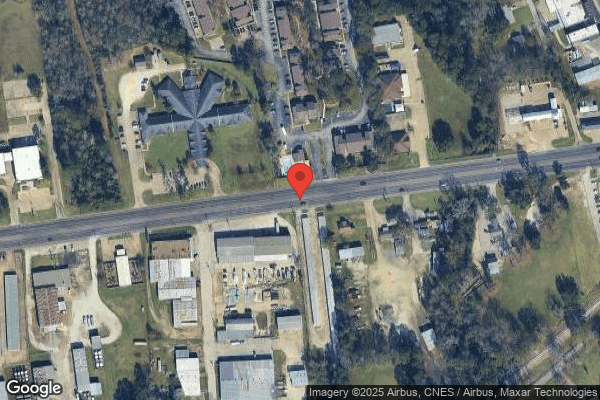
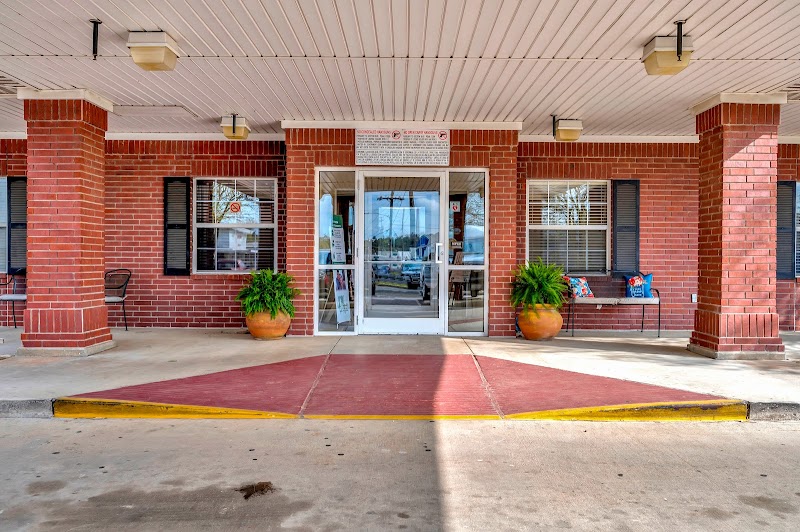
2414 W FRANK AVE, LUFKIN, TX 75904 (936) 699-2544
For profit - Corporation 120 Beds CREATIVE SOLUTIONS IN HEALTHCARE Data: November 2025 2 Immediate Jeopardy citations
Trust Grade
36/100
#434 of 1168 in TX
Last Inspection: May 2025

Inspected within the last 6 months. Data reflects current conditions.

Overview

Castle Pines Health and Rehabilitation has received a Trust Grade of F, indicating significant concerns about the quality of care provided. They rank #434 out of 1168 facilities in Texas, placing them in the top half, but their overall low grade suggests serious issues. The facility is worsening, with the number of reported issues increasing from 6 in 2024 to 7 in 2025. Staffing is a concern, rated at 2 out of 5 stars, with a turnover rate of 46%, which is slightly better than the Texas average but still indicates instability. Notably, there have been critical incidents where residents were not properly supervised during transfers, leading to falls and injuries, and there were also failures in food safety practices that could risk residents' health. Overall, while the facility has some strengths, such as being in the top half of state rankings, the significant concerns highlighted in inspections warrant careful consideration.

Trust Score
F
36/100
In Texas
#434/1168
Top 37%
Safety Record
High Risk
Review needed
Inspections
Getting Worse
6 → 7 violations
Staff Stability
⚠ Watch
46% turnover. Above average. Higher turnover means staff may not know residents' routines.
Penalties
○ Average
$38,771 in fines. Higher than 60% of Texas facilities. Some compliance issues.
Skilled Nurses
⚠ Watch
Each resident gets only 13 minutes of Registered Nurse (RN) attention daily — below average for Texas. Fewer RN minutes means fewer trained eyes watching for problems.
Violations
⚠ Watch
18 deficiencies on record. Higher than average. Multiple issues found across inspections.
★★★☆☆
3.0
Overall Rating
★★☆☆☆
2.0
Staff Levels
★★★☆☆
3.0
Care Quality
★★★☆☆
3.0
Inspection Score
Stable
2024: 6 issues
2025: 7 issues

The Good

  • Full Sprinkler Coverage · Fire safety systems throughout facility
  • No fines on record

Facility shows strength in fire safety.

The Bad

3-Star Overall Rating

Near Texas average (2.8)

Meets federal standards, typical of most facilities

Staff Turnover: 46%

Near Texas avg (46%)

Higher turnover may affect care consistency

Federal Fines: $38,771

Above median ($33,413)

Moderate penalties - review what triggered them

Chain: CREATIVE SOLUTIONS IN HEALTHCARE

Part of a multi-facility chain

Ask about local staffing decisions and management

The Ugly 18 deficiencies on record

2 life-threatening
May 2025 6 deficiencies
CONCERN (D)

Potential for Harm - no one hurt, but risky conditions existed

Resident Rights (Tag F0550)

Could have caused harm · This affected 1 resident

**NOTE- TERMS IN BRACKETS HAVE BEEN EDITED TO PROTECT CONFIDENTIALITY** Based on observation, interview, and record review, the facility failed to treat each resident with respect and dignity and care...

Read full inspector narrative →
**NOTE- TERMS IN BRACKETS HAVE BEEN EDITED TO PROTECT CONFIDENTIALITY** Based on observation, interview, and record review, the facility failed to treat each resident with respect and dignity and care for each resident in a manner and in an environment that promotes maintenance or enhancement of his or her quality of life, recognizing each resident's individuality for 1 of 8 residents (Resident #23) reviewed for resident rights. The facility failed to ensure the best friend did not speak degradingly to Resident #23 while attempting to assist with personal care on 5/19/25. These failures placed residents at risk of decreased feelings of self-worth and decreased quality of life. Findings include: Record review of facility face sheet dated 5/19/2025 indicated Resident #23 was a [AGE] year-old female admitted to the facility 8/9/24. Diagnosis included encephalopathy (a group of conditions that cause brain dysfunction), convulsions (a sudden, violent, irregular movement of a limb or of the body, caused by involuntary contraction of muscles), and profound intellectual disabilities (the inability to live independently, being in need of close supervision, limited communication, and physical restrictions). Record review of quarterly MDS dated [DATE] indicated that a BIMS score was not determined due to the resident's inability to speak or participate in the assessment. Resident required total assistance with all ADL's. During an observation on 5/19/25 at 8:50 AM, while standing in the hallway, a female adult was heard saying, Get over here. We need to brush your hair, get over here. in a loud and degrading tone. Observation revealed a female standing at the foot of Resident 23's bed with a hairbrush in her right hand. Unable to visualize the resident due to the wall. Observed female reaching across towards the head of the bed with the brush approximately 4 times and saying, Come her. in a degrading tone. Upon entering the room, noted the female with the brush was a best friend. Resident #23 was lying in bed positioned up toward the head of the bed and against the wall. No visual injuries noted. Resident unable to communicate verbally but smiled and reached out to surveyor as the bed was approached. The best friend then stated, She is curled up in that bed trying to keep from getting her hair brushed. When exiting the room, noted the best friend went to the foot of the bed and was reaching to brush the resident's hair. During an interview with the social worker on 5/20/25 at 8:20 AM, she stated that she has not had any reports of disrespectful or degrading behavior by any visitors or staff. She stated the best friend's program is determined during a resident's PASRR evaluation. She stated the program is ran by an outside source. She stated a supervisor will come and do observations of the best friends in the building to monitor interactions. She was unable to recall the last visit made by the supervisor. She stated best friends is a companion program and that all training is done prior to individuals being assigned to a resident. She said any complaints would be reported to the administrator and the program director. During an interview with the administrator on 5/20/25 at 8:35 AM, she stated that she has not witnessed any degrading behaviors by any visitors, or the best friends assigned to the facility. She stated staff has not reported any incidents to her. She said she is the abuse coordinator and that all concerns are reported to her. She stated she has not had any complaints related to the best friend's program. She said she would be responsible for investigating any reports of degrading behaviors that occur in the facility. An interview with the best friend was not obtained. She left the building immediately following the incident. Record review of facility resident rights policy from the Social Services [NAME] 2003, revised 11/28/2016 indicated, The resident has a right to be treated with respect and dignity.
CONCERN (D)

Potential for Harm - no one hurt, but risky conditions existed

Deficiency F0761 (Tag F0761)

Could have caused harm · This affected 1 resident

**NOTE- TERMS IN BRACKETS HAVE BEEN EDITED TO PROTECT CONFIDENTIALITY** Based on observations, interviews, and record review, the facility failed to ensure drugs and biologicals used in the facility w...

Read full inspector narrative →
**NOTE- TERMS IN BRACKETS HAVE BEEN EDITED TO PROTECT CONFIDENTIALITY** Based on observations, interviews, and record review, the facility failed to ensure drugs and biologicals used in the facility were stored in locked compartments under proper temperature controls and permit only authorized personnel to have access to the keys for 1 of 6 residents (Resident #348) reviewed for medication storage. The facility did not ensure a medication named Digestive Enzymes was not stored at the bedside for Resident #348 on 05/18/2025. This failure could place all residents at risk of misuse of medication and decreased quality of life. Findings included: Record review of facility face sheet dated 05/18/2025 indicated Resident # 348 were an [AGE] year-old female admitted to facility on 05/10/2025 with diagnosis of Wedge Compression Fracture of T7-T8 Vertebra, Subsequent encounter with routine healing. Record Review of comprehensive care plan dated 05/10/2025 did not indicate Resident # 348 could keep medication at bed side or safely self-administer medications. The care plan reflects to administer medications as ordered. Record review of admission MDS dated [DATE] indicated Resident # 348 had a BIMS of 13 indicating intact cognition. Record review of consolidated physician orders dated 05/18/2025 indicated Resident #348 did not have an order for Digestive Enzymes. During an observation and interview on 05/18/2025 at 10:40 am Resident # 348 was observed with medication on her nightstand. She stated she self-administer the medication (digestive enzymes) every night for nausea. During an interview on 5/20/2025 at 9:10am with LVN-N she said no resident should have medications at their bedside. She said she did not know of any residents having medications in their rooms. She said a physician's order must be on file for the resident to receive the medication as well as to self-administer medications. She said a resident could take inappropriate amounts of the medication or another resident could wonder in the room and get the medication and take it. She said residents could have an allergic reaction or become ill from taking unprescribed medication. During an interview on 5/20/2025 at 9:40am CNA-M said no resident should have medications at bedside. She said the resident could have a negative reaction to the medication such as elevated B/P or other allergic reactions. During an interview on 5/20/2025 at 9:18am CMA-L She said she's not aware of any resident having medications in their room. She said a resident can make themselves sick by taking unprescribed medications. She said all medications must have a physician's order and be given by a nurse or medication aide. During an interview on 5/20/2025 at 9:25am CMA-D said no resident should have medications at bedside. She said the resident could have a negative reaction to the medication such as elevated B/P or other allergic reactions. During an interview 5/19/2025 at 3:05pm with DON She said no resident should have medication of any kind at their bedside. She said the medication must be ordered by a physician's prior to administering and should be administered by a nurse or medication aide. She said another resident could go in the room and take the medication. She said any medication no ordered by the physician could cause an adverse reaction to any resident. During an interview on 5/10/2025 at 3:30pm ADON said no medication at bedside has been reported to her. She said residents are care planned to have medications in their rooms. She said resident could become ill or other residents could wonder in the room and get the medication and make them sick as well. She said all medication needs a physician's order and be administered by a nurse or a med aide. During an interview on 5/19/2025 AT 4:00PM with the administrator she said she was not aware of any residents having medications left in their room. She said no residents in the facility are care planned or have orders to have medications in their room and all medications should be administered by a nurse or medication aide and must have a physician's order. She said residents could cause altercation to their prescribed medications by altering the effects of the prescribed medications, causing labs and levels to be off and putting other residents in the facility to be ask risk of unnecessary medication intake. She said another resident could wonder into the room and get the medication, take it and cause harm to themselves. Record Review of Pharmacy Policy & Procedure Manual 2003 titled Bedside storage of medications indicated, 1. A written order for the bedside storage of medication is placed in the resident's medical record. Record Review of Pharmacy Policy & Procedure Manual 2003 titled Bedside storage of medications indicated, 10. All nurses and aides are required to report to the charge nurse on duty any mediations found at the bedside not unauthorized for bedside storage and to give unauthorized medications to the charge nurse for return to the family or responsible party. Families or responsible parties are reminded of this procedure and related policy when necessary.
CONCERN (E)

Potential for Harm - no one hurt, but risky conditions existed

Safe Environment (Tag F0584)

Could have caused harm · This affected multiple residents

**NOTE- TERMS IN BRACKETS HAVE BEEN EDITED TO PROTECT CONFIDENTIALITY** Based on observations, interviews, and record reviews the facility failed to provide a safe, clean, comfortable, and homelike en...

Read full inspector narrative →
**NOTE- TERMS IN BRACKETS HAVE BEEN EDITED TO PROTECT CONFIDENTIALITY** Based on observations, interviews, and record reviews the facility failed to provide a safe, clean, comfortable, and homelike environment for 2 of 6 sampled residents (Resident #24 and Resident #44) and one of one dining rooms reviewed for environment. The facility failed to ensure the dining room was without excessive noise levels during meals for Resident #24, Resident #44 and other residents in the dining room. This failure could place residents at risk for diminished quality of life due to the lack of an enjoyable dining experience. Findings included: Record review of Resident #24's face sheet, dated 05/19/2025, indicated an [AGE] year-old female who was admitted to the facility on [DATE] with diagnoses which included Dementia (loss of memory, language, problem-solving, and other thinking abilities that were severe enough to interfere with daily life), Chronic obstructive pulmonary disease also known as COPD (a common lung disease causing restricted airflow and breathing problems), and high blood pressure. Record review of Resident #24's quarterly MDS assessment, dated 05/08/20/25, indicated Resident #24 usually understood and was usually understood by others. The MDS assessment indicated she had a BIMS score of 13 indicating she was cognitively intact. Record review of Resident #44's face sheet, dated 05/1920/25, indicated a [AGE] year-old female who was admitted to the facility on [DATE] with diagnoses which included obesity, lack of coordination, and difficulty walking. Record review of Resident #44's quarterly MDS assessment, dated 04/0120/25, indicated Resident #44 usually understood and was usually understood by others. The MDS assessment indicated she had a BIMS score of 15 indicating she was cognitively intact. During an interview on 05/18/2025 at 10:15 AM, Resident #24 said the staff are too loud in the dining room and it makes the whole experience not enjoyable. Resident #24 said the staff just talk too loudly, especially in the evening. Resident #24 said the noise was so loud that she can't enjoy eating in the only dining room in the facility. During an observation on 05/18/2025 at 12:30, PM, of the lunch meal, the television was on in the dining room and very loud, residents and staff were talking loudly to be able to hear each other. This surveyor had to bend down near Resident #24 ear to be able to hold a conversation with her. Resident #24 stated see what I am talking about, all this noise and the evening meal is worse when no administrative staff are here. During an interview on 05/18/2025 at 10:30 AM, Resident #44 said the noise is the dining room was a problem at the facility. Resident #44 said we have talked about this in our council meetings. Resident 44 said the noise level would get better but would return to a level so loud everyone was shouting. She said the meal gets ruined by the staff being so loud. During an interview on 5/20/2025 at 11:00 AM, the Activity Director said the dining room noise has been a problem off and on. She said the loud noise level could decrease dining enjoyment and distract residents while eating. During an interview on 5/20/2025 at 11:30 AM, the Administrator said that not controlling the noise in the dining room could result in a decreased dining experience. She said the facility would in-service staff and acquire signage to remind staff to turn off the television before dining times and be aware of noise in the surroundings. Record review of resident advisory council minutes dated August 2024 revealed under nutrition services review, meal service concerns: Residents stated that staff are extremely loud in the dining room. Record review of resident advisory council minutes dated December 2024 revealed under nutrition services review, meal service concerns: Residents stated that staff are too noisy in the dining room. Record review of resident advisory council minutes dated April 2025 revealed under concerns: During church services two CNAs came through the dining room talking loudly. Record review of facility resident rights policy from the Social Services [NAME] 2003, revised 11/28/2016 indicated, The resident has a right to be treated with respect and dignity .The resident has the right to a safe environment - The resident has a right to a safe, clean, comfortable, and homelike environment, including but not limited to receiving treatment and supports for daily living safely.
CONCERN (E)

Potential for Harm - no one hurt, but risky conditions existed

Food Safety (Tag F0812)

Could have caused harm · This affected multiple residents

Based on observation, interview, and record review the facility failed to store, prepare, distribute, and serve food in accordance with professional standards for food service safety in the facility's...

Read full inspector narrative →
Based on observation, interview, and record review the facility failed to store, prepare, distribute, and serve food in accordance with professional standards for food service safety in the facility's only kitchen reviewed for food safety requirements and kitchen sanitation. 1. The facility failed to ensure the dietary manager, dietary aide and cook effectively wore a hair net to cover all hair. 2. The facility failed to ensure foods stored in the refrigerator and freezer were labeled and dated. 3. The facility failed to ensure foods stored in the pantry were sealed or in a sealed container. These failures could place residents at risk of foodborne illness and food contamination. Findings Include: During an observation on 05/18/2025 at 9:45am and on 05/19/2025 at 11:25, the DM, DA-G, DA-H and [NAME] had hair from under hair covering on the front, sides, and backs of their heads. During an observation on 05/18/2025 between 9:55am-10:25am, the following undated, unlabeled, and unsealed items were identified by Cook-F in the freezer, Refrigerator, and pantry: REFRIGERATOR: *1-bowel tomato soup, no date or label *1-bowel apple sauce, no date or label *1-bowel chicken soup, no date or label FREEZER: *1-gallon bag of chicken, no date or label *1-large bag of French fries, no date or label *3-large pork shoulders, no date or label *1-gallon package of taco meat, no date or label *1-10-inch apple pie, no date or label PANTRY: *1-4-ounce bag of semi-sweet chocolate chips were open not sealed or in a sealed container. *1-12-ounce box of tea bags were open not sealed or in a sealed container. : During an interview on 5/19/2025 at 3:35pm with DA -E, she said hair nets should be worn to keep hair from getting into food and to be sanitary. She said hair in the resident's food could make them angry or upset and make someone ill due to bacteria exposure. She said labeling and storing should happen as soon as possible when food arrives at the facility. She said if the food is not labeled, someone may not know what the item is and could serve the wrong food to the wrong person. She said the chance of a resident getting ill increases with non-labeled and improperly stored food. During an interview on 5/19/2025 at 3:46pm with DM , she said hair nets are to be worn and cover all hair so no-hair gets into the food. She said hair in the food could be a choking hazard for residents. She said if hair gets into food, it's instantly contaminated. She said chemicals or products on an employee's hair could cause a negative reaction to residents. She said labeling and dating food items should happen as soon as possible when it comes off the delivery truck. She said when food is opened staff should add the open and expiration date and make sure it is sealed properly. During an interview on 5/19/2025 at 4:10pm cook-K said hair nets keep hair out of food. She said hair in the food could cause choking, spread germs and bacteria to the residents. She said labeling and dating, should happen when food first comes into the kitchen. She said dating and labeling protects residents from receiving the wrong foods or out of date foods that could cause them to become ill. During an interview on 5/19/2025 at 11:45am with DA-G, she said hair nets should be worn all the time when in the kitchen. She said all hair should always be covered to keep food from being unsuitable to serve. She said resident could become ill and or upset from having hair in their food. She said foods should be labeled and dated shortly after it's delivered to the facility. She said food items may be out of date and no one will know and use old food if not dated. She said if not labeled some food items cannot be identified and may be served to the wrong resident causing them to be sick. During an interview on 5/19/2025 at 10:30am with DA-H She said hair nets should be always worn when in the kitchen and should cover all the staff's hair. She said hair could get in the food and contaminate the food. She said hair in the food could cause residents to get sick. She said all foods should be dated and labeled as soon as it arrives in the kitchen. She said dating and labeling helps identify food, know when it came into the facility and when it expires. She said if not properly dated and labeled expired or wrong foods could be served to the residents and cause sickness to the residents. During an interview on 5/19/2025 at 4:00pm, with the Administrator she said the kitchen staff should wear a hair net or covering that covers all their hair when in the kitchen. Said hair could easily get in the food causing bacteria/germs to contaminate the food. She said the residents can become ill or have a reaction to hair being in their food. She said all food should be date and labeled when in the kitchen. She said no dates or labels can cause food to be expired and staff would not recognize it and cause to wrong food to be served to the wrong resident. She some residents have allergies to certain foods and if it's not labeled, they could easily get the wrong food and become ill. She said expired foods could also make residents sick. During an interview on 5/19/2025 at 03:50pm, with the DON she said all food must be dated and labeled when entering the kitchen to assure food can be identified and no expired foods are left in the kitchen. She said not labeling correctly can cause a resident to receive the wrong food type and cause an allergic reaction or become ill. She said no date can expose residents to expired foods and cause illness. During an interview on 5/19/2025 at 3:30, with the ADON, she said all food in the kitchen should be dated and always labeled. She said all staff should be using good hand hygiene. She said all kitchen staff's hair should be always covered. She said hair could get in the food and cause contamination. Said all residents are at risk of becoming ill if the staff do not use good hand hygiene, store, and label food appropriately or keep food at appropriate temperatures. Record review of a Dietary Services Policy & Procedure Manual 2012 titled Food Storage and Supplies reads Procedure: 4. Open packages of food are stored in closed containers with covers or in sealed bags and dated as to when opened. Record review of the Food and Drug Code dated 2022 indicated: 3-602 Labeling 3-602.11 Food Labels. (A) FOOD PACKAGED in a FOOD ESTABLISHMENT, shall be labeled as specified in LAW, including 21 CFR 101 - Food labeling, and 9 CFR 317 Labeling, marking devices, and containers. (B) Label information shall include: (1) The common name of the FOOD, or absent a common name, an adequately descriptive identity statement. 3-201.11 Compliance with Food Law. (C) PACKAGED FOOD shall be labeled as specified in LAW, including 21 CFR 101 FOOD Labeling, 9 CFR 317 Labeling, Marking Devices, and Containers, and 9 CFR 381 Subpart N Labeling and Containers, and as specified under § 3-202.18
CONCERN (E)

Potential for Harm - no one hurt, but risky conditions existed

Infection Control (Tag F0880)

Could have caused harm · This affected multiple residents

**NOTE- TERMS IN BRACKETS HAVE BEEN EDITED TO PROTECT CONFIDENTIALITY** Based on observations, interviews, and record reviews, the facility failed to establish and maintain an infection prevention and...

Read full inspector narrative →
**NOTE- TERMS IN BRACKETS HAVE BEEN EDITED TO PROTECT CONFIDENTIALITY** Based on observations, interviews, and record reviews, the facility failed to establish and maintain an infection prevention and control program designed to provide a safe, sanitary, and comfortable environment and to help prevent the development and transmission of communicable diseases and infections for 2 of 13 residents (Resident #41 and Resident #196) and 6 of 9 staff (CNA A, CNA B, CNA O, CNA P, CNA Q, and LVN R) reviewed for infection control. 1.The facility failed to ensure CNA A and CNA B followed enhanced barrier precautions and performed hand hygiene when providing incontinent care to Resident #41 on 5/18/2025. 2.The facility failed to ensure CNA O performed hand hygiene between passing resident trays on 5/18/25. 3.The facility failed to ensure CNA P and CNA Q followed enhanced barrier precautions and performed hand hygiene when providing incontinent care to Resident #196 on 5/19/25. 4.The facility failed to ensure LVN R performed hand hygiene after removing non-sterile gloves and donning sterile gloves for a procedure for Resident #196 on 5/19/25. These failures could place residents at risk for cross contamination and infection. Findings included: 1. Record review of Resident # 41's facility face sheet revealed Resident #41 was a [AGE] year-old male and admitted on [DATE] with diagnosis of multiple sclerosis (disease that affects the central nervous system). Record review of Resident 41's Quarterly MDS assessment dated [DATE] revealed a BIMS score of 9 indicating moderately impaired cognition, relied on staff for all ADL's, was incontinent of bowel and bladder, and required a feeding tube. Record review of Resident #41's comprehensive care plan dated 4/10/2024 revealed Resident #41 was on enhanced barrier precautions (an infection control intervention designed to reduce the transmission of multidrug-resistant organisms (MDROs)) and gloves and gown should be donned if any of the following activities are to occur: linen change, resident hygiene, transfer, dressing, toileting/incontinent care, bed, mobility, wound care, enteral feeding care, catheter care, trach care, bathing, or other high-contact activity. During an observation on 05/18/25 at 3:17 pm Resident #41 had a sign on his door indicating he required EBP and there was PPE outside his room in a cart. During an observation on 5/18/25 at 3:20 pm CNA A and CNA B entered Resident #41's room to provide incontinent care. Both CNAs washed their hands and applied gloves but neither applied a gown per the EBP guidelines. During incontinent care neither CNA performed hand hygiene between glove changes and neither performed hand hygiene before leaving the room. During an interview on 5/18/25 at 3:30 pm CNA A said she had been trained on EBP and hand hygiene. She said Resident #41 had a feeding tube and wound and she should have put on a gown as well as gloves for his care but forgot. She said she should have washed or sanitized her hands between glove changes and before leaving the resident's room. She said by not following infection control measures infections could spread. During an interview on 5/18/25 at 3:32 pm CNA B said she had been trained on EBP and hand hygiene. She said Resident #41 had a feeding tube and a wound and she should have put on a gown as well as gloves for his care. She said she got nervous and forgot. She said she should have washed or sanitized her hands between glove changes and before leaving the resident's room. She said by not following infection control measures infections could spread. 2. During an observation on 5/18/25 at 12:50 pm CNA O was observed passing meal trays to residents. She was observed to pass a tray to a resident in their room, exit room, and without sanitizing or washing her hands, served the next room their meal tray. During an interview on 5/18/25 at 12:55 pm CNA O said she did not know she was supposed to sanitize or wash her hands between serving meal trays. She said she guessed it could be because of the risk of cross-contamination. During an interview on 5/20/25 at 10:19 am Administrator said she expected her staff to wash or sanitize their hands between passing resident's trays. She said it could cause cross-contamination. She said the facility would be holding a hand hygiene clinic to educate all staff on hand hygiene to ensure compliance going forward. 3. Record review of a facility face sheet dated 5/19/25 for Resident #196 indicated she was a [AGE] year-old female admitted to the facility on [DATE] with diagnoses of discitis, unspecified, lumbosacral region (inflammation and infection of the space between vertebrae). Resident #196 had not been in facility long enough to have an MDS assessment completed. Record review of a comprehensive care plan dated 5/17/25 for Resident #196 indicated that she required enhanced barrier precautions with the following interventions: .Gloves and gown should be donned if any of the following activities are to occur: linen change, resident hygiene, transfer, dressing, toileting/incontinent care, bed mobility, wound care, enteral feeding care, catheter care, trach care, bathing, or other high-contact activity . and .Perform hand sanitation before entering the room and prior to leaving the room . and .Posting at the residents room entrance indicating the resident is on enhanced barrier precautions . During an observation on 5/19/25 at 9:00 am CNA P and CNA Q were observed to enter Resident #196's room to provide incontinent care. Neither one washed their hands upon entering room nor did they wear appropriate PPE for EBP. After CNA Q provided incontinent care to Resident #196, she did not change gloves before putting a clean brief on resident. During an interview on 5/19/25 at 9:20 am CNA P and CNA Q said they forgot to wash their hands when entering room and CNA Q said she forgot to change gloves before applying a clean brief. Both said they were not aware that Resident #196 required EBP. They both said improper hand hygiene and not changing gloves could cause residents to be at risk for infections. 4.During an observation on 5/19/25 at 12:06 pm LVN R was observed providing a PICC line dressing change on Resident #196. She was observed to apply non-sterile gloves to remove old dressing. After removing old dressing, she removed her non-sterile gloves and applied her sterile gloves without washing or sanitizing hands. During an interview on 5/19/25 at 12:20 pm LVN R said she did not wash or sanitize her hands after removing non-sterile gloves and putting sterile gloves on. She said it could put the resident at risk of cross-contamination. She said she just forgot to wash or sanitize her hands before putting her sterile gloves on. During an interview on 5/20/25 at 9:30 am the ADON said she was also the infection preventionist and was responsible for the oversight of staff following the infection control program. She said all staff were trained on infection control on hire, annually and throughout the year. She said she did observations with the staff for their competency check offs and at random. She said that staff not following the infection control program could cause the spread of infections and expected all staff to follow proper EBP, hand hygiene and follow all the appropriate steps for the infection control program. During an interview on 5/20/25 at 9:35 am the Regional Nurse Consultant said that all staff should be following the infection control program daily and had been trained on hire, annually and throughout the year. She said staff that don't follow the infection control guidelines for hand hygiene and EBP could spread infections and expected staff to follow the guidelines the facility had in place. During an interview on 5/20/25 at 9:55 am the Administrator said the infection preventionist and the DON were responsible for the oversight that all staff were following the infection control program. She said they were to make random daily rounds to ensure staff were compliant with following hand hygiene, EBP and any other infection control task. She said she expected the staff to always follow the infection control program to prevent the spread of infections. Record review of a CNA proficiency audit dated 11/19/24 revealed CNA B had been trained on hand washing and infection control measures. Record review of a CNA proficiency audit dated 12/05/24 revealed CNA A had been trained on hand washing and infection control measures. Record review of a CNA proficiency audit dated 10/12/24 revealed CNA O had been trained on hand washing and infection control measures. Record review of a CNA proficiency audit dated 4/21/25 revealed CNA P had been trained on hand washing and infection control measures. Record review of a CNA proficiency audit dated 3/13/25 revealed CNA Q had been trained on hand washing and infection control measures. Record review of a Licensed Nurse Proficiency audit dated 11/19/24 revealed LVN R had been trained on hand washing and infection control measures. Record review of facility policy titled Enhanced Barrier Precautions dated 4/01/2024 indicated, .EBP are used in conjunction with standard precautions and expand the use of PPE to donning of gown and gloves during high-contact resident care activities . Record review of an undated facility document titled Hand Hygiene revealed, .you may use alcohol-based hand cleaner or soap/water for the following: after removing gloves . Record review of a facility policy titled Perineal Care dated 4/27/2022 revealed, .start 11) don (put on) gloves and all other PPE per standard precautions, 24) doff (take off) gloves and PPE, 25) perform hand hygiene .
CONCERN (E)

Potential for Harm - no one hurt, but risky conditions existed

Deficiency F0887 (Tag F0887)

Could have caused harm · This affected multiple residents

**NOTE- TERMS IN BRACKETS HAVE BEEN EDITED TO PROTECT CONFIDENTIALITY** Based on interview and record reviews, the facility failed to implement their policy to ensure the residents, or their responsib...

Read full inspector narrative →
**NOTE- TERMS IN BRACKETS HAVE BEEN EDITED TO PROTECT CONFIDENTIALITY** Based on interview and record reviews, the facility failed to implement their policy to ensure the residents, or their responsible party, received education of the benefits and risks, or potential side effects of Covid-19 immunizations, receipt of Covid-19 immunizations, or the residents did not receive the Covid-19 immunizations, due to medical contraindication, or refusal, for 5 of 5 residents who were reviewed for immunizations (Resident #24, Resident #25, Resident #44, Resident #49 and Resident #89). The facility failed to document, in Resident #24, Resident #25, Resident #44, Resident #49 and Resident #89 medical records, having had received education, whether by self or with their responsible party, of the benefits and risk, and potential side effects, of the Covid-19 immunization, receipt of the of the Covid-19 immunization, or having had not received the Covid-19 immunization due to medical contraindication or refusal. This failure could place residents at risk of not being informed of complications and potential adverse health outcomes. Findings include: Record review of Resident #24's face sheet, dated 05/19/2025, indicated an [AGE] year-old female who was admitted to the facility on [DATE] with diagnoses which included Dementia (loss of memory, language, problem-solving, and other thinking abilities that were severe enough to interfere with daily life), Chronic obstructive pulmonary disease also known as COPD (a common lung disease causing restricted airflow and breathing problems), and high blood pressure. Record review of Resident #24's quarterly MDS assessment, dated 05/08/2025, indicated Resident #24 usually understood and was usually understood by others. The MDS assessment indicated she had a BIMS score of 13 indicating she was cognitively intact. Review of a document titled, immunization audit report dated 5/20/2025, revealed Resident #24 and/or her representative was offered the Sars-Cov-2 vaccine on 01/0820/24 and refused. The document indicated no other offer of covid vaccination, and no education given. Record review of a facility face sheet dated 05/20/2025 for Resident #25 indicated that she was an [AGE] year-old female admitted to the facility on [DATE] with diagnoses Alzheimer's disease (inability to remember and cognitive decline) and hypertension (high blood pressure). Record review of Resident #25's quarterly MDS assessment, dated 04/24/2025, indicated she had a BIMS score of 7 indicating she had severe cognitive impairment. Review of a document titled, immunization audit report dated 5/20/2025, revealed Resident #25 and/or her representative was not offered the Sars-Cov-2 vaccine on admission and the document indicated no education given. Record review of Resident #44's face sheet, dated 05/19/2025, indicated a [AGE] year-old female who was admitted initially to the facility on [DATE] and re-admitted on [DATE] with diagnoses which included obesity, lack of coordination, and difficulty walking. Record review of Resident #44's quarterly MDS assessment, dated 04/01/2025, indicated Resident #44 usually understood and was usually understood by others. The MDS assessment indicated she had a BIMS score of 15 indicating she was cognitively intact. Review of a document titled, immunization audit report dated 5/20/2025, revealed Resident #44 had a historical Sars-Cov-2 vaccine on 7/05/2021 and no documentation that resident #44 was offered the Sars-Cov-2 vaccine on admission and readmission. The document indicated no other offer and no education given on covid vaccination since she has lived at the facility. During an interview on 05/20/2025 at 10:22 AM, Resident #44 said she did not remember receiving education on covid vaccines or the facility offering her a covid vaccine. She said she had taken a covid vaccination about three years ago when the vaccine first was developed. Resident # 44 said she might be interested in the covid vaccine if offered. She said she had not received written education on the covid vaccines risks or benefits. Record review of a facility face sheet dated 5/20/2025 for Resident #49 indicated that she was an [AGE] year-old female initially admitted to the facility on [DATE] and re-admitted [DATE] with diagnoses including: urinary tract infection, pain in shoulders, and reduced mobility. Record review of Resident #49's quarterly MDS assessment, dated 04/01/2025, indicated Resident #49 usually understood and was usually understood by others. The MDS assessment indicated she had a BIMS score of 11 indicating she had mild cognitive impairment. Review of a document titled, immunization audit report dated 5/20/2025, revealed Resident #49 and/or her representative was offered the Sars-Cov-2 vaccine on 01/08/2024 with no education given and she refused. The document indicated no other offer, or no education given for covid vaccination. Record review of a facility face sheet dated 5/14/2025 for Resident #89 indicated that she was an [AGE] year-old female admitted to the facility on [DATE] with diagnoses including: myocardial infarction (heart attack), urinary tract infection, and muscle weakness. Record review of Resident #89's quarterly MDS assessment, dated 02/26/2025, indicated Resident #89 usually understood and was usually understood by others. The MDS assessment indicated she had a BIMS score of 13 indicating she was cognitively intact. Review of a document titled, immunization audit report dated 5/20/2025, revealed Resident #89 and/or her representative was not offered the Sars-Cov-2 vaccine on admission and the document indicated no education given. During an interview on 5/20/2025 at 11:00 AM, the Regional Nurse Consultant said the facility had no consent form for covid vaccination or declination to be used when the resident or representative refused vaccinations. She said it was the policy of the facility to document immunization administration or refusals in the electronic medical record and document education given under the education tab. The Regional Consultant said it was the policy of the facility to offer covid vaccination on admission and as needed. The Regional Nurse Consultant said the DON would be responsible going forward to ensure that residents were educated on immunizations and documentation. She said residents could be at risk of not knowing what they were refusing if they were not provided education on covid vaccines. During an interview on 5/20/2025 at 11:15 am, the Administrator said the DON was responsible for immunizations and going forward residents will be provided education regarding benefits and risks. She said that residents and families could possibly not have the knowledge to make informed decisions concerning covid vaccinations if risks and benefits were not provided. Record Review of Covid Response Plan revised 5/08/2023 indicated . COVID-19 Vaccination: Residents and staff will be provided education regarding Covid-19 vaccines upon hire or admission and as needed afterward.
Mar 2025 1 deficiency
CONCERN (D) 📢 Someone Reported This

A family member, employee, or ombudsman was alarmed enough to file a formal complaint

Potential for Harm - no one hurt, but risky conditions existed

Deficiency F0760 (Tag F0760)

Could have caused harm · This affected 1 resident

**NOTE- TERMS IN BRACKETS HAVE BEEN EDITED TO PROTECT CONFIDENTIALITY** Based on interviews and record reviews, the facility failed to ensure that residents were free of significant medication errors ...

Read full inspector narrative →
**NOTE- TERMS IN BRACKETS HAVE BEEN EDITED TO PROTECT CONFIDENTIALITY** Based on interviews and record reviews, the facility failed to ensure that residents were free of significant medication errors for 1 (Resident #1) of 3 residents reviewed for pharmacy services. The facility failed to ensure Resident #1 was free of significant medication errors when Resident #1 was administered another resident's medications, Glatiramer Acetate (medication to treat multiple sclerosis) by LVN A on 1/6/2025. The noncompliance was identified as PNC. The noncompliance began on 1/6/2025 and ended on 1/8/2025. The facility had corrected the noncompliance before the survey began. This failure could place residents at risk of adverse reaction related to taking medications not ordered by the physician. Findings included: Record review of Resident #1's admission Record, dated 3/11/2025, reflected Resident #1 was a [AGE] year-old male. He was initially admitted on [DATE] and readmitted on [DATE]. He was noted to have diagnoses including symptoms and signs involving the musculoskeletal system, unspecified protein calorie malnutrition (lack of protein and calories), hypertension (high blood pressure), and dementia (decline in cognitive abilities such as memory and problem solving). Record review of Resident #1's admission MDS, dated [DATE], reflected Resident #1's BIMS score was 00 indicating Resident #1's cognition was severely impaired. His medication was documented to include anticoagulant (medication to treat and prevent blood clots), and antidepressant (medication to treat depression). Record review of Resident #1's Care Plan, dated 10/9/2024, reflected Resident #1 had impaired cognitive functional dementia or impaired thought processes with interventions that included: Administer medications as ordered. Resident #1 had hypertension with interventions that included: Give anti-hypertensive medications as ordered. Record review of Resident #1's Physician's orders dated 1/6/2025 indicated Resident #1 did not have an order to administer Glatiramer Acetate (medication used to treat multiple sclerosis). Record review of Resident #1's nursing progress notes dated 1/6/2025 at 10:00am written by LVN B indicated Resident #1's family member was concerned about medication for multiple sclerosis being given to Resident #1 because she was unaware that he had that diagnosis. Upon investigation of this concern, it was determined that a medication error had occurred. Resident #1's physician was notified and an order to monitor residents' vital signs and assess for side effects of the medication was received. Record review of Resident #1's nursing progress notes dated 1/6/2025 at 12:47pm written by LVN A indicated Resident #1 was transferred to the hospital related to Resident #1 received the wrong medication and Resident #1's requested the transfer for further monitoring. Record review of Resident #1's nursing progress notes dated 1/6/2025 at 12:57pm written by LVN A indicated Resident #1 received the wrong medication (glatiramer acetate 40mg/ml) that morning at 8:00am. Resident #1 had been monitored since and had shown no adverse reactions. Resident #1's vital signs were blood pressure 104/57 (normal is less than 120/80), pulse 71 (normal 60-100), temperature 97.7 (normal 97-99). Resident #1's lungs were clear on both sides, rise and fall of chest was equal. Injection site showed no signs of redness or irritation. Resident #1's pupils were equal and reactive. Resident #1 was conscious and responsive. Resident #1's strength was equal to upper and lower extremities. Resident #1's requested Resident #1 be sent to the hospital . Record review of Event Nurses' Note dated 1/6/2025 written by LVN B indicated . 5. Nursing description of the event: was concerned about medication for multiple sclerosis being given to Resident #1 because she was unaware that he had that diagnosis. Upon investigation of this concern, it was determined that a medication error had occurred. 17. One on one in servicing with nurse for medication error, Monitoring of the patient, all nursing staff in serviced on medication administration. Record review of Discharge -Summary V4 dated 1/6/2025 at 3:00pm indicated: A. Reason for discharge: Resident went to the hospital and chose to go to another facility after discharge from the hospital. Record review of hospital paperwork dated 1/6/2025 indicated No likely effect from Glatiramer Acetate use. During an interview on 3:10pm at 2:54pm LVN A said she had been off of work for a couple of weeks and when she came back to work there were 2 residents with similar names that were next door to each other. She said she went to give Resident #1 the injection he lifted his shirt as if he had always received the medication so she administered the medication. She said Resident #1's was there and asked what she had given him and when she told the said she was not aware that Resident #1 was diagnosed with multiple sclerosis. She said upon investigation of the diagnosis of multiple sclerosis it was determined that a medication error had occurred. She said she notified the DON, and ADON immediately. LVN A said Resident #1's requested Resident #1 be sent to the hospital for monitoring. She said after the incident she was in serviced regarding medication administration and was put with a preceptor for a few days following the incident. Record review of facility Licensed Nurse Proficiency Audit dated 11/19/2024 indicated: LVN A had shown to be satisfactory with administering medications properly. Record review of facility policy Medication Administration Procedures revised 10/25/2017 indicated: 4. Before administering the dose, the nurse must make certain to correctly identify the resident to whom the medication is being administered. Record review of Ad Hoc QAPI dated 1/6/2025 regarding medication error with attendees that included: Administrator, DON, ADON, Medical Director, Social Services, Regional Clinical Nurse, and the Area Director of Operations. Record review of Inservice titled Medication Administration dated 1/6/2025 and 1/7/2025 signed by LVN A. Record review of Inservice titled Resident Rights dated 1/7/2025 signed by LVN A. Record review of Inservice titled Medication Not Available dated 1/7/2025 signed by LVN A. Record review of Inservice titled 7 Rights of Medication dated 1/7/2025 signed by LVN A. Record review of Inservice titled Medication Error dated 1/7/2025 signed by LVN A. Record review of Inservice titled Abuse/Neglect dated 1/7/2025 signed by LVN A. Record review of Inservice titled Resident Rights dated 1/7/2025 signed by all staff. Record review of Inservice titled Abuse/Neglect dated 1/7/2025 signed by all staff. Record review of Inservice titled Medication Administration dated 1/7/2025 signed by nurses and medication aides. Record review of Inservice titled Medication Not Available dated 1/7/2025 signed by nurses and medication aides. Record review of Inservice titled Medication Error dated 1/7/2025 signed by nurses and medication aides. Record review of Inservice titled 7 Rights of Medication dated 1/7/2025 signed by nurses and medication aides. Record review of Licensed Nurse Proficiency Audit prior to the incident dated 11/19/2024 and after the incident dated 1/7/2025. During interviews 3/10/2025 at 3:13 pm through 3/11/2025 10:06am the following nurses and medication aides were able to properly describe the medication administration procedure and the 7 rights of medication administration, what to do if medication is not available, what to do in case of a medication error, and abuse and neglect: LVN A, LVN B, LVN C, LVN D, LVN E, LVN F, MA G, MA H, MA J, LVN K, RN L, LVN M, LVN O. The noncompliance was identified as PNC. The noncompliance began on 1/6/2025 and ended on 1/8/2025. The facility had corrected the noncompliance before the survey began.
Mar 2024 6 deficiencies 1 IJ
CRITICAL (J) 📢 Someone Reported This

A family member, employee, or ombudsman was alarmed enough to file a formal complaint

Immediate Jeopardy (IJ) - the most serious Medicare violation

Accident Prevention (Tag F0689)

Someone could have died · This affected 1 resident

**NOTE- TERMS IN BRACKETS HAVE BEEN EDITED TO PROTECT CONFIDENTIALITY** Based on observation, interview and record review, the facility failed to ensure the resident environment remained as free of ac...

Read full inspector narrative →
**NOTE- TERMS IN BRACKETS HAVE BEEN EDITED TO PROTECT CONFIDENTIALITY** Based on observation, interview and record review, the facility failed to ensure the resident environment remained as free of accident hazards as was possible and each resident received adequate supervision to prevent accidents for 1 of 1 resident (Resident #13) reviewed for accidents and hazards. The facility failed to ensure Resident #13 was provided with adequate supervision to prevent her from falling off the mechanical lift of the facility van on 02/28/24. The non-compliance was identified as past non-compliance. The Immediate Jeopardy (IJ) began 02/28/24 and ended on 03/05/24. The facility corrected the non-compliance before survey began. This failure could place residents at risk of harm and serious injuries due to lack of supervision and failure to follow protocols. Findings included: Record review of Resident #13's Face sheet undated revealed she was admitted to the facility on [DATE]. Resident #13 was a [AGE] year-old female admitted with diagnosis of anemia (low red blood cells), end stage renal disease (kidneys cease to function), dependence on renal dialysis (procedure to remove waste products and excess fluid from the blood when the kidneys stop working). Record review of Resident #13's significant change in status MDS assessment dated [DATE] revealed she had a BIMS score of 13 indicating no cognitive impairment. The MDS Assessment indicated Resident #13 was dependent with chair/bed-to-chair transfers. The MDS Assessment indicated Resident #13's car transfer was not attempted. Record review of Resident #13's care plan dated 12/22/2023 and revised on 02/12/2024 revealed: Resident #13 was at risk for falls related to impaired mobility, incontinent status with interventions that included Mechanical lift x2 to assist with transfers. Resident #13 has limited physical mobility related to generalized weakness with interventions that included The resident requires x1 staff participation for mobility and the resident uses wheelchair for locomotion. Record review of incident report dated 02/28/2024 revealed: nurse was called outside to the facility van resident was lying on right side on ground just behind van. Head to toe assessment done resident was assisted back in the w/c and brought into building. 14. Initial treatment/New orders revealed: assessment done sent to hospital for further evaluation. 15. Resident Statement revealed: I tipped over backwards and fell. Record review of the facility's Provider Investigation report dated 02/28/2024 revealed the following: [Resident#13] was being unloaded in the van using the lift. The seatbelt came unfastened and [Resident #13's] wheelchair tipted backwards causing [Resident #13 to fall backward hitting her head on the pavement. No bruising cuts, abrasions were noted. [Resident #13] complained of head pain. V/S WNL, pupils reactive, [Resident #13] was alert and oriented x4. [Resident #13] was sent to ER via ambulance. Record review of hospital medical records dated 3/1/24 revealed Resident #13 was transferred from local hospital to higher level of care hospital via helicopter on 2/28/24 with multiple trauma injuries: right subdural hematoma with 3mm leftward shift, T1 (first bone in the spinal column) acute compression fracture and T4 (fourth bone of the spinal column) acute compression fracture. During an interview on 03/24/24 at 10:38 AM Resident # 13 said she was returning from dialysis on 02/28/2024 when Van Driver D pulled into the facility and drove around to the back of the facility which is not where she was normally unloaded. Resident #13 said she was normally unloaded at the front of the facility. She said Van Driver D was unloading her from the van and was not paying attention and did not click the seat belt to hold her in. Resident #13 said Van Driver D started lowering the van lift and about halfway down to the ground she heard Van Driver D say, uh oh and then she fell off the lift and hit the ground on her head. Resident #13 said after she fell staff had come outside and were debating on if they should send Resident #13 to the hospital. Resident #13 said staff picked her up and put her back in her w/c and took her inside the facility. She said once she was back in the facility that is when the facility decided to send her to the ER. Resident #13 said she went to the local hospital and was life flighted to another hospital. Resident #13 said the facility was blaming the incident on her bag that hangs on the back of her w/c for dialysis. Resident #13 said the dialysis bag had nothing to do with the fall and Van Driver D was just not paying attention to what she was doing. Resident #13 said Van Driver D admitted that it was her fault that Resident #13 had fallen. During an interview by phone on 03/24/24 at 11:56 AM Van Driver D said that on 2/28/24 she had parked the van at the end of 500 hall to unload residents off the van. Van Driver D said it was cold outside that day so she parked the van at the end of 500 hall so residents would be closer to their rooms when she unloaded them. She said Resident #13 was on the lift and was about halfway down about even with the van bumper when all of a sudden, Resident #13 fell off of the lift. Van Driver D said she did not remember if the seat belt was latched or not. She said then she ran inside and got the nurse to come and assess Resident #13. She said Resident #13 was brought back inside the building and then sent to the ER. She said the facility had done education with her prior to the incident on how to properly load and unload a resident. Van Driver D said she had not driven the van since the incident. During an interview and observation on 3/24/2024 at 2:30 pm Van Driver E said he had worked at the facility for about 3 years and was the van driver prior to Van Driver D. Van Driver E said he had taken over transporting residents since the incident on 02/28/2024. Van Driver E demonstrated the process for unloading a resident using the wheelchair mechanical lift. Prior to placing the resident on the lift, the Van Driver E did a safety check of the safety belt by latching and pulling on belt to ensure it was fastened. He then stood on the lift to ensure it was secure. Van Driver E then placed resident on the lift by rolling the resident from the interior of the van onto the lift ramp. Van Driver E secured the wheelchair by locking the wheels, checked the safety belt again to ensure it was secured and fastened, placed the resident's hands on the bars and left all resident belongings or bags in the van until the resident was unloaded. Van Driver E stood behind the wheelchair with hands on the grips as he lowered the resident from the van. Van Driver E said the Maintenance Director had done all of the training with Van Driver D prior to her driving the van. Van Driver E said he rode with Van Driver D for her first week of transporting and did not have any concerns. During an interview on 03/26/24 at 10:25 AM Van Driver D said she had worked at the facility since 1/2024. She said on 2/28/24 she parked at the end of 500 hall to unload Resident #13. Van Driver D said she had two other residents on the van that she unloaded first without incident. She said she went to open the facility door for the first two residents that she had already unloaded and then came back to the van to unload Resident #13. She said the ramp was already down with the seat belt latched. She said she raised the lift back up and went to unbuckle Resident #13 from inside the van. Van Driver D said she rolled Resident #13 back on to the lift with Resident #13 facing the windshield and locked her wheelchair brakes. She said she had already latched the seat belt previously, so she did not latch it again. Van Driver D then said she is not a hundred percent sure she latched the seatbelt because it becomes like muscle memory and said she did not remember seeing if the seatbelt was latched. She said she was standing outside of the van and started lowering the lift. She said when the lift was about halfway down level with the van bumper, Resident #13 and her w/c fell off the back of the lift. Van Driver D said she tried to catch the resident but was not able to. She said she did not move Resident #13; she ran inside to get the nurse. Van Driver D said she stayed with Resident #13 until she was sent out to the hospital. Van Driver D said she had not driven the van since the incident. Van Driver D said she had been given a new job title of hospitality aide and would no longer be driving the van. During an interview and observation on 03/26/24 at 10:42 AM The Maintenance Director said he had worked at the facility since 2013. He said he did not witness the incident with Resident #13 on 02/28/2024. He said he inspected the van after the incident on 02/28/2024 and did not find any issues with the van. He said he inspects the van every Friday. He said the drivers were to inspect the van daily before transporting any residents. The Maintenance Director said prior to placing a resident on the lift, the Van Driver should do a safety check of the safety belt by latching and pulling on belt to ensure it was fastened. The Maintenance Director demonstrated the lift being raised and lowered to demonstrate the safety features of the lift. The Maintenance Director demonstrated that if anything touches the back ramp of the lift the lift will automatically stop moving. The Maintenance Director said he had completed Van Driver D's van training upon hire before transporting any residents and had no concerns. During an interview on 03/26/24 at 11:08 AM the DON said she had been the DON for 6-7 years. She said her expectation is for all residents to arrive timely and safely to appointments. She said she had not been trained on the facility van. She said she expects all van drivers to be trained and follow the policy and procedures when loading/unloading residents. During an interview on 03/26/24 at 11:11 AM the Regional Nurse Consultant said she expects van drivers to follow policy and procedures and protect the residents when transporting. During an interview on 03/26/24 at 11:11 AM the ADO said he expects van drivers to follow policy and procedures and protect the residents when transporting. During an interview on 03/26/24 at 11:11 AM the Administrator said she expects van drivers to follow policy and procedures of loading/unloading residents and protect the residents when transporting. Record review of employee disciplinary report revealed: Van Driver D was placed on investigatory suspension pending an investigation into allegations of resident treatment on 02/28/2024. Record review of witness statement provided by Van Driver D on 02/28/2024 at 3:30 PM revealed: [Resident #13] was in the van, and I had unlocked her straps and seatbelt. I pushed her back onto the ramp, and locked her wheels. Coming halfway down, the seatbelt popped off, and her chair went back. Her wheels were locked. She then fell backward and landed on her side and hit the back of her head. I didn't want to risk moving her, so I ran inside and got a nurse and aides. They checked her and got her up. She didn't have any obvious injuries other than a bump on her head. They brought her inside and sent her to the hospital. Signed by Van Driver D. Record review of witness statement provided by the Maintenance Director undated revealed: February 28, 2024. I [Maintenance Director] did investigate with a wheelchair on the lift in the van it flipping over. I tried using my legs and hands pushing back against it trying to flip the wheelchair to flip over. The wheelchair never flipped over. I tried this using the seatbelt and not using the seatbelt. Both actions produced the same thing of not flipping over. Signed by the Maintenance Director. Record review of a witness statement provided by the DON undated revealed: On Saturday 03/02/2024, I was working as a CNA covering 500 hall. Myself and the ADON, was making rounds and went into [Resident #13's] room to check on her. We spoke to her regarding the incident on the van .I then asked if she remember the van driver locking her wheels and securing the seatbelt behind her, she replied yes, but they must have come undone, because when she started lowering me down, I started rolling back and flipped out of my chair backwards and landed on the ground. Signed by the DON. Record review of vehicle inspection report dated 02/23/2024 revealed: 1. Seat belts clean and in good working condition was marked acceptable. 2. Wheelchair tie-downs inspected and working properly was marked acceptable. Vehicle inspector: Van Driver E/Maintenance Director. Record review of personnel file for Van Driver D revealed, Van Driver D had completed all employee auto training on 01/05/2024. Record review of the facility Employee Auto Training Handbook undated revealed: Wheelchair lifts make it possible to load wheelchairs of all weights in an efficient and safe manner. However, lifts are potentially hazardous equipment. They must be maintained and operated properly. Considerable caution and awareness is needed when operating a lift. Unloading: 4. Staff will stand behind wheelchair and will pull the resident onto the lift, lock brakes, place seatbelt around the rider (if available) and encourage the rider to hold handrails (if available). Staff will then lower the lift to ground until completely on the ground before unloading resident from the lift. Record review of QAPI notes dated 02/28/2024 indicated that the meeting was attended by the following members: Administrator, DON, ADON, Medical Director, Social Services, Dietary, MDS nurse, Activity Director, Assistant Business Office Manager, Human Resources Coordinator, Therapy, Maintenance Director and Medical Records. The interventions and plan for correction included: 1. Self report to HHSC. 2. The facility van was removed from service on 2/28/24. 3. On 2/28/24 & 2/29/24 the Maintenance Director and Administrator tested the lift with a staff member in a wheelchair to ensure that nothing was causing the wheelchair to tip. 4. No resident transport in the facility van until it has been assessed by maintenance staff for proper functioning of all safety devices/equipment. 5. Suspend known perpetrators immediately pending investigation. 6. Take statements from everyone involved or with potential knowledge/involvement. 7. Begin Abuse/Neglect in-service and/or assign course regarding abuse/neglect for all staff who transport or assist with transporting residents in the van. 8. The Maintenance Director and/or designee verified that all resident's wheelchair locks are functioning properly. 9. Inservice staff who transport or assist with transporting resident in the van on the following (with return demonstration): Staff members not inserviced will not transport residents. a. How to safely load and unload resident in the van using the lift. b. Insure when lift safety belt is buckled you hear an audible click. Once clicked, pull the belt as to try and pull it out of the buckle. If no click heard or the belt pulls loose from the buckle, notify the administrator and maintenance director immediately and do not attempt to lift or lower resident. c. When loading or unloading a resident, make sure the vehicle is parked on as flat a surface as possible. d. Properly securing a resident in the van. 10. Inservice all nursing staff to report immediately to the maintenance director if a resident's wheels do not lock once engaged . 11. Maintain a list of staff who have completed training and provided return demonstration regarding transporting a resident in the van. Staff not listed will not transport residents. 12. Complete risk management entry as other in Point Click Care. Record review of sign in sheets for in-service dated 2/28/24 through 3/5/24 indicated that 64 staff members had signed the sign in sheet for the in-service on Abuse & Neglect P&P. Record review of sign in sheets for in-service dated 2/28/24 indicated that 58 staff members had signed the sign in sheet for the in-service on Report immediately to the Maintenance Director any loose, broken, missing brakes on w/c that do not engage. Record review of sign in sheets for in-service dated 2/28/24 indicated that 3 staff members had signed the sign in sheet for the in-service on Securing Residents in Van. Record review of sign in sheets for in-service dated 2/28/24 indicated that 3 staff members had signed the sign in sheet for the in-service on When loading or unloading a resident make sure the vehicle is parked on as flat a surface as possible. Record review of sign in sheets for in-service dated 2/28/24 indicated that 3 staff members had signed the sign in sheet for the in-service on Ensure when the lift safety belt is buckled you hear an audible click. Record review of sign in sheets for in-service dated 2/28/24 indicated that 3 staff members had signed the sign in sheet for the in-service on No Bags, Luggage or other storage containers are to be on w/c during loading and unloading residents. Record Review of Van Driver D re-education on Employee Auto Training Handbook completed dated 2/28/24. Record review of Van Incident Monitoring dated 2/29/24 through 3/22/24 revealed 5 resident wheel chairs each week were checked to ensure brakes are functioning properly, and 5 instances a week of loading/unloading of a resident using the van lift to ensure the lift was used correctly. On 3/25/24 at 9:32 am the Administrator, and DON were informed of IJ. The non-compliance was identified as past non-compliance. The IJ began on 2/28/24 and ended on 3/5/24. The facility had corrected the noncompliance before the investigation began.
CONCERN (D)

Potential for Harm - no one hurt, but risky conditions existed

Comprehensive Care Plan (Tag F0656)

Could have caused harm · This affected 1 resident

**NOTE- TERMS IN BRACKETS HAVE BEEN EDITED TO PROTECT CONFIDENTIALITY** Based on observation, interviews and record review, the facility failed to develop and implement a comprehensive person-centered...

Read full inspector narrative →
**NOTE- TERMS IN BRACKETS HAVE BEEN EDITED TO PROTECT CONFIDENTIALITY** Based on observation, interviews and record review, the facility failed to develop and implement a comprehensive person-centered care plan for each resident, that includes measurable objectives and timeframes to meet a resident's medical, nursing, and mental and psychosocial needs, for 1 of 6 residents (Resident #41) reviewed for comprehensive care plans. The facility failed to care plan Resident #41's refusals to allow staff to perform tracheostomy (a hole that surgeons make through the front of the neck and into the windpipe (trachea)) care. The facility failed to care plan Resident #41's desire to perform her own tracheostomy care. These failures could affect residents by placing them at risk of not receiving appropriate interventions to meet their current needs. Findings include: Record review of a facility face sheet dated 3/26/24 for Resident #41 indicated that she was a [AGE] year-old female admitted to the facility on [DATE] with diagnosis of acute respiratory failure with hypoxia (a serious condition that causes fluid to build up in your lungs; it results in low oxygen in the blood). Record review of a Comprehensive MDS assessment dated [DATE] for Resident #41 indicated that she had a BIMS score of 12, which indicated that she had a moderate cognitive impairment. Section O indicated that Resident #41 received tracheostomy care. Record review of a Comprehensive Care Plan dated 3/24/24 for Resident #41 did not address that resident was safe to perform own tracheostomy care, that she often refused staff to perform tracheostomy care, or that she was performing it on her own. Review of a physician order report dated 3/24/24 for Resident #41 indicated that she had the following physician orders: Tracheostomy care every day and evening shift; and Tracheostomy care every 6 hours as needed. Record review of Resident #41's electronic medical record indicated there was no safe assessment for her to safely perform her own tracheostomy care. Record review of a physician order dated 2/29/24 for Resident #41 indicated that she had the following order: Augmentin Oral tablet 500-125 mg. Give 1 tablet by mouth two times a day for infection until 3/10/24. Record review of a Skin/Soft-Tissue Infection or Cellulitis Note dated 3/4/24 for Resident #41 indicated that the location of infection was stoma/trach (a hole in the windpipe). During an observation and interview on 3/24/24 at 3:41 pm Resident #41 was observed lying in bed, head of bed elevated, with overbed table in front of her. An opened tracheostomy care kit was on table, and she was cleaning her inner cannula without wearing gloves. Resident #41 said that she always performed her own tracheostomy care. Hand sanitizer was observed on the table next to the tracheostomy care supplies. During an interview on 3/14/24 at 3:50 pm LVN B said that Resident #41 was very particular and would not allow nurses to perform her tracheostomy care. She said that she had educated her multiple times on the risks, but that Resident #41 continued to insist on performing it herself. She said that Resident #41 never wore gloves because she claimed that her hands were sterile. During an interview on 3/25/24 at 3:45 pm LVN C said Resident #41 preferred to perform her own tracheostomy care and normally would not allow the nurses to do it. She said she had educated her multiple times on the risks, but Resident #41 was very adamant that she knew what she was doing. During an interview on 3/25/24 at 4:00 pm Resident #41 said that staff would bring her the kits to perform her own tracheostomy care and that she has had the tracheostomy care for about 8 years. She said, I know what I am doing. She said she was aware of the risks and that staff would tell her all the time about the risk of infection. She said she had not had any issues with infections. During an interview on 3/25/24 at 4:30 pm DON said that the staff were educating Resident #41 often on risks but that she preferred to do her own tracheostomy care despite the risks, and she was very noncompliant. During an interview on 3/26/24 at 8:45 am DON said that Resident #41's physician was aware of her performing her own tracheostomy care. She said that Resident #41 could be at increased risk of infections by performing her own tracheostomy care. During an interview on 3/26/24 at 12:07 pm DON said that if resident care plans were not comprehensive or did not include all needed care, then residents could be at risk of not getting the needed care or interventions and could lead to possible decline. She said going forward, they now have a Performance Improvement Plan in place, and she would be ensuring that care plans were completed appropriately and timely. She said she thought that Resident #41's tracheostomy care refusals and performing her own tracheostomy care had been care planned prior to surveyor entrance, but it must have just gotten missed. During a joint interview on 3/26/24 at 12:20 pm MDS G and MDS H both said they normally take just one day a week, print off a roster and check the names off as they go while doing care plans so they can keep up with who they have done. MDS G said she reviewed admission dates and would set target dates from there. MDS H said they may be able to make a calendar to help them keep up and add residents to the calendar as soon as they come in. MDS H said that floor staff may not know how to care for residents if the care plans were not completed and contain needed information. During an interview on 3/26/24 at 12:30 pm CNA F said that she cared for Resident #41 often. She said Resident #41 was very independent and liked to do her own tracheostomy care. She said she had never watched her do it as she was not a nurse but that she knew she did wash her hands frequently when she was out of bed, and she kept hand sanitizer nearby to use when she was in the bed. Record review of a facility policy titled Comprehensive Care Planning undated read .In situations where a resident's choice to decline care or treatment (e.g., due to preferences, maintain autonomy, etc.) poses a risk to the resident's health or safety, the comprehensive care plan will identify the care or service being declined, the risk the declination poses to the resident, and efforts by the interdisciplinary team to educate the resident and the representative, as appropriate. The facility's attempts to find alternative means to address the identified risk/need should be documented in the care plan .
CONCERN (D)

Potential for Harm - no one hurt, but risky conditions existed

Respiratory Care (Tag F0695)

Could have caused harm · This affected 1 resident

**NOTE- TERMS IN BRACKETS HAVE BEEN EDITED TO PROTECT CONFIDENTIALITY** Based on observation, interview, and record review the facility failed to ensure that a resident who needs respiratory care is p...

Read full inspector narrative →
**NOTE- TERMS IN BRACKETS HAVE BEEN EDITED TO PROTECT CONFIDENTIALITY** Based on observation, interview, and record review the facility failed to ensure that a resident who needs respiratory care is provided such care consistent with professional standards of practice, the person-centered care plan, and residents' goals and preferences for 2 of 12 residents (Residents #41 and #81) reviewed for respiratory care. The facility failed to ensure that Resident #41 was safe to perform her own tracheostomy (a hole that surgeons make through the front of the neck and into the windpipe (trachea)) care. The facility failed to ensure Resident #81's nebulizer mask was dated and stored properly between use. These failures could place residents requiring respiratory therapy at risk of hypoxia, infections and not receiving prescribed care and services. Findings include: 1. Record review of a facility face sheet dated 3/26/24 for Resident #41 indicated that she was a [AGE] year-old female admitted to the facility on [DATE] with diagnosis of acute respiratory failure with hypoxia (a serious condition that causes fluid to build up in your lungs; it results in low oxygen in the blood). Record review of a Comprehensive MDS assessment dated [DATE] for Resident #41 indicated that she had a BIMS score of 12, which indicated that she had a moderate cognitive impairment. Section O indicated that Resident #41 received tracheostomy care. Record review of a Comprehensive Care Plan dated 3/24/24 for Resident #41 did not address that resident was safe to perform own tracheostomy care, that she often refused staff to perform tracheostomy care, or that she was performing it on her own. Review of a physician order report dated 3/24/24 for Resident #41 indicated that she had the following physician orders: Tracheostomy care every day and evening shift; and Tracheostomy care every 6 hours as needed. Record review of Resident #41 electronic medical record indicated there was no safe assessment for her to safely perform her own tracheostomy care. Record review of a physician order dated 2/29/24 for Resident #41 indicated that she had the following order: Augmentin Oral tablet 500-125 mg. Give 1 tablet by mouth two times a day for infection until 3/10/24. Record review of a Skin/Soft-Tissue Infection or Cellulitis Note dated 3/4/24 for Resident #41 indicated that the location of infection was stoma/trach (a hole in the windpipe). During an observation and interview on 3/24/24 at 3:41 pm Resident #41 was observed lying in bed, head of bed elevated, with overbed table in front of her. An opened tracheostomy care kit was on table, and she was cleaning her inner cannula without wearing gloves. Resident #41 said that she always performed her own tracheostomy care. Hand sanitizer observed on table next to tracheostomy care supplies, Resident #41 was not observed using hand sanitizer, she simply said that her hands were already clean. During an interview on 3/14/24 at 3:50 pm LVN B said that Resident #41 was very particular and would not allow nurses to perform her tracheostomy care. She said that she had educated her multiple times on the risks of not wearing gloves, but that Resident #41 continued to insist on performing it herself. She said that Resident #41 never wore gloves because she claimed that her hands were sterile. During an interview on 3/25/24 at 3:45 pm LVN C said Resident #41 preferred to perform her own tracheostomy care and normally would not allow the nurses to do it. She said she would document refused on the treatment record when she cared for Resident #41, and she would not allow her to perform it. She said she had educated her multiple times on the risks, but Resident #41 was very adamant that she knew what she was doing. During an interview on 3/25/24 at 4:00 pm Resident #41 said that staff bring her the kits to perform her own tracheostomy care and that she has had the tracheostomy care for about 8 years. She said, I know what I am doing. She said she was aware of the risks and that staff would tell her all the time about the risk of infection. She said she had not had any issues with infections. During an interview on 3/25/24 at 4:30 pm DON said that the staff educated Resident #41 often on risks but that she preferred to do her own tracheostomy care despite the risks, and she was very noncompliant. DON said she would educate Resident #41 again on the risks and if she wished to continue performing her own care she would have her sign a Negotiated Risk Assessment form. During an interview on 3/26/24 at 8:45 am DON said that Resident #41's physician was aware of her performing her own tracheostomy care. She said that Resident #41 could be at increased risk of infections by performing her own tracheostomy care. Record review of a Negotiated Risk Agreement dated 3/25/24 and signed by Resident #41 and DON indicated that resident had been informed of risks of providing own trach care such as respiratory failure, risk of infection, choking and death. Resident signed form acknowledging that she had been informed of the risks and that she would continue to perform own trach care. Record review of an attestation dated 3/20/24 indicated that Resident #41 desire to continue performing her own tracheostomy care despite being educated on the risks was discussed in a QAPI meeting with physician on 3/20/24. 2. Record review of facility face sheet dated 3/25/2024 indicated Resident # 81 was [AGE] years old and was admitted to the facility on [DATE] with diagnosis of dementia. Record review of admission MDS assessment dated [DATE] indicated Resident # 81 had a BIMS of 10 indicating moderately impaired cognition. Record review of a comprehensive care plan dated 10/02/2023 indicated Resident # 81 had shortness of breath and to monitor and treat as needed. Record review of a physician order dated 10/02/2023 revealed Resident #81 had an order for budesonide inhalation suspension one inhalation two times a day for shortness of breath. Record review of consolidated physician orders dated 3/25/2024 revealed no order for changing Resident #81's nebulizer mask. During an observation and interview on 03/24/24 at 10:32 AM Resident # 81 had a nebulizer mask laying on her bedside table that was not bagged and the tubing was not dated. She said the nurse changed the nebulizer last week some time and she used her nebulizer at least two times a day. She said there had not been a bag for the mask to go into that she recalled, and it just lays on her table. During an observation on 3/26/2024 at 9:00 AM Resident #81 had a nebulizer mask laying on her bedside table that was not bagged for storage. During an interview on 03/26/24 at 09:30 AM LVN C said she had worked at the facility for one year. She said residents that received nebulizer treatments should have an order for the medicine and for a weekly change in the mask. She said when the nebulizer mask was changed it should be signed off on the treatment record and then dated and placed in a plastic bag. She said that she was not aware that Resident #81 did not have an order to change her nebulizer mask weekly and that it was not properly stored. She stated Resident #81 did have a plastic bag for her mask, but it was in her bedside table drawer. She stated if nebulizer masks were not changed and stored properly it could cause infections. During an interview on 03/26/24 at 9:46 AM the DON stated that all nebulizer orders were the responsibility of the nurse entering the order and the order should include a weekly change of the mask. She stated the nebulizer mask should be dated when it was changed and then placed in a plastic bag after use. She stated she and the ADON made rounds daily to check for oxygen and nebulizers and they must have missed Resident #81's not being dated and bagged. She stated she expected the staff to follow the facility policy for nebulizers to prevent cross contamination. During an interview on 3/26/24 at 11:32 am Administrator said that residents performing their own tracheostomy care could be at risk of possible obstruction and causing problems with the tracheostomy leading to breathing problems. She said going forward they would provide more education to nurses and residents on the increased risks. She said they might possibly have staff members observe her while doing tracheostomy care if Resident #41 would allow it. She said she would have staff keep the physician notified of any changes or incidents with Resident #41's tracheostomy care. She said that nebulizer masks not being dated and bagged could also lead to increased risks of infections. She said she would educate staff on dating and bagging masks and ensure that it was done going forward. Record review of a facility procedure titled Tracheostomy Care Procedure dated 2003, revised on 10/19/09 read .Tracheostomy care is a procedure designed to maintain a patient airway and a sterile/clean area in and around a patient's tracheostomy. This procedure is performed using aseptic (clean) technique at least every 12 hours and as needed .the procedure requires 2 people . Record review of a facility policy titled Breathing Therapy Devices dated 2/13/2007 indicated, .7.store in a clean plastic bag for future use .
CONCERN (D) 📢 Someone Reported This

A family member, employee, or ombudsman was alarmed enough to file a formal complaint

Potential for Harm - no one hurt, but risky conditions existed

Infection Control (Tag F0880)

Could have caused harm · This affected 1 resident

**NOTE- TERMS IN BRACKETS HAVE BEEN EDITED TO PROTECT CONFIDENTIALITY** Based on observations, interviews, and record reviews, the facility failed to establish and maintain an infection prevention and...

Read full inspector narrative →
**NOTE- TERMS IN BRACKETS HAVE BEEN EDITED TO PROTECT CONFIDENTIALITY** Based on observations, interviews, and record reviews, the facility failed to establish and maintain an infection prevention and control program designed to provide a safe, sanitary, and comfortable environment and to help prevent the development and transmission of communicable diseases and infections for 2 of 8 residents (Resident #23 and #24) and 1 of 5 staff (MA H) reviewed for infection control. MA H failed to perform hand hygiene during medication administration for Residents #23 and #24 on 3/25/2024. These failures could place residents at risk of exposure to communicable diseases and infections. Findings include: 1.Record review of an admission Record for Resident #23 dated 3/25/2024 indicated he admitted to the facility on [DATE] and was [AGE] years old with diagnosis of dementia (a group of thinking and social symptoms that interfere with daily living), Type 2 diabetes, systolic heart failure (a heart failure that occurs in the bottom chambers of the heart) and BPH (enlarged prostate). Record review of a care plan for Resident #23 revised on 2/12/2024 indicated he had a current pressure ulcer with potential for further pressure that included interventions to administer medications as ordered. Record review of an active physician order summary report dated 3/26/2024 for Resident #23 indicated he had an order that the facility may crush medications or open capsules as needed unless contraindicated (no reason to), Record review of an admission MDS assessment for Resident #23 dated 12/31/2023 indicated he had moderate impairment in thinking with a BIMS score of 11. During a medication pass observation on 3/25/2024 at 8:05 Am, MA H did not sanitize or wash her hands before she took Resident #23's blood pressure. She unlocked the medication cart and took out his medications and placed them in a small plastic cup. She locked the medication cart and reentered the room of Resident #23 and administered the medications to him. She exited the room and did not wash or sanitize her hands. 2. Record review of an admission Record for Resident #24 dated 3/26/2024 indicated she admitted to the facility on [DATE] and was [AGE] years old with diagnosis of type 2 diabetes, lymphedema (swelling caused by a blockage) and major depressive disorder (persistent feeling of sadness or loss of interest). Record review of an Annual MDS Assessment for Resident #24 dated 12/29/2023 indicated she had moderate impairment in thinking with a BIMS score of 11. Record review of a care plan for Resident #24 revised on 12/5/2021 indicated she was on diuretic (fluid medication) therapy that included interventions to administer medications as ordered. During a medication pass observation on 3/25/2024 at 8:17 AM, MA H did not wash or sanitize her hands before unlocking the medication cart to get medications for Resident #24. She placed the medications for Resident #24 into a small plastic cup and entered the room to administer the medications to Resident #24. While in Resident #24's room, Resident #24 questioned MA about the little pill and wanted to know why she did not get it. MA H told Resident #24 that she would check, and she left the room and reentered the medication cart without washing or sanitizing her hands and took out a furosemide 20 mg tablet (fluid pill) that should have been given at the time of the other medications. MA H administered the furosemide tablet to Resident #24. After MA H exited the room, she sanitized her hands. Record review of an active physician order summary report for Resident #24 dated 3/26/2024 indicated an order for furosemide 20 mg give one tablet one time a day by mouth for edema with a start date of 8/3/2021. During an interview on 3/25/2024 at 8:42 AM, MA H said she had been employed at the facility since November 2023 and worked the day shift from 6 am to 2 pm and always worked the same hall. She said another medication aide in the facility trained her and did a check off with her on medication administration. She said during the observation of medication pass, she should have sanitized her hands before she opened the cart, and before and after administering medications to each resident. She said sanitizer was in her cart, but she was nervous during the observation and did not sanitize her hands. She said residents could be at risk for transfer of germs and possible diseases. Record review of a Medication Aide Proficiency Audit dated 11/17/2023 for MA H indicated she demonstrated satisfactory proficiency with infection control and proper handwashing by the DON. During an interview on 3/26/2024 at 9:15 AM, the ADON said there were two ADON's and the DON at the facility that were responsible for conducting skill check offs with staff. She said the check offs were conducted on hire and annually. She said hand hygiene during medication administration should be conducted before, between, after each resident and any time hands were visibly soiled. She said residents could be at risk for infections with staff spreading germs by not washing or sanitizing their hands. During an interview on 3/26/2024 at 9:25 AM, the DON said there were two ADON's and herself that were responsible for conducting skill check offs with staff on hand hygiene. She said they tried to conduct them at least every quarter with each staff. She said hand hygiene during medication administration should be done before and after and anytime hands were visibly soiled. She said going forward, she would continue to educate with in-service training to the staff. She said residents could be at risk for contamination with viruses and infection if staff did not perform hand hygiene during medication administration. During an interview on 3/26/2024 at 9:30 AM, the Administrator said the ADON's, and the DON were responsible for providing education with in-service training and return demonstration to all staff on hand hygiene. She said hand hygiene during medication administration should be done before, after, and in between residents and any time going from dirty to clean. She said going forward they would continue to monitor for compliance and with return demonstration on hand hygiene. She said residents could be at risk for infections. Record review of a facility policy titled Fundamentals of Infection Control Precautions undated indicated, .A variety of infection control measures are used for decreasing the risk of transmission of microorganisms in the facility. 1. Hand Hygiene continues to be the primary means of preventing the transmission of infection, when coming on duty; before and after direct resident contact; upon and after coming in contact with a resident's intact skin; after completing duty .
CONCERN (E)

Potential for Harm - no one hurt, but risky conditions existed

Menu Adequacy (Tag F0803)

Could have caused harm · This affected multiple residents

**NOTE- TERMS IN BRACKETS HAVE BEEN EDITED TO PROTECT CONFIDENTIALITY** Based on observation, interview, and record review, the facility failed to ensure that the menu was followed for 2 out of 2 meal...

Read full inspector narrative →
**NOTE- TERMS IN BRACKETS HAVE BEEN EDITED TO PROTECT CONFIDENTIALITY** Based on observation, interview, and record review, the facility failed to ensure that the menu was followed for 2 out of 2 meals (the lunch meal on 03/25/24 and breakfast 03/26/24) reviewed for food and nutrition services. The facility failed to ensure residents (Resident # 8 and Resident #150) were served margarine listed on the menu during the lunch meal on 03/25/24 and breakfast 03/26/24. This failure could place residents at risk for unwanted weight loss and decrease satisfaction with meals. Findings included: Review of Resident #8's face sheet, dated 03/26/24, reflected he was an [AGE] year-old male who admitted to the facility on [DATE]. His diagnosis included muscle weakness, difficulty walking and lack of coordination. Review of Resident #8's admission MDS Assessment, dated 02/15/24, reflected he had a BIMS of 14 indicating he was cognitively intact and required set up service only for meals. Review of Resident #8's Physician Order summary for March 2024 indicated an order for a regular no salt on table diet. Review of Resident #150's face sheet, dated 03/26/24, reflected she was a [AGE] year-old female who admitted to the facility on [DATE]. Her diagnosis included protein calorie malnutrition (lack of protein intake) and pneumonia (lung infection). Review of Resident #150's admission MDS Assessment, dated 02/14/24, reflected she had a BIMS of 15 indicating she was cognitively intact and required set up service only for meals. Review of Resident #150's Physician Order summary for March 2024 indicated an order for a regular diet. Review of the facility's menu for the lunch meal on 03/25/24 revealed margarine was listed. Review of the facility's menu for the breakfast meal on 03/26/24 revealed margarine was listed. During an interview on 03/24/24 at 11:04 AM with family and Resident #8, family of Resident #8 said he was admitted to the facility for therapy after surgery on his leg for fracture. Resident #8 said he rarely gets his margarine for a roll, and it will be listed on the sheet of paper (listing all items given to him with meals that comes with the meal). During an observation on 03/25/24 at 12:30 PM, lunch trays for 6 residents on 100 hall did not receive any margarine on the trays and it is listed on all of the tray cards. Record review of a tray card for Resident #8 reflected regular diet margarine is listed on the tray card but was not provided. During an observation and interview on 03/26/24 at 08:01 AM, CNA A was passing out breakfast trays on the 200 hall. CNA A said that the kitchen staff checks the trays for accuracy and puts the condiments on the trays. She said the nursing staff do not add any items before passing them out to the residents. During an observation on 03/26/24 at 08:05 AM breakfast trays for 6 residents on the 100 hall, there was no margarine for the toast and oatmeal on the 6 trays. All 6 tray slips indicated margarine was to be served. During an observation and interview on 03/26/24 at 08:10 AM Resident #150 was eating from her breakfast tray, there was no margarine on the tray. Resident #150 said she did not get margarine today for her toast and oatmeal. She said it is listed on her tray card to be included with her meal. She said that happens a lot, but she hates to complain about it. During an observation and interview on 03/26/24 at 08:15 AM with Dietary Director, a large bowl of margarine packets was sitting by the window in the kitchen. The Dietary Director asked the [NAME] why the margarine was not on the trays, and he shrugged his shoulders. The Dietary Manager said that the margarine should be added to the trays as they are made in the kitchen and should be verified by the nursing staff when they check the tray cards. The Dietary Director said the condiments such as margarine should be provided as indicated on the tray card because they are a part of the diet orders for the daily menus and provide additional calories. Not getting condiments could keep the residents from enjoying meals. During an interview on 03/26/24 at 11:30 AM the Administrator said the facility started a performance improvement plan regarding the residents not receiving the condiments on the menu. The Administrator provided a Dietary Performance Improvement Activity Plan to begin on 3/25/24 with action items of condiments will be available and provided per resident choice, Goal: Ensure safe and palatable meals and the Dietary Manager and the Administrator are responsible. The Administrator said not getting the condiment could cause the residents not to enjoy their meals. Record review of an undated Facility policy titled Resident Meal Service and Hour of Sleep snack indicated, .1.Upon admission and periodically thereafter, the resident and or family member will be interviewed by the dietary manager or designee to determine individual Food preferences, dislikes and allergies resident preferences will be honored .
CONCERN (F) 📢 Someone Reported This

A family member, employee, or ombudsman was alarmed enough to file a formal complaint

Potential for Harm - no one hurt, but risky conditions existed

Food Safety (Tag F0812)

Could have caused harm · This affected most or all residents

Based on observation, interview, and record review, the facility failed to store and distribute food in accordance with professional standards for food service safety in 1 of 1 kitchen. The facility ...

Read full inspector narrative →
Based on observation, interview, and record review, the facility failed to store and distribute food in accordance with professional standards for food service safety in 1 of 1 kitchen. The facility failed to store foods in accordance with professional standards. The facility failed to date opened items placed in the refrigerator and correctly date dry storage items in the kitchen. These failures could place residents who ate the food from the kitchen at risk for food-borne illness. Findings include: During an observation and interview on 3/24/2024 at 9:15 AM the refrigerator contained a plastic container of a thickened white liquid and a large square plastic container with a red lid that had a gelatin type substance inside that was not dated. The dietary manager identified the white liquid as thickened milk. She said that both items were recently made. During an observation and interview on 3/24/2024 at 9:30 AM, the large plastic dry goods storage for sugar and breadcrumbs had a label with an open date of 01/10/2024 and good by date of 2/10/2024. The dietary manager said that the items were not out of date and that the containers were just filled and that the labels were not changed when the containers were last filled. During an interview on 03/26/24 at 09:30 AM dietary aide who has been working in the facility for 1 week said that any foods stored after opening or cooking must be labeled with date that is opened and date to be used by. She said that residents are at risk for food poisoning and getting sick if they eat food that is spoiled. During an interview on 03/26/24 at 09:35 AM with cook who has been working for the facility for 3 months, he said that after an item is placed in a container that can be closed or sealed a label is placed on the item with the open date and a use by date. He said that all items that are placed in the refrigerator and freezer must be dated. He said that residents could become ill and even die if they are given food past expiration date. During an interview on 03/26/24 at 09:45 AM with the dietary manager, who has been working at the facility for 8 months, she said that all foods that are placed in the refrigerator and freezer and any opened items in dry storage should have a label with the opening date and a use by date. She said that she expects the staff to label and put correct dates on products. She said that staff putting the food away is responsible for making sure that labels are on items. She said that the residents can get sick if expired foods are given to residents. She said that she plans on educating the staff on food storage and labeling and she plans to do monitoring of foods and labels the days that she is in the building. During an interview on 03/26/24 at 10:00 AM with the administrator, she said that the dietary manager will be conducting inservices with the dietary staff on labeling and storage of foods in the kitchen. She said that the dietary manager will do daily checks of all items being stored and the administrator will do weekly rounds in the kitchen and will check labels of items being stored. She said that she expects the dietary manager to do frequent education with her staff. She said that improperly labeling food after opening puts the resident at risk for food borne illness. Record review of a facility policy titled Food Storage and Supplies dated 2012 indicated, .open packages are stored in closed containers .and dated as to when opened .
Sept 2023 3 deficiencies 1 IJ
CRITICAL (J) 📢 Someone Reported This

A family member, employee, or ombudsman was alarmed enough to file a formal complaint

Immediate Jeopardy (IJ) - the most serious Medicare violation

Accident Prevention (Tag F0689)

Someone could have died · This affected 1 resident

**NOTE- TERMS IN BRACKETS HAVE BEEN EDITED TO PROTECT CONFIDENTIALITY** Based on observation, interview, and record review the facility failed to ensure the residents environment remained free from ac...

Read full inspector narrative →
**NOTE- TERMS IN BRACKETS HAVE BEEN EDITED TO PROTECT CONFIDENTIALITY** Based on observation, interview, and record review the facility failed to ensure the residents environment remained free from accident hazards as was possible and each resident received adequate supervision and assistance devices to prevent accidents for 3 of 5 residents (Residents #4, #8, and #9) reviewed for accidents, hazards, and supervision. 1.The facility failed to adequately supervise Resident #4 when being transferred. Resident #4 sustained a fracture of the proximal tibia (broken bone below the knee) when the Hoyer lift tipped over while being transferred with a Hoyer lift device (a mobility device with a U-shaped base and an overhead horizontal bar with hooks on top. A sling suspended by loops or metal clips attached to the overhead bar with hooks. The lift is used to lift and transport people who cannot safely walk or put weight on either leg) by CNA A on 09/07/23. 2. The facility failed to ensure that on 9/26/23 at 10:26 am CNA B and CNA C opened the legs to stabilize base of Hoyer lift during transfer of Resident #9 from geri-chair to bed. 3. The facility failed to ensure that on 9/26/23 at 11:36 am CNA D and CNA E opened the legs to stabilize base of Hoyer lift during transfer of Resident #8 from shower bed to geri-chair. An Immediate Jeopardy (IJ) was identified on 9/26/23 at 2:50 pm. The IJ template was provided to the facility on 9/26/23 at 3:01 pm. While the IJ was removed on 9/27/23, the facility remained out of compliance at a severity level of actual harm that is not an immediate jeopardy and scope of isolated due to the facility's need evaluate and monitor the effectiveness of corrective systems. These failures placed residents at risk of falls, fractures, and death. Findings include: 1. Record review of a face sheet dated 9/26/23 for Resident #4 indicated that he was a [AGE] year-old male originally admitted to the facility on [DATE] and subsequently readmitted on [DATE] with diagnoses including: nondisplaced fracture of right tibial tuberosity (fractures that occur in the bony prominence on the front of the tibia (shin bone) near the knee), Parkinson's disease (a progressive disorder that affects the nervous system and the parts of the body controlled by the nerves), and multiple sclerosis (a potentially disabling disease of the brain and spinal cord (central nervous system). Record review of Resident #4's Annual Comprehensive MDS, dated [DATE], indicated that he had a BIMS score of 15, which indicated no cognitive impairment. The MDS further indicated the resident's functional status was a 3 for transfers which indicated he required extensive assistance and a 3 for support in transfers which indicated he required two or more persons assist. Record review of a care plan for Resident #4 with revision date of 10/9/20 read .requires total assist X 2 staff with use of Hoyer lift . Record review of a facility in-service sheet dated 8/17/23, titled read CNAs - get a gait belt and keep one on you. You must use a gait belt for transfers you assist with other than Hoyer lifts. Hoyer lift transfer requires 2 people indicated that CNA A had signed the in-service sheet. Record review of a nurses note for Resident #4 dated 9/7/23 at 10:45 am read Summoned to shower room by ADON [name] stating that resident was on the floor. This nurse entered shower room and observed resident lying on the floor in the middle of the shower room on his back. Resident assessed for injuries no apparent injuries noted. Resident c/o slight pain to right hip 3-10 and pain 7-10 to right knee. Resident refused to go to ER stating that he did not think he needed to go. Resident requested to be put back into his bed. This nurse 2 other nurses and shower tech assisted resident off the floor and back into his bed via mechanical lift. Report to [name], PA for Dr. [name] residents fall and refusal to go to ER. [Name] gave orders for mobile X-ray, 2 view of right knee and 2 view of right hip. [Name] imaging called, and orders placed for x-rays. RP and DON aware of incident and orders received. Signed by LVN G. Record review of a witness statement dated 9/7/23 and signed by CNA A, read I, [name], CNA tried to transfer [name (Resident #4)] to his chair from the shower bed with the Hoyer lift. The Hoyer lift leg hit the shower bed leg and caused it to flip. I hurry hold the lift pad and put [name (Resident #4)] down on the floor to prevent from get hurt. I asked him if he hit his head, he said no. The accident was report. Record review of a nurses note for Resident #4 dated 9/7/23 at 2:10 pm read received x-ray results and impressions indicate possible Fx [fracture] to the left femur. Right knee is negative for any acute fractures this nurse reported findings to [name] PA for Dr. [name] and received new orders for 2 view x-ray of the left hip and femur. Resident continues to deny pain to bilateral hips and reports pain 5/10 to right knee. Signed by LVN G. Record review of a nurses note for Resident #4 dated 9/7/23 at 9:08 pm read Impression to left hip negative for Fx, [family member] and [name] PA notified of results signed by LVN H. Record review of a nurses note for Resident #4 dated 9/8/23 at 7:30 pm read Resident's RP [name] in facility, stated resident continued to have pain to RLE (right lower extremity). Noted slight swelling to leg, no redness or warmth noted. No bruising noted. Per RP request, resident to be sent to ER for eval and tx on 9/9/23 at 11 am. Refused transportation at this time, stated not this late. Transportation set up. Signed by LVN J. Record review of a nurses note for Resident #4 dated 9/9/23 at 11:00 am indicated that resident was transferred to ER at that time for MRI related to recent fall. Record review of hospital records for Resident #4 indicated that resident was admitted to the hospital on [DATE] at 2:46 pm with diagnosis of Impacted Fracture of proximal right tibia (A break in the shinbone just below the knee). Hospital course read .Patient was admitted with right knee pain. X-ray of the leg did not show any acute fractures although osteopenia was seen. He continued to have significant knee pain and MRI was done which showed impacted fracture of the proximal tibia which appears late acute/subacute. Orthopedics was consulted and did not recommend any acute surgical interventions. Non weight bearing, no range of motion and knee immobilizer was recommended for the next 4 to 6 weeks . Record review of a nurses note for Resident #4 dated 9/13/23 at 5:20 pm indicated that resident returned to facility at this time via ambulance transfer. 2. Record review of a face sheet dated 9/26/23 for Resident # 9 indicated that she was a [AGE] year-old female admitted to the facility on [DATE] with diagnoses including: seizures (sudden, uncontrolled movements), hypokalemia (low potassium levels in the blood), diabetes (uncontrolled blood sugars), and hypertension (high blood pressure). Record review of Resident #9's Comprehensive MDS dated [DATE] indicated that she was unable to complete the interview for a BIMS score, and she was severely cognitively impaired. The MDS further indicated the resident's functional status was a 3 for transfers which indicated she required extensive assistance and a 3 for support in transfers which indicated she required two or more persons assist. Record review of a care plan for Resident #9 with date of 10/26/22 read .mechanical lift with staff X 2 to assist with transfers . 3. Record review of a face sheet dated 9/26/23 for Resident #8 indicated that she was a [AGE] year-old female admitted to the facility on [DATE] with diagnoses including: epilepsy (seizures), cerebral palsy (a group of disorders that affect a person's ability to move and maintain balance and posture), and bradycardia (low heart rate). Record review of Resident #8's Comprehensive MDS dated [DATE] indicated that she was unable to complete the interview for a BIMS score, and she was severely cognitively impaired. The MDS further indicated the resident's functional status was a 3 for transfers which indicated she required extensive assistance and a 3 for support in transfers which indicated she required two or more persons assist. Record review of a care plan for Resident #8 with revision date of 9/8/23 read .requires X 2 staff participation with transfers via mechanical lift . During an observation on 9/26/23 at 10:26 am, Resident #9 was observed being transferred from Geri-chair to bed by CNA B and CNA C. CNA B pushed the lift under the resident's Geri chair and both CNAs placed the sling on the red straps in the lift. Resident was lifted out of the chair and rolled over to the bed with the lift legs closed. The lift legs were rolled under the bed and the resident was lowered to the bed. During a joint observation and interview on 9/26/23 at 11:10 am, the Administrator and DON both said that Resident #4 was not actually in the shower when he fell, but in the common area of the room where transfers occurred. Observation of the shower room showed that there were multiple showers off one common open room for residents to transfer from shower beds or shower chairs to their regular chairs or beds. DON said that resident was found on floor in this common room after the fall while being transferred from the shower bed to his chair. During an observation on 9/26/23 at 11:36 am, Resident#8 was observed being transferred in the shower room from shower bed to Geri chair by CNA D and CNA E. CNA D moved the lift under the shower bed, the sling was attached at the green strap. Resident was lifted off the bed and CNA D pulled the lift back with resident in the air. Resident was pushed across the room with the lift. CNA D was in the process of pushing the lift under the Geri chair when LVN F opened the door to ask the CNA a question and said, make sure the legs are open. CNA D then opened the legs on the lift to the widest position. The resident was then lowered into the Geri chair. During an observation and interview on 9/26/23 at 1:20 pm, Resident #4 was observed up in a mechanical wheelchair with a Hoyer lift sling underneath him. Knee immobilizer was in place on right knee, with obvious swelling noted. He said that on the day that he fell, he was being transferred from the shower bed to his wheelchair and something went wrong with the leg on the lift, he was unsure what occurred, but the lift tilted over, and the bars were on his stomach and his leg/knee. He said that he believed that was how the fracture occurred. He said that the bars were very heavy and uncomfortable until they got them off him and got him up. He said he was immediately put back to bed with a lift and there were several staff members using the lift at the time they put him to bed after the fall. He said that the nurses looked over him well and tried to get him to go to the ER, but he did not think he needed to go at that time. He said he continued hurting despite pain medications and he did go to the ER a couple of days later. He said that CNA A had been caring for him for years and had always done the transfers by herself. He said that he did not know to tell her to get another staff member to transfer him. He said that he had an appointment tomorrow with an orthopedic doctor. He said that he would never allow any staff to transfer him without 2 people anymore because he was too nervous and afraid that something else might happen. During an interview with Resident #4's family member on 9/25/23 at 3:45 pm, she said that she was notified of the fall from the Hoyer lift on the day it occurred. She said that she could not remember what time she was notified, but that she had no issues with the way the facility handled it. She said that he seemed fine after the fall, but the next day started complaining of knee pain. She said that she did not want him sent out that day because it was too late but had him sent to the ER on Saturday 9/9/23. She said that the ER went back and forth over whether his leg was broken, but he ended up being admitted for a UTI. After admission, she said that they did tell her it was broken. A knee immobilizer was placed, and he would see an orthopedic doctor in the next couple of days. She said that it was her understanding that the employee was suspended pending investigation due to the accident and that she understood that the employee no longer worked here. She said that Resident #4 had multiple sclerosis and had been there about 7 years. During an interview on 9/26/23 at 9:20 am, the Administrator said that CNA A had been suspended and terminated after the incident with Resident #4 and was no longer employed by the facility. She said that CNA A and all other nursing staff had been in-serviced regarding using 2 people for Hoyer lift transfers immediately after the fall. During an attempted telephone interview on 9/26/23 at 10:36 am with CNA A, phone went to message that said not accepting calls at this time and there was no option to leave voicemail. During an interview on 9/26/23 at 10:38 am, CNA C said that she had been in-serviced on mechanical lift transfers but was not sure when. She said she got distracted by the other resident in the room yelling out cuss words while they were transferring Resident #9 and was just nervous and forgot to open the legs of the lift. She said the purpose of opening the legs on the lift was to allow more room to put the resident in the chair or bed. She said there must always be 2 people in the room to do a transfer with the lift. She said that she had been working as a CNA at the facility for about 3 years. During an interview on 9/26/23 at 10:40 am, CNA B said that she had been in serviced about doing transfers with a lift about a month ago. She said she was always supposed to have two people. She said she forgot to open the legs on the lift because the other resident in the room had said a cuss word that had distracted her while they were transferring Resident #9. She said she knew the legs were supposed to be open to help balance the lift. During an interview on 9/26/23 at 10:58 am, CNA K said that she was in serviced on Hoyer lifts upon hire, and she was hired 1 ½ years ago. She said there was always supposed to be 2 people for all Hoyer lift transfers. During an interview on 9/26/23 at 11:05 am, the Administrator said that she did not have another telephone number for CNA A. During an interview on 9/26/23 at 11:38 am, CNA E said she was in serviced about a month ago. She said she normally opened the legs of the lift and does not know why CNA D didn't open the legs. She said the purpose of opening the legs was for easier access to get the legs around the Geri chair. During an interview on 9/26/23 at 11:42 am, CNA D said she had worked at the facility for 1 year. She said she was in serviced on Hoyer lifts about a week ago. She said they were always supposed to have 2 people in the room for a Hoyer lift transfer. She said she did not open the legs on the lift all the way because the way things were arranged in the shower room, she couldn't maneuver the lift with the legs open. She said when she got the resident over the Geri chair that was when she opened the legs on the lift to fit around the Geri chair properly. During an interview on 9/26/23 at 1:05 pm, LVN F said when she walked into the shower room, from where she was standing it did not look like the legs to the lift were open. She said that was why she told CNA D to make sure the legs of the lift were open. She said they had just received an in-service about a week ago regarding Hoyer lifts. During an interview on 9/27/23 at 3:30 pm, the DON said that the legs of the Hoyer lift should be opened to provide stability to the lift to prevent it from tipping over. She said that the CNAs should have opened the legs on the base of the lift while moving resident. She said that she would be in-servicing staff and expected her staff to always use at least 2 people for Hoyer transfers and to have the legs open for stability. She said that improper Hoyer transfers could put residents at risk for injury, falls, and fractures. She said she had in-serviced staff after the fall with Resident #4, and she was ultimately responsible for training CNAs on proper transfers. She said that CNAs were supposed to check the [NAME] for proper methods to transfer residents and she would be doing more in-services with them. Record review of a facility policy titled Hydraulic Lift, undated read .8. Prepare the lift by setting the adjustable base to its widest position . This was determined to be an Immediate Jeopardy (IJ) on 9/26/23 at 2:50 pm. The Administrator and DON were notified. The Administrator was provided with the IJ template at 3:01 pm. The following Plan of Removal submitted by the facility was accepted on 9/27/23 at 8:11 am and included the following: Interventions: * Suspend and terminate CNA A, 9-7-23. * Disciplinary action given for CNA B,C,D,E 9-26-23 by Administrator/HR * 1on1 Hoyer transfer training with return demonstration given to CNA B,C,D,E by DON/ADON/Therapy on 9-26-23 3:15pm * MD notified of IJ 9-26-23 at 3:15pm * Ad hoc QAPI held with Medical Director 9-26-23 4:30pm * All residents were assessed and evaluated for transfer assistance by DON/ADON/MDS/Therapy 9-26-23 4pm * All resident care plans reviewed for accuracy of transfer assistance by MDS 9-26-23 4pm. * All nursing staff checked off on mechanical lift transfers by DON/ADON/Therapy 9-26-23 6:05pm Any staff member not present or in-serviced will not be allowed to assume their duties in providing Hoyer transfer until in-serviced. The following in-services were initiated by Admin/DON on .9/26/23 at 3:15pm. Any direct care staff not present or in-serviced will not be allowed to assume their duties until in-serviced. * Hoyer transfer x 2 staff, prepare lift by setting base to widest position to transfer by DON/ADON/Therapy/MDS 9-26-23 4pm, any staff member not present or in-serviced will not be allowed to assume their duties in providing Hoyer transfer until in-serviced. * How to use the [NAME] in PCC to determine the transfer status of a resident 9-26-23 4pm By DON/MDS/ADON/Designee * Following the care plan interventions including how much staff and the proper equipment required for transfers by DON/MDS/ADON/Designee 9-26-23 4pm * If unable to provide the required staff or equipment to perform a transfer, do not perform until staff are available by DON/ADON/MDS/Designee 9-26-23 4pm * If the required number of staff or equipment is not listed for transfers, contact the Charge Nurse, ADON, and or DON immediately by DON/ADON/MDS/designee 9-26-23 4pm Observations, interviews, and record reviews were conducted on 9/27/23 from 2:00 pm to 4:20 pm and included (Administrator, DON, ADON, 3 LVN's, 3 MA's, and 8 CNA's) to ensure these interventions had been completed. Record review of an employee disciplinary report dated 9/15/23 indicated that CNA A was terminated on 9/15/23. Record review of 4 employee disciplinary action request forms dated 9/26/23 indicated that CNAs B, C, D, and E were disciplined with written counseling on 9/26/23 for failure to follow hydraulic lift policy and procedure. Record review of an in-service training sheet with check off sheets indicated that CNAs B, C, D, and E were trained on Hydraulic Lift policy and procedure and were checked off on 9/26/23. Record review of the ad hoc QAPI form indicated that MD was notified of IJ on 9/26/23 at 3:15 pm. Record review of a sign in sheet indicated that ad hoc QAPI was held with Medical Director on 9/26/23 at 4:30 pm. Record review of the attestation form dated 9/26/23 indicated that all residents were assessed and evaluated for transfer assistance by DON/ADON/MDS/Therapy on 9/26/23 at 4:00 pm. Record review of the attestation form dated 9/26/23 indicated that all resident care plans had been reviewed for accuracy of transfer assistance by MDS on 9/26/23 at 4:00 pm. Record review of the skills check off sheets indicated that 60 staff members had been checked off with return demonstration on mechanical lift transfers on 9/27/23 at 4:00 pm. Record review of a facility in-service sign-in sheet titled Hydraulic Lift policy and procedure x 2 staff; prepare lift base to widest position indicated that 49 staff members had been in-serviced as of 9/27/23 at 4:00 pm. Record review of a facility in-service sign-in sheet titled [NAME] training for CNAs. Instructed how to access the [NAME] through POC Kiosk for every resident. [NAME] has to be accessed for every resident to determine the requirements of staff when performing care including transfers, bed mobility, dressing, toileting, bathing, eating. The [NAME] also provides information on the method the resident requires for transfers indicated that 45 staff members had been in-serviced as of 9/27/23 at 4:00 pm. Record review of a facility in-service sign-in sheet titled Accessing CP, CP information pulls the [NAME]. [NAME] training for CNAs. Instructed how to access [NAME] for each resident. [NAME] has to be assessed for every resident to determine the requirement for staff when performing care including transfers, bed mobility, dressing, toileting, bathing, and eating The [NAME] also provides information on the method the resident requires for transfers indicated that 14 CNAs had been in-serviced as of 9/27/23 at 4:00 pm. Record review of a facility in-service sign-in sheet titled if unable to provide the required staff or equipment to perform tasks/transfer, do not perform until staff x 2 are available. DO NOT RUSH indicated that 45 staff members had been in-serviced as of 9/27/23 at 4:00 pm. Record review of a facility in-service sign-in sheet titled if the required number of staff or equipment is not listed for transfers, contact charge nurse, ADON, or DON immediately indicated that 46 staff members had been in-serviced as of 9/27/23 at 4:00 pm. Nursing staff were able to appropriately indicate they would only transfer residents using a Hoyer lift if there were at least 2 persons to assist and would only transfer residents with the base open to its widest position. Nursing staff were able to identify resident's care plans, the [NAME] system and how to find required level of resident care. CNAs and MAs were able to demonstrate the use of the Kiosk system to find resident care needs. The following staff from day and evening shift were able to verbalize and demonstrate understanding of all in-services given: MA S on 9/27/23 at 2:00 pm CNA O on 9/27/23 at 2:00 pm CNA N on 9/27/23 at 2:05 pm CNA K on 9/27/23 at 2:15 pm LVN J on 9/27/23 at 2:20 pm ADON on 9/27/23 at 2:22 pm MA L on 9/27/23 at 2:25 pm MA M on 9/27/23 at 2:30 pm LVN H on 9/27/23 at 2:30 pm CNA P on 9/27/23 at 2:40 pm CNA Q on 9/27/23 at 2:45 pm CNA U on 9/27/23 at 3:10 pm CNA R on 9/27/23 at 3:15 pm CNA T on 9/27/23 at 3:20 pm The Administrator was informed that the Immediate Jeopardy was removed on 9/27/23 at 4:20 pm. The facility remained out of compliance at a severity level of actual harm that is not an immediate jeopardy and scope of isolated due to the facility's need to evaluate the effectiveness of the corrective systems that were put into place.
CONCERN (D) 📢 Someone Reported This

A family member, employee, or ombudsman was alarmed enough to file a formal complaint

Potential for Harm - no one hurt, but risky conditions existed

Quality of Care (Tag F0684)

Could have caused harm · This affected 1 resident

**NOTE- TERMS IN BRACKETS HAVE BEEN EDITED TO PROTECT CONFIDENTIALITY** Based on observation, interview, and record review, the facility failed to ensure residents received treatment and care in accor...

Read full inspector narrative →
**NOTE- TERMS IN BRACKETS HAVE BEEN EDITED TO PROTECT CONFIDENTIALITY** Based on observation, interview, and record review, the facility failed to ensure residents received treatment and care in accordance with professional standards of practice for 1 of 3 residents (Resident #10) reviewed for quality of care in that: Resident #10 did not receive neurological checks after an unwitnessed fall on 9/16/23. This failure could affect residents who sustain falls and place them at risk for head injury or decline in condition. The findings were: Record review of a facility face sheet for Resident #10 dated 9/28/23 indicated that he was a [AGE] year-old male originally admitted to the facility on [DATE] and subsequently readmitted on [DATE] with diagnoses including: convulsions (a type of seizure), pneumonia (infection in the lungs), Alzheimer's disease, and history of falling. Record review of Resident #10's MDS dated [DATE] indicated that he was unable to complete the interview for BIMS score and had severely impaired cognition. Question J1800 indicated that he had not had any falls since admission to the facility. Record review of Resident #10's care plan with revision date of 9/26/23 indicated that he was at risk for falls related to impaired cognition, impaired communication, impaired safety awareness, history of hip fracture, incontinence, opioid medication, antidepressant medication use, diagnosis of intellectual disability, and convulsions. Record review of a fall nurses note for Resident #10 dated 9/16/23 at 3:45 pm signed by LVN L indicated that resident sustained an unwitnessed fall on 9/16/23. Record review on a neurological assessment dated [DATE] at 3:45 pm indicated that a neurological assessment was done at that time for Resident #10. Record review of Resident #10's electronic medical record assessments tab indicated that another neurological assessment was due on 9/16/23, no time indicated, and was currently 11 days overdue and showing in red lettering indicating that it had not been completed. No further neurological assessments were done until 9/17/23 at 08:41 am, which indicated that Resident #10 had missed 11 neurological assessments from 9/16/23 to 9/17/23. During an observation on 9/27/23 at 1:00 pm Resident #10 was observed lying in bed sleeping. Resident did not rouse and speak when spoken to. Fall mat was noted on floor at bedside on resident's left side. Right side of bed was observed next to wall. Call light was in reach. During a joint interview on 9/27/23 at 10:00 am LVN F and LVN L both said that any unwitnessed fall should have neurological checks done due to the possibility that the resident could have hit their head. They said the schedule for neurological checks would automatically populate in PCC when the incident report was generated. They both said that the schedule for neurological checks was every 15 minutes X 4, every 30 minutes X 2, every hour X 2, and then every 8 hours. They both said that they did not utilize a specific document or flow sheet when providing care down the hall, but they both would write assessments down on a scratch piece of paper and just remembered when to do the assessments without having to rely on the computer to remind them. During an interview on 9/27/23 at 10:17 am, the DON said that any unwitnessed fall should have neurological checks done to assess for decline in condition and for head injury. During an interview on 9/27/23 at 12:30 pm, the DON said that nurses were aware of the schedule for neurological checks after a fall but that they did not have a specific policy stating the schedule. She said that in PCC each assessment would be triggered once the assessment scheduled before it was completed. She said that if an assessment were missed and not completed, the next one would not trigger, and it could throw the schedule off. She said that they did not have any kind of paper documentation or flow sheet to help the nurses remember to assess neurological checks while working down the hall and away from the computers. During an interview on 9/27/23 at 1:45 pm, LVN L said that there had been no baseline changes noted with Resident #10 from before his fall and that his condition today was the same as it was both before and after his fall. She said that sometimes he has a good day and might do better, but that most days he was the same as he was today and mostly nonverbal. During an interview on 9/27/23 at 1:50 pm, LVN J said that Resident #10 was still at the same level of functioning as he was the day of the fall on 9/16/23. She said that he would sometimes have a good day and be more active, but that being nonverbal and less active was his baseline. She said that she had noticed no changes in his functional abilities or cognitive status since the fall. During an interview on 9/28/23 at 9:00 am, the DON said that she knew the neurological assessments for Resident #10 had been missed and she would be conducting an in-service for nurses regarding this. She said that LVN M was a new nurse and did not have much experience, and just a lack of knowledge and not understanding the process on 9/16/23 after Resident #10 fell could have led to LVN M not completing the neurological assessments. She said that LVN M no longer worked at the facility. She said that she would be monitoring falls and risk management going forward and have meetings with day and evening shift nurses to ensure that all nursing staff were aware of expectations going forward. She said that residents could suffer a decline in condition resulting in injury and hospitalization if neurological assessments were not completed. Record review on 9/27/23 of a handwritten schedule provided by the DON indicated that neurological check schedule should be every 15 minutes X 4, every 30 minutes X 2, every hour X 2, every 2 hours X 2, and then every shift X 8. Record review on 9/28/23 of resource provided by Texas Health and Human Services titled Fall Risk Management & Evidence-Based Best Practices dated 4/2023 read .After a fall: .the NF should investigate the fall, including: Check and document vital signs (with orthostatic vitals), symptoms, neuro exam . retrieved from https://www.hhs.texas.gov/sites/default/files/documents/doing-business-with-hhs/providers/long-term-care/qmp/qmp-fall-risk-mgmt-ebbp.pdf Record review on 9/28/23 of www.cdc.gov page titled Deaths from Fall-Related Traumatic Brain Injury - United States, 2008-2017 read .Falls can cause serious injuries, including a traumatic brain injury (TBI). Unintentional falls represent the second leading cause of TBI-related death . retrieved from https://www.cdc.gov/mmwr/volumes/69/wr/mm6909a2.htm?s_cid=mm6909a2_w' Record review of a facility policy titled Neurological Checks dated 2003 with revision date of May 2016 read .Neurological checks are a combination of objective observations and measurements done to evaluated neurological status. The results of the checks assist to determine nervous system damage and/or deterioration .
CONCERN (E) 📢 Someone Reported This

A family member, employee, or ombudsman was alarmed enough to file a formal complaint

Potential for Harm - no one hurt, but risky conditions existed

MDS Data Transmission (Tag F0640)

Could have caused harm · This affected multiple residents

**NOTE- TERMS IN BRACKETS HAVE BEEN EDITED TO PROTECT CONFIDENTIALITY** Based on interviews and record reviews, the facility failed to ensure a MDS assessment was electronically completed and transmit...

Read full inspector narrative →
**NOTE- TERMS IN BRACKETS HAVE BEEN EDITED TO PROTECT CONFIDENTIALITY** Based on interviews and record reviews, the facility failed to ensure a MDS assessment was electronically completed and transmitted to the CMS System within 14 days after completion for 3 of 7 (Resident #5, Resident #6, and Resident #7) reviewed for MDS information. The facility failed to encode, complete, and submit a discharge MDS for Resident #5 and Resident #6. The facility failed to encode, complete, and submit a death in facility MDS for Resident #7. This deficient practice could place residents at risk of not having records completed and submitted to the CMS system in a timely manner as required. Findings included: 1.Record review of Resident #5's face sheet undated revealed an [AGE] year-old male that admitted to the facility on [DATE] and discharged on [DATE]. Record review of Resident #5's admission MDS dated [DATE], section Q0300 of the MDS revealed: 1. Expects to be discharged to the community. Record review of Resident #5's MDS assessment completion list did not reveal a Discharge MDS had been completed. 2. Record review of Resident #6's face sheet undated revealed a [AGE] year-old male that admitted to the facility on [DATE] and discharged on [DATE]. Record review of Resident #6's admission MDS dated [DATE], section Q0300 of the MDS revealed: 1. Expects to be discharged to the community. Record review of Resident #5's MDS assessment completion list did not reveal a Discharge MDS had been completed. 3. Record review of Resident #7's face sheet undated revealed a [AGE] year-old male that admitted to the facility on [DATE] and expired in facility on [DATE]. Record review of Resident #7's significant change MDS dated [DATE], section Q0400 of the MDS revealed: A. Is active discharge planning already occurring for the resident to return to the community? Coded: No. Record review of Resident #7's MDS assessment completion list did not reveal a Death in Facility MDS had been completed. During an interview on [DATE] at 9:04 AM with the MDS LVN, she said she had a scheduler built into the electronic health record. She did not know why Resident #5 and Resident #6 did not have a Discharge MDS or why Resident #7 did not have a Death in Facility MDS. The MDS LVN said that DON did not routinely manage her to ensure that resident MDS's were due or needed to be completed and submitted. She said she did MDS assessments per facility policy. She said there was also a list of opened assessments in the electronic health record. She said they had a corporate consultant that audits MDS completions. During an interview on [DATE] at 9:10 AM with the MDS RN, she said there was a built-in schedule that pops up in the electronic health record when MDS assessments were due. She said both the MDS LVN and MDS RN opened the discharge assessments. She said they both did the discharges together. The MDS RN said she did not know why those assessments were missed without looking. She said they completed assessments per their facility policy. She said discharge assessments should have been completed within 14 days of the event per the facility policy. During an interview on [DATE] at 9:30 AM with the DON, she said that she only signed MDS's if the MDS RN was out of the building. She said that she did not manage the MDS nurse to know if she had missed any resident's MDS's. She said she had to refer to the facility policy to know what MDS's should be completed and in what time frame they should be completed in. She said a death in facility assessment should be done within 14 days of the event date. She said she was not sure what the discharge assessment was used for and does not want to assume. During an interview on [DATE] at 9:45 AM with the Administrator, she said the purpose of the discharge MDS was to close out the resident's record. She said she would refer to the facility policy and it stated a death in facility should be completed within 14 days of the event. She said the policy does not address a discharge from facility assessment. She said there was a scheduler in the computer that the MDS nurses go by and there was a companywide MDS consultant that oversees and audits the MDS that were completed. She said most things in the electronic health record will turn red if not completed timely. The Administrator said she does not know why the MDS were not completed timely. Record review of the undated facility policy labeled Creative Solutions P&P MDS Transmission Reference Chapter 5 Long-Term Care Facility Resident Assessment Instrument 3.0 User's Manual undated revealed: Tracking Information Transmission: For Entry and Death in Facility tracking records, information must be transmitted within 14 days of the Event Date. Record review of the Resident Assessment Instrument Manual accessed on [DATE] at LONG TERM CARE FACILITY (cms.gov) revealed a Discharge Tracking Assessment was to be completed within 7 days of discharge.
Feb 2023 2 deficiencies
CONCERN (D)

Potential for Harm - no one hurt, but risky conditions existed

Pharmacy Services (Tag F0755)

Could have caused harm · This affected 1 resident

Based on interview and record review the facility failed to establish a system of records of receipt and disposition of all controlled drugs in sufficient detail to enable an accurate reconciliation a...

Read full inspector narrative →
Based on interview and record review the facility failed to establish a system of records of receipt and disposition of all controlled drugs in sufficient detail to enable an accurate reconciliation and follow a policy to provide pharmacy services in accordance with State and Federal laws or rules of the Drug Enforcement Administration for 3 of 12 months (October 2022, November 2022, December 2022) reviewed for pharmacy services. The facility did not have a licensed pharmacist and witnesses initial or sign the attached pages of medication destruction inventory sheets. This failure could put residents at risk for misappropriation and drug diversion. Findings: During a record review of facility drug destruction log, the drug destructions dated, 10/11/2022, 11/8/2022, and 12/8/2022 indicated attached pages of medication destruction contained photocopied printed names of DON and Administrator but did not include the actual signatures of DON and Administrator. The Narcotic destruction log dated 11/8/22 only contained the signature of the consultant pharmacist, and no other witness signatures. During an interview on 2/14/23 at 1:01 PM, the DON stated she oversaw the facility drug destructions and was not sure how those pages got missed, but that they normally were always signed or initialed. The DON said the risk of not accounting and destroying medications per regulation could be a drug diversion. The DON stated going forward the facility would follow the regulation and reconcile the medications with initials or signatures to each inventory sheet as regulated. During an interview on 2/14/23 at 1:02 PM Admin said that the DON was ultimately responsible for drug destruction and that she always signed the sheets when the DON brought them to her after quarterly destruction. The Admin said the risk could include a drug diversion if medications are not destroyed and appropriately accounted for. Record review of facility policy and procedure titled, Drug Destruction Policy dated 7/10/2013 indicated, .9. Record retention. The consultant pharmacist and facility will maintain destruction record for two (2) years from the date of the destruction and will include the following information: date of destruction, name and address of dispensing pharmacy, prescription number if available, name of resident, name, strength and quantity of the drug, and signature of consultant pharmacist and witness of destruction (DON, ADON or Administrator). Record review of 22 TAC §303.1 Destruction of Dispensed Drugs accessed online 2/14/2023 at https://texreg.sos.state.tx.us/ indicated; (a) Drugs dispensed to patients in health care facilities or institutions. (1) Destruction by the consultant pharmacist. The consultant pharmacist, if in good standing with the Texas State Board of Pharmacy, is authorized to destroy dangerous drugs dispensed to patients in health care facilities or institutions. A consultant pharmacist may destroy controlled substances as allowed to do so by federal laws or rules of the Drug Enforcement Administration. Dangerous drugs may be destroyed provided the following conditions are met. (A) A written agreement exists between the facility and the consultant pharmacist. (B) The drugs are inventoried, and such inventory is verified by the consultant pharmacist. The following information shall be included on this inventory: (i) name and address of the facility or institution. (ii) name and pharmacist license number of the consultant pharmacist. (iii) date of drug destruction. (iv) date the prescription was dispensed; (v) unique identification number assigned to the prescription by the pharmacy; (vi) name of dispensing pharmacy; (vii) name, strength, and quantity of drug; (viii) signature of consultant pharmacist destroying drugs; (ix) signature of the witness(es); and (x) method of destruction. C) The signature of the consultant pharmacist and witness(es) to the destruction and the method of destruction specified in subparagraph (B) of this paragraph may be on a cover sheet attached to the inventory and not on each individual inventory sheet, provided the cover sheet contains a statement indicating the number of inventory pages that are attached and each of the attached pages are initialed by the consultant pharmacist and witness(es). v) any two individuals working in the following capacities at the facility: (I) facility administrator; (II) director of nursing; (III) acting director of nursing; or (IV) licensed nurse.
CONCERN (D)

Potential for Harm - no one hurt, but risky conditions existed

Infection Control (Tag F0880)

Could have caused harm · This affected 1 resident

**NOTE- TERMS IN BRACKETS HAVE BEEN EDITED TO PROTECT CONFIDENTIALITY** Based on observation, interview, and record review, the facility failed to establish and maintain an infection prevention and co...

Read full inspector narrative →
**NOTE- TERMS IN BRACKETS HAVE BEEN EDITED TO PROTECT CONFIDENTIALITY** Based on observation, interview, and record review, the facility failed to establish and maintain an infection prevention and control program designed to provide a safe, sanitary, and comfortable environment and to help prevent the development and transmission of communicable diseases and infections for 1 of 4 residents reviewed for infection control. (Resident #35) NA A did not wash or sanitize their hands when changing gloves while performing incontinent care for Resident #35. This failure could place residents at risk of exposure to communicable diseases and infections. Findings included: Record review of a face sheet for Resident #35 dated 2/14/2023 indicated she admitted to the facility on [DATE] and was [AGE] years old with diagnoses of dementia (memory loss), dysphagia (difficulty speaking), lumbago with sciatica (pain that goes from the lower back into the legs and feet) and hypertension (high blood pressure). Record review of a care plan for Resident #35 with a revision date of 9/15/2021 indicated she had bladder and bowel incontinence with interventions to provide incontinent care at least every 2 hours. Record review of a Significant MDS assessment dated [DATE] for Resident #35 indicated she was rarely/never understood. She required extensive assistance with one to two person assist with ADL's. She was always incontinent of bladder and bowel. During an observation on 2/13/2023 at 10:40 AM, NA A was in Resident # 35's room to provide incontinent care. NA A washed her hands prior to providing care in the resident's bathroom. She removed wipes from the container and pulled brief down between Resident #35's legs. NA A wiped Resident #35's perineal area from front to back and rolled her to her right side. NA A removed her gloves and placed them in the trash. NA A placed gloves on both hands without washing or sanitizing them and removed a wipe from the container and wiped Resident #35's rectal area from front to back. NA A removed the brief and placed in it in the trash. NA A placed a clean brief under Resident #35's buttocks and rolled her onto her back and secured the brief. NA A removed the gloves and placed them in the trash. During an interview on 2/13/2023 at 10:45 AM, NA A said she had been employed at the facility for a year. She said when providing incontinent care to Resident #35, she should have washed or sanitized her hands between glove changes. She said she received training on incontinent care and hand hygiene initially on hire. She said a resident could get an infection if staff did not wash or sanitize their hands when changing gloves. Record review of a facility in-service dated 1/9/2023 indicated staff were trained on handwashing, infection control and ABHS usage. NA A was in attendance as indicated by her signature on the attendance roster. Record review of a CNA proficiency audit for NA A dated 3/31/2022 indicated she received satisfactory on perineal care and proper handwashing skills check off. During an interview on 2/13/2023 at 1:25 PM, the DON said collectively herself and both ADON B and ADON C were all responsible for making sure staff received training and proficiency in incontinent care and hand hygiene. The DON said they check annually for proficiency with skills checkoffs and if they had issues with any staff member, they would provide staff more training. The DON said NA A would receive more training on incontinent care and hand hygiene. The DON said she would provide a general refresher with all staff. The DON said NA A was not certified yet, but she had completed all her training hours and had taken her test, but the facility had not received her NA number yet. The DON said an in-service was conducted at the facility on 1/9/2023 on handwashing, infection control and hand sanitizer usage. The DON said NA A was in attendance. Record review of a facility policy and procedure manual updated 3/2022 titled Fundamentals of Infection Control Precautions indicated, .The facility will establish and maintain, and Infection Control Program designed to provide a safe, sanitary, and comfortable environment and to help prevent the development and transmission of disease and infection. 1. Hand Hygiene continues to be the primary means of preventing the transmission of infection: when coming on duty, after removing gloves, and after completing duty .
Understanding Severity Codes (click to expand)
Life-Threatening (Immediate Jeopardy)
J - Isolated K - Pattern L - Widespread
Actual Harm
G - Isolated H - Pattern I - Widespread
Potential for Harm
D - Isolated E - Pattern F - Widespread
No Harm (Minor)
A - Isolated B - Pattern C - Widespread

Questions to Ask on Your Visit

  • "What changes have you made since the serious inspection findings?"
  • "Can I speak with families of current residents?"
  • "What's your RN coverage like on weekends and overnight?"

Our Honest Assessment

Strengths
  • • Licensed and certified facility. Meets minimum state requirements.
Concerns
  • • Multiple safety concerns identified: 2 life-threatening violation(s), $38,771 in fines, Payment denial on record. Review inspection reports carefully.
  • • 18 deficiencies on record, including 2 critical (life-threatening) violations. These warrant careful review before choosing this facility.
  • • $38,771 in fines. Higher than 94% of Texas facilities, suggesting repeated compliance issues.
  • • Grade F (36/100). Below average facility with significant concerns.
Bottom line: Trust Score of 36/100 indicates significant concerns. Thoroughly evaluate alternatives.

About This Facility

What is Castle Pines's CMS Rating?

CMS assigns CASTLE PINES HEALTH AND REHABILITATION an overall rating of 3 out of 5 stars, which is considered average nationally. Within Texas, this rating places the facility higher than 99% of the state's 100 nursing homes. This mid-range rating indicates the facility meets federal standards but may have areas for improvement.
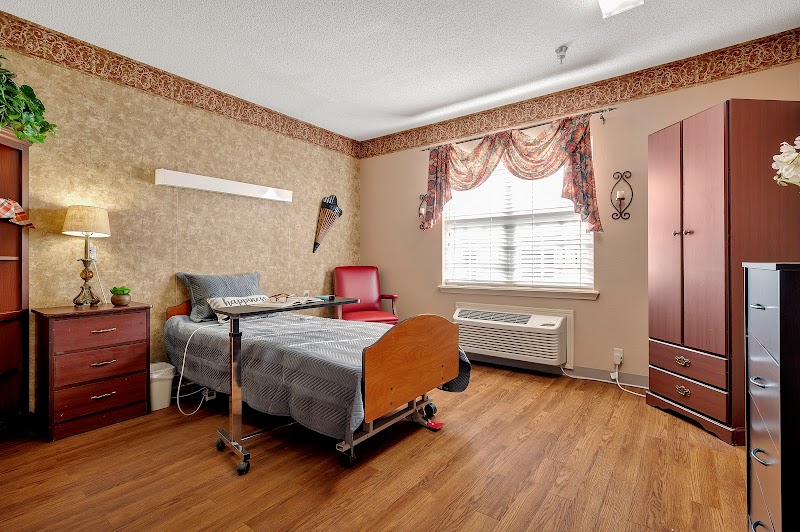
How is Castle Pines Staffed?

CMS rates CASTLE PINES HEALTH AND REHABILITATION's staffing level at 2 out of 5 stars, which is below average compared to other nursing homes. Staff turnover is 46%, compared to the Texas average of 46%.

What Have Inspectors Found at Castle Pines?

State health inspectors documented 18 deficiencies at CASTLE PINES HEALTH AND REHABILITATION during 2023 to 2025. These included: 2 Immediate Jeopardy (the most serious level, indicating potential for serious harm or death) and 16 with potential for harm. Immediate Jeopardy findings are rare and represent the most serious regulatory concerns. They require immediate corrective action.

Who Owns and Operates Castle Pines?

CASTLE PINES HEALTH AND REHABILITATION is owned by a for-profit company. For-profit facilities operate as businesses with obligations to shareholders or private owners. The facility is operated by CREATIVE SOLUTIONS IN HEALTHCARE, a chain that manages multiple nursing homes. With 120 certified beds and approximately 94 residents (about 78% occupancy), it is a mid-sized facility located in LUFKIN, Texas.
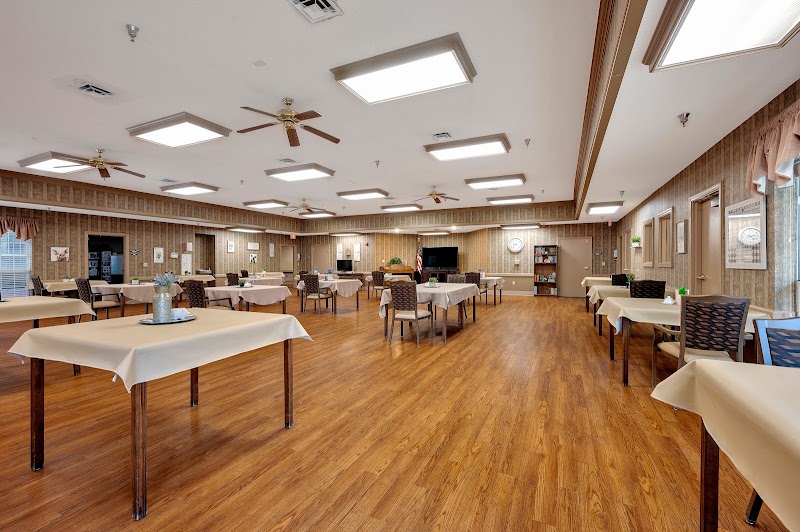
How Does Castle Pines Compare to Other Texas Nursing Homes?

Compared to the 100 nursing homes in Texas, CASTLE PINES HEALTH AND REHABILITATION's overall rating (3 stars) is above the state average of 2.8, staff turnover (46%) is near the state average of 46%, and health inspection rating (3 stars) is at the national benchmark.

What Should Families Ask When Visiting Castle Pines?

Based on this facility's data, families visiting should ask: "What changes have been made since the serious inspection findings, and how are you preventing similar issues?" "Can you walk me through typical staffing levels on day, evening, and night shifts?" "Can I visit during a mealtime to observe dining assistance and food quality?" "How do you handle medical emergencies, and what is your hospital transfer rate?" These questions are particularly relevant given the facility's Immediate Jeopardy citations and the below-average staffing rating.

Is Castle Pines Safe?

Based on CMS inspection data, CASTLE PINES HEALTH AND REHABILITATION has documented safety concerns. Inspectors have issued 2 Immediate Jeopardy citations (the most serious violation level indicating risk of serious injury or death). The facility has a 3-star overall rating and ranks #1 of 100 nursing homes in Texas. Families considering this facility should ask detailed questions about what corrective actions have been taken since these incidents.

Do Nurses at Castle Pines Stick Around?

CASTLE PINES HEALTH AND REHABILITATION has a staff turnover rate of 46%, which is about average for Texas nursing homes (state average: 46%). Moderate turnover is common in nursing homes, but families should still ask about staff tenure and how the facility maintains care continuity when employees leave.

Was Castle Pines Ever Fined?

CASTLE PINES HEALTH AND REHABILITATION has been fined $38,771 across 2 penalty actions. The Texas average is $33,467. While any fine indicates a compliance issue, fines under $50,000 are relatively common and typically reflect isolated problems that were subsequently corrected. Families should ask what specific issues led to these fines and confirm they've been resolved.

Is Castle Pines on Any Federal Watch List?

CASTLE PINES HEALTH AND REHABILITATION is not on any federal watch list. The most significant is the Special Focus Facility (SFF) program, which identifies the bottom 1% of nursing homes nationally based on persistent, serious quality problems. Not being on this list means the facility has avoided the pattern of deficiencies that triggers enhanced federal oversight. This is a positive indicator, though families should still review the facility's inspection history directly.