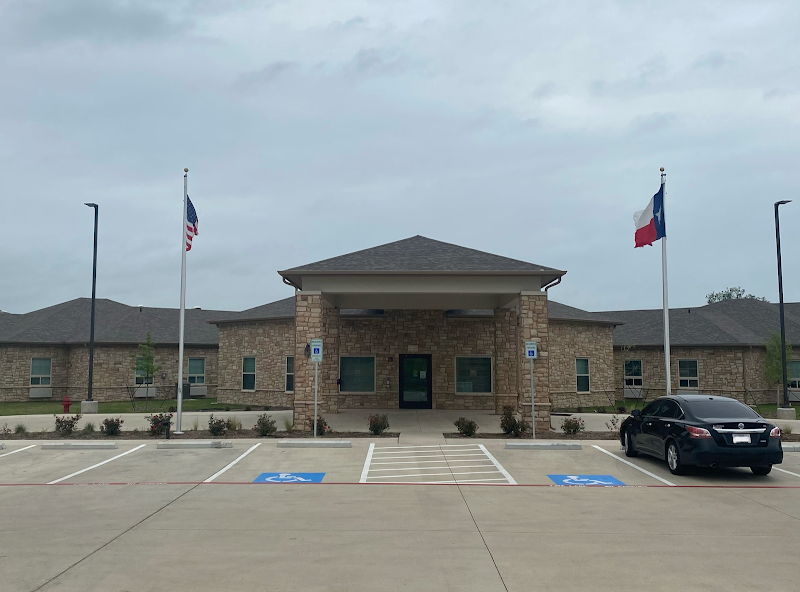
MABANK NURSING CENTER

18957 US HWY 175 W., MABANK, TX 75147 (903) 887-2436
For profit - Corporation 90 Beds PRIORITY MANAGEMENT Data: November 2025 2 Immediate Jeopardy citations
Trust Grade
31/100
#514 of 1168 in TX
Last Inspection: March 2025

Within standard 12-15 month inspection cycle. Federal law requires annual inspections.

Overview

Mabank Nursing Center has received a Trust Grade of F, indicating significant concerns about the facility's operations and care quality. It ranks #514 out of 1,168 nursing homes in Texas, placing it in the top half, but this is overshadowed by its poor overall trust score. The facility is worsening, with issues increasing from 9 in 2024 to 11 in 2025. Staffing is rated below average at 2 out of 5 stars, with a turnover rate of 53%, which is around the Texas average, suggesting some instability among staff. Additionally, the center has incurred $36,496 in fines, which is a common amount for Texas facilities but still raises concerns about consistent compliance. RN coverage is average, meaning residents receive a standard level of nursing oversight, which is crucial for catching potential problems. Specific incidents noted include a failure to notify a physician about a resident's significant health decline and not providing timely oxygen therapy during a respiratory crisis, both of which could lead to serious health risks. On the other hand, the facility has an average rating for health inspections and quality measures, showing some strengths amidst these serious weaknesses.

Trust Score
F
31/100
In Texas
#514/1168
Top 44%
Safety Record
High Risk
Review needed
Inspections
Getting Worse
9 → 11 violations
Staff Stability
⚠ Watch
53% turnover. Above average. Higher turnover means staff may not know residents' routines.
Penalties
⚠ Watch
$36,496 in fines. Higher than 95% of Texas facilities. Major compliance failures.
Skilled Nurses
⚠ Watch
Each resident gets only 18 minutes of Registered Nurse (RN) attention daily — below average for Texas. Fewer RN minutes means fewer trained eyes watching for problems.
Violations
⚠ Watch
23 deficiencies on record. Higher than average. Multiple issues found across inspections.
★★★☆☆
3.0
Overall Rating
★★☆☆☆
2.0
Staff Levels
★★★☆☆
3.0
Care Quality
★★★☆☆
3.0
Inspection Score
Stable
2024: 9 issues
2025: 11 issues

The Good

  • Full Sprinkler Coverage · Fire safety systems throughout facility
  • No fines on record

Facility shows strength in fire safety.

The Bad

3-Star Overall Rating

Near Texas average (2.8)

Meets federal standards, typical of most facilities

Staff Turnover: 53%

Near Texas avg (46%)

Higher turnover may affect care consistency

Federal Fines: $36,496

Above median ($33,413)

Moderate penalties - review what triggered them

Chain: PRIORITY MANAGEMENT

Part of a multi-facility chain

Ask about local staffing decisions and management

The Ugly 23 deficiencies on record

2 life-threatening
Mar 2025 11 deficiencies
CONCERN (D)

Potential for Harm - no one hurt, but risky conditions existed

Resident Rights (Tag F0550)

Could have caused harm · This affected 1 resident

**NOTE- TERMS IN BRACKETS HAVE BEEN EDITED TO PROTECT CONFIDENTIALITY** Based on observations, interviews, and record review the facility failed to treat each resident with respect and dignity and car...

Read full inspector narrative →
**NOTE- TERMS IN BRACKETS HAVE BEEN EDITED TO PROTECT CONFIDENTIALITY** Based on observations, interviews, and record review the facility failed to treat each resident with respect and dignity and care for each resident in a manner that promoted maintenance or enhancement of his or her quality of life for 2 of 21 residents (Resident #2 and Resident #76) reviewed for resident rights. The facility did not ensure Laundry Aide M knocked, prior to entering Resident #2's and Resident #76's room on 03/11/2025. This failure could place residents at risk for diminished quality of life, loss of dignity and loss of self-worth. Findings included: 1.Record review of the face sheet, dated 03/12/2025, revealed Resident #2 was a [AGE] year old female with diagnoses which included unspecified intellectual disabilities (a diagnosis used when an individual, typically over 5 years old, was suspected of having an intellectual disability, but standardized testing was not possible or feasible due to factors like physical or sensory impairments, or co-occurring mental health conditions, preventing a determination of the level of disability) altered mental status, unspecified (a change in a person's mental function or consciousness where the specific cause or nature of the change was not yet determined, but there was a noticeable difference in typical mental clarity, perception, awareness, cognition, or responsiveness), unspecified disorder of psychological development (disturbances in psychological functioning without further specification of subtype or features). Record review of the quarterly MDS assessment, dated 02/06/2025, revealed Resident #2 was sometimes able to make herself understood and sometimes understood others. The MDS assessment indicated Resident #2 had a BIMS score of 00, which indicated her cognition was severely impaired. Record review of a care plan, with a revision date of 05/02/2024, indicated Resident #2 was dependent on staff, for meeting emotional, intellectual, physical, and social needs related to intellectual disabilities. 2.Record review of the face sheet, dated 03/12/2025, revealed Resident #76 was an [AGE] year old female with diagnoses which included unspecified dementia, severe, with other behavioral disturbance (a severe dementia diagnosis where the specific type of dementia is unknown, accompanied by behavioral issues like sleep disturbances, social or sexual disinhibition, and other non-cognitive presentations), anxiety disorder (condition in which a person has excessive worry and feelings of fear, dread, and uneasiness), dysthymic disorder (a chronic form of depression characterized by a persistent low mood that lasts for at least two years). Record review of the quarterly MDS assessment, dated 01/14/2025, revealed Resident #76 was usually able to make herself understood and understood others. The MDS assessment indicated Resident #76 had a BIMS score of 04, which indicated her cognition was severely impaired. Record review of care plan, with a revision date of 11/14/2024, indicated Resident #76 was able to communicate basic needs daily. Interventions: ask yes or no questions in order to determine the resident's needs. During an observation and interview on 03/11/2025 at 10:23 a.m., Surveyor observed Laundry Aide M going into Resident #2's and Resident #76's rooms without knocking prior to entering the rooms. Laundry Aide M stated when entering a resident's room, she was supposed to knock, introduce herself and let the resident know why she was in their room. Laundry Aide M stated she did not knock, identify herself, or let the residents know what she was doing because both residents were sleeping. Laundry Aide M stated it was important to knock, introduce herself, and let the residents know what she was doing in their room so they would not feel uncomfortable, for them to know who she was and that she was not a stranger, coming into their private room. During an interview on 03/12/2025 at 1:50 p.m., the Housekeeping Supervisor stated she expected the laundry staff to knock and introduce themselves when entering the residents room. The Housekeeping Supervisor stated it was important to knock before entering a resident's room to show respect and it was the resident's home. The Housekeeping Supervisor stated the harm of not knocking before entering the resident's room was the laundry staff could invade the resident's privacy. During an interview on 03/12/2025 at 2:22 p.m., the DON stated the staff should knock before walking into a room and announce themselves. The DON stated she expected the staff to knock, introduce themselves, and explain what they were doing in the room. The DON stated it was important for the staff to let residents know what they are doing in their rooms to make them feel comfortable and safe, especially with the residents on the memory care unit. The DON stated she would in-service the staff. During an interview on 03/12/2025 at 2:37 p.m., the Regional [NAME] President stated he expects the staff to knock, introduce themselves, and tell the residents what they were doing in their room. The Regional [NAME] President stated it was important because the facility was their home, and he expected the staff to treat the residents with dignity and respect. Record review of the facility's policy titled, Resident Rights revised October 4, 2022, indicated . Employees shall treat all residents with kindness, respect, and dignity
CONCERN (D)

Potential for Harm - no one hurt, but risky conditions existed

Deficiency F0558 (Tag F0558)

Could have caused harm · This affected 1 resident

**NOTE- TERMS IN BRACKETS HAVE BEEN EDITED TO PROTECT CONFIDENTIALITY** Based on observation, interview, and record review, the facility failed to ensure each resident had the right to reside and rece...

Read full inspector narrative →
**NOTE- TERMS IN BRACKETS HAVE BEEN EDITED TO PROTECT CONFIDENTIALITY** Based on observation, interview, and record review, the facility failed to ensure each resident had the right to reside and receive services in the facility with reasonable accommodation of resident needs and preferences for 1 of 8 residents (Resident #37) reviewed for reasonable accommodations. The facility failed to ensure Resident #37's call button was within reach while Resident #37 was in a standard chair on 03/10/25. This failure could place residents at risk for a delay in assistance and decreased quality of life, self-worth, and dignity. Findings included: Record review of Resident #37's face sheet, dated 03/12/25, indicated a [AGE] year-old male who was admitted to the facility on [DATE] with diagnoses which included Atherosclerotic heart disease also known as AHD (a condition where the coronary arteries, which supply blood to the heart, become narrowed or blocked due to plaque buildup), type 2 diabetes (uncontrolled blood sugar), depression (low mood), and high blood pressure. Record review of Resident #37's quarterly MDS assessment, dated 12/10/24, indicated Resident #37 sometimes understood and was usually understood by others. Resident #37's BIMS score was 02, which meant he was severely cognitively impaired. The MDS indicated Resident #37 required help with toileting, bed mobility, dressing, transfers, personal hygiene, and supervision with eating. The MDS indicated he was occasionally incontinent of his bladder. Record review of Resident #37's care plan dated 08/15/22 indicated he had an ADL Self Care Performance (such as Bed Mobility, Transfers, Eating, Bathing, Dressing, and Personal Hygiene) Deficit related to his Intellectual disabilities. The interventions were for staff to encourage and remind the resident to use the bell to call for assistance when in his room. During an observation on 03/10/25 at 10:25 a.m., Resident #37 was sitting up in a standard chair with his feet in his wheel chair and his call light was noted on the other side of his bed on the floor. Resident #37 was unable to answer questions about his call light. During an interview on 03/10/25 at 10:26 a.m., CNA B said Resident #37 could move around the room, but she helped him toilet. She verified the call light was on the floor on the other side of the bed. She said he does not understand how to use the call light, so he comes out or hollers for help. She said she felt like the call light would be a hazard because he would pull the call light out of the wall or throw it and he could fall on it. She said she had not put the call light next to him since the start of her shift at 6 am. During an interview on 03/11/25 at 4:51 p.m., LVN A said he expected all residents to have a call light. He said even if they have a cognitive deficit, they should have their call light because sometimes their cognition changes throughout the day. He said the call light was a way of communication to let staff know if they needed something. During an interview on 03/12/25 at 2:00 p.m., the DON said all staff should check on the residents and ensure they have a call light within reach. She said call lights should be within reach of residents so they could use them when they needed assistance. The DON said failure to have or keep call lights within reach could cause a resident to fall, receive a bump, bruise, or even a fracture. During an interview on 03/12/25 at 3:32 p.m., the Regional [NAME] President said all staff was responsible for ensuring call lights were within reach. He said the failure of not having the call light accessible could lead to several things such as a resident falling or not getting the help they needed timely. Record review of the facility's policy titled, Resident Call Light System, dated 06/2023, indicated, The purpose of this procedure: #1 to respond to the resident's requests and needs. Policy implementation: A call light system (audible and visual) is in place and operative in the facility. This system allows individual residents to access a system that notifies nursing that the resident has a need. Residents can communicate with the Nurse's Station from their room and/or bathing and toileting facilities. General Guidelines: #4 Ensure that the call light is easily reachable by the resident.
CONCERN (D)

Potential for Harm - no one hurt, but risky conditions existed

Safe Environment (Tag F0584)

Could have caused harm · This affected 1 resident

**NOTE- TERMS IN BRACKETS HAVE BEEN EDITED TO PROTECT CONFIDENTIALITY** Based on observations, interviews, and record reviews the facility failed to provide a safe, clean, comfortable, and homelike en...

Read full inspector narrative →
**NOTE- TERMS IN BRACKETS HAVE BEEN EDITED TO PROTECT CONFIDENTIALITY** Based on observations, interviews, and record reviews the facility failed to provide a safe, clean, comfortable, and homelike environment for 1 of 8 residents (Resident #19) reviewed for a clean and homelike environment. The facility failed to ensure Resident #19, and her room was without urine odor. This failure could place residents at risk for diminished quality of life due to the lack of a well-kept and clean environment. Findings included: Record review of Resident #19's face sheet, dated 03/11/25, indicated an [AGE] year-old female who was admitted to the facility on [DATE] and re-admitted [DATE] with diagnoses which included Dementia (loss of memory, language, problem-solving, and other thinking abilities that were severe enough to interfere with daily life), Chronic obstructive pulmonary disease also known as COPD (a common lung disease causing restricted airflow and breathing problems), Parkinson's (a movement disorder of the nervous system that worsens over time), and high blood pressure. Record review of Resident #19's quarterly MDS assessment, dated 02/06/25, indicated Resident #19 usually understood and was usually understood by others. The MDS assessment indicated she had a BIMS score of 5 indicating she was severely cognitively impaired. Resident #19 required assistance with bathing, toileting, dressing, bed mobility, personal hygiene, and eating. The MDS indicated she was incontinent of bowel and bladder. The MDS did not indicate any refusal of care or behaviors. Record review of Resident #19's care plan dated 05/03/24 indicated she had a mixed bladder incontinence related to Dementia and a history of kidney stones. The intervention was for staff to check during rounds. Wash, rinse, and dry perineum after each incontinence episode and change clothing as needed. During an observation on 03/10/25 at 10:32 a.m., Resident #19's room smelled of urine. During an observation on 03/10/25 at 12:29 p.m., Resident #19 was in the dining room eating lunch and smelled of urine. During an interview on 03/10/25 at 02:57 p.m., Resident #18 (roommate of Resident #19) said the room does smell like urine most of the time. She said her roommate was incontinent of urine and she knew she could not help it but wished she did not have to have a room smelling of urine. She said the staff was aware and tried to keep Resident #19 clean, but the urine smell lingered on for hours. During an attempted interview on 03/10/25 at 3:19 p.m., Resident #19 was in the dining room, but when asked about being incontinent and odors she did not respond. During an interview on 03/11/25 at 1:42 p.m., CNA B said Resident #19's room smelled like urine. She said Resident #19 went to the bathroom a lot. She said Resident #19 had a diffuser in her room to help with the odor; CNA D looked in the diffuser, but it was empty. CNA B said she tries to keep Resident #19 as clean as she could but often the resident goes to the bathroom by herself. During an interview on 03/11/25 at 4:04 p.m., LVN A said Resident #19 does have a urine odor. He said the roommate had complained to him about the odor and was not happy about the odor. He said Resident #19 was a heavy wetter and refused care at times. He said she had a diffuser in her room to help with the odor. He said staff attempted to bathe Resident #19 daily and keep her clean. During an interview on 03/12/25 at 2:00 p.m., the DON said she was aware Resident #19 had a strong urine odor. She said the staff does try to keep her clean and offers showers daily. She said the problem was Resident #19 was incontinent at times and refused care. She said sometimes she would go to the bathroom by herself and leave the dirty clothes on the floor. She said they had tried a diffuser in the bathroom, and when it was on it helped with the odor. She said Resident #18 had mentioned the strong urine odor last week and they offered a different room, but she declined. She said they were in the process of looking for other ideas for eliminating the urine odor. She said she wanted this home to be free from odors as much as possible. During an interview on 03/12/25 at 3:32 p.m., the Regional [NAME] President said they did their best to ensure the facility was clean and odor-free. He said staff tried to keep each resident clean as long as they were honoring the residents' rights. He said he expected the facility to be odor-free. Record review of the facility policy of Homelike Environment, revised May 2017, revealed, Policy Statement: Residents are provided with a safe, clean, comfortable, and homelike environment and encouraged to use their personal belongings to the extent possible. Policy Interpretation and Implementation: #2. The facility staff and management shall maximize, to the extent possible, the characteristics of the facility that reflect a personalized, home-like setting. These characteristics include A. Clean, sanitary, and orderly environment.
CONCERN (D)

Potential for Harm - no one hurt, but risky conditions existed

Comprehensive Care Plan (Tag F0656)

Could have caused harm · This affected 1 resident

**NOTE- TERMS IN BRACKETS HAVE BEEN EDITED TO PROTECT CONFIDENTIALITY** 2.Record review of Resident #37's face sheet, dated [DATE], indicated a [AGE] year-old male who was admitted to the facility on ...

Read full inspector narrative →
**NOTE- TERMS IN BRACKETS HAVE BEEN EDITED TO PROTECT CONFIDENTIALITY** 2.Record review of Resident #37's face sheet, dated [DATE], indicated a [AGE] year-old male who was admitted to the facility on [DATE] with diagnoses which included Atherosclerotic heart disease also known as AHD (a condition where the coronary arteries, which supply blood to the heart, become narrowed or blocked due to plaque buildup), type 2 diabetes (uncontrolled blood sugar), depression (low mood), and high blood pressure. Record review of Resident #37's quarterly MDS assessment, dated [DATE], indicated Resident #37 sometimes understood and was usually understood by others. Resident #37's BIMS score was 02, which meant he was severely cognitively impaired. The MDS indicated Resident #37 required help with toileting, bed mobility, dressing, transfers, personal hygiene, and supervision with eating. Record review of Resident 37's physician orders dated [DATE] indicated, DNR status. Record review of Resident 37's electronic medical records of his code status indicated he had a DNR signed on [DATE]. Record review of Resident #37's care plan dated [DATE] indicated he was a full code. The intervention was to provide CPR. During an interview on [DATE] at 1:37 p.m., the SW said she was the person who got the DNR signed. She said she then told a nurse or the ADON, and they wrote the order. She said the MDS nurse should have placed the DNR code status on the care plan. During an interview on [DATE] at 2:00 p.m., the DON said she expected the care plans to be accurate. She said the MDS Coordinator was responsible for ensuring the care plans were kept current with the resident's care. She said when she received an order for code status, she or the ADON would update the care plan. She said she did not know how Resident #37's code status change was missed. She said she would update it to reflect the DNR status today ([DATE]). She said it was important to have the most updated care plan so that staff would know what care they needed to provide. During an interview on [DATE] at 2:18 p.m., the MDS Coordinator said she was responsible for the care plans for the long-term residents. She said the ADON/DON did the acute care plans. She said care plans were done so the staff would know how to care for the resident. She said when Resident #37 became a DNR, either the ADON/DON or herself should have updated his care plan. She could not explain how the change in code status was not updated. She said not changing the code status could have affected the residents' wishes. During an interview on [DATE] at 3:25 p.m., the ADON said the SW was responsible for getting the DNR signed and scanned into the electronic medical records. She said once the signed DNR had been uploaded in the electronic medical records, she would write the DNR order. She said she was unaware of who was responsible for updating the care plan. During an interview on [DATE] at 3:32 p.m., the Regional [NAME] President said the MDS Coordinator was responsible for the care plans. He said the DON was the overseer of the care plans. He said the DNR code status should have been part of the care plan process and checked during the care plan meeting. He said if care plans were not done, or revised residents might not have their wishes honored. Record review of the facility's policy titled, Care Plans, Comprehensive Person-Centered, revised [DATE], indicated, A comprehensive, person-centered plan that includes measurable objectives and timetables to meet the resident's physical, psychosocial and functional needs is developed and implemented for each resident . The comprehensive, person-centered care plan: a. includes measurable objectives and timeframes; b. describes the services that are to be furnished to attain or maintain the resident's highest practicable physical, mental, and psychosocial well-being . assessments of residents are ongoing and care plans are revised as information about the residents and the residents' conditions change . Based on interview and record review, the facility failed to develop and implement a comprehensive person-centered care plan to meet a resident's medical, nursing, mental and psychosocial needs identified in the comprehensive assessment for 2 of 21 residents (Resident #37 and Resident #39) reviewed for care plans. 1. The facility failed to ensure a care plan was developed specific to Resident #39's non-pressure wounds and included the wound care treatments she was receiving to her first and second toe on her right foot, right shin, and left posterior (back) ankle. 2. The facility failed to revise Resident #37's care plan to remove his Full Code (a medical term indicating a patient's preference to receive all possible life-saving measures in the event of a cardiac or respiratory arrest) status once his code status changed to Do Not Resuscitate, also known as DNR (a medical order instructing healthcare providers not to perform CPR or other resuscitative measures if a patient's heart or breathing stops). This failure could place the residents at increased risk of not having their individual needs met and a decreased quality of life. Findings included: 1. Record review of a face sheet dated [DATE] indicated Resident #39 was a [AGE] year-old female admitted to the facility on [DATE] with diagnoses which included laceration without foreign body left foot, laceration without foreign body of right lesser toe(s) without damage to nail, laceration without foreign body of right great toe without damage to nail, laceration without foreign body, left ankle, laceration without foreign body, right lower leg. Record review of Resident #39's Comprehensive MDS assessment dated [DATE] indicated she was able to understand others and was understood. The MDS assessment indicated Resident #39 had a BIMS score of 09, which indicated her cognition was moderately impaired. The MDS assessment indicated Resident #39 required partial/moderate assistance with dressing, showering/bathing self, personal hygiene, and substantial/maximal assistance with toileting. The MDS assessment indicated Resident #39 had other open lesion(s) on the foot, skin tear(s), and received application of nonsurgical dressings and dressings to feet. Record review of Resident #39's Order Summary Report dated [DATE] indicated: non-pressure wound of the right foot, first digit cleanse with normal saline, pat dry, apply hydrogel with silver, cover with clean dry dressing daily and as needed for wound healing as needed with a start date of [DATE]. wound to right foot second toe, cleanse with normal saline, pat dry, apply hydrogel with silver, cover with clean dry dressing every day and as needed with a start date [DATE]. Clobetasol Propionate External Gel 0.05 % apply to right shin, left posterior ankle topically one time a day for wound healing cleanse with normal saline, pat dry, apply gel, apply xeroform (petrolatum-impregnated gauze dressing), cover with clean dry dressing with a start date of [DATE]. Record review of Resident #39's Wound Evaluation & Management Summary dated [DATE], indicated: non-pressure wound of the left posterior ankle, Etiology trauma/injury, duration more than 96 days: wound size 3.8 x 3.2 x 0.1 cm. non-pressure wound of the right shin, Etiology trauma/injury, duration more than 103 days, wound size 4.1 x 2.2 x 0.1 cm. non-pressure wound of the right first toe, Etiology trauma/injury, duration more than 69 days, wound size 0.2 x 0.2 x not measurable cm. non-pressure wound of the right second toe, Etiology trauma/injury, duration more than 37 days, wound size 0.2 x 0.6 x not measurable cm. Record review of Resident #39's care plan revised [DATE] indicated, she required EBP related to being at increased risk for MDRO acquisition due to wound to lower extremity. The resident had skin tears of the right lower extremity related to scratching herself with interventions which included if a skin tear occurs treat per facility protocol and notify MD and family. The resident had actual impairment to skin integrity of the left lower extremity related to eczema and fragile skin follow facility protocols for treatment of injury, observe/document location, size and treatment of skin injury report abnormalities, failure to heal, signs and symptoms of infection, maceration (skin in contact with moisture too long) to MD, weekly treatment documentation to include measurement of each area of skin breakdown's width, length, depth, type of tissue and exudate (drainage, discharge from tissue) and any other notable changes or observations. Resident #39's care plan did not indicate the wound care treatments and specific locations of her wounds to her first and second toes on her right foot, right shin, and left posterior (back) ankle. During an interview on [DATE] at 3:12 PM, the DON said the wound care nurse was responsible for care planning wounds and any skin issues. During an interview on [DATE] at 3:33 PM, the Wound Care Nurse said Resident #39's wounds were included in her care plan. The Wound Care Nurse said when she care planned the wounds she put in the location of the wound, and then selected from the prompted goals and interventions given in the care planning system. The Wound Care Nurse said the care plan should be person-centered and it should include any treatments and services the residents received. The Wound Care Nurse said it was important for the resident's care plan to be person-centered because it was their treatments and their health and so they could get the care they needed based upon their health needs. During an interview on [DATE] at 3:56 PM, the RVP said care plans were supposed to be resident specific. The RVP said care plans were collaborative and different members had different responsibilities. The RVP said the clinical team was responsible for ensuring wounds were included in the residents' care plans. The RVP said it was important to individualize the care for the resident.
CONCERN (D)

Potential for Harm - no one hurt, but risky conditions existed

Deficiency F0688 (Tag F0688)

Could have caused harm · This affected 1 resident

**NOTE- TERMS IN BRACKETS HAVE BEEN EDITED TO PROTECT CONFIDENTIALITY** Based on observation, interview, and record review the facility failed to ensure residents with limited range of motion received...

Read full inspector narrative →
**NOTE- TERMS IN BRACKETS HAVE BEEN EDITED TO PROTECT CONFIDENTIALITY** Based on observation, interview, and record review the facility failed to ensure residents with limited range of motion received appropriate treatment and services to prevent further decrease in range of motion for 1 of 7 residents (Resident #63) reviewed for range of motion. The facility failed to ensure Resident #63's carrots (medical device used to treat hand contractures, permanent tightening of the muscles, tendons, skin, and surrounding tissues that causes stiffness, placed in the hands to help improve range of motion) were in place to his hands. This failure could place residents at risk for decrease in mobility and range of motion and contribute to worsening of contractures. Findings included: Record review of a face sheet dated 03/12/2025 indicated Resident #63 was a [AGE] year-old male admitted to the facility on [DATE] with diagnoses which included quadriplegia (paralysis of the arms, trunk, and legs resulting from damage to the brain and/or spinal cord), diffuse traumatic brain injury with loss of consciousness of unspecified duration (injury to the brain which results in loss of consciousness), and muscle wasting and atrophy (the wasting or thinning of muscle mass due to disuse). Record review of Resident #63's Quarterly MDS assessment dated [DATE] indicated he was rarely/never able to make himself understood and was rarely/never able to understand others. The MDS assessment indicated Resident #63 had a short and long-term memory problem. The MDS assessment indicated Resident #63 was dependent on staff for all ADLs. The MDS assessment indicated Resident #63 had functional limitations in range of motion to both upper extremities and both lower extremities. The MDS assessment indicated Resident #63 received occupational therapy. The MDS assessment did not indicate Resident #63 received restorative therapy. Record review of Resident #63's Order Summary Report dated 03/11/2025 indicated resident to have carrots in left and right hand, ensure proper placement and function with a start date of 11/18/2024. Record review of Resident #63's care plan revised 03/10/2025 indicated he had an ADL self-care performance deficit related to quadriplegia resulting in range of motion limitation, contractures to bilateral upper and lower extremities, required total care, resident will work the carrot out of his hand as soon as staff leaves the room, and carrots to bilateral hands. During an observation on 03/10/2025 at 3:18 PM, Resident #63 was in his bed. There were no carrots in his hands or observed around him in the bed. Resident #63 was not interviewable. During an observation on 03/11/2025 at 8:02 AM, Resident #63 did not have anything in his hands for his contractures. During an observation and interview on 03/11/2025 at 2:13 PM with LVN G Resident #63 did not have the carrots in his hands. LVN G said Resident #63 did not keep the carrots in his hands, but she did not know where they were. LVN G then proceeded to look for the carrots in Resident #63's room and found them in a drawer in his nightstand. LVN G said Resident #63 should have the carrot in one of his hands to help with his contractures and so his fingernails would not dig into his hands. LVN G said the carrots were supposed to relax Resident #63 and help him open his hands up. LVN G said she had signed off Resident #63's carrots on his MAR as completed but she had not gotten around to put them in. LVN G said she could also delegate it to the CNAs, and it was something they usually did. During an interview on 03/12/2025 at 1:54 PM, CNA K said she provided care to Resident #63, and he was supposed to have the carrots in his hands. CNA K said she had a hard time getting them in his hands because they were contracted, but she usually let the nurse or therapy do it. CNA K said she was not the one who put them in Resident #63's hands. CNA K said the carrots were supposed to be placed in Resident #63's hands to make his hands easier to open. CNA K said if the carrots were not placed in Resident #63's hands they were going to clamp tight, and they would not be able to clean his hands. During an interview on 03/12/2025 at 3:18 PM, the DON said Resident #63's carrots should be placed in his hands by the CNAs. The DON said therapy trained the CNAs, so they knew how to do it safely. The DON said if the CNAs did not feel comfortable placing the carrots in Resident #63's hands, they should communicate with the nurse, and the nurse and the treatment nurse could assist them with doing that. The DON said it was important to place the carrots in Resident #63's hand to prevent anymore wounds and prevent tighter contractures. During an interview with the DON on 03/12/2025 at 3:27 PM, the policy for contracture management was requested and not received prior to exit of the facility.
CONCERN (D)

Potential for Harm - no one hurt, but risky conditions existed

Incontinence Care (Tag F0690)

Could have caused harm · This affected 1 resident

**NOTE- TERMS IN BRACKETS HAVE BEEN EDITED TO PROTECT CONFIDENTIALITY** Based on observations, interviews, and record review, the facility failed to ensure a resident who was incontinent of bladder re...

Read full inspector narrative →
**NOTE- TERMS IN BRACKETS HAVE BEEN EDITED TO PROTECT CONFIDENTIALITY** Based on observations, interviews, and record review, the facility failed to ensure a resident who was incontinent of bladder received appropriate treatment and services to prevent urinary tract infections and to restore continence to the extent possible for 1 of 3 residents (Resident #40) reviewed for treatment and services related to indwelling catheters. The facility failed to ensure Resident #40's foley catheter drainage bag (bag holding urine that is drained from a tube inserted into the bladder) was kept off the floor. This failure could place residents at risk for urinary tract infections and a decreased quality of life. Findings included: Record review of a face sheet dated 03/12/2025 indicated Resident #40 was a [AGE] year-old male initially admitted to the facility on [DATE] and re-admitted on [DATE] with diagnoses which included neuromuscular dysfunction of the bladder (problems due to disease or injury of the central nervous system or nerves involved in the control of urination), benign prostatic hyperplasia with lower urinary tract symptoms (overgrowth of prostate tissue pushes against the urethra and the bladder, blocking the flow of urine which results in symptoms such as urinary frequency, urgency, weak stream, trouble urinating, and not being able to empty the bladder), and urinary tract infection. Record review of Resident #40's Comprehensive MDS assessment dated [DATE] indicated, he was usually able to make himself understood and usually understood others. The MDS assessment indicated Resident #40 required partial/moderate assistance with toileting, showering/bathing himself, and personal hygiene. The MDS assessment indicated Resident #40 had an indwelling catheter. Record review of Resident #40's Order Summary Report dated 03/11/2025 indicated he had an order for change foley catheter bag and accessories size: 20 French, bulb: 10 milliliters every day shift every 30 days with a start date of 01/11/2025. Record review of Resident #40's care plan revised 02/18/2025 indicated he had an indwelling foley catheter and to position the catheter bag and tubing below the level of the bladder and away from the entrance room door. Resident #40's care plan indicated he required EBP and was at risk for MDRO (bacteria and other organisms that are resistant to multiple antibiotics and can cause infections) acquisition due to an indwelling catheter. During an observation on 03/10/2025 at 9:59 AM, Resident #40 was sitting in his recliner and his foley catheter bag was on the floor. During an interview on 03/11/2025 at 2:10 PM, LVN G said Resident #40 required limited assistance of one staff for transfers. LVN G said Resident #40's foley catheter bag should not be placed on the floor. LVN G said the CNAs and herself should be making sure the foley catheter bag was no placed on the floor. LVN G said it was important for the bag not to be placed on the floor because bacteria could get on the bag and cause an infection, or the urine could drip on the floor. During an interview on 03/12/2025 at 1:52 PM, CNA H said she provided care to Resident #40. CNA H said Resident #40 required assistance with transfers to his recliner. CNA H said they usually hung Resident #40's catheter bag on his recliner, and she did not know why it was on the floor. CNA H said Resident #40's catheter bag should not be placed on the floor to make sure it did not cause an infection. During an interview on 03/12/2025 at 3:05 PM, the DON said the resident's catheter bag should be anchored below the waist and it should not be placed on the floor. The DON said the nurse was responsible and the CNAs should check when making rounds. The DON said it was important for the catheter bag not to be on the floor for contamination and infection control. During an interview on 03/12/2025 at 3:42 PM, the ADON said all staff were responsible for ensuring the residents' catheter bags were not on the floor. The ADON said when the staff noticed a catheter bag was on the floor, they should report it to the nurse. The ADON said the resident's foley catheter bag being on the floor could contaminate the bag and be a risk for infection. During an interview on 03/12/2025 at 3:52 PM, the RVP said he expected for the foley catheter bags to not be placed on the floor. The RVP said nursing was responsible for ensuring the foley catheter bags were not on the floor. The RVP said the foley catheter bags should not be placed on the floor for cleanliness. Record review of the facility's policy titled, Emptying a Urinary Drainage Bag, revised October 2010 indicated, .Keep the drainage bag and tubing off the floor to prevent contamination and damage .
CONCERN (D)

Potential for Harm - no one hurt, but risky conditions existed

Deficiency F0699 (Tag F0699)

Could have caused harm · This affected 1 resident

**NOTE- TERMS IN BRACKETS HAVE BEEN EDITED TO PROTECT CONFIDENTIALITY** Based on interviews, and record review, the facility failed to ensure that residents who were trauma survivors receive culturall...

Read full inspector narrative →
**NOTE- TERMS IN BRACKETS HAVE BEEN EDITED TO PROTECT CONFIDENTIALITY** Based on interviews, and record review, the facility failed to ensure that residents who were trauma survivors receive culturally competent, trauma-informed care in accordance with professional standards of practice and accounting for residents' experiences and preferences in order to eliminate or mitigate triggers that may cause re-traumatization of the resident for 1 of 21 residents' (Resident #'s 62) reviewed for trauma-informed care. The facility did not ensure Resident #62 had a trauma screening that identified possible triggers when Resident #62 had a history of trauma. These failures could put residents at an increased risk for severe psychological distress due to re-traumatization. The findings included: Record review of the face sheet, dated 03/12/2025, indicated Resident #62 was a [AGE] year-old female, originally admitted to the facility on [DATE] and readmitted to the facility on [DATE] with diagnoses of anxiety disorder ( condition in which a person has excessive worry and feelings of fear, dread, and uneasiness), and dementia (a group of conditions that cause a progressive decline in cognitive abilities, including memory, thinking, reasoning, and problem-solving). Record review of the quarterly MDS assessment, dated 02/25/2025, revealed Resident #62 had a BIMS of score 07, which indicated severe cognitive impairment. The MDS revealed Resident #62 had no behaviors or refusal of care. Record review of the care plan did not address Resident #62 having a history of trauma. Record review of Resident #62's progress notes dated 3/12/2025, indicated an entry by the social worker on 1/27/2025 of a history of trauma /abuse by a family member. During an interview on 03/12/2025 at 2:15 p.m., the Social Worker stated it would not hurt to put Resident #62's history of trauma on the care plan, but she was unsure who was responsible for adding the history of trauma to the care plan. The Social Worker stated it was important for the resident's history of trauma to be on the care plan in case the resident started showing behaviors due to past trauma. The Social Worker stated if the history of trauma was not on the care plan the nurse may not know how to treat the resident. During an interview on 03/12/2025 at 2:22 p.m., the DON stated the Social Worker was responsible for informing the nursing staff of Resident #62's history of trauma so it could be added to the care plan. The DON stated it was important to add the history of trauma to the care plan so the nurses would know how to monitor and assess if the resident had any behaviors related to the past trauma. The DON stated there could be harm to the resident if history of trauma was not care planned and the resident started having behaviors the nurse would need to know to be able to care for the resident. The DON stated she would monitor by reviewing the 24-hour report and during IDT morning meetings. During an interview on 03/12/2025 at 3:04 p.m., the Regional [NAME] President stated he expected the appropriate information to be on the resident's care plan. The Regional [NAME] President stated it was important for the care plan to provide the best individualized care for the residents. Record review of the facility's undated policy titled Trauma-Informed Care indicated . The care plan will be person-centered and include interventions that are individualized and have worked in the past, simple and include triggers that the resident may have .
CONCERN (D)

Potential for Harm - no one hurt, but risky conditions existed

Deficiency F0761 (Tag F0761)

Could have caused harm · This affected 1 resident

**NOTE- TERMS IN BRACKETS HAVE BEEN EDITED TO PROTECT CONFIDENTIALITY** Based on observations, interviews, and record review the facility failed to ensure all drugs were only accessible by authorized ...

Read full inspector narrative →
**NOTE- TERMS IN BRACKETS HAVE BEEN EDITED TO PROTECT CONFIDENTIALITY** Based on observations, interviews, and record review the facility failed to ensure all drugs were only accessible by authorized personnel, for 1 of 6 residents (Resident #57) reviewed for medication storage. The facility did not ensure medication named Breo Ellipta (a combination inhaler used for maintenance treatment of chronic obstructive pulmonary disease (COPD) and asthma in adults) was not left unattended on Resident #57's bedside table on 03/10/25. This failure could place residents at risk of not receiving the therapeutic benefit of medications, harm or misuse of medication, drug diversions, and adverse reactions to medications due to improper storage. Findings included: Record review of Resident #57's face sheet, dated 03/11/25, indicated an [AGE] year-old female who was admitted to the facility on [DATE] with diagnoses which included Parkinson's (a movement disorder of the nervous system that worsens over time), chronic obstructive pulmonary disease also known as COPD (a common lung disease causing restricted airflow and breathing problems), dementia (loss of memory, language, problem-solving and other thinking abilities that were severe enough to interfere with daily life), and high blood pressure. Record review of Resident #57's quarterly MDS assessment, dated 01/10/25, indicated Resident #57 understood and was understood by others. Resident #57's BIMS score was 14, which meant she was cognitively intact. The MDS indicated Resident #57 required help with toileting bed mobility, dressing, transfers, personal hygiene, and eating. Record review of Resident #57's physician orders dated 10/14/25 indicated: Breo Ellipta Inhalation Aerosol Powder breath activated 200-25 MCG/ACT (Fluticasone Furoate-Vilanterol) 1 puff inhale orally one time a day for cough. Record review of Resident #57's comprehensive care plan, dated 01/13/25, indicated she had shortness of breath related to her diagnosis of COPD. The interventions were to administer medication as ordered, encourage sustained deep breaths by using a demonstration (emphasizing slow inhalation, holding and inspiration for a few seconds, and passive exhalation), and to use an incentive spirometer. During an observation and interview on 03/10/25 at 11:08 a.m., Resident #57 had a medication named Breo Ellipta sitting on her bedside table with 18 puffs remaining. CNA C was in the room and verified that the medication was sitting on the bedside table. CNA C said medications were a nurse thing but to her knowledge, no resident should have medication left at the bedside . During an interview on 03/11/25 at 4:55 p.m., LVN A said he was Resident #57's nurse yesterday (03/10/25) and was responsible for administering the Breo Ellipta. He said it took him a long time to administer Resident #57's medication and he was probably called away to do breakfast duty and did not realize he left the medication at the bedside. He said he should have taken the medication out of the room when he left because she could have taken another inhalation, another resident could have gotten it, or it could have come up missing and caused the resident to miss a dose. During an interview on 03/12/25 at 2:00 p.m., the DON said she expected staff not to leave medication at the bedside unattended. The DON said the nurse who gave the medication was responsible for ensuring the resident took his or her medication before leaving the room. She said she did not have any residents who could self-medicate. She said if medications were left at the bedside, then the intended resident would not receive their medication or take an extra dose, or another resident could take a dose. During an interview on 03/12/25 at 3:32 p.m., the Regional [NAME] President said he did not expect medication to be left at the bedside. He said the resident might get an extra dose or other residents were at risk of getting medication that was not ordered for them or even staff. Record review of the facility policy titled, Storage of Medication, revised date of April 2019, indicated, Policy Statement: The facility stores all drugs and biologicals in a safe, secure, and orderly manner. Policy Interpretation and Implementation: #1. Drugs and biologicals used in the facility are stored in locked compartments under proper temperature, light, and humidity controls. #3. The nursing staff is responsible for maintaining medication storage and preparation areas in a clean, safe, and sanitary manner.
CONCERN (D)

Potential for Harm - no one hurt, but risky conditions existed

Deficiency F0806 (Tag F0806)

Could have caused harm · This affected 1 resident

**NOTE- TERMS IN BRACKETS HAVE BEEN EDITED TO PROTECT CONFIDENTIALITY** Based on observations, interviews, and record review the facility failed to accommodate residents' food preferences for 1 of 21 ...

Read full inspector narrative →
**NOTE- TERMS IN BRACKETS HAVE BEEN EDITED TO PROTECT CONFIDENTIALITY** Based on observations, interviews, and record review the facility failed to accommodate residents' food preferences for 1 of 21 residents (Resident #7) reviewed for preference. The facility failed to honor Resident #7's preference for no sausage. This failure could result in a decrease in resident choices, diminished interest in meals, and weight loss. Findings included: Record review of Resident #7's face sheet dated 03/12/2025 indicated she was a [AGE] year-old female admitted to the facility on [DATE] with diagnoses which included fracture with routine healing and protein-calorie malnutrition. Record review of Resident #7's Quarterly MDS assessment dated [DATE] indicated she usually understood others and was usually understood. The MDS assessment indicated Resident #7's BIMS score was a 13, which indicated her cognition was intact. The MDS assessment indicated Resident #7 required supervision or touching assistance with eating. The MDS assessment did not indicate Resident #7 required a mechanically altered diet or a therapeutic diet. Record review of Resident #7's Order Summary Report dated 03/12/2025 indicated she had an order for a regular diet with regular consistency with a start date of 01/31/2025. Record review of Resident #7's care plan date initiated 01/19/2025 indicated she had no known allergies that she would have her medications and diet as ordered. Resident #7's care plan did not address her food preferences. Record review of Resident #7's Diet History and Food Preferences with an effective date of 01/20/2025 did not indicate her dislike for sausage and preference for bacon. Record review of Resident #7's breakfast meal tickets dated 03/10/2025 and 03/11/2025 indicated dislikes sausage, meal note bacon (no sausage), and special notes bacon (no sausage). During an interview on 03/10/2025 at 3:10 PM, Resident #7 said she did not like sausage for breakfast, and she had told the nurses and CNAs several times for a while now (she was unable to provide specific timeframes). Resident #7 said she still received sausage for breakfast. Resident #7 said the nurses and CNAs had written on her meal tickets multiple times that she did not like sausage and wanted bacon. Resident #7 said her roommate had also told them Resident #7 did not like sausage and her roommate shared her bacon with her. During an observation and interview on 03/11/2025 at 7:57 AM, Resident #7 had sausage on her breakfast tray, and said she did not receive bacon. Resident #7 said she did not like sausage and preferred bacon. Resident #7 said she had already told them she did not want sausage. Resident #7 said, Sausage does not agree with me, they gave me sausage again. During an interview on 03/12/2025 at 2:50 PM, [NAME] L said the nurses had told her Resident #7 did not like sausage and wanted bacon. [NAME] L said she served breakfast and gave Resident #7 bacon, but they were not perfect and sometimes they made mistakes. [NAME] L said the meal tickets noted the residents' dislikes. [NAME] L said it was important for the residents to receive their food preferences for them to be happy, and because if they did not like what they got they would not eat it and they could lose weight. During an interview on 03/12/2025 at 2:57 PM, the Dietary Manager said she completed an assessment on admission to get the residents likes and dislikes. The Dietary Manager said if she was notified of the resident disliking a certain food, she would update the assessment. The Dietary Manager said she also placed the residents' dislikes on their meal tickets. The Dietary Manager said Resident #7 was one of the residents who wrote on her meal ticket she did not like sausage and wanted bacon. The Dietary Manager said she noticed it on Sunday 03/09/2025 and had added it to her meal ticket the following day (03/10/2025). The Dietary Manager said she did not know what happened on 03/11/2025 that Resident #7 received sausage instead of bacon. The Dietary Manager said it was important for the residents to receive the food they liked so they could eat. During an interview on 03/12/2025 at 3:52 PM, the RVP said the dietary manager visited with the residents and based on their food preferences entered them into the system. The RVP said Resident #39's food preference for bacon was updated the next day of when the dietary manager was informed, and the timing was as expected. The RVP said it was important for the food preferences to be updated to provide individualized care to the resident and for them to eat what they enjoyed to keep their caloric intake up. Record review of the facility's policy titled Resident Food Preferences, revised July 2017, indicated, .Upon the resident's admission and as needed, the Dietician or designee will identify a resident's food preferences and document on the Diet History/Food Preference form found in the electronic medical record .
CONCERN (E)

Potential for Harm - no one hurt, but risky conditions existed

Respiratory Care (Tag F0695)

Could have caused harm · This affected multiple residents

**NOTE- TERMS IN BRACKETS HAVE BEEN EDITED TO PROTECT CONFIDENTIALITY** Based on observations, interviews, and record review, the facility failed to ensure that respiratory care was provided consisten...

Read full inspector narrative →
**NOTE- TERMS IN BRACKETS HAVE BEEN EDITED TO PROTECT CONFIDENTIALITY** Based on observations, interviews, and record review, the facility failed to ensure that respiratory care was provided consistent with professional standards of practice for 3 of 5 residents (Resident #3, Resident #66, and Resident #19) reviewed for respiratory care. 1. The facility failed to ensure Resident # 3's oxygen was administered as prescribed by the physician at 3 liters via nasal cannula and her nebulizer mask was stored properly. 2. The facility failed to ensure Resident #66's oxygen was administered as prescribed by the physician at 2 liters via nasal cannula. 3. The facility failed to ensure Resident #19's oxygen was placed on 3 liters per nasal cannula as ordered by the physician and her nebulizer mask was stored properly These failures could place residents requiring respiratory care at risk for shortness of breath, respiratory distress, or complications. Findings included: 1. Record review of a face sheet dated 03/12/2025 indicated Resident #3 was an [AGE] year-old female admitted to the facility on [DATE] with diagnoses which included chronic obstructive pulmonary disease (chronic inflammatory lung disease that causes obstructed airflow in the lungs). Record review of Resident #3's Quarterly MDS assessment dated [DATE] indicated she was understood by others and was able to understand others. The MDS assessment indicated Resident #3 had a BIMS score of 14, which indicated her cognition was intact. The MDS assessment indicated Resident #3 required substantial/maximal assistant with toileting and was dependent for showering/bathing and personal hygiene. The MDS assessment indicated Resident #3 received oxygen while a resident in the facility. Record review of Resident #3's Order Summary Report dated 03/11/2025 indicated, may have oxygen at 3 liters per nasal cannula every shift with a start date of 10/21/2024. Record review of Resident #3's care plan with a target date of 04/30/2025 indicated she had oxygen therapy related to COPD and she was at risk for shortness of breath. Resident #3's care plan indicated she may have oxygen at 2-3 liters per nasal cannula, may remove for ADLs, and keep the head of bed elevated for shortness of breath while laying flat. During an observation on 03/10/2025 at 9:40 AM, Resident #3 was in her bed, and she had oxygen via nasal canula at a little bit above 1 lpm. Resident #3's nebulizer mask was on top of her mini fridge exposed to air, unbagged. During an observation on 03/11/2025 at 8:00 AM, Resident #3's nebulizer mask was on the floor uncovered, unbagged. Resident #3's oxygen via nasal cannula was set at 1 lpm. 2. Record review of a face sheet dated 03/12/2025 indicated Resident #66 was a [AGE] year-old female admitted to the facility on [DATE] with diagnoses which included Alzheimer's disease (progressive disease that destroys memory and other important mental functions) and displaced intertrochanteric fracture of right femur subsequent encounter for closed fracture with routine healing (care following a fracture of the right upper leg). Record review of the Quarterly MDS assessment dated [DATE], indicated Resident #66 was usually understood by others and was usually able to understand others. The MDS assessment indicated Resident #66's BIMS score was 11, which indicated her cognition was moderately impaired. The MDS assessment indicated Resident #66 was dependent on staff for toileting and showering, required substantial/maximal assistance with lower body dressing and personal hygiene, and partial/moderate assistance with oral hygiene and upper body dressing. The MDS assessment did not indicate Resident #66 required oxygen. Record review of Resident #66's Order Summary Report dated 03/11/2025, indicated administer oxygen at 2 liters per nasal cannula may remove for ADLs keep head of bed elevated for shortness of breath while laying flat every shift with a start date of 03/07/2025. Record review of Resident #66's care plan with a target date of 04/13/2025 indicated she had oxygen therapy related to ineffective gas exchange. During an observation on 03/10/2025 at 10:13 AM, Resident #66 was in her bed with oxygen via nasal cannula set between 3-4 lpm. During an observation and interview on 03/11/2025 at 2:01 PM with LVN G, Resident #3's oxygen was at 1 lpm via nasal cannula. Resident #66's oxygen was at 3 lpm via nasal cannula. LVN G said she was not sure what their oxygen was supposed to be set at. When LVN G verified the orders in the electronic health records, she said Resident #3's oxygen was supposed to be set at 3 lpm via nasal cannula and Resident #66's oxygen was supposed to be at 2 lpm via nasal cannula. LVN G said she was responsible for ensuring the residents oxygen was set correctly, and she checked them every morning to ensure they were set as ordered. LVN G said she had checked them that morning (the morning of 03/11/2025) and they were set correctly. LVN G said it was important for oxygen to be administered as ordered to keep the residents oxygenated. LVN G said if the residents were not receiving oxygen as ordered it could lead to respiratory distress and shortness of breath. LVN G said the residents nebulizer masks should be stored in bags. LVN G said she did not know why Resident #3's nebulizer mask was not in a bag or why it was on the floor. LVN G said it was important for the nebulizer masks to be stored in a bag to prevent bacteria and for infection control. During an interview on 03/12/2025 at 3:05 PM, the DON said the nurses should be checking to ensure the oxygen was set according to the physician's order. The DON said the ADON and herself monitored to ensure this was being done. The DON said they conducted rounds at least a couple of times a week and had not noticed any issues. The DON said the oxygen not set as ordered could allow the residents' oxygen saturations to drop, and it could lead to confusion and falls. The DON said nebulizer masks should be bagged after use and in between uses, and the nurse was responsible for ensuring this happened. The DON said if the nebulizer masks were not stored in a bag, they could become unclean, contaminated, and lead to infections. During an interview on 03/12/2025 at 3:44 PM, the ADON said anyone going into a resident's room should ensure the residents' nebulizer masks were bagged. The ADON said if the nebulizer masks were not stored in a bag it could result in contamination of the mask and then it would be placed on the resident's face dirty. The ADON said the nurses should be checking the residents' oxygen settings to ensure they were set correctly. The ADON said the oxygen not being set correctly could cause shortness of breath and other issues depending on the resident's disease process. During an interview on 03/12/2025 at 3:49 PM, the RVP said he expected for the nurses to follow the physician's orders. The RVP said the person applying the oxygen was responsible for ensuring the oxygen was at the correct setting. The RVP said it was important for the oxygen to be set as ordered because it was the doctor's request and for the residents to have the best outcomes. The RVP said he expected the staff to store the nebulizer masks properly. The RVP said the nursing department and the department heads were responsible for ensuring this was done. The RVP said it was important for the nebulizer masks to be stored in a bag for cleanliness.Based on observation, interview, and record review, the facility failed to ensure that respiratory care was provided consistent with professional standards of practice for 3 of 4 residents (Resident #3, Resident #19, and Resident #66) reviewed for respiratory care. 1. The facility failed to ensure Resident # 3's oxygen was administered as prescribed by the physician at 3 lpm via nasal cannula. 2. The facility failed to ensure Resident #3's nebulizer mask was stored properly. 3. The facility failed to ensure Resident #66's oxygen was administered as prescribed by the physician at 2 lpm via nasal cannula. These failures could place residents requiring respiratory care at risk for shortness of breath, respiratory distress, or complications. Findings included: 1. Record review of a face sheet dated 03/12/2025 indicated Resident #3 was an [AGE] year-old female admitted to the facility on [DATE] with diagnoses which included chronic obstructive pulmonary disease (chronic inflammatory lung disease that causes obstructed airflow in the lungs). Record review of Resident #3's Quarterly MDS assessment dated [DATE] indicated she was understood by others and was able to understand others. The MDS assessment indicated Resident #3 had a BIMS score of 14, which indicated her cognition was intact. The MDS assessment indicated Resident #3 required substantial/maximal assistant with toileting and was dependent for showering/bathing and personal hygiene. The MDS assessment indicated Resident #3 received oxygen while a resident in the facility. Record review of Resident #3's Order Summary Report dated 03/11/2025 indicated, may have oxygen at 3 liters per nasal cannula every shift with a start date of 10/21/2024. Record review of Resident #3's care plan with a target date of 04/30/2025 indicated she had oxygen therapy related to COPD and she was at risk for shortness of breath. Resident #3's care plan indicated she may have oxygen at 2-3 liters per nasal cannula, may remove for ADLs, and keep the head of bed elevated for shortness of breath while laying flat. During an observation on 03/10/2025 at 9:40 AM, Resident #3 was in her bed, and she had oxygen via nasal canula at a little bit above 1 lpm. Resident #3's nebulizer mask was on top of her mini fridge exposed to air, unbagged. During an observation on 03/11/2025 at 8:00 AM, Resident #3's nebulizer mask was on the floor uncovered, unbagged. Resident #3's oxygen via nasal cannula was set at 1 lpm. 2. Record review of a face sheet dated 03/12/2025 indicated Resident #66 was a [AGE] year-old female admitted to the facility on [DATE] with diagnoses which included Alzheimer's disease (progressive disease that destroys memory and other important mental functions) and displaced intertrochanteric fracture of right femur subsequent encounter for closed fracture with routine healing (care following a fracture of the right upper leg). Record review of the Quarterly MDS assessment dated [DATE], indicated Resident #66 was usually understood by others and was usually able to understand others. The MDS assessment indicated Resident #66's BIMS score was 11, which indicated her cognition was moderately impaired. The MDS assessment indicated Resident #66 was dependent on staff for toileting and showering, required substantial/maximal assistance with lower body dressing and personal hygiene, and partial/moderate assistance with oral hygiene and upper body dressing. The MDS assessment did not indicate Resident #66 required oxygen. Record review of Resident #66's Order Summary Report dated 03/11/2025, indicated administer oxygen at 2 liters per nasal cannula may remove for ADLs keep head of bed elevated for shortness of breath while laying flat every shift with a start date of 03/07/2025. Record review of Resident #66's care plan with a target date of 04/13/2025 indicated she had oxygen therapy related to ineffective gas exchange. During an observation on 03/10/2025 at 10:13 AM, Resident #66 was in her bed with oxygen via nasal cannula set between 3-4 lpm. During an observation and interview on 03/11/2025 at 2:01 PM with LVN G, Resident #3's oxygen was at 1 lpm via nasal cannula. Resident #66's oxygen was at 3 lpm via nasal cannula. LVN G said she was not sure what their oxygen was supposed to be set at. When LVN G verified the orders in the electronic health records, she said Resident #3's oxygen was supposed to be set at 3 lpm via nasal cannula and Resident #66's oxygen was supposed to be at 2 lpm via nasal cannula. LVN G said she was responsible for ensuring the residents oxygen was set correctly, and she checked them every morning to ensure they were set as ordered. LVN G said she had checked them that morning (the morning of 03/11/2025) and they were set correctly. LVN G said it was important for oxygen to be administered as ordered to keep the residents oxygenated. LVN G said if the residents were not receiving oxygen as ordered it could lead to respiratory distress and shortness of breath. LVN G said the residents nebulizer masks should be stored in bags. LVN G said she did not know why Resident #3's nebulizer mask was not in a bag or why it was on the floor. LVN G said it was important for the nebulizer masks to be stored in a bag to prevent bacteria and for infection control. During an interview on 03/12/2025 at 3:05 PM, the DON said the nurses should be checking to ensure the oxygen was set according to the physician's order. The DON said the ADON and herself monitored to ensure this was being done. The DON said they conducted rounds at least a couple of times a week and had not noticed any issues. The DON said the oxygen not set as ordered could allow the residents' oxygen saturations to drop, and it could lead to confusion and falls. The DON said nebulizer masks should be bagged after use and in between uses, and the nurse was responsible for ensuring this happened. The DON said if the nebulizer masks were not stored in a bag, they could become unclean, contaminated, and lead to infections. During an interview on 03/12/2025 at 3:44 PM, the ADON said anyone going into a resident's room should ensure the residents' nebulizer masks were bagged. The ADON said if the nebulizer masks were not stored in a bag it could result in contamination of the mask and then it would be placed on the resident's face dirty. The ADON said the nurses should be checking the residents' oxygen settings to ensure they were set correctly. The ADON said the oxygen not being set correctly could cause shortness of breath and other issues depending on the resident's disease process. During an interview on 03/12/2025 at 3:49 PM, the RVP said he expected for the nurses to follow the physician's orders. The RVP said the person applying the oxygen was responsible for ensuring the oxygen was at the correct setting. The RVP said it was important for the oxygen to be set as ordered because it was the doctor's request and for the residents to have the best outcomes. The RVP said he expected the staff to store the nebulizer masks properly. The RVP said the nursing department and the department heads were responsible for ensuring this was done. The RVP said it was important for the nebulizer masks to be stored in a bag for cleanliness. 3. Record review of Resident #19's face sheet, dated 03/11/25, indicated an [AGE] year-old female who was admitted to the facility on [DATE] and re-admitted [DATE] with diagnoses which included dementia (loss of memory, language, problem-solving, and other thinking abilities that were severe enough to interfere with daily life), chronic obstructive pulmonary disease also known as COPD (a common lung disease causing restricted airflow and breathing problems), Parkinson's (a movement disorder of the nervous system that worsens over time), and high blood pressure. Record review of Resident #19's quarterly MDS assessment, dated 02/06/25, indicated Resident #19 usually understood and was usually understood by others. The MDS assessment indicated she had a BIMS score of 5 indicating she was severely cognitively impaired. Resident #19 required assistance with bathing, toileting, dressing, bed mobility, personal hygiene, and eating. The MDS indicated she required oxygen. The MDS did not indicate any behaviors or refusal of care. Record review of Resident #19's physician's order dated 09/30/24 indicated Oxygen at 3 liters per nasal cannula every shift as needed for shortness of breath. Record review of Resident #19's physician's order dated 05/24/24 indicated Budesonide Inhalation Suspension 0.5 MG/2ML (Budesonide (Inhalation), give 1 dose inhale orally two times a day for shortness of breath. Record review of Resident #19's comprehensive care plan, dated 11/01/23, indicated Resident #19 had shortness of breath related to congestive heart failure. The intervention of the care plan was for staff to administer oxygen as ordered. During an observation on 03/10/25 at 10:32 a.m., Resident #19's oxygen tubing was on the floor and the nebulizer mask was not bagged on the nightstand. During an observation on 03/10/25 at 12:29 p.m., Resident #19 was in the dining room eating lunch with oxygen at 2 liters per nasal cannula. During an observation on 03/11/25 at 9:16 a.m., Resident #19's nebulizer mask was not bagged and was sitting on the nightstand. During an observation and interview on 03/11/25 at 4:04 p.m., LVN A came into Resident #19's room and verified her nebulizer mask was not bagged. He said Resident #19 sometimes moved things around in her room because she was a hoarder. He said Resident #19 probably took the oxygen tubing and the nebulizer mask out of the bag. He said both oxygen tubing and nebulizer mask should be bagged when not in use to prevent infection control issues. During an observation and interview on 03/12/25 at 1:30 p.m., Resident #19 was in her room with her oxygen set at 2 liters via nasal cannula. LVN D came into the room and verified her oxygen was set at 2 liters per nasal cannula. He looked at Resident #19's orders in her electronic medical records and said her orders were for 3 liters of oxygen. LVN D turned Resident #19's oxygen to 3 liters per nasal cannula. He said the failure to have oxygen set at the correct orders could cause respiratory distress . During an interview on 03/12/25 at 2:00 p.m., the DON said the charge nurses were responsible for following the physician's orders. She said the failure to follow the orders could cause respiratory distress. The DON said the charge nurses were responsible for ensuring the oxygen tubing and the nebulizer mask were bagged when not in use. The DON said oxygen tubing should not be on the floor and the nebulizer mask should be bagged for infection control reasons. During an interview on 03/12/25 at 3:32 p.m., the Regional [NAME] President said he expected oxygen tubing and the nebulizer mask to be dated and bagged. He said nurse managers were the overseers of oxygen. He said the floor was not the best place for oxygen tubing or the nebulizer mask because of the potential for infection. Record review of the facility's policy titled, Oxygen Administration, revised February 2025, indicated, .1. Verify that there is a physician's order for this procedure. Review the physician's orders or facility protocol for oxygen administration. 3. Turn on the oxygen. Unless otherwise ordered, the flow of oxygen per Physician orders. 4. Place appropriate oxygen device on the resident (i.e., mask, nasal cannula and/or nasal catheter). 5. Oxygen cannula and tubing will be changed within 7-10 days or if visibly soiled. Store in a covered device (i.e. plastic bag. kangaroo Pouch) between uses. 6. Adjust the oxygen delivery device so that it is comfortable for the resident and the proper flow of oxygen is being administered . 6. Store nebulizer equipment in a covered device (i.e. plastic bag, kangaroo pouch) between uses . Record review of the facility policy titled, Administering Medications through a Small Volume (Handheld) Nebulizer, dated August 25, 2022, indicated, Purpose: The purpose of this procedure is to safely and aseptically administer aerosolized particles of medication into the resident's airway. Steps: #26. When equipment is completely dry, store in a plastic bag with the resident's name and the date on it.
CONCERN (E)

Potential for Harm - no one hurt, but risky conditions existed

Infection Control (Tag F0880)

Could have caused harm · This affected multiple residents

**NOTE- TERMS IN BRACKETS HAVE BEEN EDITED TO PROTECT CONFIDENTIALITY** 2. Record review of Resident #41's face sheet, dated 03/11/25 indicated he was a [AGE] year-old female admitted to the facility ...

Read full inspector narrative →
**NOTE- TERMS IN BRACKETS HAVE BEEN EDITED TO PROTECT CONFIDENTIALITY** 2. Record review of Resident #41's face sheet, dated 03/11/25 indicated he was a [AGE] year-old female admitted to the facility on [DATE] and re-admitted on [DATE] with diagnoses which included respiratory failure (a serious medical condition where the lungs are unable to adequately exchange oxygen and carbon dioxide in the blood), urinary tract infection also known as UTI (is an infection of the urinary tract, which includes the kidneys, bladder, ureters, and urethra), Chronic obstructive pulmonary disease also known as COPD (a common lung disease causing restricted airflow and breathing problems), and stroke. Record review of Resident 41's admission MDS assessment, dated 02/14/25, indicated Resident #41 understood and was understood by others. Resident #41's BIMS score was 15 indicating she was cognitively intact. The MDS indicated Resident #41 required assistance with his transfers, toileting, dressing, hygiene, and set up for eating. The MDS indicated she was on an antibiotic. Record review of Resident #41's electronic medical records revealed a urinalysis dated 03/04/25 which detected Methicillin-Resistant Staphylococcus Aureus also known as MRSA (a bacteria that has become resistant to some common antibiotics. It can cause an infection that can spread from one person to another). Record review of Resident #41's physician's order dated 03/04/25, indicated: Macrobid 100mg, give 1 capsule by mouth two times a day related to Urinary tract infection for 7 days. Record review of Resident #41's Physician order dated 03/05/25, indicated Contact isolation precautions in place related to MRSA in urine every shift for UTI until 03/12/202. Record review of Resident #41's comprehensive care plan dated 03/05/25 indicated Resident #41 had a UTI. The intervention was for staff to use contact isolation and give antibiotic therapy as ordered. During an observation on 03/10/25 at 3:09 p.m., a contact isolation sign was noted on Resident #41's door. CNA F walked into Resident #41's room to give him some ice/water without applying her gloves or gown. During an interview on 03/10/25 at 3:09 p.m., CNA F said after she went into Resident #41's room without any PPE. She said she did not touch her, so she said she did not believe she had to wear a gown or gloves. She said she only needed to wear PPE (gown and gloves) if she was providing care to prevent the spread of infection. She said she was aware Resident #41 was on contact isolation for her urine. During an observation on 03/11/25 at 8:24 a.m., CNA B entered Resident #41's room without any gloves or gown to deliver her breakfast tray and came back into the hallway and continued to pass trays to other residents. During an observation and interview on 03/11/25 at 10:04 a.m., Housekeeper F was cleaning Resident #41's room without a gown on. She said she was not aware she needed to wear anything except gloves. She said she could see where this resident might touch something because she does go to the bathroom herself. She said she should have worn a gown and gloves to prevent the spread of infection. During an interview on 03/11/25 at 1:42 p.m., CNA B said she went into Resident #41's room to pass her breakfast with no gown or gloves on and realized afterward she was doing it incorrectly. She said she was aware Resident #41 was on contact precautions for MRSA in her urine. She said she could spread her infection if she or other staff was not wearing gowns and gloves while in the room. She said she went in and told Resident #41 the correct way staff should be coming into her room. During an interview on 03/11/25 at 4:18 p.m., LVN A said he was the charge nurse for resident #41. He said she was on contact precautions for MRSA in her urine. LVN A said staff should have on a gown and gloves when entering Resident #41's room. He said he thought the staff were only thinking about EBP (Enhanced Barrier precautions) and not contact precautions when they were entering Resident #41's room. He said if staff were not wearing PPE they could spread the infection to others. During an interview on 03/12/25 at 2:00 p.m., the DON said she expected all staff to follow the guidelines on the sign posted on the door. She said the staff were aware of Resident #41 being on contact precautions by the sign on the door and the setup outside the door. She said she made routine rounds to ensure staff were following the guidelines and had given several in-services on isolation. She said they should be wearing the proper PPE (gown and gloves) to protect themselves and to keep the spread of infection from other residents. During an interview on 03/12/25 at 3:32 p.m., the RVP said when a resident was on contact isolation staff should wear gowns and gloves when entering the room. He said the DON was the overseer of infection control. The RVP said staff should ensure they had on the proper PPE to protect themselves, the residents, and to prevent the spread of infection. Record review of the facility's policy titled, Infection Prevention and Control Program, revised August 2016, indicated, .The infection prevention and control program is coordinated and overseen by an infection prevention specialist (infection preventionist) . Prevention of Infection a. Important facets of infection prevention include: (1) identifying possible infections or potential complications of existing infection; (2) instituting measures to avoid complications or dissemination . (6) implementing appropriate isolation precautions when necessary . Record review of the facility's policy titled, Isolation-Categories of Transmission-Based Precautions, revised September 2022, indicated, Transmission-based precautions are initiated when a resident develops signs and symptoms of a transmissible infection; arrives for admission with symptoms of an infection; or has a laboratory confirmed infection; and is at risk of transmitting the infection to other residents . 5. When a resident is placed on transmission-based precautions, appropriate notification is placed on the room entrance door and on the front of the chart so that personnel and visitors are aware of the need for and the type of precaution. a. The signage informs the staff of the type of CDC precaution(s), instructions for use of PPE, and/or instructions to see a nurse before entering the room. b. Signs and notifications comply with the resident's right to confidentiality or privacy .Contact Precautions 1. Contact precautions are implemented for residents known or suspected to be infected with microorganisms that can be transmitted by direct contact with the resident or indirect contact with environmental surfaces or resident-care items in the resident's environment . 3. Contact precautions are used for residents infected or colonized with MDROs in the following situations: a. When a resident has wounds, secretions, or excretions that are unable to be covered or contained, and b. On units or in facilities where, despite attempts to control the spread of the MDRO, ongoing transmission is occurring . Based on observations, interviews, and record review, the facility failed to maintain an infection prevention and control program designed to provide a safe, sanitary, and comfortable environment to help prevent the development and transmission of communicable diseases and infections for 2 of 4 residents (Resident #39 and resident #41) reviewed for infection control. 1. The facility failed to ensure contact precautions were started on Resident #39 after a wound culture collected on 03/04/2025 indicated methicillin-resistant staphylococcus aureus (a type of bacteria that many antibiotics do not work on) was detected. 2. The facility failed to ensure CNA F wore PPE while entering Resident #41's room while on contact isolation precautions on 03/10/25. 3. The facility failed to ensure Housekeeper E wore PPE while cleaning Resident #41's room while she was on contact isolation precautions on 03/11/25. 4. The facility failed to ensure CNA B wore PPE while entering Resident #41's room while on contact isolation precautions on 03/11/25. These failures could place residents at risk for cross-contamination and the spread of infection due to a lack of implementation of orders and following contact isolation precautions. Findings included: Record review of a face sheet dated 03/12/2025 indicated Resident #39 was a [AGE] year-old female admitted to the facility on [DATE] with diagnoses which included laceration without foreign body left foot, laceration without foreign body of right lesser toe(s) without damage to nail, laceration without foreign body of right great toe without damage to nail, laceration without foreign body, left ankle, and laceration without foreign body, right lower leg. Record review of Resident #39's Comprehensive MDS assessment dated [DATE] indicated she was able to understand others and was understood. The MDS assessment indicated Resident #39 had a BIMS score of 09, which indicated her cognition was moderately impaired. The MDS assessment indicated Resident #39 required partial/moderate assistance with dressing, showering/bathing self, personal hygiene, and substantial/maximal assistance with toileting. The MDS assessment indicated Resident #39 had other open lesion(s) on the foot, skin tear(s), and received application of nonsurgical dressings and dressings to feet. Record review of Resident #39's Order Summary Report dated 03/11/2025 indicated: nursing intervention: implement and maintain enhanced barrier precautions when performing high contact care activities with a start date of 02/27/2025. Clindamycin (antibiotic) 300 mg by mouth three times a day for wound infection for 10 days with a start date of 03/05/2025. Ciprofloxacin (antibiotic) 250 mg by mouth two times a day for wound infection for 10 Days with a start date of 03/06/2025. Clobetasol Propionate External Gel 0.05 % apply to right shin, left posterior ankle topically one time a day for wound healing cleanse with normal saline, pat dry, apply gel, apply xeroform, cover with clean dry dressing with a start date of 03/05/2025. Record review of Resident #39's care plan revised 03/07/2025 indicated, she required EBP related to being at increased risk for MDRO acquisition due to wound to lower extremity. Interventions included a private room was not required, allowed to attend group activities, do not wear the same gown and gloves for the care of more than the single patient care post clear signage on the door or wall outside of the room indicating the type of precautions and required PPE, Provide patient standard precautions using gowns and gloves during dressing, bathing, transferring, providing hygiene, changing linens, changing briefs or assisting with toileting, device care or use and wound care. The resident was on antibiotic therapy related to lower extremity cellulitis (infection of the skin and tissue) and had skin tears of the right lower extremity related to scratching herself. Interventions included if a skin tear occurred treat per facility protocol and notify the MD and family. The resident had actual impairment to skin integrity of the left lower extremity related to eczema and fragile skin follow facility protocols for treatment of injury. Record review of Resident #39's wound culture collection date: 03/04/2025, indicated, methicillin resistant staphylococcus aureus was detected. During an observation and interview on 03/11/2025 at 4:50 PM, Resident #39 had an EBP sign on her door. LVN G said Resident #39 was on an antibiotic for her wound, but she did not know which wound that the treatment nurse had received the orders for the wounds and put the EBP in place. During an interview on 03/11/2025 at 4:53 PM, the Wound Care Nurse said Resident #39's wound infection was in her left posterior (back) ankle. The Wound Care Nurse said when wound culture results were received, she notified the wound doctor, and the wound doctor gave recommendations. The Wound Care Nurse said the wound doctor and the facility's NP discussed the results and orders were provided. The Wound Care Nurse said Resident #39 was on EBP not on contact precautions. The Wound Care Nurse said she was a nurse and could determine if a resident required contact precautions. The Wound Care Nurse said when she reviewed Resident #39's wound culture results she did not notice any bacteria that required contact precautions, and the only order she received from the wound care doctor was an antibiotic. The Wound Care Nurse said she did not remember the bacteria on Resident #39's wound culture that she would review the wound culture results and let me know if Resident #39 required contact precautions. During an interview on 03/11/2025 at 5:39 PM, the DON said she had called the wound care doctor because they did depend on the physician to give them orders for antibiotics and anything that went along with the wound culture results. The DON said the wound care doctor said, I leave it up the primary care team, NP and MD to determine if any precautions are necessary, regarding if Resident #39 needed to be on contact precautions. The DON said the NP had not addressed the wound culture results because another physician had ordered the wound culture. The DON said she had reviewed the wound culture results when they received them and had not noticed the MRSA. The DON said she looked at it again today (03/11/2025), and she was not able to interpret anything to indicate Resident #39 required contact precautions that she had to google it to interpret the results. The DON said Resident #39 should be on contact precautions because the wound culture identified a type of MRSA. During an interview on 03/12/2025 at 3:09 PM, the DON said the wound physician ordered the wound culture on Resident #39's wound, and they notified him of the results since he was the ordering physician. He prescribed an antibiotic and assumed the PCP would review the wound culture as well. The DON said as the infection preventionist she reviewed the wound culture results and never got MRSA from the results. The DON said she could not write orders for contact precautions. The DON said Resident #39 not being on contact precautions was a risk of infection spreading to other residents or staff. During an interview on 03/12/2025 at 3:52 PM, the RVP said he expected the physician's orders to be followed. The RVP said the infection preventionist was responsible for ensuring the proper isolation measures were in place. The RVP said it was important for the proper isolation measures to be implemented to limit the spread of infection. During an interview on 03/12/2025 at 4:13 PM, the Wound Care Doctor said when he ordered a wound culture he was contacted with the results, and then his recommendations went to the Medical Director for his recommendations to be approved. The Wound Care Doctor said he was a consultant, and the primary care physician should follow up to implement the necessary isolation precautions. The Wound Care Doctor said as far as he knew the facility was responsible for implementing isolation precautions. The Wound Care Doctor said placing someone on contact isolation was a facility driven protocol. During an attempted phone interview on 03/12/2025 at 4:24 PM, the Medical Director did not answer the phone.

Jul 2024 2 deficiencies 2 IJ (2 affecting multiple)
CRITICAL (K) 📢 Someone Reported This

A family member, employee, or ombudsman was alarmed enough to file a formal complaint

Immediate Jeopardy (IJ) - the most serious Medicare violation

Notification of Changes (Tag F0580)

Someone could have died · This affected multiple residents

**NOTE- TERMS IN BRACKETS HAVE BEEN EDITED TO PROTECT CONFIDENTIALITY** Based on interview and record review the facility failed to immediately inform the resident, consult with the resident's physici...

Read full inspector narrative →
**NOTE- TERMS IN BRACKETS HAVE BEEN EDITED TO PROTECT CONFIDENTIALITY** Based on interview and record review the facility failed to immediately inform the resident, consult with the resident's physician and notify, consistent with his or her authority, the resident representative when there was a significant change in the resident's physical, mental, or psychosocial status that was, a deterioration in health, mental, or psychosocial status in either life-threatening conditions or clinical complications for 1 of 6 residents (Resident #1) reviewed for notification of changes. 1. The facility failed to notify the physician of Resident #1's change in condition including head leaning heavily to the left, heavy incontinence, confusion, weakness, and need for 2-person assist on 7/15/24. 2. The facility failed to notify the physician of Resident #1's respiratory distress on 7/20/24 at 10:47 a.m. The noncompliance was identified as PNC. The IJ began on 7/15/24 and ended on 7/26/24. The facility had corrected the noncompliance before the survey began. These failures could result in residents with changes in condition not being treated leading to hospitalization or death. Findings include: 1. Record review of a face sheet dated 7/30/24 indicated Resident #1 was an [AGE] year-old female admitted to the facility on [DATE] with diagnoses including Alzheimer's, muscle weakness, cognitive communication deficit, major depressive disorder, and anxiety. Record review of the MDS dated [DATE] indicated Resident #1 was understood by others and usually understood others. The MDS indicated Resident #1 had a BIMS of 01 and was severely cognitively impaired. The MDS indicated Resident #1 ambulate with walker assist. Record review of the care plan revised on 5/5/24 indicated Resident #1 had an ADL self-care deficit. Record review of the nursing progress note, written by RN A, dated 7/15/24 at 9:10 a.m. indicated, [Resident #1] required two persons transfer and with ambulation to the bathroom for shower, up to chair after shower, and being dressed. [Resident #1's] head [was] leaning severely to the left. Assisted to straighten up her head and neck . [Resident #1 has been confused, heavily incontinent, weak - requiring assistance x 2 personnel . Record review of the nursing progress note, written by RN A on 7/17/24 at 9:50 a.m., indicated [Resident #1's] urine output [had a] very strong odor. [Resident #1] has had a different/altered generalized status/mental status over the past two days. [Physician] notified [and urine sample was collected] via sterile straight catheterization Record review of the Lab Results Report, dated 7/18/24, indicated Resident #1's urinary analysis findings were reported on 7/18/24 at 11:28 a.m. reflected Resident #1 had amber colored urine (the lab report indicated the reference range for urine color was yellow), had blood of 2+ (the lab report indicated this was an abnormal finding), was positive for nitrite (caused by bacteria in the urine) (the lab report indicated this was an abnormal finding), and had leukocyte esterase 3+ (an enzyme found in white blood cells) (the lab report indicated this was an abnormal finding). Record review of the PCR Lab Report, dated 7/18/24, indicated the results were reported on 7/18/24 at 7:52 p.m. The PCR Lab Report indicated the pathogen detected in Resident #1's urine was Escherichia Coli (a bacteria that normally lives in the human intestinal tract but can cause urinary tract infections if it enters the urinary tract). The PCR Lab Report indicated in the antibiotic notes that ESBL was detected. Record review of the nursing progress note, written by the ADON on 7/19/24 at 1:27 p.m., indicated Spoke with [Resident #1's family and] informed [them] no new orders [had been] received at this time [regarding Resident #1's urine analysis results] and [the Physician] call back [was] pending Record review of the vital signs dated 7/20/24 at 7:50 a.m. indicated Resident #1's oxygen saturation was 88%. Record review of the nursing progress note, written by RN A, on 7/20/24 at 9:41 a.m., indicated [Resident #1's] urine analysis, culture, and sensitivity results [had] been sent/faxed to [the Physician's] office this week. No new orders for antibiotic therapy [had] been received. [The NP was] again available as of today. [Resident #1's urine analysis, culture, and sensitivity results were] sent to [the NP]. Received new order for Macrobid (an antibiotic) 100mg twice daily x 7 days for this acute UTI Record review of the nursing progress note, written by RN A, dated 7/20/24 at 10:47 a.m. indicated Resident #1's vital signs were blood pressure-130/54, heart rate-92 beats per minute (normal range 60-100 beats per minute), respirations-30 breaths per minute (abdominal breathing) (normal range 12-20 breaths per minute), and oxygen saturation 88% on room air. Record review of the nursing progress note, written by RN A dated, 7/20/24 at 11:20 a.m. indicated, Moist-wet gurgling sounds heard at bedside .lung sounds auscultated, an echo of the gurgling sound heard but no rales, wheezing or rhonchi in [bilateral upper, lower, and middle lobes of lungs]. [Resident #1 was] alert and answering questions appropriately. Encouraged resident to 'cough', resident was able to weakly cough which did essentially clear this gurgling sound coming from the back of her throat. Continuing to monitor closely. Record review of the nursing progress note, written by RN A, dated 7/20/24 at 2:16 p.m., indicated [Resident #1] remains with some respiratory distress. Oxygen has been on via nasal cannula at 2-3Liters/minute. Generalized skin color is pale and slightly diaphoretic. [blood pressure] 86/61 -[temperature] 97.8- [heart rate]86-[respirations] 40 shallow- [oxygen saturation] 54% . [Resident #1] lethargic, awakens only to loud. verbal and some tactile stimuli. [NP] notified that resident will be sent to ER for further - physician evaluation. Record review of the hospital records, dated 7/20/24, indicated Resident #1's admitting diagnoses were sepsis (a life-threatening complication of an infection, pneumonia, leukocytosis (elevated white blood cells), altered mental status, COVID-19, influenza, and dehydration. The hospital records indicated Resident #1's assessment revealed sepsis, pneumonia, COVID-19, influenza B, and oliguric renal failure (also known as acute kidney failure, when a person's urine output is very low). Record review of the record of death, dated 7/22/24, indicated Resident #1's cause of death was COVID-19 with pulmonary comorbidity. During an interview on 7/30/24 at 9:30 a.m., the NP said he was out of the country from 7/14/24 through 7/19/24 and was not on call. The NP said the physician was on call during the time he was out of the country. The NP said when he returned, he was informed Resident #1 was in the hospital. During an interview on 7/30/24 at 9:33 a.m. the Physician said he was somewhat familiar with Resident #1. The Physician said he was not notified on 7/1/5/24 regarding Resident #1's change of condition including head leaning heavily to the left, heavy incontinence, confusion, weakness, and need for 2-person assist. The Physician said he would not have expected to have been notified for one of the changes of condition, but with the cumulative changes in condition he would have expected to have been notified. The Physician said he was not notified of Resident #1's respiratory distress on 7/20/24 at 10:47 am. The Physician said he would have expected a notification from the facility of a resident having respiratory distress. The Physician said the importance of him being notified regarding a resident's change in condition was so the resident could be assessed and a plan of care decided on. The Physician said Resident #1's cause of death was respiratory failure due to COVID pneumonia. During an interview on 7/30/24 at 10:01 a.m., CNA B said she had worked at the facility for approximately 2 years and had worked the 6:00 a.m.to 2:00 p.m. shift in the secured unit for approximately 4 months. CNA B said she was familiar with Resident #1. CNA B said Resident #1 was normally ambulatory and able to feed herself. CNA B said Resident #1 needed encouragement with eating and would require assistance as needed when she was tired. CNA B said the week of 7/15/24-7/20/24 she was off a few days. CNA B said Resident #1 was out of it during the days she worked the week on 7/15/24. CNA B said Resident #1 was more confused and less active during the week of 7/15/24. CNA B said Resident #1's change was reported to RN A. During an interview on 7/30/24 at 11:26 a.m., RN A said she was no longer employed at the facility. RN A said her last day to work was 7/23/24. RN A said she was familiar with Resident #1. RN A said when Resident #1 had a change in condition on 7/15/24 they observed her and provided assistance as needed. RN A said she was not sure if the physician was contacted regarding Resident #1's change of condition on 7/15/24. RN A said normally the NP was sent a text regarding changes in condition and lab results, but he was out of town during the week of 7/15/24. RN A said when Resident #1's respirations were 30 and her oxygen saturation was 88% she monitored her closely and faxed the physician. During an interview on 7/30/24 at 2:37 p.m., the DON said if a resident had a decrease in oxygen saturation, shortness of breath, or respiratory distress she expected the nurses to use nursing judgement as to whether the resident needed to be sent to the emergency room immediately or to if notification to the physician would be sufficient. Record review of the facility's Change in a Resident's Condition or Status policy, revised May 2017, indicated Our facility shall promptly notify the resident, his or her Attending Physician or Nurse Practitioner and the resident representative of changes in the resident's medical/mental condition and/or status. The nurse will notify the resident's Attending Physician, Nurse Practitioner, or physician on call when there has been a (an): .d. significant change in the resident's physician/emotional/mental conditions .A 'significant change' of condition is a major decline or improvement in the resident's status that: a. Will not normally resolve itself without intervention by staff or by implementing standard disease related clinical interventions (is no self-limiting); b. Impacts more than one area of the resident's health status .The nurse will record in the resident's medical record information relative to changes in the resident's medical/mental condition or status This was determined to be a PNC IJ on 7/30/24 at 1:20 p.m. The Administrator was notified. The Administrator was provided with the Immediate Jeopardy template on 7/30/24 at 1:22 p.m. The facility had corrected the noncompliance by the following: Suspending and then terminating RN A In-servicing staff to regarding notification of changes Record review of the Confidential Employee Corrective Action Form, dated 7/23/24, indicated on 7/23/24 RN A was suspended pending investigation. The Confidential Employee Corrective Action Form indicated RN A failed to follow facility policy regarding change in a resident's condition or status. Record review of the Employee Separation Report, dated 7/29/24, indicated RN A's last day to work was 7/24/24 and her termination date was 7/26/24. The Employee Separation Report indicated the reason for RN A's termination was policy violation. Record review of the Change in Condition in-service dated 7/23/24 indicated, Charge Nurse assesses resident with full set of vitals. Vital signs should be documented in the progress note along with the vital tab. Notification to the attending physician of the change. If [the attending physician] hasn't responded in [a] timely manner, attempt to call again .obtain orders for treatment .Notify nurse management of the change. Document change in condition using the Change of Condition Form. Place resident on the 24-hour report for follow-up. Follow up documentation in progress notes for at least 72 hours or longer if necessary . Record review of sampled residents including 2 residents who had been hospitalized in the past 2-months indicated there had been no change of condition from 7/20/24-7/26/24. The 2 residents with previous hospitalization were appropriately documented on with appropriate notifications documented for all shifts. Staff interviewed (LVN D, CNA E, RN F, CNA G, LVN H, LVN J, and CNA B) on 7/30/24 between 11:56 a.m. and 2:30 p.m. were able to answer all question regarding in-services including adding residents with change of condition to the 24-hour nursing report, charting on residents with change in condition for 72 hours, notifying the physician of change of condition including abnormal lab values, reaching back out to the physician or medical director if no response was received within 1-24 hours depending on the severity of the change or abnormal lab value, and notifying nursing management regarding a resident's change of condition. The noncompliance was identified as PNC. The IJ began on 7/15/24 and ended on 7/26/24. The facility had corrected the noncompliance before the survey began.
CRITICAL (K) 📢 Someone Reported This

A family member, employee, or ombudsman was alarmed enough to file a formal complaint

Immediate Jeopardy (IJ) - the most serious Medicare violation

Quality of Care (Tag F0684)

Someone could have died · This affected multiple residents

**NOTE- TERMS IN BRACKETS HAVE BEEN EDITED TO PROTECT CONFIDENTIALITY** Based on interview and record review the facility failed to ensure residents received treatment and care in accordance with prof...

Read full inspector narrative →
**NOTE- TERMS IN BRACKETS HAVE BEEN EDITED TO PROTECT CONFIDENTIALITY** Based on interview and record review the facility failed to ensure residents received treatment and care in accordance with professional standards of practice, the comprehensive person-centered care plan and the residents' choices for 1 of 6 residents (Resident #1) reviewed for quality of care. 1.The facility failed to recognize Resident #1's head leaning heavily to the left, heavy incontinence, confusion, weakness, and need for 2-person assist on 07/15/24 as a change of condition. 2. The facility failed to ensure fluid intake was encouraged or increased for Resident #1 after receiving lab results on 7/18/24 which indicated Resident #1 was positive for a UTI. 3. The facility failed to follow-up for 2 days regarding Resident #1's lab results which were positive for UTI. 4. The facility failed to ensure RN A provided oxygen therapy to Resident #1 when she was in respiratory distress. The noncompliance was identified as PNC. The IJ began on 7/15/24 and ended on 7/26/24. The facility had corrected the noncompliance before the survey began. These failures could place residents at risk of not receiving care in a timely manner, a decline in health status and quality of life or death. Findings Included: 1. Record review of a face sheet dated 7/30/24 indicated Resident #1 was an [AGE] year-old female admitted to the facility on [DATE] with diagnoses including Alzheimer's, muscle weakness, cognitive communication deficit, major depressive disorder, and anxiety. Record review of the MDS dated [DATE] indicated Resident #1 was understood by others and usually understood others. The MDS indicated Resident #1 had a BIMS of 01 and was severely cognitively impaired. The MDS indicated Resident #1 ambulate with walker assist. Record review of the care plan revised on 5/5/24 indicated Resident #1 had an ADL self-care deficit. Record review of the nursing progress note, written by RN A, dated 7/15/24 at 9:10 a.m. indicated, [Resident #1] required two persons transfer and with ambulation to the bathroom for shower, up to chair after shower, and being dressed. [Resident #1's] head [was] leaning severely to the left. Assisted to straighten up her head and neck . [Resident #1 has been confused, heavily incontinent, weak - requiring assistance x 2 personnel . Record review of the nursing progress note, written by RN A on 7/17/24 at 9:50 a.m., indicated [Resident #1's] urine output [had a] very strong odor. [Resident #1] has had a different/altered generalized status/mental status over the past two days. [Physician] notified [and urine sample was collected] via sterile straight catheterization Record review of the Lab Results Report, dated 7/18/24, indicated Resident #1's urinary analysis findings were reported on 7/18/24 at 11:28 a.m. reflected Resident #1 had amber colored urine (the lab report indicated the reference range for urine color was yellow), had blood of 2+ (the lab report indicated this was an abnormal finding), was positive for nitrite (caused by bacteria in the urine) (the lab report indicated this was an abnormal finding), and had leukocyte esterase 3+ (an enzyme found in white blood cells) (the lab report indicated this was an abnormal finding). Record review of the PCR Lab Report, dated 7/18/24, indicated the results were reported on 7/18/24 at 7:52 p.m. The PCR Lab Report indicated the pathogen detected in Resident #1's urine was Escherichia Coli (a bacteria that normally lives in the human intestinal tract but can cause urinary tract infections if it enters the urinary tract). The PCR Lab Report indicated in the antibiotic notes that ESBL was detected. Record review of the nursing progress note, written by the ADON on 7/19/24 at 1:27 p.m., indicated Spoke with [Resident #1's family and] informed [them] no new orders [had been] received at this time [regarding Resident #1's urine analysis results] and [the Physician] call back [was] pending Record review of the vital signs dated 7/20/24 at 7:50 a.m. indicated Resident #1's oxygen saturation was 88%. Record review of the nursing progress note, written by RN A, on 7/20/24 at 9:41 a.m., indicated [Resident #1's] urine analysis, culture, and sensitivity results [had] been sent/faxed to [the Physician's] office this week. No new orders for antibiotic therapy [had] been received. [The NP was] again available as of today. [Resident #1's urine analysis, culture, and sensitivity results were] sent to [the NP]. Received new order for Macrobid (an antibiotic) 100mg twice daily x 7 days for this acute UTI Record review of the nursing progress note, written by RN A, on 7/20/24 at 10:47 a.m., indicated, Initial dose of Macrobid 100mg oral twice daily x7 for acute UTI obtained from E-Kit and administered [to Resident #1]. [Resident #1] tolerated well, continues to be able to take oral medications with water as per normal .[Vital Signs]: [blood pressure] 130/54- [Temperature] 98.3- [Heart Rate] 92- Respirations 30 [breath per minute] (abdominal breathing) (normal respiration rate 12-20 breaths per minute)- [Oxygen Saturation] 88% (normal oxygen saturation greater than 90%) [on room air]. Will be assessing/monitoring for possible .side effects such as: severe stomach pain, watery or bloody diarrhea, pain/burning w/urination, numbness, tingling or burning pain in hands or feet, pale skin, confusion and/or weakness. Continuing to monitor. Record review of the nursing progress note, written by RN A, dated 7/20/24 at 11:20 a.m. indicated, Moist-wet gurgling sounds heard at bedside .lung sounds auscultated, an echo of the gurgling sound heard but no rales, wheezing or rhonchi in [bilateral upper, lower, and middle lobes of lungs]. [Resident #1 was] alert and answering questions appropriately. Encouraged resident to 'cough', resident was able to weakly cough which did essentially clear this gurgling sound coming from the back of her throat. Continuing to monitor closely. Record review of the nursing progress note, written by RN A, dated 7/20/24 at 2:16 p.m., indicated [Resident #1] remains with some respiratory distress. Oxygen has been on via nasal cannula at 2-3Liters/minute. Generalized skin color is pale and slightly diaphoretic. [blood pressure] 86/61 Rt reclined position-[temperature]97.8- [heart rate]86-[respirations]40 shallow- [oxygen saturation] 54% . [Resident #1] lethargic, awakens only to loud. Verbal and some tactile stimuli. [NP] notified that resident will be sent to ER for further - physician evaluation. Record review of the hospital records, dated 7/20/24, indicated Resident #1's admitting diagnoses were sepsis (a life-threatening complication of an infection, pneumonia, leukocytosis [elevated white blood cells]), altered mental status, COVID-19, influenza and dehydration. The hospital records indicated Resident #1's assessment reflected sepsis, pneumonia, COVID-19, influenza B, and oliguric renal failure (also known as acute kidney failure, when a person's urine output is very low). Record review of the record of death, dated 7/22/24, indicated Resident #1's cause of death was COVID-19 with pulmonary comorbidity. During an interview on 7/30/24 at 9:30 a.m., the NP said he was out of the country from 7/14/24 through 7/19/24 and was not on call. The NP said the physician was on call during the time he was out of the country. The NP said when he returned, he was informed Resident #1 was in the hospital. During an interview on 7/30/24 at 9:33 a.m., the Physician said he was somewhat familiar with Resident #1. The Physician said he did not recall getting notified of Resident #1's UA results by phone or fax. The Physician said if the facility had faxed UA results to him and not received a prompt response, he would have expected a phone call and the facility not to wait 2 days for an order. The Physician said he was not notified of Resident #1's respiratory distress on 7/20/24 at 10:47 am. The Physician said he would have expected a notification from the facility of a resident having respiratory distress. The Physician said the importance of him being notified regarding a resident's change in condition was so the resident could be assessed and a plan of care decided on. The Physician said Resident #1's cause of death was respiratory failure due to COVID pneumonia. During an interview on 7/30/24 at 10:01 a.m., CNA B said she had worked at the facility for approximately 2 years and had worked the 6:00 a.m.to 2:00 p.m. shift in the secured unit for approximately 4 months. CNA B said she was familiar with Resident #1. CNA B said Resident #1 was normally ambulatory and able to feed herself. CNA B said Resident #1 needed encouragement with eating and would require assistance as needed when she was tired. CNA B said the week of 7/15/24-/720/24 she was off a few days. CNA B said Resident #1 was out of it during the days she worked the week on 7/15/24. CNA B said Resident #1 was more confused and less active during the week of 7/15/24. CNA B said Resident #1's change was reported to the RN A. During an interview on 7/30/24 at 11:26 a.m., RN A said she was no longer employed at the facility. RN A said her last day to work was 7/23/24. RN A said she was familiar with Resident #1. RN A said when Resident #1 had a change in condition on 7/15/24 they observed her and provided assistance as needed. RN A said she was not sure if the physician was contacted regarding Resident #1's change of condition on 7/15/24. RN A said normally the NP was sent a text regarding changes in condition and lab results, but he was out of town during the week of 7/15/24. RN A said when Resident #1's respirations were 30 and her oxygen saturation was 88% she monitored her closely and faxed the physician. During an interview on 7/30/24 at 2:30 p.m., LVN C said she had worked at the facility since 2019. LVN C said she worked Monday through Friday the 2:00 p.m.-10:00 p.m. shift in the secured unit for approximately the past 3 months. LVN C said she was familiar with Resident #1. LVN C said after Resident #1's falls the week of 7/15/24 when she assessed Resident #1, she had some redness to her face and a knot on the crown of her head. LVN C said she was not aware of Resident #1 having a urinary analysis the week of 7/15/24. LVN C said Resident #1 did report being more tired the days following her fall. LVN C said she did not receive any information during shift change report the week of 7/15/24 regarding Resident #1's head leaning to the side, increased weakness, increased confusion, increased urinary frequency, or need for additional assistance. LVN C said nursing interventions she would put in place if a resident had a urinary analysis that was positive for a urinary tract infection included encourage and increase in fluids and hydration and monitor and document any altered mental status. During an interview on 7/30/24 at 2:37 p.m., the DON said she considered timely to be within an hour. The DON said if the physician was notified of abnormal labs and did not respond within an hour, she would expect the staff to call the physician back. The DON said nursing interventions she expected nurses to implement for residents who were positive for a urinary tract infection included, monitor vital signs, increase hydration, and observe for further decline. The DON said if a resident had a decrease in oxygen saturation, shortness of breath, or respiratory distress she expected the nurses to use nursing judgement as to whether the resident needed to be sent to the emergency room immediately or to if notification to the physician would be sufficient. Record review of the facility's Change in a Resident's Condition or Status policy, revised May 2017, indicated Our facility shall promptly notify the resident, his or her Attending Physician or Nurse Practitioner and the resident representative of changes in the resident's medical/mental condition and/or status. The nurse will notify the resident's Attending Physician, Nurse Practitioner, or physician on call when there has been a (an): .d. significant change in the resident's physician/emotional/mental conditions .A 'significant change' of condition is a major decline or improvement in the resident's status that: a. Will not normally resolve itself without intervention by staff or by implementing standard disease related clinical interventions (is no self-limiting); b. Impacts more than one area of the resident's health status .The nurse will record in the resident's medical record information relative to changes in the resident's medical/mental condition or status Record review of the facility's Lab and Diagnostic Test Results-Clinical Protocol policy, revised November 2018, indicated 1. The physician will identify, and order diagnostic and lab testing based on the resident's diagnostic and monitoring needs. 2. The staff will process test requisitions and arrange for test. 3. The laboratory, diagnostic radiology provider, or other testing source will report test results to the facility. Review by Nursing Staff 2. When test results are reported to the facility, and nurse will first review the results .2. Before contacting the physician, the person who is to communicate results to a physician will gather, review, and organize the information and be prepared to discuss the following .a. The individual's current condition and details of any recent changes in status, including vital signs and mental status .3. A nurse will identify the urgency of communicating with the Attending Physician based on the physician request, the seriousness of any abnormality, and the individual's current condition .Options for Physician Notification 1. A physician can be notified by phone, fax, voicemail, e-mail, pager, or a telephone message to another person acting as the physician's agent (for example, office staff. A. Facility staff should document information about when, how, and to whom the information was provided and the response. This should be done in the Progress Notes section of the medical record and not on the lab results report, because test results should be correlated with other relevant information such as the individual's overall situation, current symptoms, advanced directives, prognosis, etc. b. Direct voice communication with the physician is the preferred means for presenting any results requiring immediate notification, especially when the resident's clinical status is unstable or current treatment need review or clarification .Physician Responses 1. Time frames. A physician will respond within an appropriate time frame, based on the request from nursing staff and the clinical significance of the information. A. A physician should respond within one hour regarding a lab result requiring immediate notification, and by the end of the next office day to a non-emergency message regarding non-immediate lab test notification with a request for response. b. If the Attending or Covering Physician does not respond immediate notification within an hour, the nursing should contact the Medical Director Record review of the facility's, undated, Indications for Oxygen Policy indicated, The most readily accepted indication for supplemental oxygenation is hypoxemia or decreased levels of oxygen in the blood. For otherwise healthy patient, oxygen saturation targets are generally 92-98%. For patients with chronic hypercapnic conditions (a condition where there is too much carbon dioxide in the blood over a long period of time), target oxygen saturations are generally between 88 to 92%, with oxygen administration indicated at saturations below these levels . This was determined to be a PNC IJ on 7/30/24 at 1:20 p.m. The Administrator was notified. The Administrator was provided with the Immediate Jeopardy template on 7/30/24 at 1:22 p.m. The facility had corrected the noncompliance by the following: Suspending and then terminating RN A In-servicing staff to regarding notification of changes, hydration/keep encouraging hydration/fluids, and indications for oxygen. The surveyor confirmed the facility had corrected the non-compliance prior to survey starting by: Record review of the Confidential Employee Corrective Action Form, dated 7/23/24, indicated on 7/23/24 RN A was suspended pending investigation. The Confidential Employee Corrective Action Form indicated RN A failed to follow facility policy regarding change in a resident's condition or status. Record review of the Employee Separation Report, dated 7/29/24, indicated RN A's last day to work was 7/24/24 and her termination date was 7/26/24. The Employee Separation Report indicated the reason for RN A's termination was policy violation. Record review of the Hydration/Keep Encouraging Hydration/Fluid in-service, dated 7/22/24, indicated staff were in-serviced regarding hydration. The hydration training indicated, Ten Things You Can Do to Make a Difference in the Care of Your Residents .2. Monitor residents who are at risk for unintended weight loss or dehydration. 3. Regularly assess all residents to determine who is at risk for unintended weight loss or dehydration .6. Identify actions the entire care team can take to improve nutrition and hydration in your facility .Dehydration: What Staff Members Can Do Watch for Warning Signs. The following are some signs that a resident may be at risk for or suffer from dehydration: Drink less than 6 cups of liquids per day. Has one or [NAME] of the following: dry mouth, cracked lips, sunken eyes, dark urine .Is easily confused/tired Record review of the Change in Condition in-service dated 7/23/24 indicated, Charge Nurse assesses resident with full set of vitals. Vital signs should be documented in the progress note along with the vital tab. Notification to the attending physician of the change. If [the attending physician] hasn't responded in [a] timely manner, attempt to call again .obtain orders for treatment .Notify nurse management of the change. Document change in condition using the Change of Condition Form. Place resident on the 24-hour report for follow-up. Follow up documentation in progress notes for at least 72 hours or longer if necessary . Record review of sampled residents including 2 residents who had been hospitalized in the past 2-months indicated there had been no change of condition from 7/20/24-7/26/24. The 2 residents with previous hospitalization were appropriately documented on with appropriate notifications documented for all shifts. Staff interviewed (LVN D, CNA E, RN F, CNA G, LVN H, LVN J, and CNA B) on 7/30/24 between 11:56 a.m. and 2:30 p.m. were able to answer all question regarding in-services including adding residents with change of condition to the 24-hour nursing report, charting on residents with change in condition for 72 hours, notifying the physician of change of condition including abnormal lab values, reaching back out to the physician or medical director if no response was received within 1-24 hours depending on the severity of the change or abnormal lab value, notifying nursing management regarding a resident's change of condition, promoting/encouraging hydration especially for residents with signs and symptoms of dehydration or positive for UTI, and when oxygen therapy should be implemented. The noncompliance was identified as PNC. The IJ began on 7/15/24 and ended on 7/26/24. The facility had corrected the noncompliance before the survey began.
Feb 2024 7 deficiencies
CONCERN (D)

Potential for Harm - no one hurt, but risky conditions existed

Deficiency F0561 (Tag F0561)

Could have caused harm · This affected 1 resident

**NOTE- TERMS IN BRACKETS HAVE BEEN EDITED TO PROTECT CONFIDENTIALITY** Based on interview and record review the facility failed to ensure residents had the right to and the facility promoted and faci...

Read full inspector narrative →
**NOTE- TERMS IN BRACKETS HAVE BEEN EDITED TO PROTECT CONFIDENTIALITY** Based on interview and record review the facility failed to ensure residents had the right to and the facility promoted and facilitated resident self-determination through support of resident choice for 1 of 21 residents (Resident #27) reviewed for resident rights. The facility failed to allow Resident #27 to go outside. This failure could place residents at risk for feelings of depression, lack self-determination and decreased quality of life. Findings include: Record review of Resident #27's face sheet, dated 02/13/24, reflected a [AGE] year-old who was admitted to the facility on [DATE]. Resident #27 had diagnoses which included muscle weakness, heart failure and diabetes. Record review of Resident #27's quarterly MDS , dated 01/25/24, reflected Resident #27 was understood and understood others. Resident #27 had a BIMS score of 15, which indicated Resident #22 was cognitively intact. Resident #22 required supervision to moderate assistance with ADLs. Record review of Resident #27's care plan, revised on 11/11/23, indicated Resident #27was at risk for depression. There was an intervention which indicated, The resident needs encouragement/assistance/support to maintain as much independence and control as possible . The care plan did not address that the resident liked to sit outside. Record review of Elopement Risk Evaluation dated 02/13/24, at 4:48 p.m., indicated Resident #22 had a score of 0.0. The score indicated the resident was not a risk for elopement. During an observation and interview on 02/12/24 at 10:01 a.m., Resident #22 was in her room sitting on the side of her bed. She said she wanted to go outside more often. She said she only got to go outside a few times a year. She said she never was one to stay inside all of the time. She said she liked to be outdoors. She said when she asked to go outside staff told her residents had to be supervised to go outside and they did not have enough staff to supervise them. During an observation on 02/12/24 at 11:35 a.m., Resident #22 was sitting in her room quilting. During an observation on 02/13/24 at 8:56 a.m., Resident #22 was in bed in her room. During an observation and interview on 02/13/24 at 3:41 p.m., Resident #22 said she just wanted to go sit outside on the patio . She said she would live outside if she could. She said she asked CNAs at different times to take her outside. She did not know the names of who she had asked. She said they always told her they were too busy. She said the last time she was allowed to go outside was in September 2023. She was in her room sitting on her bed . During an interview on 02/14/24 at 9:46 a.m., CNA A said the only time Resident #22 went outside was when her family was at the facility . CNA A said Resident #22's family took her on outings. CNA A said Resident #22 had not asked her to be taken outside. She said residents were only allowed to go outside if someone went outside with them. During an interview on 02/14/24 at 9:50 a.m., LVN B said since it was cold she had not seen any residents sitting out on the patio. She said it had been since August since she carried anyone outside. She said Resident #22 was all there and she would be ok to sit outside. This meant the resident was cognitively intact. She said Resident #22 did go out with family. During an interview on 02/14/24 at 10:25 a.m., the DON said talked to Resident #22 and she never voiced to her that she wanted to go outside. She said she did go out on pass weekly with family. She said depending on the resident, they may or may not have to have supervision when they went outside. She said residents had the right to go outside to get fresh air. The DON said she if Resident #22 asked to go outside she would have expected staff to have allowed her to go outside. During an interview on 02/14/24 at 1:01 p.m., the Administrator said Resident #22 never complained about not being able to go outside to her. She said she never filed a grievance about not being able to go outside. She said Resident #22 did a lot on her own and there was no reason she could not go outside. She said if her not being allowed to go outside were true, it could affect her quality of life. She said she never knew Resident #22 to lie or make false accusations . Record review of the facility's Resident Rights policy, last revised on October 4, 2022, indicated, .Federal and state laws guarantee certain basic rights to all residents of this facility. These rights include the resident's right to .self-determination .exercise his or her rights as a resident of the facility and as a resident or citizen of the United States .be supported by the facility in exercising his or her rights .
CONCERN (D)

Potential for Harm - no one hurt, but risky conditions existed

Deficiency F0655 (Tag F0655)

Could have caused harm · This affected 1 resident

**NOTE- TERMS IN BRACKETS HAVE BEEN EDITED TO PROTECT CONFIDENTIALITY** Based on interview and record review the facility failed to ensure a baseline care plan was developed and implemented for each r...

Read full inspector narrative →
**NOTE- TERMS IN BRACKETS HAVE BEEN EDITED TO PROTECT CONFIDENTIALITY** Based on interview and record review the facility failed to ensure a baseline care plan was developed and implemented for each resident that included the instructions needed to provide effective and person-centered care of the resident that met professional standards of quality care for 2 of 16 residents (Residents #289 and #388) reviewed for baseline care plans. The facility failed to complete a baseline care plan for Resident #289 and Resident #388. This failure could place residents at risk of not receiving care and services to meet their needs. Findings include: 1. Record review of Resident #289's face sheet, dated 02/14/2024, reflected an [AGE] year-old male who was admitted to the facility on [DATE]. Resident #289 had diagnoses which included Alzheimer's Disease (a progressive disease beginning with mild memory loss and possibly leading to loss of the ability to carry on a conversation and respond to the environment), cystitis (inflammation of the bladder, usually caused by a bladder infection) and depression (a mood disorder that causes a persistent feeling of sadness and loss of interest). Record review of the MDS reflected no MDS was completed for Resident #289. Record review of the care plan for Resident #289 reflected no care plans were completed. Record review of the baseline care plan for Resident #289 reflected no baseline care plan was completed. 2. Record review of Resident #388 face sheet, dated 02/14/2024, reflected a 76- year-old male who was admitted to the facility on [DATE]. Resident #388 had diagnoses which included Parkinson's Disease (a progressive disorder that affects the nervous system and the parts of the body controlled by the nerves), diabetes mellitus type II, and depression (a mood disorder that causes a persistent feeling of sadness and loss of interest). Record review of the MDS reflected no MDS was completed for Resident #388. Record review of the care plan for Resident #388 reflected no care plans were documented. Record review of the baseline care plan for Resident #388 reflected no baseline care plan was documented. During an interview on 02/13/2024 at 10:00 a.m., the MDS Coordinator stated she and the other members of the interdisciplinary team were responsible for completing the baseline care plan. She explained the other members were the activity's director, the dietary manager, the social worker, the therapy department and a CNA. The MDS Coordinator stated baseline care plans were important so the team and the resident were on the same page about the care provided at the facility and the resident's goals. During an interview on 02/14/2024 at 11:00 a.m., the DON said she expected the MDS nurse to complete the baseline care plan as a part of the admission process for all new admits. The DON said continuity of care was important and the baseline care plan helped follow through with the plan of care by allowing everyone to be on the same page about the resident's plan of care. Record review of the facility's policy, dated December 2021, titled Care Plans- Baseline, indicated a baseline plan of care to meet the resident's immediate needs shall be developed for each resident within forty-eight hours of admission. The resident and their representative will be provided a summary of the baseline care plan that included but was not limited to the initial goals of the resident; a summary of the resident's medications and dietary instructions; any services and treatment administered by the facility and personnel acting on behalf of the facility; and any updated information based on the details of the comprehensive care plan, as necessary.
CONCERN (D)

Potential for Harm - no one hurt, but risky conditions existed

Deficiency F0676 (Tag F0676)

Could have caused harm · This affected 1 resident

**NOTE- TERMS IN BRACKETS HAVE BEEN EDITED TO PROTECT CONFIDENTIALITY** Based on observation, interview, and record review, the facility failed to ensure a resident who was unable to carry out activit...

Read full inspector narrative →
**NOTE- TERMS IN BRACKETS HAVE BEEN EDITED TO PROTECT CONFIDENTIALITY** Based on observation, interview, and record review, the facility failed to ensure a resident who was unable to carry out activities of daily living received the necessary services to maintain good nutrition, grooming, and personal and oral hygiene for 1 of 21 residents (Resident #64) reviewed for ADLs. The facility failed to remove facial hair from Resident #64. This failure could place residents at risk of not receiving services/care and decreased quality of life. Findings include: Record review of Resident #64's face sheet, dated 02/14/2024, reflected a 66-year- old female who was admitted to the facility on [DATE]. Resident #64 had diagnoses which included major depression (mental health disorder having episodes of psychological depression), borderline intellectual functioning (categorization of intelligence wherein a person has below average cognitive ability [generally an IQ of 70-85], but the deficit is not as severe as intellectual disability [below 70]), and chronic kidney disease (a type of kidney disease in which a gradual loss of kidney function occurs over a period of months to years). Record review of Resident #64's quarterly MDS assessment, dated 12/11/2023, reflected Resident #64 had a BIMS score of 15, which indicated no impaired cognition. Resident #64 required limited assistance with personal hygiene. Record review of Resident #64's care plan, dated 12/06/2022, indicated she had an ADL care deficit and required limited assistance with personal hygiene. The intervention was listed as providing assistance as needed to complete personal hygiene tasks. Record review of Resident #64's personal hygiene record, dated 10/13/2023 to 02/13/2024, reflected shaving occurred only twice on 10/20/2023 and 11/23/2023. During an observation and interview on 02/12/2024 at 11:10 a.m., Resident #64 was noted to have a thick goatee. Resident #64 stated she wanted her facial hair shaved every time she bathed. She stated she was bathed on Monday, Wednesday and Friday and had a bath a few hours prior. Resident #64 stated she asked the CNA to shave her, but she must have forgotten. Resident #64 stated she did not understand why the facility did not just give her the razors and she could take care of it herself. Resident #64 stated it was embarrassing to have so much facial hair. During an observation on 02/13/2024 at 1:00 p.m., Resident #64 continued to have a full thick goatee. During an observation on 02/14/2024 at 3:00 p.m., Resident #64 continued to have a full thick goatee. During an interview on 02/12/2024 at 1:30 p.m., CNA G stated she meant to shave Resident #64 when she gave her a bath but got busy and forgot. CNA G stated it was important to shave all resident's male and female that wanted to for the self-esteem of the resident's. During an interview on 02/14/2024 at 11:00 a.m., the DON stated it was important to the resident's self-esteem to have their personal hygiene needs taken care of. The DON stated Resident #64 should have been shaved with each bath. During an interview on 02/14/202 at 1:35 p.m., the ADM said she expected the CNAs to provide ADL care to the residents. The ADM stated it was important to the resident's self-esteem and mental well-being to have personal hygiene maintained.
CONCERN (D)

Potential for Harm - no one hurt, but risky conditions existed

Medication Errors (Tag F0758)

Could have caused harm · This affected 1 resident

**NOTE- TERMS IN BRACKETS HAVE BEEN EDITED TO PROTECT CONFIDENTIALITY** Based on interview and record review the facility failed to ensure, based on the comprehensive assessment of a resident, residen...

Read full inspector narrative →
**NOTE- TERMS IN BRACKETS HAVE BEEN EDITED TO PROTECT CONFIDENTIALITY** Based on interview and record review the facility failed to ensure, based on the comprehensive assessment of a resident, residents who use psychotropic drugs received gradual dose reductions, and behavioral interventions, unless clinically contraindicated, in effort to discontinue these drugs and PRN orders for psychotropic drugs were limited to 14 days for 2 of 6 residents (Residents #45 and #67) reviewed for unnecessary psychotropic drugs. 1. The facility failed to ensure Resident #45 did not have a PRN order for Alprazolam 0.5 mg (a prescription medication used to treat anxiety disorders and panic disorder) after 14 days without an evaluation by the physician for continued treatment. 2. The facility failed to ensure Resident #67 had behavior monitoring or side effect monitoring for her prescribed antidepressant medication (prescription medications that help treat, control, or prevent depression), and her prescribed antipsychotic medication (prescription medications that help treat, control, or prevent certain mental health problems.) These failures could place residents at risk of receiving unnecessary psychotropic medications with possible medication side effects, adverse consequences, decreased quality of life, and dependence on unnecessary medications. Findings included: 1. Record review of Resident #45's face sheet, dated 02/13/24, indicated she was an [AGE] year-old female, admitted to the facility on [DATE]. Her diagnoses included combined systolic and diastolic heart failure (a condition that develops when your heart doesn't pump enough blood for your body's needs), type 2 diabetes mellitus (a condition that happens when your blood sugar is too high), fibromyalgia (a disorder characterized by widespread musculoskeletal pain accompanied by fatigue, sleep, memory and mood issues), major depressive disorder (a mood disorder that causes a persistent feeling of sadness and loss of interest), and anxiety disorder (involves a persistent feeling of anxiety or dread that interferes with how you live your life). Record review of Resident #45's quarterly MDS assessment, dated 01/31/24, indicated she had a BIMS score of 11, which indicated moderate cognitive impairment. She was able to make herself understood and was able to understand others. She did not exhibit behaviors of rejection of care or wandering. Record review of Resident #45's physician's orders, dated 02/12/24, indicated Resident #45 had this order: *Alprazolam oral tablet 0.5 mg, give 0.5 tablet by mouth every 24 hours as needed for anxiety (may give ½ tab of 0.5 mg to equal 0.25 mg). The start date was 05/08/23. There was no end date. There was no documentation in the order for the duration of the order. Record review of Resident #45's undated care plan indicated a focus of the resident uses PRN anti-anxiety medications. Interventions included: *Educate the resident/family/caregivers about risks, benefits, and the side effects and/or toxic symptoms of alprazolam. *Give anti-anxiety medications ordered by physician. Monitor/document side effects and effectiveness. *The resident is taking PRN anti-anxiety medications which are associated with an increased risk of confusion, amnesia, loss of balance, and cognitive impairment that looks like dementia, falls, broken hips, and legs. Record review of Resident #45's MAR for February 2024, dated 02/12/2024, indicated she received the PRN Alprazolam one time in the month of February on 02/02/24. Record review of Resident #45's MAR for January 2024, dated 02/12/24, indicated she received the PRN Alprazolam a total of four times in the month of January. She received the medication on 01/03/24, 01/05/24, 01/07/24, and 01/08/24. Record review of Resident #45's MAR for December 2023, dated 02/12/24, indicated she received the PRN Alprazolam a total of three times in the month of December. She received the medication on 12/01/23, 12/02/23, and 12/28/23. Record review of Resident #45's MAR for November 2023, dated 02/12/24, indicated she received the PRN Alprazolam a total of six times in the month of November. She received the medication on 11/04/23, 11/06/23, 11/18/23, 11/21/23, 11/24/23, and 11/26/23. During an interview on 02/14/24 at 09:43 AM, LVN D said she did not know if Resident #45's PRN Alprazolam should have an end date. She said prolonged use of PRN Alprazolam could cause Resident #45 to suffer unnecessary side effects. During an interview on 02/14/24 at 10:03 AM, the ADON said Resident #45's PRN Alprazolam should have an end date on the order. She said it should have been 14 days after the order start date. She said there was a possibility Resident #45 could suffer increased side effects due to prolonged use of the medication. During an interview on 02/14/24 at 10:17 AM, the DON said she noticed Resident #45's PRN Alprazolam did not have an end date after State Surveyor intervention. She said she called the nurse practitioner, and the medication was discontinued. She said the PRN Alprazolam should have an end date at 14 days. She said the risk to Resident #45 was that she could continue getting it and could have suffered an unnecessary side effect. During an interview on 02/14/24 at 10:25 AM, the Administrator said she did not know PRN Alprazolam should have an end date at 14 days. She said prolonged use of the PRN Alprazolam could cause Resident #45 to suffer an unnecessary side effect. 2. Record review of Resident #67's, undated, face sheet reflected an [AGE] year-old female who was admitted to the facility on [DATE] and readmitted on [DATE]. Resident #67 had diagnoses which included: Psychotic Disorder with Hallucinations (seeing or hearing things that others do not), Psychotic Disorder with Delusions (altered reality that is persistently held despite evidence to the contrary), Generalized Anxiety Disorder (severe anxiety that interferes with daily activities), Major Depressive Disorder, and unspecified hallucinations (also known as psychotic depression, hallucinations and delusional thinking). Record review of the quarterly MDS, dated [DATE], reflected Resident #67 had clear speech, was understood by others, and usually understood others. Resident #67 had a BIMS score of 8, which indicated she had moderately impaired cognition. She had inattention and disorganized thinking daily that fluctuated in severity. Resident #67 had no behaviors in the 7-day look back period and she received antipsychotic and antidepressant medication. Record review of Resident #67's, undated, care plan reflected Resident #67 used psychotropic medications related to behavior management, disease process Psychotic Disorder with Hallucinations and Anxiety Disorder with potential injury to self or others. The goal was for the resident to be/remain free of drug related complications . Some of the interventions were to monitor for side effects, educate the family/resident/caregivers about the risks, benefits, side effects, and/or toxic symptoms of Risperdal and Sertraline. Monitor for target behavior symptoms and document. Resident #67 used antidepressant medication related to depression. Some of the goals were, she would receive decreased episodes of depression and would be free from discomfort or adverse reactions related to antidepressant therapy. Some interventions were to monitor for side effects and effectiveness, monitor and report behavior. Record review of the physician's orders, dated 2/13/24, reflected Resident #67 was ordered the following: 1/18/24 - Risperdal oral tablet, 1 mg, give 1 tablet by mouth one time a day related to Psychotic Disorder with Delusions due to known psychological condition. (Risperdal is an antipsychotic medication that works by changing the chemicals in the brain.) 10/23/23 - Sertraline oral tablet 100 mg, give 2 tablets one time a day by mouth for depression. (Sertraline is a selective serotonin reuptake inhibitor [SSRI ] for treating depression.) Record review of Resident #67's MAR's, dated 12/1/2023 - 2/14/24, did not reflect any monitoring of Resident #67's behaviors or side effects of her medications, namely Risperdal and Sertraline. During an interview on 2/13/24 at 2:45 PM, the MDS Nurse said she did not see any behavior monitoring or monitoring for side effects of Resident #67's antipsychotic or antidepressant medication. She said it should be on the MAR and there was nothing on the MAR that indicated she was being monitored for side effects of her medications or her behaviors. She said behavior monitoring and side effects of medications should be documented on the MAR to monitor for adverse effects of the medication or behaviors so it could be reported to the MD . She said it was important because of Resident #67's behavioral hospital stay and her history of psychiatric issues. She said the ADON and DON were responsible for the MAR . During an interview on 2/13/24 at 3:50 PM, the MDS Nurse said antidepressant side effects and behavior related to depression should have been on the MAR. She said it was not, but the DON was going to fix it and it would be on the MAR soon, along with monitoring for side effects of her Risperdal . She said the DON was going to put it on the MAR. During an interview on 2/14/24 at 9:15 AM, LVN C said any resident on antipsychotics, antidepressants, or any mind-altering drug should be monitored for side effects and behaviors. She said side effects and behaviors could be more severe for elderly residents. She said the risk of not monitoring was more severe reactions or adverse reactions. She said if a resident had a behavior, it could be a reaction to a medication and staff could be unaware and think it was caused from something else (not the medications.) She said she did not know there was no monitoring for side effects of medications or behaviors for Resident #67. During an interview on 2/14/24 at 9:25 AM, LVN D said any resident who was on an antipsychotic, antidepressant or any mind-altering medication should be monitored for side effects and behaviors. She said it was important to monitor for the side effects of the medication to see if it helped the resident or not. She said she did not realize Resident #67 was not being monitored for side effects or behaviors of her medications. She said if the resident was not monitored, a side effect could be missed. During an interview on 02/14/24 at 9:30 AM, the ADON said any resident on antipsychotics, antidepressants or any mind-altering drug should be monitored for side effects and behaviors. She said she put in those orders yesterday (2/13/24 after State Surveyor intervention) for Resident #67. She said it was important to monitor to see if the medication was effective and monitoring the behaviors to address them before they got out of hand. She said a resident could have an infection or have a change in their mental status. She said the orders for monitoring Resident #67's side effects of her medications and her behaviors used to be in her orders, but she did not get put back when she came back from a psychiatric hospital stay . She said she was responsible to make sure the orders were there, however it was every nurse's responsibility. During an interview on 2/14/24 at 9:39 AM, the DON said it was important to monitor side effects and behaviors of any mind-altering medication to know the effectiveness of the medications, and the resident's overall well-being. She said the risk of not monitoring Resident #67 was not knowing if the medications were working, and/or her behaviors showing or not showing a good quality of life for her. She said she was responsible for making sure there were orders and making sure orders were implemented to monitor for side effects and behaviors. She said it was her job to make sure the nurses were putting in any orders that were needed. During an interview on 02/14/24 at 9:48 AM, the ADM said regarding Resident #67 or any resident it was important to monitor for side effects of medications and behaviors to look for negative side effects or negative behaviors. She said they should also monitor for positive side effects and behaviors. She said the nurses should be putting in necessary orders but ultimately the DON was responsible for making sure behaviors and side effects of medications were monitored. Record review of the facility's Antipsychotic Medication Use Policy, dated 5/11/22, provided by the DON reflected: Residents will not receive PRN doses of psychotropic medications unless that medication is necessary to treat a specific condition that is documented in the clinical record. The need to continue PRN orders for psychotropic medications beyond 14 days requires that the practitioner document the rationale for the extended order. The duration of the PRN order will be indicated in the order .The staff will observe, document, and report to the Attending Physician information regarding the effectiveness of any interventions, including antipsychotic medications . Nursing staff shall monitor for and report any of the following side effects and adverse consequences of antipsychotic medications to the Attending Physician: a. General/anticholinergic: constipation, blurred vision, dry mouth, urinary retention, sedation; b. Cardiovascular: orthostatic hypotension, arrhythmias; c. Metabolic: increase in total cholesterol/triglycerides, unstable or poorly controlled blood sugar, weight gain; or d. Neurologic: Akathisia, dystonia, extrapyramidal effects, akinesia; or tardive dyskinesia, stroke or TIA .
CONCERN (D)

Potential for Harm - no one hurt, but risky conditions existed

Deficiency F0806 (Tag F0806)

Could have caused harm · This affected 1 resident

**NOTE- TERMS IN BRACKETS HAVE BEEN EDITED TO PROTECT CONFIDENTIALITY** Based on observation, interview, and record review the facility failed to ensure each resident received and the facility provide...

Read full inspector narrative →
**NOTE- TERMS IN BRACKETS HAVE BEEN EDITED TO PROTECT CONFIDENTIALITY** Based on observation, interview, and record review the facility failed to ensure each resident received and the facility provided food that accommodate resident allergies, intolerances and food preferences for 1 of 4 residents (Resident #41) reviewed for food preference. The facility failed to honor Resident #41's preference for carrots being served too often. This failure could place resident at risk of a decrease in resident choices, diminished interest in meals, and weight loss. Findings include: Record review of Resident #41's face sheet, dated 02/13/2024 reflected an [AGE] year-old female who was initially admitted to the facility on [DATE]. Resident #41 had diagnoses which included Chronic Obstructive Pulmonary Disease, (a chronic inflammatory lung disease that causes obstructed airflow from the lungs)Unspecified, Atherosclerotic Heart Disease of Native Coronary Artery without Angina Pectoris ( arteriosclerosis occurs when the blood vessels that carry oxygen and nutrients from the heart to the rest of the body [arteries] become thick and stiff-sometimes restricting blood flow to the organs and tissues), Dysuria (discomfort when urinating can have causes that aren't due to underlying disease), Essential (Primary) Hypertension (occurs when you have abnormally high blood pressure that's not the result of a medical condition), Muscle weakness (Generalized), Repeated Falls and Anxiety Disorder, Unspecified (a mental health disorder characterized by feelings of worry, anxiety, or fear that are strong to interfere with one's daily activities). Record review of the Quarterly MDS assessment, dated 12/19/2023 reflected Resident #41 was understood and understood others. Resident #41 had a BIMS score of 12, which indicated her cognition was intact. Resident #41 required limited assistance with ADL's. Record review of Resident #41's care plan, dated 02/14/2024, in the section titled Preferences reflected Resident #41 was to be encouraged and allowed to verbalize needs and concerns. The section titled Potential for Altered Nutrition reflected Resident #41 was at risk for or had a history of weight changes and malnutrition. Record review of an order Summary Report dated 02/13/2024, reflected Resident #41 had an order for regular diet, Regular texture, Regular/Thin consistency for nutrition with an order start date of 01/18/2024. Record review of the Resident Council Minutes dated 08/28/2023 reflected residents complained about carrots 11 days in a row served. On 10/30/23 at 1:33 PM residents requested less carrots. During an observation on 02/12/24 at 12:14 p.m., a lunch menu for 02/12/24 hung on the dining room wall reflected an alternative meal of chili and carrots. A female resident was served a bowl of chili, crackers and a side of carrots. During an observation on 02/13/24 at 11:30 a.m., a lunch menu for 02/13/24 hung on the dining room wall reflected an alternative meal chicken, rice and carrots. During an observation and interview on 02/12/2024 at 10:07 AM, Resident #41's stated for a while it was carrots or mixed vegetables every day. Resident #41 said, the facility served carrots 12 day in a row. She said some days the food was good and some days it was bad. Resident #41 said, if what the facility served was bad, she ate soup as the alternate. During an interview on 02/14/24 at 10:11 AM. CNA A stated, sometimes Resident #41 complained because the food was either cold or they had the same thing back-to-back, like carrots. CNA A stated she thought it was last week they served carrots all week long. CNA A stated she told the nurse and Resident #41 told the nurse as well, then the nurse reported it. CNA A stated, other residents complained about the food as well and they complained about the carrots also. During an interview on 02/14/24 at 10:25 AM the Dietary Manager stated, Corporate made the menus. The Dietary manager stated the reason why she thought carrots were served a lot was the resident's who received mechanical soft diets were getting them because they could not have raw vegetables. The Dietary manager stated, the facility had alternate meals and they maybe on the alternate meals. The Dietary manager stated she was unaware the resident complained about the carrots. Carrots were not on the actual menu that often, but it could be on the alternate. The facility had carrots because there were residents who didn't like green vegetables. The Dietary manager stated the facility would incorporate more cauliflower and squash now that they were aware. She stated she would also do more beets and cream corn for residents who received mechanical soft diets. Resident #41 got a lot of alternates and whomever she sat with, she wanted to eat what they ate. During an interview on 02/14/24 at 11:00 AM LVN A said Resident #41 had not complained about the food, but she had a lot of requests. LVN A stated no one told her Resident #41 complained about the food. No one on the hall complained about the food. During an interview on 02/14/24 at 11:08 AM the ADON stated Resident #41 had not complained about the food, but Resident #41 complained about several things. The ADON stated they always asked the resident what they liked before trays went out. The ADON stated Resident #41, had not complained about carrots. The ADON stated, she had not heard her complained about food just on the appearance of the food. The ADON stated she was not aware residents had carrots 12 days in a row and that would be incorrect. The ADON stated for the most part when they served the residents, they corrected their preference right then. During an interview on 02/14/24 at 11:15 AM the DON stated, Resident #41, on occasion complained in the Dining room, but they always offered her something different. The DON stated they learned today there were a lot of food complaints, but prior they were unaware. The DON stated she reviewed the grievances in the morning meetings. The DON stated she had not noticed anything in the grievances about food. Resident #41 had not complained about the carrots. During an interview on 02/14/24 at 12:49 PM, the Administrator stated they got their menus from corporate. Resident #41 had not complained about the food to her. The Administrator stated she was not aware carrots were served 12 days straight and stated. That was probably not true. The Administrator stated they had some food complaints here and there. They were working on their kitchen for 2 months. The Dietician gave lists of things to look for when she walked through the kitchen. Food complained on in grievances varied. If residents had a preference, they extended the offer of different foods. The Administrator stated they facility had done several in-services on food focus. The Administrator stated her and Resident #41 were known as friends, but Resident #41 had not complained to her about the food. Record review of the facility's policy on Food Preferences reflected If the resident refused or is unhappy with his or her diet, the staff will create a care plan that the resident is satisfied with. The food Service Department will offer a variety of foods at each scheduled meal, as well as access to nourishing snacks throughout the day and night.
CONCERN (E)

Potential for Harm - no one hurt, but risky conditions existed

Deficiency F0804 (Tag F0804)

Could have caused harm · This affected multiple residents

**NOTE- TERMS IN BRACKETS HAVE BEEN EDITED TO PROTECT CONFIDENTIALITY** Based on observation, interview and record review the facility failed to ensure each resident received and the facility provided...

Read full inspector narrative →
**NOTE- TERMS IN BRACKETS HAVE BEEN EDITED TO PROTECT CONFIDENTIALITY** Based on observation, interview and record review the facility failed to ensure each resident received and the facility provided food and drink that was palatable, attractive, and at a safe and appetizing temperature for 4 of 21 residents (Residents #45, #5, #22 and #53) and 8 anonymous residents reviewed for palatable food. 1. The facility failed to ensure residents received food that tasted good. 2. The facility failed to ensure residents did not receive cold food. These failures could place residents at risk of weight loss, altered nutritional status and diminished quality of life. Findings include: 1. Record review of Resident #45's face sheet, dated 02/13/24, reflected an [AGE] year-old female who was admitted to the facility on [DATE]. Her diagnoses included combined systolic and diastolic heart failure (a condition that develops when your heart doesn't pump enough blood for your body's needs), type 2 diabetes mellitus (a condition that happens when your blood sugar is too high), fibromyalgia (a disorder characterized by widespread musculoskeletal pain accompanied by fatigue, sleep, memory and mood issues), major depressive disorder (a mood disorder that causes a persistent feeling of sadness and loss of interest) and anxiety disorder (involves a persistent feeling of anxiety or dread that interferes with how you live your life). Record review of Resident #45's quarterly MDS assessment, dated 01/31/24, reflected she had a BIMS score of 11, which indicated moderate cognitive impairment. Resident #45 was able to make herself understood and was able to understand others. She did not exhibit behaviors of rejection of care or wandering. During an interview on 02/12/24 at 9:41 AM, Resident #45 said the food in the facility was usually served cold. She said it was not a specific meal that was cold. She said most meals were cold. She said on 02/11/24 she skipped her dinner meal because she did not like it being cold. 2. Record review of Resident #5's face sheet, dated 02/14/24, reflected an [AGE] year-old female who was admitted to the facility on [DATE]. Her diagnoses included muscle weakness, depression, and high blood pressure. Record review of Resident #5's quarterly MDS assessment, dated 12/22/23, reflected she had a BIMS score of 13, which indicated no cognitive impairment. Resident #5 was able to make herself understood and was able to understand others. Record review of Resident #5's care plan, dated 11/07/23, reflected she was at risk for weight changes and malnutrition. During an interview on 02/12/24 at 9:49 a.m., Resident #5 said the food was terrible. She said she would not eat the food. She said it looked like grass to her. She tried to request different food in the past, but staff told her there was nothing else. She said the food was often cold. 3. Record review of Resident #22's face sheet, dated 02/14/24, reflected an [AGE] year-old male who was admitted to the facility on [DATE]. His diagnoses included muscle weakness, unspecified protein-calorie malnutrition, and high blood pressure. Record review of Resident #22's quarterly MDS assessment, dated 11/23/23, reflected he had a BIMS score of 9, which indicated moderate cognitive impairment. Resident #22 was able to make herself understood and was able to understand others. During an interview on 02/13/24 on 8:40 a.m., Resident #22 said his breakfast was cold. He said his food was usually cold when he ate in his room. 4. Record review of Resident #53's face sheet, dated 02/14/24, reflected a [AGE] year-old male who was admitted to the facility on [DATE]. His diagnoses included muscle weakness, osteoporosis (a condition where bones become weak and brittle) and stroke. Record review of Resident #53's latest MDS assessment, dated 12/09/23, reflected he had a BIMS score of 14, which indicated no cognitive impairment. Resident #53 was able to make herself understood and was able to understand others. During an interview on 02/12/24 at 2:17 p.m., Resident #53 said the food was always cold. He said the food did not taste good and he did not like the food. He said he had never asked for anything different. During an observation and interview on 02/13/24 at 12:31 p.m., a lunch tray was sampled by 5 State Surveyors and the Dietary Manager. The meal consisted of barbeque beef, potato salad, fried okra, apple crisp, and bread. The okra was cold, and the apple crisp was bland and cold. The Dietary Manager said the okra and apple crisp were cold. She said the apple crisp could be served cold or warm but would taste better warm. During a confidential resident group interview residents said the food was usually cold when the food was passed out on the halls. They said it usually did not have a palatable flavor. They said they complained about the food. They said when they complained the food got better for a little while and then it was served cold again. During an interview on 02/14/24 at 8:41 a.m., the Dietary Manager said food should be served at the correct temperature. She said hot food should be served at 135 degrees and above. She said she encouraged residents to eat in the dining room. She said she had not heard anything about the food being cold or not tasting good. She said anytime she heard of a complaint she went to visit the resident. She said for cold food she encouraged them to eat in the dining room. She said now they started using warm plates during meal service. She said she made rounds 3 times a week. Over the week she visited with each resident. She discussed the new menus with the residents. She also asked them about their likes, dislikes, and what they preferred. She said if a resident did not like the food they might not eat. She said if the residents did not eat they were not getting the nutritional balance they may need . During an interview on 02/14/24 at 9:46 a.m., CNA A said residents complained the food was too salty, too cold, and the vegetables were always mushy. She said if a resident complained she went to the kitchen for an alternate. She said there were times the kitchen staff told her they did not have an alternate. She said she also told the kitchen staff what the complaint from the resident was. During an interview on 02/14/24 at 9:50 a.m., LVN B said she heard the food was too salty. She said she was told the coffee was too cold. She said that was just from picky residents. She said she reported food complaints to the kitchen staff. During an interview on 02/14/24 at 10:25 a.m., the DON said she heard a complaint about the food being cold and needing to be warmed up. She said the food should smell good, look good and be warm. She said if the residents did not like the food, they might not eat it. She said food was a big part of their quality of life. During an interview on 02/14/24 at 1:01 p.m., the Administrator said when there were food complaints they talked to the resident. She said for cold food she would talk to the kitchen and the aides about passing out the trays. She said she expected food to be palatable for the residents who live in the facility. Record review of Resident Council Minutes, dated 02/28/23, indicated .Dietary .Food cold .Food can be cold, sometimes it's the worst food I've ever had. Feels like quality is slipping Record review of Resident Council Minutes, dated 03/28/23, indicated, .Dietary .cold trays, esp (especially ) morning Record review of Resident Council Minutes, dated 07/10/23, indicated, .Dietary .trays cold Record review of Resident Council Minutes, dated 07/26/23, indicated, .Dietary .cold on the trays Record review of Resident Council Minutes, dated 08/28/23, indicated, .trays are coming out cold Record review of Resident Council Minutes, dated 09/27/23, indicated, .Dietary .cold on halls Record review of the facility's Resident Nutrition Services policy, dated July 2017, reflected, .Each resident is provided with a nourishing, palatable, well-balanced diet .Nursing personnel or feeding assistants will inspect food trays as they are delivered to ensure that the correct meal has been delivered, that the food appears palatable and attractive, and it is served at a safe and appetizing temperature .
CONCERN (F)

Potential for Harm - no one hurt, but risky conditions existed

Food Safety (Tag F0812)

Could have caused harm · This affected most or all residents

Based on observation, interview and record review the facility failed to store, prepare, distribute, and serve food in accordance with professional standards for food service safety in 1 of 1 kitchen ...

Read full inspector narrative →
Based on observation, interview and record review the facility failed to store, prepare, distribute, and serve food in accordance with professional standards for food service safety in 1 of 1 kitchen reviewed for food service safety. 1. The facility failed to ensure all food items were labeled and dated in the Freezer #1, Refrigerator #2, Refrigerator #3, Refrigerator #5, Freezer #6, Freezer #7, Freezer #8, Refrigerator #9 and the pantry. 2. The facility failed to ensure the sugar was stored in a bin with a closed lid. 3. The facility failed to ensure the range hood was free of greasy droplets. 4. The facility failed to ensure all kitchen staff wore a hairnet appropriately. These failures could place residents at risk of foodborne illness and food contamination. Findings include: During an observation on 02/12/24 at 8:40 a.m., inside Freezer #1 were 10 packages of mini blueberry waffles were undated, 3 cups of strawberry flavored ice cream were undated, 5 packages whipped topping were undated, 1 container of crispy bread pudding bites were undated, 1 box of buttermilk pancakes were undated, 5 boxes of stuffed peppers were undated and 5 key lime pies were undated. During an observation on 02/12/24 at 8:45 a.m., inside Refrigerator #2 was 1 tub of chili was undated and 3 1/2 gallons of drinking water were undated. During an observation on 02/12/24 at 8:47 a.m., inside Refrigerator #3 was 1 tub of classic potato salad was undated and 8 gallons of drinking water was undated. During an observation on 02/12/24 at 8:48 a.m., inside Refrigerator #5, were orange, square, sliced unknown food item were undated or label, 2 packages of unknown sliced meat were unlabeled, and 1 plastic bag of an unknown white food item were unlabeled. On the bottom shelf was a metal bowl approximately half full of a cloudy liquid. Sitting inside the liquid was a plastic bag of peppers were undated and 2 bags of an unknown vegetable with no label. During an observation on 02/12/24 at 8:51 a.m., inside Freezer #6 were 5 round unknown meats were undated and not labeled, 4 round unknown meat were unlabeled, 1 large roll of an unknown red meat were not labeled or dated, 4 packages of an unknown meat link were not labeled or dated, and 4 large packages of an unknown meat were not labeled or dated. During an observation on 02/12/24 at 8:54 a.m., inside Freezer #7 was 1 bag of a vegetable mix was undated, 2 pans of sweet potato casserole were undated, 2 bags of pot pie filling was undated, 5 bags of peas were undated, 2 tubs of tomato basil soup was undated, 3 bags of a round sliced green food item were not labeled or dated and 2 bags of small round green food items were not labeled or dated. During an observation on 02/12/24 at 8:57 a.m., inside Freezer #8 were 12 packages of round white unknown food items were not labeled and undated, 1 bag of a light brown food item was not labeled or dated and 3 bags of round brown food items were not labeled or dated. During an observation on 02/12/24 at 08:59 a.m., inside the pantry the sugar bin was open to the air. There were 6 jugs of chocolate syrups were undated, 32 boxes of powdered sugar were undated, 35 boxes of corn starch were undated, 4 boxes of gluten free spaghetti were undated, 3 packages of cornbread stuffing mix were undated. During an observation on 02/12/24 at 9:05 a.m., inside Refrigerator #9 were 2 maroon bowls with plastic lids sitting on a tray with an unknown liquid inside was not labeled. During an observation and interview on 02/13/24 at 11:15 a.m., [NAME] E scooped potato salad into bowls from a tub that did not have a receive date. She said she did not know why the tub was not dated. She said it came in on the truck last Friday (02/09/24) . She said whatever staff worked on Friday (02/09/24) should have dated the potato salad when it came off of the truck . During an observation and interview on 02/13/24 at 11:48 a.m., Dietary Aide F was scooping applesauce into bowls. She had hair (bangs) approximately 2 - 3 inches in length sticking out from the front of her hairnet. She said she did not always leave her hair out from under her hairnet, and she did know all of her hair was supposed to be covered. She said she thought all of her hair was covered . During an observation on 02/13/24 at 11:55 a.m., there were multiple amber colored droplets with a greasy appearance on the front edge of the range hood. The droplets were greasy and sticky to the touch. The droplets easily wiped off of the hood. During an interview on 02/14/24 at 8:41 a.m., the Dietary Manager said food should have been dated by any kitchen staff when the truck made a delivery. She said she expected for food items to be dated and labeled. She said food items not being labeled could cause a resident to get the wrong food item. She said a food item not being dated could cause a resident to get food that did not taste fresh. She said she was unaware of the metal bowl in the bottom of refrigerator #5. She said she would have expected for the contents to have been thrown out. She said she expected the refrigerators to be checked every day for spoiled food. She said she expected all bins in the pantry to be kept closed. She said staff should get what they needed and close it. She said food bins being left open could cause contamination. She said all staff in the kitchen should be wearing hairnets and covering all hair. She said not keeping all hair covered could cause hair to get into the resident's food. She said the range hood company was at the facility the previous week to do a deep cleaning of the range hood. She said staff did clean daily and big equipment was cleaned every other day. She said she would have expected the greasy drops to have been cleaned off by the company or kitchen staff. She said the greasy droplets could drip onto a resident's plate. During an interview on 02/14/24 at 1:01 p.m., the Administrator she said the person who intakes the food was responsible for dating and labeling foods. She said the Dietary Manager was responsible for making sure food items were dated and labeled and ultimately it was her. She said residents consuming food that had not been dated could affect their health. She said foods not being labeled could affect a resident's health. She said food items in bins should have a lid and the lid be closed. She said if food bins were left open to air, something could get inside and not be clean. She said she expected kitchen staff to wear hairnets in a manner to where hair could not get into the food. She said the entire kitchen staff were responsible for cleaning equipment in the kitchen. She said she did not know how to answer how grease dropping from the range hood could negatively affect a resident. Record review of the facility's Sanitization policy, dated October 2008, reflected, .The food service area shall be maintained in a clean and sanitary manner .all utensils, counters, shelves and equipment shall be kept clean .All equipment, food contact surfaces and utensils shall be washed to remove or completely loosen soils .Kitchen and dining room surfaces not in contact with food shall be cleaned on a regular schedule and frequently enough to prevent accumulation of grime . Record review of the 2022 Food Code for the U.S. Food and Drug Administration reflected, .2-402 Hair restraints .food employees shall wear hair restraints such as hats, hair coverings or nets, beard restraints, and clothing that covers body hair, that are designed and worn to effectively keep their hair from contacting exposed food .3-304.12 .During pauses in food preparation or dispensing, food preparation and dispensing .in food that is not time/temperature control for safety food with their handles above the top of the food with containers or equipment that can be closes, such as bins of sugar, flour, or cinnamon .Annex 4. Establish First-In-First Out (FIFO) Procedures. Product rotation is important for both quality and safety reasons. First-In-First-Out (FIFO) means that the first bath of product prepared and placed in storage should be the first one sold or used. Date marking food as required by the Food Code facilitates the use of a FIFO procedure in refrigerated, ready-to-eat, TCS (temperature control storage) foods. The FIFO concept limits the potential for pathogen growth, encourages product rotation, and documents compliance with time/temperature requirement . Record review of a Food Preparation and Service policy, dated July 2014, reflected, .Food service employees shall prepare and serve food in a manner that complies with safe food handling practices .Food preparation staff will adhere to proper hygiene and sanitary practices to prevent the spread of foodborne illness .Dietary staff shall wear hair restraints (hair net, hat, beard restraint, etc.) so that hair does not contact food . Record review of the facility's Food Receiving and Storage Policy, dated July 2014, reflected, .Foods shall be received and stored in a manner that complies with safe food handling practices .Dry foods that are stored in bins will be removed from original packaging, labeled and dated (use by date). Such foods will be rotated using a first in - first out system .All foods stored in the refrigerator or freezer will be covered, labeled, and dated (use by date) .
Jan 2023 3 deficiencies
CONCERN (D)

Potential for Harm - no one hurt, but risky conditions existed

Deficiency F0761 (Tag F0761)

Could have caused harm · This affected 1 resident

Based on observation, interview and record review, the facility failed to ensure that one (1) of eight (8) medication carts (500 hall) containing drugs and biologicals was secure and inaccessible to u...

Read full inspector narrative →
Based on observation, interview and record review, the facility failed to ensure that one (1) of eight (8) medication carts (500 hall) containing drugs and biologicals was secure and inaccessible to unauthorized staff and residents reviewed for drug storage. RN B left the 500-hall medication cart unlocked and the keys in the lock when administering medication during the medication pass. This failure could place residents at risk for drug diversion and accidental ingestion of unsecured medications. Findings included: During an observation of the medication pass on 01/10/2023 at 09:01 AM, RN B unlocked the cart and obtained the medication she was to administer. RN B entered the resident's room and left the medication cart unlocked and the keys still in the lock. The cart's status was no longer visible to RN B once she was at the resident's bedside. After completing the medication administration, RN B returned to the cart. The cart was locked, and the keys were not present. During an interview on 01/10/2023 at 03:50 PM, the DON confirmed she had noted the cart unlocked with the keys in it and she had locked the cart and taken the keys while the nurse was in the resident's room. She said she knew there was an issue with leaving the med carts unlocked and was working on it. The DON also said she had spoken to the nurse about the incident. During an interview on 01/12/2023 at 09:50, RN B was asked about leaving the medication cart unlocked with keys still in lock to which RN B replied, It was an accident. Record Review of the facility's undated Storage of Medications Policy included the following: Compartments containing medications are locked when not in use. Trays or carts used to transport such items are not left unattended. All controlled drugs are stored under double-lock and key.
CONCERN (D)

Potential for Harm - no one hurt, but risky conditions existed

Infection Control (Tag F0880)

Could have caused harm · This affected 1 resident

**NOTE- TERMS IN BRACKETS HAVE BEEN EDITED TO PROTECT CONFIDENTIALITY** Based on observation, interview, and record review, the facility failed to establish and maintain an infection prevention and c...

Read full inspector narrative →
**NOTE- TERMS IN BRACKETS HAVE BEEN EDITED TO PROTECT CONFIDENTIALITY** Based on observation, interview, and record review, the facility failed to establish and maintain an infection prevention and control program designed to provide a safe, sanitary, and comfortable environment and to help prevent the development and transmission of communicable disease and infections 1 of 1 resident (Resident #235) reviewed for infection control. The facility failed to place resident #235 in contact isolation. These deficient practices could place residents at risk for cross contamination and/or spread of infection. The findings were: Record review of Resident #235 face sheet dated 1/4/2023 revealed a [AGE] year-old female re-admitted on [DATE] with original admission date of 4/6/2017with diagnoses which included ESBL (ESBL is extended spectrum beta-lactamase. It's an enzyme found in some strains of bacteria. ESBL-producing bacteria can't be killed by many of the antibiotics that doctors use to treat infections, like penicillin's and some cephalosporins. This makes it harder to treat), METABOLIC ENCEPHALOPATHY (is a problem in the brain. It is caused by a chemical imbalance in the blood), MALIGNANT NEOPLASM OF BLADDER (cancer of the bladder) dementia (impaired ability to remember, think, or make decisions that interferes with doing everyday activities) and need for assistance with personal care. Record review of Resident #235's admission MDS assessment, dated 1/5/2023, revealed the resident had altered level of consciousness, as indicated by any of the following criteria: vigilant - startled easily to any sound or touch; lethargic - repeatedly dozed off when being asked questions, but responded to voice or touch; stuporous - very difficult to arouse and keep aroused for the interview; comatose - could not be aroused? Cognitively intact for daily decision-making skills, was occasionally incontinent of bladder and frequently incontinent of bowel. Record review of Resident #235's comprehensive person-centered care plan, revision date 1/5/2023 revealed the resident requires contact isolation due to: ESBL Urine/Encephalopathy. Record review dated 1/5/23 at 4:31a.m. a nurses written by LVN(H) noted revealed: Resident is receiving Skilled Services for the following: Return from hospital with ESBL in urine. Infection treatment/observation ESBL with IV Ertapenem QD Isolation precautions Contact isolation. Record Review dated 1/9/2023 at 5:19am a nurses note written by LVN(J) revealed: Remains in contact isolation for ESBL of urine. Continue Ertapenem 1 gram IV for UTI with NARN. Midline LUE patent, dressing CDI. Remains on hospice services with comfort measures in place. Resting quietly. During an attempt to interview resident #235 on 1/9/2023 at 10:29 am, resident in semi-private room, resting in bed, no verbal communication, noted IV to L upper arm. Upon entering resident #235's room there was no signage of isolation, no visual signs of contact isolation set up outside or inside of room. During an interview on 1/10/2023 at 10:30 am, CNA A said she was the CNA for Hall 1 today and there are 18 residents on this all I she had 9 including resident #235, and was not aware of any resident that were in isolation., CNA A said she did not use a gown while in the room and she placed incontinent briefs in the trash and linen in a regular barrel for cleaning. CNA A said if she knew of any resident who was on isolation there would have been an isolation set up before you enter the room, which there was not, and it is usually the DON or Housekeeping supervisor who sets up the room. During an interview on 1/10/2023 at 10:35 a.m. with RN(B) she said she was not aware of any resident being on isolation, but she knew that resident#235 was on ABT (antibiotic Therapy) she said yes the 24 hour report stated, the resident was on contact isolation, but there was not a isolation set up., She said the DON usually takes care of the setup of isolation. During an interview on 1/10/2023 at 10:45am the DON stated, she was not aware of any residents being on isolation. Surveyor asked if any residents had ESBL what would the facility do, the DON said that resident would be placed on isolation. The DON stated any one with ESBL should be on contact isolation per facility policy. The DON said it was her responsibility to follow up on any residents who are to be placed in isolation and she did not catch this one. She said she reviews the 24hour report and physicians' orders for any new orders and this failure could place other residents at risk for cross contamination and/or spread of infection. During an interview on 1/10/2023 at 11:06 am with housekeeping staff (F) she said she was not aware of any resident on contact isolation. During an interview 1/10/2023 at 11:10 am with housekeeping staff(G) she said she was the housekeeper who cleans the rooms on Hall 1where resident #235 is a resident and she was not aware of any one on isolation. During an interview1/10/2023 at 11:15am with housekeeping supervisor, she said if she was aware of anyone on isolation there would be a set up outside the door and will would gown up to enter and boxes would be placed for personal items and linen. She said she would have been notified during the morning stand up meeting, but nothing had been mentioned. Record review of 24-hour report date: 1/4/2023 revealed Resident #235 returned from local hospital at 5:00p.m. admitted to local Hospice and on contact isolation. During a record review of the 24-hour Report/Change of Condition Report revealed on these days: 1/4/23,1/5/2023, 1/6/23,1/7/2023, 1/8/2023, 1/9/2023.1/10/2023 resident was to be on Contact isolation. During an interview with the Administrator on 1/12/2023 @10a.m. she stated it is was the DON responsibility to follow up on infection control issues, but any nurse can set up an isolation room. Record review of Isolation - Contact Procedure 492, undated policy states: to facilitate transmission-based precautions whenever measure more stringent than Standard Precautions are needed to prevent or control the spread of infection. Procedure: o Obtain Physician order for contact isolation o Notify housekeeping to obtain isolation bin and yellow bags o Place isolation supply bin outside room door o Place sign on room door for visitors to consult unit nurse prior to entering o Place resident in a private room if it is not feasible to contain drainage, excretions, blood, or body fluids. If a private room is not available, the Infection Control o *Coordinator will assess various risk associated with other residents' placement options Yellow biohazard bag of lines is closed and takes to the laundry
CONCERN (E)

Potential for Harm - no one hurt, but risky conditions existed

Deficiency F0576 (Tag F0576)

Could have caused harm · This affected multiple residents

Based on interview, record review and observation, the facility failed to ensure the residents received mail for 4 of 9 residents reviewed for rights to forms of communication. (Resident #s 6, 12, 36,...

Read full inspector narrative →
Based on interview, record review and observation, the facility failed to ensure the residents received mail for 4 of 9 residents reviewed for rights to forms of communication. (Resident #s 6, 12, 36, 49, 55, 56, 57, 61 and 65) The facility did not implement a system for delivering mail on Saturday. Resident #s 6, 49, 57 and 65 said the mail is not always delivered on Saturday. This failure could place the residents at risk of not receiving mail in a timely manner and a diminished quality of life. Findings included: During a group interview on 01/10/2023 at 9:30 a.m., Residents 6, 49, 57 and 65 said mail is delivered to the facility on Saturday and sometimes they get their mail and at other times they have to wait until Monday. They said sometimes they might receive a package that is delivered on the weekend but most of the time they do not receive mail on the weekend. During an interview on 01/10/2023 at 2:19 p.m., the Activity Director said she passes the mail Monday through Friday. She said she goes to the front and gets the mail from the business office manager's office. She said she sorts the mail and passes the resident's mail to them. She said the weekend mail waits until Monday, but not every Monday. She said sometimes someone pass the resident's mail on the weekend, but she was not sure who passes the resident mail to them. During an interview on 01/10/2023 at 2:24 p.m., Receptionist D said she works Monday through Friday. She said when she receives the mail, she places it in the bin for the business office manager. She said the Activity Director has been coming and getting it from the bin because the business officer manager has been out of the office. She said she does not know what the Activity Director does with the mail, and she does not know how the mail is handled on the weekend. She said when she comes in on Monday, sometimes mail from the weekend is in the mailbox. She said she will get the mail, sort it and place the mail in the bin for the business officer manager. During an interview and observation with the Administrator on 01/10/2023 at 2:29 p.m., she said, the weekend Receptionist E, will receive the mail, sort it, and pass the mail to the residents. During this interview, the Administrator was asked to contact weekend Receptionist E by telephone. When questioned by this surveyor, weekend Receptionist E said she works as the weekend Receptionist. She said when the mail person brings the mail into the facility, she will sort it and take the resident's mail to the nurse's station, and someone passes it to the residents. She said she is not sure who passes the resident mail. Weekend Receptionist E said, if the mail is not brought into the facility, it remains in the mailbox until Monday. She said mail is not brought into the facility on the weekend, approximately 90% of the time. When asked, the Administrator said, a combination of people will check the mail on Monday, whoever gets here first. She said she has not assigned a designated person to handle the mail on the weekend. When asked if the mailbox is locked, the Administrator said no, it's right outside the front door. Upon observation, the facility mailbox was mounted on a brick column, approximately 8 feet from the front door of the facility. Record review of the undated facility's policy, titled Resident Mail, revealed: 2. All resident mail is delivered to residents unopened on the day it is delivered to the facility.
Understanding Severity Codes (click to expand)
Life-Threatening (Immediate Jeopardy)
J - Isolated K - Pattern L - Widespread
Actual Harm
G - Isolated H - Pattern I - Widespread
Potential for Harm
D - Isolated E - Pattern F - Widespread
No Harm (Minor)
A - Isolated B - Pattern C - Widespread

Questions to Ask on Your Visit

  • "What changes have you made since the serious inspection findings?"
  • "Can I speak with families of current residents?"
  • "What's your RN coverage like on weekends and overnight?"

Our Honest Assessment

Strengths
  • • Licensed and certified facility. Meets minimum state requirements.
Concerns
  • • Multiple safety concerns identified: 2 life-threatening violation(s), $36,496 in fines. Review inspection reports carefully.
  • • 23 deficiencies on record, including 2 critical (life-threatening) violations. These warrant careful review before choosing this facility.
  • • $36,496 in fines. Higher than 94% of Texas facilities, suggesting repeated compliance issues.
  • • Grade F (31/100). Below average facility with significant concerns.
Bottom line: Trust Score of 31/100 indicates significant concerns. Thoroughly evaluate alternatives.

About This Facility

What is Mabank Nursing Center's CMS Rating?

CMS assigns MABANK NURSING CENTER an overall rating of 3 out of 5 stars, which is considered average nationally. Within Texas, this rating places the facility higher than 99% of the state's 100 nursing homes. This mid-range rating indicates the facility meets federal standards but may have areas for improvement.

How is Mabank Nursing Center Staffed?

CMS rates MABANK NURSING CENTER's staffing level at 2 out of 5 stars, which is below average compared to other nursing homes. Staff turnover is 53%, compared to the Texas average of 46%.

What Have Inspectors Found at Mabank Nursing Center?

State health inspectors documented 23 deficiencies at MABANK NURSING CENTER during 2023 to 2025. These included: 2 Immediate Jeopardy (the most serious level, indicating potential for serious harm or death) and 21 with potential for harm. Immediate Jeopardy findings are rare and represent the most serious regulatory concerns. They require immediate corrective action.

Who Owns and Operates Mabank Nursing Center?

MABANK NURSING CENTER is owned by a for-profit company. For-profit facilities operate as businesses with obligations to shareholders or private owners. The facility is operated by PRIORITY MANAGEMENT, a chain that manages multiple nursing homes. With 90 certified beds and approximately 79 residents (about 88% occupancy), it is a smaller facility located in MABANK, Texas.

How Does Mabank Nursing Center Compare to Other Texas Nursing Homes?

Compared to the 100 nursing homes in Texas, MABANK NURSING CENTER's overall rating (3 stars) is above the state average of 2.8, staff turnover (53%) is near the state average of 46%, and health inspection rating (3 stars) is at the national benchmark.

What Should Families Ask When Visiting Mabank Nursing Center?

Based on this facility's data, families visiting should ask: "What changes have been made since the serious inspection findings, and how are you preventing similar issues?" "Can you walk me through typical staffing levels on day, evening, and night shifts?" "Can I visit during a mealtime to observe dining assistance and food quality?" "How do you handle medical emergencies, and what is your hospital transfer rate?" These questions are particularly relevant given the facility's Immediate Jeopardy citations and the below-average staffing rating.

Is Mabank Nursing Center Safe?

Based on CMS inspection data, MABANK NURSING CENTER has documented safety concerns. Inspectors have issued 2 Immediate Jeopardy citations (the most serious violation level indicating risk of serious injury or death). The facility has a 3-star overall rating and ranks #1 of 100 nursing homes in Texas. Families considering this facility should ask detailed questions about what corrective actions have been taken since these incidents.

Do Nurses at Mabank Nursing Center Stick Around?

MABANK NURSING CENTER has a staff turnover rate of 53%, which is 7 percentage points above the Texas average of 46%. Moderate turnover is common in nursing homes, but families should still ask about staff tenure and how the facility maintains care continuity when employees leave.

Was Mabank Nursing Center Ever Fined?

MABANK NURSING CENTER has been fined $36,496 across 3 penalty actions. The Texas average is $33,444. While any fine indicates a compliance issue, fines under $50,000 are relatively common and typically reflect isolated problems that were subsequently corrected. Families should ask what specific issues led to these fines and confirm they've been resolved.

Is Mabank Nursing Center on Any Federal Watch List?

MABANK NURSING CENTER is not on any federal watch list. The most significant is the Special Focus Facility (SFF) program, which identifies the bottom 1% of nursing homes nationally based on persistent, serious quality problems. Not being on this list means the facility has avoided the pattern of deficiencies that triggers enhanced federal oversight. This is a positive indicator, though families should still review the facility's inspection history directly.