MADISONVILLE CARE CENTER

411 E COLLARD, MADISONVILLE, TX 77864 (936) 348-2735
For profit - Corporation 106 Beds CREATIVE SOLUTIONS IN HEALTHCARE Data: November 2025 1 Immediate Jeopardy citation
Trust Grade
63/100
#284 of 1168 in TX
Last Inspection: December 2024

Within standard 12-15 month inspection cycle. Federal law requires annual inspections.

Overview

Madisonville Care Center has a Trust Grade of C+, indicating it is slightly above average but not outstanding. It ranks #284 out of 1168 nursing homes in Texas, placing it in the top half of facilities, and is the best option out of two in Madison County. The facility is improving, having reduced issues from 2 in 2024 to 1 in 2025, although it still has a staffing rating of 2 out of 5, which is below average, despite having a 0% turnover rate. Notably, there have been serious concerns, including a critical finding where a resident developed a severe pressure ulcer due to a lack of proper care and monitoring, as well as concerns about registered nurse coverage, which could affect oversight of resident care. On the positive side, Madisonville Care Center has no fines on record, which indicates compliance with regulations, and it maintains good quality measures overall.

Trust Score
C+
63/100
In Texas
#284/1168
Top 24%
Safety Record
High Risk
Review needed
Inspections
Getting Better
2 → 1 violations
Staff Stability
○ Average
Turnover data not reported for this facility.
Penalties
✓ Good
No fines on record. Clean compliance history, better than most Texas facilities.
Skilled Nurses
⚠ Watch
Each resident gets only 28 minutes of Registered Nurse (RN) attention daily — below average for Texas. Fewer RN minutes means fewer trained eyes watching for problems.
Violations
⚠ Watch
16 deficiencies on record. Higher than average. Multiple issues found across inspections.
★★★★☆
4.0
Overall Rating
★★☆☆☆
2.0
Staff Levels
★★★★☆
4.0
Care Quality
★★★★☆
4.0
Inspection Score
Stable
2024: 2 issues
2025: 1 issues

The Good

  • 4-Star Quality Measures · Strong clinical quality outcomes
  • Full Sprinkler Coverage · Fire safety systems throughout facility
  • No fines on record

Facility shows strength in quality measures, fire safety.

The Bad

Chain: CREATIVE SOLUTIONS IN HEALTHCARE

Part of a multi-facility chain

Ask about local staffing decisions and management

The Ugly 16 deficiencies on record

1 life-threatening
Feb 2025 1 deficiency
CONCERN (E) 📢 Someone Reported This

A family member, employee, or ombudsman was alarmed enough to file a formal complaint

Potential for Harm - no one hurt, but risky conditions existed

Medical Records (Tag F0842)

Could have caused harm · This affected multiple residents

**NOTE- TERMS IN BRACKETS HAVE BEEN EDITED TO PROTECT CONFIDENTIALITY** Based on interviews and records review, the facility failed to ensure that medical records were accurately documented for three ...

Read full inspector narrative →
**NOTE- TERMS IN BRACKETS HAVE BEEN EDITED TO PROTECT CONFIDENTIALITY** Based on interviews and records review, the facility failed to ensure that medical records were accurately documented for three (3) of eight (8) residents (Resident #1, Resident #2, Resident #3) reviewed for accurate clinical records, in that: The facility failed to ensure Resident #1, Resident #2, and Resident #3's EMRs contained orders upon admission with corresponding clinical criteria to admit them to the secure unit. This deficient practice could result in errors in care and treatment and violate resident rights. Findings included: Resident #1 Review of Resident #1's face sheet dated 2/17/2025, reflected an [AGE] year-old male admitted to the facility on [DATE] with diagnoses that included: Alzheimer's Disease (a progressive disease that destroys memory), Dementia (a group of conditions characterized by impairment of at least two brain functions), Hypertension (high blood pressure), Benign Prostatic Hyperplasia (enlargement of the prostate gland) and history of Colorectal cancer (cancer of the colon and rectum.) Review of Resident #1's admission MDS dated [DATE], reflected a BIMS of 0 (zero) suggesting severe cognitive impairment. Review of MDS Section E on behaviors reflected resident had rejected care and had wandering behaviors in the last 1 to 3 days. Further, behaviors reflected Resident #1's wandering placed him at risk of potential harm and intruded on the privacy of others, *Review of Resident #'1s undated care plan reflected the problem: Resident resides in the Secure Care Unit, related to diagnosis of dementia and Alzheimer's Disease and risk for elopement. Intervention included Admit to SecureCare unit per MD orders. Review of Resident #1's orders dated 2/16/2025 reflected the following order: May admit to the secure unit. Review of Resident #1's EMR orders from 1/31/2025 to 2/15/2025 revealed there were no clinical criteria/problems referenced for the resident's admission to the secured unit. Resident #2 Review of Resident #2's face sheet dated 2/17/2025, reflected a [AGE] year-old male admitted [DATE] with diagnoses that included: Major Depressive Disorder, Anemia (low iron in the blood), Vascular Dementia (Cognitive decline related to decreased blood flow in the brain), Hypertension (high blood pressure), Atrial Fibrillation (irregular heart rhythm) and personal history of Cerebral Infarction (stroke.) Review of Resident #2's admission MDS dated [DATE] reflected a BIMS of 3 suggesting severe cognitive impairment. Review of MDS Section E on behaviors reflected resident had daily wandering behaviors. *Review of Resident #2's undated care plan reflected the problem: Resident resides in the Secure Care Unit, related to diagnosis of dementia and risk for elopement. Intervention included Admit to SecureCare unit per MD orders. Review of Resident #2's orders dated 2/16/2025 reflected the following order: May admit to the secure unit. Review of Resident #2's EMR orders from 1/24/2025 to 2/16/2025 revealed There were no clinical criteria/problems referenced for the resident's admission to the secured unit. Resident #3 Review of Resident #3's face sheet dated 2/17/2025, reflected an [AGE] year-old female admitted on [DATE] with diagnoses that included: Alzheimer's Disease (a progressive disease that destroys memory), Major Depressive Disorder, Bipolar Disorder, (disorder associated with episodes of mood swings), generalized anxiety disorder and insomnia due to other mental disorder (inability to fall asleep.) Review of Resident #3's admission MDS dated [DATE] reflected a BIMs of 9 suggesting moderate cognitive impairment. Review of MDS Section E on behaviors, reflected resident had wandering behaviors in the last 1 to 3 days. **Review of Resident #3's undated care plan reflected the problem: Resident resides in the Secure Care Unit, related to diagnosis of dementia delirium. Intervention included Admit to SecureCare unit per MD orders. Review of Resident #3's orders dated 2/16/2025 reflected the following order: May admit to the secure unit. Review of Resident #3's EMR orders from 1/9/2025 to 2/15/2025 revealed there were no clinical criteria/problems referenced for this the resident admission to the secured unit. During an interview on 2/17/2025 with LVN A, she stated she had done the admission for Resident #2 but did not remember putting in orders for him to be admitted to the secure unit. She stated she had just started at the facility and had not been familiar with the EMR and had not known how to do batch orders for admissions. She stated she was not sure who was responsible for putting in orders for a resident to be admitted to the secure unit, but she thought it was the corporate nurse or ADON. She stated not having orders in the system for admission to the secure unit could be a concern because we could be holding them against their will. During an interview on 2/24/2025 with LVN B, she stated she had done the admission for Resident #3 but did not recall if she had put in an order in for her because someone from admissions had come up and told her Resident #3 was being admitted to the secure unit. She stated she had only been responsible for the admission assessment and the skin assessment on Resident #3 and was not sure who was supposed to complete the orders. She stated she thought the orders were being completed by one of the corporate nurses. LVN B stated it could be against a resident's right to be confined to a secure unit without an order saying why they needed to be there. She stated orders were important because all staff needed to know what they were dealing with for residents. During an interview on interview on 2/17/2025 at 1:15 pm the ADO stated the charge nurse that does the admission was responsible for putting in the orders. She stated orders should have been put in the EMR timely and accurately. She further stated the DON should have reviewed documentation including orders upon admission. She stated her concerns with orders not being put in were that there could have been inaccurate documentation including inaccurate orders on a resident's chart. During an interview on 2/17/2025 at 3:32 pm, the IDON stated she had put the admission orders for the secure unit for Resident #'s 1, 2 and 3 on 2/16/2025. She stated she had been auditing the system [EMR] and noticed the orders were missing, so she put them in. She stated she had been aware that the orders to admit Residents #1, 2 and 3 were put in well after the residents had been admitted . She stated the admitting nurse was supposed to put in the orders and the nurses had the ability to do batch orders for admissions. She stated a problem with not having orders in for residents to be on the secure unit could be considered involuntary seclusion for those residents. She stated she had been covering as the interim DON and when she went to a facility, she would start auditing charts and if she found things missing, she would correct them and that was what happened with Resident #'s 1, 2 and 3 for their orders to be admitted to the secure unit. During an interview on 2/17/2025 at 3:39 pm, the Medical Director stated his expectations upon admission to the secure unit was that orders would be put in for those residents. He further stated he had been aware that Resident #'s 1, 2 and 3 were admitted to the secure unit and he had seen them/assessed them on the unit. He stated he expected orders to be completed timely and should be reviewed by either a physician or a midlevel provider [NP or PA]. He stated he will have to go through this process with the nursing facility to be sure the policies are being followed. Review of facility policy SecureCare Environment admission Criteria and Process dated Revised February1, 2007 revealed: 1. Residents eligible for admission to the SecureCare Environment will have a diagnosis of a dementia related illness. 2. The need for admission to the SecureCare Environment must have a physician[s] order.
Dec 2024 2 deficiencies
CONCERN (D)

Potential for Harm - no one hurt, but risky conditions existed

Deficiency F0583 (Tag F0583)

Could have caused harm · This affected 1 resident

**NOTE- TERMS IN BRACKETS HAVE BEEN EDITED TO PROTECT CONFIDENTIALITY** Based on observation, interview and record review, the facility failed to ensure the residents' right to privacy during personal...

Read full inspector narrative →
**NOTE- TERMS IN BRACKETS HAVE BEEN EDITED TO PROTECT CONFIDENTIALITY** Based on observation, interview and record review, the facility failed to ensure the residents' right to privacy during personal care for 1 of 3 residents (Resident #172) reviewed for privacy The facility failed to ensure RN B provided privacy by drawing the privacy curtain during wound care for Resident #172. This failure could place residents at risk of a lack of privacy and not having residents rights acknowledged. The findings include: Record review of Resident #1's face sheet dated 12/19/24 revealed an [AGE] year-old male who was admitted to the facility on [DATE]. His diagnoses were, Acute hematogenous osteomyelitis (Bone Infection) , Dementia, Type 2 diabetes, Elevated white blood cell count, Hypertension, Cellulitis (Bacterial infection of the skin) of left lower limb, Local infection of the skin and subcutaneous tissue and Puncture wound with foreign body, left foot. Record review of Resident #172's face sheet dated 12/19/24 revealed he was admitted 2 days ago and his MDS assessment was not completed. Record review on 12/19/24 of Resident #172's care plan dated 12/17/24 reflected resident had Cellulitis of left foot and relevant intervention was treating wound as per facility protocol. During an observation and interview on 12/19/24 at 9:30 am RN B and RN C had provided wound care to Resident #172 in his room. Neither RN B nor RN C drew the privacy curtain during the wound care. The wound care would have been fully visible to anyone who entered the room or anyone in the hallway, if the door was opened during the wound care. When the wound care was progressing, a friend of Resident #172 (as stated by the visitor) and about 5 minutes later one FM of Resident #172 entered the room. Both visitors observed the wound care and remained in the room until the wound care was completed. Initially it was not known if Resident #172 was OK them seeing the wound and the wound care however during an interview at 10:10 am ,Resident #172 stated their presence had not distorted his privacy and/or dignity as they were very close to him in relationships. During an interview on 12/19/24 at 11:10 am RN B stated she was the ADON at the facility and was also the in charge for wound care. She stated it was a mistake that the privacy curtain was not closed. RN B said she was thinking that it was OK to keep it open as Resident #172 was not sharing the room with anyone else. She stated the wound care was observed by the visitors and as a matter of fact it would have been visible to anyone who was entering the room. RN B said the privacy of the resident would be less compromised by closing the privacy curtain as there would be sufficient time to redirect if anyone entered the room unexpectedly . During an interview on 12/19/24 at 11:15 am RN C stated she started working at the facility recently however was an experienced RN. She stated she should have closed the privacy curtain of Resident #172 while providing the wound care. RN C said, by not closing the curtain, the privacy and dignity of Resident #172 were compromised as anyone opened the door to the room could see the wound on his body and the wound care. During an interview on 12/19/24 at 11:30 am the CCN stated it was mandatory to respect and maintain privacy and dignity of residents during nursing care that includes wound care, by closing the door and windows and drawing privacy curtains. She stated the privacy curtain of Resident #172 should have been closed completely by the nurses before commencing the wound care. She said the trainings were ongoing process and resident rights was one of them. The CCN stated the facility ensured all the new hires had gone through skill checks. She said, as per plan every nursing staff also had to complete an annual evaluation to ensure their nursing skills and knowledge including competency in respecting resident's rights. Record review of undated facility policy Resident Rights reflected: A facility must treat each resident with respect and dignity and care for each resident in a manner and in an environment that promotes maintenance or enhancement of his or her quality of life recognizing each resident's individuality The resident has a right to personal privacy and confidentiality of his or her personal and medical records. Personal privacy includes medical treatment , personal care.
CONCERN (D)

Potential for Harm - no one hurt, but risky conditions existed

Infection Control (Tag F0880)

Could have caused harm · This affected 1 resident

**NOTE- TERMS IN BRACKETS HAVE BEEN EDITED TO PROTECT CONFIDENTIALITY** Based on observation, interview and record review, the facility failed to maintain an infection and prevention control program t...

Read full inspector narrative →
**NOTE- TERMS IN BRACKETS HAVE BEEN EDITED TO PROTECT CONFIDENTIALITY** Based on observation, interview and record review, the facility failed to maintain an infection and prevention control program that included, at a minimum, a system for preventing and controlling infections for 2 of 4 residents (Residents #17 and Resident #3) reviewed for infection control, as indicated by: MA A did not clean and disinfect the blood pressure monitor while using it on residents. This failure could place the residents at risk of transmission of disease and infection. Findings included: Record review of Resident #17's face sheet on 12/19/24 revealed a [AGE] year-old male who was admitted to the facility on [DATE]. His diagnoses were, Cerebral infarction (stroke), Deficiency of other vitamins, Chronic kidney disease ( kidney failure with slow progression) , Type 2 diabetes, and Hypertension. Record review on 12/19/24 of Resident #17's initial MDS assessment, dated 11/26/24 revealed it was in the process of completion and the BIMS was yet to be conducted. Record review on 12/19/24 of Resident #17's care plan dated 12/13/24 indicated resident had hypertension and relevant intervention was obtaining blood pressure readings at least weekly unless ordered by the physician to be obtained more frequently. Record review of the MAR for December 2024 revealed: Carvedilol Oral Tablet 25 MG (Carvedilol): Give 1 tablet by mouth two times a day related to Essential Hypertension. Hold if SBP < 110 or HR < 60. Record review of Resident #3's face sheet on 12/19/24 revealed a [AGE] year-old male who was admitted to the facility on [DATE]. His diagnoses were, ,Type 2 diabetes, Hypertension, Muscle weakness, Acute kidney failure ( Kidney failed to work) , Unsteadiness on feet, and Dizziness and giddiness Record review on 12/19/24 of Resident #3's initial MDS assessment dated [DATE] revealed it was in the process of completion and the BIMS was yet to be conducted. Record review on 12/19/24 of Resident #3's care plan dated 11/26/24 indicated resident had hypertension and relevant intervention was obtaining blood pressure readings at least weekly unless ordered by the physician to be obtained more frequently. Record review of the MAR for December 2024 revealed: Metoprolol Tartrate Tablet 50 MG: Give 1 tablet by mouth two times a day related to essential (primary) hypertension. Hold SBP less than 90, DBP less than 50, Pulse less than 50 and notify charge nurse/MD. An observation on 12/18/24 at 9:19 am revealed, MA A failed to sanitize the blood pressure monitor before using it on Resident #17, in between Resident #3 and Resident #17 and after Resident #3. MA A took the blood pressure monitor from the top of the med cart and without sanitizing it she took the blood pressure of Resident #17. MA A then moved on to Resident #3 and took his blood pressure with the same blood pressure monitor without sanitizing it. After completing the measurement on Resident #3, without cleaning the blood pressure monitor ,she kept it on the top of the med cart and moved to next resident for taking blood pressure and medication administration. During an interview on 12/18/24 at 10:50 am, MA A stated she had been working at the facility for about two weeks, however she had experience as a MA for many years. She said it was essential to minimize the risk of spreading contagious diseases by sanitizing the blood pressure cuff in between the residents. MA A stated she did not receive any training since started working at the facility. During an interview on 12/19/24 at 11:35 am the CCN stated MA A should have sanitized the blood pressure cuff immediately after she used it on residents. She said this was necessary to stop spreading contagious disease . The CCN stated MA A was working at a sister facility before joining this facility . The CCN said MA A reported to her that MA A did not need any refreshing training on any subjects related to nursing care as she was up to date with them from the previous facility. She added, for that reason the facility had not provided any training on disinfecting medical equipment. The CCN stated the facility did not have a policy available specifically for disinfecting durable medical equipment like stethoscope and blood pressure monitors, in between residents. The CNN stated MA A's noncompliance to infection control practice had the risk of spreading contagious diseases. Record review of undated facility policy Fundamentals of Infection Control Precautions reflected : A variety of infection control measures are used for decreasing the risk of transmission of microorganisms in the facility. These measures make up the fundamentals of infection control precautions Consistent use by staff of proper hygienic practices and techniques is critical to preventing the spread of infections
Oct 2021 4 deficiencies 1 IJ
CRITICAL (J)

Immediate Jeopardy (IJ) - the most serious Medicare violation

Pressure Ulcer Prevention (Tag F0686)

Someone could have died · This affected 1 resident

**NOTE- TERMS IN BRACKETS HAVE BEEN EDITED TO PROTECT CONFIDENTIALITY** Based on observation, interview, and record review the facility failed to ensure residents receive care consistent with professi...

Read full inspector narrative →
**NOTE- TERMS IN BRACKETS HAVE BEEN EDITED TO PROTECT CONFIDENTIALITY** Based on observation, interview, and record review the facility failed to ensure residents receive care consistent with professional standards of practice, to prevent pressure ulcers unless the individual's clinical condition demonstrates that they were unavoidable; and once developed, failed to ensure necessary treatment and services to promote healing and prevent new ulcers from developing for three of six residents reviewed for pressure ulcers. (Resident #52, #46, and #2) A) The facility failed to ensure Resident #52 who was admitted to the facility without pressure ulcers and was low risk for the development of pressure ulcers did not developed a Stage II pressure ulcer that progressed to a Stage IV pressure ulcer in 26 days. Once developed the facility failed to provide wound care within professional standards regarding infection control and wound cleaning techniques. B) The facility failed to do weekly Skin assessments or develop a plan of care for Resident #46 who was found with a Stage III pressure on 08/16/2021 which progressed to a Stage IV pressure ulcer. Once developed the facility failed to provide wound care within professional standards regarding infection control. Non-Immediate Jeopardy C) The facility failed to ensure RN A followed standard precautions during wound care for Resident #2's Stage IV sacral pressure ulcer and Stage IV right and left ischial pressure ulcers when he failed to perform hand hygiene throughout the procedure, sterilize his scissors or use a cleaning technique on the wounds that did not contaminate the pressure ulcers. These failures resulted in an Immediate Jeopardy (IJ) situation on 10/06/2021. While the IJ was removed on 10/08/2021, the facility remained out of compliance at a severity level of actual harm at a scope of pattern due to staff needing more time to monitor the plan of removal for effectiveness. These failures placed the residents at risk for developing worsening pressure ulcers, Cellulitis (skin infection), Osteomyelitis (infection of the bone), Sepsis (infection of the blood), severe pain or death. Finding Include: A) Review of Resident #52's face sheet dated 10/04/2021 revealed Resident #52 was an [AGE] year old female admitted to the facility 08/30/2021 with a diagnoses of urinary tract infection, hypertension, Type II Diabetes Mellitus, abnormalities of gait and mobility, osteoporosis, acute post hemorrhagic anemia, cerebrovascular disease and history of fall with hip fracture. Review of Resident #52's care plan dated 09/20/2021 revealed Resident #52 to require an indwelling catheter, history of surgery for left hip fracture with healing incision, history of fall at home, stage IV pressure ulcer, dependence on staff for mobility and activities and on antibiotics for a urinary tract infection. Review of resident #52's admission MDS assessment dated [DATE] revealed Resident #52 had a BIMS score of 15 which indicated resident was cognitively intact, required two-person assist for bed mobility and transfer from bed to wheelchair, has an indwelling catheter and had a stage II pressure ulcer. Review of hospital history and physical dated 08/30/2021 revealed Resident #52 had surgery for a broken hip from a fall she experienced at home. There was no indication on the discharge paperwork to indicate Resident #52 had a pressure ulcer upon leaving the hospital. Review SNF rehabilitation discharge summary indicated Resident #52 was at the facility from 08/16/21 to 08/30/21. There was no indication on the discharge summary Resident #52 had a pressure ulcer or other skin issue. Review of Resident #52's initial skin assessment dated [DATE] revealed no issues noted except blanchable redness on coccyx. Review of Resident #52's care plan dated 09/05/2021 revealed Resident #52 to be a risk for development of a pressure ulcer with the following interventions Follow facility policies/ protocols for the prevention/ treatment of skin breakdown .Notify nurse immediately of any new areas of skin breakdown: Open area, redness, blisters .the resident needs assist to turn/ reposition at least every 2 hours . Review of Resident #52's nursing progress note dated 09/08/21 revealed Resident #52 to have a stage II pressure ulcer to left and right buttocks. Review of Resident #52's weekly skin assessment dated [DATE] revealed stage 2 ulcer noted to left and right buttocks (no measurements or pressure ulcer description was documented). Review of Resident #52's weekly skin assessment dated [DATE] revealed stage 2 ulcer noted to left and right buttocks. Review of Resident #52's weekly ulcer assessment dated [DATE] revealed a stage 3 pressure ulcer on coccyx with measurements of 1.8 cm in length, 0.8 cm in width and the depth was unable to be determined. The ulcer assessment revealed the pressure ulcer had slough, yellow or white tissue adhered to the wound, approximately 50% of necrotic tissue, no exudate present, and the edges had maceration with the surrounding skin color noted to be bright red. The pressure ulcer was not noted to have an odor or signs/symptoms of infection. The ulcer assessment revealed Resident #52 to have nutritional interventions including Vitamin C, Zinc and Prostat Advanced Wound care liquid supplement. Review of Resident #52's nursing progress note dated 09/16/21 revealed Resident #52 to have a stage III pressure ulcer on coccyx. Review of Resident #52's weekly skin assessment dated [DATE] revealed stage 2 ulcer noted to left and right buttocks. Review of Resident #52's weekly ulcer assessment dated [DATE] revealed a stage IV pressure on coccyx with measurements of 2.4 cm in length, 1.2 cm in width and 0.2 cm in depth. The ulcer was ntoed to have slough (yellow or white tissue adhered to the wound) with granulation. The slough was or necrotic tissue was approximately 75% of the wound and granulation was 25% of wound. The exudate was noted to light, bloody and clear with no undermining or tunneling present. There was no bone, tendon, or hardware visible or directly palpable in the wound. The wound deges were noted to have had maceration with the surrounding skin color noted to be pink. There were not signs/symptoms of infection noted. The ulcer assessment revealed Resident #52 to have nutritional interventions including Vitamin C, Zinc and Prostat Advanced Wound care liquid supplement. Review of Resident #52's physician progress note dated 09/24/21 revealed Resident #52 to have the pressure ulcer debrided by physician and the pressure ulcer noted as a stage IV. Review of Resident #52's weekly skin assessment dated [DATE] revealed stage 4 ulcer noted to coccyx. Review of Resident #52's weekly ulcer assessment dated [DATE] revealed a stage 4 pressure ulcer on coccyx with measurements of 1.5 cm in length, 0.5 cm in width and 0.75 cm in depth. The ulcer was noted to have slough (yellow or white tissue adhered to the wound) with granulation. The slough was or necrotic tissue was approximately 25% of the wound and granulation was 75% of wound. The was no exudate present and no undermining or tunneling. The wound deges were noted to not have any issues and the surrounding skin color noted to be pink. There were not signs/symptoms of infection noted. The ulcer assessment revealed Resident #52 to have nutritional interventions including Vitamin C, Zinc and Prostat Advanced Wound care liquid supplement. Review of Resident #52's Braden scaled for assessment of pressure ulcer risk revealed assessments completed weekly between 08/30/21 - 09/23/21 noted Resident #52 to be at low risk of pressure ulcer development. In an interview on 10/03/21 at 11:20 AM CNA E stated it was difficult to respond to call lights when there are only 2-3 aides working the whole facility. She said they have been short staffed for several months, but it is improving. She said they try to get to everyone as fast as they can but when you were showering a resident, you could not leave and if there is not someone else available on your hallway, residents had to wait. In an interview on 10/04/21 at 3:30 PM DON stated Resident #52's pressure ulcer was facility acquired. DON stated she spoke with Wound Care Physician and did not believe the pressure ulcer had declined to a stage IV pressure ulcer. DON stated the Treatment Nurse does the initial skin assessment upon admission and if the Treatment Nurse was not available, the charge nurse would complete it. DON said weekly skin assessments were completed by the charge nurse on the day the assessment was due. DON said she did not know of any issues Resident #52 had with being able to turn and reposition herself in bed. She said Resident #52 was weak upon admission and may have needed some help but could assist in turning herself. She said the Treatment Nurse was involved with pressure ulcers usually at stage II and floor staff complete treatment for all other skin issues like skin tears. She stated wounds are referred to Treatment Nurse the same day or next day for treatment. She confirmed the wound confirmed in progress notes as stage II for Resident #52 on 09/08/21 should have been referred to the Treatment Nurse that day or the next day. She said the Treatment Nurse was out with COVID in September and that is probably why the first weekly ulcer assessment and treatment was not completed until 09/16/21. DON did not know how Resident #52 had a stage II ulcer on 09/08/21, a stage 3 ulcer on 09/16/21 and a stage IV ulcer on 09/24/21. DON said incontinence might be an issue, but Resident #52 was confirmed to have a catheter for urinary incontinence. She said the incontinence with the Braden scale of pressure ulcer risk and resident having a current pressure ulcer should not be there. If a resident has a stage III-IV pressure and it was facility acquired, it would make them more than a low risk for pressure ulcers. She said a low air mattress is ordered for a stage III or greater pressure ulcer. All residents have a pressure relieving mattress upon admission. Observation on 10/05/2021 at 8:41 AM of wound care for Resident # 52's coccyx pressure ulcer revealed the Treatment Nurse used her clean gloved hand to move the resident's adult brief out of the way, then cleaned the ulcer with gauze using the same gloved hand. She then pushed calcium alginate into the wound with the same gloved hand that touched the brief. In an interview on 10/05/2021 at 2:55 PM with the Treatment Nurse stated I was trained to clean wounds from inside to out. She stated I don't remember touching the brief on (Resident # 52.) In an interview on 10/05/21 at 12:05 PM the Wound Care Physician stated he had only seen Resident #52 once on 09/24/2021 and debrided her pressure ulcer. He confirmed Resident #52 had no prior history of a stage III or IV pressure ulcer that he knew of or had treated. He was not sure why it was documented that she had a previous pressure ulcer. He said the pressure ulcer was a stage IV after debridement and with the resident being so new to the facility, he assumed she was admitted with the pressure ulcer. When informed she was admitted with no pressure ulcer, he confirmed the pressure ulcer did form quickly and declined quickly. When asked if he thought this was avoidable for the resident, he could not say without reviewing her record. He confirmed the resident did not have any condition that would make her more likely to form a pressure ulcer. In an interview on 10/06/21 at 12:11 PM, Resident #52's Primary Care Physician stated Resident #52 was essentially bed bound upon admission and therefore spent a lot of time sitting or lying in bed which resulted in the pressure ulcer. When asked if the pressure ulcer could have been avoided if Resident #52 was turned frequently as ordered every two hours, she said yes. She said turning and repositioning would have likely reduced the likelihood of a pressure ulcer. She said now Resident #52 was stronger and able to reposition herself but at admission to the facility she would have required staff assistance. In an interview on 10/05/21 at 2:10 PM Resident #52 stated she required assistance from staff to reposition and move in bed or to transfer from the bed to a chair. She said she was better at turning herself now, but when she was first admitted she was weak and needed help. She said she does not remember them turning and repositioning her frequently or even once per day when she was first admitted . She said she did not know she was supposed to turn or reposition in bed or in her wheelchair to prevent the pressure ulcer from forming or declining. She stated her daughter bought her a wedge pillow so she could shift her weight while she was lying in bed. She said sometimes the call light response was slow if the staff were busy. In an interview on 10/05/21 at 2:35 PM the Treatment Nurse stated she returned from leave on 09/16/21 and assessed Resident #52. She said it was the first time she saw the pressure ulcer and identified it as a stage III pressure ulcer. She stated Resident #52 did not have an underlying reason for the fast development and decline of the pressure ulcer. When asked what could have caused the fast development and decline of Resident #52's pressure ulcer, she stated it was likely caused from lack of repositioning or turning Resident #52 in bed as ordered every two hours. She confirmed the facility was short staffed and aides did not always have the time to reposition residents every two hours. Review of Resident #52's point of contact documentation of repositioning/turning dated September 2021 revealed Resident #52 to not have reposition/turning documentation for 24 out of 30 days on at least one shift per day. In an interview on 10/05/2021 at 3:00 PM the DON stated the facility was short staffed over the last month. She stated normally five aides were scheduled during the daytime shift and they frequently worked with only two to three aides. She confirmed it would have been difficult for the aides to turn and reposition residents as required every two hours. B) Review of Resident #46's Face Sheet reflected she was an [AGE] year-old female admitted to the facility on [DATE] with diagnoses of Alzheimer's disease, sepsis, muscle weakness, dysphagia (difficulty swallowing) and difficulty in walking. Review of Resident #46's Quarterly MDS dated [DATE] reflected she was rarely or never understood and was totally dependent on two-person physical assist for bed mobility (moving to and from a lying position, turning side to side and positioning body) and transfers. Review of Resident #46's Care plan dated 04/14/21 reflected The resident has potential for pressure ulcer development. Interventions: The resident needs assistance to turn/reposition at least every two hours. Review of a weekly skin assessment for Resident #46 completed on 07/16/21 reflected she did not have any pressure, venous, arterial or diabetic ulcers. Review of a weekly skin assessment for Resident #46 completed by the facility's Treatment nurse on 08/16/21 reflected she had a pressure ulcer. Review for weekly skin assessments for Resident #46 reflected no skin assessment were completed between 07/16/21 and 08/16/21. Review of a Weekly Ulcer Assessment for Resident #46 completed on 8/16/21 by the facility Treatment Nurse reflected discovery of a new Stage III pressure ulcer to her coccyx with slough (yellow or white tissue adhered to the wound) and 25% necrotic (dead) tissue. Stage III pressure ulcer involves the full thickness of the skin and may extend into the fatty tissue layer. The pressure injury was not present on admission. The Stage III pressure ulcer to her coccyx measured 2.5 cm length, 0.5 cm width and <0.1 cm deapth. Review of a Weekly Ulcer Assessment for Resident #46 completed on 09/30/21 reflected her coccyx ulcer had progressed to a Stage IV pressure ulcer. According to the National Institutes of Health website (nih.gov) in an article dated January 2015, a stage IV pressure ulcer is the is the most severe type of pressure ulcer. The skin is severely damaged, and the surrounding tissue begins to die. The characteristics are: full thickness skin loss with extensive destruction, tissue necrosis (death) or damage to muscle, bone or supporting structures. Observation on 10/05/2021 at 8:14 AM for wound care on Resident # 46's coccyx revealed the Treatment Nurse touched the resident's unclean bedding with her clean gloved hand and did not sanitize her hands or change gloves before she cleaned the wound. She used gauze to clean across the wound and dried all over, working from potentially contaminated areas of skin outside of the open wound. In an interview on 10/05/2021 at 2:55 PM with the Treatment Nurse stated I was trained to clean wounds from inside to out. I didn't realize I touched bedding before touching the wound on (Resident # 46.) In an interview on 10/05/2021 at 11:45 AM the DON stated the skin assessment shower sheets which had areas for staff to note alterations in skin integrity, was a new assessment she just initiated and did not have any for Resident #46 for 07/16/21 through 08/16/21. In an interview on 10/05/21 at 12:05 PM the Wound Care Physician stated the first time he examined Resident #46 was on 09/24/2021. The Wound Care Physician stated he did not know why the resident was not referred to him sooner. He stated the facility should be assessing the resident's skin frequently. In an interview on 10/05/21 at 1:13 PM Resident #46's PCP was asked his expectations for repositioning residents to prevent skin breakdown stated, he stated With folks who are confined to bed, they need to be more vigilant in moving and turning them. They need to check their vulnerable areas and keep them clean. In an interview on 10/05/2021 at 1:54 PM with the Treatment Nurse who stated When I returned from leave, someone told me Resident #46 had not been assessed in a while. The CNAs are supposed to come to me or the charge nurse with any skin issues. I found (Resident # 46's) pressure ulcer. In an interview on 10/05/21 at 3:35 PM with a CNA who chose to remain anonymous and was asked about having enough staff to turn and change residents stated, We were definitely understaffed in July, August and September. It makes everything harder and the wait times longer for residents. In an interview on 10/05/21 at 4:00 PM the ADON stated she and LVN B were Charge Nurses on Resident #46's hall during July and August 2021 when her weekly skin assessments were not completed from 07/16/2021 until 08/16/2021. On 08/16/2021 a stage three pressure ulcer was discovered on her coccyx. The facility ADON stated the charge nurses were responsible for doing the weekly skin assessments and there should always be a weekly skin assessment. In an interview on 10/06/21 at 8:40 AM LVN M, who worked at the facility and quit in September 2021, stated she did not remember if she was scheduled to do Resident #46's weekly skin assessments. She stated if it popped up on her schedule, she would do it. She stated if she did not do it the ADON (who is the current DON) would let her know the next morning. LVN M stated she did not recall any skin problems with Resident #46. In an interview on 10/06/21 at 11:39 AM the DON who stated she had been the DON for three weeks stated she was the ADON previously. When asked if it was her responsibility to ensure weekly skin assessments were completed, she stated, Yes, If I saw that it (skin assessment) was flagged on my computer and I had time to look at the computer, I would. I was working 12-hour shifts on the floor and always doing patient care. There was no opportunity to do the ADON job or ensure staff were completing the skin assessments. The DON further stated regarding issues on staffing We hire them, and they never show up or they show up and then stay for two days and quit. The pay is not competitive. We've lost four aides to (another facility in town.) In an interview on 10/06/21 at 4:00 PM CNA F stated We try to get to the residents as soon as we can. We saw redness on some of their skin, (Resident's #46). She stated Resident #46 could not turn herself. The residents need more attention which means we need more staff. Last night was the first time I've seen six staff. I've never seen that before. In an interview on 10/07/21 at 10:49 AM CNA N stated when she saw Resident # 46's coccyx area on a Thursday (08/12/2021) it was red with a white dot in the middle and she applied barrier cream. I told a nurse but I'm not sure who. She stated she was gone for a three-day weekend and when she returned on Monday, 08/16/2021, there was a hole in Resident # 46's coccyx. She stated, We were short staffed. In an interview on 10/07/21 at 10:52 AM with LVN B who stated, We were understaffed when Resident #46 got her pressure ulcer, so I don't know if she was turned or kept clean. She stated RN A mainly did the wounds during that time on the weekends and sometimes during the week. During the nighttime we don't have enough staff. There's only 2 or 3 for the whole place. C) Review of Resident #2's face sheet dated 10/04/2021 revealed resident #2 was a [AGE] year-old male admitted to the facility 04/27/20 with a diagnosis of paraplegia, left above the knee leg amputation, anemia, non-pressure chronic ulcer of back, neuropathic bladder and osteomyelitis of vertebra, sacral and sacrococcygeal region. Review of Resident #2's comprehensive care plan dated 08/09/21 revealed resident #2 to require care for an ostomy, treatment with an anticoagulant, wound care for stage 4 pressure ulcer to sacrum, require pain medication, an indwelling catheter and history of major infection. Review of resident #2's Quarterly MDS assessment dated [DATE] revealed resident #2 to have a BIMS score of 14, required two-person assist with bed mobility and transfer from bed to chair, had an indwelling catheter and colostomy, Stage IV pressure ulcer and required a prevention plan for reducing risk of pressure ulcers. Observation and interview on 10/04/21 at 11:00 AM revealed RN A in Resident #2's room to preform wound care. RN A already had the treatment field set up in room when surveyor arrived. RN A donned gloves outside at the treatment cart and entered the room. RN A did not perform hand hygiene prior to donning his gloves. RN A then removed the dressing from residents left inside knee. RN A stated the wound was from hardware from his knee replacement penetrating the skin and causing it to open. After removing the dressing RN A pushed around on the wound with his gloved hands and reached for the gauze from the table. With the same gloves' RN A cleaned around the area, cleaning across the wound. RN A then reached for a spray bottle (skin prep spray) on his field and sprayed it on the gloves and applied it to the wound with his gloves. RN A then retrieved a dressing from the field and applied it to the wound. RN A with same gloves felt up and down Resident #2's leg then repositioned Resident #2 and removed his brief and turned him over (still wearing the same gloves) and removed the coccyx dressings to reveal a large Stage IV pressure ulcer to the coccyx and Stage IV pressure ulcers to his right and left ischial tuberosity. In an interview with Resident #2 he stated he was admitted with the pressure ulcers. RN A without hand hygiene or a glove change cleaned the coccyx wound cleaning across the wound which was approximately 12 cm x 12 cm with .3 depth. RN A touched the wound all over with his gloves and cleaning with the gauze only certain areas of the wound. RN A then with same gloves began cleaning Resident #2's left and right ischial Stage IV pressure ulcers cleaning across the wounds and touching the wounds with is gloves (he did get a new gauze for each wound) he then applied hydrogel to the wounds with his gloves going from one wound to another. RN A then applied the collagen powder with his gloves patting it into the pressure ulcers going from one pressure ulcer to another. RN A without changing gloves or performing hand hygiene applied clean dressings to coccyx wound with the dressing reaching only to middle of pressure ulcer and with the tape being applied directly on the open pressure ulcer. RN A then applied a foam dressing to right ischial with the tape being on the coccyx pressure ulcer. RN A did the same with the left ischial pressure ulcer. RN A then stated he needed to get another brief, so he took off his gloves and without hand hygiene left room he came back in room with gloves on applied the brief to the resident. RN A then with the same gloves he took the spray bottle he used during treatment and put it in his left chest pocket of his scrubs, and he put the scissors that were on the overbed table with the treatment supplies in the side pants pocket of his scrubs without cleaning them. RN A then gathered the left-over treatment supplies and took them back to the treatment cart. In an interview on 10/04/21 at 3:21 PM RN A sated he was not trained in wound care and stated his training at the facility consisted of making rounds with treatment nurse. RN A stated he did not change his gloves or wash his hands throughout the procedure and did not clean his scissors before or after the procedure. RN A stated I should know better than that he stated he was not aware of the no touch technique for applying medication to wounds (the use of a sterile applicator). RN A stated he was not aware you could not remove treatment supplies from the room or that they were considered contaminated. RN A agreed he had touched the supplies with the gloves that he did not change during the entire wound care procedure. In an interview on 10/07/21 at 1:23 PM the RNC stated he expected staff to clean hands before donning gloves and before they start a treatment and when going from clean to dirty. When he was asked about going from wound to wound, he stated they should not do that. He stated no supplies should be removed from the room that cannot be sanitized and they should be sanitized. The RNC stated the remaining dressing supplies should have been disposed of. He stated there was no corporate policy regarding training staff for wound care other than the policy that was provided to surveyors. Review of the facility's policy Skin and wound management dated 2021 reflected The purpose of this procedure is to provide guidelines for the care of wounds to promote healing .Steps in the Procedure Steps in the Procedure. 1. Use disposable cloth (paper towel is adequate) to establish clean field on resident's overbed table. Place all items to be used during procedure on the clean field. Arrange the supplies so they can be easily reached. 2. Wash and dry your hands thoroughly. 3. Position resident. Place disposable cloth next to resident (under the wound) to serve as a barrier to protect the bed linen and other body sites. 4. Put on exam glove. Loosen tape and remove dressing. 5. Pull glove over dressing and discard into appropriate receptacle. Wash and dry your hands thoroughly. 6. Put on gloves. Gowns will only be necessary if soiling of your skin or clothing with blood, urine, feces, or other body fluids is likely. Masks and eyewear will only be necessary if splashing of blood or other body fluids into your eyes or mouth is likely. 7. Use no-touch technique. Use sterile tongue blades and applicators to remove ointments and creams from their containers. 8. Pour liquid solutions directly on gauze sponges on their papers. 9. Wear exam gloves for holding gauze to catch irrigation solutions that are poured directly over the wound. 10. Wear sterile gloves when physically touching the wound or holding a moist surface over the wound. 11. Place one (1) gauze to cover all broken skin. Wash tissue around the wound that is usually covered by the dressing, tape or gauze with antiseptic or soap and water .16. Discard disposable items into the designated container. Discard all soiled laundry, linen, towels, and washcloths into the soiled laundry container. Remove disposable gloves and discard into designated container. Wash and dry your hands thoroughly. Review of the facility's policy Skin Integrity Management dated 10/05/16 reflected .4. Reposition residents at risk for pressure sores or with pressure sores at least every two (2) hours, if unable to turn themselves. 5. Use pillows or foam wedges to keep bony prominences from direct contact .8. Any person at risk for developing a pressure ulcer should avoid uninterrupted sitting in any chair or wheelchair. The individual should be repositioned, shifting the points under pressure at least every 2 hours .12. The presence of a pressure reducing device/ specialty bed does not negate the need to turn/ reposition the resident at least every two (2) hours .15. Skin should be cleansed at the time of soiling and at routine intervals .19. Use aseptic techniques for all topical treatments . Review of the facility's policy Pressure Injury: Prevention, Assessment, and Treatment dated 08/12/16 reflected .2. Early prevention and/or treatment is essential upon initial nursing assessments of the condition of skin .9. Assess for early signs of skin breakdown and report any findings. Early signs of skin breakdown and report any abnormal findings . The Interim Administrator was notified of the Immediate Jeopardy on 10/06/21 at 5:00 PM and the IJ template was provided. The Administrator expressed understanding of the Immediate Jeopardy and a Plan of Removal was requested. The Plan of Removal was accepted on 10/08/21 at 1:04 PM and included the following: Problem: Treatment/Services to Prevent/Heal Pressure Ulcers. Interventions: o 100% skin rounds to be completed (10/7/2021) by DON, Patient Care Coordinator, and Treatment Nurse, with Regional Compliance Nurse [RCN] oversight. o Skin assessment for resident #46 and resident #52 current. Update on current wound condition provided to resident #46's primary care physician on 10/6/21 with review of current treatment order to ensure appropriate treatment in place. Weekly ulcer assessment in place with current measurements for resident # 46 and resident #52. Care plans for resident #46 and resident #52 were reviewed and revised on 10/6/21. o The following in-services were initiated by the Director of Nursing on 10/6/2021: Pressure Ulcer Prevention and Treatment (Licensed Staff), including notification and documentation of pressure ulcers (Certified Nurse Aid/Non-certified Nurse Aid) Notification of Physician with change of condition (Licensed staff) Completing Weekly Skin Assessments and Weekly Ulcer Assessments in the absence of the Treatment Nurse (Licensed staff) Ongoing in-services will be completed by DON/ADON/TREATMENT NURSE, until all nursing staff have completed the in-services. The Director of Nursing/Designee will in-service licensed staff on the proper process for wound care beginning 10/7/21. Ongoing in-services will be completed by DON/Treatment Nurse/Designee until all licensed staff has completed the in-service. <[TRUNCATED]
CONCERN (E)

Potential for Harm - no one hurt, but risky conditions existed

Deficiency F0761 (Tag F0761)

Could have caused harm · This affected multiple residents

Based on observation, interview and record review the facility failed to ensure all drugs and biological medications were not past their expiration dates for two of three medication carts reviewed and...

Read full inspector narrative →
Based on observation, interview and record review the facility failed to ensure all drugs and biological medications were not past their expiration dates for two of three medication carts reviewed and one of one wound care carts reviewed and failed to ensure potential contaminants were kept off of the medication carts for 2 of 3 medication carts reviewed. The facility failed to ensure expired medications were removed from the carts and failed to ensure potential contaminants including loose pills, debris, and personal items were not on the carts. This failure could place residents at risk of not receiving the intended therapeutic benefits of their medications A) Observation on 10/03/2021 at 2:33 PM of the Nurses' med cart located on Hall A revealed Pro-Stat Sugar-free liquid supplement with no date on the bottle to indicate when it was opened. The bottle instructions state Discard 3 months after opening, Record date opened on bottom of container. Interview on 10/03/2021 at 2:42 PM with LVN Q who stated (Pro Stat Sugar-free) is supposed to be dated when it's opened. Potentially it could lose potency and effectiveness. It could spoil and be contaminated. Observation on 10/03/2021 at 2:48 PM of the Nurses wound care cart on Hall B revealed Hibiclens with an expiration date of 9/2021 and Clotrimazole Cream 1% for a resident no longer in the facility. Interview on 10/03/2021 at 2:50 PM with LVN R who stated the Clotrimazole should be off the cart. That resident had her funeral last week. Observation on 10/03/2021 at 2:59 PM of the med cart for Hall B revealed four packets of Vitamin A and D ointment with expiration dates of 6/2021 and Trolamine Salicylate 10% with an expiration date of 01/03/2021. Interview on 10/03/2021 at 3:05 PM with LVN R who was asked if the Vitamin A and D ointment and Trolamine Salicylate with the expired dates should be discarded, she stated Oh yes. Interview on 10/04/2021 at 10:00 AM with the RNC who when asked if outdated meds should be on the cart stated, No, there shouldn't be any. Those should be pulled off. The Pro Stat is supposed to be dated. We should be following manufacturer's instructions. Interview on 10/04/2021 at 4:13 PM with the DON who stated I expect anything outdated not to be on the carts. The ADON goes through the med carts and does med audits. In an interview on 10/06/21 at 9:33 AM the DON stated she had been in her position for 3 weeks. She stated the ADON assists her with oversight on this. She has worked on the floor almost every day except for this week even working night shift and has not had time to do audits. She stated she was not able to give 40 hours a week to the DON position or DON responsibilities. Interview on 10/04/2021 at 10:12 AM with the ADON who stated The expired meds could lose potency and not be effective. There could be an adverse reaction from expired medications. B) Observation and interview on 10/03/2021 at 2:36 PM of the Nurses' med cart for A Hall revealed four white pills and other debris in the bottom left drawer. LVN Q could not identify the pills and stated, they shouldn't be there. Observation on 10/03/2021 at 3:19 PM of the Med Cart for Hall C revealed a cup of ice in a Styrofoam cup, four pieces of candy and a hairbrush inside the cart. Interview on 10/03/2021 at 3:22 PM with LVN S who when asked if the cup of ice, candies and hairbrush should be in the med cart, stated Not with the meds. Interview on 10/04/2021 at 10:12 AM with the ADON who when asked about the four white pills and debris found in the bottom of the med cart on Hall A, stated The nurses sometimes pop pills and lose them. They drop into the bottom of the cart. They're supposed to clean the carts. There should be no loose medications. Interview on 10/04/2021 at 4:13 PM with the DON indicated there should be no food on the carts, no personal drinks and nothing hygiene related should be on there either. Interview on 10/04/2021 at 4:20 PM with the RNC who was asked for any policies regarding protocol for keeping the medication carts free of contaminants but none was provided. Review of the facility Recommended Medication Storage policy from the Pharmacy Policy and Procedure Manual revised 7/2021 and provided by the facility ADON reflected Medications that require an open date as directed by the manufacturer should be dated when opened, in a manner that is clear when the medication was opened. The document included a list of medications that require a date when opened and stated, the list is not all inclusive and the manufacturers recommendations will supersede this list.
CONCERN (E)

Potential for Harm - no one hurt, but risky conditions existed

Infection Control (Tag F0880)

Could have caused harm · This affected multiple residents

**NOTE- TERMS IN BRACKETS HAVE BEEN EDITED TO PROTECT CONFIDENTIALITY** Based on observation, interview, and record review the facility failed to establish and maintain an infection prevention and con...

Read full inspector narrative →
**NOTE- TERMS IN BRACKETS HAVE BEEN EDITED TO PROTECT CONFIDENTIALITY** Based on observation, interview, and record review the facility failed to establish and maintain an infection prevention and control program designed to provide a safe, sanitary and comfortable environment and to help prevent the development and transmission of communicable diseases and infections and follow accepted national standards for three of six Residents (Resident #2, #52 and #46) reviewed for pressure ulcers wound care. A) The facility failed to ensure RN A followed standard precautions during wound care for Resident #2's Stage IV coccyx pressure ulcer and Stage IV's right and left ischial pressure ulcers when he failed to perform hand hygiene, gloves changes or proper wound cleansing. B) The facility failed to ensure the Treatment Nurse followed standard precautions during wound care for Resident #52 when she failed to perform proper wound cleansing and failed to perform hand hygiene after contamination of her gloves. C) The facility failed to ensure the Treatment Nurse followed standard precautions during wound care for Resident #46 when she failed to perform proper wound cleansing. These failures could place residents at risk for developing wound infections. Findings included: A) Review of Resident #2's face sheet dated 10/04/2021 revealed resident #2 was a [AGE] year-old male admitted to the facility 04/27/20 with a diagnosis of paraplegia, left above the knee leg amputation, anemia, non-pressure chronic ulcer of back, neuropathic bladder and osteomyelitis of vertebra, sacral and sacrococcygeal region. Review of Resident #2's comprehensive care plan dated 08/09/21 revealed resident #2 to required care for an ostomy, treatment with an anticoagulant, wound care for stage 4 pressure ulcer to sacrum, require pain medication, an indwelling catheter and history of major infection. Review of resident #2's Quarterly MDS assessment dated [DATE] revealed resident #2 to have a BIMS score of 14, required two-person assist with bed mobility and transfer from bed to chair, had an indwelling catheter and colostomy, stage IV pressure ulcer and required a prevention plan for reducing risk of pressure ulcers. Observationand interview on 10/04/21 at 11:00 AM revealed RN A in Resident #2's room to preform wound care. RN A already had the treatment field set up in room when surveyor arrived. RN A donned gloves outside at the treatment cart and entered the room. RN A did not perform hand hygiene prior to donning his gloves. RN A then removed the dressing from residents left inside knee Resident #2 stated the wound was from hardware from his knee replacement penetrating the skin and causing it to open. After removing the dressing RN A pushed around on the wound with his gloved hands and reached for the gauze from the table. With the same gloves RN A cleaned around the area, cleaning across the wound. RN A then reached for a spray bottle (skin prep spray) on his field and sprayed it on the gloves and applied it to the wound with his gloves. RN A then retrieved a dressing from the field and applied it to the wound. RN A with same gloves felt up and down Resident #2's leg then repositioned Resident #2 and removed his brief and turned him over (still wearing the same gloves) and removed the coccyx dressings to reveal a large Stage IV pressure ulcer to the coccyx and Stage IV pressure ulcers to his right and left ischial tuberosity. RN A without hand hygiene or a glove change cleaned the coccyx wound cleaning across the wound which was approximately 12 cm x 12 cm with .3 depth. RN A touched the wound all over with his gloves and cleaning with the gauze only certain areas of the wound. RN A then with same gloves began cleaning Resident #2's left and right ischial Stage IV pressure ulcers cleaning across the wounds and touching the wounds with is gloves (he did get a new gauze for each wound) he then applied hydrogel to the wounds with his gloves going from one wound to another. RN A then applied the collagen powder with his gloves patting it into the pressure ulcers going from one pressure ulcer to another. RN A with changing gloves or performing hand hygiene applied clean dressings to coccyx wound with the dressing reaching only to middle of pressure ulcer and with the tape being applied directly on the open pressure ulcer. RN A then applied a foam dressing to right ischial with the tape being on the coccyx pressure ulcer. RN A did the same with the left ischial pressure ulcer. RN A then stated he needed to get another brief, so he took off his gloves and without hand hygiene left room he came back in room with gloves on applied the brief to the resident. RN A then with the same gloves he took the spray bottle he used during treatment and put it in his left chest pocket of his scrubs, and he put the scissors that were on the overbed table with the treatment supplies in the side pants pocket of his scrubs without cleaning them. RN A then gathered the left-over treatment supplies and took them back to the treatment cart. In an interview on 10/04/21 at 3:21 PM RN A sated he was not trained in wound care and stated his training at the facility consisted of making rounds with treatment nurse. RN A stated he did not change his gloves or wash his hands throughout the procedure and did not clean his scissors before or after the procedure. RN A stated I should know better than that he stated he was not aware of the no touch technique for applying medication to wounds (the use of a sterile applicator). RN A stated he was not aware you could not remove treatment supplies from the room or that they were considered contaminated. RN A agreed he had touched the supplies with the gloves that he did not change during the entire wound care procedure. B) Review of Resident #52's face sheet dated 10/04/2021 revealed resident #52 was an [AGE] year-old female admitted to the facility 08/30/2021 with a diagnosis of urinary tract infection, hypertension, Type II Diabetes Mellitus, abnormalities of gait and mobility, osteoporosis, acute post hemorrhagic anemia, cerebrovascular disease and history of fall with hip fracture. Review of Resident #52's care plan dated 09/20/2021 revealed resident #52 to require an indwelling catheter, history of surgery for left hip fracture with healing incision, history of fall at home, stage IV pressure ulcer, dependence on staff for mobility and activities and on antibiotics for a urinary tract infection. Review of Resident #52's MDS assessment dated [DATE] revealed resident #52 had a BIMS score of 15, required two-person assist for bed mobility and transfer from bed to wheelchair, has an indwelling catheter and had a stage II pressure ulcer. Observation on 10/05/2021 at 8:41 AM of wound care for Resident # 52's coccyx pressure ulcer revealed the Treatment Nurse used her clean gloved hand to move the resident's adult brief out of the way, then cleaned the ulcer with gauze using the same gloved hand. She then pushed calcium alginate into the wound with the same gloved hand that touched the brief. Interview on 10/05/2021 at 2:55 PM with the Treatment Nurse stated I was trained to clean wounds from inside to out. She stated I don't remember touching the brief on (Resident # 52.) C) Review of Resident #46's Face Sheet reflected she is an [AGE] year-old female admitted to the facility on [DATE] with diagnoses of Alzheimer's disease, sepsis, muscle weakness, dysphagia (difficulty swallowing) and difficulty in walking. Review of Resident #46's Quarterly MDS dated [DATE] reflected she is rarely or never understood and was totally dependent on two-person physical assist for bed mobility (moving to and from a lying position, turning side to side and positioning body) and transfers. Review of Resident #46's Care plan dated 04/14/21 reflected The resident has potential for pressure ulcer development. Interventions: The resident needs assistance to turn/reposition at least every two hours. Observation on 10/05/2021 at 8:14 AM for wound care on Resident # 46's coccyx revealed the Treatment Nurse touched the resident's unclean bedding with her clean gloved hand and did not sanitize her hands or change gloves before she cleaned the wound. She used gauze to clean across the wound and dried all over, working from potentially contaminated areas of skin to the open wound. Interview on 10/05/2021 at 2:55 PM with the Treatment Nurse stated I was trained to clean wounds from inside to out. I didn't realize I touched bedding before touching the wound on (Resident # 46.) In an interview on 10/07/21 at 1:23 PM the RNC stated he expected staff to clean hands before donning gloves and before they start a treatment and when going from clean to dirty. When he was asked about going from wound to wound, he stated they should not do that. He stated no supplies should be removed from the room that cannot be sanitized and they should be sanitized. The RNC stated the remaining dressing supplies should have been disposed of. He stated there was no corporate policy regarding training staff for wound care other than the policy that was provided to surveyors. Review of the facility's policy Infection control Plan: Overview dated 2019 reflected The facility will establish and maintain an infection control program designed to provide a safe, sanitary and comfortable environment and to help prevent the development and transmission of disease and infection. Review of the facility's policy Skin and wound management dated 2021 reflected The purpose of this procedure is to provide guidelines for the care of wounds to promote healing .Steps in the Procedure Steps in the Procedure. 1. Use disposable cloth (paper towel is adequate) to establish clean field on resident's overbed table. Place all items to be used during procedure on the clean field. Arrange the supplies so they can be easily reached. 2. Wash and dry your hands thoroughly. 3. Position resident. Place disposable cloth next to resident (under the wound) to serve as a barrier to protect the bed linen and other body sites. 4. Put on exam glove. Loosen tape and remove dressing. 5. Pull glove over dressing and discard into appropriate receptacle. Wash and dry your hands thoroughly. 6. Put on gloves. Gowns will only be necessary if soiling of your skin or clothing with blood, urine, feces, or other body fluids is likely. Masks and eyewear will only be necessary if splashing of blood or other body fluids into your eyes or mouth is likely. 7. Use no-touch technique. Use sterile tongue blades and applicators to remove ointments and creams from their containers. 8. Pour liquid solutions directly on gauze sponges on their papers. 9. Wear exam gloves for holding gauze to catch irrigation solutions that are poured directly over the wound. 10. Wear sterile gloves when physically touching the wound or holding a moist surface over the wound. 11. Place one (1) gauze to cover all broken skin. Wash tissue around the wound that is usually covered by the dressing, tape or gauze with antiseptic or soap and water .16. Discard disposable items into the designated container. Discard all soiled laundry, linen, towels, and washcloths into the soiled laundry container. Remove disposable gloves and discard into designated container. Wash and dry your hands thoroughly.
CONCERN (F)

Potential for Harm - no one hurt, but risky conditions existed

Deficiency F0727 (Tag F0727)

Could have caused harm · This affected most or all residents

Based on interview and record review, the facility failed to ensure a registered nurse served as the Director of Nursing on a full-time basis for one of one facility reviewed for registered nurse cove...

Read full inspector narrative →
Based on interview and record review, the facility failed to ensure a registered nurse served as the Director of Nursing on a full-time basis for one of one facility reviewed for registered nurse coverage in that: The facility failed to ensure the Director of Nursing did not serve as a charge nurse only when the facility has an average daily occupancy of 60 or fewer residents preventing her from providing supervision and oversight of the staff for 6 of 30 days in September 2021. These failures placed residents at risk for not having their nursing and medical needs met. Finding include: Review of the average daily census of the facility from 07/14/21 to 10/03/21 reflected the average census of the facility was 65. Review of the facility's staff schedule dated September 2021 revealed the DON worked as a charge nurse for six out of 30 days. The average daily census for the facility during September was 65. In an interview on 10/06/21 at 9:30 AM the RNC stated he had been in his position for 3 years. The RNC stated the old DON would cover shifts on the floor if they were short. The RNC stated they started a recruiting and retention plan on 08/20/2021 that included HR posting positions on hiring sites and face book. The plan included the administrative nurses (ADON and DON) filling in and working the floor. The RNC stated that PCC would give the alerts to the administrative nurses when assessments were not being done. In an interview on 10/06/21 at 9:33 AM the DON stated she had been in her position for 3 weeks. She stated the facility has reached out to agencies and the facility has two contracts with staffing agencies, but they are never able to get anyone. She stated they were able to get a staff member once but then they called in. The DON stated she is aware of the staff storages but was not aware the skin assessments were not being done. She stated the ADON assist her with oversight on this, but she is working the floor most days. She stated PCC will give her clinical alerts when things are not being done but she has worked on the floor almost every day except for this week even working night shift and has not had time to do audits or check that assessments are being done. She stated she was absolutely not able to give 40 hours a week to the DON position or DON responsibilities. Review of the facility's Job Description for the Director of Nursing dated 2014 reflected .Accountable for nursing compliance, excellence, and delivery of resident care services in adherence with the Company, local, state and federal regulations .Mange nursing staff through appropriate hiring, training, evaluation, assignment and delegation of duties .Augment floor staffing if needed . Review and ensure proper resident charting and procedure documentation .Train and develop nursing staff to achieve positive resident outcome . The facility did not provide a policy regarding the DON working the floor when the census was over 60 residents prior to exit.
Aug 2019 9 deficiencies
CONCERN (D)

Potential for Harm - no one hurt, but risky conditions existed

Deficiency F0602 (Tag F0602)

Could have caused harm · This affected 1 resident

**NOTE- TERMS IN BRACKETS HAVE BEEN EDITED TO PROTECT CONFIDENTIALITY** The facility failed to ensure residents were free from misappropriation for one of 18 residents reviewed for misappropriation (R...

Read full inspector narrative →
**NOTE- TERMS IN BRACKETS HAVE BEEN EDITED TO PROTECT CONFIDENTIALITY** The facility failed to ensure residents were free from misappropriation for one of 18 residents reviewed for misappropriation (Resident #58). The facility Maintenance staff took the gears off of Resident #58's personal specialty bariatric bed to repair facility owned beds as discovered by Resident #58 when she attempted to sell her bed and the facility informed her they had removed the gears for facility beds. Failure to recognize and report misappropriation of resident property could lead to further misappropriation which could lead to a decreased quality of life. Findings included: Review of Resident #58's Face Sheet reflected a [AGE] year old female admitted [DATE] with diagnoses of Diabetes Mellitus, Malnutrition, Respiratory Failure and Morbid Obesity. Review of Resident #58's Quarterly MDS dated [DATE] reflected a BIMS score of 11 which indicated moderate cognitive impairment. Resident #58 was unable to ambulate independently in her room or in the facility with the assistance of a wheel chair and extensive assistance from staff per Section G, Functional Status. Review of Resident #58's Comprehensive Care Plan dated 07/11/2019 reflected a focus of, Resident has an ADL Self Care Performance Deficit, Interventions included, Discuss with resident/family/POA care any concerns related to loss of independence, decline in function and Resident has a bariatric bed. In an interview on 08/26/2019 at 11:30 AM, Resident #58 stated she had a bariatric bed at home and she brought the bed with her when she entered the facility. She stated it was determined the bed would not clear the doorway to the room so it would not be able to be used for safety reasons. She stated she put the bed up for sale on a website in an effort to recoup funds spent on the bed. She stated when the buyer contacted her to pick up the bed it was discovered her bed, which was stored at the facility was missing parts. She was unable to sell her bed for this reason. Resident #58 further stated she had lost a brand new television and lap top during the transfer of her property from one place to another. She stated some was due to the renovations and some was she had too much property to fit into her room. She pays rent for off-site storage but the television and the laptop had disappeared when the facility staff took her things out of her room and put them in an unsecured area prior to getting them moved to the storage shed. In an interview on 08/27/2019 at 08:23 AM, the Maintenance Supv stated he discovered the gears were missing from the bed in question when Resident #58 notified him she had a buyer for the bed. He stated the gears were removed to repair a facility owned bed as they all used the same type of gears. In an interview on 08/28/2019 at 05:27 PM, the ADM stated Resident #58 was not asked permission prior to removing the gears from her bed to repair a facility owned bed. the ADM further stated the alleged theft of Resident #58's property had been self-reported as misappropriation and the facility was unable to determine who had taken the laptop and television from the unlocked room the facility staff had put the new television and laptop in. Review of policy, Exploitation and Misappropriation of Funds, undated, reflected, The facility takes exploitation and misappropriation of funds very seriously. It is our guarantee that we will protect our residents in every way possible from theft, fraud and abuse.
CONCERN (D)

Potential for Harm - no one hurt, but risky conditions existed

ADL Care (Tag F0677)

Could have caused harm · This affected 1 resident

**NOTE- TERMS IN BRACKETS HAVE BEEN EDITED TO PROTECT CONFIDENTIALITY** Based on observation, interview and record review the facility failed to ensure a resident who was unable to carry out activitie...

Read full inspector narrative →
**NOTE- TERMS IN BRACKETS HAVE BEEN EDITED TO PROTECT CONFIDENTIALITY** Based on observation, interview and record review the facility failed to ensure a resident who was unable to carry out activities of daily living received the necessary services to maintain good nutrition for one (1) of six (6) residents reviewed for activity of daily living assistance (Residents #54). The facility failed to ensure Resident #54 was receiving assistance or supervision with feeding at meals. This failure could lead to loss of dignity and weight loss. Findings included: Record Review of Resident #54's Face Sheet reflected, [AGE] year-old male admitted on [DATE] with diagnoses of: Moderate Intellectual Disabilities, Unspecified Glaucoma, Contracture Unspecified Joint, Restlessness and Abnormal Weight Loss. Record Review of Resident #54's Annual MDS dated [DATE] reflected, BIMS score of 0. He had not refused assistance and required extensive assistance with eating. Record Review of Resident #54's Care Plan revision on 08/26/19 reflected, Resident has an ADL self-care Performance Deficit. Intervention Eating: supervision as needed (initiated on 10/02/18). The resident has impaired visual function related to Glaucoma. Interventions: Arrange Consultation with eye care practitioner as required. Monitor/ Document report to MD change in ability to perform ADLs. Care Plan didn't reflect interventions of posture during meal times or eating with hands. Record Review of Resident #54's Physician Order dated 08/27/2019 reflected, Regular Diet Mechanical Soft texture, Regular Consistency. Observation of Meal Service on 08/26/2019 at 12:40 PM revealed, Staff feeding Resident #54. The staff in dining room related Resident #54 does require assistance with feeding. Observation of Meal Service on 08/26/2019 at 5:25 PM revealed Resident #54 was being fed by staff in his room. Observation of Meal Service on 08/27/19 at 7:30 AM revealed, Resident #54's chin was on table when using hands to eat his oatmeal and eggs. Staff didn't attempt to reposition him, offer assist with feeding or provide any supervision/cueing during breakfast meal. Observation of Meal Service on 08/27/2019 at 12:40 PM revealed, Resident #54 leaned forward with face next to his plate. Resident #54 was eating sautéed zucchini and veal parmesan with his hands. Staff didn't assist him with feeding, didn't reposition him or provide any supervision/cueing during lunch meal. Observation of Meal service on 08/28/2019 at 07:35 AM revealed, Resident #54's chin touching the table. He was eating eggs and oatmeal with his hands. Staff didn't assist with feeding, provide any supervision/cueing or reposition him during breakfast meal. In an interview on 08/26/2019 at 5:29 PM LVN K stated, He (Resident #54) does need assistance with feeding he leans and has problems seeing food sometimes. In an interview on 08/27/2019 at 03:39 PM the Director of Nurses stated, the staff is to feed him and to reposition. (Resident #54) In an interview on 08/28/2019 at 08:18 AM CNA H stated, He (Resident #54) has help from staff with his feeding we were told reposition him (Resident #54) when he leans forward with head downward and body downward close to knees allot sitting in wheelchair. In an interview on 08/28/2019 at 01:36 PM LVN J stated, I believe he (Resident #54) is to have assistance with feeding and reposition when leans forward. Record Review of Facility Policy of Feeding/ Assistive/ Complete reflected, Assistive or complete feeding of meals is provided to residents who have decreased appetites or are unable to eat independently because of disabilities, confusion, weakness, neuromuscular disorders. The amount of assistance needed can vary or be temporary. Goals: 2. The Resident will receive optimal nutritional intake with partial or complete assistance. 5. Position the resident for comfort. 10. b. Arrange the dishes for easy access. Record review of undated Facility Policy on Comprehensive Care Planning revealed, The comprehensive care plan will reflect interventions to enable each resident to meet his/her objectives. Interventions are the specific care and services that will be implemented. When developing the comprehensive care plan, facility staff will, at a minimum, use the MDS to assess the resident's clinical condition, cognitive and functional status, and use of services.
CONCERN (D)

Potential for Harm - no one hurt, but risky conditions existed

Deficiency F0692 (Tag F0692)

Could have caused harm · This affected 1 resident

**NOTE- TERMS IN BRACKETS HAVE BEEN EDITED TO PROTECT CONFIDENTIALITY** Based on observation, interview and record review the facility failed to ensure a resident was offered a therapeutic diet when t...

Read full inspector narrative →
**NOTE- TERMS IN BRACKETS HAVE BEEN EDITED TO PROTECT CONFIDENTIALITY** Based on observation, interview and record review the facility failed to ensure a resident was offered a therapeutic diet when there was a nutritional problem and the health care provider ordered a therapeutic diet for one of six reviewed for therapeutic diets (Resident #43). Resident #43 had a significant weight loss and was not served his physician ordered large portions on 08/26/2019 at lunch and supper. This failure could lead to continued weight loss and a decline in health status. Findings included; Review of Resident #43's Face Sheet reflected he was a [AGE] year old male admitted on [DATE] with the diagnosis of Dementia. Review of Resident #43's Annual MDS dated [DATE] reflected he had a BIMS of two which indicated severe cognitive impairment, he wandered on the unit, and he required extensive assistance of one person for eating. The 07/14/2019 MDS reflected Resident #43 weighed 184 pounds and had a significant unplanned weight loss during the six months prior to the 07/14/2019 MDS. Review of Resident #43's Care Plan reflected he had a significant unexpected weight loss and he was to receive supplements, have a red glass on his tray to identify him to staff as possibly needing assistance, encouragement and substitutes and his weight was to be monitored. The care plan did not reflect he had an order for large portions. Review of Resident #43's Weight sheet reflected; 05/07/2019 196.5 06/10/2019 200 07/11/2019 184 (8% weight loss from 06/10/2019) 08/16/2019 180.5 Review of Resident #43's Physician orders reflected a diet order dated 9/19/2018 for; No salt on tray, Regular texture, Regular consistency, large portions; Red Glass. An order dated 07/20/2019 reflected he was to receive a high calorie supplement four times a day for weight loss and an order dated 09/11/2018 reflected he was to reside on the secure unit due to his elopement risk. Observation on 08/26/19 12:23 PM reflected the trays had been served on the secure unit and Resident #43's serving size was no different from all the other residents. He received the same portion of; Mississippi Chicken, one scoop of rice, one biscuit, one margarine, one bowl of zucchini and tomatoes and one cup cake. He received a glass of water and tea. In an interview on 08/26/2019 LVN E was asked why Resident #43's portions were the same as everyone else's and she stated the residents (in general) were, Not going to eat their full meal anyway. Observation of meal tray preparation on 8/26/2019 at 5:20 PM revealed [NAME] B did not read the diet slips as she prepared 16 trays in succession. Observation on 08/26/19 at 5:49 PM revealed Resident #43 had a sloppy joe (which he took apart to reveal the normal amount of meat), a bowl of mixed vegetables and sweet potato fries along with a chocolate chip cookie, water and tea. the tray did not reflect he had large portions. Resident #43 was not eating his meal but was moving it around. In an interview on 08/26/2019 at 5:50 PM CNA G stated there was no difference in Resident #43's tray and the other trays. Observation on 08/26/19 at 6:00 PM revealed CNA G assisted Resident #43 with his meal which had been replaced with large portions. Resident #43 was not eating until CNA G began to feed him. Observation rounds on Hall C on 08/26/19 at 6:36 PM with the Regional RN revealed resident starch portion sizes were not consistent in general on the supper trays on hall C. In an interview on 08/28/19 at 5:13 PM the DON stated Resident #43 should have received large portions as ordered. Review of the policy Large Portions dated 2012 reflected; We will add extra calories and protein to the regular diet as appropriate. Serve the diet per the menu with additional foods as indicated: Lunch and dinner; desserts per regular portions, 2 x the entrée portion, 2x the bread portion, 2x the margarine and eight ounces of milk. Other meats, cheese or cottage cheese may be substituted to provide the large portion as required.
CONCERN (D)

Potential for Harm - no one hurt, but risky conditions existed

Deficiency F0710 (Tag F0710)

Could have caused harm · This affected 1 resident

**NOTE- TERMS IN BRACKETS HAVE BEEN EDITED TO PROTECT CONFIDENTIALITY** Based on observation, interview and record review, the facility failed to ensure the medical care of each resident was supervise...

Read full inspector narrative →
**NOTE- TERMS IN BRACKETS HAVE BEEN EDITED TO PROTECT CONFIDENTIALITY** Based on observation, interview and record review, the facility failed to ensure the medical care of each resident was supervised by a physician for one (1) of 18 Residents reviewed for supervision of medical care by a physician (Resident #18). The facility did not notify Resident #18's physician when her weights revealed a loss of over 10% between May 16, 2019 and June 18, 2019. This failure could affect residents who had unplanned weight loss by not ensuring that residents' care was provided by a physician who was knowledgeable of their current health status changes. Findings included: Review of Resident #18's Face Sheet reflected a [AGE] year old female admitted [DATE] with a diagnoses; Nausea with Vomiting, Vitamin D Deficiency, GERD, Major Depressive Disorder, Type 2 Diabetes Mellitus with Hyperglycemia and Dysphagia, Oropharyngeal. Review of Resident #18's Quarterly MDS dated [DATE] reflected a BIMS score of 4 indicating severe cognitive impairment. Section G, Functional Status reflected she required extensive assistance with eating and the assistance of as least one staff person. Section K, Swallowing/Nutritional Status reflected she had a significant weight loss and was not on a physician-prescribed weight-loss regimen. Review of Resident #18's Comprehensive Care Plan dated 06/17/2019 reflected a focus of, The resident has a significant unplanned/unexpected weight loss. Interventions included, Notify the physician, resident and family of the weight loss. Review of Resident #18's weights: 05/07/2019 155 LBS 05/16/2019 145 LBS 06/18/2019 130 LBS 06/26/2019 136.2 LBS Review of Resident's Social Service Progress Notes dated 04/29/2019 reflected Resident #18's son stated, .she likes going to hospital that she felt that food is better and she has her own room and better cable and someone to feed her that she enjoys it Review of Resident #18's Weight Watchers form effective 05/14/2019 reflected a weight loss of 10 pounds and that the doctor and the resident were notified of the weight loss on 05/14/2019. The form further reflected; Assistance required when eating: verbal cueing only. Review of Resident #18's Weight Watchers form effective 06/18/2019 reflected a weight loss of 15 pounds. There was no documentation that the doctor or resident was notified. Question No. 13 Was the physician notified of any negative changes? No. In an interview and observation on 08/26/2019 at 10:13 AM Resident #18 stated the staff was sending her strawberry shakes but she did not like them, she would rather have banana nut but the facility doesn't have that flavor. She stated she received puree meals but doesn't like the texture and doesn't feel like eating often. Resident was feeding herself with a large handled spoon. In an interview on 08/28/2019 at 3:05 PM the DON stated in response to Resident #18's weight loss, the facility reviewed her medication, her diagnoses, recent hospitalizations and checked the scale to ensure it was calibrated correctly. She stated a program called Weight Watchers was used to track resident weight loss. In an interview on 08/28/2019 at 05:49 PM the DON stated Resident #18's doctor was notified of her weight loss of 15 pounds between May 16, 2019 and June 18, 2019 but she could not provide documentation to support her statement. Policy regarding weight loss management was not provided prior to exit.
CONCERN (E)

Potential for Harm - no one hurt, but risky conditions existed

Quality of Care (Tag F0684)

Could have caused harm · This affected multiple residents

**NOTE- TERMS IN BRACKETS HAVE BEEN EDITED TO PROTECT CONFIDENTIALITY** Based on observation, interview and record review the facility failed to ensure that residents received treatment and care in ac...

Read full inspector narrative →
**NOTE- TERMS IN BRACKETS HAVE BEEN EDITED TO PROTECT CONFIDENTIALITY** Based on observation, interview and record review the facility failed to ensure that residents received treatment and care in accordance with professional standards of practice and a comprehensive person-centered care plan for two of six residents reviewed for quality of care (Residents #23 and #67). The facility failed to ensure; A. Resident #23 received her restorative treatment 6 times per week per her care plan and failed to ensure she wore geri-sleeves at all times per care plan. B. Resident #67 routinely received his re-positioning per care plan when he did not get repositioned on 08/27/2019 and 08/29/2019. These failures could lead to falls with significant injuries, declines in range of motion and a decreased quality of life. Findings Included: A. Review of Resident #23's Face Sheet reflected a [AGE] year-old female admitted on [DATE] with diagnoses including: Cerebral Infarction, Hemiplegia and Hemiparesis following Cerebral Infarction affecting Left Non-Dominant Side and History of Falling. Review of Resident #23's Quarterly MDS dated [DATE] reflected the resident rarely/ never understood, requires extensive assistance with ADL Care and was at risk for and skin injuries. Review of Resident #23's Care Plan dated 06/17/2019 reflected, Resident often bites fingers/ hands and will swing arms around at times. Interventions included, Resident to wear geri-sleeves at all times. Resident has Hemiplegia/ Hemiparesis related to Cerebral Infarction. Interventions included: Resident on restorative program six (6) times per week. Review of Resident #23's Physician Orders dated 8/28/2019 reflected, May apply Geri Sleeves to Left arm for skin protection. Record Review of Resident #23's Restorative Record dated 2019 reflected; May- missed 3 days one week and missed 1 day one week. June- missed 1 day one week. July- missed 1 days one week, missed 1 day one week and missed one day one week August- missed 1 day one week, missed 4 days one week and missed 1 day one week. Observation of Resident #23 revealed she wasn't wearing geri-sleeves at the following times: 08/27/2019- on eleven (11) different occasions. 08/28/2019- on ten (10) different occasions. In an interview on 08/27/2019 at 02:14 PM LVN K stated, Yes, geri sleeves to be on her (Resident #23) at all times. She does hit her arms on things and will bite her arms. In an interview on 08/27/2019 at 3:15 PM Restorative Aide stated, Resident (Resident #23) has orders to receive restorative therapy six (6) times per week. In an interview on 08/28/2019 at 08:14 AM CNA H stated, Resident (Resident #23) is supposed to wear geri-sleeves on arms at all times. In an interview on 08/28/2019 at 03:12 PM the Director of Nurses stated, I am not sure, I would need to look at her care plan when asked about Resident #23's geri- sleeves. B. Review of Resident #54's Face Sheet reflected, A [AGE] year-old male admitted on [DATE] with diagnoses including: Moderate Intellectual Disabilities, Unspecified Glaucoma, Restlessness, Abnormal Weight Loss. Review of Resident #54's Annual MDS dated [DATE] reflected, Resident requires extensive assistance with eating. Resident ADL's requires extensive assistance. Resident BIMS Cognition is 0- severely impaired. Review of Resident #54's Care Plan dated 08/26/2019 reflected, Resident has had falls. Interventions: Nursing Staff to check his activities in room and positioning while on chair and on bed, re-position when seen leaning forward and sideways. Nursing Staff to check and monitor his mobility and positioning while sitting on wheelchair. Staff to anticipate and check his needs before lunchtime. Alteration in musculoskeletal status related to contracture of spine. Intervention: The Resident needs to change position at least every 2 hours. Alternate periods of rest with activity out of bed to prevent respiratory complications, dependent edema, flexion deformity and skin pressure areas. Resident has impaired visual function related to Glaucoma. Interventions didn't reflect difficulty seeing his food. Record Review of Resident #54's Physician Orders for August 2019 reflected, no changes in medications. Record Review of #54 Pharmacy Report Records for August 2019 reflected, no changes in medications. Observation of Resident #54 positioning revealed on: 08/27/19 at 07:30 AM Resident #54's chin was on table while eating. He was using his hands to feed himself. Staff didn't assist with repositioning, feeding or cue him during meal. 08/27/19 at 08:30 AM Resident #54 leaning forward sitting in his wheelchair. Staff sitting near resident and didn't reposition him. 08/27/19 at 10:30 AM Resident #54 sitting in his wheelchair with head on his knees- staff standing near him and didn't reposition him. 08/27/19 at 11:00 AM Resident #54 head on his knees- staff near Resident and didn't reposition him. 08/27/19 at 11:30 AM Resident #54 leaning forward and head almost on his knees - staff standing near him and didn't reposition him. 08/27/19 at 12:05 PM Resident #54 chin was on dining room table. Staff didn't reposition him. 08/27/19 at 12:45 PM Resident #54 face was next to his plate and was eating with his hands. Staff observed him and didn't reposition him or offer assistance with cueing or feeding. 08/27/19 at 01:05 PM Resident #54 head on his lap- there were staff standing near him and didn't offer to reposition him. 08/27/19 at 02:00 PM Resident #54 leaning forward while sitting in his wheelchair his head was almost in his lap. The staff near him and didn't reposition him. 08/27/19 at 03:00 PM Resident #54 sitting in his wheelchair leaning forward. His face was in his lap- staff walked by and spoke to him. Staff didn't reposition him. 08/27/19 at 04:00 PM Resident #54 leaning forward in his wheelchair. His face was touching his knees. Staff observed Resident and didn't reposition him. 08/28/19 at 07:35 AM Resident #54 sitting in wheelchair with chin touching table in dining room. He was eating with his hands. Staff didn't offer to assist with reposition, cueing or feeding. 08/28/19 at 08:16 AM Resident #54 sitting in wheelchair leaning forward. Resident's head touching his knees. Staff standing near him didn't reposition him. 08/28/19 at 08:51 AM Resident #54 sitting in wheelchair leaning forward with head almost touching his knees. Staff standing near him and didn't reposition him. 08/28/19 at 09:50 AM Resident #54 sitting in wheelchair leaning forward with his head almost touching his knees. Staff sitting near him didn't offer to reposition him. 08/28/19 at 10:45 AM Resident #54 sitting in wheelchair leaning forward with his head almost touching his knees. Staff standing near him and didn't reposition him. 08/28/2019 at 11:50 AM Resident #54 sitting in wheelchair leaning forward with head almost touching his knees. Staff standing near him didn't reposition him. 08/28/2019 at 12:15 PM Resident #54 sitting in wheelchair with chin on table. Resident eating with his hands. Staff didn't offer assistance with repositioning, feeding or cueing resident. 08/28/2019 at 01:25 PM Resident #54 sitting in wheelchair in dining room with chin on table. Staff standing near him and didn't reposition him. 08/28/19 at 02:39 PM Resident #54 sitting in wheelchair leaning forward near table in dining room with head on knees. Staff in dining room and didn't reposition him. 08/28/19 at 03:00 PM Resident #54 sitting in wheelchair with head on dining room table. Staff in dining room didn't reposition him. In an interview on 08/27/19 at 03:39 PM the Director of Nurses stated, We have reviewed his (Resident # 54) medications for interventions for August and when staff sees him (Resident#54) leaning they are to reposition him. He received a special wheel chair a few months ago. Staff are to feed him. In an interview on 08/28/19 at 08:18 AM CNA H stated, He (Resident #54) needs help with feeding. We were told by nurses to reposition him (Resident #54) if he leans. In an interview on 08/28/19 at 1:36 PM LVN J stated, He (Resident #54) is to have assistance from staff with feeding. Staff are to reposition if he (Resident #54) leans forward. Record Review of the undated Policy Positioning reflected positioning and repositioning in the wheelchair was not addressed. Record review of undated Policy Comprehensive Care Planning revealed, The comprehensive care plan will reflect interventions to enable each resident to meet his/her objectives. Interventions are the specific care and services that will be implemented. When developing the comprehensive care plan, facility staff will, at a minimum, use the MDS to assess the resident's clinical condition, cognitive and functional status, and use of services.
CONCERN (E)

Potential for Harm - no one hurt, but risky conditions existed

Pharmacy Services (Tag F0755)

Could have caused harm · This affected multiple residents

**NOTE- TERMS IN BRACKETS HAVE BEEN EDITED TO PROTECT CONFIDENTIALITY** Based on observation, interview and record review the facility failed to ensure the pharmacist provided consultation on all aspe...

Read full inspector narrative →
**NOTE- TERMS IN BRACKETS HAVE BEEN EDITED TO PROTECT CONFIDENTIALITY** Based on observation, interview and record review the facility failed to ensure the pharmacist provided consultation on all aspects of the provision of pharmacy services in the facility for four of 18 residents reviewed for psychoactive drugs (Residents #46, #40, #62 and #45), one of two medication carts (Hall A) and two of two medication refrigerators reviewed (Hall A and Hall B) when: Four residents with psychoactive medication orders did not have a 14 day stop date and did not have letters to or from the physician with rationale for continuing the psychoactive drugs: A. Resident #45 was ordered Haloperidol Lactate (anti-psychotic Medication) 2 mg/ml by mouth every 6 hours PRN initiated 07/19/2019 and Lorazepam (anti-anxiety Medication) 0.5 mg by mouth every 4 hours PRN initiated 07/19/2019 without a stop date. B. Resident #46 was ordered Lorazepam (anti-anxiety Medication) 0.5 mg by mouth every 6 hours PRN initiated 07/09/2019 without a stop date. C. Resident #40 was ordered Ativan (anti-anxiety Medication) 1 mg by mouth every 4 hours PRN initiated 06/08/2019 without a stop date. D. Resident #62 was ordered Lorazepam (anti-anxiety Medication) 0.5 mg by mouth every 6 hours PRN initiated 06/11/2019 without a stop date. This failure affected four residents and could affect additional resident receiving PRN Psychotropic medications by receiving unnecessary medications for an extended period. E. 1. Resident #23 had 22 Phenobarbital 64.8 mg dated 03/01/2019 for which had been discontinued for the second time on 03/15/2019 and was still on the cart and was administered on 04/08/2019 after it was discontinued. 2. The Hall A Nurse medication cart had a card of 26 Apap/Codeine 300 mg - 30 mg tablets delivered on 06/14/2019 for Resident #42 and there was no count sheet for the controlled narcotic medication readily available. 3. Resident #45 had a card of 28 Clonazepam 0.5 mg tablets delivered on 03/15/2019 and a bottle of two Clonazepam 0.5 mg tablets delivered on 03/15/2019, they had been discontinued on 04/02/2019 and remained on the cart. F. The B hall refrigerator had an opened multi-use vial of Purified Protein Tuberculin derivative that was not labeled with an expiration date. The A hall refrigerator had an opened multi-use vial of Purified Protein Tuberculin derivative with an opened date of May 2019 and no expiration date. The Pharmacist report for July and August 2019 did not reflect the pharmacist had reviewed the refrigerators and ensured expired drugs were discarded. Findings included: A. Review of Resident #45's Face Sheet reflected a [AGE] year old male admitted [DATE] with diagnosis of Major Depressive Disorder. Review of Resident #45's Significant Change MDS dated [DATE] reflected a BIMS score of 03 indicating a severe cognitive deficit. Review of Resident #45's current Order Summary Report reflected an order for the anti-psychotic medication Haloperidol Lactate Concentrate 2 mg/ml. Give 1 ml by mouth every 6 hours as needed for agitation. Order initiated 07/19/2019 with no end date. An additional order for Lorazepam 0.5 MG Give 1 tablet by mouth every 4 hours as needed for agitation. Order initiated 07/19/2019 with no end date. B. Review of Resident #46's Face Sheet reflected an [AGE] year old female admitted [DATE] with diagnoses of Dementia without Behavioral Disturbance, Anxiety Disorder, Major Depressive Disorder and Alzheimer's Disease. Review of Resident #46's Significant Change MDS dated [DATE] reflected a BIMS score of 12 indicating she was cognitively intact. Review of Resident #46's Comprehensive Care Plan dated 08/05/2019 reflected focus of, The resident uses anti-anxiety medications PRN r/t (related to) Anxiety disorder. Interventions included, Give anti-anxiety medications ordered by physician. Monitor/document side effects and effectiveness. Review of Resident #46's current Order Summary Report dated 08/2019 reflected an order for Lorazepam Tablet 0.5 MG Give 1 tablet by mouth every 6 hours as needed for Anxiety. Order initiated 07/09/2019 with no end date. C. Review of Resident #40's Face sheet reflected an [AGE] year old female admitted [DATE] with diagnoses of Major Depressive Disorder, Delusional Disorders, Dementia in other Diseases with Behavioral Disturbance and Unspecified Psychosis not due to a Substance or Known Physiological Condition Review of Resident #40's Significant Change MDS dated [DATE] reflected a BIMS score of 00 indicating a severe cognitive deficit. Review of Resident #40's Comprehensive Care Plan dated 05/17/2019 reflected focus of, The resident uses anti-anxiety medications PRN r/t Anxiety disorder, Interventions included, Give anti-anxiety medications ordered by physician. Monitor/document side effects and effectiveness. Review of Resident #40's current Order Summary Report dated 08/2019 reflected an order for Ativan Tablet 1 MG Give 1 tablet by mouth every 4 hours as needed for Anxiety / Agitation. Order initiated 06/08/2019 with no stop date. D. Review of Resident #62's Face Sheet reflected an [AGE] year old female admitted [DATE] with diagnoses of Anxiety Disorders, Dementia without Behaviors and Major Depressive Disorders. Review of Resident #62's Significant Change MDS dated [DATE] reflected a BIMS score of 03 indicating a severe cognitive deficit. Review of Resident #62's Comprehensive Care Plan dated 05/02/2019 reflected focus of, The resident uses anti-anxiety medications PRN r/t Anxiety disorder. Interventions included, Give anti-anxiety medications as ordered by physician. Monitor/document side effects and effectiveness. Review of Resident #62's current Order Summary Report dated 08/2019 reflected an order for Lorazepam 0.5 MG Give 1 tablet by mouth every 6 hours as needed for Anxiety. Order initiated 06/11/2019 with no end date. Review of Resident charts for Residents #45, #46, #40 and #62 reflected there were no letters from the pharmacist requesting rationale for continuing the psychoactive drugs and there were no letters from the physicians which provided rationale to continue the psychoactive drugs beyond the 14 day period. In an interview on 08/28/2019 at 5:27 PM, the DON stated her expectation regarding orders for psychoactive drugs over 14 days was for them to be reviewed and correlate with the doctor to see if they can be discontinued or the order changed. Review of policy, Psychotropic Drugs dated 2003 Revised 10/25/2017 revealed, The facility will ensure that . 6. PRN orders for anti-psychotic drugs are limited to 14 days and cannot be renewed unless the attending physician or prescribing practitioner evaluates the resident for the appropriateness of that medication. E. 1. Review of the Hall A medication cart reflected a card of 22 Phenobarbital 64.8 mg dated 03/01/2019 for Resident #23 which was last administered on 04/08/2019 according to the count sheet. The card reflected, Phenobarb tab 64.8 mg give one tablet by mouth every six hours as needed for anxiety for 14 days. There were no directions change sticker to indicate the 14 days had been extended. Review of Resident #23's orders reflected it had been discontinued for the second time on 03/15/2019 and was still on the cart (which enabled LVN U to administer it on 03/27/19, 03/28/19, 03/29/19, 04/07/19, and 04/08/19). 2. Observation of the Hall A medication cart on 08/28/2019 at 2:30 PM reflected there was a card of 26 Apap/Codeine 300 mg - 30 mg tablets delivered on 06/14/2019 for Resident #42 and there was no count sheet for the controlled narcotic medication. The card label reflected 30 tablets had been delivered to the facility. In an interview on 08/28/19 at 2:47 PM LVN T stated he did not know where the count sheet was for Resident #42's Apap/Codeine 300 mg - 30 mg tablets. LVN T stated he had been on vacation and couldn't say whether the count sheet had been with the card or how long it had been missing. In an interview/observation on 08/28/2019 at the Regional RN stated Resident #42's count sheet had been located in a MAR book on the unit where Resident #42 used to live more than several days previously. 3. Further review of the Hall A medication cart on 08/28/2019 at 2:30 PM reflected Resident #45 had a card of 28 Clonazepam 0.5 mg tablets delivered on 03/15/2019 and a bottle of two Clonazepam 0.5 mg tablets delivered on 03/15/2019 and they had not been used since 03/15/2019. (Clonazepam-a tranquilizer of the benzodiazepine class.) Review of Resident #45's Physician orders reflected Resident #45's Clonazepam had been discontinued on 04/02/2019 yet it was not removed from the cart and was still available to staff. F. Observation on 08/28/2019 at 2:15 PM revealed the Hall B medication refrigerator had an opened multiuse vial of Purified Protein Tuberculin derivative that was not dated when it was opened. In an interview on 08/28/19 at 2:15 PM LVN S stated the Tuberculin derivative should have been dated when it was opened. Observation on 08/28/19 at 02:37 PM revealed LVN T stated the Tuberculin derivative should have been dated when it was opened. In an interview on 08/28/19 at 3:00 PM the DON stated the Tuberculin derivative should have been dated when it was opened, and it should have been disposed of 30 days after it was opened. Review of the website: https://www.fda.gov/media/74866/download on 08/30/2019 reflected: STORAGE A vial of TUBERSOL (purified protein derivative) which has been entered and in use for 30 days should be discarded. Do not use after expiration date. Review of the Pharmacy Reports dated July 29, 2019 reflected the failures had not been identified/rectified. In an interview on 08/28/19 at 3:00 PM the DON stated she expected her staff to count the controlled drugs every shift (therefore the count sheet for Resident #42's Apap/Codeine 300 mg - 30 mg tablets should have been with drugs). The DON stated the discontinued medications should have been brought to the DON's office as soon as they were discontinued. When asked if the pharmacist should have been noting to her that medications were on the cart past the effective order date, multiuse vials were not dated when opened and count sheets were not with the controlled medication she stated the Pharmacist came every month and the DON was appreciative of the job the Pharmacist did. In an interview on 08/28/19 at 5:13 PM the Regional RN stated he would fully audit three medication carts for compliance. Review of the policy Storage and Documentation of Schedule II Controlled Medications dated 2003 reflected All Schedule II controlled medications will be stored under double lock and checked for accountability at each change of shift by the nurse going off duty and the nurse coming on duty. In the event that a discrepancy is noted, the nurse shall contact the DON and Consultant Pharmacist. Disposition of controlled substances is maintained on a sheet supplied by the Pharmacy with each II, III and IV substance. Review of the policy Medication Storage Recommendations with no date reflected the Purified Protein Derivative (Tuberculin) multi use vials expire 30 days after the initial use.
CONCERN (E)

Potential for Harm - no one hurt, but risky conditions existed

Medication Errors (Tag F0758)

Could have caused harm · This affected multiple residents

**NOTE- TERMS IN BRACKETS HAVE BEEN EDITED TO PROTECT CONFIDENTIALITY** Based on interview and record review, the facility failed to ensure PRN (as needed) orders for psychoactive drugs were limited t...

Read full inspector narrative →
**NOTE- TERMS IN BRACKETS HAVE BEEN EDITED TO PROTECT CONFIDENTIALITY** Based on interview and record review, the facility failed to ensure PRN (as needed) orders for psychoactive drugs were limited to 14 days, and that the attending physician documented their rationale in the resident's medical record indicating the duration for the PRN order for four of 18 residents reviewed for unnecessary medications. (Resident #'s 46, 40, 62 and #45) A. Resident #45 was ordered Haloperidol Lactate (anti-psychotic Medication) 2 mg/ml by mouth every 6 hours PRN initiated 07/19/2019 and Lorazepam (anti-anxiety Medication) 0.5 mg by mouth every 4 hours PRN initiated 07/19/2019 without a stop date. B. Resident #46 was ordered Lorazepam (anti-anxiety Medication) 0.5 mg by mouth every 6 hours PRN initiated 07/09/2019 without a stop date. C. Resident #40 was ordered Ativan (anti-anxiety Medication) 1 mg by mouth every 4 hours PRN initiated 06/08/2019 without a stop date. D. Resident #62 was ordered Lorazepam (anti-anxiety Medication) 0.5 mg by mouth every 6 hours PRN initiated 06/11/2019 without a stop date. This failure could affect residents receiving PRN Psychotropic medications by receiving unnecessary medications for an extended period. Findings include: A. Review of Resident #45's Face Sheet reflected a [AGE] year old male admitted [DATE] with diagnosis of Major Depressive Disorder. Review of Resident #45's Significant Change MDS dated [DATE] reflected a BIMS score of 03 indicating a severe cognitive deficit. Review of Resident #45's current Order Summary Report reflected an order for the anti-psychotic medication Haloperidol Lactate Concentrate 2 mg/ml. Give 1 ml by mouth every 6 hours as needed for agitation. Order initiated 07/19/2019 with no end date. An additional order for Lorazepam 0.5 MG Give 1 tablet by mouth every 4 hours as needed for agitation. Order initiated 07/19/2019 with no end date. B. Review of Resident #46's Face Sheet reflected an [AGE] year old female admitted [DATE] with diagnoses of Dementia without Behavioral Disturbance, Anxiety Disorder, Major Depressive Disorder and Alzheimer's Disease. Review of Resident #46's Significant Change MDS dated [DATE] reflected a BIMS score of 12 indicating she was cognitively intact. Review of Resident #46's Comprehensive Care Plan dated 08/05/2019 reflected focus of, The resident uses anti-anxiety medications PRN r/t (related to) Anxiety disorder. Interventions included, Give anti-anxiety medications ordered by physician. Monitor/document side effects and effectiveness. Review of Resident #46's current Order Summary Report dated 08/2019 reflected an order for Lorazepam Tablet 0.5 MG Give 1 tablet by mouth every 6 hours as needed for Anxiety. Order initiated 07/09/2019 with no end date. C. Review of Resident #40's Face sheet reflected an [AGE] year old female admitted [DATE] with diagnoses of Major Depressive Disorder, Delusional Disorders, Dementia in other Diseases with Behavioral Disturbance and Unspecified Psychosis not due to a Substance or Known Physiological Condition Review of Resident #40's Significant Change MDS dated [DATE] reflected a BIMS score of 00 indicating a severe cognitive deficit. Review of Resident #40's Comprehensive Care Plan dated 05/17/2019 reflected focus of, The resident uses anti-anxiety medications PRN r/t Anxiety disorder, Interventions included, Give anti-anxiety medications ordered by physician. Monitor/document side effects and effectiveness. Review of Resident #40's current Order Summary Report dated 08/2019 reflected an order for Ativan Tablet 1 MG Give 1 tablet by mouth every 4 hours as needed for Anxiety / Agitation. Order initiated 06/08/2019 with no stop date. D. Review of Resident #62's Face Sheet reflected an [AGE] year old female admitted [DATE] with diagnoses of Anxiety Disorders, Dementia without Behaviors and Major Depressive Disorders. Review of Resident #62's Significant Change MDS dated [DATE] reflected a BIMS score of 03 indicating a severe cognitive deficit. Review of Resident #62's Comprehensive Care Plan dated 05/02/2019 reflected focus of, The resident uses anti-anxiety medications PRN r/t Anxiety disorder. Interventions included, Give anti-anxiety medications as ordered by physician. Monitor/document side effects and effectiveness. Review of Resident #62's current Order Summary Report dated 08/2019 reflected an order for Lorazepam 0.5 MG Give 1 tablet by mouth every 6 hours as needed for Anxiety. Order initiated 06/11/2019 with no end date. Review of Resident charts for Residents #45, #46, #40 and #62 reflected there were no letters from the pharmacist requesting rationale for continuing the psychoactive drugs and there was no letters from the physicians which provided rationale to continue the psychoactive drugs beyond the 14 day period. In an interview on 08/28/2019 at 5:27 PM, the DON stated her expectation regarding orders for psychoactive drugs over 14 days was for them to be reviewed and correlate with the doctor to see if they can be discontinued or the order changed. Review of policy, Psychotropic Drugs dated 2003 Revised 10/25/2017 revealed, The facility will ensure that . 6. PRN orders for anti-psychotic drugs are limited to 14 days and cannot be renewed unless the attending physician or prescribing practitioner evaluates the resident for the appropriateness of that medication.
CONCERN (F)

Potential for Harm - no one hurt, but risky conditions existed

Deficiency F0761 (Tag F0761)

Could have caused harm · This affected most or all residents

Based on observation, interview and record review the facility failed to ensure drugs and biologicals used in the facility were labeled with cautionary instructions or the expiration date for two vial...

Read full inspector narrative →
Based on observation, interview and record review the facility failed to ensure drugs and biologicals used in the facility were labeled with cautionary instructions or the expiration date for two vials of opened Purified Protein Tuberculin derivative. The B hall refrigerator had an opened multi-use vial of Purified Protein Tuberculin derivative that was not labeled with an expiration date. The A hall refrigerator had an opened multi-use vial of Purified Protein Tuberculin derivative with an opened date of May 2019 and no expiration date. This failure to label medications with the expiration date led to the opened medications remaining available for use which could have led to a failure of the derivative to identify a staff or resident that may have had a positive tuberculosis reaction. Findings included; Observation on 08/28/2019 at 2:15 PM revealed the Hall B medication refrigerator had an opened multiuse vial of Purified Protein Tuberculin derivative that was not dated when it was opened. In an interview on 08/28/19 at 2:15 PM LVN S stated the Tuberculin derivative should have been dated when it was opened. Observation on 08/28/19 at 02:37 PM revealed LVN T stated the Tuberculin derivative should have been dated when it was opened. In an interview on 08/28/19 at 3:000 PM the DON stated the Tuberculin derivative should have been dated when it was opened and it should have been disposed of 30 days after it was opened. Review of the website: https://www.fda.gov/media/74866/download on 08/30/2019 reflected: STORAGE A vial of TUBERSOL (purified protein derivative) which has been entered and in use for 30 days should be discarded. Do not use after expiration date.
CONCERN (F)

Potential for Harm - no one hurt, but risky conditions existed

Food Safety (Tag F0812)

Could have caused harm · This affected most or all residents

Based on observation, interviews and record reviews the facility failed to store, prepare, distribute and serve food in accordance with professional standards for one (1) of one (1) kitchen. The facil...

Read full inspector narrative →
Based on observation, interviews and record reviews the facility failed to store, prepare, distribute and serve food in accordance with professional standards for one (1) of one (1) kitchen. The facility failed to maintain a sanitary food preparation area, sanitary serving area, and failed to label and date food in the freezer. This deficient practice placed residents who were served from the kitchen at risk for health complications and foodborne illnesses. Findings included: Observation of the food preparation area on 8/26/2019 at 10:15 AM revealed, staff had personal drinks where food is also served. Observation on 8/26/2019 at 10:19 AM revealed a pan of cupcakes on a serving cart and an empty box was touching the pan of cupcakes. The cupcakes were not covered. Observation of a box of frozen chicken pot pies in the freezer on 8/26/2019 at 10:25 AM revealed they were not labeled or sealed. Observation of a bag of pepperoni slices on 8/26/2019 at 10:26 AM revealed they were not labeled and had ice crystals formed on the meat due to it was not tightly sealed. Observation of meal service on 8/26/2019 at 12:40 PM revealed [NAME] A touched her clothes, arm and surfaces in dirty dish room without washing her hands or putting on gloves prior to continuing to serve food from steam table. Observation of meal service on 8/26/2019 at 5:23 PM revealed [NAME] B touched her clothes, touched floor when dropped meal cover. [NAME] B didn't wash hands or use gloves when continued with meal service from steam table. Observation of meal service on 08/26/2019 at 5:30 PM revealed [NAME] B didn't wash her hands prior to putting on gloves when serving the meal from the steam table. Observation of meal service on 08/26/2019 at 5:33 PM revealed Dietary Aide C served cookies from the cookie sheet that was tilted and the bottom edge was laying in the kitchen sink which had food particles and stains. There was water dripping on the cookie sheet from the water faucet. Observation of meal service on 8/26/2019 at 5:33 PM revealed Dietary Aide C served lemonade from uncovered pitchers stored in the kitchen sink. There were food crumbs and stains in the sink. Observation of Kitchen on 8/26/2019 at 5:40 PM revealed a box of opened, uncovered sweet potato frozen fries (to be cooked for supper) and it had a container of packaged plastic bowls in the same box, touching the sweet potato fries. In an interview on 8/26/2019 at 10:15 AM the Dietary Manager stated, Staff are not to have personal drinks in the kitchen. All food is to be labeled, stored in closed containers or bags. All staff in kitchen are to wash hands, wear gloves and change gloves as needed. In an interview on 8/26/2019 at 5:45 PM the Dietary Manager stated, Staff uses larger scoops sometimes. They didn't go by the portioning utensils form on the wall above the steam table when measuring food. I did correct the staff. I explained to the cook to look at the meal slip prior to measuring food. The bowls shouldn't be in the box with the fries. The lemonade needs to be covered and not in sink. When we serve cookies we usually have them on food prep area. Record Review of Facility Policy on Infection Control reflected, 2. Between handling of dirty dishes, boxes, or equipment and handling clean food or utensils. Record Review of undated Facility Policy Storage of Food reflected, Food must be covered when stored, with a date label identifying what is in container. Record Review of the Texas Food Establishment Rules reflected, 228.69 (a)(2) (d) Food Preparation. During preparation, unpackaged food shall be protected from environmental sources of contamination. Record review of Texas Food Establishment Rules on hand washing reflected, 228.38 (b) (4) (c) Special Hand wash Procedures. Employees not utilizing suitable utensils or single-use gloves when handling ready-to-eat foods shall wash hands using the cleaning procedures specified in subsection (b)(2) of this section and follow the approved procedures specified in §228.65(a)(5) of this title. (d) When to Wash. Food employees shall clean their hands and exposed portions of their arms as specified under subsection (b) immediately before engaging in food preparation including working with exposed food, clean equipment and utensils, and unwrapped single- service and single-use articles P [14] and: (1) after touching bare human body parts other than clean hands and clean, exposed portions of arms; (5) after handling soiled equipment or utensils; P [14] (6) during food preparation, as often as necessary to remove soil and contamination and to prevent cross contamination when changing tasks; P [14] (7) when switching between working with raw food and working with ready-to-eat food; P [14] (8) before donning gloves to initiate a task that involves working with food; P [14] and (9) after engaging in other activities that contaminate the hands. P [14] Record Review of Facility Infection Control Policy Equipment Sanitation revealed, All kitchenware and food contact used in the preparation and/ or serving of food are cleaned and sanitized before use and cleaned after each meal preparation. Sanitizing agents are used for cleaning all surfaces.
Understanding Severity Codes (click to expand)
Life-Threatening (Immediate Jeopardy)
J - Isolated K - Pattern L - Widespread
Actual Harm
G - Isolated H - Pattern I - Widespread
Potential for Harm
D - Isolated E - Pattern F - Widespread
No Harm (Minor)
A - Isolated B - Pattern C - Widespread

Questions to Ask on Your Visit

  • "What changes have you made since the serious inspection findings?"
  • "Can I speak with families of current residents?"
  • "What's your RN coverage like on weekends and overnight?"

Our Honest Assessment

Strengths
  • • No fines on record. Clean compliance history, better than most Texas facilities.
Concerns
  • • Multiple safety concerns identified: 1 life-threatening violation(s). Review inspection reports carefully.
  • • 16 deficiencies on record, including 1 critical (life-threatening) violation. These warrant careful review before choosing this facility.
Bottom line: Mixed indicators with Trust Score of 63/100. Visit in person and ask pointed questions.

About This Facility

What is Madisonville's CMS Rating?

CMS assigns MADISONVILLE CARE CENTER an overall rating of 4 out of 5 stars, which is considered above average nationally. Within Texas, this rating places the facility higher than 99% of the state's 100 nursing homes. This rating reflects solid performance across the metrics CMS uses to evaluate nursing home quality.
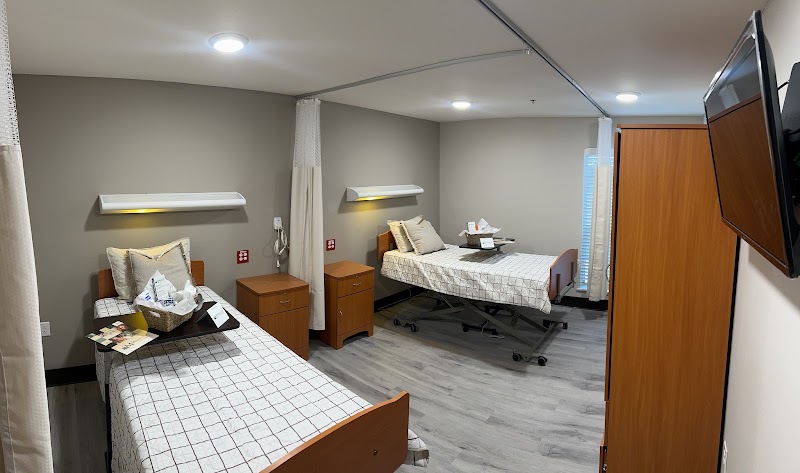
How is Madisonville Staffed?

CMS rates MADISONVILLE CARE CENTER's staffing level at 2 out of 5 stars, which is below average compared to other nursing homes.

What Have Inspectors Found at Madisonville?

State health inspectors documented 16 deficiencies at MADISONVILLE CARE CENTER during 2019 to 2025. These included: 1 Immediate Jeopardy (the most serious level, indicating potential for serious harm or death) and 15 with potential for harm. Immediate Jeopardy findings are rare and represent the most serious regulatory concerns. They require immediate corrective action.
Who Owns and Operates Madisonville?

MADISONVILLE CARE CENTER is owned by a for-profit company. For-profit facilities operate as businesses with obligations to shareholders or private owners. The facility is operated by CREATIVE SOLUTIONS IN HEALTHCARE, a chain that manages multiple nursing homes. With 106 certified beds and approximately 44 residents (about 42% occupancy), it is a mid-sized facility located in MADISONVILLE, Texas.
How Does Madisonville Compare to Other Texas Nursing Homes?

Compared to the 100 nursing homes in Texas, MADISONVILLE CARE CENTER's overall rating (4 stars) is above the state average of 2.8 and health inspection rating (4 stars) is above the national benchmark.

What Should Families Ask When Visiting Madisonville?

Based on this facility's data, families visiting should ask: "What changes have been made since the serious inspection findings, and how are you preventing similar issues?" "Can you walk me through typical staffing levels on day, evening, and night shifts?" "Can I visit during a mealtime to observe dining assistance and food quality?" "How do you handle medical emergencies, and what is your hospital transfer rate?" These questions are particularly relevant given the facility's Immediate Jeopardy citations and the below-average staffing rating.

Is Madisonville Safe?

Based on CMS inspection data, MADISONVILLE CARE CENTER has documented safety concerns. Inspectors have issued 1 Immediate Jeopardy citation (the most serious violation level indicating risk of serious injury or death). The facility has a 4-star overall rating and ranks #1 of 100 nursing homes in Texas. Families considering this facility should ask detailed questions about what corrective actions have been taken since these incidents.

Do Nurses at Madisonville Stick Around?

MADISONVILLE CARE CENTER has not reported staff turnover data to CMS. Staff turnover matters because consistent caregivers learn residents' individual needs, medications, and preferences. When staff frequently change, this institutional knowledge is lost. Families should ask the facility directly about their staff retention rates and average employee tenure.

Was Madisonville Ever Fined?

MADISONVILLE CARE CENTER has no federal fines on record. CMS issues fines when nursing homes fail to meet care standards or don't correct problems found during inspections. The absence of fines suggests the facility has either maintained compliance or corrected any issues before penalties were assessed. This is a positive indicator, though families should still review recent inspection reports for the full picture.

Is Madisonville on Any Federal Watch List?

MADISONVILLE CARE CENTER is not on any federal watch list. The most significant is the Special Focus Facility (SFF) program, which identifies the bottom 1% of nursing homes nationally based on persistent, serious quality problems. Not being on this list means the facility has avoided the pattern of deficiencies that triggers enhanced federal oversight. This is a positive indicator, though families should still review the facility's inspection history directly.