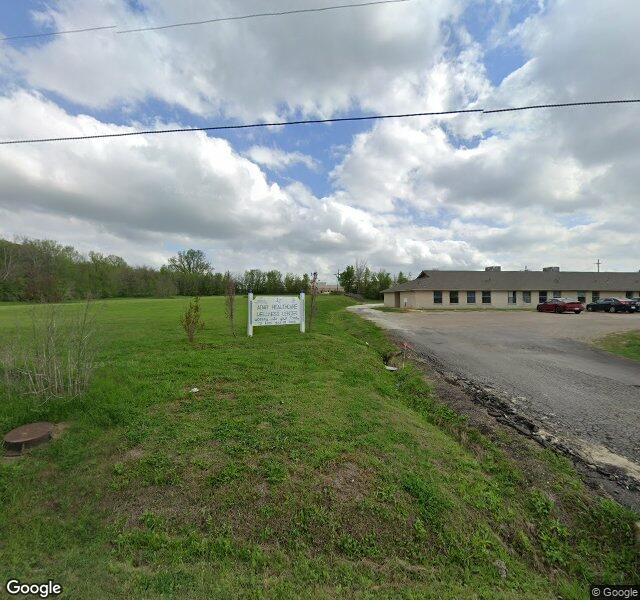
RIVERWOOD HEALTHCARE

600 BACON STREET, MADISONVILLE, TX 77864 (936) 348-9097
For profit - Partnership 90 Beds GULF COAST LTC PARTNERS Data: November 2025 3 Immediate Jeopardy citations
Trust Grade
0/100
#1088 of 1168 in TX
Last Inspection: April 2025

Within standard 12-15 month inspection cycle. Federal law requires annual inspections.

Overview

Riverwood Healthcare in Madisonville, Texas, has received a Trust Grade of F, indicating significant concerns about the facility's operations and care quality. It ranks #1088 out of 1168 facilities in Texas, placing it in the bottom half, and is the second-best option in Madison County, with only one other facility nearby. Unfortunately, the situation is worsening, as the number of reported issues has increased from 8 in 2024 to 16 in 2025. Staffing is a weak point, with a low rating of 1 out of 5 stars and a turnover rate of 54%, which is average for the state but still concerning. Additionally, the facility has incurred $81,719 in fines, which is higher than 81% of Texas facilities, suggesting ongoing compliance problems. On the positive side, Riverwood has better RN coverage than 77% of facilities in Texas, which is beneficial for resident care. However, there have been several critical incidents reported, including failures to maintain safe temperature levels in resident rooms, which dropped as low as 56 degrees, putting residents at risk for hypothermia. Additionally, the facility lacked an emergency transfer agreement for evacuations and failed to ensure adequate supervision for residents, leading to risks of accidents and injury. Overall, while there are some strengths, the concerning issues and recent trends may warrant caution for families considering this facility for their loved ones.

Trust Score
F
0/100
In Texas
#1088/1168
Bottom 7%
Safety Record
High Risk
Review needed
Inspections
Getting Worse
8 → 16 violations
Staff Stability
⚠ Watch
54% turnover. Above average. Higher turnover means staff may not know residents' routines.
Penalties
⚠ Watch
$81,719 in fines. Higher than 96% of Texas facilities. Major compliance failures.
Skilled Nurses
⚠ Watch
Each resident gets only 23 minutes of Registered Nurse (RN) attention daily — below average for Texas. Fewer RN minutes means fewer trained eyes watching for problems.
Violations
⚠ Watch
53 deficiencies on record. Higher than average. Multiple issues found across inspections.
★☆☆☆☆
1.0
Overall Rating
★☆☆☆☆
1.0
Staff Levels
★★★☆☆
3.0
Care Quality
★★☆☆☆
2.0
Inspection Score
Stable
2024: 8 issues
2025: 16 issues

The Good

  • Full Sprinkler Coverage · Fire safety systems throughout facility
  • No fines on record

Facility shows strength in fire safety.

The Bad

1-Star Overall Rating

Below Texas average (2.8)

Significant quality concerns identified by CMS

Staff Turnover: 54%

Near Texas avg (46%)

Higher turnover may affect care consistency

Federal Fines: $81,719

Well above median ($33,413)

Moderate penalties - review what triggered them

Chain: GULF COAST LTC PARTNERS

Part of a multi-facility chain

Ask about local staffing decisions and management

The Ugly 53 deficiencies on record

3 life-threatening
May 2025 2 deficiencies
CONCERN (D) 📢 Someone Reported This

A family member, employee, or ombudsman was alarmed enough to file a formal complaint

Potential for Harm - no one hurt, but risky conditions existed

Deficiency F0583 (Tag F0583)

Could have caused harm · This affected 1 resident

**NOTE- TERMS IN BRACKETS HAVE BEEN EDITED TO PROTECT CONFIDENTIALITY** Based on observation, interview, and record review, the facility failed to ensure residents had the right to personal privacy an...

Read full inspector narrative →
**NOTE- TERMS IN BRACKETS HAVE BEEN EDITED TO PROTECT CONFIDENTIALITY** Based on observation, interview, and record review, the facility failed to ensure residents had the right to personal privacy and confidentiality of his or her personal and medical records for 1 of 1 resident (Resident #4) reviewed for personal privacy and confidentiality of records. The facility failed to ensure the LVN provided privacy by closing the laptop and leaving the laptop unattended in the hallway which displayed Resident #4's information on 05/20/2025. This failure could place residents at risk of having medical information personal or care instructions exposed to others and misuse of personal information. The findings included: Record review of Resident #4's admission record, dated 05/20/2025, reflected an [AGE] year-old female who was readmitted to the facility on [DATE]. Resident #4 had diagnoses which included: unspecified sequelae of cerebral infarction (having lingering problems or conditions as a result of a stroke), muscle weakness , muscle wasting and atrophy (a condition where muscle tissue shrinks and weakens, resulting in reduce muscle mass and strength), and unspecified convulsions (uncontrollable shaking that is rapid and rhythmic, with the muscle contracting and relaxing repeatedly) Record review of Resident #4's Annual MDS assessment, dated 03/31/2025, reflected the resident had a BIMS score of 08, which indicated moderate cognitive impairment. During an observation on 05/20/2025 at 2:00 PM., LVN A's laptop was left unattended with Resident #4's information on the screen. The ADM was present at the time of the observation. The ADM was observed closing the laptop and left to go talk with LVN A about the incident. During an interview with the LVN A on 05/20/2025 at 4:05 PM, LVN A stated she did not leave her laptop unattended with Resident #4 information on the screen. During an interview with the DON on 05/20/2025 at 5:15 PM, the DON stated the staff that used the laptop should ensure the resident's information was not displayed if not attended. The DON stated that a negative outcome would be that someone could see the resident personal health information or have access to it. The DON stated it was her expectation that staff locked their laptops when walking away from them. During an interview with the ADM on 05/20/2025 at 5:25 PM, the ADM stated she was present at the time of the observation of the unattended laptop. The ADM that the last user of the laptop was responsible for ensure the residents information was not displayed before leaving the laptop unattended. ADM stated a negative outcome would be the resident public health information could be released to the public. The ADM stated her expectation were for staff to follow policy and not leave the resident health information unattended. Review of the facility's Security of Portable Electronic Devices dated 2025 reflected To aid in prevention of disclosure of confidential information, our company has adopted procedures for the safety and security of confidential business and protect health information. The purpose of this policy is to define the requirements to safeguard sensitive data contained on portable devices and portable electronic storage media on or off company premises, and the procedures to be followed. This policy applies to all company employees and business associated that create, store, or access sensitive data. Policy Explanation and Compliance Guidelines: 1. All portable electronic devices, irrespective of device ownership, that are used in conjunction with any computer, data, or network device owned or managed by our company must follow our established policies and standards for the secure use of portable electronic devices (portable devices). This policy also includes personal portable devices that are used to access our company systems. 3. Employees (or authorized business associate) who use portable devices to access our company network must ensure that they keep the device, associated media, and its data secure at all times .
CONCERN (E) 📢 Someone Reported This

A family member, employee, or ombudsman was alarmed enough to file a formal complaint

Potential for Harm - no one hurt, but risky conditions existed

Deficiency F0558 (Tag F0558)

Could have caused harm · This affected multiple residents

**NOTE- TERMS IN BRACKETS HAVE BEEN EDITED TO PROTECT CONFIDENTIALITY** Based on observation, interview, and record review, the facility failed to ensure the resident had the right to reside and recei...

Read full inspector narrative →
**NOTE- TERMS IN BRACKETS HAVE BEEN EDITED TO PROTECT CONFIDENTIALITY** Based on observation, interview, and record review, the facility failed to ensure the resident had the right to reside and receive services in the facility with reasonable accommodations of resident needs and preferences except when to do so would endanger the health or safety of the resident or other residents for 3 of 10 residents (Resident #1, Resident #2, and Resident #3) reviewed for resident rights. The facility failed to ensure Resident #1, Resident #2, and Resident #3's call lights were within reach on 05/20/2025. This failure could place residents at risk of their needs not being met. Findings include: 1. Record review of Resident #1's admission record, dated 05/20/2025, reflected a [AGE] year-old female who was admitted to the facility on [DATE]. Resident #1 had diagnoses which included: Rheumatoid arthritis (chronic autoimmune disease that causes inflammation and damage to the joints), muscle weakness (decrease ability of muscles to contract and move), and unspecified dementia mild without behavioral disturbance, psychotic disturbance, mood disturbance and anxiety (memory loss and thinking difficulties). Record review of Resident #1's Quarterly MDS assessment, dated 03/19/2025, reflected the resident had a BIMS score of 12, which indicated moderate cognitive impairment. Resident #1 required partial/moderate assistance in the area of shower/bathe self. Resident #1 required setup or cleanup assistance in the areas of eating, oral hygiene, toileting hygiene, upper body dressing, lower body dressing, putting on/taking off footwear and personal hygiene. Record review of Resident #1's care plan, dated 05/20/2025, reflected Resident #1 was care planned for high risks for fall and had an intervention of be sure my call lights is within reach and encourage me to use it for assistance as needed. During an observation on 05/20/2025 at 9:54 AM., Resident #1's call light was observed hanging towards the floor on the right side of Resident #1's bed. Resident #1 was asleep in bed at the time of the observation. During an observation on 05/20/2025 at 11:37 AM., Resident #1's call light was observed hanging towards the floor on the right side of Resident #1's bed. Resident #1 was asleep in bed at the time of the observation. During an interview on 05/20/2025 at 12:10 PM., Resident #1 stated that CNA A had picked up her call light and placed it in her reach about five minutes before I entered to talk to her. Resident #1 stated that the call lights were never within reach and residents must yell or go find a staff member when they needed assistance. 2. Record review of Resident #2's admission record, dated 05/20/2025, reflected a [AGE] year-old female who was re-admitted to the facility on [DATE]. Resident #2 had diagnoses which included: parkinsonism (a brain condition that affects movement and can cause non movement symptoms like fatigue, sleep problems, and depression), muscle weakness (decrease ability of muscles to contract and move), morbid serve obesity due to excess calories (having a high amount of body fat) and chronic obstructive pulmonary disease (lung disease that makes it difficult to breathe). Record review of Resident #2's Quarterly MDS assessment, dated 03/13/2025, reflected the resident had a BIMS score of 11, which indicated moderate cognitive impairment. Resident #2 was dependent in the areas of toileting hygiene, shower/bathe self, lower body dressing and putting on/taking off footwear. Resident #2 required substantial/maximal assistances in the area of upper body dressing. Record review of Resident #2's care plan, dated 05/20/2025, reflected Resident #2 was care planned for ADL self-care performance and had an intervention of place call light with reach. During an observation on 05/20/2025 at 9:54 AM., Resident #2's call light was observed hanging approximately two feet behind the resident's bed against the wall. Resident #2's call light was not within reach. Resident #2 was asleep in bed at the time of the observation. 3. Record review of Resident #3's admission record, dated 05/20/2025, reflected a [AGE] year-old female who was admitted to the facility on [DATE]. Resident #3 had diagnoses which included: chronic obstructive pulmonary disease (lung disease that makes it difficult to breathe), muscle weakness (decrease ability of muscles to contract and move), hyperlipidemia (having too much fat in your blood, specifically too much cholesterol and or triglycerides) and essential primary hypertension (high blood pressure). Record review of Resident #3's Quarterly MDS assessment, dated 03/06/2025, reflected the resident had a BIMS score of 13, which indicated cognitive intact. Resident #3 required substantial/maximal assistance in the area of shower/bathe self. Resident #3 required supervision or touching assistance in the areas of putting on/taking off footwear and personal hygiene. Record review of Resident #3's care plan, dated 05/20/2025, reflected Resident #3 was care planned for risks for falls r/t gait/balance problems and had an intervention of be sure the resident's call light is within reach and encourage the resident to use it for assistance as needed. During an interview and observation on 05/20/2025 at 4:00 PM., Resident #3 was yelling for assistance. Resident #3's call light was observed not within her reach near her nightstand. Resident #3 stated that her call light was never within reach and she must yell out for help all the time. During an interview with CNA A on 05/20/2025 at 4:55 PM, CNA A stated she was the CNA for Resident #1 and Resident #2. CNA A stated that she was not aware that the residents' call lights were not within reach. CNA A stated that it was anyone, who entered the resident's room, responsibility to ensure call lights were within reach. CNA A stated if a resident's call light was not within reach, then the resident would not be able to call for assistance. During an interview with the CMA A on 05/20/2025 at 5:10 PM, CMA A stated she was present during my observation of Resident #3 call light. CMA A stated she observed Resident #3's call light near her nightstand and out of the resident's reach. CMA A stated that all staff were responsible for ensuring call lights were always within reach. CMA A stated that if a resident call light was not within reach the resident would not be able to call for assistance. During an interview with the DON on 05/20/2025 at 5:15 PM, the DON stated all residents call lights should be always within reach. The DON stated it was everyone's responsibility to ensure residents call lights were always within reach. The DON stated if a resident's call light was not within reach, the resident would not be able to receive assistance if they needed it. During an interview with the ADM on 05/20/2025 at 5:25 PM, the ADM stated call lights should always be within reach. The ADM stated it was everyone's responsibility to ensure the call light were within reach. The ADM stated if a resident call light was not within reach, then the resident's needs would not be met in a timely manner. The ADM stated her expectation was for staff members to ensure call lights were within reach prior to exiting the resident's rooms. A record review of the facility's Call Lights: Accessibility and Timely Response dated 2024 reflected, The purpose of this policy is to assure the facility is adequately equipped with a call light at each resident's bedside, toilet, and bathing facility to allow residents to call for assistance. Call lights will directly relay to a staff member or centralized location to ensure appropriate response. Policy Explanation and Compliance Guidelines: 1. All staff will be educated on the proper use of the resident call system, including how the system works and ensuring resident access to the call light. 5. Staff will ensure the call light is within reach of a resident and secured, as needed .
Apr 2025 14 deficiencies
CONCERN (D)

Potential for Harm - no one hurt, but risky conditions existed

Deficiency F0583 (Tag F0583)

Could have caused harm · This affected 1 resident

**NOTE- TERMS IN BRACKETS HAVE BEEN EDITED TO PROTECT CONFIDENTIALITY** Based on observation, interviews, and record reviews the facility failed to ensure personal privacy for 1 of 3 residents (Reside...

Read full inspector narrative →
**NOTE- TERMS IN BRACKETS HAVE BEEN EDITED TO PROTECT CONFIDENTIALITY** Based on observation, interviews, and record reviews the facility failed to ensure personal privacy for 1 of 3 residents (Resident #52) reviewed for privacy while receiving wound care. The facility failed to ensure the privacy of Resident #52 by not closing the door all the way or pulling a privacy curtain during wound care. This failure could place residents at risk of loss of privacy and dignity. Findings include: Record review of the undated Face Sheet for Resident #52 reflected he was a [AGE] year-old male who was admitted to the facility on [DATE] with diagnoses of Acute Respiratory Failure with Hypoxia (lungs cannot properly exchange gases causing abnormal levels of oxygen and carbon dioxide in the blood, causing difficulty breathing and can be fatal), Obesity Body Mass Index 70 or greater, adult, (morbid obesity which can lead to a range of health problems including heart disease, high blood pressure, breathing, difficulties), and need for assistance with personal care. Record review of the Optional State assessment dated [DATE] for Resident #52 reflected he had a BIMS score of 15 indicating intact cognitive status. Observation on 04/09/2025 at 2:24 PM revealed of Resident #52 who was receiving wound care. The MD had her back to the door and a large area of Resident #52's skin was visible from his door which was partially open. No privacy curtain was drawn in the room. In an interview on 04/09/2025 at 2:29 PM LVN B stated the wound for Resident #52 was in his groin area and the door to that room does not close properly and needed to be slammed to make it close. She stated there was no curtain in that room. She stated by leaving the door partially open with no curtain it was a dignity and privacy issue for the resident. In an attempted interview on 04/09/2025 at 3:00 PM, Resident #52 did not want to discuss his wound care. In an interview on 04/10/2025 at 9:45 AM the Housekeeping Manager stated Resident #52 did not have a line with hooks to put a curtain up in his room. In an interview on 04/10/2025 at 10:06 AM the DON stated she stated it was a dignity issue if the door was open during wound care and no curtain was pulled. She stated the door should have been closed but since that incident, the facility had installed a privacy curtain in Resident #52's room. In an interview on 04/10/2025 at 12:27 PM the ADM stated there should be privacy curtains and the door should be closed during wound care. She stated it was a was a dignity issue for the resident. Record review of an undated facility Policy and procedure titled Promoting/Maintaining Resident Dignity reflected Policy: It is the practice of this facility to protect and promote resident rights and treat each resident with respect and dignity as well as care for each resident in a manner and in an environment that maintains or enhances resident's quality of life by recognizing each resident's individuality. Compliance Guidelines: All staff members are involved in providing care to residents to promote and maintain resident dignity and respect resident rights.
CONCERN (D)

Potential for Harm - no one hurt, but risky conditions existed

Comprehensive Care Plan (Tag F0656)

Could have caused harm · This affected 1 resident

**NOTE- TERMS IN BRACKETS HAVE BEEN EDITED TO PROTECT CONFIDENTIALITY** Based on observations, interviews, and record review, the facility failed to develop a comprehensive care plan to meet the resid...

Read full inspector narrative →
**NOTE- TERMS IN BRACKETS HAVE BEEN EDITED TO PROTECT CONFIDENTIALITY** Based on observations, interviews, and record review, the facility failed to develop a comprehensive care plan to meet the resident's highest practicable physical, mental, and psychosocial well-being of 1 (Resident #5) of 19 residents reviewed for care plans. The facility failed to ensure Resident #5's comprehensive care plan reflected a plan of care for her left-hand contracture (A permanent tightening of the muscles, tendons, skin, and surrounding tissues that causes the joints to shorten and stiffen and a decrease in ROM) with interventions for the care and treatment of her left-hand contracture. These failures could place residents at risk for not receiving appropriate care and treatment. Findings included: Review of Resident #5's face sheet dated 04/09/2025 reflected an [AGE] year-old female admitted to the facility on [DATE] and readmitted on [DATE] with the following diagnoses, cerebral infarction (the pathologic process that results in an area of necrotic tissue in the brain. It is caused by disrupted blood supply (ischemia) and restricted oxygen supply (hypoxia), muscle wasting and atrophy, left hand, hemiplegia (a symptom that involves one-sided paralysis), unspecified affecting left nondominant side. Review of Resident #5's quarterly MDS assessment dated [DATE] reflected she was assessed to have a BIMS sore of 12 indicating moderate cognitive impairment. Resident #5 was assessed to not have behavior of rejecting care. Resident #5 was further assessed to have functional limitations in range of motion with impairment on one side for her upper and lower extremities. Resident #5 was assessed to not have a restorative nursing program that included passive and active range of motion or splint or brace assistance. Review of Resident #5's comprehensive care plan reflected a focus area dated 04/11/2022 and revised on 02/07/2025 I have limited/impaired physical mobility and require assistance with ADL's due to left hemiparesis/ hemiplegia with history of CVA . Interventions included personal hygiene to check nail length and trim and clean on bath days and restorative nursing program if indicated. Resident #5' care plan did not address her left-hand contracture or provide staff with interventions for the care and treatment of the left-hand contracture. Review of Resident #5's task documentation (administer nail care) for a look back of 14 days (03/27/2025 to 04/09/2025) reflected no documentation of nail care administration. Review of Resident #5's occupational therapy recertification and updated plan of treatment dated 02/08/2025 reflected a diagnosis of contracture to left hand with an onset date of 08/12/2024. In an interview on 04/10/2025 at 9:00 am the DON stated that Resident #5's care plan should address her left-hand contracture and the plan of care should have specific interventions for her care including maintenance care that included nail care and hand rolls. She stated Resident #5 was combative at time but would allow staff to provide care. The DON stated failure to have an individualized care plan for her left-hand contracture could lead to increased contracture, or pressure ulcers. She stated nails for resident should be trimmed on shower days by the CNAs to prevent them from digging into her hands and causing sores. In an interview on 04/10/2025 at 11:37 am the Administrator stated her expectations for contracture management was to have staff identify contractures, inform the MD and therapy. She stated staff should develop an individualized care plans for the resident and train the direct care staff on the implementation of the plan. In an interview on 04/10/2025 at 11:57 am the MDS coordinator stated resident should have a care plan for her contracture with individualized interventions for the management for her contracture. she stated it could lead to decreased mobility, increased contractures with pain and pressure. Record review of facility undated policy titled Care Plans, Comprehensive Person-Centered reflected A comprehensive, person-centered care plan that includes measurable objectives and timetables to meet the resident's physical, psychosocial and functional needs is developed and implemented for each resident. Assessments of residents are ongoing and care plans are revised as information about the residents and the residents' conditions change.
CONCERN (D)

Potential for Harm - no one hurt, but risky conditions existed

Quality of Care (Tag F0684)

Could have caused harm · This affected 1 resident

**NOTE- TERMS IN BRACKETS HAVE BEEN EDITED TO PROTECT CONFIDENTIALITY** Based on observation, interview, and record review, the facility failed to ensure that residents received treatment and care in ...

Read full inspector narrative →
**NOTE- TERMS IN BRACKETS HAVE BEEN EDITED TO PROTECT CONFIDENTIALITY** Based on observation, interview, and record review, the facility failed to ensure that residents received treatment and care in accordance with professional standards of practice, the comprehensive person-centered care plan, and the residents' choices for one of six residents (Resident #27) reviewed for quality of care. The facility failed to provide wound care for Resident #27 using professional wound care standards and failed to follow the facility Validation Checklist Wound Care procedure. This failure could place residents at risk of improper wound management, deterioration in existing wounds, leading to infection and pain. Findings include: A) Record review of Resident #27's undated Face Sheet reflected he was a [AGE] year-old male who was admitted to the facility on [DATE] and readmitted on [DATE]. He had diagnoses of non-pressure chronic ulcer of left heel and midfoot with necrosis (death of body tissue) of muscle, and Type 2 Diabetes Mellitus without complication (long term condition in which the body has trouble controlling blood sugar and using it for energy). Record review of Resident #27's Quarterly MDS dated [DATE] reflected he had a BIMS score of 15 indicating intact cognitive status. Record review of Resident #27's Care Plan dated 09/16/2024 and revised 10/23/2024 reflected The resident has sunburn blister to left dorsal foot from going to a family reunion. Record review of Resident #27's Physician orders dated 4/09/2025 reflected Clean dorsal foot with wound cleanser. Pat dry. Apply collagen, cover with abdominal pad and kerlix. Observation on 04/09/2025 at 9:28 AM of wound care for Resident #27 revealed LVN B donned gloves and opened a treatment cart drawer. She grabbed a handful of loose 4 X 4 gauze using contaminated gloves and took those and other wound care supplies into the resident's room. LVN B used paper towels to set up a clean field on the bed. She sprayed wound cleanser onto the wound and wiped up and down on the wound on top of Resident #27's foot with 4 X 4 gauze, going from dirty areas to clean, back and forth several times. She applied collagen to the wound, covered it with a small abd pad (used to absorb drainage) and used kerlix gauze to wrap the foot. She placed the contaminated 4 X 4 gauze used during wound care onto the resident's bed. In an interview on 04/09/2025 at 9:58 AM LVN B stated she had a wound care training course when she first started at the facility three years ago. She stated a wound care nurse had trained her. She stated she knew what she had done wrong when performing wound care on Resident #27. She further stated she went from clean to dirty back and forth across the wound and was spreading germs across the wound. She stated she grabbed 4 X 4 gauze out of the cart with contaminated gloves, cross contaminating them. She stated by using them on the wound it could cause an infection that could get progressively worse and possible require surgery. She stated Resident #27 was a diabetic which would put him at higher risk of complications. She stated by putting the contaminated 4 X 4's on the bed after using them on his wound, she was spreading germs. In an interview on 04/09/2025 at 2:26 PM the MD, a wound care physician, stated by using contaminated 4 X 4 gauze and cleaning across the wound with them and going from a dirty to clean area could contaminate the wound and cause an infection. In an interview on 04/10/2025 at 10:06 AM the DON stated the wound care procedure would be to clean the wound from clean to dirty. She stated Microbes on the outside of the wound could be introduced into the wound if wound care was not performed properly. In an interview on 04/10/2025 at 12:27 PM the ADM stated improper wound care could cause bacteria to transmit infection. She stated she expected the nurse to follow wound care guidelines, going from clean to dirty and disposing of used 4 X 4 gauze. She stated that a nurse should ask for help or guidance if necessary. She stated the nurse could spread bacteria to a wound by using contaminated 4 X 4's. Review of an undated Validation Checklist Wound Care reflected 4. Cleaned bedside table as needed wearing appropriate PPE (Personal protective Equipment. 5. Set up supplies on the bedside table in easy reach. 12. Removed dressing and place in appropriate receptacle. 14. Cleansed wound thoroughly with prescribed cleansing agent, taking care not to contaminate other skin surfaces or other surfaces of the wound. 20. Discarded disposable items and gloves into appropriate receptacles.
CONCERN (D)

Potential for Harm - no one hurt, but risky conditions existed

Deficiency F0688 (Tag F0688)

Could have caused harm · This affected 1 resident

**NOTE- TERMS IN BRACKETS HAVE BEEN EDITED TO PROTECT CONFIDENTIALITY** Based on observation, interview, and record review the facility failed to ensure 1of 3 residents reviewed with limited range of ...

Read full inspector narrative →
**NOTE- TERMS IN BRACKETS HAVE BEEN EDITED TO PROTECT CONFIDENTIALITY** Based on observation, interview, and record review the facility failed to ensure 1of 3 residents reviewed with limited range of motion (Resident #5), received appropriate treatment and services to prevent a decline in range of motion. The facility failed to ensure Resident #5 had interventions in place for her left- hand contracture (A permanent tightening of the muscles, tendons, skin, and surrounding tissues that causes the joints to shorten and stiffen and a decrease in ROM) to prevent further decline of the range of motion in her right hand. This failure placed residents with contractures at risk for decrease in mobility, range of motion, and contribute to worsening of contractures. Findings Include: Review of Resident #5's face sheet dated 04/09/2025 reflected an [AGE] year-old female admitted to the facility on [DATE] and readmitted on [DATE] with the following diagnoses, cerebral infarction (the pathologic process that results in an area of necrotic tissue in the brain. It is caused by disrupted blood supply (ischemia) and restricted oxygen supply (hypoxia), muscle wasting and atrophy, left hand, hemiplegia (a symptom that involves one-sided paralysis), unspecified affecting left nondominant side. Review of Resident #5's quarterly MDS assessment dated [DATE] reflected she was assessed to have a BIMS sore of 12 indicating moderate cognitive impairment. Resident #5 was assessed to not have behavior of rejecting care. Resident #5 was further assessed to have functional limitations in range of motion with impairment on one side for her upper and lower extremities. Resident #5 was assessed to not have a restorative nursing program that included passive and active range of motion or splint or brace assistance. Review of Resident #5's comprehensive care plan reflected a focus area dated 04/11/2022 and revised on 02/07/2025 I have limited/impaired physical mobility and require assistance with ADL's due to left hemiparesis/ hemiplegia with history of CVA . Interventions included personal hygiene to check nail length and trim and clean on bath days and restorative nursing program if indicated. Resident #5' care plan did not address her left-hand contracture or provide staff with interventions for the care and treatment of the left-hand contracture. Review of Resident #5's occupational therapy recertification and updated plan of treatment dated 02/08/2025 reflected a diagnosis of contracture to left hand with an onset date of 08/12/2024. Observation and interview on 04/08/2025 at 9:45 am revealed Resident #5 in bed with her left hand laying by her left side with her fingers curled toward her palm. Resident #5 was confused and when asked if she could open her left hand she did not respond. Resident #5 did raise her hand to reveal her fingernails were long and uneven with a black substance underneath her nails. No splint or hand roll was observed in her hand. Observation on 04/09/2025 at 1:50 pm revealed Resident #5 in room in bed. Resident #5 did not have a hand roll or splint in place. Observation of Resident #5's left hand revealed her fingernails were long and continued to have a black substance under her fingernails. In an interview 04/09/2025 at 2:00 pm CNA G stated Resident #5's left hand has been closed like that for a while. CNA G stated she was not told to do anything special to Resident #5's hand. She stated sometimes she has a rolled-up wash rag in her hand. CNA G stated the CNAs were responsible for doing nail care. CNA G stated Resident #5's nails were long and dirty and should be cleaned. She stated if her nails stayed long, they could scratch Resident #5 or dig into the palm of her hand. In an interview on 04/10/2025 at 9:00 am the DON stated that Resident #5's care plan should address her left-hand contracture and the plan of care should have specific interventions for her care including maintenance care that included nail care and hand rolls. She stated Resident #5 was combative at time but would allow staff to provide care. The DON stated failure to have an individualized care plan for her left-hand contracture could lead to increased contracture, or pressure ulcers. She stated nails for resident should be trimmed on shower days by the CNAs to prevent them from digging into her hands and causing sores. In an interview on 04/10/2025 at 11:30 AM the PTA stated she did not have an individualized plan for Resident #5's left hand contracture management, she stated Resident #5 was currently on services and getting therapy . She stated she had not trained the CNA's that they were trained in CNA training to do ROM and contracture management. She stated she has not put Resident #5 on a restorative plan for her left-hand contracture. In an interview on 04/10/2025 at 11:37 am the Administrator stated her expectations for contracture management was to have staff identify contractures, inform the MD and therapy. She stated staff should develop an individualized care plans for the resident and train the direct care staff on the implementation of the plan. A policy for contracture management requested on 04/09/2025 at 3:42 pm and 04/10/2025 at 9:04 am was not provided prior to exit. Review of the facility's undated policy Restorative Nursing program reflected It is the policy of this facility to provide maintenance and restorative services designed to maintain or improve a resident's abilities to the highest practicable level .The interdisciplinary team, with the support and guidance from the physician, will assure the ongoing review, evaluation, and decision making regarding the services needed to maintain or improve resident's abilities in accordance with the resident's comprehensive assessment, goals, and preferences . Residents. as identified during the comprehensive assessment process, v--·ill receive services from restorative aides when they are assessed to have a need for restorative nursing services. These services may include Passive or active range of motion Splint or brace assistance .
CONCERN (D)

Potential for Harm - no one hurt, but risky conditions existed

Incontinence Care (Tag F0690)

Could have caused harm · This affected 1 resident

**NOTE- TERMS IN BRACKETS HAVE BEEN EDITED TO PROTECT CONFIDENTIALITY** Based on observation, interview, and record review the facility failed to ensure residents who are incontinent of bladder receiv...

Read full inspector narrative →
**NOTE- TERMS IN BRACKETS HAVE BEEN EDITED TO PROTECT CONFIDENTIALITY** Based on observation, interview, and record review the facility failed to ensure residents who are incontinent of bladder receive appropriate treatment and services to prevent urinary tract infections for one of four residents reviewed for catheters (Resident #9). The facility failed to ensure Resident #9 received care to prevent urinary tract infections when they placed her catheter tubing under her leg and failed to have a secure catheter device in place to prevent dislodgement of the catheter. These failures could place residents with external catheters at risk for urinary tract infections and traumatic removal of the urinary catheter. Findings included: Review of Resident #9's face sheet reflected a [AGE] year-old female admitted to the facility on [DATE] and readmitted on [DATE] with the following diagnoses acute and chronic respiratory failure, morbid obesity, COPD (chronic lung disease) and CHF (heart failure). Review of Resident #9's quarterly MDS assessment dated [DATE] reflected she was assessed to have a BIMS score of 15 indicating she cognitively intact. Resident #9 was assessed to have indwelling urinary catheter. Review of Resident #9's comprehensive care plan reflected a focus area dated 04/16/2024 Resident is at risk of infection related to indwelling foley catheter due to obstructive and reflux uropathy. Interventions included Check tubing for kinks each shift, position catheter bag and tubing below the level of the bladder . Resident #9's care plan did not address the use of a catheter secure device. Review of Resident #9's consolidated physician orders reflected an order dated 02/14/2024 Foley Catheter 16 F with 30 cc bulb, change monthly, use catheter anchor and check anchor every shift replace if necessary. Observation on 04/09/2025 at 10:00 am revealed Resident #9 were in bed receiving care from the ADON. Resident #9's urinary catheter was under her right thigh. No secure catheter device was observed to be in place. In an interview on 04/09/2025 at 10:05 am the ADON stated Resident #9 did not have a secure cath device and one should be in place to prevent dislodgement. The ADON further stated her catheter tubing should not have been under her leg it could cause pressure areas or dislodgement of the catheter. In an interview on 04/10/2025 at 9:00 am the DON stated the staff should make sure that catheter tubing was not underneath the resident as it can cause kinks or cause dislodgement. She stated the catheter tubing should be placed over her leg to allow for gravity drainage with a catheter secure device in place to prevent dislodgement. In an interview on 04/10/2025 at 11:37 am the Administrator stated residents with catheters should have the tubing and bags below bladder level to provide drainage and prevent UTI's. She stated they should have secure caths to prevent traumatic dislodgement or pain to the resident. Review of the facility's policy Catheter Care dated 08/2024 reflected It is the policy of this facility to ensure that residents with indwelling catheters receive appropriate catheter care and maintain their dignity and privacy when indwelling catheters are in use . The facility's policy on catheter care did not address catheter secure devices or tubing positioning.
CONCERN (D)

Potential for Harm - no one hurt, but risky conditions existed

Pharmacy Services (Tag F0755)

Could have caused harm · This affected 1 resident

**NOTE- TERMS IN BRACKETS HAVE BEEN EDITED TO PROTECT CONFIDENTIALITY** Based on interview and record review, the facility did not provide pharmaceutical services to meet the needs of each resident fo...

Read full inspector narrative →
**NOTE- TERMS IN BRACKETS HAVE BEEN EDITED TO PROTECT CONFIDENTIALITY** Based on interview and record review, the facility did not provide pharmaceutical services to meet the needs of each resident for one (Resident #69) of six residents reviewed for pharmaceutical services. The facility failed to ensure MA F waited for Resident #69 to consume her morning medications on 04/08/2025 before leaving the resident's room and to administer medication. The facility further failed to ensure Resident #69 receive antibiotic medication for UTI on 04/08/2025 in PM. This failure could place residents at risk of not receiving the intended therapeutic benefit of the medications. Findings include: 1) Review of Resident # 69's face sheet, dated 04/10/2025, reflected a [AGE] year-old female admitted on [DATE] with the following diagnoses urinary tract infection ( an infection in your urinary system), type 2 diabetes mellitus with ketoacidosis without coma ( a serious complication of diabetes where the body does not produce enough insulin, leading to a buildup of harmful acids in the blood), essential hypertension ( high blood pressure where the specific cause was not known), sepsis, unspecified organism ( a life-threatening condition that occurs with the body's response to infection damages its own tissues and organs), cutaneous abscess, unspecified ( a localized collection of pus in the skin, meaning the location within the skin was not specified) and, aftercare following joint replacement surgery ( an approach to ensure proper healing, restore function, and minimize complications). Review of Resident #69's admission MDS Assessment, dated 03/04/2025, reflected Resident #69 had a BIMS score of 13 indicating her cognition was intact. Resident #69 had a diagnosis of UTI, diabetes mellitus, hypertension, sepsis, and cutaneous abscess. She received PRN pain medication. Resident #69 had frequent pain and occasionally affected her sleep, with therapy activities and day-to-day activities. Review of Resident #69's Physician Order on 04/08/2025 at 8:40 AM, dated 04/01/2025, reflected Resident #69 had a physician order for Cefdinir Oral Capsule 300 mg. Give 1 capsule by mouth two times a day for UTI for 7 days. Order date was on 04/01/2025. Resident #69 medications may be crush (crushable medications, and/or open capsules and mix with food or jelly). Review of Resident #6's MAR on 04/08/2025 at 8:45 AM reflected MA D did not follow physician order of cefdinir oral capsule 300 mg. Give 1 capsule by mouth two times a day for UTI for 7 days with a begin date on 04/02/2025. MA D did not administer cefdinir PM on 04/07/2025. Observation/interview on 04/07/2025 at 10:50 AM revealed Resident #69 was in her private room sitting in wheelchair with overhead table in front of her. There was a four medications in a medication cup. Interview with Resident #69 stated the nurse brought her medications and left them on her table. She stated the nurse told her to take them when she finished eating breakfast. Resident #69 stated she had taken some of her medication. She stated she did not know the name of the medications she takes on a daily basis. Interview on 04/09/2025 at 8:44 AM MA F stated she did give Resident #69 morning medications on 04/08/2025. She stated she did leave the medications in Resident #69's room. She stated she was expected to observe Resident #69 swallow her medications. MA F stated she did not make any observation of Resident #69 swallowing any of her medications. MA F stated there was a possibility Resident #69 may throw her medications in the garbage and not take her medicines. She stated there was a possibility Resident #69 may leave her room and another resident may wander into Resident #69 room and swallow Resident #69's medication. MA F stated if another resident swallowed Resident #69 medication there was a potential the other resident may become very ill with allergic reaction to the medication and may need to be hospitalized . She also stated it was a possibility no one would know another resident had taken Resident #69 medication and if the resident became severely sick, the staff would not know what happened to the resident and would not know what to report to the doctor of the accurate information of why the resident became suddenly sick. She stated she had been in-service not to leave a resident without observing the resident swallowing all medications. MA F stated she did not know the date of the in-service. MA F stated she did not why she forgot she left the medications in Resident #69 room. Interview on 04/10/2025 at 10:30 AM LVN C stated under no circumstance was medication to be left in resident room. She stated MA and Nurses was expected to remain with the resident until the resident ingested all of their medications. LVN C stated if medication was left in a resident room there was a possibility the resident may not take their medication and according to what the medications were and the resident's diagnosis, there was a possibility the resident may become physically or mentally ill and require hospitalization. LVN C stated there was a possibility if the resident left their room and another resident wandered into the room the other resident may become severely sick from taking medications not prescribed to them and need to be hospitalized . She stated she had been in serviced on medications and not to leave medications in a resident's room. She did not recall the date of the in-service. Observation on 04/09/2025 at 11:35 AM of medication cart revealed there was one antibiotic pill not taken by Resident #69 on 04/08/2025 in PM . Interview on 04/10/2025 at 8:50 AM the Director of Nurses stated she expected for the Med-Aides and Nurses to remain with the resident until they have ingested all their medications. She stated it was not safe for any medications be left in a resident room. She stated there was a potential the resident may not take their medication and if a resident wandered in the resident room the other resident may take the medication. The Director of Nurses stated if another resident ingested Resident #69's medication there was a potential the other resident become severely sick if allergic to Resident #69 medication such as: drop in blood pressure or blood sugar, increase in heart rate or if the resident was allergic to the medication the resident may die. The Director of Nurses stated if Resident #69 did not take her medication as ordered there was a possibility Resident #69 blood sugar may increase or her blood pressure increase. She stated Resident #69 may need to be hospitalized for further assessment and care. The Director of Nurses stated she was responsible to monitor MA , LVN's, and RN's. She stated all medication was expected to be administered according to the physician order. She stated the antibiotic for Resident #69 was missed on 04/09/2025 in PM. The Director of Nurses stated they were in contact with NP A for a new order to be written for Resident #69 to receive her last dosage of antibiotic on 04/10/2025. She stated the nurses were expected to compare the MAR to the medication for a particular resident. She stated a medication should not be missed if the nurse or MA was following the proper protocol of using the six rights of medication administration such as: right resident, right drug, right dosage, right route, right time, and right documentation. She stated if the MA or Nurse compared the MAR to the resident's medication, a resident's medication would not be missed. She stated there has been an in-service on medication administration, however, she did not recall the date. Interview on 04/10/2025 at 12:45 PM attempted to contact MA D via phone and left voice message. MA D did not return phone call. Interview on 04/10/2025 at 12:57 PM NP A stated she expected all medications be given according to the physician orders. She stated Resident #69 would not have any adverse effect of missing the antibiotic on 04/09/2025. NP A stated she had placed a new order on 04/10/2025 for Resident #69 to receive the one dosage of antibiotic on 04/10/2025. Medications are administered by licensed nurses, or other staff who are legally authorized to do so in this state, as ordered by the physician and in accordance with professional standards of practice, in a manner to prevent contamination or infection. Policy Explanation and Compliance Guidelines: 1. Keep medication cart clean, organized, and stocked with adequate supplies. 2. Cover and date fluids and food. 3. Identify resident by photo in the MAR (medication administration record). 4. Wash hands prior to administering medication per facility protocol and product. 5. Knock or announce presence. 6. Explain purpose of visit. 7. Provide privacy. 8. Obtain and record vital signs, when applicable or per physician orders. When applicable, hold medication for those vital signs outside the physician's prescribed parameters. 9. Position resident to accommodate administration of medication. 10. Ensure that the six rights of medication administration are followed: a. Right resident b. Right drug c. Right dosage d. Right route e. Right time f. Right documentation 11. Review MAR to identify medication to be administered. 12. Compare medication source (bubble pack, vial, etc.) with MAR to verify resident name, medication name, form, dose, route, and time. a. Refer to drug reference material if unfamiliar with the medication, including its mechanism of action or common side effects. b. Administer within 60 minutes prior to or after scheduled time unless otherwise ordered by physician. c. If other than PO route, administer in accordance with facility policy for the relevant route of administration (i.e., injection, eye, ear, rectal, etc.). 13. Identify expiration date. If expired, notify nurse manager. 14. Remove medication from source, taking care not to touch medication with bare hand. Observe resident consumption of medication.
CONCERN (D)

Potential for Harm - no one hurt, but risky conditions existed

Infection Control (Tag F0880)

Could have caused harm · This affected 1 resident

**NOTE- TERMS IN BRACKETS HAVE BEEN EDITED TO PROTECT CONFIDENTIALITY** Based on observation, interview, and record review, the facility failed to maintain an infection prevention and control program,...

Read full inspector narrative →
**NOTE- TERMS IN BRACKETS HAVE BEEN EDITED TO PROTECT CONFIDENTIALITY** Based on observation, interview, and record review, the facility failed to maintain an infection prevention and control program, designed to provide a safe, sanitary, and comfortable environment, and to help prevent the development and transmission of communicable diseases and infections, for 1 of 15 residents, (Resident # 27) observed for infection control practices. The facility failed to ensure LVN B used proper infection control procedures while proving wound care. This failure could place residents at risk for cross contamination and infection. Findings include: Record review of Resident #27's undated Face Sheet reflected he was a [AGE] year-old male who was admitted to the facility on [DATE] and readmitted on [DATE]. He had diagnoses of non-pressure chronic ulcer of left heel and midfoot with necrosis (death of body tissue) of muscle, and Type 2 Diabetes Mellitus without complication (long term condition in which the body has trouble controlling blood sugar and using it for energy). Record review of Resident #27's Quarterly MDS assessment dated [DATE] reflected he had a BIMS score of 15 indicating intact cognitive status. Record review of Resident #27's Care Plan dated 09/16/2025 and revised 10/23/2024 reflected The resident has sunburn blister to left dorsal foot from going to a family reunion. Record review of Resident #27's Physician orders dated 4/09/2025 reflected Clean dorsal foot with wound cleanser. Pat dry. Apply collagen, cover with abdominal pad and kerlix. Observation on 04/09/2025 at 9:28 AM of wound care for Resident #27, LVN B donned gloves and opened a treatment cart drawer. She grabbed a handful of loose 4 X 4 gauze using contaminated gloves and took those and other wound care supplies into the resident's room. LVN B used paper towels to set up a clean field on the bed. LVN B sprayed wound cleanser onto the wound and wiped up and down on the wound on top of Resident #27's foot with 4 X 4s, going from dirty areas to clean, back and forth several times. She placed the contaminated 4 X 4's used during wound care onto the resident's bed. She applied collagen to the wound, covered it with a small abd pad (used to absorb drainage) and used kerlix gauze to wrap the foot. LVN B did not change her gloves during the procedure. In an interview on 04/09/2025 at 9:58 AM, LVN B stated she had a wound care training course when she first started at the facility three years ago. She stated a wound care nurse had trained her. She stated she knew what she had done wrong when performing wound care on Resident #27. She further stated she went from clean to dirty, back and forth, across the wound and was spreading germs across the wound. She stated she grabbed 4 X 4 gauze out of the cart with contaminated gloves, cross contaminating them. She stated by using them on the wound it could cause an infection that could get progressively worse and possible require surgery. She stated Resident #27 was a diabetic which would put him at higher risk of complications. She stated by putting the contaminated 4 X 4's on the bed after using them on his wound, she was spreading germs. In an interview on 04/09/2025 at 2:26 PM, the MD, a wound care physician, stated by using contaminated 4 X 4's and cleaning across the wound with them and going from a dirty to clean area could contaminate the wound and cause an infection. In an interview on 04/10/2025 at 10:06 AM, the DON stated the wound care procedure would be to clean the wound from clean to dirty. She stated Microbes on the outside of the wound could be introduced into the wound if wound care was not performed properly. In an interview on 04/10/2025 at 12:27 PM, the ADM stated improper wound care could cause bacteria to transmit infection. She stated she expected the nurse to follow wound care guidelines, going from clean to dirty and disposing of used 4 X 4 gauze. She stated that a nurse should ask for help or guidance if necessary. She stated the nurse could spread bacteria to a wound by using contaminated 4 X 4's. Review of the undated facility policy Infection Prevention and Control Program did not specifically address wound care however it stated, This facility has established and maintains an infection prevention and control program designed to provide a safe, sanitary and comfortable environment and to help prevent the development and transmissions of communicable diseases as per accepted national standards and guidelines. 4. Standard Precautions: a. All staff shall assume that all residents are potentially infected or colonized with an organism that could be transmitted during the course of providing resident care services.
CONCERN (D)

Potential for Harm - no one hurt, but risky conditions existed

Deficiency F0883 (Tag F0883)

Could have caused harm · This affected 1 resident

**NOTE- TERMS IN BRACKETS HAVE BEEN EDITED TO PROTECT CONFIDENTIALITY** Based on interviews and record review, the facility failed to ensure resident's medical records included documentation that indi...

Read full inspector narrative →
**NOTE- TERMS IN BRACKETS HAVE BEEN EDITED TO PROTECT CONFIDENTIALITY** Based on interviews and record review, the facility failed to ensure resident's medical records included documentation that indicated the resident, or their responsible party, received education of the benefits, and potential side effects, of the influenza or pneumococcal immunization, receipt of the influenza or pneumococcal immunization, or residents did not receive the influenza or pneumococcal immunization due to medical contraindication, or refusal, for 2 of 5 residents reviewed for immunizations. (Resident #5 and Resident #67) The facility failed to document, in Resident #5's and Resident #67's medical records, having had received education, whether by self or with responsible party, of the benefits and potential side effects of the influenza immunization and receipt of the of the pneumococcal immunization or having had not received the pneumococcal immunization due to medical contraindication or refusal. This failure could place residents at risk of contracting a viral illness, influenza and pneumococcal, or being informed of the benefits/risk which could cause respiratory complications and potential adverse health outcomes. Findings include: A) Review of Resident #5's face sheet dated 04/09/2025 reflected an [AGE] year-old female admitted to the facility on [DATE] and readmitted on [DATE] with the following diagnoses, cerebral infarction (the pathologic process that results in an area of necrotic tissue in the brain. It is caused by disrupted blood supply (ischemia) and restricted oxygen supply (hypoxia), muscle wasting and atrophy, left hand, hemiplegia (a symptom that involves one-sided paralysis), unspecified affecting left nondominant side. Review of Resident #5's quarterly MDS assessment dated [DATE] reflected she was assessed to have been offered and declined the influenza and pneumococcal vaccines. Review of Resident #5's comprehensive care plan reflected no entries related to her immunization status. Review of Resident #5's EMR under vaccines reflected Resident #5 refused the influenza, and pneumovax vaccinations . Further review of Resident #5's EMR reflected no VIS provided to or signed by resident or RP for the vaccine. B) Review of Resident #67's face sheet dated 04/10/2025 reflected a [AGE] year-old female admitted to the facility on [DATE] with the following diagnoses osteomyelitis (bone infection) of vertebra, sacral and sacrococcygeal region. Review of Resident #67's admission MDS dated [DATE] reflected she was assessed to have a BIMS score of 7 indicating severe cognitive impairment. Further review reflected she was assessed to have been offered and declined the influenza and pneumococcal vaccines. Review of Resident #67's comprehensive care plan reflected no entries related to her immunization status. Review of Resident #67's EMR under vaccines reflected Resident #67 refused the influenza, and pneumovax vaccinations . Further review of Resident #67's EMR reflected no VIS provided to or signed by resident or RP for the vaccines. In an interview on 04/10/2025 at 12:45 pm, the DON stated she was the infection preventionist and oversaw making sure the residents received the VIS sheets when they refused vaccinations. She stated she did not ensure Resident #5 or Resident #67 was provided with the VIS, or discuss the risk versus benefits of not receiving the vaccination with the resident or RP. She stated without the sheets being provided the residents or the RP would have no chance of knowing the risks verses the benefits. Review of the facility's undated policy Infection Prevention and Control reflected .Influenza and Pneumococcal Immunization: a. Residents will be offered the influenza vaccine each year between October 1 and March 31, unless contraindicated or received the vaccine elsewhere during that time. b. Residents will be offered the pneumococcal vaccines recommended by the CDC upon admission, unless contraindicated or received the vaccines elsewhere. c. Education will be provided to the residents and/or representatives regarding the benefits and potential side effects of the immunizations prior to offering the vaccines. d. Residents will have the opportunity to refuse the immunizations. e. Documentation will reflect the education provided and details regarding whether or not the resident received the immunizations .
CONCERN (D)

Potential for Harm - no one hurt, but risky conditions existed

Deficiency F0887 (Tag F0887)

Could have caused harm · This affected 1 resident

**NOTE- TERMS IN BRACKETS HAVE BEEN EDITED TO PROTECT CONFIDENTIALITY** Based on interview and record reviews, the facility failed to implement their policy to ensure the residents, or their responsib...

Read full inspector narrative →
**NOTE- TERMS IN BRACKETS HAVE BEEN EDITED TO PROTECT CONFIDENTIALITY** Based on interview and record reviews, the facility failed to implement their policy to ensure the residents, or their responsible party, received education of the benefits and risks, or potential side effects of Covid-19 immunizations, receipt of Covid-19 immunizations, or the residents did not receive the Covid-19 immunizations, due to medical contraindication, or refusal, for 2 of 5 residents who were reviewed for immunizations. (Resident #5 and Resident #67) The facility failed to document, in Resident #5's and Resident #67's medical records, having had received education, whether by self or with their responsible party, of the benefits and risk, and potential side effects, of the Covid-19 immunization, receipt of the of the Covid-19 immunization, or having had not received the Covid-19 immunization due to medical contraindication or refusal. This failure could place residents at risk of not being informed of complications and potential adverse health outcomes. Findings include: A) Review of Resident #5's face sheet dated 04/09/2025 reflected an [AGE] year-old female admitted to the facility on [DATE] and readmitted on [DATE] with the following diagnoses, cerebral infarction (the pathologic process that results in an area of necrotic tissue in the brain. It is caused by disrupted blood supply (ischemia) and restricted oxygen supply (hypoxia), muscle wasting and atrophy, left hand, hemiplegia (a symptom that involves one-sided paralysis), unspecified affecting left nondominant side. Review of Resident #5's quarterly MDS assessment dated [DATE] reflected she was assessed to not be up to date on her COVID-19 vaccination. Review of Resident #5's comprehensive care plan reflected no entries related to her immunization status. Review of Resident #5's EMR under vaccines reflected Resident #5 refused the COVID-19 vaccinations. Further review of Resident #5's EMR reflected no VIS provided to or signed by resident or RP for the vaccine. In an interview on 04/10/2025 at 12:45 pm the DON stated she was the infection preventionist and oversaw making sure the residents received the VIS sheets when they refuse vaccinations. She stated she did not ensure Resident #5 was provided with the VIS or discuss the risk versus benefits of not receiving the vaccination with the resident or RP. She stated without the sheets being provided the residents or the RP would have no chance of knowing the risks verses the benefits. B) Review of Resident #67's face sheet dated 04/10/2025 reflected a [AGE] year-old female admitted to the facility on [DATE] with the following diagnoses osteomyelitis (bone infection) of vertebra, sacral and sacrococcygeal region. Review of Resident #67's comprehensive care plan reflected no entries related to her immunization status. Review of Resident #67's admission MDS dated [DATE] reflected she was assessed to have a BIMS score of 7 indicating severe cognitive impairment. Further review reflected she was assessed to not be up to date on her COVID-19 vaccination. Review of Resident #67's EMR under vaccines reflected Resident #67 refused the COVID-19 vaccinations. Further review of Resident #67's EMR reflected no VIS provided to or signed by resident or RP for the vaccines. In an interview on 04/10/2025 at 12:45 pm the DON stated she was the infection preventionist and oversaw making sure the residents received the VIS sheets when they refuse vaccinations. She stated she did not ensure Resident #67 was provided with the VIS or discuss the risk versus benefits of not receiving the vaccination with the resident or RP. She stated without the sheets being provided the residents or the RP would have no chance of knowing the risks verses the benefits. Review of the facility's undated policy Infection Prevention and Control reflected .8. COVID-19 Immunization . c. Education about the vaccine, risks, benefits, and potential side effects will be given to residents or resident representatives and staff prior to offering the vaccine . e. Residents or resident representatives will have the opportunity to accept or refuse a COVID-19 vaccination, and change their decision based on current guidance .resident's medical record includes documentation that indicates, at a minimum, the following: 1. That the resident or resident representative was provided education regarding the benefits and potential risks associated with COVID-19 vaccine; . If the resident did not receive the COVID-19 vaccine due to medication contraindications or refusal .
CONCERN (E)

Potential for Harm - no one hurt, but risky conditions existed

Safe Environment (Tag F0584)

Could have caused harm · This affected multiple residents

**NOTE- TERMS IN BRACKETS HAVE BEEN EDITED TO PROTECT CONFIDENTIALITY** Based on observation, interviews and record review, the facility failed to provide a safe, clean, comfortable, and homelike envi...

Read full inspector narrative →
**NOTE- TERMS IN BRACKETS HAVE BEEN EDITED TO PROTECT CONFIDENTIALITY** Based on observation, interviews and record review, the facility failed to provide a safe, clean, comfortable, and homelike environment for 4 of 10 residents (Resident #21, Resident #65, Resident #10 and Resident #7) and 1 of 1 shower rooms (A Hall) reviewed for resident rights. A) The facility failed to ensure Resident #21's room and shower was clean. B) The facility failed to ensure the A Hall shower room was clean and free of mold, trash and soiled washcloths. C) The facility failed to ensure Resident # 65's tray table was in good repair. D) The facility failed to ensure there were intact privacy curtains in Resident #10 and Resident #7's room. These failures could place residents at risk of not having a safe, clean, sanitary, comfortable and homelike environment. Findings included: A) Record review of Resident #21's undated Face Sheet reflected he was a [AGE] year-old male admitted to the facility on [DATE] with diagnoses of Malignant neoplasm of Larynx (cancerous cells in the voice box), Tracheostomy (opening in the neck to insert a tube into the trachea or windpipe that acts as a passageway for air to and from the lungs), and cognitive communication deficit (communication difficulties stemming from underlying thinking processes). Record review of Resident #21's Quarterly MDS dated [DATE] reflected he had a BIMS score of 10 indicating moderate cognitive impairment. Record review of Resident #21's Care Plan dated 12/19/2024 reflected he had a communication problem r/t hearing deficit. The care plan dated 02/09/2025 reflected he had an enteral nutritional tube for an alternate method of nourishment. Observation on 04/08/2025 at 9:11 AM in Resident # 21's room revealed debris on the floor including two plastic drink tops, a packaged enteral syringe, 2- 4 X 4 gauze pad packages, and an insect egg casing. The shower floor had brown, black grime and a soiled wet washcloth on the shower seat. B) Observation on 04/08/2025 at 9:25 AM in the A Hall shower room revealed a soiled washcloth on a shower seat, a used, inside out glove on the floor under the sink, and a soiled washcloth on the floor. The shower stall had black mold on all the grout from waist level down and on the floor. There was a soiled, wadded up Band-Aid on the shower floor. Observation on 04/09/2025 at 8:14 AM revealed the A Hall shower room still had black mold in the shower and the soiled Band-Aid was in a different location and still stuck on the shower floor. C) Record review of Resident #65's undated Face Sheet reflected he was a [AGE] year-old male admitted to the facility on [DATE] with diagnoses of Cerebral Infarction (stroke where part of the brain is damaged or dies due to lack of blood supply). Record review of Resident #65's Quarterly MDS dated [DATE] reflected he had a BIMS score of 10 indicating moderate cognitive impairment. Observation and interview on 04/08/2025 at 10:38 AM in Resident #65's room revealed his tray table was missing a wheel and was wobbly. Resident # 65 stated he had asked aides to fix his tray table and they said We'll look into that but they never got back with him. D) Record review of Resident #10's undated Face Sheet reflected he was a [AGE] year-old male admitted to the facility on [DATE] with diagnoses of Unspecified Dementia, without behavioral disturbance (decline in mental process involved in knowing, learning and understanding things where the specific cause or type is not identified), and Cognitive Communication Deficit (communication difficulties stemming from problems with underlying thinking processes). Record review of Resident #10's Quarterly MDS dated [DATE] reflected he was unable to complete a BIMS assessment. Record review of Resident #7's undated Face Sheet reflected he was a [AGE] year-old male admitted to the facility on [DATE] with diagnoses of Undifferentiated Schizophrenia (hallucinations, delusions, disorganized thinking and difficulties with daily functioning), and Cognitive Communication Deficit (communication difficulties stemming from problems with underlying thinking processes). Record review of Resident #7's Quarterly MDS dated [DATE] reflected he had a BIMS score of 13 indicating intact cognitive status. Observation on 04/08/2025 at 11:54 AM in Resident #10 and Resident #7's room revealed the privacy curtain between their beds was hanging down and broken. In an interview and observation on 04/10/2025 at 9:35 AM the Housekeeping Supervisor observed the broken curtain and missing curtain in Resident #10 and Resident #7's room. She stated they would be replaced. In an interview on 04/10/2025 at 9:45 AM the Housekeeping Supervisor stated the staff were supposed to clean the shower rooms twice a day. She stated the floors in every room were supposed to be mopped and cleaned every day and her staff had been trained to do this. She stated she had spoken to the Maintenance Supervisor about the curtains that were broken and missing in Resident #10 and Resident #7's room. In an interview on 04/10/2025 at 12:27 PM the ADM stated there should be privacy curtains in the rooms. She stated cleanliness was a high priority and there should be daily sweeping and mopping of each room. She stated the showers should be kept clean. She stated residents should not be taking a bath in someone else's filth and it was an issue with infection control. She further stated it was a safety issue with the dirty gloves and used Band-Aid being on the floor in the shower room on Hall A. In an interview on 04/10/2025 at 2:40 PM CNA H stated she had worked at the facility since November 2022. She stated if she sees something that needs fixing, she will go to the Maintenance man or put it in the Maintenance book. In an interview on 04/10/2025 at 2:41 PM CNA G stated she had worked at the facility for almost one year and she knew to put any needed repairs into the repair log. Record review of the work request log on 04/10/2025 at 2:00 PM reflected none of the repair issues observed during the survey had been put into the log. In an interview on 04/10/2025 at 2:45 PM the Maintenance Director stated if the staff had a request, they would write it in the work request log and unless it was an emergency he would repair it within 24 hours. He stated he made rounds on the halls, but did not generally pay attention to the curtains. He stated he thought the CNAs would notice what needs to be repaired. He stated he checked the work request log when he arrived at the facility and before going home. Upon exit on 04/10/2025, no policy specific to facility maintenance had been received from the facility.
CONCERN (E)

Potential for Harm - no one hurt, but risky conditions existed

ADL Care (Tag F0677)

Could have caused harm · This affected multiple residents

**NOTE- TERMS IN BRACKETS HAVE BEEN EDITED TO PROTECT CONFIDENTIALITY** Based on observations, interviews, and record review the facility failed to provide the necessary services for residents who wer...

Read full inspector narrative →
**NOTE- TERMS IN BRACKETS HAVE BEEN EDITED TO PROTECT CONFIDENTIALITY** Based on observations, interviews, and record review the facility failed to provide the necessary services for residents who were unable to carry out activities of daily living (ADL) to maintain good grooming and personal hygiene for 4 of 4 Residents (Residents #65, Resident 56, Resident #22, and Resident #24) reviewed for ADL care. The facility failed to ensure Resident #65, Resident #56, Resident #22, and Resident #24's nails were trimmed, cleaned, and filed. This failure could place residents who were dependent on staff for ADL care at risk for loss of dignity, risk for infections, and a decreased quality of life. Findings included: Record review of Resident #65's undated Face Sheet reflected he was a [AGE] year-old male admitted to the facility on [DATE] with diagnoses of Cerebral Infarction (stroke where part of the brain is damaged or dies due to lack of blood supply). Record review of Resident #65's Quarterly MDS dated [DATE] reflected he had a BIMS score of 10 indicating moderate cognitive impairment. Section GG - Functional Abilities reflected he had impairment on both upper extremities that interfered with daily functions. He required supervision and setup with personal hygiene. Record review of Resident #65's Care Plan dated 02/20/2025 reflected he had an ADL self-care performance deficit r/t activity intolerance. He required set up for hygiene tasks. In an interview and observation on 04/08/2025 at 10:38 AM Resident #65 stated he had asked the aides to clip his toenails and they never had. Observation of his bilateral feet revealed the first through fourth toes were approximately ½ inch long past the end of his toes and the nails on his fifth toes (little toes) were curling under and poking into the skin on the bottom of his toes. In an interview on 04/09/2025 at 2:06 PM of Resident #65 stated no one had trimmed his toenails. In an interview on 04/09/2025 at 2:09 PM CNA I looked at Resident #65's toenails and noted they were long and needed trimming. She stated his right foot's little toenail was long and could grow into the skin and cause an infection that could get into the blood stream. Record review of Resident #56's undated Face Sheet reflected he was a [AGE] year-old male originally admitted to the facility on [DATE] and readmitted on [DATE] with diagnoses of Cerebral Infarction (stroke where part of the brain is damaged or dies due to lack of blood supply) and Expressive Language Disorder (difficulty using language both written and spoken). Record review of Resident #56's Quarterly MDS dated [DATE] reflected he had a BIMS score of 13 indicating intact cognitive status. Section GG - Functional Abilities reflected he required Substantial/maximal assistance for personal hygiene where the helper provides more than half of the effort. Record review of Resident #56's Care Plan dated 09/29/2023 and revised on 10/01/2024 reflected he was at risk for a decline in and ADL self-care performance r/t right hemiplegia (muscle weakness or partial paralysis on one side of the body that can affect the arms, legs and facial muscles), and impaired balance. Interventions/Task: Personal hygiene: Check nail length if applicable and trim and clean on bath day and as necessary. Observation on 04/08/2025 at 10:26 AM of Resident #56's fingernails on both hands revealed his fingernails were approximately ½ to ¾ inches long and jagged. An interview was attempted but Resident #56 was unable to verbalize, however, he kept holding his hands up to show the surveyor. Observation on 04/09/2025 at 2:04 PM of Resident #56 whose nails on both hands were still long and jagged with brown debris underneath. Record review of Resident #22's undated Face Sheet reflected he was a [AGE] year-old male who was admitted to the facility on [DATE] with diagnoses of Type 2 Diabetes Mellitus (long term condition in which the body has trouble controlling blood sugar and using it for energy) with Diabetic Neuropathy (a type of nerve damage that can occur with diabetes most often affecting the legs and feet), Muscle weakness (generalized), and Blindness right eye. Record review of Resident #22's Quarterly MDS dated [DATE] reflected he had a BIMS score of 15 indicating intact cognitive status. Section GG: Resident required partial/moderate assistance for personal hygiene. Record review of Resident #22's Care Plan dated 11/19/2024 reflected he had an ADL self-care performance deficit r/t right hand 2nd finger amputation, weakness. Personal hygiene: needs assistance of one staff. He is at risk for impairment to skin integrity r/t fragile skin. Avoid scratching, keep fingernails short. In an observation and interview on 04/08/2025 at 11:29 AM, Resident #22's nails on bilateral hands were approximately 1/4 to 1/2 inch long past the fingertips. There was brown, crusty debris under the four fingernails on each hand. He was missing his fourth finger on each hand. He stated he lost his legs and his fingers due to a blood infection. In an observation and interview on 04/09/2025 at 2:08 PM Resident #22's toenails were still long, and he stated no one had trimmed his nails. In an interview on 04/09/2025 at 2:09 PM CNA I stated she had become a CNA in June 2024 but had worked as an aide for ten years. She stated aides were supposed to clean resident's nails, trim them with clippers, and use a cuticle stick to clean dirt from under the nails. She stated she performed those tasks every time she assisted a resident with a bath. She observed Resident #56's nails and noted they were jagged and could use trimming and cleaning. She stated Resident #22 needed to have his fingernails trimmed and his nails would need to be soaked to get some of the crust out from underneath. She stated there could be bacteria from his nails that could get into his mouth when he was eating. Review of Resident #24's face sheet, dated, 04/09/2025, reflected a [AGE] year-old female who was admitted on [DATE]. Resident #24 had diagnoses which included unspecified dementia, unspecified severity, without behavioral disturbance, psychotic disturbance, mood disturbance, and anxiety ( memory loss, difficulty with communication, and problems with reasoning without any behaviors), limited activities due to disability (restrictions or reductions in a person's ability to perform daily activities because of a disability such as chronic diseases, injuries, and mental health disorders), and unspecified lack of coordination (a motor - skill impairment where movements are uncoordinated) Review of Resident #24's Annual MDS, dated [DATE], reflected the resident had a BIMS score of 3, which indicated his cognition was severely impaired. Resident #24 required partial/moderate assistance (helper does less than half the effort) with personal hygiene, and upper body dressing. She required substantial/maximal assistance (helper does more than half the effort) with showers and lower body dressing. Resident #24 was dependent on staff for toileting. Resident #24 did not reject any care. Review of Resident #24's Comprehensive Care Plan, with completion date of 01/24/2025 reflected Resident #24 had an ADL Self Care Performance Deficit related to dementia, and impaired balance (a condition where a person feels unsteady or dizzy). Adjust assistance and support to accommodate immediate needs. Interventions: Personal hygiene- Resident #24 required assistance of one staff. Check nail length. Trim and clean on bath day and as needed. Observation and interview on 4/08/2025 at 11:20 AM, revealed Resident #24 was in the common area sitting in her wheelchair. She had thick blackish substance underneath all nails on her right and left hands. Resident #24 was not interview able. Observation and interview on 04/09/2025 at 10:30 AM, revealed Resident #24 was sitting in her wheelchair in the therapy room. She had hard thick blackish substance underneath all nails on her right and left hands. Resident #24 was not interview able. Observation and interview on 04/09/2025 at 10:45 AM revealed COTA speaking to Resident #24. The COTA stated Resident #24's nails were very dirty underneath all her nails and it was black substance. COTA stated she was not responsible to assist any resident who was not on her case load. She stated Resident #24 was not on her case load and she was not allowed to touch her or do anything for her. In an interview on 04/10/2025 at 10:50 AM LVN B stated nurses were responsible for residents with diagnosis of diabetes with nail care such as trimming, cleaning, filing. She stated the CNAs were responsible for all other residents' nail care. LVN C stated if a resident had blackish substance underneath their nails and if a resident swallowed the substance there was a possibility a resident may become ill such as stomach problems nausea and vomiting. LVN C stated if a resident refused any type of care, the nurse would document the refusal in the nurse's notes. She stated no one had reported to her Resident #24 refused nail care. She stated she had been in- serviced on nail care, however, she did not recall the date. In an interview on 04/10/2025 at 11:45 AM, CNA H stated the CNAs were responsible for cleaning, trimming, and filing all residents' nails except for the residents with a diagnosis of diabetes. She stated nurses were responsible for all the residents' nails with a diagnosis of diabetes. CNA H stated the residents nails were usually cleaned on their shower days and as needed. She stated if there was a blackish substance on the residents' fingertips or underneath their nails and the resident swallowed the blackish substance there was a possibility a resident may become ill such as vomiting and diarrhea. CNA H stated she was in-serviced on cleaning, filing, and trimming residents' nails but she did not recall the date. She stated she had given care to Resident #24, and she was not aware of Resident #24 refusing nail care. CNA H stated Resident #24 was more receptive of nail care when staff used a warm bath cloth and washed her hands and put it on her fingernails. CNA H stated Resident #24 did put her hands in her diaper when she had a bowel movement and she had reported this to a nurse a few weeks ago, however, she did not recall the nurse's name. She stated if any resident refused care it was reported to the nurse and the nurse would document the refusal in the nurses note. She stated she was in-serviced on nail care, and she did not recall the date of the nail care in-service. In an interview on 04/10/2025 at 8:17 AM the ADON stated she had worked for the company for one year. She stated she tried to get the aides to check nails every day. She stated some residents would not allow staff to trim their nails. She stated if the resident refused, they would have to come up with other ways to get the residents to let them trim their nails. She stated if a resident's toenails are curling over into the skin, it could cause harm to them. She stated residents with long nails could scratch themselves or someone else and the scratches could get infected. She stated there were all kinds of bacteria under the nails that could lead to an infection and if the resident put their fingers in their mouth, the bacteria could make them sick. In an interview on 04/10/2025 at 10:06 AM the DON stated long nails and toenails could puncture the skin and cause an entryway for microbes (bacteria). She stated the resident could scratch themselves and it could lead to infection. She further stated if they put dirty nails in their mouth they could get a GI upset. She stated the CNAs do ADLS and the DON, ADON and floor nurses should be checking up after them. In an interview on 04/10/2025 at 12:27 PM the ADM stated she expected fingernails and toenails to be trimmed and filed if jagged. She stated the CNAs and Nurses were responsible for performing that task. She stated the potential risk to the resident of long nails could be infection, and cuts, scrapes from nails cutting into the skin. She stated it could cause discomfort. She stated there could be fungus and bacteria under the nails that could lead to infection. Review of a facility policy and procedure titled Nail Care dated 2024 reflected, The purpose of this procedure is to provide guidelines for the provision of care to a resident's nails for good grooming and health. 3. Routine cleaning and inspection of nails will be provided during ADL care on an ongoing basis. 4. Routine nail care, to include trimming and filing will be provided on a regular schedule. 6. A. Nails should be kept smooth to avoid skin injury. B. Only licensed nurses shall trim or file fingernails of residents with diabetes.
CONCERN (E)

Potential for Harm - no one hurt, but risky conditions existed

Deficiency F0761 (Tag F0761)

Could have caused harm · This affected multiple residents

Based on observation, interview, and record review, the facility failed to ensure in accordance with State and Federal Laws, all drugs and biologicals were stored in locked compartments, and had curre...

Read full inspector narrative →
Based on observation, interview, and record review, the facility failed to ensure in accordance with State and Federal Laws, all drugs and biologicals were stored in locked compartments, and had current expiration dates for 1 of 1 medication storage rooms, 1 of 2 medication carts (A Hall medication aide cart), and 1 of 1 treatment carts reviewed for medication storage. A) The facility failed to ensure two medications in the storage room behind the nurse's station were not expired and one medication in the A Hall cart was not expired. B) The facility failed to ensure the wound care treatment cart was locked. These failures could place residents in the facility at risk of receiving expired and ineffective medications, and misuse of medications. Findings include: A) Observation on 04/08/2025 at 3:00 PM in the medication storage room behind the nurse's station revealed two bottles of Fish Oil 1000 mg supplements, expiration dates of 03/2025, and one 8 fluid ounce bottle of liquid Acetaminophen 500 mg/15 ml. Observation on 04/09/2025 at 8:31 AM in the A Hall medication aide cart of revealed one bottle of Vitamin E 500 mg, expiration date 02/2025. In an interview on 04/09/2025 at 2:29 PM, MA E stated she had worked at the facility for almost five years. She stated the medication aide staff checked the medication carts for expired medications and the ADON checked the carts. She stated sometimes the DON checked the carts as well. She could not give specific times the carts were checked. In an interview on 04/10/2025 at 8:20 AM, the ADON stated she ordered medication every week and she tried to check for expired medications at that time. She stated she audited the medication carts once or twice a week. She stated expired medications would not be as effective as they should be, and the resident would not get as much benefit from the medications. In an interview on 04/10/2025 at 10:06 AM, the DON stated the nurses and medication aides should be checking the carts to ensure medications are not expired. She stated expired medications would be discarded by the pharmacist. She further stated nurses and medication aides were supposed to check their own carts. The DON did not specify how often staff should be checking for expired medications. In an interview on 04/10/2025 at 12:27 PM, the ADM stated expired medications should be removed the day they expired or the day before. She stated the residents could become ill from ingesting expired medications. B) Observation on 04/09/2025 at 2:24 PM in D Hallway revealed the treatment cart was unlocked and the drawers were facing the hallway. Observation on 04/09/2025 at 2:24 PM in D Hallway revealed the treatment was unlocked and the drawers were facing the hallway. No staff were in the vicinity of the cart. LVN B came out of a room and stated the treatment cart was supposed to be locked. In an interview on 04/09/2025 at 2:29 PM, LVN B stated by leaving the treatment cart unlocked and facing the hallway, a resident could have grabbed items out of the cart that could have potentially hurt them. She stated there was wound cleanser in the cart that would not be comfortable if a resident sprayed it in their eyes. In an interview on 04/10/2025 at 8:20 AM, the ADON stated carts were supposed to be locked when not in use. She stated there could be wound care cleaner in the cart and residents could have consumed it or put it in their eyes. She stated that could have caused harm to them and possibly could have caused an allergic reaction. In an interview on 04/10/2025 at 10:06 AM, the DON stated a treatment or medication cart should never be left unlocked if unattended. She stated anyone could get into the cart and ingest a medication or spray it into their eyes. She stated an individual could have an allergic reaction if exposed to the medications, it could affect their vision if sprayed in their eyes, and they could be hospitalized . In an interview on 04/10/2025 at 12:27 PM, the ADM stated the treatment cart should be kept locked if the nurse was not using it and within eyesight of it. No policy and procedure specific to keeping treatment carts locked, or specific to removing expired medications was provided prior to exit from the facility.
CONCERN (E)

Potential for Harm - no one hurt, but risky conditions existed

Deficiency F0804 (Tag F0804)

Could have caused harm · This affected multiple residents

Based on observation, interview, and record review, the facility failed to prepare food by methods that conserve nutritive value for 1 of 1 kitchen reviewed for food and nutrition services. The facil...

Read full inspector narrative →
Based on observation, interview, and record review, the facility failed to prepare food by methods that conserve nutritive value for 1 of 1 kitchen reviewed for food and nutrition services. The facility failed to ensure Dietary [NAME] M did not add an unmeasured amount of milk to the bread puree. This failure could place residents at risk of decreased food intake, hungry, unwanted weight loss, and diminished quality of life. Findings included: Observation and interview on 04/09/2025 at 11:05 AM revealed Dietary [NAME] M placed milk into the puree blender. She did not measure the milk. Dietary [NAME] M began to add bread to the puree blender on top of the milk. She stated there were three residents on puree diets and she added four pieces of bread to the pureed blender. Dietary [NAME] M stated the Dietary Consultant trained her that all puree was to be the consistency of something to drink. The puree bread was of liquid consistency. Interview on 04/09/2025 at 11:10 AM, the Dietary Manager stated the Dietary Consultant did re-train all the cooks, however, she did not hear him say to puree food in a liquid consistency. The Dietary Manager stated there had not been any puree food delivered to any resident in a liquid consistency . She stated Dietary [NAME] M did not puree the bread correctly and she would be re-trained on how to puree food. The Dietary Manager stated she was responsible for monitoring the dietary department including the dietary staff. Interview via phone on 04/16/2025 at 1:10 PM, the Dietary Consultant stated he did train Dietary [NAME] M on how to puree food. He stated he did not document the training. The Dietary Consultant stated it was approximately 2 months ago when he did the training. He stated he gave examples of any puree consistency to be of the same texture of pudding. He stated he never trained any dietary cook including Dietary cook M to puree food in liquid consistency where a person could drink the puree. Review of the facility's policy on Puree Food Preparation, dated 2025, reflected It is the policy of this facility to provide puree food that has been prepared in a manner to conserve, nutritive value, palatable flavor, and attractive appearance. Food attractiveness refers to the appearance of the food when served to residents. Food palatability refers to the taste and/or flavor of the food. Proper (safe and appetizing) temperature means both appetizing to the resident and minimizing the risk of scalding or bums. Puree means that all food has been ground, pressed and/or strained to a consistency of a soft, smooth, thick paste similar to a thick pudding. Puree foods should be prepared in such a manner to prevent lumps or chunks. The goal is a smooth, soft, homogenous consistency similar to soft mashed potatoes.
CONCERN (E)

Potential for Harm - no one hurt, but risky conditions existed

Food Safety (Tag F0812)

Could have caused harm · This affected multiple residents

Based on observation, interview, and record review, the facility failed to store, prepare, distribute food in accordance with professional standards for food service safety for one of one kitchen revi...

Read full inspector narrative →
Based on observation, interview, and record review, the facility failed to store, prepare, distribute food in accordance with professional standards for food service safety for one of one kitchen reviewed for kitchen sanitation. 1. The facility failed to ensure Dietary Aide L wore a hair net when standing over the clean dishes and when she placed the clean dishes on the food prep area in the kitchen. 2. The facility failed to ensure Dietary Aide K used proper hand hygiene during preparation of the lunch meal. These failures could place residents who ate food from the kitchen at risk for foodborne illness. Findings included: 1. Observation on 04/08/2025 at 9:15 AM revealed Dietary Aide L was not wearing a hair net when placing clean dishes from the dishwasher room in the kitchen area. Interview on 04/08/2025 at 9:20 AM, Dietary Aide L stated she was not wearing a hair net when she was standing over clean dishes and when she moved the clean dishes from the dishwashing area to the kitchen on the food prep table. She stated it was a possibility hair may fall in the food while she was standing over the plates. She stated hair was considered to have germs on it and the germs may get on a plate. She stated if a resident was served their meal with a hair on the plate there was a possibility hair may transfer from the plate to the food. She stated there was a possibility a resident may become ill with stomach issues such as vomiting. Dietary Aide L stated she had been in-serviced on wearing hair nets. She did not recall the date of the in-service. 2. Observation on 04/09/2025 at 11:50 AM, Dietary Aide K was not wearing gloves. She picked up a disinfectant small kitchen towel with all of her finger on her right hand and wiped off a tray sitting on the meal tray rack. The Dietary Aide K placed the disinfectant kitchen towel with all of her fingers on her right hand on the food prep area She picked up a tray being used for resident lunch meal with all of her fingers on the right hand. Her middle, ring, little finger, and forefinger touched inside of the tray. Her forefinger and middle finger touched the napkin on the meal tray. The Dietary Aide K did not wash or sanitize her hands in between tasks. Interview on 04/09/2025 at 11:54 AM, Dietary Aide K stated she did pick up the dish towel and it did have disinfectant on the towel. She stated she did wipe a tray on the meal cart with the disinfectant towel. Dietary Aide K stated she placed the disinfectant towel on the food prep table, pick up a meal tray, and touched the napkin on the meal tray. She stated she never sanitized or washed her hands. Dietary Aide K stated she was expected to wash her hands when changing tasks or touching anything not sanitary. She stated the disinfectant kitchen towel was not sanitary and was contaminated with disinfectant. She stated the germs from the kitchen rag may transfer from her hands onto the meal tray and the napkin a resident would use when eating their lunch. She stated if a resident ingested any type of germs or bacteria, it was possible the resident may become ill with some type of stomach issues such as vomiting and diarrhea. Dietary Aide K stated she was in-serviced on hand hygiene when working in the kitchen. She did not recall the date of the in-service. Interview on 04/10/2025 at 10:15 AM, the Dietary Manager stated all staff were expected to wear hair nets in the kitchen. She stated there was a possibility hair may fall on the food, the food preparation table, and clean dishes. She stated if hair was on the food or plate and a resident ingested the hair, there was a potential a resident may become ill with some type of stomach illness. She stated there was bacteria on people's hair and hair was considered contaminated. The Dietary Manager stated all staff were required to wash hands between tasks and whenever they touched anything contaminated. She stated the kitchen towel, with disinfectant on it, was considered contaminated. The Dietary Manager stated the staff was in-serviced on hand hygiene and wearing hair nets. She stated she did not recall the date of the in-service. Interview on 04/10/2025 at 9:20 AM, the Administrator stated any staff working in the kitchen was expected to wear a hair net. She stated it was a possibility hair may fall onto clean dishes, food prep area, or food being prepared for meals. The Administrator stated if a resident ingested the hair the resident may become sick with some type of stomach issue. She stated the Dietary Manager was responsible to monitor the kitchen and she was over the Dietary Manager. The Administrator also stated she expected the dietary staff to wash their hands in between tasks or when they touched any contaminated item. She stated if dietary staff did not wash their hands after touching anything considered contaminated, there was a potential a resident may become ill if they ingested any type of bacteria in their food. The Administrator stated without knowing the type of bacteria, it would be difficult to determine what type of illness. Review of the facility's policy on Handwashing Guidelines for Dietary Employees, dated 2025, reflected Hand washing is necessary to prevent the spread of bacteria that may cause foodborne illnesses. Dietary employees shall clean their hands in a handwashing sink or approved automatic handwashing facility and may not clean hands in a sink used for food preparation, ware washing, or in a service sink used for the disposal of mop water or similar waste. Compliance Guidelines: 1. Dietary employees shall keep their hands and exposed portions of their arms clean. 2. Frequency of Handwashing: Dietary employees shall clean their hands and exposed portions of their arms immediately before engaging in food preparation including working with exposed food, clean equipment and utensils, and unwrapped single service and single use articles and also in the following situations: a. Every time an employee enters the kitchen; at the beginning of the shift; after returning from break; after using the toilet. b. After hands have touched anything unsanitary i.e., garbage, soiled utensils/equipment, dirty dishes, etc. c. After hands have touched bare human body parts other than clean hands (such as face, nose, hair etc.). d. After coughing, sneezing, or blowing your nose, using tobacco products, eating, or drinking. e. After handling chemicals and before beginning to work with food. f. While preparing food, as often as necessary to remove soil and contamination and to prevent cross contamination when changing tasks.
Oct 2024 1 deficiency 1 IJ
CRITICAL (J) 📢 Someone Reported This

A family member, employee, or ombudsman was alarmed enough to file a formal complaint

Immediate Jeopardy (IJ) - the most serious Medicare violation

Accident Prevention (Tag F0689)

Someone could have died · This affected 1 resident

**NOTE- TERMS IN BRACKETS HAVE BEEN EDITED TO PROTECT CONFIDENTIALITY** Based on observation, interview and record review, the facility failed to ensure the residents environment remained as free of a...

Read full inspector narrative →
**NOTE- TERMS IN BRACKETS HAVE BEEN EDITED TO PROTECT CONFIDENTIALITY** Based on observation, interview and record review, the facility failed to ensure the residents environment remained as free of accident hazards as possible and ensure each resident received adequate supervision for one (Resident #1) of three residents reviewed for accidents and hazards. The facility failed to ensure Resident #1 did not elope from the front door of the facility and had adequate supervision. This failure could place residents at risk of accidents, and injuries due to a lack of supervision. The noncompliance was identified as PNC IJ. The IJ began on 08/12/2024 to 08/24/2024/ and ended on 08/24/2024. The facility had implemented actions that corrected the deficient practice prior to the beginning of the investigation. Findings included: Record review of Resident #1's Face Sheet dated, 08/18/2024, reflected an [AGE] year-old female admitted to the facility on [DATE] and readmitted on [DATE]. Resident #1 was discharged from facility on 08/13/2024. Resident #1 had diagnosis of Alzheimer's disease with late onset ( symptoms first appear in someone who is 65 or older - a brain disorder that causes the gradual loss of memory and thinking skills. Symptoms: changes in behavior, language and personality), cognitive communication deficit ( communication problems that are caused by underlying cognitive impairments, rather than speech or language deficits), difficulty in walking ( there are many reasons why someone may have difficulty with walking such as : injuries, foot problems, joint issues, nervous system disorder and brain disorders - the part of the brain that controls balance and coordination), essential hypertension (high blood pressure), and unsteadiness on feet ( when you have trouble walking in a steady, smooth manner). Record review of Resident #1's Quarterly MDS assessment, dated July 12, 2024, reflected Resident #1 had a BIMS score of 4 indicating her cognition was severely impaired. Resident #1 did not have any wandering behavior. She was independent with walking. Record review of Resident #1's Comprehensive Care Plan, dated on 07/17/2024, reflected Resident #1 was a wander risk related to confusion. Intervention: observe for any signs or symptoms of agitation, pacing, and restlessness. Resident #1 had impaired cognitive function related to dementia ( the loss of cognitive functioning, thinking, remembering, and reasoning- it interferes with a person's daily life and activities) Intervention: Break tasks into short segments. Assured that residents wishes were understood by being patient. Record review of Resident #1's Comprehensive Care Plan, revised on 08/12/2024, reflected Resident #1 was an elopement risk as evidence by leaving the facility unsupervised on 08/12/2024. Intervention: Distract Resident #1 from wandering by offering pleasant diversions, structured activities, food , conversation, television, and sitting with her son. Perform elopement assessment, on admission/readmission, quarterly, and with any change of condition. Provide structured activities such as :toileting, walking inside and outside supervised. Resident was to have a staff to be with Resident #1 at all times supervision until placement on a secure unit. Record review of Resident #1's Nurses Notes, dated 08/12/2024, reflected This nurse was passing meds at the end of the hall on C and received a phone call from ADON whom stated that someone had seen resident nearby the school. Immediately after, this nurse goes to nurses' station and informs nursing staff that there is a missing resident and instructed the nursing assistants to search the facility for missing resident. DON and RP ( responsible party) were notified. Shortly after, Police Department arrive to facility with resident and stated that they found resident nearby and that they would contact administrator regarding this incident. This nurse told [local] PD that the front door doesn't have a security system in place Resident is alert and confused due to dementia diagnosis and is assisted back into the facility. Upon head-to-toe assessment, no injuries are present nor does the resident complain of any pain or any signs/ symptoms of distress. Vital signs at this time are: bp 126/70, p- 66 regular, 18 respirations, temp 97.6F. Q15 min checks are in progress with a sitter present at all times. Full range of motion to all extremities. Nurse practitioner notified as well. Furthermore, resident is taken to ER for further evaluation, RP notified. At around midnight, resident is brought back to facility and no new orders at this time. This nurse also notified ADON and DON that she was last seen around 7:30 PM. Resident is awaiting transfer to a lock down unit signed by LVN A. Record review of Resident #1's Nurses Notes, dated 08/13/2024, reflected CP ( Care Plan) meeting was held today. SW discussed the recent elopement, and explained that for her safety, she would need to be moved to a secure unit. Guardian was ok with this and thankful. SW sent guardian the contact info for the new facility. Record review of Resident #1's Nurses Notes, Dated 08/13/2024 at 14:24, Resident #1 was discharged to a sister facility with all personal belongings and medications via facility transport van in stable condition. Signed by LVN B. Record review of Resident #1's Facility Investigation dated, 08/18/2024, reflected the incident date occurred on 08/12/2024 at 7:30 PM. Her ambulation was independent. She was interview able , however unable to make informed decisions. Resident #1 did not have a history of similar allegations. Resident #2 was a witness. Resident #1 went on an unsupervised outing. Resident #1 did not have any injury. Resident #1 was transferred to the ER on [DATE] and returned to the facility on [DATE]. In the facility investigation record reflected the incident was not reported to the police. There was a head count of all facility residents completed with no others identified missing. Immediate notification of guardian and attending physician. Resident#1 was placed on 1:1 when she re-entered the facility. All resident's elopement assessments were updated Investigations Findings were confirmed. On 08/13/2024 resident was transferred to another facility to reside on secure unit. Resident #1 had continuous staff supervision until such date. Signed by [NAME] President of Clinical Operations. Record review of Resident #1's incident report , dated 08/12/2024, reflected Resident #1 returned to facility escorted by the police. Resident #1 was located by a school approximately 1 mile from the facility. Resident #1 was last seen at 7:30 PM by Resident #2. Resident #1 stated she was going for a walk to Resident #2. Immediate action taken: Resident #1was placed on 1:1 supervision. Skin assessment completed and revealed no area of concern. Vitals signs within normal limits. Resident #1 was able to speak in clear sentences. Resident #1 was not taken to hospital. Resident #1 did not have any injuries at time of incident ( elopement). Resident #1 was able to recall some information. Her BIMS score was a 4 ( her cognition was severely impaired). Resident #1 was not in any pain. The incident location was outside. [NAME] President of Clinical Operations prepared the incident report. Record review of Resident #1's hospital report, dated 08/12/2024, reflected Resident #1 skin was warm, dry, and normal in color. Her mucous membranes pink, moist. Resident #1 was well-groomed. She denied any pain. 1. Neuro: GCS - Resident #1's eyes opening: spontaneous, verbal: confused , Motor: obeys commands, Upper extremity strength strong and lower extremity strength strong, no associated dizziness present. No associated nausea. 2. Respiratory/Chest: respiratory assessment findings include respiratory effort easy, respirations regular, conversing normally, neck and chest exam findings include chest expansion equal and chest movement symmetrical. 3. Cardiovascular: Assessment findings include heart rate normal. 4. Abdomen: abdomen soft, non-tender, no associated nausea or vomiting. 5. Left and Right Upper and Lower Extremity: findings include capillary refill (a physical exam technique that measures how long it takes for color to return after pressure applied) less than two seconds, skin color, muscle tone, skin temperature to hand was normal. Distal sensation intact and muscle tone normal. 6. Psych/ Social: psychiatric/ social assessment findings include affect normal. 7. Notes: Emotional support needed and given. Physical Exam: 1. Vital signs reviewed, Resident #1 was afebrile ( free from fever), and pulse , blood pressure, hypertensive, respiratory rate- all normal. Resident #1 was non-toxic and pain- free. She was oriented to person. 2. Head: head exam included findings of head atraumatic ( not causing injury or trauma) and normocephalic ( a person's head and major organs are normal without significant abnormalities) 3. Eyes, Neck, respiratory chest, cardiovascular, abdomen, back upper and lower extremity was all normal. Discharge Notes: 1. Resident #1 was in no distress; she was resting quietly. She would be discharged back to the facility. 2. Doctor notes; Resident #1 had dementia. She did not have any complaints of pain. Resident #1 had no outward signs of trauma. She did not require further exam. Resident #1 was sent back to the nursing facility where she would be monitored. Record review of Resident #1's Assessment reflected Resident #1 did not require an Elopement Assessment prior to 08/12/2024. Record review of Resident #1's SBAR ( situation, background, assessment, and recommendation), dated 08/12/2024, reflected the change of condition , symptoms, or signs was elopement from nursing facility. Started on 08/12/2024. Resident #1 was evaluated such as : vital signs, B/P, pulse, and or apical heart rate, temperature, respiratory rate, oximetry, and finger stick glucose, if indicated. Things that make the condition worse : wandering. Things that make the condition or symptom better: redirection. Blood Pressure 132/72, Pulse 82, Respiration 18.0, Temperature: 98.9, O2 SATS 96.0 percent room air. Assessment / nurse narrative progression of Alzheimer's Disease. Family member and Physician notified on 08/12/2024. Signed by LVN A. Record review of Resident #1 Elopement Nurses' Note Assessment record , dated 08/12/2024 , reflected this was Resident #1's initial elopement assessment. Resident #1 was unaware of situation due to dementia diagnosis. 1. Initial episode- elopement from the facility. 2. She exited the facility from the front door. 3. Follow- up- no further elopement attempt and Resident #1 was calm. 4. New orders : Resident #1 did not have any new orders. 5. Physician and Family was notified. 6. Interventions: Resident #1 was placed on 1:1 monitoring. Signed by LVN A Record review of Resident #2's Quarterly MDS Assessment, dated 09/20/2024, reflected Resident #2 had a BIMS score of 15 indicating his cognition was intact. Record review of elopement in-service / elopement drill on 08/13/2024 reflected the staff received in-service on elopement and an elopement drill was completed with the staff. Record review of elopement in-service and elopement drill on 08/26/2024 reflected the staff received in-service on elopement and an elopement drill was completed with staff. There were 36 employees signed the in-service. Record review on 10/03/2024 reflected the elopement binder located at the nurse's station revealed the residents at risk for elopement, each resident's information, and a picture in the binder. Record review of Resident #1's 1:1 supervision log reflected Resident #1 received 1:1 supervision began on 08/12/2024 at 8:45 PM until 08/13/2024 at 1:00 PM. Resident #1 was discharged from the facility on 08/13/2024 at 1:00 PM to a sister facility approximately 45 minutes away to a secure unit. Observation on 10/03/2024 throughout the day revealed the front door alarms and other door alarms was working. In an interview on 10/03/2024 at 8:45 AM, the Social Worker stated she was not involved with the investigation of the elopement of Resident #1. She stated she was involved with the discharge planning and discharge of Resident #1 to a secure unit at a sister facility. Social Worker stated Resident #1's Guardian was explained the incident with the elopement. She stated Resident #1's Guardian was aware of the elopement and was notified on 08/12/2024. Social Worker stated she spoke with Resident #1's Guardian on 08/13/2024. She stated Resident #1's Guardian was concerned of Resident #1's safety. Resident #1's elopement and agreed transferring Resident #1 to a secure unit. Social Worker stated the Guardian believed she would benefit being on a unit with other residents with Alzheimer's. She stated she emailed the guardian the contact information for the new facility. She stated she was in-serviced on elopement and participated in elopement drills in September 2024. Social Worker stated she learned an elopement was when a resident left the facility and wandering was when a resident did not have a goal; they wandered in the facility without a specific place they were wanting to go. In an interview on 10/03/2024 at 10:10 AM, CNA B stated she was working the night of 08/12/2024. She stated she was not assigned to Resident #1 on 08/12/2024 when the resident eloped from the facility. She stated Resident #1 did not exit seek or attempt to leave the facility prior to 08/12/2024. CNA B stated she would walk inside the facility and visit other residents but never attempted to leave the facility unsupervised. CNA B stated she saw Resident #1 around 7:15 PM walking toward the nurse's station. CNA B stated she ( CNA B) was walking down C Hall to continue her rounds on the residents she was giving care to on 08/12/2024. CNA B stated she did not notice anything unusual about Resident #1. She stated Resident #1 was placed on 1:1 supervision when she returned to the facility and after she returned from the hospital. CNA B stated she was in-serviced on elopement and how to use the alarm on the front door . She stated she participated in elopement drills. CNA B stated the facility had several elopement drills and she did not recall the exact date of the first elopement drill. She stated she thought it was the next day after the elopement of Resident #1. She stated she learned the difference between elopement and wandering. She stated elopement was when a resident left the facility without anyone with them and wandering was when they walked in the facility and did not have somewhere they wanted to go. In an interview on 10/03/2024 at 10:25AM, CNA C stated she never witnessed or heard of Resident #1 eloping from the facility except in August 2024. She stated she did not recall the exact date and she was not in the facility when Resident #1 eloped. CNA C stated Resident #1 never attempted to leave the facility or exit seek. She stated she was surprised when she heard Resident #1 eloped due to never attempting to elope in the past. CNA C stated she had been in- serviced on elopement and she had participated in elopement drills. She stated after Resident #1 eloped an alarm was placed on the front door. There were alarms already in place on the other doors. and the other doors already had alarms. She stated she was in-service on how to use the alarm on the front door. She stated she learned when an alarm sounded to immediately go to the location of the alarm and to make sure a resident had not left the facility. CNA C stated the staff immediately began to count the residents and make sure all residents were in the facility. She also stated they were to take directions from the supervisor to prevent all staff going on the same hall. The staff needed to be divided to search entire facility. In an interview on 10/03/2024 at 10:49 AM, LVN D stated Resident #1 did not have a history of exit seeking and never eloped from the facility until the elopement in August 2024. She stated she did not recall the exact date. LVN D stated Resident #1 enjoyed walking in the facility sometimes during the day, but she never exits sought or attempted to leave the facility. LVN D stated she was in-service on elopement, neglect, and abuse. She stated she participated in elopement drills and new alarm was placed on the front door. She stated she was in-service on how to use the alarm. In an interview on 10/03/2024 at 11: 15 AM, the ADON stated she was at home and heard on the police scanner an elderly lady was found at the high school. She stated she immediately called the facility and alerted LVN A to check the residents. She stated she did not come to the facility or go to the high school. ADON stated she was not involved in the investigation; the Corporate Nurse Consultant was notified and she came to the facility and did the investigation for the facility. ADON stated a front door alarm was installed, and Resident #1 was placed on supervision. In a phone interview on 10/03/2024 at 11:45 AM, [NAME] President of Clinical Operations stated she came to the facility when she was called ( did not remember who called her about Resident #1), and had been working at the facility and was in town when the incident with Resident #1 occurred on 08/12/2024. She stated she immediately came to the facility and spoke with Resident #1. She stated Resident #1 pointed to the right of the road when asked the direction she walked to the school. [NAME] President of Clinical Operations stated she went to the right and then she took another right and went to the first school. She stated she knew she went to the first school because that was the nearest school to the facility. [NAME] President of Clinical Operations stated she completed skin assessment. She stated Resident #1 did not have any injuries, bruising, or skin tears. She stated she wanted Resident #1 to be transferred to the ER for evaluation to ensure Resident #1 did not have any injuries. The [NAME] President of Clinical Operations stated the last person who saw her was Resident #2. She stated Resident #2 stated he saw her around 7:30 AM, and she was wanting to go for a walk. She stated Resident #1 was immediately placed on 1:1 supervision when she returned to the facility by the police from the emergency room. [NAME] President of Clinical Operations stated the time frame of Resident #1's unsupervised outing was between 7:30 AM and she returned to the facility approximately 8:30 PM. She stated it was not dark; it was still daylight and it had began getting dark around 8:30 PM. She stated the meaning of unsupervised outing was a resident leaving the facility unsupervised such as elopement. She stated a CNA did see Resident #1 between 7:00 PM and 7:20 PM, but she did not recall the CNA's name. She stated in-services and elopement drills immediately began September after Resident #1 eloped. The [NAME] President of Clinical Operations stated Resident #1 was on 1:1 supervision until she was discharged to a sister facility on a secure unit. In an interview on 10/03/2024 at 12:20 PM, Resident #2 stated he remembered a female resident saying she wanted to go for a walk. He said he remembered he had to answer questions when he saw her. Resident #2 stated it was about 7:30 PM when she said that and he stated he learned she left the facility and went on a walk to a school. In an interview on 10/03/2024 at 12:45 PM, the Administrator stated she began working at the facility on 08/23/2024. She stated she continued with in servicing and elopement drills after she began working at the facility. The Administrator stated she was in-service on elopement by the [NAME] President of Clinical Operations during orientation. She stated she was not an employee at the facility when Resident #1 eloped. She stated she was responsible for updating the elopement binder whenever there was a new admit. The Administrator stated any new staff including agency would not be allowed to begin working with the residents until the elopement in-service was completed. She stated there was not any new staff or new residents since 08/12/2024. The Administrator stated since she has been an administrator, the alarms were being monitored at least 5 times a week by the Maintenance Supervisor . She stated she developed the elopement binder. The Administrator stated elopement drills would be ongoing on both shifts and she would continue in-services on elopement. She stated she could not respond to question of what occurred on 08/12/2024 when Resident #1 eloped from the facility. She stated she read the investigation. In an interview on 10/03/2024 at 12:45 PM, The Director of Nurses stated she was not an employee at this facility when Resident #1 eloped on 08/12/2024. She stated her first day of work at this facility was on 09/23/2024. The Director of Nurses stated she would be involved with the elopement in-services and drills. She stated she would ensure all residents' elopement profiles would be updated in the elopement binder as needed. The Director of Nurses stated she did receive an in-service on elopement when she began working at the facility. In an interview on 10/03/2024 at 1:15 PM, Policewoman stated a citizen ( did not know the name of the citizen) called the police station about a concern of a female at the high school near the football field. The Policewoman stated she was with another policewoman ( did not give this person's name) and they arrived at the high school approximately 8:05 PM. She stated Resident #1 did not know her name or where she lived. The Policewoman stated she had to look in her purse to identify Resident #1. She stated Resident #1 was afraid, did not know where she was, and disoriented. She stated it was not dark at the time Resident #1 was found. The Policewoman stated when Resident #1 was transported by her to the facility, it began getting dark, they arrived at the facility at 8:30 PM. She stated Resident #1 did not have any visible injuries or bruises. She stated a nurse came to outside and assisted the resident into the facility. In an interview on 10/03/2024 at 1:40 PM, the Maintenance Supervisor stated he checked the alarms to ensure they were working and he installed the alarm on the front door as part of the plan to ensure another resident did not elope after the elopement of Resident #1. He stated it was installed within few days of 08/12/2024. In an attempt to contact Resident #1's Guardian on 10/03/2024 at 4: 40 PM was unsuccessful. Record review of the facility's policy on Elopement and Wandering Residents, not dated, reflected This facility ensures that residents who exhibit wandering behavior and/ or at risk for elopement receive adequate supervision to prevent, accidents, and receive care in accordance with their person-centered plan of care addressing the unique factors contributing to wandering or elopement risk. Definitions: Wandering is random or repetitive locomotion that may be goal-directed (e.g., the person appears to be searching for something such as an exit) or non-goal directed or aimless. Elopement occurs when a resident leaves the premises or a safe area without authorization (i.e., an order for discharge or leave of absence) and/ or any necessary supervision to do so. Policy Explanation and Compliance Guidelines: 1. The facility is equipped with door locks/alarms to help avoid elopements. 2. Alarms are not a replacement for necessary supervision. Staff are to be vigilant in responding to alarms in a timely manner. The noncompliance was identified as PNC IJ. The IJ began on 08/12/2024 to 08/24/2024 and ended on 08/24/2024. The facility had implemented actions that corrected the deficient practice prior to the beginning of the investigation.
May 2024 1 deficiency
CONCERN (E) 📢 Someone Reported This

A family member, employee, or ombudsman was alarmed enough to file a formal complaint

Potential for Harm - no one hurt, but risky conditions existed

Deficiency F0760 (Tag F0760)

Could have caused harm · This affected multiple residents

**NOTE- TERMS IN BRACKETS HAVE BEEN EDITED TO PROTECT CONFIDENTIALITY** Based on observation, interview, and record review, the facility failed to ensure 9 residents (Residents #1, Resident #2, Reside...

Read full inspector narrative →
**NOTE- TERMS IN BRACKETS HAVE BEEN EDITED TO PROTECT CONFIDENTIALITY** Based on observation, interview, and record review, the facility failed to ensure 9 residents (Residents #1, Resident #2, Resident #3, Resident #4, Resident #5, Resident #6, Resident #7, Resident #8 and Resident #9) of 12 residents reviewed for medication administration were free of significant medication errors. Resident #1, Resident #2, Resident #3, Resident #4, Resident #5, Resident #6, Resident #7, Resident #8 and Resident #9 did not receive their evening medications scheduled in the evening (to be administered between 4:00pm and 6pm) on 05/01/24 and 05/07/24 as ordered by the physician, placing them at risk. These failures could place residents at risk for not receiving the intended therapeutic benefit of the medications. Findings included: Resident #1 Record review of the face sheet of Resident #1 dated 05/10/24 revealed Resident #1 was [AGE] years old and was initially admitted on [DATE] and re admitted to the facility on [DATE]. Her diagnoses included Hypertension, Unsteadiness on feet, Lack of Coordination, Asthma, Major Depressive Disorder, Alcoholic Cirrhosis of liver (Healthy liver cells are replaced by scar tissues), Type 2 diabetes Mellitus and Pain in left thigh, ankle, joints of left foot, lower leg, foot, and foot drop. Record review of the initial MDS of Resident #1 dated 02/25/24 revealed she had a BIMS score of 12, indicative of moderate cognitive impairment. Record review of the Care Plan of Resident #1 dated 03/05/24 revealed she had Hypertension and takes Gabapentin for Neuropathy. The relevant intervention was administering anti-hypertensive medications and Gabapentin as ordered by MD. Record review of the physician's order and the May 2024 MAR of Resident #1 revealed, there were physician's orders and on 05/01/24 and 05/07/24, Resident #1 did not receive the following medications scheduled in the evening (to be administered between 4:00pm and 6pm). 1. Propranolol HCl Oral Tablet 10 MG (Propranolol HCl): Give 1 tablet by mouth two times a day related to essential (primary) hypertension hold for sbp <110 or hr <60. 2. Gabapentin Oral Capsule 100 MG(Gabapentin): Give 1 capsule by mouth three times a day related to alcoholic polyneuropathy. 3. Hydralazine hcl Oral Tablet 25MG (Hydralazine HCl): Give 1 tablet by mouth three times a day related to essential (primary) hypertension. Hold if bp 100/60 hr 60. During an observation and interview on 05/10/24 at 3:00 p.m., Resident #1 was in her room sitting on a chair and stated she was not remembering omission of any medications. She stated she received all her medication on this day and on the previous day. Resident #2 Record review of the face sheet of Resident #2 dated 05/10/24 revealed Resident #2 was [AGE] years old and was initially admitted on [DATE] and re admitted to the facility on [DATE]. His diagnoses included Cerebral Infarction, Type 2 Diabetes Mellitus, Vascular Dementia (Memory Loss), Psychotic Disturbance, Mood Disturbance, and anxiety, Hypertension and Cognitive Communication Deficit (difficulty with thinking and how someone uses language.). Record review of the quarterly MDS dated [DATE] for Resident #2 revealed he had a BIMS score of 04, indicative of severe cognitive impairment. Record review of the Care Plan dated 03/08/24 for Resident #2 revealed he had Diabetes Mellitus and impaired thought processes related to Dementia. The relevant intervention was administering medications as ordered by MD. Record review of the physician's order and the May 2024 MAR of Resident #2 revealed, there were physician's orders and on 05/01/24, Resident #2 did not receive the following medications scheduled in the evening (to be administered between 4:00pm and 6pm). 1.Depakote Sprinkles Oral Capsule Delayed Release Sprinkle 125 MG (Divalproex Sodium): Give 3 capsule by mouth two times a day related to dementia in other diseases classified elsewhere, unspecified severity, with other behavioral disturbance. 2.metformin HCl Tablet 1000 MG: Give 1 tablet orally two times a day for hyperglycemia. Observation and interview on 05/10/24 at 11:00 a.m., revealed Resident #2 was laying in his bed and appeared confused. When the investigator asked if he received all his medications regularly, he nodded and said nothing. Resident #3 Record review of the face sheet of Resident #3 dated 05/10/24 revealed Resident #3 was [AGE] years old and was initially admitted on [DATE] and re admitted to the facility on [DATE]. Her diagnoses included Cerebral Infarction, Muscle Spasm, Insomnia, Schizoaffective Disorder, Major Depressive Disorder, Hypertension, Cognitive Communication deficit, Pain, and Type 2 Diabetes Mellitus. Record review of the quarterly MDS of Resident #3 dated 04/02/24 revealed she had a BIMS score of 15, indicative of intact cognition. Record review of the Care Plan dated 03/05/24 for Resident #3 revealed she had pain medication therapy related to CVA (stroke), muscle spasms. The relevant intervention was administering medication as ordered by MD. Record review of the physician's order and the May 2024 MAR of Resident #3 revealed, there were physician's orders and on 05/03/24 and 05/07/24, Resident #3 did not receive the following medication scheduled in the evening (to be administered between 4:00pm and 6pm). 1.Gabapentin Oral Tablet (Gabapentin): Give 600 mg by mouth three times a day related to pain, unspecified. Observation and interview on 05/10/24 at 11:30 a.m., revealed Resident #3 was lying in her bed and she stated she could remember about 05/03/24 and 05/07/24 . She stated she had all her medications this day and the previous day. She said her pain was under control with the help of her medications. Resident #4 Record review of the face sheet of Resident #4 dated 05/10/24 revealed Resident #4 was [AGE] years old and was admitted to the facility on [DATE]. Her diagnoses included Heart Failure, Major Depressive Disorder, Anxiety Disorder, Ischemic Cardiomyopathy (Heart's decreased ability to pump blood properly, due to myocardial damage brought upon by restricted oxygen supply), End stage Renal Disease (end stage Kidney disease), Generalized Anxiety Disorder, Chronic Pain, Type 2 Diabetes Mellitus, Fibromyalgia ( chronic fatigue and whole body pain) and Hypertension, Record review of the quarterly MDS dated [DATE] for Resident #4 revealed she had a BIMS score of 09, indicative of moderate cognitive impairment. Record review of the Care Plan dated 04/27/24 for Resident #4 revealed she had Congestive Heart Failure and was on Gabapentin for Chronic Pain Neuropathy. The relevant intervention was, administering cardiac and pain medications as ordered and requested. Record review of the physician's order and the May 2024 MAR of Resident #4 revealed, there were physician's orders and on 05/01/24 and 05/07/24, Resident #4 did not receive the following medications scheduled in the evening (to be administered between 4:00pm and 6pm). 1.Isosorbide Dinitrate Tablet 10 MG: Give 1 tablet by mouth two times a day for Heart failure related to acute systolic (congestive) heart failure 2. Gabapentin Capsule 300 MG: Give 1 capsule by mouth three times a day related to Fibromyalgia. Observation and interview on 05/10/24 at 3:00 p.m., revealed Resident #4 was sitting on her bed and communicating with her roommate. She stated she received medications regularly every day. Resident #5 Record review of the face sheet Resident #5 dated 05/10/24 revealed Resident #5 was [AGE] years old and was initially admitted on [DATE] and re admitted to the facility on [DATE]. Her diagnoses included Dementia, Psychotic Disturbance, Mood Disturbance, Anxiety, Major Depressive Disorder, Hypertension and Peripheral Autonomic Neuropathy (disorders affecting the peripheral nerves that automatically). Record review of the quarterly MDS dated [DATE] for Resident #5 revealed she had a BIMS score of 07, indicative of severe cognitive impairment. Record review of the Care Plan dated 02/15/24 for Resident #5 revealed she had Hypertension, GERD (stomach acid repeatedly flows back), neuropathy. The relevant intervention was administering relevant medications as ordered by the MD. Record review of the physician's order and the May 2024 MAR Resident #5 revealed, there were physician's orders and on 05/01/24 and 05/07/24, Resident #5 did not receive the following medications scheduled in the evening (to be administered between 4:00pm and 6pm). 1. Lisinopril Oral Tablet 20 MG(Lisinopril): Give 1 tablet by mouth two times a day for Essential (Primary) hypertension. 2. Neurontin Oral Capsule 300 MG(Gabapentin): Give 300 mg by mouth three times a day for neuropathy Take 300 mg BID and at night. Observation and interview on 05/10/24 at 1:00 p.m., revealed Resident #5 was in her bed awake however was unable to communicate. Resident #6 Record review of the face sheet of Resident #6 dated 05/10/24 revealed Resident #6 was [AGE] years old and was initially admitted on [DATE] and re admitted to the facility on [DATE]. Her diagnoses included Acute and Chronic Respiratory Failure, Constipation, Congestive Heart failure, Pain, and Anxiety Disorder, Record review of the quarterly MDS dated [DATE] for Resident #6 revealed she had a BIMS score of 12, indicative of moderate cognitive impairment. Record review of the Care Plan date 02/15/24 for Resident #6 revealed she had Hyperlipidemia and Constipation. She also had Pain medication Therapy of Tramadol related to Gout, Chronic Pain, and Peripheral Venous Insufficiency (Leg veins don't allow blood to flow back up to your heart) and constipation. The relevant intervention was, administering respective medications as ordered by MD. Record review of the physician's order and the May 2024 MAR of Resident #6 revealed, there were physician's orders and on 05/01/24 and 05/07/24, Resident #6 did not receive the following medications scheduled in the evening (to be administered between 4:00pm and 6pm). Resident #6 received all her medications between 05/01/24 and 05/10/24, except these days. 1) Baclofen Oral Tablet 5 MG(Baclofen): Give 1 tablet by mouth two times a day for muscle spasms of left leg. 2) MiraLax Oral Powder 17 GM/SCOOP (Polyethylene Glycol): Give 1 scoop by mouth two times a day for constipation. 3) Tramadol HCl Oral Tablet 50 MG (Tramadol HCl): Give 2 tablet by mouth every 8 hours related to pain, unspecified. 4) Bumex Oral Tablet 1 MG(Bumetanide): Give 3 tablet by mouth three times a day for fluid overload related to Heart Failure, unspecified. This medication was on hold starting from 5/7/24. 5) Gabapentin Oral Capsule 300 MG(Gabapentin): Give 1 capsule by mouth three times a day for Pain. Resident #6 did not receive this medication on 05/04/24 and 05/07/24 in the evening. During an observation and interview on 05/10/24 at 11:00 a.m., Resident #6 was laying in her bed alerted and oriented. She stated she did not receive her evening medications including pain medications on 05/08/24 and 05/09/24. She stated she was in pain on those days as she did not receive her pain medication Tramadol in the evening. When investigator asked about 05/01/24, 05/04/07 and 05/07/24, she reported she received all her medications on those days, and she was not suffering from pain on those days. Resident #7 Record review of the face sheet of Resident #7 dated 05/10/24 revealed Resident #7 was [AGE] years old and was initially admitted on [DATE] and re admitted to the facility on [DATE]. His diagnoses included Hemiplegia (complete paralysis) and Hemiparesis (partial weakness.), Hypertension, Type 2 Diabetes Mellitus, Symptomatic Epilepsy (seizure due to unknown cause) and Epileptic Syndromes and Major Depressive Disorder. Record review of the quarterly MDS dated [DATE] for Resident #7 revealed that his BIMS did not complete. Record review of the Care Plan dated 03/09/24 for Resident #7 revealed he had following issues: 1.At risk for Hyperglycemic episodes and Hypoglycemic episodes due to diagnosis of Diabetes Mellitus 2. Was potential for altered cardiac function. 3. He was undergoing diuretic therapy Lasix related to Edema and Hypertension. 4. Resident #7 had altered visual function related to Ocular Hypertension 5. At risk for injury related to Seizure Disorder 6. Resident #7 was potential for acute pain related to generalized aches and pains, Diabetic neuropathy, and chronic low back pain The relevant intervention was administering Diabetes medication Metformin, Anti-seizer and Antihypertensive medications and eye drops as ordered by the MD. Record review of physician's order and the May 2024 MAR of Resident #7 revealed, there were physician's orders on 05/01/24, Resident #7 did not receive the following medications scheduled in the evening (to be administered between 4:00pm and 6pm). 1) Lasix Oral Tablet 40 MG(Furosemide): Give 1 tablet by mouth two times a day for Hypertension. 2) Keppra Solution 100 MG/ML (Levetiracetam): Give 5 ml by mouth two times a day for seizures. 3) Metformin HCl ER Tablet Extended Release 24 Hour 500MG: Give 1 tablet by mouth two times a day related to type 2 Diabetes Mellitus with Hyperglycemia 4) Gabapentin Capsule 300 MG: Give 1 capsule by mouth three times a day for Neuropathy. 5) Refresh Optive Solution 0.5-0.9 % (Carboxymethylcellul-Glycerin): Instill 2 drop in both eyes two times a day related to low-tension glaucoma, bilateral, indeterminate stage. Observation and interview on 5/10/24 at 4:05 p.m., revealed Resident #7 was in his bed awake. He was unable to communicate appropriately. Resident #8 Record review of the face sheet dated 05/10/24 revealed Resident #8 was [AGE] years old and was initially admitted on [DATE] and re admitted to the facility on [DATE]. Her diagnoses included Hypertension, Heart Failure, Atrial Fibrillation, Chronic Kidney disease, stage 3, and dementia. Record review of the quarterly MDS dated [DATE] for Resident #8 revealed he had a BIMS score of 09, indicative of moderate cognitive impairment. Record review of the Care Plan date 04/24/24 for Resident #8 revealed he had heart failure. The relevant intervention was administering medications as ordered by MD. Record review of the physician's order and the May 2024 MAR of Resident #8 revealed, there were physician's orders on 05/01/24 and 05/07/24, Resident #8 did not receive the following medications scheduled in the evening (to be administered between 4:00pm and 6pm). 1) Amiodarone HCl Tablet 100 MG: Give 1 tablet by mouth in the evening related to paroxysmal. atrial fibrillations hold for sbp <100 dbp <60 or pulse <60 2) Apixaban Oral Tablet 5 MG (Apixaban): Give 5 mg by mouth two times a day for irregular heart rate. 3) Bumex Oral Tablet 2 MG (Bumetanide): Give 1 tablet by mouth two times a day for diuretic. Observation and interview on 05/10/24 at 10:45 a.m., revealed Resident #8 was in his wheelchair. He was responding by saying 'yes' or 'no'. When investigator asked if he had any issue with receiving his medications regularly, her stated no. Resident #9 Record review of the face sheet dated 05/10/24 revealed Resident #9 was [AGE] years old and was initially admitted on [DATE] and re admitted to the facility on [DATE]. His diagnoses included Cerebral Infarction (stroke) , Hypertension, Hemiplegia (complete paralysis )and Hemiparesis ( partial weakness.), and Hyperlipidemia (excess fat in blood). Record review of the quarterly MDS dated [DATE] for Resident #9 revealed he had a BIMS score of 09, indicative of moderate cognitive impairment. Record review of the Care Plan dated 02/13/24 for Resident #9 revealed he was on anticoagulant therapy. The relevant intervention was administering medication as ordered and monitor for side effects. Record review of the physician's order and the May 2024 MAR of Resident #7 revealed, there were physician's orders and on 05/01/24, Resident #9 did not receive the following medications scheduled in the evening (to be administered between 4:00pm and 6pm). 1) Apixaban Oral Tablet 5 MG(Apixaban): Give 1 tablet by mouth two times a day for anticoagulant. Observation and interview on 05/10/24 1:30 p.m., revealed Resident #9 was in wheelchair relaxing at the reception area of the facility. He stated he stated he was unable to remember if he missed any medications on any day in that week. During a telephone interview on 05/10/24 at 5:30 p.m., LVN A stated she worked at the facility in the evening shift (6pm to 6am) as Charge Nurse, also had the responsibility of administering medications. She stated, administering the evening medications was the responsibility of the morning shift nurse (6am to 6pm) and the evening shift nurse administer the medications scheduled for night and next day morning. LVN A stated she worked on 05/01/24 and 05/07/24 in the evening shift and did not administer the evening medications to the residents assigned to her on those days. She stated she assumed the day nurse administered those medications on or before 6pm as her duty starts from 6:01pm. She stated for keeping residents' illnesses under control they required the medications as ordered by the MD. LVN A stated she was not instructed to administer the evening medications. During an interview on 05/10/24 at 2:00pm the ADON stated she checked the MAR of Resident #1, Resident #2, Resident #3, Resident #4, Resident #5, Resident #6, Resident #7, Resident #8 and Resident to #9, and it was revealed, on 05/01/24 and 05/07/24, LVN A was assigned to those residents, and they did not receive the medications scheduled in the evening. ADON stated LVN A was on suspension as part of disciplinary action (reasons other than medication error). ADON stated LVN A works in the evening shift (6pm to 6am) on PRN basis and it was her responsibility to administer the evening medications to all the residents who were assigned to her while she was on duty. During a second interview on 05/10/24 at 6:00pm, when the investigator reported about LVN A's statement about medication administration responsibility of evening nurse, ADON stated all the nurses and Med Aides supposed to follow the facility policy for medication administration. She added, the practice at the facility was, the nurses and Med Aides who work in the evening shift would administer evening and night medications and the nurses and Med Aides who work in the morning shift (6am to 6pm) administer the daytime medications including morning medications. She stated trainings were provided to all the nurses and Med Aides in this regard in the orientation classes. She added, more over LVN A was the charge nurse and it was her responsibility to ensure all the medications administered correctly. During an interview on 05/10/24 at 5:00 p.m., the NP stated, she practiced as NP for about 30 years and work as the NP at the facility for many years. She said the residents at the facility supposed to receive their medications in the right doses at the right time. When investigator asked about the consequences of the medication omissions on 05/01/24 and 05/07/24, the NP stated, the impact of the omission of medications was depended on the specific circumstances and it was not possible to provide a general statement. She stated, she was familiar with the residents at the facility and none of them were at risk if one or two doses of their evening medications were missed once in a while, she added, however the best practice was adherence to the instructions in the medication orders. During an interview on 05/10/24 at 6:15 p.m., the DON stated it was the responsibility of all the nurses and Med Aides to administer all the medications ordered, irrespective of what shift they worked in. The DON stated, in the PCC the outstanding medication will be alerted, and it was the responsibility of LVN A to check if any medication is due and administer then as soon as possible. He said it was also her responsibility as charge nurse to report to ADON or DON if there were any concerns related to medication administration. The DON stated the facility was not happy with LVN A in her competency and performance in various areas and was under scrutiny. The management was already in the process of taking disciplinary action against her (Unrelated to the current medication error issue). When investigator asked how the facility ensured that all the medications was administered correctly, DON stated, as daily auditing was not possible, he audited them randomly. Record review of the employee schedule revealed, on 05/01/24 and 05/07/24, LVN A worked at the facility in the evening shift (6pm to 6am) as one of the Charge Nurses. Record review of the in-service records revealed there were no in services on medication administration since 01/01/2024. Record review of undated facility policy Charge Nurse Job Description reflected: Position Purpose: Provides direct nursing care to the residents and supervises the day-to-day nursing activities performed by the certified nursing assistants in accordance with current federal, state, and local regulations and guidelines and established facility policies and procedures. Major duties and responsibilities: Directs the daily activities of the certified nursing assistants in accordance with current federal, state, and local regulations and guidelines and established facility policies and procedures. Transcribes physician orders to medical record and carries out orders as written. Prepares and administers medications as per physicians' orders and observes for adverse effects Provides nursing leadership to nursing personnel assigned to the unit Reports any incidents or unusual occurrences to the supervisor, unit manager, assistant director or nursing or director of nursing and participates in the investigative process as needed. Ensures that there is adequate stock of medications, supplies, equipment and notifies appropriate personnels of needs. Record review of website https://www.nhs.uk/medicines/apixaban , accessed on 05/29/24 reflected: If you stop taking apixaban, the rate at which your blood clots will return to what it was before you started taking it, usually within a day or two of stopping. This means that you may be at increased risk of serious problems like stroke, heart attack, deep vein thrombosis or pulmonary embolism. Record review of website https://my.clevelandclinic.org/health/drugs/21561-gabapentin , accessed on 05/29/24 reflected: Stopping gabapentin suddenly can cause serious problems, including increasing your risk of seizures (if you are taking gabapentin to control seizures) or not improving your symptoms (if taking gabapentin for other indications). Missing doses may trigger a seizure. Record review of website https://www.webmd.com/drugs/2/drug-1788/depakote-oral, accessed on 05/29/24 reflected: If this medication [Depakote] is used for seizures, do not stop taking it without consulting your doctor. Your condition may become worse if the drug is suddenly stopped Remember to use it at the same time each day to keep the amount of medication in your blood constant. Record review of website https://www.nhs.uk/medicines/levetiracetam, accessed on 05/29/24 reflected: It's important to take your medicine [Keppra] regularly. Missing doses may trigger a seizure. Record review of website https://www.mayoclinic.org/drugs-supplements/isosorbide-dinitrate-oral-route-sublingual, accessed on 05/29/24 reflected: Abrupt cessation of short-term continuous treatment with isosorbide dinitrate may cause a rebound increase in silent myocardial ischemia (heart muscle doesn't receive enough blood) in patients with stable angina pectoris (Severe chest pain).
Apr 2024 1 deficiency
CONCERN (E) 📢 Someone Reported This

A family member, employee, or ombudsman was alarmed enough to file a formal complaint

Potential for Harm - no one hurt, but risky conditions existed

ADL Care (Tag F0677)

Could have caused harm · This affected multiple residents

**NOTE- TERMS IN BRACKETS HAVE BEEN EDITED TO PROTECT CONFIDENTIALITY** Based on observation. interview and record review, the facility failed to provide the necessary services to maintain grooming an...

Read full inspector narrative →
**NOTE- TERMS IN BRACKETS HAVE BEEN EDITED TO PROTECT CONFIDENTIALITY** Based on observation. interview and record review, the facility failed to provide the necessary services to maintain grooming and personal care for 4 of 5 residents (Residents #1, # 2, # 3 and #4) reviewed for ADL care in that: A) Resident #1 was not provided with nail care. B) Resident #2 was not provided with nail care. C) Resident #3 was not provided with nail care. D) Resident #4 was not provided with brief changes and peri care. These failures could place residents at risk of skin breakdown, pain, infection, and loss of self-esteem. Findings included: A. Record review of the undated Face Sheet for Resident #1 reflected he was a [AGE] year-old male admitted to the facility on [DATE] and readmitted on [DATE]. Record review of the undated Medical Diagnosis sheet for Resident #1 reflected he had a diagnosis of Cerebral Palsy (a congenital, present from birth, disorder of movement, muscle tone or posture due to abnormal brain development) dated 07/01/2019 and muscle weakness generalized dated 11/03/2020. Record review of the Quarterly MDS dated [DATE] for Resident #1 reflected there was no BIMS score recorded. His Functional Abilities and Goals reflected he required substantial/maximal assistance for personal hygiene. Observation and interview on 04/25/2024 at 9:31 AM revealed Resident #1 had nails that were 1 inch long past the fingertips on both hands. Resident #1 stated he would like to have his nails trimmed. B. Record review of the undated Face Sheet for Resident #2 reflected he was a [AGE] year-old male admitted to the facility on [DATE] and readmitted on [DATE]. Record review of the undated Medical Diagnosis sheet for Resident #2 reflected he had diagnosis of unspecified Dementia (impaired ability to remember, think, or make decisions that interferes with doing everyday activities) with other behavioral disturbance dated 10/01/2022. Record review of the Comprehensive MDS dated [DATE] for Resident #2 reflected he had a BIMS score of 7 indicating severe cognitive impairment. His Functional Abilities and Goals indicated he required set-up or clean-up assistance for personal hygiene. Record review of the Care Plan dated 05/11/2022 for Resident #2 reflected Focus: he had the potential for impairment of skin integrity r/t fragile skin, limited mobility, diagnosis, and incontinence. Goal: The resident will maintain or develop clean and intact skin by the review date 05/15/2024. Interventions/Tasks: Avoid scratching and keep hands and body parts from excessive moisture. Keep fingernails short. Observation and interview on 04/25/2024 at 9:36 AM of Resident #2 revealed he was lying in his bed and had fingernails on both hands that extended 1.5 inches past his fingertips. There was a brown stain on his nails and debris underneath his nails. Resident #2 was asked when he had his last shower and he stated he did not know. Resident #2 was asked if his nails could cause him to scratch himself and he made a growling sound, laughed, and scraped at the surveyor's arm but did not break the skin. In an interview on 04/25/2024 at 10:00 AM in Resident #2's room, CNA A stated he thought the resident's fingernails were 1-2 inches long past the fingertips. He stated the resident smoked a lot of cigarettes and he was not a diabetic. He refused to answer any further questions and left the room. In an interview on 04/25/2024 at 2:35 PM in Resident #2's room the ADON stated she saw he had long fingernails. She stated the resident could scratch himself or someone else. She stated there was most likely bacteria under his fingernails and she would not want to culture it. C. Record review of the undated Face Sheet for Resident #3 reflected he was an [AGE] year-old male admitted to the facility on [DATE] and readmitted on [DATE]. Record review of the undated Medical Diagnosis sheet for Resident #3 reflected he had a primary diagnosis of Unspecified Sequalae of Cerebral Infarction (brain stroke) 07/01/2019, and muscle wasting and atrophy (decrease in size and wasting of muscle tissue), multiple sites 07/01/2029. Record review of the Comprehensive MDS dated [DATE] for Resident #3 reflected he had a BIMS score of 3 indicating severe cognitive impairment. His Functional Abilities and Goals reflected he required substantial/maximal assistance for personal hygiene. Record review of the Care Plan for Resident #3 initiated 11/15/2019 and revised on 05/11/2022 reflected he had an ADL self-care performance deficit r/t aggressive behavior, Dementia [impaired ability to remember, think, or make decisions that interferes with doing everyday activities], Hemiplegia [paralysis that affects only one part of body]. Limited mobility and resistant to ADL care at times. Goal: will maintain current level of function in performing my ADLs through the review date, 07/04/2024. Interventions/Tasks: Personal hygiene 1 staff member performs all hygiene needs (he refuses to participate) Resident only allows family members to cut toenails and only certain staff are allowed to cut fingernails. Observation on 04/25/2024 at 9:38 AM of Resident #3 in his bed revealed he had a contractures (permanent tightening of the muscles, tendons, skin and nearby tissues that causes the joint to shorten and become very stiff) to his left hand and the fingernails on his right hand were 1 inch long past the fingertips. In an interview on 04/25/2024 at 2:26 PM the ADON stated Resident #3's fingernails on his left hand were ¾ inch past the fingertips and he had refused to let staff cut his nails. She stated the facility should come up with a plan to get his nails trimmed. In an interview on 04/25/2024 at 2:26 PM the PT stated it would be preferable for Resident #3's nails to be shorter. D. Record review of the undated Face Sheet for Resident #4 reflected he was a [AGE] year-old male admitted to the facility on [DATE]. Record review of the undated Medical Diagnosis sheet for Resident #4 reflected he had a diagnosis of Hemiplegia (paralysis that affects one side of body) and Hemiparesis (partial weakness) following Cerebral Infarction (brain stroke) affecting left non-dominant side dated 05/09/2022. Record review of the Quarterly MDS dated [DATE] for Resident # 4 reflected he had a BIMS score of 12 indicating moderate cognitive impairment. His Functional Abilities and Goals indicated he required partial/moderate assistance for personal hygiene. He was totally dependent for toileting hygiene. Record review of the Care Plan for Resident #4 initiated on 07/11/2024 and revised on 01/27/2024 reflected he had an ADL self-care performance deficit r/t Dementia, Impaired balance. No goals were listed. Interventions/Task: Toileting: The resident needs assistance of one staff. Occasional incontinence of bowels and bladder. One staff to provide incontinent care q 2 hours and prn. Observation on 04/25/2024 at 9:44 AM of Resident # 4 in his bed revealed he was facing the window and his top sheet was covering his legs but not his adult brief. The back of his brief was soaked, there was a distinctive odor of urine and there was an approximately 2 foot in diameter ring of a yellow tinged liquid on his draw sheet. Resident # 4 was sleeping and did not wake up for an interview. In an interview on 04/25/2024 at 9:47 AM the APRN/PMHNP who was scheduled to see Resident #4 came into his room and observed what she stated was a urine ring on his bed. She stated his adult brief appeared to be soaked. She stated not receiving incontinent care could make a resident feel sad or depressed as they could not do things for themselves. In an interview on 04/25/2024 at 9:51 AM the interim DON stated Resident #4 had a ring on his bed that appeared to be urine and stated he should have been checked and changed earlier. He stated the potential risk to the resident of lying in a soaked brief on a soaked bed was it could cause skin breakdown and could affect his dignity. In an observation and interview on 04/25/2024 at 9:56 AM CNA A stated Resident #4 did not want to have his adult brief changed. He stated he saw a urine ring on the bed and did not know if the resident had been changed prior to his arrival that morning at 6:00 AM. He stated Resident #4 was a grouchy old man who did not want to be bothered and would not allow anyone to change him until he decided to get up. He further stated the resident's condition was not on me and he left the room. In an interview on 04/25/2024 at 11:13 AM the V.P. of Clinical Operations stated it was concerning that a CNA would say that a resident did not want to be changed until he decided to get up. She stated the facility was going to do a self-report and suspend the CNA. Record review of an undated Skin Monitoring: Comprehensive CNA Shower Review designed to be filled out by CNAs and reviewed by the charge nurses reflected a question regarding cutting toenails but did not mention fingernails. In an interview on 04/25/2024 at 1:50 PM LVN A stated she had worked at the facility for 18 months. She stated it was the nurse's responsibility to make sure the residents nails and toenails were trimmed. She stated they reviewed the Skin Monitoring sheets when the aides completed them after giving a bath or shower. When shown the Skin Monitoring sheet she noted it did not mention cutting fingernails and stated she had assumed it also said fingernails. She stated the potential risk to the resident of not getting their nails trimmed was they could dig into their palms and cause broken skin. She stated they could scratch themselves or others and it was an infection control issue. She stated she made nursing rounds on her residents but did not look at their fingernails. She stated she depended on her aides to point out if the residents' nails needed trimming. In an interview on 04/25/2024 at 2:40 PM the interim DON stated he had been at the facility since 04/01/2024 and had been an RN for almost twenty years. He stated long fingernails could cause skin tears if the residents scratched themselves and they could get an infection. He stated it was the staff's responsibility to keep the residents' nails trimmed and cleaned. He stated the nurses oversaw the aides. He stated he made rounds on residents, but he usually saw them in the dining room. He stated the aides were responsible for making rounds to check and change the residents every 2 hours. He stated if the residents were left wet or soiled they could have skin breakdown and potentially get an infection. He stated it could affect their self-esteem. In an interview on 04/25/2024 at 3:00 PM the V.P. of Clinical Operations stated the potential risk of a resident not having nails trimmed could be skin tears and not receiving brief changes and peri-care could lead to skin breakdown and infections. She stated it could affect their dignity. She stated her expectation was for administrative personnel to be making life rounds and reviewing resident care. She stated the DON and ADON needed to make patient rounds prior to their morning clinical meeting and the CNAs and nurses should also have ownership of the resident's care. She stated the staff were not following the processes in place and they need some education. She stated a resident has a right to refuse care however the staff need to show they were taking steps to resolve the problems. Record review of a facility policy and procedure dated 02/2023 and titled Activities of Daily Living reflected Policy: The facility will, based on the resident's comprehensive assessment and consistent with the residents needs and choices, ensure a resident's abilities in ADLS do not deteriorate unless deterioration is unavoidable. Care and services will be provided for the following activities of daily living: 1. Bathing, dressing, grooming and oral care. Policy Explanation and Compliance Guidelines: 3. A resident who is unable to carry out activities of daily living will receive the necessary services to maintain good nutrition, grooming, and personal and oral hygiene.
Feb 2024 5 deficiencies
CONCERN (D) 📢 Someone Reported This

A family member, employee, or ombudsman was alarmed enough to file a formal complaint

Potential for Harm - no one hurt, but risky conditions existed

Resident Rights (Tag F0550)

Could have caused harm · This affected 1 resident

**NOTE- TERMS IN BRACKETS HAVE BEEN EDITED TO PROTECT CONFIDENTIALITY** Based on interviews and record review, the facility failed to treat each resident with respect and dignity and care for each res...

Read full inspector narrative →
**NOTE- TERMS IN BRACKETS HAVE BEEN EDITED TO PROTECT CONFIDENTIALITY** Based on interviews and record review, the facility failed to treat each resident with respect and dignity and care for each resident in a manner and in an environment that promotes maintenance or enhancement of his or her quality of life for 1 (Resident #30) of 5 residents reviewed for resident rights. The facility failed to honor Resident #30's choice to not take Mirtazapine (anti-depressant). This failure placed residents at risk for loss of dignity and self-worth. Findings included: Record review of Resident #30's annual MDS assessment, dated 12/24/23, reflected he was an [AGE] year-old male admitted to the facility on [DATE]. His cognitive status was intact. His diagnoses included depression and non-Alzheimer's dementia. Record review of Resident #30's Order Summary Report for February 2024 reflected: 12/15/23 Mirtazapine Tablet 7.5 mg , give 1 tablet by mouth one time a day. Review of Resident #30's Informed Consent for use of Psychotropic Medication revealed the consent for mirtazapine was signed by a family member and dated 01/04/24. Record review of Resident #30's progress notes written by the DON reflected: 02/21/24 10:04 AM Resident refused to sign consent for Remeron (Mirtazapine). Stated he does not feel he needs it and request to have it discontinued. Psychiatry referral initiated. An interview on 02/28/24 at 10:05 AM with Resident #30 revealed he was awake, alert, and oriented x3. He said he did not want to take mirtazapine and thought it had been discontinued a long time ago. Resident #30 called the family member who signed his consent on 01/04/24. He placed the family member on speaker phone. The family member said if the resident did not want to take the medicine, then he did not have to. Resident #30 said he wanted the medication to be discontinued. An interview on 02/28/24 at 10:40 AM with the DON revealed she thought Resident #30 changed his mind and did want to take mirtazapine. She said it was the resident's choice to take or not take the mirtazapine. The DON said failure to honor a resident's choice could cause unwanted feelings. The DON said there was no risk to the resident taking mirtazapine. Review of the facility policy and procedure, Resident Rights, dated 09/01/23, reflected: The resident has the right to be informed of, and participate in, his or her treatment .
CONCERN (D)

Potential for Harm - no one hurt, but risky conditions existed

Accident Prevention (Tag F0689)

Could have caused harm · This affected 1 resident

**NOTE- TERMS IN BRACKETS HAVE BEEN EDITED TO PROTECT CONFIDENTIALITY** Based on observations, interviews, record review, the facility failed to ensure each resident received adequate supervision and ...

Read full inspector narrative →
**NOTE- TERMS IN BRACKETS HAVE BEEN EDITED TO PROTECT CONFIDENTIALITY** Based on observations, interviews, record review, the facility failed to ensure each resident received adequate supervision and assistive devices to prevent accidents for 1 of 6 resident (Resident #26 ) reviewed for accidents. The facility failed to supervise Resident #26 while smoking. This failure could place residents who required supervision while smoking at risk for burns. The findings included: Review of Resident #26's annual MDS assessment, dated 11/29/23, reflected she was an [AGE] year-old female who admitted to the facility on [DATE]. Her cognitive status was moderately impaired. Her diagnoses included non-Alzheimer's dementia. Review of Resident #26's Care Plan, dated 04/15/22, reflected she smoked. Her facility interventions included: Smoking assessment by the SW and smoking in designated areas only. Review of Resident #26's, Safe Smoking Assessment, documented by the DON, dated 02/01/24, reflected the resident required direct supervision while smoking. An observation and interview on 02/28/24 at 1:35 PM with Resident #26 revealed she was outside smoking a cigarette with no staff around. Resident #26 said she was allowed to smoke outside by herself. An observation and interview on 02/28/24 at 1:40 PM with Laundry Staff E revealed she entered the smoking area with another resident. Laundry Staff E approached Resident #26 and told her that she was not supposed to be outside smoking without a staff present. Resident #26 replied and said there was not a staff member to go with her. Laundry Staff E told the resident that she would have taken her outside to smoke. An interview on 02/28/24 at 2:59 PM with LVN F revealed Resident #26 required supervision to smoke. LVN F said she was on her lunch break when the resident went out to smoke . An interview on 02/29/24 at 9:52 AM with LVN G revealed there was no way for staff to know which resident was going out to smoke. LVN G said the residents could keep their smoking paraphernalia with them. She said there was a risk to residents who smoked unsupervised. LVN G said residents could drop ashes or cigarettes on their laps and cause a smoke injury . An interview on 02/29/24 at 11:13 AM with Resident #26 revealed she was in the dining room. She was awake, alert, and oriented x3. She said staff usually went outside to smoke with her. Resident #26 said she kept her own smoking paraphernalia and kept them hidden from staff and residents. An interview on 02/28/24 at 1:50 PM with the DON revealed residents could smoke unsupervised as long as their smoking assessment said they could. The DON said residents could keep their smoking paraphernalia with them. The DON said residents could smoke anytime between 9:00 AM - 9:00 PM . Review of the facility policy and procedure, Resident Smoking, dated 12/14/23, reflected: Residents who smoke will be further assessed, using the Resident Safe Smoking Assessment, to determine whether or not supervision is required for smoking, or if the resident is safe to smoke at all . Smoking materials of residents requiring supervision with smoking will be maintained by nursing staff .
CONCERN (D)

Potential for Harm - no one hurt, but risky conditions existed

Deficiency F0804 (Tag F0804)

Could have caused harm · This affected 1 resident

Based on observations, interviews, and record review, the facility failed to ensure each resident received food prepared by methods that conserve nutritive value, flavor, and appearance that is palata...

Read full inspector narrative →
Based on observations, interviews, and record review, the facility failed to ensure each resident received food prepared by methods that conserve nutritive value, flavor, and appearance that is palatable, attractive, and at a safe and appetizing temperature for 1 (Resident #33) reviewed for food and nutrition services. The facility failed to ensure the pureed meal which consisted of steak patty with brown gravy, broccoli and cauliflower blend, au gratin potatoes, and roll were prepared in a way to preserve vitamins and taste by not following required measuring when adding thickener and water to the food items. This failure could place residents at risk of nutrition and hydration and negatively impact the recovery from, illness or injury. Findings included : During the test tray tasting, with the Dietary Manager present, on 02/28/24 at 12:39 AM, the food was mildly warm. The regular plate was palatable. No complaints or concerns were noted with the regular plate; however, the puree plate was not visually pleasing, and the taste of the food was void of flavor. The plate consisted of scalloped potatoes, beef patty in gravy, and broccoli and cauliflower blend. Each food was spread through its section. The potatoes looked like a gelatin paste. None of the foods tasted like what they were. The Dietary Manager looked at the plate and said the potatoes looked like glue. She stated the food did not taste like what it was. She stated they were to follow the recipes for pureed foods and she did not know why the cook, made the food like that. She stated she did not taste the food before it was served, and she did not know if the cook tasted it. She stated the taste and appearance of the food would make her not want to eat, if it was served to her. She stated she believed the resident who received that meal today, would not feel good about it and probably would not eat it. During an interview with the Administrator on 02/28/24 at 3:33 PM, he stated he had been made aware of the pureed test tray. He stated he understood the issue to be that the food processor was not working properly and had he known about it sooner, he would have had it replaced. He stated he was going to replace it the evening of this interview. He would not say what the risk to the resident would be, if they consumed meals in the state of the meal on the test tray. During an interview and observation with the [NAME] on 02/29/24 at 11:49 AM, she stated the food processor had cracks in it which caused the liquids to leak out. She stated she had been complaining about it for over two years. She stated she and the Dietary Manager had told the former Administrator about it and nothing was done about it. She stated she always followed the recipe for the pureed foods; however, with the liquids leaking out, she would just add more broth or water to the mixture until the foods had reached the appropriate consistency. She stated she did not know what else to do. She stated at the time of this interview, there was only one resident who was on a pureed diet. She identified that resident to be Resident #33. She stated she had not received any type of feedback about the food, from the resident. She stated she did not believe any residents who were on a pureed diet were happy about their food. She stated the Administrator purchased a new food processor and it was in the kitchen when they arrived to work on this day. The food processor was new, and the food was the proper consistency. Each food item tasted like what it was supposed to be. During an interview with Resident #33 on 02/29/24 at 1:44 PM, he stated he did not always care for the food, but he still ate it because it was all he could eat. He stated he had not ever felt sick from eating it and he had not noticed any negative effects from it, so he was fine with it. Record review for Resident #33's weight, did not reflect a significant weight loss. There was no documentation found, reflecting the resident had complained about the food or digestive issues due to the food. Review of the facility's Food Preparation and Handling policy, dated 06/01/19, reflected Policy: To ensure that all food served by the facility is of good quality and safe for consumption, all food will be prepared and handled according to the state and US Food Codes and HACCP guidelines. The Nutritional Policies and Procedures for Sanitation & Food Safety in Food and Nutrition Services, dated 08/01/2020, reflected, Food and beverages prepared by the culinary staff are tasted in a sanitary manner to test for proper flavor, seasoning, and texture. Procedures: The facility will use the International Dysphagia Diet Standardization Initiative as the foundation for texture modified foods and thickened drinks provided to the residents.
CONCERN (D)

Potential for Harm - no one hurt, but risky conditions existed

Food Safety (Tag F0812)

Could have caused harm · This affected 1 resident

Based on observations, interviews, and record reviews the facility failed to ensure food was stored, prepared, distributed, and served in accordance with professional standards for food service safety...

Read full inspector narrative →
Based on observations, interviews, and record reviews the facility failed to ensure food was stored, prepared, distributed, and served in accordance with professional standards for food service safety for the facility's only kitchen, reviewed for food storage, labeling, dating, and kitchen sanitation. The facility failed to ensure food in the facility's dry goods storage, was labeled and dated according to guidelines. These failures could place residents at risk for food-borne illnesses. Findings included: Observations on 02/27/24 from 09:10 AM to 09:21 AM in the facility's only kitchen reflected: Three opened cans of Baking Powder, dated 9/29 and there was no visible expiration date. Three 1-gallon container of Worcestershire sauce, dated 5/22 and there was no visible expiration date. One of the containers had been opened and had congealed sauce, which adhered to the inside of the container and dried sauce drip stain on the outside of the container. A plastic container labeled Baking Soda, dated 12/30 and there was no visible expiration date. The label on the lid had an aged yellowish color to it. A plastic bin labeled Flour, dated 11/1 and there was no visible expiration date. A plastic bin labeled Corn Meal, dated 11/1 and there was no visible expiration date. A plastic bin labeled Butter Beans, dated 11/23 and there was no visible expiration date. A plastic bin labeled Sugar, dated 8-14 and there was no visible expiration date. A plastic bin labeled Pinto Beans, dated 9/8 and there was no visible expiration date. Three containers of Chicken Base Paste, dated 9/11 and there was no visible expiration date. Eleven containers of Iodized Table Salt, dated 11/13 and there was no visible expiration date. A can of mixed vegetables, dated 2/14 and there was no visible expiration date. During initial rounds of the facility's only kitchen on 02/27/24 at 09:16 AM, multiple items were noted to have only the month and day written on them. There was no year provided and no Use By written on them. In an interview on 02/27/24 at 9:30 PM with the Dietary Manager, she stated she was the person who was overall responsible for ensuring the kitchen was meeting guidelines for food storage and kitchen sanitization. She was shown all of the concerns observed in the kitchen and she stated she had trained staff to date items with the month date and year, but the person who labeled some of the items was new and was still learning. She stated she should have checked to ensure the new staff member was dating the items correctly, but she had been busy. She then called the new staff member to the storage room and told her that the year needed to be included when writing the dates on the items. She stated the date which they write on the food items, reflect the date which the items were delivered to the facility. She stated the risk of all of these concerns observed in the kitchen could result in resident getting sick from eating expired food. In an interview on 02/28/24 at 11:37 AM with the Administrator, he stated he was made aware of the dry food items not being dated properly. He stated he understood it to be that the items were only dated with the month and date, but no year. He stated the issue there was no way to be certain if the food was any good, if there was no Use By date on the container. He stated if expired food items were served to the residents, it could cause them to become ill with vomiting and/or diarrhea. Record Review of the Facility's policy on Food Storage dated 06/01/19, revealed Policy: To ensure that all food served by the facility is of good quality and safe for consumption, all food will be stored according to the state, federal and US Food Codes and HACCP guidelines. Procedure: 1. Dry storage rooms d. To ensure freshness, store opened and bulk items in tightly covered containers. All containers must be labeled and dated. g. Use the first-in, first-out (FIFO) rotation method. Date packages and place new items behind existing supplies, so that the older items are used first. Review of the U.S. Food and Drug Administration (FDA) Code (2022) revealed, PACKAGED FOOD shall be labeled as specified in LAW, including 21 CFR 101 FOOD Labeling, 9 CFR 317 Labeling, Marking Devices, and Containers, and 9 CFR 381 Subpart N Labeling and Containers, and as specified under § 3-202.18. FOOD shall be protected from contamination that may result from a factor or source not specified under Subparts 3-301 - 3-306.
CONCERN (E)

Potential for Harm - no one hurt, but risky conditions existed

Infection Control (Tag F0880)

Could have caused harm · This affected multiple residents

**NOTE- TERMS IN BRACKETS HAVE BEEN EDITED TO PROTECT CONFIDENTIALITY** Based on observations, interviews, and record review the facility failed to establish and maintain an infection prevention and c...

Read full inspector narrative →
**NOTE- TERMS IN BRACKETS HAVE BEEN EDITED TO PROTECT CONFIDENTIALITY** Based on observations, interviews, and record review the facility failed to establish and maintain an infection prevention and control program designed to provide a safe, sanitary, and comfortable environment and to help prevent the development and transmission of communicable diseases and infections for 2 (Resident #56 and Resident #3) of 5 residents reviewed for infection control. 1. The facility failed to ensure LVN A performed hand hygiene during wound care for Resident #56. 2. The facility failed to ensure CNA B and RA C performed hand hygiene during incontinence care for Resident #3. Findings included: 1. Review of Resident #56's Face Sheet dated 02/29/24, reflected he was an [AGE] year-old male admitted on [DATE]. His diagnoses included Lupus. Review of Resident #56's Progress Notes written by LVN D reflected: 02/26/24 at 5:33 AM Note Text: CNA reported that resident had a wound on his right lower leg and the wound was bleeding. Assessment performed of the wound. Two abrasions, red in sight, and warm to touch, with reddish pink surrounding them. Area right above his ankle. The wound was covered with border gauze bandage. An observation of wound care for Resident #56 on 02/27/24 at 12:56 PM by LVN A revealed the resident had a wound on his right lower leg. The resident was awake, alert, and confused. He was sitting in his wheelchair in his room. LVN A performed hand hygiene, donned gloves, and removed the soiled dressing dated 02/26/24. LVN A cleaned the wounds. There were three red, open areas with slough. There was a small amount of brown drainage on the bandage. LVN A did not change her gloves or perform hand hygiene. LVN A put on a non-adherent dressing over the wound. LVN A removed her gloves but did not perform hand hygiene. LVN A put on new gloves and placed a foam dressing over the wound. An interview with LVN A on 02/27/24 at 1:18 PM revealed she knew she was supposed to change her gloves and perform hand hygiene but did not do it. LVN A said hand hygiene was important to prevent infection. 2. Review of Resident #3's Face Sheet dated 02/29/24, reflected he was an [AGE] year-old male admitted on [DATE]. His diagnoses included dementia. Review of Resident #3's Care Plans, dated 05/11/22, reflected: Resident had bladder and bowel incontinence related to dementia and impaired mobility. Facility interventions included: Check resident at least every 2 hours and as required for incontinence. An observation on 02/29/24 at 1:17 PM of incontinence care for Resident #3 revealed the resident was lying on his back. RA C folded down his brief and cleaned the penis and scrotal area. RA C put on new gloves but did not perform hand hygiene. The resident was assisted to turn to his left side. CNA B cleaned the resident's buttocks of urine and bowel movement. CNA B did not perform hand hygiene or change her gloves after she cleaned the resident. CNA B grabbed a clean brief and bed pad and positioned them under the resident. An interview on 02/29/24 at 1:46 PM with CNA B revealed she had been trained to do incontinence care and perform hand hygiene. CNA B said she did not perform hand hygiene because she was nervous. She said hand hygiene was important to prevent infection. An interview on 02/29/24 at 1:50 PM with RA C revealed she had been trained to do incontinence care and perform hand hygiene when changing her gloves. RA C said she did not perform hand hygiene because there were no paper towels in the bathroom to wash her hands. She said hand hygiene was important to prevent germs and infection. An interview on 02/29/24 at 10:19 AM with the DON revealed staff were supposed to change gloves and perform hand hygiene after cleaning the wound and resident. The DON said hand hygiene was important to prevent the spread of infection. Record review of facility's policy, Infection Prevention and Control Program, revised 02/29/24, reflected: 4. Standard Precautions: a. All staff shall assume that all residents are potentially infected or colonized with an organism that could be transmitted during the course of providing resident care services. b. Hand hygiene shall be performed in accordance with our facility's established hand hygiene procedures .
Nov 2023 4 deficiencies
CONCERN (D) 📢 Someone Reported This

A family member, employee, or ombudsman was alarmed enough to file a formal complaint

Potential for Harm - no one hurt, but risky conditions existed

Report Alleged Abuse (Tag F0609)

Could have caused harm · This affected 1 resident

**NOTE- TERMS IN BRACKETS HAVE BEEN EDITED TO PROTECT CONFIDENTIALITY** Based on observations, interviews, and record reviews, the facility failed to ensure all allegations involving abuse and neglect...

Read full inspector narrative →
**NOTE- TERMS IN BRACKETS HAVE BEEN EDITED TO PROTECT CONFIDENTIALITY** Based on observations, interviews, and record reviews, the facility failed to ensure all allegations involving abuse and neglect were immediately reported no later than 24 hours after an allegation was made for 1 of 2 residents (Resident #1) reviewed for grievances, in that: The facility failed to report Resident #1's allegation of verbal abuse to the State Agency within 24 hours. Resident #1's family filed a grievance on 10/18/23 that stated Resident #1 told them that staff were not changing her wound dressing, her wound was worsening, and she would not ask staff for assistance because staff yelled at her when she asked. This deficient practice could place residents at risk of abuse or neglect. Findings included: Record review of Resident #1's face sheet, dated 11/14/23, reflected a [AGE] year-old female who was admitted to the facility on [DATE], discharged to the hospital ER on [DATE], her own RP, and with diagnoses including encounter for surgical aftercare following surgery on the digestive system, type 2 diabetes mellitus without complications, moderate protein-calorie malnutrition, muscle wasting and atrophy not elsewhere classified and multiple sites, unspecified lack of coordination, unspecified feeding difficulties, generalized muscle weakness, cognitive communication deficit, dysphagia (difficulty swallowing foods or liquids), unspecified depression, adjustment disorder with depressed mood, presence of urogenital implants, and unspecified dementia. Record review of Resident #1's comprehensive MDS assessment, dated 08/28/23, reflected a BIMS score of 14, indicating her cognition was intact. Resident #1 was not rated in urinary continence and always incontinent with bowel. Resident #1 required extensive assistance of 1 person with bed mobility and personal hygiene, physical help in part with bathing activity, and was dependent of 1 person with toilet use. Resident #1 was at risk of developing pressure ulcers and had no unhealed pressure ulcers. Record review of Resident #1's clinical record reflected she did not have a baseline and comprehensive care plan. Record review of the facility's grievance/complaint form, dated 10/18/23, reflected Resident #1's family filed a grievance. The incident occurred on multiple dates. The time was night shift. The nature of the grievance/complaint indicated, Wound dressing not being changed, wound worsening. Resident will not ask for assistance. 'Is scared because staff yells at her when she asks.' There were no persons involved or witnesses listed. Actions or recommendations to be taken included, Action towards nighttime nurses and aides needs to be addressed by administrator to prevent this from continuing to happen. Resident #1's family reported to BOM. BOM notified Admin. The grievance was received by BOM on 10/18/23. Record review of Resident #1's progress note, dated and documented on 10/18/23 at 3:20 p.m. by the SSD, reflected the following: Resident #1's family reported to the BOM on 10/18/2023, that Resident #1 stated that she is scared to ask for help because staff yells at her when she pushes the call light and asks for help. Resident #1's family stated that this has happened multiple times and it has gotten to the point that the wounds are getting worse on the resident, due to them not being changed frequently enough. BOM, filled out a grievance form, BOM passed it along to social services. Social services took grievance to the administrator to see what further action/recommendations needs to be taken and administrator stated that he will talk to Resident #1 and handed the grievance form back to social services. There were no other related progress notes. An attempt to interview Resident #1 was made on 11/14/23 at 3:41 p.m., but Resident #1 was not at the facility. During an interview on 11/14/23 at 4:45 p.m., BOM stated she was receiving and processing grievances for the facility because the facility did not have a social worker. BOM also stated Resident #1's grievance was filed and given to the ADM on 10/18/23. BOM stated Resident #1's grievance was ongoing . BOM stated the ADM told her he would speak with Resident #1 or Resident #1's family about the grievance when she handed the form to him on 10/18/23. BOM stated she did not know if the ADM spoke with Resident #1 or Resident #1's family about the grievance. During an interview on 11/14/23 at 5:12 p.m., ADM stated the facility did not have a social worker. ADM stated the BOM was acting as the social worker and received grievances. ADM stated the BOM did not notify him of Resident #1's grievance filed on 10/18/23. ADM also stated he was not provided Resident #1's grievance filed on 10/18/23. ADM also stated he did not report Resident #1's verbal abuse allegation to the State Agency because this was the first time he heard of Resident #1's grievance filed on 10/18/23. ADM stated he was the abuse and neglect coordinator. ADM also stated he, the BOM, and the ADON could report abuse and neglect to the State Agency. ADM also stated the facility must report abuse or neglect to the State Agency within 24 hours if there was no serious injury to the resident and within 2 hours if there was a serious injury to the resident. ADM stated if a resident alleged they were abused or neglected by a staff member, he was trained to suspend the alleged perpetrator(s), investigate the alleged incident, and terminate the staff despite the results. ADM stated he would report Resident #1's allegation to the State Agency when he was back at the facility on 11/15/23. ADM explained he was not at the facility on 11/14/23 because he was sick. During an interview on 11/14/23 at 5:53 p.m., BOM and ADON stated any staff member could report abuse and neglect to the State Agency. BOM and ADON stated the ADM investigated and reported to the State Agency all allegations or suspicions of abuse and neglect, per the most recent in-service training given to staff on abuse and neglect. BOM and ADON stated they did not know if the ADM spoke with Resident #1 or her family about Resident #1's grievance. BOM stated she followed-up with Resident #1's family and asked them if they wanted staff to report the allegation to the State Agency, but Resident #1's family told them that they did not have any concerns or issues. BOM stated she learned Resident #1's family made the allegation of verbal abuse when they filed the grievance on 10/18/23. BOM and ADON stated abuse or neglect allegations or suspicions should be immediately reported to the State Agency. BOM stated she gave Resident #1's grievance form to the ADM when she filed the grievance on 10/18/23. BOM and ADON stated residents could be negatively affected by staff not reporting abuse and neglect to the State Agency. During an observation on 11/14/23 at 5:55 p.m., there were three postings at the facility's nursing station indicating, Administrator Notification: The Administrator MUST be notified immediately for any issues concerning residents such as Incidents/Accidents, Falls, Change in Condition, Transfer to Hospital, Death, Abuse and Neglect etc. Signed, ADM. During an interview on 11/14/23 at 6:08 p.m., CNA A stated she would report abuse and neglect to her charge nurse. CNA A stated she would report any tasks not being completed or suspicions or allegations of abuse or neglect to her charge nurse. CNA A stated the ADM was the abuse and neglect coordinator and reported allegations or suspicions of abuse and neglect to the State Agency. Record review of the facility's incident log from 10/01/23 through 11/14/23 revealed Resident #1's alleged verbal abuse incident was not listed. Record review of TULIP reflected no intakes reported by the facility related to Resident #1 prior to 11/14/23. Record review of the facility's in-services from September 2023 through November 2023 reflected staff were trained on the following: *wound vacs on 09/21/23, *resident rights on 10/12/23, *abuse and neglect on 10/18/23, *rounding on 10/31/23, and *abuse and neglect coordinator on 11/02/23. Record review of the facility's abuse investigation and reporting policy and procedure revised in July 2017 reflected the following: Policy Statement: All reports of resident abuse, neglect, exploitation, misappropriation of resident property, mistreatment and/or injuries of unknown source (abuse) shall be promptly reported to local, state and federal agencies (as defined by current regulations) and thoroughly investigated by facility management. Findings of abuse investigations will also be reported. Policy Interpretation and Implementation: Reporting 1. All alleged violations involving abuse, neglect, exploitation, or mistreatment, including injuries of an unknown source and misappropriation of property will be reported by the facility Administrator, or his/her designee, to the following persons or agencies: a. The State licensing/certification agency responsible for surveying/licensing the facility; b. The local/State Ombudsman; c. The Resident's Representative (Sponsor) of Record; d. Adult Protective Services (where state law provides jurisdiction in long-term care); e. Law enforcement officials; f. The resident's Attending Physician; and g. The facility Medical Director. 2. An alleged violation of abuse, neglect, exploitation or mistreatment (including injuries of unknown source and misappropriation of resident property) will be reported immediately, but not later than: a. Two (2) hours if the alleged violation involves abuse OR has resulted in serious bodily injury; or b. Twenty-four (24) hours if the alleged violation does not involve abuse AND has not resulted in serious bodily injury. 3. Verbal/written notices to agencies may be submitted via special carrier, fax, e-mail, or by telephone. Record review of the facility's undated policy and procedure on abuse and neglect reflected the following: Incidents of Abuse and Neglect Reportable to the Texas Department of Health and Human Services by the Facilities (A) Any facility staff who has caused to believe that the physical or mental health or welfare of a resident has been or may be adversely affected by abuse or neglect caused by another person shall report the abuse or neglect caused by another person shall report the abuse or neglect. (B) Each employee of the facility must sign a statement that the employee realizes that the employee may be criminally liable for failure to report abuse. These statements must be available for inspection by the Texas Department of Human Services. (C) Oral reports of abuse or neglect must be made immediately to the department, no later than five days after the oral report is made, a written report shall be filed with the department. Reporting Incidents and Complaints Definitions: The following words and terms, when used in this manual, shall have the following meanings, unless the context clearly indicates otherwise. Abuse: Any act, failure to act, or incitement to act done willfully, knowingly or physical injury or harm or death to a client. This includes verbal, sexual, mental/psychological, physical abuse (including corporal punishment), involuntary seclusion, or any other mistreatment within this definition. (A) Verbal Abuse: The use of any oral, written, or gestured language that includes disparaging or derogatory terms to a resident or within the resident's hearing. (E) Mental/psychological abuse: The mistreatment within the definition of abuse in this paragraph which does not result in physical hare and includes, but is not limited to, humiliation, harassment, threats of punishment, deprivation or intimidation. Neglect: A deprivation of life's necessities of food water or shelter or a failure of an individual to provide services, treatment or care to a resident which causes or could cause mental or physical injury or harm or death to the resident. Record review of the facility's resident rights policy and procedure revised in December 2016 reflected the following: Policy Statement: Employees shall treat residents with kindness respect, and dignity. Policy Interpretation and Implementation: 1. Federal and state laws guarantee certain basic rights to all residents of this facility. These rights include the resident's right to: b. be treated with respect, kindness, and dignity; c. be free from abuse, neglect, misappropriation of property, and exploitation; u. voice grievances to the facility, or other agency that hears grievances, without discrimination or reprisal and without fear of discrimination or reprisal; v. have the facility respond to his or her grievances.
CONCERN (D) 📢 Someone Reported This

A family member, employee, or ombudsman was alarmed enough to file a formal complaint

Potential for Harm - no one hurt, but risky conditions existed

Deficiency F0655 (Tag F0655)

Could have caused harm · This affected 1 resident

**NOTE- TERMS IN BRACKETS HAVE BEEN EDITED TO PROTECT CONFIDENTIALITY** Based on interviews and record reviews, the facility failed to develop and implement a baseline care plan for each resident with...

Read full inspector narrative →
**NOTE- TERMS IN BRACKETS HAVE BEEN EDITED TO PROTECT CONFIDENTIALITY** Based on interviews and record reviews, the facility failed to develop and implement a baseline care plan for each resident within 48 hours of the resident's admission that included instructions for providing effective and person-centered care for the resident and met professional standards of quality care for 1 of 5 residents (Resident #1) reviewed for care plans, in that: The facility failed to develop and implement a baseline care plan for Resident #1. This deficient practice could place residents at risk of not having their immediate care needs met or not receiving continuity of care. Findings included: Record review of Resident #1's face sheet, dated 11/14/23, reflected a [AGE] year-old female who was admitted to the facility on [DATE], discharged to the hospital ER on [DATE], her own RP, and with diagnoses including encounter for surgical aftercare following surgery on the digestive system, type 2 diabetes mellitus without complications, moderate protein-calorie malnutrition, muscle wasting and atrophy not elsewhere classified and multiple sites, unspecified lack of coordination, unspecified feeding difficulties, generalized muscle weakness, cognitive communication deficit, dysphagia (difficulty swallowing foods or liquids), unspecified depression, adjustment disorder with depressed mood, presence of urogenital implants, and unspecified dementia. Record review of Resident #1's comprehensive MDS assessment, dated 08/28/23, reflected a BIMS score of 14, indicating cognitively intact. Resident #1 was not rated in urinary continence and always incontinent with bowel. Resident #1 required extensive assistance of 1 person with bed mobility and personal hygiene, physical help in part with bathing activity, and was dependent of 1 person with toilet use. Resident #1 was at risk of developing pressure ulcers and had no unhealed pressure ulcers. Record review of Resident #1's clinical record reflected she did not have a baseline care plan. During an interview on 11/14/23 at 2:45 p.m., BOM stated she checked Resident #1's EHR on 11/14/23 and found Resident #1 did not have a baseline care plan. BOM also stated the MDS nurse completed residents' care plans. BOM stated she did not know why Resident #1 did not have a baseline care plan. During an interview on 11/14/23 at 2:47 p.m., MDS nurse stated she got behind on completing residents' care plans. MDS nurse also stated she was responsible for completing residents' MDS assessments and comprehensive care plans. MDS nurse stated LVNs were responsible for completing residents' baseline care plans. MDS nurse stated LVNs did not complete Resident #1's baseline care plan. MDS nurse stated residents' baseline care plans must be completed by the 3rd day of a resident's admission. MDS nurse also stated baseline care plans covered the resident's first 30 days in the facility. MDS nurse stated she did not know why Resident #1's baseline care plan was not completed. MDS nurse also stated she believed residents not having a baseline care plan could not affect their care or treatment. MDS nurse explained staff looked at weekly nursing assessments to determine a resident's care and needs. Record review of the facility's resident rights policy and procedure revised in December 2016 reflected the following: Policy Statement: Employees shall treat all residents with kindness, respect, and dignity. Policy Interpretation and Implementation: 1. Federal and state laws guarantee certain basic rights to all residents of this facility. These rights include the resident's right to: p. be informed of, and participate in, his or her care planning and treatment. Record review of the facility's baseline care plans policy and procedure revised in December 2016 reflected the following: Policy Statement: A baseline plan of care to meet the resident's immediate needs shall be developed for each resident within forty-eight (48) hours of admission. Policy Interpretation and implementation: 1. To assure that the resident's immediate care needs are met and maintained, a baseline care plan will be developed within forty-eight (48) hours of the resident's admission.
CONCERN (D) 📢 Someone Reported This

A family member, employee, or ombudsman was alarmed enough to file a formal complaint

Potential for Harm - no one hurt, but risky conditions existed

Comprehensive Care Plan (Tag F0656)

Could have caused harm · This affected 1 resident

**NOTE- TERMS IN BRACKETS HAVE BEEN EDITED TO PROTECT CONFIDENTIALITY** Based on interviews and record reviews, the facility failed to develop and implement a comprehensive person-centered care plan f...

Read full inspector narrative →
**NOTE- TERMS IN BRACKETS HAVE BEEN EDITED TO PROTECT CONFIDENTIALITY** Based on interviews and record reviews, the facility failed to develop and implement a comprehensive person-centered care plan for each resident, consistent with the resident rights, that includes measurable objectives and timeframes to meet a resident's medical nursing, mental, and psychosocial needs that are identified in the comprehensive assessment for 1 of 5 residents (Resident #1) reviewed for care plans, in that: The facility failed to develop and implement a comprehensive person-centered care plan for Resident #1. This deficient practice could place residents at risk of not having their individual care needs met or diminished quality of life. Findings included: Record review of Resident #1's face sheet, dated 11/14/23, reflected a [AGE] year-old female who was admitted to the facility on [DATE], discharged to the hospital ER on [DATE], her own RP, and with diagnoses including encounter for surgical aftercare following surgery on the digestive system, type 2 diabetes mellitus without complications, moderate protein-calorie malnutrition, muscle wasting and atrophy not elsewhere classified and multiple sites, unspecified lack of coordination, unspecified feeding difficulties, generalized muscle weakness, cognitive communication deficit, dysphagia (difficulty swallowing foods or liquids), unspecified depression, adjustment disorder with depressed mood, presence of urogenital implants, and unspecified dementia. Record review of Resident #1's comprehensive MDS assessment, dated 08/28/23, reflected a BIMS score of 14, indicating cognitively intact. Resident #1 was not rated in urinary continence and always incontinent with bowel. Resident #1 required extensive assistance of 1 person with bed mobility and personal hygiene, physical help in part with bathing activity, and was dependent of 1 person with toilet use. Resident #1 was at risk of developing pressure ulcers and had no unhealed pressure ulcers. Record review of Resident #1's clinical record reflected she did not have a comprehensive care plan. During an interview on 11/14/23 at 2:45 p.m., BOM stated she checked Resident #1's EHR on 11/14/23 and found Resident #1 did not have a comprehensive care plan. BOM also stated the MDS nurse completed residents' care plans. BOM stated she did not know why Resident #1 did not have a comprehensive care plan. During an interview on 11/14/23 at 2:47 p.m., MDS nurse stated she got behind on completing residents' care plans. MDS nurse also stated she was responsible for completing residents' MDS assessments and comprehensive care plans. MDS nurse stated comprehensive care plans must be completed by the 7th day the MDS assessment was completed. MDS nurse also stated she missed completing Resident #1's comprehensive care plan. MDS nurse also stated she believed residents not having a comprehensive care plan could not affect their care or treatment. MDS nurse stated staff did not look at residents' comprehensive care plans to provide care to residents. MDS nurse explained staff looked at weekly nursing assessments to determine a resident's care and needs. Record review of the facility's resident rights policy and procedure revised in December 2016 reflected the following: Policy Statement: Employees shall treat all residents with kindness, respect, and dignity. Policy Interpretation and Implementation: 1. Federal and state laws guarantee certain basic rights to all residents of this facility. These rights include the resident's right to: p. be informed of, and participate in, his or her care planning and treatment. Record review of the facility's comprehensive person-centered care plans policy and procedure revised in December 2016 reflected the following: Policy Statement: A comprehensive, person-centered care plan that includes measurable objectives and timetables to meet the resident's physical, psychosocial and functional needs is developed and implemented for each resident. 12. The comprehensive, person-centered care plan is developed within seven (7) days of the completion of the required comprehensive assessment (MDS).
CONCERN (E) 📢 Someone Reported This

A family member, employee, or ombudsman was alarmed enough to file a formal complaint

Potential for Harm - no one hurt, but risky conditions existed

ADL Care (Tag F0677)

Could have caused harm · This affected multiple residents

**NOTE- TERMS IN BRACKETS HAVE BEEN EDITED TO PROTECT CONFIDENTIALITY** Based on interviews and record reviews, the facility failed to ensure that a resident who was unable to carry out activities of ...

Read full inspector narrative →
**NOTE- TERMS IN BRACKETS HAVE BEEN EDITED TO PROTECT CONFIDENTIALITY** Based on interviews and record reviews, the facility failed to ensure that a resident who was unable to carry out activities of daily living received the necessary services to maintain good nutrition, grooming, and personal and oral hygiene for 1 of 5 residents (Resident #1) reviewed for personal hygiene, in that: The facility failed provide showers to Resident #1 in compliance with her shower schedule. This deficient practice could place residents who are dependent on staff for ADL care at risk of poor hygiene, grooming, and diminished quality of life. Findings included: Record review of Resident #1's face sheet, dated 11/14/23, reflected a [AGE] year-old female who was admitted to the facility on [DATE], discharged to the hospital ER on [DATE], her own RP, and with diagnoses including encounter for surgical aftercare following surgery on the digestive system, type 2 diabetes mellitus without complications, moderate protein-calorie malnutrition, muscle wasting and atrophy not elsewhere classified and multiple sites, unspecified lack of coordination, unspecified feeding difficulties, generalized muscle weakness, cognitive communication deficit, dysphagia (difficulty swallowing foods or liquids), unspecified depression, adjustment disorder with depressed mood, presence of urogenital implants, and unspecified dementia. Record review of Resident #1's comprehensive MDS assessment, dated 08/28/23, reflected a BIMS score of 14, indicating cognitively intact. Resident #1 was not rated in urinary continence and always incontinent with bowel. Resident #1 required extensive assistance of 1 person with bed mobility and personal hygiene, physical help in part with bathing activity, and was dependent of 1 person with toilet use. Resident #1 was at risk of developing pressure ulcers and had no unhealed pressure ulcers. Record review of Resident #1's care plans reflected she did not have a baseline and comprehensive care plan. Record review of the facility's undated AM and PM shower list reflected Resident #1 was not listed. Record review of the facility's shower sheets from October 2023 through November 2023 reflected Resident #1 did not have any shower sheets. Record review of Resident #1's survey reports for showers from October 2023 through November 2023 scored Resident #1as a 01, which indicated dependent - Helper does all the effort, was marked on 10/3/23, 10/10/23, 10/13/23 at 3:26 p.m., 10/14/23, 10/18/23, 10/23/23, and 11/06/23 at 10:52 a.m. Resident #1 was scored as 02, which indicated substantial/maximal assistance - helper does more than half the effort, was marked on 10/02/23, 10/04/23, 10/06/23, 10/09/23, 10/13/23 at 10:43 p.m., 10/15/23 at 4:50 a.m., and 10/19/23 at 2:06 a.m. NA was marked on 10/11/23, 10/15/23 at 3:18 p.m. and 10:54 p.m., 10/19/23 at 11:44 p.m., 10/21/23, 10/22/23, 10/24/23, 10/25/23, 10/28/23 at 2:55 a.m. and 11:37 p.m., 10/30/23, 11/01/23, 11/03/23, and 11/06/23 at 10:40 p.m. During an interview on 11/14/23 at 5:53 p.m., BOM and ADON stated NA on Resident #1's survey logs for showers meant not applicable. BOM and ADON also stated they did not know why staff would indicate NA. ADON stated she witnessed staff give Resident #1 bed baths prior to Resident #1's hospitalization on 11/06/23. During an interview on 11/14/23 at 6:08 p.m., CNA A stated shower aides, nurses, and CNAs showered residents three times a week. CNA A also stated CNAs documented in POC responses when ADL care was given or refused by a resident. CNA A stated if NA was indicated on a survey report for showers, it meant the resident did not get care or refused care. CNA A stated Resident #1 was showered on the morning of 11/06/23. During an interview on 11/14/23 at 6:31 p.m., LVN B stated she did not shower Resident #1 on 11/06/23. LVN B also stated she never provided care to Resident #1. During an interview on 11/14/23 at 6:35 p.m., BOM stated LVN B contacted her and informed her to tell the surveyor that CNA A used her log in to document the shower given to Resident #1 on 11/06/23 because CNA A's log in was not working. During an interview on 11/14/23 at 6:42 p.m., BOM stated she could not find a policy and procedure on giving showers to residents. During an interview on 11/14/23 at 11:10 a.m., MA stated she was trained and in-serviced on resident rights, neglect, quality of life, infection control, physical environment, abuse, administration/personnel, nursing services, and pharmaceutical services. MA also stated she received complaints about residents not receiving showers. MA stated whenever she received those complaints, she asked the CNAs why showers were not given to residents. MA also stated CNAs and shower aides showered residents. MA stated showers given or refused by residents were documented on shower sheets. MA also stated if a resident refused a shower, CNAs were supposed to report it to a nurse. MA stated residents received showers three times a week. During an interview on 11/14/23 at 3:48 p.m., CNA B stated she was trained and in-serviced on resident rights, neglect, quality of life, infection control, physical environment, abuse, administration/personnel, nursing services, and pharmaceutical services. CNA B also stated CNAs and nurses provided showers to residents. CNA B stated showers were given to residents three times a week. CNA B also stated she never received complaints about showers not being given to residents. CNA B stated nurses oversaw and ensured CNAs showered residents and documented showers given or refused on shower sheets. During an interview on 11/14/23 at 4:08 p.m., LVN A stated he was trained and in-serviced on resident rights, neglect, quality of life, infection control, physical environment, abuse, nursing services, and pharmaceutical services. LVN A also stated he never received complaints about residents not receiving showers. LVN A stated CNAs gave residents showers. LVN A also stated residents received showers three times a week. LVN A stated nurses oversaw and ensured CNAs showered residents and documented showers given or refused on shower sheets. During an interview on 11/14/23 at 4:45 p.m., BOM and ADON stated nurses oversaw and ensured CNAs showered residents and documented showers received or refused on shower sheets. BOM stated she was not surprised Resident #1 did not have any shower sheets from October 2023 through November 2023. BOM and ADON stated they were surprised Resident #1 was not listed on the facility's AM and PM resident shower list. An attempt to interview CNA C was made on 11/14/23 at 6:39 p.m., but CNA C did not return the surveyor's call. During an interview on 11/14/23 at 6:42 p.m., BOM stated she could not find a policy and procedure on giving showers to residents.
Oct 2023 1 deficiency
CONCERN (E) 📢 Someone Reported This

A family member, employee, or ombudsman was alarmed enough to file a formal complaint

Potential for Harm - no one hurt, but risky conditions existed

Accident Prevention (Tag F0689)

Could have caused harm · This affected multiple residents

**NOTE- TERMS IN BRACKETS HAVE BEEN EDITED TO PROTECT CONFIDENTIALITY** Based on interviews, and record reviews the facility failed to ensure the resident environment remains as free of accidents and ...

Read full inspector narrative →
**NOTE- TERMS IN BRACKETS HAVE BEEN EDITED TO PROTECT CONFIDENTIALITY** Based on interviews, and record reviews the facility failed to ensure the resident environment remains as free of accidents and hazards for one (1) of one facility resident transport van reviewed for accidents and hazards. The facility failed to ensure the facility resident transport van used for dialysis appointments was maintained properly for safety hazards that may result in an injury to a resident. The transport van overheated en route back to the facility, the starter needed to be replaced, and then the engine needed to be replaced. The resident transport van was used 3-4 times a week on average for appointments, activity outings, etc. This failure could place residents at risk of injuries, illness, and hospitalization. Findings included: On 10/25/2023 at 1:30 pm, LVN A stated the van broke down numerous times over the last two months. LVN A said the facility used a rental van to transport residents. LVN A stated this inconvenienced the residents resulting in missed appointments. On 10/25/2023 at 1:50 pm, LVN B stated the van has had issues for a few months. LVN B stated the mechanical issues with the van caused some residents to miss multiple appointments. LVN B stated she sent out a group text message yesterday (10/24) for an update on the van. LVN B stated the BOM responded the van was at the repair shop again. LVN B stated the [NAME] then arrived at the facility and said the van needed a new motor. On 10/25/2023 at 2:15 pm, MA A stated some residents have missed appointments due to lack of reliable transportation. MA A stated on Friday (10/20) the van overheated en route back to the facility. MA A said the facility had to rent another van. MA A stated Corporate had not purchased a new van, nor spent money to have the van properly fixed. On 10/25/2023 at 2:35 pm, the ABOM stated residents missed appointments due to lack of transportation. She stated the BOM contacted other transport companies on Tuesday (10/24), but the transport companies were booked. The ABOM stated the ADM informed Corporate they needed to rent another van. The ABOM stated Corporate knew the van broke down on Friday (10/20) and transportation was needed for Monday (10/23). Corporate did not provide the facility with an update until Monday evening. The ABOM stated it is dangerous for residents to miss necessary appointments that could potentially affect their quality of life. The ABOM stated this is sad and ridiculous. On 10/25/2023 at 3:00 pm, the [NAME] stated she gets the residents to their appointments timely, unless there is an issue with the van. The [NAME] stated this is the third time the van had been in the shop. She stated it is a lot of things wrong with the van. The van broke down in September and they had to rent a van. This last time, they returned the rental van on Tuesday (10/17). The van broke down 3 days later on Friday (10/20). With the van constantly breaking down, residents will potentially continue to miss appointments. On 10/25/2023 at 3:35 pm, CNA A stated the van was inoperable. CNA A stated the van kept breaking down regularly. CNA A stated the facility has resorted to renting vans. CNA A stated the van constantly breaking down caused some residents to miss appointments On 10/25/2023 at 4:40 pm, the BOM stated the van was working fine on Thursday (10/19). The BOM stated the next day on Friday (10/20), on the way back to the facility, the van started smoking. The BOM stated the mechanic picked the van up the same day and informed them the starter went out. The BOM said on Monday, the mechanic informed her the starter was overheating, and she received approval from Corporate to pay the mechanic to fix it. The BOM stated on Tuesday morning, the mechanic notified her the van needed a new motor. The BOM stated she started looking for another accessible van to rent but did not receive approval from the RVP to rent the van until the next day. The BOM stated they first had to rent a van from 9/14 until 10/2 and again from 10/4 until 10/19. The BOM stated on multiple occasions, Corporate had been made aware of the mechanical issues with the van. The BOM stated the ADM has also asked Corporate to purchase a new van. On 10/25/2023 at 5:25 pm, the RVP stated he does not recall the exact date he was informed about the van breaking down. The RVP stated the first time the van broke down was maybe two weeks ago. The RVP stated they had the van sent to the shop and it was returned to the facility the next day. The RVP stated he then received a call from the BOM that the van would not start. The RVP stated he then called the shop to have it fixed and the mechanic informed him it was now an additional part, so he had the mechanic fix it all. The RVP stated the van worked for a few days. The RVP stated on Saturday night (10/21), when he checked his phone, he saw there was another issue with the van. The RVP stated while the van had been in and out of the shop, they had a rental van. The RVP stated they had to return the rental van because another customer had already reserved the van for this particular date. The RVP stated he is in contact with 9 companies attempting to purchase a van or take out a new long-term rental which he has done many times in the past. The RVP stated as soon as they locate a van, it will be delivered to the facility. The RVP stated the normal process when the van requires maintenance is that the facility informs him, and he has the van sent to the shop to be diagnosed. The RVP stated they do not have a set protocol because his vans do not break down. The RVP stated his plan moving forward is to replace the van. The RVP stated it is himself and the ADM's responsibility for the day-to-day operation of the facility. The RVP stated he is the contact person for Corporate whenever financial approval is required. On 10/25/2023 at 06:05 pm, the ADM stated the facility van breaks down all the time. When it breaks down, they take it to the mechanic. He told the RVP they need a new van, or a used van. The ADM stated he does not want to run the facility with this van and the RVP has not purchased him a van yet. The ADM stated sometimes they rent a van and sometimes they do not get a timely approval to rent a van because the RVP likes to do things at the last minute. The ADM stated this is why the residents sometimes miss their appointments. The ADM stated he has a lot of emails that he has sent to the RVP informing him it is against the law, and he is not going to have his license revoked because of him. The ADM stated they need to give him a new van. He stated the RVP sent him a text message this morning (10/25) saying, A new van is coming soon. Review of a Rental Invoice from a local rental agency reflected the NF rented a 2021 [NAME] Voyager Van from 9/14/2023 until 10/2/2023. Review of a Rental Invoice from a local rental agency reflected the NF rented a 2021 [NAME] Voyager Van from 10/4/2023 until 10/18/2023. Review of a Rental Invoice from a local rental agency reflected the NF rented a 2021 [NAME] Voyager Van starting 10/25/2023. Review of the facility training material titled, Healthcare Transportation Training dated 8/18/2023 reflected (a) The nursing facility is responsible for providing normal transportation for the recipient to medical services outside the facility. Review of the facility undated training material titled, Healthcare Vehicle Inspection Training reflected .we want to provide safe and comfortable transportation to and from resident appointments. To ensure that these standards are met, we must conduct a vehicle inspection regularly. and repair any deficiencies immediately. Review of the facility policy Safety and Supervision of Residents revised July 2017 reflected Our facility strives to make the environment as free from accident hazards as possible. Resident safety and supervision and assistance to prevent accidents are facility-wide priorities and 2. Safety risks and environmental hazards are identified on an ongoing basis through a combination of employee training, employee monitoring and reporting processes, QAPI Reviews of safety and incident data and a facility-wide commitment to safety at all levels of the organization. Review of the facility policy Maintenance Service revised December 2009 reflected Maintenance services shall be provided to all areas of the building, grounds, and equipment. 1. The Maintenance Department is responsible for maintaining the buildings, grounds, and equipment in a safe and operable manner at all times.
Sept 2023 4 deficiencies
CONCERN (E) 📢 Someone Reported This

A family member, employee, or ombudsman was alarmed enough to file a formal complaint

Potential for Harm - no one hurt, but risky conditions existed

Safe Environment (Tag F0584)

Could have caused harm · This affected multiple residents

Based on observations, interviews, and record review, the facility failed to ensure that residents had comfortable and safe temperature levels for one of four halls (D hall) and the dining area. The ...

Read full inspector narrative →
Based on observations, interviews, and record review, the facility failed to ensure that residents had comfortable and safe temperature levels for one of four halls (D hall) and the dining area. The facility failed to ensure the facility was maintained at a comfortable and safe temperature level and maintained a temperature range of 71 to 81°F, when the HVAC units for the dining area and D hall were not functioning and the temperatures in these areas were between 79 -85 degrees. This failure placed residents at risk for heat related illnesses and an uncomfortable environment leading to a decreased quality of life. Findings Included: On 8/22/23 at 10:50 am, the MTD director stated there had been a problem for about 2 weeks with the air-conditioning in the dining room. He stated they had the unit repaired back in July of 2023, but it stopped working about 2 weeks ago. He stated he had the repair techs out here last week on 8/18/23 and they diagnosed the problem and stated they would have to order parts. He stated the temperature in the dining room has exceeded 81 degrees at times. The MTD indicated that he also received a quote for rental of two (2) spot coolers from another company but has not done anything other than call the HVAC repair company. He stated in July when they had AC issues, they had rented AC cooling fan units until the system could be repaired. He stated he had not received approval yet to go ahead with the rental of the AC cooling units. On 8/22/23 at 10:40 am a resident on D hall who preferred not to be named was interviewed and she stated that the dining room and D hall had been very warm the last few weeks. She stated she stayed in her room because she had a window unit and D hall and the dining room were too hot, especially in the afternoons. She stated sometimes staff would just come in her room for a few minutes to cool off because D hall got so hot, especially in the late afternoon. During an interview on 8/22/23 at 1100 Resident #1 stated sometimes the dining room is warm but usually it's comfortable because they have fans. #1 stated there were no window units on C Hall On 8/22/23 at 11:03 am, a resident on C hall who preferred not to be named stated the dining room had been very warm the last two weeks and they did activities in the dining room at 2 pm every day and it was very uncomfortable. She stated they normally would do their activities and then play dominoes until about 4 pm, but it had become too hot to stay out in the dining room after the activity, so they went back to their rooms. During an interview on 8/22/23 at 11:03 am Resident #2 stated they have activities every day at 2:00 pm in the dining room and it gets very warm. She provided names of other residents that get warm during activities She said she sometimes leaves the activity early because her trach gets dry. She stated it got hot, but fans are moving air. Resident stated she has a trach and takes her portable oxygen concentrator with her to the dining room. During an interview on 8/22/23 at 11:18 am Activity Director stated most residents are cold and she is usually the one that gets warm. She stated she has put that it gets warm in the dining room in their admin group chat and the AD and MTD are part of that chat. Surveyor asked her when the last time was it was mentioned, and she could not remember but was going to check. She says she makes sure residents stay hydrated during activities and pointed out the hydration station in the dining room. Observation made of hydration station in dining room for residents to help themselves. During an interview on 8/22/23 at 11:28 am, Resident #1 stated the dining room gets warm and he thought it was partially due to the sky lights. During an interview on 8/22/23 at 12:20 pm Resident #2 stated the temperature in the dining room has not affected activities or socializing. During an interview on 8/22/23 at 2:30 the MTD stated he got a quote last week for AC cooling fan rentals and gave it to the RVP bit was only given the go ahead today to rent the units. He stated he contacted the rental company, and they should be here tomorrow. During an interview on 8/22/23 at 4:40 pm the MTD stated the AC cooling units had just arrived. During an interview on 8/22/23 at 5:40 pm the AD stated they had problems back in June of 2023 and had a HVAC company come out. They made repairs and the system was working at them time. He stated sometime last week or the week before they started having issues again and the MTD tried to fix it himself but was not able to. They called the HAC technicians back out and they identified the problem and tried to locate a part for the system. He stated the system is very old and they can't get replacement parts. He stated they had done in-services with the staff back in June 2023 when it started getting hot. The in-services were on heat advisory precautions and measure with all staff. This included monitoring residents for heat related illness and interventions to prevent heat related illnesses. Observation of the thermostat in the dining room on 8/22/23 at 10:35 am read 81 degrees. Observation of the thermostat in the dining room on 8/22/23 at 11:29 am read 82 degrees. Observation of the thermostat in the dining room on 8/22/23 at 1:50 pm read 83 degrees Observation of the thermostat in the dining room on 8/22/23 at 2:19 pm read 84 degrees Observation of the thermostat in the dining room on 8/22/23 at 4:40 pm read 85 degrees Observation of the thermostats on D hall on 8/22/23 at 1:53 pm read 81 degrees for the one closest to the nursing station and 82 degrees for the unit mid-way down the hall. Observation of the thermostats on D hall on 8/22/23 at 3:19 pm read 83 degrees for the one closest to the nursing station and 82 degrees for the unit mid-way down the hall. During an interview on 8/23/23 at 11:50 am, the AD stated all residents were served dinner in their rooms last night. He stated he was not sure if anyone wanted to go to the dining room to eat dinner, but due to the temperature they elected to serve all residents dinner in their rooms. He stated the facility created a temperature log that they started at 3 am today. He stated his understanding is temperatures in the building should be checked everyday per the facility policy. During an observation on 8/23/23 at 12:39 pm, The thermostat on D hall by room D50 is reading 81 degrees. The thermostat unit is right under a wall mounted circulating fan. During an interview on 8/23/23 at 12:40 pm, Resident #4 stated she has been to afternoon activities in the dining room and that lately it's always hot in there. I had to beg to get the fans turned on. She stated they have drinks available too in the dining room. During an observation on 8/23/23 at 12:44 pm, the end thermostat in D-Hall read 82 degrees Middle Unit read 80 degrees and first unit reading 78 degrees. During an observation on 8/23/23 at 12:46 pm the dining room thermostat read 80 degrees and both AC cooling unit rentls are in service. Residents are eating lunch in dining room. During an interview on 8/23/23 at 12:48 Resident #3 stated they ate dinner in their rooms because it was too hot in the dining room last night. He states they ate breakfast out here this morning and it felt pretty good in there right now; better than yesterday. During an observation on 8/23/23 at 12:49 pm observed RN standing and feeding resident in dining room. Observation of temperatures as follows: 12:50 pm - B hall 78 degrees by nurse's station end 12:52 pm - A hall 77 front, 75 middle and end by exit door 12:53 pm - C hall only 2 thermostats - 76 degrees by nurses station and 76 degrees at end of hall During an interview on 8/23/23 at 12:55 pm, Resident #2 stated she doesn't do well with her trach when it's really hot, so she will go up to the dining room for activities and then come back to her room. She stated she did not go up there yesterday at all due to how warm it was. She stated residents on D hall were Ok with getting the option to move rooms. or eat in rooms if they wanted. Observation on 8/23/23 at 2:15 pm rental AC unit being delivered for D Hall. Current D Hall middle thermostat reading 81 and the thermostat at the end of D Hall was reading 83. Record review of facility in-services reflected staff in-service was done on 6/20/23 on Heat Advisory Precautionary Measures which included measures to take to prevent heat related illnesses in residents. Record review of service invoices indicated outside vendor/ HVAC technicians were at the facility on 8/18/2023 to investigate the air-conditioning problem and indicated parts would have to be ordered but no ETA on the parts was provided. Review of the facility policy Quality of Life - Homelike Environment, revised May 2017 reflected Residents are provided with a safe. clean, comfortable, and homelike environment and encouraged to use their personal belongings to the extent possible. Further, in section #2, The facility and staff management shall maximize, to the extent possible, the characteristics of the facility that reflect a personalized, homelike setting. These characteristics include: h. Comfortable and safe temperatures (71 degrees - 81 degrees). Review of the facility policy Maintenance Service revised December 2009 reflected Maintenance services shall be provided to all areas of the building, grounds, and equipment. 1. The Maintenance Department is responsible for maintaining the buildings, grounds, and equipment in a safe and operable manner at all times. 2. Functions of maintenance personnel include but are not limited to: d. Maintaining the heat/cooling system, plumbing fixtures, wiring, etc., in good working order.
CONCERN (E) 📢 Someone Reported This

A family member, employee, or ombudsman was alarmed enough to file a formal complaint

Potential for Harm - no one hurt, but risky conditions existed

Accident Prevention (Tag F0689)

Could have caused harm · This affected multiple residents

**NOTE- TERMS IN BRACKETS HAVE BEEN EDITED TO PROTECT CONFIDENTIALITY** Based on interviews, and record reviews the facility failed to ensure the resident environment remains free of accidents and haz...

Read full inspector narrative →
**NOTE- TERMS IN BRACKETS HAVE BEEN EDITED TO PROTECT CONFIDENTIALITY** Based on interviews, and record reviews the facility failed to ensure the resident environment remains free of accidents and hazards for one (1) of one facility resident transport van reviewed for accidents and hazards. The facility failed to ensure the facility resident transport van was inspected yearly for safety hazards that may result in an injury to a resident. The resident transport van was used 3-4 times a week on average for appointments, activity outings, etc. This failure could place residents at risk of injuries, illness, and hospitalization. Findings included: On [DATE] at 12:20 pm, a resident that did not want to be identified, informed the surveyor that the tags and inspection were out on the facility van. The resident stated they had expired the end of July. On [DATE] at 1:14pm, the Business Office Manager stated she had received a notice from Texas DMV in mid-[DATE] that they were unable to renew the registration on the van because they required proof of insurance. The check that had been sent in had been returned to the facility with this note attached. The check that the facility sent in had note included proof of insurance. She notified the corporate AR person the day the check was returned from the DMV about this and was informed she would check with the regional vice president. The BOM Stated the van was used to take residents to and from appointments. The Van had still been in use for resident transports up until the time of entry by the State. On [DATE] at 1:25 pm, the Maintenance Director stated he had not been able to get the van inspected because he did not have the insurance card. He stated he had notified the BOM back in June, and she notified corporate. On [DATE] at 2:40 pm the CNA/Van Driver stated she had told the MTD that the tags were going out at the end of July at least three times. She stated she continued to use the van even after the tags were expired, because the residents had to get to dialysis and appointments. She stated I don't know why she continued to use the van after the tags expired. During an interview on [DATE] at 3:21 pm, the Corporate Accounts Receivable staff stated she is a consultant, and her job is to pay bills for the company. The BOM or facility sends her the information and she cuts the checks and sends them out. She stated she was aware the registration check had been returned because the BOM informed her sometime in [DATE]. She stated it was not her responsibility to get the insurance as all she does is issue checks. During an interview on [DATE] at 4:20 pm, the Regional [NAME] President stated he had become aware of an issue with the van's insurance about 1.5 to 2 weeks ago. He further stated the facility may have told him before that and it slipped his mind. He stated he started working on it but did not finish it until yesterday [DATE]. He stated ultimately it was his responsibility to make sure the facility was doing what it was supposed to. Review of the facility documents provided by the BOM on [DATE] at 2:10 pm revealed there were 7 residents that were transported in the facility van during the month of [DATE] to 21 different appointments. Review of faciity registration and insurance documents on [DATE] revealed the van registration was current as of [DATE] and insurance was in effect as of [DATE]. Review of the facility policy Safety and Supervision of Residents revised [DATE] reflected Our facility strives to make the environment as free from accident hazards as possible. Resident safety and supervision and assistance to prevent accidents are facility-wide priorities. And 2. Safety risks and environmental hazards are identified on an ongoing basis through a combination of employee training, employee monitoring and reporting processes, QAPI Reviews of safety and incident data and a facility-wide commitment to safety at all levels of the organization. Review of the facility policy Maintenance Service revised [DATE] reflected Maintenance services shall be provided to all areas of the building, grounds, and equipment. 1. The Maintenance Department is responsible for maintaining the buildings, grounds, and equipment in a safe and operable manner at all times
CONCERN (E) 📢 Someone Reported This

A family member, employee, or ombudsman was alarmed enough to file a formal complaint

Potential for Harm - no one hurt, but risky conditions existed

Administration (Tag F0835)

Could have caused harm · This affected multiple residents

**NOTE- TERMS IN BRACKETS HAVE BEEN EDITED TO PROTECT CONFIDENTIALITY** Based on interviews, and record review the facility failed to be administered in a manner that maintained the wellbeing of each ...

Read full inspector narrative →
**NOTE- TERMS IN BRACKETS HAVE BEEN EDITED TO PROTECT CONFIDENTIALITY** Based on interviews, and record review the facility failed to be administered in a manner that maintained the wellbeing of each resident when the administration did not take immediate action when the motor vehicle insurance lapsed for one (van #1) out of one resident transport van The facility administration failed to ensure that the vehicle insurance for the resident transport van was paid and insurance in place prior to using the van for resident transports. The resident transport van was used 3-4 times a week on average for dialysis appointments, doctor appointments, activity outings, etc. This failure placed residents at risk of not having necessary resources and services available to them during day-to-day operations and emergencies which could result in lack of care. Findings included: In an interview with the Business Office Manager on [DATE] at 1:14 pm she stated the facility tag renewal check had been returned in Mid-June due to missing proof of insurance. She stated the insurance card they had on file had expired [DATE]. She stated she informed the Regional [NAME] President (RVP) and the AR rep in mid-June and the RVP stated he would take care of it. She stated she had reminded the RVP about the insurance several times but most recently on [DATE] and [DATE]. The BOM provided documentation that between [DATE] and [DATE], approximately 100 resident transports for appointments had occurred. On [DATE] at 2:40 pm the CNA/Van Driver stated she had told the MD that the tags were going out at the end of July at least three times. She stated she continued to use the van even after the tags were expired, because the residents had to get to dialysis and appointments. She stated I don't know why she continued to use the van after the tags expired. During an interview on [DATE] at 4:20 pm, the Regional [NAME] President stated he had become aware of an issue with the van's insurance about 1.5 to 2 weeks ago. He further stated the facility may have told him before that and it slipped his mind. He stated he started working on it but did not finish it until yesterday [DATE]. He stated ultimately it was his responsibility to make sure the facility was doing what it was supposed to. Review of the facility policy Administrator revised March of 2021 reflected The governing board of this facility has appointment an administrator who is duly licensed in accordance with current federal and state requirements. The administrator is responsible for, but not limited to: d. implementing established resident care policies, personnel policies, safety and security policies, and other operational policies and procedures necessary remain in in compliance with current laws, regulations and guidelines governing long-term care facilities.
CONCERN (E) 📢 Someone Reported This

A family member, employee, or ombudsman was alarmed enough to file a formal complaint

Potential for Harm - no one hurt, but risky conditions existed

Deficiency F0836 (Tag F0836)

Could have caused harm · This affected multiple residents

**NOTE- TERMS IN BRACKETS HAVE BEEN EDITED TO PROTECT CONFIDENTIALITY** Based on interview and record review, the facility failed to operate and provide services in compliance with all applicable Fede...

Read full inspector narrative →
**NOTE- TERMS IN BRACKETS HAVE BEEN EDITED TO PROTECT CONFIDENTIALITY** Based on interview and record review, the facility failed to operate and provide services in compliance with all applicable Federal, State, and local laws, regulations, and codes, for 1 of 1 facility resident transport van reviewed for insurance coverage. The facility failed to ensure the resident transport van was fully insured per state laws while being operated to transport residents to and from appointments and outings. The resident transport van was used 3-4 times a week on average for appointments, activity outings, etc. This failure could place residents at risk for injuries and hospitalizations from vehicle accidents that would not be covered under vehicle insurance. Findings Included: In an interview with the Business Office Manager on [DATE] at 1:14 pm she stated the facility tag renewal check had been returned in Mid-June due to missing proof of insurance. She stated the insurance card they had on file had expired [DATE]. She stated she informed the Regional [NAME] President (RVP) and the AR rep in mid-June and The RVP stated he would take care of it. She stated she had reminded the RVP about the insurance several times but most recently on [DATE] and [DATE]. The BOM provided documentation that between [DATE] and [DATE], approximate 100 resident transports for appointments had occurred. On [DATE] at 11:50 AM the facility AD provided proof of insurance for the facility resident transport van. The AD stated the original insurance policy expired [DATE] and the new policy was effective [DATE]. He stated the insurance company informed the facility they could not back date a commercial insurance policy. Therefore, the facility van was without insurance from [DATE] until [DATE]. During an interview with the Maintenance Director on [DATE] at 1:25 PM he stated he found out about the insurance issue with the van in late [DATE] when he went to the BOM about getting the tags renewed on the van. The BOM stated she would follow up with RVP again. Review of the facility documents provided by the BOM on [DATE] at 2:10 pm revealed there were 7 residents that were transported in the facility van during the month of [DATE] to 21 different appointments. Review of faciity registration and insurance documents on [DATE] revealed the van registration was current as of [DATE] and insurance was in effect as of [DATE]. Review of the facility policy Administrator revised March of 2021 reflected The governing board of this facility has appointment an administrator who is duly licensed in accordance with current federal and state requirements. The administrator is responsible for, but not limited to: d. implementing established resident care policies, personnel policies, safety and security policies, and other operational policies and procedures necessary remain in in compliance with current laws, regulations and guidelines governing long-term care facilities. Review of the facility policy Maintenance Service revised [DATE] reflected Maintenance services shall be provided to all areas of the building, grounds, and equipment. 1. The Maintenance Department is responsible for maintaining the buildings, grounds, and equipment in a safe and operable manner at all times.
Mar 2023 4 deficiencies
CONCERN (D) 📢 Someone Reported This

A family member, employee, or ombudsman was alarmed enough to file a formal complaint

Potential for Harm - no one hurt, but risky conditions existed

Report Alleged Abuse (Tag F0609)

Could have caused harm · This affected 1 resident

**NOTE- TERMS IN BRACKETS HAVE BEEN EDITED TO PROTECT CONFIDENTIALITY** Based on observation, interview, and record review the facility failed to report allegations of abuse within 2 hours to the stat...

Read full inspector narrative →
**NOTE- TERMS IN BRACKETS HAVE BEEN EDITED TO PROTECT CONFIDENTIALITY** Based on observation, interview, and record review the facility failed to report allegations of abuse within 2 hours to the state agency for one (Resident # 4) of 2 residents reviewed for abuse. The facility failed to timely report an allegation of resident abuse to the State Agency for Resident #4. This failure could affect all residents by placing them at risk for abuse or neglect. Findings included: Record review of Resident #4's , undated, Face Sheet reflected an [AGE] year-old female admitted to the facility on [DATE] and readmitted on [DATE] with diagnoses which included hemiplegia and hemiparesis following cerebral infarction affecting left dominant side ( paralysis of partial or total body function on one side of the body, whereas hemiparesis was characterized by one-sided weakness, but without complete paralysis), generalized anxiety disorder (persistent, excessive, and unrealistic worry about everyday things), and bipolar disorder ( a mental illness that causes unusual shifts in a person's mood, energy, activity levels, and concentration). Record review of Resident #4's Quarterly MDS, dated [DATE], reflected resident had a BIMS score of 15, which reflected her cognition was intact. Resident did not exhibit any behavior issues during the assessment period. Resident required supervision with ADL's. Resident was assessed with frequent pain. Record review of Resident #4's Care Plan, with a completion date of 01/19/2023, reflected resident had potential to demonstrate physical and verbal behaviors related to bipolar disorder and persistent mood. Resident #4 was unhappy with staff, roommate, or other residents. In an interview on 03/10/2023 at 9:00 AM, Resident #4 stated on Friday 03/03/2023 she reported to the Social Worker and the Business office Manager concerning the Activity Director forceful slung her hand away from the dice and on the table. She stated she also called the Ombudsman on Friday 03/03/2023and told the Administrator about it on Monday 03/06/2023. She stated the Administrator knew about it and he was going to investigate it. In an interview on 03/10/2023 at 11:00 AM, the Administrator provided the facility investigation file and stated there were no other records, interviews and/or investigation pertaining to the allegation of abuse by Resident #4. He stated he did not know the exact date he learned of the allegation of abuse of Activity Director hitting or forceful removed Resident #4's hand away from a game they were playing in a group. He stated I think I learned of the allegation on 03/06/2023. In an interview on 03/10/2023 at 11:30 AM, the Activity Director stated on 03/03/2023 Resident #4 accused her of slinging her hand/ arm on the table after resident had touched the dice. She stated after she accused her of abuse, she reported the incident to the Social Worker and to the Business Office Manager on 03/03/2023. She stated she did not call the Administrator and report it to him on 03/03/2023. She also stated she reported to the Administrator on 03/06/2023 about Resident #4 making accusations of abuse. She stated Resident #4 continued to state she was abused by her. She stated the Administrator was the abuse coordinator. She also stated she knew she was required to report any abuse to the Administrator. She stated he was not in the facility on 03/03/2023 and she thought reporting it to the Social Worker and Business Office Manager was sufficient. She stated the investigation of the allegation of abuse began on Friday and continued Monday. She stated the only investigation was completed was getting witness statements from the other residents present at the time and I wrote a statement. She stated Resident #4 also wrote a statement. She stated she gave the witness statements to the Administrator on 03/06/2023 when she reported the allegation of Resident # 3 made against her of abuse. She stated there were no other investigations completed to her knowledge as of 03/10/2023. She also stated she was in serviced on resident abuse and reporting resident abuse within the last 2 months. Record review of facility investigation file for Resident #4 (not dated) accusation of resident abuse from the Activity Director reflected a statement from the Activity Director and four witness statements from residents. In the investigation file there was not a statement from Resident #4. In an interview on 03/10/2023 at 2:00 PM, the Business Office Manager stated the Activity Director did report to her on 03/03/2023 the allegation of abuse made against her from Resident #4. She stated she did not know the date of the allegation of abuse. The Activity Director did not report to her when the allegation was made by Resident #4. She stated she knew she was to report any allegation of abuse to the abuse coordinator. She stated the Administrator was the abuse coordinator. She stated she was not in the facility from 02/28/2023- 03/02/2023. She stated she believed the allegation of abuse occurred during the time she was not in the facility. She stated anytime there was an allegation of abuse an investigation needed to be completed by the facility, the administrator be notified immediately, and state department of health be called within 2 hours. She stated this was how they reported any type of abuse in the past. In an interview on 03/10/2023 at 2:40 PM, the Social Worker stated the Activity Director came into their office and reported to her that Resident #4 made accusations of abuse. She stated Resident #4 made accusation of the Activity Director hitting her hand or moving her hand forcefully onto the table. She stated she talked to the Business Office Manager, and she told her to begin getting statements from the witnesses. She stated the Administrator was the abuse coordinator. She stated she did not report it to the Administrator. She stated she had been in serviced on abuse and neglect in the past 2 months. She stated the Administrator was not in the facility when Resident #4 made accusation of abuse toward the Activity Director. She stated any type of abuse was to be reported within few hours to the Administrator. She stated she did get statements from the residents on 03/03/2023 and on 03/06/2023 and gave them to the Activity Director. She stated the Activity Director gave the statements to the Administrator on 03/06/2023. She stated she saw the Activity Director go into his office with the statements. She also stated she did not discuss the incident with the Administrator. She stated to her knowledge the witness statements were the only investigation completed. In an interview on 03/10/2023 at 3:10 PM, the Administrator stated I want to make another statement. He stated he had 24 hours to report any allegation of abuse to the state. He stated he was not informed on 03/03/2023 about the allegation. He stated someone was required to call him on 03/03/2023 and report any allegation of abuse to him. He also stated today (03/10/2023) his watch had date of 03/09/2023 and he read the statements from the residents on Wednesday 03/08/2023. He stated he was not out of compliance of reporting to the state because he thought today was 03/09/2023. He stated he had 24 hours to report abuse to the state when there was not any injury. He stated he watched the video with Resident #4 during the time on 03/03/2023 when Resident #4 accused the Activity Director of abuse. He stated there was not any abuse and he was not required to report anything to the state. He stated he watched the video on 03/10/2023 and then stated no I watched it with Resident #4 on 03/09/2023. He stated he was given the statements on 03/06/2023 and at that time there was not a full investigation completed. He stated he did read the statements on 03/06/2023. He stated to use the provider letter from long-term care regulatory for the policy on abuse and neglect. He stated the facility also had another policy on abuse and neglect and he would provide this policy. In an interview on 03/10/2023 at 4:00 PM, Resident #4 stated she watched a video of what occurred when she accused the Activity Director of abusing her with the Administrator today (03/10/2023). She stated she had reported to the Administrator she was abused on Monday 03/06/2023. She stated the Administrator did not speak to her about the incident with the Activity Director until today (03/10/2023 ). Resident stated she felt safe living at the facility, and she was not afraid of the Activity Director. She stated she had attended group activities since that Friday (03/06/2023). Record review of the abuse and neglect in-service dated 01/01/2023 reflected the Business Office Manager completed the in-service. Record review of the abuse and neglect in-service dated 02/02/2023 reflected the Social Worker and the Activity Director completed the in-service. Record review of the facility's policy on abuse and neglect was not provided at the time of exit.
CONCERN (D) 📢 Someone Reported This

A family member, employee, or ombudsman was alarmed enough to file a formal complaint

Potential for Harm - no one hurt, but risky conditions existed

Respiratory Care (Tag F0695)

Could have caused harm · This affected 1 resident

**NOTE- TERMS IN BRACKETS HAVE BEEN EDITED TO PROTECT CONFIDENTIALITY** Based on observation, interview, and record review, the facility failed to provide respiratory care consistent with professional...

Read full inspector narrative →
**NOTE- TERMS IN BRACKETS HAVE BEEN EDITED TO PROTECT CONFIDENTIALITY** Based on observation, interview, and record review, the facility failed to provide respiratory care consistent with professional standards of practice for 1 of 2 residents (Resident #3) reviewed for oxygen therapy. The facility failed to ensure the oxygen tubing and the humidifier was changed on a weekly basis. The tubing was labeled 02/26. The humidifier was empty and not labeled. This failure could place all residents who use respiratory equipment at risk for respiratory infections. Findings included: Record review of Resident #3's face sheet, dated 03/10/2023, reflected a [AGE] year-old female who was admitted to the facility on [DATE] and readmitted on [DATE] with diagnoses which included acute and chronic respiratory failure (occurs when there is a sudden decrease in the ability to exchange oxygen and carbon dioxide between the lungs and bloodstream), morbid obesity (if weight is more than 80 to 100 pounds above their ideal body weight), unspecified combined systolic (congestive) and diastolic (congestive) heart failure (can lead to very high end diastolic pressures that can cause pulmonary congestion - buildup of fluid in the membranes that surround the lungs- and edema), shortness of breath (the frightening sensation of being unable to breathe normally or feeling suffocated), dependence on supplemental oxygen (oxygen to keep your organs and tissues healthy), and tracheostomy status (an incision in the windpipe made to relieve an obstruction to breathing). Record review of Resident #3's Quarterly MDS Assessment, dated 02/27/2023, reflected Resident #3 did not have any issues with short- or long-term memory recall. She recalled current season, location of own room, staff names and that she was in a nursing home. Resident #3's decision making ability was independent. Resident #3 was assessed to require assistance with all ADLs except eating. Resident #3 had oxygen therapy and tracheostomy care during the assessment period. Record review of Resident #3's Comprehensive Care Plan completed date, 03/01/2023, reflected resident had a tracheostomy related to chronic respiratory failure. Resident #3 had oxygen therapy related to chronic respiratory failure, obstructive sleep apnea, congestive heart failure, and obesity. Resident #3 had shortness of breath related to anxiety. Resident #3 had ineffective breathing pattern related to sleep apnea, and chronic respiratory failure. Intervention: Resident would receive oxygen as ordered. Resident had congestive heart failure. Intervention: Resident would receive oxygen as ordered by MD as needed. Record review of Resident #3's Physician Orders dated 03/10/2023 reflected O2 at 2 LPM continuous via trach collar or t-piece to maintain O2 SAT > 90 percent no more than 3 LPM titrate down to 6 L/MIN revision date 01/12/2023 and start date 01/13/2023. Change all O2 concentrator, nebulizer and humidified O2 (PSI) tubing, suction tubing and yanker and clean and/or change out filters on machines on every Sunday night shift - revision date 08/04/2022 and start date 08/07/2022. Observation on 03/10/2023 at 2:30 PM, revealed Resident #3's oxygen tubing was dated 02/26 and the humidifier was not dated. In an interview and observation on 03/10/2023 at 2:45 PM, LVN D observed Resident #3 oxygen tank and stated the tubing was dated on 02/26. She stated the humidifier was not dated. She also stated residents with oxygen their tubing and humidifiers were to be changed every Sunday on the night shift. She stated according to the date on the tubing, it had not been changed since 2/26. She stated it was required to be changed on Sunday's night shift. She stated 2/26/2023 was on a Sunday. She stated if the tubing was not changed on a weekly basis there was a potential for bacteria to grow in the tubing and Resident #3 be exposed to the bacteria and cause infections. She stated it was possible the infections may result in resident to be admitted to hospital. She stated not knowing when the humidifier had been changed could result in Resident #3 not receiving enough water in her oxygen and the tubing could be clogged and cause nose irritation. In an interview on 03/10/2023 at 3:10 PM, LVN C stated Resident # 3's oxygen tubing was required to be changed on 03/06/2023. She stated when nursing staff changes the tubing or humidifier it was required both be dated. She stated if the tubing was not changed per physician order and all residents on oxygen was scheduled to be changed every Sunday on night shift. She stated according to the date on the tubing Resident #3's tubing has not been changed over a week and do not know when the humidifier had been changed without it being dated. She stated it was a possibility the humidifier was not working properly. She stated if a resident tubing was not changed it was a possibility the tubing may have bacteria inside the tubing. She stated Resident #3 had potential of having respiratory infection and would require hospitalization. She stated Resident #3 has so many physical conditions related to her breathing and did not need any type of respiratory infections. In an interview on 03/10/2023 at 4:00 PM, Resident #3 stated her oxygen tubing had not been changed in two weeks and she stated her humidifier had not been changed in two weeks and it was not working properly. She stated the facility was not changing her oxygen tubing on Sunday nights. Resident stated every tubing, humidifier and everything on her oxygen was to be changed according to the physician orders. She stated the nurses would not change her tubing numerous times over the past few months. She stated the tubing and humidifier required to be changed every week on Sunday nights. She stated a nurse informed her of this information. She stated she was worried about getting respiratory infection or some type of bacteria when her oxygen tubing was not changed weekly. In an interview on 03/10/2023 at 4:45 PM, the Administrator stated staff was expected to follow the physician orders. He stated if the physician orders reflected for tubing and humidifier to be changed weekly on Sunday's night shift, he expected the staff to follow these orders. He stated it would be difficult to know exactly when humidifier was changed if there it was not dated. He also stated if the tubing was dated for 02/26/2023 it was not changed weekly per physician orders. He stated a resident had potential of getting bacteria in the tubing and was at risk for respiratory complications from the bacteria. He stated it was the Nursing Supervisor responsibility to monitor changing anything related to oxygen tanks. Review of the undated facility policy Nebulizer Treatment reflected the licensed nurse will change O2 tubing weekly and dated with labeling the O2 tubing.
CONCERN (D) 📢 Someone Reported This

A family member, employee, or ombudsman was alarmed enough to file a formal complaint

Potential for Harm - no one hurt, but risky conditions existed

Infection Control (Tag F0880)

Could have caused harm · This affected 1 resident

**NOTE- TERMS IN BRACKETS HAVE BEEN EDITED TO PROTECT CONFIDENTIALITY** Based on observation, interview, and record review the facility failed to establish and maintain an infection prevention and con...

Read full inspector narrative →
**NOTE- TERMS IN BRACKETS HAVE BEEN EDITED TO PROTECT CONFIDENTIALITY** Based on observation, interview, and record review the facility failed to establish and maintain an infection prevention and control program designed to provide a safe, sanitary, and comfortable environment and to help prevent the development and transmission of communicable diseases and infections for 2 of 5 residents (Resident #1 and Resident #2) reviewed for infection control measures. The facility failed to ensure the facility staff followed standard infection control measures when assisted Resident #1 and Resident #2 with meals. This failure could place residents at risk for the development/transmission of communicable diseases and infections. Findings include: 1. Record review of Resident #1's face sheet, dated 03/10/2023, reflected a [AGE] year-old male who was admitted on [DATE] with diagnoses which included contracture of muscle right and left upper arms and in multiple sites ( occurs when your muscles, tendons, joints, or other tissues tighten or shorten causing a deformity), feeding difficulties ( difficulty with feeding self), contracture of muscle, right and left shoulder ( tissues tighten or shorten causing a deformity), and unspecified intellectual disabilities (life-long condition of slow intellectual development, where medication has little or no effect). Record review of Resident #1's Quarterly MDS assessment dated [DATE] reflected Resident #1 was assessed to have a BIMS score of a 6 which indicated his cognition was mildly impaired. Resident #1 was total dependent on staff for all ADL care with one-person physical assist. Resident #1 had impairment on upper extremity (shoulder, elbow, wrist, and hand). Record review of Resident #1's Comprehensive Care plan with a completion date of 12/27/2022 reflected the resident had an ADL self-care performance deficit related to multiple contractures and dependent on others for his ADL care. Intervention: Eating- assist resident with meals with one person assistance. Set up meal tray, open beverages and cut foods. Observation on 03/10/2023 at 12:20 PM, CNA A did not sanitize or wash hands when she delivered Resident #1's meal tray to his table. She touched the following with her fingers on right hand: residents geri-chair, right arm rest to a chair beside resident and the front of her scrub top prior to setting up resident's meal tray. She set-up his tray and began to feed him without sanitizing/ washing her hands. Her middle finger and forefinger on her right-hand touched portion of his food when she began to feed him. She would place the plate on the table, and she placed both hands on back of a chair to move the chair closer to Resident #1. She did not sanitize/ wash hands prior to continuing to feed resident. Her ring finger, middle finger touched inside of his cup of tea and touched the top of the straw. Resident #1 was assisted by CNA A with drinking the tea from the straw she had touched. CNA A continued to feed resident, and her fingers would touch the tines of the fork when she was placing food on the fork for resident to eat. In an interview on 03/10/2023 at 12:45 PM, CNA A stated she sanitized her hands prior to entering the dining room before lunch meal. She stated while she was in the dining room serving meal trays and feeding Resident #1, she never washed or sanitized her hands. She stated she did touch the chair at the table, her clothes Resident #1's chair and his shirt. She also stated she did touch the end of the fork when she was attempting to place food on the fork for Resident #1. She stated it was possible she touched the end of the straw and placed the straw in the cup of tea and resident drank from the end of the straw she had touched. She stated without washing or sanitizing her hands there was a possibility bacterium from her hands be transferred to residents' food, straw, plate, and silverware. She stated if resident had eaten food with bacteria on the food there was a possibility Resident #1 become ill with some type of stomach problems. She stated if Resident #1 became very sick with some stomach illnesses he may need to be examined at the hospital and possible require hospitalization. 2. Record review of Resident #2's face sheet, dated 03/10/2023, reflected a [AGE] year-old female who was admitted to the facility on [DATE] with diagnoses which included dysphagia following cerebral infarction ( difficulty swallowing), Alzheimer's disease (a brain disorder that slowly destroys memory and thinking skills and, eventually, the ability to carry out the simplest tasks), unspecified dementia, unspecified severity, with other behavioral disturbance (a mental disorder in which a person loses the ability to think, remember, learn, make decisions, and solve problems with behaviors such as verbal aggression, restlessness, yelling, etc., and lack of coordination ( uncoordinated movement is due to a muscle control problem that causes an inability to coordinate movements). Record review of Resident #2's Quarterly MDS Assessment, dated 02/19/2022, reflected Resident #2 was rarely/ never understood and required staff to complete assessment for mental status. Resident #2 was assessed to have poor short- and long-term memory recall. Her decision-making ability was severely impaired (never/ rarely made decisions). Resident #2 was assessed to have difficulty focusing and was easily distracted. She required total dependence with one- person assist with eating and all other ADL's. Record review of Resident #2's Comprehensive Care plan, completion date of 03/01/2023, reflected Resident #2 had an ADL self-care performance deficit related to Alzheimer's and Dementia. Intervention: Eating: Resident #2 required one staff participation to eat. Observation on 03/10/2023 at 12:15 PM, CNA B delivered meal tray to Resident #2. She did not sanitize /wash hands prior to setting up Resident #2's meal tray. CNA B touched Resident #2's arm rest of the geri-chair, Resident #2's clothes, the chair where she sat to feed Resident #2. CNA did feed Resident #2 portion of her meal. CNA did cut her hamburger bun in half and put mechanical soft hamburger meat on the bun and folded it in half. CNA B handed Resident #2 ¼ of the hamburger for her to hold and feed herself. CNA B did not sanitize or wash hands when she was feeding Resident #2. In an interview on 03/10/2023 at 12:55 PM, CNA B stated she sanitized her hands when she entered the dining room to assist delivering meal trays to the residents. She stated she did sanitize her hands prior to sitting beside Resident #2. She also stated she did not wash or sanitize her hands when she fed Resident #2. She stated she did touch resident #2's clothing, geri-chair and touched the chair where she sat when she fed Resident #2. She stated she was required to wash or sanitize her hands if she touched any non-sanitized objects. She stated if her hands were not clean after touching objects there was a possibility the resident would eat food containing germs or bacteria from her hands. She stated it was a possibility the resident could become ill with different types of stomach issues. She stated she had been in serviced on hand hygiene. In an interview on 03/10/2023 at 2:30 PM, LVN C stated anytime staff touched an object with possibility of being contaminated the staff was expected to wash or sanitize their hands. She stated this included when staff was feeding a resident. She stated if staff touched residents' food with contaminated hands the staff was expected to take the plate of food to the dirty dishwasher area of kitchen and get a new plate. She stated clothes, geri-chairs and regular chairs was contaminated. In an interview on 03/10/2023 at 4:45 PM, the Administrator stated a resident being assisted with feeding by the staff had potential of getting any type of bacteria in their food or on their utensils if staff touched any item of clothing or chair and did not wash or sanitize their hands. He stated this was not t olerated and hand hygiene was very important to prevent infections in the facility. He stated it was Nurses in the dining room responsibility to monitor and ensure staff was properly sanitizing or washing their hands. He stated there was a potential for a resident to become ill if the resident ingested any type of bacteria. He also stated it was possible for bacteria to transfer from soiled hands onto food, utensils, straws, or any dinner ware on the resident's tray . He stated he would be ensure the staff was in serviced on hand hygiene. Record review of the facility policy dated 2001 and revised on 2019, titled Handwashing/ Hand Hygiene reflected This facility considers hand hygiene the primary means to prevent the spread of infections. All personnel shall follow the handwashing/hand hygiene procedures to help prevent the spread of infections to other personnel, residents, and visitors. Use an alcohol-base hand rub containing at least 62 percent alcohol; or, alternatively, soap (antimicrobial or non-antimicrobial) and water for the following situations: - Before and after direct contact with residents. - Before and after assisting a resident with meals.
CONCERN (E) 📢 Someone Reported This

A family member, employee, or ombudsman was alarmed enough to file a formal complaint

Potential for Harm - no one hurt, but risky conditions existed

Menu Adequacy (Tag F0803)

Could have caused harm · This affected multiple residents

**NOTE- TERMS IN BRACKETS HAVE BEEN EDITED TO PROTECT CONFIDENTIALITY** Based on interview, and record review, the facility failed to ensure that menus were followed for one meal to meet the nutrition...

Read full inspector narrative →
**NOTE- TERMS IN BRACKETS HAVE BEEN EDITED TO PROTECT CONFIDENTIALITY** Based on interview, and record review, the facility failed to ensure that menus were followed for one meal to meet the nutritional needs of the residents. The facility failed to serve the residents all meal courses listed on the menu for dinner on 03/05/2023. The failure could place residents at risk of not having their nutritional needs met and/or weight loss. Findings include: 1. Record review of Resident # 3's face sheet, not dated, reflected Resident #3 was admitted to the facility on [DATE] and readmitted on [DATE] with diagnoses muscle wasting and atrophy, multiple sites (the decrease in size and wasting of muscle tissue. May lose 20-40 percent of their muscle and, along with it, their strength), muscle weakness (when your full effort doesn't produce a normal muscle concentration or movement) hyperlipidemia (your blood has too many lipids (or fats), such as cholesterol and triglycerides and gastro-esophageal reflux disease without esophagitis (occurs when stomach acid repeatedly flows back into the tube connecting your mouth and stomach) Record review of Resident #3's Quarterly MDS Assessment, dated 02/27/2023, reflected Resident #3 did not have any issues with short- or long-term memory recall. She recalled current season, location of own room, staff names and that she was in a nursing home. Resident #3 decision making ability was independent. Resident #3 was assessed to require assistance with all ADLs except eating. Record review of Resident #3's Comprehensive Care Plan completed date, 03/01/2023, reflected resident had a stage III pressure ulcer wound of the right posterior thigh. Intervention: monitor nutritional status. Serve diet as ordered. Resident had hyperlipidemia which needed to be monitored and treated. Intervention: avoid fried foods, fatty foods, greasy foods, and foods high in cholesterol. Resident had GERD (gastroesophageal reflux disease). Intervention: avoid fatty foods, tomato products, garlic, and onions. Encourage to eat a bland diet. Record review of a picture taken by Resident # 3 reflected a half bowl of chili, one pack of crackers and 8 oz cup of tea on her meal tray for dinner meal on 03/05/2023. In an interview on 03/10/2023 at 9:15 AM, Resident #3 stated on Sunday 03/05/2023 for dinner meal everyone was served half bowl of chili, one pack of crackers and one small glass of tea. She stated this was not the first time the residents were not served a full meal. She stated she can call her family to bring her food, but a lot of the other residents lived at the facility was unable to call anyone to bring them something to eat and she worried about people going to bed hungry. She did ask for something else to eat and the kitchen did not have anything else prepared. She stated she asked one of the nursing assistants did not recall which one there was several came in her room that day. 2. Record review of Resident #5's face sheet reflected resident was a [AGE] year-old female admitted to the facility on [DATE] with diagnoses adult failure to thrive ( a syndrome of weight loss, decreased in appetite and poor nutrition, and inactivity, often accompanied by dehydration, impaired immune function and low cholesterol), hyperlipidemia (your blood has too many lipids or fats, such as cholesterol and triglycerides), and gastro-esophageal reflux disease without esophagitis (occurs when stomach acid repeatedly flows back into the tube connecting your mouth and stomach), unspecified osteoarthritis, unspecified site ( the most common form of arthritis mainly affects joints in hands, knees, hips and spine), and personal history of other diseases of the digestive system (any health problem that occurs in the digestive tract). Record review of Resident # 5's Quarterly MDS assessment dated [DATE] reflected resident had a BIMS score of 12 reflecting her cognition was moderately impaired. Resident had very little energy 2-6 days during assessment period. Resident required set up with eating. Resident wears glasses. Record review of Resident #5's Comprehensive Care Plan dated, 01/19/2023, reflected resident had GERD (gastroesophageal reflux disease). Resident had hyperlipidemia. Intervention: Encourage to avoid fried foods, fatty foods, greasy foods, and foods high in cholesterol. Resident at risk for malnutrition. Intervention: determine food preferences and avoid dislikes. Resident had dietary concern: Clinical conditions demonstrate that maintenance of acceptable nutritional status may not be possible due to, receives therapeutic and mechanically altered diet. Intervention: Assist resident with meals as needed. Set up meal tray, open beverages, cut foods, provide assistance as needed. Provide menu with alternative selection daily. Assist with making choice appropriate to menu options. Speak with resident about food preferences. In an interview on 03/10/2023 at 9:30 AM, Resident #5 stated last weekend we only had half bowl of chili, one pack of crackers and did not have anything on my tray to drink. She stated she had to ask for something to drink and was given one small glass of tea. She stated she asked for something else to eat and was told there was not anything else for them to eat. 3. Record review of Resident #6's face sheet, not dated, reflected a [AGE] year-old female admitted to the facility on [DATE] and readmitted on [DATE] with diagnosis unspecified protein-calorie malnutrition ( a disorder caused by lack of proper nutrition or an inability to absorb nutrients from food), muscle weakness ( when you full effort doesn't produce a normal muscle contraction or movement), gastro-esophageal reflux disease without esophagitis (occurs when stomach acid repeatedly flows back into the tube connecting your mouth and stomach), muscle wasting and atrophy, multiple sites (the decrease in size and wasting of muscle tissue. May lose 20-40 percent of their muscle and, along with it, their strength), and unspecified lack of coordination (coordination impairment or loss of coordination). Record review of Resident #6's Significant Change MDS dated [DATE] reflected resident had a BIMS score of 10 reflected cognition was mildly impaired. Resident required set up with eating. Record review of Resident #6's Comprehensive Care Plan reflected resident had oral/dental problems related to missing teeth/partial. Resident had an ADL self -care performance deficit. Resident feeds self. If resident eats less than 50 percent or less was eaten, offer substitute. Monitor tolerance to diet served. Provide finger foods when the resident had difficulty using utensils. Resident had GERD (gastroesophageal reflux disease). Resident had potential for fluid deficit related to diuretic use. Intervention: Resident #6 needed to be instructed on the importance of fluid intake. Resident had a dietary concern: clinical conditions demonstrate that maintenance of acceptable nutritional status may not be possible due to potential for decreased appetite, potential for unplanned weight loss, at risk for malnutrition due to missing teeth. Intervention: determine food preferences. Encourage fluids with meals. Assist resident with meals as needed. Provide menu with alternative selection daily. Assist with making choices appropriate to menu options. In an interview on 03/10/2023 at 11:50 AM, Resident # 6 stated the meals are not good and she does not get enough to eat. She stated last week they were served half bowl of chili and she had to ask for crackers and was given small glass of water. She stated she asked for tea. She also stated she did ask for something else to eat and they did not have anything else in the kitchen cooked for them to eat. 4. Record review of Resident #7's face sheet dated 12/30/2022 reflected an [AGE] year-old female admitted to the facility on [DATE] with a diagnosis rheumatoid arthritis, unspecified (your immune system attacks healthy cells in your body by mistake, causing inflammation- painful swelling-in the affected parts of the body. Mainly attacks the joints, usually more than one joint at once), hyperlipidemia (your blood has too many lipids or fats, such as cholesterol and triglycerides), and gastro-esophageal reflux disease without esophagitis (occurs when stomach acid repeatedly flows back into the tube connecting your mouth and stomach), unspecified age related cataract 9 when the lens, a small transparent disc inside your eye, develops cloudy patches may cause blurry, misty vision and eventually blindness), muscle weakness ( when you full effort doesn't produce a normal muscle contraction or movement) and type 2 diabetes mellitus with diabetic chronic kidney disease ( a high level of sugar in your blood can cause problems in many parts of your body. This can lead to kidney disease). Record review of Resident #7's Quarterly MDS assessment dated on 02/08/2023 reflected resident had a BIMS score of 15 reflected her cognition was intact. Resident required set up with eating. Record review of Resident #7's Comprehensive Care Plan dated 03/08/2023 reflected resident had diabetes mellitus and use of insulin. Intervention: Monitor compliance of diet and document any problems. Offer substitutes for foods not eaten. Dietary Concern: Clinical conditions demonstrates that maintenance of acceptable nutritional status may not be possible due to potential for unplanned weight loss and at risk for malnutrition. Interventions: Assist resident with meals as needed. Set up meal tray, open beverages, cut foods, provide assistance as needed. Provide menu with alternative selection daily. Assist with making choices appropriate to menu options. Speak with resident about food preferences. Encourage fluids with meals. Resident #7 had GERD (gastroesophageal reflux disease) Intervention: avoid foods or beverages that tend to irritate the esophageal lining such as: caffeine, acidic or spicy foods. Resident had hyperlipidemia (your blood has too many lipids or fats, such as cholesterol and triglycerides). Intervention: avoid fried foods, fatty foods, greasy foods, and foods high in cholesterol. In an interview on 03/10/2023 at 1:30 PM, Resident # 7 stated this past week on a Sunday for supper they were served less than half bowl of chili, one pack of crackers and one small cup of tea. She stated she did not ask for anything else to eat. She stated she had things to eat in her room and she decided to eat the snacks her family brought her. She also stated she did not think the chili meal was enough for anyone to eat and was not what they liked or needed to eat at night. She stated it gave her indigestion and she talked to main person in dietary and told her she could not have anything spicy especially at night . She stated she did not remember the exact day she spoke with Dietary Manager. She stated the Dietary Manager would review her diet and what she likes. 5. Record review of Resident #8's face sheet dated 12/30/22 reflected a [AGE] year-old male admitted to the facility on [DATE] with a diagnosis generalized muscle weakness (lack of muscle strength), muscle wasting and atrophy, multiple sites ( decrease in size and wasting of muscle tissue), lack of coordination ( coordination impairment or loss of coordination), limitation of activities due to disability ( dimension of health/disability capturing long- standing limitation in performing usual activities due to health problems), unspecified osteoarthritis ( affects joints in your hands, knees, hips and spine) and need assistance with personal care. Record review of Resident #8's Quarterly MDS dated [DATE] reflected Resident had a BIMS score of 15 reflected his cognition was intact. Resident required supervision with one-person physical assist with eating. Resident was at risk for pressure ulcers/injuries. Record review of Resident #8's Comprehensive Care Plan assessment dated [DATE] reflected resident had GERD (gastroesophageal reflux disease). Interventions: will avoid foods or beverages that tend to irritate my esophageal lining, alcohol, chocolate, caffeine, acidic or spicy foods, fried or fatty foods. Resident had Osteoarthritis (affects joints in your hands, knees, hips, and spine). Intervention: encourage adequate nutrition and hydration. Resident had dietary concern: clinical conditions demonstrate maintenance of acceptable nutritional status may not be possible due to potential for decreased appetite with poor meal intake, potential for unplanned weight loss and malnutrition. Intervention: explain and reinforce to me the importance of maintaining the diet ordered. Encourage me to comply. Explain consequences of refusal, obesity/malnutrition factors. Monitor when I appear concerned during meals. Resident had hyperlipidemia (your blood has too many lipids or fats) which needed to be monitored and treated. Intervention included: encourage me to avoid fried foods, fatty foods, greasy foods, and foods high in cholesterol. Resident had an ADL self -care performance. Intervention: Serve diet per MD orders. If eat 50 percent or less offer substitute. Monitor for tolerance of diet served. Provide finger foods when the resident has difficulty using utensils. Provide milkshakes or liquid food supplements when the resident refuses or had difficulty with solid food or provide nutritious food that can be taken from a cup or a mug where appropriate. In an interview on 03/10/2023 at 1:50 PM, Resident #8 stated last Sunday night the kitchen gave them half bowl of chili and one pack of crackers. He also stated they only had one small cup of tea to drink. He stated that was all they had to eat for their supper. He stated he went to the kitchen and asked why they did not get more to eat, and he was told they did not have anything else cooked. He stated he was offered a sandwich to go with his chili, but he did not want any more sandwiches. He stated he was tired of sandwiches. He stated the food got better after the state been there few months ago, but he did not know why they served a meal like they did last Sunday to them. He stated he cannot eat hot food for supper it gave him heart burn (indigestion). 6. Record review of Resident #9's face sheet dated 12/29/2022 reflected a [AGE] year-old female admitted to the facility on [DATE] and readmitted on [DATE] with diagnosis unspecified protein-calorie malnutrition ( a disorder caused by lack of proper nutrition or an inability to absorb nutrients from food), muscle weakness ( when you full effort doesn't produce a normal muscle contraction or movement), gastro-esophageal reflux disease without esophagitis (occurs when stomach acid repeatedly flows back into the tube connecting your mouth and stomach), muscle wasting and atrophy, multiple sites (the decrease in size and wasting of muscle tissue. May lose 20-40 percent of their muscle and, along with it, their strength), and unspecified lack of coordination (coordination impairment or loss of coordination). Record review of Resident #9's Significant Change MDS dated [DATE] reflected resident had a BIMS score of 13 indicated her cognition was intact. Resident required set up with eating. Resident was not assessed to have any weight loss. Record review of Resident #9's Comprehensive Care Plan dated 12/27/2022 reflected resident had oral/dental problems related to missing teeth/partial. Resident had an ADL self -care performance deficit. Resident feeds self. If resident eats less than 50 percent or less was eaten, offer substitute. Monitor tolerance to diet served. Provide finger foods when the resident had difficulty using utensils. In an interview on 03/10/2023 at 4:30 PM, Resident #9 stated last weekend for a supper meal they were served half bowl of chili and a pack of crackers. She stated she did not have anything to drink on her meal try but someone brought her one small glass of tea. She stated she did not like to eat chili at night. She stated sometimes it made her stomach hurt and she was not able to sleep after eating something like chili for supper. She stated she was given a peanut butter sandwich and it was ok, but the bread was not fresh. She also stated that was not enough for all the people living there to eat for a meal. She stated they need to give us a full meal . She stated it did not occur very often. Observation on 03/10/2023 at 1:40 PM, reflected the kitchen did have enough food for meals. In an interview on 03/10/2023 at 2:15 PM, the Dietary Manager stated on 03/05/2023 the cook for the supper meal only served chili, crackers, and some type of fluids. She stated she had talked to the cook on 03/05/2023 and asked her why she did not serve something else except for chili and did not get an answer. She stated some of the residents had talked to her on Monday 03/06/2023 and told her they only got a half of bowl of chili, one pack of crackers and one small cup of tea or water. She stated this was not acceptable for a meal. She stated some of the residents did not prefer chili as a meal due to making them have indigestion at night. She stated they did not prepare a substitute and did offer peanut butter sandwiches but that was not enough for a meal. She stated the cooks were to go by the menu. She also stated they did not have Italian Vegetable Soup, but they had other types of soups that could be served. She stated for the dinner meal on 03/05/2023 on the menu was Italian Vegetable Soup, chef's salad, garlic toast, dressing of choice, margarine, strawberry shortcake cookie, milk, and another beverage. She stated we had food in the kitchen for the staff to prepare a meal. She stated it was her responsibility to ensure the staff followed the menu and provided a nutritious meal. She also stated sometimes the food distributer does not send what she orders to follow the menu. She stated there was no excuse for the residents to only get half bowl of chili and one pack of crackers for their meal. She stated a resident could lose weight, their blood sugar could drop, they could have stomach issues with eating chili and all types of physical issues if the residents were not served nutritious meal. She stated, I have no excuse of what the cook did for that night . In an interview on 03/10/2023 at 5: 40 PM, the Administrator stated, I do not believe the kitchen only served half bowl of chili, a pack of crackers and one small glass of fluids. He stated if this did happen there would be a full investigation by him. He also stated if the residents were served half bowl of chili for a meal, this was unsatisfactory, and it would not be considered a meal or nutritious for any resident or anyone. He stated a resident could become sick if they were diabetic or if they had any type of illness. He stated he did not know what to say except he would take care of this problem. Record review and interview of the faclity's Menu for Sunday Supper Meal for 03/05/2023 reflected Italian vegetable soup, chef's salad, garlic toast, dressing of choice, margarine, strawberry shortcake cookie , milk and beverage. Dietary Manager stated the week 2 of the menu was the correct menu for the week of 03/05/2023 thru 03/11/2023. She verified the meal listed on the form for Sunday was the meal expected to be served on 03/05/2023 for supper. Record review of the facility's Policy on Menus, dated 2001 and revised on 10/2017, reflected Menus are developed and prepared to meet resident choices including religious, cultural, and ethnic needs while following established national guidelines for nutritional adequacy. Menus meet the nutritional needs of residents in accordance with the recommended dietary allowances of the Food and Nutritional Board. Menus provide a variety of foods from the basic daily food groups and indicate standard portions at each meal. If a food group was missing from a resident's daily diet (e.g., dairy products), the resident was provided an alternate means of meeting his or her nutritional needs (e.g., calcium supplements or fortified non-dairy alternatives).
Jan 2023 14 deficiencies 2 IJ (2 affecting multiple)
CRITICAL (K)

Immediate Jeopardy (IJ) - the most serious Medicare violation

Safe Environment (Tag F0584)

Someone could have died · This affected multiple residents

**NOTE- TERMS IN BRACKETS HAVE BEEN EDITED TO PROTECT CONFIDENTIALITY** Based on observations, interviews, and record review, the facility failed to ensure that residents had comfortable and safe temp...

Read full inspector narrative →
**NOTE- TERMS IN BRACKETS HAVE BEEN EDITED TO PROTECT CONFIDENTIALITY** Based on observations, interviews, and record review, the facility failed to ensure that residents had comfortable and safe temperature levels for two of four halls, in that: The facility failed to ensure the facility was maintained at a comfortable and safe temperature level and maintain a temperature range of 71 to 81°F, when 5 of the 12 AC/Heater units were not functioning (since May 2022) and the mobile air units put into place on B and D halls were not able to heat the halls or resident rooms and the temperature in resident rooms was between 56-66 degrees. This failure placed residents at risk for loss of body heat, risk for hypothermia and an uncomfortable environment leading to a decreased quality of life. This failure resulted in an Immediate Jeopardy (IJ) situation on 12/27/2022. While the IJ was removed on 01/02/2023, the facility remained out of compliance at a severity level of no actual harm with the potential for more than minimal harm that is not immediate jeopardy scoped at a pattern, due to staff needing more time to monitor the plan of removal for effectiveness. Findings Included: Observation on 12/27/2022 at 8:15 AM revealed Hall B with two mobile air units with return air venting into hallway with the air temperature measuring 61 degrees. In an interview and observation on 12/27/2022 at 8:30 AM Resident #360 stated Saturday night was cold. Temperature at vent in room was 60 degrees. In an interview on 12/27/2022 at 8:36 AM Resident #6 stated, it's cold in here. In an interview on 12/27/2022 at 8:46 AM, LVN T stated the facility was having problems with the heating systems on B and D Hall. She stated there was no heat on these halls. In an observation on 12/27/2022 at 8:47 AM Resident #41's vent room temperature was 63 degrees. In an interview on 12/27/2022 at 8:50 AM, the ADMIN stated the Regional Manager had ordered replacement parts for the heater and was not sure when they would be fixed. He stated he had been at the facility for two weeks and the system had been down since he started. The ADMIN stated the contractor who brought the mobile units must have set them up in the hallway. Review of an estimate dated 05/10/2022 from a heating and air service company reflected an estimate for the repair of 5 A/C-Heating units. The facility did not provide a purchase agreement for the estimate $76,834.65 for system installation. In an interview on 12/27/2022 at 8:55 AM, Maintenance Director stated the heaters were not enough to keep the rooms warm and the contractors set up the heaters in the hallways like that (with cold exhaust venting out into hall.) He stated the facility lost power on 12/23/2022 from 4:00 PM to 7:00 PM. He was not sure what the temperature in the facility was at the time. He further stated that the current heating units were not enough to heat the halls or keep the rooms warm. In an interview on 12/27/2022 at 8:58 AM, ADMIN stated they were going to contract for more until they could get the central unit fixed. The ADMIN stated the current units were not able to heat the resident rooms or hall ways. Observation on 12/27/2022 at 9:00 AM on B-hall revealed to have two mobile air units in the hall turned on heat with the return air blowing into the hall. Warm air was felt coming out of the front of the unit with cold air blowing out of the return air. The air blowing from the return air was measured to be 56 degrees. The room temperatures on B-hall ranged from 60 to 63 degrees. In an interview on 12/27/2022 at 9:01 AM, LVN A stated she was monitoring the residents every 2-4 hours but only taking the resident temperatures one time a shift. Observation on 12/27/2022 at 9:30 AM on D-hall revealed one mobile air unit in the hall. The return air was blowing back into the hall and measured 50.6 degrees. The room temperatures on D-hall ranged from 52 to 65 degrees. In an interview on 12/27/2022 at 9:31 AM, LVN B stated she observed the residents every 1-2 hours and made sure they had blankets. She stated she only took the body temperature one time per shift. She had one resident complain of being cold and she got her more blankets. In an interview on 12/27/2022 at 9:58 AM, Resident #57 stated it had been cold more than 4 days. She stated she used blankets and the staff brought her some extra blankets. Resident #57 stated it was so cold after midnight that when she would wake up the blankets would not be working to keep her warm and stated she was shivering. She stated the heater was not working in her room. In an interview and observation on 12/27/22 at 10:05 AM, Resident #15 stated it had been cold in her room a week and it was cold at night. Resident #15 did not have extra blankets in her room. In an interview on 12/27/22 10:12 AM, Resident #24 stated she was cold at night. She stated she was not cold now but got cold at night. She stated she was tired and needed to sleep. Observation on 12/27/2022 of room temperatures on D-Hall revealed temperatures at 10:23 AM in RM D 58 to be 59.2 degrees. Observation and interview on 12/27/22 at 10:27 AM revealed room [ROOM NUMBER] on D Hall's temperature was 62.2 degrees. Resident #56 stated it was cold in his room. He stated he had on a sweatshirt and another coat on top and still he was not warm, and it got really cold at night. He stated he stayed out of his room a lot during day to stay warm. Further observation revealed he had three blankets on his bed, and he stated that was not enough at night. In an interview on 12/27/2022 at 11:15 AM, the Administrator stated the facility was waiting on parts to fix the heating units and he did not have a specific date the heating units would be fixed. He stated the company that brought the units told him that the units were not configured for the building and stated that yes, they were blowing cold air out the back of the units and stated he got the units because it was either them or nothing and stated that no they are not working properly and are not heating the halls. He stated the facility was not keeping a temperature log of the areas of the facility without heat. He stated they were doing spot checks only to check the facility's temperature. Observation on 12/28/2022 at 9:00 AM revealed 3 rooms on B-hall and 2 rooms on D-hall with space heaters in the resident rooms. In an interview on 12/28/2022 at 9:20 AM, the ADMIN stated he did not know you could not use space heaters in rooms. He stated they were placed in the resident rooms because they had complained about the cold. He stated he would remove them. In an interview on 12/29/2022 at 3:05 PM, the Maintenance Director stated the facility had 12 heating and AC units for the facility and 5 were not functioning. He stated he was not sure which parts of the building or which rooms had functioning units. Review of the facility maintenance repair log from 04/01/2022 through 12/29/2022 reflected no entries regarding the heating system. Review of the website weather.com on 12/27/2022 reflected temperature over the past 2 weeks to have lows at 12 degrees with temperatures below freezing on 7 days of the 14 days. Review of the facility policy dated 12/2009 Winter [NAME] Safety Precautions reflected Personnel shall follow established winter storm safety precautions .Make sure heating system is operable, make sure emergency heating equipment is on hand or can be readily obtained . Review of the facility policy dated 08/2018 Emergency Procedure- Utility outage; Severe Cold Weather procedures: Utilize the following procedures if there is a loss of heating function (the facility temperature reaches 65 degrees Fahrenheit and remains so for four hours) to prevent hypothermia .Monitor body temperatures. Monitor environmental thermometers. Evacuate residents if temperature remain low and residents' safety and welfare are jeopardized . An immediate Jeopardy (IJ) was identified on 12/27/2022 at 2:08 PM, due to the above failures. The Administrator was notified of the IJ and the IJ template was provided. The Administrator verbalized understanding of the IJ and a Plan of Removal was requested. The Plan of Removal was accepted on 12/29/2022 at 4:35 PM and is as follows: Plan of Removal Immediate Jeopardy 60 Residents have the potential to be affected by the deficient practice. On 12/27/2022 an abbreviated survey was initiated at Adar Healthcare. On 12/27/2022 the surveyor provided an Immediate Jeopardy (IJ) Template notification that the Regulatory Services has determined that the condition at the facility constitutes an immediate threat to resident health and safety. 1.The residents on B & D hall are at risk of loss of body heat and risk of hypothermia, or hyperthermia, and\or are uncomfortable for the residents. Action: Corrective Measure: Remove residents in hall B & D to exclude room D60 (connected to a/c unit that serves the lobby and is working) where the heating and cooling units are not working, to halls A & C where the heating and cooling unit is working. Six residents will be transferred to Golden Creek Healthcare & Rehabilitation Centers of [NAME] County, Navasota, TX or Coral Rehabilitation and Nursing of Arlington, Tx. No new residents will be admitted until the A/C unit in halls B & D are working correctly, the residents will be transported to new facilities by Adar Healthcare company van. We have two patient transport vans. We have a bed for all residents except for six residents, the six residents will be transferred by Adar Healthcare transportation driver to one of two facilities Golden Creek Healthcare & Rehabilitation Centers of [NAME] County, Navasota, TX and / or Coral Rehabilitation and Nursing of Arlington, Tx. Start Date: 12.29.22 Completion Date: 12.30.22 Responsible: Administrator Action: Speak with the facility residents in halls B & D and explain why the resident must temporally change rooms and address any concerns. Start Date: 12.29.22 Completion Date: 12.29.22 Responsible: Administrator Action: Speak with the resident representative in halls B & D and explain why their loved one must temporally change rooms. Start Date: 12.29.22 Completion Date: 12.30.22 Responsible: Social Worker Action: Monitor the weather channel for projected temperatures. Start Date: 12.29.22 Completion Date: Ongoing until A/C units is B & D hall are repaired. Responsible: Administrator 2.The facility needs to ensure the facility's ambient temperature should be in a relatively narrow range that minimizes residents' susceptibility to loss of body heat and risk of hypothermia, or hyperthermia, or and is comfortable for the residents. Action: Monitoring System: The facility will monitor and log Air Temperatures in halls A & C, residents' rooms on A & C wing, common areas and dining areas to ensure the temperatures stay in the range of 71 to 81 degrees. If facility temperature goes outside of ambient temperature of 71 to 81 degree, all staff will be in serviced to call the maintenance supervisor. Start Date: 12.29.22 Completion Date: On going Responsible: Maintenance Monday - Friday / Weekends: House Keeping Staff on duty. Action: Inservice on how to keep facility temperature logs. The facility temperature logs will be kept on housekeeping supervisor computer, we will log the time temperature was taken, location where temperature was taken and any resident comments about facility temperature. Start Date: 12.29.22 Completion Date: 1.06.22 Responsible: House Keeping Supervisor 3. Identify other individuals who have the potential to be affected by the same deficient practice and how the facility will act to protect individuals in similar situations. Action: The facility will monitor and log the temperature in different areas 3 times a day A & C wings the front of the wing the middle of the wings and the end of the wings, at 0800, 1200 and 1800. The facility will ask three residents in each wing if they are cold or hot 3 times a day, rooms A04, A07, A03, C32, C34 and C41. All information will be given to housekeeping supervisor log on her CPU. Start Date: 12.29.22 Completion Date: Ongoing. Responsible: Maintenance Supervisor and House Keeping Supervisor. Program put in place to monitor the continued effectiveness of the system change to ensure that solutions are permanent. Action: We will cover ambient temperature in our QAA meeting monthly Start Date: 01.09.22 Completion Date: Ongoing Responsible: QAA Committee All Department Heads House Keeping/Dietary, Maintenance Supervisor, Activities, DON, BOM, AP/HR, Social Service and Medical Records. The Survey team monitored the plan of removal as follows: Monitoring was conducted from 12/29/2022 through 01/02/2023. In an interview on 12/31/2022 at 11:14 AM, the ADMIN stated trainings for room temperature are 100% for onsite staff with trainings continuing prior to staff working their next shift. Review of the temperature checks logs dated 12/30/2022 PM and 12/31/2022 AM reflected no temperatures were documented outside of 71 -81 range. In an interview on 12/30/2022 at 1:30 PM, the Maintenance Director stated he had a map of the heating/ A/C units and was able to provide surveyor with a list of rooms that were provided air by each unit. He stated he had mapped out and designated rooms that could be used to move residents off the units without heat to units with heat. In an interview on 12/31/2022 at 11:31 AM, the Maintenance Director provided sign in sheets for temperature training - estimates 80% of all staff completed. Provided sign in sheets for evacuation training -estimates 70% of staff completed. The Maintenance Director stated the 6:00 PM shift would be trained that afternoon before starting their shift. In an interview on 12/31/2022 at 11:47 AM, CNA L stated she received training on temperature checks. She stated to check with the residents - if they are cold, check thermostat - increase heat setting until the residents are comfortable. She stated she was responsible for Hall C and for helping on Hall B. She denied any concerns regarding her training. In an interview on 12/31/2022 at 12:01 PM CNA M, N and O stated they were trained on temperature checks to ensure the residents are comfortable. All stated they are to check the temperatures in the rooms and halls until the units are fixed and to report to the charge nurse if the temperature is below 72 and to offer the residents blankets or move residents to rooms with heat, if needed. In an interview on 12/31/2022 a 12:10 PM, LVN A and B stated they were trained on heating and cooling the nursing home and the necessary precautions needed if the temperatures fall out of range. They stated they were trained to take temperatures in the hall and various room on halls at 8 AM, 12 PM and 6 PM around the clock to see if the temperature range is between 71 and 81 degrees and to adjust the thermostat and notify the ADMIN or Maintenance Director. In an interview on 12/31/2022 at 12:19 PM, HSK P and Q stated they had received training on monitoring and adjusting the facility temperature to ensure the temperature remains between 71 and 81 degrees and to notify maintenance if the temperature is out of range or if the residents complain about being hot or cold. Review of the facility temperature monitoring logs reflected no temperatures documented outside the required temperature range. Observations on 12/31/2022 through 01/01/2023 revealed the facility air temperatures on B and D Hall measuring between 71 and 81 degrees. Review of the website weather.com on 01/01/2023 reflected the temperatures ranged from 82 degrees to 40 degrees from 12/31/2022 through 01/01/2023. In an interview on 01/01/2023 at 5:51 PM, LVN J and C stated she received training on monitoring facility temperatures. She stated they are to monitor the temps on the halls - rooms at the beginning, middle and end of the hallway. If temps fall below 71 or above 81, they are to adjust the thermostat and notify maintenance of any issues. In an interview on 01/01/2023 at 5:45 PM, Resident #34 and Son in his room stated the facility temperatures were ok at this time. Review of the facility's in-service attendance record dated 01/01/2023 reflected 80% of the staff had been trained on monitoring the facility's temperature and ensuring the temperatures are within the safe range of 71 to 81 degrees. On 01/02/2022 at 1:00 PM at exit the facility was notified that the IJ was lowered. However, the facility remained out of compliance at a severity level no actual harm with the potential for more than minimal harm that is not immediate jeopardy due to the facility requiring time to train all staff and monitor their plan of removal.
CRITICAL (K)

Immediate Jeopardy (IJ) - the most serious Medicare violation

Administration (Tag F0835)

Someone could have died · This affected multiple residents

**NOTE- TERMS IN BRACKETS HAVE BEEN EDITED TO PROTECT CONFIDENTIALITY** Based on observations, interviews, and record review the facility failed to ensure the facility was administered in a manner tha...

Read full inspector narrative →
**NOTE- TERMS IN BRACKETS HAVE BEEN EDITED TO PROTECT CONFIDENTIALITY** Based on observations, interviews, and record review the facility failed to ensure the facility was administered in a manner that enabled it to use its resources effectively and efficiently to attain or maintain the highest practicable physical, mental, and psychosocial well-being of each resident. 1.The facility failed to ensure that an emergency transfer agreement was in place in the event an evacuation was necessary (The facility did not have operational heating units on 2 of the 4 halls and did not have enough rooms to move all the residents to rooms with functional heating units). 2. The facility failed to ensure a facility assessment was completed to determine what resources were necessary to care for the residents or to ensure staff were trained on emergency procedures in the event a evacuation was necessary. These failures placed residents at risk of not having necessary resources and services available to them during day-to-day operations and emergencies which could result in lack of care, exposure to the elements and loss of life during an emergency. This failure resulted in an Immediate Jeopardy (IJ) situation on 12/27/2022. While the IJ was removed on 01/02/2023, the facility remained out of compliance at a severity level of no actual harm with the potential for more than minimal harm that is not IJ scoped at a pattern, due to staff needing more time to monitor the plan of removal for effectiveness. Findings Included: Observation on 12/27/2022 at 9:00 AM on B-hall revealed to have two mobile air units in the hall turned on heat with the return air blowing into the hall. Warm air was felt coming out of the front of the unit with cold air blowing out of the return air. The air blowing from the return air was measured to be 56 degrees. The room temperatures on B-hall ranged from 60 to 63 degrees. In an interview on 12/27/2022 at 8:55 AM Maintenance Director stated the heaters were not enough to keep the rooms warm and the contractors set up the heaters in the hallways like that (with cold exhaust venting out into hall.) He stated the facility lost power on 12/23/2022 from 4:00 PM to 7:00 PM. He was not sure what the temperature in the facility was at the time. He further stated that the current heating units are not enough to heat the halls or keep the rooms warm. In an interview on 12/27/2022 at 8:58 AM ADMIN stated they were going to contract for more until we can get the central unit fixed. The ADMIN stated the current units were not able to heat the resident rooms or hallways. The ADMIN further stated he did not have enough empty rooms in the facility to move all the residents from B and D hall to rooms with heat. In an interview on 12/27/2022 at 11:15 AM, the Administrator stated heating units were not working when he started at the facility. He stated the company that brought the units told him that the units were not configured for the building and stated that yes, they were blowing cold air out the back of the units and stated he got the units because it was either them or nothing and stated that no they are not working properly and are not heating the halls. He stated the facility was not keeping a temperature log of the areas of the facility without heat. Review of the facility's emergency transfer agreement for evacuation purposes dated 09/16/2016 reflected a transfer agreement with another facility. No other transfer agreement was provided. The transfer agreement did not reflect a effective timeframe. In an interview on 12/28/2022 at 1:00 PM, the Administrator stated the emergency transfer agreement, dated 9/16/2016, was the only agreement he was aware of. He stated he was going to get with the Regional Director to see if the agreement was still in place. In an interview on 12/28/2022 at 2:30 PM, the Administrator stated he spoke with the Regional Director. He stated he contacted the Administrator at the receiving facility, and she stated the contract was still viable. In an interview on 12/28/2022 at 3:35 PM, the Administrator stated the facility assessment given to surveyor was the only one he had. Titled Hazard Vulnerability Analysis that was 2 pages and did not address facility demographic or resident care levels (not dated). He stated he was working on one but there was not one when he started at the facility two weeks ago. He stated he understood that it was a problem regarding staffing and training of staff to ensure residents needs were met. In an interview on 12/28/2022 at 6:00 PM, the Administrator at the transfer facility stated she was not aware of any emergency transfer agreement with facility and did not have a contract the facility to house the residents in the event of an emergency. She stated her facility is contracted with another facility in her corporation. In an interview on 12/29/2022 at 9:10 AM, the Administrator stated the facility assessment was used to give the demographics of the facility and how it functioned and what care is needed for the residents including staffing. The Administrator stated without a facility assessment the facility would not be able to ensure all care for the residents was being provided and what the residents needs would be during an evacuation. The Administrator stated he did not know why the facility did not have a facility assessment, but one would definitely be needed during an evacuation situation to know how many buses were needed for transportation, who was on oxygen, and the resident care needs. In an interview on 12/29/2022 at 9:14 AM, the Regional Director stated he was surprised that the Administrator at the transfer facility said there was no contract. He stated the contract should be updated annually by the administrator to ensure the contract is viable. Review of the facility's history for the contract facility reflected the facility underwent a change in the facility management companies on 4/23/2019. Review of the facility's history reflected they underwent a CHOW on 11/01/2019. Review of the facility's in-service training for the past year provided by the facility reflected no emergency preparedness in-service training. In an interview on 12/29/2022 at 11:08 AM, CNA E stated she worked at the facility one year and knows to take residents out of danger, but she didn't know anything about what to do for evacuations. She stated, I've never been here for anything like that. No training that I can remember. In an interview on 12/29/2022 at 11:11 AM, LVN A stated she had not been in-serviced on Emergency Plan or Emergency Evacuation. In an interview on 12/29/2022 at 11:13 AM ,Housekeeper G stated they she had practiced fire drills. She stated they go to the parking lot, and someone would have to pick them up and take them to the hospital, or the other nursing home, across town, but the nursing home is gone because of the tornado. She stated she would assist residents out of the building and to wherever they are supposed to be. In an interview on 12/29/2022 at 11:15 AM, the BOM stated she had worked at the facility for 3 years and had no training on evacuations. She stated there was no current contract with another facility to take residents in case of a n emergency. In an interview on 12/29/2022 at 11:18 AM, CNA D stated I'm not for sure about emergency evacuation or the emergency plan. I don't know if I have been told about evacuations or how to handle an evacuation. Review of the facility's policy (not dated) Facility Assessment Policy reflected the intent of the facility assessment is for the facility to evaluate its resident's population and identify the resources needed to provide the necessary person-centered care and services the residents require .The facility must review and update this assessment annually or whenever there is/the facility plans for any change that would require a modification to any part of this assessment. Review of an emergency preparedness checklist dated 12/2013 (not filled out or completed) provided by the facility on 12/28/2022 as their emergency plan reflected Develop emergency plan . Multiple pre-determined evacuation locations (contract or agreement) with a like facility have been established, with suitable space, utilities, security and sanitary facilities for individuals receiving care, staff and others using the location, with a least one facility being 50 miles away. A back up may be necessary if the first one is unable to accept evacuees Review of the facility's policy dated 12/2009 Winter [NAME] Safety Precautions reflected Personnel shall follow established winter storm safety precautions .Make sure heating system is operable, make sure emergency heating equipment is on hand or can be readily obtained . Review of the facility's policy dated 08/2018 Emergency Procedure- Utility outage; Severe Cold Weather procedures: Utilize the following procedures if there is a loss of heating function (the facility temperature reaches 65 degrees Fahrenheit and remains so for four hours) to prevent hypothermia .Monitor body temperatures. Monitor environmental thermometers. Evacuate residents if temperature remain low and residents' safety and welfare are jeopardized . An immediate Jeopardy (IJ) was identified on 12/29/2022 at 2:56 PM, due to the above failures. The Administrator was notified of the IJ and the IJ template was provided. The Administrator verbalized understanding of the IJ and a Plan of Removal was requested. The Plan of Removal was accepted on 12/31/2022 at 1:59 PM and is as follows: Plan of Removal Immediate Jeopardy 60 Residents have the potential to be affected by the deficient practice. On 12/27/2022 an abbreviated survey was initiated at Adar Healthcare. On 12/29/2022 the surveyor provided an Immediate Jeopardy (IJ) Template notification that the Regulatory Services has determined that the condition at the facility constitutes an immediate threat to resident health and safety. The facility residents are at risk of not having the necessary resources to care for them during day-to-day operations and emergencies. Action: The facility will complete a facility assessment. Responsible For Action: Maintenance Supervisor Start Date: 12.30.22 Completion Date: 1.04.23 Responsible: Administrator Action: The facility will update the facility assessment quarterly Responsible For Action: Maintenance Supervisor Start Date: 12.30.22 Complete Date: Ongoing Responsible: Administrator Action: QAA Team will QA the facility assessment annually Responsible For Action: QAA Team The facility Department Heads Start Date: 01.02.23 Completion Date: Ongoing Responsible: Administrator Action: Complete an evacuation transfer agreement, that will allow us to transfer our residents to another Long-Term-Care Facility. The transfer agreement will have charter bus and ambulance services. Responsible For Action: Regional Manager Start Date: 12.29.22 Completion Date: 12.29.22 Responsible: Administrator Note: Transfer agreements have been made with Golden Creek Healthcare & Rehab Center of [NAME] County Navasota, TX. Coral Rehab and Nursing of Arlington, TX Action: Emergency transportation, all residents will be transported by Charter UP Charter Company and Texas EMS in the event of an emergency. Responsible For Action: Regional Manager Start Date: 12/30/22 Completion Date: 12/30/22 Responsible: Administrator The facility needs to ensure the facility is administered in a manner that enables it to ensure that services necessary to provide the needs of the residents are in place and staff are trained on emergency procedures. Action: The facility will conduct fire drills with all employees quarterly, per shift. Responsible For Action: Maintenance Supervisor Start Date: 12.30.22 Completion Date: 1.04.23 Responsible: Administrator Action: QAA Team will ensure all employees complete quarterly fire drills. Responsible For Action: QAA Team The facility Department Heads Start Date: 01.04.23 Completion Date: Ongoing Responsible: Administrator Action: All employees will complete emergency training on Adar Central our computer-based training system. Fire Drill Procedure, Fire Extinguisher, Carries & Drags Training, Earthquake Preparedness Training Flood Training, Tornado Disaster Simulation and Bioterrorism Training. Staff will complete training by 30 days of hire, certificates will keep by the Training Coordinator. Responsible For Action: Training Coordinator Start Date: 12.29.22 Completion Date: 1.05.23 Responsible: Administrator Action: The facility will complete a Facility Emergency Plan, that meets all state and federal requirements. Responsible For Action: Maintenance Supervisor Start Date: 12.30.22 Completion Date: 1.01.23 Responsible: Administrator The Survey team monitored the plan of removal as follows: Monitoring was conducted from 12/31/2022 through 01/02/2023. Review of the temperature checks logs dated 12/30/2022 PM and 12/31/2022 AM reflected no temperatures were documented outside of 71 -81 range. (indicating the resident's did not need to be moved at the time.) Review of the facility's Transfer agreements dated 12/29/2022 reflected the facility had updated agreements with two separate entities that would accept the facility's residents in the event of a need for evacuation. In an interview on 12/31/2022 at 11:14 AM, the Administrator stated trainings were 100% for onsite staff in the building with trainings continuing prior to staff working their next shift. Reviewed the temperature checks for 12/30/22 PM and 12/31/22 AM and no temps outside of 71 - 81 range. Spoke briefly about the disaster / evacuation plan. He stated training was still in progress. In an interview on 12/31/2022 at 11:31 AM the Maintenance Director provided sign in sheets for evacuation training - estimates 70% of staff completed. 6:00 PM shift will be trained before starting their shift. In an interview on 12/31/2022 at 11:47 AM, CNA L stated she received training on evacuations. Evacuation training - know where everyone is working - get bed patients out first then go from there. She stated in a tornado to take residents to the center of facility and away from the windows. In an interview on 12/31/2022 at 12:01 PM CNAs M, N and O stated they had received evacuation and emergency preparedness training today from the facility. In an interview on 12/31/2022 at 12:10 PM LVN B and A and MA stated they received training over the disaster and evacuation plans. All stated they felt the evacuation plan was solid and the facility had enough staff to carry it out. In an interview on 12/31/2022 at 12:19 PM ,HSK P stated she had received the disaster and evacuation training and felt the staff could get all residents out. In an interview on 12/31/2022 at 1:07 PM, HSK Q stated he had received the disaster and evacuation training and felt the staff could get all residents out. In an interview on 12/31/2022 at 1:45 PM with the Administrator and Maintenance Director they stated training for the evacuation planning was at 80% and disaster preparedness starting today goal will be to be finished by tomorrow 01/01/2023 or the first of next week at the latest. In an interview on 01/01/2023 at 5:51 PM, LVN J stated she received training on the evacuation/ emergency plan that they have practiced fire drills - confident residents can be evacuated safely and timely. In an interview on 01/02/2023 12:14 PM, CNAs R, E and D and LVNs C and S stated they had been in serviced regarding the disaster plan and were aware of excavation procedures and the procedures for monitoring room temperatures and were to move residents if their rooms were to hot or too cold. On 01/02/2022 at 1:00 PM at exit, the facility was notified that the IJ was lowered. However, the facility remained out of compliance at a severity level no actual harm with the potential for more than minimal harm that is not immediate jeopardy with a scope of pattern due to the facility requiring time to train all staff and monitor their plan of removal.
CONCERN (D)

Potential for Harm - no one hurt, but risky conditions existed

PASARR Coordination (Tag F0644)

Could have caused harm · This affected 1 resident

**NOTE- TERMS IN BRACKETS HAVE BEEN EDITED TO PROTECT CONFIDENTIALITY** Based on interview and record review the facility failed to coordinate assessment with the pre admission screening and resident ...

Read full inspector narrative →
**NOTE- TERMS IN BRACKETS HAVE BEEN EDITED TO PROTECT CONFIDENTIALITY** Based on interview and record review the facility failed to coordinate assessment with the pre admission screening and resident review ( PASARR) program under medicaid including referring a new admit resident with mental disorder for level II for one (Resident #57) of two residents reviewed for PASARR's. The facility failed to ensure Resident #57 continued to receive psychiatric services after admission to the facility after she reported to have depression and was assessed to have depression. These failures could place residents at risk for their mental and psychosocial needs not being met and a decreased quality of life. Findings included: 1. Record review of Resident # 57's face sheet dated 12/30/2022 revealed resident was a 57 -year-old female admitted to facility on 11/14/2022 and had diagnoses of bipolar disorder ( a mental illness that causes unusual shifts in mood, energy, activity levels, concentration, and the ability to carry out day to day tasks), adjustment disorder with mixed anxiety and depressed mood ( feel hopeless and sadder than would be expected after a stressful event such as moving, loss of relationship and/or severe illness), major depressive disorder (causes a persistent feeling of sadness and loss of interest, it affects how you feel, think and behavior and can lead to a variety of emotional and physical problems), cocaine abuse and anxiety disorder (a condition in which a person has excessive worry and feelings of fear, dread, and uneasiness). Record review of Resident # 57's admission MDS assessment dated [DATE] revealed Resident #57 had a BIMS score of 9 indicating resident's cognition was moderately impaired. Resident was assessed to have feelings of being depressed, or hopeless, trouble falling asleep or sleeping and was tired or had little energy 12-14 days during the assessment period. Resident felt bad about herself and had difficulty concentrating on things such as reading the newspaper or watching television 2-6 days during assessment period. Resident had diagnosis of anxiety disorder, depression, and bi-polar disorder. Resident was on antipsychotic, antianxiety and antidepressant. Record review of Resident #57's Comprehensive Care Plan initiated on 11/18/2022 and revised on 12/12/2022 reflected resident at risk for side effects related to use of antianxiety medication Buspar for anxiety and depression. Intervention psychological care for psychiatric and psychological evaluation and treatment as indicated. Adjustment: lifestyle change resulting from admission. Spend time talking with resident. Encourage to express feelings about nursing home placement. Resident had depression and bi-polar. Intervention: Psychological care for psychiatric and psychological evaluation and treatment as indicated. Record review of Resident #57's Hospital Records reflected resident had a history of bi-polar with manic and anxiety. She was being seen by Psychiatric Services when at home. She had been on anti-psychotic medications for years. She also had a history of depression. She was discharged from the hospital to the facility with diagnosis of adjustment disorder with mixed anxiety and depressed mood, Bi-polar disorder and major depressive disorder and cocaine abuse. Record Review of Social Service Notes dated 11/16/2022 Resident had a BIMS score of 9 indicated her cognition was moderately impaired. Resident had moderate depression (persistent low mood, excessive worrying, feelings of hopelessness and low self-esteem). Resident stated to always feel down, to always have trouble falling and staying asleep, to always have little energy, to feel like she let her children down sometimes, and sometimes had trouble concentrating. Signed by Social Worker F. In an interview on 12/27/2022 at 9:58 AM Resident # 57 stated she had depression, bi-polar and anxiety over 15 years or more. She stated when she was at home, she received Psychiatric Services from an agency. She stated she had been receiving psychiatric services over 10 years. Resident stated since she had been at this facility, she had experienced some depression and she had been sad at times. She stated it was difficult being the holidays and in a nursing home. She stated when she was first admitted to the facility, she had difficulty being in a nursing home and not at home. She stated she was a loner, and she did become anxious with noise. She stated she thought she would benefit from receiving psychiatric services in the nursing home She stated she did report to social worker F of her receiving psychiatric services at home. She stated the social worker did not talk to her very much and did not offer her any type of counseling or psychiatric services. She stated no one at the facility had talked to her about continuing her Psychiatric Counseling and she stated she needed to continue psych service in the nursing home. In an interview on 12/27/2022 at 1:10 PM LVN A stated Resident #57 reported she had some depression and was sad at times. She stated she did report this information to the Social Worker . In an interview on 12/28/2022 at 1:30 PM CNA E stated she noticed Resident #57 being sad few days during the holidays. She stated she tried to talk to her, and she didn't talk very much. She stated she reported to the nurse but did not recall name of the nurse. In an interview on 12/28/2022 at 1:00 PM with the Social Worker F stated she was not aware resident #57 had depression or any mood disorders. She stated she was not aware of resident #57 receiving psychiatric services from home. She stated she had talked to resident #57 and she didn't say anything about being depressed to her. She also stated she was not aware of the intervention on care plan of spending time with resident #57 to encourage her express her feelings about nursing home placement. She also stated she was not aware of interventions on the care plan for resident #57 needed psychiatric services and evaluation/ treatment. She also stated if a resident was receiving psychiatric services at home, they needed to continue these services in the facility. She stated anyone with any type of mental illness needed psychiatric services. She stated if a resident had history of bi-polar, depression and anxiety for numerous of years and was receiving psych services at home and they did not continue with psychiatric services in the facility there was a possibility resident could have severe depression and could possibly hurt themselves. She stated she began working at this facility as a Social Worker in July 2022. She also stated she did an assessment on Resident #57 when she was admitted , and this assessment was in the electronic medical record. She stated she also documented about her moods on the MDS admission Assessment. She stated she believed in the past it was Social Worker responsibility to arrange for Psychiatric Services. In an interview on 12/28/2022 at 2:45 PM the Assistant Director of Nurses stated if resident #57 had depression during interview with Social Worker F, the Social Worker was expected to arrange for Psychiatric Services. She stated if Resident #57's admission MDS indicated she was depressed and it was on the care plan for resident to see psychiatric services, the social worker would have known resident was depressed and needed psych services. She stated the Social Worker F was required to follow up with resident about her past experiences with psychiatric services. She stated if depression was indicated on the MDS, the social worker was expected to follow up with the history of her depression and psychiatric services prior to admission and continue the psychiatric services at this facility. She stated it did not matter if a resident was short term or long term if they were receiving psychiatric services at home these services needed to be continued at this facility. In an interview on 12/29/2022 at 2:40 PM LVN C stated Resident #57 had been depressed few days after she was admitted to the facility and during this month (December 2022). She stated she was not talking very much and stated she was seeing a psychiatrist when she was at home. She also stated resident did report she felt down because of the holidays and wanted to be home. She stated she reported it to the social worker. She stated I don't know the date or time when I reported it to the social worker. In an interview on 12/30/2022 at 8:56 AM the Director of Nurses stated if a resident had depression, bi-polar and anxiety they needed to be offered psychiatric services. She also stated if a resident was being seen by psychiatric services at home, they needed to continue their counseling at the facility. She stated the social worker was required arrange for psych services for all residents who may need any type of counseling. She stated any resident could become more depressed and their mental illness could become worse and effect every part of their body. She stated mental illness needed to be treated by a psychiatrist or counselor as much as any physical illness. In an interview on 12/30/2022 at 12:39 PM the Administrator stated if a resident had mental illness and was receiving psychiatric services at home these services needed to be continued at the facility. He stated resident #57 mental condition could exacerbate. He stated he would expect the Social Worker to arrange for psychiatric services. Record Review of Facility Policy on Behavioral Assessment, Intervention and Monitoring dated 2001 and revised on March 2019 reflected: 1. The facility will provide, and residents will receive behavior health services as needed to attain or maintain the highest practicable physical, mental, and psychological well-being in accordance with the comprehensive assessment and plan of care. 2. Behavior is the response of an individual to a wide variety of factors. These factors may include medical, physical, functional, psychosocial, emotional, psychiatric, or environmental causes
CONCERN (D)

Potential for Harm - no one hurt, but risky conditions existed

ADL Care (Tag F0677)

Could have caused harm · This affected 1 resident

**NOTE- TERMS IN BRACKETS HAVE BEEN EDITED TO PROTECT CONFIDENTIALITY** Based on observation, interview, and record review, the facility failed to ensure residents unable to carry out activities of da...

Read full inspector narrative →
**NOTE- TERMS IN BRACKETS HAVE BEEN EDITED TO PROTECT CONFIDENTIALITY** Based on observation, interview, and record review, the facility failed to ensure residents unable to carry out activities of daily living, received the necessary services to maintain good grooming and personal hygiene for 2 of 12 residents (Residents #46 and #17) reviewed for quality of care. The facility failed to ensure Residents #46 and #17's fingernails and toenails were trimmed and cleaned. This failure could place residents at risk of scratches, infections, and poor self-esteem. Findings included: Review of Resident #46's undated face sheet reflected he was a [AGE] year-old male admitted to the facility on [DATE] with diagnoses of Diffuse Traumatic Brain Injury (brain injury resulting from rapid head rotations of the brain) with loss of consciousness of unspecified duration, muscle weakness, lack of coordination, limitation of activities due to disability, Cognitive Communication Deficit (difficulty with thinking and how one uses language), Hyperlipidemia (high levels of fats in the blood), Intermittent Explosive Disorder (repeated, sudden episodes of impulsive, aggressive, violent behavior or angry verbal outbursts), and personal history of CCOVID19. Review of Resident #46's quarterly MDS dated [DATE] reflected a BIMS score of 11 indicating moderate cognitive impairment. Functional status reflected he did not require help or oversight from staff at any time. Review of Resident #46's care plan reviewed by the facility on 12/12/2022 reflected there was no section regarding assistance with ADLS. Observation and interview on 12/27/2022 at 10:15 AM of Resident #46's fingernails revealed they were 1 inch long, jagged with brown debris underneath. Resident #46 took off his left shoe and sock and revealed ¾ long toenails with brown debris underneath. Resident #46 stated he would like assistance with trimming his fingernails and toenails. During Oobservationand interview on 12/28/2022 at 12:30 PM, Resident #46 showed the DON his fingernails. DON stated they were long and jagged and needed to be trimmed. She further stated the aides should be cutting nails during showers if the residents are not diabetics. Resident #46 stated Those toenails are a mess with my socks. They catch on them. Review of Resident #17's undated face sheet reflected she was a [AGE] year-old female admitted to the facility on [DATE] and readmitted on [DATE] with diagnoses of Unspecified Dementia, Urinary Tract Infection, Candidiasis (yeast infection), Psychotic Disorder with hallucinations (mental disorder characterized by a disconnection from reality and seeing/hearing things that are not there), Major Depressive Disorder (persistently low or depressed mood), Obesity, Parkinson's Disease (disorder of central nervous system that affects movement, often including tremors) and need for assistance with personal care. Review of Resident #17's care plan with a target date of 02/03/2023 reflected an ADL self-care performance deficit r/t muscle weakness, chronic pain, Parkinson's. Personal Hygiene: Check nail length if applicable and trim and clean on bath day as necessary. Review of Resident #17's annual MDS dated [DATE] reflected a BIMS score of 10 indicating moderate cognitive impairment. Functional status indicated she required limited assistance of one-person physical assistance for personal hygiene. Observation and interview on 12/28/2022 at 12:17 PM of Resident #17 revealed 1 inch long fingernails with black debris noted under a couple of fingernails and 1/2- 3/4-inch toenails. Resident #17 stated I'd like to have my fingernails a little shorter. They need trimming. During an interview on 12/28/2022 at 12:20 PM, the DON stated Resident #17 had long fingernails and toenails that needed to be trimmed. During an interview on 12/30/2022 at 1:40 PM, LVN A stated it was her responsibility to check up on the CNAs to ensure they were trimming nails at shower times . During an interview on 12/30/2022 at 1:45 PM, CNA O stated nurses should be trimming the diabetic resident's nails and CNAs should trim other residents' nails as needed . During an interview on 12/30/2022 at 1:33 PM, the ADMIN stated residents who were cognitively impaired could scratch themselves with long nails or hurt someone else. His expectation was for the CNAs to trim the nails and the charge nurses to ensure the task is completed. When shown the shower sheets did not include a place to document fingernail care, he indicated they needed to be updated. Review of a facility Skin Monitoring: Comprehensive CNA shower review reflected, Does the resident need his/her toenails cut? There was no place to document fingernail care. Review of a facility document dated 01/02/2022 and titled Activities of Daily Living reflected Personal hygiene is the ability to groom including oral, hair and nail care. An activity of daily living checklist indicated personal hygiene includes nail care. No other ADL policy and procedures were provided at time of exit.
CONCERN (D)

Potential for Harm - no one hurt, but risky conditions existed

Quality of Care (Tag F0684)

Could have caused harm · This affected 1 resident

**NOTE- TERMS IN BRACKETS HAVE BEEN EDITED TO PROTECT CONFIDENTIALITY** Based on interview, and record review, the facility failed to provide treatment and care in accordance with professional standar...

Read full inspector narrative →
**NOTE- TERMS IN BRACKETS HAVE BEEN EDITED TO PROTECT CONFIDENTIALITY** Based on interview, and record review, the facility failed to provide treatment and care in accordance with professional standards of practice for one of twelve residents (Resident #6) reviewed for quality of care. The facility failed to ensure LVN C followed verbal orders from the RN Nurse Practitioner to administer an enema. This failure could place residents at risk of a decline in overall health. Findings included: Review of Resident #6's undated face sheet reflected she was a [AGE] year-old female admitted to the facility on [DATE] with diagnoses of unspecified Cerebral Infarction (brain stroke), Asthma (condition in which airways become inflamed, narrow and swell, produce extra mucus which makes it difficult to breathe), Type 2 Diabetes Mellitus (adult onset), muscle wasting and atrophy (thinning of muscle mass), Chronic Idiopathic Constipation (common functional bowel disorder with difficult, infrequent or incomplete defecation), Dysphagia (difficulty swallowing), Muscle weakness, and unspecified Dementia. Review of Resident #6's care plan with target date of 01/17/2023 reflected I have constipation r/t decreased mobility, diminished appetite, pain, poor fiber intake and poor fluid intake. I will have a bowel movement every 3 days. Administer laxatives, stool softeners as ordered by the MD. Monitor/document/report to my MD prn s/sx complications related to constipation. Review of Resident #6's quarterly MDS assessment dated [DATE] reflected a BIMS score of 9 indicating moderate cognitive impairment. During an Iinterview on 12/27/2022 at 8:36 AM, Resident #6 stated she was constipated and had a small hard stool the previous day. During an Iinterview on 12/27/2022 at 12:01 PM, LVN B stated Resident #6's bowels are ok but sometimes she's constipated and receives medications. She further stated CNA G told her Resident #6 had two small bowel movements on 12/26/2022. During an Iinterview on 12/28/2022 at 10:01 AM with the Medical Director regarding Resident #6 and her constipation diagnosis he stated Resident #6 had a digital (finger) disimpaction on 12/14/2022 and there was documentation regarding no bowel sounds in two quadrants, however, he stated Bowels sounds are overrated. With a bowel obstruction there is a high-pitched tinkling noise. I would think would do everything we can before (doing a disimpaction). During an Iinterview on 12/28/2022 at 10:09 AM, the Medical Director called back and stated, I'm looking at the notes and the NP was in the facility that day and she documented constipation and the impaction. She stated they couldn't get it all and gave orders to do an enema and administer Bisacodyl 10 mg a day. During an Iinterview on 12/29/2022 at 8:41 AM, LVN C stated she did a digital disimpaction on Resident #6 on 12/23/2022. She stated the NP was at the facility that day and she told her the resident was constipated. The NP assessed her and noted Resident #6 had a big stool stuck in her rectum. The NP said I could disimpact her. I tried to get some out, but it was too far in there. I got what I could from a visual exam. I knew I could stimulate the vagal nerve, so I didn't go any farther. The NP was in there with her after I left. She gave a verbal order for an enema, but she did notn't write it down , so I didn't give the enema. I gave her Milk of Magnesia. She had results later in the day. Two small bowel movements. She further stated potential risks of constipation are abdominal distention, nausea, a bowel obstruction and could lead to a bowel rupture. During an Iinterview on 12/29/2022 at 9:07 AM, the DON stated Resident #6 was probably not drinking enough fluids and not eating good. She has a GI doctor. The potential risks of constipation are there could be an obstruction, the bowels could rupture and lead to sepsis. I'm going to contact the doctor and ask if we can get an abdominal x-ray. During an Iinterview on 12/29/2022 at 9:17 AM, the NP for the Medical Director stated Resident #6 has had constipation since she was admitted to the hospital and (on 12/23/2022) she was complaining of constipation, so she gave a verbal order to give her an enema. LVN F took the enema out of the med cart and gave it to LVN C. It was in my progress note under orders. I also ordered Milk of Magnesia at the same time. The next day or two I increased the Bisacodyl to 2 mg on a daily basis, as well as Milk of Magnesia. We have sent her to GI and they were not able to determine the problem. Her appetite is not the greatest. She had a PEG tube, and she had a complete GI workup. Nothing has been resolved we've been treating her symptoms. This has been her norm for months and months. If GI can't figure it out, I don't know that I can. During an interview on 12/29/2022 at 9:39 AM, Resident #6 stated she had a bowel movement the previous evening and it was soft. During an interview on 12/30/2022 at 8:05 AM, LVN A stated nurses can take verbal orders, transcribe them and then carry out the orders. 'During an interview on 12/30/2022 at 10:40 AM, the DON stated the nurses need ed to be educated that if it's a verbal order from a Dr or NP, they can transcribe it into the computer and then follow-up on that order. During an interview on 12/30/2022 at 1:23 PM, the ADMIN stated nurses need to understand the chain of command regarding orders. The Dr. and NP then the DON, ADON and charge nurses. They need to take the order, transcribe it, and follow the orders. Maybe they think if it's not written, they don't need to do it. No policy and procedures regarding Standard of care/Physician's orders were received prior to exit from the facility. Requests were made of the DON and ADMIN.
CONCERN (D)

Potential for Harm - no one hurt, but risky conditions existed

Respiratory Care (Tag F0695)

Could have caused harm · This affected 1 resident

**NOTE- TERMS IN BRACKETS HAVE BEEN EDITED TO PROTECT CONFIDENTIALITY** Based on observation, interview, and record review, the facility failed to ensure respiratory care was provided consistent with ...

Read full inspector narrative →
**NOTE- TERMS IN BRACKETS HAVE BEEN EDITED TO PROTECT CONFIDENTIALITY** Based on observation, interview, and record review, the facility failed to ensure respiratory care was provided consistent with professional standards of practice for one of one resident (Resident #6) reviewed for respiratory care. The facility failed to ensure Resident #6's nebulizer mask and tubing were covered and dated. This failure could place all residents who use respiratory equipment at risk for respiratory infections. Findings included: Review of Resident #6's undated face sheet reflected she was a [AGE] year-old female admitted to the facility on [DATE] with diagnoses of unspecified Cerebral Infarction (brain stroke), Asthma (condition in which airways become inflamed, narrow and swell, produce extra mucus which makes it difficult to breathe), Type 2 Diabetes Mellitus (adult onset), muscle wasting and atrophy (thinning of muscle mass), Chronic Idiopathic Constipation (common functional bowel disorder with difficult, infrequent or incomplete defecation), Dysphagia (difficulty swallowing), Muscle weakness and unspecified Dementia. Review of Resident #6's care plan with target date of 01/17/2023 reflected I have asthma. Give nebulizer treatments and oxygen therapy as ordered. Encourage prompt treatment of any respiratory infection. Review of Resident #6's quarterly MDS assessment dated [DATE] reflected a BIMS score of 9 indicating moderate cognitive impairment. Observation on 12/27/2022 at 8:36 AM in Resident #6's room revealed a nebulizer machine with undated mask and tubing left open to air and sitting on top of the light fixture. Observation on 12/30/2022 at 8:06 AM in Resident #6's room revealed a nebulizer machine with undated mask and tubing left open to air and still sitting on top of the light fixture. During an Iinterview on 12/30/2022 at 8:07 AM, LVN B stated the nebulizer mask in Resident #6's room should have been bagged and dated by the nurse and not be sitting on top of the light fixture. She further stated the equipment could attract germs, was an infection control issue, and could potentially make the resident sick. During an Iinterview on 12/30/2022 at 10:40 AM, the DON stated regarding respiratory equipment that the mask and tubing should be dated and bagged by the nurses, and it should not be sitting on the light fixture as it could collect dust, and bacteria, which could cause respiratory infections. During an interview on 12/30/2022 at 1:23 PM, the ADMIN stated the potential risks of leaving respiratory equipment uncovered is it could cause a respiratory infection. Staff must date the bag and change the tubing and mask per Manufacturer's instructions . Review of facility policy Standard precautions dated 2001 and revised in October 2018, reflected the provided policy was not relevant to the deficiency. No other policy and procedures were received at time of exit to specifically address the care of respiratory equipment.
CONCERN (D) 📢 Someone Reported This

A family member, employee, or ombudsman was alarmed enough to file a formal complaint

Potential for Harm - no one hurt, but risky conditions existed

Deficiency F0745 (Tag F0745)

Could have caused harm · This affected 1 resident

**NOTE- TERMS IN BRACKETS HAVE BEEN EDITED TO PROTECT CONFIDENTIALITY** Based on interview and record review, the facility failed to provide mentally related social services to attain or maintain the ...

Read full inspector narrative →
**NOTE- TERMS IN BRACKETS HAVE BEEN EDITED TO PROTECT CONFIDENTIALITY** Based on interview and record review, the facility failed to provide mentally related social services to attain or maintain the highest practicable mental and psychosocial well-being for one ( Resident #44) of two residetns reviewed for Social Services. The facility failed to ensure Resident #44 who was diagnosed with schizophrenia, major depressive disorder, and delusional disorders received the care and services needed, after recommendation from psychiatric services for treatment one time per month for 12 months. These failures could place residents at risk for their mental and psychosocial needs not being met and a decreased quality of life. Findings included: Record review of Resident # 44's face sheet dated 12/30/2022 reflected a [AGE] year-old male was admitted to facility on 06/21/2021 with a diagnosis of schizophrenia (as serious mental disorder in which people interpret reality abnormally. May result in some combination of hallucinations, delusions and extremely disordered thinking and behavior that impairs daily functioning, and can be disabling), major depressive disorder (feelings of sadness, emptiness, or hopelessness) and delusional disorders (believing things that are not true- unreal things and unreality). Record review of Resident #44's Quarterly MDS assessment dated [DATE] revealed Resident #44 had a BIMS score of 13 indicated his cognition was intact. Resident mood assessment indicated the following: feeling down, depressed, or hopeless and felt bad about himself- or felt he was a failure or had let himself or family down 12-14 days during the assessment time. He had trouble concentrating on things, such as reading or watching television 2-6 days during the assessment period. He had trouble falling asleep or sleeping too much 7-11 days during the assessment period. His behavior assessment indicated he had delusions. Record review of Resident #44's Comprehensive Care Plan completed on 10/03/2022 reflected resident had been ordered antipsychotic medication for schizophrenia and delusion. Interventions assess behaviors and notify MD. Monitor side effects and report to MD. Record Review of Resident #44's Diagnosis Audit Report dated 12/30/2022 reflected Resident had Alzheimer's disease onset date 07/15/2021, Dementia (onset 06/29/2021), Delusional Disorder date 06/21/2021, Schizophrenia date 06/21/2021 and Major Depressive Disorder date 06/21/2021. According to former facility documentation resident was diagnosed with Schizophrenia on 06/15/2021. Record review of Resident #44's Initial Social assessment dated [DATE] reflected resident did not have any psychiatric diagnosis except for dementia. His living situation prior to placement was living alone. This social assessment was signed by a former Social Worker G. Record Review of Psychiatric Services consent form dated 11/15/2021 reflected Resident #44's POA signed consent form for Resident #44 to have Psychiatric Services. Record Review of Resident #44's Psychiatric assessment dated [DATE] reflected Resident was referred to Psychiatric Services by resident's PCP. Resident #44 was being seen for agitation, anxiety, confusion, delusions, restlessness, and short-term memory recall. He had mood swings, anxiety, psychosis, and cognitive deficits. He does not have any known psychiatric history. Resident #44 could benefit and has the capacity to participate in treatment. Future visits are recommended one time per month. Treatment was recommended for 12 months. Record Review of Resident #44's Social Service Note dated 12/22/2021 reflected resident had thoughts of hurting himself. Signed by Social Worker H. Record Review of Resident #44's Psychiatric Assessments reflected the last psychiatric visit was on 02/23/2022. The treatment plan for 02/23/2022 reflected Resident could benefit and has the capacity to participate in treatment. Future visits are recommended one time per month. Treatment was recommended for 12 months. Record Review of Resident #44's Social Service Note dated 08/01/2022 reflected resident was looking for the BOM. He stated he needed to get to Washington DC to give them 35 million dollars. signed by MDS Coordinator. Record Review of Resident #44's Social Service Note dated 09/23/2022 reflected Resident had mild depression. Resident stated he felt down (depressed) every day and stated it was because he was in the facility and he was needed in the office at [NAME]. He stated a former [NAME] President was trying to make sure he stayed at the facility until after the presidential election and she was spreading false rumors about him. He also stated the former [NAME] President could beat him in the election even though they wouldn't accept her resignation when he tried to submit it. He stated he felt bad about himself because he was not in the [NAME] office to take care of some things due to his secretary unable to take care of it. Signed by Social Worker F. Record Review of Resident #44's Psychiatric Assessments reflected the last psychiatric visit was on 02/23/2022. The treatment plan for 02/23/2022 reflected Resident could benefit and had the capacity to participate in treatment. Future visits are recommended one time per month. Treatment was recommended for 12 months. In an interview on 12/27/2022 at 1:10 PM LVN A stated Resident #44 does speak about former vice president wanting to hurt him in his election this year. She stated he became anxious at times when he had the government on his mind. She stated he wanted to go to Washington DC to find out about his election or to pay them millions of dollars. She stated when he was fixated on elections, paying government money or want money from the government he did become anxious and not easily re-directed. She stated everyone in the facility was aware of him being upset with former vice president trying to steal the election from him and him wanting to go to Washington DC and talk to the President or someone in the government. She stated sometimes it did affect his behavior and moods. In an interview on 12/28/2022 at 1:00 PM Social Worker F stated Resident #57 did exhibit behaviors. She stated he thought the former female [NAME] President of the United States was attempting to make sure he did not win this election and was watching him to prevent him from winning. She stated he had been exhibiting these behaviors since she began working at the facility in July 2022. She stated several times per week he was wanting to go to Washington DC to give money or to check on status of him being watched by the former [NAME] President. She stated he constantly talked about people in government, and his behavior may contribute of being anxious and depressed. She stated the last time he had seen psychiatric services was in February 2022. She also stated Resident #57 was delusional and became anxious. She stated if the psychiatric services recommended him to be seen once a month for the next 12 months and his last visit was in February 2022, he should be seeing someone from psych services according to their recommendation and him being anxious and sometimes depressed. In an interview on 12/28/2022 at 1:30 PM CNA E stated Resident #44 will become agitated and sometimes depressed when he believed the election was stolen from him by the former vice president of the United States. She stated he would talk about Washington DC and believes he owes them millions of dollars and somedays he believes the government owes him millions of dollars. She stated he had been restless and agitated when he thought about the Government for few days. She stated everyone knew he became agitated and restless when he had the government on his mind. In an interview on 12/28/2022 at 2:45 PM the Assistant Director of Nurses stated Resident # 44 did not have a diagnosis of Alzheimer's or Dementia when admitted to this facility. She stated he was delusional and had a diagnosis of delusions. She stated he believed former vice president of the United States was trying to frame him for something and she was trying to change the elections where he would not win. She stated Resident #44 constantly talked about going to Washington DC and trying to get money they owe him and other days he was wanting to go to Washington DC and pay them millions of dollars. She stated he did exhibit depression and will state he feels hopeless. She stated he would benefit from Psychiatric Services. She stated she reported to previous Administrator and DON of residents not being seen by psych services. She stated she was instructed that was not her duty and the person responsible would take care of psych services. In an interview on 12/30/2022 at 8:56 AM the Director of Nurses stated she stated she was new in the facility and had only been the DON few weeks. She stated if a resident was having delusions and had depression, she would recommend they receive Psychiatric Services. She also stated if Psych Services recommended for Resident #44 receive psych services one time a month for a year, he should be getting psych services. She stated she needed to investigate why Resident #44 was not receiving Psych Services. She stated she had only been an employee at this facility few weeks. She was reviewing nursing services since she was hired and did not have time to review psych services. In an interview on 12/30/2022 at 12:39 PM the Administrator stated if the psych services recommended in February 2021 for Resident #44 to receive psych services once a month for the next 12 months, he would expect the Social Worker to follow- up on these services. He also stated if a resident needed Psych Services and was not receiving these services, a resident could become more depressed and feel hopeless. Record Review of Facility Policy on Behavioral Assessment, Intervention and Monitoring dated 2001 and revised on March 2019 reflected: 1. The facility will provide, and residents will receive behavior health services as needed to attain or maintain the highest practicable physical, mental, and psychological well-being in accordance with the comprehensive assessment and plan of care. 2. Behavior is the response of an individual to a wide variety of factors. These factors may include medical, physical, functional, psychosocial, emotional, psychiatric, or environmental causes
CONCERN (D)

Potential for Harm - no one hurt, but risky conditions existed

Drug Regimen Review (Tag F0756)

Could have caused harm · This affected 1 resident

**NOTE- TERMS IN BRACKETS HAVE BEEN EDITED TO PROTECT CONFIDENTIALITY** Based on interview and record review, the facility failed to ensure the medication regiment review was completed by the Medical ...

Read full inspector narrative →
**NOTE- TERMS IN BRACKETS HAVE BEEN EDITED TO PROTECT CONFIDENTIALITY** Based on interview and record review, the facility failed to ensure the medication regiment review was completed by the Medical Director for one (Resident # 57) of two residents reviewed for unnecessary medications. The facility failed to ensure the Medical Director followed up with his comment of continuing current order without a rationale for his response to the recommendation of the medication sedative/ hypnotic- duration- Sonata (Zaleplon). This failure could potentially place residents at risk of not having residents highest practicable level of physical, mental, psychosocial well-being and prevents or minimizes adverse consequences related to medication therapy. Findings include: Record review of Resident # 57's face sheet dated 12/30/2022 revealed resident was a 57 -year-old female admitted to facility on 11/14/2022 and had diagnoses of bipolar disorder ( a mental illness that causes unusual shifts in mood, energy, activity levels, concentration, and the ability to carry out day to day tasks), adjustment disorder with mixed anxiety and depressed mood (feel hopeless and sadder than would be expected after a stressful event such as moving, loss of relationship and/or severe illness), major depressive disorder (causes a persistent feeling of sadness and loss of interest, it affects how you feel, think and behavior and can lead to a variety of emotional and physical problems), cocaine abuse and anxiety disorder (a condition in which a person has excessive worry and feelings of fear, dread, and uneasiness). Record review of Resident # 57's admission MDS assessment dated [DATE] revealed Resident #57 had a BIMS score of 9 indicating resident's cognition was moderately impaired. Resident was assessed to have feelings of being depressed, or hopeless, trouble falling asleep or sleeping and was tired or had little energy 12-14 days during the assessment period. Resident felt bad about herself and had difficulty concentrating on things such as reading the newspaper or watching television 2-6 days during assessment period. Resident had diagnosis of anxiety disorder, depression, and bi-polar disorder. Resident was on antipsychotic, antianxiety and antidepressant. Record review of Resident #57's Comprehensive Care Plan initiated on 11/18/2022 and revised on 12/12/2022 reflected resident at risk for side effects related to use of antianxiety medication Buspar for anxiety and depression. Intervention psychological care for psychiatric and psychological evaluation and treatment as indicated. Adjustment: lifestyle change resulting from admission. Spend time talking with resident. Encourage to express feelings about nursing home placement. Resident had depression and bi-polar. Intervention: Psychological care for psychiatric and psychological evaluation and treatment as indicated. Record review of Resident #57's Consultant Pharmacist Communication to Physician Report dated on 11/21/2022 reflected reason: CMS- F329: sedative/ hypnotic- duration- Sonata (Zaleplon) 10 mg qhs. Resident is currently receiving this medication routinely as stated above. Please consider changing the order to PRN insomnia x 14 days. The routine use of hypnotics should generally be limited to 7-10 days of treatment per labeling from the FDA. This is also the regulation in nursing facilities. Signed by the Pharmacist Consultant. Physician response to recommendation/ finding please check the following I agree or other :(Please write a brief statement below concerning the rationale for your response to this recommendation). The Medical Director wrote continue with current order he signed the form and put 12/01/2022 beside his signature. In an interview on 12/30/2022 at 11:09 AM, the Pharmacist Consultant stated it would help if the physician wrote rationale of his decisions related to anti-psychotic medications on the Pharmacy Communication to the Physician Report. Sometimes the physicians forget or was in a hurry. In an interview on 12/30/2022 at 11:15 AM, the Medical Director stated he knew he was required to write rationales on the Pharmacy Communication to the Physician and I forgot to write any rationales on Resident #57's report. He stated it would be very helpful to the facility and the pharmacy to know the reason I wanted to continue with current order. He stated his opinion was to continue with the current order. In an interview on 12/30/2022 at 12:39 PM, the Administrator stated he was not aware of the physician not writing rationales of his orders on the pharmacy consultant communication form to the physician. In an interview on 12/30/2022 at 1:30 PM, the DON stated the physician was required to make a rationale of his order pertaining to psychotropic medications or any medications recommended by the pharmacy consultant. She did not make any further statements. Requested policy for drug regimen and it was not provided at time of exit.
CONCERN (D) 📢 Someone Reported This

A family member, employee, or ombudsman was alarmed enough to file a formal complaint

Potential for Harm - no one hurt, but risky conditions existed

Medication Errors (Tag F0758)

Could have caused harm · This affected 1 resident

**NOTE- TERMS IN BRACKETS HAVE BEEN EDITED TO PROTECT CONFIDENTIALITY** Based on interview and record review, the facility failed to ensure residents who used psychotropic drugs receive gradual dose r...

Read full inspector narrative →
**NOTE- TERMS IN BRACKETS HAVE BEEN EDITED TO PROTECT CONFIDENTIALITY** Based on interview and record review, the facility failed to ensure residents who used psychotropic drugs receive gradual dose reductions for one of three residents (Resident #3) reviewed for psychotropic medications. The facility failed to ensure Resident #3, who had a diagnosis of Ppsychotic Ddisorder with hallucinations, major depressive disorder, and anxiety disorder received GDRs for Buspirone, Clonazepam and Abilify. Thisese failures could affect all residents on psychoactive medications, by placing them at risk for possible adverse side effects, adverse consequences, and decreased quality of life. Findings included: Review of Resident #3's undated face sheet reflected she was an [AGE] year-old female admitted to the facility on [DATE] and readmitted on [DATE] with diagnoses of Chronic Obstructive Pulmonary Disease (a group of lung disease that block airflow and make it difficult to breathe, Psychotic Disorder with Hallucinations (mental disorder characterized by disconnection from reality, hearing or seeing things that are not there), anxiety disorder, and Major Depressive Disorder. Review of Resident #3's annual MDS dated [DATE] reflected she had a BIMS score of 13 indicating intact cognition. Resident Mood interview indicated she was feeling down, depressed, or hopeless 2-6 days a week. Section E: Behaviors indicated she was not having hallucinations. Review or Resident #3's care plan with target date of 01/19/2023 reflected she used antidepressant medications and a GDR was to be attempted or performed quarterly or prn. Review of a Physician recommendation from the Pharmacist dated 06/27/2022 reflected Abilify 2 mg hs . (Resident) is currently on a low dose at this point, so the only other step would be to attempt a trail discontinuation. There was no physician response documented. During an Iinterview on 12/30/2022 at 12:49 PM, the DON stated she could not find any records regarding attempts at GDRs for psychotropic medications for Resident #3 and was still trying to get obtain records from (an outside Psychiatric Service Provider). During an Iinterview on 12/30/22 at 2:42 PM, the DON was unable to produce any evidence of attempted GDRs for Resident #6 for Buspirone, Clonazepam and Abilify. Review of a facility policy titled Tapering Medications and Gradual Dose Reduction dated 2001 and revised in April 2007 reflected Residents who use antipsychotic drugs shall receive gradual dose reductions and behavioral interventions, unless clinically contraindicated, in an effort to discontinue those drugs.
CONCERN (E)

Potential for Harm - no one hurt, but risky conditions existed

Deficiency F0558 (Tag F0558)

Could have caused harm · This affected multiple residents

**NOTE- TERMS IN BRACKETS HAVE BEEN EDITED TO PROTECT CONFIDENTIALITY** Based on observation, interview, and record review, the facility failed to ensure residents received services in the facility wi...

Read full inspector narrative →
**NOTE- TERMS IN BRACKETS HAVE BEEN EDITED TO PROTECT CONFIDENTIALITY** Based on observation, interview, and record review, the facility failed to ensure residents received services in the facility with reasonable accommodation of each resident's needs for 9 of 11 Residents (#57, #32, #9, #48, #30, #3, #34, #14 and #23) reviewed for meals. The facility failed to ensure Resident #57, #32, #9, #48, #30, #3, #34, #14 and #23 had appropriate utensils on their meal trays. This failure placed residents at risk for not having their needs and preferences met and a decreased quality of life. Findings included: Observation on 12/28/2022 between 11:50 PM- 12:30 PM Residents in the dining room and in their rooms did not have knives on their meal tray. Record review of Resident # 57's face sheet, dated 12/30/2022, revealed resident was a [AGE] year-old female admitted to facility on 11/14/2022 had diagnosis muscle weakness generalized (lack of muscle strength), moderate protein-calorie malnutrition (deficiency of energy, protein and micronutrients), resident had surgery on her teeth after admission, and, adjustment disorder with mixed anxiety and depressed mood ( feel hopeless and sadder than would be expected after a stressful event such as moving, loss of relationship and/or severe illness) Record review of Resident # 57's admission MDS assessment dated [DATE] revealed Resident #57 had a BIMS score of 9 indicating resident's cognition was moderately impaired. Resident did not require any assistance with ADL's. Record review of Resident #57's Comprehensive Care Plan initiated on 11/18/2022 and revised on 12/12/2022 reflected resident had osteoarthritis and muscle spasms. Intervention: encourage adequate nutrition and hydration. Encourage resident to maintain weight in a normal range for height. Resident had hyperlipidemia which needed monitoring and treatment. Intervention included: encourage resident to avoid fried foods, fatty foods, greasy foods, and foods high in cholesterol. Resident had ADL self -care performance deficit. Intervention included: assist resident with meals as needed. Set up meal tray, open beverages, cut foods, provide assistance as needed. If 50 percent or less was eaten, offer substitute. Provide finger foods when the resident has difficulty using utensils. Provide milkshakes or liquid food supplements when the resident refused or has difficulty with solid food or provide foods that can be taken from a cup or a mug where appropriate. Provide menu with alternative selection daily. Assist with making choices appropriate to menu options. Care plan reflected resident had dietary concern: clinical conditions demonstrate that maintenance of acceptable nutritional status may not be possible due to potential for decreased appetite with poor meal intake, potential for unplanned weight loss: Offer alternative if resident consumes 75 percent or less of meal. (The other interventions were the same as stated in the above plan). In an interview with Resident #57 on 12/28/2022 during Resident Group Meeting between 10:00 AM -11:15 AM resident stated she preferred to eat in her room. She stated almost every meal she did not have the silverware she needed to eat her meals. She stated there were days they had soup, and she did not have a spoon only a fork. She stated she would pick up the bowl with her hands and drink it and she could not always get the vegetables or meat in the soup she could only get the broth. She stated someone stopped by and asked her why she was drinking her soup and not using spoon. She stated she told them she did not have a spoon. She stated the person went to kitchen and when the person returned, they told her the kitchen did not have any spoons. Resident #57 did not recall the name of the department where the staff worked or the name of the staff. She stated there were times her meat would be cut up when she got her tray, but it was not cut enough for her to eat it. She stated she would not have a knife to cut the meat the way she wanted it so she could chew it and she would use her hands to pick up the meat to eat it. She stated it was embarrassing for her to eat meat that was to be eaten with a fork. She stated she was eating in her room alone but still got embarrassed. She stated if it had gravy on it the gravy went all over her. She stated there were meals she did not get any silverware on her tray and the staff would go to the kitchen and bring her a small plastic spoon and it broke when she attempted to use it. Record review of Resident #32's face sheet dated 12/30/22 reflected a [AGE] year-old male admitted to the facility on [DATE] with a diagnosis generalized muscle weakness (lack of muscle strength), muscle wasting and atrophy, multiple sites ( decrease in size and wasting of muscle tissue), lack of coordination ( coordination impairment or loss of coordination), limitation of activities due to disability ( dimension of health/disability capturing long- standing limitation in performing usual activities due to health problems), unspecified osteoarthritis ( affects joints in your hands, knees, hips and spine), and need assistance with personal care. Record review of Resident #32's quarterly MDS, dated [DATE], reflected Resident had a BIMS score of 15 indicating his cognition was intact. Resident required supervision with one-person physical assist with eating. Resident was at risk for pressure ulcers/injuries. Record review of Resident #32's Comprehensive Care Plan assessment dated [DATE] reflected resident had GERD. Interventions: will avoid foods or beverages that tend to irritate my esophageal lining, alcohol, chocolate, caffeine, acidic or spicy foods, fried or fatty foods. Resident had Osteoarthritis. Intervention: encourage adequate nutrition and hydration. Dietary Concerns Intervention: explain and reinforce to me the importance of maintaining the diet ordered Regular texture, Regular consistency and Double Portions). Encourage me to comply. Explain consequences of refusal, obesity/malnutrition factors. Monitor when I appear concerned during meals. Resident had an ADL self -care performance. Intervention: Serve diet per MD orders. If resident ate 50 percent or less offer substitute. Monitor for tolerance of diet served. Provide finger foods when the resident had difficulty using utensils. Provide milkshakes or liquid food supplements when the resident refuses or had difficulty with solid food or provide nutritious food that can be taken from a cup or a mug where appropriate. Observation of lunch meal on 12/28/2022 from 12:00 PM revealed Resident # 32 was in his room attempting to cut his chicken fingers with his spoon. Resident #32 did not have a knife or a fork. He was attempting to eat his chicken fingers and his zucchini with his spoon. In an interview with resident #32 on 12/28/2022 during Resident Group Meeting from 10:00 AM- 11:15 AM Resident #32 stated he ate in his room because he was embarrassed and felt like an animal if he went to dining room to eat. He stated the people that lived there did not receive the appropriate silverware and they were lucky to get one piece of silverware. He stated he had soup last week and he only had a fork. He stated and he tried to eat his soup with a fork. He stated this was not the first time he had to eat soup with a fork. He also stated he was not going to pick up his bowl and drink it like a dog. He stated it was a disgrace. He stated when they had some type of meat with gravy on it, he was not given a knife and he could not cut it with a fork. He stated he was not going to pick up the meat and eat it with his hands. He stated when you ask for something else to eat all they had was greasy grill cheese sandwich or peanut butter and jelly and that was all they would offer them. He stated he was tired of those sandwiches. Resident # 57, Resident # 3, Resident #9, Resident # 48, Resident # 34, Resident #30, Resident # 14 all agreed with Resident #32's statement. Record Review of Resident # 9's face sheet dated 12/30/2022 reflected a 68- year-old -female admitted to the facility on [DATE] and readmitted on [DATE] with diagnosis of muscle wasting and atrophy, multiple sites (the decrease in size and wasting of muscle tissue. May lose 20-40 percent of their muscle and, along with it, their strength), muscle weakness (when your full effort doesn't produce a normal muscle concentration or movement), hyperlipidemia (your blood has too many lipids or fats, such as cholesterol and triglycerides, and gastro-esophageal reflux disease without esophagitis (occurs when stomach acid repeatedly flows back into the tube connecting your mouth and stomach). Record Review of Resident # 9's Quarterly MDS assessment, dated 12/01/2022, reflected resident had a BIMS score of 13 indicated her cognition was intact. Resident required set up with meals. Resident had an unhealed pressure ulcer. Record Review of Resident #9's Comprehensive Care Plan dated 12/12/2022 reflected Resident had hyperlipidemia. Intervention: Encourage me to avoid fried foods, fatty foods, greasy foods, and foods with high cholesterol. Resident had GERD. Intervention: Resident will avoid foods or beverages that tend to irritate my esophageal lining such as alcohol, chocolate, caffeine, acidic or spicy foods, fried or fatty foods. Resident was at risk for malnutrition. Intervention: determine food preferences and avoid dislikes. Monitor/document/report to MDS as needed for signs/ symptoms of dysphagia: pocketing, choking, coughing, drooling, holding food in mouth, several attempts at swallowing, refusing to eat and appears concerned during meals. Resident was also assessed to have dietary concerns. Clinical conditions demonstrate that maintenance of acceptable nutritional status may not be possible due to potential for decreased appetite with poor meal intake, potential for unplanned weight loss. Interventions: Provide menu with alternative selection daily. Assist with making choices appropriate to menu options. Provide adaptive equipment as recommended to assists in self-feeding. Assist resident with meals as needed. Set up meal tray, open beverages, cut foods and provide assistance as needed. In an interview with Resident #9, during Resident Group Meeting on 12/28/2022 at 10:00 AM- 11:15 AM, she stated the kitchen staff never sent appropriate silverware on the meal trays. She stated sometimes they only get a small plastic spoon, and she could not eat with it. She stated they sometimes sent soup with only a fork to eat it with. She also stated this had been an ongoing problem for over a month. She stated they never got a knife to cut up their meats. She stated she ate in her room per choice, but she stated if she was eating in front of people, it would have been embarrassing to pick up the meat and eat it with her hands. She stated there was no way anyone could eat meat covered with gravy with their hands. She stated she was told when she asked for a knife, the kitchen did not have any knives or silverware. All they had were plastic spoons. She also stated it was very difficult to cut anything with a plastic spoon and to cut anything when they only gave you a fork. Resident # 57, Resident # 9, Resident # 48, Resident # 34, Resident #30, Resident #3, Resident # 14 all agreed with Resident #32's statement about the silverware and being embarrassed about eating with their hands. Record review of Resident #4's face sheet reflected resident was a [AGE] year-old female admitted to the facility on [DATE] with diagnosis adult failure to thrive ( a syndrome of weight loss, decreased in appetite and poor nutrition, and inactivity, often accompanied by dehydration, impaired immune function and low cholesterol), hyperlipidemia (your blood has too many lipids or fats, such as cholesterol and triglycerides), and gastro-esophageal reflux disease without esophagitis (occurs when stomach acid repeatedly flows back into the tube connecting your mouth and stomach), unspecified osteoarthritis, unspecified site ( the most common form of arthritis mainly affects joints in hands, knees, hips and spine), and personal history of other diseases of the digestive system (any health problem that occurs in the digestive tract). Record review of Resident # 48's Quarterly MDS assessment dated [DATE] reflected resident had a BIMS score of 11 reflecting her cognition was moderately impaired. Resident had very little energy 2-6 days during assessment period. Resident required set up with eating. Resident wears glasses. Record review of Resident #48's Comprehensive Care Plan dated 10/17/2022 reflected resident had vision problems. Resident at risk for malnutrition. Intervention: determine food preferences and avoid dislikes. Clinical conditions demonstrate that maintenance of acceptable nutritional status may not be possible due to, receives therapeutic and mechanically altered diet. Intervention: Assist resident with meals as needed. Set up meal tray, open beverages, cut foods, provide assistance as needed. Provide menu with alternative selection daily. Assist with making choice appropriate to menu options. Speak with resident about food preferences. In an interview with Resident #48 during Resident Group Meeting on 12/28/2022 at 10:00 AM-11:15 AM Resident stated she does not always get silverware. She stated sometimes she was given a plastic spoon and that was all she had to eat her meals. She stated it was difficult for her to hold the plastic spoon (the spoon was too small and not sturdy) to eat her meals. She stated her meat was ground up, but she could not eat it with a small plastic spoon. She also stated sometimes it was a small plastic fork and she could not eat her ground up meat (mechanical soft with chopped texture, regular consistence, related to dysphagia) with the small plastic fork. She stated when she asked for something else to eat with, she was told the kitchen did not have anything else. Resident's # 57, #32, #9, #30, #3, #34 and #14 all agreed sometimes they only had one plastic spoon or one plastic fork to eat their meals and it was difficult to eat with the small plastic silverware. Record review of Resident #30's face sheet dated 12/30/2022 reflected an [AGE] year-old female admitted to the facility on [DATE] with a diagnosis gastro-esophageal reflux disease without esophagitis (occurs when stomach acid repeatedly flows back into the tube connecting your mouth and stomach), muscle weakness ( when you full effort doesn't produce a normal muscle contraction or movement) and type 2 diabetes mellitus with diabetic chronic kidney disease ( a high level of sugar in your blood can cause problems in many parts of your body. This can lead to kidney disease). Record review of Resident #30's Quarterly MDS assessment dated on 10/29/2022 reflected resident had a BIMS score of 15 indicated her cognition was intact. Resident required set up with eating. Record review of Resident #30's Comprehensive Care Plan dated 11/03/2022 reflected resident had diabetes mellitus and use of insulin. Intervention: Monitor compliance of diet and document any problems. Offer substitutes for foods not eaten. Dietary Concern: Clinical conditions demonstrates that maintenance of acceptable nutritional status may not be possible due to potential for unplanned weight loss and at risk for malnutrition. Interventions: Assist resident with meals as needed. Set up meal tray, open beverages, cut foods, provide assistance as needed. Provide menu with alternative selection daily. Assist with making choices appropriate to menu options. Speak with resident about food preferences. In an interview on 12/28/2022 at 10:00 AM- 11:15 AM during Resident Group Meeting Resident #30 stated she did not always eat in the dining room. She stated over the past month, she had not been receiving all the silverware she needed to eat. She stated it was very difficult for her to eat any type of meat without a knife. She stated sometimes all she had was a spoon and she was lucky to get a regular spoon instead of plastic spoon. She stated she would need to pick up her meat and eat it off her plate because she was not capable of cutting meat with a spoon or a fork. She stated it had been over a month since she had a knife on her tray or all the silverware. She stated she either got a fork or a spoon and sometimes only plastic. She stated the plastic spoon and fork was so small and flimsy she could not eat with it. She stated it was a disgrace picking up meat and eating it with her hands such as hamburger steak or pork chop, she stated it was embarrassing. She also stated she had cataracts and sometimes she had difficult seeing the white plastic spoon or fork. She stated she was able to see regular silverware. Resident's # 57, #32, #9, #48, #3, #34 and #14 all agreed. Record review of Resident #3's face sheet dated 12/29/2022 reflected a [AGE] year-old female admitted to the facility on [DATE] and readmitted on [DATE] with diagnosis unspecified protein-calorie malnutrition ( a disorder caused by lack of proper nutrition or an inability to absorb nutrients from food), muscle weakness ( when you full effort doesn't produce a normal muscle contraction or movement), gastro-esophageal reflux disease without esophagitis (occurs when stomach acid repeatedly flows back into the tube connecting your mouth and stomach), muscle wasting and atrophy, multiple sites (the decrease in size and wasting of muscle tissue. May lose 20-40 percent of their muscle and, along with it, their strength), and unspecified lack of coordination (coordination impairment or loss of coordination). Record review of Resident #3's Significant Change MDS dated [DATE] reflected resident had a BIMS score of 13 indicated her cognition was intact. Resident required set up with eating. Record review of Resident #3's Comprehensive Care Plan dated 12/27/2022 reflected resident had oral/dental problems related to missing teeth/partial Resident had an ADL self -care performance deficit. Resident feeds self. If resident eats less than 50 percent or less was eaten, offer substitute. Monitor tolerance to diet served. Provide finger foods when the resident had difficulty using utensils. During an interview on 12/28/2022, during Resident Group Meeting between 10:00 AM - 11:15 AM, Resident # 3 stated she agreed with everyone else in the group. She stated everything all the residents were saying about plastic silverware and not having knives to cut meat was true. She stated it was embarrassing to her to eat meat such as pork chop or hamburger steak with gravy with her hands. She stated she preferred to eat in her room, most of the time over the past month, due to the kitchen not providing appropriate silverware. She stated it was difficult to eat soup with a fork. She stated she did not have problems eating with regular silverware if it was the right ones to use with the meal. She stated when she was only given a fork and soup was served or trying to cut up meat with a spoon, it was impossible. She stated there were times, more than she could count, of having to use a plastic fork or plastic spoon and she could not eat with plastic ware because it was not sturdy and could not get the food on the fork or spoon. She stated she had not seen a knife on her tray over a month. Record review of Resident #14's face sheet dated 12/30/2022 reflected a [AGE] year-old male admitted to the facility on [DATE] and readmitted on [DATE] with a diagnosis: type 2 diabetes mellitus with hyperglycemia (occurs with a person's blood sugar elevates to potentially dangerous levels that require medical treatment), muscle weakness ( when you full effort doesn't produce a normal muscle contraction or movement), hemiplegia and hemiparesis following unspecified cerebrovascular disease affecting left non-dominate side ( hemiplegia is defined as paralysis of partial or total body function on one side of the body, hemiparesis is characterized by one-sided weakness, but without complete paralysis), iron deficiency, anemia unspecified ( happens when your body doesn't have enough iron to make hemoglobin, a substance in your red blood cell that allows them to carry oxygen throughout your body) and mixed hyperlipidemia ( a condition in which levels of certain lipids ( fats) in the blood are higher than they should be- risk factors for cardiovascular disease). Record review of Resident #14's Significant Change MDS dated [DATE] reflected resident had a BIMS score of 14 indicated his cognition was intact. Resident required supervision and one-person physical assist with eating. Resident did not have any weight loss. Record review of Resident #14's Comprehensive Care Plan dated 12/12/2022 reflected resident required assistance with setting up meals and supervision of one person. Resident was on regular diet. Intervention: Resident had difficulty to eat certain meats and prefers skinless sausage and no dried meats. In an interview on 12/28/2022, during Resident Group Meeting at 10:00 AM - 11:15 AM, Resident # 14 stated he was tired of not having a knife to use when eating. He stated he was given plastic silverware to try to eat. He stated he did not require assistance with eating. He also stated everything all the other residents said about the silverware was true. If he did not get a plastic fork or spoon and got a real fork or spoon, there was never a knife on the plate. He stated he would pick up the meat and eat it with his fingers. He stated he was embarrassed, like all the other residents stated in the meeting. He stated he was not going to go over everything because what everyone said in the meeting was true. He stated he was tired of not having the correct silverware. Record review of Resident # 34's face sheet reflected a [AGE] year-old female admitted to the facility on [DATE] with a diagnosis cerebrovascular disease, unspecified ( a group of conditions that affect the blood flow and the blood vessels in the brain), type 2 diabetes mellitus without complications ( is a chronic disease that causes a person's blood glucose levels to rise too high), muscle wasting and atrophy, multiple sites ( decrease in size and wasting of muscle tissue), lack of coordination ( coordination impairment or loss of coordination), need for assistance with personal care, age-related osteoporosis without current pathological fracture (a disorder characterized by reduced bone mass, with a decrease in cortical thickness and in the number and size of the trabeculae of cancellous - porous bone composed of trabeculated bone tissue- bone, resulting in increased fracture incidence). Record review of Resident #34's Quarterly MDS dated [DATE] reflected resident had a BIMS score of 15 indicated her cognition was intact. Resident required set up assistance with eating. Record review of Resident #34's Comprehensive Care Plan dated 11/17/2022 reflected resident had ADL self-care performance deficit. Intervention: Serve diet per MD orders( Regular texture, Regular consistency). Monitor dietary intake every meal and record. If resident eats 50 percent or less, offer substitute. Monitor for tolerance to diet served. Resident had anemia. Intervention: Review diet and make recommendations as required. Resident had diabetes. Intervention: Monitor compliance with diet and document any problems. Offer substitutes for food not eaten. Dietary Concerns: Clinical conditions demonstrate that maintenance of acceptable nutritional status may not be possible due to potential for decreased appetite with poor meal intake, potential for unplanned weight loss. Interventions: Provide menu with alternative selection daily. Assist with making choices appropriate to menu options. Offer alternative if resident consumes 75 percent or less of meal. In an interview on 12/28/2022, during Resident Group Meeting at 10:00 AM -11:15 AM, Resident # 34 stated she hated eating with a plastic fork or plastic spoon. She stated she agreed with the man who stated he could not eat soup with a fork. She stated she could not either. She stated she was given soup on her meal tray and only had a fork. When she asked for a spoon, the aide stated the kitchen did not have any other silverware. She stated this had occurred more than one time. She also stated they are never given a knife to cut their meat with. She stated she either pick up the meat and eat it with your hands or try to cut it with a plastic spoon or plastic fork. She stated if you were lucky, you would get a regular fork. She stated it was humiliating trying to cut meat with a spoon or a fork. She also stated sometimes, she does eat in her room because she does not want to go to dining room because it was embarrassing trying to eat her meal without a knife and with small plastic spoon or a small plastic fork. She stated she had witnessed other residents picking up some type of meat covered in gravy trying to eat it and the gravy was running down their clothes. Record Review of Resident #23's face sheet dated 12/30/2022 reflected a [AGE] year-old male admitted to the facility on [DATE] and readmitted on [DATE]. Resident had a diagnosis Parkinson's disease ( a progressive disorder that affects the nervous system and the parts of the body controlled by the nerves), muscle weakness( when your full effort doesn't produce a normal muscle contraction or movement), lack of coordination ( prevents people from being able to control the position of their arms/legs or their posture), muscle wasting and atrophy multiple sites( the wasting, thinning or loss of muscle tissue), need for assistance with personal care and other lack of coordination ( uncoordinated movement is due to a muscle control problem that causes an inability to coordinate movements). Record Review of Resident #23's MDS assessment dated on 12/01/2022 reflected Resident #23 had a BIMS score of 11 indicating his cognition was moderately impaired. Resident was assessed to be independent and require one-person physical assist with eating. He required assist with all ADL's. Resident was assessed to have progressive neurological conditions (progressive deterioration in functioning). Record Review of Resident #23's Comprehensive Care Plan reviewed on 12/12/2022 reflected Resident #44 had potential for injury due to diagnosis of Parkinson's Disease. Intervention: assist with ADL's. Resident required assistance with set up meal tray, open beverages, cut foods, and provide assistance as needed. Resident had limited physical mobility related to disease process (Parkinson's), neurological deficits and weakness. Resident was on a regular diet with regular texture. He needed help with setting up his meals. He needed supervision at meals. He had hand tremors and frequently dropped things. Observation on 12/28/2022 at 12:37 PM revealed Resident #23 was having difficulty with eating. He was using his spoon to cut up his chicken strips. He did not attempt to pick the chicken strips up with his hands. Resident attempted to cut his chicken with a spoon approximately 8 minutes when the ADON walked by his table and offered to cut his chicken for him and assist him with feeding. Resident agreed he needed assistance with cutting his chicken. Resident did not have a knife on his tray. Observation on 12/28/2022 between 12:00 PM- 12:30 PM there were shortage of utensils on resident's meal trays. There was not a knife on meal trays. In an interview on 12/28/2022 at 12:50 PM Resident #23 stated he sometimes he did need assist with eating. He stated he never had a knife on his meal tray to use with meals. He stated he could use a knife to cut up his chicken if there had been one on his tray. In an interview on 12/28/2022 at 1:30 PM, LVN C stated the residents did not have the correct silverware on their meal trays. She stated there were times the residents would only get a plastic fork or a plastic spoon. She stated she did not see any knives on their trays very often. She stated when she would go to kitchen and ask for a spoon, fork or a knife, the dietary staff would tell her that was all they had in the kitchen. She stated she would assist the residents on their halls trying to cut up their meat with a spoon or fork and it was difficult for her to do this, and she knew it would be difficult for the residents to cut their meat on their plates. In an interview on 12/28/2022 at 2:45 PM, the ADON stated there was a shortage of utensils for the residents at mealtime for over a month. She stated she had gone to the store and bought utensils for the residents and the kitchen washed them prior to being used. She stated she witnessed residents trying to use a plastic fork to eat with and the fork would break. She stated she would go to kitchen and ask for a fork that was not plastic and was told all they had was plastic utensils. She stated there were some who residents kept utensils in their rooms, but this was not an excuse for residents to eat with plastic spoons and forks. She stated they are not given knives to use for their meals. She stated when she was in dining room on 12/28/2022 the residents were eating their meals without a knife. She also stated after the residents were almost finished eating the dietary manager brought some knives from the kitchen. She stated that was first time she had seen knives for residents over a month. She stated if the residents did not have the correct utensils to eat, there was a potential for weight loss, and if a resident had a potential for pressure ulcers or had a pressure ulcer, it could affect their skin concerns. She stated if residents had to eat soup and other foods that required a spoon or a knife and they were eating with a fork, the residents had potential of not receiving to nutrients they needed for their physical conditions such as diabetes. She stated a resident had the potential to become malnourished if they were not getting the proper nutrients. She stated she had reported the issue with the previous administrator. In an interview on 12/30/2022 at 8:56 AM, the DON stated keeping silverware for residents to use had been an issue since she began working few weeks ago. She stated there were one or two residents who liked to hoard the silverware. She also stated if residents were eating soup with a fork, it would be difficult for residents to get the nutrients they needed. She stated it was degrading for residents to pick up a piece of meat and eat it with their hands when they needed a knife to cut the meat. She stated if a resident was using a spoon to attempt to cut up chicken strips, it was not acceptable. She also stated residents needed all utensils on their meal trays for every meal. She also stated they had knives in the kitchen on 12/28/2022. She also stated she did not realize the dietary staff did not place the knives on the residents' meal tray for their lunch meal. She stated if residents were not able to eat their meals without the proper utensils, the residents had the potential for weight loss, it could affect their skin/ pressure ulcers, diabetes, and all types of physical problems. In an interview on 12/30/2022 at 12:39 PM, the Administrator stated he was informed about the utensil's situation in the kitchen prior to that week. He stated he was hired few weeks ago. He also stated there were some residents, from his understanding, that hoard utensils and it was an ongoing problem. He stated he understood the residents needed the correct utensils to eat their meals. He stated it was unacceptable for a resident to try to cut chicken strips with a spoon. He also stated if the residents only had a fork and was served soup, it would be very difficult to eat the soup with a fork. He stated he could understand why some residents would be embarrassed to have to pick up meat with gravy on it with their hands and attempt to eat it. He stated the facility has gone to stores and bought silverware and it disappears. He also stated there needed to be a better plan to ensure the kitchen had the proper utensils for the residents. He stated a resident could lose weight or get sick if they did not have the proper nutrition. In an interview on 12/30/2022 at 10:50 AM, the Dietary Manager stated there were residents that hoarded silverware in their rooms. She stated she had gone to the st
CONCERN (E)

Potential for Harm - no one hurt, but risky conditions existed

Deficiency F0742 (Tag F0742)

Could have caused harm · This affected multiple residents

**NOTE- TERMS IN BRACKETS HAVE BEEN EDITED TO PROTECT CONFIDENTIALITY** Based on observations, interviews, and record reviews, the facility failed to ensure a resident who was diagnosed with a mental ...

Read full inspector narrative →
**NOTE- TERMS IN BRACKETS HAVE BEEN EDITED TO PROTECT CONFIDENTIALITY** Based on observations, interviews, and record reviews, the facility failed to ensure a resident who was diagnosed with a mental illness or psychosocial adjustment difficulty, or who had a history of trauma and/or post-traumatic stress disorder, received appropriate treatment and services to correct the assessed problem or to attain the highest practicable mental and psychosocial well-being for two (Resident #57 and Resident # 44) of three resident reviewed for behavioral services. 1. The facility failed to ensure Resident #57 continued to receive psychiatric services after admission to the facility after she reported to have depression and was assessed to have depression. 2. The facility failed to ensure Resident #44 who was diagnosed with schizophrenia, major depressive disorder, and delusional disorders received the care and services needed, after recommendation from psychiatric services for treatment one time per month for 12 months. These failures could place residents at risk for their mental and psychosocial needs not being met and a decreased quality of life. Findings included: 1. Record review of Resident # 57's face sheet dated 12/30/2022 revealed resident was a 57 -year-old female admitted to facility on 11/14/2022 and had diagnoses of bipolar disorder ( a mental illness that causes unusual shifts in mood, energy, activity levels, concentration, and the ability to carry out day to day tasks), adjustment disorder with mixed anxiety and depressed mood ( feel hopeless and sadder than would be expected after a stressful event such as moving, loss of relationship and/or severe illness), major depressive disorder (causes a persistent feeling of sadness and loss of interest, it affects how you feel, think and behavior and can lead to a variety of emotional and physical problems), cocaine abuse and anxiety disorder (a condition in which a person has excessive worry and feelings of fear, dread, and uneasiness). Record review of Resident # 57's admission MDS assessment dated [DATE] revealed Resident #57 had a BIMS score of 9 indicating resident's cognition was moderately impaired. Resident was assessed to have feelings of being depressed, or hopeless, trouble falling asleep or sleeping and was tired or had little energy 12-14 days during the assessment period. Resident felt bad about herself and had difficulty concentrating on things such as reading the newspaper or watching television 2-6 days during assessment period. Resident had diagnosis of anxiety disorder, depression, and bi-polar disorder. Resident was on antipsychotic, antianxiety and antidepressant. Record review of Resident #57's Comprehensive Care Plan initiated on 11/18/2022 and revised on 12/12/2022 reflected resident at risk for side effects related to use of antianxiety medication Buspar for anxiety and depression. Intervention psychological care for psychiatric and psychological evaluation and treatment as indicated. Adjustment: lifestyle change resulting from admission. Spend time talking with resident. Encourage to express feelings about nursing home placement. Resident had depression and bi-polar. Intervention: Psychological care for psychiatric and psychological evaluation and treatment as indicated. Record review of Resident #57's Hospital Records reflected resident had a history of bi-polar with manic and anxiety. She was being seen by Psychiatric Services when at home. She had been on anti-psychotic medications for years. She also had a history of depression. She was discharged from the hospital to the facility with diagnosis of adjustment disorder with mixed anxiety and depressed mood, Bi-polar disorder and major depressive disorder and cocaine abuse. Record Review of Social Service Notes dated 11/16/2022 Resident had a BIMS score of 9 indicated her cognition was moderately impaired. Resident had moderate depression (persistent low mood, excessive worrying, feelings of hopelessness and low self-esteem). Resident stated to always feel down, to always have trouble falling and staying asleep, to always have little energy, to feel like she let her children down sometimes, and sometimes had trouble concentrating. Signed by Social Worker F. In an interview on 12/27/2022 at 9:58 AM Resident # 57 stated she had depression, bi-polar and anxiety over 15 years or more. She stated when she was at home, she received Psychiatric Services from an agency. She stated she had been receiving psychiatric services over 10 years. Resident stated since she had been at this facility, she had experienced some depression and she had been sad at times. She stated it was difficult being the holidays and in a nursing home. She stated when she was first admitted to the facility, she had difficulty being in a nursing home and not at home. She stated she was a loner, and she did become anxious with noise. She stated she thought she would benefit from receiving psychiatric services in the nursing home She stated she did report to social worker F of her receiving psychiatric services at home. She stated the social worker did not talk to her very much and did not offer her any type of counseling or psychiatric services. She stated no one at the facility had talked to her about continuing her Psychiatric Counseling and she stated she needed to continue psych service in the nursing home. In an interview on 12/27/2022 at 1:10 PM LVN A stated Resident #57 reported she had some depression and was sad at times. She stated she did report this information to the Social Worker . In an interview on 12/28/2022 at 1:30 PM CNA E stated she noticed Resident #57 being sad few days during the holidays. She stated she tried to talk to her, and she didn't talk very much. She stated she reported to the nurse but did not recall name of the nurse. In an interview on 12/28/2022 at 1:00 PM with the Social Worker F stated she was not aware resident #57 had depression or any mood disorders. She stated she was not aware of resident #57 receiving psychiatric services from home. She stated she had talked to resident #57 and she didn't say anything about being depressed to her. She also stated she was not aware of the intervention on care plan of spending time with resident #57 to encourage her express her feelings about nursing home placement. She also stated she was not aware of interventions on the care plan for resident #57 needed psychiatric services and evaluation/ treatment. She also stated if a resident was receiving psychiatric services at home, they needed to continue these services in the facility. She stated anyone with any type of mental illness needed psychiatric services. She stated if a resident had history of bi-polar, depression and anxiety for numerous of years and was receiving psych services at home and they did not continue with psychiatric services in the facility there was a possibility resident could have severe depression and could possibly hurt themselves. She stated she began working at this facility as a Social Worker in July 2022. She also stated she did an assessment on Resident #57 when she was admitted , and this assessment was in the electronic medical record. She stated she also documented about her moods on the MDS admission Assessment. She stated she believed in the past it was Social Worker responsibility to arrange for Psychiatric Services. In an interview on 12/28/2022 at 2:45 PM the Assistant Director of Nurses stated if resident #57 had depression during interview with Social Worker F, the Social Worker was expected to arrange for Psychiatric Services. She stated if Resident #57's admission MDS indicated she was depressed and it was on the care plan for resident to see psychiatric services, the social worker would have known resident was depressed and needed psych services. She stated the Social Worker F was required to follow up with resident about her past experiences with psychiatric services. She stated if depression was indicated on the MDS, the social worker was expected to follow up with the history of her depression and psychiatric services prior to admission and continue the psychiatric services at this facility. She stated it did not matter if a resident was short term or long term if they were receiving psychiatric services at home these services needed to be continued at this facility. In an interview on 12/29/2022 at 2:40 PM LVN C stated Resident #57 had been depressed few days after she was admitted to the facility and during this month (December 2022). She stated she was not talking very much and stated she was seeing a psychiatrist when she was at home. She also stated resident did report she felt down because of the holidays and wanted to be home. She stated she reported it to the social worker. She stated I don't know the date or time when I reported it to the social worker. In an interview on 12/30/2022 at 8:56 AM the Director of Nurses stated if a resident had depression, bi-polar and anxiety they needed to be offered psychiatric services. She also stated if a resident was being seen by psychiatric services at home, they needed to continue their counseling at the facility. She stated the social worker was required arrange for psych services for all residents who may need any type of counseling. She stated any resident could become more depressed and their mental illness could become worse and effect every part of their body. She stated mental illness needed to be treated by a psychiatrist or counselor as much as any physical illness. In an interview on 12/30/2022 at 12:39 PM the Administrator stated if a resident had mental illness and was receiving psychiatric services at home these services needed to be continued at the facility. He stated resident #57 mental condition could exacerbate. He stated he would expect the Social Worker to arrange for psychiatric services. 2. Record review of Resident # 44's face sheet dated 12/30/2022 reflected a [AGE] year-old male was admitted to facility on 06/21/2021 with a diagnosis of schizophrenia (as serious mental disorder in which people interpret reality abnormally. May result in some combination of hallucinations, delusions and extremely disordered thinking and behavior that impairs daily functioning, and can be disabling), major depressive disorder (feelings of sadness, emptiness, or hopelessness) and delusional disorders (believing things that are not true- unreal things and unreality). Record review of Resident #44's Quarterly MDS assessment dated [DATE] revealed Resident #44 had a BIMS score of 13 indicated his cognition was intact. Resident mood assessment indicated the following: feeling down, depressed, or hopeless and felt bad about himself- or felt he was a failure or had let himself or family down 12-14 days during the assessment time. He had trouble concentrating on things, such as reading or watching television 2-6 days during the assessment period. He had trouble falling asleep or sleeping too much 7-11 days during the assessment period. His behavior assessment indicated he had delusions. Record review of Resident #44's Comprehensive Care Plan completed on 10/03/2022 reflected resident had been ordered antipsychotic medication for schizophrenia and delusion. Interventions assess behaviors and notify MD. Monitor side effects and report to MD. Record Review of Resident #44's Diagnosis Audit Report dated 12/30/2022 reflected Resident had Alzheimer's disease onset date 07/15/2021, Dementia (onset 06/29/2021), Delusional Disorder date 06/21/2021, Schizophrenia date 06/21/2021 and Major Depressive Disorder date 06/21/2021. According to former facility documentation resident was diagnosed with Schizophrenia on 06/15/2021. Record review of Resident #44's Initial Social assessment dated [DATE] reflected resident did not have any psychiatric diagnosis except for dementia. His living situation prior to placement was living alone. This social assessment was signed by a former Social Worker G. Record Review of Psychiatric Services consent form dated 11/15/2021 reflected Resident #44's POA signed consent form for Resident #44 to have Psychiatric Services. Record Review of Resident #44's Psychiatric assessment dated [DATE] reflected Resident was referred to Psychiatric Services by resident's PCP. Resident #44 was being seen for agitation, anxiety, confusion, delusions, restlessness, and short-term memory recall. He had mood swings, anxiety, psychosis, and cognitive deficits. He does not have any known psychiatric history. Resident #44 could benefit and has the capacity to participate in treatment. Future visits are recommended one time per month. Treatment was recommended for 12 months. Record Review of Resident #44's Social Service Note dated 12/22/2021 reflected resident had thoughts of hurting himself. Signed by Social Worker H. Record Review of Resident #44's Psychiatric Assessments reflected the last psychiatric visit was on 02/23/2022. The treatment plan for 02/23/2022 reflected Resident could benefit and has the capacity to participate in treatment. Future visits are recommended one time per month. Treatment was recommended for 12 months. Record Review of Resident #44's Social Service Note dated 08/01/2022 reflected resident was looking for the BOM. He stated he needed to get to Washington DC to give them 35 million dollars. signed by MDS Coordinator. Record Review of Resident #44's Social Service Note dated 09/23/2022 reflected Resident had mild depression. Resident stated he felt down (depressed) every day and stated it was because he was in the facility and he was needed in the office at [NAME]. He stated a former [NAME] President was trying to make sure he stayed at the facility until after the presidential election and she was spreading false rumors about him. He also stated the former [NAME] President could beat him in the election even though they wouldn't accept her resignation when he tried to submit it. He stated he felt bad about himself because he was not in the [NAME] office to take care of some things due to his secretary unable to take care of it. Signed by Social Worker F. Record Review of Resident #44's Psychiatric Assessments reflected the last psychiatric visit was on 02/23/2022. The treatment plan for 02/23/2022 reflected Resident could benefit and had the capacity to participate in treatment. Future visits are recommended one time per month. Treatment was recommended for 12 months. In an interview on 12/27/2022 at 1:10 PM LVN A stated Resident #44 does speak about former vice president wanting to hurt him in his election this year. She stated he became anxious at times when he had the government on his mind. She stated he wanted to go to Washington DC to find out about his election or to pay them millions of dollars. She stated when he was fixated on elections, paying government money or want money from the government he did become anxious and not easily re-directed. She stated everyone in the facility was aware of him being upset with former vice president trying to steal the election from him and him wanting to go to Washington DC and talk to the President or someone in the government. She stated sometimes it did affect his behavior and moods. In an interview on 12/28/2022 at 1:00 PM Social Worker F stated Resident #57 did exhibit behaviors. She stated he thought the former female [NAME] President of the United States was attempting to make sure he did not win this election and was watching him to prevent him from winning. She stated he had been exhibiting these behaviors since she began working at the facility in July 2022. She stated several times per week he was wanting to go to Washington DC to give money or to check on status of him being watched by the former [NAME] President. She stated he constantly talked about people in government, and his behavior may contribute of being anxious and depressed. She stated the last time he had seen psychiatric services was in February 2022. She also stated Resident #57 was delusional and became anxious. She stated if the psychiatric services recommended him to be seen once a month for the next 12 months and his last visit was in February 2022, he should be seeing someone from psych services according to their recommendation and him being anxious and sometimes depressed. In an interview on 12/28/2022 at 1:30 PM CNA E stated Resident #44 will become agitated and sometimes depressed when he believed the election was stolen from him by the former vice president of the United States. She stated he would talk about Washington DC and believes he owes them millions of dollars and somedays he believes the government owes him millions of dollars. She stated he had been restless and agitated when he thought about the Government for few days. She stated everyone knew he became agitated and restless when he had the government on his mind. In an interview on 12/28/2022 at 2:45 PM the Assistant Director of Nurses stated Resident # 44 did not have a diagnosis of Alzheimer's or Dementia when admitted to this facility. She stated he was delusional and had a diagnosis of delusions. She stated he believed former vice president of the United States was trying to frame him for something and she was trying to change the elections where he would not win. She stated Resident #44 constantly talked about going to Washington DC and trying to get money they owe him and other days he was wanting to go to Washington DC and pay them millions of dollars. She stated he did exhibit depression and will state he feels hopeless. She stated he would benefit from Psychiatric Services. She stated she reported to previous Administrator and DON of residents not being seen by psych services. She stated she was instructed that was not her duty and the person responsible would take care of psych services. In an interview on 12/30/2022 at 8:56 AM the Director of Nurses stated she stated she was new in the facility and had only been the DON few weeks. She stated if a resident was having delusions and had depression, she would recommend they receive Psychiatric Services. She also stated if Psych Services recommended for Resident #44 receive psych services one time a month for a year, he should be getting psych services. She stated she needed to investigate why Resident #44 was not receiving Psych Services. She stated she had only been an employee at this facility few weeks. She was reviewing nursing services since she was hired and did not have time to review psych services. In an interview on 12/30/2022 at 12:39 PM the Administrator stated if the psych services recommended in February 2021 for Resident #44 to receive psych services once a month for the next 12 months, he would expect the Social Worker to follow- up on these services. He also stated if a resident needed Psych Services and was not receiving these services, a resident could become more depressed and feel hopeless. Record Review of Facility Policy on Behavioral Assessment, Intervention and Monitoring dated 2001 and revised on March 2019 reflected: 1. The facility will provide, and residents will receive behavior health services as needed to attain or maintain the highest practicable physical, mental, and psychological well-being in accordance with the comprehensive assessment and plan of care. 2. Behavior is the response of an individual to a wide variety of factors. These factors may include medical, physical, functional, psychosocial, emotional, psychiatric, or environmental causes
CONCERN (E)

Potential for Harm - no one hurt, but risky conditions existed

Deficiency F0806 (Tag F0806)

Could have caused harm · This affected multiple residents

**NOTE- TERMS IN BRACKETS HAVE BEEN EDITED TO PROTECT CONFIDENTIALITY** Based on observation, interviews and record reviews, the facility failed to ensure each resident received and the facility provi...

Read full inspector narrative →
**NOTE- TERMS IN BRACKETS HAVE BEEN EDITED TO PROTECT CONFIDENTIALITY** Based on observation, interviews and record reviews, the facility failed to ensure each resident received and the facility provided food that accommodates resident allergies, intolerances, and preferences; appealing options of similar nutritive value to residents who choose not to eat food that is initially served or who request a different meal choice for eight (Resident #, 57, Resident #32, Resident #9, Resident #48, Resident #30, Resident #3, Resident #14, and Resident #34) of nine residents reviewed for resident food preferences. The facility failed to ensure Residents #57, #32, #9, #48, #3, #30, #14 and #34 received their preferred meal choice. This failure placed residents at risk for not having their nutritional needs met and a decreased quality of life. Findings include: 1. Record review of Resident # 57's face sheet dated 12/30/2022 revealed resident was a 57 -year-old female admitted to facility on 11/14/2022 had diagnosis muscle weakness generalized (lack of muscle strength), moderate protein-calorie malnutrition (deficiency of energy, protein and micronutrients), resident had surgery on her teeth after admission, and, adjustment disorder with mixed anxiety and depressed mood ( feel hopeless and sadder than would be expected after a stressful event such as moving, loss of relationship and/or severe illness) Record review of Resident # 57's admission MDS assessment dated [DATE] revealed Resident #57 had a BIMS score of 9 indicating resident's cognition was moderately impaired. Resident was assessed to have feelings of being depressed, or hopeless, trouble falling asleep or sleeping and was tired or had little energy 12-14 days during the assessment period. Resident felt bad about herself and had difficulty concentrating on things such as reading the newspaper or watching television 2-6 days during assessment period. Resident did not require any assistance with ADL's. Record review of Resident #57's Comprehensive Care Plan initiated on 11/18/2022 and revised on 12/12/2022 reflected resident had osteoarthritis and muscle spasms. Intervention: encourage adequate nutrition and hydration. Encourage resident to maintain weight in a normal range for height. Resident had hyperlipidemia which needed monitoring and treatment. Intervention included: encourage resident to avoid fried foods, fatty foods, greasy foods, and foods high in cholesterol. Resident had ADL self -care performance deficit. Intervention included: assist resident with meals as needed. Set up meal tray, open beverages, cut foods, provide assistance as needed. If 50 percent or less was eaten, offer substitute. Provide finger foods when the resident has difficulty using utensils. Provide milkshakes or liquid food supplements when the resident refused or has difficulty with solid food or provide foods that can be taken from a cup or a mug where appropriate. Provide menu with alternative selection daily. Assist with making choices appropriate to menu options. Care plan reflected resident had dietary concern: clinical conditions demonstrate that maintenance of acceptable nutritional status may not be possible due to potential for decreased appetite with poor meal intake, potential for unplanned weight loss: Offer alternative if resident consumes 75 percent or less of meal. (The other interventions were the same as stated in the above plan). In an interview with Resident #57 on 12/28/2022 during Resident Group Meeting at 10:00 AM -11:15 AM, resident stated if she did not like the meal and said something to a nursing assistant or a nurse, they would ask the staff in the kitchen for something else to eat. The nursing staff would return to her room and would inform her the only food available would be some type of soup or a peanut butter and jelly sandwich. She stated sometimes it would be a grill cheese and she would request grill cheese and it would be so greasy she could not eat it. She stated she would find another resident with some snacks. She stated she was never informed of an alternate menu. She stated the nursing staff would say all the kitchen ever had been soup and a sandwich. She stated she was not provided with an alternate menu and never saw one posted anywhere in the facility. 2. Record review of Resident #32's face sheet dated 12/30/22 reflected a [AGE] year-old male admitted to the facility on [DATE] with a diagnosis generalized muscle weakness (lack of muscle strength), muscle wasting and atrophy, multiple sites ( decrease in size and wasting of muscle tissue), lack of coordination ( coordination impairment or loss of coordination), limitation of activities due to disability ( dimension of health/disability capturing long- standing limitation in performing usual activities due to health problems), unspecified osteoarthritis ( affects joints in your hands, knees, hips and spine) and need assistance with personal care. Record review of Resident #32's Quarterly MDS dated [DATE] reflected Resident had a BIMS score of 15 indicating his cognition was intact. Resident required supervision with one-person physical assist with eating. Resident was at risk for pressure ulcers/injuries. Record review of Resident #32's Comprehensive Care Plan assessment dated [DATE] reflected resident had Gerd. Interventions: will avoid foods or beverages that tend to irritate my esophageal lining, alcohol, chocolate, caffeine, acidic or spicy foods, fried or fatty foods. Resident was on pain medication related to history of osteoarthritis and contractures. Resident has Osteoarthritis. Intervention: encourage adequate nutrition and hydration. Monitor/ document/report to MD as needed complications related to arthritis: joint pain, joint stiffness, swelling and decline in self-care ability. Dietary Concerns Intervention: explain and reinforce to me the importance of maintaining the diet ordered. Encourage me to comply. Explain consequences of refusal, obesity/malnutrition factors. Monitor when I appear concerned during meals. I have hyperlipidemia which needs monitoring and treatment. Intervention included: encourage me to avoid fried foods, fatty foods, greasy foods, and foods high in cholesterol. Resident had an ADL self -care performance. Intervention: Serve diet per MD orders. If eat 50 percent or less offer substitute. Monitor for tolerance of diet served. Provide finger foods when the resident has difficulty using utensils. Provide milkshakes or liquid food supplements when the resident refuses or had difficulty with solid food or provide nutritious food that can be taken from a cup or a mug where appropriate. In an interview with resident #32 on 12/28/2022 during Resident Group Meeting from 10:00 AM- 11:15 AM, resident stated when you ask for something else to eat, if you could not eat your meal, the nurses would go to the kitchen and would return and ask him if he wanted soup or a peanut butter and jelly sandwich or a grill cheese sandwich. He stated he was so tired of soup and sandwiches he could scream. He stated the grill cheese sandwich was so greasy he could not eat it. He stated he was tired of those sandwiches. He did say one time they sent him some soup with 4 slices of cucumbers on the side, when he did not like the meal. He also stated he was never provided with a menu of substitutes or a menu of what they were being served each meal. He stated he did not see any menu posted of an alternate or what they were having for any meal in the facility. Resident # 57, Resident # 3, Resident #9, Resident # 48, Resident # 34, Resident #30, Resident # 14 all agreed with Resident #32's statement. 3. Record Review of Resident # 9's face sheet dated 12/30/2022 reflected Resident #9 was admitted to the facility on [DATE] and readmitted on [DATE] with diagnosis muscle wasting and atrophy, multiple sites (the decrease in size and wasting of muscle tissue. May lose 20-40 percent of their muscle and, along with it, their strength), muscle weakness (when your full effort doesn't produce a normal muscle concentration or movement) hyperlipidemia (your blood has too many lipids (or fats), such as cholesterol and triglycerides and gastro-esophageal reflux disease without esophagitis (occurs when stomach acid repeatedly flows back into the tube connecting your mouth and stomach) Record Review of Resident # 9's Quarterly MDS assessment dated [DATE] reflected resident had a BIMS score of 13 indicated her cognition was intact. Resident had little energy 7-11 days during assessment period. Resident required set up with meals. Resident has unhealed pressure ulcer. Record Review of Resident #9's Comprehensive Care Plan dated 12/12/2022 reflected Resident had hyperlipidemia. Intervention: Encourage me to avoid fried foods, fatty foods, greasy foods, and foods with high cholesterol. Resident had GERD. Intervention: Resident will avoid foods or beverages that tend to irritate my esophageal lining such as alcohol, chocolate, caffeine, acidic or spicy foods, fried or fatty foods. Resident was at risk for malnutrition. Intervention: determine food preferences and avoid dislikes. Monitor/document/report to MDS as needed for signs/ symptoms of dysphagia: pocketing, choking, coughing, drooling, holding food in mouth, several attempts at swallowing, refusing to eat and appears concerned during meals. Resident was also assessed to have dietary concerns. Clinical conditions demonstrate that maintenance of acceptable nutritional status may not be possible due to potential for decreased appetite with poor meal intake, potential for unplanned weight loss. Interventions: Provide menu with alternative selection daily. Assist with making choices appropriate to menu options. Provide adaptive equipment as recommended to assists in self feeding. Assist resident with meals as needed. Set up meal tray, open beverages, cut foods and provide assistance as needed. In an interview with Resident #9 during Resident Group Meeting on 12/28/2022 at 10:00 AM- 11:15 AM stated where she lived in a nursing home prior to being admitted to this facility, if you asked for a substitute meal, they would give you another meat and vegetables, bread, and dessert. She stated at this facility, you get either a greasy grill cheese sandwich wrapped in cellophane, or a peanut butter and jelly sandwich wrapped in cellophane and sometimes soup. She stated that was all they had to offer for substitute. She stated resident # 9 was correct about serving soup with 4 slices of cucumber. She stated she took a picture of it. She stated there were times the soup was so greasy that it had a film of grease on top of the soup and couldn't see what type of soup you were eating. She stated it was disgusting what they serve as alternate. She stated she did not need the soup due to so much sodium. She also stated what if a someone lives here was a diabetic, they did not need peanut butter and jelly or a greasy grill cheese. She stated the food that was offered to them as a substitute is what she would get at other facilities as a snack not a meal. She stated no one has ever given them a menu of what the substitute is for each meal or given them a regular menu. She stated if you ask the nursing staff, they will say it will be some type of soup and/ or a sandwich. She stated that would be correct because the kitchen did not offer anything else for substitute meal. Resident # 57, Resident # 9, Resident # 48, Resident # 34, Resident #30, Resident #3, Resident # 14 all agreed with Resident #32. 4. Record review of Resident #48's face sheet reflected resident was a [AGE] year-old female admitted to the facility on [DATE] with diagnosis adult failure to thrive ( a syndrome of weight loss, decreased in appetite and poor nutrition, and inactivity, often accompanied by dehydration, impaired immune function and low cholesterol), hyperlipidemia (your blood has too many lipids or fats, such as cholesterol and triglycerides), and gastro-esophageal reflux disease without esophagitis (occurs when stomach acid repeatedly flows back into the tube connecting your mouth and stomach), unspecified osteoarthritis, unspecified site ( the most common form of arthritis mainly affects joints in hands, knees, hips and spine), and personal history of other diseases of the digestive system (any health problem that occurs in the digestive tract). Record review of Resident # 48's Quarterly MDS assessment dated [DATE] reflected resident had a BIMS score of 11 reflecting her cognition was moderately impaired. Resident had very little energy 2-6 days during assessment period. Resident required set up with eating. Resident wears glasses. Record review of Resident #48's Comprehensive Care Plan dated 10/17/2022 reflected resident had vision problems. Resident had hyperlipidemia. Intervention: Encourage to avoid fried foods, fatty foods, greasy foods, and foods high in cholesterol. Resident at risk for malnutrition. Intervention: determine food preferences and avoid dislikes. Clinical conditions demonstrate that maintenance of acceptable nutritional status may not be possible due to, receives therapeutic and mechanically altered diet. Intervention: Assist resident with meals as needed. Set up meal tray, open beverages, cut foods, provide assistance as needed. Provide menu with alternative selection daily. Assist with making choice appropriate to menu options. Speak with resident about food preferences. In an interview with Resident #48 during Resident Group Meeting on 12/28/2022 at 10:00 AM-11:15 AM Resident stated she would sometimes ask for something else to eat, and it would always be a sandwich or soup; sometimes it would be a sandwich and a soup. She stated it was always peanut butter and jelly or grill cheese that had too much butter on it and could not eat it. She stated the nurses would tell her that was all the kitchen had to offer if she did not want what was her meal tray. Resident's # 57, #32, #9, #30, #3, #34 and #14 all agreed. 5. Record review of Resident #30's face sheet dated 12/30/2022 reflected an [AGE] year-old female admitted to the facility on [DATE] with a diagnosis rheumatoid arthritis, unspecified (your immune system attacks healthy cells in your body by mistake, causing inflammation- painful swelling-in the affected parts of the body. Mainly attacks the joints, usually more than one joint at once), hyperlipidemia (your blood has too many lipids or fats, such as cholesterol and triglycerides), and gastro-esophageal reflux disease without esophagitis (occurs when stomach acid repeatedly flows back into the tube connecting your mouth and stomach), unspecified age related cataract 9 when the lens, a small transparent disc inside your eye, develops cloudy patches may cause blurry, misty vision and eventually blindness), muscle weakness ( when you full effort doesn't produce a normal muscle contraction or movement) and type 2 diabetes mellitus with diabetic chronic kidney disease ( a high level of sugar in your blood can cause problems in many parts of your body. This can lead to kidney disease). Record review of Resident #30's Quarterly MDS assessment dated on 10/29/2022 reflected resident had a BIMS score of 15 indicated her cognition was intact. Resident required set up with eating. Record review of Resident #30's Comprehensive Care Plan dated 11/03/2022 reflected resident had impaired vision related to diagnosis of cataracts. Intervention: Monitor/document/report ability to perform ADL's. Resident had diabetes mellitus and use of insulin. Intervention: Monitor compliance of diet and document any problems. Offer substitutes for foods not eaten. Dietary Concern: Clinical conditions demonstrates that maintenance of acceptable nutritional status may not be possible due to potential for unplanned weight loss and at risk for malnutrition. Interventions: Assist resident with meals as needed. Set up meal tray, open beverages, cut foods, provide assistance as needed. Provide menu with alternative selection daily. Assist with making choices appropriate to menu options. Speak with resident about food preferences. In an interview on 12/28/2022 at 10:00 AM- 11:15 AM Resident #30 stated she had asked for something else to eat when she didn't like what was being served for that meal. She stated she was a diabetic and she was told by the nurses the only food the kitchen had for her was a peanut butter and jelly sandwich or a grill cheese and sometimes they would say soup. She stated being a diabetic she couldn't eat any of the food they had to offer her. She stated she would try to eat what was on her meal tray but sometimes she just couldn't eat it. She stated she no one had given her any type of menu of what they were having for their meals or what they could get if they did not like their meals. She stated it had been a while since her food preferences had been updated. Resident's # 57, #32, #9, #48, #3, #34 and #14 all agreed. 6. Record review of Resident #3's face sheet dated 12/29/2022 reflected a [AGE] year-old female admitted to the facility on [DATE] and readmitted on [DATE] with diagnosis unspecified protein-calorie malnutrition ( a disorder caused by lack of proper nutrition or an inability to absorb nutrients from food), muscle weakness ( when you full effort doesn't produce a normal muscle contraction or movement), gastro-esophageal reflux disease without esophagitis (occurs when stomach acid repeatedly flows back into the tube connecting your mouth and stomach), muscle wasting and atrophy, multiple sites (the decrease in size and wasting of muscle tissue. May lose 20-40 percent of their muscle and, along with it, their strength), and unspecified lack of coordination (coordination impairment or loss of coordination). Record review of Resident #3's Significant Change MDS dated [DATE] reflected resident had a BIMS score of 13 indicated her cognition was intact. Resident required set up with eating. Resident was not assessed to have any weight loss. Record review of Resident #3's Comprehensive Care Plan dated 12/27/2022 reflected resident had oral/dental problems related to missing teeth/partial. Resident had an ADL self -care performance deficit. Resident feeds self. If resident eats less than 50 percent or less was eaten, offer substitute. Monitor tolerance to diet served. Provide finger foods when the resident had difficulty using utensils. Interview on 12/28/2022 during Resident Group Meeting between 10:00 AM - 11:15 AM Resident # 3 stated she agreed with everyone else in the group. She stated when she asked for something else to eat, it was always some type of soup and there were times she had no idea what kind of soup. She stated it had some type of film or something on top of it and she stated the sandwiches were always peanut butter and jelly or grill cheese. She stated she was tired of the same thing being offered to her if she did not like what was on her plate. She stated what everyone was saying in this meeting is true about everything in the kitchen. 7. Record review of Resident #14's face sheet dated 12/30/2022 reflected a [AGE] year-old male admitted to the facility on [DATE] and readmitted on [DATE] with a diagnosis: type 2 diabetes mellitus with hyperglycemia (occurs with a person's blood sugar elevates to potentially dangerous levels that require medical treatment), muscle weakness ( when you full effort doesn't produce a normal muscle contraction or movement), hemiplegia and hemiparesis following unspecified cerebrovascular disease affecting left non-dominate side ( hemiplegia is defined as paralysis of partial or total body function on one side of the body, hemiparesis is characterized by one-sided weakness, but without complete paralysis), iron deficiency, anemia unspecified ( happens when your body doesn't have enough iron to make hemoglobin, a substance in your red blood cell that allows them to carry oxygen throughout your body) and mixed hyperlipidemia ( a condition in which levels of certain lipids ( fats) in the blood are higher than they should be- risk factors for cardiovascular disease). Record review of Resident #14's Significant Change MDS dated [DATE] reflected resident had a BIMS score of 14 indicated his cognition was intact. Resident required supervision and one-person physical assist with eating. Resident did not have any weight loss. Record review of Resident #14's Comprehensive Care Plan dated 12/12/2022 reflected resident required assistance with setting up meals and supervision of one person. Resident was on regular diet. Intervention: Resident had difficulty to eat certain meats and prefers skinless sausage and no dried meats. In an interview on 12/28/2022 during Resident Group Meeting at 10:00 AM - 11:15 AM, Resident # 14 stated long time ago, if you did not like what they were having for lunch or supper, you could get another meal with meat, vegetables, bread, and dessert. He stated now, they will give you a peanut butter and jelly sandwich or a grill cheese sandwich and sometimes soup to go with it. He stated he was told by the Dietary Manager, they did not have to serve another full meal as a substitute, they could serve a sandwich or some soup. He stated he was tired of all the mess in the kitchen. He stated the nursing staff will say they will go and ask the kitchen staff what they are having but they will tell him you know what they will say it will be sandwich and soup. He stated he did not receive any type of menu or a substitute menu. He stated he had not seen one in the facility. He stated there was something scribbled on a board in the kitchen last week but he could not read it. All residents in the meeting agreed to not being able to read the board in the kitchen that has something scribbled on it. 8. Record review of Resident # 34's face sheet reflected a [AGE] year-old female admitted to the facility on [DATE] with a diagnosis cerebrovascular disease, unspecified ( a group of conditions that affect the blood flow and the blood vessels in the brain), type 2 diabetes mellitus without complications ( is a chronic disease that causes a person's blood glucose levels to rise too high), muscle wasting and atrophy, multiple sites ( decrease in size and wasting of muscle tissue), lack of coordination ( coordination impairment or loss of coordination), need for assistance with personal care, age-related osteoporosis without current pathological fracture (a disorder characterized by reduced bone mass, with a decrease in cortical thickness and in the number and size of the trabeculae of cancellous bone, resulting in increased fracture incidence). Record review of Resident #34's Quarterly MDS dated [DATE] reflected resident had a BIMS score of 15 indicated her cognition was intact. Resident required set up assistance with eating. Record review of Resident #34's Comprehensive Care Plan dated 11/17/2022 reflected resident had ADL self-care performance deficit. Intervention: Serve diet per MD orders. Monitor dietary intake every meal and record. If resident eats 50 percent or less, offer substitute. Monitor for tolerance to diet served. Resident had anemia. Intervention: Review diet and make recommendations as required. Resident had diabetes. Intervention: Monitor compliance with diet and document any problems. Offer substitutes for food not eaten. Dietary Concerns: Clinical conditions demonstrate that maintenance of acceptable nutritional status may not be possible due to potential for decreased appetite with poor meal intake, potential for unplanned weight loss. Interventions: Provide menu with alternative selection daily. Assist with making choices appropriate to menu options. Offer alternative if resident consumes 75 percent or less of meal. Observation of the dry erase board in the dining room revealed very blurred writing of allegedly part of a menu. There was not alternate menu on the wall on 12/27/2022 and 12/28/2022 until around 11:45 AM on 12/28/2022. The alternate menu was posted above where the hair nets was located on a small portion of a wall next to kitchen door. It was not noticeable until Dietary Manager showed where it was located. She stated she had placed it there on 12/28/2022. Where it was located it was difficult to read it. In an interview on 12/28/2022 during Resident Group Meeting at 10:00 AM -11:15 AM Resident # 34 stated she did not request something else to eat very often but when she did it was always a sandwich and some type of soup. She stated she did request something, and they gave her some soup with 4 slices of cucumbers. She stated she laughed and said she had never seen this before and won't ever see it again. She will tell them to take it back where they got it from that was a disgrace. In an interview on 12/28/2022 at 10:00 AM - 11:15 AM during Resident Group Meeting the residents in the group were asked if any of the residents had been given a menu of what was going to be served for that day or had seen it posted anywhere in the facility and eight out of eight residents stated no. The residents in the group were asked if they were ever told by anyone in Dietary what they could have as a substitute and eight out of eight residents stated no. The residents were asked if they were given a substitute menu by anyone in dietary or nursing and eight out of eight stated no. All residents agreed the only substitute they were offered was a peanut butter and jelly sandwich, grill cheese and/ or some type of soup. Resident # 9 stated it was very seldom they would get a ham sandwich, but she stated that wasn't very often. The other residents in the group stated they never were offered a ham sandwich. In an interview on 12/28/2022 at 11:30 AM, the Dietary [NAME] stated the alternate meal today was vegetable soup. She stated how they determined what was going to be the substitute was before the meal was served and they would prepare some soup. She stated they would serve some type of sandwich usually peanut butter and jelly, grill cheese and sometimes ham sandwiches with the soup. In an interview on 12/28/2022 at 1:30 PM LVN C stated if the residents want a substitute meal it was always some type of sandwich and/ or soup. She stated it was usually wrapped in cellophane and looked like peanut butter and jelly. She stated she did not believe the substitute was a meal she thought it was more of a snack. She stated if residents do not receive the proper nutrients at meals, it could affect their blood sugar, if they had wounds prevent wounds from healing and all types of physical issues. She stated residents would have potential of losing weight. In an interview on 12/28/2022 at 2:45 PM the ADON stated any alternate meal should be equivalent to the regular meal served. She stated alternate meal needed to be another type of meat, vegetables, bread, and dessert. She stated serving a sandwich and sometimes they would serve soup and sandwich was not enough nutrients for the residents. She stated residents could lose weight. She also stated the sandwiches were usually peanut butter and jelly or grill cheese and if a person was a diabetic there was a potential their blood sugar would become high. She said if some residents were only eating a sandwich or a sandwich and soup, there was a potential for all types of physical issues. In an interview on 12/30/2022 at 8:56 AM, the DON stated her expectations of an alternate meal would be equivalent to the original meal that was served. She stated alternate meals would consist of a meat, vegetables, a starch, bread, and dessert. She stated if residents were only receiving peanut butter and jelly sandwiches with soup that was not considered a nutritious meal. She stated that would be more of a snack than a mean. She also stated if resident were only getting a sandwich and not soup that was a snack and not a meal. She stated a resident had the potential of losing weight, if they were diabetic could affect their blood sugar to be unstable, and if they had wounds, they would not receive the appropriate nutrients to heal the wound. She stated she had witnessed the residents only receiving a sandwich for a substitute. In an interview on 12/30/2022 at 12:39 PM, the Administrator stated a sandwich was not an alternate meal. He also stated a sandwich and soup was not an alternate meal. He stated an alternate meal was expected to be a substitute of a different meat, vegetable, serve bread and dessert. He stated a resident could lost weight if they were not receiving a proper alternate meal. He stated it was the Dietary Manger job to ensure the residents were receiving the proper nutrition. In an interview on 12/30/2022 at 10:50 AM, the Dietary Manager stated the alternate meal can be a sandwich and soup. She stated the residents had the opportunity to inform anyone if they wanted a hamburger, a chef salad, chicken strips, or anything and it would be prepared. She stated the residents received an alternate menu on 12/28/2022. She stated she had not passed out alternate menu prior to this date. She stated it was her responsibility to provide alternate menu and she could see where a peanut butter and jelly sandwich would not be a full meal but if that was what the residents want that is what we give them. She stated she has all types of meats that can be made into sandwiches. She stated she did not know why the cooks didn't make some type of meat sandwich. She stated the dietary staff was not writing the menus on the dry erase board in the dining room due to not having a dry erase pen for a few weeks. Policy for Alternate Menu was requested at the end of the interview. The policy was not provided at time of exit. Record Review of facility policy on Menus dated 2001 and revised on October 2017 reflected Menus are developed and prepared to meet resident choices including religious, cultural, and ethnic needs while following established national guidelines for nutritional adequacy. Copies of menus are posted in at least two resident areas, in positions and in print large enough for residents to read them.
CONCERN (E)

Potential for Harm - no one hurt, but risky conditions existed

Infection Control (Tag F0880)

Could have caused harm · This affected multiple residents

**NOTE- TERMS IN BRACKETS HAVE BEEN EDITED TO PROTECT CONFIDENTIALITY** Based on observation, interview, and record review the facility failed to establish and maintain an infection prevention and con...

Read full inspector narrative →
**NOTE- TERMS IN BRACKETS HAVE BEEN EDITED TO PROTECT CONFIDENTIALITY** Based on observation, interview, and record review the facility failed to establish and maintain an infection prevention and control program designed to provide a safe, sanitary and comfortable environment and to help prevent the development and transmission of communicable diseases and infections and follow accepted national standards for 4 of 12 residents (Resident #20, #3, #10, and #26) reviewed for infection control measures. 1. The facility failed to ensure LVN C followed standard precautions during wound care for Resident #20's stage 3 pressure ulcer to her sacrum. 2. The facility failed to ensure LVN C followed standard precautions during wound care for Resident #3's stage 3 pressure ulcer to her sacrum. 3. The facility failed to ensure LVN C followed standard precautions during wound care for Resident #10's two stage 3 pressure ulcers to buttocks. 4. The facility failed to ensure ADON followed standard infection control measures when assisting Resident #23 with meal assistance. These failures could place residents at risk for the development/ transmission of communicable diseases, and/or lead to infections causing harm for residents that have or are at risk for wounds. Findings included: 1. Review of Resident #20's undated face sheet reflected she was an [AGE] year-old female admitted to the facility on [DATE] and readmitted on [DATE] with diagnoses of Type 2 Diabetes Mellitus (non-insulin dependent), Morbid Obesity, muscle wasting and atrophy (muscles thin and weaken), Dysphagia (difficulty swallowing), and limitation of activities due to disability. Review of Resident #20's quarterly MDS assessment dated [DATE] reflected a BIMS score of 13 indicating intact cognition. Skin conditions reflected she had one or more unhealed stage 3 pressure ulcers. Review of Resident #20's care plan with target date of 01/25/2023 reflected I have a stage 3 pressure wound sacrum. I have Diabetes Mellitus. Monitor/document/report to MD as needed for S/SX infection to any open areas. During an Oobservation and interview on 12/29/2022 at 9:45 AM, LVN C stated Resident #20 had two stage 3 pressure ulcers. LVN C sanitized her hands and placed a paper towel barrier on the residents overbed table without sanitizing the table. She touched her cart keys, opened a drawer, and grabbed 4 X 4 gauze, gloves, and wood stick stirrers with un-sanitized hands and placed them in a clean plastic bag. She then performed wound care and used the contaminated supplies. 2. Review of Resident #3's undated face sheet reflected she was an [AGE] year-old female admitted to the facility on [DATE] and readmitted on [DATE] with diagnoses of Chronic Obstructive Pulmonary Disease (a group of lung disease that block airflow and make it difficult to breathe), Protein Calorie Malnutrition (muscle wasting, loss of under the skin fat, nutritional intake of 50% or less for two weeks or more), Diastolic Congestive Heart Failure (condition in which hearts main pumping chamber, left ventricle becomes stiff and unable to fill properly), Osteoarthritis (arthritis that occurs when flexible tissue at ends of bones wear down), Psychotic Disorder with Hallucinations (mental disorder characterized by disconnection from reality, hearing or seeing things that are not there), and urinary incontinence. Review of Resident #3's annual MDS assessment dated [DATE] reflected she had a BIMS score of 13 indicating intact cognition. Skin conditions indicated she was at risk of developing pressure ulcers/injuries. Review or Resident #3's care plan with target date of 01/19/2023 reflected she had potential impairment to skin integrity related to fragile skin, limited mobility, and incontinence. During an observation and interview on 12/29/2022 at 10:09 AM, LVN C stated Resident #3 had a healing pressure ulcer. LVN C opened a clean plastic bag and touched the inside of the bag with un-sanitized hands, touched her hair, the computer mouse, then grabbed a handful of 4 X 4 gauze, Q-tips using un-sanitized hands and threw them in the bag. She performed wound care on Resident #3's sacral pressure ulcer using the contaminated supplies. 3. Review of Resident #10's undated face sheet reflected she was a [AGE] year-old female admitted to the facility on [DATE] with diagnoses of Alzheimer's Disease, Protein calorie Malnutrition, Dysphagia (difficulty swallowing), Squamous Cell Carcinoma of skin (skin cancer), Heart Failure, and unspecified abnormalities of gait and mobility. Review of Resident #10's quarterly MDS assessment dated [DATE] reflected she was unable to complete a BIMS score due to being rarely or never understood. Her skin conditions indicated she was at risk for developing pressure ulcers. Review of Resident #10's care plan with target date of 03/14/2023 reflected she had a non-pressure wound to left medial (inner) buttock. During an observation and interview on 12/29/2022 at 10:32 AM, LVN C stated Resident #10 had two stage 3 pressure ulcers to her buttocks. LVN C opened a clean plastic bag and touched the inside of bag with her un-sanitized hands. She touched her cart keys and opened a drawer, retrieved normal saline, and threw a handful of 4 X 4 gauze, wooden stir sticks and a handful of gloves into the bag with the same un-sanitized hands. She sanitized her hands, donned gloves, then pulled the resident's blanket away and rolled the resident over. She placed more 4 X 4 gauze into the bag with unclean gloves then touched the bedding again. She cleaned around the wounds with unclean gloves using the contaminated 4 X 4s saturated with normal saline. She removed her gloves and using a stir stick and applied Medi honey to one wound. During an interview on 12/29/2022 at 10:45 AM, LVN C stated she had not received any training on wound care. She further stated she should have ensured her hands were washed or sanitized before performing wound care and by not doing that the resident's wounds could be contaminated and potentially lead to an infection. She stated she had not seen a policy or procedure on performing wound care. During an interview on 12/30/2022 at 10:23 AM, the DON stated she had asked LVN C two days ago if she wanted to go over wound care with her and LVN C said, I've got it. DON stated the nurse performing wound care cannot go from dirty to clean without sanitizing their hands. She further stated the potential risk to the resident is an infection of the wound and she doubted LVN C had received any trainings on wound care. 4. Record Review of Resident #23's face sheet dated 12/30/2022 reflected a [AGE] year-old male admitted to the facility on [DATE] and readmitted on [DATE]. Resident had a diagnosis Parkinson's disease ( a progressive disorder that affects the nervous system and the parts of the body controlled by the nerves), muscle weakness (when your full effort doesn't produce a normal muscle contraction or movement), lack of coordination ( prevents people from being able to control the position of their arms/legs or their posture), muscle wasting and atrophy multiple sites( the wasting, thinning or loss of muscle tissue), need for assistance with personal care and other lack of coordination ( uncoordinated movement is due to a muscle control problem that causes an inability to coordinate movements). Record Review of Resident #23's MDS assessment dated on 12/01/2022 reflected Resident #23 had a BIMS score of 11 indicating his cognition was moderately impaired. Resident was assessed to be independent and require one-person physical assist with eating. He did require assist with all ADL's. Resident was assessed to have progressive neurological conditions (progressive deterioration in functioning). Record Review of Resident #23's Comprehensive Care Plan reviewed on 12/12/2022 reflected Resident #44 had potential for injury due to diagnosis of Parkinson's Disease. Intervention: assist with ADL's. Resident required assistance with set up meal tray, open beverages, cut foods and provide assistance as needed. Resident had limited physical mobility related to disease process (Parkinson's), neurological deficits and weakness. Resident was on a regular diet with regular texture. He needed help with setting up his meals. He needed supervision at meals. He had hand tremors and frequently dropped things. During an observation on 12/28/2022 at 12:48 PM, Resident #23 dropped his cup on the floor. The ADON picked up the cup from the floor and placed it on the table next to Resident #23 plate. ADON sat by Resident #23 and touched the tines of his fork and began to assist with feeding without sanitizing or washing her hands. She also touched Resident #23's shirt, her glasses, and part of her hair near her glasses during feeding and did not sanitize her hands. During an interview on 12/28/2022 at 1:10 PM, the ADON stated she did not sanitize her hands prior to feeding Resident #23. She stated the cup on the floor was considered dirty and placing it on the table next to resident food was not sanitary and the protocol was for the cup to be placed in the dirty dish section of the kitchen. She stated a resident had a potential of becoming ill with any type of stomach issues or had potential of getting any type of virus if staff doesn't sanitize their hands prior to feeding a resident. She stated there was all types of bacteria on the floor and she did touch the cup on the floor and her fingers accidentally touched the floor. She also stated there was a possibility a staff could touch residents' food. She stated it was possible she did touch the top of fork where the resident places placed the food on the fork. During an interview on 12/30/2022 at 12:39 PM, the Administrator stated if any staff picked up a cup or anything off the floor and places it on the table next to residents' food that is completely nasty. The ADON was expected to get housekeeping or someone to get the cup off the floor and take it to the dishwashing section of the kitchen to be washed. The person picking up the cup off the floor was expected to wash their hands immediately. He stated a resident being assisted with feeding by the ADON had the potential of getting any type of bacteria in their food or on their utensils. He stated this wasn't tolerated and hand hygiene was very important to prevent infections in the facility. He also stated the ADON did not follow hand sanitizing protocol. He stated it was the DON's responsibility to ensure all staff wereas in-serviced on infection control including hand hygiene during meal service. During a follow up interview on 12/30/2022 at 1:23 PM, the Administrator stated the facility needs needed s t too work on infection control. He further stated all of the wound care training records were kept by the ADON, who quit, and will noton't answer phone calls. Moving forward we will have infection control and wound care training. The potential risks of using contaminated supplies are they could transfer bacteria and could contaminate the wound. Review of a facility policy titled Standard Precautions dated 2001 with no month noted, updated October 2018 reflected Standard Precautions are used in the care of all residents regardless of their diagnoses or suspected or confirmed infection status. Standard precautions include the following practices: Hand hygiene, refers to handwashing with soap or the use of alcohol-based rub. Hand hygiene is performed before and after contact with the resident. Before performing an aseptic task, after contact with items in a resident's room and after removing PPE. Review of an undated facility policy titled Infection Control Wound Care Policy reflected the facility has a competency-based program for training all personnel who provide wound care in infection control procedures. Perform hand hygiene prior to starting wound care for each resident. This includes before retrieving wound care supplies, before donning glove and after doffing gloves. HCWs should not touch items in the resident care environment while performing wound care as this will contaminate gloves, supplies, and/or the environment. Wear gloves during all stages of wound care including when applying new dressings. [NAME] gloves after performing hand hygiene. During and individual residents wound care, doff gloves every time when going from dirty to clean surfaces or supplies. Perform hand hygiene after doffing gloves and before reapplying clean gloves. Clean and disinfect the surface (e.g. overbed table where wound care supplies will be placed prior to setting down wound care supplies in residents room.
CONCERN (F)

Potential for Harm - no one hurt, but risky conditions existed

Food Safety (Tag F0812)

Could have caused harm · This affected most or all residents

Based on observation, interview, and record review, the facility failed to store, prepare, distribute, and serve food in accordance with professional standards for food service safety for one kitchen ...

Read full inspector narrative →
Based on observation, interview, and record review, the facility failed to store, prepare, distribute, and serve food in accordance with professional standards for food service safety for one kitchen reviewed for kitchen sanitation. 1. The facility failed to properly thaw a pan of approximately 15 pork chops. 2. The facility failed to properly label food in one of two facilities refrigerators located in the kitchen. 3. The facility failed to ensure temperatures were monitored and logged in the white open front combined refrigerator and freezer and the open top white deep freezer in the kitchen. 4. The facility failed to ensure Dietary [NAME] B and Dietary Aide C properly sanitized their hands between tasks. These failures could place the residents at risk for health complications and foodborne illnesses. Findings included: 1. Observation of the kitchen on 12/27/2022 at 8:15 AM - 9:00 AM revealed approximately 15 partially frozen pork chops in a deep silver pan located in the sink with approximately 1-2 inches of water in the silver pan. The pork chops were being thawed for the lunch meal. The pork was not completely thawed. When touched, the pork was hard and had some ice particles on part of the end of the pork chops. In an interview on 12/27/2022 at 8:30 AM, Dietary Manager stated the pork chops were being thawed correctly. She stated the pork chops can be defrosted in the sink or in the refrigerator. She stated if the pork chops were being defrosted in the sink, the pork chops can be in a pan without any water. She stated she knew the regulations and it does not state in the regulations the pork chops were required to have any running water while defrosting. She stated the dietary staff was defrosting the pork chops correctly. 2. Observation of the kitchen on 12/27/2022 at 8:15 AM - 9:00 AM revealed uncooked bacon not in the original package was partially opened on a flat silver pan not labeled or dated. In an interview on 12/27/2022 at 8:40 AM, the Dietary Manager A stated the bacon was frozen and the staff used it for breakfast. She stated the leftover uncooked bacon was placed on the pan in the refrigerator. She stated any type of leftover food was required to be labeled and dated. She also stated if it was not labeled or dated, it would be very difficult to know exactly when the bacon was placed in the refrigerator. She stated it was a possibility if the bacon had been in the refrigerator 2 weeks or more and the staff cooked the bacon, the residents had potential of getting sick from food poisoning or any type of stomach illness. She stated she was responsible to ensuring the staff was following the facility labeling policy and protocol. She stated it was her responsibility to ensure the staff stored food properly and every task the dietary staff did in the kitchen. 3. Observation of the kitchen on 12/27/2022 at 8:30 AM- 9:00 AM revealed the temperatures on the white open front combined refrigerator and freezer were not being monitored or logged onto the temperature log posted on front of the combined refrigerator and freezer. - 12/5/2022 the refrigerator temperatures were not documented on the temperature refrigerator log for the morning and evening shifts. - 12/ 14/2022 the refrigerator temperatures were not documented on the temperature log for the evening shift. -12/16/2022 - 12 /20/2022 the refrigerator temperatures were not documented on the temperature log for the evening shift. - 12/ 23/2022- 12/ 24/2022 the refrigerator temperatures were not documented on the temperature log for the evening shift. - 12/ 25/2022 - 12/ 26/ 2022 the refrigerator and freezer temperatures were not documented on the temperature log for the morning and evening shifts. In an interview on 12/27/2022 at 8:40 AM, the Dietary Manager A stated every shift was required to monitor the temperatures of the freezer and refrigerators. She stated after they monitor the temperatures daily on each shift, the staff was expected to document the temperatures on the log taped to the refrigerators and freezers. She stated if the temperature was not monitored, there was a possibility the temperature could be too high for frozen foods or too low for the refrigerator foods. She stated if this occurred the food, could spoil. She also stated if the spoiled food was served to the residents there was a possibility the residents could become ill with food poisoning or some other bacterial illness. She stated it was a possibility a resident would need to be admitted to the hospital. She stated it was dietary cook and dietary aide responsibility to ensure the temperature were taken. She stated it was her responsibility to train the staff to monitor the temperatures of all freezers and refrigerators and to monitor to ensure the staff was monitoring the temperatures. 4. Observation of the kitchen on 12/28/22 at 11:35 AM, Dietary [NAME] B was wearing gloves. She touched her shirt and touched outside of 2 oven mitts. She touched the knobs of the stove and the handle of the oven. She also touched the prep table and touched her clothes for the second time. She removed the cobble from the oven with the oven mitts. She did not place her hands inside the oven mitts. When she removed the cobbler from the oven, she placed the cobbler on the food prep table and used 2 fingers on her right hand and touched the middle and both ends of the cobbler. In an interview on 12/28/2022 at 11:39 AM, Dietary [NAME] B stated she did sanitize her hands prior to placing gloves on her hands. She stated she did not remove her gloves after she had touched areas where there was possibly contamination. She stated she was required to remove the gloves before she touched the cobbler and before she removed the cobbler from the oven. She stated it was a possibility the gloves could have been contaminated and when she touched the cobbler, she could have transferred germs from her glove to the cobbler. She stated if a resident ate the portion of the cobbler where she touched, the resident may become ill. She stated they could become ill from the germs. In an interview with the Dietary Manager A on 12/28/2022 at 11:44 AM revealed the dietary cook was required to remove the contaminated gloves in between tasks. She stated it did not matter what the tasks were, all dietary staff were to remove gloves and wash their hands prior to placing new gloves on their hands. She stated when the dietary cook touched the cobbler the portion of the cobbler would be considered contaminated. She also stated a resident could become ill if they ate the portion of the cobbler the dietary cook touched. She stated the residents could become physically ill with possibility of a virus. She also stated she was responsible to monitor staff to ensure they were following infection control in the kitchen. She stated it was very important all dietary staff follow infection control in the kitchen. Observation of the kitchen on 12/28/2022 at 11:50 AM Dietary Aide C was wearing gloves. He was removing labels from the silverware in the plastic store bag. Dietary Aide C had removed more than 15 labels from the silverware. He began to obtain cups from the shelf and was placing the cups on a tray for lunch meal. Dietary Aide C did not remove his gloves and placed his hands inside the cups. In an interview on 12/28/2022 at 11:58 AM, Dietary Aide C stated he did not change his gloves after removing the labels from the silverware. He stated he did put his fingers inside the cups he placed on trays for the lunch meal. He stated there were germs on the tags of the silverware and there was a potential he could have contaminated the cups. In an interview on 12/28/2022 at 12:01 PM, The Dietary Manager A stated the dietary aide was required to change his gloves between tasks. She stated removing the labels from the silverware and placing cups on the trays for lunch meal was two different tasks. She stated he could have contaminated the cups. In an interview on 12/30/2022 at 12:39 PM, the Administrator stated all staff in dietary was expected to follow infection control protocol. He stated if the staff was wearing gloves, they were expected to change gloves and wash their hands if they touched anything that had a potential of being contaminated even label from silverware. He stated if the dietary staff was not changing gloves between tasks or when they touched something contaminated, the residents did have a potential of becoming ill with food poisoning or any type of illness. He stated all foods were to be labeled and dated. He also stated bacteria did grow on certain foods and if the dietary staff did not know when the leftover food was placed in the refrigerator, residents could become ill from bacteria. He stated the dietary staff was not defrosting the pork chops correctly according to regulation. He stated there was lack of preparation from the dietary staff on defrosting the pork chops. He also stated temperatures was to be monitored in the refrigerators and freezers on each shift and documented on the temperature logs. He stated if it was not documented on the temperature logs it was considered not checked by the staff. He also stated if any food was not at the correct temperature and the food was served to the residents this had potential of having all types of illnesses especially food poisoning. He stated this was not acceptable and the dietary manager was responsible to monitor the kitchen staff to ensure all policies and protocols were being followed as well as regulations. Record review of the facility policy of Food Preparation and Service, dated 2001 and revised in April 2019, reflected Foods will not be thawed at room temperature. Thawing procedures include: a. Thawing in the refrigerator in a drip-proof container. b. Completely submerging the item in cold running water (70 degrees or below) that is running fast enough to agitate and remove lose ice particles. c. Thawing in a microwave oven and then cooking and serving immediately; or d. Thawing as part of a continuous cooking process. Record Review of the facility policy of Date Marking for Food Safety, not dated, reflected the food shall be clearly marked to indicate the date or day by which the food shall be consumed or discarded. The individual opening or preparing a food shall be responsible for date marking the food at the time the food is opened or prepared. The marking system shall consist of a color-coded label, the day/date of opening, and the day/date the item must be consumed or discarded. Record Review of the facility policy of Refrigerators and Freezers dated 2001 and revised in December 2014, Monthly tracking sheets for all refrigerators and freezers will be posted to record temperatures. Food Service Supervisor or designated employees will check and record refrigerator and freezer temperatures daily with first opening and at closing in the evening. Record Review of the facility policy of Preventing Foodborne Illness- Employee Hygiene and Sanitary Practices, dated 2001 and revised in October 2017), reflected Employees much wash hands during food preparation, as often as necessary to remove soil and contamination and to prevent cross contamination when changing tasks; and/or after engaging in other activities that contaminate hands. Gloves are considered single-use items and must be discarded after completing the task for which they are used. The use of disposable gloves does not substitute for proper handwashing.

Nov 2022 2 deficiencies
CONCERN (D) 📢 Someone Reported This

A family member, employee, or ombudsman was alarmed enough to file a formal complaint

Potential for Harm - no one hurt, but risky conditions existed

Infection Control (Tag F0880)

Could have caused harm · This affected 1 resident

Based on record reviews and interviews the facility failed to establish and maintain an infection prevention and control program designed to provide a safe, sanitary and comfortable environment and to...

Read full inspector narrative →
Based on record reviews and interviews the facility failed to establish and maintain an infection prevention and control program designed to provide a safe, sanitary and comfortable environment and to help prevent the development and transmission of communicable diseases, tuberculosis, and infections for 4 of 5 staff reviewed (the Licensed Vocational Nurse, Housekeeper A, Housekeeper B, the Certified Nurse Aide). The facility failed to screen The Licensed Vocational Nurse, Housekeeper A, Housekeeper B, and The Certified Nurse Aide for tuberculosis. This failure placed residents at risk of tuberculosis or hospitalization. Findings Included: Record review of the facility's new employee hire list provided on 11-17-22 revealed the Licensed Vocational Nurse, Housekeeper A, Housekeeper B and the Certified Nurse Aide had not been screened for tuberculosis. Record review of the facility's new employee hire list which was provided on 11-17-22 revealed the Licensed Vocational Nurse's date of hire was 08-31-2022 and she had not received a tuberculosis test as of 11-17-2022. R record review of the facility's new employee hire list which was provided on 11-17-22 revealed Housekeeper A's date of hire was 08-23-2022 and she had not received a tuberculosis test as of 11-17-2022. Record review of the facility's new employee hire list which was provided on 11-17-22 revealed Housekeeper B's date of hire was 09-26-2022 and he had not received a tuberculosis test as of 11-17-2022. Record review of the facility's new employee hire list which was provided on 11-17-22revealed the Certified Nurse Aide's date of hire was 08-01-2022 and she had not received a tuberculosis test as of 11-17-2022. During an interview on 11-18-22, at 12:00 PM, the Assistant Director of Nursing-Licensed Vocational Nurse stated she will be responsible for ensuring all newly hired employees get their tuberculosis tests. During the exit interview on 11-18-22, at 12:30 PM, the Business Office Manager stated the Licensed Vocational Nurse, Housekeeper A, Housekeeper B, and the Certified Nurse Aide had not been screened for tuberculosis within 14 days of hire because there was a mix-up as to who was responsible for ensuring that the tests were completed. The Business Office Manager stated she thought the Director of Nursing was responsible for ensuring the tuberculosis tests for new employees had been done within the allotted time frame and she was told by the Director of Nursing that human resources was responsible for the tests and either way they had not gotten done. The Business Office Manager stated the Assistant Director of Nursing-Licensed Vocational Nurse will be responsible for ensuring all newly hired employees get their tuberculosis tests.
CONCERN (F) 📢 Someone Reported This

A family member, employee, or ombudsman was alarmed enough to file a formal complaint

Potential for Harm - no one hurt, but risky conditions existed

Deficiency F0727 (Tag F0727)

Could have caused harm · This affected most or all residents

**NOTE- TERMS IN BRACKETS HAVE BEEN EDITED TO PROTECT CONFIDENTIALITY** Based on record reviews and interviews the facility failed to use the services of a registered nurse for at least 8 consecutive ...

Read full inspector narrative →
**NOTE- TERMS IN BRACKETS HAVE BEEN EDITED TO PROTECT CONFIDENTIALITY** Based on record reviews and interviews the facility failed to use the services of a registered nurse for at least 8 consecutive hours a day, 7 days a week (16 of 27 days reviewed for RN coverage). The facility failed to use the services of a registered nurse for at least 8 consecutive hours on 10-01-2022, 10-02-2022, 10-08-2022, 10-09-2022, 10-15-2022, 10-25-2022, 10-26-2022, 10-27-2022, 10-28-2022, 10-29-2022, 11-02-2022, 11-03-2022, 11-09-2022, 11-10-2022, 11-16-2022, and 11-17-2022. This failure placed residents at risk for abuse, neglect, potential harm or hospitalization. Findings Included: During an interview on 11-17-22 at 12:05 PM, the-Business Office Manager stated the Director of Nursing resigned on 10-21-22 and the facility had not been able to hire a replacement. The Business Office Manager stated the Registered Nurse worked five days a week, from Friday through Tuesday which left the facility without a registered nurse on Wednesdays and Thursdays. The Business Office Manager stated the Assistant Director of Nursing-Licensed Vocational Nurse was the acting Assistant Director of Nursing and she was responsible for making all nursing decisions. The Business Office Manager stated she was aware the Assistant Director of Nursing-Licensed Vocational Nurse was not qualified for the position of Assistant Director of Nursing because she is not a registered nurse. During an interview on 11-17-22 at 12:10 PM, the Owner stated he was aware the facility had been without a director of nursing since she resigned in October 2022. The Owner stated he was aware the facility was without a registered nurse on the days the Registered Nurse does not work. The Owner stated the Assistant Director of Nursing-Licensed Vocational Nurse was the acting Assistant Director of Nursing and she was responsible for making all nursing decisions. The Owner stated he was aware the Assistant Director of Nursing-Licensed Vocational Nurse was not a registered nurse and she was not qualified to be the Assistant Director of Nursing. Record review of the Actual vs. Scheduled Hours by Employee dated [DATE] for the Registered Nurse revealed the facility failed to have a registered nurse on duty for 8 hours on the following days: 10-01-2022 10-02-2022 10-08-2022 10-09-2022 10-15-2022 10-25-2022 10-26-2022 10-27-2022 10-28-2022 10-29-2022 11-02-2022 11-03-2022 11-09-2022 11-10-2022 11-16-2022 11-17-2022 During an interview on 11-18-22, at 12:00 PM, the Assistant Director of Nursing-Licensed Vocational Nurse stated she was a Licensed Vocational Nurse and acting Assistant Director of Nursing. The Assistant Director of Nursing-Licensed Vocational Nurse stated she was aware she was not qualified to fill the position of Assistant Director of Nursing. The Assistant Director of Nursing-Licensed Vocational Nurse stated she heard the conversation with the Owner who stated she was responsible for making all nursing decisions on a daily basis. The Assistant Director of Nursing-Licensed Vocational Nurse stated she accepted the responsibility and understood she was responsible for making all nursing decisions until a director of nursing was hired. During the exit interview on 11-18-22, at 12:30 PM, the Business Office Manager stated the facility had placed hiring ads on an online job board and the Owner will be interviewing on 11-21-22 for a director of nursing. The Business Office Manager stated in the meantime the Assistant Director of Nursing-Licensed Vocational Nurse and all nursing staff will continue to meet the needs of all residents.
Understanding Severity Codes (click to expand)
Life-Threatening (Immediate Jeopardy)
J - Isolated K - Pattern L - Widespread
Actual Harm
G - Isolated H - Pattern I - Widespread
Potential for Harm
D - Isolated E - Pattern F - Widespread
No Harm (Minor)
A - Isolated B - Pattern C - Widespread

Questions to Ask on Your Visit

  • "What changes have you made since the serious inspection findings?"
  • "Can I speak with families of current residents?"
  • "What's your RN coverage like on weekends and overnight?"

Our Honest Assessment

Strengths
  • • Licensed and certified facility. Meets minimum state requirements.
Concerns
  • • Multiple safety concerns identified: 3 life-threatening violation(s), $81,719 in fines, Payment denial on record. Review inspection reports carefully.
  • • 53 deficiencies on record, including 3 critical (life-threatening) violations. These warrant careful review before choosing this facility.
  • • $81,719 in fines. Extremely high, among the most fined facilities in Texas. Major compliance failures.
  • • Grade F (0/100). Below average facility with significant concerns.
Bottom line: This facility has 3 Immediate Jeopardy findings. Serious concerns require careful evaluation.

About This Facility

What is Riverwood Healthcare's CMS Rating?

CMS assigns RIVERWOOD HEALTHCARE an overall rating of 1 out of 5 stars, which is considered much below average nationally. Within Texas, this rating places the facility higher than 0% of the state's 100 nursing homes. A rating at this level reflects concerns identified through health inspections, staffing assessments, or quality measures that families should carefully consider.

How is Riverwood Healthcare Staffed?

CMS rates RIVERWOOD HEALTHCARE's staffing level at 1 out of 5 stars, which is much below average compared to other nursing homes. Staff turnover is 54%, compared to the Texas average of 46%. RN turnover specifically is 83%, which is notably high. RNs provide skilled clinical oversight, so turnover in this role can affect medical care quality.

What Have Inspectors Found at Riverwood Healthcare?

State health inspectors documented 53 deficiencies at RIVERWOOD HEALTHCARE during 2022 to 2025. These included: 3 Immediate Jeopardy (the most serious level, indicating potential for serious harm or death) and 50 with potential for harm. Immediate Jeopardy findings are rare and represent the most serious regulatory concerns. They require immediate corrective action.

Who Owns and Operates Riverwood Healthcare?

RIVERWOOD HEALTHCARE is owned by a for-profit company. For-profit facilities operate as businesses with obligations to shareholders or private owners. The facility is operated by GULF COAST LTC PARTNERS, a chain that manages multiple nursing homes. With 90 certified beds and approximately 67 residents (about 74% occupancy), it is a smaller facility located in MADISONVILLE, Texas.

How Does Riverwood Healthcare Compare to Other Texas Nursing Homes?

Compared to the 100 nursing homes in Texas, RIVERWOOD HEALTHCARE's overall rating (1 stars) is below the state average of 2.8, staff turnover (54%) is near the state average of 46%, and health inspection rating (2 stars) is below the national benchmark.

What Should Families Ask When Visiting Riverwood Healthcare?

Based on this facility's data, families visiting should ask: "What changes have been made since the serious inspection findings, and how are you preventing similar issues?" "Can you walk me through typical staffing levels on day, evening, and night shifts?" "Can I visit during a mealtime to observe dining assistance and food quality?" "How do you handle medical emergencies, and what is your hospital transfer rate?" These questions are particularly relevant given the facility's Immediate Jeopardy citations and the below-average staffing rating.

Is Riverwood Healthcare Safe?

Based on CMS inspection data, RIVERWOOD HEALTHCARE has documented safety concerns. Inspectors have issued 3 Immediate Jeopardy citations (the most serious violation level indicating risk of serious injury or death). The facility has a 1-star overall rating and ranks #100 of 100 nursing homes in Texas. Families considering this facility should ask detailed questions about what corrective actions have been taken since these incidents.

Do Nurses at Riverwood Healthcare Stick Around?

RIVERWOOD HEALTHCARE has a staff turnover rate of 54%, which is 8 percentage points above the Texas average of 46%. Moderate turnover is common in nursing homes, but families should still ask about staff tenure and how the facility maintains care continuity when employees leave.

Was Riverwood Healthcare Ever Fined?

RIVERWOOD HEALTHCARE has been fined $81,719 across 14 penalty actions. This is above the Texas average of $33,896. Fines in this range indicate compliance issues significant enough for CMS to impose meaningful financial consequences. Common causes include delayed correction of deficiencies, repeat violations, or care failures affecting resident safety. Families should ask facility leadership what changes have been made since these penalties.

Is Riverwood Healthcare on Any Federal Watch List?

RIVERWOOD HEALTHCARE is not on any federal watch list. The most significant is the Special Focus Facility (SFF) program, which identifies the bottom 1% of nursing homes nationally based on persistent, serious quality problems. Not being on this list means the facility has avoided the pattern of deficiencies that triggers enhanced federal oversight. This is a positive indicator, though families should still review the facility's inspection history directly.