GOLDEN YEARS NURSING AND REHABILITATION CENTER
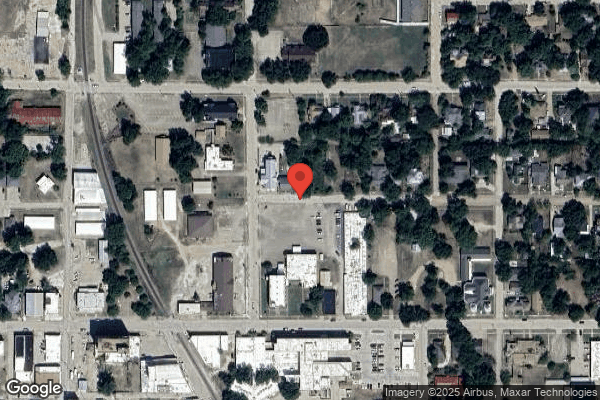
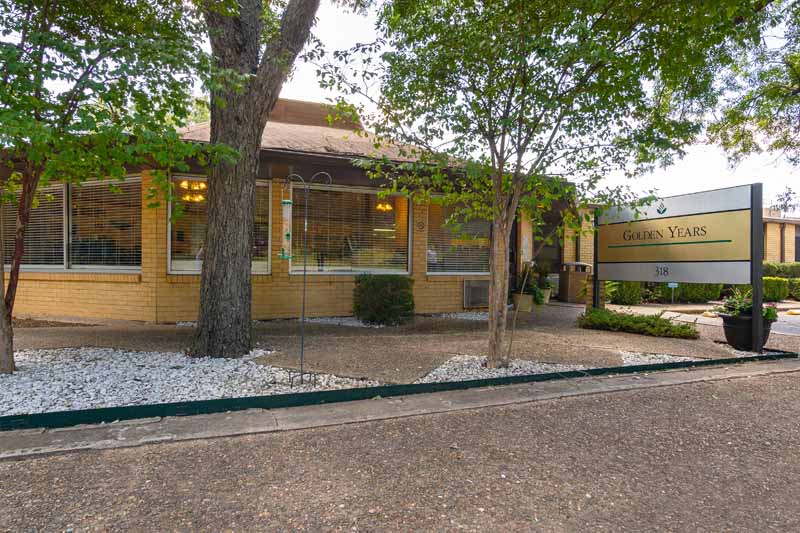
318 CHAMBERS ST, MARLIN, TX 76661 (254) 883-5508
Government - Hospital district 86 Beds EDURO HEALTHCARE Data: November 2025 1 Immediate Jeopardy citation
Trust Grade
76/100
#53 of 1168 in TX
Last Inspection: July 2024

Within standard 12-15 month inspection cycle. Federal law requires annual inspections.

Overview

Golden Years Nursing and Rehabilitation Center has a Trust Grade of B, indicating it is a good choice for families, sitting solidly in the upper half of facilities in Texas at #53 out of 1,168. Locally, it ranks #1 of 2 in Falls County, meaning it is the best option available in the area. The facility's trend is stable, with the same number of issues reported in both 2023 and 2024. Staffing received a low rating of 2 out of 5 stars, but with a turnover rate of 33%, it is better than the Texas average, indicating that many staff members remain in their positions. While the center has more registered nurse coverage than 80% of Texas facilities, there were concerning incidents, such as a resident who eloped due to inadequate supervision and a high medication error rate, which could impact resident safety. Overall, the facility has both strengths in certain quality measures and weaknesses in staffing and safety practices that families should consider.

Trust Score
B
76/100
In Texas
#53/1168
Top 4%
Safety Record
High Risk
Review needed
Inspections
Holding Steady
5 → 5 violations
Staff Stability
○ Average
33% turnover. Near Texas's 48% average. Typical for the industry.
Penalties
✓ Good
$8,021 in fines. Lower than most Texas facilities. Relatively clean record.
Skilled Nurses
⚠ Watch
Each resident gets only 26 minutes of Registered Nurse (RN) attention daily — below average for Texas. Fewer RN minutes means fewer trained eyes watching for problems.
Violations
○ Average
10 deficiencies on record. Average for a facility this size. Mostly minor or procedural issues.
★★★★★
5.0
Overall Rating
★★☆☆☆
2.0
Staff Levels
★★★★★
5.0
Care Quality
★★★★★
5.0
Inspection Score
Stable
2023: 5 issues
2024: 5 issues

The Good

  • 5-Star Quality Measures · Strong clinical quality outcomes
  • Full Sprinkler Coverage · Fire safety systems throughout facility
  • No fines on record
  • Staff turnover below average (33%)

    15 points below Texas average of 48%

Facility shows strength in quality measures, fire safety.

The Bad

Staff Turnover: 33%

13pts below Texas avg (46%)

Typical for the industry

Federal Fines: $8,021

Below median ($33,413)

Minor penalties assessed

Chain: EDURO HEALTHCARE

Part of a multi-facility chain

Ask about local staffing decisions and management

The Ugly 10 deficiencies on record

1 life-threatening
Oct 2024 1 deficiency
CONCERN (D) 📢 Someone Reported This

A family member, employee, or ombudsman was alarmed enough to file a formal complaint

Potential for Harm - no one hurt, but risky conditions existed

Medical Records (Tag F0842)

Could have caused harm · This affected 1 resident

**NOTE- TERMS IN BRACKETS HAVE BEEN EDITED TO PROTECT CONFIDENTIALITY** Based on interview and record review, the facility failed to ensure that the medical record was complete and accurately document...

Read full inspector narrative →
**NOTE- TERMS IN BRACKETS HAVE BEEN EDITED TO PROTECT CONFIDENTIALITY** Based on interview and record review, the facility failed to ensure that the medical record was complete and accurately documented for 1 of 4 residents (Resident #1) reviewed for clinical records. The facility failed to document nursing progress notes, assessments, or transfer documents when Resident #1 was transferred to the acute care hospital on [DATE]. This failure could place residents at risk for not receiving appropriate care due to incomplete information in the chart. Findings included: Review of Resident #1's admission MDS assessment, dated 10/04/24, Section A (Identification Information) reflected a [AGE] year-old male who was admitted to the facility on [DATE]. Section I (Active Diagnoses) reflected diagnoses including hypertension (high blood pressure), peripheral vascular disease, (disorder of the blood vessels outside of the heart, often decreased blood flow to the limbs) renal insufficiency (poor kidney function), diabetes mellitus (a condition that affects the way the body processes blood sugar), cerebrovascular accident (stroke), and subacute osteomyelitis right ankle and foot (a chronic infection of bone). Section C (Cognitive Patterns) reflected a BIMS score of 9 indicating moderately impaired cognition. Section M (Skin Conditions) reflected an infection of the foot and surgical wounds. Review of Resident #1's electronic medical record reflected there were no assessments completed on 10/28/24. Review of Resident #1's electronic medical record reflected there were no progress notes written 10/28/24 that reflected the resident's status, a change in status, or an emergent condition that warranted transfer to the acute hospital. There was no progress note that reflected the provider was notified nor an order to transfer to the acute hospital received. Review of Resident #1's electronic medical record reflected there was no physician order to transfer the resident to the acute hospital. Review of Resident #1's electronic medical record reflected a progress note dated 10/28/24 at 9:00 PM, written by LVN A, Ambulance transportation here to take resident to [name] ER. RP notified. During an interview on 10/30/24 at 10:45 AM, the DON stated Resident #1 had wounds, and despite the interventions, the wounds had not improved. The plan had been to send the resident back to the hospital where the surgical team would request a consult from the vascular team. She stated the resident went to the ED then was admitted to the hospital. She stated the MDS nurse monitored completion of assessments but no one monitored the progress notes. During a telephone interview on 10/30/24 at 4:03 PM, LVN A stated she was told EMS was scheduled to take the resident to the hospital so he could see the surgeon. She stated when EMS arrived, the resident was awake. I told him where he was going and told him I would call his family . She stated when a resident was sent out of the facility, the nurse was expected to write a note and complete an assessment. She stated, I didn't do it. She stated it was a busy time and she was going to go back later to complete the documentation but did not. She stated not documenting could lead to a lack of communication, not knowing the baseline or if changes occurred. During a telephone interview on 10/30/24 at 4:12 PM, LVN B stated she had contacted the surgeon about the wounds not improving and the surgeon said to send him to the ER. She stated EMS showed up but before they got to the resident, they received an emergent call so they left stating they should be back around 7 or 8:00 PM. She stated she left the facility around 7:30 PM and EMS had not yet returned. She stated she could not remember if she documented the conversation with the surgeon. She stated, I know I should have written a note, usually I do. She stated when a resident was sent out to the hospital, the nurse was expected to complete a transfer note. She stated the nurses were expected to document changes in the resident's condition. During an interview on 10/30/24 at 4:30 PM, the DON stated it was her expectation that documentation was completed accurately and timely. She expected the documentation to depict a good view of the resident. She stated not documenting in the resident's medical record could lead to staff not knowing if the resident had a change, was declining, or improving. The lack of communication or documentation could lead to a delay in care. During an interview on 10/30/24 at 4:37 PM, the ADM stated he expected accurate documentation and timely. He stated, When time is of the essence and trying to get someone transferred out, there is the human error aspect. He stated the nurses were aware of the documentation expectations. He stated delay of care would be the biggest negative outcome of not documenting in the resident's medical record. Review of the facility policy revised July 2017 and titled, Charting and Documentation reflected in part, All services provided to the resident, progress toward the care plan goals, or any changes in the resident's medical, physical, functional or psychosocial condition, shall be documented in the resident's medical record. The medical record should facilitate communication between the interdisciplinary team regarding the resident's condition and response to care. 2. The following information is to be documented in the resident medical record: a. Objective observations: d. Changes in the resident's condition: e. Events, incidents or accidents involving the resident.
Jul 2024 2 deficiencies
CONCERN (D)

Potential for Harm - no one hurt, but risky conditions existed

Quality of Care (Tag F0684)

Could have caused harm · This affected 1 resident

**NOTE- TERMS IN BRACKETS HAVE BEEN EDITED TO PROTECT CONFIDENTIALITY** Based on observation, interview, and record review, the facility failed to ensure that residents receive treatment and care base...

Read full inspector narrative →
**NOTE- TERMS IN BRACKETS HAVE BEEN EDITED TO PROTECT CONFIDENTIALITY** Based on observation, interview, and record review, the facility failed to ensure that residents receive treatment and care based on the comprehensive assessment of a resident and in accordance with professional standards of practice, the comprehensive person-centered care plan, and the residents' choices for 1 of 16 Residents reviewed for quality of care The facility failed to perform Resident #33's left fifth toe wound treatment as ordered on 07/01/24. This failure placed residents at risk of worsening infection, sepsis, and amputation. Findings included: Review of the undated face sheet for Resident #33 reflected a [AGE] year-old female admitted to the facility on [DATE]. Her diagnoses included congestive heart failure (long-term condition that happens when your heart can't pump blood well enough to give your body a normal supply), type two diabetes mellitus, morbid obesity, need for assistance with personal care, difficulty in walking, long-term use of anticoagulants, and venous insufficiency (malfunction of venous walls and/or valves in systemic circulation, especially in the legs, that result in peripheral pooling of blood known as stasis). Review of the quarterly MDS assessment for Resident #33 dated 05/22/24 reflected a BIMS score of 15, indicating an intact cognitive response. It reflected that she did not have an infection or other wound of the foot during the lookback period (seven days of data from which the assessment results are drawn). Review of laboratory culture results for Resident #33 dated 06/25/24 reflected MRSA was detected in a sample taken from the fluid filled blister on her left fifth toe on 06/24/25. Review of the care plan for Resident #33 dated 07/01/24 reflected the following: Altered skin integrity non pressure related to: Right 5th toe fluid filled blister. Affected area will heal without complications through next review date. o Antibiotic ointment per MD order o Evaluate need for pain reliever prior to cleansing or dressing changes o Monitor for signs and symptoms of infection such as swelling, redness, warm, discharge, odor notify physician of significant findings o Notify practitioner if symptoms worsen or do not resolve o Treatments as ordered o Weekly Wound evaluation Review of physician orders for Resident #33 reflected an order for Mupirocin External Ointment 2 % (Mupirocin) Apply to Left small toe topically every day shift for Staph infection for 10 Days with a start date of 06/25/24 and an end date of 07/05/24. Review of the June 2024 and July 2024 TAR for Resident #33 reflected the following treatment was documented on 06/30/24 and 07/01/24 by LVN A: Mupirocin External Ointment 2 % (Mupirocin) Apply to Left small toe topically every day shift for Staph infection for 10 Days. Observation and interview on 07/02/24 at 09:16 AM revealed Resident #33 seated in her easy chair with her feet elevated. She had a sign on her door indicating contact precautions were in place, and her left foot was wrapped in gauze. The date 06/30/24 was written on a piece of white tape on the gauze. Resident #33 stated she had a blister on her foot and was receiving wound treatment for it. She stated she thought she had gotten wound treatment the day before but was not completely sure. She stated it had not been done that day. She stated the wound did not hurt. During observation and an interview on 07/02/24 at 11:05 AM, the DON was preparing to administer medications to Resident #33. She stated she had not yet been in Resident #33's room and had not seen the bandage on her foot. The DON went into Resident #33's room and returned within a few moments. She stated the bandage on Resident #33's left foot was dated 06/30/24. She stated she needed to check the orders to determine why the bandage was documented as changed on 07/01/24 but still dated 06/30/24. During an interview on 07/02/24 at 02:00 PM, the DON stated she had determined the wound treatment for Resident #33's fifth left toe had not been completed by LVN A. She stated LVN A had made a mistake and thought she completed the treatment so had signed the TAR to indicate as such, but she could not find the notes that the treatment had been done. The DON stated it was only her second day at the facility, and she had not developed a system for monitoring to ensure wound care was completed, but she had already started in-servicing the staff on the failure. She stated the potential impact of not receiving antibiotic ointment on a skin infection was worsening infection. Observation on 07/02/24 at 03:00 PM revealed LVN B provided the wound treatment to Resident #33's blister to the left fifth toe. Observation of the wound revealed a large fluid-filled blister the size of the entire fifth (pinky) toe. The blister membrane was intact, and the fluid inside it was slightly serous (clear with a slight yellow). The fifth toe was almost completely obscured by the blister. During an interview on 07/02/24 at 04:18 pm, LVN A stated yesterday, 07/01/24, was her first day back at the facility after a leave of absence. She stated she was not familiar with all the wounds in the building but normally, she kept track of her treatments by looking at the TARs for all of her residents and handwriting the orders down on a piece of paper. She stated she then documented her notes about the wound on the paper and entered all of it into the system when she was done. She stated she did not pull a report of treatments; she just went through and looked at all of her residents. LVN A stated she had Resident #33 on her list and had no excuses for not performing the treatment. She stated there were four or five new residents after coming back, and she was getting to know them, and she was not in the groove of things. LVN A stated she had a new admission after 03:00 PM on 07/01/24 and she got distracted and marked Resident #33's treatment as done when it was not. LVN A stated the orders for Resident #33's blister were to cleanse with normal saline and apply mupirocin. LVN A stated she was trained to complete all her treatments as ordered and to only document in the EMR if she completed the treatment. She stated the potential impact of the treatment not being done as ordered was the infection could become worse, Resident #33 could get sick and possibly even die. During an interview on 07/03/24 at 02:00 PM, the ADM provided policy on Medication and Treatment Orders, but these were not relevant to the failure. There was no other policy that was specifically relevant to the failure.
CONCERN (E)

Potential for Harm - no one hurt, but risky conditions existed

Deficiency F0577 (Tag F0577)

Could have caused harm · This affected multiple residents

Based on observation, interview, and record review, the facility failed to ensure the resident's right to examine the results of the most recent survey of the facility conducted by Federal or State su...

Read full inspector narrative →
Based on observation, interview, and record review, the facility failed to ensure the resident's right to examine the results of the most recent survey of the facility conducted by Federal or State surveyors and any plan of correction in effect with respect to the facility for 1 of 1 full recertification survey (Survey A) reviewed for survey results. The facility failed to post the results of Survey A dated 04/27/23 in a public area for all residents and visitors to view on 07/01/24. This failure placed residents at risk of not having all the information necessary to make decisions about living at the facility. Findings included: During a confidential interview with 11 anonymous residents, all 11 agreed they had not ever seen the results of any of the previous State Agency inspections or noticed them posted or advertised in any public area around the facility. Seven of the 11 residents interviewed stated they would have wanted to view the survey results and wanted to know how they could do so. Observation on 07/01/24 at 03:11 PM revealed no survey results posted in any public area anywhere in the facility. During an interview on 07/01/24 at 04:02 PM, the ADM stated he had just begun working at the facility a few weeks prior, and he thought the survey results book had been posted in a bracketed wire file folder hung outside his office door, but he had confirmed it was not hung there. He stated he was responsible for ensuring the survey results were available for residents, staff, and visitors to read. He stated the potential negative impact of not having survey results available was people would not know what was going on in their home. Review of facility policy dated April 2017 and titled Examination of Survey Results reflected the following: Survey reports and plans of correction are readily accessible to the resident, family members, resident representatives and to the public. Policy Interpretation and Implementation 1. Residents may examine the results of the most recent survey of the facility conducted by federal or state surveyors, as well as any plans of correction in effect. 2. A copy of the most recent survey report and any plans of correction are kept in a binder in the residents' day room. 3. Survey reports, certifications, complaint investigations and plans of correction for the preceding three years are available for any individual to review upon request. 4. Information concerning the rights to examine, the location of and how to request preceding years' survey reports and plans of correction (and related materials as noted above) are posted on the resident bulletin board and at each nurses' station.
Jun 2024 2 deficiencies 1 IJ
CRITICAL (J) 📢 Someone Reported This

A family member, employee, or ombudsman was alarmed enough to file a formal complaint

Immediate Jeopardy (IJ) - the most serious Medicare violation

Accident Prevention (Tag F0689)

Someone could have died · This affected 1 resident

**NOTE- TERMS IN BRACKETS HAVE BEEN EDITED TO PROTECT CONFIDENTIALITY** Based on observation, interview and record review, the facility failed to ensure the resident environment remained as free of ac...

Read full inspector narrative →
**NOTE- TERMS IN BRACKETS HAVE BEEN EDITED TO PROTECT CONFIDENTIALITY** Based on observation, interview and record review, the facility failed to ensure the resident environment remained as free of accident hazards as possible and each resident received adequate supervision to prevent accidents for 1 of 10 residents (Resident #1) reviewed for accidents and supervision. The facility failed to prevent Resident #1 from eloping on 05/21/2024. The non-compliance was identified as PNC. The Immediate Jeopardy (IJ) began on 5/21/2024 and ended on 5/22/2024 The facility had corrected the non-compliance before the survey began. This deficient practice could place residents who were elopement risks at-risk of harm, serious injury, or death. The findings were: Record review of Resident # 1's face sheet, dated 6/3/2024, reflected a [AGE] year-old male admitted to the facility on [DATE] and discharged on 5/21/2024 with diagnosis that includes Schizophrenia ( a disorder that affects a person's ability to think, feel and behave clearly.), Type 2 Diabetes Mellitus ( A long term condition in which the body has trouble controlling blood sugar and using it for energy) and , Mild intellectual disabilities ( is a neurodevelopmental disorder that affects intellectual functions and daily living skills,) Record review of Resident's # 1 admission MDS, dated [DATE] reflected a BIMS revealed resident was not appropriate for an evaluation as resident in rarely/ never understood. Section E revealed wandering occurred to 1 to 3 days, with no significant risk of getting to a potentially dangerous place. Record review of Resident # 1's wandering/elopement risk assessment tool dated 5/2/204 had a score of 7 (moderate risk} , resident ambulates independently and a history of wandering behaviors, no history of elopement from home or previous facility. Review of Resident #1's care plan dated 5/3/2024 reflected problems of wandering and risk for elopement with interventions that include a wander guard and redirection for the exit doors. Review of Resident #1's orders dated 5/2/2024 reflected an order for signaling device is use, Signaling Device: Change electronic monitoring device according to manufacture's recommendations and PRN if noted non-functional, and Signaling Device: check electronic monitoring device via testing machine every day, every night shift for wandering/exit seeking. Review of Resident #1's Treatment Record for the month of May 2024, reflected Signaling device check done daily on night shift. Observation on 5/2/2024 at 12:45pm of the alarm response at the front door of the facility reflected the wander guard functional and sufficiently loud to alert the staff of a potential elopement. During a phone interview on 6/3/2024 at 1:00 PM LVN A stated if a resident was not able to not be located a code pink was called a code Pink after searching the facility, they are to notify the Administrator, DON, and responsible party. A search of the ground was then completed and if not found the local police are notified. She stated there was a pink binder at both nurse's station with all resident's that are at risk of elopement with there picture and face sheet. She stated they had an elopement drill, and they were in-services on the elopement policy and protocol and abuse and neglect. During an interview on 6/3/2024 at 1:15 PM with CNA B stated that if she could not find a resident, she would let the charge nurse know and help with the search, she is not sure when, but a some point the nurse will notify the administrator, DON and family members. If there is a missing resident, they will call a CODE PINK then we start making sure all of my resident are accounted for and then help the others to look for theirs. We had a drill a couple of weeks ago, along with an in-service on elopement and abuse and neglect. The Abuse coordinator lithe administrator,and if he is not here, she would let the charge nurse and the DON know. During an interview on 6/3/2024 at 2:00 PM with the DON he stated saw Resident #1 in the dining room at 5:45 PM looking for some more to eat. The DON stated he received a phone call at 6 PM that a off duty employee had seen the resident in the parking lot of a local grocery store, about a block away and brought him back to the facility. The wander guard did go off when the resident returned to the building. He stated they were unable to determine how the resident left the building, placed him on one to one and moved him to a sister facility with a secure unit. The front door is now locked at all times with a code for entrance and exit, delay exit is still active. at the time of the incident, it was unlocked till 8 PM for visiting hours and there was no one at the desk after PM. During an interview on 6/3/2024 at 2:30pm with Maintenance director reported they have done an code Pink elopement drill on both shifts since the incident, the Fire safety company has come out and tested the doors with sensors on them and verified they are working and increased the sensitivity and the volume of the alarm. Record review of policy Wandering/ Elopement revised March 2019 reflected 3. If a resident is missing, initiate the elopement/missing resident emergency procedure: a. Determine if the resident is out on an authorized leave or pass. b. If the resident was not authorized to leave, initiate a search of the building, and premises and c If the resident is not located notify the administrator, and the director of nurses, the resident's legal representative, the attending physician, law enforcement officials and (as necessary) volunteer agencies. The DON was notified on 6/3/2024 at 5:45 PM that a past non-compliance Immediate Jeopardy had been identified due to the above failures. The facility course of action prior to surveyor entrance included: Record review of Resident # 1 Progress notes, he was initial placed on 1:1 supervision and moved to a sister facility with a secure unit, on 5/21/2024 The facility contacted the alarm company, who increased the volume and sensitivity for the alarm system on 5/22/2024 confirmed with invoice of work dated 6/3/2024. Record review of Provider instigation revealed all residents with wander guards were checked for functioning, Interview with DON on 6/3/2024 at 4:00pm the facility has standing MD orders on all residents with a wander guard has the device checked daily on the nightshift, that include placement, function with a testing device and skin assessment under the device. Interview with Maintenance director stated that immediately after the elopement incident, the front doors to the facility were locked with entry and exit code required 24 hours a day, previously they were unlocked till 8 PM with no one at the desk after PM. Review of In-services reflected the facility had an elopement drill on 5/22/2024 for all staff members on both shifts. Record review of an In-service training dated 5/22/2024, related to elopement and abuse and neglect revealed 50 out of 50 staff member's signatures. Interview were conducted with 17 employees on 6/3/2024 between 10 am and 4 PM, which consisted of LVN's ( 2) Medication Aides(1), CNA's (4), Physical therapist, Physical therapy assistance (3) Occupational therapist, Certified Occupational therapy assistance (2), Speech Therapist and Housekeepers (2) on 6/3/2024 from 10:00 am to 2:00 PM revealed they had received in-services on Elopement Response, All were able to state the key elements of the elopement policy which included If a resident is missing, initiate the elopement/missing resident emergency procedure: a. Determine if the resident is out on an authorized leave or pass. b. If the resident was not authorized to leave, initiate a search of the building, and premises and c If the resident is not located notify the administrator, and the director of nurses, the resident's legal representative, the attending physician, law enforcement officials and (as necessary) volunteer agencies.
CONCERN (D) 📢 Someone Reported This

A family member, employee, or ombudsman was alarmed enough to file a formal complaint

Potential for Harm - no one hurt, but risky conditions existed

Deficiency F0602 (Tag F0602)

Could have caused harm · This affected 1 resident

**NOTE- TERMS IN BRACKETS HAVE BEEN EDITED TO PROTECT CONFIDENTIALITY** Based on interviews and record review, the facility failed to ensure the right to be free from misappropriation of resident prop...

Read full inspector narrative →
**NOTE- TERMS IN BRACKETS HAVE BEEN EDITED TO PROTECT CONFIDENTIALITY** Based on interviews and record review, the facility failed to ensure the right to be free from misappropriation of resident property for one of 1 of 3 (Resident # 2) reviewed for misappropriation. The facility failed to prevent a diversion (misappropriation) of Resident's #2's Ativan 0.5 mg, 60 tablets (an anti-anxiety medication) received from the pharmacy on 5/22/2024 at 12:17 am and reported missing 5/22/2024 during the day shift. This failure could place residents at risk for decreased quality of life, unrelieved pain, misappropriation of property, and dignity. The non-compliance was identified as Past non-compliance, the facility had corrected the non-compliance before the survey began. Findings included: Review of Resident # 2's faced sheet printed `5/22/2024 revealed a [AGE] year-old male admitted on [DATE] with diagnosis that include Alzheimer's disease ( A progressive disease that destroys memory and other important mental functions) , Cognitive communication deficit ( a communication difficulty caused by a cognitive impairment, this impairment can affect any aspect of communication, including verbal and nonverbal language, ,speaking, listening, reading writing and social interaction) and palliative care(specialized medical care for people living with a serious illness) Review of Resident's #2's of admission MDS dated [DATE] revealed a BIMS score of 3 which can indicate a serve cognitive impairment, Resident was receiving hospice care. Review of Resident # 2's physician orders dated 6/3/2024 revealed order written on 5/5/2024 Ativan 0.5 mg Po PRN Q 4 hours for anxiety. Review of the provider investigation report dated 5/31/2024 reflected, on 5/22/2024 at 12: 17 am the pharmacy delivered 60 (sixty) tablets of Ativan 0.5 mg for Resident # 2, packing slip from the pharmacy was signed by LVN A as received. Medication was noticed as missing, on the next shift. A search of the facility's medication rooms and medication carts and the medication was not located. The report reflected no injury or harm to the resident as medication was available in the emergency medication kit and the facility replaced the missing medication after the investigation was completed, the facility notified Hospice, the responsible party, the medical director, and the police. Statements were obtained and staff were drug tested. The investigation findings confirmed the drug diversion. Review of the pharmacy packing slip dated 5/22/2024 reflected Ativan 0.5 mg 60 tablets was delivered to the facility and signed as received by LVN A Review of the Business card left by the responding police officer reflected, Case No: 24-002740. Review of Inservice dated 5/22/2024 reflected that all LVN and RN's were inserviced on Controlled Substance that included the process for accepting scheduled medications from the pharmacy. Review of LVN A employee file reflected an counseling on 5/24/2024 for not following the controlled substance policy. During a phone interview on 6/3/2024 am 12:55 PM with the local police department desk sergeant, the investigator on the case was working night shift this week, left message for return phone call. No return phone call received prior to exit. During phone interview on 6/3/2024 at 1:00 PM LVN A stated that she does not remember getting the Ativan for Resident # 2 when the medication was delivered on 5/22/2024. She remembers receiving the other medication that she signed for as she had to lock it up in the refrigerator. She was not sure why she signed for the medication if she didn't see it, she stated it was her usual practice to verify each medication prior to signing the delivery receipt. She stated she was counseled on not following the Controlled substance policy after being inserviced on it. During an interview with LVN B on 6/3/2024 at 1:30 PM she was inserviced on accepting controlled substances from the pharmacy and was able to verbalize the process for accepting scheduled medications from the pharmacy. During an interview with DON on 6/3/2024 at 2:00 PM stated they did not identify a perpetrator or find the missing medications. He stated he was not sure the medication was even delivered, as the receiving nurse does not recall putting the medication in the lock box. After the medication was discovered missing, the facilities medication rooms and cart were searched, pharmacy was notified and stated since the medication was signed for, they would not be doing an investigation. There was no narcotic sign out sheet, which was delivered with the medication found. She stated that all staff were drug tested with negative results. He stated the medication and the sign out sheet were never located, and the medication was replaced by the facility. He stated that the medication was available in the emergency drug kit, so no doses were missed, there was no adverse reaction to the resident. Review of the facility policy Controlled Substances revised November 2022 reflected 3. Controlled substances are counted upon deliver. The nurse receiving the medication, along with the person delivering the medication, must count the controlled substances together. Both individuals sign the designated controlled substance record The facility course of action prior to surveyor entrance included: 1. Review of in-service conducted on 5/23/204 revealed all licensed staff were in-serviced on controlled substances that included the process for accepting controlled substance from the pharmacy. 2. Interview with DON on 6/3/2024 at 2 PM. LVN A was consoled on 5/23/2024 for not following policy and procedure. 3. Interview with DON on 6/3/2024 at 2 PM medication was replaced by the facility on 5/30/204.
Apr 2023 5 deficiencies
CONCERN (D)

Potential for Harm - no one hurt, but risky conditions existed

Comprehensive Care Plan (Tag F0656)

Could have caused harm · This affected 1 resident

**NOTE- TERMS IN BRACKETS HAVE BEEN EDITED TO PROTECT CONFIDENTIALITY** Based on observation, interview and record review, the facility failed to develop and implement a comprehensive person-centered ...

Read full inspector narrative →
**NOTE- TERMS IN BRACKETS HAVE BEEN EDITED TO PROTECT CONFIDENTIALITY** Based on observation, interview and record review, the facility failed to develop and implement a comprehensive person-centered care plan for each resident, consistent with resident rights, that included measurable objectives and time frames to meet a resident's mental, nursing, and psychosocial needs that were identified in the comprehensive assessment, for one (Resident #2) of 15 residents reviewed for care plans. The facility failed to identify Resident #2's preference for wearing a hospital gown daily instead of her personal clothing. This failure put residents at risk for their preferences not to be honored and decreased quality of life. Findings included: Review Resident #2 Face sheet dated 04/27/2023 reflected a [AGE] year-old female admitted on [DATE] and readmitted on [DATE] with the following diagnosis Cataract (a clouding of the lens of the eye or of its surrounding transparent membrane that obstructs the passage of light), Chorioretinal scars (a pigmentary change in the back of the eye that may result from an infection, injury, or inflammation), and Vitreous degeneration (a change or deterioration of the vitreous humor, the gel-like substance that fills the inside of the eye and helps with vision and eye shape). Review of Resident #2's quarterly MDS assessment dated [DATE] revealed Resident #2 had a BIMS score of 12 to indicate mild cognitive impairment. Resident #2 required extensive assistance by one staff member for dressing and personal hygiene. Review of Resident #2's care plan dated 03/10/2023 revealed Resident #2 required staff to assist me to choose simple comfortable clothing that enhances the resident's ability to dress self. Review of care plan did not include Resident #2's preference to wear a hospital gown instead of her personal clothing. In an observation and interview on 04/25/2023 at 9:57 AM, Resident #2 was in her wheelchair wearing a hospital gown. Resident #2 stated she just had a shower and said she asked to wear the hospital gown. Resident #2 pointed at her clothes in the cabinet in her room and said she had clothes but liked to wear the hospital gown because it was more comfortable. In a follow-up observation on 04/26/2023 at 9:10 AM, Resident #2 wore a hospital gown while watching TV in her room. In an interview on 04/26/2023 at 10:00 AM, the DON stated she was new to the facility and unsure of whether it was Resident #2's preference to wear a hospital gown or not. She stated she would check with staff and her documentation. She stated Resident #2 did have her own clothing to wear. In an interview on 04/27/2023 at 10:13 AM, CNA J stated Resident #2 preferred to wear a hospital gown because it was more comfortable for her. She stated Resident #2 said it made her feel cooler and Resident #2 felt like her clothes were too restrictive. She stated she was not sure if Resident #2's preference for a hospital gown was included on her care plan. In a follow-up interview on 04/27/2023 at 11:30 AM, the DON stated it was Resident #2's preference to wear a hospital gown instead of her clothing. She stated Resident #2's preference to wear a hospital gown was not on her care plan. She stated Resident #2's preference for wearing a hospital gown instead of her personal clothing should be on the care plan so anyone caring for Resident #2 knew that it was Resident #2's preference. She stated adding Resident #2's preference to wear the hospital gown to her care plan ensured the facility was not violating any dignity issues for Resident #2. In an interview on 04/27/2023 at 11:55 AM, the MDS NURSE stated Resident #2's preference for wearing a hospital gown over Resident #2's personal clothing should have been added to Resident #2's care plan. She stated she was not made aware of Resident #2's preference until recently and had not had a chance to add the information to Resident #2's care plan. She stated anytime there was change for a reference that affected their including resident preferences she tried to update their care plan immediately or within a day or two to ensure continuity of care among caregivers . She said not updating a residents care plan could result in confusion for a resident's preferences and needs not being met. Review of Care Plans, Comprehensive Person-Centered Policy dated Quarter 3 2018 revealed a comprehensive, person centered care plan that includes measurable objectives and timetables to meet the resident's physical, psychosocial and functional needs is developed and implemented for each resident. It further revealed the care planning process will . Incorporate the resident's personal and cultural preferences in developing the goals of care.
CONCERN (D)

Potential for Harm - no one hurt, but risky conditions existed

Incontinence Care (Tag F0690)

Could have caused harm · This affected 1 resident

**NOTE- TERMS IN BRACKETS HAVE BEEN EDITED TO PROTECT CONFIDENTIALITY** Based on observation, interview, and record review the facility failed to ensure a resident who was incontinent of bladder recei...

Read full inspector narrative →
**NOTE- TERMS IN BRACKETS HAVE BEEN EDITED TO PROTECT CONFIDENTIALITY** Based on observation, interview, and record review the facility failed to ensure a resident who was incontinent of bladder received appropriate treatment and services to prevent urinary tract infections for one of one resident reviewed for catheter care (Resident #11). The facility failed to ensure Resident #11's catheter was secured to his body with a catheter secure device. This failure to secure catheters placed residents with urinary catheters at risk for traumatic removal and catheter acquired infections. Findings Included: Review of Resident #11's Face sheet dated 04/27/2023 reflected an [AGE] year-old male admitted to the facility on [DATE] and readmitted on [DATE] with the following muscle wasting and atrophy (Loss of muscle leading to its shrinking and weakening.), Diabetes Mellitus Type II (a chronic disease where the body has high blood sugar, insulin resistance, and relative lack of insulin), Pressure ulcer of Sacral Region. Review of Resident #11's Significant change in status MDS dated [DATE] reflected Resident #11 was assessed to have a BIMS score of 9 indicating he had mild cognitive impairment. Resident #11 was further assessed to require extensive assist with all ADLs. Resident #11 was assessed to have an indwelling catheter. Review of Resident #11's Care Plan reflected a focus area initiated on 01/27/2023 and revised on 04/21/2023 Alteration in elimination of bowel and bladder related to incontinent of bowel and indwelling foley catheter, has history of UTI and the potential for recurrence. Interventions included .Anchor catheter, avoid excessive tugging on the catheter during transfer and delivery of care . Review of Resident #11's History and Physical dated 03/17/2023 reflected Resident #11 had history of chronic foley catheter and history of penis damage from foley. Observation on 04/26/2023 at 2:00 PM revealed Resident #11 in room in bed. Resident #11 had a Foley Catheter in place without a device to secure the catheter to his leg. Observation and interview on 04/27/2023 at 9:29 AM revealed Resident #11 in room in bed. Observation with the DON revealed resident with no catheter secure device was in place. Further observation revealed Resident #11's meatus and glans (penis) were split from the tip of the glans to base. The DON stated the resident should have a catheter secure device in place in prevent further injury to his glans. The DON stated it was the nurse on duty responsibility to ensure catheter care is done and to ensure the catheter secure device is in place . In an interview on 04/27/2023 at 9:49 AM LVN A stated she was responsible for catheter care and to ensure catheter secure devices are in place. LVN A stated she did not notice that Resident #11 did not have a catheter secure device in place. LVN A stated there should have been one but usually they have an order for it, and she did not see one . In an interview 04/27/2023 at 9:51 AM the DON stated the nursing staff should ensure the catheter secure devices are in place for residents with indwelling urinary catheters and the devices should be checked regularly. The DON further stated that the lack of the catheter secure device could cause further penis damage and or infections. Review of the facility's policy Catheter Care, Urinary dated 3rd Quarter 2018 reflected The purpose of this procedure is to prevent catheter-associated urinary tract infections .Ensure that the catheter remains secured with a leg strap to reduce friction and movement at the insertion site (Note: Catheter tubing should be strapped to the resident's inner thigh.) .
CONCERN (D)

Potential for Harm - no one hurt, but risky conditions existed

Deficiency F0808 (Tag F0808)

Could have caused harm · This affected 1 resident

**NOTE- TERMS IN BRACKETS HAVE BEEN EDITED TO PROTECT CONFIDENTIALITY** Based on observation, interview and record review the facility failed to provide a therapeutic diet as prescribed by the attendi...

Read full inspector narrative →
**NOTE- TERMS IN BRACKETS HAVE BEEN EDITED TO PROTECT CONFIDENTIALITY** Based on observation, interview and record review the facility failed to provide a therapeutic diet as prescribed by the attending physician for one (Resident #15) of eight residents reviewed for therapeutic diet. The facility failed to provide Resident #15 with the therapeutic diet as prescribed by her attending physician when she was provided a meal with extra carbohydrate portions when she was prescribed a consistent carbohydrate diet order. This failure put residents at risk for health complications related to in adherence to diet order, increased blood sugar and decreased quality of life. Findings included: Review of Resident #15's Face Sheet dated 04/27/2023 revealed Resident #15 was an [AGE] year-old female who admitted to the facility on [DATE] with a diagnoses of pulmonary disease (disease of the lungs that causes trouble breathing), type 2 diabetes, high blood pressure, bipolar disorder (mood disorder in which mood alternates from manic to depression) and arthritis. Review of Resident #15's quarterly MDS assessment dated [DATE] revealed Resident #15 had a BIMS score of two to indicate severely impaired cognition. Resident #15 was noted to required a therapeutic diet. Review of Resident #15's Care Plan dated 06/23/2022 revealed Resident #15 had diabetes mellitus with the goal of no complication related to diabetes through review date. Resident #15 had interventions including dietary consult for nutritional regimen and ongoing observation, discuss meal times, portion sizes, dietary restrictions, snacks allowed in daily nutritional plan and compliance with nutritional regimen. Review of Resident #15's Physician Orders dated 03/15/2023 revealed Resident #15 was ordered a Consistent Carbohydrate diet, regular texture and regular consistency. In an observation on 04/25/2023 at 12:25 PM, Resident #15 was in the dining room eating a dinner roll. Additionally on Resident #15's tray there were two pieces of fried fish, white rice and pasta salad. Review of Resident #15's tray card dated 04/25/2023 revealed Resident #15 received CCHO (Consistent Carbohydrate) diet, Finger Foods and thin liquids. In an interview on 04/27/2023 at 11:18 AM, the DM stated Resident #15 received the pasta salad as a finger food selection as it would be easier for Resident #15 to feed herself than the zucchini or rice offered with the regular meal. When asked if the rice, pasta salad and dinner roll included with the meal was consistent with a CCHO diet order, she said no the pasta salad should have been substituted for the rice and an alternative offered with the meal besides a starch. She stated Resident #15 received more carbohydrates with her meal that residents with a regular diet order. In an interview on 04/27/2023 at 11:30 AM, the DON stated the therapeutic diet for Resident #15 should have been followed in that Resident #15 was ordered a consistent carbohydrate diet and should be served less carbohydrates than residents on a regular diet. She stated the addition of pasta salad with rice, fried fish and a dinner roll was consistent with professional guidelines for a consistent carbohydrate diet order. She stated failure to serve the physician ordered therapeutic diet could result in Resident #15 experiencing high blood sugar and poor control of Resident #15's diabetes mellitus. In an interview on 04/27/2023 at 11:41 AM, the RD stated she could not determine whether Resident #15 was served the physician ordered consistent carbohydrate diet when she was served pasta salad, rice, fried fish and a dinner roll . She said she did not know if the food served was consistent with professional guidelines for a consistent carbohydrate diet. She stated she did not know if serving more starch food choices to a resident on a consistent carbohydrate diet than residents on a regular diet was within professional guidelines. She stated she did not know what the outcome might be if a diabetic resident was served more starch foods than a resident on a regular diet that is not diabetic. Review of Resident #15's quarterly Nutrition assessment dated [DATE] revealed Resident #15 was ordered a consistent carbohydrate diet (CCD) with no significant weight gain or loss recently. Review of Diet Abbreviations and textures (undated) revealed CCHO-Consistent Carbohydrate-Diabetic-No sugar.
CONCERN (E)

Potential for Harm - no one hurt, but risky conditions existed

Unnecessary Medications (Tag F0759)

Could have caused harm · This affected multiple residents

**NOTE- TERMS IN BRACKETS HAVE BEEN EDITED TO PROTECT CONFIDENTIALITY** Based on observation, interview, and record review the facility failed to ensure that the medication error rate was not five per...

Read full inspector narrative →
**NOTE- TERMS IN BRACKETS HAVE BEEN EDITED TO PROTECT CONFIDENTIALITY** Based on observation, interview, and record review the facility failed to ensure that the medication error rate was not five percent or greater for when the facility had a medication error rate of 20% based on 7 of 35 opportunities, which involved 3 of 5 residents (Resident #2, Resident #11, and Resident #22) and 1 of 3 LVN's (LVN A) observed during medication administration. A) Resident #2 had a physician order for Preser Vision AREDS 2 capsule one by mouth two times daily and Probiotic capsule one capsule by mouth one time day for loose stools. LVN A failed to administer the medications. B) Resident #11 had a physician order for Potassium Chloride Oral Packet 20 MEQs give 2 packets by mouth two times daily and Probiotic capsule one by mouth three times daily. LVN A failed to administer the medications. C) Resident #22 had a physician order for Lisinopril 10 mg by mouth one time day, Aspirin 81mg chewable tablet one time daily, and Probiotic capsule one by mouth daily. LVN A failed to administer the medications. These deficient practices could place residents at risk of not receiving therapeutic dosage of medications. Findings Include: A) Review Resident #2 Face sheet dated 04/27/2023 reflected a [AGE] year-old female admitted on [DATE] and readmitted on [DATE] with the following diagnosis Cataract (a clouding of the lens of the eye or of its surrounding transparent membrane that obstructs the passage of light), Chorioretinal scars (a pigmentary change in the back of the eye that may result from an infection, injury, or inflammation), and Vitreous degeneration (a change or deterioration of the vitreous humor, the gel-like substance that fills the inside of the eye and helps with vision and eye shape). Review of Resident #2's Quarterly MDS dated [DATE] reflected Resident #2 was assessed to have a BIMS score of 12 indicating mild cognitive impairment. Resident #2 was assessed to require extensive to dependent assist with all ADLs. Review of Resident #2's Comprehensive Care Plan reflected a focus area dated 04/14/2021 Resident has impaired visual function related diagnosis of glaucoma and history of cataracts Review of Resident #22 Consolidated Physician dated 04/27/2023 reflected an order for PreserVision AREDS 2 capsule one by mouth two times daily and Probiotic capsule one capsule by mouth one time day for loose stools. Observation on 04/26/2023 at 8:33 AM revealed LVN A preparing Resident #2's 9:00 AM medication for administration. The medications included the following: -Myrbetrig 50 mg ER on e tab -Docusate Sodium 100 mg one capsule -Fexofenadine Hydrochloride 180 mg one tablet -Vitamin D3 25mcg (1000 IU) two tabs -Multi vitamin with minerals one tab -Tussin DM Liquid 10-200mg/ML 10 MLS LVN A did not administer Resident #2's PreserVision AREDS 2 capsule one by mouth two times daily and Probiotic capsule one capsule by mouth one time day for loose stools. B) Review of Resident #11's Face sheet dated 04/27/2023 reflected an [AGE] year-old male admitted to the facility on [DATE] and readmitted on [DATE] with the following muscle wasting and atrophy (Loss of muscle leading to its shrinking and weakening.), Diabetes Mellitus Type II (a chronic disease where the body has high blood sugar, insulin resistance, and relative lack of insulin), Pressure ulcer of Sacral Region. Review of Resident #11's Significant change in status MDS dated [DATE] reflected Resident #11 was assessed to have a BIMS score of 9 indicating he had mild cognitive impairment. Resident #11 was further assessed to require extensive assist with all ADLs. Review of Resident # 11's Consolidated Physician dated 04/27/2023 reflected an order for Potassium Chloride Oral Packet 20 MEQs give 2 packets by mouth two times daily and Probiotic capsule one by mouth three times daily. Observation on 04/26/2023 at 8:40 AM revealed LVN A preparing Resident #11's 9:00 AM medication for administration. The medications included the following: -Pro-state liquid 30 ML -Ciprofloxacin 500 mg one tablet -Hydrocodone/ Apap 5-325mg one tablet -Gabapentin 300 mg one tablet -Famotidine 20 mg tablet -Amlodipine 5mg one tablet -Labetalol 100 mg one tablet - Decubi-Vit oral capsule one tablet LVN A did not administer Resident #11's Potassium Chloride Oral Packet 20 MEQs give 2 packets by mouth two times daily and Probiotic capsule one by mouth three times daily. C) Review of Resident #22's Face sheet reflected a [AGE] year-old female admitted on [DATE] with the following diagnosis of Alzheimer's disease (A type of brain disorder that causes problems with memory, thinking and behavior. This is a gradually progressive condition.), Atherosclerotic heart disease (A condition where the arteries become narrowed and hardened due to buildup of plaque (fats) in the artery wall. Symptoms vary depending on the clogged artery.), and Hypertension (High pressure in the arteries (vessels that carry blood from the heart to the rest of the body). Symptoms varies from person to person and generally include unexplained fatigue and headache). Review of Resident #22 Quarterly MDS dated [DATE] reflected Resident #22 was assessed to have a BIMS score of 4 indicating serve cognitive impairment. Resident #22 was further assessed to require extensive assist with all ADLs. Resident #22 was assessed to have coronary artery disease and Hypertension. Review of Resident #22's Comprehensive Care Plan reflected a focus area dated 09/05/2018, Resident has coronary artery disease interventions included Give all cardiac meds as ordered by the physician .Give meds for hypertension . Review of Resident #22 Consolidated Physician dated 04/27/2023 reflected an order for Lisinopril 10 mg by mouth one time day, Aspirin 81mg chewable tablet one time daily, and Probiotic capsule one by mouth daily. Observation on 04/26/2023 at 9:14 AM revealed LVN A preparing Resident #22's 9:00 AM medication for administration. The medications included the following: -Decubi-Vit one tablet -Buspirone 10mg one tablet -Eliquis 5mg one tablet -Hydroxyzine HCL 25 mg one tablet -Fluoxetine 10 mg one tablet -Memantine HCL 10 mg tablet LVN A did not administer Resident #22's Lisinopril 10 mg by mouth one time day, Aspirin 81mg chewable tablet one time daily, and Probiotic capsule one by mouth daily. In an interview on 10:38 AM LVN A stated after reviewing the medications given to Resident #2 that she did not administer her physician ordered PreserVision AREDS 2 or Probiotic capsule. LVN further stated after reviewing the medications given to Resident #11's that she did not administer his physician ordered Potassium Chloride or Probiotic capsule. LVN A further stated after reviewing the medications given to Resident #22 that she did not administer her physician ordered Lisinopril, Aspirin, or Probiotic. LVN A stated she thought she was checking off all the medications as she went but she must have missed some of the medications because she was nervous. In an interview on 04/26/2023 at 10:41 AM the DON stated she reviewed all the missed medications with LVN A. The DON stated LVN A stated she missed the medications and was not sure how. The DON stated she expected nurses who pass medication to follow the 10 rights of medication administration and to administer all the medications the resident's physician ordered . Review of LVN A's Licensed Nurse orientation/ Annual Skills/ Competency Checklist dated 05/18/2022 reflected she was checked off to have successfully completed Medication Administration. In an interview on 04/26/2023 at 1:46 PM the RNC stated he could not see how LVN A missed all those medications for Resident #2, #11 and #22 during her med pass when she could see them in PCC . The RNC stated he started an action plan and would re-train LVN A. Review of the facility's policy Administering Medications dated quarter 3 2021 reflected Medications shall be administered in safe and timely manner and as prescribed .medications must be administered in accordance with the orders, including any required time frame .The individual administering the medications must check the label carefully to verify the right resident, right medication, right dosage, right time and right method of administration before giving the medication .
CONCERN (E)

Potential for Harm - no one hurt, but risky conditions existed

Deficiency F0761 (Tag F0761)

Could have caused harm · This affected multiple residents

Based on observation, interview, and record review the facility failed to ensure storage of medications used in the facility in accordance with currently accepted professional principles and include t...

Read full inspector narrative →
Based on observation, interview, and record review the facility failed to ensure storage of medications used in the facility in accordance with currently accepted professional principles and include the appropriate expiration dates for 1of 2 medication rooms and 2 of 4 medication carts reviewed for medication storage. -The facility failed to date a multi-use product (eye drops) when the product was first opened according to manufacture and professional standards. -The facility failed to ensure expired medications were removed from the medication carts and medication rooms. -The facility failed to ensure medications were stored in a clean, safe, and sanitary manner. These failures place residents at risk of not receiving the intended therapeutic effect of the medications or a contaminated medication. Findings Included: Observation on 04/25/2023 at 2:57 PM revealed the facility North Medication room with a bottle Of Vitamin E 1000 IU with an expiration date of 07/2022. Observation on 04/25/2023 at 3:00 PM revealed the North Medication cart with a bottle of Aspirin 325mg with an expiration date of 09/2022. Observation further revealed Resident #22's Latanoprost eye drops open without an open date and Resident #30's bottle of artificial tears eye drops open with no open date. Observation on 04/25/2023 at 3:10 PM revealed the South Medication cart with an open bottle of Lactulose with a sticky liquid on both sides of the bottle. When the bottle of lactulose was pulled out the cart a box of Mucinex, Imodium and AZO Cranberry tablets were stuck to the side of the bottle with the sticky liquid in and on the boxes of medication that were stuck to the Lactulose bottle. In an interview on 04/25/2023 at 3:15 PM the DON stated that eye drops should be labeled with an open date when they are opened. The DON further stated that all medications on the carts should have readable labels with medications stored in a manner that keeps them clean and dry. The DON and carts should be checked by the Nurses during the medication pass to ensure no expired medications are on the carts to ensure residents are not receiving expired medications to might have altered therapeutic effects. Review of the facility's Policy Storage of Medications dated April 2021 reflected The facility shall store all drugs and biologicals in a safe, secure, and orderly manner .The nursing staff shall be responsible for maintaining medication storage and preparation areas in a clean, safe, and sanitary manner .The facility shall not use discontinued, outdated, or deteriorated drugs or biologicals. All such drugs shall be returned to the dispensing pharmacy or destroyed .
Understanding Severity Codes (click to expand)
Life-Threatening (Immediate Jeopardy)
J - Isolated K - Pattern L - Widespread
Actual Harm
G - Isolated H - Pattern I - Widespread
Potential for Harm
D - Isolated E - Pattern F - Widespread
No Harm (Minor)
A - Isolated B - Pattern C - Widespread

Questions to Ask on Your Visit

  • "What changes have you made since the serious inspection findings?"
  • "Can I speak with families of current residents?"
  • "What's your RN coverage like on weekends and overnight?"

Our Honest Assessment

Strengths
  • • 33% turnover. Below Texas's 48% average. Good staff retention means consistent care.
Concerns
  • • Multiple safety concerns identified: 1 life-threatening violation(s). Review inspection reports carefully.
  • • 10 deficiencies on record, including 1 critical (life-threatening) violation. These warrant careful review before choosing this facility.
Bottom line: Generally positive indicators. Standard due diligence and a personal visit recommended.

About This Facility

What is Golden Years's CMS Rating?

CMS assigns GOLDEN YEARS NURSING AND REHABILITATION CENTER an overall rating of 5 out of 5 stars, which is considered much above average nationally. Within Texas, this rating places the facility higher than 99% of the state's 100 nursing homes. This rating reflects solid performance across the metrics CMS uses to evaluate nursing home quality.
How is Golden Years Staffed?

CMS rates GOLDEN YEARS NURSING AND REHABILITATION CENTER's staffing level at 2 out of 5 stars, which is below average compared to other nursing homes. Staff turnover is 33%, compared to the Texas average of 46%. This relatively stable workforce can support continuity of care.

What Have Inspectors Found at Golden Years?

State health inspectors documented 10 deficiencies at GOLDEN YEARS NURSING AND REHABILITATION CENTER during 2023 to 2024. These included: 1 Immediate Jeopardy (the most serious level, indicating potential for serious harm or death) and 9 with potential for harm. Immediate Jeopardy findings are rare and represent the most serious regulatory concerns. They require immediate corrective action.
Who Owns and Operates Golden Years?

GOLDEN YEARS NURSING AND REHABILITATION CENTER is owned by a government entity. Government-operated facilities are typically run by state, county, or municipal agencies. The facility is operated by EDURO HEALTHCARE, a chain that manages multiple nursing homes. With 86 certified beds and approximately 47 residents (about 55% occupancy), it is a smaller facility located in MARLIN, Texas.
How Does Golden Years Compare to Other Texas Nursing Homes?

Compared to the 100 nursing homes in Texas, GOLDEN YEARS NURSING AND REHABILITATION CENTER's overall rating (5 stars) is above the state average of 2.8, staff turnover (33%) is significantly lower than the state average of 46%, and health inspection rating (5 stars) is much above the national benchmark.

What Should Families Ask When Visiting Golden Years?

Based on this facility's data, families visiting should ask: "What changes have been made since the serious inspection findings, and how are you preventing similar issues?" "Can you walk me through typical staffing levels on day, evening, and night shifts?" "Can I visit during a mealtime to observe dining assistance and food quality?" "How do you handle medical emergencies, and what is your hospital transfer rate?" These questions are particularly relevant given the facility's Immediate Jeopardy citations and the below-average staffing rating.

Is Golden Years Safe?

Based on CMS inspection data, GOLDEN YEARS NURSING AND REHABILITATION CENTER has documented safety concerns. Inspectors have issued 1 Immediate Jeopardy citation (the most serious violation level indicating risk of serious injury or death). The facility has a 5-star overall rating and ranks #1 of 100 nursing homes in Texas. Families considering this facility should ask detailed questions about what corrective actions have been taken since these incidents.

Do Nurses at Golden Years Stick Around?

GOLDEN YEARS NURSING AND REHABILITATION CENTER has a staff turnover rate of 33%, which is about average for Texas nursing homes (state average: 46%). Moderate turnover is common in nursing homes, but families should still ask about staff tenure and how the facility maintains care continuity when employees leave.

Was Golden Years Ever Fined?

GOLDEN YEARS NURSING AND REHABILITATION CENTER has been fined $8,021 across 1 penalty action. This is below the Texas average of $33,159. While any fine indicates a compliance issue, fines under $50,000 are relatively common and typically reflect isolated problems that were subsequently corrected. Families should ask what specific issues led to these fines and confirm they've been resolved.

Is Golden Years on Any Federal Watch List?

GOLDEN YEARS NURSING AND REHABILITATION CENTER is not on any federal watch list. The most significant is the Special Focus Facility (SFF) program, which identifies the bottom 1% of nursing homes nationally based on persistent, serious quality problems. Not being on this list means the facility has avoided the pattern of deficiencies that triggers enhanced federal oversight. This is a positive indicator, though families should still review the facility's inspection history directly.