MARSHALL MANOR WEST

207 W MERRITT ST, MARSHALL, TX 75670 (903) 938-3793
Government - Hospital district 118 Beds CARING HEALTHCARE GROUP Data: November 2025
Trust Grade
75/100
#285 of 1168 in TX
Last Inspection: November 2024

Within standard 12-15 month inspection cycle. Federal law requires annual inspections.

Overview

Marshall Manor West in Marshall, Texas, has a Trust Grade of B, which indicates it is a solid choice for families considering a nursing home. It ranks #285 out of 1,168 facilities in Texas, placing it in the top half, and is the best option among the three facilities in Harrison County. However, the facility's trend is concerning, as the number of issues reported has worsened from 6 in 2023 to 11 in 2024. Staffing is a strength, with a rating of 4 out of 5 stars and a turnover rate of 32%, which is well below the state average, suggesting that staff are experienced and familiar with residents. On the downside, the facility has been cited for multiple food safety concerns, including serving unapproved meal substitutions without notifying residents and failing to maintain proper kitchen sanitation, which could pose health risks.

Trust Score
B
75/100
In Texas
#285/1168
Top 24%
Safety Record
Low Risk
No red flags
Inspections
Getting Worse
6 → 11 violations
Staff Stability
○ Average
32% turnover. Near Texas's 48% average. Typical for the industry.
Penalties
✓ Good
No fines on record. Clean compliance history, better than most Texas facilities.
Skilled Nurses
⚠ Watch
Each resident gets only 12 minutes of Registered Nurse (RN) attention daily — below average for Texas. Fewer RN minutes means fewer trained eyes watching for problems.
Violations
⚠ Watch
19 deficiencies on record. Higher than average. Multiple issues found across inspections.
★★★★☆
4.0
Overall Rating
★★★★☆
4.0
Staff Levels
★★★★★
5.0
Care Quality
★★★☆☆
3.0
Inspection Score
Stable
2023: 6 issues
2024: 11 issues

The Good

  • 4-Star Staffing Rating · Above-average nurse staffing levels
  • 5-Star Quality Measures · Strong clinical quality outcomes
  • Full Sprinkler Coverage · Fire safety systems throughout facility
  • No fines on record
  • Staff turnover below average (32%)

    16 points below Texas average of 48%

Facility shows strength in staffing levels, quality measures, fire safety.

The Bad

Staff Turnover: 32%

14pts below Texas avg (46%)

Typical for the industry

Chain: CARING HEALTHCARE GROUP

Part of a multi-facility chain

Ask about local staffing decisions and management

The Ugly 19 deficiencies on record

Nov 2024 8 deficiencies
CONCERN (D)

Potential for Harm - no one hurt, but risky conditions existed

Resident Rights (Tag F0550)

Could have caused harm · This affected 1 resident

**NOTE- TERMS IN BRACKETS HAVE BEEN EDITED TO PROTECT CONFIDENTIALITY** Based on observations, interviews, and record review the facility failed to treat each resident with respect and dignity and pro...

Read full inspector narrative →
**NOTE- TERMS IN BRACKETS HAVE BEEN EDITED TO PROTECT CONFIDENTIALITY** Based on observations, interviews, and record review the facility failed to treat each resident with respect and dignity and provide care in a manner that promotes maintenance or enhancement of his or her quality of life for 1 of 4 residents (Resident #07) reviewed for resident rights in that: The facility failed to provide a catheter privacy bag for Residents #07 while sitting in main living room at facility with other residents on 11/5/2024. This failure could place residents at risk for diminished quality of life, loss of dignity and self-worth. Findings included: 1.Record review of a face sheet for Resident #07 dated 2/20/2024, indicated Resident #07 was a [AGE] year-old female who was re-admitted on [DATE] with the diagnoses of encephalopathy (A medical term used to describe a disease that affects brain structure or function. It causes altered mental state and confusion.), Intellectual disabilities (a condition that limits intelligence and disrupts abilities necessary for living independently), dementia (a term used to describe a group of symptoms affecting memory, thinking and social abilities), and conversion disorder with seizures (a condition where a mental health issue disrupts how your brain works). Record review of a quarterly MDS assessment dated [DATE] indicated Resident #07 was rarely or never understood and BIMS score unable to be recorded indicating Resident #07 was severely cognitively impaired. Resident #07 was dependent for all ADL's (Activities of Daily Living). Record review of a care plan for ADLs, last updated 12/15/2017, indicated Resident #07 required max assist with all ADL's due to cognition related to mental retardation, unsteady gait/balance, daily bowel, and bladder incontinence. During an observation on 11/4/2024 at10:25 AM, Resident #07 was sitting up in wheelchair in her room with door open with catheter bag hanging below wheelchair without a privacy bag with yellow urine observed in the catheter bag. During an observation on 11/5/2024 at 10:13 AM, Resident #07 was sitting in the main living room on Hall C seated in her specialty wheelchair with catheter bag without a privacy cover hanging below her wheelchair. During the observation, staff and other residents were passing by and 1 other resident observed in the TV room with Resident #07. During an observation on 11/5/2024 at 10:43 AM, Resident #07 was sitting in the main living room on hall C in her wheelchair with catheter bag hanging below the wheelchair. The catheter bag was dated 10/31/2024 with urine facing the toward the front of the wheelchair. During an interview on 11/6/2024 at 11:07 AM, CNA A said residents who have a catheter should have a privacy cover over the catheter bag. CNA A said the nursing staff were responsible for keeping the catheter bags covered. She said if she observed a resident without a catheter bag cover, she would notify the nurse. CNA A said a resident may not feel comfortable if other residents were eating or drinking with a catheter bag exposed or make a resident feel bad if their catheter was exposed. During an interview on 11/6/2024 at 1:00 PM, LVN C said the facility has privacy covers for catheter bags. LVN C said if a resident comes from the hospital with a catheter, they sometimes do not have privacy covers. LVN C said she did not think you could change the catheter bags, but the staff could use a leg bag if a resident was up. LVN C said if a resident remained in their room and did not leave, they would still need a privacy bag. LVN C said a resident could be embarrassed if they did not have the proper cover over their catheter. LVN C said it could also bother other residents if they observed a catheter while eating or in a main room together. She said if a resident had a catheter that looked nasty, it could change a person's appetite. During an interview on 11/6/2024 at 1:24 PM, the ADON said the residents should have catheter covers on their catheter. The ADON said sometimes residents will go out to the hospital and they return with a different type of catheter. She said the facility nursing staff would change out the resident's catheter bag and place one from the facility's catheter bags with the privacy cover. The ADON said it was important to have the privacy covers on the catheters for privacy. She said a resident could be self-conscious if they had a catheter where other could see. She said if a resident was unable to voice their need for privacy bag, the staff should anticipate their need. During an interview on 11/6/2024 at 1:44 PM, the DON said she expected the nurses to change out the catheter bags to the facility's catheter bag with privacy cover. The DON said it depended on the resident, but it could be a dignity issue. She said she felt a reasonable person would feel embarrassed if their catheter bag was exposed. She said it may cause other persons in the public setting to lose their appetite. The DON said Resident #07 leaves her room, and she did have a new catheter bag after returning from hospital on [DATE]. During an interview on 11/6/2024 at 2:06 PM, the ADM said he expected the Resident #7 to have a privacy bag on her catheter. The ADM said it was the responsibility of the charge nurse to change out the catheter bags when a resident returns from the hospital. Review of a policy dated 9/2/2015 titled Indwelling Urinary Catheter Use revealed Purpose: A resident who enters the facility without an indwelling catheter is not catheterized unless the resident's clinical condition demonstrates that catheterization was necessary. 8. Catheter care: c. Utilization drainage bag holders/covers when resident is out of room to provide dignity. Review of a policy dated July 1, 2002, titled Dignity: The Quality or State of being worthy, honored or esteemed revealed .a resident is treated with respect, consideration, and recognition as an individual. The facility now becomes the resident's home; therefore, remember each resident has a right to A dignified existence. The facility must promote care in a manner and environment that enhances each resident's dignity and respect in full recognition of his/her individuality.
CONCERN (D)

Potential for Harm - no one hurt, but risky conditions existed

Comprehensive Care Plan (Tag F0656)

Could have caused harm · This affected 1 resident

**NOTE- TERMS IN BRACKETS HAVE BEEN EDITED TO PROTECT CONFIDENTIALITY** Based on observation, interview, and record review, the facility failed to develop and implement a comprehensive person-centered...

Read full inspector narrative →
**NOTE- TERMS IN BRACKETS HAVE BEEN EDITED TO PROTECT CONFIDENTIALITY** Based on observation, interview, and record review, the facility failed to develop and implement a comprehensive person-centered care plan to meet each resident's medical, nursing, mental and psychosocial needs for 2 of 6 residents reviewed for care plans. (Resident #6 and Resident #29) The facility failed to ensure Resident #6's vision impairment and use of eyeglasses were care planned. The facility failed to ensure Resident #29's hearing impairment was care planned. These failures could place residents at risk of not having individual needs met, a decreased quality of life, and cause residents not to receive needed services. Findings included: Record review of Resident #6's face sheet dated 11/06/24 indicated Resident #6 was a [AGE] year-old female admitted to the facility on [DATE] and 05/02/18 with diagnoses including dementia (is the loss of cognitive functioning - thinking, remembering, and reasoning - to such an extent that it interferes with a person's daily life and activities), cognitive communication deficit (is a condition that makes it difficult to communicate due to a brain injury or other underlying cognitive issues), and age related physical debility (is weakness caused by an illness, injury, or aging). Record review of Resident #6's quarterly MDS assessment dated [DATE] indicated Resident #6 was sometimes understood and sometimes understood others. Resident #6 had moderately impaired vision with use of corrective lenses. Resident #6 was rarely/never understood and was unable to complete the BIMS assessment. Resident #6 had short-and-long term memory problem and moderately impaired cognitive skills for daily decision making. Record review of Resident #6's care plan received on 11/06/24 did not reflect a care plan problem addressing moderately impaired vision with use of corrective lenses. During an observation on 11/04/24 at 12:45 p.m., Resident #6 was in the dining room eating lunch. Resident #6 did not have eyeglasses on. During an observation on 11/05/24 at 9:45 a.m., Resident #6 was in the facility's television room. Resident #6 was asleep in her wheelchair with no eyeglasses visualized. During an observation and interview on 11/05/24 at 3:00 p.m., Resident #6's was in the television room. Resident #6 was in her wheelchair with no eyeglasses visualized. Resident #6 answered basic questions but got confused when questioned about her vision. During an interview on 11/05/24 at 3:10 p.m., the DON said Resident #6 had several pairs of eyeglasses. She said Resident #6 did wear her eyeglasses but also liked to claim other people eyeglasses were hers. She said she found Resident #6's prescribed eyeglasses in her purse. Record review of Resident #29's face sheet dated 11/06/24 indicated Resident #29 was an [AGE] year-old male admitted to the facility on [DATE] and 04/26/22 with diagnoses including dementia (is a chronic condition that causes a decline in mental abilities, such as thinking, remembering, and reasoning, that interferes with daily life), and retention of urine (is a condition that prevents the bladder from emptying completely). Record review of Resident #29's annual MDS assessment dated [DATE] indicated Resident #29 was understood and usually understood others. Resident #29 had moderate difficulty hearing and no hearing aids. Resident #29 had a BIMS score of 10 which indicated moderate cognitive impairment. Resident #29's care area assessment summary triggered communication. Record review of Resident #29's care plan provided on 11/06/24 did not reflect Resident #29's moderate difficulty hearing and no hearing aids. During an observation and interview on 11/04/24 at 1:45 p.m., Resident #29 was lying bed. Resident #29 did not understand the interview questions until the surveyor spoke loudly and slowed my speech. During an interview on 11/05/24 at 4:00 p.m., Resident #29 said he was hard of hearing but did not want hearing aids. During an interview on 11/05/24 at 4:05 p.m., LVN K said Resident #29 was hard of hearing. She said the facility had attempted to send him to a doctor for it, but he refused. During an interview on 11/06/24 at 11:05 a.m., the MDS Coordinator said she was responsible for resident's care plans. She said Resident #6 and Resident #29's vision and hearing deficit should be on their care plan. She said if the vision and hearing deficit was triggered on the MDS then it should be care planned. She said Resident #6 had vision problems and wore eyeglasses. She said she did not know Resident #29 was hard of hearing. She said social service normally handled resident's vision and hearing needs. She said she would communicate with social service to see what interventions needed to be added for Resident #29. She said a resident's care plan was important, so everyone was aware of the resident's needs. She said when things were not care planned, it placed residents at risk for not getting theirs needs met. During an interview on 11/06/24 at 11:58 a.m., the DON said the facility developed care plans by looking at the resident's history, talked to the family, assessment by facility staff, and the MDS. She said Resident #6 and Resident #29's vision and hearing deficit should be on their care plans. She said it was important to have a resident hearing problem on their care plan to know how to communicate with them and how the communicate with the staff. She said the vision problem needed to be on the care plan to know if the resident required special assistance due to decrease vision. She said it placed resident at risk for falls if their vision needs were not addressed. She said the MDS Coordinator and DON were responsible for the resident's care plan. She said the IDT should oversee the care planning process. During an interview on 11/06/24 at 2:19 p.m., the ADM said the DON and MDS Coordinator were responsible for the resident's care plans. He said Resident #6 and Resident #23's vision and hearing deficit should be care planned. He said it was important to care plan those problems to know how to interact with the residents. He said it was important because vision and hearing affected the resident quality of life and care. He said the DON and MDS Coordinator were also responsible for overseeing the care planning process. Record review of an undated facility's Care Planning-Resident policy indicated .each resident has a Resident Care Plan that is current, individualized, and consistent with medical regimen .a functional nursing assessment is conducted by using the Minimum Data Set (MDS) form .
CONCERN (D)

Potential for Harm - no one hurt, but risky conditions existed

Pressure Ulcer Prevention (Tag F0686)

Could have caused harm · This affected 1 resident

**NOTE- TERMS IN BRACKETS HAVE BEEN EDITED TO PROTECT CONFIDENTIALITY** Based on interview, and record review the facility failed to ensure residents received care, consistent with professional standa...

Read full inspector narrative →
**NOTE- TERMS IN BRACKETS HAVE BEEN EDITED TO PROTECT CONFIDENTIALITY** Based on interview, and record review the facility failed to ensure residents received care, consistent with professional standards of practice, to prevent pressure ulcers based on the comprehensive assessment for 1 of 2 Residents (Resident #12) whose record were reviewed for skin integrity. The facility failed to ensure Resident #12 received and/or documented wound care on the evening shift of 10/19/24 and 10/20/24. This failure could place residents at risk for developing pressure ulcers and could contribute to developing avoidable pressure ulcers. Findings included: Record review of Resident #12's face sheet dated 11/06/24 indicated Resident #12 was a [AGE] year-old female admitted on [DATE] and 10/18/24 with diagnoses including dementia (is a chronic condition that causes a decline in mental abilities, such as thinking, remembering, and reasoning, that interferes with daily life), pressure ulcer of sacral region (is a skin injury that forms on the sacrum, a bony area of the lower back and spine), and enterocolitis (is a condition that involves inflammation of the small and large intestines, or digestive tract) due to clostridium difficile (is a bacterium that can cause diarrhea, colitis, and other symptoms). Record review of Resident #12's annual MDS assessment dated [DATE] indicated Resident #12 was understood and usually understood others. Resident #12 had a BIMS score of 01 which indicated severe cognitive impairment. Resident #12 was at risk of developing pressure ulcer/injuries. Record review of Resident #12's care plan dated 10/21/24 indicated Resident #12 had a skin concern: Unstageable coccyx. Intervention included administer medication and supplements as needed. Record review of Resident #12's hospital Discharge summary dated [DATE] indicated start Venelex ointment (is an ointment that's used on the skin to cover wounds). Apply topically two times daily. Record review of Resident #12's Medication Record dated October 2024 indicated Start Venelex ointment, apply topically 2 times daily. Use as directed. Dated 10/18/24. The medication record indicated Day which was highlighted, and Evening was not highlighted. No initials were noted for evening shift on 10/19/24 and 10/20/24. Record review of Resident #12's nurse's notes by LVN G, dated 10/19/24 at 12:10 a.m., indicated .this nurse [LVN G] makes weekend supervisor [RN H] aware of dressing to coccyx and bilateral heels .and that drsgs [dressings] looked fresh and intact .supervisor verbalized understanding and states 'we should leave them in place for now if intact to help .protect from any C.diff getting into wounds . Record review of Resident #12's nurse's notes by LVN M, dated 10/20/24 at 1:30 a.m., indicated .drsgs [dressings] intact to coccyx and bilateral heels . Record review of Resident #12's nurse's notes by LVN M, dated 10/20/24 at 5:10 a.m., indicated .tx [treatment] to coccyx and bilateral heels done per RN supervisor [RN H] . On 11/06/24 at 11:05 a.m., attempted to contact LVN M by phone. Unable to leave message. LVN M did not return call prior or after exit. During an interview on 11/06/24 at 11:09 a.m., WCN F said when a resident with a pressure ulcer was admitted the charge nurse was responsible to complete an assessment, call the PCP to relay findings and discuss treatment orders from the hospital. She said if the PCP approved of the treatment orders from the hospital, the charge nurse place the order on the TAR and physician order slip. She said Resident #12's treatment order was for twice a day. She said AM or days was done by the 6am-2pm shift and the evening was done by 2-10 pm shift. She said on the weekends, the weekend supervisor was responsible for dressing changes. She said the weekend supervisor usually arrived around midnight and completed dressing changes around 8-9 am. She said the weekend supervisor reviewed the treatment book and charge nurses informed him of wound dressing changes that were due. She said when a treatment was done, it should be charted in the nurse's notes and the MAR/TAR. She said it was important to document on the MAR/TAR when a treatment was done so everyone knew it was completed. She said on Resident #12's TAR, it appeared the treatment for her coccyx was only done once but the nurse's note said the dressing was clean, dry, and intact. She said it was important for Resident #12 to receive her treatment twice a day to decrease the risk of infection and help with wound healing. She said if Resident #12's coccyx dressing was not done as ordered, she was at risk for an infection and decreased healing. During an interview on 11/06/24 at 11:23 a.m., LVN G said she did not remember if Resident #12's wound dressing was changed on her shift. She said she worked the 2pm-10pm shift. She said when a treatment was done it was supposed to be charted on the resident's MAR/TAR. She said if the treatment order was scheduled for twice a day, it was supposed to be done on the morning shift and evening shift. She said the evening shift was 2pm-10pm shift. She it was important for Resident #12's wound dressing to be changed as ordered to control the drainage. She said if a resident's dressing was not changed as ordered then the wound could get infected and worsen. During an interview on 11/06/24 at 11:55 a.m., RN H said he was the weekend supervisor for the facility. He said he knew which treatments needed to be complete from reviewing the treatment book. He said when he completed the treatment, he placed his initials on the TAR/MAR. He said he normally completed the treatments after the residents got up in the morning. He said if Resident #12 had an order for a treatment he probably did it. He said he did not know why 10/19/24 and 10/20/24 were not initialed. He said if something was not documented then it was not done. He said Resident #12's treatment needed to be done twice a day because that was how it was ordered. He said it did not help the resident if the treatment was not done as ordered. During an interview on 11/06/24 at 11:58 a.m., the DON said she expected the nursing staff to follow the physician orders and document when treatments were done. She said nursing staff should document on the MAR/TAR and nurse's notes. She said the weekend supervisor or the resident's nurse were responsible for wound dressing changes. She said the treatments needed to be done as ordered to prevent infection and worsening of the wound. She said the WCN and DON should oversee that the wound care treatment orders were being followed. During an interview on 11/06/24 at 2:19 p.m., the ADM said the charge nurse and weekend supervisor were responsible for wound dressing changes on the weekend and evening shift. He said he expected nursing staff to follow the physician orders and document when the treatment was done. He said nursing staff should document on the TAR and nurse's notes when the treatment was done. He said if the resident's treatments were not done as ordered, the wound could worsen. She said the WCN and DON should oversee that the wound care treatment orders were being followed. Record review of an undated facility's Pressure Ulcer Treatment policy indicated .residents with pressure ulcers receive necessary treatment and services to promote healing prevent infection and reduce the likelihood of new ulcers developing .
CONCERN (D)

Potential for Harm - no one hurt, but risky conditions existed

Incontinence Care (Tag F0690)

Could have caused harm · This affected 1 resident

**NOTE- TERMS IN BRACKETS HAVE BEEN EDITED TO PROTECT CONFIDENTIALITY** Based on observation, interview, and record review, the facility failed to ensure that each resident who was incontinent of bowe...

Read full inspector narrative →
**NOTE- TERMS IN BRACKETS HAVE BEEN EDITED TO PROTECT CONFIDENTIALITY** Based on observation, interview, and record review, the facility failed to ensure that each resident who was incontinent of bowel/bladder and each resident with an indwelling catheter received appropriate treatment and services to prevent urinary tract infections, for 1 of 4 residents (Resident #29) reviewed for indwelling urinary catheters (is a thin, hollow tube that is inserted into the bladder to drain urine). The facility failed to ensure Resident #29's foley catheter bag (is a device that drains urine (pee) from your urinary bladder into a collection bag outside of your body when you can't pee on your own) was changed as ordered on 10/15/24 (12am). The facility failed to ensure Resident #29's supra-pubic catheter (is a tube that drains urine from the bladder through a small incision in the lower abdomen) was changed as ordered on 10/16/24 (nights) Theses failures could place residents at risk for urinary tract infections. Findings included: Record review of Resident #29's face sheet dated 11/06/24 indicated Resident #29 was an [AGE] year-old male admitted to the facility on [DATE] and 04/26/22 with diagnoses including dementia (is a chronic condition that causes a decline in mental abilities, such as thinking, remembering, and reasoning, that interferes with daily life), retention of urine (is a condition that prevents the bladder from emptying completely), urinary tract infection (is a bacterial infection that affects the urinary tract, which includes the bladder, urethra, and kidneys), and obstructive (is a urinary tract disorder that occurs when urine flow is obstructed, either structurally or functionally) and reflux (is a condition where urine flows backward from the bladder into the ureters and sometimes the kidneys) uropathy. Record review of Resident #29's annual MDS assessment dated [DATE] indicated Resident #29 was understood and usually understood others. Resident #29 had a BIMS score of 10 which indicated moderate cognitive impairment. Resident #29 had an indwelling catheter. Record review of Resident #29's care plan revision date 11/05/24 indicated Resident #29 has a history of BPH (is a noncancerous condition that causes the prostate gland to enlarge) and now had a suprapubic catheter due to obstructive uropathy and was at risk for frequent UTIs, dislodgement, or other complications. Intervention included change foley catheter once a month and change bag twice a month. Record review of Resident #29's medication review report dated 11/06/24 indicated: *Change foley catheter bag twice a month at bedtime. Change foley catheter bag on the 15th and 30th of the month. Ordered date 11/30/20. *Supra-pubic catheter 16 french/10 cc bulb changed every 4 weeks, every night shift starting on the 16th and ending on the 16th every month. Ordered 04/26/23. Record review of Resident #29's Treatment Administration Record dated 10/01/24-10/31/24 indicated: *Change foley catheter bag twice a month at bedtime (12 am). Change foley catheter bag on the 15th and 30th of the month. Ordered date 11/30/20. The TAR did not reflect administration on the 15th but on the 20th (LVN J). *Supra-pubic catheter 16 french/10 cc bulb changed every 4 weeks, every night shift starting on the 16th and ending on the 16th every month. Ordered 04/26/23. The TAR did not reflect administration on the 16th but on the 20th (LVN J). Record review of the Nursing Staff assigned to Resident #29 on 10/15/24 and 10/16/24, provided by the DON on 11/06/24 indicated: *10/15/24: 2pm-10pm (LVN K), 10pm-6am (LVN J) *10/16/24: 2pm-10pm (LVN C), 10pm-6am (LVN L) During an observation on 11/04/24 at 1:45 p.m., Resident #29 was lying in bed. On Resident #29's wheelchair, bedside his bed, a catheter bag was hanging from it. On 11/06/24 at 10:33 a.m., attempted to contact LVN L by phone. A voicemail was left with contact information. A return phone call was not received prior or after exit. On 11/06/24 at 10:50 a.m., attempted to contact LVN K by phone. Unable to leave message. On 11/06/24 at 10:53 a.m., attempted to contact LVN C by phone. A voicemail was left with contact information. A return phone call was not received prior or after exit. During an interview on 11/06/24 at 10:43 a.m., LVN J said Resident #29 got his catheter bag changed more than twice a month. She said Resident #29's catheter bag leaked, or the resident messed the bag spout up when he tried to empty the bag himself. She said Resident #29's catheter and bag were changed on or around the 15th or 16th of October 2024. She said Resident #29's catheter and bag needed to be changed as ordered to prevent an infection. During an interview on 11/06/24 at 11:58 a.m., the DON said expected nursing staff to follow physician orders. She said she expected nursing staff to document if an order could not be completed, on the ordered day. She said if was important to change Resident #29's catheter and bag as ordered to prevent an infection. She said when the resident's catheter and/or bag was not changed as ordered, it placed the resident at risk for developing an infection. She said the DON was responsible for ensuring physician orders were being followed. She said she at the end of the month, she randomly reviewed resident's MAR/TARs to monitor medication and treatment administration. During an interview on 11/06/24 at 1:02 p.m., LVN K said she recalled helping another nurse change Resident #29's catheter. She said she could not remember the exact day Resident #29's catheter was changed. She said it was possible Resident #29's catheter did not get changed on the scheduled day because he refused sometimes. During an interview on 11/06/24 at 1:10 p.m., AS#1 said that the facility locked supplies like catheters and the catheter bags on the night shift and weekends. AS#1 said sometimes the facility did not have the supplies on hand to change the catheter and catheter bags on schedule. During an interview on 11/06/24 at 2:19 p.m., the ADM said the charge nurse was responsible for changing resident's catheter and bag. He said charge nurses should document on the MAR/TAR and nurse's notes when completed. He said research indicated indwelling catheter should not be changed often. He said he could not say the resident was at risk for an infection if it was not changed as ordered. He said the resident was at risk for an infection if the catheter was not changed for a long period of time. Record review on an undated facility's Indwelling Urinary Catheter Use policy indicated .a resident who enters the facility without an indwelling catheter is not catharized unless the resident's clinical condition demonstrates that catheterization was necessary . The policy did not address changing the bag or catheter.
CONCERN (D)

Potential for Harm - no one hurt, but risky conditions existed

Deficiency F0813 (Tag F0813)

Could have caused harm · This affected 1 resident

**NOTE- TERMS IN BRACKETS HAVE BEEN EDITED TO PROTECT CONFIDENTIALITY** Based on observation, interview, and record review, the facility failed to maintain and ensure safe and sanitary storage of resi...

Read full inspector narrative →
**NOTE- TERMS IN BRACKETS HAVE BEEN EDITED TO PROTECT CONFIDENTIALITY** Based on observation, interview, and record review, the facility failed to maintain and ensure safe and sanitary storage of residents' food items for 1 of 6 resident personal refrigerators reviewed for food safety. (Resident #47). The facility failed to inspect and remove expired foods from Resident #47's personal refrigerator on 11/4/2024. This failure could place resident at risk for food borne illnesses. Findings included: Record review of a face sheet dated 11/6/2024 indicated Resident #47 was an [AGE] year-old female, readmitted to the facility on [DATE] with diagnoses including chronic ischemic heart disease (occurs when blood flow to your heart is reduced, preventing the heart muscle from receiving enough oxygen), Chronic pain (Chronic pain is long standing pain that persists beyond the usual recovery period or occurs along with a chronic health condition, such as arthritis. ), Diabetes (a condition that happens when your blood sugar (glucose) is too high. It develops when your pancreas does not make enough insulin or any at all, or when your body isn't responding to the effects of insulin properly), Major Depression disorder (a mood disorder that causes a persistent feeling of sadness and loss of interest) and acquired absence of left leg (refers to an amputation). Record review of a Quarterly MDS dated [DATE] indicated Resident #47 understood others and made herself understood. The MDS indicated Resident #47 cognition was intact with a BIMS score of 13. The MDS indicated Resident #47 was independent with most ADL's (activities of daily living). Record review of a care plan for Resident #47 revised 10/9//2024 indicated Resident #47 tends to hoard food, clothes, and other items in her room and often refuses to let staff organize or store items appropriately. The care plan indicated Resident # 47's room was often cluttered and smelled as well as Resident #47 went out on pass shopping with family or with staff and frequently purchases items that are not allowed to be used in the nursing facility. Resident #47 had intervention in place for staff to remove old food and trash daily. During an observation and interview on 11/4/2024 at 10:06 a.m., Resident #47 said the surveyor could inspect her personal refrigerator and was observed with the following expired foods: two small cartons of milk with expiration date of 10/28/2024 and 10/22/2024 on cartons. Resident said she cleans out her refrigerator sometimes the staff remove expired food and drinks. Resident #47 had her refrigerator filled with multiple food items and condiments without dates located on packaging. During an interview on 11/6/2024 11:07 AM CNA C said the Hospitality Aide was responsible for cleaning out resident's personal refrigerators. CNA C said she would open Resident #47's personal refrigerator and get milk out for her. CNA A said she would look at the dates first to make sure it is still good. She said if the milk were expired, she would throw it away. CNA A said if a resident opened or consumed milk that was expired, it could make the resident sick. CNA A said the Hospitality aide checks the personal refrigerators every day. CNA C said Resident #47 never complained if the staff went through her refrigerator. During an interview on 11/6/2024 at 11:25 AM, the Hospitality Aide B said she had been at the facility for 2 years and in the role of the hospitality aide for approximately 1 year. Hospitality Aide B said she checks resident's refrigerators for expired food and keeps a log of the temperature logs at the nurse station in a notebook. She said she would go through the refrigerators daily. Hospitality Aide B said were residents who refuse her to clean or look in their refrigerator. Hospitality Aide B said there was only two residents who refused to allow her to look in his refrigerator. Hospitality Aide B said Resident #47 did not have a problem with her cleaning out expired food or drinks. She said a resident could get sick or get an infection if they consumed expired food or drinks. Hospitality Aide B said the residents were not responsible for cleaning out refrigerator. She said if a resident refuses, she would notify the DON have her talk with the residents about their refrigerator. During an interview on 11/6/2024 at 1:08 PM, LVN C said housekeeping was responsible for keeping the resident's refrigerator cleaned out. She said expired condiments, food, milk, or juices should not be kept in a resident's room. LVN C said she was not sure how often the resident's refrigerators should be cleaned out. LVN C said she personally does not go into a resident's stuff but would let a resident know if an item requested from their refrigerator was expired. LVN C said a resident could get food poisoning, stomach sickness if the resident consumed or drank something that was expired. During an interview on 11/6/2024 at 1:21 PM, the ADON said the Hospitality Aid was responsible for cleaning out the resident's refrigerators. The ADON said the nurse aides could also clean out the refrigerator. The ADON said she was not sure how often the Hospitality aid was supposed to clean the refrigerator. She said it was not ok for a resident to have expired condiments, milk, or food in refrigerator. The ADON said the resident could get sick if they ate or drank food that was expired. The ADON said she expected the Hospitality Aid and CNAs to remove the expired food and drinks from resident's personal refrigerators. During an interview on 11/6/2024 at 1:44 PM, the DON said the Hospitality Aid was supposed to clean out personal refrigerators. She said expired food and milk should be removed from refrigerator. The DON said Resident #47 did not like her refrigerator to be touched. She said the facility had it care planned. The DON said Resident #47 refused for her refrigerator to be cleaned out on 11/5/2024 but there was no documentation of the attempt or refusal. The DON said Resident #47 wanted to have control over her life and whatever solutions had been present was never good enough. During an interview on 11/6/2024 at 2:06 PM, the ADM said Resident #47 hoards food. The ADM said he expected expired food to be removed from the refrigerator if expired. He said the Hospitality Aid was responsible for removing expired food from resident's personal refrigerator. The ADM said the Hospitality Aide should attempt to remove expired food. The ADM said there should be documentation of attempts and refusals to remove or clean refrigerator and if not successful, notify family in attempt to talk with resident. The ADM said if a resident consumes expired food from their personal refrigerator, there was a potential for food born illness. Record review of facility policy titled, Personal Refrigerator undated revealed .The purpose was to follow proper sanitation and food handling practices to prevent the outbreak of foodborne illness. Procedure: IV. The refrigerator will be cleaned once weekly and as needed. VI. The facility staff will check for expired food and drinks and remove them daily .
CONCERN (D)

Potential for Harm - no one hurt, but risky conditions existed

Infection Control (Tag F0880)

Could have caused harm · This affected 1 resident

**NOTE- TERMS IN BRACKETS HAVE BEEN EDITED TO PROTECT CONFIDENTIALITY** Based on observation, interview, and record review the facility failed to establish and maintain an infection prevention and con...

Read full inspector narrative →
**NOTE- TERMS IN BRACKETS HAVE BEEN EDITED TO PROTECT CONFIDENTIALITY** Based on observation, interview, and record review the facility failed to establish and maintain an infection prevention and control program designed to provide a safe, sanitary, and comfortable environment and to help prevent the development and transmission of communicable diseases and infections for 1 of 5 residents (Resident #12) reviewed for infection control. 1. The facility failed to ensure Resident #12 had signage to identify the resident was on EBP and PPE used for Enhance Barrier Precaution (EBP) due to pressure ulcer on her coccyx, on 11/04/24 and 11/05/24. 2. The facility failed to ensure WCN F followed the Enhanced Barrier Precautions (EBP) (interventions to prevent spread of infection in high-risk residents) policy of wearing a gown during Resident #12's pressure ulcer wound care to her coccyx on 11/05/24. These failures could place residents at risk for cross-contamination, increased risk of infection and the spread of infection. Findings included: Record review of Resident #12's face sheet dated 11/06/24 indicated Resident #12 was a [AGE] year-old female admitted on [DATE] and 10/18/24 with diagnoses including dementia (is a chronic condition that causes a decline in mental abilities, such as thinking, remembering, and reasoning, that interferes with daily life), pressure ulcer of sacral region (is a skin injury that forms on the sacrum, a bony area of the lower back and spine), and enterocolitis (is a condition that involves inflammation of the small and large intestines, or digestive tract) due to clostridium difficile (is a bacterium that can cause diarrhea, colitis, and other symptoms). Record review of Resident #12's annual MDS assessment dated [DATE] indicated Resident #12 was understood and usually understood others. Resident #12 had a BIMS score of 01 which indicated severe cognitive impairment. Resident #12 was at risk of developing pressure ulcer/injuries. Record review of Resident #12's care plan dated 10/21/24 indicated Resident #12 had a skin concern: Unstageable coccyx. Intervention included administer medication and supplements as needed. During an observation and interview on 11/04/24 at 10:24 a.m., Resident #12 was lying in her bed with her eyes close. Resident #12 only mumbled unintelligible words when greeted. Resident #12 was not interviewable. Resident #12 did not have signage and/or PPE outside her door. During an observation on 11/05/24 at 9:20 a.m., Resident #12 did not have signage to identify the resident was on EBP and/or PPE outside her door. WCN F performed wound care to Resident #12's coccyx without gown. During an interview on 11/06/24 at 11:09 a.m., WCN F said when a resident was on EBP, signs and PPE were placed on and by the resident's door. She said residents with chronic wounds, indwelling catheters, and MDROs were placed on EBP. She said it was important to follow the EBP guidelines and were a gown and glove during care and treatments. She said the gown and gloves helped not spread an infection to the resident and facility. She said EBP was to protect the resident from receiving an infection from the staff. She said when EBP was not used on high-risk resident, it increased the probability of getting an infection. She said the DON was responsible for placing the EBP signage and supplies at the resident's door. During an interview on 11/06/24 at 11:58 a.m., the DON said residents with indwelling catheters, tube feedings, wounds, tracheostomies, and MDROs were placed on EBP. She said Resident #12 had just gotten off contact isolation for C.diff so she removed everything. She said she forgot to place Resident #12 on EBP for her wound. She said staff were supposed to wear a gown and gloves for high contact care. She said EBP was important to prevent the spread of MDROs to the resident. She said when EBP was followed, it placed the resident at risk for getting a MDRO. During an interview on 11/06/24 at 2:19 p.m., the ADM said he expected staff to follow the EBP policy and guidelines. He said a gown and gloves should be worn when in contact with the resident. He said EBP was important to prevent the spread of an infection to the resident. He said the DON was responsible for identifying which residents needed to be placed on EBP and setting up the supplies and signage. He said the DON and ICP should be ensuring staff followed the EBP guidelines and signage and supplies were at the resident's bedside. Record review of a facility Enhanced Barrier Precaution policy and procedure dated 03/27/24 indicated .expand the use of PPE and refer to the use of gowns and gloves during high-contact resident care activities to prevent opportunities for transfer of MDROs to staff hands and clothing .the facility will apply EBP to all residents with any of the following .wounds and/or indwelling medial [sp]devices .post clear signage on the door or wall outside of the resident room indicating the type of Precautions and required PPE (e.g., gown and gloves) .the facility will make the required EBP PPE available near residents' rooms .the staff will wear the required PPE prior to the high contact care activity .the facility will use gowns and gloves for those residents who are on EBP during the following high-contact resident care activities .wound care: pressure ulcers requiring dressing changes .
CONCERN (F)

Potential for Harm - no one hurt, but risky conditions existed

Menu Adequacy (Tag F0803)

Could have caused harm · This affected most or all residents

Based on observation, interview, and record review, the facility failed to ensure that the menu was followed for the lunch meal on 11/04/24 and 11/05/24 for 2 of 2 meals (the lunch service) reviewed f...

Read full inspector narrative →
Based on observation, interview, and record review, the facility failed to ensure that the menu was followed for the lunch meal on 11/04/24 and 11/05/24 for 2 of 2 meals (the lunch service) reviewed for nutritional adequacy. The facility did not serve fried chicken, as planned, with the lunch meal on 10/04/2024 nor informed residents that a substitute would be used. The facility failed to serve Salisbury steak with the lunch meal on 10/05/2024 nor informed residents that a substitute would be used. These failures could affect all residents in the facility by placing them at risk of not receiving adequate nutritive food value needed to promote/maintain health. Findings included: Record review of a Sample Menu Substitution List dated 11/04/2024 to 11/05/2024 showed that on 11/04/2024 fried chicken was scheduled and substituted with fajita chicken. The Menu shows that on 11/05/2024 Salisbury steak was scheduled and substituted with steak. Record review of a facility food menu shows that on 11/04/2024 fried chicken was scheduled to be prepared. Shows that on 11/05/2024 that Salisbury steak was scheduled to be prepared. During an observation and interview on 11/05/2024 at 12:38 p.m., the Dietary Manager said that they would not have traditional Salisbury steak today. She said that they served an alternate provided by Sysco. She said that alternate is sliced beef. She said the box she was provided said Salisbury Steak. It was observed while testing a food tray that sliced roast beef was served as Salisbury steak. During an interview on 11/05/2024 at 12:50 p.m., Resident #50 stated that he did not like the food he was given today. He said he did not know what the meat was that was served. He said it was not any kind of Salisbury steak he has eaten before. During an interview on 11/05/2024 at 12:58 p.m., Resident #17 said she did not eat the meat on her plate. She said she didn't like the beef she was served. She said she likes the Salisbury steak that is made from a hamburger patty. She said that she didn't like what she was served today it was a tough piece of beef that had gravy on it. She said she ate the rest of her plate. During an interview and observation on 11/05/2024 at 1:02 p.m., Resident #47 said she did not try the roast beef to see if it was any good. She said that it did not look like what Salisbury steak normally looks like. She said it was a slice of beef and not a patty. She said if it doesn't look good it would not touch her lips. She said she ate the rest of her food, and it tasted fine. It was observed that Resident #47 did not eat any of her sliced beef. During an interview on 11/05/2024 at 1:04 p.m., Resident #4 said he enjoyed the food that he was served today but he would have preferred if it was the Salisbury steak that was on the menu. He said he ate everything but would have wanted to be informed if they did not have real Salisbury steak. During an interview on 11/05/24 3:20 p.m., the Dietary Manager, said the food supplier representative told her they were out of stock of the regular Salisbury Steak. She said they will order extra cases of Salisbury steak for this season since they would be serving it more often in the Fall/Wintertime. She said she had the conversation with the food representative last Monday October 28th, 2024. She said the food supplier delivered the sliced beef that was served today Tuesday October 29th, 2024. She said the kitchen served sliced roast beef today as Salisbury Steak. She said what they served today was delivered last Tuesday October 29th, 2024. She said they had a substitute menu list that shows steak as today's substitute. She said if an item was not available, and it will be substituted they do not tell the residents the substitute will be served. During an interview on 11/06/2024 at 10:50 a.m. with the Dietary Manager she said each morning she displays the daily menu on the walls in various locations for residents to see. She said that substitutions are not displayed. She said that residents would not be informed if a substitution will be used and the menu that is displayed is not updated to reflect that a substitution was used. She said that residents do not make orders for their food choice and that if a substitute was desired by a resident the resident themself would need to request the substitution to the kitchen. She said that if a food became unavailable that was planned through their supplier residents would not be notified of that fact even though the menu remained the same. During an interview on 11/06/24 at 01:25 p.m., the Director of Nurses said she expects that kitchen staff follow menus and notify residents their options for substitutions. She said that residents would be placed at risk of losing weight and quality of life loss if they are given foods that were not appetizing to them and their choices. During an interview on 11/6/2024 at 1:50 p.m., the Administrator said he expects that kitchen staff notify residents when a substitution will be made to their menu. He said that it may be a quality-of-life issue for residents if they are receiving food they do not like. Requested a policy regarding menus and substitutions on 11/06/24. Facility provided policy did not have a section that specifically addressed notifications of meal substitutions.
CONCERN (F)

Potential for Harm - no one hurt, but risky conditions existed

Food Safety (Tag F0812)

Could have caused harm · This affected most or all residents

Based on observation, interviews and record review, the facility failed to store, prepare, distribute, and serve food in accordance with professional standards for food service safety for 1 of 1 kitch...

Read full inspector narrative →
Based on observation, interviews and record review, the facility failed to store, prepare, distribute, and serve food in accordance with professional standards for food service safety for 1 of 1 kitchen reviewed for kitchen sanitation in that: 1. Chicken, contained in plastic, was being thawed on a stovetop with hot water. 2. Tater Tots, shredded lettuce, iceberg lettuce, cheese, and an unknown food item was not labeled or dated. 3. Kitchen stove was not kept free of carbon buildup, grease, and food particles. These deficient practices could place residents who received meals from the kitchen at risk for food borne illness. The findings included: During an observation on 11/4/24 at 9:05 a.m . it was observed that tater tots, shredded lettuce, iceberg lettuce, cheese, and an unknown food item were not labeled and dated. It was observed that kitchen staff was thawing a large block of chicken in its plastic packaging inside a large pot with water. The water was simmering and appeared to be near boiling point. It was observed that the cooking stove top and the stainless-steel backing had grease and food particles layered on the surfaces. During an interview on 11/06/24 at 10:21 a.m., the Dietary Manager said that food should not be dethawed by placing it in boiling water while still in its plastic on the stovetop. She said the frozen chicken should have been placed on the bottom shelf of a refrigerator or placed in a sink underwater with water continuously flowing and agitating the water. She said that improper thawing could cause foodborne illness. She said food should be labeled and dated as it was placed into the refrigerator or freezer. She said that when food was opened and placed back into the refrigerator it should be labeled and dated as well. She said it was the responsibility of kitchen staff to ensure that food was labeled and dated. She said residents could be placed at risk of foodborne illness if they eat spoiled food. She said that the stove top should be cleaned regularly. She said that there should not be a buildup of food and grease in the stove top or the stove backing. During an interview on 11/06/24 at 01:25 p.m., the Director of Nurses said she expects that kitchen staff to thaw meat properly as meat that was prepared unproperly would place residents at risk for foodborne illness. She stated that kitchen staff should have labeled and dated the food items that were stored in the kitchen. She stated that she expects kitchen staff to clean the cooking surfaces in the kitchen. During an interview on 11/06/24 at 01:50 p.m., the Administrator said he expected that his kitchen staff thaw meat according to state regulations. He said that he expected staff to label and date food stored in the kitchen. He said that residents could be placed at risk for foodborne illness if they consumed meat that was not prepared or stored properly. He stated that the kitchen should be maintained and cleaned. He said that grease and food particles should be cleaned from cooking surfaces. Review of the facility document dated 2019, Meat and Vegetable Preparation provided by the Dietary Manager revealed: Meats and vegetables will be prepared to conserve maximum nutritive value, to develop and enhance flavor and appearance, and to prevent foodborne illness Meat will be defrosted using safe thawing methods (never at room temperature): In the refrigerator in a drip proof container, and in a manner that prevents cross contamination. In the sink, submerging the item under cold water (<70° F) that is running fast enough to agitate and float off loose ice particles. Review of the facility document dated 2019, General Sanitation of Kitchen provided by the Dietary Manager revealed: Food and nutrition services staff will maintain the sanitation of the kitchen through compliance with a written, comprehensive cleaning schedule Cleaning and sanitation tasks for the kitchen will be outlined in a written cleaning schedule. Tasks will be assigned to be the responsibility of specific positions. Frequency of cleaning for each task will be defined. Methods and materials/cleaning compounds to be used for cleaning/sanitizing will be written for each task. Employees will be trained on how to perform cleaning tasks.
Jul 2024 3 deficiencies
CONCERN (D) 📢 Someone Reported This

A family member, employee, or ombudsman was alarmed enough to file a formal complaint

Potential for Harm - no one hurt, but risky conditions existed

Free from Abuse/Neglect (Tag F0600)

Could have caused harm · This affected 1 resident

**NOTE- TERMS IN BRACKETS HAVE BEEN EDITED TO PROTECT CONFIDENTIALITY** Based on observation, interview and record review, the facility failed to ensure residents were free from abuse for 2 of 8 resid...

Read full inspector narrative →
**NOTE- TERMS IN BRACKETS HAVE BEEN EDITED TO PROTECT CONFIDENTIALITY** Based on observation, interview and record review, the facility failed to ensure residents were free from abuse for 2 of 8 residents (Resident #1 and Resident #2) reviewed for abuse. The facility failed to ensure on 12/14/23, CNA B, did not verbally and physically abuse Resident #1 when she used foul language and hit Resident #1 on the head. The facility failed to ensure on 07/12/24, DA C, did not verbally abuse Resident #2 when he used foul language at him. These failures could place residents at risk for emotional distress and further abuse. Finding included: 1. Record review of Resident #1's face sheet dated 07/30/24, indicated Resident #1 was a [AGE] year-old, male and admitted on [DATE] with diagnoses including dementia (is the loss of cognitive functioning - thinking, remembering, and reasoning - to such an extent that it interferes with a person's daily life and activities) and cerebral infarction (stroke). Record review of Resident #1's quarterly MDS assessment date 10/31/23, indicated Resident #1 was usually understood and usually understood others. Resident #1's BIMS score was 12 which indicated moderately impaired cognition. Resident #1's mobility device was a wheelchair. Resident #1 required supervision for oral hygiene and upper body dressing, partial assistance for toilet hygiene, shower/bathe self, lower body dressing, and personal hygiene. Record review of Resident #1's care plan dated 10/25/22, revised on 01/16/23, indicated Resident #1 wanders and exit seeks daily and was at risk for elopement. Intervention included provide distraction and redirection when pacing/wandering and/or exit seeking. Record review of Resident #1's PIR, dated 12/19/23, indicated .date reported: 12/19/23 .incident date: 12/14/23 .common room on Unit B .interviewable: No .Alleged Perpetrator: CNA B .Witness: CNA A .Nurse Aid Trainee [CNA A], reported to DON that CNA B had told Resident #1 that she was about to beat his ass then she [CNA B] 'knocked' once on top of his head and wheeled him behind a table in the corner .Resident #1 is not able to recall any incident .no injuries noted .Resident #1 shows no signs of emotional distress .employee remains suspended . Record review of CNA A's undated witness statement indicated .On Thursday, December 14, approximately between 3 PM-4:30 PM, I [CNA A] witnessed/overheard three incidents .a CNA told a resident, Resident #1, she either 'would' or 'was about to' 'beat his ass' .she then 'knocked' once on top of his head .she then moved him into a corner where he could not maneuver his wheelchair .these occurred due to her being aggravated that he continued to move his wheelchair in front of the doors .CNA A .12/19/23 . During an interview and observation on 07/30/24 at 2:15 p.m., Resident #1 was on the secured unit in the common area. Resident #1 was in a wheelchair dressed and well-groomed watching television. Resident #1 was non interviewable. On 07/30/24 at 4:22 p.m., called CNA B but was unable to leave message. CNA B's phone kept ringing but did not prompt to leave a message. CNA B did not return call before or after exit. During an interview on 07/30/2024 at 4:26 p.m., CNA A said she was in the main room sitting at a table on 12/14/23. She said CNA B was getting aggravated with Resident #1 because he kept going towards the main door to the secured unit. She said CNA B grabbed Resident #1's wheelchair and pulled it back from the door. She said CNA B told Resident #1 she was going to beat his ass then with a closed fist, hit him on top of his head. She said the hit was hard enough she heard it from where she was sitting across the room. She said Resident #1 looked shocked and confused. She said Resident #1 touched his head where CNA B hit him at. During an interview on 07/31/24 at 1:40 p.m., the ADON said CNA A came to her office and reported to her CNA B had hit Resident #1 on the head. She said CNA A told her, that CNA B told Resident #1 she was going to beat his ass. She said CNA A came to her about the incident to make sure what she saw was abuse. 2. Record review of Resident #2's face sheet dated 07/30/24, indicated Resident #2 was a [AGE] year-old, female and admitted on [DATE] and most recently on 02/05/24 with diagnoses including schizoaffective disorder (a mental health condition including schizophrenia (is a serious mental health condition that affects how people think, feel and behave) and mood disorder symptoms), bipolar disorder (is a mental illness that causes unusual shifts in a person's mood, energy, activity levels, and concentration), mood affective disorder (is a mental health condition that primarily affects your emotional state), and nicotine dependence, cigarettes. Record review of Resident #2's annual MDS assessment dated [DATE], indicated Resident #2 was understood and understood others. Resident #2's BIMS score was 14 which indicated intact cognition. The MDS did not indicated physical, verbal, or other behavioral symptoms. Resident #2 was independent for eating, toilet hygiene, upper body dressing, supervision for lower body dressing, and partial assistance for shower/bathe self. Resident #2 currently used tobacco. Record review of Resident #2's care plan dated 02/05/24, revised on 07/30/24, indicated Resident #2 was often impatient and demanding of staff. Intervention included remain calm, manage tone and body language, avoid arguing, and set boundaries. Record review of Resident #2's PIR dated 07/16/24, indicated .date reported: 07/16/24 .incident date: 07/12/24 .Resident #2 .Interviewable: Yes .Alleged Perpetrator: DA C .Witness: NCNA D .Resident #2 came to administrator's office and stated that dietary aide [DA C] had cussed him out in the smoking area last Friday .He [Resident #2] stated there were other staff and residents in the area .Resident #2 denies any emotional distress or fear of staff member .alleged perpetrator was immediately suspended pending outcome of the investigation .one witness did corroborate Resident #2's statement of AP [DA C] cussing at him .AP [DA C] employment was terminated .facility investigation findings: Confirmed . Record review of Resident #2's interview dated 07/16/24, indicated .Resident #2 came to administrator's office and complained about an incident that happened last Friday in the smoking area between himself and dietary staff, DA C .he [Resident #2] stated that DA C cussed him out for telling the cook that his food was cold .he [Resident #2] stated that there were other people around but did not know if anyone heard it .he [Resident #2] gave the names of .a new CNA that he didn't know her name . Record review of NCNA D's witness statement dated 07/16/24, indicated .she [NCNA D] stated that she was in the smoking area when the incident with Resident #2 and DA C occurred .she said Resident #2 was mad because he stated his food had been cold and he didn't have big enough portion size .DA C explained to him but he was too upset to listen and kept complaining to anyone around .she stated that DA C said 'stop talking shit. I [DA C] already told you what happened and its not our fault' .Resident #2 and DA C continued to argue until DA C said he was not going to argue with him and went inside . Record review of the AP's statement dated 07/16/24, indicated .administrator interviewed AP [DA C] by phone .he stated that he was sitting outside smoking in the smoking area .he stated Resident #2 said, 'What the fuck are you looking at?' .DA C said he asked Resident #2 to calm down and stop yelling .he informed him [Resident #2] that if he wanted his food warmed up then all he needed to do was ask .he stated that resident #2 kept yelling at him until he finally went inside .he denied cussing at Resident #2 . During an interview on 07/30/24 at 1:08 p.m., Resident #2 said the facility served popcorn shrimp, green beans, macaroni and cheese, and rolls for lunch on 07/12/24. He said he told [NAME] E, the food was cold, and he was not going to eat that stuff. He said he did not eat food, so he walked out to the smoking area. He said DA C followed behind him to the smoke area. He said DA C pulled up a chair and started cussing at him. He said DA C called him out of his name. He said DA C called him a mother fucker and son of bitch. He said during the argument, he told himself to tell the ADM on Monday (07/16/24). He said DA C made him not feel good and upset him during the incident. He said he had rights as a resident, so it was not right for DA C to cuss at him. He said DA C stopped speaking to him the rest of the weekend. On 07/30/24 at 4:25 p.m., called NCNA D and left message. NCNA D texted this surveyor Who is this?. Surveyor explained reason for call and asked for return call. On 07/30/24 at 6:36 p.m., NCNA D called surveyor but called was missed. On 07/31/24 at 9:59 a.m., surveyor sent text message to NCNA for a return phone call. NCNA did not return call after exit. On 07/31/24 at 12:20 p.m., called DA C and person who answered the phone said he was not there. On 07/31/24 at 1:07 p.m., received call back from DA C's phone number but missed call. On 07/31/24 at 1:37 p.m., called DA C and no one answered phone. Unable to leave message. DA C did not return call after exit. During an interview on 07/31/24 at 1:51 p.m., the DON said CNA A and CNA B were working together on the secured unit. She said CNA A told her Resident #1 was trying to get up and CNA B kept trying to redirect but he was not listening. She said CNA A told her CNA B knocked Resident #1 on the head and told Resident #1 she was going to beat his ass. She said the incident between Resident #1 and CNA B was abuse. She said CNA B was suspended then terminated. She said the ADM handled Resident #2 and DA C's incident. She said from what she recalled, a witness said Resident #2 was yelling and cussing. She said she guessed DA C got fed up with Resident #2 cussing and yelling and cussed back at him. She said staff were expected to back away from volatile situations and not engage with the resident. She said cussing at a resident would be considered verbal abuse. She said Resident #2 had mental illness which contributed to his behavior. She said she tried to tell staff that the resident may seem to be cognitive, but it was still not appropriate to argue with the resident. She said DA C had abuse training when he was hired. She said he was suspended then quit before the investigation was complete. During an interview on 07/31/24 at 2:25 p.m., the ADM said DA C denied cussing at Resident #2. He said DA C told him Resident #2 was belligerent about the food being cold and he walked away. The ADM said Resident #2 reported to him DA C cussed him out. He said DA C was escorted out of the building and suspended. He said the facility confirmed the abuse allegation for Resident #2's incident. He said Resident #1's incident was inconclusive because CNA B denied the allegation and Resident #1 was not interviewable. He said cussing and/or hitting a resident was considered abuse. He said the facility trained staff on abuse to prevent it and made rounds with the residents to monitor for abuse. Record review of an undated facility's Abuse and Neglect Prohibition Policy indicated .each resident has the right to be free from mistreatment, neglect, abuse .verbal abuse .is defined as the use of oral, written or gestured language that willfully includes disparaging and derogatory terms to resident or their families, or within their hearing distance regardless of their age, ability to comprehend, or disability .physical abuse .includes hitting, slapping, pinching, and kicking .
CONCERN (D) 📢 Someone Reported This

A family member, employee, or ombudsman was alarmed enough to file a formal complaint

Potential for Harm - no one hurt, but risky conditions existed

Abuse Prevention Policies (Tag F0607)

Could have caused harm · This affected 1 resident

**NOTE- TERMS IN BRACKETS HAVE BEEN EDITED TO PROTECT CONFIDENTIALITY** Based on interview and record review, the facility failed to implement written policies and procedures that prohibit mistreatmen...

Read full inspector narrative →
**NOTE- TERMS IN BRACKETS HAVE BEEN EDITED TO PROTECT CONFIDENTIALITY** Based on interview and record review, the facility failed to implement written policies and procedures that prohibit mistreatment, neglect, and abuse of residents, for 2 of 8 residents (Resident #1 and Resident #2) and 2 of 5 staff members (CNA A and NCNA D) reviewed for abuse. The facility failed to ensure CNA A, per the facility's policy, immediately reported witnessed physical and verbal abuse towards Resident #1 by CNA B on 12/14/23 to the ADM, DON, or ADON. The facility failed to ensure NCNA D, per the facility's policy, immediately reported witnessed verbal abuse towards Resident #2 by DA C on 07/12/24 to the ADM, DON, or ADON. Theses failures could place residents at risk for unsafe environment and further abuse. Findings included: Record review of an undated facility's Abuse and Neglect Prohibition Policy indicated .each resident has the right to be free from mistreatment, neglect, abuse .verbal abuse .is defined as the use of oral, written or gestured language that willfully includes disparaging and derogatory terms to resident or their families, or within their hearing distance regardless of their age, ability to comprehend, or disability .physical abuse .includes hitting, slapping, pinching, and kicking .all types of abuse/neglect/suspicion of either must be immediately reported to: Administrator, Director of Nursing, and Assistant Director of Nursing . 1. Record review of Resident #1's face sheet dated 07/30/24, indicated Resident #1 was a [AGE] year-old, male and admitted on [DATE] with diagnoses including dementia (is the loss of cognitive functioning - thinking, remembering, and reasoning - to such an extent that it interferes with a person's daily life and activities) and cerebral infarction (stroke). Record review of Resident #1's quarterly MDS assessment date 10/31/23, indicated Resident #1 was usually understood and usually understood others. Resident #1's BIMS score was 12 which indicated moderately impaired cognition. Resident #1's mobility device was a wheelchair. Resident #1 required supervision for oral hygiene and upper body dressing, partial assistance for toilet hygiene, shower/bathe self, lower body dressing, and personal hygiene. Record review of Resident #1's care plan dated 10/25/22, revised on 01/16/23, indicated Resident #1 wanders and exit seeks daily and was at risk for elopement. Intervention included provide distraction and redirection when pacing/wandering and/or exit seeking. Record review of Resident #1's PIR, dated 12/19/23, indicated .date reported: 12/19/23 .incident date: 12/14/23 .common room on Unit B .interviewable: No .Alleged Perpetrator: CNA B .Witness: CNA A .Nurse Aid Trainee [CNA A], reported to DON that CNA B had told Resident #1 that she was about to beat his ass then she [CNA B] 'knocked' once on top of his head and wheeled him behind a table in the corner .Resident #1 is not able to recall any incident .no injuries noted .Resident #1 shows no signs of emotional distress .employee remains suspended . Record review of CNA A's undated witness statement indicated .On Thursday, December 14, approximately between 3 PM-4:30 PM, I [CNA A] witnessed/overheard three incidents .a CNA told a resident, Resident #1, she either 'would' or 'was about to' 'beat his ass' .she then 'knocked' once on top pf his head .she then moved him into a corner where he could not maneuver his wheelchair .these occurred due to her being aggravated that he continued to move his wheelchair in front of the doors .CNA A .12/19/23 . During an interview and observation on 07/30/24 at 2:15 p.m., Resident #1 was on the secured unit in the common area. Resident #1 was in a wheelchair dressed and well-groomed watching television. Resident #1 was non interviewable. On 07/30/24 at 4:22 p.m., called CNA B but was unable to leave message. CNA B's phone kept ringing but did not prompt to leave a message. CNA B did not return call before or after exit. During an interview on 07/30/2024 at 4:26 p.m., CNA A said she was in the main room sitting at a table on 12/14/23. She said CNA B was getting aggravated with Resident #1 because he kept going towards the main door to the secured unit. She said CNA B grabbed Resident #1's wheelchair and pulled it back from the door. She said CNA B told Resident #1 she was going to beat his ass then with a closed fist, hit him on top of his head. She said the hit was hard enough she heard it from where she was sitting across the room. She said Resident #1 looked shocked and confused. She said Resident #1 touched his head where CNA B hit him at. She said she waited until the next time she worked on 12/19/23, to report it to the ADON. She said she feared CNA B so that was why she waited to report the incident with Resident #1. She said when she reported it to the ADON, she immediately reported it to the ADM. She said it was important to report abuse immediately to protect the resident and it was the facility responsibility to give the resident high quality of care. She said before the incident with CNA B and Resident #1, she did not know who the abuse coordinator was or that she had to report abuse immediately. She said after the incident, the facility has had several in-services and trainings on who the abuse coordinator was, Abuse and Neglect, and reporting. She said the abuse coordinator phone number was posted everywhere in the facility. During an interview on 07/31/24 at 1:40 p.m., the ADON said CNA A came to her office, on 12/19/23, and reported to her CNA B had hit Resident #1 on the head. She said CNA A told her, that CNA B told Resident #1 she was going to beat his ass. She said CNA A came to her about the incident to make sure what she saw was abuse. She said CNA A told her she did not want to get anyone in trouble and was afraid. She said she told CNA A, she had to report abuse immediately to someone no matter the situation. 2. Record review of Resident #2's face sheet dated 07/30/24, indicated Resident #2 was a [AGE] year-old, female and admitted on [DATE] and most recently on 02/05/24 with diagnoses including schizoaffective disorder (a mental health condition including schizophrenia (is a serious mental health condition that affects how people think, feel and behave) and mood disorder symptoms), bipolar disorder (is a mental illness that causes unusual shifts in a person's mood, energy, activity levels, and concentration), mood affective disorder (is a mental health condition that primarily affects your emotional state), and nicotine dependence, cigarettes. Record review of Resident #2's annual MDS assessment dated [DATE], indicated Resident #2 was understood and understood others. Resident #2's BIMS score was 14 which indicated intact cognition. The MDS did not indicated physical, verbal, or other behavioral symptoms. Resident #2 was independent for eating, toilet hygiene, upper body dressing, supervision for lower body dressing, and partial assistance for shower/bathe self. Resident #2 currently used tobacco. Record review of Resident #2's care plan dated 02/05/24, revised on 07/30/24, indicated Resident #2 was often impatient and demanding of staff. Intervention included remain calm, manage tone and body language, avoid arguing, and set boundaries. Record review of Resident #2's PIR dated 07/16/24, indicated .date reported: 07/16/24 .incident date: 07/12/24 .Resident #2 .Interviewable: Yes .Alleged Perpetrator: DA C .Witness: NCNA D .Resident #2 came to administrator's office and stated that dietary aide [DA C] had cussed him out in the smoking area last Friday .He [Resident #2] stated there were other staff and residents in the area .Resident #2 denies any emotional distress or fear of staff member .alleged perpetrator was immediately suspended pending outcome of the investigation .one witness did corroborate Resident #2's statement of AP [DA C] cussing at him .AP [DA C] employment was terminated .facility investigation findings: Confirmed . Record review of Resident #2's interview dated 07/16/24, indicated .Resident #2 came to administrator's office and complained about an incident that happened last Friday [07/12/24] in the smoking area between himself and dietary staff, DA C .he [Resident #2] stated that DA C cussed him out for telling the cook that his food was cold .he [Resident #2] stated that there were other people around but did not know if anyone heard it .he [Resident #2] gave the names of .a new CNA that he didn't know her name . Record review of NCNA D's witness statement dated 07/16/24, indicated .she [NCNA D] stated that she was in the smoking area when the incident with Resident #2 and DA C occurred .she said Resident #2 was mad because he stated his food had been cold and he didn't have big enough portion size .DA C explained to him but he was too upset to listen and kept complaining to anyone around .she stated that DA C said 'stop talking shit. I [DA C] already told you what happened and its not our fault' .Resident #2 and DA C continued to argue until DA C said he was not going to argue with him and went inside .retraining completed this day .ADM . Record review of the AP's statement dated 07/16/24, indicated .administrator interviewed AP [DA C] by phone .he stated that he was sitting outside smoking in the smoking area .he stated Resident #2 said, 'What the fuck are you looking at?' .DA C said he asked Resident #2 to calm down and stop yelling .he informed him [Resident #2] that if he wanted his food warmed up then all he needed to do was ask .he stated that resident #2 kept yelling at him until he finally went inside .he denied cussing at Resident #2 . During an interview on 07/30/24 at 1:08 p.m., Resident #2 said the facility served popcorn shrimp, green beans, macaroni and cheese, and rolls for lunch on 07/12/24. He said he told [NAME] E, the food was cold, and he was not going to eat that stuff. He said he did not eat food, so he walked out to the smoking area. He said DA C followed behind him to the smoke area. He said DA C pulled up a chair and started cussing at him. He said DA C called him out of his name. He said DA C called him a mother fucker and son of bitch. He said during the argument, he told himself to tell the ADM on Monday. He said DA C made him not feel good and upset him during the incident. He said he had rights as a resident, so it was not right for DA C to cuss at him. He said DA C stopped speaking to him the rest of the weekend. On 07/30/24 at 4:25 p.m., called NCNA D and left message. NCNA D texted this surveyor Who is this?. Surveyor explained reason for call and asked for return call. On 07/30/24 at 6:36 p.m., NCNA D called surveyor, but the call was missed. On 07/31/24 at 9:59 a.m., surveyor sent text message to NCNA for a return phone call. NCNA did not return call after exit. On 07/31/24 at 12:20 p.m., called DA C and person who answered the phone said he was not there. On 07/31/24 at 1:07 p.m., received call back from DA C's phone number but missed call. On 07/31/24 at 1:37 p.m., called DA C and no one answered phone. Unable to leave message. DA C did not return call after exit. During an interview on 07/31/24 at 1:51 p.m., the DON said CNA A and CNA B were working together on the secured unit. She said CNA A told her Resident #1 was trying to get up and CNA B kept trying to redirect but he was not listening. She said CNA A told her CNA B knocked Resident #1 on the head and told Resident #1 she was going to beat his ass. She said the incident between Resident #1 and CNA B was abuse. She said CNA B was suspended then terminated. She said she thought CNA A was scared of CNA B. She said CNA A had training on abuse and reporting of abuse. She said staff were expected to report abuse immediately. She said the abuse coordinator was the ADM. She said she instructed the staff it was not their responsibility to determine if something was abuse, they needed to report everything. She said it was important to report abuse immediately to the abuse coordinator so the AP could be removed from the facility and the offense was not repeated. She said the facility was responsible to protect the residents from abuse and mistreatment. She said not reporting abuse risked repeated occurrence of abuse and the resident being traumatized. She said the ADM handled Resident #2 and DA C's incident. She said from what she recalled, a witness said Resident #2 was yelling and cussing. She said she guessed DA C got fed up with Resident #2 cussing and yelling and cussed back at him. She said staff were expected to back away from volatile situations and not engage with the resident. She said cussing at a resident would be considered verbal abuse. She said Resident #2 had mental illness which contributed to his behavior. She said she tried to tell staff that the resident may seem to be cognitive, but it was still not appropriate to argue with the resident. She said DA C had abuse training when he was hired. She said he was suspended then quit before the investigation was complete. During an interview on 07/31/24 at 2:25 p.m., the ADM said DA C denied cussing at Resident #2. He said DA C told him Resident #2 was belligerent about the food being cold and he walked away. The ADM said Resident #2 reported to him DA C cussed him out. He said DA C was escorted out of the building and suspended. He said the facility confirmed the abuse allegation for Resident #2's incident. He said NCNA D did not report the incident because she did not think it was abuse. He said NCNA D thought because Resident #2 started the incident and was also cussing and yelling, it was not abuse. He said Resident #1's incident was inconclusive because CNA B denied the allegation and Resident #1 was not interviewable. He said cussing and/or hitting a resident was considered abuse. He said the facility trained staff on abuse to prevent it and made rounds with the residents to monitor for abuse. He said he was the abuse coordinator. He said staff was supposed to report abuse allegations immediately. He said the phone number was posted all around the building to ensure it was easy to contact him for reports of abuse and neglect. He said when abuse was not reported immediately, residents had the potential to be abused again. Record review of CNA A's employee file on 07/30/24 at 12:19 p.m., indicated .it is the responsibility of the employees of .to promptly report any incident or suspected incidents of neglect, resident abuse .to administration .the signature below signifies that I fully understand that abuse may be physical, verbal .I have received information and understand the abuse policies of this facility .CNA A .11/15/23 . Record review of NCNA D's employee file on 07/30/24 at 12:20 p.m., indicated .it is the responsibility of the employees of .to promptly report any incident or suspected incidents of neglect, resident abuse .to administration .the signature below signifies that I fully understand that abuse may be physical, verbal .I have received information and understand the abuse policies of this facility .NCNA D .06/24/24 . Record review of NCNA D's employee file on 07/30/24 at 12:21 p.m., indicated .07/16/24 .administrator completed retraining with trainee NCNA D this date on immediately reporting abuse incidents to the administrator .NCNA D stated she did not recognize it as verbal abuse because the resident had been yelling and cussing at the other employee until he yelled back .she [NCNA D] verbalized understanding .ADM .
CONCERN (D) 📢 Someone Reported This

A family member, employee, or ombudsman was alarmed enough to file a formal complaint

Potential for Harm - no one hurt, but risky conditions existed

Report Alleged Abuse (Tag F0609)

Could have caused harm · This affected 1 resident

**NOTE- TERMS IN BRACKETS HAVE BEEN EDITED TO PROTECT CONFIDENTIALITY** Based on observation, interview and record review, the facility failed to ensure all alleged violations involving mistreatment, ...

Read full inspector narrative →
**NOTE- TERMS IN BRACKETS HAVE BEEN EDITED TO PROTECT CONFIDENTIALITY** Based on observation, interview and record review, the facility failed to ensure all alleged violations involving mistreatment, neglect, abuse, or misappropriation of resident property were reported immediately, but not later than 2 hours after the allegation is made, if the event that caused the allegation involved abuse to the administrator of the facility and to other officials (including to the State Agency) for 2 of 8 residents (Resident #1 and Resident #2) and 2 of 5 staff members (CNA A and NCNA D) reviewed for reporting of abuse and mistreatment. The facility failed to ensure CNA A immediately reported witnessed physical and verbal abuse towards Resident #1 by CNA B on 12/14/23 to the ADM. The facility failed to ensure NCNA D immediately reported witnessed verbal abuse towards Resident #2 by DA C on 07/12/24 to the ADM. These failures could place residents at risk for continued abuse. Findings included: 1. Record review of Resident #1's face sheet dated 07/30/24, indicated Resident #1 was a [AGE] year-old, male and admitted on [DATE] with diagnoses including dementia (is the loss of cognitive functioning - thinking, remembering, and reasoning - to such an extent that it interferes with a person's daily life and activities) and cerebral infarction (stroke). Record review of Resident #1's quarterly MDS assessment date 10/31/23, indicated Resident #1 was usually understood and usually understood others. Resident #1's BIMS score was 12 which indicated moderately impaired cognition. Resident #1's mobility device was a wheelchair. Resident #1 required supervision for oral hygiene and upper body dressing, partial assistance for toilet hygiene, shower/bathe self, lower body dressing, and personal hygiene. Record review of Resident #1's care plan dated 10/25/22, revised on 01/16/23, indicated Resident #1 wanders and exit seeks daily and was at risk for elopement. Intervention included provide distraction and redirection when pacing/wandering and/or exit seeking. Record review of Resident #1's PIR, dated 12/19/23, indicated .date reported: 12/19/23 .incident date: 12/14/23 .common room on Unit B .interviewable: No .Alleged Perpetrator: CNA B .Witness: CNA A .Nurse Aid Trainee [CNA A], reported to DON that CNA B had told Resident #1 that she was about to beat his ass then she [CNA B] 'knocked' once on top of his head and wheeled him behind a table in the corner .Resident #1 is not able to recall any incident .no injuries noted .Resident #1 shows no signs of emotional distress .employee remains suspended . Record review of CNA A's undated witness statement indicated .On Thursday, December 14, approximately between 3 PM-4:30 PM, I [CNA A] witnessed/overheard three incidents .a CNA told a resident, Resident #1, she either 'would' or 'was about to' 'beat his ass' .she then 'knocked' once on top pf his head .she then moved him into a corner where he could not maneuver his wheelchair .these occurred due to her being aggravated that he continued to move his wheelchair in front of the doors .CNA A .12/19/23 . During an interview and observation on 07/30/24 at 2:15 p.m., Resident #1 was on the secured unit in the common area. Resident #1 was in a wheelchair dressed and well-groomed watching television. Resident #1 was non interviewable. On 07/30/24 at 4:22 p.m., called CNA B but was unable to leave message. CNA B's phone kept ringing but did not prompt to leave a message. CNA B did not return call before or after exit. During an interview on 07/30/2024 at 4:26 p.m., CNA A said she was in the main room sitting at a table on 12/14/23. She said CNA B was getting aggravated with Resident #1 because he kept going towards the main door to the secured unit. She said CNA B grabbed Resident #1's wheelchair and pulled it back from the door. She said CNA B told Resident #1 she was going to beat his ass then with a closed fist, hit him on top of his head. She said the hit was hard enough she heard it from where she was sitting across the room. She said Resident #1 looked shocked and confused. She said Resident #1 touched his head where CNA B hit him at. She said she waited until the next time she worked on 12/19/23, to report it to the ADON. She said she feared CNA B so that was why she waited to report the incident with Resident #1. She said when she reported it to the ADON, she immediately reported it to the ADM. She said it was important to report abuse immediately to protect the resident and it was the facility responsibility to give the resident high quality of care. She said before the incident with CNA B and Resident #1, she did not know who the abuse coordinator was or that she had to report abuse immediately. She said after the incident, the facility has had several in-services and trainings on who the abuse coordinator was, Abuse and Neglect, and reporting. She said the abuse coordinator phone number was posted everywhere in the facility. During an interview on 07/31/24 at 1:40 p.m., the ADON said CNA A came to her office, on 12/19/23, and reported to her CNA B had hit Resident #1 on the head. She said CNA A told her, that CNA B told Resident #1 she was going to beat his ass. She said CNA A came to her about the incident to make sure what she saw was abuse. She said CNA A told her she did not want to get anyone in trouble and was afraid. She said she told CNA A, she had to report abuse immediately to someone no matter the situation. 2. Record review of Resident #2's face sheet dated 07/30/24, indicated Resident #2 was a [AGE] year-old, female and admitted on [DATE] and most recently on 02/05/24 with diagnoses including schizoaffective disorder (a mental health condition including schizophrenia (is a serious mental health condition that affects how people think, feel and behave) and mood disorder symptoms), bipolar disorder (is a mental illness that causes unusual shifts in a person's mood, energy, activity levels, and concentration), mood affective disorder (is a mental health condition that primarily affects your emotional state), and nicotine dependence, cigarettes. Record review of Resident #2's annual MDS assessment dated [DATE], indicated Resident #2 was understood and understood others. Resident #2's BIMS score was 14 which indicated intact cognition. The MDS did not indicated physical, verbal, or other behavioral symptoms. Resident #2 was independent for eating, toilet hygiene, upper body dressing, supervision for lower body dressing, and partial assistance for shower/bathe self. Resident #2 currently used tobacco. Record review of Resident #2's care plan dated 02/05/24, revised on 07/30/24, indicated Resident #2 was often impatient and demanding of staff. Intervention included remain calm, manage tone and body language, avoid arguing, and set boundaries. Record review of Resident #2's PIR dated 07/16/24, indicated .date reported: 07/16/24 .incident date: 07/12/24 .Resident #2 .Interviewable: Yes .Alleged Perpetrator: DA C .Witness: NCNA D .Resident #2 came to administrator's office and stated that dietary aide [DA C] had cussed him out in the smoking area last Friday .He [Resident #2] stated there were other staff and residents in the area .Resident #2 denies any emotional distress or fear of staff member .alleged perpetrator was immediately suspended pending outcome of the investigation .one witness did corroborate Resident #2's statement of AP [DA C] cussing at him .AP [DA C] employment was terminated .facility investigation findings: Confirmed . Record review of Resident #2's interview dated 07/16/24, indicated .Resident #2 came to administrator's office and complained about an incident that happened last Friday [07/12/24] in the smoking area between himself and dietary staff, DA C .he [Resident #2] stated that DA C cussed him out for telling the cook that his food was cold .he [Resident #2] stated that there were other people around but did not know if anyone heard it .he [Resident #2] gave the names of .a new CNA that he didn't know her name . Record review of NCNA D's witness statement dated 07/16/24, indicated .she [NCNA D] stated that she was in the smoking area when the incident with Resident #2 and DA C occurred .she said Resident #2 was mad because he stated his food had been cold and he didn't have big enough portion size .DA C explained to him but he was too upset to listen and kept complaining to anyone around .she stated that DA C said 'stop talking shit. I [DA C] already told you what happened and its not our fault' .Resident #2 and DA C continued to argue until DA C said he was not going to argue with him and went inside .retraining completed this day .ADM . Record review of the AP's statement dated 07/16/24, indicated .administrator interviewed AP [DA C] by phone .he stated that he was sitting outside smoking in the smoking area .he stated Resident #2 said, 'What the fuck are you looking at?' .DA C said he asked Resident #2 to calm down and stop yelling .he informed him [Resident #2] that if he wanted his food warmed up then all he needed to do was ask .he stated that resident #2 kept yelling at him until he finally went inside .he denied cussing at Resident #2 . During an interview on 07/30/24 at 1:08 p.m., Resident #2 said the facility served popcorn shrimp, green beans, macaroni and cheese, and rolls for lunch on 07/12/24. He said he told [NAME] E, the food was cold, and he was not going to eat that stuff. He said he did not eat food, so he walked out to the smoking area. He said DA C followed behind him to the smoke area. He said DA C pulled up a chair and started cussing at him. He said DA C called him out of his name. He said DA C called him a mother fucker and son of bitch. He said during the argument, he told himself to tell the ADM on Monday. He said DA C made him not feel good and upset him during the incident. He said he had rights as a resident, so it was not right for DA C to cuss at him. He said DA C stopped speaking to him the rest of the weekend. On 07/30/24 at 4:25 p.m., called NCNA D and left message. NCNA D texted this surveyor Who is this?. Surveyor explained reason for call and asked for return call. On 07/30/24 at 6:36 p.m., NCNA D called surveyor, but the call was missed. On 07/31/24 at 9:59 a.m., surveyor sent text message to NCNA for a return phone call. NCNA did not return call after exit. On 07/31/24 at 12:20 p.m., called DA C and person who answered the phone said he was not there. On 07/31/24 at 1:07 p.m., received call back from DA C's phone number but missed call. On 07/31/24 at 1:37 p.m., called DA C and no one answered phone. Unable to leave message. DA C did not return call after exit. During an interview on 07/31/24 at 1:51 p.m., the DON said CNA A and CNA B were working together on the secured unit. She said CNA A told her Resident #1 was trying to get up and CNA B kept trying to redirect but he was not listening. She said CNA A told her CNA B knocked Resident #1 on the head and told Resident #1 she was going to beat his ass. She said the incident between Resident #1 and CNA B was abuse. She said CNA B was suspended then terminated. She said she thought CNA A was scared of CNA B. She said CNA A had training on abuse and reporting of abuse. She said staff were expected to report abuse immediately. She said the abuse coordinator was the ADM. She said she instructed the staff it was not their responsibility to determine if something was abuse, they needed to report everything. She said it was important to report abuse immediately to the abuse coordinator so the AP could be removed from the facility and the offense was not repeated. She said the facility was responsible to protect the residents from abuse and mistreatment. She said not reporting abuse risked repeated occurrence of abuse and the resident being traumatized. She said the ADM handled Resident #2 and DA C's incident. She said from what she recalled, a witness said Resident #2 was yelling and cussing. She said she guessed DA C got fed up with Resident #2 cussing and yelling and cussed back at him. She said staff were expected to back away from volatile situations and not engage with the resident. She said cussing at a resident would be considered verbal abuse. She said Resident #2 had mental illness which contributed to his behavior. She said she tried to tell staff that the resident may seem to be cognitive, but it was still not appropriate to argue with the resident. She said DA C had abuse training when he was hired. She said he was suspended then quit before the investigation was complete. During an interview on 07/31/24 at 2:25 p.m., the ADM said DA C denied cussing at Resident #2. He said DA C told him Resident #2 was belligerent about the food being cold and he walked away. The ADM said Resident #2 reported to him DA C cussed him out. He said DA C was escorted out of the building and suspended. He said the facility confirmed the abuse allegation for Resident #2's incident. He said NCNA D did not report the incident because she did not think it was abuse. He said NCNA D thought because Resident #2 started the incident and was also cussing and yelling, it was not abuse. He said Resident #1's incident was inconclusive because CNA B denied the allegation and Resident #1 was not interviewable. He said cussing and/or hitting a resident was considered abuse. He said the facility trained staff on abuse to prevent it and made rounds with the residents to monitor for abuse. He said he was the abuse coordinator. He said staff was supposed to report abuse allegations immediately. He said the phone number was posted all around the building to ensure it was easy to contact him for reports of abuse and neglect. He said when abuse was not reported immediately, residents had the potential to be abused again. Record review of CNA A's employee file on 07/30/24 at 12:19 p.m., indicated .it is the responsibility of the employees of .to promptly report any incident or suspected incidents of neglect, resident abuse .to administration .the signature below signifies that I fully understand that abuse may be physical, verbal .I have received information and understand the abuse policies of this facility .CNA A .11/15/23 . Record review of NCNA D's employee file on 07/30/24 at 12:20 p.m., indicated .it is the responsibility of the employees of .to promptly report any incident or suspected incidents of neglect, resident abuse .to administration .the signature below signifies that I fully understand that abuse may be physical, verbal .I have received information and understand the abuse policies of this facility .NCNA D .06/24/24 . Record review of NCNA D's employee file on 07/30/24 at 12:21 p.m., indicated .07/16/24 .administrator completed retraining with trainee NCNA D this date on immediately reporting abuse incidents to the administrator .NCNA D stated she did not recognize it as verbal abuse because the resident had been yelling and cussing at the other employee until he yelled back .she [NCNA D] verbalized understanding .ADM . Record review of an undated facility's Abuse and Neglect Prohibition Policy indicated .each resident has the right to be free from mistreatment, neglect, abuse .verbal abuse .is defined as the use of oral, written or gestured language that willfully includes disparaging and derogatory terms to resident or their families, or within their hearing distance regardless of their age, ability to comprehend, or disability .physical abuse .includes hitting, slapping, pinching, and kicking .all types of abuse/neglect/suspicion of either must be immediately reported to: Administrator, Director of Nursing, and Assistant Director of Nursing .
Sept 2023 6 deficiencies
CONCERN (D)

Potential for Harm - no one hurt, but risky conditions existed

Deficiency F0582 (Tag F0582)

Could have caused harm · This affected 1 resident

**NOTE- TERMS IN BRACKETS HAVE BEEN EDITED TO PROTECT CONFIDENTIALITY** Based on interview and record review the facility failed to ensure each resident was informed before, or at the time of admissio...

Read full inspector narrative →
**NOTE- TERMS IN BRACKETS HAVE BEEN EDITED TO PROTECT CONFIDENTIALITY** Based on interview and record review the facility failed to ensure each resident was informed before, or at the time of admission, and periodically during the residents stay, of services available in the facility and of changes for those services, which included changes for services not covered under Medicare/Medicaid or by the facility's per diem rate for 2 of 3 residents (Residents #10 and #25) reviewed for Medicare/Medicaid coverage. The facility failed to ensure Residents #10 and #25 were given a SNF ABN (a notice given to Medicare beneficiaries to transfer financial liability to the beneficiary before the SNF provides an item or service that would usually be paid for by Medicare, but Medicare was not likely to provide coverage because care was not medically reasonable and necessary, or was custodial in nature) when discharged from skilled services at the facility prior to covered days being exhausted. These failures could place residents at risk for not being aware of changes to provided services. Findings included : 1. Record review of Resident 10's face sheet dated 9/27/23 indicated Resident #10 was an [AGE] year old female and admitted to the facility initially on 6/20/23 and re-admitted on [DATE] with diagnoses including hypertension (high blood pressure), encephalopathy (damage or disease that affects the brain), dementia (progressive or persistent loss of intellectual functioning with impairment or memory and thinking and often with personality changes), Parkinson's (progressive disease of the nervous system affecting muscle movement), history of cerebral infarction (also called a stroke-results from a disruption of blood flow to the brain), and weakness. Record review of Resident #10's quarterly MDS dated [DATE] indicated Resident #10 was usually understood and usually understood others. The MDS indicated a BIMS score of 11 which indicated Resident #10 had moderate cognitive impairment. The MDS indicated Resident #10 required limited to total assistance of 2 persons for most activities of daily living. Record review of the SNF Beneficiary Protection Notification Review indicated Resident #10 received Medicare Part A Skilled Services on 6/30/23 and the last covered day of Part A services was 8/22/23. The SNF Beneficiary Protection Notification Review indicated the facility/provider initiated the discharge from Medicare Part A Services due to Resident #10 had reached her maximum potential per the therapist . 2. Record review of Resident 25's face sheet dated 9/27/23 indicated Resident #25 was a [AGE] year old male and admitted to the facility initially on 10/14/22 and re-admitted on [DATE] with diagnoses including hypertension (high blood pressure), dementia (progressive or persistent loss of intellectual functioning with impairment or memory and thinking and often with personality changes), history of cerebral infarction (also called a stroke-results from a disruption of blood flow to the brain), Major depression (persistent sadness), heart disease, difficulty in walking, cognitive communication deficit, and weakness. Record review of Resident #25's quarterly MDS dated [DATE] indicated Resident #25 was usually understood and usually understood others. The MDS indicated a BIMS score of 12 which indicated Resident #25 had moderate cognitive impairment. The MDS indicated Resident #25 required limited to extensive assistance of 1 person for most activities of daily living. Record review of the SNF Beneficiary Protection Notification Review indicated Resident #25 received Medicare Part A Skilled Services on 4/29/23 and his last covered day of Part A services was 6/22/23. The SNF Beneficiary Protection Notification Review indicated the facility/provider initiated the discharge from Medicare Part A Services due to Resident #25 had reached his maximum potential per the therapist. During an interview on 9/26/23 at 10:15 AM, the MDS Coordinator said all she had were NOMNCs for Resident #10 and Resident #25. The MDS Coordinator said she did not have SNF ABN letters. The MDS Coordinator said there was a check list she followed, and she thought she only had to complete an SNF ABN letter for Part B Medicare. During an interview on 9/27/23 at 1:29 PM, the MDS Coordinator said she had worked at the facility for almost 22 years and had been the MDS Coordinator since 2011. The MDS Coordinator said she was responsible for completing the SNF ABN/NOMNC letters. The MDS Coordinator said the SNF ABN letters should be completed 24-72 hours prior to the last treatment of the covered day. The MDS Coordinator said the SNF ABN letter showed when the resident's last covered day of skilled services would end. The MDS Coordinator said if the resident decided to stay in the facility, they could appeal it. The MDS Coordinator said they have not been doing the SNF ABN letters for Medicare Part A covered services. The MDS Coordinator said she didn't know she had to give the SNF ABN letter for Medicare Part A and had only been issuing the NOMNC letter to the residents. The MDS Coordinator said the therapist would fill out the SNF ABN letter and give it to her to have signed, but the therapist had only been doing them on the Medicare Part B residents. The MDS Coordinator said she had a guidance sheet and she had misinterpreted it to only need the SNF ABN letters on the Medicare Part B residents. The MDS Coordinator said from her knowledge now after reviewing the guidelines, Resident #10 and Resident #25 should have had a SNF ABN letter issued. During an interview on 9/27/23 1:35 PM with the Contract Therapist, she said she had only been completing a SNF ABN letters on Medicare Part B residents and giving the form to the MDS Coordinator. The Contract Therapist said she did not know she needed to complete the SNF ABN letters for residents on Medicare Part A services. During an interview on 9/27/23 at 2:38, the Resident Family Advocate provided the surveyor with SNF ABN letters for Resident #10 and Resident #25. The Resident Family Advocate said she had called the family members of the two residents about the SNF ABN letters, but she did not document the conversations. The Resident Family Advocate said she did not know what dates she spoke to the family members, and she did not know she needed to document the conversations. The surveyor was provided an undated SNF ABN letter for Resident #10 on the last day of the survey, 9/27/23, by the Resident Family Advocate. Review of Resident #10's SNF ABN letter indicated beginning 08/24/23, Resident #10 may have to pay out of pocket for care if she did not have other insurance that may cover those costs. The SNF ABN indicated the care of physical therapy and occupational therapy had an estimated cost of over $300 with the reason Medicare may not pay was due to the resident may not qualify for skilled services under Medicare guidelines. The SNF ABN indicated Resident #10 chose option 3, which indicated she did not want the care listed and she understood she was not responsible for paying and could not appeal to see if Medicare would pay. The SNF ABN indicated Resident #10, nor her representative signed the form. There was incomplete documentation in the additional information section of Resident #10's SNF ABN that reflected, notified by phone. There was no documentation on Resident #10's SNF ABN letter or in her chart to indicate who was notified, what date the person who was notified was called, or what the conversation included. The surveyor was provided an undated SNF ABN letter for Resident #25 on the last day of the survey, 9/27/23, by the Resident Family Advocate. Review of Resident #25's SNF ABN letter indicated beginning 6/23/23, Resident #25 may have to pay out of pocket for care if he did not have other insurance that may cover those costs. The SNF ABN indicated the care of physical therapy and occupational therapy had an estimated cost of over $300 per day with the reason Medicare may not pay was due to resident may not qualify for skilled services under Medicare guidelines. The SNF ABN indicated Resident #25 chose option 3, which indicated he did not want the care listed and he understood he was not responsible for paying and could not appeal to see if Medicare would pay. The SNF ABN indicated Resident #25, nor his representative signed the form. There was incomplete documentation in the additional information section of Resident #25's SNF ABN letter that reflected, notified by phone. There was no documentation on Resident #25's SNF ABN letter or in his chart to indicate who was notified, what date the person who was notified was called, or what the conversation included. During an interview on 9/27/23 at 3:30 PM, the ADM said he had worked at the facility for 6 years. The ADM said the SNF ABN letter should be issued to the resident if their Medicare Part A service ends, and the resident chooses to stay in the facility was what he just read after staff brought it to his attention. The ADM said I guess you heard what happened, the process had been for the contracted therapy service to complete the SNF ABN letters and then give it to the MDS Coordinator, but the therapist was confused on when the SNF ABN letters should be completed and had only been completing the SNF ABN letter for the Medicare Part B residents. On 9/27/23 at 1:20 PM, the DON said there was not a policy related the SNF ABN letters.
CONCERN (D)

Potential for Harm - no one hurt, but risky conditions existed

Assessment Accuracy (Tag F0641)

Could have caused harm · This affected 1 resident

**NOTE- TERMS IN BRACKETS HAVE BEEN EDITED TO PROTECT CONFIDENTIALITY** Based on interview and record review, the facility failed to ensure assessments accurately reflected the status for 1 of 14 resi...

Read full inspector narrative →
**NOTE- TERMS IN BRACKETS HAVE BEEN EDITED TO PROTECT CONFIDENTIALITY** Based on interview and record review, the facility failed to ensure assessments accurately reflected the status for 1 of 14 residents reviewed for assessments. (Resident #15) The facility failed to ensure to code Resident #15's use of an anti-anxiety on his MDS. This failure could place residents at risk of not having individual needs met. Findings included: Record review of Resident #15's face sheet dated 09/25/23 indicated Resident #15 was a [AGE] year-old male and admitted to the facility on [DATE] with a readmission on [DATE], with diagnoses including paranoid schizophrenia (is a severe, lifelong brain disorder that causes people to interpret reality abnormally), dementia (a group of thinking and social symptoms that interferes with daily functioning), bipolar disorder (is a mental illness that causes unusual shifts in a person's mood, energy, activity levels, and concentration), and anxiety disorder (persistent and excessive worry that interferes with daily activities). Record review of Resident #15's consolidated physician's order with a start date of 07/27/23 indicated Lorazepam (is used to treat anxiety) 1MG, give 1 tablet by mouth one time a day related to anxiety disorder. No end date noted. Record review of Resident #15's annual MDS assessment dated [DATE] indicated Resident #15 was usually understood and usually understood others. The MDS indicated Resident #15 had a BIMS score of 02 which indicated severe cognitive impairment and required supervision for bed mobility, transfer, dressing, eating, toilet use, and personal hygiene but limited assistance for bathing. The MDS did not indicate Resident #15 received an antianxiety. Record review of Resident #15's care plan dated 11/18/21 indicated Resident #15 was currently prescribed psychotropic medications and was at risk for Tardive dyskinesia (tongue protrusion, facial grimacing, lip smacking and rapid eye blinking), photosensitivity (is heightened skin sensitivity), dry mouth, constipation, orthostatic hypotension (is a condition in which your blood pressure suddenly drops when you stand up from a seated or lying position), rapid heartbeat, and urinary retention. Interventions included administer psychotropics as prescribed and obtain informed consent from the resident and/or family. During an interview on 09/27/23 at 2:30 p.m., the MDS Coordinator said she was responsible for MDSs. She said Resident #15 was on Ativan (Lorazepam) and it was an antianxiety medication. She said when she completed MDS assessments, she reviewed consolidated physician's orders and MARs. She said she did not know how she missed coding Resident #15's antianxiety medication on the MDS. She said the DON signed the MDSs when completed before she submitted it. She said corporate did an audit quarterly to ensure she was coding correctly. She said it was important to have accurate assessment because CMS required it and it showed quality monitors. During an interview on 09/27/23 at 3:30 p.m., the DON said Resident #15 was on Ativan (Lorazepam) which was an antianxiety medication. She said Resident #15's MDS should have been coded that he received an antianxiety. She said she signed the MDS before they were submitted to verify it was completed. She said she would start reviewing the MDS for accuracy from now on. She said the corporate MDS Coordinator did audits on the MDSs submitted to as an oversight. She said the MDS needed to be accurate to make sure the correct care was being provided. During an interview on 09/27/23 at 3:53 p.m., the ADM said the MDS Coordinator was responsible for the accuracy of residents' MDSs. He said he expected the information transmitted to be correct. He said the DON reviewed the MDS and signed it was complete. He said the corporate MDS Coordinator performed audits to oversee the submission of accurate MDSs. Record review of an undated facility MDS Policy for MDS assessment Data Accuracy indicated the purpose of the MDS policy is to ensure each resident receives an accurate assessment by qualified staff to address the needs of the residents who are familiar with his/her physical, mental, and psychosocial well-being .the MDS is a core set of screening, clinical, and functional status elements .which forms the foundation of a comprehensive assessment .the assessment accurately reflects the resident's status
CONCERN (D)

Potential for Harm - no one hurt, but risky conditions existed

Accident Prevention (Tag F0689)

Could have caused harm · This affected 1 resident

**NOTE- TERMS IN BRACKETS HAVE BEEN EDITED TO PROTECT CONFIDENTIALITY** Based on observation, interview, and record review, the facility has failed to ensure that the resident environment remains as f...

Read full inspector narrative →
**NOTE- TERMS IN BRACKETS HAVE BEEN EDITED TO PROTECT CONFIDENTIALITY** Based on observation, interview, and record review, the facility has failed to ensure that the resident environment remains as free of accident hazards as possible and provide supervision to prevent avoidable accidents for 1 of 2 residents reviewed for transfer. (Residents #4) The facility failed to ensure CNA A and CNA D performed a safe mechanical lift transfer (devices used to assist with transfers and movement of individuals who require support for mobility beyond the manual support provided by caregivers alone) for Resident #4. This failure could place residents at risk of injury from accident and hazards. Findings included: Record review of Resident #4's face sheet dated 09/25/23 indicated Resident #4 was an [AGE] year-old female admitted to the facility on [DATE] with diagnoses including dementia (a group of thinking and social symptoms that interferes with daily functioning), Type 2 diabetes (a chronic condition that affects the way the body processes blood sugar (glucose)), repeated falls, acquired absence of left leg above knee and muscle weakness. Record review Resident #4's annual MDS assessment dated [DATE] indicated Resident #4 sometimes understood and sometimes understood others. The MDS indicated Resident #4 was rarely/never understood and unable to complete the BIMS. The MDS indicated Resident #4 had short-and-long term memory recall and moderately impaired cognitive skill for daily decision making. The MDS indicated Resident #4 required total dependence for bed mobility, transfers (2 plus persons assist), dressing, eating, toilet use, personal hygiene, and bathing. The MDS indicated Resident #4 was not steady, only able to stabilize with staff assistance for surface-to-surface transfer (transfer between bed and chair or wheelchair). The MDS revealed Resident #1 had functional limitation in range of motion on both side in the upper and lower extremities. The MDS revealed Resident #4 used a wheelchair as a mobility device. Record review of Resident #4's care plan dated 08/17/23 indicated Resident #4 had a history of falls. Interventions included transfer via Hoyer lift and 2 assist, use drawsheet on bed, and 2 assist with bed mobility and dressing. During an observation on 09/26/23 at 1:35 p.m., revealed CNA A and CNA D removed Resident #4 from her wheelchair using a mechanical lift. CNA D pushed the mechanical lift underneath Resident #4's bed with the legs on the base of the machine closed. CNA D lowered Resident #4 on the bed using the mechanical lift. CNA D did not widen the legs on the base of the lift before lowering Resident #4. During an interview on 09/27/23 at 1:30 p.m., CNA A said there were no issues with Resident #4's mechanical lift transfer that happened yesterday (09/26/23). She said the legs on the base of the lift were supposed to be closed when under the bed and lowering the resident. She said she had been instructed by the maintenance man who worked on the lift to close the legs when lowering the resident onto the bed. She said, Is that not, right? She said she could not recall what the training sheet for mechanical lift indicated to do when lowering the resident onto the bed. During an interview on 09/27/23 at 1:48 p.m., LVN B said when a resident was transferred by the mechanical lifted and lowered onto the bed, the legs were supposed to be spread open. She said it stabilized the machine and resident better. She said if a mechanical lift transfer was not done correctly, injuries could happen. She said CNAs were checked off for proper mechanical lift transfer. During an interview on 09/27/23 at 2:10 p.m., CNA C said the legs on the mechanical lift should be open when lifting or lowering a resident. She said it was more stable with the legs open. She said falls could happen if transfers were not done right. During an interview on 09/27/23 at 2:58 p.m., CNA D said she had been employed at the facility for 10 months. She said the legs on the lift were supposed to be back together when under a bed and lowering a resident. She said she had been trained on mechanical lift transfers by CNA A. She said accidents could happened if transfers were not done right. During an interview on 09/27/23 at 3:30 p.m., the DON said CNA A checked off new hires on mechanical lift transfers. She said she trained CNA A on how to do a proper mechanical lift transfer. She said she instructed CNA A to open the base legs under the bed and when lowering the resident. She said she did not know why she listened to someone else about lift transfers. She said the legs needed to be wide to provide balance and support. She said if not done correctly, the lift could become unbalanced, and a resident could fall. During an interview on 09/27/23 at 3:53 p.m., the ADM said the mechanical lift legs should be opened when lowering a resident to the bed from the wheelchair. He said nursing administration should ensure CNAs were doing proper transfers. He said nursing administration did competencies for all types of transfers on hire and annually. He said improper use of the mechanical lift during a transfer could make it unbalanced and an accident could happen. Record review of a facility in-service How to use a Hoyer lift/Hoyer lift Skills Check off, given by CNA A, dated 02/06/23 indicated .positioning the lift for use .with the legs of the base open and locked CNA A and CNA D signed the in-service roster. Record review of CNA D's Transfer, Two Person Hoyer (Mechanical)Lift- Check off dated 08/09/23 indicated .position lift over the bed .spread the legs of the lift to the widest open position to maintain a broad base of support . this CNA/LVN demonstrates competency of transferring a resident with a Hoyer lift Competency form was signed by CNA A Record review of an undated facility Assisting with Transfers and Reposition policy indicated .purpose .safe handle, reposition, transfer and protect Resident and the staff from injury during transfers and repositioning
CONCERN (E)

Potential for Harm - no one hurt, but risky conditions existed

ADL Care (Tag F0677)

Could have caused harm · This affected multiple residents

**NOTE- TERMS IN BRACKETS HAVE BEEN EDITED TO PROTECT CONFIDENTIALITY** Based on observation, interview, and record review, the facility failed to provide the necessary services to maintain personal h...

Read full inspector narrative →
**NOTE- TERMS IN BRACKETS HAVE BEEN EDITED TO PROTECT CONFIDENTIALITY** Based on observation, interview, and record review, the facility failed to provide the necessary services to maintain personal hygiene for 6 of 14 residents reviewed for ADLs (Residents #4, Resident #30, Resident #31, Resident #37, Resident 42, Resident #45). The facility did not clean or trim Resident #4, Resident #37, and Resident 42's fingernails. The facility failed to ensure Resident #45 did not have facial hair. The facility failed to ensure Resident #4, Resident #30, and Resident #31 received schedule shower/bed baths. These failures could place residents who required assistance from staff for ADLs at risk of not receiving care and services to meet their needs which could result in poor care, risk for skin breakdown, feelings of poor self-esteem, lack of dignity and health. Findings included: 1. Record review of Resident #4's face sheet dated 09/25/23 indicated Resident #4 was an [AGE] year-old female admitted to the facility on [DATE] with diagnoses including dementia (a group of thinking and social symptoms that interferes with daily functioning), Type 2 diabetes (a chronic condition that affects the way the body processes blood sugar (glucose)), and muscle weakness. Record review Resident #4's annual MDS assessment dated [DATE] indicated Resident #4 sometimes understood and sometimes understood others. The MDS indicated Resident #4 was rarely/never understood and unable to complete the BIMS assessment. The MDS indicated Resident #4 had short-and-long term memory recall and moderately impaired cognitive skill for daily decision making. The MDS indicated Resident #4 required total dependence for bed mobility, transfer, dressing, eating, toilet use, personal hygiene, and bathing. Record review of Resident #4's care plan dated 07/08/21 indicated Resident #4 was at risk for altered skin integrity. Intervention included showers at least 3 times a week or bed bath. The care plan indicated Resident #4 had poor cognition, unable to dress without assistance, bathe properly, and handle mechanics of toileting. Interventions included shampoo, shower/bath at least 3 times a week, fingernails and toenails cleaned and checked. The care plan further reflected Resident #4 was also at risk for other complication of eyes, feet, skin related to diabetes. Intervention included for charge nurse to assess for and/or perform nail care on Sundays. Record review of Resident #4's ADL sheet dated 07/01/23-07/31/23 indicated Resident #4's bath schedule days were Tuesdays', Wednesday's, and Saturdays' on the evening shift. The ADL sheet indicated Resident #4 missed 5 (07/01/23, 07/08/23, 07/11/23, 07/13/23, 07/20/23) out of 13 schedule shower days. No refusals were documented. Record review of Resident #4's ADL sheet dated 07/01/23-07/31/23 indicated Resident #4's weekly nail care was on Sunday's. The ADL sheet indicated Resident #4 did not receive nail care on scheduled or nonscheduled days. No refusal were documented. Record review of Resident #4's ADL sheet dated 08/01/23-08/31/23 indicated Resident #4's bath schedule days were Tuesday's, Wednesday's, and Saturdays' on the evening shift. The ADL sheet indicated Resident #4 missed 5 (08/08/23, 08/10/23, 08/26/23, 08/29/23, 08/31/23) out of 14 schedule shower days. No refusals were documented. Record review of Resident #4's ADL sheet dated 08/01/23-08/31/23 indicated Resident #4 nail care weekly was on Sundays. The ADL sheet indicated Resident #4 did not receive nail care on scheduled or nonscheduled days. No refusal documented. Record review of Resident #4's ADL sheet dated 09/01/23-09/30/23 indicated Resident #4 bath schedule days were Tuesdays, Wednesdays, and Saturdays on the evening shift. The ADL sheet indicated Resident #4 missed 6 (09/02/23, 09/09/23, 09/14/23, 09/16/23, 09/21/23, 09/23/23) out of 11 schedule shower days. No refusals documented. Record review of Resident #4's ADL sheet dated 09/01/23-09/30/23 indicated Resident #4 nail care weekly was on Sundays. The ADL sheet indicated Resident #4 did not receive nail care on scheduled or nonscheduled days . No refusal documented. On 09/27/23 at 2:40 p.m., Resident #4's shower sheets for 07/01/23-07/31/23 were requested from the DON. The shower sheets were not received prior to exit. Record review of Resident #4's shower sheet for 08/01/23-08/31/23 indicated Resident #4 received a shower with fingernails not trimmed on: *08/10/23 at 2:30 p.m. *08/12/23 at 3:10 p.m. *08/15/23 at 2:15 p.m. *08/19/23 at 4:30 p.m. On 09/27/23 at 2:40 p.m., Resident #4's shower sheets for 09/01/23-09/26/23 were requested from the DON. The shower sheets were not received prior to exit. During an observation on 09/25/23 at 9:49 a.m., revealed Resident #4 was in the bed with a hospital gown on. Resident #4's room smelled of urine. Resident #4 had medium length nails with brown substance underneath. 2. Record review of Resident #30's face sheet dated 09/25/23 indicated Resident #30 was a [AGE] year-old female admitted to the facility on [DATE] with diagnoses including dementia (a group of thinking and social symptoms that interferes with daily functioning) and muscle weakness. Record review of Resident #30's quarterly MDS assessment dated [DATE] indicated Resident #30 was usually understood and usually understood others. The MDS indicated Resident #30 had a BIMS of 03 which indicated severe cognitive impairment and had no rejection of care. The MDS indicated Resident #30 required extensive assistance for personal hygiene and bathing. Record review of Resident #30's care plan dated 05/18/23 indicated Resident #30 had poor cognition, was unable to dress without assistance, bathe properly, and handle mechanics of toileting. Interventions included to assist the resident with all ADL's unable to perform independently, shampoo, shower/bath at least 3 times a week, fingernails and toenails cleaned and checked. Record review of Resident #30's ADL sheet dated 08/01/23-08/31/23 indicated Resident #30's scheduled bath days were Tuesdays', Wednesdays', and Saturdays' on the evening shift. The ADL sheet indicated Resident #30 missed 9 (08/01/23, 08/05/23, 08/08/23, 08/12/23, 08/19/23, 08/22/23, 08/26/23, 08/29/23, 08/31/23) out of 14 schedule shower days. No refusals were documented. Record review of Resident #30's ADL sheet dated 09/01/23-09/30/23 indicated Resident #30 bath schedule days were Tuesdays', Wednesdays', and Saturdays' on the evening shift. The ADL sheet indicated Resident #30 missed 9 (09/02/23, 09/07/23, 09/09/23, 09/14/23, 09/16/23, 09/19/23, 09/21/23, 09/23/23) out of 11 schedule shower days. No refusals documented. Record review of Resident #30's shower sheet for 08/01/23-08/31/23 indicated Resident #30 received showers on: *08/10/23 at 4:00 p.m. *08/12/23 at 2:10 p.m. *08/15/23 at 3:30 p.m. *08/19/23 at 2:15 p.m. On 09/27/23 at 2:40 p.m., Resident #30's shower sheets for 09/01/23-09/26/23 were requested from the DON. The shower sheets were not received prior to exit. During an observation on 09/25/23 at 9:57 a.m., revealed Resident #30 was in the dining room at the table with her head on the table. Resident #30's hair was oily and in a ponytail. 3. Record review of Resident #31's face sheet dated 09/27/23 indicated Resident #31 was a [AGE] year-old female admitted to the facility on [DATE] with diagnoses including dementia (a group of thinking and social symptoms that interferes with daily functioning), diabetes (a group of diseases that result in too much sugar in the blood (high blood glucose)) and need for assistance with personal care. Record review of Resident #31's quarterly assessment dated [DATE] indicated Resident #31 was understood and usually understood others. The MDS indicated Resident #31 was rarely/never understood and unable to complete the BIMS. The MDS indicated Resident #31 had short-and-long term memory recall and moderately impaired cognitive skill for daily decision making. The MDS indicated Resident #31 required limited assistance for personal hygiene and bathing. Record review of Resident #31's care plan dated 03/17/21 indicated Resident #31 had poor cognition and mental deficit and did not recognize the need to dress or groom self appropriately. Interventions included shampoo, shower/bath at least 3 times a week, fingernails and toenails cleaned and checked. Record review of Resident #31's ADL sheet dated 08/01/23-08/31/23 indicated Resident #31's scheduled bath days were Tuesday's, Wednesday's, and Saturday's on the evening shift. The ADL sheet indicated Resident #31 missed 11 (08/01/23, 08/05/23, 08/08/23, 08/12/23, 08/15/23, 08/17/23, 08/19/23, 08/22/23, 08/26/23, 08/29/23, 08/31/23) out of 14 schedule shower days. No refusals documented. Record review of Resident #31's ADL sheet dated 09/01/23-09/30/23 indicated Resident #31 bath schedule days were Tuesdays, Wednesdays, and Saturdays on the evening shift. The ADL sheet indicated Resident #31 missed 7 (09/09/23, 09/09/23, 09/14/23, 09/16/23, 09/19/23, 09/21/23, 09/23/23) out of 11 schedule shower days. No refusals documented. Record review of Resident #31's shower sheet for 08/01/23-08/31/23 indicated Resident #31 received showers on: *08/10/23 at 3:15 p.m. *08/12/23 at 2:40 p.m. *08/15/23 at 3:00 p.m. *08/19/23 at 3:30 p.m. n 09/27/23 at 2:40 p.m., Resident #31's shower sheets for 09/01/23-09/26/23 were requested from the DON. The shower sheets were not received prior to exit. During an observation on 09/25/23 at 9:39 a.m., revealed Resident #31 was sitting in the dining room participating in group activities. Resident #31 had oily hair. During an observation on 09/25/23 at 8:00 a.m., revealed Resident #31 was eating breakfast in the main dining room. Resident #31 had oily hair. 4. Record review of Resident #37's face sheet dated 09/27/23 indicated Resident #37 was a [AGE] year-old male admitted to the facility on [DATE], and a readmission on [DATE], with diagnoses including dementia (a group of thinking and social symptoms that interferes with daily functioning) and muscle weakness. Record review of Resident #37's quarterly MDS assessment dated [DATE] indicated Resident #37 was sometimes understood and sometimes understood others. The MDS indicated Resident #37 had unclear speech and moderate difficulty hearing. The MDS indicated Resident #37 short-and-long term memory recall, normally able to recall staff names and faces and moderately impaired cognitive skill for daily decision making. The MDS indicated Resident #37 required supervision for personal hygiene and limited assistance for bathing. Record review of Resident #37's care plan dated 03/17/21 indicated Resident #37 had mild to moderate cognitive/mental deficit and did not recognize the need to dress or groom himself appropriately. Intervention included shampoo, shower/bath at least 3 times a week, fingernails and toenails cleaned and checked. Record review of Resident #37's ADL sheet dated 09/01/23-09/30/23 indicated Resident #37's weekly nail care was on Sunday's. The ADL sheet indicated Resident #37 did not receive nail care on scheduled or nonscheduled days No refusals were documented. During an observation on 09/25/23 at 10:05 a.m., revealed Resident #37 was sitting on the sofa in the main living room area. Resident #37 had medium length nails with a dark brown substance underneath them. 5. Record review of Resident #42's face sheet dated 09/25/23 indicated Resident #42 was a [AGE] year-old female admitted to the facility on [DATE] with diagnoses including dementia (a group of thinking and social symptoms that interferes with daily functioning), open wound (is an injury involving an external or internal break in body tissue, usually involving the skin) of right buttock and need for assistance with personal care. Record review of Resident #42's quarterly assessment dated [DATE] indicated Resident #42 was usually understood and sometimes understood others. The MDS indicated Resident #42 was rarely/never understood and unable to complete the BIMS. The MDS indicated Resident #42 had short-and-long term memory recall and moderately impaired cognitive skill for daily decision making. The MDS indicated Resident #42 did not reject care. The MDS indicated Resident #42 required extensive assistance for personal hygiene and bathing. Record review of Resident #42's care plan dated 05/20/21 indicated Resident #42 had poor cognition, was unable to dress without assistance, bathe properly, handle mechanics of toileting. Intervention included shampoo, shower/bath at least 3 times a week, fingernails and toenails cleaned and checked. Record review of Resident #42's ADL sheet dated 09/01/23-09/30/23 indicated Resident #42's weekly nail care was on Sunday's. The ADL sheet indicated Resident #42 did not receive nail care on scheduled or nonscheduled days. No refusals were documented. During an observation on 09/25/23 at 10:20 a.m., revealed Resident #42 was sitting in her wheelchair in the main living area. Resident #42 had medium length nails with a scant amount of brown substance underneath them. 6. Record review of Resident #45's face sheet dated 09/25/23 indicated Resident #45 was a [AGE] year-old female admitted to the facility on [DATE] with diagnoses including dementia (a group of thinking and social symptoms that interferes with daily functioning), need for assistance with personal care and muscle weakness. Record review of Resident #45's quarterly MDS assessment dated [DATE] indicated Resident #45 was usually understood and usually understood others. The MDS indicated Resident #45 was rarely/never understood and unable to complete the BIMS. The MDS indicated Resident #45 had short-and-long term memory recall and moderately impaired cognitive skill for daily decision making. The MDS indicated Resident #45 did not reject care. The MDS indicated Resident #45 required supervision for personal hygiene and limited assistance for bathing. Record review of Resident #45's care plan dated 03/17/21 indicated Resident #45 had mild to moderate cognitive/mental deficit and did not recognize the need to dress or groom himself appropriately. Interventions included shampoo, shower/bath at least 3 times a week, fingernails and toenails cleaned and checked. Record review of Resident #45's ADL sheet dated 09/01/23-09/30/23 indicated Resident #45 received scheduled baths on Monday's, Wednesday's, and Friday's. Unable to determine if facial grooming was provided. During an observation on 09/25/23 at 10:11 a.m., revealed Resident #45 walked up and said, I'm tired. On Resident #45's upper lip was 5-6 medium length blonde hairs were seen. During an interview on 09/27/23 at 1:30 p.m., CNA A said CNAs were responsible for grooming residents. She said women should be shaved when hair was noticed on their face. She said showers or bed baths were done 3 times a week on day and night shifts, as needed, or resident/family preference. She said CNAs should make sure residents' nails were clean and clipped unless they were diabetics. She said ADLs should be documented in the ADL book. She said nail care was scheduled on Sunday's. She said resident refusals were documented in the ADL book, on the shower sheet, and the nurse should be notified. She said it was important for residents to be groomed and no smell. She said too long nails could cut the skin. She said not being groomed could make the resident feel bad or depressed. She said it was the CNAs responsibility to take care of the dependent residents. During an interview on 09/27/23 at 1:48 p.m., LVN B said CNAs were responsible for providing ADLs to the residents. She said it was the LVNs responsibility to make sure it was getting done. She said she checked the appearance of the residents to see if ADL care was done. She said CNAs documented ADL care in the ADL book and shower sheets. She said if a resident refused, CNAs should write it on the shower sheet and notify the nurse She said the LVN should then try to encourage the resident to accept care. She said nails were scheduled to be taken care of on Sunday's and as needed. She said facial hair should be taken care of with shower or bed baths. She said it was important for general hygiene, prevent skin breakdown and spreading germs. During an interview on 09/27/23 at 2:10 p.m., CNA C said she had worked at the facility for 11 years and worked the 7a-4p shift. She said CNAs were responsible for ADL care and bed bath or shower should be done on 3 times a week. She said nails should be cleaned and cut every day or every Sunday. She said facial hair should be taken care of with showers. She said CNAs documented ADLs in the ADL book and on a shower sheet. She said if a resident refused, CNAs should tell the nurse and document in the ADL book and on the shower sheet. She said ADL care was important to prevent body odor. During an interview on 09/27/23 at 2:58 p.m., CNA D said she had been working at the facility for 10 months. She said she worked on the secured unit. She said a lot of the residents refused ADL care. She said CNAs tried their best to follow the shower schedule. She said ADLs were documented in the ADL book by the CNAs and the nurses filled out the shower sheets. She said if a resident refused, it should be documented in the ADL book and nurse's note. She said CNAs were responsible for nail care also. She said it was important to document refusals, so staff know we tried to give the resident a bath or nail care. During an interview on 09/27/23 at 3:30 p.m., the DON said CNAs were responsible for ADLs. She said CNAs should document in the ADL book and on a shower sheet. She said resident refusals should be documented in the ADL book with a R on the day. She said nail care was scheduled for every Sunday and as needed. She said facial hair should be taken care of with showers and as needed. She said charge nurses ensured residents were getting scheduled ADL care. She said the facility's current process to ensure residents were getting ADL care and making sure CNAs were documenting was broken. She said she felt like the resident were getting showers, but CNAs were not documenting. She said ADL care was important to maintain the resident hygiene, keep the skin health, and decreased skin breakdown. During an interview on 09/29/23 at 3:53 p.m., the ADM said he expected ADLs to be done per the schedule and as needed. He said CNAs should provide the ADL care and the LVNs should make sure it was being done. He said ADL care should be monitored by the nursing administration also. He said he expected the shower sheets to be turned in the ADON. He said not getting showers, facial grooming, or nail care could affect how the resident felt. Record review an undated facility Activities of Daily Living (Daily Life Functions) procedure indicated .basic responsibility: licensed nurse and nursing assistant .purpose .to assist resident in achieving maximum function .to improve quality of life Record review of a facility Bath (Shower) procedure dated 04/30/17 indicated .basic responsibility: licensed nurse and nursing assistant .purpose .to cleanse and refresh the resident .to observe the skin .to provide increased circulation Record review of an undated facility Shaving the Resident procedure indicated .basic responsibility: licensed nurse and nursing assistant .purpose .to remove facial hair and improve the resident's appearance and morale
CONCERN (E)

Potential for Harm - no one hurt, but risky conditions existed

Infection Control (Tag F0880)

Could have caused harm · This affected multiple residents

**NOTE- TERMS IN BRACKETS HAVE BEEN EDITED TO PROTECT CONFIDENTIALITY** Based on observation, interview, and record review the facility failed to ensure an infection prevention and control program des...

Read full inspector narrative →
**NOTE- TERMS IN BRACKETS HAVE BEEN EDITED TO PROTECT CONFIDENTIALITY** Based on observation, interview, and record review the facility failed to ensure an infection prevention and control program designed to provide a safe and sanitary environment and to help prevent the development and transmission of communicable diseases and infections for 1of 2 residents reviewed for incontinent care and 10 of 23 residents observed during meal tray pass. (Resident #4, Resident #30, Resident #31, Resident #42, Resident #44, Resident #45, Resident #47, Resident #48, Resident #257, and Resident #258) The facility failed to ensure CNA D changed her gloves at appropriate times during incontinence care on Resident #4. The facility failed to ensure CNA D, MA E, and NA G performed hand hygiene after assisting residents with meal set up prior to assisting the next resident. The facility failed to ensure CNA D and NA G performed hand hygiene after touching their face, coughing into their hands, and scratching their heads prior to handling residents' meal trays and assisting with their meal set up. The facility failed to ensure NA G practiced proper infection control measures when she cleaned a chair soiled with feces by cleaning the dirty seat area followed by the clean back of the chair with the same disinfectant wipes without gloves. The facility failed to ensure HA F performed hand hygiene after handling a resident's personal items and then delivering meal trays to other residents and then assisting with meal set ups. These failures could place residents at risk for cross-contamination and the spread of infection. Findings included: 1. Record review of Resident #4's face sheet dated 9/25/23 indicated Resident #4 was an [AGE] year-old female admitted to the facility on [DATE] with diagnoses including dementia (a group of thinking and social symptoms that interferes with daily functioning), Type 2 diabetes (a chronic condition that affects the way the body processes blood sugar (glucose)), and muscle weakness. Record review Resident #4's annual MDS assessment dated [DATE] indicated Resident #4 sometimes understood and sometimes understood others. The MDS indicated Resident #4 was rarely/never understood and unable to complete the BIMS assessment. The MDS indicated Resident #4 had short-and-long term memory recall and moderately impaired cognitive skill for daily decision making. The MDS indicated Resident #4 required total dependence for bed mobility, transfer, dressing, eating, toilet use, personal hygiene, and bathing. The MDS indicated Resident #3 was always incontinent of urine and bowel. Record review of Resident #4's care plan dated 7/08/21 indicated Resident #4 was at risk for altered skin integrity. Interventions included assess every 2 hours and as needed for incontinent care and provide incontinent care with warm soap and water or peri wash. During an observation on 9/26/23 at 1:35 PM, revealed CNA D performed incontinent care on Resident #4 with CNA A's assistance. During the incontinent care, the wipes fell off the bedside tray onto the Resident #4's floor. CNA D picked up wipes off the floor and then continued to clean Resident #4's peri area without changing her gloves. Resident #4 had feces in her brief. CNA D finished cleaning the resident then helped CNA A turn and reposition Resident #4 without changing her gloves. During an interview on 9/27/23 at 1:30 PM, CNA A said after Resident #4's wipes fell on the floor, CNA D should have changed her gloves. CNA A said CNA D should have changed gloves after cleaning the resident before she turned and repositioned Resident #4. She said changing gloves was important for infection control. She said not changing gloves during incontinent care could cause the resident to get an infection. During an interview on 9/27/23 at 1:48 PM, LVN B said gloves should be changed after something falls on the floor and picked it up. She said gloves should be changed after wiping a resident before turning and repositioning. She said it was important for infection control and to prevent the spread of germs. During an interview on 09/27/23 at 2:58 p.m., CNA D said she should have thrown the wipes away after they fell on Resident #4's floor. She said should have then removed her gloves, washed her hands, then got new gloves. She said she should have changed her gloves before repositioning Resident #4. She said she should have changed gloves to prevent cross contamination and prevent feces or urine getting on the bedding. She said not changing her gloves could cause urinary tract infection or infection. She said infections can cause resident to get confused. During an interview on 9/27/23 at 3:30 PM, the DON said CNA D should have changed her gloves after picking up the wipes when they fell on the floor or left the wipes on the floor and used something else. She said CNA D should have changed her gloves after cleaning the resident and before repositioning and turning Resident #4. She said not changing gloves correctly was an infection control issue. She said residents could get an infection from not changing gloves during incontinent care. She said an infection could cause altered mental status. She said it was important for the resident's overall wellbeing. During an interview on 9/27/23 at 3:53 PM, the ADM said he expected the nursing staff to perform incontinent care correctly. He said LVNs and nursing administration should be ensuring it was happening. He said if incontinent care was not done correctly resident could get bladder or urinary tract infections. Record review of CNA D's Nursing Assistant Clinical Skills Checklist and Competency Evaluation dated 9/19/23 indicated CNA D demonstrated competency in providing perineal care (peri-care) for female. The evaluation was signed off by CNA A. 2.Record review of Resident #30's face sheet dated 9/27/23 indicated Resident #30 was a [AGE] year-old female admitted to the facility on [DATE] with diagnoses including dementia (progressive or persistent loss of intellectual functioning with impairment or memory and thinking and often with personality changes), weakness, difficulty walking, and lack of coordination. Record review of Resident #30's quarterly MDS dated [DATE] indicated Resident #30 was usually understood and usually understood others. The MDS indicated a BIMS score of 03 which indicated Resident #30 had severe cognitive impairment. The MDS indicated Resident #30 required supervision to extensive assistance of 1 person for most activities of daily living. The MDS indicated Resident #30 was frequently incontinent of bladder and was always continent of bowel. 3. Record review of Resident #31's face sheet dated 9/27/23 indicated Resident #31 was a [AGE] year-old female admitted to the facility initially on 2/21/19 and re-admitted on [DATE] with diagnoses including dementia, diabetes (high sugar level in the blood), and abnormality of gait. Record review of Resident #31's quarterly MDS dated [DATE] indicated Resident #31 was understood and usually understood others. The MDS indicated she was not able to participate in the BIMS assessment which indicated Resident #31 had severe cognitive impairment. The MDS indicated Resident #31 required supervision to limited assistance of 1 person for most activities of daily living. 4. Record review of Resident #42's face sheet dated 9/27/23 indicated Resident #42 was a [AGE] year-old female admitted to the facility on [DATE] with diagnoses including dementia, weakness, hypertension, and a history of pneumonia (infection in lungs). Record review of Resident #42's quarterly MDS dated [DATE] indicated Resident #42 was usually understood and sometimes understood others. The MDS indicated she was not able to participate in the BIMS assessment which indicated Resident #42 had severe cognitive impairment. The MDS indicated Resident #42 required limited to extensive assistance of 1-2 persons for most activities of daily living. 5. Record review of Resident #44's face sheet dated 9/27/23 indicated Resident #44 was an [AGE] year-old male admitted to the facility initially on 9/14/21 and readmitted on [DATE] with diagnoses including dementia, diabetes, and depression (persistent sadness). Record review of Resident #44's quarterly MDS dated [DATE] indicated Resident #44 was understood and understood others. The MDS indicated a BIMS score of 05 which indicated Resident #44 had severe cognitive impairment. The MDS indicated Resident #44 required supervision to limited assistance of 1 person for most activities of daily living. 6. Record review of Resident #45's face sheet dated 9/27/23 indicated Resident #45 was a [AGE] year-old female admitted to the facility initially on 6/03/21 and readmitted on [DATE] with diagnoses including dementia, weakness, hypertension, and difficulty in walking. Record review of Resident #45's quarterly MDS dated [DATE] indicated Resident #45 was usually understood and usually understood others. The MDS indicated she was not able to participate in the BIMS assessment which indicated Resident #45 had severe cognitive impairment. The MDS indicated Resident #45 required supervision to limited assistance of 1 person for most activities of daily living. 7. Record review of Resident #47's face sheet dated 9/27/23 indicated Resident #47 was an [AGE] year-old female admitted to the facility on [DATE] with diagnoses including Alzheimer's (progressive mental deterioration due to degeneration of the brain), dementia, hypertension, and depression. Record review of Resident #47's quarterly MDS dated [DATE] indicated Resident #47 was understood and understood others. The MDS indicated a BIMS score of 03 which indicated Resident #47 had severe cognitive impairment. The MDS indicated Resident #47 required supervision to limited assistance of 1 person for most activities of daily living. 8. Record review of Resident #48's face sheet dated 9/27/23 indicated Resident #48 was a [AGE] year-old male admitted to the facility initially on 11/01/22 and readmitted on [DATE] with diagnoses including Parkinson's disease (progressive disease of the nervous system resulting in imprecise movements), hypertension, heart failure, weakness, and lack of coordination. Record review of Resident #48's MDS dated [DATE] indicated Resident #48 was understood and usually understood others. The MDS indicated a BIMS score of 04 which indicated Resident #48 had severe cognitive impairment. The MDS indicated Resident #48 required total assistance of 1-2 persons for most activities of daily living. 9. Record review of Resident #257's face sheet dated 9/27/23 indicated Resident #257 was a [AGE] year-old female admitted to the facility on [DATE] with diagnoses including dementia, depression, diabetes, and hypertension. Record review of Resident #257's admission MDS dated [DATE] indicated Resident #257 was usually understood and usually understood others. The MDS indicated a BIMS score of 08 which indicated Resident #257 had moderate cognitive impairment. The MDS indicated Resident #257 required extensive assistance of 1 person for most activities of daily living. 10. Record review of Resident #258's face sheet dated 9/27/23 indicated Resident #258 was a [AGE] year-old female admitted to the facility on [DATE] with diagnoses including blood clot to left lower extremity, weakness, diabetes, depression, and hypertension. Record review of Resident #258's admission MDS dated [DATE] indicated Resident #258 was usually understood and usually understood others. The MDS indicated a BIMS score of 10 which indicated Resident #258 had moderate cognitive impairment. The MDS indicated Resident #258 required extensive assistance of 1 person for most activities of daily living. During an observation on 9/25/23 beginning at 11:58 AM, revealed CNA D wiped her face with her hand and did not use hand sanitizer or wash her hands prior to delivering food to Resident #31. CNA D then wiped her nose/face with the collar of her shirt and continued to deliver a meal tray to Resident #45 and CNA D did not sanitize or wash her hands. CNA D then wiped her face with the back of hand/wrist and continued to deliver a meal tray to Resident #25 and did not use sanitizer or wash her hands. CNA D assisted each resident with set up by opening juices and removed plastic coverings from cakes and drink cups. MA E delivered a meal tray to Resident #44 and did not use sanitizer or wash her hands between residents after assisting the previous resident with meal set up. During an observation on 9/25/23 beginning at 12:14 PM, revealed Resident #258 was sitting in her chair with her bedside table in front of her. HA F delivered Resident #258's meal tray. HA F handled Resident #258's bottles of soda and moved things on Resident #258's bedside table and tried to find something in Resident #258's closet at the resident's request. HA F then delivered a meal tray to Resident #257 and assisted the resident with opening juices and removing plastic coverings from cake and cups. HA F then delivered a meal tray to Resident #48 and assisted him with meal set up by opening juices, removing plastic coverings from cake and cups, and handing him his silverware. HA F did not sanitize or wash hands between residents after handling personal items and assisting the residents with meal set up. During an observation on 9/26/23 beginning at 12:43 PM, revealed CNA D took Resident #30 to the resident's room to clean/change her due to Resident #30 had a bowel movement while sitting at the dining table prior to the meal being served. Resident #30 was observed to have bowel movement that soaked through her clothing. NA G went and got some disinfectant wipes and came back to Resident #30's chair with no gloves on and wiped the seat section of chair with the wipes and NA G then wiped the back of the chair down with the same wipes. NA G then sanitized hands and walked down the hallway and grabbed her collar and coughed into it and as NA G was headed back to the dining area, she coughed into her hand, and then she went and sat down and begun to assist Resident #45 with her meal by feeding the resident. As more trays were delivered to the memory care unit, NA G got up to assist with passing meal trays and NA G scratched her head and then delivered a meal tray to Resident #47 and removed the plastic covering from the pie, removed plastic covering from the drink cup, and took the paper off the straw and placed the straw in Resident #47's drink. NA G did not use hand sanitizer or wash her hands after scratching her head and prior to handling Resident #47's meal items. During an observation on 9/26/23 beginning at 12:25 PM, revealed CNA D wiped her face/nose, then coughed into her hand and then went and got a chair and placed it at a resident table. CNA D then wiped her face again and then picked up Resident #42's bowl of green food and handed it to Resident #42. CNA D then wiped her face again with her hand and then scratched her head and readjusted her glasses and then touched Resident #47's pie plate. CNA D did not use hand sanitizer or wash her hands after wiping her face multiple times, coughing into her hand, scratching her head, or adjusting her glasses prior to handling the residents' meal items. During an interview on 9/27/23 at 1:50 PM, HA F said she had worked at the facility for a year but had only been the HA for 3 months. HA F said she should sanitize hands prior to passing the meal trays to the residents. HA F said she should have sanitized her hands prior to delivering the next resident's tray after handling the residents' personal items and assisting the residents with their meal set up. HA F said she remembered she did not sanitize her hands after removing items from Resident #258's bedside table and then dug through her closet and then proceeded to deliver meal trays to Resident #257 and Resident #48 and assisted them with their meal set up. HA F said she was aware that she could pass bacteria to other residents, and it could make them sick, by not sanitizing her hands appropriately. During an interview on 9/27/23 at 1:55 PM, NA G said she had worked at the facility for 6 months. NA G said she sanitized her hands prior to passing meal trays and tried to do it in between residents. NA G said after sanitizing her hands 3 times, she washed her hands. NA G said she sanitized her hands after coughing and would step away from the residents if she needed to cough. NA G said if staff did not sanitize or wash hands after coughing in hand, touching contaminated surfaces, they could pass germs to residents and make the residents sick. NA G said it was hectic during meal service . NA G said she did not know to clean the clean back area of the chair first and then the dirty seat area, but she said she should have worn gloves while cleaning the chair that had bowel movement on it. During an interview on 9/27/23 at 2:04 PM, MA E said she was also a CNA. CMA E said she had worked at the facility for four years. CMA E said staff should sanitize their hands prior to passing a meal tray and between each resident. CMA E said if they did not sanitize their hands properly, it could spread germs between residents. CMA E said she usually tried to keep hand sanitizer in her pocket, but Monday was so hectic, and she was just trying to get everyone their meal trays. During an interview on 9/27/23 at 2:10 PM, LVN B said she had worked at the facility since 2013. LVN B said staff should sanitize the hands before, during, and after meal pass. LVN B said staff should sanitize their hands in between each resident due to infection control purposes. LVN B said staff should sanitize their hands any time after touching their face, coughing into their hands, prior to handling residents' meal trays. LVN B said by not sanitizing your hands appropriately, staff could transfer germs or infection to the residents. During an interview on 9/27/23 at 2:58 PM, CNA D said she had worked at the facility for ten months. CNA D said staff should sanitize their hands after touching other residents and between passing each tray to each resident. CNA D said they should sanitize their hands after touching their face, scratching their head, or coughing into their hands. CNA D said it was important to sanitize their hands appropriately to not spread germs to the residents. CNA D said she just realized during the interview that she touched her face multiple times and did not sanitize her hands and CNA D said she should have. During an interview on 9/27/23 at 3:22 PM, the DON said she had worked at the facility for 17 years. The DON said staff should sanitize their hands prior to starting meal pass and in between anytime hands were soiled, if touched their face or hair, or if touched a contaminated surface. The DON said staff should not have to sanitize their hands between residents if hands were not visibly soiled or have not touched a resident. The DON said it was cold, flu, and COVID-19 season and by not sanitizing hands appropriately could pass germs to residents. During an interview on 9/27/23 at 3:30 PM, the ADM said he had worked at the facility for six years. The ADM said he would expect staff to sanitize their hands after touching their faces or handling anything of the residents'. The ADM said if staff were not sanitizing their hands after touching their face, coughing into their hands, or handling anything of the residents', they could spread germs to the residents. Record review of an In-service dated 1/13/23 titled Prevention and Control of Infection revealed . perform hand hygiene in the following clinical situations: before having direct contact with patients; after contact with blood, body fluids or excretions, mucous membranes, non-intact skin, or wound dressings; after contact with a patient's intact skin; after contact with inanimate objects in the immediate vicinity of the patient CNA D and MA E had signed the in-service. Record review of the facility's policy titled Handwashing/Hand Hygiene dated revised 4/01/20 revealed . the facility considered hand hygiene the primary means to prevent the spread of infections . personnel shall be trained and regularly in-serviced on the importance of hand hygiene in preventing the transmission of healthcare-associated infections . employees must wash their hands for 20 seconds using antimicrobial or non-antimicrobial soap and water . before and after direct contact with resident . when hands were visibly dirty or soiled with blood or other body fluids . after handling items potentially contaminated with blood, body fluids, or secretions . in most situations, the preferred method of hand hygiene was with an alcohol-based hand rub . if hands were not visibly soiled, use alcohol-based hand rub . before and after direct contact with residents . before preparing or handling medication . after contact with objects in the immediate vicinity of the residents . Record review of the facility's policy titled Infection Control dated revised 1/04/11 revealed . facility's infection control policies and practices were intended to facilitate maintaining a safe, sanitary and comfortable environment and to help prevent and manage transmission of diseases and infections . objectives of the infection control policies and practices were to . prevent, detect, investigate, and control infections in the facility .
CONCERN (F)

Potential for Harm - no one hurt, but risky conditions existed

Food Safety (Tag F0812)

Could have caused harm · This affected most or all residents

Based on observation, interviews and record review, the facility failed to store, prepare, distribute, and serve food in accordance with professional standards for food service safety for 1 of 1 kitch...

Read full inspector narrative →
Based on observation, interviews and record review, the facility failed to store, prepare, distribute, and serve food in accordance with professional standards for food service safety for 1 of 1 kitchen reviewed for kitchen sanitation in that: 1. Expired food was not thrown away. 2. Food was not labeled or dated. 3. The kitchen refrigerators and freezers had various food particles not cleaned off. These deficient practices could place residents who received meals from the main kitchen at risk for food borne illness. The findings were: During an observation on 09/25/23 at 9:10 a.m., it was observed that two packages of tostadas with an expiration date of 1/17/2023 were stored in the pantry. Dry alfredo sauce that was opened and stored in a gallon sized zip top bag was not labeled or dated. 4 bags of lettuce in the beginning stages of rotting, browning, and slimy in appearance were not labeled or dated. One bag of lettuce had a hole in the plastic bag it was stored in with tape covering the hole in the bag that was still partially open. Four kitchen refrigerators and freezers were dirty in appearance with unknown food particles smeared on the front metal doors and vents. The milk refrigerator had a layer of unknown stains on the side of the refrigerator. The kitchen in general had unknown particle splatters on several other surfaces including walls, refrigerators and freezer appliances, and tables. During an interview on 09/27/2023 at 10:50 a.m., the Dietary Manager stated that all food in the kitchen that had been opened should be labeled and dated. She stated that staff should label and date so that food can be thrown out three days after opening. She stated that she expects that any food that is expired should be thrown away. She stated that if there were tostada shells in the pantry past their expiration date then they should have been thrown away as food is not allowed to serve food past its expiration date. She stated that lettuce that was browning and rotting should have been thrown away. She stated that every shift staff should inspect food and throw away any food that cannot be served to residents. She stated that she expects her staff to clean all surfaces inside of the kitchen including refrigerators and freezers. She stated that the refrigerator doors and handles should not be dirty. During an interview on 09/27/2023 at 2:05 p.m. the Administrator stated that he expects that staff should have followed safe food handling and storage policies. He stated that he expects that staff should have thrown away expired and unusable food. He stated that he expects that staff should have cleaned the equipment and surfaces in the kitchen including the refrigerators and freezers. He stated that he expects staff should have labeled and dated food appropriately to follow federal and state guidelines. Review of the facility policy dated 2019, Food Storage revealed: Sufficient storage facilities will be provided to keep foods safe, wholesome, and appetizing. Food will be stored in an area that is clean, dry, and free from contaminants. Food will be stored at appropriate temperatures and by methods designed to prevent contamination or cross contamination. Food should be dated as it is placed on the shelves if required by state regulation. All refrigerator units will be kept clean and in good working conditions at all times.
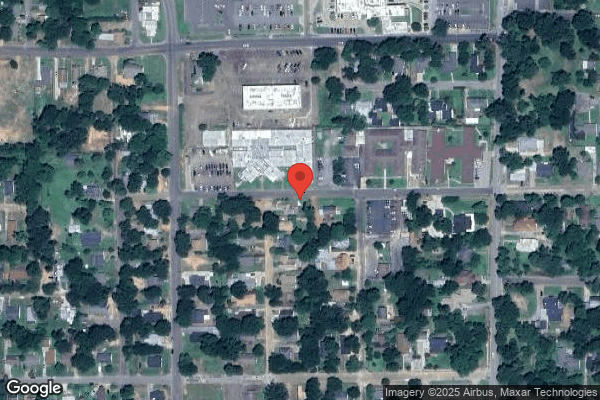
Aug 2022 2 deficiencies
CONCERN (D)

Potential for Harm - no one hurt, but risky conditions existed

Deficiency F0692 (Tag F0692)

Could have caused harm · This affected 1 resident

**NOTE- TERMS IN BRACKETS HAVE BEEN EDITED TO PROTECT CONFIDENTIALITY** Based on observation, interview, and record review, the facility failed to ensure a residents offered a therapeutic diet when th...

Read full inspector narrative →
**NOTE- TERMS IN BRACKETS HAVE BEEN EDITED TO PROTECT CONFIDENTIALITY** Based on observation, interview, and record review, the facility failed to ensure a residents offered a therapeutic diet when there is a nutritional problem and the health care provider ordered a therapeutic diet when there was a nutritional problem for 2 of 11 residents (Resident #8 and Resident #11). 1. The facility did not serve a mechanical soft diet with health shakes at meals for Resident #8 on 08/22/2022 and 08/23/2022 as indicated in the physician orders dated 9/16/2021. 2. The facility failed modify Resident #11's diet to include double portions with two meals and peanut butter and jelly sandwiches due to weight loss. These failures could place residents at risk for continued loss of weight, aspiration, and inadequate nutrition. Findings included: 1. Review of Resident #8's face sheet dated August 2022 indicated Resident #8 was an [AGE] year-old male who admitted to the facility on [DATE] with diagnoses including dementia, mild protein calorie malnutrition (a nutritional status in which reduced availability of nutrients leads to changes in body composition and function). Review of Resident #8's physicians orders dated August 2022 indicated an order from 9/16/2021 for a mechanical soft diet with health shakes with each meal. Review of Resident #8's annual MDS assessment dated [DATE] indicated Resident #8 had a BIMS (brief interview of mental status) score of 03, which indicated a severe cognitive impairment. The MDS indicated Resident #8 was usually understood and usually understood others. Resident #8 required limited assistance with eating, described as staff provided guided maneuvering of limbs during activity. No swallowing difficulty and a mechanically altered diet were recorded on 5/31/2022 MDS for Resident #8. During an observation of breakfast on 08/22/2022, Resident #8 was served a whole biscuit, scrambled eggs, cereal and 2 whole slices of bacon with chocolate milk and juice. The tray card for Resident #8 for breakfast on 08/22/2022 read regular diet. Mechanical soft was not on the tray card. No health shake was served. Resident #8 consumed 50% of meal in approximately 30 minutes independently. No assistance was given by staff except tray set up. Resident #8 coughed several times throughout the meal. Resident #8 had a constantly dripping nose that required the staff to get Resident #8 more napkins. During an interview with CNA D on 08/22/2022 at 8:00 am, CNA D stated Resident #8 always coughed while he ate and sometimes, he got choked on the meat they served him. CNA D stated Resident #8 had a runny nose during meals every time she worked with him. CNA D stated the staff knew to get Resident #8 extra napkins for his nose during meals. CNA D stated the kitchen sent the trays with the health shake on it if the resident was ordered to have a health shake. CNA D stated Resident #8's tray card did not indicate he was to have a health shake with meals. During an observation of lunch on 08/22/2022 at 12:30pm Resident #8 had a whole piece of chicken with the bone, zucchini, a roll and chocolate milk. No health shake was served on his meal tray. Resident #8 ate 25% of his lunch meal. No substitute or health shake was offered. During an observation of breakfast on 08/23/2022 at 8:00 am, Resident #8 had toast, whole bacon, cereal, and eggs. No health shake was on Resident #8's tray. Resident #8 was noted to have a runny nose and cough during the breakfast meal. Resident #8 consumed 25% of breakfast. During an interview on 8/23/2022 at 11:30 am the DM stated Resident #8 was on a regular diet and was to be given chocolate milk with each meal. DM stated she had no slip to change Resident #8's diet to mechanical soft. DM stated she had no slip to add health shakes with each meal for Resident #8. During an interview on 08/24/2022 at 10:00 am LVN B indicated Resident #8 had a poor appetite and had a chronic cough that got worse with eating. LVN B stated she noticed Resident #8 had a runny nose while eating but was unaware of how long it had occurred. LVN B had not reported the cough or runny nose to the MD. LVN B stated Resident #8 was on a mechanical soft diet with health shakes with meals. LVN B stated not getting the appropriate diet could lead to weight loss and aspiration (a condition in which food, liquids, saliva, or vomit is breathed into the airways with signs of runny nose and cough while eating). During an interview on 08/24/2022 at 1:30 pm the DON stated Resident #8 should be on a mechanical soft diet with health shakes at meals. DON stated not getting the appropriate diet could lead to weight loss, malnutrition, and aspiration. During an interview on 08/24/2022 at 2:00 pm the Administrator stated he was uncertain the reason Resident #8 had a meal tray card that stated Regular diet when he was on mechanical soft diet. The Administrator stated he was unsure why Resident #8 did not received house shakes with his meals as ordered. The Administrator ordered that an audit be done of the tray cards versus the physician diet orders. 2. Record review of the face sheet dated 08/24/22 revealed Resident #11 was [AGE] years old, female, and admitted on [DATE] with diagnoses including dementia with behavioral disturbance (verbal and physical aggression, wandering, and hoarding), abnormal weight loss (triggered on 08/10/22) and repeated falls. Record review of the consolidated physician orders dated 08/24/22 revealed on 08/10/22 Resident #11 was prescribed Remeron (used as an appetite stimulant) 7.5 MG by mouth at bedtime related to abnormal weight loss. The consolidated physician orders dated 08/17/22 revealed regular diet with double portion with two meals three times a day. The consolidated physician orders dated 08/23/22 revealed snack daily of a peanut butter and jelly sandwich at bedtime for Resident #11. Record review of the MDS dated [DATE] revealed Resident #11 was understood and usually understood others. The MDS revealed Resident #11 had a BIMS score of 02 which indicated severe cognitive impairment. The MDS revealed Resident #11 required supervision for bed mobility, transfer, eating, and toileting for ADL assistance but required limited assistance for dressing, personal hygiene, and bathing. Resident #11 had not loss 5% or more in the last month or 10% in last 6 months, so did not trigger in the MDS. Record review of the undated care plan did not address Resident #11's weight loss. The care plan revealed Resident #11 had poor cognition and unable to dress without assistance, bather properly, handle mechanics of toileting and resident experiences urinary and fecal incontinence. Record review of the Master weight sheet 2022 revealed Resident #11's weights were 03/22: 103lbs, 04/22: 101lbs, 05/22: 100.5lbs, 06/22: 97.5lbs, 07/22: 95.5lbs, 08/22: 93.5lbs. Record review of the monthly weight review for 08/2022 completed by the RD revealed on 08/11/22 Resident #11 was seen and noted to have lost 9lbs in the last 3 months and Remeron was started on 08/10/22. Record review of the standard dietary log dated 08/01/22-08/31/22 revealed Resident #11's ordered diet was regular diet three times a day until it was changed on 08/23/22. Record review of a dietary communication slip dated 08/16/22 revealed Resident #11 diet order was double portions with 2 meals a day with a comment of peanut butter and jelly sandwich every day. Record review of the medication record started on 08/23/22 by LVN A revealed Resident #11 had an order for regular diet, double portion with two meals for diagnosis of weight loss. The medication record with a start date of 08/23/22 revealed Resident #11 was ordered Peanut butter and jelly sandwich at bedtime snack. During an observation on 08/22/22 at 12:30 p.m., Resident #11 had a regular tray with regular sized portions. Resident #11 meal ticket had no notation of double portions. During an observation on 08/23/22 at 7:10 a.m., Resident #11 had a regular tray with regular sized portions. Resident #11 meal ticket had no notation of double portions. During an observation and interview on 08/23/22 at 12:00 p.m., during meal service the dietary manager said only 3 residents had orders for double portions, and she posted the list on the wall, Resident #11 was not on the posted list. She said the 3 residents did not eat the double portions, so she gave them yogurt instead for more protein. The meal service was observed until the end, and no resident received double portions. During an interview on 08/24/22 at 9:04 a.m., RA C said Resident #11 was getting weekly weight due to weight loss. She said she was on a regular diet with offered protein shakes. She said she knew about the new order for double portion but not about the peanut butter and jelly sandwiches. She said she thought the nurse had to get the order from the doctor then give it to the dietary supervisor who would update the meal ticket. She said everyone pretty much gets the same breakfast, so she did not notice if Resident #11 had double portions. She said the correct meal information should be on the ticket, so all staff know who to monitor for weight loss. During an interview on 08/24/22 at 9:20 a.m., LVN B said Resident #11 usually ate 50% of her meals and asked for snacks throughout the day. She said she did have a decline in weight and staff encouraged her to eat more of her meals. She said Resident #11 was on an appetite stimulant and resource/protein drink. She said Resident #11 asked for peanut butter and jelly sandwiches often. She said she was the nurse who got the order for double portions and peanut sandwiches, but she forgot to put it on the MAR. She said she did notify dietary of the new order. She said the day must have gotten away from her. She said it was important to follow physician's orders and Resident #11 could have lost more weight. During an interview on 08/24/22 at 10:08 a.m., the dietary supervisor said she started about 4 months ago. She said she received the new dietary communication order for double portion and sandwiches on 08/16/22. She said the double portion was implemented on 08/16/22. She said she doubled her portions and offered her snacks in between meals. She said Resident #11 meal ticket was not updated with the new order, but the dietary communication order was hanging above the steam table. She said the communication orders hung above the steam table to remind her for a week then she updated the meal tickets. She said after this miscommunication, the facility explained they wanted meal cards to be updated immediately to make diet orders. She said the nurse received the order then gives it to the dietary supervisor, then notified dietary staff and the staff called out the dietary orders during meals service. She said the facility started this new process to ensure residents received the correct dietary orders. She said it was important for everyone to be on the same page and for the resident to get the correct diet. During an interview on 08/24/2022 at 1:30 pm the DON said Resident #11 liked snacks better, but the NP decided to order double portion which was probably not a good choice for a dementia patient. She said Resident #11 already ate peanut butter and jelly sandwiches, but the NP wanted to write an order for documentation. She said the diet order should have been followed but they were going to discontinue the double portion order and come up with another idea to counter Resident #11 weight loss. Record review of a facility Therapeutic Diets policy dated 2019 revealed .the facility will provide a therapeutic diet that is individualized to meet the clinical needs .diets will be offered as ordered by physician.
CONCERN (E)

Potential for Harm - no one hurt, but risky conditions existed

Comprehensive Care Plan (Tag F0656)

Could have caused harm · This affected multiple residents

**NOTE- TERMS IN BRACKETS HAVE BEEN EDITED TO PROTECT CONFIDENTIALITY** Based on observations, interview, and record review, the facility failed to develop and implement a comprehensive person-centere...

Read full inspector narrative →
**NOTE- TERMS IN BRACKETS HAVE BEEN EDITED TO PROTECT CONFIDENTIALITY** Based on observations, interview, and record review, the facility failed to develop and implement a comprehensive person-centered care plan for each resident, consistent with the resident rights, that includes measurable objectives and timeframes to meet a resident's medical, nursing, mental and psychosocial needs that are identified in the comprehensive assessment for 4 of 13 residents (Resident #8, Resident #11, Resident #12, and Resident #23) reviewed for comprehensive person-centered care plans. The facility failed to develop and implement care plans for Resident #8 for the triggered care areas of falls, nutrition, and pressure ulcer. The facility failed to care plan Resident #11, Resident #12, and Resident #23's ADL assistance on their comprehensive care plan. The facility failed to care plan Resident #11 and Resident #23 weight loss and intervention on the comprehensive care plan. This failure could place residents at risk of weight loss. Findings included: 1. Review of Resident #8's face sheet dated August 2022 indicated Resident #8 was an [AGE] year-old male who admitted to the facility on [DATE] with diagnoses including dementia, mild protein calorie malnutrition (a nutritional status in which reduced availability of nutrients leads to changes in body composition and function), and mood disorder (a psychological disorder characterized by the elevation or lowering of a person's mood, such as depression or bipolar disorder). Review of Resident #8's annual MDS assessment dated [DATE] indicated Resident #8 had a BIMS (brief interview of mental status) score of 03, which indicated a severe cognitive impairment. The MDS indicated Resident #8 was usually understood and usually understood others. Resident #8 required limited assistance with eating, described as staff provided guided maneuvering of limbs during activity. No swallowing difficulty and a mechanically altered diet were recorded on 05/31/2022 MDS for Resident #8. Review of the CAAs (Care Area Assessment) dated 05/31/2022 indicated Resident #8 triggered for the care areas of falls, nutritional status, and pressure ulcers. The care area assessment for falls indicated a care plan would be created for the potential for falls related to balance impairment and scoring high on the fall risk assessment. The care area assessment for nutritional status was triggered related to Resident #8 being on a mechanical soft diet. The care area assessment for pressure ulcer indicated a care plan would be initiated related to the potential for skin impairment related to impaired mobility and poor nutrition. Review of the care plan dated 08/23/2022 revealed no care plan for the care area of falls, nutritional status, or pressure ulcers. 2. Record review of the face sheet dated 08/24/22 revealed Resident #11 was [AGE] years old, female, and admitted on [DATE] with diagnoses including dementia with behavioral disturbance (verbal and physical aggression, wandering, and hoarding), abnormal weight loss (triggered on 08/10/22) and repeated falls. Record review of the consolidated physician orders dated 08/24/22 revealed on 08/10/22 Resident #11 was prescribed Remeron (used as an appetite stimulant) 7.5 MG by mouth at bedtime related to abnormal weight loss. Record review of the MDS dated [DATE] revealed Resident #11 was understood and usually understood others. The MDS revealed Resident #11 had a BIMS score of 02 which indicated severe cognitive impairment. The MDS revealed Resident #11 required supervision for bed mobility, transfer, eating, and toileting for ADL assistance but required limited assistance for dressing, personal hygiene, and bathing. Record review of the undated care plan revealed Resident #11 had poor cognition and unable to dress without assistance, bather properly, handle mechanics of toileting and resident experiences urinary and fecal incontinence. Interventions included allow as many choices as possible, assist with all ADL's unable to perform independently, and provide consistent daily routine. The care plan did not specify assistance needed for ADLs and weight loss was not addressed. Record review of the monthly weight review for 08/2022 completed by the RD revealed on 08/11/22 Resident #11 was seen and noted to have lost 9 lbs in the last 3 months and Remeron was started on 08/10/22. 3. Record review of the face sheet dated 08/24/22 revealed Resident #12 was [AGE] years old, female, and admitted on [DATE] with diagnoses including dementia without behavioral disturbance, difficulty walking and muscle weakness. Record review of the MDS dated [DATE] revealed Resident #12 was usually understood and sometimes understood others. The MDS revealed Resident #12 was unable to complete the BIMS but experienced short-and-long term memory loss with moderately impaired cognitive skills for daily decision making. The MDS revealed Resident #12 required extensive assistance for bed mobility, transfer, dressing, toilet use, personal hygiene, and bathing but limited assistance for eating. Record review of the undated care plan revealed Resident #12 had poor cognition and unable to dress without assistance, bather properly, handle mechanics of toileting and resident experiences urinary and fecal incontinence. Interventions included allow as many choices as possible, assist with all ADL's unable to perform independently, and provide consistent daily routine. The care plan did not specify assistance needed for ADLs. 4. Record review of the face sheet dated 08/24/22 revealed Resident #23 was an [AGE] years old, female, and admitted on [DATE] with diagnoses including Alzheimer's, dementia, and abnormal weight loss (triggered on 06/08/22). Record review of the consolidated physician orders dated 08/24/22 revealed on 06/08/22 Resident #23 was prescribed Remeron (used as an appetite stimulant) 7.5 MG by mouth at bedtime related to abnormal weight loss. Record review of the MDS dated [DATE] revealed Resident #23 was usually understood and usually understood others. The MDS revealed Resident #23 was unable to complete the BIMS but experienced short-and-long term memory loss with modified independence cognitive skills for daily decision making. The MDS revealed Resident #23 required supervision for bed mobility, transfers, and eating, limited assistance for dressing and toilet use but extensive assistance for personal hygiene and bathing. Record review of the undated care plan revealed Resident #23 had poor cognition and did not recognize the need to dress appropriately. Interventions included allow as many choices as possible, assist with all ADL's unable to perform independently, and provide consistent daily routine. The care plan did not specify assistance needed for ADLs or weight loss. Record review of the Master Weight Sheet 2022 revealed Resident #23 was 179.0 lbs in 03/2022, 178.0lbs in 04/2022, 174.5lbs in 05/2022, 169.5lbs in 06/2022, and 166.0 lbs in 07/2022 and 08/2022. During an interview in 08/24/22 at 9:04 a.m., RA C said she knew Resident #11, Resident #12, and Resident #23. She said Resident #11 was independent for most ADLs but required some assistance with bathing and things like that. She said Resident #12 required a good amount of assistance with everything expect for eating but some days, she needed extensive assistance. She said Resident #23 was independent with most ADLs but required a good amount of help with bathing. She said depending on the day, Resident #23 resisted assistance with cares. She said Resident #11 and Resident #23 did have weight loss. She said RAs did the weights and both residents were getting weekly weights to monitor weight loss. She said she did not know how weight loss and ADL assistance got on the care plan, but she charted the type of assistance the resident required in the ADL book. She met with the DON weekly to go over resident's weights and planned interventions. She said she looked at the care plan daily to know how to care for the residents, so it should be as detailed as possible. She said it needed to be detailed so staff could know if a resident was had an improvement or decline in ADL assistance. She said it was important to have Resident #11 and Resident #23 weight loss care planned to make sure staff closely monitor intake and know which intervention such as protein shakes, worked or not. During an interview on 08/24/22 at 9:20 a.m., LVN B said she had worked at the facility for 9 years and rotated working the secured unit. She said Resident #11 and Resident #23 were independent with transfer and mobility but required limited assistance for all other ADLs. She said Resident #12 had her days, but normally required limited to extensive assistance for ADLS. She said ADL assistance should be on the care plan and correlate with the MDS. She said Resident #11 and Resident #23 had weight loss issues. She said Resident #11 was recently. She said orders for appetite stimulants and diet changes had been made for Resident #11 and Resident #23, so the care plan should have been updated. She said the care plan should reflect the resident's current needs and how to address those needs. She said the MDS nurse was responsible for updating the care plans. During an interview with the MDS coordinator on 08/24/2022 12:40pm it was revealed that the MDS coordinator was the sole person responsible for creating and updating care plans for all the residents in the facility. The MDS coordinator revealed she care planned all triggered areas once the MDS was complete. The MDS coordinator stated she could not say for certain why the areas of falls, nutrition, and pressure ulcers that were all triggered areas for Resident #8, were not care planned. The MDS coordinator stated she was informed by the DON about falls and interventions on a weekly basis. The MDS coordinator stated she was informed about diet changes and weight loss by the dietary manager on a weekly basis. The MDS coordinator was unaware that ADL ability should be care planned if it triggered on the MDS. The MDS coordinator stated she had to seek out the information on new orders and order changes from charge nurses to care plan changed medications. The MDS coordinator stated weight change, medication change, and skin impairment should be care planned within days of the change so that the staff could monitor for further change or reaction. The MDS coordinator stated failure to care plan this information could hinder the resident from receiving the appropriate care needed to have a good quality of life. During an interview with the DON on 08/24/2022 at 1:00 pm, she stated it was important to have complete and accurate care plans to ensure the residents get the care the residents needed. The DON was uncertain why the triggered areas were not care planned. Resident #8 needed to have a care plan for nutrition for the mechanical soft diet and for falls because he had a potential for falls related to unsteady gait. The DON acknowledged Resident #11, and Resident #23 should have been care planned for weight changes to alert the staff of the interventions in place and not having these things care planned could make the staff unaware of the interventions, which could lead to further weight loss. During an interview on 08/24/2022 at 1:22 pm, the Administrator stated care plans were important for the staff to be able to identify different interventions and preferences of residents to provide quality care. A care plan policy was requested and was not provided by the facility prior to exit.
Understanding Severity Codes (click to expand)
Life-Threatening (Immediate Jeopardy)
J - Isolated K - Pattern L - Widespread
Actual Harm
G - Isolated H - Pattern I - Widespread
Potential for Harm
D - Isolated E - Pattern F - Widespread
No Harm (Minor)
A - Isolated B - Pattern C - Widespread

Questions to Ask on Your Visit

  • "Can I speak with families of current residents?"
  • "What's your RN coverage like on weekends and overnight?"

Our Honest Assessment

Strengths
  • • No major safety red flags. No abuse findings, life-threatening violations, or SFF status.
  • • No fines on record. Clean compliance history, better than most Texas facilities.
  • • 32% turnover. Below Texas's 48% average. Good staff retention means consistent care.
Concerns
  • • 19 deficiencies on record. Higher than average. Multiple issues found across inspections.
Bottom line: Generally positive indicators. Standard due diligence and a personal visit recommended.

About This Facility

What is Marshall Manor West's CMS Rating?

CMS assigns MARSHALL MANOR WEST an overall rating of 4 out of 5 stars, which is considered above average nationally. Within Texas, this rating places the facility higher than 99% of the state's 100 nursing homes. This rating reflects solid performance across the metrics CMS uses to evaluate nursing home quality.

How is Marshall Manor West Staffed?

CMS rates MARSHALL MANOR WEST's staffing level at 4 out of 5 stars, which is above average compared to other nursing homes. Staff turnover is 32%, compared to the Texas average of 46%. This relatively stable workforce can support continuity of care.

What Have Inspectors Found at Marshall Manor West?

State health inspectors documented 19 deficiencies at MARSHALL MANOR WEST during 2022 to 2024. These included: 19 with potential for harm.

Who Owns and Operates Marshall Manor West?

MARSHALL MANOR WEST is owned by a government entity. Government-operated facilities are typically run by state, county, or municipal agencies. The facility is operated by CARING HEALTHCARE GROUP, a chain that manages multiple nursing homes. With 118 certified beds and approximately 49 residents (about 42% occupancy), it is a mid-sized facility located in MARSHALL, Texas.

How Does Marshall Manor West Compare to Other Texas Nursing Homes?

Compared to the 100 nursing homes in Texas, MARSHALL MANOR WEST's overall rating (4 stars) is above the state average of 2.8, staff turnover (32%) is significantly lower than the state average of 46%, and health inspection rating (3 stars) is at the national benchmark.

What Should Families Ask When Visiting Marshall Manor West?

Based on this facility's data, families visiting should ask: "Can I visit during a mealtime to observe dining assistance and food quality?" "How do you handle medical emergencies, and what is your hospital transfer rate?" "Can I speak with family members of current residents about their experience?"

Is Marshall Manor West Safe?

Based on CMS inspection data, MARSHALL MANOR WEST has a clean safety record: no substantiated abuse findings (meaning no confirmed cases of resident harm), no Immediate Jeopardy citations (the most serious violation level indicating risk of serious injury or death), and is not on the Special Focus Facility watch list (a federal program monitoring the lowest-performing 1% of nursing homes). The facility has a 4-star overall rating and ranks #1 of 100 nursing homes in Texas. While no facility is perfect, families should still ask about staff-to-resident ratios and recent inspection results during their visit.

Do Nurses at Marshall Manor West Stick Around?

MARSHALL MANOR WEST has a staff turnover rate of 32%, which is about average for Texas nursing homes (state average: 46%). Moderate turnover is common in nursing homes, but families should still ask about staff tenure and how the facility maintains care continuity when employees leave.

Was Marshall Manor West Ever Fined?

MARSHALL MANOR WEST has no federal fines on record. CMS issues fines when nursing homes fail to meet care standards or don't correct problems found during inspections. The absence of fines suggests the facility has either maintained compliance or corrected any issues before penalties were assessed. This is a positive indicator, though families should still review recent inspection reports for the full picture.

Is Marshall Manor West on Any Federal Watch List?

MARSHALL MANOR WEST is not on any federal watch list. The most significant is the Special Focus Facility (SFF) program, which identifies the bottom 1% of nursing homes nationally based on persistent, serious quality problems. Not being on this list means the facility has avoided the pattern of deficiencies that triggers enhanced federal oversight. This is a positive indicator, though families should still review the facility's inspection history directly.