Coral Rehabilitation and Nursing of McGregor
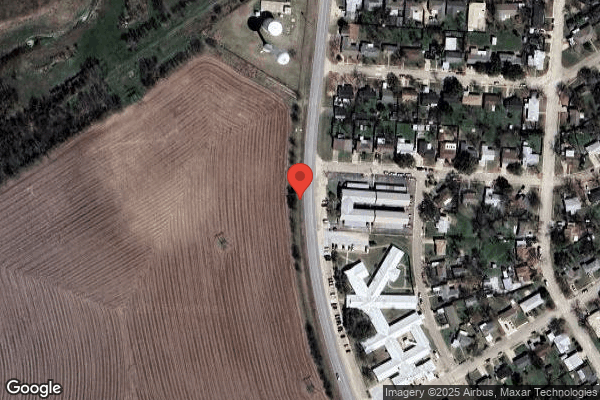
414 Johnson Dr, Mc Gregor, TX 76657 (254) 840-3281
For profit - Limited Liability company 186 Beds Independent Data: November 2025 6 Immediate Jeopardy citations
Trust Grade
0/100
#961 of 1168 in TX
Last Inspection: December 2024

Within standard 12-15 month inspection cycle. Federal law requires annual inspections.

Overview

Coral Rehabilitation and Nursing of McGregor has a Trust Grade of F, which indicates poor performance and significant concerns regarding care quality. It ranks #961 out of 1168 facilities in Texas, placing it in the bottom half, and #9 out of 17 in McLennan County, meaning there are only a few local options that are better. The facility's performance has been stable, with five critical issues reported in both 2024 and 2025. Staffing is a concern with a rating of 2/5 stars and a high turnover rate of 65%, which is above the Texas average. Additionally, there were troubling incidents where residents did not receive adequate supervision, and medication errors that led to serious health risks for a resident, highlighting both staffing challenges and the need for better medication management.
Trust Score
F
0/100
In Texas
#961/1168
Bottom 18%
Safety Record
High Risk
Review needed
Inspections
Holding Steady
5 → 5 violations
Staff Stability
⚠ Watch
65% turnover. Above average. Higher turnover means staff may not know residents' routines.
Penalties
✓ Good
$49,443 in fines. Lower than most Texas facilities. Relatively clean record.
Skilled Nurses
⚠ Watch
Each resident gets only 14 minutes of Registered Nurse (RN) attention daily — below average for Texas. Fewer RN minutes means fewer trained eyes watching for problems.
Violations
⚠ Watch
19 deficiencies on record. Higher than average. Multiple issues found across inspections.
★☆☆☆☆
1.0
Overall Rating
★★☆☆☆
2.0
Staff Levels
★★★★☆
4.0
Care Quality
★☆☆☆☆
1.0
Inspection Score
Stable
2024: 5 issues
2025: 5 issues

The Good

  • 4-Star Quality Measures · Strong clinical quality outcomes
  • Full Sprinkler Coverage · Fire safety systems throughout facility
  • No fines on record

Facility shows strength in quality measures, fire safety.

The Bad

1-Star Overall Rating

Below Texas average (2.8)

Significant quality concerns identified by CMS

Staff Turnover: 65%

19pts above Texas avg (46%)

Frequent staff changes - ask about care continuity

Federal Fines: $49,443

Above median ($33,413)

Moderate penalties - review what triggered them

Staff turnover is elevated (65%)

17 points above Texas average of 48%

The Ugly 19 deficiencies on record

6 life-threatening
Aug 2025 2 deficiencies
CONCERN (D) 📢 Someone Reported This

A family member, employee, or ombudsman was alarmed enough to file a formal complaint

Potential for Harm - no one hurt, but risky conditions existed

Deficiency F0558 (Tag F0558)

Could have caused harm · This affected 1 resident

**NOTE- TERMS IN BRACKETS HAVE BEEN EDITED TO PROTECT CONFIDENTIALITY** Based on observation, interview, and record review, the facility failed to ensure the resident had the right to reside and recei...

Read full inspector narrative →
**NOTE- TERMS IN BRACKETS HAVE BEEN EDITED TO PROTECT CONFIDENTIALITY** Based on observation, interview, and record review, the facility failed to ensure the resident had the right to reside and receive services in the facility with reasonable accommodations of resident needs and preferences except when to do so would endanger the health or safety of the resident or other residents for 2 of 5 residents (Residents #1 & #2) reviewed for resident rights. The facility failed to ensure Resident #1 and #2's call lights were within reach on 08/07/2025. This failure could place residents at risk of their needs not being met. Findings include: Record review of Resident #1's admission record, dated 08/07/2025, reflected a [AGE] year-old male who was admitted to the facility on [DATE]. Resident #1 had diagnoses which included: cerebrovascular disease (a condition that affect blood flow to the brain), type 2 diabetes mellitus without complications (a condition where the body either doesn't produce enough insulin or can't properly use the insulin it makes causing blood sugar levels to become too high) age related physical debility (natural decline in physical abilities that often come with aging), acute kidney failure (when your kidneys suddenly stop working properly), muscle wasting and atrophy (decrease in size and wasting of muscle tissues), and muscle weakness (decrease ability of muscles to contract and move). Record review of Resident #1's Quarterly MDS assessment, dated 06/24/2025, reflected the resident had a BIMS score of 04, which indicated severe cognitive impairment. Resident #1 required partial/moderate assistance in the areas of toileting hygiene, shower/bathe self, upper body dressing, lower body dressing, and putting on/taking off footwear. Record review of Resident #1's care plan, dated 08/07/2025, reflected Resident #1 was care planned for ADL self-care performance deficit r/t activity intolerance, decline in physical condition, stroke and had an intervention of encourage [Resident #1] to use bell to call for assistance. During an attempted interview and observation on 08/07/2025 at 9:36 AM., revealed Resident #1's call light was observed lying on the ground out of his reach near the bed of Resident #1's bed. Resident #1 sat in his wheelchair watching tv approximately 3 feet from his call light that was on the ground. Resident #1 could not be interviewed due to his cognitive impairment. Record review of Resident #2's admission record, dated 08/07/2025, reflected a [AGE] year-old male who was admitted to the facility on [DATE]. Resident #2 had diagnoses which included: unspecified dementia mild without behavioral disturbance, psychotic disturbance, mood disturbance and anxiety (memory loss and thinking difficulties), cognitive communication deficit (difficulty with thinking and using language), muscle wasting and atrophy (the muscles are shrinking and losing strength), and hyperlipidemia (having high levels of fats including cholesterol and triglycerides in your blood.) Record review of Resident #2's Quarterly MDS assessment, dated 07/18/2025, reflected the resident had a BIMS score of 03, which indicated severe cognitive impairment. Resident #2 required partial/moderate assistance in the area of shower/bathe self. Resident #2 required supervision or touching assistance in the areas of oral hygiene, toileting hygiene, upper body dressing, lower body dressing, putting on/taking off footwear and personal hygiene Record review of Resident #2's care plan, dated 08/07/2025, reflected Resident #2 was care planned for [Resident #2] needs staff participation with ADL's due to: DX Dementia/Cognitive loss and may refuse showers at times and Resident #2 has impairment cognitive function/dementia or impaired thought processes r/t dementia. During an interview and observation on 08/07/2025 at 9:37 AM., reflected Resident #2 was laying in bed while his call light was observed lying on the ground underneath his bed. CMA A was present at the time Resident #2's call light was observed underneath his bed. Resident #2 stated his call light was often out of his reach. Resident #2 stated he would have to go look for staff if he needed help. During an interview with CMA A on 08/07/2025 at 1:15 PM, CMA A stated that she observed Resident #2's call light was underneath his bed and out of his reach. CMA A stated that it was all staff responsibility to ensure resident's call light were always within reach. CMA A if a resident call light was not in reach, then the resident would not be able to call for assistance if they needed it. During an interview with CNA A on 08/07/2025 at 1:25 PM, CNA A stated the CNAs made rounds at least every two hours. CNA A stated during rounds CNAs checked to see if residents needed water, a snack, or if a resident needed to be changed. CNAs ensured the residents call lights were always within reach. CNA A stated there was no negative outcome of Residents #1 & #2 call lights not being within reach because both residents could come find staff if they needed help. During an interview with the DON on 08/07/2025 at 2:40 PM, the DON stated all residents' call lights should always be within reach. The DON stated it was everyone's responsibility to ensure residents' call lights were always within reach. The DON stated if a resident's call light was not within reach, the resident would not be able to receive assistance if they needed it. The DON stated that Residents #1 & #2 could come get help if they need it. During an interview with the ADM on 08/07/2025 at 3:45 PM, the ADM stated call lights should always be within reach. The ADM stated it was everyone's responsibility to ensure the call lights were within reach. The ADM stated if a residents' call light was not within reach, then the resident's needs would not be met in a timely manner. The ADM stated his expectation was for staff members to ensure call lights were within reach prior to exiting the residents' rooms. During an interview with the DCO on 08/07/2025 at 4:45 PM, the DCO stated the purpose of a call light was to notify staff if the resident needs assistance. The DCO stated call lights should always be within reach. The DCO stated it was everyone's responsibility to ensure the call lights were within reach. The DCO stated if a resident's call light was not within reach, then the resident would not be able to call for assistance. A record review of the facility's Call System, Resident policy, dated September 2022 reflected, Resident are provided with a means to call staff for assistance through a communication system that directly calls a staff member or a centralized work station. Policy Interpretation and Implementation
CONCERN (D) 📢 Someone Reported This

A family member, employee, or ombudsman was alarmed enough to file a formal complaint

Potential for Harm - no one hurt, but risky conditions existed

Comprehensive Care Plan (Tag F0656)

Could have caused harm · This affected 1 resident

**NOTE- TERMS IN BRACKETS HAVE BEEN EDITED TO PROTECT CONFIDENTIALITY** Based on interviews, and record review the facility failed to develop and implement a comprehensive person-centered care plan fo...

Read full inspector narrative →
**NOTE- TERMS IN BRACKETS HAVE BEEN EDITED TO PROTECT CONFIDENTIALITY** Based on interviews, and record review the facility failed to develop and implement a comprehensive person-centered care plan for each resident, consistent with the resident rights, that included measurable objectives and timeframes to meet a resident's medical, nursing, and mental and psychosocial needs that were identified in the comprehensive assessment for 1 of 5 residents (Resident #3) reviewed for comprehensive care plans Resident #3's comprehensive care plan did not reflect Resident #3 had fallen on 07/12/25 and 07/29/25. This deficient practice could place residents at risk for not receiving proper care and services due to inaccurate care plans. Findings include: Record review of Resident #3's admission record, dated 08/07/2025, reflected a [AGE] year-old female who was admitted to the facility on [DATE]. Resident #3 had diagnoses which included: vascular dementia (type of dementia caused by impaired blood flow to the brain, leading to brain cell damage and cognitive decline), depression (mental health condition where a person experiences persistent feelings of sadness, loss of interest in activities and difficulty with daily task), muscle weakness (reduced ability of the body to contract muscle properly, resulting in a lower strength in one or more muscle), lack of coordination (having difficulty controlling your movements and making them work together smoothly), unsteadiness on feet (feeling wobbly, off balance, or like you might fall while walking or standing) and repeated falls (falling more than once within a specific timeframe).Record review of Resident #3's Quarterly MDS assessment, dated 07/11/2025, reflected the resident had a BIMS score of 10, which indicated moderate cognitive impairment. Resident #3 required supervision or touching assistance in the areas of shower/bather, upper body dressing, and lower body dressing. A record review of the facility's incident by incident type dated 08/07/25, reflected Resident #3 had falls on 07/12/25 and 07/29/25. A record review of Resident #3's progress notes dated 08/07/25, reflected on 07/12/25: [Resident #3] stated to this nurse ‘I fell coming out the bathroom and hit something and landed on the floor'. This nurse asked resident how she got up off the floor, resident stated ‘one leg at a time'. This nurse assessed skin no injuries to report.). On 07/29/25: Resident was on the floor in her bathroom by the door. Resident was unable to say what happened or what she was doing when she fell. No injuries noted.Record review of Resident #3's care plan, dated 08/07/2025, reflected Resident #3 was care planned for [Resident #3] is at risk for fall due to unsteady gait, decrease balance, medication, poor safety awareness. Resident #3 fall care plan focused was initiated on 04/26/22 and revised 04/29/22. Resident #3 care plan did not reflect her falls on 07/12/25 and 07/29/25. During an interview with Resident #3 on 08/07/2025 at 11:10am., Resident #3 stated she has fallen recently but did not remember the dates of her falls. Resident #3 stated her last fall was in the restroom. Resident #3 stated she was not injured during her falls. During an interview with the ADON on 08/07/2025 at 2:40 PM, the ADON stated that Resident #3 had fallen recently. The ADON stated that she updated the acute care plans during the morning meeting. The ADON stated that during the weekly standard of care meeting on Thursdays, the DON and MDS Coordinator should review and update the residents' care plans. The ADON stated if a resident's care plan was not updated with new fall interventions, then the staff would not know how to assist the resident appropriately. During an interview with the DON on 08/07/2025 at 3:05 PM, the DON stated it was the MDS Coordinator's responsibility for updating residents' care plans. The DON stated if a resident had fallen then new interventions should be implemented and therapy would pick the resident up for services. The DON stated she was not aware that Resident #3's care plan was not updated to reflect her most recent fall. The DON stated that the resident was being seen by therapy as an intervention, but that was not reflected on the resident's care plan. During an interview with the ADM on 08/07/2025 at 3:45 PM, the ADM stated that it was the MDS Coordinator's responsibility to update resident's care plans. The ADM stated that if a resident had fallen then the care plan was usually updated during the morning meeting the following day. The ADM stated she could not give a negative outcome without know the specific situation. The ADM refused to look at the Resident #3's progress notes or care plan during the interview. During an interview with the DCO on 08/07/2025 at 4:45 PM, the DCO stated if a resident had fallen then the resident's care plan should be updated to reflect the fall so new intervention could added to the care plan. The DCO if a resident's care plan was not updated then staff would not know what interventions to attempt to prevent the resident from falling. The DCO stated she expected for resident care plans to be updated to reflect resident fall so new intervention can be implemented appropriately. A record review of the facility's Comprehensive Care Planning policy, revised dated December 2016, reflected A comprehensive, person-centered care plan that includes measurable objectives and timetables to meet the resident's physical, psychosocial and functional needs is developed and implemented for each resident. Policy Interpretation and Implementation1. The Interdisciplinary Team (IDT), in conjunction with the resident and his/her family or legal representative, develops and implements a comprehensive, person-centered care plan for each resident.2. The care plan interventions are derived from a thorough analysis of the information gathered as part of the comprehensive assessment.3. The IDT includes:a. The attending physician;b. A registered nurse who has responsibility for the resident:c. A nurse aide who has responsibility for the resident;d. A member of the food and nutrition services staff;e. The resident and the resident's legal representative (to the extent practicable); and f. Other appropriate staff or professionals as determined by the resident's needs or as requested by the resident.
Jun 2025 3 deficiencies 3 IJ
CRITICAL (J) 📢 Someone Reported This

A family member, employee, or ombudsman was alarmed enough to file a formal complaint

Immediate Jeopardy (IJ) - the most serious Medicare violation

Notification of Changes (Tag F0580)

Someone could have died · This affected 1 resident

**NOTE- TERMS IN BRACKETS HAVE BEEN EDITED TO PROTECT CONFIDENTIALITY** Based on interviews and record reviews the facility to immediately inform the resident; consult with the resident's physician; a...

Read full inspector narrative →
**NOTE- TERMS IN BRACKETS HAVE BEEN EDITED TO PROTECT CONFIDENTIALITY** Based on interviews and record reviews the facility to immediately inform the resident; consult with the resident's physician; and notify, consistent with his or her authority, the resident representative(s) when there is a significant change in the resident's physical status for 1 (Resident #1) of 5 residents reviewed for resident rights. The facility failed to ensure the MD and Hospice were notified when Resident #1 had a change of condition on [DATE] with blood in his foley catheter (a medical device, a thin flexible, sterile tube that is inserted through the urethra into the bladder to drain urine). Resident #1 was sent to the ER on [DATE] for further evaluation and treatment and was diagnosed with Sepsis (a serious condition in which the body responds improperly to an infection, causing organ damage and sometimes death) without acute organ dysfunction, Acute urinary retention (a sudden and often painful inability to empty the bladder, which can develop rapidly and may require immediate medical attention. Symptoms may include suprapubic pain, bloating, urgency, and distress), Complicated Urinary tract infection (a UTI with a higher risk of treatment failure) associated with indwelling urethral catheter, Dehydration (occurs when your body loses more fluids than it takes in, leading to insufficient water for normal bodily functions). Resident #1 later died in the hospital on [DATE]. This failure resulted in an identification of an Immediate Jeopardy (IJ) on [DATE] at 2:02 p.m. and an IJ template was given. While the IJ was removed on [DATE] at 5:03 p.m., the facility remained out of compliance at a severity of no actual harm with a potential for more than minimal harm, that was not immediate jeopardy at a scope of isolated, due to the facility's need to evaluate the effectiveness of the corrective systems. This deficient practice could place residents at risk for pain, hospitalization, and death. Findings included: Review of Resident # 1's face sheet dated [DATE] reflected an [AGE] year-old male admitted on [DATE] with diagnoses that included: Parkinson's disease (a movement disorder that affects the nervous system and cause tremor, stiffness, slowing of movement and other problems), Acute Kidney failure (also known as acute renal failure is a condition where your kidneys stop working suddenly), obstructive and reflux uropathy (occurs when urine flow is blocked, either partially or completely through the ureter, bladder, or urethra.), BPH (Benign prostatic Hyperplasia occurs when the cells of the prostate gland begin to multiply. These additional cells cause your prostate gland to swell, which squeezes the urethra and limit urine flow) with lower urinary tract symptoms, and history of Urinary Tract Infections (UTI -occurs when bacteria get in the urinary system, often through the urethra, and begin to multiply in the bladder). Review of Resident #1's significant change MDS dated [DATE] indicated the Staff assessment of Mental Status reflected Resident #1 had short-term and long-term memory problems. Section H- Bladder and Bowel reflected Resident #1 had an indwelling catheter. Section J-Pain Assessment Interview reflected Resident #1 experience pain almost constantly. Review of Resident #1's care plan dated [DATE] reflected Resident #1 needed staff participation with ADLs due to weakness, Resident #1 required the use of indwelling catheter related to urinary retention with intervention to observe for signs and symptoms for UTI and notify charge nurse and physician for further assessment, medication as ordered, irrigate catheter per physician orders. It was noted that Resident #1 was at risk for pain related to disease process End Stage Parkinson with intervention to Administer analgesia as per orders. Give 1/2 hour before treatments or care. Anticipate the resident's need for pain relief and respond immediately to any complaint of pain. Monitor/document for probable cause of each pain episode. Remove/limit causes where possible. Review of Resident #1's progress notes from [DATE] through [DATE] did not indicate Resident #1's family, his Hospice nurse or the MD were notified of the change of condition. Review of Resident #1's hospital records dated [DATE] reflected he was diagnosed with Sepsis (a serious condition in which the body responds improperly to an infection, causing organ damage and sometimes death) without acute organ dysfunction, Acute urinary retention (a sudden and often painful inability to empty the bladder, which can develop rapidly and may require immediate medical attention. Symptoms may include suprapubic pain, bloating, urgency, and distress), Complicated Urinary tract infection (a UTI with a higher risk of treatment failure) associated with indwelling urethral catheter, Dehydration (occurs when your body loses more fluids than it takes in, leading to insufficient water for normal bodily functions). Review of Resident #1's hospital records dated [DATE] reflected, Resident [#1] was admitted to inpatient Hospice services, symptoms were managed with IV medication. He expired peacefully on [DATE] while in the hospital. During an interview on [DATE] at about 9:46 a.m., Resident #1's family stated blood was noted in Resident #1's catheter tubing with no urine in the drainage bag on [DATE] and LVN B was made aware. Family also stated Blood was again noted in Resident #1's catheter on [DATE], about half a cup of fluid and LVN A was notified. Family stated they told LVN A that the last time there was blood in Resident #1's catheter, he had to be sent to the ER immediately and was told by LVN A that hospice do not work on the weekend and would be notified later. Resident #1's family stated Resident #1 was not sent to the ER until [DATE], was septic by the time he got to the hospital, was placed on inpatient hospice because of the severity of the infection. During an interview on [DATE] at 11:33 a.m., Resident #1's Hospice nurse stated she was made aware by LVN B on [DATE] of Resident #1 having blood in his foley catheter with urine output of 25cc. She stated she asked LVN B to irrigate the catheter and call back it there was no changes. She stated she was not made aware that Resident #1 had blood in his catheter since [DATE], she would have sent Resident #1 to the hospital sooner to replace his catheter. Resident #1's hospice nurse stated when she saw Resident #1 on [DATE] he was uncomfortable. During an interview on [DATE] at about 12:00 p.m., CNA F stated she worked with Resident #1 during the night shift on 5/16, 5/17 and [DATE]. CNA F stated Resident #1 had blood in his foley catheter and LVN C was aware. CNA F stated Resident #1 had pain all over but mainly his stomach and LVN C was aware of that. During an interview on [DATE] at about 12:13 p.m., CNA E, stated she worked with Resident #1 during the day shift on 5/16/, 5/17 5/18 and [DATE].CNA E stated Resident #1 started to have blood in his foley catheter bag from [DATE]. CNA E stated Resident #1 urine output was never over 50 cc and was all blood. CNA E stated it was brought to the attention of LVN A and B and they both stated they knew. CNA E also stated Resident #1 was pulling on the catheter like there was discomfort and he didn't want the catheter in., he was fidgeting. During an interview on [DATE] at about 12:39 p.m., LVN C stated he worked with Resident #1 on the weekend of 5/16 through [DATE] overnight. LVN C stated he got in report on [DATE] that Resident #1 had blood in his foley catheter. LVN C also stated Resident was making the AHHH sound while moaning and he gave Resident #1 pain medication on 5/17 and [DATE]. LVN C stated he did not document Resident #1's change in condition because Resident #1 was on hospice, and everyone was aware that there was blood in Resident #1's catheter and that Resident #1 was noted for pulling his catheter out. LVN C stated he did not notify the MD or Hospice. LVN C also stated they just pass it on in report from shift to shift each day the entire weekend. During an interview on [DATE] at 2:13 p.m., the DON stated If it was blood, I expect the staff to irrigate the catheter, make sure it was clear or clearer with documentation to say that. They are not ever supposed to wait for few days before notifying the hospice or the Doctor. During an interview on [DATE] at 3:22 p.m., the MD stated she was familiar with Resident #1. The MD stated, The patient was on hospice, PO intake was poor, enlarge prostate and the urine will not flow. The staff are supposed to check for output every shift, within 24 hours, if there was no output they should have notified someone. The MD stated the protocol was for staff to notify Hospice on-call nurse and MD, if unsuccessful, notify her team. The MD stated she was not notified. Review of facility's policy titled Change of Condition dated [DATE] reflected: Purpose To provide a standardized process for identifying, assessing, and responding to changes in the physical, cognitive, or emotional condition of nursing home residents, ensuring timely and appropriate notification to the physician, responsible party, and hospice care team (if applicable). Scope This policy applies to all nursing home staff, including nursing, medical, and administrative personnel, involved in the care and communication of residents' health status. Definitions o Change of Condition: A significant and noticeable alteration in a resident's health, behavior, or physical functioning. This can include changes in vital signs, cognitive function, mobility, skin integrity, or overall mental or emotional well-being. o Responsible Party: The individual designated by the resident or their legal representative (e.g., family member, legal guardian) who is responsible for making healthcare decisions or being notified of the resident's health status. o Physician: The attending or primary physician responsible for the overall medical care of the resident. o Hospice Care: Specialized care provided to terminally ill residents, focusing on comfort, pain management, and quality of life at the end of life. Physical Changes Cognitive Function: Sudden confusion, agitation, delirium, or memory decline. o Pain: Increased reports or signs of pain (verbal or non-verbal), requiring reassessment or pam management. Appetite _ or Fluid Intake: significant changes in eating or drinking patterns including refusal to eat or drink. 2. Assessment of Change of Condition Once a change of condition is identified, the responsible nursing staff member must perform a thorough assessment to determine the severity of the change and its potential causes. This includes: o Reviewing the Resident's Medical History: Consider any chronic conditions or known issues that might be exacerbated. o Monitoring Vital Signs: Repeat vital signs if necessary to confirm a significant change. o Assessment Tools: Use appropriate clinical assessment tools (e.g., Braden Scale for pressure ulcers, pain scales, delirium assessment tools) to measure and document the change. o Documentation: Thoroughly document all findings, including changes in symptoms, assessment details, interventions, and the time the change was first noted. 3. Notification Protocol Once a change in condition has been identified and assessed, the following notification protocols should be followed to ensure that all relevant parties are informed promptly and appropriately. 3.1 Notification of the Physician Immediate Notification: The attending physician must be notified of an) significant change in the resident's condition that could impact their health or require changes to their care plan. This should be done within one hour of identifying the change. Documentation: Document the time of the notification. the person contacted. and the physician's response or instructions in the resident's medical record. Critical Changes: If the change in condition is life-threatening or requires urgent intervention, notify the physician immediately. and follow up with any necessary interventions (e.g., emergency medication. transfer to the hospital). 3.3 Notification of Hospice (If Applicable) o Hospice Involvement: If the resident is under hospice care, the hospice care team must be notified promptly of any changes in condition, especially if the change indicates a worsening or imminent decline in the resident's health. o Timely Communication: Hospice care providers should be contacted immediately if the change of condition is related to end-of-life issues, such as increased pain, difficulty breathing, or changes in consciousness. o Collaboration: The nursing home staff should collaborate with the hospice team to discuss the next steps in care, including adjusting the hospice care plan, symptom management, and family support. Review of facility's policy titled Resident Rights dated [DATE] reflected: Policy Statement-- Employees shall treat all residents with kindness, respect, and dignity. I. equal access to quality of care regardless of source of payment. Review of facility's policy titled Hospice Program dated [DATE] reflected: Policy Statement Hospice services are available to residents at the end of life. In generally, it is the responsibility of the facility to meet the resident's personal care and nursing needs in coordination with the hospice representative and ensure that the level of care provided is appropriately based on the individual resident's needs. These include: a. Twenty-four-hour room and board care, b. Administering prescribed therapies, incl a. b. Administering prescribed therapies, including those therapies determined appropriate by the hospice and delineated in the hospice plan of care. c. Notifying the hospice about the following: (1) A significant change in the resident's physical, mental, social, or emotional status. (2) Clinical complications that suggest a need to alter the plan of care. (3) A need to transfer the resident from the facility for any condition. (4) The resident's death. d. Communicating with the hospice provider (and documenting such communication) to ensure that the needs of the resident are addressed and met 24 hours per day. The Administrator and ADON were notified on [DATE] at 2:02 p.m., that an IJ had been identified and an IJ template was provided. The following POR was approved on [DATE] at 10:25 a.m. Plan of Removal for F580 - Notification of Changes Regulatory Tag: F580 On [DATE], an abbreviated survey was initiated at the facility. On [DATE] the surveyor provided an Immediate Jeopardy (IJ) Template notification that the Regulatory Services has determined that the condition at the facility constitutes an immediate jeopardy to resident health and safety. The notification of Immediate Jeopardy states as follows: The facility failed to ensure the MD and Hospice were notified when Resident #1 had a change of condition on [DATE] with blood in his foley catheter. Resident #1 was sent to the ER on [DATE] for further evaluation and treatment where Resident #1 was diagnosed with Sepsis without acute organ dysfunction, Acute urinary retention, Complicated Urinary tract infection associated with indwelling urethral catheter, Dehydration, and Retention of urine. 1. Immediate Protection for Resident #1 and Related Residents: Resident #1 expired in the hospital. The Physician was contacted by DON/ADON and updated on the two other residents that have a indwelling catheter or are on Hospice services. The responsible parties for the indwelling catheter residents and Hospice residents were notified by DON/ADON and documentation completed showing if there were any significant changes noted. Residents with indwelling catheter and/or on Hospice had their treatment plan reviewed and updated by the interdisciplinary team. These efforts will be documented on a facility-developed audit tool. Completed by: DON/ADON 0n [DATE]. 2. Education/Re-Education: The nurse(s) involved in the failure to notify were immediately re-educated on change of condition, notifying responsible Hospice entities, medical personnel, and responsible party by DON/ADON. Audit sheets will be made by ADON that address return knowledge. All licensed nurses and nursing staff were re-educated by DON/ADON on: o F580 regulatory requirements o Facility policy for significant change notifications o Timeframe expectations per policy o Proper documentation procedures o DON was reeducated by the Regional Nurse on [DATE]. In-service Completion Date: The DON/ADON will in-service and train each nursing staff member before their next assigned shift or they will not be allowed to work by [DATE]. Audit sheets will be made by ADON that address return knowledge. 3. Policy and Process Reinforcement: Facility policy regarding change in condition notifications was reviewed and updated by the DON/ADON. Standardized notification form/checklist was implemented requiring: o Date/time of physician/family notification. o Name of person notified. o Reason for notification o Signature of staff completing the communication o This form will be maintained at the nurses 24 report station. All nursing staff will be educated by DON/ADON (who were reeducated by the Regional Nurse on [DATE]) by [DATE] on the new form and required documentation prior to their next assigned shift or they will not be allowed to work. 4. Monitoring Plan for Continued Compliance: Beginning [DATE] DON or designee will review: o 5 resident charts per week for 4 weeks o Then 5 charts weekly for the next 8 weeks Random staff interviews conducted weekly to validate understanding of notification policy. Audit sheets will be made by ADON that address return knowledge. Results reported weekly to Standards of Care for ongoing tracking and follow-up will be managed by the DON or designee. These will flow to the monthly QAPI review for management. The Surveyor monitored the POR on [DATE] from 10:26 a.m. to 5:30 p.m. as follows: During interviews on [DATE] from 1:55 PM - 3:03 PM revealed four CNAs, one MA, one LVN, and one RN from different shifts all stated they were in-serviced before their shifts by the DON on catheter care, pain, and notifying the MD. The CNAs stated they were responsible for emptying the catheter bag before the end of their shift, making sure it was clean, and that peri care was provided. The CNAs stated they were responsible for charting the input and output of urine and notifying the nurse if there was anything abnormal such as blood in the urine, cloudiness, or if the resident was in pain. The nurses all stated it was their responsibility to set eyes on residents' catheters every shift to monitor if it was in place, if there was any sediment in the tubing, and that it was draining properly. The nurses stated if there was blood in the bag or if the resident was in uncontrolled pain, they would contact the MD immediately. Review of facility's in-services dated [DATE] and [DATE] reflected the following: Facility had an QAPI for identification of deficient practice on [DATE] at 7:20 pm Nurses and CMA checkoff on Foley Catheter Insertion, Hand hygiene, PPE/EBP with posttest. DON completed an audit on all Resident with foley Catheter. MD review all resident with catheter and were on hospice, reviewed their documents and there were no concerns. Review of facility's in-serviced dated [DATE] titled Completion and accuracy of charting - MD and families to be notified of all events/changes in condition/new onset of symptoms and charted. Accuracy of intake and output is paramount in coordinating care between all disciplines. Nurses stated they were in-serviced on making sure to chart any changes and notify the family and/or the MD. Review of facility's Change of condition and notification policy reflected it was updated on [DATE] and was approved by DON, and the , Regional Nurse Consultant. It reflected the purpose was to provide a standardized process for identifying assessing, and responding to changes in the physical, cognitive or emotional condition of nursing home residents, ensuring timely and appropriate notification to the physician, responsible party and hospice care team (if applicable.) Review of facility's in-service dated [DATE] reflected the DON was in-serviced by the Regional Nurse on the following topics: change of condition, significant change of conditions, pain and suffering management, pain management assessment, catheter care / management policy. Review of facility's in-services reflected LVN B and D were in-serviced on notification on [DATE]. LVN B confirmed verbally that she was in-serviced. Review of the facility's matrix dated [DATE] reflected there were 2 other residents with indwelling catheter in the facility. Both Residents progress notes dated [DATE] reflected care plan meeting was held with residents and their RPs regarding indwelling catheter and pain management. Review of Residents with indwelling catheter care plans reflected their care plans were updated on [DATE] by the MDS nurse. Review of facility's audit tools reflected all residents with indwelling catheter and were on hospice were listed and kept in the 24-hour report binder and there were no issues with their catheter and hospice care. On [DATE] at 05:03 p.m., the Administrator was informed the immediacy was removed. While the IJ was removed on [DATE] at 05:03 p.m., the facility remained out of compliance at a severity of no actual harm and a scope of isolated, due to the facility's need to evaluate the effectiveness of the corrective systems.
CRITICAL (J) 📢 Someone Reported This

A family member, employee, or ombudsman was alarmed enough to file a formal complaint

Immediate Jeopardy (IJ) - the most serious Medicare violation

Incontinence Care (Tag F0690)

Someone could have died · This affected 1 resident

**NOTE- TERMS IN BRACKETS HAVE BEEN EDITED TO PROTECT CONFIDENTIALITY** Based on interview, and record review, the facility failed to ensure that a resident who is incontinent of bladder receives appr...

Read full inspector narrative →
**NOTE- TERMS IN BRACKETS HAVE BEEN EDITED TO PROTECT CONFIDENTIALITY** Based on interview, and record review, the facility failed to ensure that a resident who is incontinent of bladder receives appropriate treatment and services to prevent urinary tract infections for 1 (Resident #1) of 3 residents review for catheter care. The facility failed to assess and intervene with Resident #1's foley catheter (a medical device, a thin flexible, sterile tube that is inserted through the urethra into the bladder to drain urine) when Resident #1's foley catheter was draining all blood from [DATE] until 3 days later on [DATE]; Resident #1 was sent to the local ER for further evaluation and treatment and was diagnosed with Sepsis (a serious condition in which the body responds improperly to an infection, causing organ damage and sometimes death) without acute organ dysfunction dated [DATE], Acute urinary retention (a sudden and often painful inability to empty the bladder, which can develop rapidly and may require immediate medical attention. Symptoms may include suprapubic pain, bloating, urgency, and distress), Complicated Urinary tract infection (a UTI with a higher risk of treatment failure) associated with indwelling urethral catheter, Dehydration (occurs when your body loses more fluids than it takes in, leading to insufficient water for normal bodily functions). This failure resulted in an identification of an Immediate Jeopardy (IJ) on [DATE] at 2:02 pm and an IJ template was given. While the IJ was removed on [DATE] at 05:03 pm, the facility remained out of compliance at a severity of no actual harm with a potential for more than minimal harm, that was not immediate jeopardy at a scope of isolated, due to the facility's need to evaluate the effectiveness of the corrective systems. This deficient practice could place residents at risk for hospitalization, Sepsis, and death. Findings included: Review of Resident # 1's face sheet dated [DATE] reflected an [AGE] year-old male admitted on [DATE] with diagnoses that included: Parkinson's disease (is a movement disorder that affects the nervous system and cause tremor, stiffness, slowing of movement and other problems), Acute Kidney failure (also known as acute renal failure is a condition where your kidneys stop working suddenly), obstructive and reflux uropathy (occurs when urine flow is blocked, either partially or completely through the ureter, bladder, or urethra.), BPH (Benign prostatic Hyperplasia occurs when the cells of the prostate gland begin to multiply. These additional cells cause your prostate gland to swell, which squeezes the urethra and limit urine flow) with lower urinary tract symptoms, history of Urinary Tract Infections (UTI -occurs when bacteria get in the urinary system, often through the urethra, and begin to multiply in the bladder). Review of Resident #1's significant change MDS dated [DATE] indicated Staff assessment of Mental Status reflected Resident #1 had short-term and long-term memory problems. Section H- Bladder and Bowel reflected Resident #1 had an indwelling catheter. Section J-Pain Assessment Interview reflected Resident #1 experience pain almost constantly. Review of Resident #1's care plan dated [DATE] reflected Resident #1 needed staff participation with ADLs due to weakness, Resident #1 required the use of indwelling catheter related to urinary retention with intervention to observe for signs and symptoms for UTI and notify charge nurse and physician for further assessment, medication as ordered, irrigate catheter per physician orders. It was noted that Resident #1 was at risk for pain related to disease process End Stage Parkinson with intervention to Administer analgesia as per orders. Give 1/2 hour before treatments or care. Anticipate the resident's need for pain relief and respond immediately to any complaint of pain. Monitor/document for probable cause of each pain episode. Remove/limit causes where possible. Review of Resident #1's progress notes reflected no documentation of change of condition on 5/16, 5/17 and [DATE]. Review of Resident #1's Hospice nurse notes dated [DATE] written by Hospice nurse reflected: Received call from facility, nurse [LVN A]. She stated pt had clotted blood in foley bag. States he's not showing sign or symptoms of UTI. Instructed to flush foley with sterile water and to call back it not better. Verbalized understanding. Updated family. Review of Resident #1's Hospice nurse notes dated [DATE] at 7:39 pm reflected: called [LVN A] back. Foley cath flushed without difficulty and had good return. Instructed to call back for any other concerns or questions. Review of Resident #1's progress notes dated [DATE] written by LVN D at 10:15 am reflected: RN with hospice attempted to replace foley catheter at this time due to concerns with current foley and not voiding. Upon inserting new foley, nurse hit resistance and noted large amounts of blood upon attempt to insert foley. Due to difficulty with inserting new catheter hospice is sending out to ER for catheter replacement. Review of Resident #1's interact form dated [DATE] reflected Resident #1 went to the ER for foley catheter re-insertion. Review of Resident #1's urine output reflected: [DATE] 01 :38 AM---800 cc [DATE] 13:54 (1:54 PM)---50 cc [DATE] 05:55 AM---0 cc [DATE] 05:59 AM-----0 cc [DATE] 13:59 (1:59 PM)----25 cc [DATE] 04: 11 AM-----0 cc Review of Resident #1's hospital records dated [DATE] reflected: chief complaint-Hematuria- is an 80 y.o. male patient presenting to the ED via EMS from hospice with c/o urination changes. EMS reports that the nurse checked on the pt this morning, who was not producing urine even with a foley catheter. EMS states that the nurse pulled out the foley catheter and found a clot after trying to flush out the catheter. EMS states that the pt's nurse was unable to put the catheter back in afterwards. Review of Resident #1's hospital records dated [DATE] reflected he was diagnosed with Sepsis (a serious condition in which the body responds improperly to an infection, causing organ damage and sometimes death) without acute organ dysfunction, Acute urinary retention (a sudden and often painful inability to empty the bladder, which can develop rapidly and may require immediate medical attention. Symptoms may include suprapubic pain, bloating, urgency, and distress), Complicated Urinary tract infection (a UTI with a higher risk of treatment failure) associated with indwelling urethral catheter, Dehydration (occurs when your body loses more fluids than it takes in, leading to insufficient water for normal bodily functions). Final Diagnoses as of [DATE] at 11:26 am Acute urinary retention Complicated UTI (urinary tract infection), Dehydration, End of life care. Review of Resident #1's hospital records dated [DATE] reflected, Resident [#1] was admitted to inpatient Hospice services, symptoms were managed with IV medication. He expired peacefully on [DATE] while in the hospital. During an interview on [DATE] at about 9:46 a.m., Resident #1's family stated blood was noted in Resident #1's catheter tubing with no urine in the drainage bag on [DATE] and LVN B was made aware. Family also stated Blood was again noted in Resident #1's catheter on [DATE], about half a cup of fluid and LVN A was notified. Family stated they told LVN A that the last time there was blood in Resident #1's catheter, he had to be sent to the ER immediately and was told by LVN A that hospice do not work on the weekend and would be notified later. Resident #1's family stated Resident #1 was not sent to the ER until [DATE], was septic by the time he got to the hospital, was placed on inpatient hospice because of the severity of the infection. During an interview on [DATE] at about 10:46 a.m., LVN B stated she worked with Resident #1 on [DATE] and it was brought to her attention by Resident #1's family that there was blood in the Resident #1's foley catheter. LVN B stated Resident #1 was pulling on his foley catheter that is why there was blood in the catheter. LVN B stated she explained to Resident #1's family that there was a balloon in the catheter that would prevent the catheter from coming outside and it was causing trauma that is why there was blood in the catheter drainage bag. LVN B stated she gave Resident #1 fluids and checked placement and his catheter cleared out. LVN B stated she did not document any interventions, maybe she forgot. LVN B stated she should have documented change of condition. During an interview on [DATE] at about 11:52 a.m., LVN D stated she worked with Resident #1 on [DATE] the morning he was transferred to the ER. LVN B stated she got a verbal report that Resident #1 did not have urine output all night. LVN D stated she did not assess Resident #1 or provide any interventions. LVN D stated what she documented was what was done by Resident #1's Hospice nurse. LVN D stated when Resident #1's Hospice nurse got in the building at about 10:00 a.m., she told Resident #1's Hospice nurse that she got in report that Resident #1 did not have urine output during the night shift (12 hours shift). During an interview on [DATE] at about 12:35 p.m., Resident #1's Hospice nurse stated she was made aware by LVN A on [DATE] at about 2:00 p.m. of Resident #1 having blood in his foley catheter with urine output of 25 cc. Resident #1's Hospice nurse stated she asked LVN A to irrigate the catheter and call back if there were no changes. Resident #1's Hospice nurse stated when she saw Resident #1 on the morning of [DATE], there was blood in his catheter drainage bag, she flushed the catheter and there was return of clear fluids, and she knew something was not right because the output should have blood tinge and not clear. Hospice nurse stated she attempted to removed Resident #1's catheter and realized the bulb of the catheter was not in his bladder so his foley catheter was not draining urine. Hospice nurse stated she assessed Resident #1, and his abdomen was distended, she attempted to re-insert the foley catheter but was unsuccessful, so she transferred Resident #1 to the ER. The Hospice nurse stated distended bladder can cause discomfort and infection. She stated Resident #1 might have pull his catheter out, he had history of pulling his catheter out. During an interview on [DATE] at about 1:30 p.m., after the DON reviewed Resident #1's urine output which indicated the resident had no urine output on 5/17 and 25 cc on 5/18. The DON stated not having urine output with distended stomach can cause infection, if bad it can cause sepsis which can lead to death. The DON stated, if a resident was on hospice services, the hospice nurse would help sometimes to change the catheter. The charge nurses, DON, ADONs are responsible to ensure that the catheter is changed. Output for catheter should be document on the TAR by the charge nurses. The aides should get the output and the charge nurses document the output. During an interview on [DATE] at about 2:18 p.m., LVN A stated she worked with Resident #1 on [DATE] and there was blood coming from his catheter. LVN A stated Resident #1's family approached her about the blood in Resident #1's catheter and she called Resident #1's Hospice nurse around 2:00 p.m. and was told to flush the catheter. LVN A stated she flushed Resident #1's foley catheter and there was pinkish output of about 100 cc noted in the drainage bag. LVN A stated she did not tell the family that she would wait for the next day, she stated by the time she got back from calling Resident #1's Hospice nurse, the family had left. LVN A stated that she did not call Resident #1's Hospice nurse back and did not talk to Hospice nurse after. During an interview on [DATE] at 11:33 am, Resident #1's Hospice nurse stated she was not made aware the Resident #1 had blood in his catheter since [DATE], she would have sent Resident #1 to the hospital sooner to replace his catheter. Resident #1's hospice nurse stated when she saw Resident #1 on [DATE] he was uncomfortable. During interviews on [DATE] at about 12:00 p.m., CNA F stated she worked with Resident #1 during the night shift on 5/16, 5/17 and [DATE]. CNA F stated Resident #1 had blood in his foley catheter and LVN C was aware. CNA F stated Resident #1 had at least 100 cc in his foley bag, maybe she forgot to document Resident #1's output for the entire weekend. CNA F stated Resident #1 had pain all over but mainly his stomach and LVN C was aware of that. During an interview on [DATE] at about 12:13 p.m., CNA E, stated she worked with Resident #1 during the day shift on 5/16/, 5/17 5/18 and [DATE].CNA E stated Resident #1 started to have blood in his foley catheter bag from [DATE]. CNA E stated Resident #1 urine output was never over 50 cc and was all blood. CNA E stated it was brought to the attention of LVN A and B and they both stated they knew. CNA E also stated Resident #1 was pulling on the catheter like there was discomfort and he didn't want the catheter in., he was fidgeting. During an interview on [DATE] at about 12:39 p.m., LVN C stated he worked with Resident #1 on the weekend of 5/16 through [DATE] overnight. LVN C stated he got in report on [DATE] that Resident #1 had blood in his foley catheter. LVN C also stated Resident was making the AHHH sound while moaning and he gave Resident #1 pain medication on 5/17 and [DATE]. LVN C stated he did not document Resident #1's change in condition because Resident #1 was on hospice, and everyone was aware that there was blood in Resident #1's catheter and that Resident #1 was noted for pulling his catheter out. LVN C stated he did not notify the MD or Hospice. LVN C also stated they just pass it on in report from shift to shift each day the entire weekend. Later During an interview on [DATE] at 2:13 p.m., the DON stated it was documentation problems, the staff did intervene for Resident #1. The DON stated blood in the urine/catheter was normal for Resident #1. The DON stated, If it was blood, I expect the staff to irrigate the catheter, make sure it is clear or clearer with documentation to say that. You would monitor urine output but if you are not taking in anything, nothing would come out. We could not change it because of difficulty. They are not ever supposed to wait for few days before notifying the hospice or the Doctor. During an interview on [DATE] at 3:22 p.m., the MD stated she was familiar with Resident #1. The MD stated, The patient was on hospice, PO intake was poor, enlarge prostate and the urine will not flow. The catheter is to drain the urine from the bladder. He was always pulling on the catheter, and it was possible for the catheter to not be in the bladder when he pulled it. It can be a problem if there was no output for about 3 days, the staff were supposed to check for output every shift, within 24 hours, if there was no output they should have notified someone. Because he is on hospice, we cannot monitor him like the normal people. Distended bladder could cause discomfort, moaning is an indication of pain. Hard to say not having output would cause infection, it depends on how long he was distended. We have to do culture to know that. Review of facility's policy titled Foley Catheter insertion; Male Resident dated [DATE] reflected: Purpose The purpose of this procedure is to provide guidelines for the aseptic insertion of a urinary catheter. Documentation The following information should be recorded in the resident's medical record: The date and time the procedure was performed. The name and title of the individual(s) who performed the procedure. All assessment data (e.g., character, color, clarity, etc.) obtained during the procedure. The size of the Foley catheter inserted, and the amount of fluid used to inflate the balloon. How the resident tolerated the procedure. If the resident refused the procedure, the reason(s) why and the intervention taken. The signature and title of the person recording the data. Reporting Notify the supervisor if the resident refuses the procedure. Notify the physician of any abnormalities (i.e. bleeding, obstruction, etc.). Report other information in accordance with facility policy and professional standards of practice. Review of facility's policy titled Hospice Program dated [DATE] reflected: Policy Statement Hospice services are available to residents at the end of life. In generally, it is the responsibility of the facility to meet the resident's personal care and nursing needs in coordination with the hospice representative and ensure that the level of care provided is appropriately based on the individual resident's needs. These include: a. Twenty-four-hour room and board care, b. Administering prescribed therapies, incl a. b. Administering prescribed therapies, including those therapies determined appropriate by the hospice and delineated in the hospice plan of care. c. Notifying the hospice about the following: (1) A significant change in the resident's physical, mental, social, or emotional status. (2) Clinical complications that suggest a need to alter the plan of care. (3) A need to transfer the resident from the facility for any condition. (4) The resident's death. d. Communicating with the hospice provider (and documenting such communication) to ensure that the needs of the resident are addressed and met 24 hours per day. The Administrator and ADON were notified on [DATE] at 2:02 pm that an IJ had been identified and an IJ template was provided. The following POR was approved on [DATE] at 10:25 am. Immediate Jeopardy Plan of Removal for F690 Tag: F690 - Bowel/Bladder Incontinence, Catheter, UTI On [DATE], an abbreviated survey was initiated at the facility. On [DATE]Tw the surveyor provided an Immediate Jeopardy (IJ) Template notification that the Regulatory Services has determined that the condition at the facility constitutes an immediate jeopardy to resident health and safety. The notification of Immediate Jeopardy states as follows: The facility failed to assess and intervene with Resident #1's foley catheter when it was draining all blood for 3 days before he was sent to the ER on [DATE] for further evaluation and treatment where Resident #1 was diagnosed with Sepsis without acute organ dysfunction, Acute urinary retention, Complicated Urinary tract infection associated with indwelling urethral catheter, Dehydration, and Retention of urine. Plan of Removal 1. Immediate Action Taken to Protect Resident #1 and Related Residents: Resident #1 expired in the hospital. The two residents with the indwelling catheters were assessed by the DON/ADON and/or Charge Nurses for signs/symptoms of UTI placement, drainage, and pain management and catheter necessity. This staff was re-trained/in serviced by the DON, who was re-in serviced by the Regional Nurse consultant. Seven Hospice residents were assessed by DON/ADON and/or Charge nurses for any signs or symptoms of pain and suffering. This staff was re-trained/in serviced by the DON, who was re-in serviced by the Regional Nurse consultant. All hospice residents were found to have no new signs/symptoms of infection or pain to report to the hospice entity/physician. 2. Education/Re-Education: There were 5 Nurses and 8 CNAs responsible for Resident #1's care were immediately re-trained on catheter care, infection control, and documentation standards. The success of the training was secured with return demonstration and question/answering. All licensed nurses and cnas will receive re-education on: o Catheter care protocol per facility policy o Signs and symptoms of UTI and urinary retention o catheter-associated urinary tract infection and proper hygiene o Signs and symptoms of pain and suffering Completed by: DON and ADON will complete the re-education before the employees' next assigned shift, or they will not be allowed to work. DON/ADON will use a catheter skills list to check off for nurse and cna roles by [DATE]. This will be to ensure return demonstration of knowledge from the in-service and a allow proper documentation of the intake/output record. 3. Facility-Wide Audit and Monitoring: A 100% audit of all residents with indwelling catheters was completed on [DATE] utilizing a facility developed audit tool by DON/ADON. Each catheterized resident was reviewed for: o Proper physician orders o Documentation of catheter necessity o Evidence of routine catheter care and hygiene o Monitoring for UTI symptoms Daily monitoring records were implemented for this catheter care documentation to be captured in the morning clinical meetings. Audit Completion Date: [DATE] 4. Infection Control Measures Enhanced: DON/ADON reviewed and revised the catheter care protocol to align with facility protocol. In-servicing of hand hygiene, PPE usage, and catheter technique conducted for all licensed staff/CNAs. Random observations of catheter care are now being performed daily for 2 weeks, weekly thereafter for 1 month. Completed by: DON and ADON will complete the re-education before the employees next assigned shift or they will not be allowed to work. An audit tool will be developed by ADON to assure return demonstration/competency of the in-service. 5. Medical Oversight and Ongoing Review: Medical Director reviewed all cases of catheter use and collaborated with nursing to eliminate unnecessary catheters. Hospice management entity review with facility on pain and suffering. Beginning [DATE] and ongoing Weekly interdisciplinary team (IDT) meetings include a catheter review component. Pharmacy consultant notified to assist in UTI surveillance and antibiotic stewardship with monthly reviews and electronic chart data. Audit tools will be developed for each of these areas by ADON. 6. Monitoring for Effectiveness: DON or designee will audit those catheterized residents weekly for compliance and document on a facility developed form beginning 06032025 and ongoing. DON/ADON will monitor new UTIs and catheter-associated urinary tract infection, report trends monthly to QAPI. This will be documented on an audit tool starting 06032025 and ongoing. Random staff interviews and skill checks on catheter care will occur weekly for 4 weeks and monthly thereafter beginning [DATE] and ongoing. The Surveyor monitored the POR on [DATE] from 10:26 am to 5:30 pm as follows: During interviews on [DATE] from 1:55 PM - 3:03 PM revealed four CNAs, one MA, one LVN, and one RN from different shifts all stated they were in-serviced before their shifts by the DON on catheter care, pain, and notifying the MD. The CNAs stated they were responsible for emptying the catheter bag before the end of their shift, making sure it was clean, and that peri care was provided. The CNAs stated they were responsible for charting the input and output of urine and notifying the nurse if there was anything abnormal such as blood in the urine, cloudiness, or if the resident was in pain. The nurses all stated it was their responsibility to set eyes on residents' catheters every shift to monitor if it was in place, if there was any sediment in the tubing, and that it was draining properly. The nurses stated if there was blood in the bag or if the resident was in uncontrolled pain, they would contact the MD immediately. Review of facility's in-services dated [DATE] and [DATE] reflected the following: Facility had an QAPI for identification of deficient practice 0n [DATE] at 7:20 pm Nurses and CMA checkoff on Foley Catheter Insertion, Hand hygiene, PPE/EBP with posttest. DON completed an audit on all Resident with foley Catheter. MD review all resident with catheter and were on hospice, reviewed their documents and there were no concerns. Review of facility's in-service dated [DATE] reflected the DON was in-serviced by the Regional Nurse on the following topics: change of condition, significant change of conditions, pain and suffering management, pain management assessment, catheter care / management policy. Review of facility's audit tools reflected all residents with indwelling catheter (2 residents) and were on hospice (7 residents) were listed and kept in the 24-hour report binder and there were no issues with their catheter and hospice care. It was reflected Resident were assessed and assessments were documented in the resident's EMR progress notes, assessments were done using either verbal or visual assess. Staff were in-serviced on s/s of UTIS, urinary retention, infection control, catheter care. Review of progress notes of Residents with indwelling catheter reflected it was reviewed by the MD on [DATE]. Review of facility's audit tools initiated [DATE] reflected 2 Residents in the facility with catheter. Audit tools tracs urine output, color clarity, odor, completion of catheter care, s/s of UTI, s/s of pain, signs of blood in urine. Observation on [DATE] of hospice residents and residents with indwelling catheter reflected no concerns or non-compliance. On [DATE] at 05:03 p.m., the Administrator was informed the immediacy was removed. While the IJ was removed on [DATE] at 05:03 p.m., the facility remained out of compliance at a severity of no actual harm and a scope of isolated, due to the facility's need to evaluate the effectiveness of the corrective systems.
CRITICAL (J) 📢 Someone Reported This

A family member, employee, or ombudsman was alarmed enough to file a formal complaint

Immediate Jeopardy (IJ) - the most serious Medicare violation

Deficiency F0697 (Tag F0697)

Someone could have died · This affected 1 resident

**NOTE- TERMS IN BRACKETS HAVE BEEN EDITED TO PROTECT CONFIDENTIALITY** Based on interview and records review, the facility failed to ensure that pain management was provided to residents who require ...

Read full inspector narrative →
**NOTE- TERMS IN BRACKETS HAVE BEEN EDITED TO PROTECT CONFIDENTIALITY** Based on interview and records review, the facility failed to ensure that pain management was provided to residents who require such services, consistent with professional standards of practice, the comprehensive person-centered care plan, and the residents' goals and preferences for 1 (Resident #1) of 3 residents review for pain management. The facility failed to provide effective pain interventions for Resident #1 from [DATE] through [DATE]. The facility failed to assess and intervene when Resident #1's foley catheter (a medical device, a thin flexible, sterile tube that is inserted through the urethra into the bladder to drain urine) when Resident #1's foley catheter was draining all blood from [DATE] until 3 days later on [DATE]; Resident #1 was sent to the local ER for further evaluation and treatment and was diagnosed with Sepsis (a serious condition in which the body responds improperly to an infection, causing organ damage and sometimes death) without acute organ dysfunction dated [DATE], Acute urinary retention (a sudden and often painful inability to empty the bladder, which can develop rapidly and may require immediate medical attention. Symptoms may include suprapubic pain, bloating, urgency, and distress), Complicated Urinary tract infection (is a UTI with a higher risk of treatment failure) associated with indwelling urethral catheter, Dehydration (occurs when your body loses more fluids than it takes in, leading to insufficient water for normal bodily functions). Resident #1 later died in the hospital on [DATE]. This failure resulted in an identification of an Immediate Jeopardy (IJ) on [DATE] at 2:02 pm and an IJ template was given. While the IJ was removed on [DATE] at 05:03 pm, the facility remained out of compliance at a severity of no actual harm with a potential for more than minimal harm, that was not immediate jeopardy at a scope of isolated, due to the facility's need to evaluate the effectiveness of the corrective systems. This deficient practice could place residents at risk for discomfort, hospitalization, and death. Findings included: Review of Resident # 1's face sheet dated [DATE] reflected an [AGE] year-old male admitted on [DATE] with diagnoses that included: Parkinson's disease (is a movement disorder that affects the nervous system and cause tremor, stiffness, slowing of movement and other problems), Acute Kidney failure (also known as acute renal failure is a condition where your kidneys stop working suddenly), obstructive and reflux uropathy (occurs when urine flow is blocked, either partially or completely through the ureter, bladder, or urethra.), BPH(Benign prostatic Hyperplasia occurs when the cells of the prostate gland begin to multiply. These additional cells cause your prostate gland to swell, which squeezes the urethra and limit urine flow) with lower urinary tract symptoms, history of Urinary Tract Infections (UTI -occurs when bacteria get in the urinary system, often through the urethra, and begin to multiply in the bladder). Review of Resident #1's significant change MDS dated [DATE] indicated the Staff assessment of Mental Status reflected Resident #1 has short-term and long-term memory problems. Section H- Bladder and Bowel reflected Resident #1 had an indwelling catheter. Section J-Pain Assessment Interview reflected Resident #1 experience pain almost constantly of 7 on the scale 0-10. Review of Resident #1's care plan dated [DATE] reflected Resident #1 needed staff participation with ADLs due to weakness, Resident #1 required the use of indwelling catheter related to urinary retention with intervention to observe for signs and symptoms for UTI and notify charge nurse and physician for further assessment, medication as ordered, irrigate catheter per physician orders. It was noted that Resident #1 was at risk for pain related to disease process End Stage Parkinson with intervention to Administer analgesia as per orders. Give 1/2 hour before treatments or care. Anticipate the resident's need for pain relief and respond immediately to any complaint of pain. Monitor/document for probable cause of each pain episode. Remove/limit causes where possible. Review of Resident #1's progress notes reflected no documentation of change of condition on 5/16, 5/17 and [DATE]. Review of Resident #1's interact form dated [DATE] reflected Resident #1 went to the ER for foley catheter re-insertion. Review of Resident #1's hospital records dated [DATE] reflected: Current Symptoms Seen on rounds. Not verbalizing other than moaning. Writhing in bed. RN at bedside providing pain medication. Symptom Management: 1.) Pain - Significant nonverbal signs of pain (PAINAD score 9) - Change to fentanyl 12.5-25 mcg IV q2h prn 2.) Anxiety/agitation - Change to Ativan 0.5 mg IV q4h prn PAINAD Breathing: Brief labored or hyperventilation periods Vocalization: Loud moans/groans. Repeated troubled calling out. Crying Expression: Grimacing Body Language: Rigid. Fists clenched. Knees pulled up. Pulling or pushing away. Striking out. Consolability: Unable to console, distract, or reassure. PAINAD SCORE: 9 Review of Resident #1's Physician order reflected: Tramadol HCl Oral Tablet 50 MG (Tramadol HCl) Give 50 mg by mouth every 12 hours as needed for Pain and Discomfort Give One 50mg Tab Every 12 hours as needed for pain dated [DATE] Morphine Sulfate Oral Solution 10 MG/5ML (Morphine Sulfate) Give 0.5 ml by mouth every 2 hours as needed for PAIN/SOB Hydrocodone-Acetaminophen Oral Tablet 5-325 MG (Hydrocodone-Acetaminophen) Give 1 tablet by mouth two times a day for pain dated [DATE] Review of Resident #1's EMR reflected Resident #1 did not have any pain from [DATE] through [DATE] Review of Resident #1's MAR /TAR reflected Resident #1 was not given any breakthrough pain medication during the day shift. Review of Resident #1's Tramadol HCl Oral Tablet 50 MG (Tramadol HCl) Give 50 mg narcotic count sheet for the last week before Resident #1 was sent to the ER reflected the following: [DATE] at 8:30 pm- 0.5 ml administrator by LVN C [DATE] at 10:30 pm- 0.5 ml administrator by LVN C [DATE] at 10:45 pm- 0.5 ml administrator by LVN C [DATE] at 4:30 am- 0.5 ml administrator by LVN C [DATE] at 8:00 pm- 0.5 ml administrator by LVN C [DATE] at 11:0 pm- 0.5 ml administrator by LVN C Review of Resident #1's Morphine Sulfate Oral Solution 10 MG/5ML (Morphine Sulfate) narcotic count sheet for the last week before Resident #1 was sent to the ER reflected the following: [DATE] at 8:00 pm- 1 tab administrator by LVN C . Review of Resident #1's hospital records dated [DATE] reflected he was diagnosed with Sepsis (a serious condition in which the body responds improperly to an infection, causing organ damage and sometimes death) without acute organ dysfunction, Acute urinary retention (a sudden and often painful inability to empty the bladder, which can develop rapidly and may require immediate medical attention. Symptoms may include suprapubic pain, bloating, urgency, and distress), Complicated Urinary tract infection (a UTI with a higher risk of treatment failure) associated with indwelling urethral catheter, Dehydration (occurs when your body loses more fluids than it takes in, leading to insufficient water for normal bodily functions). Review of Resident #1's hospital records dated [DATE] reflected, Resident [#1] was admitted to inpatient Hospice services, symptoms were managed with IV medication. He expired peacefully on [DATE] while in the hospital. Review of Resident #1's hospital records dated [DATE] reflected, Resident [#1] was admitted to inpatient Hospice services, symptoms were managed with IV medication. He expired peacefully on [DATE] while in the hospital. During an interview on [DATE] at about 12:35 p.m., Resident #1's Hospice nurse stated she assessed Resident #1 on [DATE] at about 10:00 am, and his abdomen was distended, she attempted to re-insert the foley catheter but was unsuccessful, so she transferred Resident #1 to the ER. The Hospice nurse stated distended bladder can cause pain, discomfort and infection. She stated Resident #1 might have pull his catheter out, he had history of pulling his catheter out. During an interview on [DATE] at about 1:30 p.m., after the DON reviewed Resident #1's urine output which indicated the resident had no urine output on 5/17 and 25 cc on 5/18. The DON stated not having urine output with distended stomach can cause infection, if bad it can cause sepsis which can lead to death. During an interview on [DATE] at 11:33 a.m., Resident #1's Hospice nurse stated she was not made aware the Resident #1 had blood in his catheter since [DATE], she would have sent Resident #1 to the hospital sooner to replace his catheter. Resident #1's hospice nurse stated when she saw Resident #1 on [DATE] he was uncomfortable. During interviews on [DATE] at about 12:00 p.m., CNA F stated she worked with Resident #1 during the night shift on 5/16/, 5/17 5/18 and [DATE]. CNA F stated Resident #1 had blood in his foley catheter and LVN C was aware. CNA F stated Resident #1 had at least 100 cc in his foley bag, maybe she forgot to document Resident #1's output for the entire weekend. CNA F stated Resident #1 had pain all over but mainly his stomach area and LVN C was aware of that. During an interview on [DATE] at about 12:13 p.m., CNA E, stated she worked with Resident #1 during the day shift on 5/16/, 5/17 5/18 and [DATE].CNA E stated Resident #1 started to have blood in his foley catheter bag from [DATE]. CNA E stated Resident #1's urine output was never over 50 cc and was all blood. CNA E stated it was brought to the attention of LVN A and B and they both stated they knew. CNA E also stated Resident #1 was pulling on the catheter like there was discomfort and he did not want the catheter in, he was fidgeting. During an interview on [DATE] at about 12:39 p.m., LVN C stated he worked with Resident #1 on the weekend of 5/16 through [DATE] overnight. LVN C stated he got in report on [DATE] that Resident #1 had blood in his foley catheter. LVN C also stated Resident #1 was making the AHHH sound while moaning and he gave Resident #1 pain medication on 5/17 and [DATE]. LVN C stated he did not document Resident #1's change in condition because Resident #1 was on hospice, and everyone was aware that there was blood in Resident #1's catheter and that Resident #1 was noted for pulling his catheter out. LVN C also stated they just pass it on in report from shift to shift each day the entire weekend. During an interview on [DATE] at 3:22 p.m., the MD stated she was familiar with Resident #1. The MD stated, The patient was on hospice, PO intake was poor, enlarge prostate and the urine will not flow. The catheter is to drain the urine from the bladder. He was always pulling on the catheter, and it was possible for the catheter to not be in the bladder when he pulled it. Because he is on hospice, we cannot monitor him like the normal people. Distended bladder could cause discomfort, moaning is an indication of pain. Hard to say not having output would cause infection, it depends on how long he was distended. We have to do culture to know that. Review of facility's policy titled Pain Management Assessment Policy undated [DATE] reflected: Purpose To establish a comprehensive and Standardized approach to assessing and managing pain in nursing home residents, ensuring that pain is effectively identified, documented and managed in a timely and compassionate manner. Scope-This policy applies to all healthcare providers working in the nursing home, including nurses, physicians, certified nursing assistant (CNAs), and other staff involved in patient care. Definitions o Pain: An unpleasant sensory and emotional experience associated with actual or potential tissue damage. Pain can be acute or chronic, and may involve physical, emotional, or psychological distress. o Verbal Cues: Spoken or written expressions of pain, discomfort, or distress. o Non-Verbal Cues: Body language, facial expressions, or behavioral changes that indicate the presence of pain or discomfort. o Uncontrolled Pain: Pain that remains at an unmanageable level despite administration of pain-relief interventions, requiring reassessment or escalation of treatment. 1.2 Non-Verbal Pain Cues For residents who are unable to communicate verbally (e.g., those with advanced dementia, nonverbal residents, or residents who are cognitively impaired), the following non-verbal cues should be closely observed: o Facial Expressions: o Grimacing, frowning, or clenching of the jaw. o Eyes wide open or squinting, especially when touched or moved. Body Movements: o Restlessness, agitation, or sudden jerking motions. o Posturing, guarding, or bracing certain body parts. o Decreased activity level or withdrawal. o Repetitive movements such as rocking or pacing. Behavioral Cues: o Increased irritability, crying, or sudden outbursts. o Changes in sleeping patterns (frequent waking or inability to sleep). o Refusing to participate in activities or to be touched. Assessment Tools for Non-Verbal Residents: o PAINAD Scale (Pain Assessment in Advanced Dementia): A validated tool that scores facial expression, body movements, vocalizations, and changes in behavior to assess pain levels in residents with advanced dementia or those who are non-verbal. ABC Charting: Observe and document behaviors or changes in appearance, such as agitation, that may suggest pain. o Timely Administration: o Ensure that pain medication is administered in accordance with the prescribed schedule to maintain consistent pain relief. o PRN (as needed) medications should be given in a timely manner when pain is reported or observed. If a resident has chronic pain, use a scheduled dosing regimen ( e.g., around-the-clock opioids for cancer pain) in addition to PRN medications for breakthrough pain. Review of facility's policy titled Hospice Program dated [DATE] reflected: Policy Statement Hospice services are available to residents at the end of life. In generally, it is the responsibility of the facility to meet the resident's personal care and nursing needs in coordination with the hospice representative and ensure that the level of care provided is appropriately based on the individual resident's needs. These include: a. Twenty-four-hour room and board care, b. Administering prescribed therapies, incl a. b. Administering prescribed therapies, including those therapies determined appropriate by the hospice and delineated in the hospice plan of care. c. Notifying the hospice about the following: (1) A significant change in the resident's physical, mental, social, or emotional status. (2) Clinical complications that suggest a need to alter the plan of care. (3) A need to transfer the resident from the facility for any condition. (4) The resident's death. d. Communicating with the hospice provider (and documenting such communication) to ensure that the needs of the resident are addressed and met 24 hours per day; The Administrator and ADON were notified on [DATE] at 2:02 pm that an IJ had been identified and an IJ template was provided. The following POR was approved on [DATE] at 10:25 am. Plan of Removal - F697: Pain Management Regulatory Tag: F697 On [DATE], an abbreviated survey was initiated at the facility. On 06/03 2025 the surveyor provided an Immediate Jeopardy (IJ) Template notification that the Regulatory Services has determined that the condition at the facility constitutes an immediate jeopardy to resident health and safety. The notification of Immediate Jeopardy states as follows: The facility failed to assess and intervene with Resident #1's foley catheter for 3 days when his foley catheter was draining all blood for 3 days before he was sent to the ER on [DATE] for further evaluation and treatment where Resident #1 was diagnosed with Sepsis without acute organ dysfunction, Acute urinary retention, Complicated Urinary tract infection associated with indwelling urethral catheter, Dehydration, Retention of urine, unspecified 1. Immediate Corrective Actions: Resident-Centered Interventions for Resident #1 and Related Residents: o Resident #1 expired in the hospital. o There are two other residents with indwelling catheters. They were reviewed for appropriate pain management which included PRN and scheduled pain medications were reviewed. No changes to their med needs were identified. o To document this review a care plan meeting will be held with the physician and responsible party by [DATE] to understand the goals of the pain management program for these two residents. o Pain assessments re a part of our policy for nurses to complete per shift and quarterly by the MDS Coordinator. This will be completed on an on-going basis as part of our policy. This action addressed the residents with the two indwelling catheters. Physician and responsible party contacted as well. Staff Education/Re-Education: o All licensed nurses and medication aides will be in serviced immediately by the DON/ADON before their next assigned shift starting on [DATE] or they will not be allowed to work: Pain assessment procedures (verbal and non-verbal cues) Timely medication administration and documentation Notification protocols for uncontrolled pain o An audit of these competencies for the nurse and nurse aide will be conducted and signed off by the Director of Nursing/or Designee prior to staff beginning their next assigned shift. Their understanding will be reestablished by the return demonstration/question-answer of this in-service. The DON had her re-education completed by the Regional Nurse. These competencies must be completed, or they will not be allowed to work. This will be done by [DATE]. o Monitoring and Oversight: o DON or designee will begin on [DATE] conducting daily pain management audits for all residents with indwelling catheter for 2 weeks and monthly thereafter to ensure: Pain is assessed using a standardized tool (e.g., numeric or PAINAD) Timely and appropriate interventions are provided. Documentation reflects assessment, intervention, and outcome. Audits will be performed and documented during morning clinical reviews. 2. How the Facility Will Manage This Event Going Forward: Ongoing Training: o All current and new staff will receive mandatory pain management training upon hire and quarterly thereafter. The DON/ADON will be responsible for overseeing this process, after the re-education by the Regional Nurse. Interdisciplinary Review: o Pain management for indwelling catheters will be a standing item in weekly IDT meetings to discuss residents with pain concerns, review trends, and modify care plans. This will be started by [DATE] and be ongoing. Policy Review and Enforcement: o Pain Management Policy was reviewed by DON/ADON with Regional Nurse on [DATE] to reinforce expectations on identified residents for: Assessment Medication administration Documentation Physician notification o Policy implementation began on [DATE] and will be monitored by DON and IDT weekly for 30 days then monthly for QAPI. o Their understanding will be reestablished by the return demonstration/question-answer of this in-service. Quality Assurance Monitoring: o Pain documentation and effectiveness audits will be performed by the DON or designee weekly for 4 weeks, then monthly. This will start [DATE] and be on going. o Results reported to the Quality Assurance & Performance Improvement (QAPI) Committee monthly for continued evaluation and interventions. The Surveyor monitored the POR on [DATE] from 10:26 am to 5:30 pm as follows: During interviews on [DATE] from 1:55 PM - 3:03 PM revealed four CNAs, one MA, one LVN, and one RN from different shifts all stated they were in-serviced before their shifts by the DON on catheter care, pain, and notifying the MD. The CNAs stated they were responsible for emptying the catheter bag before the end of their shift, making sure it was clean, and that peri care was provided. The CNAs stated they were responsible for charting the input and output of urine and notifying the nurse if there was anything abnormal such as blood in the urine, cloudiness, or if the resident was in pain. The nurses all stated it was their responsibility to set eyes on residents' catheters every shift to monitor if it was in place, if there was any sediment in the tubing, and that it was draining properly. The nurses stated if there was blood in the bag or if the resident was in uncontrolled pain, they would contact the MD immediately. Review of facility's in-services dated 06/03 and [DATE]/2025 reflected the following: Facility had an QAPI for identification of deficient practice 0n [DATE] at 7:20 pm DON completed an audit on Residents with PRN pain medications. DON completed an audit on all Resident with foley Catheter. MD review all resident with catheter and were on hospice, reviewed their documents and there were no concerns. Review of facility's in-serviced dated 06/04 through [DATE] titled Pain management was conducted by the ADON and DON for all nursing staff. Nurses stated they were in-serviced on making sure to chart any changes and notify the family and/or the MD. Review of facility's Change of condition and notification policy reflected it was updated on [DATE] and was approved by DON, and the , Regional Nurse Consultant. It reflected the purpose was to provide a standardized process for identifying assessing, and responding to changes in the physical, cognitive or emotional condition of nursing home residents, ensuring timely and appropriate notification to the physician, responsible party and hospice care team (if applicable.) Review of facility's in-service dated [DATE] reflected the DON was in-serviced by the Regional Nurse on the following topics: change of condition, significant change of conditions, pain and suffering management, pain management assessment, catheter care / management policy. Review of facility's in-services reflected LVN B and D were in-serviced on notification on [DATE]. LVN B confirmed verbally that she was in-serviced on pain management. Review of the facility's matrix dated [DATE] reflected there were 2 other residents with indwelling catheter in the facility. Both Residents progress notes dated [DATE] reflected care plan meeting was held with residents and their RPs regarding indwelling catheter and pain management. Review of Residents with indwelling catheter care plans reflected their care plans were updated on [DATE] by the MDS nurse. Review of Residents with indwelling catheter pain assessment and pain medication reviews were completed on [DATE] and there were no concerns. Progress notes also revealed Physician and family were notified. Review of facility's audit tools reflected all residents with pain management were listed and kept in the 24-hour report binder and there were no issues relating to pain management. Audit revealed PRN pain medications were effective., Scheduled pain medications are assessed at the of administration and documented on the MAR with the use of the pain scale. On [DATE] at 05:03 p.m., the Administrator was informed the immediacy was removed. While the IJ was removed on [DATE] at 05:03 p.m., the facility remained out of compliance at a severity of no actual harm and a scope of isolated, due to the facility's need to evaluate the effectiveness of the corrective systems.
Dec 2024 2 deficiencies
CONCERN (E)

Potential for Harm - no one hurt, but risky conditions existed

Deficiency F0638 (Tag F0638)

Could have caused harm · This affected multiple residents

**NOTE- TERMS IN BRACKETS HAVE BEEN EDITED TO PROTECT CONFIDENTIALITY** Based on interview and record review the facility failed to assess a resident using the quarterly review instrument specified by...

Read full inspector narrative →
**NOTE- TERMS IN BRACKETS HAVE BEEN EDITED TO PROTECT CONFIDENTIALITY** Based on interview and record review the facility failed to assess a resident using the quarterly review instrument specified by the State and approved by CMS not less frequently than once every 3 months for 4 of 5 Residents (Resident #21, Resident #55, Resident #56, and Resident #58) reviewed for assessments. The facility failed to complete a quarterly assessment for Residents #21, #55, #56, and #58 every 3 months. This failure could place residents at risk for not getting an accurate assessment and could result in lack of care. Findings include: Resident #21 Review of Resident #21's electronic face sheet reflected a [AGE] year-old female admitted on [DATE] with diagnoses to include: Cerebrovascular disease ( conditions that affect the blood vessels and blood flow in the brain and spinal cord), Hypertension (pressure of the blood in your blood vessels is consistently too high), Anxiety Disorder, Unspecified ( someone who experiences anxiety or phobias that are significant but don't meet the criteria for a specific anxiety disorder), Atherosclerotic Heart Disease of Native Coronary Artery without Angina Pectoris (plaque builds up in the coronary arteries without causing angina pectoris), Cerebral Infarction due to unspecified Occlusion or Stenosis of Unspecified Cerebral Artery (a stroke where a part of the brain tissue has died (infarction) due to a blockage or narrowing of an unknown cerebral artery), Allergic Rhinitis, Unspecified ( a condition where the nasal passages are inflamed due to an allergic reaction, but the specific allergen is unknown), Mild Intermittent Asthma Uncomplicated (type of asthma where symptoms are infrequent and don't significantly impact daily life). Review of Resident #21's last completed MDS assessment 07-13-2024 reflected a BIMS score of 03 which indicated severe cognitive impairment. Further review of Resident #21's MDS tracking record reflected the last completed MDS was completed on 07-13-2024. The next MDS listed was a quarterly dated 10-31-2024 that was in progress as of [DATE]. Review of Resident #55's electronic face sheet reflected an [AGE] year-old female admitted on [DATE] with diagnoses to include: Obesity, Unspecified (a condition characterized by an unhealthy amount of body fat), Osteoarthritis of knee, Unspecified (a degenerative joint disease that occurs when the cartilage in the knee wears down, causing the bones to rub together), Allergic Rhinitis, Unspecified (a condition where the nasal passages are inflamed due to an allergic reaction, but the specific allergen is unknown), Anxiety Disorder, Unspecified ( diagnosis given to someone who experiences anxiety or phobias that are significant but don't meet the criteria for a specific anxiety disorder), Gastro-Esophageal Reflux Disease without Esophagitis (a type of GERD that doesn't cause inflammation of the esophagus). Review of Resident #55's last completed MDS assessment dated [DATE] reflected a BIMS score of: 03 which indicated severe cognitive impairment. Further review of Resident #55's MDS tracking record reflected the last completed MDS was completed on 06-21-2024. The next MDS listed was a quarterly dated [DATE] and [DATE] that was in progress as of [DATE]. Review of Resident #56's electronic face sheet reflected a [AGE] year-old female admitted on [DATE] with diagnoses to include: Dementia in other diseases Classified elsewhere, Mild, with Mood Disturbance (is a chronic condition that causes a progressive loss of cognitive functioning, including memory, thinking, and reasoning skills), Restless and Agitation (restless moving, shouting, twitching or jerking of the body), Essential Primary Hypertension (pressure of the blood in your blood vessels is consistently too high), Unspecified Psychosis not due to a Substance or known Psychological Condition (psychotic symptoms that are not caused by a substance or known physiological condition), Bipolar Disorder, Unspecified (a mood disorder diagnosis given to people who have symptoms similar to bipolar disorder but don't meet the criteria for a specific type of bipolar disorder), Unspecified Mood (Affective) Disorder (diagnostic category for mood disorders that don't meet the full criteria for a specific diagnosis), Type 2 Diabetes Mellitus without Complications (a chronic condition that occurs when the body doesn't produce enough insulin or doesn't use insulin properly, resulting in high blood sugar levels). Review of Resident #56's last completed MDS assessment dated [DATE] reflected a BIMS score of: 00 which indicated severe cognitive impairment. Further review of Resident #56's MDS tracking record reflected the last completed MDS was completed on 06-11-2024. The next MDS listed was a quarterly dated [DATE] that was in progress as of [DATE]. Review of Resident #58's electronic face sheet reflected a [AGE] year-old male admitted on [DATE] with diagnoses to include: Displaced Fracture of base of neck or right Femur, Sequela (a broken bone at the top of the right thigh bone (femur), near the hip joint, where the broken pieces of bone are significantly moved out of their normal alignment, causing a displacement), Unilateral Primary Osteoarthritis, right knee (a degenerative joint disease that affects one side of the body, usually in the knees, hips, or hands), Hypertension (pressure of the blood in your blood vessels is consistently too high), Age-Related Cognitive decline (a gradual or sudden decline in mental capabilities, such as memory, thinking, and concentration), Unspecified Dementia, Unspecified Severity, without Behavioral Disturbance, Psychotic Disturbance, Mood Disturbance, and Anxiety (is a chronic condition that causes a progressive loss of cognitive functioning, including memory, thinking, and reasoning skills), Depression, Unspecified (diagnostic term used when someone has symptoms of a depressive disorder, but the symptoms don't meet the criteria for a specific depressive disorder. Review of Resident #58's last completed MDS assessment dated [DATE] reflected a BIMS score of: 09 which indicated moderate impairment. Further review of Resident #58's MDS tracking record reflected the last completed MDS was completed on 03-20-2024. The next MDS listed was a quarterly dated [DATE] and [DATE] that was in progress as of [DATE]. During an interview on [DATE] at 2:20 PM, the ADMN stated MDS assessments were to be completed annually and quarterly. He stated his expectation was for MDS assessments to be completed and submitted within the required time frame. He stated the problem was they do not have an MDS coordinator or a social worker, but they were in the process of trying to find and hire someone. He stated if the MDS was not completed timely, they would have been out of compliance with the state's regulations. He stated he didn't think it would affect the care of the residents if it was not signed and the staff knows what was needed to do their job. During an interview on [DATE] at 2:10 PM, the DON stated she was not aware that MDS assessments were not being completed and submitted within a timely manner. She stated the MDS coordinator quit 2 weeks ago. She stated there was a cooperate MDS person, but they needed an in-house MDS coordinator. She stated if the MDS's were not completed timely, the staff would not have accurate information to care for the residents. She stated she was trying to assist and get the MDS' caught up. Review of facility policy titled, Resident Assessment Instrument, revised [DATE], reflected in part: .Policy Interpretation and Implementation: 1. The Assessment Coordinator is responsible for ensuring that the Interdisciplinary Assessment Team conduct a timely resident assessments and reviews according to the following schedule: a. Within fourteen days of resident's admission to the facility; b. Where there has been a significant change in the resident's condition; c. At least quarterly; and d. Once every twelve months .
CONCERN (E)

Potential for Harm - no one hurt, but risky conditions existed

Food Safety (Tag F0812)

Could have caused harm · This affected multiple residents

Based on observation, interviews and record review, the facility failed to store, prepare, distribute, and serve food in accordance with professional standards for food service safety for 1 of 1 kitch...

Read full inspector narrative →
Based on observation, interviews and record review, the facility failed to store, prepare, distribute, and serve food in accordance with professional standards for food service safety for 1 of 1 kitchen reviewed for kitchen sanitation in that: - Food items were not labeled and/or dated. Some food items that were labeled were out date. These failures could place all residents who received meals from the main kitchen at risk for food borne illness. Findings include: Observation on 12/09/2024 at 7:15 am of the pantry reflected the following: The dried pantry had food that was not dated and some food that was out of date, - Baking soda that had an expiration date of was dated 8-23-24. Observation on 12/9/2024 at 7:25 am of the walk-in cooler reflected the following. - Soup that was dated use by 12-2-2024. - Sauce in a squeeze bottle that was not dated. - Jelly that was dated use by 11-26-2024. - Unknown food with no date. - Cheese that was dated use by 12-4-2024. - Potato soup that was dated use by 12-5-2024 During an interview on 12/09/24 at 7:45 am the KM was made aware of the items that were out of date and other items not being labeled. The KM said that he was going to get that corrected. During an interview on 12/11/24 at 10:40 am - the KM stated that they were supposed to date all food in the kitchen. - The KM stated that they checked for out-of-date food daily. The KM stated that if they used outdated food then residents could get a food born illness if out of date food was served. KM said that he was responsible for overseeing the dates of the food in the kitchen. The KM stated that he had a food handlers' certificate. During an interview with the KA on 12/11/24 at 10:50 am, KA stated that they put dates on food as they go. The KA stated that they checked for out-of-date food daily. The KA stated that if out of date food was served, then residents could get sick. The KA stated that he had a food handlers' certificate. During an interview on - 12/11/24 at 10:55 am with the KC said that they date food as they go. The KC stated that they checked for out-of-date food in the kitchen daily. The KC stated that if out of date food was served then residents could get sick. The KC stated that he had a food handlers' certificate. Observation on 12/11/2024 at 10:20 am of the pantry and walk in cooler revealed the out-of-date items had been removed and items that were not labeled were labeled. Record review of the undated Dietary Service Policy - Department Operations Food Receiving and Storage, read in part. Policy Statement: Foods shall be received and stored in a manner that complies with safe food labeling practices. Policy Interpretation and Implementation 7. All foods stored in the refrigerator or freezer will be covered, labeled and dated ('use by date). 9. Refrigerated foods will be stored in a way that promotes adequate air circulation around food storage containers. Refrigerators/walk-ins will not be overcrowded.
Aug 2024 1 deficiency
CONCERN (D) 📢 Someone Reported This

A family member, employee, or ombudsman was alarmed enough to file a formal complaint

Potential for Harm - no one hurt, but risky conditions existed

Infection Control (Tag F0880)

Could have caused harm · This affected 1 resident

**NOTE- TERMS IN BRACKETS HAVE BEEN EDITED TO PROTECT CONFIDENTIALITY** Based on observation, interview, and record review, the facility failed to maintain an Infection Control Program designed to hel...

Read full inspector narrative →
**NOTE- TERMS IN BRACKETS HAVE BEEN EDITED TO PROTECT CONFIDENTIALITY** Based on observation, interview, and record review, the facility failed to maintain an Infection Control Program designed to help prevent the development and transmission of disease for 2 (Residents #1 and Resident #2) of 8 residents reviewed for infection control during medication pass. LVN A failed to remove her gloves and wash her hands before putting on a new set of gloves and after touching the peg tube of Resident #1, and then touching the gtube of Resident #2. These failures placed residents at an increased risk of exposure to infections, decreased quality of life or hospitalizations. Findings include: 1. Review of Resident #1's face sheet, dated 08/24/24, reflected he was a [AGE] year-old male admitted to the facility on [DATE] and readmitted on [DATE] diagnosed with supraventricular tachycardia (erratic heartbeat), anoxic brain damage (occurs when the brain is deprived of oxygen), and personal history of traumatic brain injury. Review of Resident #1's quarterly MDS assessment dated [DATE] reflected a BIMS was not conducted because the resident was rarely/never understood). Section K Swallowing/Nutritional Status revealed feeding tube. Review of Resident #1's care plan revealed a focus of nothing by mouth due to dysphagia (difficulty swallowing). He was a high nutrition/hydration risk as dependent on PEG to meet all nutrition needs. 2. Review of Resident #2's face sheet, dated 08/24/24, reflected he was a [AGE] year-old male admitted to the facility on [DATE] and readmitted on [DATE] diagnosed with reduction deformities of brain and cerebral palsy (damage to or abnormalities inside the developing brain that disrupt the brain's ability to control movement). Review of Resident #2's quarterly MDS assessment dated [DATE] reflected a BIMS was not conducted because the resident was rarely/never understood). Section K - Swallowing/Nutritional Status revealed feeding tube. Review of Resident #2's care plan revealed a focus of Resident #2 has potential for nutritional/hydration/aspiration risk due to G-TUBE in place for nutritional and hydration due to diagnosis of cerebral palsy and dysphagia. In an observation on 08/24/24 at 12:26 p.m., LVN took 2 sets of disposable gloves from the box and placed one set of gloves on her hands and pulled up Resident #2's clothing to expose the g-tube. LVN A touched Resident #2's g-tube. LVN did not remove the first set of gloves or wash her hands before putting on the second set of gloves. After touching Resident #1 she immediately she pulled up the clothing of Resident #1 to expose Resident #1's PEG and touched his PEG. In an interview on 08/24/24 at 5:03 p.m., LVN A revealed she touched Resident #2's g-tube and his clothing and Resident #1's PEG tube and his clothing without using an alcohol-based hand rub or washing her hand in between changing her gloves. She revealed that the facility infection policy was to remove gloves and use and alcohol-based hand rub or wash hands before donning a second set of gloves and touching another resident. She revealed that if you do not wash hands or use an alcohol-based hand rub in between changing and touching other residents, residents can get sepsis and an infection. In an interview on 08/24/24 at 3:15 p.m., the DON revealed that staff had to absolutely wash hands in between removing gloves and donning a second set of gloves and touching another resident. If you do not wash hands, there could be cross contamination and residents could get an infection if are germs was passed from one resident to another. Review of facility policy on infection control dated 02/2012 reflected employees must wash their hands for 10 to 15 seconds using antimicrobial or non-antimicrobial soap and water under the following conditions: before and after direct contact with the residents after removing gloves In most situations, the preferred method of hand hygiene is with an alcohol-based hand rub. If hands are not visibly soiled, use an alcohol-based hand rub containing 60 to 95% ethanol or isopropanol for all the following situations: before and after direct contact with residents before donning sterile gloves after contact with a residence's intact skin after removing gloves.
Jul 2024 1 deficiency
CONCERN (F) 📢 Someone Reported This

A family member, employee, or ombudsman was alarmed enough to file a formal complaint

Potential for Harm - no one hurt, but risky conditions existed

Food Safety (Tag F0812)

Could have caused harm · This affected most or all residents

**NOTE- TERMS IN BRACKETS HAVE BEEN EDITED TO PROTECT CONFIDENTIALITY** Based on observations, interviews, and record reviews, the facility failed to store, prepare, distribute, and serve food in acco...

Read full inspector narrative →
**NOTE- TERMS IN BRACKETS HAVE BEEN EDITED TO PROTECT CONFIDENTIALITY** Based on observations, interviews, and record reviews, the facility failed to store, prepare, distribute, and serve food in accordance with professional standards for food service safety for one of one kitchen reviewed for dietary services. 1. The facility failed to ensure the DOM and KA A were wearing effective hair restraint, while in food prep areas. 2. The facility failed to ensure air vents were free from dirt and debris. 3. The facility failed to ensure 2 bottles of metal polish, 2 bottles of cleaner, with bleach, and a small bottle of PVC cement were kept separated from the food prep area. 4. The facility failed to ensure the kitchen's only industrial can opener was clean. 5. The facility failed to ensure the facility's only dishwasher was cleaned and de-limed. 6. The facility failed to ensure the facility's only dishwasher had the correct PPM of sanitizer to sanitize kitchen equipment. These failures could place residents at risk of ingesting chemicals and food-borne illnesses. Findings included: Observation on 7/29/2024 at 9:36 AM revealed KA A in the kitchen's food prep area. KA A was not wearing effective hair restraint. His beard and mustache were not covered with a form of hair restraint. Observations and interview on 7/29/2024 at 10:00 AM revealed the facility's only industrial can opener had an accumulation of a black sticky substance coating the sharp piece of metal used to pierce the metal can. The gears, inside the can opener, which turned to rotate the can, were coated in a layer of a black sticky substance. The mounting bracket, which held the can opener to the kitchen counter, had traces of a black sticky substance. Interview with KA B revealed she did not know the last time the industrial can opener was cleaned. KA B was observed having taken the industrial can opener to the dish room area. Observation on 7/29/2024 at 11:26 AM revealed the DOM walking through the kitchen's food prep area. The DOM was not wearing effective hair restraint. His goatee and mustache were not covered with a form of hair restraint. Observation on 7/29/2024 at 11:30 AM revealed on the far-right end of the 3-compartment sink (while facing it,) there was a 3-foot-long metal shelf (1 foot in depth.) The metal shelf was not connected on the right side. The shelf was on an angle downwards from left to right (while facing it.) The right side of the shelf was 6 inches lower than the left. There was a dry white flaky substance covering 50 percent of its surface. The white flaky substance had leaked over the lip of the shelf on the shelf's low end. There were 2 bottles of metal polish, a small bottle of PVC cement, a stained yellow rubber glove, and 2 bottles of liquid cleaner, with bleach. The shelf was 3 feet away from the kitchen's only oven. The shelf was 3 feet away from the kitchen's food prep area. The shelf was 3 feet above, and to the right, of the area for dirty dishes. Interview on observation on 7/30/24 at 8:25 AM with the KM revealed the shelf, did not know why the small bottle of PVC cement was still there. He stated the small bottle of PVC cement was used to fix PVC piping under the steam table, but it must not have been removed afterwards. The KM stated cleaning products were supposed to be kept away from the food prep area in a designated area for chemicals and cleaners. The KM threw away the small bottle of PVC cement in the trash, having removed the cleaning products from the shelf. The KM cleaned the dry white flaky substance from the shelf. Interview on 7/30/2024 at 8:28 AM the FD revealed cleaning supplies were supposed to be kept separated from the kitchen in a designated area. She stated cleaning supplies were not supposed to be kept on the shelf near the 3-sink system area. Observation and interview on 7/30/2024 at 8:30 AM revealed the facility's three sink system to sanitize, rinse, and soak/wash kitchen equipment in the facility's only kitchen. A 25 x 25 air duct, with venting slots, was located 1.5 feet above the 3-compartment sink. The 25 x 25 air duct had a thick layer of grease on its vertical surfaces and a thick layer of grease inside the venting slots. A 12 x 12 air duct, with venting slots and a screen, was located 2 feet above the 3-compartment sink. The vent's vertical surfaces had an accumulation of grease. The venting slots had an accumulation of grease. The screen contained clumps of dust and debris. The KM revealed it was unknown the last time the 25 x 25 or the 12 x 12 vents were cleaned. The KM stated the contaminates on the screens risked contamination of food in the food prep area and risked contamination of clean dishes around the facility's 3 sink-system. Observation and interview, on 7/30/2024 at 8:35 AM of the facility's only dishwasher revealed the outer front cover, at waist level, was discolored with a thick 3 horizontal layer of lime. The top of the machine, on both the entrance and exit sides, had an accumulation of a light brown gritty substance. The light brown gritty substance was not stuck to the machine. The light brown gritty substance was easy to pinch and rub between an index finger and a thumb. The information placard, attached to the dishwashing machine, required 50 PPM available for a chlorine rinse. KA C revealed he was trained to operate the facility's only dishwasher. He stated he was trained to evaluate PPMs, which was the chemical concentration of chlorine in the dishwasher's final rinse cycle, with a strip of chemical detection paper. The required chlorine concentration for the rinse water was 50 PPM. KA C allowed the machine to run the rinse cycle; he ripped off a 2 section of chlorine detection paper; and he rested the strip of chlorine detection paper against a dish removed from the dishwasher. He stated the chlorine detection paper, which began as white, was supposed to identity the required PPM of chlorine in the rinse water and was supposed to turn a specific shade of purple. The 1.5 x 1.5 plastic container, which held the chlorine detection paper, had a color chart on the back of the container. From left to right, the colors of the chart stated off as light beige and continued getting darker. 10 PPM was light beige; 25 PPM was light purple, 50 PPM was purple, 100 PPM was blue, and 200 PPM was black. KA C held the 2 inch strip of chlorine detection paper against the chart on the plastic container. The 2 inch strip of chlorine detection paper did not change color. The 2 inch strip of chlorine detection paper was still white. He stated the results of the test signified there was not enough chlorine in the water to sanitize the dishes. KA C stated he noticed the chlorine chemical, which was held in a 5-gallon bucket under the dishwasher, was empty about a week ago. He tried to change the chlorine chemical himself, but the connector and the tube that ran to the bottom of the 5-gallon bucket deteriorated in his hands. It was no longer functional. He stated he told the KM. He stated the PPM were usually written down in the purple log, but he had not checked the chlorine PPM and recorded the results for about a week. Anything broken was supposed to be written in the maintenance book. Record review of the July 2024 page in the undated purple kitchen logbook, reflected the last entry of chlorine PPMs, which was 50 PPM, had not been recorded since 7/26/2024. Record review of the maintenance book reflected no entry since for the month of July having pertained to the broken chlorine equipment or the facility's only dishwasher. Observation and interview on 7/30/2024 at 8:45 AM of the KM inspected the bottle of chlorine under the dishwasher having tried to figure out why water in the sanitizing cycle did not have 50 PPM of chlorine. The 5-gallon bucket of chlorine was empty; the top connection of the 5-gallon bucket of chlorine was broken; and the tube that was supposed to stretch into the bottle from the connection was not connected. The KM changed out the chlorine bottle and tubing and having evaluated the water of the sanitizing cycle. The 2nd test of the chlorine PPM reflected the chlorine detection paper was still white. The water in the sanitizing cycle did not contain 50 PPM. The KM stated KA C informed him last week that the chlorine bottle was empty, and the connector and tubing were broken. The KM stated the maintenance issue slipped him mind. He did not write it in the book or tell the DOM. The KM stated that processes to identify and correct issues with dishwasher were to log the PPMs every day and enter broken equipment issue in the kitchen maintenance book. The KM stated he called the contracted company, 7/30/2024, to make repairs on the facility's only dishwasher. The kitchen staff was preparing to use plastic flatware and paper plates for the next meal service. Interview on 7/30/2024 at 10:35 AM with the DOM revealed the facility's rule was to wear effective hair restraint while in the kitchen area. He stated he was not wearing hair restraint to cover his goatee and mustache, on 7/29/2024 because there were not any hair restraints in the small metal basket attached to the wall by the entrances. The DOM stated hair restraints were required to keep hair from getting into the resident's food. He stated he was stopped by the KM for not wearing hair restraint, and corrected, on the morning of 7/29/2024. The DOM stated there was a maintenance book in the kitchen to report faulty equipment. He stated there was no documentation about the dishwasher or the broken chlorine tubing in the maintenance logbook. He stated the KM usually just called him when things were broken. He was not made aware there was an issue with the dishwasher, or the broken chlorine tubing. Interview and observation on 7/30/2024 at 12:00 PM with the CT revealed he was called to the facility to make a repair to the facility's only dishwasher. The CT stated he adjusted the connections and the tubing; primed the chlorine tube entering the machine; and retested the chlorine PPM, which resulted in 50 PPM. He was observed running the machine and having evaluated the chlorine PPM. The results of the chlorine detection paper, having reacted with the chlorine in the water of the sanitizing cycle, resulted with the chlorine detection paper turning purple. There was 50 PPM of chlorine in the sanitizing cycle. Interview and observation on 7/31/2024 at 1:57 PM KA A revealed he was trained to wear hair restraint while in the kitchen. Hair restraints were worn to keep hair from getting into resident's food. KA A stated he was not wearing hair restraints on 7/29/2024. KA A state he knew that he should have worn facial hair restraint. KA A stated the hair restraints, provided by the facility, were poorly made, stretched out easily, and fell off frequently. KA A stated the vents were supposed to be cleaned on a regular basis but were not on the kitchen's cleaning schedule. KA A stated the dust and debris in, and on, the vents, was a contamination [NAME] for clean dishes and food. The kitchen staff worked as a team and cleaned their respective areas, but the vents were not assigned to a team member. Interview on 7/31/2024 at 12:05 PM KA C revealed he had not cleaned, or de-limed, the facility's only dishwasher; he had not been instructed to do so. KA C stated the light brown gritty substance on top of the dishwasher, could contain bacteria, which could contaminate clean dishes. If a resident ingested bacteria, they risked an illness such as upset stomach or diarrhea. Interview on 7/31/24 at 12:06 PM the KM revealed staff were trained to wear effective hair restraints, while in the kitchen area, to keep hair and any contaminate the hair contained, out of the resident's food. Frequent cleaning and sanitizing of the kitchen, and its equipment, was required to have a clean environment and have reduced the chance of food-borne pathogens. The KM stated he had a cleaning schedule in the purple book. The strategy in place to have ensured the kitchen staff was cleaning as scheduled, was to have observed staff progress and follow-up as needed. He had not been checking the condition of the dishwasher area; and the 2 air ducts were not on the cleaning schedule and went overlooked. Residents who consumed food made through unsanitary practices risked risk food-borne illnesses, such as diarrhea, vomiting, headaches, dehydration. The KM had not received complains of gastrointestinal issues from residents. Telephone interview on 7/31/2024 at 12:30 PM the FD revealed her role was to be present at the facility once or twice a month to coordinate dietary concerns with the residents. She had left the day-to-day operation of the kitchen to the KM. The FD had not received any complaints related to gastrointestinal issues with residents. The FD stated kitchen surfaces, and kitchen equipment, were supposed to be cleaned and sanitized regularly to reduce the risk of cross-contamination. The facility's residents were high-risk, and consumption of unwanted contaminants posed health concerns, such as vomiting, dehydration, or an upset stomach. Interview on 7/31/2024 at 12:38 PM with the DON revealed she did not have a role with the dietary department, except to work with the FD and resident's diets. She left the day-to-day operations to the KM. The DON stated it was important to keep kitchen surfaces, and kitchen equipment, clean to prevent cross-contamination and the growth of food-borne pathogens. Had a resident consumed contamination or food-borne pathogens, the resident risked gastrointestinal issues, such as nausea, vomiting, and diarrhea. She had not received any resident complaints of stomach illnesses. Interview on 7/31/2024 at 2:48 PM with the ADM revealed he expected his staff to policy and any cleaning scheduled the KM created. The failure to clean and sanitize kitchen equipment and instill hygienic practiced fell upon communication and training. The lack of cleaning risked the growth of bacteria and other food-borne pathogens. The ADM had relied upon the FD to ensure the kitchen's staff had cleaned properly and followed hygienic practices in the facility's only kitchen; as well, the ADM relied upon the KM's assignment, and delegation, of sanitization though the kitchen's cleaning schedule. If a resident consumed food, that had been contaminated, they risked gastro-intestinal illnesses. Record review of the FD's Registered Dietician Certificate, through Texas Department of Licensing and Regulation, was dated effective as of 9/1/2023 through 8/31/2024. Record review of the KM's Food Manager Certification, through State Food Safety, was dated effective as of 3/24/2022. Valid 5 years. Record review of KA A's Food Manager Certification, through State Food Safety, was dated effective as of 7/12/2020. Valid 5 years. Record review of KA B's Food Handler Certificate, through Food card, was dated 4/15/2023. Valid 2 years. Record review of KA C's Food Handler Certificate, through Food card, was dated 3/15/2023. Valid 2 years. Record review of the dishwasher's Sanitizer Test Procedures, affixed to the wall next to the dishwasher, reflected a set of 4 instructions to evaluate the level of sanitizer in the rinse cycle and ensure the results were 50 PPM. Record review of the Dietary Cleaning Schedule, found in the kitchen' undated purple book, reflected instructions to wipe storage shelves clean daily; wipe the dishwasher clean after each use; and de-lime the dishwasher every Tuesday. Record review of the facility's Sanitization Policy, dated October 2008, reflected the kitchen, the kitchen areas, and dining areas shall be kept clean. All counters, shelves, seals, edges, fasteners, and equipment shall be kept clean and in good repair. Non-removable equipment will be disassembled, removable parts will be scraped and washed to remove food particle accumulation. Kitchen services, not in contact with food, shall be cleaned on a regular schedule and frequently enough to prevent the accumulation of grime. The facility's dishwasher required 50 PPM of chlorine for sanitization. The food service manager will be responsible for scheduling staff for regular cleaning of kitchen and dining areas. Food service staff were supposed to have been trained to maintain cleanliness throughout their work areas during all tasks, and to clean after each task before proceeding to the next assignment. Record review of the 2022 Food Code; Section 2-402 Hair Restraints, from the United Stated Food and Drug Administration, revealed food employees shall wear hair restraints such as hats, hair coverings or nets, beard restraints, and clothing that covers body hair, that were designed and worn to effectively keep their hair from contacting exposed food. Section 6-501.14 Cleaning Ventilation Systems revealed intake and exhaust air ducts shall be cleaned and filters changed so they are not a source of contamination of dust, dirt, and other materials. Section 4-703.11 revealed efficacious sanitization depends on ware washing being conducted within certain parameters. Time is a parameter applicable to both chemical and hot water sanitization. The time hot water or chemicals contact utensils or food-contact surfaces must be sufficient to destroy pathogens that may remain on surfaces after cleaning. Other parameters, such as rinse pressure, temperature, and chemical concentration are used in combination with time to achieve sanitization. Record review of a facility document, labeled Hair Restraint; 228.43, undated, reflected employees shall wear hair restraints, such as hats, hair coverings or Nets, beard restraints, and clothing that covers body there, that are designed and warrant to effectively keep their hair from contacting exposed food, clean equipment, and utensils.
Apr 2024 1 deficiency 1 IJ (1 affecting multiple)
CRITICAL (K) 📢 Someone Reported This

A family member, employee, or ombudsman was alarmed enough to file a formal complaint

Immediate Jeopardy (IJ) - the most serious Medicare violation

Accident Prevention (Tag F0689)

Someone could have died · This affected multiple residents

**NOTE- TERMS IN BRACKETS HAVE BEEN EDITED TO PROTECT CONFIDENTIALITY** Based on observation, interview and record review, the facility failed to ensure each resident received adequate supervision and...

Read full inspector narrative →
**NOTE- TERMS IN BRACKETS HAVE BEEN EDITED TO PROTECT CONFIDENTIALITY** Based on observation, interview and record review, the facility failed to ensure each resident received adequate supervision and assistance devices to prevent accidents for 3 (Resident #1, Resident #2 and Resident #3 ) of 14 residents reviewed for accident hazards/supervision. There was one staff member in the memory care unit of the facility supervising 14 residents by herself., limiting adequate supervision for preventing accidents. An IJ was identified on 04/12/24. The IJ template was provided to the facility on [DATE] at 6:00PM. While the IJ was removed on 04/15/24, the facility remained out of compliance at a scope of pattern and a severity level of no actual harm with potential for more than minimal harm that is not immediate jeopardy, due to the facility continuing to monitor the implementation and effectiveness of the corrective systems. This failure could affect all the memory care residents and place them at risk of not receiving the appropriate level of supervision to prevent physical harm, pain and accidents. Findings Included: Record review of resident roster on 04/03/24, dated 04/03/24, revealed 14 residents resided on the memory care unit (Hall 6). Record review of Resident #1's face sheet revealed an [AGE] year-old female admitted to the facility on [DATE]. Her diagnoses included Bipolar Disorder, Major Depressive Disorder, Anxiety Disorder, Urinary Tract Infection, Dementia and Abnormal weight Loss. Record review of Resident #1's quarterly MDS assessment dated [DATE] revealed a BIMS score of 03 indicating Resident #1's cognition was severely impaired. Review of section E, G, H, J, N, O, P of the MDS reflected, Resident #1 did not have any hallucinations or Delusions however the frequency of behavior symptoms (not directed towards others.) were occurred 4 to 6 days/ week. She needed one person's extensive physical assistance for bed mobility, eating and toilet use and received 5 days of occupational therapy every week (at least 15 minutes/day) Record review of Resident #1's care plan dated 01/12/2024 revealed Resident #1: 1. Resident #1 wandered around facility with/without purpose related to dementia. The relevant interventions were, providing redirection as needed when observing Resident #1 out of room for wandering in/out of other room or wandering to unauthorized area and Offering verbal cues and redirection as needed to find own room, dining areas, activities area as needed. 2. Resident #1 was at risk for fall due to unsteady gait, decreased balance, medications, and poor safety awareness. The relevant intervention was promoting the use of a mobility device. 3. Resident #1 was impulsive and would get up and walk without walker. The interventions were assisting resident to bed after evening meal for safety and fall management and Encouraging Resident #1 to change positions slowly. 4. Resident #1 was at risk for decreased nutritional deficits and complications related to weight loss and dementia. The relevant interventions were, encouraging resident to eat in an upright position, to eat slowly, and to chew each bite thoroughly and Monitor/document/report to nurse/dietitian and MD PRN for difficulty swallowing, holding food in mouth, prolonged swallowing time, repeated swallows per bite, coughing, throat clearing, drooling, pocketing food in mouth. 5. Resident #1 displays conflictual behavior with other persons related to severe mental illness. The relevant intervention was, when any inappropriate behavior is observed, inform the resident that behavior is inappropriate and will not be tolerated. 6. Resident #1 was incontinent of bladder. The relevant interventions were, using disposable briefs and change per schedule and PRN and Clean peri-area with each incontinence episode. Record review of Resident #2's face sheet revealed a [AGE] year-old female admitted to the facility on [DATE]. Her diagnoses included Mood Disorder, Major Depressive Disorder, Anxiety Disorder, Dementia, Type 2 Diabetes, Memory Deficit and Seizures. Record review of Resident #2's quarterly MDS assessment dated [DATE] revealed a BIMS Score of 11 indicating Resident #2's cognition is moderately impaired. Review of section E, G, H, J, N, O, P of the MDS reflected, Resident #2 did not have any hallucinations or Delusions however the frequency of verbal behaviors directed towards others and other behavior symptoms ( not directed towards others) were occurred 1 to 3 days/ week and exhibited wandering behavior occurred 1 to 3 days. She required one person's extensive physical assistance for bed mobility, transfer and toilet use and limited assistance with eating. Resident #2 was on insulin injection every day and received 5 days of occupational therapy every week (at least 15minutes/day) Record review of Resident #2's care plan dated 01/18/2024 revealed: 1. Resident #2 exhibits behaviors that interfere with recreational activities, herself, and others. She curses and argues with other residents. The relevant interventions were offering assistance to activity functions as needed and Provide redirection and distractions for safety. 2. Resident #2 was at risk for elopement related to diagnosis of Anxiety and Vascular Dementia and resides on a secured unit. Relevant interventions were Monitoring for tail gaiting when visitor and staff exiting facility and Use of diversional activities when exit-seeking behavior is occurring. 1. Resident #2 prefers independent activities of choice such as sitting outside or in her room/ visits with her family member. The intervention was, facilitate to go outside when the weather is nice. 2. Resident #2 had multiple risk factors for falls such as dementia, history of falls and new environment. The relevant interventions were assisting for transfers and ambulation and Encouraging her to stay in common areas when up in wheelchair. 3. Resident #2 had an ADL Self Care Performance Deficit related to Aggressive Behavior, dementia, poor decision-making skills. Relevant intervention was two staff participation to use toilet, transfers, bathing and one staff participation with dressing, personal hygiene and oral care. Record review of Resident #3's face sheet revealed an [AGE] year-old male originally admitted to the facility on [DATE] and readmitted on [DATE]. His diagnoses included Major Depressive Disorder, Anxiety Disorder, Dementia, Memory Deficit and Aphasia (Loss of ability to understand or express speech) Record review of Resident #3's MDS assessment dated [DATE] revealed that Resident #3 was unable to participate in the assessment as he was rarely/never understood the process. Review of section E, G, H, J, N, O, P of the MDS reflected, Resident #3 was on total dependence with eating and toilet use, and extensive assistance with bed mobility and transfer. He required two persons' support to accomplish these activities (for transfer and eating needed the help of one person). Record review of Resident #3's care plan dated 02/06/24 revealed: 1. Resident #3 has mixed bladder incontinence related to dementia The relevant intervention was checking the resident every 2 hours and as required for incontinence. 2. Resident #3 had an ADL self-care performance deficit. The relevant interventions were, dedicate one staff to provide bath/shower, extensive assist for repositioning and turning in bed, dressing, helping with eating, personal hygiene and oral care, incontinent care and transferring. Observation on 04/12/24 from 10:30 AM to 11:00AM of the memory care unit revealed there were 14 residents in the unit and only CNA A was scheduled for providing nursing care for them from 6AM to 2PM (verified with Daily Staffing Schedule records). There were no other staff member was present in the unit during that period. All the residents except Resident #3 were relaxing in the unit at various locations, out of their rooms. Resident #2 was in her wheelchair and stayed at the entrance door. She was in an elevated mood and talking to herself loudly. At about 10:45AM, Resident #1 approached Resident #2 in an intimidating manner and then they had heated arguments in between them. CNA A who was at the nursing station, situated at the middle of the unit and about 25 ft away from Resident #1 and Resident #2, walked towards them. Resident #1 raised her hand with the intention to hit Resident #2. CNA A rushed towards them, intervened and distracted Resident #1 from hitting Resident #2. CNA A then redirected Resident #1 to the sitting area near the nursing station and encouraged her to sit with other residents. 3 the residents were in and out of the courtyard together as well as various occasions without any supervision and the door towards the courtyard remain opened for their convenience. During an interview on 04/12/24 at 10:30AM CNA A stated she had worked at the facility for about 6 years and currently was 7 months pregnant. She was the only staff in the memory care unit to take care of 14 residents. She stated she managed to take care of them by herself during her shift for a while however the quality of care was compromised. When HHSC investigator requested her to elaborate further, she stated since she had to take care of everything about all the 14 residents in the unit, she had to compromise the care. When investigator asked her to give examples of compromised care, she said, there were occasions when she could not provide residents who needed shaving while giving them shower due to other nursing care commitments for other residents. She said, she kept open the shower room door while providing shower to the residents so that she could have an eye on other residents on the unit to ensure safety. CNA A stated she rarely got time to communicate therapeutically with residents due to other priority tasks. She added, from her experience, therapeutic communication resulted in better mental health and had positive impact on residents' behavioral problems. CNA A stated when she was alone at the unit, she had to spend some exclusive time to take care of Resident #3's needs including feeding. She stated he was a hospice resident and needed full support with ADLs including bed mobility and transfer. When investigator asked her who supervises other residents while providing 1:1 care to residents, CNA A stated, there was no one. She stated, in such situations there was potential risk of incidences like falls, resident to resident altercations, choking of food while eating or any other kinds of accidents. When the investigator asked about the supervision of residents while they were in the courtyard, CNA A stated she always had an eye on them from inside as she was unable to leave other residents alone in the unit and go out to supervise them in the courtyard. CNA A stated some days there were more than one staff and those days it was easier to accomplish all her tasks without safety concerns. During an interview on 04/12/24 at 11:00 CNA B stated she came to the unit to relieve CNA A for her break and found it difficult to supervise them by herself. CNA B stated this happens when more than one residents needed care and attention at the same time. CNA B stated she was asked to stay at the memory care only during CNA A's break time and provide care pertain only to that period of time. Observation on 04/12/24 at 10:55AM of Resident #3's room situated in the memory care unit revealed Resident #3 was laying in his bed and the door remained opened. Observation on 04/12/24 at 12:20PM revealed 10 residents including Resident #1 were having lunch in the dining room, unattended for about 5 minutes, until CNA A arrived from another area that was away from the dining room in the memory care unit. CNA C who was present in the unit was busy with administering afternoon medications. Observation and interview on 04/12/24 at 12:30PM of Resident #3 revealed, CNA D was feeding Resident #3. CNA D stated she was the Restorative Aide at the facility and mostly busy with helping residents with physiotherapy however took over some of the CNA's tasks at the facility, whenever she had time. CNA D stated she helps with the task of feeding Resident #3 once in a while to support the staff in the memory care unit. Record review of the Staffing Schedule between 03/17/24 and 04/12/24 revealed, on 6AM to 2PM shift in Hall 6 (memory care unit), there was only one CNA scheduled on 03/17, 03/18, 03/19, 03/21, 03/22, 03/23, 03/24, 03/26, 03/27, 03/28, 04/01, 04/02, 04/03, 04/04, 04/07, 04/08, 04/12. On 2PM to 10PM shift, there was only one CNA on 03/17, 03/19, 03/20, 03/21, 03/22, 03/23, 03/24, 03/25, 03/26, 03/27, 03/28, 03/29, 03/30, 04/01, 04/02, 04/03, 04/04, 04/08 and 04/11. During an interview on 04/12/24 at 5:00PM LVN A stated she was responsible for making the daily staffing schedule at the facility. When the investigator asked if one staff was enough considering the memory care nursing demands, LVN A stated though there was only one CNA scheduled for some days, on those days, other CNA's went to the memory care unit from time to time to help the CNA there. She stated on 04/12/24, CNA C was designated to work in her free time after the completion of medication administration. During observations and interview on 04/12/24 at 5:15PM CNA C stated she was the Medication Aide at the facility for many years and worked at the facility from 8:00 AM to 8:00PM shift. She stated, after the completion of her medication administration task, she worked in the memory care to support the CNA there. During observations at 9:30AM, 10:30AM and 12:15PM, CNA C was busy with administering medications. At 3:30PM and 5:00PM, CNA C was present at the nursing station located outside the memory care unit of the facility. During an interview on 04/12/24 at 5:30PM ADM stated he did not believe the nursing care at the memory care was compromised on the days when only one CNA was working there. He stated, CNAs from the other side went and supported the CNA at the memory care on such days. He stated, recently two staff members were terminated from the facility as part of a disciplinary action, and they might be behind this baseless allegation of supervision issue in memory care. He stated the safety of the residents at the facility was his priority and did not do anything that compromises the quality of care. Record review on 04/15/24 of facility policy Safety and Supervision of Residents revised in July, 2017 reflected: Our facility strives to make environment as free from accident hazards as possible. Resident safety and supervision and assistance to prevent accidents are facility wide priorities. . Our individualized resident centered approach to safety addresses safety and accident hazards for individual residents. Record review on 04/15/24 of facility policy Staffing revised in October, 2017 reflected: Our facility provides sufficient number of staff with the skills and competency necessary to provide care and services for all residents in accordance with resident care plans and the facility assessment . staffing numbers and skill requirements of direct care staff are determined by the needs of residents based on each resident's plan of care. Record review on 04/15/24 of facility's undated job description for Certified Nursing Assistant reflected: Major Duties and Responsibilities: Provides supportive services to nurse(s) and other staff as needed and performs duties as assigned. Assists resident with or perform Activities of daily living for resident in accordance with care plans and established policies and procedures. Assists resident with lifting. turning moving. positioning, and transporting into and out of beds, chairs, bathtubs. wheelchairs. lifts, etc. Coordinates dining room services at assigned mealtimes, including set-up and clean-up, meal tray delivery, feeding assistance and documentation of meal intake. Delivers nutritional supplements to residents at assigned times and provides assistance as necessary to ensure intake. Documents intake accordingly. Assists nursing staff in carrying out toileting program activities. An Immediate Jeopardy was identified on 04/12/24 at 5:12PM. The IJ Template was provided to the facility ADM on 04/12/24 at 6:00 PM. The following Plan of Removal submitted by the facility was accepted on 04/13/24 at 9:00AM and indicated the following: [Facility name] F689 Plan of Removal 04/13/2024 Immediate Corrective Action for residents affected by the alleged deficient practice: The residents residing on the unit had the potential to affected by this deficiency. Residents on the unit were assessed by Staff LVN/Wound Care Nurse and noted to be stable as of 04/13/2024. Our staffing schedule is determined based on the acuity of our residents and based on this the facility will add an additional staff member from 10:00am-6:00pm to the secure unit to ensure proper supervision. The administrator and staffing coordinator will ensure that these staff members are present on the hall during the AM and evening shifts, and the night shift. The secure unit schedule will be adjusted effective immediately and checked daily accordingly. Actions taken to prevent a serious adverse outcome from recurring: This deficient practice had the potential to affect all residents residing on the unit. The administrator, and assistant director of nursing were educated on properly staffing the secure unit/facility, ensuring the residents are safe from accidents and hazards, and quality of care by our Regional Nurse Consultant 0n 04/13/2024. In turn training of facility staff on proper staffing, keeping residents free of accidents and hazards, as well as providing quality care to all was initiated by the Administrator and ADON on 04/13/2024. The administrator has created a scheduling audit to monitor the staffing of the facility with an emphasis on the secure unit on 04/12/2024. The administrator, staffing coordinator, or designee will ensure the new staffing schedule is correctly adhered to daily for two weeks, weekly for two weeks and monthly for two months. Any negative findings will be taken to the administrator for immediate correction. Administrator or ADON will continue to audit the schedule daily in the morning standup meeting as an ongoing process. The results of the new audit process will be reported to the QAPI team. The Medical Director was notified of the deficiency (F689) on 04/13/2024 and an Ad-Hoc (When necessary) QAPI meeting was held on 04/13/2024 to discuss the findings. All findings will be reported to the QAPI team monthly for quality assurance. When Actions will be complete: The facility will have completed education by 04/13/2024, if any staff member working on the unit is unable to be educated, they will be removed from the schedule until training has been provided. All staff that will work on the unit will receive this training whether full, part time or contract, The facility requests the removal of the immediate jeopardy on 04/13/2024. The surveyor confirmed the facility implemented their plan of removal sufficiently from 04/12/24 through 04/15/24 to remove the IJ by: 1. Record review of the staffing schedule and interview of ADM on 04/15/24 revealed the staffing was done carefully and appropriately. There were two staff on 6AM to 2PM and 2PM to 10PM shifts on 4/13, 4/14 and 4/15 in the locked unit. 2. During interview on 04/15/24 at 12:45pm LVN A stated she had done an assessment on staffing demands on 04/15/24 and said on that day there were two staff members in the memory care unit as two residents at the unit were hyper. 3. Observation on 4/15/24 at 12:50 pm revealed CNA E and CNA D were scheduled at memory care unit. Residents were engaged in coloring activities with CNA D, and it appeared they were enjoying it. CNA E was supervising other residents. LVN A was in the memory care monitoring the staff performance. 4. Record review on 04/15/24 of the In-services Log revealed all staff members completed the Inservice. 5. The following staff members interviewed on 04/13/24 to confirm their attendance. CNA E, CNA F, LVN A, CNA C, CNA G , CNA H , CNA I The following staff members were interviewed on 04/15/24. LVN A, ADM 6. Record review of the QAPI meeting attendance revealed the meeting was conducted on 4/12/24. MD, ADM, LVN A, MD, BO and DR attended. An IJ was identified on 04/12/24. The IJ template was provided to the facility on [DATE] at 6:00PM. While the IJ was removed on 04/15/24, the facility remained out of compliance at a scope of pattern and a severity level of no actual harm with potential for more than minimal harm that is not immediate jeopardy, due to the facility continuing to monitor the implementation and effectiveness of the corrective systems.
Dec 2023 2 deficiencies 2 IJ (2 affecting multiple)
CRITICAL (K) 📢 Someone Reported This

A family member, employee, or ombudsman was alarmed enough to file a formal complaint

Immediate Jeopardy (IJ) - the most serious Medicare violation

Pharmacy Services (Tag F0755)

Someone could have died · This affected multiple residents

**NOTE- TERMS IN BRACKETS HAVE BEEN EDITED TO PROTECT CONFIDENTIALITY** Based on interview and record review, the facility failed to provide pharmaceutical services, including accurate acquiring, and ...

Read full inspector narrative →
**NOTE- TERMS IN BRACKETS HAVE BEEN EDITED TO PROTECT CONFIDENTIALITY** Based on interview and record review, the facility failed to provide pharmaceutical services, including accurate acquiring, and administering of all drugs and biologicals to meet the needs for 1 (Resident#1) of 8 resident reviewed for pharmaceutical services. The facility failed to ensure Resident #1's scheduled medications were acquired and administered. Resident #1 was not given Acyclovir for a total of 8 times, one post-dialysis dose of 400 MG on 10/16/2023, and seven 200 MG doses from 10/31/2023 through 11/05/2023. Resident #1 was not given Trifluridine a total of 59 times from 7/23/2023 through 11/28/2023, with 22 of the 59 missed Trifluridine doses having been missed in the month of November 2023. This failure resulted in the Resident #1's eye infection not healing effectively, and Resident #1 being considered for corneal transplant. An IJ was identified on 12/01/2023. The IJ Template was provided to the facility on [DATE] at 04:17 p.m. While the IJ was removed on 12/04/2023, the facility remained out of compliance at a scope of isolated and a severity of actual harm that is not immediate jeopardy because of the facility's need to evaluate the effectiveness of the corrective systems. This failure could place residents at risk of not receiving their scheduled medications in an accurate and timely manner to promote healing and to meet the needs and care of resident. Findings included: Review of Resident #1's face sheet, dated 11/30/2023, reflected a [AGE] year-old female who was admitted to the facility on [DATE] with diagnoses End Stage Renal Disease, Dependence on Renal Dialysis, and kidney disease. Review of Resident #1's quarterly MDS assessment, dated 09/02/2023, reflected a BIMS of 15 indicating his cognition was intact. Further review revealed her vision was assessed as a 1 indicating impaired vision (sees large print, but not regular print in newspapers/books). Review of Resident #1's care plan, date Initiated: 06/01/2022, revised on: 10/23/2023, with a Target Date: 01/22/2024, reflected a goal that Resident #1 would have no indication of acute eye problems through the review date, and an intervention to arrange consultation with eye care practitioner as required. Review of Resident #1's Ophthalmologist orders and progress notes, dated, 08/14/2023, reflected to continue Trifluridine, 9x (9 times) a day OD (Ocular [NAME]-right eye) without missing at all. Further review reflected additional orders dated 08/15/2023 stating, requiring approval from nephrologist for loading dose of Acyclovir. Please give attached loading prescription to Nephrologist for approval to be started once approved., Further review revealed Resident #1's Acyclovir medication schedule proposed from Ophthalmologist was as follows: Sunday: Morning 200 MG-8AM, Night 200 MG-8PM Monday: 200 MG-8AM, Night 400 MG-After Dialysis Tuesday: 200 MG-8AM, Night 200MG-8PM Wednesday: 200 MG-8AM, Night 400 MG-After Dialysis Thursday: 200 MG-8AM, Night 200MG-8PM Friday: Wednesday: 200 MG-8AM, Night 400 MG-After Dialysis Saturday: 200 MG-8AM, Night 200MG-8PM Review of Resident #1's Orders, no date, reflected an order for Acyclovir Oral Capsule, Directions to Give 200 MG by mouth two times a day every Tue (Tuesday), Thu (Thursday), Sat (Saturday), Sun (Sunday) for eyes, ordered 08/31/2023, start 08/31/2023. Further review reflected a second order for Acyclovir Oral Capsule 200 MG (Acyclovir), Direction to Give 200 MG by mouth one time a day every Mon (Monday), Wed (Wednesday), Fri (Friday) for eyes AND Give 400 MG by mouth in the evening every Mon (Monday), Wed (Wednesday), Fri (Friday) for eyes., ordered 08/31/2023, start 09/01/2023. Further review of Resident #1's orders reflected an order for Trifluridine Ophthalmic Solution 1% (Trifluridine), Directions Instill 1 drop in right eye every 3 hours for Herpes Infection of the right eye 1 drop right eye 9x (9 times) a day, ordered 07/18/2023, start 07/19/2023. Review of Resident #1's MAR, dated 11/30/2023, reflected no documentation that Resident #1 received Acyclovir capsules on: 10/16/2023 Monday 18:00 (06:00 p.m.) 10/31/2023 Tuesday 20:00 (08:00 p.m.) 11/02/2023 Thursday 08:00 (8:00 a.m.), 20:00 (8:00 p.m.) 11/04/2023 Saturday 08:00 (8:00 a.m.), 20:00 (8:00 p.m.) 11/05/2023 Sunday 08:00 (8:00 a.m.), 20:00 (8:00 p.m.) Review of Resident #1's MAR, dated 11/30/2023, reflected no documentation that Resident #1 received Trifluridine on: 07/23/2023 Sunday 06:00 (06:00 a.m.) 07/27/2023 Thursday 06:00 (06:00 a.m.), 18:00 (06:00 p.m.) 08/02/2023 Wednesday 21:00 (09:00 p.m.) 08/03/2023 Thursday 00:00 (12:00 a.m.), 03:00 (03:00 a.m.) 08/05/2023 Saturday 06:00 (06:00 a.m.) 08/09/2023 Wednesday 06:00 (06:00 a.m.) 08/11/2023 Friday 06:00 (06:00 a.m.) 08/12/2023 Saturday 18:00 (06:00 p.m.) 08/18/2023 Friday 06:00 (06:00 a.m.) 08/21/2023 Monday 06:00 (06:00 a.m.), 18:00 (06:00 p.m.) 08/27/2023 Sunday 06:00 (06:00 a.m.) 09/12/2023 Tuesday 21:00 (09:00 p.m.) 09/13/2023 Wednesday 00:00 (12:00 a.m.), 03:00 (03:00 a.m.), 06:00 (06:00 a.m.) 09/21/2023 Thursday 21:00 (09:00 p.m.) 09/24/2023 Sunday 06:00 (06:00 a.m.) 09/28/2023 Thursday 21:00 (09:00 p.m.) 09/29/2023 Friday 00:00 (12:00 a.m.), 03:00 (03:00 a.m.), 06:00 (06:00 a.m.) 10/16/2023 Monday 18:00 (06:00 p.m.) 10/22/2023 Sunday 15:00 (03:00 p.m.), 18:00 (06:00 p.m.) 10/24/2023 Tuesday 00:00 (12:00 a.m.), 03:00 (03:00 a.m.), 06:00 (06:00 a.m.) 10/25/2023 Wednesday 07:00 (07:00 a.m.) 10/26/2023 Thursday 07:00 (07:00 a.m.) 10/27/2023 Friday 07:00 (07:00 a.m.) 10/28/2023 Saturday 07:00 (07:00 a.m.) 10/29/2023 Sunday 07:00 (07:00 a.m.) 10/30/2023 Monday 07:00 (07:00 a.m.) 10/31/2023 Tuesday 07:00 (07:00 a.m.) 11/01/2023 Wednesday 07:00 (07:00 a.m.) 11/02/2023 Thursday 07:00 (07:00 a.m.) 11/03/2023 Friday 07:00 (07:00 a.m.) 11/04/2023 Saturday 07:00 (07:00 a.m.) 11/07/2023 Tuesday 07:00 (07:00 a.m.) 11/08/2023 Wednesday 07:00 (07:00 a.m.) 11/09/2023 Thursday 07:00 (07:00 a.m.), 19:00 (07:00 p.m.) 11/10/2023 Friday 07:00 (07:00 a.m.) 11/11/2023 Saturday 07:00 (07:00 a.m.) 11/12/2023 Sunday 07:00 (07:00 a.m.) 11/13/2023 Monday 07:00 (07:00 a.m.) 11/14/2023 Tuesday 07:00 (07:00 a.m.) 11/16/2023 Thursday 07:00 (07:00 a.m.) 11/17/2023 Friday 07:00 (07:00 a.m.) 11/18/2023 Saturday 07:00 (07:00 a.m.) 11/19/2023 Sunday 07:00 (07:00 a.m.) 11/21/2023 Tuesday 07:00 (07:00 a.m.) 11/22/2023 Wednesday 07:00 (07:00 a.m.) 11/25/2023 Saturday 07:00 (07:00 a.m.) 11/27/2023 Monday 07:00 (07:00 a.m.) 11/28/2023 Tuesday 07:00 (07:00 a.m.) Review of Resident #1's Ophthalmologist records, dated 11/28/2023, reflected an exam performed revealed Ocular Adnexa (parts of the body that are connected to the surrounded eye) and Anterior Segment (eye cavity, front-most region of eye, includes the cornea, iris, and lens.) OD (oculus [NAME]-right eye), noted 2+Descemet Folds (manifestation of edema or inflammation in the cornea), Central Epithelial (body tissue) Defect with Rolled Edges, 1+Fluress Staining of Cornea. Procedure Prokera Slim (amniotic membrane that is thin and clear placed on the surface of the eye damaged tissue while inserted.) Interview on 11/30/2023 at 01:29 p.m., Resident #1's Ophthalmologist revealed concerns of Resident #1 receiving her medications for her eye infection. He further stated they had a typed version, of her schedule, of the Acyclovir, because there were concerns Resident #1 was not receiving it. He stated the ophthalmology provider started seeing Resident #1 in July for her right eye. He stated, her vision was somewhat decent, but from then on, her vision decreased. The Ophthalmologist stated that, Resident #1 went from being able to see large letters, to not being able to that all anymore, it (vision) has gotten worse. The Ophthalmologist further stated, It became apparent she (Resident #1) wasn't getting treatment, based on the exams, her (Resident #1) visual acuity has gotten worse. The Ophthalmologist stated that, its 100 percent important for all the orders to be completed, and I want to add that it is extremely important for her (Resident #1) to get the Acyclovir as prescribed and to be given consistently, despite her (Resident #1) history of diabetes, if she (Resident #1) had her consistent treatment, this would have been avoided, due to her (Resident #1) renal dialysis, she was getting less than the usual standard of care for the Acyclovir, therefore its more important to get it as when she gets dialyze the medication is removed from her system. The Ophthalmologist stated that, there was scarring in the cornea, in her (Resident #1) right eye, and we are suggesting corneal transplant. The Ophthalmologist explained, the last exam revealed the back layers, the Descemet folds, is a sign of edema (swelling) and/or infection. The rolled edges listed in her exam mean that the epithelial tissue is trying to grow back due to damage. Interview on 11/30/2023 at 02:46 p.m., Resident #1 stated when she got back from all her doctor's appointments, she gave the discharge orders and changes to her medications to nursing staff. Resident #1 stated there are times she does not have her eye medications for a week. Resident #1 stated that her right eye is the eye that she cannot see out of, and she stated that her vision got worse. Interview on 11/30/2023 at 03:26 p.m., ADON stated that when any resident returns from a specialist or outside provider visit, it was encouraged that residents are to give the discharge orders to the nurse, the nurse updates the orders in the resident's EHR, as prescribed, as instructed, as directed. Staff are to administer medications as instructed and document the process. ADON stated that the facility obtained its medications from an outside pharmacy provider, as ordered, and if medications are not available, staff are to contact the MD or NP and are to follow the procedure communicating with providers, checking the emergency medication kit. No other statement was made on Resident #1's missing medication administration. Interview on 12/01/2023 at 11:42 p.m., the MD stated she was only informed that (Resident #1) did not get her Trifluridine, MD is not aware of the other items related to the missing medication administrations. MD stated that when orders come in from outside providers, they are documented in the resident's EHR and followed. MD is not aware if Resident #1 gave her orders to the nurse, or if the ophthalmologist faxed the orders over, the MD stated there is no set protocol for this type of occasion as residents are encouraged to give their discharge orders from outside providers. Interview on 12/01/2023 at 01:54 p.m., the NP stated she was not aware of the missing medications, and that outside specialist usually do not call us, typically nurses would communicate with her on all items that involve a resident, from changes of conditions to medications not being available. Interview on 12/01/2023 at 2:10 p.m., MA A stated being familiar with Resident #1. MA A stated, if medications are not available, staff notify the resident's nurse, DON, and ADON, and medications can be reordered through the residents EHR, and that I can call pharmacy myself., MA A further stated, we attempt to keep medication filled and re-order medication five to seven days before the medications are expected to run out. MA A added that she was aware that Resident #1's Acyclovir was not available, although she cannot recall the exact time, it had been ordered, and as well as the Trifluridine. MA A stated the residents have these medications for a reason, their conditions, to treat the residents so they may, get better. MA stated that when Resident #1's medications were not available, she did not successfully administer the ordered medications to Resident #1. Interview on 12/01/2023 at 2:32 p.m., LVN A stated that, there are orders for medications, and when residents let us know the orders from outside providers, we placed them in, instructions, frequency, all details of the medications into the resident's EHR system. LVN A stated, to reorder medications, we use the EHR, orders are refilled five to seven days before medications are out to avoid missing medications, and if an event occurs in that there are no medications, we call the pharmacy, the NP or MD, and ask for alternatives. LVN A stated to check the overstock medications and the emergency medication kit. LVN A stated if the procedures for medication administration are not followed, it is detrimental to a resident's health and his or her plan of care. Record review of the facility's Medication: Reordering policy, effective 04/01/2017 and last reviewed 03/22/2023, reflected that, it is the policy of the facility to reorder medications when supply is running low (2 days prior), purpose is to ensure that all meds re available in sufficient quantity to fulfill MD orders. 5. Nurse responsibility, if medications is not received in a timely manner, recalls the pharmacy to obtain estimated delivery time. Notifies nursing supervisor, manager and DNS/ADNS (Director of nursing/Assistant director of nursing). 6. Nurse responsibility, if medication is not available for the specific medication notifies MD/NP to obtain hold order or substitute medication which may be available in emergency stock. Reorders medications form pharmacy through the EMR. Contacts pharmacy to ensure that reorder was received and confirmed estimated delivery time. 7. DNS/ADNS/NM/RNS responsibility, the nursing supervisor/NM or nursing administration will run a random report to ensure that all meds are administered as per MD order. Record review of the facility's Administering Medications policy, revised April 2019, reflected, Policy statement that Medications are administered in a safe and timely manner, and as prescribed. 4. Medications are administered in accordance with prescriber orders, including any required time frame. 22. The individual administering the medication initials the resident's MAR in the appropriate line after giving each medication and before administering he next ones. The ADM was notified on 12/01/2023 at 04:17 p.m., that an IJ situation was identified due to the above failures and the IJ template was provided. The plan of Removal was accepted on 12/03/2023 at 09:36 a.m., and included: Immediate action: 12/02/2023 The resident affected by this deficiency (F755), was assessed and noted to be stable as of 12/02/2023. An audit of this resident's current list of medications was performed by the Administrator on 12/02/2023 and revealed that all current medications for this resident were delivered and are available in the facility. The administration of the resident medications was assigned to the charge nurse on the hall. The am and pm doses were adjusted so they would align with her blood sugar checks. An audit of this resident's medication administration record (MAR), conducted on 12/02/2023 by the administrator, revealed that all current ordered medications are being administered according to the instructions on the physician orders. Training of staff and audits of all medication were initiated by the Administrator and ADON on 12/02/2023 Identification of others: All residents have the potential to be impacted by this deficient practice. The Administrator conducted an audit of the medication list of all residents within the facility on 12/02/2023 and found that all medications are available within the facility. The Administrator conducted a medication administration record (MAR) audit for all residents in the facility on 12/02/2023 to ensure accuracy of medication administration and found that all ordered medications were being administered to all residents accurately according to physician's orders. No other resident was found to be affected. The Administrator has started an education for all Nursing staff on Medication Administration with a focus on ensuring accuracy, expected completion date is 12/2/23. All staff that administer medications and receive orders have been educated as of 12/02/2023. The Regional Nurse Consultant provided an education on conducting medication list audits to the administrator, Director of Nursing, and ADON on 12/02/2023. The Regional Nurse Consultant provided and education on conducting MAR audits to the administrator and Director of Nursing on 12/02/2023. The Regional Nurse Consultant has updated the facility's procedure for communicating with outside Physicians and Clinics, which includes contacting physicians and confirming orders, on 12/02/2023. The Regional Nurse Consultant has updated the facility's policy on communication, contacting Physicians and confirming orders, on 12/02/2023 to reflect these new changes. The Regional Nurse Consultant has provided education to the administrator, Director of Nursing, and ADON on 12/02/2023, regarding these changes and policy updates. The Regional Nurse Consultant has educated the Administrator, DON and ADON on conducting audits of the facility's communication procedure, including contacting physicians and confirming orders, on 12/02/2023. The administrator has created and audit to monitor compliance to the facility's communication procedure for contacting Physicians and confirming orders. Audits will be conducted by the ADON daily for two weeks, weekly for 2 weeks and monthly for two months. Any negative findings will be reported to the administrator for immediate correction. The Administrator and ADON has started an education for all staff on communicating, contacting physicians and verifying orders, expected completion date is 12/02/2023. The administrator has created a MAR audit to monitor for accuracy of medication administration on 12/02/2023. ADON will conduct MAR audits to ensure the accuracy of medication administration, daily for two weeks, weekly for two weeks and monthly for two months. Any negative findings will be taken to the administrator for immediate correction. The DON, or ADON will continue to audit the medication administration in the building on Mondays and Thursday as part of the facility ongoing process to ensure accuracy of medication administration. The results of the new audit process will be reported to the QAPI team. The Medical Director was notified of the deficiency (F755) on 12/01/2023 and an Ad-Hoc QAPI meeting was held on 12/02/2023 to discuss the findings. All findings will be reported to the QAPI team for QAPI. Expected compliance date is 12/02/2023. The Survey Team monitored the Plan of Removal on 12/03/2023 to 12/04/2023: Interview on 12/03/2023 from 04:15 p.m. to 04:17 p.m., CNA A, CNA B and CNA C confirmed they have taken in-services on education administration or missing medications to notify ADM, DON, ADON immediately, stating that if they heard a resident had a medication issue to tell the MA, DON, ADON or the ADM. Interview on 12/03/2023 from 04:20 p.m. to 04:35 p.m., MA A and MA B confirmed they have taken the in-services on medication pass education and education administration/missing medications to notify ADM, DON, ADON immediately. Interview on 12/04/2023 at 10:45 a.m., MA C confirmed in-services on medication pass education and education on administration/missing medications to notify ADM, DON, ADON immediately. MA C stated, when medications are reordered, and the medications are not at the facility in a timely manner, we call the pharmacy, get the nurse, the ADM, DON and ADON involved. MA C stated, we look in the residents' MAR to see what medications are missing, and fax orders to the pharmacy, or order medications through the resident's EHR, and call the pharmacy to check status and estimated time of delivery. MA C confirmed education on checking the facility's overflow medications if missing medications are available. MA C is aware that MD and NP are to be notified by nurses to check for alternative medications. Interview on 12/04/2023 from 10:52 a.m. to 11:09 a.m., the DON and ADON confirmed in-services, education and process of medication administration with a focus on ensuring accuracy, conducting medication list audits and sending audits to ADM, communicating with outside physicians and clinics, contacting physicians and confirming orders, audit to monitor compliance of the facility's communication procedure for contacting physicians and confirming orders. DON and ADON confirmed audits are conducted daily for two weeks, weekly for 2 weeks, and monthly for two months. DON and ADON confirmed that negative are to be reported to the ADM for immediate correction. DON and ADON confirmed process to conduct MAR audits to ensure the accuracy of medication administration daily for two weeks, weekly for two weeks, and monthly for two months. DON and ADON confirmed any negative findings are to be taken to the Administrator for immediate correction. DON and ADON stated that the MD was notified of deficiency and Ad-Hoc QAPI meeting was held on 12/02/2023 to discuss findings and provide immediate interventions. DON and ADON stated that the facility has a new for called the missing medication form. The form documents the name of the resident, missing medication, name of nurse notified, time pharmacy called, pharmacy staff name, ETA of medication delivery, and was medication delivered as stated in the ETA of medication delivery. Interview on 12/04/2023 at 11:12 a.m., TS A confirmed an updated process during specialist or outside provider visits, TS A would have outside providers complete a form called a visit summary. The summary is given to the DON, ADON, and charge nurse. Staff stated this form would be used to assure accurate discharge orders are given to the nurse. Interview on 12/04/2023 at 11:38 a.m., MA A stated she took the in-services on medication pass education and education administration/missing medications. MA A stated, If I hear a resident has a medication issue to tell the DON ADON or the ADM. and it is important to follow up on the new process, and the risks of not following the process could negatively affect residents' health and well-being. Interview on 12/04/2023 on 01:09 p.m., the MD stated that an Ad-Hoc QAPI meeting was attended on 12/02/2023 to discuss non-compliance IJ, and plan of intervention. MD stated that there are new processes as well to electronically fax all new orders to her to make sure they are in residents EHR. Interview on 12/04/2023 on 01:11 p.m., the NP stated that all new medication orders will be placed in her care folder to be reviewed and to assure communication is accurate, check all medication, and ensure all new medications are in the residents' EHR. Interview on 12/04/2023 on 01:32 p.m., the ADM stated and confirmed in-services, education, and process of Medication Administration with a focus on ensuring accuracy, conducting medication list audits that are to be sent to her, communicating with outside Physicians and Clinics, which includes contacting physicians and confirming orders, audit to monitor compliance to the facility's communication procedure for contacting Physicians and confirming orders. ADM stated audits will be conducted daily for two weeks, weekly for 2 weeks, and monthly for two months. Any negative findings will be reported to her for immediate correction. ADM stated DON and ADON will conduct MAR audits to ensure the accuracy of medication administration, daily for two weeks, weekly for two weeks, and monthly for two months. Any negative findings will be taken to her for immediate correction. The ADM stated that the MD was notified of the deficiency and an Ad-Hoc QAPI meeting was held on 12/02/2023 to discuss the findings and provide immediate interventions. ADM stated that the facility has a new form, missing medication form, that is used if the medication is unable to be obtained to notify nurse management. The ADM stated the next QAPI meeting is scheduled on 12/18/2023, audits will be discussed to assure accuracy. ADM stated that MA A has been documented of having a corrective action placed in her employee file. Record review on 12/04/2023, reflected medication administration record (MAR) audit for all residents completed. Record review on 12/04/2023, reflected medication administration record (MAR) audit for all residents with no significant findings. Record review on 12/04/2023, reflected orders in Resident #1 EHR, Acyclovir Oral Capsule 200 MG and Trifluridine Drops 9 x daily. Record review on 12/04/2023, reflected medication administration for scheduled Acyclovir and Trifluridine, no medications missed. Record review on 12/04/2023, reflected in-services and education on Medication Administration with a focus on ensuring accuracy, conducting medication list audits to the administrator, education for all staff on communicating, contacting physicians, and verifying orders, and Ad-Hoc QAPI conduced on 12/02/2023. Record review on Communication with Consultants policy, last review 05/28/2023, it is policy of facility to maintain effective communication between members of the care team, including but not limited to MDs, Nurses, Consultants, outside clinics and health care facilities (hospitals, nursing homes, etc.). General information, the License nurse will ensure that a copy of the facility's consultation form, is sent with each resident going for an outside appointment. Will prefill the consult form with the resident's name, DOB and reason for visit, upon return the License nurse will receive and review the returning consultation form, which would not have been completed by the consulting physician, with findings and recommendations/orders where necessary. If the form is not returned, or returned incomplete, the license nurse will reach out to clinic, hospital, or local MD office to obtain recommendations for the target resident, following their appointment, will repeat the information once received to ensure accuracy and completeness, will request a fax copy of this information if possible. Record review on 12/04/2023, reflected a Personnel Action form for MA A, dated 12/02/2023, : failure to obey orders, Remarks: 1. Medication not administered in a timely fashion. 2. OTC not administered. 3. Nurse not notified the medications not available. It is the expectation that all medications will be administer as ordered and within the timeline parameters. Issues with meds (medications) will be reported immediately. Due to severity of actions this is a level 3., signed and dated by ADM on 12/02/2023. The ADM was notified on 12/04/2023 at 2:19 p.m. that the Immediate Jeopardy was lowered. While the IJ was removed on 12/04/2023, the facility remained out of compliance at a scope of isolated and a severity of actual harm that is not immediate jeopardy because of the facility's need to evaluate the effectiveness of the corrective systems.
CRITICAL (K) 📢 Someone Reported This

A family member, employee, or ombudsman was alarmed enough to file a formal complaint

Immediate Jeopardy (IJ) - the most serious Medicare violation

Deficiency F0760 (Tag F0760)

Someone could have died · This affected multiple residents

**NOTE- TERMS IN BRACKETS HAVE BEEN EDITED TO PROTECT CONFIDENTIALITY** Based on interview and record review, the facility failed to ensure residents were free of significant medication errors for 1 (...

Read full inspector narrative →
**NOTE- TERMS IN BRACKETS HAVE BEEN EDITED TO PROTECT CONFIDENTIALITY** Based on interview and record review, the facility failed to ensure residents were free of significant medication errors for 1 (Resident#1) of 8 resident reviewed for pharmaceutical services. The facility failed to follow prescribers' orders and professional standards and principles which apply to professionals providing services for Resident #1's scheduled medications. Resident #1 was not given Acyclovir for a total of 8 times, one post-dialysis dose of 400 MG on 10/16/2023, and seven 200 MG doses from 10/31/2023 through 11/05/2023. Resident #1 was not given Trifluridine a total of 59 times from 7/23/2023 through 11/28/2023, with 22 of the 59 missed Trifluridine doses having been missed in the month of November 2023. This failure resulted in the Resident #1's eye infection not healing effectively, and Resident #1 being considered for corneal transplant. An IJ was identified on 12/01/2023. The IJ Template was provided to the facility on [DATE] at 04:17 p.m. While the IJ was removed on 12/04/2023, the facility remained out of compliance at a scope of isolated and a severity of actual harm that is not Immediate Jeopardy because of the facility's need to evaluate the effectiveness of the corrective systems. This failure could place residents at risk of discomfort or jeopardizes his or her health and safety. Findings included: Review of Resident #1's face sheet, dated 11/30/2023, reflected a [AGE] year-old female who was admitted to the facility on [DATE] with diagnoses End Stage Renal Disease, Dependence on Renal Dialysis, and kidney disease. Review of Resident #1's quarterly MDS assessment, dated 09/02/2023, reflected a BIMS of 15 indicating his cognition was intact. Further review revealed her vision was assessed as a 1 indicating impaired vision (sees large print, but not regular print in newspapers/books). Review of Resident #1's care plan, date Initiated: 06/01/2022, revised on: 10/23/2023, with a Target Date: 01/22/2024, reflected a goal that Resident #1 would have no indication of acute eye problems through the review date, and an intervention to arrange consultation with eye care practitioner as required. Review of Resident #1's Ophthalmologist orders and progress notes, dated, 08/14/2023, reflected to continue Trifluridine, 9x (9 times) a day OD (Ocular [NAME]-right eye) without missing at all. Further review reflected additional orders dated 08/15/2023 stating, requiring approval from nephrologist for loading dose of Acyclovir. Please give attached loading prescription to Nephrologist for approval to be started once approved., Further review revealed Resident #1's Acyclovir medication schedule proposed from Ophthalmologist was as follows: Sunday: Morning 200 MG-8AM, Night 200 MG-8PM Monday: 200 MG-8AM, Night 400 MG-After Dialysis Tuesday: 200 MG-8AM, Night 200MG-8PM Wednesday: 200 MG-8AM, Night 400 MG-After Dialysis Thursday: 200 MG-8AM, Night 200MG-8PM Friday: Wednesday: 200 MG-8AM, Night 400 MG-After Dialysis Saturday: 200 MG-8AM, Night 200MG-8PM Review of Resident #1's Orders, no date, reflected an order for Acyclovir Oral Capsule, Directions to Give 200 MG by mouth two times a day every Tue (Tuesday), Thu (Thursday), Sat (Saturday), Sun (Sunday) for eyes, ordered 08/31/2023, start 08/31/2023. Further review reflected a second order for Acyclovir Oral Capsule 200 MG (Acyclovir), Direction to Give 200 MG by mouth one time a day every Mon (Monday), Wed (Wednesday), Fri (Friday) for eyes AND Give 400 MG by mouth in the evening every Mon (Monday), Wed (Wednesday), Fri (Friday) for eyes., ordered 08/31/2023, start 09/01/2023. Further review of Resident #1's orders reflected an order for Trifluridine Ophthalmic Solution 1% (Trifluridine), Directions Instill 1 drop in right eye every 3 hours for Herpes Infection of the right eye 1 drop right eye 9x (9 times) a day, ordered 07/18/2023, start 07/19/2023. Review of Resident #1's MAR, dated 11/30/2023, reflected no documentation that Resident #1 received Acyclovir capsules on: 10/16/2023 Monday 18:00 (06:00 p.m.) 10/31/2023 Tuesday 20:00 (08:00 p.m.) 11/02/2023 Thursday 08:00 (8:00 a.m.), 20:00 (8:00 p.m.) 11/04/2023 Saturday 08:00 (8:00 a.m.), 20:00 (8:00 p.m.) 11/05/2023 Sunday 08:00 (8:00 a.m.), 20:00 (8:00 p.m.) Review of Resident #1's MAR, dated 11/30/2023, reflected no documentation that Resident #1 received Trifluridine on: 07/23/2023 Sunday 06:00 (06:00 a.m.) 07/27/2023 Thursday 06:00 (06:00 a.m.), 18:00 (06:00 p.m.) 08/02/2023 Wednesday 21:00 (09:00 p.m.) 08/03/2023 Thursday 00:00 (12:00 a.m.), 03:00 (03:00 a.m.) 08/05/2023 Saturday 06:00 (06:00 a.m.) 08/09/2023 Wednesday 06:00 (06:00 a.m.) 08/11/2023 Friday 06:00 (06:00 a.m.) 08/12/2023 Saturday 18:00 (06:00 p.m.) 08/18/2023 Friday 06:00 (06:00 a.m.) 08/21/2023 Monday 06:00 (06:00 a.m.), 18:00 (06:00 p.m.) 08/27/2023 Sunday 06:00 (06:00 a.m.) 09/12/2023 Tuesday 21:00 (09:00 p.m.) 09/13/2023 Wednesday 00:00 (12:00 a.m.), 03:00 (03:00 a.m.), 06:00 (06:00 a.m.) 09/21/2023 Thursday 21:00 (09:00 p.m.) 09/24/2023 Sunday 06:00 (06:00 a.m.) 09/28/2023 Thursday 21:00 (09:00 p.m.) 09/29/2023 Friday 00:00 (12:00 a.m.), 03:00 (03:00 a.m.), 06:00 (06:00 a.m.) 10/16/2023 Monday 18:00 (06:00 p.m.) 10/22/2023 Sunday 15:00 (03:00 p.m.), 18:00 (06:00 p.m.) 10/24/2023 Tuesday 00:00 (12:00 a.m.), 03:00 (03:00 a.m.), 06:00 (06:00 a.m.) 10/25/2023 Wednesday 07:00 (07:00 a.m.) 10/26/2023 Thursday 07:00 (07:00 a.m.) 10/27/2023 Friday 07:00 (07:00 a.m.) 10/28/2023 Saturday 07:00 (07:00 a.m.) 10/29/2023 Sunday 07:00 (07:00 a.m.) 10/30/2023 Monday 07:00 (07:00 a.m.) 10/31/2023 Tuesday 07:00 (07:00 a.m.) 11/01/2023 Wednesday 07:00 (07:00 a.m.) 11/02/2023 Thursday 07:00 (07:00 a.m.) 11/03/2023 Friday 07:00 (07:00 a.m.) 11/04/2023 Saturday 07:00 (07:00 a.m.) 11/07/2023 Tuesday 07:00 (07:00 a.m.) 11/08/2023 Wednesday 07:00 (07:00 a.m.) 11/09/2023 Thursday 07:00 (07:00 a.m.), 19:00 (07:00 p.m.) 11/10/2023 Friday 07:00 (07:00 a.m.) 11/11/2023 Saturday 07:00 (07:00 a.m.) 11/12/2023 Sunday 07:00 (07:00 a.m.) 11/13/2023 Monday 07:00 (07:00 a.m.) 11/14/2023 Tuesday 07:00 (07:00 a.m.) 11/16/2023 Thursday 07:00 (07:00 a.m.) 11/17/2023 Friday 07:00 (07:00 a.m.) 11/18/2023 Saturday 07:00 (07:00 a.m.) 11/19/2023 Sunday 07:00 (07:00 a.m.) 11/21/2023 Tuesday 07:00 (07:00 a.m.) 11/22/2023 Wednesday 07:00 (07:00 a.m.) 11/25/2023 Saturday 07:00 (07:00 a.m.) 11/27/2023 Monday 07:00 (07:00 a.m.) 11/28/2023 Tuesday 07:00 (07:00 a.m.) Review of Resident #1's Ophthalmologist records, dated 11/28/2023, reflected an exam performed revealed Ocular Adnexa (parts of the body that are connected to the surrounded eye) and Anterior Segment (eye cavity, front-most region of eye, includes the cornea, iris, and lens.) OD (oculus [NAME]-right eye), noted 2+Descemet Folds (manifestation of edema or inflammation in the cornea), Central Epithelial (body tissue) Defect with Rolled Edges, 1+Fluress Staining of Cornea. Procedure Prokera Slim (amniotic membrane that is thin and clear placed on the surface of the eye damaged tissue while inserted.) Interview on 11/30/2023 at 01:29 p.m., Resident #1's Ophthalmologist revealed concerns of Resident #1 receiving her medications for her eye infection. He further stated they had a typed version, of her schedule, of the Acyclovir, because there were concerns Resident #1 was not receiving it. He stated the ophthalmology provider started seeing Resident #1 in July for her right eye. He stated, her vision was somewhat decent, but from then on, her vision decreased. The Ophthalmologist stated that, Resident #1 went from being able to see large letters, to not being able to that all anymore, it (vision) has gotten worse. The Ophthalmologist further stated, It became apparent she (Resident #1) wasn't getting treatment, based on the exams, her (Resident #1) visual acuity has gotten worse. The Ophthalmologist stated that, its 100 percent important for all the orders to be completed, and I want to add that it is extremely important for her (Resident #1) to get the Acyclovir as prescribed and to be given consistently, despite her (Resident #1) history of diabetes, if she (Resident #1) had her consistent treatment, this would have been avoided, due to her (Resident #1) renal dialysis, she was getting less than the usual standard of care for the Acyclovir, therefore its more important to get it as when she gets dialyze the medication is removed from her system. The Ophthalmologist stated that, there was scarring in the cornea, in her (Resident #1) right eye, and we are suggesting corneal transplant. The Ophthalmologist explained, the last exam revealed the back layers, the Descemet folds, is a sign of edema (swelling) and/or infection. The rolled edges listed in her exam mean that the epithelial tissue is trying to grow back due to damage. Interview on 11/30/2023 at 02:46 p.m., Resident #1 stated when she got back from all her doctor's appointments, she gave the discharge orders and changes to her medications to nursing staff. Resident #1 stated there are times she does not have her eye medications for a week. Resident #1 stated that her right eye is the eye that she cannot see out of, and she stated that her vision got worse. Interview on 11/30/2023 at 03:26 p.m., ADON stated that when any resident returns from a specialist or outside provider visit, it was encouraged that residents are to give the discharge orders to the nurse, the nurse updates the orders in the resident's EHR, as prescribed, as instructed, as directed. Staff are to administer medications as instructed and document the process. ADON stated that the facility obtained its medications from an outside pharmacy provider, as ordered, and if medications are not available, staff are to contact the MD or NP and are to follow the procedure communicating with providers, checking the emergency medication kit. No other statement was made on Resident #1's missing medication administration. ADON could not determine why Resident #1 missed the undocumented medications orders. Interview on 12/01/2023 at 11:42 p.m., the MD stated she was only informed that (Resident #1) did not get her Trifluridine, MD is not aware of the other items related to the missing medication administrations. MD stated that when orders come in from outside providers, they are documented in the resident's EHR and followed. MD is not aware if Resident #1 gave her orders to the nurse, or if the ophthalmologist faxed the orders over, the MD stated there is no set protocol for this type of occasion as residents are encouraged to give their discharge orders from outside providers. MD could not determine why Resident #1 missed the undocumented medications orders. Interview on 12/01/2023 at 01:54 p.m., the NP stated she was not aware of the missing medications, and that outside specialist usually do not call us, typically nurses would communicate with her on all items that involve a resident, from changes of conditions to medications not being available. NP could not determine why Resident #1 missed the undocumented medications orders. Interview on 12/01/2023 at 2:10 p.m., MA A stated being familiar with Resident #1. MA A stated, if medications are not available, staff notify the resident's nurse, DON, and ADON, and medications can be reordered through the residents EHR, and that I can call pharmacy myself., MA A further stated, we attempt to keep medication filled and re-order medication five to seven days before the medications are expected to run out. MA A added that she was aware that Resident #1's Acyclovir was not available, although she cannot recall the exact time, it had been ordered, and as well as the Trifluridine. MA A stated the residents have these medications for a reason, their conditions, to treat the residents so they may, get better. MA stated that when Resident #1's medications were not available, they were not here, she did not successfully administer the ordered medications to Resident #1. Interview on 12/01/2023 at 2:32 p.m., LVN A stated that, there are orders for medications, and when residents let us know the orders from outside providers, we placed them in, instructions, frequency, all details of the medications into the resident's EHR system. LVN A stated, to reorder medications, we use the EHR, orders are refilled five to seven days before medications are out to avoid missing medications, and if an event occurs in that there are no medications, we call the pharmacy, the NP or MD, and ask for alternatives. LVN A stated to check the overstock medications and the emergency medication kit. LVN A stated if the procedures for medication administration are not followed, it is detrimental to a resident's health and his or her plan of care. Record review of the facility's Medication: Reordering policy, effective 04/01/2017 and last reviewed 03/22/2023, reflected that, it is the policy of the facility to reorder medications when supply is running low (2 days prior), purpose is to ensure that all meds re available in sufficient quantity to fulfill MD orders. 5. Nurse responsibility, if medications is not received in a timely manner, recalls the pharmacy to obtain estimated delivery time. Notifies nursing supervisor, manager and DNS/ADNS (Director of nursing/Assistant director of nursing). 6. Nurse responsibility, if medication is not available for the specific medication notifies MD/NP to obtain hold order or substitute medication which may be available in emergency stock. Reorders medications form pharmacy through the EMR. Contacts pharmacy to ensure that reorder was received and confirmed estimated delivery time. 7. DNS/ADNS/NM/RNS responsibility, the nursing supervisor/NM or nursing administration will run a random report to ensure that all meds are administered as per MD order. Record review of the facility's Administering Medications policy, revised April 2019, reflected, Policy statement that Medications are administered in a safe and timely manner, and as prescribed. 4. Medications are administered in accordance with prescriber orders, including any required time frame. 22. The individual administering the medication initials the resident's MAR in the appropriate line after giving each medication and before administering he next ones. The ADM was notified on 12/01/2023 at 04:17 p.m., that an IT situation was identified due to the above failures and the IT template was provided. The plan of Removal was accepted on 12/03/2023 at 09:36 a.m., and included: Immediate action: 12/02/2023 The resident affected by this deficiency (F755), was assessed and noted to be stable as of 12/02/2023. An audit of this resident's current list of medications was performed by the Administrator on 12/02/2023 and revealed that all current medications for this resident were delivered and are available in the facility. The administration of the resident medications was assigned to the charge nurse on the hall. The am and pm doses were adjusted so they would align with her blood sugar checks. An audit of this resident's medication administration record (MAR), conducted on 12/02/2023 by the administrator, revealed that all current ordered medications are being administered according to the instructions on the physician orders. Training of staff and audits of all medication were initiated by the Administrator and ADON on 12/02/2023 Identification of others: All residents have the potential to be impacted by this deficient practice. The Administrator conducted an audit of the medication list of all residents within the facility on 12/02/2023 and found that all medications are available within the facility. The Administrator conducted a medication administration record (MAR) audit for all residents in the facility on 12/02/2023 to ensure accuracy of medication administration and found that all ordered medications were being administered to all residents accurately according to physician's orders. No other resident was found to be affected. The Administrator has started an education for all Nursing staff on Medication Administration with a focus on ensuring accuracy, expected completion date is 12/2/23. All staff that administer medications and receive orders have been educated as of 12/02/2023. The Regional Nurse Consultant provided an education on conducting medication list audits to the administrator, Director of Nursing, and ADON on 12/02/2023. The Regional Nurse Consultant provided and education on conducting MAR audits to the administrator and Director of Nursing on 12/02/2023. The Regional Nurse Consultant has updated the facility's procedure for communicating with outside Physicians and Clinics, which includes contacting physicians and confirming orders, on 12/02/2023. The Regional Nurse Consultant has updated the facility's policy on communication, contacting Physicians and confirming orders, on 12/02/2023 to reflect these new changes. The Regional Nurse Consultant has provided education to the administrator, Director of Nursing, and ADON on 12/02/2023, regarding these changes and policy updates. The Regional Nurse Consultant has educated the Administrator, DON and ADON on conducting audits of the facility's communication procedure, including contacting physicians and confirming orders, on 12/02/2023. The administrator has created and audit to monitor compliance to the facility's communication procedure for contacting Physicians and confirming orders. Audits will be conducted by the ADON daily for two weeks, weekly for 2 weeks and monthly for two months. Any negative findings will be reported to the administrator for immediate correction. The Administrator and ADON has started an education for all staff on communicating, contacting physicians and verifying orders, expected completion date is 12/02/2023. The administrator has created a MAR audit to monitor for accuracy of medication administration on 12/02/2023. ADON will conduct MAR audits to ensure the accuracy of medication administration, daily for two weeks, weekly for two weeks and monthly for two months. Any negative findings will be taken to the administrator for immediate correction. The DON, or ADON will continue to audit the medication administration in the building on Mondays and Thursday as part of the facility ongoing process to ensure accuracy of medication administration. The results of the new audit process will be reported to the QAPI team. The Medical Director was notified of the deficiency (F755) on 12/01/2023 and an Ad-Hoc QAPI meeting was held on 12/02/2023 to discuss the findings. All findings will be reported to the QAPI team for QAPI. Expected compliance date is 12/02/2023. The Survey Team monitored the Plan of Removal on 12/03/2023 to 12/04/2023: Interview on 12/03/2023 from 04:15 p.m. to 04:17 p.m., CNA A, CNA B and CNA C confirmed they have taken in-services on education administration or missing medications to notify ADM, DON, ADON immediately, stating that if they heard a resident had a medication issue to tell the MA, DON, ADON or the ADM. Interview on 12/03/2023 from 04:20 p.m. to 04:35 p.m., MA A and MA B confirmed they have taken the in-services on medication pass education and education administration/missing medications to notify ADM, DON, ADON immediately. Interview on 12/04/2023 at 10:45 a.m., MA C confirmed in-services on medication pass education and education on administration/missing medications to notify ADM, DON, ADON immediately. MA C stated, when medications are reordered, and the medications are not at the facility in a timely manner, we call the pharmacy, get the nurse, the ADM, DON and ADON involved. MA C stated, we look in the residents' MAR to see what medications are missing, and fax orders to the pharmacy, or order medications through the resident's EHR, and call the pharmacy to check status and estimated time of delivery. MA C confirmed education on checking the facility's overflow medications if missing medications are available. MA C is aware that MD and NP are to be notified by nurses to check for alternative medications. Interview on 12/04/2023 from 10:52 a.m. to 11:09 a.m., the DON and ADON confirmed in-services, education and process of medication administration with a focus on ensuring accuracy, conducting medication list audits and sending audits to ADM, communicating with outside physicians and clinics, contacting physicians and confirming orders, audit to monitor compliance of the facility's communication procedure for contacting physicians and confirming orders. DON and ADON confirmed audits are conducted daily for two weeks, weekly for 2 weeks, and monthly for two months. DON and ADON confirmed that negative are to be reported to the ADM for immediate correction. DON and ADON confirmed process to conduct MAR audits to ensure the accuracy of medication administration daily for two weeks, weekly for two weeks, and monthly for two months. DON and ADON confirmed any negative findings are to be taken to the Administrator for immediate correction. DON and ADON stated that the MD was notified of deficiency and Ad-Hoc QAPI meeting was held on 12/02/2023 to discuss findings and provide immediate interventions. DON and ADON stated that the facility has a new for called the missing medication form. The form documents the name of the resident, missing medication, name of nurse notified, time pharmacy called, pharmacy staff name, ETA of medication delivery, and was medication delivered as stated in the ETA of medication delivery. Interview on 12/04/2023 at 11:12 a.m., TS A confirmed an updated process during specialist or outside provider visits, TS A would have outside providers complete a form called a visit summary. The summary is given to the DON, ADON, and charge nurse. Staff stated this form would be used to assure accurate discharge orders are given to the nurse. Interview on 12/04/2023 at 11:38 a.m., MA A stated she took the in-services on medication pass education and education administration/missing medications. MA A stated, If I hear a resident has a medication issue to tell the DON ADON or the ADM. and it is important to follow up on the new process, and the risks of not following the process could negatively affect residents' health and well-being. Interview on 12/04/2023 on 01:09 p.m., the MD stated that an Ad-Hoc QAPI meeting was attended on 12/02/2023 to discuss non-compliance IT, and plan of intervention. MD stated that there are new processes as well to electronically fax all new orders to her to make sure they are in residents EHR. Interview on 12/04/2023 on 01:11 p.m., the NP stated that all new medication orders will be placed in her care folder to be reviewed and to assure communication is accurate, check all medication, and ensure all new medications are in the residents' EHR. Interview on 12/04/2023 on 01:32 p.m., the ADM stated and confirmed in-services, education, and process of Medication Administration with a focus on ensuring accuracy, conducting medication list audits that are to be sent to her, communicating with outside Physicians and Clinics, which includes contacting physicians and confirming orders, audit to monitor compliance to the facility's communication procedure for contacting Physicians and confirming orders. ADM stated audits will be conducted daily for two weeks, weekly for 2 weeks, and monthly for two months. Any negative findings will be reported to her for immediate correction. ADM stated DON and ADON will conduct MAR audits to ensure the accuracy of medication administration, daily for two weeks, weekly for two weeks, and monthly for two months. Any negative findings will be taken to her for immediate correction. The ADM stated that the MD was notified of the deficiency and an Ad-Hoc QAPI meeting was held on 12/02/2023 to discuss the findings and provide immediate interventions. ADM stated that the facility has a new form, missing medication form, that is used if the medication is unable to be obtained to notify nurse management. The ADM stated the next QAPI meeting is scheduled on 12/18/2023, audits will be discussed to assure accuracy. ADM stated that MA A has been documented of having a corrective action placed in her employee file. Record review on 12/04/2023, reflected medication administration record (MAR) audit for all residents completed. Record review on 12/04/2023, reflected medication administration record (MAR) audit for all residents with no significant findings. Record review on 12/04/2023, reflected orders in Resident #1 EHR, Acyclovir Oral Capsule 200 MG and Trifluridine Drops 9 x daily. Record review on 12/04/2023, reflected medication administration for scheduled Acyclovir and Trifluridine, no medications missed. Record review on 12/04/2023, reflected in-services and education on Medication Administration with a focus on ensuring accuracy, conducting medication list audits to the administrator, education for all staff on communicating, contacting physicians, and verifying orders, and Ad-Hoc QAPI conduced on 12/02/2023. Record review on Communication with Consultants policy, last review 05/28/2023, it is policy of facility to maintain effective communication between members of the care team, including but not limited to MDs, Nurses, Consultants, outside clinics and health care facilities (hospitals, nursing homes, etc.). General information, the License nurse will ensure that a copy of the facility's consultation form, is sent with each resident going for an outside appointment. Will prefill the consult form with the resident's name, DOB and reason for visit, upon return the License nurse will receive and review the returning consultation form, which would not have been completed by the consulting physician, with findings and recommendations/orders where necessary. If the form is not returned, or returned incomplete, the license nurse will reach out to clinic, hospital, or local MD office to obtain recommendations for the target resident, following their appointment, will repeat the information once received to ensure accuracy and completeness, will request a fax copy of this information if possible. Record review on 12/04/2023, reflected a Personnel Action form for MA A, dated 12/02/2023, : failure to obey orders, Remarks: 1. Medication not administered in a timely fashion. 2. OTC not administered. 3. Nurse not notified the medications not available. It is the expectation that all medications will be administer as ordered and within the timeline parameters. Issues with meds (medications) will be reported immediately. Due to severity of actions this is a level 3., signed and dated by ADM on 12/02/2023. The ADM was notified on 12/04/2023 at 2:19 p.m. that the Immediate Jeopardy was lowered. While the IJ was removed on 12/04/2023, the facility remained out of compliance at a scope of isolated and a severity of actual harm that is not Immediate Jeopardy because of the facility's need to evaluate the effectiveness of the corrective systems.
Nov 2023 4 deficiencies
CONCERN (D)

Potential for Harm - no one hurt, but risky conditions existed

Deficiency F0645 (Tag F0645)

Could have caused harm · This affected 1 resident

**NOTE- TERMS IN BRACKETS HAVE BEEN EDITED TO PROTECT CONFIDENTIALITY** Based on interview and record review, the facility failed to ensure all PASRR- Level I positive residents diagnosed with mental ...

Read full inspector narrative →
**NOTE- TERMS IN BRACKETS HAVE BEEN EDITED TO PROTECT CONFIDENTIALITY** Based on interview and record review, the facility failed to ensure all PASRR- Level I positive residents diagnosed with mental illness were provided with a PASRR- Level II Screening for 1 of 3 residents (Resident #39) reviewed for mental illness, intellectual disability, or developmental disability, in that: The facility failed to ensure Resident #39 received a PASRR Level 2 evaluation. This failure could place residents at risk for not receiving necessary mental health services, causing a possible decline in mental health. Findings included: Record review of Resident #39's face sheet dated 10/30/23 revealed a [AGE] year-old female who was admitted to the facility on [DATE]. Resident #39 had diagnoses which included Anxiety Disorder, Hypertension, Paranoid Schizophrenia (a serious mental illness) and Cellulitis (Deep infection) of Left Lower Limb. Record review of Resident #39's MDS assessment dated [DATE] revealed a BIMS score of 09 out of 15 indicating the resident's cognition was moderately impaired. Section E of the MDS marked Hallucinations and Delusions as the potential indicators of psychosis. Record review of Resident#39's care plan dated 09/21/23 reflected: [Resident #39] uses psychotropic medications related to anxiety and paranoid schizophrenia. The relevant interventions were Administer medications as ordered, discuss with family and MD the need for ongoing use of med. IDT, Pharmacy, and physician to review periodically to consider dose reduction or discontinuation of med as clinically appropriate, discuss with MD, family re ongoing need for use of medication. Educate resident/family/caregivers about the risks, benefits, side effects and/or toxic symptoms of psychoactive medications being given. Record review on 10/31/23 of the October 23 MAR reflected: Olanzapine Oral Tablet 2.5 MG (Olanzapine): Give 1 tablet by mouth one time a day related to PARANOID SCHIZOPHRENIA Start Date-09/08/2023 800. Olanzapine Oral Tablet 5 MG (Olanzapine): Give 1 tablet by mouth at bedtime related to PARANOID SCHIZOPHRENIA Start Date-09/07/2023 2000. Record review of Resident #39's PASRR-Level 1screening dated 09/06/23 read in part, is there evidence or an indicator this is an individual that has a Mental Illness? The answer was: Yes. In an interview on 11/01/23 at 2:56 p.m. with the DON, she stated Resident #39 was positive for PASRR-Level as Resident#39 was diagnosed with Schizophrenia. DON stated she was new to the facility and was not sure why the Level 2 evaluation was not completed. She stated, accurate and timely PASRR screening was necessary to ensure the right setting, nursing care and treatment for the mental illness of the resident. In an interview on 11/03/23 at 3:33 p.m., the ADM said the MDS nurse was the person responsible for ensuring the preadmission PASRR screenings were done. ADM stated the MDS nurse was on leave currently and DON completing the MDS tasks . She said the purpose of the screening was to identify individuals who needed to receive services they could benefit from. ADM stated, until an investigation conducted to identify the root cause for the omission of PASRR level 2 evaluation for Resident #39, she was unable to say why Level 2 evaluation did not occur., Record review on 11/01/23 of the facility's PASRR (Pre-admission Screening and Resident Review) revised in February 2018 reflected: The purpose of this procedure is to ensure any resident with a PASRR need is identified. All new admissions and readmissions are screened for mental disorders (MD), intellectual disabilities (ID) or related disorders (RD) per the Medicaid Pre-Admissions Screening and Resident Review (PASRR) process. a. The facility conducts a Level I PASSR screen for all potential admissions, regardless of payer source, to determine if the individual meets 1the criteria for a MD, ID, or RD. b. If the Level I screen indicates that the individual may meet the criteria for a MD. ID or RD, he or she is referred to the state PASSR representative for the Level II (evaluation and determination) screening process . .c. Upon completion of the Level 11 evaluation the state PASSR representative determines if the individual has a physical or mental condition, what specialized or rehabilitative services he or she needs, and whether placement in the facility is appropriate .
CONCERN (D)

Potential for Harm - no one hurt, but risky conditions existed

Comprehensive Care Plan (Tag F0656)

Could have caused harm · This affected 1 resident

**NOTE- TERMS IN BRACKETS HAVE BEEN EDITED TO PROTECT CONFIDENTIALITY** Based on observation, interview and record review, the facility failed to ensure the comprehensive care plan addressed the resid...

Read full inspector narrative →
**NOTE- TERMS IN BRACKETS HAVE BEEN EDITED TO PROTECT CONFIDENTIALITY** Based on observation, interview and record review, the facility failed to ensure the comprehensive care plan addressed the resident's preferences, medical, physical, mental, and psychosocial well-being for 2 of 2 residents (Resident #9, Resident #56) reviewed for care plans in that: The facility did not ensure Resident #9's care plan addressed her preference to sleep in a recliner chair instead of a bed. The care plan indicated Resident #9 slept in a bed. The facility did not ensure Resident #56's care plan addressed that she was taking antipsychotic or antidepressant medication. This failure placed all residents at risk for unmet care needs. Findings include: Review of Resident #9's annual MDS assessment, dated 10/20/2023, reflected a 59 y/o female who was re-admitted on [DATE] and had a BIMS score of 15. Review of Resident #9's undated care plan reflected she had diagnosis of Diabetes II, Obstructive Sleep Apnea, Rheumatoid Arthritis and HTN. The care plan reflected that Resident #9 slept in a bed. Focus: [Resident #9] has an ADL Self Care Performance Bed Mobility .Deficits r/t: Impaired balance, Pain. Goal: [Resident #9] will maintain current level of function in Bed Mobility .through the next review date. Interventions: BED MOBILITY: [Resident #9] requires LIMITED assistance to reposition and turn in bed. [Resident #9] needs only non-weight bearing assistance most of time. May needs additional assistance at times. Encourage [Resident #9] to ask for and provide assistance to turn and position every 2 hours and PRN comfort. Provide verbal cue and simple 1-2 steps instructions as needed Review of Resident #9's progress notes reflected the following: 12/22/2021 23:33 - Health Status Note - Note Text: Upon rounds resident noted sleeping sound in recliner chair . 5/17/2023 01:16 - Health Status Note - Note Text: .resident in recliner sleeping as this is where she sleeps every night . During an observation on 10/30/23 at 11:14 AM, Resident #9's room was observed to be free of clutter. Resident observed using a rollator to ambulate. Recliner only observed in room, no bed. During an interview on 10/30/23 at 11:19 AM, Resident #9 stated she has been here since 2005. She stated she has severe arthritis and has pain from her neck to her butt bone, and for this reason, she prefers to sleep in a recliner chair. Review of Resident #56's quarterly MDS assessment, dated 9/5/23, reflected a 60 y/o female who was admitted on [DATE] and had a BIMS score of 9. Review of Resident #56's undated orders reflected the following: Trazodone HCl Oral Tablet 50 MG (Trazodone HCl) Give 1 tablet by mouth at bedtime for sleep with active date of 7/21/23. Quetiapine Fumarate ER Oral Tablet Extended Release 24 Hour 150 MG (Quetiapine Fumarate) Give 150 mg by mouth at bedtime related to VASCULAR. DEMENTIA, UNSPECIFIED SEVERITY, WITH MOOD DISTURBANCE (F01.53) Do not crush with active date 4/26/23. Review Resident #56's undated care plan reflected she had diagnoses of Diabetes II, Congestive Heart Failure, Unspecified Dementia with Mood Disturbance, Anemia and Chronic Kidney Disease. Review of the care plan did not reveal the presence of a care plan that included interventions addressed that she took an antidepressant or an antipsychotic. Review of Resident #56's progress notes reflected the following and described behaviors presented by Resident #56: 9/5/2023 16:04 - Health Status Note - Note Text: Resident verbally abusive towards staff. Resident believes someone stole money from her and that she is going to hurt whoever is responsible. Resident is redirectable. 8/29/2023 13:23 - Health Status Note - Note Text: Medication review of antipsychotic seroquel performed by [staff name] per pharmacist recommendation. To continue current dose - resident cycles behaviors. 8/28/2023 12:40 - Medical Practitioner Note (Physician/NP) Late Entry: - Note Text: Pharmacy requesting GDR of Seroquel. Patient was admitted with RX and continues to have intermittent mood swings. Continue current dose for Vascular dementia, mild, with mood disturbance (F01.A3). VSS 8/28/2023 05:38 - Health Status Note - Note Text: Resident was crying this morning when this nurse went to check on resident after CNAs stated that resident was fighting them when they went in to change her. Resident stated, I haven't heard from my family in a long time. I can't call because they don't have the same number any more. This nurse asked resident not to become discouraged. Resident lying in bed alert and calm. During an interview on 11/01/23 at 01:42 PM, the DON stated if a resident sleeps in their recliner per preference, that should be in their care plan. She stated the facility does not have a specific assessment completed for this preference to identify potential risks associated with mobility, etc. She stated due to Resident #9 being independent, she does not feel there is a risk in not having this documentation in her care plan. She stated she is not sure why this information was not reflected in the resident's care plan. The DON stated when a resident is taking any medications including, antipsychotics, antidepressants, and antianxiety, this should be noted in their care plans. She stated Resident #56 has interventions in place for her behaviors that are being addressed by medication. She stated this information should be reflected in the resident care plan. She stated she is unsure why it is not there. She stated this would be the responsibility of the IDT to ensure care plans reflect accurate information. She stated a potential risk is that staff won't be able to implement safety interventions appropriately for the resident with the information not being present in the care plan. Review of facility policy titled, last revised December 2016, titled Care Plans, Comprehensive Person-Centered reflected the following: A person comprehensive, person-centered care plan that includes measurable objectives and timetables to meet the resident's physical, psychosocial and functional needs is developed and implemented for each resident. . 8. The comprehensive, person-centered care plan will: a. Include measurable objectives and timeframes. b. Describe services that are to be furnished to attain or maintain the resident's highest practicable physical, mental, and psychosocial well-being. c. Describe services that would otherwise be provided for the above, but are not provided due to the resident exercising his or her rights .; g. Incorporate identified problem areas.
CONCERN (D)

Potential for Harm - no one hurt, but risky conditions existed

Respiratory Care (Tag F0695)

Could have caused harm · This affected 1 resident

**NOTE- TERMS IN BRACKETS HAVE BEEN EDITED TO PROTECT CONFIDENTIALITY** Based on observation, interview, and record review, the facility failed to ensure that residents who needed respiratory care wer...

Read full inspector narrative →
**NOTE- TERMS IN BRACKETS HAVE BEEN EDITED TO PROTECT CONFIDENTIALITY** Based on observation, interview, and record review, the facility failed to ensure that residents who needed respiratory care were provided with such care, consistent with professional standards of practice for 1 (Resident #49) of five residents reviewed for respiratory care, in that: The facility failed to change oxygen tubing weekly as ordered for Resident #49. This deficient practice could place residents that receive oxygen therapy at risk for inadequate care and respiratory infection. Findings Included: Review of Resident #49's face sheet dated 11/01/23 reflected an [AGE] year-old male who was admitted to the facility on [DATE] with diagnoses including Chronic Obstructive Pulmonary Disease (a type of progressive lung disease), Atrial Fibrillation (irregular heart rhythm) , Hyperlipidemia( Hight fat level in blood), Chronic Respiratory Failure with hypoxia ( low oxygen level in tissues) and Hypertension (high Blood pressure) , Review of Resident #49's quarterly MDS assessment, dated 10/14/23, reflected a BIMS of 14, indicating he was cognitively intact. Section O (Special Treatments, Procedures, and Programs) reflected he received oxygen therapy 4 days a week. Review of Resident #49's quarterly care plan, revised 09/20/23, reflected he had Oxygen Therapy related to CHF, Chronic Respiratory Failure with Hypoxia and COPD and the relevant interventions were giving medications as ordered by physician, monitor/document side effects and effectiveness. [Resident #49's] Oxygen settings should be @3L continuously via nasal prongs/mask. Review of Resident #49's physician order, dated 04/15/22, reflected: Oxygen at 3 L/m continuous per nasal cannula prn SOB/respiratory compromise. Every day and night shift Maintain O2 sats greater than 89%. Change oxygen tubing and Neb treatment set (prefers handheld Nebulizer set) -initial and date tubing and Neb set every night shift every Sunday. Observation on 10/31/23 at 11:00AM revealed Resident #49 was sitting in his wheelchair in his room. There was a portable oxygen cylinder attached to the wheelchair. His nasal cannula was connected to the oxygen cylinder with an oxygen tubing dated 08/15/23. During an interview on 10/17/23 at 1:47 PM, the DON stated her expectations were that oxygen tubing was replaced weekly on Sunday's and PRN. She stated the nurses were responsible for ensuring the tubing was changed weekly. DON said the importance of changing the oxygen tubing regularly was to ensure the tubing was providing adequate oxygen, there were no kinks in the tubing, and to prevent respiratory infections. Review of the facility's Oxygen Administration Policy, revised October of 2010 revealed, the policy did not address the changing of oxygen tubing.
CONCERN (E)

Potential for Harm - no one hurt, but risky conditions existed

Infection Control (Tag F0880)

Could have caused harm · This affected multiple residents

**NOTE- TERMS IN BRACKETS HAVE BEEN EDITED TO PROTECT CONFIDENTIALITY** Based on observation, interview and record review, the facility failed to maintain an infection and prevention control program t...

Read full inspector narrative →
**NOTE- TERMS IN BRACKETS HAVE BEEN EDITED TO PROTECT CONFIDENTIALITY** Based on observation, interview and record review, the facility failed to maintain an infection and prevention control program that included, at a minimum, a system for preventing and controlling infections for 4 (Residents #44, #18, #60 and #9) of 6 residents reviewed for usage of wrist blood pressure monitor, as indicated by: The facility failed to ensure MA A cleaned and disienfected the wrist blood pressure monitor while using it on Resident #44 and Resident #18. The facility failed to ensure MA B cleaned and disienfected the wrist blood pressure monitor while using it on Resident #60 and Resident #9. This failure could place the residents at the facility at risk of transmission of disease and infection. Findings included: Review of Resident #44's face sheet, dated 10/30/23, reflected Resident #44 initially admitted to the facility on [DATE] and re admitted on [DATE]. She was a [AGE] year-old female diagnosed with Gastro-esophageal reflux Disease (Acid reflux), Hyperlipidemia (High fat level in blood), Type 2 Diabetes, Chronic Kidney Disease, Hypertension, Sleep Apnea (difficulty in breathing while sleeping), Congestive Heart Failure, Chronic Respiratory Failure, End Stage Kidney Disease, Dependence on renal (Kidney) Dialysis, Iron Deficiency, and Muscle weakness. Review of Resident #44's Quarterly MDS assessment dated [DATE] reflected Resident #44 had a BIMS score of 15, indicating Resident #44 was cognitively intact. Review of Resident #44's care plan dated 07/14/23 reflected, Resident#44 had altered cardiovascular status and relevant intervention was observe vital signs and notify MD of significant abnormalities. Review of Resident #18's face sheet dated 10/30/23 reflected, Resident #18 admitted to the facility on [DATE]. She was an [AGE] year-old female diagnosed with Hypertension, Gastro-Esophageal Reflux Disease (Acid reflux), Dementia, Major Depressive Disorder, Anxiety, Alzheimer's Disease and Seasonal Allergy. Review of Resident #18's Quarterly MDS assessment dated [DATE] reflected, Resident #18 had a BIMS score of 15, indicating Resident #18 was cognitively intact. Review of Resident #18's care plan dated 09/19/2023 reflected, Resident#18 had diagnoses of Hypertension and is at risk for Hypo-/hypertensive episodes and side effects to medications. The relevant intervention was checking B/P as ordered and notify MD of abnormal results. During an observation on 10/30/23 beginning at 9:30 AM, MA A was administering medications to the residents. As part of the medication administration process, MA A took the blood pressure of Resident #44 with a wrist blood pressure monitor and then administered the ordered medications. Once the medication administration to Resident#44 was completed, MA A moved on to Resident #18 who resides in the same hall and used the same blood pressure monitor on Resident #18 without sanitizing it. After the blood pressure was taken, he stored the blood pressure monitor on the med cart. Then he opened the bottom drawer of the med cart and took out sanitizing wipe and cleaned the wrist blood pressure monitor. MA A failed to sanitize the wrist blood pressure monitor before and after using it on Resident #44 and before using it on Resident #18. During an interview on 10/30/23 at 10:30AM, MA A stated he believed he was cleaning the blood pressure monitor every time after it was used. When surveyor pointed out that he took the sanitizer from the bottom drawer only after finished using it on Residents # 44 and #18, MA A stated he did not remember if he sanitized it before and had no intention to lie about it. MA A stated he was in a hurry and might have forgotten to sanitize. MA A stated there was a danger of transmitting diseases from one resident to another if the equipment was not sanitized properly. MA A stated he had received in-service on disinfection of medical equipment in the recent past however unable to remember exactly when it was. Review of Resident #60's face sheet, dated 10/30/23, reflected Resident #60 initially admitted to the facility on [DATE] and re admitted on [DATE]. He was an [AGE] year-old male diagnosed with Atrial Fibrillation (Irregular heart Rhythm), Gastro-esophageal reflux Disease (Acid reflux), Major Depressive Disorder, Anxiety, Intermittent Explosive Disorder (Anger), Psychotic disorder and Dementia. Review of Resident #60's quarterly MDS assessment dated [DATE] reflected Resident #60 had a BIMS score of 04, indicating Resident #60's cognition was severely impaired. Review of Resident #60's care plan, dated 09/26/23, did not have care plan relevant to monitoring blood pressure. Review of Resident #60's MAR of October,2023 reflected: Metoprolol Tartrate Tablet 25 MG, Give 1 tablet by mouth two times a day related to unspecified Atrial Fibrillation. Hold if SBP is less than 100 or Pulse less than 60, Charge nurse to notify MD. Start Date- 10/19/2023 1900. Review of Resident #9's face sheet, dated 10/30/23, reflected Resident #9 initially admitted to the facility on [DATE] and re admitted on [DATE]. She was a [AGE] year-old female diagnosed with Gastro-esophageal reflux Disease (Acid reflux), Type 2 Diabetes, Hypertension, Sleep Apnea (difficulty in breathing while sleeping), Iron Deficiency, Dementia, Major Depressive Disorder, Alzheimer's Disease and Hyperlipidemia (High fat level in blood) Review of Resident #9's quarterly MDS assessment dated [DATE] reflected Resident #9 had a BIMS score of 06, indicating Resident #9's cognition was severely impaired. Review of Resident #9's care plan dated 7/14/23 reflected, Resident#9 had diagnosis of Hypertension and is at risk for Hypo-/hypertensive [high/low] episodes. The relevant intervention was, check B/P as ordered and notify MD of abnormal results. During an observation on 10/30/23 beginning at 11:00 AM, MA B was taking blood pressure using a wrist blood pressure monitor. MA B failed to sanitize the wrist blood pressure monitor before and after using it on Resident #60 and Resident #9. MA A took the blood pressure of Resident #60 with the wrist blood pressure monitor and without sanitizing the monitor she kept it on the top of the medication cart. After administering the medications to Resident #60, she moved on to Resident #9 and used the same blood pressure monitor on the resident without sanitizing it. After the completion of the administering medication to Resident #9, she moved on to next resident for taking blood pressure with the monitor that was not sanitized. During an interview 10/30/23 at 11:45 am MA B, stated she was aware of the necessity of sanitizing the blood pressure wrist monitor every time after the use on residents. MA B said she practiced this in her whole career as med aide however forgot to do it that day most likely because she was in a hurry. MA B stated there was a danger of transmitting diseases from one resident to another if the equipment was not sanitized properly. MA B stated she joined the facility in July 2023 and had not received any trainings on sanitizing medical equipment however she was aware of it from the training from other facilities she worked and from nursing school. During an interview on 11/01/23 at 2:00 PM the DON stated her expectation was, the nursing staff must follow facility policy/procedure for handwashing and sanitization of medical equipment that includes sanitizing blood pressure monitor every time after the use on residents to stop spreading transmittable diseases. When asked about how she identified deficient practices by nursing staff, DON stated she usually observed and/or participated in nursing care with the nurses, MAs, and CNAs. DON stated she joined the facility only few weeks ago and had not yet conducted observations and in -services on sanitizing medical equipment at the facility. Record review on 10/31/23 of facility in-services from 01/01/2023 revealed, there were no in services on cleaning and disinfection of resident care equipment. Review on 10/25/23 of facility policy Cleaning and Disinfection of Resident -Care Items and equipment dated October,2018 reflected: Resident-care equipment, including reusable items and durable medical equipment will be cleaned and disinfected according to current CDC recommendations for disinfection and the OSHA Blood borne Pathogens Standard . . d. Reusable items are cleaned and disinfected or sterilized between residents (e.g., stethoscopes, durable medical equipment). (i)Single resident-use items are cleaned/disinfected between uses by a single resident and disposed of afterwards (e.g., bedpans, urinals). e. Single-use items are disposed of after a single use (e.g., thermometer probe covers) . . 3.Durable medical equipment (DME) must be cleaned and disinfected before reuse by another resident. 4.Reusable resident care equipment will be decontaminated and/or sterilized between residents according to manufacturers' instructions .
Jul 2023 1 deficiency
CONCERN (D) 📢 Someone Reported This

A family member, employee, or ombudsman was alarmed enough to file a formal complaint

Potential for Harm - no one hurt, but risky conditions existed

Deficiency F0761 (Tag F0761)

Could have caused harm · This affected 1 resident

Based on observation, interview, and record review, the facility failed to ensure that all drugs and biologicals were stored in locked compartments and inaccessible to unauthorized staff, visitors, an...

Read full inspector narrative →
Based on observation, interview, and record review, the facility failed to ensure that all drugs and biologicals were stored in locked compartments and inaccessible to unauthorized staff, visitors, and residents for 1 (Treatment Cart #1) of 4 medication/treatment carts reviewed for medication storage in that: Treatment Cart #1 was left at the nurses' station unattended and unlocked. This failure could allow residents, unauthorized staff and visitors unsupervised access to prescription and over the counter medications. Findings Include: Observation on 7/17/23 at 08:15 a.m. revealed Treatment Cart # 01 was left at Nurses station unlocked as evident by the lock was not pushed in and the drawers could be opened and unattended. There were no staff or residents around the nurses station noted. At 08:20 a.m. RN A opened the drawers of the unlocked cart to reveal, insulin pens, vials of insulin, needles, ear and eye drops, inhalers and medication for nebulizer treatments, prescription tablets and liquids and over the counter tablets and liquids. Interview on 7/17/23 at 08:15 a.m. RN A stated she was aware the cart was unlocked as the nurse on the previous shift took the keys home with her. When asked if she notified anyone, she stated no. When asked if there was another way to secure the cart, she stated I guess I could have. When asked why RN A replied it did not occur to her When asked if there could be a potential outcome for a resident with the cart unlocked, she replied I guess the resident could get to the medications. Interview on 7/17/23 at 4:30 p.m. RN B stated the treatment cart should be treated like a medication cart because it did have medication in it, and that it should be locked when not in use. RN B stated there were no controlled substances in the cart but there were injectable prescription medications, ear drops, eye drops, respiratory medications including an inhaler, pills and liquid medications both prescription and over the counter that could be dangerous to someone if not take properly. RN B stated potential outcome could be negative for a resident that had access to these medications. Interview on 7/17/23 at 5:00 p.m. the DON stated her expectation was that any cart with medications in it be treated as a medication cart. Stated the policy is the medication cart is to remain locked when not in use or attended by a staff member. The DON stated that she feels that nurses did not feel an urgency to call during the night or early morning hours as they had access to the medications. When asked if she was notified that the cart was unable to be secured, she stated no. When asked if the cart had been locked and the keys were not available if the staff would have notified a member of management and she replied definitely . When asked if there were any potential negative outcomes for the treatment cart being unlocked and unattended, she stated there is risk in anything, but I suppose someone could take medication not ordered for them. Interview on 7/17/23 at 5:15 p.m. the ADM stated his expectation was that the staff follow policy and procedure for any cart with medication in it. When asked if he was notified that the cart was unable to be secured, he stated not until he arrived this morning. When asked about any potential outcome he replied that there could be a potential for a negative outcome if someone was able to obtain a medication they were not supposed to take. Review of a policy titled security of medication cart, undated, revealed . Medications carts must be securely locked at all times when out of the nurse's view. Review of an attached in-service dated 7/17/23 also reflected to notify DON if keys were lost or taken home. Review of signature sheet review RN A acknowledge the training.
Dec 2022 1 deficiency
CONCERN (D) 📢 Someone Reported This

A family member, employee, or ombudsman was alarmed enough to file a formal complaint

Potential for Harm - no one hurt, but risky conditions existed

Quality of Care (Tag F0684)

Could have caused harm · This affected 1 resident

**NOTE- TERMS IN BRACKETS HAVE BEEN EDITED TO PROTECT CONFIDENTIALITY** Based on observation, interview and record review, the facility failed to ensure that residents received treatment and care in a...

Read full inspector narrative →
**NOTE- TERMS IN BRACKETS HAVE BEEN EDITED TO PROTECT CONFIDENTIALITY** Based on observation, interview and record review, the facility failed to ensure that residents received treatment and care in accordance with professional standards of practice for one 1 (Resident #1) of 7 residents reviewed for quality of care. The facility failed to follow physician orders for Resident #1 to complete wound care on Resident #1's head. These failures placed the resident at risk of infection, pain, decreased quality of life and possibly death. Findings include: Review of face sheet dated 12/8/2022 for Resident #1 reflected a [AGE] year-old female admitted to the facility on [DATE] with diagnoses that included Vascular Dementia (Cognition disorder related to circulation issues), Type 2 Diabetes Mellitus (Blood sugar disorder), Cerebral Infarction (stroke), Hypertension (high blood pressure), History of Sepsis with Septic Shock (life threatening complication of an infection), Osteomyelitis (bone infection), and Intracerebral hemorrhage (bleeding on the brain). Review of care plan with a revision date of 10/7/2022, reflected Resident #1 had the problem at risk for skin tears, bruises and other complications related to aging and wound healing processes, 5/4/21 Left Parietal Head Surgical wound. One of the interventions listed was complete skin treatments per MD orders. Review of the annual minimum data set (MDS), dated [DATE] reflected a brief interview for mental status (BIMS) score of 0, indicating resident had severely impaired cognition. Review of resident's orders dated 12/8/2022 reflected a physician's order dated 8/30/2022, L. parietal skull: cleanse with NS (normal saline), dry with 4x4 gauze, apply Anasept gel, LOTA (leave open to air) every shift related to encounter for surgical aftercare following surgery on the skin and subcutaneous tissue. The order had a start date of 8/31/2022 and no end date. Review of Resident #1's TAR for December reflected blank spaces for 12/4 and 12/6/2022 indicating the wound care had not been completed. Review of Resident #1's TAR for November reflected blank spaces for 11/20 and 11/29/2022 indicating the wound care had not been completed. Review of Resident #1's TAR for October reflected blank spaces for 10/10, 10/16, 10/17, 10/18, 10/21, 10/24, and 10/28/2022 indicating the wound care had not been completed. Observation on 12/8/22 at approximately 1:10 pm, Resident #1 was sitting up in bed. Resident was asked about her wound on her head, and she pointed to her head. Resident was asked questions about wound care but was not able to answer and shrugged her shoulders. Observation of wound on Resident #1's head revealed a small wound round/oval in shape on the left side of her head with slight discharge. No odor was noted. Resident's hair was short, and the wound was just barely visible through her hair. Interview on 12/8/2022 at 2:40 pm, LVN A stated he was the one responsible for the wound care for Resident #1 on 11/20/2022, 11/29/2022 and 12/6/2022. LVN A stated he did complete the wound care but forgot to chart it. LVN A stated he has no way to prove he completed the wound care because he did not sign off on it. He stated he waits until later in the shift to chart and sometimes he forgets. He stated he has been trained that all wound care has to be documented as soon as it is completed - if it is not documented it was not done. He stated if someone looked at Resident #1's TAR they would see the blank spaces and think the wound care was not completed. LVN A stated, if wound care is not completed, infection could set in, and residents could get very sick; possibly even die. Interview on 12/8/2022 at 2:51 pm, LVN B stated she was an agency nurse and was the one working dayshift and responsible for wound care on Resident #1 on 12/4/2022. She stated she did not complete wound care on Resident #1 because she ran out of time and she passed it onto the night nurse on the 24-hour report. LVN B stated if wound care is not done it could possibly get worse, sepsis could set in, and the resident could get really sick. She stated she did not put any documentation in the nurses' progress notes for Resident #1 about not getting to the wound care or passing it onto the next shift. Interview on 12/8/2022 at 3:02 pm, DON stated I expect that they document when they do it regarding nurses completing wound care. He stated, If it wasn't documented, it was not done. He revealed nursing staff can go back in and review all the orders on the MAR and TAR at the end of the shift and if they have not been signed off as completed, they will turn red, alerting staff to take action so there is no reason why entries in the TAR are not signed off regarding wound care. He further stated the facility policy on med administration states administration is not complete until all documentation is complete. Interview on 12/8/2022 at 3:46 pm, DON stated the MAR and TAR are the same for policy interpretation - medication administration documentation should be the same for the TAR including wound care. Interview on 12/8/2022 at approximately 4 pm, DON was reviewing the facility's 24-hour report from 12/6/2022 and he stated there were no notes from LVN B in the day shift blocks regarding wound care not being completed for Resident #1 and passing it on to the next shift. Interview on 12/8/2022 at 3:21 pm, wound care doctor was informed of the gaps in wound care documentation for Resident #1 during October, November and December of 2022 and asked how he felt about the gaps. The wound care doctor replied, not great. and that gaps can indicate wound care was not provided. He stated Resident #1 has a scalp wound from a prior surgery that needs intervention and if wound care is not done yes, it could get worse and that would be very bad for this resident. She was on chronic antibiotics for osteomyelitis for a very long time so he would be very concerned about infection in this resident. It could be very harmful with a poor outcome for this resident. He also noted that resident had a history of sepsis which is a systemic infection in the body. Review of the facility's 24-hour report dated 12/6/2022 under dayshift revealed no notes from LVN B to indicate the information was passed on to the next shift. Review of the facility's policy Charting and Documentation dated July 2017 reflected All services provided to the resident, progress toward the care plan goals, or any changes in the resident's medical, physical, functional or psychosocial condition, shall be documented in the resident's medical record. The policy further reflected #2 The following information is to be documented in the resident medical record: objective observations, medication administered; treatments or services performed; changes in resident's condition; events, incidents or accidents involving the resident; and progress toward or changes in the care plan goals and objectives.
Aug 2022 1 deficiency
CONCERN (D)

Potential for Harm - no one hurt, but risky conditions existed

Tube Feeding (Tag F0693)

Could have caused harm · This affected 1 resident

**NOTE- TERMS IN BRACKETS HAVE BEEN EDITED TO PROTECT CONFIDENTIALITY** Based on observation, interview and record review, the facility failed to ensure nurse aides were able to demonstrate competency...

Read full inspector narrative →
**NOTE- TERMS IN BRACKETS HAVE BEEN EDITED TO PROTECT CONFIDENTIALITY** Based on observation, interview and record review, the facility failed to ensure nurse aides were able to demonstrate competency in skills and techniques necessary to care for residents' needs, as identified through resident assessments, and described in the plan of care for 1 of 3 residents reviewed for G-tubes/feeding tubes . The facility failed to ensure licensed nursing staff were stopping and starting tube feeding when care was provided to Resident #14. This deficient practice could put residents at risk for a decreased quality of life to include vomiting and aspiration. Findings include: Record review of Resident #14's face sheet, dated 8/31/22, reflected a female resident aged 37 years who was admitted to the facility on [DATE] with diagnosis which included Cerebral Palsy, Contractures, scoliosis, Gastrostomy (Feeding Tube), Intellectual disabilities, Aphasia, Dysphagia, Abnormal posture, Pressure Ulcer Left Hip and Anemia. Record review of Resident #14's MDS quarterly Assessment, dated 6/14/22, reflected she was assessed as severely impaired for Cognitive Skills. Her functional assessment reflected she required extensive assistance for all ADLs. She was assessed as always incontinent of bowel and bladder. Record review of Resident #14's Care Plan, dated 7/13/22, reflected interventions were in place for: Impaired Cognitive process, Cerebral Palsy, activities such as attending music, specialized wheelchair with tray table, muscle spasms, seizures, G-tube feedings, Dysphagia, Open area to left hip, and resistive to care at times. The Care Plan outlined interventions related to her feeding tube; feedings of 39 ml/hr , placement checks, residual volume each shift, tube flushes and monitoring for complications such as s/s of aspiration were to be performed by an LVN or RN. Record review of Resident #14's Progress notes for 8/30/22 reflected a small amount of cream- colored emesis was observed at 11:37 a.m. and her feeding pump was stopped for one hour Progress notes for 7/22/22 by the assigned charge nurse reflected Resident #14 was noted to have pulled out her G-tube and it was replaced by the DON . Record review of Physician's orders for Resident #14, dated 8/01/22, reflected enteral feedings/tube feedings were to infuse a tube-feeding nutrition at 39 mls/hr for 22 hours a day. To change the feeding bag, time, date and initial every day shift and clear the feeding pump every day shift. Further orders reflected the nurse was to monitor the feeding tube site every shift for signs and symptoms of infection. Observation of peri care for Resident #14 on 8/31/22 at 10:45 AM revealed while CNA P and CNA T performed peri care CNA P turned off Resident #14's tube feeding. At 10:50 AM CNA P put tube feeding on hold, the pump was infusing at 39 mls/hr (as ordered by physician). The aides then positioned Resident #14 flat for peri care. After peri care the two Aides positioned Resident #14 with her head of bed elevated to 45 degrees. At 10:57 AM, CNA T pushed the feeding pump button to resume feeding (rate was observed to be 39 mls/hr). In an interview on 8/31/22 at 10:55 AM, CNA P stated she was not trained on operating a feeding pump, but she had been told to never lay a resident flat while tube feeding was infusing. She stated she had some orientation to feeding pumps when she worked at another facility . In an interview on 8/31/22 at 10:57 AM, CNA T stated she normally stopped the feeding pumps when providing peri care for Residents with feeding tubes. She stated she had no training, and she was aware the feeding pump needed to be stopped to prevent aspiration by the resident. She stated it was practical because a nurse was not always around when pericare was needed and the resident could not be left to wait. CNA T stated she had no training in operating feeding pumps . In an interview on 8/31/22 at 11:01 AM, LVN X stated she was aware residents with feeding pumps could not have tube feeding infusing while laying down. She stated CNAs were aware to not turn on a feeding pump while a resident was laying flat for pericare. She stated Resident #14 had G-tube (feeding tube) nutrition infusing at 39 mls/hr . She stated that was the highest amount she could tolerate without vomiting. In an interview on 8/31/22 at 11:11 AM, the DON stated the facility did not allow CNAs to turn feeding pumps off and on during care . She stated the facility policy stated only licensed nurses could operate the feeding pumps for residents . In an interview on 8/31/22 at 2:14 PM, LVN W stated CNAs should not be turning feeding pumps for residents off or on. She stated she observed aides putting feeding pumps on hold when someone needed peri care/incontinence care . She stated aides were corrected when she observed this behavior, she stated only licensed nursing staff were allowed to stop feedings. She stated she had explained to aides a certain amount of down time was built into continuous feeding time. In an interview on 8/31/22 at 2:20 PM, the Administrator stated nurse aides or CNAs should call upon the charge nurse to stop or restart tube feedings before incontinence care was performed. He stated residents who received tube feedings should not be laid flat while feeding was infusing . Record review of the facility policy Enteral Feedings- Safety Precautions for use of feeding tubes, dated 04/2015, reflected all procedures must be performed according to CMS guidelines and must be signed/documented by staff performing. Documentation to include date, name and title (LVN, RN, MD). Licensed Healthcare personnel are required to perform G-tube care, feedings and medication administration. Record review of Texas Administrative Code, Title 26, Part 1, Chapter 558, Subchapter D, Rule 558.404 tube feedings and medication administration through a permanently placed gastrostomy tube (g-tube) in accordance with subsection (d)(3) of this section may be performed by an unlicensed person only after successful completion of the training and competency program and procedures described in sections (1)-(5) of this subsection. The summary page of the article reflected under current law g-tube services must be performed by a licensed health care professional. In some states provisions for training by a physician and RN are allowed .
Understanding Severity Codes (click to expand)
Life-Threatening (Immediate Jeopardy)
J - Isolated K - Pattern L - Widespread
Actual Harm
G - Isolated H - Pattern I - Widespread
Potential for Harm
D - Isolated E - Pattern F - Widespread
No Harm (Minor)
A - Isolated B - Pattern C - Widespread

Questions to Ask on Your Visit

  • "What changes have you made since the serious inspection findings?"
  • "Why is there high staff turnover? How do you retain staff?"
  • "Can I speak with families of current residents?"
  • "What's your RN coverage like on weekends and overnight?"

Our Honest Assessment

Strengths
  • • Licensed and certified facility. Meets minimum state requirements.
Concerns
  • • Multiple safety concerns identified: 6 life-threatening violation(s), $49,443 in fines. Review inspection reports carefully.
  • • 19 deficiencies on record, including 6 critical (life-threatening) violations. These warrant careful review before choosing this facility.
  • • $49,443 in fines. Higher than 94% of Texas facilities, suggesting repeated compliance issues.
  • • Grade F (0/100). Below average facility with significant concerns.
Bottom line: This facility has 6 Immediate Jeopardy findings. Serious concerns require careful evaluation.

About This Facility

What is Coral Rehabilitation And Nursing Of Mcgregor's CMS Rating?

CMS assigns Coral Rehabilitation and Nursing of McGregor an overall rating of 1 out of 5 stars, which is considered much below average nationally. Within Texas, this rating places the facility higher than 0% of the state's 100 nursing homes. A rating at this level reflects concerns identified through health inspections, staffing assessments, or quality measures that families should carefully consider.
How is Coral Rehabilitation And Nursing Of Mcgregor Staffed?

CMS rates Coral Rehabilitation and Nursing of McGregor's staffing level at 2 out of 5 stars, which is below average compared to other nursing homes. Staff turnover is 65%, which is 19 percentage points above the Texas average of 46%. High turnover can affect care consistency as new staff learn residents' individual needs. RN turnover specifically is 80%, which is notably high. RNs provide skilled clinical oversight, so turnover in this role can affect medical care quality.

What Have Inspectors Found at Coral Rehabilitation And Nursing Of Mcgregor?

State health inspectors documented 19 deficiencies at Coral Rehabilitation and Nursing of McGregor during 2022 to 2025. These included: 6 Immediate Jeopardy (the most serious level, indicating potential for serious harm or death) and 13 with potential for harm. Immediate Jeopardy findings are rare and represent the most serious regulatory concerns. They require immediate corrective action.

Who Owns and Operates Coral Rehabilitation And Nursing Of Mcgregor?

Coral Rehabilitation and Nursing of McGregor is owned by a for-profit company. For-profit facilities operate as businesses with obligations to shareholders or private owners. The facility operates independently rather than as part of a larger chain. With 186 certified beds and approximately 63 residents (about 34% occupancy), it is a mid-sized facility located in Mc Gregor, Texas.

How Does Coral Rehabilitation And Nursing Of Mcgregor Compare to Other Texas Nursing Homes?

Compared to the 100 nursing homes in Texas, Coral Rehabilitation and Nursing of McGregor's overall rating (1 stars) is below the state average of 2.8, staff turnover (65%) is significantly higher than the state average of 46%, and health inspection rating (1 stars) is much below the national benchmark.

What Should Families Ask When Visiting Coral Rehabilitation And Nursing Of Mcgregor?

Based on this facility's data, families visiting should ask: "What changes have been made since the serious inspection findings, and how are you preventing similar issues?" "How do you ensure continuity of care given staff turnover, and what is your staff retention strategy?" "Can you walk me through typical staffing levels on day, evening, and night shifts?" "Can I visit during a mealtime to observe dining assistance and food quality?" These questions are particularly relevant given the facility's Immediate Jeopardy citations, the facility's high staff turnover rate, and the below-average staffing rating.

Is Coral Rehabilitation And Nursing Of Mcgregor Safe?

Based on CMS inspection data, Coral Rehabilitation and Nursing of McGregor has documented safety concerns. Inspectors have issued 6 Immediate Jeopardy citations (the most serious violation level indicating risk of serious injury or death). The facility has a 1-star overall rating and ranks #100 of 100 nursing homes in Texas. Families considering this facility should ask detailed questions about what corrective actions have been taken since these incidents.

Do Nurses at Coral Rehabilitation And Nursing Of Mcgregor Stick Around?

Staff turnover at Coral Rehabilitation and Nursing of McGregor is high. At 65%, the facility is 19 percentage points above the Texas average of 46%. Registered Nurse turnover is particularly concerning at 80%. RNs handle complex medical decisions and coordinate care — frequent RN changes can directly impact care quality. High turnover means new staff may not know residents' individual needs, medications, or preferences. It can also be disorienting for residents, especially those with dementia who rely on familiar faces. Families should ask: What is causing the turnover? What retention programs are in place? How do you ensure care continuity during staff transitions?

Was Coral Rehabilitation And Nursing Of Mcgregor Ever Fined?

Coral Rehabilitation and Nursing of McGregor has been fined $49,443 across 2 penalty actions. The Texas average is $33,573. While any fine indicates a compliance issue, fines under $50,000 are relatively common and typically reflect isolated problems that were subsequently corrected. Families should ask what specific issues led to these fines and confirm they've been resolved.

Is Coral Rehabilitation And Nursing Of Mcgregor on Any Federal Watch List?

Coral Rehabilitation and Nursing of McGregor is not on any federal watch list. The most significant is the Special Focus Facility (SFF) program, which identifies the bottom 1% of nursing homes nationally based on persistent, serious quality problems. Not being on this list means the facility has avoided the pattern of deficiencies that triggers enhanced federal oversight. This is a positive indicator, though families should still review the facility's inspection history directly.