MEMPHIS CONVALESCENT CENTER

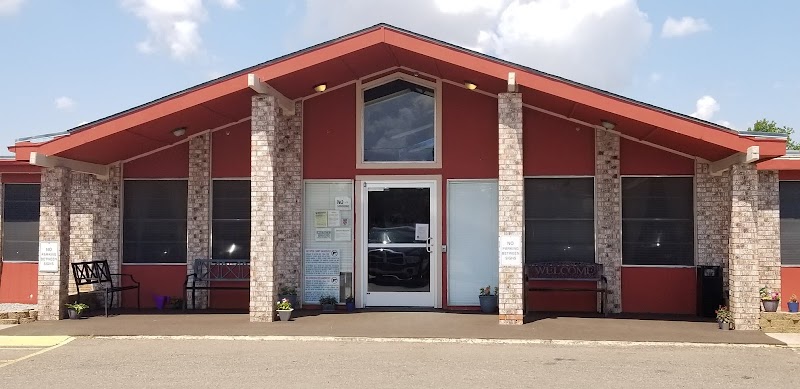
1415 N 18TH ST, MEMPHIS, TX 79245 (806) 259-3566
For profit - Individual 72 Beds CREATIVE SOLUTIONS IN HEALTHCARE Data: November 2025 3 Immediate Jeopardy citations
Trust Grade
7/100
#777 of 1168 in TX
Last Inspection: August 2024

Within standard 12-15 month inspection cycle. Federal law requires annual inspections.

Overview

Memphis Convalescent Center has received a Trust Grade of F, indicating significant concerns and poor quality of care. Ranking #777 out of 1168 facilities in Texas places it in the bottom half, although it is the only option in Hall County. The facility's trend is improving, having reduced issues from 12 in 2023 to 4 in 2024. However, staffing is a significant weakness here, with a poor rating of 1 out of 5 stars and a turnover rate of 59%, which is higher than the state average. There are serious concerns regarding resident safety, as recent inspections revealed incidents of verbal abuse and neglect, where staff failed to protect residents from abusive behavior and did not conduct proper investigations into allegations, putting residents at risk for mental and emotional harm.

Trust Score
F
7/100
In Texas
#777/1168
Bottom 34%
Safety Record
High Risk
Review needed
Inspections
Getting Better
12 → 4 violations
Staff Stability
⚠ Watch
59% turnover. Above average. Higher turnover means staff may not know residents' routines.
Penalties
○ Average
$19,754 in fines. Higher than 61% of Texas facilities. Some compliance issues.
Skilled Nurses
⚠ Watch
Each resident gets only 23 minutes of Registered Nurse (RN) attention daily — below average for Texas. Fewer RN minutes means fewer trained eyes watching for problems.
Violations
⚠ Watch
21 deficiencies on record. Higher than average. Multiple issues found across inspections.
★★☆☆☆
2.0
Overall Rating
★☆☆☆☆
1.0
Staff Levels
★★★★★
5.0
Care Quality
★★☆☆☆
2.0
Inspection Score
Stable
2023: 12 issues
2024: 4 issues

The Good

  • 5-Star Quality Measures · Strong clinical quality outcomes
  • Full Sprinkler Coverage · Fire safety systems throughout facility
  • No fines on record

Facility shows strength in quality measures, fire safety.

The Bad

2-Star Overall Rating

Below Texas average (2.8)

Below average - review inspection findings carefully

Staff Turnover: 59%

12pts above Texas avg (46%)

Frequent staff changes - ask about care continuity

Federal Fines: $19,754

Below median ($33,413)

Minor penalties assessed

Chain: CREATIVE SOLUTIONS IN HEALTHCARE

Part of a multi-facility chain

Ask about local staffing decisions and management

Staff turnover is elevated (59%)

11 points above Texas average of 48%

The Ugly 21 deficiencies on record

3 life-threatening
Aug 2024 3 deficiencies
CONCERN (E)

Potential for Harm - no one hurt, but risky conditions existed

Assessment Accuracy (Tag F0641)

Could have caused harm · This affected multiple residents

**NOTE- TERMS IN BRACKETS HAVE BEEN EDITED TO PROTECT CONFIDENTIALITY** Based on interview and record review the facility failed to ensure the assessment accurately reflected the resident's status for...

Read full inspector narrative →
**NOTE- TERMS IN BRACKETS HAVE BEEN EDITED TO PROTECT CONFIDENTIALITY** Based on interview and record review the facility failed to ensure the assessment accurately reflected the resident's status for 3 (Resident #4, Resident #11, and Resident #22) of 12 residents reviewed for accuracy of assessments. 1. On Resident #4's MDS the facility inaccurately coded Resident #4 as receiving anticoagulant medication. 2. On Resident #11's MDS the facility inaccurately coded Resident #11 as receiving anticoagulant medication. 3. On Resident #22's MDS the facility inaccurately coded Resident #22 as receiving anticoagulant medication. These failures could place residents at risk of being inaccurately assessed and therefore not receiving necessary care. Findings Included: 1. Record review of Resident #4's admission record dated 08/05/24 revealed a [AGE] year-old female originally admitted to the facility on [DATE] with diagnoses that included, but were not limited to, dementia (a group of thinking and social symptoms that interferes with daily functioning), chronic atrial fibrillation (an irregular, often rapid heart rate that commonly causes poor blood flow), and high blood pressure. Record review of Resident #4's quarterly MDS revealed a completion date of 06/13/24. Section C revealed a BIMS of 8 which indicated moderately impaired cognition. Section N question N0415E revealed Resident #4 was receiving anticoagulant medication. Record review of Resident #4's care plan completed on 06/13/24 revealed Resident #4 was on anticoagulant therapy. Record review of Resident #4's active order summary report dated 08/05/24 revealed no order for anticoagulant medication. The report did reveal the following order: Aspirin Tablet Chewable 81 MG Give 1 tablet by mouth at bedtime related to CHRONIC ATRIAL FIBRILLATION . Record review of Resident #4's completed, struck out, discontinued orders since her admission date revealed no order for anticoagulant medication. 2. Record review of Resident #11's admission record dated 08/05/24 revealed a [AGE] year-old female admitted to the facility on [DATE] with diagnoses that included, but were not limited to, cerebral infarction (occurs as a result of disrupted blood flow to the brain due to problems with the blood vessels that supply it, stroke), high blood pressure, and dementia (a group of thinking and social symptoms that interferes with daily functioning). Record review of Resident #11's quarterly MDS revealed a completion date of 05/21/24. Section C revealed a BIMS of 14 which indicated intact cognition. Section N question N0415E revealed Resident #11 was receiving anticoagulant medication. Record review of Resident #11's care plan completed on 05/22/24 revealed Resident #11 was on anticoagulant therapy. Record review of Resident #11's active order summary report dated 08/05/24 revealed no order for anticoagulant medication. The report did reveal the following order: Aspirin Tablet 81 MG Give 1 tablet by mouth one time a day related to OTHER SEQUELAE OF OTHER CEREBROVASCULAR DISEASE . Record review of Resident #11's completed, struck out, discontinued orders since her admission date revealed no order for anticoagulant medication. 3. Record review of Resident #22's admission record dated 08/04/24 revealed an [AGE] year-old female admitted to the facility on [DATE] with diagnoses that included, but were not limited to, high blood pressure, peripheral vascular disease (blood circulation disorder), and colon cancer. Record review of Resident #22's admission MDS revealed a completion date of 05/14/24. Section C revealed a BIMS of 15 which indicated intact cognition. Section N question N0415E revealed Resident #22 was receiving anticoagulant medication. Record review of Resident #22's care plan completed on 05/21/24 revealed Resident #22 was on anticoagulant therapy. Record review of Resident #22's active order summary report dated 08/04/24 revealed no order for anticoagulant medication. The report did reveal the following order: Aspirin 81 Oral Tablet Delayed Release (Aspirin) Give 81 mg by mouth one time a day related to PERIPHERAL VASCULAR DISEASE . Record review of Resident #22's completed, struck out, discontinued orders since her admission date revealed no order for anticoagulant medication. During an interview on 08/06/24 at 09:13 AM ADM stated MDS LVN was responsible for completing MDS assessments on residents of the facility. She said MDS assessments affected facility funding as well as direct resident care plans. ADM stated having an inaccurate MDS could therefore negatively impact the care a resident received. During an interview on 08/06/24 at 09:15 AM MDS LVN stated she was responsible for completing MDS assessments. She stated she used the RAI as her policy when completing MDS assessments. When asked if aspirin should be coded as an anticoagulant in section N of the MDS she said it should. She stated, I was not coding aspirin as anticoagulant, and someone told me I needed to be doing that. MDS LVN could not remember who told her to code aspirin as anticoagulant. When she was shown a passage in the RAI which indicated aspirin was not to be coded as anticoagulant, she said, Hmmm. Okay, I guess they were wrong. Good to know! MDS LVN could not think of a negative outcome for residents if aspirin was inaccurately coded as an anticoagulant. During an interview on 08/06/24 at 09:24 AM DON stated having an inaccurate MDS could negatively impact resident care because the care plan was based on the MDS. Record review of the Long-Term Care Facility RAI 3.0 User's Manual Version 1.18.11 dated October 2023 revealed the following: . N041 5: High-Risk Drug Classes: Use and Indication . N041 5E1. Anticoagulant (e.g., warfarin, heparin, or low-molecular weight heparin): Check if an anticoagulant medication was taken by the resident at any time during the 7-day look-back period (or since admission/entry or reentry if less than 7 days). Coding Tips and Special Populations . Do not code antiplatelet medications such as aspirin/extended release, dipyridamole, or clopidogrel as NO41 5E, Anticoagulant.
CONCERN (E)

Potential for Harm - no one hurt, but risky conditions existed

Deficiency F0679 (Tag F0679)

Could have caused harm · This affected multiple residents

Based on observation, interview, and record review, the facility failed to provide, based on the comprehensive assessment and care plan and the preferences of each resident, an ongoing program to supp...

Read full inspector narrative →
Based on observation, interview, and record review, the facility failed to provide, based on the comprehensive assessment and care plan and the preferences of each resident, an ongoing program to support residents in their choice of activities, both facility-sponsored group and individual activities and independent activities, designed to meet the interests of and support the physical, mental, and psychosocial well-being of for 4 of 5 anonymous residents observed for 3 (August 4, 5, and 6 of 2024) of 3 days and reviewed for quality of life. The facility failed to ensure activities provided, met residents' needs or desires. The facility failed to ensure activities were being provided on the weekends. These failures could place residents at risk of boredom and a decline in their quality of life. Findings included: Record review of facility's activities calendar for August 2024 revealed chronicle/devotions scheduled at 10 AM every morning of the month. In addition to this activity, each Saturday and Sunday of the month had table game of choice scheduled for 10:15 AM. Saturdays had bingo scheduled for 2 PM and Sunday's had dominoes scheduled for 2 PM. Observation on 08/04/24 at 10:00 AM, while walking into the dining room, observed scheduled activity of chronicle/devotions not going on. During an observation and interview on 08/04/24 at 10:43 AM, an anonymous resident's room did not have an activity calendar in it. She stated residents did not get activity calendars for their rooms each month, but that there was an activity calendar for the whole facility outside the dining room on the wall. Observation on 08/04/24 at 12:45 PM of activity calendar for the month of August 2024 on wall outside of the dining room revealed the same activities repeated each week. Observation on 08/04/24 at 2:30 PM, revealed a scheduled activity of domino's was not happening in the dining room. During an interview on 08/05/24 at 10:39 AM, 4 of 5 anonymous residents stated they do not get activity calendars for their rooms, and if they want to know what was happening for the day, they must go and view the big calendar outside the dining room. Residents stated that they did not have any activities yesterday, which was Sunday August 04, 2024 and that there was no one in the facility to run activities on the weekends. Residents stated that the AD does not spend enough time with residents and that they have suggested to her that they want new games, but nothing had happened. One resident stated that on Friday, August 2nd, she came to the dining room to do creative crafting which was the 2:00 pm activity on the calendar that day, and she sat in the dining room until 2:30 pm, and when no one came, resident went back to her room. Record review on 08/04/24 at 2:57 PM of Facility Grievance Log for 2024 revealed that there were several complaints in the month of June regarding activities. Residents indicated that activities were boring, repetitive, AD was sometimes not present, and scheduled activities did not happen or were cancelled at the last minute. Record review on 08/04/24 at 3:00 PM of resident council minutes for month of July revealed under activities section: no activities offered on the weekends. During an interview on 08/05/24 at 1:08 PM, AD stated that she had worked in the facility since February 2024 and just received her certification for AD. She stated that she tried to do all the activities that are on the calendar each month and that she was aware of residents who had complained about wanting different games and more outings and she was just in the process of looking on the internet for new games to try. AD stated that there was only one time that an activity was cancelled, and it was a birthday party due to a death of a resident's family member. AD was unable to recall any other times when an activity was cancelled or not done. She stated a possible negative outcome for not having new games that were stimulating for residents could be depression and memory loss. AD stated a possible negative outcome for not conducting activities that were scheduled could be boredom and depression. During an interview on 08/05/24 at 1:29 PM, MDS LVN stated she worked weekends and that sometimes she would read the chronicle to the residents. She stated that was their daily newsletter and it was an activity that was on the calendar at 10:00 AM daily. She stated that if she did not have time to read to them, she would pass them out to residents. MDS LVN stated that there was no AD on the weekends, and it was up to nursing staff to set up games or give out activity pages to residents when they had time. During an interview on 08/05/24 at 1:50 PM, AD stated that she did not work on the weekends, and she did not know who ran the activities for her on the weekends, whoever was there she guessed. AD confirmed that dominoes were on the activity calendar every Sunday at 2:00 PM but stated she was not sure who ran that game. During an interview on 08/05/24 at 2:07 PM, ADM stated that as far as she was aware, all activities were happening on the weekends. She stated that the AD was in charge of weekend activities or the nurses. During an interview on 08/05/24 at 2:22 PM, ADM stated that the AD had been put on PIP because she left early on Friday, August 2, 2024 and did not tell anyone about it and did not do the activity that was scheduled at 2:00 PM that day. During an interview on 08/06/24 at 11:09 AM, AD stated that last Friday she had to leave early for a doctor's appointment, and she told the ADM. She stated that she did not know a resident complained about not having the 2:00 PM activity because everyone knew about her leaving. Record review of facility policy titled Resident Rights dated 11/28/16 revealed the following in part: Self-determination-The resident has the right to, and the facility must promote ad facilitate resident self-determination through support of resident choice. 1. The resident has a right to choose activities, schedules (including sleeping and waking times), health care and providers or health care services consistent with his or her interests, assessments plan of care and other applicable provision of this part. 2. The resident has a right to interact with members of the community and participate in community activities both inside and outside the facility. Grievances - The resident has the right to voice grievances to the facility or other agency or entity that hears grievances without discrimination or reprisal and without fear of discrimination or reprisal. The resident has the right to, and the facility must make prompt efforts by the facility to resolve grievances the resident may have. Record review of facility policy titled Activity Programming dated 2011 revealed the following in part: The Activity Director and staff will provide for ongoing Activity programs. .2. Resident's or family's expressed needs and interests are included in the development of programs . .3. Activity programs are to be designed based on resident's leisure interests and implemented to meet the needs (physical, cognitive, creative, social, spiritual, independent, and sensory) of the residents . .7. Programs may take place in mornings, afternoons and/or evenings that span throughout the entire week.
CONCERN (F)

Potential for Harm - no one hurt, but risky conditions existed

Food Safety (Tag F0812)

Could have caused harm · This affected most or all residents

Based on observation, interview, and record review, the facility failed to store, prepare, distribute, and serve food in accordance with the professional standards for food service safety for 1 of 1 k...

Read full inspector narrative →
Based on observation, interview, and record review, the facility failed to store, prepare, distribute, and serve food in accordance with the professional standards for food service safety for 1 of 1 kitchen reviewed for kitchen sanitation. 1. The facility failed to ensure freezer items were properly stored, labeled, and dated. 2. The facility failed to ensure dented cans were not in circulation. 3. The facility failed to ensure pantry foods were properly stored, labeled, and dated. 4. The facility failed to ensure refrigerated foods were properly stored, labeled, and dated. 5. The facility failed to ensure expired foods were disposed of timely. These failures could place residents who ate food served by the kitchen at risk of food-borne illness. Findings include: Observation of the freezer on 08/04/24 @ 9:32 AM revealed the following: 1. (1) bag of what appeared to be chicken breasts, no label or received/use by date. 2. (1) frozen ham, no date or label. Observation of the refrigerator on 08/04/24 at 9:40 AM revealed the following: 1. (1) box of what appeared to be whole cucumbers, no label or date. 2. (1) whole cantaloupe, no label or date. 3. (1) ½ cantaloupe, covered in plastic wrap, no label or date. 4. (3) 5-pound tubs of sour cream, no received by or open date. 5. (1) box of what appeared to be bread loaves, open to air, no label or date. 6. (1) box of cream cheese, no received on/use by date. 7. (1) bell pepper in a sack, no label or date. 8. (1) sack full of limes, no label or date. 9. (1) pitcher of red liquid, half full, no label or date. Observation of walk-in pantry on 08/04/24 at 9:50 AM revealed the following: 1. (8) bottles of lemon juice, all unopened with expiration dates of 05/22/24. 2. (1) box of crunchy taco shells, unopened with expiration date of 04/24/23. 3. (11) packages of mini marshmallows, unopened with expiration dates of 06/27/24. 4. (1) opened package of mini marshmallows, opened and in a zip top bag with no date or label, with expiration date of 05/11/23. 5. (6) packages of brown gravy mix with expiration dates of 02/25/24. 6. (1) can of tropical fruit salad, dented, with cans that were in circulation. In an interview on 08/04/24 at 12:05 PM, [NAME] B stated that whoever unpacked boxes was responsible for labeling and dating the food with the date it was received into the kitchen. She stated that everyone was responsible for putting labels/dates on food and throwing away expired food. In an interview on 08/04/24 at 3:30 PM, [NAME] A stated a possible negative outcome for giving bad or expired food to residents was they would not know that the food was spoiled. She stated that it was not good to give expired canned food to anyone, because residents could get sick. In an interview on 08/04/24 at 3:31 PM, [NAME] C stated that it was everyone's responsibility to check that food was labeled and dated properly. He stated that a possible negative outcome of food not being labeled and dated was not knowing when food was cooked or when it expired. In an interview on 08/05/24 at 7:38 AM, DM stated that everyone was responsible for making sure that food was labeled and dated, and that expired food was to be thrown out. She stated a possible negative outcome for not labeling, dating, and throwing away expired food would be that they could serve contaminated food to residents which could make them sick. She stated that dating and labeling was important so they would know when food was expired. Record Review of facility policy dated 2012 titled Storage Refrigerators revealed in part: .5. Food must be covered when stored, with a date label identifying what is in the container . Record Review of facility policy dated 2012 titled Food Safety, revealed in part: .2. Food is to be wrapped or sealed and covered in clean containers. Opened food shall be labeled, dated, and stored properly . .7. Dented or otherwise damaged cans will not be used. Dented cans will be stored in a separate location and returned to the food vendor for credit. Record review of U.S. Food and Drug Administration's Food Code version 01/18/23 revealed in part: . Food . shall be labeled as specified . Label information shall include: (1) The common name of the FOOD .
May 2024 1 deficiency
CONCERN (D) 📢 Someone Reported This

A family member, employee, or ombudsman was alarmed enough to file a formal complaint

Potential for Harm - no one hurt, but risky conditions existed

Transfer Notice (Tag F0623)

Could have caused harm · This affected 1 resident

**NOTE- TERMS IN BRACKETS HAVE BEEN EDITED TO PROTECT CONFIDENTIALITY** Based on Interview and Record Review, the facility failed to send a copy of the discharge notice to the Office of the State Long...

Read full inspector narrative →
**NOTE- TERMS IN BRACKETS HAVE BEEN EDITED TO PROTECT CONFIDENTIALITY** Based on Interview and Record Review, the facility failed to send a copy of the discharge notice to the Office of the State Long-Term Care Ombudsman for 1 (Resident #1) of six residents reviewed for transfer/discharge. The facility failed to send a discharge notice in writing to the facility's ombudsman as soon as practicable after Resident #1's discharge to home due to the facility not being able to meet Resident #1's needs. This failure could place residents at risk of being discharged and not having access to available advocacy services, discharge/transfer options, and appeal processes. Findings included: Record review of Resident #1's face sheet reflected the resident was a [AGE] year-old male, with initial admission date of 03/21/2024, readmission date of 04/05/2024 and then discharged to home on [DATE]. The resident had diagnoses which included: dementia (cognitive loss), schizoaffective disorder, bipolar type (mood disorder that varies by person but has mania and depression and causes distorted reality), and cocaine dependence, low back pain, muscle wasting and atrophy (breakdown of muscles), and unsteadiness on feet. Record review of Resident #1's progress notes dated 04/05/2024 revealed that resident was being readmitted to the facility from a behavioral hospital after he assaulted another resident on 03/24/24. Resident #1's family member was told by facility staff that they would not be able to keep resident in facility if another incident occurs and Resident #1's family member stated she would move him home with her if that happened. Record review of Resident #1's quarterly MDS assessment dated [DATE] revealed Resident #1 had a BIMS score of a three out of 15 which indicates that the resident had severe cognitive impairment. Discharge MDS dated [DATE] revealed it was an unplanned discharge with date of discharge recorded as 04/23/2024. During an interview on 05/22/2024 at 3:08 PM, the DON stated that she remembers Resident #1 coming back from a 72-hour pass with his family member on 04/23/24 and she remembers he was angry and cussing and saying he wanted to go home. DON and ADM had a meeting with Resident #1 and the family member agreed to discharge him and take him home with her. DON stated that the Ombudsman was not notified, and she did not know that the Ombudsman needed to be notified. During an interview on 05/22/2024 at 3:24 PM, ADM stated that she did not contact the Ombudsman when the discharge for Resident #1 happened. She stated that she did not think of it because Resident #1 was demanding to go home and because it was not against his will, she did not think she needed to contact the Ombudsman. ADM went on to state a possible negative outcome for not contacting the Ombudsman would be that Resident #1 would not have his rights or his appeal rights met. Record review of the facility's policy dated 11/28/2016, provided by the ADM, titled Discharge Planning Process Policy, .The final discharge summary will be available for release to authorized individuals and agencies, with the consent of the resident or the resident's legal representative. There was no mention in the policy about contacting the State Ombudsman's office.
Dec 2023 6 deficiencies 3 IJ (2 affecting multiple)
CRITICAL (J) 📢 Someone Reported This

A family member, employee, or ombudsman was alarmed enough to file a formal complaint

Immediate Jeopardy (IJ) - the most serious Medicare violation

Investigate Abuse (Tag F0610)

Someone could have died · This affected 1 resident

**NOTE- TERMS IN BRACKETS HAVE BEEN EDITED TO PROTECT CONFIDENTIALITY** Based on interviews and record reviews, the facility failed to conduct a thorough investigation of all allegations of abuse and ...

Read full inspector narrative →
**NOTE- TERMS IN BRACKETS HAVE BEEN EDITED TO PROTECT CONFIDENTIALITY** Based on interviews and record reviews, the facility failed to conduct a thorough investigation of all allegations of abuse and neglect for 1 of 6 residents (Resident #1) reviewed for abuse and neglect when: -the facility reported an allegation of abuse reported by a family member and did not conduct a thorough investigation. The facility's failure to ensure allegations of abuse and neglect were thoroughly investigated could lead to continuous abuse, mental and physical decline, psychosocial harm. An Immediate Jeopardy (IJ) was identified on 12/16/2023 at 2:30 PM. While the immediate jeopardy was removed on 12/17/2023 at 4:00 PM, the facility remained out of compliance at actual harm that is not immediate jeopardy and scope of isolated, due to the facility's need to evaluate the effectiveness of their plan of correction to prevent further concerns. The facility's failure to ensure allegations of abuse and neglect were thoroughly investigated could lead to continuous abuse, mental and physical decline, psychosocial harm. Findings Included: Record review of Resident #1's medical record revealed that Resident #1 was an [AGE] year-old female. Resident #1 was admitted to the facility on [DATE]. Resident #1 had the following diagnosis of major depressive disorder, recurrent, unspecified, cerebral infarction, muscle weakness, unspecified abnormalities of gait and mobility, unspecified lack of coordination, hemiplegia and hemiparesis following cerebral infarction, difficulty in walking, not elsewhere classified, unsteadiness on feet. Record review of Resident #1's MDS assessment revealed that resident is independent an 87-yeaar-old female who was admitted to the facility on [DATE]. Resident #1 does have touch assist with bathing. Resident #1 had a BIMs of 15 with no cognitive impairment. Record review of Resident #1's care plan revealed that Resident #1 needs out of room social, spiritual, and stimulus activities and mental stimulation. Resident #1 enjoys participating in exercises and reading daily chronicle. Resident #1 likes listening to music, bingo, cards, games, parties/socials, attending religious services, watching T.V./movies, watching football, and shopping. Resident #1 love spending time with grandkids and family when they come to visit. An interview on 12/15/23 at 6:14 PM with ADM revealed after BOM reported yelling in activity room, ADM went to activity room and by the time she arrived in the room, there was no yelling. In an interview on 12/16/23 at 9:10am ADM stated a staff member or a family member who reported abuse would be no different . State Surveyor asked ADM if BOM felt it was bad enough to report it to ADM, why was it not investigated. ADM stated she went to the room and there was no sign of abuse or distress and BOM was a concerned employee. ADM stated that reportable incidents were abuse, neglect, and exploitation as well as fall with injury and injury of unknown origin. On 12/17/23 at 12:59 PM, ADM stated as soon as I hear about abuse, I will report and suspend the employee to do an investigation, complete investigation and report to the state. Record review of Provider Investigation Report (PIR), dated 11/13/23, was provided by ADM. Under section of assessment, dated 11/10/23, no time or name of person who completed the assessment was written in the designated spaces. Injury or adverse effect answered no. Note of psychosocial assessment completed- no adverse s/s. Treatment provided no, treatment location: In-House? No. Was the incident reported to the police? Yes. Under investigation summary, After asking Resident #1 and other resident's present, it was determined the said FM was not from this family and did not have firsthand knowledge of incident. States investigation findings were inconclusive. Provider action taken post-investigation, finish in-services, do 1:1 in-service with AD on handling difficult situations and customer service. Interviews conducted during PIR reported two negative responses from Resident #1 and Resident #4. Record review did not provide any written witness statements, staff statements, or statements by complainant. No documentation of in-services or one-on-ones provided to AD after returning to the facility from suspension. One in-service, dated 11/10/23, was signed by AD prior to her suspension from the facility. Record review of staff interviews conducted by ADO, dated 12/16/23, revealed ADO spoke with administrator, MDSC, and ADON. Stated did not interview BOM due to being placed on an action plan on 12/15/23 as ADO felt answers could be retaliation. ADO had written, I did not interview ADM or other non dept heads. This was done right after the IJ was called. The document was signed by ADO on 12/17/23. Record review of policy title, Abuse and Neglect, dated 3/29/18, section F. Investigation stated comprehensive investigations will be the responsibility of the administrator and/or Abuse Preventionist. All allegations of abuse, neglect, exploitation, mistreatment of residents, misappropriation of resident property and injuries of unknown source. 2. After receipt of the allegation, the Abuse Preventionist and administrator in conjunction with Risk Management will immediately evaluate the resident's situation using the criteria stated in Provider Letter 19-17. 6. The Abuse Preventionist and/or administrator will conduct a thorough investigation of the incident(s). On 12/16/23 at 2:30 PM, the ADM was notified that an Immediate Jeopardy had been identified, IJ templates were provided, and a Plan of Removal was requested. The Facility's Plan of Removal (as follows) was accepted on 12/17/23 at 7:08 AM. It is alleged that the facility failed to establish and implement. Need for Immediate Action: The IJ documentation provided to the facility on [DATE] states: Facility failed to protect residents from verbal abuse. Multiple incidents occurred between Resident #1 and Activity Director. All incidents investigated revealed witnessed verbal abuse from residents and family members. AD was suspended for five days and was allowed to return to the facility on [DATE] where she continued regular duties. o Facility Plan of Removal states: One on One in-service on Abuse Investigation with the Administrator/DON by Area Director of Operations [ADON] on 12/16/2023 3:52 pm. o Staff working with alleged perpetrator have been interviewed. o The alleged perpetrator was suspended on 12/16/2023 pending the outcome of investigation. o Resident safe surveys have been initiated by Administrator/ADON/MOS Nurse. on 12/16/2023 for all interview able residents. Those who cannot be interviewed will have a head-to-toe assessment completed. No abuse incidents have been reported. o The employees will protect the potential victims of A/N/E by stopping alleged behavior and removing the resident from harm. Then they will report the incident to the Abuse Coordinator immediately. o A complete investigation will be done following our Protocol/AD Hoc QAPI- Actual/Allege Abuse o The investigation will be evaluated by the Area Director of Operations &/or the Corporate Compliance nurse to ensure complete interviews of all possible witnesses prior to determining a conclusion. o The following in-services were initiated on 12/16/2023 by Administrator/DON/ADON/MDS Nurse: Any staff member not present or in-serviced on 12/16/2023, will not be allowed to assume their duties until in-serviced by Admin/DON/ADON/MDS Nurse. O All Staff o Abuse/Neglect o Abuse/Neglect Reporting o Who to Report Abuse/Neglect to o All staff will need to be able to articulate back on reporting any type of abuse allegation and to whom to report. The in-service includes if they believe the report was not acted upon to contact the [company name- #########] , the ADO [Area Director of Operations][#########], or call HHSC [#########] o Any employees that are reported of any abuse will be suspended pending investigation. o The medical director was notified of the immediate jeopardy situation on 12/16/2023 at 4:30 pm. Monitoring of the Plan of Removal Included: An observation on 12/17/23 at 11:25 AM revealed a photo taken from ADM phone with a text message to AD that stated AD was placed on suspension again and AD confirmed she had received it. An interview on 12/17/23 at 4:00 PM, ADO revealed company accepted AD letter of resignation effective immediately and did not return to the facility. On 12/17/23 from 11:41 PM to 2:22 PM, 23 residents were interviewed regarding safe surveys that were conducted by staff. 18 residents confirmed speaking with staff regarding safe surveys and abuse and neglect. 6 residents were unable to recall the surveys. Residents confirmed or denied knowing who to report abuse and neglect to. If they denied, safe surveys show they were educated on who the abuse coordinator is. On 12/17/23 from 12:22pm to 3:15pm, 40 employees (1 PT, 2 OT, 4 RN, 8 LVN, 11 CNA, 1 HA, 1 MDSN, 1 BOM, 7 DS, 4 HK, 2 LS, and 2 MS, 1 ADON, 1 DON, and 1 ADM) were interviewed and confirmed obtained training via phone or in person. Training attached to in-services that identified the seven areas of the Abuse/Neglect/Exploitation policy along with the types of abuse and how/who to report to. Employees that were contacted were able to state they received abuse and neglect training, knows who to report to and feels comfortable with reporting. An interview on 12/17/23 at 3:07 pm with MD revealed he was contacted on 12/16/23 regarding outcomes and plan of removal that was conducted. MD stated he was aware of in-services and additional training that would be provided prior to employee's next working shift. Record review of assessments, dated 12/16/23, revealed 23 Safe Surveys and 6 skin assessments completed. Record review of AD-HOC QAPI, dated 12/16/23, revealed ADM, DON, ADON, MD, and ADO attended AD Hoc QAPI meeting. Record review of Employee Disciplinary Report, dated 12/16/23, revealed AD had been suspended via text message from ADM. Record review of in-service for Abuse and Neglect, dated 12/17/23, revealed ADM and DON received education over policy Abuse and Neglect. Immediate Jeopardy (IJ) was identified on 12/16/23 at 2:30 PM. While the IJ was removed on 12/17/23 at 4:00 PM, the facility remained out of compliance at actual harm that is not immediate jeopardy and a scope of isolated due to the facility's need to evaluate the effectiveness of their plan of correction to prevent further concerns.
CRITICAL (K) 📢 Someone Reported This

A family member, employee, or ombudsman was alarmed enough to file a formal complaint

Immediate Jeopardy (IJ) - the most serious Medicare violation

Free from Abuse/Neglect (Tag F0600)

Someone could have died · This affected multiple residents

**NOTE- TERMS IN BRACKETS HAVE BEEN EDITED TO PROTECT CONFIDENTIALITY** Based on interviews, observations, and record reviews, the facility failed to protect residents of verbal abuse and neglect for ...

Read full inspector narrative →
**NOTE- TERMS IN BRACKETS HAVE BEEN EDITED TO PROTECT CONFIDENTIALITY** Based on interviews, observations, and record reviews, the facility failed to protect residents of verbal abuse and neglect for 1 (Resident #1) of 6 residents reviewed for abuse and neglect. 1) AD verbally abused Resident #1 by yelling at her in front of residents and family members during an activity. 2) ADM failed to protect Resident #1 from verbal abuse from AD when it was reported to her by other staff members An Immediate Jeopardy (IJ) was identified on 12/16/2023 at 2:30 PM. While the immediate jeopardy was removed on 12/17/2023 at 4:00 PM, the facility remained out of compliance at actual harm that is not immediate jeopardy and scope of isolated, due to the facility's need to evaluate the effectiveness of their plan of correction to prevent further concerns. This failure could affect all residents at the facility by placing them at risk for physical, mental, and emotional decline, psychosocial harm, and can lead to isolation and withdrawal from activities of enjoyment. Findings Included: Record review of Resident #1's medical record revealed that Resident #1 was an [AGE] year-old female. Resident #1 was admitted to the facility on [DATE]. Resident #1 had the following diagnosis of major depressive disorder, recurrent, unspecified, cerebral infarction, muscle weakness, unspecified abnormalities of gait and mobility, unspecified lack of coordination, hemiplegia and hemiparesis following cerebral infarction, difficulty in walking, not elsewhere classified, unsteadiness on feet. Record review of Resident #1's MDS assessment revealed that resident is independent an 87-yeaar-old female who was admitted to the facility on [DATE]. Resident #1 does have touch assist with bathing. Resident #1 had a BIMs of 15 with no cognitive impairment. Record review of Resident #1's care plan revealed that Resident #1 needs out of room social, spiritual, and stimulus activities and mental stimulation. Resident #1 enjoys participating in exercises and reading daily chronicle. Resident #1 likes listening to music, bingo, cards, games, parties/socials, attending religious services, watching T.V./movies, watching football, and shopping. Resident #1 love spending time with grandkids and family when they come to visit. In an interview on 12/15/23 at 10:19 AM, DM reported a negative outcome of abuse or neglect is the continuation of abuse or neglect. In an interview on 12/15/23 at 11:02am with Resident #1 revealed that Resident #1 stated that the AD was verbally abusive when the resident mentioned that another resident's family could assist her with picking up pizzas for the facility that are provided by a business owner in town. The AD however did not appreciate the verbal assistance from the resident and started hollering at Resident #1. Resident #1 stated that she let AD know that she was just offering help and nothing more. Resident #1 stated that the AD was sent home, for what was supposed to be a week, but AD went home on Friday afternoon and returned the following Thursday. In an interview on 12/15/23 at 11:32 AM with Resident #1 revealed AD screamed at her. Resident #1 stated that BOM heard AD scream in the activity room where an activity was being held. Resident #1 stated that BOM reported the screaming heard to ADM. Resident #1 stated AD was in a Resident Council meeting on 11/09/23 where AD was mad when item line of the Resident Council meeting was on activities. AD was upset at a comment regarding the discussion and told Resident #1 they need to discuss this in the ADM's office. Resident #1 went to ADM's office where AD interrupted the meeting. In an interview on 12/15/23 at 2:01pm with BOM revealed that she heard arguing between a resident and the AD's voice kept getting louder and louder. BOM stated that she went to go and get her abuse coordinator who is the ADM of the building. BOM stated that the ADM went down to the activity room, BOM stated that it got quiet and cannot recall what was being said when voices were raised. BOM stated that the AD was suspended for a couple of days for a completely different altercation. BOM stated that the other altercation was due to another resident's family member stating that the AD was rude to the residents. In an interview on 12/15/23 at 2:20pm with Resident #4's family member regarding any issues or altercations with the AD. Family member stated that she (AD) has never done anything to mother (Resident #4) but was just as hateful as could be to another resident, Resident #1, but since she (AD) got in trouble a couple weeks ago, she has been just as sweet as can be. Family member stated that when she pointed out to the AD that she was being hateful to the resident the AD put her hand in Family members face and said, I'm done! and walked away. Family member stated that she walked after the AD and went into the ADM's office and discussed the issue with the ADM present. The AD stated that she did not even realize what she was doing at the time of the altercation. In an interview on 12/15/23 at 3:11 PM with Resident #2 revealed that AD yelled at Resident #1 during a Resident Council meeting. In an interview on 12/15/23 at 3:32 PM with Resident #3 revealed Resident #1 had stopped going to activities and there were only three to four residents attending activities. In an interview on 12/15/23 at 4:13 PM with ADON revealed AD put in her 2 weeks' notice to resign from her position and had an argumentative attitude when doing so. In an interview on 12/15/23 at 4:23 PM with Resident #1 revealed she has attended activities one or two times. Resident #1 stated that she would rather stay in her room than be around AD. Resident #1 reported that AD told her she was going through menopause. In an interview on 12/15/23 at 6:14 PM with ADM and BOM, ADM stated that BOM reported raised voices. BOM was asked if she reported raised voices or yelling. BOM stated yelling. ADM agreed with BOM that she reported yelling. AD was suspended for five days and was allowed to return to the facility on [DATE] where she continued regular duties. In an interview on 12/16/23 at 6:33am with Resident #3 stated that she just doesn't think the AD knows what she is doing. Resident #3 stated that the AD, doesn't show herself very well at times. Resident #3 stated that some residents will not come back to resident council due to the AD. In an interview on 12/16/23 at 7:59am with Resident #4 FM revealed FM, Resident #1, and AD were in a room, date unknown, and AD began yelling at Resident #1 regarding a monthly donation made to the facility. Resident #4's family member stated that the AD stated that family member does not need to be involved in getting the donation set up. AD became agitated and started yelling. AD raised her voice and stated, I will take care of it!. Resident #4's family member stated that the AD has NEVER been pleasant or nice to her (family member or Resident #1). In an interview on 12/16/23 at 8:40 AM with BOM confirmed heard yelling in the activity room. BOM reported AD does not know how to handle residents correctly and AD has not been nice or friendly. In an interview on 12/16/23 at 9:10am with ADM, ADM stated that she (ADM) meant to say loud voices. ADM was asked why she confirmed yesterday (12/15/2023) that BOM reported yelling? ADM repeated she meant to say loud voices. ADM did not answer why she agreed with the BOM previous day. ADM stated that when she went to go and investigate the altercation, she did not visualize any signs of abuse and the yelling had stopped. Record review of Resident #3's progress note, dated 11/9/23 at 11:42 AM by RN A, stated Resident #3 was crying because that activity director was arguing with another resident during resident council meeting. Record review of policy title, Abuse and Neglect, dated 3/29/18, states residents should not be subjected to abuse by anyone including facility staff. Under heading Definition: 3. Verbal Abuse- any use of oral, written or gestured language that willfully includes disparaging and derogatory terms to residents, or within their hearing distance. 6. Mental abuse- includes, but is not limited to, humiliation, harassment, threats of punishment or deprivation. 10. Mistreatment- means inappropriate treatment .of a resident. Under heading C. Prevention: 1. The facility will provide the residents, families, and staff an environment free from abuse and neglect. 3. All reports of abuse or suspicion of abuse/neglect .will be investigated as per facility protocol. The facility has in place a method to identify events such as suspicious bruising of residents. 4.The facility will be responsible to identify, correct, and intervene in situations of possible abuse/neglect. E: Reporting-Facility employees must report all allegations of: abuse, neglect, exploitation, mistreatment of residents, misappropriation of resident property or injury of unknown source to the facility administrator. The facility administrator or designee will report to HHSC all incidents that meet the criteria of Provider Letter 19-17 dated 7/10/19: A. If the allegations involve abuse or result in serious bodily injury, the report is to be made within 2 hours of the allegation. B. If the allegation does not involve abuse or serious bodily injury, the report must be made within 24 hours of the allegation. Record review of Long-Term Care Regulatory Provider Letter, dated 7/10/19, stated: A NF must report to HHSC the following types of incidents, in accordance with the applicable state and federal requirements: a). Abuse A table located below the Policy Details and Provider Responsibilities indicated the type of incident as abuse (with or without serious bodily injury) is to be reported immediately, but no later than two hours after the incident occurs or is suspected. On 12/16/23 at 2:30 PM, the ADM was notified that an Immediate Jeopardy had been identified, IJ templates were provided, and a Plan of Removal was requested. The Facility's Plan of Removal (as follows) was accepted on 12/17/23 at 7:08 AM. Need for Immediate Action: The IJ documentation provided to the facility on [DATE] states: Facility failed to protect residents from verbal abuse. Multiple incidents occurred between Resident #1 and Activity Director. All incidents investigated revealed witnessed verbal abuse from residents and family members. AD was suspended for five days and was allowed to return to the facility on [DATE] where she continued regular duties. Facility Plan of Removal states: One on One in-service on Abuse Investigation with the Administrator/DON by Area Director of Operations on 12/16/2023 3:52 pm. o Staff working with alleged perpetrator have been interviewed. o The alleged perpetrator was suspended on 12/16/2023 pending the outcome of investigation. o Resident safe surveys have been initiated by Administrator/ADON/MDS Nurse. on 12/16/2023 for all interview able residents. Those who cannot be interviewed will have a head-to-toe assessment completed. No abuse incidents have been reported. o The employees will protect the potential victims of A/N/E by stopping alleged behavior and removing the resident from harm. Then they will report the incident to the Abuse Coordinator immediately. o A complete investigation will be done following our Protocol/Ad Hoc QAPI - Actual/Alleged Abuse o The investigation will be evaluated by the Area Director of Operations &/or the Corporate Compliance nurse to ensure complete interviews of all possible witnesses prior to determining a conclusion. o The following in-services were initiated on 12/16/2023 by Administrator/DON/ADON/MDS Nurse: Any staff member not present or in-serviced on 12/16/2023, will not be allowed to assume their duties until in-serviced by Admin/DON/ADON/MDS Nurse. O All Staff o Abuse/Neglect o Abuse/Neglect Reporting o Who to Report Abuse/Neglect to o All staff will need to be able to articulate back on reporting any type of abuse allegation and to whom to report. The in-service includes if they believe the report was not acted upon to contact the [Abuse hotline for company] [###-###-####], the ADO [Area Director of Operations] at [###-###-####] or call HHSC at [###-###-####]. o Any employees that are reported of any abuse will be suspended pending investigation. o The medical director was notified of the immediate jeopardy situation on 12/16/2023 at 4:30 pm. Monitoring of the Plan of Removal Included: Record review of assessments, dated 12/16/23, revealed 23 Safe Surveys and 6 skin assessments completed. Record review of in-service for Abuse and Neglect, dated 12/17/23, revealed ADM and DON received education over policy Abuse and Neglect. Record review of Employee Disciplinary Report, dated 12/16/23, revealed AD had been suspended via text message from ADM. An interview on 12/17/23 at 4:00 PM, ADO revealed company accepted AD letter of resignation effective immediately and did not return to the facility. An observation on 12/17/23 at 11:25 AM revealed a photo taken from ADM phone with a text message to AD that stated AD was placed on suspension again and AD confirmed she had received it. On 12/17/23 from 11:41 PM to 2:22 PM, 23 residents were interviewed regarding safe surveys that were conducted by staff. 18 residents confirmed speaking with staff regarding safe surveys and abuse and neglect. 6 residents were unable to recall the surveys. Residents confirmed or denied knowing who to report abuse and neglect to. If they denied, safe surveys show they were educated on who the abuse coordinator is. On 12/17/23 from 12:22pm to 3:15pm, 40 employees (1 PT, 2 OT, 4 RN, 8 LVN, 11 CNA, 1 HA, 1 MDSN, 1 BOM, 7 DS, 4 HK, 2 LS, and 2 MS, 1 ADON, 1 DON, and 1 ADM) were interviewed and confirmed obtained training via phone or in person. Training attached to in-services that identified the seven areas of the Abuse/Neglect/Exploitation policy along with the types of abuse and how/who to report to. Employees that were contacted were able to state they received abuse and neglect training, knows who to report to and feels comfortable with reporting. Record review of AD-HOC QAPI, dated 12/16/23, revealed ADM, DON, ADON, MD, and ADO attended AD Hoc QAPI meeting. An interview on 12/17/23 at 3:07 pm with MD revealed he was contacted on 12/16/23 regarding outcomes and plan of removal that was conducted. MD stated he was aware of in-services and additional training that would be provided prior to employee's next working shift. An Immediate Jeopardy (IJ) was identified on 12/16/2023 at 2:30 PM. While the immediate jeopardy was removed on 12/17/2023 at 4:00 PM, the facility remained out of compliance at actual harm that is not immediate jeopardy and scope of isolated, due to the facility's need to evaluate the effectiveness of their plan of correction to prevent further concerns.
CRITICAL (K) 📢 Someone Reported This

A family member, employee, or ombudsman was alarmed enough to file a formal complaint

Immediate Jeopardy (IJ) - the most serious Medicare violation

Abuse Prevention Policies (Tag F0607)

Someone could have died · This affected multiple residents

**NOTE- TERMS IN BRACKETS HAVE BEEN EDITED TO PROTECT CONFIDENTIALITY** Based on observation, interviews, and record reviews, the facility failed to implement its' written policies and procedures that...

Read full inspector narrative →
**NOTE- TERMS IN BRACKETS HAVE BEEN EDITED TO PROTECT CONFIDENTIALITY** Based on observation, interviews, and record reviews, the facility failed to implement its' written policies and procedures that prohibit and prevent abuse and neglect for 1 of 6 residents (Resident #1) reviewed for abuse and neglect when: -The ADM was made aware of an allegation that AD was yelling during an activity and failed to follow policy and procedures of abuse and neglect. The facility's failure to ensure suspicions of abuse/neglect were investigated and reported to State could place all residents at risk for injuries, physical and mental decline, decrease in social gatherings, and delay of care. An Immediate Jeopardy (IJ) was identified on 12/16/2023 at 2:30 PM. While the immediate jeopardy was removed on 12/17/2023 at 4:00 PM, the facility remained out of compliance at actual harm that is not immediate jeopardy and scope of isolated, due to the facility's need to evaluate the effectiveness of their plan of correction to prevent further concerns. Findings Included: Record review of Resident #1's medical record revealed that Resident #1 was an [AGE] year-old female. Resident #1 was admitted to the facility on [DATE]. Resident #1 had diagnosis of major depressive disorder, recurrent, unspecified, cerebral infarction, muscle weakness, unspecified abnormalities of gait and mobility, unspecified lack of coordination, hemiplegia and hemiparesis following cerebral infarction, difficulty in walking, not elsewhere classified, unsteadiness on feet. Record review of Resident #1's MDS assessment revealed that resident is and [AGE] year-old female who was independent with touch assist with bathing. Resident #1 had a BIMs of 15 with no cognitive impairment. Record review of Resident #1's care plan revealed that Resident #1 needs out of room social, spiritual, and stimulus activities and mental stimulation. Resident #1 enjoys participating in exercises and reading daily chronicle. Resident #1 likes listening to music, bingo, cards, games, parties/socials, attending religious services, watching T.V./movies, watching football, and shopping. Resident #1 love spending time with grandkids and family when they come to visit. In an interview on 12/15/23 at 11:32 AM, Resident #1 stated BOM heard yelling and reported the incident to ADM. In an interview on 12/15/23 at 2:03 PM with BOM revealed she reported to ADM of AD yelling at someone in the activity room. No date provided. In an interview on 12/15/23 at 3:59 PM with BOM revealed 2 additional incidents at Resident Council on 11/9/23 and an encounter with a family member on 11/10/2023. In an interview on 12/15/23 at 6:14 PM with ADM revealed BOM reported an incident of AD yelling in the activity room. ADM stated by the time she reached the room, there was no yelling, and the residents were reading. In an interview on 12/16/23 at 9:10am, ADM stated a staff member or a family member who reported abuse would be no different. State Surveyor asked ADM if BOM felt it was bad enough to report it to ADM, why was it not investigated. ADM stated she went to the room and there was no sign of abuse or distress. ADM stated a negative outcome of not reporting abuse or neglect is the facility will run into trouble with state and propagate many more abuses to occur. On 12/17/23 at 12:59 PM, ADM stated as soon as I hear about abuse, will report and suspend employee to do an investigation, complete investigation and report to the state. Record review of policy title, Abuse and Neglect, dated 3/29/18, states residents should not be subjected to abuse by anyone including facility staff. Under heading Definition: 3. Verbal Abuse- any use of oral, written or gestured language that willfully includes disparaging and derogatory terms to residents, or within their hearing distance. 6. Mental abuse- includes, but is not limited to, humiliation, harassment, threats of punishment or deprivation. 10. Mistreatment- means inappropriate treatment .of a resident. Under heading C. Prevention: 1. The facility will provide the residents, families, and staff an environment free from abuse and neglect. 3. All reports of abuse or suspicion of abuse/neglect .will be investigated as per facility protocol. The facility has in place a method to identify events such as suspicious bruising of residents. 4.The facility will be responsible to identify, correct, and intervene in situations of possible abuse/neglect. E: Reporting-Facility employees must report all allegations of: abuse, neglect, exploitation, mistreatment of residents, misappropriation of resident property or injury of unknown source to the facility administrator. The facility administrator or designee will report to HHSC all incidents that meet the criteria of Provider Letter 19-17 dated 7/10/19: A. If the allegations involve abuse or result in serious bodily injury, the report is to be made within 2 hours of the allegation. B. If the allegation does not involve abuse or serious bodily injury, the report must be made within 24 hours of the allegation. Record review of Long-Term Care Regulatory Provider Letter, dated 7/10/19, stated: A NF must report to HHSC the following types of incidents, in accordance with the applicable state and federal requirements: a). Abuse A table located below the Policy Details and Provider Responsibilities indicated the type of incident as abuse (with or without serious bodily injury) is to be reported immediately, but no later than two hours after the incident occurs or is suspected. On 12/16/23 at 2:30 PM, the ADM was notified that an Immediate Jeopardy had been identified, IJ templates were provided, and a Plan of Removal was requested. The Facility's Plan of Removal (as follows) was accepted on 12/17/23 at 7:08 AM. Need for Immediate Action: The IJ documentation provided to the facility on [DATE] states: Facility failed to protect residents from verbal abuse. Multiple incidents occurred between Resident #1 and Activity Director. All incidents investigated revealed witnessed verbal abuse from residents and family members. AD was suspended for five days and was allowed to return to the facility on [DATE] where she continued regular duties. o Facility Plan of Removal states: One on One in-service on Abuse Investigation with the Administrator/DON by Area Director of Operation [ADO] on 12/16/2023 3:52 pm. o Staff working with alleged perpetrator have been interviewed. o The alleged perpetrator was suspended on 12/16/2023 pending the outcome of investigation. o Resident safe surveys have been initiated by Administrator/ADON/MOS Nurse. on 12/16/2023 for all interview able residents. Those who cannot be interviewed will have a head-to-toe assessment completed. No abuse incidents have been reported. o The following in-services were initiated on 12/16/2023 by Administrator/DON/ADON/MDS Nurse: Any staff member not present or in-serviced on 12/16/2023, will not be allowed to assume their duties until in-serviced by Admin/DON/ADON/MDS Nurse. O All Staff o Abuse/Neglect o Abuse/Neglect Reporting o Who to Report Abuse/Neglect to o All staff will need to be able to articulate back on reporting any type of abuse allegation and to whom to report. The in-service includes if they believe the report was not acted upon to contact the [abuse hotline] [###-###-####], the ADO [Area Director of Operations] at [###-###-####], or call HHSC at [###-###-####]. o Any employees that are reported of any abuse will be suspended pending investigation. o The medical director was notified of the immediate jeopardy situation on 12/16/2023 at 4:30 pm. Monitoring of the Plan of Removal Included: An observation on 12/17/23 at 11:25 AM revealed a photo taken from ADM phone with a text message to AD that stated AD was placed on suspension again and AD confirmed she had received it. An interview on 12/17/23 at 4:00 PM, ADO revealed company accepted AD letter of resignation effective immediately and AD did not return to the facility. On 12/17/23 from 11:41 PM to 2:22 PM, 23 residents were interviewed regarding safe surveys that were conducted by staff. 18 residents confirmed speaking with staff regarding safe surveys and abuse and neglect. 6 residents were unable to recall the surveys. Residents confirmed or denied knowing who to report abuse and neglect to. If they denied, safe surveys show they were educated on who the abuse coordinator is. On 12/17/23 from 12:22pm to 3:15pm, 40 employees (1 PT, 2 OT, 4 RN, 8 LVN, 11 CNA, 1 HA, 1 MDSN, 1 BOM, 7 DS, 4 HK, 2 LS, and 2 MS, 1 ADON, 1 DON, and 1 ADM) were interviewed and confirmed obtained training via phone or in person. Training attached to in-services that identified the seven areas of the Abuse/Neglect/Exploitation policy along with the types of abuse and how/who to report to. Employees that were contacted were able to state they received abuse and neglect training, knows who to report to and feels comfortable with reporting. An interview on 12/17/23 at 3:07 pm with MD revealed he was contacted on 12/16/23 regarding outcomes and plan of removal that was conducted. MD stated he was aware of in-services and additional training that would be provided prior to employee's next working shift. Record review of assessments, dated 12/16/23, revealed 23 Safe Surveys and 6 skin assessments completed. Record review of AD-HOC QAPI, dated 12/16/23, revealed ADM, DON, ADON, MD, and ADO attended AD Hoc QAPI meeting. Record review of Employee Disciplinary Report, dated 12/16/23, revealed AD had been suspended via text message from ADM. Record review of in-service for Abuse and Neglect, dated 12/17/23, revealed ADM and DON received education over policy Abuse and Neglect. Immediate Jeopardy (IJ) was identified on 12/16/23 at 2:30 PM. While the IJ was removed on 12/17/23 at 4:00 PM, the facility remained out of compliance at actual harm that is not immediate jeopardy and a scope of isolated due to the facility's need to evaluate the effectiveness of their plan of correction to prevent further concerns.
CONCERN (E) 📢 Someone Reported This

A family member, employee, or ombudsman was alarmed enough to file a formal complaint

Potential for Harm - no one hurt, but risky conditions existed

Deficiency F0565 (Tag F0565)

Could have caused harm · This affected multiple residents

Based on observation, interview and record review, the facility failed to allow residents to organize without a staff member present, approve a staff member to aide, and demonstrate responses and rati...

Read full inspector narrative →
Based on observation, interview and record review, the facility failed to allow residents to organize without a staff member present, approve a staff member to aide, and demonstrate responses and rationales for changes made for 7 (#1, #4, #5, #7, #8, #9, #10, #11) of 7 residents who attended Resident Council meetings. The facility failed to include the approval of the Resident Council for decisions involving family members, approved staff, and frequency of meeting time. This failure restricted the privacy of these 8 residents and placed the residents at risk of not having the right to voice their concerns without staff being present or overhearing their concerns, conduct resident council meetings without interference, and approve changes made for the council meetings. Findings include: An observation on 12/15/23 at 12:42 PM, revealed a sign was located on each door to each hall stating: Resident Counsel Meeting- Will be moved to the 4th Thursday of the month from here on out. Thank you for your cooperation. Next meeting is December 28, 2023. An interview on 12/15/23 at 11:32 AM, Resident #1 revealed she is the resident council president. Resident #1 stated that the resident council meets every second Thursday of the month, and it was changed to the third Thursday of every month. Resident #1 stated the council was not made aware of this, the council did not approve for the meeting to move, and the AD did not know the proper protocol. Resident #1 stated the meeting held 11/9/23, the staff made family members aware they would not be allowed in council meetings and a family council will be formed. Resident #1 indicated the council did not have a voice in this decision. In an interview on 12/15/23 at 3:11 PM, Resident #2 stated they did not invite anyone, including staff, to the meeting because she had never heard of that the resident council had to. In an interview on 12/15/23 at 6:14 PM, ADM stated the council invited all the staff, but AD. ADM stated AD belongs to group who stated they run their own respected meetings and there has been no discussion with the council members. ADM stated the AD was told to move the meetings to the end of the month because they were being held in the middle of the month. ADM stated the AD told council that the meeting was moved. In an interview on 12/16/23 at 2:46 PM, Resident #4's FM reported that nobody said anything, but AD reported some residents did not want them there. Record review of Resident Advisory Council Minutes, dated 9/13/23, revealed family members were not approved to be in this month's meeting but AD was approved. Resident Council Minutes, dated 10/12/23, revealed the resident council did not want to have a private meeting and approved activity director and family members. Resident Council Minutes, dated 11/9/23, revealed activity director was approved for the meeting. Under heading ACTIVITIES: Me (regarding the Activities Director)- was noted on the top line by compliments/concerns and third line stated Resident Counsel- don't like new changes. States next month's meeting will be held on 12/14/23. Record review of Resident Rights dated 11/28/2016, line 5 stated: The resident has a right to organize and participate in resident groups in the facility. B- Staff, visitors, or other guests may attend resident group or family group meetings on at the respective group's invitation. Record review of policy titled, revised 12/13/16, revealed objectives were to help residents organize to represent their own best interest, contribute to the management of the facility, and to enhance the residents' sense of self-worth and effectiveness. Procedures were the residents will develop a self-administered residents' council with its own officers, agenda, and regular meeting times. Staff, visitors, or other guest may attend resident council meetings only at the respective group's invitation. The facility will provide a designated staff person who is approved by the resident council who is responsible for providing assistance and responding to written requests that result from group meetings. The facility will consider the views of the resident council and act promptly upon the grievances and recommendations of such groups concerning issues of resident care and life in the facility.
CONCERN (E) 📢 Someone Reported This

A family member, employee, or ombudsman was alarmed enough to file a formal complaint

Potential for Harm - no one hurt, but risky conditions existed

Report Alleged Abuse (Tag F0609)

Could have caused harm · This affected multiple residents

**NOTE- TERMS IN BRACKETS HAVE BEEN EDITED TO PROTECT CONFIDENTIALITY** Based on observation, interview and record review, the facility failed to report an alleged violation of abuse or neglect immedi...

Read full inspector narrative →
**NOTE- TERMS IN BRACKETS HAVE BEEN EDITED TO PROTECT CONFIDENTIALITY** Based on observation, interview and record review, the facility failed to report an alleged violation of abuse or neglect immediately, but not later than 2 hours after the allegation is made, if the events that cause the allegation involved abuse or neglect or result in serious bodily injury, to officials in accordance with State law, including to the State Survey Agency for 2 (Resident #1 and Resident #6) of 6 residents reviewed for abuse/neglect. 1. The facility failed to report that Resident #1 had a laceration to the lower left leg which required 9 stitches. 2. The facility failed to report that Resident #1 was verbally abused by Activity Director. 3. The facility failed to report bruises to Resident #6's upper right arm, origin of injury could not be determined. This failure could place residents at risk of in a delay in care, continuous abuse or neglect, physical or psychosocial harm, including death. Findings include: Record review of Resident #1's medical record revealed that Resident #1 was an [AGE] year-old female. Resident #1 was admitted to the facility on [DATE]. Resident #1 had the following diagnosis of major depressive disorder, recurrent, unspecified, cerebral infarction, muscle weakness, unspecified abnormalities of gait and mobility, unspecified lack of coordination, hemiplegia and hemiparesis following cerebral infarction, difficulty in walking, not elsewhere classified, unsteadiness on feet. Record review of Resident #1's MDS assessment revealed that resident is independent an 87-yeaar-old female who was admitted to the facility on [DATE]. Resident #1 does have touch assist with bathing. Resident #1 had a BIMs of 15 with no cognitive impairment. Record review of Resident #1's care plan revealed that Resident #1 needs out of room social, spiritual, and stimulus activities and mental stimulation. Resident #1 enjoys participating in exercises and reading daily chronicle. Resident #1 likes listening to music, bingo, cards, games, parties/socials, attending religious services, watching T.V./movies, watching football, and shopping. Resident #1 love spending time with grandkids and family when they come to visit. An interview on 12/15/2023 At 11:02am with Resident #1 revealed that Resident #1 received a laceration on her lower left leg that required 9 stitches. Resident #1 stated CNA C did not move a bar that Resident #1 hit her leg on. Resident #1 stated that the laceration would not stop bleeding and that stiches were placed. Resident #1 also mentioned that the AD was verbally abusive towards her during a conversation regarding the monthly donation of pizza to the facility. The AD however did not appreciate the verbal assistance from Resident #1 and started hollering at Resident #1,. sShe stated that she let AD know that she was just offering help and nothing more. Record review of Resident #1's face sheet revealed that Resident #1 was an [AGE] year-old female. Resident #1 was admitted to the facility on [DATE]. Resident #1 had diagnoses of major depressive disorder, cerebral infarction, muscle weakness, unspecified abnormalities of gait and mobility, unspecified lack of coordination, paralysis on one side of the body following a stroke, difficulty in walking, and unsteadiness on feet. Record review of Resident #1's MDS assessment revealed that resident is independent with touch assist with bathing. Resident #1 had a BIMs of 15 with no cognitive impairment. Record review of Resident #1's care plan revealed that Resident #1 needs out of room social, spiritual, and stimulus activities and mental stimulation. Resident #1 enjoys participating in exercises and reading daily chronicle. Resident #1 likes listening to music, bingo, cards, games, parties/socials, attending religious services, watching T.V./movies, watching football, and shopping. Resident #1 love spending time with grandkids and family when they come to visit. An interview on 12/15/2023 at 11:43am with CNA D revealed that Resident #1 was trying to get up and turned towards the side of the chair in the transport van by the time CNA D was getting to the back of the transport van. CNA D stated that Resident #1 did not move her feet so that she could turn around completely to sit down in the wheelchair, and that she (CNA D) had to move the wheelchair or Resident #1 would have fallen. CNA D stated that a surgery center placed the stitches in Resident #1's leg. CNA D stated that she reported the injury to her ADON. An interview on 12/15/23 at 2:01pm with BOM revealed that she heard arguing between a resident and the AD's voice kept getting louder and louder. BOM stated that she went to go and get her abuse coordinator who is the ADM of the building. BOM stated that the ADM went down to the activity room, BOM stated that it got quiet and cannot recall what was being said when voices were raised. An interview on 12/15/23 at 6:14 PM with ADM revealed BOM reported an incident of AD yelling in the activity room. ADM stated by the time she reached the room, there was no yelling, and the residents were reading, and that there was no need to make a report . In an interview on 12/16/23 at 9:10am, ADM stated a staff member or a family member who reported abuse would be no different. State Surveyor asked ADM if BOM felt it was bad enough to report it to ADM, why was it not investigated. ADM stated she went to the room and there was no sign of abuse or distress and BOM was a concerned employee. ADM stated that reportable incidents would be abuse, neglect, and exploitation as well as falls with injury and injury of unknown origin. ADM stated a negative outcome of not reporting abuse or neglect is the facility will run into trouble with state and many more abuses will occur . Record review of skin assessment dated [DATE], of Resident #6 revealed 2-3 x 3 bruising to upper inner arms. Record review of Resident #6's face sheet, dated 12/17/2023 revealed that Resident #6 is an [AGE] year-old female who was admitted to facility on 01/04/2021. Resident #6 has diagnoses of dementia, with agitation, difficulty swallowing, cognitive communication deficit, dysphagia, muscle wasting and atrophy, other reduced mobility, need for assistance with personal care, other lack of coordination, major depressive disorder, recurrent, moderate, bipolar disorder, current episode manic severe with psychotic features. Record Review of Resident #6's MDS assessment, dated 09/28/2023, revealed that Resident #6 has a BIMs of 02 indicating severe cognitive impairment and is totally dependent on staff for care. Record review of Resident #6's care plan, dated 10/04/2023, revealed that Resident #6 will receive daily skin assessments secondary to being on anticoagulant therapy. Observation on 12/17/2023 at 11:43am ADON wheeled Resident #6 to her room so that visualization of bruising could be seen. Visualization of 2 small bruises were visualized on Resident #6's right upper arm. Resident #6 could not verbalize where these bruises came from. DON was also present at time of visualization. Bruising appears to be 2 small circles well below where a vaccine would be administered. The bruising is not on the deltoid muscle of the arm. Bruising is in the healing stages of light green and faded purple. Interview on 12/17/2023 at 11:45am revealed during visualization of bruising DON stated that Resident #6 recently had a vaccine in that arm. Neither the DON nor ADON could say where the bruising came from. DON stated that education was given on sling use as Regional nurse and DON expressed the bruising could possibly come from the mechanical lift straps. ADON stated the bruising could have taken place from Resident #6's shirt rubbing on resident's arm. Neither DON or ADON could confirm or deny where bruising came from. Record review of Resident #6's skin assessment dated [DATE] did not reveal any bruising on Resident #6. Event nurses note, dated 12/17/23, documented 2 small bruises identified on resident's right upper arm. Record review of Resident #6's vaccine record does show that a vaccine was administered on 12/05/2023 to the Right Deltoid. Interview on 12/17/23 at 12:59 PM, ADM stated as soon as I hear about abuse, will report and suspend employee to do an investigation, complete investigation and report to the state. Interview on 12/17/2023 at 3:15pm with ADM was asked what a reportable injury would be, ADM stated that an injury of unknown origin and or an injury that caused harm to the resident. Interview on 12/17/2023 at 3:28pm with ADON, DON, and Regional RN were asked about bruises on Resident #6. Staff responded with an injury of unknown origin or an injury that caused harm to a resident as a reportable injury. Staff were asked how they could prove without a doubt, that the bruising on Resident #6 was from the mechanical lift sling straps, since the previous interviews were inconsistent, and a definitive answer could not be given. Staff stated that the facility would perform an investigation to determine where if the injury of unknown origin should be reported. Staff was unable to provide policy regarding this process. Staff stated bruising would be reported since a definitive origin of the injury could not be determined. It was acknowledged by staff that bruising would be reported to State agency. Staff stated the injury that Resident #1 received on the transport van was not reportable. Staff stated that the injury was addressed by the surgery center, making the injury non-reportable. Staff stated that an injury that caused harm to a resident would be reportable. ADM joined meeting at this time, and stated she was unaware of injury to Resident #1. Record review of facility provided policy titled Abuse/Neglect, revised date 03/29/2018 stated the following: .E. Reporting . .3. Facility employees must report all allegations of: abuse, neglect, exploitation, mistreatment of resident, misappropriation of resident property or injury of unknown source to the facility administrator. The facility administrator or designee will report to HHSC all incidents that meet the criteria of Provider Letter 19-17 dated 07/10/2019. a. If the allegations involve abuse or result in serious bodily injury, the report is to be made within 2 hours of the allegation. b. If the allegation does not involve abuse or serious bodily injury, the report must be made within 24 hours of the allegation. F. Investigation 2. After receipt of the allegation the Abuse Preventionist and administrator in conjunction with Risk Management will immediately evaluate the resident's situation using the criteria as stated in this policy. Determination will be made for the required reporting to HHSC per reporting guidelines found in Provider Letter 19-17.
CONCERN (F) 📢 Someone Reported This

A family member, employee, or ombudsman was alarmed enough to file a formal complaint

Potential for Harm - no one hurt, but risky conditions existed

Food Safety (Tag F0812)

Could have caused harm · This affected most or all residents

Based on observation, interview, and record review the facility failed to store, prepare, distribute, and serve food in accordance with professional standards for food service safety in 1 of 1 kitchen...

Read full inspector narrative →
Based on observation, interview, and record review the facility failed to store, prepare, distribute, and serve food in accordance with professional standards for food service safety in 1 of 1 kitchen reviewed for food and nutrition services in that: The staff did not complete hand hygiene while handling or distributing food or wear proper head coverings in the kitchen. This failure can place residents at risk of cross contamination, physical decline, and weight loss. Findings Included: An observation on 12/15/23 at 10:19 AM revealed DM not wearing a hair net in the kitchen. An observation on 12/15/23 at 12:07 PM showed DS I touched her face and not practicing hand hygiene before touching the hydration cart. An observation on 12/15/23 at 12:19 PM revealed RN A handing trays to staff without practicing hand hygiene. An observation on 12/15/23 at 12:35 PM revealed DM and DS F not wearing hair nets while serving in the kitchen. In an interview on 12/15/23 at 2:29 PM, DM revealed DS F had left for the day. DM was unaware that DS F was not donning a hairnet or beard net while in the kitchen. DM stated a negative outcome could be contamination of food. An observation on 12/15/23 at 5:27 PM revealed DS H making small single size serving cups with sauerkraut and did not practice hand hygiene or wear gloves. An observation on 12/15/23 at 5:28 PM revealed DS G wearing gloves, touched faced, and continued to make food. An observation on 12/15/23 at 5:31 PM revealed DS H throwing away a box of thickener in a blue and pink container in the trash can, lifted lid with bare hand, grabbed another box and continued to make thickened tea. No hand hygiene was practiced. An observation on 12/15/23 at 5:33 PM revealed DS H grab a grey plate cover, ice cream, and silver ware with no hand hygiene practiced. An observation on 12/15/23 at 5:34 PM revealed DS G wipe nose on arm and continue serving meals. An observation on 12/15/23 at 5:35 PM revealed DS H deliver a tray after touching hair and face with no hand hygiene practiced. An observation on 12/15/23 at 5:36 PM revealed ADM walking in the kitchen with a hair net that did not cover all hair and began going through refrigerator without practicing hand hygiene. An observation on 12/15/23 at 5:37 PM revealed DS G continue making plates with no hand hygiene observed. ADM grabbed a pitcher without practicing hand hygiene. An observation on 12/15/23 at 5:37 PM revealed DS G making mechanical soft plate and did not practice hand hygiene after touching box of thickener. In an interview on 12/15/23 at 6:03 PM with DS H revealed she had just started 5 days ago. DS H revealed she has not had training in hand hygiene or official training from tenured kitchen staff. DS H stated a negative outcome could be spreading germs. In an interview on 12/15/23 at 6:06 PM with DS G revealed she had been here for two weeks, and she was trained by someone in corporate. She stated they had to wash their hands after touching anything in the kitchen and anytime handling food. DS G stated that a negative outcome of not practicing hand hygiene could be residents may get sick and it could cause harm to the resident. Record review of CDC guidelines of Handwashing: A Healthy Habit in the Kitchen, dated 7/18/22, under heading Why, When, and How to Wash Hands, stated handwashing is important when germs can easily spread. Situations include before and after preparing any food, before and after using gloves, after touching garbage, and after coughing, sneezing, or blowing your nose.
Oct 2023 1 deficiency
CONCERN (E) 📢 Someone Reported This

A family member, employee, or ombudsman was alarmed enough to file a formal complaint

Potential for Harm - no one hurt, but risky conditions existed

Dental Services (Tag F0791)

Could have caused harm · This affected multiple residents

**NOTE- TERMS IN BRACKETS HAVE BEEN EDITED TO PROTECT CONFIDENTIALITY** Based on observation, interview, and record review the facility failed to assist residents in obtaining routine and 24-hour emer...

Read full inspector narrative →
**NOTE- TERMS IN BRACKETS HAVE BEEN EDITED TO PROTECT CONFIDENTIALITY** Based on observation, interview, and record review the facility failed to assist residents in obtaining routine and 24-hour emergency dental care for 3 (Resident #1, Resident #2, Resident #3) of 5 residents reviewed for dental care in that: Resident #1, Resident #2, and Resident #3 had various dental needs that had not been met per facility policy. This failure could place residents at risk of quality of life, nutritional decline, or infection. Findings included: Resident #1 Record review of Resident #1's face sheet revealed an [AGE] year-old female admitted to the facility initially on 1/4/21 and readmitted [DATE]. Her diagnoses included but were not limited to Heart Failure, dementia with behavioral disturbance, bipolar disorder, and borderline personality disorder. Resident #1 was currently on hospice services. Record review of Resident #1's MDS, dated [DATE], revealed a functional status of total dependence for personal hygiene. Functional status for eating was scored as extensive assistance. Resident #1's MDS indicated a BIMS of 02 which indicated severe cognitive impairment. Resident #1's MDS under Functional Abilities and Goals indicated an 01 indicating Resident #1 was dependent on oral hygiene care. Resident #1's MDS in Section L indicated choice Z which states none of the above were present. The options were broken or loosely fitting full or partial denture, no natural teeth or tooth fragments, abnormal mouth tissue, obvious or likely cavity or broken natural teeth, inflamed or bleeding gums or loose natural teeth, mouth or facial pain, discomfort or difficulty with chewing, unable to examine, or none of the above were present. Record review of Resident #1's care plan, dated 10/4/2023, revealed a care plan goal of having dentures with an intervention of monitor for/record poor fitting/missing dental appliances. Additional intervention to coordinate arrangements for dental care, transportation as needed/ as ordered. Record review of Resident #1 orders, dated 9/28/23, revealed an order for a regular diet, pureed texture, nectar consistency. Resident #1 progress note, dated 8/3/23 by ADON, revealed that Resident #1 continues to remove dentures and states they were bothering her. During an interview on 10/17/23 at 3:52 PM, DON indicated that dental services were provided in May 2023, and they were declined by Resident #1. Prior to this date, it was indicated the social worker was helping. Resident #2 Resident #2 was a [AGE] year-old female admitted to the facility on [DATE]. Her diagnoses included but were not limited to unspecified dementia without behavioral disturbance, dental root caries, and need for assistance with personal care. Record review of Resident #2's orders, dated 11/3/2016, revealed an order for dental care PRN. Record review of Resident #2's care plan, dated 8/29/23, revealed a focus of Resident #2 has oral/dental health problems and missing teeth. Resident #2 is signed up to see in house dentist with an intervention stating to monitor/document and report to MD regarding oral/dental problems needing attention: teeth missing, loose, broken, eroded, or decayed. Record review of Resident #2's MDS, dated [DATE], revealed a BIMS of 05 which indicated severe cognitive impairment. Resident #2's MDS, Section L for oral/dental status indicated broken or loosely fitting full or partial denture and mouth or facial pain, discomfort, or difficulty with chewing. In an observation and interview on 10/17/23 at 2:49 PM, Resident #2 indicated that the dental issue was irritating. Resident #2 indicated she was unable to chew well but was able to eat foods she liked. Observation of Resident #2's teeth revealed severe tartar/plaque buildup with approximately 3 teeth missing from top row. In an interview on 10/17/23 at 2:24 PM, SW revealed that partial upper for Resident #2 has been worked on for about 3 years. SW indicated that this last May, the paperwork was sent for dental services and then the resident declined due to the time lapsed of services being provided. Resident #3 Resident #3 was a [AGE] year-old male who was admitted to the facility on [DATE]. Resident #3's diagnoses included but not limited to Parkinson's Disease, reduced mobility, and need for assistance with personal care. Resident #3's care plan, dated 10/4/2023, revealed a focus of oral/dental health problems. Resident has broken, carious, and missing teeth with a focus of coordinate arrangements for dental care, transportation as needed/ordered. Record Review of Resident #3's MDS, dated [DATE], revealed a BIMS score of 10 indicating moderate cognitive impairment. Resident #3's MDS, section L, indicated an oral/dental status of broken or loosely fitting full or partial denture and mouth or facial pain, discomfort, or difficulty with chewing. Record review of Resident #3's orders indicated may have dental consult PRN dated 6/20/23. An interview on 10/17/23 at 4:25 PM, Resident #3 indicated that they were still waiting for dentures and not having them bothers him very much. In an interview on 10/17/23 at 2:15 PM, DON stated that there was a flip-flop with dental company. DON indicated that when the dental company visits, they come with a list that has resident's names who were no longer residing at the facility. DON stated the SW who was employed before worked on the dental coordination but has not been employed for a couple of months. In an interview on 10/17/23 at 2:24 PM, SW stated she was employed at facility in 2017 and retired in August 2023. SW indicated that the dental company ceased contact with SW in December 2022 and contact was going to DON. SW stated she was sending referrals but was unable to obtain any information. SW indicated that dental needs of the residents were not being met. The SW indicated that all the residents had complaints about the dental company. SW stated there was a lack of communication. In an interview on 10/17/23 at 2:37 PM, MDS Nurse found a card on the social worker's old desk to MDM Dental. MDS Nurse also stated that there had been no new residents since the SW retired. DON stated she would oversee dental when asked who oversaw the services. Record review of CMS 802, dated 10/17/23, indicated that the last resident to be entered into facility was on 9/21/23. In an interview on 10/17/23 at 2:37 PM, DON indicated dental emails received by corporate office only. In an interview on 10/17/23 at 2:42 PM, DON stated the dental company had not been contacted. DON indicated a negative outcome would be tooth pain and alter how the resident eats. In an interview on 10/17/23 at 2:44 PM, MDS Nurse revealed a negative outcome would be an infection if resident's dental needs were not met. In an interview on 10/17/23 at 2:50 PM, DON provided number to an alternate dental company. On 10/17/23 at 3:37 PM, attempted to call dental companies provided with one being disconnected and one out of business. In an interview on 10/17/2023 at 3:57 PM, DON indicated third dental company and has been since January 2023. DON confirmed last visit by dental company prior was in May. DON stated that the visits have never been consistent. Record review of Dental Services, dated 2003, revealed that Routine and emergency dental services are available to meet the resident's oral health services in accordance with the resident's assessment and plan of care. Implementation of the policy included: Oral health services are available to meet the resident's needs. 2. Routine and emergency dental services are provided to our residents through: o A contract agreement with a local dentist; o Referral to the resident's personal dentist; o Referral to community dentists; or o Referral to other health care organizations that provide dental services. 3. The Director of Nursing Services, or his/her designee, is responsible for notifying Social Services of a resident's need for dental services. 4. Social Services personnel will be responsible for assisting the resident/family in making dental appointments and transportation arrangements as necessary.
Jul 2023 5 deficiencies
CONCERN (D)

Potential for Harm - no one hurt, but risky conditions existed

Deficiency F0655 (Tag F0655)

Could have caused harm · This affected 1 resident

**NOTE- TERMS IN BRACKETS HAVE BEEN EDITED TO PROTECT CONFIDENTIALITY** Based on observations, interviews, and record reviews the facility failed to develop and implement a baseline care plan for each...

Read full inspector narrative →
**NOTE- TERMS IN BRACKETS HAVE BEEN EDITED TO PROTECT CONFIDENTIALITY** Based on observations, interviews, and record reviews the facility failed to develop and implement a baseline care plan for each resident that includes the instructions needed to provide effective and person-centered care of the resident that meet professional standards of quality care for 1 (Resident #130) of 12 residents reviewed for care planning. Resident #130's baseline care plan was inaccurate, in that it stated Resident #130 was taking antipsychotic medication and it did not state Resident #130 was taking antidepressant medication. This failure could place newly admitted residents at risk of having inaccurate or misleading baseline care plans. Findings include: Record review of Resident #130's face sheet, dated 07/17/23, revealed an [AGE] year-old female admitted to the facility on [DATE] with diagnoses that included, but were not limited to, acute cystitis without hematuria (infection of the urinary bladder without blood in the urine), infectious gastroenteritis and colitis (irritation and inflammation of stomach and intestines resulting in nausea and diarrhea), type 2 diabetes, dementia (a group of thinking and social symptoms that interferes with daily functioning), and bipolar disorder (serious mental illness characterized by extreme mood swings such as extreme excitement or extreme depressive feelings). Record review of Resident #130's baseline care plan, dated 07/08/23, revealed a focus area of resident requires antipsychotic medications. The baseline care plan did not mention antidepressant medication. Record review of Resident #130's active physician's orders revealed an order for an antidepressant medication [Buspirone HCI] and no order for an antipsychotic medication. Record review of Resident #130's discontinued, struck out, and completed physician's orders revealed no antipsychotic medication. During an interview on 07/17/23 at 08:23 AM, Resident #130 stated she did not remember being on antipsychotic medications, she said, Psychotic, that sounds scary. During an interview on 07/17/23 at 09:47 AM, Resident #130's family member and secondary medical power of attorney stated Resident #130 lived with her before admission to the hospital for 10 days and from there admission to the facility. She said Resident #130 did not take antipsychotic medication. During an interview on 07/18/23 at 09:52 AM, the DON stated charge nurses are responsible for writing baseline care plans when a resident is admitted . During an interview on 07/18/23 at 09:53 AM, the ADON stated a possible negative outcome of having an inaccurate baseline care plan was, You could miss important medication or care that is not transcribed to the next shift. Record review of an undated facility policy titled; Base Line Care Plans revealed the following: Completion and implementation of the baseline care plan within 48 hours of a resident's admission is intended to promote continuity of care and communication among nursing home staff, increase resident safety . This facility will develop and implement a baseline care plan for each resident that includes the instructions needed to provide effective and person-centered care of the resident that meet professional standards of quality care. The baseline care plan will . Include the minimum healthcare information necessary to properly care for a resident including, but not limited to . Physician orders . It will be based on the admission orders, information about the resident available from transferring provider, and discussion with the resident and resident representative, if applicable.
CONCERN (D)

Potential for Harm - no one hurt, but risky conditions existed

Deficiency F0657 (Tag F0657)

Could have caused harm · This affected 1 resident

**NOTE- TERMS IN BRACKETS HAVE BEEN EDITED TO PROTECT CONFIDENTIALITY** Based on interview and record review the facility failed to develop a comprehensive care plan within 7 days after completion of ...

Read full inspector narrative →
**NOTE- TERMS IN BRACKETS HAVE BEEN EDITED TO PROTECT CONFIDENTIALITY** Based on interview and record review the facility failed to develop a comprehensive care plan within 7 days after completion of the comprehensive assessment for 2 (Resident #13 and Resident #18) of 12 residents reviewed for care plan timing. 1. Resident #13 had a comprehensive assessment completed on 05/10/23 and her most recent care plan was developed on 05/31/23. 2. Resident #18 had a comprehensive assessment completed on 06/18/23 and her most recent care plan was developed on 05/23/23. These failures could place residents at risk of not receiving appropriate levels of care for needs identified in the comprehensive assessment. Findings include: 1. Record review of Resident #13's face sheet, dated 07/16/23, revealed a [AGE] year-old female originally admitted to the facility on [DATE] with diagnoses that included, but were not limited to, frontal lobe and executive function deficit following cerebral infarction (impaired memory, problem solving, inhibition, and decision making due to stroke), protein calorie malnutrition, muscle wasting, cognitive communication deficit, unsteadiness on feet, need for assistance with personal care, major depressive disorder (a mental disorder characterized by persistent low mood, low self-esteem, and loss of interest or pleasure in normally enjoyable activities), and dementia (a group of thinking and social symptoms that interferes with daily functioning). Record review of Resident #13's Quarterly MDS completed on 05/10/23 revealed a BIMS of 3 out of 15 which indicated severely impaired cognition. Section G of the assessment indicated Resident #13 needed extensive assistance to total dependance on 1-2 staff members across all ADLs except for eating which required supervision by one staff member. Record review of Resident #13's care plan revealed a completion date of 05/31/23. 2. Record review of Resident #18's face sheet revealed an [AGE] year-old female originally admitted to the facility on [DATE] with diagnoses that included, but were not limited to, dementia (a group of thinking and social symptoms that interferes with daily functioning), acute and chronic respiratory failure with hypoxia (respiratory system fails in gas exchange function resulting in below-normal levels of oxygen in the blood, specifically in the arteries), muscle wasting and atrophy, anxiety disorder (mental disorder characterized by significant and uncontrollable feelings of anxiety and fear), schizoaffective disorder (a mental health condition including schizophrenia and mood disorder symptoms), major depressive disorder (a mental disorder characterized by persistent low mood, low self-esteem, and loss of interest or pleasure in normally enjoyable activities), bipolar disorder (serious mental illness characterized by extreme mood swings such as extreme excitement or extreme depressive feelings), history of falling, and cognitive communication disorder (impaired ability to use language and speech to exchange information, thoughts, or feelings). Record review of Resident #18's Quarterly MDS completed on 06/18/23 revealed a BIMS of 5 out of 15 which indicated severely impaired cognition. Section G of the assessment indicated Resident #18 needed extensive assistance by one to two staff members across all ADLs except eating which required supervision by one staff person. Record review of Resident #18's care plan revealed a completion date of 05/23/23 During an interview on 07/18/23 at 09:52 AM, ADON stated MDS RN is responsible for completing MDS assessments and care plans. She said she was not sure about the timing of a care plan related to an MDS assessment. When asked for a possible negative outcome of having a care plan that has not been updated according to the latest MDS assessment, she stated, That is like being neglectful, if there is something we missed that is very important it could even lead to hospitalization. An interview was attempted via telephone with MDS LVN on 07/18/23 at 10:28 AM. There was no answer and no return call. (She was out of the facility attending a training.) During an interview on 07/24/23 at 02:16 PM, MDS LVN stated the RNs of the facility are responsible for developing comprehensive care plans. She stated she takes the information from the MDS assessment and puts it into the care plan. MDS LVN stated she uses the facility's policy as well as the Resident Assessment Instrument for determining the time frame between MDS assessment and care plan development. She confirmed the facility's policy states a comprehensive care plan will be developed within 7 days of a comprehensive assessment. When asked for a possible negative outcome of a care plan not being updated within 7 days of the MDS assessment she said, Things being missed from the last MDS. Record review of undated facility policy titled; Comprehensive Care Planning revealed the following: .When developing the comprehensive care plan, facility staff will, at minimum, use the Minimum Data Set to assess the resident's clinical condition, cognitive and functional status, and use of services.A comprehensive care plan will be-Developed within 7 days after completion of the comprehensive assessment.The resident's care plan will be reviewed after each Admission, Quarterly, Annual, and/or Significant Change MDS assessment, and revised based on changing goals, preferences and needs of the resident and in response to current interventions.
CONCERN (D)

Potential for Harm - no one hurt, but risky conditions existed

Respiratory Care (Tag F0695)

Could have caused harm · This affected 1 resident

**NOTE- TERMS IN BRACKETS HAVE BEEN EDITED TO PROTECT CONFIDENTIALITY** Based on observation, interview, and record review the facility failed to ensure that a resident who needs respiratory care is p...

Read full inspector narrative →
**NOTE- TERMS IN BRACKETS HAVE BEEN EDITED TO PROTECT CONFIDENTIALITY** Based on observation, interview, and record review the facility failed to ensure that a resident who needs respiratory care is provided such care consistent with professional standards of practice, the person-centered care plan, and residents' goals and preferences for 1 (Resident #2) of 12 residents reviewed for respiratory care. The facility failed to ensure Resident #2 was provided O2 at 4 lpm continuously as ordered. This failure could place residents requiring O2 therapy at risk of hypoxia and not receiving prescribed care and services. Findings include: Record review of Resident #2's face sheet dated, 07/17/23, revealed a [AGE] year-old female originally admitted to the facility on [DATE] with diagnoses that included, but were not limited to, dementia (a group of thinking and social symptoms that interferes with daily functioning), paroxysmal atrial fibrillation (an irregular, often rapid heart rate that commonly causes poor blood flow), type 2 diabetes (insufficient production of insulin, causing high blood sugar), hypertension (high blood pressure), and acute respiratory failure with hypoxia (respiratory system fails in gas exchange function resulting in below-normal levels of oxygen in the blood, specifically in the arteries). Record review of Resident #2's Quarterly MDS dated , 04/21/23, revealed a BIMS of 2 out of 15 which indicated severe cognitive impairment. Section O of the MDS revealed Resident #2 was receiving O2 therapy while a resident. Record review of Resident #2's care plan dated, 05/08/23, revealed an intervention for Resident #2's altered cardiovascular status was Give oxygen as ordered by the physician. The care plan further revealed an intervention for Resident #2's oxygen therapy was, Oxygen at 4 lpm per nasal canula. Record review of Resident #2's orders revealed an order, dated 04/06/23, for continuous O2 via nasal cannula at 4 lpm related to acute respiratory failure with hypoxia. An observation on 07/16/23 at 10:30 AM, revealed Resident #2 lying in a geri chair in her room asleep. She was receiving O2 via nasal cannula at 2 lpm. During an interview on 07/17/23 at 02:52 PM, Resident #2's family member revealed Resident #2 began receiving O2 on a continuous basis in 2020 after having COVID. An observation on 07/17/23 at 09:15 AM, revealed Resident #2 lying in a geri chair in her room asleep receiving O2 via nasal cannula at 2 lpm. An observation on 07/17/23 at 11:57 AM, revealed Resident #2 in a geri chair at a table in the dining room receiving O2 via nasal cannula at 2 lpm. An observation on 07/17/23 at 01:30 PM, revealed Resident #2 lying in bed asleep on her back covered with a blanket to underneath her chin receiving O2 via nasal cannula at 2 lpm. An observation on 07/18/23 at 09:15 AM, revealed Resident #2 asleep in a geri chair in her room receiving O2 via nasal cannula at 2 lpm. During an interview on 07/18/23 at 09:52 AM, ADON said charge nurses were responsible for setting the O2 concentration levels for residents. She stated they knew what level to set the O2 to because the orders were in the Electronic Health Record. ADON stated a possible negative outcome of not setting O2 concentration as high as ordered by the physician was, They could be confused. When asked why Resident #2 was not receiving O2 at the ordered concentration level, ADON said, I don't know. During an interview on 07/18/23 at 09:54 AM, DON stated a possible negative outcome of not setting O2 concentration as high as ordered by the physician was, Hypoxia. During an interview on 07/18/23 at 10:04 AM, CNA B stated the nurses were responsible for setting the O2 levels. During an interview on 07/18/23 at 10:07 AM, RN D stated the physician decided the concentration for O2. She said the nurses were responsible for setting the O2 levels. She stated she knew what level to set the O2 concentration to by reading the physician's order. RN D said a possible negative outcome of not setting the O2concentration as high as ordered by the physician was, They can suffer from low O2 levels, hypoxemia, confusion, restlessness, and the resident can become ill. Record review of facility policy dated 02/13/07 and titled, Oxygen Administration revealed the following: Oxygen therapy includes the administration of oxygen in liters/minute by cannula or face mask to treat hypoxemic conditions caused by pulmonary or cardiac diseases.The amount of oxygen by percent of concentration of lpm, and the method of administration, is ordered by the physician. The administration, monitoring or responses, and safety precautions associated with it are performed by the nurse.Goals 1. The resident will maintain oxygenation with safe and effective delivery of prescribed oxygen.Procedure 1. Become familiar with the type of oxygen administration, medical diagnosis and reason for oxygen, intermittent or continuous use of oxygen, amount to be delivered. Record review of facility policy dated 2015 and titled, Physician's Orders revealed the following: .Physician's monthly consolidated orders must be reviewed by a licensed nurse to assure they reflect all current orders.
CONCERN (D)

Potential for Harm - no one hurt, but risky conditions existed

Infection Control (Tag F0880)

Could have caused harm · This affected 1 resident

**NOTE- TERMS IN BRACKETS HAVE BEEN EDITED TO PROTECT CONFIDENTIALITY** Based on observation, interview, and record review the facility failed to establish and maintain an infection prevention and con...

Read full inspector narrative →
**NOTE- TERMS IN BRACKETS HAVE BEEN EDITED TO PROTECT CONFIDENTIALITY** Based on observation, interview, and record review the facility failed to establish and maintain an infection prevention and control program designed to provide a safe, sanitary, and comfortable environment and to help prevent the development and transmission of communicable diseases and infections for 1 (Resident #130) of 17 residents reviewed for infection control. Resident #130 was on transmission-based precautions for C. diff (an infection of the large intestine caused by bacteria, resulting in diarrhea and possible drop in blood pressure) and staff failed to use proper hand hygiene when they exited her room. This failure could place all residents of the facility at risk of contracting C. diff. an infectious disease. Findings include: Record review of Resident #130's face sheet, dated 07/17/23, revealed an [AGE] year-old female admitted to the facility on [DATE] with diagnoses that included, but were not limited to, acute cystitis without hematuria (infection of the urinary bladder without blood in the urine), infectious gastroenteritis and colitis (irritation and inflammation of stomach and intestines resulting in nausea and diarrhea), type 2 diabetes (insufficient production of insulin, causing high blood sugar), dementia (a group of thinking and social symptoms that interferes with daily functioning), and bipolar disorder (serious mental illness characterized by extreme mood swings such as extreme excitement or extreme depressive feelings). Record review of Resident #130's baseline care plan, dated 07/08/23, revealed a focus area of resident has C. Difficile. The interventions listed for this focus area included, but were not limited to the following: Contact Isolation . Educate resident/family/staff regarding preventative measures to contain the infection. Record review of Resident #130's active physician's orders revealed an active order dated 07/08/23 that read Res. [Resident] to be placed on Contact precautions due to DX of C-DIFF. An observation on 07/16/23 at 10:07 AM, revealed yelling from behind the closed door of a room. The door had contact precaution signage and a cart with gloves, shoe covers, masks, and gowns next to the door in the hall. The signs on the door listed handwashing and hand sanitizing along with PPE necessary to enter the room. Resident #130 was inside the room lying on her back in bed with the head of the bed slightly elevated. She stated she had a bowel movement and needed someone to come clean her up. During an interview on 07/17/23 at 08:21 AM, Resident #130 stated staff wash their hands in her bathroom before they exit her room. An observation on 07/17/23 at 08:31 AM, revealed CNA B and CNA C donned PPE and entered Resident #130's room. An observation on 07/17/23 at 08:37 AM, revealed CNA B and CNA C exited Resident #130's room and used the ABHR hanging from the hall wall outside the room. During an interview on 07/17/23 at 08:37 AM, CNA C was asked if she washed her hands in the bathroom of Resident #130's room before exiting and using ABHR. CNA C hesitated and looked at CNA B. CNA B was asked the same question and she replied, Are we supposed to? During an interview on 07/18/23 at 09:52 AM, ADON stated the transmission-based precautions for C. diff were contact precautions. She said ABHR does not work on C. diff. She stated a possible negative outcome of not washing hands with soap and water after providing care to a resident with a diagnosis of C. diff was passing C. diff or getting it yourself. When asked how staff were trained on the precautions necessary for C. diff, ADON stated, We do an in-service. When asked how staff were to know Resident #130 had C. diff and what precautions were necessary, ADON stated, We did an in-service prior to her [Resident #130] coming and set up the signs [on Resident #130's door] and gave a report of what to expect. ADON said she was responsible for letting direct care staff know what a resident is on transmission-based precautions for. During an interview on 07/18/23 at 10:04 AM, CNA B stated caring for a resident with C. diff required PPE and washing hands with soap and water. She said ABHR did not work on C. diff. She stated a possible negative outcome of not washing her hands after caring for a resident with C. diff would be spreading it. She stated staff were trained via in-services on the computer regarding what precautions to use with C. diff. CNA B said direct care staff found out what precautions were necessary by reading the signs on the door of a resident who is placed on transmission-based precautions. She said the nurse was responsible for letting direct care staff know what a resident was on precautions for. During an interview on 07/18/23 at 10:07 AM, RN D said precautions for caring for a resident with a diagnosis of C. diff were glove and gown and you can use sanitizer going in [to the resident's room] but you must wash with soap and water and leave your gloves and gown in the room. She stated ABHR did not work on C. diff. She said a possible negative outcome of not washing hands with soap and water after providing care to a resident with a diagnosis of C. diff was you can give it to yourself or any of your residents. She said staff were trained via in-services and handouts. RN D stated, We have handouts at the desk and instructions on the door [of the resident's room]. She stated nurses were responsible for notifying staff of residents on transmission-based precautions. Record review of facility in-service dated 07/07/2023 and titled, Contact Precautions/Hand Hygiene revealed a sign-in sheet containing CNA B and CNA C's signatures. The in-service revealed the following: . You must use soap/water for the following: (alcohol based hand cleaner is not recommended) . After contact with a resident with infectious diarrhea including, but not limited to infections caused by norovirus, salmonella, shigella, and C. difficile . If someone with C. diff (or caring for someone with C. diff) doesn't clean their hands with soap and water .they can spread the germs to people and things they touch. C. diff can also live on people's skin. People who touch infected person's skin can pick up the germs on their hands .Washing with soap and water is the best way to prevent the spread from person to person. When C. diff germs are outside the body, they become spores. These spores are an inactive form of the germ and have a protective coating allowing them to live for months or sometimes years on surfaces and in the soil. The germs become active again when these spores are swallowed and reach the intestines. Record review of facility policy dated 03/2023 and titled, Definitions revealed the following: .'Contact precautions' are measures that are 'intended to prevent transmission of infectious agents, including epidemiologically important microorganisms, which are spread by direct or indirect contact with the resident or the resident's environment.' .'Hand washing' refers to washing hands with plain (i.e., nonantimicrobial) soap and water. Record review of facility policy dated 03/2023 and titled, Fundamentals of Infection Control Precautions revealed the following: . Hand hygiene continues to be the primary means of preventing the transmission of infection. The following is a list of some situations that require hand hygiene: .Before and after assisting a resident with toileting (hand washing with soap and water); After contact with a resident with infectious diarrhea including, but not limited to infections caused by norovirus, salmonella, shigella, and C. difficile (hand washing with soap and water); .
CONCERN (F)

Potential for Harm - no one hurt, but risky conditions existed

Food Safety (Tag F0812)

Could have caused harm · This affected most or all residents

**NOTE- TERMS IN BRACKETS HAVE BEEN EDITED TO PROTECT CONFIDENTIALITY** Based on observation, interview and record review the facility failed to store, prepare, distribute, and serve food in accordanc...

Read full inspector narrative →
**NOTE- TERMS IN BRACKETS HAVE BEEN EDITED TO PROTECT CONFIDENTIALITY** Based on observation, interview and record review the facility failed to store, prepare, distribute, and serve food in accordance with professional standards for food service safety in 1 of 1 kitchen reviewed for kitchen sanitation. The facility failed to ensure stored food was properly labeled and dated. The facility failed to store food at least 6 inches above the floor. This failure could place Residents at risk for foodborne illness. Findings Included: Observation of shelved/refrigerated foods on 7/16/2023 at 10:30am revealed the following: 1. Observation of freezer 1 on 7/16/23 at 10:30 am revealed onion rings with no label or date. 2. Observation of freezer 1 on 7/16/ 23 at 10:30 am revealed tater tots with no label or date. 3. Observation of freezer I on 7/16/23 at 10:33 am revealed chicken with no label or date. 4. Observation of shelf 1 on 6/16/23 at 10:34 am revealed vegetable oil open on shelf with no date. 5. Observation of shelf 1 on 6/16 at 10:34 am revealed Cal do [NAME] Bouillon on shelf with no date. 6. Observation of refrigerator 1 on 7/6/23 at 10:35 am revealed cooked bacon and sausage in a plasticzip lock bag with no label or date. 7. Observation of refrigerator 1 on 7/16/23 at 1035 am revealed watermelon in plastic zip lock bag with no label or date. 8. Observation of refrigerator 1 on 6/16/23 at 10:35 am revealed open container of mustard in fridge with no date. 9. Observation of refrigerator 1 on 6/16/23 at 10: 37 am revealed unidentified white plastic container in fridge with no label or date. 10. Observation of pantry on 6/16/23 at 10:40 am revealed Items in pantry not stored six inches above the floor. An interview on 7/17/2023 at 1:30pm with [NAME] A, stated that all kitchen staff are responsible for safe food storage per their policy. [NAME] A stated that she would go to the policy to see what the policy stated concerning food storage. [NAME] A stated that the negative outcome for not practicing food storage would be contamination. An interview with Dietary Manager on 7/17/23 at 1:35 pm stated that kitchen staff are to follow facility policy for proper food storage. Dietary Manager stated that a negative outcome for Residents would be contamination. Record review of in-service dated 1/16/23 at 2: 30 PM, training contained proper labeling and storage. Record review of Dietary Services Policy & Procedure Manual, dated 2012, for storage area stated all stored items must be above the floor on surfaces which allow thorough cleaning. Record review of Food and Drug Administration Food Code, dated 1/18/23, stated in section 5-305.11 food storage should be at least 15cm (6 inches) above the floor.
May 2022 5 deficiencies
CONCERN (D)

Potential for Harm - no one hurt, but risky conditions existed

PASARR Coordination (Tag F0644)

Could have caused harm · This affected 1 resident

**NOTE- TERMS IN BRACKETS HAVE BEEN EDITED TO PROTECT CONFIDENTIALITY** Based on observation, interview and record review, the facility failed to coordinate assessments with the pre-admission screenin...

Read full inspector narrative →
**NOTE- TERMS IN BRACKETS HAVE BEEN EDITED TO PROTECT CONFIDENTIALITY** Based on observation, interview and record review, the facility failed to coordinate assessments with the pre-admission screening and resident review program (PASARR) to the maximum extent practicable to avoid duplicative testing and effort for one of 13 (Resident #11) residents reviewed for PASARR. Resident #11 was not referred for a PASARR Level II assessment when a diagnosis of bipolar disorder, current episode manic severe with psychotic features (serious mental illness characterized by extreme mood swings which can include extreme excitement episodes or extreme depressive feelings) was identified after admission. This failure could affect residents with mental illnesses, intellectual disabilitites, or a related condition by placing them at risk for not being assessed to receive needed services. Findings include: Record review of Resident #11's face sheet, dated 05/23/22, revealed an [AGE] year-old female admitted to the facility on [DATE] with diagnoses that included, but were not limited to, unspecified dementia with behavioral disturbance (group of symptoms that affects memory, thinking and interfers with daily life) and major depressive disorder (mental health disorder having episodes of psychological depression). The face sheet also revealed a diagnosis of bipolar disorder, current episode manic severe with psychotic features, added on 05/18/21. Record review of Resident #11's Quarterly MDS, dated [DATE], revealed a BIMS score of 05 out of 15 which indicated her cognition was severely impaired. She required extensive two-person assistance with bed mobility, transferring, dressing and toilet use, extensive one-person assistance with personal hygiene and supervision with one-person assistance with eating. Section I of the MDS labeled, Active Diagnoses revealed a diagnosis of bipolar disorder. Record review of Resident #11's admission PASARR Level 1 Screening, dated 01/04/21, revealed, in part, C0100 Mental Illness .No .C0200 Intellectual Disability .No .C0300 Developmental Disability .No. Record review of a physician's encounter note for Resident #11, dated 05/18/21, revealed, in part, .The patient was seen in a telepsychiatry initial evaluation on 05/18/21 for depression and anxiety .Assessment . borderline personality disorder (mental disorder characterized by unstable moods, behavior, and relationships). During an observation and interview on 05/22/22 at 2:02 PM, Resident #11 was sitting in a wheelchair in her room, watching television. She stated her neck hurt and had been hurting but she had not told the nurses or her physician about it. She stated, Why should they care? Resident #11 then stated she received medication for her neck pain the day before, but it did not alleviate her pain. She was asked if she told the nurses the medication did not work and she stated no, she had not. During an interview and record review on 05/24/22 at 9:54 AM, MDSC, who confirmed she was responsible for reviewing PASARRs, stated she considered anything with MI, ID, or DD a qualifying PASARR diagnosis. She stated specific diagnoses could include schizophrenia (serious mental disorder in which people interpret reality abnormally), Parkinson's (disorder of the central nervous system that affects movement, often including tremors), Tourette's Syndrome (nervous system disorder involving repetitive movements or unwanted sounds) or Huntington's Disease (inherited condition in which nerve cells in the brain break down over time and results in psychiatric symptoms.) MDSC stated after admission, if a resident was diagnosed with a PASARR qualifying diagnosis, she had a Form 1012 that she was supposed to have completed. She stated she obtained the form from the facility's Regional Reimbursement Nurse recently and she was instructed to start checking the residents for PASARR qualifying diagnoses. MDSC stated she had started to go through all residents' charts to see if any had new qualifying diagnoses, but she got distracted. She stated if she found a resident with a PASARR qualifying diagnosis but the resident had a primary diagnosis of dementia, she thought she was still supposed to submit the Form 1012, but I'm not real sure. Review of form 1012 titled, Mental Illness/Dementia Resident Review revealed, in part, complete this form only for nursing facility residents with a current Negative PASRR Level 1 (PL1) Screening for Mental Illness to determine whether to submit a new positive PL1 screening form on the Long Term Care Portal because further evaluation is needed. MDSC was asked if she had ever resubmitted a PASARR Level 1 after a resident had already been admitted , she stated, I don't know, maybe or maybe not. She stated that bipolar disorder was a PASARR qualifying diagnosis and a PASARR Level 1 had not been resubmitted for Resident #11. She stated, I don't know why it has not been done. When asked what negative resident consequence could have resulted from a resident not having a PASARR Level 1 resubmitted after admission with a new PASARR qualifying diagnosis, she stated she did not think Resident #11 would suffer from not having the PASARR Level 1 resubmitted. MDSC stated Resident #11 was still receiving care and still saw the psychiatrist when she wanted to. MDSC stated she would resubmit the PASARR Level 1 for Resident #11. MDSC confirmed she had PASARR training provided by the facility's company before. Record review of facility provided policy titled, PASRR Level 1 Screen Policy and Procedure, dated 10/30/17, revealed, in part, The PASRR program is important because it provides options for individuals to choose where they live, who they live with and the training and therapy they need to live as independently as possible. PASRR Program has 3 Goals: 1. To identify individuals with MI, ID, or DD/RC (this includes adults and children); 2. To ensure appropriate placement, whether in a community or in a NF; 3. To ensure individuals receive the required services for their MI, ID, or DD . The policy did not address resubmitting a PL1 after a resident had already been admitted to the facility and was identified to have a new, PASARR qualifying diagnosis.
CONCERN (D)

Potential for Harm - no one hurt, but risky conditions existed

Comprehensive Care Plan (Tag F0656)

Could have caused harm · This affected 1 resident

**NOTE- TERMS IN BRACKETS HAVE BEEN EDITED TO PROTECT CONFIDENTIALITY** Based on interview and record review, the facility failed to develop and implement a person-centered care plan for each resident...

Read full inspector narrative →
**NOTE- TERMS IN BRACKETS HAVE BEEN EDITED TO PROTECT CONFIDENTIALITY** Based on interview and record review, the facility failed to develop and implement a person-centered care plan for each resident that includes measurable objectives and timeframes to meet a resident's medical, nursing, and mental and psychosocial needs that are identified in the comprehensive assessment for 1 out of 16 residents (Resident #1) whose care plans were reviewed. Resident #1 was receiving insulin injections for diabetes mellitus, as indicated in her comprehensive (MDS) assessment, and that information including objectives to meet her needs related to it were not present in her care plan. The failure could place residents at risk of not receiving the care required to meet their medical, nursing, and/or mental and psychosocial needs; and place them at an increased and unnecessary risk for complications. Findings Include: Record review of Resident #1's face sheet, dated 05/22/2022, revealed the resident was a [AGE] year-old female admitted to the facility on [DATE] and had diagnoses that included type 2 diabetes mellitus (disease affecting how the body uses sugar). The document indicated the resident's diagnosis of diabetes mellitus was added on 12/27/2021. Record review of Resident #1's MDS, dated [DATE], revealed the resident had a BIMS score of 03 out of 15, indicating severe cognitive impairment. The MDS indicated Resident #1 required extensive assistance from staff with bed mobility, dressing, toilet use, and personal hygiene; and was totally dependent on staff for transfers and locomotion. The MDS indicated Resident #1 received an insulin injection on 6 days out of the 7-day lookback period (from 01/27/2022 to 02/02/2022). The MDS indicated the resident had an active diagnosis of diabetes mellitus. Record review of Resident #1's active physician orders, dated 05/22/2022, revealed the resident had a physician's order to receive insulin Detemir (Levemir) 10 units by subcutaneous (situated or applied under the skin) injection two times each day for diabetes mellitus. Record review of Resident #1's current comprehensive care plan, not dated, revealed the document contained no goals, interventions, or information regarding Resident #1's diagnosis of diabetes mellitus, received insulin, or may be at risk for hyperglycemia (high blood sugar) or hypoglycemia (low blood sugar). During an interview on 05/23/2022 at 10:54 AM, the MDSC stated Resident #1 received insulin injections for diabetes mellitus. When asked if there was information, goals, and/or interventions regarding the Resident #1's diagnosis of diabetes mellitus and/or the use of insulin in her care plan, the MDSC stated, Nope, it's not in there. The MDSC stated, It's kind of everybody's responsibility to ensure that resident care plans were completed. The MDSC stated Resident #1 was diagnosed with diabetes mellitus sometime around January 2022 and was prescribed insulin but somehow the information was not put into the resident's care plan. The MDSC stated, I don't know, it was just overlooked. The MDSC stated the consequences of that type of information not being included in resident care plans included that blood sugar could be monitored incorrectly, and diabetic goals could not be met. During an interview on 05/23/2022 at 11:05 AM, RN A stated she was acting as the facility's interim director of nursing currently because the facility Director of Nursing was out sick. RN A stated We all do when asked who completed resident care plans. RN A stated a resident with diabetes mellitus who received insulin should have information regarding the insulin use and disease diagnosis included in his or her care plan. When asked about the care plan of Resident #1, RN A stated she did not know why information regarding the resident's diabetes mellitus and the use of insulin was not in her care plan. RN A stated the consequences of missing information in resident care plans, such as in the case of Resident #1, included injury. Record review of facility provided policy titled Comprehensive Care Planning, undated, revealed in part: The facility will develop and implement a comprehensive person-centered care plan for each resident, consistent with the resident rights that includes measurable objectives and timeframes to meet a resident's medical, nursing, and mental and psychosocial needs that are identified in the comprehensive assessment. The comprehensive care plan will describe the following- The services that are to be furnished to attain or maintain the resident's highest practicable physical, mental, and psychosocial well-being . When developing the comprehensive care plan, facility staff will, at a minimum, use the Minimum Data Set (MDS) to assess the resident's clinical condition, cognitive and functional status, and use of services.
CONCERN (D)

Potential for Harm - no one hurt, but risky conditions existed

Tube Feeding (Tag F0693)

Could have caused harm · This affected 1 resident

**NOTE- TERMS IN BRACKETS HAVE BEEN EDITED TO PROTECT CONFIDENTIALITY** Based on observation, interview, and record review, the facility failed to ensure that each resident who was fed by enteral mean...

Read full inspector narrative →
**NOTE- TERMS IN BRACKETS HAVE BEEN EDITED TO PROTECT CONFIDENTIALITY** Based on observation, interview, and record review, the facility failed to ensure that each resident who was fed by enteral means received the appropriate treatment and services to prevent complications of enteral feeding including but not limited to aspiration pneumonia, diarrhea, vomiting, dehydration, metabolic abnormalities, and nasal-pharyngeal ulcers for 1 of 2 residents (Resident # 28) reviewed for having feeding tubes. Resident #28 received enteral nutrition via a feeding tube while the head of his bed was not elevated at least 30 degrees as ordered by his physician. This failure has the potential to affect residents by placing them at an increased and unnecessary risk of complications such as diarrhea or constipation, nausea and vomiting, nutritional or metabolic imbalances, aspiration, and gastric or pulmonary infections. Findings Include: Record review of Resident #28's face sheet, dated 05/22/2022, revealed a [AGE] year-old male admitted to the facility on [DATE] with diagnoses that included cerebral infarction (pathological process in which blood supply is interrupted or reduced to part of the brain) and hemiplegia (paralysis of one side of body) of right side. Record review of Resident #28's MDS, dated [DATE], revealed the resident was not able to participate in a BIMS assessment due to being rarely or never understood. The MDS indicated the resident had a feeding tube and received 51% or more of his total calories through parenteral or tube feeding. Record review of Resident #28's comprehensive care plan, not dated, revealed an identified problem titled [Resident #28] requires tube feeding. The care plan contained an intervention that reflected, The resident needs the HOB elevated 30 degrees. Record review of Resident #28's active physician orders, dated 05/22/2022, revealed the following physician's order: Head of bed up at least 30 degrees during administration of enteral formula or water every shift. During an observation on 05/23/2022 at 7:39 AM revealed Resident #28 was lying in bed in his room and was receiving enteral nutrition in the form of Glucerna 1.2 at a rate of 50 milliliters per hour via a feeding tube. The head of the resident's bed was not elevated to at least 30 degrees, it was elevated to about 15 degrees. During an observation on 05/23/2022 at 7:44 AM, the ADON entered the room of Resident #28 and obtained his vital signs (respirations, heart rate, and blood pressure). Resident #28 was lying in bed in the room and was receiving enteral nutrition in the form of Glucerna 1.2 at a rate of 50 milliliters per hour via a feeding tube. The head of the resident's bed was not elevated to at least 30 degrees, it was elevated to about 15 degrees. The ADON completed obtaining the resident's vital signs and exited the room, she did not adjust the head of the resident's bed. During an observation on 05/23/2022 at 8:15 AM revealed Resident #28 was lying in bed in his room and was receiving enteral nutrition in the form of Glucerna 1.2 at a rate of 50 milliliters per hour via a feeding tube. The head of the resident's bed was not elevated to at least 30 degrees. During an observation and interview on 05/23/2022 at 8:16 AM with the ADON revealed Resident #28 was lying in bed in his room and his enteral nutrition was no longer being administered. The head of the resident's bed was not elevated to at least 30 degrees. The ADON stated the head of Resident #28's bed should be elevated to at least 30 degrees at all times. The ADON stated she did not possess, and to her knowledge the facility did not possess, a protractor, angle meter, or other device with which the elevation angle of the head of a resident's bed could be measured. The ADON reported she did not believe the head of Resident #28's bed was currently raised to at least 30 degrees, she believed it was around 20 degrees. The ADON stated elevating the head of residents' beds who were receiving enteral nutrition was important to prevent aspiration. The ADON stated she should have ensured the head of Resident #28's bed was raised up higher, but she was nervous and so she did not. During an interview on 05/23/2022 at 8:25 AM, RN B stated the head of the bed for residents receiving enteral nutrition should be elevated to at least 45 degrees when putting formula or medications into the feeding tube. RN B stated the facility did not possess any protractors, angle meters, inclinometers, or other devices with which to measure the elevation angle for the heads of resident beds that she was aware of. RN B stated she typically eyeballs the HOB angle for those residents. During an interview on 05/23/2022 at 9:17 AM, RN A (who was acting as the interim director of nursing) stated the heads of resident beds who had feeding tubes should be elevated to at least 30 degrees while feeding or administering medications to those residents. RN A stated the facility did not possess any protractors, angle meters, inclinometers, or other devices with which to measure the elevation angle for the heads of resident beds that she was aware of. RN A stated the consequences of not elevating the heads of resident beds high enough while providing feeding formula or medications to them via feeding tube included regurgitation or aspiration. Record review of the facility provided policy titled Gastrostomy Tube Care, dated 02/13/2007, revealed in part: Procedure 4. Place the resident in semi-Fowler's position and drape for privacy. Record review of facility provided policy titled Enteral Medication Administration, dated 01/25/2013, revealed in part: 6. Check placement of the tube by aspiration of contents or auscultation. Elevate the resident per facility policy. Record review of document titled ASPEN Safe Practices for Nutrition Therapy, dated 11/04/2016, and accessed on 05/24/2022 at https://aspenjournals.onlinelibrary.[NAME].com/doi/full/10.1177/0148607116673053, revealed in part: Section 6. Administration: General Question 6.3. What are the essential steps in EN administration to prevent aspiration? Practice Recommendations 1. Maintain elevation of the HOB to at least 30 degrees or upright in a chair, unless contraindicated, and then consider reverse Trendelenburg position. Rationale The authors concluded that combining HOB at least 30° and use of small bowel feeding site can reduce aspiration and aspiration-related pneumonia dramatically in critically ill, tube-fed patients.
CONCERN (D)

Potential for Harm - no one hurt, but risky conditions existed

Unnecessary Medications (Tag F0759)

Could have caused harm · This affected 1 resident

**NOTE- TERMS IN BRACKETS HAVE BEEN EDITED TO PROTECT CONFIDENTIALITY** Based on observation, interview and record review, the facility failed to ensure that its medication error rate was not 5 percen...

Read full inspector narrative →
**NOTE- TERMS IN BRACKETS HAVE BEEN EDITED TO PROTECT CONFIDENTIALITY** Based on observation, interview and record review, the facility failed to ensure that its medication error rate was not 5 percent or greater. The medication error rate was 5.71 percent with 2 errors out of 35 opportunities involving 1 of 2 staff members (ADON) and 1 of 2 residents with a PEG tube (Resident #28) reviewed for medication administration. The ADON administered 2 medications to Resident #28 via feeding tube in a manner that was not in accordance with accepted professional standards and principles in that she administered a tablet of tramadol and granules of omeprazole via feeding tube while the resident's head of bed was not elevated to at least 30 degrees and when she did not confirm the placement of the feeding tube appropriately prior to administering the medications. This failure could place residents at risk of their medications not being administered in accordance with professional standards of practice, which could place residents at an increased risk of experiencing adverse effects. Findings Include: Record review of Resident #28's face sheet, dated 05/22/2022, revealed a [AGE] year-old male admitted to the facility on [DATE] with diagnoses that included cerebral infarction (pathological process in which blood supply is interrupted or reduced to part of the brain) and hemiplegia (paralysis of one side of body) of right side. Record review of Resident #28's MDS, dated [DATE], revealed the resident was not able to participate in a BIMS assessment due to being rarely or never understood. The MDS indicated the resident had a feeding tube and received 51% or more of his total calories through parenteral or tube feeding. Record review of Resident #28's comprehensive care plan, not dated, revealed an identified problem titled [Resident #28] requires tube feeding. The care plan contained an intervention that reflected Check for tube placement and gastric contents/residual volume per facility protocol. Record review of Resident #28's active physician orders, dated 05/22/2022, revealed the following physician orders: Check placement prior to feeding and medication administration. Head of bed up at least 30 degrees during administration of enteral formula or water every shift. During an observation of medication administration on 05/23/2022 at 7:55 AM revealed the ADON administered Tramadol 50 mg to Resident #28 via feeding tube. She crushed one tablet of 50 mg Tramadol and placed it in a small medication cup with water. She then walked into the room and auscultated( with use of a stethoscope listened to) bowel sounds while giving an air bolus(injection of air by syringe through the PEG tube). ADON administered 120 ml of water, administered the 50 mg of Tramadol and water mixture while the resident's head of the bed was not elevated to at least 30 degrees and gave another 60 ml of tap water. According to the ADON resident was at 20 degrees. She did not confirm the placement of the feeding tube prior to administering the medication by checking for gastric contents/residual volume or any method other than auscultation. During an observation of medication administration on 05/22/2022 at 8:15 AM revealed the ADON administered 20mg of Omeprazole to Resident #28 via feeding tube. The ADON opened a capsule of 20 mg Omeprazole and poured the granules into a small medication cup. She walked into the room and auscultated(with use of a stethoscope listened to) bowel sounds while giving an air bolus (injection of air by syringe through the PEG tube), then gave 60 ml of juice through Resident 28's PEG tube, poured the granules into the syringe containing the juice, and stated she would discontinue feeding through the PEG tube for one hour. Throughout this time, the head of the bed was not elevated to at least 30 degrees and she did not confirm the placement of the feeding tube prior to administering the medication by checking for gastric contents/residual volume or any method other than auscultation. According to the ADON resident was at 20 degrees. During an observation and interview on 05/23/2022 at 8:16 AM with the ADON revealed Resident #28 was lying in bed in his room and the ADON had just finished administering medications to the resident. The head of the resident's bed was not elevated to at least 30 degrees. The ADON stated the head of Resident #28's bed should be elevated to at least 30 degrees at all times. The ADON confirmed the head of the resident's bed was not raised to at least 30 degrees when she administered medications to the resident. The ADON stated she did not possess, and to her knowledge the facility did not possess, a protractor, angel meter, or other device with which the elevation angle of the head of a resident's bed could be measured. The ADON stated she did not believe the head of Resident #28's bed was currently raised to at least 30 degrees, she believed it was around 20 degrees. During an interview with the ADON on 05/22/2022 at 8:25 AM, she stated she listened to Resident #28's bowel sounds, gave 120 ml of water, the pain pill and then gave another 60 ml of water to Resident #28. The ADON stated I did not aspirate(withdraw gastric contents from peg tube). I tried to get all of the steps in, and I didn't. The ADON stated the reason for aspirating gastric contents was to make sure the contents were in the resident's stomach. The ADON stated if it was not in the stomach it could go somewhere else and that could cause injury to the resident such as aspiration(the process in which food or fluid go into the lungs which can cause pneumonia or other lung problems) . ADON stated nursing policy when administering medications or tube feedings requires the nurse to auscultate and aspirate gastric contents to verify placement. ADON stated training is done by herself and the DON. ADON stated she was nervous and did not notice the bed needed elevation. During an interview on 05/23/2022 at 8:25 AM, RN B stated the head of the bed for residents with a feeding tube should be elevated to at least 45 degrees when putting formula or medications into the feeding tube. RN B stated the facility did not possess any protractors, angle meters, inclinometers, or other devices with which to measure the elevation angle for the heads of resident beds that she was aware of. RN B stated she typically eyeballs the HOB angle for those residents. During an interview on 05/23/2022 at 9:17 AM, RN A (who was acting as the interim director of nursing) stated the heads of resident beds who have feeding tubes should be elevated to at least 30 degrees while feeding or administering medications to those residents. RN A stated the facility did not possess any protractors, angle meters, inclinometers, or other devices with which to measure the elevation angle for the heads of resident beds that she was aware of. RN A stated the consequences of not elevating the heads of resident beds high enough while providing feeding formula or medications to them via feeding tube include regurgitation or aspiration. During an interview with RN A on 5/24/2022 at 1:55 PM, she stated according to facility policy any medications given via tube feedings required auscultating and aspirating for gastric contents. RN A stated not aspirating for gastric contents could cause serious injury to the resident and it was considered a major medication error. RN A stated that verifying through auscultation alone was not sufficient for checking for tube placement. RN A stated that the DON and ADON are in charge of training staff on medication administration. Record review of the facility provided policy titled Enteral Medication Administration, dated 1/25/13, reflected in part: 1. Wash hands and put on a clean pair of disposable gloves. 2. Select and measure, if necessary, each medication to be administered. Tablets and capsules are to be crushed and diluted in a suitable liquid. Liquid preparations should be used whenever possible to avoid plugging the enteral tube. 3. Dilute those liquids such as potassium, which may be locally irritating. Each medication is to be prepared for separate administration. 4. Provide privacy for the resident. 5. If resident is on a continuous feed, shut off pump and clamp tube. When separating the tube from a pump, avoid contamination of the open end. 6. Check the placement of the tube by aspiration of contents or auscultation. Elevate the resident per facility policy. Record review of document titled ASPEN Safe Practices for Nutrition Therapy, dated 11/04/2016, and accessed on 05/24/2022 at https://aspenjournals.onlinelibrary.[NAME].com/doi/full/10.1177/0148607116673053, revealed in part: Section 4. Enteral Access Question 4.4. What is the best way to confirm accurate EAD placement in ADULT PATIENTS? Practice Recommendations 3. Do not rely on the auscultatory method alone to differentiate between gastric and respiratory placement or between gastric and small bowel placement. Rationale The patency and placement of an EAD should be confirmed before using it for feeding or medication administration. Proper radiographic imaging is recommended to confirm the position of any blindly placed enteral feeding tube. Healthcare professionals cannot rely on auscultatory methods to differentiate between gastric and bronchopulmonary tube placement because auscultatory methods cannot distinguish tubes improperly placed in the lung or coiled in the esophagus from properly positioned tubes. Section 6. Administration: General Question 6.3. What are the essential steps in EN administration to prevent aspiration? Practice Recommendations Maintain elevation of the HOB to at least 30 degrees or upright in a chair, unless contraindicated, and then consider reverse Trendelenburg position. Rationale The authors concluded that combining HOB at least 30° and use of small bowel feeding site can reduce aspiration and aspiration-related pneumonia dramatically in critically ill, tube-fed patients.
CONCERN (F)

Potential for Harm - no one hurt, but risky conditions existed

Food Safety (Tag F0812)

Could have caused harm · This affected most or all residents

**NOTE- TERMS IN BRACKETS HAVE BEEN EDITED TO PROTECT CONFIDENTIALITY** Based on observation, interview and record review, the facility failed to store, prepare, distribute and serve food in accordanc...

Read full inspector narrative →
**NOTE- TERMS IN BRACKETS HAVE BEEN EDITED TO PROTECT CONFIDENTIALITY** Based on observation, interview and record review, the facility failed to store, prepare, distribute and serve food in accordance with professional standards for food service safety for one of one kitchen reviewed for food safety practices. The level of sanitizer in the 3-compartment sink was not at the appropriate concentration levels for kitchen equipment sanitization for the month of May 2022. CK C measured the water temperature of the 3-compartment sink in the kitchen with her hand only for multiple days during the month of May 2022 and did not use a thermometer to ensure proper water temperature for washing, rinsing and sanitizing kitchen equipment. There were multiple food items not labeled and/or dated in the refrigerators and freezers in the kitchen. These failures could place residents who ate food served by the kitchen at risk of cross contamination and food-borne illnesses. Findings include: During an observation on 05/22/22 at 9:40 AM of Freezer #1, there was a box of chicken breast fritters not closed or sealed; 3 chicken patties were exposed to air. During an observation on 05/22/22 at 9:44 AM of the chest refrigerator, there was a box of approximately 52 [NAME] Ready Care Chocolate shakes in a box which reflected, Keep frozen 0 degrees or below. The shakes were not frozen and liquid was observed upon shaking the carton. The chest refrigerator temperature was 36 degrees F. There was no open or expiration date on the box. During an observation on 05/22/22 at 9:50 AM of the side-by-side refrigerator, there were 6 zip top bags of unidentified sandwiches in a stainless-steel container, there was no label identifying the product or date the dates the product was made or a discard date. Observed American cheese slices in a zip top bag that was not sealed and open to air and an unidentified product wrapped in foil on the bottom shelf with no label identifying the product or date of open/made or discard. Observed a tray with 38 plastic cups that contained a jelly-like substance, no label identifying the product or date of open/made or discard. During an observation and interview on 05/22/22 at 11:16 AM with CK C, she stated the chicken patties in Freezer #1 should have been in a zip top bag and sealed to prevent them from going bad. Observed the chest refrigerator with CK C which contained the box of [NAME] Ready Care Chocolate shakes in a box and CK C stated as long as she had worked at the facility, since December 2021, the shakes had always been in that refrigerator. CK C stated she had not noticed the label on the box before regarding the shakes needing to stay frozen, but she did not usually work on that side of the kitchen and did not know why they were not frozen. Observed the side-by-side refrigerator with 6 zip top bags of unidentified sandwiches that were not labeled or dated with CK C and she stated those were the evening snack sandwiches and normally there was a sticker with the identification of the food and a use-by date on the container but it must have fallen off. Observed unidentified product wrapped in foil that had no label with CK C, she stated she saw the wrapped foil product when she came to work that morning. She stated she left it because recently there was a similar situation with an unidentified product that was disposed of and it caused a lot of problems. Observed the tray with 38 plastic cups that contained a jelly-like substance that had no label identifying or date with CK C, she stated the plastic cups should have been labeled and dated. CK C stated she was unsure why the previously discussed items were not labeled, dated, or sealed properly and she had been off work recently. She stated the items should have contained a label with the item name/description, the use-by date and who made it and not labeling them properly could have caused a resident to get a food product they might have been allergic to. CK C stated labeling and dating food was also done to be safe and not provide residents with expired foods. During an observation on 05/23/22 at 7:00 AM, CK C prepared pureed meals for breakfast. Observed CK C use the 3-compartment sink to wash, rinse and sanitize the bowl used to make the purees in between pureeing sausage patties, scrambled eggs and biscuits. During an interview and observation on 05/23/22 at 8:40 AM with DM, when asked what the sanitation concentration was for their manual dish washing 3-compartment sink, she stated, 120-130 (ppm), or maybe 115, or maybe 110. I know it's in our policy. I should have looked at this closer. DM provided the container of solution used for sanitizing equipment in the 3-compartment sink which was labeled K-Quat No Rinse. The label on the bottle revealed, in part, FOOD CONTACT SANITIZING PERFORMANCE .This product is an effective food contact sanitizer in 1 minute at 1.36 oz. per 4 gal. of 500 ppm hard water (200 ppm active) on hard, non-porous surfaces .This product is an effective food contact sanitizer in 1 minute at 1 oz. per 4 gal. of 300 ppm hard water (150 ppm active) on hard, non-porous surfaces .This product is an effective food contact sanitizer in 1 minute at 2.67 oz. per 4 gal. of 1000 ppm hard water (400 ppm active) on hard non-porous surfaces. After observing the K-Quat container, DM found a sign mounted on the wall above the 3-compartment sink which revealed, in part, Sanitizer Test Procedures .Compare strip to color chart on test paper dispenser at once. Test paper must read 150-200 ppm. When asked which directions the staff used when testing the sanitizer in the water of the 3-compartment sink, the directions on the sanitizer bottle or on the wall, DM stated the sign on the wall which indicated the proper ppm should have been between 150-200 ppm. During an observation and interview at 05/23/22 at 8:44 AM, CK C was preparing the water in the manual dish washing 3-compartment sink and as the water was pouring from the faucet, she had her hand and wrist under the running water. When asked how she tested the temperature of the water to determine what the water temperature was, she stated she used her wrist. CK C stated that was how she was trained before to test the water temperature with the previous DM, not their current DM who just became employed at the facility not too long ago. Observed a sign above the 3-compartment sink that reflected, in part, Three-Compartment Sink Procedures .Wash .Hot .110 [degrees] F .Rinse .Hot .120 [degrees] F .Sanitize .Warm .75 [degrees] F. When asked how she knew if she was getting the water to the proper temperatures for sanitization, CK C stated, I can tell how hot it is. When asked if she could determine for sure that she was getting the water to the proper temperatures indicated on the sign above the 3-compartment sink by just using her hand, she stated, Probably not. During an interview and record review on 05/23/22 9:13 AM with CK C, reviewed a document hanging on the wall opposite the 3-compartment sink titled, TEMPERATURE/CHEMICAL LOG DISH MACHINE OR POT/PAN SINK .May 2022 which revealed six dates with CK C's initials which indicated she had checked the water temperatures in the 3-compartment sink. The dates and temperatures were as follows, which did not contain a unit of measurement such as degrees or Fahrenheit, only the numbers: Breakfast 05/10/22-Wash temperature 116, Rinse temperatures 120, PPM 100 05/11/22-Wash temperature 117, Rinse temperature 123, PPM 100 05/22/22-Wash temperature 130, Rinse temperature 130, PPM 100 Lunch 05/01/22-Wash temperature 117, Rinse temperature 123, PPM 100 05/06/22-Wash temperature 117, Rinse temperature 120, PPM 100 05/19/22-Wash temperature 116, Rinse temperature 120, PPM 100 05/22/22- Wash temperature 111, Rinse temperature 120, PPM 100 No entries were made on the log at that time for the breakfast temperatures for 05/23/22 though CK C had used the 3-compartment sink to wash, rinse and sanitize the bowel used when preparing the puree breakfasts. CK C confirmed the dates above were her initials. When asked how she checked the water temperature in the 3-compartment sink on the days noted above that contained her initials, CK C stated she used her hand because that was how she was taught with the previous DM. When asked if it was acceptable to write down a temperature number when she only used her hand to measure the water, she stated it was not acceptable. When asked why she recorded the numbers that way, CK C stated that was how the previous DM told them to write it. When asked if she questioned this from the previous DM, she stated she had not. She stated a negative resident consequence for not ensuring proper water temperatures when washing/sanitizing dishes was the residents could get sick. When asked what the ppm range was for proper sanitization in the 3-compartment sink, she stated the kitchen staff used the chart above the sink which read Sanitizer Test Procedures .Compare strip to color chart on test paper dispenser at once. Test paper must read 150-200 ppm. Upon reviewing the previously mentioned temperature/ppm log for May 2022 for the 3-compartment sink, all days from 05/01/22 through 05/22/22 for breakfast, lunch and dinner, the ppm read 100 for the 3-compartment sink. CK C stated, it looks like we have all been doing it wrong. When asked what a negative resident outcome could have been from not achieving the proper sanitization levels when washing/sanitizing dishes, she stated residents could have gotten sick. During an observation and interview on 05/23/22 at 9:15 AM with DM, she stated all food should have been labeled with what it was, the date it was opened and the date of expiration. She stated not labeling or dating food could have resulted in the food being given to a resident and it could have made a resident sick. Observed the chest refrigerator that contained the [NAME] Ready Care Chocolate shakes with DM and she stated she knew the shakes needed to be frozen, she normally kept them frozen and would take a few out at a time to thaw. She stated after they were taken out of the freezer, they expired after 14-days. She stated the facility had been using the shakes frequently for the residents, so she left the whole box out of the freezer when she received the box and stated it would have expired 14-days after she received it. There was no open date observed on the box, but the box was labeled with the date the facility received it, 05/05/22. DM stated they were expired due to being out of the refrigerator for more than 14-days from 05/05/22. DM stated the box should have been labeled with an expiration date. When asked if the other kitchen staff would have known the shakes were expired since they did not have any other label other than the received date of 05/05/22, DM stated, Probably not. DM stated she had a policy or letter regarding the shakes specifically. During an interview on 05/23/22 at 10:10 AM, DM stated kitchen staff should have been using a thermometer to check the water temperatures in the 3-compartment sink. She stated it was absolutely not acceptable to check water temperatures and record a number when only using a hand to verify water temperatures. DM stated not having the water at the appropriate temperature for dish washing could have resulted in the dishes not being clean and residents becoming ill. DM stated she had not in-serviced kitchen staff about water temperatures yet, she was not aware there was an issue. During an interview and record review on 05/23/22 at 10:15 AM with CK C, when reviewing the record TEMPERATURE/CHEMICAL LOG DISH MACHINE OR POT/PAN SINK .May 2022 which did not yet have a recorded entry for that morning's breakfast water temperatures, she was asked if she had used a thermometer to check the water temperatures and she stated no. During an interview and record review on 05/24/22 at 10:40 AM with CK E, reviewed the TEMPERATURE/CHEMICAL LOG DISH MACHINE OR POT/PAN SINK .May 2022 log for the 3-compartment sink which contained CK E' initials for the breakfast ppm log on 05/03/22 and 05/04/22 and for the breakfast and lunch log on 05/10/22, 05/11/22, 05/14/22, 05/15/22, and 05/18/22. CK E confirmed those were her initials and confirmed all of the readings were 100. When asked what the proper level of sanitizer was for the 3-comparment sink, CK E referred to the sign above the 3-compartment sink which revealed, Sanitizer Test Procedures .Compare strip to color chart on test paper dispenser at once. Test paper must read 150-200 ppm. When asked if she ever questioned why the ppm was 100 when it was supposed to be 150-200 ppm, she stated she did not. When asked if that was the appropriate amount of sanitizer to sanitize the dishes after resident use, she stated, probably not and stated not having the proper amount of sanitizer when sanitizing resident's dishes could make the residents sick. During an interview and record review on 05/24/22 at 10:50 AM with DM, reviewed the ppm readings for the month of May 2022 which all reflected 100. DM stated she had reviewed the document before, but she had just looked to make sure it was completed and did not look at the actual readings. She stated not ensuring the appropriate amount of sanitizer when cleaning the dishes could have resulted in making the residents sick. Record review of the facility provided policy titled, Food Safety, dated 2012, revealed, in part, .Procedure .2. Food is to be wrapped or sealed and covered in clean containers. Opened food shall be labeled, dated and stored properly. Record review of the facility provided document titled, [NAME], dated 01/09/18, revealed, in part, This letter is in regards to [NAME] ReadyCare Frozen Shakes. The frozen shakes have a shelf life of one year from the date of manufacture when kept frozen. Once thawed, refrigerate and use within 14 days . Record review of the facility provided policy titled, Equipment Sanitation, dated 2012, revealed, in part, We will provide clean and sanitized equipment for food preparation. The facility will clean all food service equipment in a sanitary manner. Procedure .6. Pots and Pans: a. Manual dishwashing of pots, pans and equipment: Three compartment sinks should be used .c. Effective concentration of a suitable detergent shall be used .f. All equipment and utensils shall be sanitized by one of the following methods: g. Immersion for at least one-half minute in clean, hot water at a temperature of at least 180 degrees F .h. Immersion for a period of at least one minute in a sanitizing solution containing: .Any other approved chemical-sanitizing agent containing at least 150-400 ppm of quaternary ammonia at a temperature of approximately 70 degrees F .7. Facilities shall use an approved test kit to measure the parts per million (ppm) of the chemical solutions in pot sinks on a daily basis. Records of test results should be kept on the temperature/chemical log. Any abnormal test results shall be reported to the Dietary Service manager, and the solution shall not be used until at the correct ppm. Record review of the FDA Food Code, dated 2017, revealed, in part: 3-302.12 Food Storage Containers, Identified with Common Name of Food. Except for containers holding FOOD that can be readily and unmistakably recognized such as dry pasta, working containers holding FOOD or FOOD ingredients that are removed from their original packages for use in the FOOD ESTABLISHMENT, such as cooking oils, flour, herbs, potato flakes, salt, spices, and sugar shall be identified with the common name of the FOOD .3-305.11 Food Storage. (A) Except as specified in ¶¶ (B) and (C) of this section, FOOD shall be protected from contamination by storing the FOOD: .(2) Where it is not exposed to splash, dust, or other contamination . .3-602.11 Food Labels. (A) FOOD PACKAGED in a FOOD ESTABLISHMENT, shall be labeled as specified in LAW, including 21 CFR 101 - Food labeling, and 9 CFR 317 Labeling, marking devices, and containers. (B) Label information shall include: (1) The common name of the FOOD, or absent a common name, an adequately descriptive identity statement . .4-302.13 Temperature Measuring Devices, Manual and Mechanical Warewashing. (A) In manual WAREWASHING operations, a TEMPERATURE MEASURING DEVICE shall be provided and readily accessible for frequently measuring the washing and SANITIZING temperatures . .4-501.19 Manual Warewashing Equipment, Wash Solution Temperature. The temperature of the wash solution in manual WAREWASHING EQUIPMENT shall be maintained at not less than 43oC (110oF) or the temperature specified on the cleaning agent manufacturer's label instructions . .4-501.114 Manual and Mechanical Warewashing Equipment, Chemical Sanitization - Temperature, pH, oncentration, and Hardness. A chemical SANITIZER used in a SANITIZING solution for a manual or chanical operation at contact times specified under ¶4-703.11(C) shall meet the criteria specified under §7-204.11 Sanitizers,Criteria, shall be used in accordance with the EPA-registered label use instructions, and shall be used as follows: .(C) A quaternary ammonium compound solution shall: (1) Have a minimum temperature of 24oC (75oF), (2) Have a concentration as specified under § 7-204.11 and as indicated by the manufacturer's use directions included in the labeling, .(E) If a chemical SANITIZER other than chlorine, iodine, or a quaternary ammonium compound is used, it shall be applied in accordance with the EPA-registered label use instructions .
Understanding Severity Codes (click to expand)
Life-Threatening (Immediate Jeopardy)
J - Isolated K - Pattern L - Widespread
Actual Harm
G - Isolated H - Pattern I - Widespread
Potential for Harm
D - Isolated E - Pattern F - Widespread
No Harm (Minor)
A - Isolated B - Pattern C - Widespread

Questions to Ask on Your Visit

  • "What changes have you made since the serious inspection findings?"
  • "Why is there high staff turnover? How do you retain staff?"
  • "Can I speak with families of current residents?"
  • "What's your RN coverage like on weekends and overnight?"

Our Honest Assessment

Strengths
  • • Licensed and certified facility. Meets minimum state requirements.
Concerns
  • • Multiple safety concerns identified: 3 life-threatening violation(s). Review inspection reports carefully.
  • • 21 deficiencies on record, including 3 critical (life-threatening) violations. These warrant careful review before choosing this facility.
  • • $19,754 in fines. Above average for Texas. Some compliance problems on record.
  • • Grade F (7/100). Below average facility with significant concerns.
Bottom line: This facility has 3 Immediate Jeopardy findings. Serious concerns require careful evaluation.

About This Facility

What is Memphis Convalescent Center's CMS Rating?

CMS assigns MEMPHIS CONVALESCENT CENTER an overall rating of 2 out of 5 stars, which is considered below average nationally. Within Texas, this rating places the facility higher than 0% of the state's 100 nursing homes. A rating at this level reflects concerns identified through health inspections, staffing assessments, or quality measures that families should carefully consider.
How is Memphis Convalescent Center Staffed?

CMS rates MEMPHIS CONVALESCENT CENTER's staffing level at 1 out of 5 stars, which is much below average compared to other nursing homes. Staff turnover is 59%, which is 12 percentage points above the Texas average of 46%. High turnover can affect care consistency as new staff learn residents' individual needs.

What Have Inspectors Found at Memphis Convalescent Center?

State health inspectors documented 21 deficiencies at MEMPHIS CONVALESCENT CENTER during 2022 to 2024. These included: 3 Immediate Jeopardy (the most serious level, indicating potential for serious harm or death) and 18 with potential for harm. Immediate Jeopardy findings are rare and represent the most serious regulatory concerns. They require immediate corrective action.
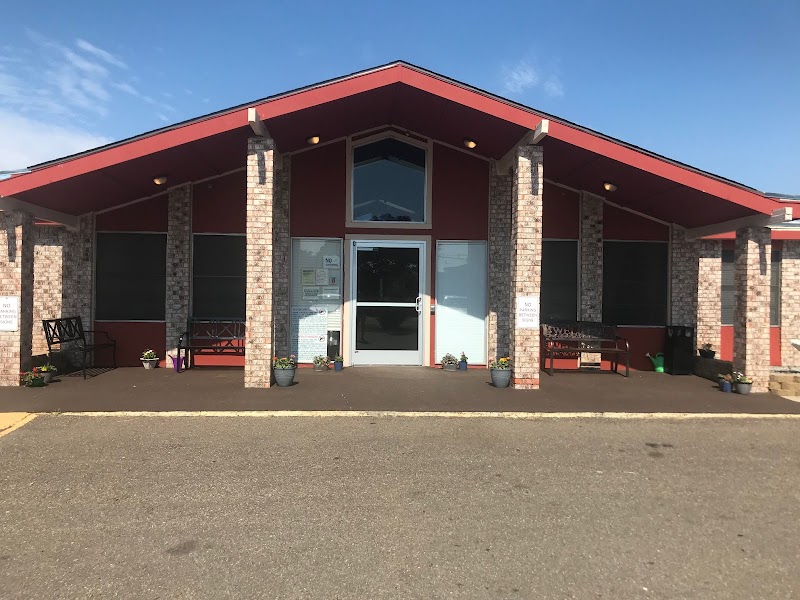
Who Owns and Operates Memphis Convalescent Center?

MEMPHIS CONVALESCENT CENTER is owned by a for-profit company. For-profit facilities operate as businesses with obligations to shareholders or private owners. The facility is operated by CREATIVE SOLUTIONS IN HEALTHCARE, a chain that manages multiple nursing homes. With 72 certified beds and approximately 22 residents (about 31% occupancy), it is a smaller facility located in MEMPHIS, Texas.
How Does Memphis Convalescent Center Compare to Other Texas Nursing Homes?

Compared to the 100 nursing homes in Texas, MEMPHIS CONVALESCENT CENTER's overall rating (2 stars) is below the state average of 2.8, staff turnover (59%) is significantly higher than the state average of 46%, and health inspection rating (2 stars) is below the national benchmark.

What Should Families Ask When Visiting Memphis Convalescent Center?

Based on this facility's data, families visiting should ask: "What changes have been made since the serious inspection findings, and how are you preventing similar issues?" "How do you ensure continuity of care given staff turnover, and what is your staff retention strategy?" "Can you walk me through typical staffing levels on day, evening, and night shifts?" "Can I visit during a mealtime to observe dining assistance and food quality?" These questions are particularly relevant given the facility's Immediate Jeopardy citations, the facility's high staff turnover rate, and the below-average staffing rating.

Is Memphis Convalescent Center Safe?

Based on CMS inspection data, MEMPHIS CONVALESCENT CENTER has documented safety concerns. Inspectors have issued 3 Immediate Jeopardy citations (the most serious violation level indicating risk of serious injury or death). The facility has a 2-star overall rating and ranks #100 of 100 nursing homes in Texas. Families considering this facility should ask detailed questions about what corrective actions have been taken since these incidents.

Do Nurses at Memphis Convalescent Center Stick Around?

Staff turnover at MEMPHIS CONVALESCENT CENTER is high. At 59%, the facility is 12 percentage points above the Texas average of 46%. High turnover means new staff may not know residents' individual needs, medications, or preferences. It can also be disorienting for residents, especially those with dementia who rely on familiar faces. Families should ask: What is causing the turnover? What retention programs are in place? How do you ensure care continuity during staff transitions?

Was Memphis Convalescent Center Ever Fined?

MEMPHIS CONVALESCENT CENTER has been fined $19,754 across 1 penalty action. This is below the Texas average of $33,276. While any fine indicates a compliance issue, fines under $50,000 are relatively common and typically reflect isolated problems that were subsequently corrected. Families should ask what specific issues led to these fines and confirm they've been resolved.

Is Memphis Convalescent Center on Any Federal Watch List?

MEMPHIS CONVALESCENT CENTER is not on any federal watch list. The most significant is the Special Focus Facility (SFF) program, which identifies the bottom 1% of nursing homes nationally based on persistent, serious quality problems. Not being on this list means the facility has avoided the pattern of deficiencies that triggers enhanced federal oversight. This is a positive indicator, though families should still review the facility's inspection history directly.