THE HILLTOP ON MAIN

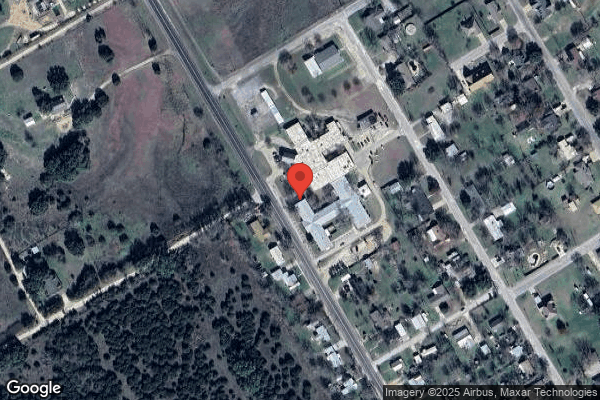
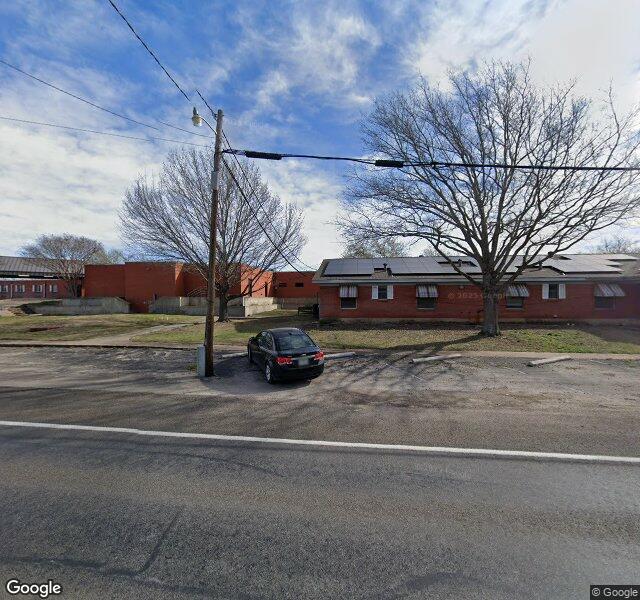
1015 N MAIN, MERIDIAN, TX 76665 (254) 435-2357
For profit - Corporation 94 Beds Independent Data: November 2025 3 Immediate Jeopardy citations
Trust Grade
29/100
#588 of 1168 in TX
Last Inspection: January 2025

Within standard 12-15 month inspection cycle. Federal law requires annual inspections.

Overview

The Hilltop on Main has received a Trust Grade of F, indicating significant concerns about the quality of care provided, which places it in the bottom tier of nursing homes. It ranks #588 out of 1168 facilities in Texas, meaning it is in the bottom half, and #2 out of 3 in Bosque County, indicating only one nearby facility is better. The facility is improving, as the number of issues decreased from 4 in 2024 to 2 in 2025, but it still reported 12 total deficiencies, including critical findings related to care planning and nutritional oversight for one resident, which led to a suicide attempt. Staffing is a significant weakness here, with a low rating of 1 out of 5, and a turnover rate of 48%, which is concerning despite being below the state average. Additionally, the facility has incurred $29,243 in fines, placing it at an average level compared to other Texas facilities, and it has average RN coverage, which is important for monitoring residents' health.

Trust Score
F
29/100
In Texas
#588/1168
Top 50%
Safety Record
High Risk
Review needed
Inspections
Getting Better
4 → 2 violations
Staff Stability
⚠ Watch
48% turnover. Above average. Higher turnover means staff may not know residents' routines.
Penalties
✓ Good
$29,243 in fines. Lower than most Texas facilities. Relatively clean record.
Skilled Nurses
⚠ Watch
Each resident gets only 21 minutes of Registered Nurse (RN) attention daily — below average for Texas. Fewer RN minutes means fewer trained eyes watching for problems.
Violations
⚠ Watch
12 deficiencies on record. Higher than average. Multiple issues found across inspections.
★★★☆☆
3.0
Overall Rating
★☆☆☆☆
1.0
Staff Levels
★★★★★
5.0
Care Quality
★★★☆☆
3.0
Inspection Score
Stable
2024: 4 issues
2025: 2 issues

The Good

  • 5-Star Quality Measures · Strong clinical quality outcomes
  • Full Sprinkler Coverage · Fire safety systems throughout facility
  • No fines on record

Facility shows strength in quality measures, fire safety.

The Bad

3-Star Overall Rating

Near Texas average (2.8)

Meets federal standards, typical of most facilities

Staff Turnover: 48%

Near Texas avg (46%)

Higher turnover may affect care consistency

Federal Fines: $29,243

Below median ($33,413)

Moderate penalties - review what triggered them

The Ugly 12 deficiencies on record

3 life-threatening
Jan 2025 2 deficiencies
CONCERN (D)

Potential for Harm - no one hurt, but risky conditions existed

Infection Control (Tag F0880)

Could have caused harm · This affected 1 resident

**NOTE- TERMS IN BRACKETS HAVE BEEN EDITED TO PROTECT CONFIDENTIALITY** Based on observations, interviews, and record review, the facility failed to maintain an infection prevention and control progra...

Read full inspector narrative →
**NOTE- TERMS IN BRACKETS HAVE BEEN EDITED TO PROTECT CONFIDENTIALITY** Based on observations, interviews, and record review, the facility failed to maintain an infection prevention and control program designed to provide a safe, sanitary, and comfortable environment and to help prevent the development and transmission of communicable diseases and infection for 1 (Resident #1) of 6 residents reviewed for infection control. The DON failed to use enhanced barrier precautions during a gastrostomy feeding for Resident #1 on 01/22/2025 by not donning a gown prior to administering the feeding. This failure could place residents at risk of cross contamination which could result in infections or illness. Findings included: Record review of Resident #1 face sheet dated 1/22/2025 reflected she was a [AGE] year-old female with diagnoses of unspecified dementia (a loss of thinking, remembering, and reasoning skills), type 2 diabetes mellitus (elevated blood sugars), dysphagia (difficulty swallowing), and encounter for attention to gastrostomy (care of gastrostomy tube). Record review of Resident #1s annual MDS assessment dated [DATE] reflected she had a BIMS score of 6 indicating Resident #1 had severe cognitive impairment. The MDS reflected Resident #1 was Dependent for eating (indicating the helper does all the effort and the resident does none of the effort to complete the activity). The MDS reflected Resident #1 received 51% of her total calories through parenteral or tube feeding. Record review of Resident #1's care plan dated 07/09/2023 and updated 08/22/2024 reflected Resident #1 had a diagnosis of severe oropharyngeal dysphagia. She had a history of aspiration pneumonia, and a feeding tube was recommended and placed. The goal was that Resident #1 would be free of aspiration pneumonia through the review date. Interventions included that Resident #1 was dependent with tube feeding and water flushes. Interventions also included to Monitor/document/report PRN any signs and symptoms of: Aspiration- fever, SOB, Abnormal breath/lung sounds, Abnormal lab values, Abdominal pain, distension, tenderness, Constipation or fecal impaction, Diarrhea, Nausea/vomiting, Dehydration. Record review of Resident #1's Physicians Order summary report dated 01/22/2025 reflected give Glucerna 1.5 237 ml five times a day for Nutrition. Flush tube with 60mL water before and after every feeding and/or meds dated 01/15/2025. In an observation of a gastric tube bolus feeding on 1/22/25 at 11:00 am, the DON failed to don her gown Prior to entering the room and the administration of the gastrostomy feeding for Resident #1. In an interview on 1/23/25 at 10:49, the [NAME] stated she had been employed at the facility for 3 weeks as the Director of Nursing Services. She stated she was curious why enhanced barrier precautions were not in place, but she had been working the floor as charge nurse and had not had time to address the issue. She stated her administrator was the certified infection preventionist. The DON stated the administrator or infection preventionist was responsible for educating the staff and ensuring proper enhanced barrier precautions were in place for residents that required them. The DON stated some of the negative effects related to not having enhanced barrier precautions in place for residents with g-tubes could be the spreading of infection. In an interview on 1/23/25 at 11:15am with the ADM, she stated all staff should have monitored for the needs for enhanced barrier precaution for the residents. She stated the DON was new; she just started on the January 6th, 2025. The ADM stated she was responsible for infection preventionist monitoring. She stated she was responsible for educating the staff on enhanced barrier precautions. She stated the previous DON made rounds daily and monitored for the need of enhanced barrier precautions. She stated gown and gloves should be used during those high contact resident care activities to prevent the spread of infection. Record review of facility policy titled Enhanced Barrier Precautions dated August 2022 reflected Enhanced barrier precautions are utilized to prevent spread of multi-drug-resistant organisms to residents. 1. Enhanced barrier precautions (EBPs) are used as an infection prevention and control intervention to reduce the spread of multi-drug resistant organisms to the resident. 2. EBPs employ targeted gown and glove use during high contact resident care activities when contact precautions do not otherwise apply. a. Gloves and gown are applied prior to performing the high contact resident care activity (as opposed to before entering the room). b. Personal protective equipment (PPE) is changed before caring for another resident. c. Face protection may be used if there is also a risk of splash or spray. 3. Examples of high-contact resident care activities requiring the use of gown and gloves for EBPs include: g. device care or use (central line, urinary catheter, feeding tube, tracheostomy/ventilator, etc.)
CONCERN (E)

Potential for Harm - no one hurt, but risky conditions existed

Food Safety (Tag F0812)

Could have caused harm · This affected multiple residents

Based on observation, interview, and record review, the facility failed to store, prepare, distribute, and serve food in accordance with professional standards for the facility's only kitchen reviewed...

Read full inspector narrative →
Based on observation, interview, and record review, the facility failed to store, prepare, distribute, and serve food in accordance with professional standards for the facility's only kitchen reviewed for food service safety. 1. The facility failed to ensure food was labeled with a product name and use by date in the facility's only walk-in freezer, walk-in cooler, and side-by-side refrigerator. 2. The facility failed to clean, and sanitize, the kitchen's only industrial can opener. 3. The facility failed to ensure the sanitizer in the facility's only dishwasher was at 50 PPM. These failures placed residents at the facility at risk for ingesting food borne pathogens. Findings included: Observation and interview on 1/21/2025 at 10:08 AM revealed the kitchen's only industrial can opener (a metal can opener attached to a table/counter to open large metal cans.) The industrial can opener had a 6-inch-long handle which rotated a metal gear (like the size and shape of a hockey puck,) which in turn rotated a metal can. On the underside of the 6-inch-long handle mechanism, was a 1-inch piece of sharp metal, which ended at a point, which pierced the top of the can. Inside the metal gear, and on the 1-inch piece of sharp metal, was a black sticky substance. The black sticky substance was easily removed with gloved fingers. The black sticky substance was easy to roll between two fingers and produce 1 pea-sized amount of contamination. Observations on 1/21/2025 at 10:11 AM of the facility's only walk-in freezer revealed 3 bags of frozen chicken in 3 individual bags. Two bags contained frozen chicken; neither plastic bag had a label for the product name, or a label with a date to use by. The third bag of chicken was not sealed, open to air, and did not have a label for the product name or a label with a date to use by. All three bags had frost and ice built up inside the bag. Observations on 1/21/2025 at 10:12 AM of the facility's only walk-in cooler revealed a large cardboard box on the middle shelf. The large cardboard box contained 12 small bags of green beans. The outside of the cardboard box did not have a label for the product name or a label with a date to use by. The small individual bags of green beans did not have a label for the product name or a label with a date to use by. Observations on 1/21/2025 at 10:13 AM of the facility's only side-by-side refrigerator revealed a large sealable bag of cooked bread. The bag of cooked bread did not have a label for the product name or a label with a date to use by. Interview and observation on 1/21/2025 at 10:20 AM with the KM revealed the industrial can opener was supposed to have been swapped out yesterday, 1/20/2025, but a lot was going on. She messaged the MD to come to the kitchen. He presented promptly; he was observed having removed the old industrial can opener and installing a new one. Interview and observation on 1/21/2025 at 10:28 AM of the facility's only dishwasher revealed the KM operating the dishwasher to check the amount of liquid sanitizer in the rinse cycle. The dishwashing machine had an information plate that reflected the appropriate chemical concentration was 50 PPM. To check the amount of the liquid sanitizer in the rinse cycle, the KM utilized a small piece of test paper provided by the company that serviced the machine. The KM was observed taking a small piece of test paper (about the size of a fortune from a fortune cookie) and rested it across an item that just exited from the dishwashing machine. After placing the test paper on the item, the test paper was supposed to react to the sanitizing chemical and darken to correspond with a color chart on the test strip container, representing an acceptable amount of sanitizer. The observation revealed the test strip, which was originally off-white, did not change color. The amount of sanitizer in the rinse cycle was not sufficient to cause a chemical change on the test paper, nor sufficient to sanitize the dishes run through the machine. The KM stated she would not run any more dishes through the machine until it was fixed. She stated she was going to call the dishwashing company to come out and look at the machine. Record review of a photo of the information plate on the facility's only dishwasher reflected the chemical sanitizing concentration was supposed to be 50 PPM. Interview on 1/23/2025 at 11:18 AM with the KA revealed staff had to put a used by date and labeled all the food. She stated staff had to put a used by date so they would know when food went bad. She stated when the food expired, they would throw it out. She stated if residents were served expired food, they could have gotten food poisoning, diarrhea, and dehydrated. She stated before the staff used the can opener, they should have made sure it was clean so it would not grow bacteria. She demonstrated how she checked the dishwasher temperatures. Interview on 1/23/2025 at 11:33 AM with the KM revealed food storage could not have food out of date. She stated they used the first-in, first-out method which involved using the older food first. She stated when food had reached the used by date, they would throw it out. She stated they should have checked the dates before they send the food out and food was thrown out after 72 hours. She stated if a resident would have eaten food that had sat for a long period of time, the residents could have gotten a sickness such as food poisoning. She stated the equipment had to be kept clean so bacteria would not transfer. She stated they should have sanitized the equipment before and after use. She stated the dishwasher was used to kill all the germs and bacteria. She stated if a resident ingested bacteria they could get sick. She stated most of the residents were more susceptible to getting sick. She stated they had to make sure the dishwasher had the right temperature and sanitizer. She stated for training, she took notes, spot checked, and redirected. Interview on 1/23/2025 at 11:47 AM with the DON revealed, regarding the food borne pathogens, if temperatures were not checked or food was stored too long, the residents could get illnesses. She stated the residents could get stomach viruses such as nausea, vomiting, or dehydration. She stated there had not been any residents in the three-week period that she had worked at the facility with outbreaks of food borne pathogens that she was aware of. She stated they should have a safeguard in place and should have had a policy in place that they dated and checked the food. She stated the kitchen supervisor should have checked and made sure staff had cleaned the equipment. Interview on 1/23/2025 at 11:55 AM with the ADM revealed they should have labeled and dated all foods that were opened. She stated food should be discarded after 72 hours. She stated they should not keep expired food and it could cause stomach issues such as diarrhea. She stated schedules should have been made by the KM, so everyone knew what needed to be cleaned. She stated they should have checked the dishwasher temperatures during a wash. She stated she checked the temperature once a week. She stated the staff had been trained and she went in the kitchen weekly and followed up with manager. She stated she also checked everything in the kitchen to make sure staff were complying. Record review of the facility's Food Receiving and Storage Policy, dated October 2027, reflected that all food in the freezer of refrigerator will be covered, labeled, and dated with a use by date. Record review of the facility's Dishwasher Machine Use Policy, dated March 2021, reflected the dishwasher chemical sanitizer concentration was 50-100 PPM. Corrective action would be taken immediately if sanitizer concentration was too low. If chemical concentration did not meet requirements, use of the machine would cease immediately until PPM were adjusted. Record review of the facility's Sanitization Policy, dated October 2008, reflected all equipment was supposed to be kept clean, maintained in good repair. All equipment was supposed to have been washed to remove or completely loosen soils by manual or mechanical means necessary and sanitized with hot water or chemical sanitization. Record review of the Food and Drugs Administration 2022 Food Code, 1/18/2023 Edition, reflected guidance for Ware-washing Machine, Data Plate Operating Specifications. Section 4-204.113 reflected the data plate provides the operator with the fundamental information needed to ensure that the machine is effectively washing, rinsing, and sanitizing equipment and utensils. The ware-washing machine has been tested, and the information on the data plate represents the parameters that ensure effective operation and sanitization and that need to be monitored. Record review of the Food and Drugs Administration 2022 Food Code, 1/18/2023 Edition, reflected guidance for Sanitizing Solutions, Testing Devices. Section 4-302.14 Testing devices to measure the concentration of sanitizing solutions are required for 2 reasons: 1. The use of chemical sanitizers requires minimum concentrations of the sanitizer during the final rinse step to ensure sanitization; and 2. Too much sanitizer in the final rinse water could be toxic. Record review of the Food and Drugs Administration 2022 Food Code, 1/18/2023 Edition, reflected guidance for Reduced Oxygen Packaging. Annex 6, Food Processing Criteria indicated the shelf life of foods was based on storage temperature for a certain time and other intrinsic factors of the food. Each package of food was supposed to have born a [use-by date.] Record review of the Food and Drugs Administration 2022 Food Code, 1/18/2023 Edition, reflected guidance for Can Openers. Section 4-204.19 indicated the cutting, or piercing, surfaces of a can opener could have directly contacted food as the contain was opened. These surfaces must have been protected from contamination.
Mar 2024 4 deficiencies 3 IJ
CRITICAL (J) 📢 Someone Reported This

A family member, employee, or ombudsman was alarmed enough to file a formal complaint

Immediate Jeopardy (IJ) - the most serious Medicare violation

Comprehensive Care Plan (Tag F0656)

Someone could have died · This affected 1 resident

**NOTE- TERMS IN BRACKETS HAVE BEEN EDITED TO PROTECT CONFIDENTIALITY** Based on interview, and record review, the facility failed to implement a comprehensive care plan that describes the services to...

Read full inspector narrative →
**NOTE- TERMS IN BRACKETS HAVE BEEN EDITED TO PROTECT CONFIDENTIALITY** Based on interview, and record review, the facility failed to implement a comprehensive care plan that describes the services to be furnished to attain or maintain the highest practicable physical, mental, and psychosocial well-being for 1 of 4 residents(Resident #1) reviewed for care plans. The facility failed to revise the nutritional careplan and develop and implement a care plan for severe weight loss of 16.1% and refusal to eat identified in a two month period from admission on [DATE] and last record of weight on 02/05/2024. The facility failed to develop and implement a care plan related to Resident # 1 self isolating, blocking his room door,signs, symptoms of depression, and refusal to see Psych NP on 01/15/2024 which resulted in Resident # 1 to attempt suicide on 03/01/2024. An Immediate Jeopardy (IJ) situation was identified on 03/22/2024 at 3:00 p.m. While the IJ was removed on 03/23/2024 at 07:50 a.m., the facility remained out of compliance at a scope of isolated with no actual harm with the potential for more than minimal harm that is not immediate jeopardy, due to the facility's need to evaluate the effectiveness of the corrective systems. This deficient practice placed residents at risk for accidents, diminished quality of life, and suicide. Findings included: Review of Resident #1's undated face sheet revealed an [AGE] year-old male with an admission date of 12/05/2023. Diagnoses included hypertension(high blood pressure), cardiomyopathy(disease of heart muscle), and hyperlipidemia(high cholesterol). Review of Resident #1's MDS assessment dated [DATE] revealed a BIMS score of 10, which indicated moderate cognitive impairment. MDS indicated no behaviors and malnutrition(protein or calorie) or at risk for malnutrition for Resident #1. Review of Resident #1's care plan undated revealed no record of observed behavior that was listed in Resident #1's progress notes dated 02/22/2024. Review of Resident # 1's care plan undated revealed no record of weight taken once a month every day shift starting on the 1st and ending on the 5th of every month and Health Shakes offered two times a day with lunch and supper meal. Review of Resident #1's physician orders revealed the following: * dated 12/30/2023 to start 01/01/2024 Weigh once a month every day shift starting on the 1st and ending on the 5th every month for weight management. *dated 02/23/2024 to start 02/23/2024 Health Shakes two times a day offer health shake with lunch and supper meal. There was no order to address Resident # 1's behaviors. Review of Resident #1's hospital records dated 03/01/2024 at 11:45 a.m. reflected Resident #1 was presented to the emergency room on [DATE] for Psychiatric Evaluation (Patient cut wrists) Patient was evaluated in the ER today. He reported not doing well. He stated he is still angry about the situation with his RP. He noted that he asked his RP for money and she refused to give him any. He then asked her if he can only have $15 and she declined. Patient reported that the incident got him upset. When asked about previous episodes of anger, patient noted that in the past when he got angry, he would just say ok and move on but couldn't this time. Review of Resident#1 hospital records dated 03/01/2024 at 1:40 p.m. reflected SW went into room to speak with patient about inpatient hospitalization in a psychiatric facility. Patient stated that will be good because when I leave here I know how to use a gun.'. Review of Resident #1's progress note dated 02/22/2024 at 7:11 p.m. written by LPN G reflected: Resident had turned his bedside table upside down and put it in front of his door to try and block it closed. When asked why he did that he stated that the guy told him he could do that to keep people out of his room. Nurse explained that he could not do that because it was a safety issue and if staff needed to get in there in case of an emergency they couldn't if he blocked the door. Table was taken out of the room. He then pointed to his TV and stated that the guy came and fixed his TV so that the channel couldn't be changed and that the channel it is on now is designed to brainwash him. Nurse tried to explain that the TV was not brainwashing him, but he was insistent that the TV was brainwashing him. Review of Resident # 1's progress note dated 03/01/2024 at 8:30 a.m. written by LVN B reflected CNA called this nurse to resident's room. Noted resident laying on his back on his bed with his back leaning against the wall. Bilateral arms stretched out by his sides. Noted lacerations and blood on bilateral wrist. Broken glass from the picture frame scattered on floor. Moderate amount of blood on the floor. CNA removed any items that could be used to self harm from immediate area. Noted numerous lacerations to bilateral wrist. No active bleeding noted. No other injury noted. BP-139/69 P-95 R-18 Temp-97.8 States I was trying to kill myself I cut my wrist with the glass from the picture frame. Then this Nurse asked the resident why he did this to himself resident made comments I've done some bad things in my life. My RP and I was in a inappropriate relationship for a long time. Before my RP married her husband, she found me and wanted to start the relationship back and we did that's why her husband wants me to die I heard him say he wished I was dead Am I going to jail now? One on One initiated at 7:35-Administrator notified. Administrator to notify resident's. Treatment initiated. Hospice nurse notified. 8:10 call placed to 911 for transfer to ER for evaluation and treatment due to suicide attempt. Resident sitting with this Nurse waiting on EMS. This Nurse asked the resident how long he has thought about hurting himself resident states for about 3-4 hours Nurse asked resident did he call for a Nurse or staff member to talk to prior to cutting himself resident states no. Resident transferred to ER by ambulance. Resident laughing and joking with staff. NP notified of above. During an interview on 03/02/2024 at 11:53 a.m. LVN B stated around 7:30 a.m. on 03/01/2024 CNA C reported to her that she noticed blood on the floor in Resident # 1's room. LVN B stated when she went to the resident's room she observed Resident # 1 was laying on his back in the bed with both his arms stretched out along his side. LVN B observed numerous lacerations to both wrists with blood on the floor. LVN B stated she assessed the resident and did not observe active bleeding or any other injuries. LVN B stated a broken picture frame glass was observed to be scattered on the floor. LVN B stated the resident told her he cut his wrist with the glass from the picture frame and he tried to kill himself. LVN B stated she asked the resident why he cut himself and he stated to her that he had done bad things in his life. LVN B stated Resident # 1 stated to her that he and his RP had an inappropriate relationship for a very long time. He expressed to LVN B before his RP married her husband she wanted to start the relationship back and that's why the RP husband wanted him to die. LVN B stated that Resident # 1 stated he had heard his RP husband say he wished he was dead. LVN B stated she had asked Resident #1 how long he had thought of hurting himself and he stated about three to four hours. In an attempted interview on 03/22/2024 at 2:05 p.m. with the DON was unsuccessful by phone call. In an interview on 03/22/2024 at 2:19 p.m. with the ADM stated she expected care plans to be updated when a resident had a change in condition, medication change, or significant event. ADM stated the current MDS nurse worked off-site and did not come to the facility. The ADM stated the MDS nurse did not know the residents and she had requested corporate to get the facility an MDS nurse onsite so when they had incidents and changes in condition the updates could be made at that time. The ADM stated the DON had educated Resident # 1 but did not document the education, or care plan to reflect the interventions. In an interview on 03/22/2024 (time not documented) the MDS nurse stated that Resident #1 was on hospice and weight loss was expected. The MDS nurse stated nutrition was care planned for health snacks, and super cereal twice a day if Resident # 1 did not eat over 50% of the meal. The MDS nurse stated the facility still tried to put interventions in place even though the weight loss was expected. The MDS nurse was not able to give elaboration on revisions and dates made to Resident #1's care plan. A record review of the care plans, comprehensive person-centered policy statement revised December 2016 reflected that A comprehensive, person-centered care plan that includes measurable objects and timetables to meet the residents physical, psychosocial, and functional needs is developed and implemented for each resident. A record review of care plans, goals, and objectives revised in 2009( month not dated ) reflected that care plans shall incorporate goals and objectives that lead to the resident's highest obtainable level of independence. This was determined to be an Immediate Jeopardy (IJ) on 03/22/2024 at 3:00 p.m. The ADM was notified. The ADM was provided with the IJ template on 03/22/2024 at 3:00 p.m. The following Plan of Removal submitted by the facility was accepted on 03/23/2024 at 07:50 a.m. and included: Plan of Removal F656 Please accept this Plan of Removal as a credible allegation of compliance for immediate jeopardy initiated on March 22nd, 2024, for facility failing to initiate, develop and implement comprehensive person-centered care plan that includes measurable objectives and time frames to meet a resident medical and nursing needs. 1. Action: To ensure the development and implementation of a comprehensive person-centered care plan, the MDS and DON conducted audits and developed care plans on all center residents. If a significant change in the resident condition and treatment is noted during the widespread audit, a change of care plan will be initiated by the MDS nurse and DON to meet individual residents' needs. Completion Timeline: Beginning March 22nd, 2024, and ending March 23rd, 2024. Responsible: DON/MDS Nurse 2. Action: DON and MDS nurse were in-service by the [NAME] President of Clinical Services on March 22nd, 2024, regarding: 1) the development and implementation of comprehensive person-centered care plan upon identification of a resident change in condition to include behaviors, weight loss noted during monthly weight monitoring; and 2) Baseline care plan must be initiated upon admission. Completion Timeline: Beginning March 22nd, 2024, and thereafter. Responsible: [NAME] President of Clinical Services 3. Action: Beginning on March 22nd,2024 and for the next 30 days the Director of Nursing will utilize the Daily Clinical Meeting Process and 24 hours report to identify a change in resident conditions including behaviors, weight loss, and new medication orders. DON and MDS nurses will update the resident care plan during the daily clinical meetings. QAPI Committee will be notified of identified non-compliance. QAPI Committee will develop a Performance Improvement Plan to address identified non-compliance to include staff education and/or disciplinary action. Completion Timeline: Beginning March 22nd, 2024, and thereafter. Responsible: DON Monitoring of the plan of removal was completed on 03/24/2024 and revealed the following: In an interview on 03/23/2024 at 3:50 p.m. the ADM stated updating the care plans was the responsibility of the MDS nurse and the DON. The ADM stated that the care plan should be updated the same or within 24 hours after a care conference with the interdisciplinary team. The ADM stated after any identified incidents in-service with staff would be conducted to ensure care plans are being followed. The ADM stated that she and the DON will do rounds to check that residents have care plan interventions in place. A record review of Resident #1's care plan revised dated 03/24/2024 revealed The resident will maintain adequate nutritional status as evidenced by maintaining weight within 3% range through review date with Interventions Identified as: - Diet consult as needed - Observe likes and dislikes when serving diet - Serve supplements if less than 50% of meal intake - Record and report to MD s/s of skin breakdown - Assess oral status, and proper fit of dentures if applicable - ST referral as indicated - Record and report s/s of dehydration to MD - Document % of meal intake in the clinical record. Risk for harm problem: Self-Directed or Other-Directed Behavior Potentially Causing Harm (Episodic) 3/1/24 - resident cut wrist and stated it was a suicide attempt. With a goal of resident will not harm self or others last revised on 03/22/24. A record review of Resident #1's undated care plan revealed intervention of 1to 1 with resident until able to discharge from the hosptial for risk for harm problem. A record review of the care plan audit of the Resident's care plan revisions was completed on 03/24/2024. A total of 18 residents' care plans were audited A record review of Inservice completed on the care plans was completed by the DON and MDS on 03/22/2024. The DON and MDS were trained to ensure that care plans are developed and updated upon a significant change in the resident's condition. DON and MDS were also trained on base line care plans must be initiated upon admission. The ADM was informed the Immediate Jeopardy was removed on 03/26/2024 at 4:360 p.m. The facility remained out of compliance at a severity level of no actual harm with potential for more than minimal harm that is not immediate jeopardy with a scope of isolated due to the facility's need to evaluate the effectiveness of the corrective systems that were put into place.
CRITICAL (J) 📢 Someone Reported This

A family member, employee, or ombudsman was alarmed enough to file a formal complaint

Immediate Jeopardy (IJ) - the most serious Medicare violation

Deficiency F0692 (Tag F0692)

Someone could have died · This affected 1 resident

**NOTE- TERMS IN BRACKETS HAVE BEEN EDITED TO PROTECT CONFIDENTIALITY** Based on interview and record review the facility failed to ensure residents maintained acceptable parameters of nutritional sta...

Read full inspector narrative →
**NOTE- TERMS IN BRACKETS HAVE BEEN EDITED TO PROTECT CONFIDENTIALITY** Based on interview and record review the facility failed to ensure residents maintained acceptable parameters of nutritional status, such as usual body weight or desirable body weight range and electrolyte balance, unless the resident's clinical condition demonstrated that was not possible or the resident preferences indicated otherwise for 1 of 4 residents (Resident #1) reviewed for nutrition status maintenance. The facility failed to ensure Resident # 1 did not sustain a severe weight loss of 16.1% in a two month period from admission on [DATE] and last record of weight on 02/05/2024 The facility failed to follow MD order to take monthly weights beginning on 01/01/2024 for a weight to be taken the 1st through the 5th of each month. The facility failed to include 01/16/2024 weight of 134.6 in Resident # 1's weight log. The facility failed to identify there was a decrease from health shakes being administered three times per day decreasing down to two times a day. An Immediate Jeopardy (IJ) was identified on 03/04/2024 The IJ template was provided to the facility on [DATE] at 10:14 p.m. While the IJ was removed on 03/06/2024 at 4:00 p.m., the facility remained out of compliance at a scope of isolated and a severity level of no actual harm with potential for more than minimal harm. This failure could place residents at risk of weight loss, weight gain, nutritional deficit, and adverse health consequences. Findings included: Review of Resident #1's undated face sheet revealed an [AGE] year-old male with an admission date of 12/05/2023. Diagnoses included hypertension (high blood pressure), cardiomyopathy (disease of heart muscle), hyperlipidemia (high cholesterol), and protein-calorie malnutrition (inadequate amount of protein). Review of Resident #1's physician order dated 12/30/2023 to start 01/01/2024 reflected: Weigh once a month every day shift starting on the 1st and ending on the 5th every month for weight management. Order dated 02/23/2024 to start 02/23/2024 Health Shakes two times a day offer health shake with lunch and supper meal. Review of Resident #1's MDS assessment dated [DATE] revealed a BIMS score of 10, which indicated moderate cognitive impairment. Review of Resident #1's care plan undated revealed resident has a nutritional problem and appetite stimulant ordered. On NAS diet. [DATE] wt 153.1 lbs. Resident # 1 care plan did not include his updated weights or refusal to eat. Resident # 1's care plan did not include signs, symptoms of depression, and refusal to see Psych NP. Review of Resident #1's progress notes dated 12/05/2023 to 03/01/2024 revealed medication refused. 12/23/2023 01/12/2024 01/13/2024 01/14/2024 01/15/2024 01/17/2024 01/18/2024 01/19/2024 01/20/2024 01/21/2024 01/22/2024 01/23/2024 01/24/2024 01/25/2024 01/26/2024 01/27/2024 01/28/2024 01/29/2024 01/30/2024 02/03/2024 02/05/2024 02/06/2024 02/07/2024 02/08/2024 02/09/2024 02/10/2024 02/11/2024 02/12/2024 02/14/2024 02/15/2024 02/16/2024 02/17/2024 02/19/2024 01/31/2024 Review of Resident #1's progress notes dated 12/05/2023 to 03/01/2024 revealed meals refused. 01/13/2024 01/15/2024 01/16/2024 01/20/2024 01/21/2024 01/24/2024 Review of Resident #1's progress note dated 01/13/2024 at 7:11 p.m. written by LVN B reflected that Resident refusing to eat, drink, and take his medication. Told this nurse that he was tired of taking medicine and said he didn't feel like eating. Offered different meal options to entice him to eat. Will call his RP to discuss, also letting NP know of his change in condition. Review of Resident #1's progress note dated 01/15/2024 at 1:30 p.m. written by CMA D reflected that Resident continues to only take a few bites of meals and is refusing medications. RP aware. Review of Resident #1's progress note dated 01/16/2024 at 10:29 a.m. written by LVN B reflected that Resident refused regular breakfast this AM. Ate ½ of a blueberry muffin. Resident weight 134.6. 18.5 lbs weight loss noted from 12/5/2023. Call placed to NP, informed of weight loss and change of condition. New orders received to start Remeron 7.5mg for appetite stimulant. MAR updated. Pharmacy faxed notified. Resident aware and agrees to new orders. Consent signed. Fluids encouraged. Able to make needs known. Call light in reach. Review of Resident #1's progress note dated 01/20/2024 at 2:11 p.m. written by LVN B reflected that Resident taken to dining room for both meals today. Only a couple of bites taken from each meal. Resident continues to refuse medications. This nurse spoke with DON, resident, and resident's regarding resident refusing meals and medication and weight loss. Review of Resident #1's progress note dated 01/21/2024 at 2:23 p.m. written by LVN B reflected that Resident resting in bed. Refused meals and medications after numerous attempts made by this Nurse'. Review of Resident # 1's vitals for weights summary only showed weights for admission [DATE] (wheelchair) 153.1 lbs. 01/17/2024 (standing) 153.1 lbs 02/05/2024 (standing) 128.4 lbs. -10% change comparison weight 12/05/2023 153.1 lbs, -16.1%,-24.7(lbs) -5.0% change comparison weight 01/17/2024,153.1 lbs,-16.1%-24.7(lbs)-7.5% change comparison weight 12/05/2023, 153.1 lbs, -16.1%-24.7 lbs.'. Resident # 1 had significant weight loss from admission on [DATE] and the last record of weight on 02/05/2024. Review of Resident # 1's MAR reflected health shakes on MAR twice. Once as three times per day until 02/23/2024 after the 8:00 a.m. administration , then decreased to twice per day with lunch and supper on 02/23/2024. During an interview on 03/04/2024 at 1:30 p.m. CNA C stated Resident # 1 on some days would lay in bed and refuse to eat. Resident #1 would eat a little bit of his breakfast but not lunch or dinner. CNA C stated she reported to LVN B when the resident would refuse to eat. CNA C stated the resident did not drink and refused the health shakes. CNA C stated the resident did not like the texture of the health shakes. CNA C stated she was not aware if any substitution was given. During an attempt on 03/04/2024 at 1:55 p.m. unsuccessful attempt in reaching the Medical Doctor. During an interview on 03/04/2024 at 5:30 p.m. CNA D stated that she reported to LVN B when the resident would refuse to eat. CNA D stated the resident had lost a lot of weight due to not eating. Resident # 1 would decline the health shakes because he did not like them. During an interview on 03/04/2024 at 6:15 p.m. the Dietician stated a nutritional assessment was conducted on 02/12/2024 that showed Resident # 1 had experienced weight loss. The dietician stated weekly weights were to be conducted and nursing staff was responsible for weights. Resident # 1 was added a nutritional protein milkshake to aid in helping gain weight. During an interview on 03/04/2024 at 6:57 p.m. the DON stated she started as the DON on 03/01/2024. The DON stated weights for normal residents are done once a month by the nurse but if there is a resident who is not eating, losing, or gaining weight they are placed on weekly weights. The DON stated if weight loss is not monitored it would not identify the weight loss. The DON stated not receiving proper nutrients may cause further illness and complications. The DON stated that she, the Dietician, and the Dietary Manager meet to discuss weight and during that time the Dietician writes up the nutrition assessment and recommendations for that particular resident. During an interview on 03/04/2024 at 8:10 p.m. the Dietary Manager stated the DON, the Dietician, and the Dietary Manager discuss weight/loss. The Dietician would write the nutrition assessments. The Dietary Manager stated she talks with residents about their food types/ recommendations followed by The Dietician's orders. The Dietary Manager stated Resident # 1 some days would only eat a few bites of his food. The Dietary Manager stated that she did not document when the resident did not eat. The Dietary Manager stated the DON was responsible for documenting progress notes when residents was not eating. The Dietary Manager stated the Nursing staff was responsible for taking weekly weights when it was determined significant/severe weight loss. The Dietary Manager stated if weights are not conducted weekly it may cause further weight loss that would be too hard on the resident to be weak without protein or nutrients which may cause further illness. During an interview on 03/04/2024 at 8:30 p.m. the ADM stated the nursing staff are responsible for weights and she was unable to give an answer to why Resident#1 weights was not taken. The ADM stated that she would have to take a look into why Resident # 1's weight was not checked weekly with having weight loss. The ADM stated that when residents are not receiving weekly weight checks would cause a slower process in healing and further complications The ADM stated the DON the Dietitian, and the Dietary Manager are responsible for discussing weights for nutritional needs. Review of the facility's policy titled Nutrition (Impaired)/Unplanned Weight Loss- Clinical Protocol revised 09/2017 reflected: The nursing staff will monitor and document the weight and dietary intake of residents in a format which permits comparisons over time. This was determined to be an Immediate Jeopardy (IJ) on 03/04/2024 at 10:14 p.m. The ADM and DON were notified. The ADM was provided with the IJ template on 03/04/2024 at 10:14 p.m. The following Plan of Removal submitted by the facility was accepted on 03/06/2024 at 10:05 a.m. Plan of Removal F692 Please accept this Plan of Removal as a credible allegation of compliance for immediate jeopardy initiated on March 4th, 2024, for facility failing to initiate timely intervention to prevent significant weight loss. 1. Action: To ensure identification of weight loss, the facility licensed nursing staff conducted/weigh and documented all weight of all center residents. If a change in weight is noted during the widespread audit, the attending physician and Registered Dietitian will be notified to obtain treatment orders as indicated and a change of care plan will be initiated. Weight loss and potential risk factors will be documented in the progress noted and care planned to meet individual residents' needs. Completion Timeline: Beginning March 4th, 2024, and ending March 5th, 2024. Responsible: Licensed Nurses/ Activity Director/DON/MDS 2. Action: DON was in-service by the [NAME] President of Clinical Services on March 4th, 2024, regarding: 1) Notification to attending physician, Registered Dietitian, and responsible representative upon identification of resident change in condition to include weight loss noted during monthly, weekly weight monitoring; and 2) Inspection and documentation of resident weight upon admission, monthly, and weekly thereafter. Beginning March 4th, 2024, Nursing Administration to conduct education with licensed nursing staff on the above education. PRN and New hires who have not received the above stated education will be educated by DON prior to providing resident direct care. Completion Timeline: Beginning March 4th, 2024, and thereafter. Responsible: Director of Nursing 3. Action: Director of Nursing was in-service by the [NAME] President of Clinical Services on March 4th, 2024, regarding certified nursing assistants notifying charge nurse upon identification of change in resident appetite and refusal of a meal. Beginning March 4th, 2024, Nursing Administration to conduct the above education with certified nursing assistants. New hires and PRN who have not received the above stated education will be educated by the DON prior to providing resident direct care. Completion Timeline: Beginning March 4th, 2024, and thereafter. Responsible: Director of Nursing. 4. Actions: The Director of Nursing, Registered Dietitian, and Dietary Manager will meet weekly to discuss resident weight. Each month, the nursing staff will weigh all residents. DON, RD, and DM will compare current weight to previous weight. Based on the report, the IDT will identify weight loss and decide on resident that will receive weekly and daily weight. Registered Dietitian recommendation will be entered and documented into the electronic medical record system by DON. The provider and family representative will be notified of resident weight change and dietary recommendation. Completion Timeline: Beginning March 4th, 2024, and thereafter. Responsible: Administrator and [NAME] President of Clinical Services 5. Action: The Nursing Administration began auditing the electronic medical record of each resident to ensure monthly, weekly, and daily weight are scheduled to be performed by the nursing staff. The DON will ensure that the nursing staff document the resident weight on the EMR. Completion Timeline: Beginning March 4th, 2024, and thereafter. Responsible: Director of Nursing 6. Action: Beginning on March 4th, 2024. and for the next 30 days the Director of Nursing will utilize the Daily Clinical Meeting Process and the weight report to validate charge nurse compliance with inspection, notification, and documentation of resident weight checks which are to be conducted upon admission, monthly, weekly, and daily thereafter. QAPI Committee will be notified of identified non-compliance. QAPI Committee will develop a Performance Improvement Plan to address identified non-compliance to include staff education and/or disciplinary action. Completion Timeline: Beginning March 4th, 2024, and thereafter. Responsible: Administrator, Director of Nursing Monitoring of the plan of removal was completed on 03/06/2024 and revealed the following: During an interview on 03/06/2024 at 12:00 p.m. RN A stated that he has been in-serviced on reporting weight loss. RN A stated that the Nurses are responsible for weights and to ensure they were recorded accurately. RN A stated the Nurses must report any weight loss observed. RN A stated that the provider, physician, and the Registered Dietitian will be notified of the resident weight loss. During an observation on 03/06/2024 at 12:20 p.m. residents was in the dining room eating lunch. None of the residents refused lunch or appeared to have a lack of an appetite. During an interview on 03/06/2024 at 1:00 p.m. LVN B stated that he had been in-serviced on reporting weight loss. LVN B stated that the Nurse is responsible for recording weight loss. LVN B stated the nurse must report any weight loss and if there is a 4-5-pound weight loss it should be reported immediately. LVN B stated that the RP, physician, and the Registered Dietitian would be notified of the resident weight loss. During an interview on 03/06/2024 at 1:30 p.m. CNA C stated if the CNA's noticed a resident not eating or having a change in appetite they are to report the change in behavior to the Charge Nurse so they can document it. CNA's can document a lack of appetite on the resident's ADL charting. During an interview on 03/06/2024 at 2:00 p.m. the Activity Director stated if the CNA's noticed a change in appetite or a resident refusing to eat they are supposed to notify the Charge Nurse immediately. The Activity Director stated if the CNAs noticed a resident was losing weight, they was supposed to notify the Charge Nurse immediately. During an interview on 03/06/2024 at 3:00 p.m. the DON stated she has been in-serviced by the [NAME] President of Clinical Services on the following: CNAs must notify the Charge Nurse about changes in resident appetite and refusing to eat. The DON stated CNA's would notify a Charge Nurse if a resident doesn't eat or even if they only eat half of their meal. The DON stated a nurse would be responsible for documenting the change in condition. The DON and interdisciplinary team will address change in condition, DON, RD, and DM must meet weekly to discuss residents' weights, weekly weights, and look at weight trends. The DON stated she would be responsible for auditing the electronic medical records to ensure residents were weighed. DON stated she trained the RNs, LVNs, and CNAs on resident's weights. Review of the Inservice completed on 3/04/2024 for Charge Nurses provided by the DON. Charge Nurses Inservice- responsible to ensure weights are completed and report weight loss to the provider. Review of the Inservice completed on 3/04/2024 for CNA's and CMA's provided by the DON. CNA's CMA's Inservice-reporting change in appetite and refusals of meals to the Charge Nurse. The DON was informed the Immediate Jeopardy was removed on 03/06/2024 at 4:00 p.m. The facility remained out of compliance at a scope of iolated severity level of no actual harm with potential for more than minimal harm that is not immediate jeopardy.
CRITICAL (J) 📢 Someone Reported This

A family member, employee, or ombudsman was alarmed enough to file a formal complaint

Immediate Jeopardy (IJ) - the most serious Medicare violation

Deficiency F0742 (Tag F0742)

Someone could have died · This affected 1 resident

**NOTE- TERMS IN BRACKETS HAVE BEEN EDITED TO PROTECT CONFIDENTIALITY** Based on interviews and record reviews the facility failed to ensure a resident who displays or is diagnosed with a mental disor...

Read full inspector narrative →
**NOTE- TERMS IN BRACKETS HAVE BEEN EDITED TO PROTECT CONFIDENTIALITY** Based on interviews and record reviews the facility failed to ensure a resident who displays or is diagnosed with a mental disorder or psychosocial adjustment disorder receives appropriate treatment and services to correct the assessed problem or to attain the highest practicable mental and psychosocial well-being for 1 of 4 residents (Resident # 1) reviewed for treatment and services for mental and psychosocial concerns. The facility failed to develop and implement a plan of care to address Resident #1's signs and symptoms first documented on 01/15/2024 when Resident #1 refused to see the Psych NP for signs and symptoms of depression. CMA D failed to to report Resident #1 expressing to her many times that he was tired, his body was giving out, and he was ready to go. The facility failed to act upon ,care plan develop, and implement Resident # 1's changes noted by CNA C, CMA D reported to LVN B and CNA E reported to the former DON. An Immediate Jeopardy (IJ) was was identified on 03/04/2024 The IJ template was provided to the facility on [DATE] at 10:14 p.m. While the immediacy was removed on 03/06/2024 at 4:00 p.m., the facility remained out of compliance at a scope of isolated and a severity level of no actual harm with potential for more than minimal harm. This deficient practice placed residents at risk for prolonged pain, suffering, injury, hospitalization, and death. Findings included: Review of Resident #1's undated face sheet revealed an [AGE] year-old male with an admission date of 12/05/2023. Diagnoses included hypertension (high blood pressure), cardiomyopathy (disease of heart muscle), and hyperlipidemia (high cholesterol). Review of Resident #1's physician order dated 12/05/2023 reflected: Psychiatric evaluation and treatment as indicated. Review of Resident #1's MDS assessment dated [DATE] revealed a BIMS score of 10, which indicated moderate cognitive impairment. Review of Resident #1's care plan undated revealed no record of observed behavior that was listed in Resident #1's progress notes dated 02/22/2024. No record of plan to address changes in condition for Resident #1. Resident #1's care plan did not address the changes noted by CNA C, CMA D, and CNA E reported to LVN B and the previous DON. Review of Resident #1's progress notes dated 12/05/2023 to 03/01/2024 there was no documentation of education,encouragement, additional attempt/encouragement to obtain/ provide treatment documented regarding psych services. Review of Resident #1's progress notes dated 12/05/2023 to 03/01/2024 revealed medication refused. 12/23/2023 01/12/2024 01/13/2024 01/14/2024 01/15/2024 01/17/2024 01/18/2024 01/19/2024 01/20/2024 01/21/2024 01/22/2024 01/23/2024 01/24/2024 01/25/2024 01/26/2024 01/27/2024 01/28/2024 01/29/2024 01/30/2024 02/03/2024 02/05/2024 02/06/2024 02/07/2024 02/08/2024 02/09/2024 02/10/2024 02/11/2024 02/12/2024 02/14/2024 02/15/2024 02/16/2024 02/17/2024 02/19/2024 01/31/2024 Review of Resident #1's progress notes dated 12/05/2023 to 03/01/2024 revealed meals refused. 01/13/2024 01/15/2024 01/16/2024 01/20/2024 01/21/2024 01/24/2024 Review of Resident # 1's progress note dated 01/13/2024 at 3:11 p.m. written by PREV DON reflected: Resident refusing to eat, drink and take his medications. Told this nurse that he was tired of taking medicine and said he didn't feel like eating. Offered different meal option to entice him to eat. Will call his daughter to discuss, also letting NP know of this change in condition. Review of Resident # 1's progress note dated 01/15/2024 at 1:30 p.m. written by LVN B reflected: Resident continues to only take a few bites of meals and is refusing medications. RP aware. This Nurse spoke with the resident in length. Resident states I've never lived in trash like this. Resident has been in a different room d/T Covid. Resident states I want to go back to my room. Resident and belongings moved back to room [ROOM NUMBER]-A. Administrator aware. Residents daughter notified and thanked this Nurse. Resident did eat 1/2 bowl of soup for lunch. Vitals stable. Lone Star Psych NP here at the time. This Nurse spoke with the resident about seeing Psych Services for s/s of depression. Resident states not right now I think I'm going to be feeling better now. Resident refused Psych services at this time. This Nurse encouraged resident to eat meals and take his medication as ordered. Informed resident that he can ask for alt food if he does not like/want what is on the menu. Resident verbalized understanding. Able to make needs known. Call light in reach. Review of Resident # 1's progress note dated 01/16/2024 at 4:25 p.m. written by PREV DON reflected: Spoke with resident about his medications. He thinks he is taking too many. I explained most of them he came from the hospital with. I sent a message to the NP to see if we can d/c anything. Awaiting response at this time. Review of Resident #1's progress note dated 02/22/2024 at 7:11 p.m. written by LPN G reflected: Resident had turned his bedside table upside down and put it in front of his door to try and block it closed. When asked why he did that he stated that the guy told him he could do that to keep people out of his room. Nurse explained that he could not do that because it was a safety issue and if staff needed to get in there in case of an emergency they couldn't if he blocked the door. Table was taken out of the room. He then pointed to his TV and stated that the guy came and fixed his TV so that the channel couldn't be changed and that the channel it is on now is designed to brainwash him. Nurse tried to explain that the TV was not brainwashing him but he was insistent that the TV was brainwashing him. Review of Resident # 1's progress note dated 03/01/2024 at 8:30 a.m. written by LVN B reflected CNA called this nurse to resident's room. Noted resident laying on his back on his bed with his back leaning against the wall. Bilateral arms stretched out by his sides. Noted lacerations and blood on bilateral wrist. Broken glass from the picture frame scattered on floor. Moderate amount of blood on the floor. CNA removed any items that could be used to self harm from immediate area. Noted numerous lacerations to bilateral wrist. No active bleeding noted. No other injury noted. BP-139/69 P-95 R-18 Temp-97.8 States I was trying to kill myself I cut my wrist with the glass from the picture frame. Then this Nurse asked the resident why he did this to himself resident made comments I've done some bad things in my life. My RP and I was in a inappropriate relationship for a long time. Before my RP married her husband, she found me and wanted to start the relationship back and we did that's why her husband wants me to die I heard him say he wished I was dead Am I going to jail now? One on One initiated at 7:35-Administrator notified. Administrator to notify resident's. Treatment initiated. Hospice nurse notified. 8:10 call placed to 911 for transfer to ER for evaluation and treatment due to suicide attempt. Resident sitting with this Nurse waiting on EMS. This Nurse asked the resident how long he has thought about hurting himself resident states for about 3-4 hours Nurse asked resident did he call for a Nurse or staff member to talk to prior to cutting himself resident states no. Resident transferred to ER by ambulance. Resident laughing and joking with staff. NP notified of above. Review of Resident #1's hospital records dated 03/01/2024 at 11:45 a.m. reflected Resident #1 was presented to the emergency room on [DATE] for Psychiatric Evaluation (Patient cut wrists) Patient was evaluated in the ER today. He reported not doing well. He stated he is still angry about the situation with his RP. He noted that he asked his RP for money and she refused to give him any. He then asked her if he can only have $15 and she declined. Patient reported that the incident got him upset. When asked about previous episodes of anger, patient noted that in the past when he got angry, he would just say ok and move on but couldn't this time. Review of Resident#1 hospital records dated 03/01/2024 at 1:40 p.m. reflected SW went into room to speak with patient about inpatient hospitalization in a psychiatric facility. Patient stated that will be good because when I leave here I know how to use a gun.'. During an interview on 03/02/2024 at 11:53 a.m. LVN B stated around 7:30 a.m. on 03/01/2024 CNA C reported to her that she noticed blood on the floor in Resident # 1's room. LVN B stated when she went to the resident's room she observed Resident # 1 was laying on his back in the bed with both his arms stretched out along his side. LVN B observed numerous lacerations to both wrists with blood on the floor. LVN B stated she assessed the resident and did not observe active bleeding or any other injuries. LVN B stated a broken picture frame glass was observed to be scattered on the floor. LVN B stated the resident told her he cut his wrist with the glass from the picture frame and he tried to kill himself. LVN B stated she asked the resident why he cut himself and he stated to her that he had done bad things in his life. LVN B stated Resident # 1 stated to her that he and his RP had an inappropriate relationship for a very long time. He expressed to LVN B before his RP married her husband she wanted to start the relationship back and that's why the RP husband wanted him to die. LVN B stated that Resident # 1 stated he had heard his RP husband say he wished he was dead. LVN B stated she had asked Resident #1 how long he had thought of hurting himself and he stated about three to four hours. During an interview on 03/02/2024 at 1:17 p.m. CMA D stated Resident # 1 expressed to her often that he was tired, his body was giving out, and he was ready to go. (as in death). CMA D stated she did not make a report to anyone as she did not think Resident # 1 would harm himself. CMA D stated it was many times Resident # 1 would not eat and refuse his medication. During an interview on 03/02/2024 at 1:47 p.m. CNA C stated on 03/01/2024 around 7:30 a.m. she was passing Resident # 1's breakfast tray and upon entering the resident's room she observed Resident # 1 with both arms covered in blood. CNA C stated there was blood on the floor in front of the bed, along with a family picture frame broken. CNA C stated that she observed broken glass that was scattered on the floor. CNA C stated that she asked Resident #t what had happened and he only stated he just messed up. During an interview on 03/02/2024 at 3:00 p.m. the ADM stated LVN B notified her by phone around 8:00 a.m. on 03/01/2024 that Resident # 1 had harmed himself. The ADM stated she asked Resident #1 as he was leaving with EMS what had happened and his response was he had tried to kill himself. The ADM stated the incident with the bedside table at the front door Resident # 1 was only trying to prevent staff from coming into his room and interrupting his sleep. The ADM stated this is what Resident # 1 stated to her. During an attempted interview on 03/04/2024 at 1:55 p.m. was unsuccessful reaching the Medical Doctor. During an interview on 03/04/2024 at 5:00 p.m. CNA C stated Resident # 1 did have days that he would just lay in bed and not want to eat his food. CNA C stated she reported to LVN B that the resident would just lie in bed and refuse to eat. CNA C stated she could not recall the number of times or the dates Resident # 1 would lie in bed and refuse meals. During an interview on 03/04/2024 at 5:30 p.m. CMA D stated that she would report to LVN B when she observed Resident # 1 was not eating meals or refusing his medications. During an interview on 03/04/2024 at 5:45 p.m. CNA E stated she sat with Resident # 1 until the ambulance arrived to transport him to the hospital. CNA E stated she asked Resident # 1 what had happened and he said he just thought about leaving (as in death). Resident # 1 did not elaborate or discuss any further. CNA E stated she would report changes in conditions to the previous DON (no longer with the facility) when Resident # 1 would just lie around and refuse his meals During an interview on 03/04/2024 at 8:30 p.m. the ADM stated changes in conditions when identified will need to be reported to the Charge Nurse and they are responsible for the documentation. Review of the facility's policy titled BEHAVIOR HEALTH SERVICES revised 02/2019 reflected: Policy Statement The facility will provide and residents will receive behavioral health services as needed to attain or maintain the highest practicable physical, mental and psychosocial well-being in accordance with the comprehensive assessment and plan of care. This was determined to be an Immediate Jeopardy (IJ) on 03/04/2024 at 10:14 p.m. The ADM and DON were notified. The ADM was provided with the IJ template on 03/04/2024 at 10:14 p.m. The following Plan of Removal submitted by the facility was accepted on 03/06/2024 at 10:05 a.m.: Plan of Removal F742 Please accept this Plan of Removal as a credible allegation of compliance for immediate jeopardy initiated on March 4th, 2024, for facility failing to initiate timely intervention to treat psychosocial concerns. 1. Action: To ensure identification of psychosocial concerns, the facility licensed nurses/social service staff conducted and documented psychosocial concerns such as depression and suicide thoughts on all center residents. If a change in the resident behavior and mood is noted during the widespread audit, the attending physician will be notified to obtain treatment orders as indicated and a change of care plan will be initiated. The Director of Nursing and charge nurse will refer the resident for psychological services and potential risk factors will be documented in the progress note and care planned to meet individual residents' needs. Completion Timeline: Beginning March 4th, 2024, and end March 5, 2024. Responsible: Licensed Nurses/ Activity Director/DON/MDS 2. Action: Director of Nursing was in-service by the [NAME] President of Clinical Services on March 4th, 2024, regarding: 1) Notification to attending physician and family representative upon identification of resident change in condition to include mental and psychosocial behavior noted during auditing/monitoring and 2) Inspection and documentation of resident behavior upon admission, monthly, and weekly thereafter. Beginning March 4th, 2024, Nursing Administration to conduct the above education to licensed nurses. PRN and new hires who have not received the above stated education will be educated by the DON prior to providing resident direct care. Completion Timeline: Beginning March 4th, 2024, and thereafter. Responsible: Director of Nursing 3. Action: Director of Nursing was in-service by the [NAME] President of Clinical Services on March 4th, 2024, regarding certified nursing assistant notifying the charge nurse upon identification of change in resident condition such as behavior and mood. Beginning March 4th, 2024, Nursing Administration to conduct the above education with certified nursing assistants. New hires and PRN who have not received the above stated education will be educated by the DON prior to providing resident direct care. Completion Timeline: Beginning March 4th, 2024, and thereafter. Responsible: Director of Nursing 4. Actions: The Director of Nursing and the interdisciplinary team will meet 5 days a week to discuss resident change in condition including mental and psychosocial concerns. The DON will ensure that the provider is made aware of the patient's change in condition, referral order for psychological services and treatment plan is entered and documented into the electronic medical record system. The family representative will be notified of the resident change in condition and treatment plan. Completion Timeline: Beginning March 5, 2024, and thereafter. Responsible: Administrator and [NAME] President of Clinical Service. 5. Action: The Nursing Administration began auditing the electronic medical record of each resident to ensure treatment plans are scheduled to be performed by the nursing staff. The DON will ensure that the nursing staff are monitoring and documenting the resident's change of condition such as behavior on the progress note. Completion Timeline: Beginning March 4th, 2024, and thereafter. Responsible: Director of Nursing 6. Action: Beginning on March 4th, 2024. and for the next 30 days. The Director of Nursing will utilize the 24 hours report to validate charge nurse compliance with inspection, notification, and documentation of resident change in behavior and mood are conducted upon admission and daily thereafter. QAPI Committee will be notified of identified non-compliance. QAPI Committee will develop a Performance Improvement Plan to address identified non-compliance to include staff education and/or disciplinary action. Completion Timeline: Beginning March 4th, 2024, and thereafter. Responsible: Administrator, Director of Nursing Monitoring of the plan of removal was completed on 03/06/2024 and revealed the following: During an interview on 03/06/2024 at 12:00 p.m. RN A stated that he was on monitor for residents that may have psychosocial concerns. RN A stated if a resident is not acting their normal self such as crying, sad, or depressed those were signs of change in behavior. RN A stated a change in behavior, change in appetite, or lack of eating also should be reported to nursing staff if witnessed. RN A stated the DON, Physician, and Charge nurse should be notified of the resident's changes. RN A stated it is important to report and document the changes in behavior so the resident can get the appropriate help they may need. RN A stated the change of condition should be followed up on for 72 hrs. During an interview on 03/06/2024 at 1:00 p.m. LVN B stated that she was on monitor for residents that may have psychosocial concerns. LVN B stated changes of behavior signs are depressed, crying, or sad. LVN B stated the change in behavior signs should be documented and reported. LVN B stated the DON, Physician, and Charge nurse should be notified of the resident's changes. LVN stated it was important to report and document the changes in behavior so the residents could get their medical needs met. During an interview on 03/06/2024 at 1:30 p.m. CNA C stated if she noticed a resident with a change in condition she would report the change in behavior to the Charge Nurse. CNA C stated that the Charge Nurse would document the change in behavior if a resident was sleeping more than normal, being agitated, or having aggressive outbursts. During an interview on 03/06/2024 at 2:00 p.m. the Activity Director stated that if a resident stated they don't want to live or acting differently the CNAs should notify the Charge Nurse so that the resident can get the appropriate medical help. The Activity Director stated signs of change of behavior are becoming aggressive, withdrawn, sad, depressed, and not eating. During an interview on 03/06/2024 at 3:00 p.m. the DON stated she had been in-serviced by the [NAME] President of Clinical Services on notifying the Charge Nurse of changes in the conditions of residents. The DON stated the Charge Nurse would be responsible for documenting changes in conditions. Nurses must notify the attending provider of the resident change in condition including mental psychosocial behavior, along with documenting and monitoring. The DON stated CNA's and CMA's must report changes in mood or behavior to the Charge Nurse. The DON stated that she trained the RNs, LVNs, and CNAs on changes in conditions. Review of the Inservice completed on 3/04/2024 for Charge Nurses provided by the DON. Charge Nurses Inservice- monitor resident's behavior's, documenting ,notify attending provider, and psychosocial behavior. Review of the Inservice completed on 3/04/2024 for CNA's and CMA's provided by the DON. CNA's CMA's Inservice-reporting change in conditions and behaviors to the Charge Nurse. The DON was informed the Immediate Jeopardy was removed on 03/06/2024 at 4:00 p.m. The facility remained out of compliance at a severity level of no actual harm with potential for more than minimal harm that is not immediate jeopardy with a scope of isolated due to the facility's need to evaluate the effectiveness of the corrective systems that were put into place.
CONCERN (D) 📢 Someone Reported This

A family member, employee, or ombudsman was alarmed enough to file a formal complaint

Potential for Harm - no one hurt, but risky conditions existed

Medication Errors (Tag F0758)

Could have caused harm · This affected 1 resident

**NOTE- TERMS IN BRACKETS HAVE BEEN EDITED TO PROTECT CONFIDENTIALITY** Based on interview and record review, the facility failed to ensure that residents who have not used psychotropic drugs are not ...

Read full inspector narrative →
**NOTE- TERMS IN BRACKETS HAVE BEEN EDITED TO PROTECT CONFIDENTIALITY** Based on interview and record review, the facility failed to ensure that residents who have not used psychotropic drugs are not given these drugs unless the medication is necessary to treat a specific condition as diagnosed and documented in the clinical record for 1 (Resident #1) of 4 residents reviewed for psychotropic drug use. The facility failed to: 1. ensure Resident #1 was prescribed Seroquel for a specific diagnosis and instead prescribed it for behavioral disturbance at bedtime This failure could affect residents by placing them at risk of receiving psychotropic medications which could cause a decrease in quality of life and increase the risk of injury. Findings included: Review of Resident #1's undated face sheet revealed an [AGE] year-old male with an admission date of 12/05/2023. Diagnoses included hypertension (high blood pressure), cardiomyopathy (disease of heart muscle), hyperlipidemia (high cholesterol), and protein-calorie malnutrition (inadequate amount of protein). Review of Resident #1's MDS assessment dated [DATE] revealed a BIMS score of 10, which indicated moderate cognitive impairment. It further revealed he usually understood others. It revealed that he had no hallucinations nor did he have delusions that would be potential indicators of psychotic behaviors. Review of Resident #1's progress note revealed a note by LPN G on 02/22/2024 at 7:11 p.m. reflected: Resident had turned his overbed table upside down and put it in front of his door to try and block it closed. When asked why he did that he stated that the guy told him he could do that to keep people out of his room. Nurse explained that he could not do that because it was a safety issue and if staff needed to get in there in case of an emergency they couldn't if he blocked the door. Table was taken out of the room. He then pointed to his tv and stated that the guy came and fixed his tv so that the channel couldn't be changed and that the channel it is on now is designed to brainwash him. Nurse tried to explain that the tv was not brainwashing him but he was insistent that the tv was brainwashing him. Record review of Resident #1's progress notes revealed a note by RN G on 02/24/2024 at 12:41 a.m. reflected Resident started Seroquel 50mg last night to help with sleep and decrease agitation. Resident appears to be sleeping normally. Record review of Resident #1's progress notes revealed a note by LVN E on 02/24/2024 at 6:56 p.m. reflected Continue Seroquel for sleep and agitation with no adverse reactions noted. No complaints voiced at the time. Record review of Resident #1's progress notes revealed a note by LVN E on 02/25/2024 at 10:17 p.m. reflected Continue Seroquel for sleep and agitation with no adverse reactions noted. No complaints voiced at the time. In an interview on 03/02/2024 at 2:30 p.m. the DON stated Resident # 1 was placed on Seroquel because of the incident on 02/22/24 of Resident # 1 turning the bedside table upside down in front of his room door. The DON stated Resident # 1 was not placed on 1 to 1 and it was figured the Seroquel would help. In an interview on 03/02/2024 at 3:00 p.m. with the ADM stated Resident #1 had an incident with placing his bedside table in the front of his door was only to prevent staff from coming in and interrupting his sleep. The ADM could not answer why Seroquel's medication was given without any diagnosis. In an interview on 03/04/2024 at 1:59 p.m. with the Hospice Medical Director stated he was getting telephone calls from the facility that Resident # 1 was having aggressive behaviors toward staff was that was the reason for Resident #1 being placed on Seroquel. In an interview on 03/04/24 at 6:57 p.m. the DON stated the previous DON (no longer employed) should have notified the Hospice Medical Director to advise on the consent for Seroquel it showed a diagnosis of sundowning and that is not a diagnosis. The DON stated Resident #1's RP signed off on the consent for Seroquel and she wanted Resident #1to be on the medication. The DON stated the Hospice Medical Director should have been more specific because Medical Doctors have to make a medical diagnosis of a resident. The DON stated the facility was not able to care plan without a medical diagnosis of Seroquel. The DON stated medication was given as ordered by the Doctor and not by a diagnosis. The DON stated any medication can cause an adverse effect or harm if taken if it hasn't been prescribed for a diagnosis. In an interview on 03/04/2024 at 8:30 p.m. with the ADM stated the previous DON (no longer employed) last day in the building on 02/23/2024 overlooked there was not a diagnosis for the Seroquel. The ADM stated the previous DON (no longer employed) should had confirmed if there was a diagnosis for the Seroquel. The ADM stated diagnoses are made by physicians. The ADM stated the orders made by the physician were followed by the facility. The ADM stated if medical diagnosis had not been confirmed and psychotropic medications were given to the resident it could cause suicidal thoughts. Record review of Resident #1's Order dated 02/23/2024 revealed an order for Seroquel oral tablet 50 mg start date of 02/23/2024. Give 1 tablet by mouth at bedtime for agitation and hallucinations. Record review of Resident #1's MAR, February of 2024, revealed he was administered Seroquel on the following dates: 02/23/2024 02/24/2024 02/25/2024 02/26/2024 02/27/2024 02/28/2024 02/29/2024 Record review of Resident #1's diagnoses list viewed 03/02/2024 revealed no diagnosis of psychosis, schizophrenia, or bipolar disorder. Resident # 1 did not have any mental health diagnoses, no anxiety, no depression, or no insomnia. Review of the facility's policy titled Antipsychotic Medication revised 07/2022 reflected: Residents will not receive medications that are not clinically indicated to treat a specific condition.
Dec 2023 2 deficiencies
CONCERN (E)

Potential for Harm - no one hurt, but risky conditions existed

Infection Control (Tag F0880)

Could have caused harm · This affected multiple residents

**NOTE- TERMS IN BRACKETS HAVE BEEN EDITED TO PROTECT CONFIDENTIALITY** Based on observation, interview and record review, the facility failed to maintain an infection and prevention control program t...

Read full inspector narrative →
**NOTE- TERMS IN BRACKETS HAVE BEEN EDITED TO PROTECT CONFIDENTIALITY** Based on observation, interview and record review, the facility failed to maintain an infection and prevention control program that included, at a minimum, a system for preventing and controlling infections for 4 of 5 residents reviewed for medication administration (Resident's #31, #10, #14, and #8) and for 5 of 6 resident (Resident's #31, #10, #30, #14, and #8) reviewed for blood pressure readings. MA failed to properly sanitize blood pressure cuff when moving from one resident to another resident when administering medications and obtaining blood pressure for Residents #31, #10, #14, and #8 . MA failed to wash or sanitize her hands while going from one resident to another resident when administering medication for Resident's #31, #10, #30, #14, and #8. This deficient practice placed residents at risk for cross contamination and the spread of infection. Findings included: Record Review of Resident #31's face sheet dated 12/06/23 reflected Resident #31 was a [AGE] year-old male with an admission date of 12/21/22. Resident #31's diagnoses included peripheral vascular disease (a sign of fatty deposits and calcium building up in the walls of the arteries), hypertension (high blood pressure - long term condition in which blood pressure in arteries is persistently elevated), anxiety (an emotion which is characterized by an unpleasant state of inner turmoil and includes feelings of dread over anticipated events), and major depressive disorder (mood disorder that causes a persistent feeling of sadness and loss of interest). Record Review of the most recent quarterly MDS assessment dated [DATE] reflected Resident #31 had a BIMS score of 12 indicating Resident #31 was moderately cognitively impaired. MDS reflected resident required supervision of 1 person with bed mobility, transfer, dressing, eating, and toileting, and limited assist of one person for personal hygiene. An interview and observation on 12/05/23 at 8:57 AM revealed Resident #31 was lying in bed on top of covers fully dressed. Resident appeared clean and stated he was doing well, and staff took good care of him. He stated he had no concerns. Record Review of Resident #10's face sheet dated 12/06/23 reflected Resident #10 was an [AGE] year-old male with an admission date of 03/08/22. Resident #10's diagnoses included dementia (decline in cognitive abilities that impact a person's ability to perform everyday activities), hypertension (high blood pressure - long term condition in which blood pressure in arteries is persistently elevated), anxiety (an emotion which is characterized by an unpleasant state of inner turmoil and includes feelings of dread over anticipated events), and major depressive disorder (mood disorder that causes a persistent feeling of sadness and loss of interest). Record Review of the most recent quarterly MDS assessment dated [DATE] reflected Resident #10 had a BIMS score of 11 indicating Resident #10 was moderately cognitively impaired. MDS reflected resident required supervision of 1 person with bed mobility, transfer, eating, and toileting, and limited assist of one person for dressing and personal hygiene. An interview and observation on 12/05/23 at 9:20 AM revealed Resident #10 was lying in bed with blankets pulled up to chest area. Resident #10 appeared clean and stated he was doing fine, and staff took good care of him. He stated he had no concerns with his medications or anything else at that time. Record Review of Resident #30's face sheet dated 12/06/23 reflected Resident #30 was a [AGE] year-old male with an admission date of 11/14/22. Resident #30's diagnoses included peripheral vascular disease (a sign of fatty deposits and calcium building up in the walls of the arteries), hypertension (high blood pressure - long term condition in which blood pressure in arteries is persistently elevated), COPD (progressive lung disease characterized by long-term respiratory symptoms and airflow limitation), and anemia (condition in which the blood doesn't have enough healthy red blood cells). Record Review of the most recent annual MDS assessment dated [DATE] reflected Resident #30 had a BIMS score of 12 indicating Resident #30 was moderately cognitively impaired. MDS reflected resident required supervision of 1 person with bed mobility, transfer, dressing, eating, and toileting, and limited assist of one person for personal hygiene. In an observation and interview on 12/05/23 at 9:27 AM Resident #30 was observed sitting up on the side of his bed with blankets draped over his lap. Resident #30 appeared clean and groomed and was in no sign of distress. Resident #30 stated everything was fine and he was happy in the facility. He stated he was ready to go to smoke break at that time and he had no concerns. Record Review of Resident #14's face sheet dated 12/06/23 reflected Resident #14 was an [AGE] year-old male with an admission date of 06/05/23. Resident #14's diagnoses included dementia (decline in cognitive abilities that impact a person's ability to perform everyday activities), hypertension (high blood pressure - long term condition in which blood pressure in arteries is persistently elevated), cerebral infarction (stroke), and hyperlipidemia (abnormally high levels of any or all lipids or lipoproteins in the blood). Record Review of the most recent quarterly MDS assessment dated [DATE] reflected Resident #14 had a BIMS score of 06 indicating Resident #14 was severely cognitively impaired. MDS reflected resident required supervision of 1 person with bed mobility, transfer, supervision only for eating, limited assist of one person for dressing, and extensive assist of one person for toileting and personal hygiene. In an observation and interview on 12/05/23 at 9:39 AM Resident #14 was observed lying in bed with covers over his head. He stated he did not want to talk to anyone, and he wanted his door shut immediately. Record Review of Resident #8's face sheet dated 12/06/23 reflected Resident #8 was an [AGE] year-old male with an admission date of 01/25/23. Resident #8's diagnoses included anxiety (an emotion which is characterized by an unpleasant state of inner turmoil and includes feelings of dread over anticipated events), hypertension (high blood pressure - long term condition in which blood pressure in arteries is persistently elevated), COPD (progressive lung disease characterized by long-term respiratory symptoms and airflow limitation), and Alzheimer's Disease (a progressive disease that destroys memory and other important mental functions). Record Review of the most recent quarterly MDS assessment dated [DATE] reflected Resident #8 had a BIMS score of 08 indicating Resident #8 was moderately cognitively impaired. MDS reflected resident required supervision with set-up help for eating, limited assist of one staff for with bed mobility, transfer, dressing, and personal hygiene, and limited assist of two persons for toilet use. In an observation and interview on 12/05/23 at 9:45 AM Resident #8 was observed sitting up in his wheelchair. Resident #8 was clean and dressed appropriately. Resident #8 stated he was doing great, and he was well taken care of by the staff. He stated he had no concerns with his medications and everything else was great as well. In an observation on 12/05/23 at 8:47 AM the MA took a blood pressure reading with an automated cuff on Resident #31 without washing her hands after she had given medication to another resident. In an observation on 12/05/23 at 8:55 AM the MA administered medication to Resident #31 without washing her hands after she had given medication to another resident. In an observation on 12/05/23 at 9:07 AM the MA took a blood pressure reading with an automated cuff on Resident #10 without sanitizing the blood pressure cuff which had just previously been used on Resident #31 and without washing hands after she had given medication to Resident #31. In an observation on 12/05/23 at 9:14 AM the MA administered medication to Resident #10 without washing her hands after she had given medication to Resident #31. In an observation on 12/05/23 at 9:24 AM of Resident #31 and Resident #10's room, a sink and soap was available for handwashing right inside the door and was visible to those who may have entered or exited the room. In an observation on 12/05/23 at 9:25 AM of hallway of medication administration pass outside of Resident #31, #10, #30, #14, and #8 's room, there were 5 hand sanitizer dispensers hanging on the wall full of hand sanitizer. In an observation on 12/05/23 at 9:26 AM the MA took a blood pressure reading with an automated cuff on Resident #30 without sanitizing the blood pressure cuff which had just previously been used on Resident #10 and washing her hands after she had given medication to Resident #10. In an observation on 12/05/23 at 9:29 AM of hallway of medication cart which the MA had used to pass medications to Resident's #31, #10, #30, #14, and #8, a bottle of hand sanitizer was available on side of medication cart and a hand sanitizer dispenser was attached to the side of the medication cart. Both the bottle and dispenser had hand sanitizer inside. In an observation on 12/05/23 at 9:32 AM the MA took a blood pressure reading with an automated cuff on Resident #14 without sanitizing the blood pressure cuff which had just previously used on Resident #30 without washing her hands. In an observation on 12/05/23 at 9:36 AM the MA administered medication to Resident #14 without washing her hands after she had taken a blood pressure reading for Resident #30. In an observation on 12/05/23 at 9:43 AM the MA took a blood pressure reading with an automated cuff on Resident #8 without sanitizing the blood pressure cuff which had just previously been used on Resident #14 without washing her hands after she had given medication to Resident #14. In an observation on 12/05/23 at 9:43 AM the MA administered medication to Resident #8 without washing her hands after she had given medication to Resident #14. In an observation on 12/05/23 at 9:46 AM of Resident #30, Resident #14, and Resident #8's room, a sink and soap was available for handwashing right inside the door and was visible to those entering or exiting residents rooms. In an interview on 12/05/23 at 9:55 AM the MA stated she had not sanitized or washed her hands during the medication pass and she had not sanitized the blood pressure cuff in between obtaining blood pressures on Residents #31, #10, #30, #14, and #8. She stated she should have washed her hands in between every resident's medication pass and she should have sanitized the blood pressure cuff in between use for each resident as well. She stated she had been trained on handwashing and sanitizing equipment, medication administration, and infection control. She stated it was the facility policy to wash or sanitize her hands in between each resident and also to sanitize the blood pressure cuff or any equipment between residents. She stated if hands were not washed or sanitized in between residents' medication administration or blood pressure cuffs were not sanitized after use in between residents, that could cause the spread of infection and put residents at risk for infection. In an interview on 12/06/23 at 2:13 PM the ADM stated staff should have sanitized equipment, including blood pressure cuff's, with use in between residents and staff should have washed their hands at all times when going from one resident to the next during medication pass or any other time. She stated it was facility policy to do both. She stated staff had been trained on handwashing and sanitizing their hands and also on sanitizing equipment, including blood pressure cuff's, infection control, and medication administration. She stated if staff did not wash or sanitize their hands or did not sanitize a blood pressure cuff when using for multiple residents in between residents, it could cause the transfer or spread of infection from resident to resident. In an interview on 12/07/23 at 10:33 AM the DON stated staff should have washed or sanitized their hands in between residents while administering medications and they should have sanitized any equipment, including blood pressure cuffs, when going from one resident to another. She stated it was the facility policy for staff to wash or sanitize hands and to sanitize any equipment used when they went from one resident to the next. She stated staff had been trained on infection control, handwashing, sanitizing equipment, and medication administration. She stated they all knew what could happen if staff had not washed or sanitized their hands or sanitized equipment, such as blood pressure cuffs, when they went from one resident to another, and residents could have gotten sick due to the spread of infection. Record review of the Handwashing/Hand Hygiene policy dated 2001 and revised August 2015, reflected the following: Policy Statement: The facility considers hand hygiene the primary means to prevent the spread of infection. Policy Interpretation and Implementation: 2. All personnel shall follow the handwashing/hand hygiene procedures to help prevent the spread of infections to other personnel, residents, and visitors. 6. Wash hands with soap (antimicrobial or non-antimicrobial) and water for the following situations: b. Before and after direct contact with residents; c. Before preparing or handling medications; i. After contact with a resident's intact skin; l. After contact with objects (e.g., medical equipment) in the immediate vicinity of the resident . Record review of the Cleaning and Disinfection of Resident-Care Items and Equipment) policy dated 2001 and revised September 2022 reflected the following: Resident-care equipment, including reusable items and durable medical equipment will be cleaned and disinfected according to current CDC recommendations for disinfection and the OSHA Bloodborne Pathogens Standard. 1. The [NAME] Classification System is used to distinguish the levels of sterilization/disinfection necessary for items used in resident care: c. non-critical items are those that came in contact with intact skin but not mucous membranes. (1) Non-critical resident-care items include bedpans, blood pressure cuffs, crutches, and computers. (3) Non-critical items require cleaning followed by either low- or intermediate- level disinfection following manufacturers' instructions. Disinfection is performed with an EPA-registered disinfectant labeled for use in healthcare settings. All applicable label instructions on EPA-registered disinfectant products are followed (e.g., use-dilution, shelf life, storage, material compatibility, safe use and disposal). 5. Reusable items are cleaned and disinfected or sterilized between residents. 7. Only equipment that is designated reusable is used by more than one resident. Record review of the Infection Control Guidelines for All Nursing Procedures policy dated 2001 and revised August 2012 reflected the following: Purpose: To provide guidelines for general infection control while caring for residents. General Guidelines: 1. Standard Precautions will be used in the care of all residents in all situations regardless of suspected or confirmed infectious diseases. Standard Precautions apply to blood, body fluids, secretions, and excretions regardless of whether or not they contain visible blood, non-intact skin, and/or mucous membranes. 3. Employees must wash their hands for (10) to (15) seconds using antimicrobial or non-antimicrobial soap and water under the following conditions: a. before and after direct contact with residents. Record review of the Standard Precautions) policy dated 2001 and revised September 2022 reflected the following: Policy Statement: Standard precautions are used in the care of all residents regardless of their diagnoses or suspected or confirmed infection status. Standard precautions presume that all blood, body fluids, secretions, and excretions (except sweat), non-intact skin and mucous membranes may contain transmissible infectious agents. Policy Interpretation and Implementation: 1. Standard precautions apply to the care of all residents in all situations regardless of suspected or confirmed presence of infectious diseases. Standard precautions include the following practices: 1. Hand hygiene: a. Hand hygiene refers to handwashing with soap (antimicrobial or non-antimicrobial) or the use of ABHR, which does not require access to water. b. Hand hygiene is performed with ABHR or soap and water: (1) before and after contact with resident.
CONCERN (F)

Potential for Harm - no one hurt, but risky conditions existed

Deficiency F0727 (Tag F0727)

Could have caused harm · This affected most or all residents

Based on interview and record review, the facility failed to use the services of a registered nurse for at least 8 consecutive hours a day, 7 days a week for 9 of 30 days reviewed for RN coverage. Th...

Read full inspector narrative →
Based on interview and record review, the facility failed to use the services of a registered nurse for at least 8 consecutive hours a day, 7 days a week for 9 of 30 days reviewed for RN coverage. The facility failed to ensure they had an RN on duty on 11/5/23,11/11/23,11/12/23,11/18/23,11/19/23,11/25/23, 11/26/23,12/3/23 and 12/04/23. This failure placed residents at risk of missed nursing assessments, interventions, care, and treatments. Findings Include Review of RN staffing for November 2023 revealed zero hours worked by an RN on 11/5/23,11/11/23,11/12/23,11/18/23,11/19/23,11/25/23,11/26/23. Review of RN staffing for December 2023 revealed zero hours worked by an RN on 12/3/23 and 12/04/23. Interview on 12/7/23 at 1145 AM with DON, she stated that she is aware of the lack of RN coverage every other weekend, they are advertising for an RN, but because of the small community and the commute time from the larger city in the area, they have very little response. She stated that she is aware of both the regulation and their policy that requires RN coverage 8 hours a day 7 days a week. They have reached out to corporate for assistance and are currently not utilizing outside agencies that provide contract nursing staff. She stated that she is available by phone and lives 20 minutes away, so she does not see any potential for harm as she is available if needed. She also stated there are clear protocols for any resident injuries or illnesses that may happen when an RN is not in the building, that include always contacting the resident's physician. Interview on 12/7/2023 at 2:00 pm with ADM, stated that she is aware of the holes in the RN coverage and is aware of the regulation that requires 8 hours of RN coverage each day, 7 days a week. She stated that their policy also states they are to have an RN 8 hours a day , 7 days a week. They have open positions and are actively recruiting but face barriers of having to compete with other small-town facilities and the commute from a bigger city. She stated that the DON is available by phone, and she feels that there is no potential for harm to the residents because of the lack of coverage in the building. Record Review of Policy titled Department Supervision, Nursing dated August 2022, revealed 2. A registered nurse provide services at least eight (8) consecutive hours every 24 hours, seven (7) days a week.
Nov 2023 1 deficiency
CONCERN (E) 📢 Someone Reported This

A family member, employee, or ombudsman was alarmed enough to file a formal complaint

Potential for Harm - no one hurt, but risky conditions existed

Safe Environment (Tag F0921)

Could have caused harm · This affected multiple residents

Based on observations, interviews, and record reviews the facility failed to provide a safe, functional, sanitary and comfortable environment for 1 (Common Shower) of 1 shower room observed for Enviro...

Read full inspector narrative →
Based on observations, interviews, and record reviews the facility failed to provide a safe, functional, sanitary and comfortable environment for 1 (Common Shower) of 1 shower room observed for Environment. The floor tiles had been missing from the floor as far back as 6 years. The facility failed to have an effective maintenance communication system for when items needed to be repaired or replaced, which resulted in an unsafe environment in the Residents' Common Shower room. This failure could place residents at risk of tripping and falling, the shower chair wheels getting stuck, or cross contamination, which could cause injury, pain, distress and gastro-intestinal illnesses and result in a decrease in their health and psycho-social well-being. Findings included: Observation on 11/09/23 at 3:30 pm revealed the floor in the Common Shower room with multiple sections of missing floor tiles. There were missing sections of floor tile along the wall, beside the drain, and between the wall and the drain. The floor tiles were not a consistent color. Interview on 11/09/23 at 4:55 pm, the MTD stated he was aware the Common Shower had missing floor tiles along the wall and next to the drain. The MTD stated the Common Shower floor tiles were in this condition when he started his employment last year in September 2022. He stated he informed the VP back in December 2022 of the condition of the floor tiles in the Common Shower. The MTD stated he was unsure of how he informed the VP, but he believes it was via a Conference Call with himself and the previous Administrator. The MTD stated he told the former ADM that the tiles were different colors, and some were missing. The MTD stated the facility had so many things that took priority over replacing the floor tiles, and fixing the floor kept getting pushed back. The MTD stated for better or worse, the State Surveyor being at the facility has pushed Administration to give him the authority to replace the tiles. The MTD stated the current ADM gave him approval to replace the missing tiles or the entire floor this morning (Friday, 11/10). The MTD stated if the residents were to walk in the area with the missing tiles, it would be an uneven foot path that could cause them to trip or fall resulting in a serious injury, or even death. Interview on 11/09/23 at 5:40 pm, CNA A stated the Common Shower had missing floor tiles close to the wall and the water drain. She stated a resident or staff member could trip and fall. CNA A stated the wheel of the shower chair could get stuck, and the resident could be injured if staff had to pull or push the chair hard to free the chair from the open space. Interview on 11/09/23 at 6:20 pm, the DON stated she started her employment in August 2023 and the floor tiles in the Common Shower room were already missing. The DON stated replacing the missing floor tiles had been discussed during the Morning Meeting. She stated the ADM discussed replacing the floor tiles on Sunday (11/12) and it would take 24 hours to cure. Interview on 11/09/23 at 7:10 pm, the ADM stated the floor tiles had been repaired in the past. She stated sometimes the floor tiles become loose due to the constant running of water. The ADM stated once they find the correct size tiles to cover the missing parts, it would be fixed immediately. Observation on 11/10/23 at 10:35 am revealed the Common Shower to still have missing floor tiles. Interview on 11/10/23 at 10:45 am, the MTD stated he will purchase the floor tiles today, but the tiles will not be the same color. He stated he had setup a website for staff to create Service Tickets, but only a few utilized it, so he disabled the website. He stated the facility reverted back to the paper method last month (October 2023). The MTD stated there was a binder at the nurse's station, and he checks the binder at the start of his shift. He stated if it were an emergency, staff would call or text him directly. Interview on 11/10/23 at 11:25 am, CNA B stated the floor tiles had been missing since she started working at the facility 4 years ago. CNA B stated it was a minor issue and she cannot understand why it was taking so long for the facility to fix it. CNA B stated for the resident, this was their home, and the shower room should reflect a home environment. CNA B stated she would not want to stand in a shower with missing and broken tiles. She stated it could cause harm to the resident, as they could cut their foot, trip and fall, or the shower chair could get stuck, and they would have to pull the resident. Interview on 11/10/23 at 11:40 am, CNA C stated the floor tiles had been in the current condition since she returned to the facility in June 2023. She stated the condition could cause the shower chair to get stuck and if they tried to pull the chair with the resident in it, the resident could fall out. CNA C stated if a resident walked on the floor, they could stump their toe, or their foot could get caught causing them to fall and hit their head on the wall. She stated she likes her home to look nice and presentable and the condition of the Common Shower's floor tiles would concern her if it was her home. Interview on 11/10/23 at 12:00 pm, CNA D stated the floors have been in this condition since she started working at the facility 6 years ago. CNA D stated being in this condition, a resident could fall or trip over the missing tile. She stated to her, the appearance of the shower room floor, was like walking into a public bathroom. Interview on 11/10/23 at 12:20 pm, CNA E stated the missing and broken tiles gradually increased over the years. CNA E stated she noticed when she was giving a resident a shower, the missing parts were much larger. CNA E stated the floor tiles being in this condition could cause the shower chair to get stuck and tip over with the resident in it. She stated it was a fall risk, and the resident could be injured. Interview on 11/10/23 at 12:40 pm, the AD stated the floor tiles in the Common Shower had been in disarray for about five years. She stated the residents in wheelchairs can slide their feet and cut or stub their toe. The AD stated the mobile residents can trip and fall and hurt themselves. She stated the residents that use a walker or wheelchair, when they were transferred to the shower chair, they can trip or fall. The AD stated even though the residents were always supervised, the staff can trip and fall on the resident. Interview on 11/10/23 at 2:30 pm, LVN B stated the missing tiles could cause the chair to tip over causing the resident to fall and cut or injure themselves. LVN B stated it could then become an infection control issue. LVN B stated a resident on a blood thinner could bleed out and a resident with diabetes can actually contract Sepsis. She stated there was a maintenance log at the nurse's station, or they can call or text the MTD if it was an emergency. Interview on 11/10/23 at 3:20 pm, the MTD informed surveyor he just returned from the store to purchase the floor tiles, but the store did not have the size required. The MTD stated he had to now order the tiles, and they will be changing out the entire floor. Interview on 11/10/23 at 3:30 pm, the ADM stated she first noticed the floor tiles missing around 6 weeks ago. She stated she did not report the missing tiles to Corporate because they had so many other things that they had already reported. She stated she told the MTD to start looking for tiles, but he could not find the right size. The ADM stated they were going to replace the entire floor. She stated they will use the Common Shower on the Secure Unit if it takes more than one day. Record review of the Facility's undated Physical Environment - Maintenance Service Policy revealed, Maintenance service shall be provided to all areas of the building, grounds, and equipment. Under the Policy Interpretation and Implementation section, it reads: 1. The Maintenance Department is responsible for maintaining the buildings, grounds, and equipment in a safe and operable manner at all times. 2. Functions of maintenance personnel include, but are not limited to: b. Maintaining the building in good repair and free from hazards. i. Providing routinely scheduled maintenance service to all areas. 3. The Maintenance Director is responsible for developing and maintaining a schedule of maintenance service to assure that the buildings, grounds, and equipment are maintained in a safe and operable manner. Record review of the Facility's undated Physical Environment - Work Orders, Maintenance Policy revealed, Maintenance work orders shall be completed in order to establish a priority of maintenance service. 2. It shall be the responsibility of the department directors to fill out and forward such work orders to the Maintenance Director.
Dec 2022 1 deficiency
CONCERN (D) 📢 Someone Reported This

A family member, employee, or ombudsman was alarmed enough to file a formal complaint

Potential for Harm - no one hurt, but risky conditions existed

Deficiency F0657 (Tag F0657)

Could have caused harm · This affected 1 resident

**NOTE- TERMS IN BRACKETS HAVE BEEN EDITED TO PROTECT CONFIDENTIALITY** Based on observation, interview, and record review, the facility failed to review and revise quarterly a comprehensive care plan...

Read full inspector narrative →
**NOTE- TERMS IN BRACKETS HAVE BEEN EDITED TO PROTECT CONFIDENTIALITY** Based on observation, interview, and record review, the facility failed to review and revise quarterly a comprehensive care plan of each resident that included measurable objectives and timetables to meet a resident's medical, nursing, and mental and psychosocial needs for one (Resident #1) of ten residents reviewed for care plans, in that: The facility failed to revise quarterly care plans in the necessary time frame for Resident #1. This failure placed residents at risk of not having their individualized needs met in a timely manner and communicated to providers and could result in injury, a decline in physical, mental and/or psychosocial well-being. Findings included: Review of Resident # 1's undated face sheet reflected a [AGE] year-old male who was admitted to the facility on [DATE] with diagnoses including Alzheimer's disease, Type 2 Diabetes Mellitus, and shortness of breath. The resident was discharged from the facility on 12/13/2022 to the hospital due to injury sustained from fall. Review of Resident #1's quarterly MDS assessment, dated 11/7/2022, reflected he required extensive assistance in the following areas: 1. Transfer 2. Locomotion movement between locations in the building 3. Dressing 4. Toileting 5. Personal hygiene The MDS further reflected Resident # 1 was unsteady when walking and only able to stabilize with staff assistance. Review of Resident # 1's care plan, dated 9/14/2020, reflected he was a high risk for falls related to impaired balance with interventions of ensuring his chair alarm was in working order and supervising to monitor his movements and redirect when weak or tired. During an interview on 12/21/2022 at 3:00pm with CNA A and CNA B, they stated they would watch the residents to see what care they required. CNA A and CNA B stated they were using the alarms on Resident #1's bed and chair months ago, but stated they were told they could no longer use the alarms when the new administrator started in June 2022, so all bed alarms and chair alarms were removed. During a telephone interview on 12/21/2022 at 3:13pm with RDO, she stated the care plans should have been updated to reflect any new interventions for the residents. She stated absolutely, the care plans should have reflected the current interventions and reflected which interventions were discontinued. During a phone interview on 12/21/2022 at 3:32pm with the MDS Nurse, she stated she was responsible for updating the care plans. However stated she does not know how to work the electronic records system that the facility used. MDS nurse further stated that she wanted someone to show her how to update the care plans in the system. MDS nurse stated the care plan should have been updated to reflect any changes made. During a telephone interview on 12/21/2022 at 4:40 pm with D.O.N, she stated she did not know how to update the care plans in Point Click Care system. D.O.N stated she had added information to the care plan but did not know that the care plan needed to be reviewed quarterly or how to update the care plan in the system when changes were made. During an interview on 12/21/2022 at 5:30pm with ADM, he stated it was his expectation that staff were updating the care plans when there was a change in condition, quarterly, and annually. ADM stated the MDS nurse was working remotely. ADM stated he expected the MDS nurse to know how to update the care plans in the Point Click Care system. ADM stated the care plans should have been updated to reflect current interventions and care for the residents. Review of facility's Comprehensive Person-Centered Care Plan Policy, dated May 2011, reflected the following: . 14. The Interdisciplinary Team must review and update the care plan: a. When there has been a significant change in resident's condition b. When the desired outcome is not met c. At least quarterly, in conjunction with the required MDS assessment
Oct 2022 2 deficiencies
CONCERN (E)

Potential for Harm - no one hurt, but risky conditions existed

ADL Care (Tag F0677)

Could have caused harm · This affected multiple residents

**NOTE- TERMS IN BRACKETS HAVE BEEN EDITED TO PROTECT CONFIDENTIALITY** Based on observation, interview and record review the facility failed to ensure a resident who is unable to carry out activities...

Read full inspector narrative →
**NOTE- TERMS IN BRACKETS HAVE BEEN EDITED TO PROTECT CONFIDENTIALITY** Based on observation, interview and record review the facility failed to ensure a resident who is unable to carry out activities of daily living received the necessary services to maintain grooming, and personal hygiene for nine (9) of seventeen (17) residents reviewed for ADL care. (Residents #1, #16, #27, #11, #25, #15, #33, #18, #29) The facility did not provide nail care for Residents #1, #16, #27, #11, #25, #15, #33, #18, and #29 which left them with long, dirty, jagged fingernails. This failure could place residents who were dependent on staff for personal care services at risk for embarrassment, infections and discomfort. Findings included: Record review of a face sheet dated 10/11/2022 reflected Resident #1 was a [AGE] year-old male admitted to the facility 11/15/2016 and readmitted on [DATE] with diagnoses of Malignant Neoplasm of Cecum, (malignant cancer of a pouch connected to the junction of the small and large intestines), Encounter for Palliative Care, (comfort care), Essential (primary) Hypertension (high blood pressure), Unspecified Psychosis not due to a substance or known physiological condition, Major Depressive Disorder (mood disorder that causes a persistent feeling of sadness and loss of interest), Alcohol Dependence with alcohol-induced Amnestic Disorder (inability to remember events for a periods of time), Psychoactive substance abuse with psychoactive substance induced persisting Dementia (group of thinking and social symptoms that interferes with daily functioning). Record review of an annual MDS dated [DATE] reflected Resident #1 had a BIMS score of 7 indicating severe cognitive impairment. His functional assessment indicated he required one-person physical assist for personal hygiene. Record review of a care plan for Resident #1 dated 11/15/2016 and revised on 06/29/2022 reflected he had an ADL self-care performance deficit r/t aggressive behavior, confusion, dementia. Bathing/Showering: Check nail length and trim and clean on bath day and as necessary. Observation on 10/10/2022 at 8:32 AM in Resident # 1's room revealed his fingernails on both hands were ¾ to 1 inch past his fingertips . Record review of a face sheet dated 10/11/2022 reflected Resident #16 was a [AGE] year-old male admitted to the facility on [DATE] with diagnoses of Fracture of right acetabulum (break in the socket portion of the ball and socket hip joint), Type 2 Diabetes (non-insulin dependent), limitation of activities due to trauma and history of falling. Record review of an annual MDS dated [DATE] reflected Resident #16's functional assessment indicated he was totally dependent on one-person physical assist for personal hygiene. Record review of a care plan for Resident #16 revised on 08/03/2022 reflected she had an ADL self-care deficit r/t Dementia. Check nail length and clean and trim on bath days and as necessary. Observation on 10/10/2022 at 10:42 AM in the facility lobby revealed Resident #16 was being assisted up onto a walker by PT. His fingernails on both hands were noted to be long, ¾ to 1 inch past his fingertips and jagged with brown debris underneath. Resident #16 was very HOH and unable to be interviewed. Record review of a face sheet dated 10/11/2022 reflected Resident #27 was a [AGE] year-old female admitted to the facility on [DATE] with diagnoses of Asthma, (condition in which airways become inflamed, narrow and swell and produce extract mucus which makes it difficult to breath), Covid-19, Psoriasis, (condition in which skin cells build up and form scales, and itchy dry patches), limitation of activities due to weakness and Cerebral Infarction (brain stroke) Record review of a quarterly MDS quarterly dated 08/22/2022 reflected Resident #27 functional assessment indicated she required extensive assistance and one-person physical assist for personal hygiene. Record review of a care plan for Resident #27 dated 06/09/2022 reflected she had a rash of the upper and lower extremities r/t Psoriasis. Avoid scratching. The resident has an ADL self-care deficit r/t aggressive behavior, Hemiplegia (paralysis of one side of the body), impaired balance. The resident requires skin inspection. Observe for redness, open areas and scratches. Observation and interview on 10/10/2022 at 10:00 AM revealed Resident # 27 had what appeared to be Psoriasis plaques on her arms. Her fingernails were curved and 3/4-inch-long with brown debris underneath. She stated her psoriasis was bad and something on her back itched. She stated her nails needed care and they were curling over. She stated it bothered her to have long dirty nails. Record review of a face sheet dated 10/11/2022 reflected Resident #11 was a [AGE] year-old male admitted to the facility on [DATE] with diagnoses of nutritional Anemia (lack of red blood cells in the body leading to reduced oxygen flow to the body's organs), Covid-19, Essential (Primary) Hypertension, Dementia, Psoriasis and muscle weakness. Record review of a quarterly MDS quarterly dated 07/25/2022 reflected Resident #11 functional assessment indicated he required extensive assistance and one-person physical assist for personal hygiene. Record review of a care plan for Resident #11 dated 11/17/2016 and revised on 11/05/2019 reflected he had an ADL self-care deficit r/t aggressive behavior, confusion, Dementia. The resident is dependent on staff for personal hygiene. The resident has a history of rash of body r/t Psoriasis. Avoid scratching. Monitor skin rashes for increased spread or signs of infection. Observation on 10/10/2022 at 8:55 am revealed Resident #11 in a chair trying to scoot it down the hall. He had long, jagged fingernails approximately ¾ to 1 inch long past the fingertips with brown debris underneath. Record review of a face sheet dated 10/11/2022 reflected Resident #25 was a [AGE] year-old male admitted to the facility on [DATE] with diagnoses of Dementia, Cerebral Infarction, Neurosyphilis (infection of the central nervous system in a patient with syphilis, causing abnormal gait, numbness in toes, feet or legs, problems with thinking, mental problems. Loss of bladder control), Schizoaffective Disorder Bipolar type (chronic mental health condition characterized by hallucinations or delusions with some episodes of mania and some depression), cocaine dependence, in remission, Hypertension and alcohol dependence in remission. Record review of an annual MDS dated [DATE] reflected Resident #25's functional assessment reflected he required supervision of personal hygiene and one-person physical assist. Record review of a care plan for Resident #25 dated 08/14/2018 and revised on 02/10/2022 reflected he had an ADL self-care performance deficit r/t Dementia. Check nail length and trim and clean on bath day and as necessary. Observation on 10/10/2022 at 10:38 am revealed Resident #25 had fingernails on both hands ¾ - 1 inch long past the fingertips with brown debris underneath . Record review of a face sheet dated 10/11/2022 reflected Resident #15 was a [AGE] year-old male admitted to the facility on [DATE] with diagnoses of Hemiplegia and Hemiparesis (paralysis on one side of body and weakness on one side of body) following Cerebral Infarction. Type 2 Diabetes, Chronic Obstructive Pulmonary Disease (group of disease that cause airflow blockage and breathing related problems), Aphasia (inability to speak) following Cerebral Infarction. Psychotic Disorder with delusions (presence of one or more delusions. Delusion is unshakeable belief in something that isn't true). Record review of a quarterly MDS dated [DATE] reflected Resident #15's functional assessment indicated he required extensive assistance and one-person physical assist for personal hygiene. Record review of a care plan for Resident #15 dated 07/20/2018 and revised on 11/06/2018 reflected he had an ADL self-care performance deficit r/t activity intolerance, Hemiplegia, limited ROM and stroke. Check nail length and trim and clean on bath day and as necessary. Observation and interview on 10/10/2022 10:50 am with Resident #15 revealed he had fingernails on both hands ¾ - 1 inch long past the fingertips with brown debris underneath and a contractured contracted right hand. He stated the fingernails are hurting my hand. Record review of a face sheet dated 10/11/2022 reflected Resident #33 was a [AGE] year-old male admitted to the facility on [DATE] with diagnoses of Huntington's Disease (an inherited condition in which nerve cells in the brain break down over time affecting functional abilities and usually result in movement, thinking, and psychiatric disorders), Multiple Sclerosis, (disease in which the immune system eats away at the protective coating of nerves and disrupts communication between the brain and the body), Essential (Primary) Hypertension, Dysphagia (difficulty swallowing) and Schizoaffective Disorder Bi-polar type (chronic mental health condition characterized by hallucinations or delusions with some episodes of mania and some depression). Record review of an annual MDS dated [DATE] reflected Resident #33's functional assessment indicated he required extensive assistance and one-person physical assist for personal hygiene. Record review of a care plan for Resident #33 dated 11/17/2018 and revised on 10/28/2019 reflected he had an ADL self-care performance deficit r/t aggressive behavior, confusion and impaired balance. Check nail length and trim and clean on bath day and as necessary. Observation on 10/10/2022 at 12:05 pm revealed Resident #33 attempting to get out of his wheelchair in the dining room and was noted to have ¾ to 1-inch long fingernails with brown debris underneath . Review of the face sheet for Resident #18 reflected he was admitted on [DATE] with diagnoses of: COPD, High blood pressure, Unspecified Joint Pain, Major Depressive Disorder recurrent, Type 2 diabetes and an Anxiety disorder. Review of the quarterly MDS assessment for Resident #18 dated 08/24/2022 reflected a BIMS score of 11 indicating moderate cognitive impairment. His functional assessment reflected he required extensive assistance for bathing and dressing, but only supervision for all other ADLs. He was assessed as occasionally incontinent. Review of care plan for Resident #18 dated 08/22/2022 reflected interventions were in pace for: full code status, ADL self-care performance deficit, will not allow staff to help him up slight uphill grades. Impaired cognitive function r/t COPD and shortness of breath, missing teeth r/t nutrition, joint pain, oxygen therapy. Review of Physician's orders for Resident #18 dated 05/04/2022 and renewed to 10/30/2022 reflected as part of Anti-Depressant Behavior Monitoring, he was to be encouraged not to scratch, fight or finger paint in feces. Monitoring for fingernail length would reduce the chances of injury and infection associated with these behaviors. Observation on 10/10/2022 at 8:32 AM of Resident #18 revealed he was seated in his wheelchair in the television viewing area, holding hands with a female Resident. It was observed his fingernails were long, yellow and pointed. Some fingernails extended 1 and ¼ inches past his fingertips. All were observed to be well past the ends of his fingertips. Review of the face sheet for Resident #29 reflected he was admitted on [DATE] with diagnoses of: Asthma, Legal Blindness, Hypothyroidism, High Blood Pressure, Major Depressive Disorder, Visual Hallucinations and Mood Disorder with Major Depressive symptoms. Review of the annual MDS assessment for Resident #29 dated 09/02/2022 reflected a BIMS score of 15 indicating normal cognitive function. Review of his functional assessment reflected he required extensive assistance for transfers and utilizing his wheelchair, he required only supervision for his other ADLs. He was assessed as always continent of bowel and bladder. Review of the care plan for Resident #29 dated 08/07/2022 reflected interventions were in place for: his Full Code status, Resident had stated dislike of group activities, utilized divided plate to eat independently, ADL self-performance deficit r/t blindness, Fall Risk, antidepressant Mediations. Interventions for Resident #29 reflected he was to keep his fingernails short to avoid scratching related to a dry skin condition. The interventions reflected scratches left the resident at greater risk of infection. Observation and interview on 10/10/2022 at 9:12 AM of Resident #29 revealed he was seated in his wheelchair in his room with the lights turned out. Light coming in through the window blinds made observation easily performed. Resident #29 had long fingernails ½ inch past the end of all fingers. Resident #29 stated he had no discomfort from his fingernails and was not aware that they had reached such length. Review of Physician's orders for Resident #29 reflected an order was entered on 09/01/2017 for nail care. It reflected he was to have fingernail care on evening shift on the 22nd of every month. Interview on 10/11/2022 at 8:40 AM LVN M stated all residents were supposed to get their fingernails trimmed on Sunday. She stated the Sunday nail trimming had been a facility practice for as long as she could recall . LVN M stated resident's fingernails could be cut on shower days, and shower sheets were used to record skin conditions but not fingernails. She stated she would cut the fingernails for Resident #29 and #18 right away (after surveyor informed her of long fingernails). Observation and interview on 10/11/2022 at 3:06 PM with LVN M who observed Resident #1's fingernails and agreed they needed trimming. LVN M stated Resident #1 is on hospice and the hospice aides are supposed to do his nails, but we do it if they don't. LVN M observed Resident # 11, # 16, #15, and #25's fingernails and stated Yes they're all too long. She stated the weekend nurse is supposed to cut all nails on Sundays. It's everyone's responsibility to cut nails. Interview on 10/11/2022 at 3:20 PM CNA A stated the CNAs and the weekend nurse cut fingernails. She stated she had not seen a place to document it. Interview on 10/11/2022 at 3:25 PM the Lead CNA stated she told her charge nurse when she cut fingernails and they document it. She stated she did not think the facility had any nail files. She stated she would have to go to a local store and buy some nail files. Observation on 10/11/2022 at 3:30 PM revealed LVN M found two toenail clippers in a drawer at the nurse's station and two fingernail clippers in a locked treatment cart that was not accessible to CNAs. No nail files were located. Interview on 10/11/2022 at 3:27 PM with the DON who stated she had been at the facility since 10/05/2022. Her expectations were that fingernails would be cleaned and trimmed. She stated she was not sure about the system for documenting nail care. She stated bacteria under fingernails could absolutely cause infections. Interview on 10/12/2022 at 1:40 PM with the Administrator who stated nail care would typically be part of ADLs every day or as needed and as the resident would allow. He agreed the potential issue with dirty fingernails could be bacteria and scratches. Review of a Nail Care policy and procedure dated 04/01/2009 reflected, Responsibility: Licensed Nurse or Podiatrist performs the procedure on high risk residents. Nursing assistants may perform the procedure ifs the resident is not at risk for complications or infection. Purpose: to provide cleanliness. To prevent spread of infection. Equipment: Nail clippers, Nail file. Basin with warm water and soap. Nail brush. Towel.
CONCERN (E)

Potential for Harm - no one hurt, but risky conditions existed

Deficiency F0761 (Tag F0761)

Could have caused harm · This affected multiple residents

Based on observation, interview and record review the facility failed to ensure drugs and biologicals were labeled according to accepted professional principals and included cautionary instructions fo...

Read full inspector narrative →
Based on observation, interview and record review the facility failed to ensure drugs and biologicals were labeled according to accepted professional principals and included cautionary instructions for 2 of 2 medication carts and 1 of 2 medication storage rooms reviewed for labeling and storage of drugs and biologicals. The facility failed to ensure expired medications were removed from the carts; failed to ensure potential contaminants including loose pills and debris were not on the carts and failed to ensure the medication storage room was free of potential contaminants. This failure could place residents at increased risk of receiving expired and/or contaminated medications resulting in adverse health consequences. Findings include: Observation and interview on 10/11/2022 at 1:30 PM of the large medication storage room revealed two pills on the floor, one white and one pink. There was loose debris, empty boxes, dirt, and a large dead roach on the floor. LVN A observed the debris and loose pills on the floor and stated, Only nurses can get into the medication storage rooms. She had no explanation for why the room was in disarray. Observation and interview on 10/11/2022 at 1:40 PM of medication storage cart 1 (one) revealed seven loose pills in the drawers, hair, spilled liquids and debris. There was a bottle of MVI which expired 09/2022, Omeprazole 20 mg expiration date 09/2022 and Famotidine which expired 09/2022. LVN A confirmed the medications were expired and should not be on the cart. She agreed the cart should not have loose pills and debris in it. Observation and interview on 10/11/2022 at 2:00 PM of medication cart 2 (two) revealed a bottle of MVI expiration date 09/2022. There was spilled medication and loose debris in the drawers. LVN A agreed the expired medications should not be on the cart and stated the potential risk was the resident not receiving the desired potency of the medication. She stated any nurse or medications aide could remove the expired medications, clean the medication storage room and the carts. She stated the 10-6 shift used to do it and it was also a weekend nurse responsibility. Observation on 10/12/2022 at 1:30 PM revealed the large medication storage room still had loose debris, empty boxes, dirt, and a dead roach on the floor. LVN M observed the debris on the floor and stated, I'll get housekeeping to come clean it. Interview on 10/11/2022 at 3:27 PM with the DON who when informed there were expired meds on the medication carts stated she would find out who was responsible for ensuring expired medications were removed. She stated the potency of expired medications could be affected. When informed the medication carts were dirty and the large medication storage room was observed to be dirty for two days, she stated there absolutely could be a problem with infection control. Interview on 10/12/2022 at 1:40 PM the Owner stated any medication that was close to expiring should be removed. He stated medication carts needed to be checked weekly and the med rooms could be cleaned by housekeeping and the nurse would stand at the door. He stated the medication carts should be deep cleaned one-time a month. He stated if there were spills, our expectations would be for them to be cleaned right away. Review of a policy titled Medication Storage in the Facility dated 2006 reflected All expired medications will be removed from the active supply and destroyed in the facility, regardless of the amount remaining. Medication storage areas are kept clean, well-lit and free of clutter.
Understanding Severity Codes (click to expand)
Life-Threatening (Immediate Jeopardy)
J - Isolated K - Pattern L - Widespread
Actual Harm
G - Isolated H - Pattern I - Widespread
Potential for Harm
D - Isolated E - Pattern F - Widespread
No Harm (Minor)
A - Isolated B - Pattern C - Widespread

Questions to Ask on Your Visit

  • "What changes have you made since the serious inspection findings?"
  • "Can I speak with families of current residents?"
  • "What's your RN coverage like on weekends and overnight?"

Our Honest Assessment

Strengths
  • • Licensed and certified facility. Meets minimum state requirements.
Concerns
  • • Multiple safety concerns identified: 3 life-threatening violation(s), $29,243 in fines. Review inspection reports carefully.
  • • 12 deficiencies on record, including 3 critical (life-threatening) violations. These warrant careful review before choosing this facility.
  • • $29,243 in fines. Higher than 94% of Texas facilities, suggesting repeated compliance issues.
  • • Grade F (29/100). Below average facility with significant concerns.
Bottom line: This facility has 3 Immediate Jeopardy findings. Serious concerns require careful evaluation.

About This Facility

What is The Hilltop On Main's CMS Rating?

CMS assigns THE HILLTOP ON MAIN an overall rating of 3 out of 5 stars, which is considered average nationally. Within Texas, this rating places the facility higher than 99% of the state's 100 nursing homes. This mid-range rating indicates the facility meets federal standards but may have areas for improvement.

How is The Hilltop On Main Staffed?

CMS rates THE HILLTOP ON MAIN's staffing level at 1 out of 5 stars, which is much below average compared to other nursing homes. Staff turnover is 48%, compared to the Texas average of 46%.

What Have Inspectors Found at The Hilltop On Main?

State health inspectors documented 12 deficiencies at THE HILLTOP ON MAIN during 2022 to 2025. These included: 3 Immediate Jeopardy (the most serious level, indicating potential for serious harm or death) and 9 with potential for harm. Immediate Jeopardy findings are rare and represent the most serious regulatory concerns. They require immediate corrective action.

Who Owns and Operates The Hilltop On Main?

THE HILLTOP ON MAIN is owned by a for-profit company. For-profit facilities operate as businesses with obligations to shareholders or private owners. The facility operates independently rather than as part of a larger chain. With 94 certified beds and approximately 27 residents (about 29% occupancy), it is a smaller facility located in MERIDIAN, Texas.

How Does The Hilltop On Main Compare to Other Texas Nursing Homes?

Compared to the 100 nursing homes in Texas, THE HILLTOP ON MAIN's overall rating (3 stars) is above the state average of 2.8, staff turnover (48%) is near the state average of 46%, and health inspection rating (3 stars) is at the national benchmark.

What Should Families Ask When Visiting The Hilltop On Main?

Based on this facility's data, families visiting should ask: "What changes have been made since the serious inspection findings, and how are you preventing similar issues?" "Can you walk me through typical staffing levels on day, evening, and night shifts?" "Can I visit during a mealtime to observe dining assistance and food quality?" "How do you handle medical emergencies, and what is your hospital transfer rate?" These questions are particularly relevant given the facility's Immediate Jeopardy citations and the below-average staffing rating.

Is The Hilltop On Main Safe?

Based on CMS inspection data, THE HILLTOP ON MAIN has documented safety concerns. Inspectors have issued 3 Immediate Jeopardy citations (the most serious violation level indicating risk of serious injury or death). The facility has a 3-star overall rating and ranks #1 of 100 nursing homes in Texas. Families considering this facility should ask detailed questions about what corrective actions have been taken since these incidents.

Do Nurses at The Hilltop On Main Stick Around?

THE HILLTOP ON MAIN has a staff turnover rate of 48%, which is about average for Texas nursing homes (state average: 46%). Moderate turnover is common in nursing homes, but families should still ask about staff tenure and how the facility maintains care continuity when employees leave.

Was The Hilltop On Main Ever Fined?

THE HILLTOP ON MAIN has been fined $29,243 across 1 penalty action. This is below the Texas average of $33,371. While any fine indicates a compliance issue, fines under $50,000 are relatively common and typically reflect isolated problems that were subsequently corrected. Families should ask what specific issues led to these fines and confirm they've been resolved.

Is The Hilltop On Main on Any Federal Watch List?

THE HILLTOP ON MAIN is not on any federal watch list. The most significant is the Special Focus Facility (SFF) program, which identifies the bottom 1% of nursing homes nationally based on persistent, serious quality problems. Not being on this list means the facility has avoided the pattern of deficiencies that triggers enhanced federal oversight. This is a positive indicator, though families should still review the facility's inspection history directly.