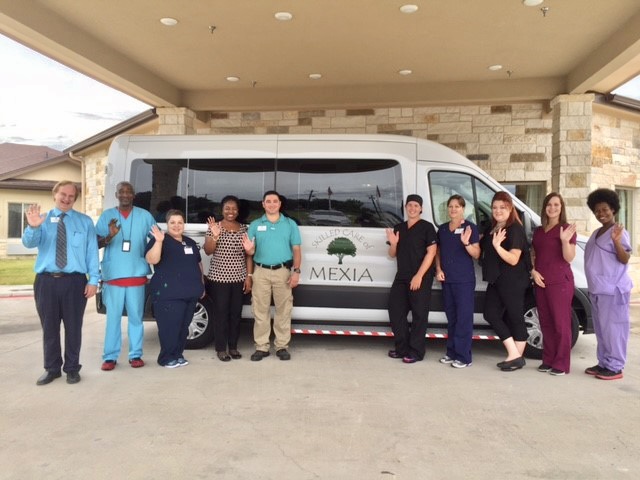
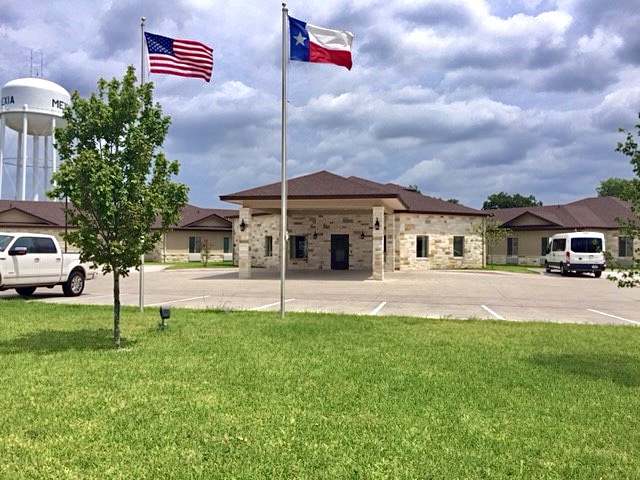
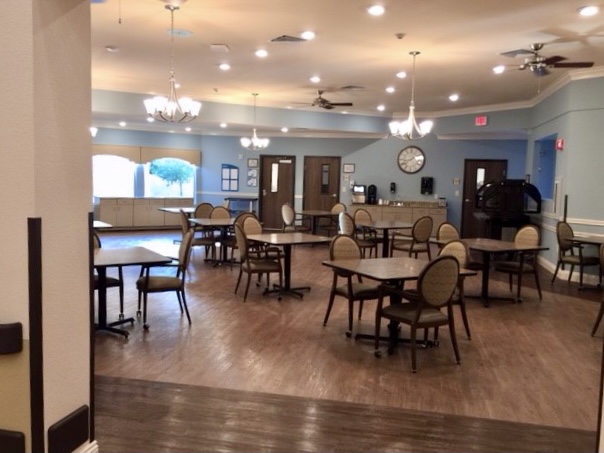
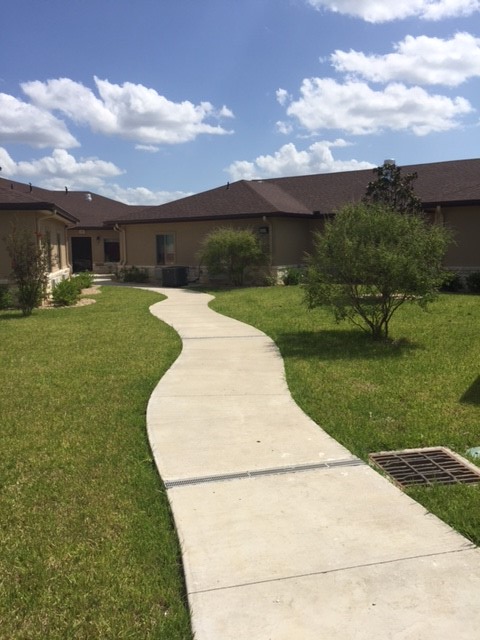
Skilled Care of Mexia

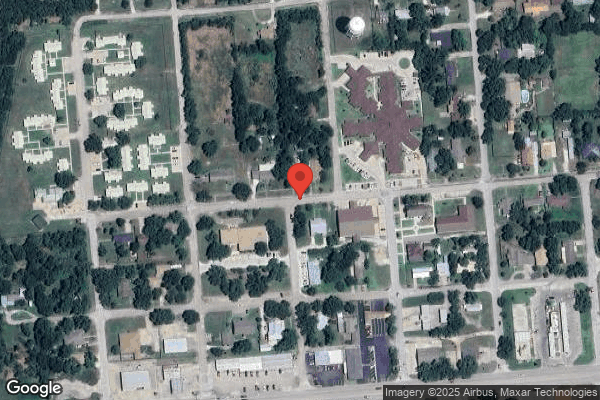
501 E Sumpter St, Mexia, TX 76667 (254) 472-0630
Government - Hospital district 80 Beds CREATIVE SOLUTIONS IN HEALTHCARE Data: November 2025 2 Immediate Jeopardy citations
Trust Grade
56/100
#140 of 1168 in TX
Last Inspection: July 2025

Inspected within the last 6 months. Data reflects current conditions.

Overview

Skilled Care of Mexia has a Trust Grade of C, which means it is average and sits in the middle of the pack among nursing homes. It ranks #140 out of 1,168 facilities in Texas, placing it in the top half, and is the best option in Limestone County, ranking #1 of 5. The facility is on an improving trend, having reduced the number of issues from 7 in 2024 to just 1 in 2025. Staffing is rated 4 out of 5 stars with a turnover rate of 38%, which is better than the Texas average, indicating that the staff is stable and familiar with the residents. However, there are concerns, including a significant fine of $29,541, and critical findings related to inadequate care planning and infection control practices, which could risk residents' health, such as failing to properly monitor a resident's severe weight loss and not ensuring proper hand hygiene during meal service. Overall, while the facility has strengths in staffing and ratings, families should be aware of these serious concerns.

Trust Score
C
56/100
In Texas
#140/1168
Top 11%
Safety Record
High Risk
Review needed
Inspections
Getting Better
7 → 1 violations
Staff Stability
○ Average
38% turnover. Near Texas's 48% average. Typical for the industry.
Penalties
⚠ Watch
$29,541 in fines. Higher than 93% of Texas facilities. Major compliance failures.
Skilled Nurses
⚠ Watch
Each resident gets only 22 minutes of Registered Nurse (RN) attention daily — below average for Texas. Fewer RN minutes means fewer trained eyes watching for problems.
Violations
⚠ Watch
16 deficiencies on record. Higher than average. Multiple issues found across inspections.
★★★★★
5.0
Overall Rating
★★★★☆
4.0
Staff Levels
★★★★★
5.0
Care Quality
★★★★☆
4.0
Inspection Score
Stable
2024: 7 issues
2025: 1 issues

The Good

  • 4-Star Staffing Rating · Above-average nurse staffing levels
  • 5-Star Quality Measures · Strong clinical quality outcomes
  • Full Sprinkler Coverage · Fire safety systems throughout facility
  • No fines on record
  • Staff turnover below average (38%)

    10 points below Texas average of 48%

Facility shows strength in staffing levels, quality measures, fire safety.

The Bad

Staff Turnover: 38%

Near Texas avg (46%)

Typical for the industry

Federal Fines: $29,541

Below median ($33,413)

Moderate penalties - review what triggered them

Chain: CREATIVE SOLUTIONS IN HEALTHCARE

Part of a multi-facility chain

Ask about local staffing decisions and management

The Ugly 16 deficiencies on record

2 life-threatening
Jul 2025 1 deficiency
CONCERN (E)

Potential for Harm - no one hurt, but risky conditions existed

Infection Control (Tag F0880)

Could have caused harm · This affected multiple residents

**NOTE- TERMS IN BRACKETS HAVE BEEN EDITED TO PROTECT CONFIDENTIALITY** Based on observation, interview and record review the facility failed to establish and maintain an infection prevention and cont...

Read full inspector narrative →
**NOTE- TERMS IN BRACKETS HAVE BEEN EDITED TO PROTECT CONFIDENTIALITY** Based on observation, interview and record review the facility failed to establish and maintain an infection prevention and control program designed to provide a safe, sanitary, and comfortable environment and to help prevent the development and transmission of communicable diseases and infections for 3 of 4 residents [TF1] (Resident # 18, Resident #83, and Resident #37) and two of Two staff (interviewed and reviewed for infection control.Based on observation, interview and record review the facility failed to establish and maintain an infection prevention and control program designed to provide a safe, sanitary, and comfortable environment and to help prevent the development and transmission of communicable diseases and infections for 3 of 4 residents Resident # 18, Resident #83, and Resident #37) and two of Two staff (interviewed and reviewed for infection control. The facility failed to ensure hand hygiene was completed when passing lunch trays to residents in hall 300. This failure could place residents at risk of diseases and infections. Findings include:1. Record review of Resident #18's [AGE] year-old female resident who was admitted to the facility on [DATE]. Resident #18 had diagnoses which included: anxiety disorder (A mental health condition characterized by excessive and persistent worry and fear, often impacting daily activities. It can manifest with physical symptoms like increased heart rate, sweating, and difficulty sleeping. cough, unspecified, nasal congestion (A cough that clears the throat or airways but without a known or specified cause), Muscle wasting and atrophy (A decrease in muscle mass and strength), cataract (A clouding of the eye's natural lens), arthritis (Inflammation of one or more joints, causing pain, swelling, stiffness, and reduced range of motion), osteoporosis (A disease that weakens and thins bones), intellectual disabilities (A condition characterized by limitations in mental functioning and adaptive skills like communication and self-care), hyperlipidemia (Elevated levels of lipids, such as cholesterol and triglycerides, in the blood.), and protein-calorie malnutrition(Occurs when a person's calorie and/or protein intake is inadequate to meet their body's needs). Record review of Resident #18's Quarterly MDS, dated [DATE], reflected a BIMS score that was blank. Record review of Resident #18s care plan, dated 11/14/2023, and last revised on 02/27/2025, reflected: Focus on significant unplanned or unexpected weight loss, nutritional problems or potential nutritional issues, poor intake and choking precautions, falls, and the Resident was at risk for unplanned weight loss or gain. 2. Record review of Resident #83's [AGE] year-old medical diagnosis reflected a female resident who was admitted to the facility on [DATE]. Resident #83 had diagnoses which included: obstructive and reflux uropathy (blockage in the urinary system that makes it difficult or impossible for urine to flow normally), anxiety disorder (This is a mental health condition characterized by persistent and excessive worry, fear, and apprehension that interferes with daily life), urinary tract infection (This is an infection of any part of the urinary system), malignant neoplasm of rectum (development of cancerous tumors in the rectum), hypertension (High Blood Pressure), chronic mastoiditis (infection of the mastoid bone, which is located behind the ear in the skull), visual loss in both eyes, altered mental status (change in a person's mental function, awareness, or behavior), history of falling, and sequelae of cerebral infarction ( long-term or lasting effects that occur after a cerebral infarction, which is also known as a stroke (a blockage of blood flow to part of the brain). Record review of Resident #83's Quarterly MDS, dated [DATE], reflected a BIMS score that was blank. Record review of Resident #83's care plan, dated 07/16/2023 and last revised on 02/27/2025, reflected: tract Infection, hospice services, Anticoagulant therapy, enhanced barrier precautions, impaired cognitive function/dementia (a decline in mental ability severe enough to interfere with daily life) or impaired thought processes, impaired visual function, communication problem, self-care performance deficit, bladder incontinence and uses a bed rail to assist themselves with ADL's 3. Record review of Resident #37's [AGE] year-old medical diagnosis reflected a female resident who was admitted to the facility on [DATE]. Resident #37 had diagnoses which included: cerebral infarction (schemic stroke), major depressive disorder (recurrent severe without psychotic features), unsteadiness on feet(difficulty maintaining balance and coordinated movement), transient cerebrovascular attack (mini-stroke), muscle weakness ( decrease in the strength of one or more muscles), muscle wasting atrophy (A decrease in muscle mass (wasting or thinning of muscle tissue), hyperlipidemia (hardening of the arteries), gastro-esophageal reflex disease without esophagitis (digestive disorder where stomach acid frequently flows back into the esophagus, but without causing inflammation or damage), dysphagia (Difficulty swallowing), repeated falls, lack of coordination, hypokalemia (blood contains abnormally high levels of lipids (fats), and anxiety disorder[. Record review of Resident #37's Quarterly MDS, dated [DATE], reflected a BIMS score of 8, which indicated moderate cognitive impairment. Record review of Resident #37's care plan, dated 07/16/2023 and last revised on 02/27/2025, reflected: uses a bed rail to assist themselves with ADLs, potential fluid deficit, risk for unplanned weight loss or gain (Mechanical Soft texture), swallowing problem, coughing or choking during meals or swallowing meds, risk for falls, risk for wandering, ADL Self Care, hearing deficit, impaired visual function, and impaired cognitive function/dementia or impaired thought processes. Observation on 07/10/2025 at 12:15 PM during the lunch service in hall 300 revealed CNA X and CNA served food trays to residents in their rooms. The CNA X and CNA Y did not sanitize their hands between grabbing and handing out food trays to residents in the rooms during the lunch service. The residents in rooms #18, #83, and #37 were at risk, but none of them were in isolation Interview on 07/17/2025 at 12:35 PM with CNA X revealed she had been working at the facility for 3 months. When asked what the process was for handing out food trays to residents, CNA X did not mention she needed to clean her hands. CNA X stated she was new to that hall and forgot to wash her hands before handing out food trays. CNA X stated she received in-service training on hand hygiene and infection control when she first started. CNA X said that when she did not clean her hands, the resident was at risk of getting an infection. Interview on 07/17/2025 at 12:35 PM with CNA Y revealed she had been working at the facility for 2 weeks. CNA Y said she was supposed to clean her hands before passing resident trays in their rooms. CNA Y said she forgot to wash her hands. CNA Y said she normally washed her hands when serving residents their trays. CNA Y said if she did not wash her hands, then residents were at risk of getting an infection. CNA Y said she had training on infection control and hand hygiene in orientation. Interview on 07/17/2025 at 12:43 PM with LVN revealed she had been working at the facility for 7 years. She said she was supposed to always sanitize her hands before grabbing a tray for another tray so residents do get sick. LVN said she had in-services on hand hygiene and infection control. The LVN said if proper hand hygiene was not followed, residents could get an infection. The LVN said this time she forgot to wash her hands, but she normally does it. The LVN said she had not seen any other staff not washing their hands during meal service. The LVN stated if she saw other staff not washing their hands, she would remind them to do it. Interview on 07/17/2025 at 12:51 PM with CNA Z revealed she had been working at the facility for 7 1/2 years. She stated she was supposed to sanitize her hands before and after getting the tray for residents. She said she had in-service training on hand hygiene and infection control. She said if hand hygiene was not followed, residents could get an infection. She had not seen any other staff not cleaning their hands, and if she did, she would tell them they needed to wash their hand. She said this time she forgot to wash her hands. Interview on 07/17/2025 at 12:59 PM with RN revealed she had been working at the facility for 5 years. She said she would help serve trays to the residents when they were short-staffed. She said staff were to clean their hands before giving residents their trays of food. She said if this was not done, residents were at risk of getting an infection. The RN said she had in-service training on hand hygiene and infection control. The RN said she had not seen any staff not cleaning their hands when serving food trays to residents. If she saw staff not cleaning their hands, she would remind them to do it. She would then tell the DON and ADM, so staff could be trained. Interview on 07/17/2025 at 1:08 PM with DON revealed she had in-service training on hand hygiene and infection control within the last month. The DON said that when staff did not clean their hands, residents were at risk of an infection. The DON said she had not seen any staff not sanitizing their hands while passing out trays to the residents. She said if she saw staff not doing this, she would talk with them, then provide training on hand hygiene and infection control. Record review on 07/17/2025 of facility policy titled, Infection Prevention and Control Program dated 02/01/2024 reflected the following: Policy . The facility will require staff to wash their hands after each direct resident contact, for which hand washing is indicated by accepted professional practice.
Dec 2024 3 deficiencies 2 IJ (2 affecting multiple)
CRITICAL (K) 📢 Someone Reported This

A family member, employee, or ombudsman was alarmed enough to file a formal complaint

Immediate Jeopardy (IJ) - the most serious Medicare violation

Comprehensive Care Plan (Tag F0656)

Someone could have died · This affected multiple residents

**NOTE- TERMS IN BRACKETS HAVE BEEN EDITED TO PROTECT CONFIDENTIALITY** Based on interviews and record review, the facility failed to develop and implement a comprehensive person-centered care plan fo...

Read full inspector narrative →
**NOTE- TERMS IN BRACKETS HAVE BEEN EDITED TO PROTECT CONFIDENTIALITY** Based on interviews and record review, the facility failed to develop and implement a comprehensive person-centered care plan for each resident that included measurable objectives and times to meet a resident's need for 1 of 5 residents (Resident #1) reviewed for comprehensive care plans. 1. The facility failed monitor Resident #1's monthly weights. 2. The facility failed to develop, and implement, a person-centered intervention for Resident #1's severe weight loss that began on 8/24/2024. The noncompliance was identified as PNC IJ. The IJ began on 08/24/2024 and ended on 11/18/2024. The facility had implemented actions that corrected the deficient practice prior to the beginning of the investigation. This failure could place residents at the facility at risk of malnutrition. Findings included: RR of Resident #1's AR, dated 12/28/2024, reflected a [AGE] year-old female who admitted to the facility on [DATE]. She was diagnosed with diabetes mellitus type 2 with ketoacidosis (which was a life threatening condition of the body that disrupted how the body used sugar for fuel), pneumonia (which was an infection in the lungs caused by bacteria, viruses or fungi), acute respiratory failure (which was a life threatening that occurred with the body's lungs were not able to exchange gases with blood), and chronic respiratory failure (which was a condition that impeded the body's ability to effectively exchange oxygen and carbon dioxide). RR of Resident #1's Quarterly MDS Assessment, dated 10/4/2024, reflected the resident had a BIMS Score of 10, which indicated the resident had moderate cognitive impairment. Resident weighed 132 pounds; Loss of 5% or more pounds in the last month, or 10% or more in the last 6 months was annotated with a 0, which indicated No or Unknown. RR of Resident #1's CCP reflected a Focus area, initiated 1/11/2024, for potential risk for malnutrition. The Goal, initiated on 11/11/2024, reflected Resident #1 was supposed to maintain stable weight and nutritional parameters. The Intervention, initiated 1/11/2024, reflected nursing staff was supposed to monitor resident weights and notify the physician of any negative findings; a Focus, initiated on 11/18/2024, for significant unplanned/unexpected weight loss for poor food intake. The Goal, initiated on 11/18/2024, reflected Resident #1's weight would stabilize within 4 weeks. The Intervention, initiated on 11/18/2024, reflected nursing staff was supposed to alert the DON if food consumption was poor for more than 48 hours, encourage food related activities, report results to physician, ensure dietician was aware, and monitor food intake at each meal. RR of Resident #1's Death Certificate, dated 12/1/2024, reflected the resident expired at the nursing facility by a natural manner of death. The immediate cause was sepsis (which was a serious condition in which the body responded improperly to an infection; the infection fighting process turned against the body causing organs to have functioned poorly.) RR of Resident #1's Nutritional Risk Assessment, dated 2/14/2024 by the DTCN, reflected dietary risk were numerous food intolerance and very limited food choice possible. RR of Resident #1's PN, dated 11/18/2024 at 1:15 PM by the DTCN, reflected resident lost 30 pounds in the last 3 months. RR of the dietary consult reflected Resident #1 had lost 30 pounds in the last 3 months. Add supplements three times a day (360 calories.) RR of Resident #1's Dietary Consult, dated 11/18/2024 by the DTCH, reflected resident lost 30 pounds in the last 3 months. RR of the dietary consult reflected Resident #1 had lost 30 pounds in the last 3 months. Add supplements three times a day (360 calories.) RR of an Intakes (Intake A), dated 12/11/2024, reflected an allegation towards the facility for a failure to address Resident #1's weight loss. RR of an Intake (Intake B), dated 12/23/2024, reflected an addendum to Intake A. Intake B reflected an allegation the facility failed to address Resident #1's rapid weight loss; and the facility staff killed Resident #1 through neglect. RR of the local hospital DC paperwork, dated 11/22/2024 to 11/26/2024 reflected Resident #1 presented to the emergency room on [DATE] at 4:58 PM. Chief complaint was the resident had critically low labs (hemoglobin), low O2 saturations (89%), and difficulty breathing. X-rays were consistent with bronchopneumonia (a respiratory illness with inflammation of the lung tissue). The lungs were stable. HDOC's notes reflected Resident #1 admitted to service from local nursing facility for altered mental status as well as shortness of breath was found to have aspiration pneumonia (a lung infection that occurred when something other than air, like food, liquid saliva, or stomach contents was inhaled into the lungs.) She also had significant /severe protein caloric malnutrition and failure to thrive. Patient was not responsive to therapy. Resident #1 was not doing very well at all. She was not able to eat or drink due to aspiration of everything she took in. After long discussion with responsible parties, it was decided to write a DNR and agreed hospice would be in line (appropriate). Resident #1 was placed on hospice care and would be transferred back to nursing facility later today, 11-26-2024. Interview on 12/27/2024 at 1:40 PM with RP#2 revealed he had concerns about the nutritional assistance Resident #1 received while at the facility. He stated Resident #1 had food intolerance and did not get a sufficient diet. He claimed Resident #1 started to lose weight 2-3 months ago. He referenced Resident #1 having been diagnosed with malnutrition on the most recent hospital stay, 11/22/2024 to 11/26/2024. He insinuated the facility neglected Resident #1's nutritional needs and her weight loss contributed to her death. Interview on 12/28/2024 at 10:30 AM with the ADM revealed the facility had recent discrepancies with resident's weights. RR of an email, dated 10/21/2024 from CRN reflected instructions to the facility for consistency in monitoring resident's weights. The email instructed the facility to ensure monthly weights were accurate upon admittance and readmittance; enter weights into the facility's computer program by the 10th day of each month; use the same scale, use the same staff, weigh each resident, and review the weights prior to entering them into the facilities computer program; the DON or the ADON should be entering the weights into the facility's computer program. Residents who had unstable weights, brought upon by new admission, readmission, significant weight loss, change the condition, or alternate feeding situations were weighed weekly until stable. The ADM stated a corporate compliance office presented to the facility in the month of November 2024, for an audit with resulted discrepancies with resident's weights. In turn, the facility initiated a PIP. RR of the PIP reflected [weights] were the area of concern; Improvement goal was to implement weight system for facility to ensure weights are monitored, obtained, correctly and interventions put into place. The internal CAP to fix discrepancies with residents' weights was assigned to the ADON. When asked, the ADM would not provide more specific information related to the PIP. She stated she was only allowed to provide the PIP and the CAP. She stated that every resident in the facility had been weighed and that all weight loss had been addressed. Resident # 1 was a resident identified to have had weight loss. She stated all other residents' weight were stable. The ADM produced a list of residents' names on reviewed for weight loss. Interview and observation on 12/28/2024 at 10:47 AM with Resident #2 revealed he in her room sitting on her bed. She did not appear to be overly skinny or malnourished. She was not worried that she was losing weight. She stated, I have gained some weight since my arrival, on 11/26/2024. Interview and observation on 12/28/2024 at 10:53 AM revealed a member of nursing staff taking Resident #3 from the common area to the dining room. He appeared in good spirits and ad an appropriate body shape and size. He did not appear to be malnourished. He voiced, and displayed in body language, that he got enough food to eat. Interview and observation on 12/28/2024 at 1:35 PM with Resident #4 revealed her in a wheelchair at the nurse's station. She was smiling and engaging with staff. She did not appear to be underweight or malnourished. She voiced, and displayed in body language, that she got enough food to eat. Interview and observation on 12/28/2024 at 1:50 PM with Resident #5 and RP #5 revealed the resident sleeping in bed, sitting up. She was of appropriate size and shape. She did not appear to be underweight. The RP stated he did not have any issues of concerns with the resident's weight loss. He thought the facility was taking good care of the resident. Interview and observation on 12/28/2024 at 2:15 PM with the Resident #6 revealed him in bed watching television. He was a large man and appeared to be well nourished. It was true he lost some weight, but he liked the fact he was losing unwanted belly fat. He was in good spirits. He denied complaints with the facility. Interview and observation on 12/28/2024 at 2:59 PM with Resident #7 revealed he in her room laying on her bed. She did not appear to be underweight. She stated the facility had been checking her weights and that she, her weight, was stable. She did not have any issues or concerns with her weight. Interview and RR on 12/30/2024 at 11:00 AM with the ADON revealed the facility implemented a weight watchers' program, the facility's PIP, on 11/18/2024 for residents who reflected Sig. WL or Sev. WL. All residents were weighed, and the start date of the PIP was 11/18/2024. RR of the CAP reflected the ADON was responsible for: 1. Immediately begin to coordinate residents' weights, using the same staff to obtain weight every month; 2. Immediately begin reviewing weights before entering them into the facilities computer program and reweigh as identified; 3. Identify how each resident is supposed to be weighed and ensure the same method is used monthly; 4. Identify weight loss/weight gain under the weights and vital section in the facilities computer program. Create progress notes for weight loss; 5. Immediately begin to create a weekly red glass list (a list of residents flagged for weight loss; placed a red glass on their meal tray to alert staff to help provide nutrition) and provide copies to dietary, MDS, and DON no later than each Monday at 10:00 AM. The internal CAP started on 12/3/2024. It was signed by the ADM, DON, and the ADON. The ADON stated, every resident in the facility had been weighed. All residents who were outside of parameters were placed on a weight watchers plan. That meant they were weighed each week until stable. All resident identified have stabilized. Resident #1 was identified to have experienced Sev. WL on 11/18/2024. She received a CCP update, 11/19/2024, and dietary consult, dated 11/18/2024. Resident #1 was supposed to maintain stable weight and nutritional parameters. Nursing staff was supposed to monitor resident weights and notify the physician of any negative findings. RR of the dietary consult reflected Resident #1 had lost 30 pounds in the last 3 months. Add supplements three times a day (360 calories.) RR reflected Resident #1 experienced Sev. WL prior to 11/19/2024. RR of Resident #1's weights indicated the resident was eligible for a nutritional intervention when she was weighed on 8/24/2024. She demonstrated Sev. WL at the 30, 90, and 180 day mark. On 9/2/2024, she demonstrated Sev. WL at the 30, 90, and 180 day mark. On 10/2/2024, she demonstrated Sev. WL at the 30, 90, and 180 day mark. On 11/5/2024, she demonstrated Sev. WL at the 30, 90, and 180 day mark. Finally, on 11/19/2024, she was found to have demonstrated Sev. WL at the 30, 90, and 180 day mark. On 11/19/2024, Resident #1 was 115.3 pounds. On 8/24/2024, Resident #1's weight was 135.4 pounds. Resident #1 continued to lose an additional 20.1 pounds (-14.84% loss in body weight) from 8/24/2024 until 11/19/2024. RR of Resident #1's weights: Interval Significant Loss Severe Loss 1 month 5% Greater than 5% 3 months 7.5% Greater than 7.5% 6 months 10% Greater than 10% % Body Weight equation: 1st weight (higher) minus 2nd weight (lower) = difference. Example: 156-135.4=20.6 Difference / 1st weight (higher) = % of weight loss. Example: 20.6/156= -13.20 % body weight loss. 8/24/2024-% of Gain/Loss percentages with weight taken of 135.4 pounds. On 8/17/2024, the resident weighed 156 lbs. On 8/24/2024, the resident weighed 135.4 which is a -13.20% Loss. Sev. WL On 7/1/2024, the resident weighed 159 lbs. On 8/24/2024, the resident weighed 135.4 which is a -14.84% Loss. Sev. WL On 5/6/2024, the resident weighed 164 lbs. On 8/24/2024, the resident weighed 135.4 which is a -17.44% Loss. Sev. WL On 2/1/2024, the resident weighed 160 lbs. On 8/24/2024, the resident weighed 135.4 which is a -15.38% Loss. Sev. WL 9/2/2024-% Gain/Loss percentages with weight taken of 135.00 pounds. On 08/03/2024, the resident weighed 160 lbs. On 09/02/2024, the resident weighed 135 pounds which is a -15.63 % Loss. Sev. WL On 06/01/2024, the resident weighed 160 lbs. On 09/02/2024, the resident weighed 135 pounds which is a -15.63 % Loss. Sev. WL On 03/01/2024, the resident weighed 158 lbs. On 09/02/2024, the resident weighed 135 pounds which is a -14.56 % Loss. Sev. WL. 10/2/2024-% Gain/Loss percentages with weight taken of 132.00 pounds. On 09/02/2024, the resident weighed 135 lbs. On 10/02/2024, the resident weighed 132 pounds which is a -2.22 % Loss. WNL On 07/01/2024, the resident weighed 159 lbs. On 10/02/2024, the resident weighed 132 pounds which is a -16.98 % Loss. Sev. WL On 04/01/2024, the resident weighed 157 lbs. On 10/02/2024, the resident weighed 132 pounds which is a -15.92 % Loss. Sev. WL 11/5/2024- % Gain/Loss percentages with weight taken of 130 pounds. On 10/02/2024, the resident weighed 132 lbs. On 11/05/2024, the resident weighed 130 pounds which is a -1.52 % Loss. WNL On 08/03/2024, the resident weighed 160 lbs. On 11/05/2024, the resident weighed 130 pounds which is a -18.75 % Loss. Sev. WL On 05/06/2024, the resident weighed 164 lbs. On 11/05/2024, the resident weighed 130 pounds which is a -20.73 % Loss. Sev. WL 11/19/2024- % Gain/Loss percentages with weight taken of 115.3 pounds. On 11/05/2024, the resident weighed 130 lbs. On 11/19/2024, the resident weighed 115.3 pounds which is a -11.31 % Loss. Sev. WL On 10/02/2024, the resident weighed 132 lbs. On 11/19/2024, the resident weighed 115.3 pounds which is a -12.65 % Loss. Sev. WL On 05/06/2024, the resident weighed 164 lbs. On 11/19/2024, the resident weighed 115.3 pounds which is a -29.70 % Loss. Sev. WL Interview on 12/31/2024 at 9:20 AM with the NP revealed Resident #1's weights were supposed to be monitored by the facility. There were missed opportunities for weight loss intervention, but the NP was not able to determine if keeping her weight up would have made much of a difference in her health. Resident #1 had often refused medications, refused treatments, and refused to eat; therefore, the resident's non-compliance was a large factor. Weight loss would have been hard to combat. The NP stated, Resident #1 was very ill. She thought the facility took good care of her. Interview on 12/31/2024 at 10:30 AM with the DTCN revealed she reviewed the residents' weights every month. She did not recall Resident #1's weight loss in August, September, or October. She reviewed monthly weight reviews and utilized a formula to determine weight loss/weight gain; however, she did not notice any weight loss for Resident #1 until 11/18/2024. The dietician stated, it was hard to keep her weight up because she did not feel like eating. Had Resident #1's Sev. WL been discovered prior to 11/19/2024, she would have started the intervention on that date. The negative potential outcome for failing to intervene on 8/24/2024 was hard to determine. A dietary intervention on 8/24/2024 may not have slowed her health decline. Since the intervention never happened, we would not know. Resident #1's Sev. WL put her at risk for general weakness, dehydration, confusion, bed sores, muscle wasting, dry mouth, and stress on the immune system. Safeguards in place to discover residents' weight loss were the monthly weights in PCC, staff observations, and resident record reviews. The failure to address the Sev. WL for Resident #1 fell upon missing the weights in review of the documentation. Interview and RR on 12/28/2024 at 11:30 AM with the SW revealed Resident #1 started to decline over the past few months. She lost a lot of weight. The facility tried to accommodate her, but she often just did not have an appetite. RR of dental notes reflected the dentist on 9/17/2024 and 10/2/2024. RR of Resident #1's OSR report indicated an order for a mechanical soft diet having begun on 10/7/2024. Interview, observation, and RR on 12/31/2024 at 12:25 PM with MDSC revealed she oversaw entering resident information in the MDS System. Resident #1's weight, entered on her Quarterly review date of 10/4/2024, was 132 pounds (from 10/2/2024). K0300, Weight Loss: Asks if the Resident had loss of 5% or more in the last month or loss of 10% or more in last 6 months. MDSC entered a 0 for K0300, meaning No she had not. To determine the response for K0300, she only looked at the last months weight, not the 180 day mark. Observation of the MDSC utilizing a calculator, she calculated Resident #1's weights. Although the previous weight of 9/2/2024 was WNL, 180 days out, 4/1/2024, had the difference of -15.92 % Body Weight Loss. Sev. WL. She stated, I should have marked yes. She did not recall the previous list for residents' weights, until she received it in December 2024. Prior, she asked for more information. The facility was supposed to follow the RAI manual for date entry into the MDS. She did not recall having received specific instruction to calculate the weight differences with a calculator, or mathematical formula. Safeguards in place to combat data discrepancies were the RAI and corporate checks each quarter. The failure for the correct entry fell upon the MDSC and human error. Interview on 12/31/24 at 1:18 PM with the Med. Dir. revealed it would have been difficult to keep Resident #1's weight up at the end of life. There was no way to determine if earlier weight loss interventions would have helped with the resident's existing medical condition. It may have extended her life, but not necessarily increased quality. The Med. Dir. did not think Resident #1 was neglected in any way. Interview and record review with the DOR, and the OT revealed, revealed Resident #1 had occupational therapy for independent eating from 9/4/2024 to 10/4/2024, which she was successful. The OT stated, I observed her in the dining room eating with RP #2, and she did not demonstrate the need for further intervention, she could eat on her own. Interview and RR on 12/31/2024 at 2:44 PM with the DON revealed Resident #1 received a dietary intervention on 11/18/2024 for weight loss. RR of Resident #1's weight indicated the facility missed opportunities to address Resident #1's weight loss on 8/24/2024, 9/2/2024, 10/2/2024, and 11/5/2024. An earlier nutritional intervention could have helped Resident #1 with muscle mass, cognition, and more energy. Some negative results of her weight loss could have been skin breakdown, falls, and depressed mood. Given Resident #1's medical conditions, it would have been hard for her to maintain weight. However, the facility would not know because we did not put any dietary interventions in place. The resident went without diagnosis of weight loss due to a failure. The failure fell upon the facility. The facility should have been monitoring the weights per policy and per Resident #1's CCP. All other residents at the facility were weighed. Any residents that were found out of ranges were under dietary supervision. Interview on 12/31/2024 at 4:06 PM with the ADM revealed the facility staff was trained to monitor residents' weights through the facility policy. The ADON oversaw entering the weights, gauging the difference of loss/gain, and the ADON, or the DON, would tell the dietician about any changes. The DTCN had access to PCC, could remote access, address concerns, and implement intervention from other locations. The facility did miss opportunities for intervention on 8-24, 9-2, 10-2, and 11-5. The MDSC missed an opportunity on 10/4/2024. Based on resident's medical conditions, increasing Resident #1's weight would have been difficult, but we would not know, because there was no intervention put in place. The failure resulted from how the facility was monitoring weights. The facility should have been monitoring the weights per policy and per Resident #1's CCP. The current PIP and the CAP have addressed all weight loss at the facility. All other residents at the facility were weighed. No resident was at risk for harm due to weight loss. Monitoring weights. The facility should have been monitoring the weights per policy and per Resident #1's CCP. RR of the facility's Comprehensive Care Planning, undated, reflected the facility will develop and implement a comprehensive person-centered care plan for each resident, consistent with the resident rights that includes measurable objectives and times to meet a resident's medical, nursing, and mental and psychosocial needs that are identified in the comprehensive assessment. The facility will establish, document, and implement the care and services to be provided to each resident to assist in attaining or maintaining his or her highest practicable quality of life. Care planning drives the type of care and services that a resident receives. The comprehensive care plan will reflect interventions to enable each resident to meet his/her objectives. Interventions are the specific care and services that will be implemented. When developing the comprehensive care plan, facility staff will, at a minimum, use the Minimum Data Set (MDS) to assess the resident's clinical condition, cognitive and functional status, and use of services. If a CAA is triggered, the facility will further assess the resident to determine whether the resident is at risk of developing, or currently has a weakness or need associated with that CAA, and how the risk, weakness or need affects the resident. Documentation regarding these assessments and the facility's rationale for deciding whether or not to proceed with care planning for each area triggered will be recorded in the medical record. RR of the facility Resident Weight Policy, dated 2/13/2007, reflected the facility reviewed residents' monthly weights to determine residents with significant weight change. Significant weight change will be defined as 5% or greater in one month (30 days,) 7.5% or greater in three months (90 days,) 10% or greater in 6 months (180 days.) Weights will be recorded, along with interventions. Follow up will be recorded in the designated location. The physician, and the family will be notified. In addition, in acute care plan for weight loss will be initiated and the clinical record would have been reviewed for significant change of condition. All significant weight changes would have been referred to the DTCN on the next visit. The DTCN could generate a copy of the report and can review the weight record on PCC. The DTCN will complete assessment also significant weight losses. DTCN will review all facility interventions, formulate appropriate recommendations.
CRITICAL (K) 📢 Someone Reported This

A family member, employee, or ombudsman was alarmed enough to file a formal complaint

Immediate Jeopardy (IJ) - the most serious Medicare violation

Deficiency F0692 (Tag F0692)

Someone could have died · This affected multiple residents

**NOTE- TERMS IN BRACKETS HAVE BEEN EDITED TO PROTECT CONFIDENTIALITY** Based on interviews and record review, the facility failed to unsure residents maintained acceptable parameters of nutritional s...

Read full inspector narrative →
**NOTE- TERMS IN BRACKETS HAVE BEEN EDITED TO PROTECT CONFIDENTIALITY** Based on interviews and record review, the facility failed to unsure residents maintained acceptable parameters of nutritional status, such as usual body weight, for 1 of 5 residents (Resident #1) reviewed for nutritional status. The facility failed to identify Resident #1's severe weight loss at a 30-day, 90-day, and 180-day increment on 8/24/2024, 9/2/2024, 10/2/2024, and 11/5/2024. The noncompliance was identified as PNC IJ. The IJ began on 08/24/2024 and ended on 11/18/2024. The facility had implemented actions that corrected the deficient practice prior to the beginning of the investigation. This failure could place residents at the facility at risk of malnutrition. Findings included: RR of Resident #1's AR, dated 12/28/2024, reflected a [AGE] year-old female who admitted to the facility on [DATE]. She was diagnosed with diabetes mellitus type 2 with ketoacidosis (which was a life threatening condition of the body that disrupted how the body used sugar for fuel), pneumonia (which was an infection in the lungs caused by bacteria, viruses or fungi), acute respiratory failure (which was a life threatening that occurred with the body's lungs were not able to exchange gases with blood), and chronic respiratory failure (which was a condition that impeded the body's ability to effectively exchange oxygen and carbon dioxide). RR of Resident #1's Quarterly MDS Assessment, dated 10/4/2024, reflected the resident had a BIMS Score of 10, which indicated the resident had moderate cognitive impairment. Resident weighed 132 pounds; Loss of 5% or more pounds in the last month, or 10% or more in the last 6 months was annotated with a 0, which indicated No or Unknown. RR of Resident #1's CCP reflected a Focus area, initiated 1/11/2024, for potential risk for malnutrition. The Goal, initiated on 11/11/2024, reflected Resident #1 was supposed to maintain stable weight and nutritional parameters. The Intervention, initiated 1/11/2024, reflected nursing staff was supposed to monitor resident weights and notify the physician of any negative findings; a Focus, initiated on 11/18/2024, for significant unplanned/unexpected weight loss for poor food intake. The Goal, initiated on 11/18/2024, reflected Resident #1's weight would stabilize within 4 weeks. The Intervention, initiated on 11/18/2024, reflected nursing staff was supposed to alert the DON if food consumption was poor for more than 48 hours, encourage food related activities, report results to physician, ensure dietician was aware, and monitor food intake at each meal. RR of Resident #1's Death Certificate, dated 12/1/2024, reflected the resident expired at the nursing facility by a natural manner of death. The immediate cause was sepsis (which was a serious condition in which the body responded improperly to an infection; the infection fighting process turned against the body causing organs to have functioned poorly.) RR of Resident #1's Nutritional Risk Assessment, dated 2/14/2024 by the DTCN, reflected dietary risk were numerous food intolerance and very limited food choice possible. RR of Resident #1's PN, dated 11/18/2024 at 1:15 PM by the DTCN, reflected resident lost 30 pounds in the last 3 months. RR of the dietary consult reflected Resident #1 had lost 30 pounds in the last 3 months. Add supplements three times a day (360 calories.) RR of Resident #1's Dietary Consult, dated 11/18/2024 by the DTCH, reflected resident lost 30 pounds in the last 3 months. RR of the dietary consult reflected Resident #1 had lost 30 pounds in the last 3 months. Add supplements three times a day (360 calories.) RR of an Intakes (Intake A), dated 12/11/2024, reflected an allegation towards the facility for a failure to address Resident #1's weight loss. RR of an Intake (Intake B), dated 12/23/2024, reflected an addendum to Intake A. Intake B reflected an allegation the facility failed to address Resident #1's rapid weight loss; and the facility staff killed Resident #1 through neglect. RR of the local hospital DC paperwork, dated 11/22/2024 to 11/26/2024 reflected Resident #1 presented to the emergency room on [DATE] at 4:58 PM. Chief complaint was the resident had critically low labs (hemoglobin), low O2 saturations (89%), and difficulty breathing. X-rays were consistent with bronchopneumonia (a respiratory illness with inflammation of the lung tissue). The lungs were stable. HDOC's notes reflected Resident #1 admitted to service from local nursing facility for altered mental status as well as shortness of breath was found to have aspiration pneumonia (a lung infection that occurred when something other than air, like food, liquid saliva, or stomach contents was inhaled into the lungs.) She also had significant /severe protein caloric malnutrition and failure to thrive. Patient was not responsive to therapy. Resident #1 was not doing very well at all. She was not able to eat or drink due to aspiration of everything she took in. After long discussion with responsible parties, it was decided to write a DNR and agreed hospice would be in line (appropriate). Resident #1 was placed on hospice care and would be transferred back to nursing facility later today, 11-26-2024. Interview on 12/27/2024 at 1:40 PM with RP#2 revealed he had concerns about the nutritional assistance Resident #1 received while at the facility. He stated Resident #1 had food intolerance and did not get a sufficient diet. He claimed Resident #1 started to lose weight 2-3 months ago. He referenced Resident #1 having been diagnosed with malnutrition on the most recent hospital stay, 11/22/2024 to 11/26/2024. He insinuated the facility neglected Resident #1's nutritional needs and her weight loss contributed to her death. Interview on 12/28/2024 at 10:30 AM with the ADM revealed the facility had recent discrepancies with resident's weights. RR of an email, dated 10/21/2024 from CRN reflected instructions to the facility for consistency in monitoring resident's weights. The email instructed the facility to ensure monthly weights were accurate upon admittance and readmittance; enter weights into the facility's computer program by the 10th day of each month; use the same scale, use the same staff, weigh each resident, and review the weights prior to entering them into the facilities computer program; the DON or the ADON should be entering the weights into the facility's computer program. Residents who had unstable weights, brought upon by new admission, readmission, significant weight loss, change the condition, or alternate feeding situations were weighed weekly until stable. The ADM stated a corporate compliance office presented to the facility in the month of November 2024, for an audit with resulted discrepancies with resident's weights. In turn, the facility initiated a PIP. RR of the PIP reflected [weights] were the area of concern; Improvement goal was to implement weight system for facility to ensure weights are monitored, obtained, correctly and interventions put into place. The internal CAP to fix discrepancies with residents' weights was assigned to the ADON. When asked, the ADM would not provide more specific information related to the PIP. She stated she was only allowed to provide the PIP and the CAP. She stated that every resident in the facility had been weighed and that all weight loss had been addressed. Resident # 1 was a resident identified to have had weight loss. She stated all other residents' weight were stable. The ADM produced a list of residents' names on reviewed for weight loss. Interview and observation on 12/28/2024 at 10:47 AM with Resident #2 revealed he in her room sitting on her bed. She did not appear to be overly skinny or malnourished. She was not worried that she was losing weight. She stated, I have gained some weight since my arrival, on 11/26/2024. Interview and observation on 12/28/2024 at 10:53 AM revealed a member of nursing staff taking Resident #3 from the common area to the dining room. He appeared in good spirits and ad an appropriate body shape and size. He did not appear to be malnourished. He voiced, and displayed in body language, that he got enough food to eat. Interview and observation on 12/28/2024 at 1:35 PM with Resident #4 revealed her in a wheelchair at the nurse's station. She was smiling and engaging with staff. She did not appear to be underweight or malnourished. She voiced, and displayed in body language, that she got enough food to eat. Interview and observation on 12/28/2024 at 1:50 PM with Resident #5 and RP #5 revealed the resident sleeping in bed, sitting up. She was of appropriate size and shape. She did not appear to be underweight. The RP stated he did not have any issues of concerns with the resident's weight loss. He thought the facility was taking good care of the resident. Interview and observation on 12/28/2024 at 2:15 PM with the Resident #6 revealed him in bed watching television. He was a large man and appeared to be well nourished. It was true he lost some weight, but he liked the fact he was losing unwanted belly fat. He was in good spirits. He denied complaints with the facility. Interview and observation on 12/28/2024 at 2:59 PM with Resident #7 revealed he in her room laying on her bed. She did not appear to be underweight. She stated the facility had been checking her weights and that she, her weight, was stable. She did not have any issues or concerns with her weight. Interview and RR on 12/30/2024 at 11:00 AM with the ADON revealed the facility implemented a weight watchers' program, the facility's PIP, on 11/18/2024 for residents who reflected Sig. WL or Sev. WL. All residents were weighed, and the start date of the PIP was 11/18/2024. RR of the CAP reflected the ADON was responsible for: 1. Immediately begin to coordinate residents' weights, using the same staff to obtain weight every month; 2. Immediately begin reviewing weights before entering them into the facilities computer program and reweigh as identified; 3. Identify how each resident is supposed to be weighed and ensure the same method is used monthly; 4. Identify weight loss/weight gain under the weights and vital section in the facilities computer program. Create progress notes for weight loss; 5. Immediately begin to create a weekly red glass list (a list of residents flagged for weight loss; placed a red glass on their meal tray to alert staff to help provide nutrition) and provide copies to dietary, MDS, and DON no later than each Monday at 10:00 AM. The internal CAP started on 12/3/2024. It was signed by the ADM, DON, and the ADON. The ADON stated, every resident in the facility had been weighed. All residents who were outside of parameters were placed on a weight watchers plan. That meant they were weighed each week until stable. All resident identified have stabilized. Resident #1 was identified to have experienced Sev. WL on 11/18/2024. She received a CCP update, 11/19/2024, and dietary consult, dated 11/18/2024. Resident #1 was supposed to maintain stable weight and nutritional parameters. Nursing staff was supposed to monitor resident weights and notify the physician of any negative findings. RR of the dietary consult reflected Resident #1 had lost 30 pounds in the last 3 months. Add supplements three times a day (360 calories.) RR reflected Resident #1 experienced Sev. WL prior to 11/19/2024. RR of Resident #1's weights indicated the resident was eligible for a nutritional intervention when she was weighed on 8/24/2024. She demonstrated Sev. WL at the 30, 90, and 180 day mark. On 9/2/2024, she demonstrated Sev. WL at the 30, 90, and 180 day mark. On 10/2/2024, she demonstrated Sev. WL at the 30, 90, and 180 day mark. On 11/5/2024, she demonstrated Sev. WL at the 30, 90, and 180 day mark. Finally, on 11/19/2024, she was found to have demonstrated Sev. WL at the 30, 90, and 180 day mark. On 11/19/2024, Resident #1 was 115.3 pounds. On 8/24/2024, Resident #1's weight was 135.4 pounds. Resident #1 continued to lose an additional 20.1 pounds (-14.84% loss in body weight) from 8/24/2024 until 11/19/2024. RR of Resident #1's weights: Interval Significant Loss Severe Loss 1 month 5% Greater than 5% 3 months 7.5% Greater than 7.5% 6 months 10% Greater than 10% % Body Weight equation: 1st weight (higher) minus 2nd weight (lower) = difference. Example: 156-135.4=20.6 Difference / 1st weight (higher) = % of weight loss. Example: 20.6/156= -13.20 % body weight loss. 8/24/2024-% of Gain/Loss percentages with weight taken of 135.4 pounds. On 8/17/2024, the resident weighed 156 lbs. On 8/24/2024, the resident weighed 135.4 which is a -13.20% Loss. Sev. WL On 7/1/2024, the resident weighed 159 lbs. On 8/24/2024, the resident weighed 135.4 which is a -14.84% Loss. Sev. WL On 5/6/2024, the resident weighed 164 lbs. On 8/24/2024, the resident weighed 135.4 which is a -17.44% Loss. Sev. WL On 2/1/2024, the resident weighed 160 lbs. On 8/24/2024, the resident weighed 135.4 which is a -15.38% Loss. Sev. WL 9/2/2024-% Gain/Loss percentages with weight taken of 135.00 pounds. On 08/03/2024, the resident weighed 160 lbs. On 09/02/2024, the resident weighed 135 pounds which is a -15.63 % Loss. Sev. WL On 06/01/2024, the resident weighed 160 lbs. On 09/02/2024, the resident weighed 135 pounds which is a -15.63 % Loss. Sev. WL On 03/01/2024, the resident weighed 158 lbs. On 09/02/2024, the resident weighed 135 pounds which is a -14.56 % Loss. Sev. WL. 10/2/2024-% Gain/Loss percentages with weight taken of 132.00 pounds. On 09/02/2024, the resident weighed 135 lbs. On 10/02/2024, the resident weighed 132 pounds which is a -2.22 % Loss. WNL On 07/01/2024, the resident weighed 159 lbs. On 10/02/2024, the resident weighed 132 pounds which is a -16.98 % Loss. Sev. WL On 04/01/2024, the resident weighed 157 lbs. On 10/02/2024, the resident weighed 132 pounds which is a -15.92 % Loss. Sev. WL 11/5/2024- % Gain/Loss percentages with weight taken of 130 pounds. On 10/02/2024, the resident weighed 132 lbs. On 11/05/2024, the resident weighed 130 pounds which is a -1.52 % Loss. WNL On 08/03/2024, the resident weighed 160 lbs. On 11/05/2024, the resident weighed 130 pounds which is a -18.75 % Loss. Sev. WL On 05/06/2024, the resident weighed 164 lbs. On 11/05/2024, the resident weighed 130 pounds which is a -20.73 % Loss. Sev. WL 11/19/2024- % Gain/Loss percentages with weight taken of 115.3 pounds. On 11/05/2024, the resident weighed 130 lbs. On 11/19/2024, the resident weighed 115.3 pounds which is a -11.31 % Loss. Sev. WL On 10/02/2024, the resident weighed 132 lbs. On 11/19/2024, the resident weighed 115.3 pounds which is a -12.65 % Loss. Sev. WL On 05/06/2024, the resident weighed 164 lbs. On 11/19/2024, the resident weighed 115.3 pounds which is a -29.70 % Loss. Sev. WL Interview on 12/31/2024 at 9:20 AM with the NP revealed Resident #1's weights were supposed to be monitored by the facility. There were missed opportunities for weight loss intervention, but the NP was not able to determine if keeping her weight up would have made much of a difference in her health. Resident #1 had often refused medications, refused treatments, and refused to eat; therefore, the resident's non-compliance was a large factor. Weight loss would have been hard to combat. The NP stated, Resident #1 was very ill. She thought the facility took good care of her. Interview on 12/31/2024 at 10:30 AM with the DTCN revealed she reviewed the residents' weights every month. She did not recall Resident #1's weight loss in August, September, or October. She reviewed monthly weight reviews and utilized a formula to determine weight loss/weight gain; however, she did not notice any weight loss for Resident #1 until 11/18/2024. The dietician stated, it was hard to keep her weight up because she did not feel like eating. Had Resident #1's Sev. WL been discovered prior to 11/19/2024, she would have started the intervention on that date. The negative potential outcome for failing to intervene on 8/24/2024 was hard to determine. A dietary intervention on 8/24/2024 may not have slowed her health decline. Since the intervention never happened, we would not know. Resident #1's Sev. WL put her at risk for general weakness, dehydration, confusion, bed sores, muscle wasting, dry mouth, and stress on the immune system. Safeguards in place to discover residents' weight loss were the monthly weights in PCC, staff observations, and resident record reviews. The failure to address the Sev. WL for Resident #1 fell upon missing the weights in review of the documentation. Interview and RR on 12/28/2024 at 11:30 AM with the SW revealed Resident #1 started to decline over the past few months. She lost a lot of weight. The facility tried to accommodate her, but she often just did not have an appetite. RR of dental notes reflected the dentist on 9/17/2024 and 10/2/2024. RR of Resident #1's OSR report indicated an order for a mechanical soft diet having begun on 10/7/2024. Interview, observation, and RR on 12/31/2024 at 12:25 PM with MDSC revealed she oversaw entering resident information in the MDS System. Resident #1's weight, entered on her Quarterly review date of 10/4/2024, was 132 pounds (from 10/2/2024). K0300, Weight Loss: Asks if the Resident had loss of 5% or more in the last month or loss of 10% or more in last 6 months. MDSC entered a 0 for K0300, meaning No she had not. To determine the response for K0300, she only looked at the last months weight, not the 180 day mark. Observation of the MDSC utilizing a calculator, she calculated Resident #1's weights. Although the previous weight of 9/2/2024 was WNL, 180 days out, 4/1/2024, had the difference of -15.92 % Body Weight Loss. Sev. WL. She stated, I should have marked yes. She did not recall the previous list for residents' weights, until she received it in December 2024. Prior, she asked for more information. The facility was supposed to follow the RAI manual for date entry into the MDS. She did not recall having received specific instruction to calculate the weight differences with a calculator, or mathematical formula. Safeguards in place to combat data discrepancies were the RAI and corporate checks each quarter. The failure for the correct entry fell upon the MDSC and human error. Interview on 12/31/24 at 1:18 PM with the Med. Dir. revealed it would have been difficult to keep Resident #1's weight up at the end of life. There was no way to determine if earlier weight loss interventions would have helped with the resident's existing medical condition. It may have extended her life, but not necessarily increased quality. The Med. Dir. did not think Resident #1 was neglected in any way. Interview and record review with the DOR, and the OT revealed, revealed Resident #1 had occupational therapy for independent eating from 9/4/2024 to 10/4/2024, which she was successful. The OT stated, I observed her in the dining room eating with RP #2, and she did not demonstrate the need for further intervention, she could eat on her own. Interview and RR on 12/31/2024 at 2:44 PM with the DON revealed Resident #1 received a dietary intervention on 11/18/2024 for weight loss. RR of Resident #1's weight indicated the facility missed opportunities to address Resident #1's weight loss on 8/24/2024, 9/2/2024, 10/2/2024, and 11/5/2024. An earlier nutritional intervention could have helped Resident #1 with muscle mass, cognition, and more energy. Some negative results of her weight loss could have been skin breakdown, falls, and depressed mood. Given Resident #1's medical conditions, it would have been hard for her to maintain weight. However, the facility would not know because we did not put any dietary interventions in place. The resident went without diagnosis of weight loss due to a failure. The failure fell upon the facility. The facility should have been monitoring the weights per policy and per Resident #1's CCP. All other residents at the facility were weighed. Any residents that were found out of ranges were under dietary supervision. Interview on 12/31/2024 at 4:06 PM with the ADM revealed the facility staff was trained to monitor residents' weights through the facility policy. The ADON oversaw entering the weights, gauging the difference of loss/gain, and the ADON, or the DON, would tell the dietician about any changes. The DTCN had access to PCC, could remote access, address concerns, and implement intervention from other locations. The facility did miss opportunities for intervention on 8-24, 9-2, 10-2, and 11-5. The MDSC missed an opportunity on 10/4/2024. Based on resident's medical conditions, increasing Resident #1's weight would have been difficult, but we would not know, because there was no intervention put in place. The failure resulted from how the facility was monitoring weights. The facility should have been monitoring the weights per policy and per Resident #1's CCP. The current PIP and the CAP have addressed all weight loss at the facility. All other residents at the facility were weighed. No resident was at risk for harm due to weight loss. RR of the facility Resident Weight Policy, dated 2/13/2007, reflected the facility reviewed residents' monthly weights to determine residents with significant weight change. Significant weight change will be defined as 5% or greater in one month (30 days,) 7.5% or greater in three months (90 days,) 10% or greater in 6 months (180 days.) Weights will be recorded, along with interventions. Follow up will be recorded in the designated location. The physician, and the family will be notified. In addition, in acute care plan for weight loss will be initiated and the clinical record would have been reviewed for significant change of condition. All significant weight changes would have been referred to the DTCN on the next visit. The DTCN could generate a copy of the report and can review the weight record on PCC. The DTCN will complete assessment also significant weight losses. DTCN will review all facility interventions, formulate appropriate recommendations.
CONCERN (D) 📢 Someone Reported This

A family member, employee, or ombudsman was alarmed enough to file a formal complaint

Potential for Harm - no one hurt, but risky conditions existed

Assessment Accuracy (Tag F0641)

Could have caused harm · This affected 1 resident

**NOTE- TERMS IN BRACKETS HAVE BEEN EDITED TO PROTECT CONFIDENTIALITY** Based on interviews and record review, the facility failed to ensure the residents' assessments accurately reflected the residen...

Read full inspector narrative →
**NOTE- TERMS IN BRACKETS HAVE BEEN EDITED TO PROTECT CONFIDENTIALITY** Based on interviews and record review, the facility failed to ensure the residents' assessments accurately reflected the residents' statuses for 1 of 5 Resident (Resident#1) reviewed for accuracy of assessments. The facility failed to identify Resident #1's severe weight loss on a Quarterly MDS Assessment, dated 10/4/2024, at 180 day look back increment. This failure could place residents at the facility at risk of malnutrition. Findings included: RR of Resident #1's AR, dated 12/28/2024, reflected a [AGE] year-old female who admitted to the facility on [DATE]. She was diagnosed with diabetes mellitus type 2 with ketoacidosis (which was a life threatening condition of the body that disrupted how the body used sugar for fuel), pneumonia (which was an infection in the lungs caused by bacteria, viruses or fungi), acute respiratory failure (which was a life threatening that occurred with the body's lungs were not able to exchange gases with blood), and chronic respiratory failure (which was a condition that impeded the body's ability to effectively exchange oxygen and carbon dioxide). RR of Resident #1's Quarterly MDS Assessment, dated 10/4/2024, reflected the resident had a BIMS Score of 10, which indicated the resident had moderate cognitive impairment. Resident weighed 132 pounds; Loss of 5% or more pounds in the last month, or 10% or more in the last 6 months was annotated with a 0, which indicated No or Unknown. RR of Resident #1's CCP reflected a Focus area, initiated 1/11/2024, for potential risk for malnutrition. The Goal, initiated on 11/11/2024, reflected Resident #1 was supposed to maintain stable weight and nutritional parameters. The Intervention, initiated 1/11/2024, reflected nursing staff was supposed to monitor resident weights and notify the physician of any negative findings; a Focus, initiated on 11/18/2024, for significant unplanned/unexpected weight loss for poor food intake. The Goal, initiated on 11/18/2024, reflected Resident #1's weight would stabilize within 4 weeks. The Intervention, initiated on 11/18/2024, reflected nursing staff was supposed to alert the DON if food consumption was poor for more than 48 hours, encourage food related activities, report results to physician, ensure dietician was aware, and monitor food intake at each meal. RR of Resident #1's Death Certificate, dated 12/1/2024, reflected the resident expired at the nursing facility by a natural manner of death. The immediate cause was sepsis (which was a serious condition in which the body responded improperly to an infection; the infection fighting process turned against the body causing organs to have functioned poorly.) RR of Resident #1's Nutritional Risk Assessment, dated 2/14/2024 by the DTCN, reflected dietary risk were numerous food intolerance and limited food choice possible. RR of Resident #1's PN, dated 11/18/2024 at 1:15 PM by the DTCN, reflected resident lost 30 pounds in the last 3 months. RR of the dietary consult reflected Resident #1 had lost 30 pounds in the last 3 months. Add supplements three times a day (360 calories.) RR of Resident #1's Dietary Consult, dated 11/18/2024 by the DTCH, reflected resident lost 30 pounds in the last 3 months. RR of the dietary consult reflected Resident #1 had lost 30 pounds in the last 3 months. Add supplements three times a day (360 calories.) RR of an Intakes (Intake A), dated 12/11/2024, reflected an allegation towards the facility for a failure to address Resident #1's weight loss. RR of an Intake (Intake B), dated 12/23/2024, reflected an addendum to Intake A. Intake B reflected an allegation the facility failed to address Resident #1's rapid weight loss; and the facility staff killed Resident #1 through neglect. RR of the local hospital DC paperwork, dated 11/22/2024 to 11/26/2024 reflected Resident #1 presented to the emergency room on [DATE] at 4:58 PM. Chief complaint was the resident had critically low labs (hemoglobin), low O2 saturations (89%), and difficulty breathing. X-rays were consistent with bronchopneumonia (a respiratory illness with inflammation of the lung tissue). The lungs were stable. HDOC's notes reflected Resident #1 admitted to service from local nursing facility for altered mental status as well as shortness of breath was found to have aspiration pneumonia (a lung infection that occurred when something other than air, like food, liquid saliva, or stomach contents was inhaled into the lungs.) She also had significant /severe protein caloric malnutrition and failure to thrive. Patient was not responsive to therapy. Resident #1 was not doing very well at all. She was not able to eat or drink due to aspiration of everything she took in. After long discussion with responsible parties, it was decided to write a DNR and agreed hospice would be in line (appropriate). Resident #1 was placed on hospice care and would be transferred back to nursing facility later today, 11-26-2024. Interview on 12/27/2024 at 1:40 PM with RP#2 revealed he had concerns about the nutritional assistance Resident #1 received while at the facility. He stated Resident #1 had food intolerance and did not get a sufficient diet. He claimed Resident #1 started to lose weight 2-3 months ago. He referenced Resident #1 having been diagnosed with malnutrition on the most recent hospital stay, 11/22/2024 to 11/26/2024. He insinuated the facility neglected Resident #1's nutritional needs and her weight loss contributed to her death. Interview and RR on 12/30/2024 at 11:00 AM with the ADON revealed Resident #1 was identified to have experienced Sev. WL on 11/18/2024. She received a CCP update, 11/19/2024, and dietary consult, dated 11/18/2024. Resident #1 was supposed to maintain stable weight and nutritional parameters. Nursing staff was supposed to monitor resident weights and notify the physician of any negative findings. RR of the dietary consult reflected Resident #1 had lost 30 pounds in the last 3 months. Add supplements three times a day (360 calories.) RR reflected Resident #1 experienced Sev. WL prior to 11/19/2024. RR of Resident #1's weights indicated the resident was eligible for a nutritional intervention when she was weighed on 8/24/2024. She demonstrated Sev. WL at the 30, 90, and 180 day mark. On 9/2/2024, she demonstrated Sev. WL at the 30, 90, and 180 day mark. On 10/2/2024, she demonstrated Sev. WL at the 30, 90, and 180 day mark. On 11/5/2024, she demonstrated Sev. WL at the 30, 90, and 180 day mark. Finally, on 11/19/2024, she was found to have demonstrated Sev. WL at the 30, 90, and 180 day mark. On 11/19/2024, Resident #1 was 115.3 pounds. On 8/24/2024, Resident #1's weight was 135.4 pounds. Resident #1 continued to lose an additional 20.1 pounds (-14.84% loss in body weight) from 8/24/2024 until 11/19/2024. RR of Resident #1's weights: Interval Significant Loss Severe Loss 1 month 5% Greater than 5% 3 months 7.5% Greater than 7.5% 6 months 10% Greater than 10% % Body Weight equation: 1st weight (higher) minus 2nd weight (lower) = difference. Example: 156-135.4=20.6 Difference / 1st weight (higher) = % of weight loss. Example: 20.6/156= -13.20 % body weight loss. 8/24/2024-% of Gain/Loss percentages with weight taken of 135.4 pounds. On 8/17/2024, the resident weighed 156 lbs. On 8/24/2024, the resident weighed 135.4 which is a -13.20% Loss. Sev. WL On 7/1/2024, the resident weighed 159 lbs. On 8/24/2024, the resident weighed 135.4 which is a -14.84% Loss. Sev. WL On 5/6/2024, the resident weighed 164 lbs. On 8/24/2024, the resident weighed 135.4 which is a -17.44% Loss. Sev. WL On 2/1/2024, the resident weighed 160 lbs. On 8/24/2024, the resident weighed 135.4 which is a -15.38% Loss. Sev. WL 9/2/2024-% Gain/Loss percentages with weight taken of 135.00 pounds. On 08/03/2024, the resident weighed 160 lbs. On 09/02/2024, the resident weighed 135 pounds which is a -15.63 % Loss. Sev. WL On 06/01/2024, the resident weighed 160 lbs. On 09/02/2024, the resident weighed 135 pounds which is a -15.63 % Loss. Sev. WL On 03/01/2024, the resident weighed 158 lbs. On 09/02/2024, the resident weighed 135 pounds which is a -14.56 % Loss. Sev. WL. 10/2/2024-% Gain/Loss percentages with weight taken of 132.00 pounds. On 09/02/2024, the resident weighed 135 lbs. On 10/02/2024, the resident weighed 132 pounds which is a -2.22 % Loss. WNL On 07/01/2024, the resident weighed 159 lbs. On 10/02/2024, the resident weighed 132 pounds which is a -16.98 % Loss. Sev. WL On 04/01/2024, the resident weighed 157 lbs. On 10/02/2024, the resident weighed 132 pounds which is a -15.92 % Loss. Sev. WL 11/5/2024- % Gain/Loss percentages with weight taken of 130 pounds. On 10/02/2024, the resident weighed 132 lbs. On 11/05/2024, the resident weighed 130 pounds which is a -1.52 % Loss. WNL On 08/03/2024, the resident weighed 160 lbs. On 11/05/2024, the resident weighed 130 pounds which is a -18.75 % Loss. Sev. WL On 05/06/2024, the resident weighed 164 lbs. On 11/05/2024, the resident weighed 130 pounds which is a -20.73 % Loss. Sev. WL 11/19/2024- % Gain/Loss percentages with weight taken of 115.3 pounds. On 11/05/2024, the resident weighed 130 lbs. On 11/19/2024, the resident weighed 115.3 pounds which is a -11.31 % Loss. Sev. WL On 10/02/2024, the resident weighed 132 lbs. On 11/19/2024, the resident weighed 115.3 pounds which is a -12.65 % Loss. Sev. WL On 05/06/2024, the resident weighed 164 lbs. On 11/19/2024, the resident weighed 115.3 pounds which is a -29.70 % Loss. Sev. WL Interview on 12/31/2024 at 9:20 AM with the NP revealed Resident #1's weights were supposed to be monitored by the facility. There were missed opportunities for weight loss intervention, but the NP was not able to determine if keeping her weight up would have made much of a difference in her health. Resident #1 had often refused medications, refused treatments, and refused to eat; therefore, the resident's non-compliance was a large factor. Weight loss would have been hard to combat. The NP stated, Resident #1 was very ill. She thought the facility took good care of her. Interview on 12/31/2024 at 10:30 AM with the DTCN revealed she reviewed the residents' weights every month. She did not recall Resident #1's weight loss in August, September, or October. She reviewed monthly weight reviews and utilized a formula to determine weight loss/weight gain; however, she did not notice any weight loss for Resident #1 until 11/18/2024. The dietician stated, it was hard to keep her weight up because she did not feel like eating. Had Resident #1's Sev. WL been discovered prior to 11/19/2024, she would have started the intervention on that date. The negative potential outcome for failing to intervene on 8/24/2024 was hard to determine. A dietary intervention on 8/24/2024 may not have slowed her health decline. Since the intervention never happened, we would not know. Resident #1's Sev. WL put her at risk for general weakness, dehydration, confusion, bed sores, muscle wasting, dry mouth, and stress on the immune system. Safeguards in place to discover residents' weight loss were the monthly weights in PCC, staff observations, and resident record reviews. The failure to address the Sev. WL for Resident #1 fell upon missing the weights in review of the documentation. Interview, observation, and RR on 12/31/2024 at 12:25 PM with MDSC revealed she oversaw entering resident information in the MDS System. Resident #1's weight, entered on her Quarterly review date of 10/4/2024, was 132 pounds (from 10/2/2024.) K0300, Weight Loss: Asks if the Resident had loss of 5% or more in the last month or loss of 10% or more in last 6 months. MDSC entered a 0 for K0300, meaning No she had not. To determine the response for K0300, she only looked at the last months weight, not the 180 day mark. Observation of the MDSC utilizing a calculator, she calculated Resident #1's weights. Although the previous weight of 9/2/2024 was WNL, 180 days out, 4/1/2024, had the difference of -15.92 % Body Weight Loss. Sev. WL. She stated, I should have marked yes. She did not recall previous list for residents' weights, until she received one in December 2024. Prior, she asked for more information. The facility was supposed to follow the RAI manual for date entry into the MDS. She did not recall having received specific instruction to calculate the weight differences with a calculator, or mathematical formula. Safeguards in place to combat data discrepancies were the RAI and corporate checks each quarter. The failure for the correct entry fell upon the MDSC and human error. Interview on 12/31/24 at 1:18 PM with the Med. Dir. revealed it would have been difficult to keep Resident #1's weight up at the end of life. There was no way to determine if earlier weight loss interventions would have helped with the resident's existing medical condition. It may have extended her life, but not necessarily increased quality. The Med. Dir. Med did not think Resident #1 was neglected in any way. Interview and RR on 12/31/2024 at 2:44 PM with the DON revealed Resident #1 received a dietary intervention on 11/18/2024 for weight loss. RR of Resident #1's weight indicated the facility missed opportunities to address Resident #1's weight loss on 8/24/2024, 9/2/2024, 10/2/2024, and 11/5/2024. An earlier nutritional intervention could have helped Resident #1 with muscle mass, cognition, and more energy. Some negative results of her weight loss could have been skin breakdown, falls, and depressed mood. Given Resident #1's medical conditions, it would have been hard for her to maintain weight. However, the facility would not know because we did not put any dietary interventions in place. The resident went without diagnosis of weight loss due to a failure. The failure fell upon the facility. The facility should have been monitoring the weights per policy and per Resident #1's CCP. Interview on 12/31/2024 at 4:06 PM with the ADM revealed the facility staff was trained to monitor residents' weights through the facility policy. The ADON oversaw entering the weights, gauging the difference of loss/gain, and the ADON, or the DON, would tell the dietician about any changes. The DTCN had access to PCC, could remote access, address concerns, and implement intervention from other locations. The facility did miss opportunities for intervention on 8-24, 9-2, 10-2, and 11-5. The MDSC missed an opportunity on 10/4/2024. Based on resident's medical conditions, increasing Resident #1's weight would have been difficult, but we would not know, because there was no intervention put in place. The failure resulted from how the facility was monitoring weights. The facility should have been monitoring the weights per policy and per Resident #1's CCP. RR of the facility Resident Weight Policy, dated 2/13/2007, reflected the facility reviewed residents' monthly weights to determine residents with significant weight change. Significant weight change will be defined as 5% or greater in one month (30 days,) 7.5% or greater in three months (90 days,) 10% or greater in 6 months (180 days.) Weights will be recorded, along with interventions. Follow up will be recorded in the designated location. The physician, and the family will be notified. In addition, in acute care plan for weight loss will be initiated and the clinical record would have been reviewed for significant change of condition. All significant weight changes would have been referred to the DTCN on the next visit. The DTCN could generate a copy of the report and can review the weight record on PCC. The DTCN will complete assessment also significant weight losses. DTCN will review all facility interventions, formulate appropriate recommendations. RR of the RAI Chapter 3, dated October 2024, reflected weight loss may be an important indicator of a change in the president's health status or environment. If significant weight loss is noted, the interdisciplinary team should review for possible causes of changed intake, changed caloric need, change in medication (e.g., diuretics), or changed fluid volume status. From the medical record, compare the resident's weight in the current observation period to their weight in the observation period 30 days ago. If the current weight is less than the weight in the observation period 30 days ago, calculate the percentage of weight loss. From the medical record, compare the resident's weight in the current observation period to their weight in the observation period 180 days ago. If the current weight is less than the weight in the observation period 180 days ago, calculate the percentage of weight loss. RR of the facility's Comprehensive Care Planning, undated, reflected the facility will develop and implement a comprehensive person-centered care plan for each resident, consistent with the resident rights that includes measurable objectives and times to meet a resident's medical, nursing, and mental and psychosocial needs that are identified in the comprehensive assessment. The facility will establish, document, and implement the care and services to be provided to each resident to assist in attaining or maintaining his or her highest practicable quality of life. Care planning drives the type of care and services that a resident receives. The comprehensive care plan will reflect interventions to enable each resident to meet his/her objectives. Interventions are the specific care and services that will be implemented. When developing the comprehensive care plan, facility staff will, at a minimum, use the Minimum Data Set (MDS) to assess the resident's clinical condition, cognitive and functional status, and use of services. If a Care Area Assessment (CAA) is triggered, the facility will further assess the resident to determine whether the resident is at risk of developing, or currently has a weakness or need associated with that CAA, and how the risk, weakness or need affects the resident. Documentation regarding these assessments and the facility's rationale for deciding whether or not to proceed with care planning for each area triggered will be recorded in the medical record.
May 2024 3 deficiencies
CONCERN (D)

Potential for Harm - no one hurt, but risky conditions existed

Resident Rights (Tag F0550)

Could have caused harm · This affected 1 resident

**NOTE- TERMS IN BRACKETS HAVE BEEN EDITED TO PROTECT CONFIDENTIALITY** Based on observation, interview, and record review, the facility failed to promote and maintain the residents' right to be treat...

Read full inspector narrative →
**NOTE- TERMS IN BRACKETS HAVE BEEN EDITED TO PROTECT CONFIDENTIALITY** Based on observation, interview, and record review, the facility failed to promote and maintain the residents' right to be treated with respect and dignity for 1 of 8 residents (Residents #20) reviewed for resident rights, in that: On 05/29/24 CNA A failed to knocked or requested permission before entering Resident #20's room. This deficient practice could place residents at risk of psychosocial harm due to diminished self-image and could place residents needing assistance at risk for diminished quality of life, loss of dignity, and self-worth. Findings include: A record review of Resident #20's face sheet reflected a [AGE] year-old female who was re-admitted to the facility on [DATE]. Resident #20's diagnoses included type 2 diabetes mellitus with ketoacidosis without coma (a severe lack of insulin in the body), muscle wasting and atrophy (decrease in muscle tissue), chronic pain syndrome (a pain that persist over time and typically results from long standing medical conditions or damage to the body), essential primary hypertension (abnormally high blood pressure that's not the result of a medical condition), muscle weakness (lack of muscle strength), and chronic obstructive pulmonary disease (lung disease causing restricted airflow and breathing problems). A record review of Resident #20's Quarterly MDS assessment, dated 05/23/2024, reflected Resident #20 had a BIMS score of 12, which indicated moderately impaired cognition. In an interview and observation of Resident #20 on 05/29/24 at 12:40pm, Resident #20 stated that CNAs often walk in her room without knocking or requesting permission. Resident #20 stated she did not like that because she could be getting undressed, and staff could just walk in without has asking. CNA A was observed walking into Resident #20's room on 05/29/24 at 12:15pm and at 12:25pm. In an interview with CNA A on 05/29/24 at 1:00 pm, CNA A stated that she was not aware that she walked into Resident #20s room without knocking or requesting permission. CNA A stated that staff were to knock before entering a resident's room. CNA A stated if staff don't knock before entering the resident could be scared. In an interview with the DON on 05/30/24 at 12:30pm, the DON stated staff were to knock before entering a resident's room. The DON stated all staff should knock and request permission before entering a resident's room. The DON stated if staff didn't knock before entering a resident room, then that would be a privacy issues and a resident would be startled if staff didn't knock and request permission. In an interview with the ADM on 05/30/24 at 12:45pm, the ADM that all staff should knock and request permission to enter a resident's room. The ADM stated that she was not aware that staff were not knocking and requesting permission before entering a resident's room. The ADM stated that if staff walked in without knocking, they were violating the resident's privacy. The ADM stated if staff didn't knock before entering then the resident would be startled. A record review of the facility's Resident Right policy, dated 11/8/2016, reflected The resident has a right to a dignified existence, self-determination, and communication with and access to persons and services inside and outside the facility, including those specified in this policy. A facility must treat each resident with respect and dignity and care for each resident in a manner and in an environment that promotes maintenance or enhancement of his or her quality of life, recognizing each resident's individuality. The facility must protect and promote the rights of the resident .
CONCERN (D)

Potential for Harm - no one hurt, but risky conditions existed

Deficiency F0761 (Tag F0761)

Could have caused harm · This affected 1 resident

Based on observation, interview, and record review, the facility failed to ensure all drugs and biologicals were labeled in accordance with currently accepted professional principles and include the a...

Read full inspector narrative →
Based on observation, interview, and record review, the facility failed to ensure all drugs and biologicals were labeled in accordance with currently accepted professional principles and include the appropriate accessory and cautionary instructions and the expiration date when applicable for 1 of 1 medication storage rooms reviewed for pharmacy services. The facility failed to ensure one medication PPD (total of 1 vial) were not dated with opened date in the medication storage room refrigerator. This failure could place residents who receive medications at risk of not receiving the intended therapeutic benefit of the medications. Findings included: Observation on 5/29/2024 at 1:00 PM in the medication storage refrigerator revealed the medication room revealed 1 Vial Tuberculin purified protein derivative (PPD) was open and not labeled with an open date. In an interview on 5/29/2024 at 1:15 PM, LVN A stated that she had worked here for a couple of years. She stated that all open vials had a date opened either on the vial or on the box the vial is in. She stated that this medication is used to apply the TB Skin test to staff and residents. She stated that she would not use an undated vial as she would not be sure the medication was still effective and can affect the results of the test. In an interview on 5/29/2024 at 1:30 PM, the DON stated her expectation were that all open medication vials that were opened, be dated and timed per the current policy. She stated to her knowledge the Tuberculin Purified Protein derivative (PPD) was only used on staff. She stated residents do receive a TB skin (a test to evaluate for Tuberculosis a potentially serious infectious bacterial disease that mainly affects the lungs) test on admission. She stated there is potential harm as the medication maybe less effective and expose the receiver of the test to possible contaminates and false test results. In an interview on 05/30/2024 at 10:38 AM, the ADM stated her expectations were that all policies be followed with all medications. She stated that she was unaware of any risk, but she would think that an undated vial of the TB test medication may affect the results which could put the residents at risk if there was a false positive. Record Review of policy Recommended Medication Storage revised 7/2012 revealed Medications that require an open date as directed by the manufacturer these medications include PPD Muli-use vials expire 30 days after initial use.
CONCERN (D)

Potential for Harm - no one hurt, but risky conditions existed

Deficiency F0805 (Tag F0805)

Could have caused harm · This affected 1 resident

**NOTE- TERMS IN BRACKETS HAVE BEEN EDITED TO PROTECT CONFIDENTIALITY** Based on observations, interviews, and record review, the facility failed to prepare food in a form to meet individual needs for...

Read full inspector narrative →
**NOTE- TERMS IN BRACKETS HAVE BEEN EDITED TO PROTECT CONFIDENTIALITY** Based on observations, interviews, and record review, the facility failed to prepare food in a form to meet individual needs for 1 of 8 (Resident #20) residents observed for dietary needs. The facility failed to ensure Resident #20 received food that was in a form to meet Resident 20's needs. This failure could contribute to causing a resident to choke and poor food intake. Findings include: A record review of Resident #20's face sheet reflected a [AGE] year-old female who was re-admitted to the facility on [DATE]. Resident #20's diagnoses included type 2 diabetes mellitus with ketoacidosis without coma (a severe lack of insulin in the body), muscle wasting and atrophy (decrease in muscle tissue), chronic pain syndrome (a pain that persist over time and typically results from long standing medical conditions or damage to the body), essential primary hypertension (abnormally high blood pressure that's not the result of a medical condition), muscle weakness (lack of muscle strength), and chronic obstructive pulmonary disease (lung disease causing restricted airflow and breathing problems). A record review of Resident #20's Quarterly MDS assessment, dated 05/23/2024, reflected Resident #20 had a BIMS score of 12, which indicated moderately impaired cognition. A record review of Resident #20's Care plan, dated 04/29/24, did not reflect Resident #20's difficulty eating due to missing teeth. A record review of Resident #20's Dental Treatment Note, dated 02/09/2024, reflected Resident #20 had 13 missing teeth. An interview and observation of Resident #20 on 05/29/24 at 12:15pm, reflected Resident #20 had several missing teeth. Resident #20 was observed during lunch time Resident #20 appeared to have a hard time eating the turkey that was served for lunch. Resident #20 stated she was having a hard time eating the turkey due to her missing teeth. Resident #20 asked CNA A to cut her turkey into smaller pieces so it was less difficult to chew. Resident #20 stated that she informed the DON and the former administrator of her difficulty chewing due to her missing teeth. Resident #20 stated that she had difficulty chewing meat patties, chicken, and turkey. In an interview with CNA A on 05/29/24 at 12:25 pm, CNA A stated Resident #20 often ask her to cut her food up because it was difficult for her to eat it with her missing teeth. CNA A stated staff was aware that Resident #20 had missing teeth and that she had a difficult time eating certain foods. In an interview with the DON on 05/30/24 at 12:30pm, the DON stated that if a resident was missing teeth that should be care planned. The DON stated that she was not aware that Resident #20 had made concerns about having difficulties eating due to her missing teeth. The DON stated that if a resident was not care planned for difficulties eating due to missing teeth, then the resident wouldn't receive the proper care and the resident may not eat certain meal due to the resident difficulties eating because of missing teeth. In an interview with the ADM on 05/30/24 at 12:45pm, the ADM stated that a resident would not be care planned for missing teeth unless there was diet texture change. The ADM was not aware of Resident #20's difficulties eating due to her missing teeth. A record review of the facility's Comprehensive Care Planning policy, not dated, reflected the facility will develop and implement a comprehensive person-centered care plan for each resident, consistent with the resident rights that includes measurable objectives and timeframes to meet a resident's medical, nursing, and mental and psychosocial needs are identified in the comprehensive assessment. The comprehensive care plan will describe the following - The services that are to be furnished to attain or maintain the resident's highest practicable physical, mental, and psychosocial well-being Each resident will have a person-centered comprehensive care plan developed and implemented to meet his other preferences and goals, and address the resident's medical, physical, mental, and psychosocial needs .
Apr 2024 1 deficiency
CONCERN (D) 📢 Someone Reported This

A family member, employee, or ombudsman was alarmed enough to file a formal complaint

Potential for Harm - no one hurt, but risky conditions existed

Deficiency F0558 (Tag F0558)

Could have caused harm · This affected 1 resident

**NOTE- TERMS IN BRACKETS HAVE BEEN EDITED TO PROTECT CONFIDENTIALITY** Based on interview, and record review the facility failed to ensure residents had right to reside and receive services in the fa...

Read full inspector narrative →
**NOTE- TERMS IN BRACKETS HAVE BEEN EDITED TO PROTECT CONFIDENTIALITY** Based on interview, and record review the facility failed to ensure residents had right to reside and receive services in the facility with reasonable accommodation of resident needs and preferences except when to do so would endanger the health or safety of the resident or other resident for 1 of 5 residents (Resident #1) reviewed for resonable accommodations. The facility failed to ensure CNA A did not remove Resident #1's call light and beside table from within her reach which prevented the resident from calling for assistance when needed. This failure could place residents at risk of being neglected by staff if they were unable to call for assistance when needed. The noncompliance was identified as PNC. The noncompliance began on 3/20/2024 and ended on 3/27/2024. The facility had corrected the noncompliance before the survey began. Findings included: Record Review of Resident #1's face sheet, dated 12/5/2022, reflected an 82- year- old female who was, admitted to the facility on [DATE]. Resident # 1 had diagnoses which included exudative age-related macular degeneration (progressive blurring of the of the central visual which can be acute), left eye, Difficulty walking, / major depressive disorder (a persistently low mood an decreased interest in activities, and feelings of guilt) and insomnia (persistent problems falling and staying asleep). Record Review of Resident # 1's care plan, dated 2/15/2024, reflected Resident # 1 was at risk for Falls and had gait balance problems. The following interventions to help prevent falls were documented: ensure resident's call light is within reach an encourage the resident to call for assistance as needed, keep items water within reach. The care plan also reflected Resident #1 had a ADL self-Care performance deficit. Interventions included: assist with personal hygiene as required, bathing 1x staff assist, mobility 1x staff assist, and dressing required 1x staff assist. Record Review of Resident # 1's quarterly MDS dated [DATE], reflected a BIMS of 11, which indicated moderate cognitive impairment. Section GG, functional section, reflected Resident # 1 required extensive assistance with bed mobility, transfers and toileting. During an interview on 4/30/2024 at 1:23 p.m., LVN 1 stated on 3/20/2024, CNA A stated Resident #1 was banging on her bedside table with her silverware. LVN 1 stated CNA A went into the room and removed the bedside table and call light out of Resident #1's reach so she would not wake the other residents. LVN 1 stated she advised CNA A she could not do that, and she and LVN 2 went down to resident #1's room and placed the call light and beside table back within her reach. LVN 1 stated she did report the incident to the DON, she stated they were in-serviced after the incident on abuse/ neglect, resident rights, answering call lights and falls. During an interview via phone on 4/30/2024 at 1:34 p.m. LVN 2 stated on 3/20/2024, CNA A stated she was not going back in Resident #1's room because she continued to bang on her bedside table and push her call light. LVN 2 stated CNA A went into Resident #1's room and moved her bedside table and call light out of her reach so she would stop banging on the table. LVN 2 stated she advised CNA A she could not do that, and the resident's should always have their call light and beside table within reach. LVN 2 stated she and LVN 1 went into Resident #1's room and Resident #1 was trying to get out of her bed with no assistance. She stated they assisted Resident #1 back into her bed and placed her bedside table and call light back within her reach. LVN 2 stated she and LVN 1 reported the incident to the DON. LVN 2 stated they were in-serviced after the incident on abuse/ neglect, resident rights, answering call lights and falls. During an interview on 4/30/2024 at 1:45pm with the DON revealed, on 3/21/2024 she was advised by LVN 1 that CNA A took Resident #1's call light and beside table and placed them out of her reach to stop her from waking the other residents. She stated she immediately advised the Admin. and CNA A was suspended pending investigation and later terminated. She stated they completed an in-service on Abuse/Neglect, resident rights, answering call lights, and falls and stated all staff were trained. She stated the residents should always have their call lights and beside tables within their reach. The DON stated all staff were responsible or responding to call lights and at no time should a residents call light be removed from within their reach. During an interview on 4/30/2024 at 3:50 p.m. with the Admin. revealed he was advised on 3/21/2024 by the DON that CNA A removed Resident #1 call light and bedside table from within her reach. The Admin. stated CNA A was immediately suspended pending an investigation. The Admin. stated after speaking with Resident # 1 and his staff CNA A was confirmed and she was terminated on 3/26/2024. He stated they completed the following after the incident: Suspended the staff pending investigation. Call in a report to HHSC regarding the incident. Conducted an investigation at facility. At the conclusion of the facility investigation terminated the staff In-Serviced all staff on Abuse/Neglect, Resident rights, Call lights, and Falls. Completed Safe surveys with residents throughout the facility. Followed back up with Resident #1 to ensure that she felt safe at facility. Record review of the facility investigation, dated 3/21/2024 reflected an investigation was completed and the facility confirmed abuse by CNA A Record review of CNA A written statement dated 3/20/2024 reflected she responded to Resident #1's room when she heard her banging on her bedside table and moved the table of her reach so she would not disturb the other residents. Record review of CNA A's disciplinary action, dated 3/21/2024, reflected she was suspended pending investigation. Review of disciplinary action dated 3/26/2024 reflected CNA A was terminated from employment. Record review of Safe surveys, dated 3/27/2024, reflected they were completed on 10 residents from all four halls with no concerns noted. Record review of in-services dated 3/26/2024 for abuse/neglect, resident rights, call lights, and falls reflected it was completed by all staff. Record review of the facility's Abuse/Neglect policy, dated 3/29/2018, reflected residents had a right to be free from Neglect. Record review of the facility's resident rights policy, undated, reflected the resident had a right to a dignified existence, self -determination, and communication with and access to persons and services inside and outside the facility, including those specified in this policy.
Jul 2023 1 deficiency
CONCERN (D) 📢 Someone Reported This

A family member, employee, or ombudsman was alarmed enough to file a formal complaint

Potential for Harm - no one hurt, but risky conditions existed

Resident Rights (Tag F0550)

Could have caused harm · This affected 1 resident

**NOTE- TERMS IN BRACKETS HAVE BEEN EDITED TO PROTECT CONFIDENTIALITY** Based on observation, interview, and record review the facility failed to ensure residents were treated with respect and dignity...

Read full inspector narrative →
**NOTE- TERMS IN BRACKETS HAVE BEEN EDITED TO PROTECT CONFIDENTIALITY** Based on observation, interview, and record review the facility failed to ensure residents were treated with respect and dignity 1 of 6 (Resident #1) sampled residents reviewed for resident rights. The facility failed to ensure that Resident # 1 was dressed appropriately. Resident # 1 was left sitting in his recliner with his pants pulled down to his knees, exposing his adult brief. This failure could affect all residents in the facility not to be treated with respect and dignity and could affect their quality of life and well- being. The findings included: Record reviewed of Resident #1's admission face sheet dated 7/24/2023 revealed Resident # 1 was a [AGE] year-old man with an admission date of 10/16/2020 with unspecified Dementia (a group of thinking and social symptoms that interfere with daily living), Limitation of activity due to disability, Cerebral infraction (disrupted blood flow to the brain due to problems with the blood vessels that supply it), Hemiplegia ( a sever or complete loss of strength or paralysis on one side of the body) and Hemiparesis (partial weakness or loss of strength on one side of the body) following cerebral infraction affecting Left non-dominant side, need for assistance with personal care, and muscle wasting (weakening, shrinking, and loss or muscle) Record reviewed of Resident #1's quarterly MDS assessment dated [DATE] reflected a BIMS score of 99 which indicated the assessment was unable to be completed. Section G (functional status) of the assessment revealed Resident #1 required extensive assistance with dressing, toileting bed transfers, and personal hygiene. Section also reflected Resident # 1 was total dependent for bathing and he was in a wheelchair. Record reviewed of Resident #1's care plan dated 6/15/2023 reflected, a goal to maintain current level of function in bed mobility, Transfers, eating, and toileting. Interventions included: Resident # 1 required 2 staff assistance with personal hygiene, bathing, bed mobility, dressing, and eating. An interview on 7/24/2023 at 11:30am with Hospice staff, revealed she was contacted by another community provider that provided independent skills for Resident # 1. Hospice staff reported that she was advised that Resident # 1 was found sitting in his recliner asleep with his pants pulled down to his knees with his adult brief exposed. Hospice staff reported that the community provider, provided her with a picture of how she found Resident # 1. Hospice staff stated this was unacceptable of how the staff left Resident # 1 and that she contacted the facility with her concerns. An interview on 7/24/2023 at 12:30pm with Community provider staff, revealed she arrived at the facility on 5/26/2023 at 10:10am. The Community provider staff stated when she entered Resident # 1's room she observed Resident # 1 sitting in his recliner with his pants pulled down to his knees. She stated she was surprised to find Resident # 1 like that and looked for staff. The Community provider staff stated she found two CNA's who were providing care to another resident and showed them how Resident # 1 was left. The Community provider staff stated CNA B, advised her that CNA A left Resident # 1 in this condition and stated she should not have left the resident that way. The community provider staff reported that Resident # 1 is not able to pull his pants down on his own and stated that she had worked with the Resident # 1 on independent skills. An interview on 7/24/2023 at 3:30pm with CNA B, revealed on 5/26/2023 at approximately 10:30am she and another staff had provided care to another resident when they were made aware by community provider of the condition in which Resident # 1 was left in his room. CNA B stated when she went in the room Resident # 1 was observed sitting his recliner with his pants pulled down and his adult brief was exposed. CNA B stated CNA A had left and went on break before she provided care to Resident # 1. CNA B stated CNA A had to leave Resident #1's pants down because Resident # 1 was not able to pull his pants down himself. CNA B stated she had been in-serviced on resident rights, resident care, and abuse/neglect. CNA B reported the administrator was the abuse/neglect coordinator and stated she had never seen or suspected abuse/neglect at this facility. An interview on 7/24/2023 at 3:45pm with DON, revealed on 5/26/2023 she was advised by LVN A that a complaint was made by a community provider staff regarding Resident # 1. She stated she was advised that Resident # 1 was left with his pants down and the staff went on break. The DON stated when she learned of the incident Resident # 1 had already been changed and had on appropriate clothing when she checked on Resident # 1. The DON stated she brought in the staff CNA A and had discussed with CNA A what was expected of her, she stated she also went over job duties with CNA A. DON stated CNA A was no longer with the facility, she stated she resigned her position. The DON stated all staff had been in-serviced on abuse/neglect and resident care and rights. An interview on 7/24/2023 at 5:00pm with ADM, revealed he had been with this facility since September 2022. The ADM stated he expected all residents are provided the care and services needed and treated with dignity and respect when those services were provided. The ADM stated he learned of the incident regarding Resident # 1 on 5/26/2023 by DON. He stated Resident # 1 was left with his pants down and the staff did not complete the care of the resident before she went on break. The ADM stated he spoke with CNA A regarding Resident # 1 and stated she did not remember leaving that residents pants down but stated she must have. He stated CNA A resigned from the facility. Record review of CNA A personnel file on 7/24/2023, reflected she resigned from the facility on 7/5/2023. Record review of an in-service on Resident care (5/26/2023), Abuse/Neglect/exploitation (5/10/2023), completed with all staff. Record Review of facility policy Resident Rights reflected: The resident has a right to be treated with respect and dignity.
Apr 2023 7 deficiencies
CONCERN (D)

Potential for Harm - no one hurt, but risky conditions existed

Deficiency F0558 (Tag F0558)

Could have caused harm · This affected 1 resident

**NOTE- TERMS IN BRACKETS HAVE BEEN EDITED TO PROTECT CONFIDENTIALITY** Based on observation, interview, and record review the facility failed to ensure residents received services in the facility wit...

Read full inspector narrative →
**NOTE- TERMS IN BRACKETS HAVE BEEN EDITED TO PROTECT CONFIDENTIALITY** Based on observation, interview, and record review the facility failed to ensure residents received services in the facility with reasonable accommodation of each resident's needs for 2 of 8 Residents (Resident #39 and Resident # 58) reviewed for call lights in that: Resident #39 and Resident #58 were observed in their rooms with their call lights not in reach. This failure could affect all residents who needed assistance with activities of daily living and could result in needs not being met. Findings included: 1. Record Review of Resident # 39's face sheet, dated 04/05/2023, reflected a [AGE] year-old female admitted to the facility on [DATE] with diagnoses which included muscle wasting and atrophy, multiple sites ( decrease in size and wasting of muscle tissue), unspecified abnormalities of gait and mobility ( when a person is unable to walk in the usual way), lack of coordination (prevents people from being able to control the position of their arms and legs or their posture), and assistance with personal care ( actually performing a personal care task for a person). Record review of Resident # 39's Comprehensive Care plan, dated 04/04/2023, reflected Resident was at risk for falls. Intervention: be sure the resident's call light was within reach and encourage the resident o use it for assistance as needed. Resident had an ADL self-care performance deficit. Record review of Resident #39's Annual MDS Assessment, dated 03/23/2023, reflected Resident #39 had a BIMS score of 9 which indicated her cognition was mildly impaired. Resident #39 needed supervision with ADLS. Resident #39 had a fall during the assessment period. Observation on 04/04/2023 at 9:41 AM, Resident #39 was in bed. Resident #39's call light had a clip on it. The call light was laying on the floor approximately three feet from the bed. In an interview on 04/04/2023 at 9:42 AM, Resident #39 stated the call light had been on the floor most of the night. She stated if you look my call light continues to be on the floor. She stated if she needed assistance, it would be difficult for her to yell for help. She stated she had difficulty with breathing and was on oxygen. She also stated if there was an emergency she would need to wait until someone came into her room. She stated she did not always have her call light attached to something on her bed. She stated if it were attached to something on her bed it would not fall off her bed. 2. Record Review of Resident # 58's face sheet, dated 04/05/2023, reflected a [AGE] year-old female admitted the facility on 02/09/2022 with diagnoses which included age-related osteoporosis without current pathological fracture ( a disorder characterized by loss of bone mass and strength due to nutritional, metabolic, or other factors, usually resulting in deformity or fracture), need assistance with personal care ( actually performing a personal care task for a person), post-traumatic osteoarthritis , right shoulder (inflammation in your joints that forms after you've experienced a trauma), muscle weakness ( a lack of strength in muscles) and, muscle wasting and atrophy, multiple sites ( wasting/thinning or loss of muscle tissue). Record review of Resident # 58's Comprehensive Care plan, dated 02/28/2023, reflected Resident was at risk for falls related to gait/balance problems. Intervention: be sure the resident's call light was within reach and encourage the resident to use it for assistance as needed. Resident #58 needed a safe environment such as a working and reachable call light. Discharge from the facility was not possible as shown by poor safety awareness and poor decision-making skills. Resident had osteoporosis and arthritis. Record review of Resident #58's Annual MDS Assessment, dated 02/10/2023, reflected Resident #58 had a BIMS score of 11 which indicated her cognition was mildly impaired. Resident #58 needed supervision with ADLs. Resident #58 had a fall during the assessment period. Observation on 04/04/2023 at 10:33 AM reflected Resident #58 was sitting in a recliner in her room. The call light was found on the floor near Resident #58's bed and approximately 4 feet from the residents' recliner. There was a clip attached to the call light. In an interview on 04/04/2023 at 10:35 AM Resident #58 stated staff will attach the call light near her if she was sitting in her recliner or was in her bed. She stated if she tried to pick up the call light she may fall. She also stated she preferred not to stand up without some help from the nurses. She also stated she had a softer voice. She did not yell very loud for people in the hall to hear her if she needed help with anything. She stated if she had an emergency or needed help, she would probably wait until someone came into her room. She stated staff did come into her room every few hours about every hour half or two hours. She stated the staff left her room few minutes ago after they had made her bed. She did not remember the staff's name. She stated after they had made her bed and left the room this is when she realized the call light was on the floor. She stated the call light was on the bed prior to the staff making her bed. and wouldn't be back in her room for another hour or more. In an interview on 04/06/2023 at 7:55 AM the Administrator stated residents call lights were expected to be placed by the resident when the resident was in their room. He stated the call light was to be attached to the bed, recliner, or the wheelchair anywhere the resident was laying or sitting in their room. He also stated a resident would not have a device to call for help if there was an emergency. He stated it may be difficult for a resident to yell for help or be heard if staff was not near the resident room. He stated it was a possibility a resident would not receive the assistance needed for an extended period. He stated there was a potential a resident attempt to pick up the call light from the floor and fall. He also stated if a resident waited long period of time the resident may attempt to assist themselves from the bed or chair. He stated a resident had a potential for any type of injury. He stated if a resident had an emergency related to some type of physical issue the issue had a potential of becoming more serious if the resident was not capable of calling for help and had to wait a long time such as an hour for assistance. He stated it was all staff's responsibility when the staff enters a room to ensure the call light was placed where resident could have access to the call light immediately. In an interview on 04/06/2023 at 8:20 AM the Director of Nurses stated if a call light was not in reach when a resident was in their room, there was a possibility if they had an emergency or needed any type of assistance there was no device, they could use to alert staff they needed assistance. She stated some residents was able to yell loud, however, this was not the appropriate protocol for resident to yell for help. She stated a resident had a potential of becoming restless and attempt to assist themselves out of bed, wheelchair or recliner to find the call light or assist themselves to bathroom or whatever they needed from the staff. She also stated if a resident assisted themselves the resident may fall and have an injury from the fall. She stated it was all staff responsibility when the staff enters a resident room to check the call light to ensure it was in reach of the resident. In an interview on 04/06/2023 at 8:35 AM LVN A stated all call lights were expected to be where a resident always had access to the call light when a resident was in the room. She stated if a resident was in wheelchair, recliner or in bed the call light was to be placed beside the resident. She also stated if a resident required assistance from staff for any type of reason and the call light was not in reach there was a potential a resident may need assistance immediately. She stated there was a potential a staff would not be in resident room again for another one - two hours. She stated it depended on the last time the staff made rounds on that resident. She also stated a resident may fall or have an emergency and would not have any device to alert staff they needed immediate care or assistance. In an interview on 04/06/2023 at 8:50 AM CNA F stated all residents call lights were to be placed by the resident no matter where the resident was sitting in their room. She stated if a resident had an emergency, the resident would not have a device to notify staff they needed assistance if the call light was on the floor or not in their reach. She stated there was a possibility anything could happen to a resident and the staff would not know the resident needed immediate nursing care. She stated all staff was expected to check the call lights when they enter a resident's room. In an interview on 04/06/2023 at 1:10 PM the Administrator stated the facility did not have a policy related to call lights.
CONCERN (D)

Potential for Harm - no one hurt, but risky conditions existed

Assessment Accuracy (Tag F0641)

Could have caused harm · This affected 1 resident

**NOTE- TERMS IN BRACKETS HAVE BEEN EDITED TO PROTECT CONFIDENTIALITY** Based on observation, interview, and record review the facility failed to conduct a comprehensive, accurate, standardized reprod...

Read full inspector narrative →
**NOTE- TERMS IN BRACKETS HAVE BEEN EDITED TO PROTECT CONFIDENTIALITY** Based on observation, interview, and record review the facility failed to conduct a comprehensive, accurate, standardized reproducible assessment of each resident's functional capacity for 2 of 7 residents (Resident #3 & #37) reviewed for resident assessment and care screening. Facility failed to accurately complete the minimum data set for Resident #3's and Resident #37's oxygen therapy. This failure could place residents at risk of not receiving the proper care required to attain or maintain the highest practicable physical, mental, and psychosocial well-being. The findings include: Review of Resident #3's face sheet, dated 04/05/23, revealed a [AGE] year-old was admitted to the facility on [DATE] with diagnoses including Essential (Primary) Hypertension (abnormally high blood pressure), Major Depressive Disorder (mood disorder that causes a persistent feeling of sadness and loss of interest), and Shortness of Breath (difficult, painful or short of breath). Review of Resident #3's MDS, dated [DATE]. Revealed Resident #3's BIMS score was 12 (Out of 15) which indicated moderately impaired. Resident 3's MDS did not address the use of oxygen. Review of Resident #3's physician orders, dated 09/09/21, revealed Resident #3 may use oxygen at 2-4 liters per minute via nasal canula every 8 hours or as need. The oxygen order status was active on the physician orders dated 04/06/23. Observation on 04/04/23 10:15 am of Resident #3's room revealed an oxygen machine inside of the room. Observation on 04/05/23 1:15 pm of Resident #3's room revealed an oxygen machine inside of the room. Observation on 04/06/23 9:40 pm of Resident #3's room revealed an oxygen machine inside of the room. Review of Resident #37's face sheet, dated 04/05/23, revealed an [AGE] year-old was admitted to the facility on [DATE] with diagnoses including Respiratory Failure (a serious condition that makes it difficult to breathe on your own), Depression (constant feeling of sadness and loss of interest), and Hyperlipidemia (high cholesterol). Review of Resident #37's Care Plan, dated 03/07/23, did not address the use of oxygen Review of Resident #37's MDS, dated [DATE]. Revealed Resident #37's BIMS score was 5 (Out of 15) which indicated severe impairment. Resident #37's MDS did not address the use of oxygen. Review of Resident #37's physician orders, dated 04/05/23, revealed Resident #37 was admitted to skill services effective 12/02/22 with diagnoses of aspiration pneumonia (when food or liquid is breathed into the airways or lungs, instead of being swallowed). The diagnoses of aspiration pneumonia status was active on the physician orders, dated 04/05/23. Review of Resident #37's oxygen stat summary, dated 04/05/23, revealed Resident #37 received oxygen via nasal cannula on 03/05/23, 01/20/23, and 01/19/23. Observation on 04/04/23 10:45 am of Resident #37's room revealed Oxygen In Use signage in doorway and an oxygen machine inside of the room. Observation on 04/05/23 1:45 pm of Resident #37's room revealed Oxygen In Use signage in doorway and an oxygen machine inside of the room. Observation on 04/06/23 9:45 pm of Resident #37's room revealed Oxygen In Use signage in doorway and an oxygen machine inside of the room. Interview with DON on 04/06/23 at 11:25am. DON stated that if a resident was on oxygen, then it should be reflected on the MDS and Care Plan. DON indicated its the MDS coordinator responsibility to complete the MDS and care plans. DON stated that resident #37 or Resident #3 do not use oxygen often. DON stated that if a resident was receiving oxygen, but it's not noted on the Care Plan then would not be able to provide appropriate care. Interview with MDS Coordinator on 04/06/23 at 11:30am MDS Coordinator stated if there is no documentation on treatment notes then oxygen would not be care planned or indicated on the MDS. MDS stated if the resident doesn't have an order, then there would be no treatment. MDS Coordinator stated she was responsible for entering the MDS and care plan but all IDT team members were included in gathering the information for both the MDS and Care Plan. Interview with CN on 04/06/23 at 11:45am CN stated that resident #37 used his oxygen last week. According to the CN Resident #37 was gotten better with using his nasal canula because at first, he would not also use it. CN stated that Resident #37 does use oxygen but not often. CN stated she has not seen Resident #3 use oxygen but was aware of the oxygen machine in Resident #3's room. Interview with Administrator on 04/06/23 at 1:25pm. The Administrator stated if a resident was using oxygen, then that residents' care plan and MDS should reflect the usage of oxygen. If the Resident's care plan or MDS does not reflect oxygen use, then the resident could possibly receive inadequate care. A record of review of the facility's Resident Assessment dated 2003 stated A comprehensive assessment will be completed within 14 days of admission and annually on each resident. The facility will utilize the Resident Assessment Instrument (RAI) The assessment will include at least the following: A. Medically defined conditions and prior medical history B. Medical status measurement C. Physical and mental functional status D. Sensory and Physical impairments E. Nutritional status and requirements F. Special treatments or procedures G. Mental and psychosocial status H. Discharge potential I. Dental condition J. Activities potential K. Rehabilitation potential L. Cognitive status M. Drug therapy [NAME] assessments must be conducted within 14 days after the date of admission: promptly after a significant change in the resident's physical or mental condition (as soon as the resident stabilizes at a new functional or cognitive level, or within two weeks, whichever is earlier); The facility will examine each resident and review minimum data set expanded core elements specified in RAI no less than once every three (3) months and as appropriate. Results must be recorded to assure continued accuracy of the assessment. The results of the assessment are used to develop, review, and revise the resident's comprehensive plan of care. The facility will coordinate assessments with the preadmission screening program in order to avoid duplicating testing and efforts of the resident and staff. Each assessment will be conducted or coordinated with the appropriate participation of health professionals. Each individual who completes a portion of the assessment must sign and certify the accuracy of that portion of the assessment. Each assessment must be conducted or coordinated by a registered nurse who signs and certifies the completion of the assessment. Any individual who willingly and knowingly certifies (or cause another individual to certify) a material and false statement in a resident assessment will be terminated and is subject to civil money penalties.
CONCERN (D)

Potential for Harm - no one hurt, but risky conditions existed

Comprehensive Care Plan (Tag F0656)

Could have caused harm · This affected 1 resident

**NOTE- TERMS IN BRACKETS HAVE BEEN EDITED TO PROTECT CONFIDENTIALITY** Based on interview and record review, the facility failed to develop and implement a comprehensive person-centered care plan for...

Read full inspector narrative →
**NOTE- TERMS IN BRACKETS HAVE BEEN EDITED TO PROTECT CONFIDENTIALITY** Based on interview and record review, the facility failed to develop and implement a comprehensive person-centered care plan for each resident, consistent with the residents' rights, that included measurable objectives and timeframes to meet a resident's medical, nursing, and mental, and psychosocial needs for 2 of 7 residents (Residents #3 & #37) reviewed for care plans. 1.Resident #3's comprehensive care plan did not address the resident's use of oxygen. 2. Resident #37's comprehensive care plan did not address the resident's use of oxygen. These deficient practices could place residents at risk of receiving inadequate interventions that were not individualized to their care needs. The findings included: Review of Resident #3's face sheet, dated 04/05/23, revealed a [AGE] year-old was admitted to the facility on [DATE] with diagnoses including Essential (Primary) Hypertension (abnormally high blood pressure), Major Depressive Disorder (mood disorder that causes a persistent feeling of sadness and loss of interest), and Shortness of Breath (difficult, painful or short of breath). Review of Resident #3's Care Plan, dated 01/12/23, did not address the use of oxygen. Review of Resident #3's MDS, dated [DATE]. Revealed Resident #3's BIMS score was 12 (Out of 15) which indicated moderately impaired. Resident 3's MDS did not address the use of oxygen. Review of Resident #3's physician orders, dated 09/09/21, revealed Resident #3 may use oxygen at 2-4 liters per minute via nasal canula every 8 hours or as need. The oxygen order status was active on the physician orders dated 04/06/23. Observation on 04/04/23 10:15 am of Resident #3's room revealed an oxygen machine inside of the room. Observation on 04/05/23 1:15 pm of Resident #3's room revealed an oxygen machine inside of the room. Observation on 04/06/23 9:40 pm of Resident #3's room revealed an oxygen machine inside of the room. Review of Resident #37's face sheet, dated 04/05/23, revealed an [AGE] year-old was admitted to the facility on [DATE] with diagnoses including Respiratory Failure (a serious condition that makes it difficult to breathe on your own), Depression (constant feeling of sadness and loss of interest), and Hyperlipidemia (high cholesterol). Review of Resident #37's Care Plan, dated 03/07/23, did not address the use of oxygen. Review of Resident #37's MDS, dated [DATE]. Revealed Resident #37's BIMS score was 5 (Out of 15) which indicated severe impairment. Resident 37's MDS did not address the use of oxygen. Review of Resident #37's physician orders, dated 04/05/23, revealed Resident #37 was admitted to skill services effective 12/02/22 with diagnoses of aspiration pneumonia (when food or liquid is breathed into the airways or lungs, instead of being swallowed). The diagnoses of aspiration pneumonia status was active on the physician orders, dated 04/05/23. Review of Resident #37's oxygen stat summary, dated 04/05/23, revealed Resident #37 received oxygen via nasal cannula on 03/05/23, 01/20/23, and 01/19/23. Observation on 04/04/23 10:45 am of Resident #37's room revealed Oxygen In Use signage in doorway and an oxygen machine inside of the room. Observation on 04/05/23 1:45 pm of Resident #37's room revealed Oxygen In Use signage in doorway and an oxygen machine inside of the room. Observation on 04/06/23 9:45 pm of Resident #37's room revealed Oxygen In Use signage in doorway and an oxygen machine inside of the room. Interview with DON on 04/06/23 at 11:25am DON stated that if a resident was on oxygen, then it should be reflected on the MDS and Care Plan. DON indicated its the MDS coordinator responsibility to complete the MDS and care plans. DON stated that resident #37 or Resident #3 do not use oxygen often. DON stated that if a resident was receiving oxygen, but it's not noted on the Care Plan then would not be able to provide appropriate care. Interview with MDS Coordinator on 04/06/23 at 11:30am MDS Coordinator stated if there is no documentation on treatment notes then oxygen would not be care planned or indicated on the MDS. MDS stated if the resident doesn't have an order, then there would be no treatment. MDS Coordinator stated she was responsible for entering the MDS and care plan but all IDT team members were included in gathering the information for both the MDS and care plan. Interview with CN on 04/06/23 at 11:45am CN stated that resident #37 used his oxygen last week. According to the CN Resident #37 was gotten better with using his nasal canula because at first, he would not also use it. CN stated that Resident #37 does use oxygen but not often. CN stated she has not seen Resident #3 use oxygen but was aware of the oxygen machine in Resident #3's room. Interview with Administrator on 04/06/23 at 1:25pm the Administrator stated if a resident was using oxygen, then that residents' care plan and MDS should reflect the usage of oxygen. If the Resident's care plan or MDS does not reflect oxygen use, then the resident could possibly receive inadequate care. A record of review of the facility's Comprehensive Care Planning dated 03/2018 stated the facility will develop and implement a comprehensive person-centered care plan for each resident, consistent with the resident rights that includes measurable objectives and timeframes to meet a resident's medical, nursing, and mental and psychosocial needs that are identified in the comprehensive assessment. The comprehensive care plan will describe the follow- The services that are to be furnished to attain or maintain the resident's highest practicable physical, mental, and psychosocial well being Each resident will have a person-centered comprehensive care plan developed and implemented to meet the other preferences and goals, and address the resident's medical, physical, mental and psychosocial needs.
CONCERN (D)

Potential for Harm - no one hurt, but risky conditions existed

Respiratory Care (Tag F0695)

Could have caused harm · This affected 1 resident

**NOTE- TERMS IN BRACKETS HAVE BEEN EDITED TO PROTECT CONFIDENTIALITY** Based on observation, interview and record review, the facility must ensure that a resident who needs respiratory care, is provi...

Read full inspector narrative →
**NOTE- TERMS IN BRACKETS HAVE BEEN EDITED TO PROTECT CONFIDENTIALITY** Based on observation, interview and record review, the facility must ensure that a resident who needs respiratory care, is provided such care, consistent with professional standards of practice one (Resident #39) of two oxygen concentrators reviewed for essential equipment. The facility failed to change nasal cannula tubing of Resident #39 as ordered by the physician. This failure could affect the resident by increasing the risk of respiratory infection. Findings included: Review of Resident #39's face sheet dated 4/6/2023 revealed an [AGE] year-old female admitted to the facility 8/10/2021 with diagnoses of dementia, muscle wasting, chronic obstructive pulmonary disease, and anxiety. Review of Resident #39's Quarterly MDS dated [DATE] reflected, she had shortness of breath with exertion (e.g., walking, bathing, transferring) and received oxygen therapy. Review of Resident #39's physician orders dated 8/10/2021 revealed an order for oxygen administration at 2-3 liters per minute via nasal cannula. Further review revealed a physician order dated 8/10/2021, to change respiratory tubing, mask, bottled water, and clean filter every 7 days. Observation on 04/06/2023 at 2:30 p.m. revealed Resident #39's oxygen nasal cannula tubing worn by the Resident #39 with a date written on the tubing, 03/26/23. The distilled water connected to the concentrator was dated 04/01/23 on the humidifier bottle. Interview on 04/06/2023 at 3:45 p.m., LVN I was asked regarding the importance of changing the Resident's oxygen tubing. LVN I stated it is protocol for the Sunday night shift to change all the oxygen tubing. LVN I further state this deficiency can place the resident at risk for infection. Interview on 04/06/2023 at 04:00 p.m., the DON was asked regarding not changing oxygen tubing after 7 days as ordered by the physician. The DON stated that is protocol for the Sunday night shift to change all the oxygen tubing with a physician's order. The DON further stated this deficiency can place the resident at risk for infection. Interview on 04/06/2023 at 04:00 p.m., the Administrator was asked regarding the oxygen tubing not being changed. The Administrator stated this deficiency if there is a physician's order to change the oxygen tubing and the oxygen tubing is not changed as ordered. Review of facility policy titled, Changing Nasal Cannulas/Mask dated 10/11/2022, revealed Change the tubing (including any nasal progs or mask that is in use on one patient when it malfunctions or becomes visibly contaminated .If you have any active orders to change oxygen tubing, cannulas or mask; those will need to be discontinued. If not discontinued, you can get cited for failing to follow physician orders.
CONCERN (D)

Potential for Harm - no one hurt, but risky conditions existed

Infection Control (Tag F0880)

Could have caused harm · This affected 1 resident

Based on observation, interviews and record reviews, the facility failed to establish and maintain an infection control program designed to provide a safe, sanitary, and comfortable environment and to...

Read full inspector narrative →
Based on observation, interviews and record reviews, the facility failed to establish and maintain an infection control program designed to provide a safe, sanitary, and comfortable environment and to help prevent the development and transmission of communicable diseases and infections for one resident (#35) of two residents observed for infection control in that: After using the blood pressure machine on Resident #55, CMA D did not sanitize the Blood pressure machine prior to placing the blood pressure machine on Resident #35 to measure blood pressure. This deficient practice could place the facility's residents at risk of infection while having their blood pressure taken in the facility and could result in cross contamination of germs. The findings included: Review of Resident #55's BIMS revealed a score of 12 and a requirement for blood pressure to be taken prior to medication administration. Review of Resident #35's BIMS revealed a score of 10 and a requirement for blood pressure to be taken prior to medication administration. Observation on 04/05/2023 at 09:30 a.m., revealed CMA D taking Resident #55's blood pressure with a wrist blood pressure cuff prior to administering medication. After CMA D completed administering medication for Resident #55, CMA D took the same wrist blood pressure cuff and placed it on Resident #35 to take the blood pressure reading without cleaning the equipment. Further observation revealed that a container labeled sanitizing wipes was in the bottom drawer of the medication cart. Interview on 04/05/2023 at 09:45 a.m. with CMA D, was asked not sanitizing the blood pressure cuff between Resident #55 and Resident #35. CMA D revealed that she is aware of the importance of cleaning equipment between resident use, but she forgot to clean the blood pressure monitor before placing the wrist cuff on Resident #35. During an interview on 4/6/23 3:00 p.m., the DON stated she has acknowledged the noncompliance of not sanitizing the blood pressure cuff prior to use and stated that it is not in compliance as well as risk of infection to the residents. During an interview on 4/6/2023 at 04:00 p.m., the Administrator stated he has stated she has acknowledged the noncompliance of not sanitizing the blood pressure cuff prior to use and stated that it is not in compliance as well as risk of infection to the residents. Record review of the facility's policy titled, Fundamental of Infection Control Precautions, dated 3/2023, revealed, .6. Resident care equipment and articles .3. Non-invasive resident care equipment is cleaned daily or as needed between use by the nursing assistant. Equipment that is visibly soiled with blood or body fluids will be cleaned immediately with an approved disinfectant by the nursing assistant.
CONCERN (E)

Potential for Harm - no one hurt, but risky conditions existed

ADL Care (Tag F0677)

Could have caused harm · This affected multiple residents

**NOTE- TERMS IN BRACKETS HAVE BEEN EDITED TO PROTECT CONFIDENTIALITY** Based on observation, interview, and record review the facility failed to ensure residents unable to conduct activities of daily...

Read full inspector narrative →
**NOTE- TERMS IN BRACKETS HAVE BEEN EDITED TO PROTECT CONFIDENTIALITY** Based on observation, interview, and record review the facility failed to ensure residents unable to conduct activities of daily living (ADLs) received the necessary services to maintain good grooming and personal hygiene for three of fifteen residents (Resident # 39, Resident # 57 and Resident #10) reviewed for quality of care. The facility failed to ensure Resident # 39's, Resident #57's and Resident #10's nails were trimmed and cleaned. These failures placed residents at risk for poor hygiene, dignity issues and decreased quality of life. Findings include: Record Review of Resident # 39's face sheet, dated 04/05/2023, reflected an [AGE] year-old female admitted to the facility on [DATE] with diagnoses which included muscle wasting and atrophy, multiple sites ( decrease in size and wasting of muscle tissue), unspecified abnormalities of gait and mobility ( when a person is unable to walk in the usual way), lack of coordination (prevents people from being able to control the position of their arms and legs or their posture), and assistance with personal care ( actually performing a personal care task for a person). Record review of Resident #39's Annual MDS Assessment, dated 03/23/2023, reflected Resident #39 had a BIMS score of 9 which indicated her cognition was mildly impaired. Resident #39 needed supervision with ADLsS except for bathing and she needed physical help with one person assistance. Resident #39 had a fall during the assessment period. Resident #39 needed one person assistance with bathing. Record review of Resident # 39's Comprehensive Care plan, dated 04/04/2023, reflected Resident was at risk for falls. Intervention: be sure the resident's call light was within reach and encourage the resident o use it for assistance as needed. Resident had an ADL self-care performance deficit. Observation on 04/04/2023 at 9:39 AM, Resident #39 was in bed. Resident #39's fingernails on both hands had brownish/blackish substance underneath each fingernail. There was a blackish/brownish substance on the tip of her middle and ring finger on her right hand. In an interview on 04/04/2023 at 9:42 AM, Resident #39 stated she tried to remove something underneath her bottom, and she accidentally put her fingers in her bowels. She also stated she used her sheet to clean majority of the bowel. She stated she was not capable of removing the bowel mess from underneath her fingernails and on her fingertips. She stated this happed at night and she was not able to use the call light to ask for assistance. She stated the call light had been on the floor most of the night. She stated if you look my call light continues to be on the floor. She stated her nails needed to be clean every day and most nights. Record Review of Resident # 57's face sheet, dated 04/05/2023, reflected an [AGE] year-old female admitted to the facility on [DATE] with diagnoses which included type 2 diabetes mellitus with diabetic autonomic (poly) neuropathy (progressive death of nerve fibers, which leads to loss of nerves and increased sensitivity. Cells do not respond normally to insulin), muscle wasting and atrophy (decrease in size and wasting of muscle tissue), lack of coordination (prevents people from being able to control the position of their arms and legs or their posture) and muscle weakness (when full effort does not produce a normal muscle contraction of movement) Record review of Resident #57's Quarterly MDS Assessment, dated 03/05/2023, reflected Resident #57 had a BIMS score of 10 which indicated her cognition was mildly impaired. Resident #57 did not have any behavior symptoms such as rejection of care. She required supervision with ADLs except for bathing. Resident #57 needed one-person assistance with bathing. Record review of Resident #57's Comprehensive Care Plan, dated 03/17/2023 reflected Resident #57 had an ADL self-care performance deficit. Resident #57 had diabetes mellitus. Observation on 04/04/2023 at 10:09 AM revealed Resident #57 was in her room lying in bed. Her nails on both hands were long and were jagged on the tips of the nails. There was brownish substance underneath the fore fingernail and the middle fingernail on her left hand and the middle fingernail and ring fingernail on her right hand. In an interview on 04/04/2023 at 10:11 AM, Resident #57 stated her nails needed to be trimmed and they were not smooth on the edges of her nails. She also stated her nails were dirty. She stated she did not know how her nails became dirty. She stated she was a diabetic (chronic, metabolic disease characterized by elevated levels of blood sugar) and a nurse was required to clean and trim her nails. She stated she did ask someone worked in nursing about her nails. She stated she did not recall the person's name. She stated she would clean her nails if she had a bowl of soap and water. Record Review of Resident # 10's face sheet, dated 04/05/2023, reflected a [AGE] year-old male admitted to the facility on [DATE] with diagnoses which included need for assistance with personal care (actually performing a personal care task for a person), muscle wasting and atrophy, multiple sites ( decrease in size and wasting of muscle tissue), lack of coordination (prevents people from being able to control the position of their arms and legs or their posture) and, anoxic brain injury ( a complete lack of oxygen to the brain, short term symptoms such as dizziness or concentration problems, through to severe, long-term issues including vision, speech and memory). Record review of Resident #10's Quarterly MDS Assessment, dated 02/01/2023, reflected Resident #10 had a BIMS score of 10 which indicated his cognition was mildly impaired. Resident #10 needed supervision with ADLs. Record review of Resident #10's Comprehensive Care Plan, dated 03/15/2023 reflected Resident #57 had an ADL self-care performance deficit. Resident #57 had impaired visual function In an interview on 04/06/2023 at 7:55 AM the Administrator stated residents' nails were expected to be trimmed and cleaned as needed. Administrator stated the nursing staff was responsible to ensure the residents nails were trimmed and clean. The administrator stated if a resident were a diabetic a nurse would be responsible trimming or cutting residents fingernails or toenails. He also stated if resident's nails were long or jagged a resident had possibility of scratching themselves causing a skin tear. He stated resident's long nails needed to be avoided. He stated a resident may tear their nail off by getting the nail caught in their wheelchair or anything. He stated if a resident fingernail had blackish/brownish substance underneath their nails there was a possibility the substance had bacteria underneath their nails. With He stated if a resident picked up food with their hands the bacteria may transfer from their fingers onto the food. He also stated it was a possibility it may transfer bacteria onto the food and the resident may become physically ill with any type of food borne illness. He stated it was the nursing supervisor responsibility to monitor ADL care including nail care. In an interview on 04/06/2023 at 8:20 AM the Director of Nurses stated the cna's were responsible of cleaning and trimming/cutting residents nails except the residents with a diagnosis of diabetes. She stated any resident with a diagnosis of diabetes the nurse was responsible for all nail care including trimming and cleaning. She stated if a resident had dirty nails there was a possibility bacteria could be on their fingers and/or underneath the residents nails. She stated if the resident were eating food with their hands there was a potential a resident could ingest bacteria transferred from their hands and/or fingernails onto their food. She stated it depended on the type of bacteria of what type an illness a resident could receive from the bacteria. She also stated a resident could become ill with stomach issues and develop diarrhea or vomiting. She stated if resident nails were long and/ or jagged there was a possibility a resident may get their nails hung on something such as their wheelchair and could rip their nail off their finger. She also stated a resident had a potential to scratch themselves and may develop a skin concern such as a skin tear and may develop an infection. In an interview on 03/06/2023 at 8:35 AM, LVN A stated nurses gave nail care for all residents with a diagnosis of diabetes. She stated the cna's and nurses was responsible to monitor residents' nails. She stated residents' nail care was usually checked and the residents' nails were trimmed /cleaned on Sundays if needed. She stated the residents' nails were to be clean and trimmed during the week if anyone observed the nails being long and/or dirty. She stated a resident with uneven nails had a potential of developing a skin tear from scratching themselves with long/uneven nails. She stated if a resident had brownish/blackish substance on the tip of their finger and/ or underneath their fingernails there was a potential the substance may be feces or any type of bacteria. She stated a resident had a potential of aspiration if they swallowed portion of the substance. She also stated few of the residents did use their hands to eat instead of using utensils and there was a possibility the bacteria could transfer onto the food. She stated a resident may develop stomach infection or e coli. She also stated a resident may become nauseated causing a resident to vomit and/or have diarrhea. She stated it was a possibility a resident may need to be treated at the emergency room. In an interview on 04/05/2023 at 8:50 AM the CNA F stated residents nails were trimmed and cleaned usually on Sundays. She stated sometimes a resident fingernail required to be trimmed and cleaned throughout the week. She also stated anytime a staff observed a residents nails needed to be cleaned or trimmed they were to trim and clean the residents' nails except if the resident was a diabetic and these residents nails were clean and/ or trimmed by a nurse. She stated if a resident scratched themselves, it was a possibility a resident may develop a skin tear and an infection to the skin if their nails were dirty. She also stated if a resident's nails were dirty and they put their fingers in their mouth for any type of reason, a resident possible may become sick with stomach virus or stomach infection. She stated a resident may need to require medical care at the hospital. Record review of facility policy Nail Care, dated 2003, reflected Nail management is the regular care of the toenails and fingernails to promote cleanliness, and skin integrity of tissues, to prevent infection, and injury from scratching by fingernails or pressure of shoes on toenails. It includes cleansing, trimming, smoothing, and cuticle are and is usually done during the bath. Nails can become thinner and more brittle in the elderly and thicker if peripheral circulation is impaired. Nail care will be performed regularly and safely. The residents will be free from abnormal nail conditions. Immerse hands or feet in a basin of warm soapy water to cleanse and soften the nails for cleansing and trimming. Use a soft brush if necessary to cleanse under and around the nails. Remove debris from under the nails with an orange stick and pat dry. Smooth the nails with an emery board. When performed at bath time, the nail care can be done following the procedure or as a separate procedure when needed at the convenience of the resident.
CONCERN (E)

Potential for Harm - no one hurt, but risky conditions existed

Pharmacy Services (Tag F0755)

Could have caused harm · This affected multiple residents

Based on observation, interview and record review, the facility failed to provide pharmaceutical services (including procedures that assure the accurate acquiring, receiving, dispensing, and administe...

Read full inspector narrative →
Based on observation, interview and record review, the facility failed to provide pharmaceutical services (including procedures that assure the accurate acquiring, receiving, dispensing, and administering of all drugs and biologicals) to meet the needs of each resident. The facility failed to provide a system of medication records that enables periodic accurate reconciliation and accounting for all controlled medications for 2 of 2 medication carts that were reviewed for pharmacy services. This failure could place the residents at risk for not receiving the therapeutic effects from controlled narcotics due to from controlled narcotics did not reconcile every shift. The findings included: During an observation and record review on 4/4/2023 at 12:00 p.m., an inspection of the medication cart#1, revealed a form titled, Controlled Drugs-Audit Record (Narcotic count sheet at each change of nursing shift), with missing signatures for the following dates: 4/3/2023, and 4/4/2023 by LVN H. During an observation and record review on 4/5/2023 at 12:00 p.m., an inspection of the medication cart #2, revealed a form titled, Controlled Drugs-Audit Record (Narcotic count sheet at each change of nursing shift), with missing a signature for the following date of 4/4/2023 by CMA E. During an interview on 4/5/2023 at 2:30 p.m., CMA E for cart #1 stated she has been aware of the missing signature and stated that it can be a detriment to the residents by not having professional accountability for the narcotic count each shift. During an interview on 4/6/2023 at 2:40 p.m., LVN H for cart #2 stated that it can be a detriment to the residents by not having professional accountability for the narcotic count each shift. During an interview on 4/6/2023 at 2:40 p.m., the Director of Nursing DON was informed of the above findings. The DON stated she has acknowledged the possible noncompliance and stated that if not in compliance, that it can be a detriment to the residents. During an interview on 4/6/2023 at 4:00 p.m. with the Administrator was informed of the above findings. He has acknowledged the noncompliance and stated that it can be a detriment to the residents. Record review of the facility's policy titled, Medication Administration Procedures, dated 10/25/2017, revealed, .16. There shall be a narcotic audit at each change of shift to ensure against any discrepancy. Upon a correct audit, the nurses involved will sign the Narcotic Check List at the time of the audit, the nurses are to observe for correct count and correct medication.
Understanding Severity Codes (click to expand)
Life-Threatening (Immediate Jeopardy)
J - Isolated K - Pattern L - Widespread
Actual Harm
G - Isolated H - Pattern I - Widespread
Potential for Harm
D - Isolated E - Pattern F - Widespread
No Harm (Minor)
A - Isolated B - Pattern C - Widespread

Questions to Ask on Your Visit

  • "What changes have you made since the serious inspection findings?"
  • "Can I speak with families of current residents?"
  • "What's your RN coverage like on weekends and overnight?"

Our Honest Assessment

Strengths
  • • 38% turnover. Below Texas's 48% average. Good staff retention means consistent care.
Concerns
  • • Multiple safety concerns identified: 2 life-threatening violation(s), $29,541 in fines. Review inspection reports carefully.
  • • 16 deficiencies on record, including 2 critical (life-threatening) violations. These warrant careful review before choosing this facility.
  • • $29,541 in fines. Higher than 94% of Texas facilities, suggesting repeated compliance issues.
  • • Grade C (56/100). Below average facility with significant concerns.
Bottom line: Mixed indicators with Trust Score of 56/100. Visit in person and ask pointed questions.

About This Facility

What is Skilled Care Of Mexia's CMS Rating?

CMS assigns Skilled Care of Mexia an overall rating of 5 out of 5 stars, which is considered much above average nationally. Within Texas, this rating places the facility higher than 99% of the state's 100 nursing homes. This rating reflects solid performance across the metrics CMS uses to evaluate nursing home quality.

How is Skilled Care Of Mexia Staffed?

CMS rates Skilled Care of Mexia's staffing level at 4 out of 5 stars, which is above average compared to other nursing homes. Staff turnover is 38%, compared to the Texas average of 46%. This relatively stable workforce can support continuity of care.

What Have Inspectors Found at Skilled Care Of Mexia?

State health inspectors documented 16 deficiencies at Skilled Care of Mexia during 2023 to 2025. These included: 2 Immediate Jeopardy (the most serious level, indicating potential for serious harm or death) and 14 with potential for harm. Immediate Jeopardy findings are rare and represent the most serious regulatory concerns. They require immediate corrective action.

Who Owns and Operates Skilled Care Of Mexia?

Skilled Care of Mexia is owned by a government entity. Government-operated facilities are typically run by state, county, or municipal agencies. The facility is operated by CREATIVE SOLUTIONS IN HEALTHCARE, a chain that manages multiple nursing homes. With 80 certified beds and approximately 68 residents (about 85% occupancy), it is a smaller facility located in Mexia, Texas.

How Does Skilled Care Of Mexia Compare to Other Texas Nursing Homes?

Compared to the 100 nursing homes in Texas, Skilled Care of Mexia's overall rating (5 stars) is above the state average of 2.8, staff turnover (38%) is near the state average of 46%, and health inspection rating (4 stars) is above the national benchmark.

What Should Families Ask When Visiting Skilled Care Of Mexia?

Based on this facility's data, families visiting should ask: "What changes have been made since the serious inspection findings, and how are you preventing similar issues?" "Can I visit during a mealtime to observe dining assistance and food quality?" "How do you handle medical emergencies, and what is your hospital transfer rate?" "Can I speak with family members of current residents about their experience?" These questions are particularly relevant given the facility's Immediate Jeopardy citations.

Is Skilled Care Of Mexia Safe?

Based on CMS inspection data, Skilled Care of Mexia has documented safety concerns. Inspectors have issued 2 Immediate Jeopardy citations (the most serious violation level indicating risk of serious injury or death). The facility has a 5-star overall rating and ranks #1 of 100 nursing homes in Texas. Families considering this facility should ask detailed questions about what corrective actions have been taken since these incidents.

Do Nurses at Skilled Care Of Mexia Stick Around?

Skilled Care of Mexia has a staff turnover rate of 38%, which is about average for Texas nursing homes (state average: 46%). Moderate turnover is common in nursing homes, but families should still ask about staff tenure and how the facility maintains care continuity when employees leave.

Was Skilled Care Of Mexia Ever Fined?

Skilled Care of Mexia has been fined $29,541 across 2 penalty actions. This is below the Texas average of $33,374. While any fine indicates a compliance issue, fines under $50,000 are relatively common and typically reflect isolated problems that were subsequently corrected. Families should ask what specific issues led to these fines and confirm they've been resolved.

Is Skilled Care Of Mexia on Any Federal Watch List?

Skilled Care of Mexia is not on any federal watch list. The most significant is the Special Focus Facility (SFF) program, which identifies the bottom 1% of nursing homes nationally based on persistent, serious quality problems. Not being on this list means the facility has avoided the pattern of deficiencies that triggers enhanced federal oversight. This is a positive indicator, though families should still review the facility's inspection history directly.