MINERAL WELLS NURSING & REHABILITATION
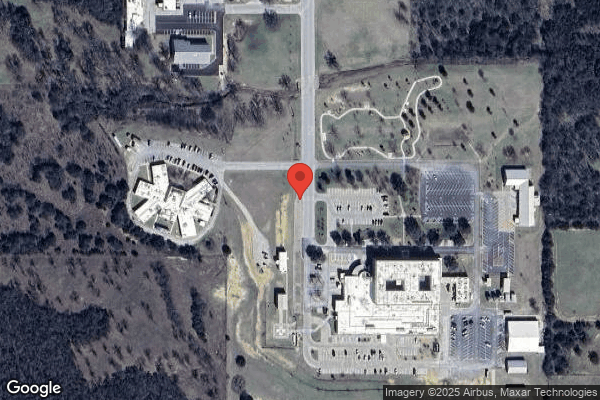
316 SW 25TH AVE, MINERAL WELLS, TX 76067 (940) 325-1358
For profit - Limited Liability company 109 Beds CREATIVE SOLUTIONS IN HEALTHCARE Data: November 2025
Trust Grade
73/100
#291 of 1168 in TX
Last Inspection: April 2025

Within standard 12-15 month inspection cycle. Federal law requires annual inspections.

Overview

Mineral Wells Nursing & Rehabilitation has earned a Trust Grade of B, which indicates it is a good choice, reflecting solid performance in key areas. It ranks #291 out of 1,168 facilities in Texas, placing it in the top half, and is the best option among the two nursing homes in Palo Pinto County. However, the facility is experiencing a worsening trend with issues increasing from 3 in 2024 to 5 in 2025. Staffing is a concern, receiving only 2 out of 5 stars, although the turnover rate is relatively low at 40%, compared to the Texas average of 50%. The facility has faced $7,867 in fines, which is average, but there are notable weaknesses; for example, one resident's pain management was neglected for 11 days due to not following physician orders. Additionally, there were concerns about food safety practices, such as failing to properly store food and not ensuring hand hygiene during food preparation, which could put residents at risk for foodborne illnesses.

Trust Score
B
73/100
In Texas
#291/1168
Top 24%
Safety Record
Moderate
Needs review
Inspections
Getting Worse
3 → 5 violations
Staff Stability
○ Average
40% turnover. Near Texas's 48% average. Typical for the industry.
Penalties
✓ Good
$7,867 in fines. Lower than most Texas facilities. Relatively clean record.
Skilled Nurses
⚠ Watch
Each resident gets only 15 minutes of Registered Nurse (RN) attention daily — below average for Texas. Fewer RN minutes means fewer trained eyes watching for problems.
Violations
⚠ Watch
12 deficiencies on record. Higher than average. Multiple issues found across inspections.
★★★★☆
4.0
Overall Rating
★★☆☆☆
2.0
Staff Levels
★★★☆☆
3.0
Care Quality
★★★★☆
4.0
Inspection Score
Stable
2024: 3 issues
2025: 5 issues

The Good

  • Full Sprinkler Coverage · Fire safety systems throughout facility
  • No fines on record
  • Staff turnover below average (40%)

    8 points below Texas average of 48%

Facility shows strength in fire safety.

The Bad

Staff Turnover: 40%

Near Texas avg (46%)

Typical for the industry

Federal Fines: $7,867

Below median ($33,413)

Minor penalties assessed

Chain: CREATIVE SOLUTIONS IN HEALTHCARE

Part of a multi-facility chain

Ask about local staffing decisions and management

The Ugly 12 deficiencies on record

1 actual harm
Apr 2025 4 deficiencies
CONCERN (D)

Potential for Harm - no one hurt, but risky conditions existed

Deficiency F0558 (Tag F0558)

Could have caused harm · This affected 1 resident

**NOTE- TERMS IN BRACKETS HAVE BEEN EDITED TO PROTECT CONFIDENTIALITY** Based on observation, interview, and record review the facility failed to provide services with reasonable accommodation of need...

Read full inspector narrative →
**NOTE- TERMS IN BRACKETS HAVE BEEN EDITED TO PROTECT CONFIDENTIALITY** Based on observation, interview, and record review the facility failed to provide services with reasonable accommodation of needs for 1 of 10 (Resident #9) residents reviewed forreasonable accommodation of needs The facility failed to provide a working communication system on 04/15/2025 that was easily at reach and that would allow Resident #9 the ability to safely call for staff for assistance. This failure could place residents at risk of not having a means of directly contacting caregivers in an emergency or when they need support for daily living. The findings included: Record review of Resident #9's face sheet dated 04/17/2025, revealed: an [AGE] year-old-female admitted on [DATE] with a recent readmission on [DATE]. Resident #9 had the following diagnosis Dementia, anxiety disorder, Type 2 Diabetes, and respiratory failure. Record review of Resident #9's Quarterly MDS dated [DATE] revealed: Section C-Cognitive Patterns: Resident #9 had a BIMS score of 5, meaning severe cognitive impairment; Section GG- Functional Abilities: Resident #9 required maximal or total assistance for transfers, toileting, dressing, and transferring. Record review of Resident #9's most recent Care Plan revealed: Focus: The resident is risk for falls joint pain and weakness Date initiated on 09/03/2024. Goal: The Resident will be free of falls through the review date. Interventions: Be sure the resident's call light is within reach and encourage the resident to use it for assistance as needed. During an observation and interview on 04/15/2025 at 3:48 PM Resident # 9 was sitting up in her bed, call light was not in reach. Resident # 9's call light was laying on the floor at the head of her bed, between the headboard and the wall. Resident #9 stated if she needed assistance she would push her button, Resident #9 stated she did not know where her button was. During an interview on 04/15/25 at 4:08 PM MA E stated Resident # 9 was able to use her call light and if she could not find it she will ask her roommate if she needed assistance. MA E stated the call light should have been connected to Resident #9. MA E stated everyone was responsible to ensure resident call lights were in reach. During an interview on 04/16/25 at 10:38 AM LVN D stated she was the charge nurse for the 400, 500 and 600 hall. LVN D stated Resident #9 resided on one of her hall's. LVN D stated Resident #9 was able to use her call light on some days. LVN D stated the call light should not have been behind her bed in the floor. LVN D stated the call light should have been attached to her clothes. LVN D stated the call light not being in reach could have caused harm to resident. LVN D stated she did not know why the call light was not in reach of Resident #9. During an interview on 04/17/2025 at 5:06 PM the MIT stated her expectation was call lights should have been in reach of residents. The MIT stated everyone who entered resident rooms were responsible to ensure call lights were in reach of residents. The MIT stated staff making champion rounds, and charge nurses were responsible to monitor to ensure lights were in reach. The MIT stated if call light was not in reach, it could have caused resident to not have needs met. The MIT stated what led to failure of call light not being reach could have been due to hospice brought in new equipment. The MIT stated they did not have a policy regarding call lights.
CONCERN (D)

Potential for Harm - no one hurt, but risky conditions existed

Deficiency F0635 (Tag F0635)

Could have caused harm · This affected 1 resident

**NOTE- TERMS IN BRACKETS HAVE BEEN EDITED TO PROTECT CONFIDENTIALITY** Based on observation, interview and record review, the facility failed to ensure at the time each resident was admitted , the fa...

Read full inspector narrative →
**NOTE- TERMS IN BRACKETS HAVE BEEN EDITED TO PROTECT CONFIDENTIALITY** Based on observation, interview and record review, the facility failed to ensure at the time each resident was admitted , the facility had a physician order for the resident's immediate care for 1 (Resident #47) of 32 residents reviewed for residents receiving necessary care and services upon admission. The facility failed to obtain physician's order prior to placing Resident #47's knee immobilizer to her right leg. This failure could place residents at risk of not having a physician order followed. Findings include: Record review of Resident #47's electronic face sheet dated 04/17/2025 revealed an [AGE] year-old female admitted on [DATE]. Resident #47's diagnosis included Unspecified Fracture of Right Patella (kneecap), Hypertension (high blood pressure), Type 2 Diabetes Mellitus, Unspecified Dementia, Muscle Weakness (generalized) Record review of Resident #47's physician orders revealed an admission date of 03/27/2025, and further review revealed no evidence of an order for a knee immobilizer. Record review of Resident #47's care plan dated 03/27/2025 did not address the use of a knee immobilizer. Record review of Resident #47's hospital records dated 03/12/2025 revealed final diagnosis closed nondisplaced fracture of right patella. Hospital course: Right patella fracture non operative treatment as per orthopedic. WBAT (weight bearing as tolerated) in knee immobilizer. Record review of Resident #47's physician progress note dated 03/28/2025 revealed an [AGE] year-old female admitted post right patella fracture. Wear brace on right lower extremity at all times. Review of systems; Musculoskeletal -right patella fracture; knee brace in place. written by facility's medical director. Record review of Resident #47's admission MDS dated [DATE] revealed: Section C - Cognitive Patterns: Resident #47 had a BIMS of 4 (severe cognitive impairment); Section G- Functional Abilities: Resident #47 had functional Limitation in Range of Motion to lower extremity impairment on one side. Section I-Active diagnosis Resident #47: had Fractures and other multiple traumas. During an observation on 04/15/2025 at 11:00 AM Resident #47 was lying in bed with knee immobilizer to right leg. During an observation on 04/16/2025 at 10:22 AM Resident #47 was lying in bed with knee immobilizer on right leg. During an observation on 04/17/2025 at 02:30 PM Resident #47 was sitting at a table in the dining area of the secure unit playing cards. Resident #47 was observed wearing a hinged brace (knee immobilizer) to right leg. During in an interview on 04/17/2025 at 03:50 PM LVN C stated there should have been an order for a rResident #47 who had a knee immobilizer. LVN C stated the admitting nurse would have been responsible for putting in the orders from the hospital. LVN C stated if no order on the EMR the resident could possibly not have the knee immobilizer in place as needed. LVN C stated they did not know how this failure occurred. During an interview on 04/172025 at 04:05 PM CNA B stated she knew that the knee immobilizer was to be put on rResident #47 because the charge nurse told her the resident needed it. During an interview on 04/17/2025 at 04:10 PM The RCN stated admission orders were put in the EMR by the nurse who had performed the admission assessment. The RCN stated the DON or the ADON reconciled orders the day after a resident was admitted to the facility. The RCN stated there should have been an order for the knee immobilizer. The RCN stated she did not know how this failure occurred. The RCN stated the effect on the resident would have been the resident would not have the needed support for her right knee and this could cause further injury to the resident's knee. The RCN stated the staff would not know the resident needed the knee immobilizer and would not be putting the immobilizer on the resident. The RCN stated she was responsible for monitoring the physician orders when she visits the facility. The RCN stated she visits facility at least one time a month. The RCN stated she did not know how this failure occurred. Record review of the facility's policy titled: Physician Orders without a date revealed: Purpose: To monitor and ensure the accuracy and completeness of the medication orders, treatment orders and ADL order for each resident. Person responsible: Medical Records/Designee 1. Physician's monthly consolidated orders must be reviewed by a licensed nurse to assure they reflect all current orders. Any orders not within the monthly physician's order must be added before physician review or being sent out for physician signature. 2. 3. The physician must approve/sign/return the monthly consolidated orders within 30 days. 4. The original paper monthly orders should be retuned and placed on the chart within 30 days. Effective June 22, 2015 the white paper copy of the physician's orders is no longer necessary. If a copy is needed, one can be printed from the electronic medical record.
CONCERN (E)

Potential for Harm - no one hurt, but risky conditions existed

Food Safety (Tag F0812)

Could have caused harm · This affected multiple residents

Based on observations, interviews, and record reviews the facility failed to properly store, prepare, distribute, and serve food in accordance with professional standards for food service safety for 1...

Read full inspector narrative →
Based on observations, interviews, and record reviews the facility failed to properly store, prepare, distribute, and serve food in accordance with professional standards for food service safety for 1 of 1 kitchen reviewed. The facility failed to ensure the temperature of the banana pudding was taken prior to leaving the kitchen. The facility failed to ensure that staff performed hand hygiene while preparing food. These failures could place residents that eat out of the kitchen at risk for food borne illnesses. The findings included: During an observation and interview on 04/15/2025 between 11:00 AM and 12:30 PM the cook failed to take the temperature of the banana pudding, prior to resident's lunch trays being plated, placed on cart and ready to leave the kitchen. [NAME] F stated she had forgotten to take the temperature of the banana pudding. [NAME] F stated the banana pudding should have had temperature taken prior to food being plated. The AD failed to perform hand hygiene, when she entered the kitchen, before she grabbed a can of tomato juice and an empty container. The AD opened the can of tomato juice and poured into the empty container. During an interview on 04/15/2025 at 12:30 PM the DM stated the temperature of food should have been taken prior to leaving the kitchen. The DM stated the [NAME] F was responsible to take temperature of food prior to plating food. The DM stated she was responsible to monitor. The DM stated she had gotten busy and thought [NAME] F had taken the temperature of the banana pudding. The DM stated every time staff walk into the kitchen they should have performed hand hygiene. The DM stated the AD should have washed her hands prior to getting the tomato juice. The DM stated the affect on residents could have been cross contamination. The DM stated she was responsible to monitor. The DM stated she did not have an explanation to why the failure occurred. The DM stated the AD had her food handlers and had been reminded several times. During an interview on 04/17/25 at 5:06 PM the MIT stated her expectation was for food to be tempted prior to leaving the dinning room. The MIT stated the DM was responsible to ensure food temperatures were taken before served to residents. The MIT stated residents could have received food that was not prepared appropriately. The MIT stated she was not sure what led to failure of staff not taking the temperature of the banana pudding. The MIT stated her expectation was that hand hygiene be performed by any staff that entered the kitchen. The MIT stated the AD had a food handlers license and was a department head and was responsible to ensure she had performed hand hygiene went entered the kitchen. The MIT stated not performing hand hygiene could have affected residents by cross contamination. The MIT stated what led to failure was the AD's lack of following thru with AD's previous training she had received and in-services she had been provided. Record review of facility policy titled Daily Food Temperature Control dated 2012, revealed: Prior to meal service, the cook shall take the temperature of all hot and cold foods. Record review of facility policy titled Hand Washing dated 2012 revealed: Employees are to frequently perform hand washing.
MINOR (C)

Minor Issue - procedural, no safety impact

Staffing Information (Tag F0732)

Minor procedural issue · This affected most or all residents

Based on interviews and record reviews, the facility failed to ensure nursing staffing information was posted in a prominent place readily accessible to residents and visitors that included: the censu...

Read full inspector narrative →
Based on interviews and record reviews, the facility failed to ensure nursing staffing information was posted in a prominent place readily accessible to residents and visitors that included: the census, the total number and the actual hours worked by the registered nurses, licensed practical nurses or licensed vocational nurses and certified nurse aides directly responsible for resident care per shift for 1 of 3 days (04/15/2025) reviewed for required postings. The facility failed to ensure the daily staffing information for licensed and unlicensed nursing staff was posted in a prominent location on 04/15/2025. This failure could place residents, their families, and visitors at risk of not knowing how many nursing staff were currently working and the total hours were to be worked by nursing staff to provide care on all shifts. Findings Included: During an observation on 04/15/2025 at 10:11 a.m., the daily staffing posted in hallway was dated 03/06/2025 totaling 40 days of posting not being updated. During an interview on 04/16/2025 at 10:27 a.m., the DON stated her expectation was that the daily staffing be posted daily. The DON stated she was responsible for posting daily nursing staff. She stated she had forgotten to post the staff posting but had kept them in a binder in her office. She stated in the future, she would delegate the staff posting to her ADON. The DON stated the ADMN may monitor that staffing hours were posted but was unsure if he did. She stated staff knew how many staff were on schedule by looking in another binder, but visitors and residents would not know to look in that binder. She stated failing to post nurse staffing could interfere with visitors and residents knowing if the facility had adequate staffed. During an interview on 04/17/2025 at 10:58 a.m., the RCN stated it was the DON who monitored that daily nursing staff was posted. She stated the staffing coordinator was responsible for posting the nursing staff daily and the ADON was the back up if the staffing coordinator was not present. She stated the DON mentioned that she may have just not updated the date on the posting and that may have been the failure. She stated anyone entering the building could ask one of the staff how many people were on shift, and they would tell them about the binder listing staff members scheduled. She did not feel any negative impact occurred from daily nurse staffing not being posted for public to view. During an interview on 04/17/2025 at 11:00 a.m., the interim ADMN stated he expected nurse staffing to be posted daily. He stated he was unsure who monitored or who was responsible for posting the nurse staffing. He stated the DON had come up with a plan for who was responsible and who would monitor the staffing was posted daily. He stated he was unsure why the nursing staffing had not been posted daily. He stated no posting could interfere with visitors and resident knowing how many direct care staff were scheduled. He stated there was no policy other than the mandatory posting check off sheet on required postings. Review of facility document titled Mandatory Posting revision date on 05/16/2019 revealed: NAME OF POSTING .Daily Staffing by shift of Licensed and Unlicensed Nursing Staff .POSTED .Yes No.
Mar 2025 1 deficiency
CONCERN (D) 📢 Someone Reported This

A family member, employee, or ombudsman was alarmed enough to file a formal complaint

Potential for Harm - no one hurt, but risky conditions existed

Deficiency F0602 (Tag F0602)

Could have caused harm · This affected 1 resident

**NOTE- TERMS IN BRACKETS HAVE BEEN EDITED TO PROTECT CONFIDENTIALITY** Based on interview, and record review, the facility failed to ensure residents were free from misappropriation of property for o...

Read full inspector narrative →
**NOTE- TERMS IN BRACKETS HAVE BEEN EDITED TO PROTECT CONFIDENTIALITY** Based on interview, and record review, the facility failed to ensure residents were free from misappropriation of property for one (Resident #7) of 5 residents reviewed for misappropriation of property. The facility failed to ensure Resident #7 was free from misappropriation of property when AP borrowed money for personal benefit. The non-compliance was identified as past non-compliance dated 1/24/25. The facility had corrected the noncompliance on 1/28/25 before the survey began. This failure could place residents at risk of exploitation/misappropriation of property and financial distress. Findings include: Record review of Resident#7's face sheet dated 3/5/25 revealed [AGE] year-old male, with an original admission date 7/21/23 and a re-admission date of 11/10/23. Resident #7 Diagnoses include Traumatic subarachnoid hemorrhage with loss of consciousness (brain injury), depression, anxiety, apraxia (motor disorder caused by brain), hemiplegia affecting left side (paralysis on one side). Record review of Resident #7's MDS assessment dated [DATE], revealed Resident #7 had a BIMS score of 11 out of 15, which indicated moderate cognitive impairment. Resident #7 was extensive assist with ADLs for toileting, bathing, and dressing. Record review of the PIR (Form 3613-A of Texas Health and Human Services) dated 1/30/25, revealed in part: POA of [Resident #7] reported to ADON and DON that AP began texting resident asking for money, POA and resident agreed to help AP and sent money to AP via Cashapp (transfer money by phone), using [Resident #7's] account. [Resident #7] and POA asked AP to repay when payday arrived. AP has not been in contact with POA or [Resident #7] and has failed to repay the full amount. PIR confirmed allegation. Record review on 3/5/25 of photos taken from Resident #7's phone revealed cash amounts sent to AP, and AP acknowledging and replying to Resident #7. An interview with Resident #7 on 3/5/25 at 11:30am, Resident #7 stated on 1/24/25, unsure of the time, the AP told him she had no heat at her home. Resident #7 stated the weather was cold and he felt sorry for the AP. Resident #7 stated he used his $310 out of his account to give to the AP. Resident #7 stated his POA was also in room on 1/24/25 talking to the AP and they both felt that they could loan the AP money and she would pay back when she got paid, Resident #7 stated the AP avoided coming to his room after she received the money. Resident #7 stated that the facility did not know any of this, it was just between him (the resident), the POA, and the AP. When the AP failed to repay, the resident stated his POA told the facility Assistant Administrator and Administrator. Resident #7 stated the amount was around $310. Resident #7 stated the AP did pay him $80. Resident #7 stated that the facility reimbursed him his full amount. Resident #7 stated that he had a big heart and wanted to help but had learned his lesson. An interview on 3/5/25 at 11:38am with Resident #7's POA, the POA stated she and Resident #7 felt sorry for the AP and agreed to give her money with the agreement the AP would pay back the money on payday. The POA stated money was voluntarily taken out of Resident #7's account by Resident #7 and sent by Cashapp to AP on 1/8/25 for $250 and on 1/10/25 for $20, on 1/13/25 $80, and on 1/14/25 $40. POA stated that AP did repay $80 on 1/14/25 back to Resident #7. The POA stated the AP was not seen again. The POA stated she told the Administrator what had happened on 1/24/25. An interview on 3/6/25 at 9:27am, the Administrator stated on 1/24/25 at 10:09am (POA) told her about loaning money to the AP and that AP was not paying the resident back. The POA showed transactions with the AP's name and phone number with a picture on CashApp. The Administrator stated on 1/28/25 (time unknown) she interviewed the AP. The Administrator stated the AP never admitted to taking money from the resident and the money came from the resident's POA. AP stated she paid $80 back. The Administrator stated that phone records from Resident #7's phone revealed the AP knowingly was in contact with Resident #7, and Resident #7's phone showed that money was sent to the AP and that AP acknowledged that she received money. The Administrator stated her investigation confirmed that AP took money from the resident and that AP was terminated from the facility. Resident #7 was fully reimbursed by facility. Police were notified and a report made. The Police Report number was #250000119. The Administrator stated there was a warrant out for the AP but at this time the AP's where abouts were unknown. A phone call to the AP, 3/5/25 at 11:55am, revealed a nonworking number. Record review of facility of facility's provided policy on abuse, neglect and exploitation dated 9/9/24 revealed in part The purpose of this policy is to ensure that each resident has the right to be free from any type of Abuse, Neglect, Intimidation, Involuntary Seclusion/Confinement, and or Misappropriation of property.
Feb 2024 3 deficiencies
CONCERN (D) 📢 Someone Reported This

A family member, employee, or ombudsman was alarmed enough to file a formal complaint

Potential for Harm - no one hurt, but risky conditions existed

Pressure Ulcer Prevention (Tag F0686)

Could have caused harm · This affected 1 resident

**NOTE- TERMS IN BRACKETS HAVE BEEN EDITED TO PROTECT CONFIDENTIALITY** Based on observation, interviews and record reviews the facility failed to ensure that residents receive care, consistent with p...

Read full inspector narrative →
**NOTE- TERMS IN BRACKETS HAVE BEEN EDITED TO PROTECT CONFIDENTIALITY** Based on observation, interviews and record reviews the facility failed to ensure that residents receive care, consistent with professional standards of practice, to prevent pressure ulcers and do not develop pressure ulcers unless the individual's clinical condition demonstrates that they were unavoidable; and residents with pressure ulcers receive necessary treatment and services, consistent with professional standards of practice, to promote healing, prevent infection and prevent new ulcers from developing for 1 of 3 (Resident #4) residents reviewed for pressure ulcers. The facility failed to provide care as ordered to bilateral heel pressure ulcers. The facility failed to assess pressure ulcers weekly. The facility failed to provide interventions to prevent development or worsening of Resident #4's heel pressure ulcers. These failures could place residents at risk of infections and worsening of wounds. Findings include: Record review of Resident #4's electronic face sheet dated 02/27/2024 revealed an [AGE] year-old male who was admitted to the facility on [DATE] with diagnoses that included: rhabdomyolysis (muscle deterioration), insomnia, gout (inflammation in joint), muscle weakness, and protein-calorie malnutrition (low protein levels and calorie intake). Record review of Resident #4's admission MDS assessment dated [DATE] revealed resident had a BIMS score of 11 meaning moderate cognitive impairment; helper performed more than half the effort with dressing and putting on footwear; helper performed less than half the effort with bed mobility, sitting to lying, sitting to standing, and bed to chair transferring; resident had 1 unhealed pressure ulcer and received pressure ulcer care with pressure reducing device for bed. Record review of Resident #4's orders dated 02/27/2024 revealed: Order with start date of 01/26/2024 resident may have pressure relieving mattress; Order with start date of 01/26/2024 cleanse stage 1 to left buttocks with wound cleanser pat dry apply collagen and cover with bordered dressing one time a day every Mon, Wed, Fri for pressure area; Order with start date of 02/08/2024 resident may have Prevalon Boot (heel protection boot) to right and left foot for pressure area two times a day for pressure area; Order with start date of 02/08/2024 cleanse left heel ruptured blister with normal saline pat dry apply iodine skin prep and cover with dressing one time a day for blister; Order with start date of 02/08/2024 cleanse right heel ruptured blister with normal saline pat dry apply iodine skin prep and cover with dressing one time a day for blister. Record review of Resident #4's care plan dated 02/27/2024 reflected it does not address resident's non-compliance with pressure relieving interventions: Avoid positioning the resident on the location of the pressure ulcer right and left heel date initiated: 01/26/2024 revision on: 02/09/2024 . Ensure heels are floated (not touching another surface) with the use of pillows date initiated: 01/26/2024 .Educate the resident/family/caregivers as to causes of skin breakdown; including: transfer/positioning requirements; importance of taking care during ambulating/mobility, good nutrition and frequent repositioning. Record review of Resident #4's treatment administration record on 02/27/2024 revealed wound care was not documented for either the left or right heel on Sunday 02/11/2024 with no rationale why treatment was not performed. Record review of pressure ulcer assessments on 02/27/2024 revealed: Left heel stage 2 pressure ulcer measured 3.0cm(L) by 3.0cm(W) by 0cm(D) on 02/08/2023. Left heel stage 2 pressure ulcer measured 5.0cm(L) by 5.0cm(W) by 0cm(D) on 02/13/2024. Left heel stage 2 pressure ulcer measured 4.5cm(L) by 3.0cm(W) by 0cm(D) on 02/23/2024. Left heel stage 2 pressure ulcer measured 3.0cm(L) by 4.5cm(W) by 0cm(D) on 02/26/2024. Right heel stage 2 pressure ulcer measured 2.0cm(L) by 2.0cm(W) by 0cm(D) on 02/08/2024. Right heel stage 2 pressure ulcer measured 5.0cm(L) by 4.0cm(W) by 0cm(D) on 02/13/2024. Right heel stage 2 pressure ulcer measured 2.5cm(L) by 3.5cm(W) by 0cm(D) on 02/23/2024. Right heel stage 2 pressure ulcer measured 3.0cm(L) by 4.0cm(W) by 0cm(D) on 02/26/2024. Weekly pressure ulcer assessment was not performed on February 20th 2024. During on observation and interview on 02/26/2024 at 3:10 p.m., Resident #4 was sitting in his wheelchair in his room. Resident's bed had a standard mattress. The wheelchair had feet pedals on it and Prevalon boots (heel protection boots) were being worn. Resident #4 said that he did not like wearing Prevalon boots (heel protection boots) in the bed and he wished staff would allow him to not wear them. He stated Prevalon boots (heel protection boots) were used to help wounds on his feet heal. The resident said his heel wounds were getting better. During an interview on 02/27/2024 at 2:34 p.m., LVN C stated she performed treatments and assessments on Resident #4 when she worked. She stated that Resident #4 had a pressure ulcer to his buttocks when he admitted to the facility on [DATE]. LVN C stated that on 02/08/2024 she was called to evaluate Resident #4's heels and she observed new skin issues at that time. She received physician's orders and treated the pressure ulcers that day. LVN C stated that on 02/11/2024 she did not work since it was a Sunday. She stated charge nurses were to perform wound care on the days that she did not work, and she did not know why wound care was missed. She stated Resident #4 was non-compliant with letting staff offload his heels with pillows and would kick the pillows out from under his legs. She stated Resident #4 said the Prevalon boots (heel protection boots) the facility used for offloading the area at this time caused his claustrophobia to worsen and he would kick them off at times. She stated he refused to allow the facility to put on foot pedals to his wheelchair until recently and would plant his heels on the hard floor when sitting in the wheelchair. She stated he had started allowing staff to assist more since he had been at facility longer. LVN C stated she was out on personal leave between 02/14/2024 and 02/23/2024 and did not know why pressure ulcer assessments were not performed in her absence. She stated that charge nurses should have performed the assessments. She stated the DON monitors that assessments and treatments are performed. She stated that Resident #4 was on the list for the wound care physician to assess him on 03/01/2024 due to pressure ulcer worsening. She stated that when Resident #4 was admitted , the air mattress was not available. The facility was working on getting him one at this time and she felt that the facility would be able to rent a low air loss mattress to help relieve pressure areas while in bed. During an interview on 02/27/2024 at 2:42 p.m., the DON stated pressure ulcers were preventable. She stated her expectation was for pressure ulcer assessments to be performed weekly and weekly meant every 7 days. She stated her expectation would be for the charge nurses to perform assessments and treatments on days when the treatment nurse was not working in the facility. On 02/11/2024 she expected for the charge nurse or the weekend supervisor to perform treatment. She did not know what led to the failure. She stated that if treatment was not documented then it was not done. The DON stated she did not know the assessment was missed on 02/20/2024 and that treatment was missed on 02/11/2024 therefore did not follow up. She stated that missing treatments and assessments could cause wounds to worsen. She voiced that she was responsible for monitoring treatments and assessments were performed. Review of facility policy titled Comprehensive Care Planning that is not dated revealed In situations where a resident's choice to decline care or treatment (e.g. due to preferences, maintain autonomy, etc.) poses a risk to the resident's health or safety, the comprehensive care plan will identify the care or service being declined, the risk the declination poses to the resident, and efforts by the interdisciplinary team to educate the resident and the representative, as appropriate. The facility's attempts to find alternative means to address the identified risk/need should be documented in the care plan. Review of facility policy titled Skin Assessment dated 08/15/16 revealed It is the policy of this facility to establish a method whereby nursing can assess a resident's skin integrity to ensure appropriate intervention are initiated in a timely manner .All new admits and residents returning from a hospital stay will have a head-to-toe skin assessment completed by the Treatment Nurse/designee within four (4) hours of the resident's arrival at the facility. If the Treatment Nurse/designee is not available, then the charge nurse should complete the skin assessment within four (4) hours of the resident's arrival at the facility. The charge nurse will then notify the Treatment Nurse/designee of any skin concerns noted and complete the appropriate attachments/assessments. The DON (Director of Nursing) or designee, along with the Treatment Nurse/designee and other team members will review for the follow-up assessment and recommendations. Any pressure ulcer should also be care planned. Any alterations in skin integrity will be treated according to physician orders. Notify DON and responsible family member. Documentation will then be entered into the resident's chart with the following information. All residents should have a skin assessment on a weekly basis completed in PCC (electronic medical record). If the resident has any type of ulcer (pressure injury, arterial, venous, diabetic) an ulcer assessment should be completed at least weekly.
CONCERN (D) 📢 Someone Reported This

A family member, employee, or ombudsman was alarmed enough to file a formal complaint

Potential for Harm - no one hurt, but risky conditions existed

Respiratory Care (Tag F0695)

Could have caused harm · This affected 1 resident

**NOTE- TERMS IN BRACKETS HAVE BEEN EDITED TO PROTECT CONFIDENTIALITY** Based on observations, interviews, and record reviews, the facility failed to ensure residents who needed respiratory care were ...

Read full inspector narrative →
**NOTE- TERMS IN BRACKETS HAVE BEEN EDITED TO PROTECT CONFIDENTIALITY** Based on observations, interviews, and record reviews, the facility failed to ensure residents who needed respiratory care were provided respiratory care consistent with professional standards of practice for 1 of 1 resident (Resident #5) reviewed for oxygen administration. The facility failed to place nebulizer mask and tubing in a bag and date when replaced. The facility failed to obtain physician's order prior to supplying oxygen to resident. The facility failed to monitor oxygen concentrator tubing connected appropriately. The facility failed to date humidifier on oxygen concentrator when replaced. These deficient practices could place residents who received oxygen and treatments at risk of respiratory infection. The findings include: Record review of Resident #5's electronic face sheet dated 02/27/2024 revealed a [AGE] year-old female who was admitted to the facility most recently on 11/10/2023 with diagnoses that included: dementia, gastrointestinal hemorrhage (stomach bleed), heart failure (heart disease that affects how much blood the heart can pump), muscle wasting, and COVID 19. Record review of Resident #5's significant change MDS assessment dated [DATE] revealed a BIMS score of 9 meaning moderate cognitive impairment; no oxygen treatment was coded on admission or while a resident. Record review of Resident #5's orders dated 02/27/2024 revealed order with start date of 12/13/2023 furosemide solution 10mg/ml (furosemide) 4mL (milliliter) inhale orally via nebulizer every 6 hours as needed for SOB (shortness of breath) and no order for oxygen therapy . Record review of Resident #5's care plan dated 02/27/2024 revealed no mention of oxygen therapy or nebulizer use on the care plan. During an observation and interview on 02/25/2024 at 1:25 p.m., Resident #5 stated she used oxygen as needed. She stated facility staff helped her when she needed oxygen. There was an oxygen concentrator and tubing with humidifier not connected to the concentrator. The humidifier tubing had a different electronic machine plug prong inserted into the end of it instead of being connected to the concentrator. The oxygen concentrator turned on, and no air bubbles were rising up to the top of water observed in the humidifier canister and the end of the tubing was placed in the top drawer of the nightstand. During an observation on 02/26/2024 at 11:41 a.m., Resident #5 had the oxygen concentrator sitting to the left of her bed. The oxygen tubing with humidifier was not connected to the concentrator and had a different electronic machine plug prong inserted into the end of the tubing that should have been connected to the concentrator. The oxygen concentrator was turned on with no bubbles forming in the humidifier canister and the end of the tubing was placed in the top drawer of the nightstand. During an interview on 02/27/2024 at 10:33 a.m., LVN B stated a physician's order was needed for oxygen to be administered to a resident. She stated she would change the oxygen tubing as needed when the oxygen tubing was visibly soiled and that she checked the oxygen concentrator / tubing once a shift. During an interview on 02/27/2024 at 10:47 a.m., the DON stated if oxygen was used, there was to be a physician's order obtained. The DON stated there should not be an oxygen tank or concentrator in a resident's room if they did not use oxygen. She stated she expected the charge nurses to assess the oxygen tubing and concentrator once a day to make sure they are all functioning well. She stated oxygen tubing was replaced as needed when visibly soiled per facility policy. The DON stated if a resident used humidified oxygen, the humidifier canister should be replaced weekly and dated when replaced. She stated when a resident was on hospice services, the nursing facility staff were responsible to make sure oxygen tubing was replaced when needed. She stated she did not know why the oxygen concentrator and nebulizer were not monitored by the charge nurse daily. During an observation and interview on 02/27/2024 at 10:55 a.m., Resident #5 had the oxygen concentrator in her room that was turned on. The humidifier canister was not connected to the concentrator and no bubbles were observed in the humidifier canister. The end of the humidifier canister's tube had an electric prong inserted into the end that should have been attached to the concentrator. The humidifier canister was not dated when it was last replaced. The nebulizer mask was lying on the floor without a date on it and not covered. The DON stated she expected the charge nurses to monitor oxygen equipment and replace tubing when appropriate. She stated not monitoring that oxygen equipment was set up correctly could cause the resident to sustain harm from attempting to use oxygen that was not set up properly and could cause infection when the tubing and nebulizer mask were not changed appropriately. She stated that she was responsible to monitor that charge nurses were monitoring oxygen and nebulizer equipment and tubing. Review of facility policy titled oxygen administration dated February 13, 2007, revealed: Assemble the concentrator .Fill the humidifier container to the marked level with distilled water. Turn on the flow and set the desired rate. Note that the water in the humidifier is bubbling and hold hand near the device to feel the flow .Place nasal cannula, usually used for flow rate under 6L/min, in the nares with the prongs straight or curving downward and around the ear and under the chin .Change the tubing (including any nasal prongs or mask) that is in use on one patient when it malfunctions or becomes visibly contaminated. Review of facility policy titled breathing therapy devices dated February 13, 2007, revealed: Attach the oxygen delivery equipment to the bubble diffusion humidifier and turn the oxygen gauge to the ordered rate. Note the bubbles in the water when the oxygen is turned on and flowing.
CONCERN (E) 📢 Someone Reported This

A family member, employee, or ombudsman was alarmed enough to file a formal complaint

Potential for Harm - no one hurt, but risky conditions existed

Food Safety (Tag F0812)

Could have caused harm · This affected multiple residents

Based on observations, interviews, and record reviews, the facility failed to properly store, prepare, distribute, and serve food in accordance with professional standards for food service safety for ...

Read full inspector narrative →
Based on observations, interviews, and record reviews, the facility failed to properly store, prepare, distribute, and serve food in accordance with professional standards for food service safety for 1 of 1 kitchen reviewed for food and nutrition services. The facility failed to ensure 5 pies were covered when being stored in the refrigerator. This failure could place residents that eat out of the kitchen at risk for food borne illnesses. The findings included: During an observation on 02/25/2024 between at 8:30 AM to 9:00 a.m. of the kitchen's refrigerator revealed: Two metal trays with 5 pies sitting on them uncovered surrounded by food. Above the uncovered pies were boxes and plastic containers with liquid food. Three kitchen staff were present in the kitchen that did not include the DM. During an interview on 02/25/2024 at 8:43 a.m., the DA stated she was unsure if pies stored in the refrigerator needed to be covered. She stated that the pies had been cooked and placed in the refrigerator on the night of 02/24/2024. During an interview on 02/26/2024 at 10:10 a.m., the DM stated she did not see a failure from pies being uncovered in the refrigerator. She stated the pies had been cooked on 02/25/2024 and that they were stored in the refrigerator to cool down. She stated she believed that the pies had only been in the refrigerator for several minutes. She stated the facility used the FDA Food Code 2022 for cooling methods. She denied any negative effect that pies being in refrigerator uncovered could have on residents. She stated since the foods over the pies and foods that surrounded the pies in the refrigerator were covered and there was no observable condensation then cross contamination could not occur. She stated that she was responsible for monitoring kitchen staff stored foods properly. During an interview on 02/27/2024 at 3:00 p.m., the ADMIN stated his expectation would be for kitchen staff to follow the facility's policy. He stated that the policy stated open packages of food should be stored in closed containers with covers or in sealed bags. He stated improper training and understanding of facility's policy and expectations led to the failure. The ADMN stated DM was to monitor dietary staff are storing food appropriately and that he was responsible for monitoring the DM. He stated the effect of storing food uncovered could lead to food borne illnesses in the residents. Record review of facility's policy titled, Food Storage and Supplies dated 2012 revealed: Open packages of food are stored in closed containers with covers or in sealed bags and dated as to when opened.
Nov 2023 1 deficiency
CONCERN (D) 📢 Someone Reported This

A family member, employee, or ombudsman was alarmed enough to file a formal complaint

Potential for Harm - no one hurt, but risky conditions existed

Infection Control (Tag F0880)

Could have caused harm · This affected 1 resident

**NOTE- TERMS IN BRACKETS HAVE BEEN EDITED TO PROTECT CONFIDENTIALITY** Based on observation, interview, and record review, the facility failed to maintain an infection prevention and control program ...

Read full inspector narrative →
**NOTE- TERMS IN BRACKETS HAVE BEEN EDITED TO PROTECT CONFIDENTIALITY** Based on observation, interview, and record review, the facility failed to maintain an infection prevention and control program designed to provide a safe, sanitary, and comfortable environment to help prevent the development and transmission of communicable diseases and infections for one (Resident #1) of two residents reviewed for infection control practices. CNA A failed to perform proper hand hygiene and glove changes while providing incontinence care to Resident #1. This failure could place residents at risk for the spread of infection. Findings included: Review of Resident #1's face sheet dated 11/15/23, revealed a 76- year- old female admitted to the facility on [DATE] with diagnoses including senile degeneration of brain and morbid obesity. Review of Resident #1's MDS assessment dated [DATE] revealed Resident #1 required extensive assistance with most activities of daily living (ADLs) and one-person physical assistance with transfer. Resident #1 was frequently incontinent of bladder and always of bowel. Review of Resident #1's Care Plan undated revealed she had bowel and bladder incontinence. Observation of incontinence care for Resident #1 on 11/14/23 at 2:55 p.m. revealed CNA A did not wash her hands prior to donning gloves in the hallway. CNA A removed Resident #1's brief that was soiled with urine. CNA A wiped the resident from front to back. CNA A did not change gloves but continued to clean Resident #1. CNA A's gloves were visibly soiled with urine. She did not wash her hands, change gloves, or perform hand hygiene before retrieving Resident #1's clean brief and placing it underneath the resident and fastening. CNA A again, did not wash her hands before exiting Resident #1's room. In an interview on 11/14/23 at 3:05 p.m. with CNA A, she revealed she should have washed her hands before starting care and changed her gloves during care. CNA A also revealed she should have changed her gloves before retrieving a clean brief and placing it underneath Resident #1. CNA A stated she had infection control training about one year ago. She said the resident could acquire an infection when she did not follow good infection control practices including washing hands before commencing care. During an interview with the DON on 11/15/23 at 2:22p.m., she revealed she was aware of some of the concerns raised about infection control. She stated she expected the aides to follow the facility protocols during care, one of which was to ensure hand washing and change of gloves as needed. Review of the facility's Hand hygiene policy undated reflected, 1) You may use alcohol-based hand cleaner or soap/water for the following: a) When coming on duty . b) Before or after assisting a resident with personal care (e.g., oral care, bathing) 2) You must soap/water for the following (Alcohol-based cleaner is not recommended) a) When hands are visibly b) After personal use of the toilet (hand washing with soap and water) c) Before and after assisting a resident with toileting (hand washing with soap and water)
Dec 2022 3 deficiencies 1 Harm
SERIOUS (G) 📢 Someone Reported This

A family member, employee, or ombudsman was alarmed enough to file a formal complaint

Actual Harm - a resident was hurt due to facility failures

Deficiency F0697 (Tag F0697)

A resident was harmed · This affected 1 resident

**NOTE- TERMS IN BRACKETS HAVE BEEN EDITED TO PROTECT CONFIDENTIALITY** Based on observation, interview, and record review the facility failed to ensure that pain management was provided to residents ...

Read full inspector narrative →
**NOTE- TERMS IN BRACKETS HAVE BEEN EDITED TO PROTECT CONFIDENTIALITY** Based on observation, interview, and record review the facility failed to ensure that pain management was provided to residents who required such services, consistent with professional standards of practice, the comprehensive person-centered care plan, and the residents' goals and preferences for 1 (Resident #238) of 6 residents reviewed for pain management. 1. The facility failed to ensure that Resident #238's pain was controlled for 11 days by not following physicians' orders regarding administration of hydrocodone. 2. The facility failed to ensure that Resident #238's pain was controlled for 5 days by not administering hydrocodone and fentanyl patch, due to not having the medication available. These failures affected one resident and placed all residents who require pain management at risk for further decline in their mental and/or physical functioning, unnecessary pain, and discomfort. Findings included: Review of Resident #238's electronic face sheet accessed 12/18/22 revealed a [AGE] year-old male admitted to the facility on [DATE] with diagnoses that included cancer of the esophagus (tube that connects the throat to the stomach), alcohol abuse, and heart failure. Review of Resident #238's admission MDS dated [DATE] Section C Cognitive Patterns revealed no BIMS score which indicated an assessment had not been completed yet. Review of Section J Health Conditions J0100. Pain Management revealed he had received PRN pain medications and non-medication intervention for pain in the five-day lookback period prior to the assessment. Section J Health Conditions J0400 Pain Frequency. Frequently. Review of Resident's #238's electronic care plan initiated 12/12/2022 revealed no evidence of a focus, objective, or interventions related to pain or a diagnosis of cancer. Review of Resident #238's discharge and admission paperwork from the hospital sent to the facility upon admission titled, Medication Administration Record, dated 12/09/2022 revealed: Hydrocodone Bitart/Acetaminophen 15 ml solution give 15 ml via feeding tube every 4 hours as needed for pain scale 4-6. Review of Resident #238's electronic physician orders accessed 12/18/22 revealed no evidence of a hydrocodone or fentanyl patch order. Further review revealed no evidence of an order for pain evaluation. Review of electronic physicians' orders revealed an order for Tylenol with Codeine #3 Tablet 300-30 MG (Acetaminophen-Codeine) Give 2 tablet via G-Tube every 4 hours as needed for Pain dated 12/12/2022. Review of the December 2022 MAR for Resident #238 revealed the following administrations: -Tylenol with Codeine #3 Tablet 300-30 MG 2 tablets given on 12/12/22 at 11:02 p.m. with an associated pain scale of 6. Follow up pain scale for this administration was listed as effective. - Tylenol with Codeine #3 Tablet 300-30 MG 2 tablets given on 12/13/22 at 5:14 p.m. with an associated pain scale of 8. Follow up pain scale for this administration was listed as effective - Tylenol with Codeine #3 Tablet 300-30 MG 2 tablets given on 12/13/22 at 10:52 p.m. with an associated pain scale of 8. Follow up pain scale for this administration was listed as effective - Tylenol with Codeine #3 Tablet 300-30 MG 2 tablets given on 12/14/22 at 3:30 a.m. with an associated pain scale of 5. Follow up pain scale for this administration was listed as effective - Tylenol with Codeine #3 Tablet 300-30 MG 2 tablets given on 12/14/22 at 2:32 p.m. with an associated pain scale of 8. Follow up pain scale for this administration was listed as effective - Tylenol with Codeine #3 Tablet 300-30 MG 2 tablets given on 12/15/22 at 7:05 a.m. with an associated pain scale of 10. Follow up pain scale for this administration was listed as effective - Tylenol with Codeine #3 Tablet 300-30 MG 2 tablets given on 12/15/22 at 8:55 p.m. with an associated pain scale of 2. Follow up pain scale for this administration was listed as effective - Tylenol with Codeine #3 Tablet 300-30 MG 2 tablets given on 12/16/22 at 8:46 a.m. with an associated pain scale of 6. Follow up pain scale for this administration was listed as effective - Tylenol with Codeine #3 Tablet 300-30 MG 2 tablets given on 12/16/22 at 2:26 p.m. with an associated pain scale of 6. Follow up pain scale for this administration was listed as effective - Tylenol with Codeine #3 Tablet 300-30 MG 2 tablets given on 12/16/22 at 10:59 p.m. with an associated pain scale of 5. Follow up pain scale for this administration was listed as effective - Tylenol with Codeine #3 Tablet 300-30 MG 2 tablets given on 12/17/22 at 6:56 p.m. with an associated pain scale of 4. Follow up pain scale for this administration was listed as effective - Tylenol with Codeine #3 Tablet 300-30 MG 2 tablets given on 12/17/22 at11:38 p.m. with an associated pain scale of 3. Follow up pain scale for this administration was listed as effective - Tylenol with Codeine #3 Tablet 300-30 MG 2 tablets given on 12/18/22 at 5:00 a.m. with an associated pain scale of 4. Follow up pain scale for this administration was listed as effective - Tylenol with Codeine #3 Tablet 300-30 MG 2 tablets given on 12/19/22 at 8:05 a.m. with an associated pain scale of 10. Follow up pain scale for this administration was listed as effective Review of skilled nurse's notes for Resident #238 revealed each note included a pain assessment. These pain assessments were documented as follows: -12/16/22 7:30 a.m. pain was 8.8 out of 10 -12/17/22 9:02 a.m. pain was 4.4 out of 10 -12/17/22 10:03 p.m. pain was 4.4 out of 10 -12/18/22 9:05 a.m. pain was 4.4 out of 10 -12/18/22 9:09 p.m. pain was 4.4 out of 10 -12/19/22 9:09 p.m. pain was 10 out of 10 Record review of Resident #238's electronic nurses notes accessed on 12/18/22 revealed a nurses' note written by LVN A, dated 12/15/22 at 6:02 PM, which read: Returned from MD appointment. Transport reported the Dr. called in orders to pharmacy and that copies will be faxed tomorrow. Further review or electronic nurses' notes revealed no evidence of documentation regarding new orders or waiting for medications to arrive. During observation and interview on 12/18/22 at 2:30 PM, Resident #238 was sitting up in bed. Resident #238 was very tense and fidgety in appearance. He stated he was in pain. He stated his pain level was at a 10 in his neck and throat area. He stated he went to his oncology doctor on Thursday (12/15/22) and got an order for hydrocodone and fentanyl patches and had not received the medication yet. He stated he was waiting for the nurse to come by to talk to her about his pain medication. He stated he felt he should not have to wait this long for pain control. During an interview on 12/19/22 at 09:32 AM, Resident #238 stated he was in a lot of pain. He stated he went to the doctor last Thursday (12/15/21) and received and order for Hydrocodone and pain patches. He stated the nurses told him that the medication had not arrived from the pharmacy yet. Resident #238 stated his pain was a level 10 out of 10 and Tylenol with Codeine did nothing for his pain. He stated the facility had not offered him anything except Tylenol with Codeine. During an interview on 12/19/22 at 10:00 AM, LVN B stated she was not aware of any new orders for pain medication for Resident #238, but she would investigate it. During an interview on 12/19/22 at 10:30 AM, LVN B stated she spoke with the DON and the medication ordered by the oncologist was still not available from the pharmacy. Record review of Resident #238's electronic nurses notes accessed on 12/19/22 revealed a nurses' note written by the DON, dated 12/19/22 at 11:47 AM, which read: .Spoke with pharmacy regarding residents' fentanyl and hydrocodone from oncologist. Pharmacist states drug order should be delivered by this afternoon around 4pm . During an interview on 12/20/22 at 10:00 AM, the DON stated the pharmacy did not have the medications in stock. She stated the pharmacy was supposed to receive a truck yesterday and deliver the medications. She stated she was about to go to the pharmacy and pick up the medications. DON stated Resident #238 told her his pain was controlled with the Tylenol with Codeine and he wanted to wait for his prescriptions. She stated he refused to take the hydrocodone from the emergency kit because he did not think it was the same as he was prescribed. She stated the facility can get all medications from their pharmacy within 24 hours of new orders and prescribed medications. She stated she did not try other alternatives to get his new medications because on 12/16/22 Resident #238 stated he was ok and wanted to wait for his medications from the pharmacy. She stated Resident #238's pain had been controlled. She stated it was not acceptable to let a resident hurt for 5 days. During an interview on 12/20/22 at 11:30 PM, Resident #238 stated when he was in the hospital, he received hydrocodone and it completely relieved his pain. He stated his acceptable pain level was a 2. He stated he had been in pain the whole time he had been in the facility. He stated the Tylenol with Codeine only brought his pain from a 10 to an 8. He stated he had never been offered any other medication. He stated was told that he had to wait until his medications came from the pharmacy. During an interview on 12/20/22 at 2:15 PM, LVN C stated when Resident #238 was admitted to the facility his admission orders had an order for hydrocodone, but the hospital did not send a triplicate for the medication. She stated the facility could not order the medication without the triplicate. She stated on 12/10/2022 Resident #238 asked for pain medication. She stated she called his primary care physician and he refused to order the hydrocodone because he was not the original physician that ordered that medication. She received an order for Tylenol with Codeine. She stated she did not call the oncologist or the hospital to get another order or a triplicate for the hydrocodone. During an interview on 12/20/22 at 3:00 PM, the DON stated the charge nurse was responsible for completing the admission assessment and orders. She stated admission orders were taken from the discharge and admission paperwork from the hospital sent to the facility upon admission titled, Medication Administration Record. She stated it was the DON's place to follow-up and ensure that this was done properly. She stated she called the hospital on Monday 12/13/22 to ask for a triplicate but was unable to get one. She stated she did not call the oncologist to get an order for the hydrocodone. She stated Resident #238's pain was being managed and the Tylenol with Codeine was effective. The DON did not provide a policy related physicians orders or medication availability. Review of facility policy titled Pain Management, Assessment Tool,' revised May 2016 revealed: pain is a subjective sensation of discomfort he received from multiple sensory nerve interactions generated by physical, chemical, biological, or psychological stimuli. Policy: complaints of pain will be assessed accordingly by the nurse and effectively managed through prescribed medications, and comfort measures, and all available resources of the facility. Goals: 1. resident identifies pain characteristics.2. Resident articulates factors that anticipatory pain. 3. Resident expresses a feeling of comfort and relief from pain. 4. Resident States and carries out appropriate pain interventions from pain relief. 5. Cognitively impaired residents will demonstrate actions of pain relief. Procedure: 1. assess residents' physical symptoms of pain, physical complaints, and daily activities . If resident complaints of pain the nurse will assess, implement relief measures as ordered and or care planned .7. Ask resident to help establish goals and develop plan for pain control. This gives resident sense of control. 8. Instruct resident in use of relaxation techniques.9. Add the resident to right pain on a scale of 1 to 10 with one being the least pain and 10 being the worst pain experience .10. Assist the resident in maintaining a pain management and reschedule, exercise program, and medication regimen .12. Talk with the resident about pain and assess for pain relief after interventions.13. Monitor for effectiveness of pain intervention.
CONCERN (D) 📢 Someone Reported This

A family member, employee, or ombudsman was alarmed enough to file a formal complaint

Potential for Harm - no one hurt, but risky conditions existed

Deficiency F0698 (Tag F0698)

Could have caused harm · This affected 1 resident

**NOTE- TERMS IN BRACKETS HAVE BEEN EDITED TO PROTECT CONFIDENTIALITY** Based on interview and record review, the facility failed to ensure that residents who required dialysis received such services,...

Read full inspector narrative →
**NOTE- TERMS IN BRACKETS HAVE BEEN EDITED TO PROTECT CONFIDENTIALITY** Based on interview and record review, the facility failed to ensure that residents who required dialysis received such services, consistent with professional standards of practice, the comprehensive person-centered care plan, and the residents' goals and preferences for 1 (Resident #52) of 2 residents reviewed for dialysis. The facility failed to ensure Resident #52 had orders to receive dialysis, to monitor the dialysis access site, or to monitor post-dialysis for any signs or symptoms of: infection or bleeding, edema, blood pressure, or fluid overload. This failure could place the resident who received dialysis at risk for complications and not receiving proper care and treatment to meet their needs. Findings included: Review of Resident #52's electronic face sheet, accessed 12/18/22, revealed the resident was a [AGE] year-old male admitted on [DATE] and readmitted on [DATE] with diagnosis that included chronic kidney disease stage 4 (a medical condition in which a person's kidneys cease functioning on a permanent basis leading to the need for a regular course of long-term dialysis or a kidney transplant to maintain life) dependence on renal dialysis, and Parkinson's disease. Review of Resident #52's admission MDS, dated [DATE] revealed a BIMS score of 12 which indicated no cognition impairment. Further review revealed Section O0100. Special Treatment, procedures, and program. J: dialysis was coded-yes. Review of Resident #52's Care plan initiated 12/04/22 and revised on 12/19/22 read in part: . Focus: The resident has fluid overload or potential fluid volume overload r/t Kidney failure, depends on hemodialysis 3 times. Goal: The resident will remain free of s/sx of fluid overload through review date, as evidenced by decrease in edema, anxiety, agitation, restlessness, confusion, changes in mood or behavior, nausea/vomiting, dyspnea, congestion, orthopnea, easily fatigued, jugular vein distension. Interventions: Administer medications as ordered. Monitor/document for side effects and effectiveness. Diet as ordered. Monitor and document intake and output as per facility policy. Monitor vital signs as ordered and record. Notify MD of significant abnormalities. Monitor/document/report to MD PRN s/sx of fluid overload: Anorexia, Anxiety, Mood/behavior changes, Confusion, Edema, Nausea/vomiting, Shortness of breath, difficulty breathing (Dyspnea), Increased respirations (Tachypnea), Difficulty breathing when lying flat (Orthopnea), Congestion, Cough, Fatigue, Jugular Venous Distention (JVD), Sudden weight gain. Obtain and monitor lab/diagnostic work as ordered. Report results to MD and follow up as indicated. Provide pillows; raise HOB as needed to facilitate breathing, increase comfort. The resident needs rest periods as needed/requested intervals. Focus: The resident requires Hemo-Dialysis three days a week r/t a diagnosis of End Stage Renal Failure. Goal: The resident will have no s/sx of complications from dialysis through the review date. Interventions: Encourage resident to go for the scheduled dialysis appointments. Resident receives dialysis three times weekly. Monitor for dry skin and apply lotion as needed. Monitor labs and report to doctor as needed. Monitor/document for peripheral edema. Monitor/document report to MD s/sx of depression. Obtain order for mental health consult if needed. Monitor/document/report to MD PRN any s/sx of infection to access site: Redness, Swelling, warmth or drainage. Monitor/document/report to MD PRN for s/sx of renal insufficiency: changes in level of consciousness, changes in skin turgor, oral mucosa, changes in heart and lung sounds. Monitor/document/report to MD PRN for s/sx of the following: Bleeding, Hemorrhage, Bacteremia, septic shock. Review of Resident #52's electronic physician order accessed 12/18/22 revealed no evidence of orders to receive dialysis, to monitor the dialysis access site, or to monitor post-dialysis for any signs or symptoms of: infection or bleeding, edema, blood pressure, or fluid overload. Review of Resident #52's nurses notes dated 11/30/22-12/18/22 revealed no evidence of monitoring the dialysis access site or monitoring post-dialysis for any signs or symptoms of: infection or bleeding, edema, blood pressure, or fluid overload. Review of Resident #52's Weights and Vitals accessed 12/18/22 revealed last blood pressure was taken on 12/03/19 during Resident #52's previous admission to the facility. During an interview on 12/18/22 at 11:30 AM, Resident #52 stated he went to dialysis on Tuesdays, Thursdays, and Saturdays. He stated no staff member had ever looked at his dialysis site. Resident #52 stated he had not had his blood pressure checked since he had been admitted . He stated he had a lot of edema and swelling to his lower extremities but no one had ever said anything about it. Resident #52 stated he could not remember ever having a nurse do an assessment on him before or after he received his dialysis treatment. During an interview on 12/20/22 at 3:30 PM, the DON stated there was no specialized monitoring for dialysis. She stated the dialysis center monitored Resident #52's access site when treatment was provided. She stated there were no required orders for monitoring. She stated the nurses monitored for edema and blood pressure daily. She stated there was no need to monitor specifically for dialysis complications. DON stated she was not aware Resident #52 had not had a blood pressure check and she thought he had an order to check for edema. The DON stated the failure ultimately occurred due to her not reviewing charts and orders as thoroughly as she should. Review of facility's policy titled; Dialysis revised November 2013 reflected in part: .Procedure: 1. Review and confirm the physicians' orders for dialysis. Follow the specifications of the medical regimen including dietary restrictions and medical management. 2. The facility will establish baseline information from the dialysis center and will monitor changes from that baseline .7. Each side will be assessed for bleeding, bruising, lack of pulsations, and aneurysm as ordered by the physician. The nurse will help palpate the access from the distal anastomosis to the proximal anastomosis. A thrill should be built along the course of the vessel. This procedure should be conducted once per shift . record the results of the examination. Report nonfunctioning accesses to the dialysis center immediately. Report any drainage, redness, or swelling around the insertion site to the dialysis center as soon as possible .14. strict intake and output will be maintained on the resident. Daily weights will be maintained unless otherwise specified by the physician. All documentation will be monitored especially by the position order. All documentation will be maintained in the residence clinical record .20. the facility will be observant of any of the following symptoms. If the resident experiences any of these symptoms, the nurse will contact the dialysis center and the attending position immediately. A. Altered mental status resident is confused or disoriented .b. Change in skin condition or color .c. distention of neck veins .d. increased edema of face or extremities .e change in color of nail beds .f. muscle twitching .
CONCERN (E) 📢 Someone Reported This

A family member, employee, or ombudsman was alarmed enough to file a formal complaint

Potential for Harm - no one hurt, but risky conditions existed

Food Safety (Tag F0812)

Could have caused harm · This affected multiple residents

Based on observations, interviews, and record reviews, the facility failed to Store, prepare, distribute, and serve food in accordance with professional standards for food service safety for 1 of 1 ki...

Read full inspector narrative →
Based on observations, interviews, and record reviews, the facility failed to Store, prepare, distribute, and serve food in accordance with professional standards for food service safety for 1 of 1 kitchen's reviewed for food service. The facility failed to label items in refrigerators with an identifier of the food item. The facility failed to discard items in refrigerators after 7 days. The facility failed to seal items in refrigerators and dry food storage room. These failures placed all residents at risk of food borne illnesses. Findings included: During an observation and interviews on 12/18/22 at 10:06 AM Refrigerator #2 30 individual serving dishes with foil covering with a date of 12/15. There was no label on the dishes to identify the contents. [NAME] said they were a Chili cornbread pot pie. She said the person that prepared them should have put a label on them to identify the food item before storing them in the refrigerator. 1 clear tub of mixed salad greens with a date of 12/8. The container was open, and [NAME] said that it should have been a closed container and that the item should be thrown out after 7 days. 1 clear zipper sealed gallon storage bag with prepared meat sauce and noodle mix that had a label of Spaghetti with a date of 12/8/22. [NAME] said it was prepared on 12/8/22 and it should only be stored for 7 days, so it should have already been thrown out. Chest Refrigerator 2 clear bowls covered in plastic wrap that contained a pink substance with a marking of 12/18. Dietary Aide said they were strawberry yogurts. She said they should have had a label on them to identify the item. Obvious build up of ice along the back half of the chest refrigerator. [NAME] said it would need to be defrosted and said she had not paid attention to the buildup. Dry Food Storage Room 1 clear plastic zipper sealed bag containing Cream of Wheat had a date of 12/1. [NAME] said the date was from when it was received from the food company. It should have also included the date it was opened. She said all items in their original packaging should have the date received on the items and also a label that states opened. 1-3 compartment cereal dispenser that contained Raisin Bran and Rice Crispies that did not include a date they were placed in the container. [NAME] said the dispenser should have had a label placed on the back of each compartment to identify when each cereal was placed in them. 1 clear plastic jug drinking container that had a label Sanitizer 12/16 was sitting on a rolling cart next to the metal shelving unit that had a package of bread, flour container, sugar container, and other miscellaneous seasonings and cake mixes. [NAME] said the container should not have been stored next to the food items and it should have been in the storage closet with all other cleaners. She said she did not know why it had been left in the dry food storage room. 1 clear plastic zipper seal bag containing dinner rolls that was open. [NAME] said the bag should have been sealed. During an interview on 12/18/22 at 11:05 AM with DM, she said items in the refrigerators that had been prepared needed to be thrown out 7 days after preparation. She said any prepared item should have a label that identified the contents of the container and the date the item was prepared. DM said they had a cleaning supply storage closet directly beside the dry food storage room and the sanitizer should have been stored in that closet and not in the food storage room. Record review of facility policy labeled Storage Refrigerators dated 2012 revealed: All Storage Refrigerators shall be maintained clean . to ensure a proper environment and temperature for food storage .Food must be covered when stored, with a date label identifying what is in the container . Refrigeration equipment is to be routinely defrosted and compressor cleaned.
Understanding Severity Codes (click to expand)
Life-Threatening (Immediate Jeopardy)
J - Isolated K - Pattern L - Widespread
Actual Harm
G - Isolated H - Pattern I - Widespread
Potential for Harm
D - Isolated E - Pattern F - Widespread
No Harm (Minor)
A - Isolated B - Pattern C - Widespread

Questions to Ask on Your Visit

  • "Can I speak with families of current residents?"
  • "What's your RN coverage like on weekends and overnight?"

Our Honest Assessment

Strengths
  • • 40% turnover. Below Texas's 48% average. Good staff retention means consistent care.
Concerns
  • • 12 deficiencies on record, including 1 serious (caused harm) violation. Ask about corrective actions taken.
Bottom line: Mixed indicators with Trust Score of 73/100. Visit in person and ask pointed questions.

About This Facility

What is Mineral Wells Nursing & Rehabilitation's CMS Rating?

CMS assigns MINERAL WELLS NURSING & REHABILITATION an overall rating of 4 out of 5 stars, which is considered above average nationally. Within Texas, this rating places the facility higher than 99% of the state's 100 nursing homes. This rating reflects solid performance across the metrics CMS uses to evaluate nursing home quality.
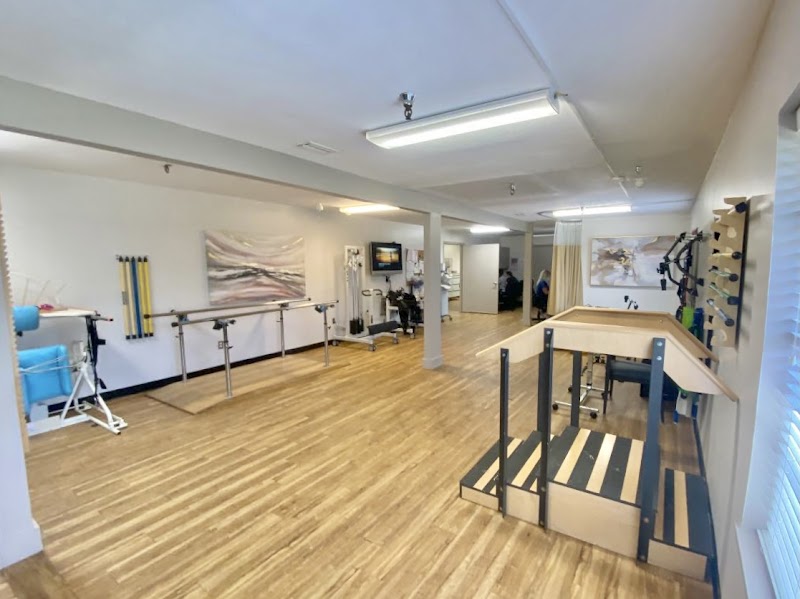
How is Mineral Wells Nursing & Rehabilitation Staffed?

CMS rates MINERAL WELLS NURSING & REHABILITATION's staffing level at 2 out of 5 stars, which is below average compared to other nursing homes. Staff turnover is 40%, compared to the Texas average of 46%. This relatively stable workforce can support continuity of care.

What Have Inspectors Found at Mineral Wells Nursing & Rehabilitation?

State health inspectors documented 12 deficiencies at MINERAL WELLS NURSING & REHABILITATION during 2022 to 2025. These included: 1 that caused actual resident harm, 10 with potential for harm, and 1 minor or isolated issues. Deficiencies causing actual harm indicate documented cases where residents experienced negative health consequences.
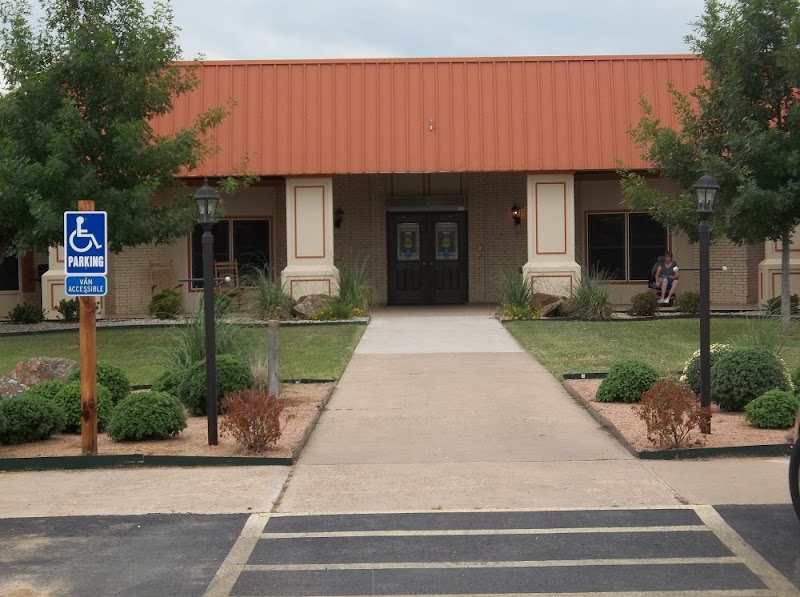
Who Owns and Operates Mineral Wells Nursing & Rehabilitation?

MINERAL WELLS NURSING & REHABILITATION is owned by a for-profit company. For-profit facilities operate as businesses with obligations to shareholders or private owners. The facility is operated by CREATIVE SOLUTIONS IN HEALTHCARE, a chain that manages multiple nursing homes. With 109 certified beds and approximately 89 residents (about 82% occupancy), it is a mid-sized facility located in MINERAL WELLS, Texas.

How Does Mineral Wells Nursing & Rehabilitation Compare to Other Texas Nursing Homes?

Compared to the 100 nursing homes in Texas, MINERAL WELLS NURSING & REHABILITATION's overall rating (4 stars) is above the state average of 2.8, staff turnover (40%) is near the state average of 46%, and health inspection rating (4 stars) is above the national benchmark.

What Should Families Ask When Visiting Mineral Wells Nursing & Rehabilitation?

Based on this facility's data, families visiting should ask: "Can you walk me through typical staffing levels on day, evening, and night shifts?" "Can I visit during a mealtime to observe dining assistance and food quality?" "How do you handle medical emergencies, and what is your hospital transfer rate?" "Can I speak with family members of current residents about their experience?" These questions are particularly relevant given the below-average staffing rating.

Is Mineral Wells Nursing & Rehabilitation Safe?

Based on CMS inspection data, MINERAL WELLS NURSING & REHABILITATION has a clean safety record: no substantiated abuse findings (meaning no confirmed cases of resident harm), no Immediate Jeopardy citations (the most serious violation level indicating risk of serious injury or death), and is not on the Special Focus Facility watch list (a federal program monitoring the lowest-performing 1% of nursing homes). The facility has a 4-star overall rating and ranks #1 of 100 nursing homes in Texas. While no facility is perfect, families should still ask about staff-to-resident ratios and recent inspection results during their visit.

Do Nurses at Mineral Wells Nursing & Rehabilitation Stick Around?

MINERAL WELLS NURSING & REHABILITATION has a staff turnover rate of 40%, which is about average for Texas nursing homes (state average: 46%). Moderate turnover is common in nursing homes, but families should still ask about staff tenure and how the facility maintains care continuity when employees leave.

Was Mineral Wells Nursing & Rehabilitation Ever Fined?

MINERAL WELLS NURSING & REHABILITATION has been fined $7,867 across 1 penalty action. This is below the Texas average of $33,158. While any fine indicates a compliance issue, fines under $50,000 are relatively common and typically reflect isolated problems that were subsequently corrected. Families should ask what specific issues led to these fines and confirm they've been resolved.

Is Mineral Wells Nursing & Rehabilitation on Any Federal Watch List?

MINERAL WELLS NURSING & REHABILITATION is not on any federal watch list. The most significant is the Special Focus Facility (SFF) program, which identifies the bottom 1% of nursing homes nationally based on persistent, serious quality problems. Not being on this list means the facility has avoided the pattern of deficiencies that triggers enhanced federal oversight. This is a positive indicator, though families should still review the facility's inspection history directly.