
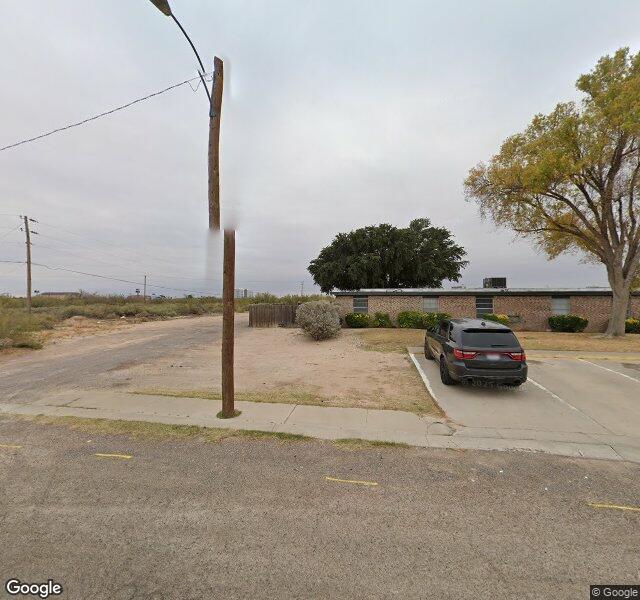
AVIR AT MONAHANS

1200 W 15TH ST, MONAHANS, TX 79756 (432) 943-2741
Government - Hospital district 92 Beds AVIR HEALTH GROUP Data: November 2025
Trust Grade
30/100
#921 of 1168 in TX
Last Inspection: July 2025

Inspected within the last 6 months. Data reflects current conditions.

Overview

Avir at Monahans has received a Trust Grade of F, which indicates significant concerns about the facility's quality of care. It ranks #921 out of 1168 nursing homes in Texas, placing it in the bottom half of facilities statewide, and it is the only option available in Ward County. The facility's situation is worsening, with the number of issues increasing from 5 in 2024 to 13 in 2025. Staffing is a weakness here, rated at only 1 out of 5 stars with a high turnover rate of 73%, which is concerning as it is above the Texas average. While the facility has no fines on record, there are serious issues with food safety practices, such as failing to properly store and label food, which could put residents at risk for foodborne illnesses, and there are also deficiencies in developing personalized care plans for residents, potentially affecting their individual needs.

Trust Score
F
30/100
In Texas
#921/1168
Bottom 22%
Safety Record
Low Risk
No red flags
Inspections
Getting Worse
5 → 13 violations
Staff Stability
⚠ Watch
73% turnover. Very high, 25 points above average. Constant new faces learning your loved one's needs.
Penalties
✓ Good
No fines on record. Clean compliance history, better than most Texas facilities.
Skilled Nurses
⚠ Watch
Each resident gets only 22 minutes of Registered Nurse (RN) attention daily — below average for Texas. Fewer RN minutes means fewer trained eyes watching for problems.
Violations
⚠ Watch
33 deficiencies on record. Higher than average. Multiple issues found across inspections.
★☆☆☆☆
1.0
Overall Rating
★☆☆☆☆
1.0
Staff Levels
★★★☆☆
3.0
Care Quality
★★☆☆☆
2.0
Inspection Score
Stable
2024: 5 issues
2025: 13 issues

The Good

  • Full Sprinkler Coverage · Fire safety systems throughout facility
  • No fines on record

Facility shows strength in fire safety.

The Bad

1-Star Overall Rating

Below Texas average (2.8)

Significant quality concerns identified by CMS

Staff Turnover: 73%

27pts above Texas avg (46%)

Frequent staff changes - ask about care continuity

Chain: AVIR HEALTH GROUP

Part of a multi-facility chain

Ask about local staffing decisions and management

Staff turnover is very high (73%)

25 points above Texas average of 48%

The Ugly 33 deficiencies on record

Jul 2025 6 deficiencies
CONCERN (D) 📢 Someone Reported This

A family member, employee, or ombudsman was alarmed enough to file a formal complaint

Potential for Harm - no one hurt, but risky conditions existed

Accident Prevention (Tag F0689)

Could have caused harm · This affected 1 resident

**NOTE- TERMS IN BRACKETS HAVE BEEN EDITED TO PROTECT CONFIDENTIALITY** Based on observation, interview, and record review the facility failed to ensure adequate supervision and assistance devices was...

Read full inspector narrative →
**NOTE- TERMS IN BRACKETS HAVE BEEN EDITED TO PROTECT CONFIDENTIALITY** Based on observation, interview, and record review the facility failed to ensure adequate supervision and assistance devices was provided for 2 of 3 residents reviewed for transfers (Resident #26 and #52).The facility failed to ensure staff locked the breaks of the mechanical lift (device used to assist in lifting a resident) during transfer for Resident #26.The facility failed to ensure staff completed gait belt transfer correctly for Resident #52. This deficient practice has the potential to affect residents in the building who required extensive assistance with proper transfers. The findings included: Resident #26Review of Resident #26's Quarterly MDS assessment dated [DATE] revealed Resident #26 was a [AGE] year-old female originally admitted to the facility on [DATE] with diagnoses including arthritis, osteoporosis (bone thinning due to loss of calcium) without fracture, and contractures.Resident #26's Brief Mental Status was scored at 13 of 15 (indicating she was cognitively intact).Resident #26 had range of motion impairment on both sides of her lower extremities.Resident #26 was totally dependent on staff for transfers.Observation at [DATE] at 10:13 AM revealed CNA A and CNA H entered the room and donned(put on) gloves. The aides put the sling(material used to hold resident) under Resident #26, then hooked the sling to the electrical mechanical lift. CNA A told CNA H to make sure the sling was positioned high enough on Resident #26's head. CNA A operated the lift while CNA H steadied the resident. CNA A did not lock the lift while raising or lowering Resident #26. While lowering the Resident #26, the lift was noted to rock back and forth not allowing Resident #26 to be positioned in her wheelchair correctly. Interview on [DATE] at 1:27 p.m. the DOR stated the mechanical lift should be locked when moving a resident up and down because the weight was unsteady and it could cause the lift to roll away. The DOR said if the lift moved away while the resident was still up in air they could not be controlled during the lowering of the resident. The DOR stated especially the electrical lifts needed to be locked. The DOR stated they had not done any checkoffs regarding resident Hoyer lift transfers for the nursing staff. Resident #52Review of Resident #52's admission Record, dated [DATE], revealed she was an [AGE] year-old female admitted to the facility on [DATE] with diagnoses including unspecified dementia. Resident #52's admission care plan, dated [DATE], did not have transfer status checked. Resident #52 did not have an admission MDS as she was still in her assessment period. Observation on [DATE] at 3:11 PM revealed CNA I and CNA A putting a gait belt on Resident #52 loosely. CNA A locked both sides of the wheelchair. Both aides were observed hooking their arms under Resident #52. CNA I grabbed the gait belt that slid up Resident #52's torso. CNA A grabbed the back of Resident #52's pants. Interview on [DATE] at 3:19 PM CNA A said Resident #52 could be spicy and she (CNA A) got bit by Resident #52 on [DATE]. CNA A said she grabbed the back of Resident #52's pants because she felt like the like the belt was slipping. Interview on [DATE] at 1:27 p.m. PTA J stated a two-person gait belt transfer should be completed by putting the gait belt on the resident and one staff stand on each side of the resident. PTA J stated at the count of three both aides should lift the resident by the front and back of the gait belt. PTA J said in her opinion it was not ok to hold a resident by the back of their pants. The Director of Rehab who was present stated it was not acceptable to hook their arms under a resident. The DOR stated grabbing the back of the pants was not comfortable for the resident and there was no point if the gait belt was present. PTA J stated the last time the therapy department in-serviced the facility on transfers was 1.5 years ago. Interview on [DATE] at 1:52 the Administrator and DON were informed of the transfers. The DON stated a two-person transfer was supposed to look like the aides putting on the gait belt at the waist or right above the hips tight enough to slide two fingers under the belt. The DON stated the aides were supposed to grab the gait belt on each side and help the resident stand up on the count of three. The DON stated hooking under the arms was not ok because the arms were more prone to fractures. The DON said if the resident had weight bearing issues the resident should be a mechanical lift. The Administrator stated picking up a resident by the waist of the pants would not be comfortable. The DON said she did not have a chance to do checkoffs for transfers because she had only been in the facility three months. The DON stated the expectation for the mechanical lift was for the aide controlling the lift to lock the lift when the resident was going up or down. The DON said if the lift was not locked the staff could lose control of the resident. The DON stated if the resident was being placed in the wheelchair, the lift unlocked could cause the resident to not be aligned properly. The Administrator and DON stated they understood the issue with transfers. Review of the Facility's policy and procedure for Safe Lifting and Movement of Residents, revised 7/2017, revealed: In order to protect the safety and well being of staff and residents, and to promote quality care, this facility uses appropriate techniques and devices to lift and move residents. Resident safety, dignity, comfort and medical condition will be incorporated into goals and decisions regarding the safe lifting and moving of residents. Nursing staff, in conjunction with the rehabilitation staff, shall assess individual residents' needs for transfer assistance on an ongoing basis. Staff will document resident transferring and lifting needed in the care plans. Such assistance shall include: Resident's mobility (degree of dependency); weight bearing status; cognitive status; whether the resident is usually cooperative with staff; and the resident's goals for rehabilitation, including restorative or maintaining functional abilities. Staff responsible for direct resident care will be trained in the use of manual (gait/transfer belts, lateral boards) and mechanical lifting devices. Mechanical lifting devices shall be used for heavy lifting, including lifting and moving residents when necessary. Review of the facility's policy and procedure on Using a Mechanical Lifting Machine, dated 7/2017, revealed: The purpose of this procedure is to establish the general principles of safe lifting using a mechanical lifting device. It is not a substitute for the manufacture's training or instructions. Mechanical lifts may be used for tasks that require: Transferring a resident from bed to chair. Lift design and operation vary across manufacturers. Staff must be trained and demonstrate competency using the specific machines or devices utilized in the facility. Make sure the lift is stable and locked.
CONCERN (D) 📢 Someone Reported This

A family member, employee, or ombudsman was alarmed enough to file a formal complaint

Potential for Harm - no one hurt, but risky conditions existed

Room Equipment (Tag F0908)

Could have caused harm · This affected 1 resident

Based on observation, interview and record review the facility failed to maintain all mechanical, electrical, and patient care equipment in safe operating condition for 1 of 1 kitchen reviewed for phy...

Read full inspector narrative →
Based on observation, interview and record review the facility failed to maintain all mechanical, electrical, and patient care equipment in safe operating condition for 1 of 1 kitchen reviewed for physical environment. The facility failed to ensure the refrigerator door adequately closed and sealed in the kitchen on 07/27/2025. This failure could place residents at risk of foodborne illnesses and potential for injury to residents and staff. Findings included:During an observation and interview on 07/27/2025 at 9:42 AM, 1 of 3 refrigerators observed in the kitchen revealed the door did not latch or seal. The refrigerator door stayed slightly open. [NAME] G said the door must be lifted and closed at the same time. [NAME] G demonstrated closing the door. [NAME] G said dietary staff were aware of the broken door and how to close it. During an interview with [NAME] E on 07/29/2025 at 3:40 PM, [NAME] E said the refrigerator door had been broken more than one year. [NAME] E said she thought the Dietary Manager (DM) reported it to the Administrator. [NAME] E said if the refrigerator was not sealed correctly the residents could get sick. During an interview on 07/29/2025 at 4:10 PM, the Administrator was made aware of the broken refrigerator door. The Administrator said the broken door was not reported to her by staff.Review of facility policy Sanitization, revised November 2022, revealed: All utensils, counters, shelves and equipment are kept cleaned, maintained in good repair and are free from breaks, corrosions, open seams, cracks and chipped areas that may affect their use or proper cleaning. Seals, hinges and fasteners are kept in good repair
CONCERN (E) 📢 Someone Reported This

A family member, employee, or ombudsman was alarmed enough to file a formal complaint

Potential for Harm - no one hurt, but risky conditions existed

Comprehensive Care Plan (Tag F0656)

Could have caused harm · This affected multiple residents

**NOTE- TERMS IN BRACKETS HAVE BEEN EDITED TO PROTECT CONFIDENTIALITY** Based on interview and record review, the facility failed to develop and implement a comprehensive, person-centered care plan fo...

Read full inspector narrative →
**NOTE- TERMS IN BRACKETS HAVE BEEN EDITED TO PROTECT CONFIDENTIALITY** Based on interview and record review, the facility failed to develop and implement a comprehensive, person-centered care plan for each resident that included measurable objectives and time frames to meet, attain, and/or maintain the resident's highest practicable physical, mental, and psychosocial well-being for 3 of 7 residents (Residents #5, #6, and #33) reviewed for care plans in that: The facility failed to ensure Resident #5 had a care plan for Activities of Daily Living, Incontinence, Insulin, Psychotropic Medication, or Hospitalization. The facility failed to ensure Resident #6 had a care plan for Activities of Daily Living, Psychotropic Medications, Opiate Medications, and Hospice Care. The facility failed to ensure Resident #33 had a care plan for Activities, Psychotropic Medications, and Diuretic Use. This failure could affect residents by placing them at risk of not receiving individualized care and services to meet their needs.The findings included the following: Resident #5 1. Review of Resident #5's admission Record, dated 7/29/25, revealed he was a [AGE] year-old male readmitted to the facility 7/1/25 from the hospital with diagnosis that included cardiomyopathy (heart does not pump blood effectively), diabetes, depression, and contractures (the muscles begin to stiffen causing reduced mobility). Review of Resident #5's admission MDS, dated [DATE], revealed:He had a Brief Interview for Mental Status score of 8 of 15 (indicating moderate cognitive impairment).He was dependent on staff for Activities of Daily Living.He used a wheelchair.He had range of motion impairment of both legs.He was incontinent of bowel.He received insulin injections for 7 of 7 days prior to the assessment.He was on an anticoagulant(medication to prevent blood from clotting). Review of Resident #5's Order Summary, dated 7/29/25, revealed orders:The diuretic Bumetanide 1mg every 24 hours for fluid overload, dated 7/1/25.The anticoagulant Apixaban 5mg twice a day related to heart disease.Insulin Lispro (short-acting insulin) per sliding scale dated 4/10/25.Insulin Glargine (long-acting insulin) 13 units in the morning dated 7/1/25.Melatonin 3 mg at bedtime for insomnia dated 4/10/25. Review of the electronic care plan, updated 6/19/25, revealed No care plan for Resident #5's activities of daily living status.No care plan for Resident #5's incontinence of bowel.No care plan for Resident #5's medication use including Bumetanide, Apixaban, insulin, or Melatonin. No care plan for Resident #5's hospitalization. 2. Review of Resident #6's admission Record, dated 7/29/25, revealed he was a [AGE] year-old male admitted to the facility on [DATE] with diagnoses including contractures. Resident #6 was on hospice services. Review of Resident #6's quarterly MDS assessment, dated 7/9/25, revealed:His Brief Interview for Mental Status indicated he scored a 15 of 15 (indicating he was cognitively intact).He was totally dependent on staff for ADL assistance.He was on an opioid medication.He was on hospice care. Review of Resident #6's Order Summary, reviewed 7/29/25, revealed orders:Admit to hospice services dated 7/22/24.The antidepressant Duloxetine dated 4/1/25 and Trazadone dated 4/1/25.The opioid pain medication Hydrocodone-Acetaminophen 10-235mg dated 4/22/25.The opioid pain medication Morphine Sulfate 20 mg/ 5 ml by mouth at bedtime and three times a day, dated 4/1/25. Review of Resident #6's care plan revealed:No care plan for Resident #6's ADL's including eating, dressing, bathing, hygiene, and bed mobility.No care plan for the use of anti-depressants.No care plan for the use of opioid medication.No care plan for hospice services. 3. Review of Resident #33's admission Record, dated 7/29/25, revealed she was a [AGE] year-old female admitted to the facility on [DATE] with diagnosis including aftercare for surgery. Review of Resident #33's Initial MDS Assessment, dated 4/23/25, revealedShe scored a 12 of 15 on her Brief Interview for Mental Status (indicating she was moderately cognitively impaired).She had constipation.She took an anti-depressant and a diuretic. Review of Resident #33's Order Summary, dated 7/29/25, revealed orders:Docusate Sodium 100 mg twice a day dated 4/17/25.Trazadone 50 mg for insomnia at bedtime dated 4/17/25. Review of Resident #33's care plan, dated 5/14/25 revealed:Focus: Resident #33 enjoys the following solitary activities: word search, coloring, talking. The identified goal was Resident #33 would be provided opportunities to enjoy solitary activities of choice. There were no interventions identified.There was no care plan for the Docusate Sodium 100 mg.There was no care plan for the Trazadone 50 mg or insomnia. Interview on 07/28/2025 at 3:32 PM the Business Office Manager said the Social Worker was responsible for care plans. Interview on 07/28/2025 3:32 PM the MDS Coordinator stated the transition from the previous electronic documentation program to the current documentation occurred in March 2025. The MDS Coordinator stated she did not do a care plan in the current documentation program because the RN or DON had to approve or open the care plan. The MDS Coordinator stated the Corporate RN went over care plans. The MDS Coordinator said there were a lot of care plans that were not updated or not in the current electronic program. The MDS Coordinator stated the old care plans were printed and at the nurse's station. The MDS Coordinator said she did not know why it took over 4 months long to get the care plans transferred into the new program. The MDS Coordinator stated the DON did immediate care plans with antibiotics or behaviors. Interview on 07/28/2025 at 3:47 PM the DON said there was an issue with care plans because the care plans were not entered into the current electronic documentation program. The DON stated they talked to the MDS Coordinator to get them updated and into the system. The DON said the Corporate RN stepped down but offered to help the MDS Coordinator because she was responsible for MDS assessments in two buildings so the facility could catch up. The DON agreed it took over three months get the care plans into the electronic documentation system. The DON said she did some of the care plans to help get them updated. The DON said she in-serviced the nurses on getting care plans updated once it was opened. The DON stated the facility did have interdisciplinary care plan meetings with the Social Services Designee, the Activity Director, and Dietary were responsible for putting in their own care plans. The DON stated she did an audit on resident records two weeks ago and the care plans did not appear complete. The DON stated she identified issues with dietary orders, code status, resident preferences, and interventions for falls and wound care. The DON said there were a lot of issues that were not care planned and the facility needed to follow up. The DON said she did not have an answer for why emergent issues were not care planned. Interview on 7/29/25 at 1:52 PM the Administrator and DON stated there were care issues not care planned. The Administrator said the MDS Coordinator was supposed to be helping enter in the care plans. The Administrator said she never did a chart audit because she was never trained on how to do one, but she knew how to access the information. The surveyor asked for the policy on care plans and a policy was not provided. Interview on 07/29/2025 at 4:19 PM the Social Service Designee stated his responsibility for care plans was to hold the care plan meetings. He stated he mainly did code status care plans. The Social Service Designee stated the RN could open the care plan and he would enter in his part. The Social Service Designee stated he did not know why he was getting blamed for incomplete or not entered care plans.
CONCERN (E) 📢 Someone Reported This

A family member, employee, or ombudsman was alarmed enough to file a formal complaint

Potential for Harm - no one hurt, but risky conditions existed

Deficiency F0761 (Tag F0761)

Could have caused harm · This affected multiple residents

**NOTE- TERMS IN BRACKETS HAVE BEEN EDITED TO PROTECT CONFIDENTIALITY** Based on observation, interview, and record review, the facility failed to ensure drugs and biologicals used in the facility wer...

Read full inspector narrative →
**NOTE- TERMS IN BRACKETS HAVE BEEN EDITED TO PROTECT CONFIDENTIALITY** Based on observation, interview, and record review, the facility failed to ensure drugs and biologicals used in the facility were labeled with currently accepted professional principles, and included the appropriate accessory and cautionary instructions, and the expiration date when applicable for and 1 of 3 medication carts (Hall 100 and 200 nurse medication cart) and 1 out of 1 med room reviewed for medication storage. The facility failed to ensure the nurses cart #1 for 100 and 200 halls did not contain insulin, that were opened and not labeled with the open date. The medication room had an open vial of tuberculosis (a bacterial infection that affects the lungs and can spread to other organs) solution that was not labeled with an open date. Findings included:Observation on 07/28/25 at 4:30 PM revealed the nurse's medication cart #1 for 100 and 200 halls had the following opened medications with no open date labeled:1. Humalog insulin vials (Insulin is an essential hormone that helps the body turn food into energy and manage the blood sugar levels)2. Novolog insulin Kwik pensObservation on 7/29/2025 at 10:30 AM revealed the refrigerator in Medication room [ROOM NUMBER] had the following opened medications with no open date labeled:1. Aplisol Tuberculin solutionInterview on 07/28/25 at 4:31 PM with LVN D, she said once insulin, and tuberculosis solution were opened they needed to be dated with open dates. She said it was the responsibility for all nurses to check carts for labelling and dating every shift, but she did not check the whole cart that morning. She stated insulins and tuberculosis solutions were good for 28 days. She stated the risk of not having an open date was they would not be able to know when they expire, and they will not be effective. Interview on 07/29/25 at 12:36 PM the DON said insulin, and tuberculosis solution when opened should be dated. She stated it was the responsibility of nursing management to check and audit the carts after the nurses. The DON said the nurses were responsible for dating the medication when opened. She stated insulin and tuberculosis solution was good for 28 days and should be dated once the box or pen was opened. Interview on 07/29/25 at 3:02 PM the Administrator said the expectations were for nursing staff to date any medications with an open date after they were put into use. The Administrator said that was supposed to be done so that the staff would know when to discard the medication. Record review of the Recommended Medication Storage policy, dated 2/2023, reflected the following:Multi-dose vials that have been opened or accessed (e.g., needle punctured) are dated and discarded within 28 days unless the manufacturer specifies a shorter or longer date for the open vial.
CONCERN (E) 📢 Someone Reported This

A family member, employee, or ombudsman was alarmed enough to file a formal complaint

Potential for Harm - no one hurt, but risky conditions existed

Infection Control (Tag F0880)

Could have caused harm · This affected multiple residents

**NOTE- TERMS IN BRACKETS HAVE BEEN EDITED TO PROTECT CONFIDENTIALITY** Based on observation, interview and record review, the facility failed to maintain an infection prevention and control program d...

Read full inspector narrative →
**NOTE- TERMS IN BRACKETS HAVE BEEN EDITED TO PROTECT CONFIDENTIALITY** Based on observation, interview and record review, the facility failed to maintain an infection prevention and control program designed to help prevent the development and transmission of communicable diseases and infections for 1 of 5 staff (Medication Aide C) reviewed for infection control in that: -Medication Aide C did not sanitize or wash her hands before handling medication or in between administering medications to different residents. This failure could place residents at risk for infectious diseases. Findings Included: During an observation on 07/28/25 at 12:06 PM revealed Medication Aide C came out of a resident's room and proceeded to pour more medications without washing or sanitizing hands. Medication Aide C continued to not sanitize her hands in between the 12 residents she administered the med pass. During an interview on 07/28/25 at 12:07 PM, with Medication Aide C, she said she knew she was forgetting something. Medication Aide C said the facility policy and procedure was that all staff were required to conduct hand hygiene prior to handling and administering medication. During an observation on 07/28/25 at 12:15 PM revealed Medication Aide C administered medication to Resident #37, then prepared Resident #20's medications with no hand hygiene. Medication Aide C gave Resident #20's medications, left the room with no hand hygiene. Medication Aide C prepared Resident #46's medications with no hand hygiene, administered medications and left room with no hand hygiene. During an interview on 07/28/25 at 12:30 PM, the DON said based on the facility policy and procedure for infection control/hand hygiene, medication aides were required to conduct hand hygiene prior to handling medication, and she would expect medication aides to either wash their hands with soap and water before leaving a resident's room or use the hand sanitizer in the hallway. During an interview on 07/29/25 at 3:04 PM the Administrator said the expectations were for nursing staff to wash or sanitize their hands in between resident medication administration to prevent the spread of infections. Record review of the facility policy on Hand Hygiene revised October 2023, [NAME] Handwashing/Hand Hygiene reflected All Personnel shall follow the handwashing/Hand hygiene procedures to help prevent the spread of infection to other personnel, residents and visitors .Before preparing or Handling Medications .Perform hand hygiene before applying non-sterile gloves.
CONCERN (F) 📢 Someone Reported This

A family member, employee, or ombudsman was alarmed enough to file a formal complaint

Potential for Harm - no one hurt, but risky conditions existed

Food Safety (Tag F0812)

Could have caused harm · This affected most or all residents

Based on observation, interview, and record review, the facility failed to store, prepare, distribute, and serve food in accordance with professional standards for food service safety in 1 of 1 kitche...

Read full inspector narrative →
Based on observation, interview, and record review, the facility failed to store, prepare, distribute, and serve food in accordance with professional standards for food service safety in 1 of 1 kitchen reviewed for kitchen sanitation and food storage. The facility failed to ensure foods were properly stored, labeled and dated.The facility failed to dispose of spoiled food items properly.The facility failed to prevent possible cross contamination.The facility failed to ensure dietary staff used hair restraints properly. These failures could place residents at risk for food borne illnesses.Findings included:Observation on 7/27/2025 at approximately 9:42 AM revealed [NAME] E touching the lid of a trash can to place paper towels in it after washing hands.Observation on 7/27/2025 at approximately 9:45 AM revealed a box with 5 bags of corn tortillas received 8/13/2024 did not have a use by date (UBD). The tortillas at the bottom of each bag were hard. Observation on 7/27/2025 at approximately 9:45 AM revealed 2 bags of crispy rice cereal removed from the original packaging, without a UBD.Observation on 7/27/2025 at approximately 9:45 AM revealed breadcrumbs in a sealed bin received 12/17/24, without a UBD.Observation on 7/27/2025 at approximately 9:55 AM revealed a bin of apples and oranges. Three of the oranges had fuzzy, green and white growth on them. Observation on 7/28/2025 at approximately 11:56 AM revealed the spoiled oranges were no longer in the bin.Observation on 7/28/2025 at approximately 11:59 AM revealed [NAME] E and Dietary Aide (DA) F were not wearing hair restraints correctly. Their hair was not restrained above the ears, at the nape of neck, and forehead. Observation on 7/28/2025 at approximately 12:15 PM revealed [NAME] E touched the food surface area of 3 serving utensils when she reached up to retrieve the utensils from an open-air hanging rack. Observation on 7/28/2025 at approximately 12:17 PM revealed [NAME] E touched the corn bread with a bare finger when dishing it from the pan to the first 6 plates.Observation on 7/28/2025 at approximately 12:17 PM - 12:43 PM revealed [NAME] E touched the rim and the food surface of plates with her bare hands while dishing food items.Observation on 7/28/2025 at approximately 12:43 PM revealed [NAME] E picked up a divided plate, used her thumb nail to flick something off the food surface of the plate then placed food items on the plate. During an interview on 7/29/2025 at 3:40 PM [NAME] E said she would not have used the corn tortillas. She said she used the bread/buns unless molded. Said she is not sure who should remove old products from dry storage. [NAME] E said the bags of cereal did not have a UBD because they were removed from the original box. [NAME] E said the staff did not use the step-open trash can at the hand sink because they never knew if it would have a bag in it. [NAME] E said they use the big rolling one next to it and must touch the lid to open it. [NAME] E said she was aware that hair nets must cover all hair. Said only one size is available at the facility. [NAME] E said she knows she is not supposed to touch the food surface of utensils, plates, or food with bare hands. [NAME] E said the divided plate she flicked something off was the last clean one. [NAME] E said she thinks it was something from the dishwasher. [NAME] E said she was not aware of touching the food surface of the plates while dishing food onto them. [NAME] E said all those things can cause residents to get sick. During an interview on 7/29/2025 at 4:10 PM the Administrator said the dietary staff knew all the rules/requirements. The Administrator said if the DM had been here, she feels like none of the findings would have been present. The Administrator said all dry storage items should have a received date and a UBD. The Administrator said the corn tortillas should not still be in the dry storage. Record review of the facility policy Food Receiving and Storage revised November 2022 revealed in part:- Dry foods and goods are handled and stored in a manner that maintains the integrity of the packaging until they are ready to use.- Dry foods that are stored in bins are removed from original packaging, labeled and dated (use by date). Such foods are rotated using a first in-first out system.Record review of the facility policy Food Preparation and Service revised November 2022 revealed in part:- Cross-contamination can occur when harmful substances. i.e., chemical or disease-causing microorganisms are transferred to food by hands (including gloved hands), food contact surfaces, sponges, cloth towels, or utensils that are not adequately cleaned. Cross-contamination can also occur when raw food touches or drips onto cooked or ready-to-eat foods.- Food preparation staff adhere to proper hygiene and sanitary practices to prevent the spread of foodborne illness.- Food and nutrition services staff, including nursing services personnel, wash their hands before serving food to residents. Employees also wash their hands after collecting soiled plates and food waste prior to handling food trays.- Bare hand contact with food is prohibited. Gloves are worn when handling food directly and changed between tasks.- Food and nutrition services staff wear hair restraints (hair net, hat, beard restraint, etc.) so that hair does not contact food.Record review of the Food Code, U.S. Public Health Service, U.S. FDA, 2022, U.S. Department of H&HS, revealed, 3-501.17 Ready-to-Eat/Time Temperature Control for Safety Food, Date Marking. (B) Except as specified in (E) - (G) of this section, refrigerated, ready-to-eat, time/temperature control for safety food prepared and packaged by a food processing plant shall be clearly marked, at the time the original container is opened in a food establishment and if the food is held for more than 24 hours, to indicate the date or day by which the food shall be consumed on the premises, sold, or discarded, based on the temperature and time combinations specified in (A) of this section and: (1) The day the original container is opened in the food establishment shall be counted as Day 1; and (2) The day or date marked by the food establishment may not exceed a manufacturer's use-by date if the manufacturer determined the use-by date based on food safety. Review of the Food Code, U.S. Public Health Service, U.S. FDA, 2022, U.S. Department of H&HS, revealed, 2-402 Hair Restraints, 2-402.11, Effectiveness., (A) Except as provided in paragraph (B) of this section, FOOD EMPLOYEES shall wear hair restraints such as hats, hair coverings or nets, beard restraints, and clothing that covers body hair, that are designed and worn to effectively keep their hair from contacting exposed FOOD; clean EQUIPMENT, UTENSILS, and LINENS; and unwrapped SINGLE-SERVICE and SINGLE-USE ARTICLES.
Feb 2025 6 deficiencies
CONCERN (D) 📢 Someone Reported This

A family member, employee, or ombudsman was alarmed enough to file a formal complaint

Potential for Harm - no one hurt, but risky conditions existed

Safe Environment (Tag F0584)

Could have caused harm · This affected 1 resident

Based on observation, interview and record review the facility failed to provide a safe, clean, comfortable and homelike environment, allowing the resident to use his or her personal belongings to the...

Read full inspector narrative →
Based on observation, interview and record review the facility failed to provide a safe, clean, comfortable and homelike environment, allowing the resident to use his or her personal belongings to the extent possible and includes ensuring that the resident could receive care and services safely and that the physical layout of the facility maximized resident independence and did not pose a safety risk for 1 of 4 hallways (hall 100) and 1(Resident #2) of 3 residents reviewed for clean homelike environment. 1. The facility failed to ensure Hallway 1 did not smell of urine. 2. The facility failed to ensure Resident #2 did not have a dirty bed linens. These failures could place residents at risk of residing in an unsafe, unsanitary, and uncomfortable environment. Findings include: 1. Observation on 02/24/25 at 8:14 AM, with the Administrator, revealed her coming down hallway 1 to get state agency. Walking down the hallway smelled of urine. During an interview on 02/25/25 at 4:50 PM, with the Administrator, she stated the day the state survey agency was in hallway 1 and went to get him she could smell the odor of urine in the hallway. The Administrator stated the urine smell was strong and was inappropriate and she would not like being in a place where it smelled like urine. The Administrator stated that housekeeping was responsible for cleaning and should have cleaned the urine smell. 2. Observation on 02/24/25 at 8:21 AM, revealed, Resident #2's white bed sheets had a large brown unknown substance on it. During an interview on 02/24/25 at 2:09 PM with Resident #2, she stated the facility staff went to change out her bed sheets. Resident #2 did not respond and turned her head away, when asked about the brown unknown substance on the bed sheets. The interview was terminated. During an interview on 02/25/25 at 10:24 AM with the DON, she stated the CNAs were to be checking the resident beds to ensure they were clean and made. The DON stated it was not okay to have dirty or stained sheets. The DON stated it was a dignity issue. During an interview on 02/25/25 at 10:44 AM with CNA C, she stated when residents got up for the day the bed sheets, if they were dirty were picked up and changed for new ones. CNA C stated the residents deserved clean sheets and it was unsanitary to leave them on the bed. CNA C stated it was everyone's responsibility for ensuring the bed sheets were clean and changed. During an interview on 02/25/25 at 4:50 PM with the Administrator, she stated it was the responsibility of the CNAs to change the bed sheets for the residents. The Administrator stated it was inappropriate for the resident to have dirty and or stained sheets. The Administrator stated it was a dignity issues for the residents. During an interview on 02/27/25 at 8:27 AM with CNA A, she stated staff were expected to change the bed sheets of the residents. CNA A stated this was to keep it clean and sanitized which was the responsibility of the CNAs. CNA A stated any dirty or stained sheets would not be appropriate and she would not like it if she had dirty or stained sheets. Record review of the facility's Homelike Environment Policy, dated 02/2021, revealed Residents are provided with a safe, clean, comfortable and homelike environment and encouraged to use their personal belongings to the extent possible. The facility staff and management maximizes, to the extent possible, the characteristics of the facility that reflect a personalized, homelike setting. Clean, sanitary, and orderly environment, inviting colors and décor, clean bed and bath linens that are in good condition.
CONCERN (D) 📢 Someone Reported This

A family member, employee, or ombudsman was alarmed enough to file a formal complaint

Potential for Harm - no one hurt, but risky conditions existed

Assessment Accuracy (Tag F0641)

Could have caused harm · This affected 1 resident

**NOTE- TERMS IN BRACKETS HAVE BEEN EDITED TO PROTECT CONFIDENTIALITY** Based on interview and record review the facility failed to ensure the assessment accurately reflected the resident's status for...

Read full inspector narrative →
**NOTE- TERMS IN BRACKETS HAVE BEEN EDITED TO PROTECT CONFIDENTIALITY** Based on interview and record review the facility failed to ensure the assessment accurately reflected the resident's status for 1 of 4 residents (Resident #3) reviewed for accuracy of MDS assessment. The facility failed to ensure Resident #3's quarterly MDS, dated 01/2025, accurately reflected the residents' behaviors. This deficient practice could place residents at risk of not receiving adequate care. Findings include: Record review of Resident #3's face sheet, dated 02/25/25, revealed an admission to the facility on [DATE] and re-admission on [DATE] to the facility. Record review of Resident #3's hospital history and physical, dated 07/05/24, revealed a [AGE] year-old male with diagnoses which included Wernicke-Korsakoff disorder (a life-threatening brain disorder caused by a severe deficiency of thiamine, or vitamin B1), Dementia, and anxiety disorder. Record review of Resident #3's MDS, dated 01/2025, revealed a moderate cognitive impairment BIMS score of 12 to recall and or make daily decisions. Behaviors were not coded for any behaviors. Record review of Resident #3's Care Plan, dated 03/30/23, revealed Problem: Resident has verbal behavioral symptoms directed towards others (threatening others, screaming at others, cursing at others). Resident will verbalize understanding of need to control verbal abusive behaviors. Maintain a calm, slow, understandable approach. Remove resident from group activities when behavior was unacceptable. During an interview on 02/26/25 at 10:54 AM with the MDS Coordinator, she stated Resident #3 had behaviors in 01/25 and the MDS did not reflect this in the Behavioral Section (E) of the MDS. The MDS Coordinator stated the MDS was incorrect for Resident #3's 01/2025 MDS assessment. The MDS Coordinator stated the negative outcome could be the inaccurate MDS would create an inaccurate care plan and billing would not be accurate. The MDS Coordinator stated it was her responsibility for ensuing the MDS assessment was accurate and correct.
CONCERN (D) 📢 Someone Reported This

A family member, employee, or ombudsman was alarmed enough to file a formal complaint

Potential for Harm - no one hurt, but risky conditions existed

Pharmacy Services (Tag F0755)

Could have caused harm · This affected 1 resident

**NOTE- TERMS IN BRACKETS HAVE BEEN EDITED TO PROTECT CONFIDENTIALITY** Based on observation, interview and record review the facility failed to provide pharmaceutical services, including procedures t...

Read full inspector narrative →
**NOTE- TERMS IN BRACKETS HAVE BEEN EDITED TO PROTECT CONFIDENTIALITY** Based on observation, interview and record review the facility failed to provide pharmaceutical services, including procedures that assure the accurate acquiring, receiving, dispensing, and administering of all drugs and biologicals, to meet the needs of each resident for 1 of 5 (Resident #3) reviewed for pharmacy services. The facility failed to record Tramadol-50 mg Schedule IV tablet was given to Resident #3 at 7:30 AM per physician orders in the narcotic logbook. This failure could place residents at risk for being over mediated which could result in medical complications and drug diversion. Findings include: Record review of Resident #3's face sheet, dated 02/25/25, revealed admission to the facility on [DATE] and re-admission on [DATE]. Record review of Resident #3's hospital history and physical, dated 07/05/24, revealed a [AGE] year-old male with diagnoses which included Wernicke-Korsakoff disorder (a life-threatening brain disorder caused by a severe deficiency of thiamine, or vitamin B1), Dementia and anxiety disorder. Record review of Resident #3's MDS, dated 01/2025 revealed, a moderate cognitive impairment BIMS score of 12. Resident #12 was able to recall and or make daily decisions. Record review of Resident #3's Orders, dated 09/18/23, revealed Tramadol - Schedule IV tablet- 50 mg oral four times a day. at 7:30AM, 1:00PM, 7:30PM, 1:00AM. Observation and interview on 02/26/25 at 12:49 PM with the MA, she stated observed logging on the bingo card (medication card) and then looked at the narcotic logbook. The MA was seen writing down that tramadol was given in the morning and then writing med error next to it. The MA stated she forgot to log down the tramadol -50 mg which was given in the morning to Resident #3 at 7:30 AM. MA stated it was expected to log it in the narcotic logbook and not doing it would be considered a medication error. During an interview on 02/26/25 at 1:19 PM with the Physician, he stated narcotic medications were given had to be documented on the narcotic logbook as it was being taken out to be given. The Physician stated logging the narcotic that was taken out was for counting purposes and had to be documented in the narcotic logbook. The Physician stated a negative outcome would be the count would be wrong and would not know if the resident received the medication. During an interview on 02/26/25 at 4:37 PM with the RN , she stated the medication aides gave the narcotics to the residents. The RN stated they were to fill out the narcotic logbook as it was given. The RN stated this was to prevent another nursing staff member from coming by and giving the resident more medication causing the resident to be overly medicated. The RN stated it would also be a med error . During an interview on 02/27/25 at 11:40 AM, with the DON, he stated Resident #3 had an order for Tramadol-50 mg. The DON stated when giving the medication since it was a narcotic, it had to be logged in the narcotic logbook at the same time it was going to be given. The DON stated not logging it in the narcotic logbook would throw off the bingo card (the medication card) and show that it was off by one medication pill. The DON stated the risk would be the resident could be over mediated or the medication could be stolen by facility staff. Record review of the facility's Administering Medications Policy, dated 04/2019, revealed Medications are administer in a safe and timely manner, and as prescribed. Only persons licensed or permitted by this state to prepare, administer and document the administration of medications may do so. Medications errors are documented, reported, and reviewed by the QAPI committee to inform process changes and or the need for additional staff training .
CONCERN (E) 📢 Someone Reported This

A family member, employee, or ombudsman was alarmed enough to file a formal complaint

Potential for Harm - no one hurt, but risky conditions existed

Comprehensive Care Plan (Tag F0656)

Could have caused harm · This affected multiple residents

**NOTE- TERMS IN BRACKETS HAVE BEEN EDITED TO PROTECT CONFIDENTIALITY** Based on interview and record review the facility failed to develop a comprehensive person-centered care plan for each resident ...

Read full inspector narrative →
**NOTE- TERMS IN BRACKETS HAVE BEEN EDITED TO PROTECT CONFIDENTIALITY** Based on interview and record review the facility failed to develop a comprehensive person-centered care plan for each resident , consistent with the resident rights that includes measurable objectives and timeframes to meet a resident's medical, nursing, and mental and psychosocial needs that were identified in the comprehensive assessment which were to be furnished to attain or maintain the residents highest practicable physical, mental, and psychosocial well-being for 4 of 4 residents (Resident #3, Resident #4, Resident #5, Resident #6) reviewed for care plans. 1. The facility failed to implement a comprehensive person-centered care plan for Resident #3's physical altercation with Resident #4 on 07/10/24. 2. The facility failed to implement a comprehensive person-centered care plan for Resident #4's incident on 07/10/24 with Resident #3 in which Resident #3 physical hit Resident #4. 3. The facility failed to implement a comprehensive person-centered care plan for Resident #5's physical altercation with Resident #6 on 07/21/24. 4. The facility failed to implement a comprehensive person-centered care plan for Resident #6's incident on 07/21/24 with Resident #5 in which Resident #5 physical hit Resident #6. These deficient practices could place residents at risk of not receiving the necessary care or services and having personalized plans developed to address their needs. Findings include: 1. Record review of Resident #3's face sheet, dated 02/25/25, revealed an admission to the facility on [DATE] and re-admission on [DATE]. Record review of Resident #3's hospital history and physical, dated 07/05/24, revealed a [AGE] year-old male with diagnoses which included Wernicke-Korsakoff disorder (a life-threatening brain disorder caused by a severe deficiency of thiamine, or vitamin B1), Dementia, and anxiety disorder. Record review of Resident #3's MDS dated 01/2025, revealed a moderate cognitive impairment BIMS score of 12 to recall and or make daily decisions. Record review of Resident #3's Care Plan, dated 03/30/23, revealed Problem: Resident has verbal behavioral symptoms directed towards others (threatening others, screaming at others, cursing at others). Resident will verbalize understanding of need to control verbal abusive behaviors. Maintain a calm, slow, understandable approach. Remove resident from group activities when behavior was unacceptable. During an interview on 02/25/25 at 9:46 AM with the DON, she stated Resident #3 had an incident on 07/10/24 in which he hit another resident. The DON stated she did not see Resident #3 had a focus area care planned for the incident in which he had a physical behavior. The DON stated the purpose of the care plan was to direct staff as far as the resident had a problem or condition and to provide to care. The DON stated the negative outcome of not having it care planned would be staff not monitoring for and where and how to intervene. The DON stated for Resident #3 the staff would not know to intervene if he had a physical behavior placing the other residents at risk. The DON stated the MDS department, and the nurses were responsible ensuring the comprehensive care plans were accurate. During an interview on 02/25/25 at 3:00 PM with the Administrator, she stated Resident #3 had an incident on 07/10/24, were he hit another resident. The Administrator stated she would have to check to see if it was care planned and should have been care planned. The Administrator stated if it was not documented in the care plan it did not happen. The Administrator stated the purpose of the care plan was to inform the resident or representative party of a complete picture of the care the resident was being provided. The Administrator stated the negative outcome would be the resident or the representative party would be they would not make informed decisions that were mindful. The Administrator stated the DON, and the Social Worker were responsible for ensuring the care plans were accurate. 2. Record review of Resident #4's face sheet, dated 02/25/25, revealed admission to the facility on [DATE] and re-admission on [DATE]. Resident #4 was a [AGE] year-old male with diagnoses which included Diabetes Mellitus, chronic pain due to trauma, major depressive disorder. Record review of Resident #4's Care Plan, reviewed on 02/25/25, revealed there was no focus area nor interventions in place for the resident-to-resident altercation on 07/10/24. During an interview on 02/25/25 at 9:46 AM with the DON, she stated she did not see the interventions care planned for Resident #4 any focus area or interventions for the incident he had with Resident #3 on 07/10/24 in which they got into a physical altercation. 3. Record review of Resident #5's face sheet, dated 02/25/25, revealed admission to the facility on [DATE] and re-admission on [DATE]. Resident #5 was a [AGE] year-old female which diagnoses which included Cerebral Palsy and intellectual disabilities. Record review of Resident #5's annual MDS, dated [DATE], revealed there was no BIMS score taken to measure the cognition of impairment of the resident. Record review of Resident #5's care plan, reviewed on 02/25/25, revealed there was not a focus area or interventions documented for the altercation on 07/21/24 with Resident #6. Record review of Resident #5's progress notes, dated 07/21/24, revealed Another resident in wheelchair refuse to give a different resident the cordless phone state, 'This was her phone. She was not giving it up.' This resident struck another resident in the face with a closed fist and began crying, both residents were separated and taken to their rooms. During an interview on 02/26/25 at 10:54 AM with MDS Coordinator, she stated there were not interventions or focus areas in the care plan for Resident #5's altercation with Resident #6 on 07/21/24. During an interview on 02/27/25 at 10:28 AM with the DON, she stated Resident #5 had a physical altercation with Resident #6 in which she hit her while trying to get the phone. The DON stated it was not care planned for both Resident #5 and Resident #6. 4. Record review of Resident #6's face sheet, dated 02/25/25, revealed admission to the facility on [DATE] and re-admission on [DATE]. Resident #6 was an [AGE] year-old female with a diagnosis which included anxiety disorder. Record review of Resident #6's quarterly MDS, dated [DATE], revealed a severely impaired cognition BIMS score of 7. Resident #6 was able to recall or make daily decisions. Resident #6 had diagnoses which included dementia, anxiety and depression. Record review of Resident #6's care plan, reviewed on 02/25/25, revealed there was no focus area or interventions documented for the incident with the physical altercation incident on 07/21/24. During an interview on 02/26/25 at 10:54 AM, with the MDS Coordinator, revealed the MDS department and the DON were responsible for the care plans and ensuring they were accurate. The MDS Coordinator stated the purpose of a care plan was to provide the best service for the resident and if the resident had a problem, then the care plan would address the steps to help provide the best care for the resident. The MDS Coordinator stated Resident #3 and Resident #4 did not have focus areas with interventions addressed to each resident with their specific incident. The MDS Coordinator stated the risk would be the facility staff not knowing how to care for the resident(s). Record review of the facility's Comprehensive Assessments Policy, dated 10/2023, revealed Comprehensive MDS assessments are conducted to assist in developing person-centered care plans. The facility conducts comprehensive, accurate, standardized, reproducible assessments of each resident's functional capacity using the Resident Assessment Instrument specified by CMS.
CONCERN (E) 📢 Someone Reported This

A family member, employee, or ombudsman was alarmed enough to file a formal complaint

Potential for Harm - no one hurt, but risky conditions existed

Room Equipment (Tag F0908)

Could have caused harm · This affected multiple residents

Based on observation, interview and record review the facility failed to maintain all mechanical, electrical, and patient care equipment in safe operating condition for 1 of 1 washing machine and 1 of...

Read full inspector narrative →
Based on observation, interview and record review the facility failed to maintain all mechanical, electrical, and patient care equipment in safe operating condition for 1 of 1 washing machine and 1 of 4 resident wheelchair brakes reviewed for essential equipment. 1. The facility did not provide necessary repairs for 1 industrial washing machines. 2. The facility failed to ensure Resident #1's wheelchair brakes were not broken These failures could place residents at risk of not having clean clothes to wear and place residents at risk of function mobility and injuries. Findings include: Observation and interview on 02/24/25 at 8:40 AM with Resident #1 revealed the right wheelchair brake would not disengage, and the handle was observed loose. Resident #1 was observed trying to move his wheelchair with his right arm/hand and moving slowly and veins in his arm could be seen popping out of his right arm/hand. Resident #1 did not have any legs as they were amputated. During an interview on 02/24/25 at 2:31 PM Resident #1 stated he told RN on 02/23/25 in the evening that his wheelchair brake was broken. Resident #1 stated she told him okay and walked away. During an interview on 02/25/25 at 10:44 AM with CNA C, she stated the maintenance department had a maintenance logbook by their office to put in work orders for broken items. CNA C stated it was expected for everyone to put work orders in the maintenance logbook for broken items. CNA C stated not doing so could be a hazard to the residents. Observation and interview on 02/25/25 at 2:41 PM with the DON revealed, the DON looked at Resident #1's wheelchair brake. Resident #1 was observed giving the DON the screw and another metal piece in the DON's hand. The DON stated she was not notified of the broken wheelchair brake and was generally notified of issues. The DON stated it was expected of the nursing staff to report any broken equipment to the charge nurse, physician and the DON. The DON stated the equipment should be pulled and not used and looked at. The DON stated by looking at Resident #1's broken right wheelchair brake, it was not reported as it should have been done. The DON stated the risk was mobility and injury. Observation and interview on 02/25/25 at 2:49 PM with the Maintenance Director revealed the Maintenance Director observed Resident #1's right wheelchair brake. The Maintenance Director stated he verbally gave an in-service to the facility on how to report broken items. The Maintenance Director stated there was a maintenance logbook in which they were to write down the name, date, time of the broken item (work orders). The Maintenance Director stated sometimes the staff told him of the broken items (work orders), but it was expected for the facility staff to document it in the maintenance logbook because he did have a lot of work and might forget to fix it. The Maintenance Director stated the risk for Resident #1 would be him rolling off the wheelchair and affect his mobility. During an interview on 02/25/25 at 4:50 PM with the Administrator, she stated if something was broken then it needed to be removed until it was fixed. The Administrator stated if it was reported to them about the broken wheelchair brake then they could have removed it and got a rental wheelchair for Resident #1. The Administrator stated it was expected and the responsibility of the staff and everyone to report broken items. The Administrator stated the risk for Resident #1 could be him hurting himself . During an interview on 02/26/25 at 4:56 PM with RN, she stated she was notified of the broken right wheelchair brake from Resident #1. The RN stated she asked Resident #1 how long the wheelchair brake had been broken and Resident #1 had told her he had already reported it. The RN stated she did not confirm it had been reported nor did she log it in the maintenance logbook. The RN stated it was expected to be place work orders in the maintenance logbook for broken items. The RN stated the facility staff was trained on how to place work orders. The RN stated the risk would be Resident #1 having a fall. During an interview on 02/27/25 at 12:03 PM with the DON, she stated the facility staff were trained and in-serviced on placing work orders. The DON stated it was expected for staff to be placing it in the work order logbook. The DON stated she saw the broken blinds and had reported it in the morning meeting and during stand down meeting but failed to place it in the work order logbook . Record review of the facility's Maintenance Service Policy, dated 12/2009, revealed Maintenance service shall be provided to all areas of the building, grounds, and equipment. The maintenance department was responsible for maintaining the buildings, grounds, and equipment in a safe and operable manner at all times. Functions of maintenance personnel include but are not limited to: maintaining the building in compliance with current federal, state, and local laws, regulations and guidelines. Maintain the building in good repair and free from hazards. Maintain the heat/cooling system, plumbing fixtures, wiring etc., in good working order. The Maintenance Director was responsible for developing and maintaining a schedule of maintenance service to assure that the buildings, grounds, and equipment are maintained in a safe and operable manner. Records shall be maintained in the maintenance director's office. Maintenance personnel shall follow established safety regulations to ensure the safety and well-being of all concerned. Record review of the facility's Work orders, Maintenance Policy, dated 04/2010, revealed, Maintenance work orders shall be completed in order to establish a priority of maintenance service. In order to establish a priority of maintenance service, work orders must be filled out and forwarded to the maintenance director.
CONCERN (E) 📢 Someone Reported This

A family member, employee, or ombudsman was alarmed enough to file a formal complaint

Potential for Harm - no one hurt, but risky conditions existed

Safe Environment (Tag F0921)

Could have caused harm · This affected multiple residents

**NOTE- TERMS IN BRACKETS HAVE BEEN EDITED TO PROTECT CONFIDENTIALITY** Based on observation, interview and record review the facility failed to provide a safe, functional, sanitary, and comfortable e...

Read full inspector narrative →
**NOTE- TERMS IN BRACKETS HAVE BEEN EDITED TO PROTECT CONFIDENTIALITY** Based on observation, interview and record review the facility failed to provide a safe, functional, sanitary, and comfortable environment for residents, staff and the public for 2 of 2 (Broken blinds), 2 warped tiles, 3 holes in the walls, 1 exit door missing sweep of 4 exit doors, and 1 of 1 maintenance log reviewed for environment. 1. The facility failed to ensure the blinds were not broken. 2. The facility failed to ensure floor tiles were not warped. 3. The facility failed to ensure there were not holes in hallway 3 and a hole in the hall leading to the back smoking patio/laundry room. 4. The facility failed to ensure the hallway 1 Exit door was not missing a sweep and created a seal on the mid-top side of the door to not expose the outside elements. 5. The facility staff failed to input broken items into the maintenance work order log. These failures could residents at risk of living, working and visiting in an unsafe, unsanitary, and uncomfortable environment. Findings include: Observation on 02/24/25 at 8:04 AM revealed in hallway 1 in room [ROOM NUMBER] the blinds were broken. Observation on 02/24/25 at 8:21 AM revealed in room [ROOM NUMBER] had broken blinds. Observation on 02/24/25 at 8:37 AM revealed in hallway 3 there was a large scrap hole on the bottom wall just above the border near room [ROOM NUMBER] around a foot or more in length. On the opposite side of the wall towards the back smoking/patio hall was another hole just above the border around 4-5 inches in lengths and around 2-3 inches wide. On the floor was two long warped floorboards with 2 wheelchairs next to them. During an interview on 02/2/525 at 4:30 PM with the Administrator, she stated the washer and drier had broken down. The Administrator stated the facility fixed the drier and was sending resident clothes to the laundry mat until the washer got fixed. The Administrator stated the residents had their clothes washed and cleaned. During an interview on 02/25/25 at 4:50 PM with the Administrator, she stated if something was broken then it needed to be removed until it was fixed. The Administrator stated the staff were to report it and the department heads would remove the broken item. The Administrator stated it was expected and the responsibility of the staff and everyone was to report broken items. The Administrator stated not reporting broken items could be a risk of residents hurting themselves. During an interview on 02/26/25 at 9:12 AM with the Maintenance Director, he stated the residents were always breaking the blinds and the facility staff placed work orders in the maintenance logbook. The Maintenance Director stated the exit door in hallway 1 was not reported and was missing the seep on the bottom of the door as there was a black blanket placed. The Maintenance Director stated the risk of having the blanket on the floor could be impeding the resident's movement to go outside. The Maintenance Director stated he could see the light coming from outside on the side of the exit door as it was not creating a seal preventing the outside weather and pest from coming into the facility. The Maintenance Director stated the broken walls in hallway 3 were not reported to him and it was not in the maintenance logbook. The Maintenance Director stated the floorboards in hallways 3 had been reported to him a couple of weeks ago but was waiting on corporate to see how they were going to fix it. The Maintenance Director stated it was a fall hazard. The Maintenance Director stated the washer had been broken for about 2-3 weeks and was fixed but the water came out to fast that it overflowed and leaked back onto the laundry room. The Maintenance Director stated the risk would be structural damage and could be creating an environment suitable for mold and pests. Observation and interview on 02/26/25 at 2:54 PM with the DON, revealed she observed the hallway 1 exit door with the black blanket on the floor. The DON was observed looking through the opening of the exit door that was not creating a seal. The DON was observed going to hallway 3 and looking at the holes in the wall and the hole near the smoking back patio area. The DON was observed looking at the floorboards in hallway 3 that were warped. The DON was observed looking at the towel on the floor in the laundry room placed around the washers. The DON stated the blanket on the floor of the exit door in hallway 1 created a trip hazard. The DON stated the holes on the wall were reported two weeks ago and should have been fixed. The DON stated the floorboards were a trip and fall risk. The DON stated the water leaking over into the laundry room could be a trip hazard. During an interview on 02/26/25 at 4:37 PM with RN, she stated the washer was broken for about two weeks and the facility was washing the residents' clothes at the laundry mat. The RN stated she noticed there were towels on the floor around the washers in the laundry room to prevent the water from overflowing into the laundry room. The RN stated the risk would be slippery of the ground for someone walking by creating a hazard for the residents. The RN stated it could also create mold due to the humidity in the laundry room with the drier and water and possibly invite pests. During an interview on 02/27/25 at 9:05 AM with LVN B, she stated the facility had a binder in which facility staff could place the work orders. LVN B stated it was expected to put the room number, date, and time it was reported to maintenance. LVN B stated an in-service was provided about placing work orders. LVN B stated it was expected for the facility staff to be placing work orders for broken items in the facility. LVN B stated the negative outcome would be for safety. During an interview on 02/27/25 at 12:03 PM with the DON, she stated the facility staff were trained and in-serviced on placing work orders. The DON stated it was expected for staff to be placing it in the work order logbook. The DON stated she saw the broken blinds and reported it in the morning meeting and during stand down meeting but failed to place it in the work order logbook. Record review of the facility's maintenance work order log, dated 02/26/25, revealed there was no documentation of work orders for walls being broken, broken blinds, washer/dryer break downs, hallway 1 exit door sweep missing and a gap with the exit door and building mid door. Record review of the facility's Maintenance Service Policy, dated 12/2009, revealed Maintenance service shall be provided to all areas of the building, grounds, and equipment. The maintenance department was responsible for maintaining the buildings, grounds, and equipment in a safe and operable manner at all times. Functions of maintenance personnel include but are not limited to: maintaining the building in compliance with current federal, state, and local laws, regulations and guidelines. Maintain the building in good repair and free from hazards. Maintain the heat/cooling system, plumbing fixtures, wiring etc., in good working order. The Maintenance Director was responsible for developing and maintaining a schedule of maintenance service to assure that the buildings, grounds, and equipment are maintained in a safe and operable manner. Records shall be maintained in the maintenance director's office. Maintenance personnel shall follow established safety regulations to ensure the safety and well-being of all concerned. Record review of the facility's Work orders, Maintenance Policy dated 04/2010, revealed Maintenance work orders shall be completed in order to establish a priority of maintenance service. In order to establish a priority of maintenance service, work orders must be filled out and forwarded to the maintenance director.
Jan 2025 1 deficiency
CONCERN (E) 📢 Someone Reported This

A family member, employee, or ombudsman was alarmed enough to file a formal complaint

Potential for Harm - no one hurt, but risky conditions existed

Infection Control (Tag F0880)

Could have caused harm · This affected multiple residents

**NOTE- TERMS IN BRACKETS HAVE BEEN EDITED TO PROTECT CONFIDENTIALITY** Based on observation, interview, and record review, the facility failed to maintain an infection prevention and control program ...

Read full inspector narrative →
**NOTE- TERMS IN BRACKETS HAVE BEEN EDITED TO PROTECT CONFIDENTIALITY** Based on observation, interview, and record review, the facility failed to maintain an infection prevention and control program designed to provide a safe, sanitary and comfortable environment to help prevent the development and transmission of communicable diseases and infections for three of eight residents (Resident #1, #2, and #3) reviewed for infection control. 1. MA A touched Resident #3's pills with her bare hands during medication administration. 2. LVN B failed to prevent cross contamination between Residents #1 and #2 by brining in uncleaned diabetic supplies from one room to another. These failures could place resident's risk for cross contamination and the spread of infection. Finding included: Review of Resident #3's CCD dated 11/01/23, revealed a 90- year- old female admitted to the facility on [DATE] with diagnoses including chronic atrial fibrillation (heart does not beat with a regular beat all the time) and acute respiratory failure (person cannot get enough oxygen). Review of Resident #3's MDS assessment dated [DATE] revealed Resident #3 had a BIMS score of 11 indicating moderately impaired cognition. Review of Resident #3's Care Plan dated 12/10/24 revealed Resident #3 was at risk for frequent infections. Review of Resident #3's Continuity of Care Document, dated 1/24/25 revealed Resident #3 had orders for Aspirin 81 mg dated 11/2/23 for Atrial Fibrillation Carvedilol 12.5 mg dated 4/16/24 for Atrial Fibrillation Digoxin 125 mcg dated 11/1/23 for Atrial Fibrillation Apixaban 2.5 mg dated 11/1/23 fore Atrial Fibrillation Furosemide 20 mg ½ tablet for 20 mg dated 1/24/25 stop date 2/6/25 for Heart failure Gabapentin 400 mg dated 11/1/23 for Chronic Pain Guaifenesin 400 mg dated 3/30/24 for Cough Multivitamin dated 11/22/23 Olmesartan 40 mg 1/16/25 for Hypertension Spironolactone 50 mg to five with Furosemide 40mg dated 11/1/23 for Congestive Heart Failure Observation of medication administration for Resident #3 on 01/24/25 at 11:25 a.m. revealed MA A did not wash her hands or use hand sanitizer after administering the previous resident's medication or before preparing Resident #3's medications. MA A added all of Resident #3's currently due medications to a medication cup: Aspirin 81 mg, Carvedilol 12.5 mg, Digoxin 125 mcg, Apixaban 2.5 mg, gabapentin 400 mg, guaifenesin 400 mg, multivitamin, Olmesartan 40mg and spironolactone 50mg. Before entering Resident #3's room, MA A verified medication orders on the electronic medical record (EMR). MA A said the spironolactone had instructions to be given with furosemide, which was being held. MA A stated she would hold the spironolactone and ask the ADON for verification. Using her bare (not gloved, not cleaned) index finger, MA A placed the spironolactone into another medication cup. MA A proceeded to give the remaining medications to Resident #3. In an interview on 1/24/25 at 1:44 p.m., the DON stated she monitored medication administration by watching the staff because she did not have a lot of staff who had been at the facility a long time. The DON said she did annual competencies with the staff at the first part of February and any new hires had an initial check off. IIn an interview at 1/25/25 at 2:55 a.m., the DON stated the facility's policy about handling medications in general was medications should be popped into cup and skin should not touch a pill at all because then there was a contamination factor. The DON said her expectation with over-the-counter medications were to be tapped into lids and the lid used to dump the pill into the medication cup. Review of Resident #1's Continuity of Care Document, dated 1/24/25, revealed she was a [AGE] year-old female admitted to the facility on [DATE]. Resident #1 had diagnoses including Diabetes Mellitus (body does not produce enough insulin causing the body to have abnormally high blood sugar levels). Resident #1 had orders for have blood glucose checks three times a day and insulin administer by a sliding scale beginning 5/26/23. Review of Resident #1's Quarterly MDS Assessment, dated ¼/25, revealed: She had a BIMS score of 4 of 15 (indicating she was severely cognitively impaired). She had a diagnosis of diabetes. She received injections 6 of 7 days prior to the assessment. Review of Resident #1's Care Plan, beginning 3/15/25, revealed the goal was her Diabetic status would remain stable as evidenced by resident blood sugar staying within the resident's normal limits through the next quarter. Resident #1's Care Plan, beginning 3/15/25, revealed: Enhanced Barrier Precautions will reduce risk of the spread of organisms. Observation on 1/24/24 at 10:15 a.m. during initial rounds revealed Resident #1 was in her room lying in bed. She had a catheter. Review of Resident #2's Quarterly MDS Assessment, dated 11/18/24 revealed: He had a 13 of 15 on his BIMS score (indicating he was cognitively intact) He had a diagnosis of diabetes. He had injections for 7 of 7 days prior to the assessment. His care plan, start date 2/22/24 read he was at risk for frequent infections, pressure/venous/stasis ulcers, vision impairment, hyper/hypoglycemia, renal failure, cognitive/ physical impairment, slow healing process skin desensitized to pain or pressure related to diabetes mellitus. Identified interventions were to Administer medications as ordered and monitor for side effects and effectiveness. Observation on 1/24/25 at 11:17 a.m. revealed LVN B put on gloves and set up the glucometer (machine for measuring blood sugar levels) and went into Resident #1's room. LVN B was not wearing a gown even though Resident #1 was identified as an EBP resident. LVN B took the blood level reading of Resident #1. LVN B came out with gloves on, looked at surveyor and said, she should probably not be in the hall with gloves on. LVN B kept the gloves on. LVN B put the lancet she used to poke Resident #1's finger into the sharps container. With the same gloved hands, LVN B grabbed the top drawer of the medication cart, realized it was locked, put her hands in her pocket pulled out the keys, unlocked the cart, put the keys back into her pocket. LVN B kept the same dirty gloves on, found a container of strips for the glucometer and another lancet, shut the medication cart drawer, and locked it. LVN B, with the same contaminated gloves, returned to Resident #1's room. LVN B with the same dirty gloves opened the container of glucometer strips, stuck her finger into the container and pulled out a glucometer strip, then laid the container of glucometer strips on Resident #1's bed. With the same gloves, LVN B used a new lancet and stuck Resident #1's finger and took the glucometer reading. With the same gloves, LVN B took all the supplies to the medication cart, placed the container of glucometer strips onto the top of the medication cart, disposed of the used lancet, then disposed of the gloves. LVN B cleaned her hands with ABHG and cleaned the glucometer. LVN B did not clean the bottle of glucometer strips. LVN B put on new gloves, took the glucometer, and the (uncleaned) bottle of glucometer strips. LVN B went into Resident #2's room which also had an EBP posting on the door frame, placed everything on the dresser. LVN B put her finger down the container of glucometer strips, and performed the blood glucose reading. LVN B took her supplies, left the room, took off her gloves, cleaned her hands with ABHG and cleaned the glucometer. In an interview and observation on 1/24/25 at 11:36 a.m., LVN B stated she was an agency nurse, but had worked at the facility before. LVN B said if she could do anything different, she would have changed gloves more often and used disinfecting wipes on the glucometer instead of alcohol wipes, but she used what she had. LVN B said she would have changed gloves more often to prevent cross contamination, and she was not aware of everything she touched with the one pair of gloves. State surveyor reviewed the list with her, and her response was wow. LVN B said EBP meant she was supposed to wear a gown and gloves. LVN B said this applied to anyone who had a catheter, indwelling device or wound. LVN B stated most facilities had it posted on the door and most facilities had supplies outside the door. LVN B said she did not notice supplies outside the door. LVN B and state surveyor went to Resident #1's room. There was a sign posted but no PPE outside of the room in any fashion or visually available in the room. LVN B said there was a sign, and she was aware Resident #1 had a catheter, and could see the catheter. LVN B admitted she was aware she needed to wear a gown and did not wear one because there were none outside of the room. LVN B said the point of EBP was to protect the resident from other infections. Interview on 1/24/25 at 11:58 a.m., the DON stated she had a container of gowns behind the nurse's station because the other containers the facility had went missing. The DON said there were a couple on order. The DON said the facility did have the type of gown container that could be hung over the door. The DON said having the gowns at the nurse's station was not an effective process because the staff had to go all over the building. The DON stated she had four residents on EBP. Interview on 1/24/25 at 2:55 p.m., the DON explained the mechanics of cross contamination. She stated cross contamination happened when anyone did not use gloves or held linens too close to the body and the contaminate goop gets on you and you go into the next room. She said the same thing would happen when a person had gloves on. The DON stated gloves would cause cross contamination if it had germs on the surface and the staff go across hall with gloves on the staff had the risk of bringing contamination across the hall. The DON stated the Medication Cart could be contaminated because if the gloves touched the resident, they were dirty, and the gloves should have been removed and the nurse's hands should have been sanitized. The DON stated the keys to the medication cart were contaminated. The DON said the glucometer strips were now contaminated all the others and the nurse impaired the integrity. The DON said she trained nurses to tap the bottle like you would a pill until a strip comes out. The DON stated the outside of tube was contaminated when it touched the resident's bed. The DON said Resident #2 currently did not qualify for EBP, She stated he had pseudomonas UTI but it had resolved. Review of in-services reveal the facility trained staff on EBP policy on 1/17/25: The facility's policy and procedure on Enhanced Barrier Precautions, undated, revealed: Enhanced barrier precautions are utilized to reduce transmission of multi-drug resistant organisms to residents. Policy Interpretation: Enhanced barrier precautions are used as an infection prevention and control intervention to reduce to transmission of multi-drug resistant organisms to residents. Enhanced barrier precautions employ targeted gown and glove use in addition to standard precautions during high contact resident care activities when contact precautions do not otherwise apply. Enhanced barrier precautions are indicated (when contact precautions do not otherwise apply) for residents with wounds and/or indwelling medical devices regardless of MDRO colonization. B indwelling devices include urinary catheters. Review of in-services revealed the facility in-served staff on the 6/21/24 on Glove use: Review of the facility's policy and procedure on Personal Protective Equipment - Using Gloves, revised October 2010, revealed: Purpose: To guide the use of Gloves Objective: To prevent the spread of infection. Review of the facility's policy and procedure on Handwashing/Hand Hygiene, revised April 2012, revealed: The facility considered hand hygiene the primary means to prevent the spread of infection. All personnel shall follow the handwashing/hand hygiene procedures to help prevent the spread of infections to other personnel, residents, and visitors. In most situations, the preferred method of hand hygiene is with an alcohol-based hand rub. If hands are not visibly soiled, used an alcohol-based hand rub containing 60 - 90% ethanol or isopropanol for all the following situations: before preparing or handling medications. Review of the facility's policy and procedure on Administering Medications, revised December 2012, revealed: Medications shall be administered in a safe and timely manner. Staff shall follow established infection control practices (e.g. handwashing, antiseptic technique, gloves, isolation precautions etc.) for the administration of medications, as applicable.
Jun 2024 5 deficiencies
CONCERN (D)

Potential for Harm - no one hurt, but risky conditions existed

Pharmacy Services (Tag F0755)

Could have caused harm · This affected 1 resident

Based on observation, interview, and record review, the facility failed to provide pharmaceutical services, including procedures that ensure the accurate administering of all drugs to meet the needs o...

Read full inspector narrative →
Based on observation, interview, and record review, the facility failed to provide pharmaceutical services, including procedures that ensure the accurate administering of all drugs to meet the needs of the residents, for 1 of 1 medication rooms inspected for medication storage. The facility failed to ensure the medication room did not have an expired vial of Tuberculin (TB) medication in the refrigerator. (TB formula is used to test people for tuberculosis). This failure could place residents at risk of receiving medications that were expired and not produce the desired effect. The findings were: During an observation on 06/12/24 at 09:29 AM, the medication room was inspected with CMA D present. Inside the refrigerator was a 1 ml vial of TB formula with an open date of 04/29/24. The TB formula box indicated Discard opened product after 30 days. CMA D said she did not administer TB tests, so she was not aware of the expired formula. During an interview on 06/12/24 at 09:39 AM, the DON said the TB formula was supposed to be dated when opened and discarded or returned to pharmacy when expired or after 30 days. The DON said whichever nurse used the TB formula was responsible to check the expiration date. The DON said she normally checked the medication room once a month, but she had just started working at the facility and today was her third day on the job. The DON said if the expired TB formula was used it could lead to inaccurate results. The DON said she believed the failure occurred because the nurses that had used the TB formula had not paid attention to the expiration date. The DON said she would dispose of the TB formula. During an interview on 06/13/24 at 02:52 PM, the Administrator said it was her expectation for nursing staff to dispose of medications once they were expired. The Administrator said it was all the nurses responsibility to monitor the medication room refrigerator for expired medications and remove them when expired. The Administrator said the failure occurred because the nurses did not notice the TB formula had expired. The Administrator said if the TB formula was used it could lead to an inaccurate test. Record review of the facility's policy titled Storage of medications and dated April 2007 indicated in part: The facility shall store all drugs and biologicals in a safe, secure and orderly manner. The facility shall not use discontinued, outdated or deteriorated drugs or biologicals. All such drugs shall be returned to the dispensing pharmacy or destroyed.
CONCERN (D)

Potential for Harm - no one hurt, but risky conditions existed

Deficiency F0761 (Tag F0761)

Could have caused harm · This affected 1 resident

Based on observation, interview, and record review, the facility failed to store all drugs and biologicals in locked compartments and permit only authorized personnel to have access to the keys, for o...

Read full inspector narrative →
Based on observation, interview, and record review, the facility failed to store all drugs and biologicals in locked compartments and permit only authorized personnel to have access to the keys, for one (Treatment Cart) of 3 medication carts reviewed for drug storage. The facility failed to ensure the treatment cart was not left unlocked and unsupervised. This failure could place clients at risk for drug diversion or accidental ingestion. The findings included: During an observation on 06/11/24 at 09:38 AM, the treatment cart was seen unlocked and unattended. Inside the cart were several types of medications such as antifungal creams, triple antibiotic ointments, scissors, nail clippers and several other medicated bandages. During an interview on 06/11/24 at 10:15 AM, the DON was made aware of the observation of the unlocked treatment cart. The DON said the cart was supposed to be locked when unattended. The DON said if the cart was left opened some of the residents could get into the cart. The DON said she was not sure who left it open and proceeded to lock it. The DON said it was the nurses or med aides job to lock their cart when left unattended and that she and the ADON would did rounds and checked to see that the carts were locked if unattended. During an interview on 06/13/24 at 02:59 PM, the Administrator said it was her expectation for the medication or treatment carts to be locked when nursing staff were not using it or away from the carts. The Administrator said if the carts were left unlocked and unattended a resident or unauthorized staff could get access to the cart. The Administrator said the failure probably occurred because the nurse who was using the cart got sidetracked and walked away and did not notice the cart was left unlocked. The Administrator said the DON, ADON and she did walking rounds and would check to see that the carts were locked when unattended. Record review of the facility's policy titled Storage of medications and dated April 2007 indicated in part: The facility shall store all drugs and biologicals in a safe, secure and orderly manner. Compartments (including but not limited to drawers, cabinet rooms, refrigerators, carts and boxes) containing drugs and biologicals shall be locked when not in use, and trays or carts used to transport such items shall not be left unattended if open or otherwise potentially available to others. Record review of the facility's policy titled Medication storage and dated 01/2024 indicated in part: Medications and biologicals are stored properly, following manufacturer's or provider pharmacy recommendations to keep their integrity and to support safe effective drug administration. The medication supply shall be accessible only to licensed nursing personnel, pharmacy personnel or staff members lawfully authorized to administer medications. In order to limit access to prescription medications, only licensed nurses, pharmacy staff and those lawfully authorized to administer medications (such as medication aides) are allowed access to medication carts. Medication rooms, cabinets and medication supplies should remain locked when not in use or attended to by persons with authorized access.
CONCERN (E) 📢 Someone Reported This

A family member, employee, or ombudsman was alarmed enough to file a formal complaint

Potential for Harm - no one hurt, but risky conditions existed

Safe Environment (Tag F0584)

Could have caused harm · This affected multiple residents

Based on observation, interview, and record review, the facility failed to ensure the residents' right to a safe, clean, comfortable, and homelike environment for the residents on the 300 Hall reviewe...

Read full inspector narrative →
Based on observation, interview, and record review, the facility failed to ensure the residents' right to a safe, clean, comfortable, and homelike environment for the residents on the 300 Hall reviewed for resident rights in that: The facility failed to ensure resident's room hand sinks maintained functioning hot water. This failure could place residents at risk for living in an uncomfortable, and unhomelike environment which could cause a diminished quality of life. The findings included: Observations on 06/11/2024 through 06/13/2024revealed the hand sinks in the rooms on hall 300 had no hot water. The hot water did not turn on at all. Interview on 06/12/24 at 01:33 PM with the Administrator revealed that Hall 300 did not have hot water for approximately 2 months due to a broken pipe. The Administrator stated the residents in hall 300 used the showers on Hall 200 and 400 which had hot water. The Administrator stated she had gotten several quotes and was waiting for approval from corporate. The Administrator stated she had received approval that morning, 06/12/24, to have the hot water fixed. The Administrator stated she did not have any residents complain about not having hot water. The Administrator did not think there was a negative outcome for them not having hot water since the residents were able to shower on the other halls. The Administrator stated they do not have maintenance in the facility and have to share a maintenance man with a facility in Pecos.
CONCERN (E) 📢 Someone Reported This

A family member, employee, or ombudsman was alarmed enough to file a formal complaint

Potential for Harm - no one hurt, but risky conditions existed

Deficiency F0727 (Tag F0727)

Could have caused harm · This affected multiple residents

Based on interview and record review, the facility failed to use the services of a RN for at least 8 consecutive hours a day, 7 days a week for 16 days in Quarter 2 2024 reviewed for Licensed Nursing ...

Read full inspector narrative →
Based on interview and record review, the facility failed to use the services of a RN for at least 8 consecutive hours a day, 7 days a week for 16 days in Quarter 2 2024 reviewed for Licensed Nursing coverage from January 2024, February 2024 reviewed for nursing services. The facility did not have the required 8 consecutive hours of RN coverage during the month of January 2024 (11 days) and February 2024 (5 days). This failure could place residents at risk for not having their nursing care and medical needs met. Findings included: Review of PBJ [Payroll Based Journal] Staffing Data Report, with a run date of 06/06/2024 revealed Failed to have Licensed Nursing Coverage 24 Hours/Day was triggered for the fiscal year Quarter 2 2024 (January 1 - March 31). The infraction dates were 01/01 (MO); 01/02 (TU); 01/03 (WE); 01/04 (TH); 01/05 (FR); 01/08 (MO); 01/16 (TU); 01/17 (WE); 01/18 (TH); 01/24 (WE); 01/25 (TH); 02/02 (FR); 02/08 (TH); 02/16 (FR); 02/21 (WE); 02/22 (TH). Record review of the January 2024 schedule/time sheets indicated no 24-hour licensed nursing coverage for any of the dates. Record review of the February 2024 schedule/time sheets indicated no 24-hour licensed nursing coverage for any of the dates. In an interview on 6/12/24 at 4:12 pm, ADON stated that facility only had one RN employed full time and no DON during the Quarter 2. The ADON stated that on the days in question they had no RN coverage. In an interview on 6/12/24 at 4:30 pm, Regional Compliance Nurse stated that the facility only had 2 PRN RNs and agency RNs. Regional Compliance Nurse stated that she checked clock in logs and was unable to find any proof of RN coverage for any of the days in question. The Regional Compliance Nurse stated that she has been covering for the DON since October 2023. Stated she did not work any of the days in question. In an interview on 6/13/24 at 11:30 am, Administrator stated that the facility lost staff when the company changed to new owners. Administrator stated that they had no DON and were unsuccessful in getting RN coverage during that time. Stated she attempted to provide coverage with agency RNs and Regional Compliance Nurse but was unsuccessful. A new DON was hired and started that week. Review of undated facility policy titled Departmental Supervision, revised August 2006 revealed, in part: Policy Statement: The nursing services department shall be under the direct supervision of a Registered Nurse at all times. A Registered Nurse (RN) will be employed as the Director of Nursing (DON). The DON will be on duty during the day shift Monday through Friday. During the absence of the DON, a Registered Nurse/ Nurse Supervisor will be responsible for supervision of all direct care staff.
CONCERN (E) 📢 Someone Reported This

A family member, employee, or ombudsman was alarmed enough to file a formal complaint

Potential for Harm - no one hurt, but risky conditions existed

Infection Control (Tag F0880)

Could have caused harm · This affected multiple residents

**NOTE- TERMS IN BRACKETS HAVE BEEN EDITED TO PROTECT CONFIDENTIALITY** Based on observation, interview, and record review, the facility failed to maintain an infection prevention and control program ...

Read full inspector narrative →
**NOTE- TERMS IN BRACKETS HAVE BEEN EDITED TO PROTECT CONFIDENTIALITY** Based on observation, interview, and record review, the facility failed to maintain an infection prevention and control program designed to provide a safe, sanitary, and comfortable environment to help prevent the development and transmission of communicable diseases and infections for 2 (Residents #4 and #17) of 12 residents reviewed for infection control. The facility failed to ensure: The facility failed to ensure CNAs A and B washed or sanitized their hands prior to putting on gloves and change their gloves after they became contaminated during incontinent care while assisting Resident #4. The facility failed to ensure CNA C changed her gloves after they became contaminated during incontinent care while assisting Resident # 17 This failure could place resident's risk for cross contamination and the spread of infection. Finding include: RESIDENT #4 Record review of Resident #4's face sheet dated 06/11/2024 indicated she was admitted to the facility on [DATE] with diagnoses which included cognitive communication deficit, muscle wasting and atrophy. She was [AGE] years of age. Record review of Resident #4's MDS assessment dated [DATE] indicated in part: BIMS Summary Score = 12 indicating she had moderately impaired cognition. Bladder and Bowel: Urinary Continence =. 2. Frequently incontinent. Bowel Continence =. 2 Frequently incontinent. Record review of Resident #4's care plan dated 03/04/24 indicated in part: Problem: Resident is incontinent of bladder/bowel. Goal: resident will be maintained in a clean, dry state and prevent complication of incontinence by checking and changing resident at regular intervals x 90 days. Approach: ensure staff is aware of resident need for incontinent care. provide incontinent care as needed post each incontinent episode. During an observation on 06/11/24 at 11:21 AM, CNA A and CNA B performed incontinent care for Resident # 4. Both CNAs entered the resident's room and put some gloves on without first sanitizing or washing their hands. CNA B undid the resident's brief and wiped the resident's vaginal area with some wet wipes and there was some bowel movement noted on the wipe. While wearing the same gloves she used to wipe off the bowel movement, CNA B repositioned the resident by pulling her towards her so that CNA A could wipe the resident's bottom. CNA A then took some wet wipes and cleansed the bowel movement from the resident's rectal area. While wearing the same gloves both CNAs fastened the new brief to the resident then straightened her gown and bed sheets back on the resident. While still wearing the same gloves, CNA B placed the call light on Resident #4's bed, gave her the bed remote and adjusted the residents' pillow. During an interview on 06/11/24 at 03:24 PM, CNA A and CNA B said they had forgotten to wash their hands or use hand sanitizer prior to putting gloves on when providing incontinent care for Resident #4. Both CNAs said they should have changed their gloves once they became contaminated during the incontinent care. Both CNAs said they should have changed their gloves when they went from dirty to clean to prevent cross contamination. Both CNAs said they should have changed their gloves prior to assisting Resident #4 with her gown, call light and bed remote as that could also lead to possible contamination. Both CNAs said the reason that occurred was because they got nervous and forgot to wash their hands or sanitize their hands and changed their gloves during the resident care. Both CNAs said they had received training on proper handwashing and glove use. RESIDENT #17 Record review of Resident #17's face sheet dated 06/13/2024 indicated she was a [AGE] year-old female. Resident #17 was admitted to the facility on [DATE] with diagnoses that included dementia, muscle wasting and atrophy. Record review of Resident #17's MDS dated [DATE] indicated in part: Resident #17's BIMS Summary Score was 03. Under the section for Bladder and Bowel showed for urinary Continence that indicated the resident was Frequently incontinent. For Bowel Continence was Always incontinent. Record review of Resident #17's care plan dated 06/12/24 indicated in part: Problem: Resident is incontinent of bladder/bowel. Goal: resident will be maintained in a clean, dry state and prevent complication of incontinence by checking and changing resident at regular intervals x 90 days. Approach: ensure staff is aware of resident need for incontinent care. provide incontinent care as needed post each incontinent episode. During an observation on 06/12/24 at 04:10 PM, CNA C performed incontinent care for Resident #17. CNA C unlatched Resident #17's brief tucking the brief under resident. CNA C wiped the resident's vaginal area with wet wipes. CNA C turned the resident to her side then wiped the resident's bottom using wet wipes. CNA C removed resident's soiled brief and placed in trash. Without changing gloves CNA C placed a clean brief under the resident. CNA C rolled resident to her back and adjusted and fastened brief. CNA C, without changing gloves, pulled residents pants up, adjusted resident's shirt, placed resident's shoes on resident's feet and adjusted resident's blanket on the bed. During an interview with CNA C on 06/12/23 at 04:40 pm, CNA C stated she would not have done anything differently. CNA C stated she only changed gloves if they are visibly soiled. Surveyor informed CNA C that after touching the soiled brief, the gloves then are considered contaminated and should be changed. CNA C stateds she could see how that is an infection control issue and had not thought of it that was before. CNA C stateds she will follow the facilities policy on hand hygiene and glove changing. Record review of the facility's policy titled Diarrhea and fecal incontinence and dated October 2010 indicated in part: The purpose of this procedure is to provide guidelines that will aid in preventing the resident's exposure to feces. The following equipment and supplies will be necessary when performing this procedure. Place the clean equipment on the bedside stand or overbed table. Arrange the supplies so they can be easily reached. Wash and dry your hands thoroughly. Put on gloves. Remove soiled items. Replace with clean dry briefs or under pad as indicated. Discard disposable equipment and supplies in designated containers. Remove gloves and discard into designated container. Wash and dry your hands thoroughly. Record review of the facility's policy titled Handwashing/hand hygiene and dated April 2012 indicated in part: This facility considers hand hygiene the primary means to prevent the spread of infections. All personnel shall follow the handwashing/hand hygiene procedures to help prevent the spread of infections to other personnel, residents and visitors. Employees must wash their hands for at lead fifteen (15) seconds using antimicrobial or non-antimicrobial soap and water under the following conditions: Before and after direct resident contact - Before and after assisting a resident with personal care - upon and after coming in contact with a resident's intact skin - after removing gloves or aprons. Hand hygiene is always the final step after removing and disposing of personal protective equipment. The use of gloves does not replace handwashing/hand hygiene. Record review of the facility's policy titled Infection prevention and control program and dated 05/11/2023 indicated in part: This facility has established and maintains an infection prevention and control program designed to provide a safe, sanitary and comfortable environment and to help prevent the development and transmission of communicable diseases and infections as per accepted national standards and guidelines. All staff shall assume that all residents are potentially infected or colonized with an organism that could be transmitted during the course of providing resident care services. Hand hygiene shall be performed in accordance with out facility's established hand hygiene procedures. All staff shall use personal protective equipment (PPE) according to established facility policy governing the use of PPE.
Dec 2023 4 deficiencies
CONCERN (D) 📢 Someone Reported This

A family member, employee, or ombudsman was alarmed enough to file a formal complaint

Potential for Harm - no one hurt, but risky conditions existed

Safe Environment (Tag F0584)

Could have caused harm · This affected 1 resident

**NOTE- TERMS IN BRACKETS HAVE BEEN EDITED TO PROTECT CONFIDENTIALITY** Based on observation, interview, and record review, the facility failed to provide a safe, clean, comfortable, and homelike envi...

Read full inspector narrative →
**NOTE- TERMS IN BRACKETS HAVE BEEN EDITED TO PROTECT CONFIDENTIALITY** Based on observation, interview, and record review, the facility failed to provide a safe, clean, comfortable, and homelike environment for 1 (Resident #15) of 6 residents reviewed for resident rights. The facility failed to ensure Resident #15's bedroom entrance door and door to the restroom were not partially blocked by a dresser. This failure could place the resident at risk of decreased quality of life due to the lack of a well-maintained environment. Findings included: Record review of Resident #15's face sheet dated 12/27/2023, revealed a [AGE] year-old female who as admitted on [DATE] with diagnoses including fracture of lumbar vertebra, rheumatoid arthritis (chronic progressive disease causing inflammation in the joints and resulting in painful deformity and immobility, especially in the fingers, wrists, feet, and ankles), and osteoporosis (bone disease that develops when bone mineral density and bone mass decreases, or when the structure and strength of bone changes). Record review of Resident #15's Quarterly MDS dated [DATE] revealed a BIMS score of 08 indicating moderate cognitive impairment. Section Functional Abilities and Goals revealed Resident 15's oral and toilet hygiene were supervision or touching assistance; partial/moderate assistance with toilet transfer. During an observation and interview on 12/27/2023 at 9:15 a.m., Resident #15 was observed lying in bed. Resident #15 said the bathroom entrance door bounces against the dresser. Observation revealed a crack on the wooden door of the restroom. Resident #15 said she could not really get in to use the restroom comfortably as there was a narrow entrance. Observation revealed approximately 3-foot opening to enter into the restroom, but bathroom door partially blocked by dresser in the bedroom. Resident #15 said she was incontinent, and staff change her in bed but that she sometimes used the restroom to wash her hands. Resident #15 said it makes her feel bad because she would not be able to get in the restroom comfortably. Resident #15 said when staff open the bathroom door, they bang against the dresser holding her television. Resident #15 said the main room entrance door also does not open all the way and bumps against the dresser every time someone opens the door. Observation revealed entrance opens wide until approximately a foot and a half from the wall where the door bumps into the dresser holding the television. Resident #15 said she was moved into the room without given a written notice or given an opportunity to ask any questions about the room she was being moved to. Resident #15 said she was not happy with the room and would like to go back to her old room in the 200-hall that fit her personal items. Resident #15 said she had not been injured. During an interview on 12/27/2023 at 9:35 a.m., the Administrator said she did not know about the dresser partially blocking the entrance into the restroom. The Administrator said Resident #15 was moved to the room a few weeks ago and she had not received any complaints about the room. The Administrator said she does not think Resident #15, or her roommate Resident #7 used the restroom as they were both incontinent and are assisted by staff, but the partial blocked door to the restroom was not acceptable and should be fully open and accessible for residents and staff. The Administrator said the risk was someone could bump into the door or the side of the entry way into the restroom resulting in injury. During an interview on 12/27/2023 at 9:45 a.m., the ADON said Resident #15 had a very large television that sits on a long dresser. The ADON said that Resident #15 was moved into the room as she requested a room change due to issues with her previous roommate. The ADON said the dresser partially blocks the entrance to the restroom. The ADON said Resident #7 and Resident #15 do not use the restroom and receive incontinence care by staff. The ADON said Resident #15 does not get out of bed without the use of a mechanical lift. The ADON said the restroom does not get used by the residents in the room although staff access the room to empty the bed pan and wash their hands. The ADON said staff were able to fit in the partial opening to dispose of the bed pan and wash their hands. The ADON said the facility gives Resident #15 a basin with water to wash her hands or they use baby wipes to wash her hands. The ADON said several staff members including maintenance and herself moved Resident #15's personal items into the room. The ADON said the move was to only be temporary. Review of facility policy titled Maintenance Services, dated 2009, reads in part: Functions of maintenance personnel include, but are not limited to: Maintaining the building in good repair and free from hazards.
CONCERN (D) 📢 Someone Reported This

A family member, employee, or ombudsman was alarmed enough to file a formal complaint

Potential for Harm - no one hurt, but risky conditions existed

Deficiency F0729 (Tag F0729)

Could have caused harm · This affected 1 resident

Based on interview and record review, the facility failed to ensure it received registry verification for 1 (CNA K) of 5 employees reviewed for registry verification prior to allowing an applicant to ...

Read full inspector narrative →
Based on interview and record review, the facility failed to ensure it received registry verification for 1 (CNA K) of 5 employees reviewed for registry verification prior to allowing an applicant to serve as a nurse aide in that: The facility failed to ensure CNA K had a current nurse aide certification while employed at the facility while actively providing care for residents. This failure could place residents at risk for receiving care from someone unqualified to provide care. Findings included: Review of a staff roster dated 12/20/2023 reflected CNA K had a hire date of 3/31/2023. During an interview and record review on 12/22/2023 at 10:45 a.m., the BOM reviewed CNA K's employee file which revealed CNA K's certification expired 11/08/2023, and she had worked since the expiration dated. The BOM said she was unaware that the certification was expired and did not know why CNA K had not renewed her certification. The BOM said the facility did not have a system to track the expiration dates and it was the responsibility of the department head to ensure certifications were up to date. Timecard report revealed that CAN K had been working routinely as a CNA since 11/08/2023. During an interview on 12/22/223 at 10:55 a.m., the BOM said she spoke with CNA K who had been working at the time and was informed that CNA K had not renewed her certification because she thought the facility would do it. The BOM said CNA K had been taken off the floor on 12/22/2023 to work on renewing her certification. During an interview on 12/22/23 at 1:42 p.m., the Administrator said the prior ADON told CNA K that she would work on and take care of CNA K recertification. The Administrator said that this process did not occur. The Administrator said she did not know that CNA K had been working as a CNA with the expired certification. The Administrator said that CNA K had been taken off direct care when she learned of the expired certification. During an interview on 12/27/2023 at 11:15 a.m., CNA K said she was hired on 03/31/2023 as a certified nursing aide. CNA K said the previous ADON back in September said she would get her CNA certification renewed for her. CNA K said there had been issues logging into Tulip (an online system for submitting long-term care licensure applications) to get the certification updated. CNA K said she was first certified back in 2020 and the facility had paid for her certification and school. CNA K said she had since 12/22/2023 she had been working as an NA by passing out water, taking food trays and answering call lights until she was able to renew her certification. CNA K said she was up to date on her trainings at the facility. CNA K said she had her competencies reviewed about three weeks ago by the new ADON. During an interview and record review on 12/27/2023 at 1:11 p.m., the ADON said she oversaw performing competencies on staff. The ADON said CNA K's competencies and trainings at the facility were up to date. The ADON presented the competencies for review verifying competencies were current. The ADON said on 12/20/2023 she learned CNA K's certification was expired. The ADON said she was not previously aware of the expired certification and did not have a system on tracking certifications of staff. The ADON said since then CNA K has been working 8 hours as an NA instead of 12 hours as a CNA. The ADON said NA duties include passing out water to the residents, answer call lights, making beds, and passing out snacks as long as she does not have to feed any residents. The ADON said CNA K could assist with activities within the 8-hour period until her certification was updated. The ADON said that the BOM was taking care of HR duties. The ADON said the facility failed to ensure CNA K's certification was renewed because of previous ADON failing to follow-up with the process. The ADON said the risk was residents receiving services from an unqualified staff member. Review of facility policy titled Licensure, Certification, and Registration of Personnel, dated 2007, reads in part A copy of recertifications must be presented to the Human Resources Director/designee upon receipt of such recertifications and prior to the expiration of current licensure, certification, and/or registration. A copy of the recertification must be filed in the employee's personnel record.
CONCERN (E) 📢 Someone Reported This

A family member, employee, or ombudsman was alarmed enough to file a formal complaint

Potential for Harm - no one hurt, but risky conditions existed

Deficiency F0559 (Tag F0559)

Could have caused harm · This affected multiple residents

**NOTE- TERMS IN BRACKETS HAVE BEEN EDITED TO PROTECT CONFIDENTIALITY** Based on interview and record review, the facility failed to ensure a written notice of room change was received, including the ...

Read full inspector narrative →
**NOTE- TERMS IN BRACKETS HAVE BEEN EDITED TO PROTECT CONFIDENTIALITY** Based on interview and record review, the facility failed to ensure a written notice of room change was received, including the reason the room was changed, for 2 (Residents #7 and #15) of 3 residents reviewed for notification of room change. -The facility failed to provide Resident #7 and/or their RP a written notice of a room change before the resident was moved. -The facility failed to provide Resident #15 and/or their RP a written notice of a room change before the resident was moved. This failure could place all residents at risk for being displaced without notice and/or reason and decrease quality of life being in a new environment. Findings Included: Resident #7: Record review of Resident #7's face sheet dated 12/27/2023, revealed an [AGE] year-old female who was admitted on [DATE] with diagnoses including cerebral infarction (damage to tissues in the brain due to a loss of oxygen to the area) and corticobasal degeneration (rare condition that can cause gradually worsening problems with movement, speech, memory and swallowing). Record review of Resident #7's Quarterly MDS dated [DATE] revealed a BIMS score of 13 indicating the resident was intact cognitively. During an interview on 12/27/2023 at 9:30 a.m., Resident #7 said she had been moved into her current bedroom a few weeks ago. Resident #7 said she was not given a written notice of the room change. Resident #7 said she was not provided an opportunity to ask questions about the room she was moved to. Resident #7 said she does not have any issues with her current room or her current roommate. During an interview on 12/27/2023 at 10:45 a.m., Resident #7's RP said she had not received any notifications of any room changes for Resident #7. RP said she had not been contacted and Resident #7 had been moved several times at the facility since her admission. The RP said she was made aware of Resident #7's room changes when she visits the facility and asks what room she was in. The RP said she was Resident #7's POA and had not received anything in writing regarding any of room changes that Resident #7 has had at the facility. Record review of Resident #7's clinical record revealed there was no documentation Resident #7, or their RP had been given a written notice of room change. Resident #15: Record review of Resident #15's face sheet dated 12/27/2023, revealed a [AGE] year-old female who was admitted on [DATE] with diagnoses including fracture of lumbar vertebra, rheumatoid arthritis (chronic progressive disease causing inflammation in the joints and resulting in painful deformity and immobility, especially in the fingers, wrists, feet, and ankles), and osteoporosis (bone disease that develops when bone mineral density and bone mass decreases, or when the structure and strength of bone changes). Record review of Resident #15's Quarterly MDS dated [DATE] revealed a BIMS score of 08, indicating moderate cognitive impairment. During an interview on 12/27/2023 at 9:15 a.m., Resident #15 said she had been moved into her current bedroom a few weeks ago. Resident #15 said she did not like the bedroom she was currently in because her personal items like her television does not fit in the room on top of the dresser. Resident #15 said that every time someone comes into the room the room entrance door bangs against the dresser, and she does not like it. Resident #15 said she moved into her current room because she did not get along with her former roommate who kept her up at night. Resident #15 said she was moved into the room without given a written notice or given an opportunity to ask any questions about the room she was being moved to. Resident #15 said she was not happy with the room and would like to go back to her old room in the 200-hall that fit her personal items. Resident #15 said her RP knows about the room change but was not sure if the facility provided a written notice of the room change or reason for the change before they moved her. During a phone interview on 12/27/2023 at 10:10 a.m., Resident #15's RP said she was Resident #15's POA. The RP said she was contacted by the facility regarding Resident #15's room move. The RP said she had not received anything in writing regarding any room changes or reason for the room change. Record review of Resident #15's clinical record revealed there was no documentation that Resident #15 or their RP had been given a written notice of room change. During an interview on 12/27/2023 at 9:35 a.m., the Administrator said resident room changes in the facility should be documented. The Administrator said she would look for documentation regarding Resident #7 and Resident #15's room change and provide the facility policy. During an interview on 12/27/2023 at 9:45 a.m., the ADON said Resident #15's RP called and asked the ADON to move Resident #15 in with her past roommate (Resident #7) because Resident #15 was not happy with her roommate at the time. The ADON said it was not documented. The ADON said during the call she told the RP that she would put the residents together but at the time the ADON had Covid. The ADON said a room became available and both residents were moved into the room. The ADON said she moved Resident #7 into the room after speaking with the POA. The ADON said she forgot to document the conversations she had with the RPs of both residents. The ADON said she was responsible to document the room move and there was no documentation regarding the room move. The ADON said Resident #15 started at the facility in a room in the 400-hall shared with Resident #7. The ADON said there was an outbreak of Covid and Resident #15 was transferred to the 100-hall. The ADON said Resident #15 was cleared from Covid and moved into her current room on 12/13/2023. The ADON said the process for room moves was, the facility notifies the resident and family if they have an RP of the move. The ADON said room moves were usually documented. The ADON said there was no documentation regarding Resident #7's and Resident #15's moves because it was a quick thing. During an interview on 12/27/2023 at 11:30 a.m., the Administrator said that policy shows that room transfers should be recorded in the resident's medical record. The Administrator said an advance notice of room transfer should have been provided. The Administrator said she was unable to locate any documentation related to the room transfers for Resident #7 and Resident #15. Review of the facility policy titled Transfer, Room to Room, dated 12/2012, reads in part, Where feasible the facility will make room to room transfers when requested by the resident or as may become necessary to meet the resident's medical and nursing care needs. Notice of Room Change: Unless medically necessary or for the safety and well-being of the resident9s), a resident will be provided with an advance notice of the room transfer. Such notice will include the reason(s) why the move is recommended. Prior to the room transfer, the resident, his or her roommate (if any), and the resident's representative (sponsor) will be provided with information concerning the decision to make the room transfer. Documentation of a room transfer is recorded in the resident's medical record.
MINOR (C) 📢 Someone Reported This

A family member, employee, or ombudsman was alarmed enough to file a formal complaint

Minor Issue - procedural, no safety impact

Staffing Information (Tag F0732)

Minor procedural issue · This affected most or all residents

Based on observation, interview, and record review the facility failed to ensure nurse staffing data was posted and readily accessible to residents and visitors for 1 (12/20/2023) of 4 days reviewed f...

Read full inspector narrative →
Based on observation, interview, and record review the facility failed to ensure nurse staffing data was posted and readily accessible to residents and visitors for 1 (12/20/2023) of 4 days reviewed for nurse staffing information. The facility failed to post the required staffing information for 12/20/2023. This failure could place residents, their families, and facility visitors at risk of not having access to information regarding staffing data and facility census. Finding include: During observation on 12/20/2023 at 1:00 p.m., of the public access area nursing station located outside of the DON office, revealed a daily sheet posting information which included facility name, census, total hours for RNs, LVNs, CNAs, MAs, and shift times that was dated 12/18/2023. During observation on 12/20/2023 at 2:45 p.m., of the public access area nursing station located outside of the DON office, revealed a daily sheet posting information which included facility name, census, total hours for RNs, LVNs, CNAs, MAs, and shift times that was dated 12/18/2023. During an interview on 12/27/2023 at 9:45 a.m., the ADON said that the night staff were responsible for posting the nurse staffing information which included information on staff scheduled and total work hours. The ADON said she does not know why the information for 12/20/2023 was not posted that day and the information posted was from 12/18/2023. The ADON said she learned of this after observing the Surveyor looking at the information. The ADON said that night shift staff post the information at the end of their shift in the morning with the day's schedule staff and total hours. The ADON said the facility currently does not have a DON who would be responsible for overseeing the process. The ADON said currently she was responsible for monitoring the posting of nurse staffing information until a full time DON is hired. Review of the facility policy titled Posting Direct Care Daily Staffing Numbers, dated 2006, reads in part, Our facility will post on a daily basis for each shift, the number of nursing personnel responsible for providing direct care to residents. Within two (2) hours of the beginning of each shift, the number of Licensed Nurses (RNs, LPNs, and LVNs) and the number of unlicensed nursing personnel (CNAs) directly responsible for resident care will be posted in a prominent location (accessible to residents and visitors) and in a clear and readable format. The information rec recorded on the form shall include: a. The name of the facility; b. The date for which the information is posted; c. The resident census at the beginning of the shift for which the information is posted; d. Twenty-four (24) hour shift schedule operated by the facility; e. The shift for which the information is posted; f. Type (RN, LPN, LVN, or CNA) and category (licensed or non-licensed) of nursing staff working during that shift; g. The actual time worked during that shift for each category and type of nursing staff; and h. Total number of licensed and non-licensed nursing staff working for the posted shift.
Aug 2023 1 deficiency
CONCERN (D) 📢 Someone Reported This

A family member, employee, or ombudsman was alarmed enough to file a formal complaint

Potential for Harm - no one hurt, but risky conditions existed

Infection Control (Tag F0880)

Could have caused harm · This affected 1 resident

**NOTE- TERMS IN BRACKETS HAVE BEEN EDITED TO PROTECT CONFIDENTIALITY** Based on observation, interview, and record review, the facility failed to maintain an infection prevention and control program ...

Read full inspector narrative →
**NOTE- TERMS IN BRACKETS HAVE BEEN EDITED TO PROTECT CONFIDENTIALITY** Based on observation, interview, and record review, the facility failed to maintain an infection prevention and control program designed to provide a safe, sanitary, and comfortable environment to help prevent the development and transmission of communicable disease and infections for one (Resident #1) of two residents reviewed for infection control practices in that: CNA A failed to perform proper hand hygiene and glove changes while providing incontinence care to Resident #1. This failure could place residents at risk for the spread of infection. Findings included: Review of Resident #1's face sheet dated 02/04/21, revealed a 70- year- old male admitted to the facility on [DATE] with diagnoses including muscle weakness, muscle wasting and atrophy, contracture of muscle, hemiplegia (partial or total paralysis) and hemiparesis (slight weakness) dementia, and diabetes mellitus. Review of Resident #1's MDS assessment dated [DATE] revealed Resident #1 required extensive assistance with most activities of daily living (ADLs) and one-person physical assistance with transfer. Resident #1 was always incontinent of bowel and bladder. Review of Resident #1's Care Plan dated 08/15/23 revealed he had bowel and bladder incontinence related to urinary incontinence. The goal stated Resident will be maintained in a clean, dry state and prevent complications of incontinence by checking and changing resident at regular intervals. Observation of incontinence care for Resident #1 on 08/21/23 at 4:09 p.m. revealed CNA A did not wash her hands prior to donning gloves. CNA A removed Resident #1's brief that was soiled with urine and fecal matter. CNA A wiped the resident from front to back. She made 6 strokes of clean with same soiled wipe. CNA A did not change gloves but continued to clean Resident #1. CNA A's gloves were visibly soiled with urine and fecal matter. She did not wash her hands, change gloves, or perform hand hygiene before retrieving Resident #1's clean brief and placing it underneath the resident and fastening. She removed her gloves and picked up the trash. CNA A again, did not wash her hands before exiting Resident #1's room. In an interview on 08/21/23 at 4:20 p.m. with CNA A, she revealed she should have washed her hands before starting care and changed her gloves during care. CNA A also revealed she should have changed her gloves before retrieving a clean brief and placing it underneath Resident #1. CNA A stated she has been in the facility for 1 month and received infection control training during orientation. She said the resident could acquire an infection when she did not follow good infection control practices including washing hands before commencing care. During an interview with the DON on 08/22/23 at 11:52 a.m., she revealed she was aware of some of the concerns raised about infection control. She stated she expected the aides to follow the facility protocols during care, one of which was to ensure hand washing and change of gloves as needed while providing care. Review of the facility's Handwashing and Hand hygiene policy revised August 2019 reflected, This facility considers hand hygiene the primary means to prevent the spread of infections Policy Interpretation and Implementation: 1) All personnel shall be trained and regularly in-serviced on the importance of hand hygiene in preventing the transmission of healthcare-associated infections. 2) All personnel shall follow the handwashing/Hang hygiene procedures to help prevent the spread of infection to other personnel, residents, and visitors . 3) Wash hands with soap (antimicrobial or non-antimicrobial) and water for the following situations: a) When hands are visibly soiled: and b) After contact with a resident with infectious diarrhea including, but not limited to infections caused by norovirus, salmonella, shigella and C. difficile.
Jul 2023 3 deficiencies
CONCERN (D) 📢 Someone Reported This

A family member, employee, or ombudsman was alarmed enough to file a formal complaint

Potential for Harm - no one hurt, but risky conditions existed

Comprehensive Care Plan (Tag F0656)

Could have caused harm · This affected 1 resident

**NOTE- TERMS IN BRACKETS HAVE BEEN EDITED TO PROTECT CONFIDENTIALITY** Based on observation, interview, and record review the facility failed to develop and implement comprehensive person-centered ca...

Read full inspector narrative →
**NOTE- TERMS IN BRACKETS HAVE BEEN EDITED TO PROTECT CONFIDENTIALITY** Based on observation, interview, and record review the facility failed to develop and implement comprehensive person-centered care plan that includes measurable objectives and time frames to meet a resident medical and nursing needs to be furnished to attain or maintain the residents highest practicable physical, mental, and psychosocial well-being for 1 of 5 (Resident #5) residents reviewed for care plans. The facility failed to have a care plan for Resident #5 foley catheter. This failure could place residents with urinary catheter at risk of infection due to lack of ongoing monitoring. The findings included: Record review of Resident #5's face sheet undated revealed a [AGE] year-old female who was admitted on [DATE] and readmitted on [DATE]. Diagnosis included urinary tract infection, paranoid schizophrenia, cognitive social or emotional deficit following cerebral infraction Record review of Resident #5's MDS dated [DATE] revealed a BIMS score of 0, she was severely cognitive impaired. Bladder and bowel section reflected Resident #5 had an indwelling catheter. Record review of Resident #5's care plan last reviewed on 7/13/23 revealed no focus area addressing foley catheter. During an observation on 7/17/23 at 1:51 PM, Resident #5 was taken to nurses' station with the ADON, the Foley catheter was hanging on the right side of the wheelchair arm rest. Urine was noted on the Foley catheter and in the foley catheter tubing. During an interview on 7/17/23 at 3:07 PM, the Regional Nurse stated she had noticed this morning Resident #5 did not have care plan to address her foley catheter during a full chart audit she was conducting. The Regional Nurse stated the admitting nurse should had been the person to include foley catheter in baseline care. The Regional Nurse stated Resident #5's care plan was not accurate and could affect the ongoing monitoring of Foley catheter provided. During an interview on 7/17/23 at 3:20 PM, the DON stated Resident #5 had been admitted to the hospital few months back and returned with a foley catheter. The DON stated Regional Manager had notified her of Resident #5's foley catheter missing on the care plan. The DON stated by not having accurate care plan could affect the ongoing monitoring of Foley catheter provided. The DON stated nursing administration were responsible of overseeing residents' medical records and did not have reason for Resident #5 not having foley catheter care plan. Record review of Care Plans, Comprehensive Person-Centered policy dated December 2016 revealed A comprehensive, person-centered care plan includes measurable objectives to meet the residents physical, psychosocial and functional needs is developed and implemented for each resident. The comprehensive, person-centered care plan will: describe the services that are to be furnished to attain or maintain the residents highest practicable physical, mental, and psychosocial well-being.
CONCERN (D) 📢 Someone Reported This

A family member, employee, or ombudsman was alarmed enough to file a formal complaint

Potential for Harm - no one hurt, but risky conditions existed

Incontinence Care (Tag F0690)

Could have caused harm · This affected 1 resident

**NOTE- TERMS IN BRACKETS HAVE BEEN EDITED TO PROTECT CONFIDENTIALITY** Based on observation, interview, record review the facility failed to ensure that a resident who is continent of bladder and bow...

Read full inspector narrative →
**NOTE- TERMS IN BRACKETS HAVE BEEN EDITED TO PROTECT CONFIDENTIALITY** Based on observation, interview, record review the facility failed to ensure that a resident who is continent of bladder and bowel on admission receives services and assistance to maintain continence unless his or her clinical condition is or becomes such that continence is not possible to maintain for 1 of 5 (Resident #5) residents reviewed for urinary catheter. The facility failed to ensure Resident #5's urinary foley bag was placed below the bladder. The facility failed to have a physician order for Resident #5's foley catheter. This failure could place residents with urinary catheter at risk of infection. The findings included: Record review of Resident #5's face sheet undated revealed a [AGE] year-old female who was admitted on [DATE] and readmitted on [DATE]. Her diagnoses included urinary tract infection, paranoid schizophrenia, cognitive social or emotional deficit following cerebral infraction. Record review of Resident #5's MDS dated [DATE] revealed a BIMS score of 0, indicating she was severely cognitive impaired. Bladder and bowel section reflected Resident #5 had an indwelling catheter. Record review of Resident #5's electronic active physician orders dated July 2023 revealed no orders found for foley catheter placement. During an observation on 7/17/23 at 1:51 PM, Resident #5 was taken to nurses' station with the ADON, the Foley catheter was hanging on the right side of the wheelchair arm rest. Urine was noted in the Foley catheter bag and catheter tubing. Resident #5 was then taken to the common area by the window. During an observation and interview on 7/17/23 at 1:52 PM, the ADON stated she had not noticed Resident #5's foley catheter hanging on the right side of the wheelchair arm rest. The ADON walked over to Resident #5 and placed the foley catheter under the wheelchair. The ADON stated she noticed there was urine in the foley tubing and the urine was not flowing properly because it was not below the bladder. The ADON stated the nursing department was responsible of ensuring foley catheters were placed below the bladder. The ADON stated she does not recall the last training that was provided regarding foley catheter placement. The ADON stated that by not having foley catheter below the bladder could result in urinary tract infection. The ADON did not have an answer for Resident #5's foley catheter not positioned below the bladder. During an interview on 7/17/23 at 2:53 PM, the Administrator referred foley catheter questions to the nursing department. During an interview on 7/17/23 at 2:56 PM the Regional Nurse stated resident's foley catheter position was required to be below the bladder. The Regional Nurse stated the foley catheter should be hanging off the bed rail and when in wheelchair, under the wheelchair to ensure proper urine flow. The Regional Nurse stated foley care placed on arm rest in wheelchair was not appropriate due to not allowing the urine flow and could result in backflow of urine resulting in urinary tract infection. The Regional Nurse was not sure how often nursing department received training on foley catheter care. the Regional Nurse stated she had noticed this morning Resident #5 did not have a physician order to address her foley catheter during a full chart audit she was conducting. The Regional Nurse stated the admitting nurse should had been the person to include foley catheter input physician order. The Regional Nurse stated Resident #5's records were not accurate and could affect the ongoing monitoring of Foley catheter provided. The Regional Nurse did not have answer for Resident #5 not having a physician order for foley catheter. During an interview on 7/17/23 at 3:20 PM, the DON stated foley catheter was required to be placed below the bladder. The DON stated foley care placed on arm rest in wheelchair was not appropriate due to not allowing urine flow and could result in backflow of urine resulting in urinary tract infection. The DON stated the nursing department was responsible for ensuring foley catheters were properly placed. The DON was not sure how often nursing department received training on foley catheter care. During an attempted interview on 7/17/23 at 3:37 PM, Resident #5 did not want to talk. Record review of Catheter Care policy dated September 2014 revealed The purpose of this procedure is to prevent catheter-associated urinary tract infections. Maintaining unobstructed flow: the urinary drainage bag must be held or positioned lower than the bladder at all times to prevent the urine in the tubing and drainage bag from flowing back into the urinary bladder.
CONCERN (E) 📢 Someone Reported This

A family member, employee, or ombudsman was alarmed enough to file a formal complaint

Potential for Harm - no one hurt, but risky conditions existed

Deficiency F0558 (Tag F0558)

Could have caused harm · This affected multiple residents

**NOTE- TERMS IN BRACKETS HAVE BEEN EDITED TO PROTECT CONFIDENTIALITY** Based on observation, interview, and record review, the facility failed to ensure residents receive services with reasonable acc...

Read full inspector narrative →
**NOTE- TERMS IN BRACKETS HAVE BEEN EDITED TO PROTECT CONFIDENTIALITY** Based on observation, interview, and record review, the facility failed to ensure residents receive services with reasonable accommodation of resident's needs and preferences for 2 of 5 (Resident #1 and Resident #2) residents reviewed for call light placement. The facility failed to ensure call light was placed within reach for Resident #1 and Resident #2. This failure could affect residents by not having access to call for assistance resulting in needs not being met. The findings included: Resident #1 Record review of Resident #1's face sheet undated revealed a [AGE] year-old female who was admitted on [DATE]. Her diagnoses included Alzheimer's disease and dementia. Record review of Resident #1's quarterly MDS assessment dated [DATE] revealed a BIMS score of 0 indicating, severely cognitive impaired. Record review of Resident #1's care plan dated 4/18/23 revealed a focus area for risk for falls with interventions with call bell within reach, educate and encourage use, and answer promptly. During an observation and interview on 7/17/23 at 10:19 AM, Resident #1 was in bed, facing the wall and the call light was on the floor out of reach. Resident #1 was alert and oriented to person only. Resident #1 stated she tends to wait for staff to check on her to ask for help. Resident #1 stated she did not know how to call staff for help, did not specify if she meant how to use the call light. Resident #2 Record review of Resident #2's face sheet undated revealed a [AGE] year-old male who was admitted on [DATE]. His diagnoses included unsteadiness on feet, memory deficit, abnormalities of gait mobility, lack of coordination, and anxiety. Record review of Resident #2's quarterly MDS dated [DATE] revealed a BIMS score of 5 indicating severe cognitive impairment. Record review of Resident #2's care plan, last reviewed on 6/2/23, revealed a focus care for falls with interventions of call bell within reach, educate and encourage use, and answer promptly. During an interview and observation on 7/17/23 at 10:23 AM, Resident #2 was in bed, the call light was on the floor. red signs on wall that said ask for help and use the call light. Resident #2 stated he had been in the facility for several weeks. Resident #2 was asked about call light placement and use but he did not answer questions. During an interview on 7/17/23 at 1:17 PM, CNA A stated she had worked with Resident #1 in the past several times. CNA A stated Resident #1 was able to use the call light. CNA A stated she was trained that call lights were to remain within reach of all residents. CNA A stated that residents who do not having call lights within reach could potentially get hurt if they were to lean over to reach for call light the fall and hit their head. CNA A stated all staff were responsible for ensuring call lights were within reach and CNA's would have to check call light placement before exiting a room at least every 2 hours. CNA A did not have a reason for Resident #1 and Resident #2 not having call light within reach. During an interview on 7/17/23 at 1:37 PM, CNA B stated it was her first day working at the facility. CNA B stated she had been trained to keep call lights within reach of resident. CNA B stated she would ask residents where they preferred to have it and would tend to place it closer to their dominant hand for easy access. CNA B stated she had been trained to do rounds at least every 2 hours to ensure residents were ok and they had their call lights within reach. CNA B stated if residents did not have call lights within reach then the residents would not be able to call for help when needed. CNA B did not have a reason for Resident #1 and Resident #2 not having call light within reach During an observation and interview on 7/17/23 at 2:05 PM, Resident #1 was not in room, call light was still on the floor from last observation at 10:19 AM. The ADON stated the call lights were expected to always be in bed and within reach. The ADON stated CNA's were responsible of ensuring call lights were within reach. The ADON stated by not having call lights within reach could potentially reduce their quality of life. The ADON stated charge nurse should be checking call light placement at least during each encounter with residents. The ADON stated staff get training on call light placement upon hire and verbal reminders daily. During an interview on 7/17/23 at 2:06 PM, CNA C stated Resident #1 was able to use call light. CNA C stated she was trained that call lights were to remain within reach of all residents. CNA A stated that not having call lights within reach could potentially experience emotional and mental distress due to them lying in bed just waiting for someone to come and assist. CNA A stated all staff were responsible for ensuring call lights were within reach of residents and CNA's would have to check call light placement before exiting a room at least every 2 hours. CNA C did not have a reason for Resident #1 and Resident #2 not having call light within reach During an interview on 7/17/23 at 2:53 PM, the Administrator stated DON and ADON were responsible for training staff upon hire. The Administrator stated she did not know how often staff received training regarding call light placement. The Administrator stated call lights were expected to be within reach of residents and rounds should be conducted daily to ensure residents needs were met. During an interview on 7/17/23 at 3:20 PM, the DON stated call lights were required to be within reach of residents and all staff were responsible for ensuring call light placement was appropriate. The DON stated every time a staff exited the resident room, they should be checking for call light placement and nursing staff were expected to be doing rounds at least every 2 hours or as needed. The DON stated that not having call light within reach of resident could affect residents' assistance and care be delayed. The DON stated she does not know when the last in-service was provided regarding call light placement. The DON stated all staff get daily verbal reminders regarding call light placement within reach. During a joint interview 7/17/23 at 4:05 PM, the Administrator and Regional Nurse stated the facility did not have a call light policy.
Apr 2023 5 deficiencies
CONCERN (D) 📢 Someone Reported This

A family member, employee, or ombudsman was alarmed enough to file a formal complaint

Potential for Harm - no one hurt, but risky conditions existed

Respiratory Care (Tag F0695)

Could have caused harm · This affected 1 resident

**NOTE- TERMS IN BRACKETS HAVE BEEN EDITED TO PROTECT CONFIDENTIALITY** Based on observations, interview, and record review the facility failed to ensure that 2 of 4 (Resident #3 and #142) residents r...

Read full inspector narrative →
**NOTE- TERMS IN BRACKETS HAVE BEEN EDITED TO PROTECT CONFIDENTIALITY** Based on observations, interview, and record review the facility failed to ensure that 2 of 4 (Resident #3 and #142) residents reviewed for respiratory care was provided care consistent with professional standards of practice in that: Resident # 3's water bottle, oxygen tubing and plastic bag was not changed, labeled and dated according to policy. Resident #142's water bottle, oxygen tubing and plastic bag was not changed, labeled and dated according to policy. This deficient practice could affect residents who received oxygen treatments and result in respiratory infection. Record review of Record review of Resident #3's face sheet revealed admission date of 11/10/22 with diagnoses of Congestive Heart Failure, Chronic Kidney Disease, Diabetes Mellitus. She was [AGE] years of age. Record review of Resident #3's care plan dated 05/11/2023 failed to mention use of oxygen. Record review of Resident #3's medication profile dated 11/10/22 revealed an order for oxygen via nasal cannula continuously on 3 liters to keep oxygen saturations above 90% every shift related to Congestive Heart Failure. Record review of Resident #3's MDS dated [DATE] failed to mention use of oxygen. Record review of Resident #142's face sheet revealed admission date of 03/16/23 with diagnoses of Congestive heart failure, Chronic obstructive pulmonary disease, major depression, diabetes mellitus, pressure ulcer, and stage 3 kidney disease. She was [AGE] years of age. Record review of Resident #142's medication profile dated 03/30/23 indicated in part: Oxygen via nasal cannula continuously on 2 liters to keep oxygen saturations above 90% every shift related to Chronic Obstructive Pulmonary Disease. Record review of Resident #142's MDS dated [DATE] indicated in part that Oxygen was required. During an observation on 4/18/23, 4/19/23 and 4/20/23 at 08:30 AM Resident #3's oxygen tubing revealed no date on water bottle or tubing, showing last date changed. During an observation on 4/18/23, 4/19/23 and 4/20/23 at 08:45 AM Resident #142's oxygen tubing revealed no date on water bottle or tubing, showing last date changed. During an interview on 4/20/23 ADON states that tubing was supposed to be changed on Sunday per policy. ADON stated that she would change the water bottle, tubing and plastic bag for both Resident #3 and resident #142 immediately since she did not know when it was last changed. ADON stated that it was her responsibility to oversee nursing staff completed their nursing duties. Record review of the facility's policy revised 11/2011 titled Respiratory Therapy-Prevention of Infection indicated, in part: The purpose of this procedure is to guide prevention of infection associated with respiratory therapy tasks and equipment among residents and staff. Infection Control Considerations related to Oxygen administration: 1.Obtain equipment (oxygen tubing, reservoir, distilled water) 2. Use distilled water for humidification 3. [NAME] bottle with date and initials upon opening and discard after 24 hours. 4. Discard the administration set-up every 7 days
CONCERN (D) 📢 Someone Reported This

A family member, employee, or ombudsman was alarmed enough to file a formal complaint

Potential for Harm - no one hurt, but risky conditions existed

Unnecessary Medications (Tag F0759)

Could have caused harm · This affected 1 resident

**NOTE- TERMS IN BRACKETS HAVE BEEN EDITED TO PROTECT CONFIDENTIALITY** Based on observation, interview, and record review, the facility failed to ensure that medication error rates of 5 percent or gr...

Read full inspector narrative →
**NOTE- TERMS IN BRACKETS HAVE BEEN EDITED TO PROTECT CONFIDENTIALITY** Based on observation, interview, and record review, the facility failed to ensure that medication error rates of 5 percent or greater. The facility had a medication error rate of 7.14 %, based on 2 errors out of 28 opportunities, which involved 2 of 8 residents (Resident #19 and Resident #25) reviewed for medication administration. The facility failed to ensure Resident #19 and Resident #25 received prescribed Senna-Docusate 8.6/50 mg (stimulant laxative/stool softener combination medication) verses administered Senna 8.6mg (stimulant laxative only). This failure could place residents at risk for not receiving the intended therapeutic benefit of their medications or receiving them as prescribed, per physician orders. Findings included: Record review of Resident #19's face sheet indicated an [AGE] year-old female who admitted to the facility on [DATE] with the diagnoses which included Huntington's Disease (a condition that stops parts of the brain working properly over time), and constipation (having fewer than 3 bowel movements in a week). Record review of Resident #19's consolidated physician's orders, dated 01/27/2022, indicated she was prescribed Sennosides-docusate Sodium 8.6-50milligrams via PEG twice daily for constipation with a start date of 12/27/2022. Record review of Resident #19's Change of Status MDS, dated [DATE], indicated she rarely understood and was rarely understood. Resident #19's BIMS score indicated she had a severe cognitive deficit. Record review of Resident #19's Care Plan, dated 01/30/23, revealed she was at high risk of aspiration, nutritional impairment, and complications due to dysphagia related to diagnosis of Huntington s disease. The intervention was to administer medications as ordered and to monitor for side effects, effectiveness. Record review of Resident #25's face sheet indicated an [AGE] year-old male who admitted to the facility on [DATE] with the diagnoses which included Sepsis (blood poisoning), and constipation (having fewer than 3 bowel movements in a week). Record review of Resident #25's consolidated physician's orders, dated 04/04/2023, indicated he was prescribed Sennosides-docusate Sodium 8.6-50milligrams PO twice daily for constipation with a start date of 04/04/2023. Record review of Resident #25's Quarterly MDS, dated [DATE], indicated he rarely understood and was rarely understood. Resident #25's BIMS score indicated he had a severe cognitive deficit. During an observation on 04/19/2023 at 09:00 a.m., the LVN B administered Senna 8.6 milligrams per gastrostomy tube to Resident #19. During an observation on 04/19/2023 at 4:50 p.m., the CMA C administered Senna 8.6 milligrams by mouth to Resident #25. During an interview on 04/19/2023 at 3:27 p.m., the DON was able to demonstrate how orders in Matrix are transferred onto the MAR and this would help prevent any confusion on what was documented on the MAR versus what was documented on the Physician Order. During an interview on 04/20/2023 at 10:07 a.m., the DON was able to show that the two involved medication carts had both Docusate Senna and Senna present. The DON stated that the involved staff (LVN B and CMA C) had the available medication as documented in the order for Residents #19 and #25. The DON stated that medication errors are addressed with the staff on an individual basis. She stated competency is conducted for the staff annually by nursing administration and also by the Pharmacist. Record review of the facility's policy titled, Administering Medication, dated 12/2012 indicated, .3. Medications must be administered in accordance with the orders, including any required time frame. 7. The individual administering the medication must check the label THREE (3) times to verify the right resident, right medication, right dosage, right time, and right method (route) of administration before giving the medication.
CONCERN (D) 📢 Someone Reported This

A family member, employee, or ombudsman was alarmed enough to file a formal complaint

Potential for Harm - no one hurt, but risky conditions existed

Infection Control (Tag F0880)

Could have caused harm · This affected 1 resident

**NOTE- TERMS IN BRACKETS HAVE BEEN EDITED TO PROTECT CONFIDENTIALITY** Based on observation, interview and record review the facility failed to maintain an infection control program designed to preve...

Read full inspector narrative →
**NOTE- TERMS IN BRACKETS HAVE BEEN EDITED TO PROTECT CONFIDENTIALITY** Based on observation, interview and record review the facility failed to maintain an infection control program designed to prevent the development and transmission of infections for 1 of 3 residents (Resident #19) reviewed for infection control. CNA A failed to wash her hands before or after incontinent care and did not change her gloves during incontinent care for Resident #19. This failure could place incontinent residents at risk for transmission of diseases and organisms. The findings included: Review of Resident #19's Resident Face Sheet dated 4/18/23 revealed she was a [AGE] year-old female admitted to the facility on [DATE] with diagnoses including Huntington's Disease (a condition that stops parts of the brain working properly over time. It gets gradually worse over time), Gastrostomy (feeding tube) status, pain, muscle spasms, aphasia (could not speak), contractures, stroke, lung cancer, dementia, repeated falls, and adult failure to thrive. Review of Resident #19's Significant Change MDS, dated [DATE], revealed: Her cognitive skills were not assessed but she showed no signs of delirium She exhibited no behaviors She needed extensive to total assistance of one or two staff for all ADLs She was always incontinent of bowel and bladder Review of Resident #19s Care Plan, updated 2/22/23, revealed: Problem: Resident is incontinent of bladder and bowel. Goal: The resident will remain free from skin breakdown due to incontinence and brief use through the review date. Interventions: clean peri-dare with each incontinent episode. Observation on 04/18/23 10:15 AM revealed Resident #19 in bed. CNA A entered the room and told Resident #19 she was going to change Resident #19's brief. CNA A was observed to put on gloves without performing hand hygiene. CNA A pulled Resident #19's curtain. CNA A changed Resident #19s brief which was soiled with BM. CNA A did not change gloves between dirty/ soiled and clean, she did not perform hand hygiene . After performing peri-care, CNA A took off her gloves, did not perform hand hygiene, pulled Resident #19's curtain open, and took the soiled brief in a tied bag to the soiled barrel. CNA A did not perform of hand hygiene before leaving Resident #19's room. Interview on 04/20/23 at 2:54 PM the ADON stated her expectation of incontinent care was to wash hands, put the gloves on, remove the brief enough to clean the resident, perform peri care, throw the soiled equipment in the trash take off gloves, wash hands, place clean incontinent products and put the resident back, then take the soiled bags to the hopper room, and wash hands again. The ADON was informed of the observation and said it was not acceptable, absolutely not. The ADON stated the facility did proficiency checks on hire and once a year. She said she did incontinent care and hand washing periodically. She said sometimes she and the DON were just out there and got the observation, but both the ADON and DON still worked on the floor with the aides. She stated they did not write down when they checked the aides for incontinent care and hand hygiene. The ADON asked which CNA did the poor incontinent care; she was informed it was anyone between walking into the facility and the interview. ADON state she could see CNA A doing poor incontinent care faster than anyone because CNA A worked for on the night shift and the night shift had a history of trying to get everything done fast. The ADON said old habits die hard. The ADON stated Resident #19 was unlikely to be clean after the peri-care. Interview on 4/20/23 at 3:13 PM the Administrator was informed of peri-care observation. He stated, it only takes 1 CNA. Interview on 4/20/23 at 3:16 PM the DON stated her expectation for peri-care was for the staff to wash their hands, put on gloves, clean the resident; then take the soiled brief off, take off gloves, perform hand hygiene, and re-glove, the put on new brief and make sure resident was situated. She stated she expected the aides to wash their hands again at the end of the care. The DON said the facility did competency checks once a year and she also entered the room while the staff were performing care at least weekly. The DON said there was no official documentation of the monitoring. Review of the facility's staff education/orientation policy and procedure staff competency on Peri care, undated, revealed: Enter room and identify self and patient Explains the procedure Provides for privacy Washes hands, puts on disposable gloves and other Personal Protective Equipment as indicated Cleans in one direction, clean to dirty Uses separate section of cloth for each stroke Removes gloves and washes hands, disposes/cleans equipment as appropriate. Review of the facility's staff proficiency checklist on Hand Hygiene, undated, revealed: P{perform hand hygiene with soap and water when hands are visibly soiled. Perform hand hygiene with soap and water after contact with blood or body fluids. Perform hand hygiene with ABHR or soap/water before moving from a contaminated body site to a clean body site on the same patient. Review of the Nursing Inservice, dated 11/15/22, revealed: Handwashing: Perform before and after every event . i.e., ADL Care. Review of the All-staff in-service, dated 12/21/22, revealed: perform and after every event i.e., ADL care. Review of the Nursing In-service dated 1/14/23 revealed: Handwashing. When? After changing diapers (briefs) or cleaning up someone who has used the toilet. Wet hands, lather, scrub, rinse, dry hands. Review of the facility's Policy and Procedure on Handwashing, revised August 2014, revealed: This facility considers hand hygiene the primary means to prevent the spread of infections. 1. All personnel shall be trained and regularly in-serviced on the importance of hand hygiene in preventing the transmission of healthcare-associated infections. 2 All personnel shall follow the handwashing/hand hygiene procedures to help prevent the spread of infections to other personnel, residents and visitors. 6. Wash hands with soap (anti-microbial or non-microbial) and water. 7. Use an alcohol-based hand rub containing at least 62% alcohol; or alternative soap (anti-microbial or non-antimicrobial) and water for the following situations: Before and after direct contact with residents; Before moving from a contaminated body site to a clean body site during resident care; After removing gloves. 8. Hand hygiene is the final step after removing and disposing of personal protective equipment. 9. The use of gloves does not replace hand washing/hand hygiene. Integration of glove use along with routine hand hygiene is recognized as the best practice for preventing healthcare-associated infections. 10. Single use disposable gloves should be used: when anticipating contact with blood or body fluids. Review of the facility's policy and procedure on Perineal Care, updated October 2010) revealed: The purpose of this procedure is to provide cleanliness and comfort to the resident, to prevent infections and skin irritation, and to observe the resident's skin condition. Steps in the procedure: 1. Place the equipment on the bedside stand. Arrange the supplies so they can be easily reached. 2. Wash and dry your hands thoroughly. 7. Put on gloves. 11. Discard disposable items into designated containers. 12. Remove gloves and discard into designated container. Wash and dry hands thoroughly.
CONCERN (E) 📢 Someone Reported This

A family member, employee, or ombudsman was alarmed enough to file a formal complaint

Potential for Harm - no one hurt, but risky conditions existed

Comprehensive Care Plan (Tag F0656)

Could have caused harm · This affected multiple residents

**NOTE- TERMS IN BRACKETS HAVE BEEN EDITED TO PROTECT CONFIDENTIALITY** Based on interview and record review the facility failed to develop and implement a comprehensive, person-centered care plan for...

Read full inspector narrative →
**NOTE- TERMS IN BRACKETS HAVE BEEN EDITED TO PROTECT CONFIDENTIALITY** Based on interview and record review the facility failed to develop and implement a comprehensive, person-centered care plan for each resident that included measurable objectives and time frames to meet, attain, and/or maintain the resident's highest practicable physical, mental, and psychosocial well-being for 7 of 15 residents (Residents #13, #15, #16, #21, #26, #30, and #142) reviewed for care plans in that: 1. Resident #13 did not have a care plan to address cognitive ability or delirium, psychosocial well-being/ mood state, behavioral symptoms including the use of a wander guard, falls, nutritional status, or medication use including antidepressant, anticoagulant or diuretic use), diagnosis of seizures, anxiety, or stroke. 2. Resident #15 did not have a care plan for pain/neuropathy, presence of a pacemaker, intermittent explosive disorder, or wheelchair use. 3. Resident #16 did not have a care plan for dementia care, diabetic monitoring, limited vision, psychoactive medication use or blood thinner use. 4. Resident #21 did not have a care plan for depression. 5. Resident #26 did not have a care plan for oxygen use, colostomy, urinary catheter or depression. 6. Resident #30 did not have a care plan to address Delirium, Cognitive Loss/Dementia, Pain, ADL Function, Nutritional Status, and Psychotropic Drug Use. 7. Resident #142 did not have a care plan for oxygen use, or wound care to ulcers to her left leg and foot These failures could affect residents by placing them at risk of not receiving individualized care and services to meet their needs. The findings included the following: 1. Review of Resident #13's Resident Face Sheet, dated 4/19/23, revealed he was a [AGE] year-old male admitted to the facility on [DATE] with diagnoses which included Pneumonia, hypertension, abnormal weight loss, Pulmonary (heart) edema(swelling), depression, deep vein thrombosis following heart attack, heart failure, stroke, and long-term use of anticoagulants (blood thinner). Review of Resident #13's admission MDS Assessment, dated 5/8/22 , revealed CAA areas of: cognitive loss/dementia, visual function, communication, ADL function, incontinence, falls, nutritional status, pressure ulcers, and psychotropic medication use. Review of Resident #13's quarterly MDS assessment, dated 2/21/23, revealed: Cognitive/Delirium and mood status not assessed. Verbal behaviors exhibited 1 - 3 days in the previous 7 days Extensive assistance for ADLs of one or two staff Range of Motion Impairment of the lower extremities on both sides, Resident #13 used a wheelchair. Frequently incontinent of bowel and bladder. Medications included an antidepressant, an anti-coagulant, a diuretic, and an antibiotic for seven of seven days prior to the assessment Use of oxygen. Review of Resident #13's monthly Physician Order Report, dated 4/19/23 revealed orders dated: 1/2/23 - Wander-guard on at all times, Check for placement and function. 12/28/23 Buspirone tablet 10 mg Three times a day. (used to treat anxiety) 12/28/22 Sertraline 50 mg once a day. (used to treat depression) 1/5/23 Mirtazapine 7.5 mg at bedtime, special instructions: to stimulate appetite 2/22/23 Warfarin tablet 4 mg once a day, for thrombosis (blood thinner) 2/27/23 Levetiracetam 500mg, twice a day (seizure) 1/6/23 PT/INR and Levetiracetam level on the 24th of each month. 4/7/23 PT/INR level on the 7th of the month. Review of Resident #13's care plan, updated 1/25/23, revealed care plans for meal dissatisfaction, mechanically altered diet related to __, one on one activities, preference for medications to be given with meals, advanced directives. (Nothing for seizure precautions/monitoring, wander guard use, diuretic use, blood thinner use and monitoring, cognitive needs, mood/ behaviors, antidepressant use, weight loss, or anxiety.) Review of the CNA Care Plan, last updated November 2022, revealed care plan for ADLs that included shower days (no assistance identified), transfer needs, oxygen use, mobility (wheelchair), incontinent status, and dining assistance. 2. Review of Resident #15's Resident Face Sheet, dated 4/18/23, revealed he was a [AGE] year-old male admitted to the facility on [DATE] with diagnosis which included cellulitis, diabetic foot ulcer, intermittent explosive disorder, pain, peripheral vascular disease, neuropathy (nerve disorder causing pain/tingling/numbness in extremities, presence of a cardiac pacemaker, acute osteomyelitis (infection of the bone). Review of Resident #15's quarterly MDS Assessment, dated 1/6/23, revealed He scored a 10 of 15 on his mental status exam (indicating moderate cognitive impairment) and showed no signs of delirium. He showed no signs of depression and had no behaviors. He needed supervision or stand by assistance in ADLs. He used a wheelchair. He needed as-needed pain medication and rated his pain as occasional and a 2 of 10. He had a history of falls. He had medications that included insulin injections and use of an antibiotic for 7 of 7 days and use of an antibiotic for 2 of 7 days in the week prior to the assessment. He used oxygen. Review of Resident #15's care plan revealed no care plan for the osteomyelitis, intermittent explosive disorder, peripheral vascular disorder, the pacemaker, or pain/ neuropathy. Review of the CNA care plan, updated 11/2022, documented inaccurate ADL status for Resident #15, including his wheelchair use. 3. Review of Resident #16's Monthly Physician Orders dated 4/19/23 revealed she was an [AGE] year-old female admitted to the facility on [DATE] with diagnoses which included dementia, pain, depression, dysphagia (difficulty swallowing) , macular degeneration, repeated falls, and history of urinary tract infections. Review of Resident #16's Annual MDS Assessment, dated 1/14/23 revealed: She had impaired vision She scored a 9 of 15 on her mental status exam (indicating moderate cognitive impairment) She reported no signs of depression and exhibited no behaviors She needed limited assistance of one staff for ADLs She was frequently incontinent of bowel and bladder Health conditions documented she was short of breath. Medications in the week prior to the assessment included an antipsychotic, an antidepressant, an anticoagulant, and an antibiotic for 7 of 7 days. Review of triggered CAAs were cognitive loss, visual function, ADL function, urinary incontinence, falls, nutritional status, dehydration status, and psychotropic drug use. Review of Resident #16's Monthly Physician Orders, dated 4/19/23, revealed orders: Apixaban 2.5 mg once a day beginning 12/27/22 (blood thinner) Nitrofurantoin 100 mg 1 capsule once a day indefinitely beginning 12/27/22(antibiotic) Metformin 500 mg one tablet at 4:30 p.m. beginning 12/27/22 (antidiabetic agent) Metformin 500 mg two tablets at 7:30 a.m. beginning 12/27/22 Memantine 5mg twice a day beginning 12/27/22 (used to treat Alzheimer's disease) Paroxetine 30 mg once a day beginning 12/27/22 (antidepressant) Risperidone 2.5 mg at bedtime beginning 12/27/22 (antipsychotic) Tramadol 50 mg every 6 hours as needed for pain (Schedule IV narcotic) Review of Resident #16's Care Plan dated 1/2/23 revealed a care plan to address her Advanced Directives (no other care plans listed). Review of Resident #16's CNA Care Plan, dated 11/2022, revealed she assistance of one staff for transfers and toileting, and needed a wheelchair. 4. Review of Resident #21's Face sheet dated 4/18/23 revealed she was a [AGE] year-old male admitted to the facility 11/09/21. His admission diagnoses included Alzheimer's and depression. Review of Resident #21's Order Summary dated 12/26/22 revealed the following orders: Aricept for dementia and anxiety. Paxil for depression. Review of Resident #21's Quarterly MDS dated [DATE] revealed he was on anti-depression medication for 7 of 7 days. Cognitive, Delirium, and Depression Assessment were not assessed. Review of Resident #21's Care Plan last revised 2/15/23 revealed no care plan for Alzheimer's or depression. 5. Review of Resident #26's Face sheet dated 4/18/23 revealed she was a [AGE] year-old female admitted to the facility 12/12/22. His admission diagnoses included depression, use of colostomy, use of indwelling catheter due to uropathy, and Malignant neoplasm of upper lobe of lung, Chronic obstructive pulmonary disease. Review of Resident #26's Order Summary dated 12/08/22 revealed the following orders: Wellbutrin (Antidepressant) Cymbalta (Antidepressant) O2 at 5 Liters per minute Urinary catheter care every shift, Change Catheter Bag for leakage, blockage, or becoming dislodged. Change Colostomy Bag and Wafer every three days. Monitor stoma for irritation, signs & symptoms of infection. Review of Resident #26's Quarterly MDS dated [DATE] revealed he was on anti-depression medication for 7 of 7 days. Mood Assessments were not assessed. Review of Resident #26's Care Plan last revised 3/29/23 revealed no care plan for depression, colostomy care, indwelling catheter care or oxygen use. 6. Review of Resident #30's Resident Face Sheet, dated 4/19/23, revealed she was an [AGE] year-old female admitted to the facility on [DATE] with diagnoses which included urinary tract infection, Alzheimer's Disease, Pain, deep vein thrombosis of the left extremity, anxiety, malnutrition, hypokalemia (low potassium), hypertension, osteoporosis, GERD, atrial fibrillation. Review of Resident #30's quarterly MDS assessment, dated 2/21/23, revealed: Cognitive, Delirium, and Depression Assessment were not assessed She needed extensive assistance from one or two staff for all ADL's She had range of motion impairment of both lower extremities and used a wheelchair. She was incontinent of bowel and bladder She had scheduled pain medication She was on anti-anxiety, anti-depression, and antibiotics for 7 of 7 days. Review of Resident #30's monthly Physician Order Report, dated 4/19/23, revealed orders: 12/27/22 Donepezil 10 mg at 6 p.m. (used to treat dementia) 12/27/22 Buspirone 5 mg three times a day (used to treat anxiety) 12/28/22 Memantine 5 mg twice a day (used to treat dementia) 12/28/22 Pantoprazole 40 mg (used to treat GERD) 3/13/23 Mirtazapine 30 mg (used to treat depression) 4/1/23 Sertraline 25 mg (used to treat depression) 1/20/23 Acetaminophen - codeine 300 - 30 mg every 4 hours as needed for mild - moderate pain Review of Resident #30's Annual MDS Assessment, dated 8/14/22, revealed the following CAA triggers: Delirium, Cognitive Loss/Dementia, Communication, ADL Function, Urinary Continence, Falls, Nutritional Status, Pressure Ulcers, and Psychotropic Drug Use. Review of Resident #30's Care Plan, last updated 2/15/23 revealed: no individualized care plan for the mentioned CAAs. Review of the CNA care plan, dated November 2022, revealed a care plan for bathing, transfers, showers, and incontinence needs. 7. Review of Resident #142's Face sheet dated 4/19/23 revealed she was a [AGE] year-old female admitted to the facility 3/16/23. Her admission diagnoses included Hemiplegia (paralysis) to the right side, congestive heart failure, diabetes mellitus type 2, depression, stage 3 kidney disease, COPD, major depressive disorder. Review of Resident #142's Order Summary dated 3/30/23 revealed the following orders: Change humidifier, nasal cannula/mask, and oxygen tubing every week on Sunday. O2 @ 2-3 Liter per minute to keep oxygen saturation above 92%. wound care of arterial ulcers to left dorsal foot, diabetic ulcer left dorsal great toe, left lower leg, unstageable pressure ulcer to left ankle. Review of Resident #142's Quarterly MDS dated [DATE], revealed no mention of her oxygen use. Review of Resident #142's Care Plan last revised 3/29/23 revealed no care plan for oxygen use or wound care. Interview on 04/19/23 11:39 AM the ADON stated she expected the ADL status, physical functioning, disease progress, advanced directives, and activities on care plans. She said she no longer completed care plans, so she was not thinking about what all needed to be on it, but it had to be personalized to the resident. The ADON reviewed Resident #16 care plan for advanced directives. She responded, that's it? that's terrible. That's pretty bad. She reviewed Resident #13's care plan and stated she did not see a care plan for anxiety, delusions, or ADL status. She said she did not know why the care plans were in this condition. She stated the first month of the year (2023) the facility had an MDS Coordinator responsible for doing the care plans. The ADON said when the facility's MDS Coordinator quit the facility used a sister facility's MDS Coordinator, but she did not know how clear the instructions were that the MDS Coordinator was also responsible for doing the care plans. The ADON said sometimes the Corporate RN would do chart audit and would tell the facility if something was missing, usually a lab or admission order. She stated the facility did have care plan meetings that had the DON and Social Service Designee in there, but she did not know who else attended. The ADON said they had the previous corporation's care plan (change over occurred 1/1/23) in the medical records office, she did concede that if anyone needed the care plan they were not accessible. Interview on 04/19/23 at12:06 PM the Corporate RN stated she came in and would do rounds with whoever was in the building, she would answer questions if the facility had any or would help with whatever the facility needed help with. The Corporate RN said she completed chart audits, but she had not checked everyone. The Corporate RN stated she had identified an issue with the facility's care plans but the MDS Coordinator would come once a week and was a little behind on this building. The Corporate RN stated she was aware of 12 residents who still needed their care plan to be built up. The Corporate RN stated care plans should be available at the nurse's station and she did not know what happened. She stated she did not work with the previous MDS Coordinator, so she did not know why more care plans were not completed. The Corporate RN stated the DON was responsible for monitoring the MDS and care plan process. The Corporate RN stated her expectations for care plans were ADL status, falls, skin conditions, behaviors, any CAAs that were triggered on the MDS. Interview on 04/19/23 at 2:08 PM the administrator was informed of the missing care plans. He said he would get the policy. Interview on 04/19/23 at 2:08 PM the DON said she had not done any chart audits. She said she knew she was supposed to check for code status, medications, and if the care plans were done. The DON stated she knew that care plans had not been done since January because the previous MDS Coordinator felt overwhelmed with updating all the care plans and quit. The DON stated the only care plan that was completed on all the residents was the code status. The DON said she and the ADON had been working on the floor and had been unable to catch up the care plans. The DON said she expected to see personalized care plans about the resident's code status, what the resident was able to do, ADL - transfers, eating, and behaviors. She said she would expect to see Warfarin care planned with the dose, monitoring levels, blood draws, and monitoring for bleeding and bruising. The DON said she would expect to see a care plan on seizures for which medication they were on, other precautions like padding on the bed/ floors/side rails, monitoring the labs. She said she did not have a reason for why the care plans were not done, they just were not. The DON said the facility shared an MDS person with a sister facility and the facility was just trying to get her caught up. The DON said she did not know why the MDS Coordinator did not do the care plan, she said she thought it was a miscommunication. The DON stated she felt it was better if we (the facility staff) did the care plans because they knew the residents better. Review of the facility's policy and procedure on Comprehensive Person-Centered Care Plans, dated December 2016, revealed: A comprehensive, person-centered care plan that includes measurable objectives and timetables to meet the resident's physical, psychosocial and functional needs is developed and implemented for each resident. The Interdisciplinary Team (IDT) , in conjunction with the resident and his/her family or legal representative, develops and implements a comprehensive, person-centered care plan for each resident. The care plan interventions are derived from a thorough analysis of the information gathered as part of the comprehensive assessment. Each resident's comprehensive person-centered care plan will be consistent with the resident's right to participate in the development and implementation of his or her plan of care. The comprehensive care plan will: a. include measurable objectives and timeframes b. describe the services that are to be furnished to attain or maintain the resident's highest practicable physical, mental, and psychosocial well-being; c. Describe services that would otherwise be provided for the above, but are not provided due to the resident exercising his or her rights, including the right to refuse treatment; g. Incorporate identified problem areas; h. incorporate risk factors associated with identified problems. j. Build on the resident's strengths; k. Reflect treatment goals, timetables and objectives that are responsible foe reach element of care; l Identify the professional services that are responsible for each element of care; m. Aide in preventing or reducing decline in the resident's functional status and/or functional levels; o. Reflect current recognized standards of practice for problem areas and conditions; 9. Areas of concern are identified during the resident assessment will be evaluated before interventions are added to the care plan; The comprehensive, person-centered care plan is developed within seven (7) days of the completion of the required comprehensive assessment (MDS); Assessments of residents are ongoing and care plans are revised as information about the resident and the resident's conditions change. Review of the facility's policy and procedure on Care Planning - Interdisciplinary Team, dated September 2013, revealed: our facility's Care Planning/ Interdisciplinary Team is responsible for the development of an individualized comprehensive care plan for each resident. A comprehensive care plan for each resident is developed within seven (7) days of completion of the resident assessment (MDS). The care plan is based on the resident's comprehensive assessment and is developed by a Care Planning/Interdisciplinary team.
CONCERN (F) 📢 Someone Reported This

A family member, employee, or ombudsman was alarmed enough to file a formal complaint

Potential for Harm - no one hurt, but risky conditions existed

Food Safety (Tag F0812)

Could have caused harm · This affected most or all residents

**NOTE- TERMS IN BRACKETS HAVE BEEN EDITED TO PROTECT CONFIDENTIALITY** Based on observation and interview and record review the facility failed to store, prepare, distribute, and serve food in accord...

Read full inspector narrative →
**NOTE- TERMS IN BRACKETS HAVE BEEN EDITED TO PROTECT CONFIDENTIALITY** Based on observation and interview and record review the facility failed to store, prepare, distribute, and serve food in accordance with professional standards for food service safety in 1 of 1 kitchen reviewed for kitchen sanitation. 1. The facility failed to ensure stored foods were properly labeled and dated. 2. The facility failed to ensure expired foods were discarded. This places residents at risk of receiving outdated foods. The findings included: Observation of the dry storage on 4/18/23 at 8:15 AM revealed the following: - 1, 1-lb bag jet puffed mini marshmallows expired 1/17/23 - 6 white plastic bags with very small labels that read banana cake mix, no expiration date - 4, 1-gallon containers of Golden Italian dressing with packaged date of 11/19/19, no expiration date - 2, 1-gallon containers of Orange French dressing with packaged date of 12/20/18, no expiration date - 1, 5-lb container of Lite Chili Powder with expiration date of 9/9/16 - 1, 1-gallon container of dill relish with packaged date of 11/30/22, no expiration date - 2, 1-gallon containers of heavy-duty mayonnaise with packaged date of 1/17/22, no expiration date - 6, 16-oz containers of low sodium beef flavored base with no expiration date - 1, 5-lb box of buttermilk pancake mix with no expiration date, box had been opened but top was closed, plastic bag of mix inside box was open and unsealed - 16, 1-lb bags of lime gelatin dessert with no expiration date - 4, 1-lb bags of lemon gelatin dessert with no expiration date - 4, 1-lb bags of banana flavored instant pudding/pie filling with no expiration date - 2, 8-oz vanilla sugar free instant pudding mix packets with no expiration date - 17, 3.2oz ranch dressing mix packets with no expiration date - 1 opened 5-lb bag baking cocoa (approximately 2.5-lbs remaining) with no expiration date - 1, 5-lb bag of baking cocoa with no expiration date - 2, 5-lb resealable plastic bags with long, straight noodles removed from original packaging with no labeling on bag - 1, 5-lb resealable plastic bag of spiral noodles removed from original packaging with no labeling on bag - 2, 7.5-oz instant low sodium brown gravy mix with no expiration date - 1, 32-oz box of yellow corn meal with best by date of 4/6/23 - 4, 24-oz peppered biscuit gravy mix packets with no expiration date - 1 opened 5-lb bag (approximately 1lb remaining) lentil penne pasta with best by date of 8/11/21 - 1 opened 10-lb box of ridged curly lasagna box top not secured and noodles inside box not in sealed packaging - 6 unopened boxes (72 individually wrapped) fudge round cookies with no expiration date - 1 opened box (2 individually wrapped) fudge round cookies with no expiration date - 10 unopened boxes (240 individually wrapped) [NAME] buddy snack bars with no expiration date - 1 opened box (5 individually wrapped) [NAME] buddy snack bars with no expiration date - 74 apple oatmeal bars in plastic tub with expiration date of 3/25/23 - 5, 24-oz cans of chocolate syrup with no expiration date - 2, 18-oz pink lemon drink mix packets with no expiration date - 4, 18-oz grape drink mix packets with no expiration date Observation of refrigerator #1 on 4/18/23 at 9:45 AM revealed the following: - 2 broken eggs in crate Observation of freezer #1 on 4/18/23 at 9:50 AM revealed the following: - 4, 5-lb resealable plastic bags of frozen meat dated 4/5/23 with no label - 4 plastic sealed tubes of frozen ground meat with no date and no label - 3 packages of frozen sliced meat with no date and no label Observation of freezer #2 on 4/18/23 at 9:55 AM revealed the following: - 1 resealable plastic bag of frozen dough with no date and no label - 1 resealable plastic bag of what appeared to be ground meat wrapped in tortillas with no date and no label Observation of refrigerator #2 on 4/18/23 at 10:00 AM revealed the following: - 1, 138-oz container of picante sauce with expiration date of 8/12/22 - 1, 1-gallon container of heavy-duty mayonnaise with package date of 1/17/23, no expiration date - 1, 1-gallon container of Golden Italian dressing with package date of 11/19/19, no expiration date - 1, 1-gallon container of home style ranch dressing manufactured date 1/15/22, no expiration date - 1, 1-gallon container of sweet and sour sauce with expiration date 1/26/22 - 1, 2-qt container of soy sauce with expiration date of 10/1/22 - 1, 32-oz container of nacho sliced jalapenos with expiration date of 4/21/22 - 1, 1-gallon container of dill pickle chips with packaged date of 12/5/22, no expiration date - 1, 5-lb container of parmesan cheese blend with no expiration date - 3 packages of sliced yellow cheese not in original packaging, no label, no expiration date - 1 package of plastic wrapped sliced meat with no label Observation of freezer #3 on 4/18/23 at 10:15 AM revealed the following: - 1 resealable plastic bag of unidentifiable food with no label In an interview on 04/19/23 at 2:31 PM the Administrator was advised of unlabeled food items in the kitchen, he stated he was unaware that items removed from their original packaging had to be labeled as well as dated. When advised of the food items in the kitchen without expiration or best by dates, he appeared surprised and stated that it seemed strange that a company would be allowed to distribute food products to a nursing facility that did not have expiration dates on them. In an interview on 04/19/23 at 03:10 PM the Dietary Supervisor stated that she was aware that most of the foods in the kitchen dry storage do not have an expiration date. She stated that she brought the issue of the expiration dates up with the former dietician and never got any response on what to do. She stated the facility did have a new Registered Dietician, but she (RD) only communicated with the DON/ADON, and she did not have any contact with her (Dietary Supervisor). She stated that she was able to order food for the facility herself off the supplier's website but there were no expiration dates available on the website. She stated she would have to call the rep resentative for the supplier and ask for a list of expiration dates for all the food she had in stock. She stated she had not done formal in-services with the staff about labeling and dating food items, but she had talked to all of them individually many times and explained that all food items must have a date and label if removed from the original packaging. She explained that the dates on all items in the dry storage area were the date the items were received and the dates on bags/containers in the refrigerators and freezers were the date the food was placed in the bag/container. Record review of facility policy titled Food Receiving and Storage revised December 2008 revealed, in part: Foods shall be received and stored in a manner that complies with safe food handling practices. When food is delivered to the facility it will be inspected for safe transport and quality before being accepted. Dry foods that are stored in bins will be removed from original packing, labeled and dated (use by date). All foods stored in the refrigerator or freezer will be covered, labeled and dated (use by date). Review of the 2017 Food Code (https://www.fda.gov/media/110822/download ) revealed 3-501.17 Ready-to-Eat, Time/Temperature Control for Safety Food, Date Marking.refrigerated, READY-TO -EAT, TIME/TEMPERATURE CONTROL FOR SAFETY FOOD prepared and held in a FOOD ESTABLISHMENT for more than 24 hours shall be clearly marked to indicate the date or day by which the FOOD shall be consumed on the PREMISES, sold, or discarded when held at a temperature of 5ºC (41ºF) or less for a maximum of 7 days 3-302.12 Food Storage Containers, Identified with Common Name of Food. Except for containers holding FOOD that can be readily and unmistakably recognized such as dry pasta, working containers holding FOOD or FOOD ingredients that are removed from their original packages for use in the FOOD ESTABLISHMENT, such as cooking oils, flour, herbs, potato flakes, salt, spices, and sugar shall 73 be identified with the common name of the FOOD.
Apr 2023 2 deficiencies
CONCERN (D) 📢 Someone Reported This

A family member, employee, or ombudsman was alarmed enough to file a formal complaint

Potential for Harm - no one hurt, but risky conditions existed

Deficiency F0551 (Tag F0551)

Could have caused harm · This affected 1 resident

**NOTE- TERMS IN BRACKETS HAVE BEEN EDITED TO PROTECT CONFIDENTIALITY** Based on interview and record review, the facility failed to allow the resident's representative the right to exercise the resid...

Read full inspector narrative →
**NOTE- TERMS IN BRACKETS HAVE BEEN EDITED TO PROTECT CONFIDENTIALITY** Based on interview and record review, the facility failed to allow the resident's representative the right to exercise the resident's rights to the extent those rights are delegated to the representative for 1 (Resident #1) out of 2 residents reviewed for resident rights. The facility failed to honor Resident #1's Power of Attorney (POA) by having Resident #1 enroll in a funeral plan without the involvement or consent of the resident representative. This failure could result in any resident with assigned POA and other designated agents at risk of their rights being violated. Findings included: Review of Resident #1's face sheet dated 4/03/2023, revealed the resident was a [AGE] year-old male admitted to the facility on [DATE]. Resident #1's diagnoses included paralysis of one side of the bod following a stroke, type 2 diabetes mellitus, dementia, acquired absence of right leg above knee, anxiety disorder, hypertension, heart disease, hydronephrosis (excess fluid in a kidney due to a backup of urine), acute kidney failure (condition in which the kidneys suddenly can't filter waste from the blood), functional quadriplegia (the complete inability to move due to severe disability or frailty caused by another medical condition without physical injury or damage to the spinal cord). Resident #1's Family Member A was listed as health care POA. Record review of Resident #1's quarterly MDS assessment dated [DATE] revealed a BIMS score of 5, which indicated severe cognitive impairment. During an interview on 04/03/2023 at 9:08 a.m., Resident #1's Family Member A said she was Resident #1's financial and medical power of attorney. DA said that the facility failed to notify her of Resident #1 being enrolled into a funeral plan without her consent. DA said the facility BM had Resident #1 sign an Authorization for Payment Form for a funeral plan without involving her. DA said Resident 1's birthday was 8/2/1947, and the facility provided the wrong birthdate of 8/12/1947 on the funeral contract. During an interview on 4/3/2023 at 10:32 a.m., Resident #1 said that he does not take care of his money. Resident #1 said that he does not remember signing a funeral plan. Resident #1 said the facility administration and his Family Member A was aware of what was going on with his money. During an interview on 4/3/2023 at 11:12 a.m., the BOM said the facility had to do a spend down for Resident #1 to make sure he qualified for Medicaid. The BOM said Resident#1's Family Member A does not have financial power of attorney. The BOM said that Family Member A gave the facility a power of attorney document that did not look right and the facility did not accept it because it wasn't properly done as the year was scratched out and Resident 1's signature did not look like his signature. The BOM said that Resident #1 signed for and purchased a funeral plan totaling $5,335.00. The BOM said that after she had already got Resident #1 the funeral contract, Resident #1's Family Member A said they had a plot for him already. The BOM said that she gets funeral contracts for the residents where it includes the services and not just the plot. The BOM said that she will have to review the funeral plan with Family Member A. Review of the Authorization for Payment of Specific Deduction from Resident Trust Fund dated 2/7/2023, revealed Resident #1 signed the document. There was no POA signature on the document. The document authorized the nursing facility to make the periodic specific deduction from the trust fund of Resident #1 for a funeral contract totaling $5335.00. Review of contract page 5 of 5 revealed Resident #1's birthdate as 8/12/2023 (incorrect birthdate on the document). Record review of a copy of the Statutory Durable Power of Attorney sent to the surveyor by the Family member on 4/3/2023 at 2:00 p.m., revealed the document signed and notarized on 1/4/2023 by Resident #1. The document revealed that Resident #1 appointed his Family Member A as his agent to act for him in any lawful way. The signed document grants all powers to include real property transactions; tangible personal property transactions; stock and bond transactions; commodity and option transactions; banking and other financial institution transactions; business operating transactions; insurance and annuity transactions; estate, trust, and other beneficiary transactions; claims and litigation; personal and family maintenance; benefits from social security, Medicare, Medicaid, or other governmental programs or civil or military service; retirement plan transactions; tax matters; digital assets and content of electronic communications. During an interview on 4/3/2023 at 3:17 p.m., Notary Public Official (NPO) said on 1/4/2023, she met Resident #1 and Family Member A at the nursing facility. The NPO said she read Resident #1 the information on the Power of Attorney document in his room. The NPO said that Resident #1 was assisted to sign the document by Family Member A. The NPO said that she crossed out the date on the document because the date printed was the wrong one and the document was not effective in 2021 but was effective in 2023. The NPO said that that Resident #1's Family Member A helped the resident steady his hand to sign his initials on the corrected date. The NPO said Resident #1 was fully awake and coherent at the time. The NPO said that she should have written something on the document to clarify that the resident was assisted signing the document. During an interview on 4/4/2023 at 3:30 p.m., the Administrator said that the facility corporate office staff were present at the facility at the time the POA documentation was presented by Family Member A. The Administrator said that corporate staff thought the document was not correct due to corrections made on the document. The Administrator said that Family Member A was informed the document would need to be redone. The Administrator said that he did not speak with the NPO. The Administrator said that the facility will need to honor the notarized document. Review of Resident Rights policy revised October 2009 read in part Federal and state laws guarantee certain basic rights to all residents of this facility. These rights include to resident's right to: Have the facility manage his or her funds (if he or she wishes); Residents are entitled to exercise their rights and privileges to the fullest extent possible; and Our facility will make every effort to assist each resident in exercising his/her rights to assure that the resident is always treated with respect, kindness, and dignity.
CONCERN (D) 📢 Someone Reported This

A family member, employee, or ombudsman was alarmed enough to file a formal complaint

Potential for Harm - no one hurt, but risky conditions existed

Safe Environment (Tag F0921)

Could have caused harm · This affected 1 resident

**NOTE- TERMS IN BRACKETS HAVE BEEN EDITED TO PROTECT CONFIDENTIALITY** Based on observation, interview, and record review the facility failed to provide a safe, functional, sanitary, and comfortable ...

Read full inspector narrative →
**NOTE- TERMS IN BRACKETS HAVE BEEN EDITED TO PROTECT CONFIDENTIALITY** Based on observation, interview, and record review the facility failed to provide a safe, functional, sanitary, and comfortable environment for residents, staff, and the public for 1 of 5 rooms (room [ROOM NUMBER]) reviewed for environment. The facility failed to ensure maintenance services were provided. This failure could place residents at risk of decreased feelings of self-worth due to poor conditions of the facility interior. Findings include: Review of Resident #1's face sheet dated 4/03/2023, revealed the resident was a [AGE] year-old male admitted to the facility on [DATE]. Resident 1's diagnoses included paralysis of one side of the bod following a stroke, type 2 diabetes mellitus, dementia, acquired absence of right leg above knee, anxiety disorder, hypertension, heart disease, hydronephrosis (excess fluid in a kidney due to a backup of urine), acute kidney failure (condition in which the kidneys suddenly can't filter waste from the blood), functional quadriplegia (the complete inability to move due to severe disability or frailty caused by another medical condition without physical injury or damage to the spinal cord). Resident #1's Family Member A was listed as health care POA. Record review of Resident #1's quarterly MDS assessment dated [DATE] revealed a BIMS score of 5, which indicated severe cognitive impairment. Observation on 04/03/2023 at 10:32 a.m., in room [ROOM NUMBER] revealed approximately 2 foot long by ½ foot wide hole on the sheetrock wall behind Resident #1's bed headboard and a 2 foot long by ½ foot hole on the wall on the side of bed. During an interview on 04/03/2023 at 10:35 a.m., Resident #1 said when staff move his bed or raise his bed up or down, they bang the walls which causes the damage. Resident #1 said he does not like the holes and his walls, but it had been this way for months. Resident #1 said he does not know what the facility was doing about the holes in the walls. During an interview on 04/03/2023 at 11:05 a.m., RN C said that she thinks the bed of Resident #1 bumped into the walls causing the damage. RN A said that the holes in the walls were the result of staff moving the bed against the wall and then maneuvering the bed upwards during incontinent care and then downwards to lowest position due to resident fall risk. RN A said that the wall damage has been there for a few weeks but does not know how long exactly. RN A said she believed that the damage has been reported to maintenance. RN A said that maintenance issues were documented in a maintenance logbook located at the nursing station. During a record review of the Maintenance Logbook on 4/3/2023 at 11:10 a.m. revealed no information regarding the wall damage in Resident #1's bedroom. Maintenance log only included April 2023's information. During an interview on 04/03/2023 at 11:15 a.m., the Maintenance Supervisor (MS) said the maintenance logbook was thinned out and prior months were stored in his office. MS was asked for previous three months of maintenance log records at this time. MS said he visited room [ROOM NUMBER] and noticed the holes in the walls in the room. The MS said he did not know long the holes had been on the wall. The MS said he learned of the holes on the wall by passing by and visiting Resident #1 today. The MS said he had never seen a maintenance work order for the walls. The MS said that the process for reporting repairs was staff who see the damage, report it by writing it into the maintenance logbook. The MS said he was the only maintenance staff at the facility. The MS said the risk of having holes in the walls included rodents or pests entering the building. During an interview on 04/03/2023 at 11:42 a.m., CNA E said the holes in the walls of room [ROOM NUMBER] had been there for about a month or two. CNA E said that a maintenance log had been completed for the holes. CNA E said that she believes a maintenance log was completed about a month ago but was not sure. CNA E said she could not remember if she completed the maintenance logbook entry. CNA E said that this was a recurring issue because when the bed was raised or lowered, the wall is grazed, and the walls were damaged. Record review on 04/04/2023 at 10:34 a.m., of the maintenance logbook information from 1/1/2023 to 3/30/2023, revealed room [ROOM NUMBER] specific requests were as follows: 2/17/2023 and 1/9/2023 television not working. There were no maintenance requests for the walls in the bedroom noted. During an interview on 04/04/2023 at 11:30 a.m., the Administrator said that it was staff's responsibility to report any maintenance issues by writing requests in the maintenance logbook that was kept at the nursing station. The Administrator said that once the issue has been reported, it was the responsibility of the MS to complete the work needed. The Administrator said that risk of holes in the walls include possible pest control problem and resident satisfaction. Review of facility provided Maintenance Checklist dated November 2022, read in part complete morning walk-through of the facility and update log; review maintenance log for issues.
Understanding Severity Codes (click to expand)
Life-Threatening (Immediate Jeopardy)
J - Isolated K - Pattern L - Widespread
Actual Harm
G - Isolated H - Pattern I - Widespread
Potential for Harm
D - Isolated E - Pattern F - Widespread
No Harm (Minor)
A - Isolated B - Pattern C - Widespread

Questions to Ask on Your Visit

  • "Why is there high staff turnover? How do you retain staff?"
  • "Can I speak with families of current residents?"
  • "What's your RN coverage like on weekends and overnight?"

Our Honest Assessment

Strengths
  • • No major safety red flags. No abuse findings, life-threatening violations, or SFF status.
  • • No fines on record. Clean compliance history, better than most Texas facilities.
Concerns
  • • 33 deficiencies on record. Higher than average. Multiple issues found across inspections.
  • • Grade F (30/100). Below average facility with significant concerns.
  • • 73% turnover. Very high, 25 points above average. Constant new faces learning your loved one's needs.
Bottom line: Trust Score of 30/100 indicates significant concerns. Thoroughly evaluate alternatives.

About This Facility

What is Avir At Monahans's CMS Rating?

CMS assigns AVIR AT MONAHANS an overall rating of 1 out of 5 stars, which is considered much below average nationally. Within Texas, this rating places the facility higher than 0% of the state's 100 nursing homes. A rating at this level reflects concerns identified through health inspections, staffing assessments, or quality measures that families should carefully consider.

How is Avir At Monahans Staffed?

CMS rates AVIR AT MONAHANS's staffing level at 1 out of 5 stars, which is much below average compared to other nursing homes. Staff turnover is 73%, which is 27 percentage points above the Texas average of 46%. High turnover can affect care consistency as new staff learn residents' individual needs. RN turnover specifically is 62%, which is notably high. RNs provide skilled clinical oversight, so turnover in this role can affect medical care quality.

What Have Inspectors Found at Avir At Monahans?

State health inspectors documented 33 deficiencies at AVIR AT MONAHANS during 2023 to 2025. These included: 32 with potential for harm and 1 minor or isolated issues.

Who Owns and Operates Avir At Monahans?

AVIR AT MONAHANS is owned by a government entity. Government-operated facilities are typically run by state, county, or municipal agencies. The facility is operated by AVIR HEALTH GROUP, a chain that manages multiple nursing homes. With 92 certified beds and approximately 42 residents (about 46% occupancy), it is a smaller facility located in MONAHANS, Texas.

How Does Avir At Monahans Compare to Other Texas Nursing Homes?

Compared to the 100 nursing homes in Texas, AVIR AT MONAHANS's overall rating (1 stars) is below the state average of 2.8, staff turnover (73%) is significantly higher than the state average of 46%, and health inspection rating (2 stars) is below the national benchmark.

What Should Families Ask When Visiting Avir At Monahans?

Based on this facility's data, families visiting should ask: "How do you ensure continuity of care given staff turnover, and what is your staff retention strategy?" "Can you walk me through typical staffing levels on day, evening, and night shifts?" "Can I visit during a mealtime to observe dining assistance and food quality?" "How do you handle medical emergencies, and what is your hospital transfer rate?" These questions are particularly relevant given the facility's high staff turnover rate and the below-average staffing rating.

Is Avir At Monahans Safe?

Based on CMS inspection data, AVIR AT MONAHANS has a clean safety record: no substantiated abuse findings (meaning no confirmed cases of resident harm), no Immediate Jeopardy citations (the most serious violation level indicating risk of serious injury or death), and is not on the Special Focus Facility watch list (a federal program monitoring the lowest-performing 1% of nursing homes). The facility has a 1-star overall rating and ranks #100 of 100 nursing homes in Texas. While no facility is perfect, families should still ask about staff-to-resident ratios and recent inspection results during their visit.

Do Nurses at Avir At Monahans Stick Around?

Staff turnover at AVIR AT MONAHANS is high. At 73%, the facility is 27 percentage points above the Texas average of 46%. Registered Nurse turnover is particularly concerning at 62%. RNs handle complex medical decisions and coordinate care — frequent RN changes can directly impact care quality. High turnover means new staff may not know residents' individual needs, medications, or preferences. It can also be disorienting for residents, especially those with dementia who rely on familiar faces. Families should ask: What is causing the turnover? What retention programs are in place? How do you ensure care continuity during staff transitions?

Was Avir At Monahans Ever Fined?

AVIR AT MONAHANS has no federal fines on record. CMS issues fines when nursing homes fail to meet care standards or don't correct problems found during inspections. The absence of fines suggests the facility has either maintained compliance or corrected any issues before penalties were assessed. This is a positive indicator, though families should still review recent inspection reports for the full picture.

Is Avir At Monahans on Any Federal Watch List?

AVIR AT MONAHANS is not on any federal watch list. The most significant is the Special Focus Facility (SFF) program, which identifies the bottom 1% of nursing homes nationally based on persistent, serious quality problems. Not being on this list means the facility has avoided the pattern of deficiencies that triggers enhanced federal oversight. This is a positive indicator, though families should still review the facility's inspection history directly.